No Stomach For It…

The thing is
to love life, to love it even
when you have no stomach for it
and everything you’ve held dear
crumbles like burnt paper in your hands,
your throat filled with the silt of it.
When grief sits with you, its tropical heat
thickening the air, heavy as water
more fit for gills than lungs;
when grief weights you like your own flesh
only more of it, an obesity of grief,
you think, How can a body withstand this?
Then you hold life like a face
between your palms, a plain face,
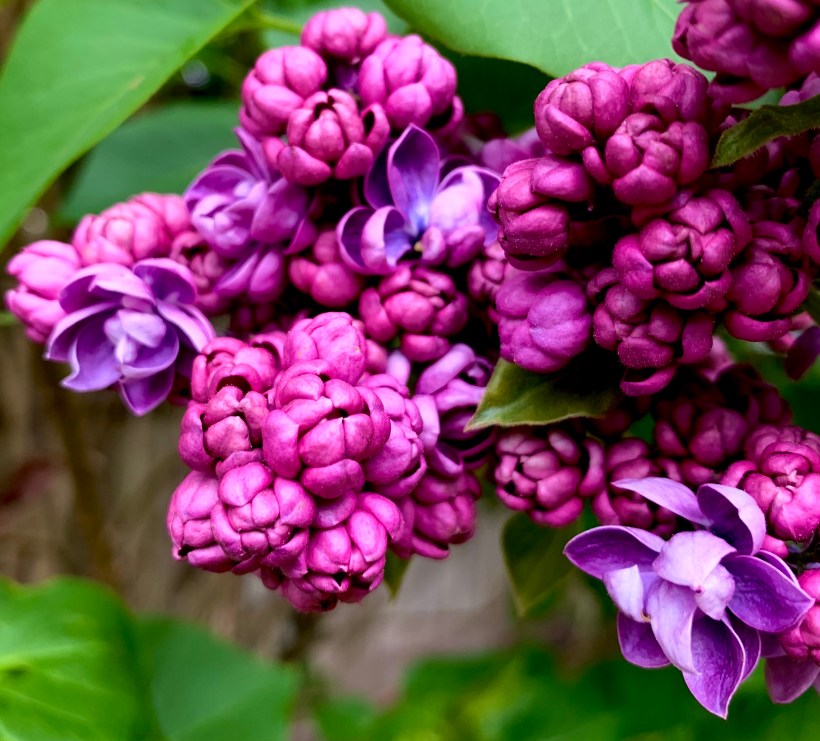
no charming smile, no violet eyes,
and you say, yes, I will take you
I will love you, again.
~Ellen Bass, “The Thing Is” from Mules of Love

...everything here
seems to need us
—Rainer Maria Rilke

It’s a hard time to be human. We know too much
and too little. Does the breeze need us?
If you’ve managed to do one good thing,
the ocean doesn’t care.
But when Newton’s apple fell toward the earth,
the earth, ever so slightly, fell
toward the apple.

~Ellen Bass from “The World Has Need of You” from Like a Beggar

Fallen leaves will climb back into trees.
Shards of the shattered vase will rise
and reassemble on the table.
Plastic raincoats will refold
into their flat envelopes. The egg,
bald yolk and its transparent halo,
slide back in the thin, calcium shell.
Curses will pour back into mouths,
letters un-write themselves, words
siphoned up into the pen. My gray hair
will darken and become the feathers
of a black swan. Bullets will snap
back into their chambers, the powder
tamped tight in brass casings. Borders
will disappear from maps. Rust
revert to oxygen and time. The fire
return to the log, the log to the tree,
the white root curled up
in the un-split seed. Birdsong will fly
into the lark’s lungs, answers
become questions again.
When you return, sweaters will unravel
and wool grow on the sheep.
Rock will go home to mountain, gold
to vein. Wine crushed into the grape,
oil pressed into the olive. Silk reeled in
to the spider’s belly. Night moths
tucked close into cocoons, ink drained
from the indigo tattoo. Diamonds
will be returned to coal, coal
to rotting ferns, rain to clouds, light
to stars sucked back and back
into one timeless point, the way it was
before the world was born,
that fresh, that whole, nothing
broken, nothing torn apart.

~Ellen Bass “When You Return” from Like a Beggar

There is so much grief these days
so much anger,
so much loss of life,
so much weeping.

How can we withstand this?
How can we know, now,
when we are barely able to breathe
that we might know – at some point –
we might have the stomach to love life again?

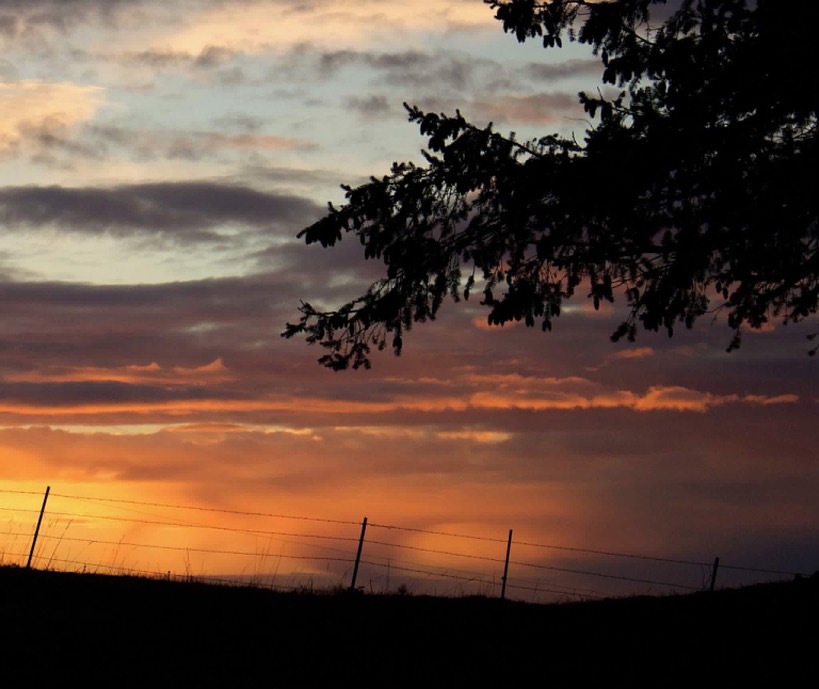
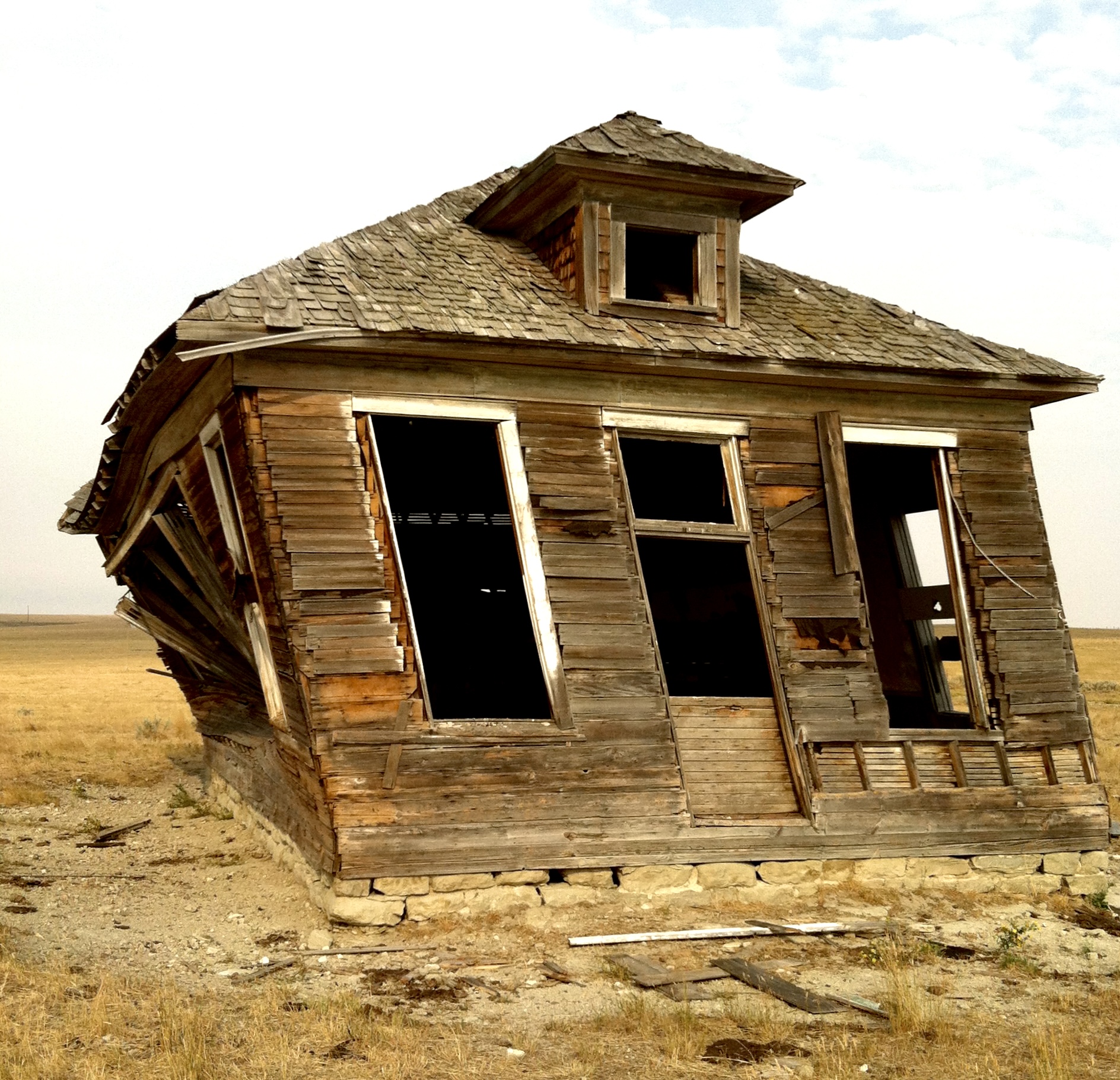
This time of year, no matter which way I turn,  autumn’s kaleidoscope displays new patterns, new colors, new empty spaces as I watch the world die into itself once again. 

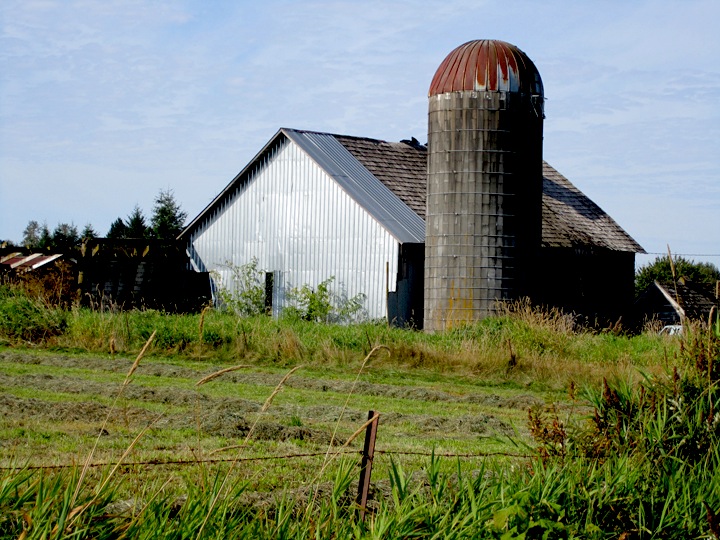
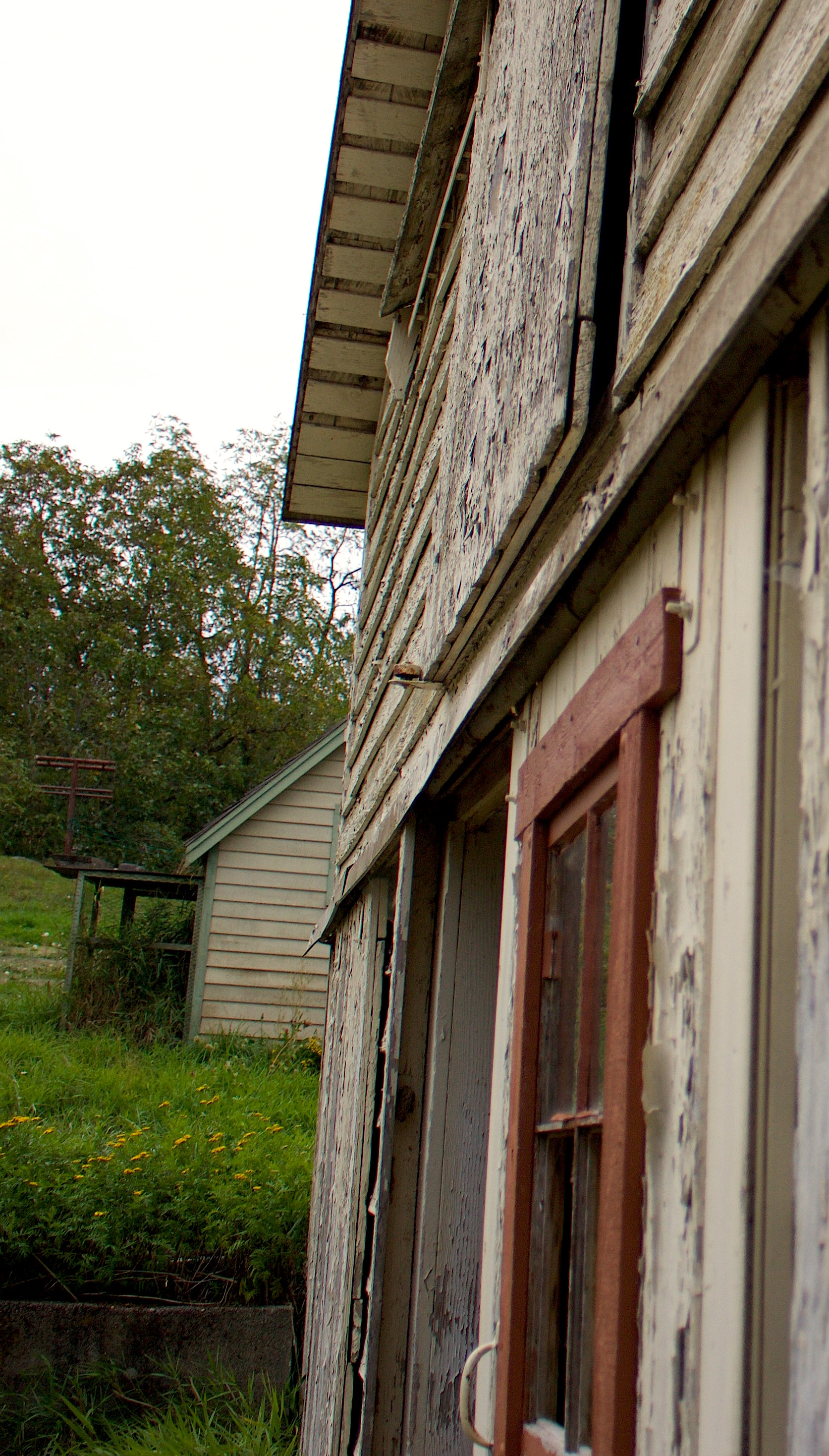
Some dying is flashy, brilliant, blazing – a calling out for attention. Then there is the hidden dying that happens without anyone taking notice: just a plain, tired, rusting away letting go.

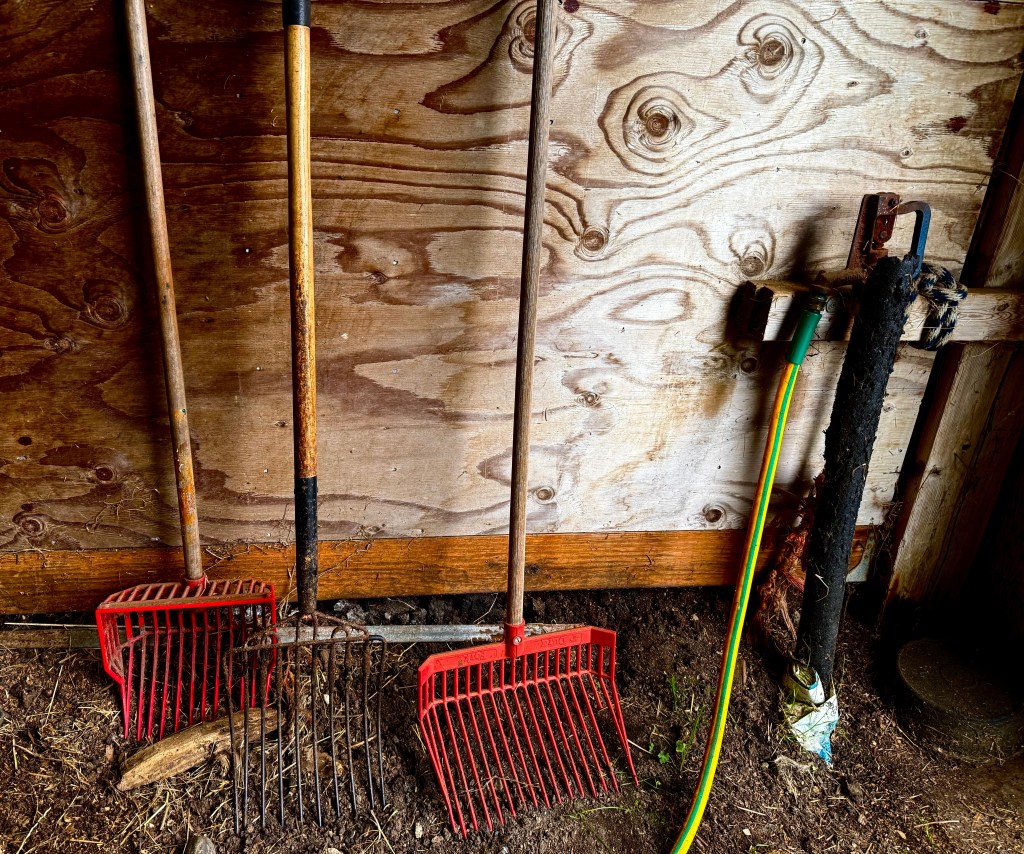
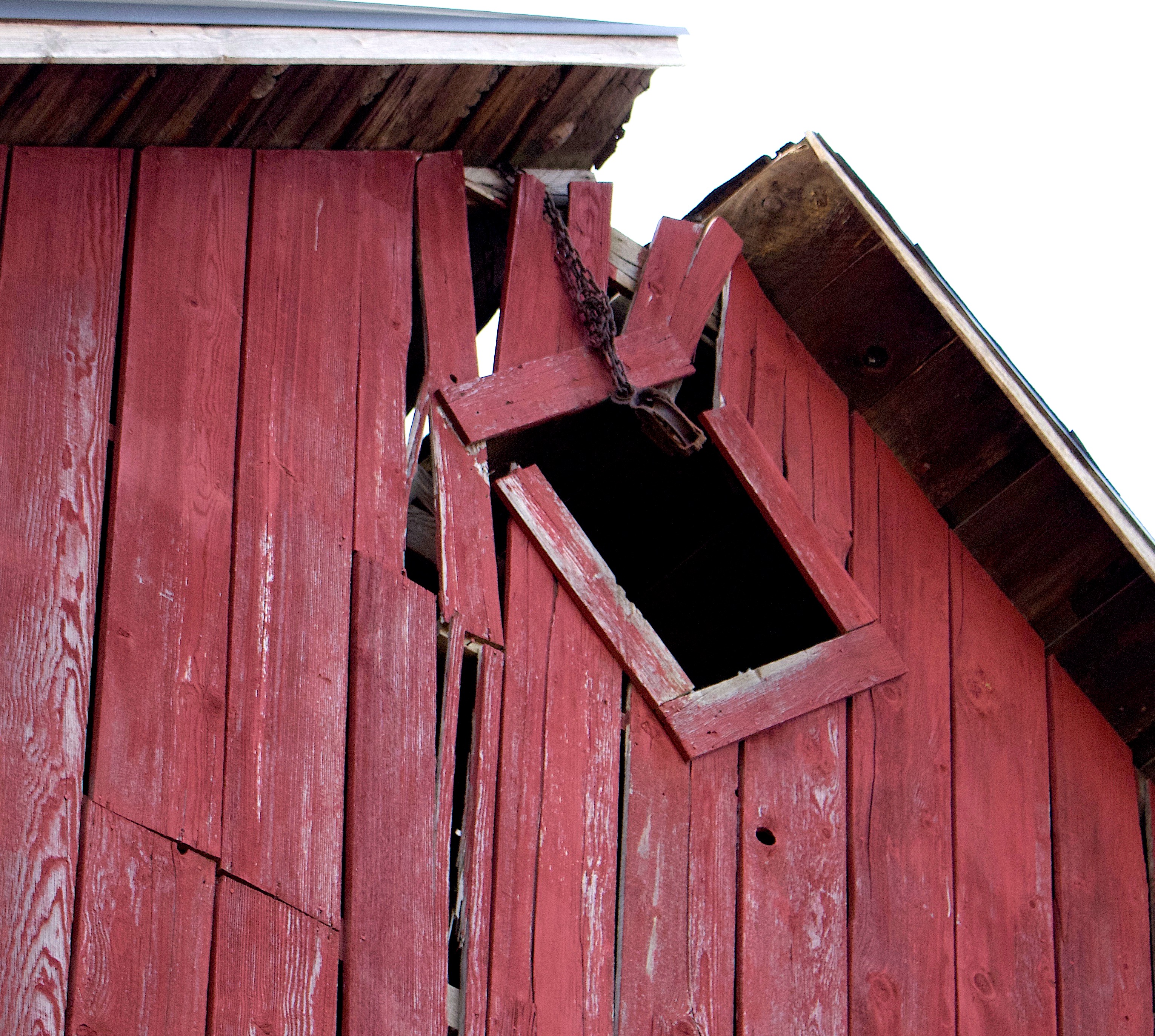
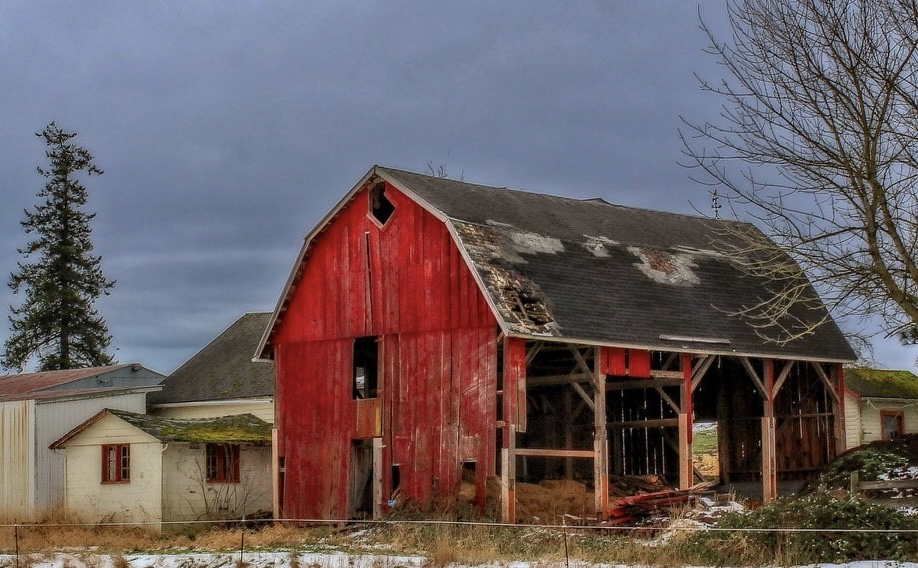
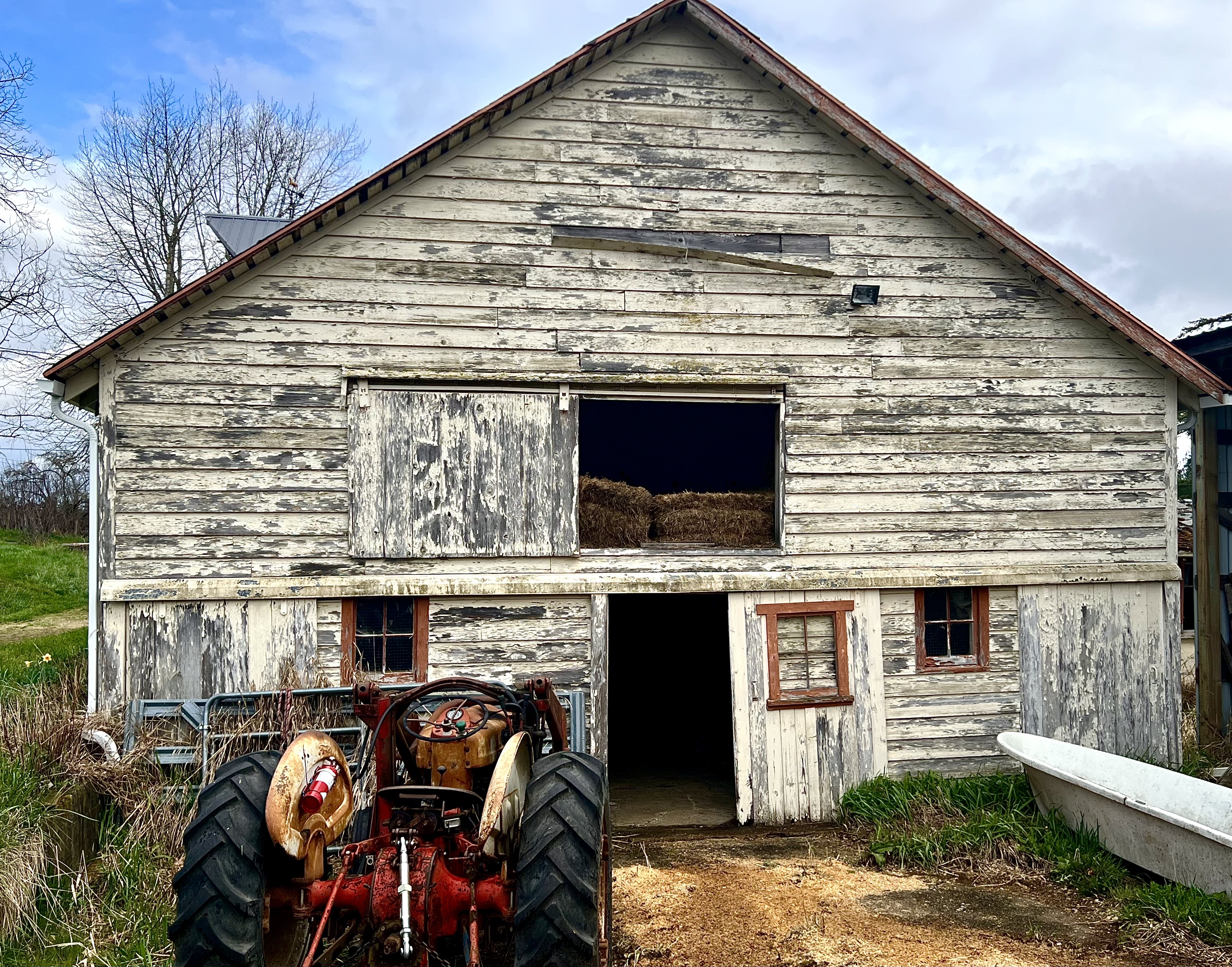
I spent this morning adjusting to the change in season by occupying myself with the familiar task of moving manure. Cleaning barn is a comforting chore, allowing me to transform tangible benefit from something objectionable and just plain stinky to the nurturing fertilizer of the future.

It feels like I’ve actually accomplished something.

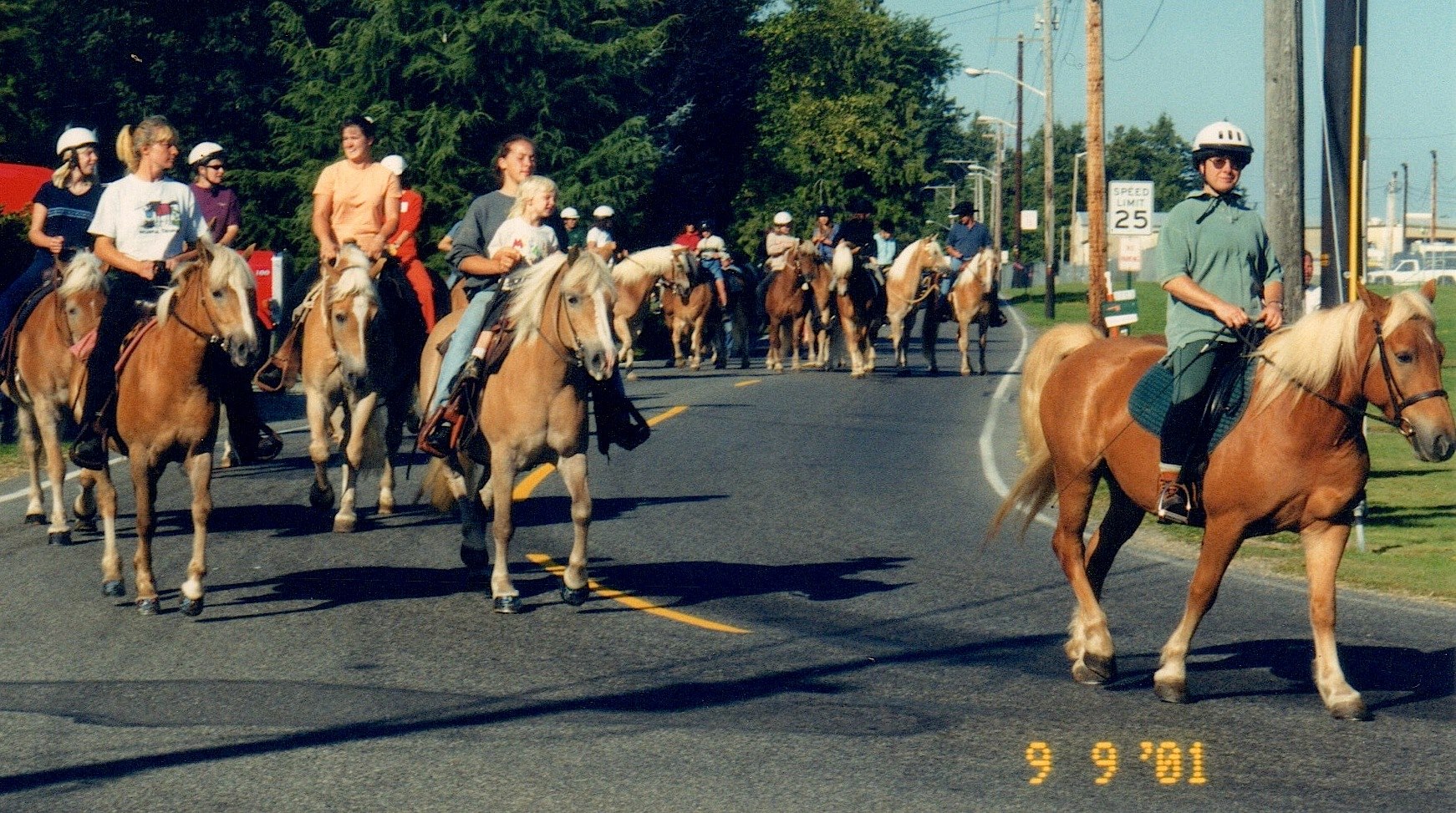
As I scoop and push the wheelbarrow, I recalled another barn cleaning 24 years ago, just days before the world changed on 9/11/01.

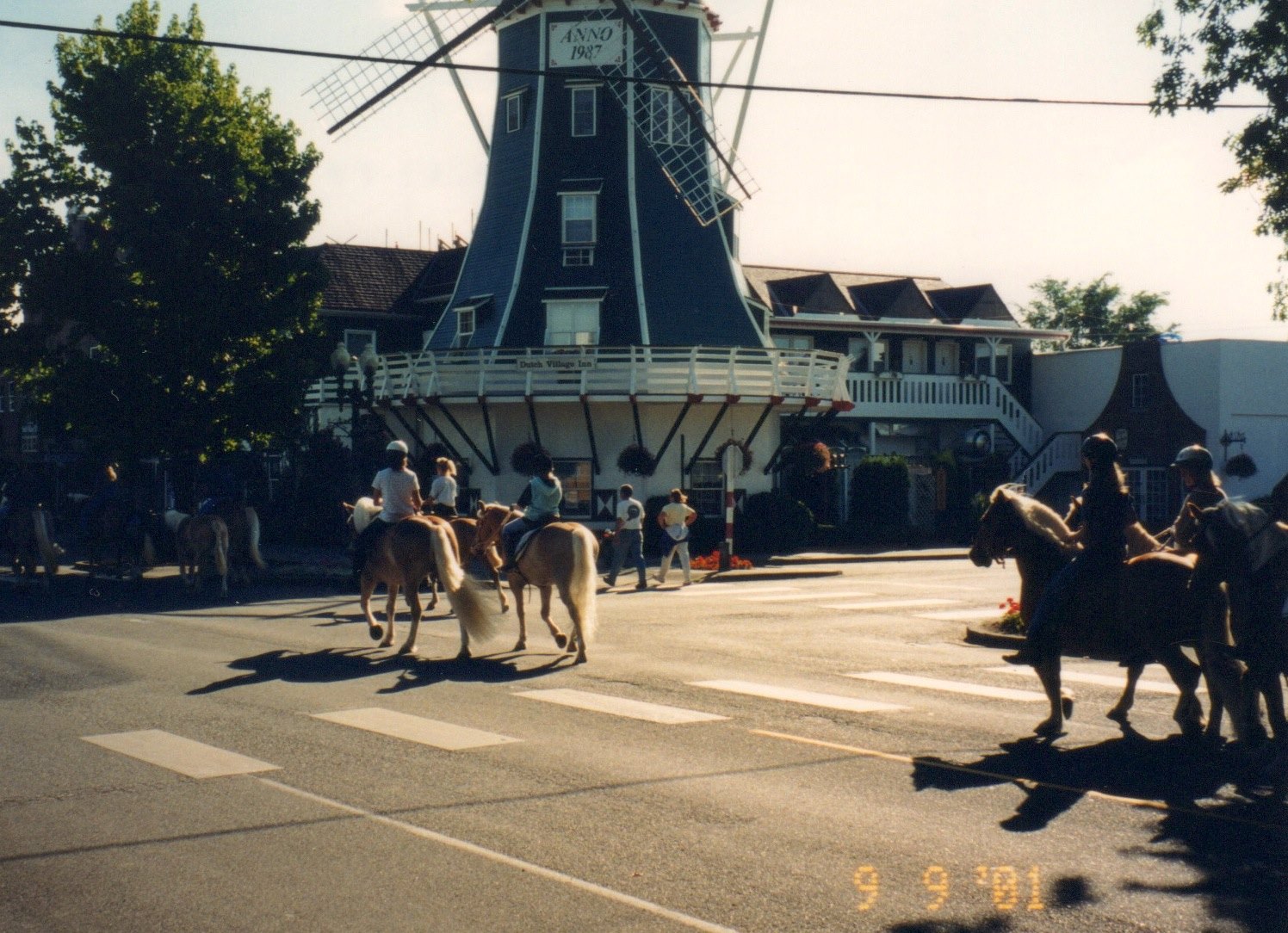
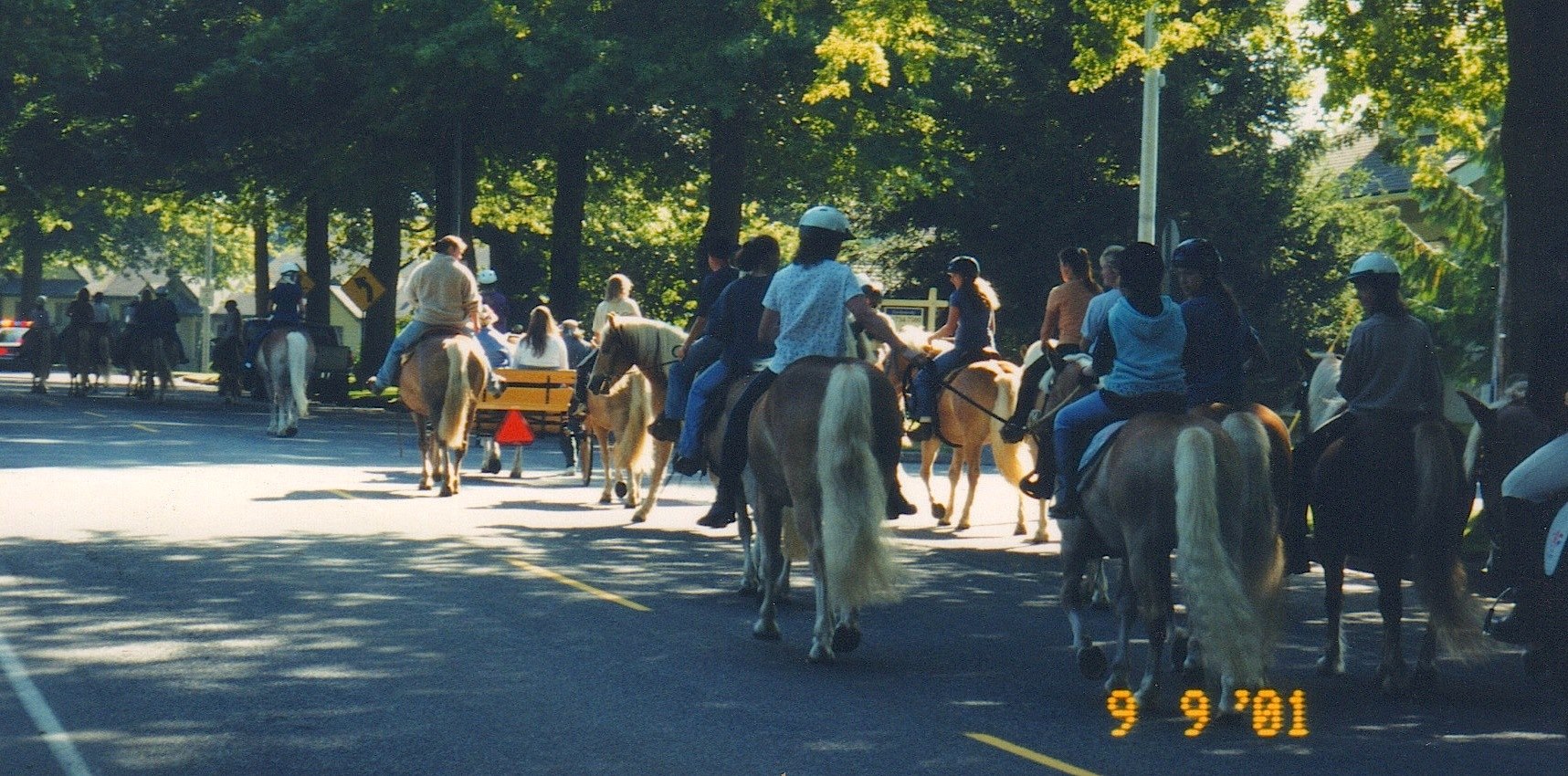
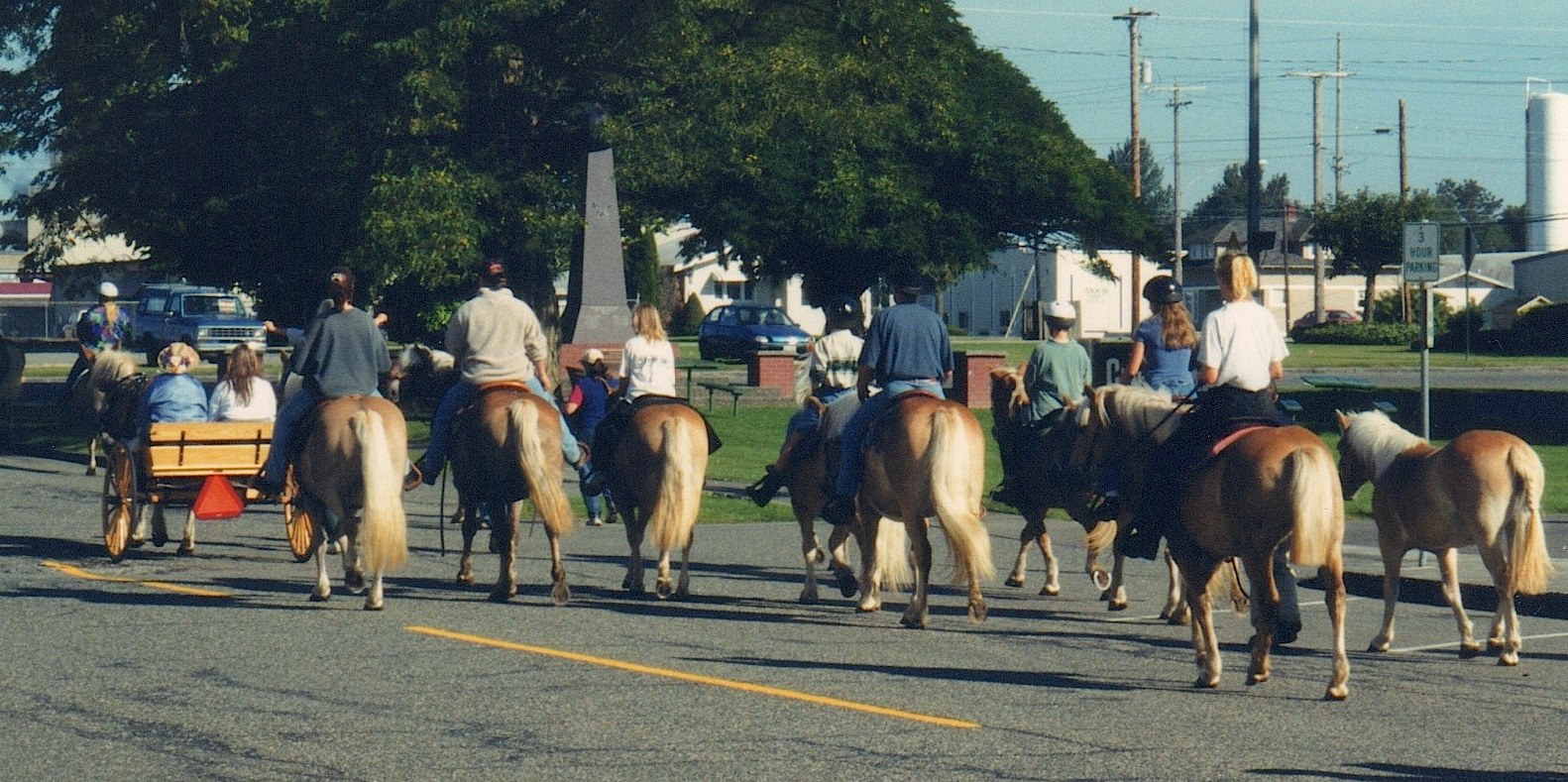
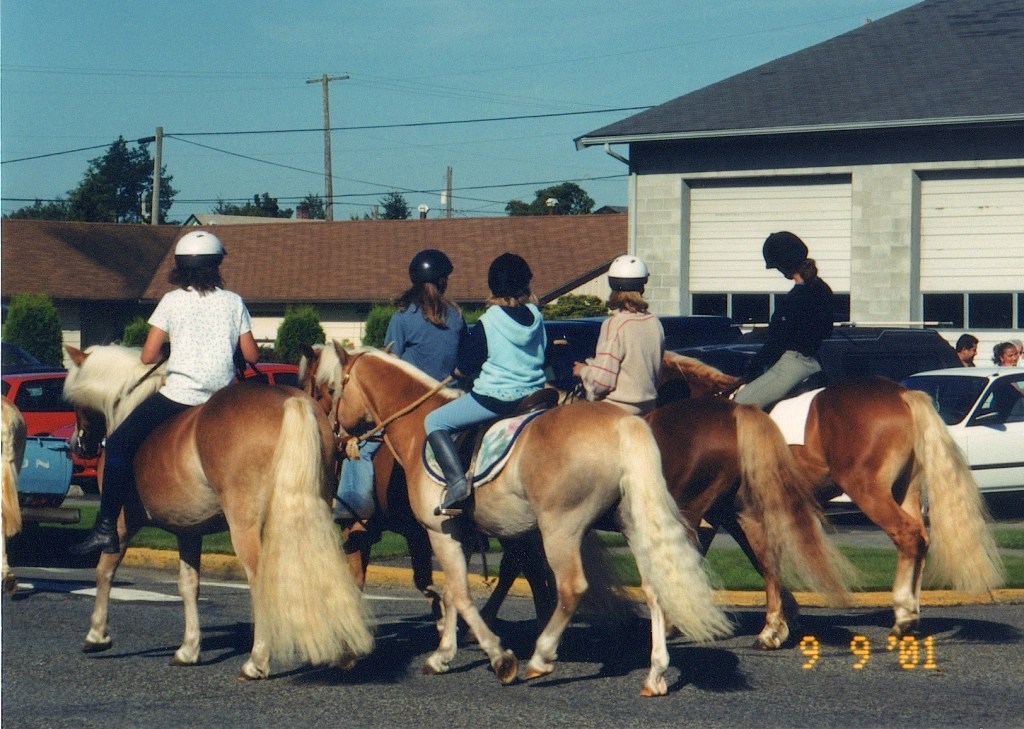
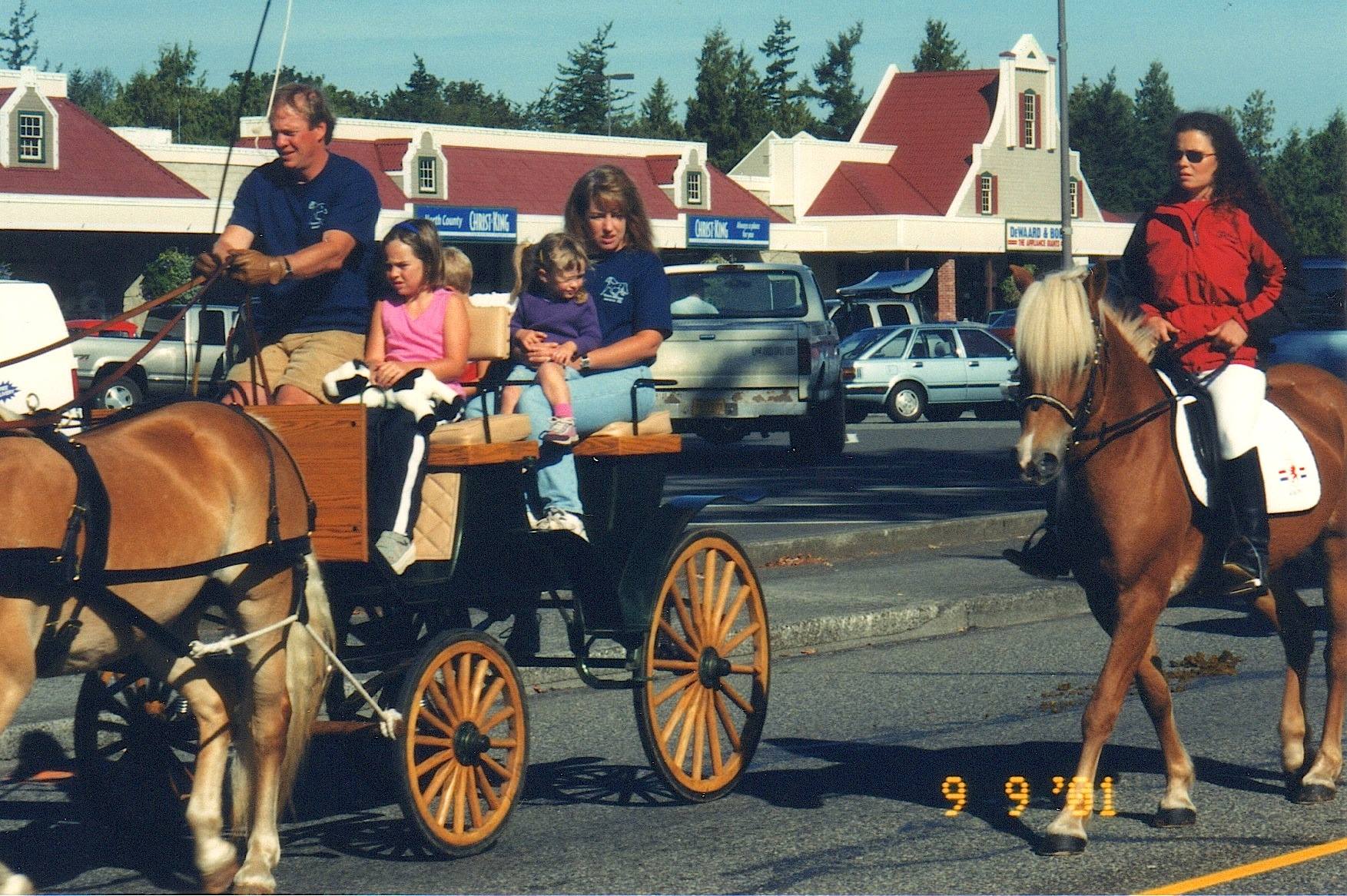
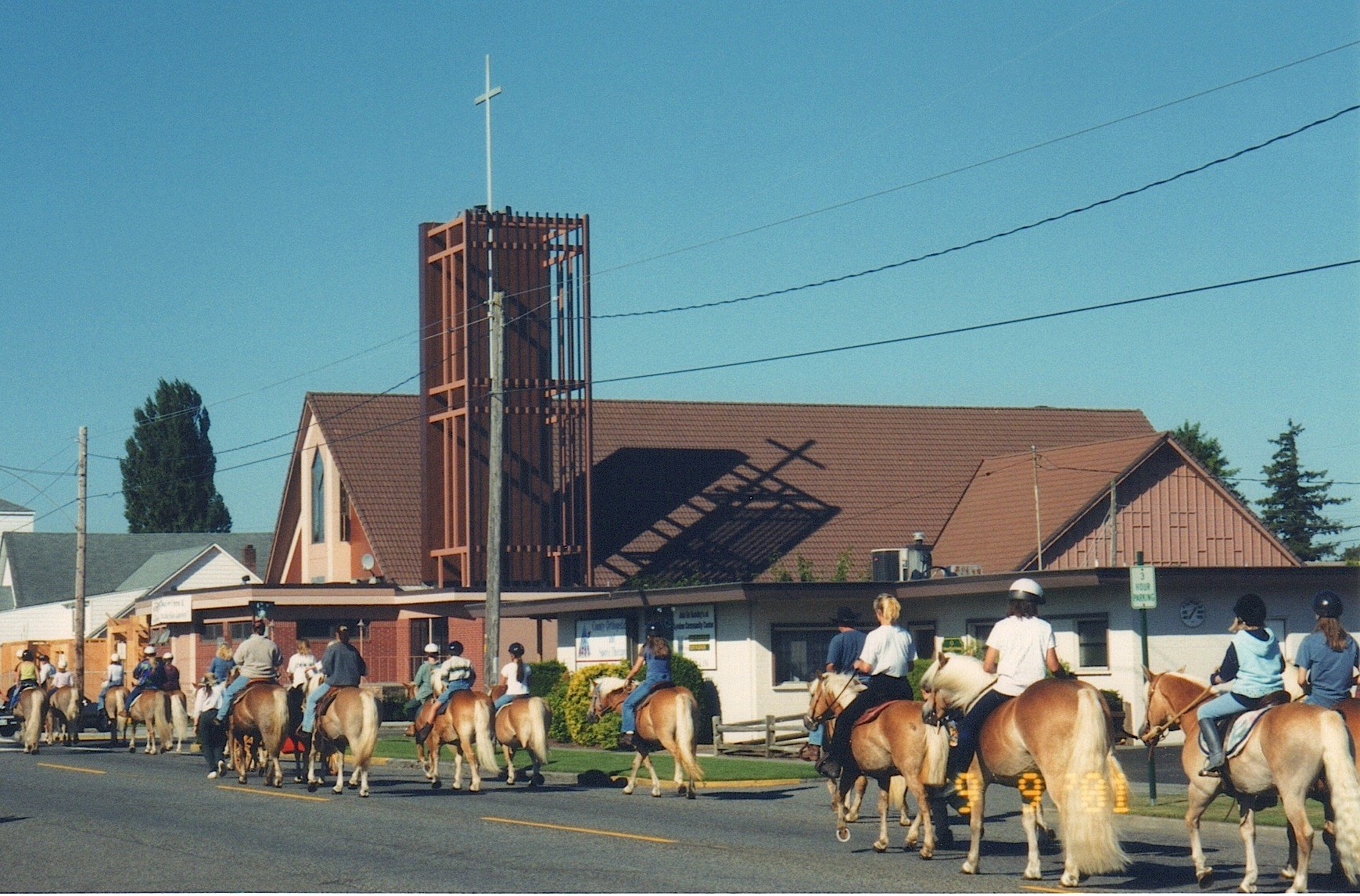
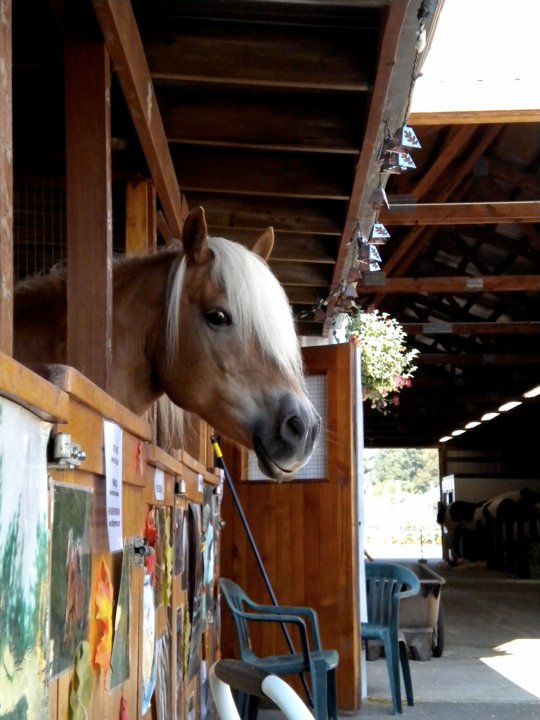
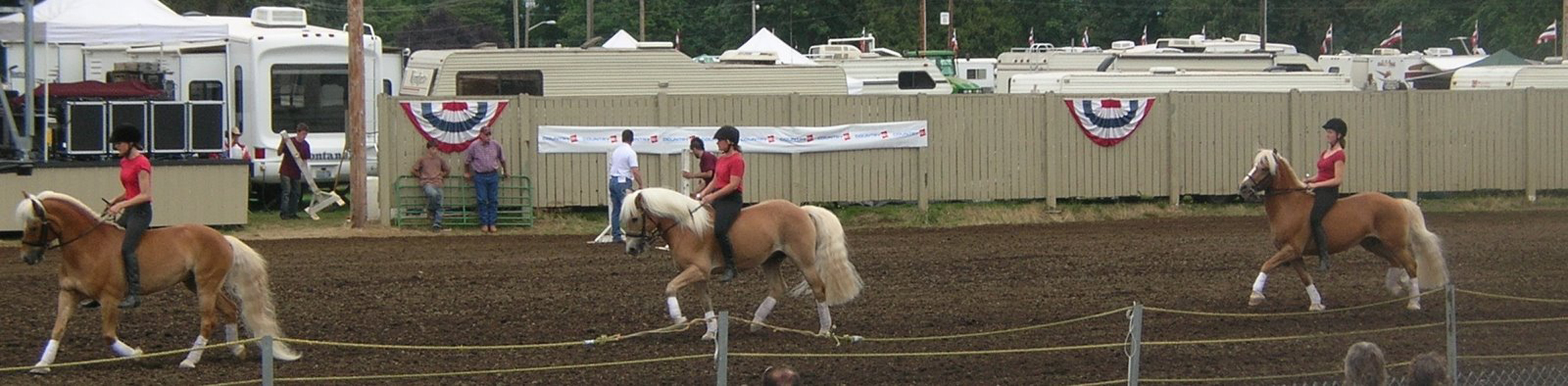
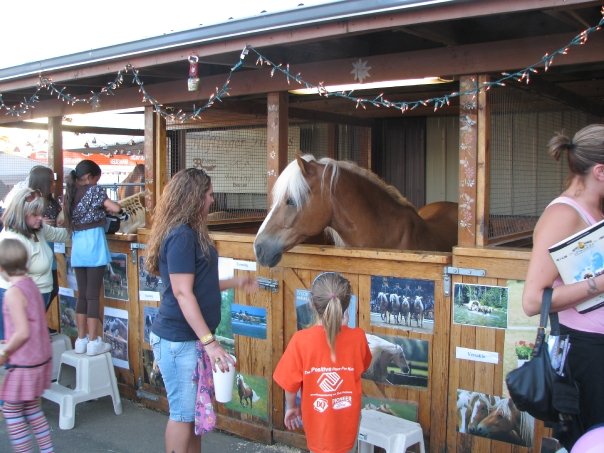
I was one of three or four friends left cleaning over ninety stalls after a Haflinger horse event that I had organized at our local fairgrounds. Some people had brought their horses from over 1000 miles away to participate for several days, including a Haflinger parade through our town on a quiet Sunday morning.

There had been personality clashes and harsh words among some participants along with criticism directed at me as the organizer that I had taken very personally. As I struggled with the umpteenth wheelbarrow load of manure, tears stung my eyes and my heart. 

I was miserable with regret, feeling my work had been futile and unappreciated.

One friend had stayed behind with her young family to help clean up the large facility and she could see I was struggling to keep my composure. Jenny put herself right in front of my wheelbarrow and looked me in the eye, insisting I stop for a moment and listen:

“You know,  none of these troubles and conflicts will amount to a hill of beans years from now. People will remember a fun event in a beautiful part of the country, a wonderful time with their Haflingers, their friends and family, and they’ll be all nostalgic about it, not giving a thought to the infighting or the sour attitudes or who said what to whom. So don’t make this about you and whether you did or didn’t make everyone happy. You loved us all enough to make it possible to meet here and the rest was up to us. So quit being upset about what you can’t change. There’s too much you can still do for us.”

Jenny had no idea how wise her words were, even two days later, on 9/11.

During tough times since (and there have been plenty), Jenny’s advice replays, reminding me to cease seeking appreciation from others or feeling hurt when harsh words come my way. 

She was right about the balm found in the tincture of time. She was right about giving up the upset in order to die to self and self absorption, and instead to focus outward.

I have remembered.

Jenny herself did not know that day she would subsequently spend six years dying while still loving life every day, fighting a relentless cancer that was only slowed in the face of her faith and intense drive to live.

She became a rusting leaf gone holy, fading imperceptibly over time, crumbling at the edges until she finally had to let go. Her dying did not flash brilliance, nor draw attention at the end. Her intense focus during the years of her illness had always been outward to others, to her family and friends, to the healers she spent so much time with in medical offices, to her firm belief in the plan God had written for her and those who loved her.

So Jenny let go her hold on life here. And we reluctantly let her go.   Brilliance cloaks her as her focus is now on things eternal.

You were so right, Jenny. The hard feelings from a quarter century ago don’t amount to a hill of beans now. The words you spoke to me that day taught me to love life even when I have no stomach for it.

All of us did have a great time together a few days before the world changed. And manure transforms over time to rich, nurturing compost.

I promise I am no longer upset that I can’t change what is past nor the fact that you and so many others have now left us.

But we’ll catch up later.

One-Time
Monthly
Yearly

Make a one-time or recurring donation to support daily Barnstorming posts

Make a monthly donation

Make a yearly donation

Choose an amount

$10.00
$25.00
$50.00
$5.00
$15.00
$100.00
$5.00
$15.00
$100.00

Or enter a custom amount

$

Your contribution is deeply appreciated.

Your contribution is appreciated.

Your contribution is appreciated.

DonateDonate monthlyDonate yearly
A Task to Labor At

How much better it is
to carry wood to the fire
than to moan about your life.
How much better
to throw the garbage
onto the compost, or to pin the clean
sheet on the line,
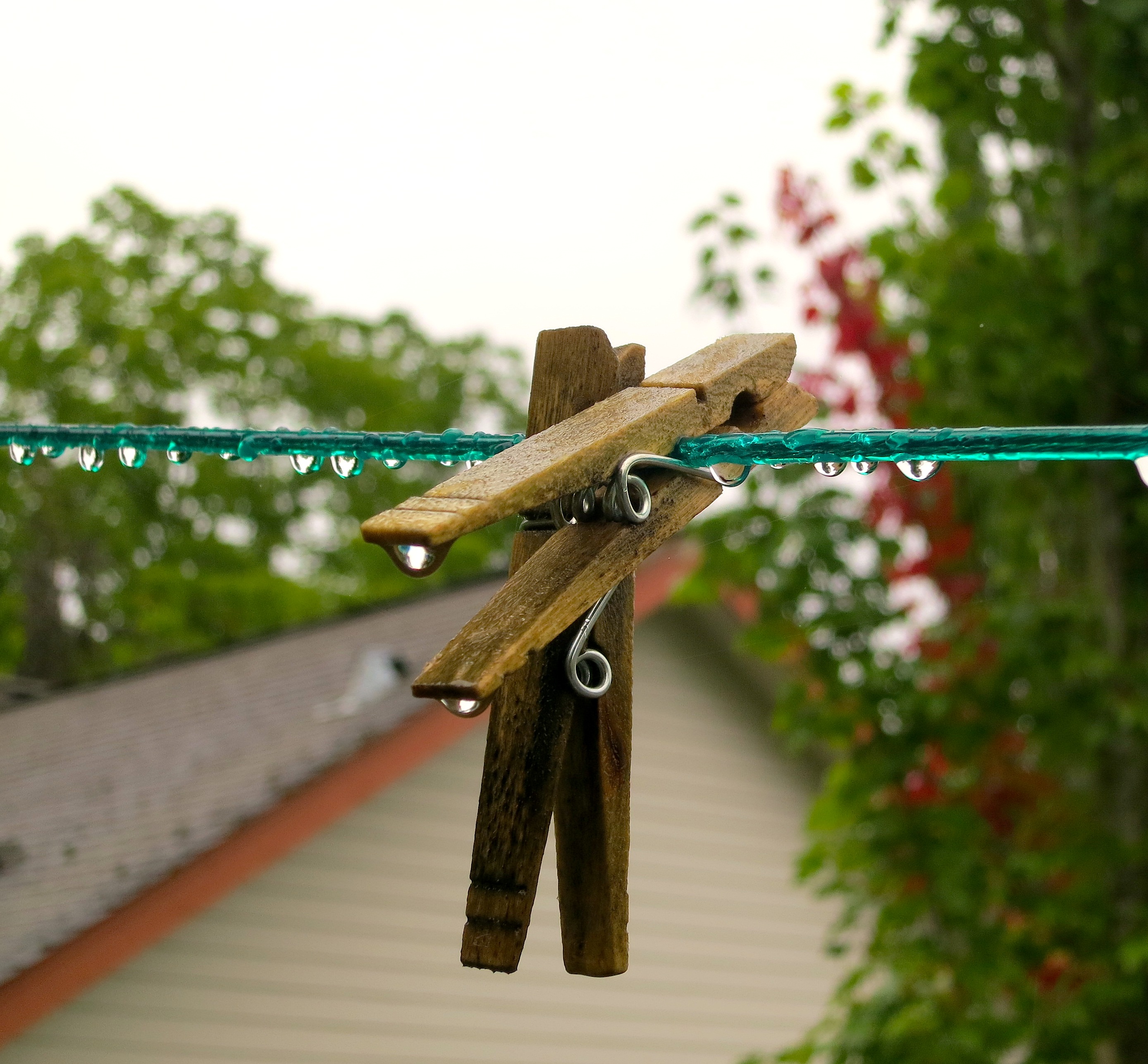
With a gray-brown wooden clothes pin.
~Jane Kenyon “The Clothespin”

Queen of my tub, I merrily sing,
While the white foam rises high,
And sturdily wash, and rinse, and wring,
And fasten the clothes to dry;
Then out in the free fresh air they swing,
Under the sunny sky.

I wish we could wash from our hearts and our souls
The stains of the week away,
And let water and air by their magic make
Ourselves as pure as they;
Then on the earth there would be indeed
A glorious washing-day!

Along the path of a useful life
Will heart’s-ease ever bloom;
The busy mind has no time to think
Of sorrow, or care, or gloom;
And anxious thoughts may be swept away
As we busily wield a broom.

I am glad a task to me is given
To labor at day by day;
For it brings me health, and strength, and hope,
And I cheerfully learn to say,—
“Head, you may think; heart, you may feel;
But hand, you shall work alway!”

~Louisa May Alcott “A Song from the Suds”

Silken web undulates,
a lady’s private wash
upon the wind.
~L.L. Barkat

All day the blanket snapped and swelled
on the line, roused by a hot spring wind….
From there it witnessed the first sparrow,
early flies lifting their sticky feet,
and a green haze on the south-sloping hills.
Clouds rose over the mountain….At dusk
I took the blanket in, and we slept,
restless, under its fragrant weight.
~Jane Kenyon “Wash”

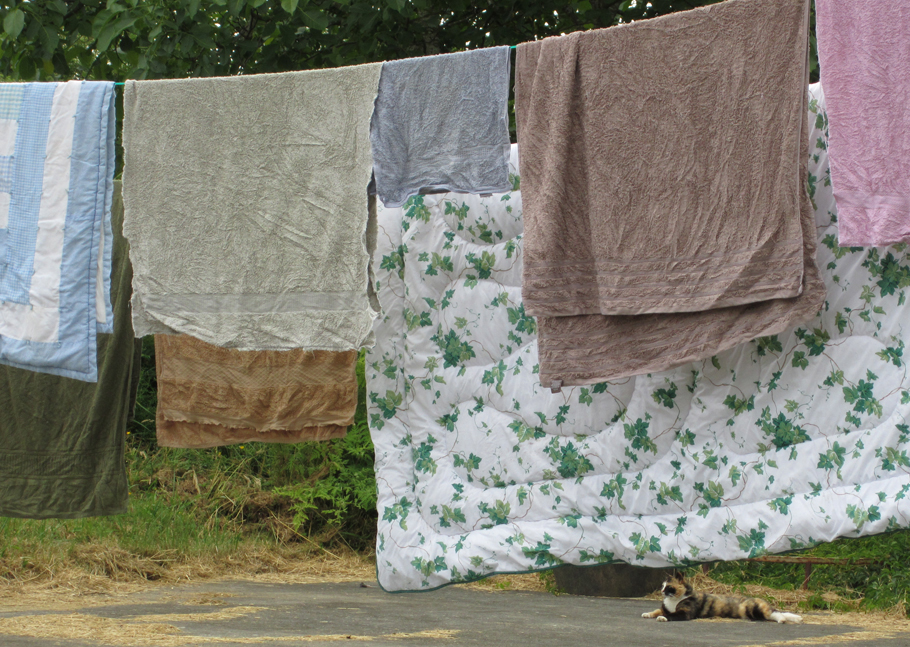
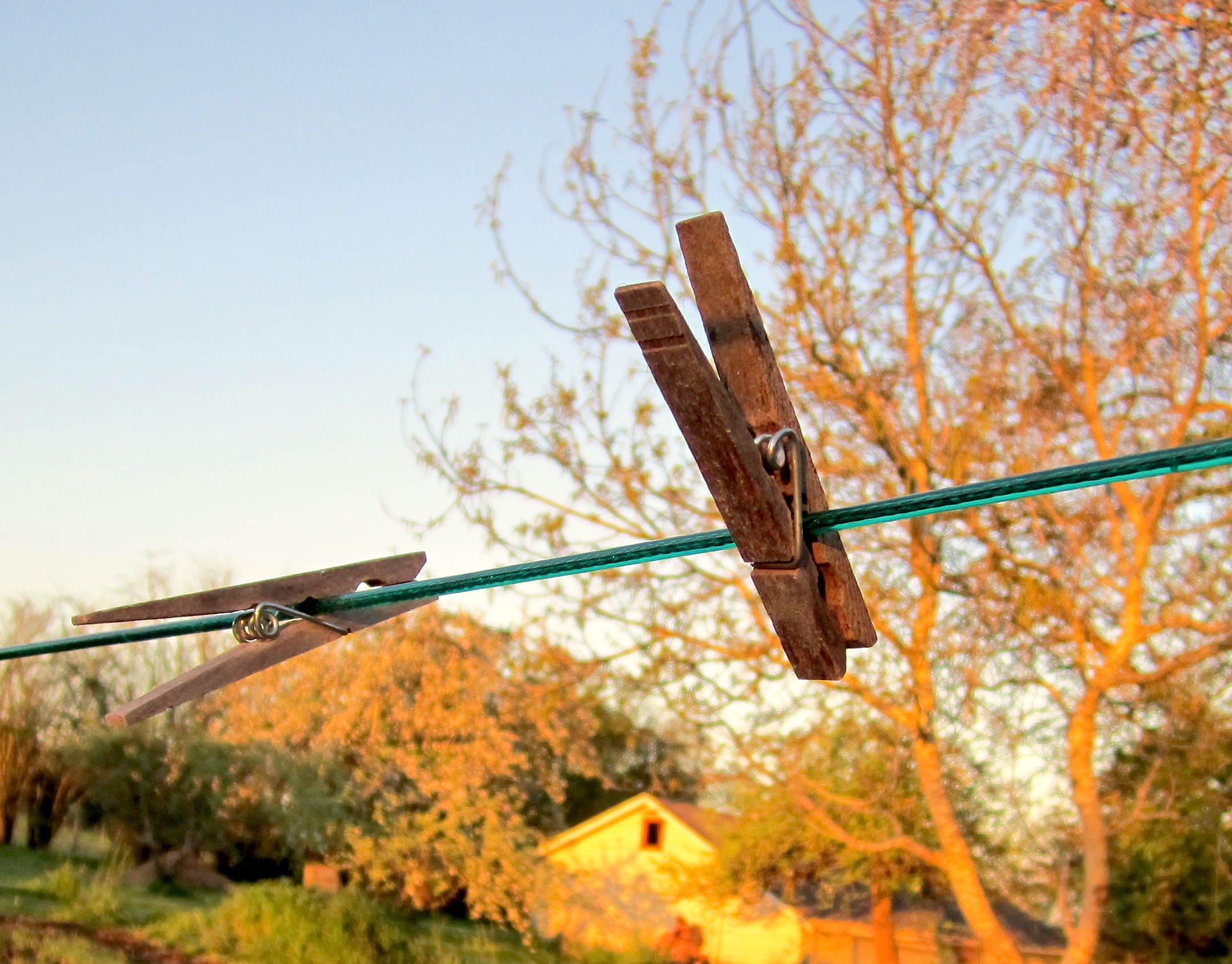
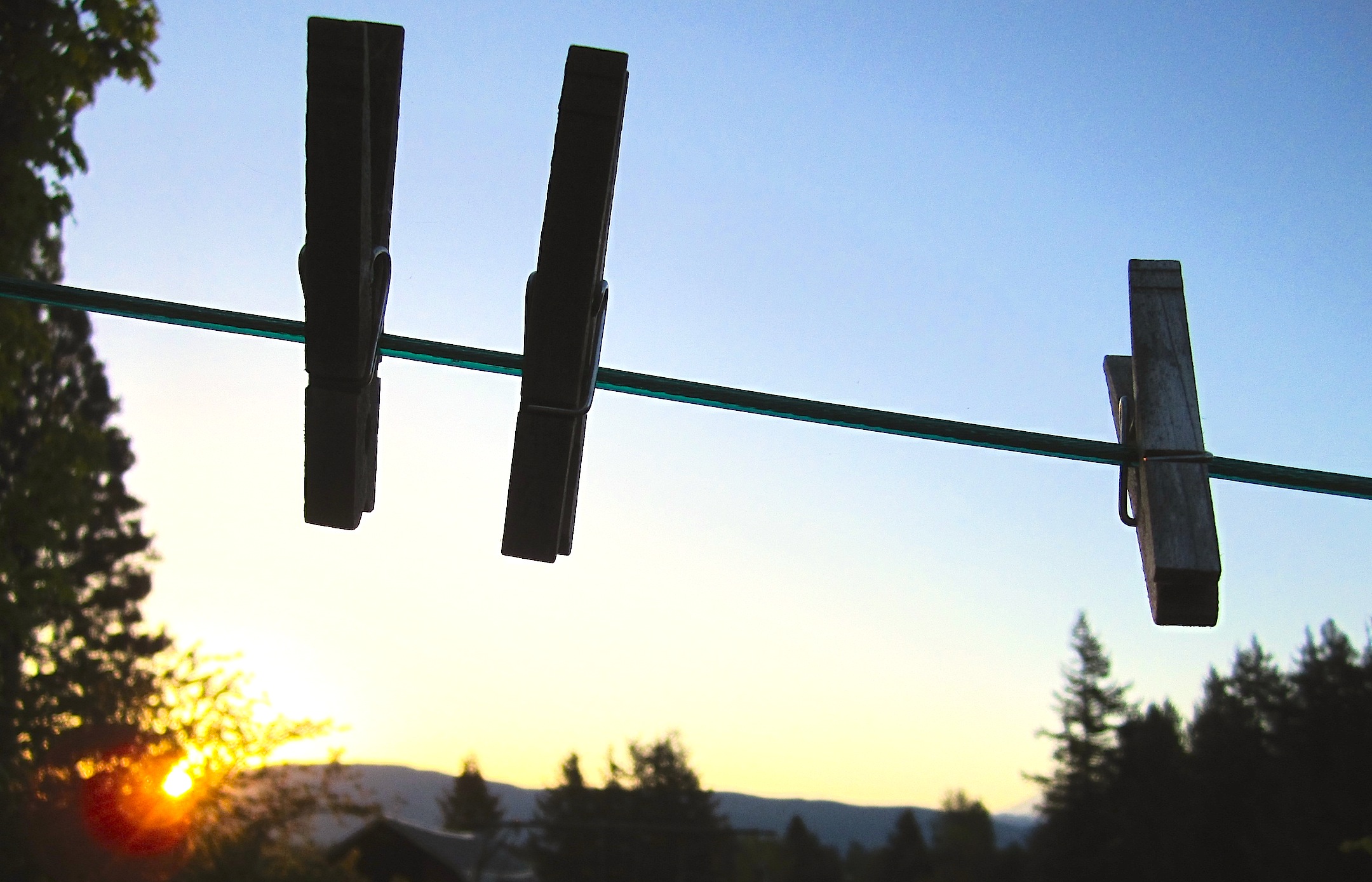
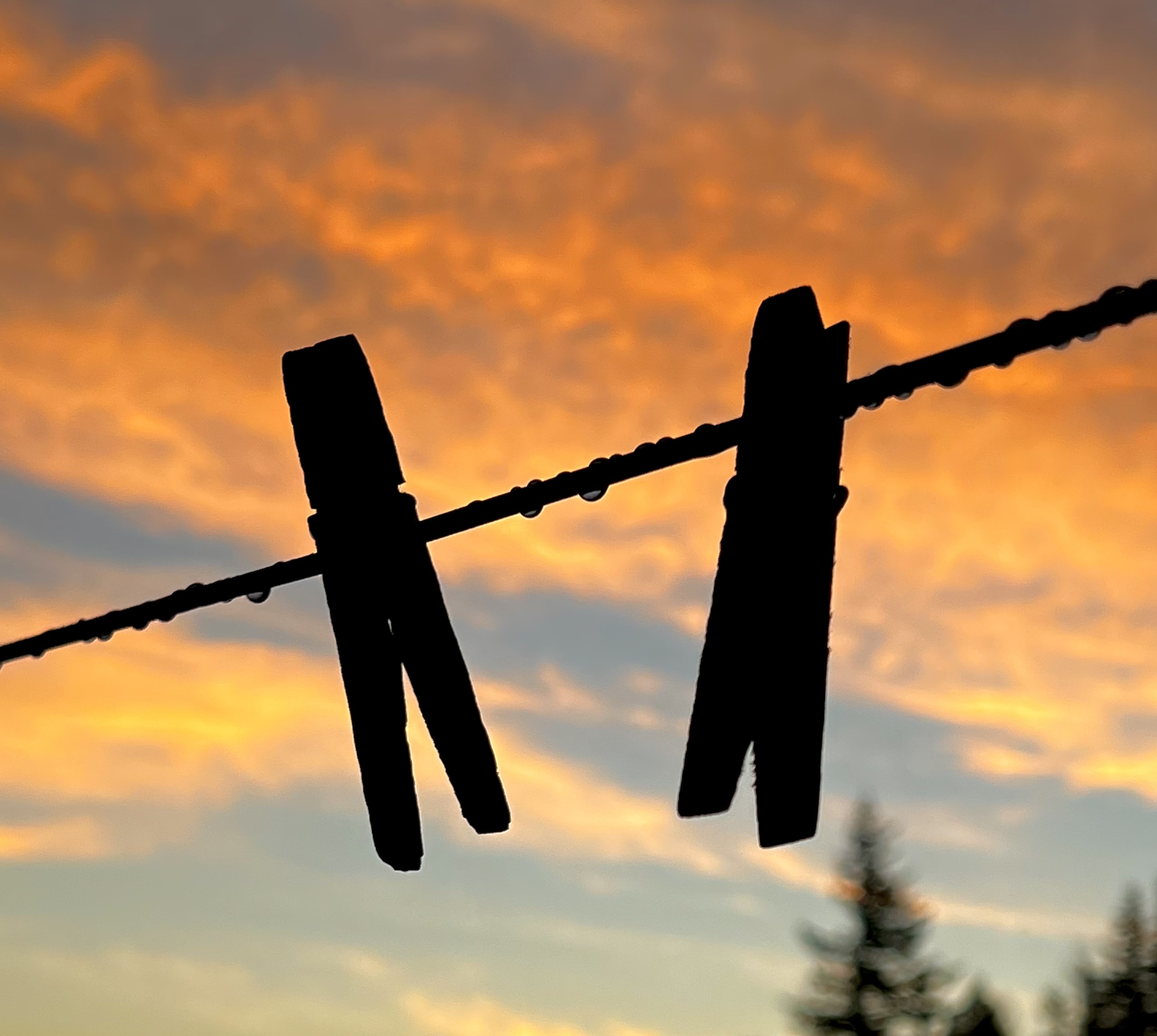
We have a clothesline that I use several times a week to take advantage of sunlight, breezes, fresh air fragrance – all at no cost but the time it takes to carry laundry outside, hang it up with my ancient clothespins, and then pull it back down at the end of the day.

It is well worth the effort; I have been fortunate to always live where there is a line and clothespins.

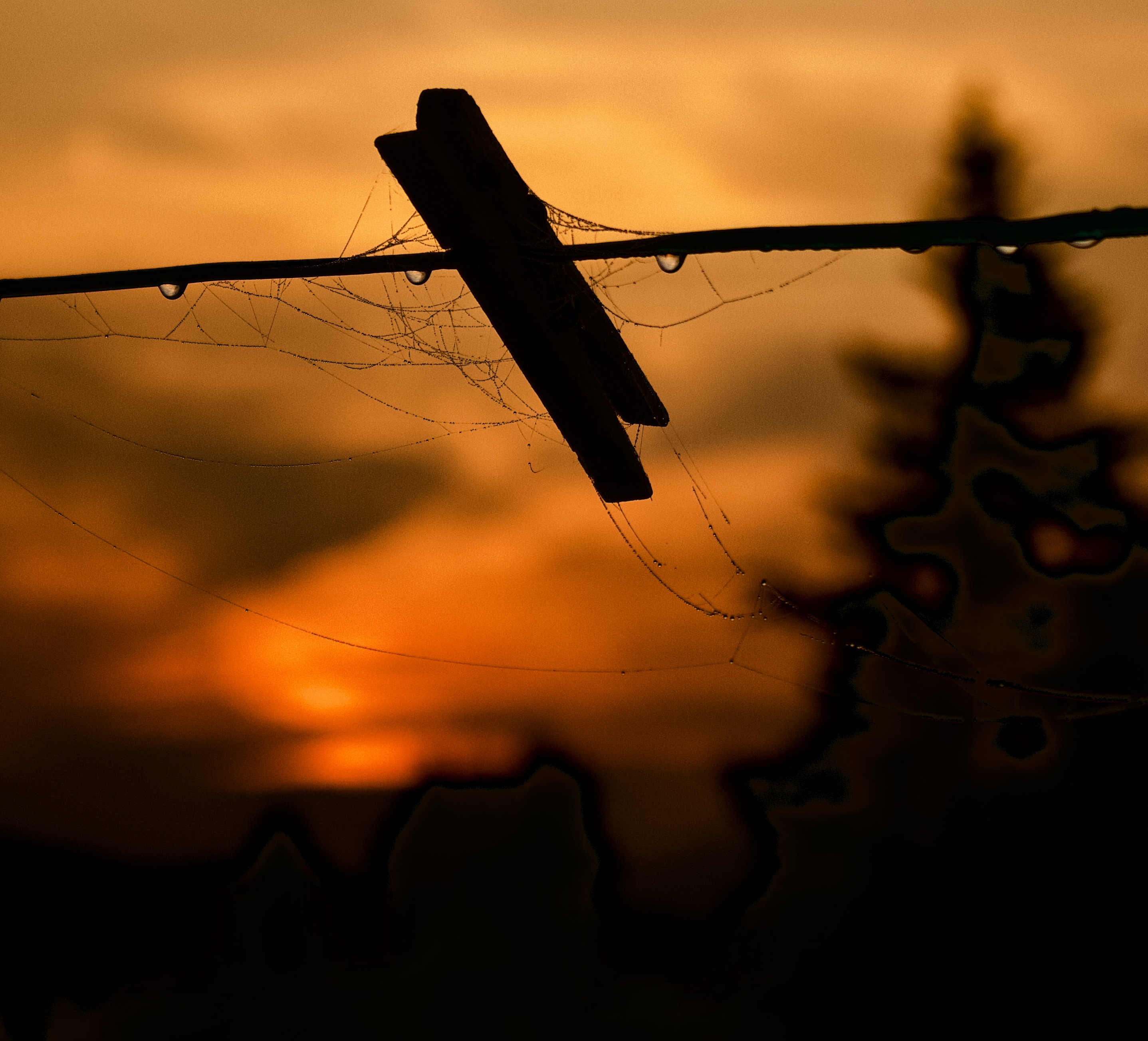
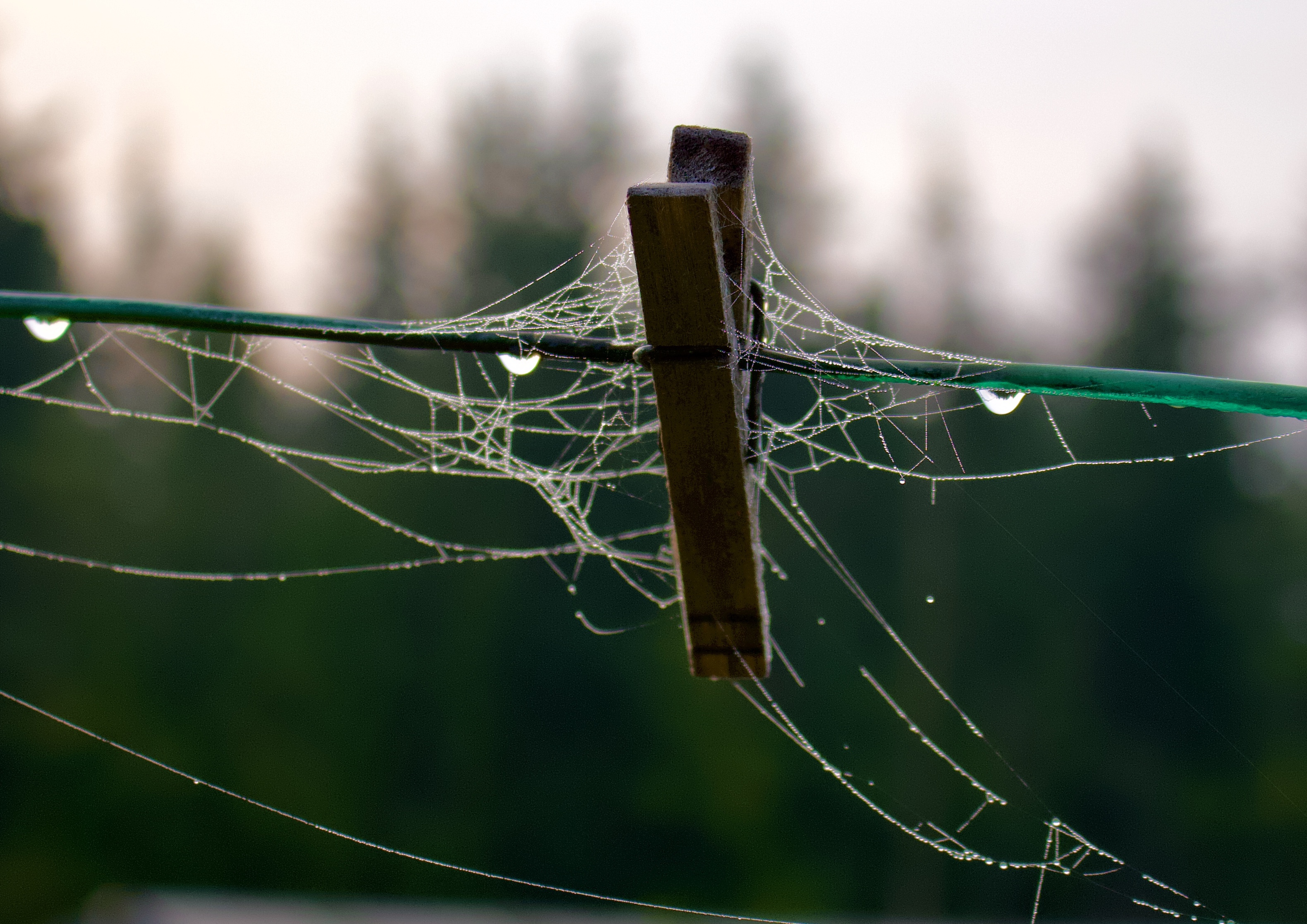
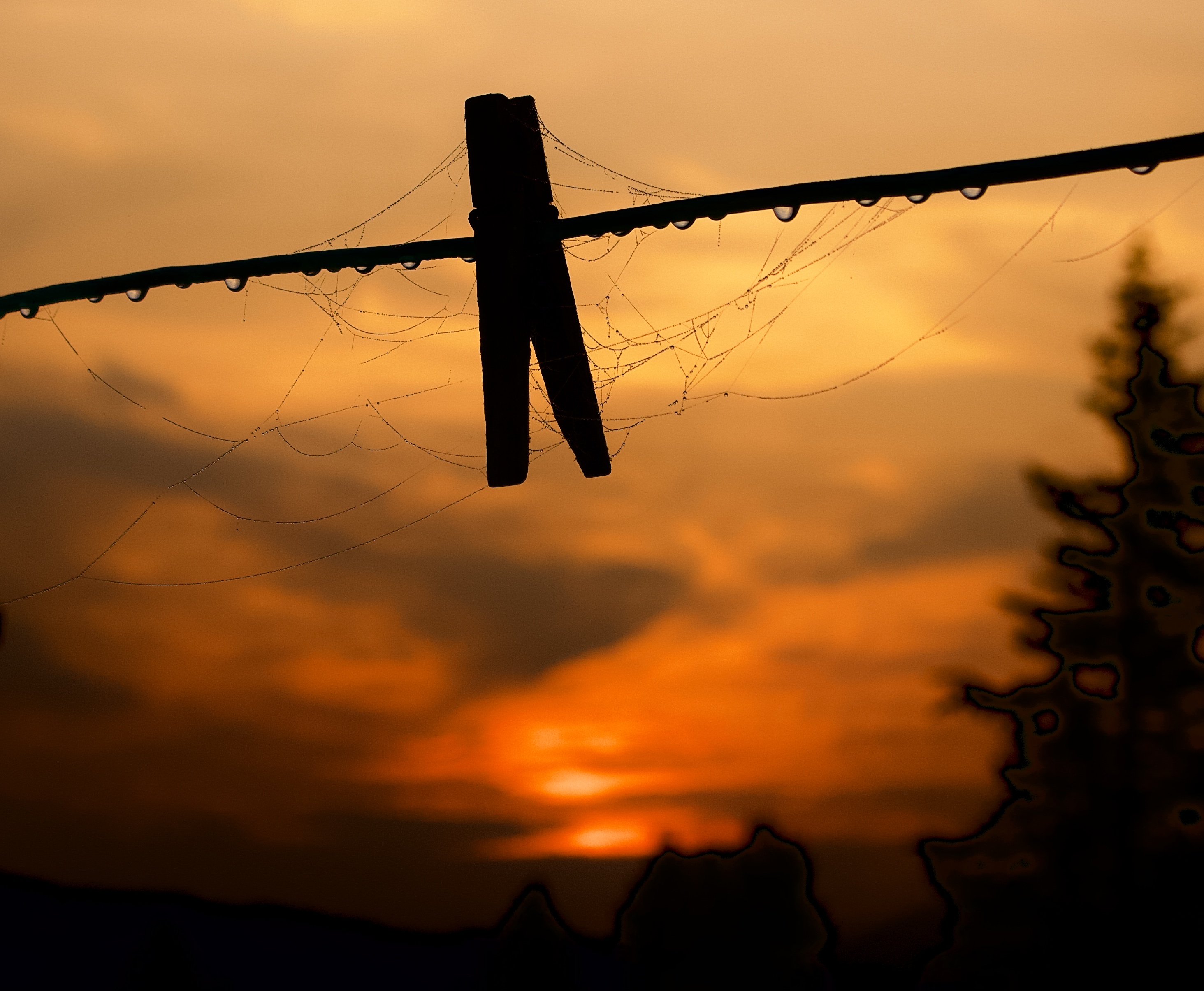
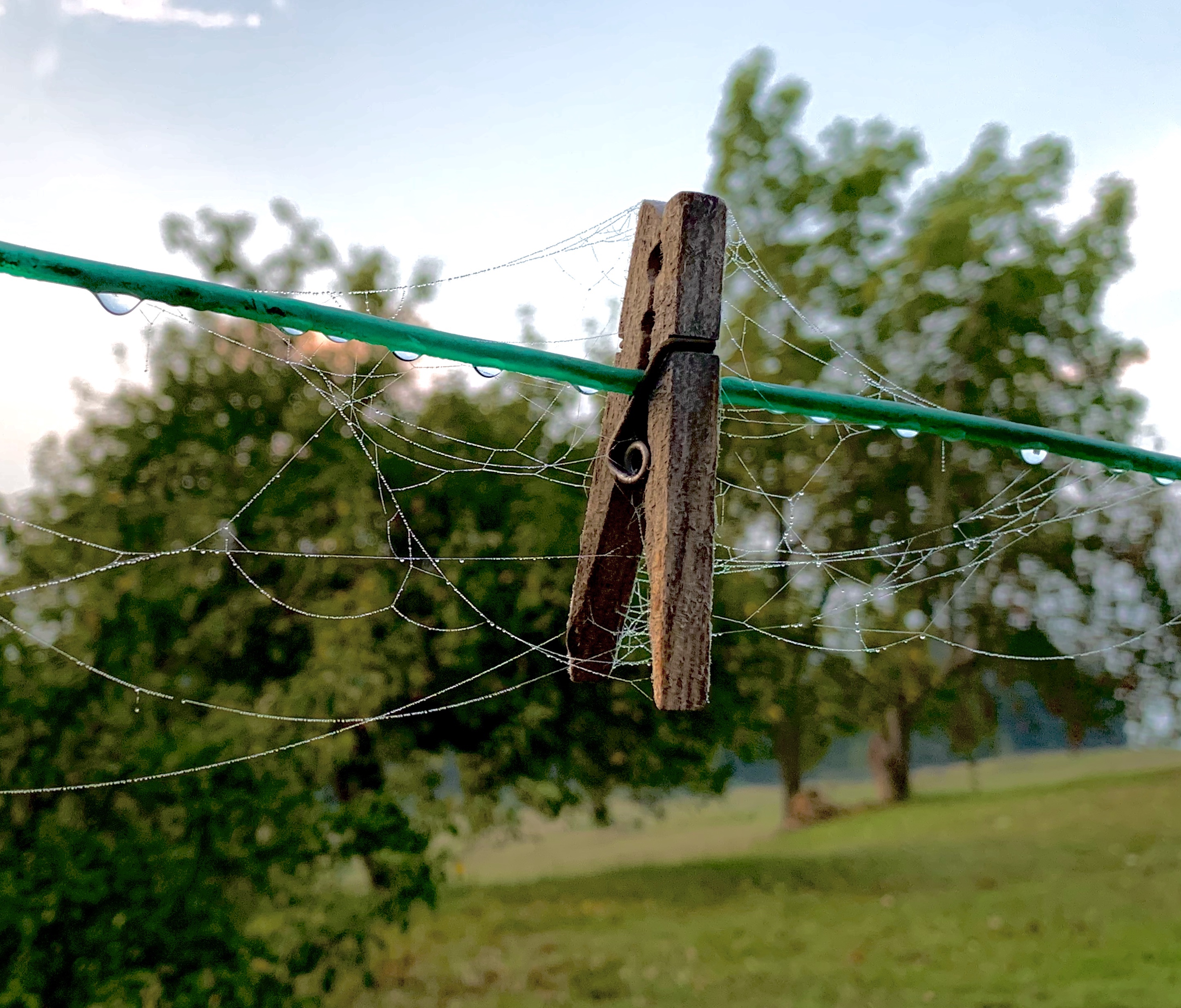
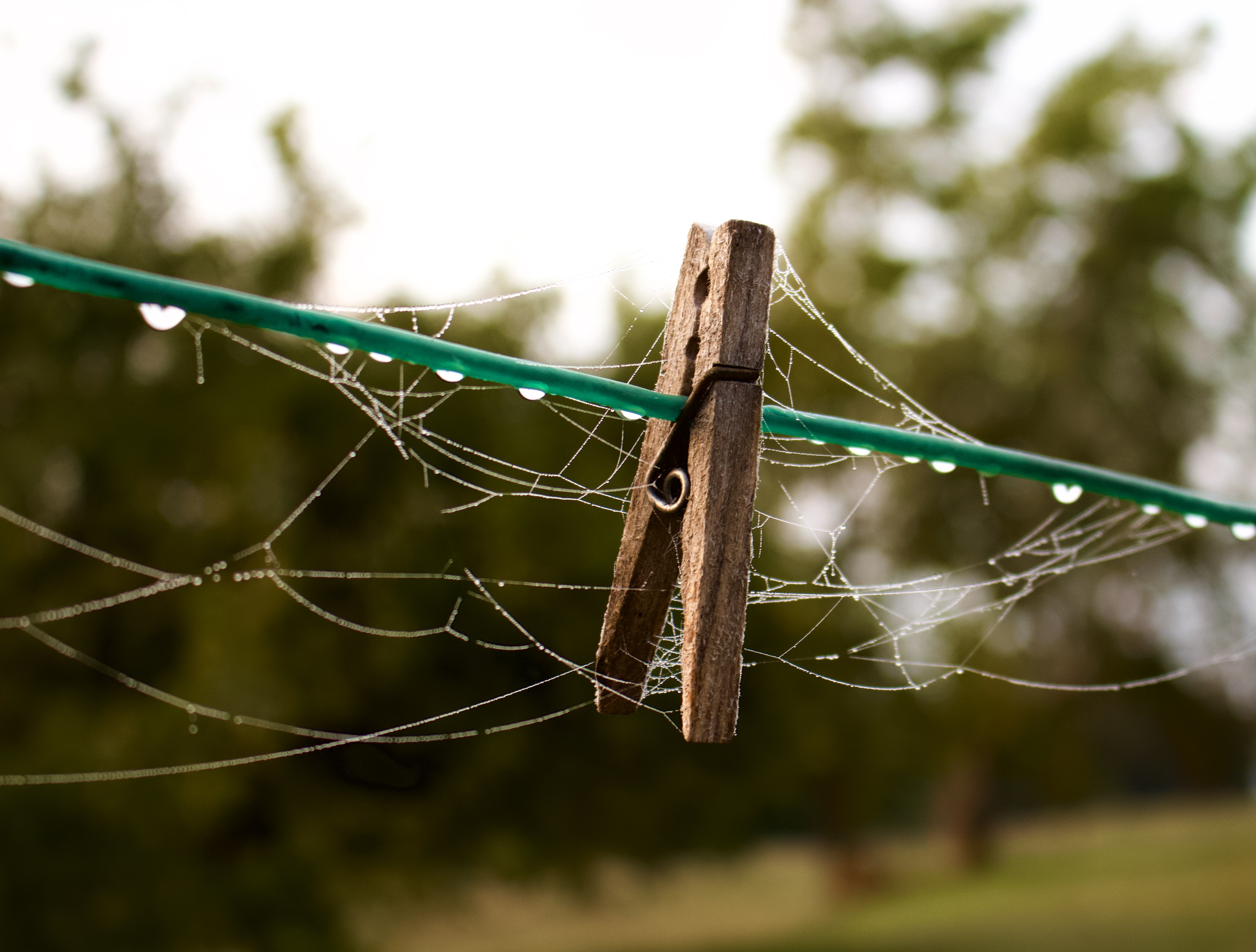
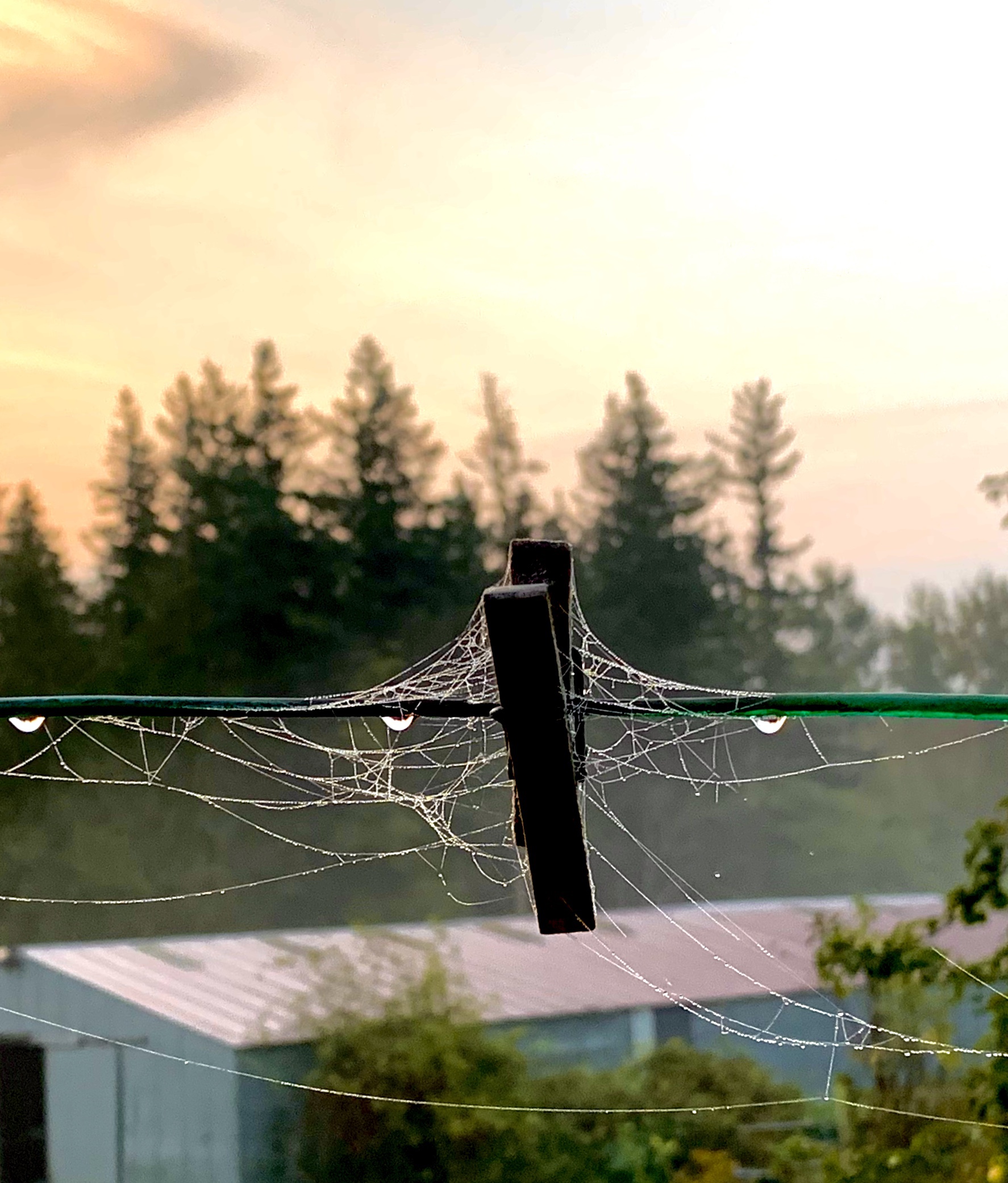
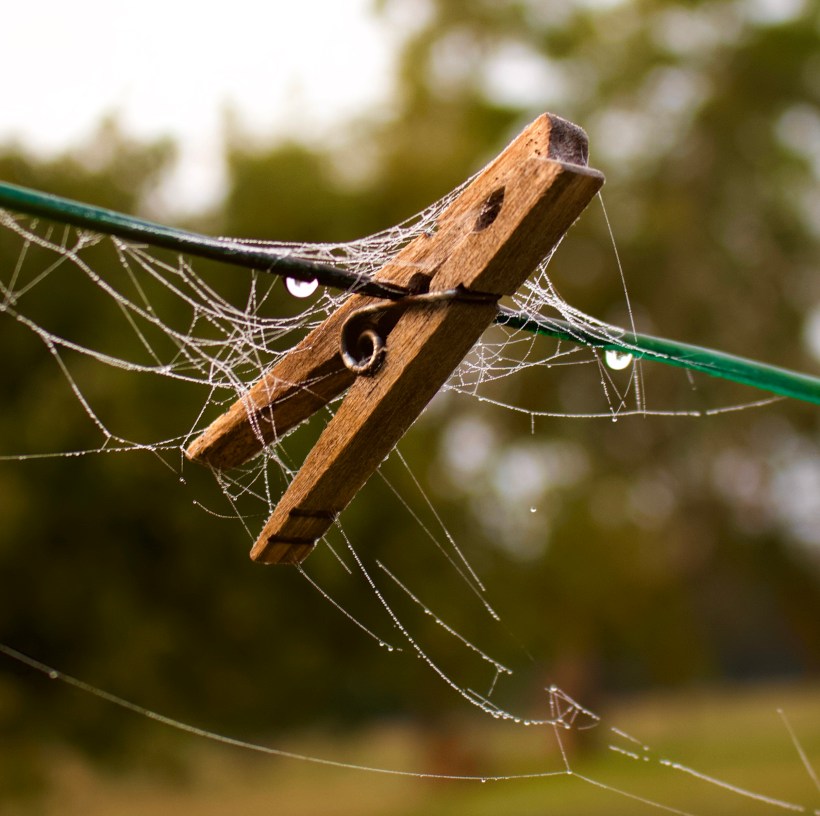
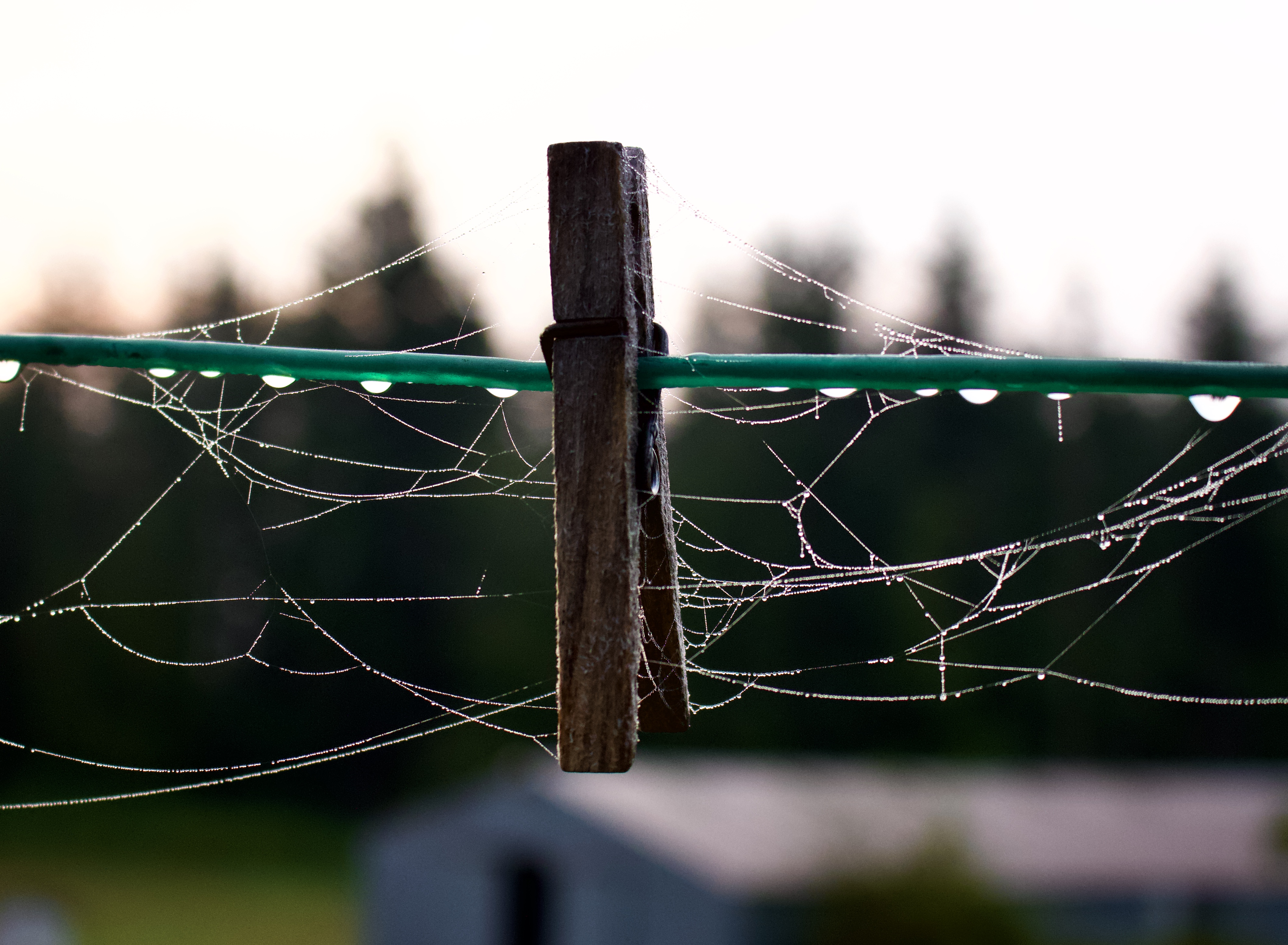
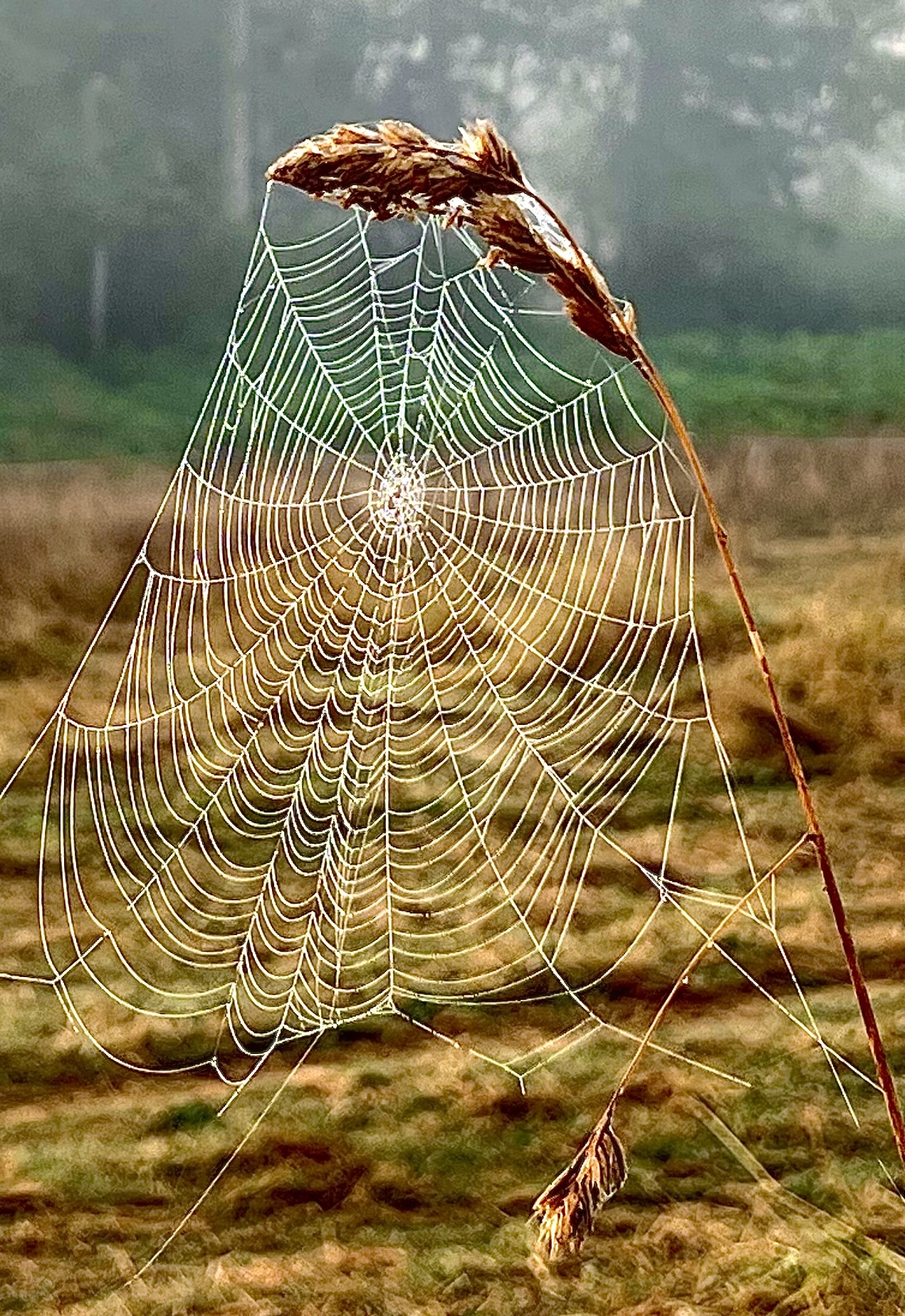
This morning, I found someone had been very busy during the night, securing the clothespins to the line to make sure the pins could not escape. Each pin and hinge were laced to the line with silken threads clinging tightly, just in case a pin might consider escaping.

I looked for this industrious spider, as it had trekked down a long line, working its webby magic through numerous clothespins, yet it had descended and snuck away on this foggy Labor Day, not even waiting to see what might happen to all its work.

The old and weathered clothespins patiently wait for their next job, to pinch together what I give them to hold on to tomorrow while blowing in the wind. In the meantime, they cling to fresh life, gaily festooned with gossamer silk.

One-Time
Monthly
Yearly

Make a one-time or recurring donation to support daily Barnstorming posts

Make a monthly donation

Make a yearly donation

Choose an amount

$10.00
$25.00
$50.00
$5.00
$15.00
$100.00
$5.00
$15.00
$100.00

Or enter a custom amount

$

Your contribution is deeply appreciated.

Your contribution is appreciated.

Your contribution is appreciated.

DonateDonate monthlyDonate yearly
When Cousins Come to Visit…

The cousins are coming!
Cousins, cousins. Here come the boys.
Bedlam, mayhem, noise, noise, noise.
Blow up the air mattresses, hide the breakable toys.
Cousins, cousins. Here come the boys.

~John Forster and Tom Chapin “Cousins”

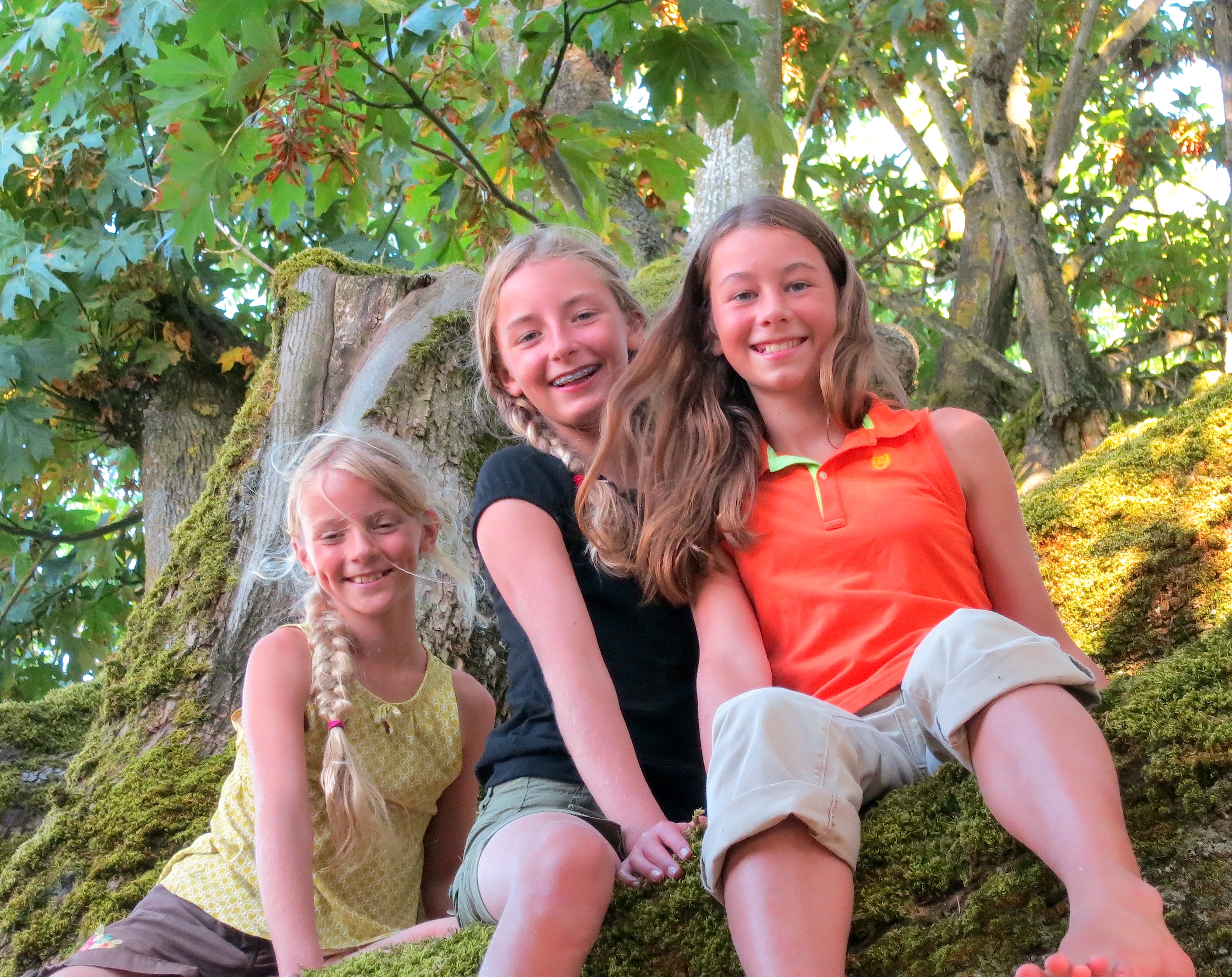
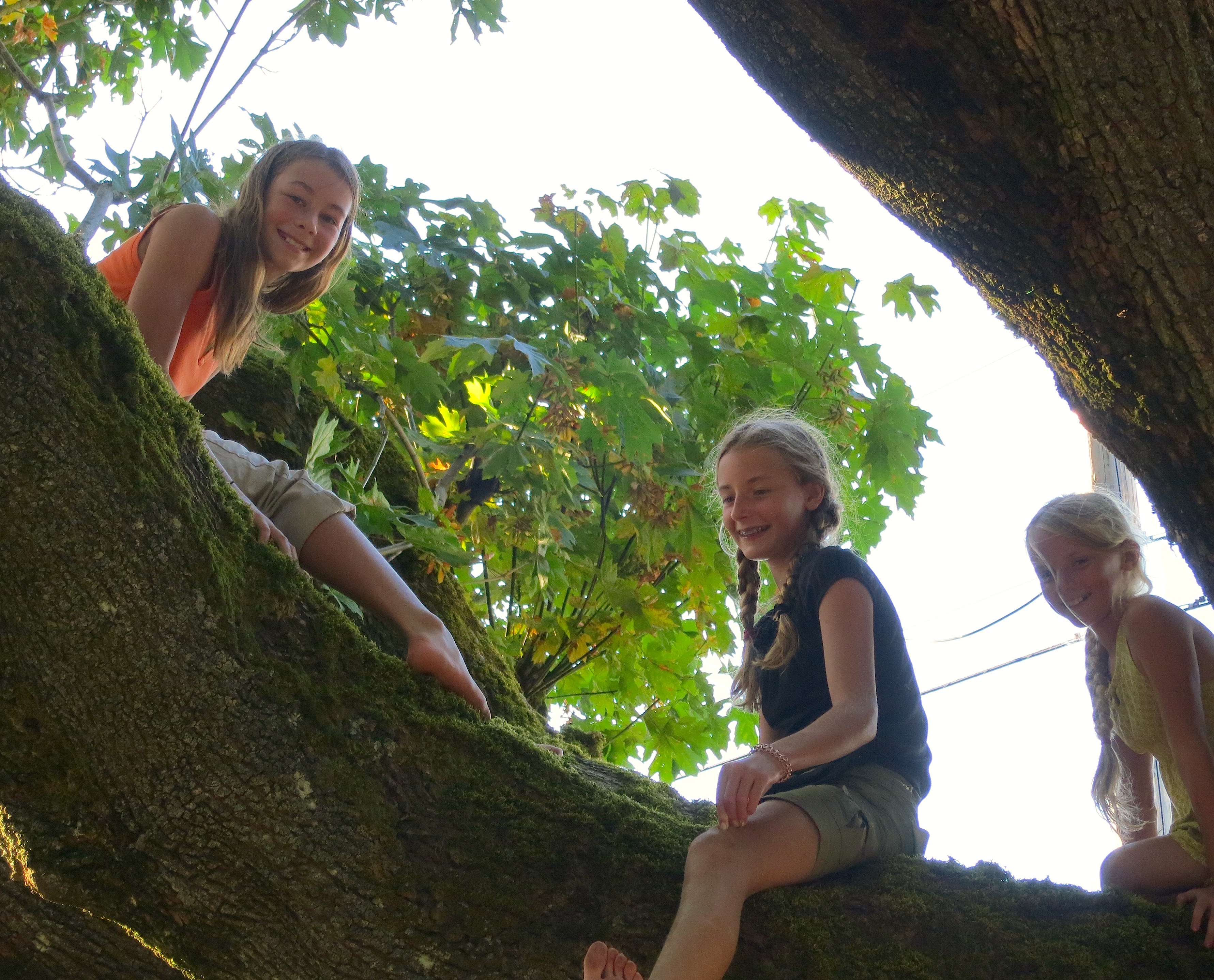
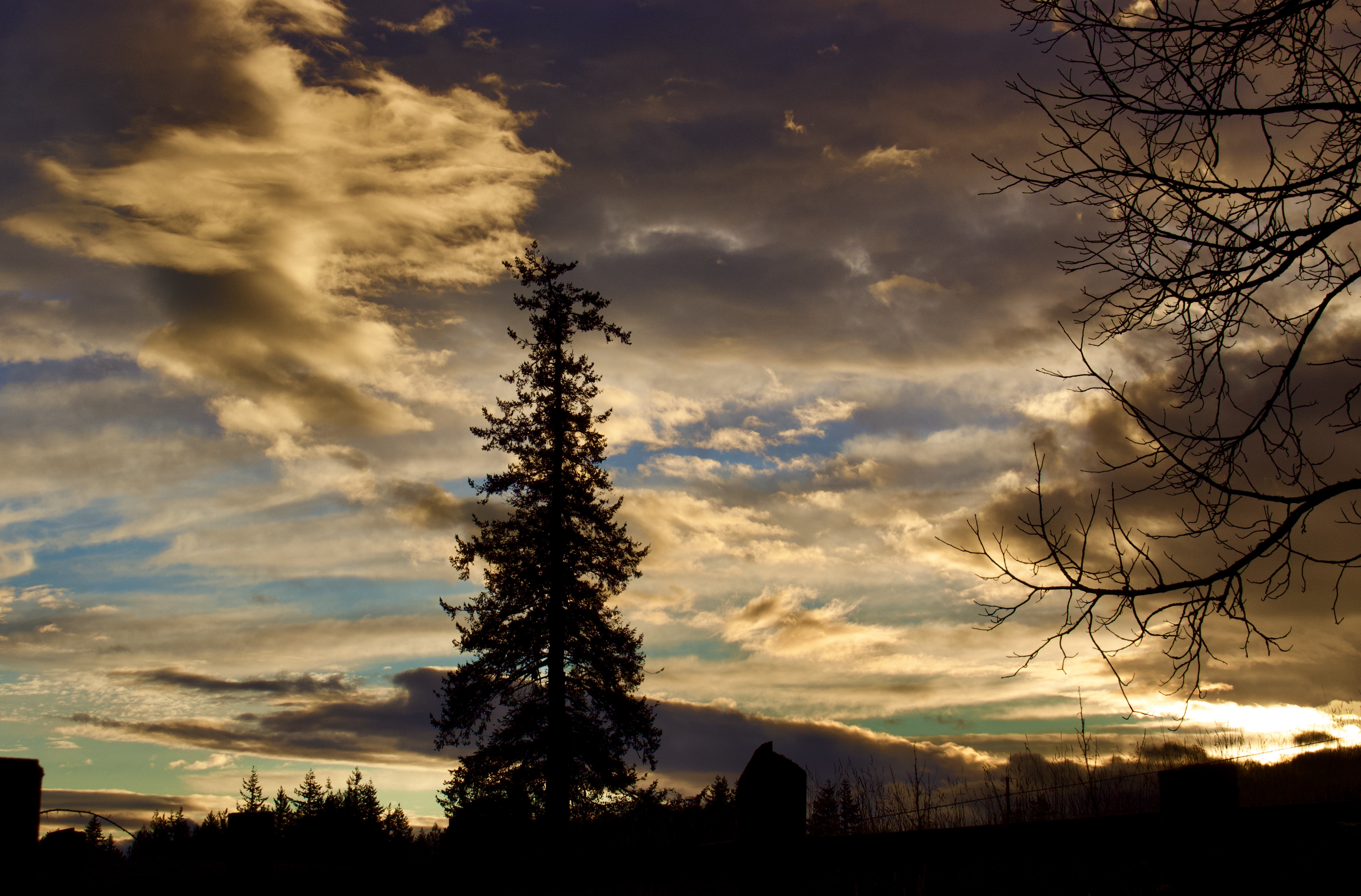
photo of a windy day — photo by Danyale Tamminga
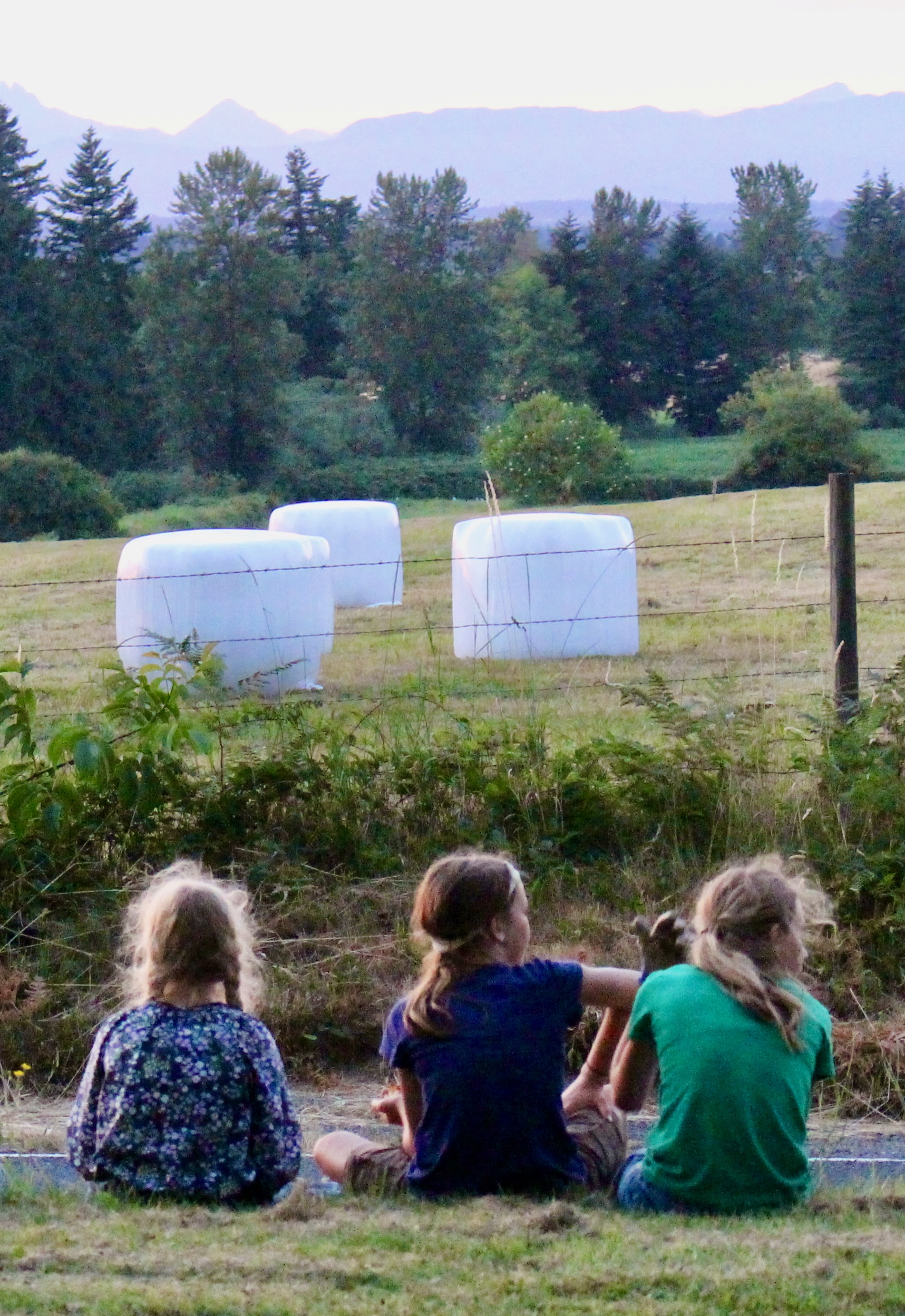
photo of a windy day — photo by Nate Lovegren

When I was growing up, I got to see my cousins maybe once a year but never lived near extended family. It was always an exciting day when the cousins were coming for a visit, or we went to see them. Now as adults, I have sadly lost touch with several of them.

I’m particularly envious of the close relationships between ten cousins growing up on the same farm just down the road from us- essentially they live interchangeably between one house or the other. What a great way to grow up, with two families who will take you in whenever you want a change in scenery or siblings. If you are fighting with a brother or sister, you can hopefully find compatible cousins a few hundred yards away.

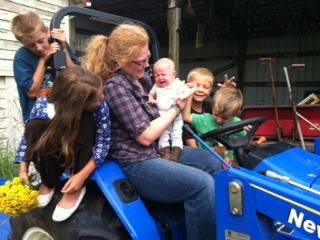
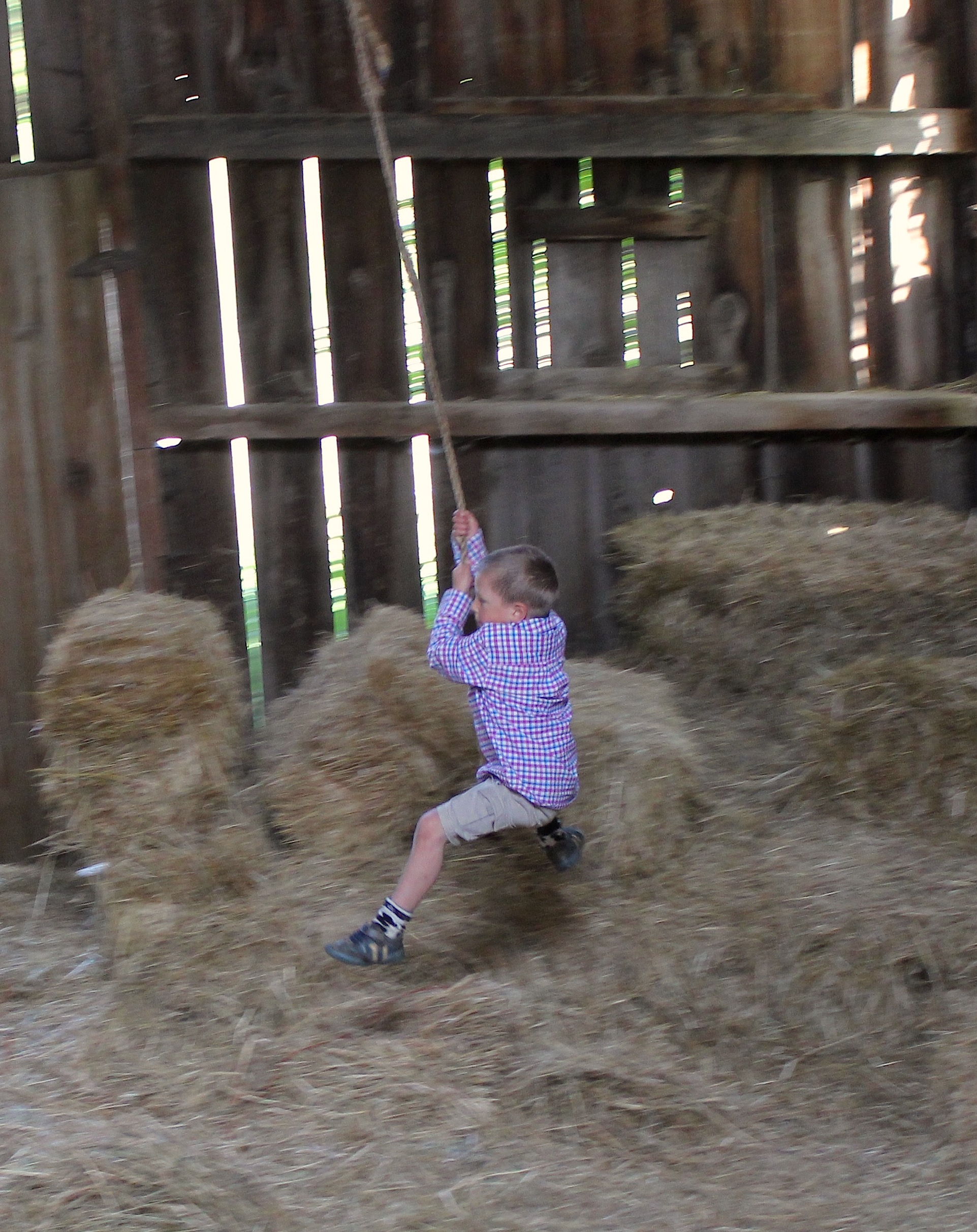
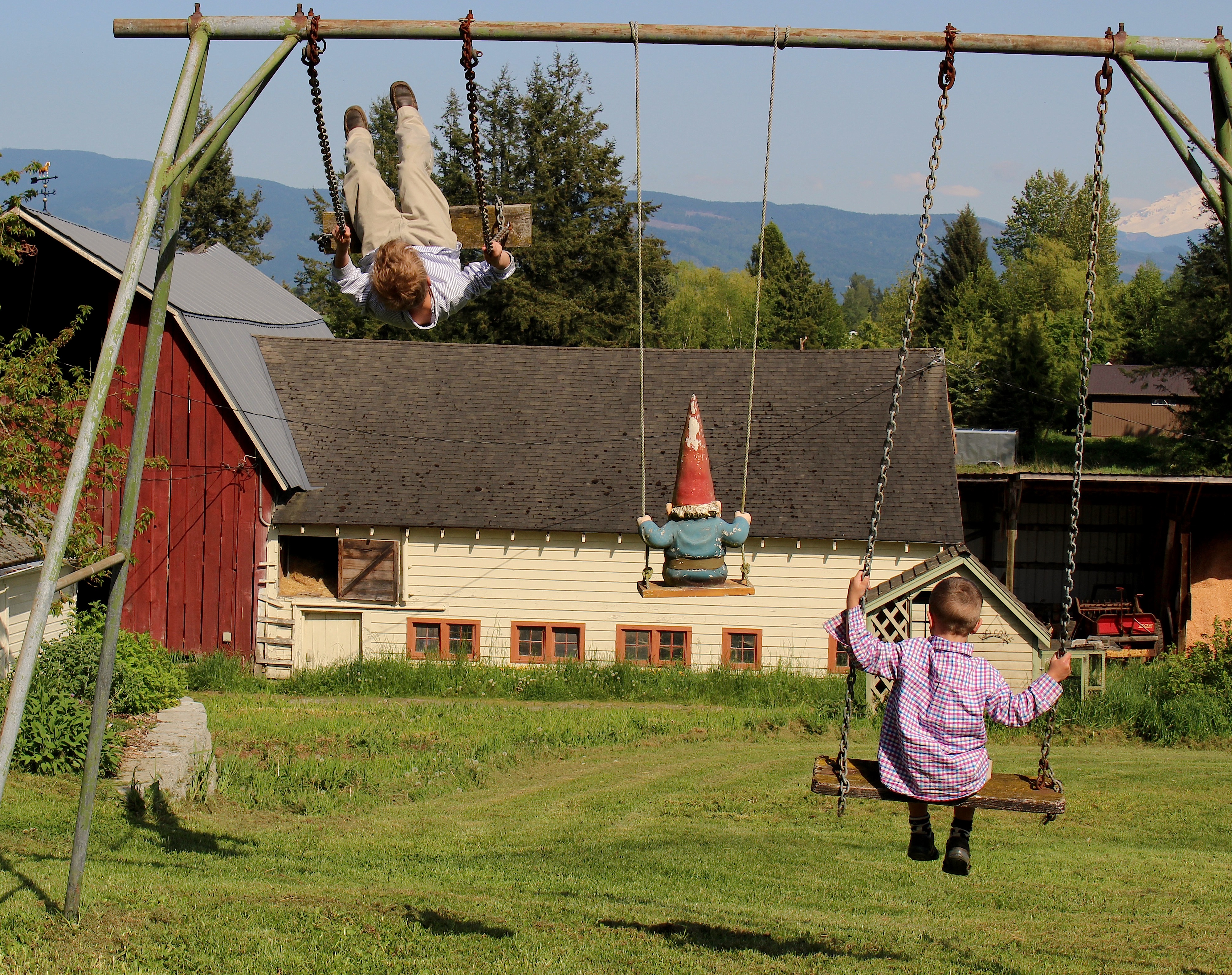
Now we have six grandchildren living far from one another. This week they are able to play altogether in the same room in our ordinarily quiet and boring home —-at times it is mayhem and noise noise noise, but wonderful happy giggles and games abound.

It is a perfect time to treasure these family ties between our grandchildren creating as much bedlam and mayhem as possible!

One-Time
Monthly
Yearly

Make a one-time or recurring donation to support daily Barnstorming posts

Make a monthly donation

Make a yearly donation

Choose an amount

$10.00
$25.00
$50.00
$5.00
$15.00
$100.00
$5.00
$15.00
$100.00

Or enter a custom amount

$

Your contribution is deeply appreciated.

Your contribution is appreciated.

Your contribution is appreciated.

DonateDonate monthlyDonate yearly

Settling Even Deeper

My grandparents owned the land,
worked the land, bound
to the earth by seasons of planting
and harvest.

They watched the sky, the habits
of birds, hues of sunset,
the moods of moon and clouds,
the disposition of air.
They inhaled the coming season,
let it brighten their blood
for the work ahead.

Soil sifted through their fingers
imbedded beneath their nails
and this is what they knew;
this rhythm circling the years.
They never left their land;
each in their own time
settled deeper.
~Lois Parker Edstrom “Almanac” from Night Beyond Black. © MoonPath Press, 2016

My husband and I met in the late 70’s while we were both in graduate school in Seattle, living over 100 miles away from our grandparents’ farms farther north in Washington. We lived farther still from my other grandparents’ wheat farm in Eastern Washington and his grandparents’ hog farm in Minnesota.

One of our first conversations together – the one that told me I needed to get to know this man better – was about wanting to move back to work on the land. We were descended from peasant immigrants from the British Isles, Holland and Germany – farming was in our DNA, the land remained under our fingernails even as we sat for endless hours studying in law school and medical school classes.

When we married and moved north after buying a small farm, we continued to work full time at desks in town. We’ve never had to depend on this farm for our livelihood, but we have fed our family from the land, bred and raised livestock, and harvested and preserved from a large garden and orchard. It has been a good balance thanks to career opportunities made possible by our education, something our grandparents would have marveled was even possible.

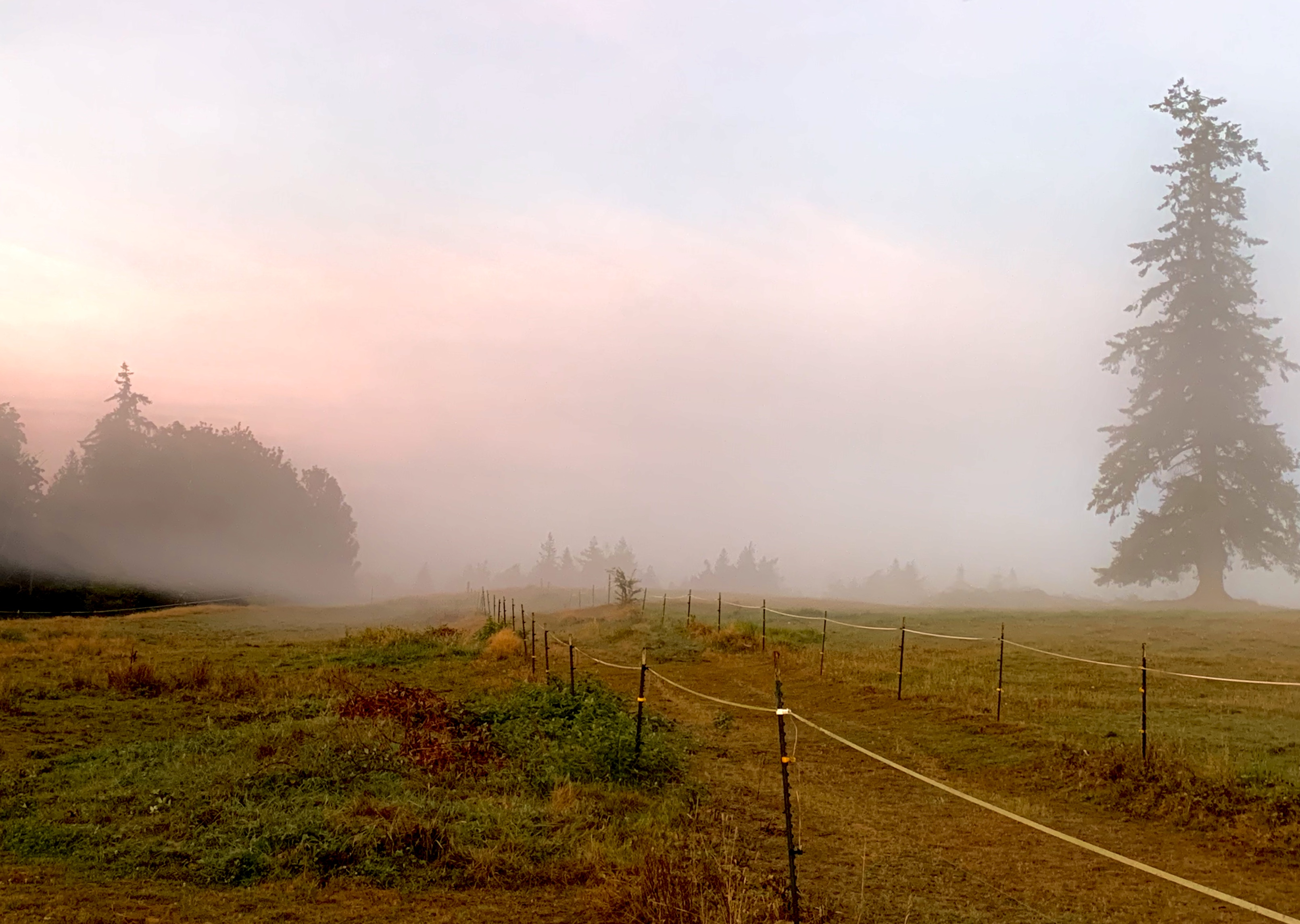
Like our grandparents, we watch in wonder at what the Creator brings to the rhythm of the land each day – the light of the dawn over the fields, the activity of the wild birds and animals in the woods, the life cycles of the farm critters we care for, the glow of the evening sun as night enfolds us. We are blessed by the land’s generosity when it is well cared for.

Now 46 years after that first conversation together about returning to farming, my husband and I hope to never leave the land. It brought us together, fed our family, remains imbedded under our fingernails and in our souls.

Each in our own time, we will settle even deeper.

One-Time
Monthly
Yearly

Make a one-time or recurring donation to support daily Barnstorming posts

Make a monthly donation

Make a yearly donation

Choose an amount

$10.00
$25.00
$50.00
$5.00
$15.00
$100.00
$5.00
$15.00
$100.00

Or enter a custom amount

$

Your contribution is deeply appreciated.

Your contribution is appreciated.

Your contribution is appreciated.

DonateDonate monthlyDonate yearly
Fits Like a Glove

It can be a gift or a private kind of distress,
depending on if you’ve found your purpose.
My friend, a physician and farmer, blends
her two passions into a life of caring.

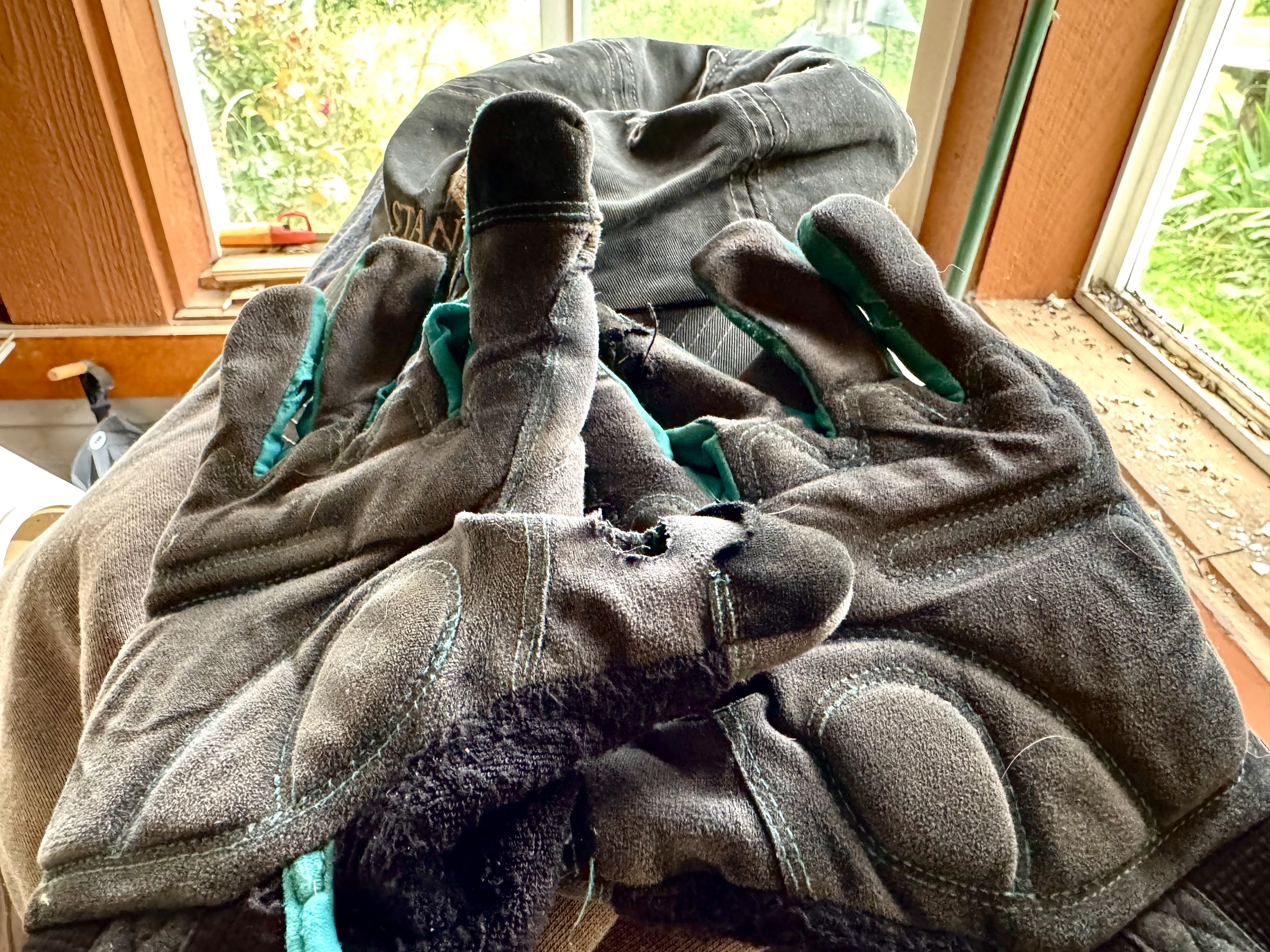
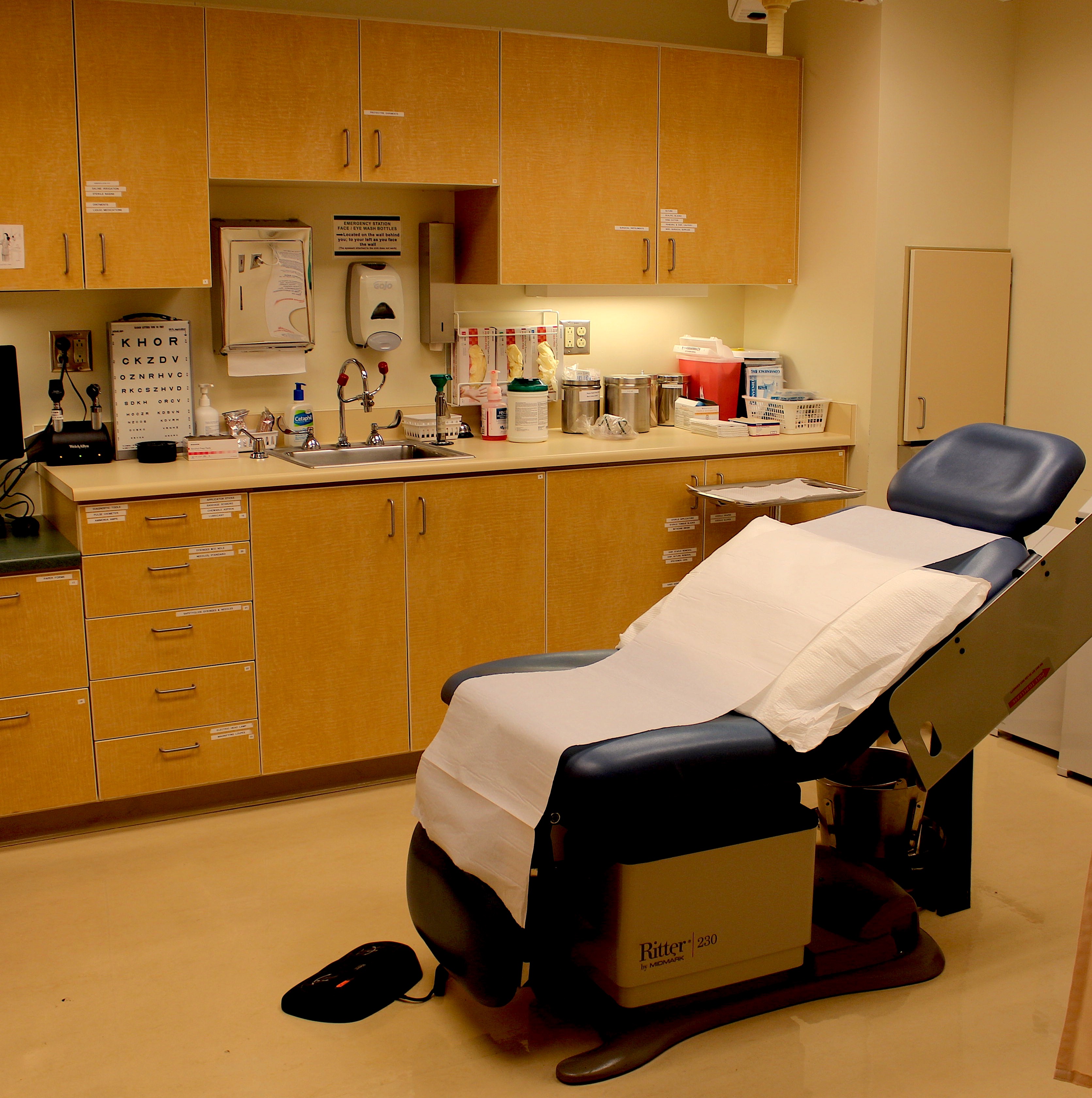
Leaving her surgical gloves in the treatment room,
she dons leather work gloves when she returns
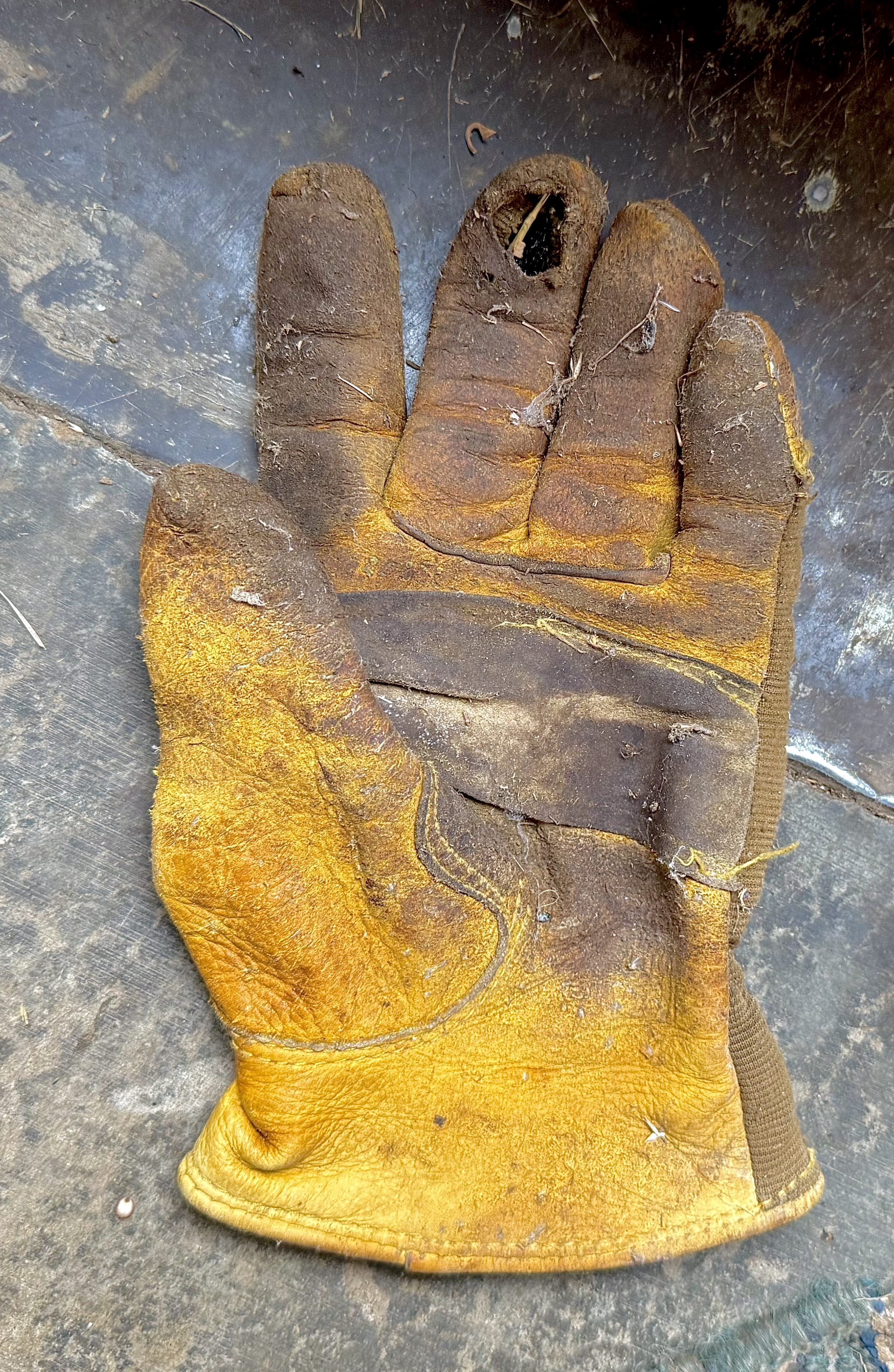
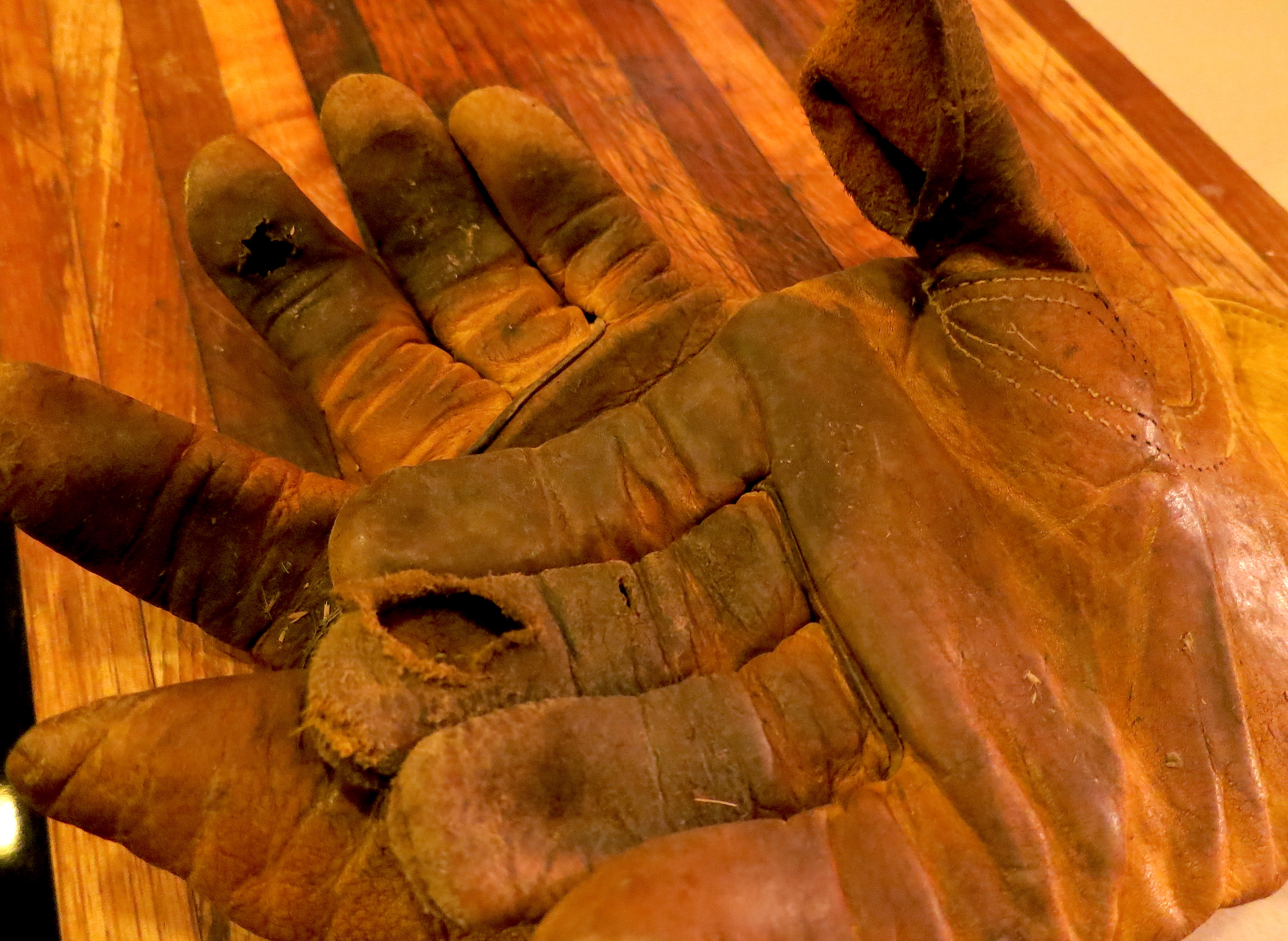
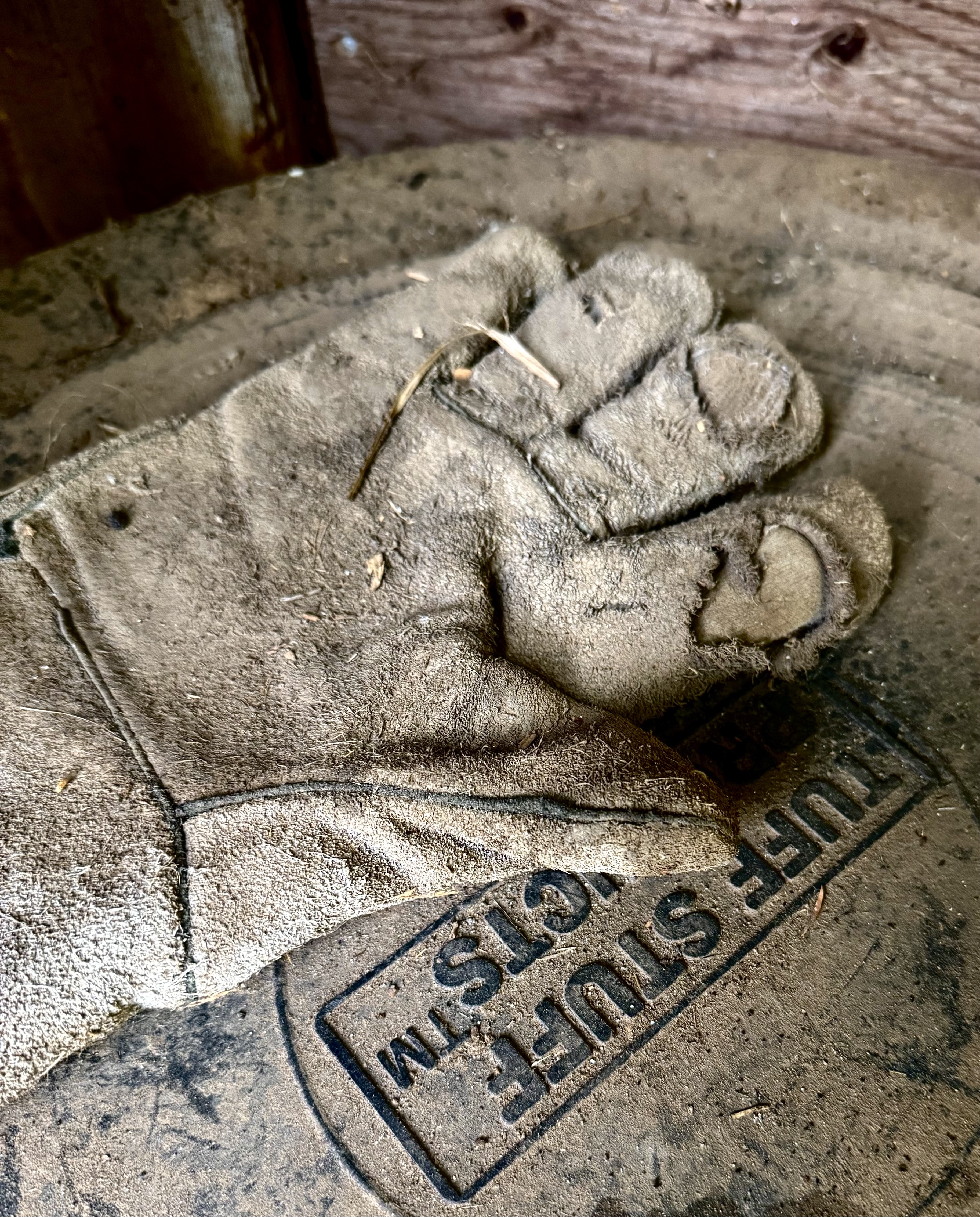
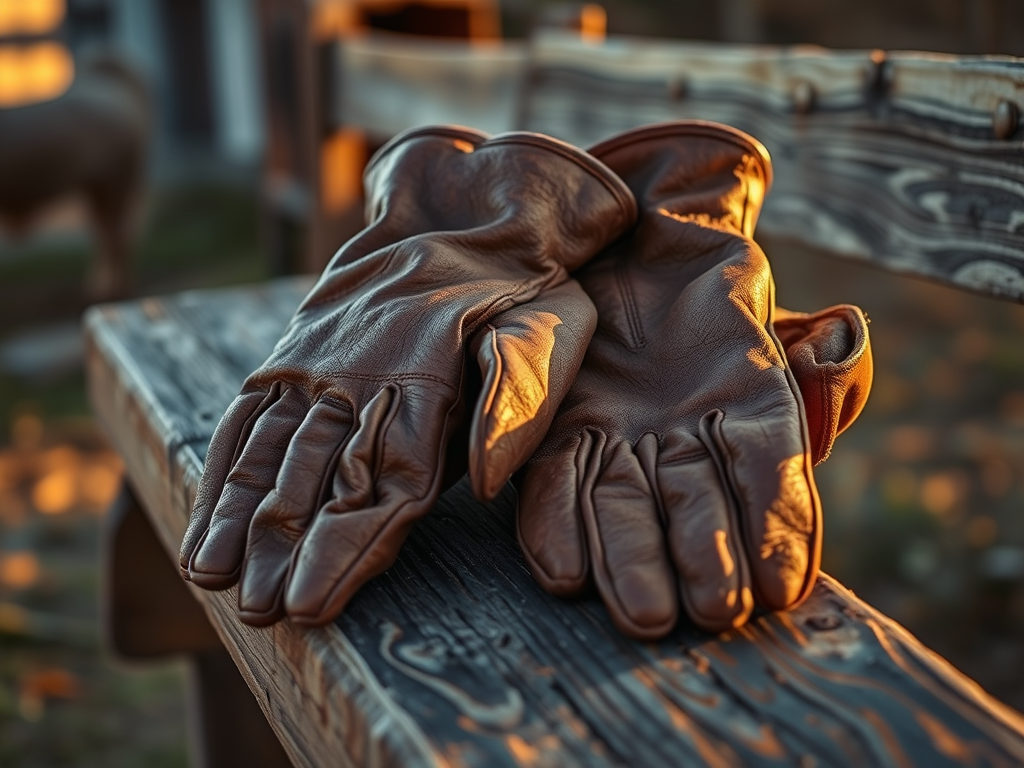
to the farm. This evening the old work gloves
are nestled together on a bench by the back door

as if one couldn’t function without the other.
They hold the form of her hands. The gloves
are dirty, the leather wrinkled, a hole worn
through the tip of the index finger, right hand.

Over years of service, gloves have protected
her hands as she treated deep wounds
in the clinic and in the barn. This gift!
Dare I say, her work fits her like a glove?
~Lois Edstrom “Gift of Work” from A Fragile Light

Nothing much to look at
lying on the shelf, one on
top of the other, an old man
resting his hands on a cane.
Dried-out yellow cowhide,
lines cut deep into the palms
from stones, weeds pulled.
Fingers crumpled, swollen
like grub worms shoveled
up in planting. An extra pair
of hands helping with lawn
work, flower beds, shrubs,
whatever else comes along.
A grief pulled on to bury
the old cat some kid in a
speeding pickup knocked
out of the street like he’d
kick a can. Or kneeling last
fall to unearth the blooming
rose suddenly plucked by
an ice storm, then shaking
rich compost loose from its
twisted fingers still clenched,
holding on for dear life.

~Ron Stottlemyer “Work Gloves”

My farm work gloves tend to look ragged at the end of a year of service. I always depend on being gifted a new pair at Christmas to start afresh. It can take awhile to break them in to the point where they feel like a “second skin.”

These gloves keep me from blistering while forking innumerable loads of smelly manure into wheelbarrows, but also help me unkink frozen hoses, tear away blackberry vines from fencing, pull thistle from the field and heavy hay bales from the haymow.

Over the years, I’ve gone through a few dozen work gloves which have protected my hands as I’ve cleaned and bandaged deep wounds on legs and hooves, pulled on foals during the hard contractions of difficult births, held the head of dying animals as they fall asleep one final time.

Without wearing my protective farm gloves over the years, my hands would be looking very much scarred up like my tired gloves do, full of rips and holes from the thorns and barbs of the world, sustaining scratches, callouses and blisters from the hard work of life.

But they don’t.

Thanks to these gloves, before I retired, I was presentable for my “day” work as a doctor where I would don a different set of gloves many times a day as I tended to my patients’ wounds and worry.

But my work gloves don’t tell my whole story of gratitude.

I’m thankful to a Creator God who doesn’t wear gloves when He goes to work in our world:
-He gathers us up even when we are dirty, smelly, and unworthy.
-He eases us into this life when we are vulnerable and weak,
and carries us gently home as we leave this world, weak and vulnerable.
-He holds us as we bleed from self and other-inflicted wounds.
-He won’t let us go, even when we fight back, or try not to pay attention, or care who He is.

He hangs on to us for dear life.

And this God came to live beside us
with hands just like ours~
tender, beautiful, easy-to-wound hands
that bled
because He didn’t need or want to wear gloves
for what He came to do~

His hands bear evidence of His love…

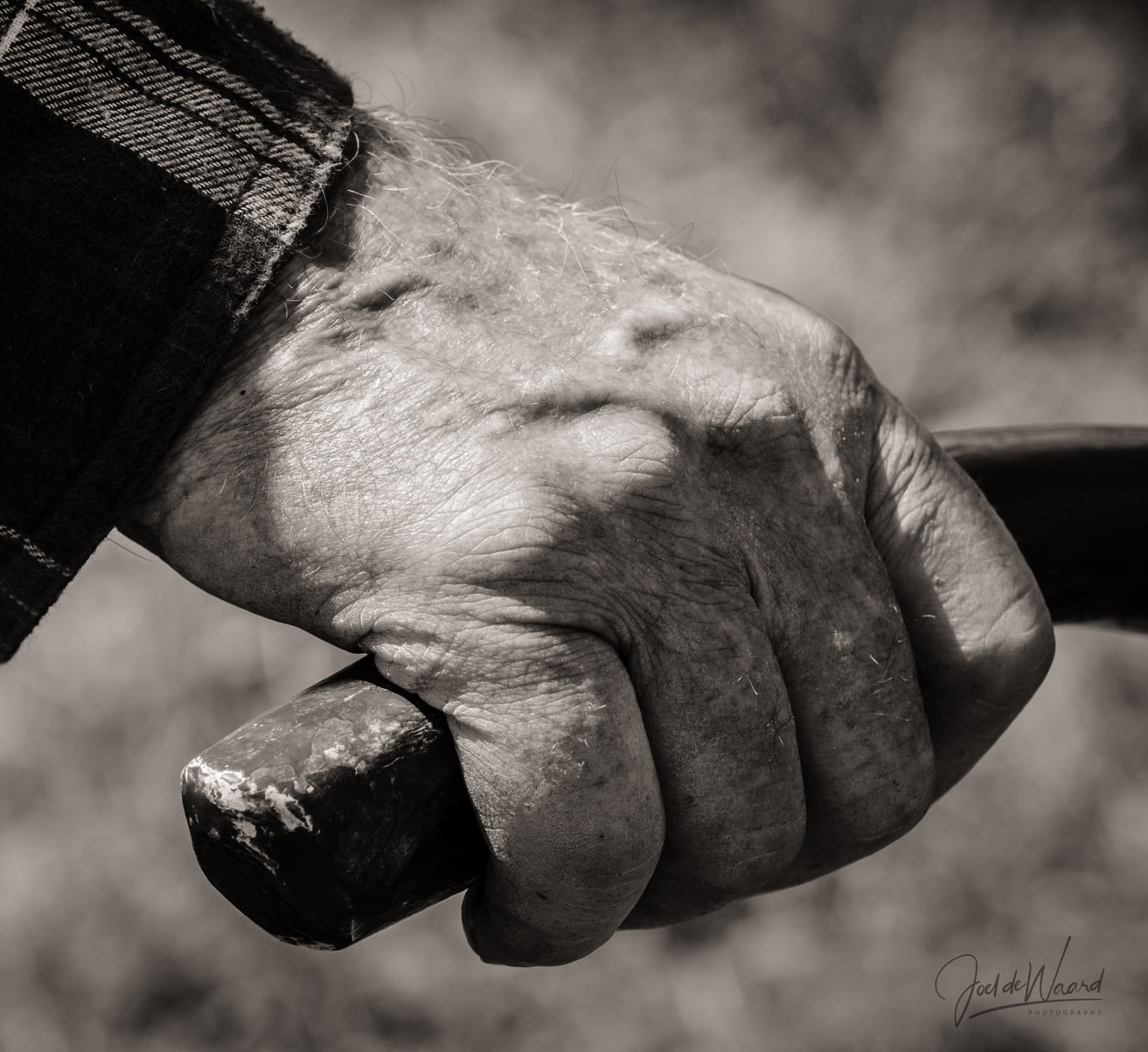
photo of a plowman teamster’s hand by Joel De Waard
AI image created for this post

contains these lyrics by Kim Andre Arnesen:
Moving like the rise and fall of wings
Hands that shape our calling voice
On the edge of answers
You’ve heard our cry, you’ve known our cry

One-Time
Monthly
Yearly

Make a one-time or recurring donation to support daily Barnstorming posts

Make a monthly donation

Make a yearly donation

Choose an amount

$10.00
$25.00
$50.00
$5.00
$15.00
$100.00
$5.00
$15.00
$100.00

Or enter a custom amount

$

Your contribution is deeply appreciated.

Your contribution is appreciated.

Your contribution is appreciated.

DonateDonate monthlyDonate yearly
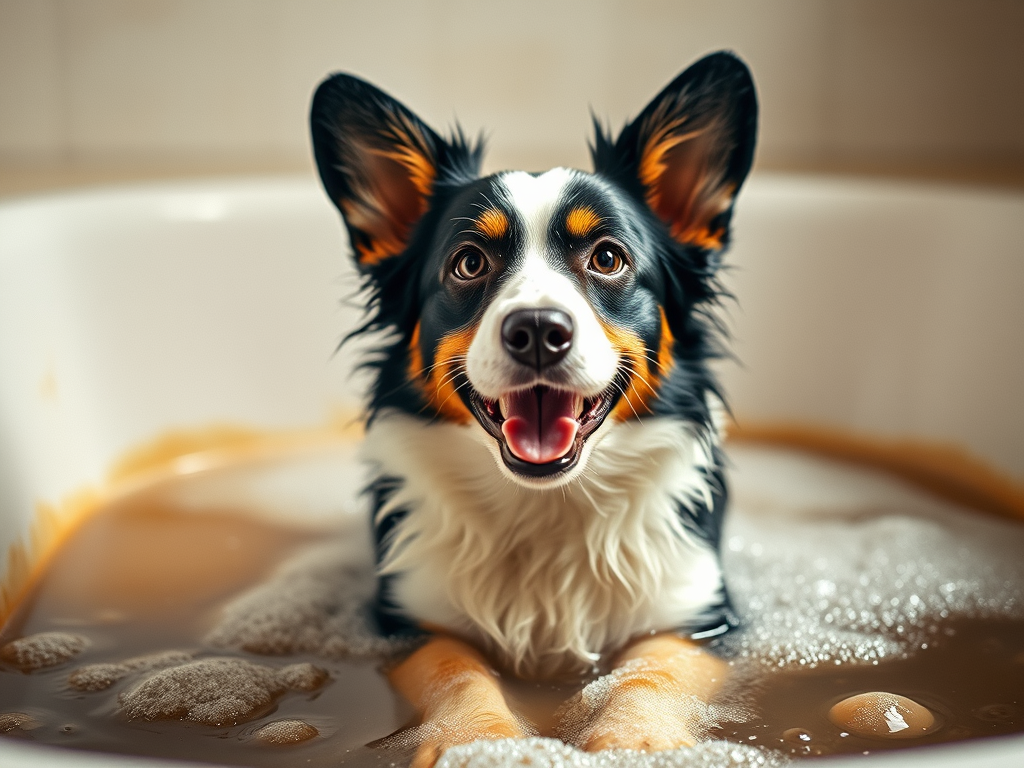
Worthy of a Hot Bath

You can change the world with a hot bath,
if you sink into it from a place of knowing
you are worth profound care,
even when you are dirty and rattled.
Who knew?
~Anne Lamott from Small Victories: Spotting Improbable Moments of Grace

As a farmer, I spend at least a part of every day muddy and up to my knees and elbows in muck, especially now that the fall rains have arrived, turning beast and barnyard to mush. 

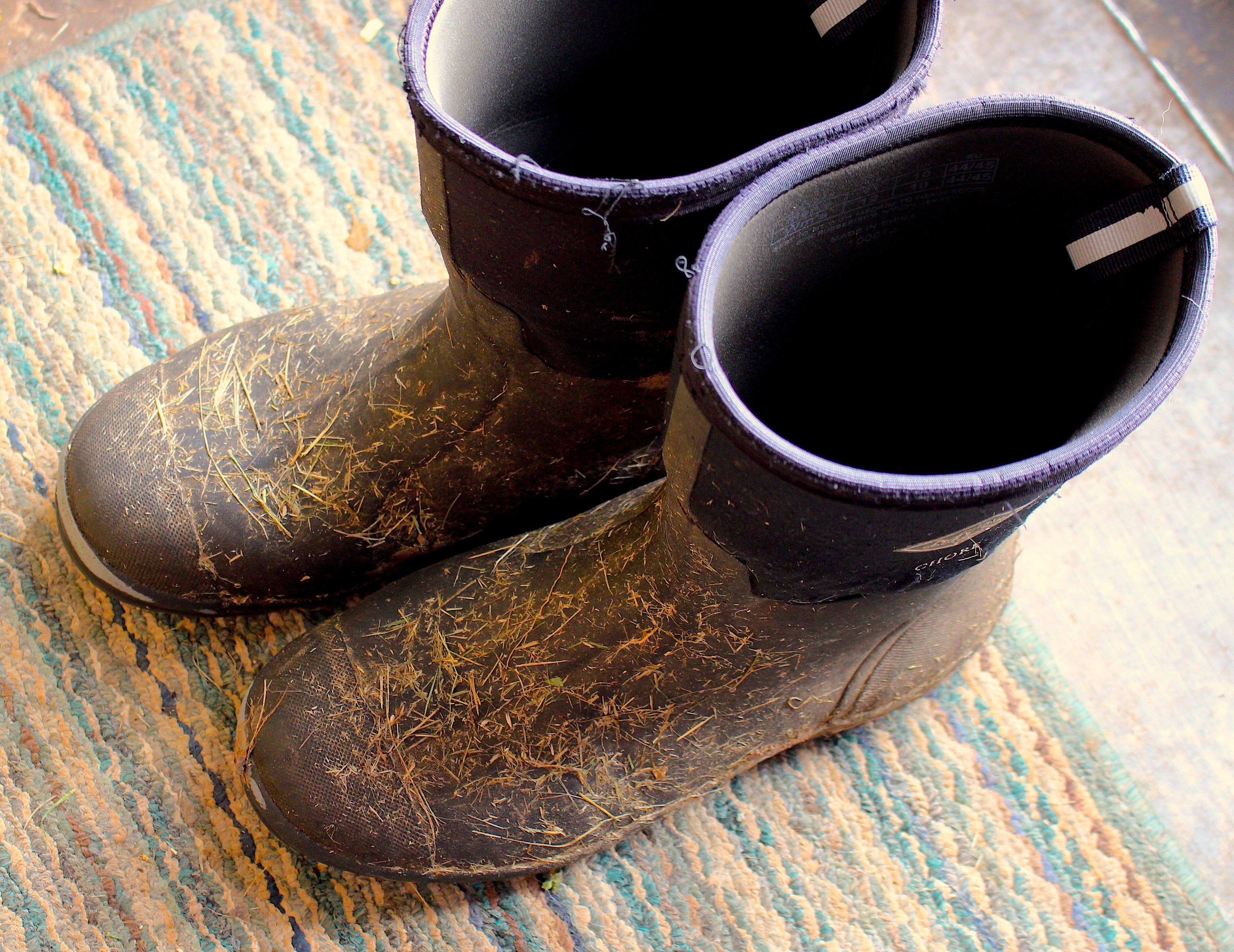
I call my barn life “the real stuff” as the rest of the hours of the day are spent dealing with “virtual stuff ” which nonetheless leaves me dirty and rattled.  Frankly, I prefer the real over virtual muck even though it smells worse, leaves my fingernails hopelessly grimy and is obvious to everyone where I’ve been.

The stains of the rest of my day are largely invisible to all but me and far harder to scrub away. But even virtual grime can become overwhelming.

It is so much easier for me to deal with what is produced in the barnyard over the mess of political lack of integrity and moral standing. What soils me can be washed off and I’m restored for another day of wallowing in my muck boots. There is true grace in drawing up clean warm water, soaping with the suds that truly cleanse by sinking down into a deep tub of renewal.

God knows how badly we all could use a good scrubbing right now.

AI image created for this post
One-Time
Monthly
Yearly

Make a one-time or recurring donation to support daily Barnstorming posts

Make a monthly donation

Make a yearly donation

Choose an amount

$10.00
$25.00
$50.00
$5.00
$15.00
$100.00
$5.00
$15.00
$100.00

Or enter a custom amount

$

Your contribution is deeply appreciated.

Your contribution is appreciated.

Your contribution is appreciated.

DonateDonate monthlyDonate yearly
Transfiguring the Trivial

A sudden light transfigures a trivial thing,
a weather-vane, a wind-mill, a winnowing flail,
the dust in the barn door; a moment,- –
and the thing has vanished, because it was pure effect;
but it leaves a relish behind it,
a longing that the accident may happen again.
~Walter Pater from “The Renaissance”

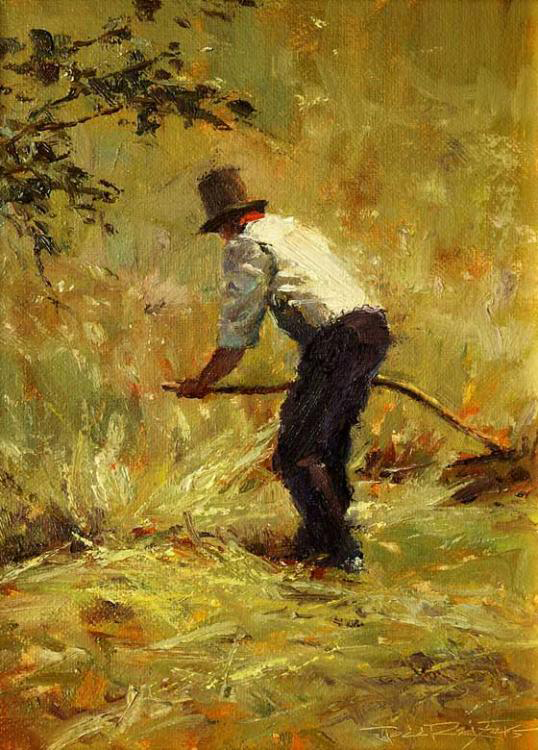
Man Scything Hay by Todd Reifers
dust motes and insects in the barn

Summer ends now; now, barbarous in beauty, the stooks rise
Around; up above, what wind-walks! what lovely behaviour
Of silk-sack clouds! has wilder, wilful-wavier
Meal-drift moulded ever and melted across skies?

I walk, I lift up, I lift up heart, eyes,
Down all that glory in the heavens to glean our Saviour;
And eyes, heart, what looks, what lips yet give you a
Rapturous love’s greeting of realer, of rounder replies?

And the azurous hung hills are his world-wielding shoulder
Majestic – as a stallion stalwart, very-violet-sweet! –
These things, these things were here and but the beholder
Wanting; which two when they once meet,
The heart rears wings bold and bolder
And hurls for him, O half hurls earth for him off under his feet.

~Gerard Manley Hopkins “Hurrahing in Harvest”

The accident of light does happen,
again and again,
but when I least expect it. 

I need to be ready for it; in a blink, it can be gone. 

Yet in that moment,
everything is changed and transformed forever. 

The thing itself,
trivial and transient becomes something other, 
merely because of how it is illuminated. 

And so am I, trivial and transient,
lit from outside myself, winnowed and
transfigured by a love and sacrifice
that I can never deserve.

It was and is no accident.

My heart is readies for earth to be hurled to heaven’s Light.

AI image created for this post
One-Time
Monthly
Yearly

Make a one-time or recurring donation to support daily Barnstorming posts

Make a monthly donation

Make a yearly donation

Choose an amount

$10.00
$25.00
$50.00
$5.00
$15.00
$100.00
$5.00
$15.00
$100.00

Or enter a custom amount

$

Your contribution is deeply appreciated.

Your contribution is appreciated.

Your contribution is appreciated.

DonateDonate monthlyDonate yearly
Faired Well

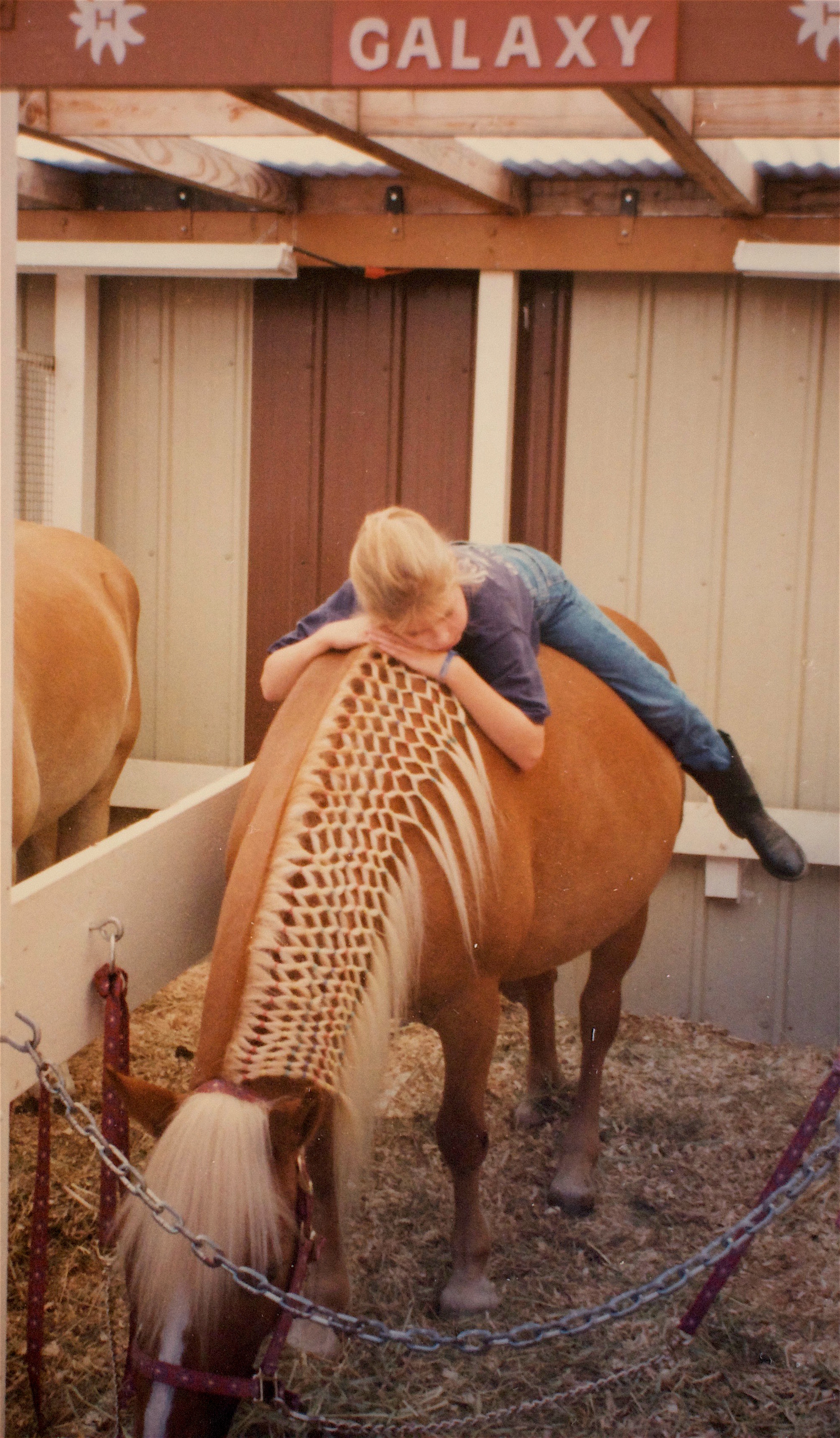
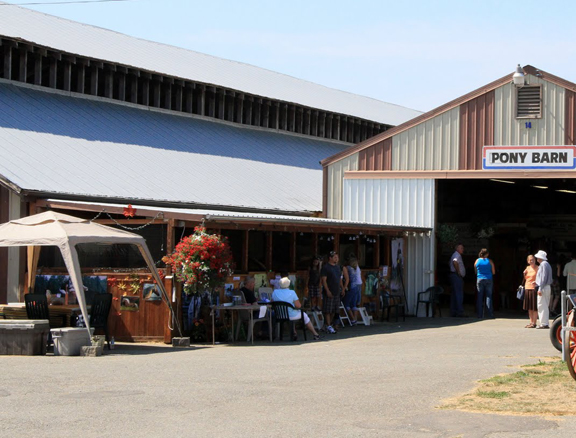
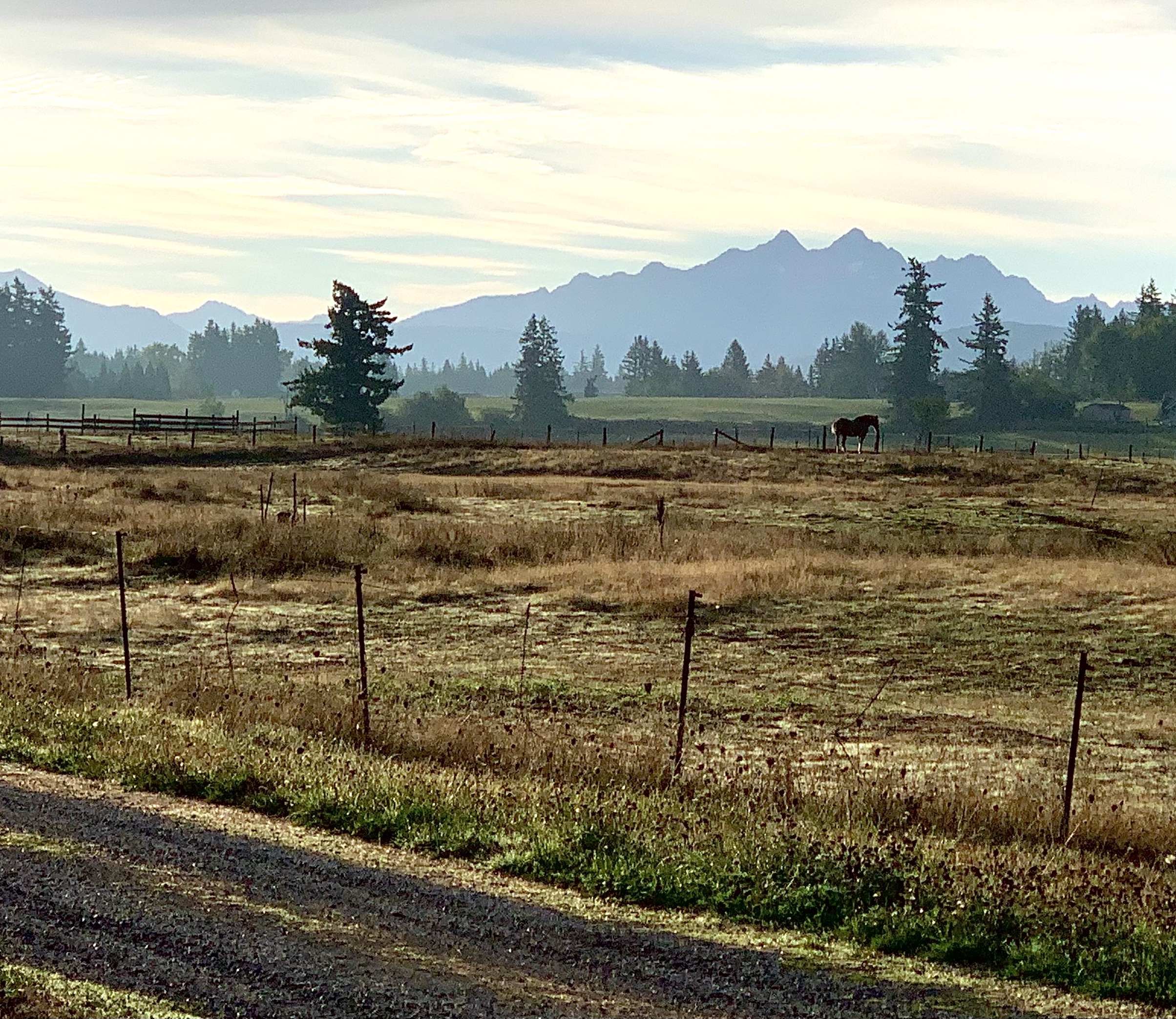
The Northwest Washington Fair in Lynden is under way again this week and instead of being part of the fun and hub-bub, our Haflinger horses are staying home, out on pasture. It’s been over a decade since they were cleaned up, curried, braided and trailered into town for a week to
help make dreams come true for thousands of fairgoers.

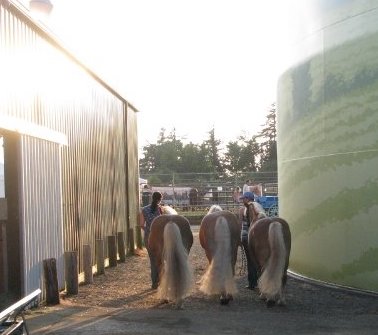
I feel a bit wistful as I wake up early on this foggy mid-August morning, remembering the twenty years of 5:30 AM dawns where I would gather up our sleepy children and their friends and head into the fairgrounds to clean the Haflingers’ stalls, walk the horses for exercise and prepare for a busy day of people strolling by and admiring them. 

We stopped “doing” the fair as a Haflinger farm. Now that I’m 70 years old, rather than 40, 50, or 60, I’m okay about that. It was great while it lasted but this aging human and my equines relish our retirement, especially since the fair expanded to a 10 day rather than just a 6 day commitment. I so admire the draft horse families that have kept their six horse hitches active with their Belgians, Percherons and Clydesdales – some families are now in their fourth generation at the fair with teamsters, still driving the hitches, well into their eighties.

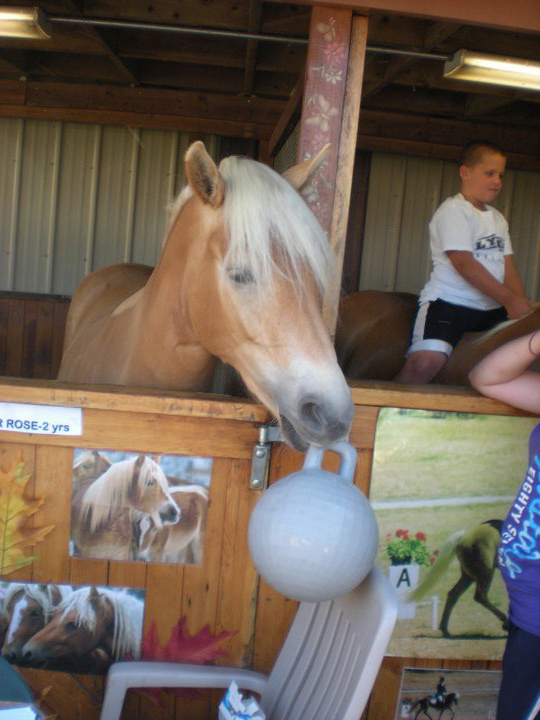
Our BriarCroft Haflingers display was a consistent presence at this regional fair for two decades, promoting the Haflinger breed in well-decorated stalls. Part of our commitment was to provide a 24-hr-a-day human presence with the horses. We had petitioned the Fair Board for 5 years in the late 1980s to allow us a spot at the fair, and they finally said “okay, here’s the space, build it yourself”, so we did.

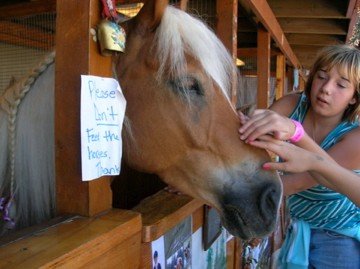
We didn’t ask for classes, competition, or ribbons. We were there because fairgoers enjoyed seeing and touching our Haflingers and we enjoyed talking to all the people.

Once our children and their friends had careers and children of their own, they were no longer available to help “man” the horse stalls. I still miss spending such concentrated time with all the young nieces, nephews, neighbors, church and school friends who hung out with us over the years. I hope they still have fond memories of their time helping us at the fair.

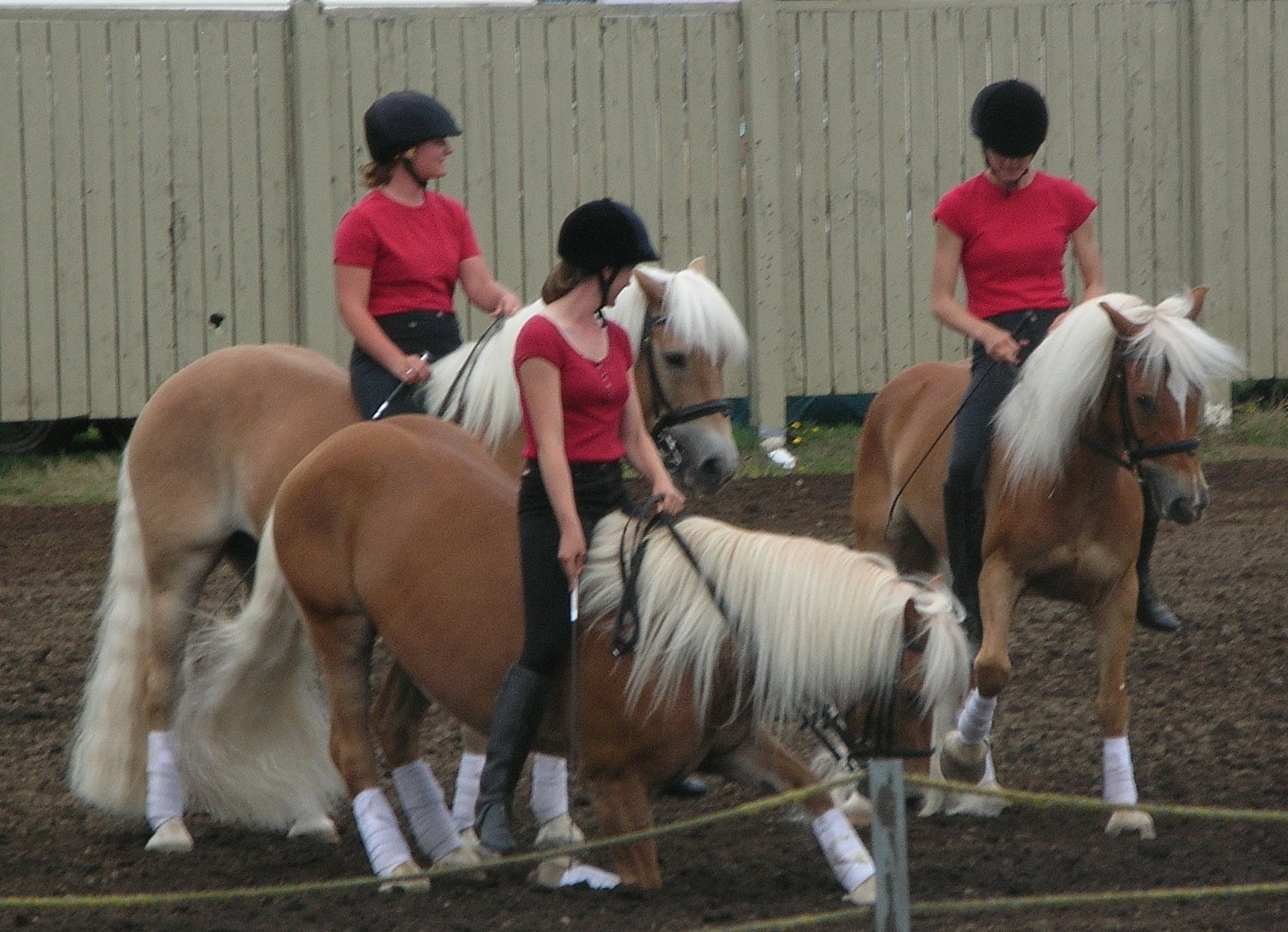
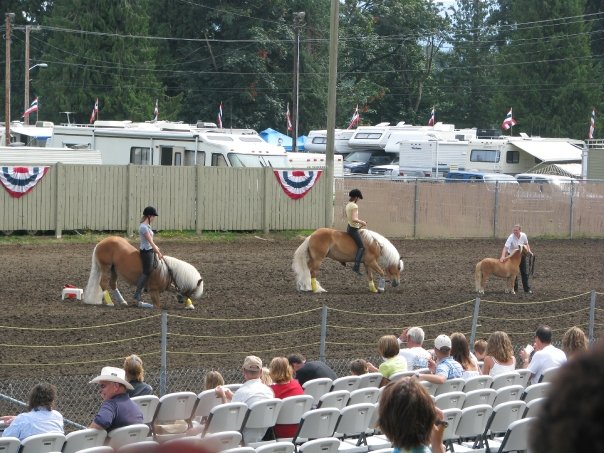
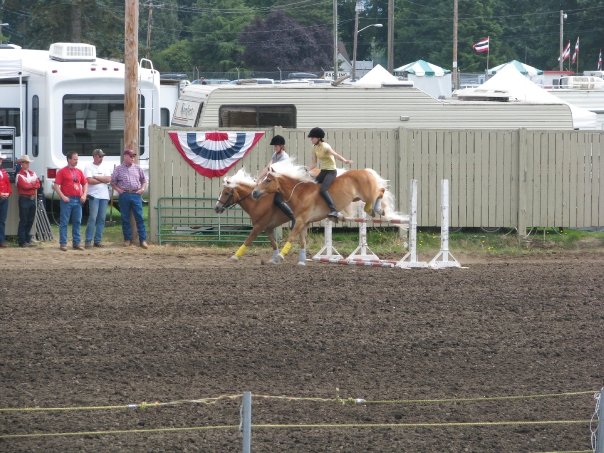
Every year from 1992 onward, we evaluated whether we had the energy and resources to do it  again. Initially, Dan and I juggled our small children as well as horses at the fair and at home, taking a week of vacation from our jobs. Then, with the help of two other Haflinger breeding farms, and several young women who did a crowd-pleasing Haflinger “trick” riding demo in front of the grandstand, we rotated duties. The older kids watched the younger kids, the in-between kids did most of the horse stall cleaning duty, and the adults could sit and shoot the breeze.

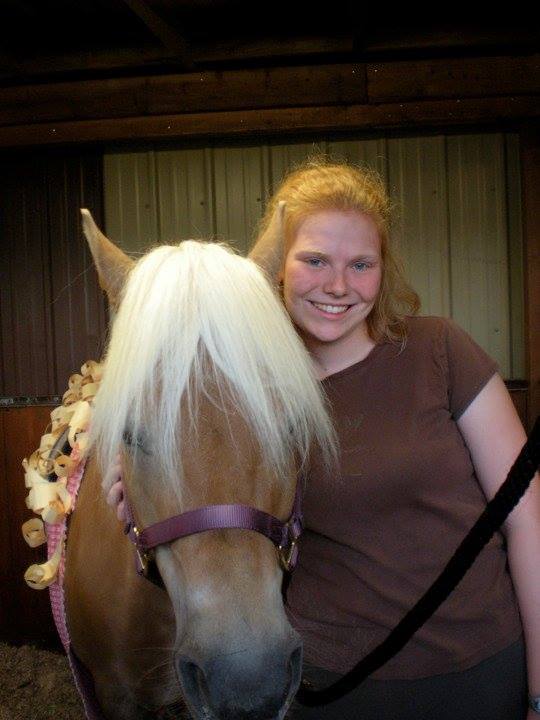
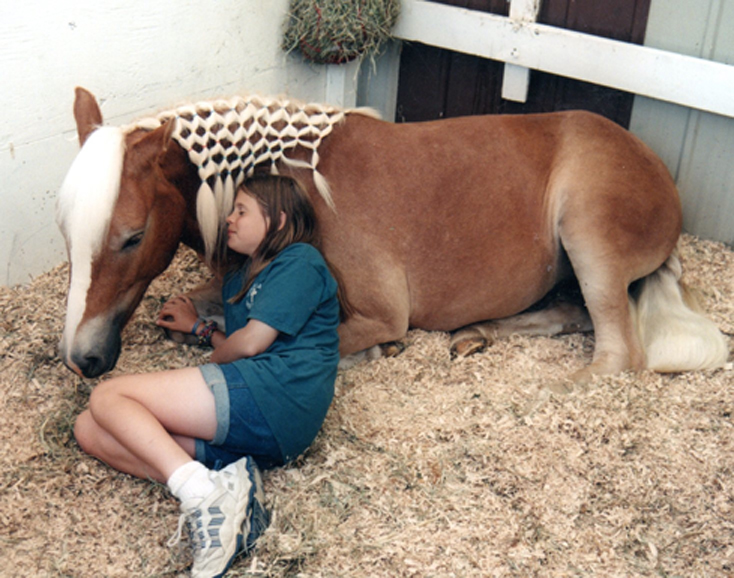
This created good will for the fair visitors who depended on us every year to be there with horses that they and their children could actually pet (and sit on) without worry, who enjoyed our braiding demonstrations, and our Haflinger trivia contests and prizes.

We continued to do this for so long because our horses were friendly and happy to give fair-goers a chance to safely get up close. These Haflingers became what dreams are made of.

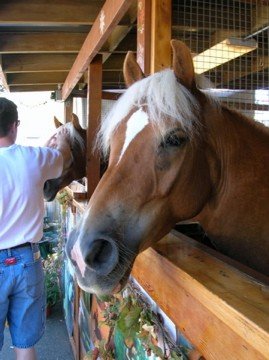
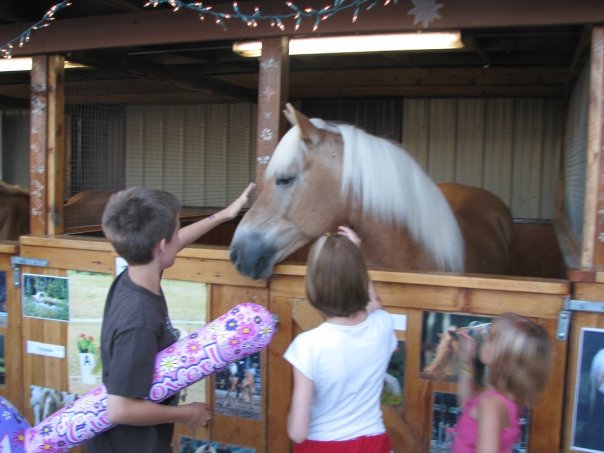
Countless times a day a bright eyed child approached our stalls, climbed up on the step stools and reached up to pet a Haflinger nose or neck and look deep into those big brown eyes. They will not forget the moment when a horse they had never met before loved them back. Haflingers are magic with children and we saw that over and over again.

So on this foggy August morning years later, instead of heading to the fairgrounds to clean stalls and braid manes, I’m turning out our retired, dusty, unbathed Haflingers into the field as usual. They barely recall all the excitement they are missing.

Even if our horses don’t remember much about those fair weeks so long ago, I know some fair-goers still miss the friendly golden horses with the big brown eyes who tried, even if for a day, to make their dreams come true.

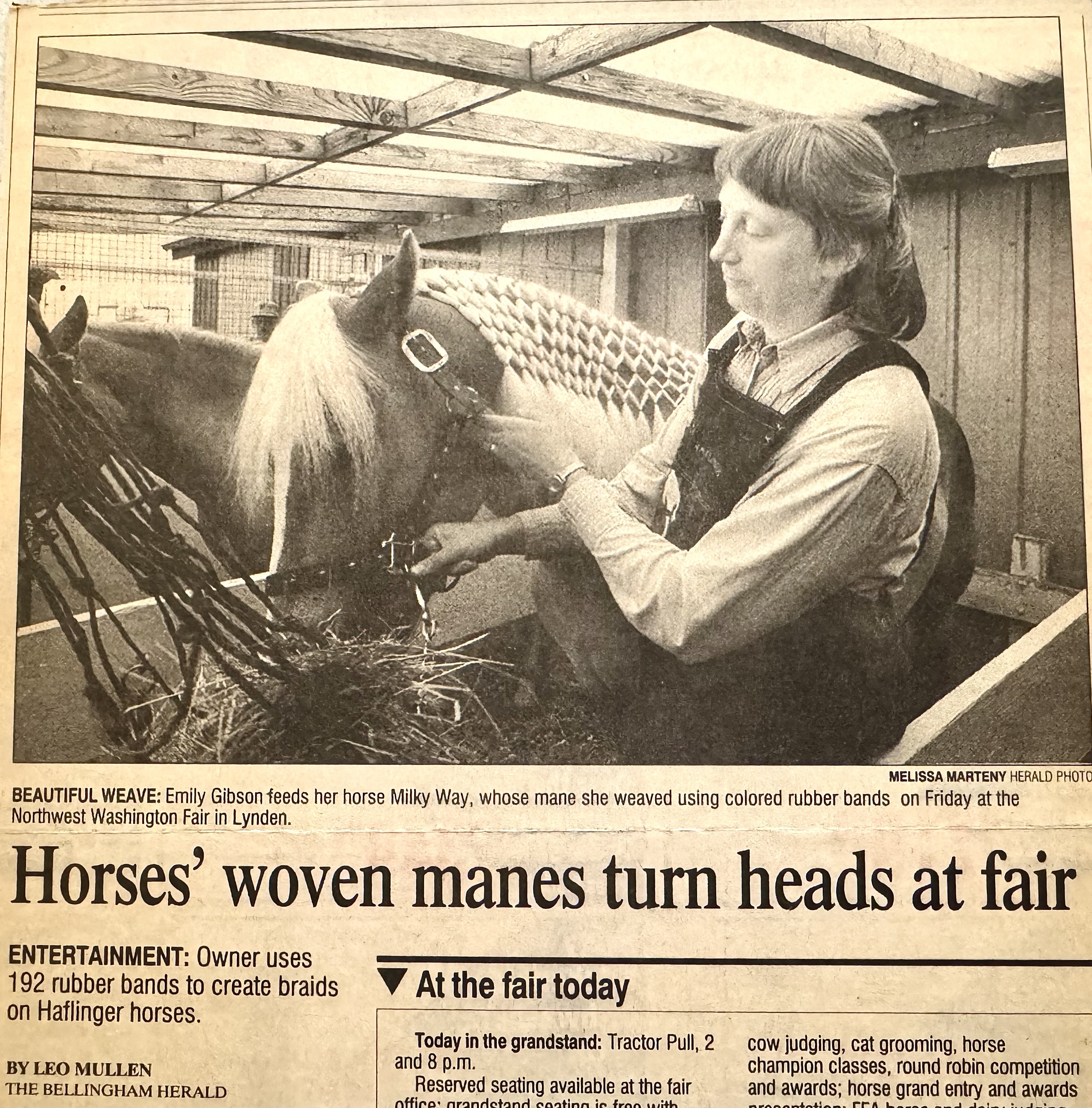
29 years ago, Milky Way and I were featured in our fair display on the front page of the local Bellingham Herald
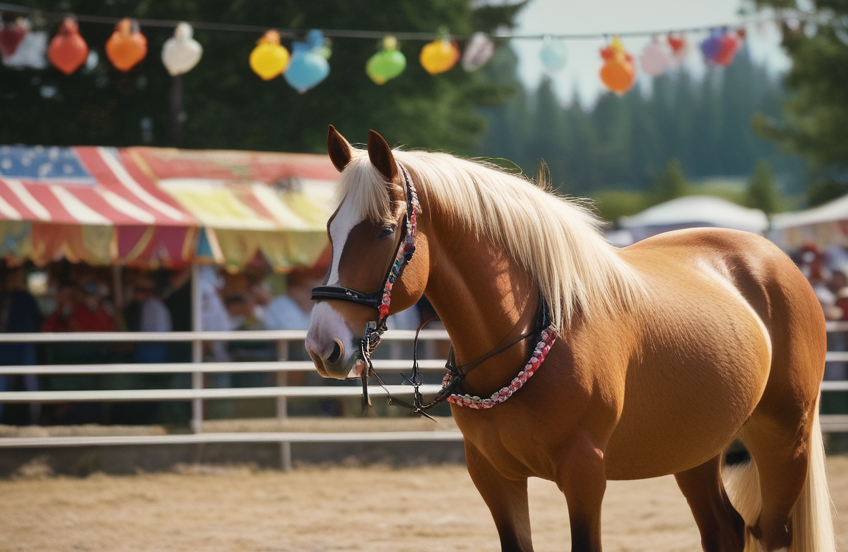
AI image created for this post
One-Time
Monthly
Yearly

Make a one-time or recurring donation to support daily Barnstorming posts

Make a monthly donation

Make a yearly donation

Choose an amount

$10.00
$25.00
$50.00
$5.00
$15.00
$100.00
$5.00
$15.00
$100.00

Or enter a custom amount

$

Your contribution is deeply appreciated.

Your contribution is appreciated.

Your contribution is appreciated.

DonateDonate monthlyDonate yearly
Just a Couple of Aging Fools

All day he’s shoveled green pine sawdust
out of the trailer truck into the chute.
From time to time he’s clambered down to even
the pile. Now his hair is frosted with sawdust.
Little rivers of sawdust pour out of his boots.

I hope in the afterlife there’s none of this stuff
he says, while I broom off his jeans, his sweater flocked
with granules, his immersed-in-sawdust socks.
I hope there’s no bedding, no stalls, no barn

no more repairs to the paddock gate the horses
burst through when snow avalanches off the roof.
Although the old broodmare, our first foal, is his,
horses, he’s fond of saying, make divorces.

…he says
let’s walk up to the field and catch the sunset

and off we go, a couple of aging fools.

I hope, he says, on the other side there’s a lot
less work, but just in case I’m bringing tools.
~Maxine Kumin from “Chores”

photo by Emily Vander Haak

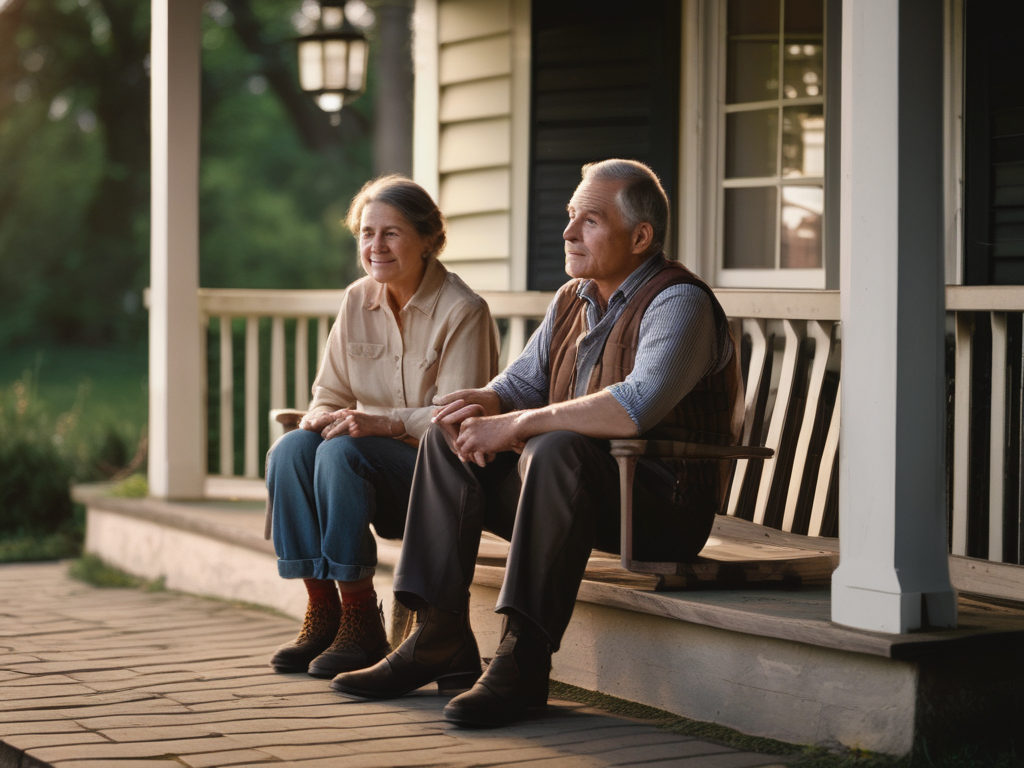
They sit together on the porch, the dark
Almost fallen, the house behind them dark.
Their supper done with, they have washed and dried
The dishes–only two plates now, two glasses,
Two knives, two forks, two spoons–small work for two.
She sits with her hands folded in her lap,
At rest. He smokes his pipe. They do not speak,
And when they speak at last it is to say
What each one knows the other knows. They have
One mind between them, now, that finally
For all its knowing will not exactly know
Which one goes first through the dark doorway, bidding
Goodnight, and which sits on a while alone.
~Wendell Berry “They Sit Together on the Porch”

If just for a moment,
when this world is tilting so far
we just might fall off,
we pause to look at where we’ve been
and get our feet back under us.

The porch is a good place to start:
a bridge to what is beyond
without leaving the familiar.

Outside, looking square at the unknown,
yet still hearing and smelling and tasting
the love that dwells just inside these walls.

What could we want more
than to be missed when we step away?

Our voice, our words, our heart, our touch
never to be replaced,
its absence a hole impossible to fill?

When we are called back inside
where Love made us who we are,
may the “in between” of
time spent on the porch,
be even more treasured,
because two aging fools sat together there a spell.

AI image created for this post
One-Time
Monthly
Yearly

Make a one-time or recurring donation to support daily Barnstorming posts

Make a monthly donation

Make a yearly donation

Choose an amount

$10.00
$25.00
$50.00
$5.00
$15.00
$100.00
$5.00
$15.00
$100.00

Or enter a custom amount

$

Your contribution is deeply appreciated.

Your contribution is appreciated.

Your contribution is appreciated.

DonateDonate monthlyDonate yearly
Waiting For Me to Say Something

Because I have come to the fence at night,
the horses arrive also from their ancient stable.
They let me stroke their long faces, and I note
in the light of the now-merging moon

how they, a Morgan and a Quarter, have been
by shake-guttered raindrops
spotted around their rumps and thus made
Appaloosas, the ancestral horses of this place.

Maybe because it is night, they are nervous,
or maybe because they too sense
what they have become, they seem
to be waiting for me to say something

to whatever ancient spirits might still abide here,
that they might awaken from this strange dream,
in which there are fences and stables and a man
who doesn’t know a single word they understand.

~Robert Wrigley “After a Rainstorm” from Beautiful Country

During our three decades of Haflinger horse ownership, I figured out long ago that Haflingers must have a migration center in their brain that tells them that it is time to move on to other territory – a move based on quality of forage, the seasons, or maybe simply a sudden urge for a change in scenery. This thrifty mountain breed adapted over hundreds of years to living in rather sparse Alpen meadows. They needed to move on to another feeding area enmasse on a pretty regular basis, or when the weather was starting to get crummy.

Or perhaps the next valley over had a better view, who knows? Trouble is, my Haflingers seem to have the desire to “move to other pastures” even if the grass in their own territory is plentiful and the view is great. And there doesn’t seem to be much in the way of natural or man-made barrier that will discourage them.

I have a trio of geldings I dub the “Three Musketeers”) who are particularly afflicted with wanderlust. There is not a field yet that has held them when they decide together that it is time to move on. We are a hotwire and white tape fenced farm–something that has worked fairly well over the years, as it is inexpensive, easily repaired and best of all, easily moved if we need to change the fencing arrangement in our pasture rotation between five different 2 acre pastures.

Previous generations of Haflingers have tested the hotwire and learned not to bother it again. No problem.

But not the Three Musketeers.

They know when the wire is grounding out somewhere, so the current is low. They know when the weather is so dry that conduction is poor through the wire. They know when I’ve absent-mindedly left the fencer unplugged because I’ve had someone visit and we wanted to climb unshocked through the fences to walk from field to field.

These three actually have little conferences out in the field together about this. I’ve seen them huddled together, discussing their strategy, and fifteen minutes later, I’ll look out my kitchen window and they are in another field altogether and the wire and tape is strewn everywhere and there’s not a mark on any of them. Even more mysteriously, often I can’t really tell where they made their escape as they leave no trace–I think one holds up the top wire with his teeth and the others carefully step over the bottom wire. I’m convinced they do this just to make me crazy.

Last night, when I brought them in from a totally different field from where they had started in the morning, they all smirked at me as they marched to their stalls as if to say, “guess what you have waiting for you out there.” It was too dark to survey the damage last night but I got up extra early to check it out this morning before I turned them out again.

Sure enough, in the back corner of the field they had been put in yesterday morning, (which has plenty of grass), the tape had been stretched, but not broken, and the wires popped off their insulators and dragging on the ground and in a huge tangled mass. I enjoyed 45 minutes of Pacific Northwest summer morning putting it all back together. Then I put them out in the field they had escaped to last night, thinking, “okay, if you like this field so well, this is where you’ll stay”.

Tonight, they were back in the first field where they started out yesterday morning. Just to prove they could do it. They are thoroughly enjoying this sport. I’m ready to buy a grand poobah mega-wattage fry-their-whiskers fence charger.

But then, I’d be spoiling their fun and their travels. As long as they stay off the road, out of our garden, and out of my kitchen, they can have the run of the place. I too remember being afflicted with wanderlust, long long ago, and wanting to see the big wide world, no matter what obstacles had to be overcome or shocks I had to endure to get there. And I got there after all that trouble and effort and realized that home was really where I wanted to be.

Now, prying me away from my little corner of the world gets more difficult every year. I hope my Haflinger trio will eventually decide that staying home is the best thing after all. Maybe they will listen to what I have to say this time.

AI image created for this post
One-Time
Monthly
Yearly

Make a one-time or recurring donation to support daily Barnstorming posts

Make a monthly donation

Make a yearly donation
Choose an amount

$10.00
$25.00
$50.00
$5.00
$15.00
$100.00
$5.00
$15.00
$100.00

Or enter a custom amount

$

Your contribution is deeply appreciated.

Your contribution is appreciated.

Your contribution is appreciated.

DonateDonate monthlyDonate yearly