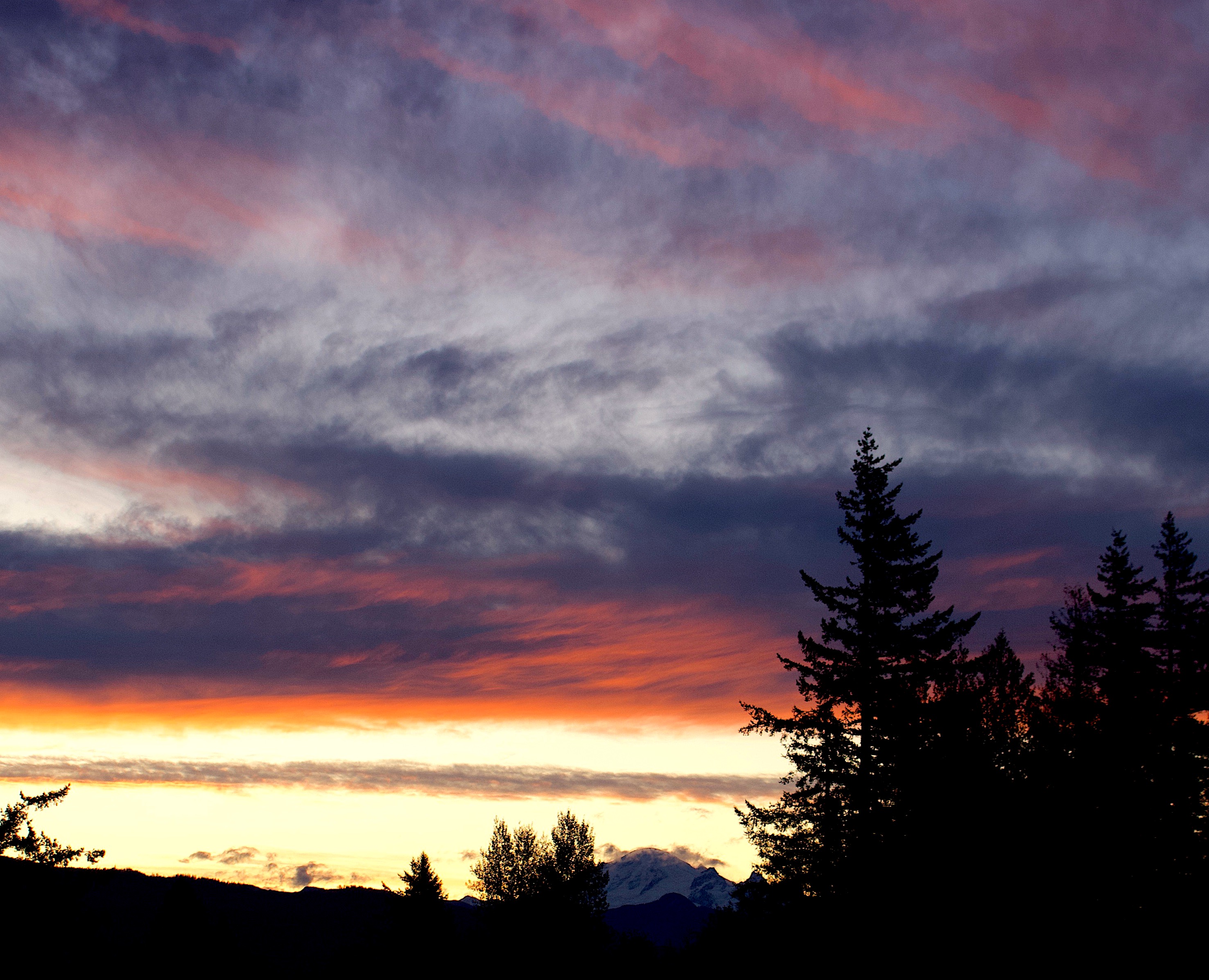
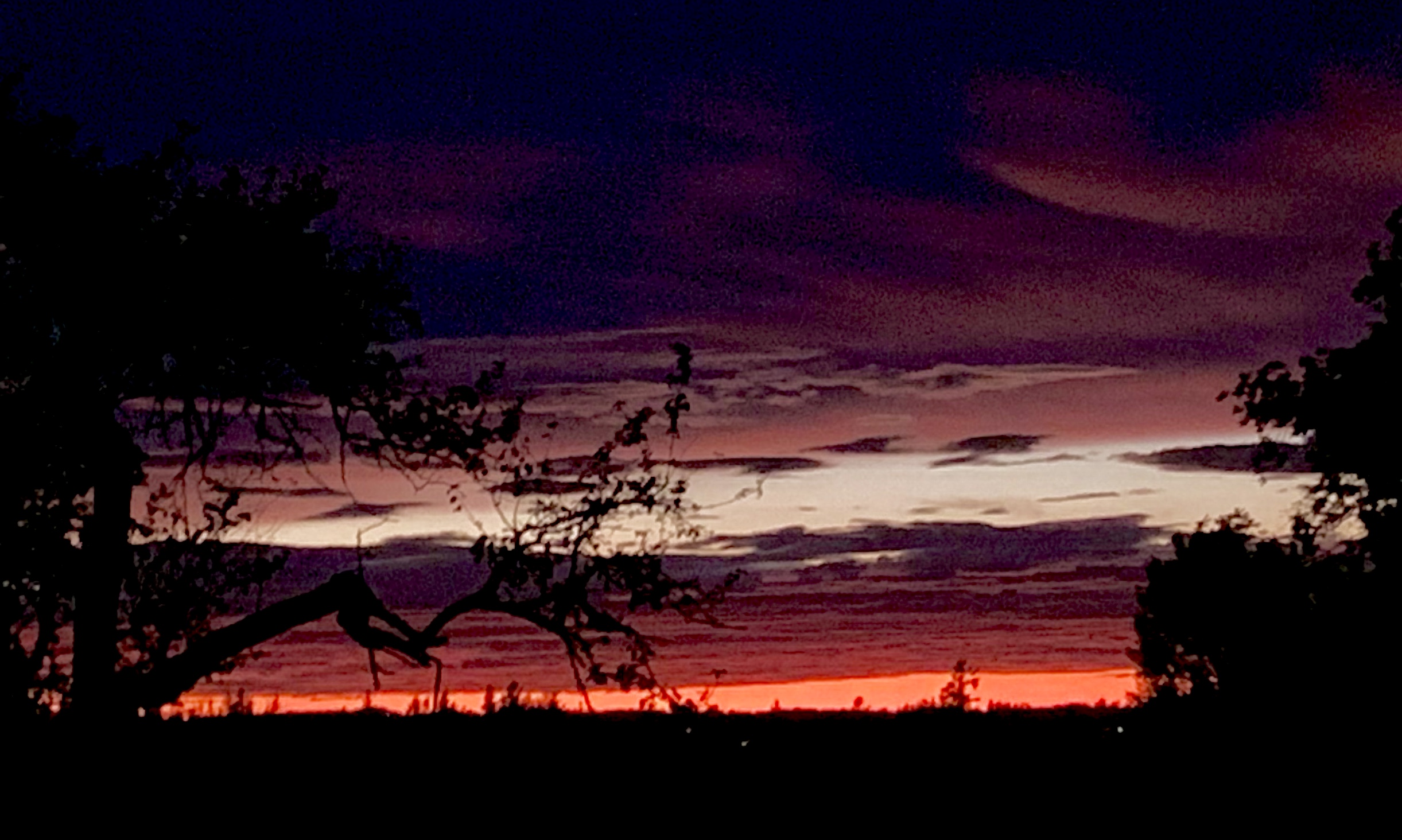
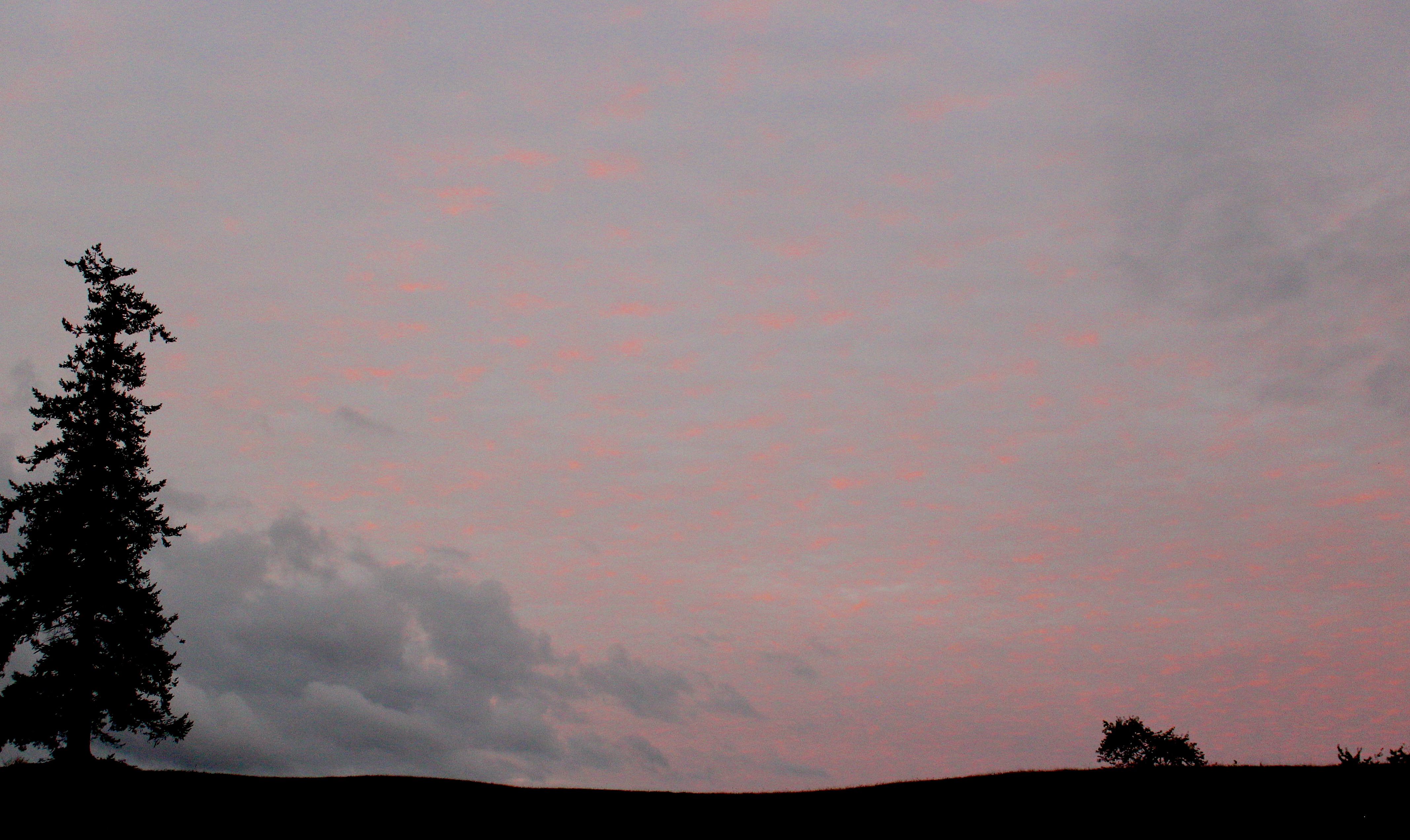
Any Wonderful Unexpected Thing

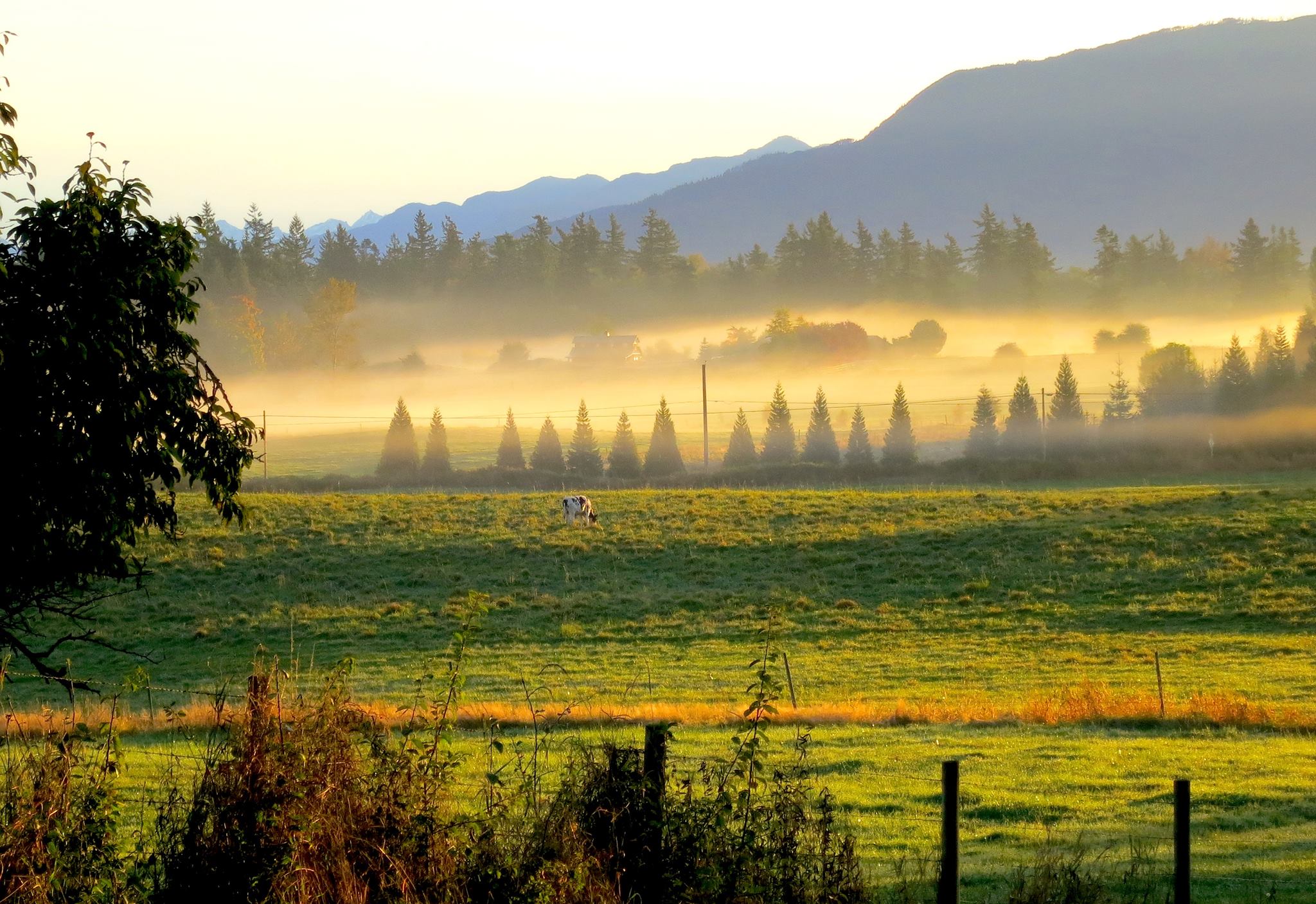
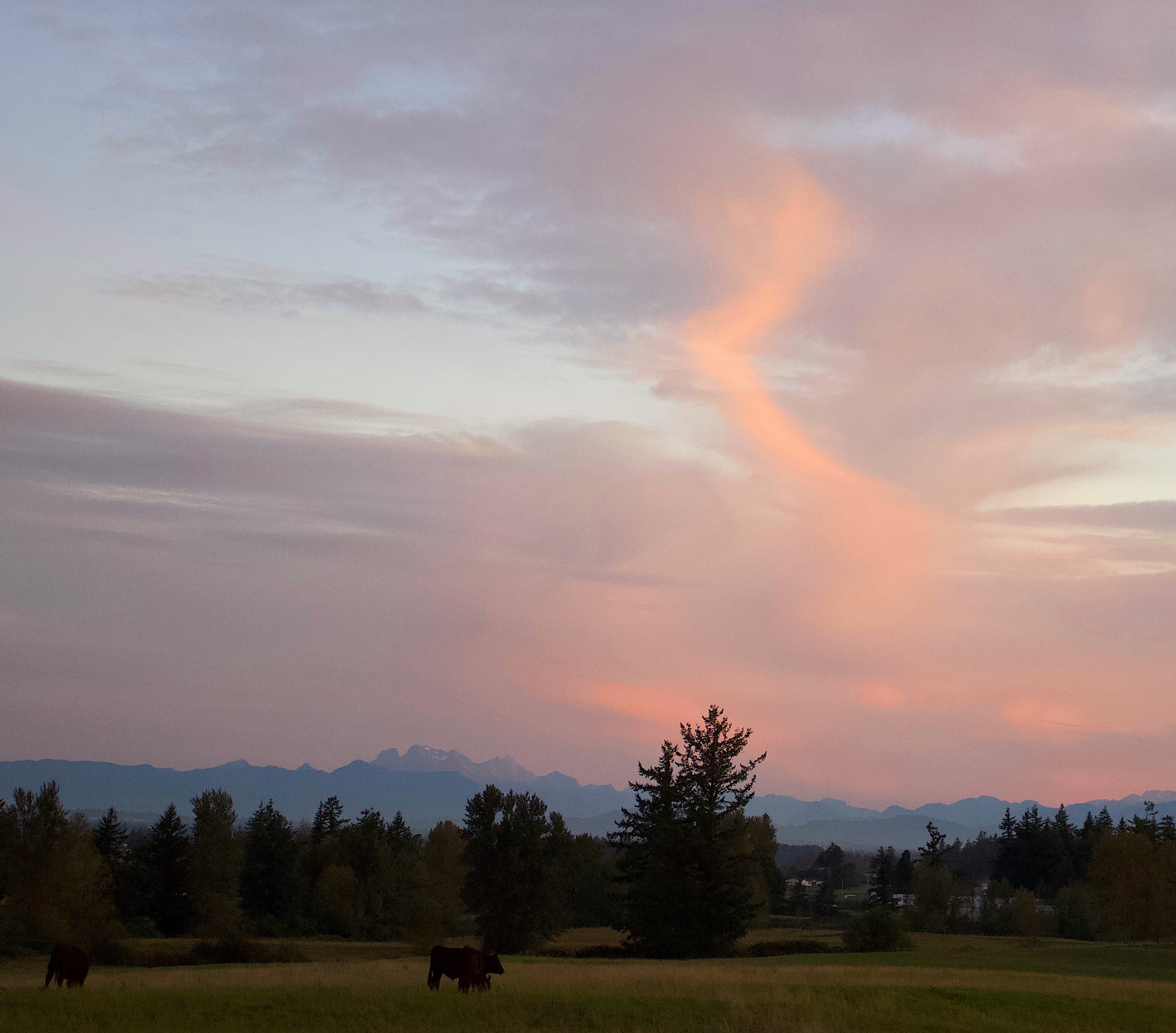
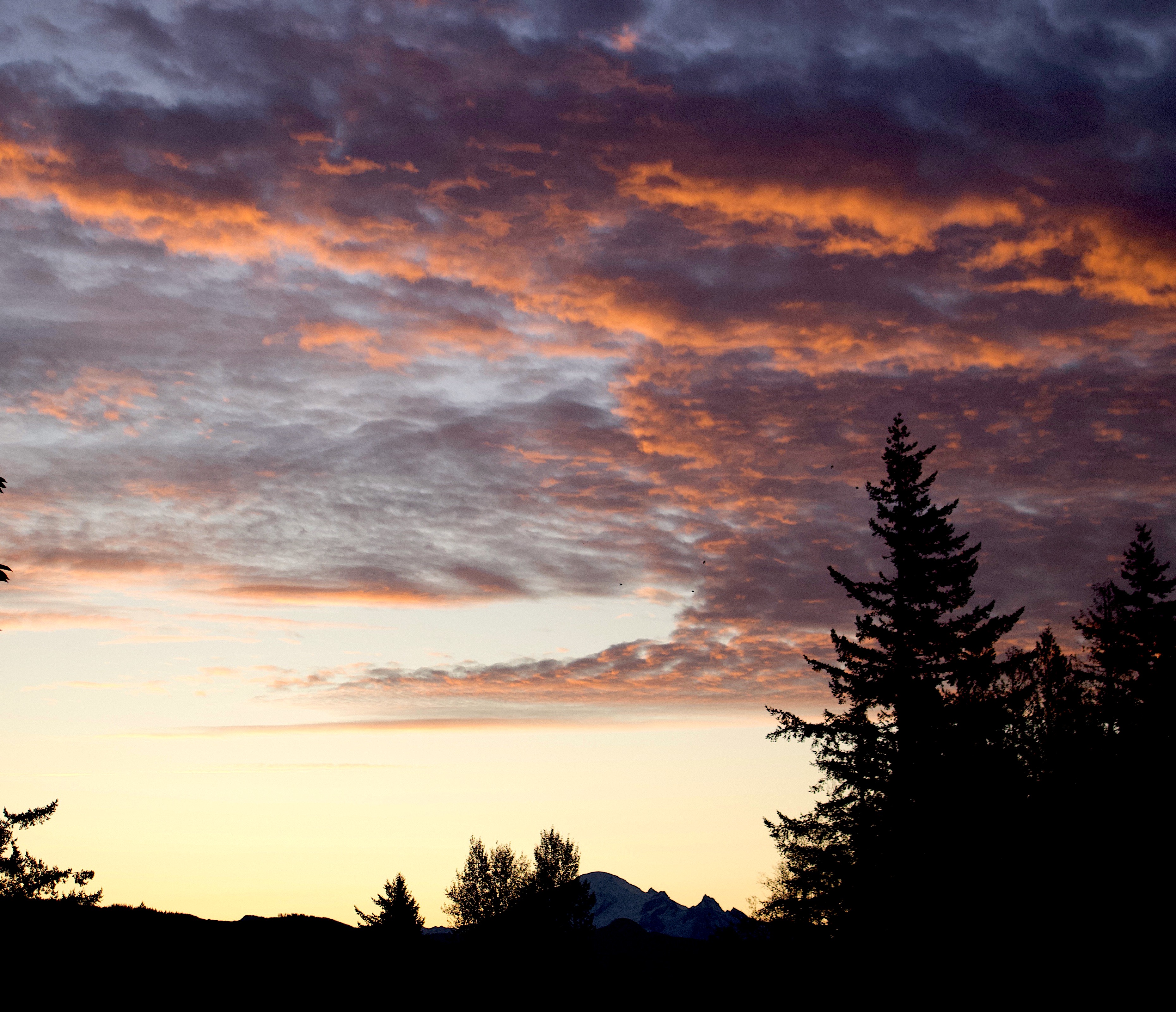
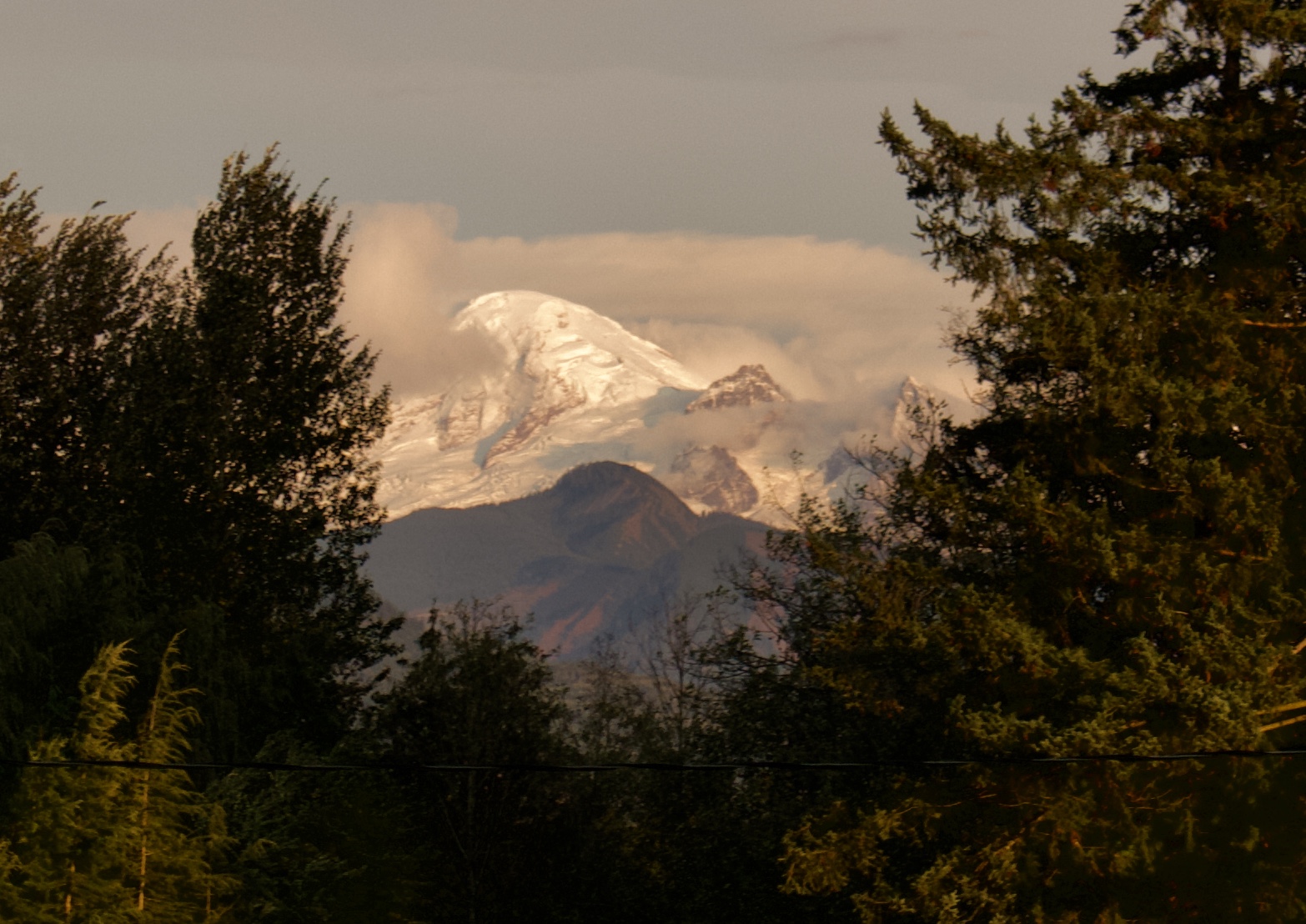
After the keen still days of September,
the October sun filled the world with mellow warmth…
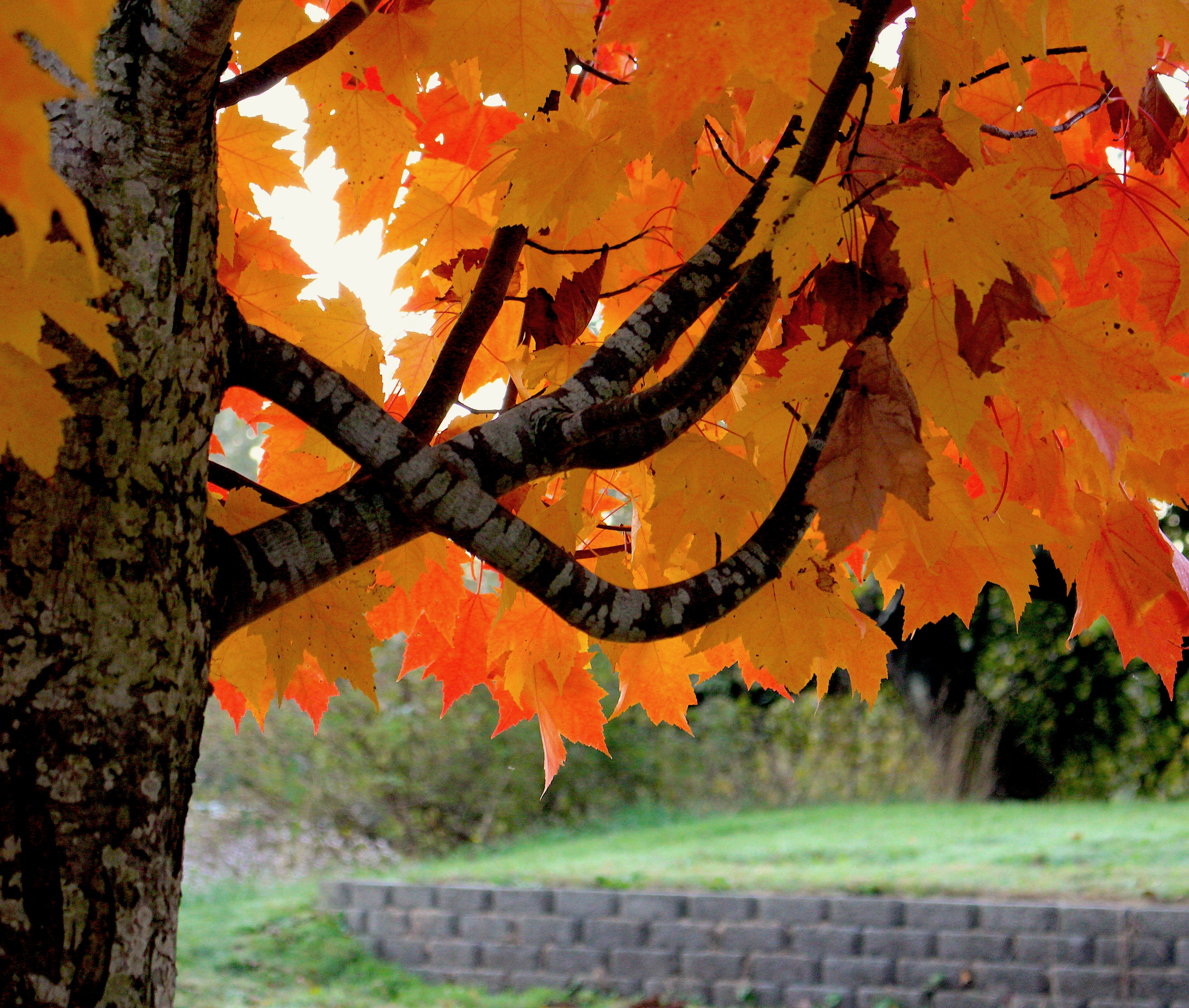
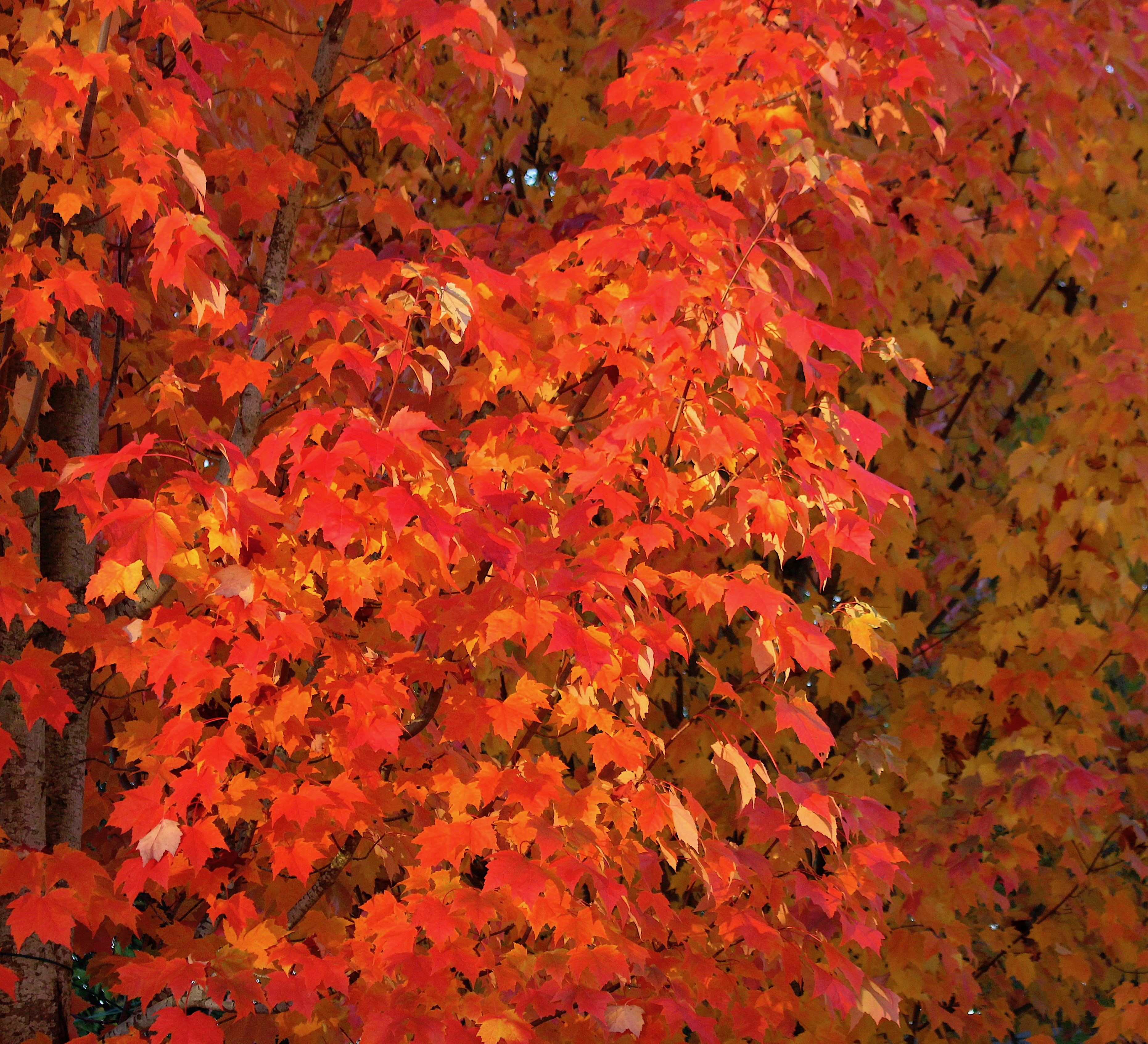
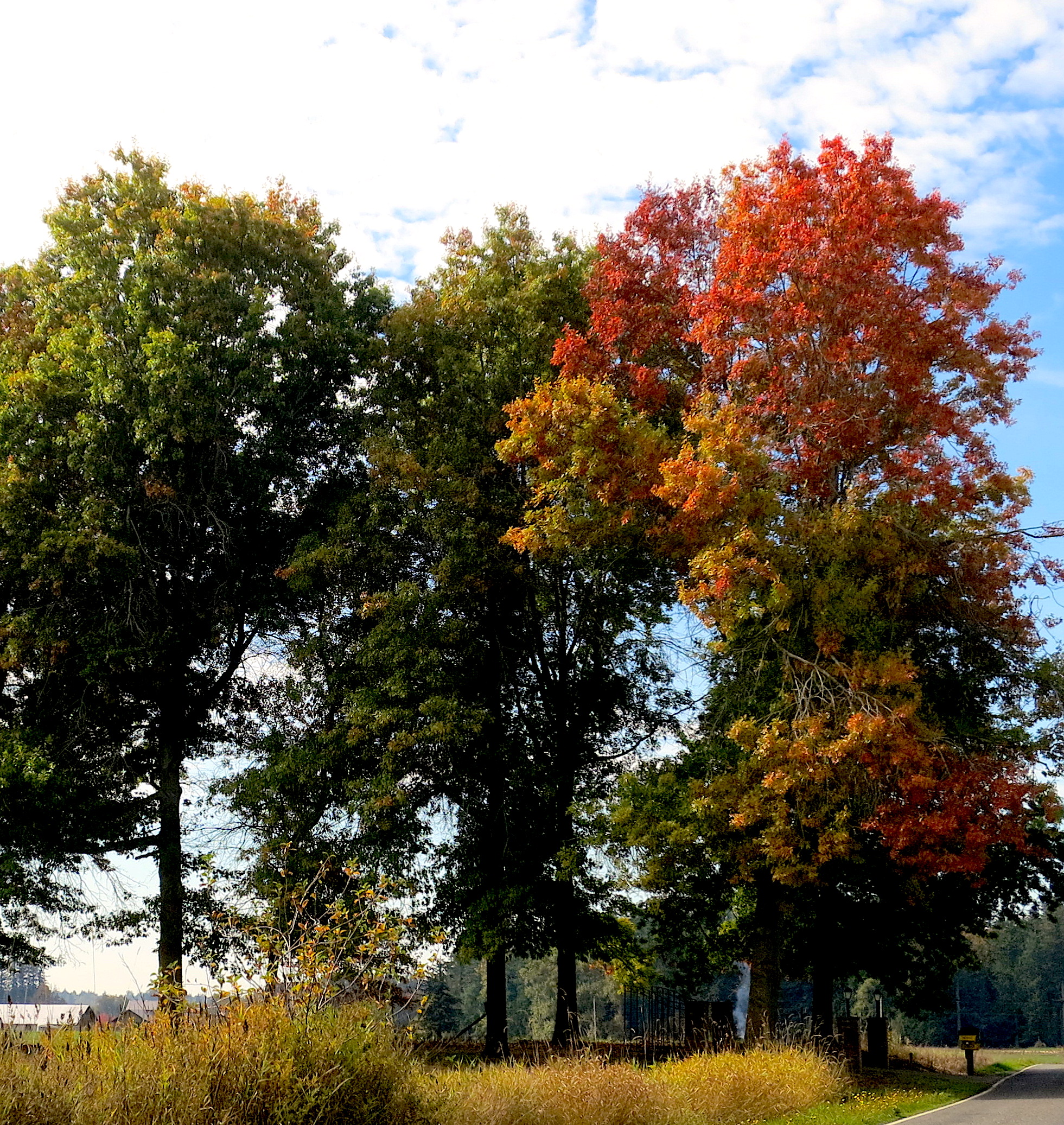
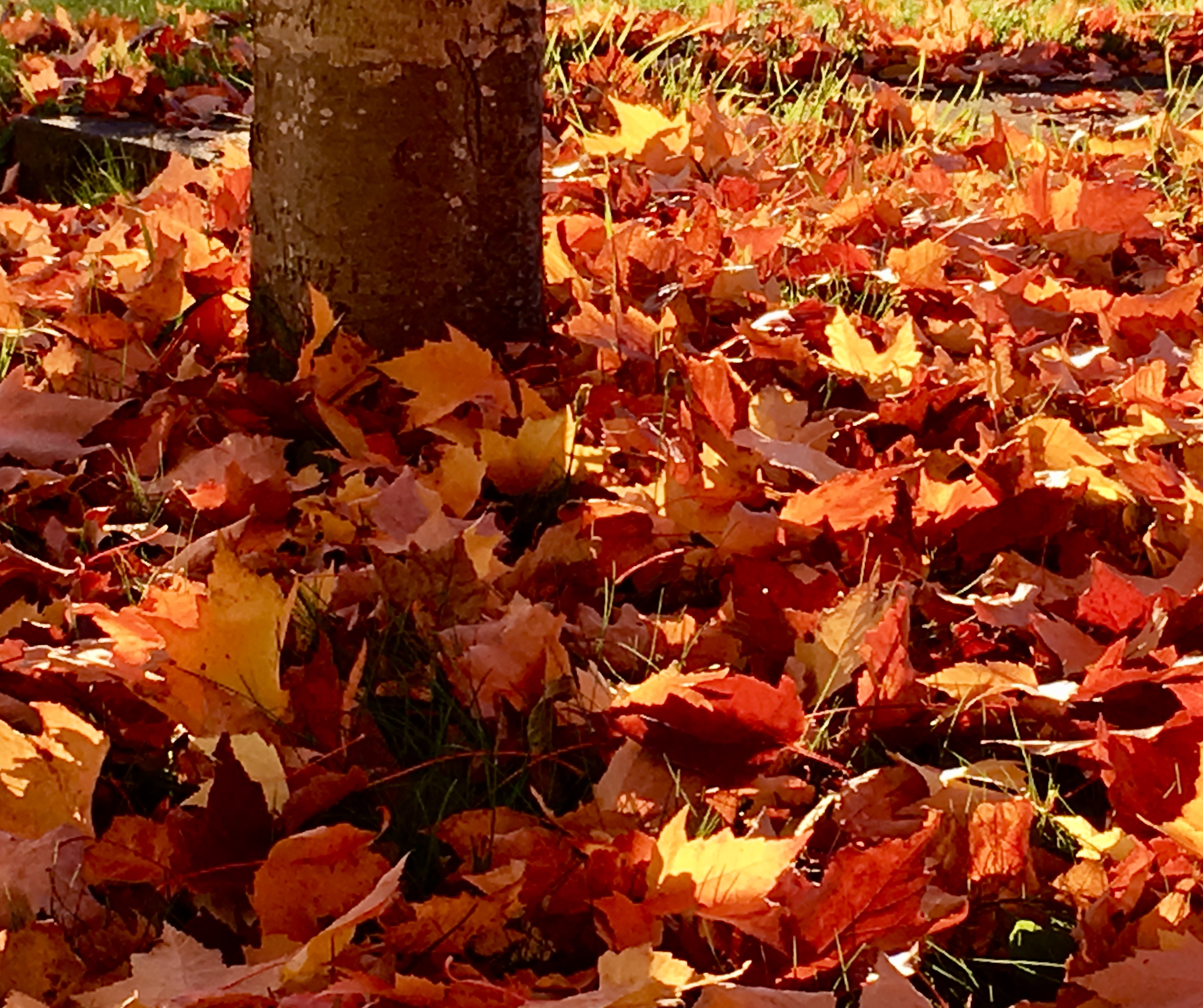
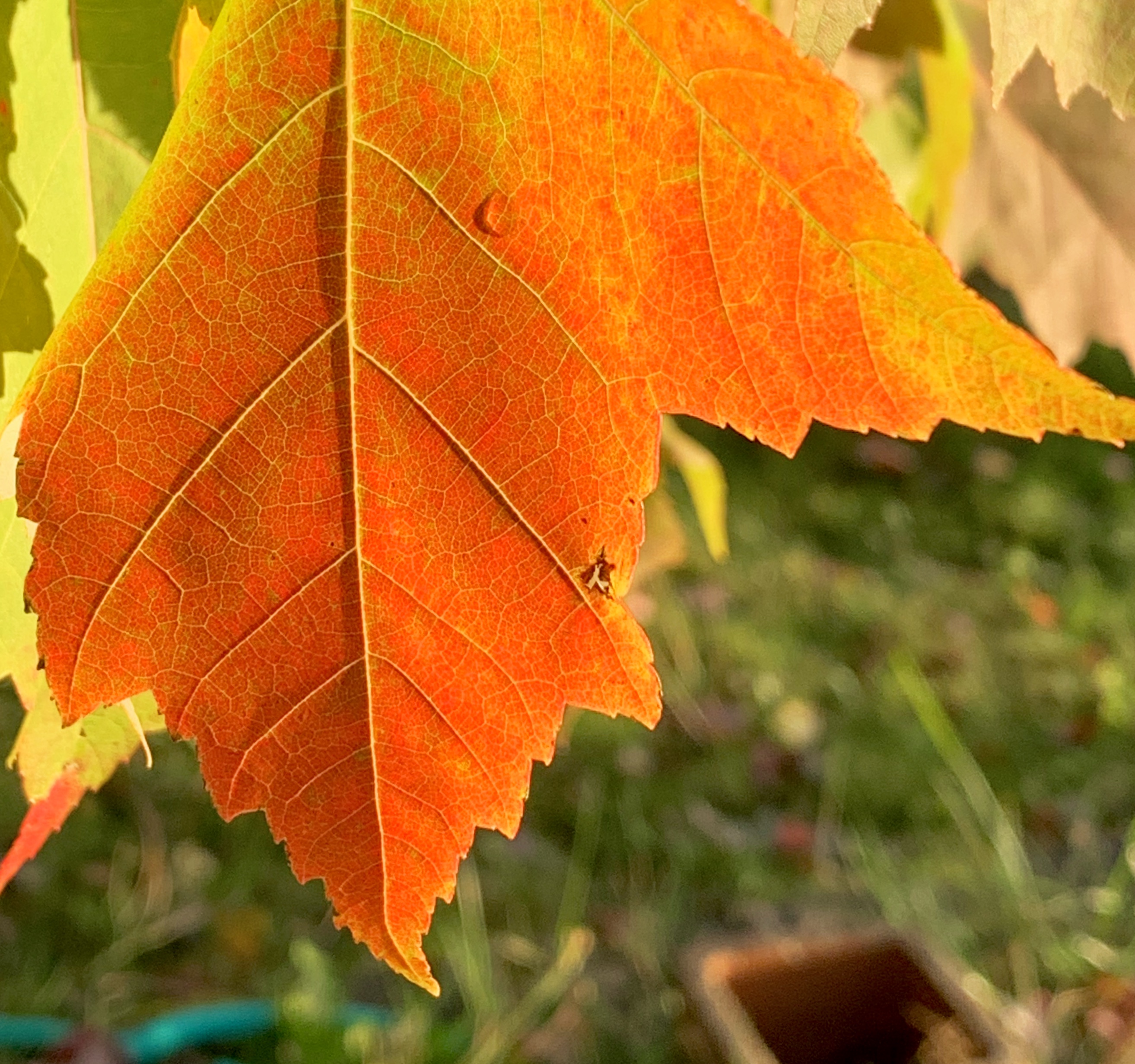
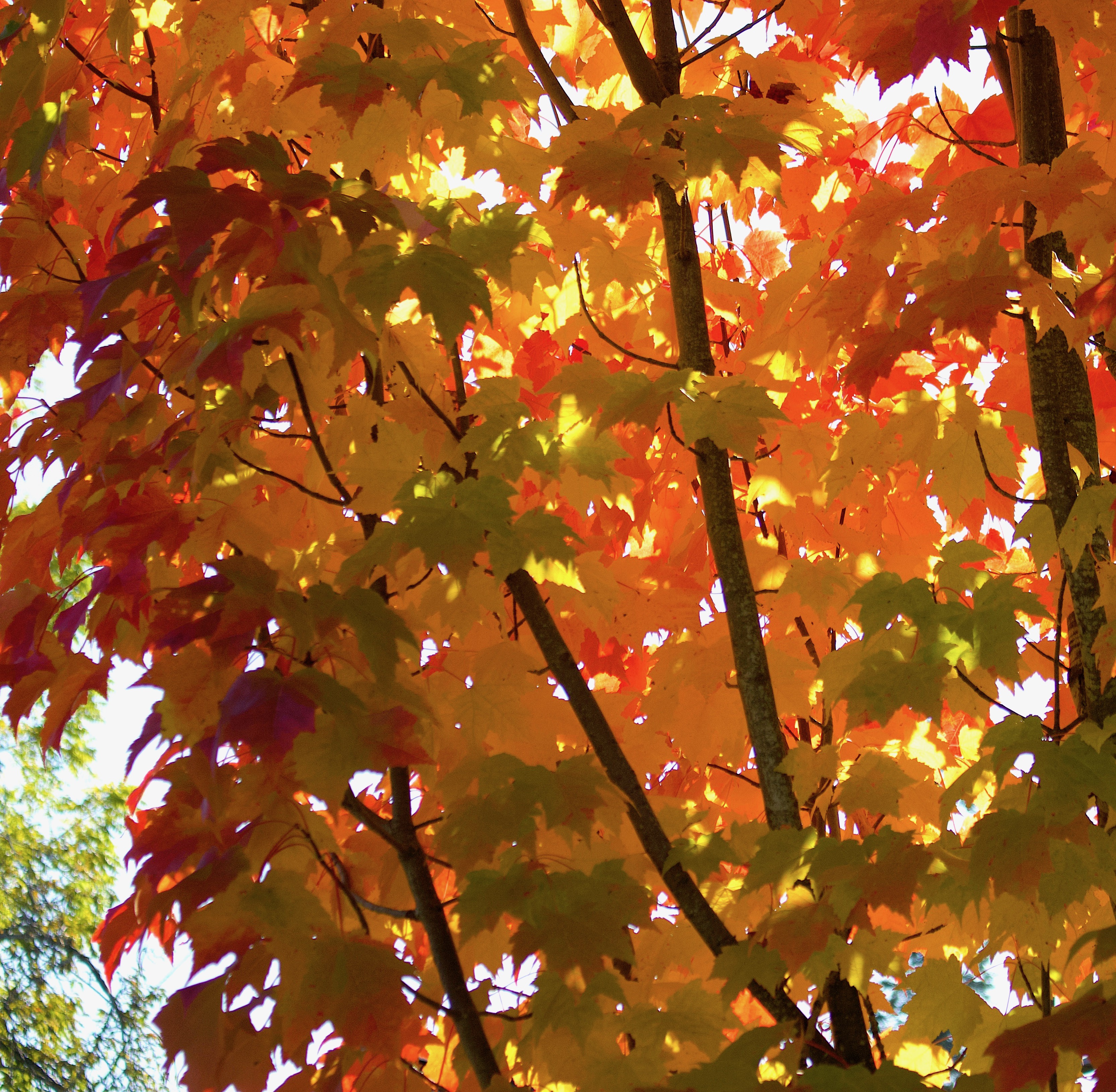
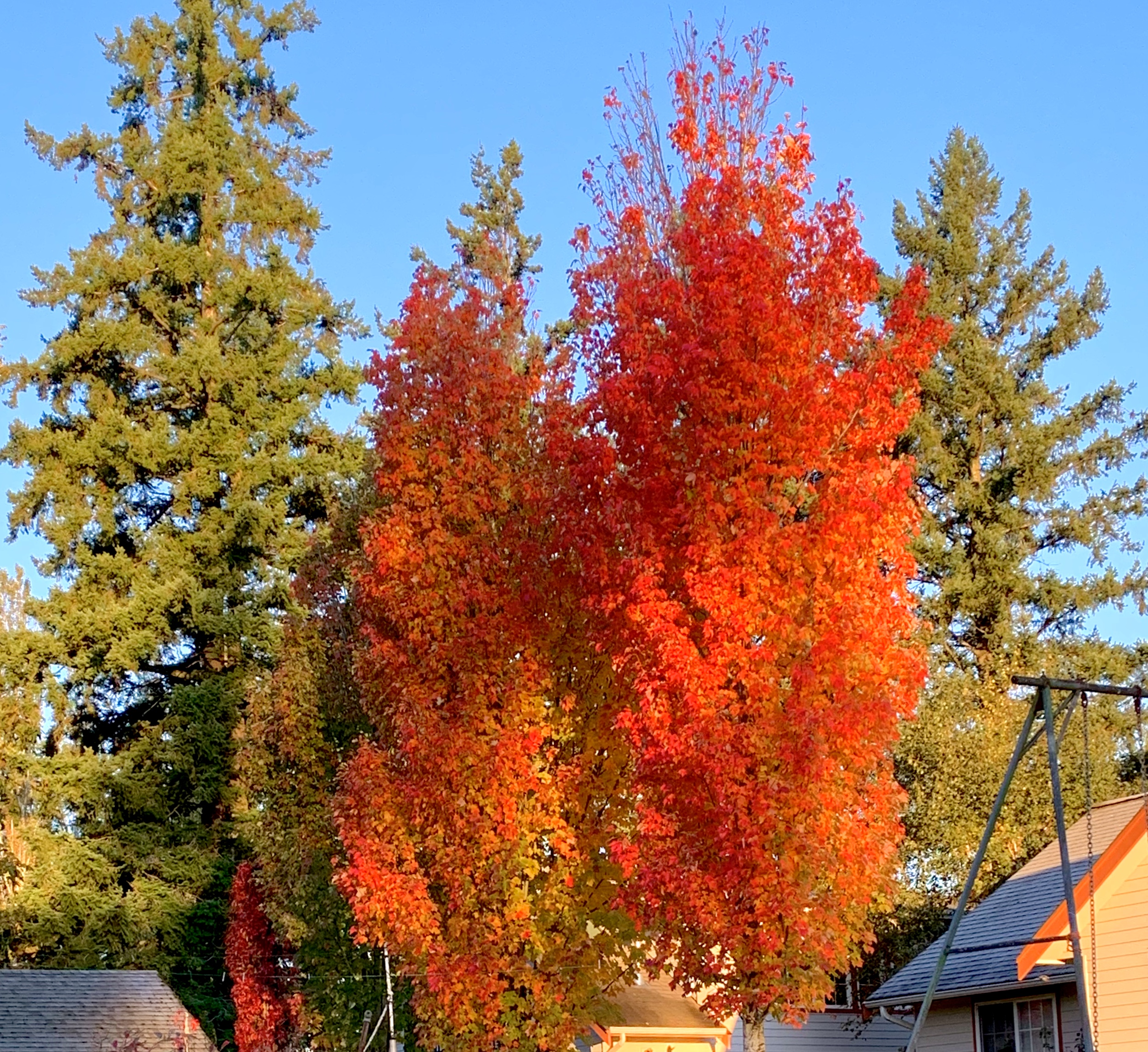
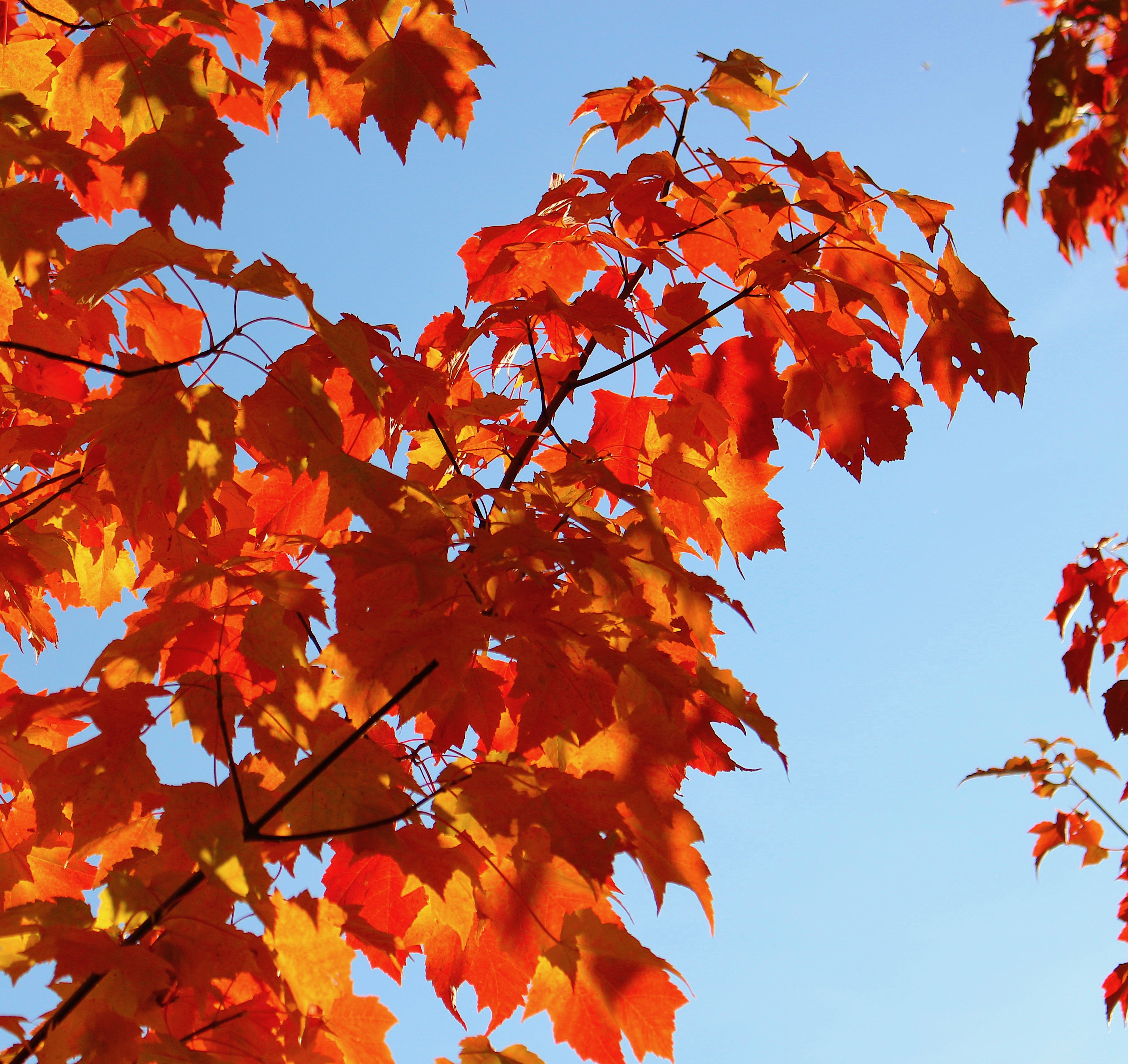
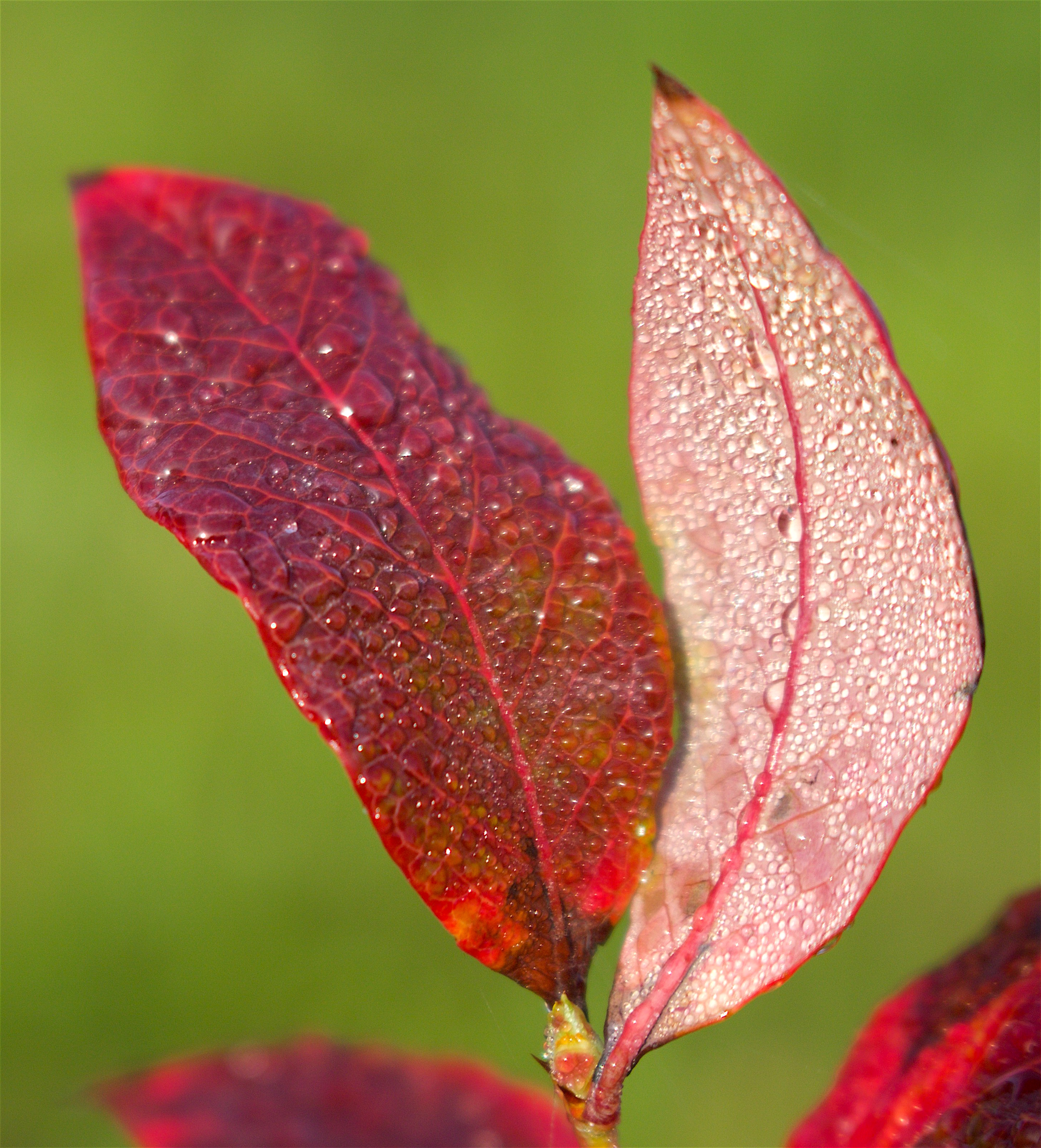
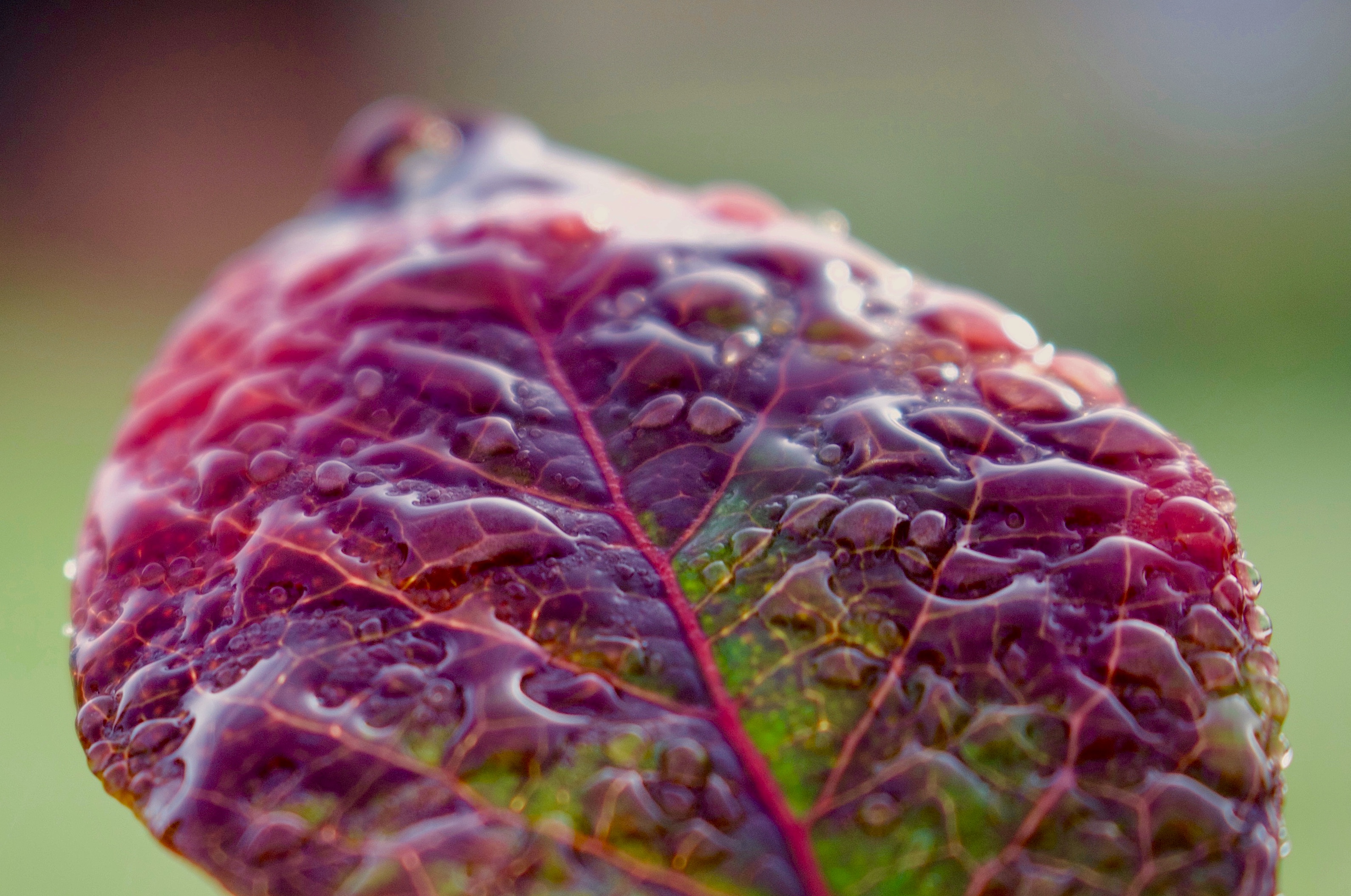
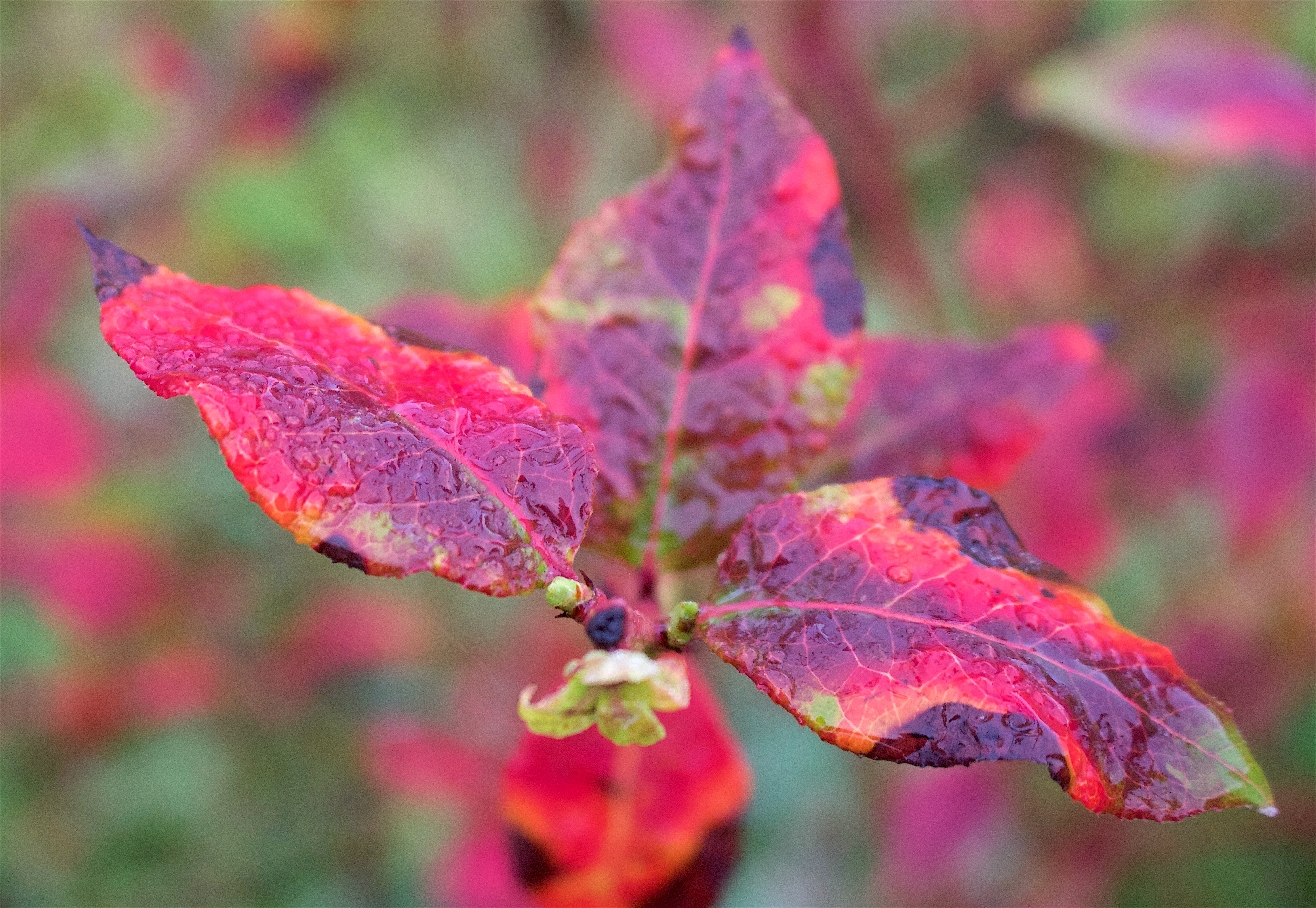
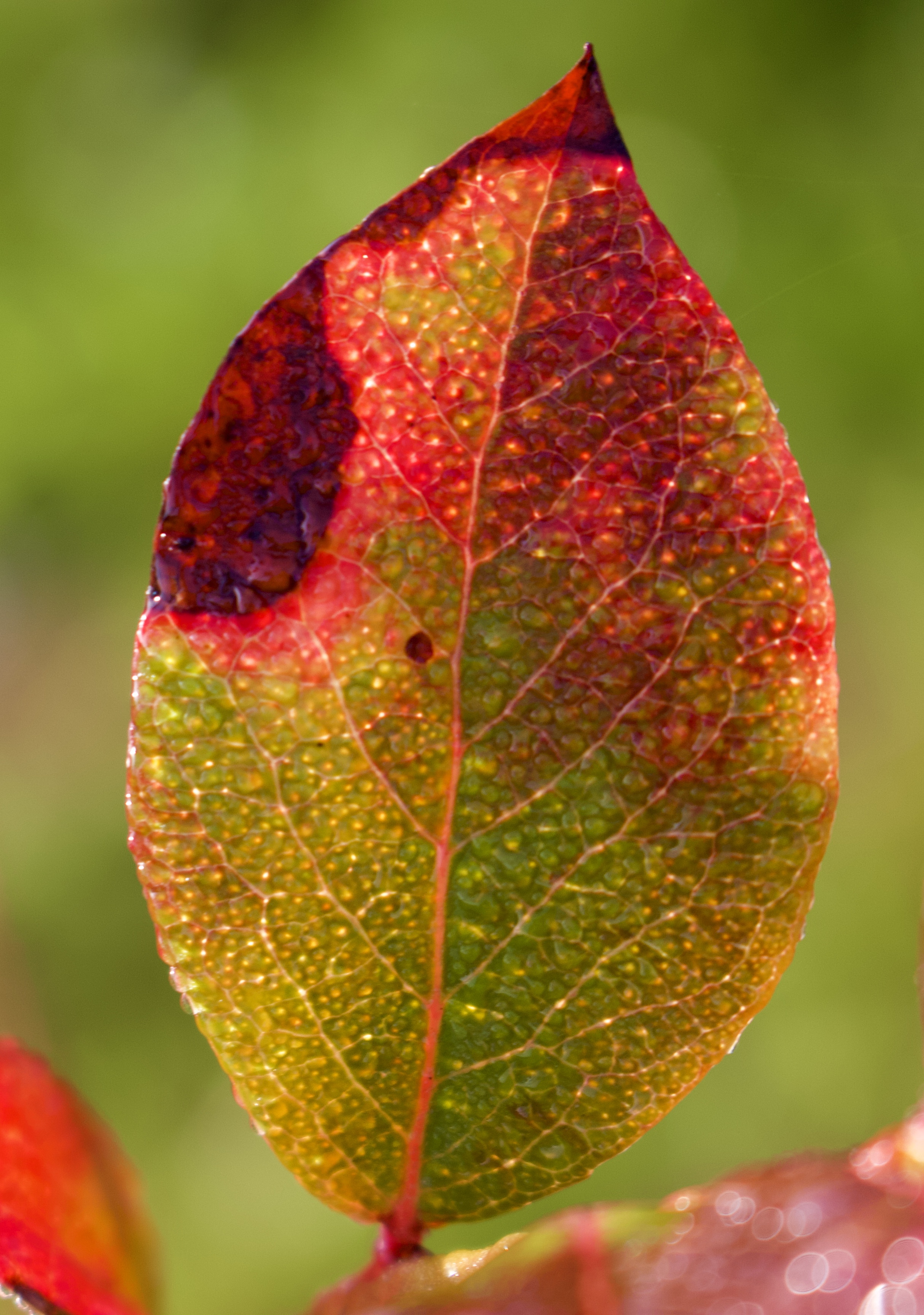
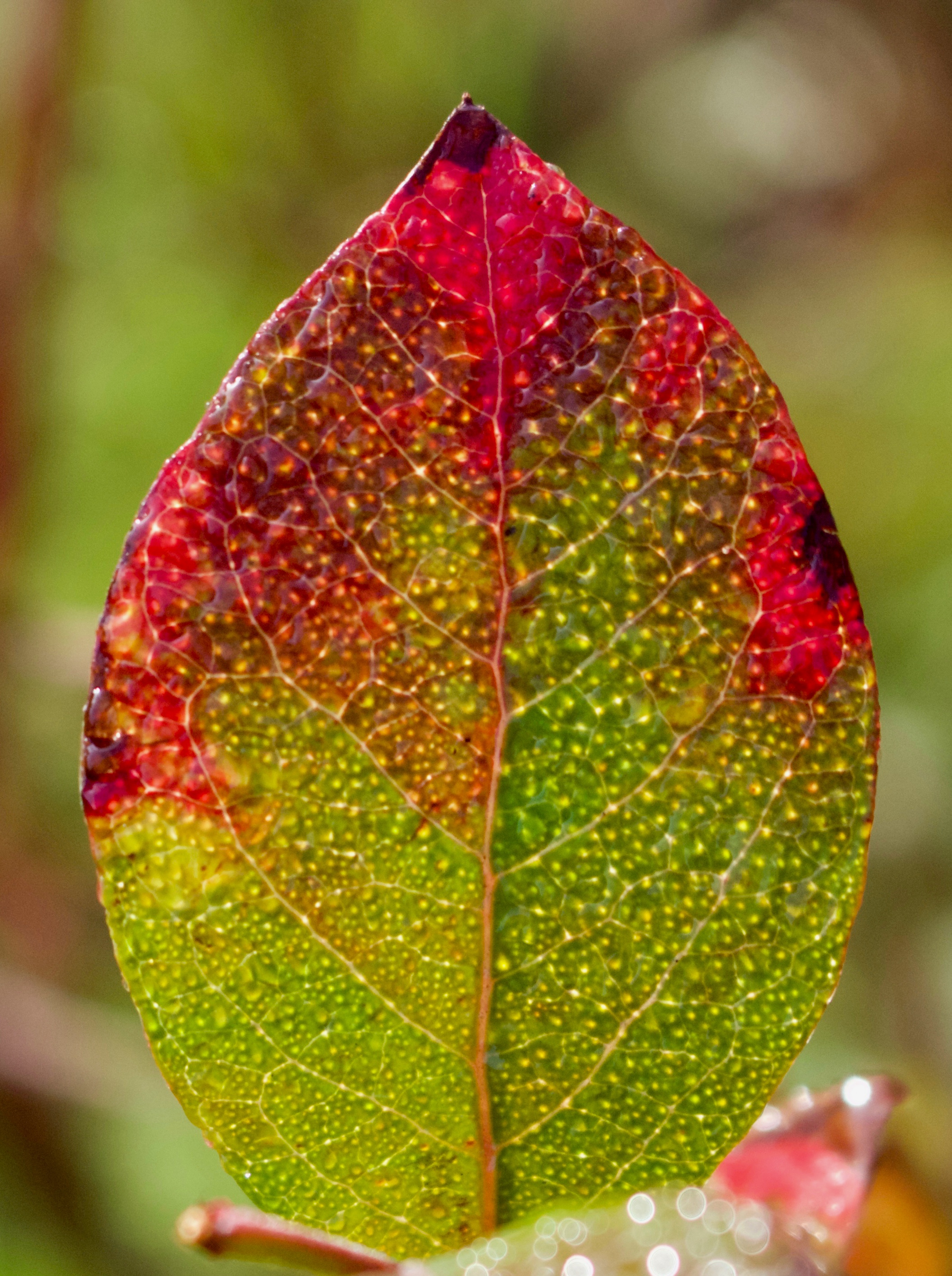
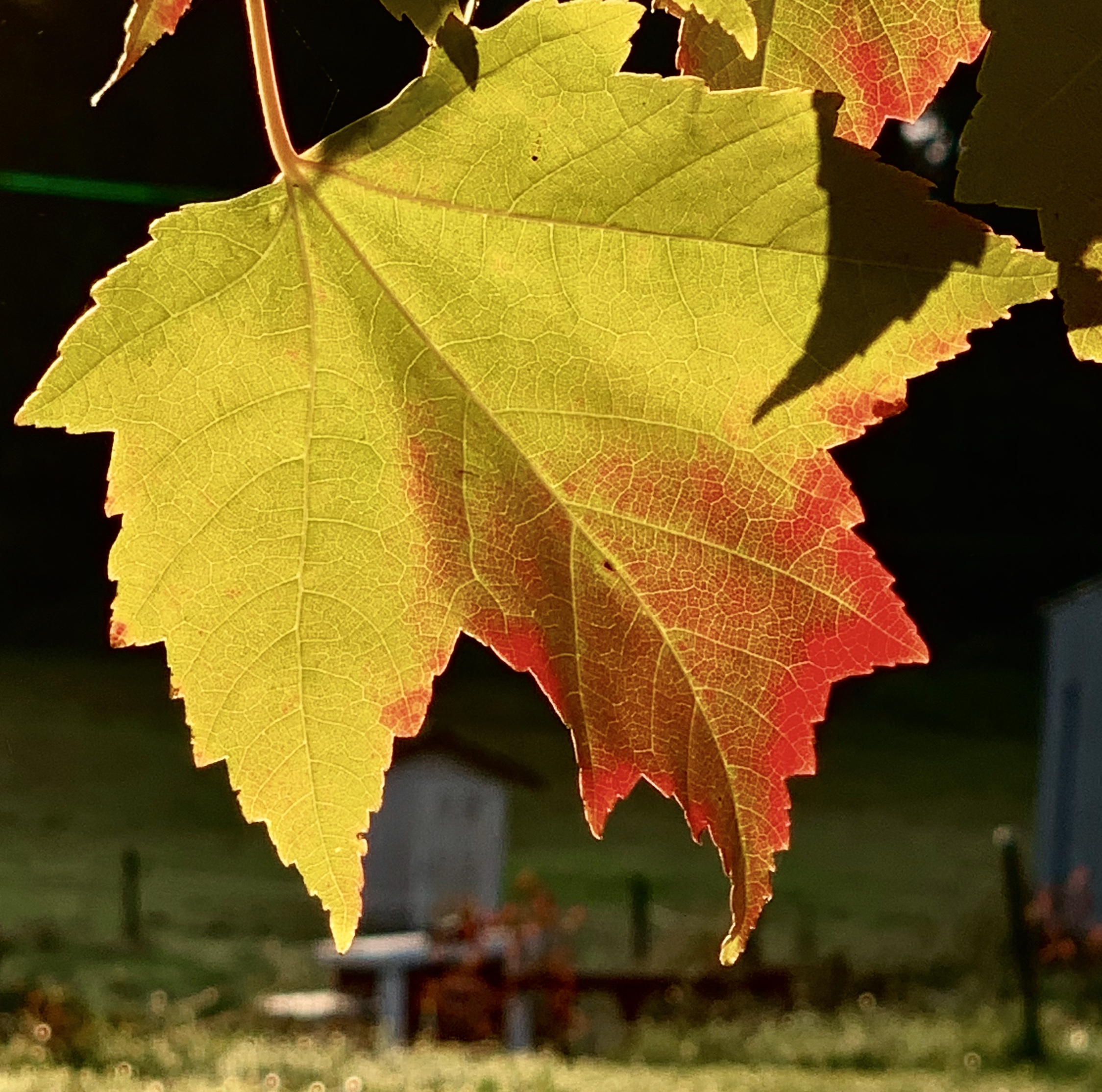
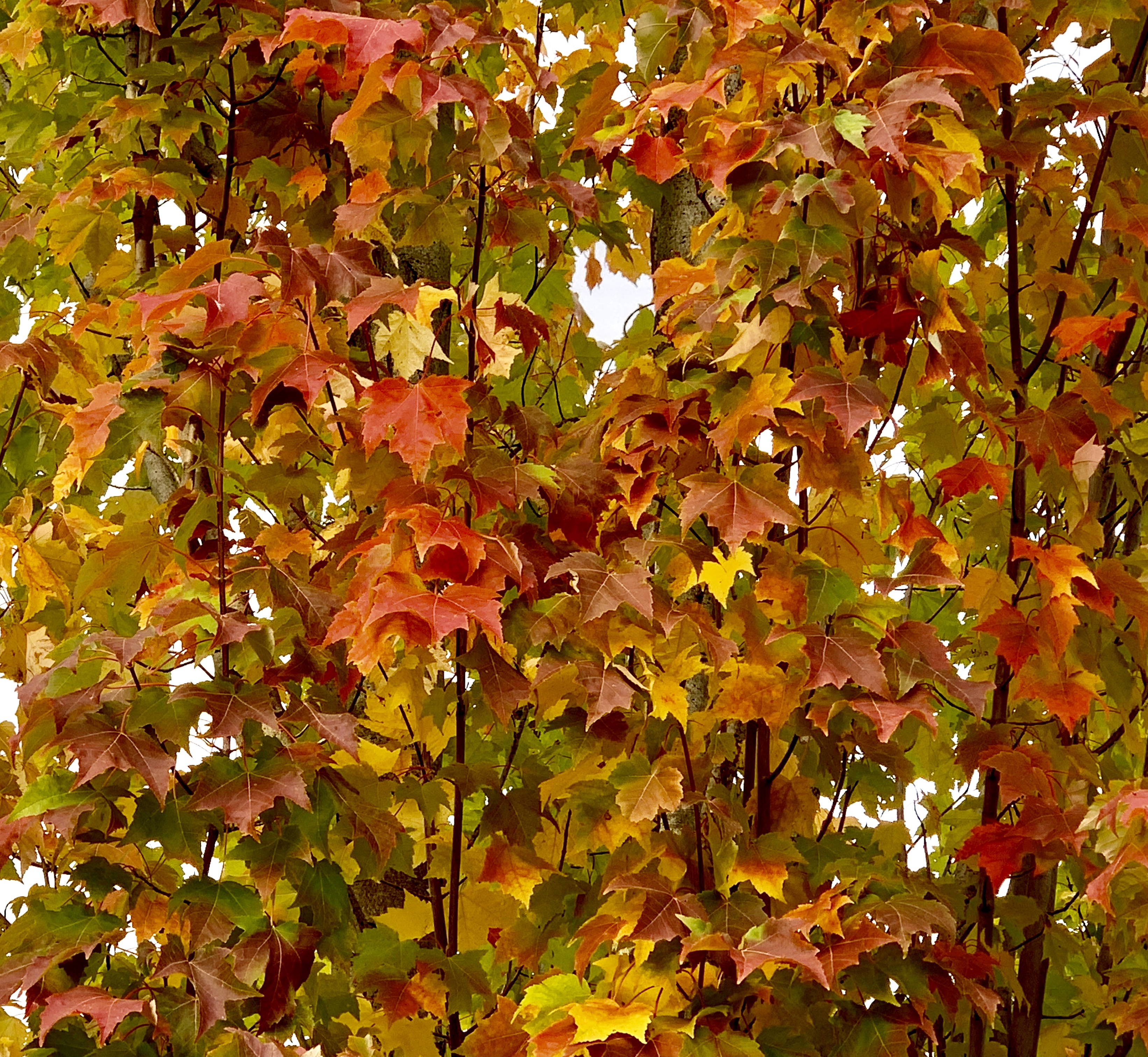
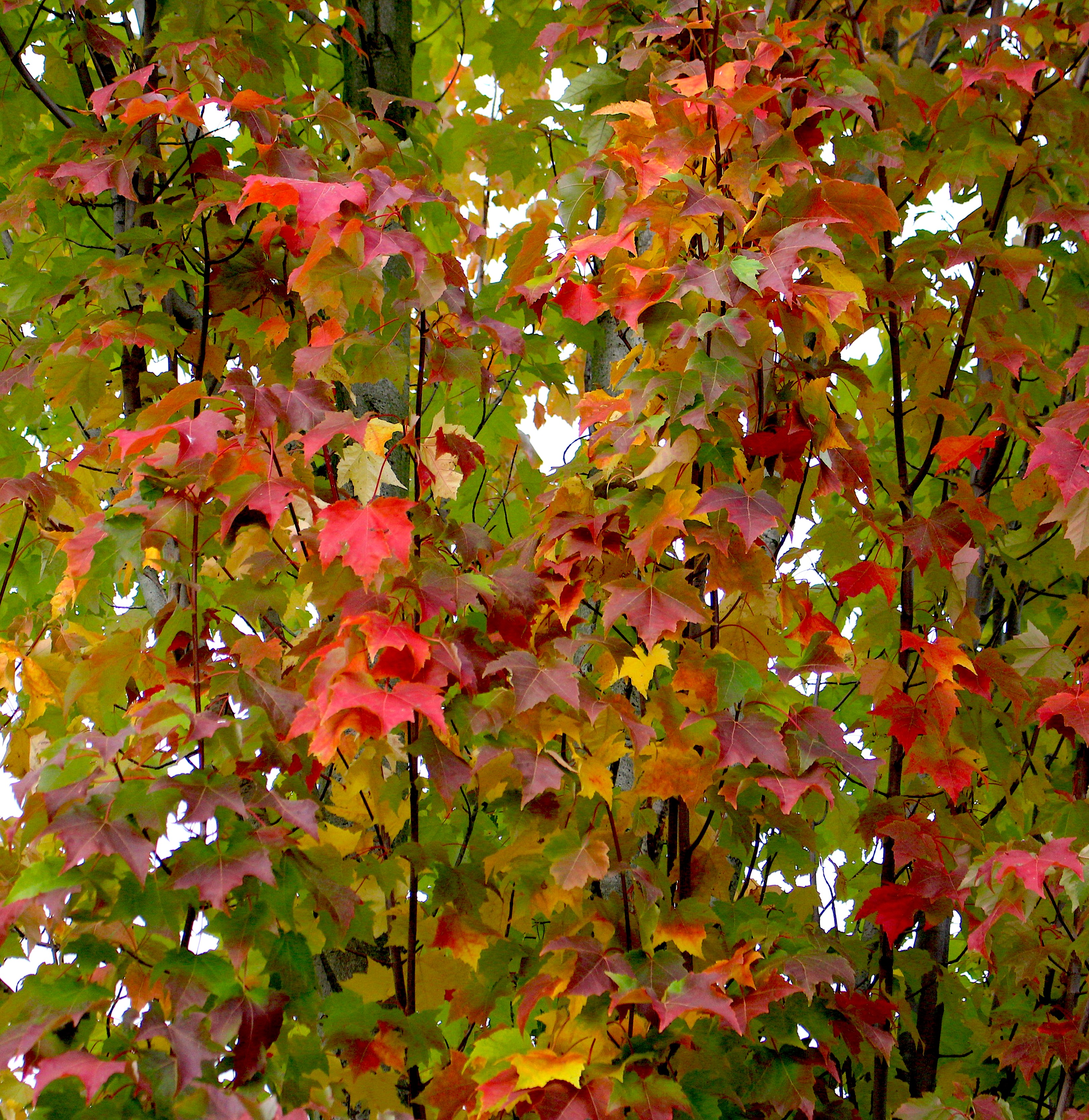
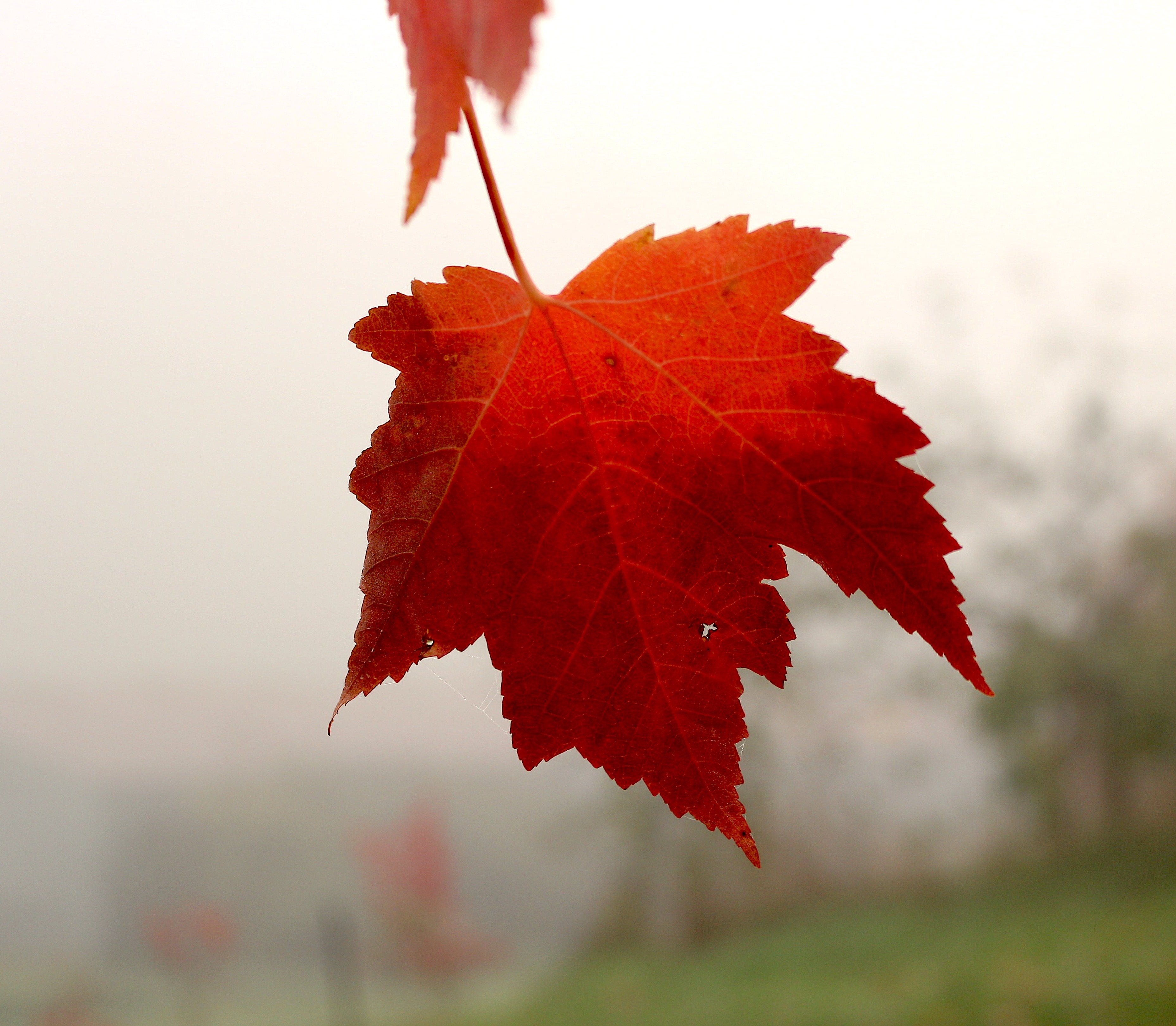
The maple tree in front of the doorstep burned like a gigantic red torch.
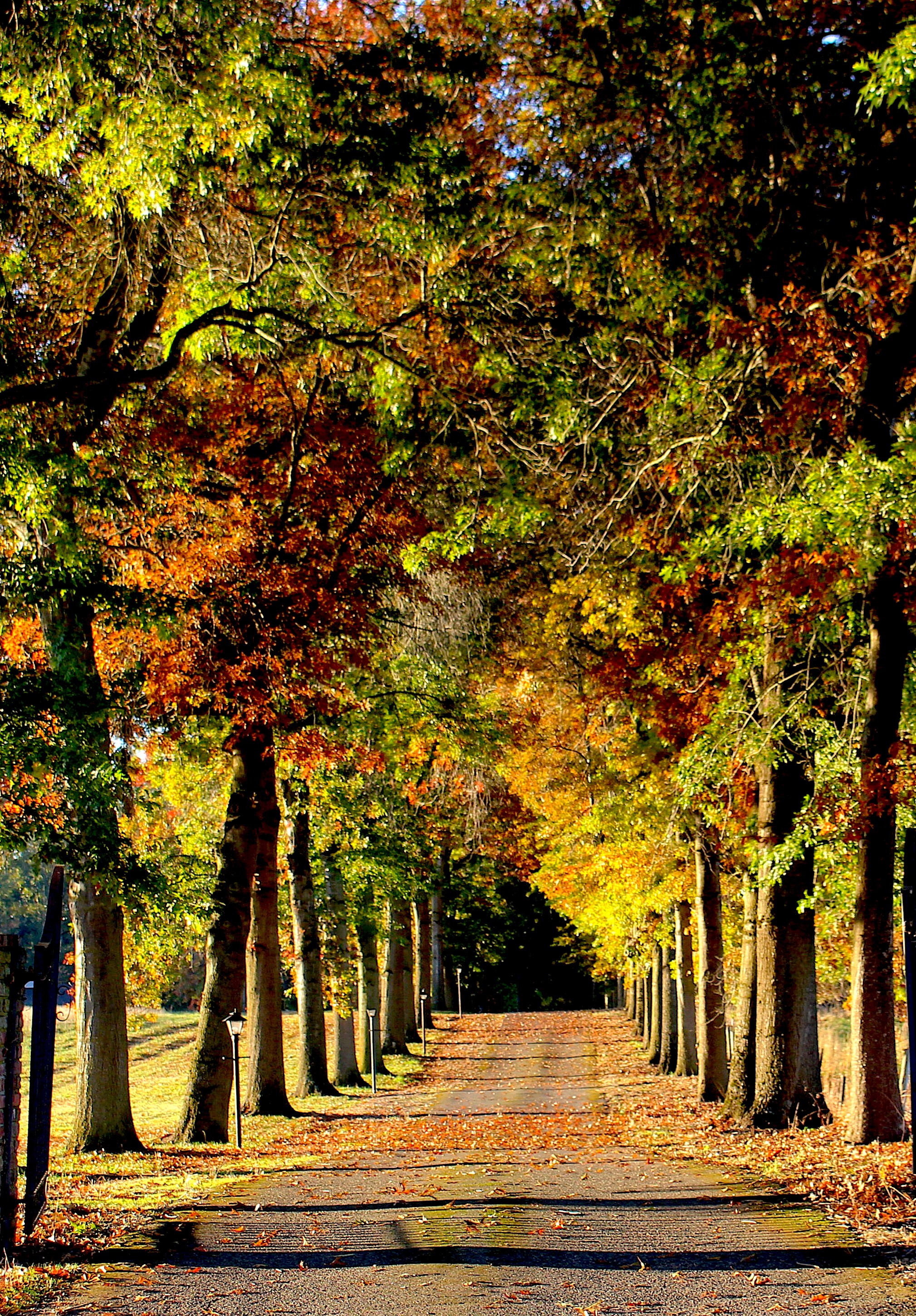
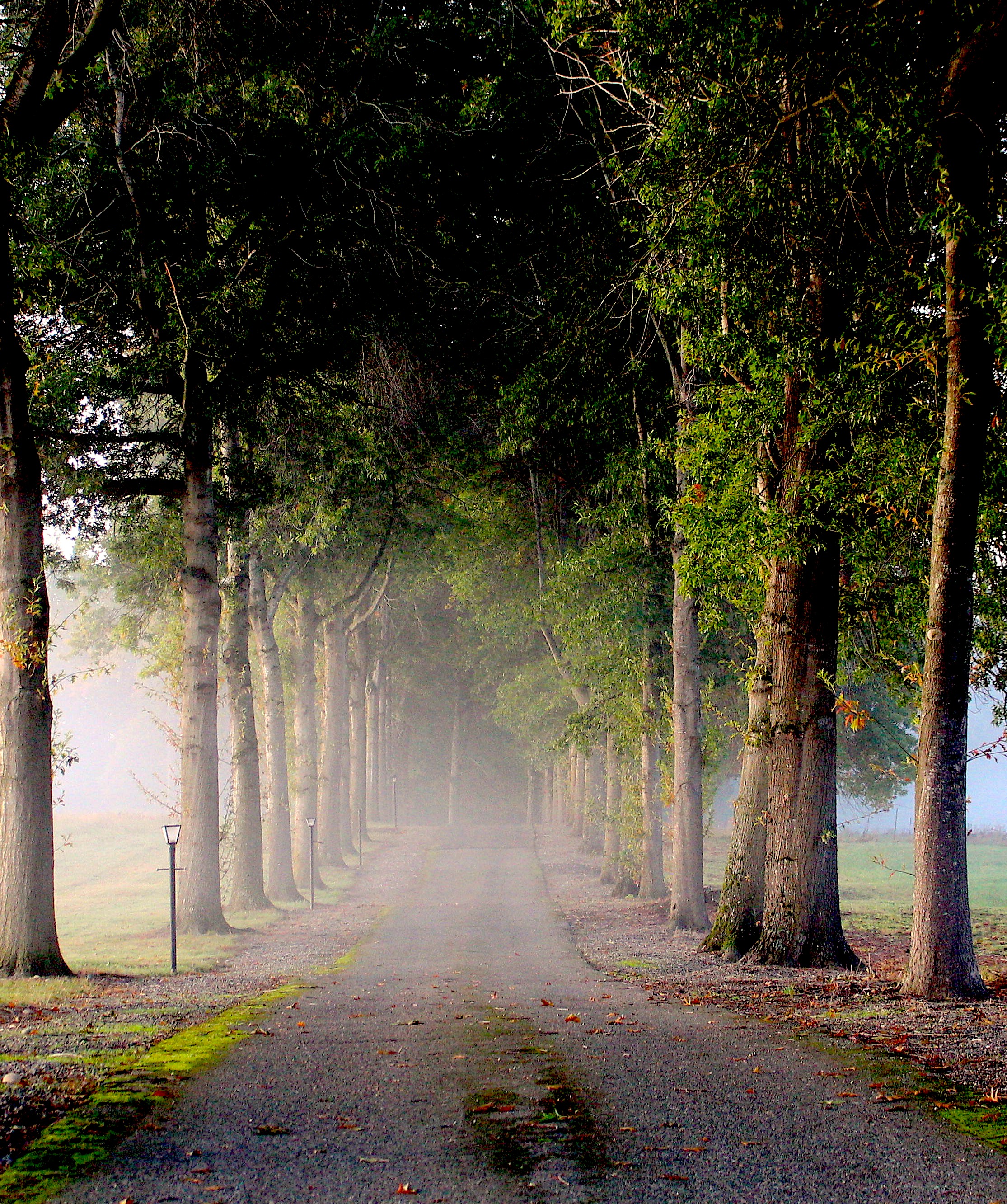
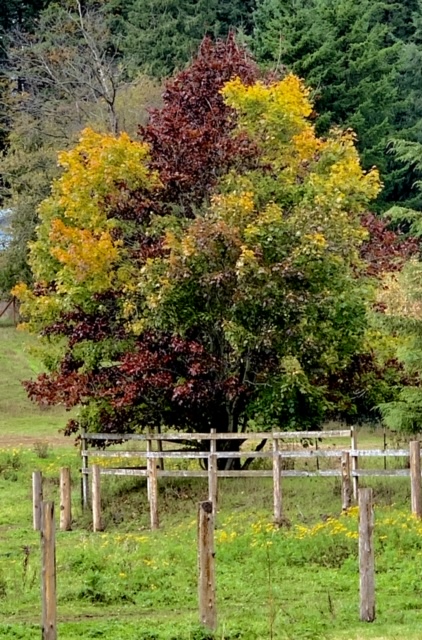
The oaks along the roadway glowed yellow and bronze.
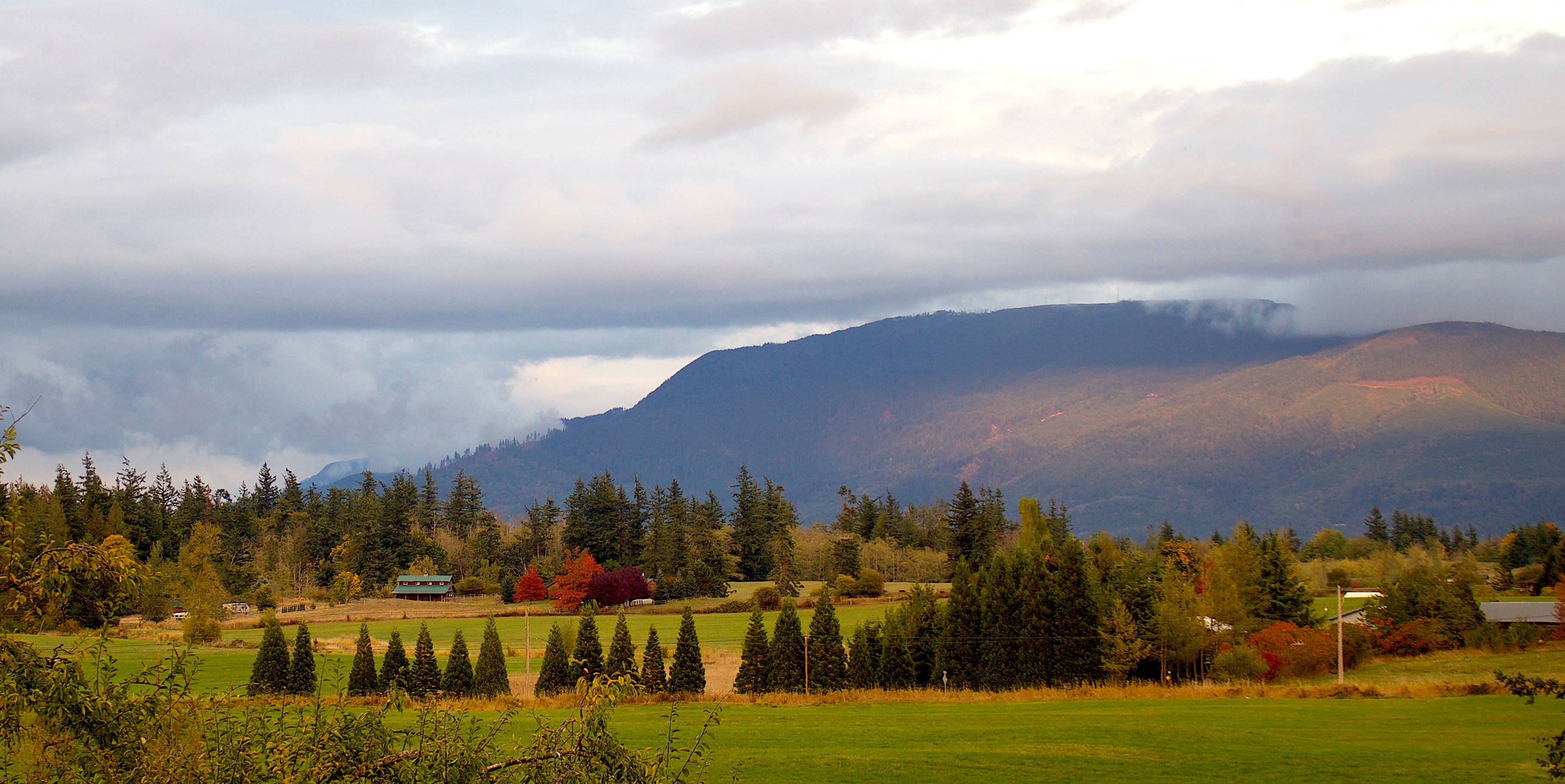
The fields stretched like a carpet of jewels,
emerald and topaz and garnet.
Everywhere she walked the color shouted and sang around her…
In October any wonderful unexpected thing might be possible.
~Elizabeth George Speare  The Witch of Blackbird Pond

As we enter a week of storm fronts carrying wind and rain and gray, we know we may not really surface under the sun for another 5 months.

The unexpected may happen and we can expect that it will. I’ll be ready.
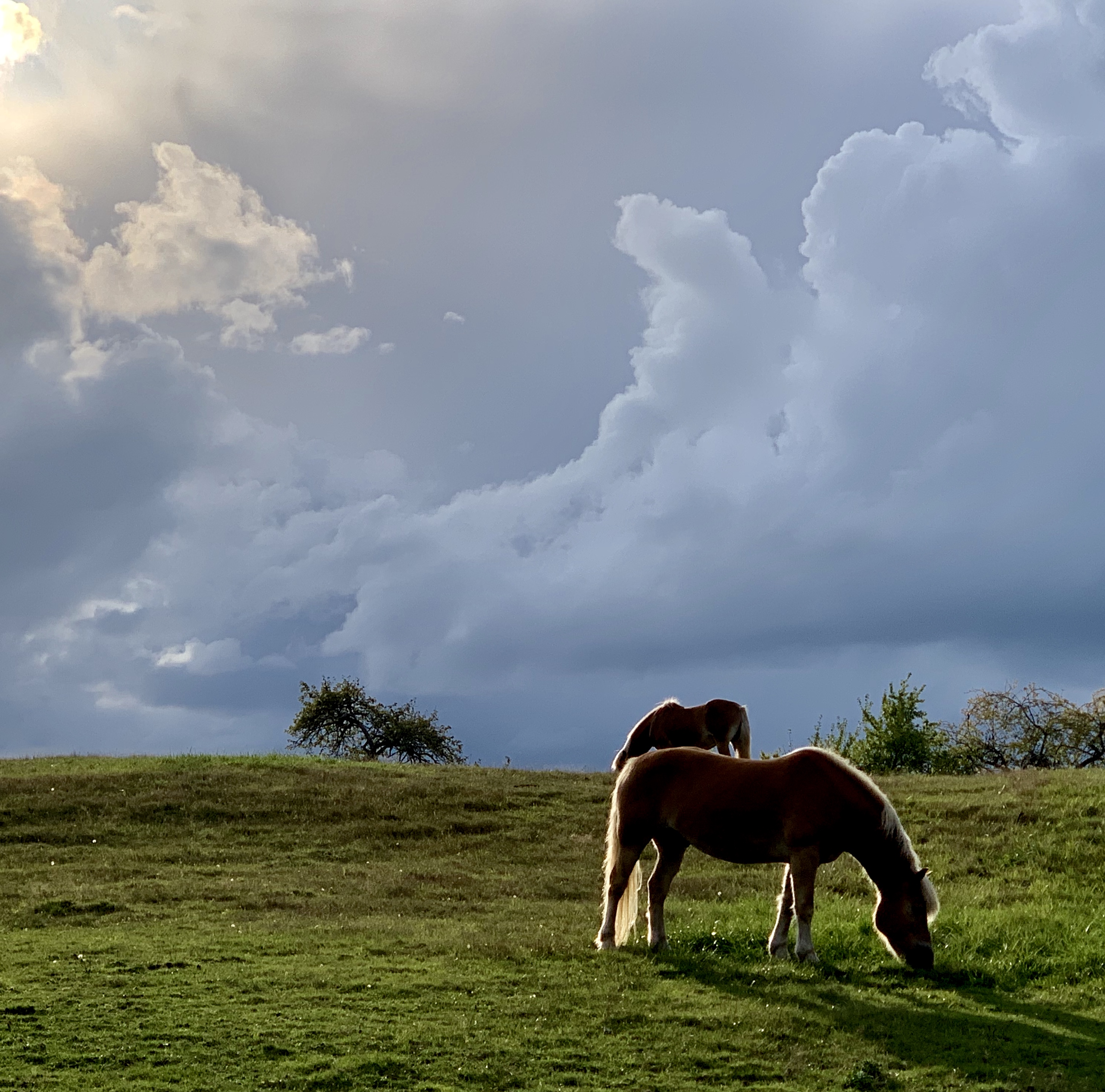
Stop What I Am Doing Right Now
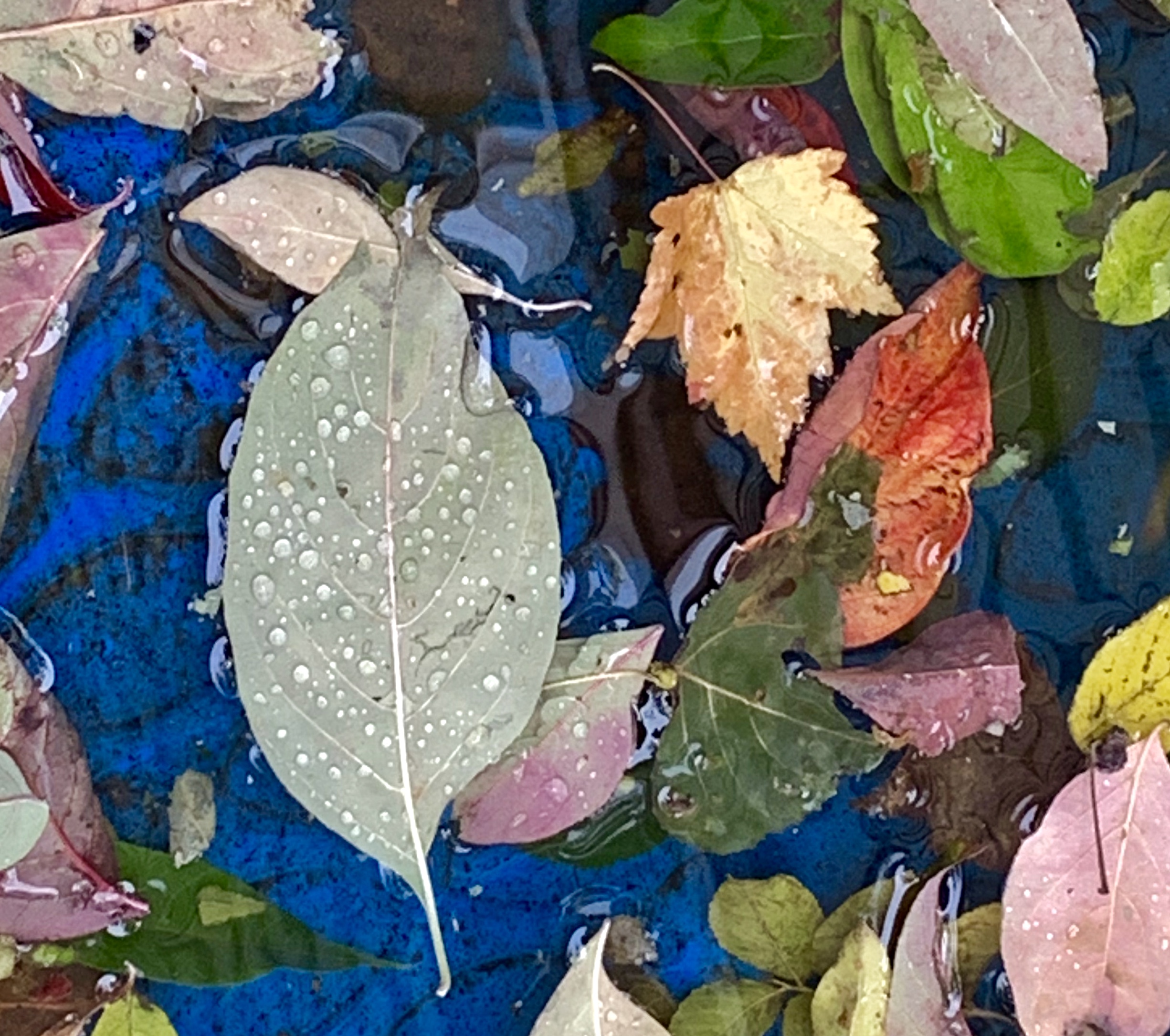
Sometimes
if you move carefully
through the forest,

breathing
like the ones
in the old stories,

who could cross
a dry bed of leaves  
without a sound,

you come
to a place
whose only task

is to trouble you
with tiny
but frightening requests,

conceived out of nowhere,
but in this place
beginning to lead everywhere.

Requests to stop what
you are doing right now,
and

to stop what you
are becoming
while you do it,

questions
that can make

or unmake
a life,

questions
that have patiently
waited for you,

questions
that have no right
to go away.

~David Whyte, from River Flow: New & Selected Poems

I remind myself how brief this all is.

How fleeting are the years when I look in the mirror and realize how much is past and how much remains – who knows how little?

How many questions remain unanswered but even more unasked?

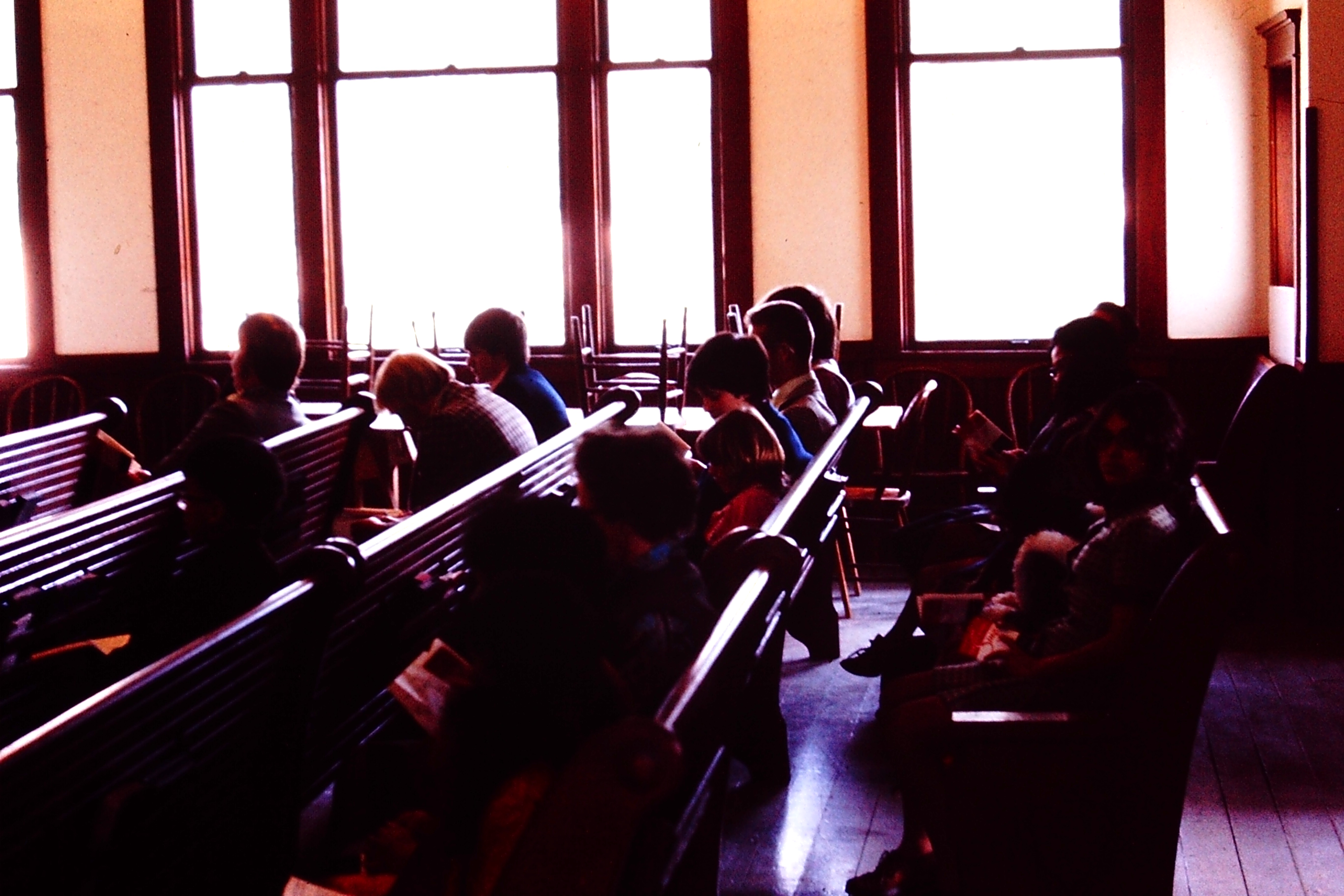
This morning, as every Sabbath,
I sit silent in a pew of worship,
humbled and overwhelmed by the question
“what is my only comfort?”
but even more so by the answer:

I am not my own
but belong body and soul
to my faithful Savior Jesus Christ
.

A question and answer that can make or unmake a life
that patiently waits for me
and will never go away.

photo by Barb Hoelle


How Possibility Gets Planted

I’ve come to understand that life “composts” and “seeds” us as autumn does the Earth. I’ve seen how possibility gets planted in us even in the hardest of times.

Looking back, I see how the job I lost pushed me to find work that was mine to do, how the “Road Closed” sign turned me toward terrain I’m glad I traveled, how losses that felt irredeemable forced me to find new sources of meaning. In each of these experiences, it felt as though something was dying, and so it was. Yet deep down, amid all the falling, the seeds of new life were always being silently and lavishly sown.
~Parker Palmer

I know disappointment feels particularly bitter when I’m the one at fault, realizing I could have done things differently, not letting go when I kept hanging on.

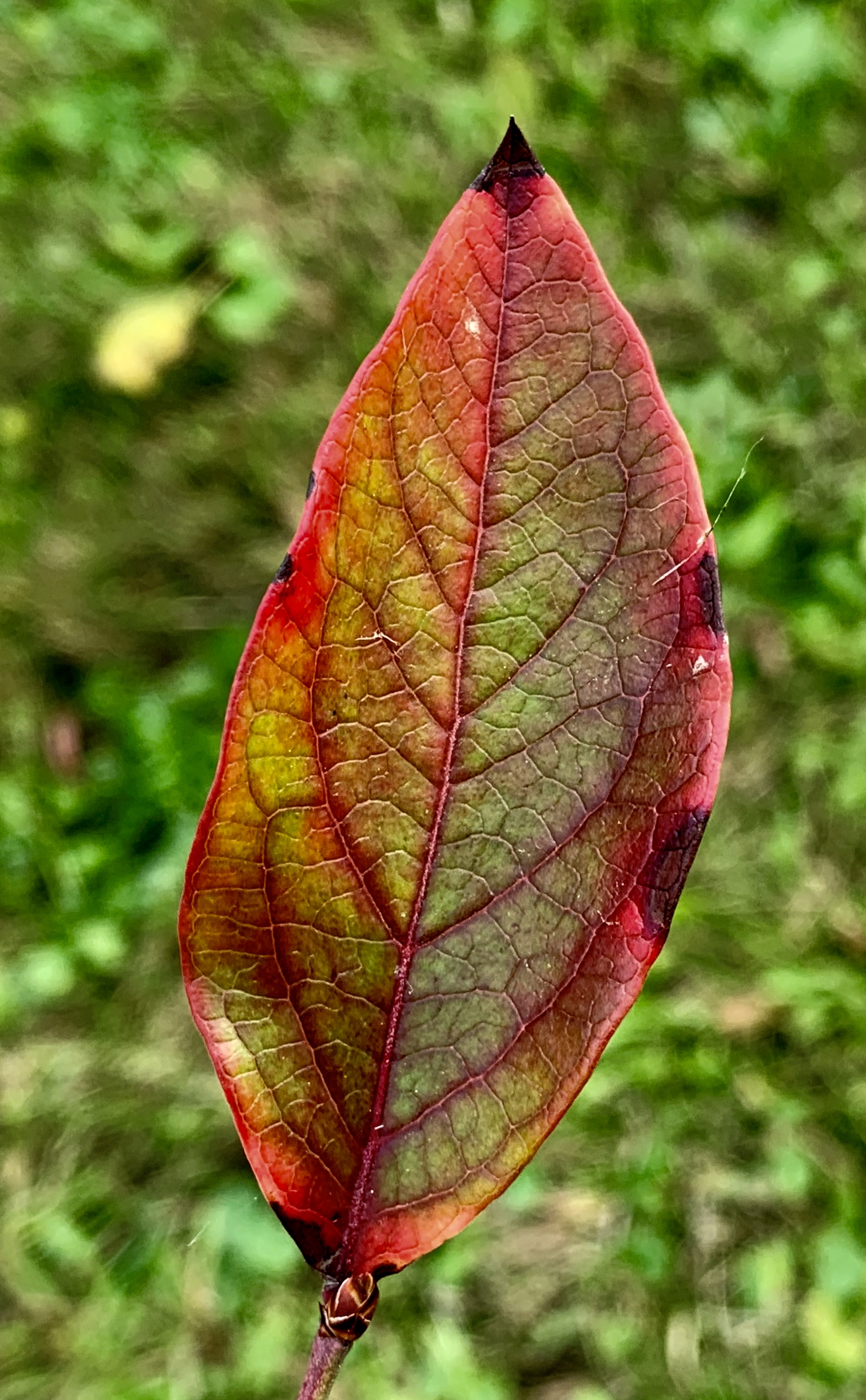
I know that my failings, like leaves that flame out as everything around turns cold and brisk and unforgiving, eventually fall to the ground, to be forgotten compost by spring. Yet I don’t forget.

I know hard times become the seeds and nurture for new growth and new life, like a planting of possibilities in the soil of regret.

I’m given chances, again and again, to try to get it right. All is grace.

Adazzle Dim

Glory be to God for dappled things –
   For skies of couple-colour as a brinded cow;
      For rose-moles all in stipple upon trout that swim;
Fresh-firecoal chestnut-falls; finches’ wings;
   Landscape plotted and pieced – fold, fallow, and plough;
      And áll trádes, their gear and tackle and trim.

All things counter, original, spare, strange;
   Whatever is fickle, freckled (who knows how?)
      With swift, slow; sweet, sour; adazzle, dim;
He fathers-forth whose beauty is past change:
                                Praise him.

~Gerard Manley Hopkins “Pied Beauty”

The unconventional and unnoticed beauty,
freckled, spare and strange–
helps me feel beautiful too. 
The interplay of light and shadow
within every moment of our existence,
some moments darker than others,
some brilliant and dazzling.

I try to find the sweet and sour,
knowing I’m capturing my own dappled essence – 
a reflection of the Fathering that loves us
even in our fickleness,
who possibly could know how?

There is no perfection outside of Him;
His reflected beauty has no uniformity.
We give Him glory in our imperfection,
the defects and blemishes which
only He can make whole.
Who knows why He does this?
Yet He does.

Glory be.

In Solitudes of Peace

There seemed a smell of autumn in the air
At the bleak end of night; he shivered there
In a dank, musty dug-out where he lay,
Legs wrapped in sand-bags,—lumps of chalk and clay
Spattering his face. Dry-mouthed, he thought, “To-day
We start the damned attack; and, Lord knows why,
Zero’s at nine; how bloody if I’m done in
Under the freedom of that morning sky!”
And then he coughed and dozed, cursing the din
.

Was it the ghost of autumn in that smell
Of underground, or God’s blank heart grown kind,
That sent a happy dream to him in hell?—
Where men are crushed like clods, and crawl to find
Some crater for their wretchedness; who lie
In outcast immolation, doomed to die
Far from clean things or any hope of cheer,
Cowed anger in their eyes, till darkness brims
And roars into their heads, and they can hear
Old childish talk, and tags of foolish hymns.

He sniffs the chilly air; (his dreaming starts).
He’s riding in a dusty Sussex lane
In quiet September; slowly night departs;
And he’s a living soul, absolved from pain.
Beyond the brambled fences where he goes
Are glimmering fields with harvest piled in sheaves,
And tree-tops dark against the stars grown pale;
Then, clear and shrill, a distant farm-cock crows;
And there’s a wall of mist along the vale
Where willows shake their watery-sounding leaves.
He gazes on it all, and scarce believes
That earth is telling its old peaceful tale;
He thanks the blessed world that he was born….
Then, far away, a lonely note of the horn.

They’re drawing the Big Wood! Unlatch the gate,
And set Golumpus going on the grass:
He knows the corner where it’s best to wait
And hear the crashing woodland chorus pass;
The corner where old foxes make their track
To the Long Spinney; that’s the place to be.
The bracken shakes below an ivied tree,
And then a cub looks out; and “Tally-o-back!”
He bawls, and swings his thong with volleying crack,—
All the clean thrill of autumn in his blood,
And hunting surging through him like a flood
In joyous welcome from the untroubled past;
While the war drifts away, forgotten at last.

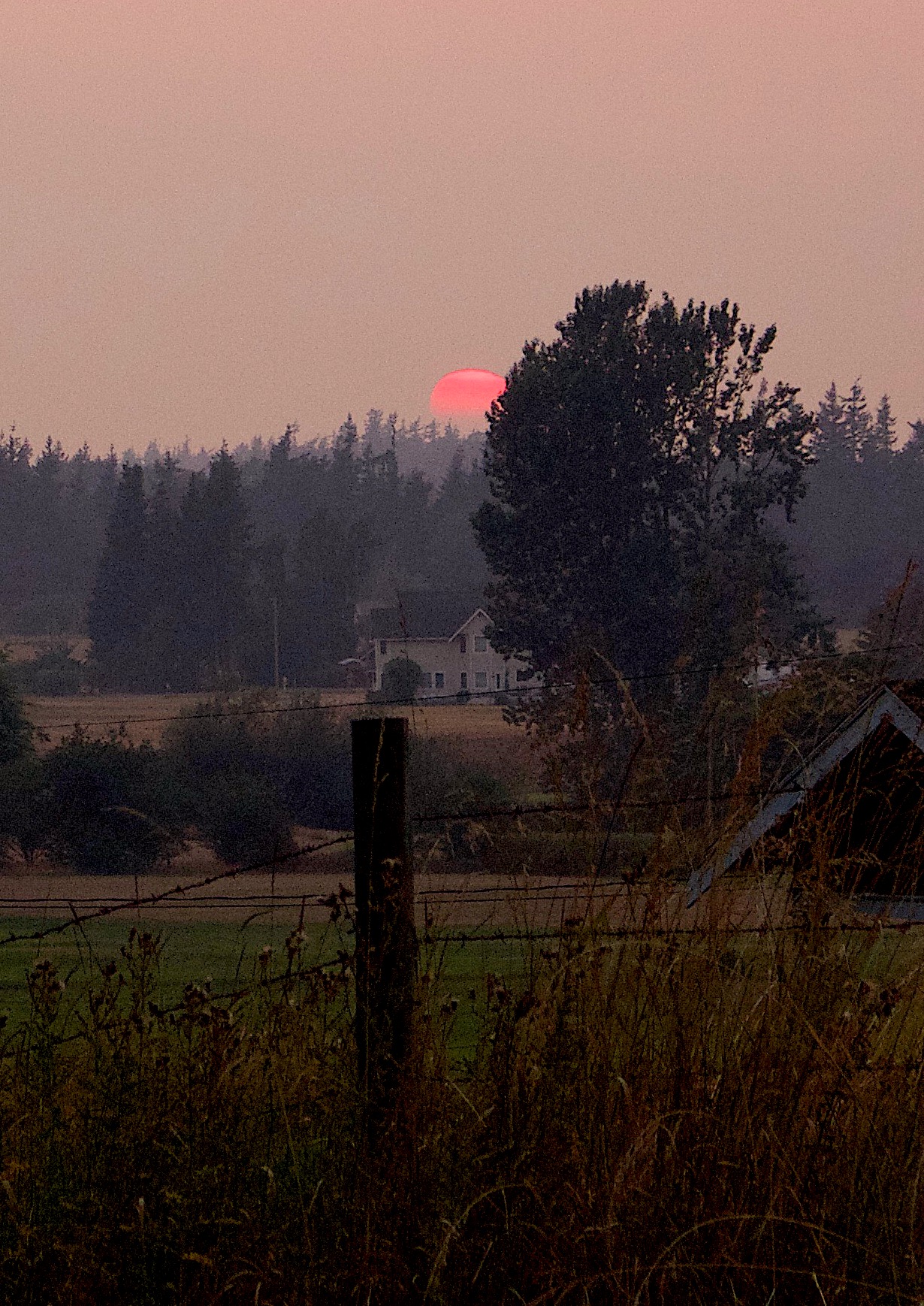
Now a red, sleepy sun above the rim
Of twilight stares along the quiet weald,
And the kind, simple country shines revealed
In solitudes of peace, no longer dim.
The old horse lifts his face and thanks the light,
Then stretches down his head to crop the green.
All things that he has loved are in his sight;
The places where his happiness has been
Are in his eyes, his heart, and they are good.

* * * *  
Hark! there’s the horn: they’re drawing the Big Wood.
~Siegfried Sassoon “Break of Day”
(written about his memories as a WWI soldier)

When we are at war,
whether deep in the foxhole
hiding from the enemy,
or deeper yet in a hole of our own making,
trying to conceal our sins.

Amidst that mire and mud,
we dream of better days
and an untroubled past,
when the hunter and hunted was merely a game,
not life and death.

May we know the means of peace was brought to earth.

May we surface in mutual surrender,
begging for reprieve, longing for redemption.
May the solitudes of peace overwhelm
those who are angry and conflicted.
May we lift our faces up
and thank the Light.

Make the Day Less Brief

O hushed October morning mild,
Thy leaves have ripened to the fall;
To-morrow’s wind, if it be wild,
Should waste them all.

O hushed October morning mild,
Begin the hours of this day slow,
Make the day seem to us less brief.
Hearts not averse to being beguiled,
Beguile us in the way you know;
Release one leaf at break of day;
At noon release another leaf;
One from our trees, one far away…

~Robert Frost “October”

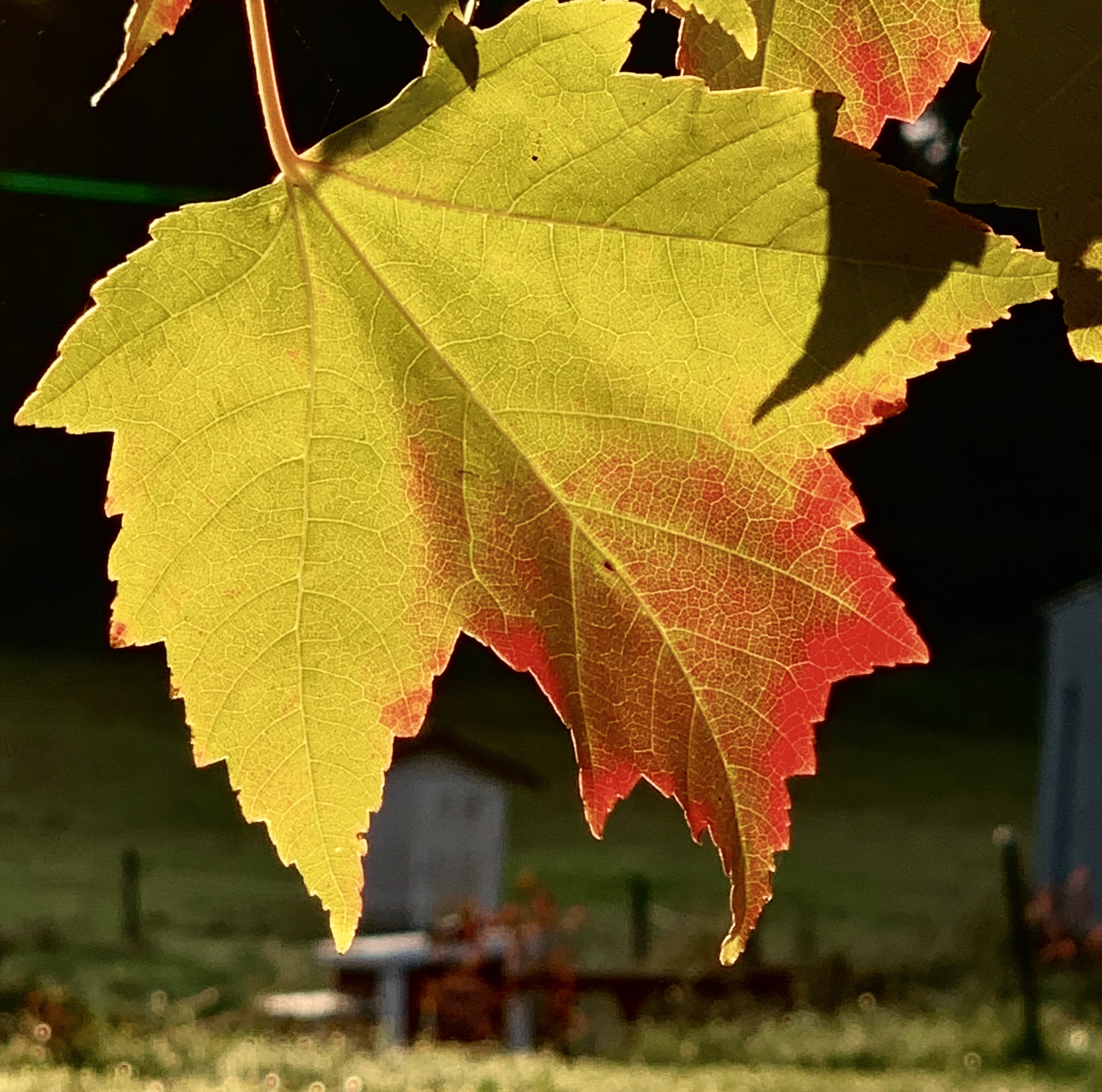
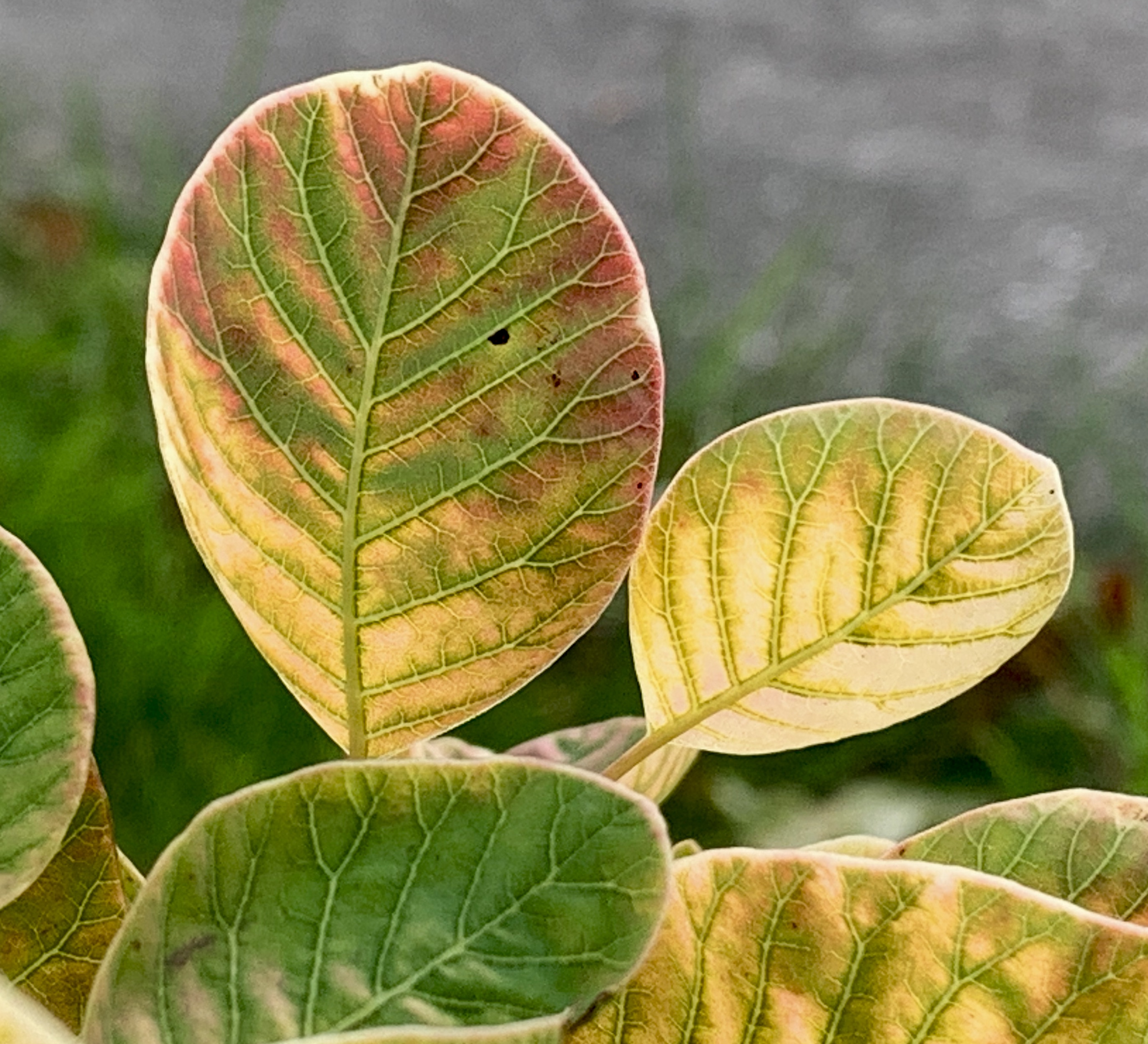
These mornings I wander stunned by light and mist
to see trees tremble inside their loosening cloaks,
a pulsing palette of color ready to detach,
revealing mere bones and branches.

I want it all to be less brief,
leave the leaves attached like a fitted mosaic
rather than randomly falling away.

Their release is not their choosing:
the trees know it is time for slowly letting go~
readying for sleep, for sprouts and buds, for fresh tapestry to be woven
from October’s leaves lying about their feet.

Don’t Look Back

A Wounded Deer—leaps highest—
I’ve heard the Hunter tell—
‘Tis but the Ecstasy of death—
And then the Brake is still!
~Emily Dickinson from “165″

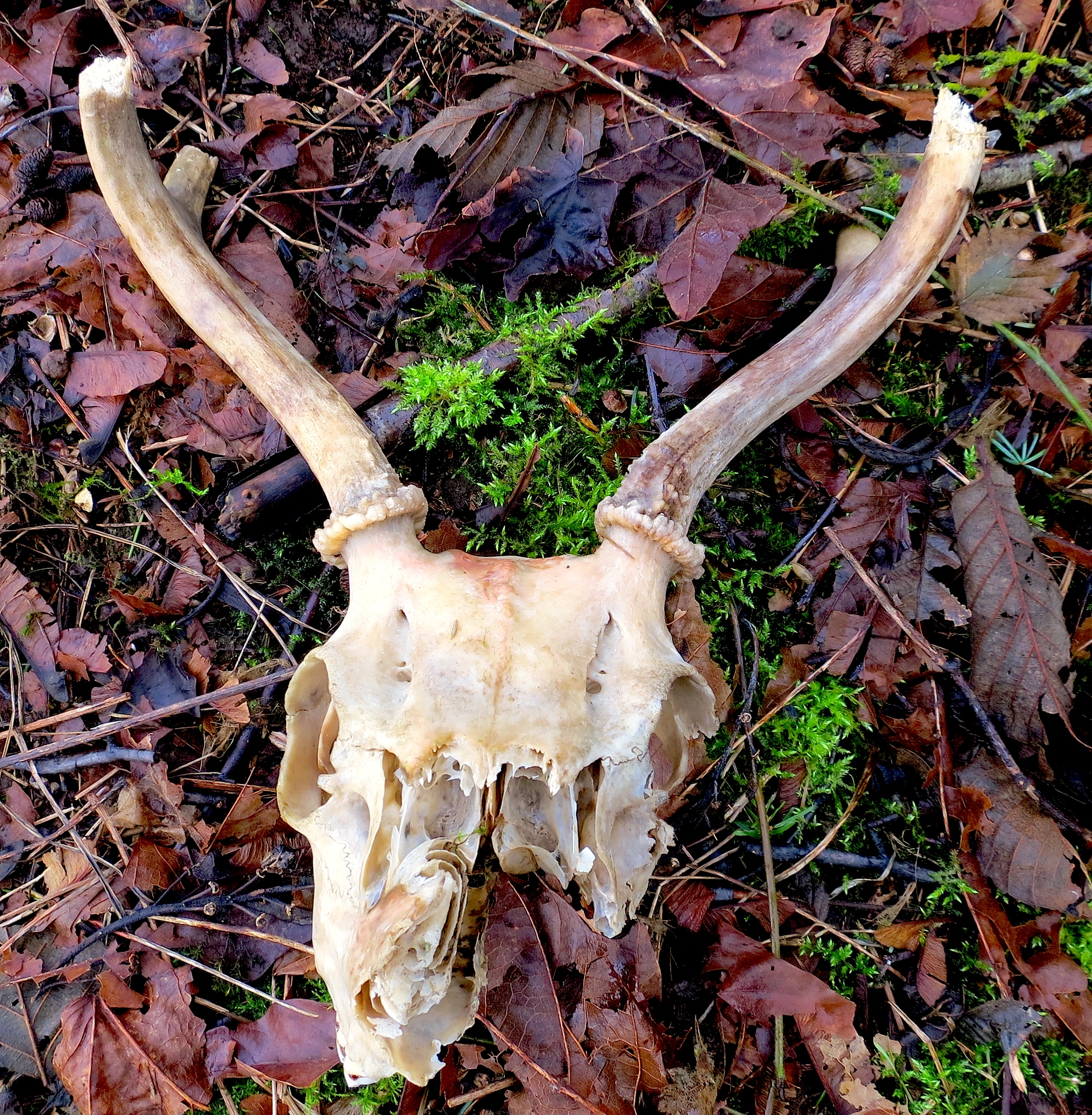
The deer in that beautiful place lay down their
bones: I must wear mine.
~Robinson Jeffers from “The Deer Lay Down Their Bones”

As the house of a person
in age sometimes grows cluttered
with what is
too loved or too heavy to part with,
the heart may grow cluttered.
And still the house will be emptied,
and still the heart.

Empty and filled,
like the curling half-light of morning,
in which everything is still possible and so why not.

Filled and empty,
like the curling half-light of evening,
in which everything now is finished and so why not.

Beloved, what can be, what was,
will be taken from us.
I have disappointed.
I am sorry. I knew no better.

A root seeks water.
Tenderness only breaks open the earth.
This morning, out the window,
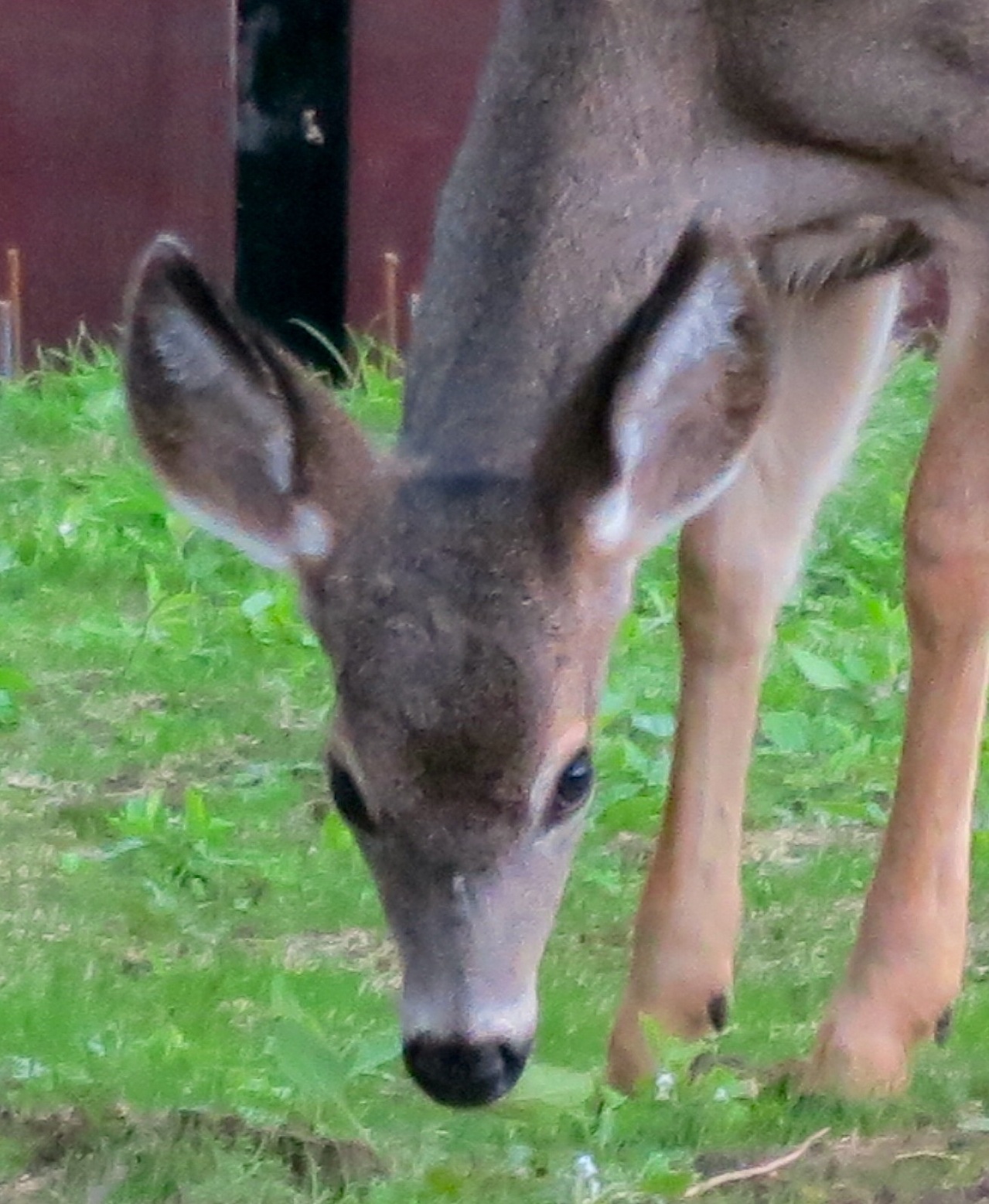
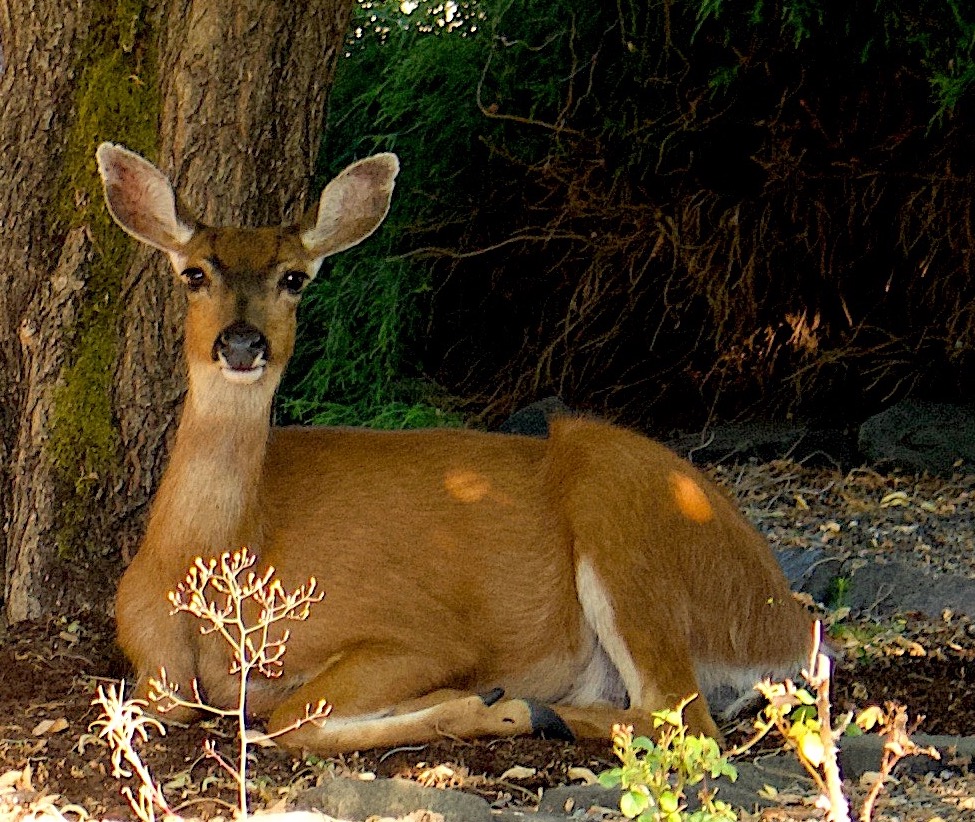
the deer stood like a blessing, then vanished.

~Jane Hirschfield from “The Standing Deer”

My first time ever
seated next to my mother
in a movie theater, just
a skinny four year old girl
practically folded up in half
by a large padded chair
whose seat won’t stay down,
bursting with anticipation
to see Disney’s Bambi.

Enthralled with so much color,
motion, music, songs and fun
characters, I am wholly lost
in a new world of animated
reality when suddenly
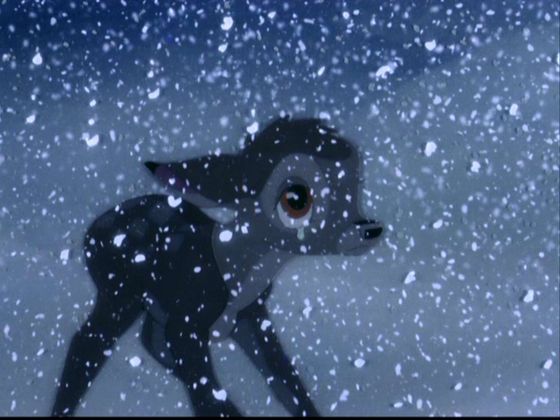
Bambi’s mother looks up,
alarmed,  from eating
a clump of grass
growing in the snow.

My heart leaps
with worry.
She tells him
to run
for the thicket,
to seek safety where
she has always
kept him warm
next to her.

She follows behind,
tells him to run faster,
not to look back,
don’t ever look back.

The gun shot
hits my belly too.

My stomach twists
as he cries out
for his mother,
pleading for her.
I know in my heart
she is lost forever,
sacrificed for him.

I sob as my mother
reaches out to me,
telling me not to look.
I bury my face
inside her hug,
knowing Bambi
is cold and alone
with no mother
at all.

She took me home
before the end.
I could not bear to watch
the rest of the movie for years.
His cries
still echo
in my ears.

Now, my children are grown
and have children of their own to protect.
My mother is gone from this earth,
my thicket emptying,
my heart full,
my stomach stronger,
I even keep the seat from folding
me up in a movie theater.

I now can look back
and weep inconsolably
once more.

It Doesn’t Matter a Hill of Beans

I spent this morning adjusting to this change in season by occupying myself with the familiar task of moving manure.  Cleaning barn is a comforting chore, allowing me to transform tangible benefit from something objectionable and just plain stinky to the nurturing fertilizer of the future. It feels like I’ve actually accomplished something.

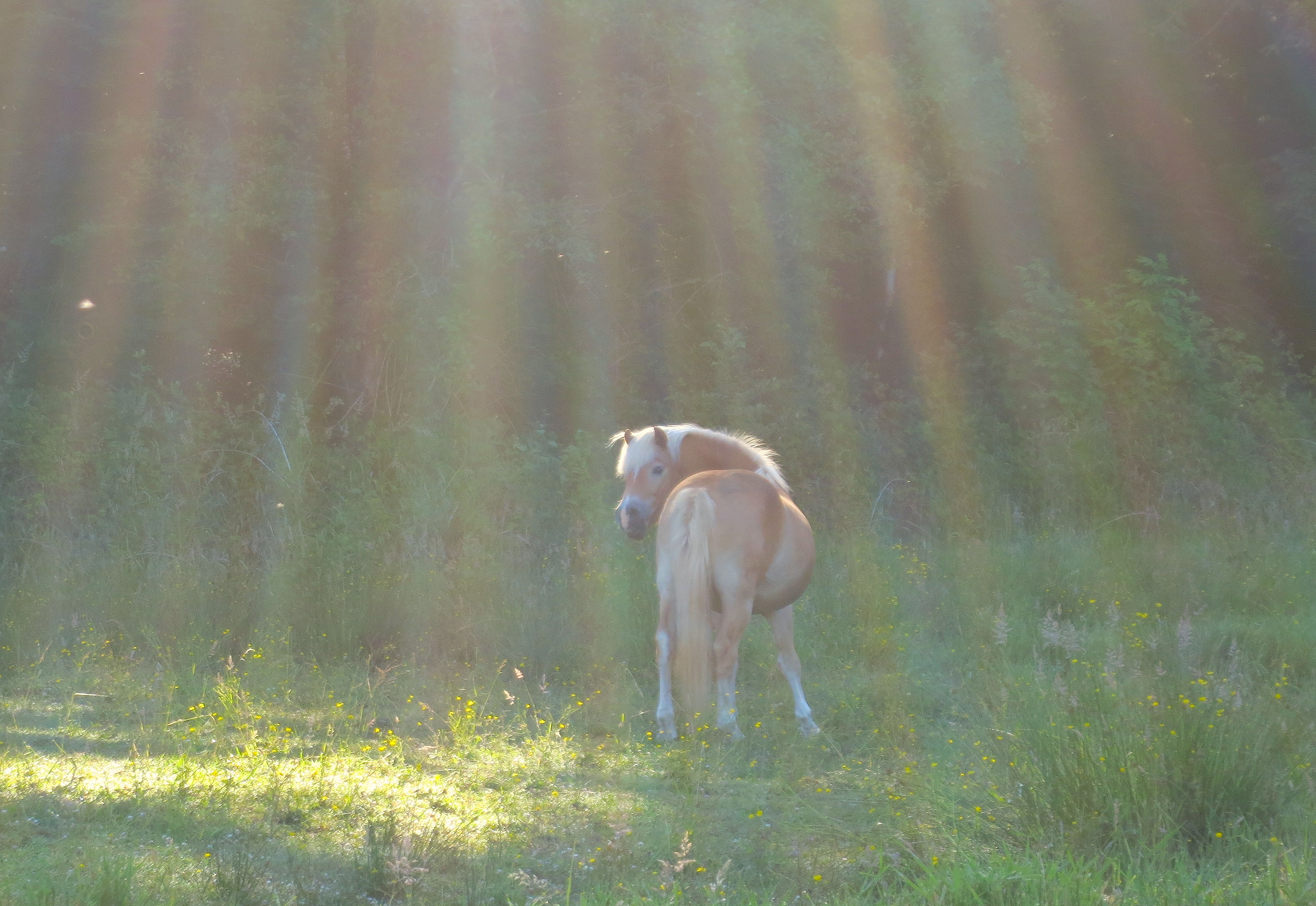
As I scooped and pushed the wheelbarrow, I remembered another barn cleaning twenty years ago, when I was one of three or four friends left cleaning over ninety stalls after a Haflinger horse event that I had organized at our local fairgrounds. Some people had brought their horses from over 1000 miles away to participate for several days.  Whenever horse people gather, there were personality clashes and harsh words among some participants along with criticism directed at me that I had taken very personally.  As I struggled with the umpteenth wheelbarrow load of manure, tears stung my eyes and my heart.  I was miserable with regrets.   After going without sleep and making personal sacrifices over many months planning and preparing for the benefit of our group,  my work felt like it had not been acknowledged or appreciated.

My friend Jenny had stayed behind with her family to help clean up the large facility and she could see I was struggling to keep my composure.  Jenny put herself right in front of my wheelbarrow and looked me in the eye, insisting I stop for a moment and listen.

“You know,  none of these troubles and conflicts will amount to a hill of beans years from now.  People will remember a fun event in a beautiful part of the country,  a wonderful time with their horses, their friends and family, and they’ll be all nostalgic about it, not giving a thought to the infighting or the sour attitudes or who said what to whom.   So don’t make this about you and whether you did or didn’t make everyone happy.  You loved us all enough to make it possible to meet here and the rest was up to us.  So quit being upset about what you can’t change.  There’s too much you can still do for us.”

During tough times which still come often in my professional life,  Jenny’s advice replays, reminding me to stop seeking appreciation from others, or feeling hurt when harsh words come my way.   She was right about the balm found in the tincture of time and she was right about giving up the upset in order to die to self and self absorption, and keep focusing outward.

Jenny, I have remembered what you said even though sometimes I emotionally relapse and forget.

Jenny herself spent the next six years literally dying, while vigorously living her life every day, fighting a relentless cancer that was initially helpless in the face of her faith and intense drive to live.    She became a rusting leaf, fading imperceptibly over time, crumbling at the edges until she finally let go.   Her dying did not flash brilliance, nor draw attention at the end.  Her intense focus during the years of her illness had always been outward to others, to her family and friends, to the healers she spent so much time with in medical offices, to her belief in the plan God had written for her and others.

Despite her intense love for her husband and young children, she had to let go her hold on life here.   And we all had to let her go.  

Brilliance cloaks her as her focus is now on things eternal.

You were so right, Jenny.  No conflicts from twenty years ago amounted to a hill of beans; all is remembered fondly by those who were part of the gathering. I especially treasure the words you wisely spoke to me.

And I’m no longer upset that I can’t change the fact that you have left us. There is still so much you do for us, alive in our memories.

I know we’ll catch up later.

Jenny R –photo by Ginger Kathleen Coombs

Never Felt a Calm So Deep

Never did sun more beautifully steep
In his first splendour, valley, rock, or hill;
Ne’er saw I, never felt, a calm so deep!
The river glideth at his own sweet will:
Dear God! the very houses seem asleep;
And all that mighty heart is lying still!
~William Wordsworth from Composed Upon Westminster Bridge, September 1802

The world will never starve for want of wonders, but for want of wonder.
— G. K. Chesterton

The ending of September is wistful yet expectant.  We have not yet had frost but the air has a stark coolness that presages a freeze coming soon.  Snow has fallen on the mountain passes and the peaks.

Nothing is really growing any more; there is a settling in, as if going down for a nap–drifting off, comfortable, sinking deep and untroubled under the blankets.

Our long sleep is not yet come but we take our rest at intervals.  There is still daylight left though the frenetic season has passed.

We take our calm as it comes, in a serene moment of reflection, looking out from the edge and wondering… pondering what is waiting on the other side.

Our Ordinary Unmysterious Lives

Definite beliefs are what make the radical mystery
those moments when we suddenly know there is a God
about whom we “know” absolutely nothing –
accessible to us and our ordinary, unmysterious lives.

And more crucially:

definite beliefs enable us to withstand the storms of suffering

that come into every life, and that tend to destroy
any spiritual disposition that does not have deep roots.

~Christian Wiman from My Bright Abyss

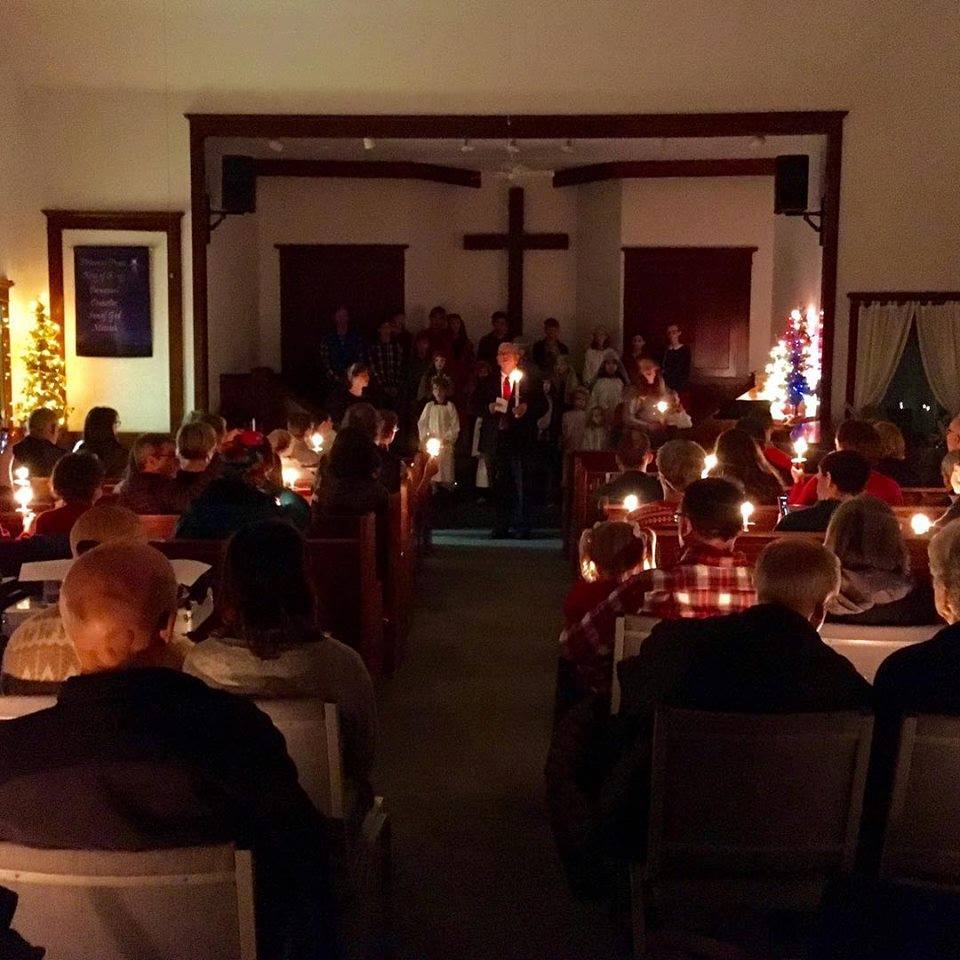
photo of Wiser Lake Chapel sanctuary by Barb Hoelle

Does anyone have the foggiest idea
of what sort of power we so blithely invoke?
Or, as I suspect, does no one believe a word of it?
The churches are children playing on the floor with their chemistry sets,
mixing up a batch of TNT to kill a Sunday morning.
It is madness to wear ladies’ straw hats and velvet hats to church;
we should all be wearing crash helmets.
Ushers should issue life preservers and signal flares;
they should lash us to our pews.

~Annie Dillard from Teaching a Stone to Talk

Unexpected God,
your advent alarms us.
Wake us from drowsy worship,
from the sleep that neglects love,
and the sedative of misdirected frenzy.
Awaken us now to your coming,
and bend our angers into your peace.
Amen.
~Revised Common Lectionary First Sunday of Advent

We are only a few weeks away from the beginning of Advent, a time when I am very guilty of blithely invoking the gentle story of Christmas Eve’s silent night, the sleeping infant away in a manger, the devoted parents hovering, the humble shepherds peering in the stable door.

The reality, I’m confident, was far different.

There was nothing gentle about a teenage mother giving birth in a stable, laying her baby in a feed trough–I’m sure there were times when Mary could have used a life preserver.
There was nothing gentle about the heavenly host appearing to the shepherds, shouting and singing the glories and leaving them “sore afraid.” The shepherds needed crash helmets.
There was nothing gentle about Herod’s response to the news that a Messiah had been born–he swept overboard a legion of male children whose parents undoubtedly begged for mercy, clinging to their children about to be murdered.
There was nothing gentle about a family’s flight to Egypt to flee that fate for their only Son.
There was nothing gentle about the life Jesus eventually led during his ministry:  itinerant and homeless, tempted and fasting in the wilderness for forty days,  owning nothing, rejected by his own people, betrayed by his disciples,  sentenced to death by acclamation before Pilate, tortured and hung on a cross until he took his last breath.

Yet he understood the power that originally brought him to earth and would return him to heaven, and back again someday. 
No signal flares needed there.

When I hear skeptics scoff at Christianity as a “crutch for the weak”, they underestimate the courage it takes to walk into church each week as a desperate person who will never ever save oneself.   We cling to the life preserver found in the Word, lashed to our seats and hanging on.  It is only because of grace that we survive the tempests of temptation, guilt and self-doubt to let go of our own anger in order to confront the reality of the radical mystery of God.

It is not for the faint of heart, this finding a “definite belief” within our ordinary unmysterious lives and giving it deep roots to thrive. It is reasonable and necessary to be “sore afraid” and “bend our anger” into His peace.

And not forget our crash helmets.

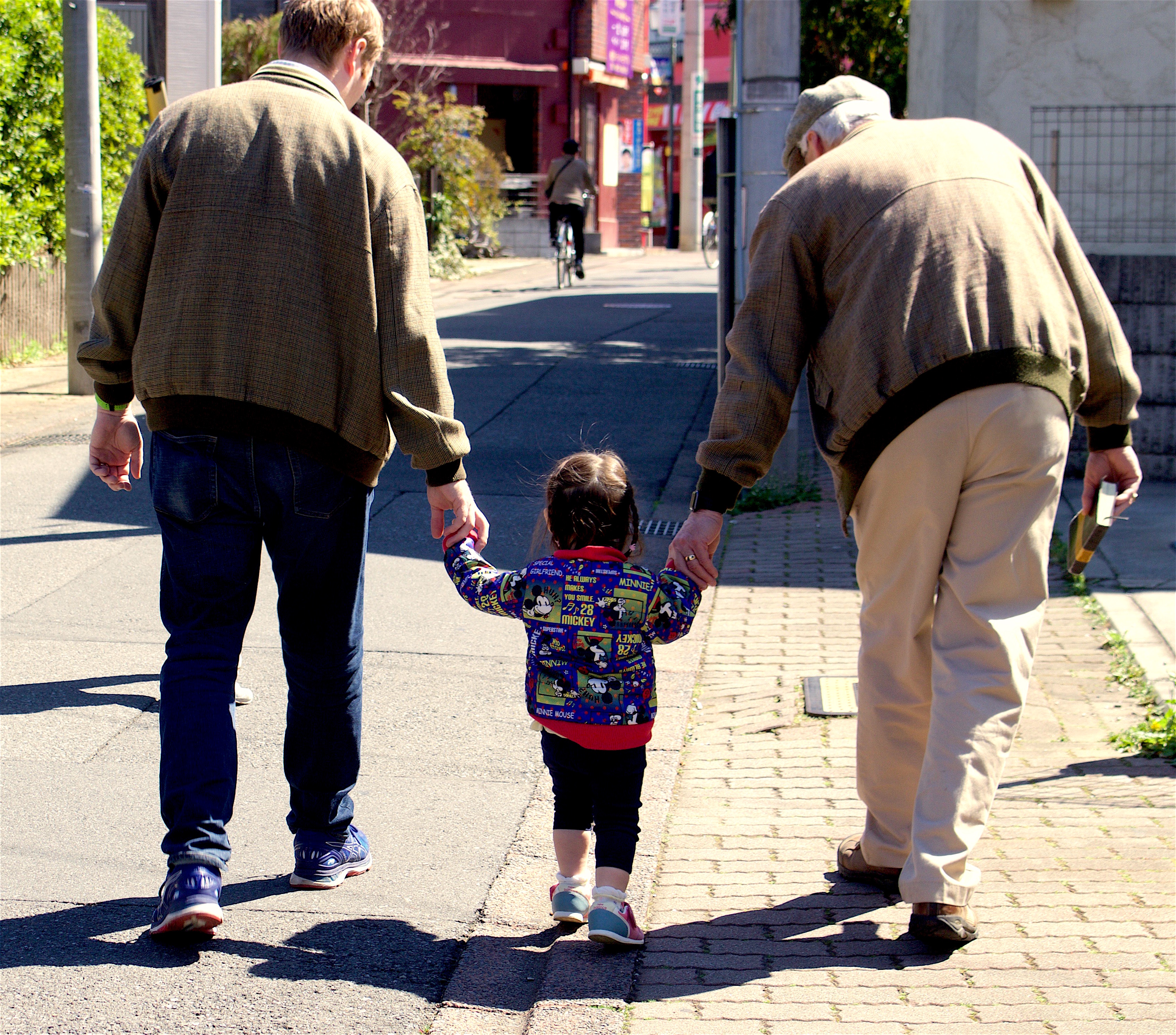
walking to church in Tokyo