God’s Gardener

fuschiadrops


fuschia1


3rfarm8


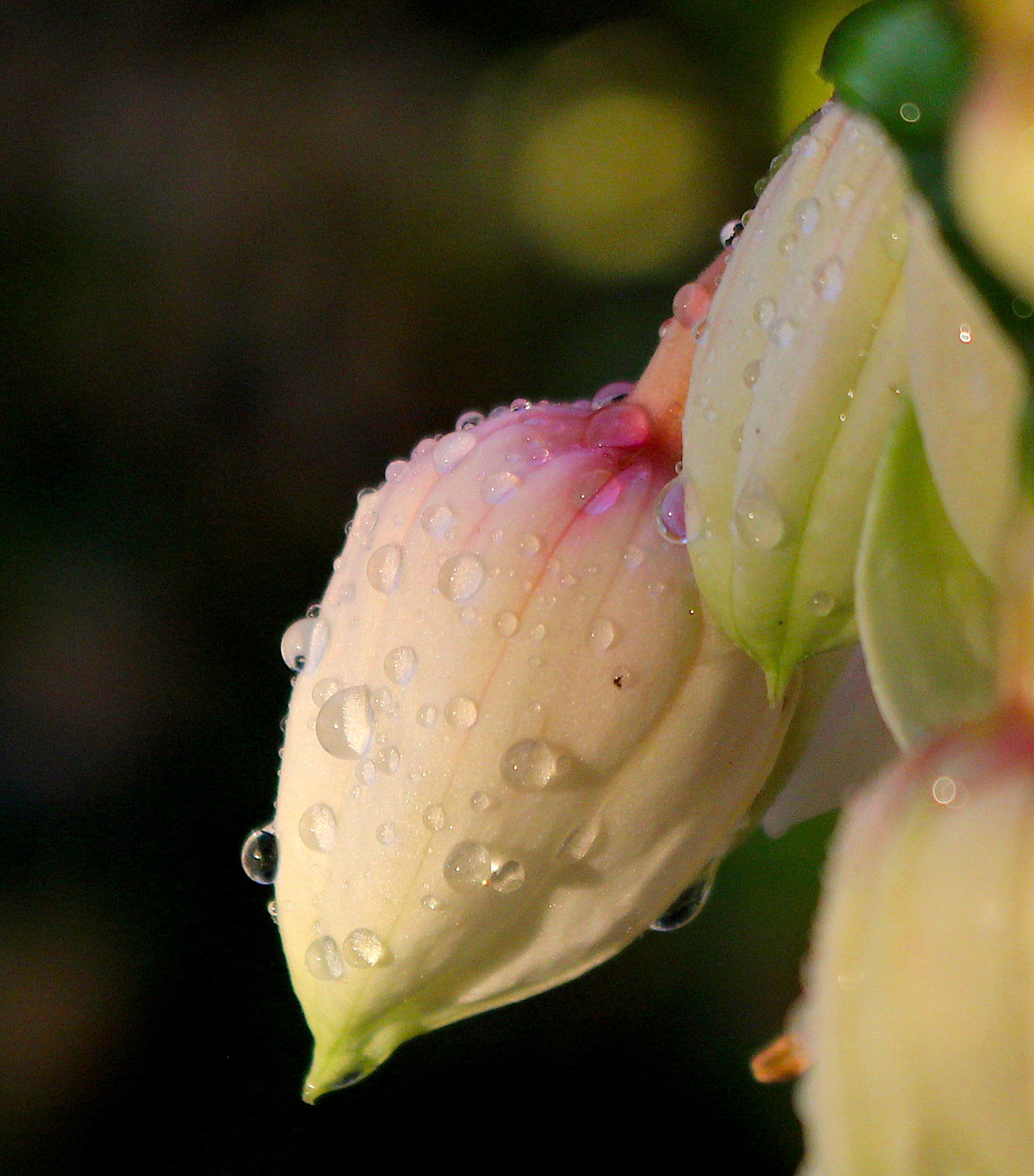
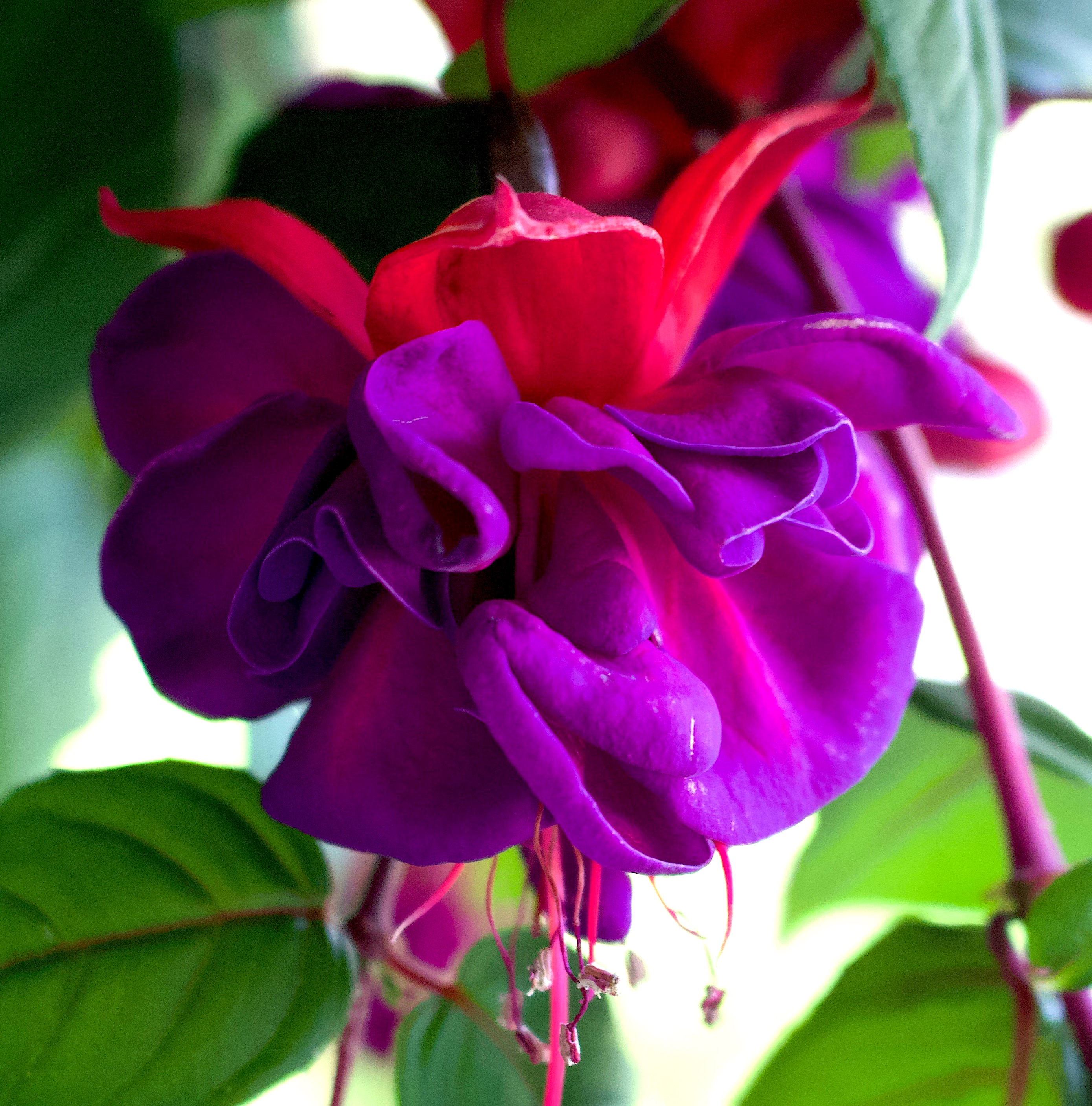
Grandma Kittie grew flowers–lots of them.  Her garden stretched along both sides of the sidewalk to her old two story farm house, in window boxes and beds around the perimeter, in little islands scattered about the yard anchored by a tree, or a piece of driftwood, a gold fish pond or a large rock.  Wisteria hung like a thick curtain of purple braids from the roof of her chicken coop, and her greenhouse, far bigger than her home, smelled moist and mossy with hanging fuschia baskets.  For her it was full time joy disguised as a job: she sold seedlings, and ready-to-display baskets, and fresh flower arrangements.  She often said she was sure heaven would be full of flowers needing tending, and she was just practicing for the day when she could make herself useful as a gardener for God.

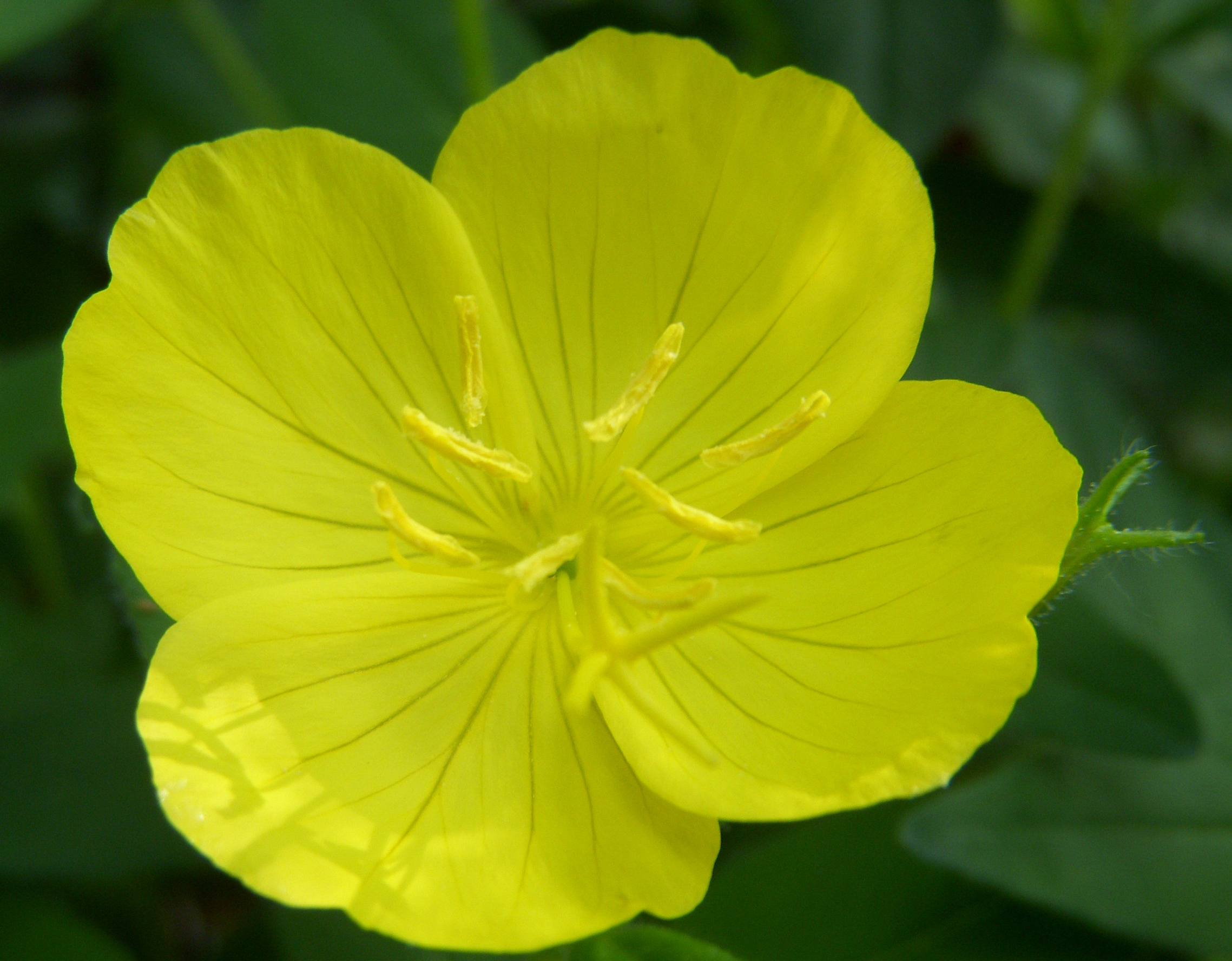
Visiting Grandma was often an overnight stay, and summer evenings in her yard were heavy with wafting flower perfume.  One of her favorite flowers–indeed it was so hardy and independent it really could be considered a weed–was the evening primrose.  It was one of a few night blooming plants meant to attract pollinating moths.   Its tall stems were adorned by lance shaped leaves, with multiple buds and blooms per stem.  Each evening, and it was possible to set one’s watch by its punctuality, only one green wrapped bud per stem would open, revealing a bright yellow blossom with four delicate veined petals, a rosette of stamens and a cross-shaped stigma in the center, rising far above the blossom.  The yellow was so vivid and lively, it seemed almost like a drop of sun had been left on earth to light the night.  By morning, the bloom would begin to wither and wilt under the real sunlight, somehow overcome with the brightness, and would blush a pinkish orange as it folded upon itself, ready to die and drop from the plant in only a day or two, leaving a bulging seed pod behind.

I would settle down on the damp lawn at twilight, usually right before dusk fell, to watch the choreography of opening of blossoms on stem after stem of evening primrose.  Whatever the trigger was for the process of unfolding, there would be a sudden loosening of the protective green calyces, in an almost audible release.  Then over the course of about a minute, the overlapping yellow petals would unfurl, slowly, gently, purposefully, revealing their pollen treasure trove inside.   It was like watching time lapse cinematography, only this was an accelerated, real time flourish of beauty, happening right before my eyes.  I always felt privileged to witness each unveiling as Grandma liked to remind me that few flowers ever allowed us to behold their birthing process.  The evening primrose was not at all shy about sharing itself and it would enhance the show with a sweet lingering fragrance.

Grandma knew how much I enjoyed the evening primrose display, so she saved seeds from the seed pods for me, and helped me plant them at our house during one of her spring time visits.   I remember scattering the seeds with her in a specially chosen spot, in anticipation of the “drops of sun” that would grace our yard come summertime.  However, Grandma was more tired than usual on this particular visit, taking naps and not as eager to go for walks or eat the special meals cooked in honor of her visit.  Her usually resonant laughing brown eyes appeared dull, almost muddy.

The day she was to return home she came into the kitchen at breakfast time, wearily setting down her packed bags.  She gave me a hug and I looked at her, suddenly understanding what I had feared to believe.  Something was dreadfully wrong.  Grandma’s eyes were turning yellow.

Instead of returning home that day, she went to the hospital.  Within a day, she had surgery and within two days, was told she had terminal pancreatic cancer.  She did not last long, her skin becoming more jaundiced by the day, her eyes more icteric and far away.  She soon left her earthly gardens to cultivate those in heaven.

I’ve kept evening primrose in my garden ever since.  Grandma is inside each bloom as it unfolds precipitously in the evening, she wafts across the yard in its perfume.  Her spirit is a drop of sun coming to rest,  luminous,  for a brief stay upon the earth, only to die before we’re ready to let it go.  But as the wilted bloom lets go,  the seeds have already begun to form.

Grandma will grow flowers again–lots of them.
 

eveningprimrose


kittie


novemberrose1


A Mosaic of Life


glassfumco


glassfumco2


It started with a one hundred year old congregation moving into a new church building after an earthquake destroyed the old one.  These weren’t people of great wealth or prestige so the new building, by necessity, was a simple rectangular design, the sanctuary paneled in light birchwood, the high windows with clear textured glass allowing floods of muted natural light to stream in even on cloudy days.  It was a pleasant enough place to worship, well-lit and airy.

Then a new pastor arrived–a man well-traveled, well-read with a keen artist’s eye and a mind able to mix together a palette of history, colors and words.   He could see what others had not in the empty canvas of the huge space.  What he envisioned for the sanctuary was to enhance the worship experience through the illustration of Life’s passage, of people growing and changing in God’s glory.  Any worshipper entering the sanctuary would become part of the woven tapestry of color cast by a series of stained glass windows.

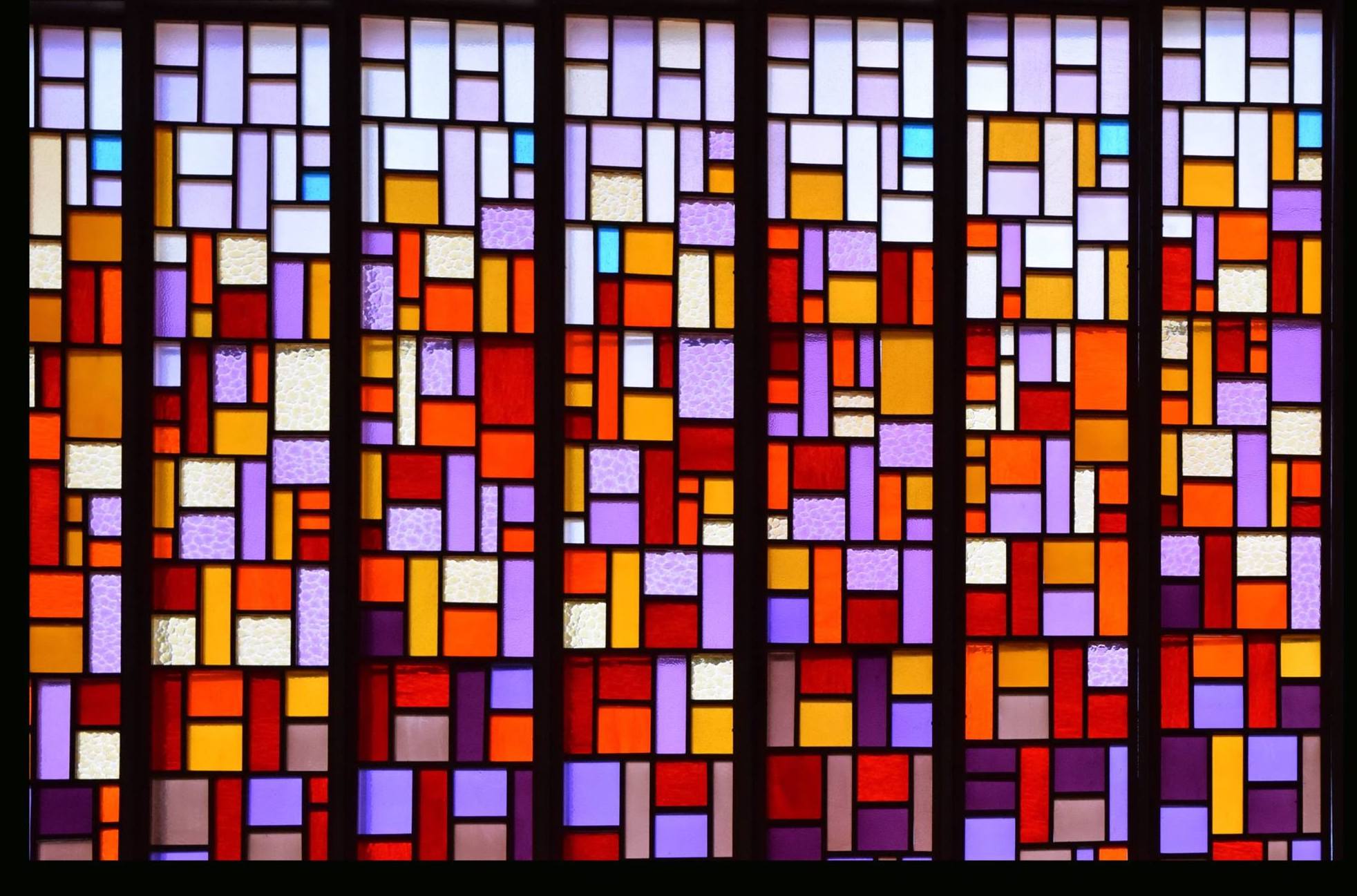
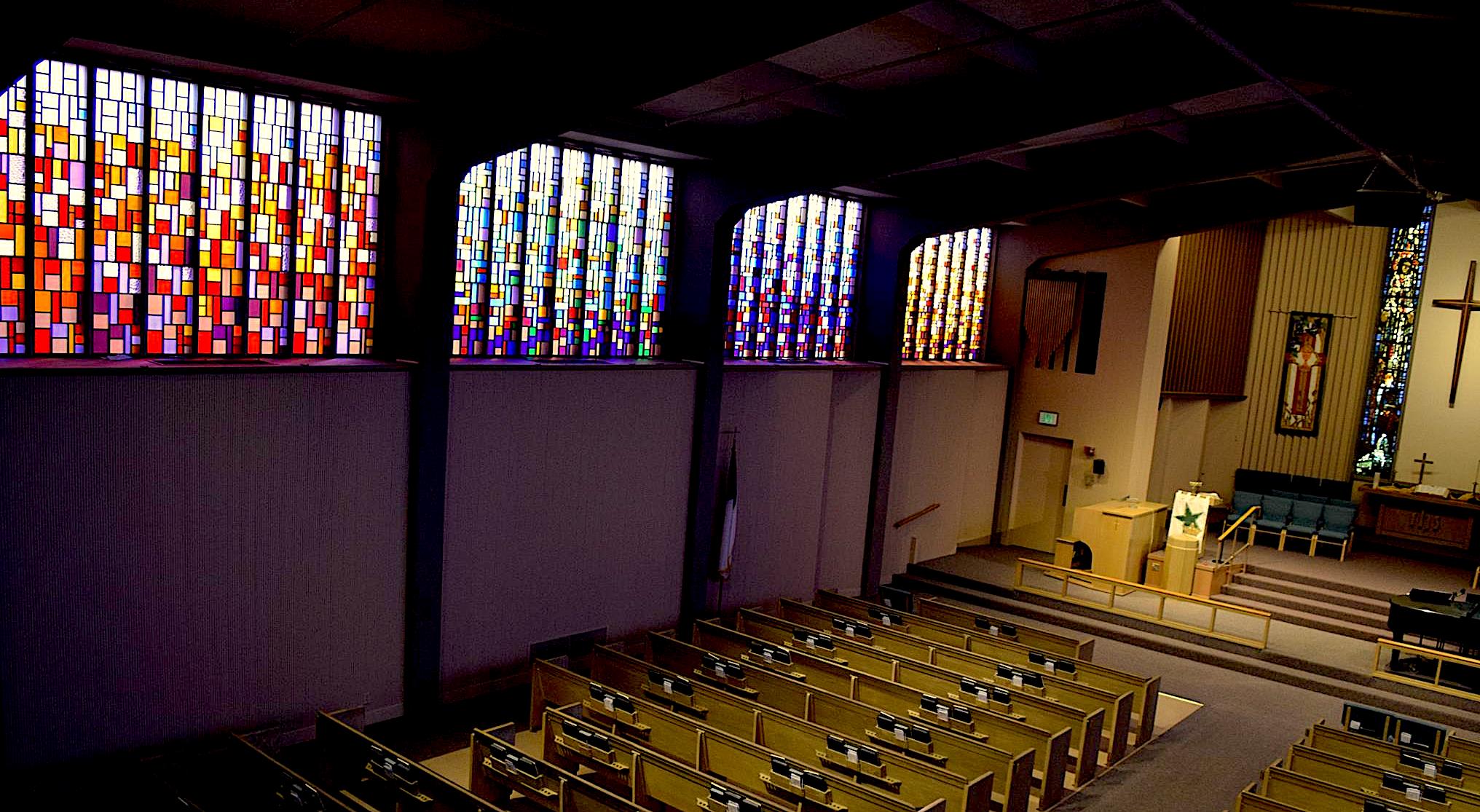
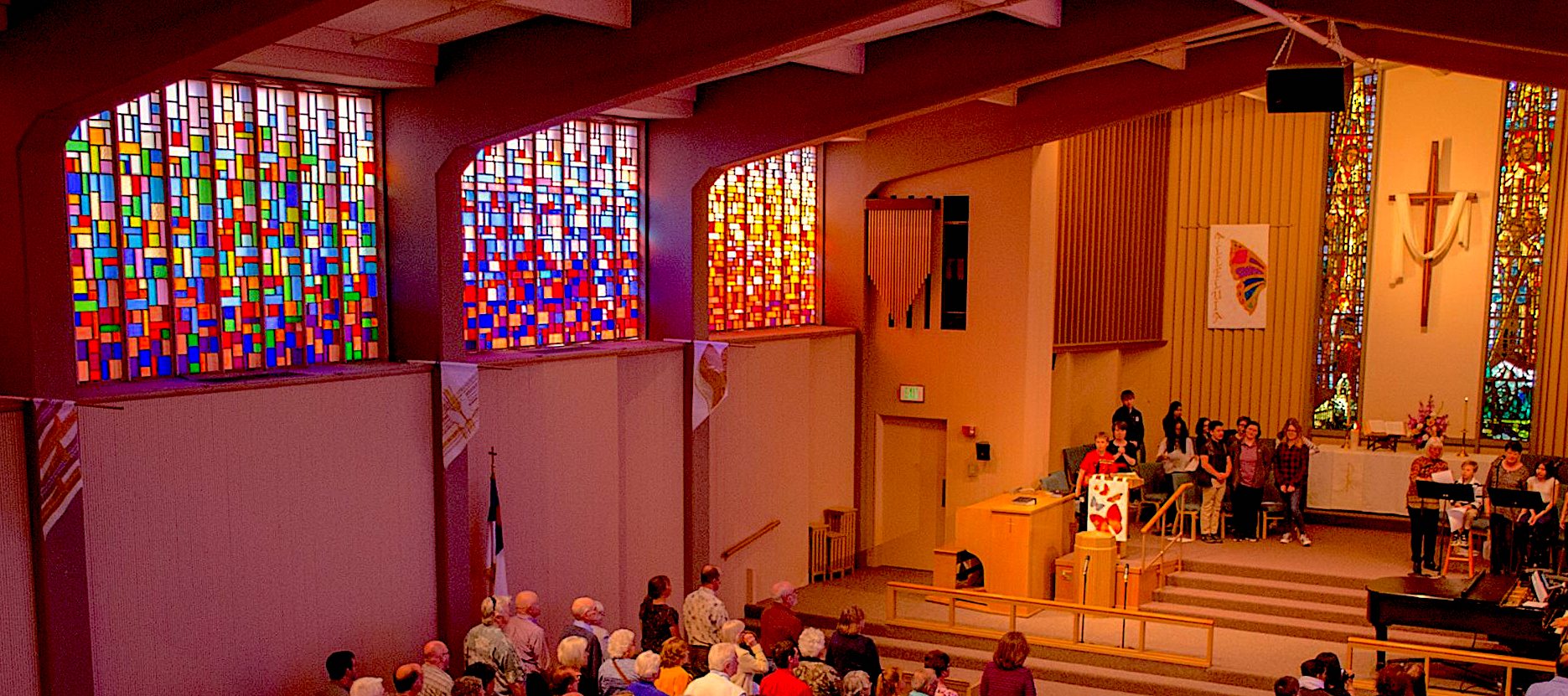
Six large symmetrical panels of divided narrow vertical windows lined both upper outer walls leading up to the altar.   In our pastor’s design, these were to become stained glass representations of the various stages of life from young to old.  Our pastor recruited would-be artisans from the congregation to be the primary stained glass workers, teaching them how to precisely cut and fit the glass pieces.  Each church member had an opportunity to choose and place a pane matching his or her stage of life, to become a permanent part of the portrait of this diverse church family.  The new windows were constructed from back to front over the course of a year, all by volunteer effort, until the transformation was complete from simple functional space of wood and light to an encompassing work of art, inclusive for all who entered.  Mosaics of colored sections represented the transition through life, moving from childhood in the windows at the entrance, on to adolescence,  then to young adulthood, moving to middle age, and then finally to the elder years nearest the altar.

Rainbows of color crisscrossed the pews and aisles, starting with pale and barely defined green and yellow at the outset, blending into a blossom of blue, then becoming a startling fervor of red,  fading into a tranquil purple past the center, and lastly immersed in the warmth of orange as one approached the brown of the wood paneled altar.  Depending on where one chose to sit, the light bearing a particular color combination was cast on open pages of scripture, or favorite hymns, or on the skin and clothing of the people,  reflecting the essence of that life phase.  Included in the design was the seemingly random but intentional scattering of all of the colors in each panel.  Gold and orange panes were sprinkled in the “youth” window predicting the wisdom to come, and a smattering of some greens, blues and reds were found throughout the “orange” window of old age,  just like the “spark”  of younger years so often seen in the eyes of the our eldest citizens.

The colored windows reflected the truth of God’s plan for our lives. There was the certainty of the unrelenting passage of time; there was no turning back or turning away from what was to come.  Although each stage shone with its own unique beauty,  none was as warm and welcoming as the orange glow of the autumn of life.  Those final windows focused their brilliance on the plain wood of the cross above the altar.

Beyond the stained glass, as life fades from the richest of colors to the brownest of dust, the light will continue to shine, glorious.


glassfumco3


photos thanks to  the Facebook page of First United Methodist Church – Olympia


As Trees Undress

leaf117182


blueberryleaf101318


maplewindow


Everybody here knows what you mean
when you say, “The colors,” especially now,

the second day in October. They know
you’re talking about leaves turning away

from green — as in the yellows of elm and cottonwood,
the red-orange maple, the purple-red ash and aspen gold.

But only because we live here. Someplace else, where a year
is not so divided by seasons, colors

means something else — as in a knitter’s choice of skeins,
a budding artist’s paints for her work

in progress, a chef’s arrangement of aubergines
nestled against purple baby potatoes

and yams as bright as, yes, the turning leaves.
Colors — as in every shade surrounding

the second day of October, the day this year
when my mother would have turned eighty

and I remember that she loved palette words:
ecru,
chartreuse,
fuchsia,
and all the brightest reds
of the turning leaves.
~Monica Sharman, “The Colors” from Monica Sharman Editing


morning117182


morning117183


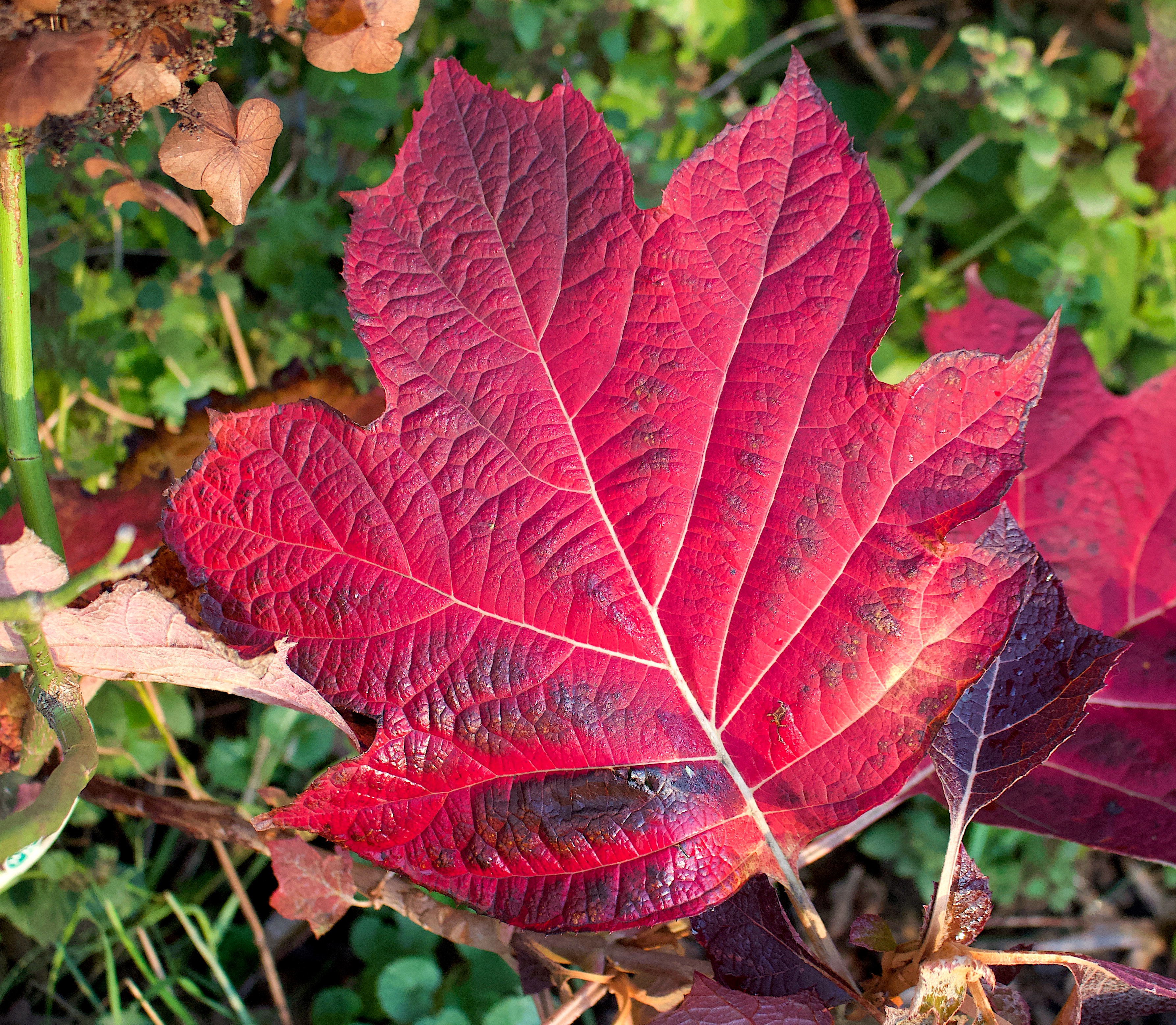
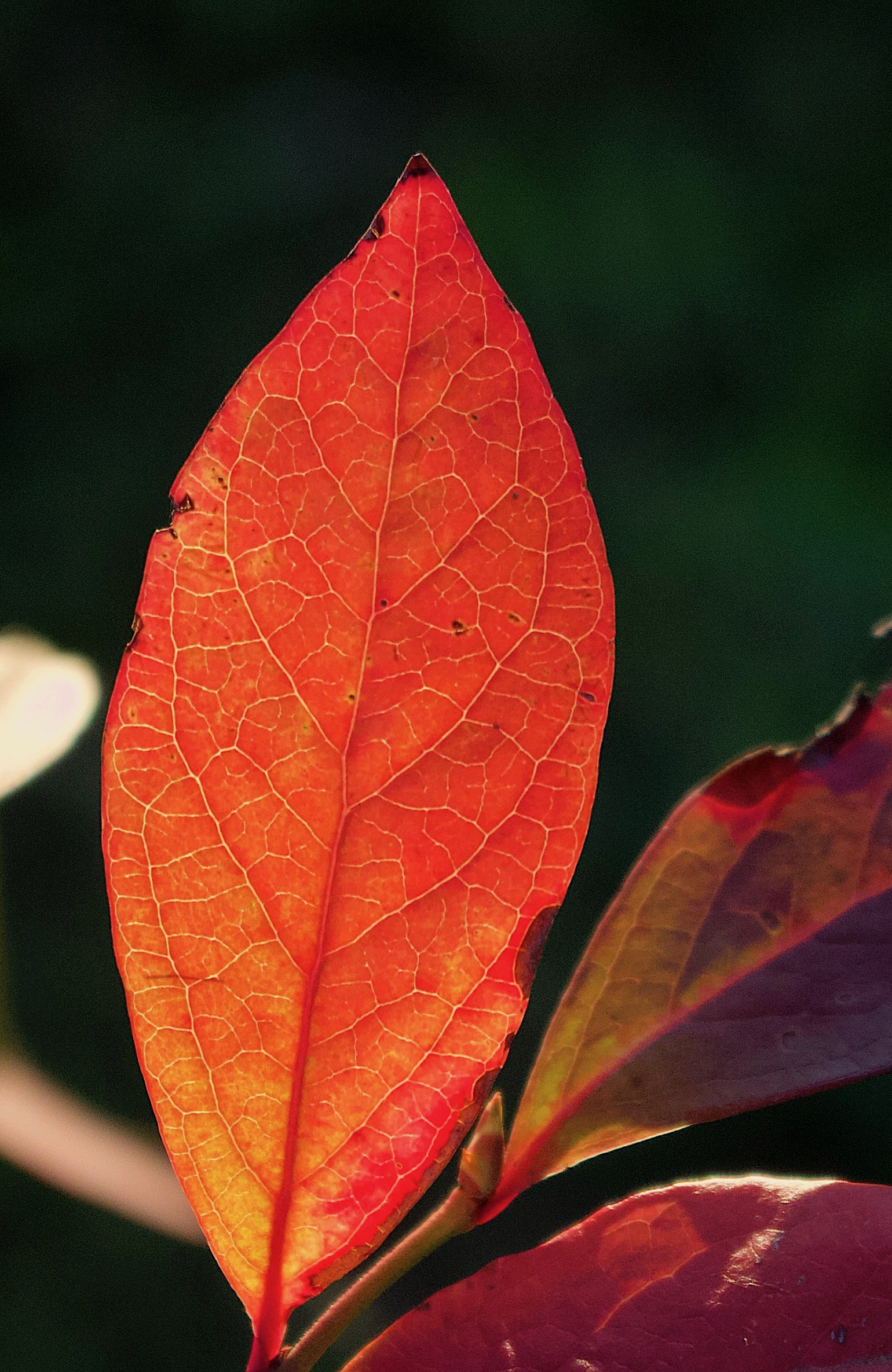
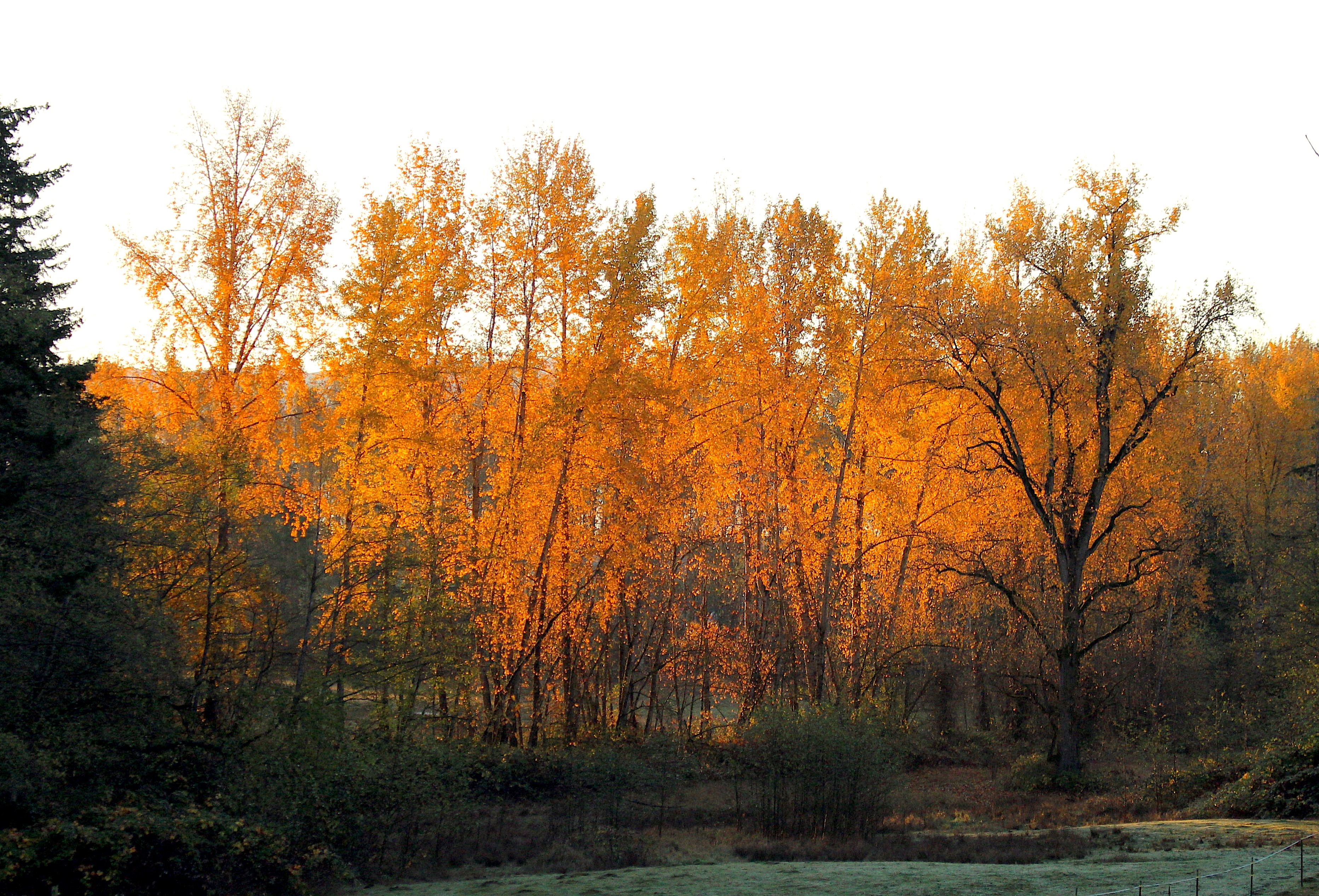
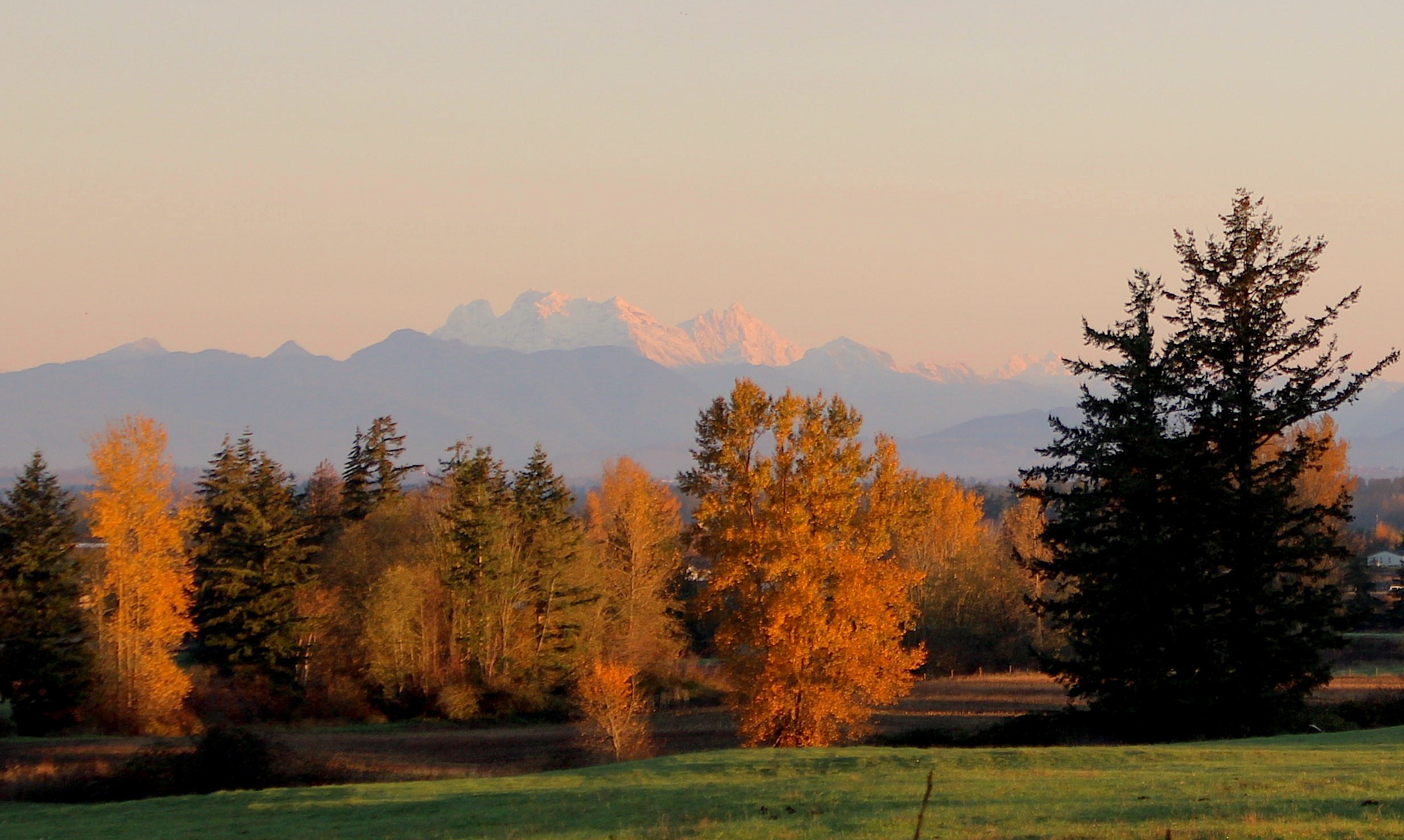
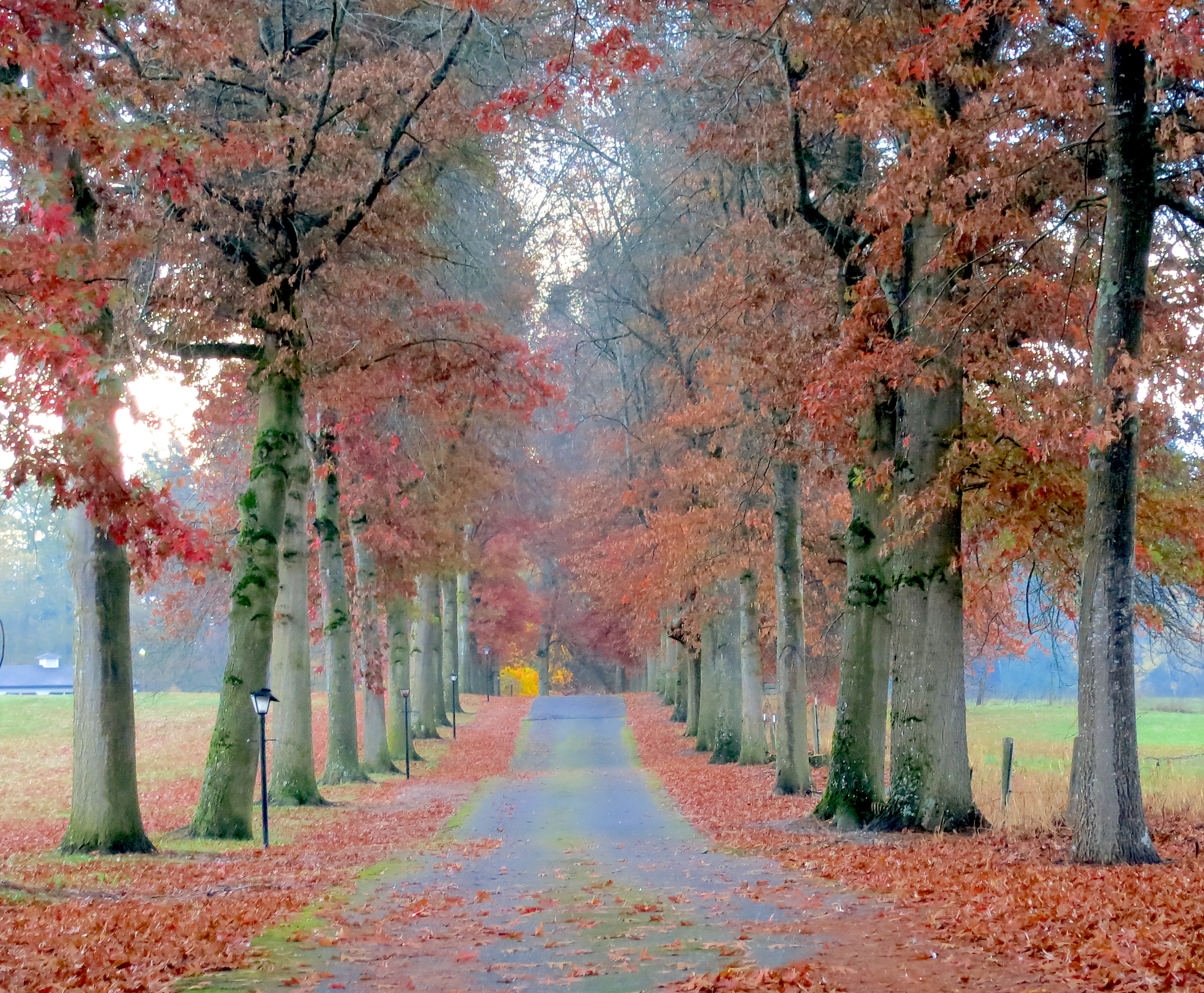
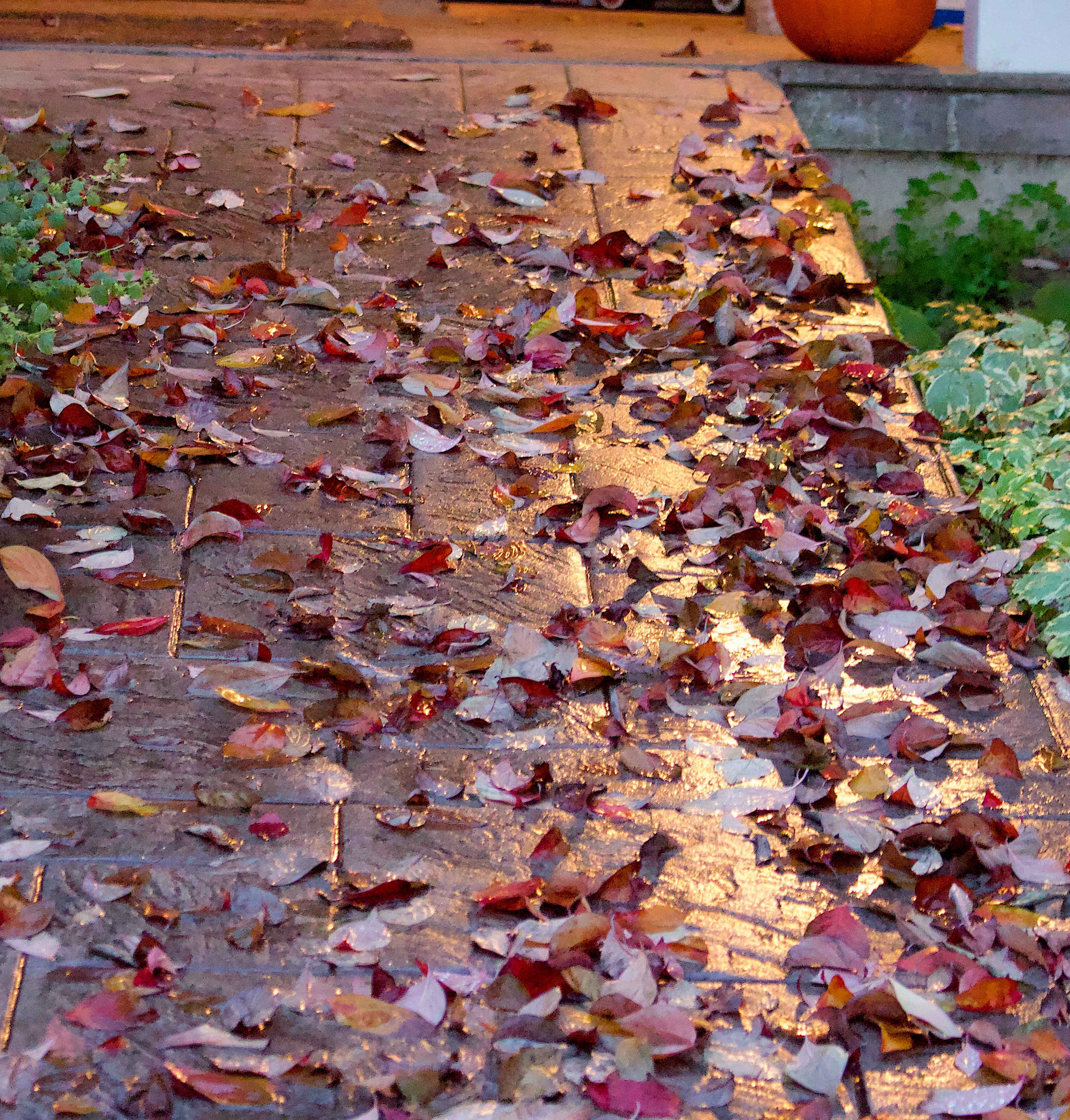
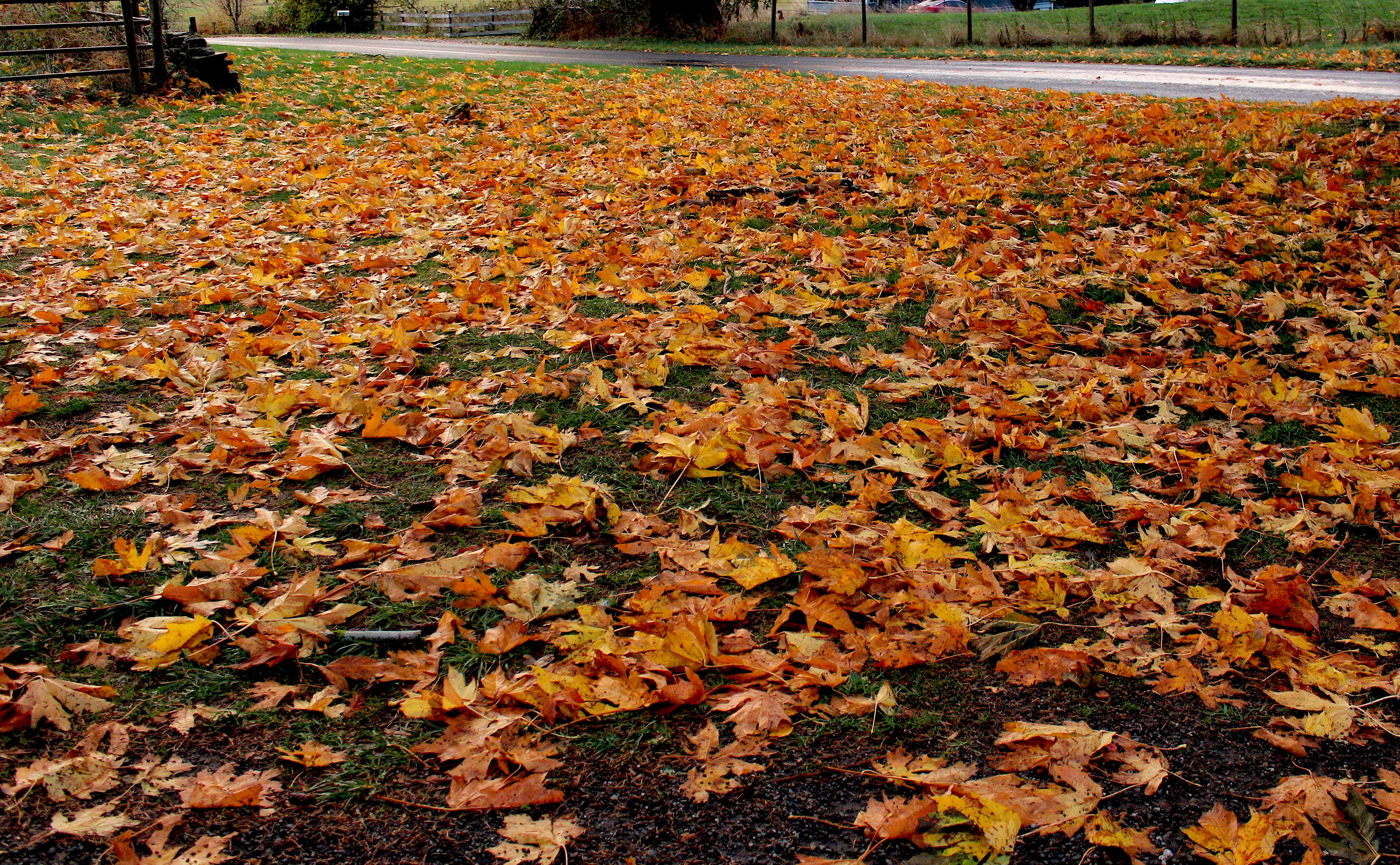
I’m wistful about the flame-out of color happening now – autumn leaves have been so exorbitantly boisterous and vibrant that watching the trees undressed by the wind feels unseemly and scandalous.  They seem more naked than usual because their costuming has been so extravagantly rich for weeks.

I’m depleted of exuberant words to describe the landscape so will just settle in behind my retinas and enjoy what’s left for dessert.  I’m satiated and ready for a nap.

Through the deep of winter, as I close my eyes,  visions of reds and golds and oranges will continue to dance merrily in my head.


oaklane117182


morning117186

A Message From a Long-Ago Child

noaanya


sunset817


Behind the house in a field
there’s a metal box I buried
full of childhood treasure, a map
of my secret place, a few lead pennies
from 1943.
The rest I’ve forgotten,
forgotten even the exact spot
I covered with moss and loam.
 
Now I’m back and twenty years
have made so little difference
I suspect they never happened,
this face in the mirror
aged with pencil and putty.
I suspect even
the box has moved as a mole would move
to a new place long ago.
~Dan Gerber “The Cache” from Particles


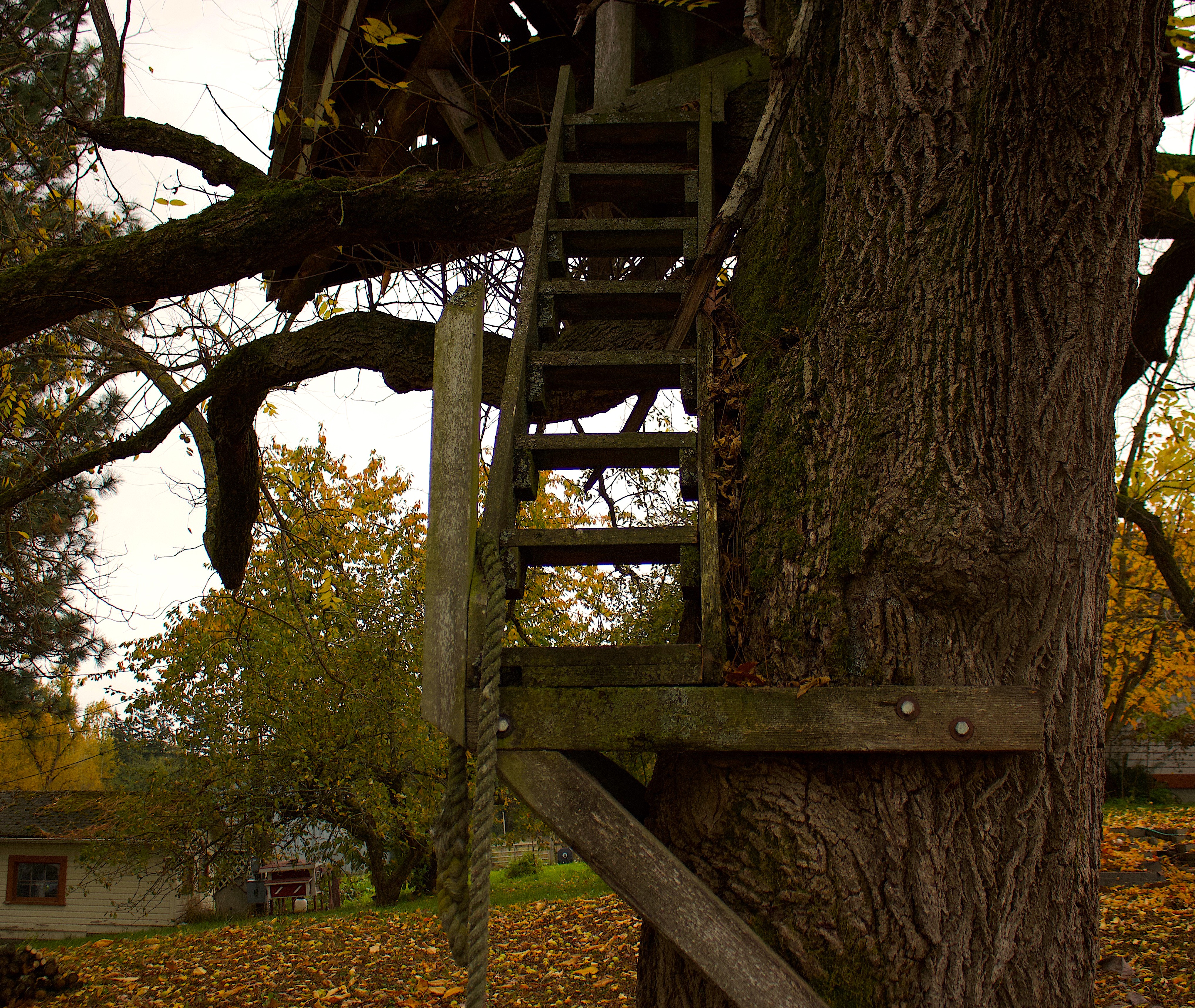
sunsettreehouse


octtreehouse


And this is where we went, I thought,
Now here, now there, upon the grass
Some forty years ago.

The days being short now, simply I had come
To gaze and look and stare upon
The thought of that once endless maze of afternoons.
But most of all I wished to find the places where I ran

What’s happened to our boys that they no longer race
And stand them still to contemplate Christ’s handiwork:
His clear blood bled in syrups from the lovely wounded trees?
Why only bees and blackbird winds and bending grass?
No matter. Walk. Walk, look, and sweet recall.

I came upon an oak where once when I was twelve
I had climbed up and screamed for Skip to get me down.
It was a thousand miles to earth. I shut my eyes and yelled.
My brother, richly compelled to mirth, gave shouts of laughter
And scaled up to rescue me.
“What were you doing there?” he said.
I did not tell. Rather drop me dead.
But I was there to place a note within a squirrel nest
On which I’d written some old secret thing now long forgot.

{Now} I lay upon the limb a long while, thinking.
I drank in all the leaves and clouds and weathers
Going by as mindless
As the days.
What, what, what if? I thought. But no. Some forty years beyond!

I brought forth:
The note.

I opened it. For now I had to know.
I opened it, and wept. I clung then to the tree
And let the tears flow out and down my chin.
Dear boy, strange child, who must have known the years
And reckoned time and smelled sweet death from flowers
In the far churchyard.
It was a message to the future, to myself.
Knowing one day I must arrive, come, seek, return.
From the young one to the old. From the me that was small
And fresh to the me that was large and no longer new.
What did it say that made me weep?

I remember you.
I remember you.
~Ray Bradbury from “Remembrance”


leadogtree


morning117181


I too left notes to my future self, in old barns, and lofts,
and yes, in trees,
but have never gone back to retrieve them.
My ten year old heart tried to imagine itself fifty some years hence,
what fears and joys would pass through like pumping blood,
what wounds would I bear and bleed,
what love and tears would trace my face?

I have not forgotten.
No, I have never forgotten
that I remember.


farmgirls


The Heartbeat of Our Country

rottenapple


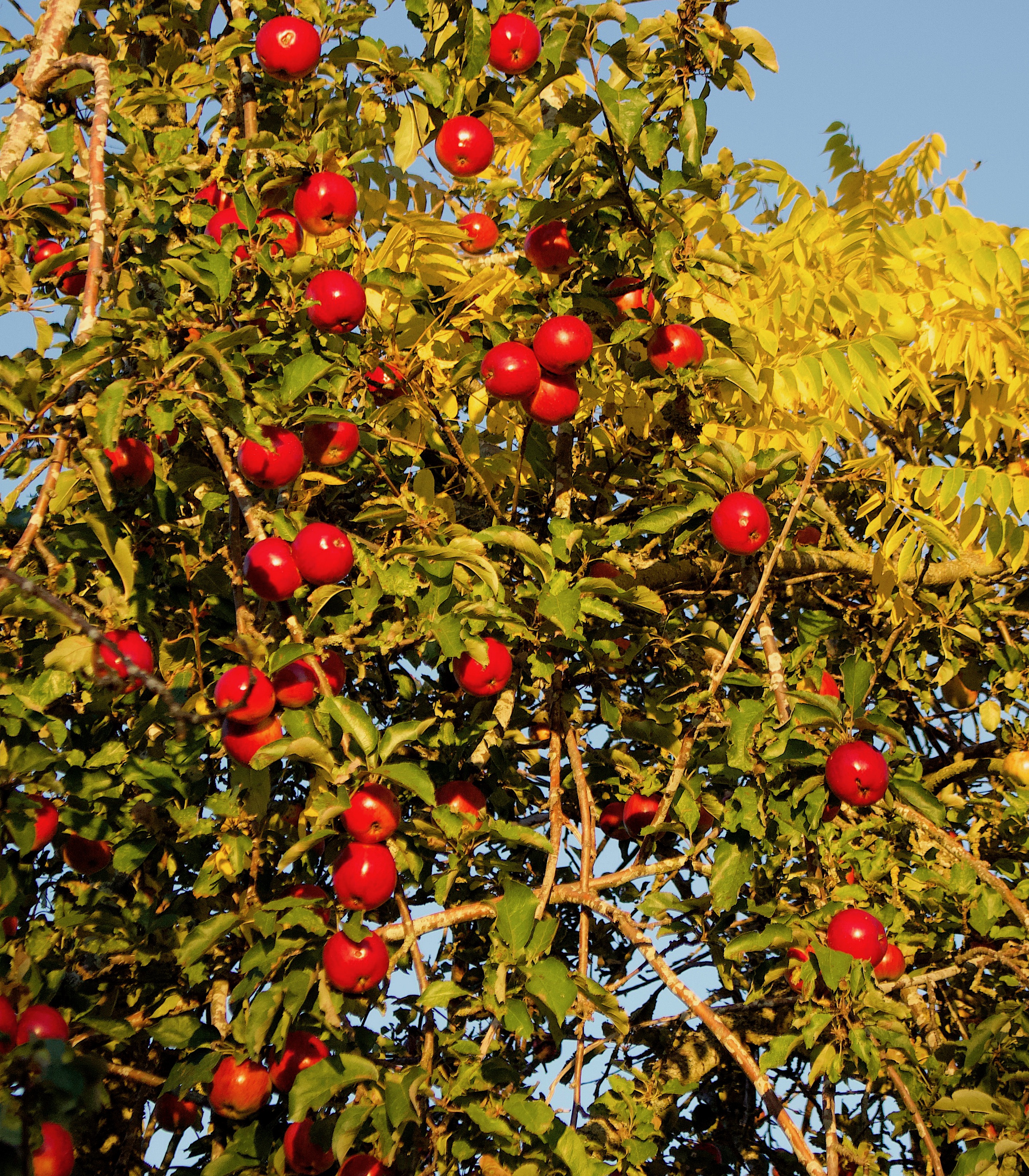
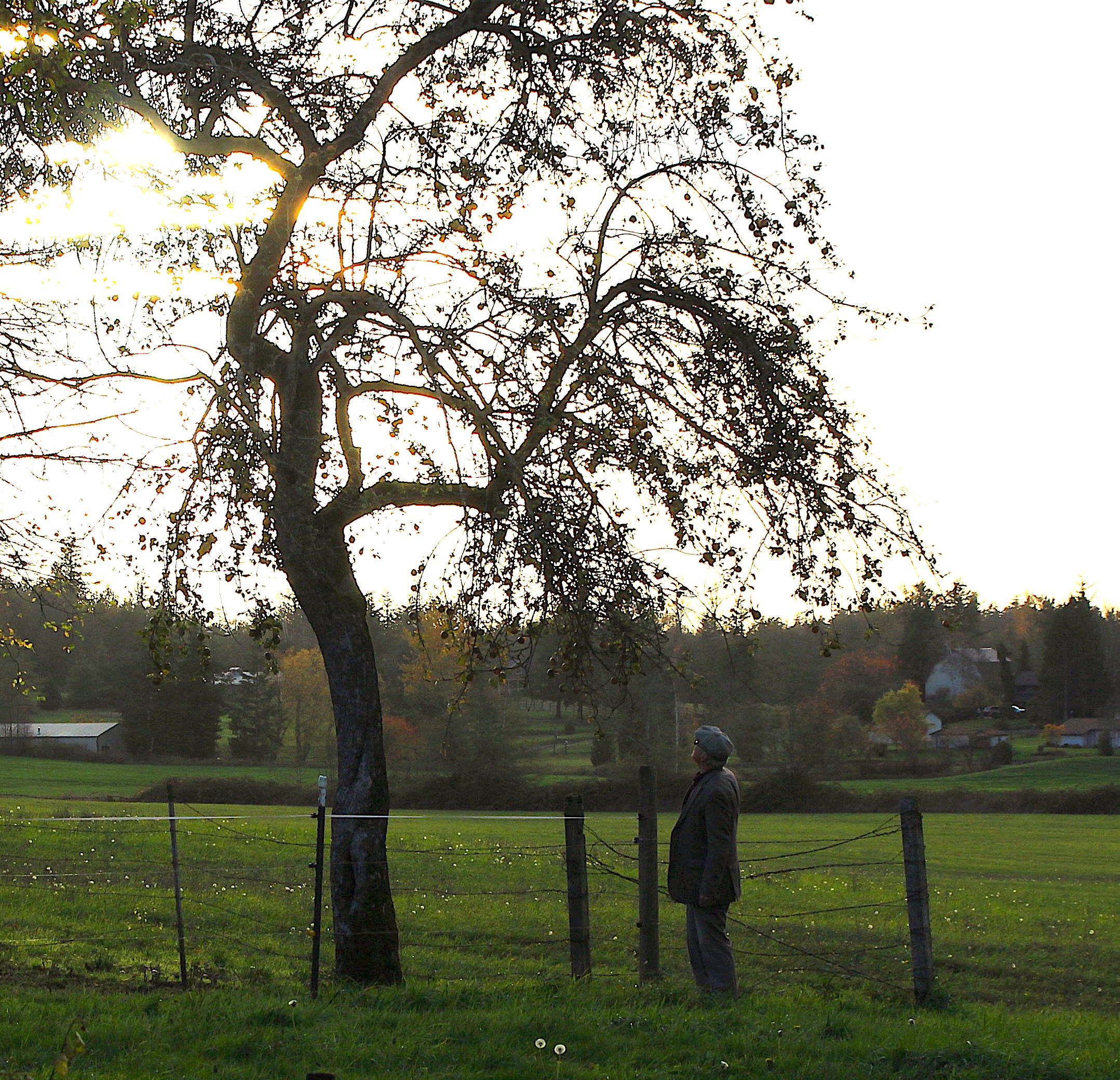
Even if I knew that tomorrow the world would go to pieces, I would still plant my apple tree.
~Martin Luther


appleking


…the heart of this country does not beat in Washington, DC, nor does its soul lie in a seat of power, nor does its destiny lie in which party occupies which section of government.

No, those things all lie with… people like you and me, people who get up and go to work and love their tiny plot of Earth and whose hands are rough and hardened by loving and giving.
~Billy Coffey from “The Heart of this Land”


countyfarm11518


You and I voted today, because we have the freedom and privilege to do so.

Yet our destiny does not lie with the counting of the ballots nor the results.

We have responsibility to our God, each other and our good earth.  One human election cannot surpass our need to keep planting apple trees to ensure the future is well fed.


sunset115183


danapple


A Mosaic of Leaves

golden115181


octevening2912


octevening297


goldenoctmorn6


And then in the falling comes a rising, 
as of the bass coming up for autumn’s last insects 
struggling amid the mosaic of leaves on the lake’s surface. 
We express it as the season of lacking, but what is this nakedness
— the unharvested corn frost-shriveled but still a little golden 
under the diffuse light of a foggy sky,
the pin oak’s newly stark web of barbs, the woodbine’s vines 
shriven of their scarlet and left askew in the air 
like the tangle of threads on the wall’s side 
of the castle tapestry—what is it but greater intimacy,
the world slackening its grip on the veils, letting them slump
to the floor in a heap of sodden colors, and saying,
this is me, this is my skeletal muscle, 
my latticework of bones, my barren winter skin, 
this is it and if you love me, know that this is what you love. 
~Laura Fargas “October Struck” from Animal of the Sixth Day


leafdoor


sunset115182


oaklane103018


Something about the emerging nakedness of autumn reassures that we can be loved even when stripped down to our bones. We do make quite a show of shedding our coverings, our bits and pieces fluttering down to rejoin the soil, but what is left is meager lattice.

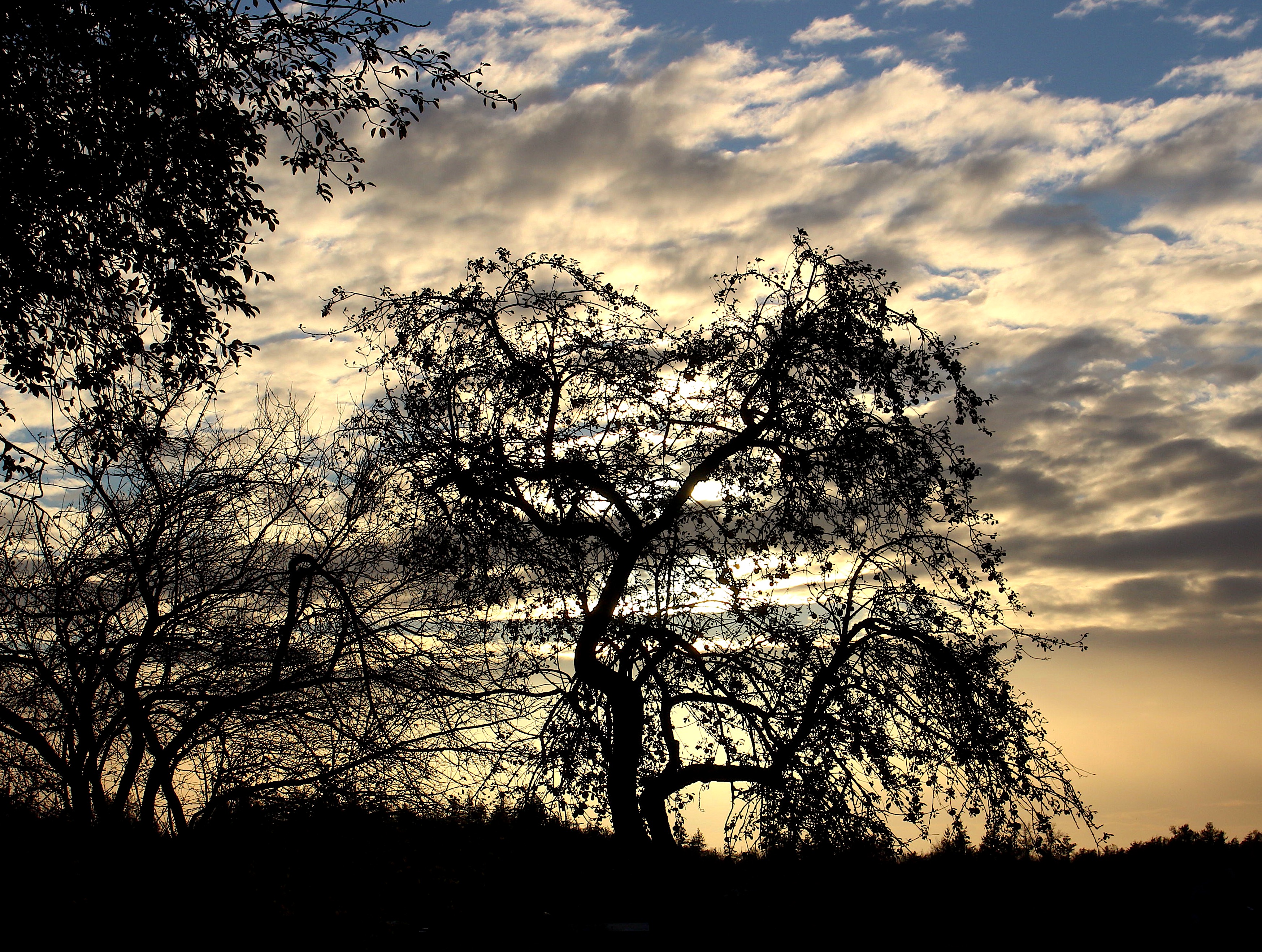
But when the light is just right, we are golden, illuminated and illuminating, even if barely there.


octevening2917


sunset115184


slipandslide


oldapplenovember


We Interrupt This Life

Wavecrash2


We must be ready to allow ourselves to be interrupted by God. God will be constantly crossing our paths and canceling our plans by sending us people with claims and petitions. We may pass them by, preoccupied with our more important tasks. . . . 
~Dietrich Bonhoeffer from Life Together


rialto2


So I’m slogging my way through life, keeping nose to the grindstone, doing what I think I’m called to do and suddenly whammo! I’m clobbered by a cold wave that knocks me off my feet, chills me to the bone and stops me in my tracks wondering what just hit me and why.

It can feel like drowning.

I feel rudely interrupted because I was ill prepared to change course, alter expectations, or be transformed by life’s sudden cold shower.

I can’t think of many situations where an interruption initially is welcome.  It shocks because it is unexpected yet I have chosen to be someone who must be rudely interrupted in order to change direction.

God doesn’t just soak me to the bone–He made my bones and heals my fractures.

He doesn’t just knock me to my feet–He offers His hand to pull me up again.

He doesn’t let me drown–He is a life preserver I choose to grab and hold on to.

Then He wraps me in His warm embrace like a huge towel to remind me where I come from and where I’m heading.

We interrupt this life for a message from our sponsor. 

Okay. Okay.
I’m ready to pay attention.


wwutangle4

When You are Dirty and Rattled

dirtypup


You can change the world with a hot bath,
if you sink into it from a place of knowing
you are worth profound care,
even when you are dirty and rattled.
Who knew?
~Anne Lamott from Small Victories


needabath


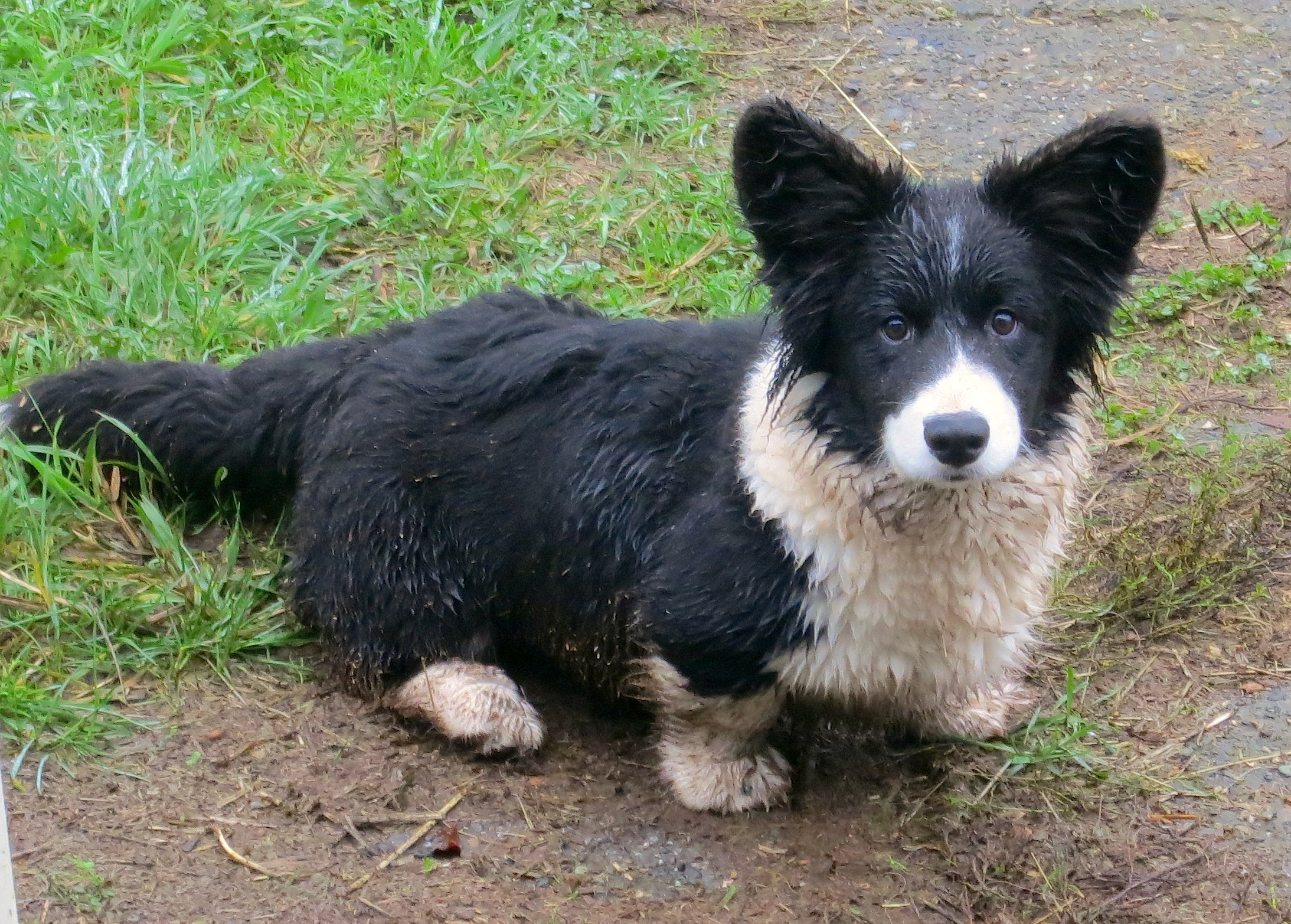
A hot bath is a most welcome gift to a dirty rattled soul and in turn, it is a gift to everyone around me.   I may not even know how grimy I’ve gotten, how smelly and offensive.

Yet there is profound care in the simplicity of being cleansing.  I am so in need and the world deserves a cleaner me.


homerbath

This Wild November

oaklane103018


raindrops1217175


The wild November come at last
Beneath a veil of rain;
The night winds blows its folds aside,
Her face is full of pain.

The latest of her race, she takes
The Autumn’s vacant throne:
She has but one short moon to live,
And she must live alone.

A barren realm of withered fields
Bleak woods of fallen leaves,
The palest morns that ever dawned,
The dreariest of eves:

It is no wonder that she comes
Poor month, with tears of pain:
But what can one so hopeless do,
But weep, and weep again?
~Richard Henry Stoddard “November”


treehousesteps


novemberyard


November is here,
having swept in on rain and wind,
leaving a mess of sorrow and silt in its wake,
a reminder of our fragility and need for shelter
from the storms of life.

Blown off course,
drenched to the marrow,
pining for the light lost
to the advancing calendar,
we hunker down in place,
burrowing in for the long dark winter.

It is coming,
this veil of tears.
It is coming,
these night winds blowing away
our shield and protection.
It is coming,
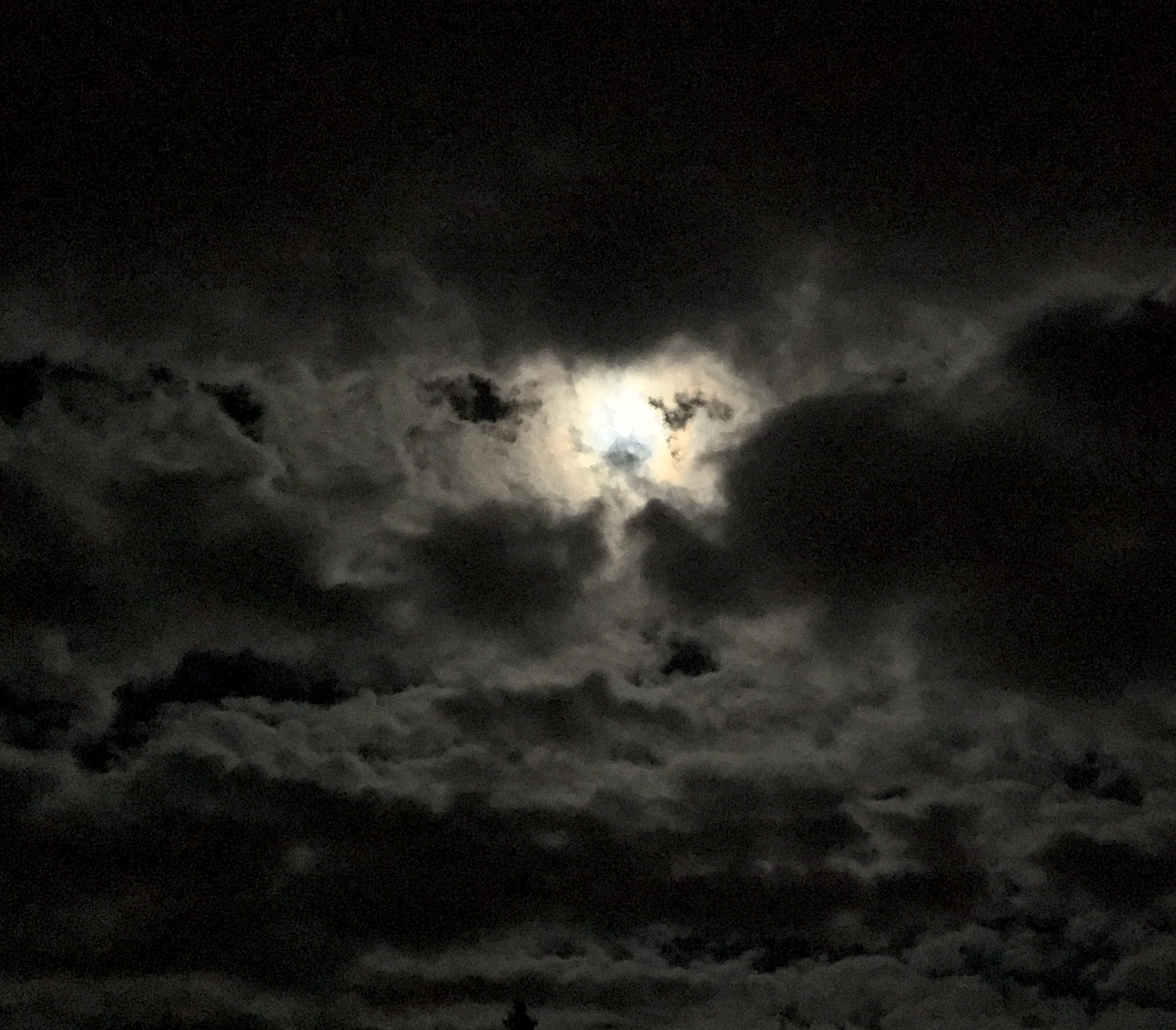
this new moon forgetting how to shine.

Even so.
Our light illuminates from within,
ignited and irrepressible,
fueled by an overflowing abundance
of gentle loving and tender mercies.


moon111216


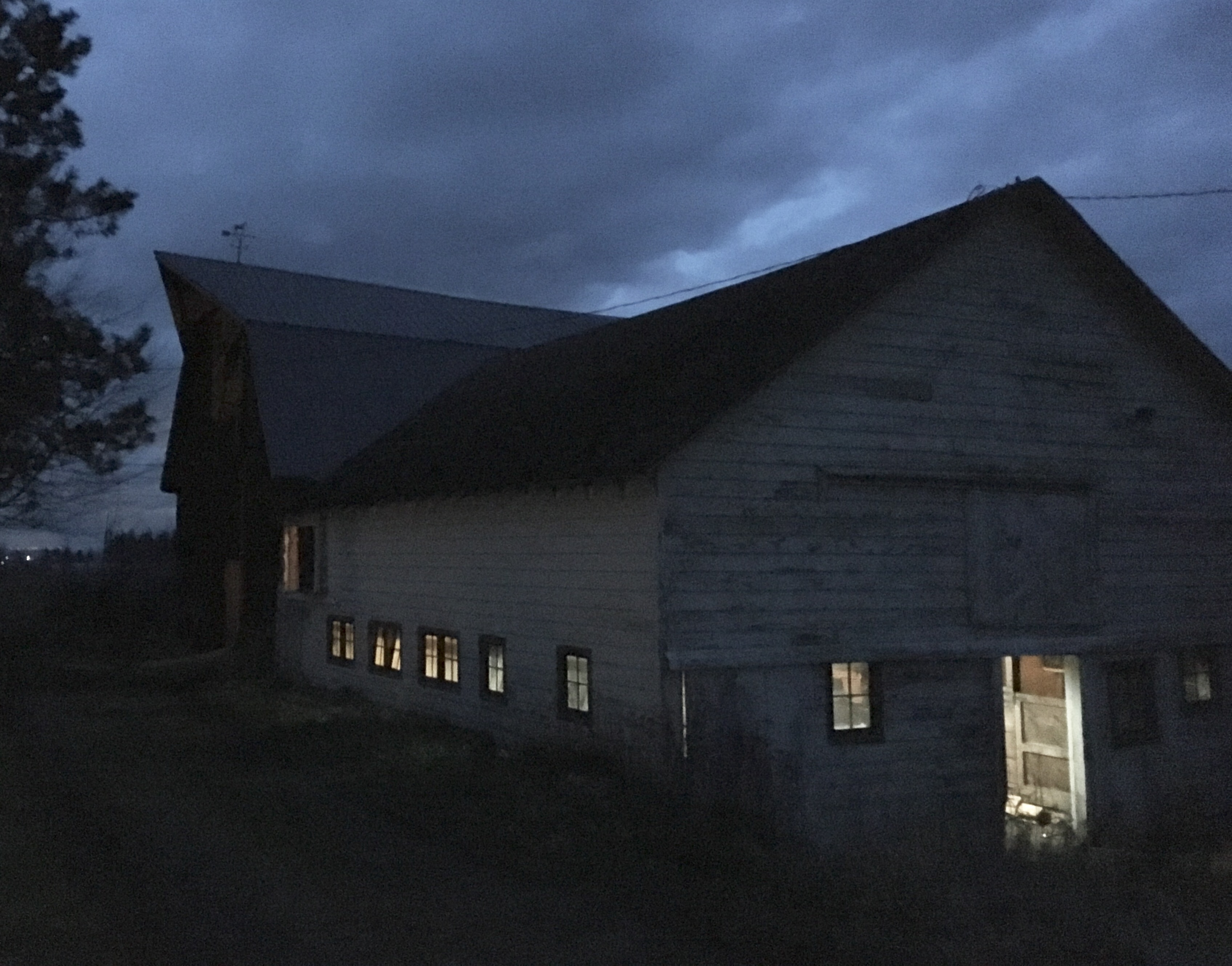
twilightbarn


stormynight


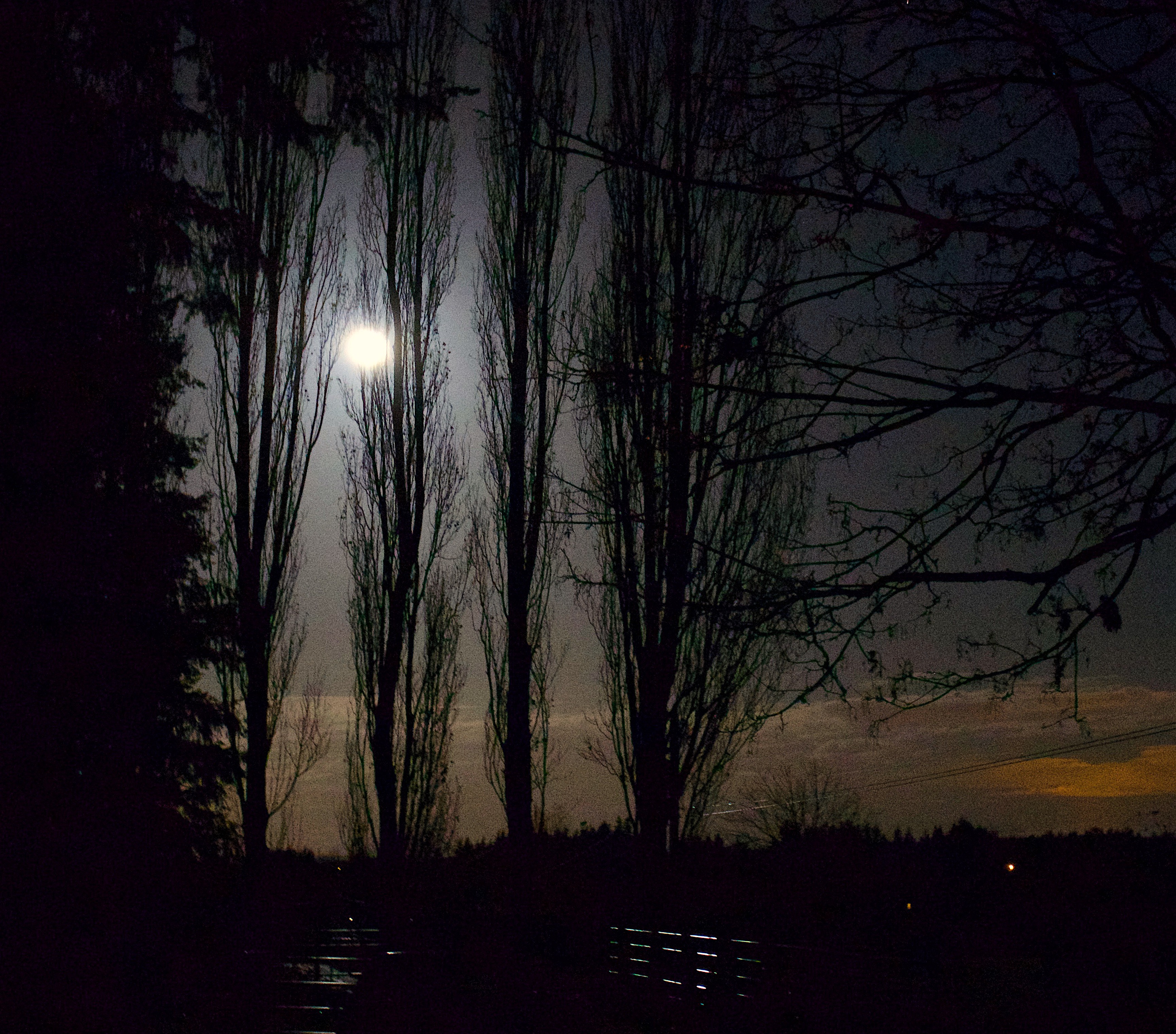
supermoon1

A Filigree of Nature

holyleaf2


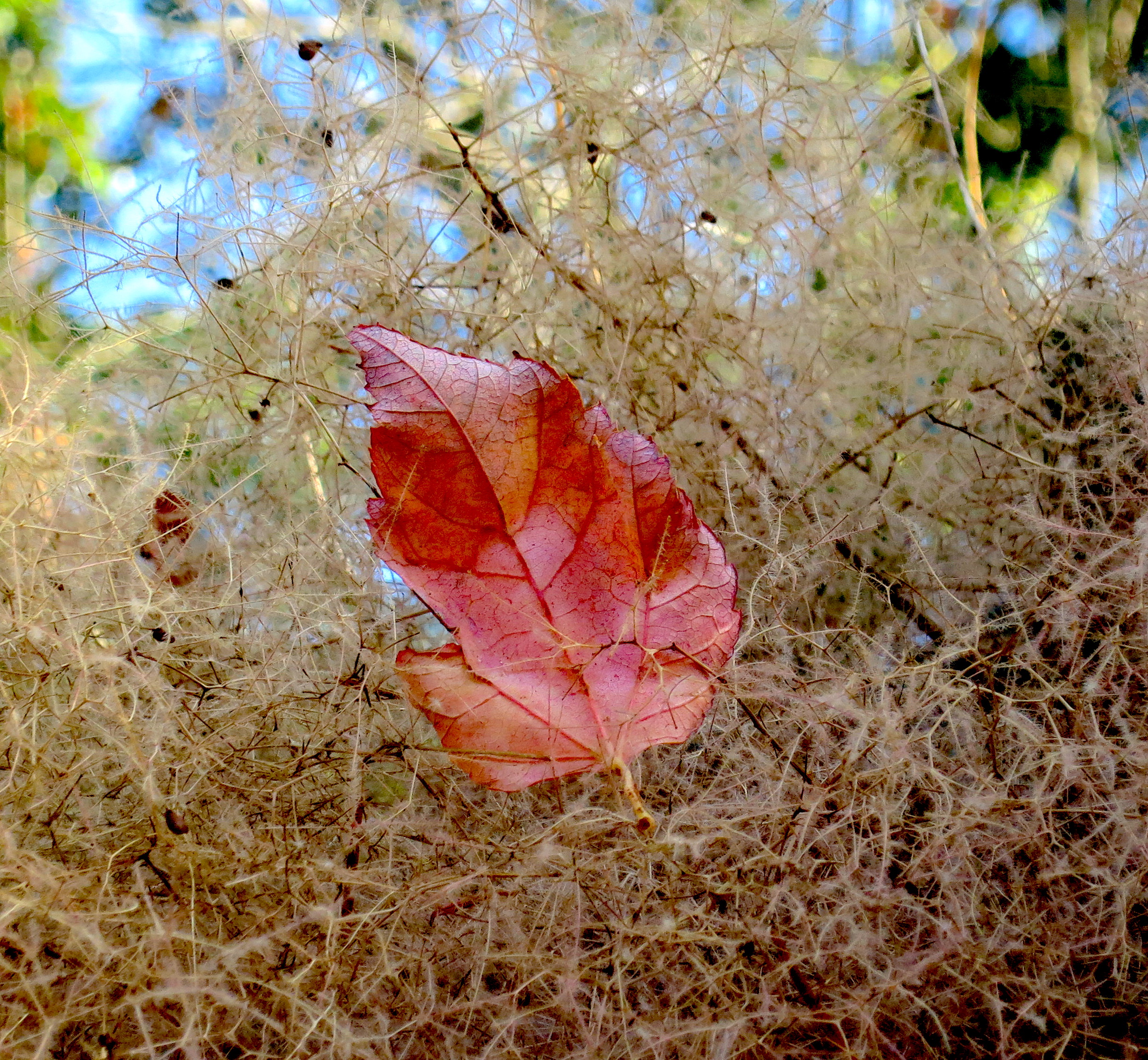
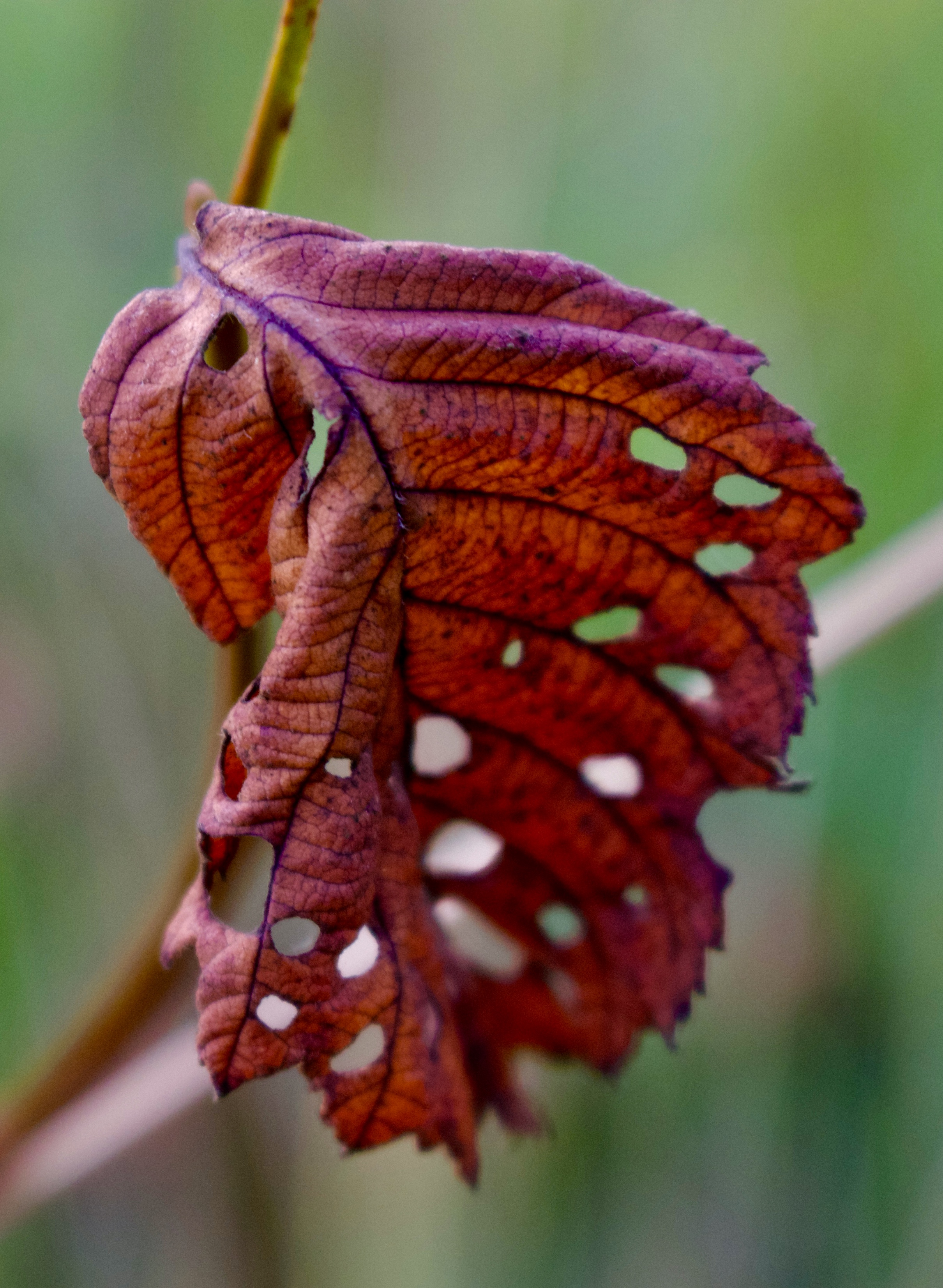
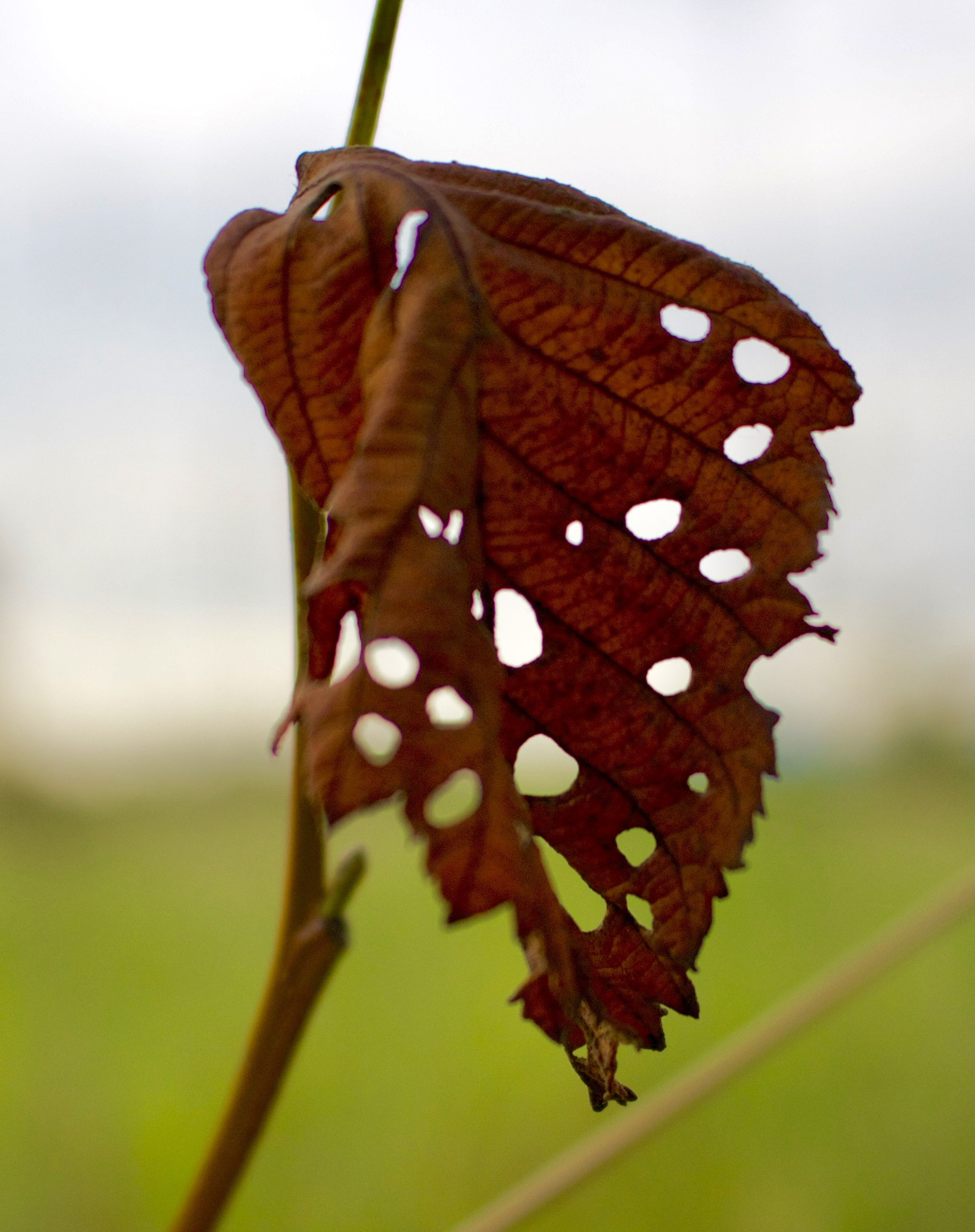
It’s just a leaf. A damaged leaf at that,
clinging to a filbert tree ravaged by blight.
The leaf turns partially back upon itself,
riddled with holes, the traumatic result
of voracious insect appetites.

Damaged does not accurately describe
this leaf, the color of rich burgundy wine,
deep purple veins that branch to the tips
of its serrated edge. The holes open the leaf
to light and air, forming a filigree of nature,
an exquisite fragile beauty.

It makes me think of our own traumas,
how they open us, raw and hurting, humble us,
soften and expand us to the pain of others
and when we are most vulnerable we hold on,
weakened, but not necessarily damaged.

Perhaps it is then our scars become beautiful
and an inner loveliness shines through.
~Lois Parker Edstrom “Fragile Beauty”


–an ekphrastic poem based on my photo above,
soon to be published in her latest poetry book  –
thank you, Lois, for allowing me to share your beautiful words here


holyleaf1


Nature doth thus kindly heal every wound.
By the mediation of a thousand little mosses and fungi,
the most unsightly objects become radiant of beauty.
There seem to be two sides of this world, presented us at different times,
as we see things in growth or dissolution, in life or death.
And seen with the eye of the poet,
as God sees them,
all things are alive and beautiful.

~Henry David Thoreau (journal)


holyleaf1-1


…writing was one way to let something of lasting value emerge
from the pains and fears of my little, quickly passing life.
Each time life required me to take a new step into unknown spiritual territory,
I felt a deep, inner urge to tell my story to others–
Perhaps as a need for companionship but maybe, too,
out of an awareness that my deepest vocation
is to be a witness to the glimpses of God I have been allowed to catch.

~Henri Nouwen


theleavings2