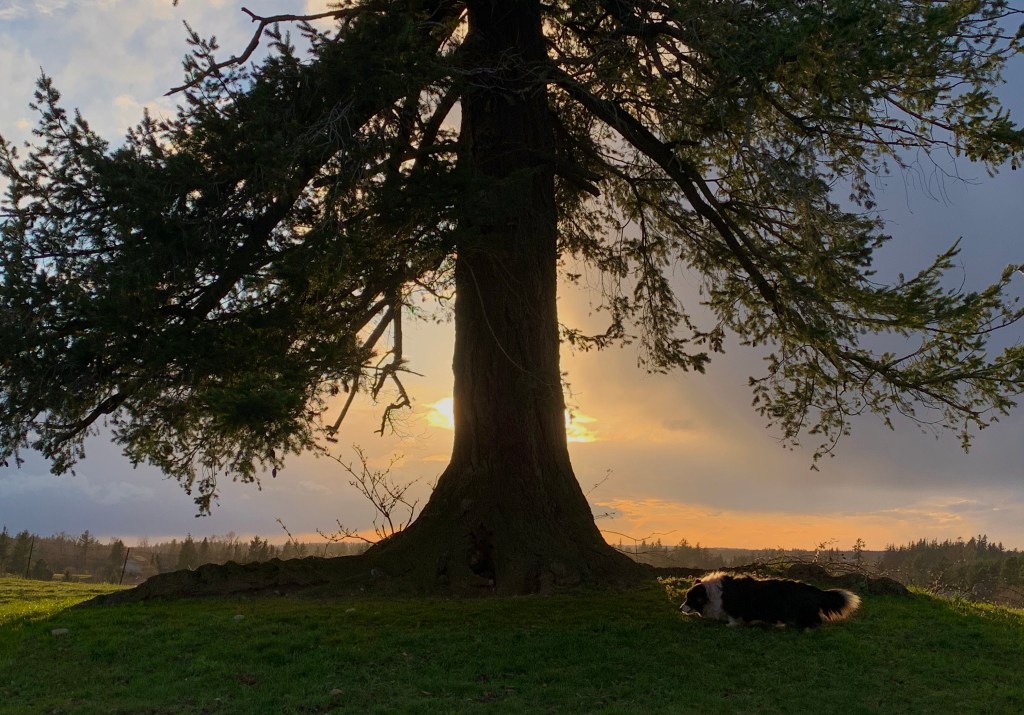
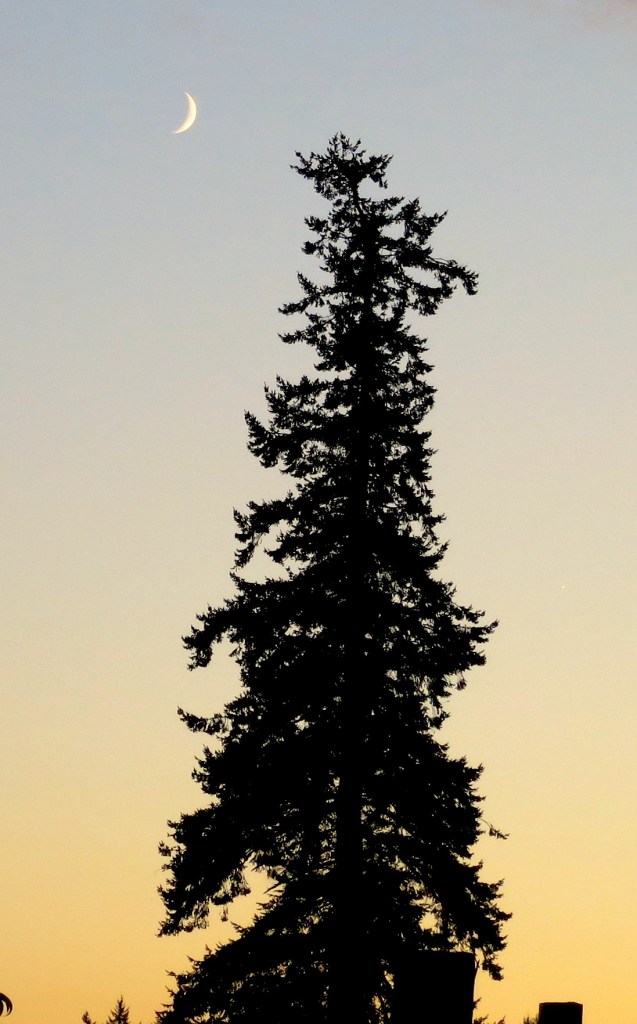
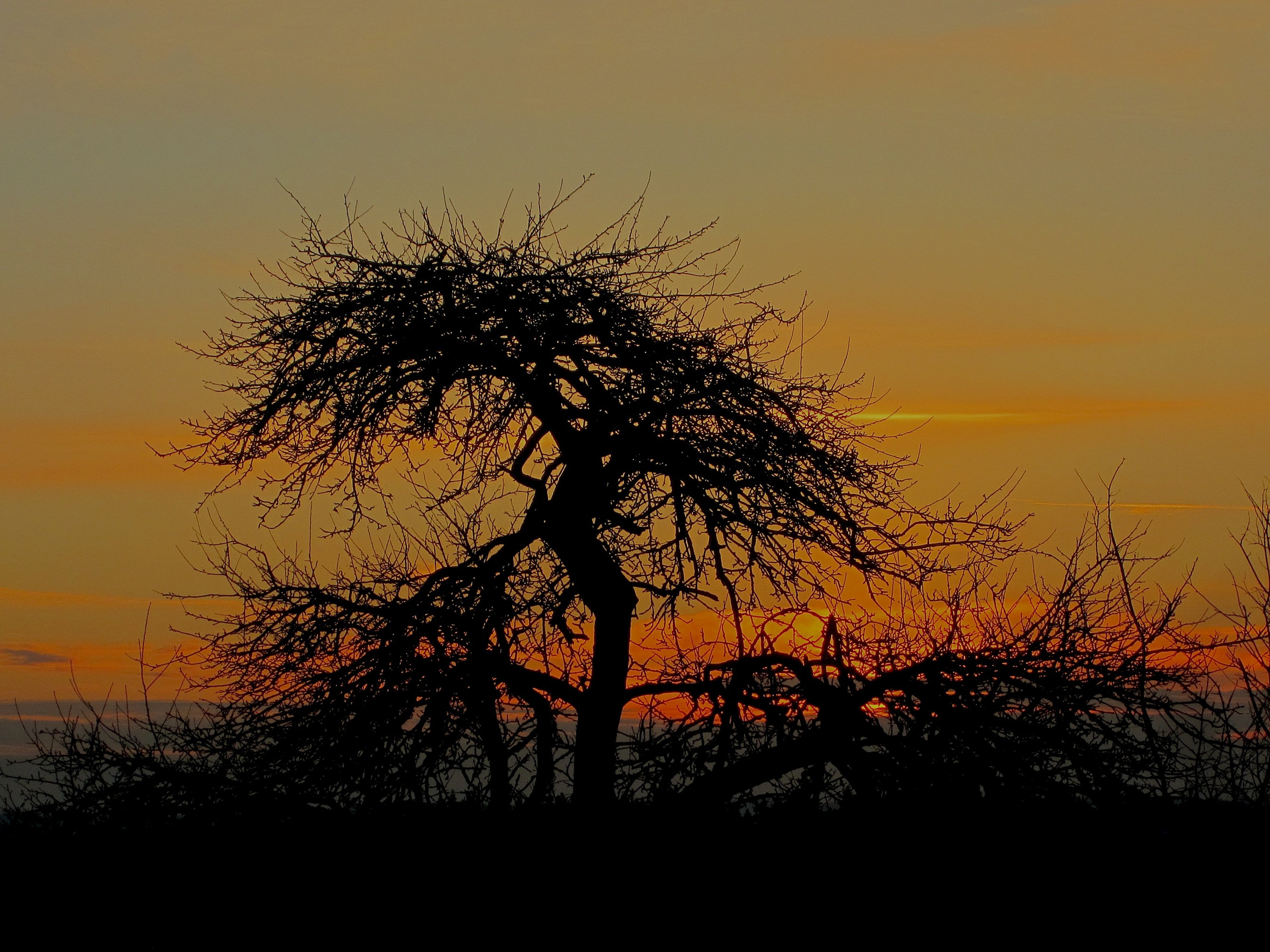
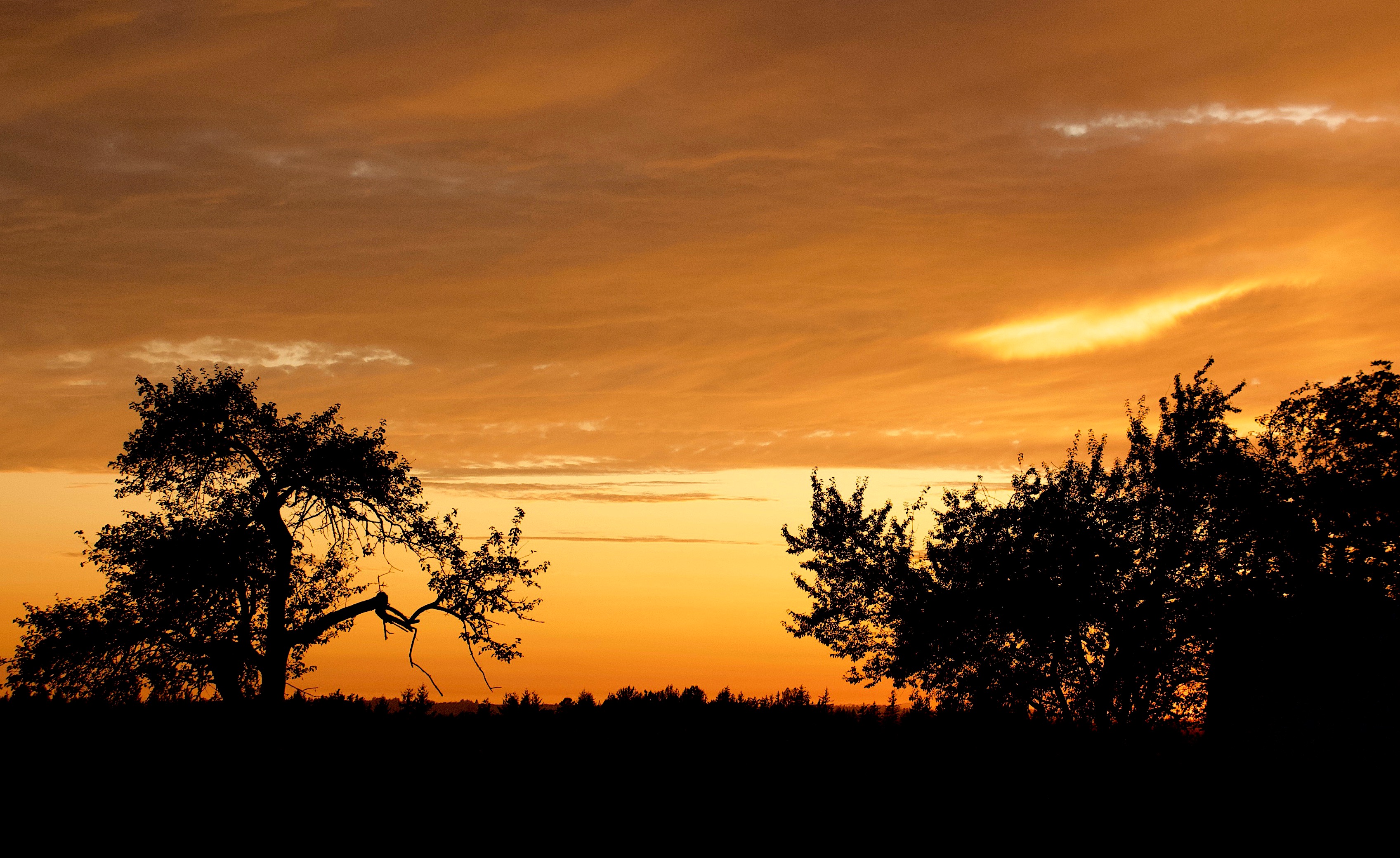
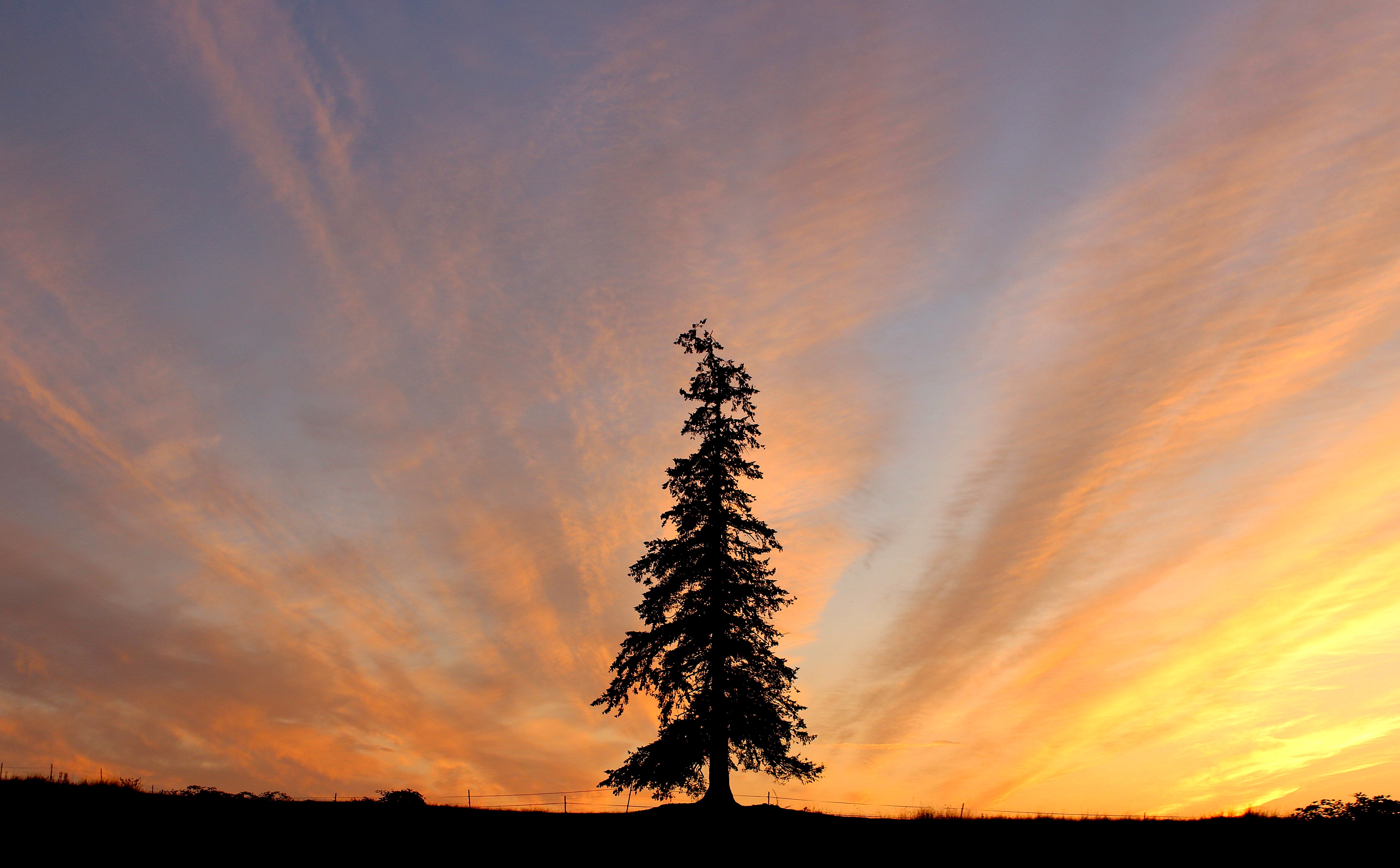
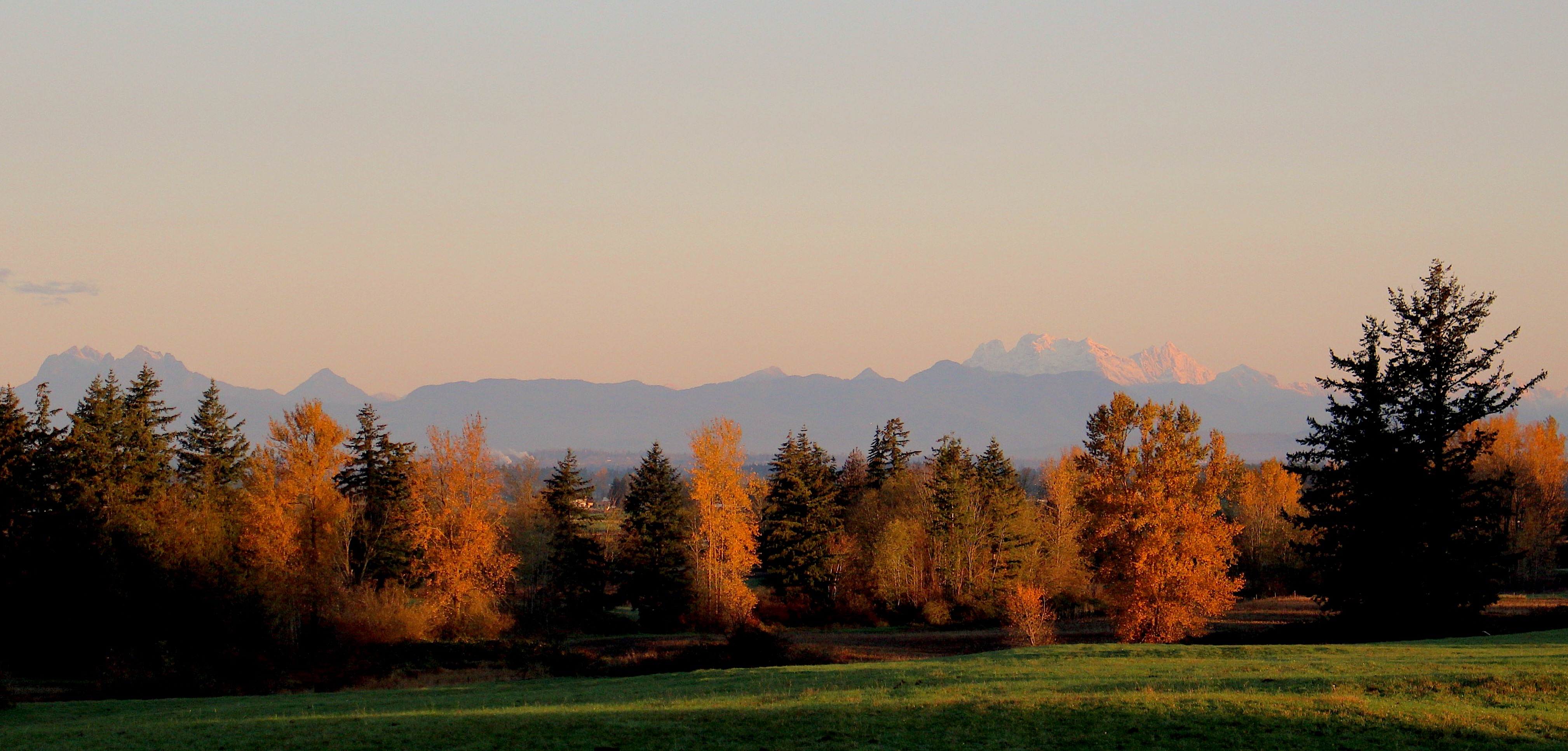
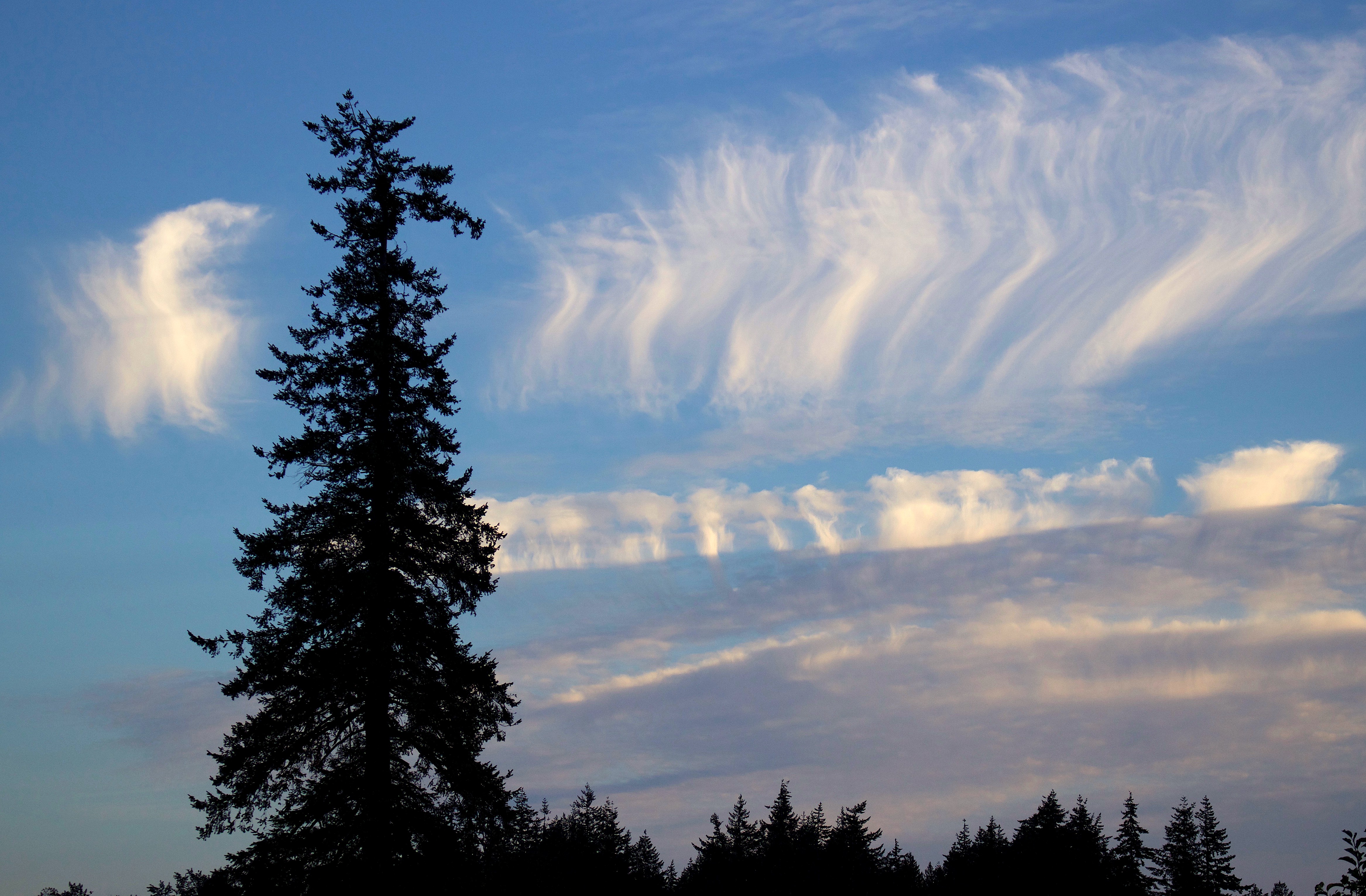
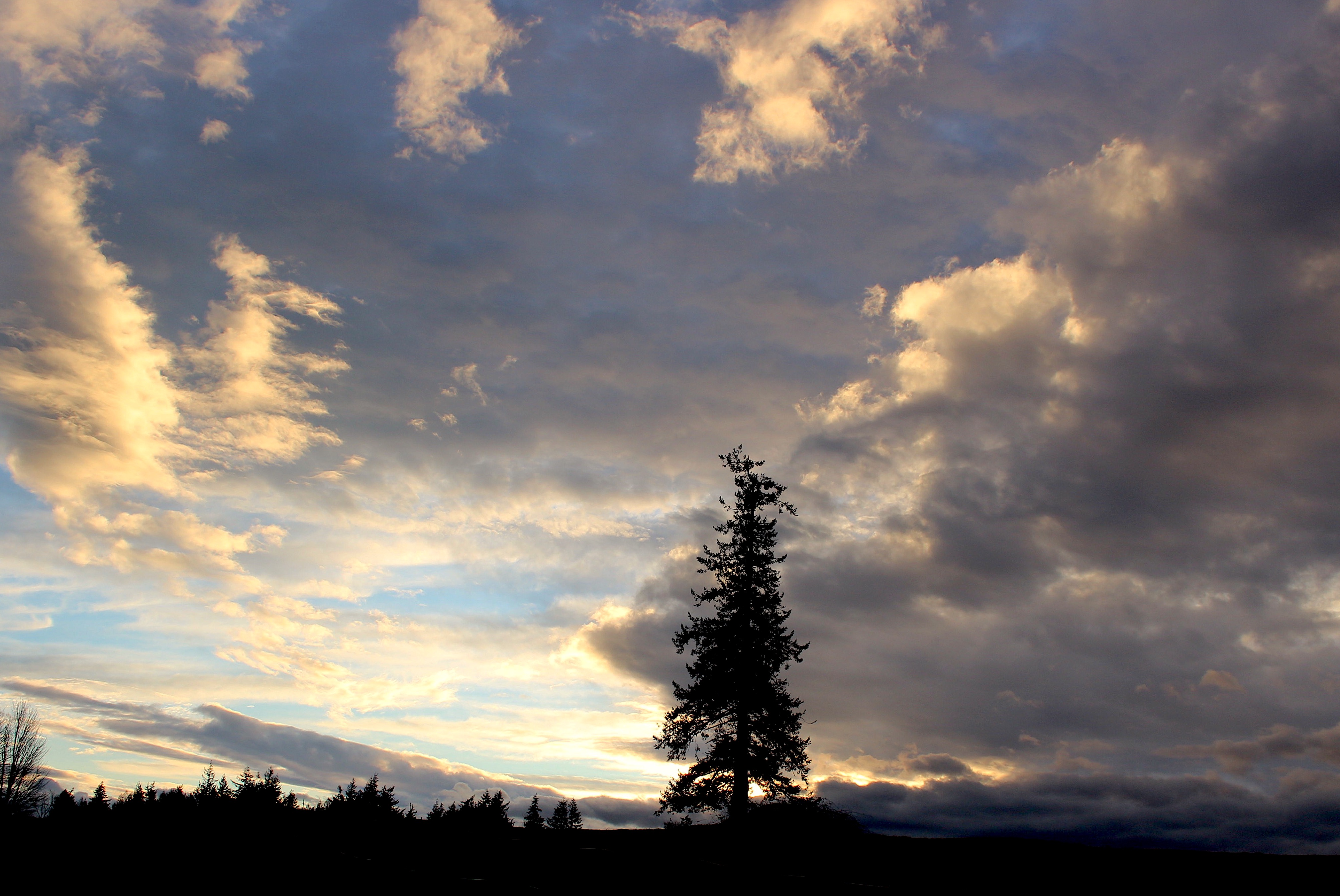
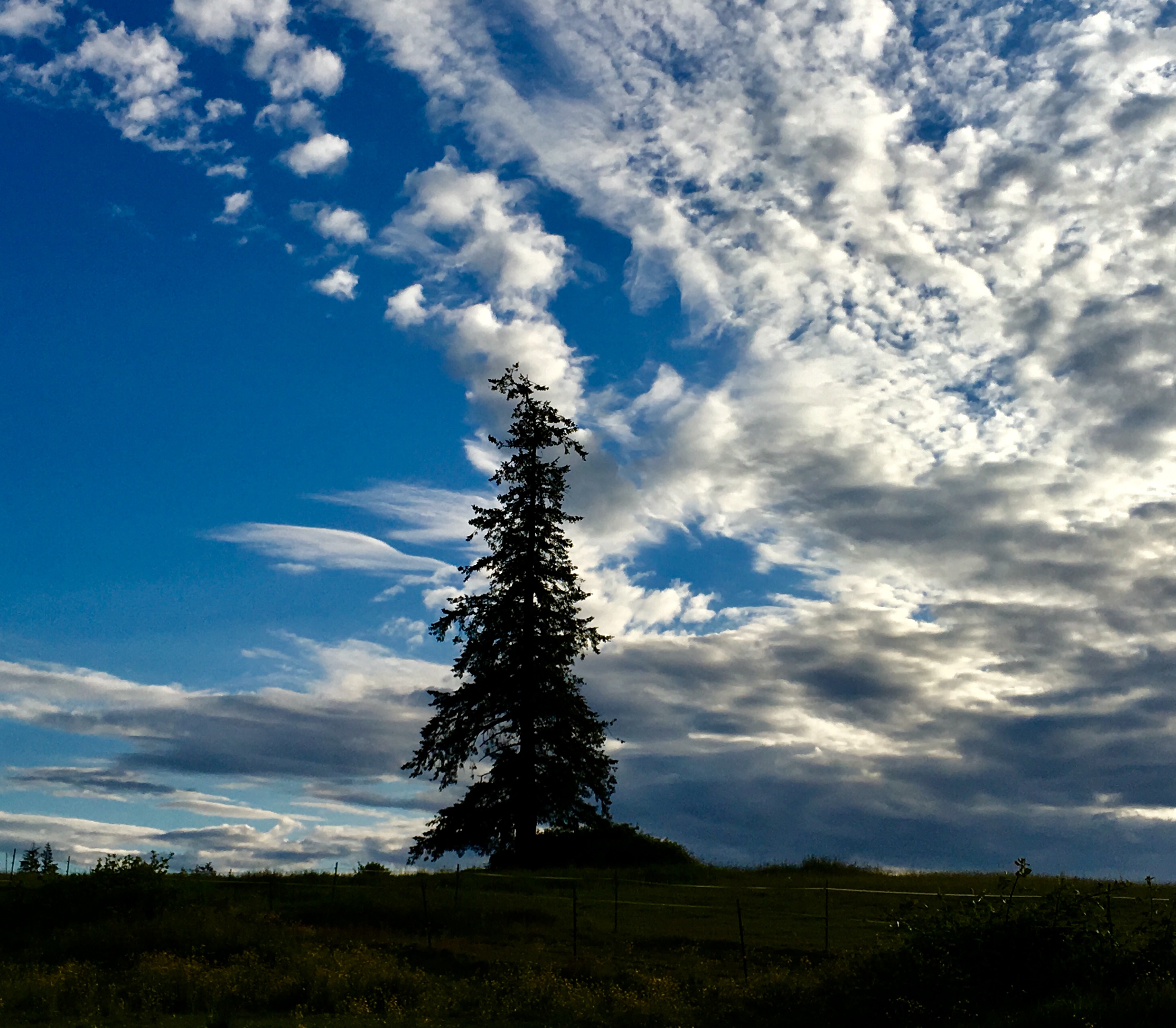
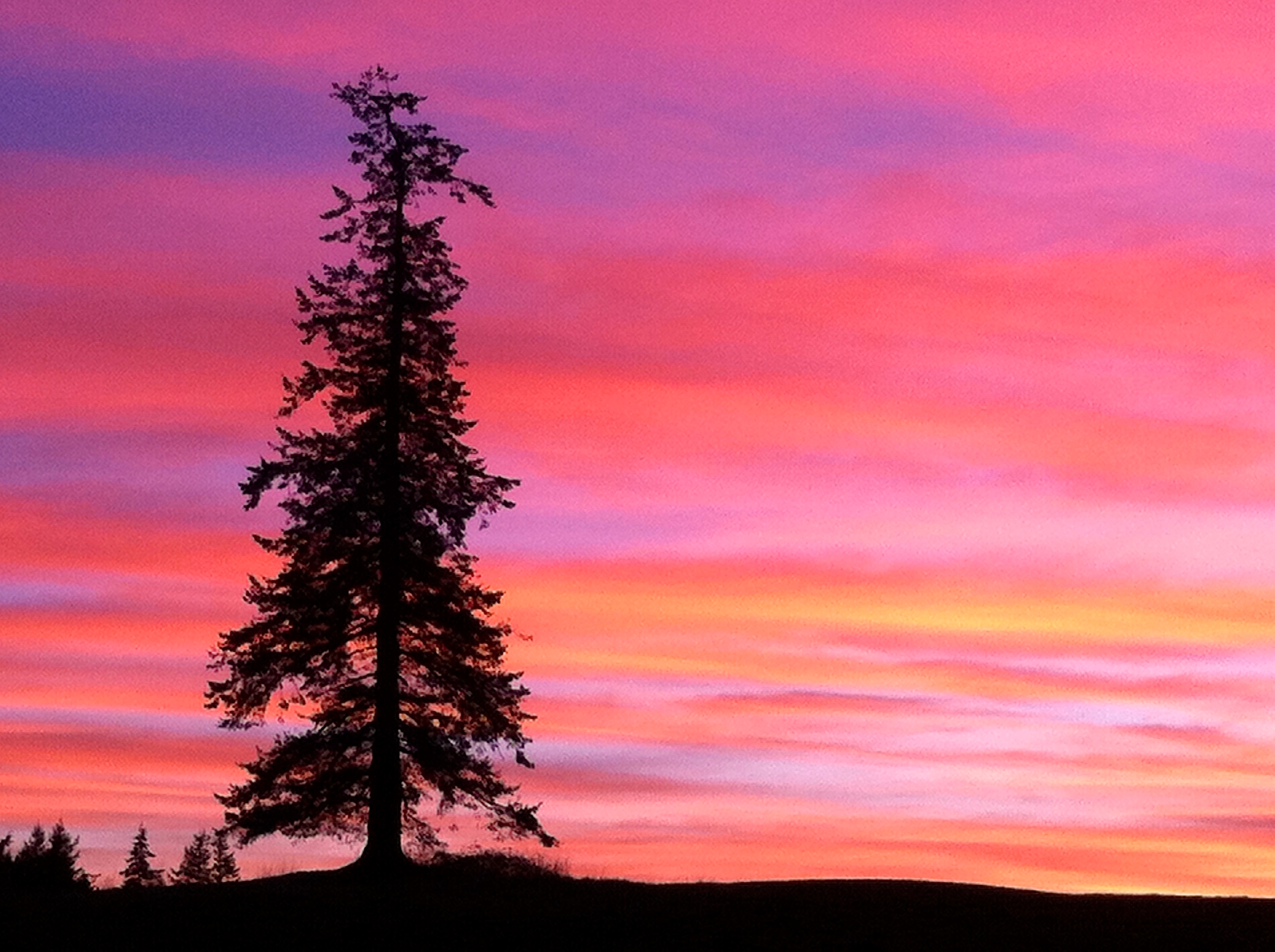
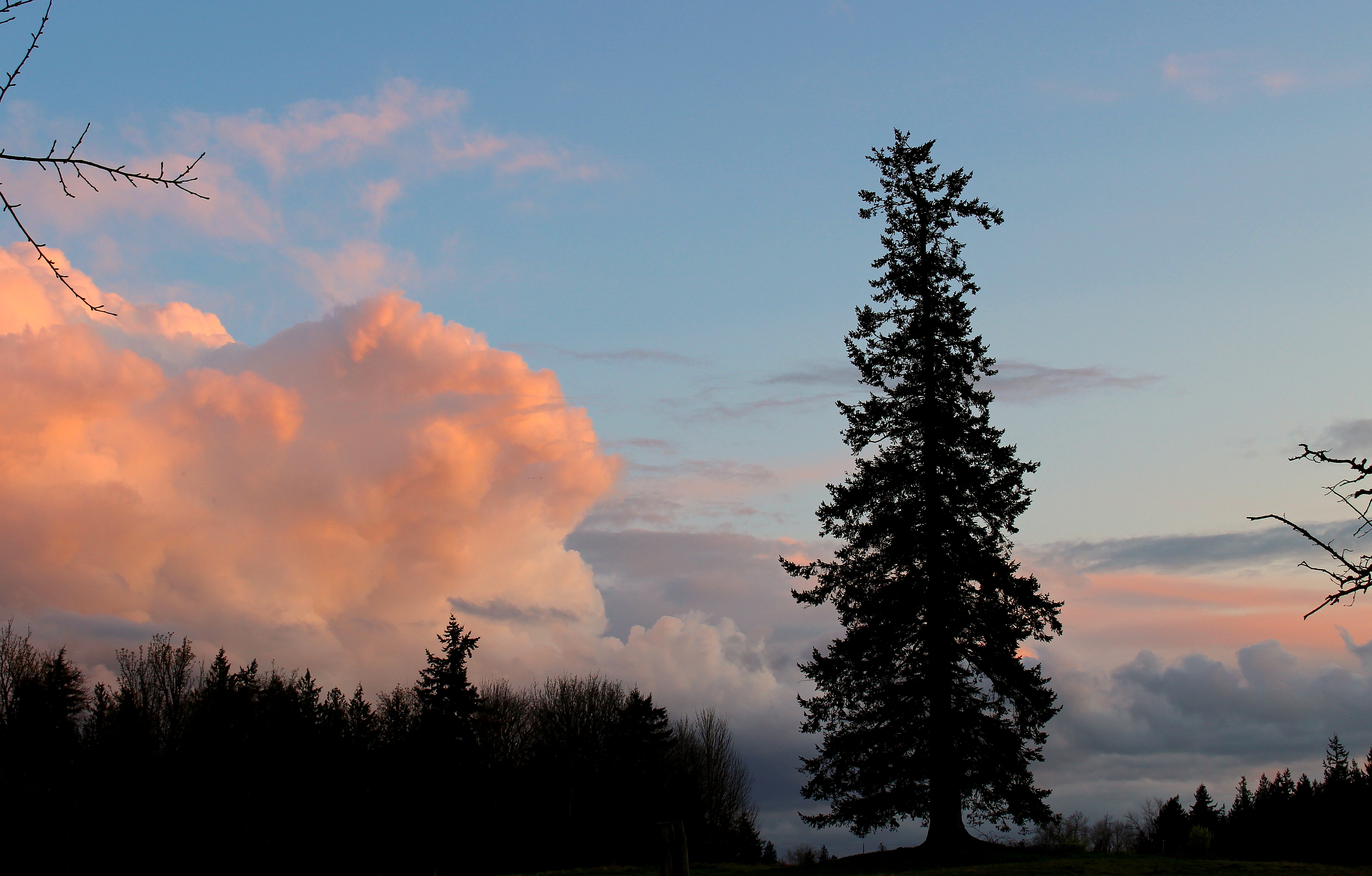
Slowly the west reaches for clothes of new colors which it passes to a row of ancient trees. You look, and soon these two worlds both leave you one part climbs toward heaven, one sinks to earth.
leaving you, not really belonging to either, not so hopelessly dark as that house that is silent, not so unswervingly given to the eternal as that thing that turns to a star each night and climbs–
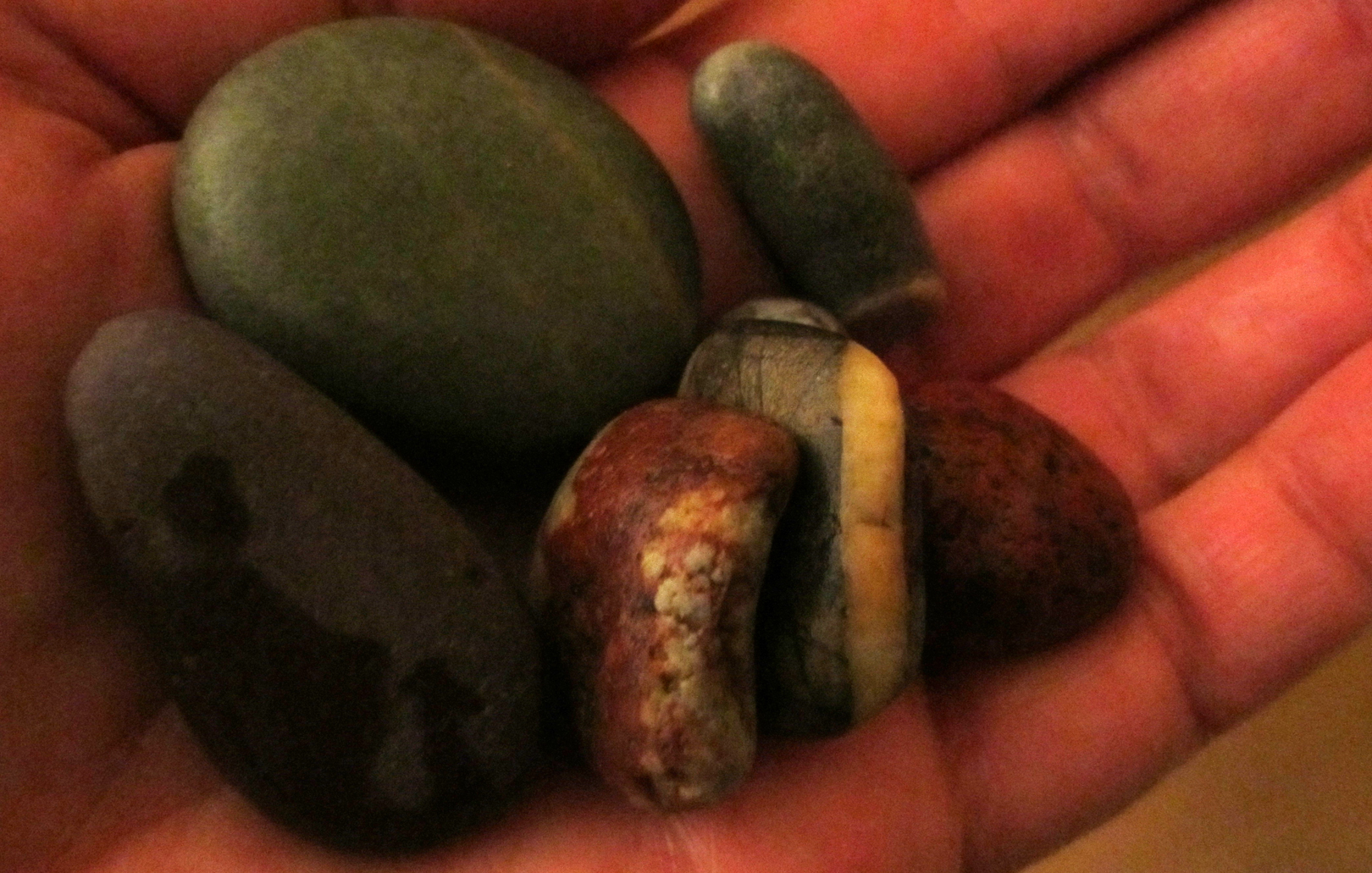
leaving you (it is impossible to untangle the threads) your own life, timid and standing high and growing, so that, sometimes blocked in, sometimes reaching out, one moment your life is a stone in you, and the next, a star. ~Rainer Maria Rilke “Sunset” (Trans. by Robert Bly) from The Soul is Here for Its Own Joy
We, frail people that we are, live out our lives between heaven and earth, sometimes in an uneasy tug-of-war between the two. We feel not quite ready for heaven as our roots go deep here, yet the challenges of daily life on this soil can seem overwhelmingly difficult and we seek relief, begging for mercy.
As we struggle to stay healthy during a spreading pandemic, it is frightening to watch others suffer as death tolls rise. We pray for safety for ourselves and those we love, knowing we are living “in between” where we are now and where we soon will be.
Shall we remain stones on the ground, still and lifeless, or are we destined to become a star glistening in the firmament?
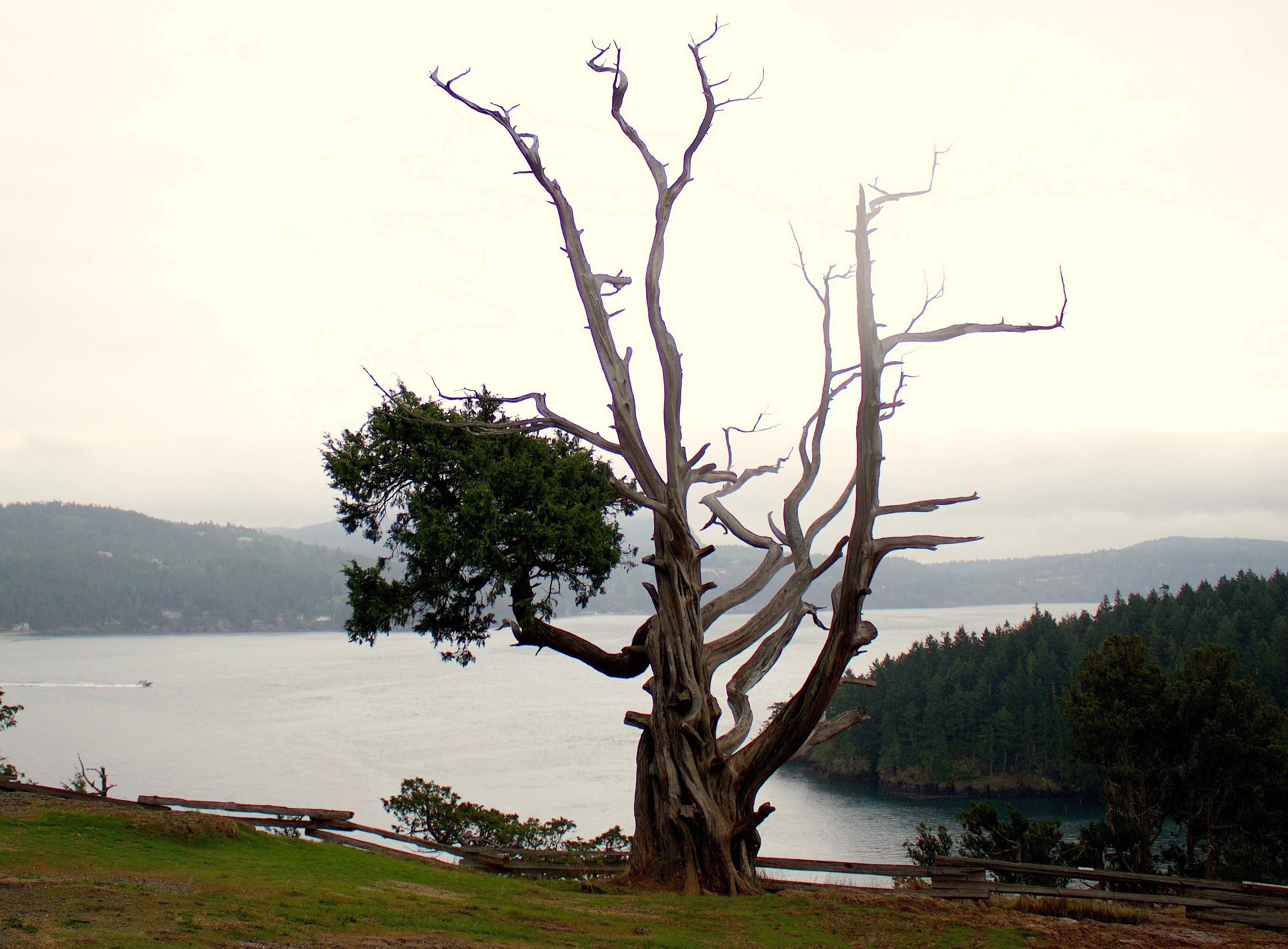
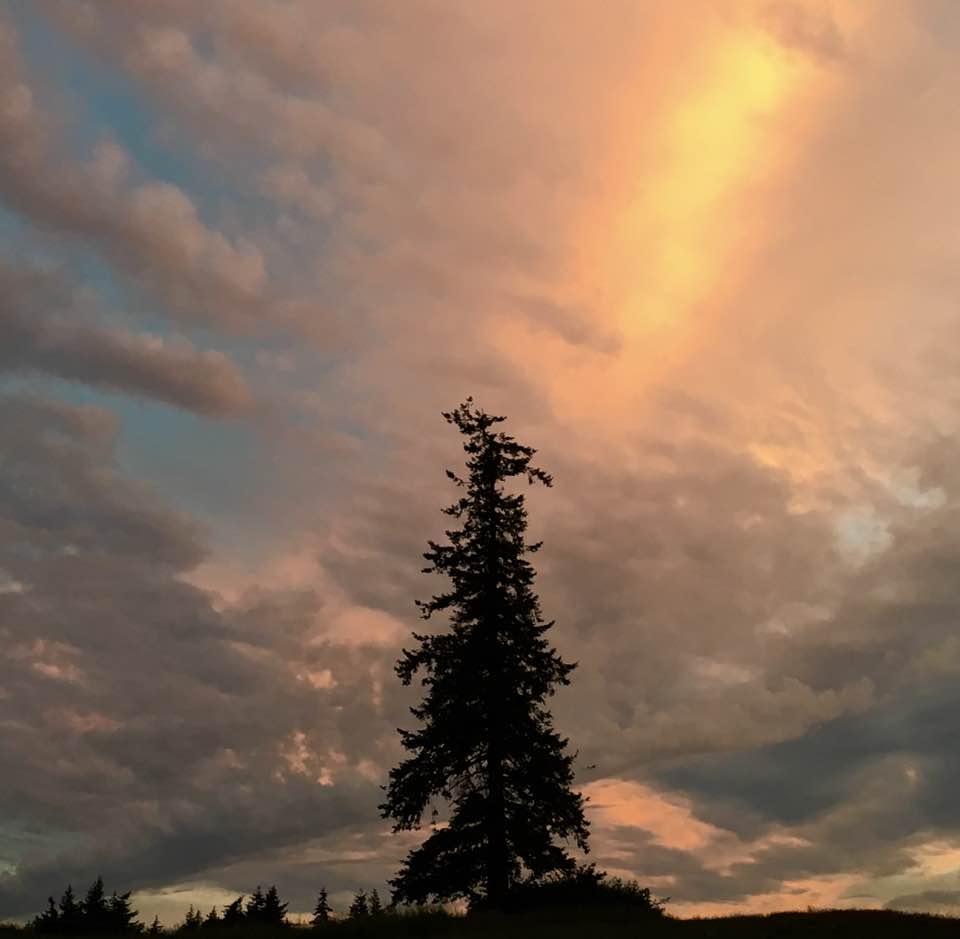
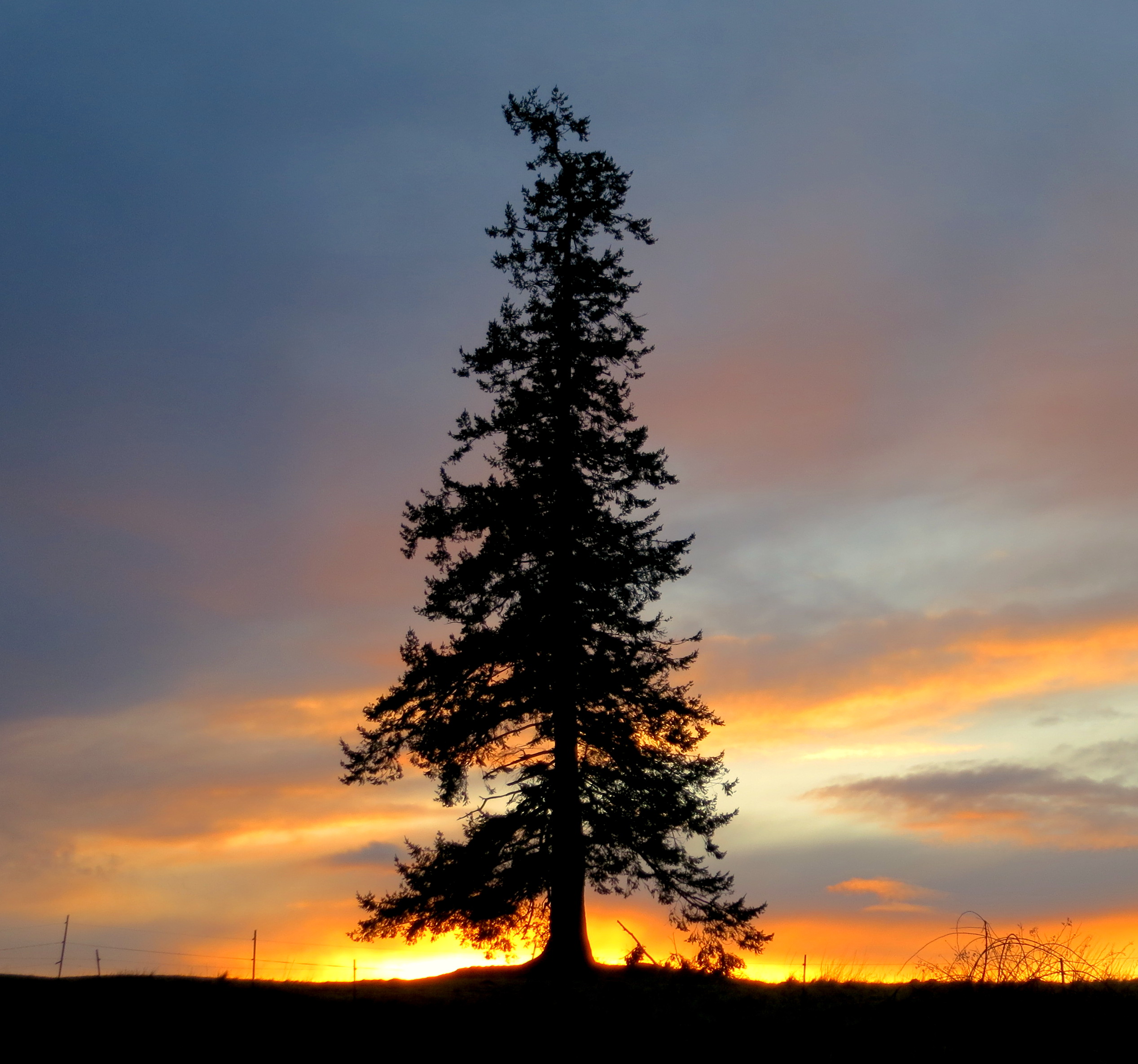
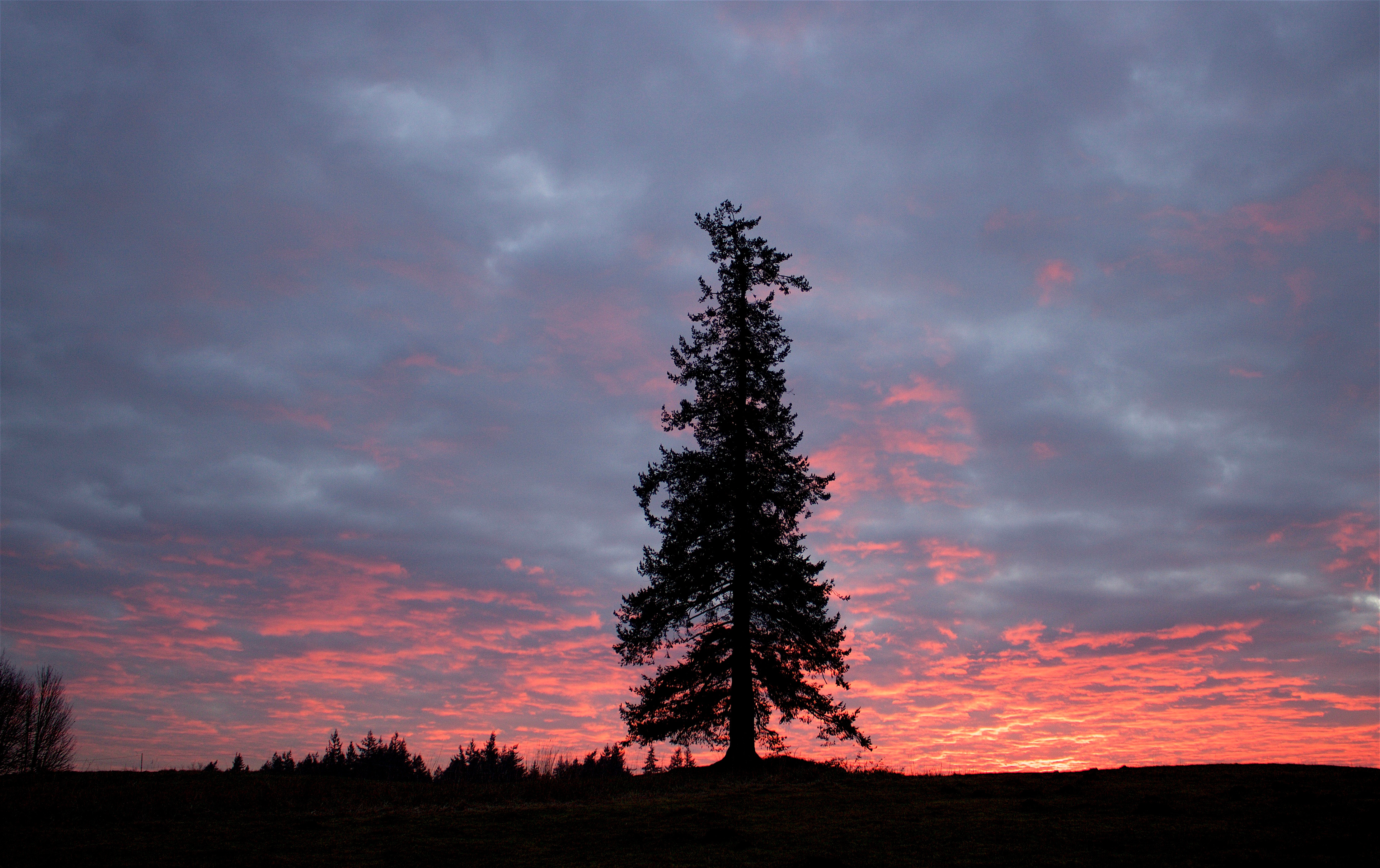
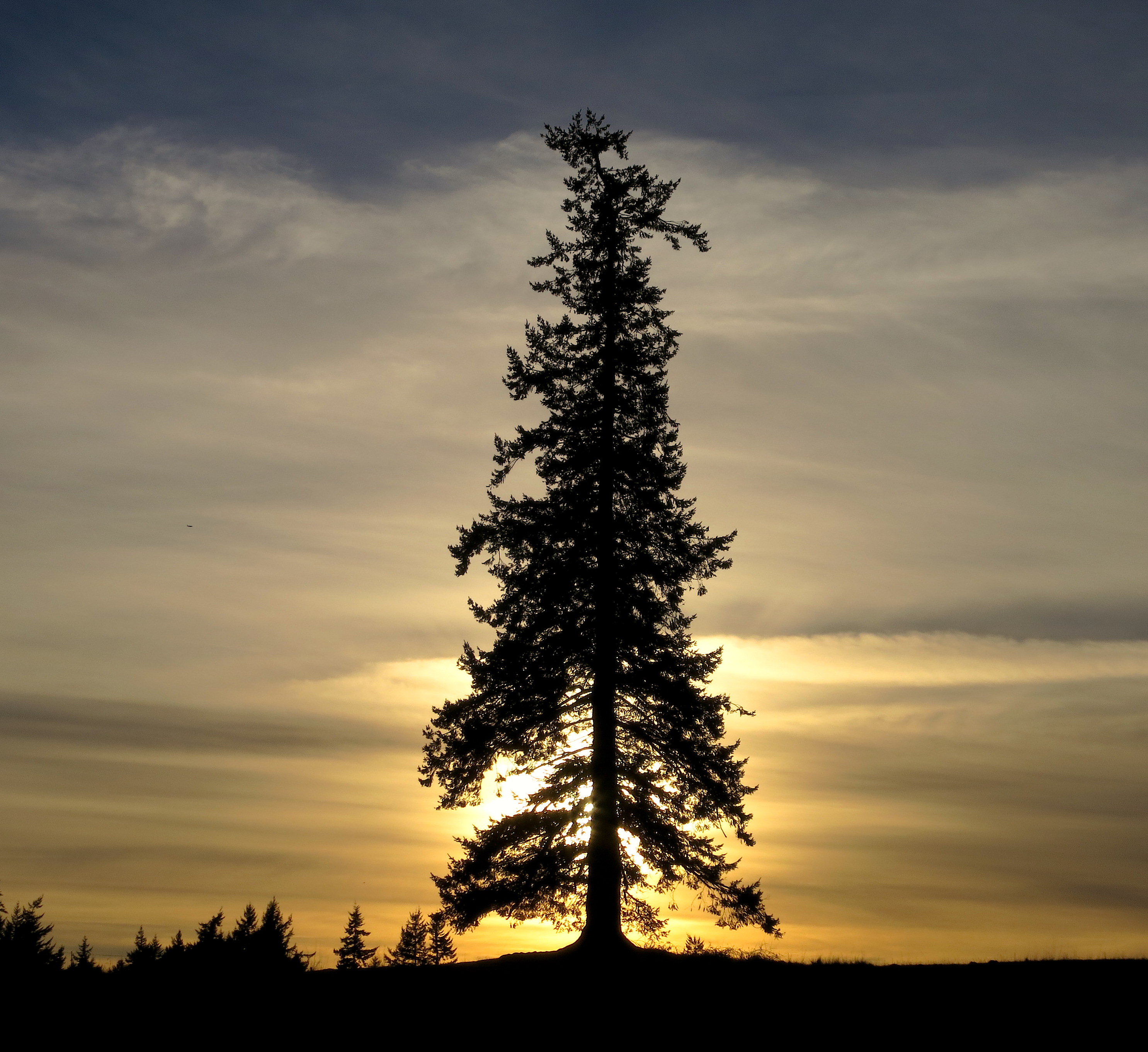
Or are we like a tree stretching between soil and sky trying to touch both and remain standing while buffeted by forces beyond our control?
Christ the Son, on earth and in heaven, maintains an eternal connection to above and below. In His hands and under His protection, we are safe no matter where we are and where He takes us.
We can be mere stones no more.
This year’s Barnstorming theme for the season of Lent:
God sees us as we are, loves us as we are, and accepts us as we are. But by His grace, He does not leave us where we are. ~Tim Keller
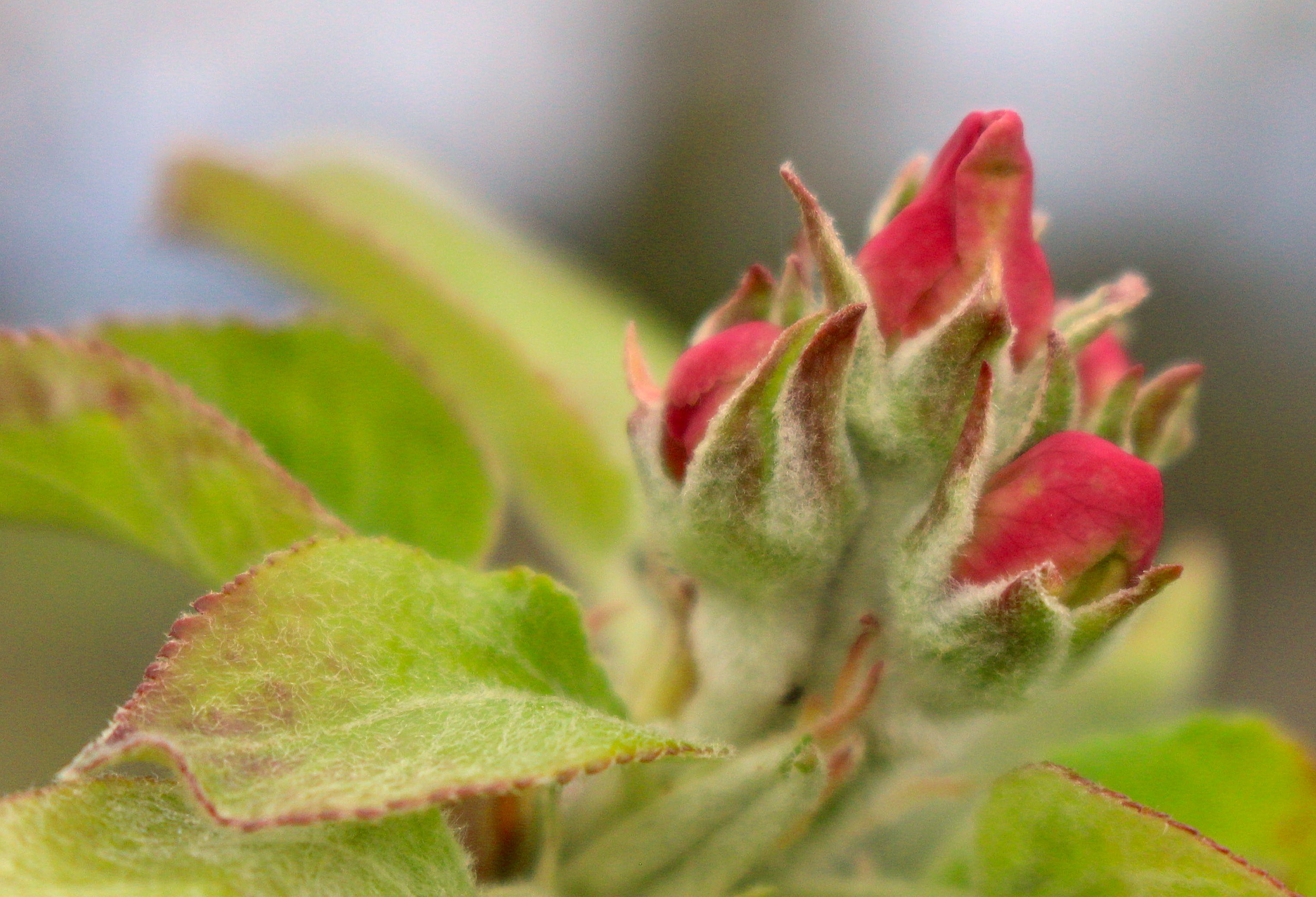
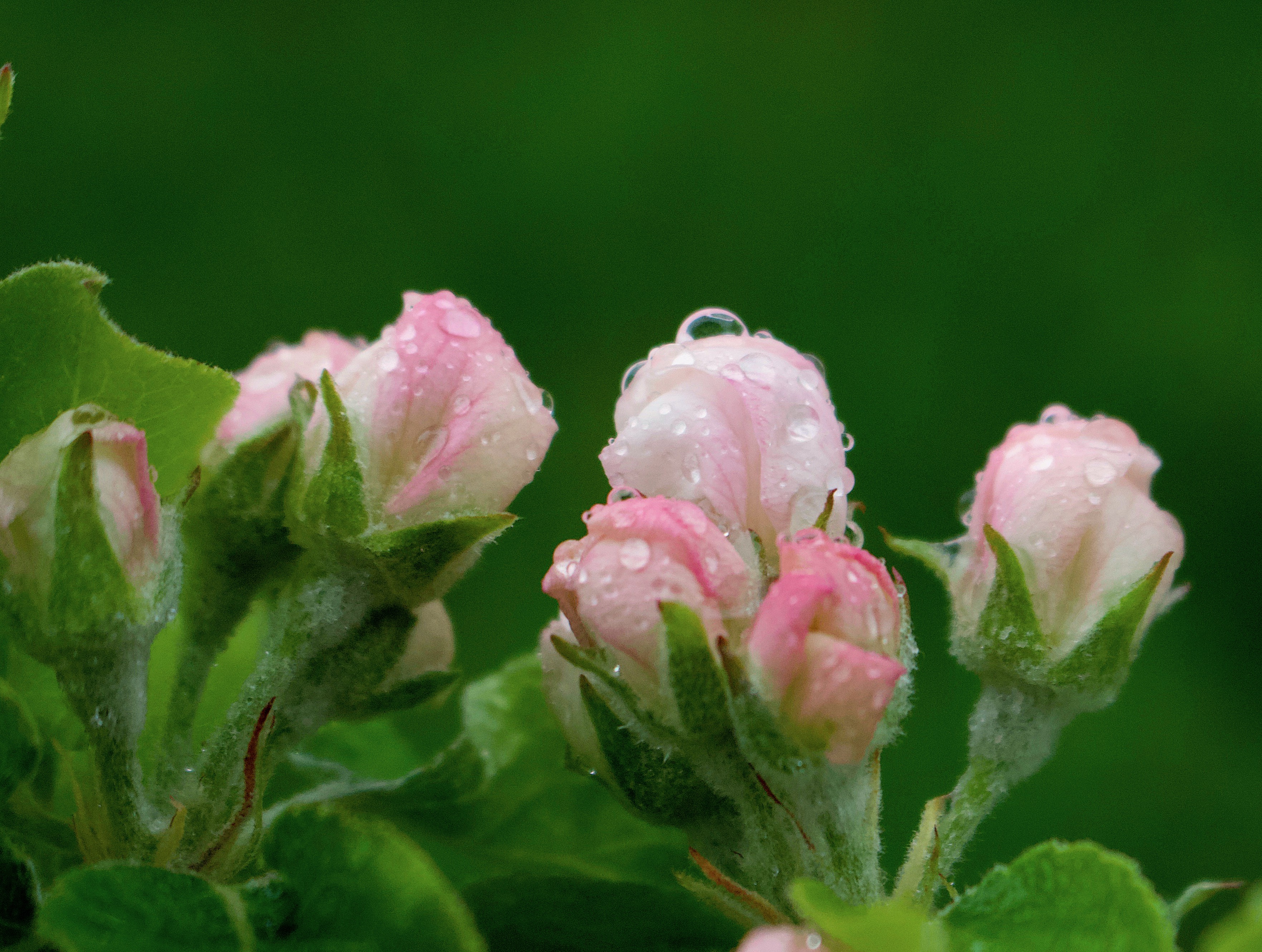
Even if I knew that tomorrow the world would go to pieces, I would still plant my apple tree. ~Martin Luther
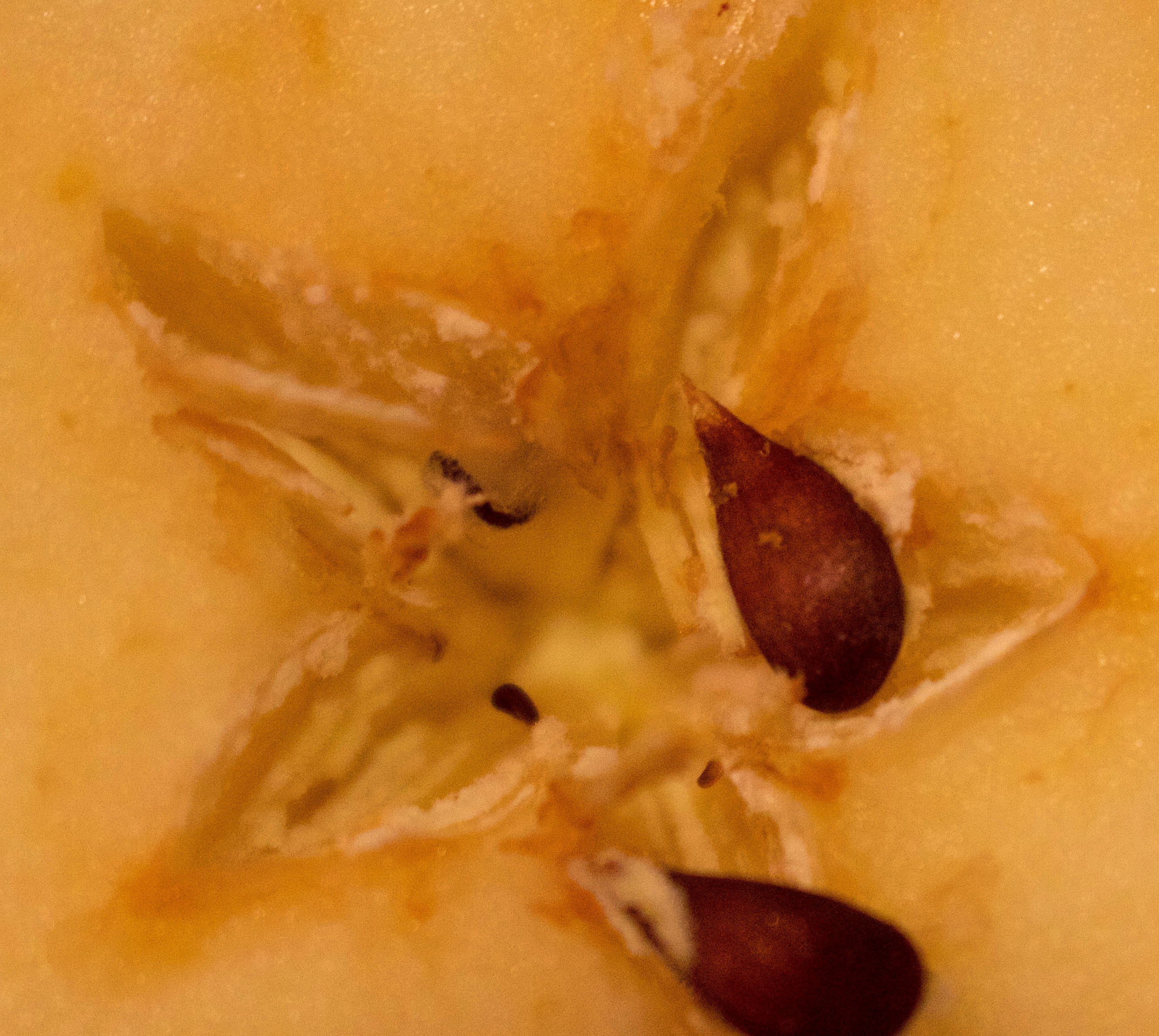
There is big excitement in C block today. On the window sill, in a plastic ice cream cup a little plant is growing. This is all the men want to talk about: how an apple seed germinated in a crack of damp concrete; how they tore open tea bags to collect the leaves, leached them in water, then laid the sprout onto the bed made of Lipton. How this finger of spring dug one delicate root down into the dark fannings and now two small sleeves of green are pushing out from the emerging tip. The men are tipsy with this miracle. Each morning, one by one, they go to the window and check the progress of the struggling plant. All through the day they return to stand over the seedling and whisper. ~Nancy Miller Gomez “Growing Apples”
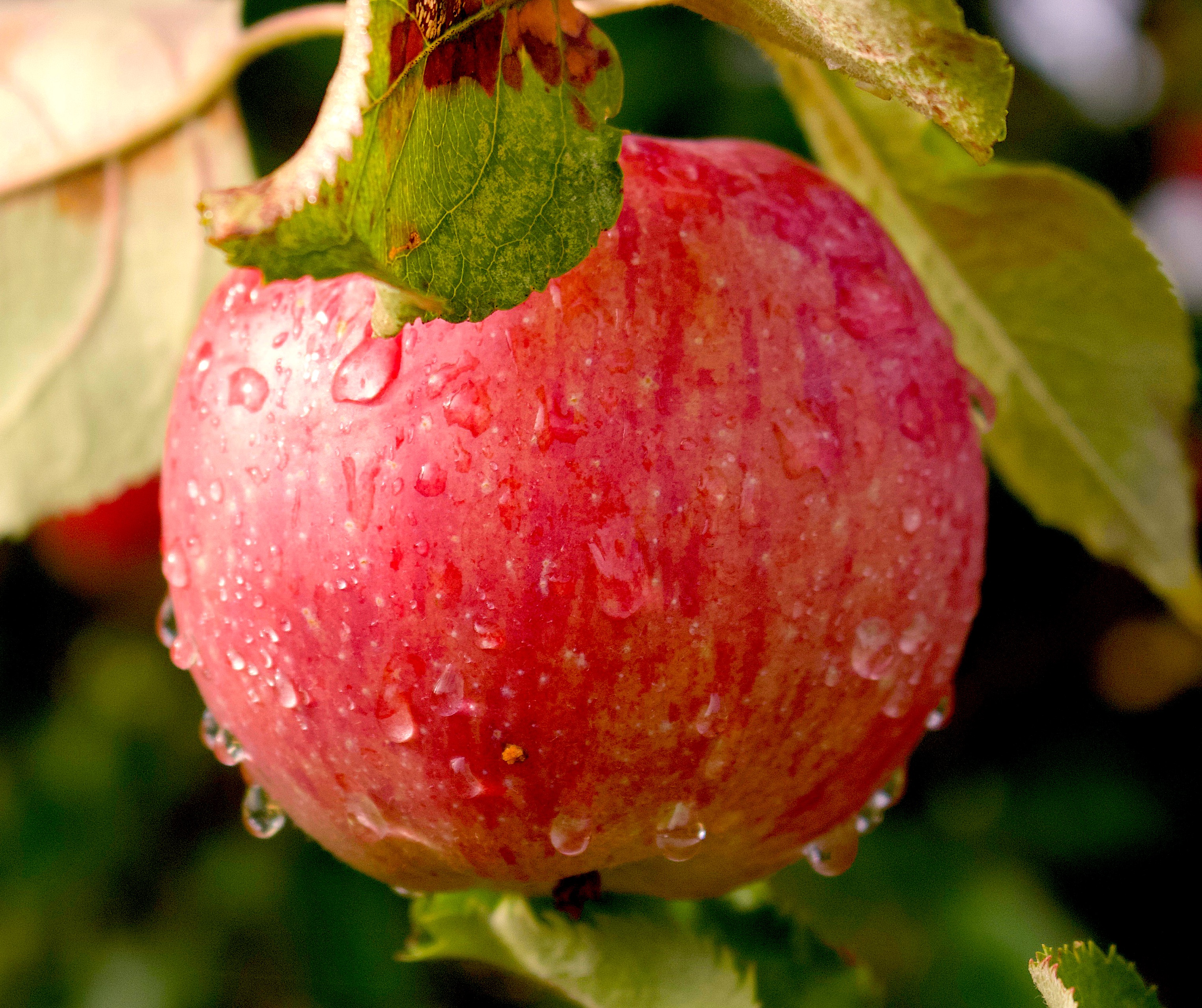
As a child I was fascinated by the early 1800’s story of John Chapman (aka Johnny Appleseed) who traveled on foot around the eastern United States creating nurseries of apple trees. When our family traveled in Ohio and Pennsylvania in the 1960s, we visited places that claimed to have apple trees planted by John Chapman. I marveled at how one little seed planted in such confident faith had the potential to produce decades of fruit and hope for generations of folk.
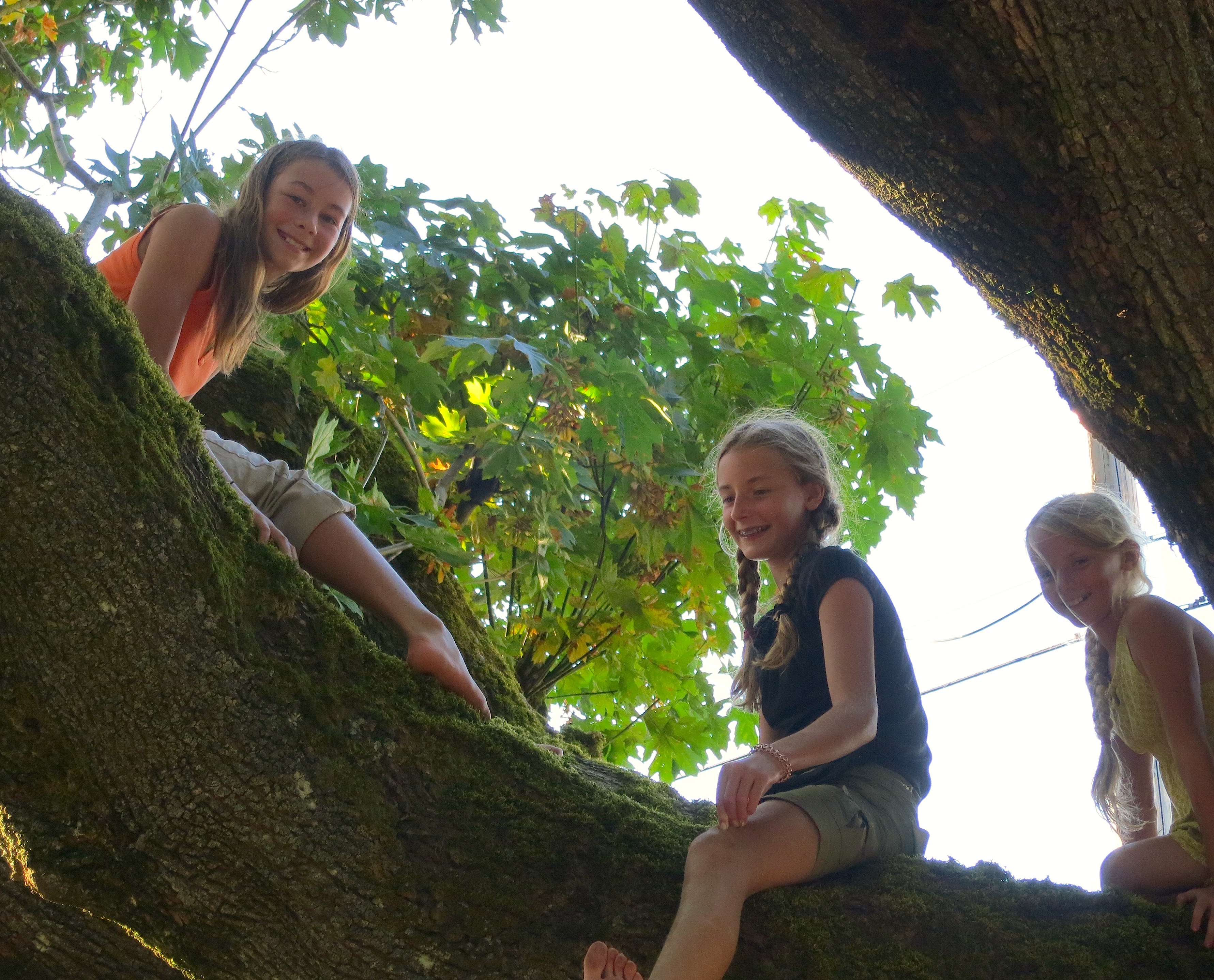
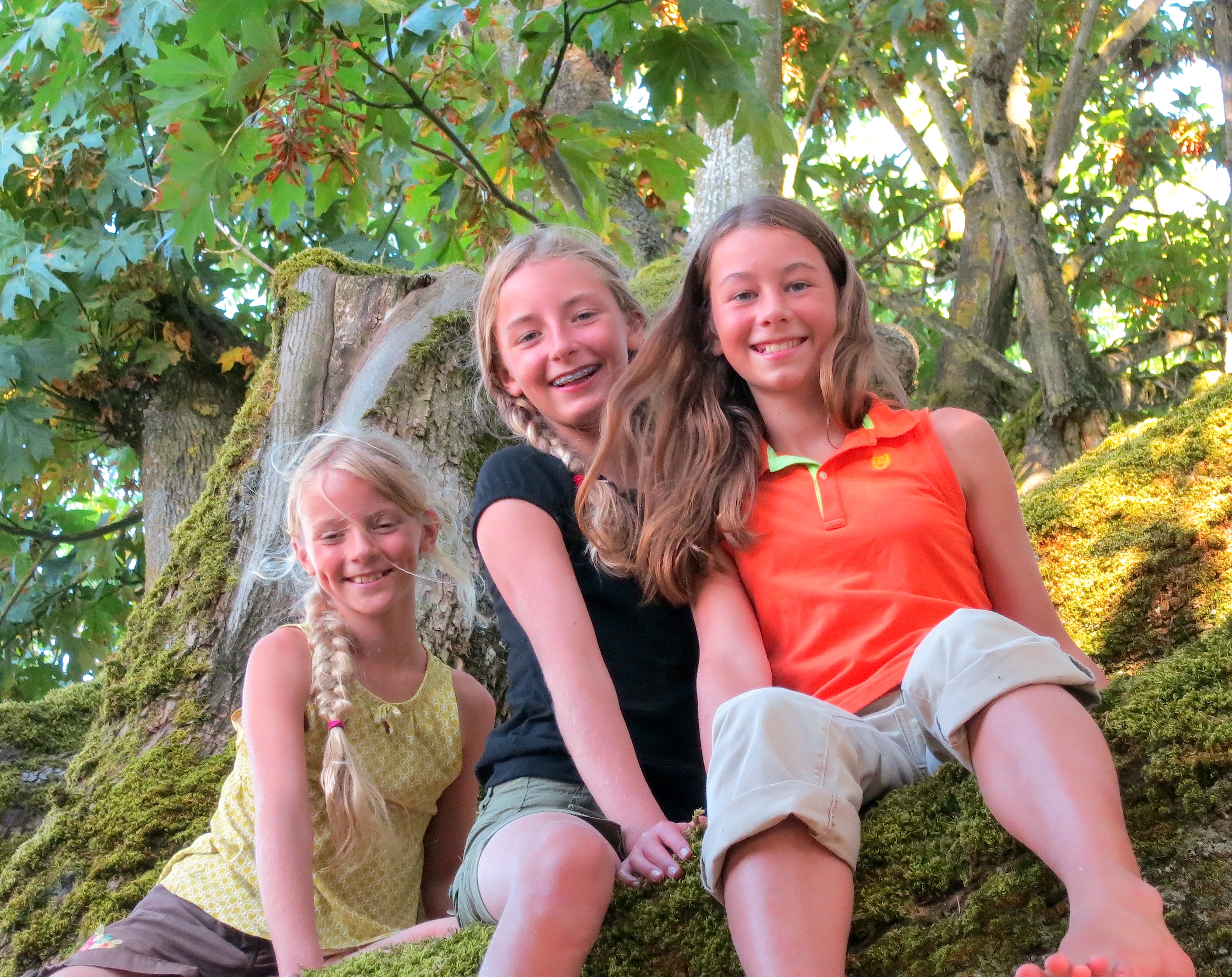
My two childhood farms had old apple trees–gravensteins and transparent varieties–good for climbing in and always great as scratching branches and shady snoozing spots for the horses and cows. One had a platform fort where I spent hours sitting munching on apple cores, surveying the fields and enjoying watching the animals standing beneath me, relaxed, napping, chewing cud and swatting flies.
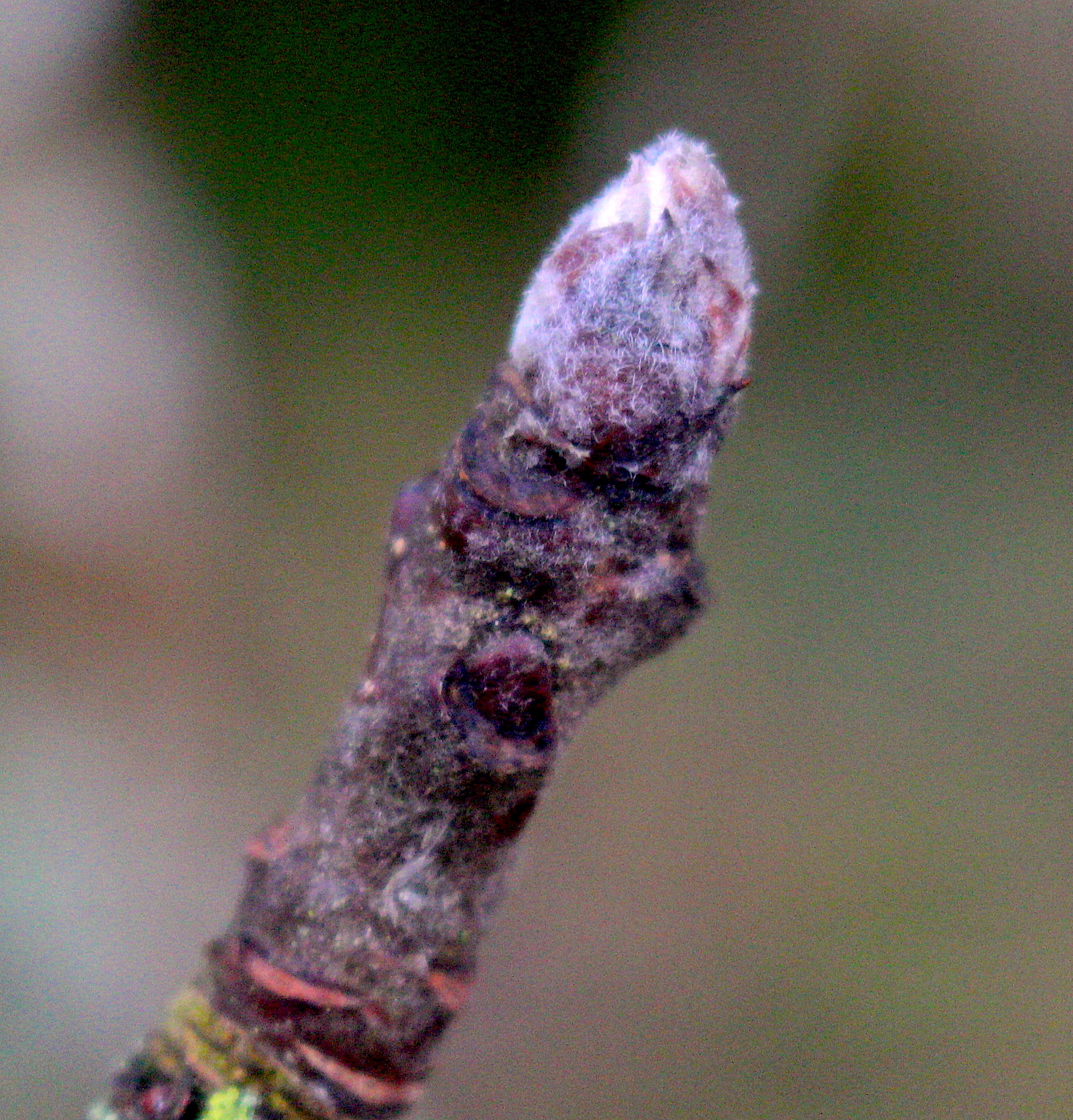
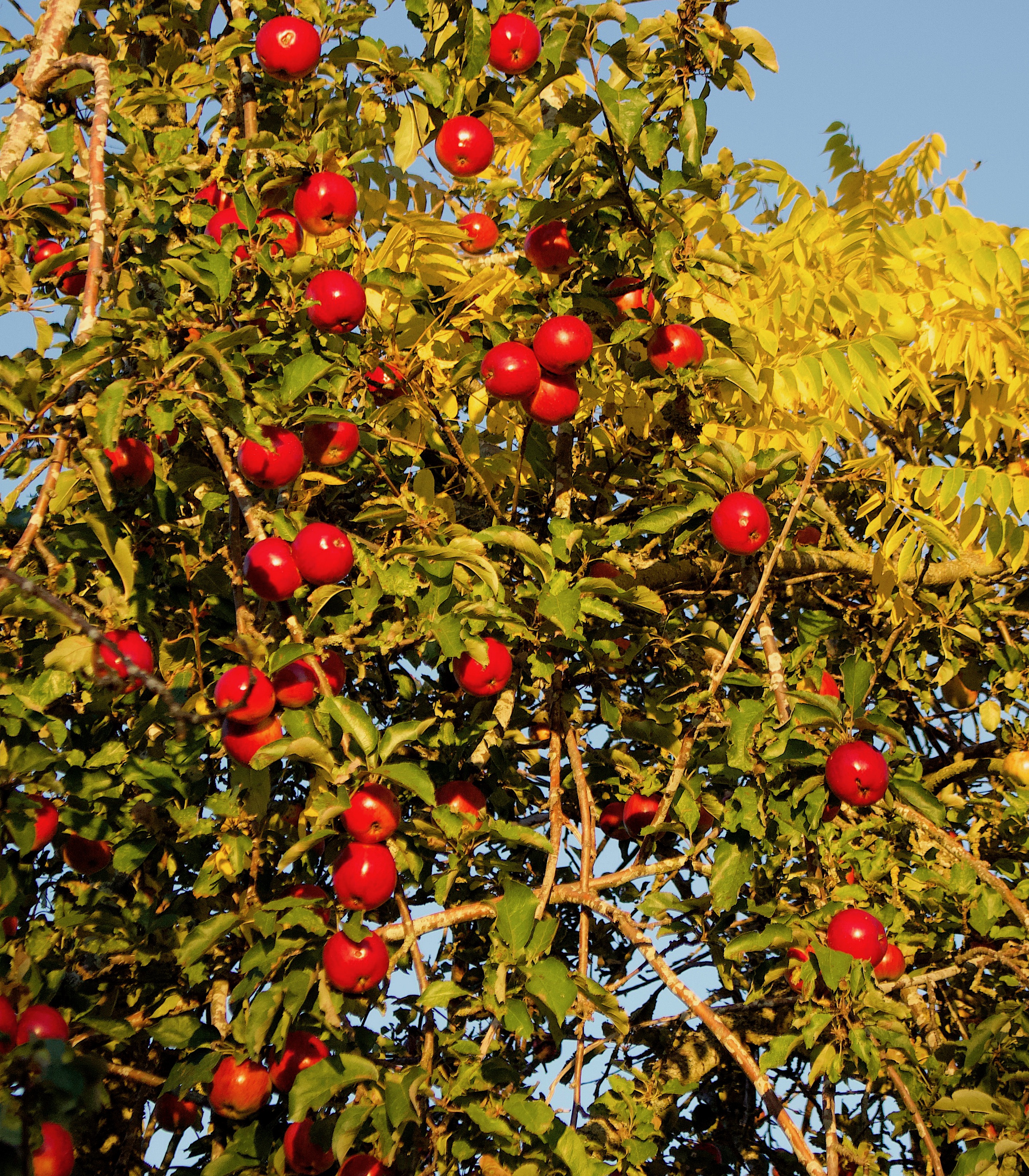
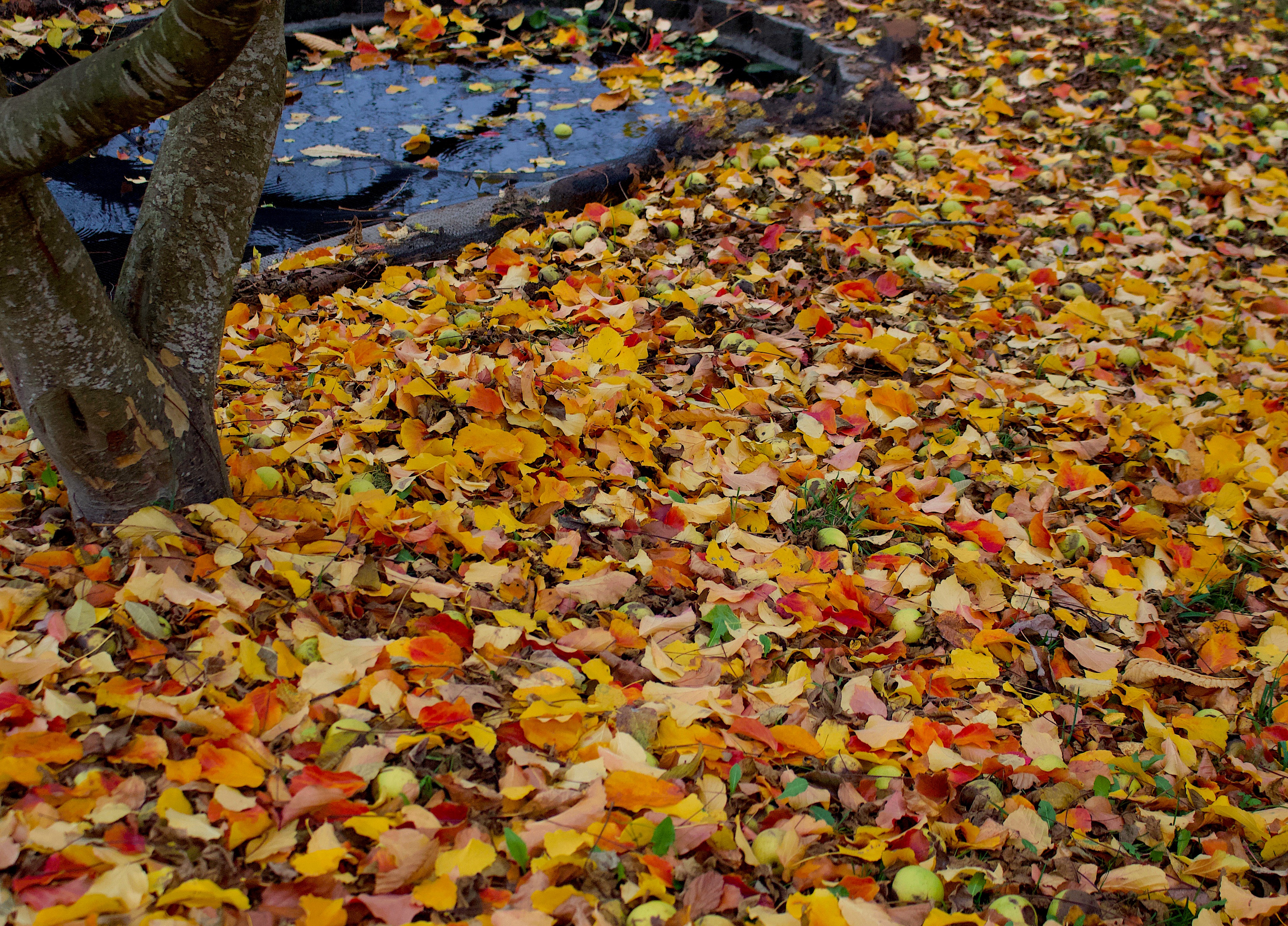
When we bought our farm here in Whatcom County over thirty years ago, there were left a few antique variety apple trees of a once vital orchard. They were aging, with bent and broken branches and hollowed trunks, but still continued to produce fruit, great for baking, sauce, cider and winter storage. We’ve lost a few of the old trees over the years to the wind and elements, though now nearly a century old, the survivors keep providing.
It seems God has accepted I follow my own appleseed trail, so no matter what may happen in my own life, if I’ve planted a seed that takes root, there will be fruit and hope for the future. The Lord Himself continues to plant seeds and words in the midst of a world going to pieces.
Some day fifty years from now, a kid sitting high up in the branches of an apple tree, contemplating life and its meaning, will have an apple to munch and words to chew.
“O the Lord is good to me and so I thank the Lord for giving me the things I need- the sun, the rain, and my appleseeds- the Lord is good to me!”
This year’s Lenten theme for Barnstorming:
God sees us as we are, loves us as we are, and accepts us as we are. But by His grace, He does not leave us where we are. ~Tim Keller
The tree of life my soul hath seen, Laden with fruit and always green: The trees of nature fruitless be Compared with Christ the apple tree.
His beauty doth all things excel: By faith I know, but ne’er can tell The glory which I now can see In Jesus Christ the apple tree.
For happiness I long have sought, And pleasure dearly I have bought: I missed of all; but now I see Tis found in Christ the apple tree.
I’m weary with my former toil, Here I will sit and rest awhile: Under the shadow I will be, Of Jesus Christ the apple tree.
This fruit doth make my soul to thrive, It keeps my dying faith alive; Which makes my soul in haste to be With Jesus Christ the apple tree.
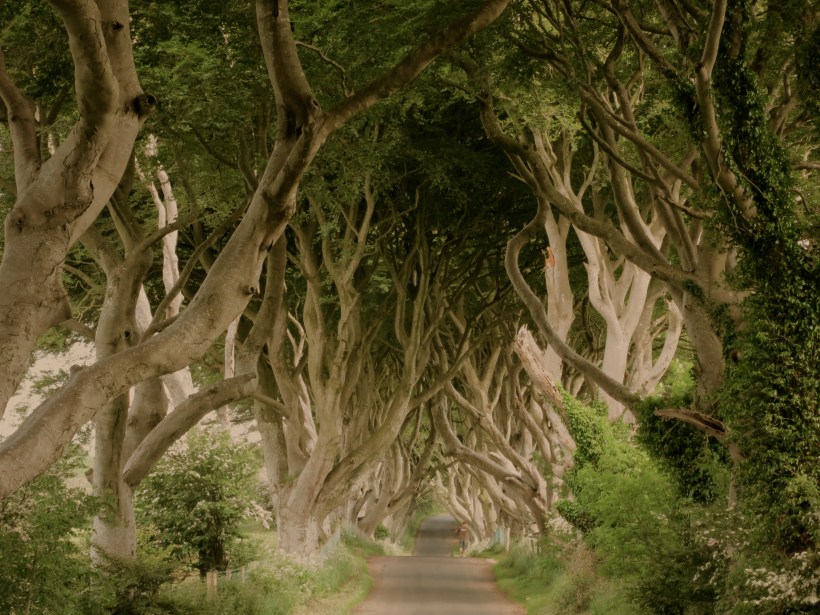
Our universe is not made up only of beautiful trees, but also of stunted ones. Yet each tree is important.
Television shows us movie stars, men and women with beautiful bodies and extravagant clothes. But that is not the reality of the majority of people!
The beauty of human beings lies in their capacity to accept who they are, just as they are; not to live in a world of dreams or illusions, in anger or despair, wanting to be other than they are, or trying to run away from reality. ~Jean Vanier from Seeing Beyond Depression
Long ago I gave up striving for perfect symmetry, strong shapely limbs, the straightest trunk, the most luscious foliage and colorful blooms.
Instead, my life is as fruitful as possible, even if I bend more in winter storms, my roots not anchored as deep, despite bare and broken branches, falling leaves, crooked trunk, and increasing lumpiness.
I try to provide the best of which I’m capable, with a minimum of scab, rot and hidden worms.
The promise of breathtaking beauty enriches and enlivens. It makes getting up in the morning worth the effort when we would rather hide our homeliness under the covers.
Yet nothing is as beautiful as the reality of broken people giving their all for other broken people.
It is for this we are created; our imperfections on display, continually pruned and refined to produce needed fruit, abundantly filling and ever so sweet.
When to the garden of untroubled thought I came of late, and saw the open door, And wished again to enter, and explore The sweet, wild ways with stainless bloom inwrought, And bowers of innocence with beauty fraught, It seemed some purer voice must speak before I dared to tread that garden loved of yore, That Eden lost unknown and found unsought.
Then just within the gate I saw a child,— A stranger-child, yet to my heart most dear,— Who held his hands to me, and softly smiled With eyes that knew no shade of sin or fear: “Come in,” he said, “and play awhile with me; I am the little child you used to be.” ~Henry van Dyke, from The Poems of Henry van Dyke
Behind the house in a field there’s a metal box I buried full of childhood treasure, a map of my secret place, a few lead pennies from 1943. The rest I’ve forgotten, forgotten even the exact spot I covered with moss and loam.
Now I’m back and twenty years have made so little difference I suspect they never happened, this face in the mirror aged with pencil and putty. I suspect even the box has moved as a mole would move to a new place long ago. ~Dan Gerber “The Cache” from Particles
And this is where we went, I thought, Now here, now there, upon the grass Some forty years ago.
The days being short now, simply I had come To gaze and look and stare upon The thought of that once endless maze of afternoons. But most of all I wished to find the places where I ran
What’s happened to our boys that they no longer race And stand them still to contemplate Christ’s handiwork: His clear blood bled in syrups from the lovely wounded trees? Why only bees and blackbird winds and bending grass? No matter. Walk. Walk, look, and sweet recall.
I came upon an oak where once when I was twelve I had climbed up and screamed for Skip to get me down. It was a thousand miles to earth. I shut my eyes and yelled. My brother, richly compelled to mirth, gave shouts of laughter And scaled up to rescue me. “What were you doing there?” he said. I did not tell. Rather drop me dead. But I was there to place a note within a squirrel nest On which I’d written some old secret thing now long forgot.
{Now} I lay upon the limb a long while, thinking. I drank in all the leaves and clouds and weathers Going by as mindless As the days. What, what, what if? I thought. But no. Some forty years beyond!
I brought forth: The note.
I opened it. For now I had to know. I opened it, and wept. I clung then to the tree And let the tears flow out and down my chin. Dear boy, strange child, who must have known the years And reckoned time and smelled sweet death from flowers In the far churchyard. It was a message to the future, to myself. Knowing one day I must arrive, come, seek, return. From the young one to the old. From the me that was small And fresh to the me that was large and no longer new. What did it say that made me weep?
I remember you. I remember you. ~Ray Bradbury from “Remembrance”
This past weekend we drove the country roads where I grew up, now sixty years later, and though the trees are taller, it looked just as I remembered. The scattered houses on farms still standing, a bit more worn, the fields open and flowing as always, the turns and bends, the ups and downs of the asphalt lanes unchanged where once I tread with bicycle tires and sneakered feet.
My own childhood home a different color but so familiar as we drive slowly by, full of memories of laughter and games, long winter days and longer summer evenings full of its share of angry words and tears and eventual forgiveness.
I too left notes to my future self, in old barns, and lofts, and yes, in trees, but won’t go back to retrieve them. I remember what I wrote. My ten year old heart tried to imagine itself decades hence, what fears and joys would pass through like pumping blood, what wounds would I bear and bleed, what love and tears would trace my face?
I have not forgotten. No, I have never forgotten that I remember: this is me, as I was, and, deep down, still am.
With my arms raised in a vee, I gather the heavens and bring my hands down slow together, press palms and bow my head.
I try to forget the suffering, the wars, the ravage of land that threatens songbirds, butterflies, and pollinators.
The ghosts of their wings flutter past my closed eyes as I breathe the spirit of seasons, the stirrings in soil, trees moving with sap.
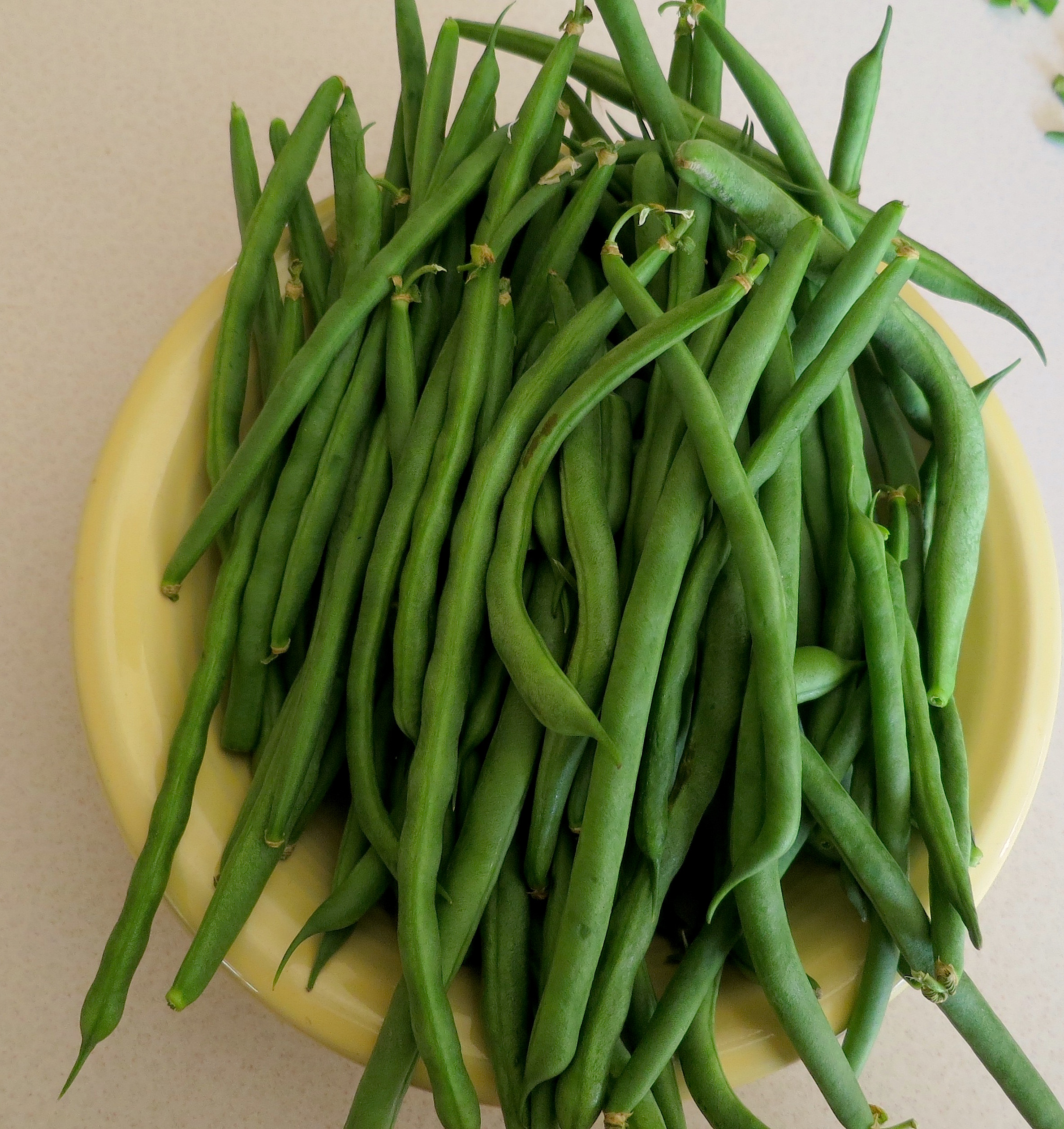
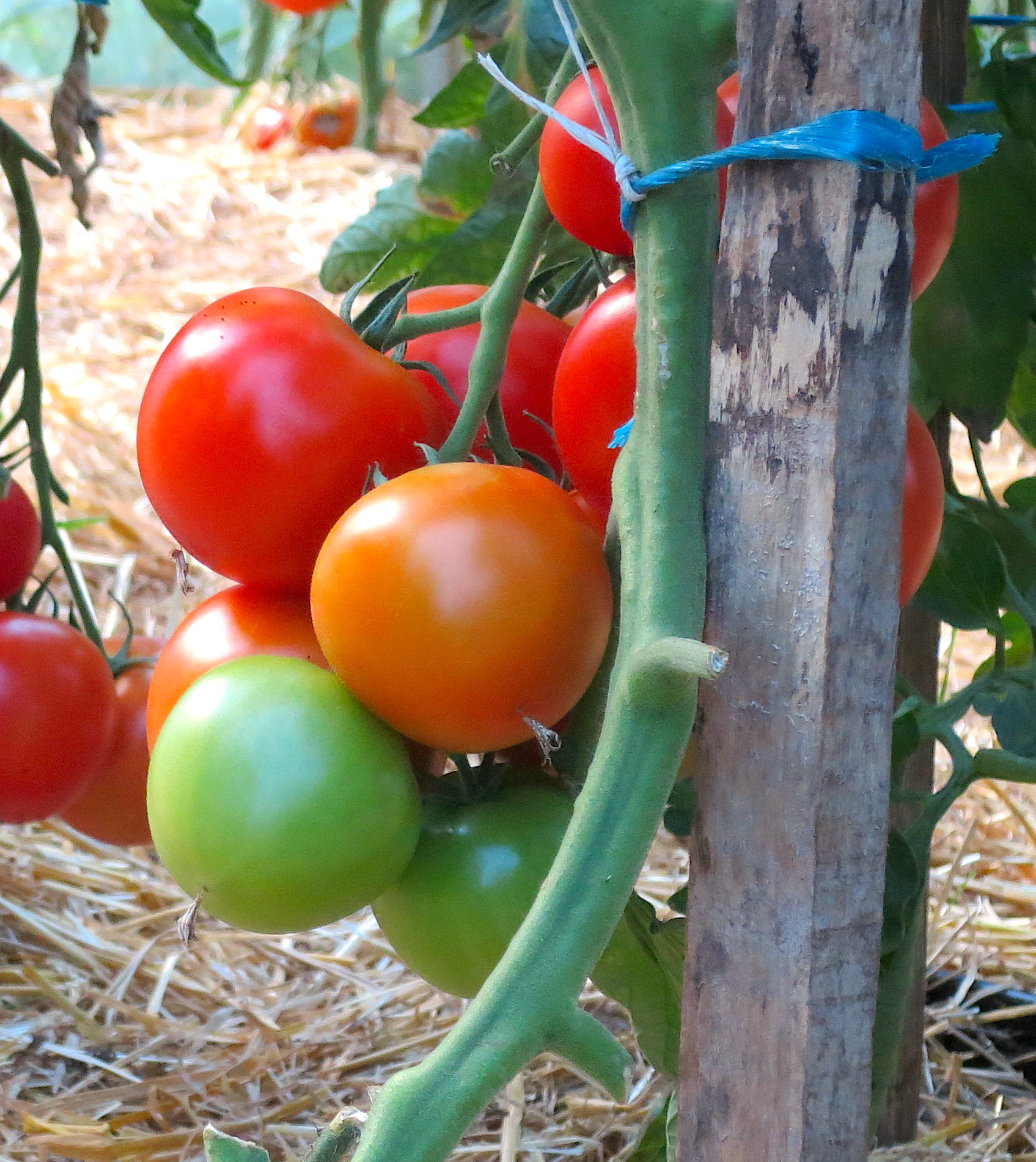
With my third eye, I conjure the red fox, its healthy tail, recount the good of this world, the farmer tending her tomatoes, the beans
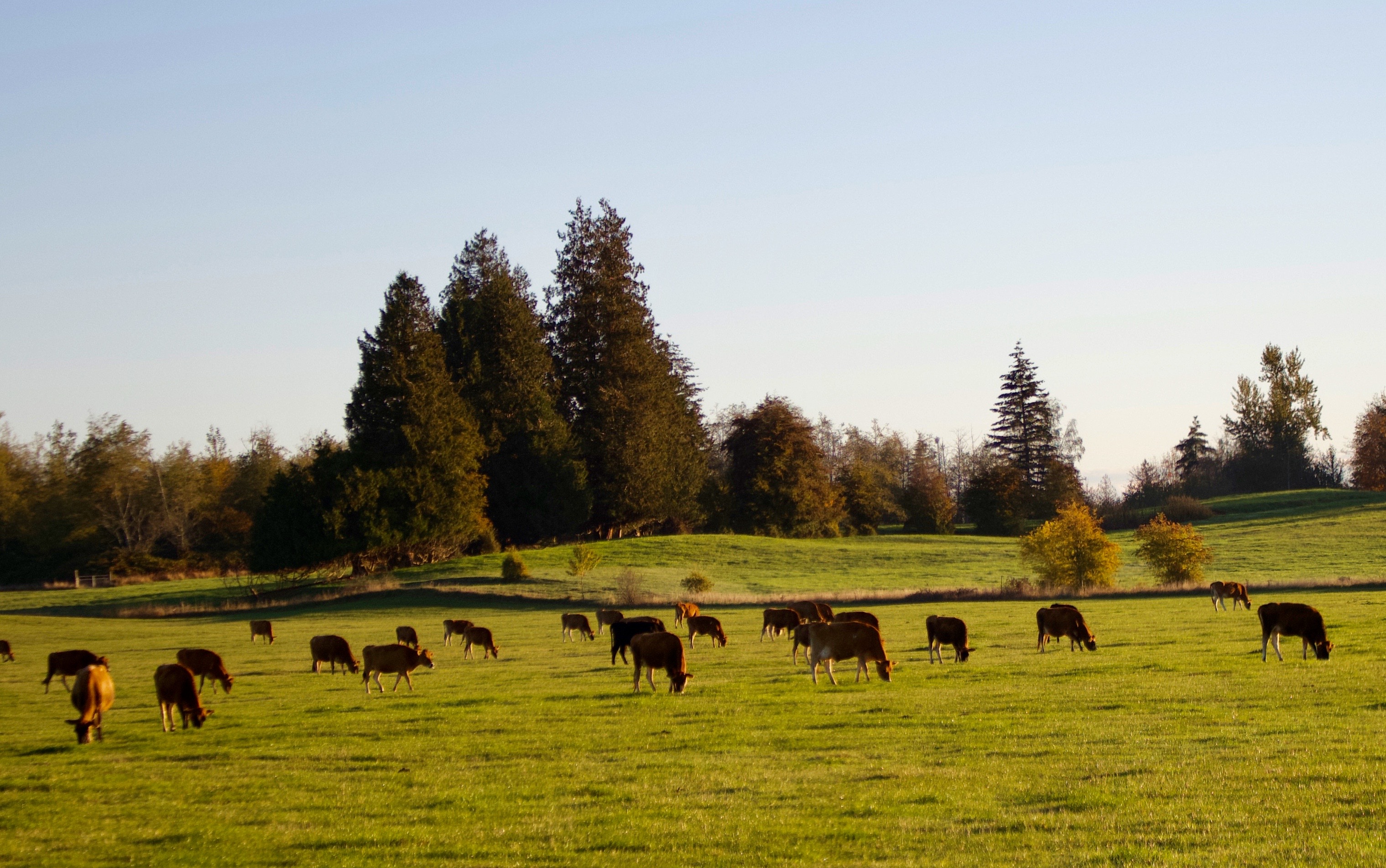
dazzled green al dente in butter, salt and pepper, cows munching on grass. The orb of sun-gold from which all bounty flows. ~Twyla M. Hansen “Trying to Pray” fromRock. Tree. Bird
There is much to pray about. The list is endless and the need overwhelming.
Where even to begin?
It is for good reason we are advised by Paul to “pray without ceasing” (the word in Greek is adialeiptos or “uninterruptedly”) in 1 Thessalonians 5:17.
It is not only when we audibly and in form, address our petitions to the Deity that we pray. We pray without ceasing. Every secret wish is a prayer. Every house is a church; the corner of every street is a closet of devotion. ~Ralph Waldo Emerson in his sermon: Pray Without Ceasing
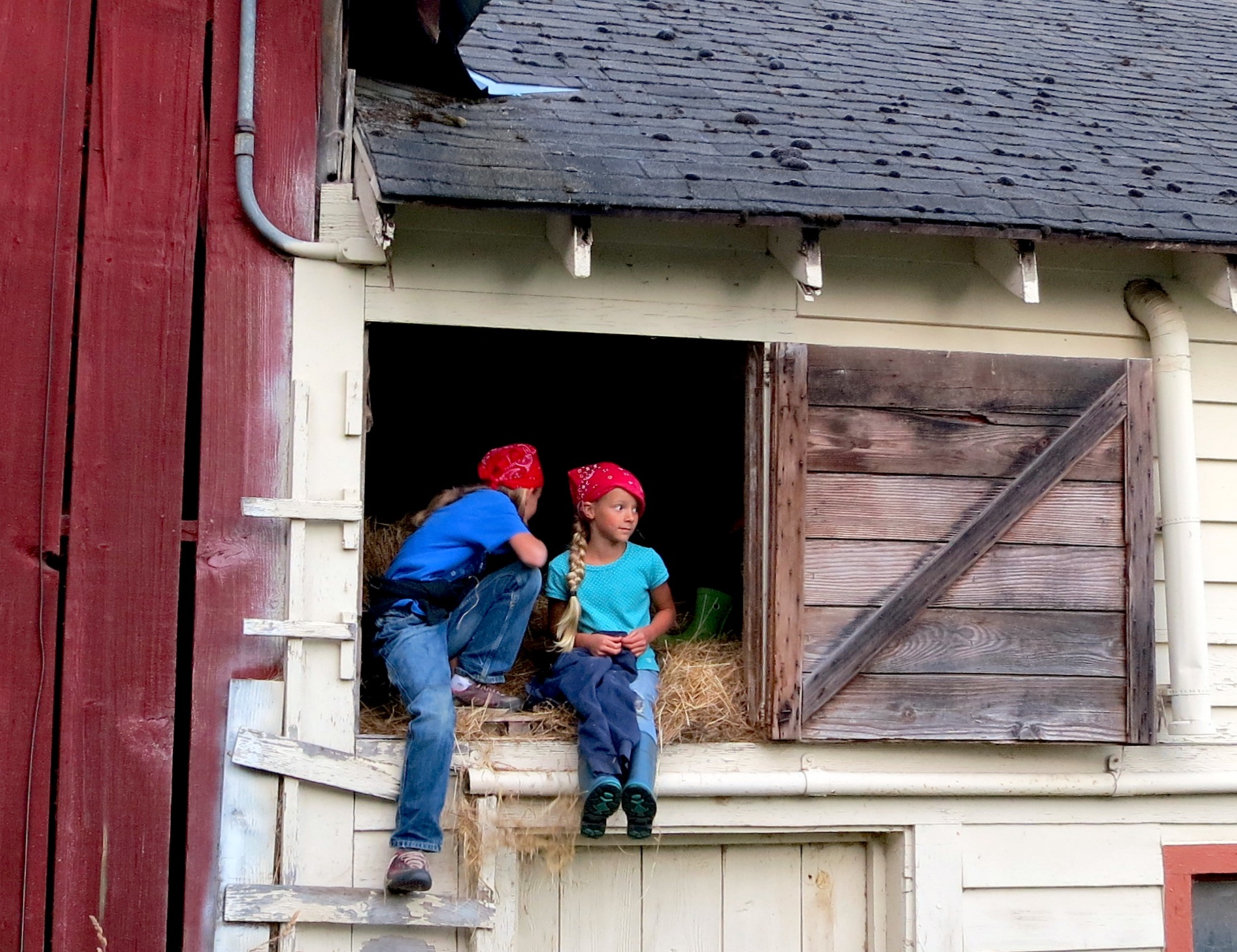
A farmer may have an addendum: every barn is a church, every moment kneeling and weeding the soil an act of devotion, every moment of care-taking God’s creation an act of sacramental obedience. Praying without ceasing in the course of one’s day.
Yet even before we clasp our hands together, we are told to “Rejoice always.” -Rejoice before complaining. -Rejoice before requesting. -Rejoice before losing heart.
Let me be breathing in the spirit of the seasons, overwhelmed by joy, before I talk with God. He knows which tears are which.
A silence slipping around like death, Yet chased by a whisper, a sigh, a breath, One group of trees, lean, naked and cold, Inking their crest ‘gainst a sky green-gold, One path that knows where the corn flowers were; Lonely, apart, unyielding, one fir; And over it softly leaning down, One star that I loved ere the fields went brown. ~Angelina Weld Grimke “A Winter Twilight”
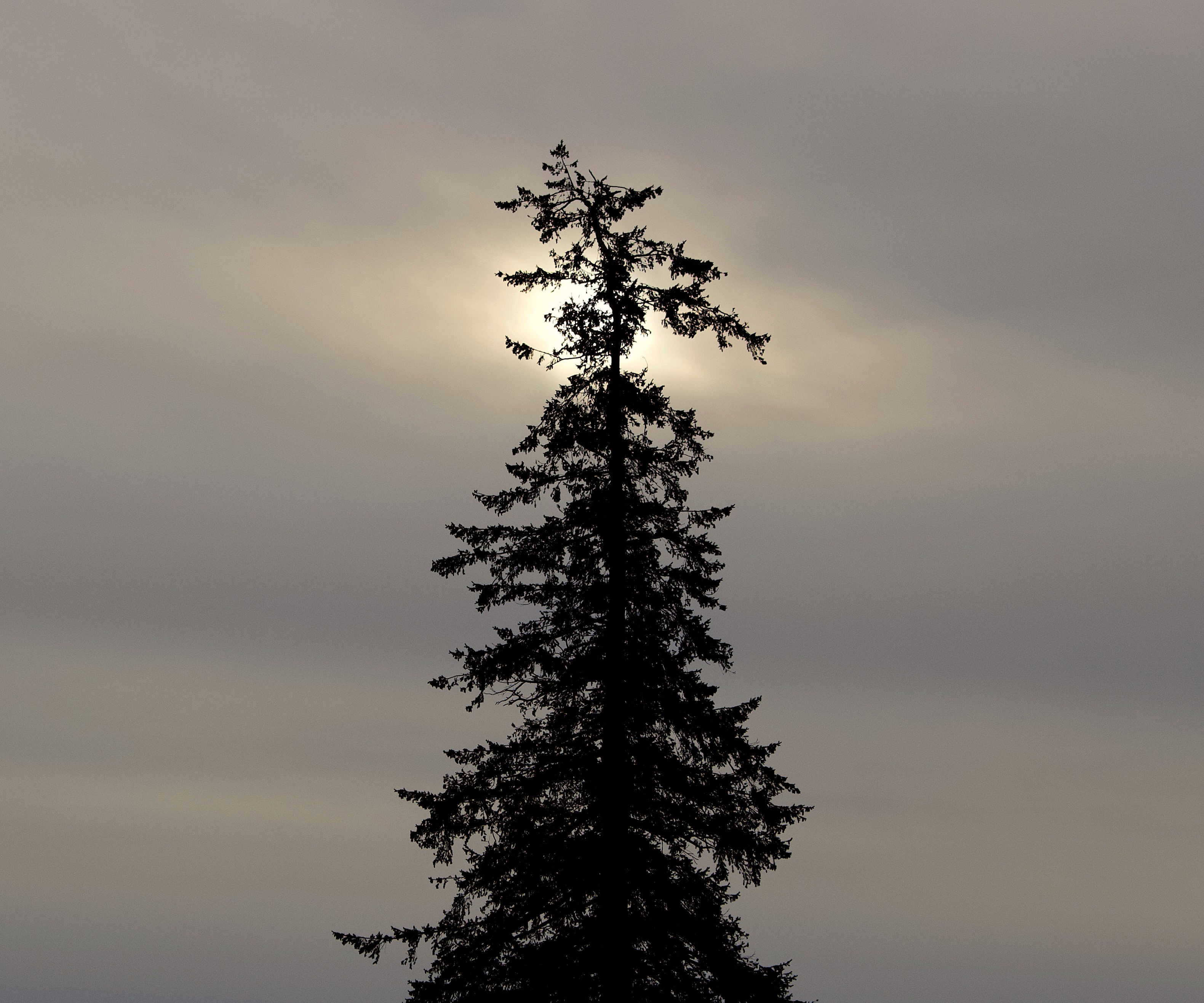
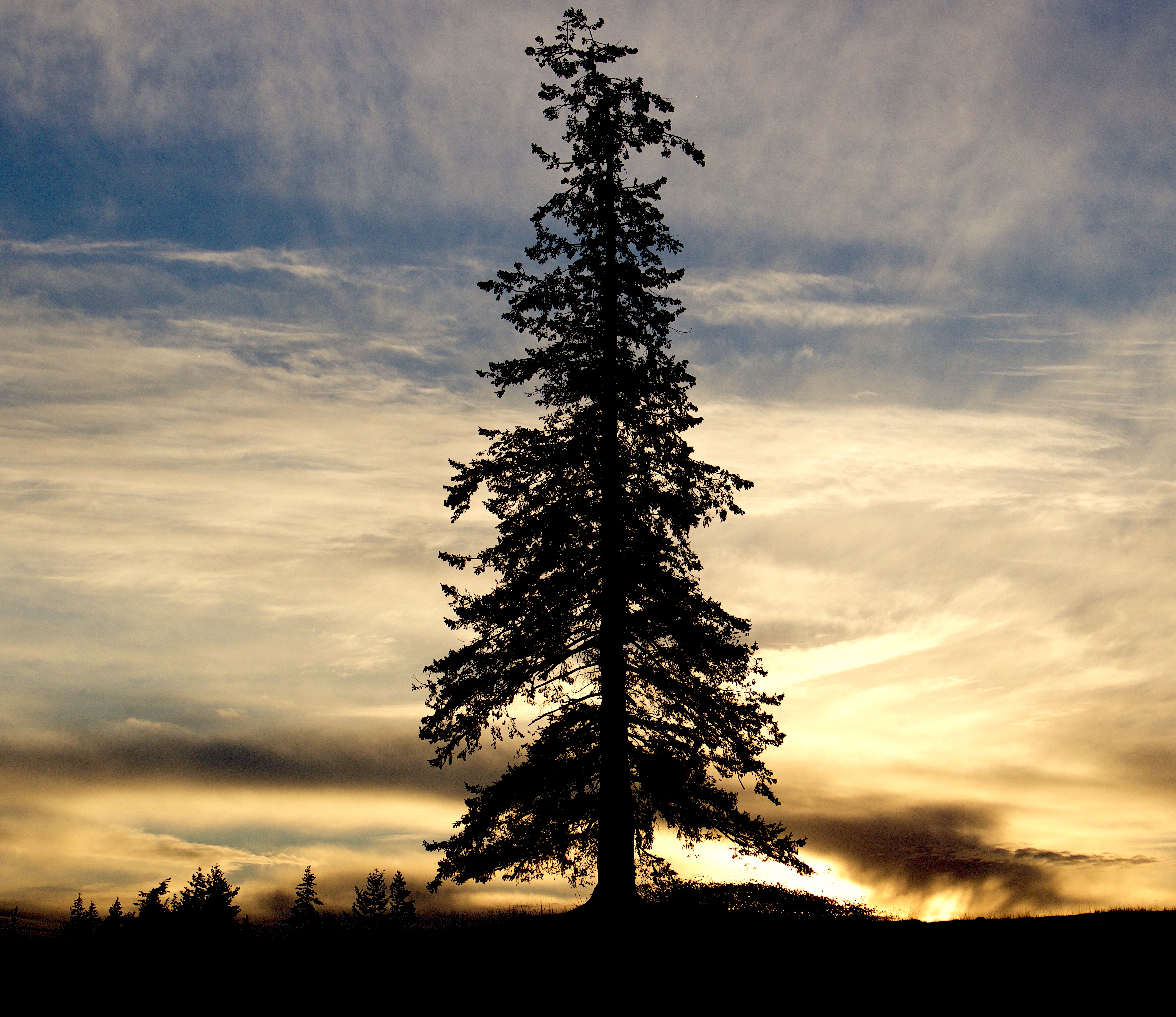
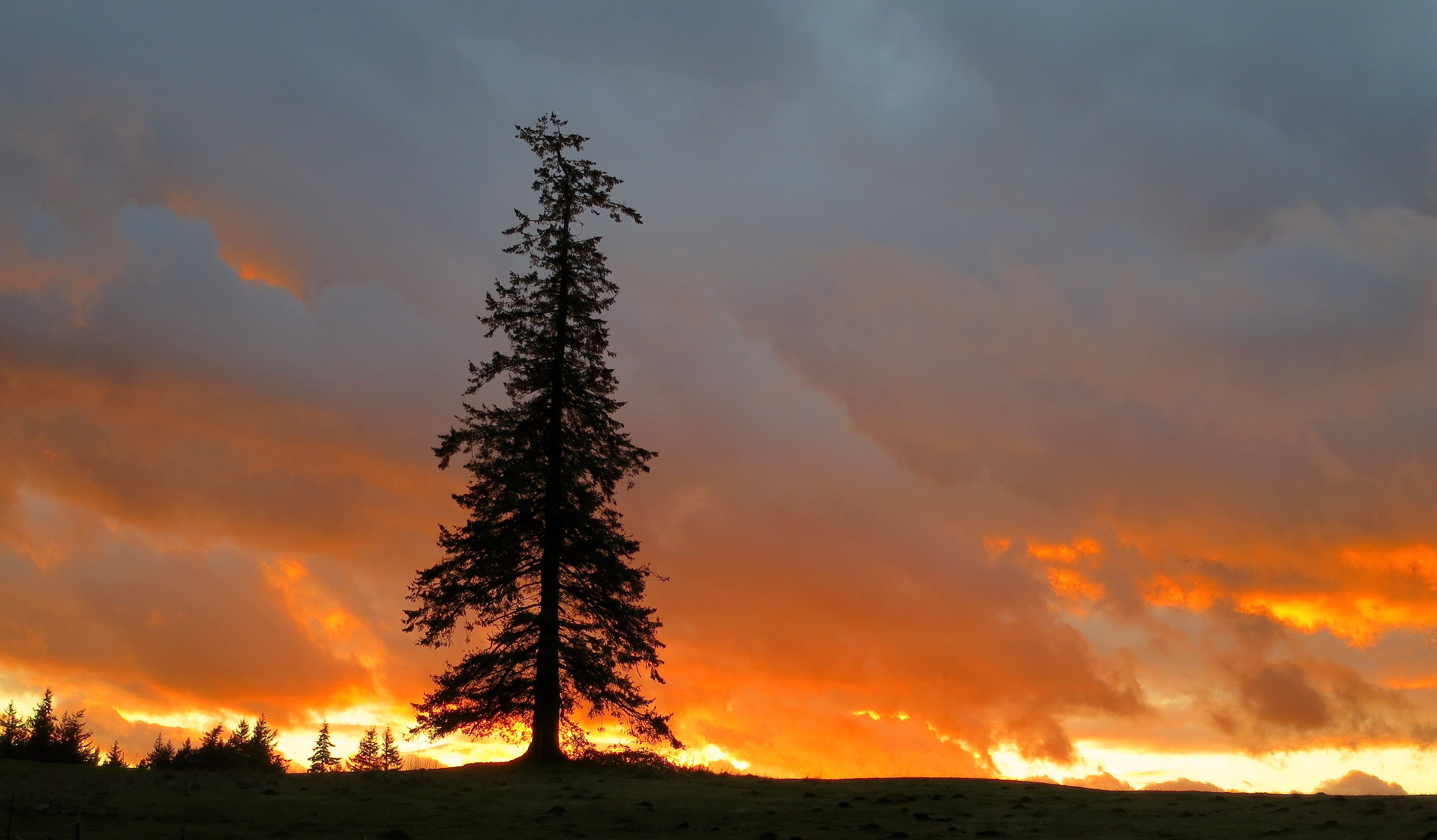
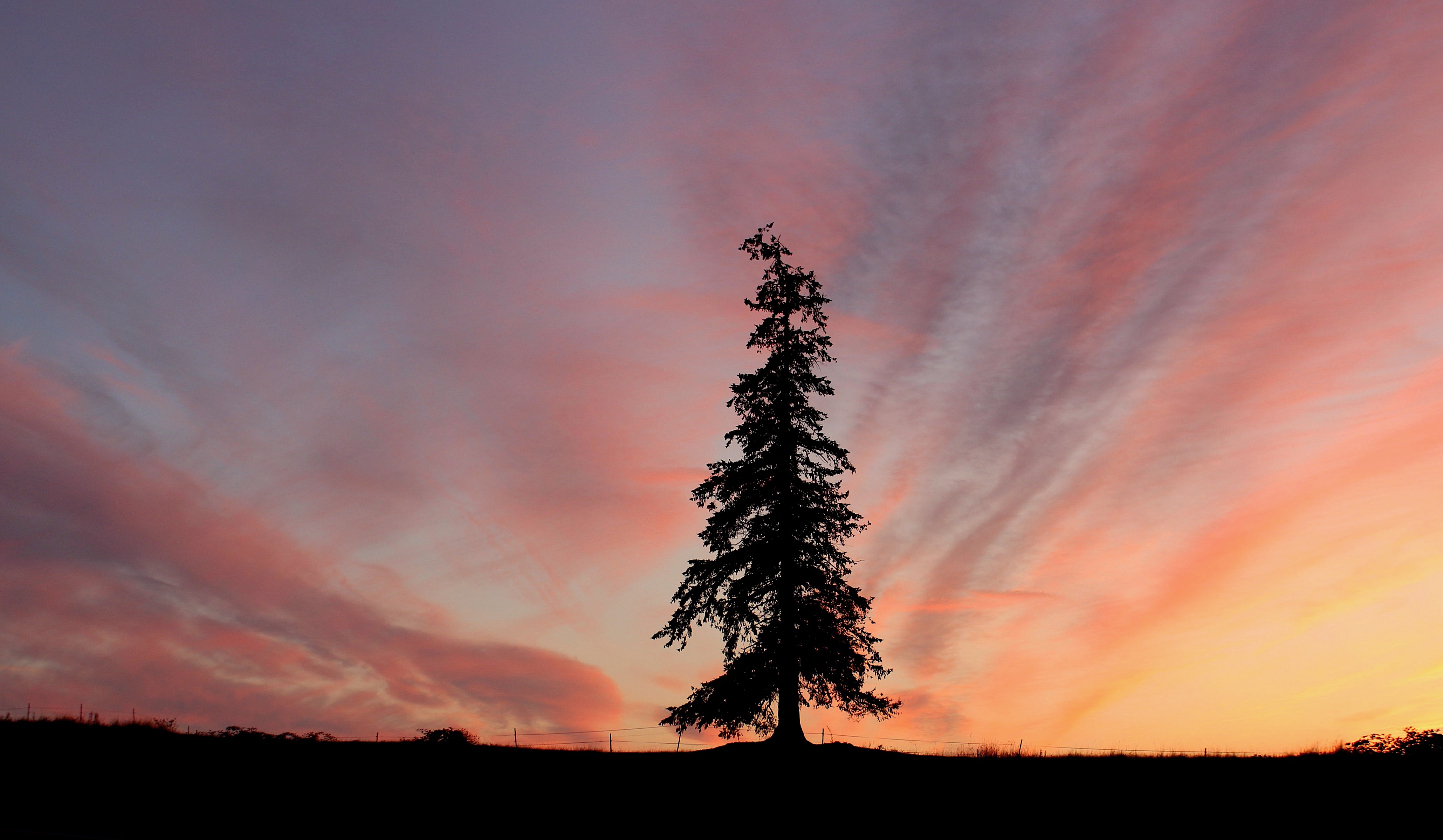
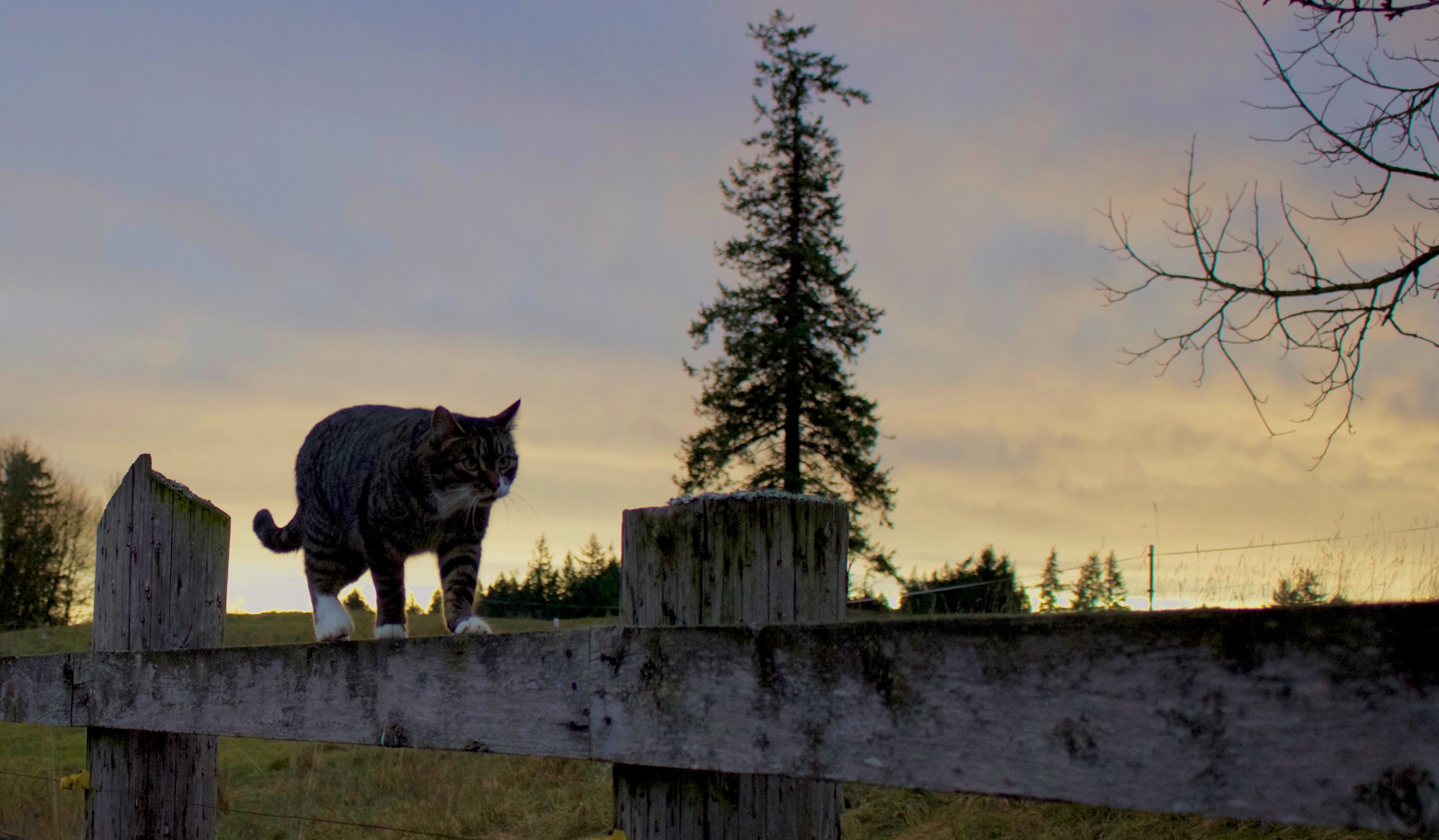
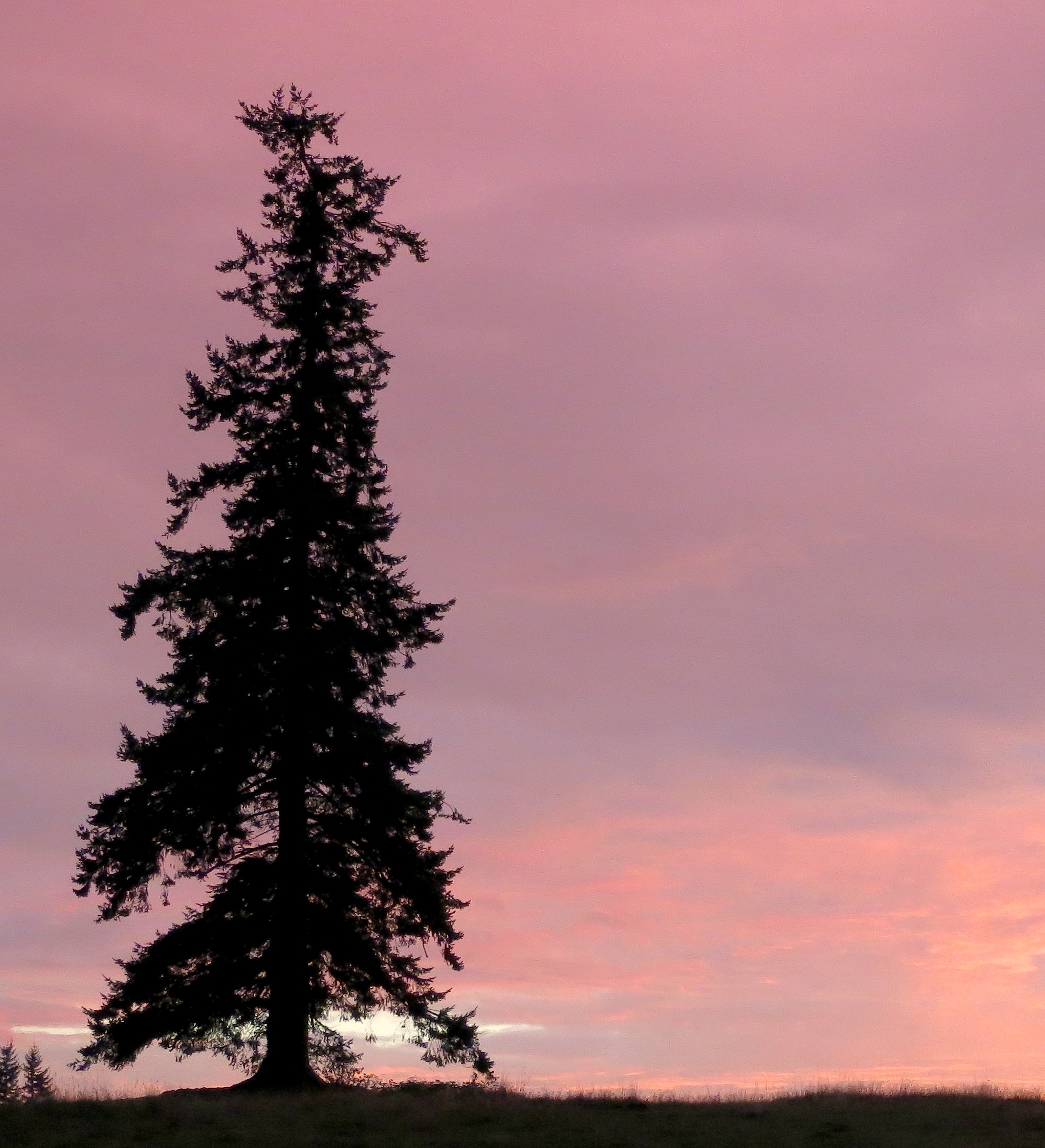
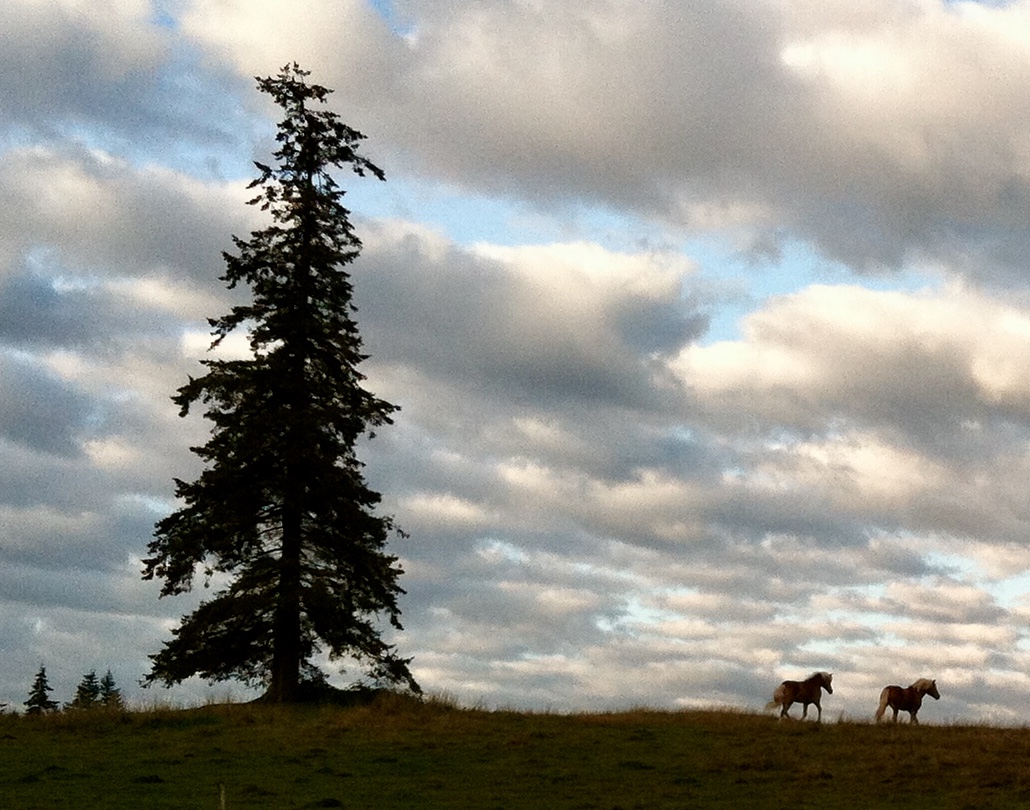
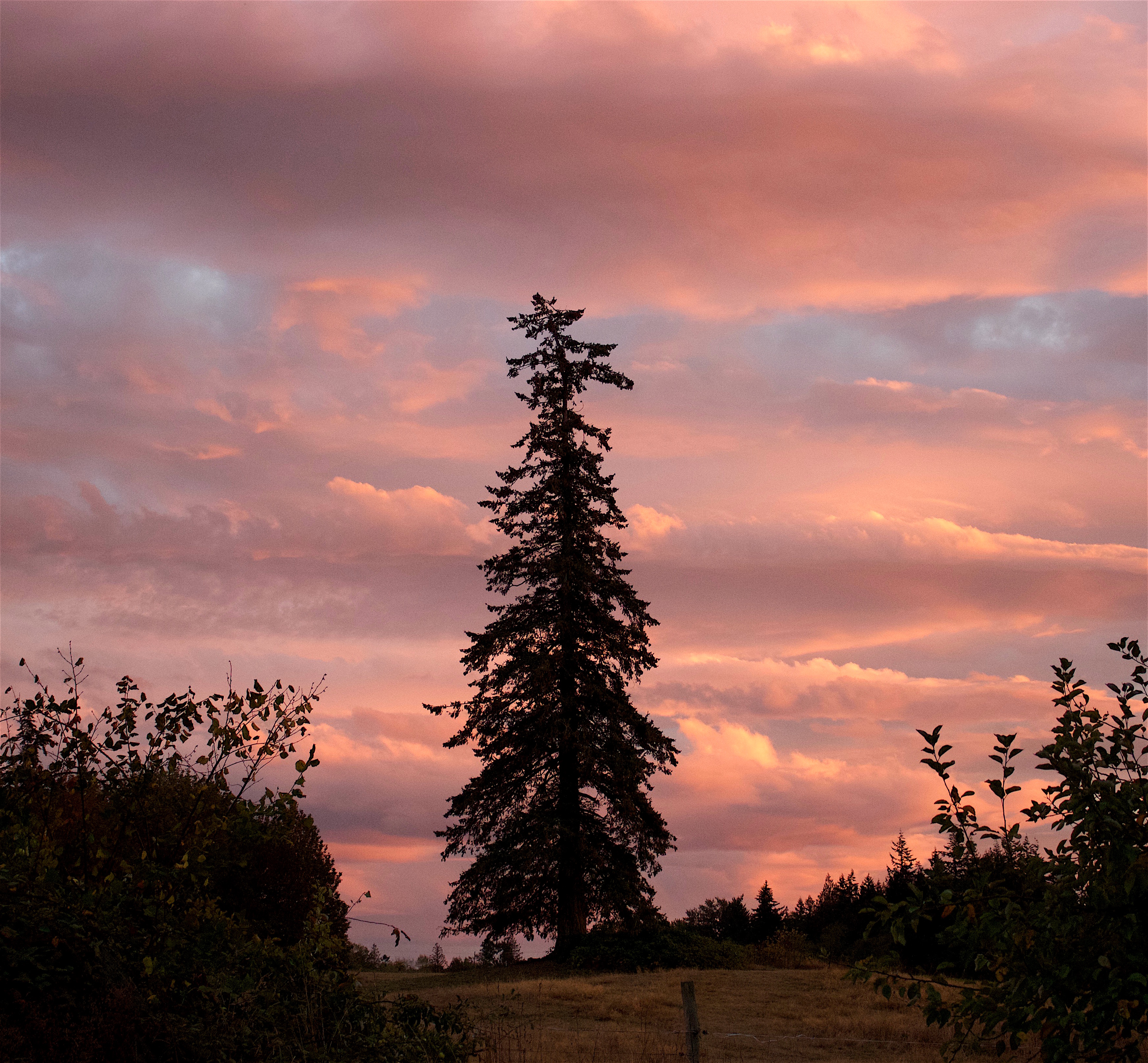
I am astonished at my thirstiness slaked by such simple things as a moment of pink, a burst of birdsong, a cat balancing on a fence rail, a focal fir that stands unyielding on a hill top, a glimpse of tomorrow over the horizon of today.
Behind the house in a field there’s a metal box I buried full of childhood treasure, a map of my secret place, a few lead pennies from 1943. The rest I’ve forgotten, forgotten even the exact spot I covered with moss and loam. Now I’m back and twenty years have made so little difference I suspect they never happened, this face in the mirror aged with pencil and putty. I suspect even the box has moved as a mole would move to a new place long ago. ~Dan Gerber “The Cache” from Particles
And this is where we went, I thought, Now here, now there, upon the grass Some forty years ago.
The days being short now, simply I had come To gaze and look and stare upon The thought of that once endless maze of afternoons. But most of all I wished to find the places where I ran
What’s happened to our boys that they no longer race And stand them still to contemplate Christ’s handiwork: His clear blood bled in syrups from the lovely wounded trees? Why only bees and blackbird winds and bending grass? No matter. Walk. Walk, look, and sweet recall.
I came upon an oak where once when I was twelve I had climbed up and screamed for Skip to get me down. It was a thousand miles to earth. I shut my eyes and yelled. My brother, richly compelled to mirth, gave shouts of laughter And scaled up to rescue me. “What were you doing there?” he said. I did not tell. Rather drop me dead. But I was there to place a note within a squirrel nest On which I’d written some old secret thing now long forgot.
{Now} I lay upon the limb a long while, thinking. I drank in all the leaves and clouds and weathers Going by as mindless As the days. What, what, what if? I thought. But no. Some forty years beyond!
I brought forth: The note.
I opened it. For now I had to know. I opened it, and wept. I clung then to the tree And let the tears flow out and down my chin. Dear boy, strange child, who must have known the years And reckoned time and smelled sweet death from flowers In the far churchyard. It was a message to the future, to myself. Knowing one day I must arrive, come, seek, return. From the young one to the old. From the me that was small And fresh to the me that was large and no longer new. What did it say that made me weep?
I remember you.
I remember you. ~Ray Bradbury from “Remembrance”
I too left notes to my future self, in old barns, and lofts,
and yes, in trees,
but have never gone back to retrieve them.
My ten year old heart tried to imagine itself fifty some years hence,
what fears and joys would pass through like pumping blood,
what wounds would I bear and bleed,
what love and tears would trace my face?
I have not forgotten.
No, I have never forgotten
that I remember.
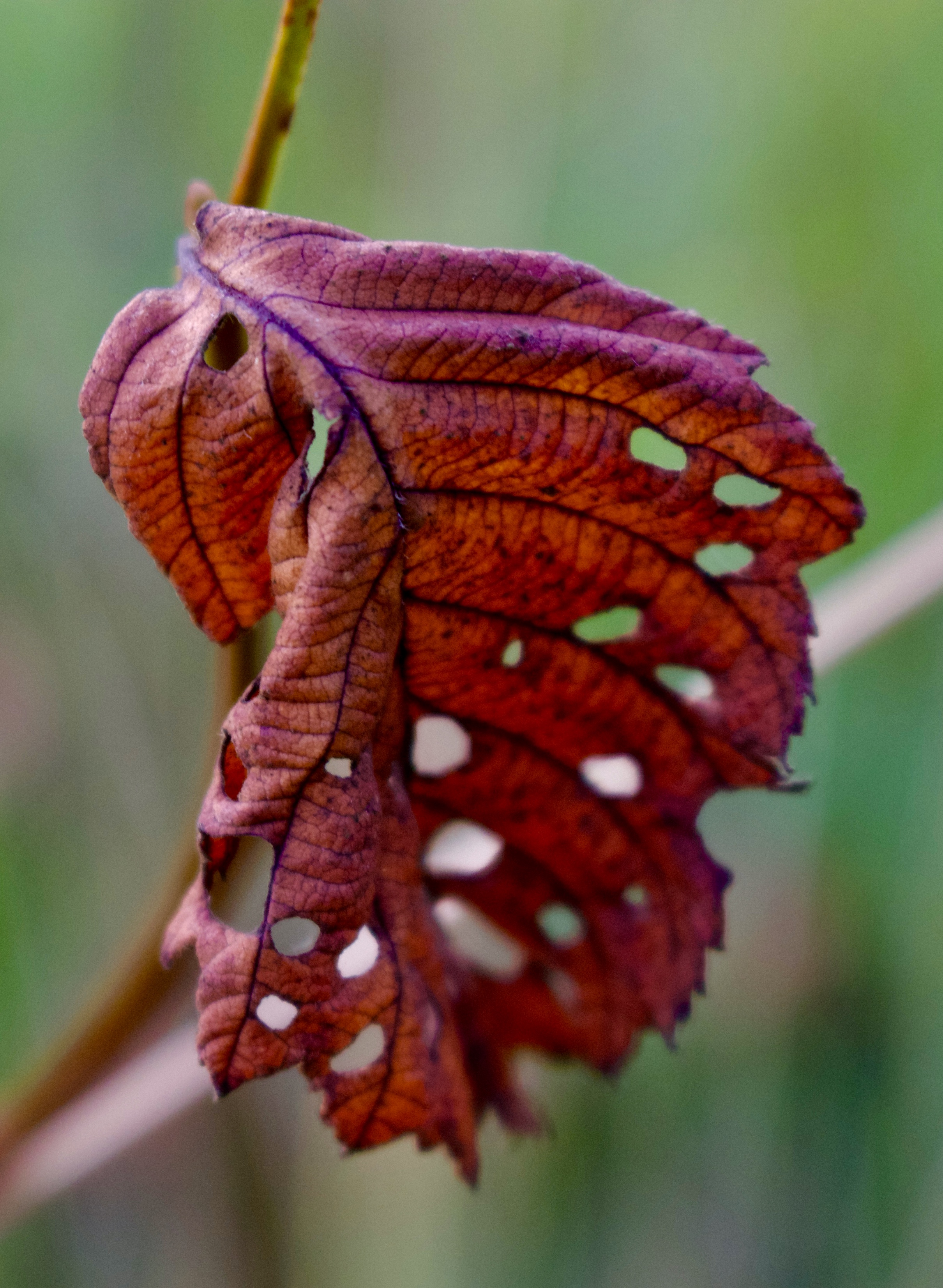
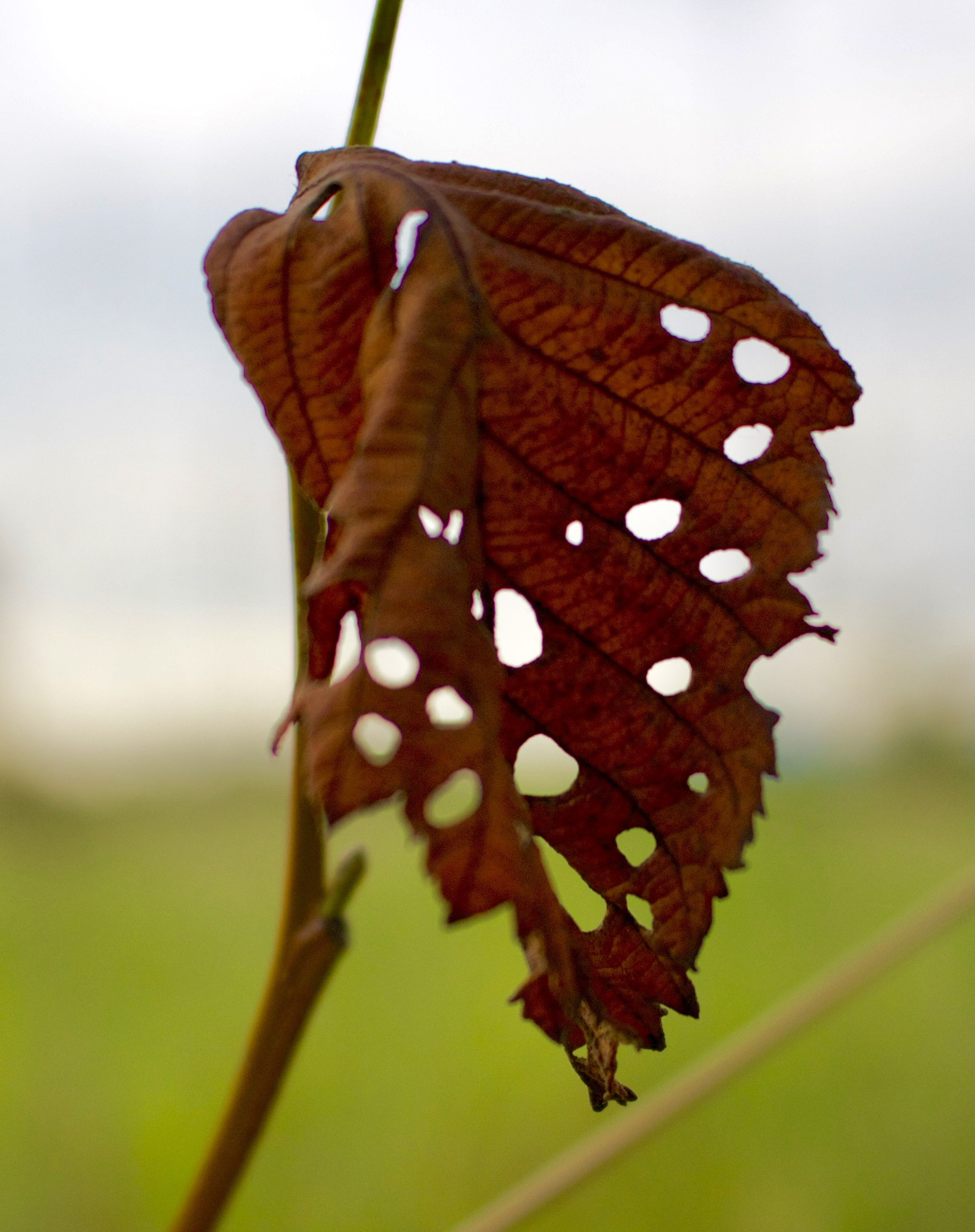
It’s just a leaf. A damaged leaf at that, clinging to a filbert tree ravaged by blight. The leaf turns partially back upon itself, riddled with holes, the traumatic result of voracious insect appetites.
Damaged does not accurately describe this leaf, the color of rich burgundy wine, deep purple veins that branch to the tips of its serrated edge. The holes open the leaf to light and air, forming a filigree of nature, an exquisite fragile beauty.
It makes me think of our own traumas, how they open us, raw and hurting, humble us, soften and expand us to the pain of others and when we are most vulnerable we hold on, weakened, but not necessarily damaged.
Perhaps it is then our scars become beautiful and an inner loveliness shines through. ~Lois Parker Edstrom “Fragile Beauty”
–an ekphrastic poem based on my photo above,
soon to be published in her latest poetry book –
thank you, Lois, for allowing me to share your beautiful words here
Nature doth thus kindly heal every wound.
By the mediation of a thousand little mosses and fungi,
the most unsightly objects become radiant of beauty.
There seem to be two sides of this world, presented us at different times,
as we see things in growth or dissolution, in life or death.
And seen with the eye of the poet,
as God sees them,
all things are alive and beautiful. ~Henry David Thoreau (journal)
…writing was one way to let something of lasting value emerge
from the pains and fears of my little, quickly passing life.
Each time life required me to take a new step into unknown spiritual territory,
I felt a deep, inner urge to tell my story to others–
Perhaps as a need for companionship but maybe, too,
out of an awareness that my deepest vocation
is to be a witness to the glimpses of God I have been allowed to catch. ~Henri Nouwen
If I can put one touch of rosy sunset into the life of any man or woman, I shall feel that I have worked with God. ~G.K. Chesterton
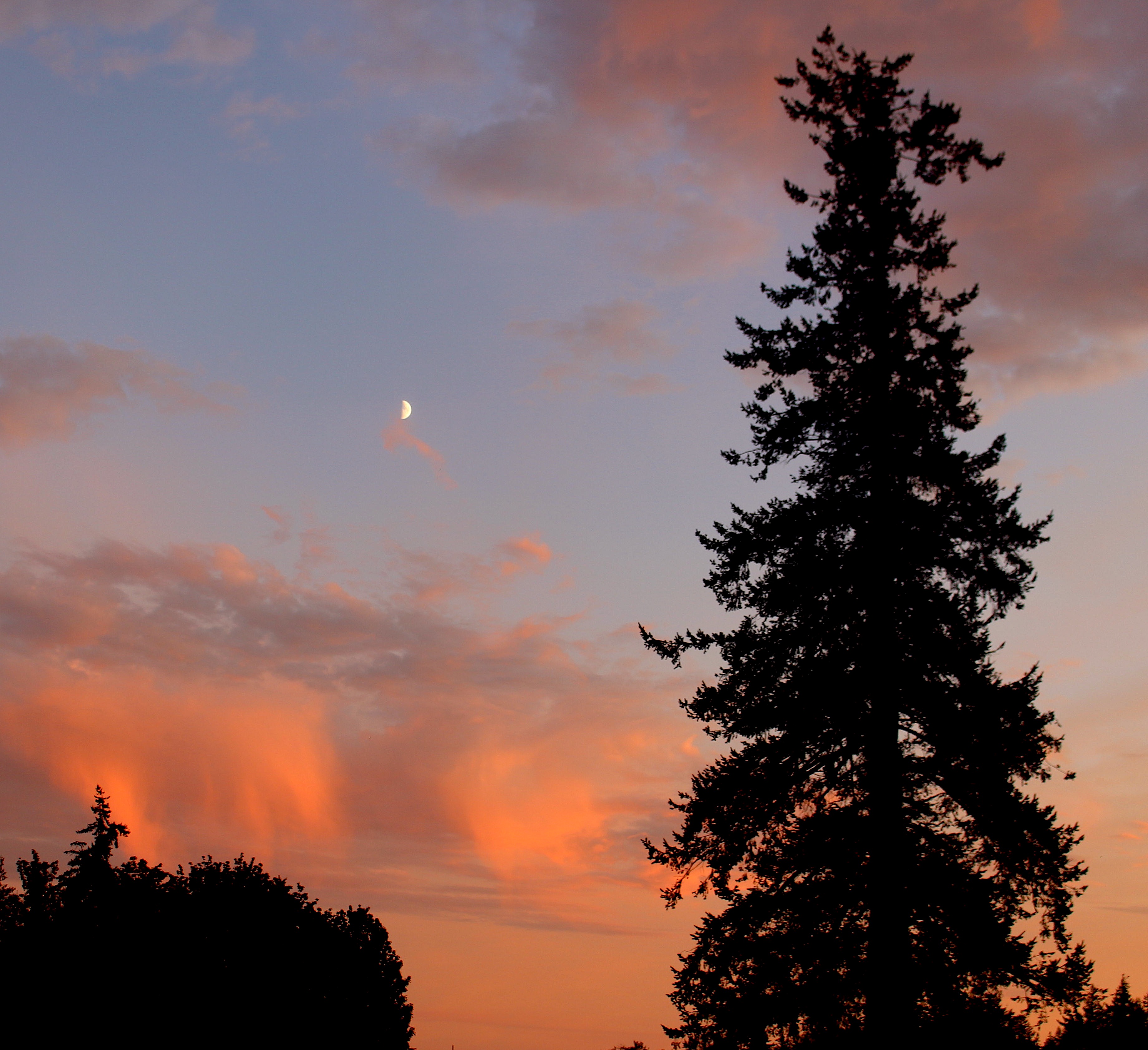
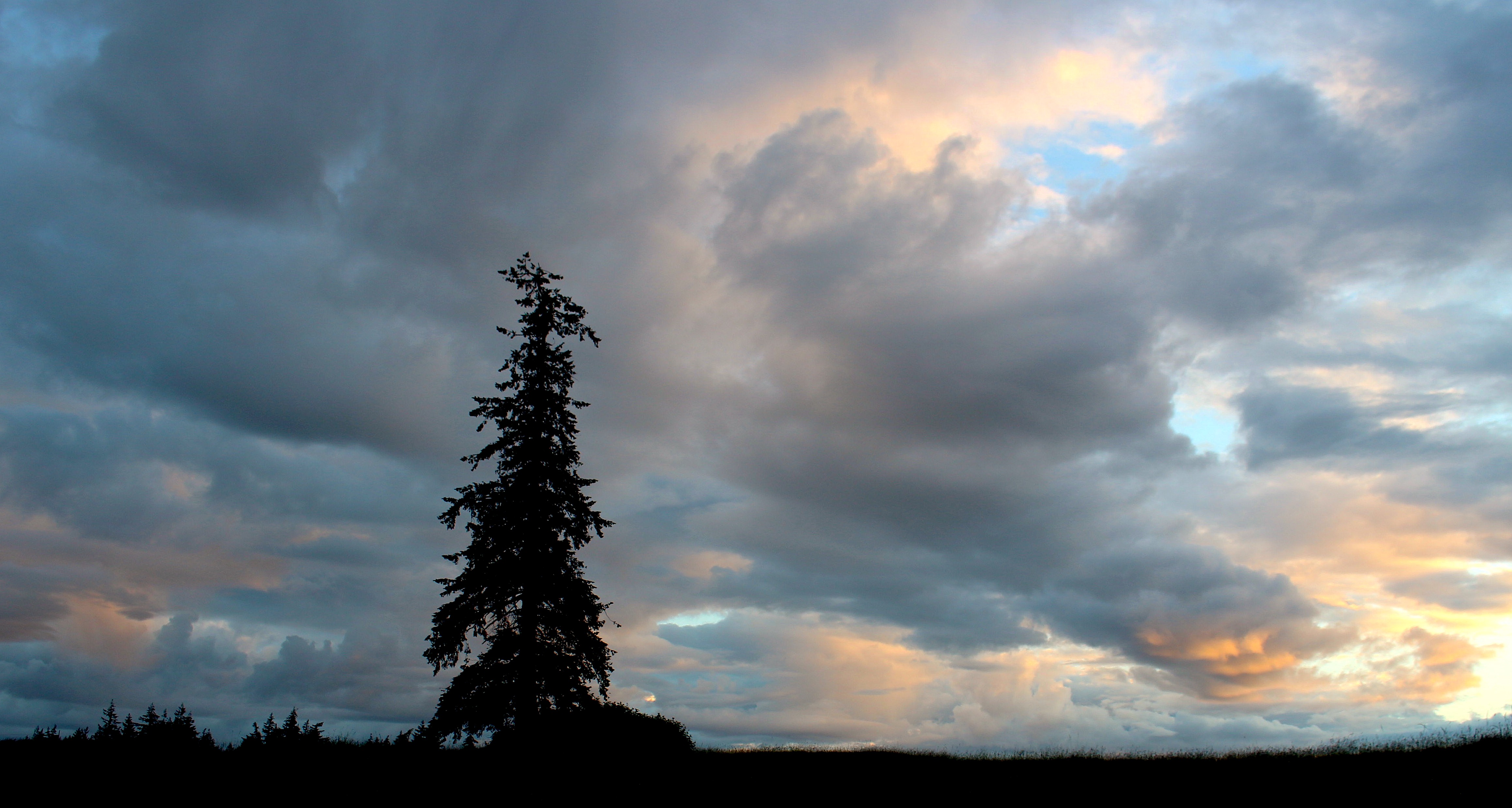
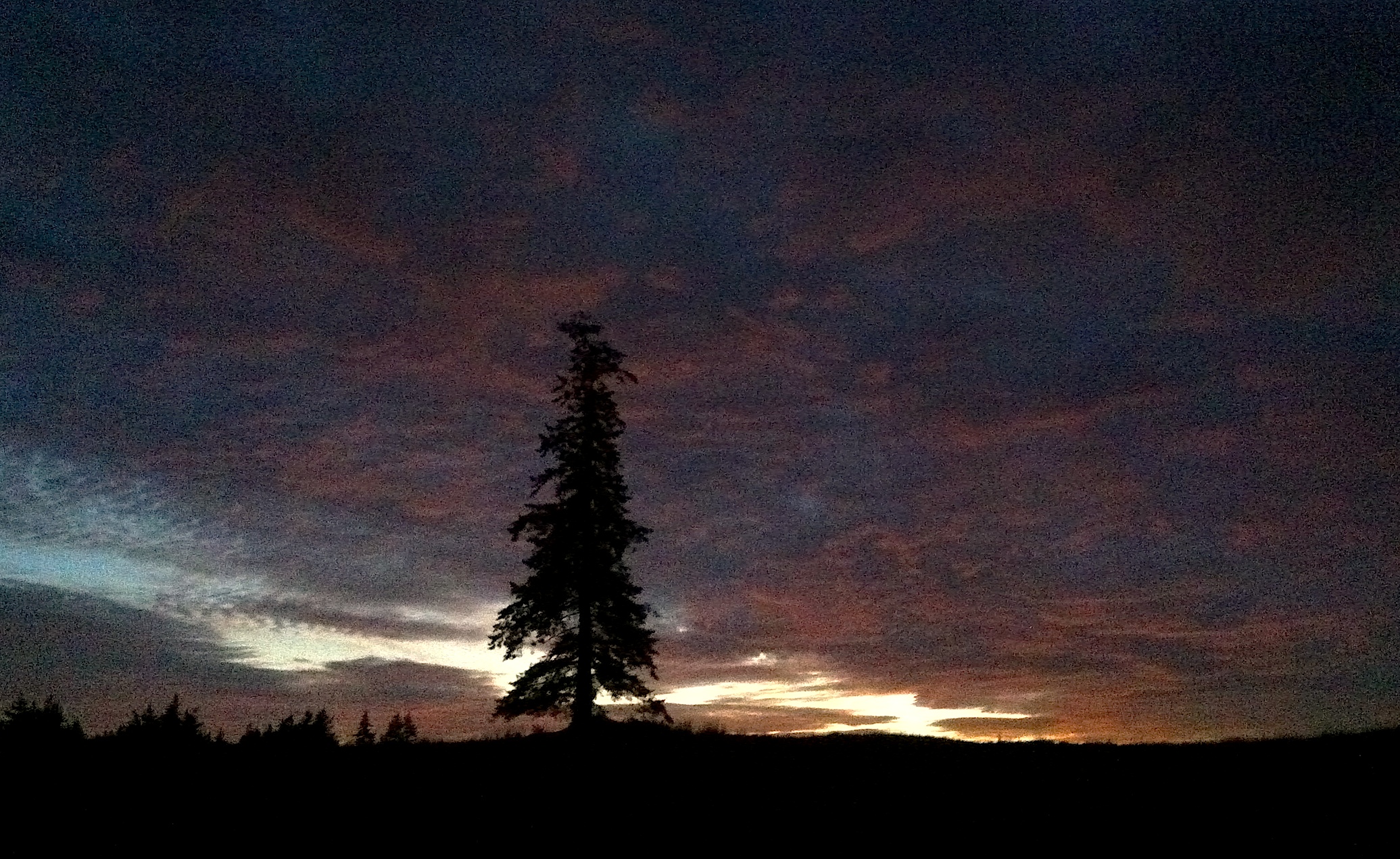
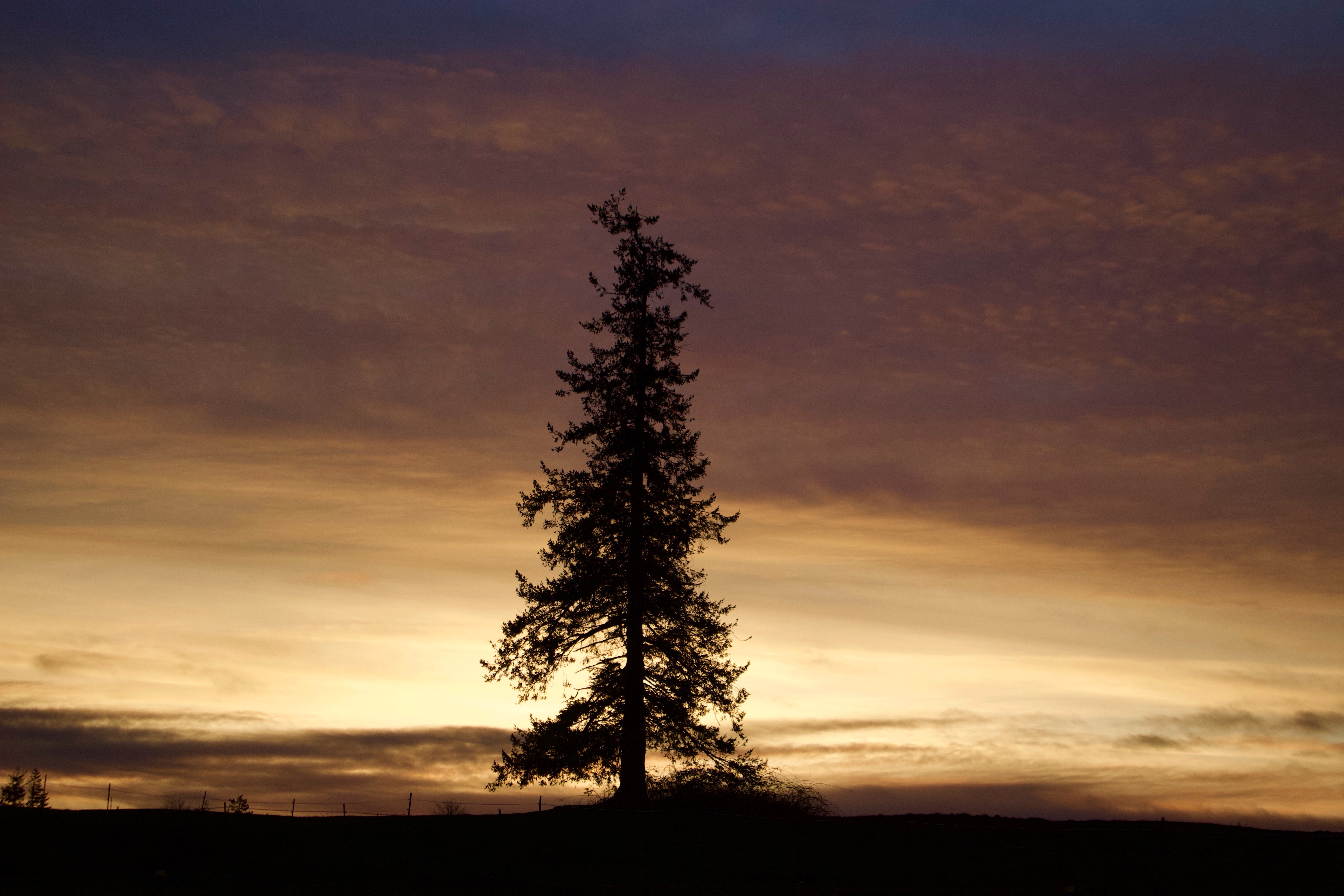
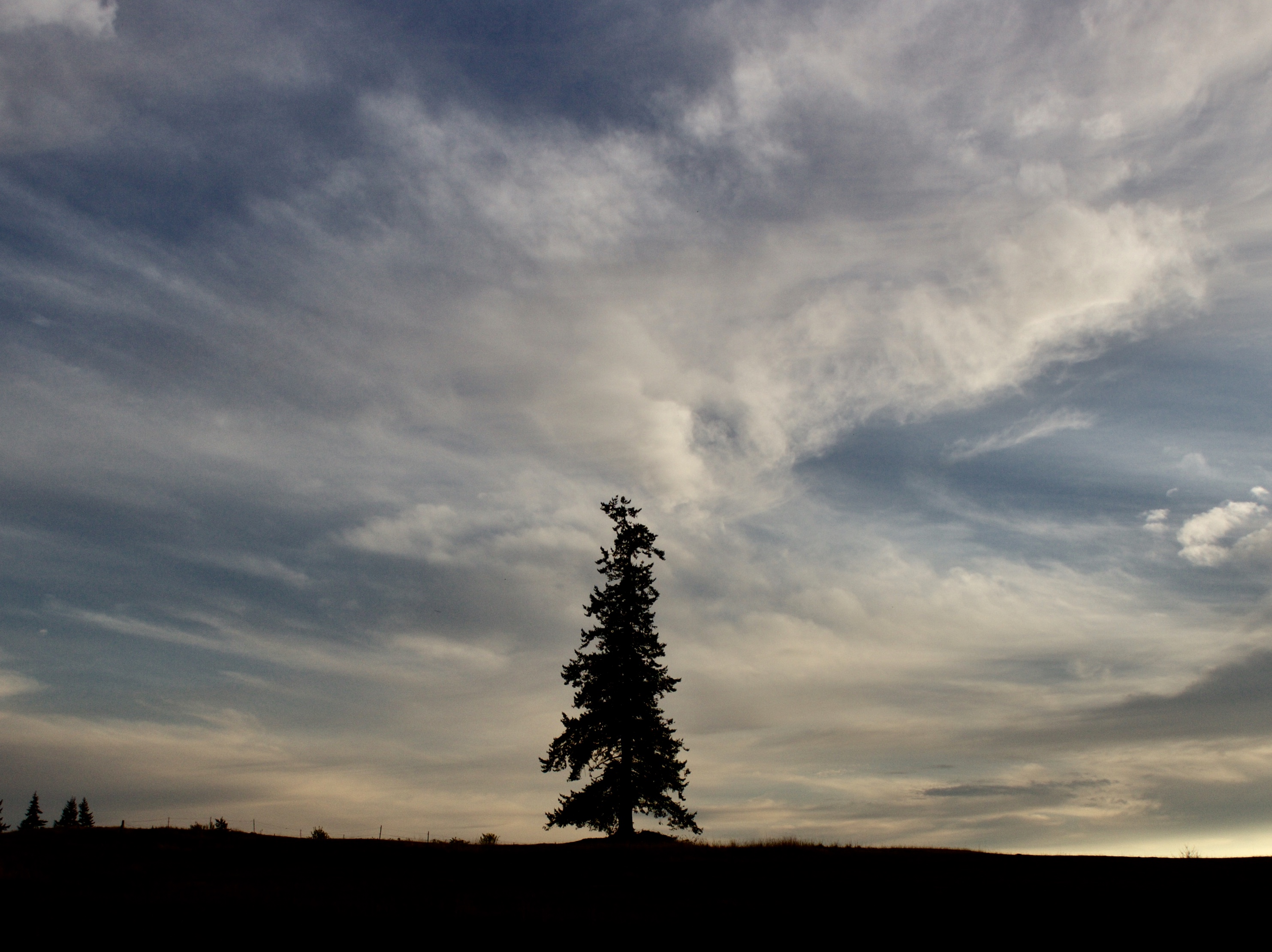
Most evenings there is no sunset fanfare, no departing glowing orb on the horizon, no color spreading upward into the clouds. The typical evening canvas is just grey and ordinary at dusk, transitioning to twilight, giving into nightfall.
Grey–>darkergrey–>black.
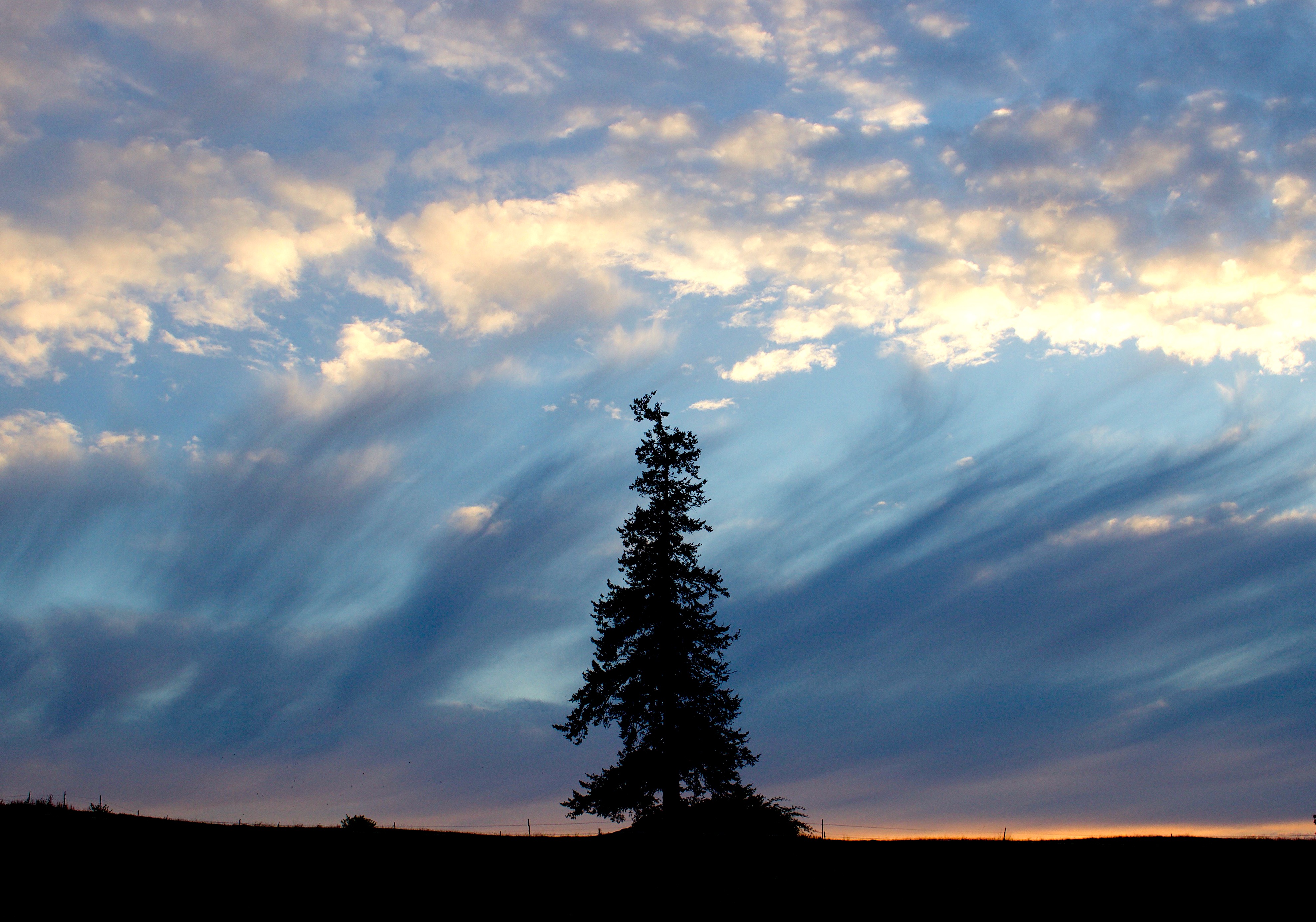
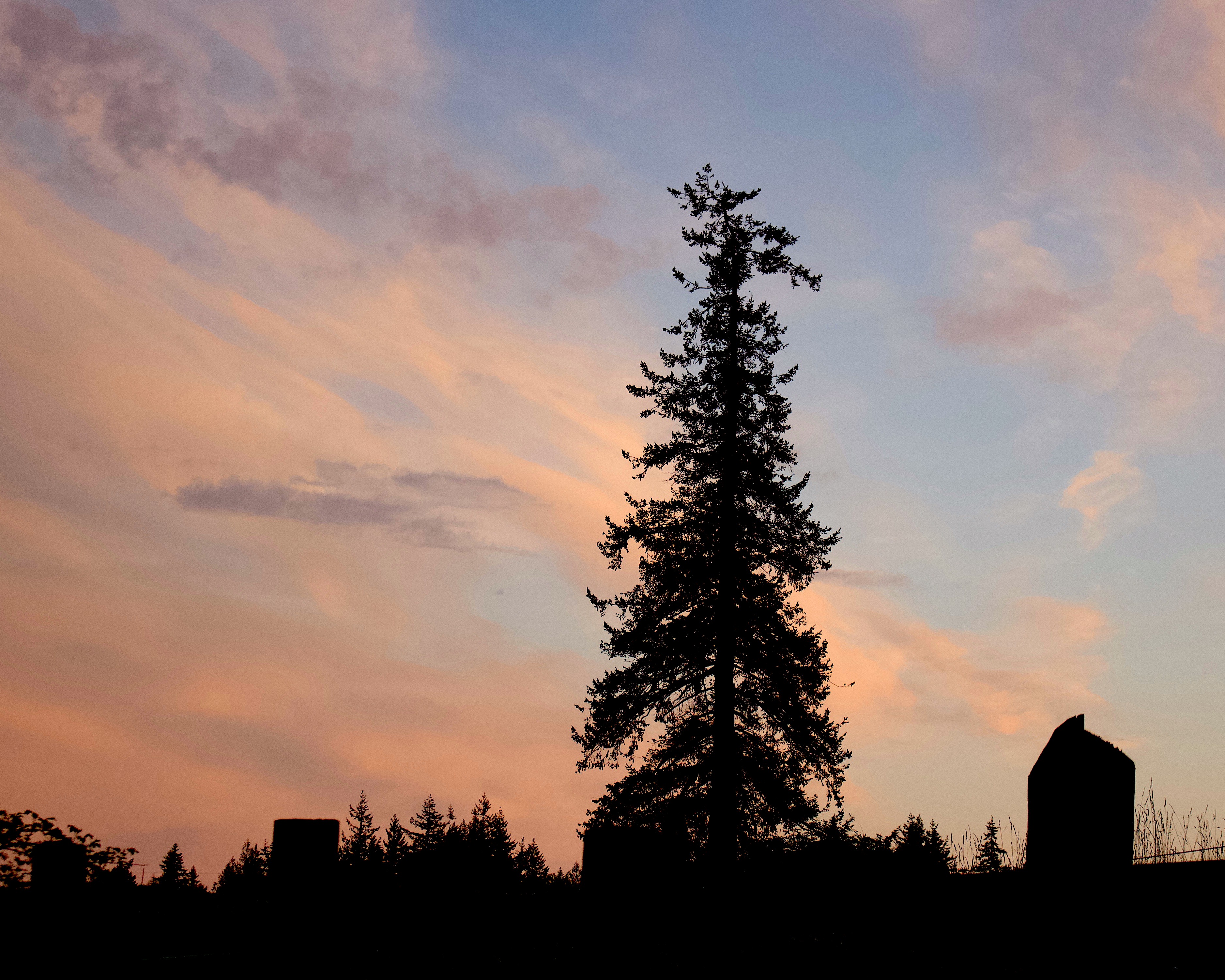
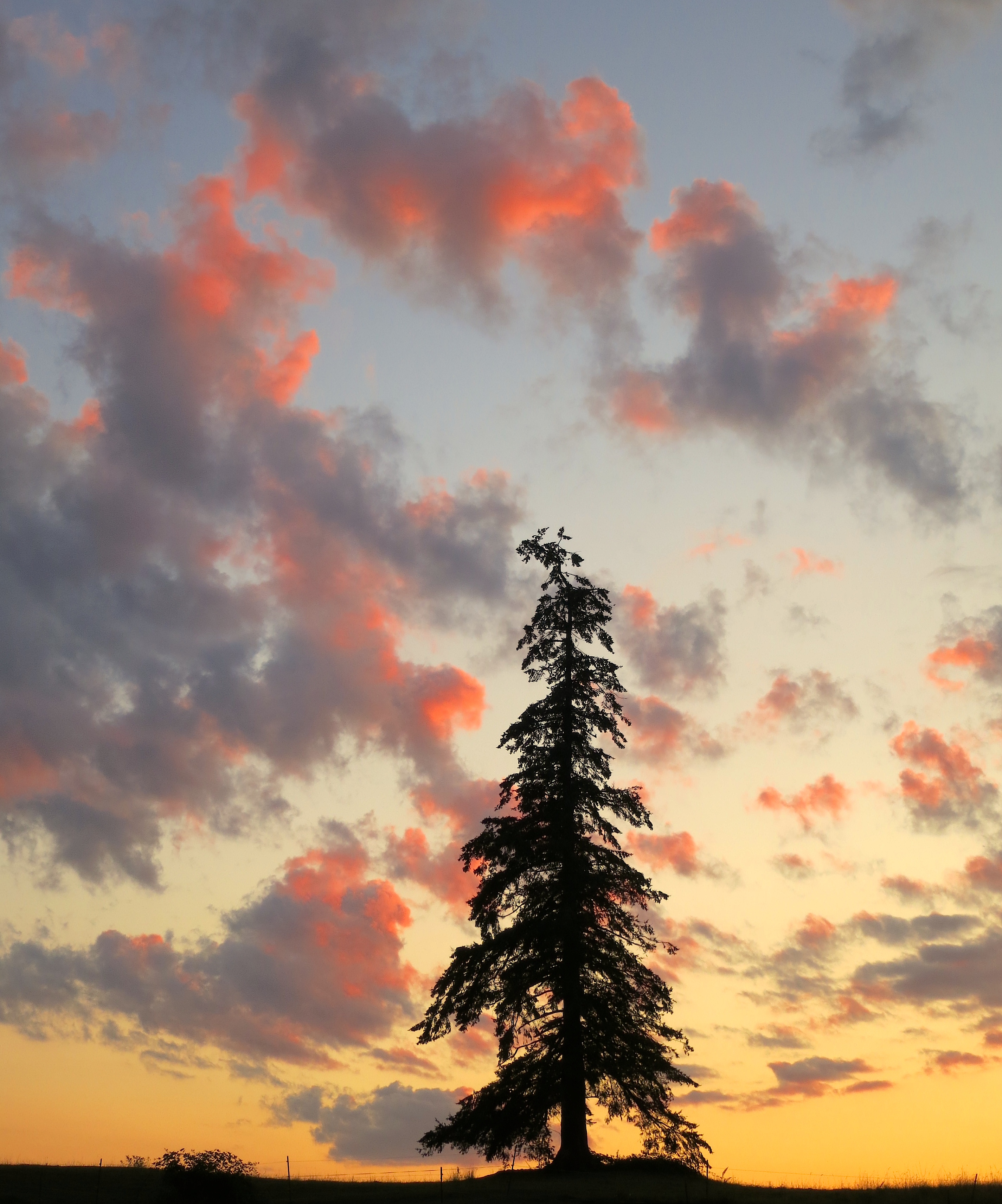
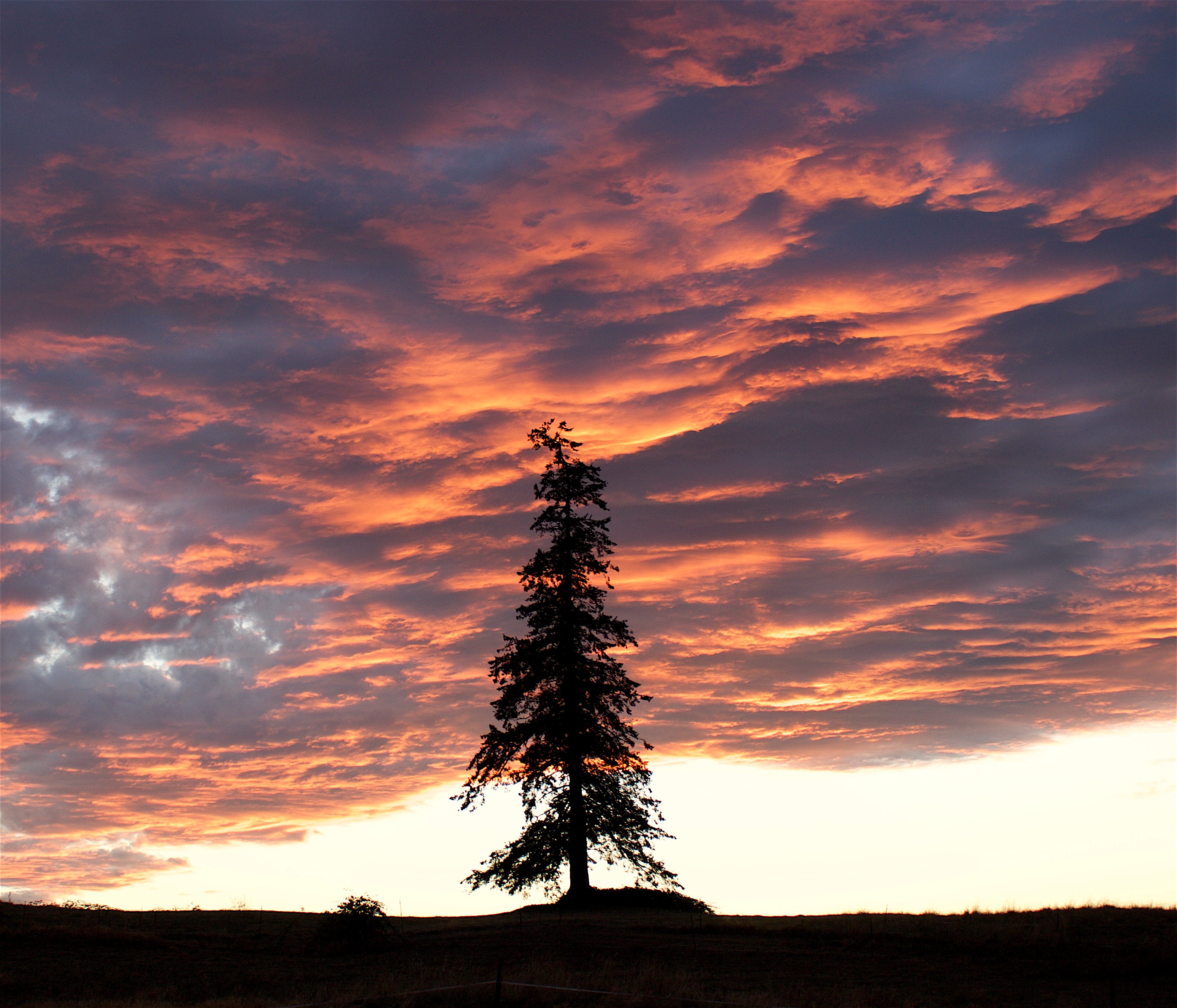
Yet there are times not at all ordinary. On those evenings, the Master reaches deep for his palette and starts mixing. As He begins His work, grey gradually gives way to amber and orange, shifting to red and purple and yellow. A daub here, a speckle there, then full out splash and streak. The backdrop is never the same night after night. He takes creative license with His creation.
We are invited to pick up a brush and apprentice for Him, learning the sweep of the hand, the grace of the wrist stroke, the fine work of the brush tip outlining the black of darkening shadows.
There can be no wrong color combination; anything goes. It is a riveting gift of extraordinary artwork: it is meant to be shared, to be taught, to be cherished even if only for a few brief minutes.
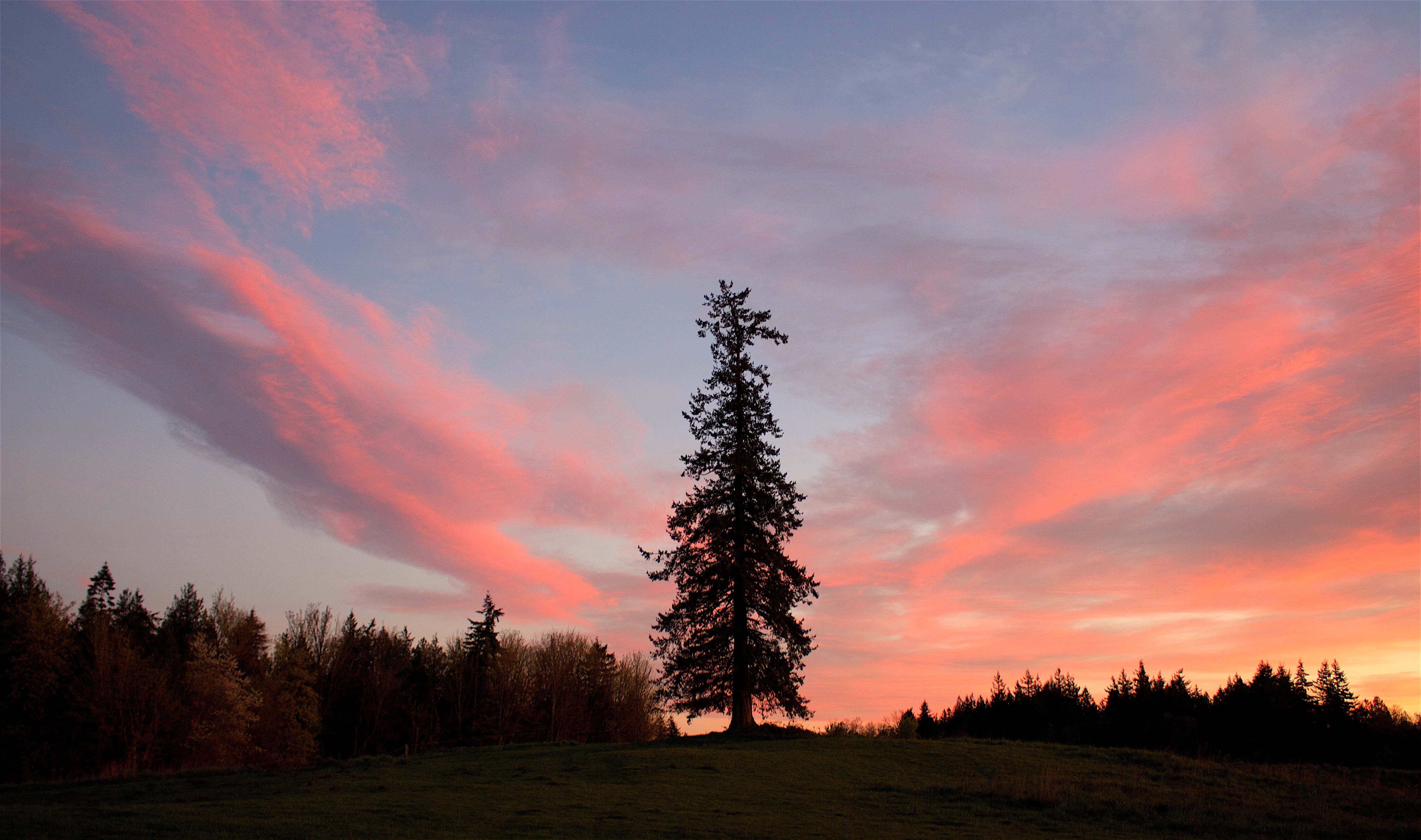
When the sky glows like unfolding rose petals, all will see it; this work won’t be hidden away in a gallery or museum.
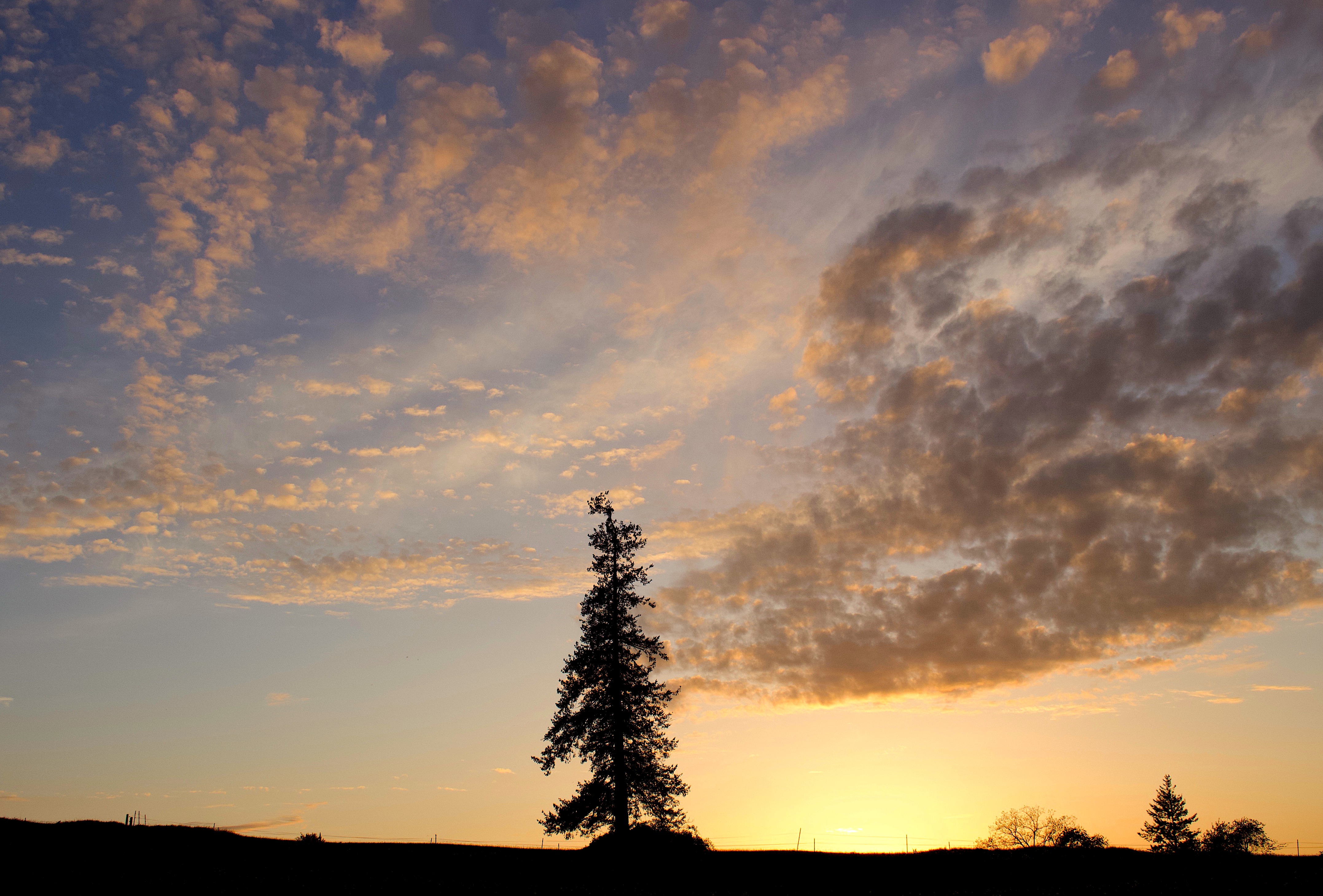
All too soon it moves on, the canvas plain and dark once again. And we’re left holding the brush, eager and ready to try again when the timing is right.
There is no way in which a man can earn a star or deserve a sunset. ~G.K. Chesterton
The chestnut casts his flambeaux, and the flowers Stream from the hawthorn on the wind away, The doors clap to, the pane is blind with showers. Pass me the can, lad; there’s an end of May..
…The troubles of our proud and angry dust Are from eternity, and shall not fail. Bear them we can, and if we can we must. Shoulder the sky, my lad, and drink your ale. ~A. E. Houseman
Because you are only a seed, chestnut tree, autumn, earth, water, heights, silence prepared the germ, the floury density, the maternal eyelids that buried will again open toward the heights the simple majesty of foliage, the dark damp plan of new roots, the ancient but new dimensions of another chestnut tree in the earth.
~Pablo Neruda from “Ode to a Chestnut on the Ground”
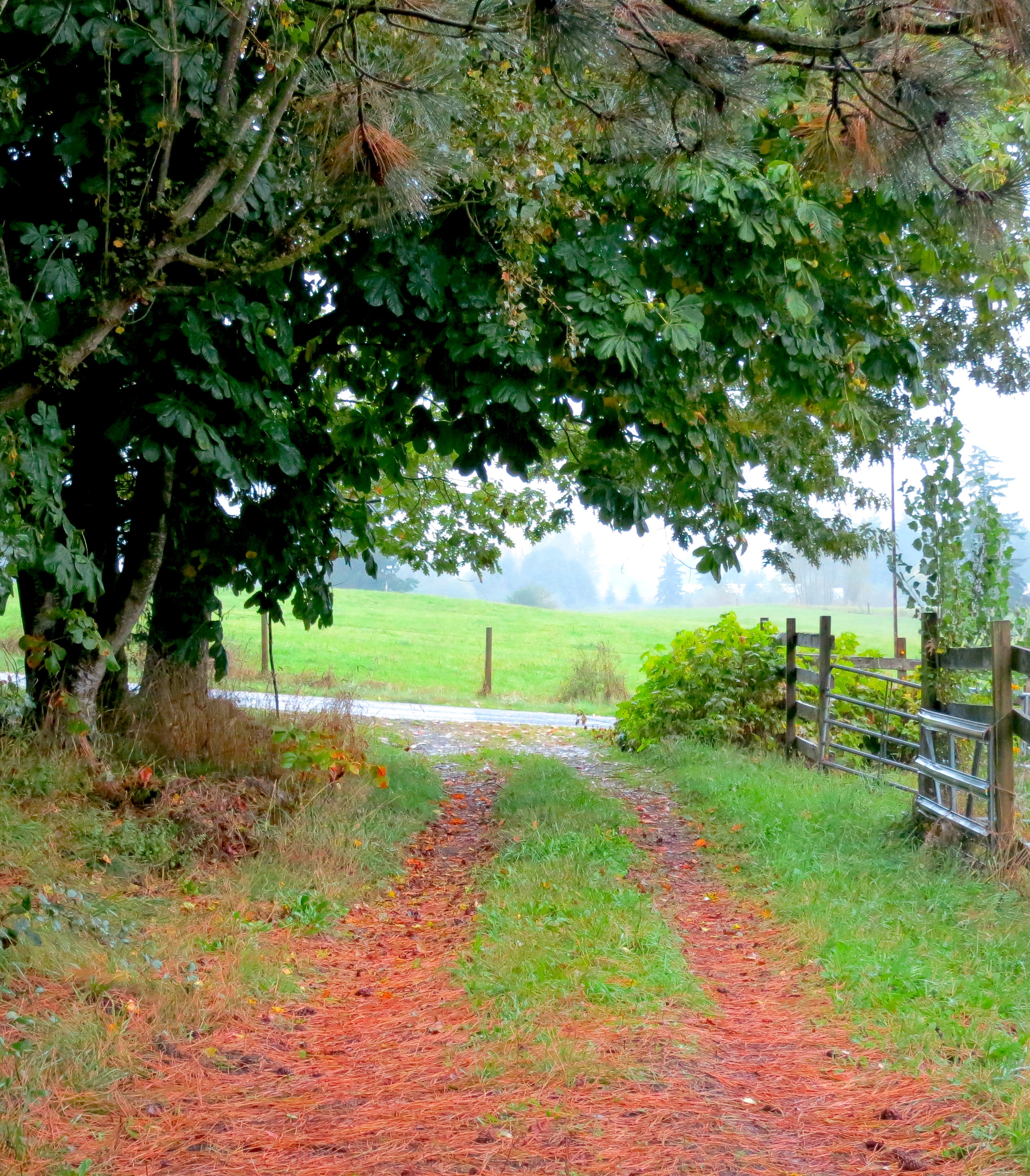
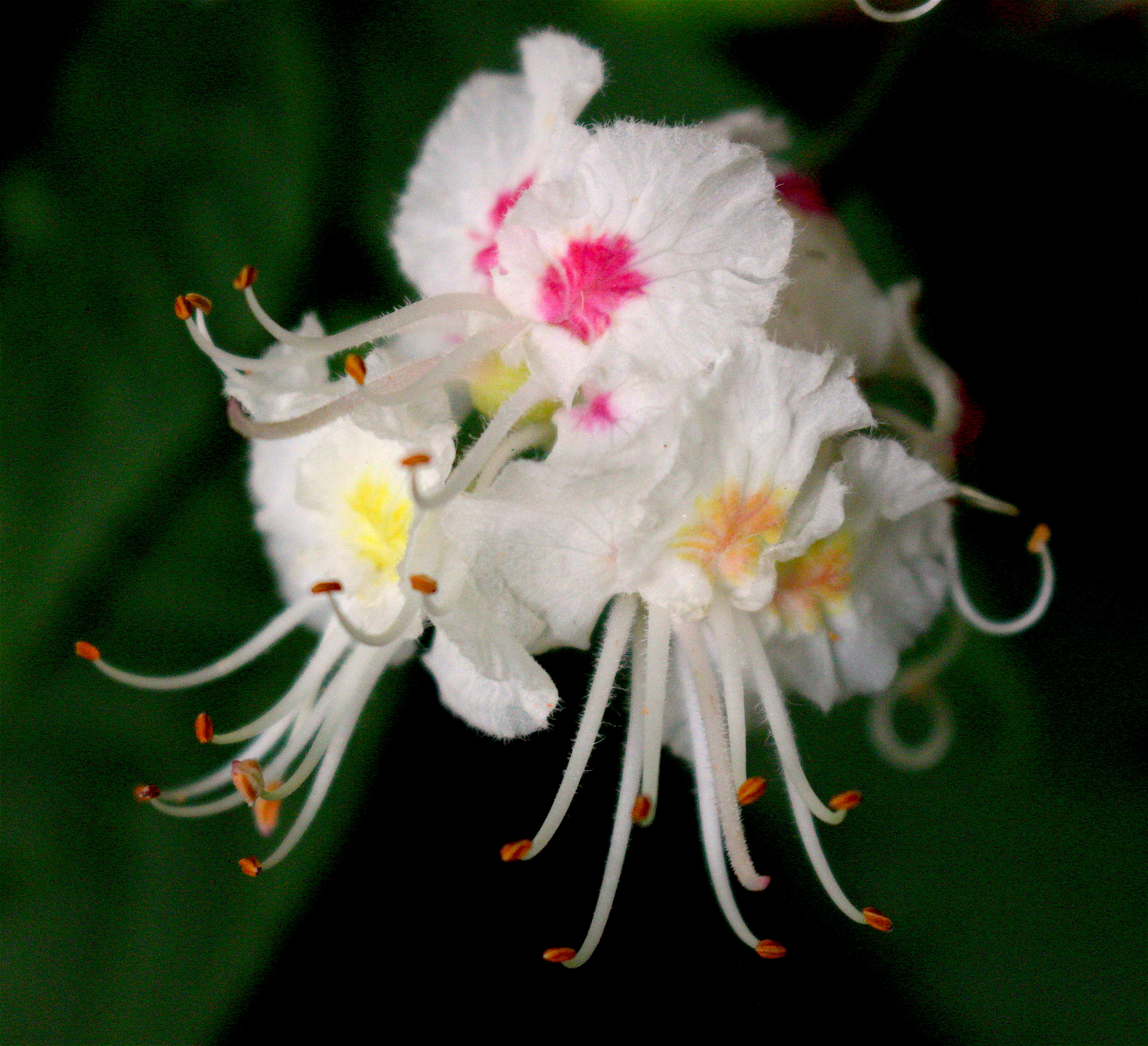
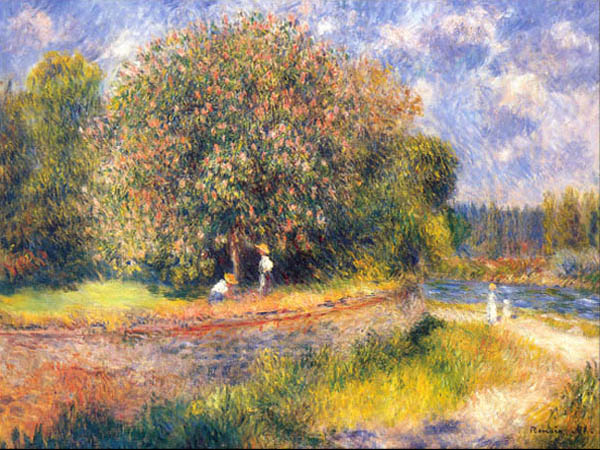
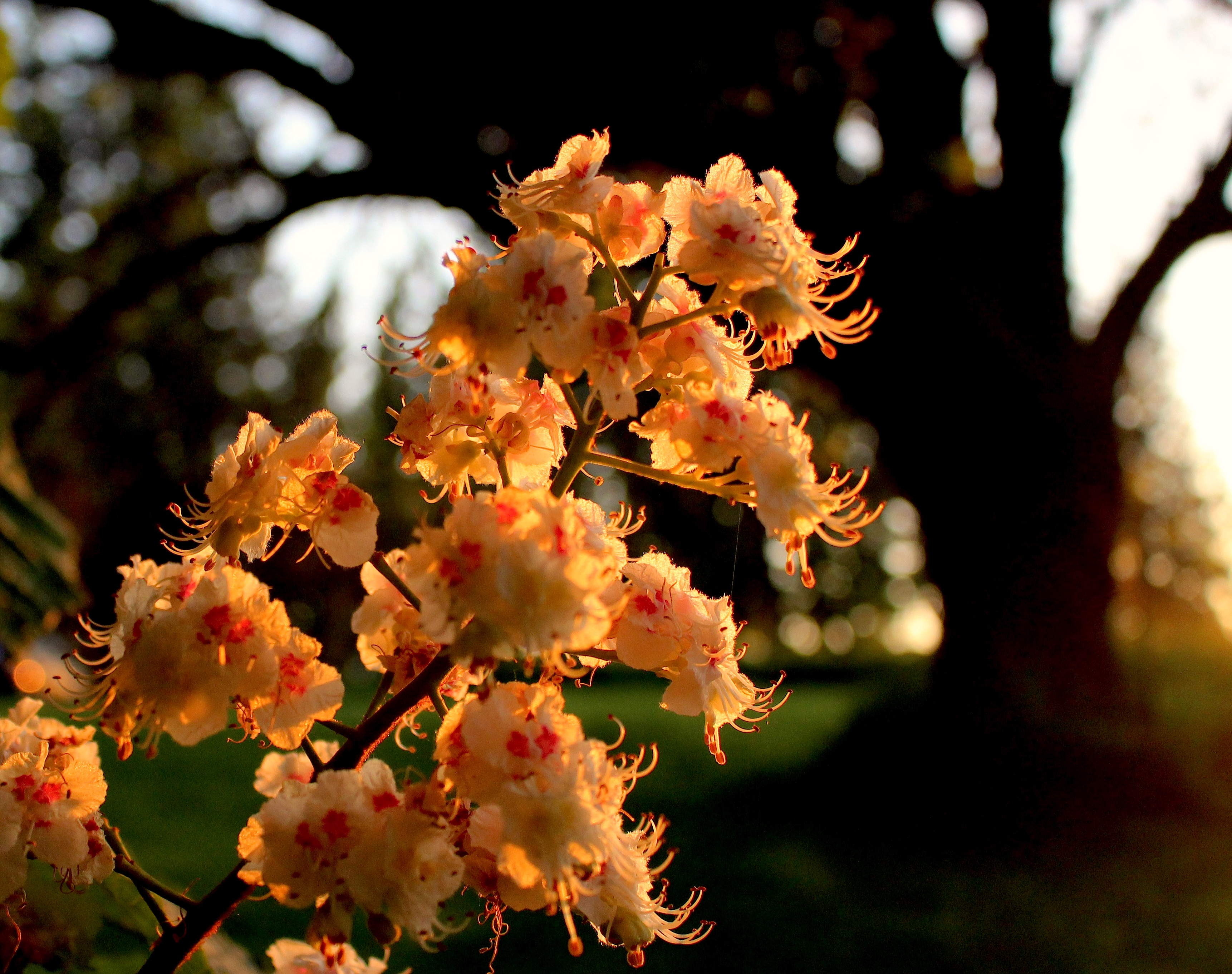
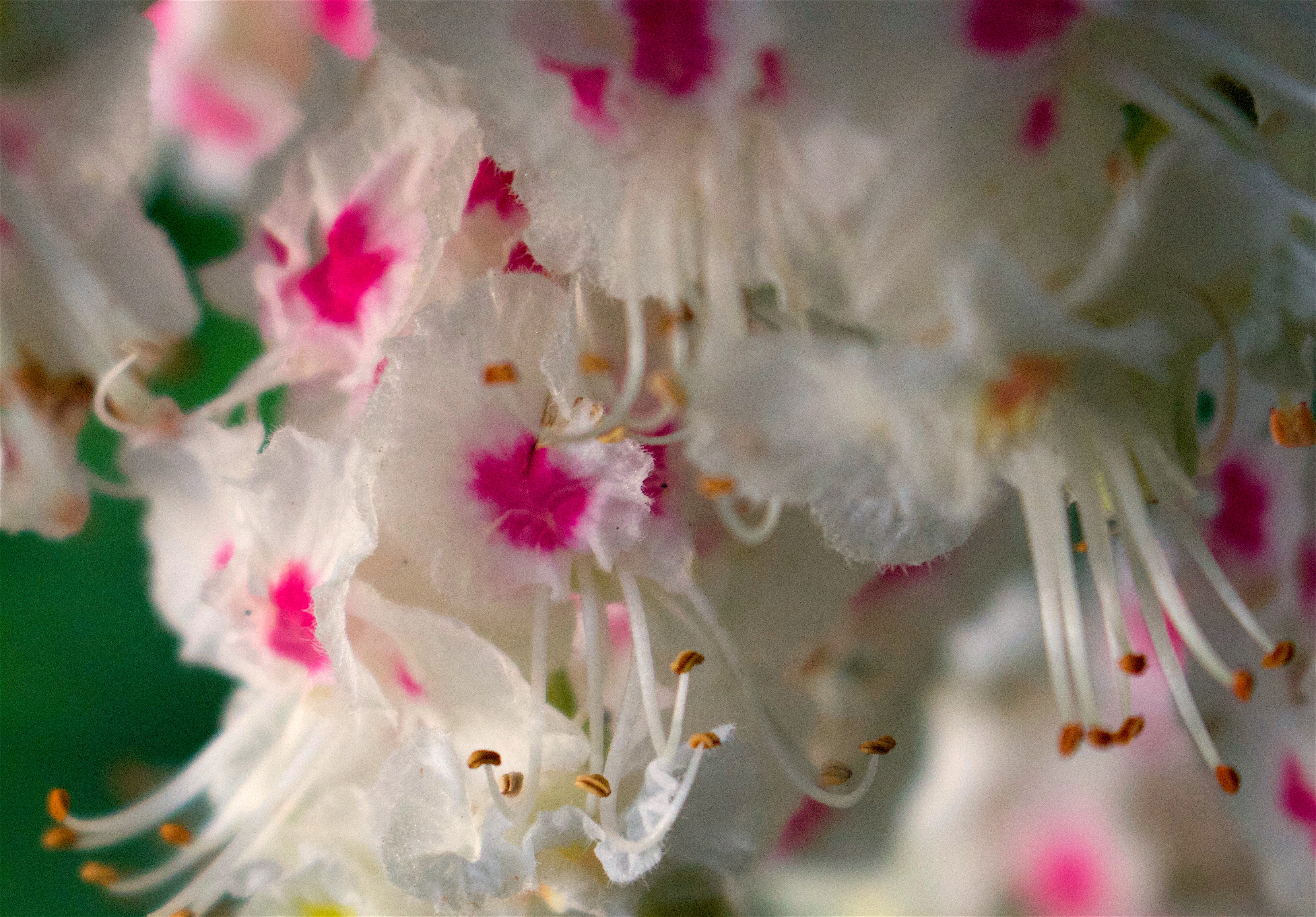
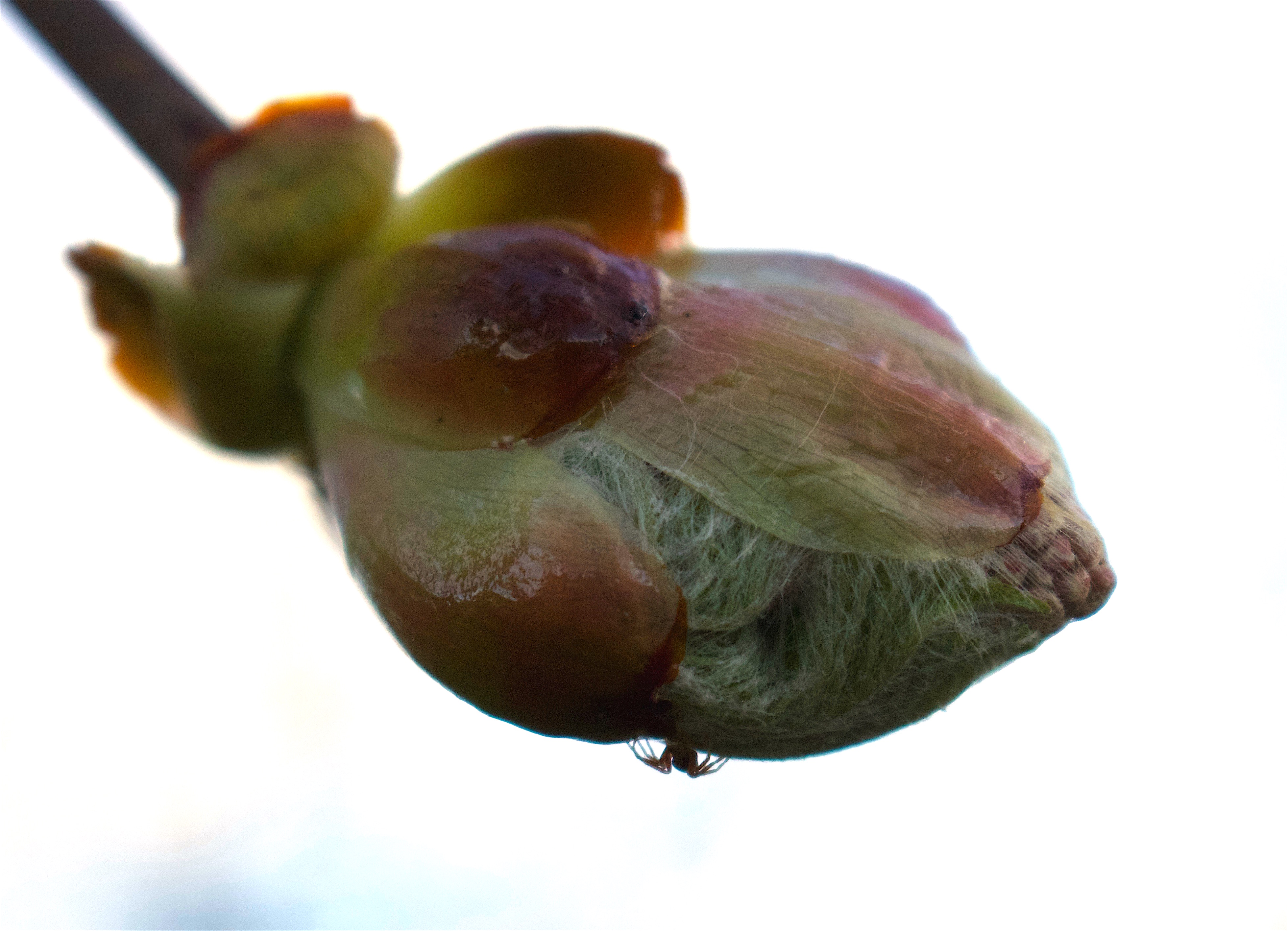
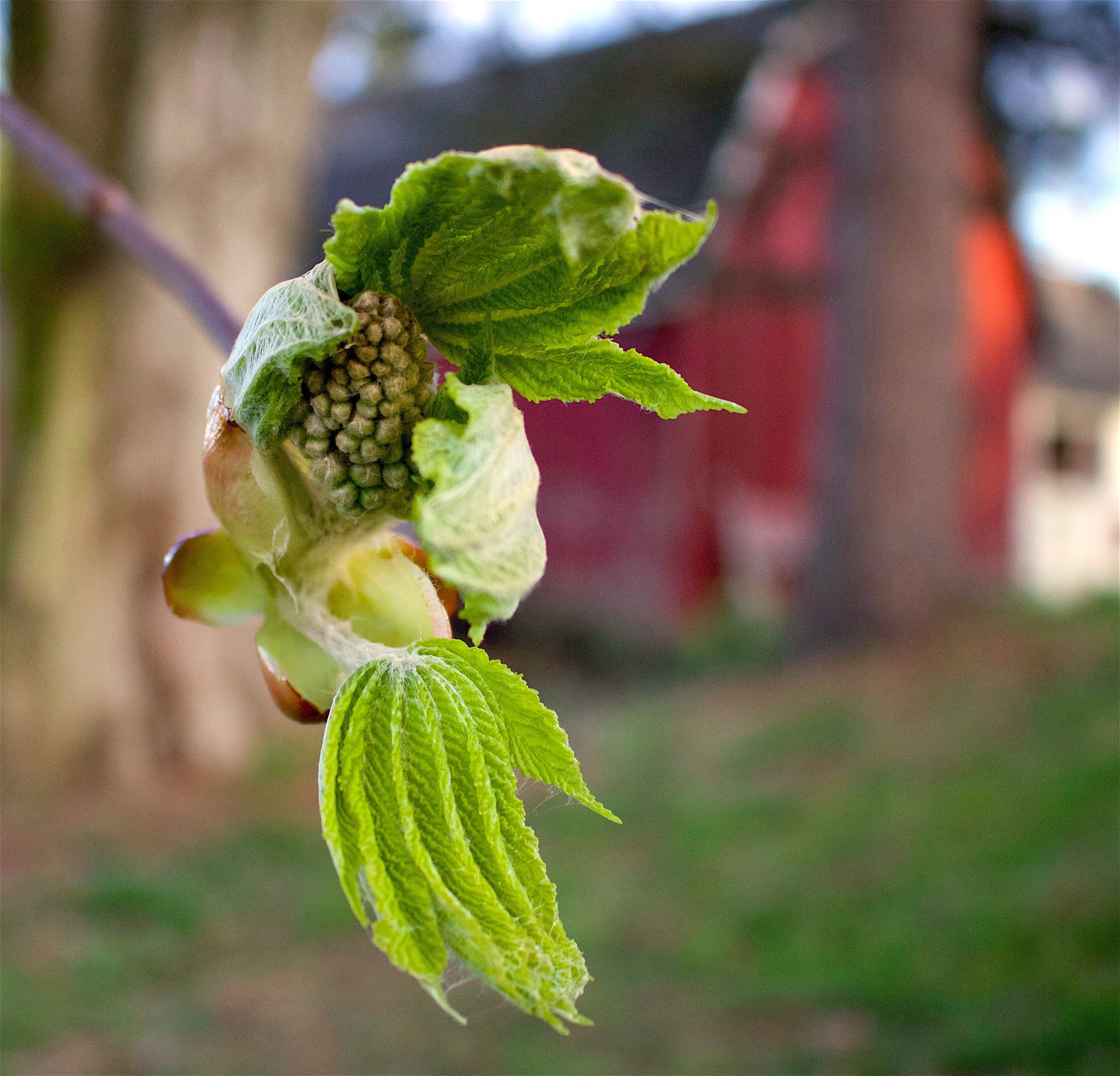
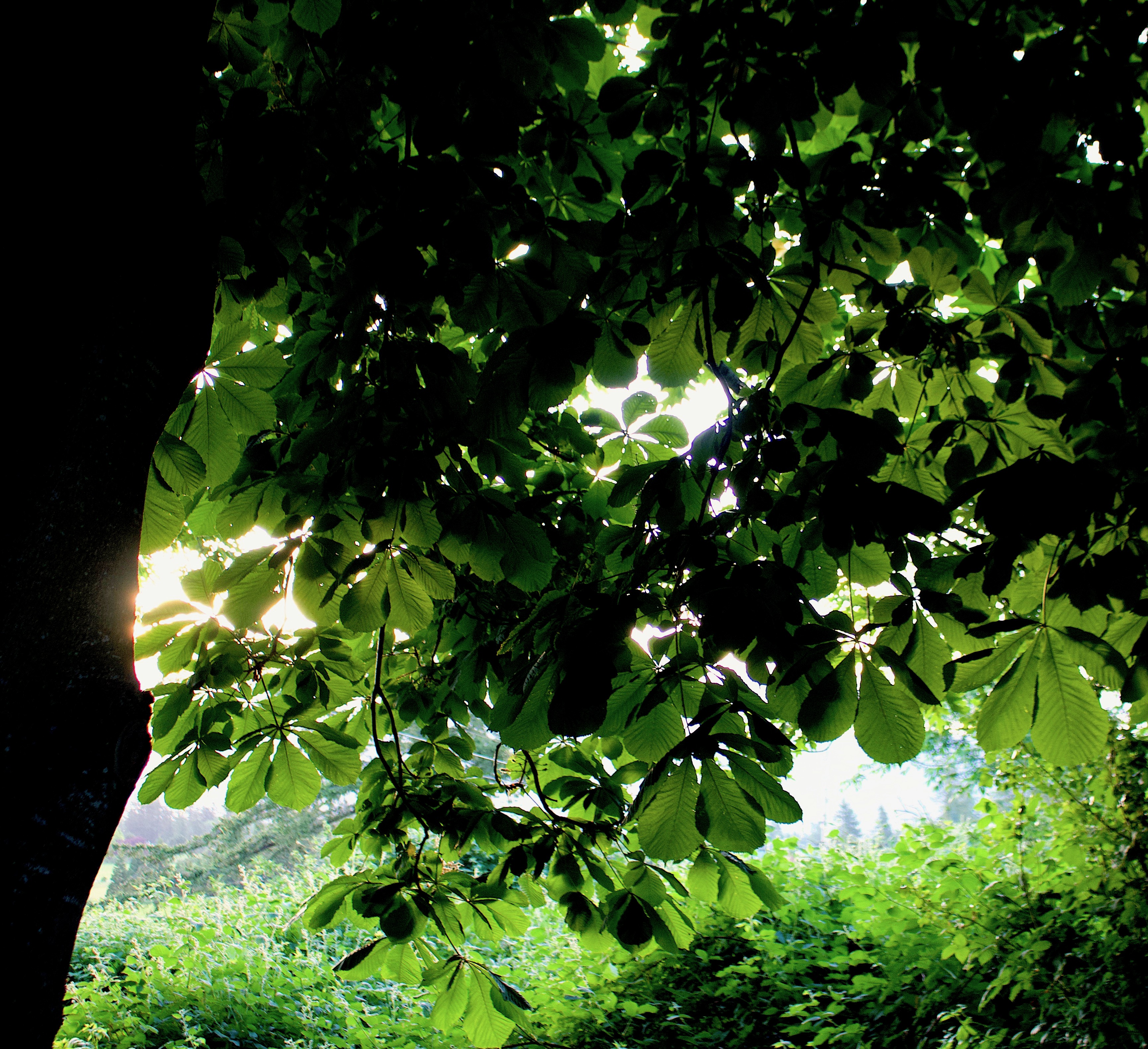
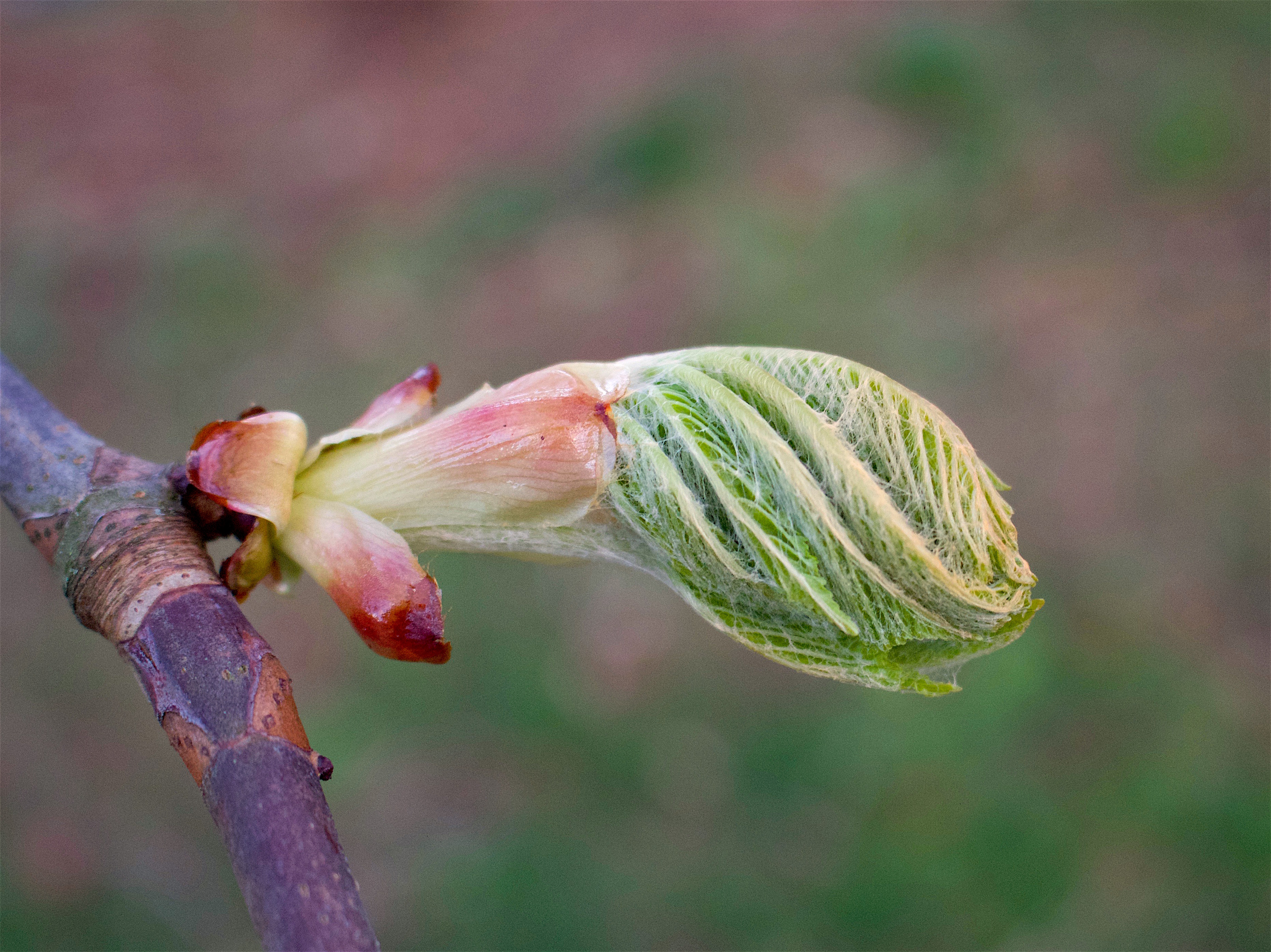
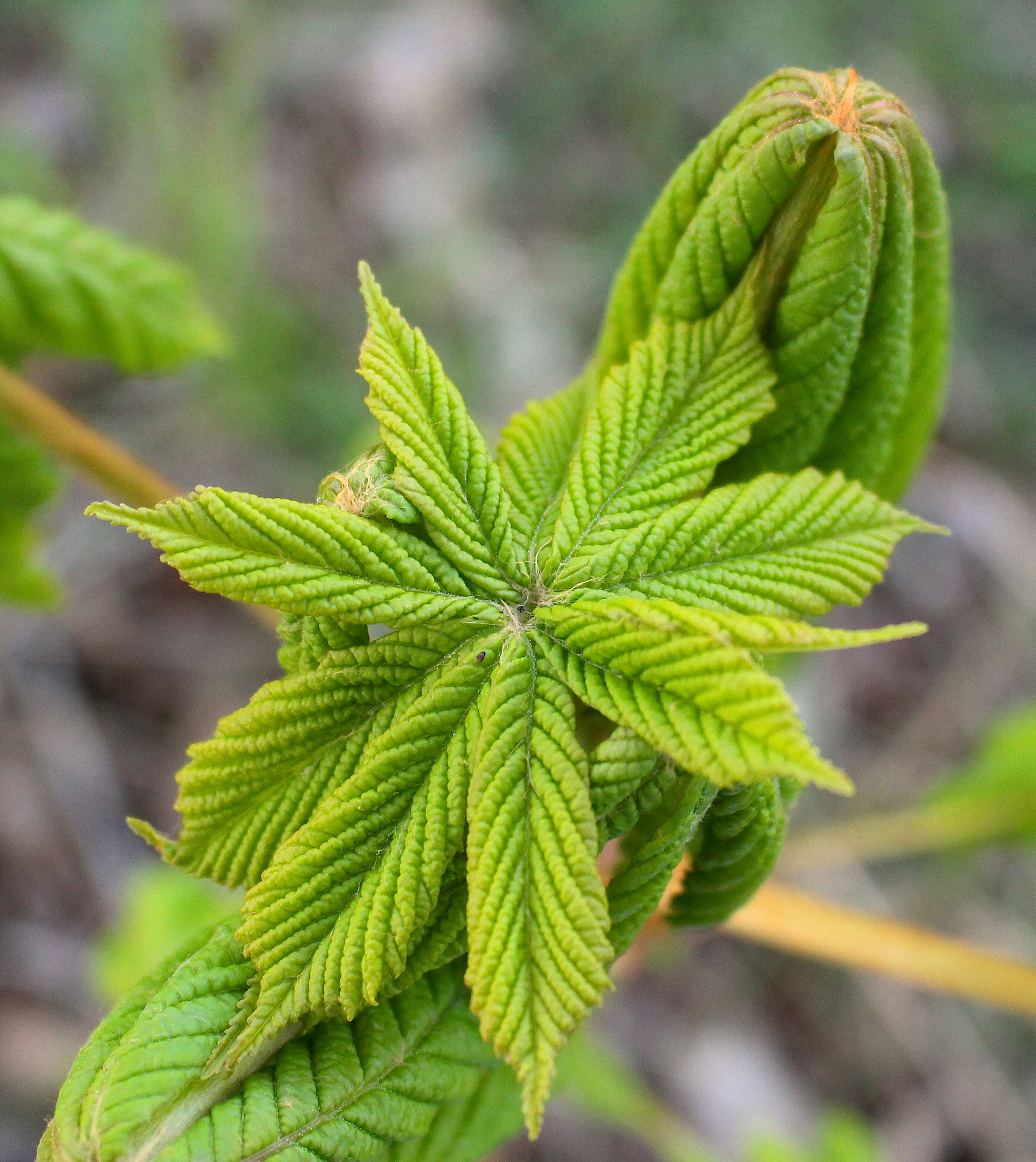
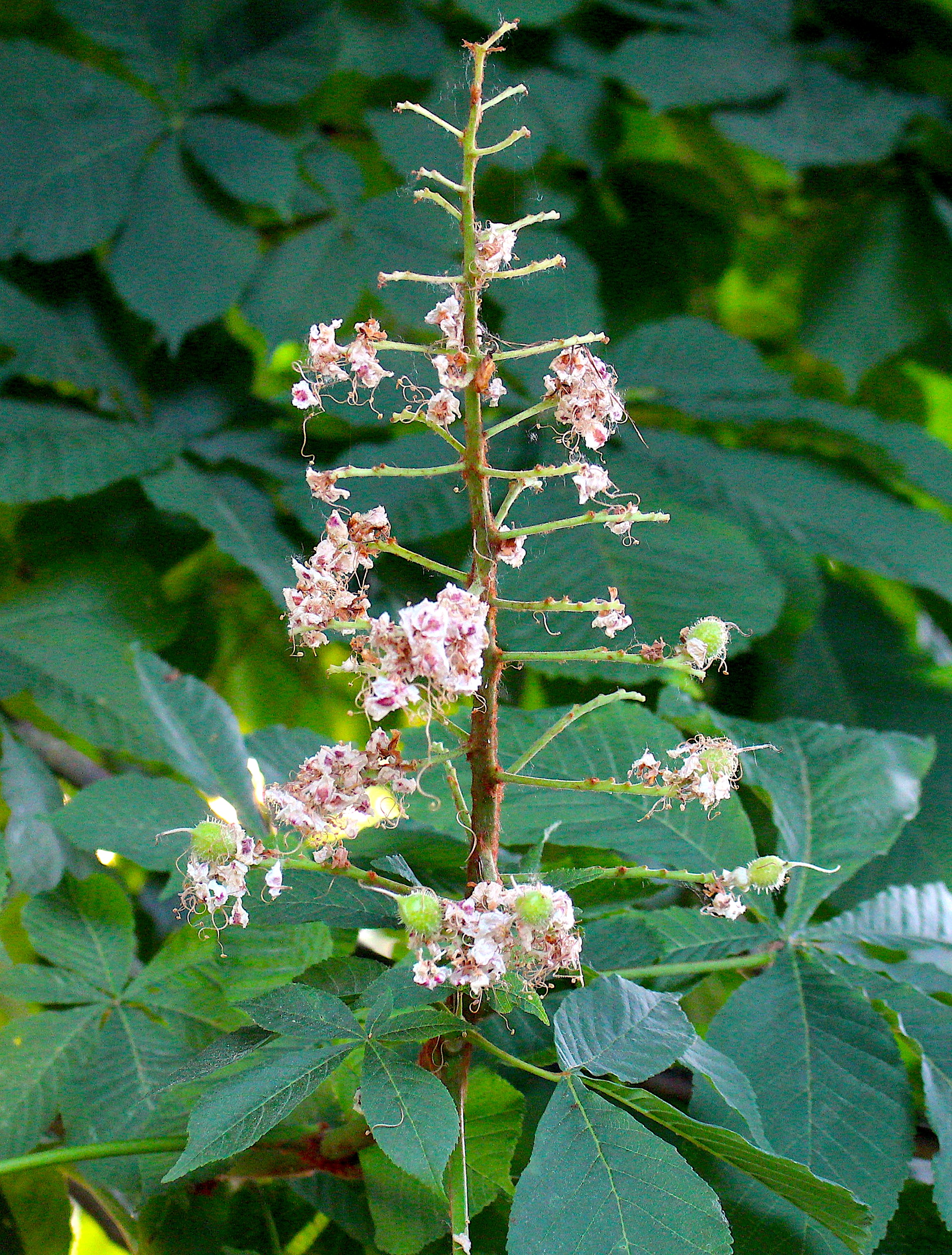
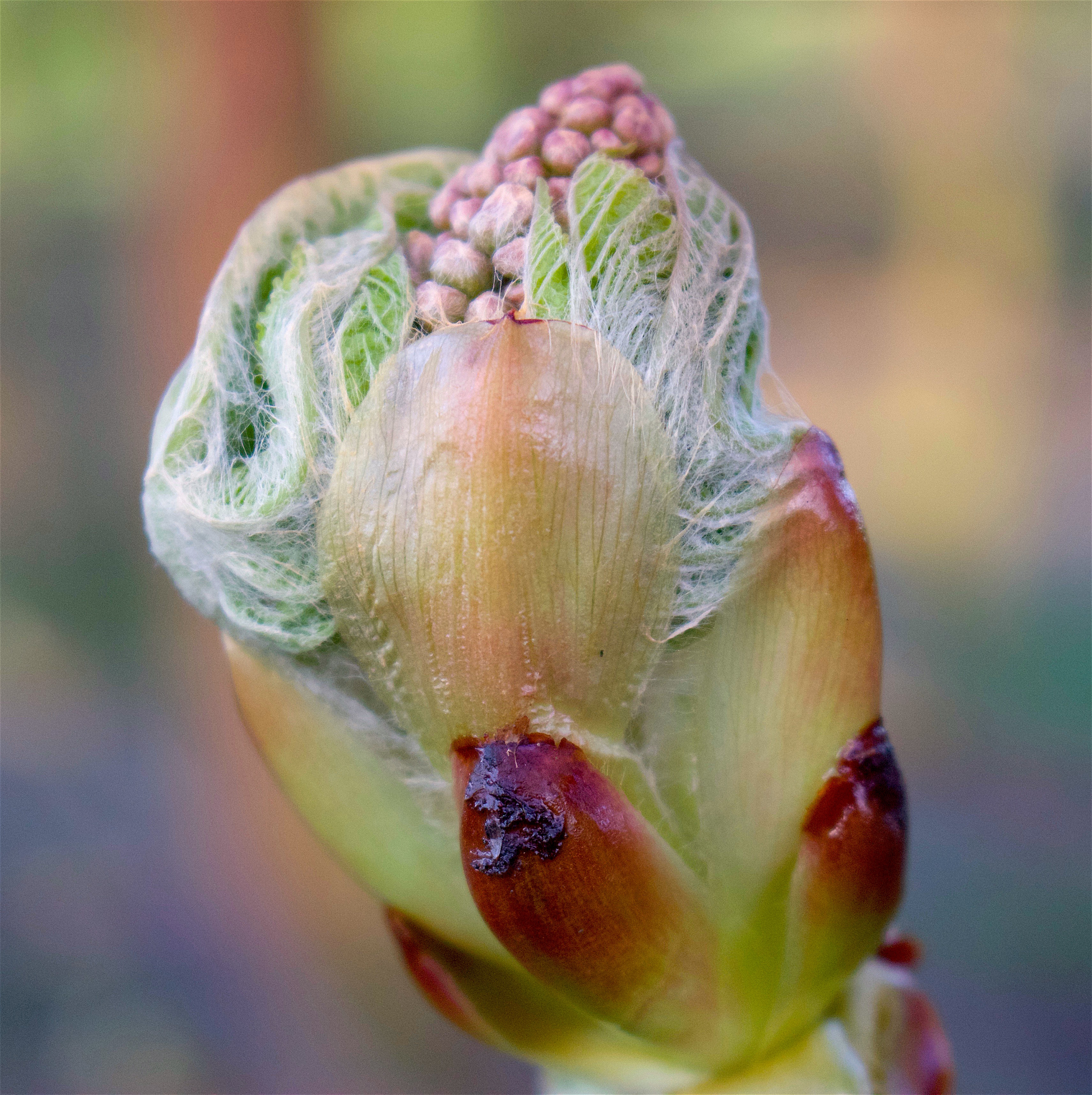
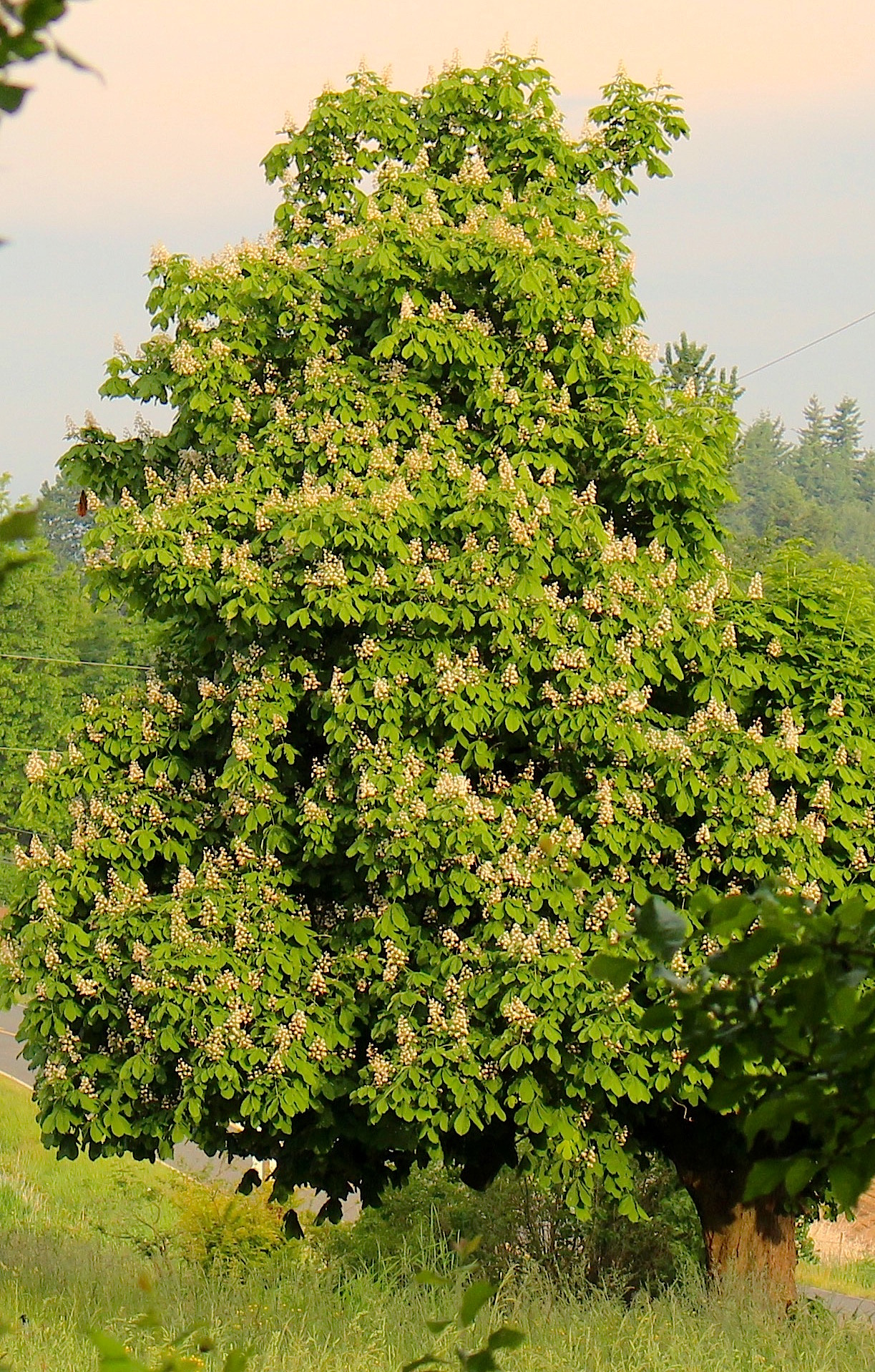
Each May the horse chestnut tree in our front yard transforms for a week into a Renoir painting. It explodes into hundreds of bright clusters of delicate orchid-like blossoms, forming cone shaped floral candles illuminating the spreading branches. However, its setting is more peasant than romantic, as the tree stands in common company between a pine tree and a poplar lining the rural driveway into our barnyard. This is an exceedingly humble spot for a tree bedecked with such majestic lighting, its tender broad leafed branches brushed and broken by passing hay wagons and shavings trucks.
Although its graceful beauty seems more appropriate along the Seine River, during the summer it fits perfectly in its spot near our haybarn. Its verdant foliage provides deep cooling shade during hot sweaty days. The branches that were once lit up with scores of pink and white blossoms become leafy respite for a dusty hay crew gulping lemonade in between loads. Horses snooze in the paddocks under its shadow. Birds nest well hidden. The tree becomes sanctuary within and below.
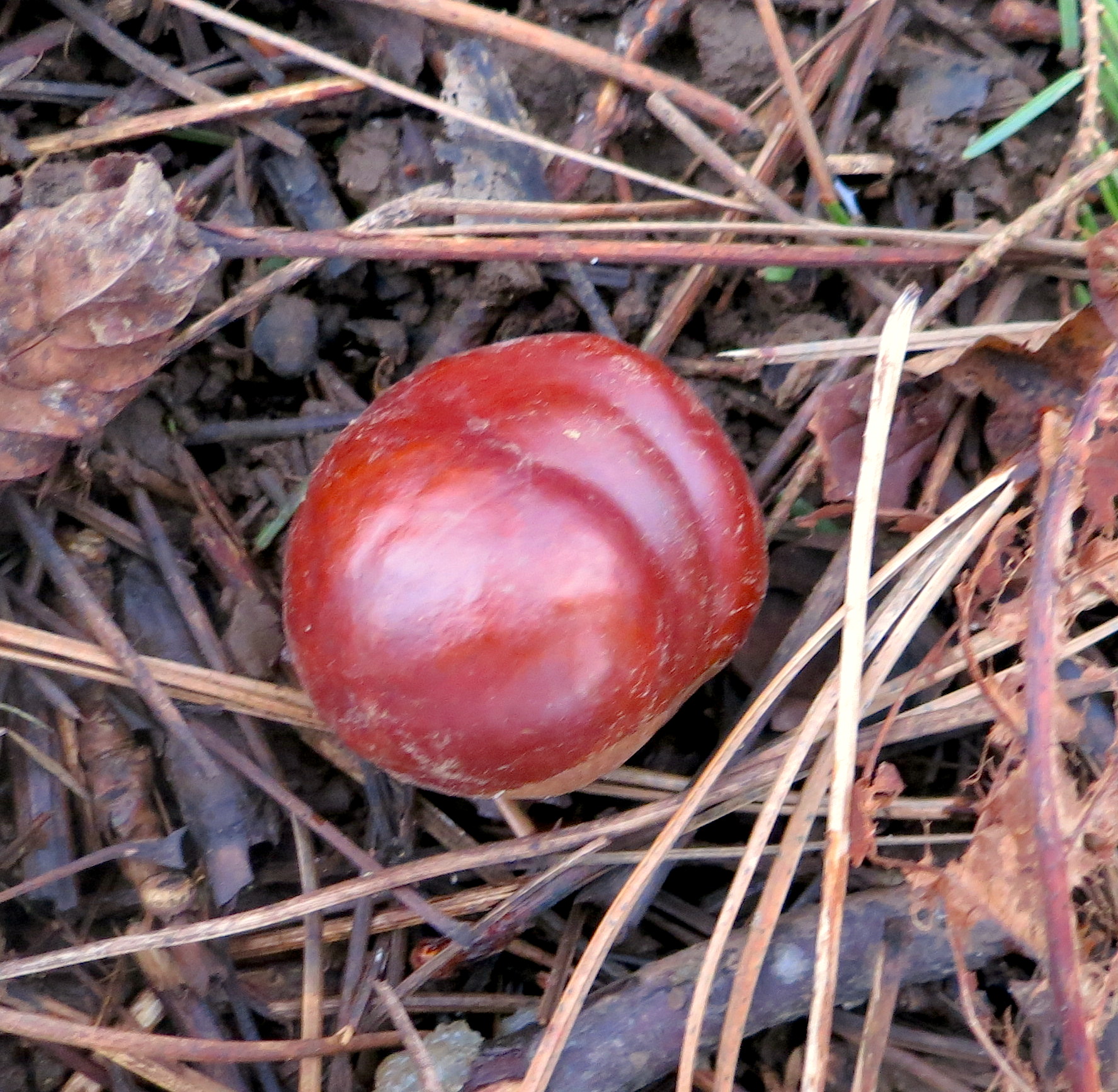
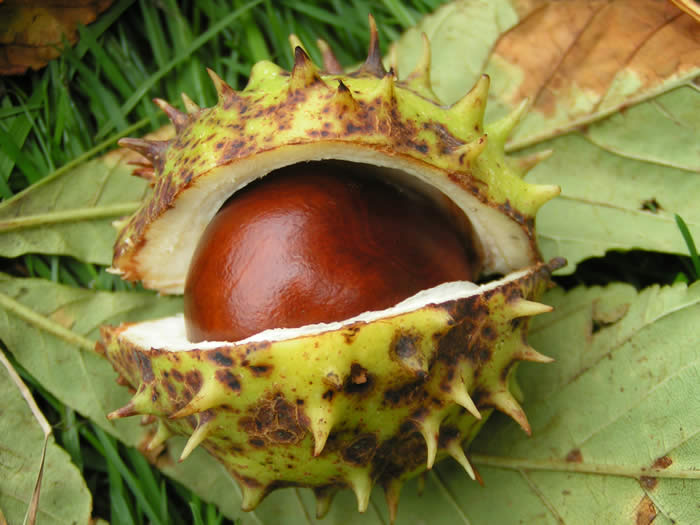
By fall, the tree forms its fruit within unpretentious capsules covered with spines and prickles, visually spiked yet actually soft and pliable. There are few natural things so plain and homely as the buckeye horse chestnut husk. These are shed by the hundreds in autumn wind and rainstorms, and they shower down, cobbling the driveway, eventually to break apart underfoot.
Only by leaving the tree can the deep brown nut be revealed from its hiding place, its richness exposed. From exquisite bloom to shady haven to prickly husk to mahogany harvest, this chestnut tree’s changing palette needs no canvas, no frame, no museum gallery showcase. Instead it’s a year round exhibition is for free, right in our front yard.











 Barnstorming