Stand near the river with your feet slightly apart. Push your toes down beyond the mud, below the water. Stretch your arms and head back deliberately, until straight lines no longer matter—until the sky from any angle is your desire. Let the skin go grey and split open. If you die a little somewhere the wind will carve the branches back into an alphabet someone will try to remember how to read. Stay this way half a century or more, turning leaves in the half-note tides of the air. Inside, with that blood so slow no one hears it, set buds for spring by each late October. November, December, dream what it means being owl…or star. ~Kathleen Cain, “What This Means, Being Cottonwood” from Times of Sorrow, Times of Grace
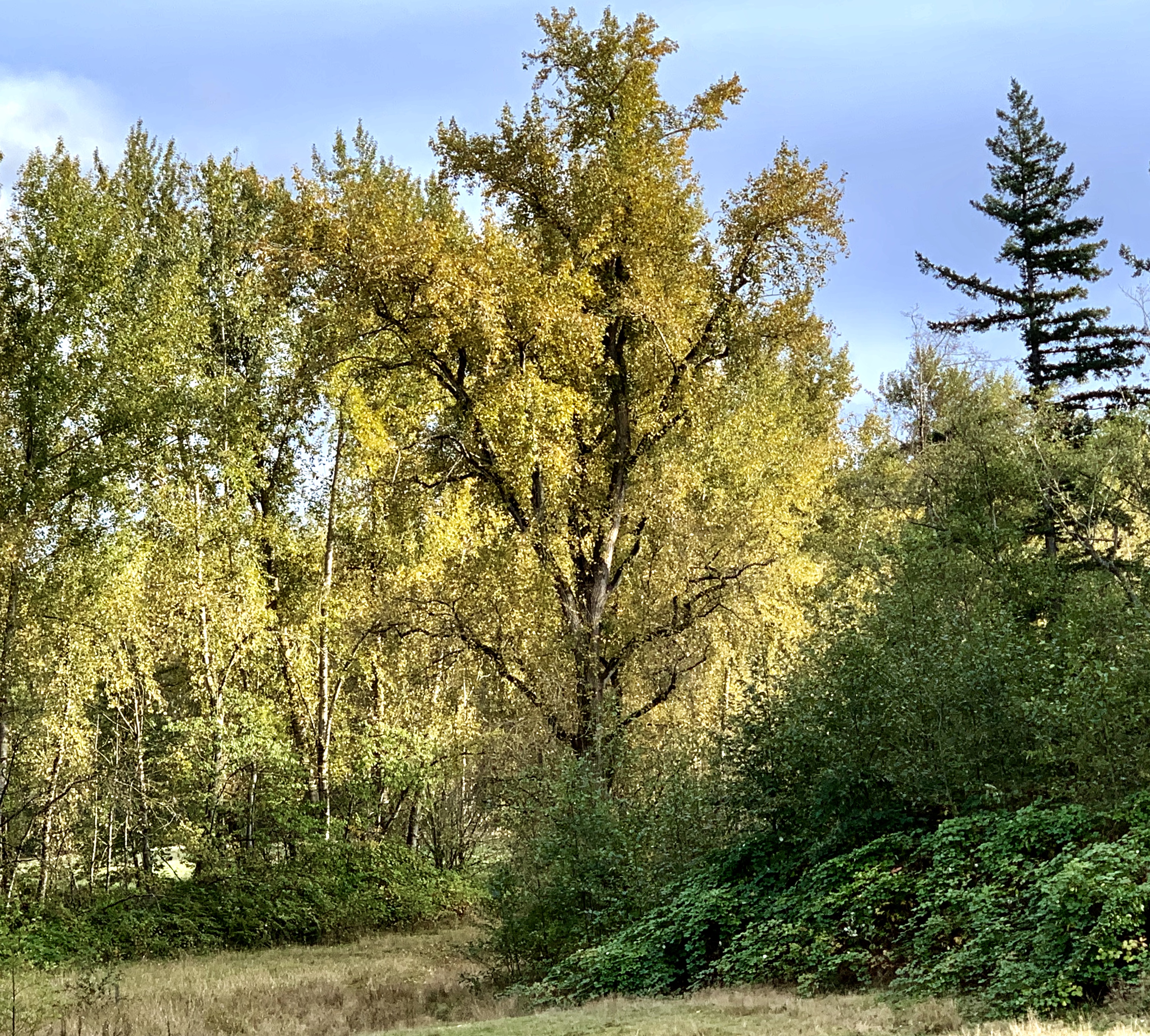
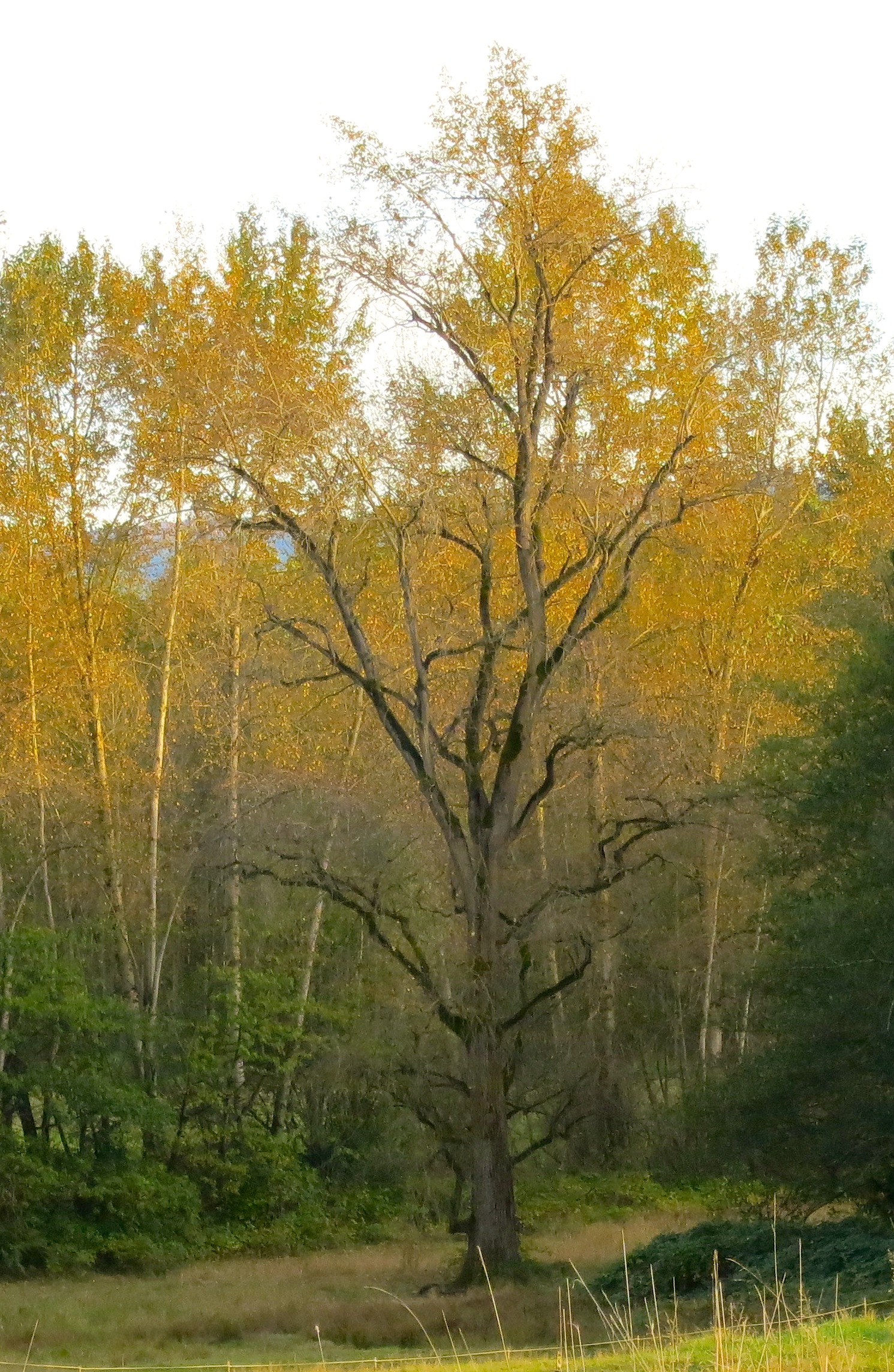
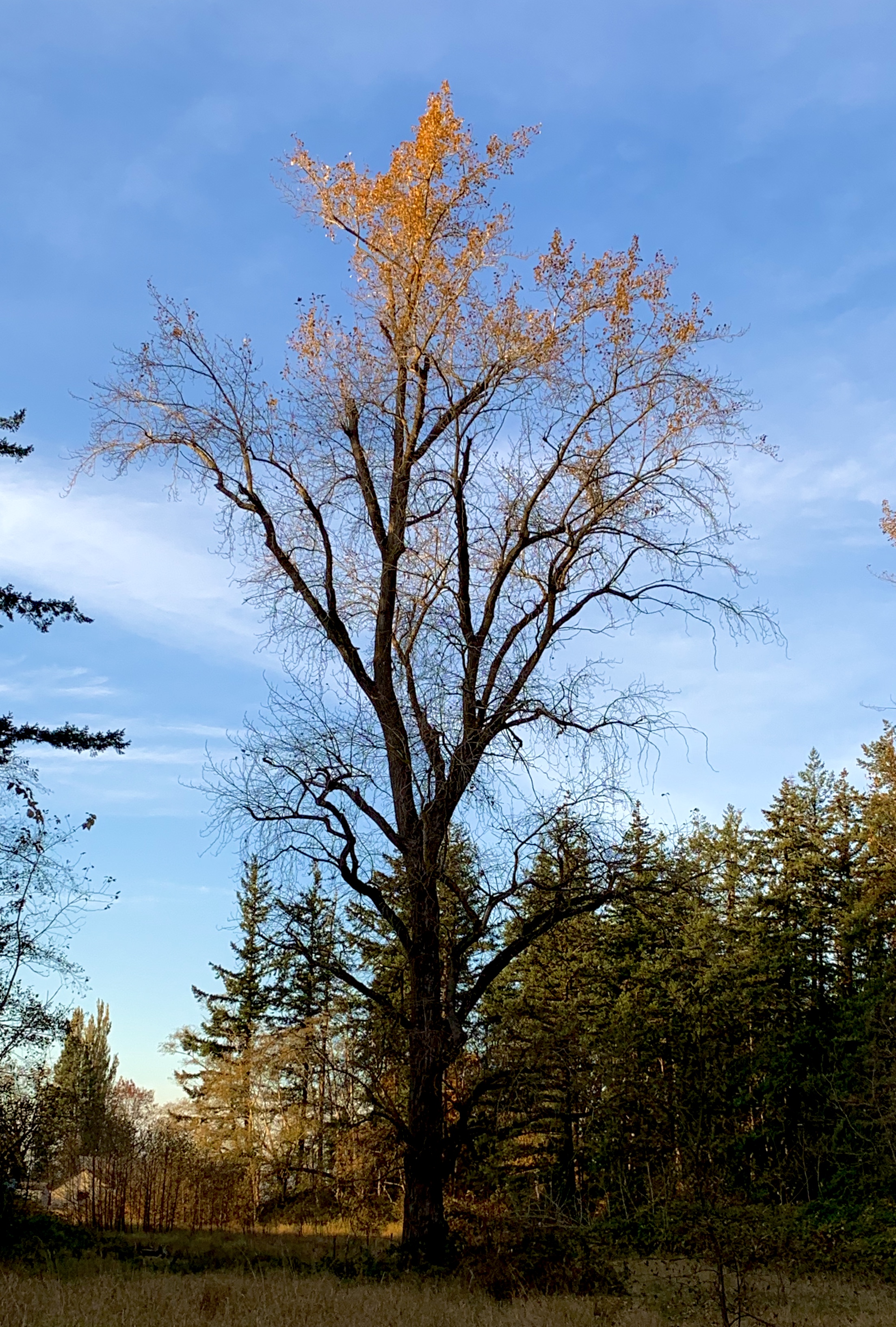
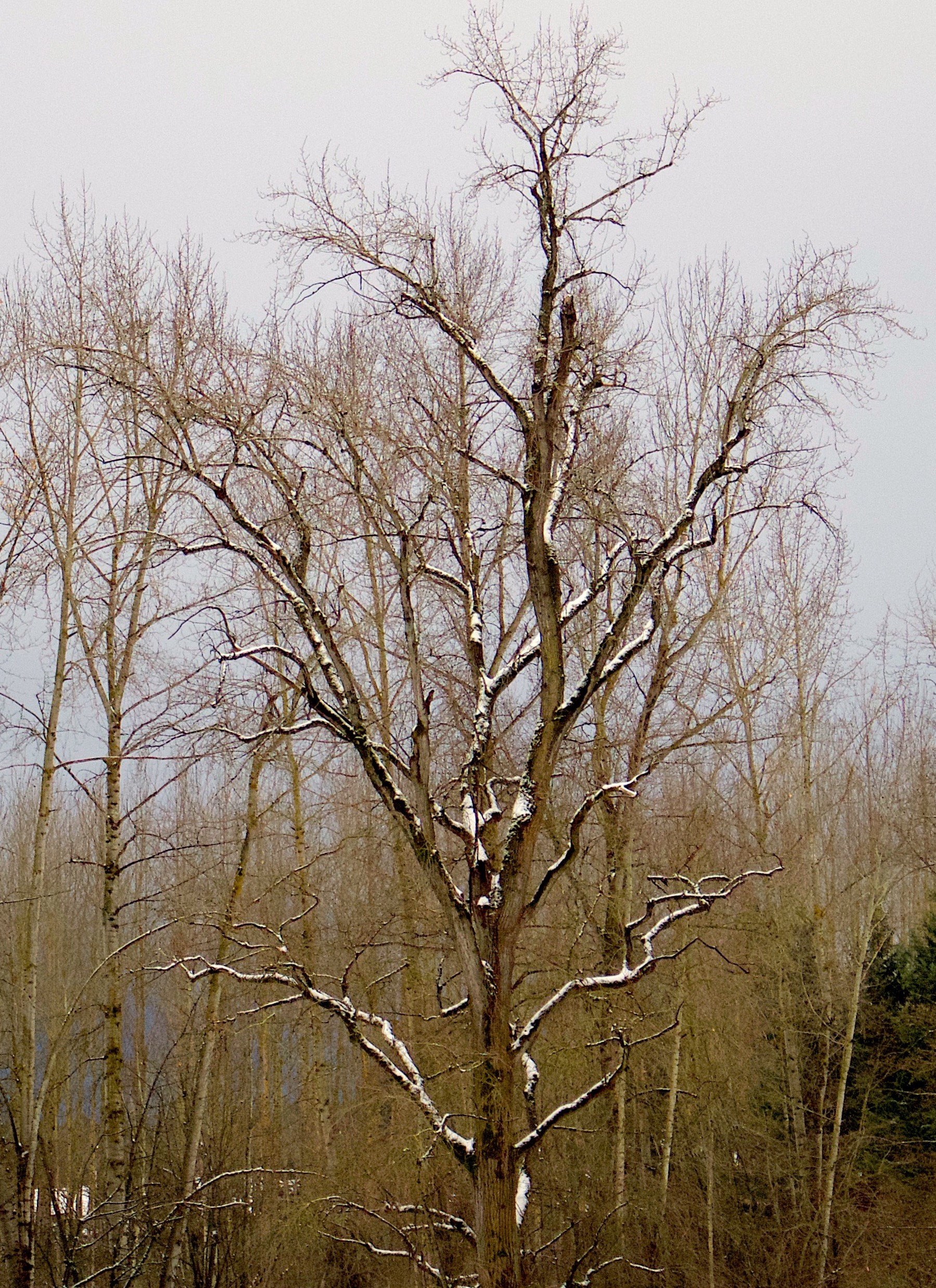
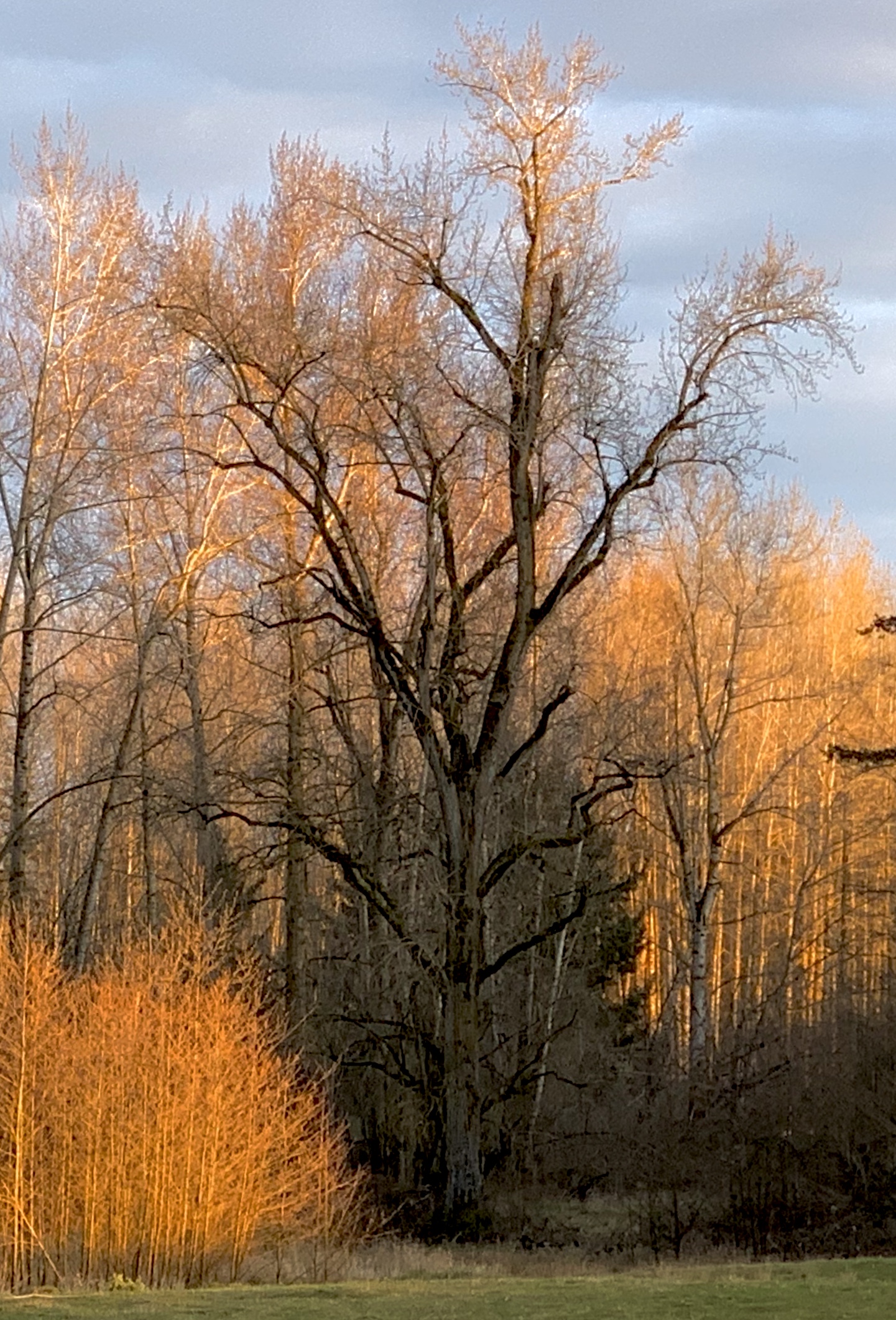
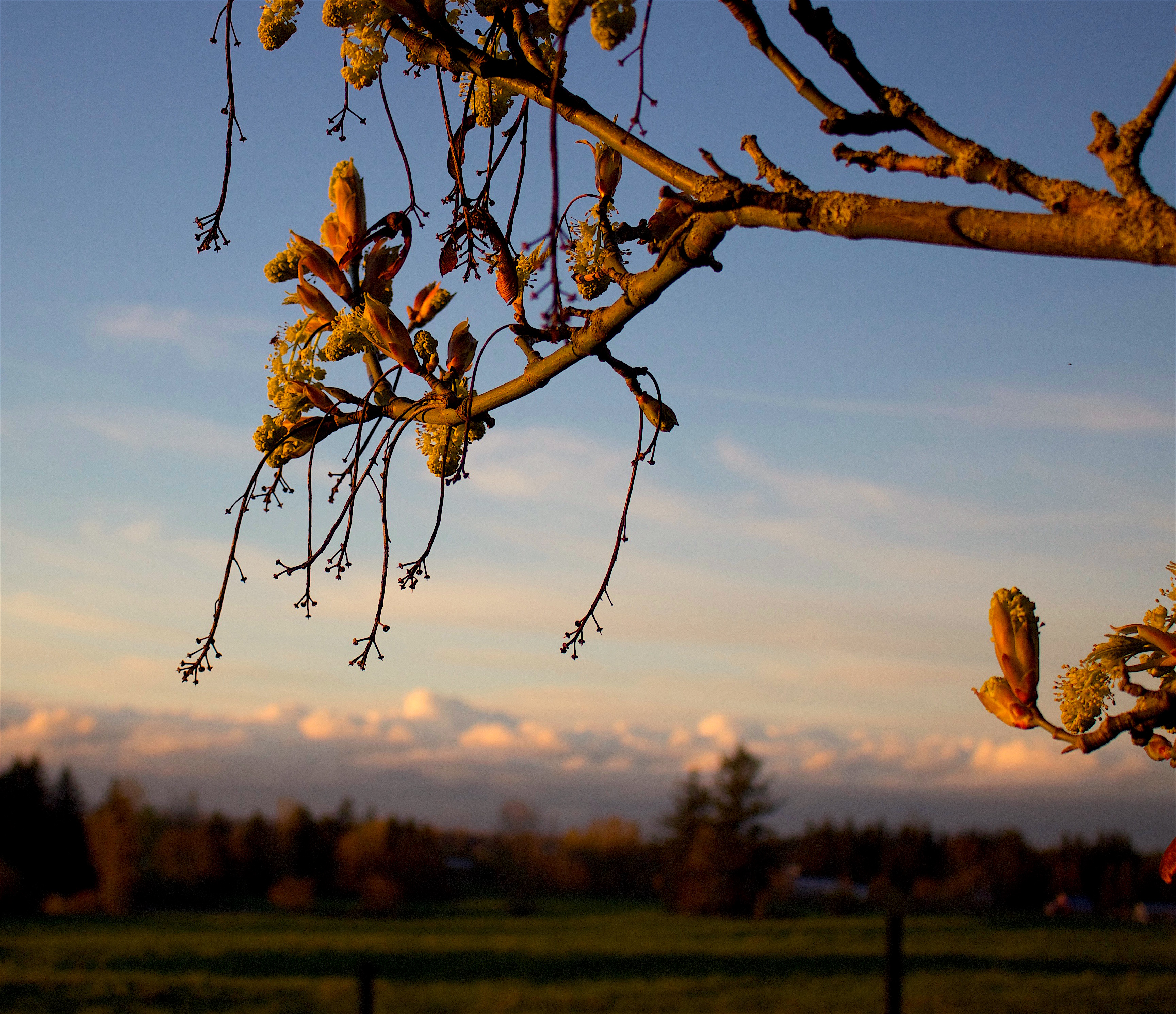
According to old Morton Lawrence, the original owner of this farm, this particular cottonwood was a special tree. He called it the “Balm of Gilead” tree for the sticky resin that exudes from its spring buds, which he liked to rub into his dry cracked hands. The scent is memorable, both sweet and green, and invokes the smell of spring ground awakening from a long winter.
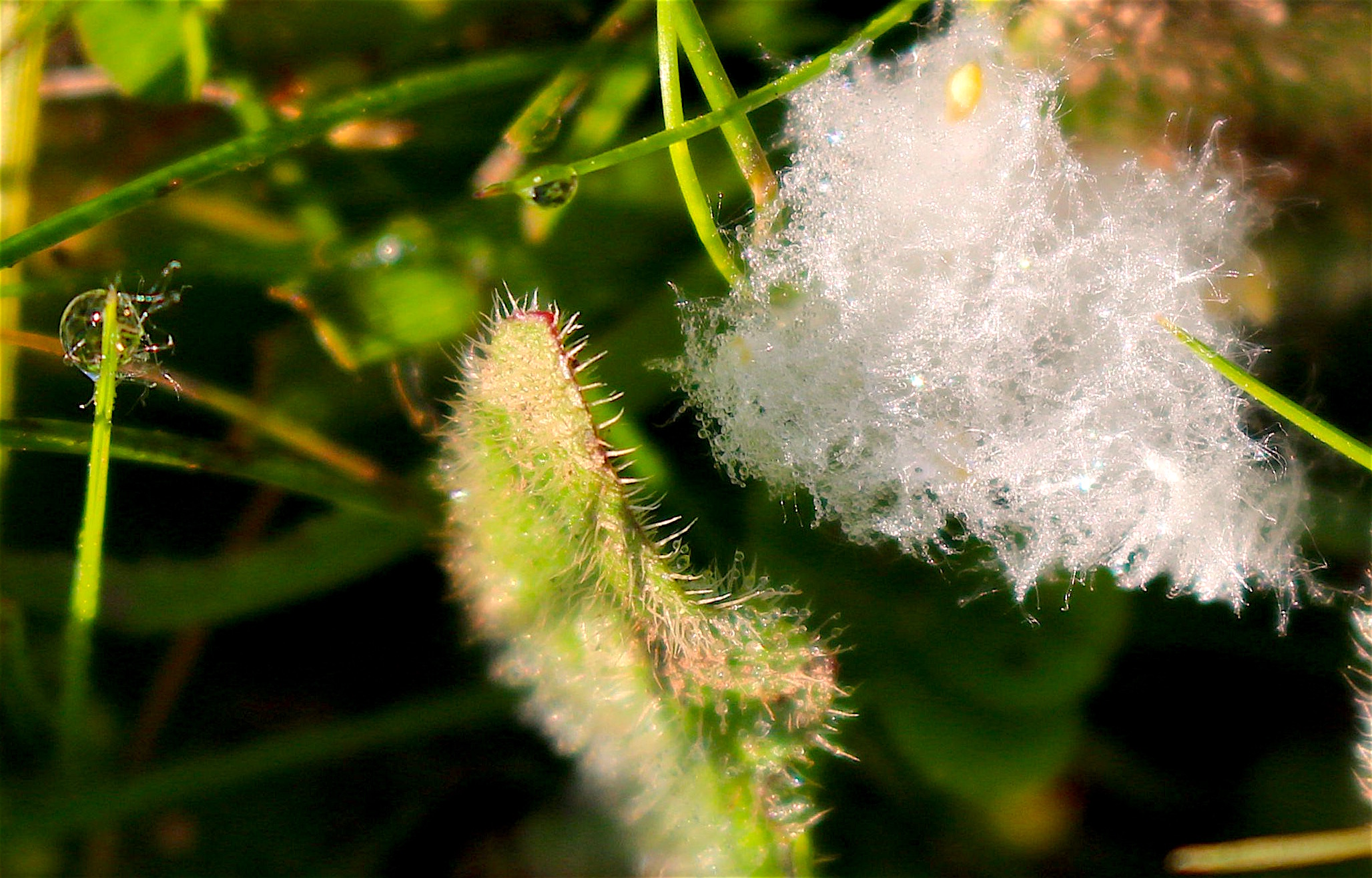
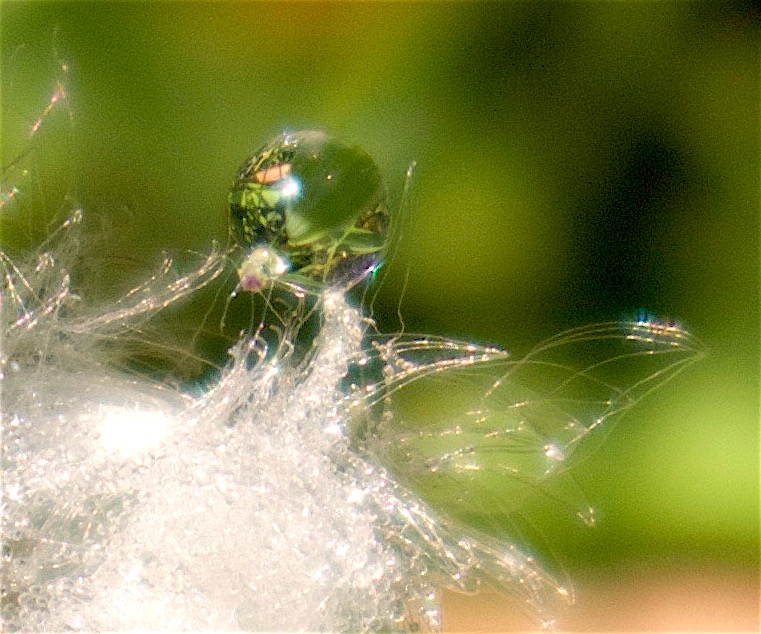
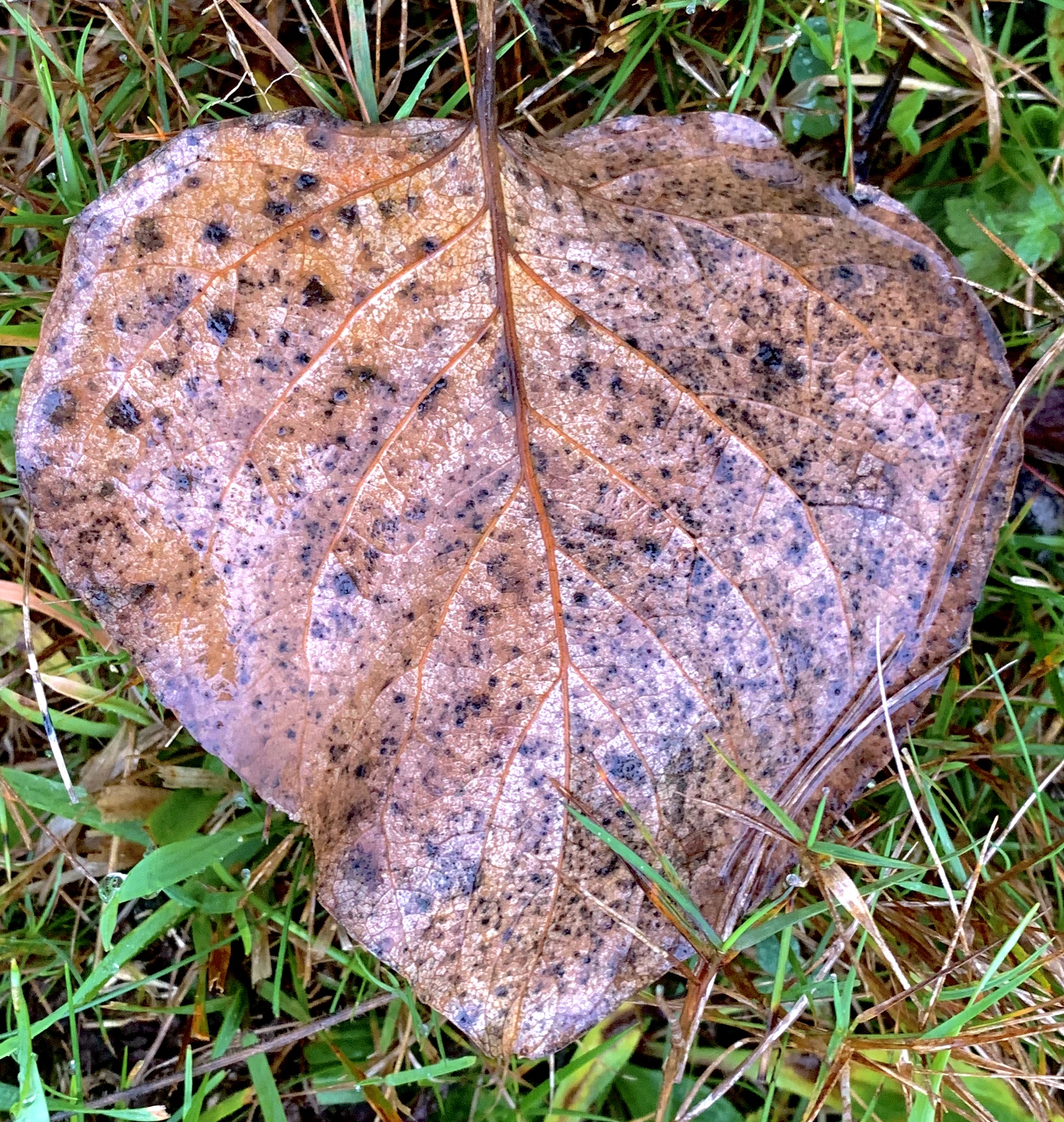
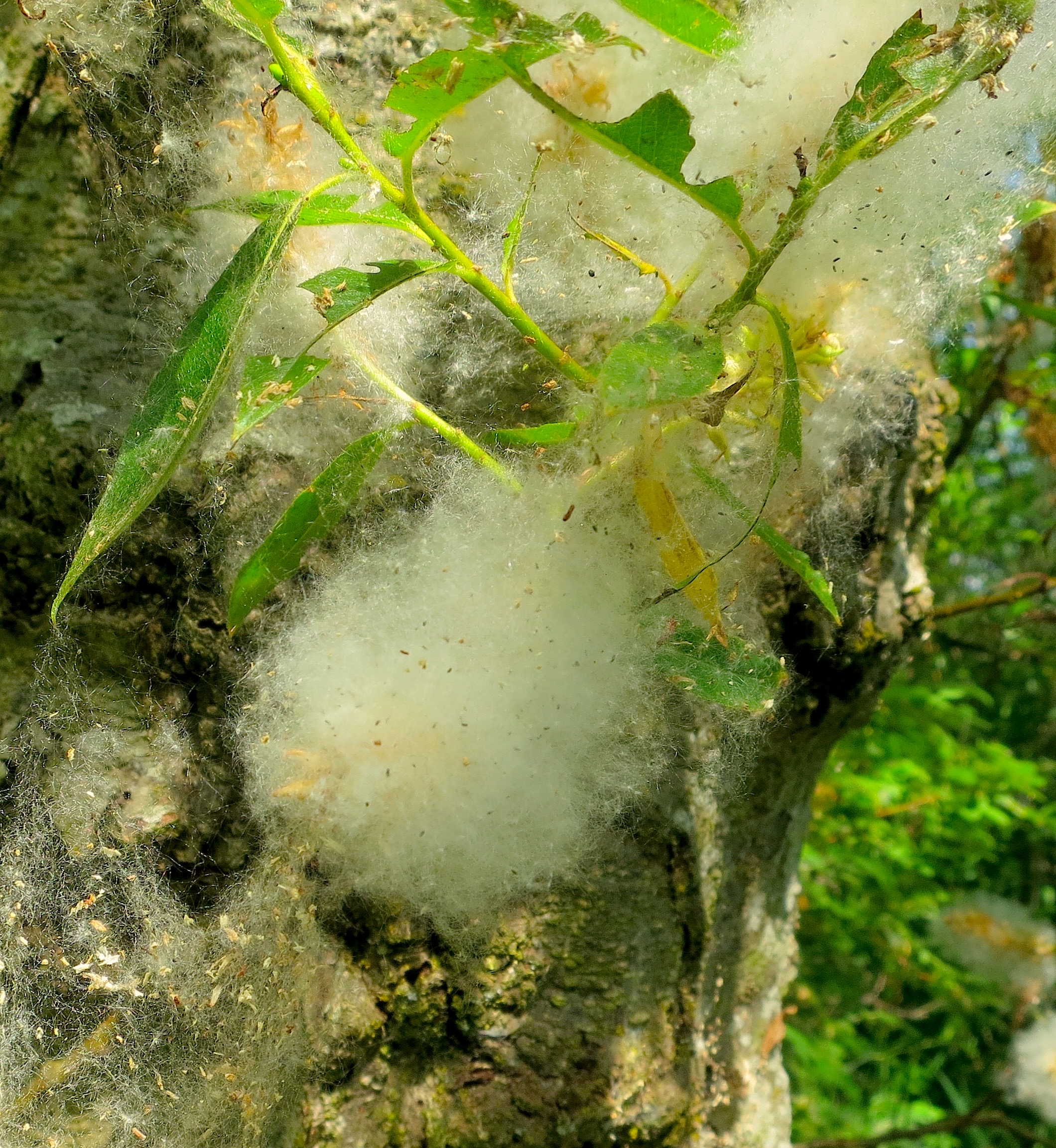
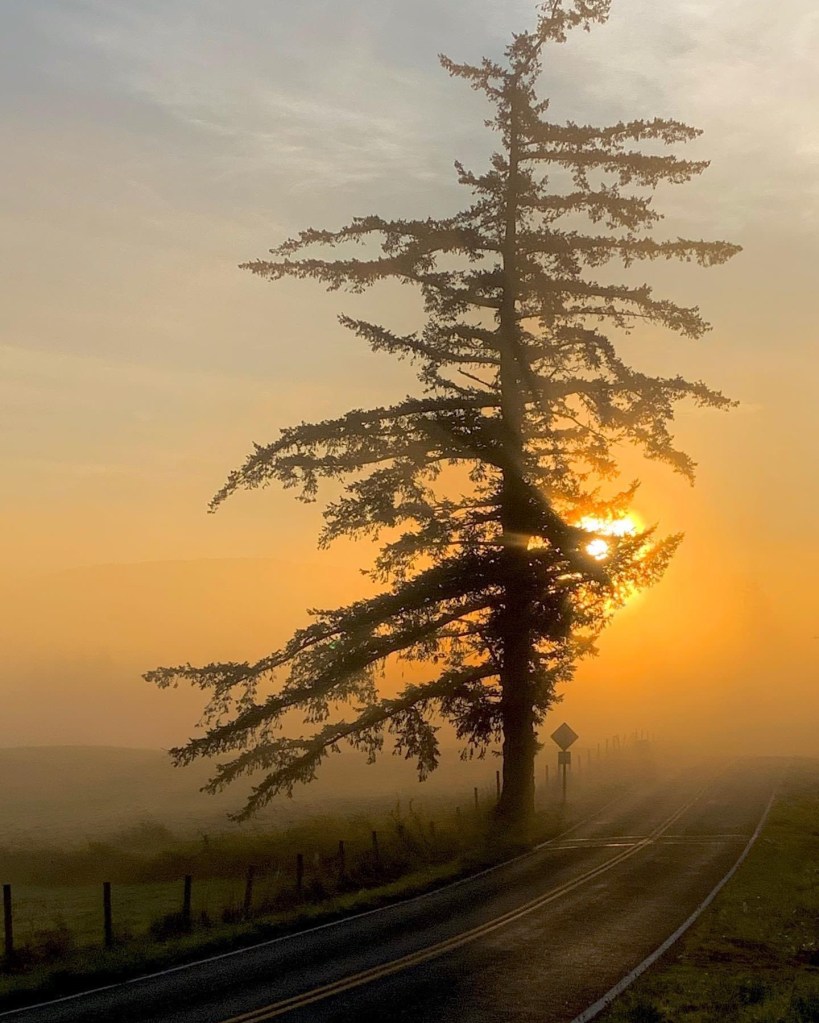
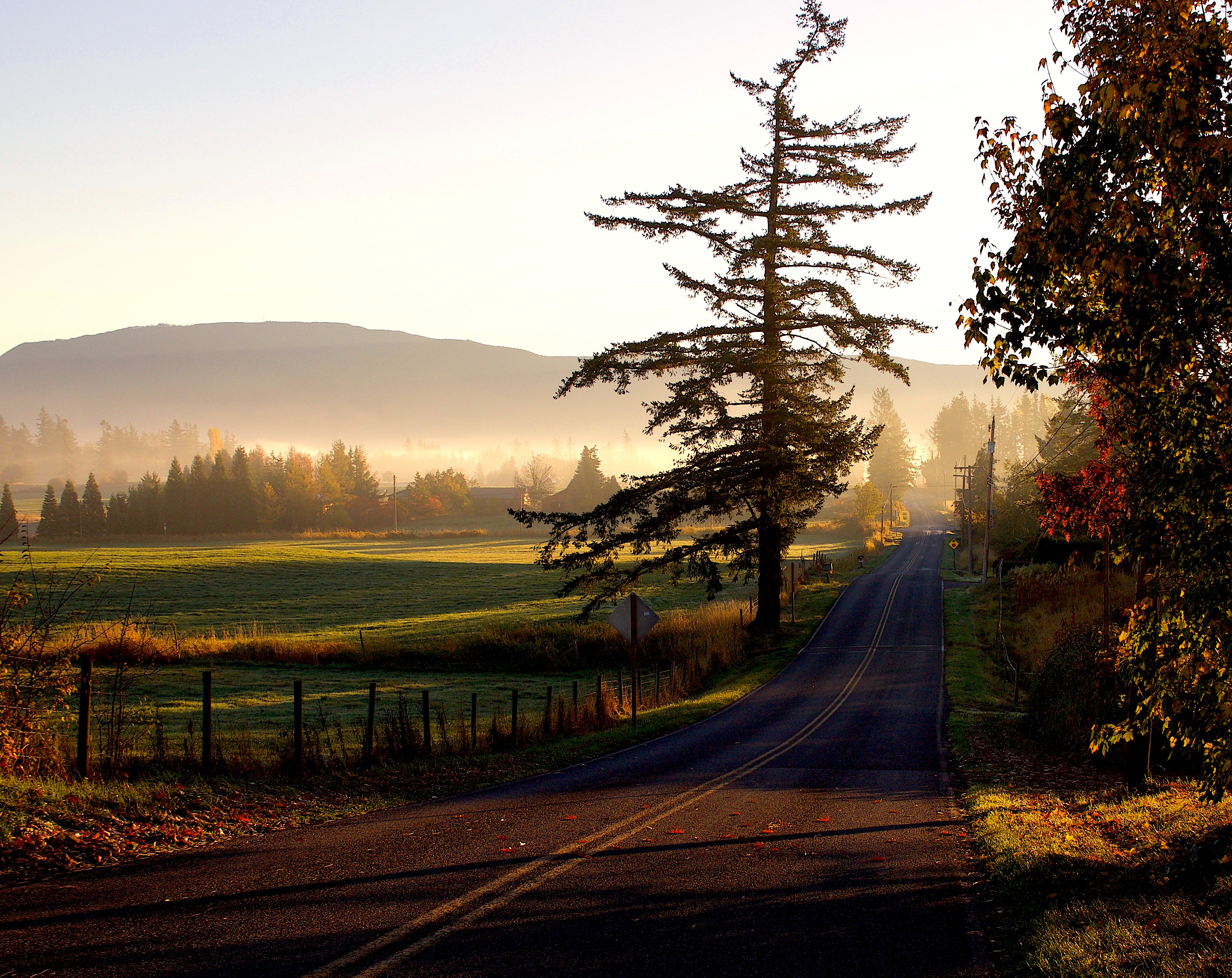
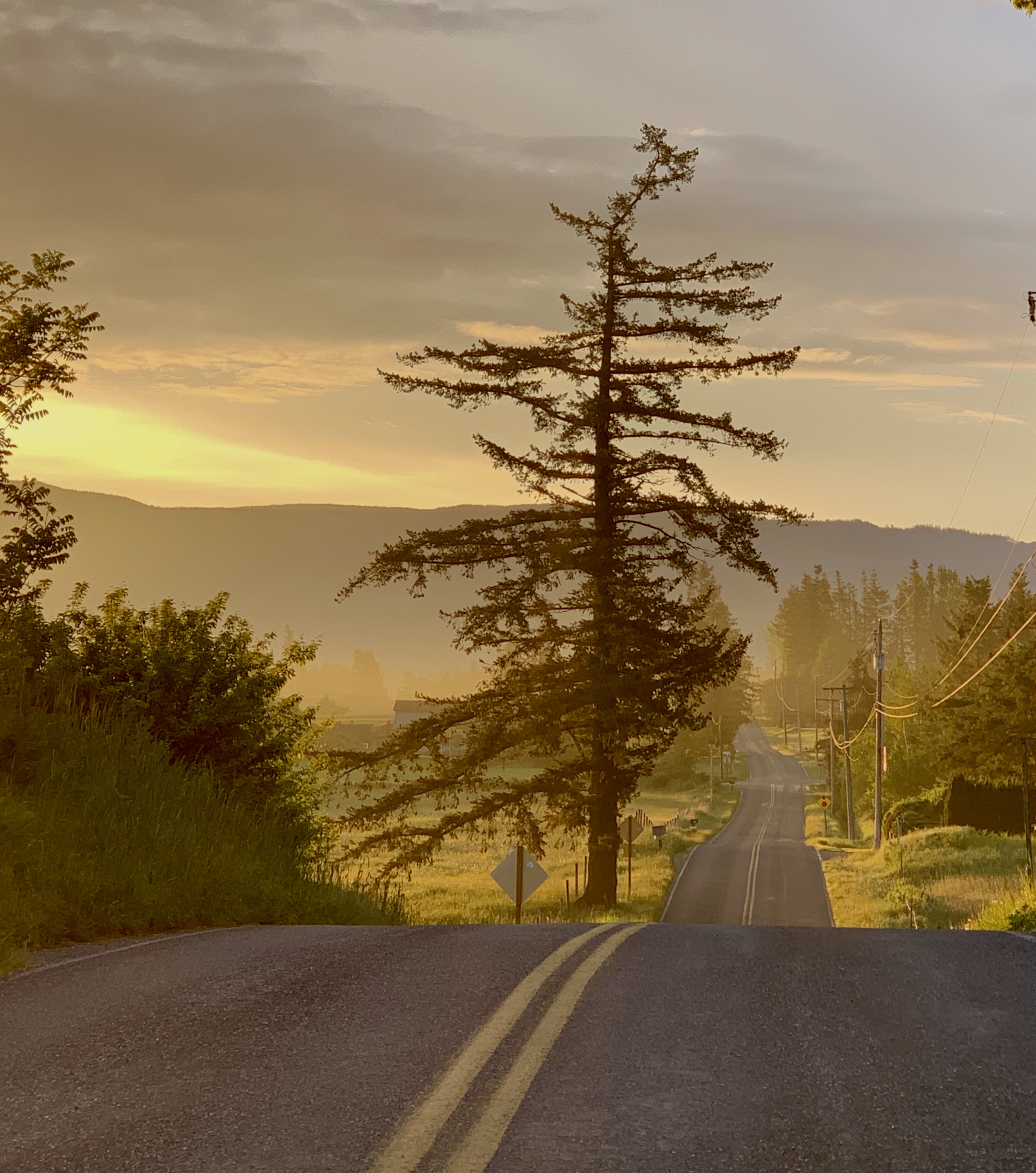
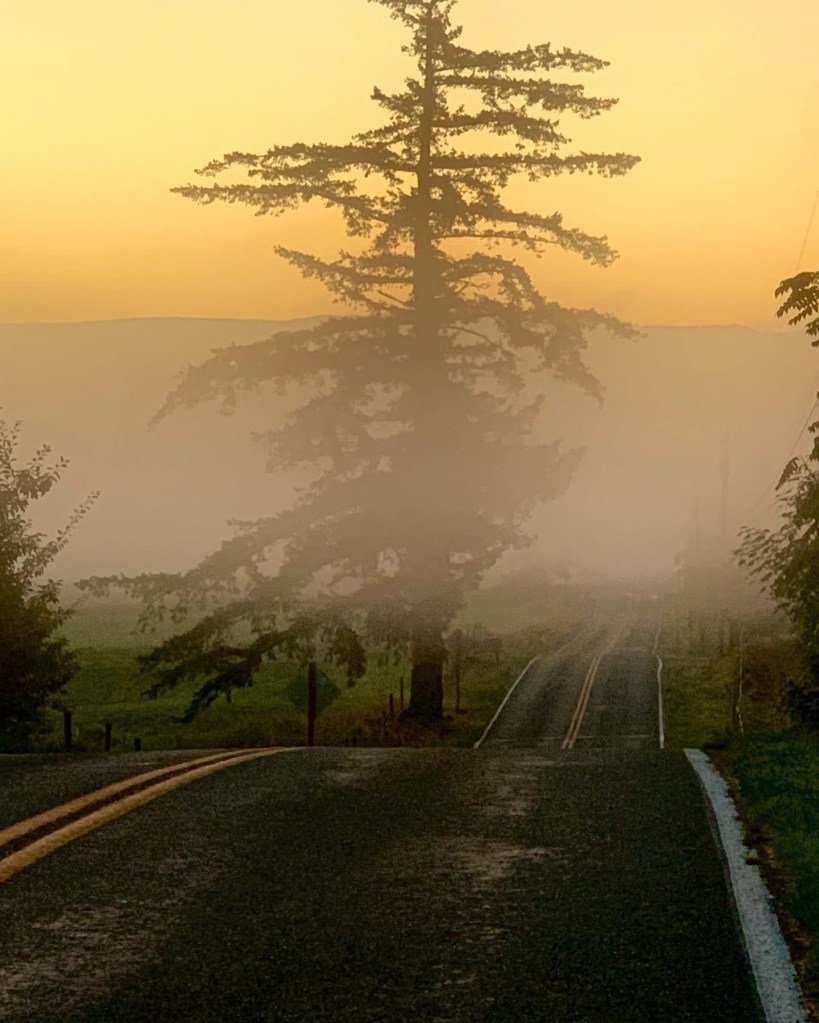
The big tree stands apart from the rest of the forest, always a sentinel of the seasons, blowing cotton fluff in the late spring and heart-shaped leaves in the fall, covering the surrounding fields.
The buds may well have healing properties, as described in the Book of Jeremiah in the Old Testament, but it is this tree that I depend upon for its unblinking steadiness through the worst wind storms, the driest summers and our iced-over winters. The cottonwood, in its multi-armed reach to the skies, is balm to my eyes, no matter when I look at it — a dream of the healing I’ll find someday in heaven for all that ails me.
The road is long With many a winding turn That leads us to who knows where Who knows where But I’m strong Strong enough to carry him He ain’t heavy, he’s my brother
If I’m laden at all I’m laden with sadness That everyone’s heart Isn’t filled with the gladness Of love for one another
It’s a long, long road From which there is no return While we’re on the way to there Why not share
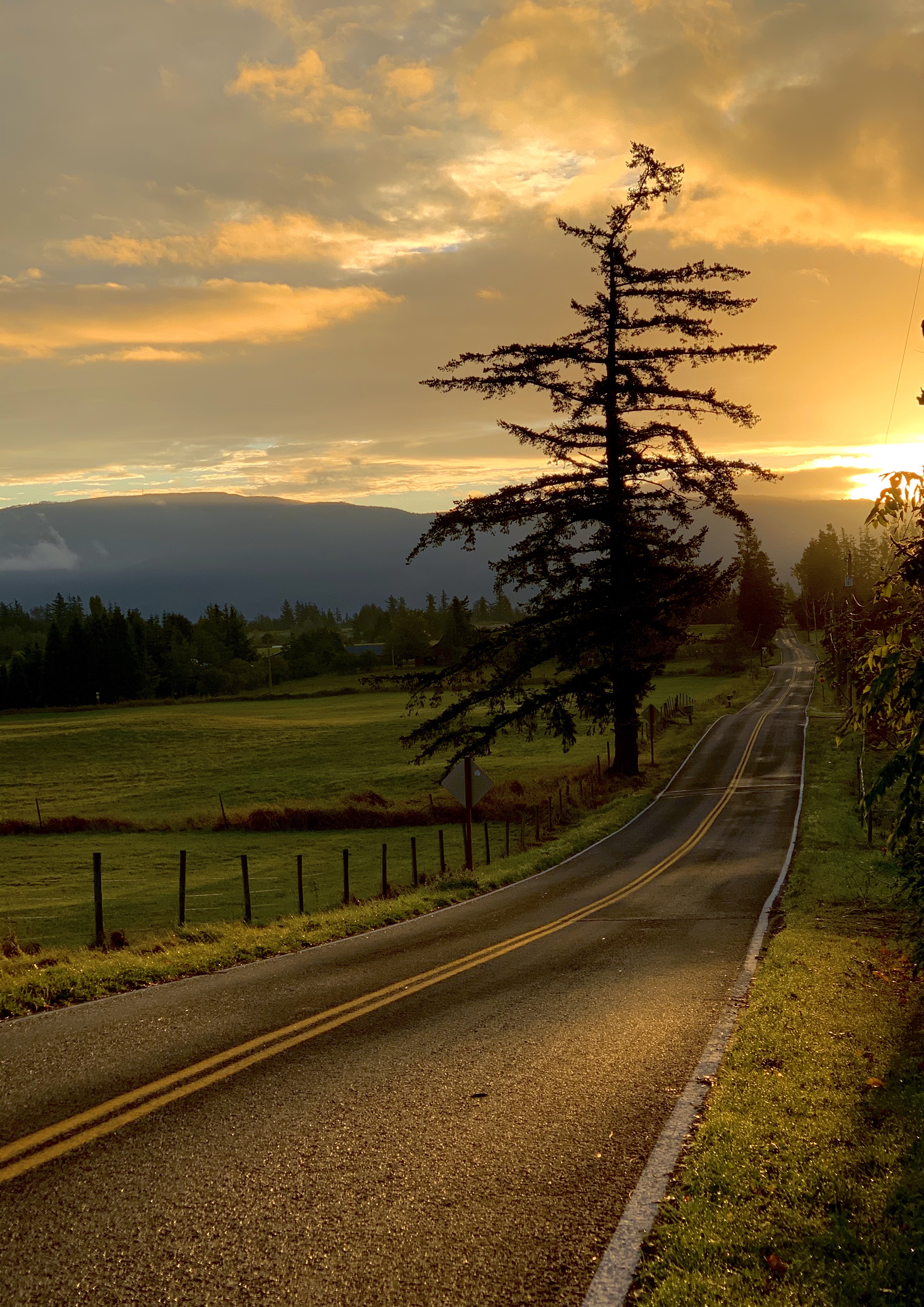
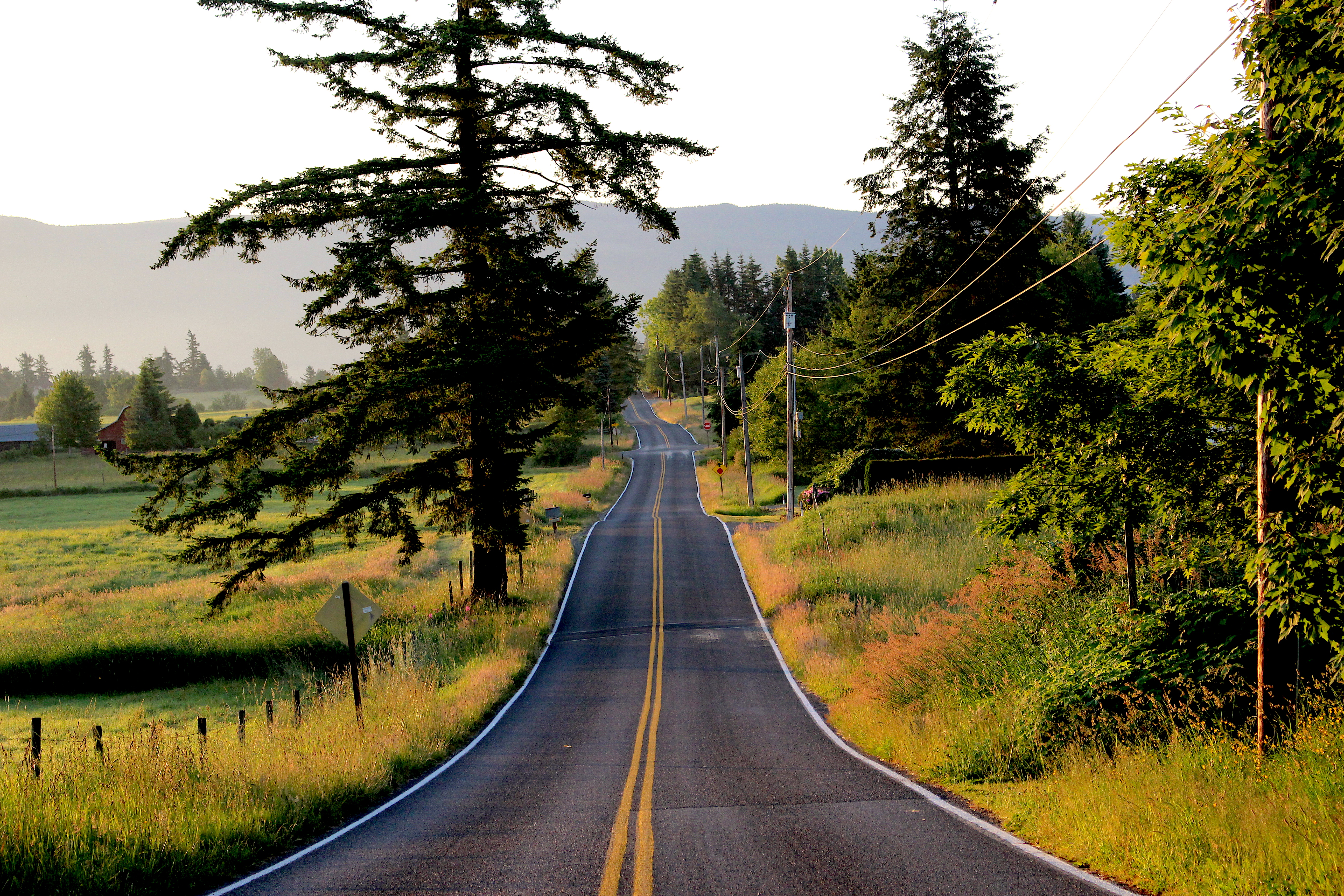
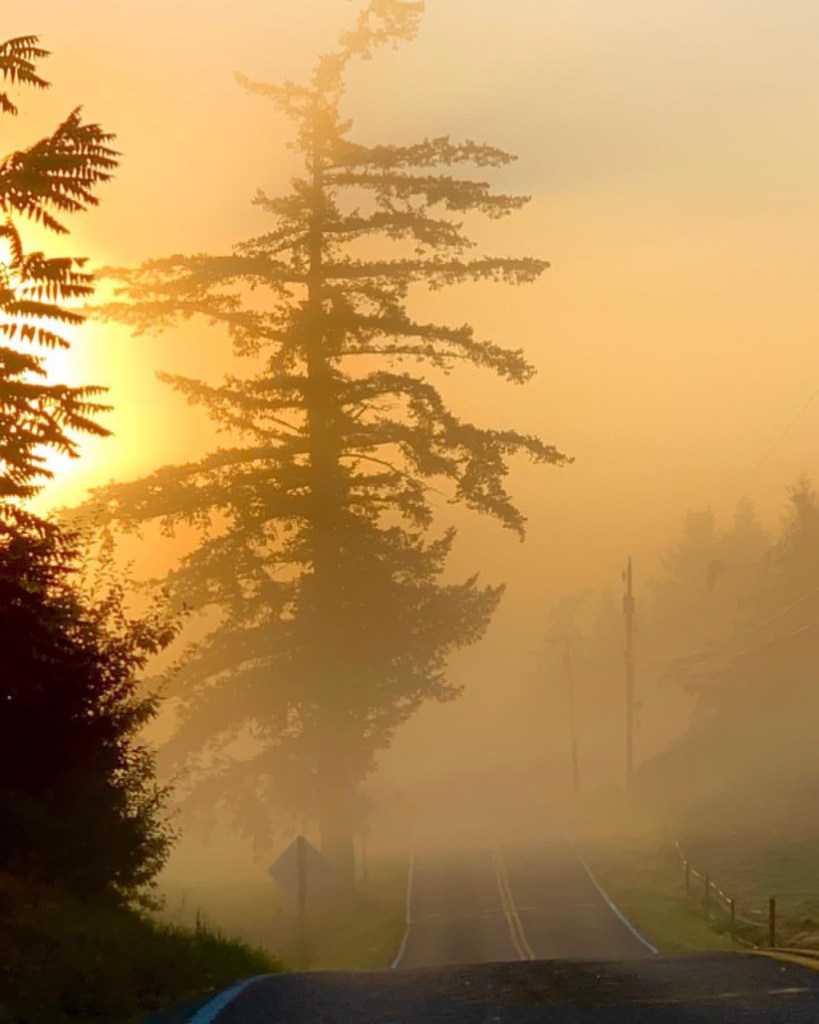
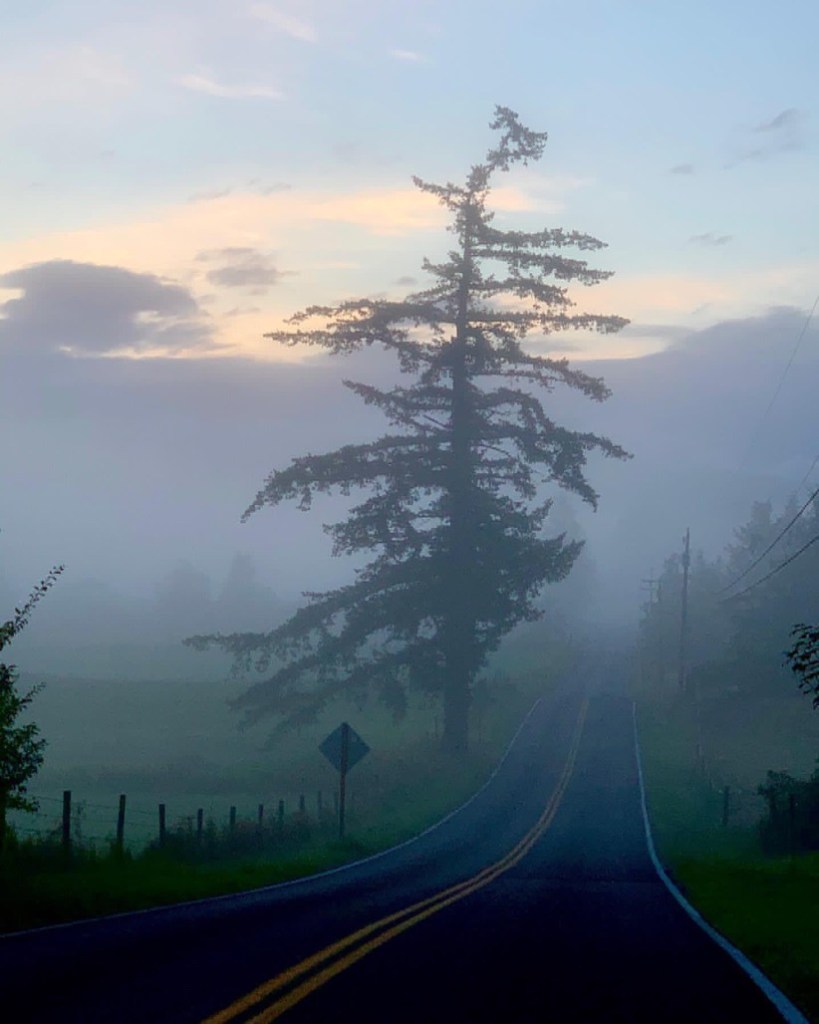
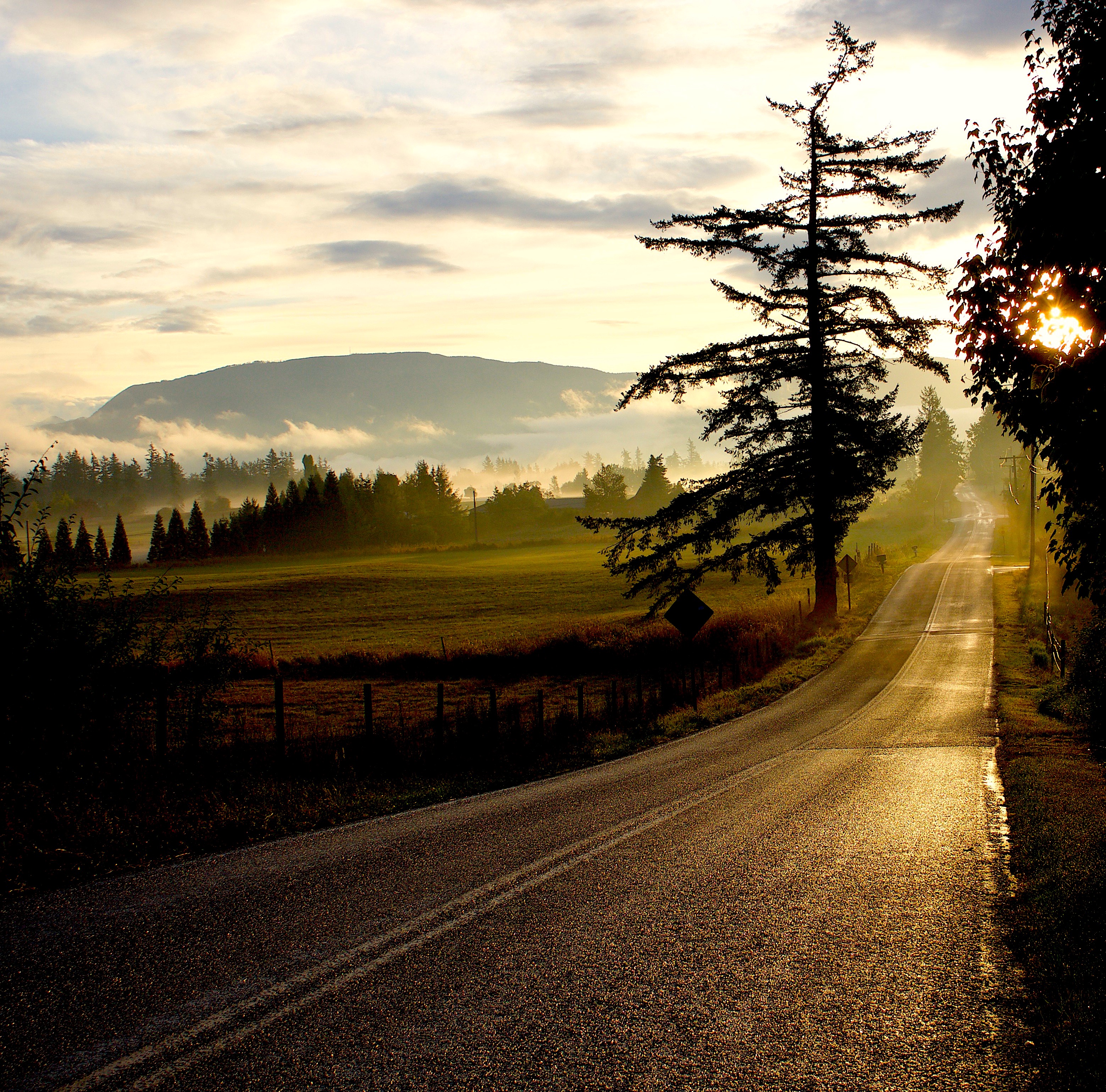
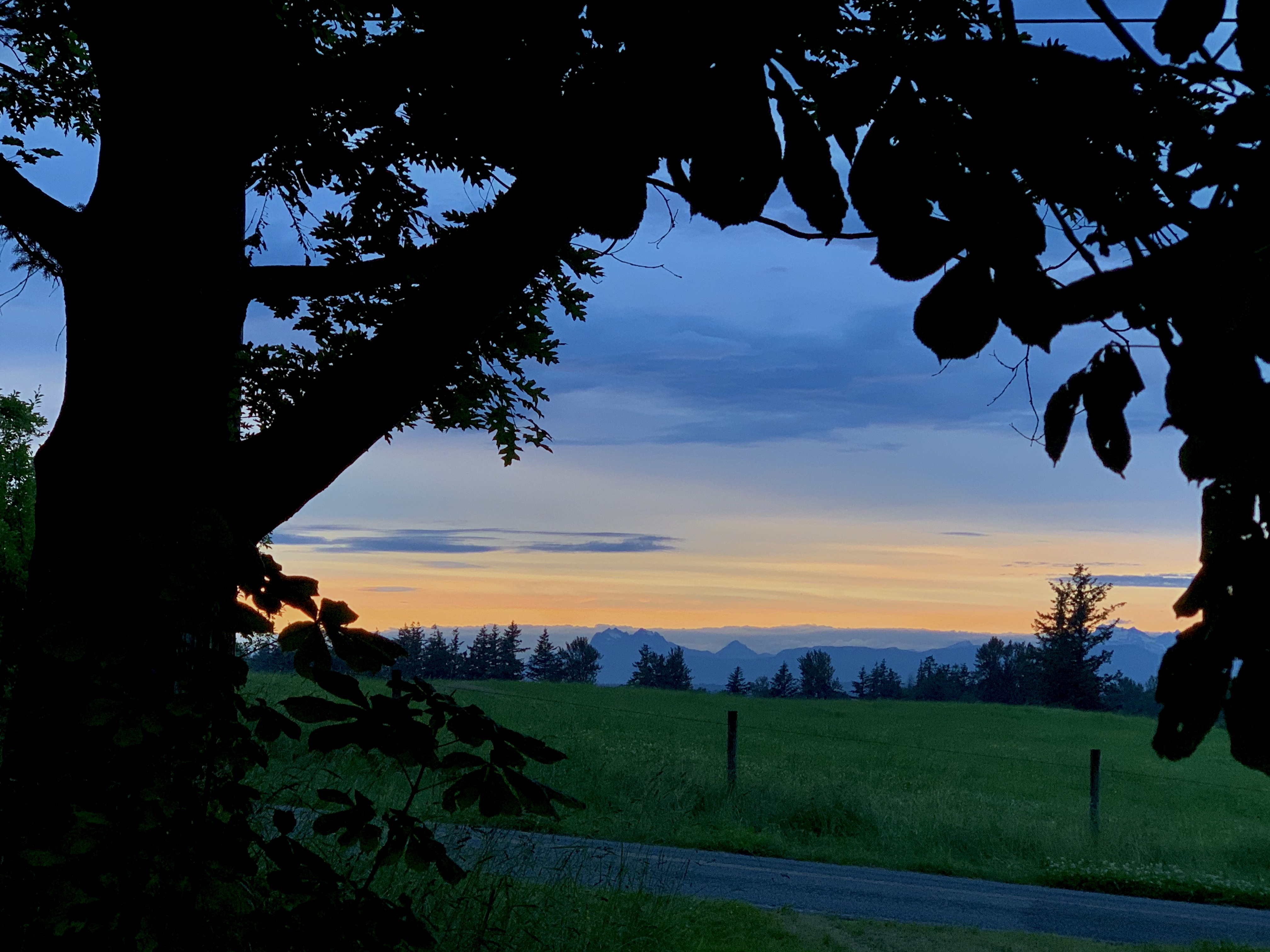
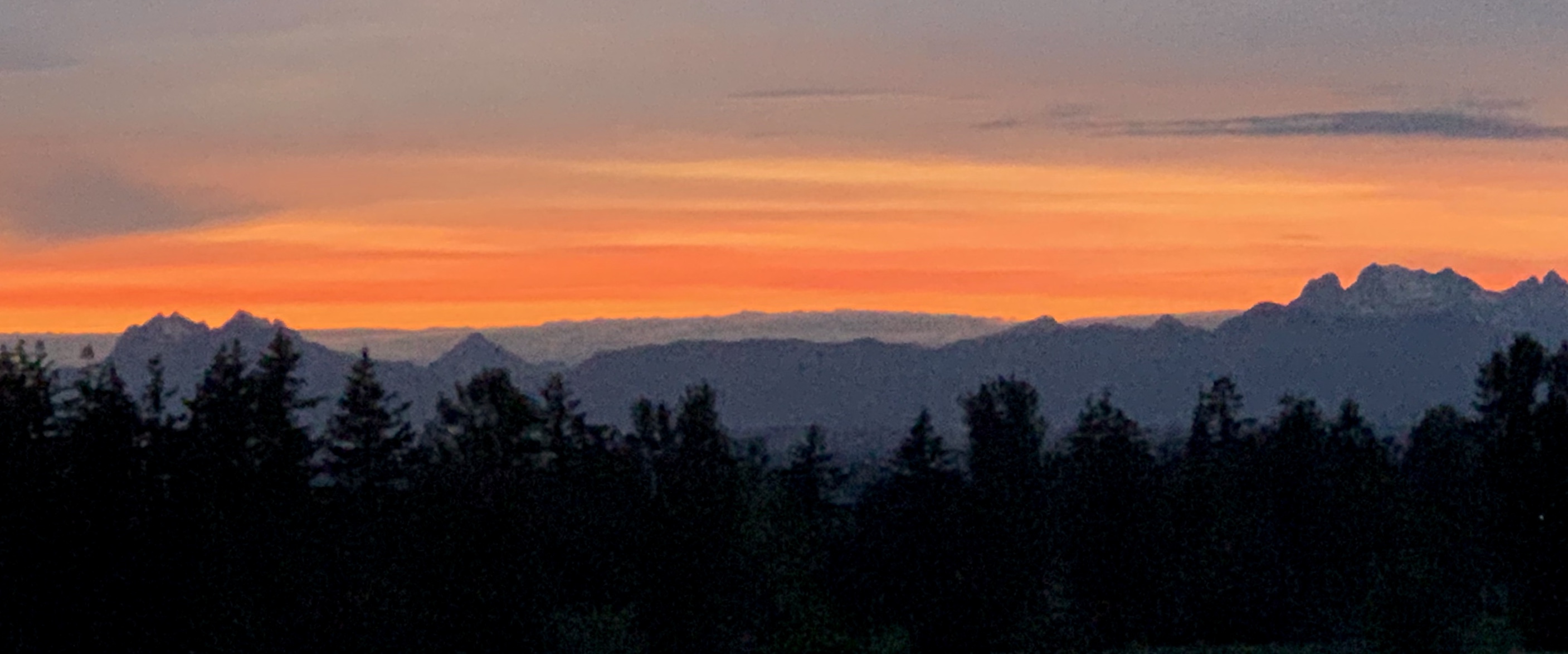
I know where this road ends to the east: at the very edge of the Cascade foothills, right in the middle of a small tribal nation trying to survive challenging economic times on their reservation land.
Heading west from here, there is another tribal nation trying to survive. In between are farmers who are having to sell their dairy herds because milk prices aren’t keeping up with the cost of maintaining their business. There are families now without sustainable wage employment because large industries have pulled up stakes and closed their doors. There is land that is overpriced as people flee the cities to come to rural surroundings because of ongoing pandemic shutdowns and worries.
There is much sadness all along this country road during times like these, but that’s not new. In another 100 years it will still not be new. There will always be foggy and stormy days interspersed among times of hope and light.
We remain a diverse people of tears and struggle, but we take turns carrying one another when one has what another does not. We still have the sun and the rain and the soil, the turning of the seasons and the rhythm of sun up and sun down.
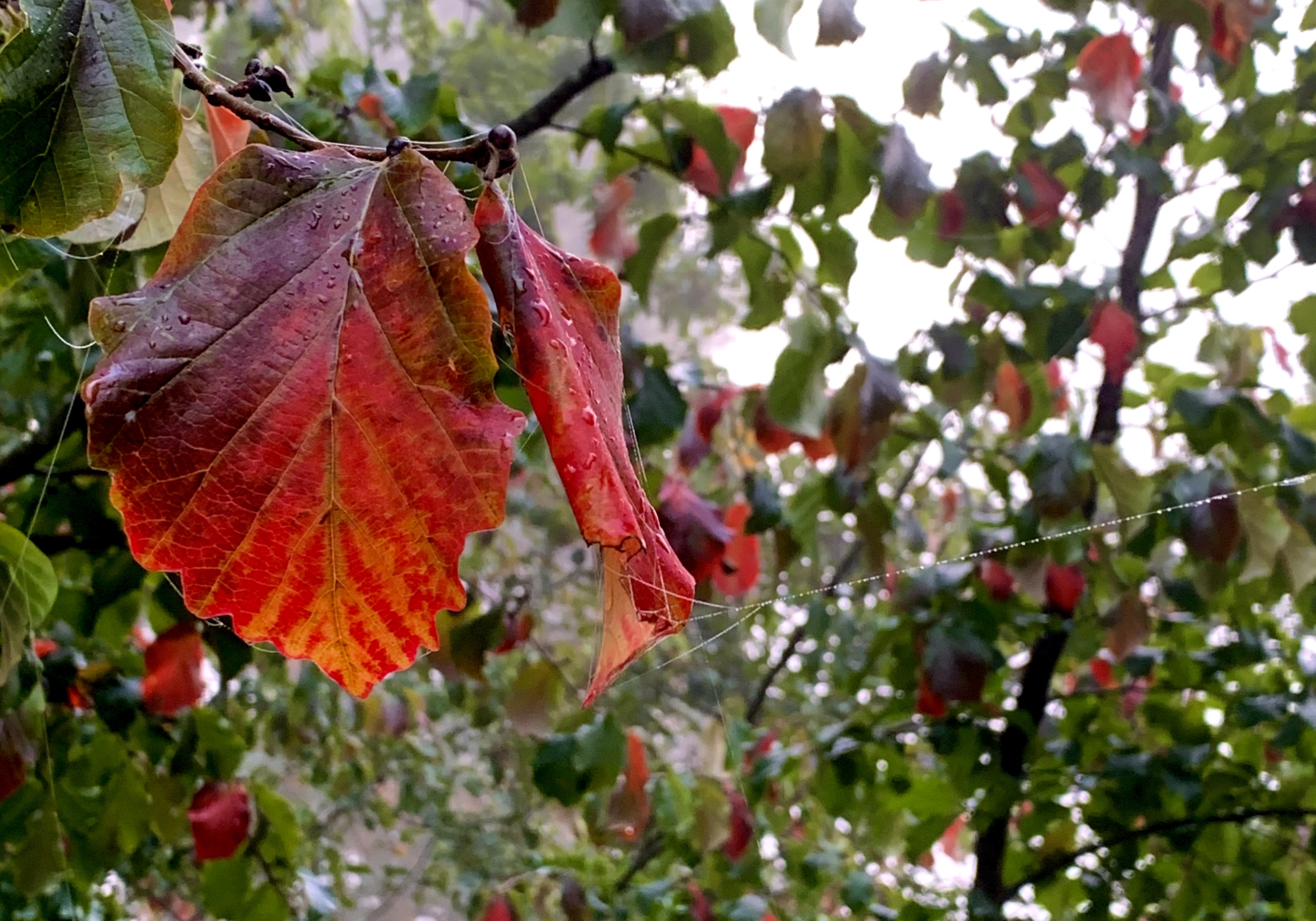
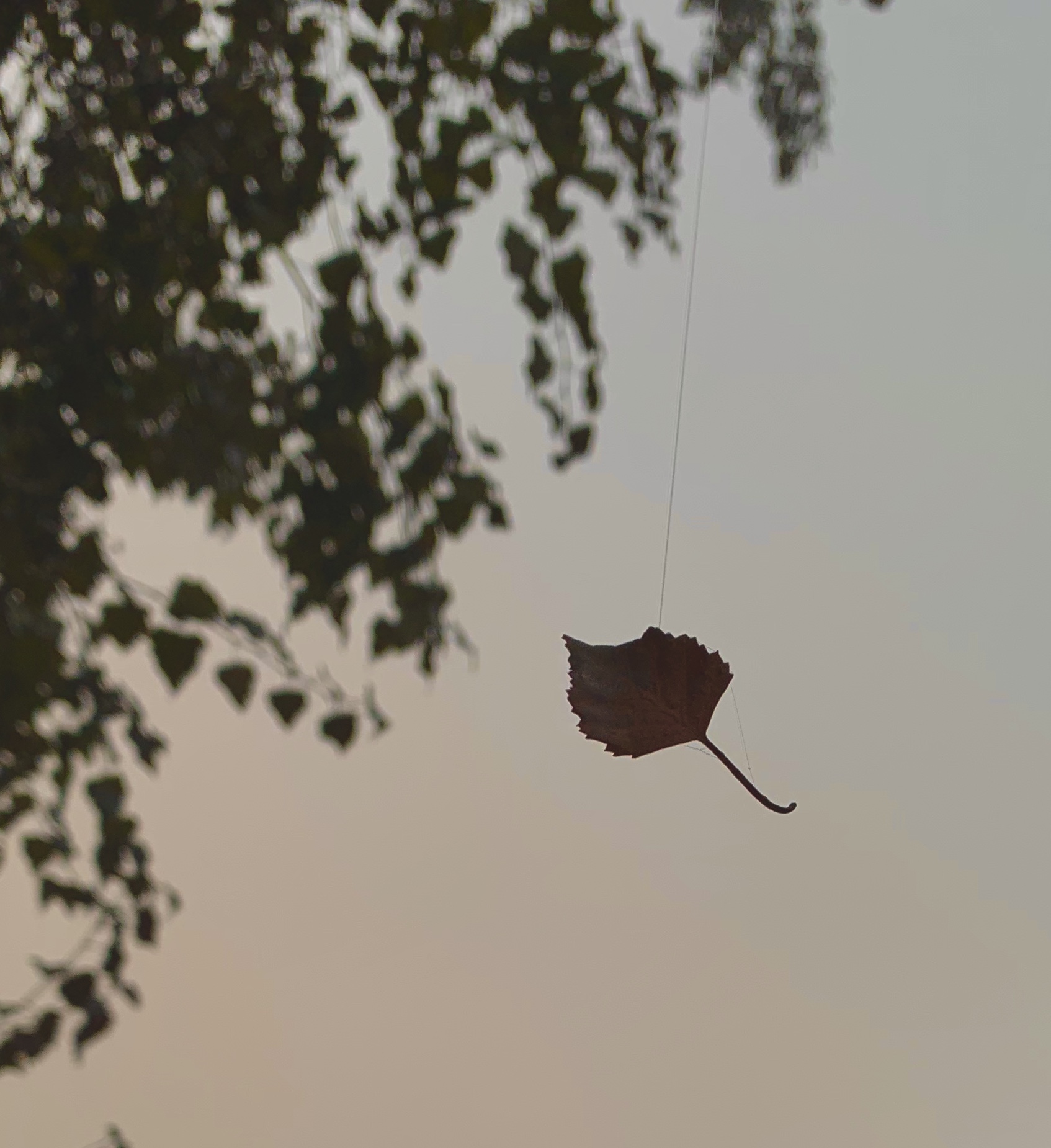
The trees are undressing, and fling in many places— On the gray road, the roof, the window-sill— Their radiant robes and ribbons and yellow laces; A leaf each second so is flung at will, Here, there, another and another, still and still.
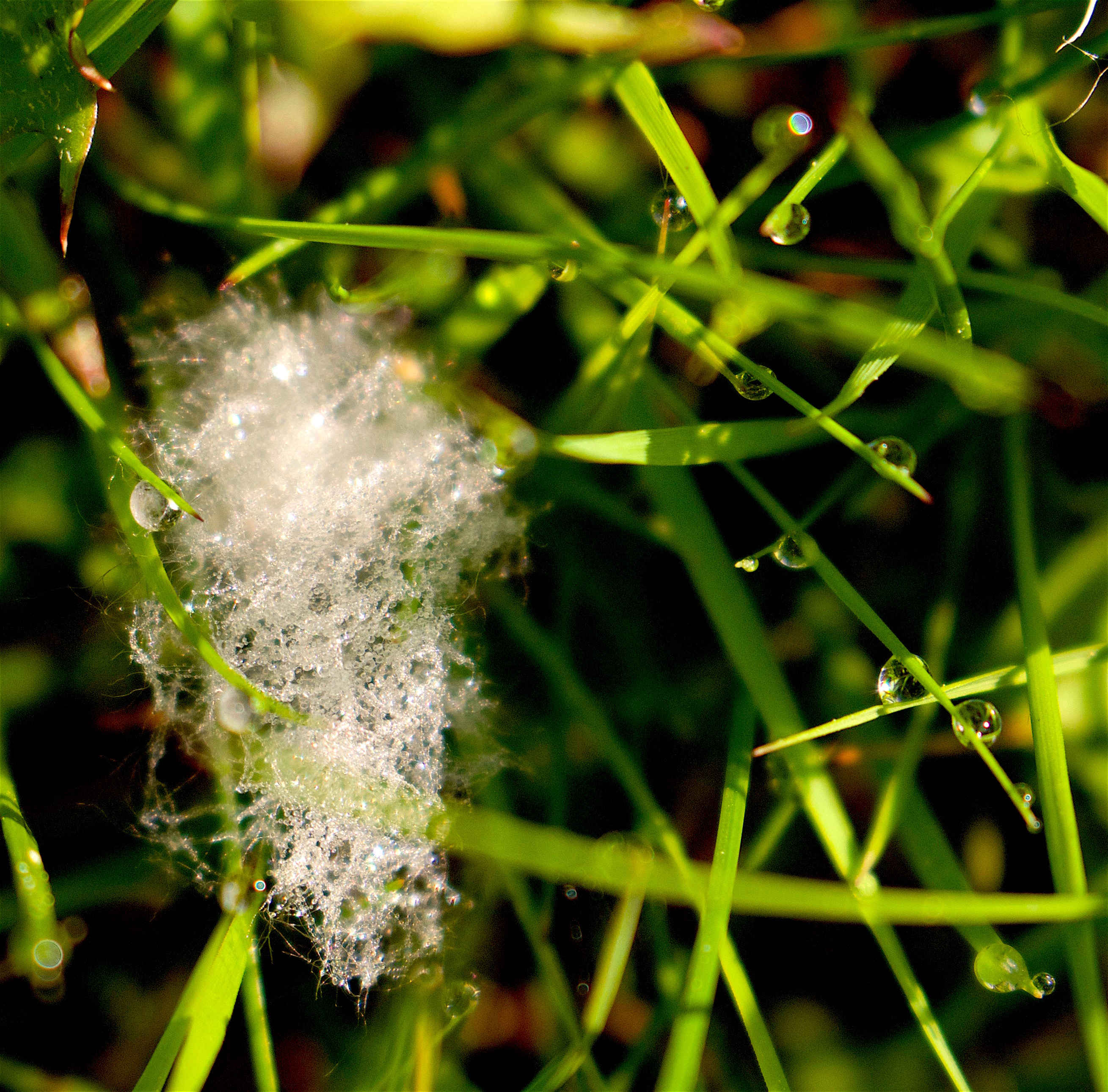
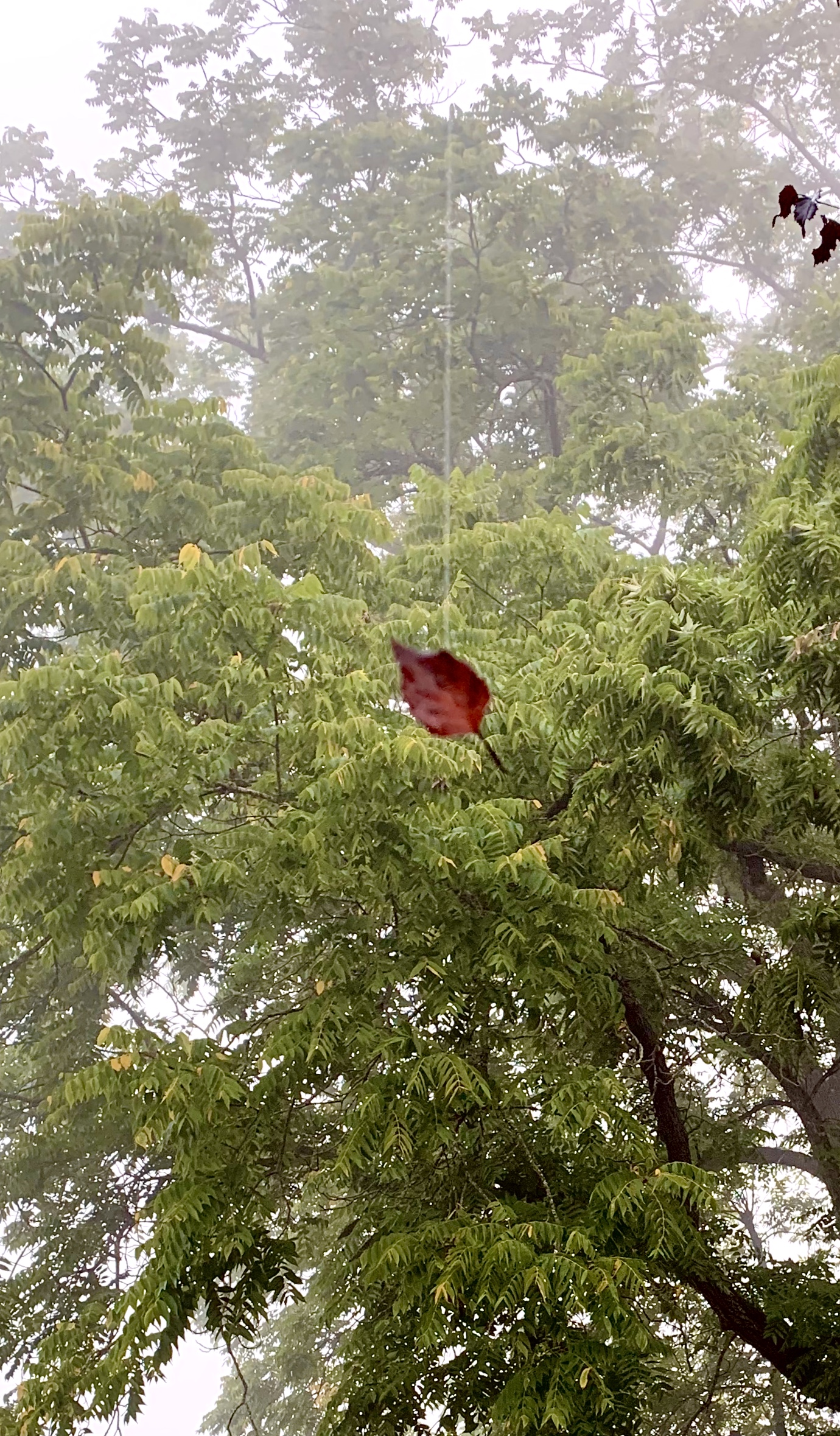
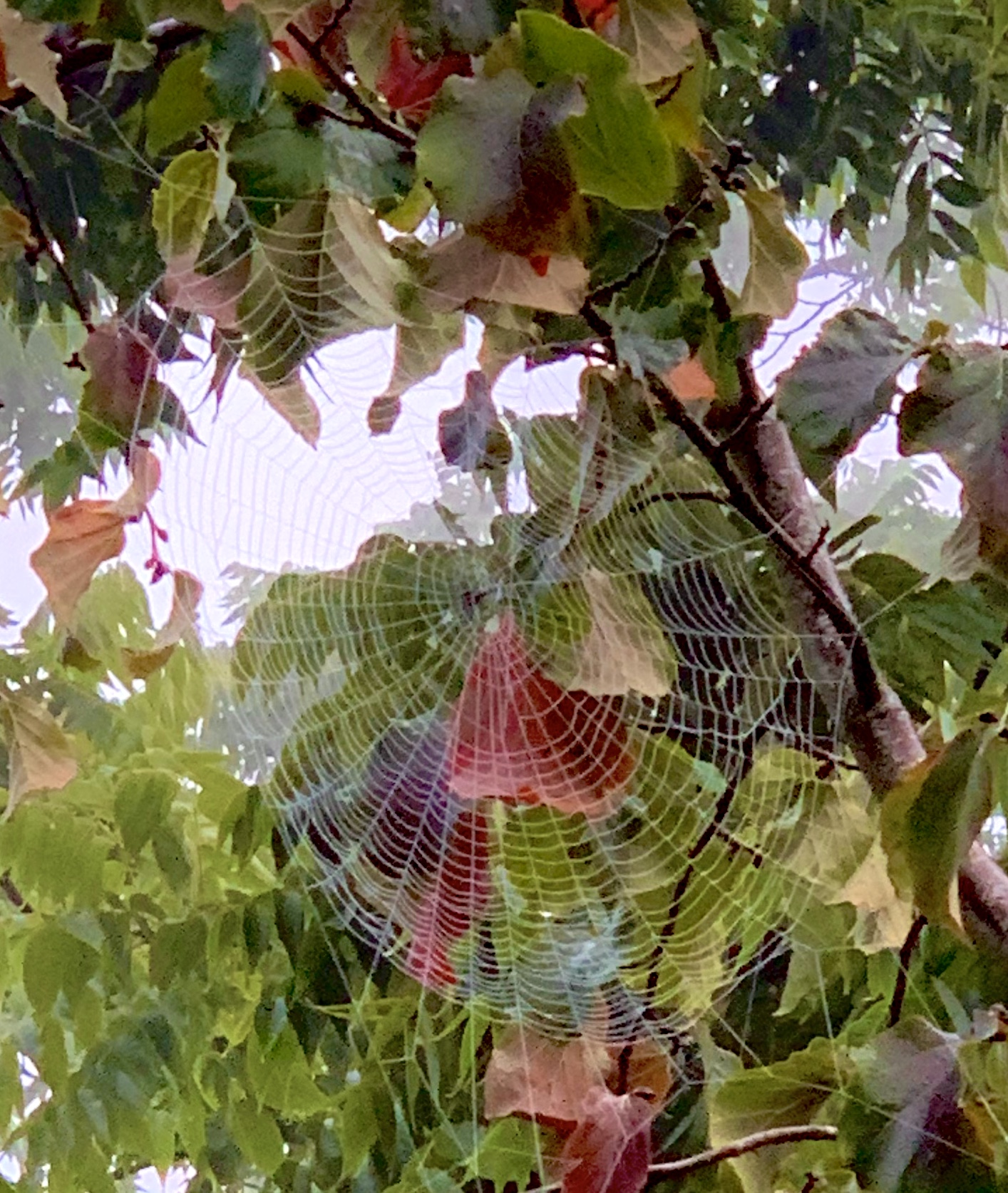
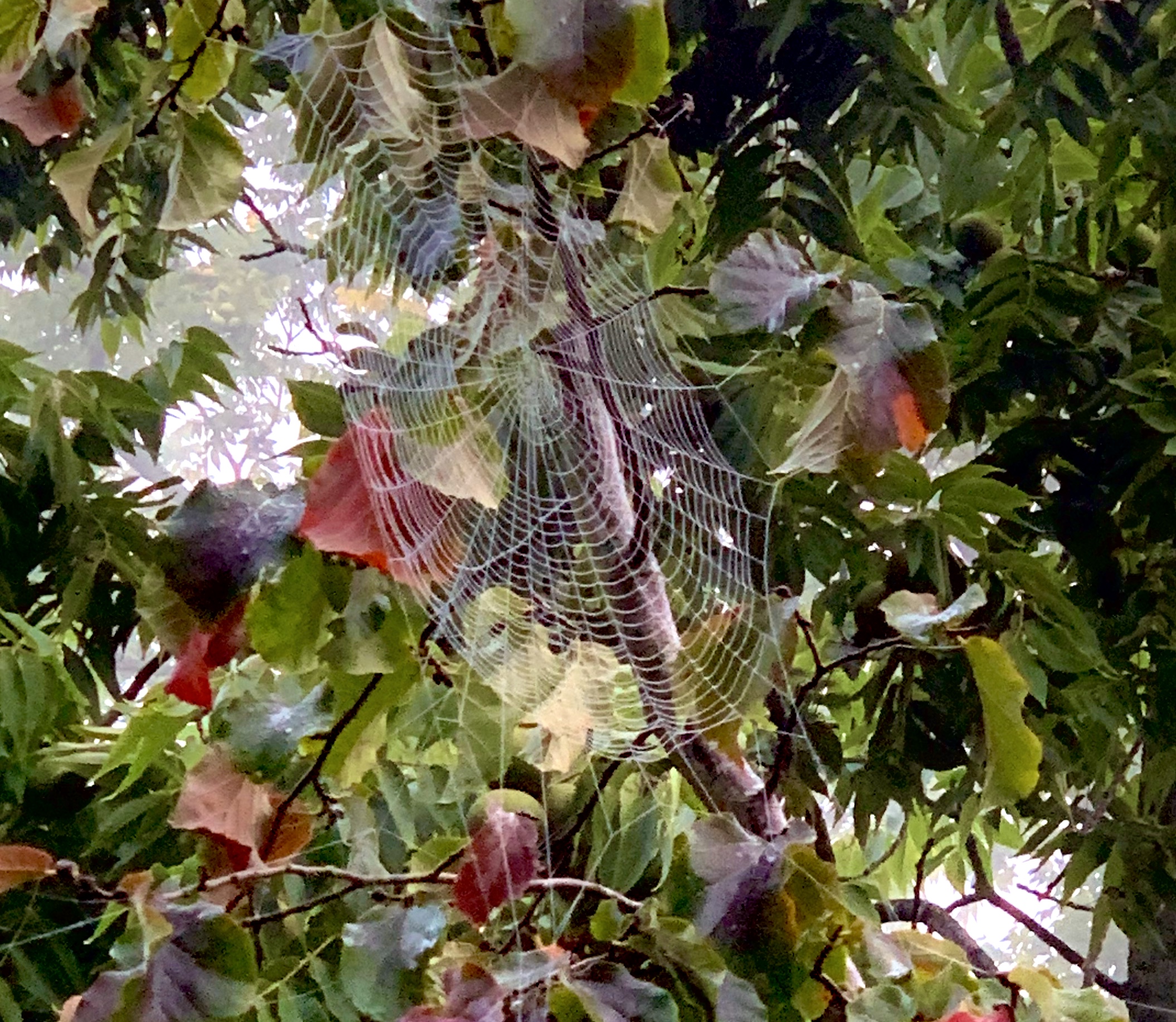
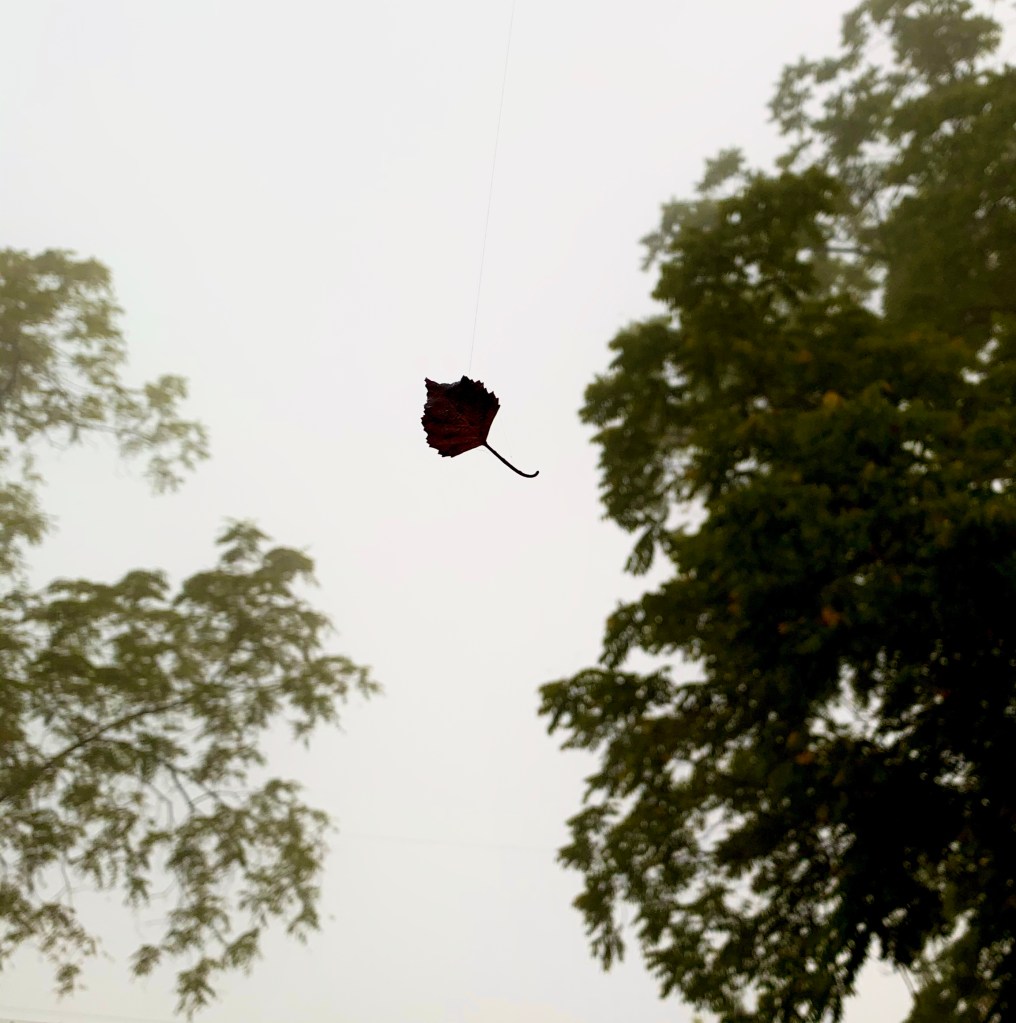
A spider’s web has caught one while downcoming, That stays there dangling when the rest pass on; Like a suspended criminal hangs he, mumming In golden garb, while one yet green, high yon, Trembles, as fearing such a fate for himself anon. ~Thomas Hardy “Last Week in October”
We too are flung into the unknown, trembling tethered in the breezes, unready to let go of what sustains us, fated to be tossed wherever the wind blows us.
If caught up by a silken thread, left to dangle, suspended by faith, we await the hope of rescue, alone and together, another and another, still and still.
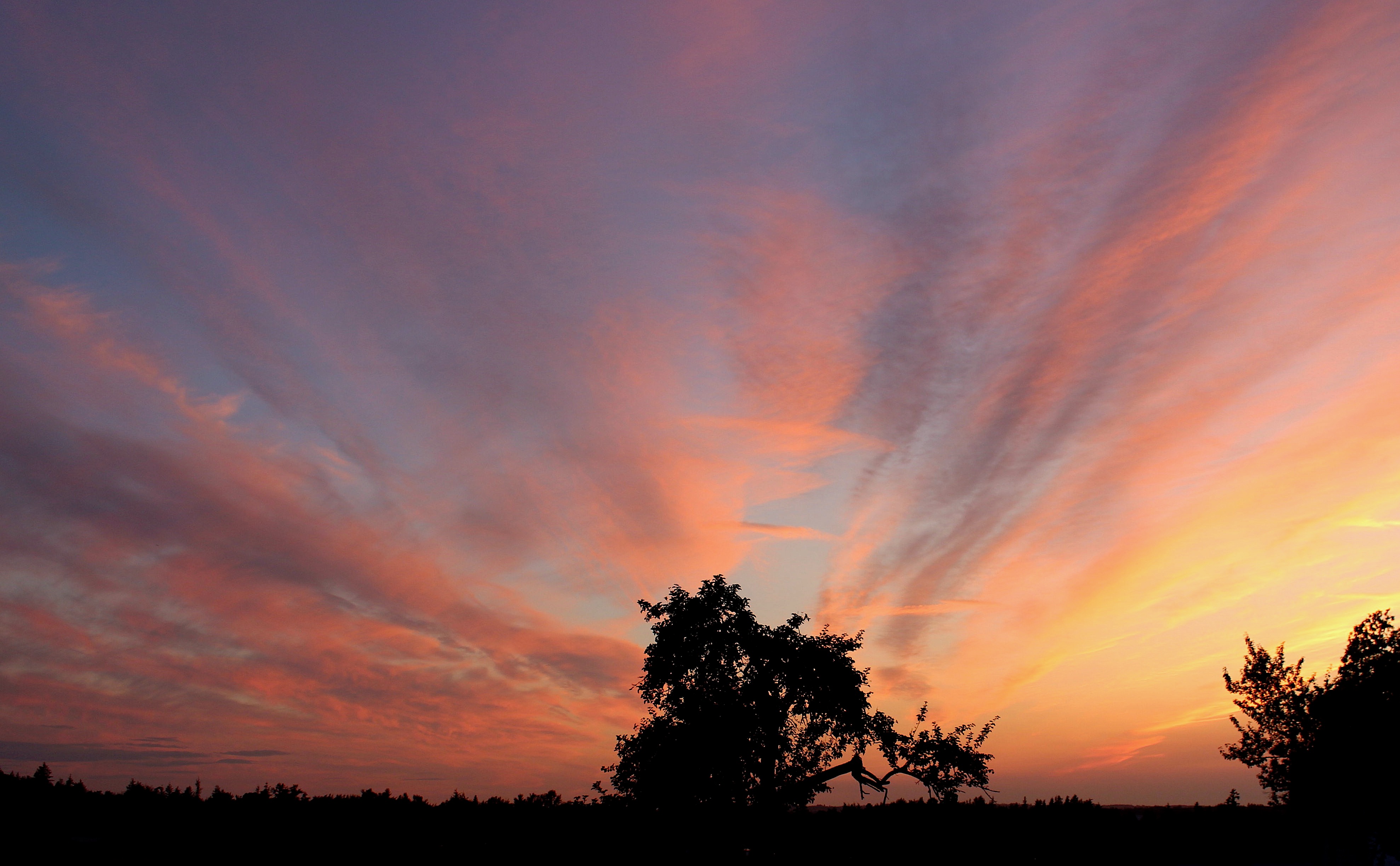
In the gloaming when death comes clearly into view as the horizon of life’s landscape, the call is to illumination, to focus the shining darts of life’s lessons as a magnifying glass focuses rays of light. The task of middle age is to dispose of the extraneous, to focus desire’s flickering until it flames at the incendiary point of an undivided heart and makes of love a pure, bright blaze before a falling night. ~Bonnie Thurston “Late Vocation”by Paraclete Press
In this, my third trimester of life, I try to find a focal point in all I do.
The blaze of my days glow under that magnifying glass, yet do not incinerate.
God shows me how in evening light. His Love focused bright and pure.
Like the burning bush that embodied His presence, I am sustained, enlivened, illuminated, shoeless, but never reduced to ashes.
Earth’s crammed with heaven, And every common bush afire with God, But only he who sees takes off his shoes; The rest sit round and pluck blackberries. ~Elizabeth Barrett Browning
… how do the roots know they must climb toward the light? And then greet the air with so many flowers and colors?
Tell me, is the rose naked or is that her only dress?
Why do trees conceal the splendor of their roots?
But do you know from where death comes, from above or from below? From microbes or walls, from wars or winter?
Where is the child I was, still inside me or gone? ~Pablo Neruda from “The Book of Questions”
Here I am, on the eve of my 66th birthday, with more questions than answers, the child still inside me puzzling over the mundane and profound.
The “why’s” of life are the reason to keep getting up every day, if only to greet the air, feel the sun, smell the flowers and recognize that from hidden roots come beautiful growth.
I’m still growing by asking the questions that need to be asked. I’m still growing while my roots reach deeper by the day. I’m still growing because I know I need to reach out to the Light.
What words or harder gift does the light require of me carving from the dark this difficult tree?
What place or farther peace do I almost see emerging from the night and heart of me?
The sky whitens, goes on and on. Fields wrinkle into rows of cotton, go on and on. Night like a fling of crows disperses and is gone.
What song, what home, what calm or one clarity can I not quite come to, never quite see: this field, this sky, this tree. ~Christian Wiman, “Hard Night”
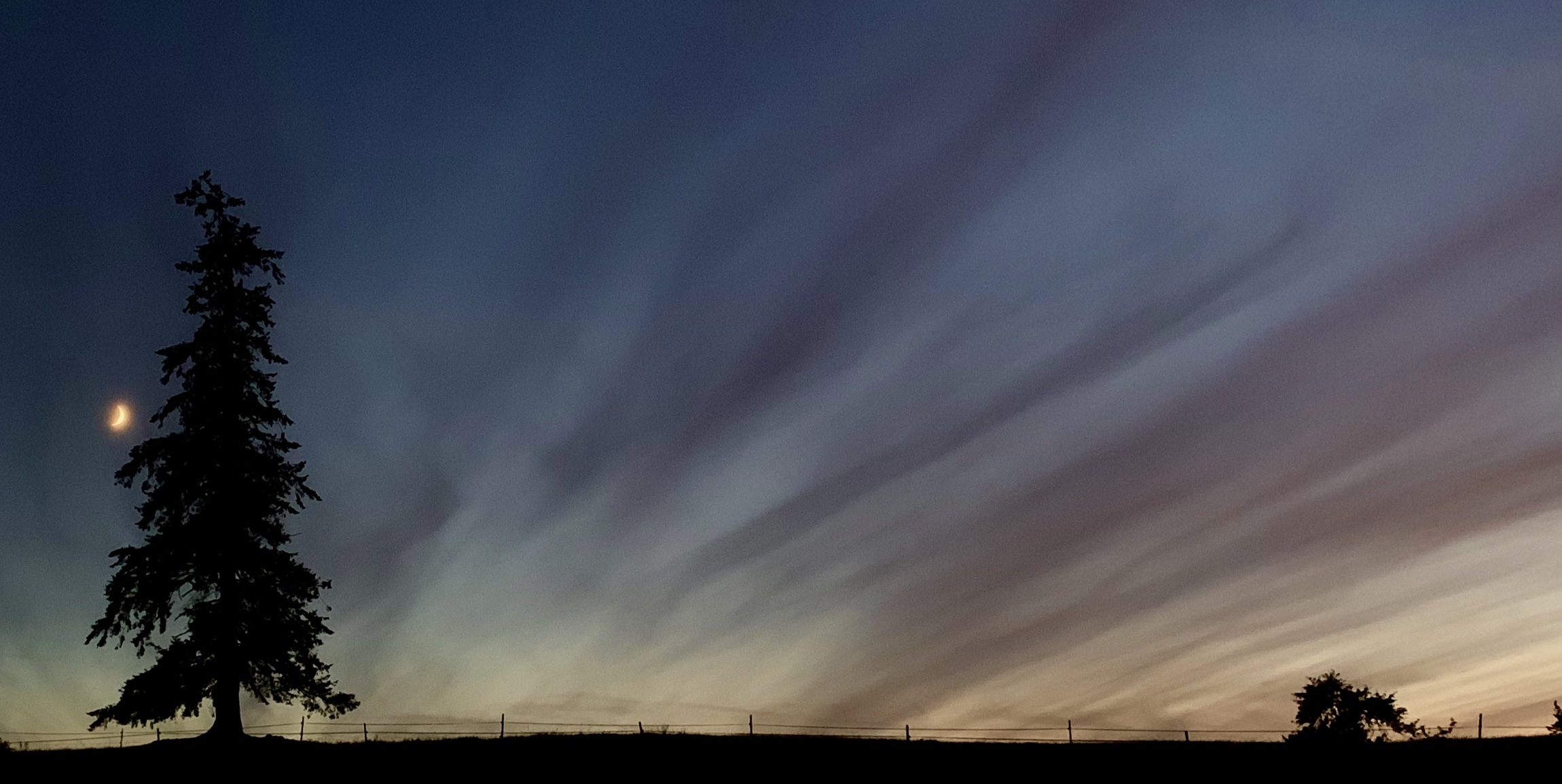
Even the darkest night has a sliver of light left, if only in our memories. We remember how it was and how it can be — the promise of better to come.
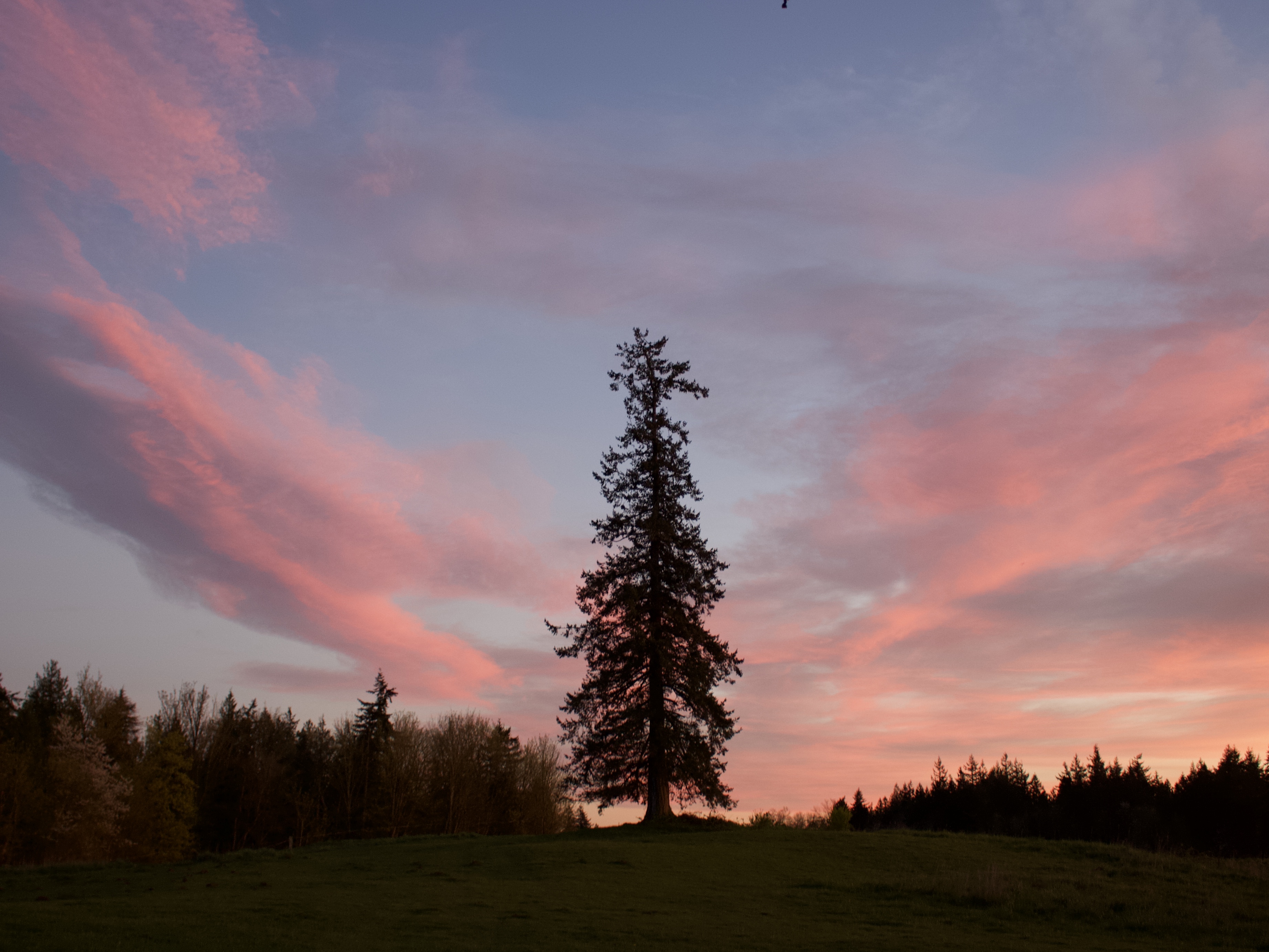
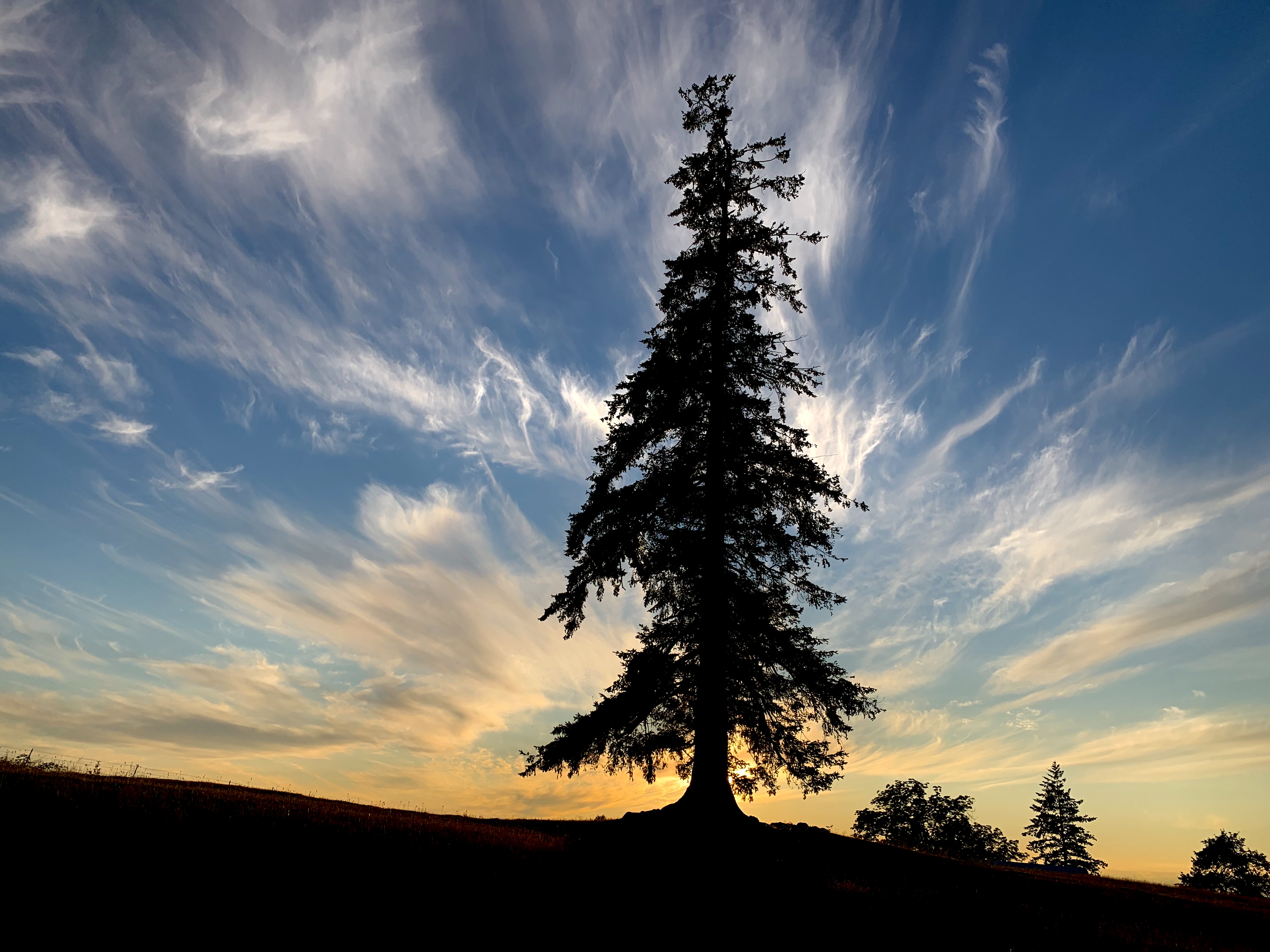
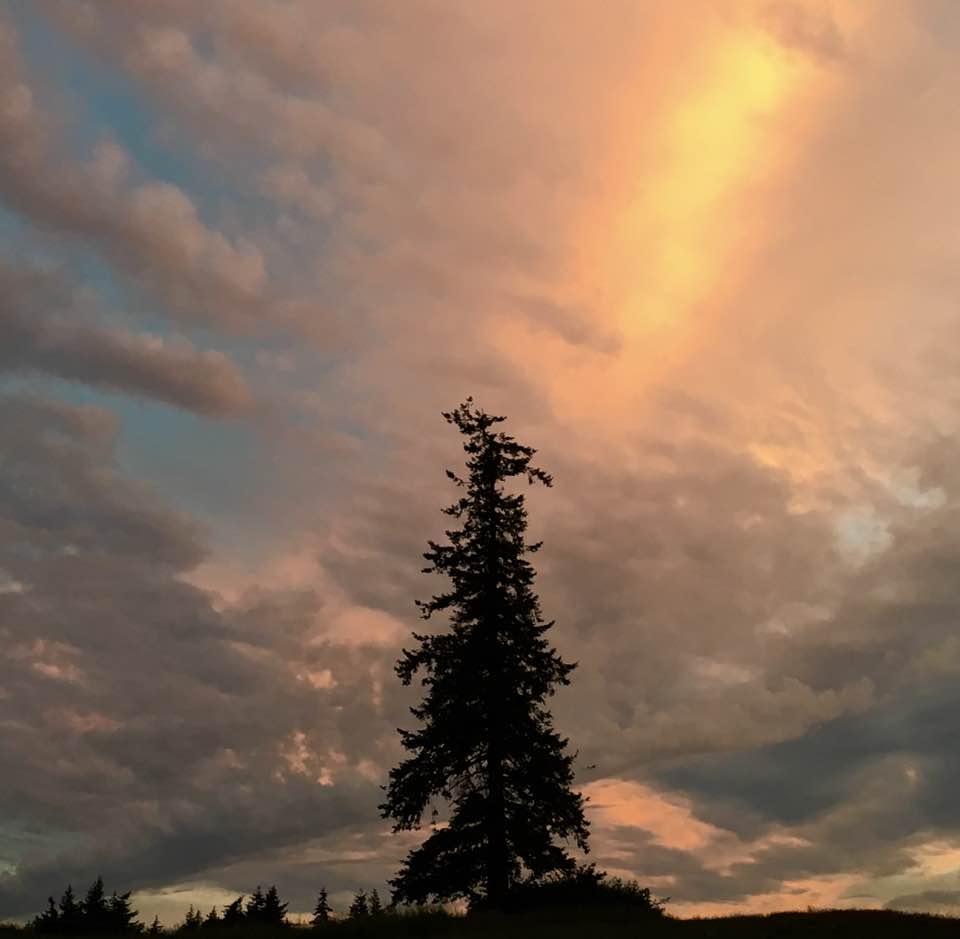
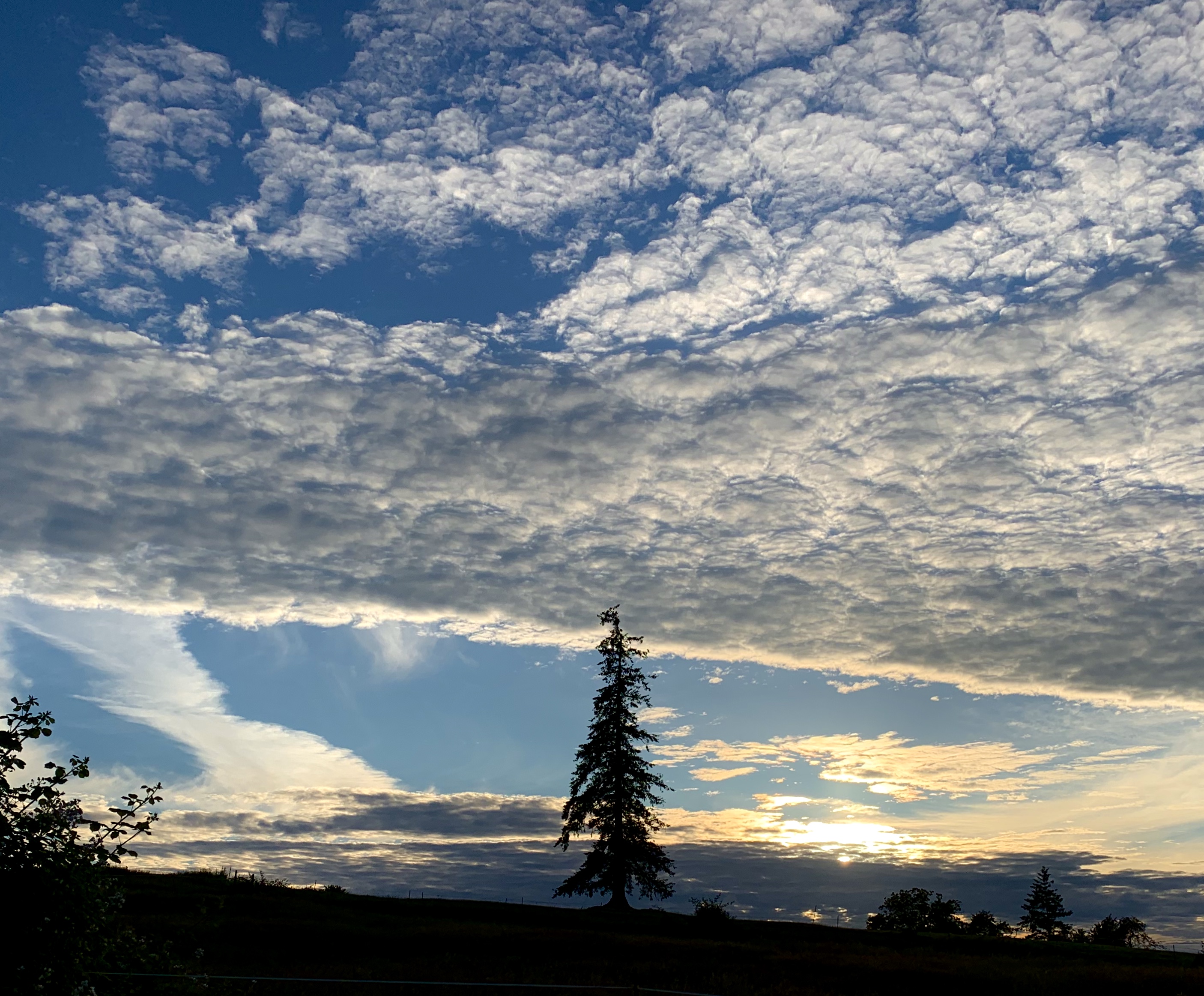
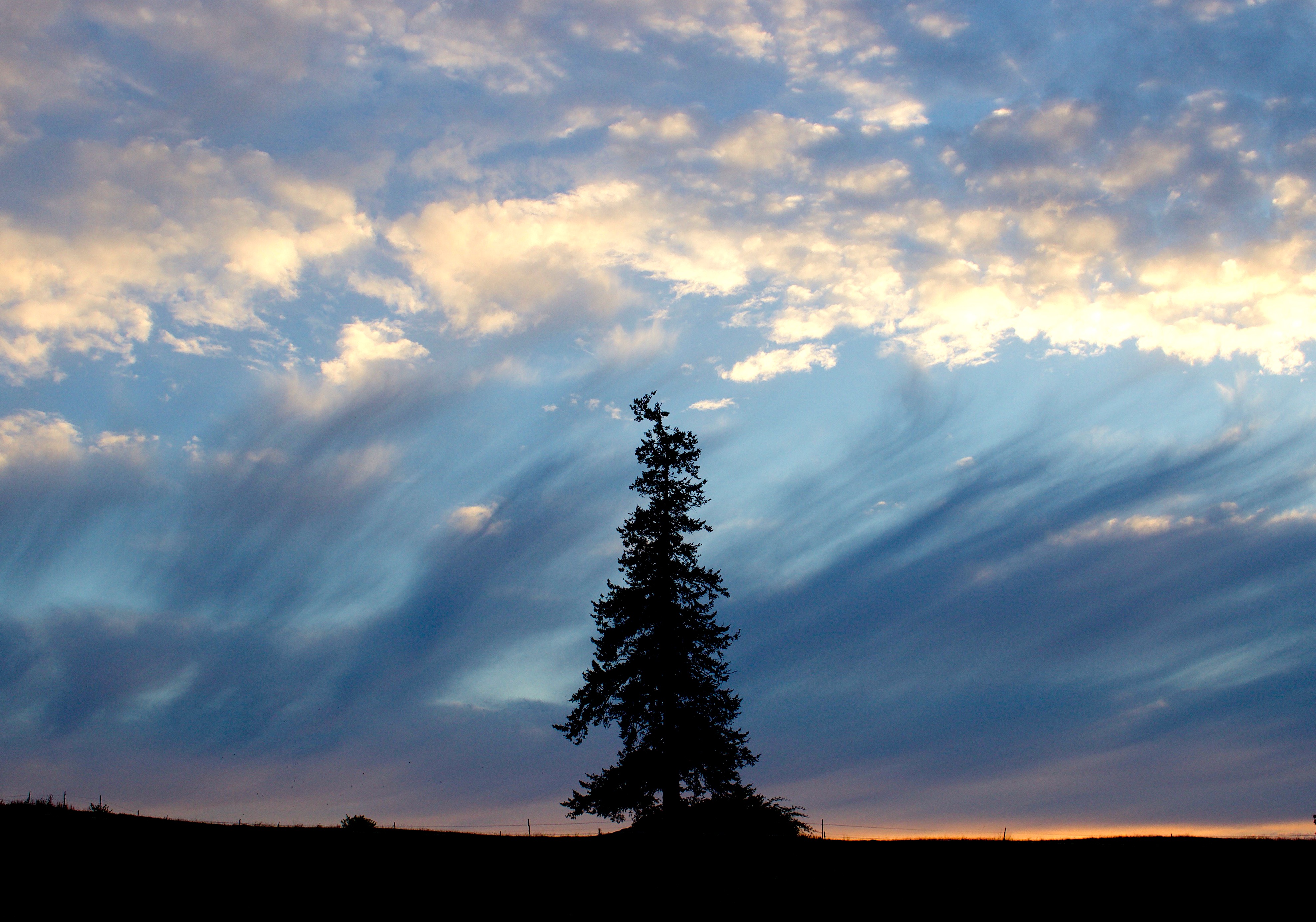
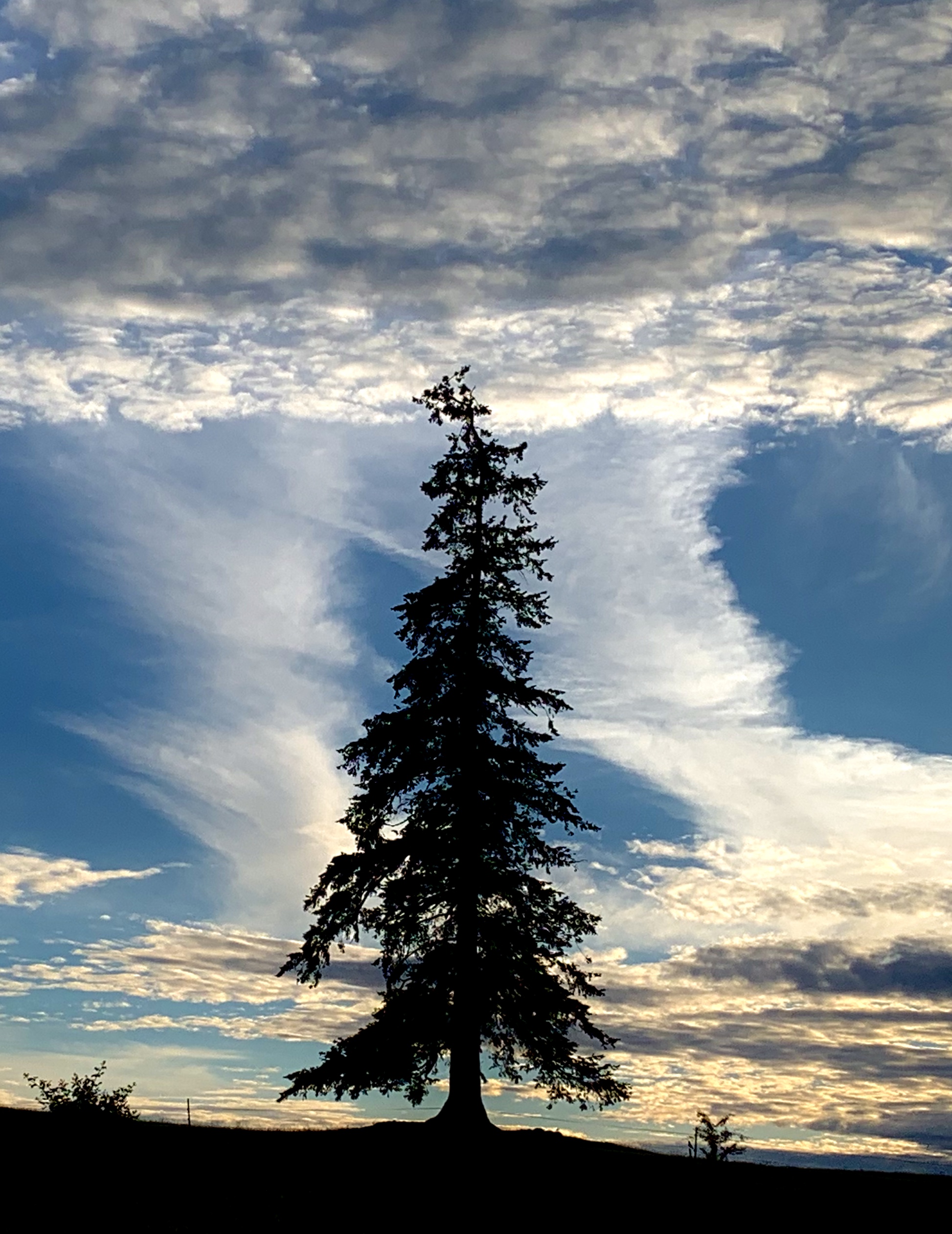
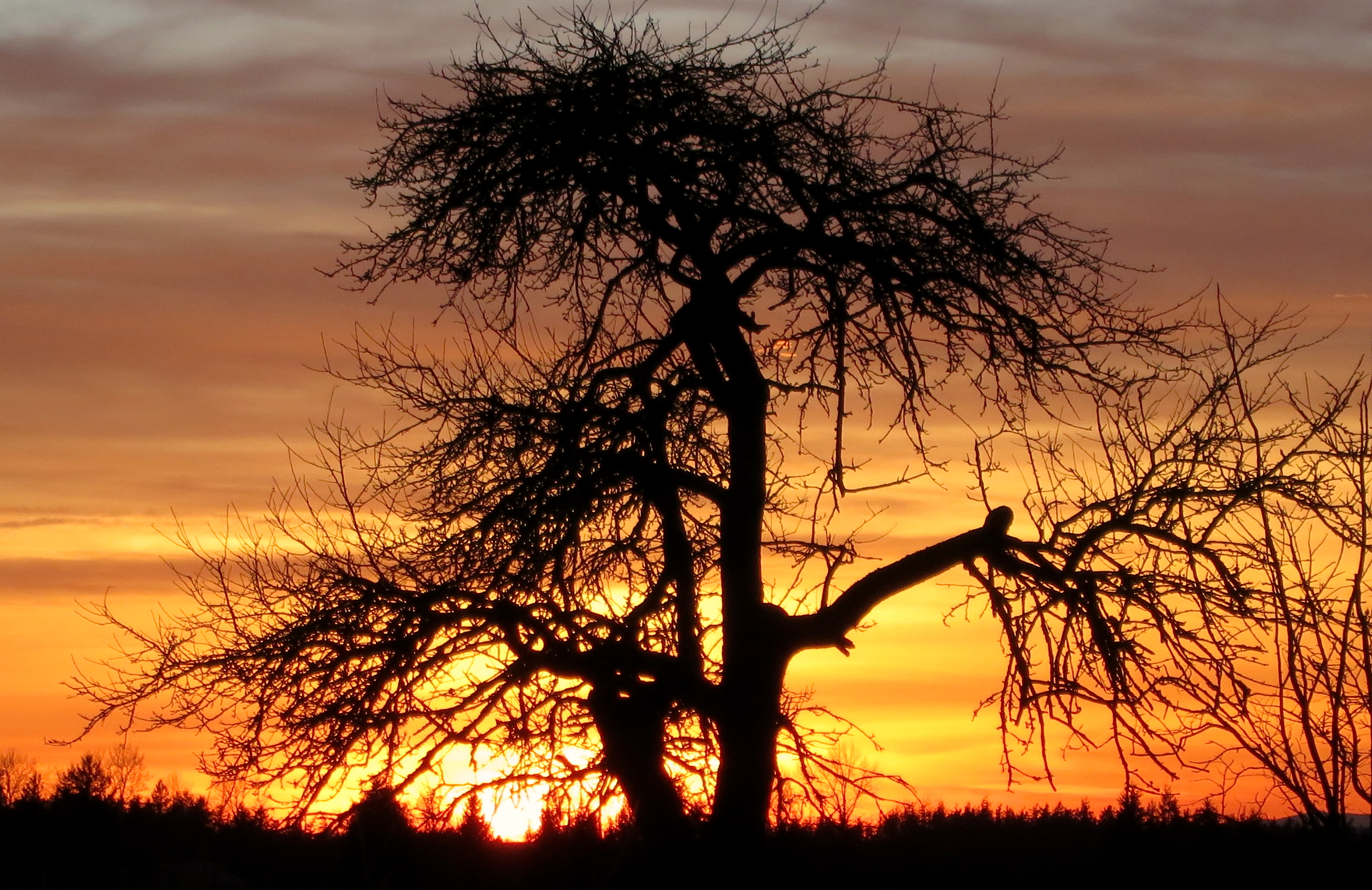
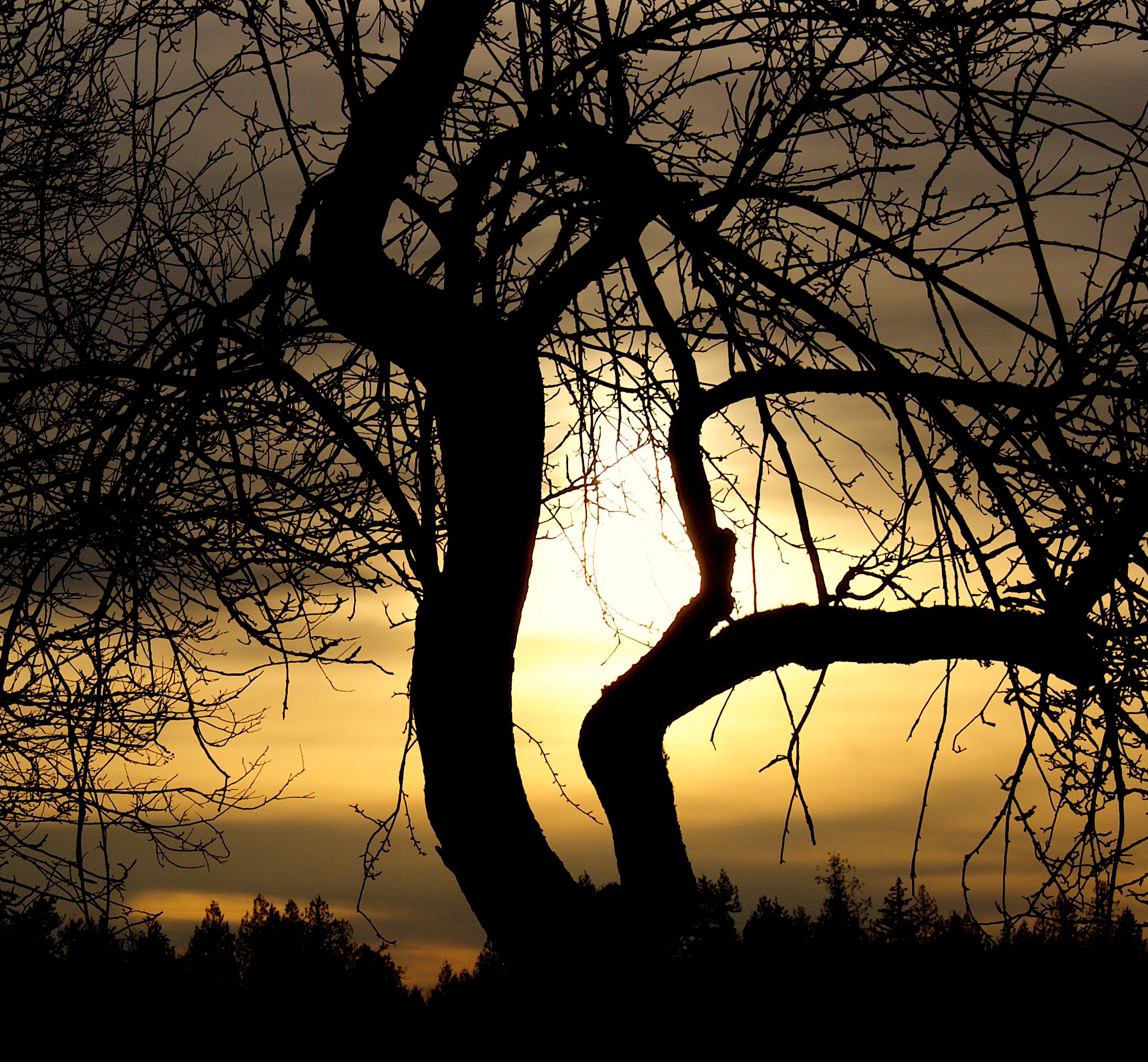
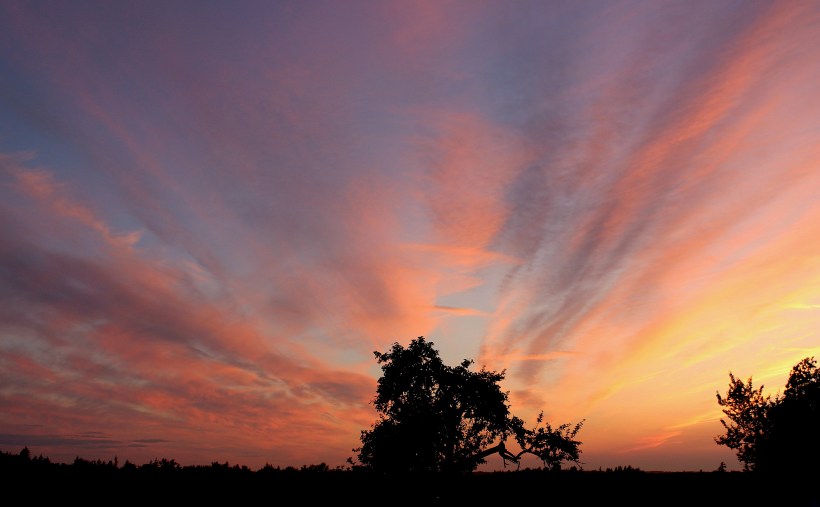
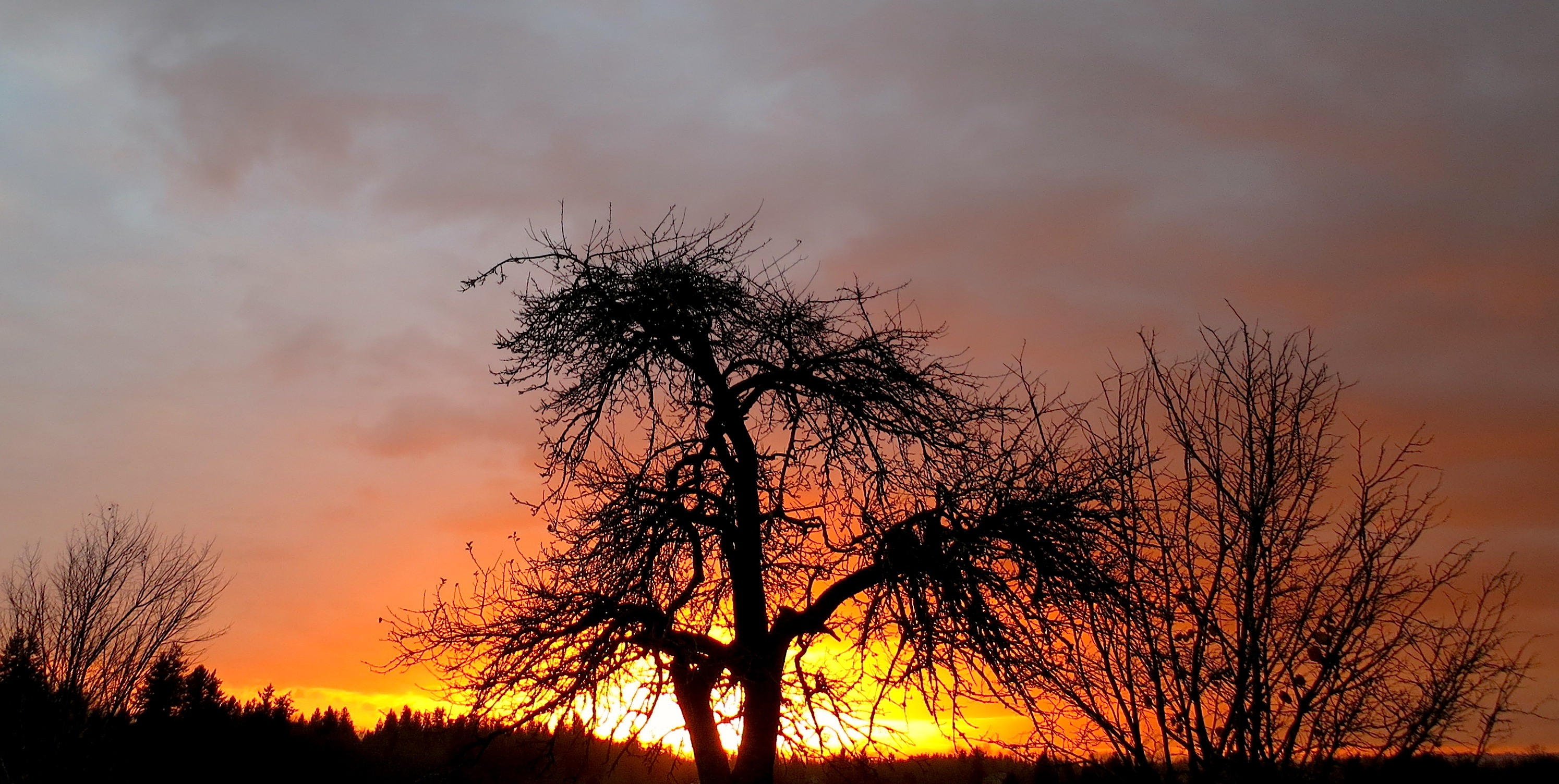
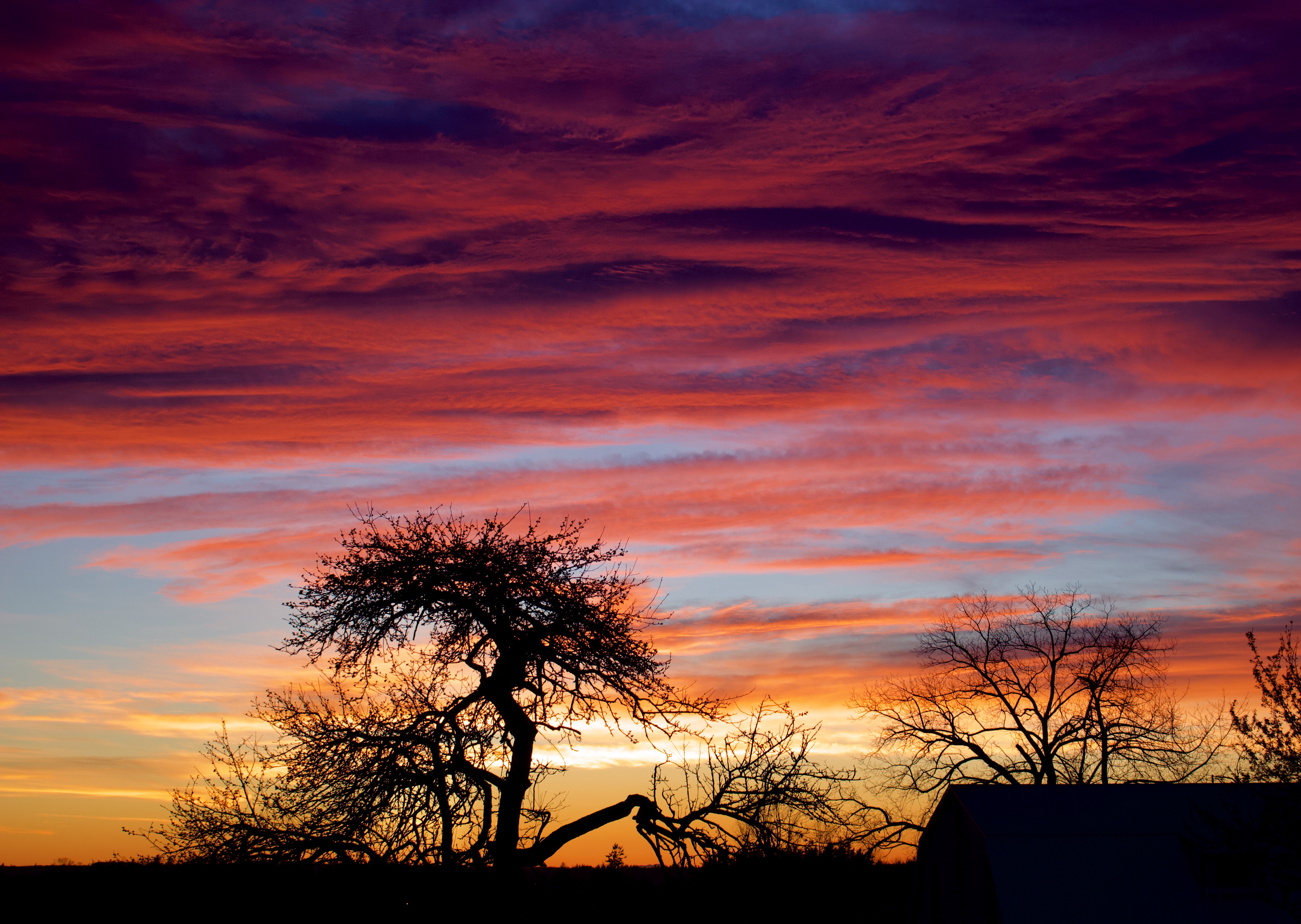
While the ever-changing sky swirls as a backdrop, a tree on a hill became the focal point, as it must, like a black hole swallowing up all pain, all suffering, all evil threatening to consume our world.
What clarity, what calm, what peace can be found at the foot of that tree, where our hearts can rest in this knowledge: our sin died there, once and for all and our names are carved into its roots for all time.
To every man His treehouse, A green splice in the humping years, Spartan with narrow cot And prickly door.
To every man His twilight flash Of luminous recall of tiptoe years in leaf-stung flight;
To every man His house below And his house above— With perilous stairs Between. ~James Emmanuel from “The Treehouse”
A shudder of joy runs up The trunk; the needles tingle; One bird uncontrollably cries. The wind changes round, and I stir Within another’s life. Whose life? Who is dead? Whose presence is living? When may I fall strangely to earth,
Who am nailed to this branch by a spirit? Can two bodies make up a third? To sing, must I feel the world’s light? My green, graceful bones fill the air With sleeping birds. Alone, alone And with them I move gently. I move at the heart of the world. ~James Dickey from “In the Treehouse at Night”
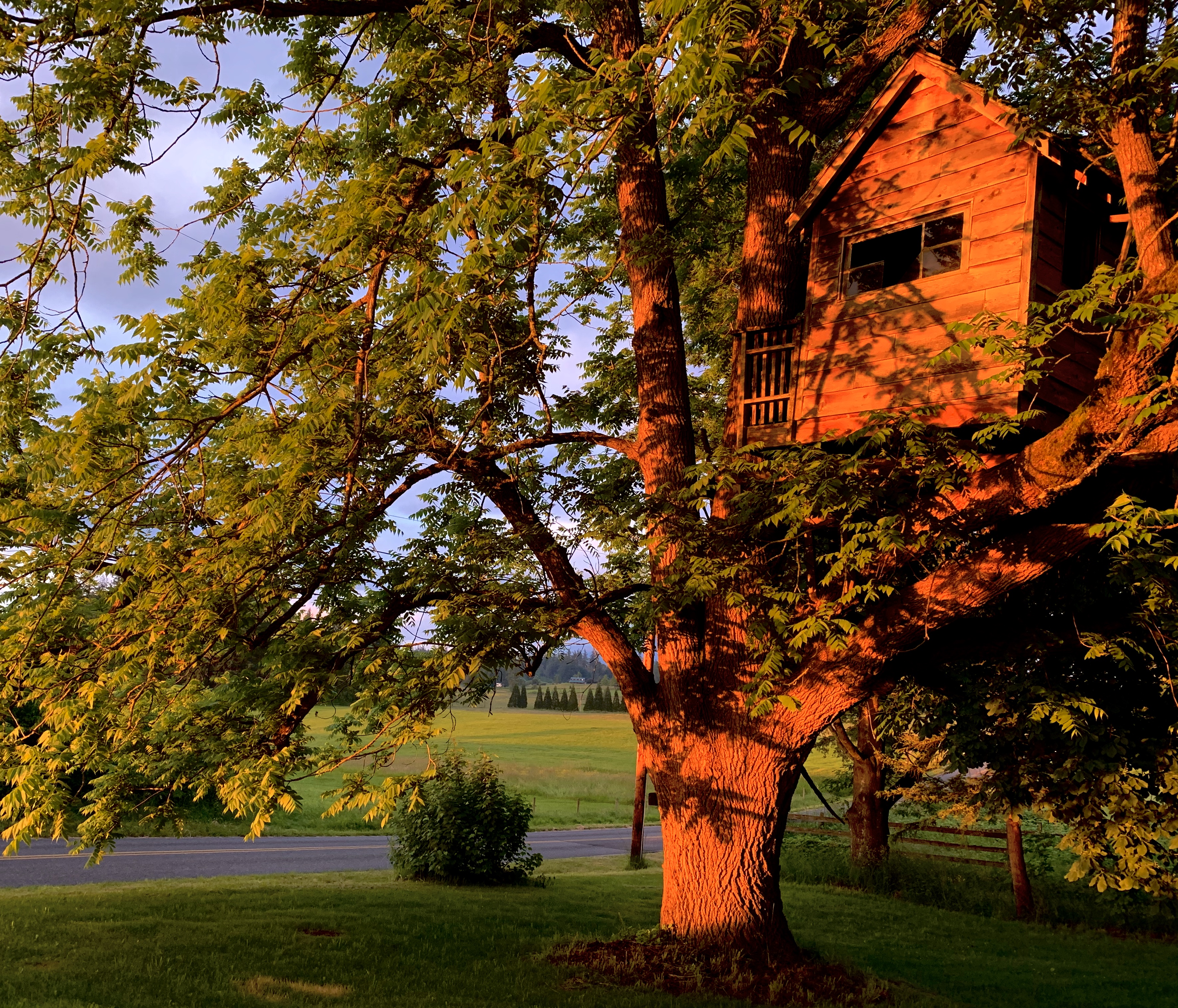
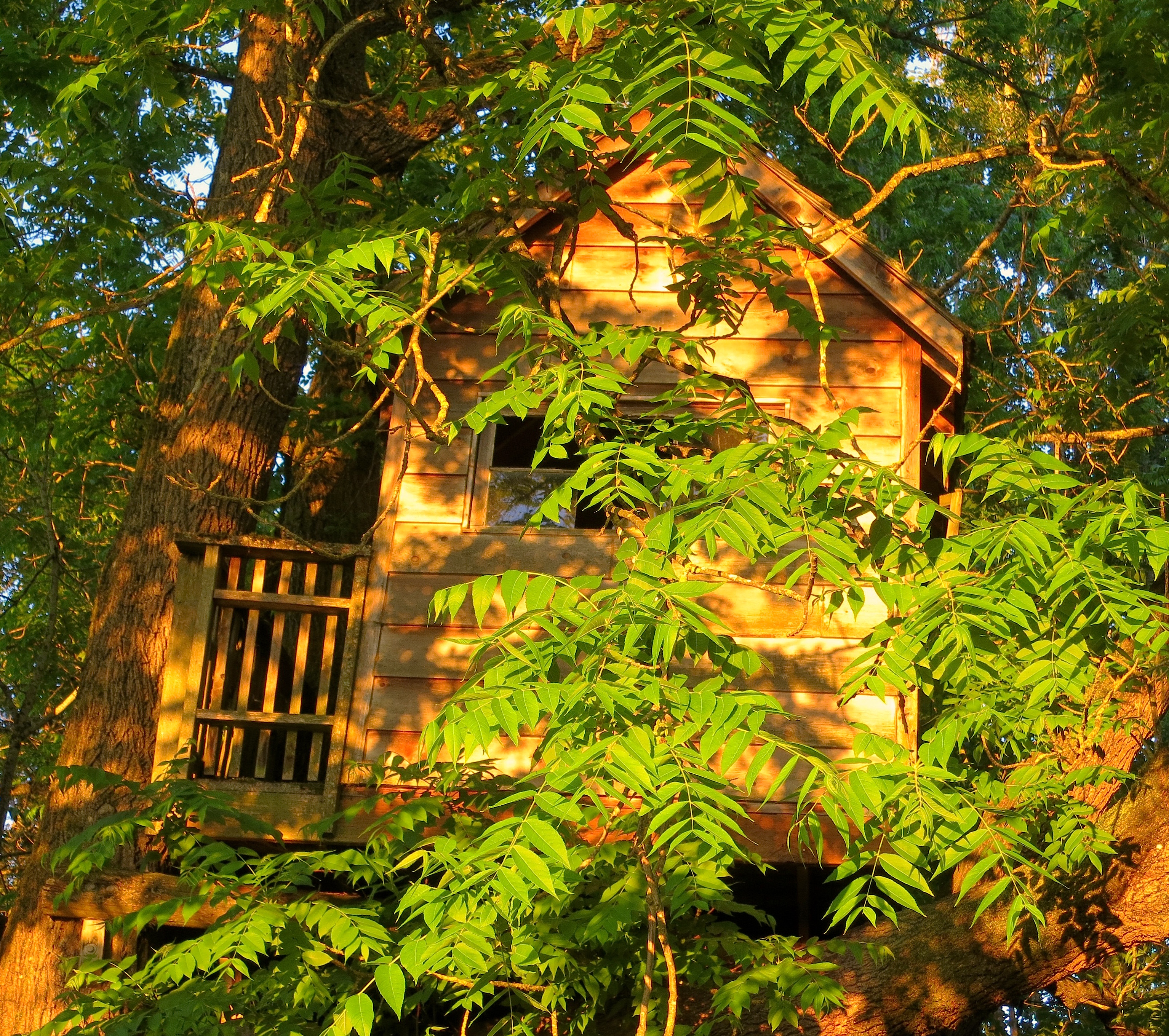
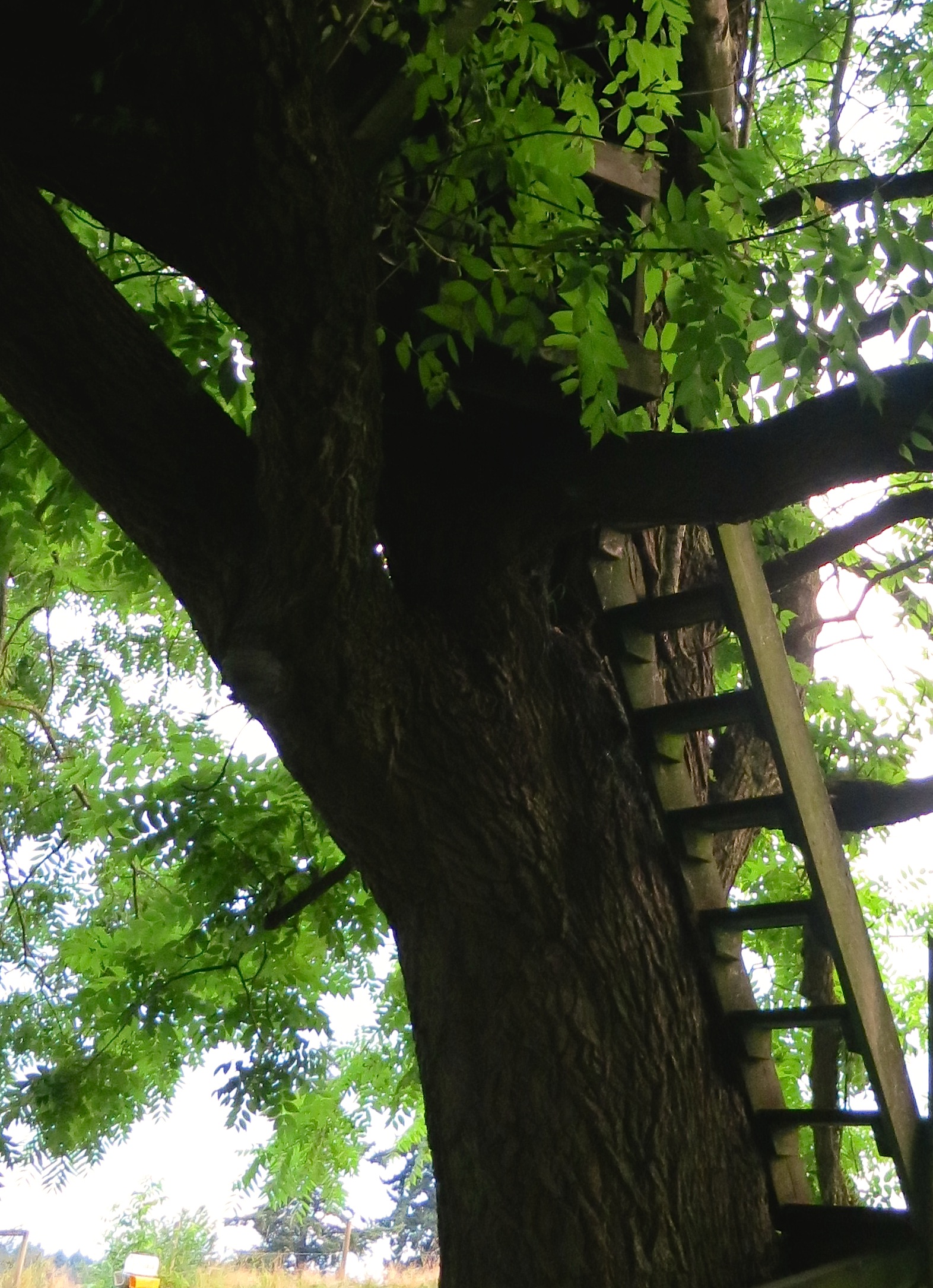
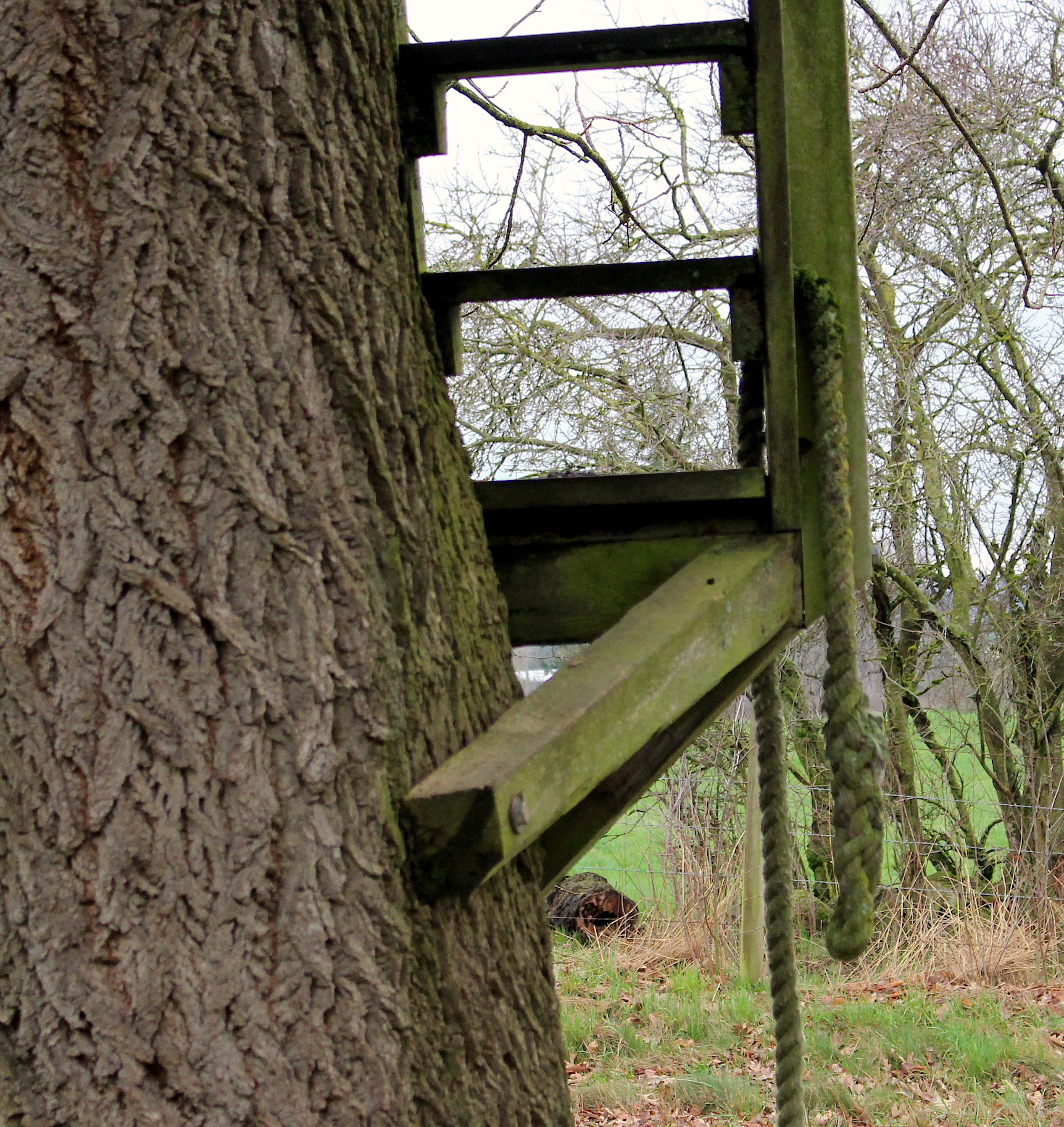
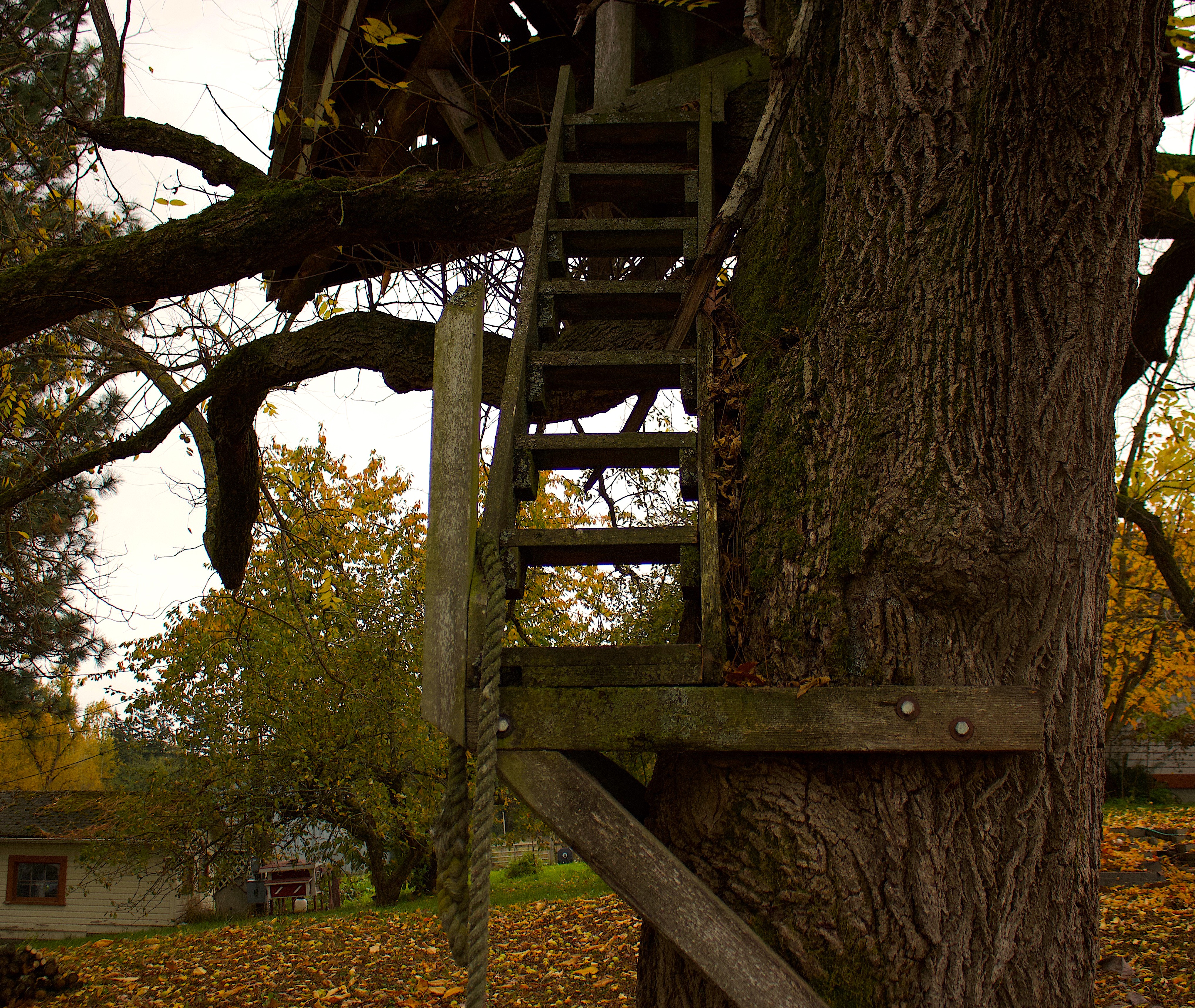
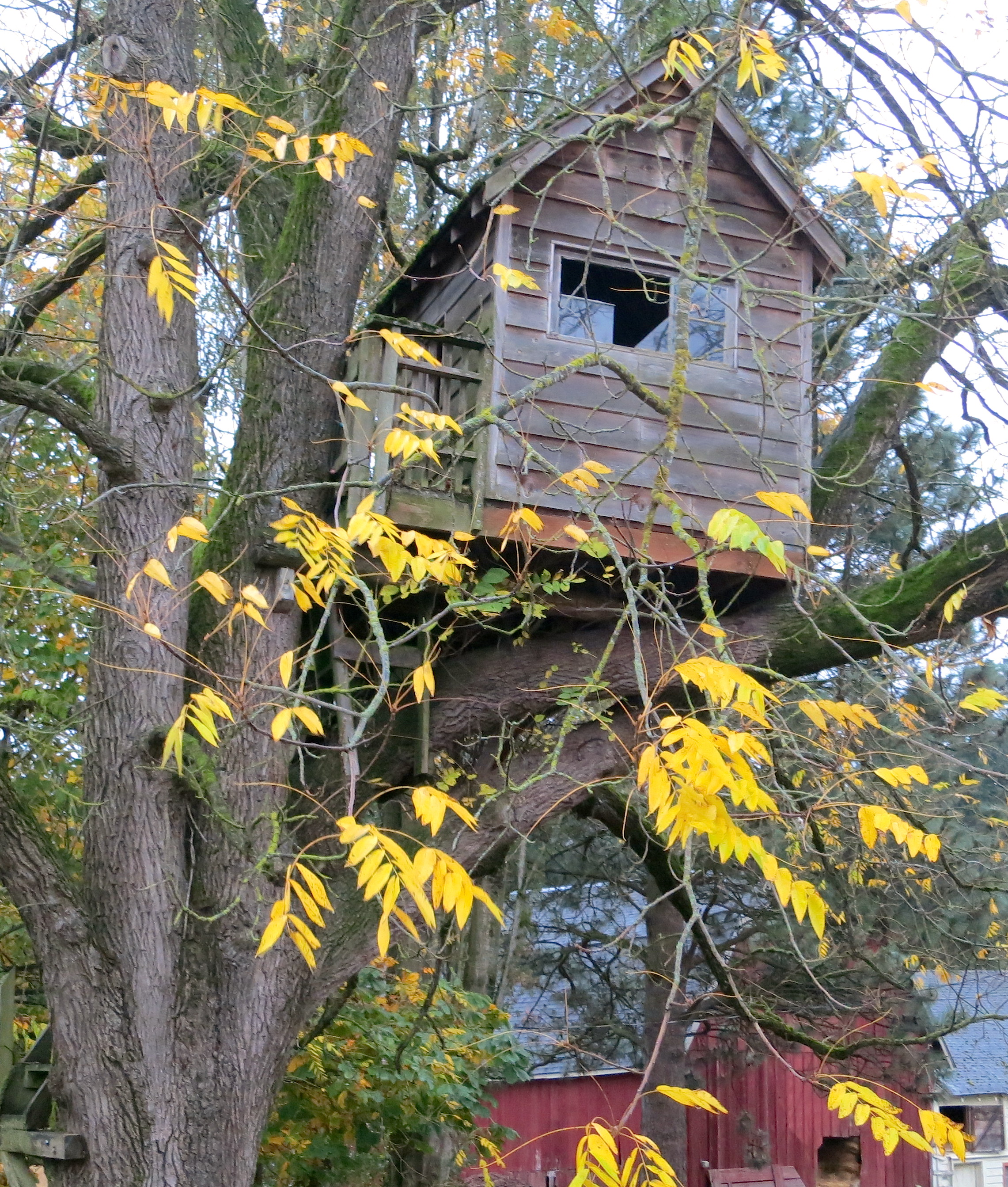
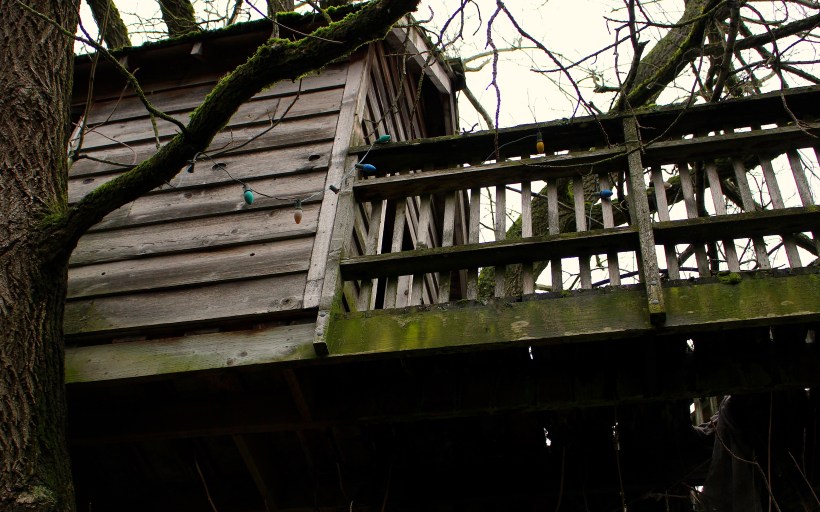
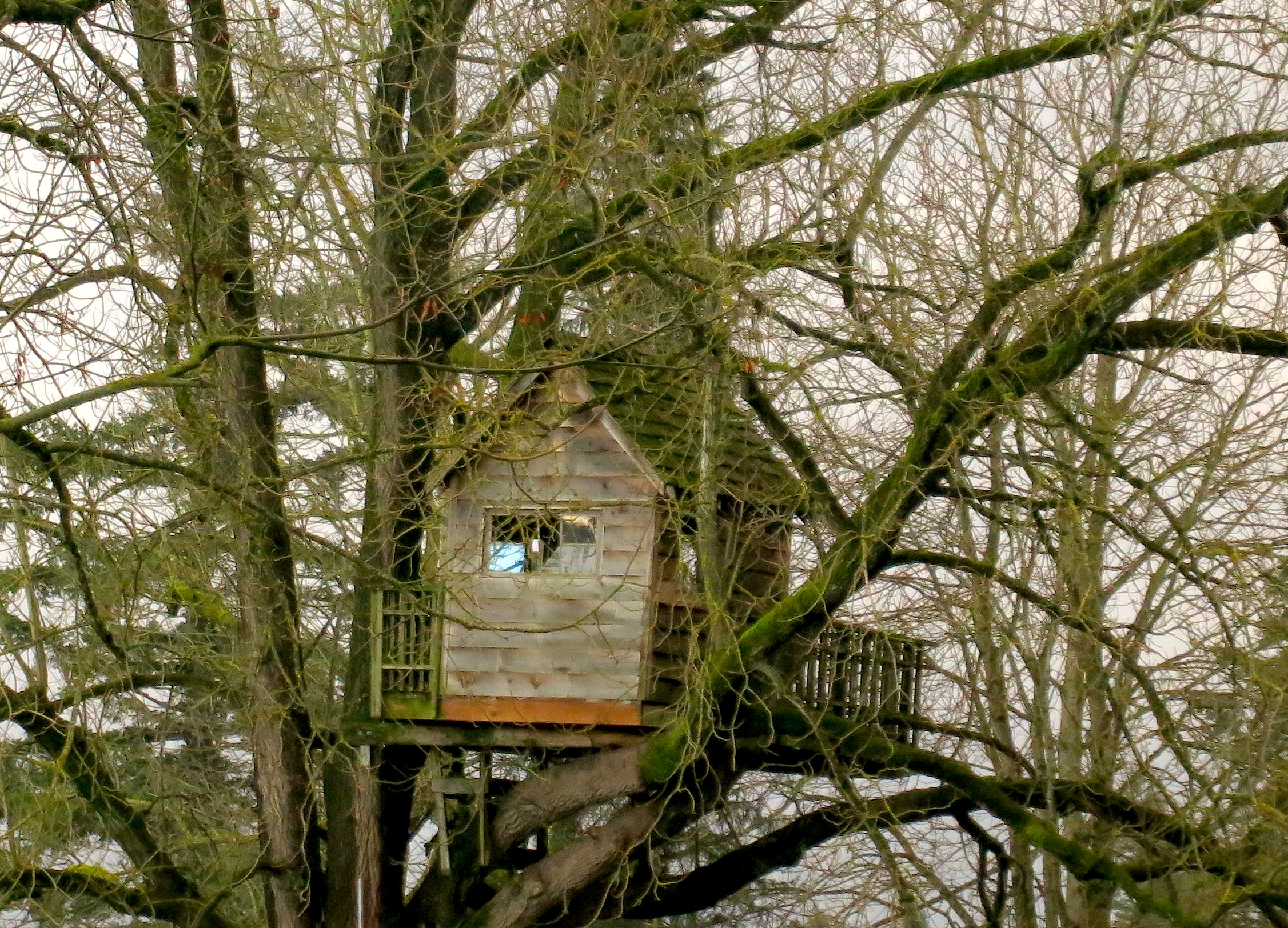
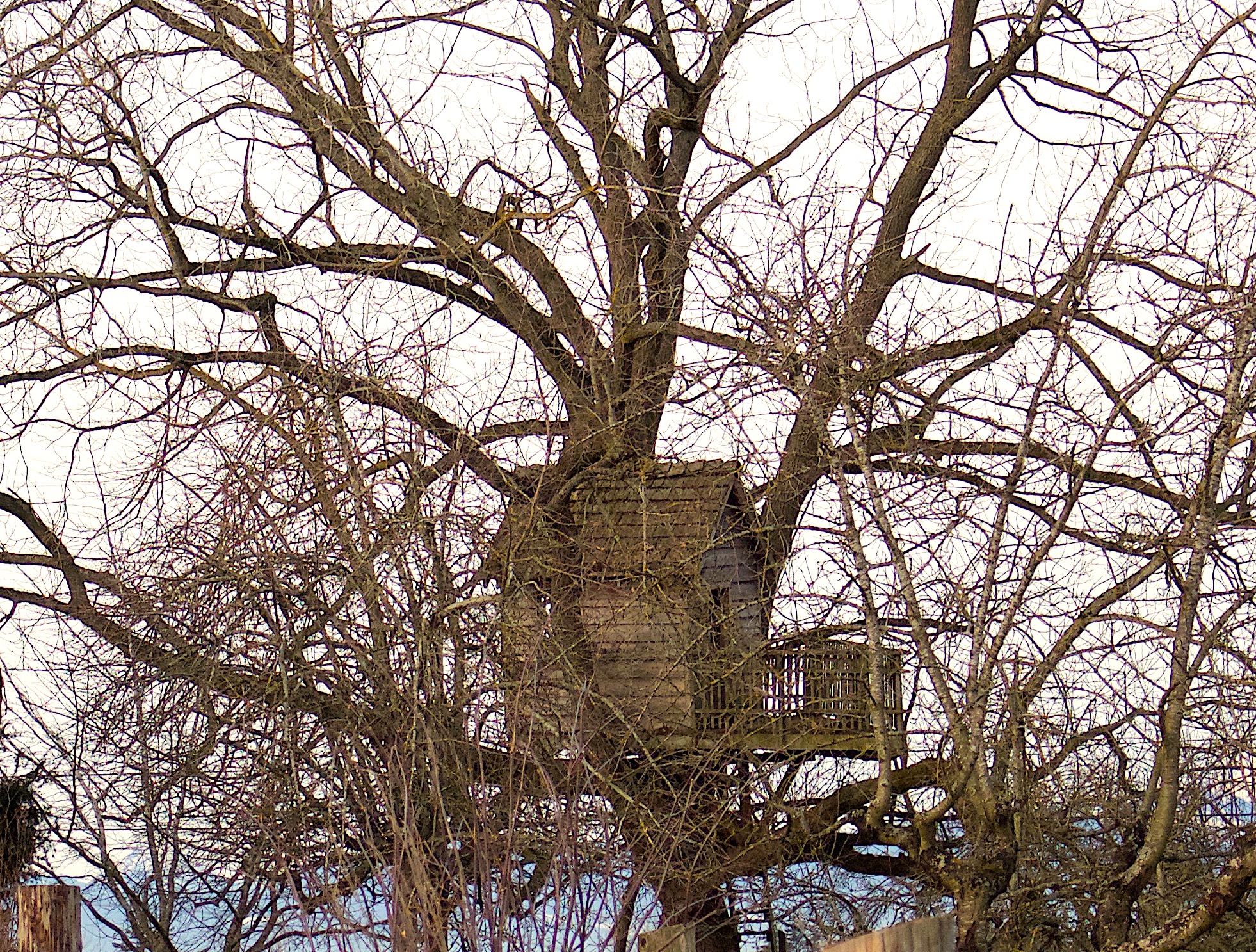
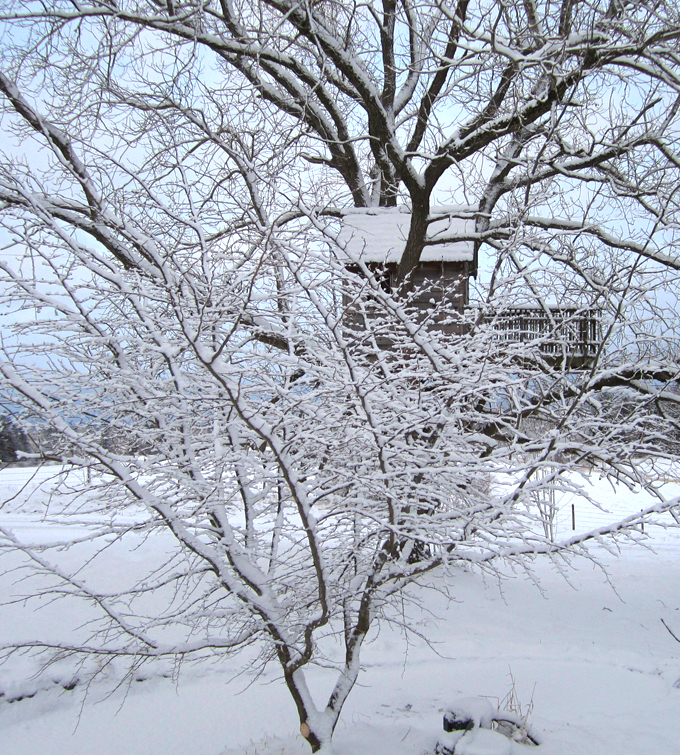
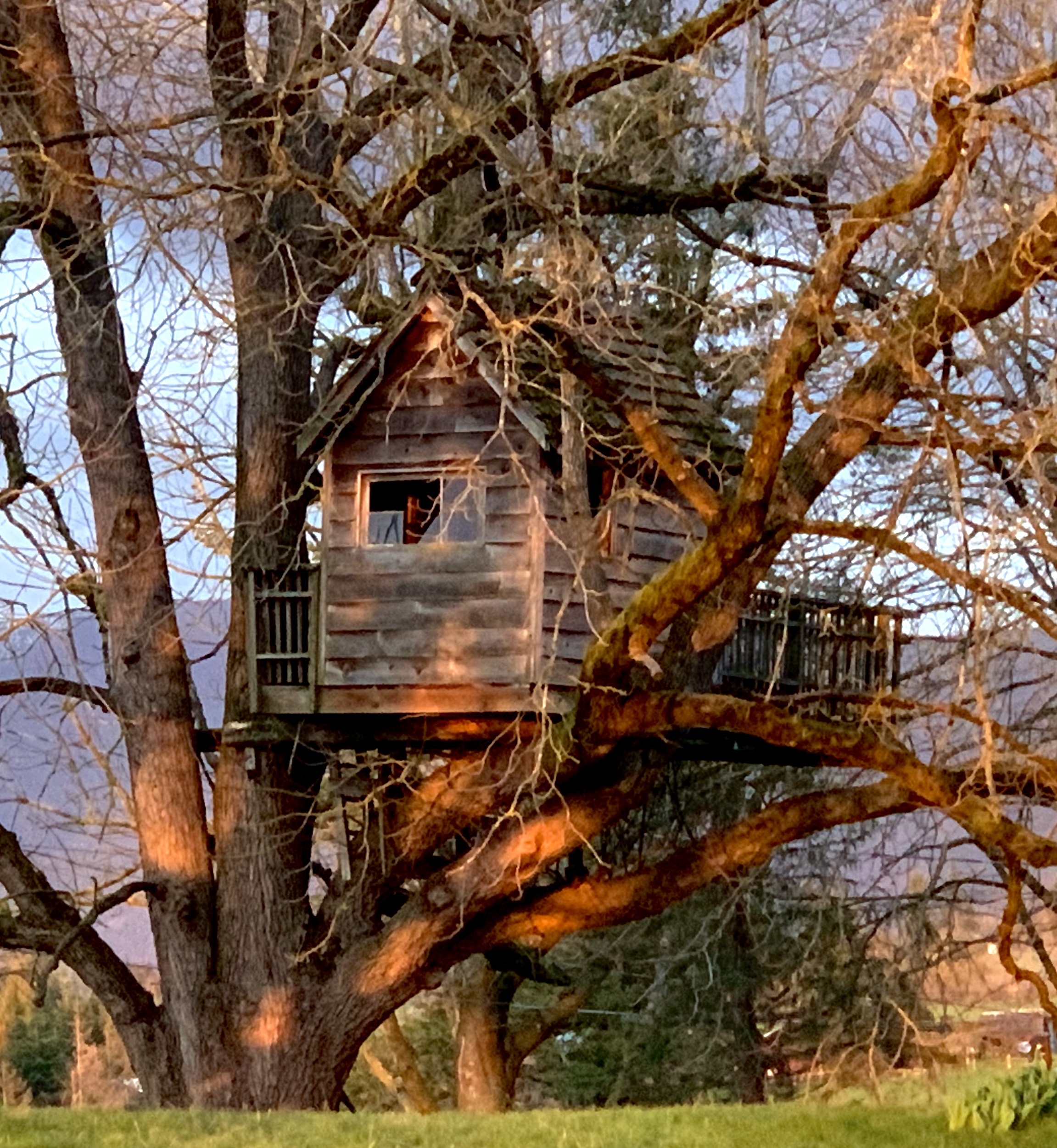
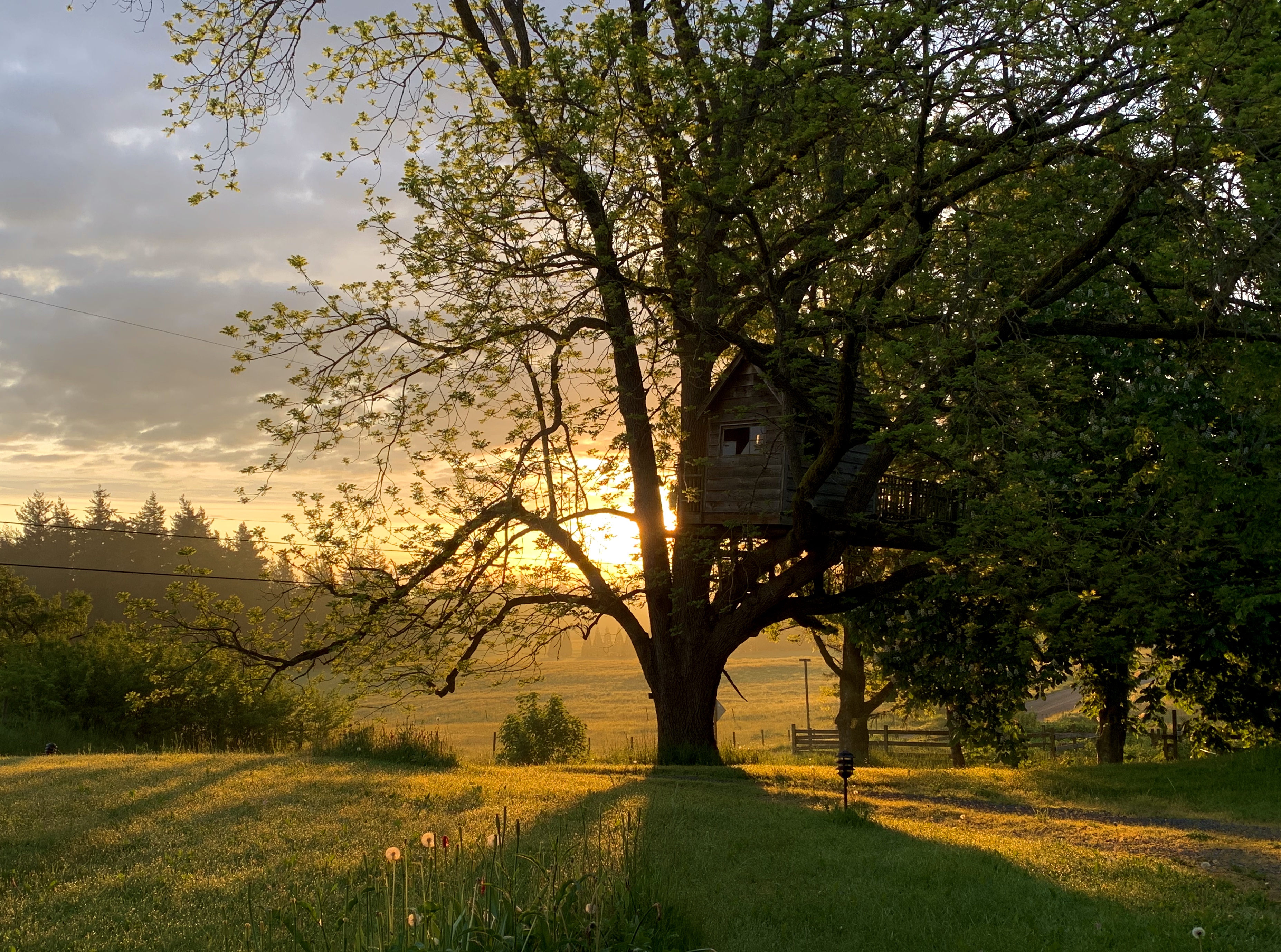
My father’s treehouse is twenty five years old this summer, lonesome and empty in our front yard, a constant reminder of his own abandoned Swiss Family Robinson dreams. Over the years, it has been the setting for a local children’s TV show, laser tag wars, sleep overs and tea parties, even my writer’s retreat with a deck side view of the Cascades to the east, the Canadian Coastal Range to the north and Puget Sound to the west. Now it is a sad shell no longer considered safe, as the support branches in our 100+ year old walnut tree are weakening with age and time. It is on our list of farm restoration projects, but other falling down buildings must be prioritized first.
My father’s dream began in February 1995 when our sons were 8 and 6 years old and our daughter just 2. We had plenty of recycled lumber on our old farm and an idea about what to build. Dad, retired from his desk job and having recently survived a lymphoma diagnosis and treatment, had many previous daunting building projects to his credit, and a few in his mind that he was yet to get to. He was eager to see what he could construct for his grandkids by spring time. He doodled out some sketches of what might work in the tree, and contemplated the physics of a 73 year old man scaling a tree vs. building on the ground and hoisting it up mostly completed. I got more nervous the more I thought about it and hoped we could consider a project less risky, and hoping the weather wouldn’t clear enough for construction to start any time soon.
The weather cleared as simultaneously my father’s health faded. His cancer relapsed and he was sidelined with a series of doctor’s appointments, hospitalizations and treatment courses. He hung on to that hope of getting the treehouse going by summer, still thinking it through in his mind, still evaluating what he would need to buy to supplement the materials already gathered and piled beneath the tree. In the mean time he lost physical strength day by day.
His dream needed to proceed as he fought his battle, so I borrowed library books on treehouses, and hired two college age brothers who lived down the road to get things started. I figured if my dad got well enough to build again, at least the risky stuff could be already done by the young guys. These brothers took their job very seriously. They pored over the books, took my dad’s plans, worked through the details and started in. They shinnied up the tree, put up pulleys on the high branches and placed the beams, hoisting them by pulling on the ropes with their car bumper. It was working great until the car bumper came off.
I kept my dad updated long distance with photos and stories. It was a diversion for him, but the far off look in his eye told me he wasn’t going to be building anything in this world ever again. He was gone by July. The treehouse was done a month later. It was everything my dad had dreamed of, and more. It had a deck, a protective railing, a trap door, a staircase. We had an open tree celebration and had 15 neighbors up there at once. I’m sure dad was sipping lemonade with us as well, enjoying the view.
Now all these years later, the treehouse is tilting on its foundation as the main weight bearing branch is weakening. We’ve declared it condemned, not wanting to risk an accident. As I look out my front window, it remains a daily reminder of past dreams fulfilled and unfulfilled. Much like my father’s body, the old walnut tree is weakening, hanging on by the roots, but its muscle strength is failing. It will, sometime, come down in one of our frequent fierce windstorms, just as its nearby partner did a few years ago.
The treehouse dream branched out in another way. One of the construction team brothers decided to try building his own as a place to live in his woods, using a Douglas Fir tree as the center support and creating an octagon, two stories, 30 feet off the ground. He worked on it for two years and moved in, later marrying someone who decided a treehouse was just fine with her, and for 20+ years, they’ve been raising five children there. The treehouse kids are old enough to come work for me on our farm, a full circle feeling for me. This next generation is carrying on a Swiss Family Robinson dream that began in my father’s mind and our front yard.
I still have a whole list full of dreams myself, some realized and some deferred by time, resources and the limits of my imagination. I feel the clock ticking too, knowing that the years and the seasons slip by me faster and faster as I near the age my father was when he first learned he had cancer. It would be a blessing to me to see others live out the dreams I have held so close.
Like my father, I will some day teeter in the wind like our old tree, barely hanging on. When ready to fall to the ground, I’ll reach out with my branches and hand off my dreams too. The time will have come to let them go. Thank you, Dad, for handing me yours.
When I saw the figure on the crown of the hill, high above the city, standing perfectly still
against a sky so saturated with the late- afternoon, late-summer Pacific light
that granules of it seemed to have come out of solution, like a fine precipitate
of crystals hanging in the brightened air, I thought whoever it was standing up there
must be experiencing some heightened state of being, or thinking—or its opposite,
thoughtlessly enraptured by the view. Or maybe, looking again, it was a statue
of Jesus or a saint, placed there to bestow a ceaseless blessing on the city below.
Only after a good five minutes did I see that the figure was actually a tree—
some kind of cypress, probably, or cedar. I was both amused and let down by my error.
Not only had I made the tree a person, but I’d also given it a vision,
which seemed to linger in the light-charged air around the tree’s green flame, then disappear. ~Jeffrey Harrison, “The Figure on the Hill” from Into Daylight.
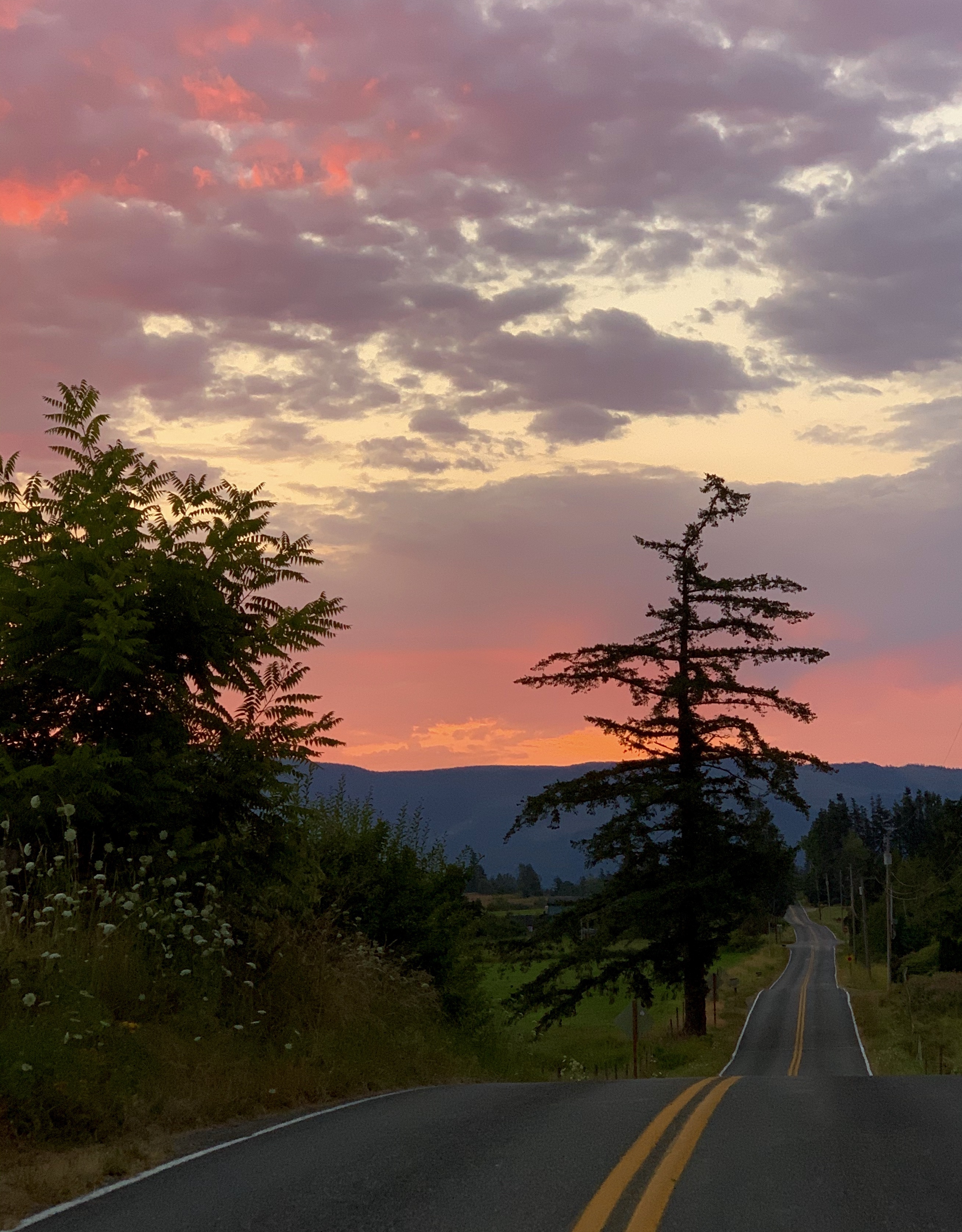
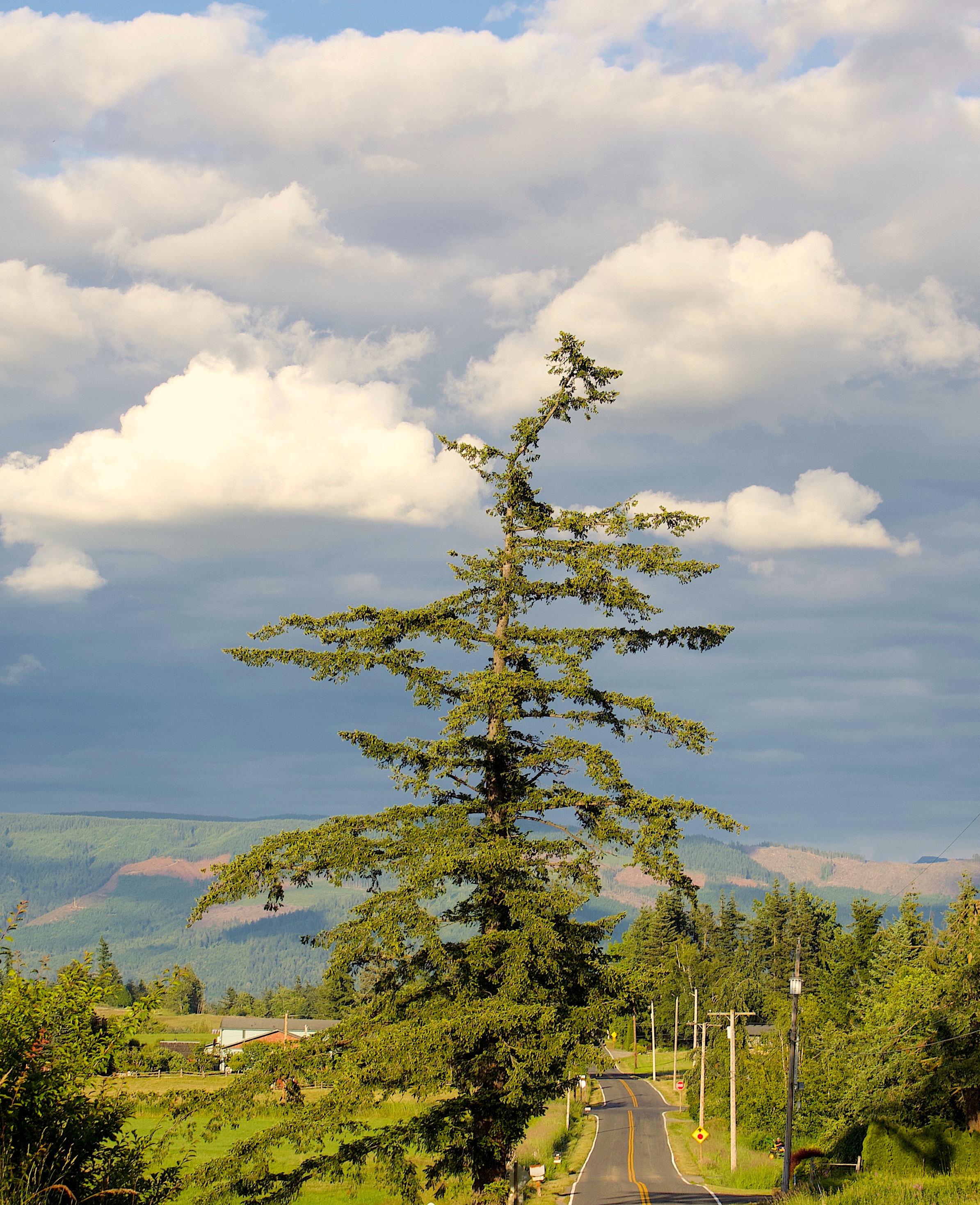
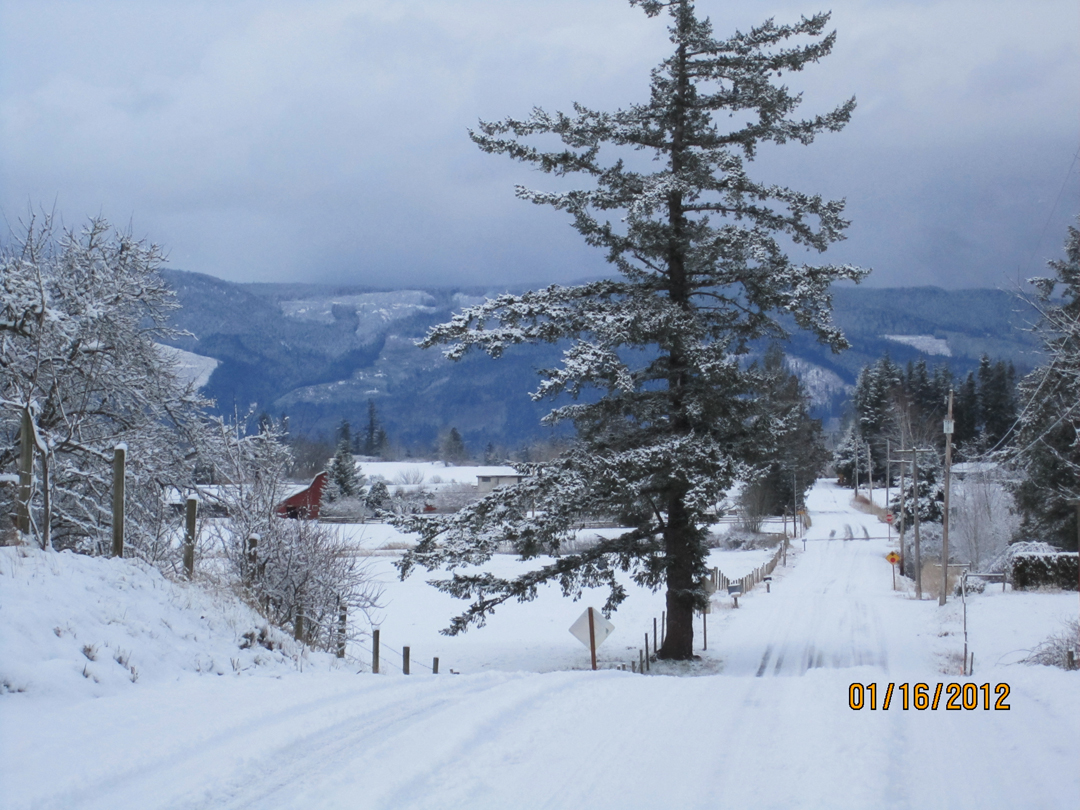
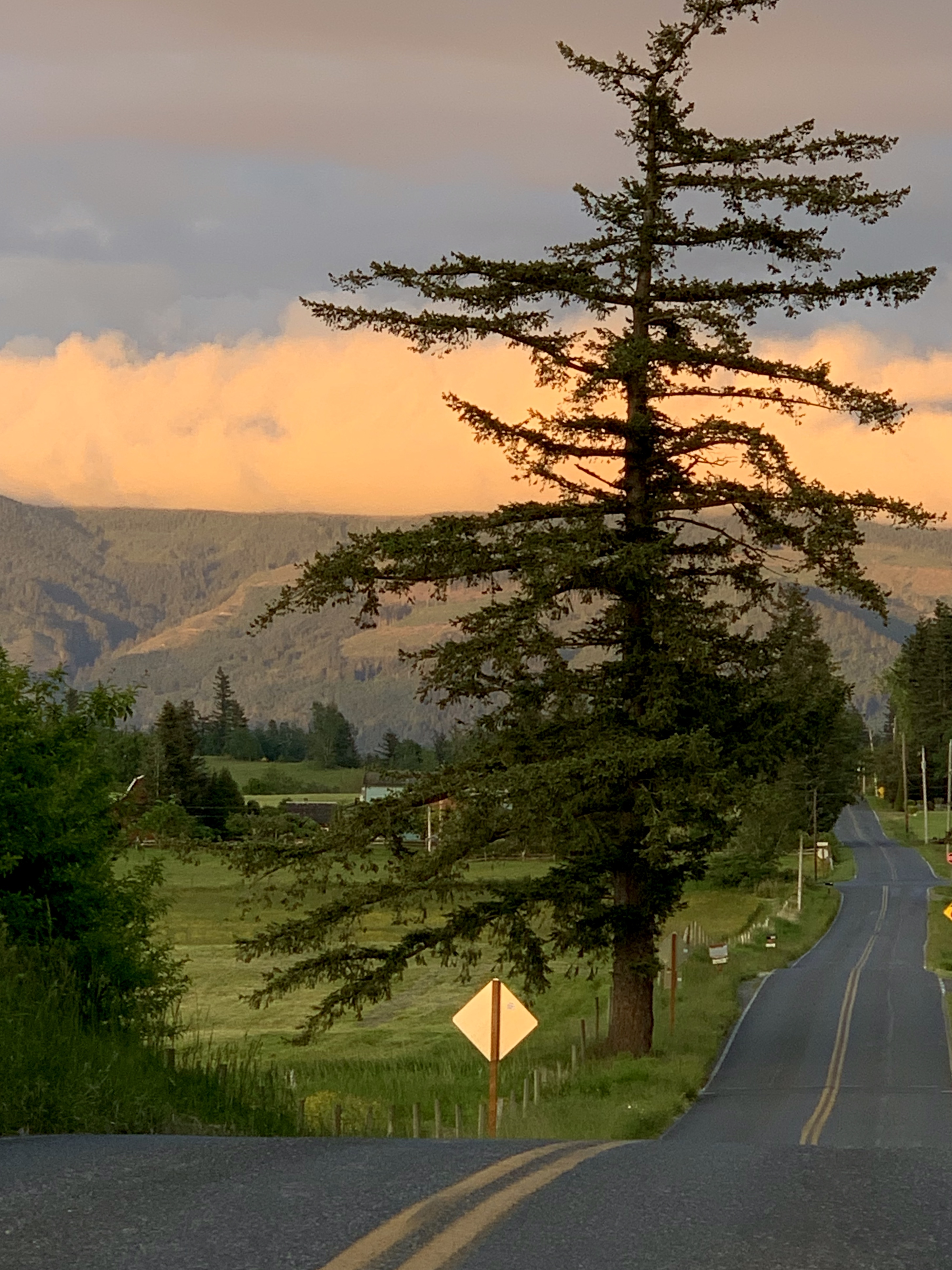
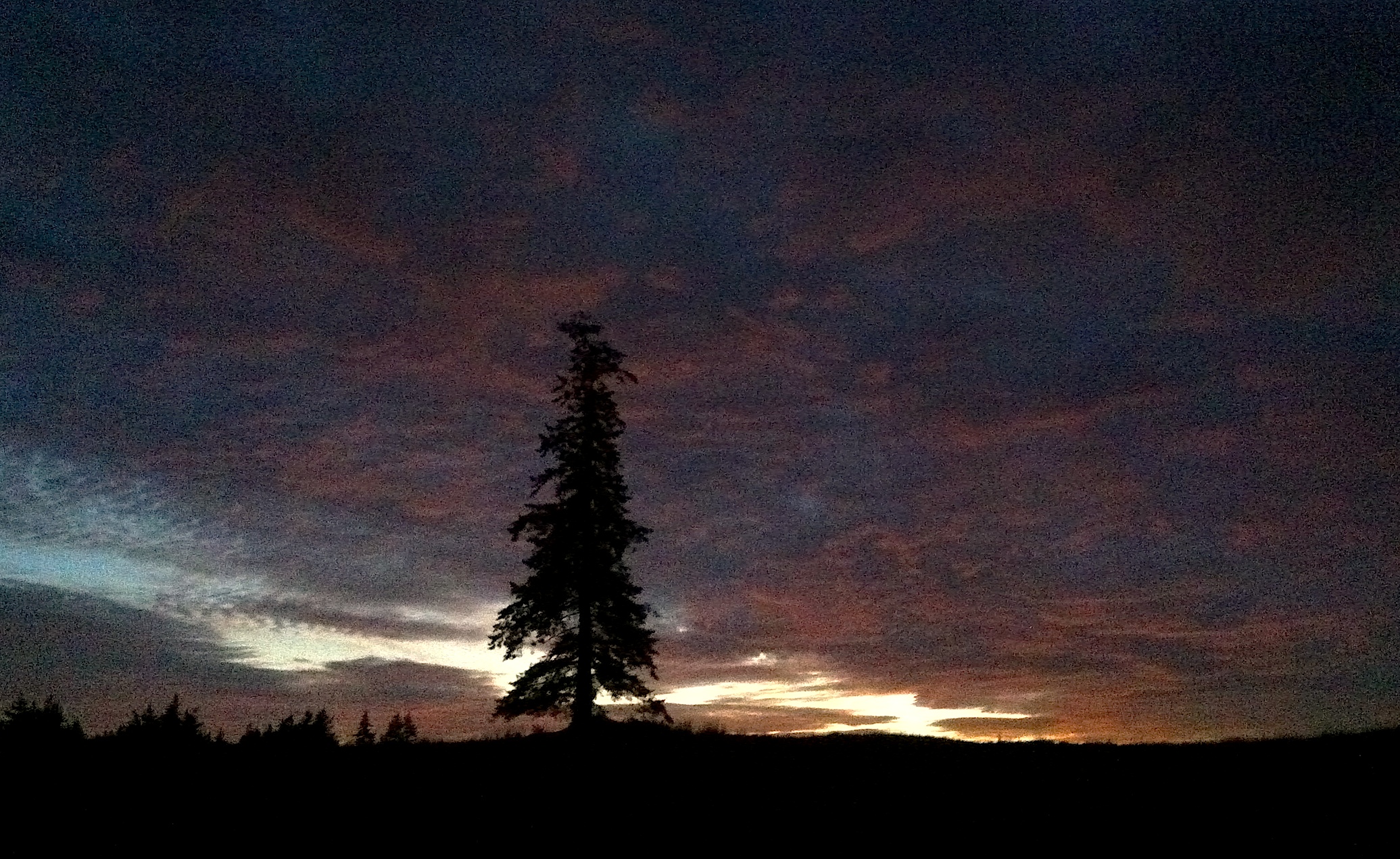
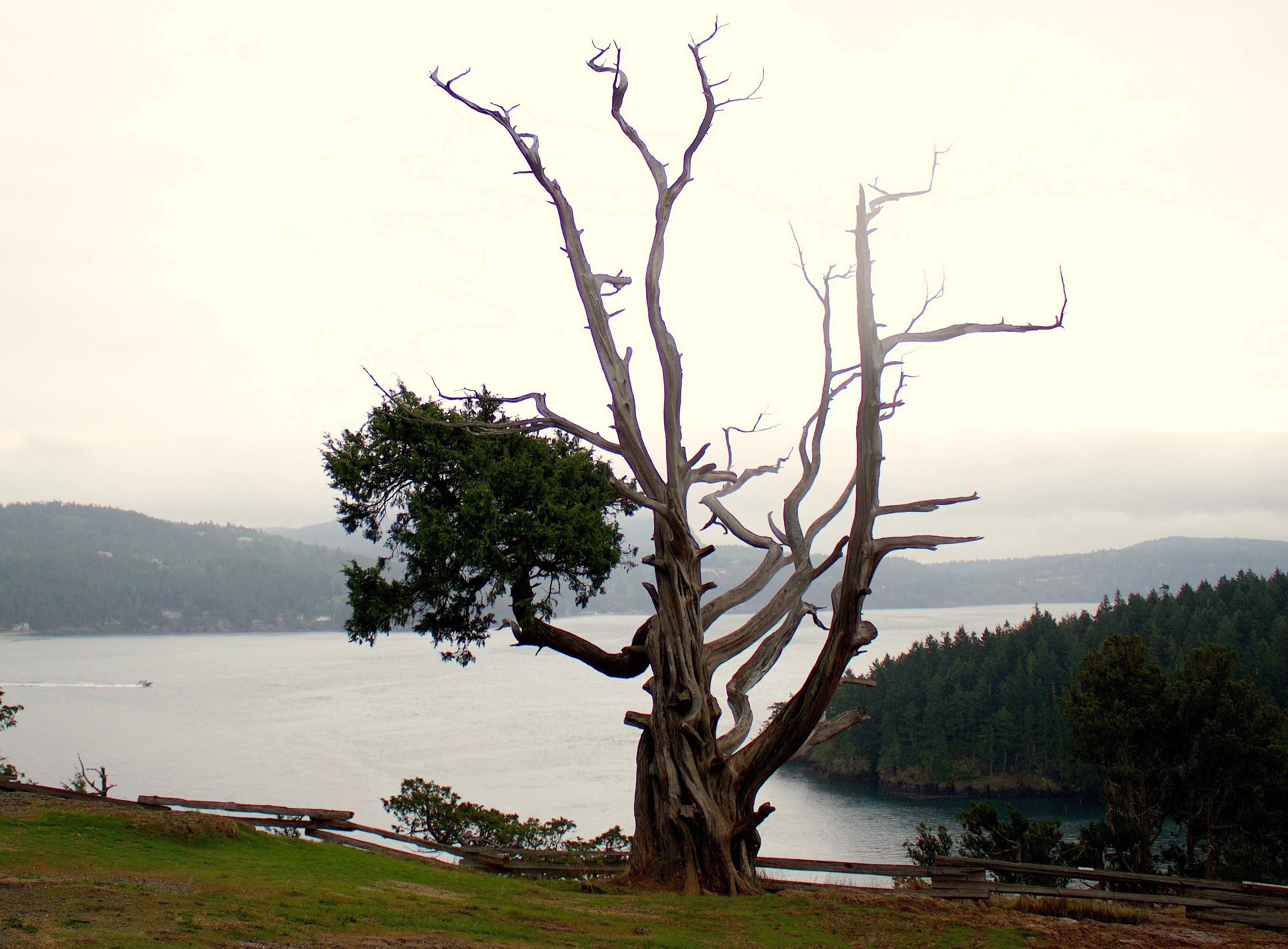
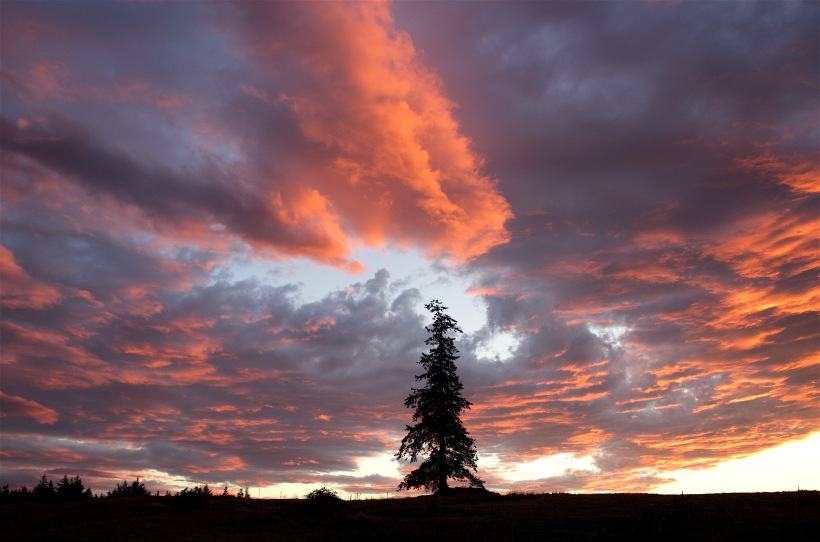
A tree on our hill broods over us through the decades, day and night, standing firm through sunrises and sunsets, snow and wind and rain and blistering sun.
It isn’t mistaken for a person or statue yet stands in steadfast silence amid the ever-changing backdrop and drama of uncertain times.
May these ceaseless blessings ever flow, bestowed unimpeded of a Love that hung from the limbs of a tree on the hill.
And God held in his hand A small globe. Look, he said. The son looked. Far off, As through water, he saw A scorched land of fierce Colour. The light burned There; crusted buildings Cast their shadows; a bright Serpent, a river Uncoiled itself, radiant With slime. On a bare Hill a bare tree saddened The sky. Many people Held out their thin arms To it, as though waiting For a vanished April To return to its crossed Boughs. The son watched Them. Let me go there, he said. ~R.S. Thomas “The Coming”
“Let me go there”
And He did. Knowing what awaited Him.
As a result, we are forever changed.
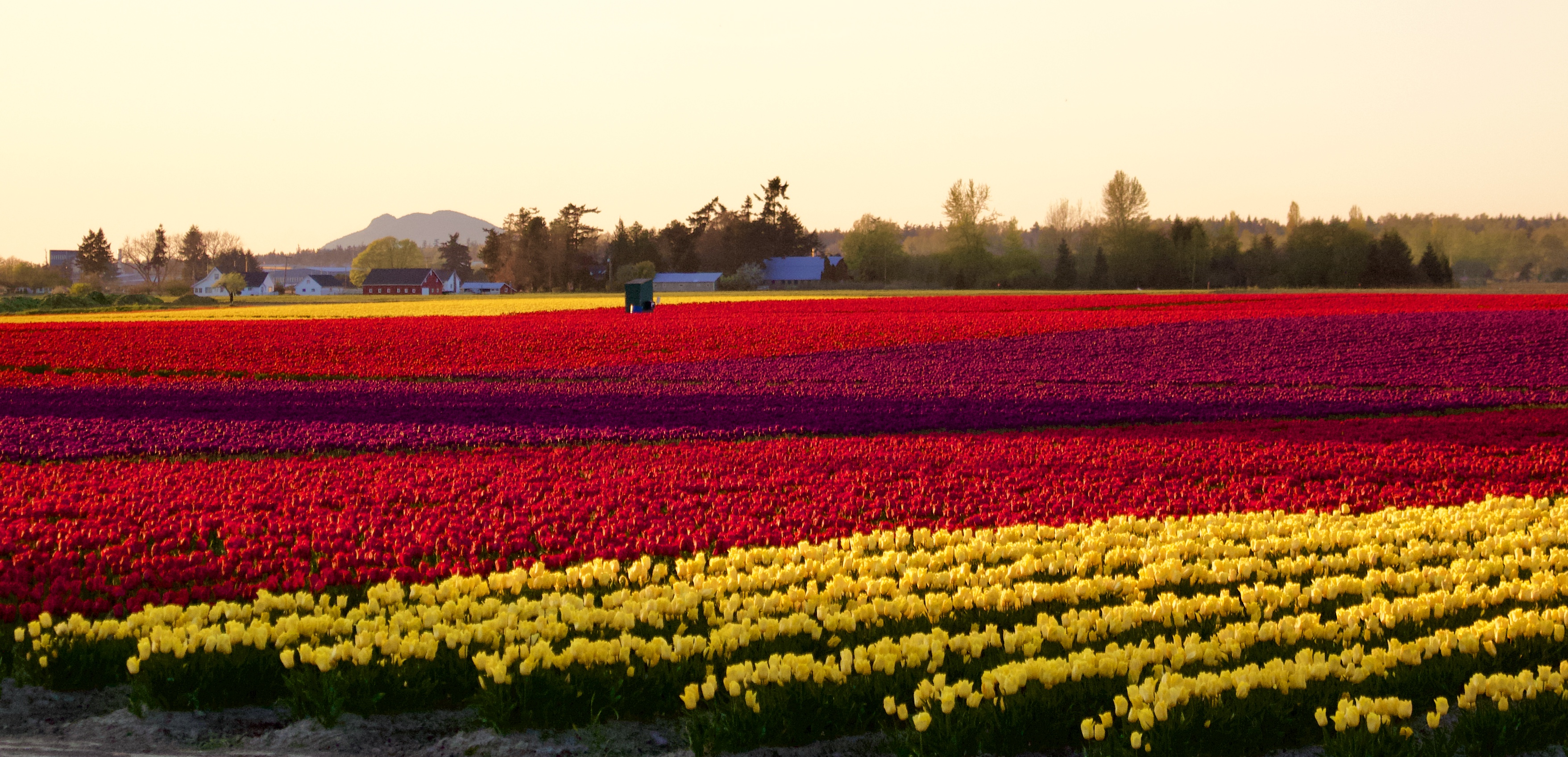
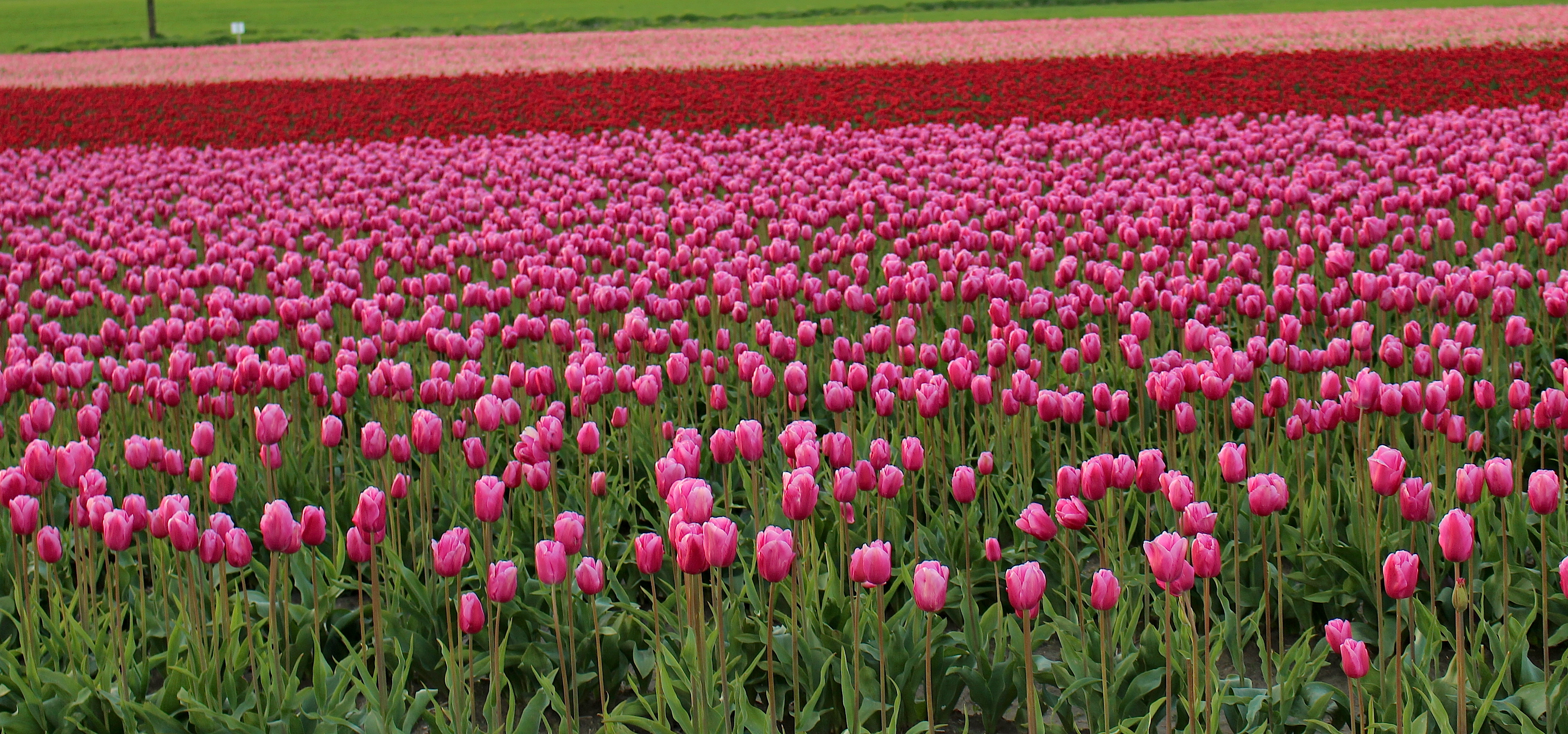
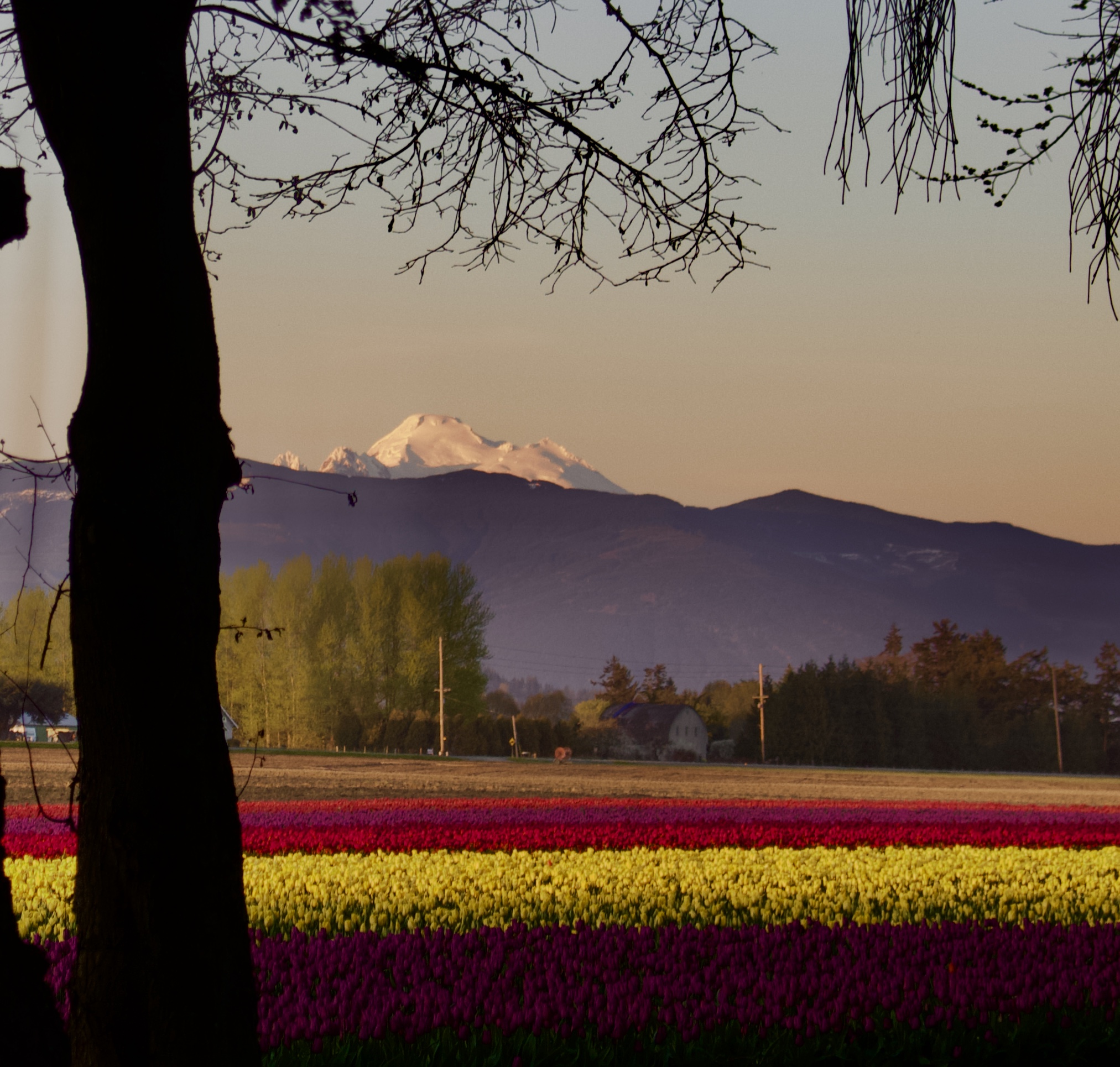
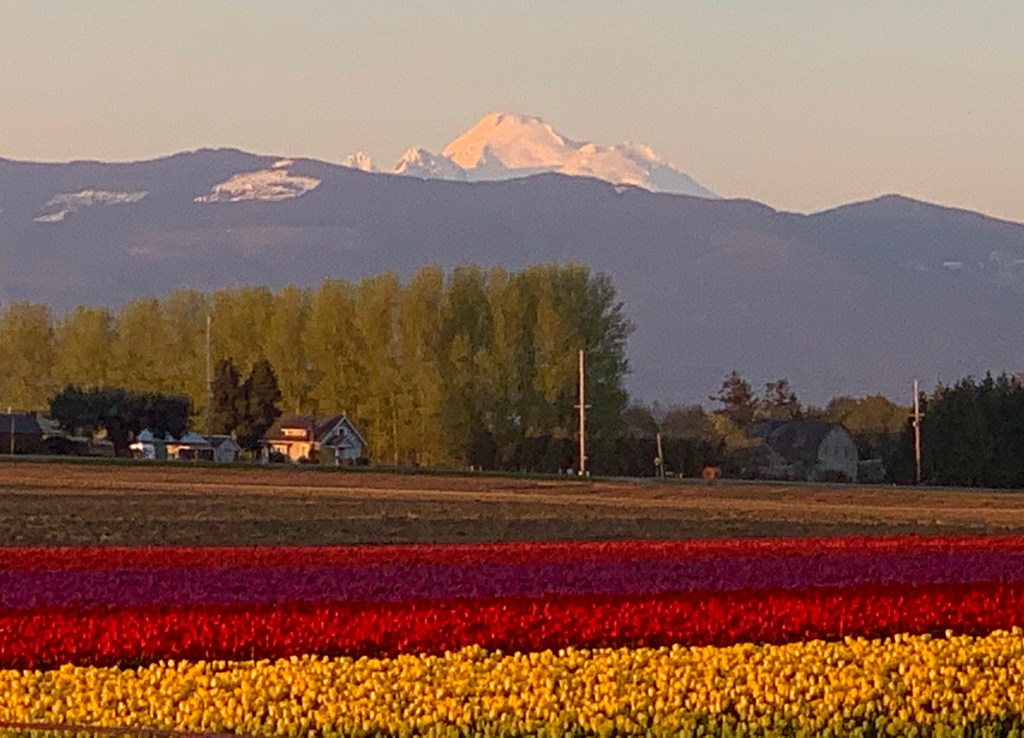
Fifty weeks of dirt rows Plain and unnoticed. Could be corn, could be beans Could be anything; Drive-by fly-over dull.
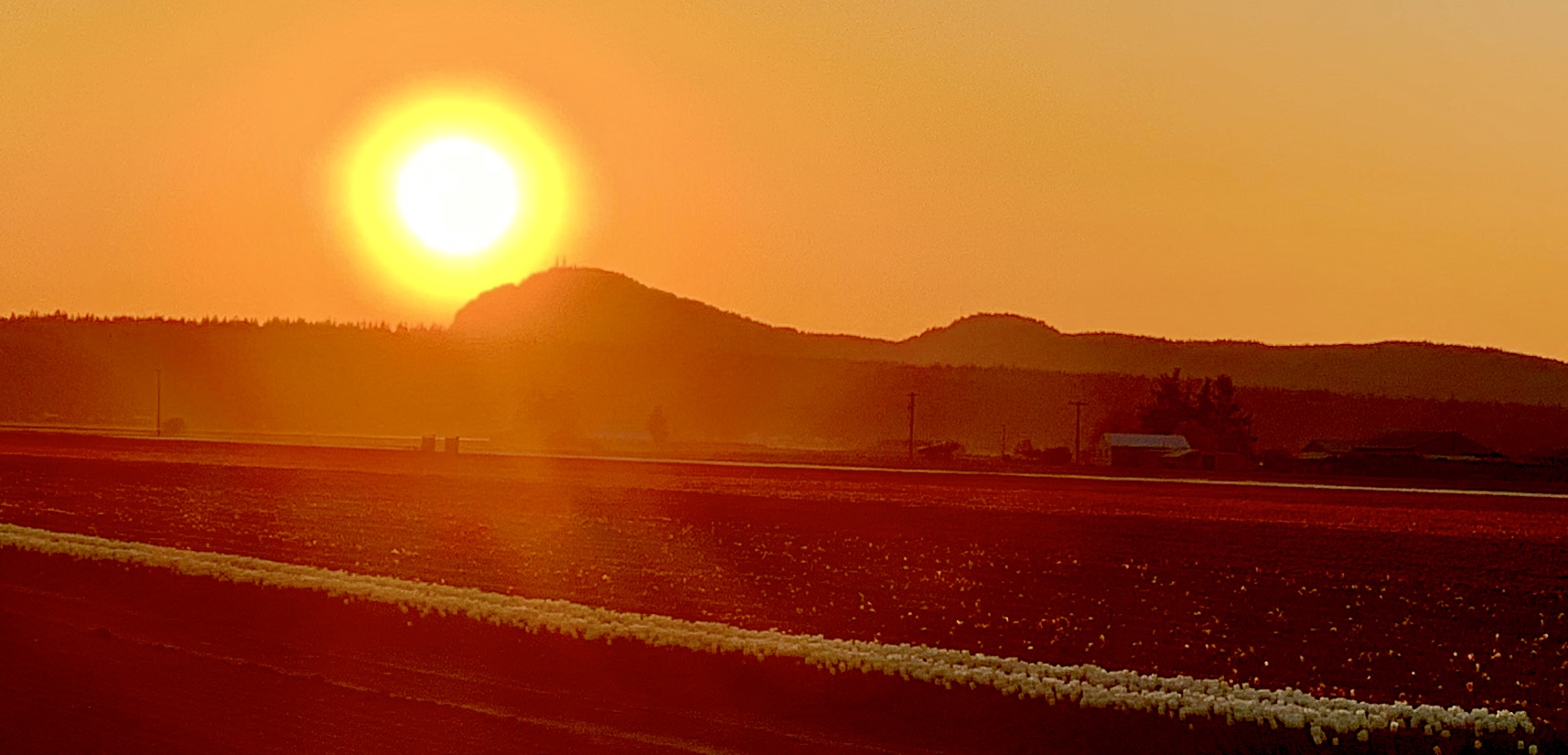
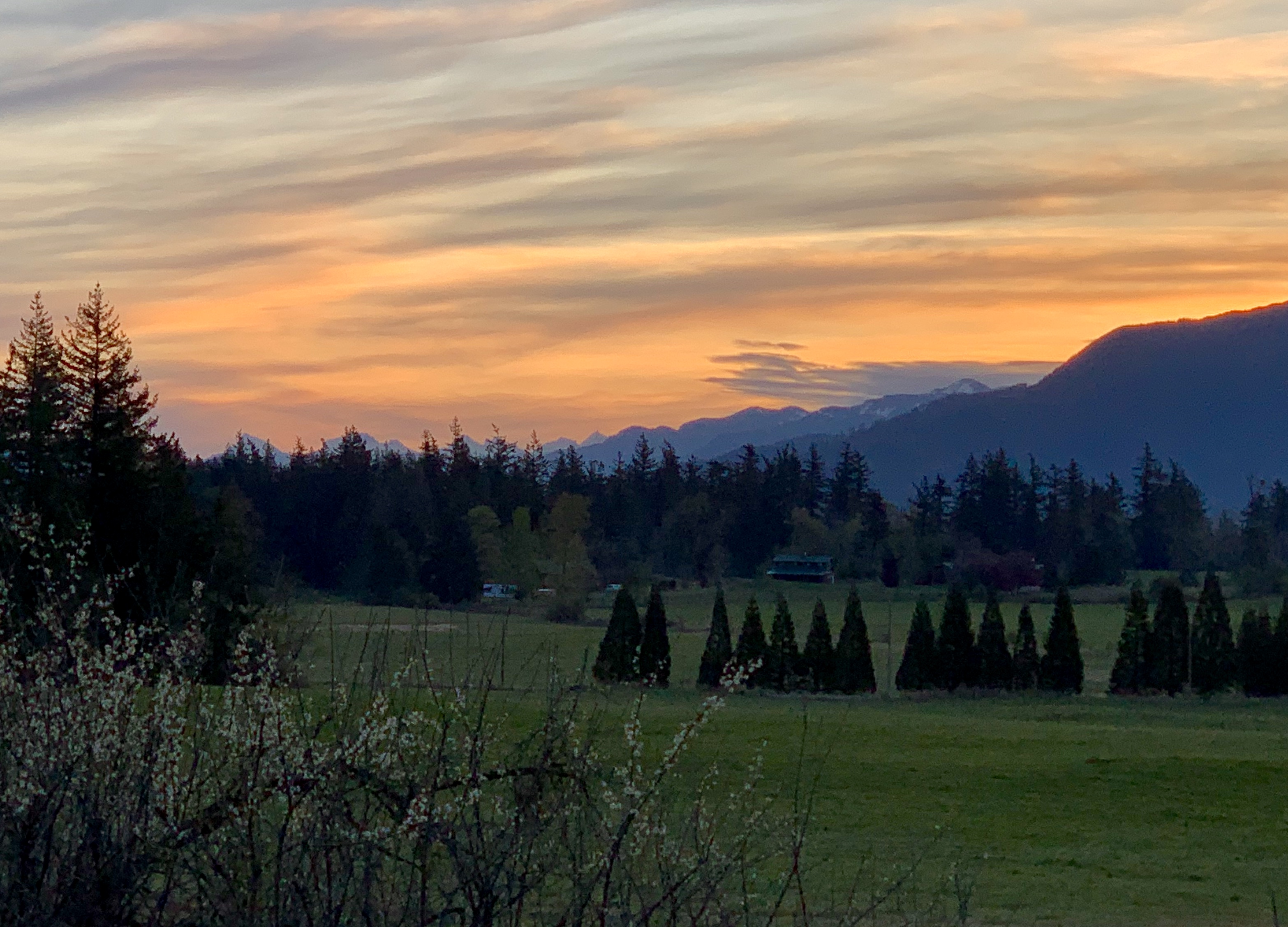
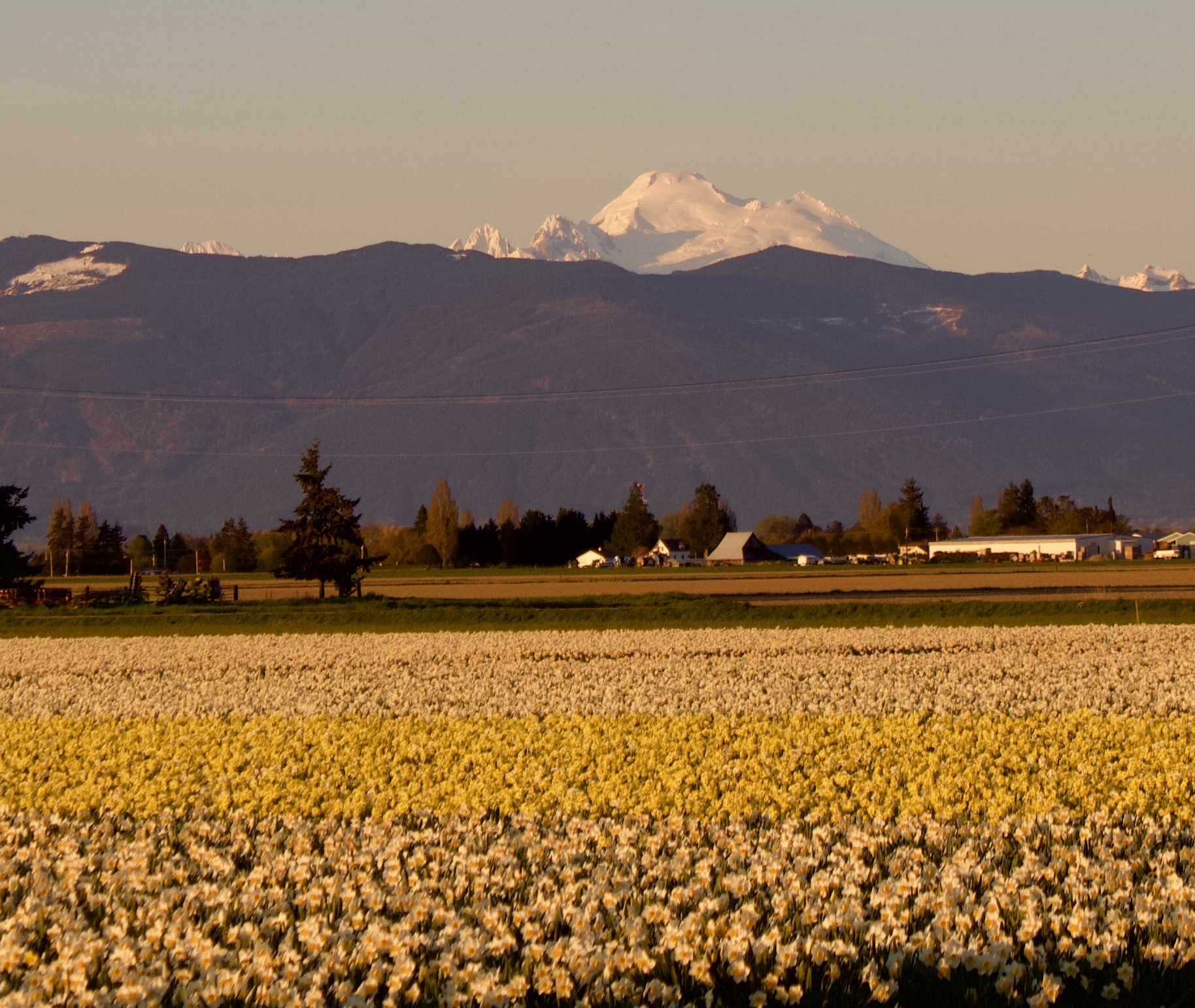
Yet April ignites an explosion: Dazzling retinal hues Singed and scorched, crying Grateful tears for such as this Grounded rainbow on Earth
Transient, incandescent Brilliance hoped for. Remembered in dreams, Promises realized, Housed in crystal before shattering.





















 Barnstorming