Licked to Its Feet

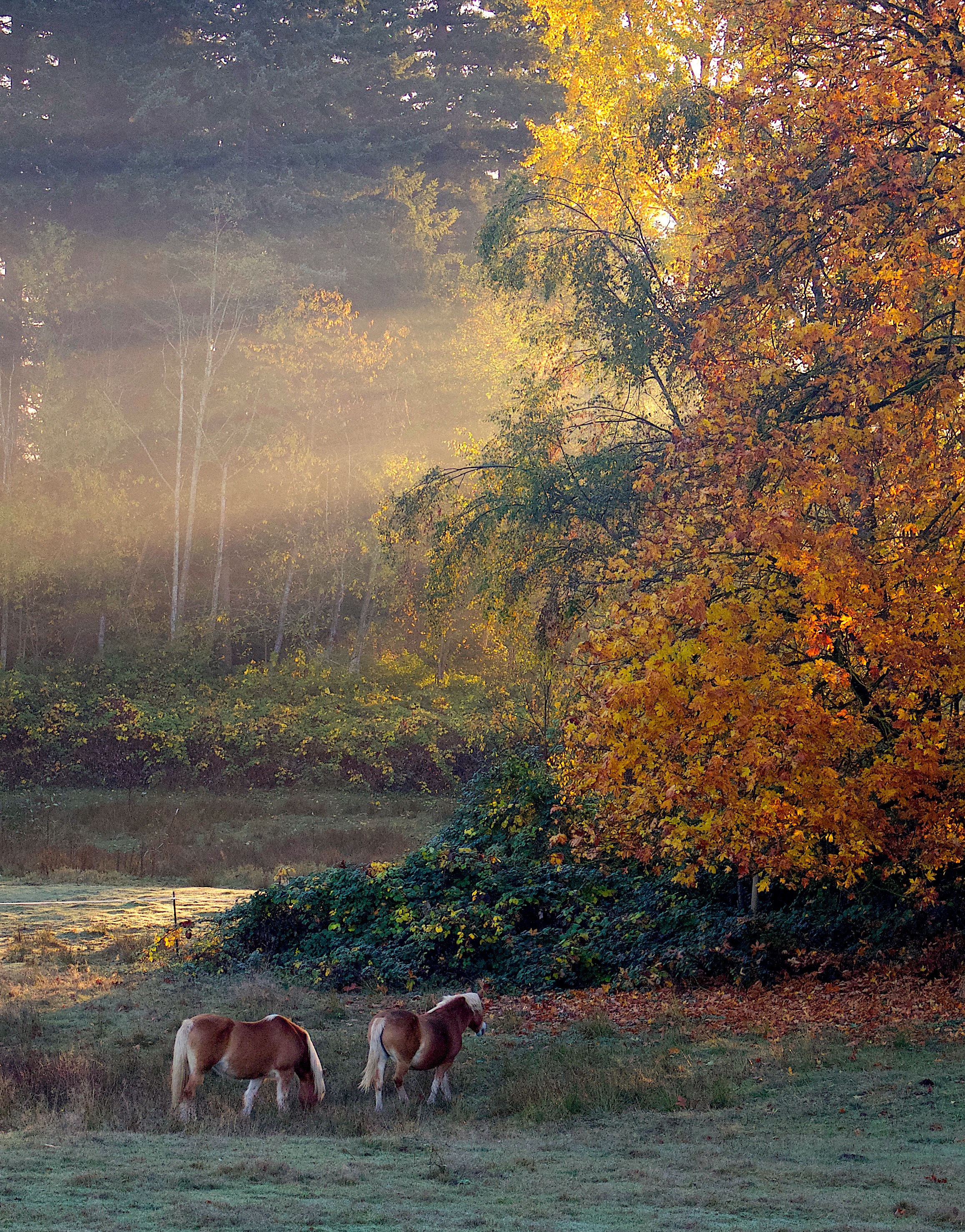
When we reach the field
she is still eating
the heads of yellow flowers
and pollen has turned her whiskers
gold. Lady,
her stomach bulges out,
the ribs have grown wide.
We wait,
our bare feet dangling
in the horse trough,
warm water
where goldfish brush
our smooth ankles.
We wait
while the liquid breaks
down Lady’s dark legs
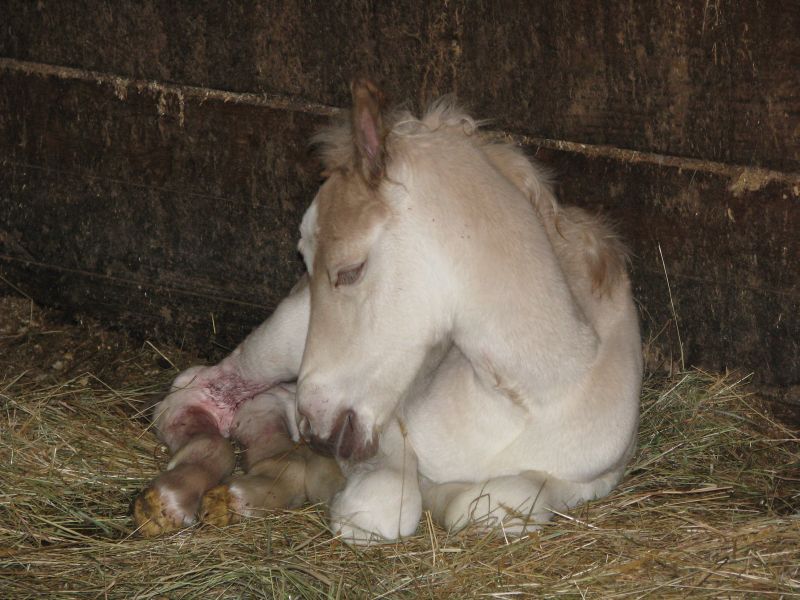
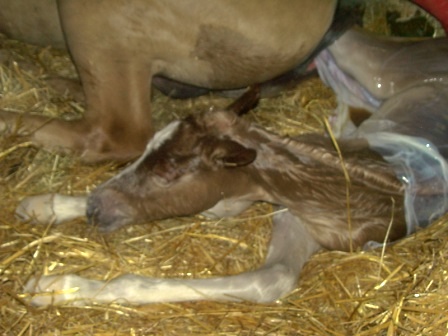
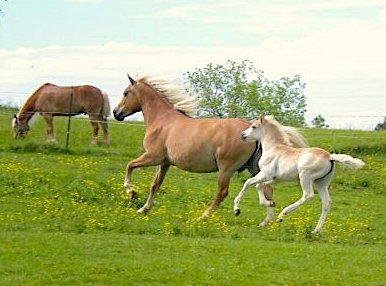
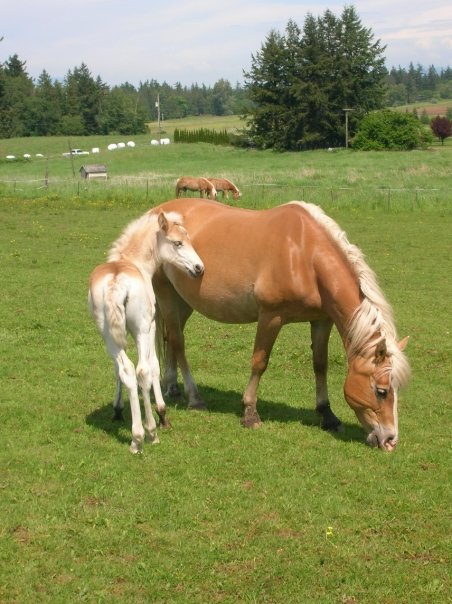
and that slick wet colt
like a black tadpole
darts out
beginning at once
to sprout legs.
She licks it to its feet,
the membrane still there,
red, transparent
the sun coming up shines through,
the sky turns bright with morning
and the land
with pollen blowing off the corn,
land that will always own us,
everywhere it is red.

~Linda Hogan, “Celebration: Birth of a Colt” fromĀ Red Clay.

First,
her fluid
flows in subtle stream
then
gushes in sudden drench.
Soaking, saturating,
precipitating
inevitability.
No longer cushioned
slick sliding forward
following the rich river
downstream to freedom.

The smell of birth
clings to shoes, clothes, hands
as soaked in soupy brine
I reach to embrace new life
sliding toward me.

I too was caught once;
three times emptied into other hands,
my babies wet on my chest
their slippery skin
under my lips
so salty sweet

In a moment’s scent
the rush of life returns;
now only barn or field birthings
yet still as sweet and rich.
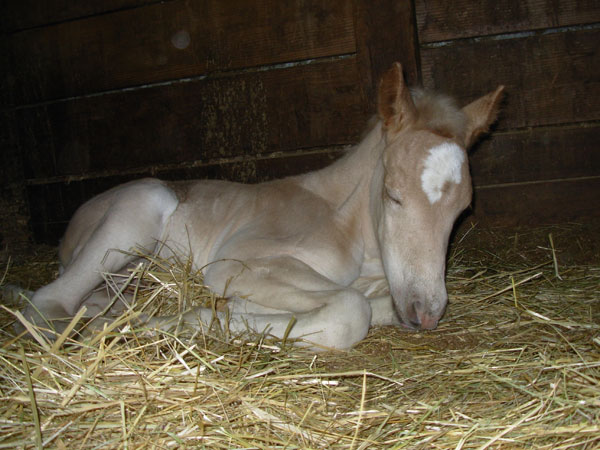
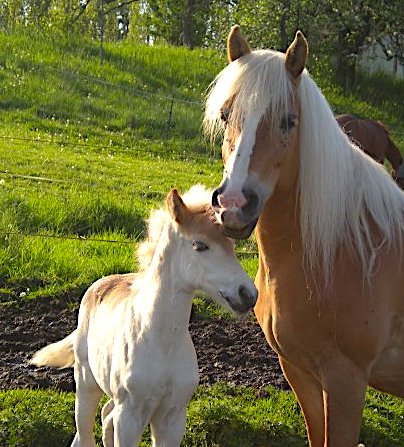
I carry the smell of damp foal fur
with me all day to
recall from whence I came.
I floated once
and will float free someday again.

Waiting in Wilderness: A Man Wondering

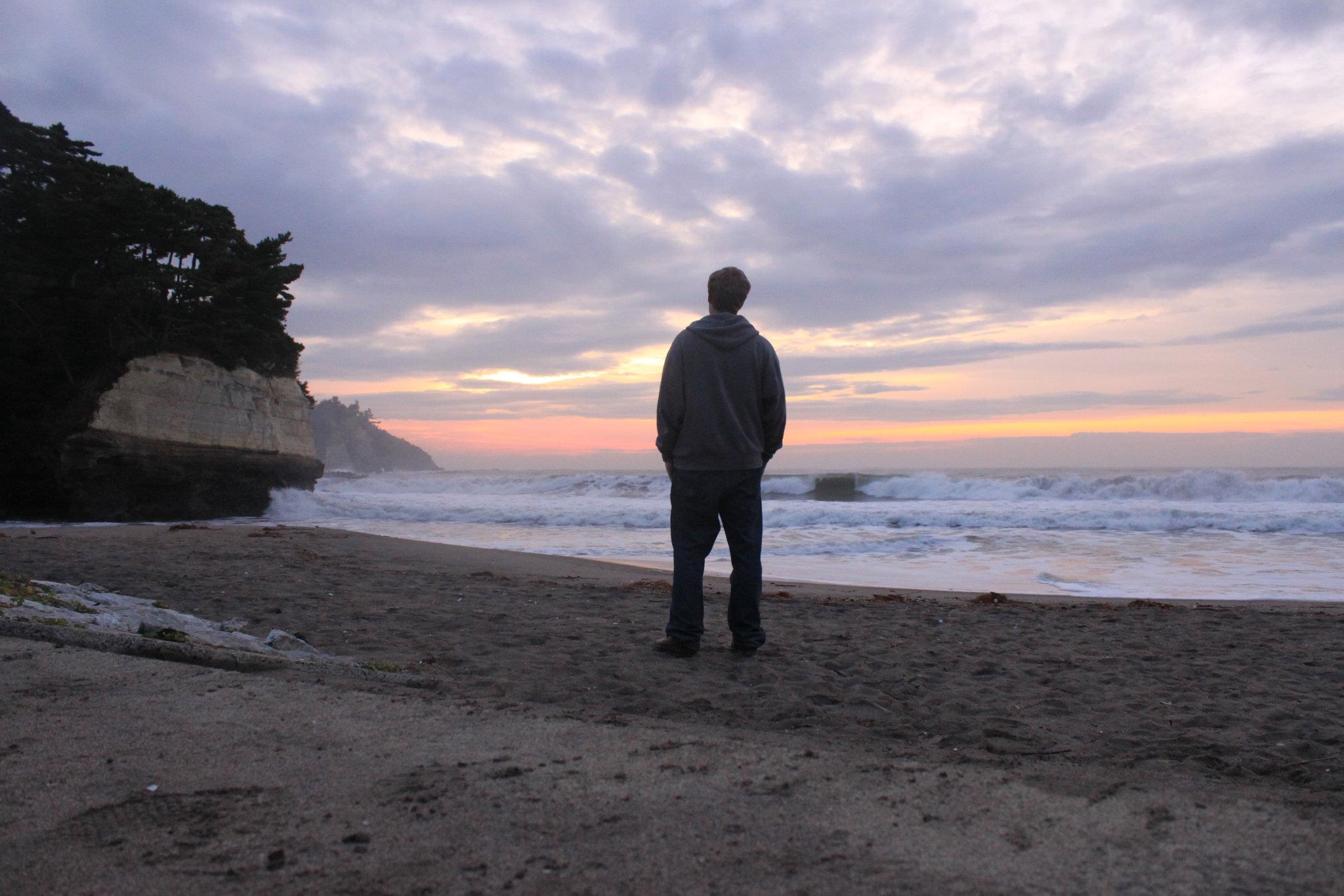
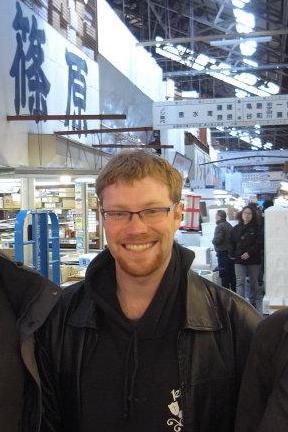
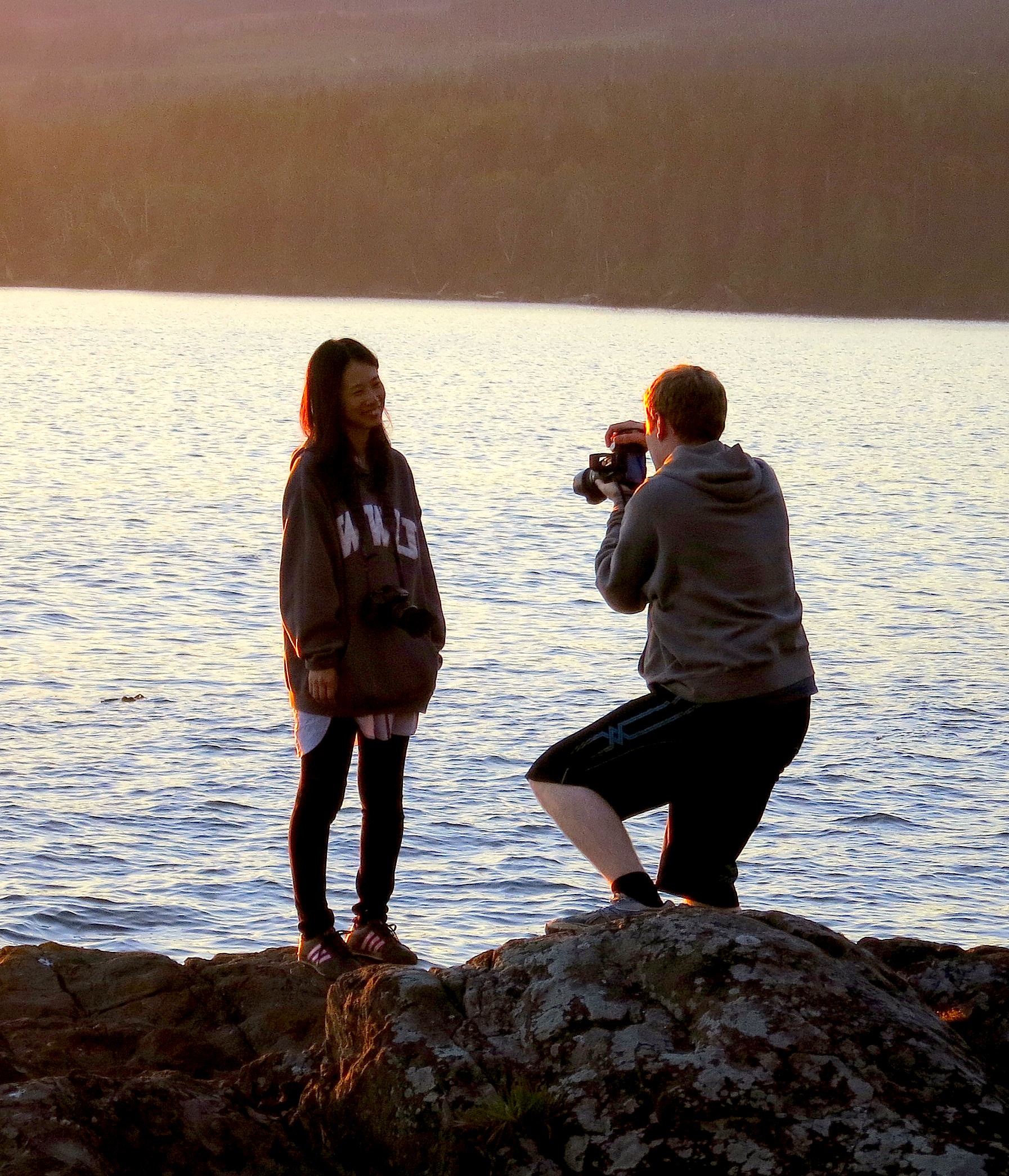
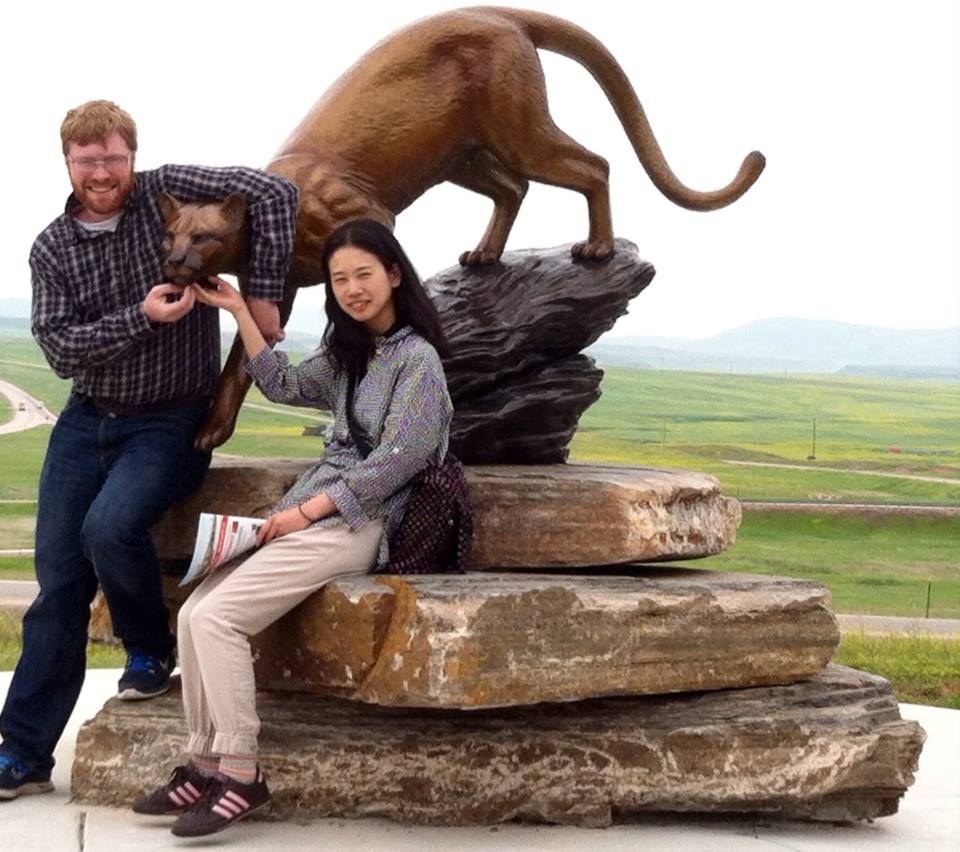
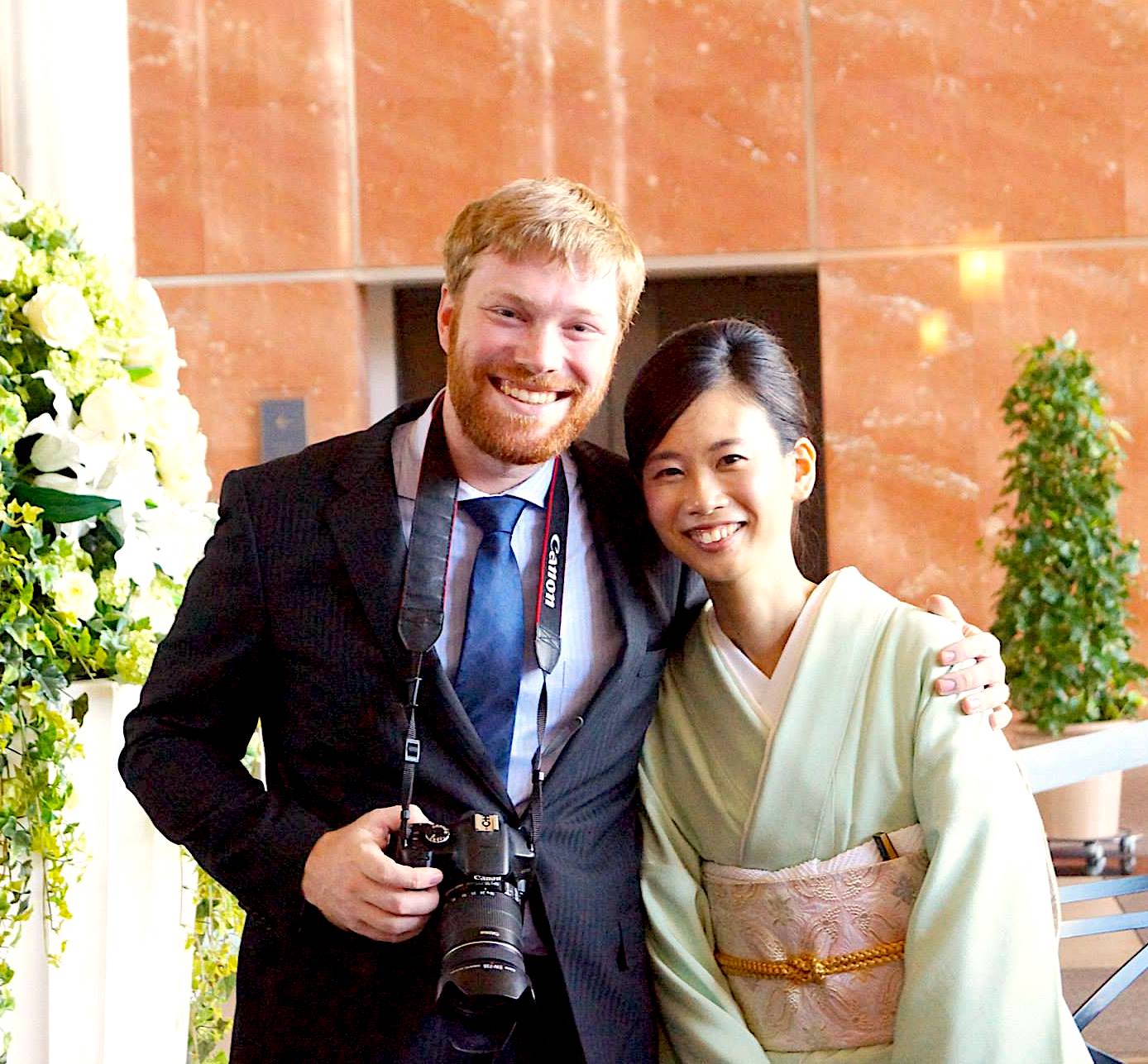
Nate Gibson at Sendai, Japan
Nate while visiting home on the farm

Men go abroad to wonder at the heights of mountains, at the huge waves of the sea, at the long courses of the rivers, at the vast compass of the ocean, at the circular motions of the stars, and they pass by themselves without wondering.
~St. Augustine of Hippo

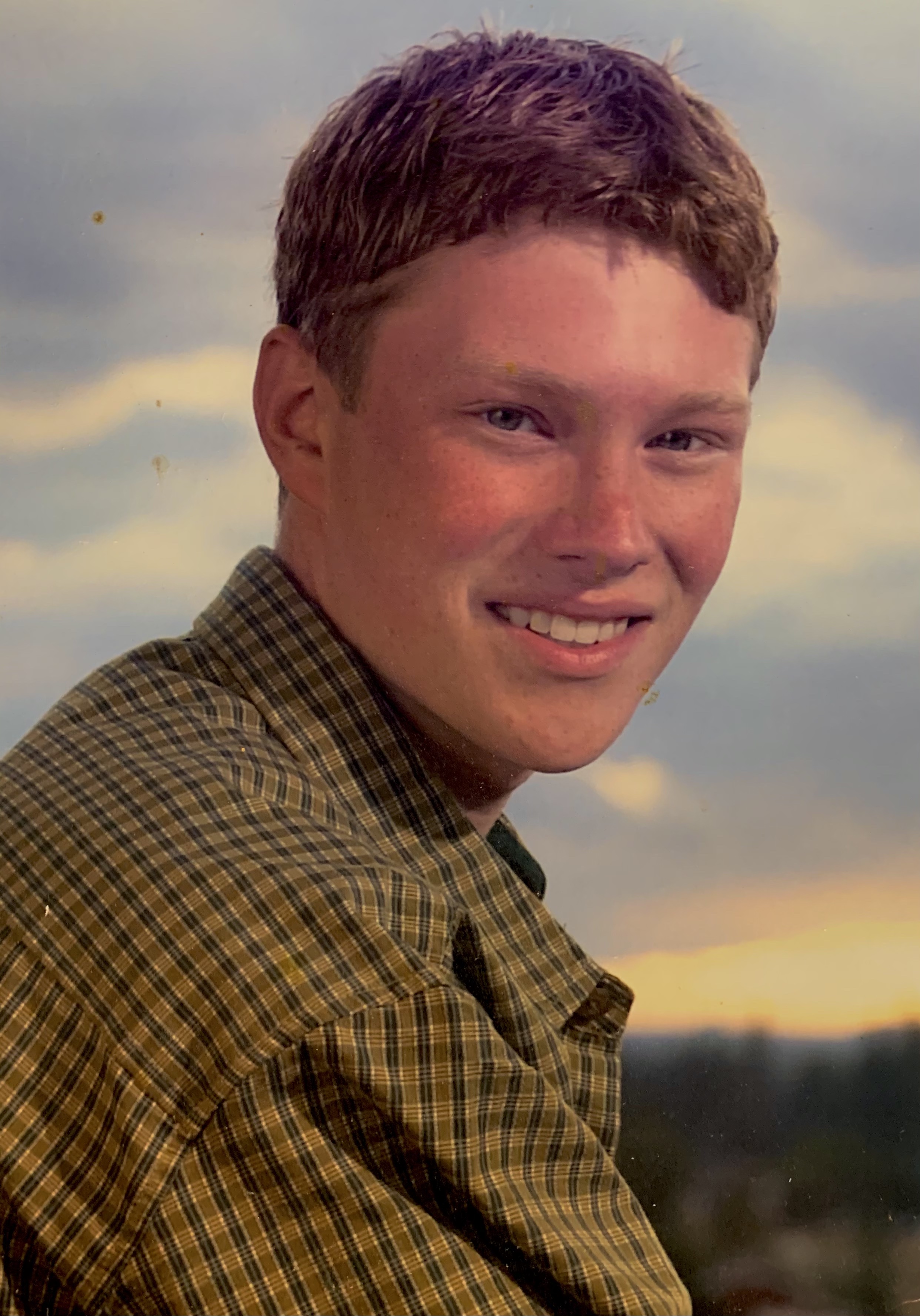
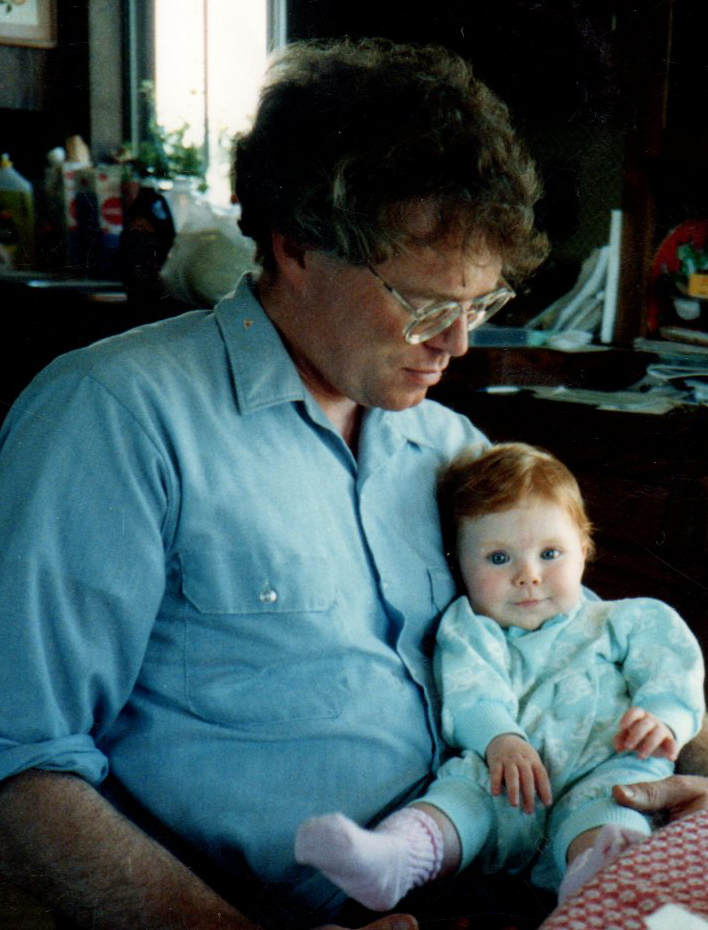
Our firstborn son turns thirty five years old today. Nate was born on a day very much like this: sunny, frosty, a not-yet-spring kind of early morning. He was so welcome and cherished after years of our struggling to have children. Nate seemed to come with a sense of wonder and enthusiasm for whatever life had in store for him.

First-time parents don’t think much about where their child’s path will lead in a mere twenty years – it seems so far off. We knew he was a home-body. Nate wanted to write and teach and settle into the small town life that he loved and understood.

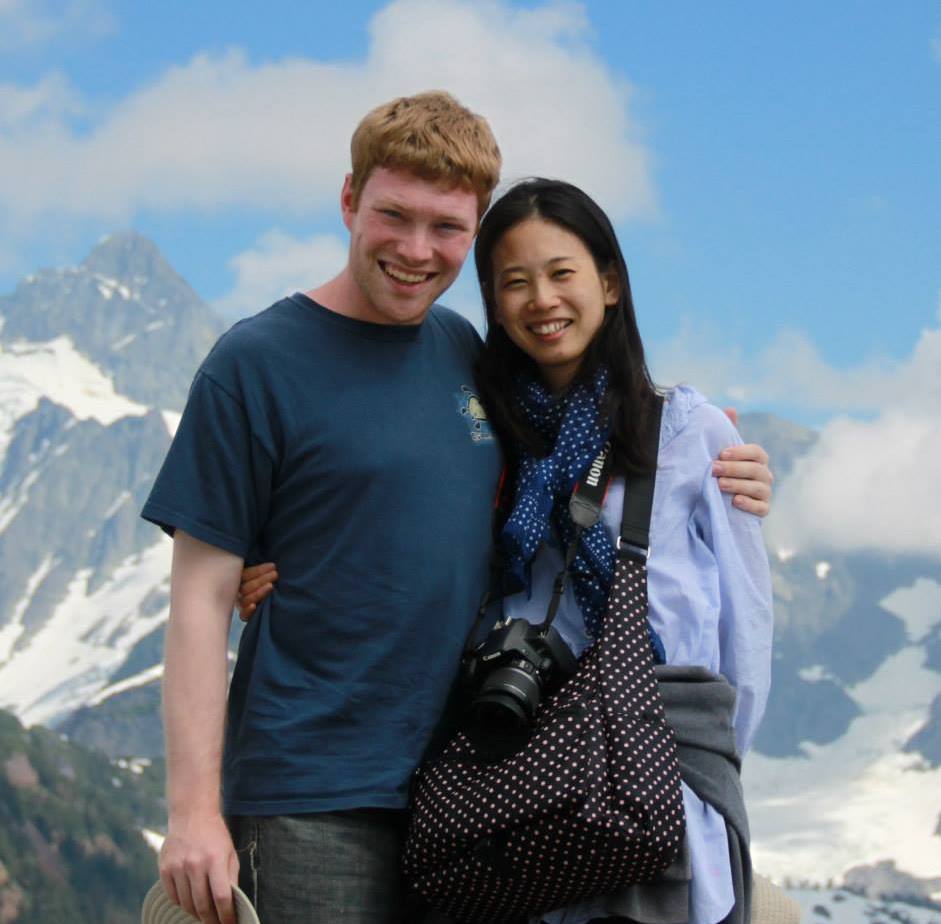
But God had other plans. God asked him to wonder at himself in relation to the world beyond his small town. So Nate was called to teach in Japan within days of graduating with his teaching degree in 2008. He has remained there ever since, reaching the hearts and minds of well over a thousand individual students in his classroom during those years, while falling in love with his soulmate Tomomi and becoming father to their two beautiful children.

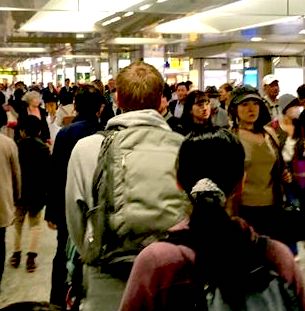
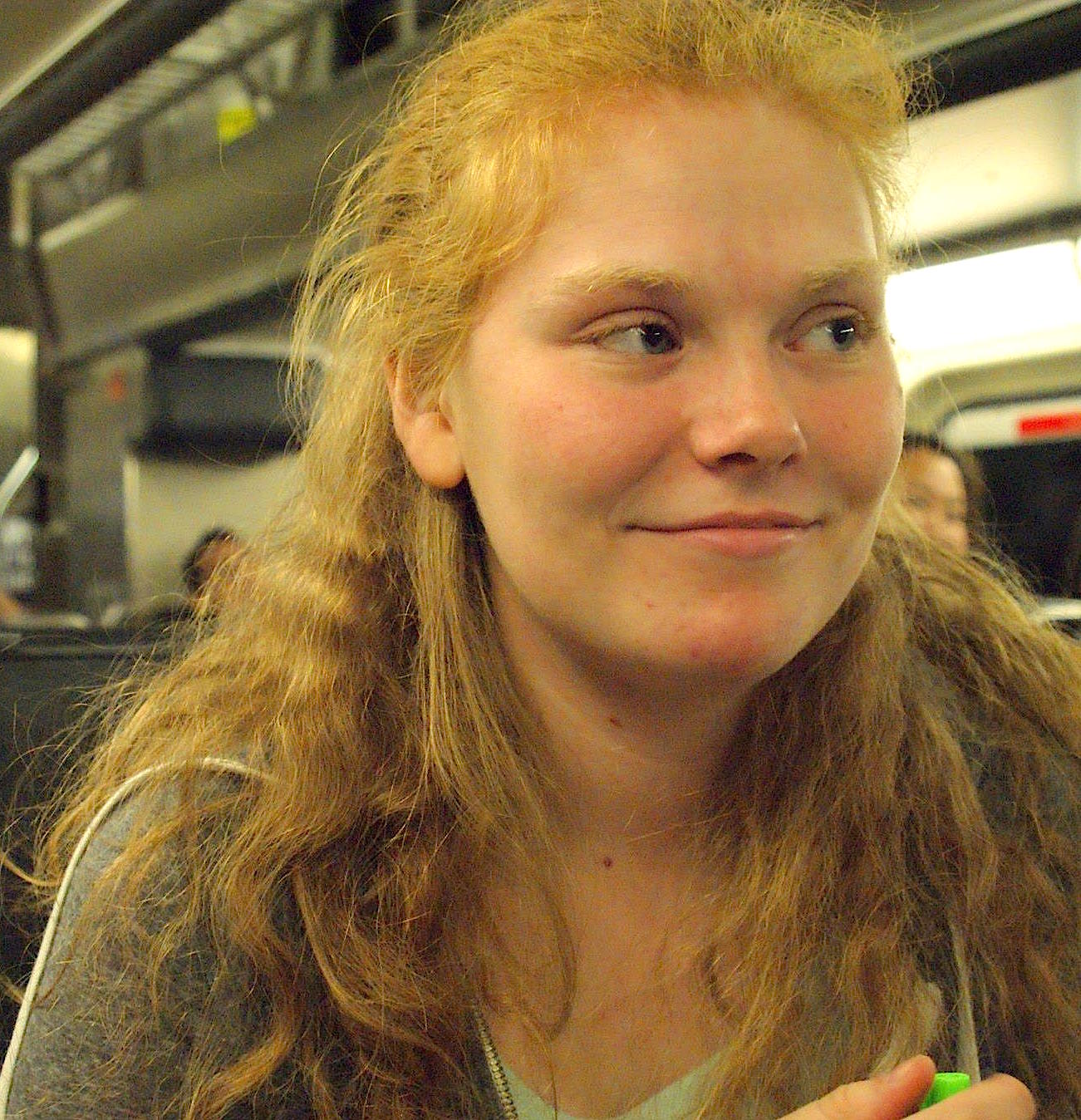
Nate has discovered the irony of moving from a town where the majority of his classmates were blonde to thriving where he is the only redhead among thousands in a train station throng. He has learned a new culture, a new language and a new way of thinking about what “home” in God’s kingdom really means.

When we visit Nate now, only virtually since the pandemic, we see a man who has traveled far, in miles and spiritually. He continues to wonder where God may call him, along with Tomomi and their family, next. We cherish them all, from so far away, no matter where their home may be, as they embody servant love wherever they are needed most.

Happy Birthday, Nate!
Sending our love across the many miles of ocean that separates us but our shared hearts remain close.

The towering tree spreads his greening canopy —
A veil between the soil and sky—
Not in selfish vanity,
But the gentle thrush to shade and shelter.
So it is with love.
For when we love,
Simply love,
Even as we are loved,
Our weary world can be transformed.
The busy thrush builds her nest below —
A fortnight’s work to weave and set—
Not for herself alone,
But her tender brood to shield and cherish.
And so it is with love.
For when we love,
Simply love,
Even as we are loved,
Our weary world can be transformed Into the Kingdom of God!
~Charles Silvestri

Waiting in Wilderness: Removing a Splinter

To pull the metal splinter from my palm
my father recited a story in a low voice.
I watched his lovely face and not the blade.
Before the story ended, he’d removed
the iron sliver I thought I’d die from.

I can’t remember the tale,
but hear his voice still, a well
of dark water, a prayer.
And I recall his hands,
two measures of tenderness
he laid against my face,
the flames of discipline
he raised above my head.

Had you entered that afternoon
you would have thought you saw a man
planting something in a boy’s palm,
a silver tear, a tiny flame.
Had you followed that boy
you would have arrived here,
where I bend over my wife’s right hand.

Look how I shave her thumbnail down
so carefully she feels no pain.
Watch as I lift the splinter out.
I was seven when my father
took my hand like this,
and I did not hold that shard
between my fingers and think,
Metal that will bury me,
christen itĀ Little Assassin,
Ore Going Deep for My Heart.
And I did not lift up my wound and cry,
Death visited here!
I did what a child does
when he’s given something to keep.
I kissed my father.
~Li-Young Lee, ā€œThe Giftā€ fromĀ Rose

I did, without ever wanting to, remove my own children’s splinter, lanced a boil, immobilized a broken arm, pulled together sliced skin, cleaned many dirty wounds. It felt like I crossed the line between mommy and doctor.Ā  But someone had to do it, and a four hour wait in the emergency room didn’t seem warranted.

My own children learned to cope with hurt made worse by someone they trusted to be comforter.

I dealt with inflicting pain, temporary though it may be, to flesh that arose from my flesh.Ā  It hurt as much as if it were my own wound needing cleansing, not theirs.

Our wounds are His – He is constantly feeling our pain as He performs healing surgeries in our lives, not because He wants to but because He must, to save us from our own destruction. Too often we yell and kick and protest in our distress, making it all that much more difficult for both of us.

If only we can come to acknowledge His intervention is our salvage:
our tears to flow in relief, not anguish,
we cling to His protection rather than pushing Him away,
we kiss Him in gratitude as we are restored again and yet again.

The Feeling of Being Watched

We must have known,
Even as we reached
Down to touch them
Where we’d found them
 
Shut-eyed and trembling
Under a straw bale
In the haymow, that
She would move them
 
That night under cover
Of darkness, and that
By finding them
We were making certain
 
We wouldn’t see them again
Until we saw them
Crouching under the pickup
Like sullen teens, having gone
 
As wild by then as they’d gone
Still in her mouth that night
She made a decision
Any mother might make
 
Upon guessing the intentions
Of the state: to go and to
Go now, taking everything
You love between your teeth.
~Austin Smith “Cat Moving Kittens”

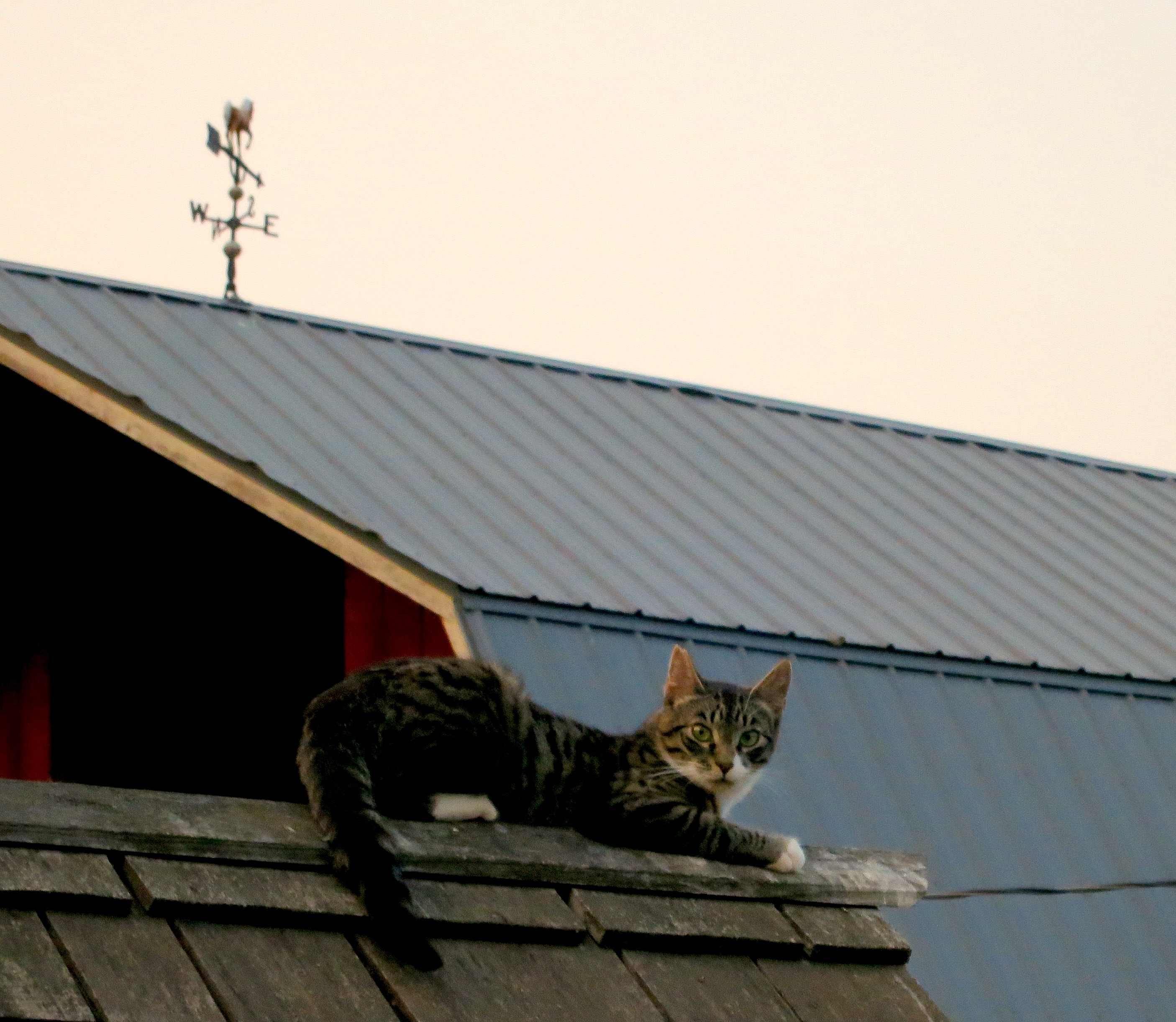
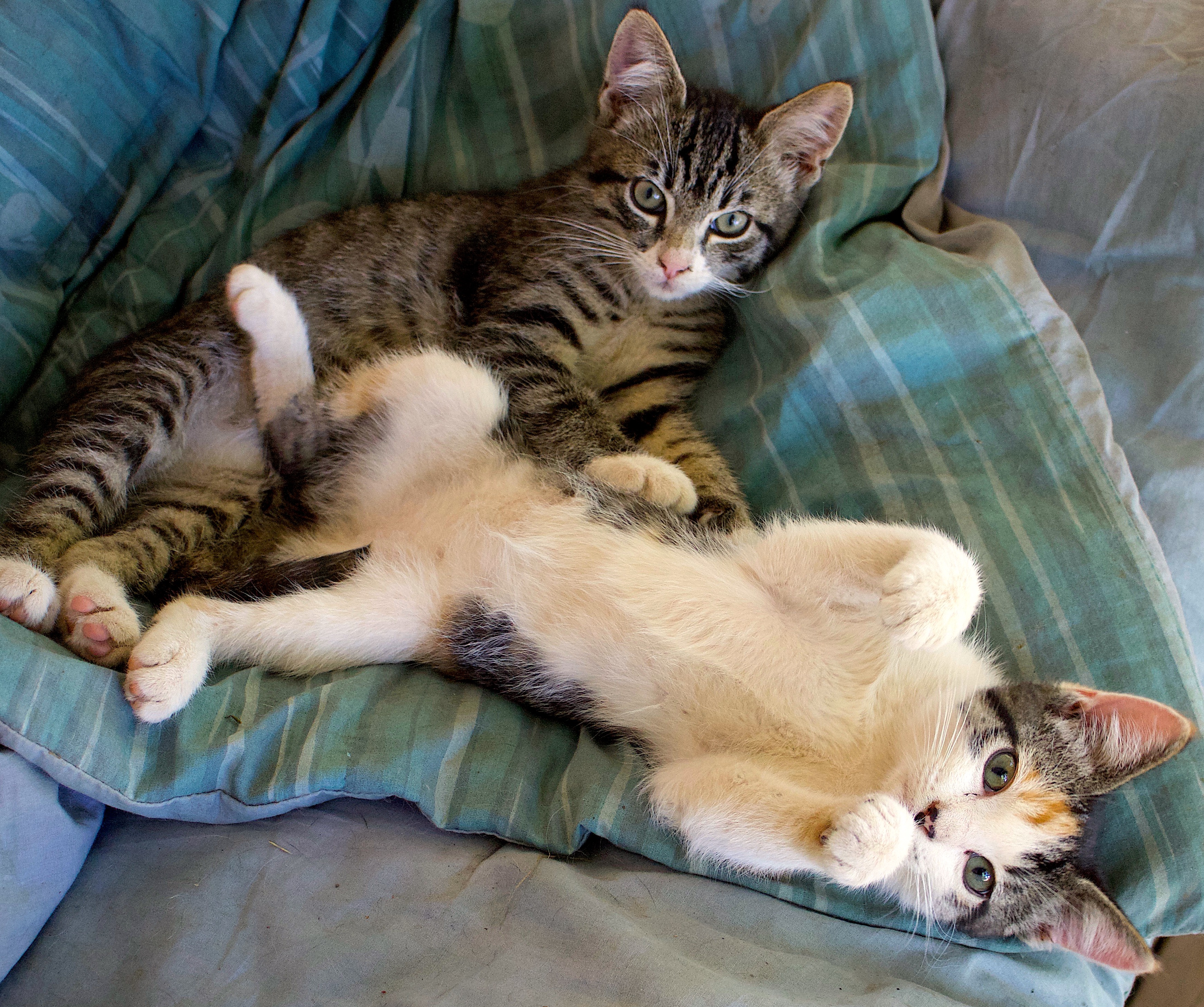
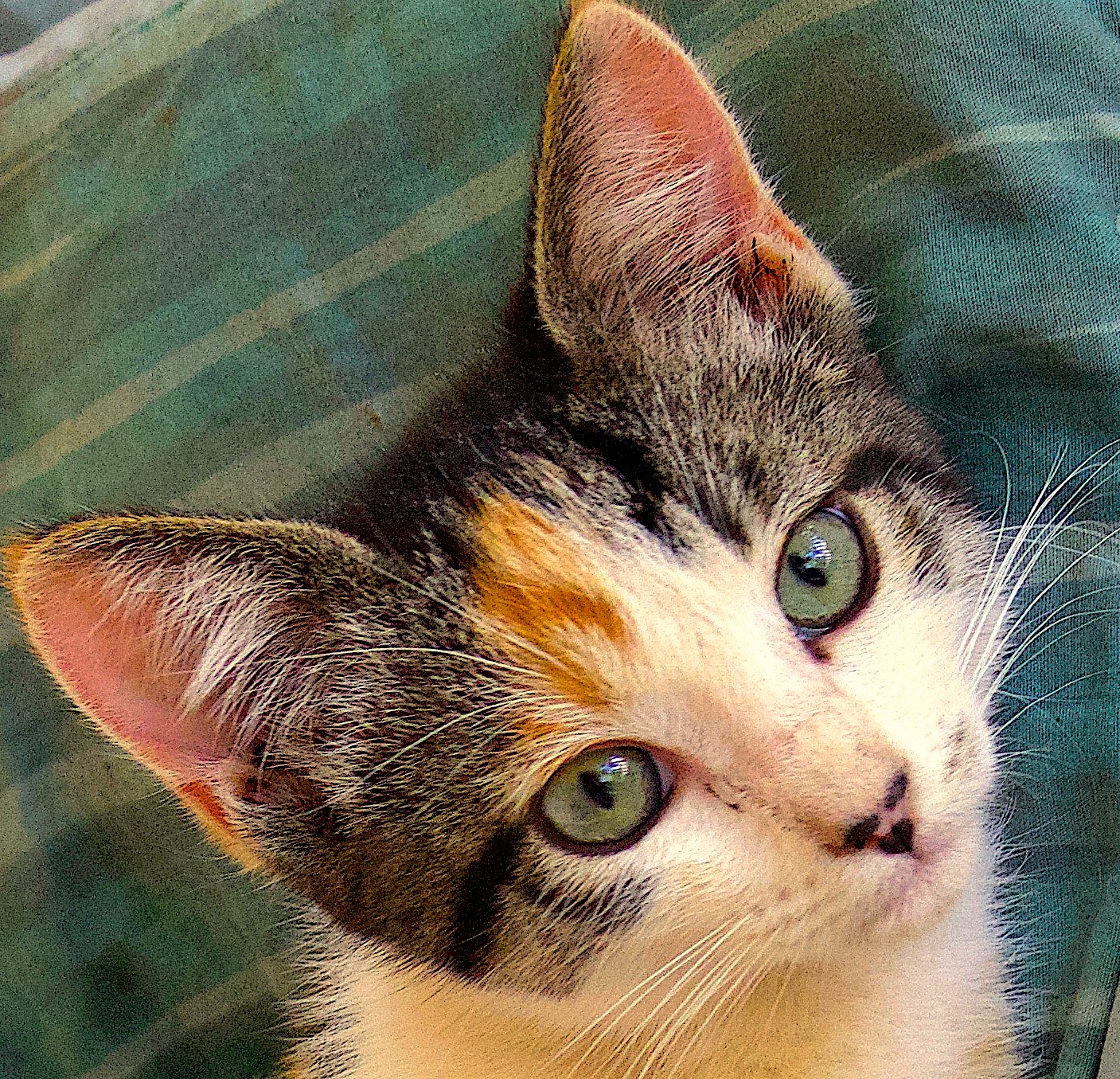
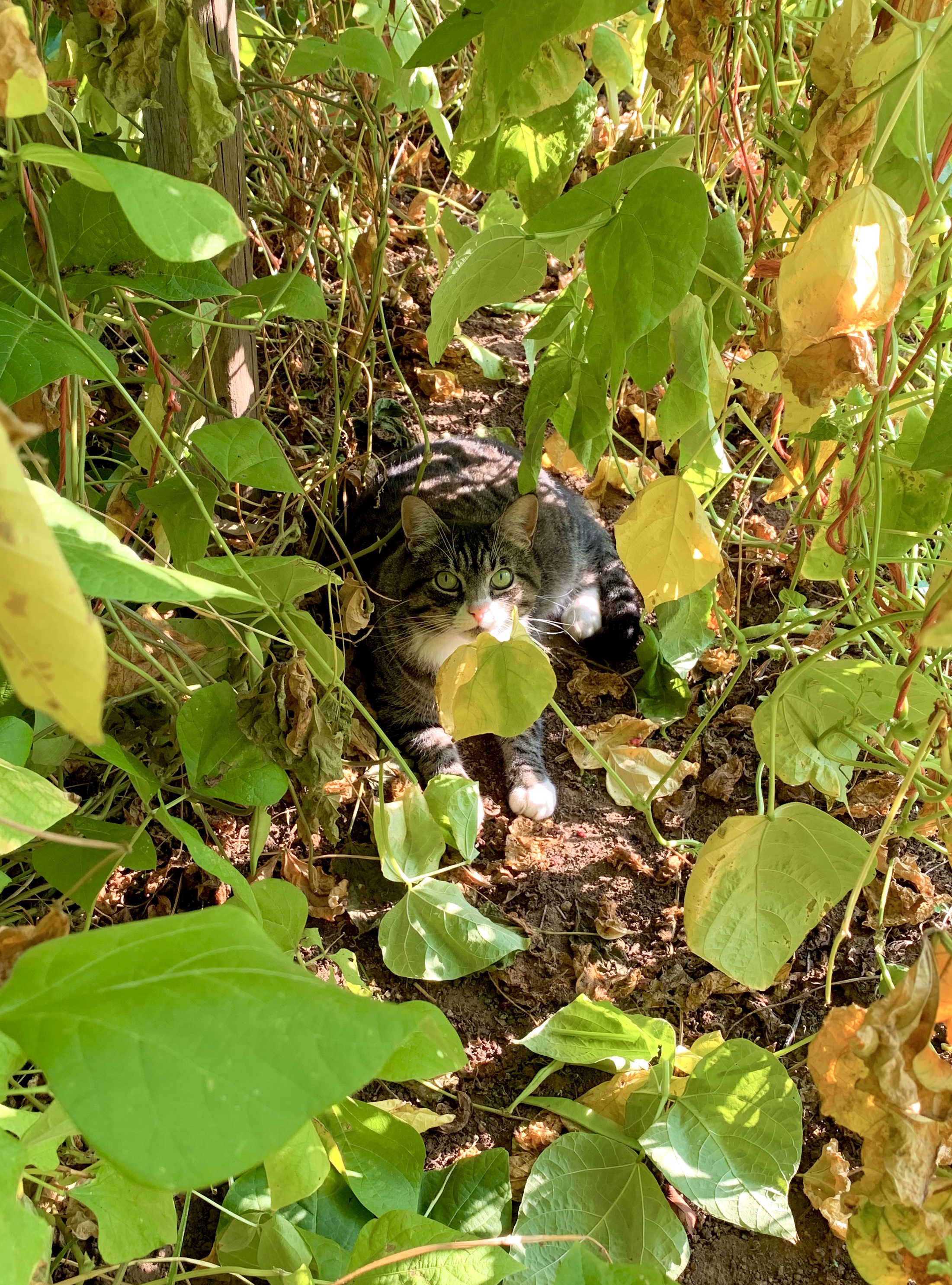
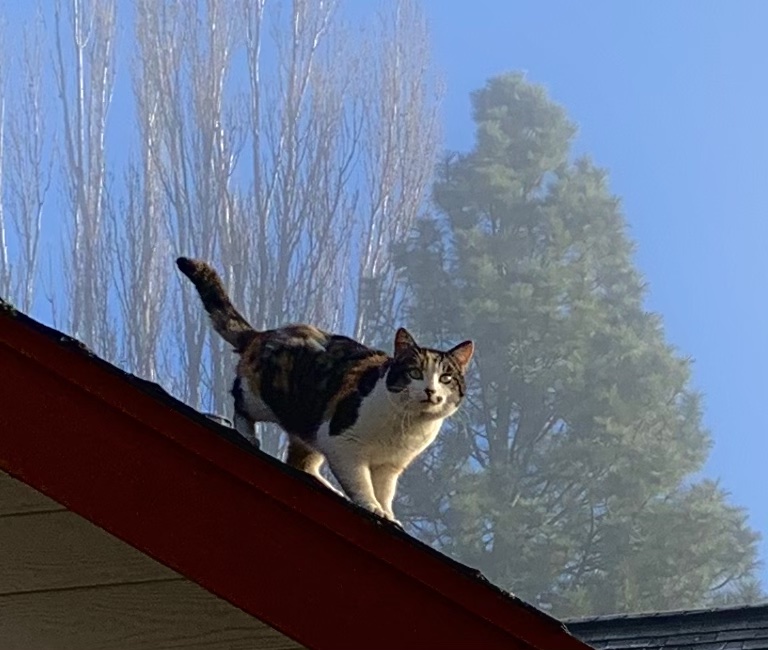
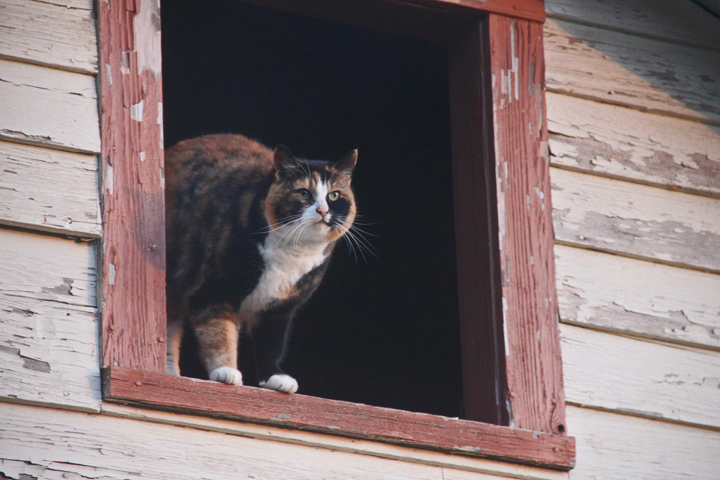
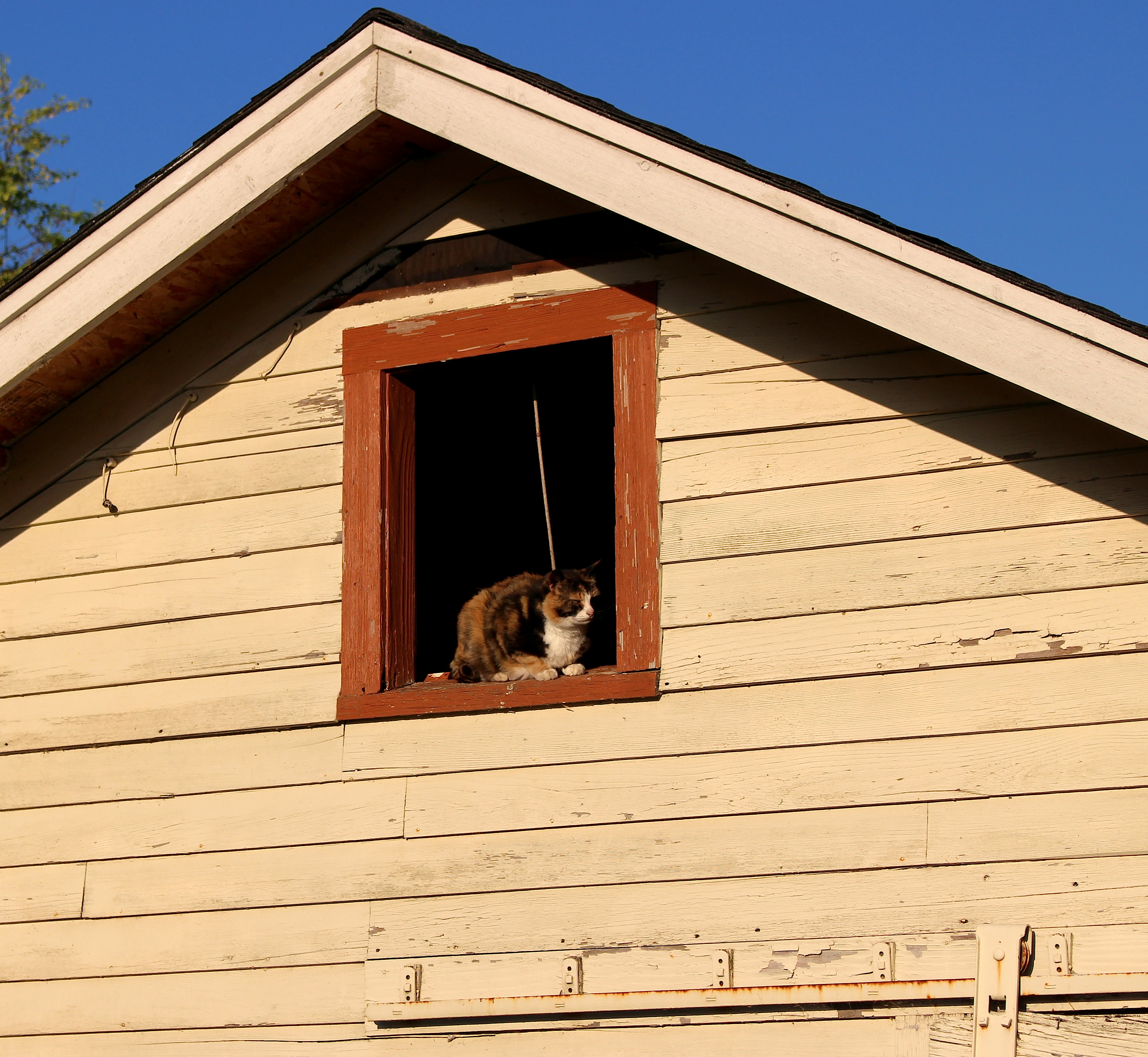
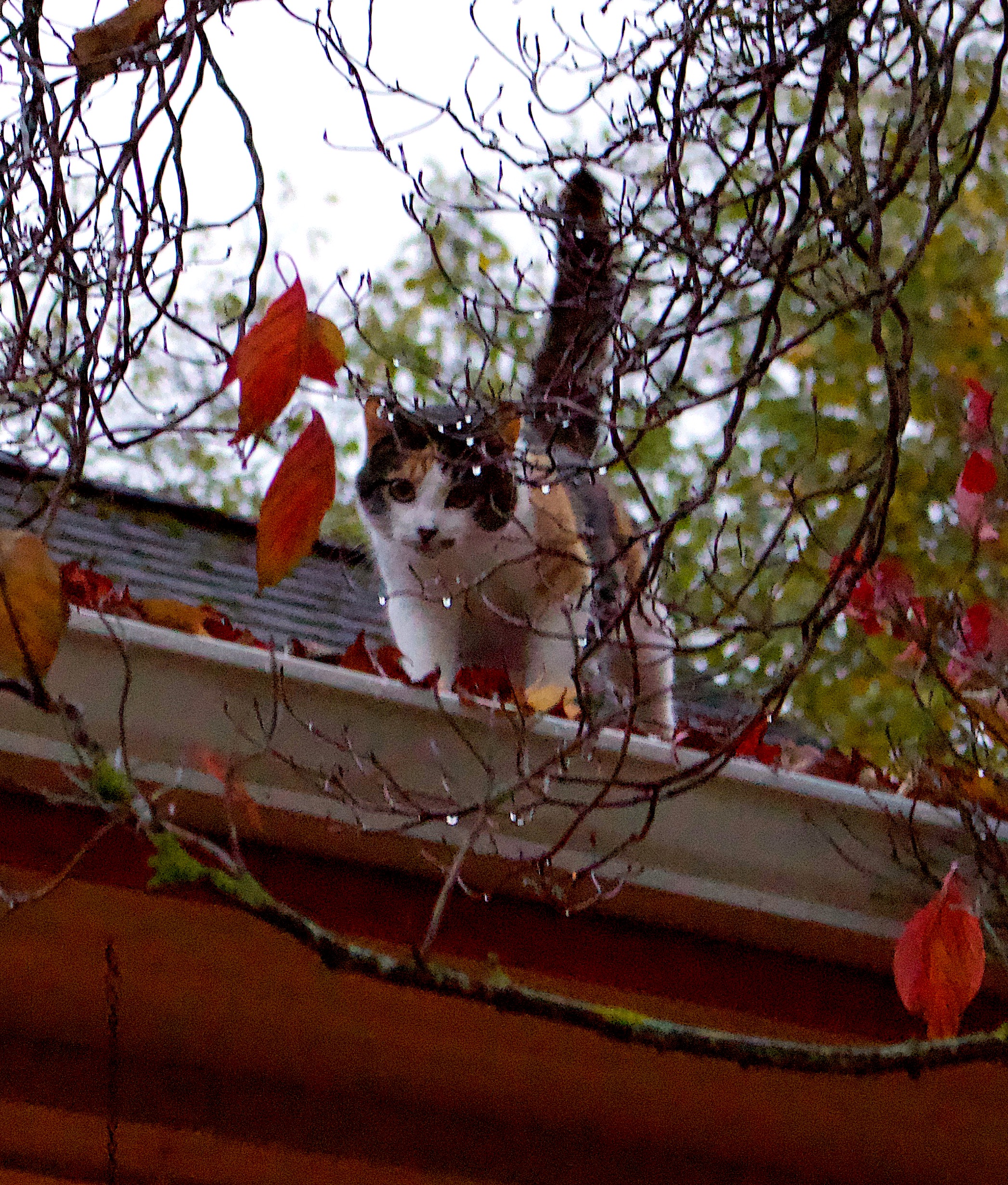
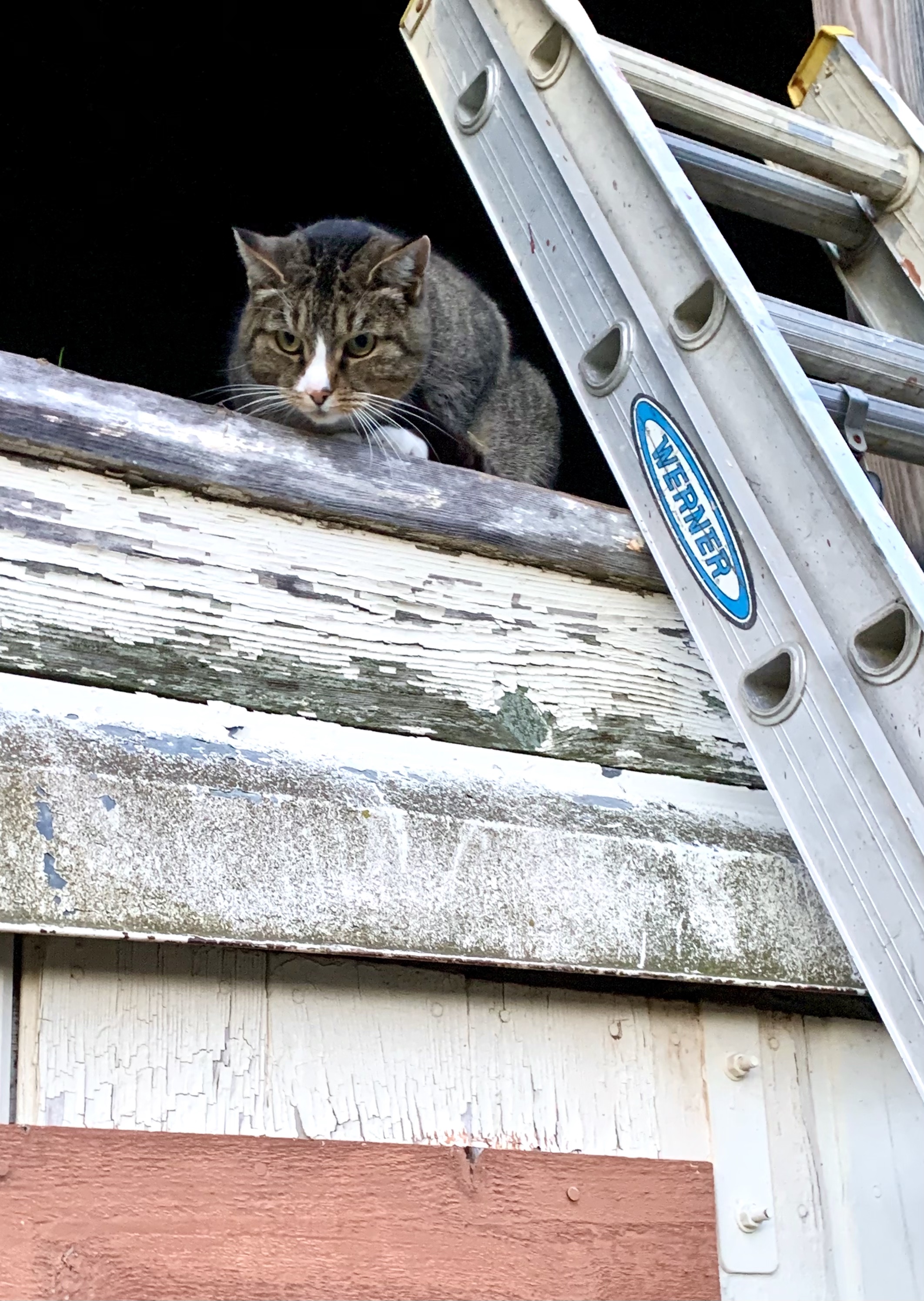
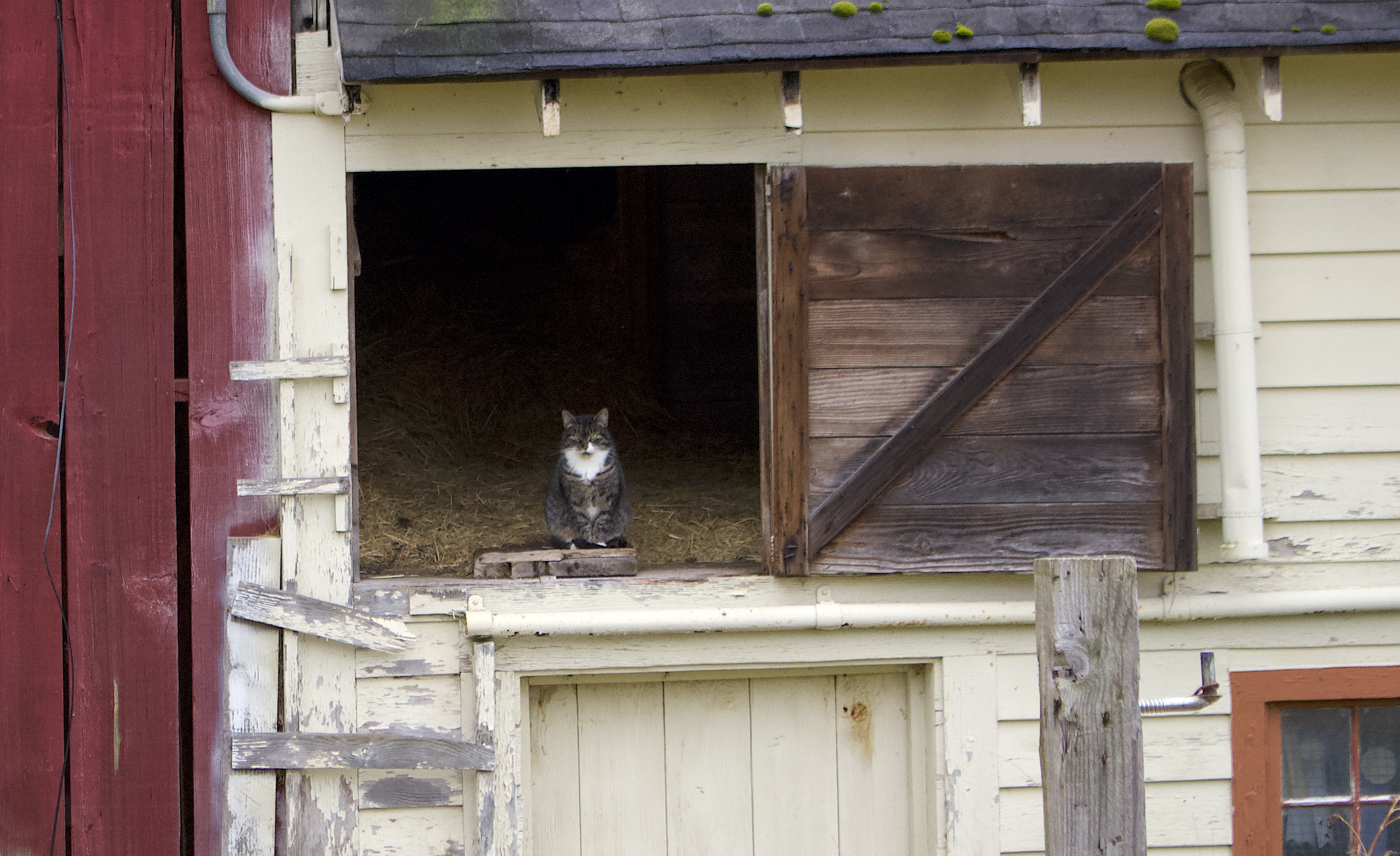
I’ve never known a farm cat who doesn’t hold something back in their loyalty to their human. They are never “all in” like a dog who lavishes love without thought or hesitation.

Cats live at a bit of a remove here, particularly if they grew up without being regularly handled and cuddled.
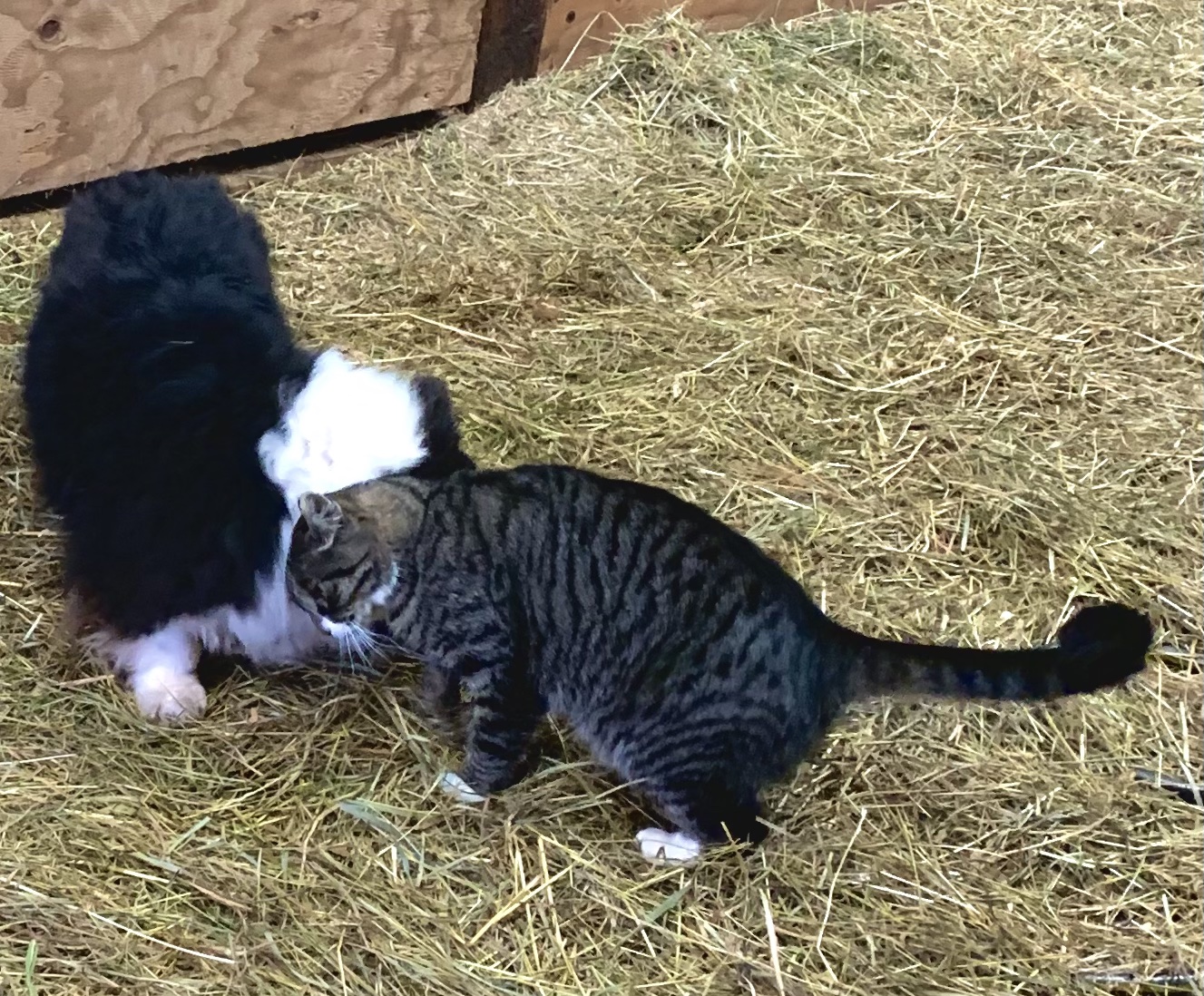
I don’t mind our barn cats’ autonomy and self-sufficiency as they need those characteristics when they live independently outside rather than as part of furniture in the house with us. They must view the rest of the world with some suspicion and caution, viewing things from afar with their keen eyes rather than leaping in without thinking.

As I go about my day on the farm, moving from shed to barn to garage to house, I have the distinct feeling of being watched. The reality is — they could run this place on their own if they needed to — and they do.

photo by Nate Gibson

She is the Thread Meant to Mend Hearts

May the wind always be in her hair
May the sky always be wide with hope above her
And may all the hills be an exhilaration
the trials but a trail,
all the stones but stairs to God.

May she be bread and feed many with her life and her laughter
May she be thread and mend brokenness and knit hearts…
~Ann Voskamp from ā€œA Prayer for a Daughterā€

ā€œI have noticed,ā€ she said slowly, ā€œthat time does not really exist for mothers, with regard to their children. It does not matter greatly how old the child is – in the blink of an eye, the mother can see the child again as she was when she was born, when she learned to walk, as she was at any age — at any time, even when the child is fully grown….ā€
~Diana Gabaldon from Voyager

Just checking to see if she is real…

Your rolling and stretching had grown quieter that stormy winter night
twenty eight years ago, but no labor came as it should.
A week overdue post-Christmas,
you clung to amnion and womb, not yet ready.
Then the wind blew more wicked
and snow flew sideways, landing in piling drifts,
the roads becoming impassable, nearly impossible to traverse.

So your dad and I tried,
worried about being stranded on the farm far from town.
Our little car got stuck in a snowpile in the deep darkness,
our tires spinning, whining against the snow.
A nearby neighbor’s earth mover dug us out to freedom.
You floated silent and still, knowing your time was not yet.

Creeping slowly through the dark night blizzard,
we arrived to the warm glow of the hospital.
You slept, your heartbeat checked out steady.
I slept not at all.

Morning sun glistened off sculptured snow outside our window,
and your heart ominously slowed when they checked.
We both were jostled, turned, oxygenated, but nothing changed.
You beat even more slowly, letting loose your tenuous grip on life.

The nurses’ eyes told me we had trouble.
The doctor, grim faced, announced
delivery must happen quickly,
taking you now, hoping we were not too late.
I was rolled, numbed, stunned,
clasping your father’s hand, closing my eyes,
not wanting to see the bustle around me,
trying not to hear the shouted orders,
the tension in the voices,
the quiet at the moment of opening
when it was unknown what would be found.

And then you cried. A hearty healthy husky cry, a welcomed song.
Perturbed and disturbed from the warmth of womb,
to the cold shock of a bright lit operating room,
your first vocal solo brought applause
from the surrounding audience who admired your purplish pink skin,
your shock of damp red hair, your blue eyes squeezed tight,
then blinking open, wondering and wondrous,
emerging saved from the storm within and without.

You were brought wrapped for me to see and touch
before you were whisked away to be checked over thoroughly,
your father trailing behind the parade to the nursery.
I closed my eyes, swirling in a brain blizzard of what-ifs.

If no snow storm had come,
you would have fallen asleep forever within my womb,
no longer nurtured by my aging placenta,
cut off from what you needed to stay alive.
There would have been only our soft weeping,
knowing what could have been if we had only known,
if God provided a sign to go for help.

Saved by a storm and dug out from a drift:
I celebrate each time I hear your voice singing,
knowing you are a thread born to knit and meant to mend hearts.

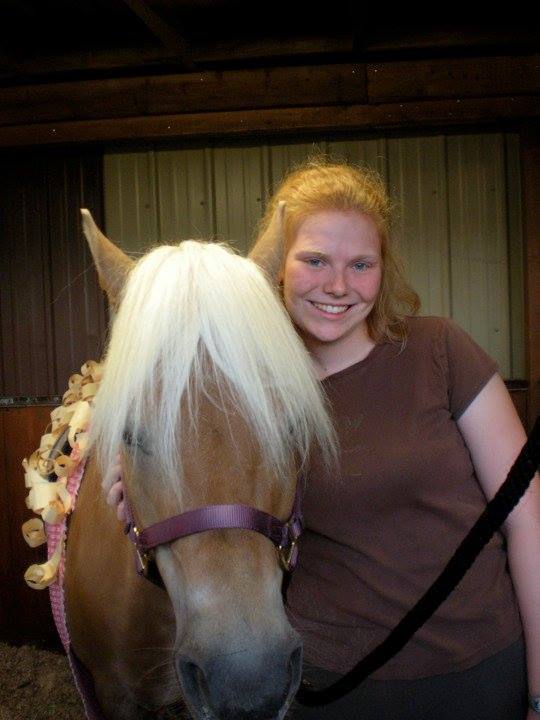
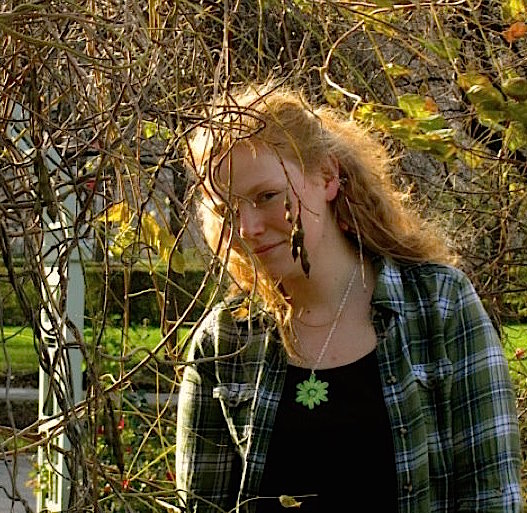
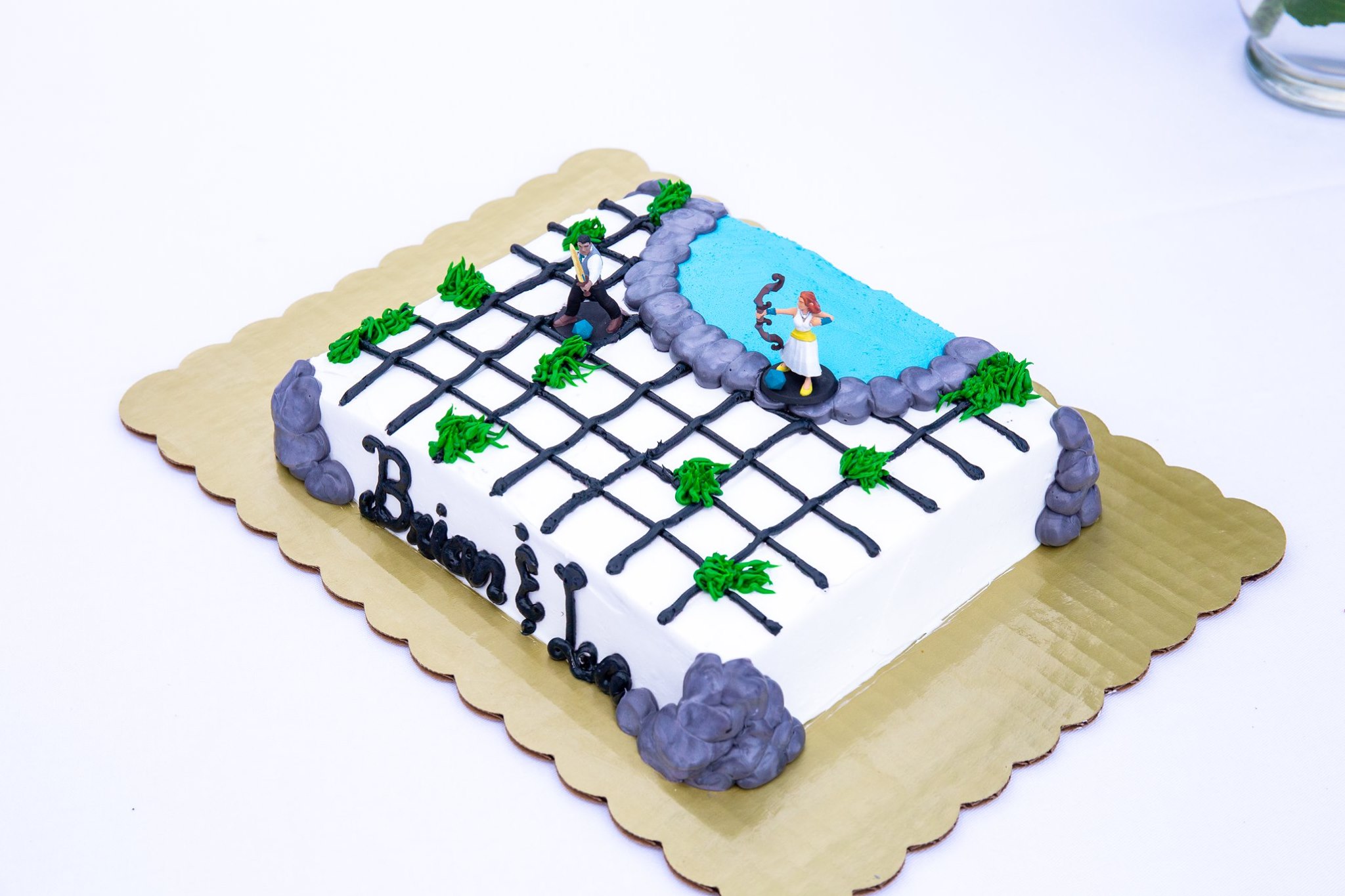
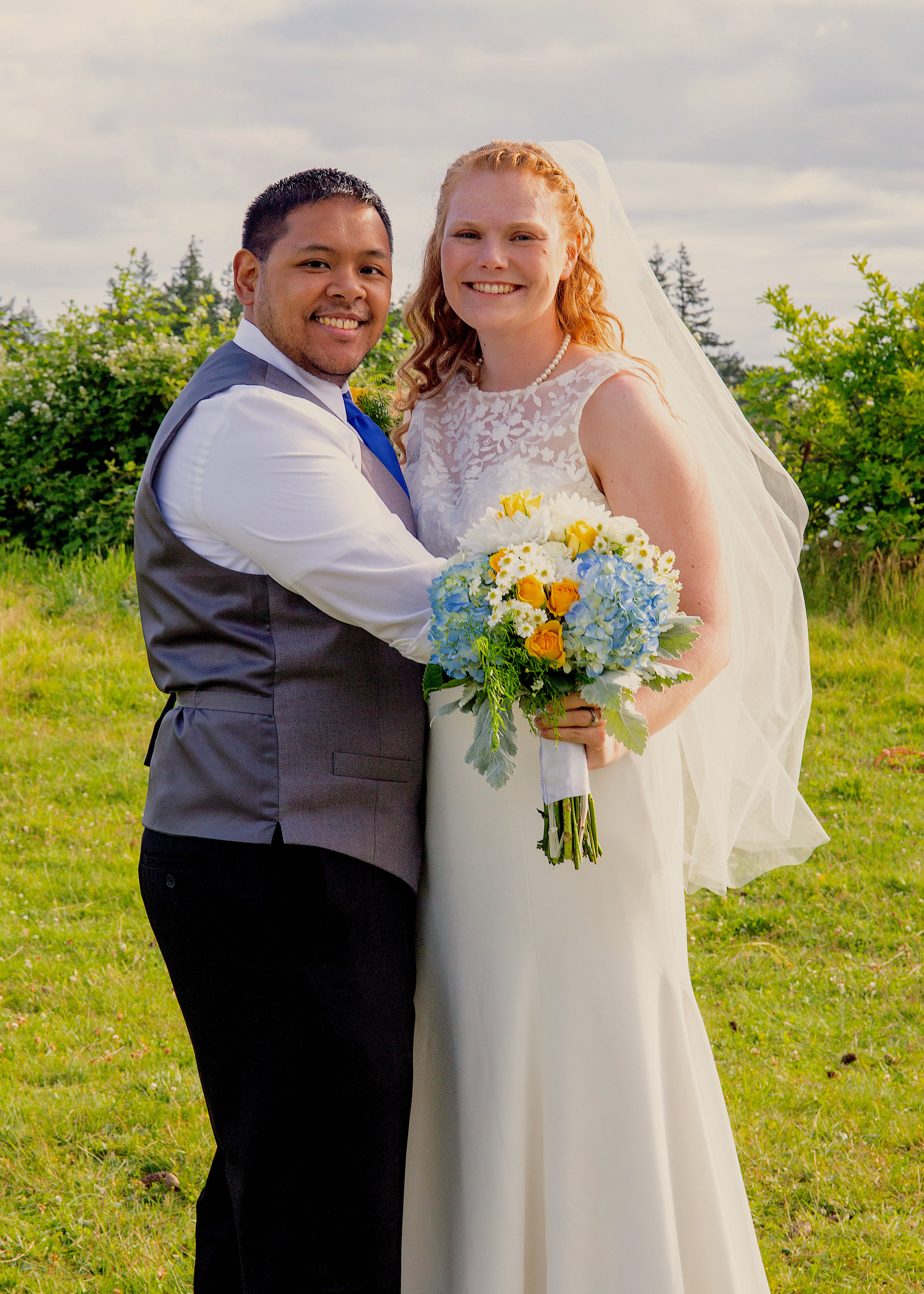
My annual reminder of a remarkable day when our daughter Eleanor (“Lea”) Sarah Gibson was born, hale and hearty because the good Lord sent a snow and wind storm to blow us into the hospital in time to save her. This year she became Lea Lozano, married to her true love Brian who is another gift from the Lord.

A Joy So Violent

She lay on her back in the timothy
and gazed past the doddering
auburn heads of sumac.

A cloud – huge, calm,
and dignified – covered the sun
but did not, could not, put it out.

The light surged back again.
Nothing could rouse her then

from that joy so violent
it was hard to distinguish from pain.

~Jane Kenyon, “The Poet at Ten” from The Best Poems of Jane Kenyon

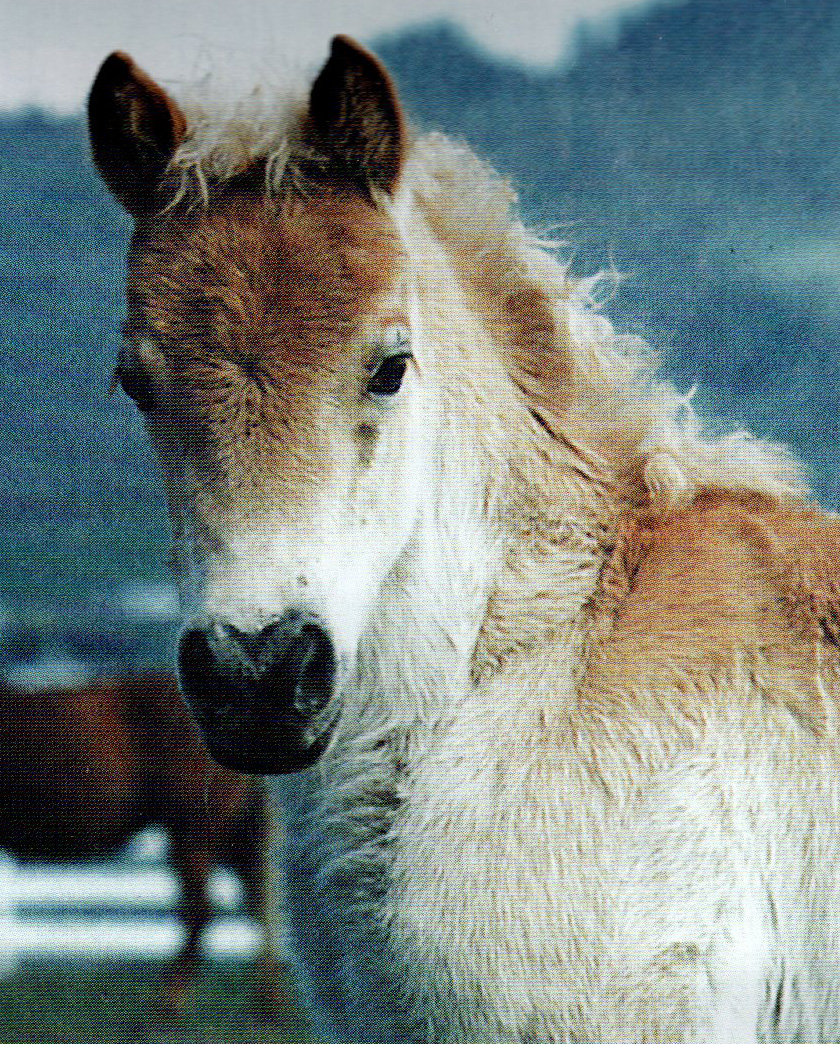
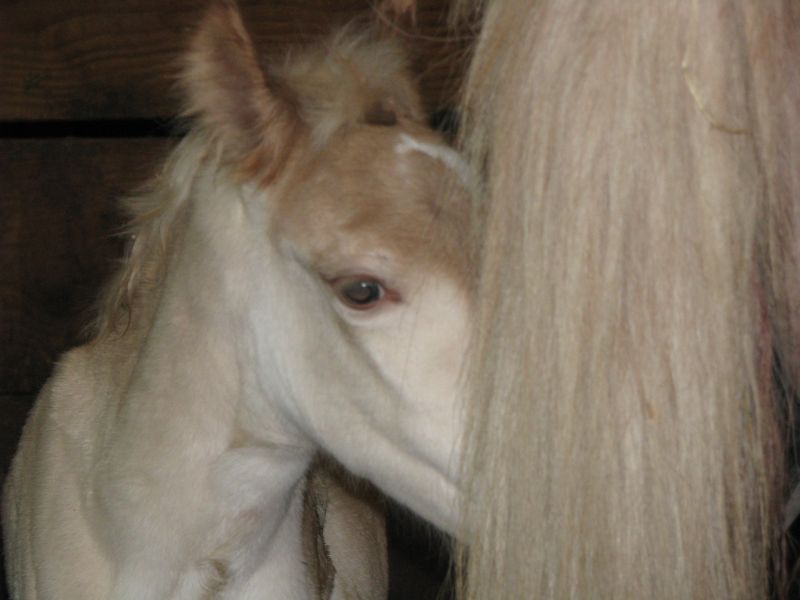
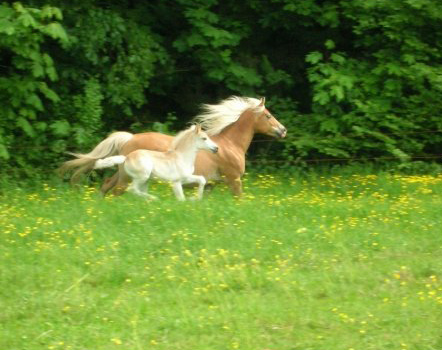
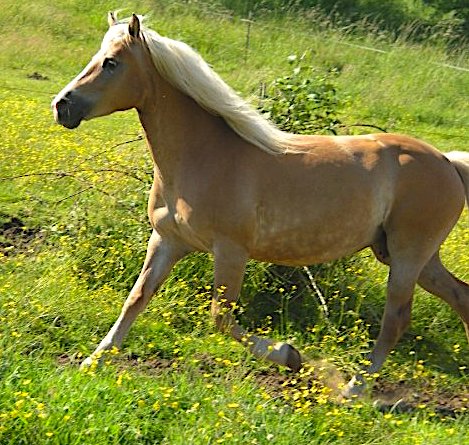
I have a mare who journeyed as a foal
from overseas alongside her mother,
a difficult immigration to a new life and farm,
followed by the drama of weaning and separation,
then introduced to a new herd who didn’t speak her language
so she couldn’t always understand what was being said.

She was shy and fearful from the beginning,
knowing she didn’t belong,
worried about doing the wrong thing,
cringing when others laid back ears at her or bared their teeth,
she always hung back and let others go first,
waiting hungry and thirsty while others had their fill.

What she did best was be a mother herself,
devoting herself to the care of her foals,
as they became the light of her life
though still covered with the cloud of not belonging,
she grieved loudly at their weanling goodbyes.

Still, two decades later, in her retirement,
she is shy and submissive, still feeling foreign,
as if she never quite fit in,
always letting others go first,
concerned about making a misstep.

I think of her as an immigrant
who never felt at home
unless she had a baby at her side~
to live alongside one to whom she finally belonged:
how does one measure the pain of true joy and love
while knowing the violence of separation is inevitable?

thank you to Lea Gibson Lozano and Emily Vander Haak for their photos of Belinda and her babies

How You Made Them Feel

I’ve learned that even
when I have pains, I don’t have to be one …
I’ve learned that people will forget what you said,
people will forget what you did,
but people will never forget how you made them feel.
~Maya Angelou
on her 70th birthday, citing a quote from Carl Buehner

I learned from my mother how to love
the living, to have plenty of vases on hand
in case you have to rush to the hospital
with peonies cut from the lawn, black ants
still stuck to the buds. I learned to save jars
large enough to hold fruit salad for a whole
grieving household, to cube home-canned pears
and peaches, to slice through maroon grape skins
and flick out the sexual seeds with a knife point.
I learned to attend viewings even if I didn’t know

the deceased, to press the moist hands

of the living, to look in their eyes and offer
sympathy, as though I understood loss even then.
I learned that whatever we say means nothing,

what anyone will remember is that we came.
I learned to believe I had the power to ease
awful pains materially like an angel.
Like a doctor, I learned to create

from another’s suffering my own usefulness, and once
you know how to do this, you can never refuse.
To every house you enter, you must offer

healing: a chocolate cake you baked yourself,
the blessing of your voice, your chaste touch.
~Julie Kasdorf– ā€œWhat I Learned from my Motherā€

Usually a mom knows best about these things — how to love others when and how they need it and how to ease pain, not become one.  We don’t always get it right though, and dads can do it better.

Showing up with food is always a good thing but it is the showing up part that is the real food;  bringing along a cake is simply the icing.

This is a good reminder that as a doctor,
my usefulness has tended to depend on another’s suffering.
No illness, no misery, no symptoms and I’m out of a job.
I can only hope that someday that might be the case.
What a world it would be, especially as now suffering is universal.

And then I can still be a mom and grandmom
even if there is no more doctor work to be done:
….if I’d known it could help, I’d have baked a cake and shown up with it…

From Cut and From Tumble…

God keep my jewel this day from danger;
From tinker and pooka and bad-hearted stranger.
From harm of the water, from hurt of the fire.
From the horns of the cows going home to the byre.
From the sight of the fairies that maybe might change her.
From teasing the ass when he’s tied to the manger.
From stones that would bruise her, from thorns of the briar.
From evil red berries that wake her desire.
From hunting the gander and vexing the goat.
From the depths o’ sea water by Danny’s old boat.
From cut and from tumble, from sickness and weeping;
May God have my jewel this day in his keeping.
~Winifred Lett (1882-1973) Prayer for a Child

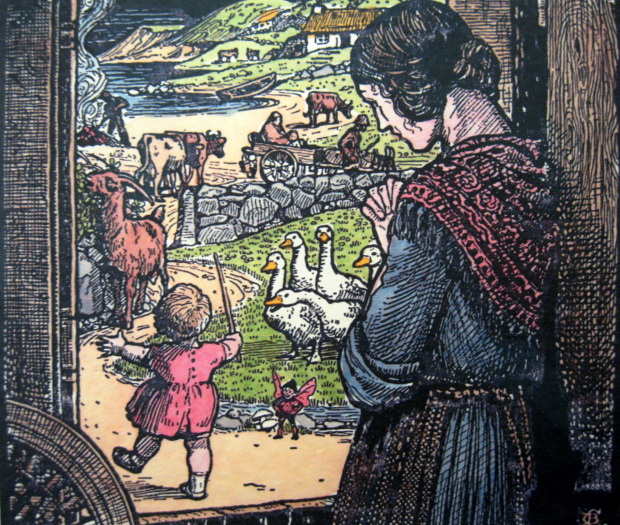
This prayer has hung in our home for almost three decades, purchased when I was pregnant with our first child.  When I first saw it with its drawing of the praying mother watching her toddler leave the safety of the home to explore the wide world, I knew it addressed most of my worries as a new mother, in language that helped me smile at my often irrational fears.  I would glance at it dozens of time a day, and it would remind me of God’s care for our children through every scary thing, real or imagined.

And I continue to pray for our grown children, their spouses, and now for three precious grandchildren who live far from us. I do this because I can’t help myself but do it, and because I’m helpless without the care and compassion of our sovereign God.

Right now, this week, I pray for all children who are growing up in an increasingly divisive and conflicted world, who cannot understand why skin color should make a difference to one’s hopes and dreams and freedom to walk anywhere without feeling threatened.

May I be changed in my prayers.
May we all be changed, in a twinkling of an eye.

I pray because I can’t help myself.
I pray because I’m helpless.
I pray because the need flows out of me all the time

— waking and sleeping.
It doesn’t change God — it changes me.

~C.S. Lewis

Did You Cry?

To pull the metal splinter from my palm
my father recited a story in a low voice.
I watched his lovely face and not the blade.
Before the story ended, he’d removed
the iron sliver I thought I’d die from.

I can’t remember the tale,
but hear his voice still, a well
of dark water, a prayer.
And I recall his hands,
two measures of tenderness
he laid against my face,
the flames of discipline
he raised above my head.

Had you entered that afternoon
you would have thought you saw a man
planting something in a boy’s palm,
a silver tear, a tiny flame.
Had you followed that boy
you would have arrived here,
where I bend over my wife’s right hand.

Look how I shave her thumbnail down
so carefully she feels no pain.
Watch as I lift the splinter out.
I was seven when my father
took my hand like this,
and I did not hold that shard
between my fingers and think,
Metal that will bury me,
christen it Little Assassin,
Ore Going Deep for My Heart.
And I did not lift up my wound and cry,
Death visited here!
I did what a child does
when he’s given something to keep.
I kissed my father.
~Li-Young Lee, ā€œThe Giftā€

Your father enters the poem
early,
storying past
the metal splinter
in your palm.

I set your paternity
—and the poem—
aside,
to reach back for my mother
and try to remember

what kind of day it was
when I played by the barn
where, it is said,
my own father raised pigs
(I do not remember this).

And what kind of day it was
when I found the barn,
door open,
silent

and tried to pluck silver lines
from silver webs
long-left,
then tendered my hand
on noiseless silvered wood

until my palms
were rife with the evidence
of my trying,

and mother
spent the night
with a silver tweezer,
counting as she went…
ninety-eight
ninety-nine
one hundred—

a ritual for my
tears.

And now I wonder,
Li-Young—did you cry,
and who was in the story,
and how many times
have you counted it since,
to forget,
and to remember.

~L. L. Barkat,Ā “Li-Young Lee’s Splinter” from Ā Love, Etc.

I did, without ever wanting to, remove my child’s splinter, lance a boil, immobilize a broken arm, pull together sliced skin, clean many dirty wounds. It felt like I was always crossing the line between mommy and doctor.Ā  But someone had to do it, and a four hour wait in the emergency room didn’t seem warranted.

My own child learned to cope with hurt made worse by someone they trusted to be comforter. I dealt with inflicting pain, temporary though it may be, to flesh that arose from my own flesh.Ā  It hurt as much as if it were my own wound needing cleansing, not theirs.

Our wounds are His – He is constantly feeling our pain as He performs healing surgeries in our lives, not because He wants to but because He must, to save us from our own destruction.

Too often we yell and kick and protest in our distress, wanting it our way, not His way, making it all that much more difficult for both of us.

If only we can come to acknowledge His intervention is our salvage:
our tears to flow in relief, not anguish, we cling to His protection rather than pushing Him away, we kiss Him in gratitude as we are restored again and yet again.

Heading Home

There are two ways of getting home; and one of them is to stay there.
~G. K. Chesterton

Those who know me, know I don’t care much for traveling. I prefer to stay home, but a near second best is heading home from where I’ve been.

Home can seem elusive and just out of reach for much of our lives. It may not feel we truly belong in any one place in this modern era of constant transitions and transfers. I’m a prime example of a truly ambivalent home body.

In high school, I could not plan a get-away from my home town fast enough, opting to go to college two states away.  Once I was away, I was hopelessly home-and-heartsick.   Miserable, I decided to come back home and go to school there instead.

Once back under my parents’ roof, my homesickness abated but the heartsick continued, having nothing to do with where I ate and slept.  I wasn’t at home inside myself.   It took time and various attempts at geographic cures to settle in and accept who I always had been.

Those who do move away often cast aspersions at people who never wander far from home.  The homebodies are seen as provincial, stuck in a rut, unenlightened and hopelessly small-town.  Yet later in life as the wanderers have a tendency to move back home, the stay-at-homers become solid friends and neighbors.   Remarkably, they often have become the pillars and life blood of a community.  They have slogged through long hours of keeping a place going when others left.

I did end up doing my share of wandering yet still sympathized with those who decided to stay put. I returned home by settling only a few miles from the stomping grounds of my homesteading great-grandparents, at once backwoods and backwater. Cast aspersions welcomed.

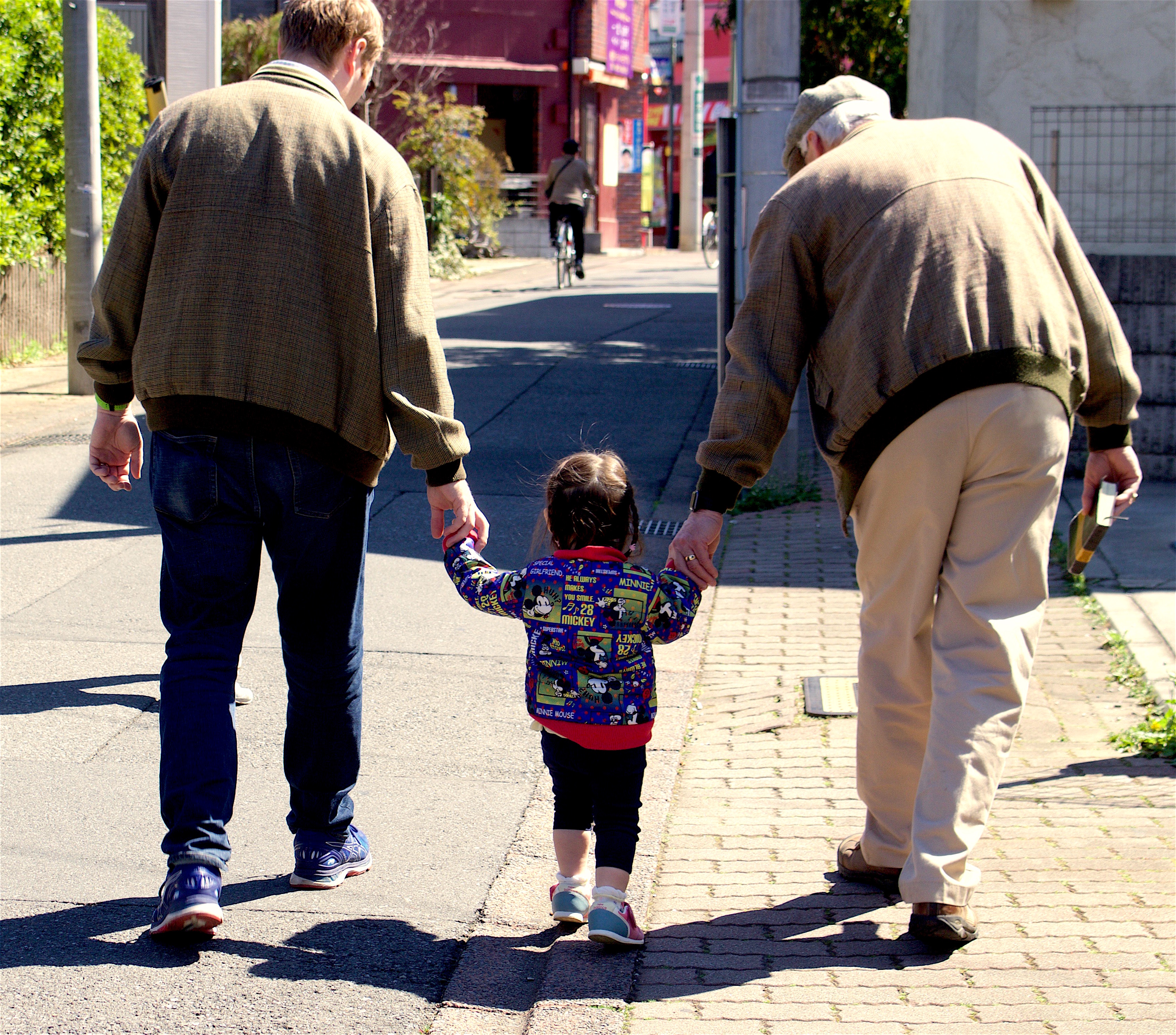
Now I get back home by mostly staying home. It takes something major, like a son spending the last decade teaching in Japan, now married with two children, to lure me away from my corner of the world once or twice a year. Getting away for a far away visit becomes a bigger effort as we get older, and coming back home is so bittersweet when hugging those loved ones goodbye. That is exactly what happened earlier today, as we sit at Narita airport waiting for our flight home.

I simply remember the assurance expressed so simply by Thomas Hardy in Far From the Madding Crowd,
ā€œAnd at home, by the fire, whenever you look up, there I shall be–and whenever I look up, there will be you.ā€

Home so sweet. We all long for it, sometimes with our hearts breaking, wherever it may be.