Ask the questions that have no answers. Invest in the millenium. Plant sequoias. Say that your main crop is the forest that you did not plant, that you will not live to harvest. Practice resurrection. ~Wendell Berry from “Manifesto: The Mad Farmer Liberation Front”
If I have to pick a side, let me side with the bees, with summer blossoms and winter snowdrifts. Let me side with the children I know and the ones I don’t, with the late-shift nurse and his aching back, with the grandmother digging in her garden. Let me side with the earth in all her sighing, the stars in all their singing, with stray dogs and street artists, with orphans and widows. Like Berry, let me say everything was for love of the forest I will never see, the harvest I will never reap. I pledge my allegiance to the world to come. ~Jen Rose Yokel “Choosing Sides”
photo by Danyale Tamminga photo by Nate Lovegren
We are each here in this life for such a short time…
What we leave behind is a shadow of the gifts we received at birth – given the chance, we can renew and rebuild this struggling earth. Listening to the sighs of a world in distress, I try to plant words and living things to last beyond my time here.
Every day we choose sides. Standing alone in our choices, we wonder how we will ever connect to one another.
I want to wrap my arms around anyone who needs a hug right now.
I know I do. Maybe you do too.
Starry Night – Van Gogh
photo by Sara LenssenAI image created for this post
One-Time
Monthly
Yearly
Make a one-time or recurring donation to support daily Barnstorming posts
To rest before the sheaves are bound, toss the scythes aside, bare the feet and sink into the nearest haystack, release the undone task and consent to sleep while the brightest hour burns an arc across its stretch of sky: this is the body’s prayer, mid-day angelus whispered in mingled breath while the limbs stretch in thanksgiving and the body turns toward the beloved.
This is the prayer of trust: what’s left undone will wait. The unattended child, the uncut acre, cracked wheel, broken fence that are occupations of the waking mind soften into shadow in the semi-darkness of dream. All shall be well. Little depends on us. The turning world is held and borne in love. We give good measure in our toil and, meet and right, obey the body when it calls us to rest. ~Marilyn Chandler McEntyre “Noon Rest (after Millet: 1890)” from “The Color of Light: Poems on Van Gogh’s Late Paintings”
Van Gogh: Noon Rest at Musée d’Orsay, Paris
Thanks to retirement, I have learned to love mid-day naps.
After forty-plus years of 10 hour work days, then awakened with calls at night, I managed to semi-thrive on minimal sleep.
Not any more.
I’ve discovered that it is possible to leave things undone, something that was never possible during doctoring and patient care. It is okay to set a task aside and think about it later. All this doesn’t come naturally to me but I’m learning.
So it is time to kick off my shoes, pull a quilt up to my chin and close my eyes, just for a little while.
All will be well. The world keeps turning, even when I’m not the one pedaling to keep it going.
AI image created for this post
One-Time
Monthly
Yearly
Make a one-time or recurring donation to support daily Barnstorming posts
“All Christian thinking is resurrection thinking.” —Jay Parini Let this sorrow be a fallow field and grief the seeding rain. Then may I be hidden, a grain in night’s still mystery, until the day I’m risen, yield bound in sheaves of joy, and Negev is an ecstasy. ~Franchot Ballinger, “Let Me Be Like Those Who Dream” from Crossings
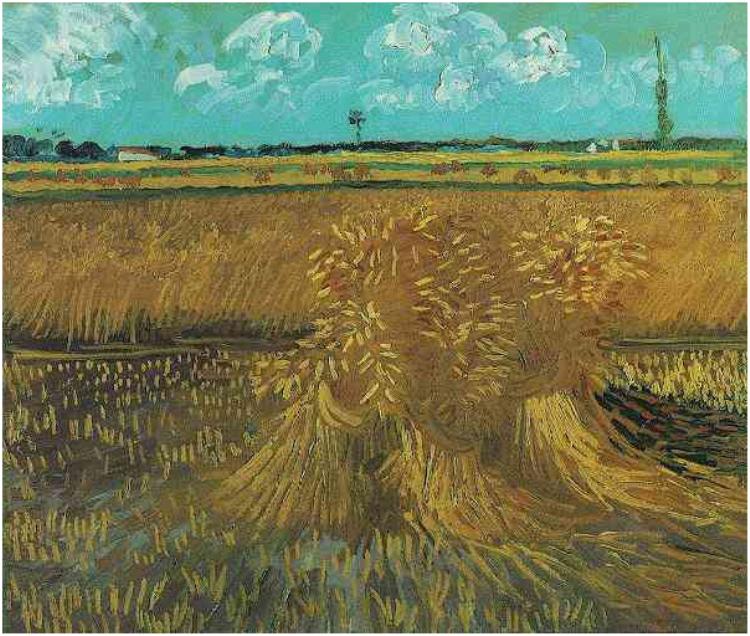
Ears of Wheat – Vincent Van GoghWheat Field with Sheaves -Vincent Van GoghSheaves of Wheat in a Field –Vincent Van Gogh
The love of God most High for our soul is so wonderful that it surpasses all knowledge. No created being can fully know the greatness, the sweetness, the tenderness, of the love that our Maker has for us. By his Grace and help therefore let us in spirit stand in awe and gaze, eternally marveling at the supreme, surpassing, single-minded, incalculable love that God, Who is all goodness, has for us. ~Juliana of Norwich “God’s Love for Us”
…you have been born again, not of perishable seed but of imperishable, through the living and abiding word of God; for
“All flesh is like grass and all its glory like the flower of grass. The grass withers, and the flower falls, but the word of the Lord remains forever.” 1Peter 1:23-25
The fields around our farm still show no signs of wakening. They are stubble and moss, mole hills and mud. It is unimaginable they might soon produce anything.
Then grief rains down on buried seed and the grain will rise.
All winter everything, everyone, has been so dead, so hidden, so hopeless; His touch calls us back to life. Nothing can be more hopeful than the barren made fruitful, the ugly made beautiful, the dead made alive.
Love is come again, digging deep into the fallow fields of our hearts.
This Lenten season I reflect on the words of the 19th century southern spiritual hymn “What Wondrous Love is This”
One-Time
Monthly
Yearly
Make a one-time or recurring donation to support Barnstorming daily posts
In October of the year, he counts potatoes dug from the brown field, counting the seed, counting the cellar’s portion out, and bags the rest on the cart’s floor.
He packs wool sheared in April, honey in combs, linen, leather tanned from deerhide, and vinegar in a barrel hooped by hand at the forge’s fire.
He walks by his ox’s head, ten days to Portsmouth Market, and sells potatoes, and the bag that carried potatoes, flaxseed, birch brooms, maple sugar, goose feathers, yarn.
When the cart is empty he sells the cart. When the cart is sold he sells the ox, harness and yoke, and walks home, his pockets heavy with the year’s coin for salt and taxes,
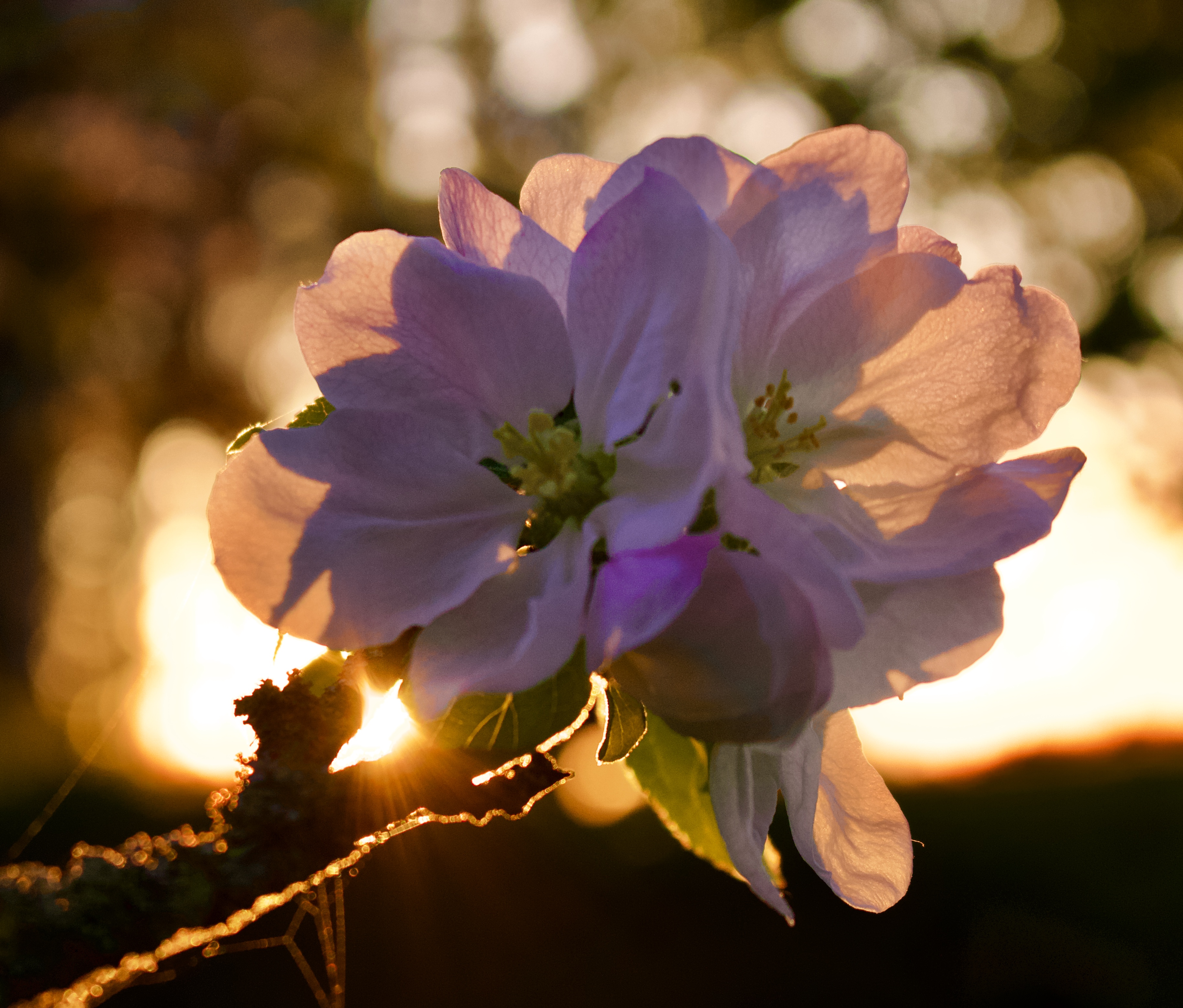
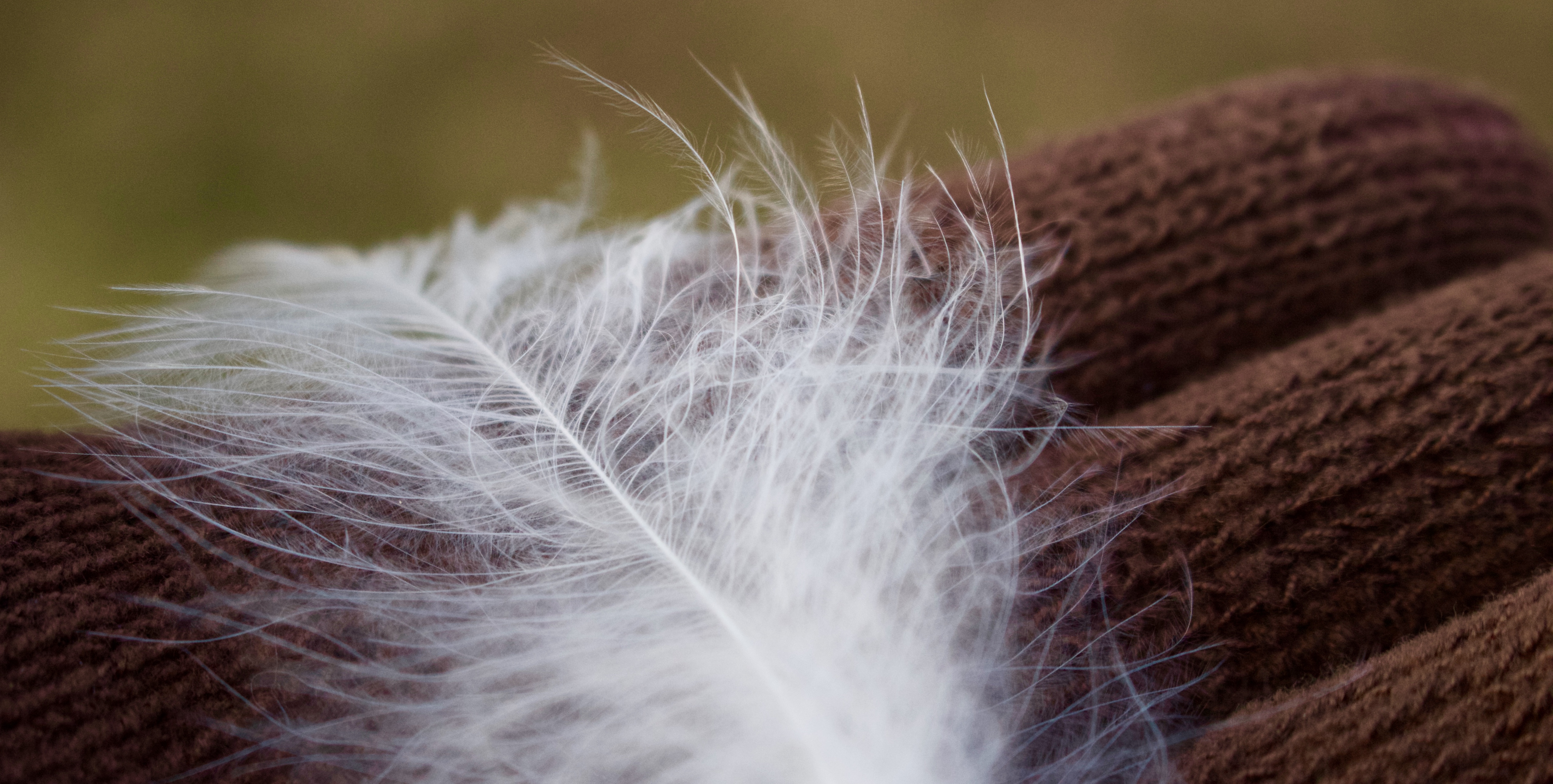
and at home by fire’s light in November cold stitches new harness for next year’s ox in the barn, and he carved a new yoke and sawed planks for a new cart and split shingles all winter, while his wife made flax into linen all winter, and his daughter embroidered linen all winter, and his son carved Indian brooms from birch all winter, and everybody made candles, and in March they tapped the sugar maple trees and boiled the sap down, and in April they sheared the sheep, spun yarn, and wove and knitted, and in May they planted potatoes, turnips, and cabbages, while apple blossoms bloomed and fell, while bees woke up, starting to make new honey, and geese squawked in the barnyard, dropping feathers as soft as clouds. ~Donald Hall “The Oxcart Man”
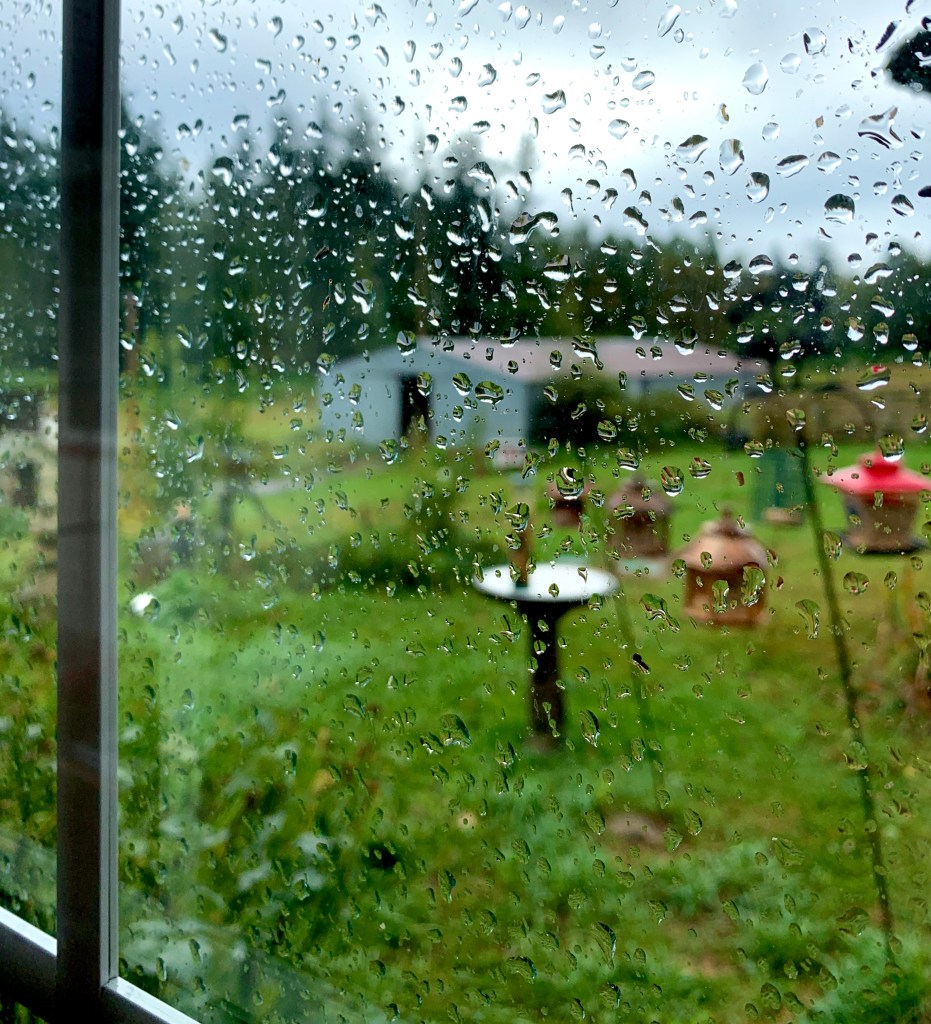
Come inside now. Stand beside the warming stove. Watch out through the windows as a cold rain tears down the last leaves.
The larder full of dried herbs, hot peppers, chutneys, jellies, jams, dill pickles, pickled relishes, pickled beets.
The freezer full of frozen greens— chard and spinach, collards, kale— green beans, basil, red sauces, applesauce, and smoked meats.
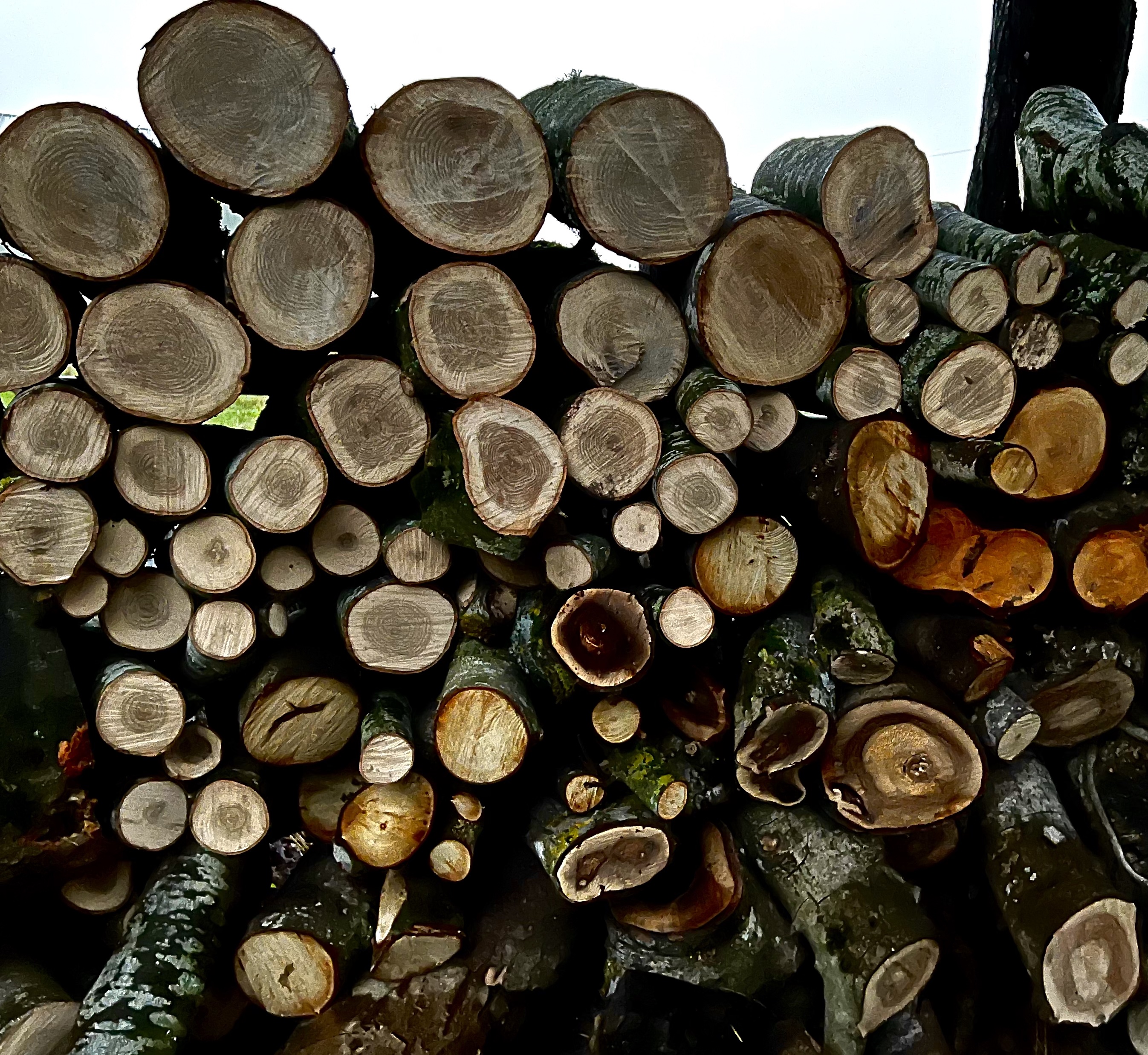
The woodshed dry and full of wood, winter squashes stashed away. Down cellar: potatoes, carrots, crock of sauerkraut.
Come inside now. Stand beside the warming stove. Listen. Wait. ~David Budbill “Come Inside Now” from Happy Life
Nothing would sleep in that cellar, dank as a ditch, Bulbs broke out of boxes hunting for chinks in the dark, Shoots dangled and drooped, Lolling obscenely from mildewed crates, Hung down long yellow evil necks, like tropical snakes. And what a congress of stinks! Roots ripe as old bait, Pulpy stems, rank, silo-rich, Leaf-mold, manure, lime, piled against slippery planks. Nothing would give up life: Even the dirt kept breathing a small breath. ~Theodore Roetke “Root Cellar”from The Collected Poems
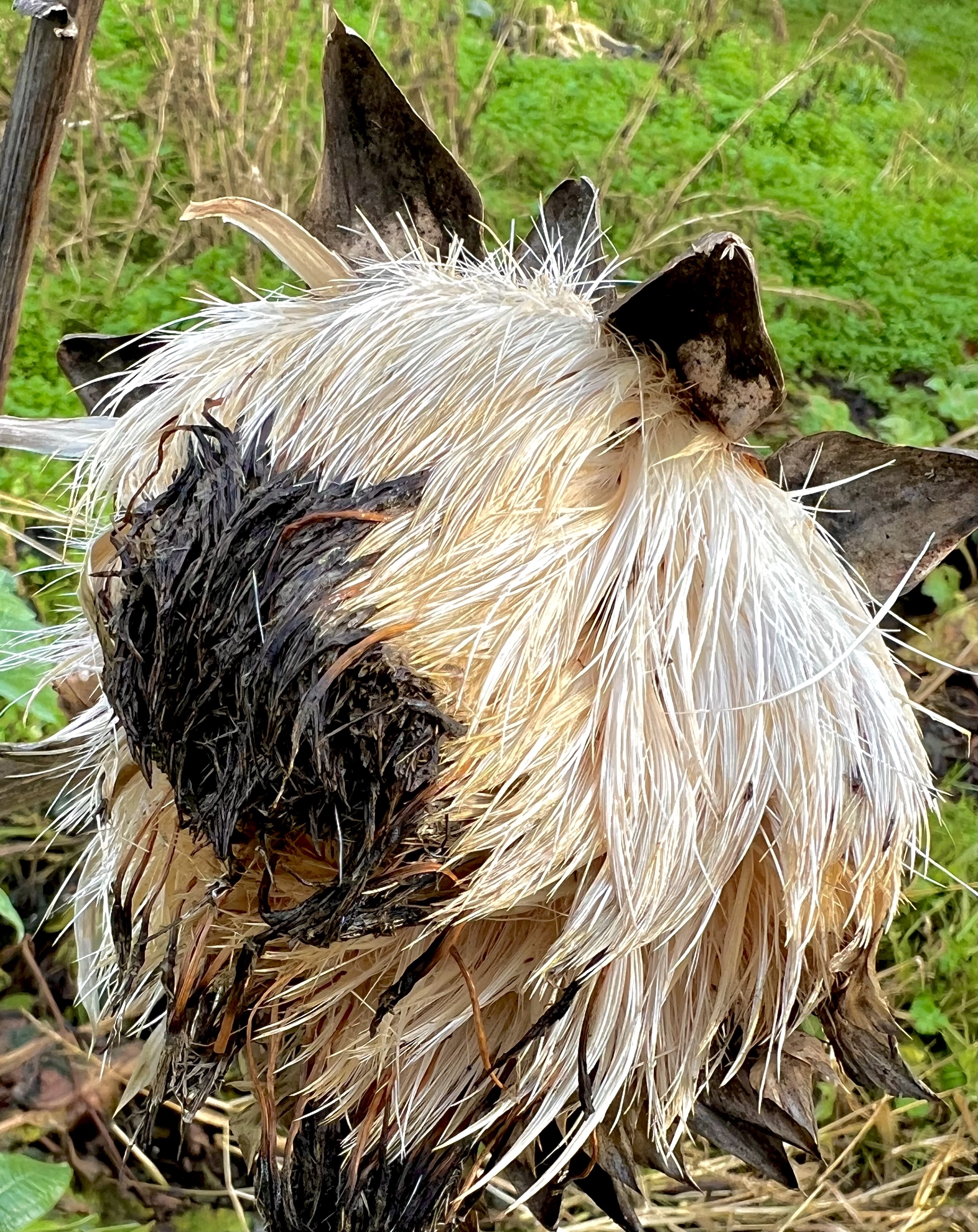
Even in the cold wet chill of November, our garden continues breathing, guarded by the furry fellow on a stalk below until a heavy windstorm topples him over.
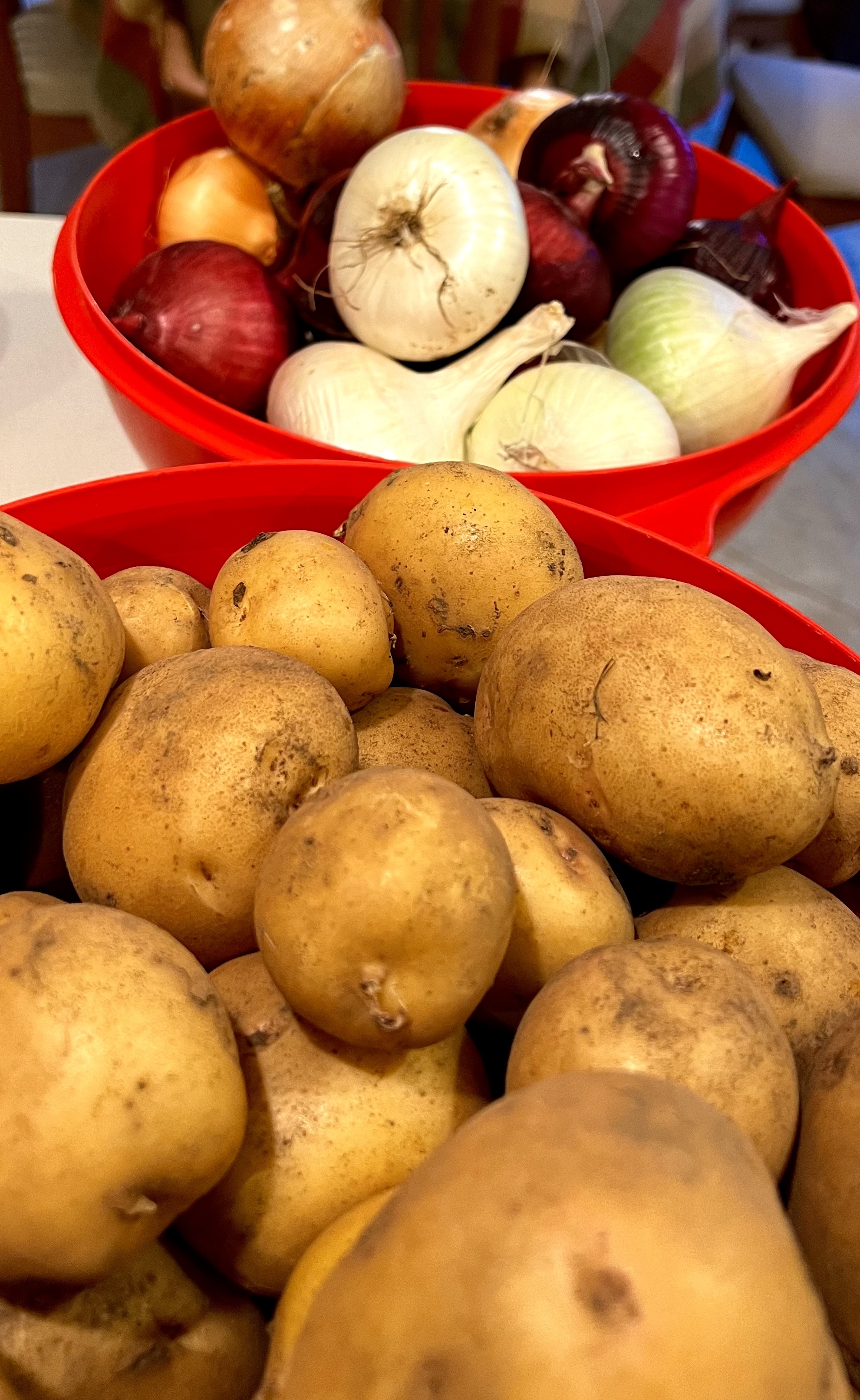
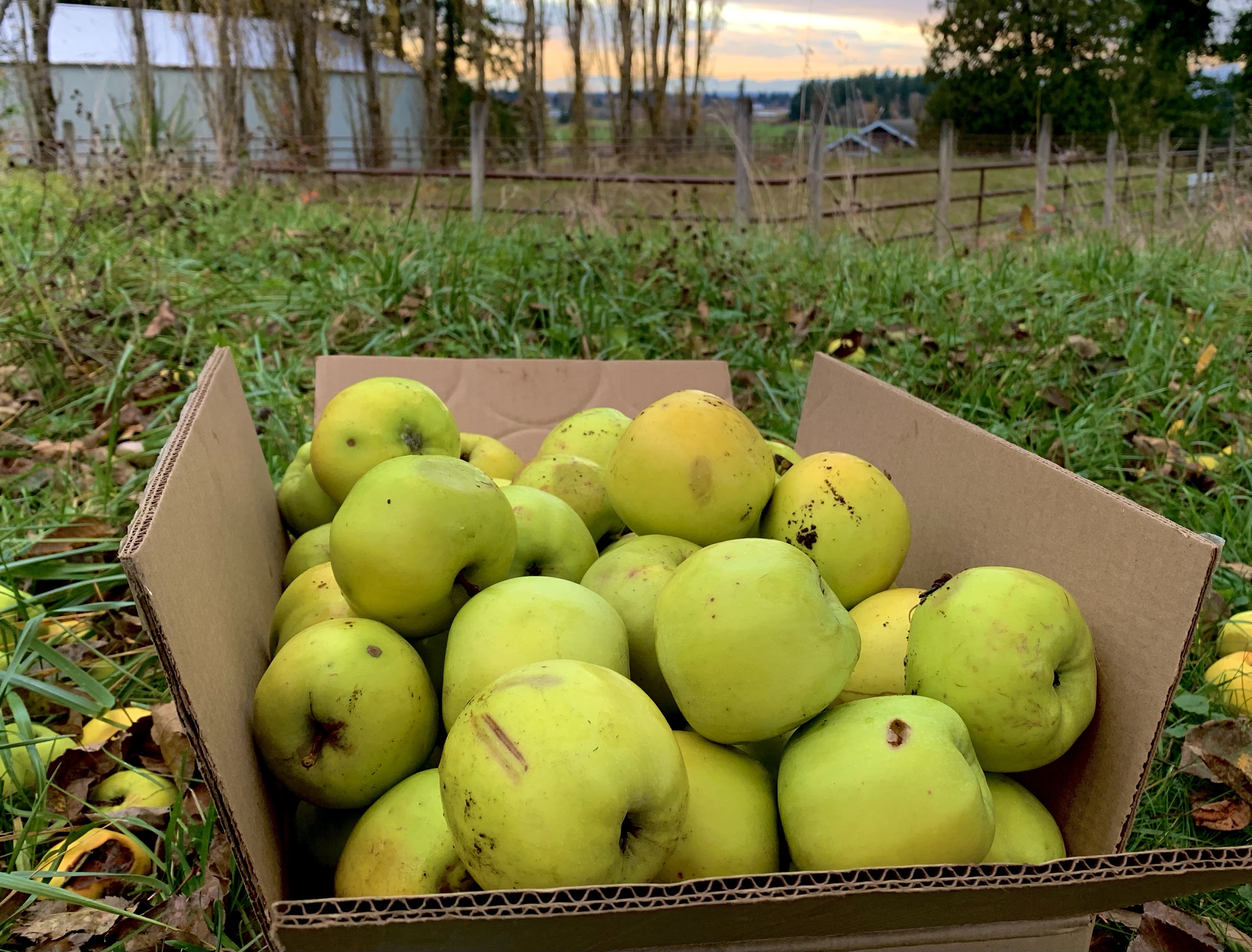
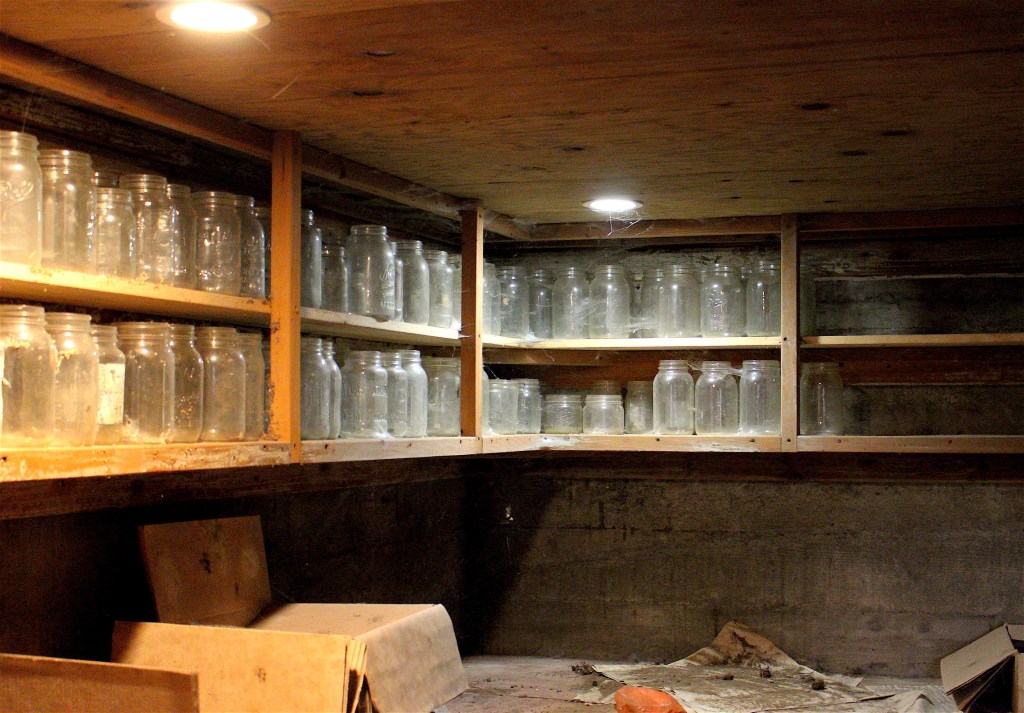
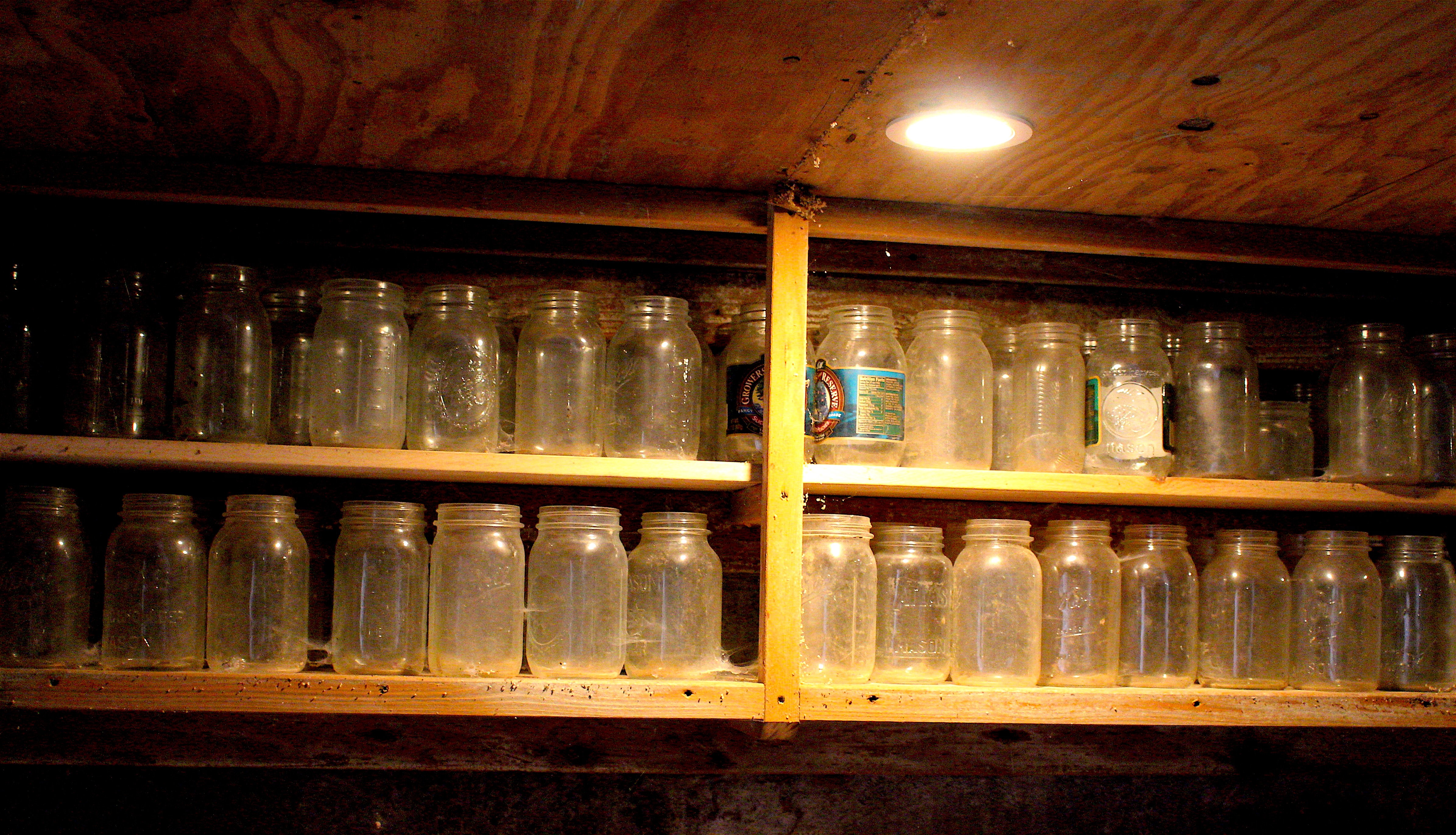
When I descend the steps into our root cellar, I find a still life of empty jars, no longer in use for produce to be preserved until spring. I no longer preserve produce through canning, as I used to. Instead we dry and freeze fruits and vegetables for storage. The cellar, though not as full as in years past, remains a place of quiet fecundity with its rich and earthy smells – a reminder of how things were done before the conveniences of today. We still keep apples, potatoes and onions in safe-keeping below ground – some of this farm’s orchard and garden harvest has been stored fresh in the cellar, year after year, for decades.
Until the last century, all of a farm family’s energy and effort was to preserve and store what was necessary to survive another year. Today, in too many places in the world, simple survival remains a family’s necessary and noble goal.
Surrounded by the relative comfort and privilege of a bountiful garden, orchard and woodpile, I never want to forget that.
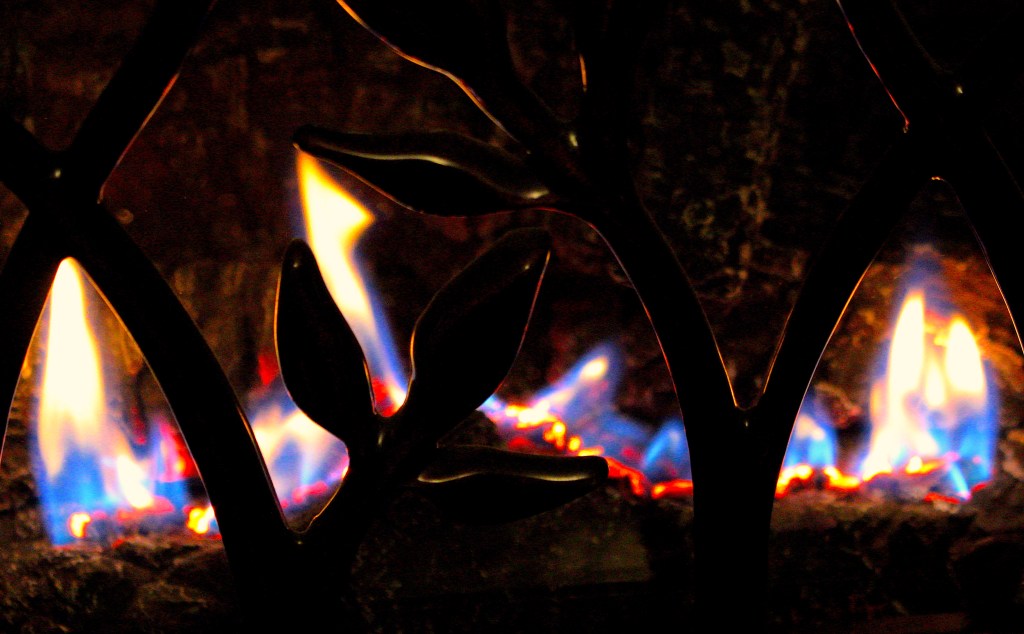
Come inside. Warm up by the fire. Listen. Wait. Pray for lasting peace.
My artichoke “pup”
One-Time
Monthly
Yearly
Make a one-time or recurring donation to support daily Barnstorming posts
Lord, the time has come. The summer has been so long. Lay your shadows over the sundials and let loose the wind over the fields.
Order the last fruits to fully ripen; give them two more days of southern sun, urge them to perfection and speed the last sweetness into the laden vine.
Those who have no house, will not build one now. Those who are alone will long remain so, they will rise, and read, and write long letters and through the avenues go here and there restlessly wandering, with the leaves drifting down. ~Rainer Maria Rilke “Herbsttag” English translation by Paul Archer from 1902 in the collection Das Buch der Bilder.
First hints of our condition manifest: Spite in the wind, mist-gauze across the moon, Light chill, the spider’s filaments, blanched grass, And two days as warm as the south change nothing at all. A morning comes when you know this cannot end well. Soon it will be no time for gathering in gardens All too soon, my dears, it will be the weather For Brahms quintets, for leaves drifting triste past the windows Of those in their rooms alone for the duration, For whom this is no time to build. Those now alone Are going to remain so through this estranging season Of reading, of writing emails as detailed as letters, Of watching dry leaves grow sodden on empty pavements. Rilke said this in lines that I last read in Edinburgh With my most beautiful aunt in her later age When, many things gone, she remembered those verse in German. ~Peter Davidson “September Castles”
Enter autumn as you would a closing door. Quickly, cautiously. Look for something inside that promises color, but be wary of its cast — a desolate reflection, an indelible tint. ~Pamela Steed Hill “September Pitch”
Summer has packed up, and moved on without bidding adieu or looking back over its shoulder. Cooling winds have carried in darkening clouds. I gaze upward to see and smell the change. Rain has fallen, long overdue, yet there is temptation to bargain for a little more time. Though we needed this good drenching, there are still potatoes to pull from the ground, apples and pears to pick, tomatoes not yet ripened, corn cobs too skinny to pick.
I’m just not ready to wave goodbye to sun-soaked clear skies.
The overhead overcast is heavily burdened with clues of what is coming: earlier dusk, the feel of moisture, the deepening graying hues, the briskness of breezes, the inevitable mud and mold. There is no negotiation possible. I need to steel myself and get ready, wrapping myself in the soft shawl of inevitability.
So autumn advances with the clouds, taking up residence where summer left off. Though there is still clean up of the overabundance left behind, autumn will bring its own unique plans for an exhilarating display of a delicious palette of hues.
Lord, the time has come. The truth is we’ve seen nothing yet.
One-Time
Monthly
Yearly
Make a one-time or recurring donation to support daily Barnstorming posts
Summer ends now; now, barbarous in beauty, the stooks rise Around; up above, what wind-walks! what lovely behaviour Of silk-sack clouds! has wilder, willful-wavier Meal-drift moulded ever and melted across skies?
I walk, I lift up, I lift up heart, eyes, Down all that glory in the heavens to glean our Saviour; And, eyes, heart, what looks, what lips yet gave you a Rapturous love’s greeting of realer, of rounder replies?
And the azurous hung hills are his world wielding shoulder Majestic as a stallion stalwart, very-violet-sweet! – These things, these things were here and but the beholder Wanting; which two when they once meet, The heart rears wings bold and bolder And hurls for him, O half hurls earth for him off under his feet. ~Gerard Manley Hopkins “Hurrahing in Harvest”
This poem is (in Hopkin’s own words) “the outcome of half an hour of extreme enthusiasm as I walked home alone one day from fishing in the [River] Elwy.”
This afternoon was the colour of water falling through sunlight; The trees glittered with the tumbling of leaves; The sidewalks shone like alleys of dropped maple leaves, And the houses ran along them laughing out of square, open windows. Under a tree in the park, Two little boys, lying flat on their faces, Were carefully gathering red berries To put in a pasteboard box. Some day there will be no war, Then I shall take out this afternoon And turn it in my fingers, And remark the sweet taste of it upon my palate, And note the crisp variety of its flights of leaves. To-day I can only gather it And put it into my lunch-box, For I have time for nothing But the endeavour to balance myself Upon a broken world. ~Amy Lowell from “September 1918”
There is no point in seeing without responding; there is no way to respond without seeing.
Christian life and practice require both faith (the sight of the heart) and works (the lurch of the heart toward him in obedience) ~Kathleen Mulhern from “A Christ Sighting” from Dry Bones
Sheaves of Wheat in a Field –Vincent Van GoghWheat Field with Sheaves -Vincent Van Gogh
Am I the only one who awakes praying that today be a day of healing between peoples when the barbarous becomes beautiful rather than broken?
A day of no missiles being launched, no one gunned down no overdoses in the streets, no vehicles used as weapons, no child misused, no one sold into slavery, no one overdosing, abandoned, homeless and starving.
Am I the only one who awakes and seeks only to watch the clouds to praise the heavens to see the leaves turn color to save this day and taste it so as to balance somehow on this brokenness?
Poetry is a rich, full-bodied whistle, cracked ice crunching in pails, the night that numbs the leaf, the duel of two nightingales, the sweet pea that has run wild, Creation’s tears in shoulder blades. ~Boris Pasternak
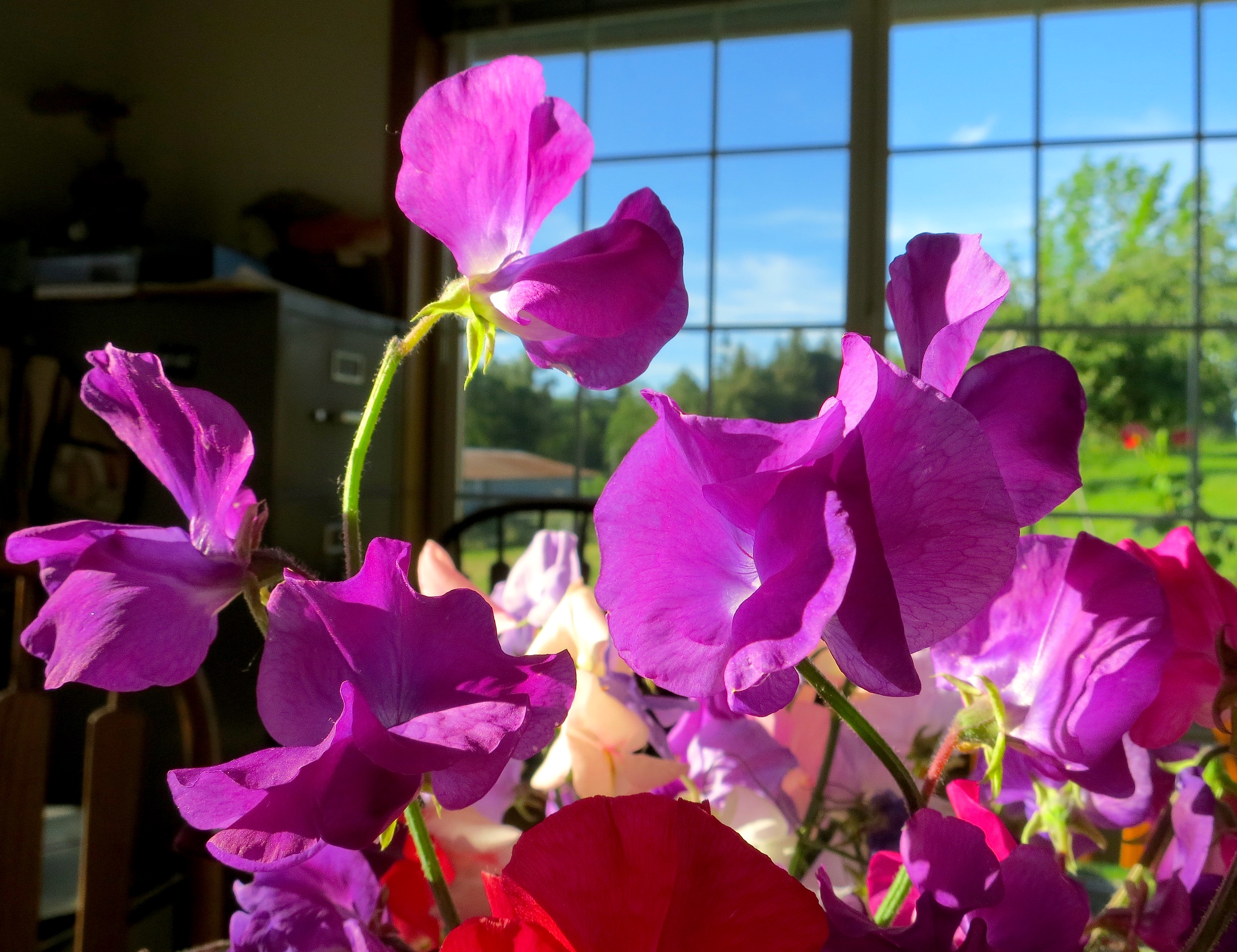
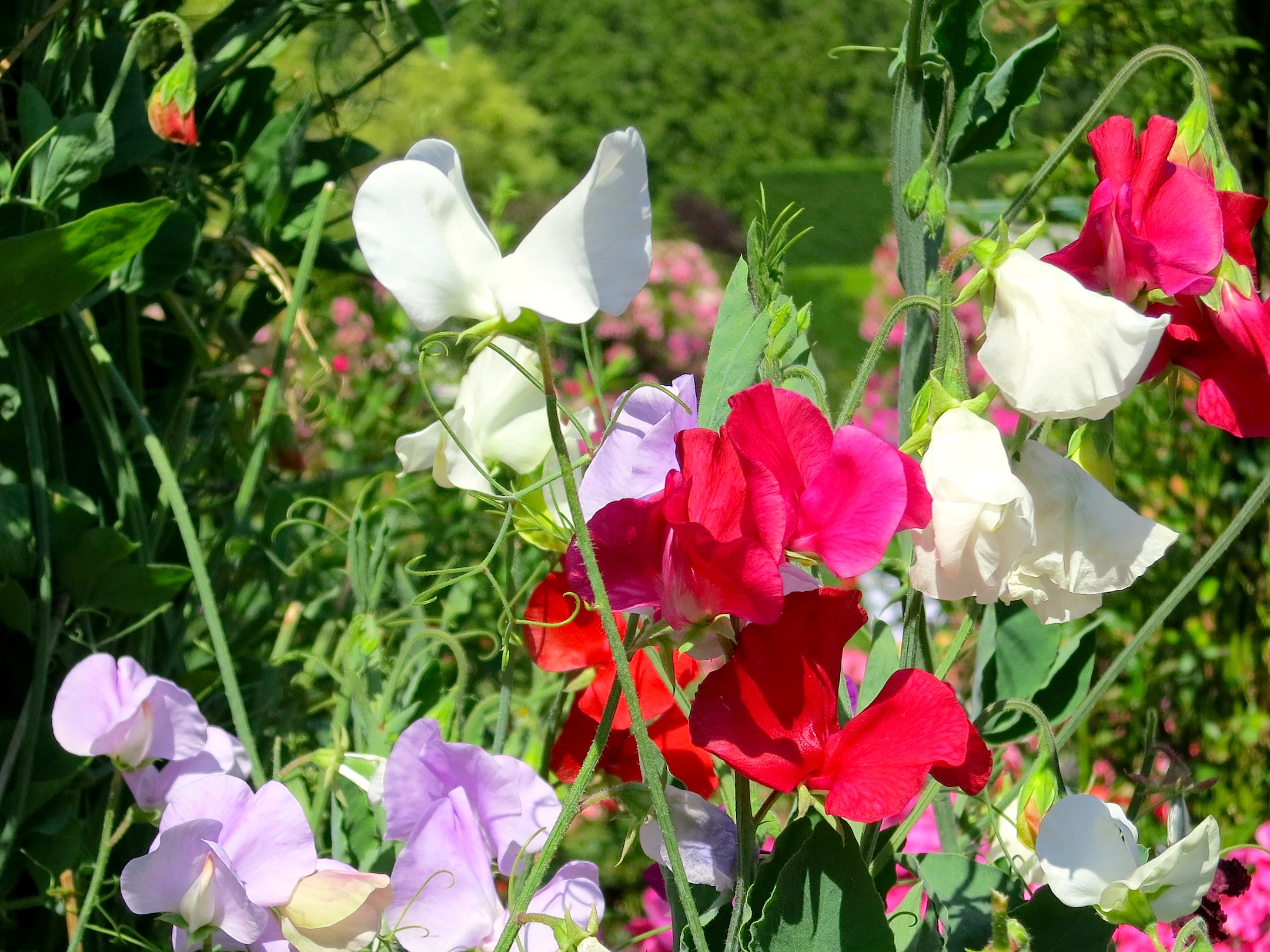
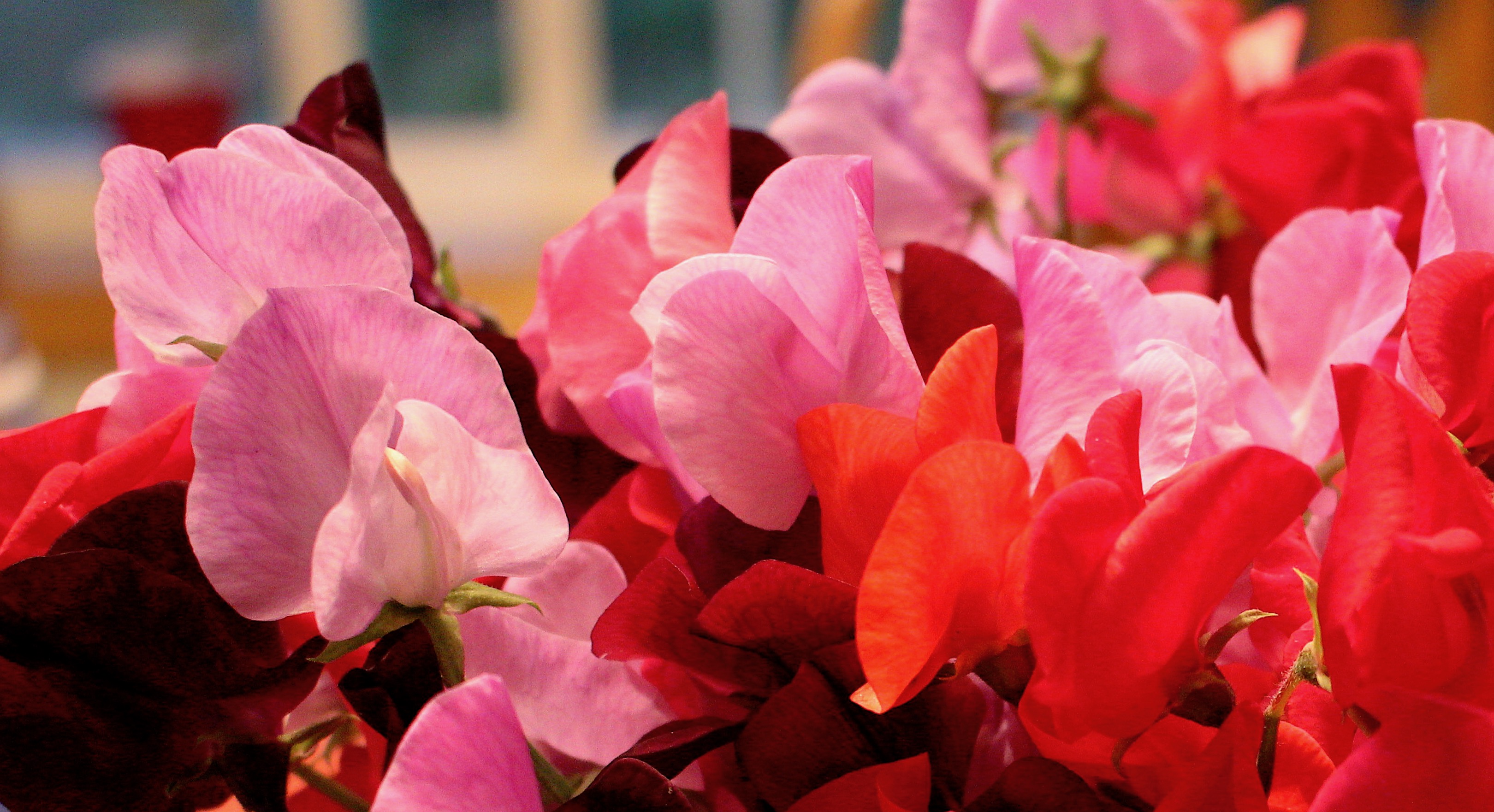
Here are sweet-peas, on tip-toe for a flight: With wings of gentle flush o’er delicate white, And taper fingers catching at all things, To bind them all about with tiny rings. ~John Keatsfrom I Stood Tip-toe Upon a Little Hill
Sweet peas and pumpkins are strange neighbors on the table Usually separated by weather and season, one from late spring, the other from mid-autumn, truly never meant to meet.
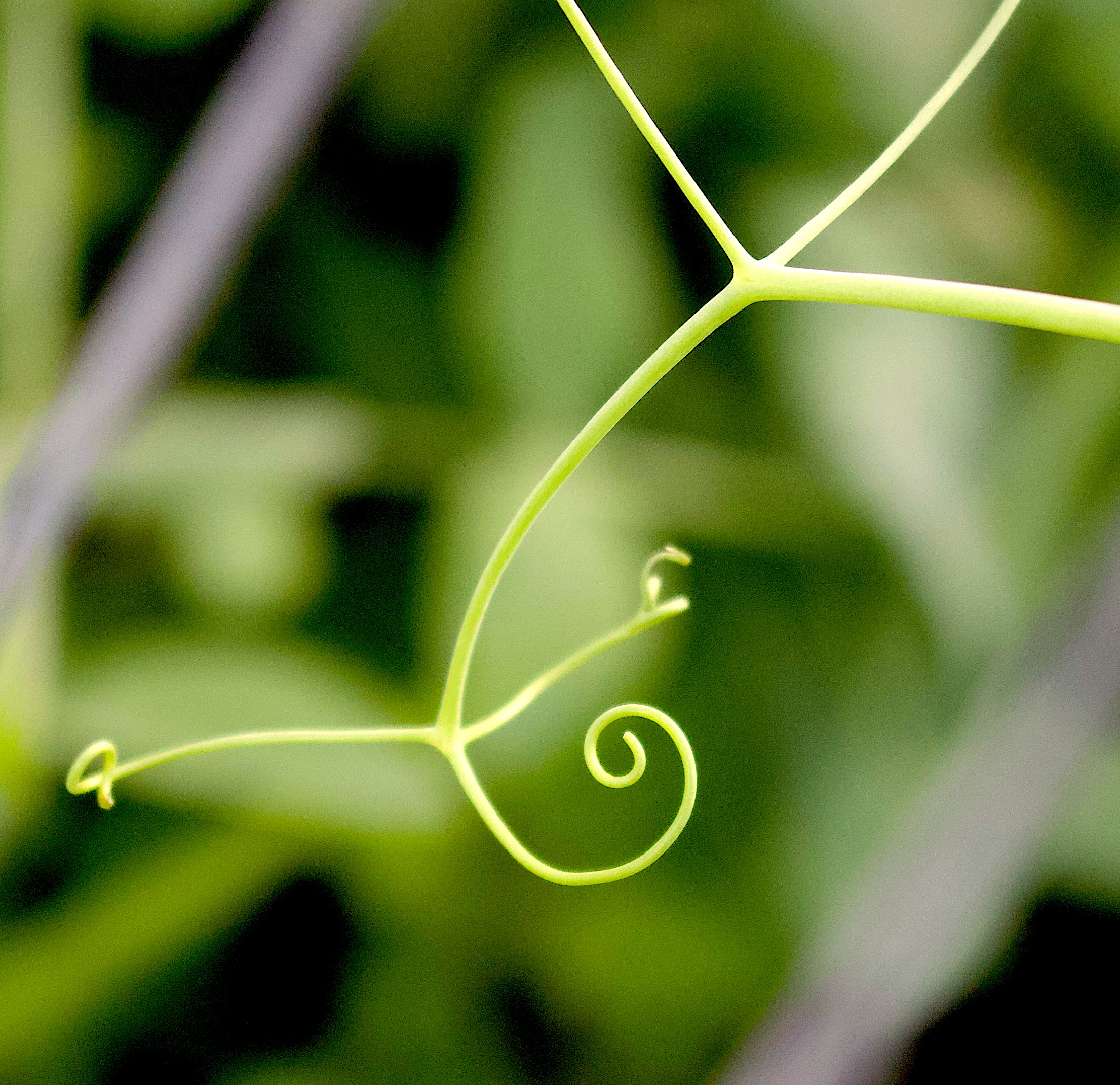
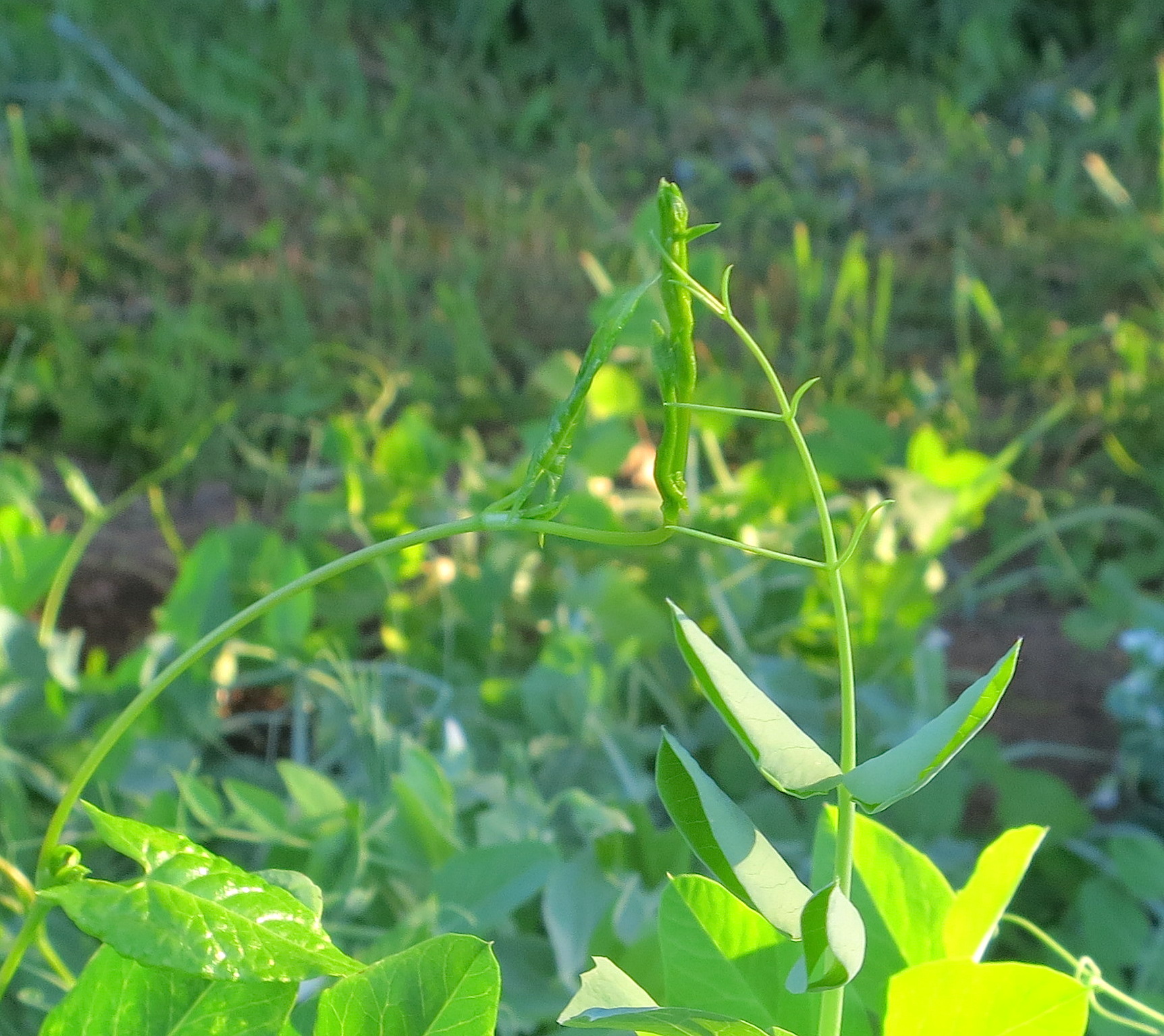
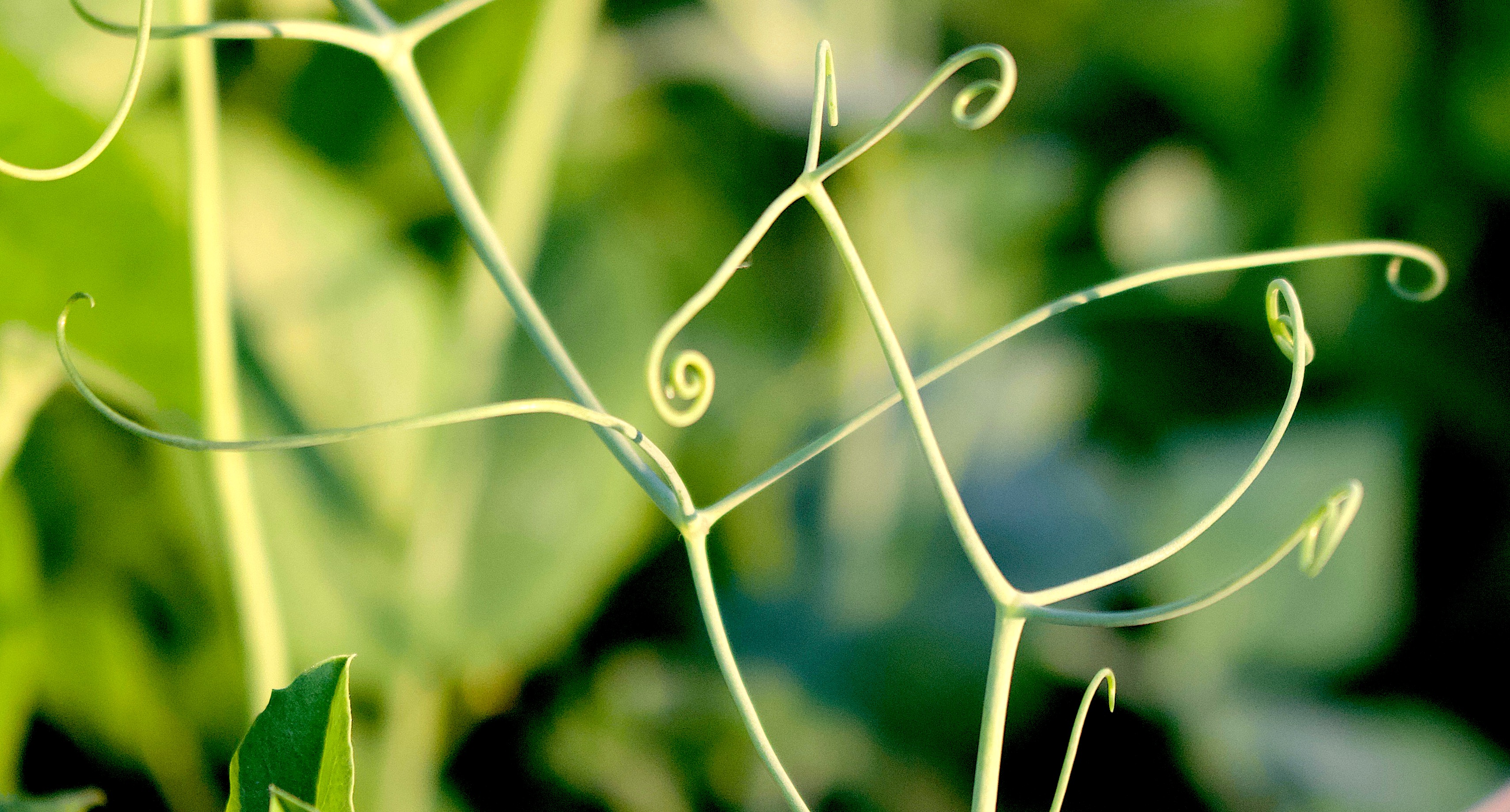
Yet here they are, side by side, grown in the same soil through the same weeks, their curling vines entwined.
A few dropped sweet pea seeds forgotten in the summer weeds; eventually swelled and thrived, now forming rich autumn blooms gracing a harvest table with bright pastels and spring time fragrance.
Perhaps I too may bloom where I land, even if ill-timed and out of place, I might run wild, interwoven, bound to others who look nothing like me, encouraged to climb higher, to blossom bravely, even in the face of knowing the killing frost is soon to come.
One-Time
Monthly
Yearly
Make a one-time or recurring donation to support daily Barnstorming posts
When I work outdoors all day, every day, as I do now, in the fall, getting ready for winter, tearing up the garden, digging potatoes, gathering the squash, cutting firewood, making kindling, repairing bridges over the brook, clearing trails in the woods, doing the last of the fall mowing, pruning apple trees, taking down the screens, putting up the storm windows, banking the house—all these things, as preparation for the coming cold… when I am every day all day all body and no mind, when I am physically, wholly and completely, in this world with the birds, the deer, the sky, the wind, the trees… when day after day I think of nothing but what the next chore is, when I go from clearing woods roads, to sharpening a chain saw, to changing the oil in a mower, to stacking wood, when I am all body and no mind…
when I am only here and now and nowhere else— then, and only then, do I see the crippling power of mind, the curse of thought, and I pause and wonder why I so seldom find this shining moment in the now. ~David Budbill “This Shining Moment in the Now” from While We’ve Still Got Feet.
I spend only a small part of my day doing physical work compared to my husband’s faithful daily labor in the garden and elsewhere on the farm. We both celebrate the good and wonderful gifts from the Lord, His sun, rain and soil. Although these weeks are a busy harvest time preserving as much as we can from the orchard and the garden, too much of my own waking time is spent almost entirely within the confines of my skull.
I know that isn’t healthy. My body needs to lift and push and pull and dig and toss, so I head outside to do farm and garden chores. This physical activity gives me the opportunity to be “in the moment” and not crushed under “what was, what is, what needs to be and what possibly could be” — all the processing that happens mostly in my head.
I’m grateful for this tenuous balance in my life, knowing as I do that I was never cut out to be a good full time farmer. I sometimes feel that shining glow in the moments of “living it now” rather than dwelling endlessly in my mind about the past or the future.
Thank the Lord, oh thank the Lord. I am learning to let those harvest moments shine.
Original Barnstorming artwork note cards available as a gift to you with a $50 donation to support Barnstorming – information here
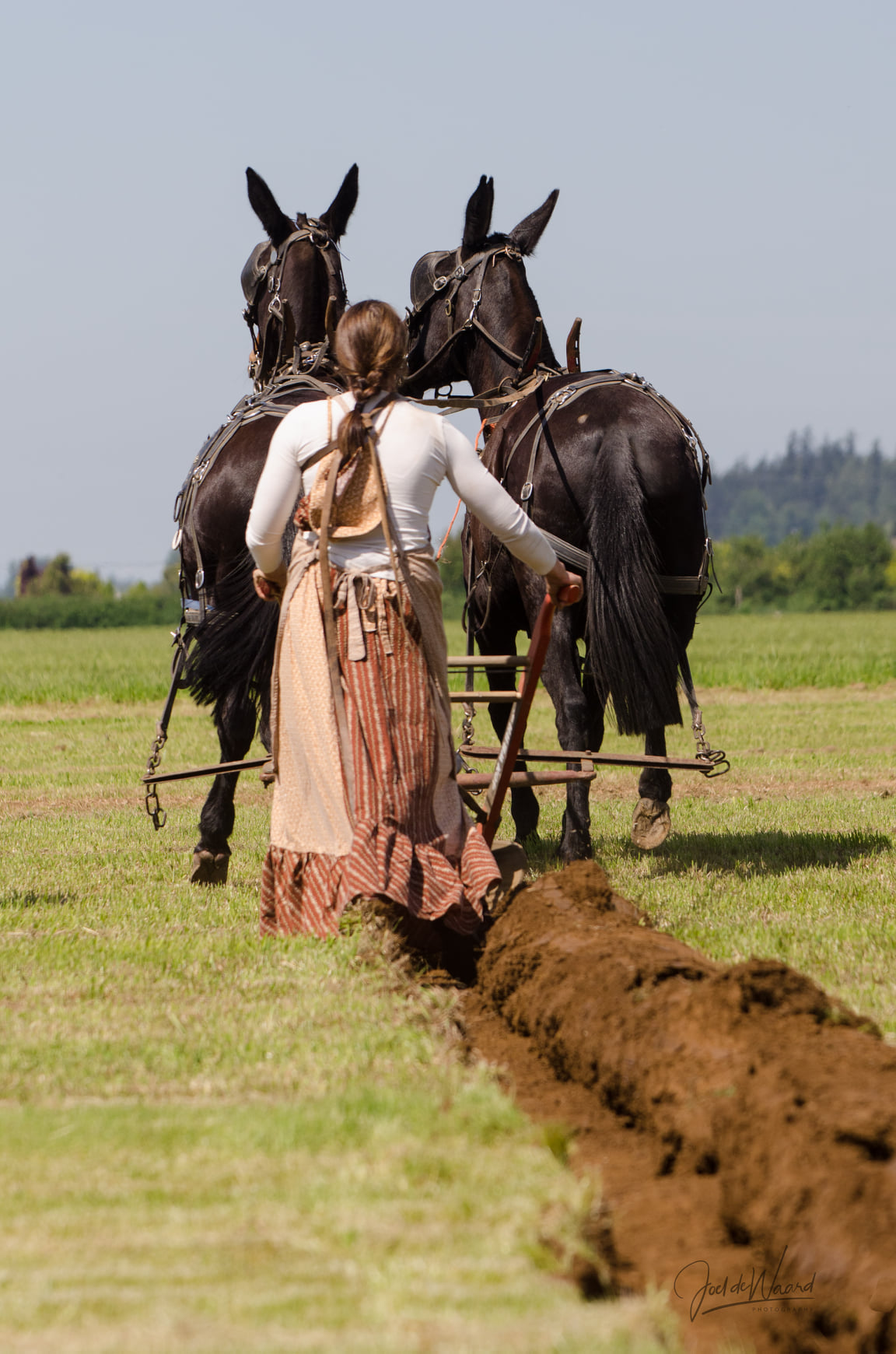
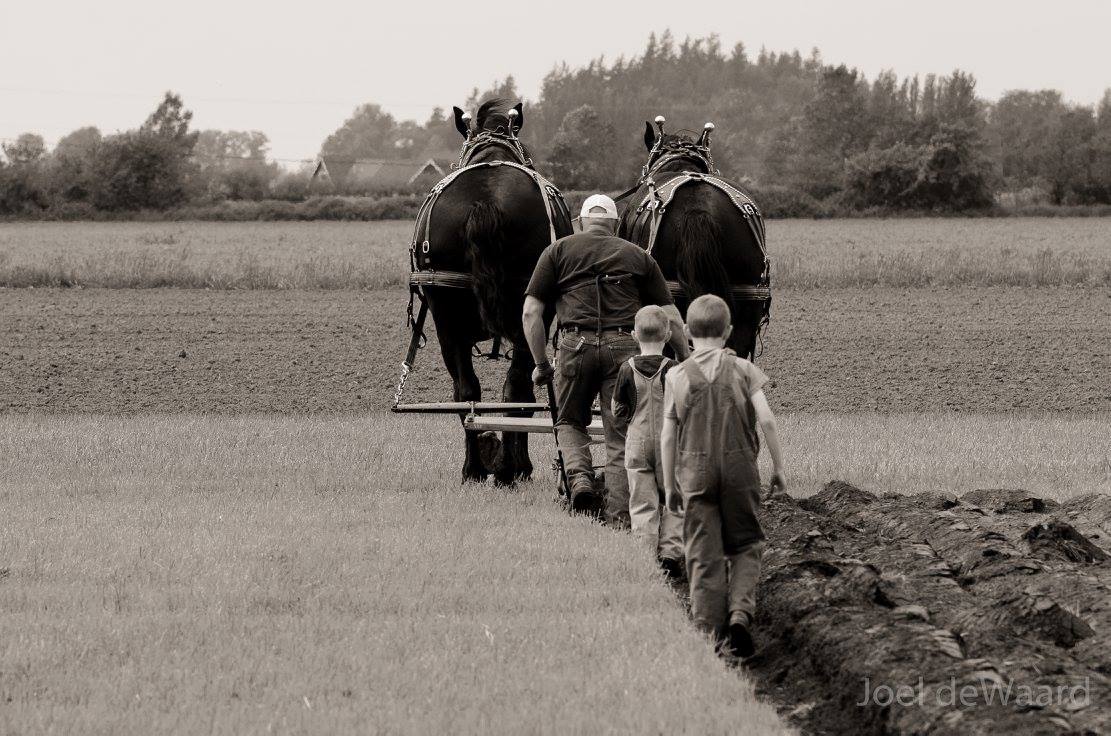
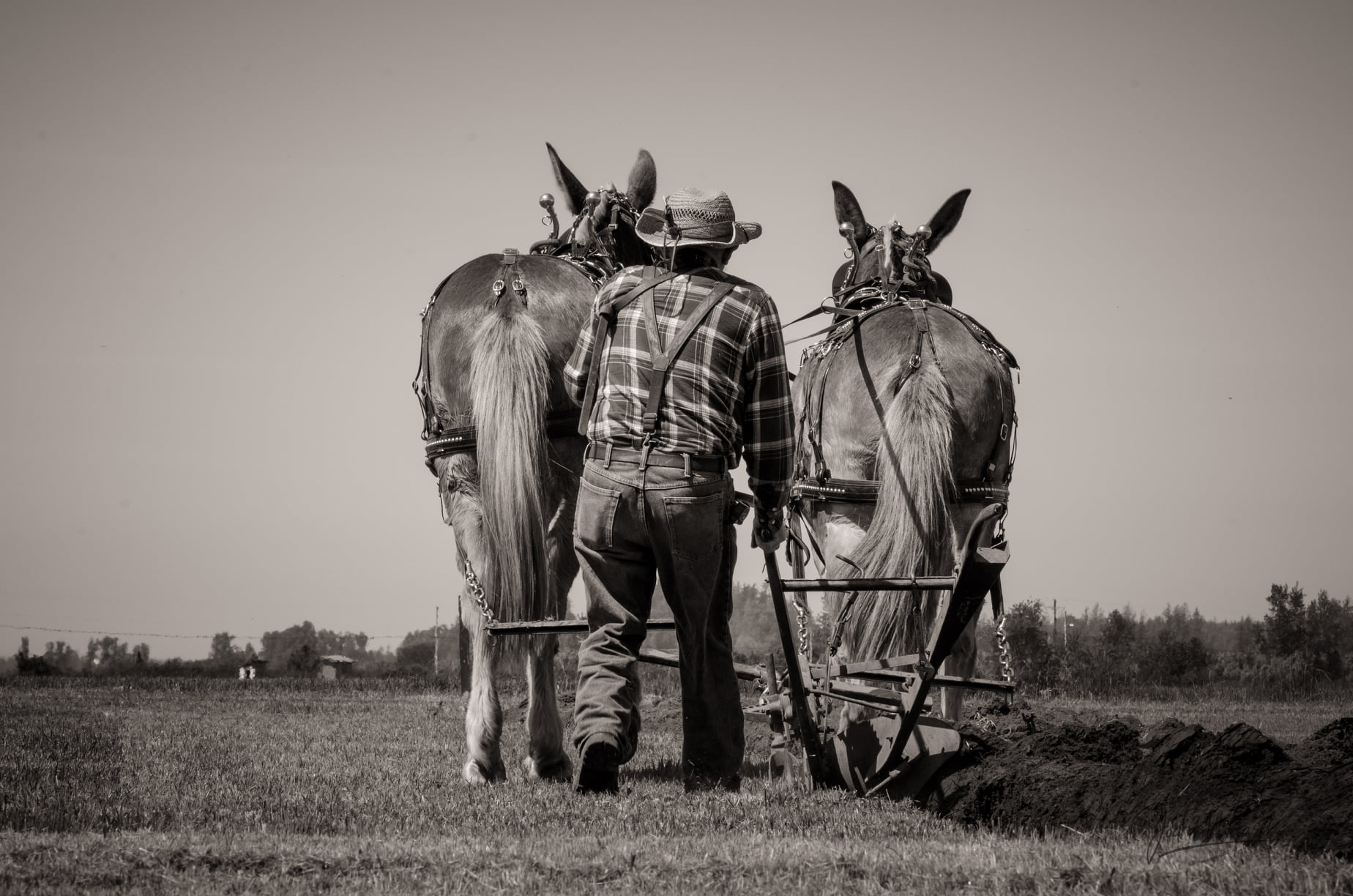
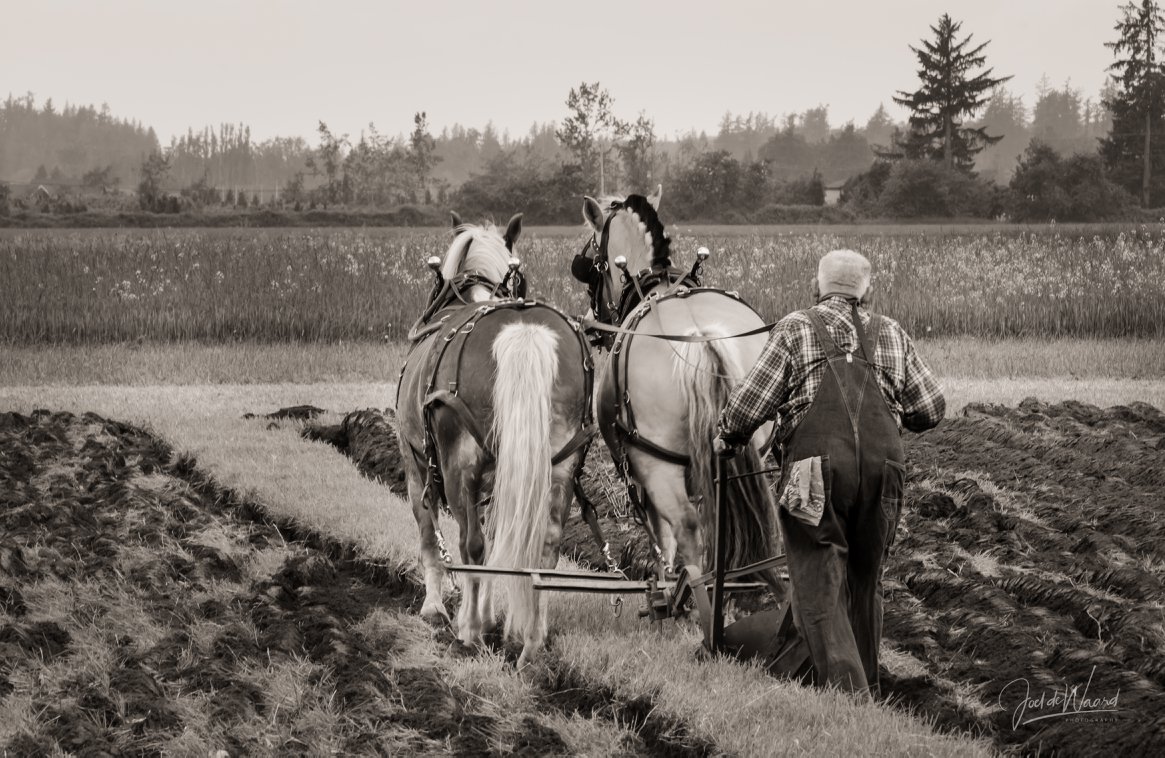
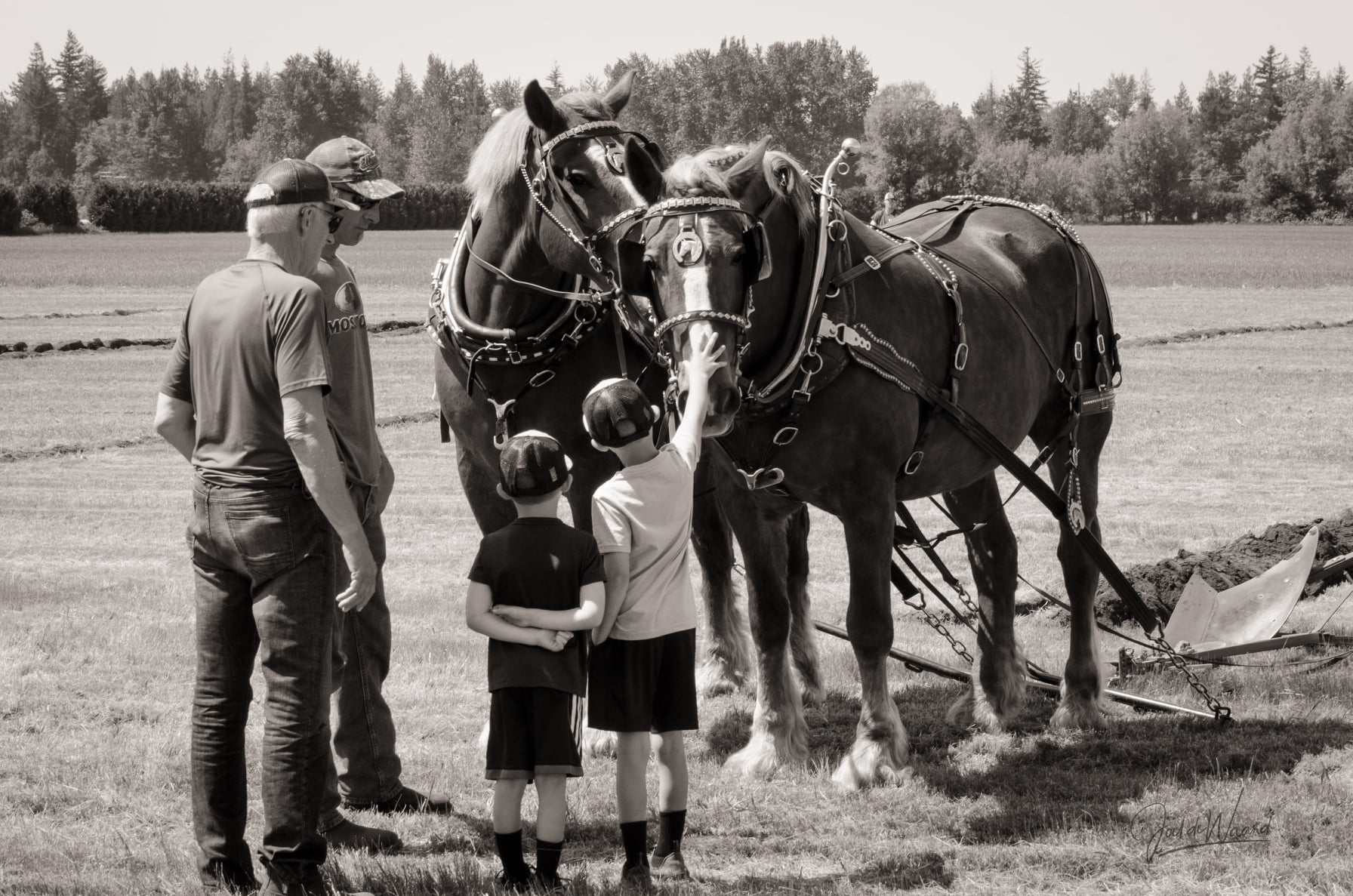
photo by Joel DeWaardPhoto by Joel DeWaardphoto by Joel DeWaard
I find my greatest freedom on the farm. I can be a bad farmer or a lazy farmer and it’s my own business. What is my definition of freedom? It’s being easy in your harness. ~Robert Frost in 1954, at a news conference on the eve of his 80th birthday
photo by Joel DeWaardphoto by Joel DeWaard
Little soul, you and I will become the memory of a memory of a memory. A horse released of the traces forgets the weight of the wagon. ~Jane Hirshfield “Harness”
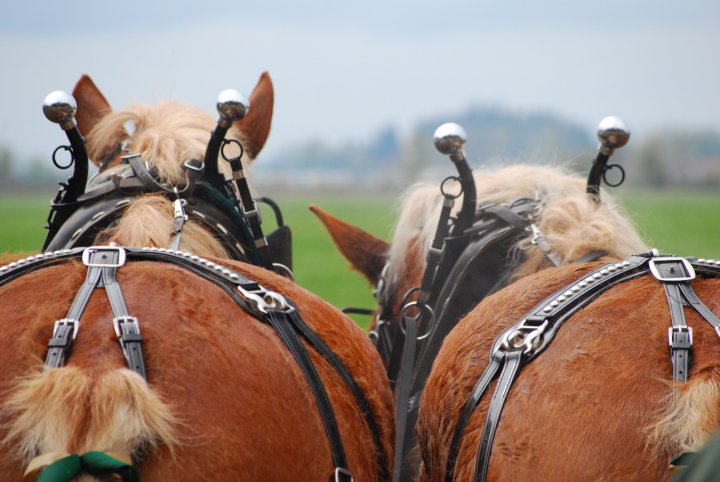
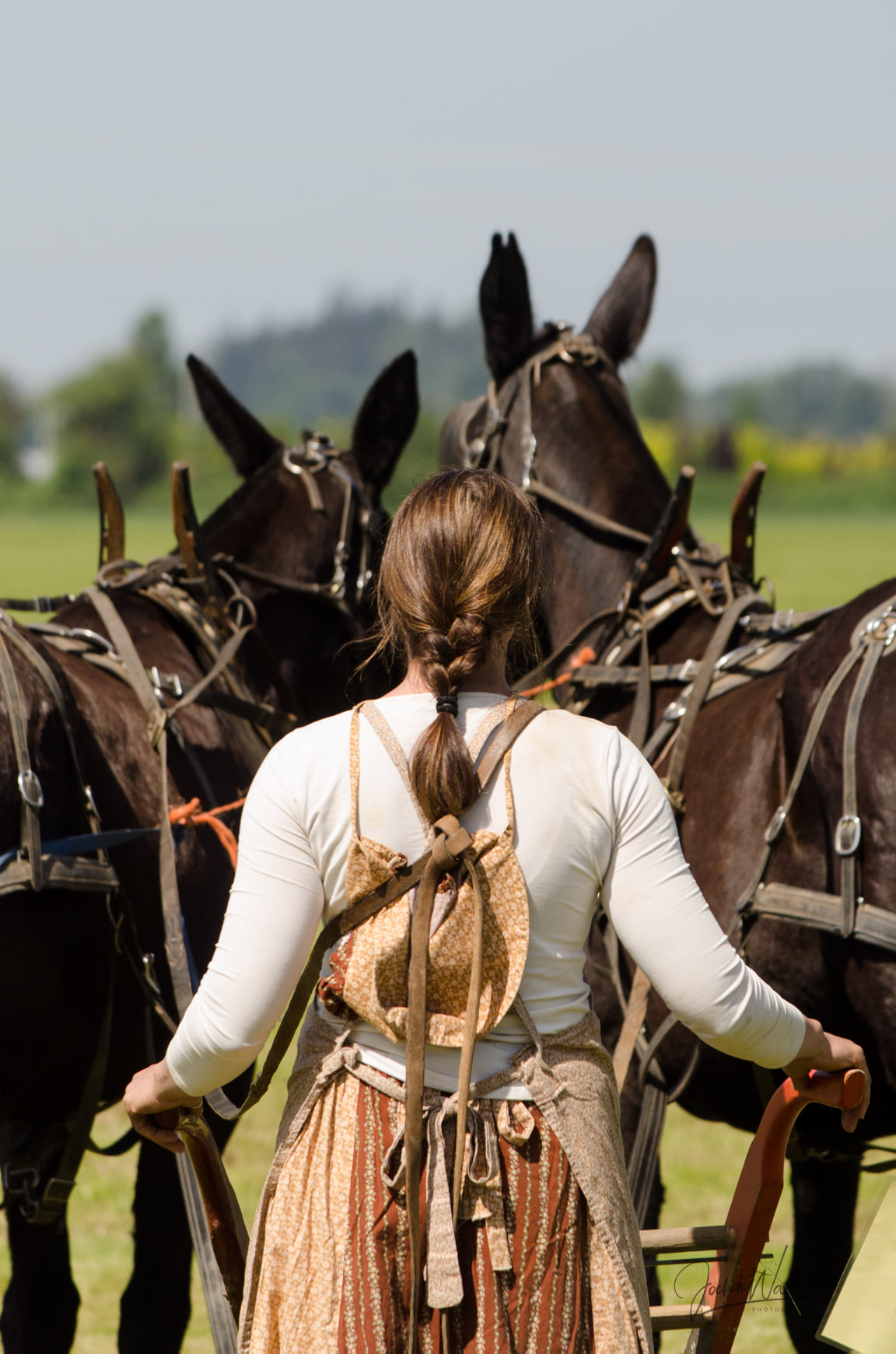
photo by Joel DeWaardphoto by Joel DeWaardphoto by Joel DeWaard
The past was faded like a dream; There come the jingling of a team, A ploughman’s voice, a clink of chain, Slow hoofs, and harness under strain. Up the slow slope a team came bowing…
O wet red swathe of earth laid bare, O truth, O strength, O gleaming share, O patient eyes that watch the goal, O ploughman of the sinner’s soul. O Jesus, drive the coulter deep To plough my living man from sleep… That Christ was standing there with me, That Christ had taught me what to be, That I should plough, and as I ploughed My Saviour Christ would sing aloud, And as I drove the clods apart Christ would be ploughing in my heart, Through rest-harrow and bitter roots, Through all my bad life’s rotten fruits.
Lo, all my heart’s field red and torn, And Thou wilt bring the young green corn, And when the field is fresh and fair Thy blessed feet shall glitter there, And we will walk the weeded field, And tell the golden harvest’s yield, The corn that makes the holy bread By which the soul of man is fed, The holy bread, the food unpriced, Thy everlasting mercy, Christ. ~John Masefield from The Everlasting Mercy
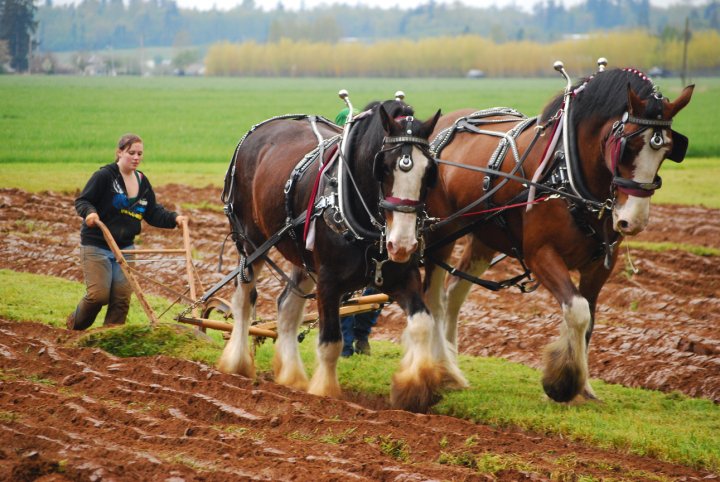
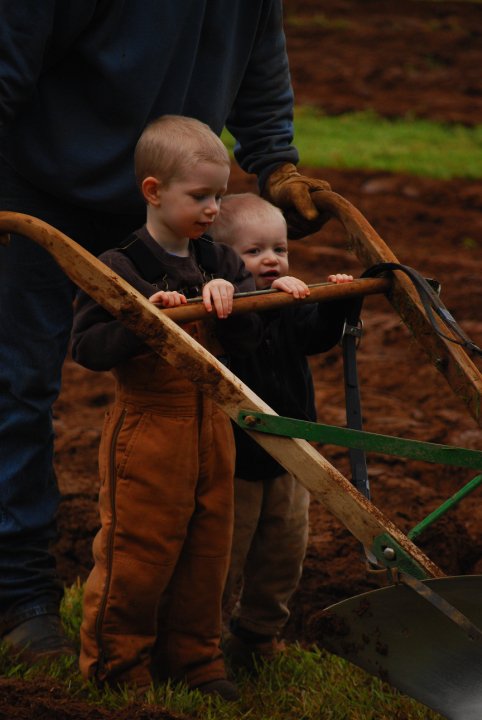
photo by Joel DeWaardphoto by Joel DeWaardphoto by Joel DeWaard
We historically have shouldered much burden in our pursuit of happiness and freedom; it’s worth every ounce of sweat, every sore muscle, every drop of blood, every tear.
We forget the weight of the plow as it turns over the earth where someday we will rest as dust.
The soil of our hearts is well-tilled, yielding to the plowshare digging deep with the pull of the harness. The furrow straight and narrow.
Although we are tread upon yet do we bloom; though we are turned upside down yet we produce bread.
Plowing brings freshness to the surface, a new face upturned to the cleansing dew, knots of worms making our simple dust fertile.
Plow deep our hearts this day of celebrating freedom in You, Dear Lord. Let us remember to worship You, and not ourselves.
May we plow, sow, grow, gather and harvest what is needed to feed your vast and hungry children everywhere.
Whatcha gonna do when the plowin’s done? Workin’ all day in the heat of the sun The game’s been caught; the bread’s been won Whatcha gonna do when the plowin’s done?
What I’m gonna do when the plowin’s done Is take some time just to have some fun Say the barn-dance just begun That’s where I’m goin’ when the plowin’s done
Whatcha gonna do when the daylight’s gone Twilight settles and the shade grows long The whippoorwill sings his favorite song Whatcha gonna do when the daylight’s gone?
What I’m gonna do when the daylight’s gone Is take you to the dance if you’ll come along The down-home past time can’t go wrong That’s what I’m doing when the daylight’s gone
Whatcha gonna do when the moonlight’s gone And dewdrops settle on the farmer’s lawn I’m gonna stay right here and dance till dawn That’s what I’m doing when the moonlight’s gone
One-Time
Monthly
Yearly
Make a one-time or recurring donation to support daily Barnstorming posts
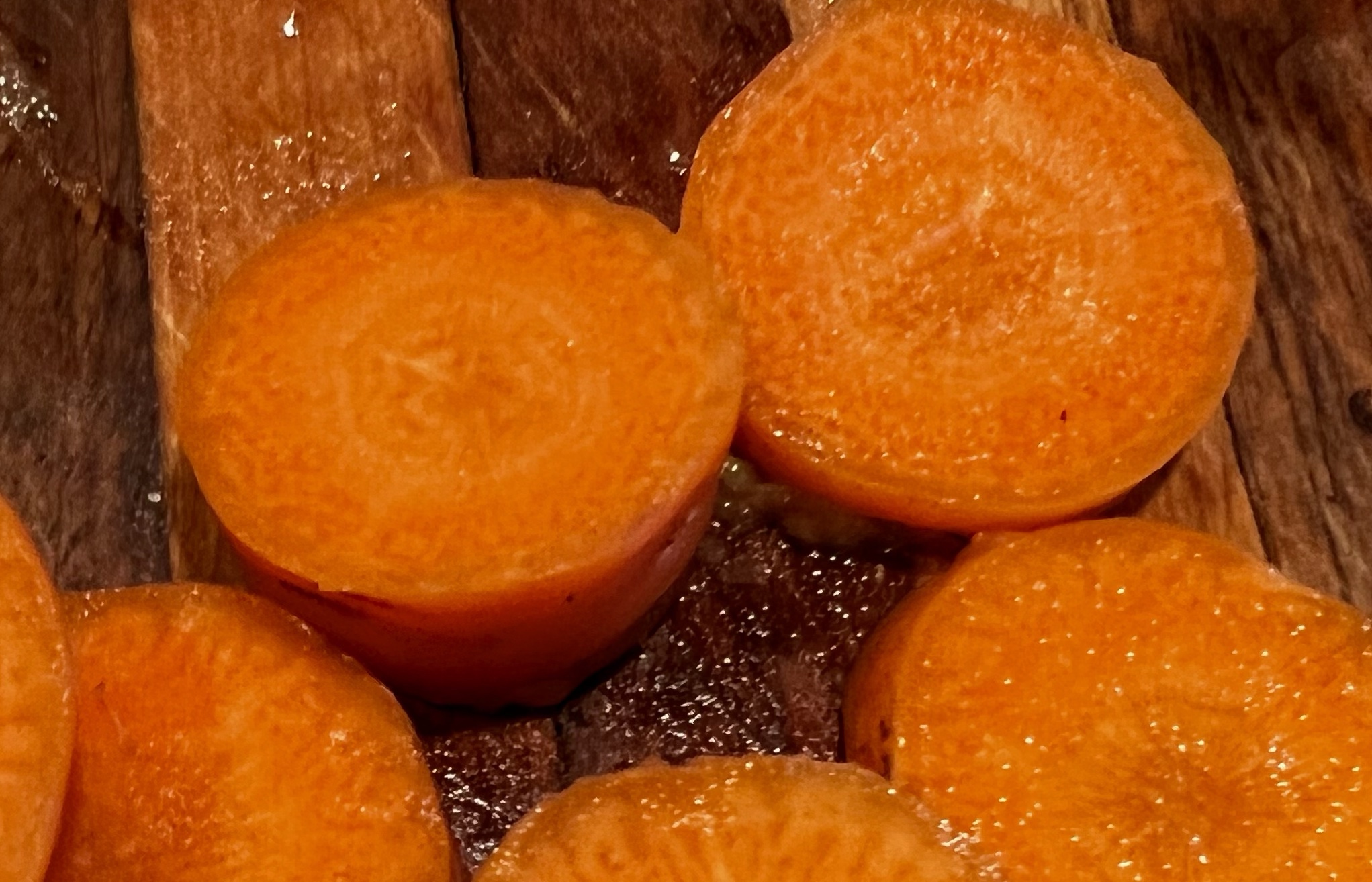
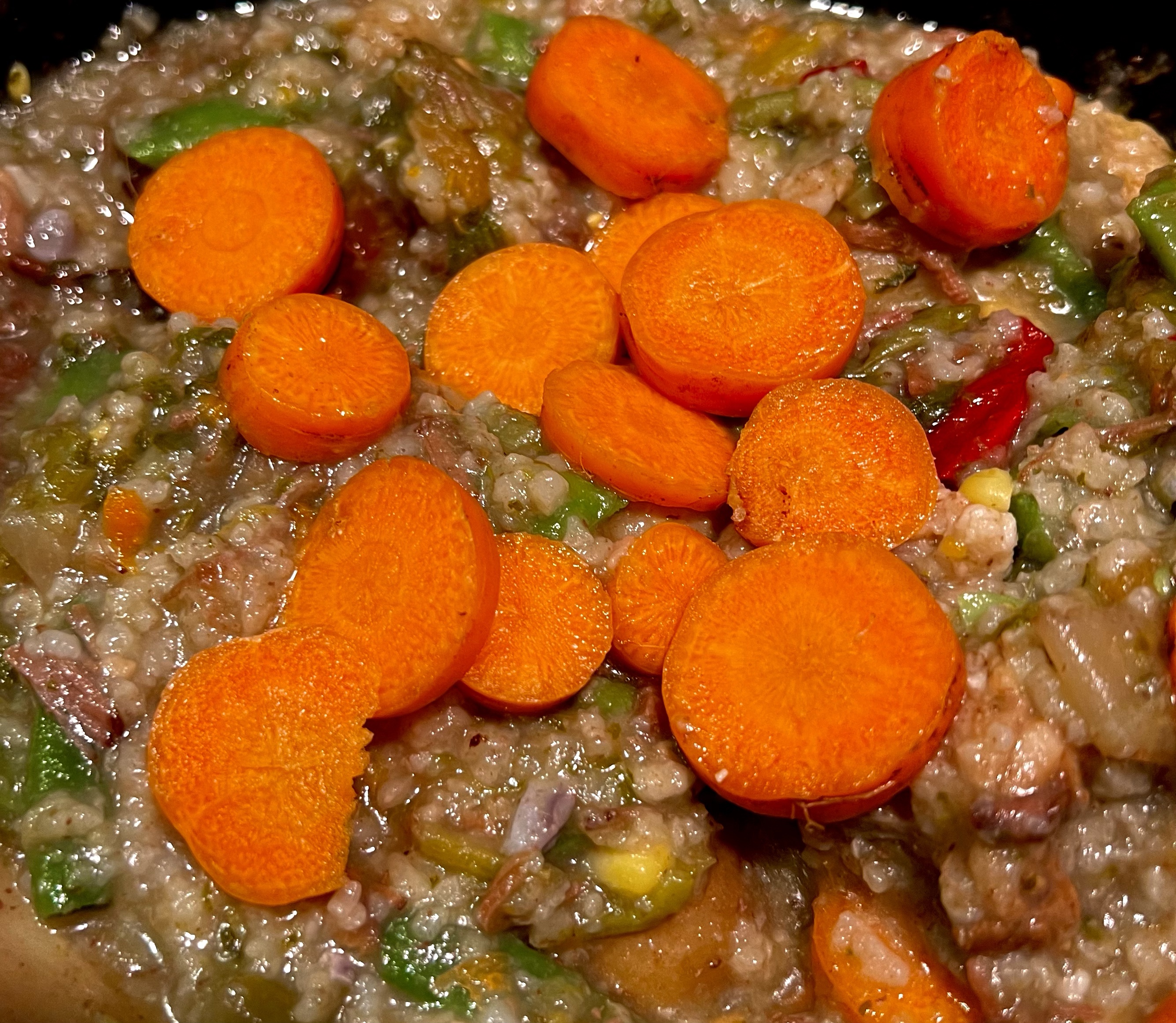
On this first day of November it is cold as a cave, the sky the color of neutral third parties. I am cutting carrots for the chicken soup. Knife against carrot again and again sends a plop of pennies into the pan. These cents, when held to the gray light, hold no noble president, only stills of some kaleidoscope caught being pensive… and beautiful, in the eye of this beholder, who did not expect this moment of marvel while making an early supper for the hungry children. ~Cindy Gregg, “Monday” from Suddenly Autumn.
I wasn’t prepared for November to begin on this chilly Monday morning.
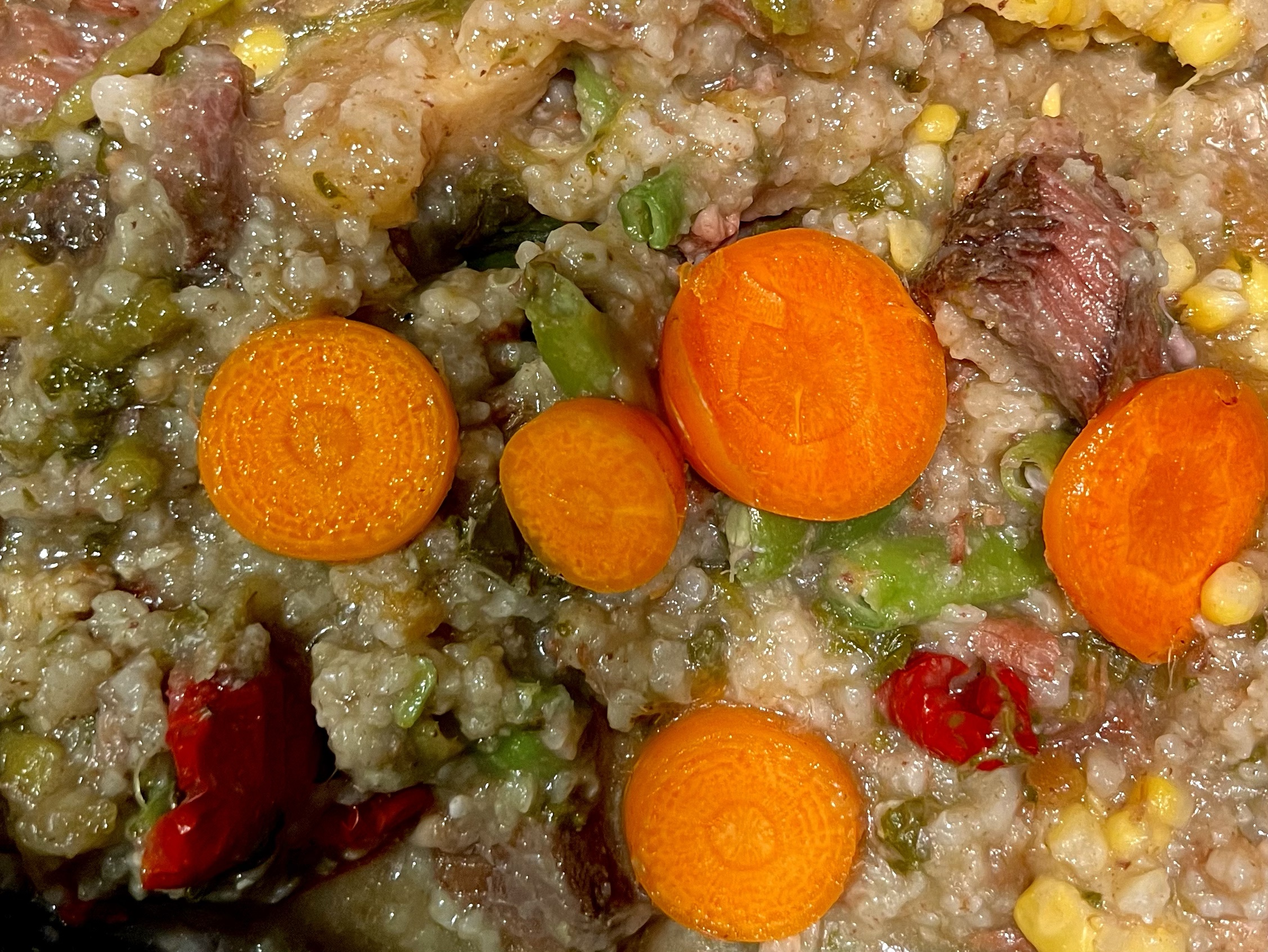
Throwing on my barn coat and boots, I pulled up some of the last carrots from the garden, cut them up, added some already harvested beans, peas and corn from the freezer, threw in some baby potatoes to make a crockpot of beef bone soup.
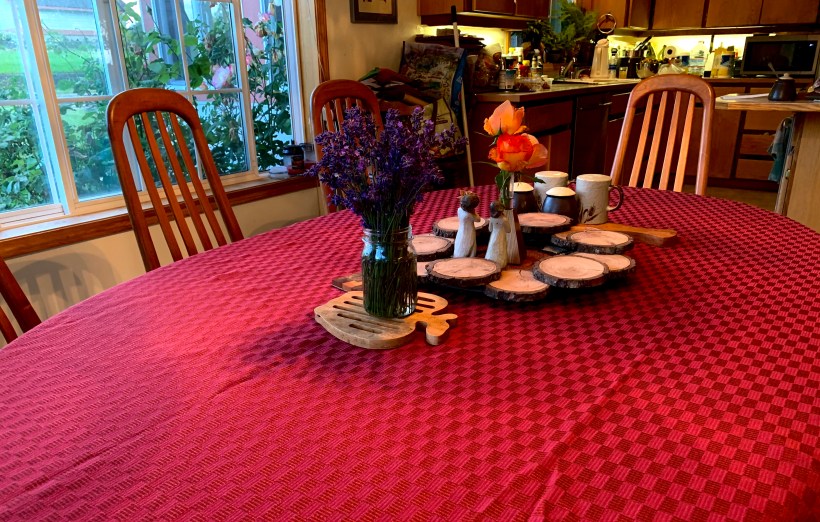
When we return home hungry from our community work tonight, we will be tired but well fed.
There is a moment of marvel in preparing a meal from one’s own garden bounty, remembering the small seeds put in the ground 6 months ago, and now washed and cut and simmering in a pot in our kitchen.
The start of November isn’t so chilly after all. We are warmed by the work done through the spring and summer, the sun and rain that grew these vegetables, and the Creator God who provides, even in the cold and dark months of the year.
We’ll make it through this first Monday of November, anticipating the marvels to come.
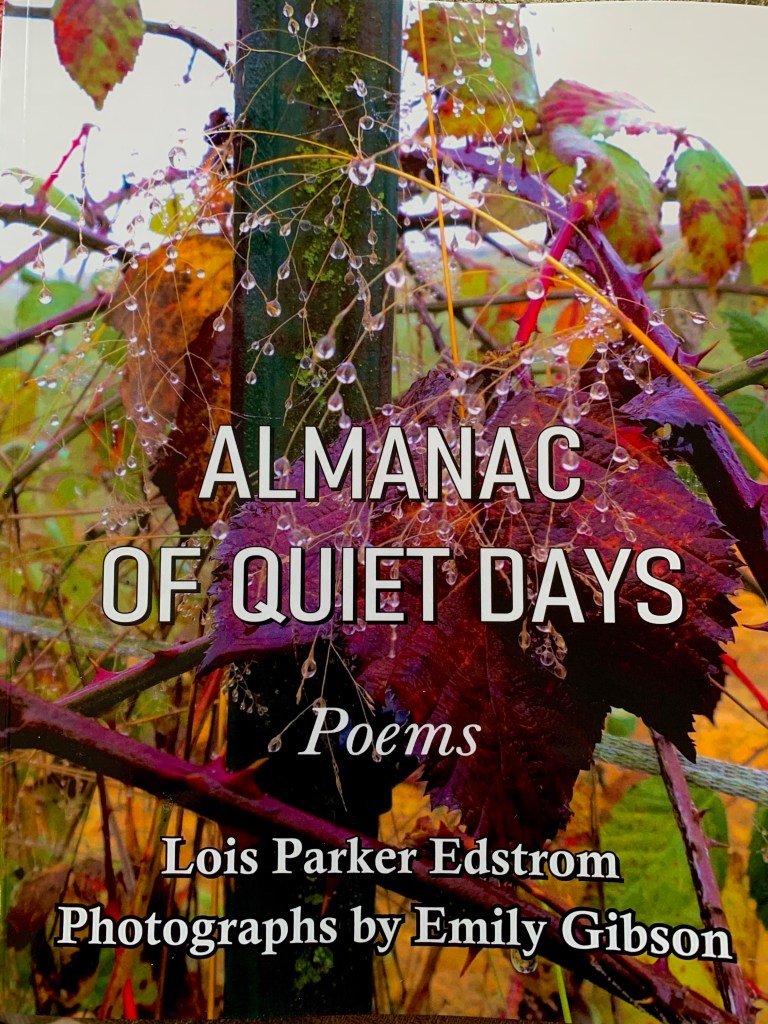
A book of beauty in words and photography, available to order here:
























 Barnstorming