Before the adults we call our children arrive with their children in tow for Thanksgiving,
we take our morning walk down the lane of oaks and hemlocks, mist a smell of rain by nightfall—underfoot,
the crunch of leathery leaves released by yesterday’s big wind.
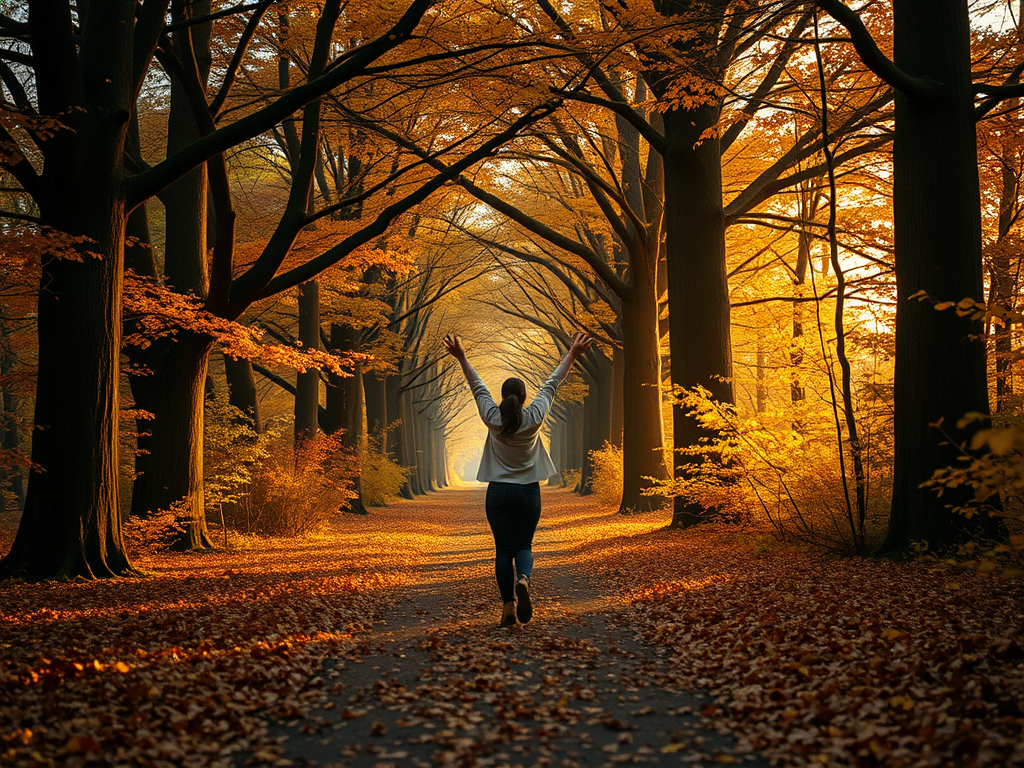
You’re ahead of me, striding into the arch of oaks that opens onto the fieldsand stone walls of the road—
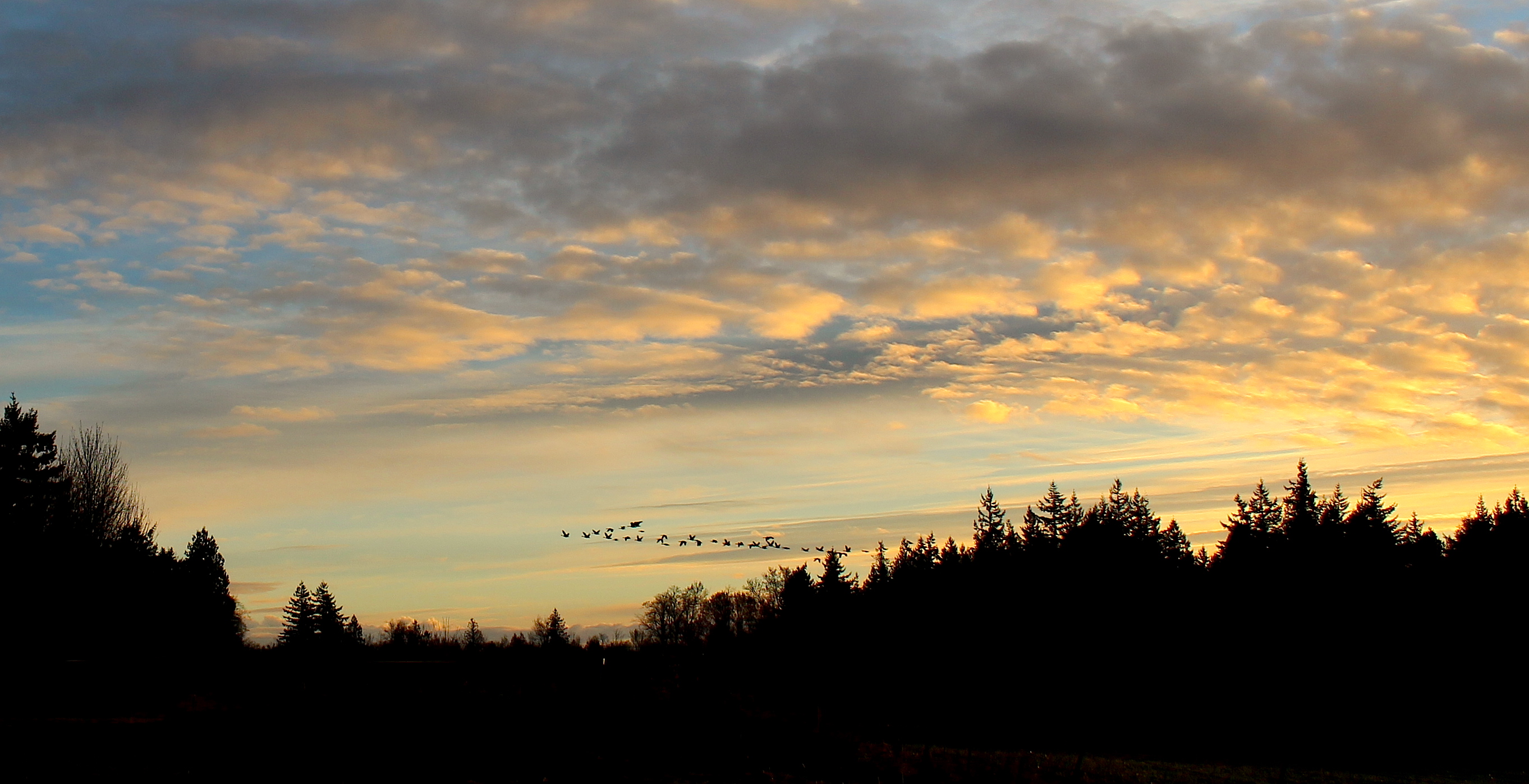
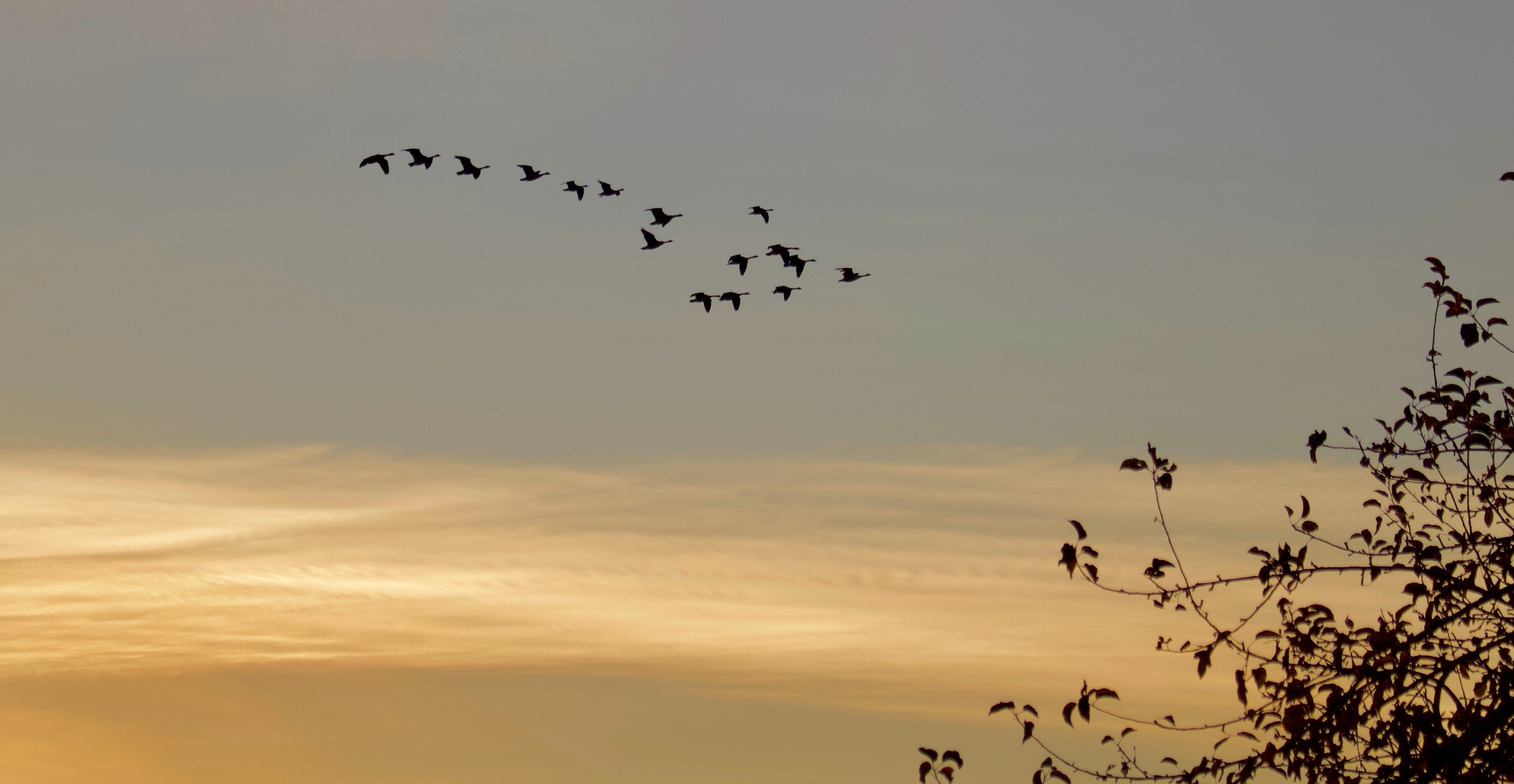
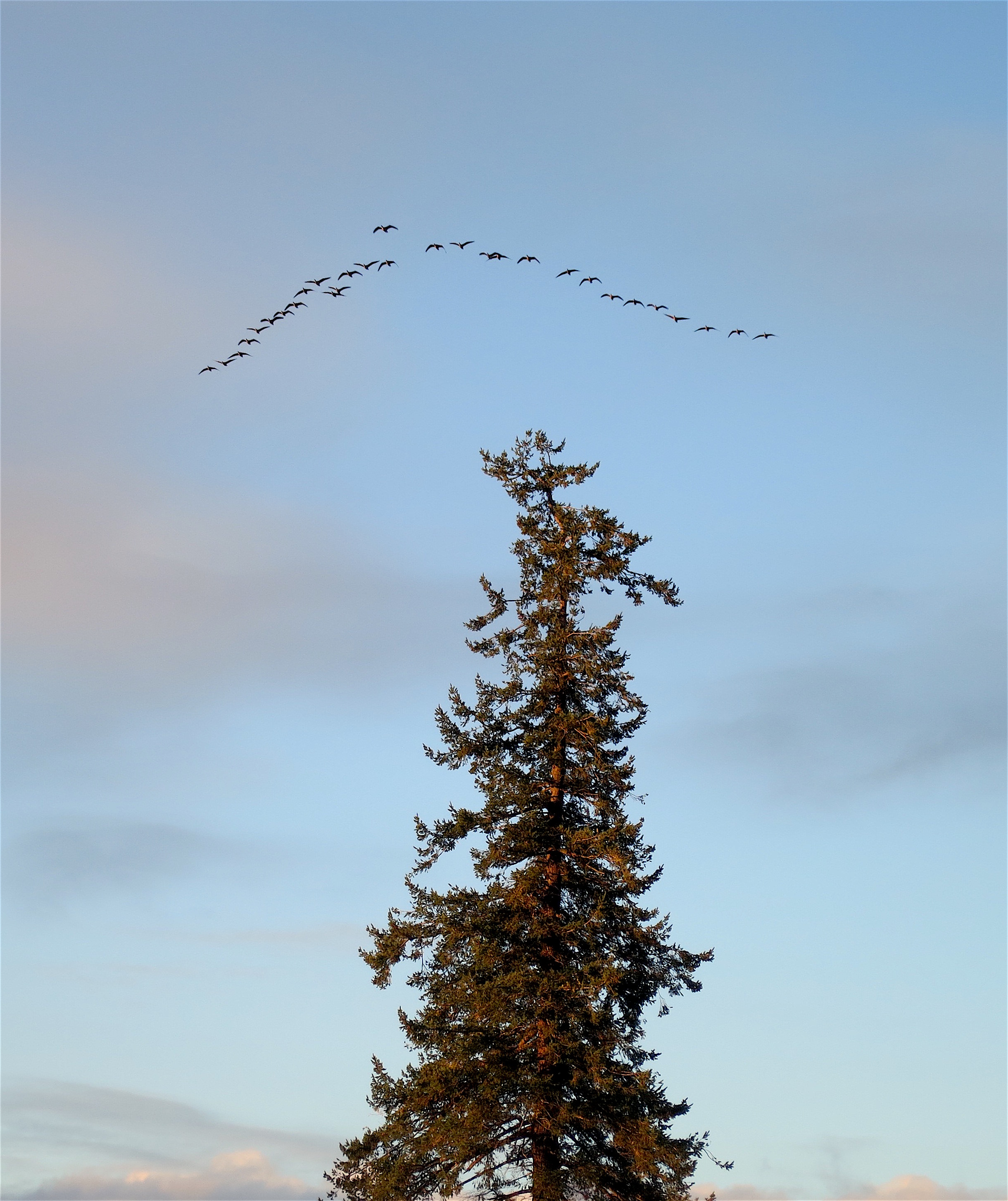
as a V of geese honk a path overhead, and you stop—
in an instant, without thought, raising your arms toward sky, your hands flapping from the wrists,
and I can read in the echo your body makes of these wild geese going where they must,
such joy, such wordless unity and delight, you are once again the child who knows by instinct, by birthright,
just to be is a blessing. In a fictional present, I write the moment down. You embodied it. ~Margaret Gibson “Moment”
I got out of bed on two strong legs. It might have been otherwise. I ate cereal, sweet milk, ripe, flawless peach. It might have been otherwise. I took the dog uphill to the birch wood. All morning I did the work I love. At noon I lay down with my mate. It might have been otherwise. We ate dinner together at a table with silver candlesticks. It might have been otherwise. I slept in a bed in a room with paintings on the walls, and planned another day just like this day. But one day, I know, it will be otherwise. ~Jane Kenyon “Otherwise”
We can become complacent in our routines, confident in the knowledge that tomorrow will be very much like yesterday. The small distinct blessings of an ordinary day become lost in the rush of moving forward to the next experience, the next task, the next responsibility.
The reality is – this is an ordinary day –just to be is a blessing – it could be otherwise and some day it will be otherwise.
I look around longingly at the blessings of my life that I don’t even realize, all you who I treasure for reading my words, knowing that one day, it will be otherwise.
I dwell richly in the experience of these moments, these peaches and cream of daily life, as they are happening.
So much to be grateful for, including you…
Off in another city, or maybe a clean quiet town with brick homes and front yards of rhododendrons, bloomless azaleas, you are doing something today. Are you a cook? Is it you who’s involved in peeling, slicing, stuffing, baking? Or maybe you are with a book, or a child is playing at your feet.
I am here, playing with words, my heart filled with something you could call thankfulness, but which is much wider than that. Something which says, you didn’t need to make room for this— the onions, the beets, the linen closet, the river and the copper Palisades. Your life was full without my words, but you’ve held me in a space out back, near the red tree, and I am like a flute set amidst the leaves, singing when the wind moves through. ~L.L. Barkat “A Poet’s Thanks”
AI image created for this post
One-Time
Monthly
Yearly
Make a one-time or recurring donation to support daily Barnstorming posts
I wanted a horse. This was long after we sold the work horses, and I was feeling
restless on the farm. I got up early to help my father milk the cows, talking
a blue streak about TV cowboys he never had time to see and trying to
convince him that a horse wouldn’t cost so much and that I’d do all the work.
He listened while he leaned his head against the flank of a Holstein, pulling
the last line of warm milk into the stainless bucket. He kept listening
while the milk-machine pumped like an engine, and the black and silver cups fell off and
dangled down, clanging like bells when he stepped away, balancing the heavy milker
against the vacuum hose and the leather belt. I knew he didn’t want the trouble
of a horse, but I also knew there was nothing else I wanted the way I wanted a horse—
another way of saying I wanted to ride into the sunset and (maybe)
never come back—I think he knew that too. We’ll see, he said, we’ll see what we can do. Joyce Sutphen – “What Every Girl Wants”
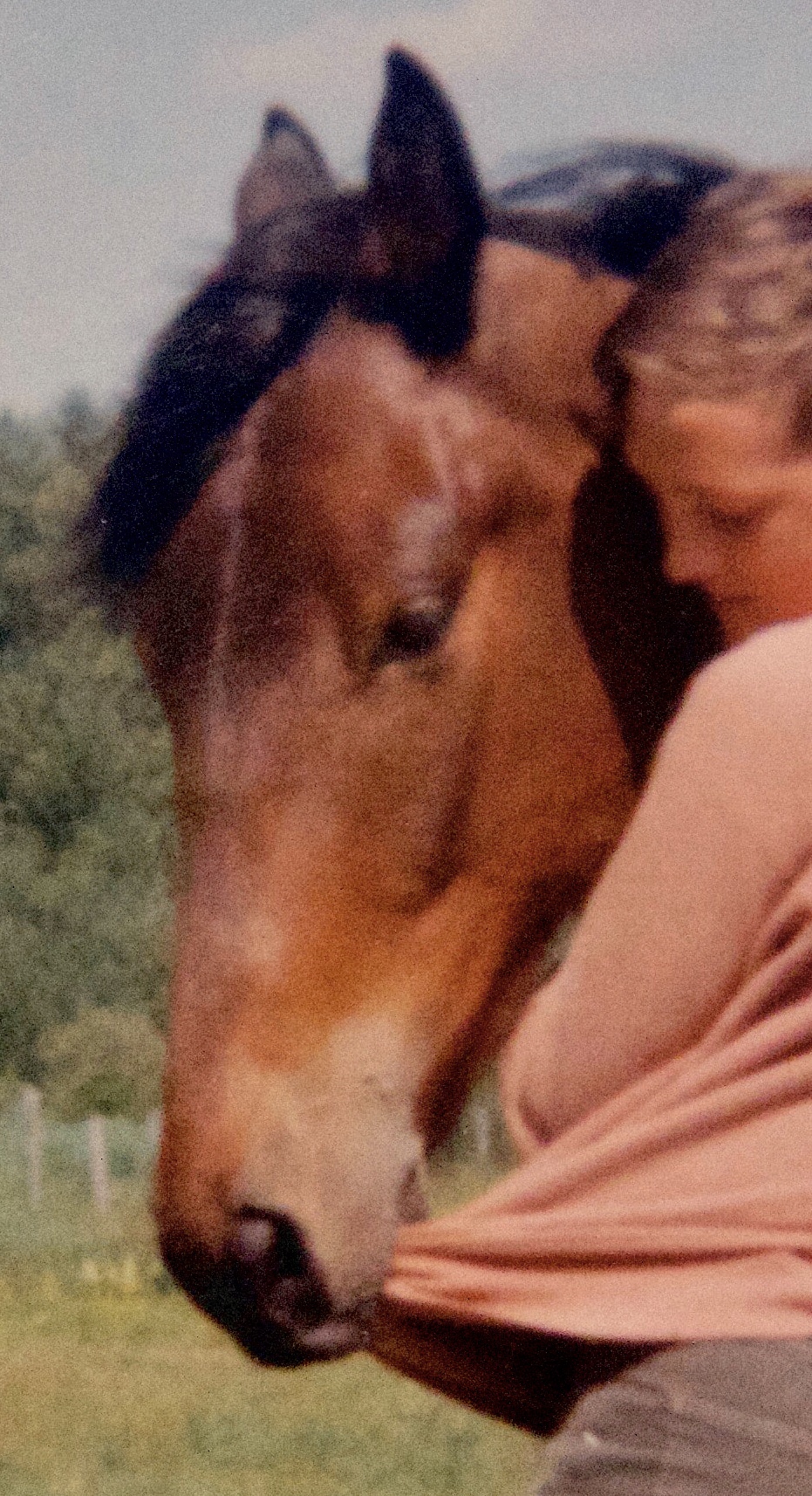
I once was a skinny freckled eleven year old girl who wanted nothing more than to have her own horse. Every inch of my bedroom wall had posters of horses, all my shelves were filled with horse books and horse figurines and my bed was piled with stuffed horses.
I suffered an extremely serious case of horse fever.
I had learned to ride my big sister’s horse while my sister was off to college, but the little mare had pushed down a hot wire to get into a field of spring oats which resulted in a terrible case of colic and had to be put down. I was inconsolable until I set my mind to buy another horse. We had only a small shed, not a real barn, and no actual fences other than the electric hot wire. Though I was earning money as best I could picking berries and babysitting, I was a long way away from the $150 it would take to buy a trained horse back in 1965.
I pestered my father about my dreams of another horse, and since he was the one to dig the hole for my sister’s horse to be buried, he was not enthusiastic. “We’ll see,” he said. “We will see what we can do.”
So I dreamed my horsey dreams, mostly about golden horses with long white manes, hoping one day those dreams might come true.
In fall 1965, the local radio station KGY’s Saturday morning horse news program announced their “Win a Horse” contest. I knew I had to try. The prize was a weanling bay colt, part Appaloosa, part Thoroughbred, and the contest was only open to youth ages 9 to 16 years old. All I had to do was write a 250 word or less essay on “Why I Should Have a Horse”.
I worked and worked on my essay, crafting the right words and putting all my heart into it, hoping the judges would see me as a worthy potential owner. My parents took me to visit the five month old colt named “Prankster”, a fuzzy engaging little fellow who was getting plenty of attention from all the children coming to visit him, and that visit made me even more determined.
When I read these words now, I realize there is nothing quite like the passion of an eleven year old girl:
“Why I Should Have a Horse”
When God created the horse, He made one of the best creatures in the world. Horses are a part of me. I love them and want to win Prankster for the reasons which follow:
To begin with, I’m young enough to have the time to spend with the colt. My older sister had a horse when she was in high school and her school activities kept her too busy to really enjoy the horse. I’ll have time to give Prankster the love and training needed.
Another reason is that I’m shy. When I was younger I found it hard to talk to anybody except my family. When my sister got the horse I soon became a more friendly person. When her horse recently died (about when Prankster was born), I became very sad. If I could win that colt, I couldn’t begin to describe my happiness.
Also I believe I should have a horse because it would be a good experience to learn how to be patient and responsible while teaching Prankster the same thing.
When we went to see Prankster, I was invited into the stall to brush him. I was never so thrilled in my life! The way he stood there so majestically, it told me he would be a wonderful horse.
If I should win him, I would be the happiest girl alive. I would work hard to train him with love and understanding. If I could only get the wonderful smell and joy of horses back in our barn!
I mailed in my essay and waited.
Fifty nine years ago on this day, November 27, 1965, my mother and I listened to the local horse program that was always featured on the radio at 8 AM on Saturday mornings. They said they had over 300 essays to choose from, and it was very difficult for them to decide who the colt should go to. I knew then I didn’t have a chance. They had several consolation prizes for 2nd through 4th place, so they read several clever poems and heartfelt essays, all written by teenagers. My heart was sinking by the minute.
The winning essay was next. The first sentence sounded very familiar to me, but it wasn’t until several sentences later that we realized they were reading my essay, not someone else’s. My mom was speechless, trying to absorb the hazards of her little girl owning a young untrained horse.
I woke up my dad, who was sick in bed with an early season flu bug. He opened one eye, looked at me, and said, “I guess I better get a fence up today, right?” Somehow, fueled by the excitement of a daughter whose one wish had just come true, he pulled himself together and put up a wood corral that afternoon, despite feeling so miserable.
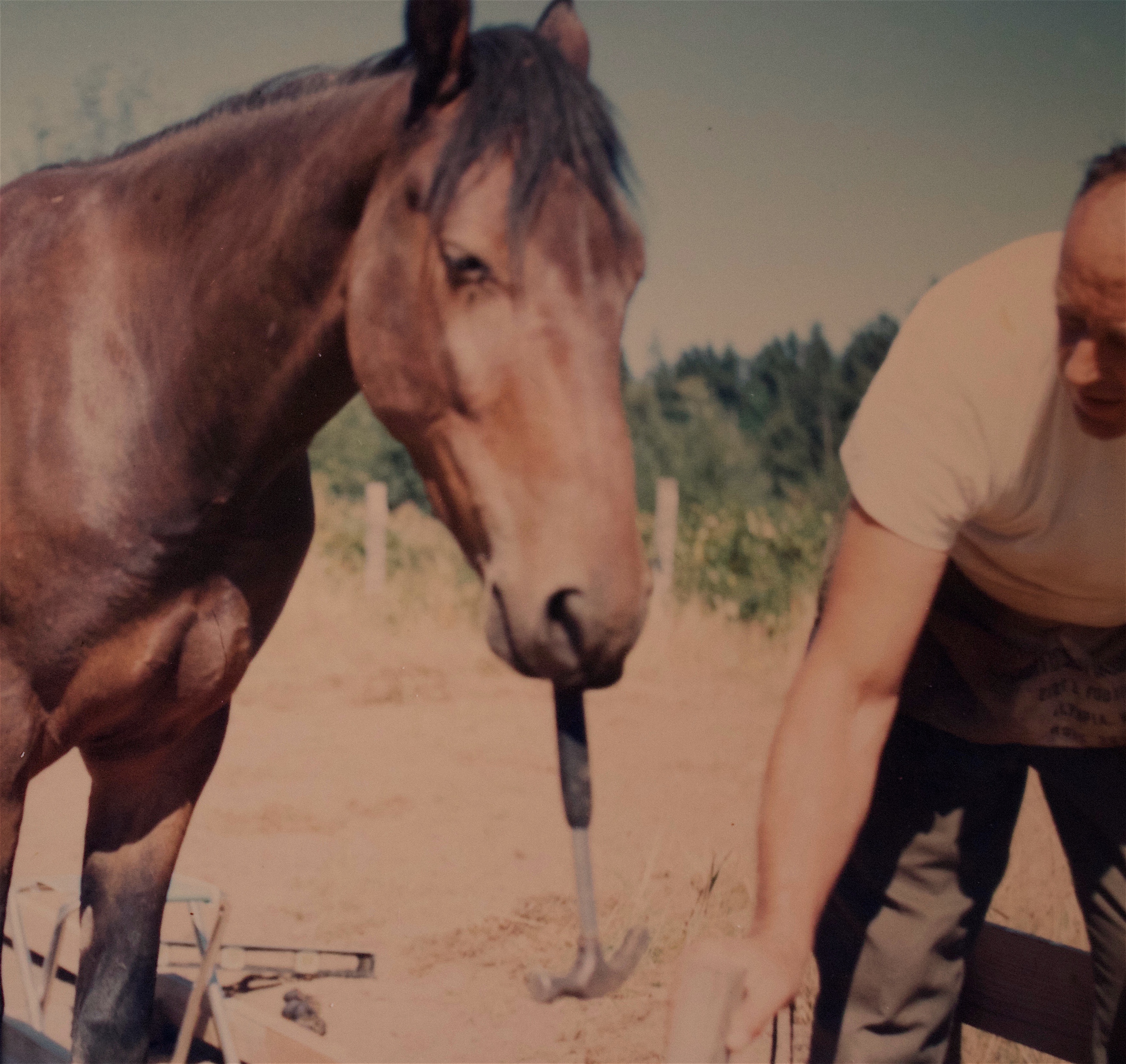
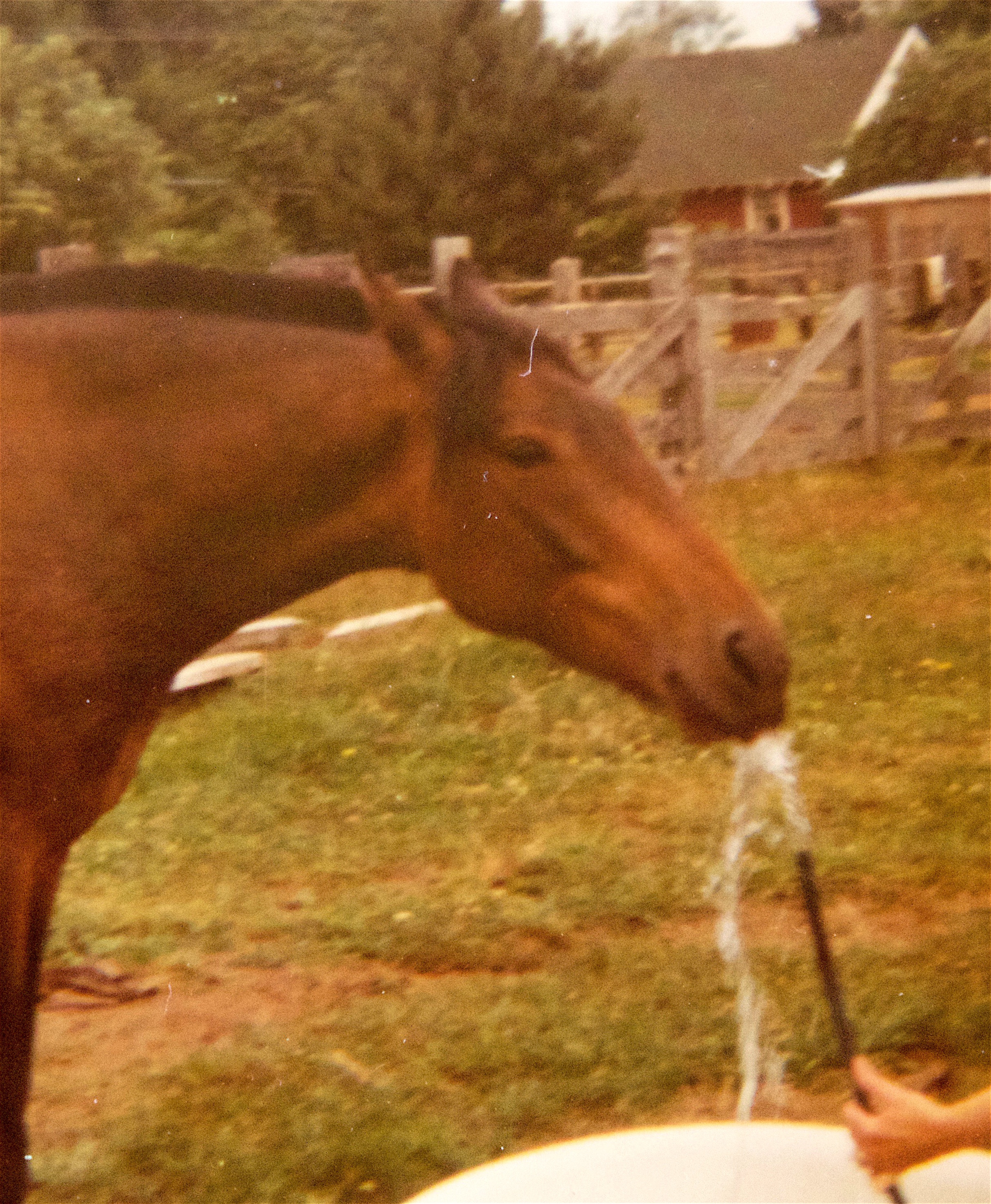
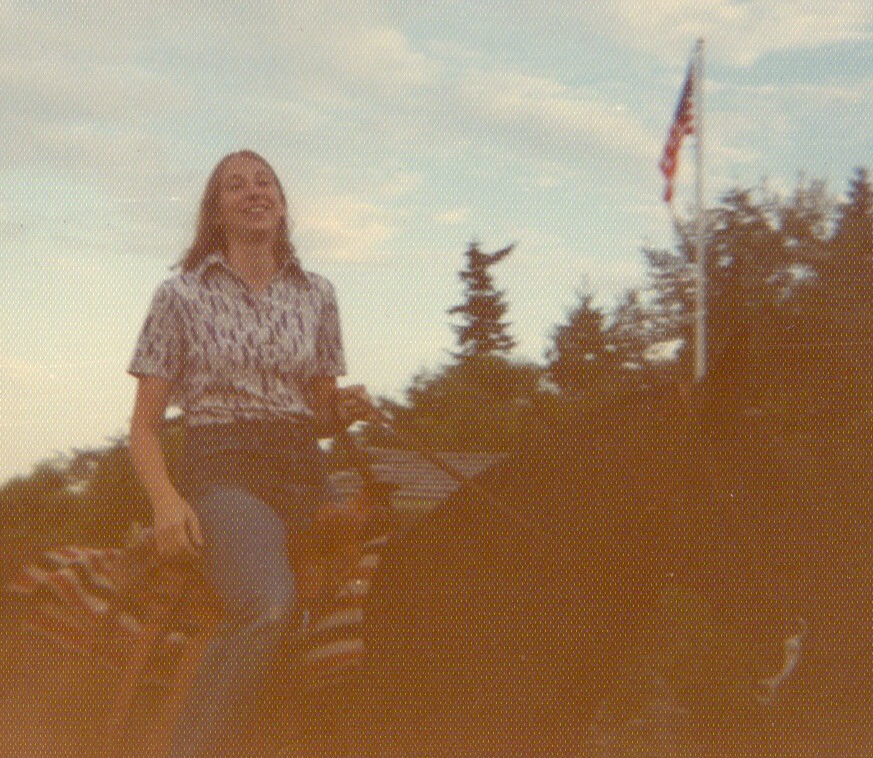
That little bay colt came home to live with me the next day. Over the next few months he and I did learn together, as I checked out horse training books from the library, and joined a 4H group with helpful leaders to guide me. I made plenty of mistakes along the way, learning from each one, including those that left behind scars I still bear.
Prankster was a typical adolescent gelding who lived up to his name — full of mischief with a sense of humor and a penchant for finding trouble, but he was mine and that was all that mattered.
…that and a dad who saw what he needed to do for his passionate kid. I’ll never forget how he showed his love for me by doing what was needed in that moment.
AI image created for this post
One-Time
Monthly
Yearly
Make a one-time or recurring donation to support daily Barnstorming posts
There was an entire aspect to my life that I had been blind to — the small, good things that came in abundance. ~Mary Karr from The Art of Memoir
We can only be said to be alive in those moments when our hearts are conscious of our treasures. ~Thornton Wilder, quotes from “Our Town”
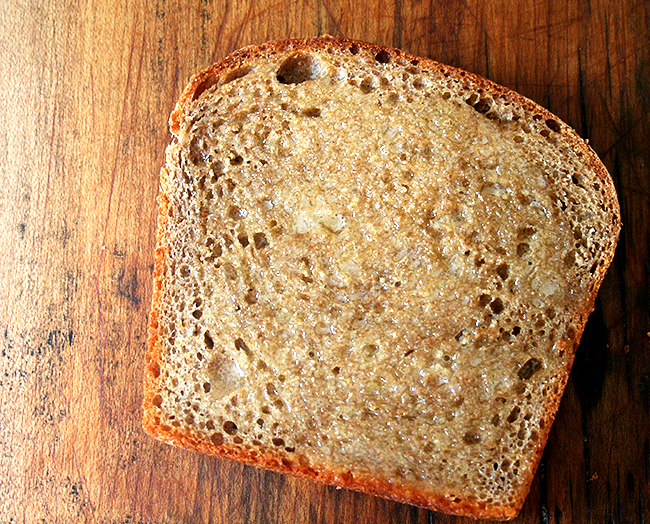
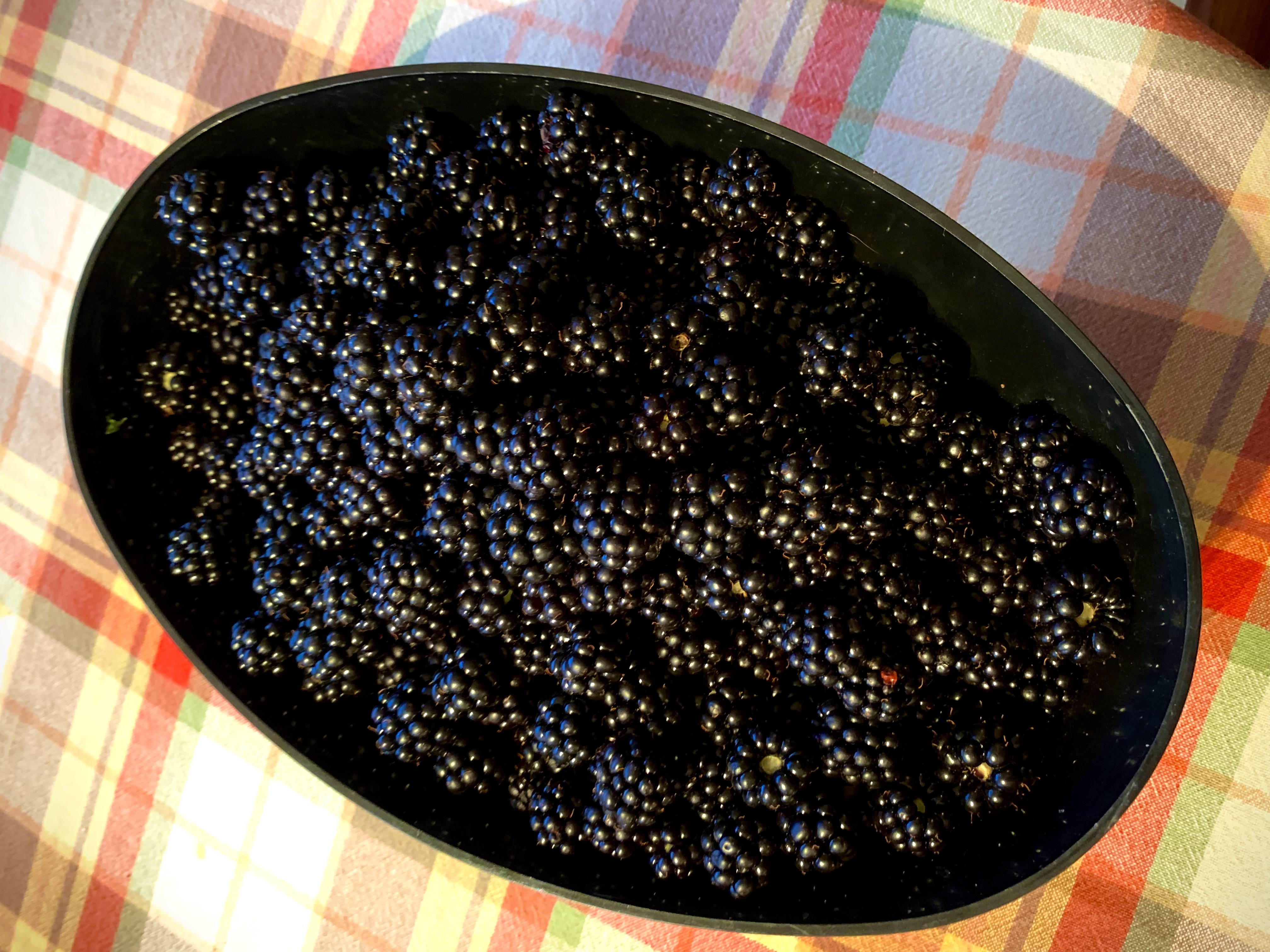
The smell of baking bread, smooth floured hands, butter waiting to be spread with blackberry jam, and I realize, this is no small thing. These days spent confined, I am drawn to life’s ordinary details, the largeness of all we can do alongside what we cannot. The list of allowances far outweighs my complaints. I am fortunate to have flour and yeast, a source of heat, not to mention soft butter, the tartness of blackberries harvested on a cold back road. A kitchen, a home, two working hands to stir and knead, a clear enough head to gather it all. Even the big toothy knife feels miraculous as it grabs hold and cracks the crust. ~Ellen Rowland “No Small Thing”
The words from “Our Town” written over 80 years ago still ring true: our country a Great Depression of the economy then – now we stagger under a Great Depression of the spirit.
Despite being more connected electronically, we are actually more divisive than ever, many feeling estranged from family, friends, faith.
Some less economically secure, yet many emotionally bankrupt.
May we be more conscious of our abundance – our small daily treasures.
God knows we need Him. He cares for us, even when we turn our faces away from Him.
I search the soil of this life, this farm, this faith to find what still yearns to grow, to bloom, to fruit, to be harvested to share with others.
My deep gratitude goes to you who visit here once in awhile, or daily. Thank you to those who let me know the small and the good I share with you makes a difference.
I’m right here, alongside you in joint Thanksgiving to our Creator and Preserver.
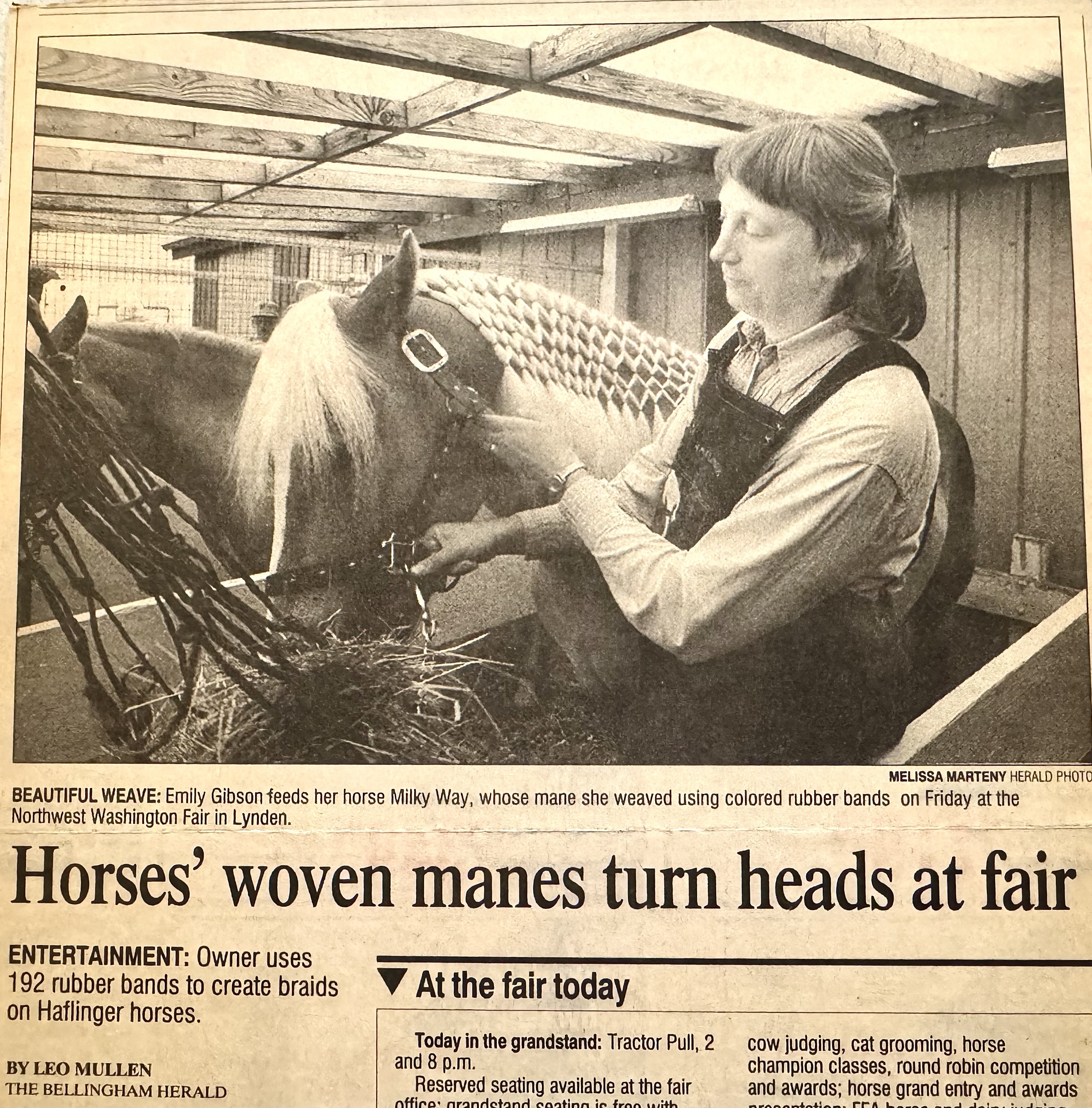
Many blessings today and always, Emily
Let it go my love my truest Let it sail on silver wings Life’s a twinkling and that’s for certain But it’s such a fine thing
CHORUS:There’s a gathering of spirits There’s a festival of friends And we’ll take up where we left off When we all meet again
I can’t explain it I couldn’t if I tried How the only things we carry Are the things we hold inside
Like a day in the open Like the love we won’t forget Like the laughter that we started And it hasn’t died down yet
Oh let it go my love my truest Let it sail on silver wings Life’s a twinkling and that’s for certain But it’s such a fine thing
Oh yeah now didn’t we And don’t we make it shine Aren’t we standing in the center of Something rare and fine
Some glow like embers Like a light through colored glass Some give it all in one great flame
Throwing kisses as they pass
So let it go my love my truest Let it sail on silver wings Life’s a twinkling and that’s for certain But it’s such a fine thing
East of eden But there’s heaven in our midst And we’re never really all that far From those we love and miss Wade out in the water There’s a glory all around And the wisest say there’s a thousand ways To kneel and kiss the ground
Oh let it go my love my truest Let it sail on silver wings Life’s a twinkling and that’s for certain But it’s such a fine thing
One-Time
Monthly
Yearly
Make a one-time or recurring donation to support daily Barnstorming posts
A dim veil hangs over the landscape and flood, And the hills are all mellowed in haze, While Fall, creeping on like a monk ‘neath his hood, Plucks the thick-rustling wealth of the maize.
And long for this manna that springs from the sod Shall we gratefully give Him the praise, The source of all bounty, our Father and God, Who sent us from heaven the maize! ~William Fosdick “The Maize”
Come, boys, sing!— Sing of the yellow corn, Sing, boys, sing, Sing of the yellow corn! He springeth up from the fallow soil, With the blade so green and tall, And he payeth well the reaper’s toil, When the husks in the autumn fall. The pointed leaves, And the golden ear, The rustling sheaves, In the ripened year— Sing, boys, sing! Sing of the yellow corn, Sing, boys, sing, Sing of the yellow corn.
He drinks the rain in the summer long, And he loves the streams that run, And he sends the stalk so stout and strong, To bask in the summer sun. The pointed leaves, And the golden ear, The rustling sheaves, In the ripened year— Sing, boys, sing! Sing of the yellow corn, Sing, boys, sing, Sing of the yellow corn.
He loves the dews of the starry night, And the breathing wind that plays With his tassels green, when the mellow light Of the moon on the meadow stays. The pointed leaves, And the golden ear, The rustling sheaves, In the ripened year— Sing, boys, sing! Sing of the yellow corn, Sing, boys, sing, Sing of the yellow corn.
A glorious thing is the yellow corn, With the blade so green and tall, A blessed thing is the yellow corn, When the husks in the autumn fall. Then, sing, boys, sing! Sing of the yellow corn, Sing, boys, sing, Sing of the yellow corn! The pointed leaves, And the golden ear, The rustling sheaves, In the ripened year— Come, sing, boys, sing! Sing of the yellow corn, Sing, boys, sing, Sing of the yellow corn. ~Charles Eastman “The Yellow Corn”
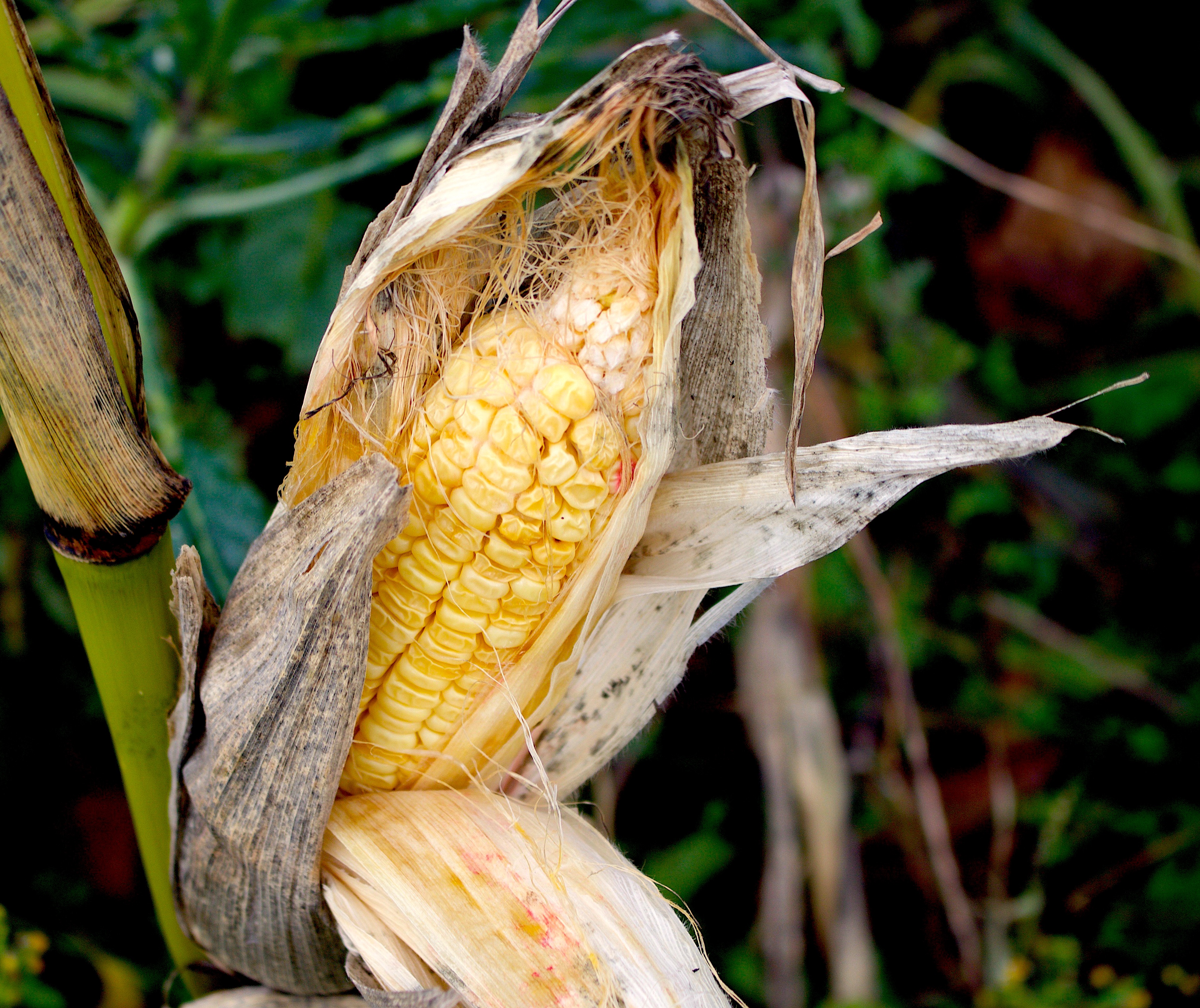
The dying autumn garden can feel like a treasure hunt as we pull out and sort through the dead and dying vines and stalks: a giant zucchini growing undetected under leaves, a rotting pumpkin collapsing into itself, fat hollowed beans ready to burst with seed.
Everything is dry and rustling in the north winds.
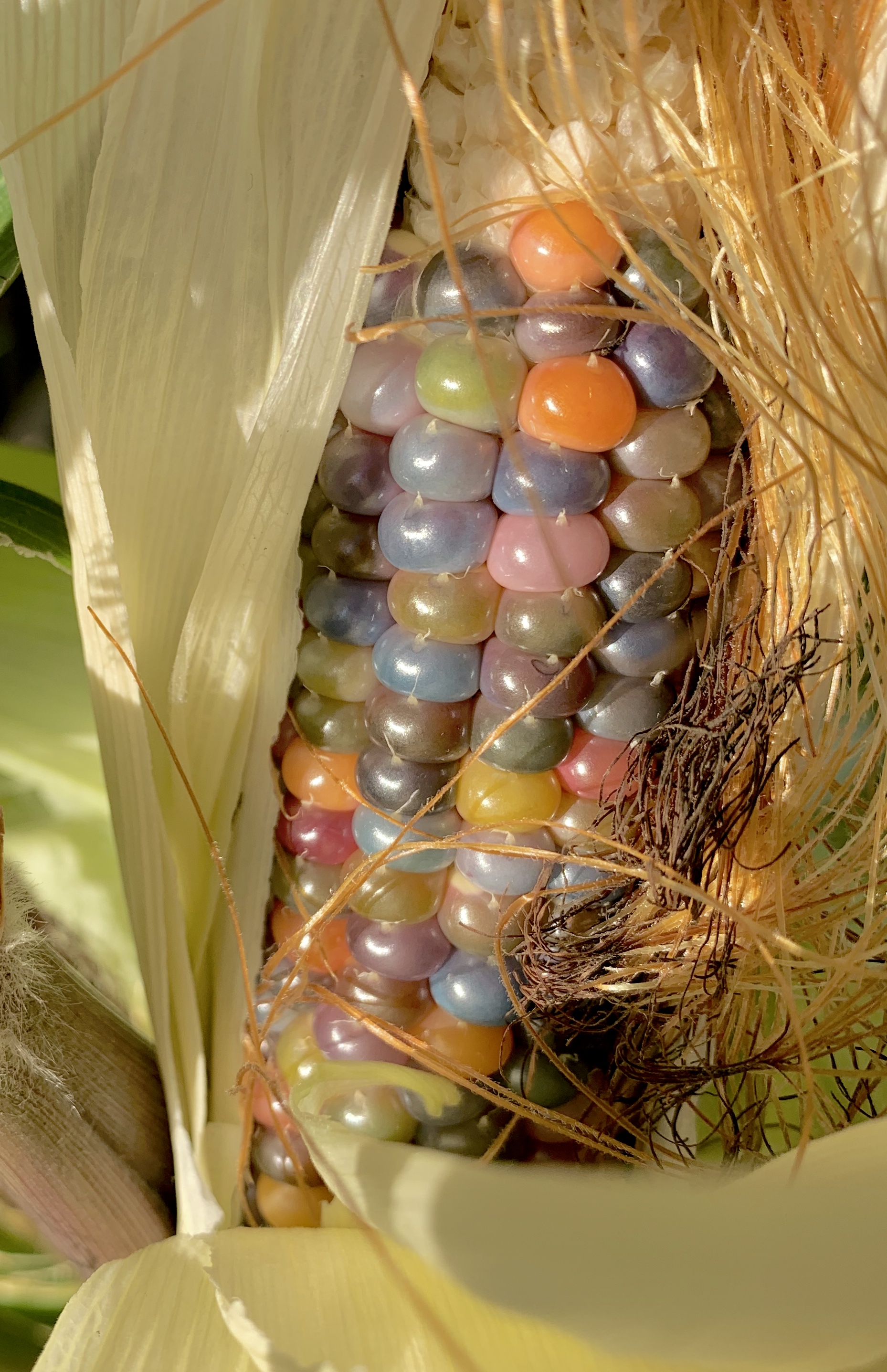
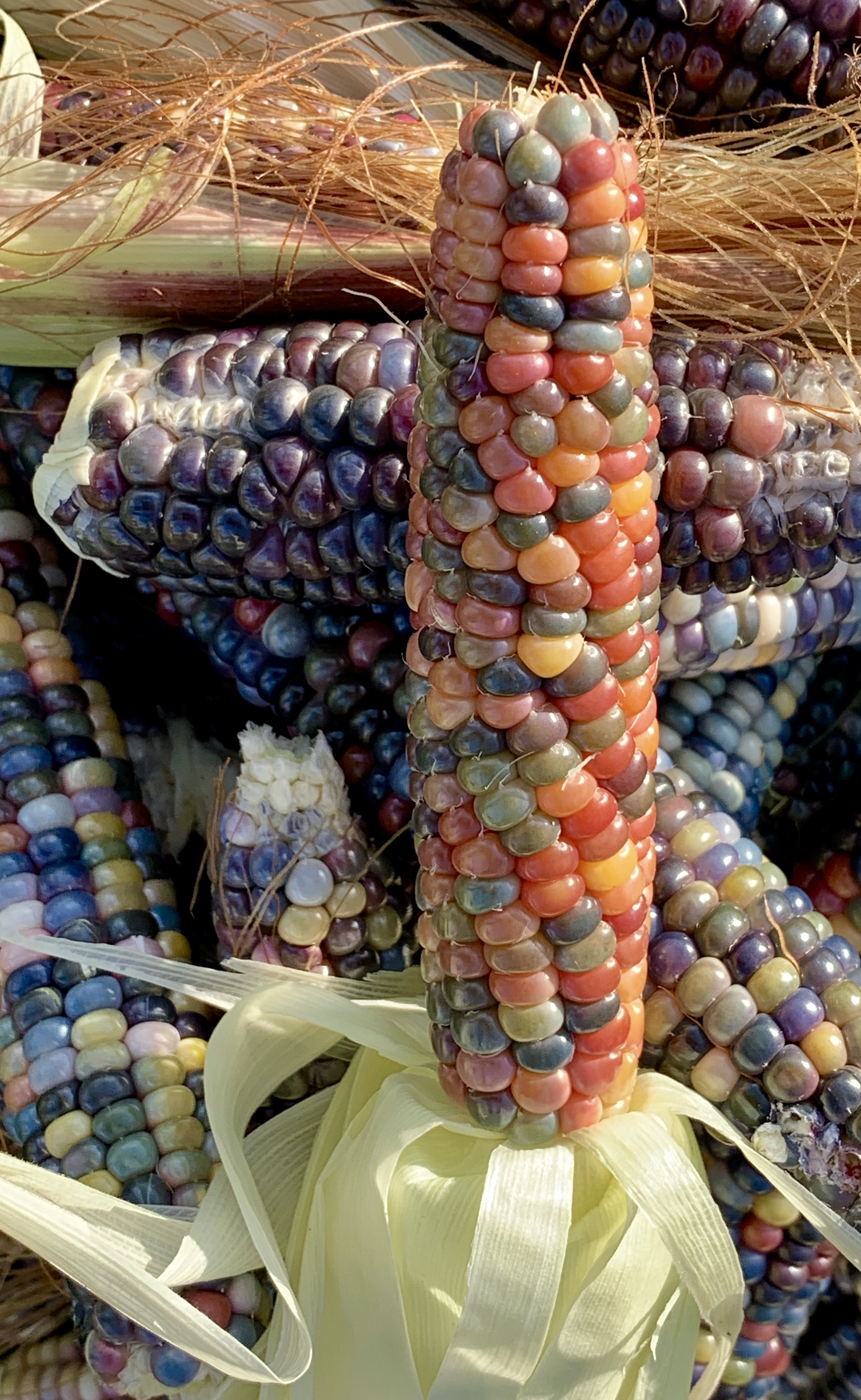
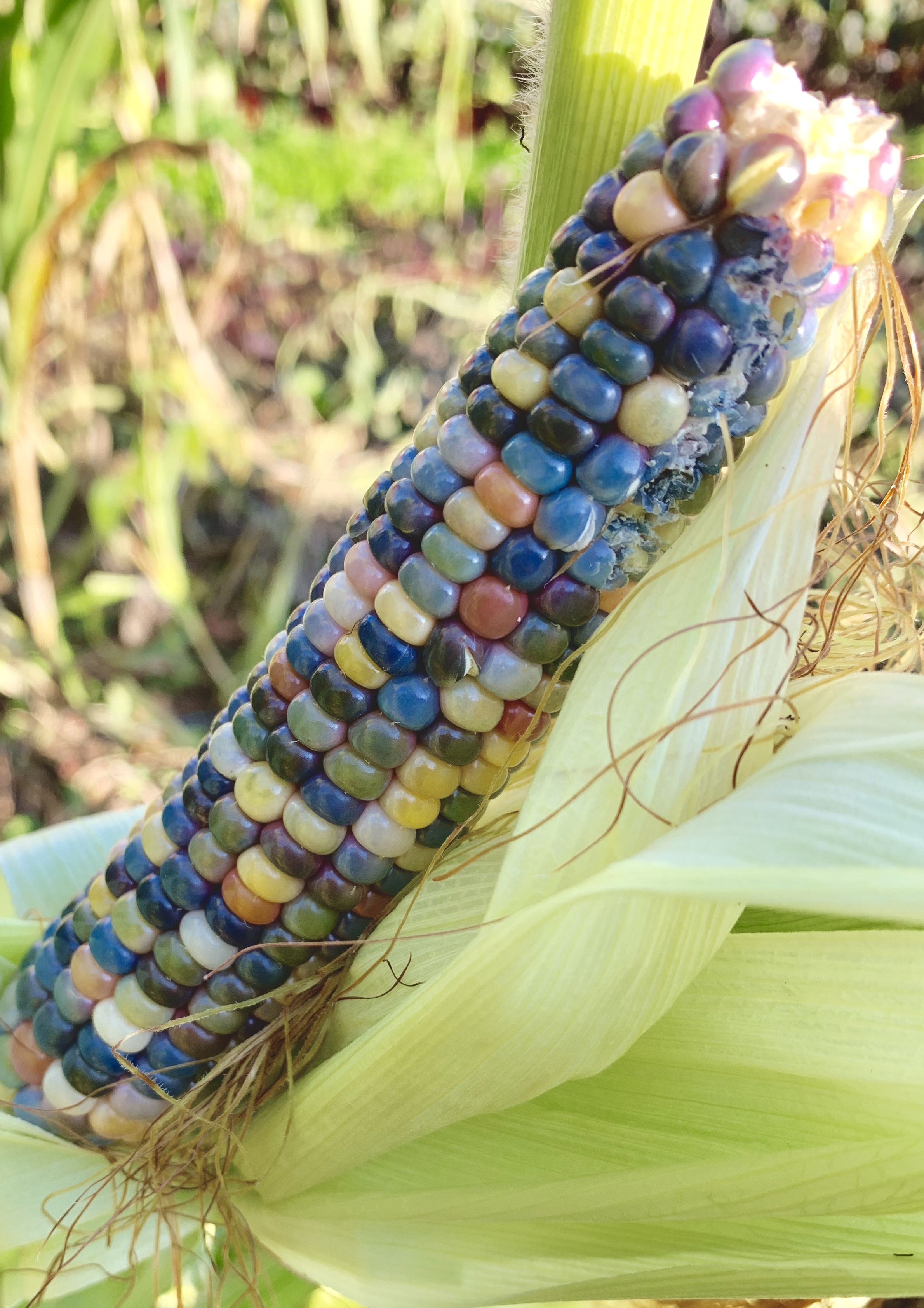
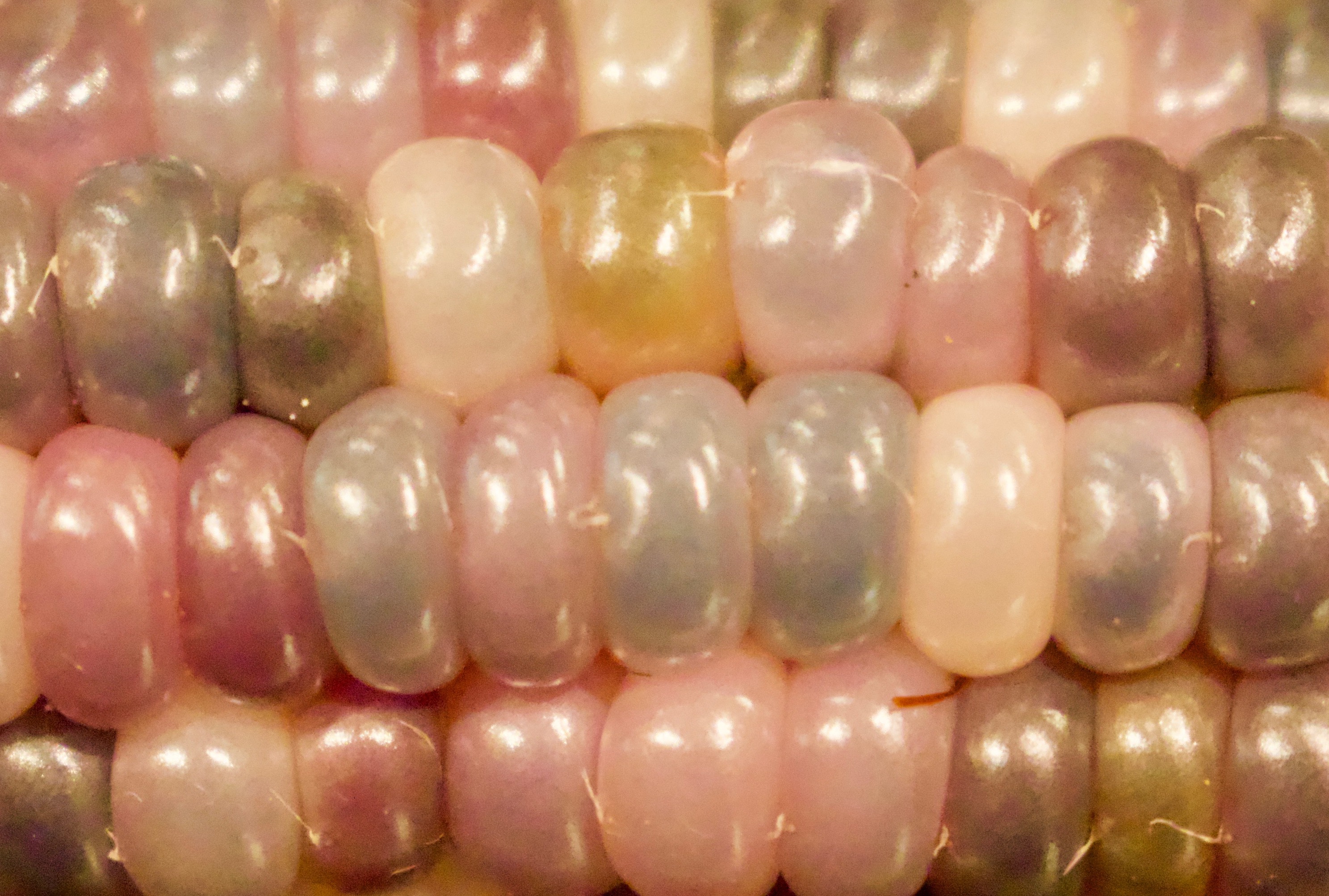
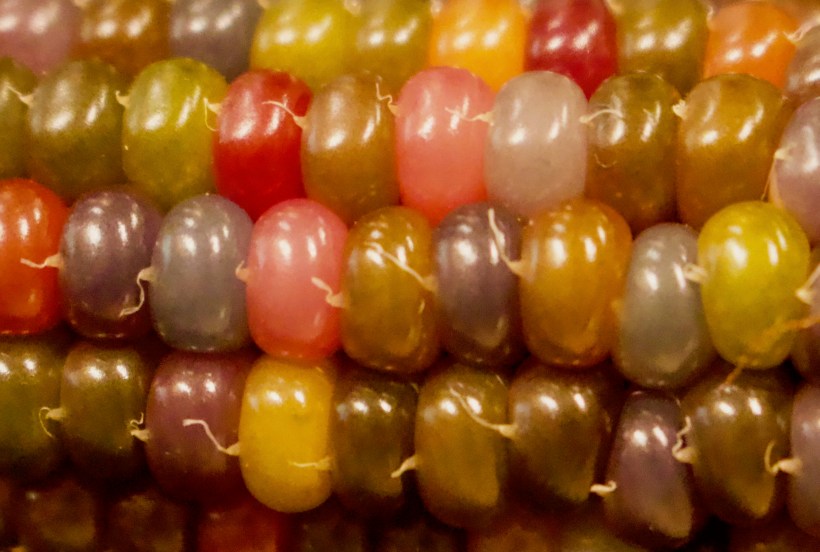
The greatest Easter Egg of all hidden away in husk and cornsilk is glass gem corn. It grew on stunted stalks with few apparent ears, so pitiful next to our robust sweet corn crop.
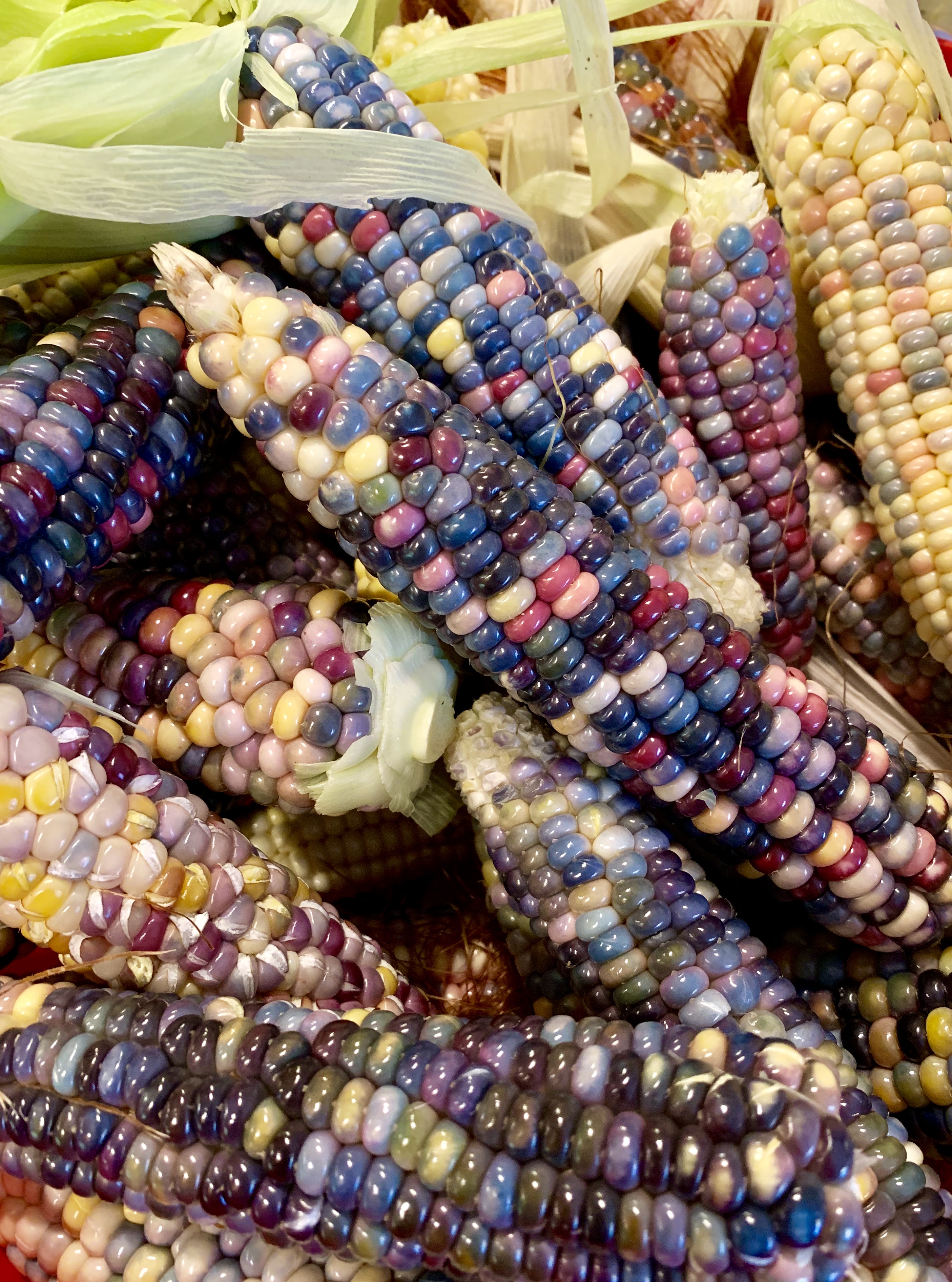
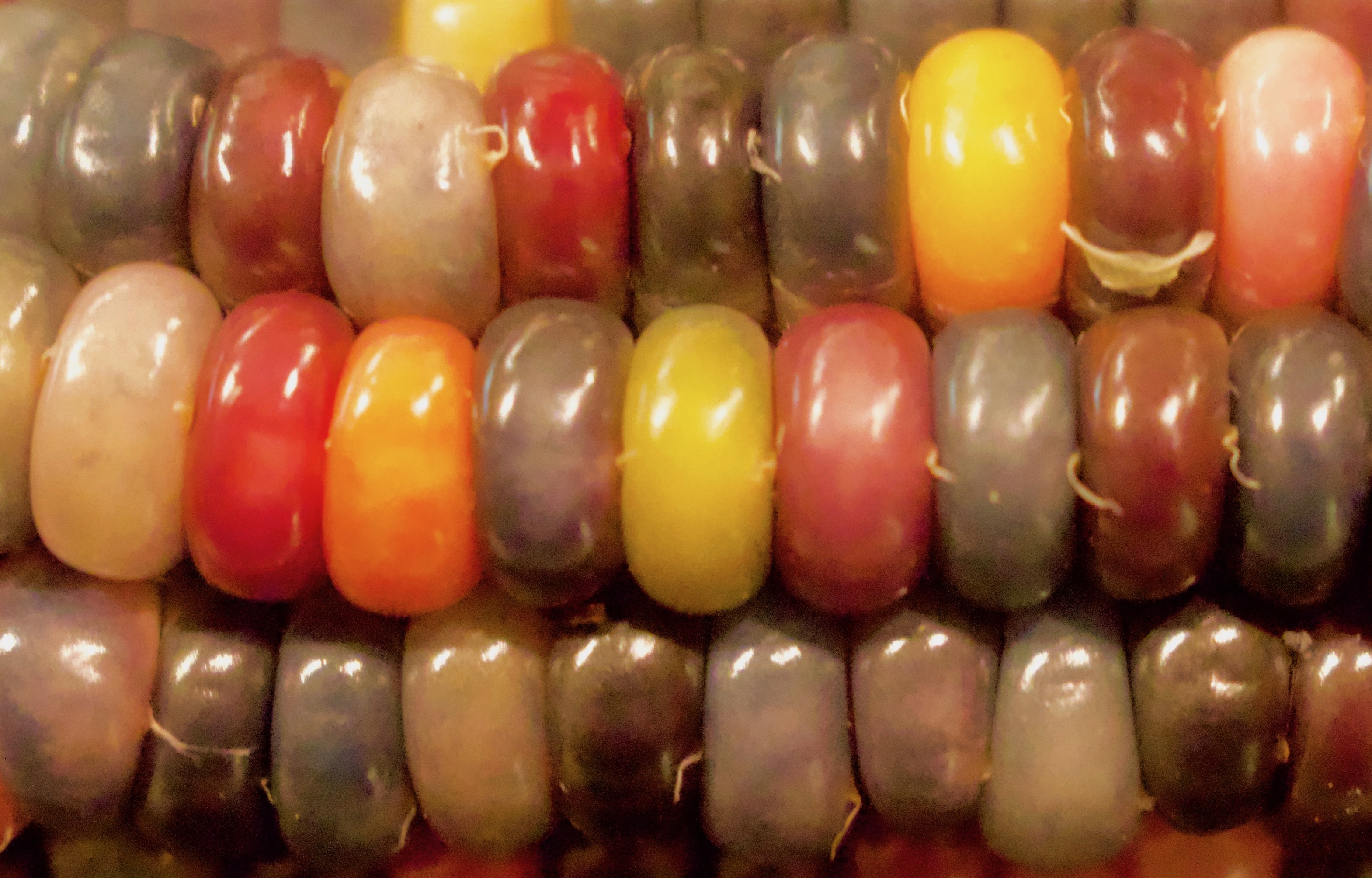
It fooled us; this corn is pure gold in a kaleidoscope Thanksgiving display – purely ornamental since it doesn’t grow prolific like a sweet yellow corn. Yet these meager ears glow like stained glass, colorful quilt swatches on a stalk.
God has a palette of heaven-sent color and imagination. People come in all colors too, thanks to His artistry, but not nearly so varied as these kernels of colored glass.
One-Time
Monthly
Yearly
Make a one-time and recurring donation to support daily Barnstorming posts
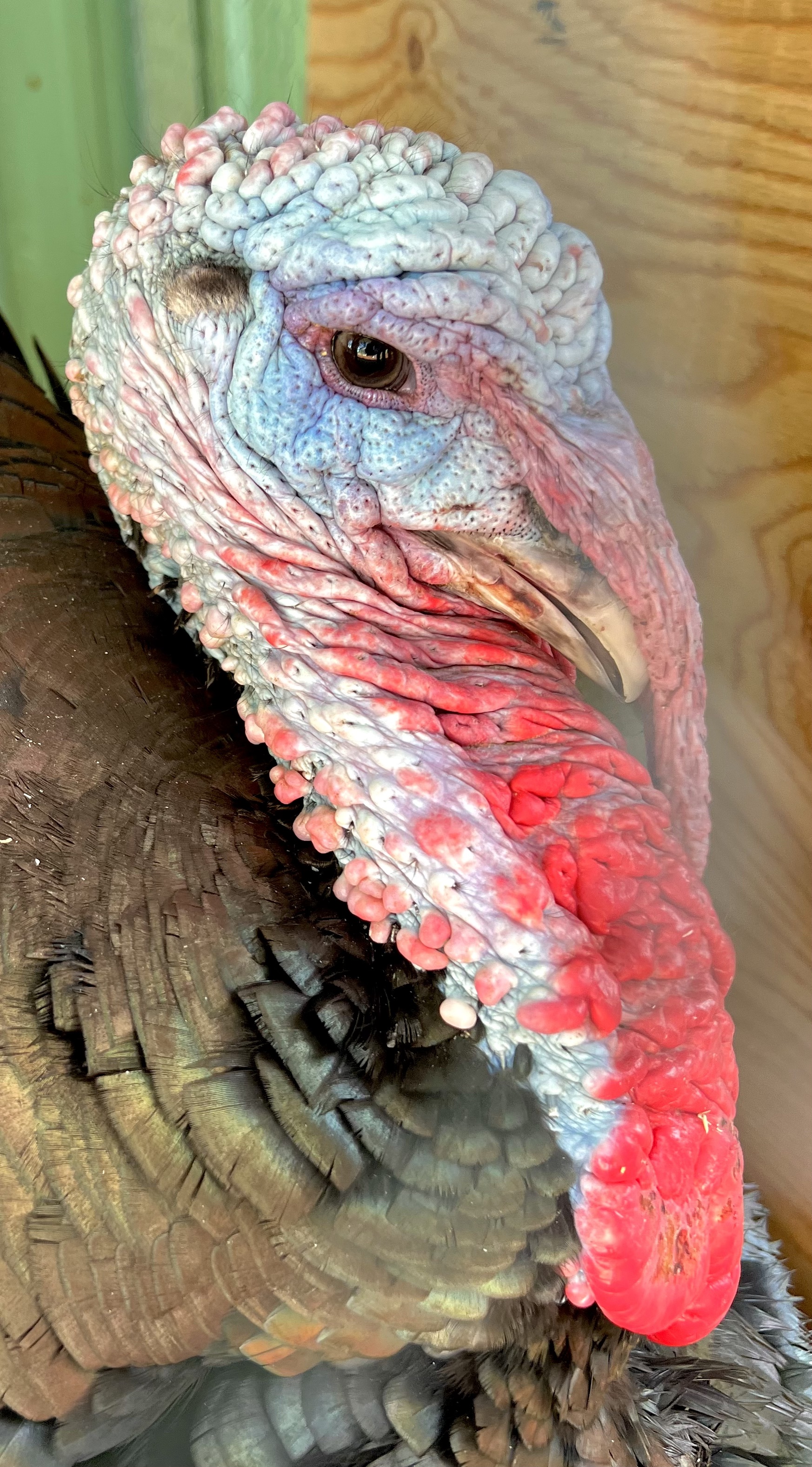
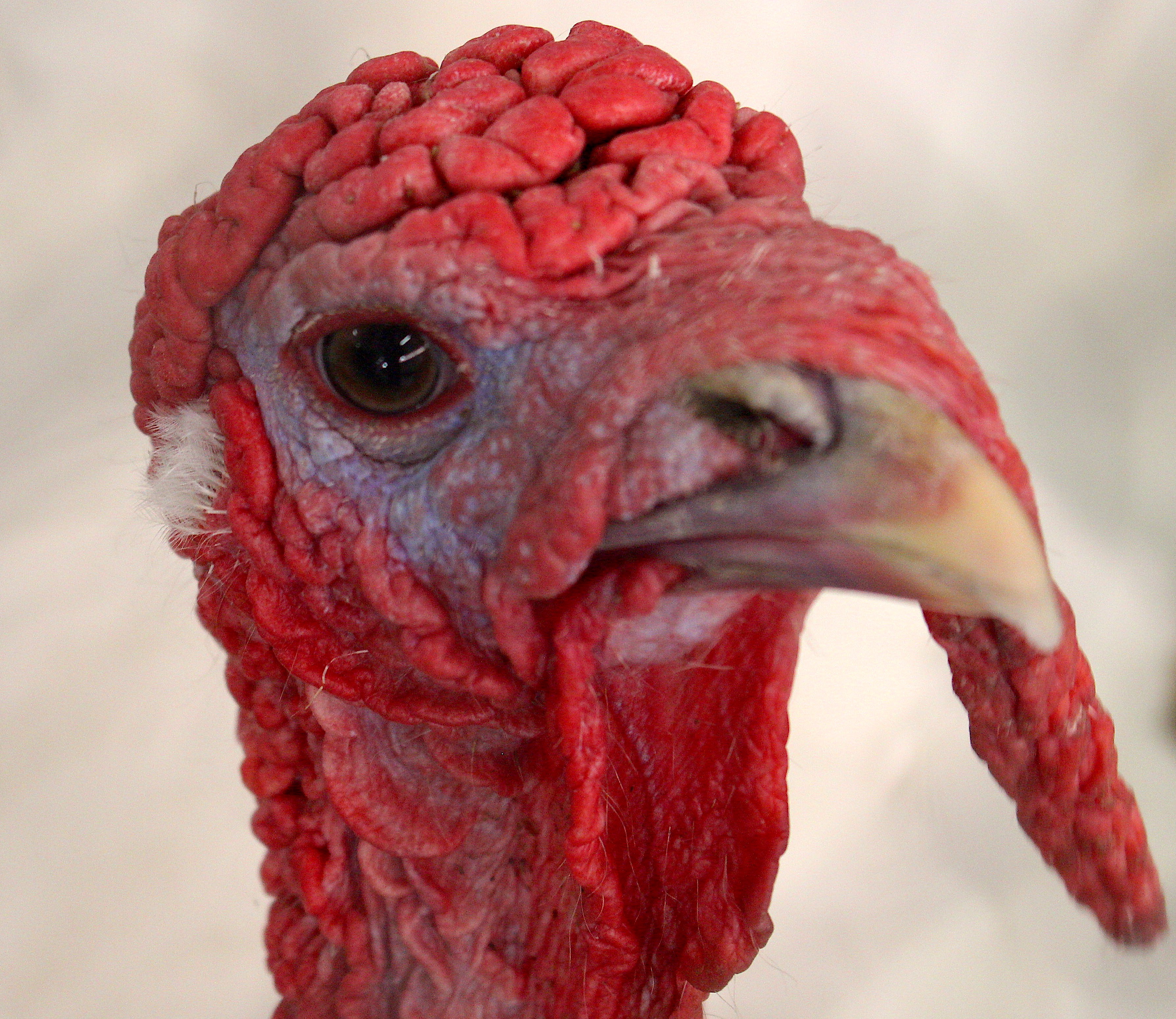
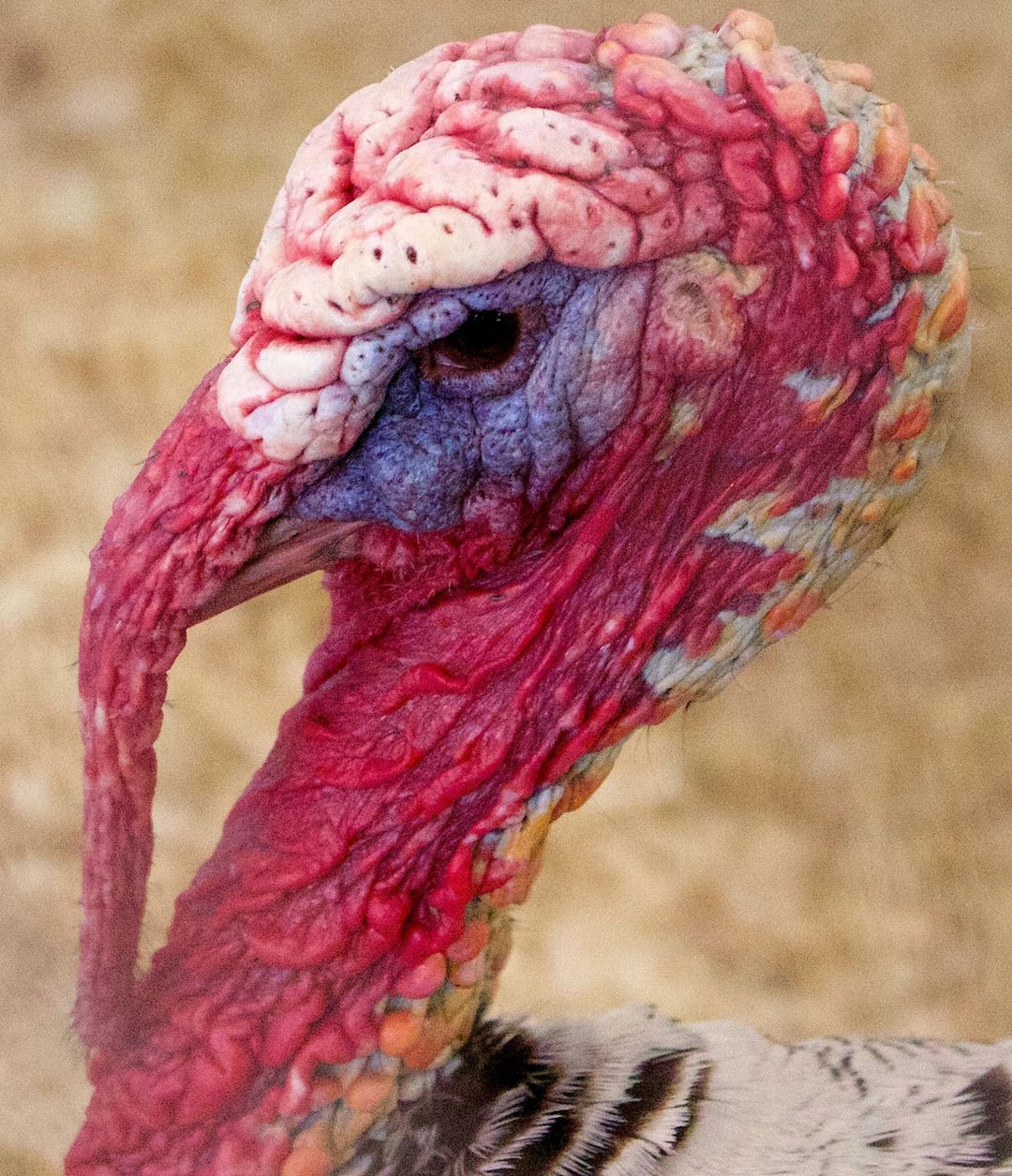
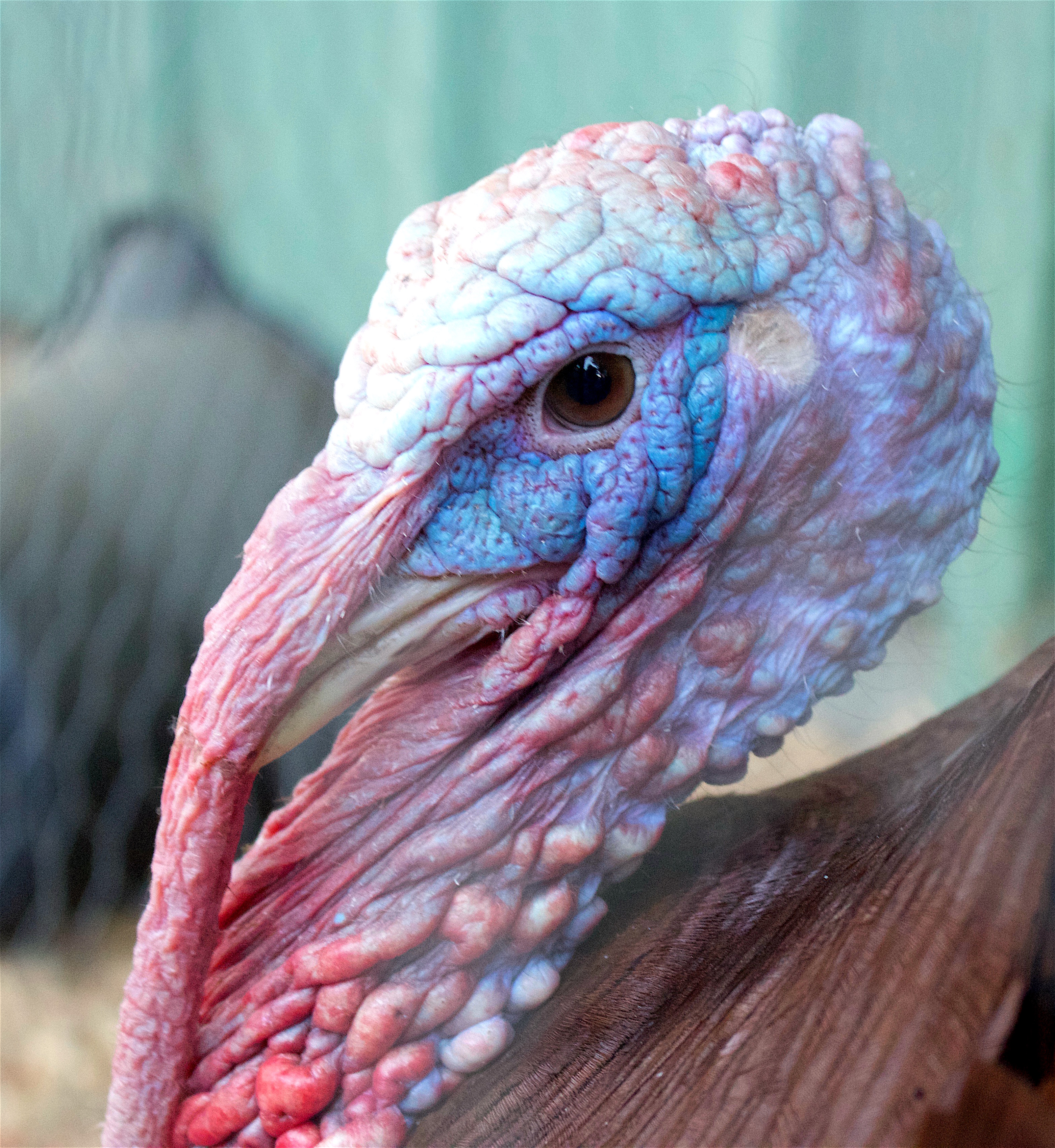
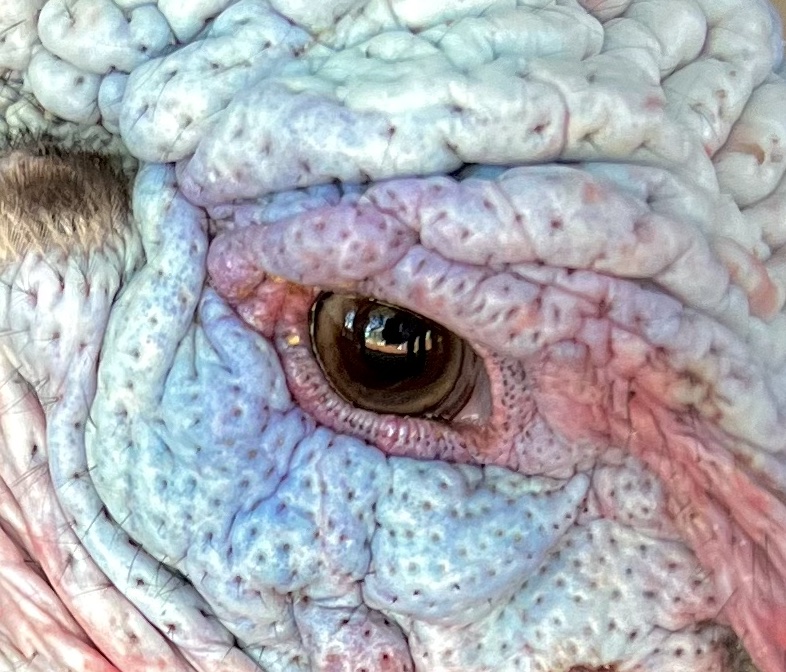
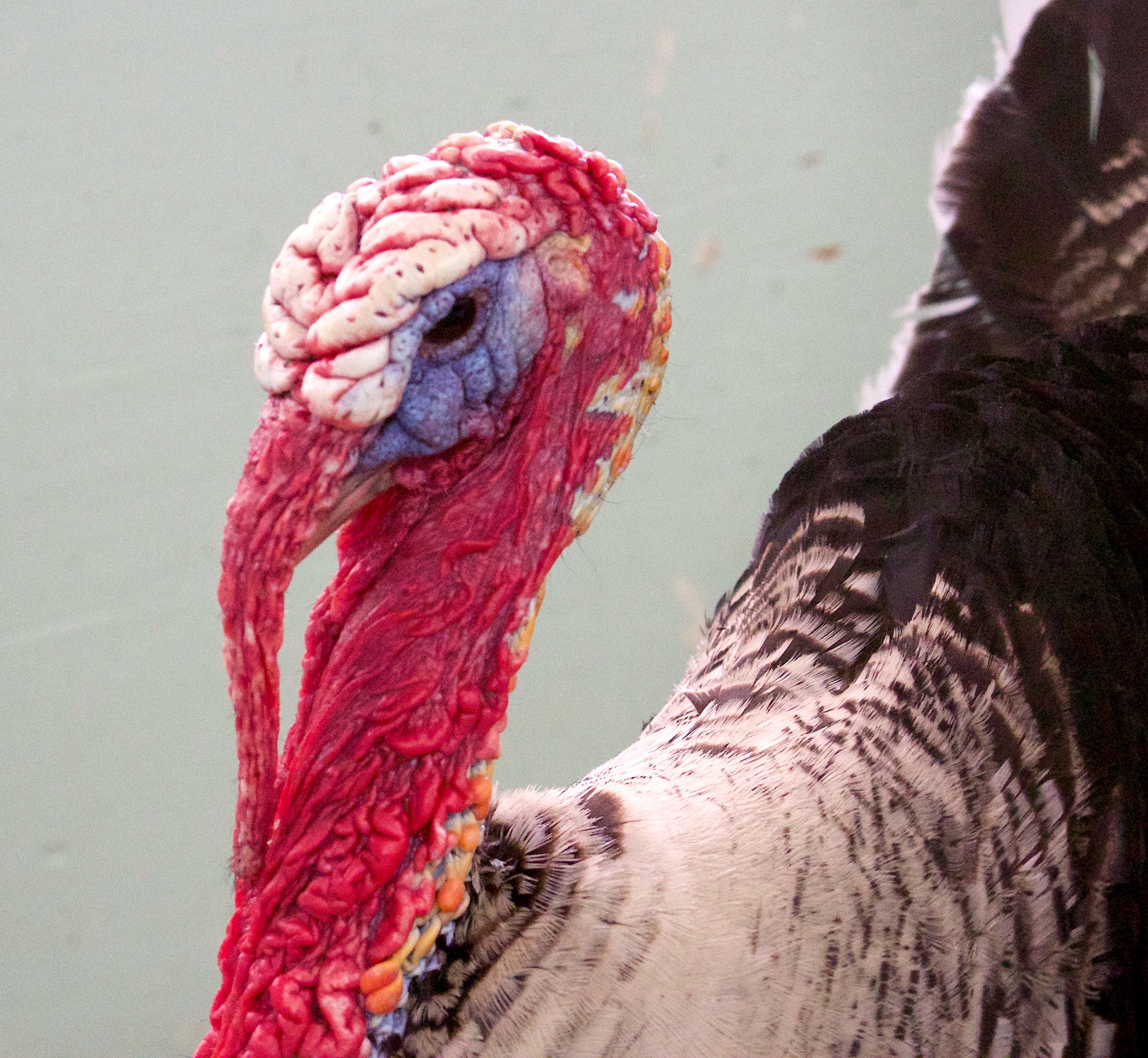
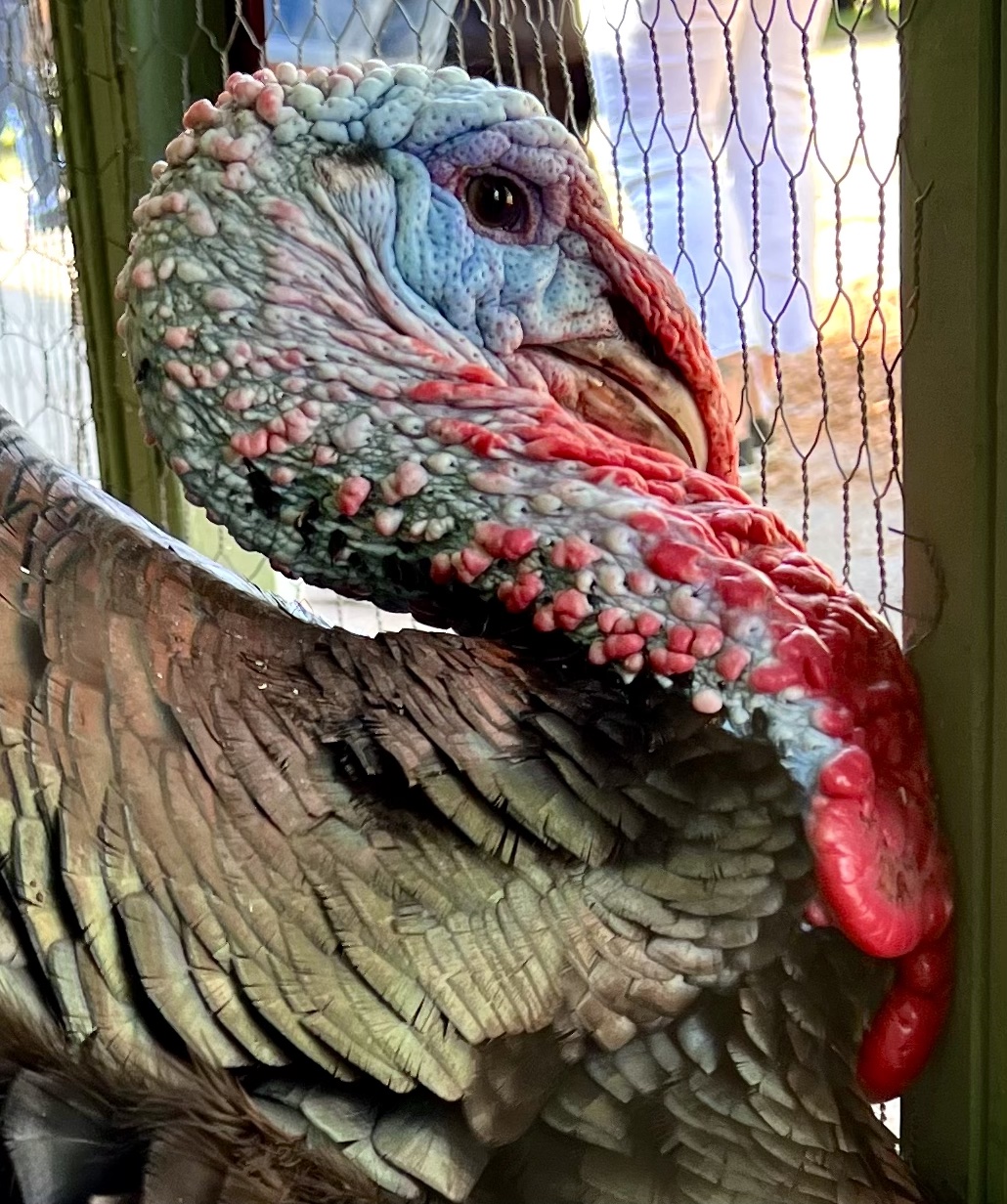
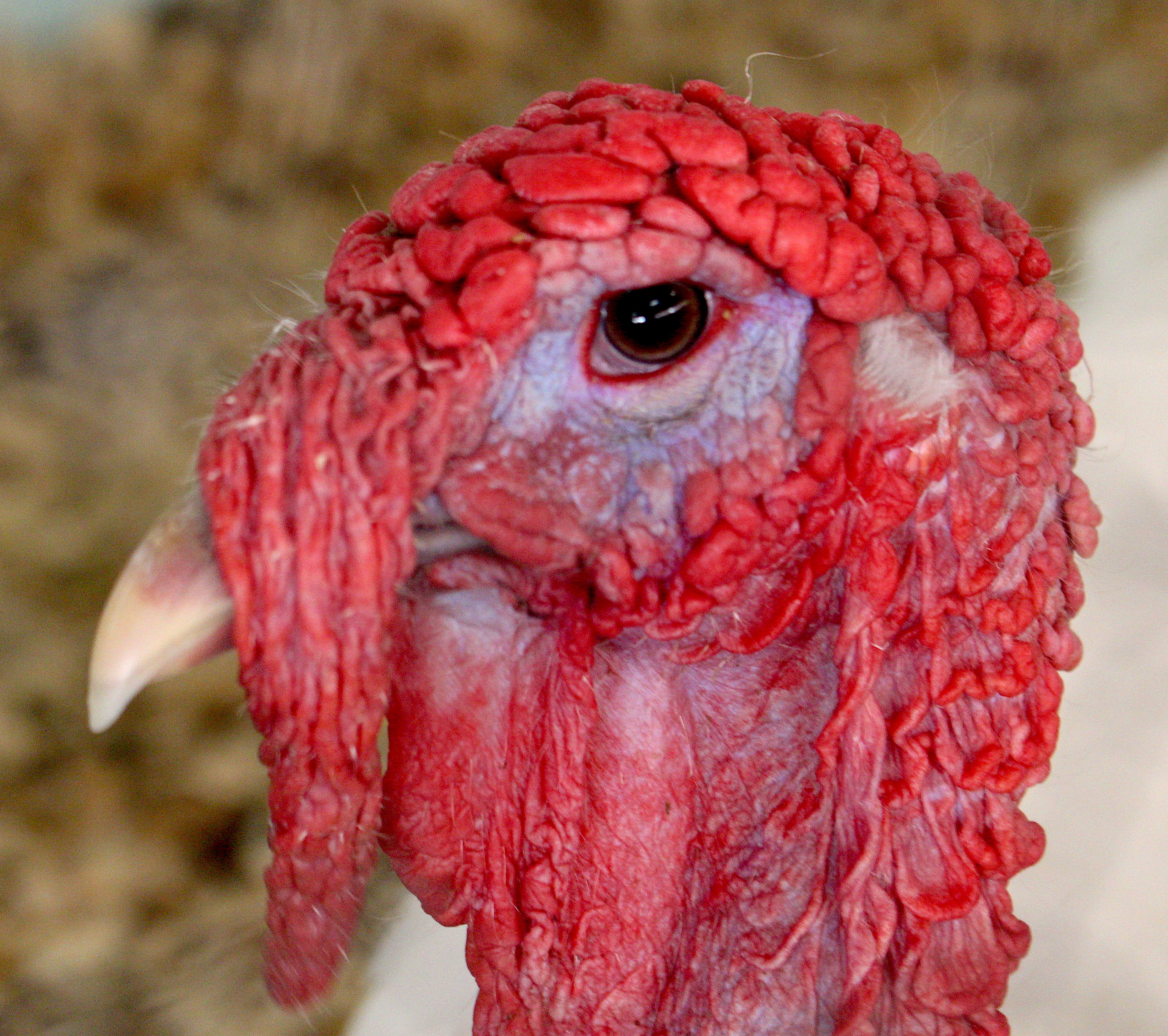
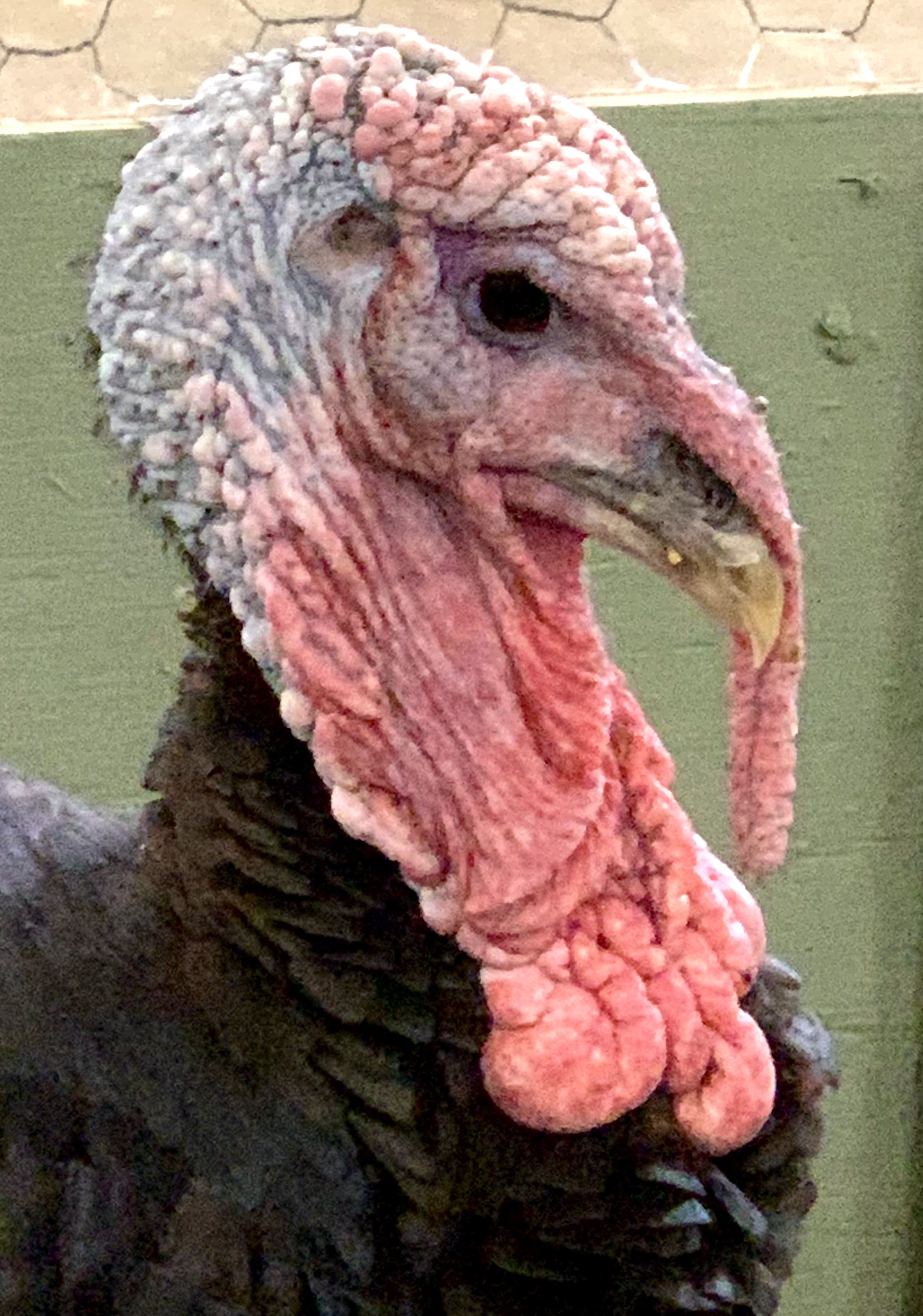
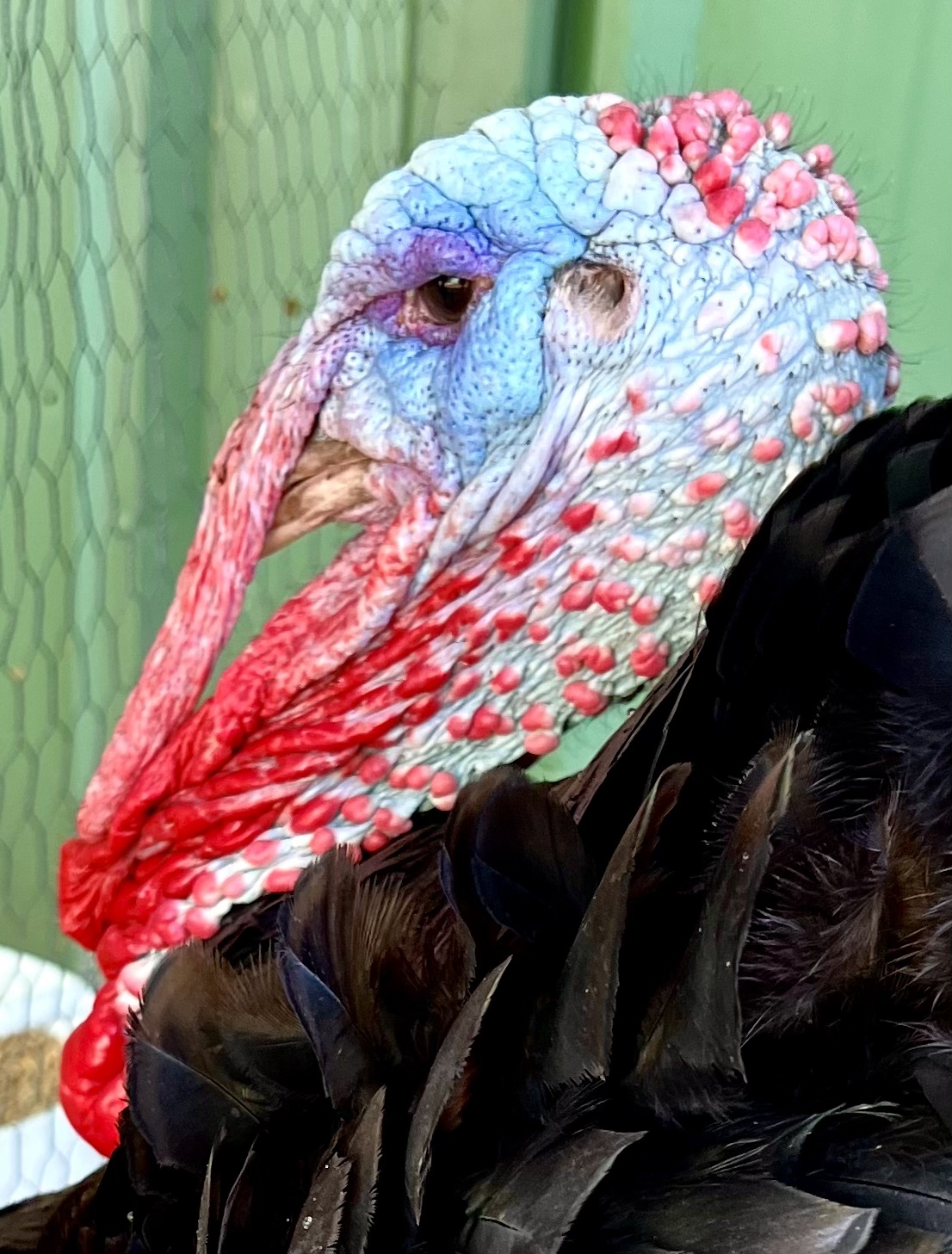
A turkey is more occult and awful than all the angels and archangels. In so far as God has partly revealed to us an angelic world, he has partly told us what an angel means. But God has never told us what a turkey means. And if you go and stare at a live turkey for an hour or two, you will find by the end of it that the enigma has rather increased than diminished. ~ Gilbert K. Chesterton from All Things Considered
There is something about looking into a turkey’s eye that makes you think twice about them being the focus of millions of dinners later this week. We’re raised chickens, ducks and geese on our farm over the years, but we never did raise our own turkey for Thanksgiving. Perhaps they look much wiser and dignified than they actually are, but I’m told they too, can become quite bonded with their farmer caretakers.
I am grateful for many things this week, including professionals who have skill in working on rural wells and well pumps and filtration systems, as well as plumbers working on plugged pipes and drainage issues, and the fact our entire family is arriving this week when our water supply and drainage are on the fritz.
But most of all, I’m grateful I’m not a turkey.
I’m glad God keeps turkeys more of an enigma than the angels who assist us when we need it most, even during a holiday week.
I think God’s angelic world will be the primary focus for us this week.
One-Time
Monthly
Yearly
Make a one-time or recurring donation to support daily Barnstorming posts
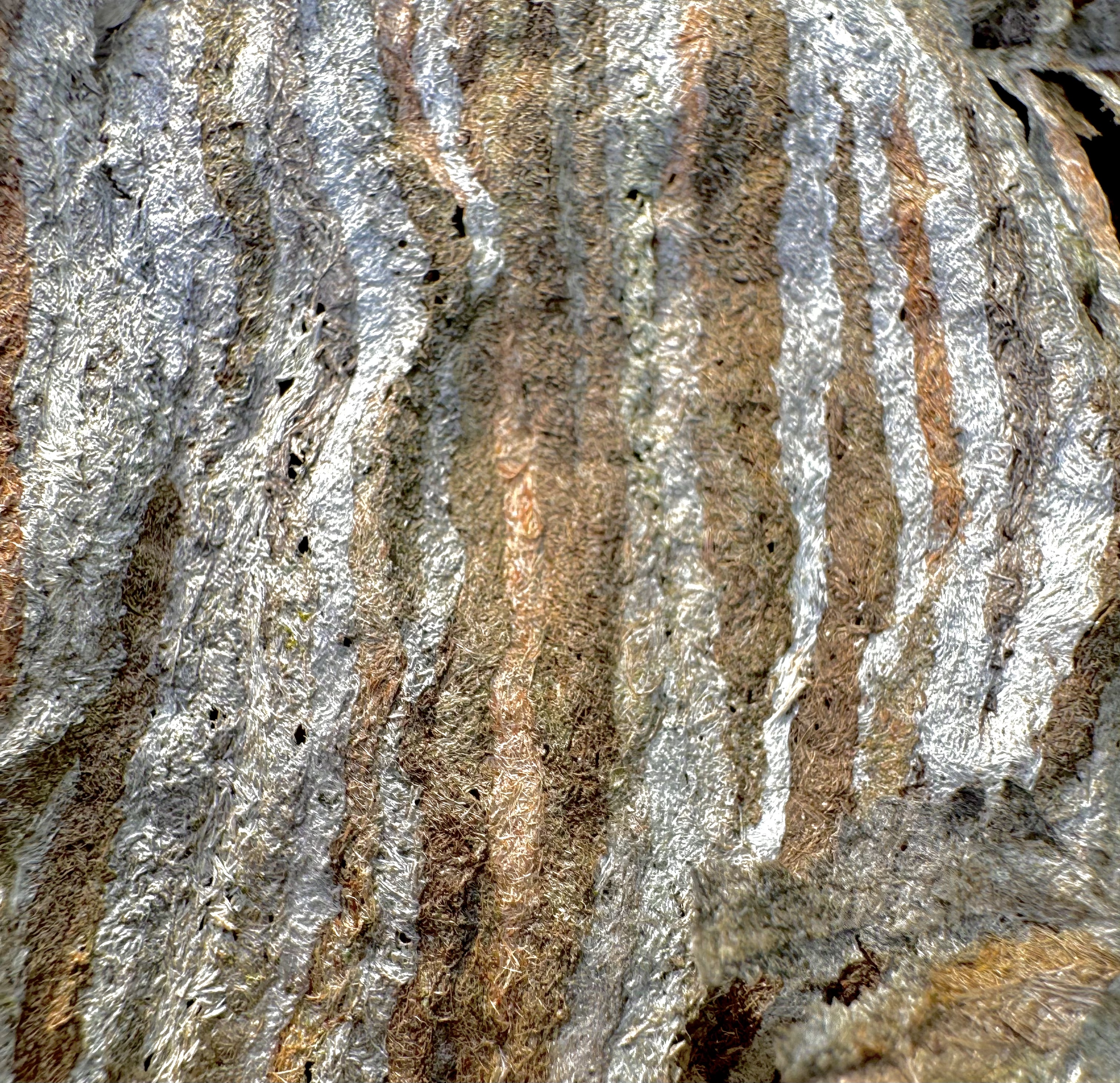
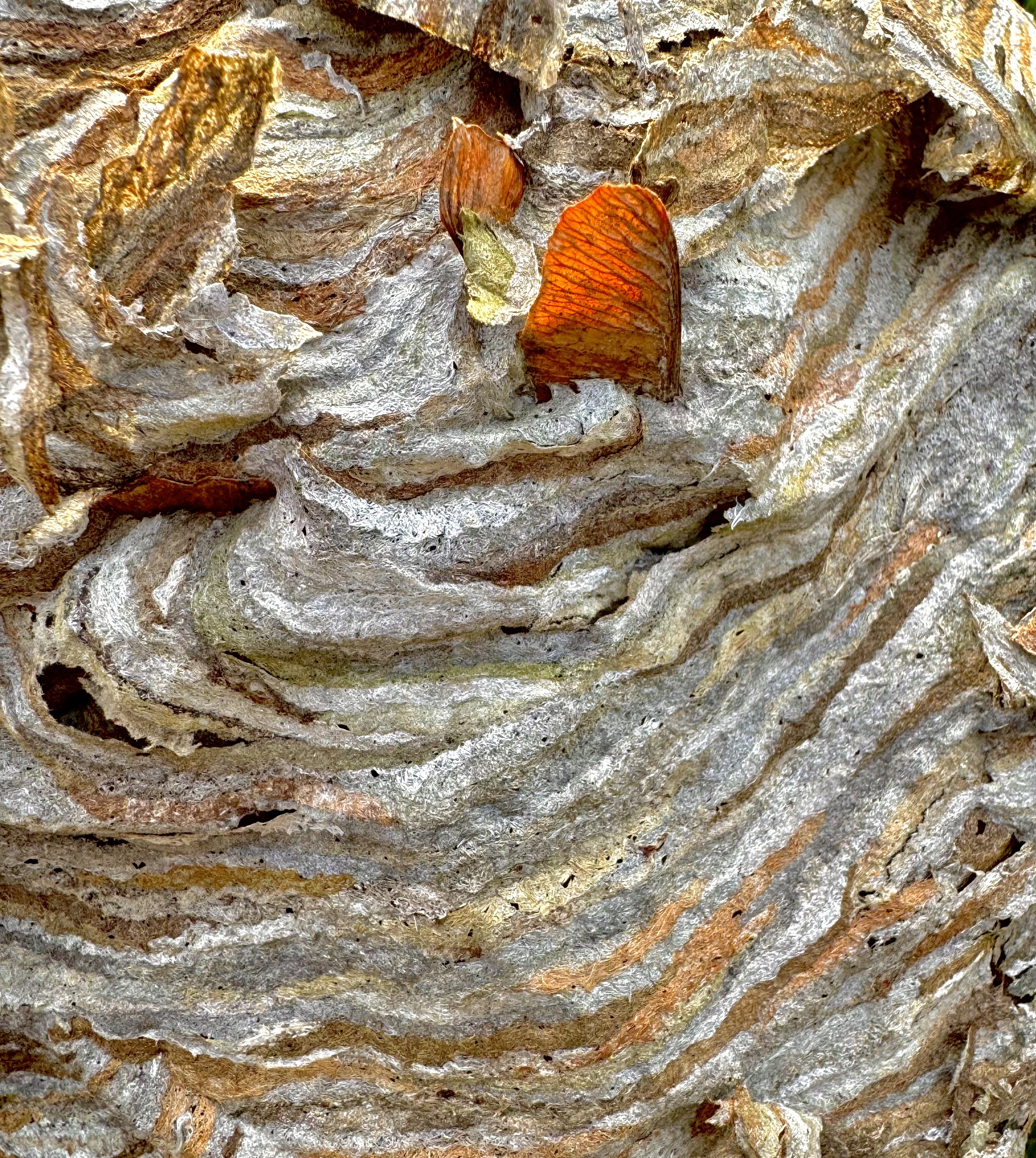
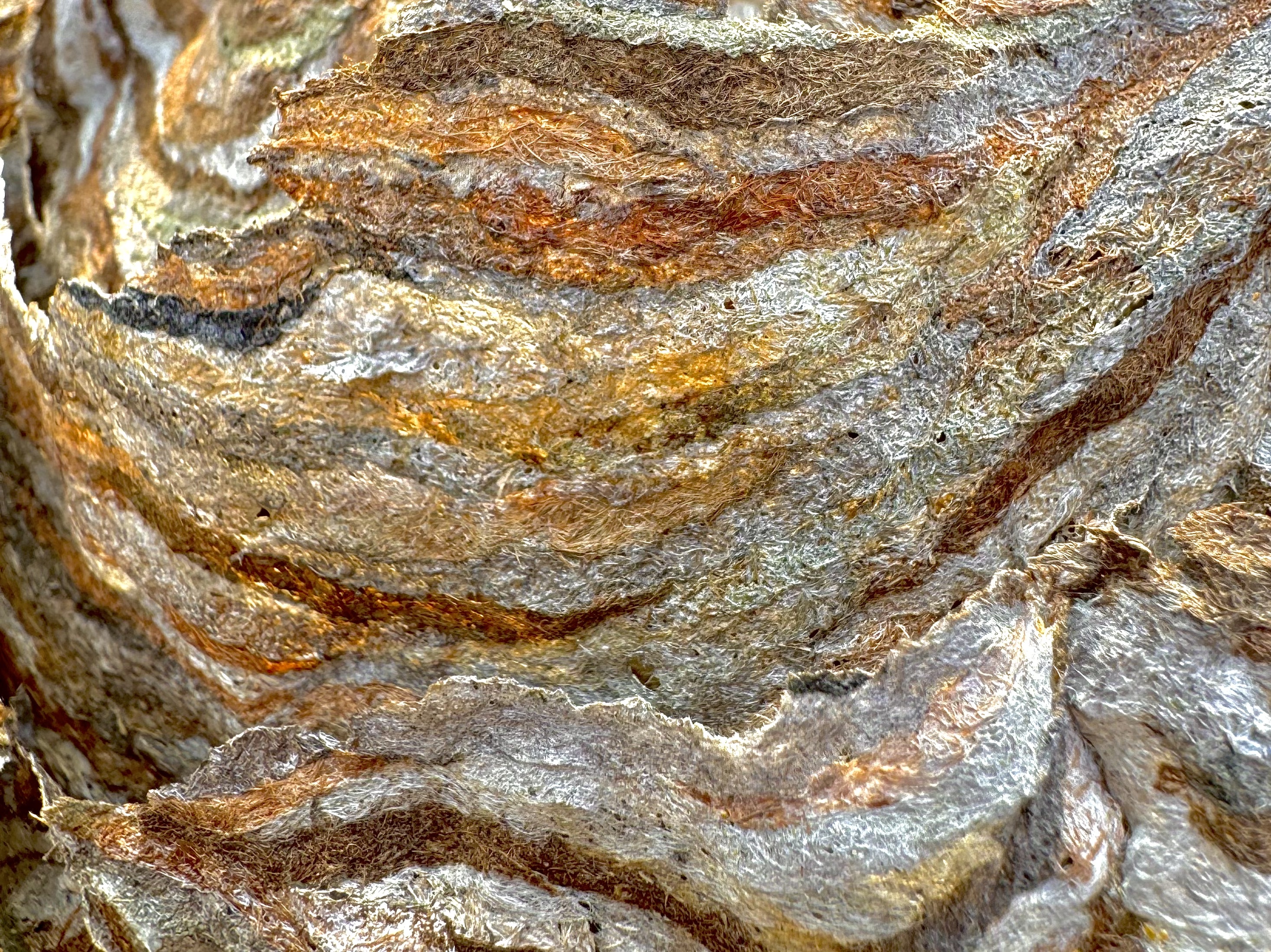
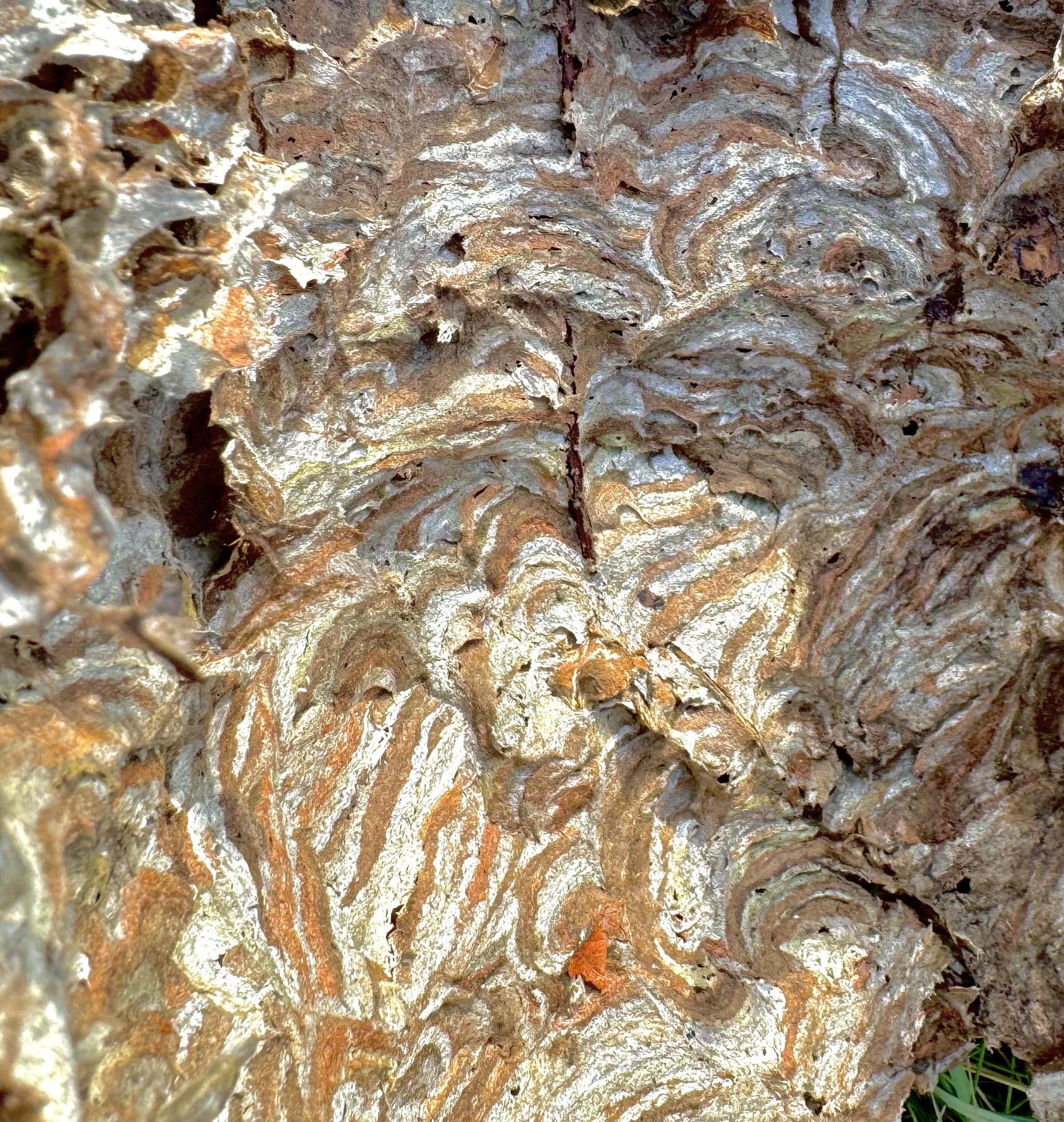
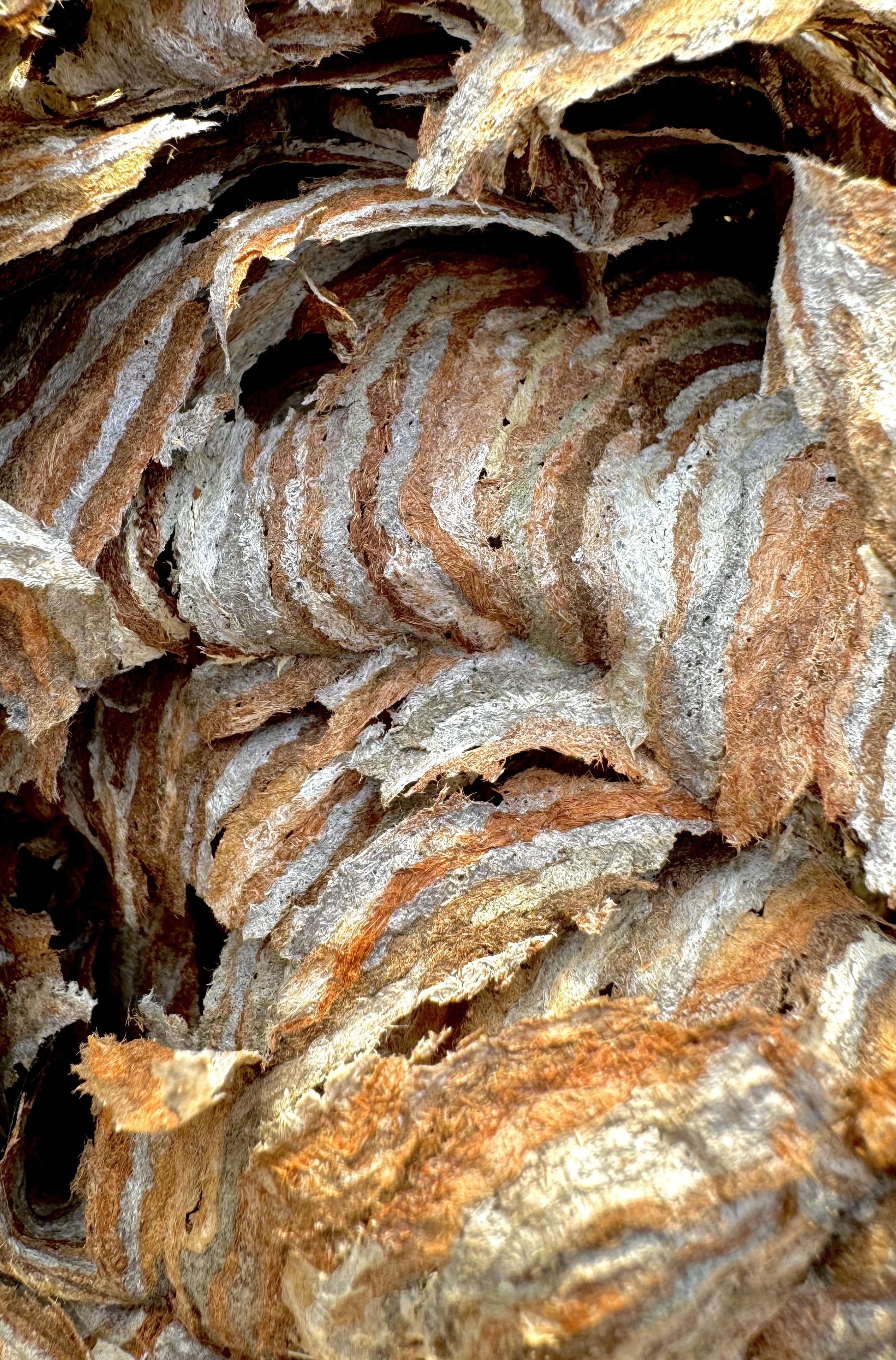
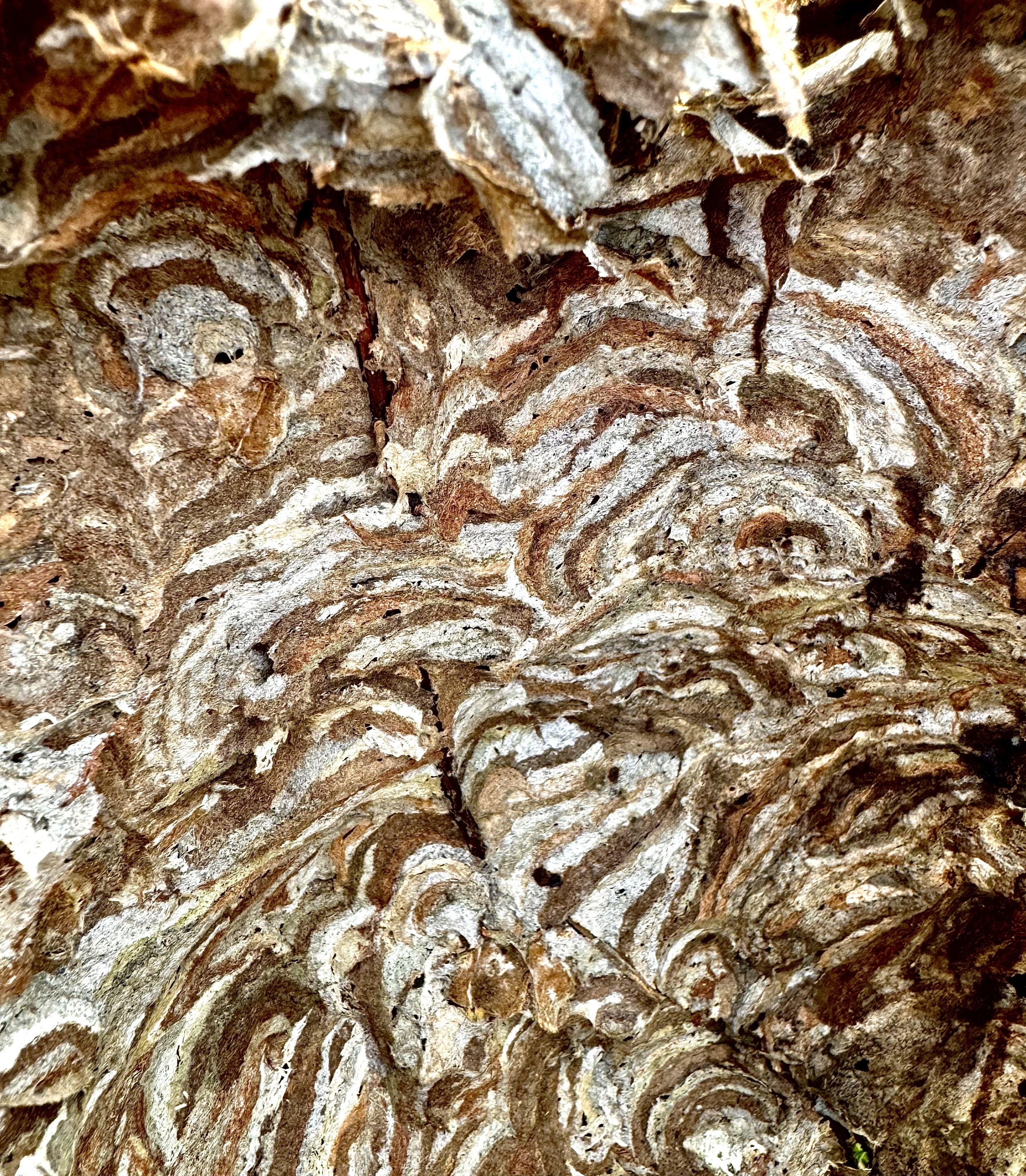
What we were taught was nothing— our history like a husk, the desiccated wasp nest my daughter found at the park but disguised. Where is the life? Where was the life in that?
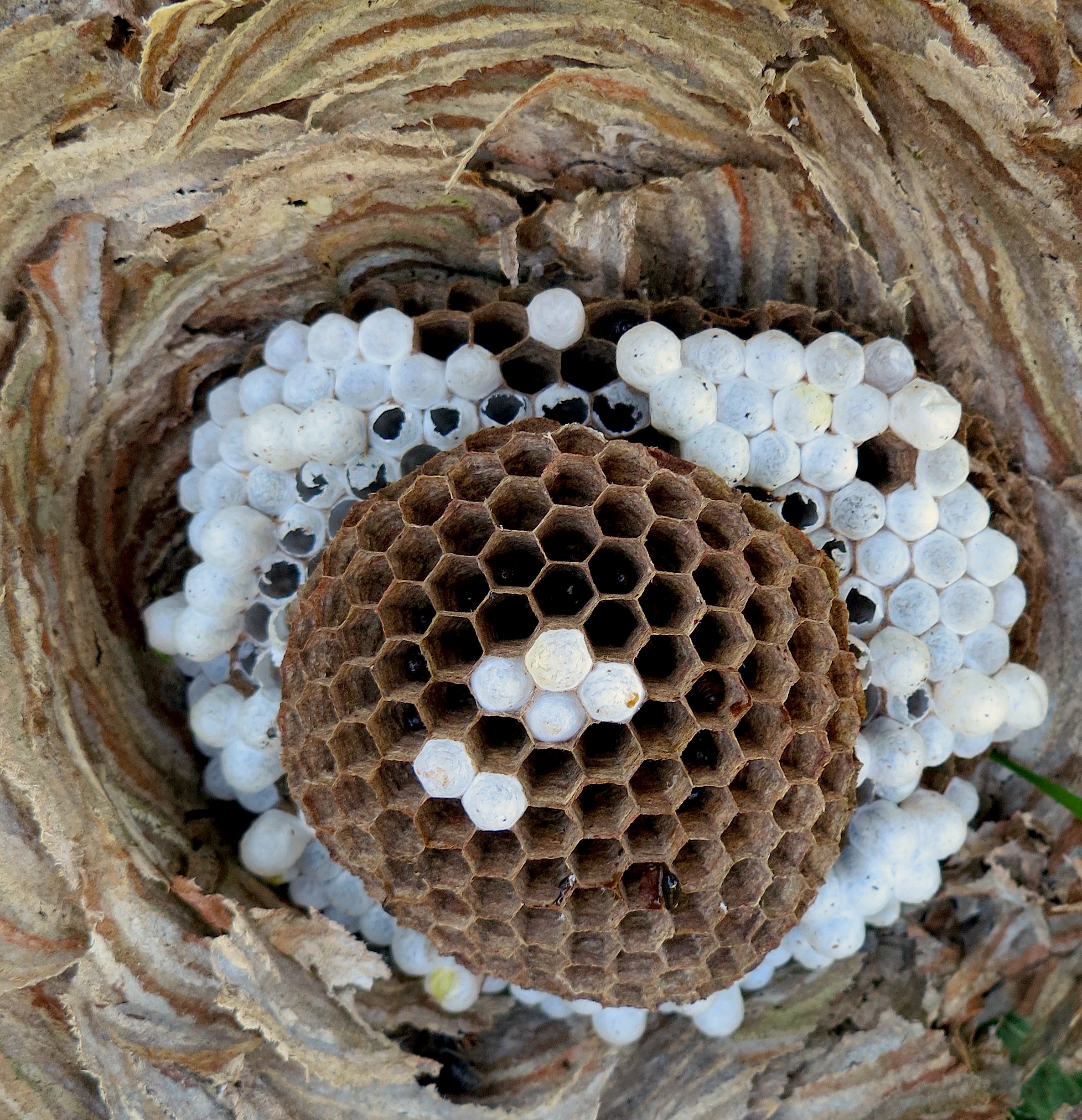
History as it was taught is nothing like that wasp nest which has its particular grooves, its exits and passageways written in wasp spit and wood.
Looking at this nest I see how everything was used. Our history of a wasp is its stings, but in this nest, even dead, I see the ornate stingless habitat, envision nests with stingers subdued, their larvae fattening sleek bodies of use and grace.
History as it was taught has been emptied and emptied out, its intricate well-laid cells disguised. They always teemed with sickness, utility, and violence. And each person who happened only once.
…And I think They know my strength, Can gauge The danger of their work: One blow could crush them And their nest; and I am not their friend.
And yet they seem Too deeply and too fiercely occupied To bother to attend. Perhaps they sense I’ll never deal the blow, For, though I am not in nor of them, Still I think I know What it is like to live In an alien and gigantic universe, a stranger, Building the fragile citadels of love On the edge of danger. ~James Rosenberg from “The Wasps’ Nest”
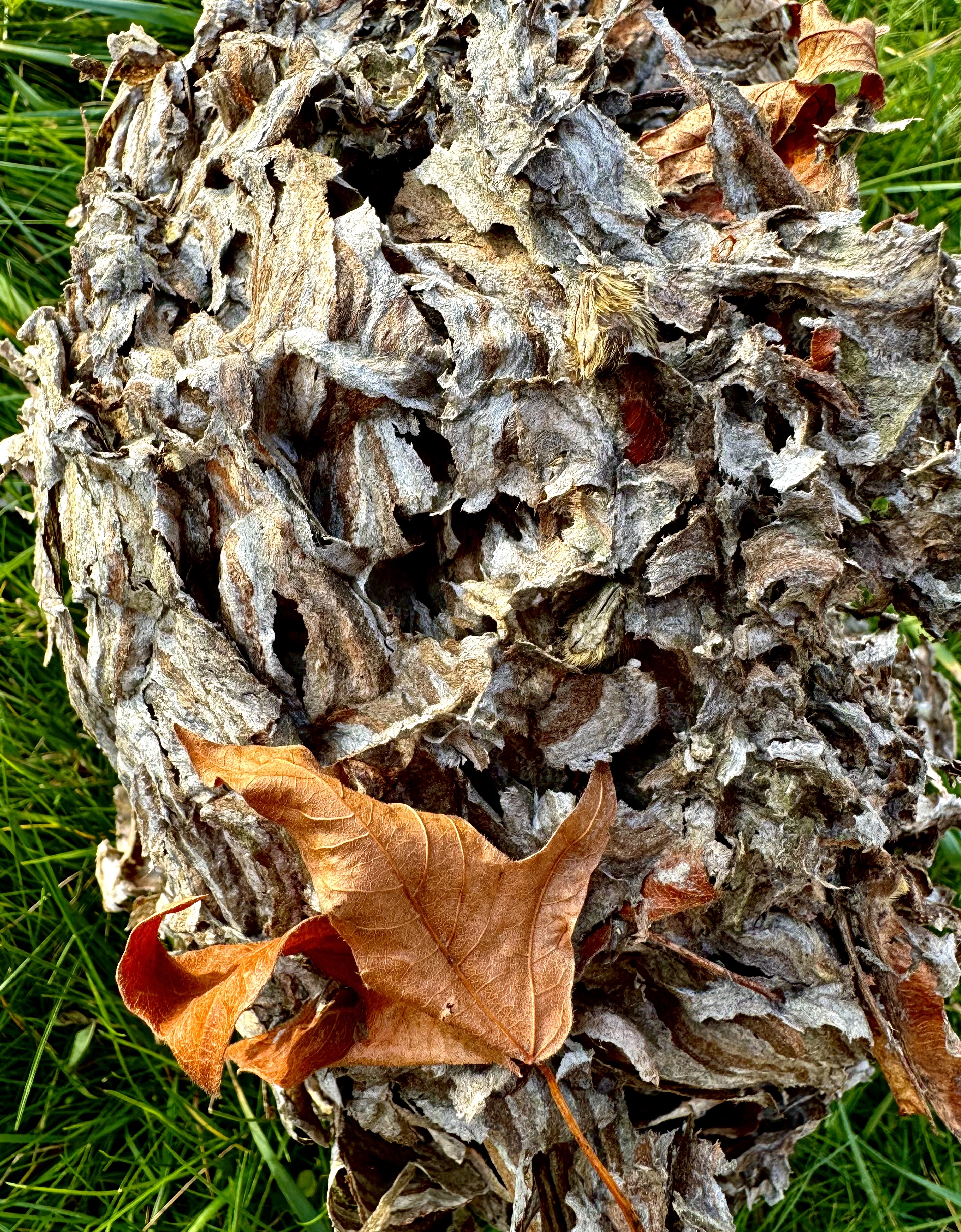
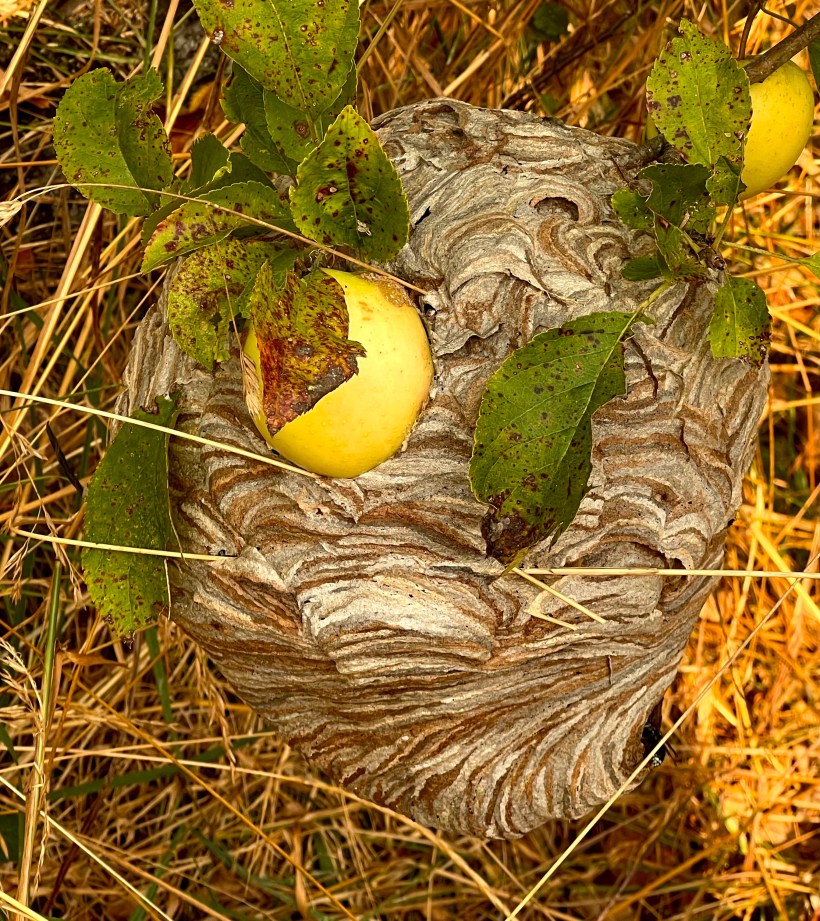
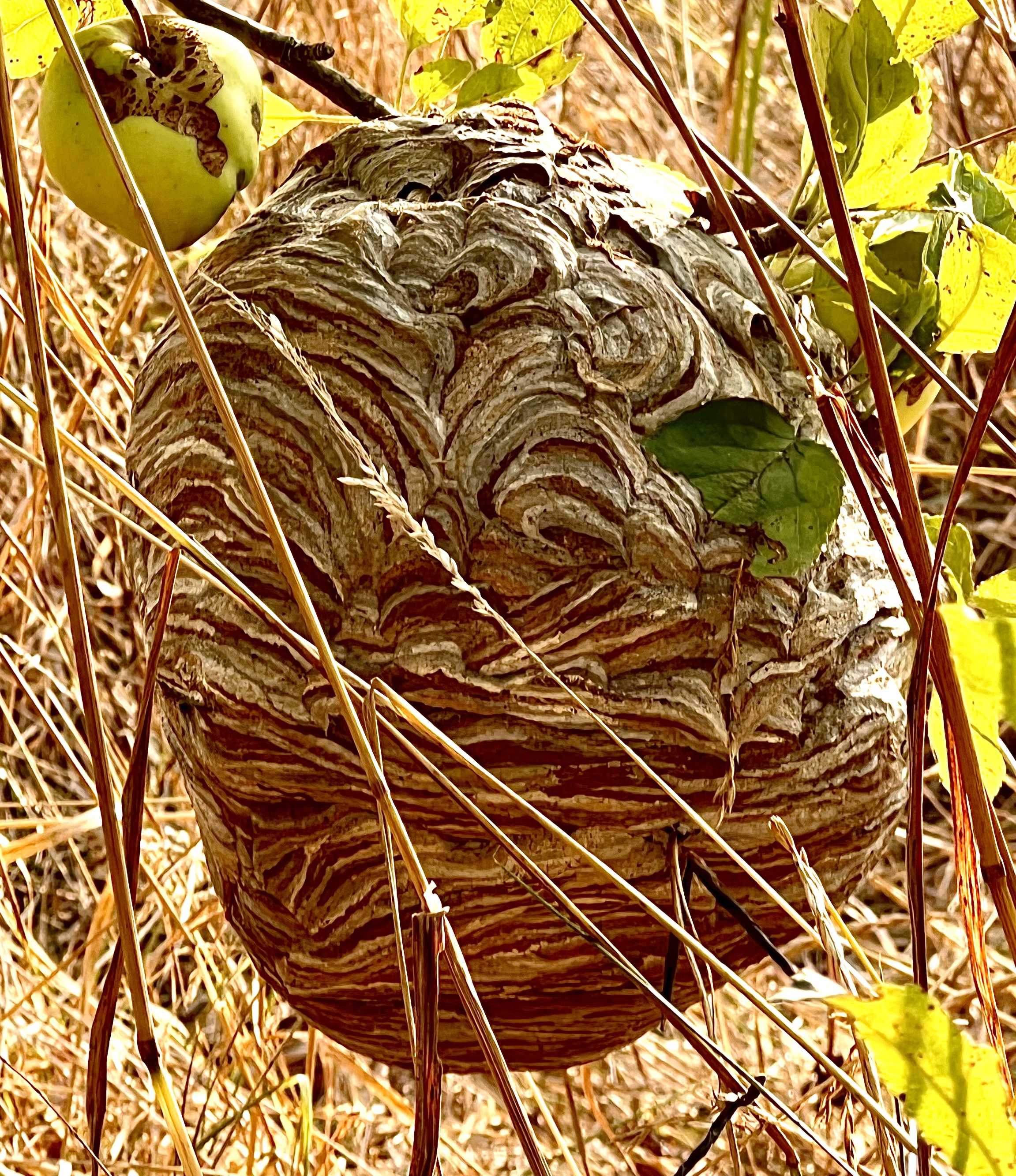
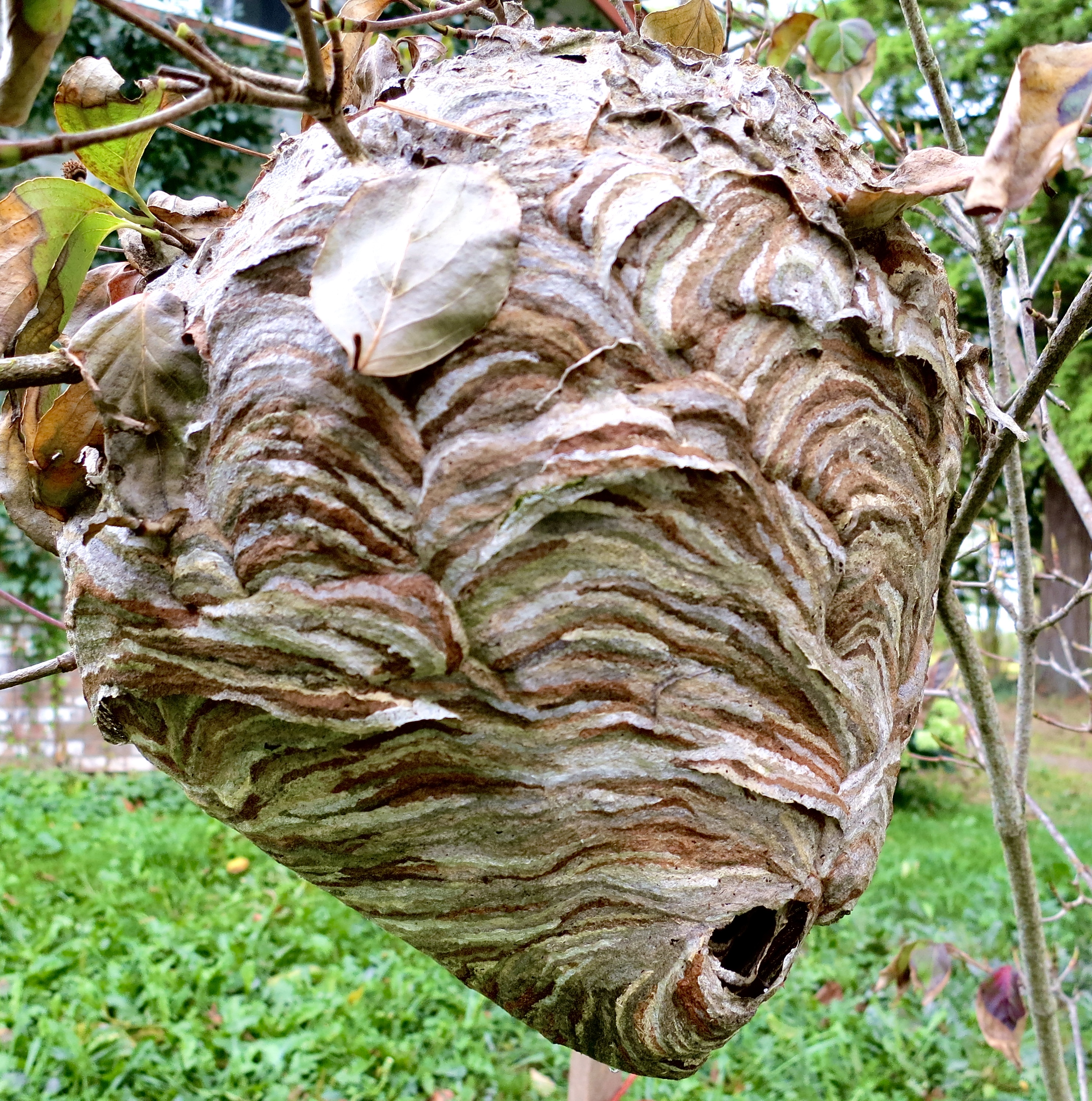
Over the years, we have had basketball-sized paper bald-faced hornet nests appear in various places on the farm. They hang from eaves or branches undisturbed as their busy citizens visit our picnics, greedily buzz our compost pile, shoot bullet-like out of the garbage can when I lift the lid. In short, their threat of using their weaponry control our moves during the summer.
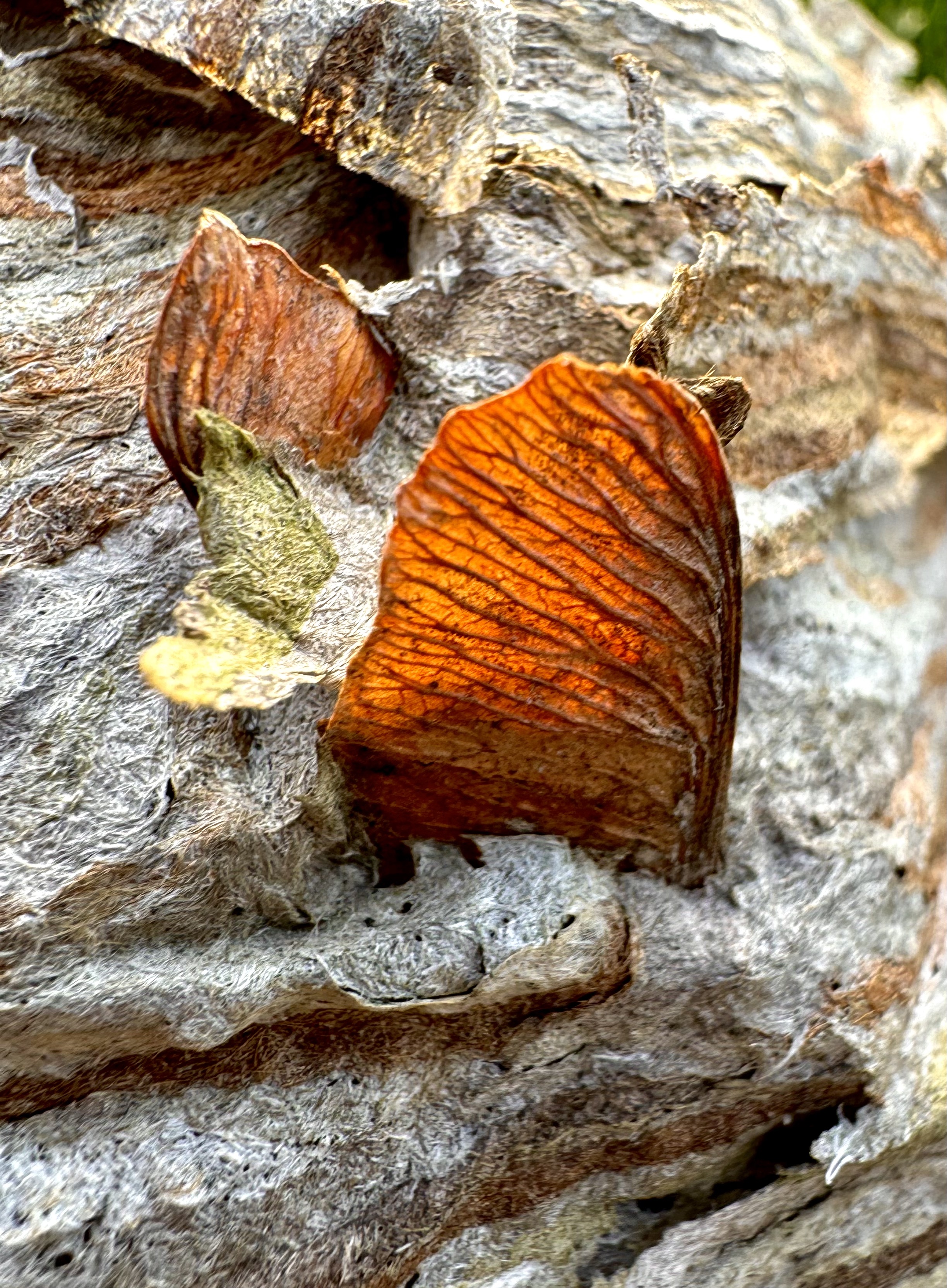
Two years ago, a nest was built to include some Golden Delicious apples in an apple tree. This year, a nest hung suspended from the top branch of our tall big leaf maple tree in our front yard. It dangled there through the summer, growing week by week, with maple keys and leaves incorporated into it. Over the last month, it has been hanging alone on the bare tree.
During a northeast wind blast yesterday, I was returning home from a shopping trip when out of the corner of my eye, I saw this huge thing flying across our yard. I thought it was a large raptor, but then realized that our paper basketball had finally been jarred loose and was airborne.
I followed it until it landed in our field and gathered up the broken pieces into a grocery bag. My wise husband wouldn’t allow me to bring it in the house (“who knows what’s ready to wake up inside??”}, so I inspected it outside.
It was a magnificent feat of community cooperation and construction.
The nest had been abandoned, its workers dead and gone and its queen safely tucked into a winter hiding spot inside a tree trunk. Each nest happens only once, a fragile fortress for only a season.
The approach of winter had dealt a devastating blow and the nest disabled, now gone with the wind. It was torn free from its tight hold on a branch, flying aloft in its lightness of being, then fallen, crushed and torn open. Its secret heart is revealed and all the danger emptied out.
As I am not in or of them, I did not cast the stone that brought it down. Instead, it let go of its own accord and followed the wind.
One-Time
Monthly
Yearly
Make a one-time or recurring donation to support daily Barnstorming posts
The pain I feel now is the happiness I had before. That’s the deal. ~C.S. Lewisfrom A Grief Observed
I imagine one of the reasons people cling to their hates so stubbornly is because they sense, once hate is gone, they will be forced to deal with pain. ~James A. Baldwin
We pay for hate with our lives, and that’s too big a price to pay. ~Brené Brown from Braving the Wilderness
We live in a world of hurt. We are consumed with hatred for all that is unjust and unfair because we are people who are in fear and in pain.
We get angry at what we don’t like or don’t understand and that includes the mystery of the ways of God.
We are a people struggling with profound irritability of the spirit. We give no one the benefit of the doubt any more, and that includes God.
We ask God why He doesn’t do something about the suffering we see everywhere, or the terrible hurt we feel ourselves. We want answers, and that includes answers from God.
Instead He asks us the same question right back: What are we doing about the suffering of others? What are we doing to understand our own misery? Where are we seeking answers if not from His own Words?
God knows suffering and hurt. He knows fear. He knows what it is to be hated, far more than we do. He took it all on Himself, loving us so much because His pain was part of the deal He made with us to rescue us.
With that realization, we trade our pain for hope in Him, our fear for trust in His promises, and our hatred gives way to His sacrificial love.
Only then are we ready to respond to His call, wrap ourselves within and around Him, cling to His Word, and feel His comfort for His people.
There is no fear in love. But perfect love drives out fear.. 1 John 4:18a
AI image created for this post
One-Time
Monthly
Yearly
Make a one-time or recurring donation to support daily Barnstorming posts
Do I dare Disturb the universe? In a minute there is time For decisions and revisions which a minute will reverse. For I have known them all already, known them all: Have known the evenings, mornings, afternoons, I have measured out my life with coffee spoons… ~T.S. Eliotfrom The Love Song of J. Alfred Prufrock
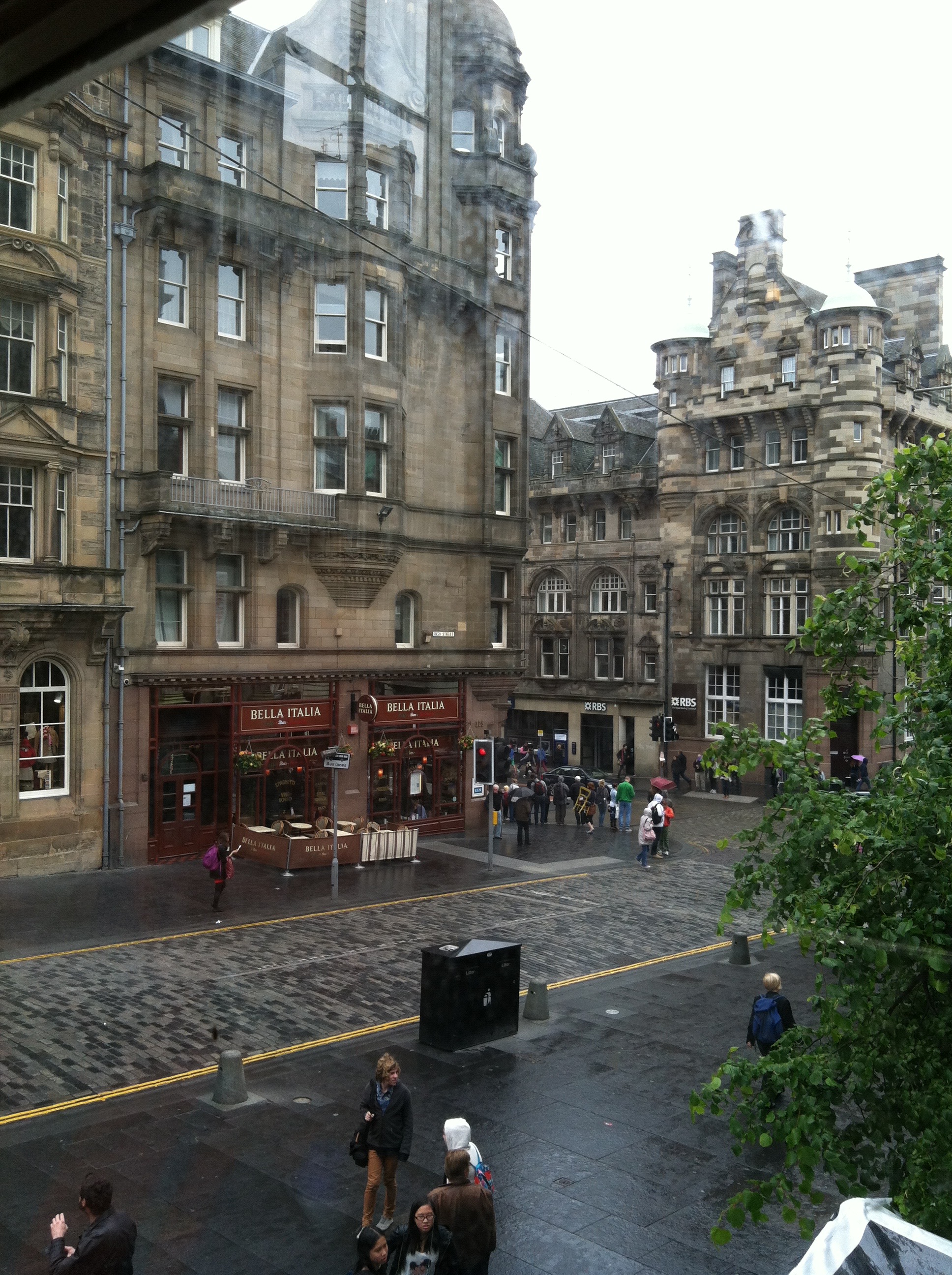
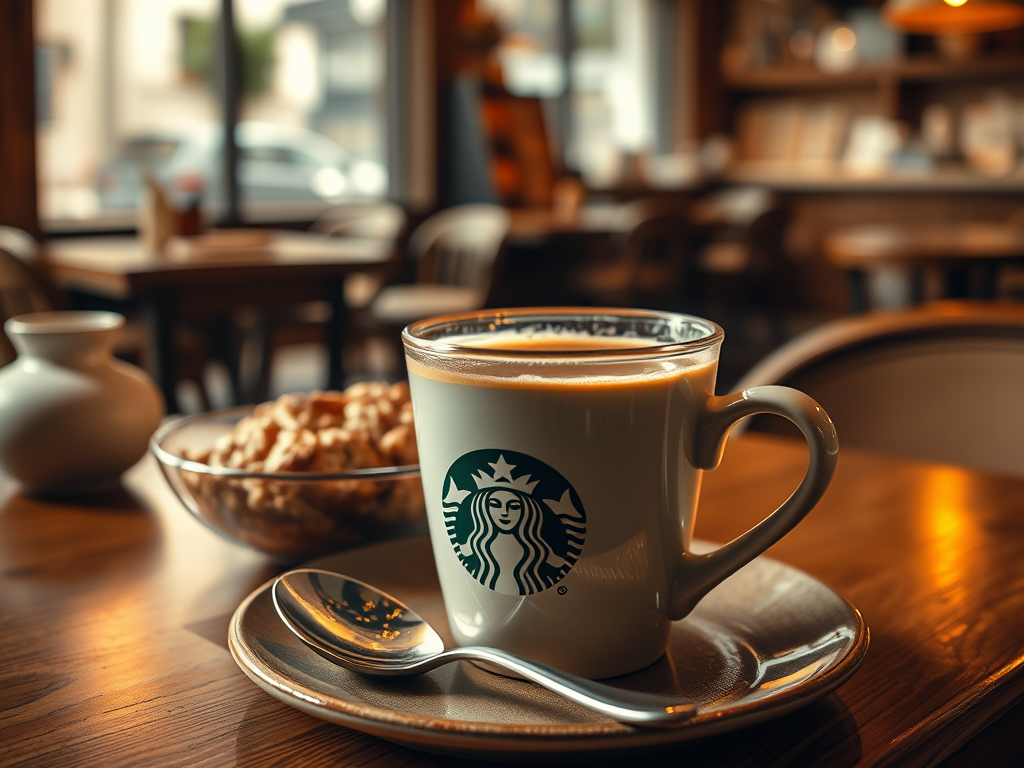
Tokyo Starbucksphoto of Edinburgh street, taken from Starbucks
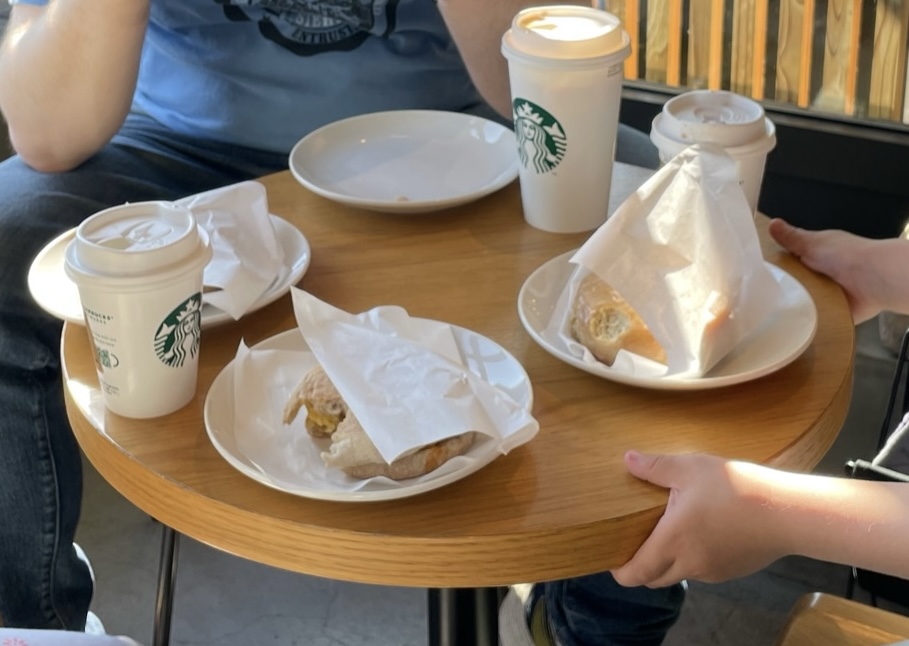
I read recently that Starbucks’ business has suffered a loss of customers because of longer waits for service, and price increases for custom-ordered drinks that take more barista time to create.
I have been a pretty loyal coffee customer since Starbucks opened their first shop at Pike Street Market in Seattle over 50 years ago. I have visited countless Starbucks, including one in the bustling Narita Airport in Tokyo and an upstairs shop on a drizzly corner in Edinburgh, Scotland.
Over that time, I’ve graduated from brewed coffee from dark roast beans to dark roast decaf beans. There is a difference between 20 year old me and 70 year old me; caffeine is no longer my friend.
Over a decade ago, I was buying my usual twice a month supply of decaf coffee beans from my local Starbucks shop. The barista looked at me apologetically and said “have you heard?”. She said my favorite blend was being phased out and soon would no longer be available.
This completely disturbed my decaffeinated equilibrium.
I immediately wrote to the “Starbucks Customer Care” website to see if they really do care about their customers.
How could it be that I became so attached to a particular brand, a specific taste, a daily routine that something so insignificant in the scheme of things should become so significant to me?
I was upset at myself for being perturbed by this.
So what if I’m in a minority of coffee drinkers who can only handle decaf because caffeine now makes my pulse race and my hands jittery.
So what if I’m part of an aging cohort who may not be all that important to the corporate world bent on marketing the newest taste trend to the young and fashionable.
So what if I’m ridiculously dependent on that 5:30 AM home brewed cup of coffee, not because of needing a drug to wake me up, but because it is something I have done happily for years, measuring out my days spoonful by spoonful.
I am indeed grateful for routine, and in my own grudging way, I can learn to be grateful for change. I suppose I’ll could get used to another blend if I have to (please, not too “herbal” or “flowery”).
But life will not be the same – the evenings, mornings, afternoons I know so well.
It’s just tough to adapt when each morning has been defined by “Decaffinated, yet rich and well-balanced with a dark cocoa texture and a roasty sweetness, like the flavor of a fire-roasted marshmallow after you pull off the darkened cap. To be enjoyed with chocolate truffles and dinner guests who stay late.”
Wow, they pay people to write stuff like that.
I guess it isn’t as appealing to say “to be cherished with morning oatmeal by farmer physician poets who can’t handle caffeine.”
Too bad. We’re actually a pretty nice bunch. All one of us.
Postscript: My favorite decaf blend was phased out but later reintroduced and became one of their best sellers. I guess we’re all getting older…
AI image created for this post
One-Time
Monthly
Yearly
Make a one-time or recurring donation to support daily Barnstorming posts
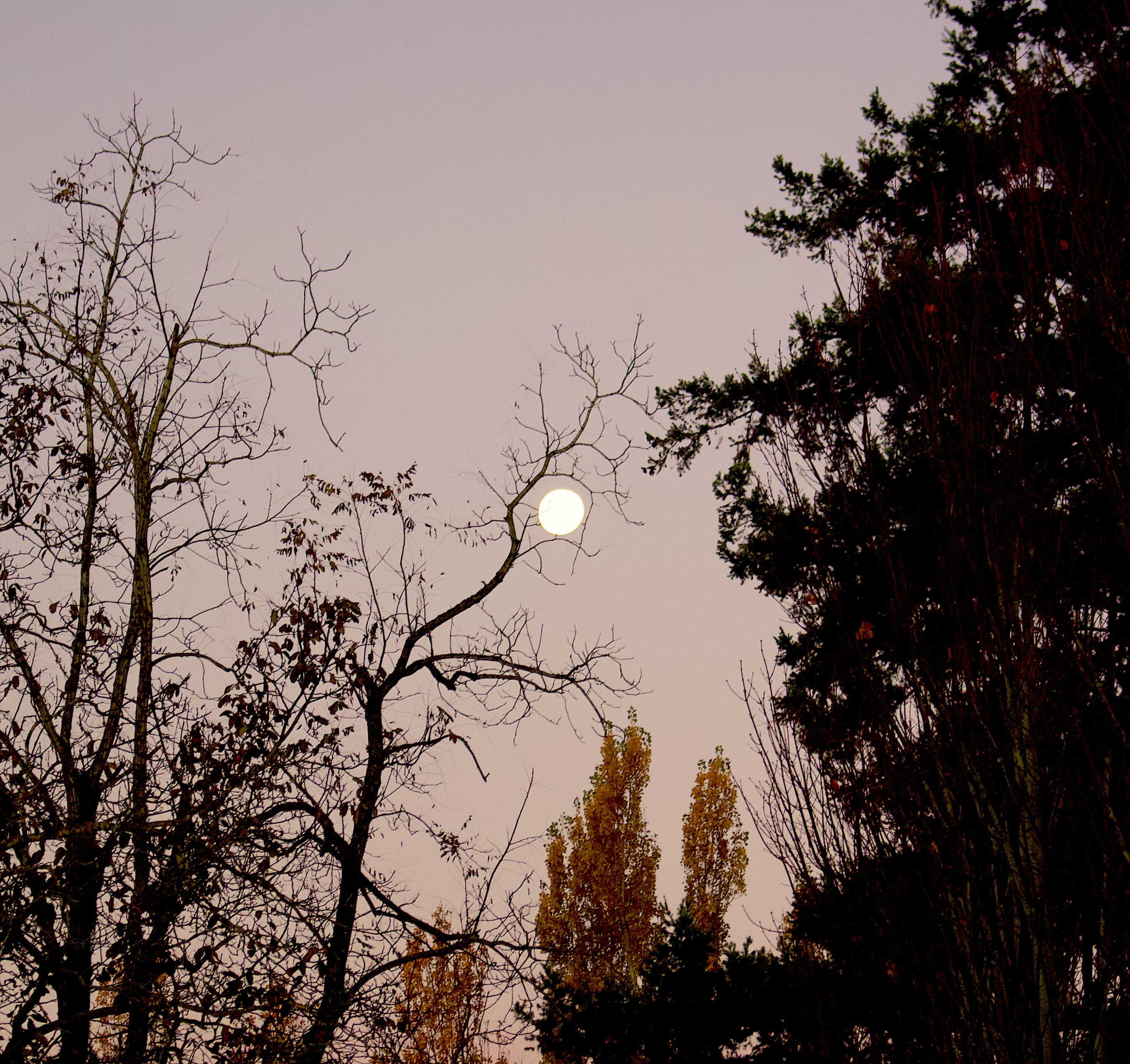
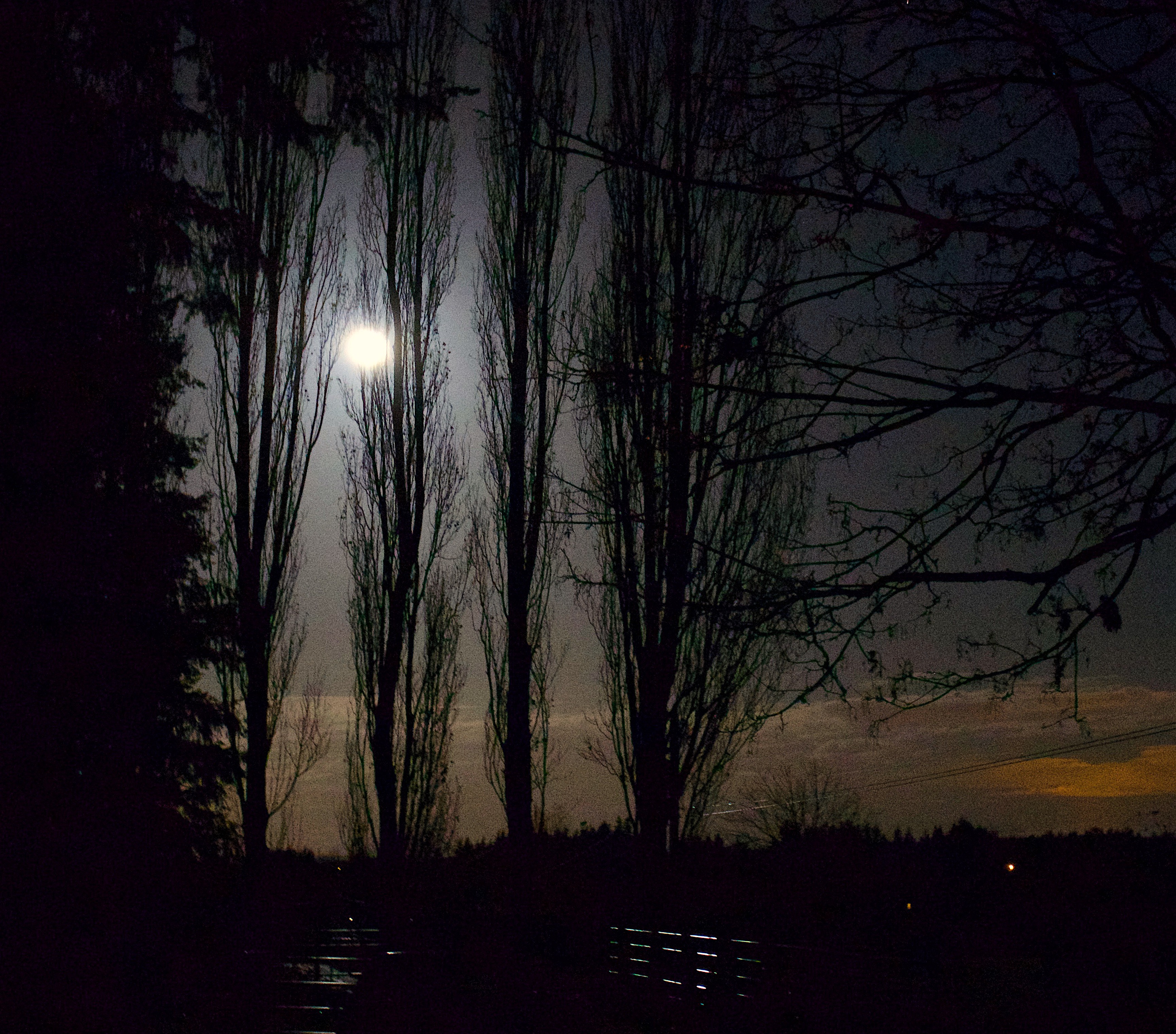
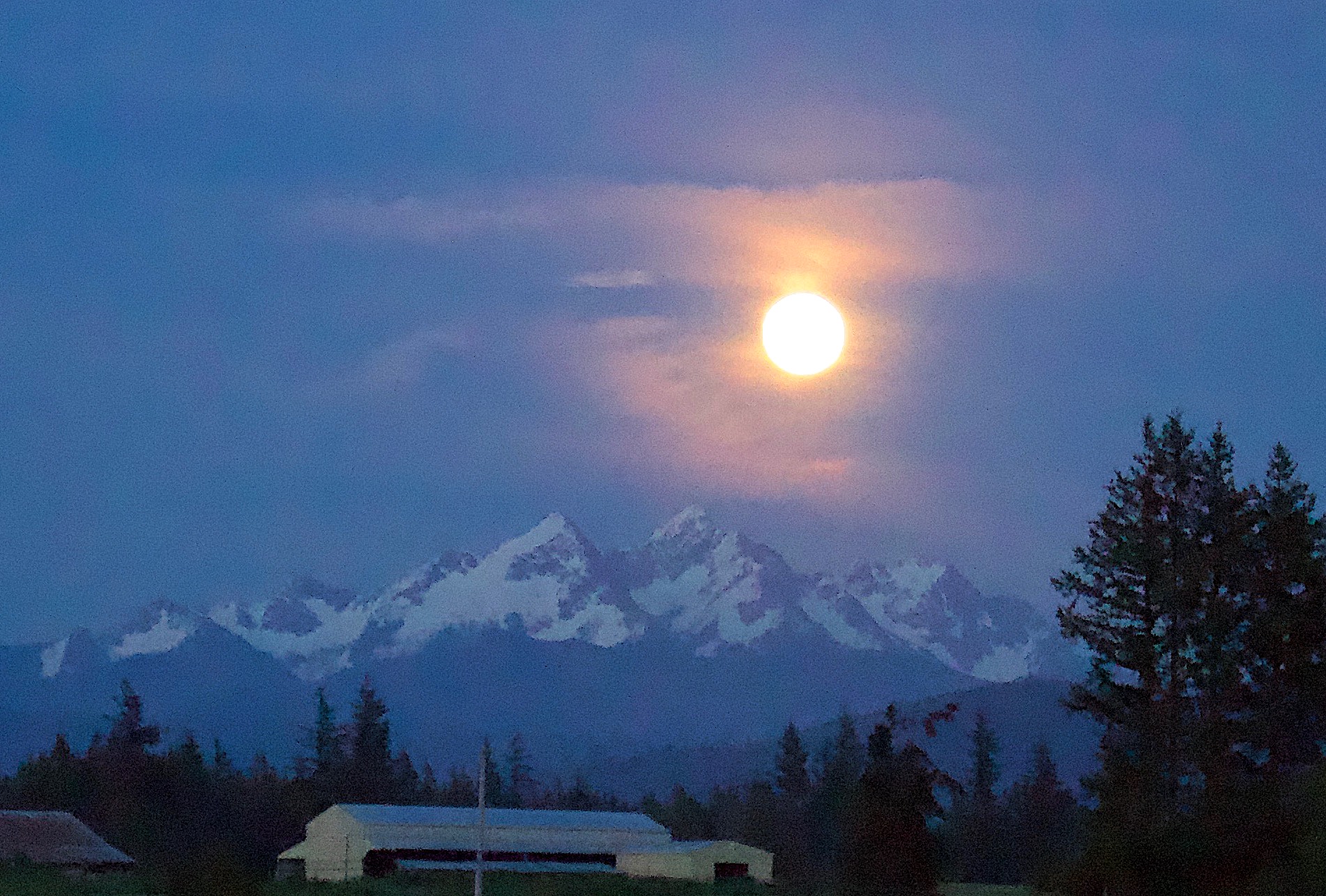
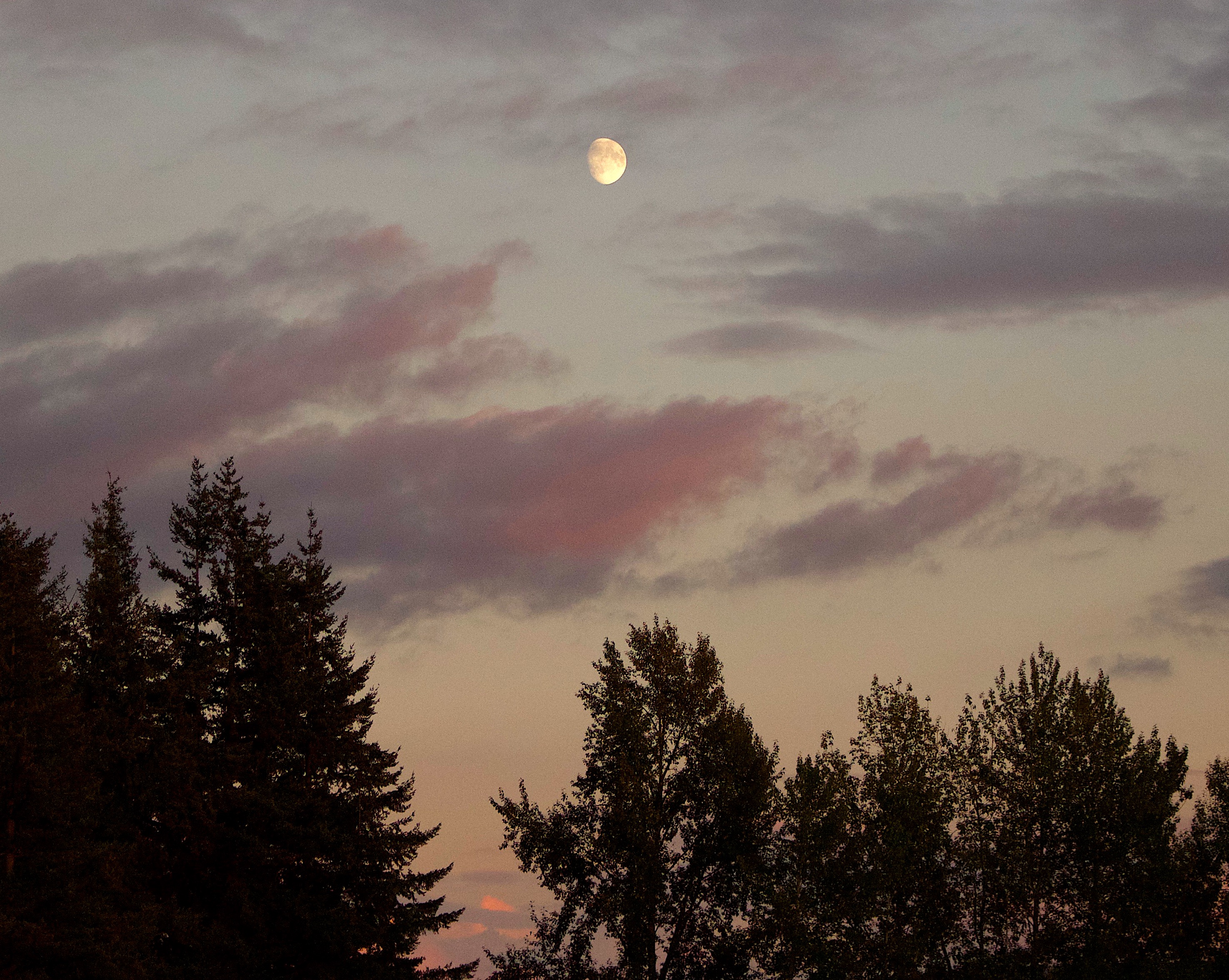
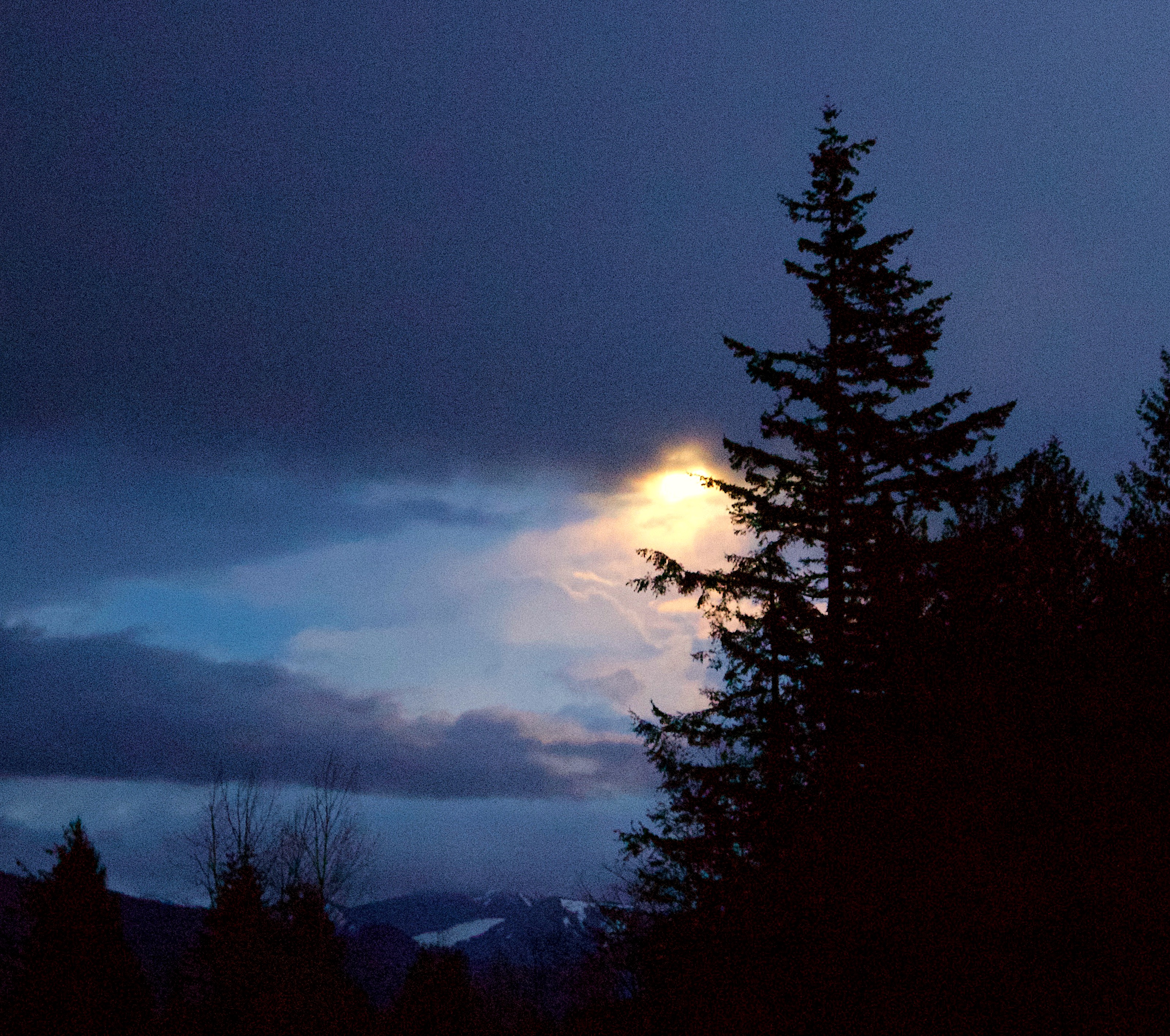
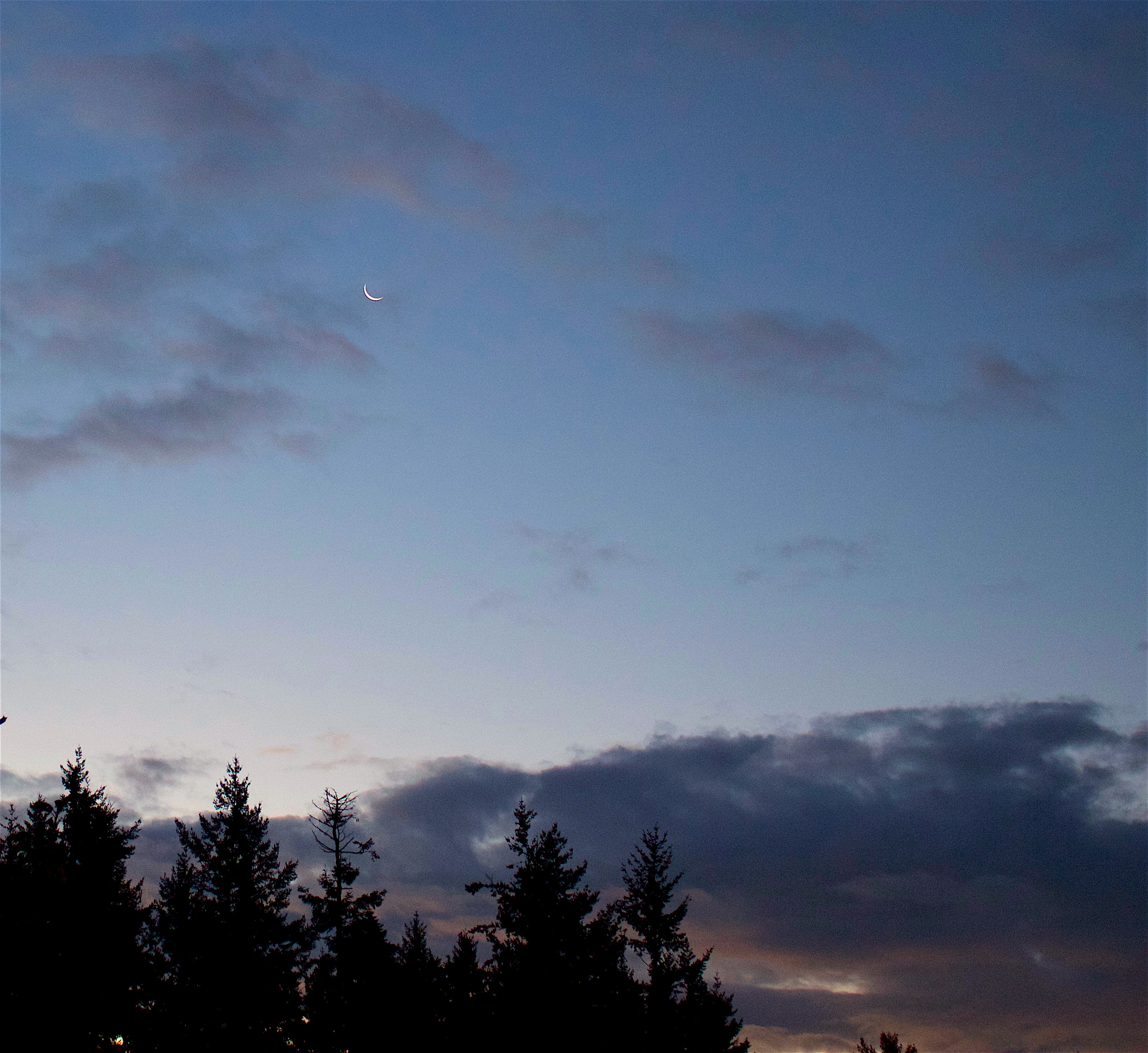
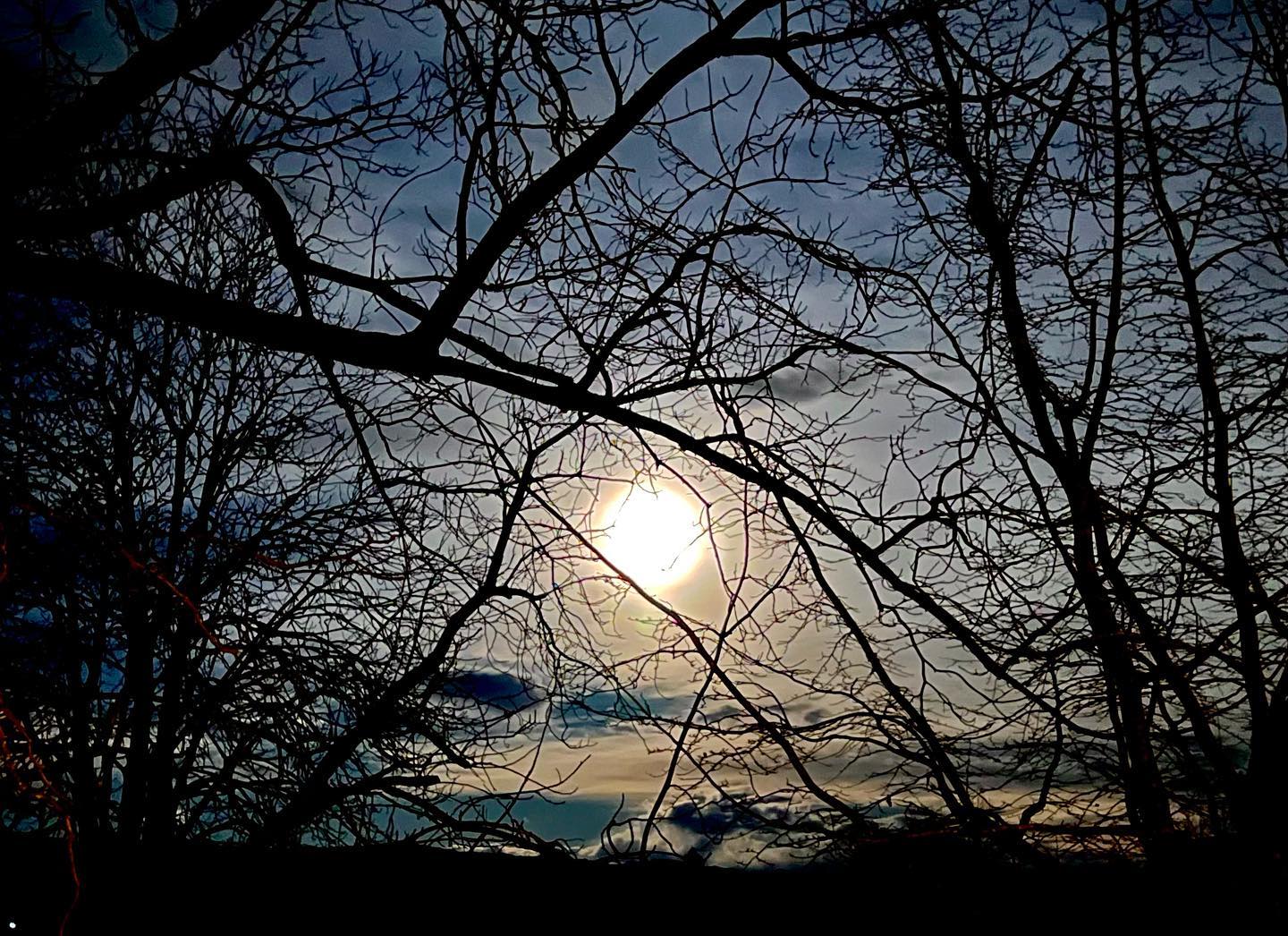
And who has seen the moon, who has not seen Her rise from out the chamber of the deep, Flushed and grand and naked, as from the chamber Of finished bridegroom, seen her rise and throw Confession of delight upon the wave, Littering the waves with her own superscription Of bliss, till all her lambent beauty shakes towards us Spread out and known at last, and we are sure That beauty is a thing beyond the grave, That perfect, bright experience never falls To nothingness, and time will dim the moon Sooner than our full consummation here In this odd life will tarnish or pass away. ~D.H. Lawrence “Moonrise”
the moon looked into my window it touched me with its small hands and with curling infantile fingers it understood my eyes cheeks mouth its hands(slipping)felt of my necktie wandered against my shirt and into my body the sharp things fingered tinily my heart life
the little hands withdrew, jerkily, themselves quietly they began playing with a button the moon smiled she let go my vest and crept through the window she did not fall she went creeping along the air over houses roofs
At times, I’m amazed at the heat of my own breath. Forming a cloudy mist on a cold day, a round fog on the mirror or window, a warming of my ungloved fingers.
This breath that I was given at my beginning is a gift I rarely think about, a fragile gift I take for granted.
Nightly, as the moon honors the sun, reflecting its glory like a faint echo gathering in its light and warmth, I treasure the heat and heart of that first gift of breath so long ago.
Soli deo Gloria.
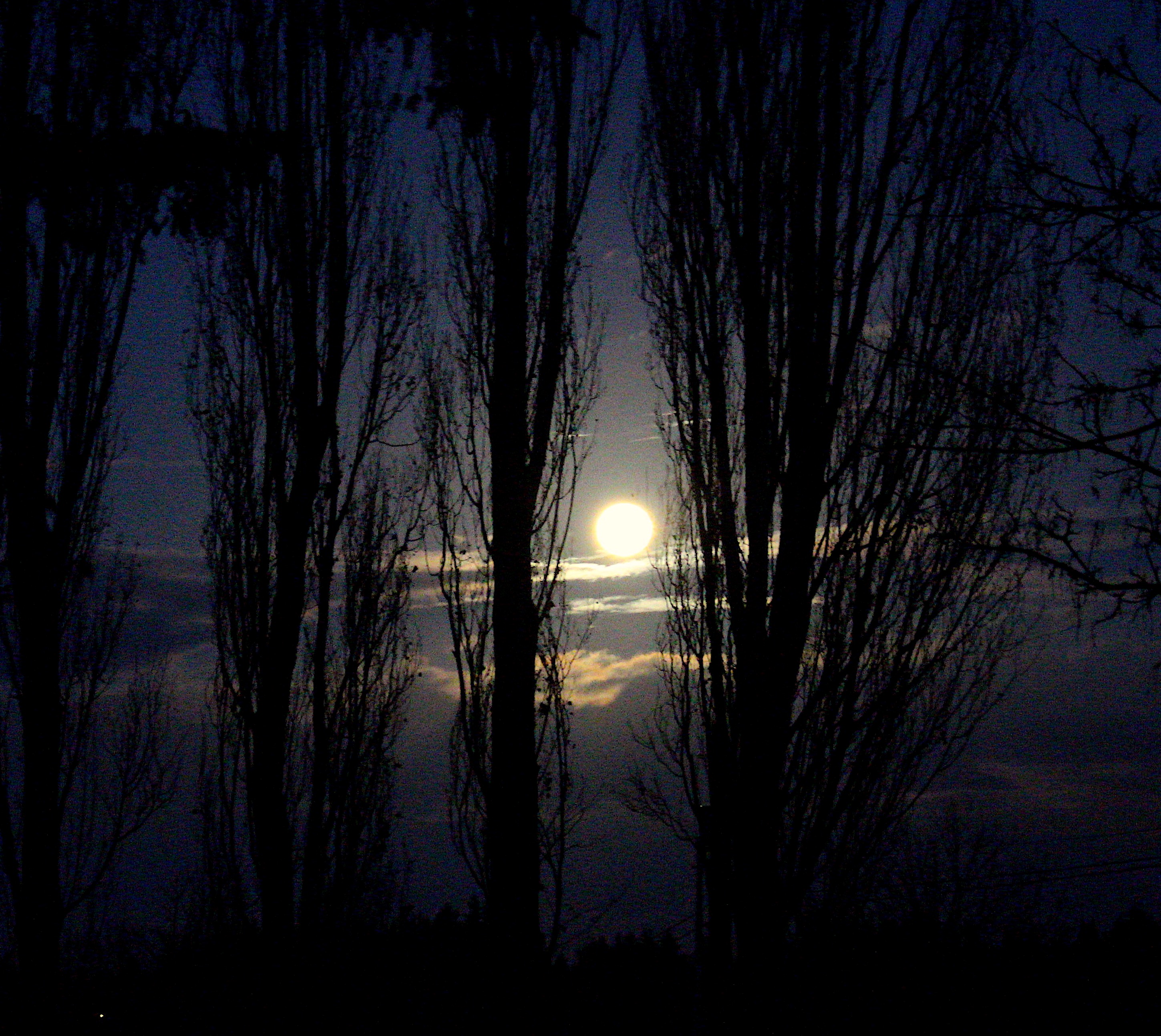
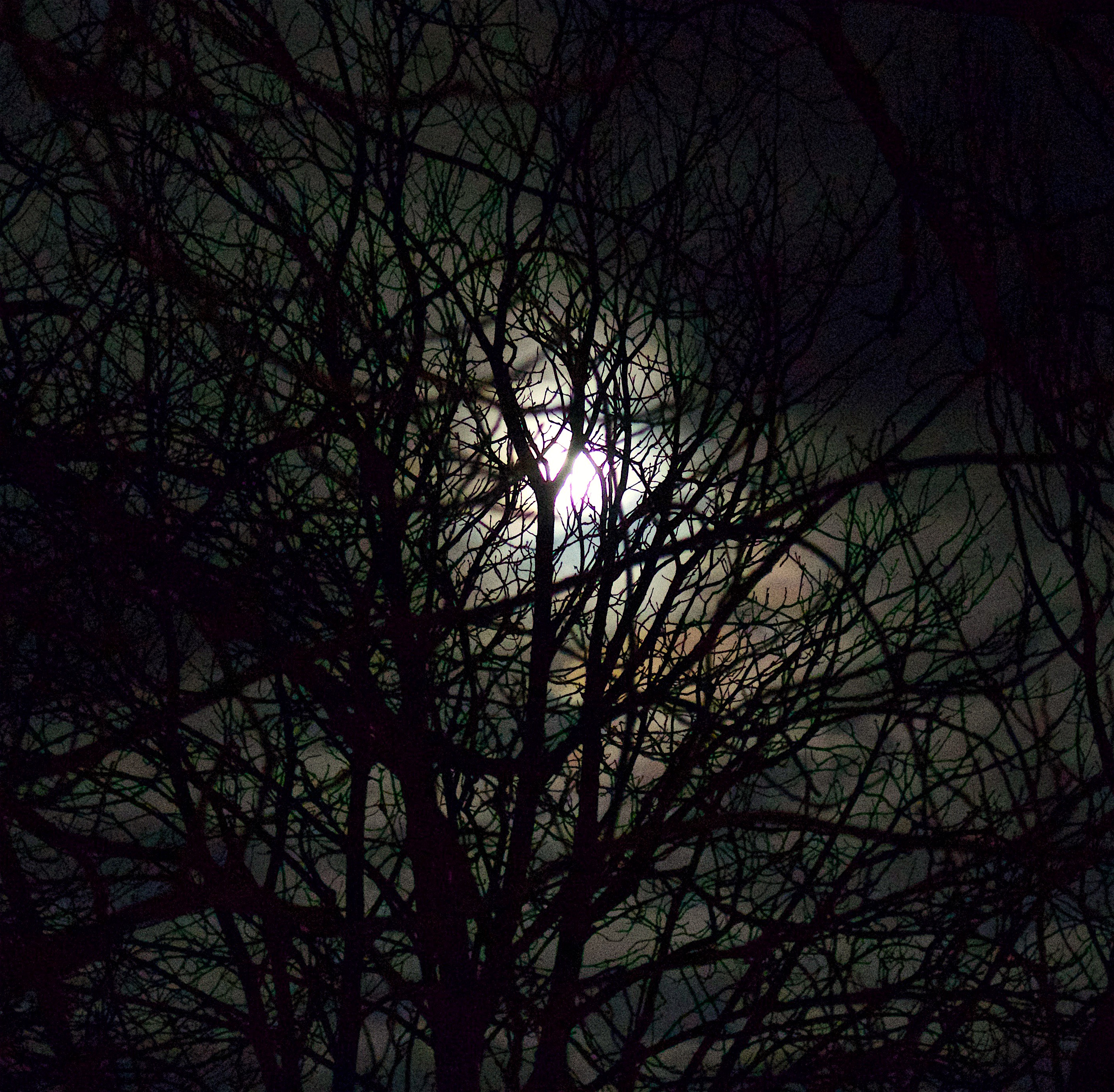
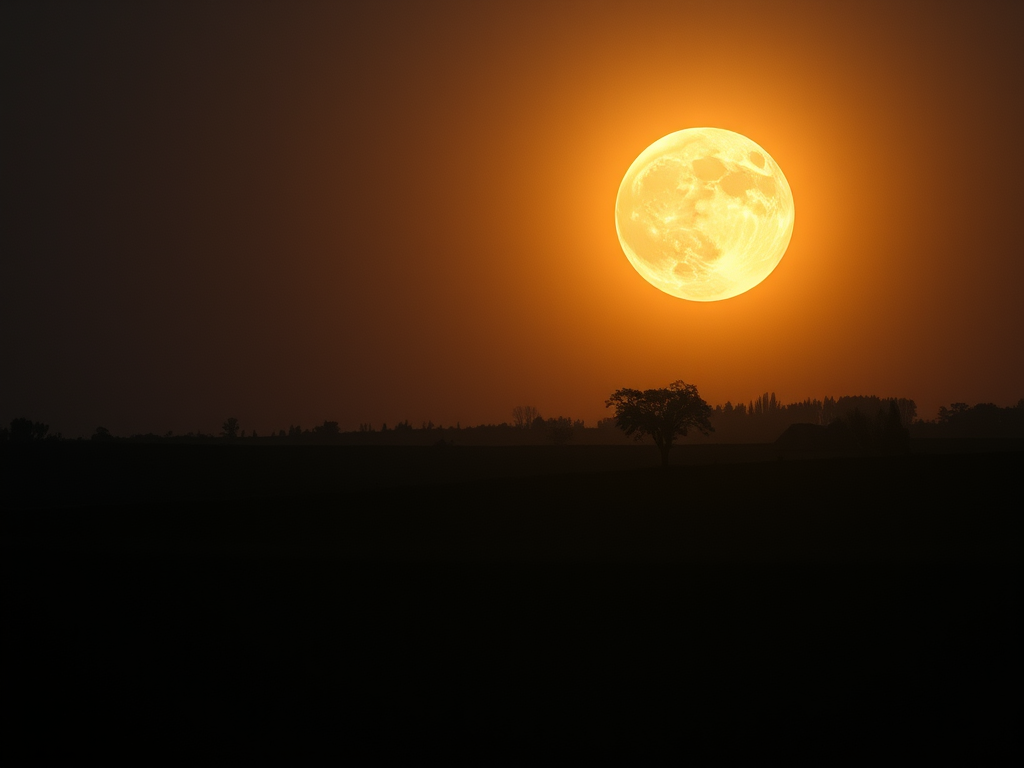
photo of supermoon by Harry RodenbergerAI image created for this post
One-Time
Monthly
Yearly
Make a one-time or recurring donation to support daily Barnstorming posts
Flee for a while from your tasks; hide yourself for a little space from the turmoil of your thoughts. Come, cast aside your burdensome cares, and put aside your laborious pursuits. For a little while give your time to God, and rest in him for a little while. Enter into the inner chamber of your mind, shut out all things save God and whatever may aid you in seeking God; and having barred the door of your chamber, seek him. ~Anselm of Canterbury from Major Works
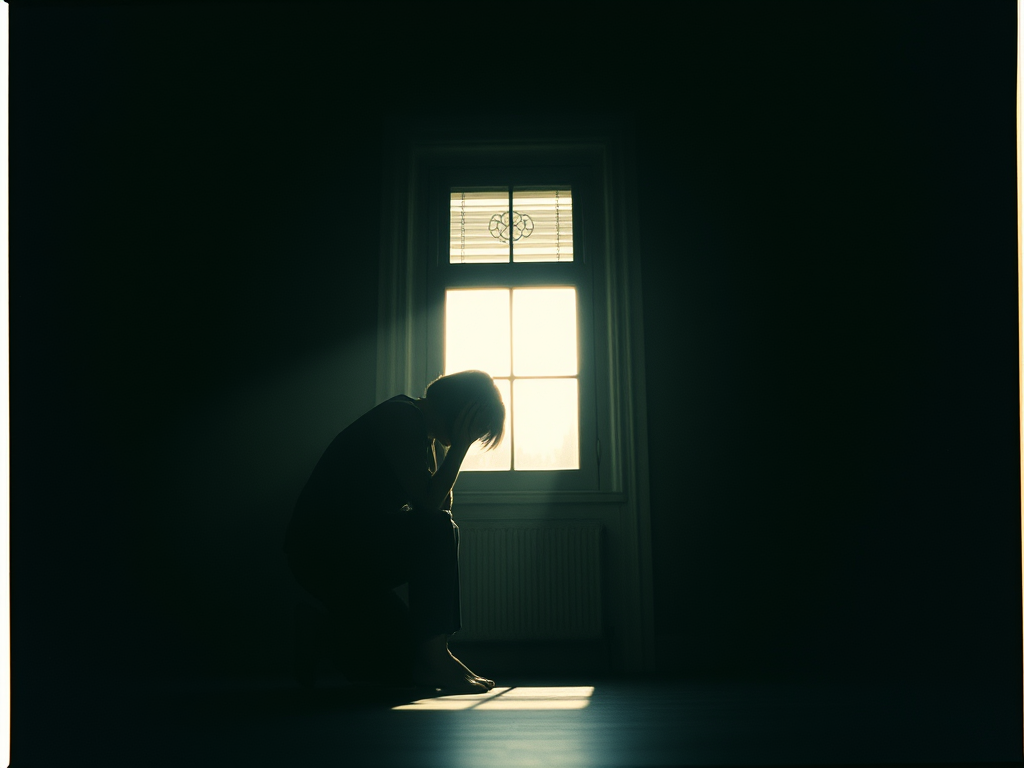
There were clinic days when I needed to leave early: near tears, physically spent, too fried to keep listening, problem solving, comforting.
These were times I needed to feel anything other than being needed. I was the picture of neediness myself — a sorry place to be.
Feeling overwhelmed had happened before: middle of the night mothering a feverish vomiting child, middle of the night mothering my frail dying mother, middle of the night mothering a troubled world.
Yet morning still comes, after a little while, shining and wondrous because God never left.
In my need, if I gently close the door to all worries that are not God, I find Him looking for me and waiting to hear what I have to say.
AI image created for this post
One-Time
Monthly
Yearly
Make a one-time or recurring donation to support daily Barnstorming posts















 Barnstorming