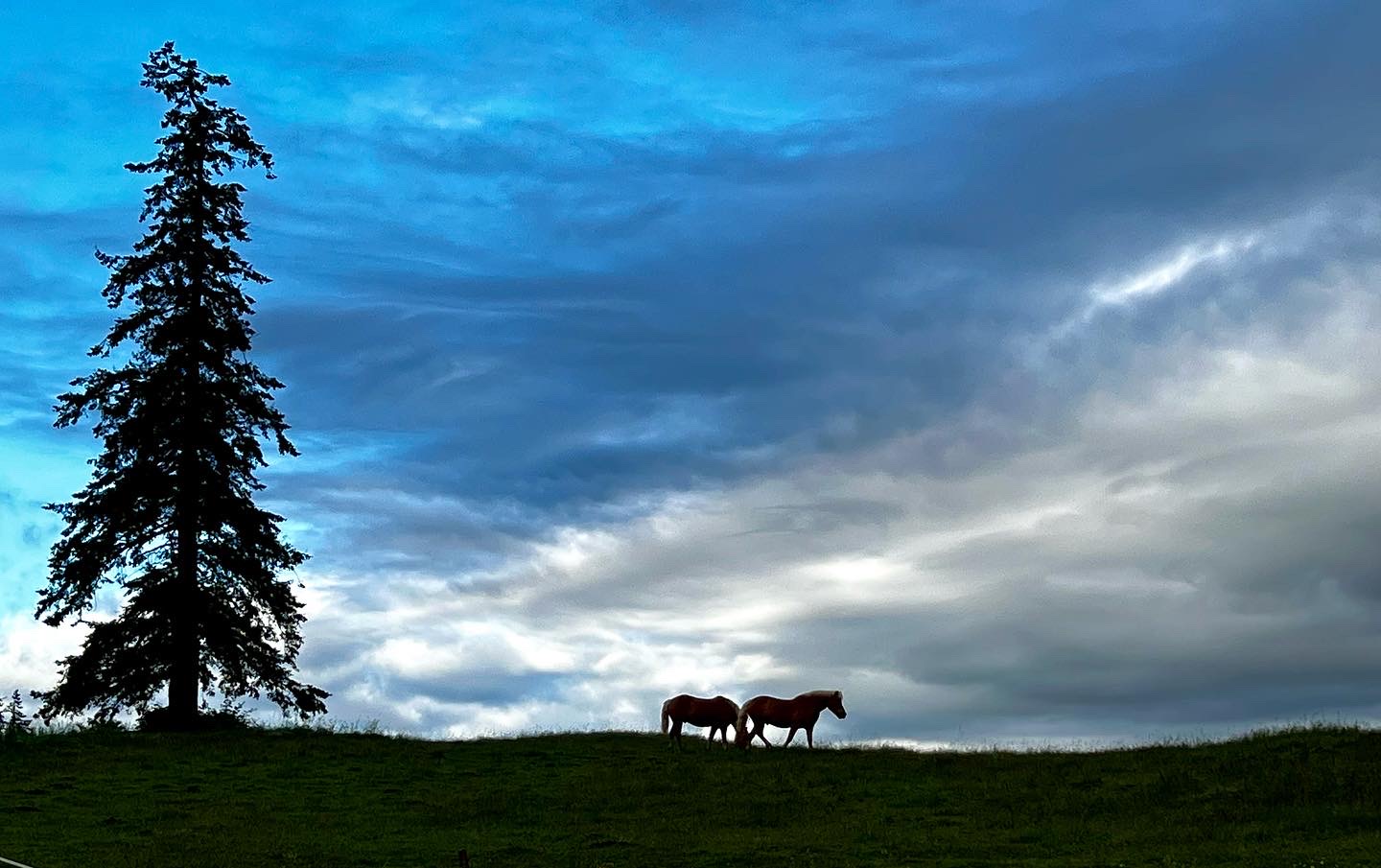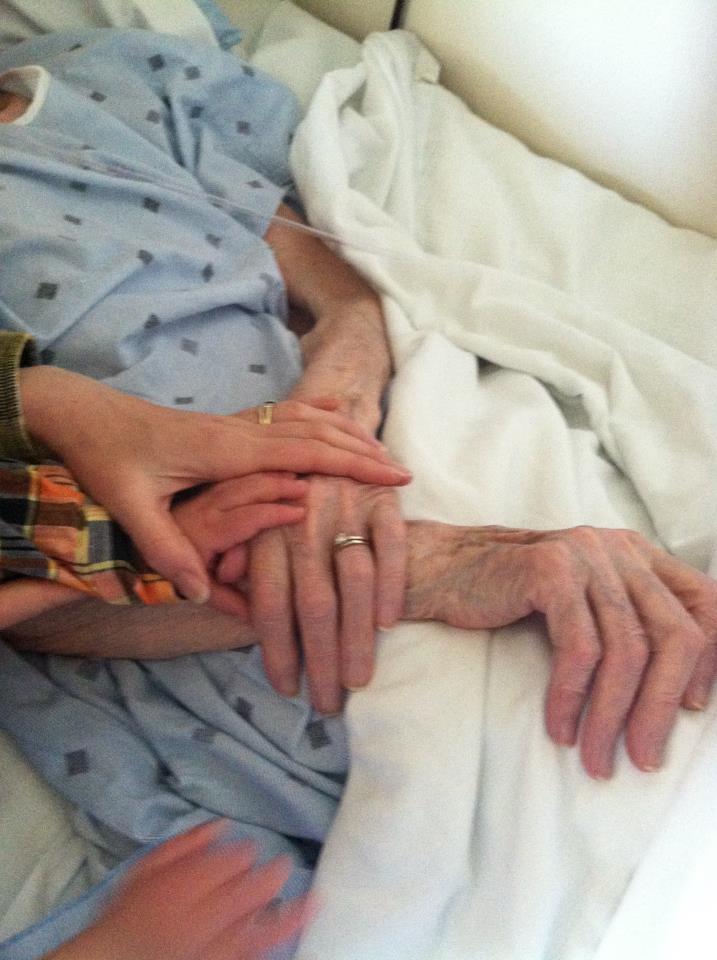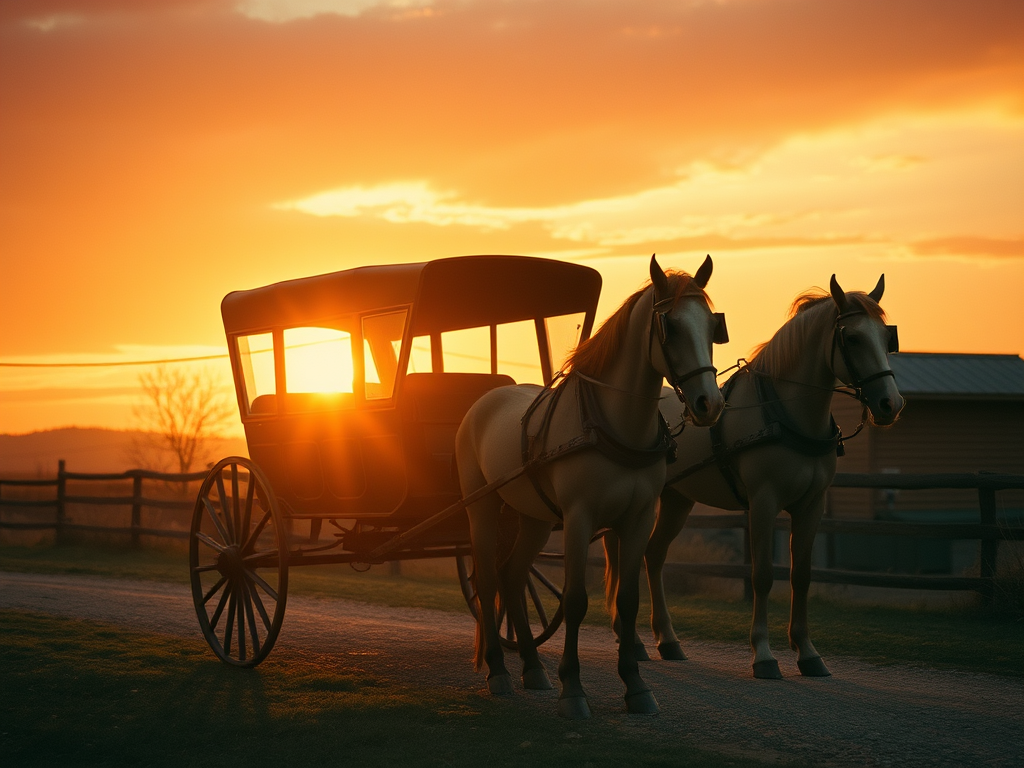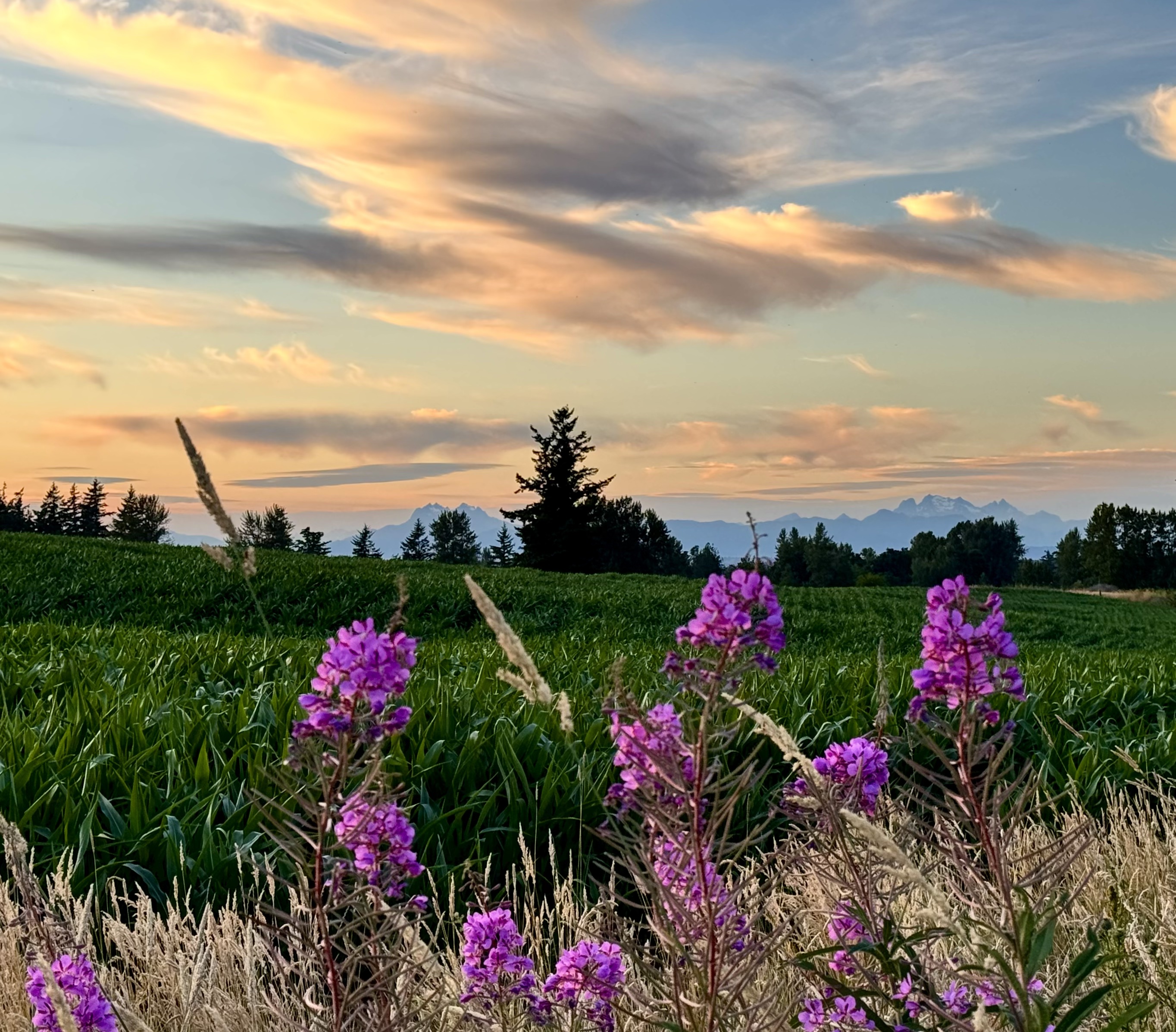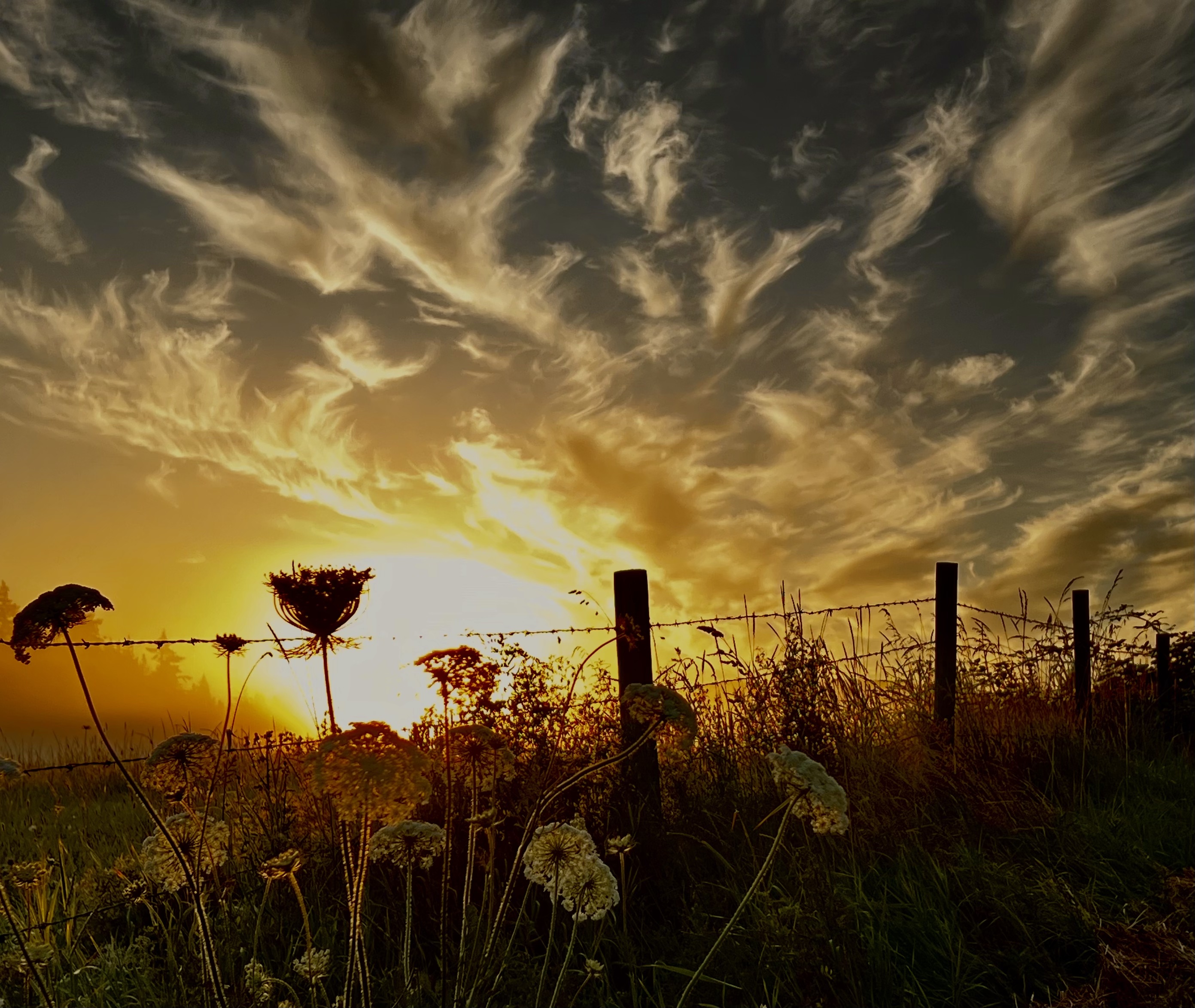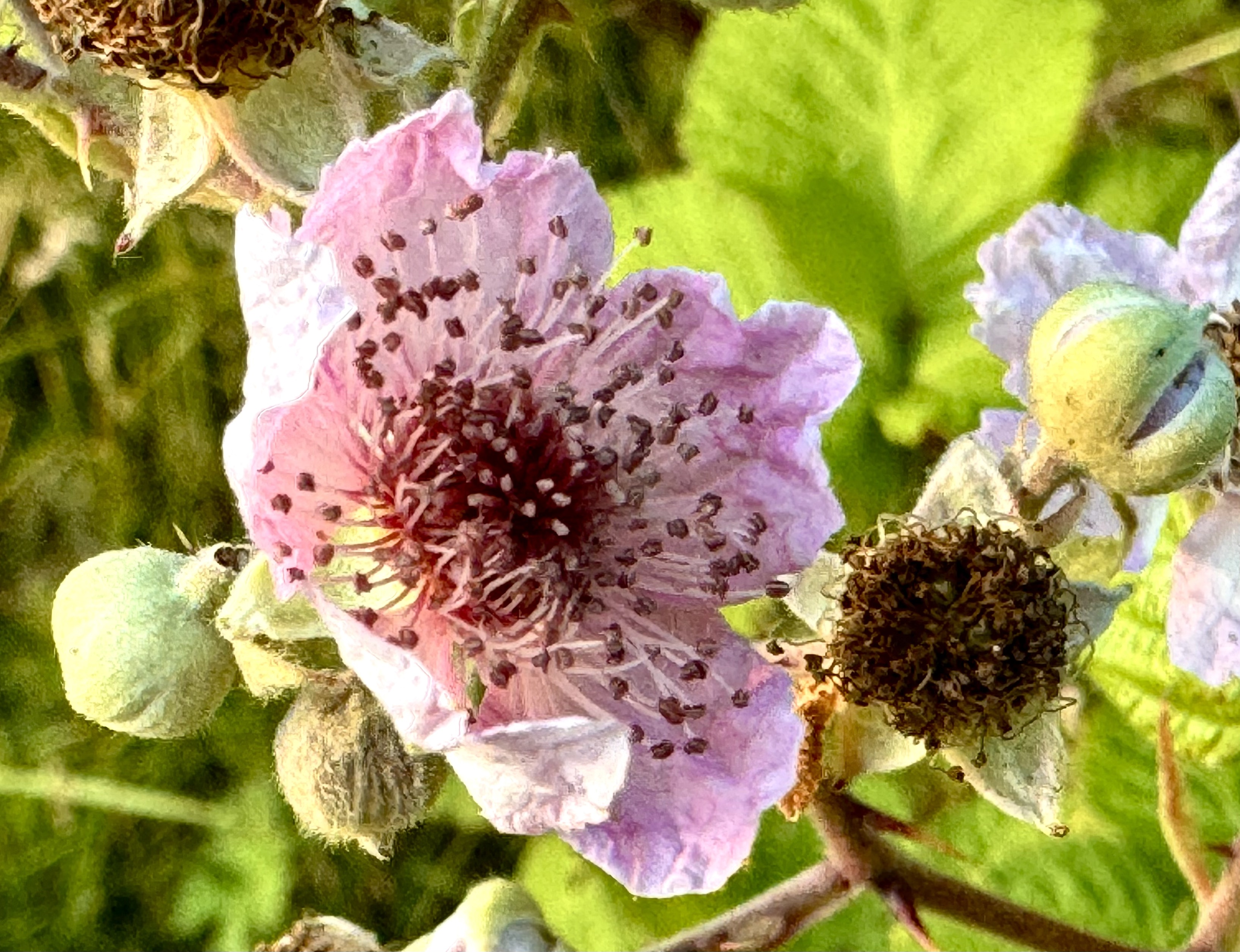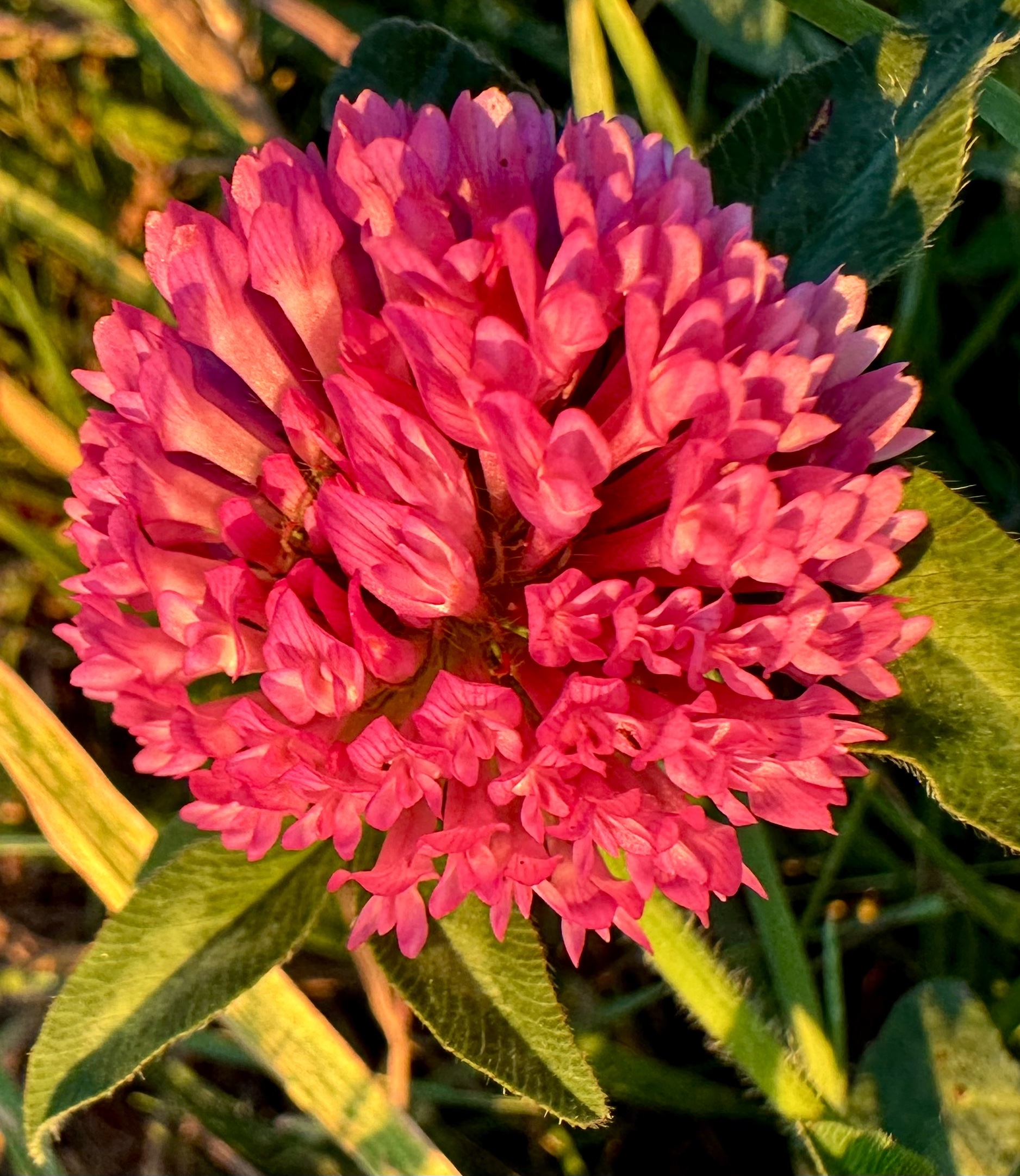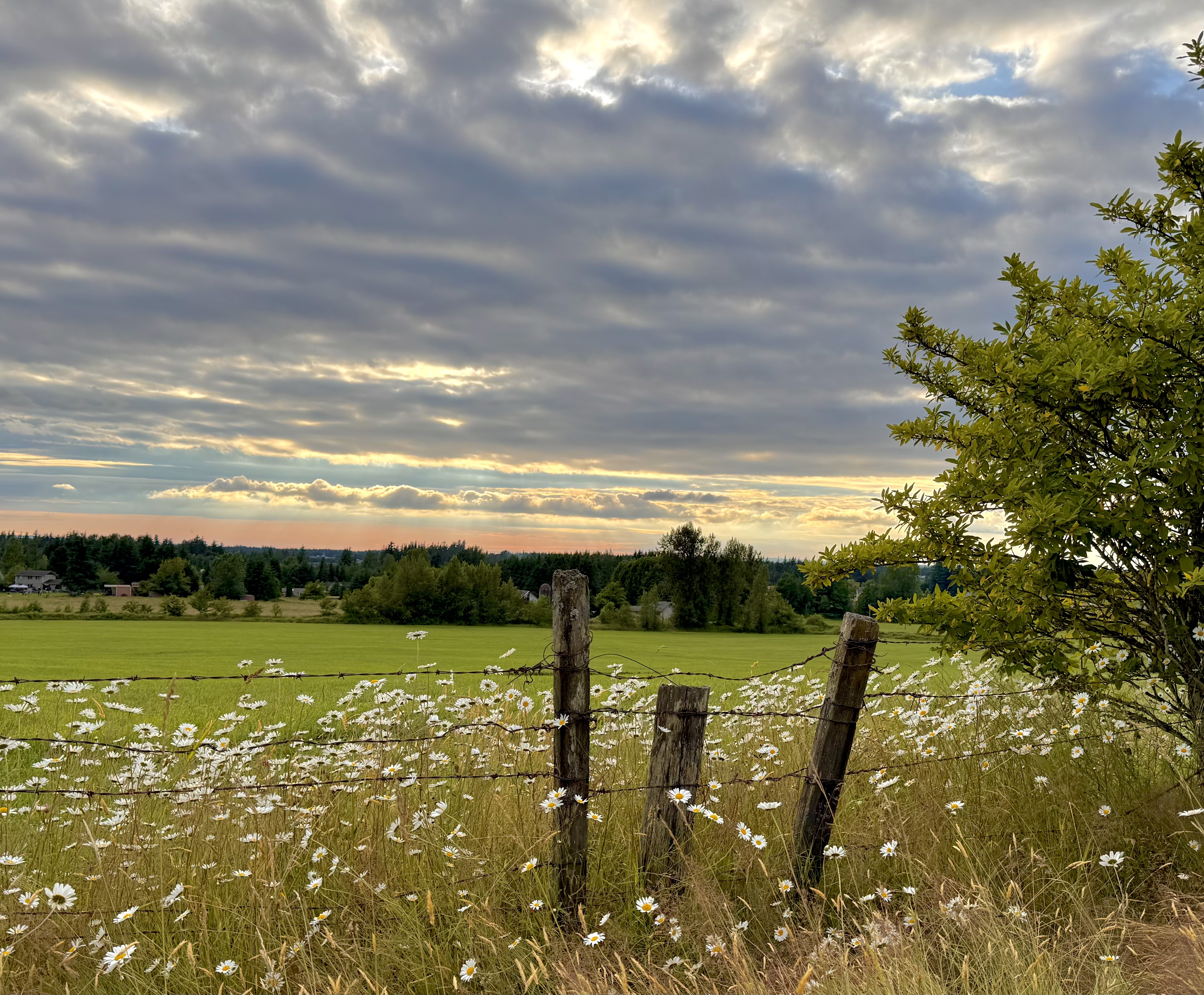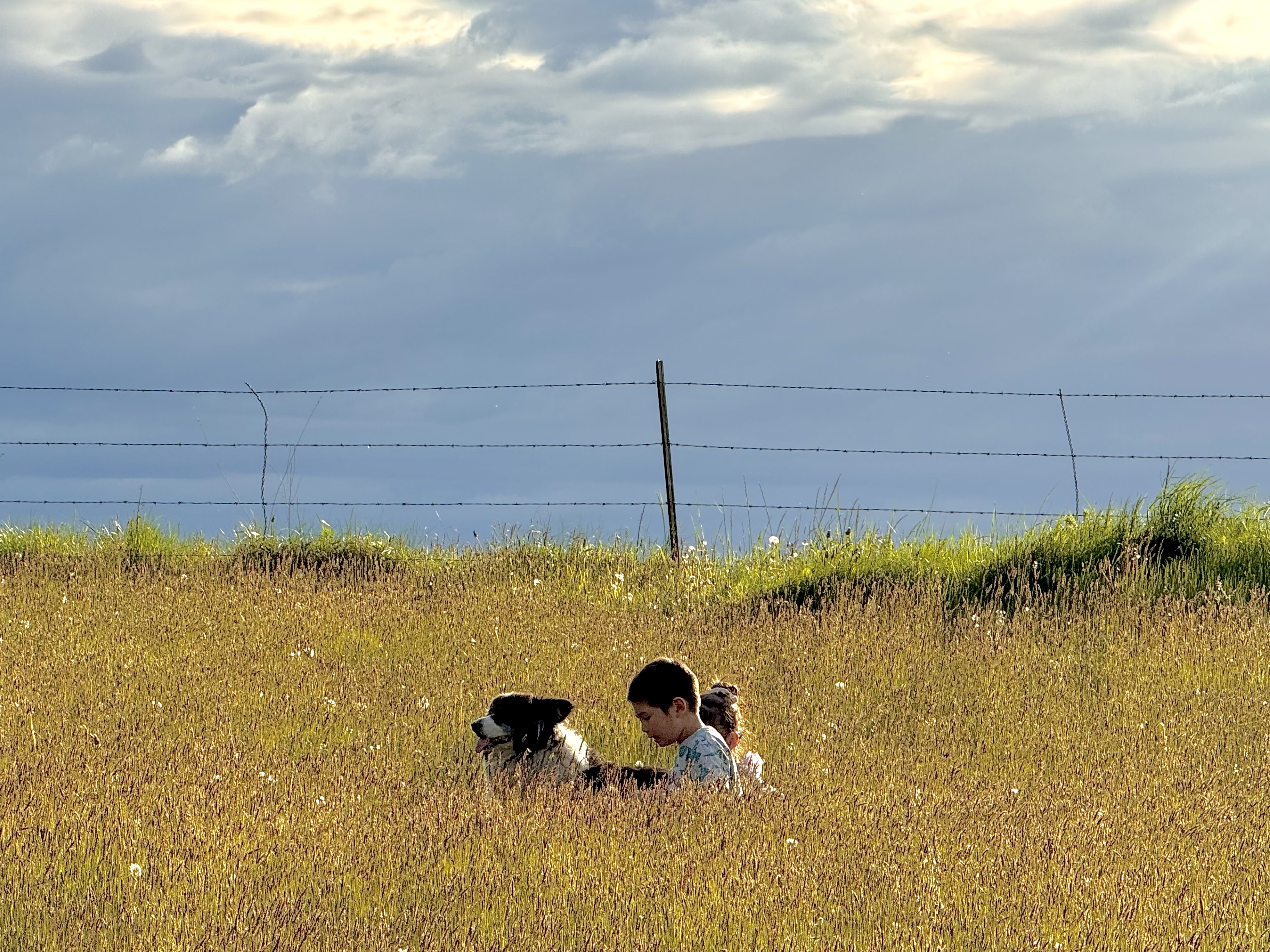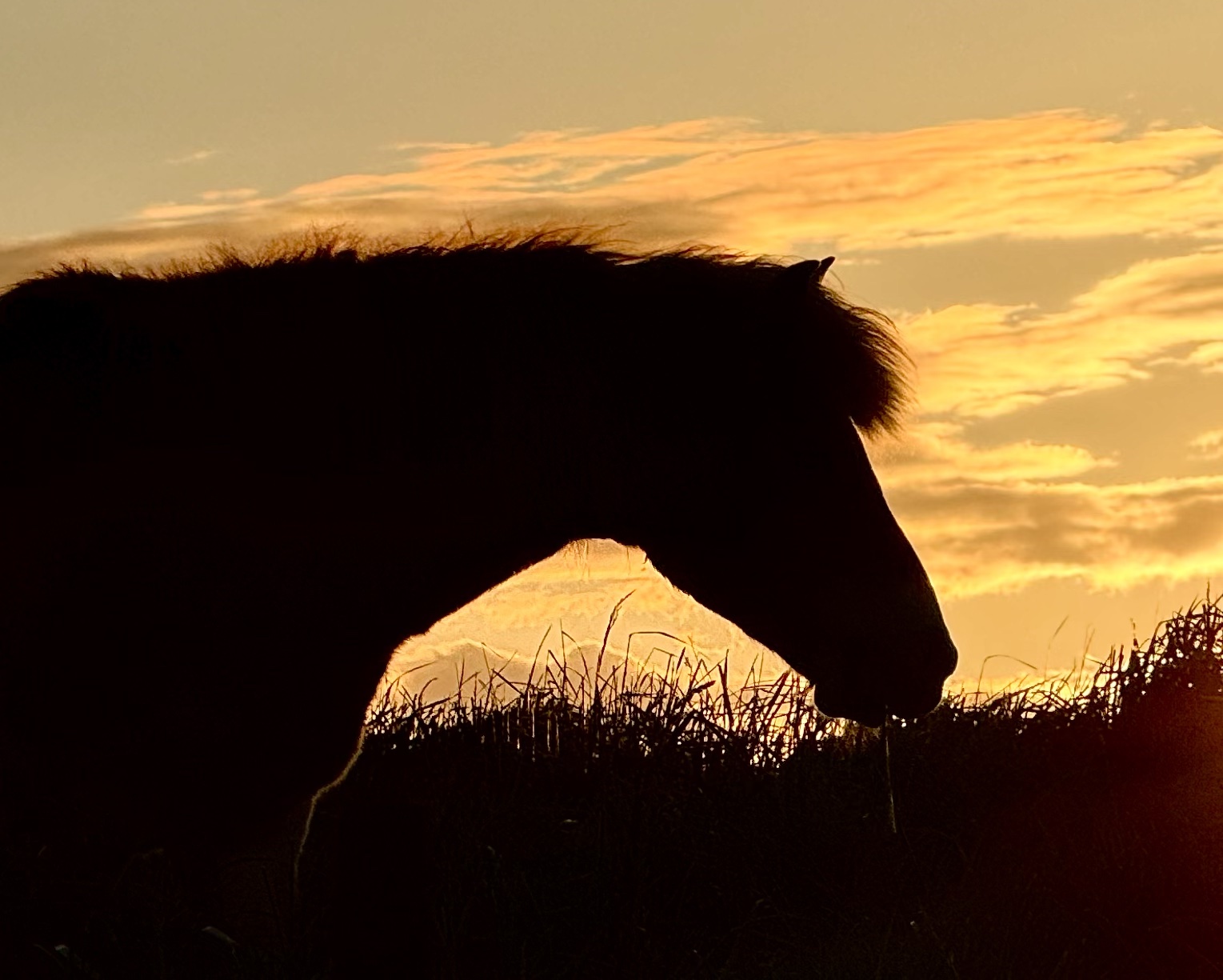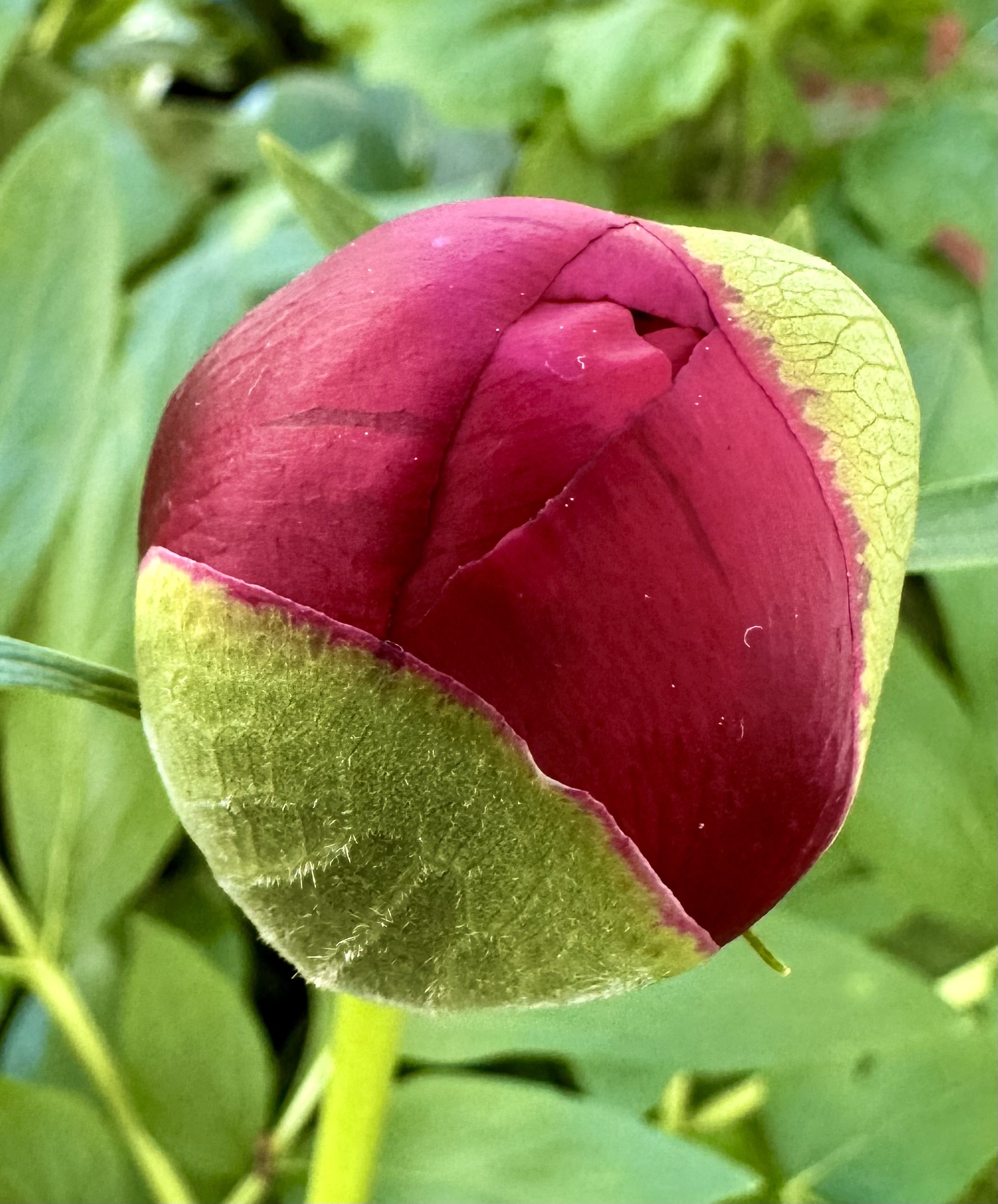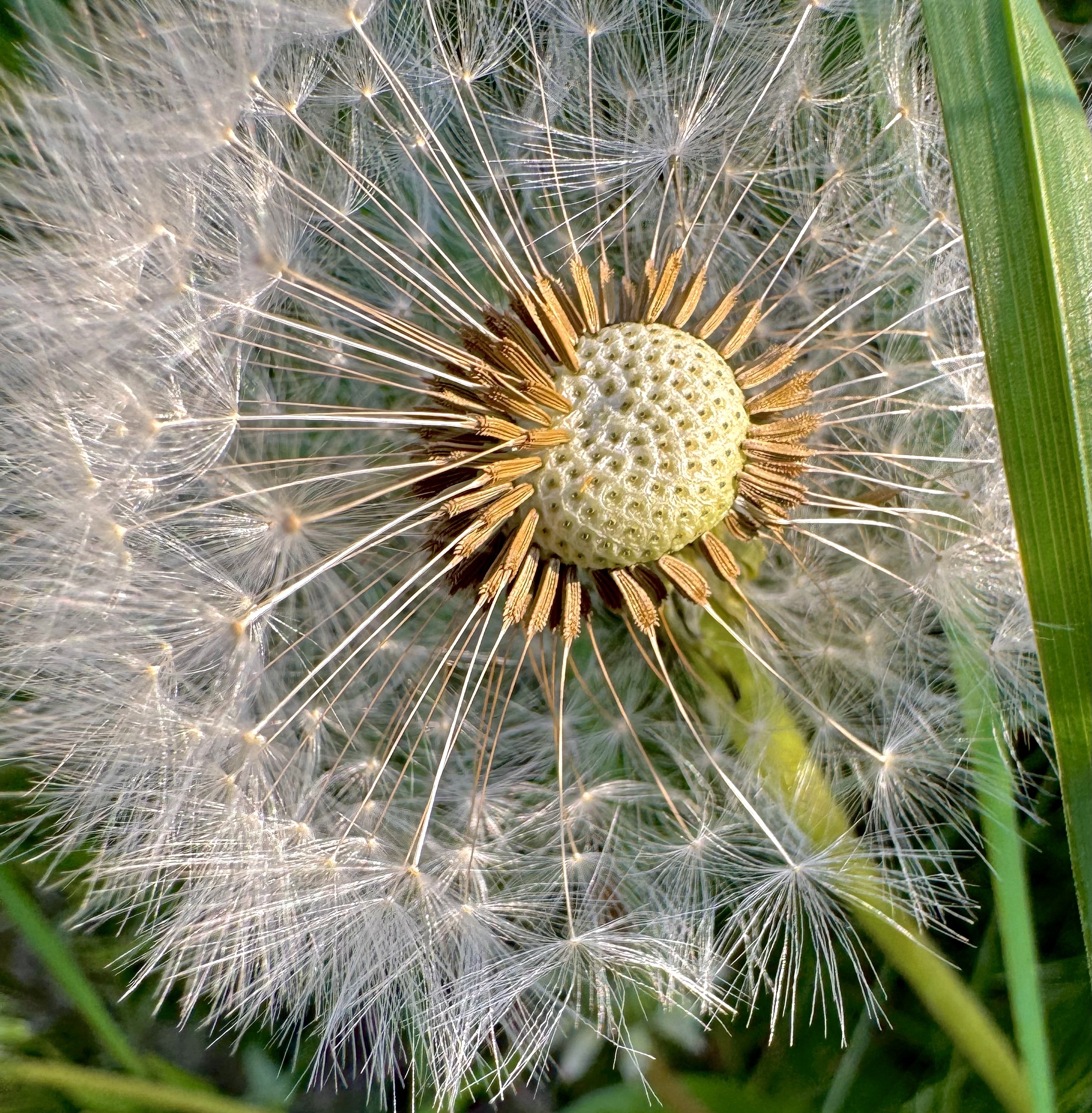
My grandparents owned the land, worked the land, bound to the earth by seasons of planting and harvest.
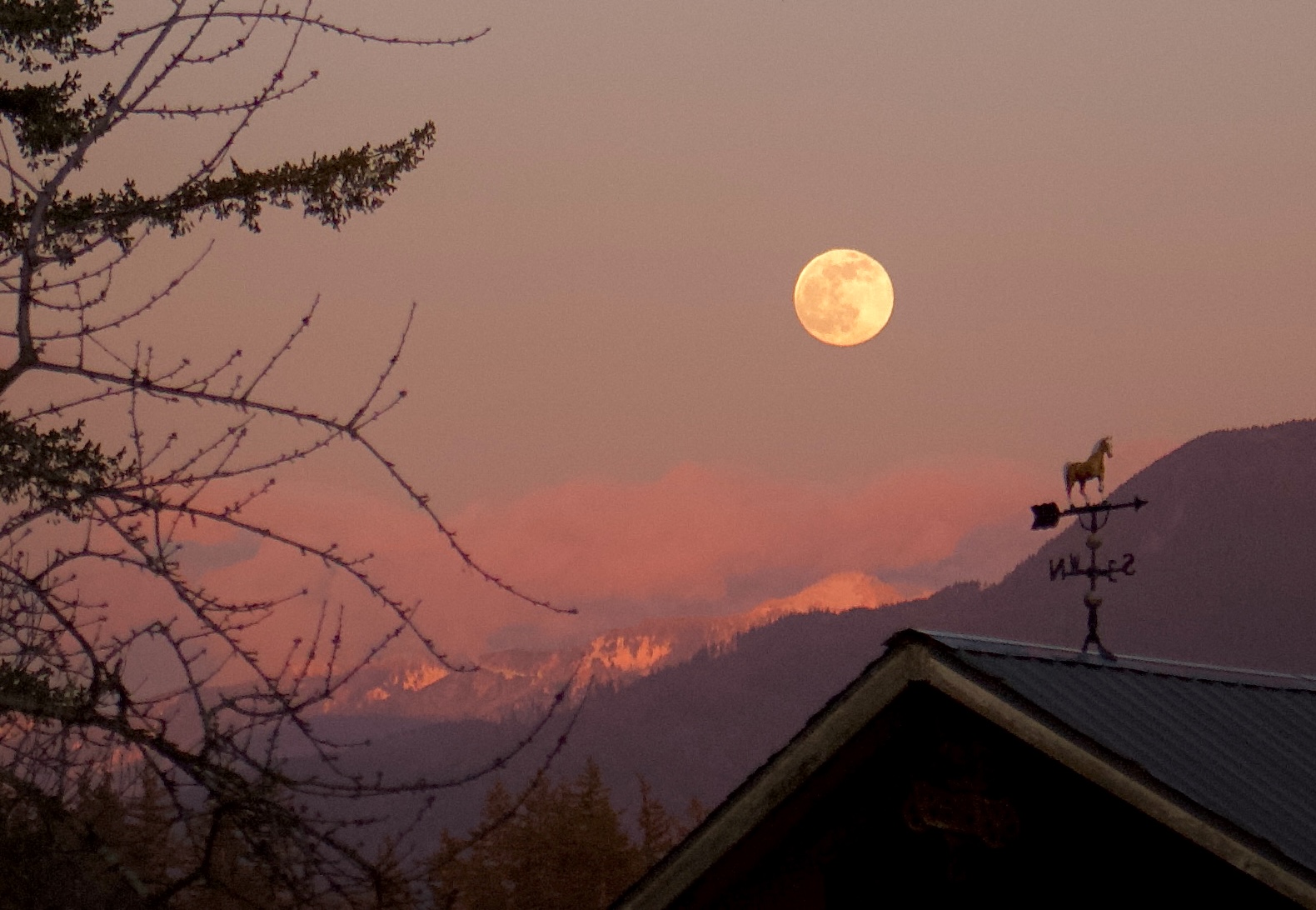
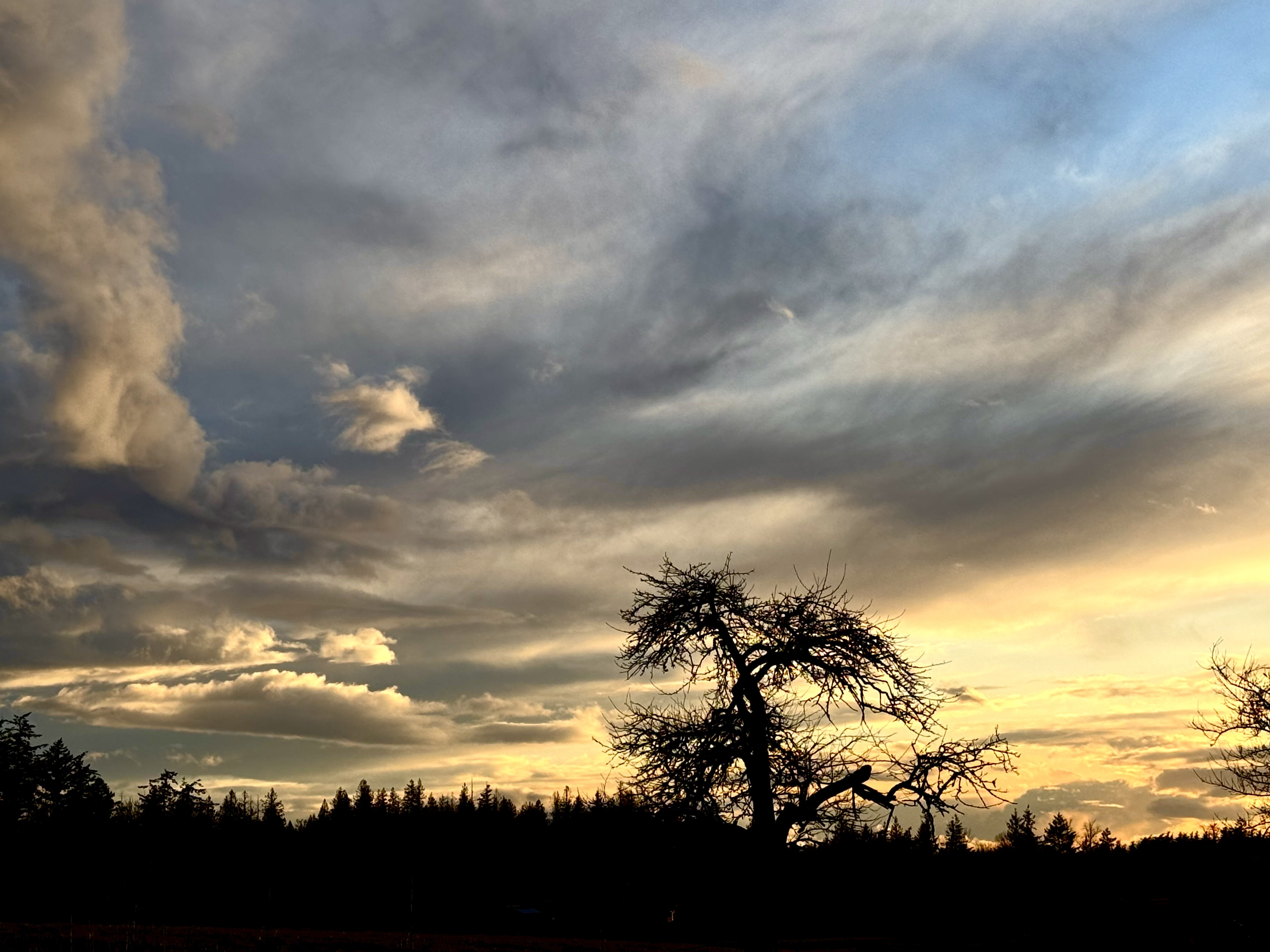
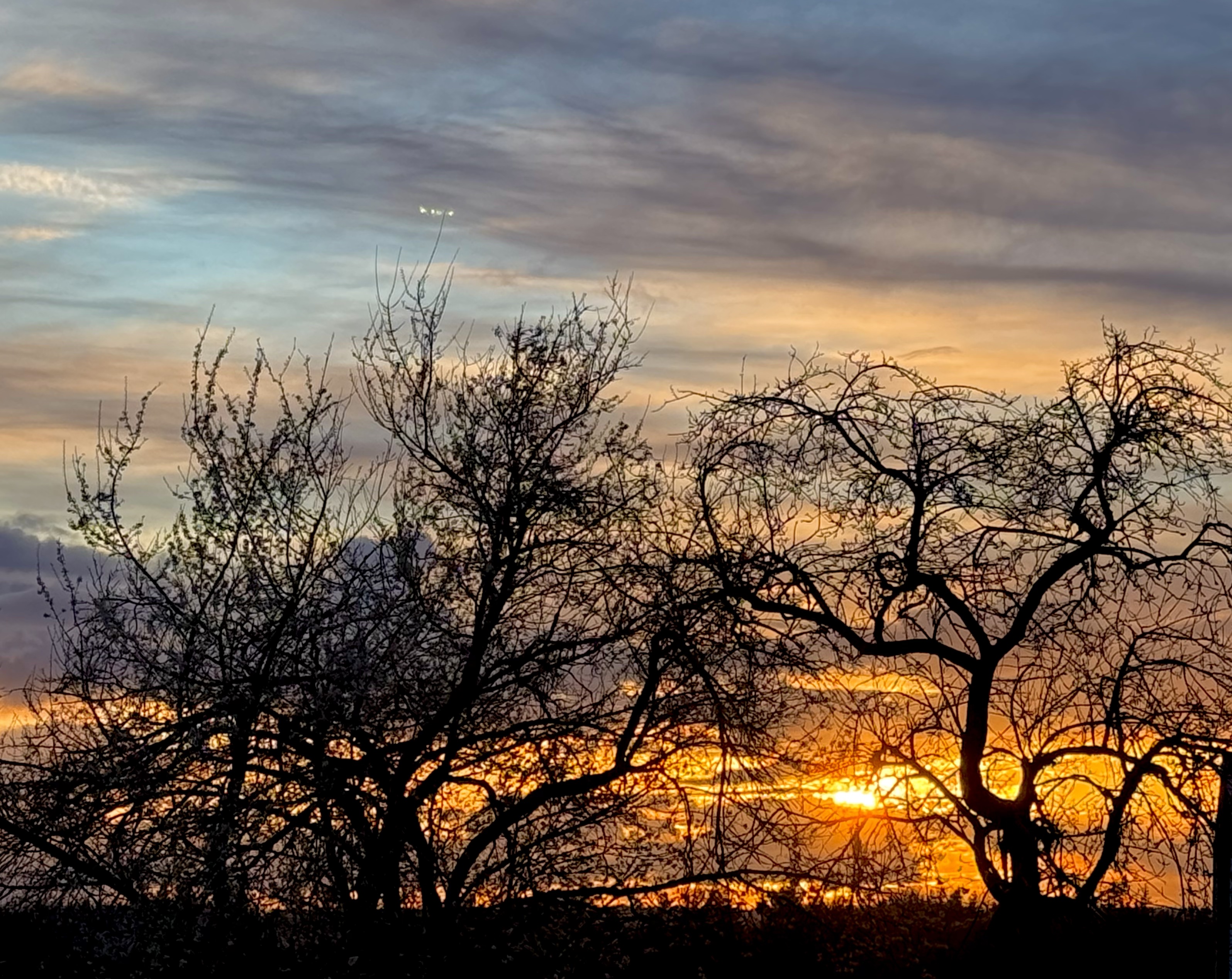
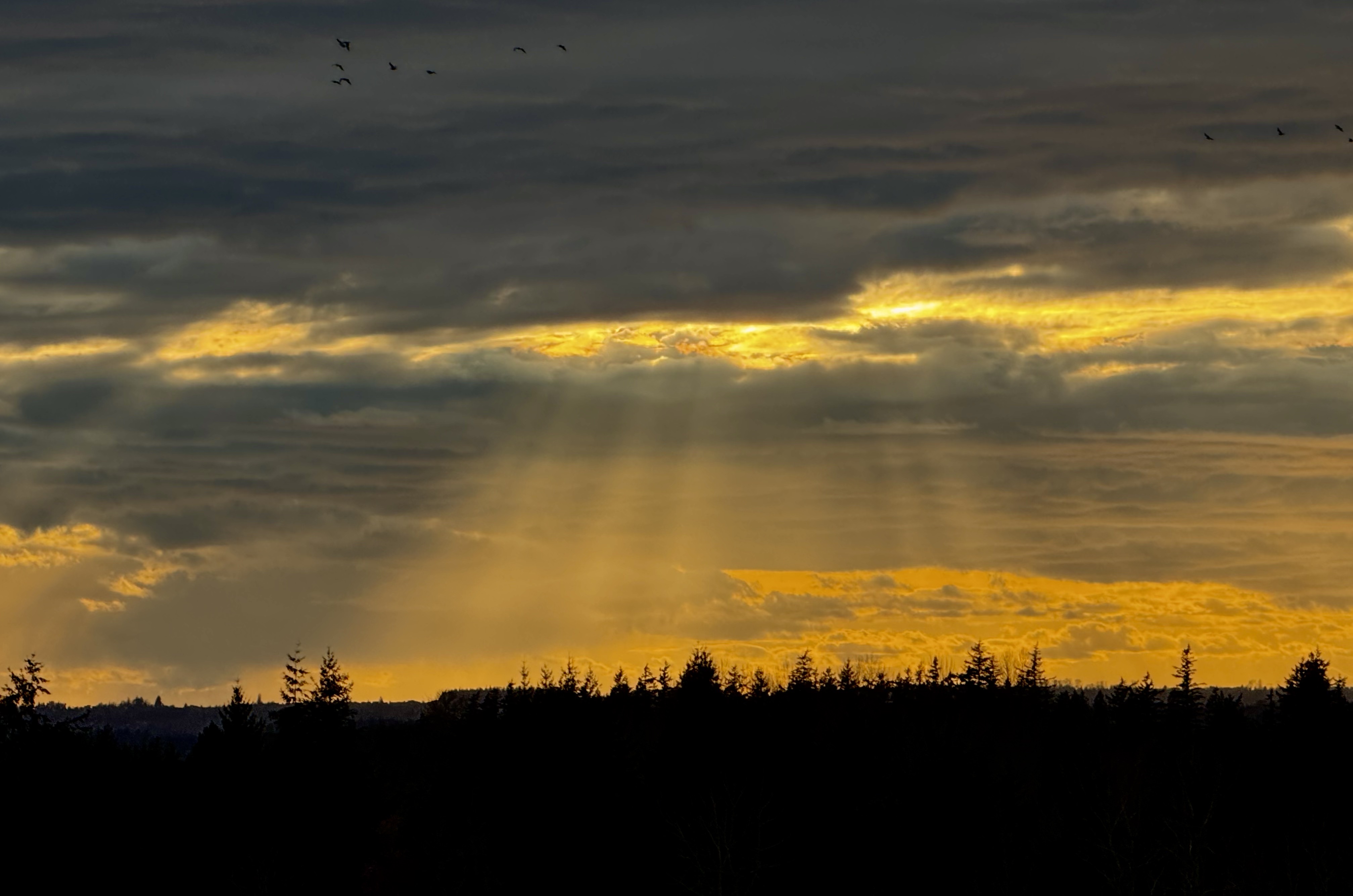
They watched the sky, the habits of birds, hues of sunset, the moods of moon and clouds, the disposition of air. They inhaled the coming season, let it brighten their blood for the work ahead.
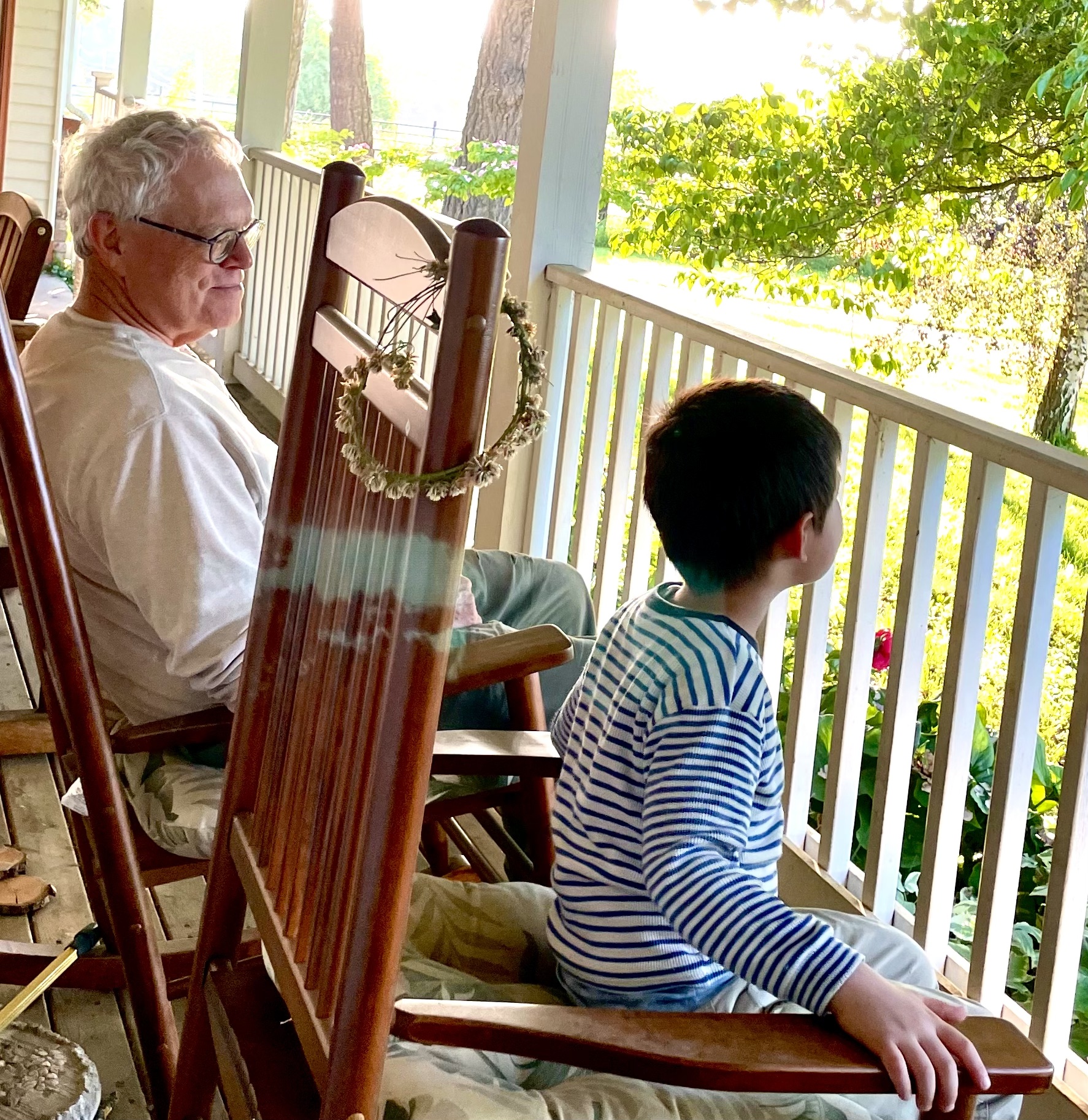
My husband and I met in the late 70’s while we were both in graduate school in Seattle, living over 100 miles away from our grandparents’ farms farther north in Washington. We lived farther still from my other grandparents’ wheat farm in Eastern Washington and his grandparents’ hog farm in Minnesota.
One of our first conversations together – the one that told me I needed to get to know this man better – was about wanting to move back to work on the land. We were descended from peasant immigrants from the British Isles, Holland and Germany – farming was in our DNA, the land remained under our fingernails even as we sat for endless hours studying in law school and medical school classes.
When we married and moved north after buying a small farm, we continued to work full time at desks in town. We’ve never had to depend on this farm for our livelihood, but we have fed our family from the land, bred and raised livestock, and harvested and preserved from a large garden and orchard. It has been a good balance thanks to career opportunities made possible by our education, something our grandparents would have marveled was even possible.
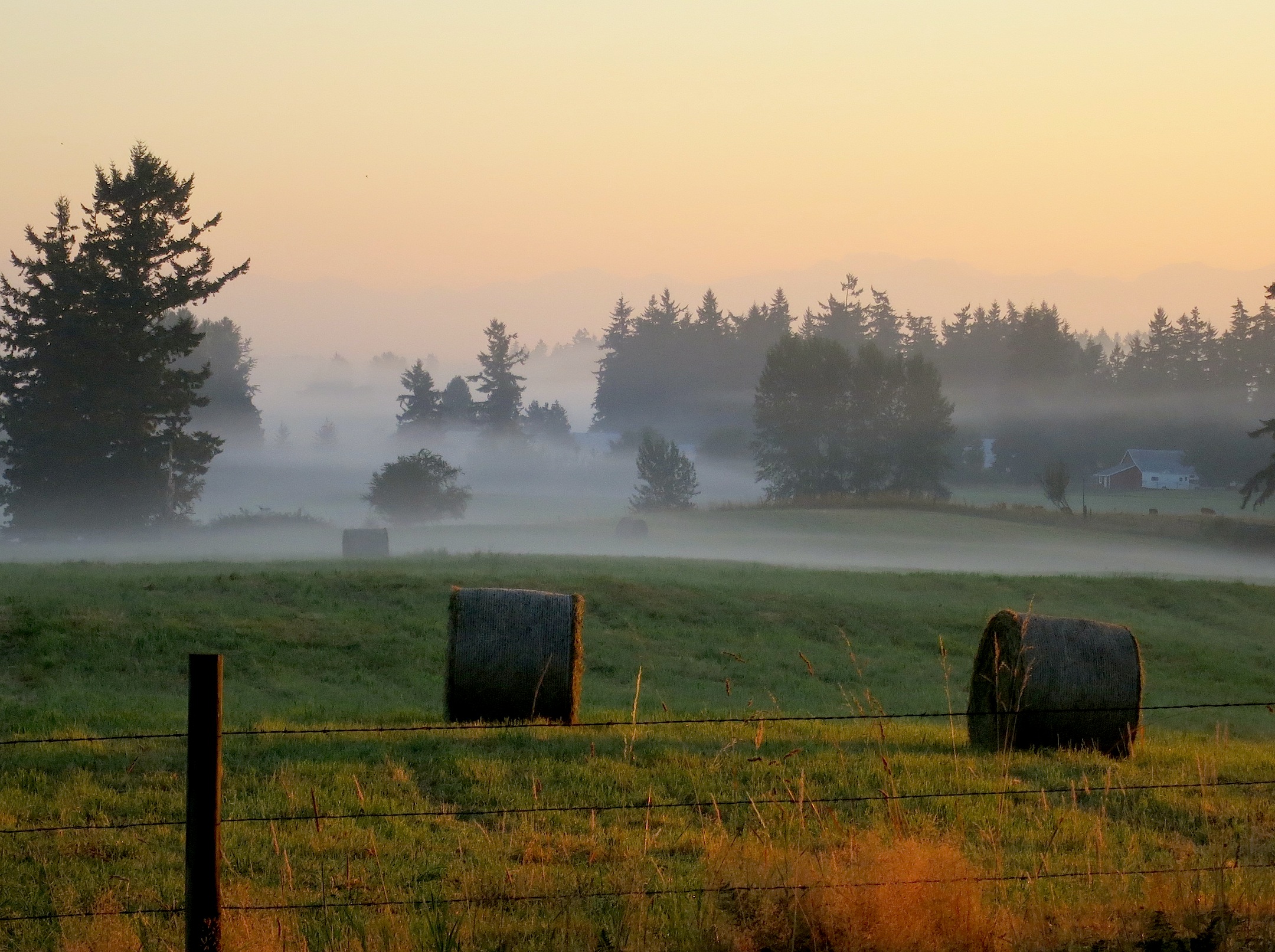
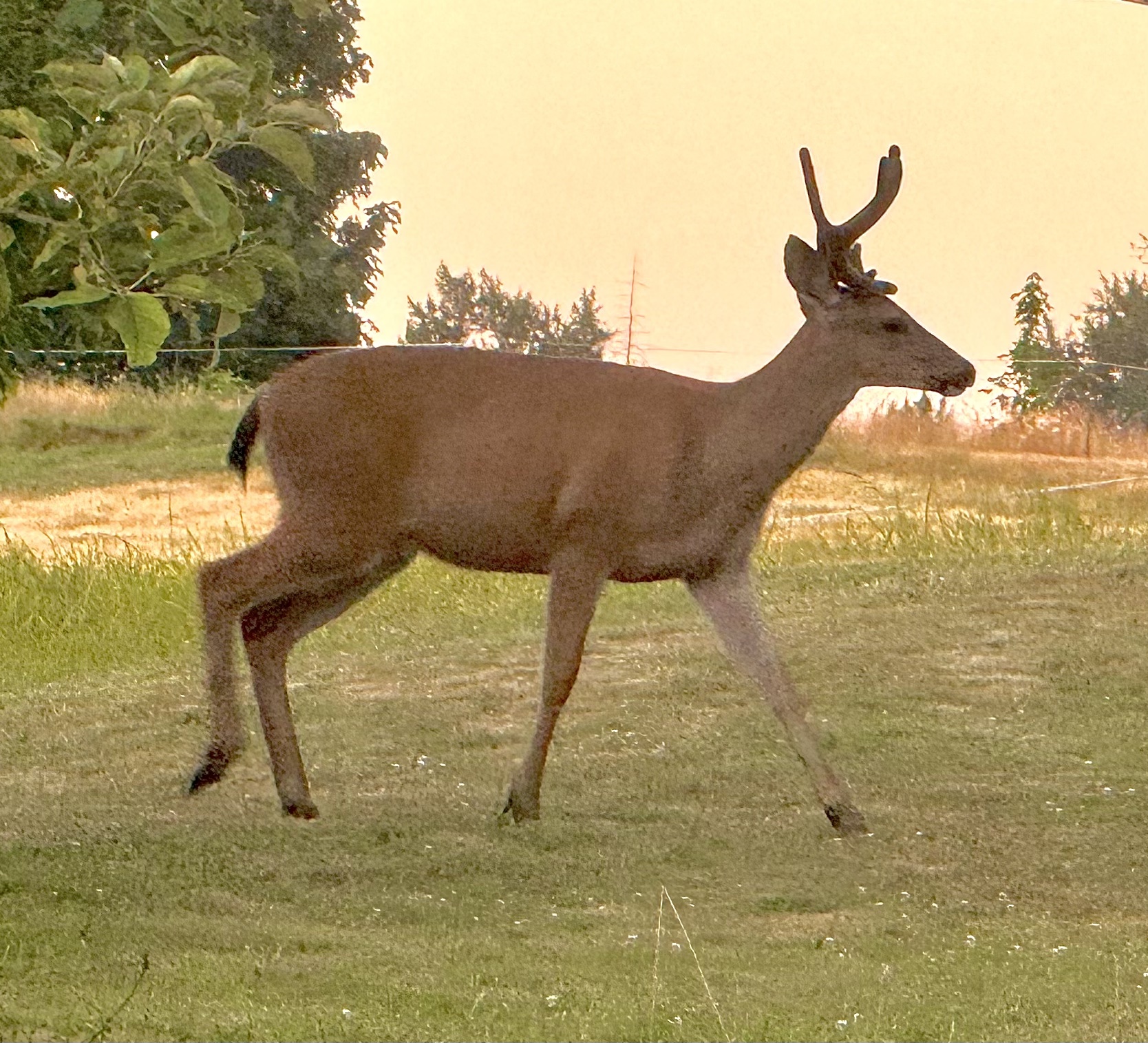
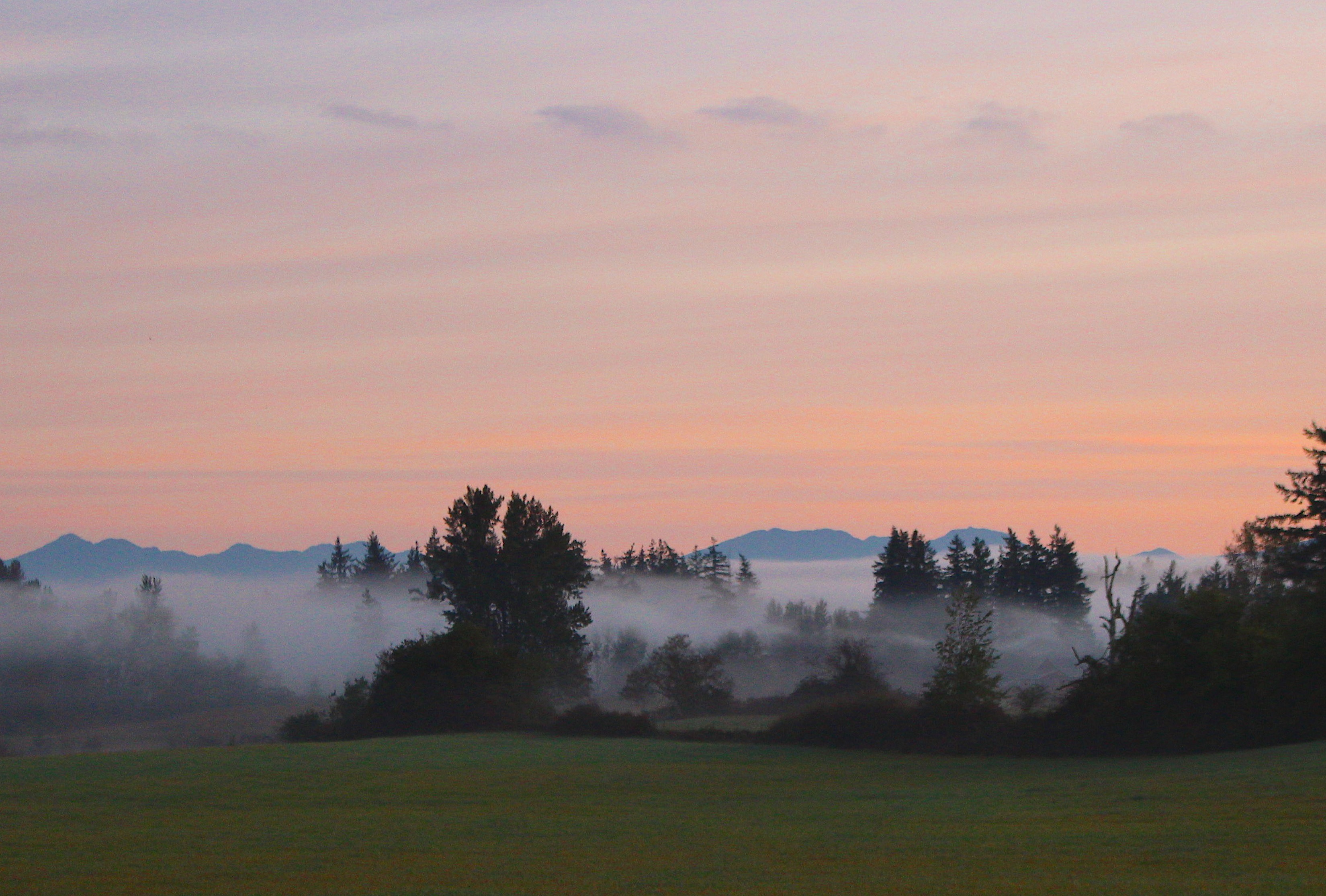
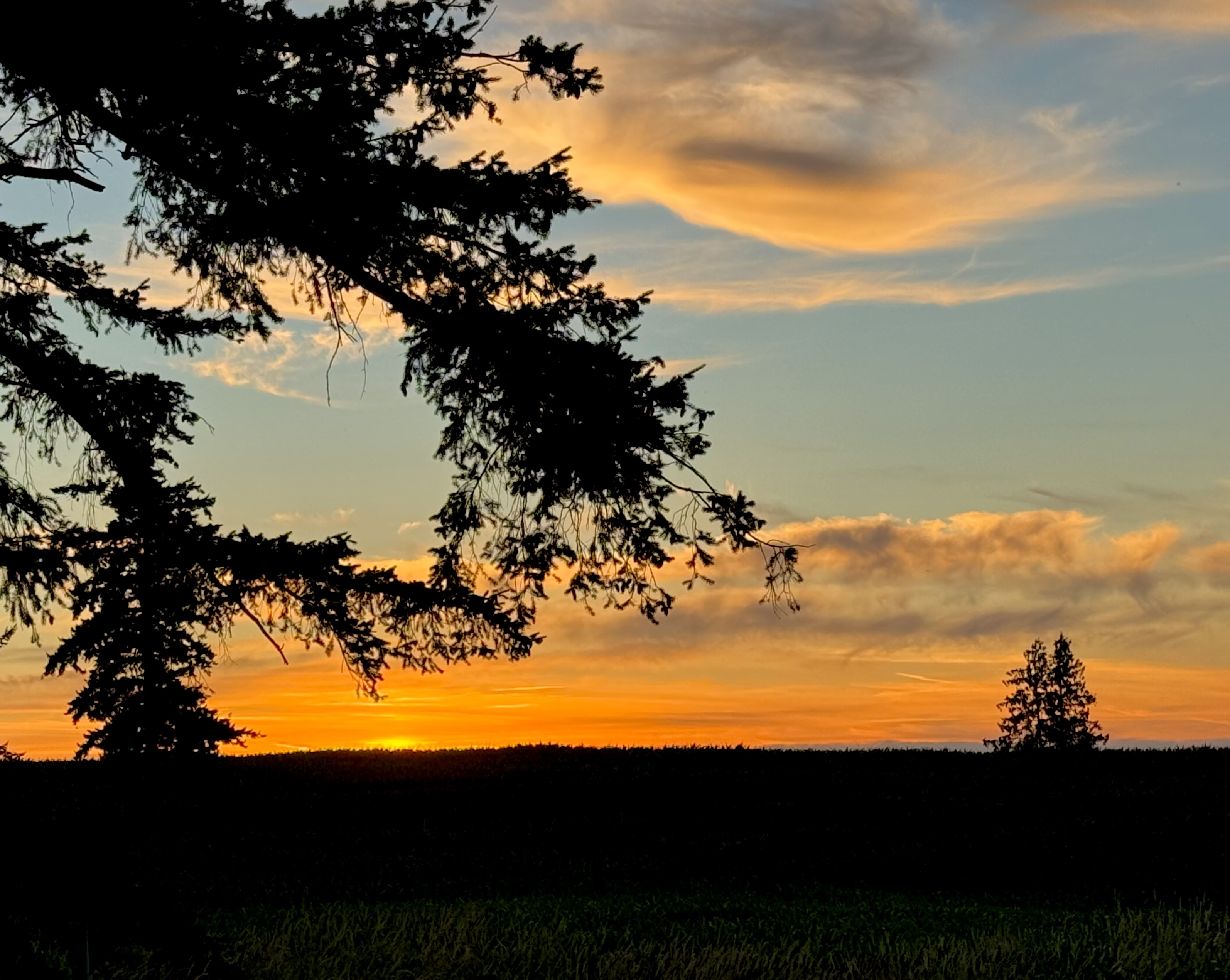
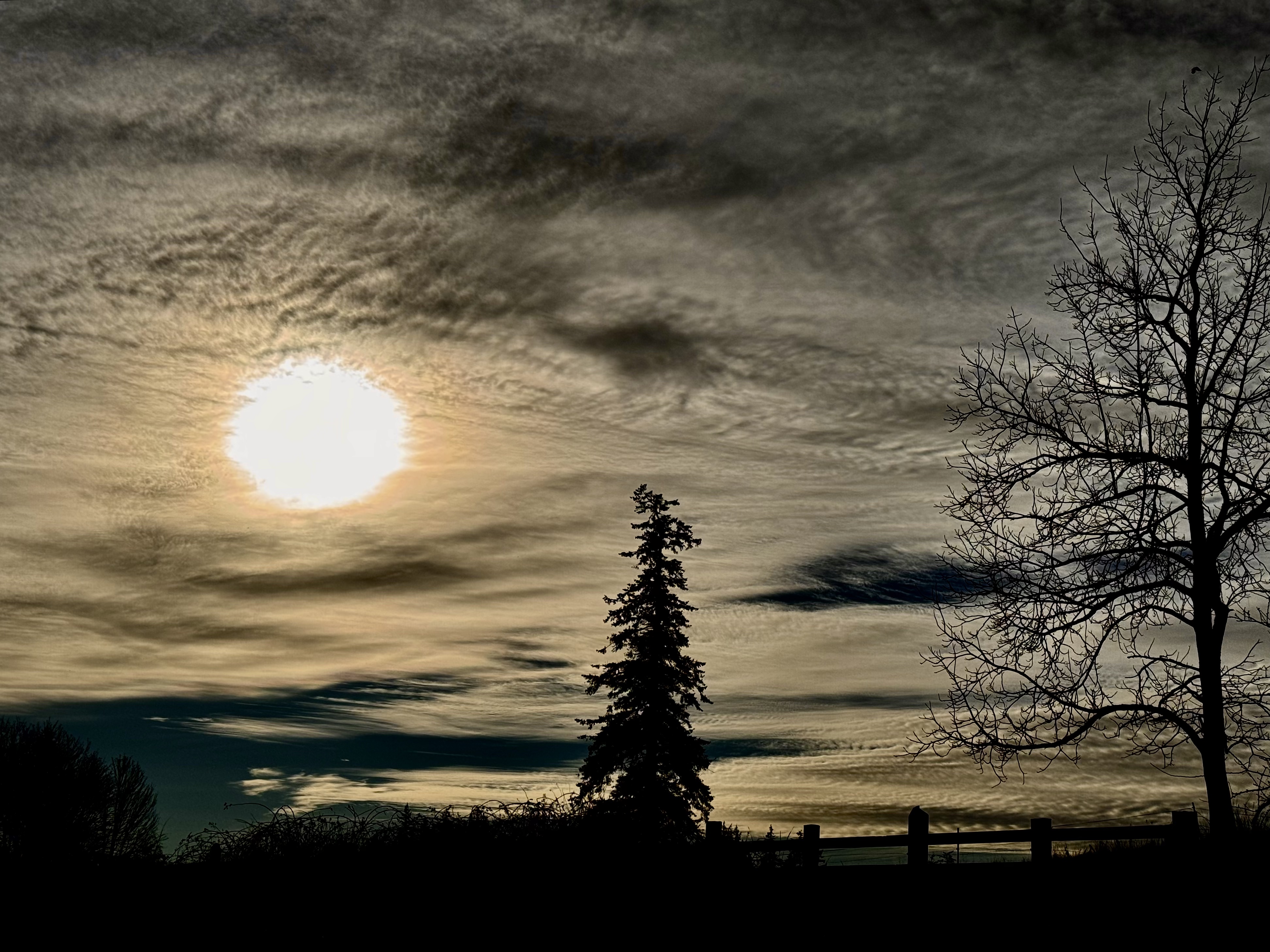
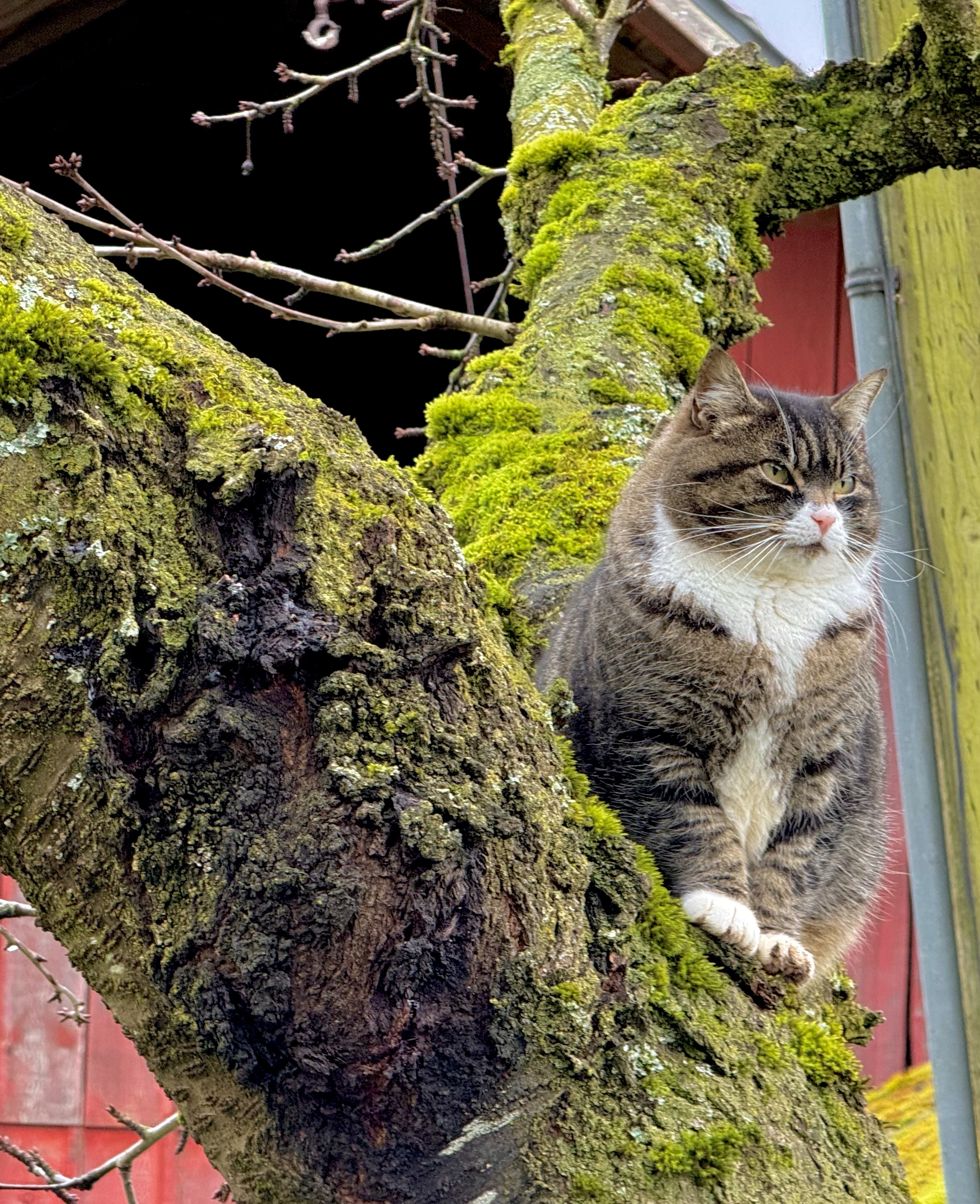
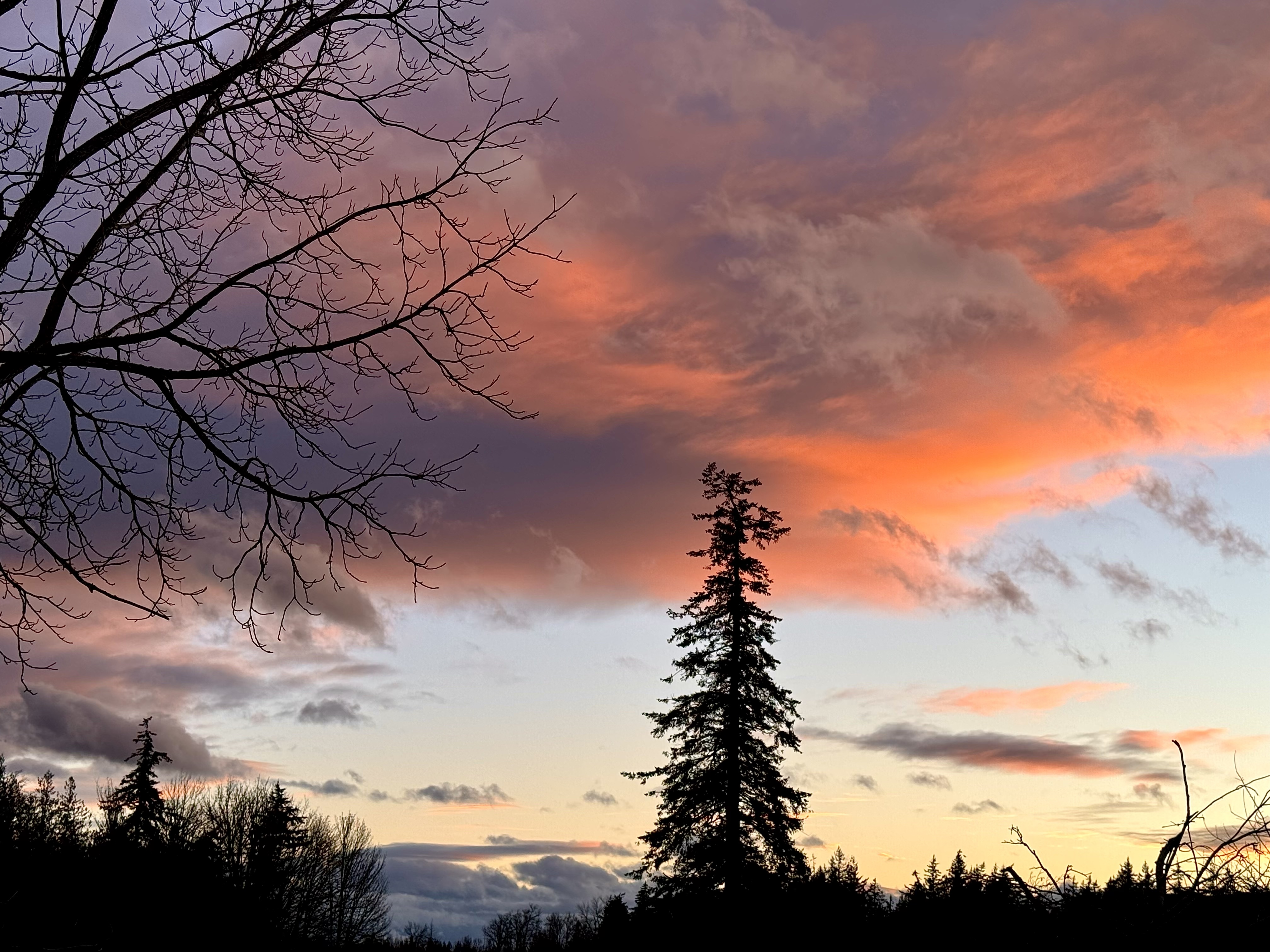
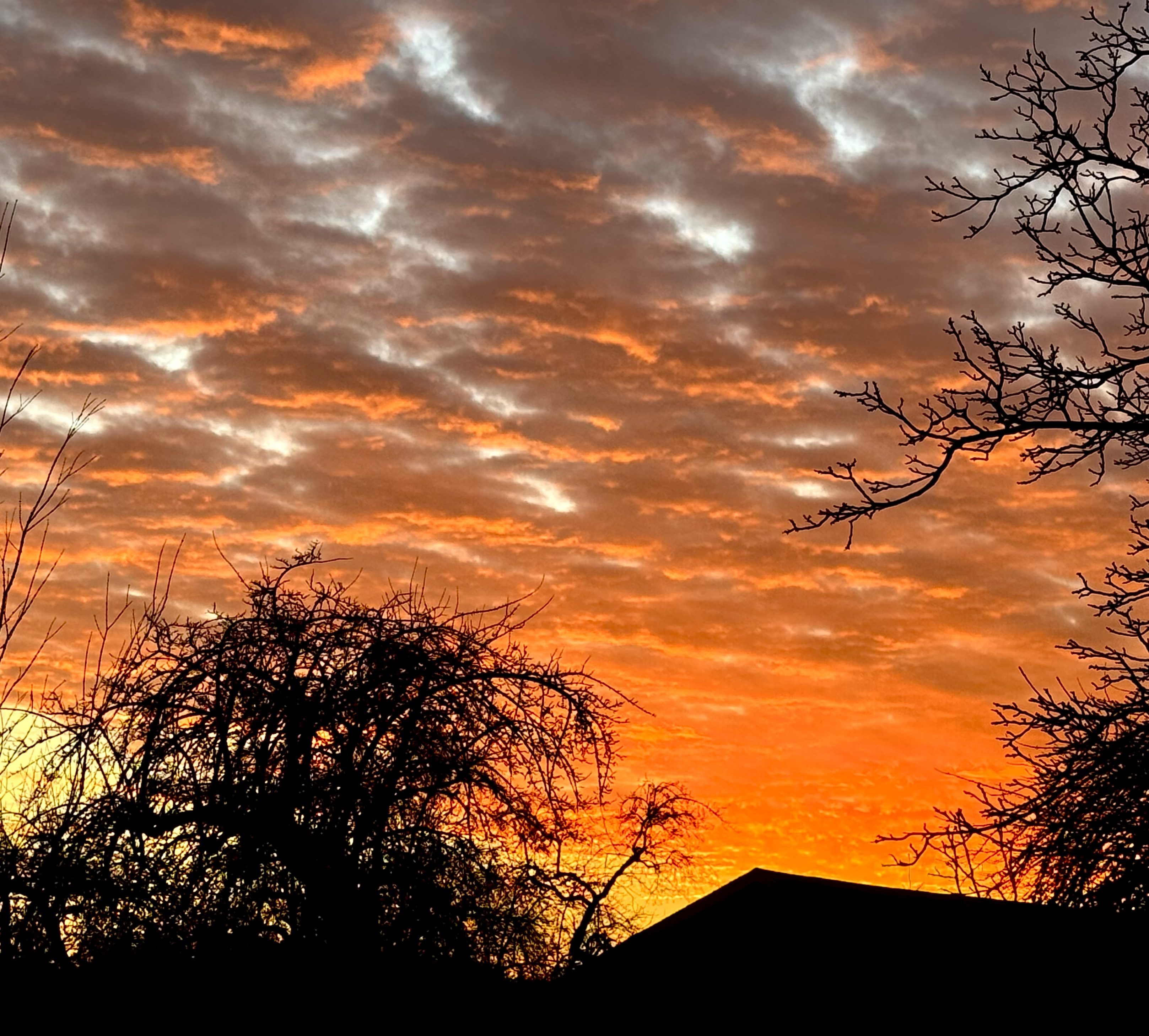
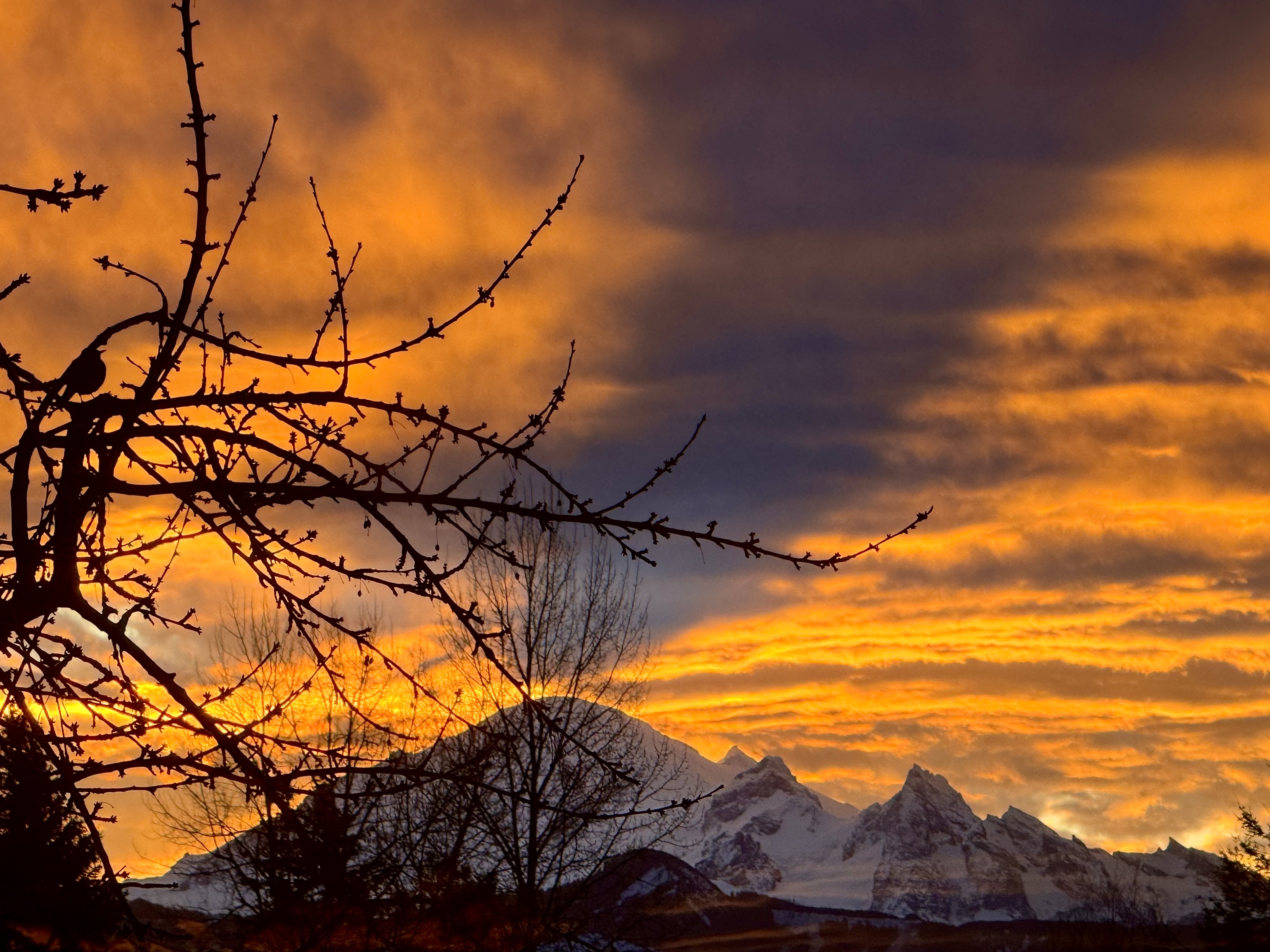
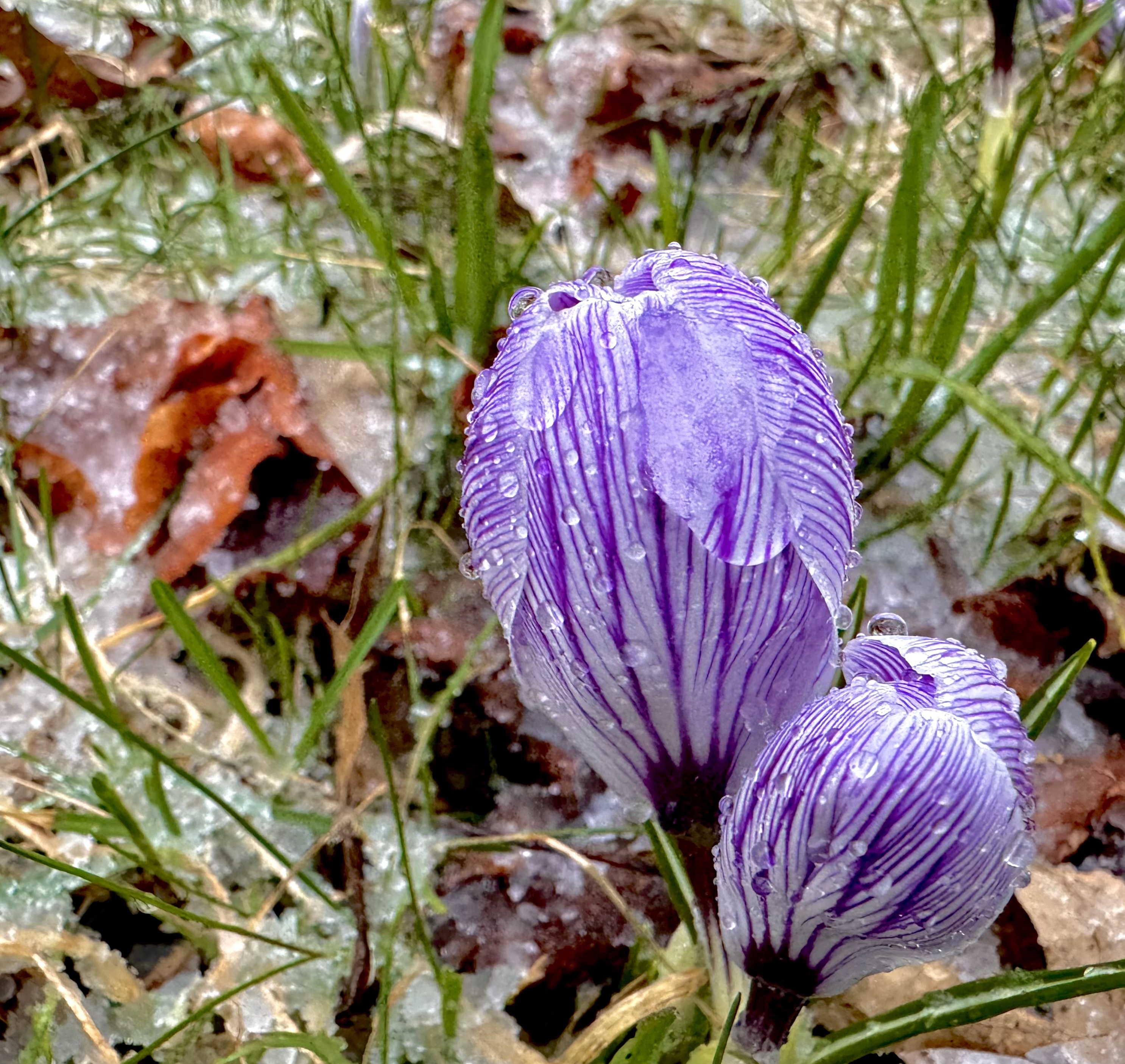
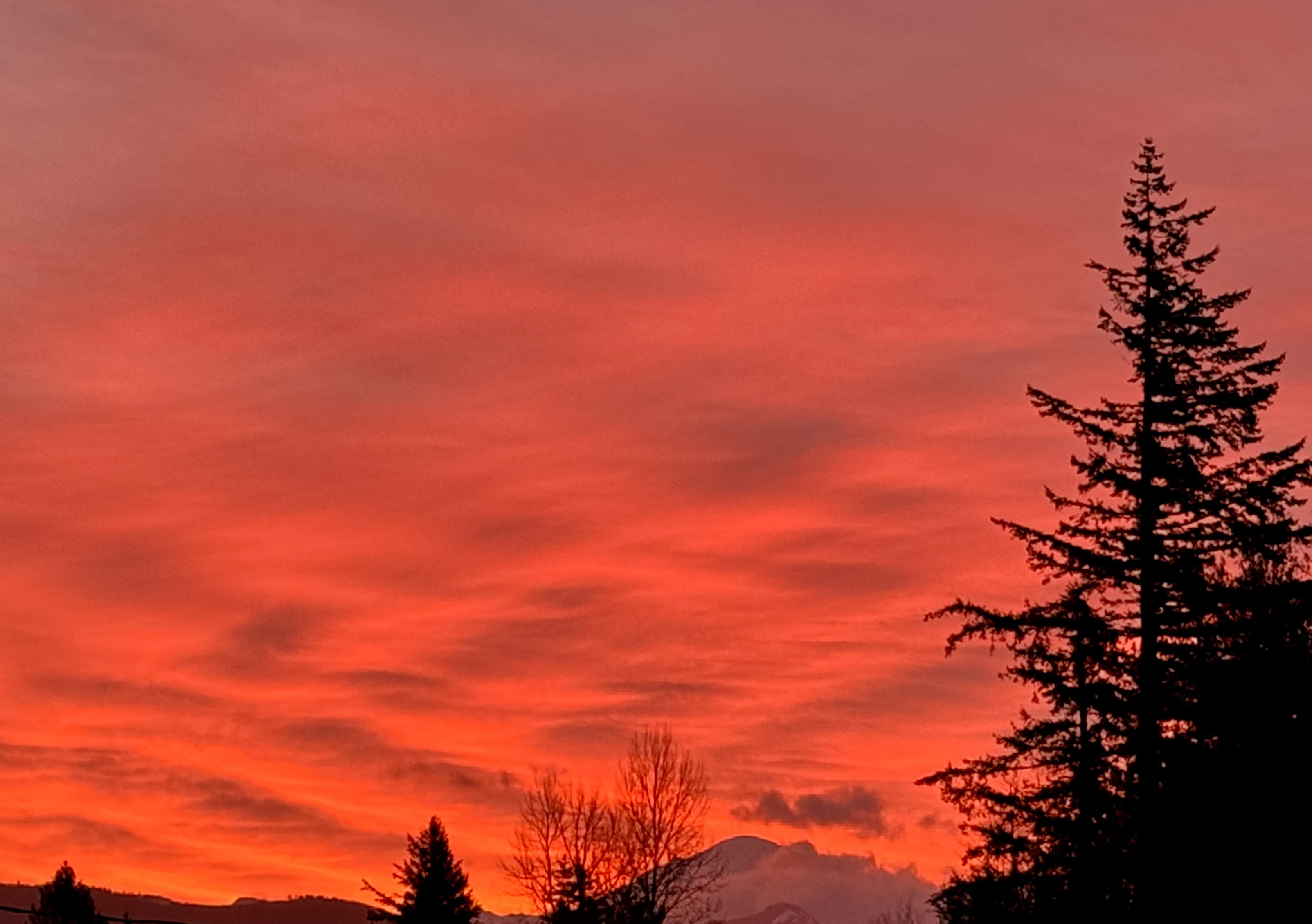
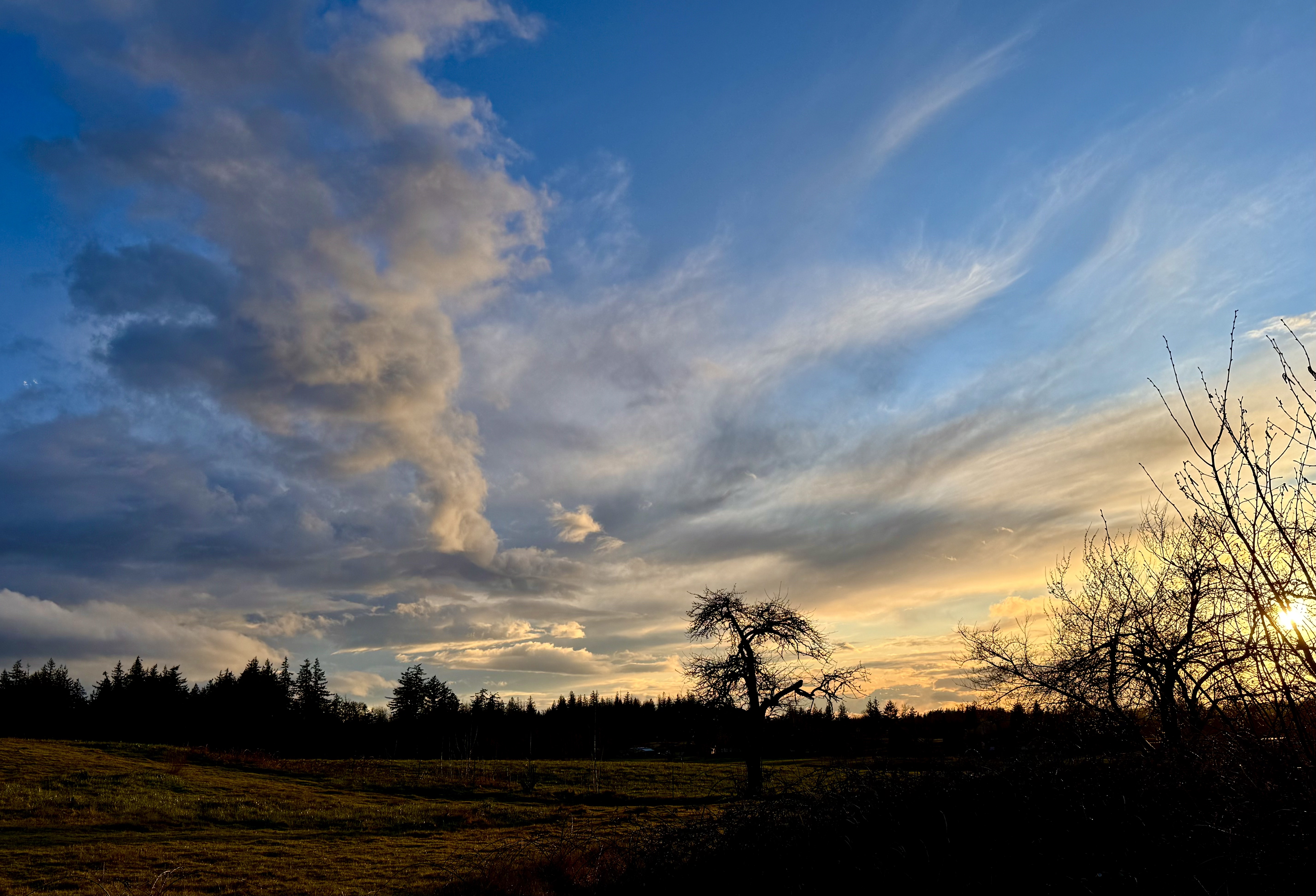
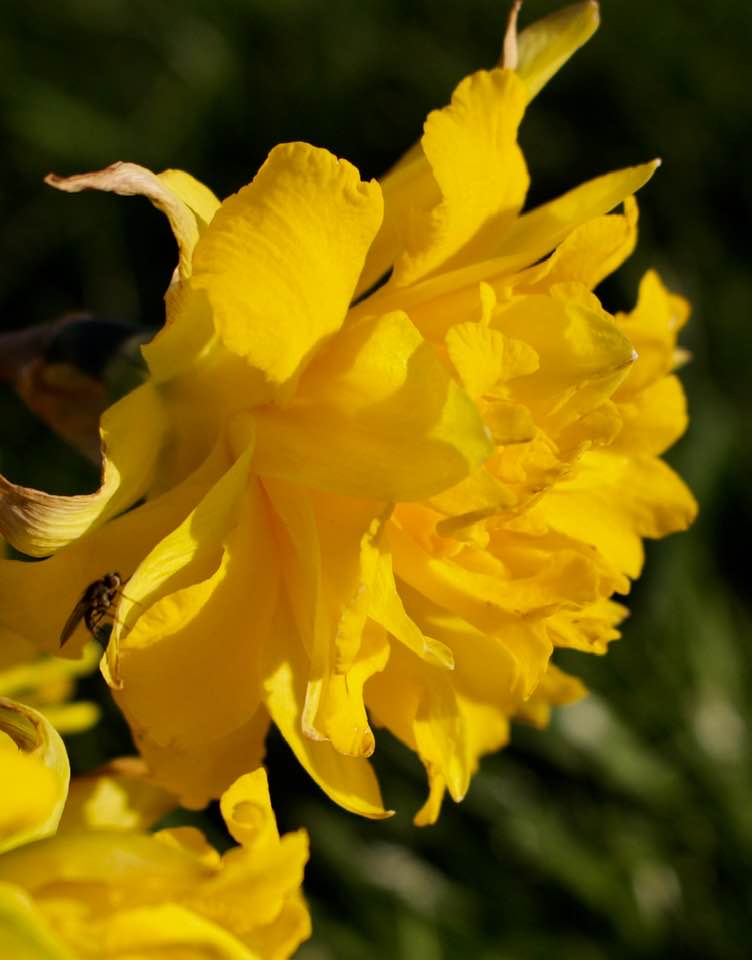
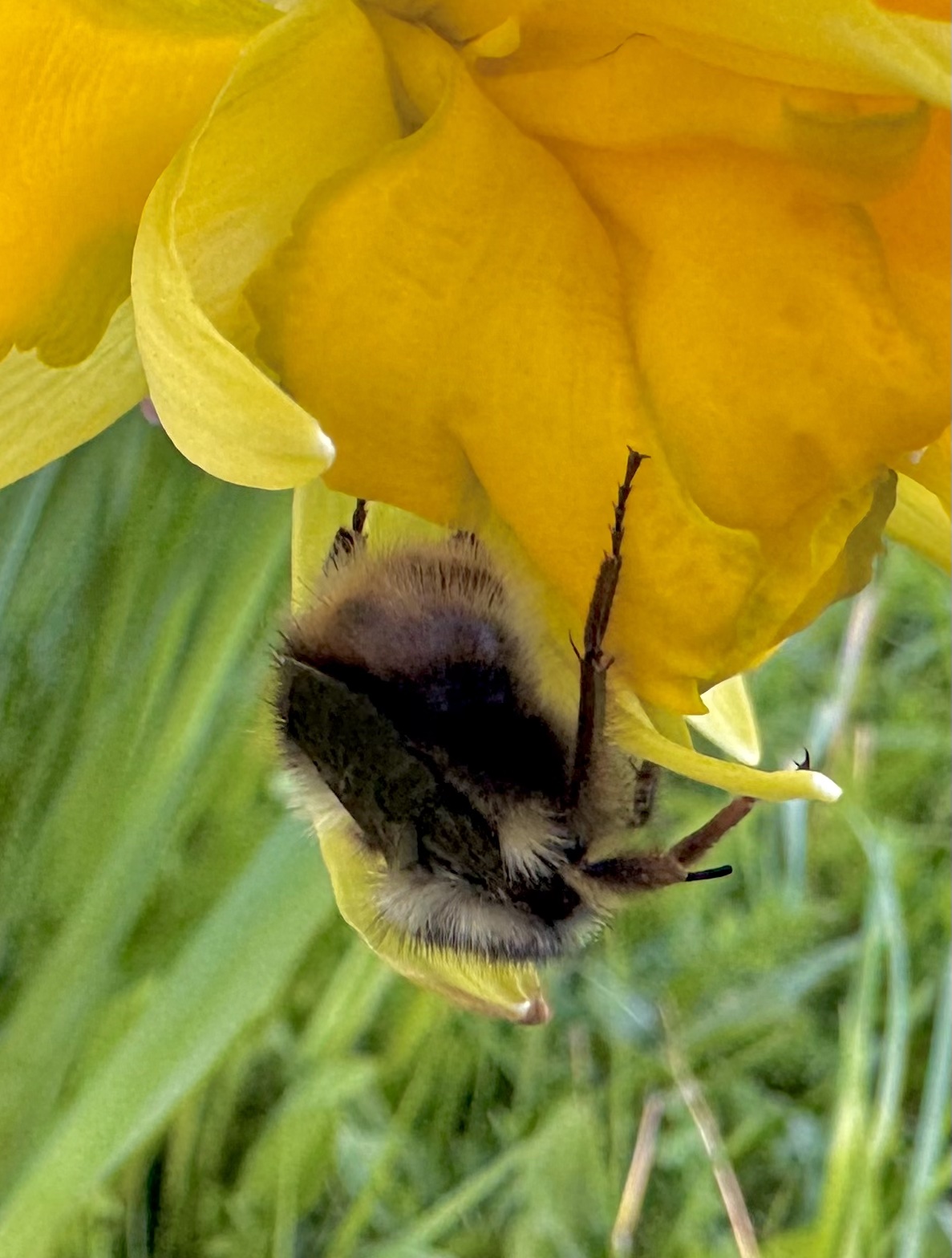
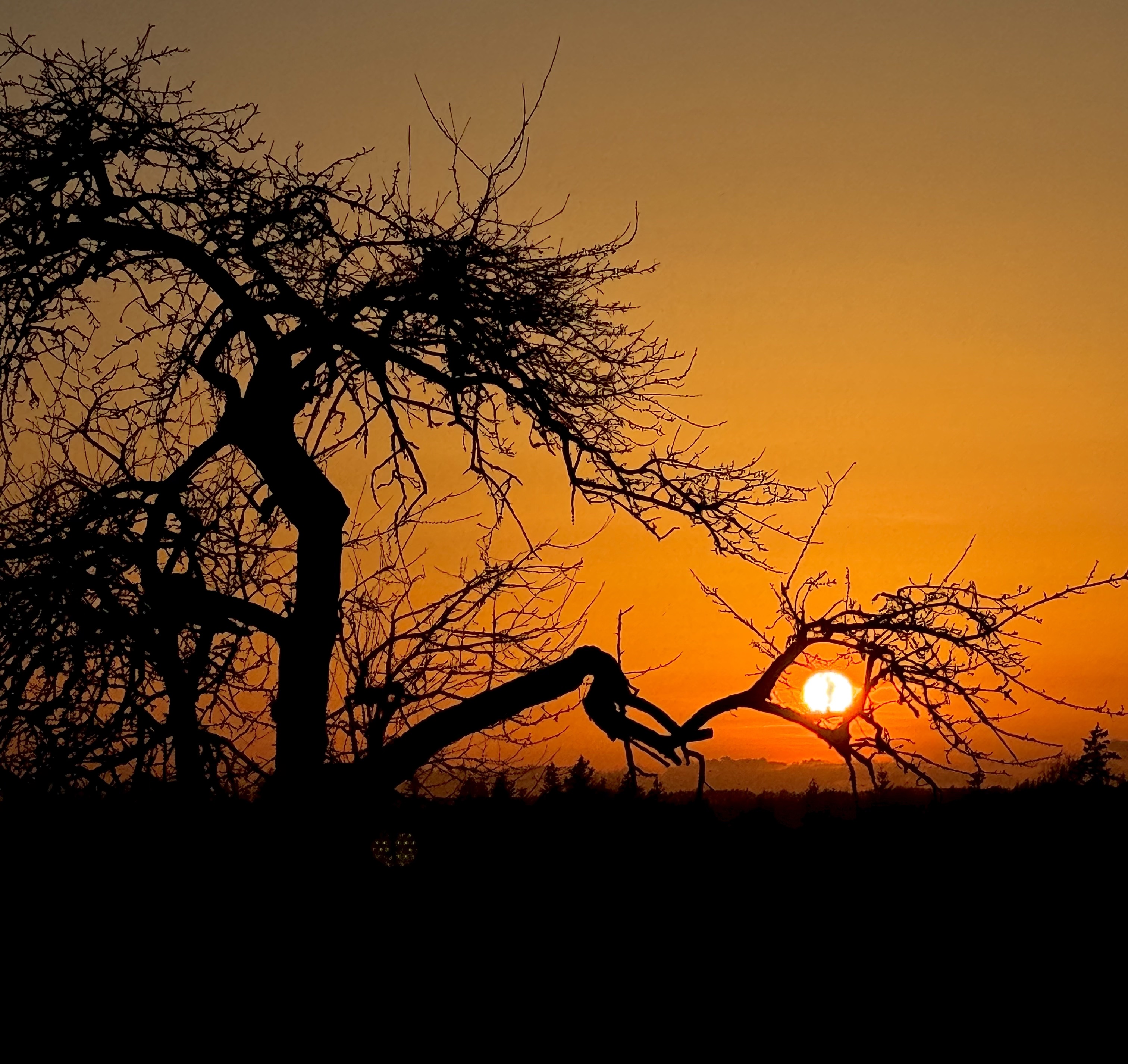
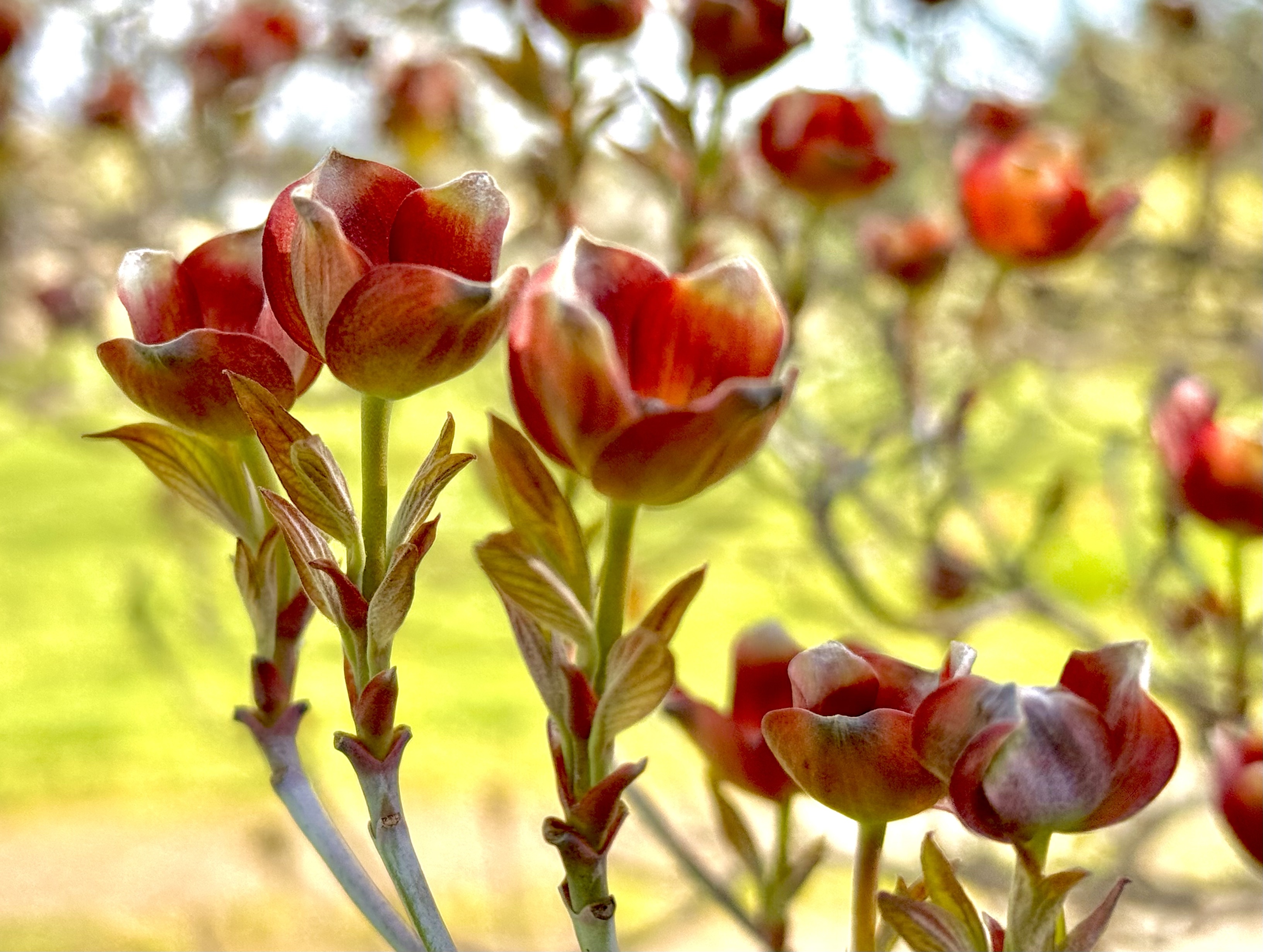
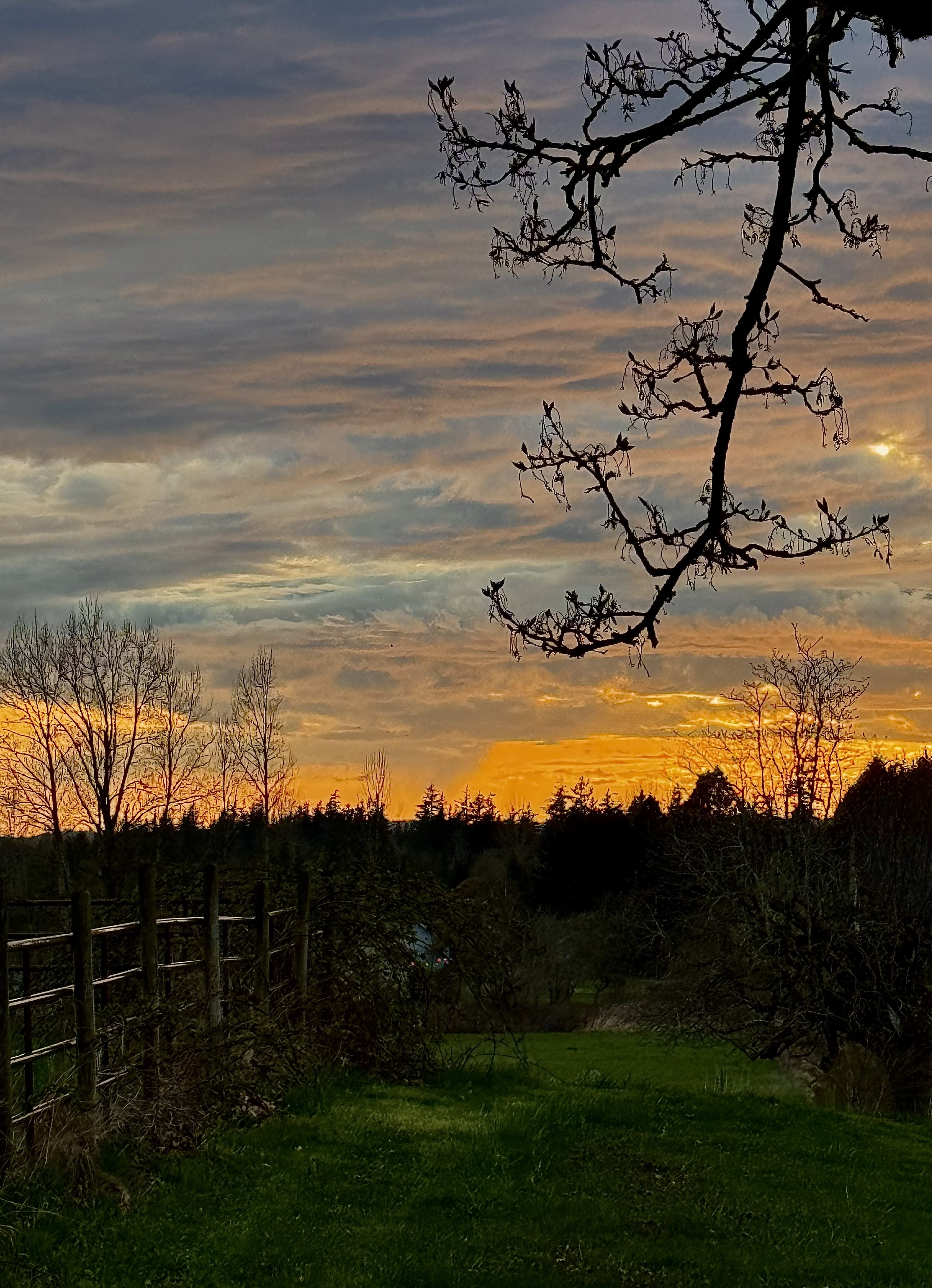
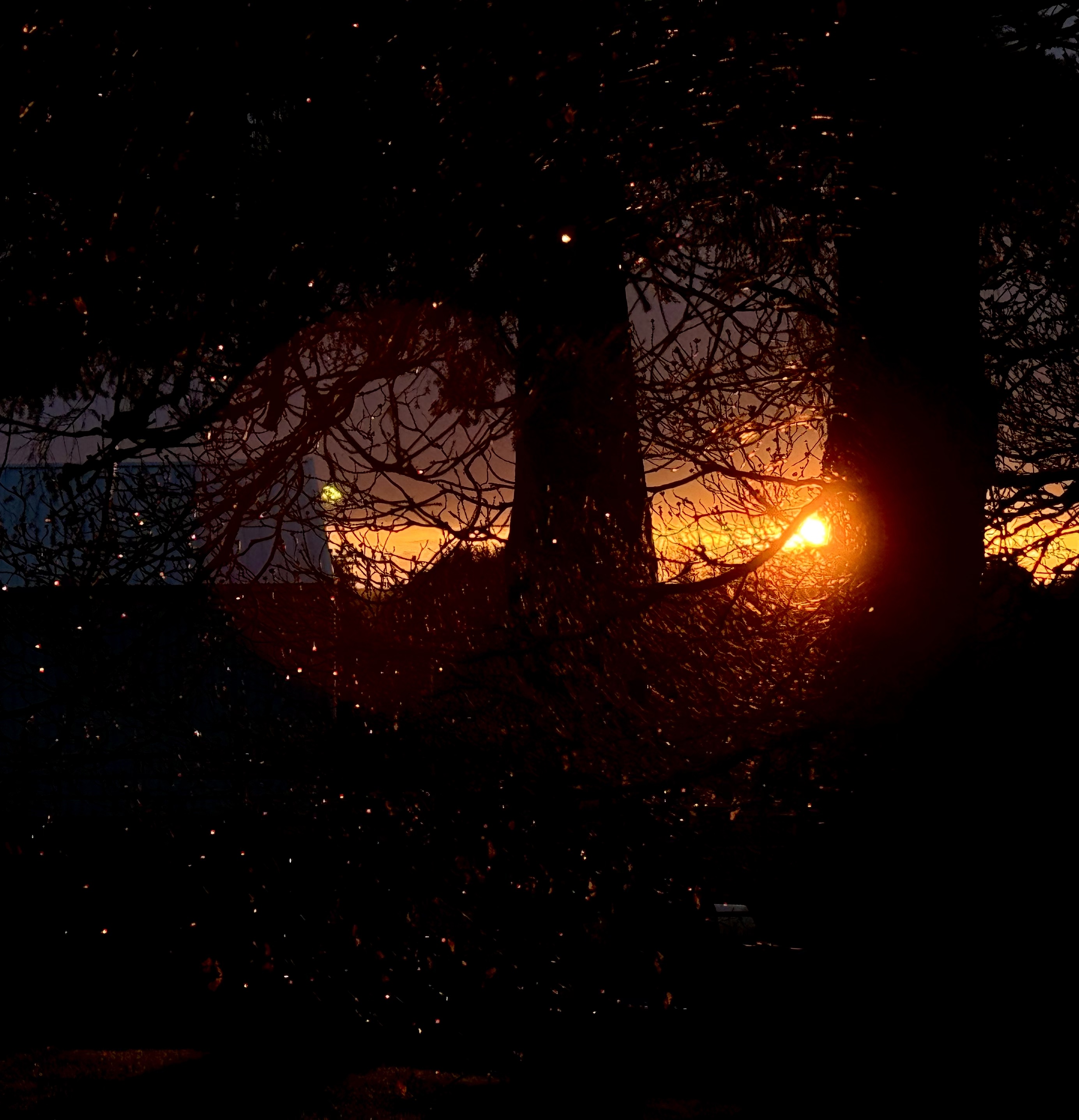
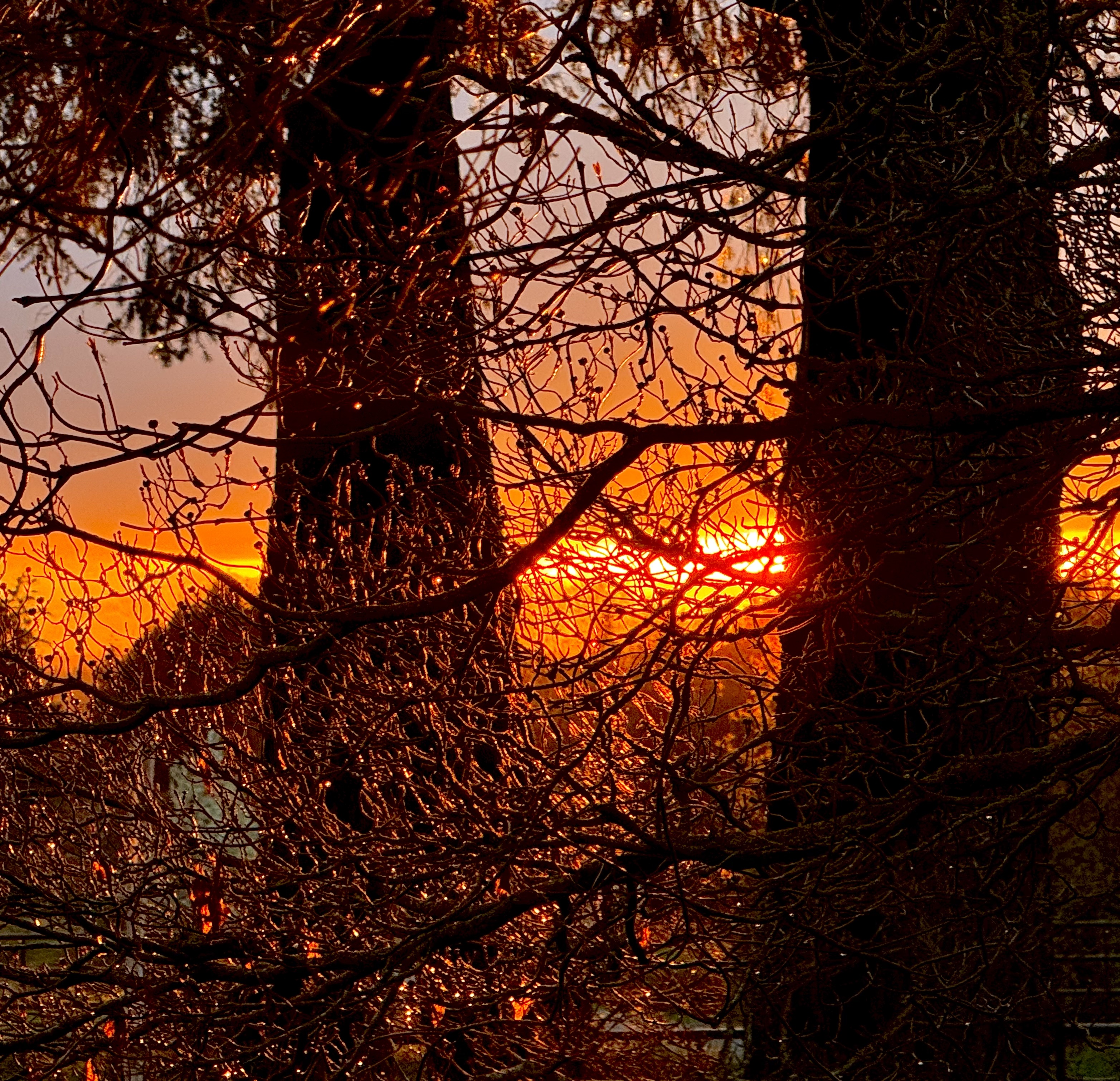
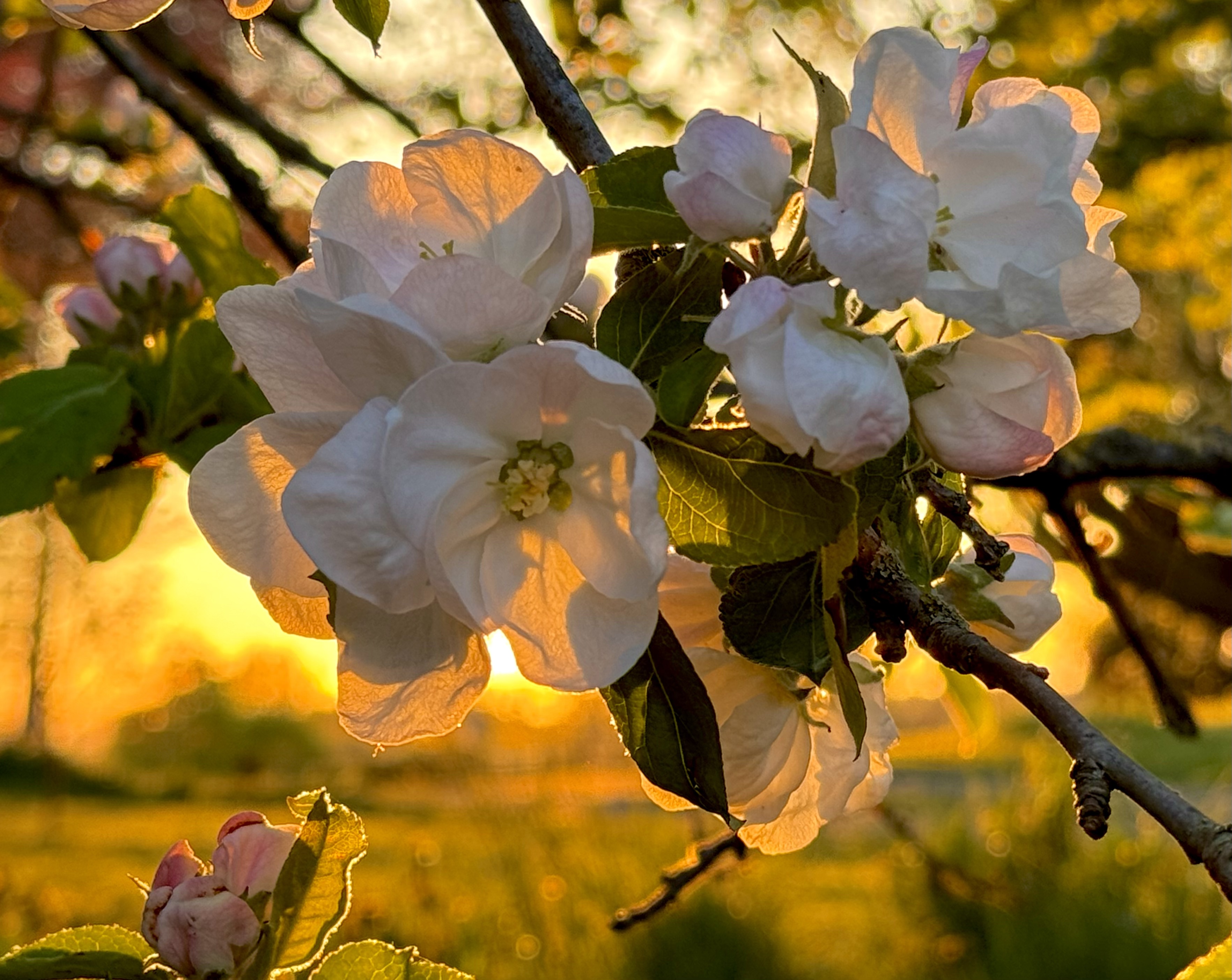
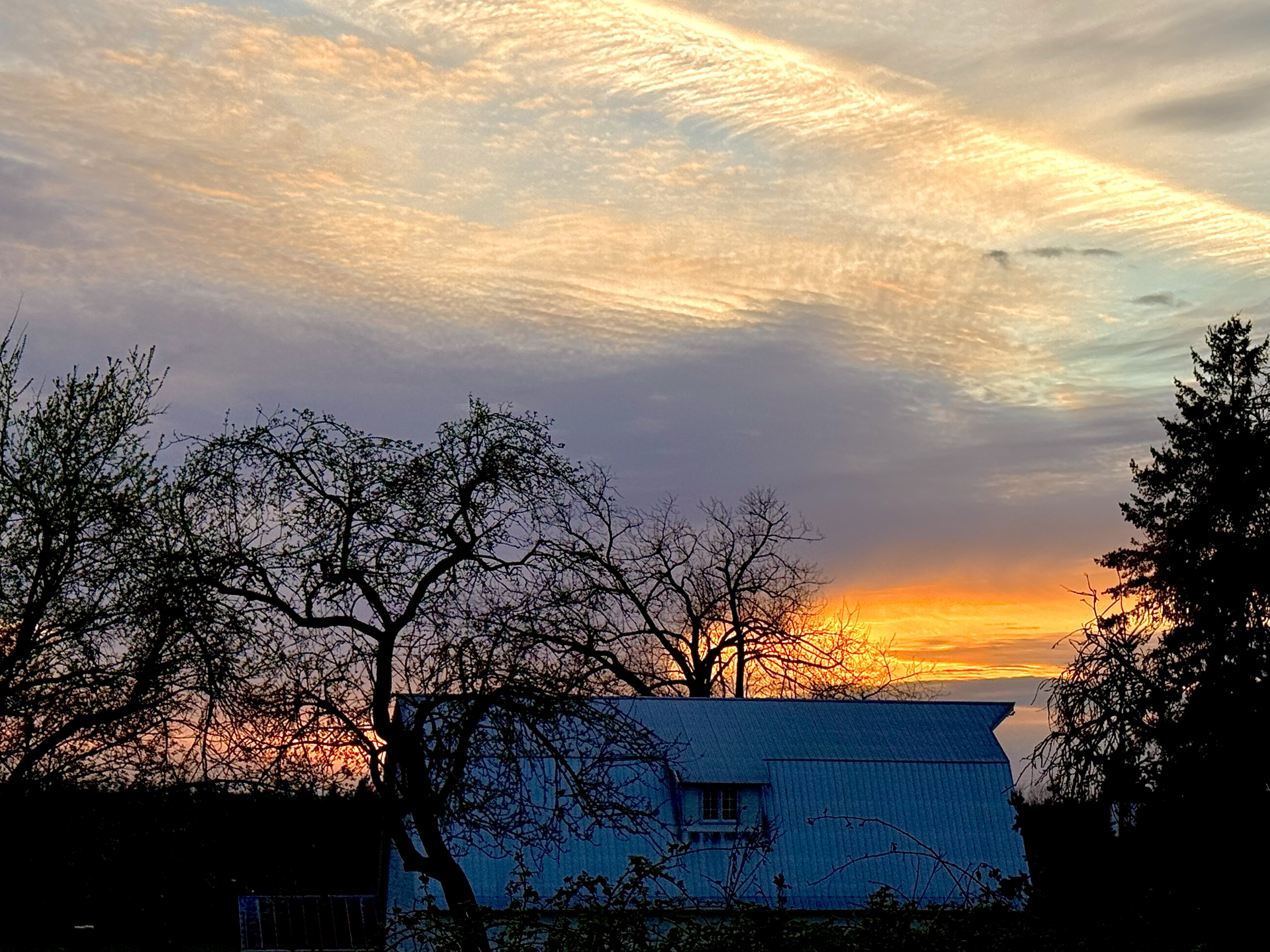
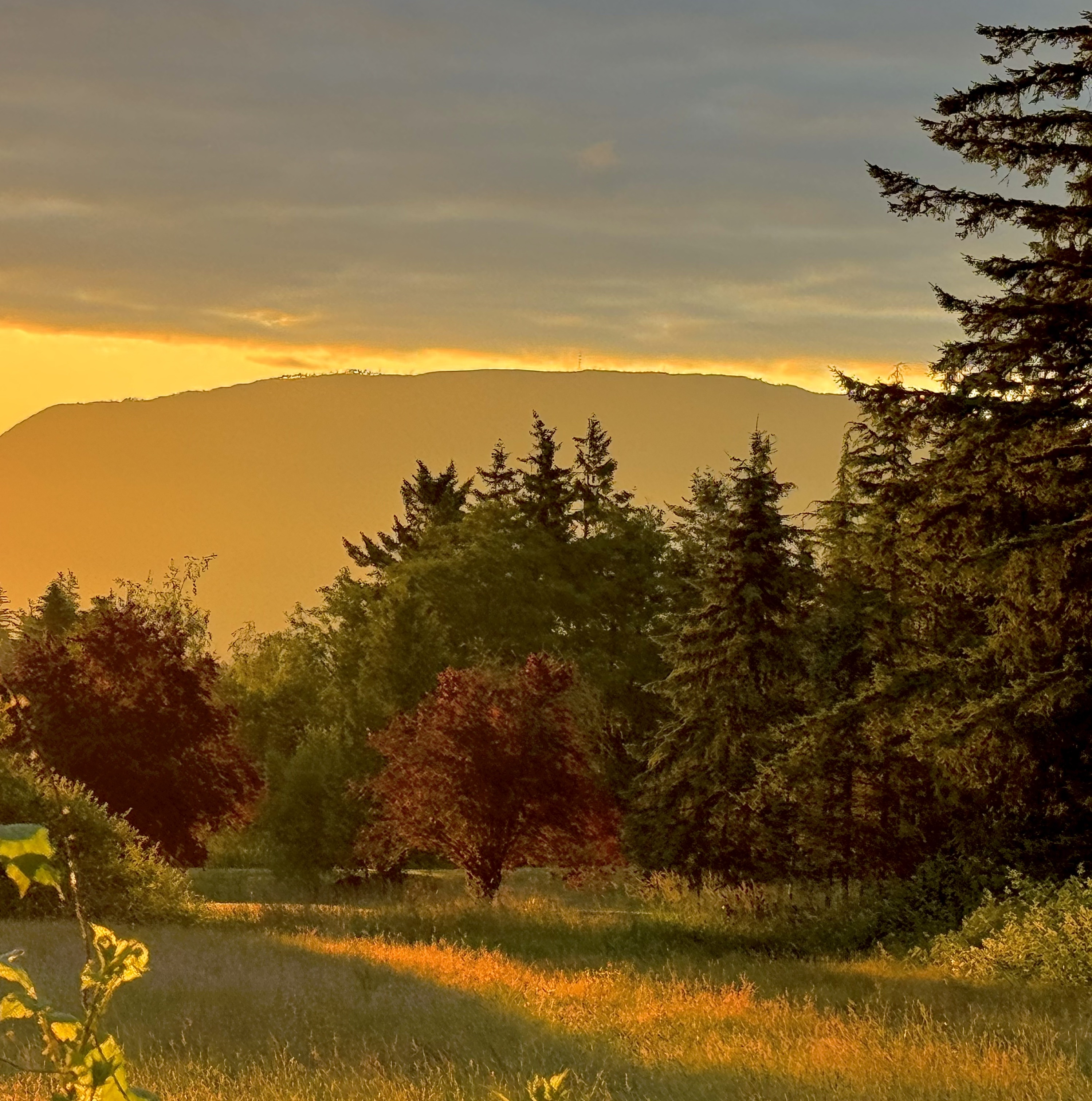
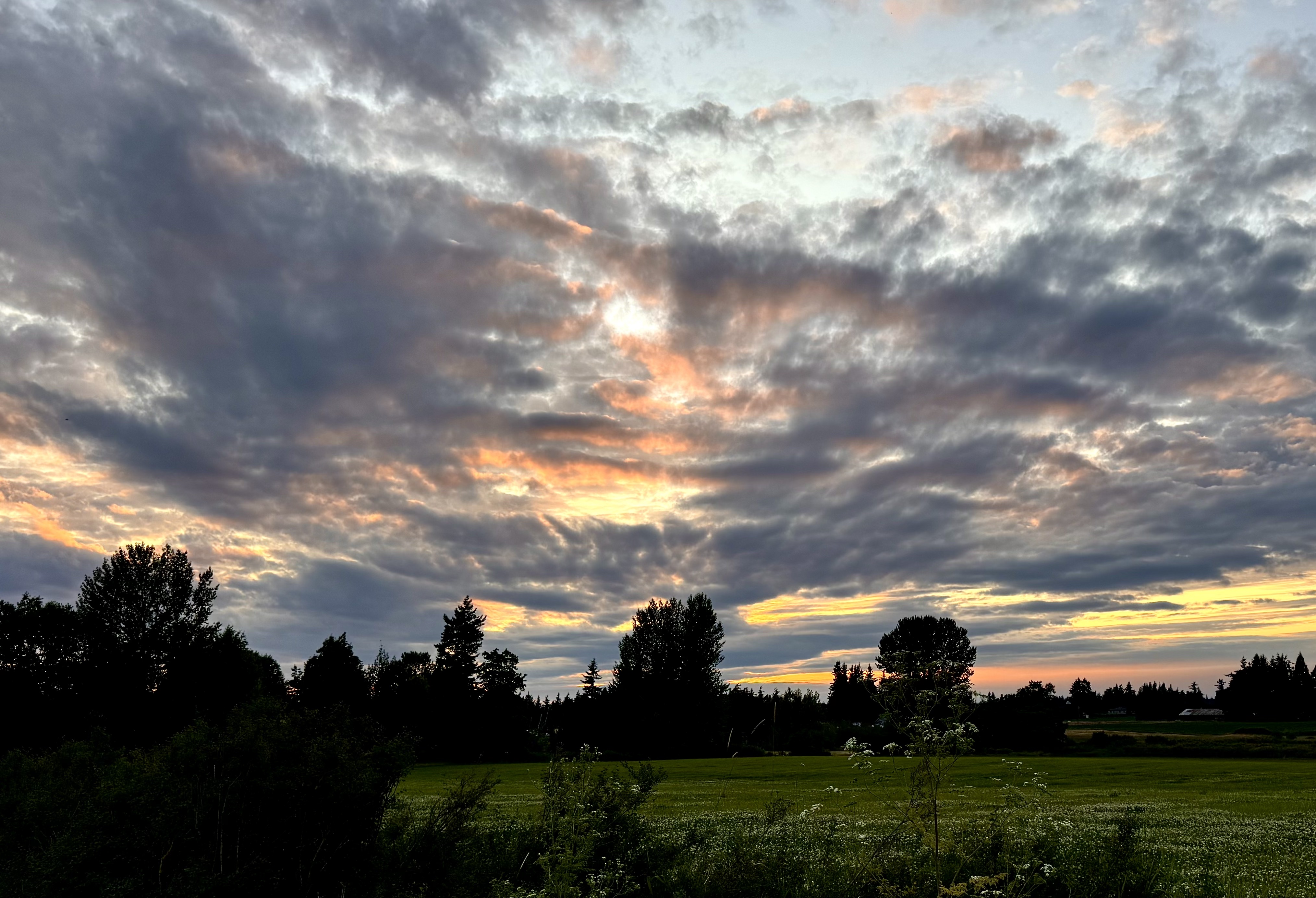
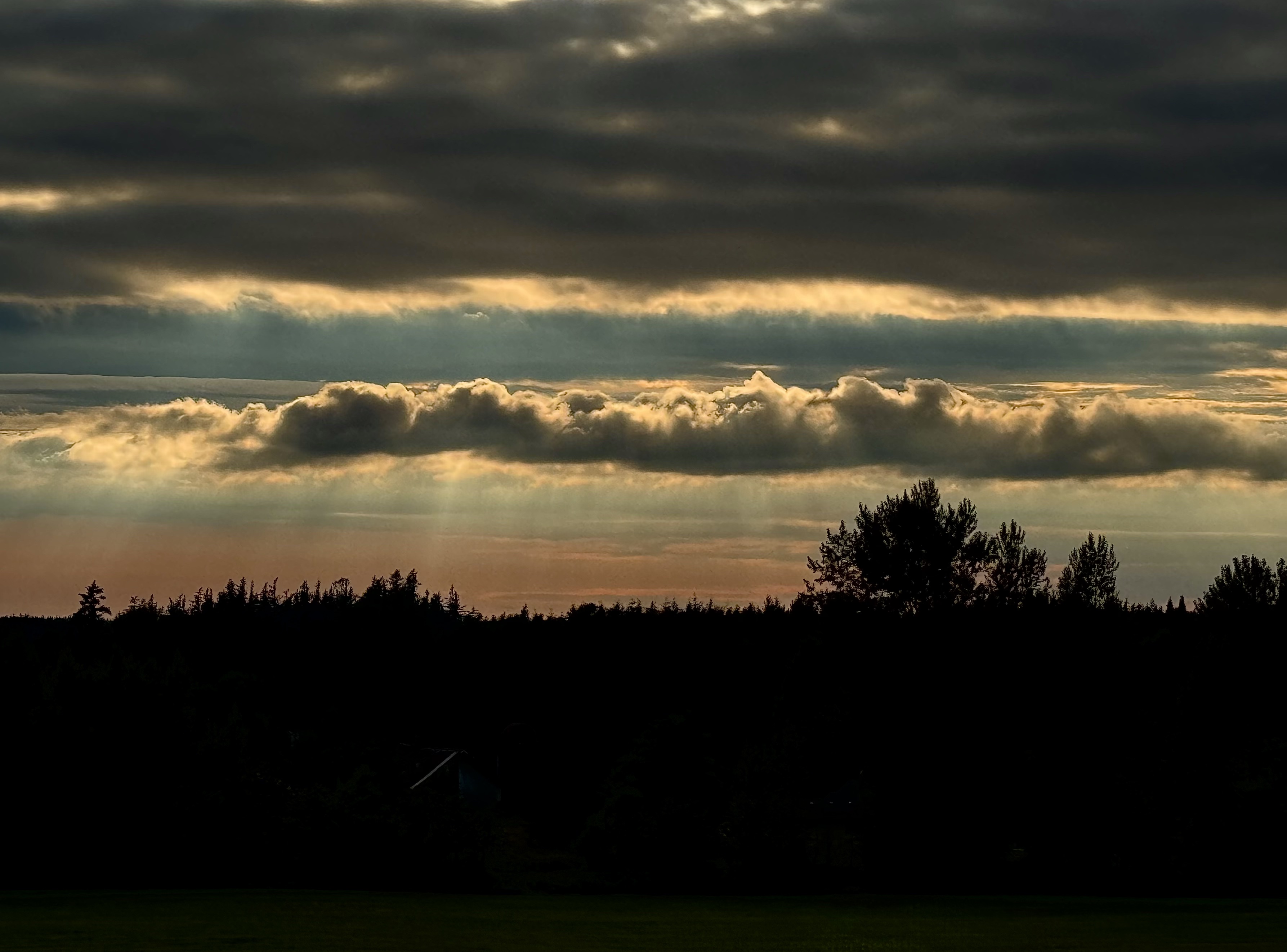
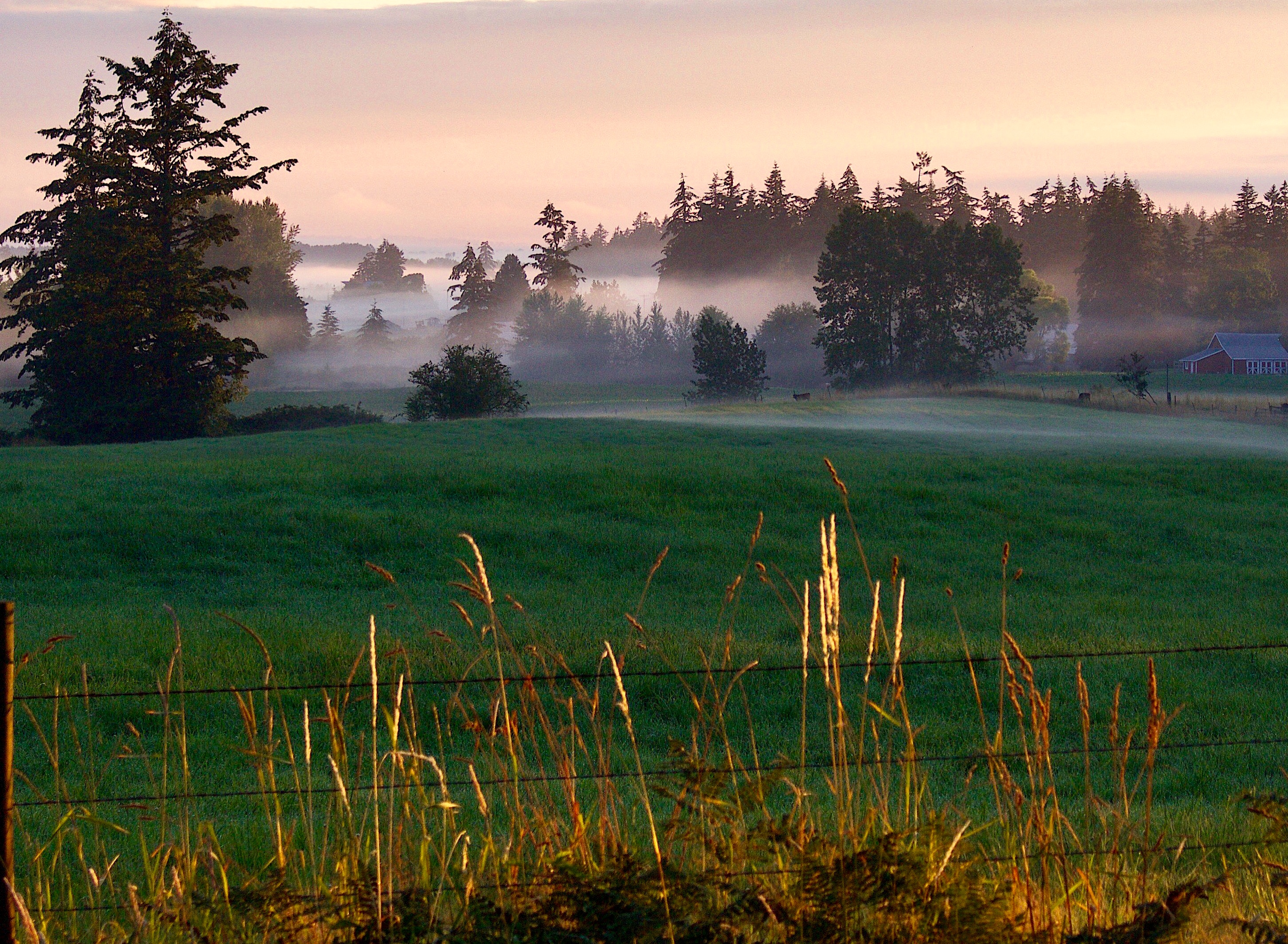
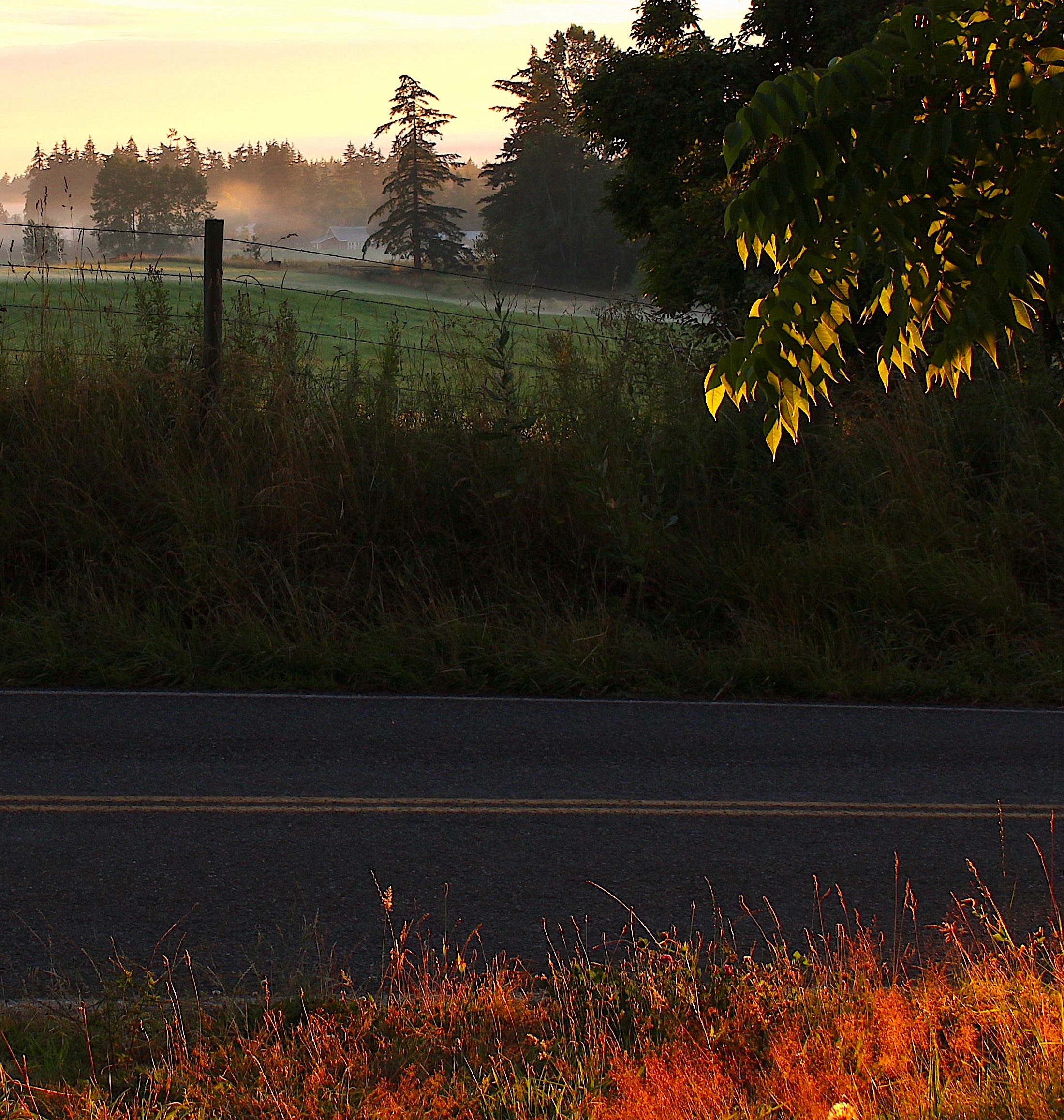
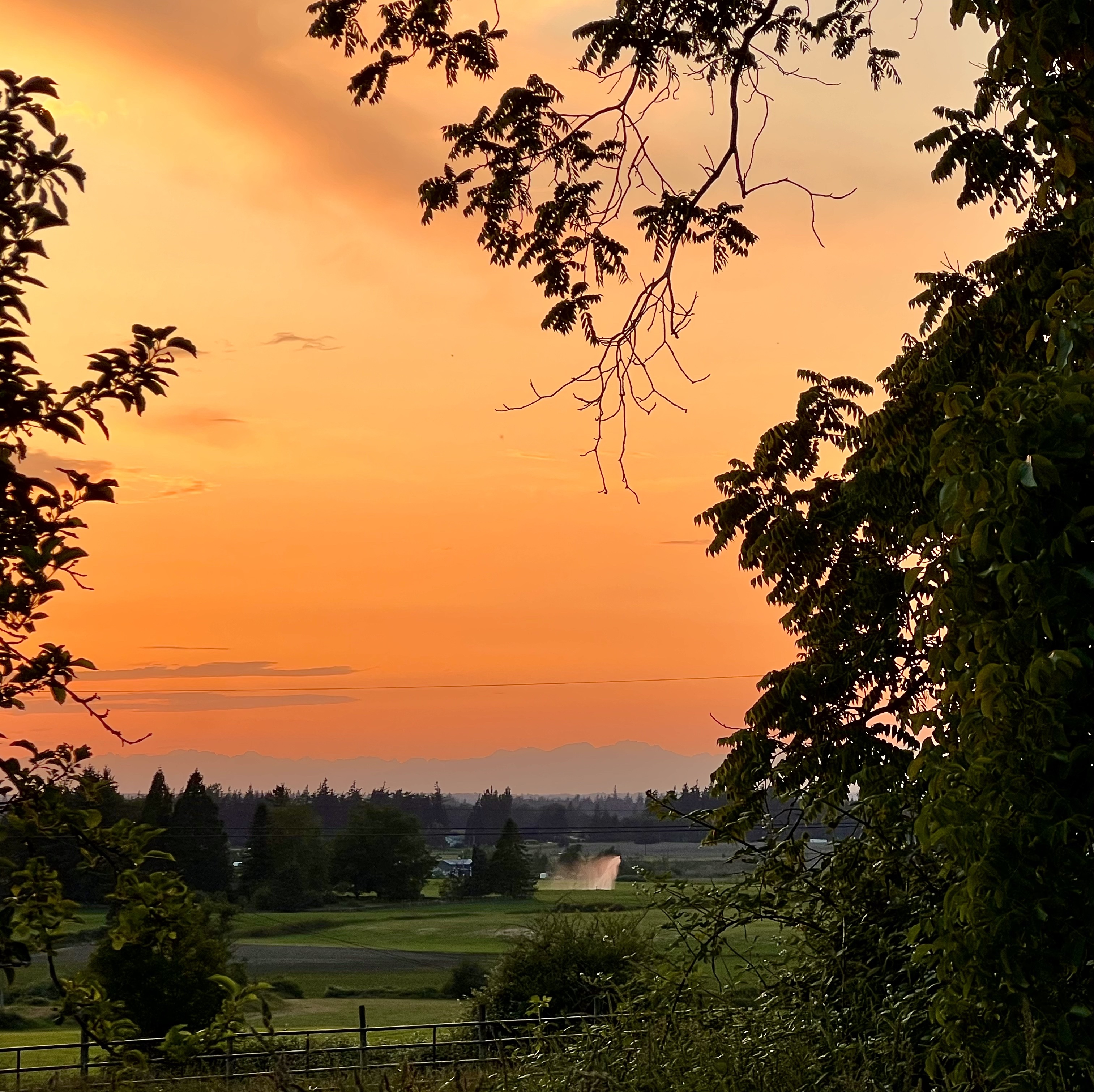
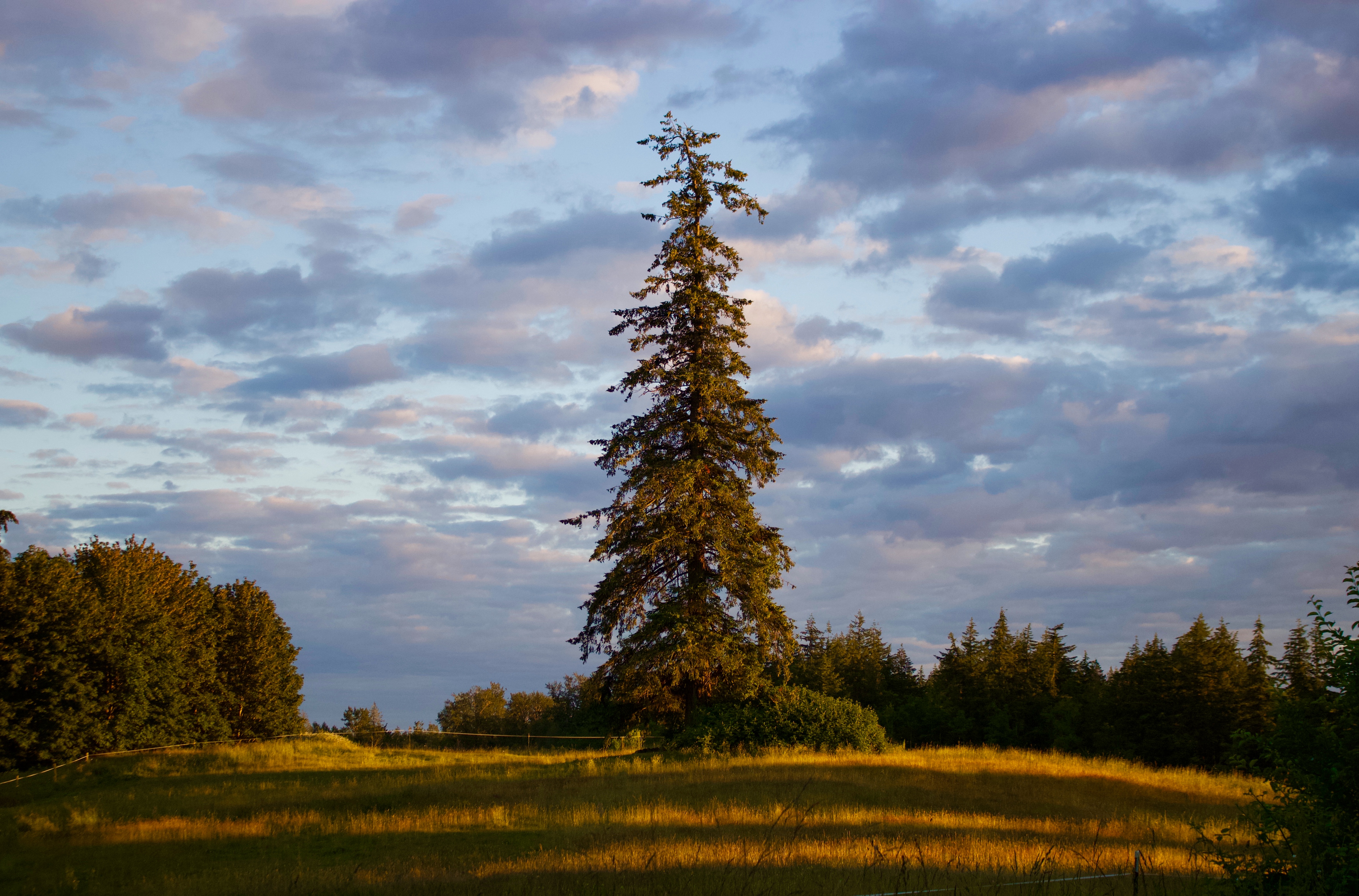
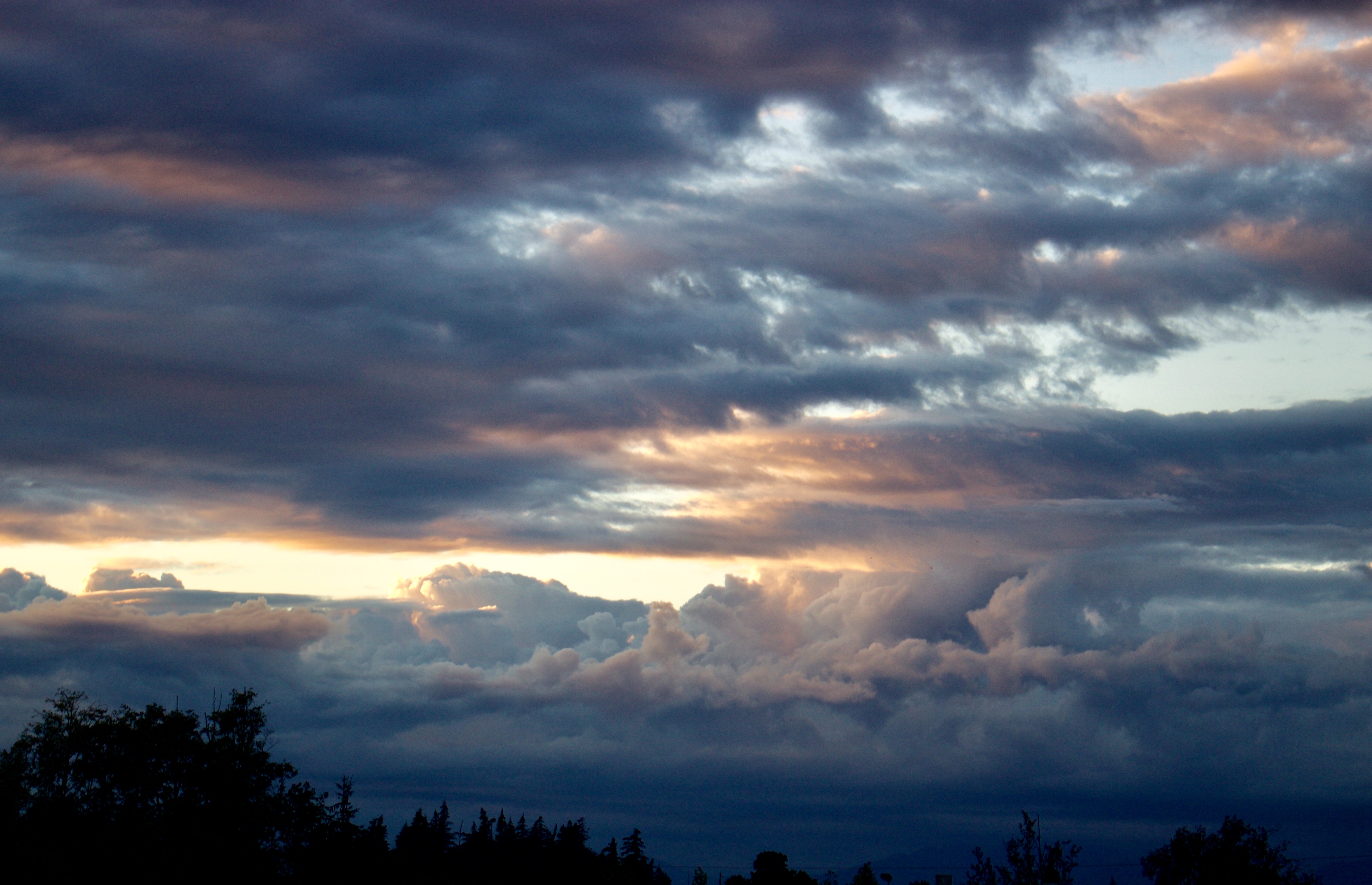
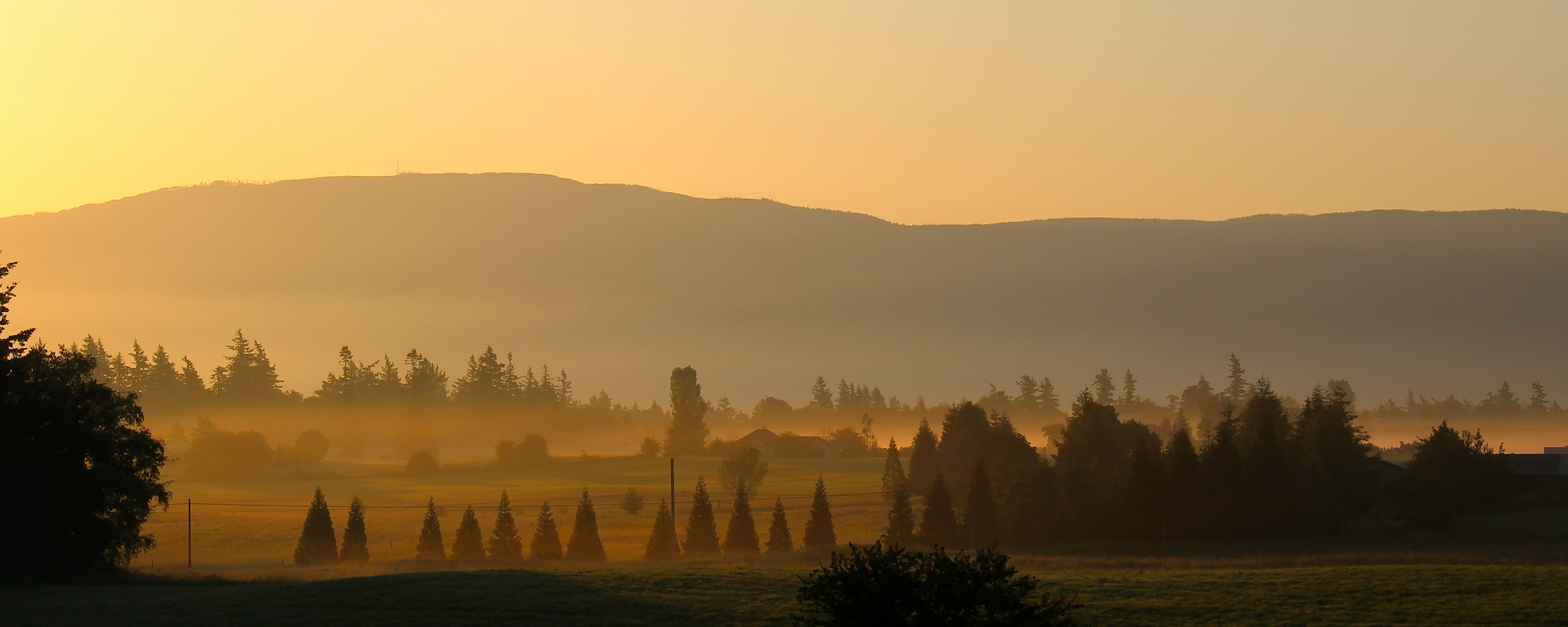
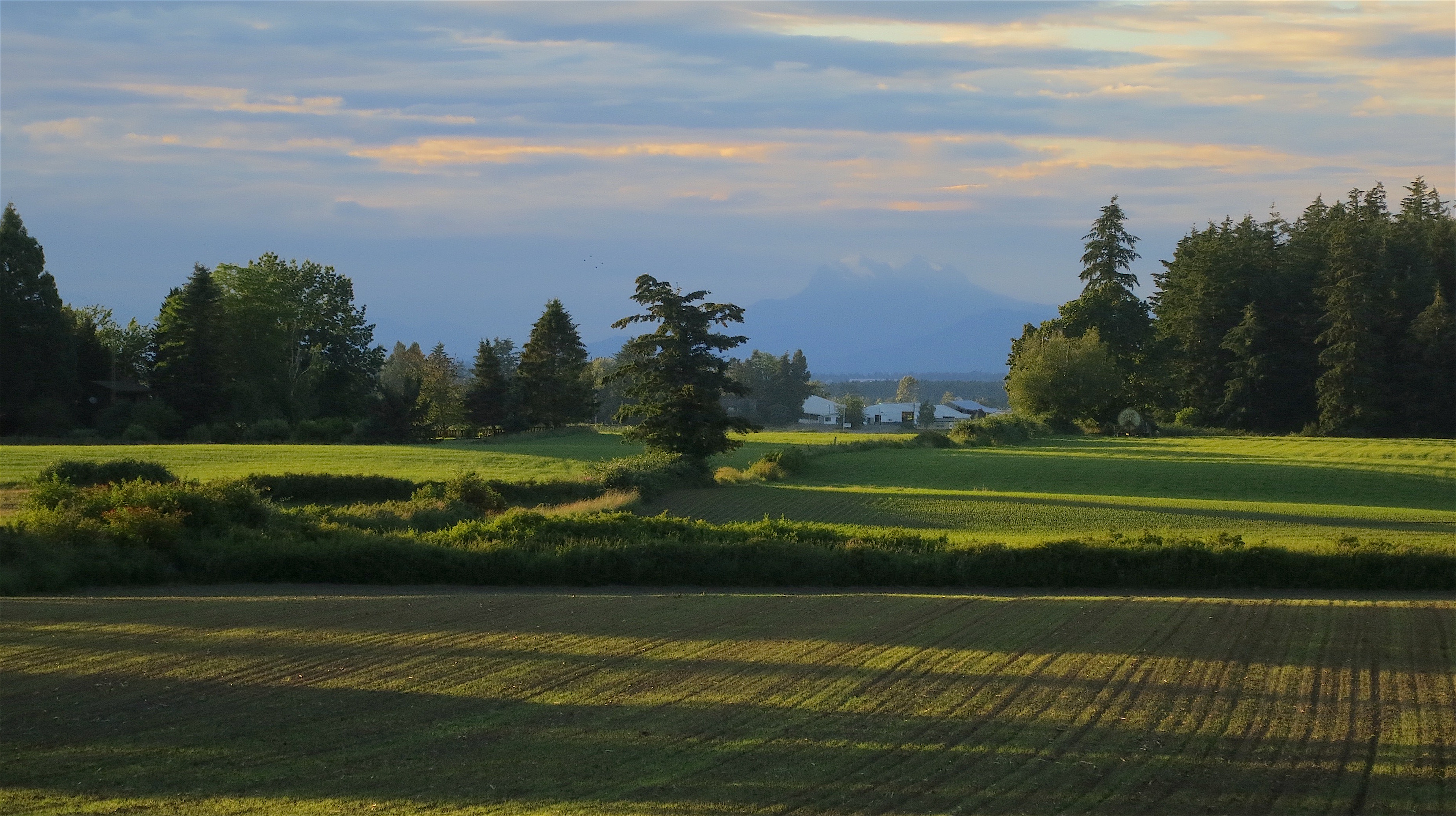
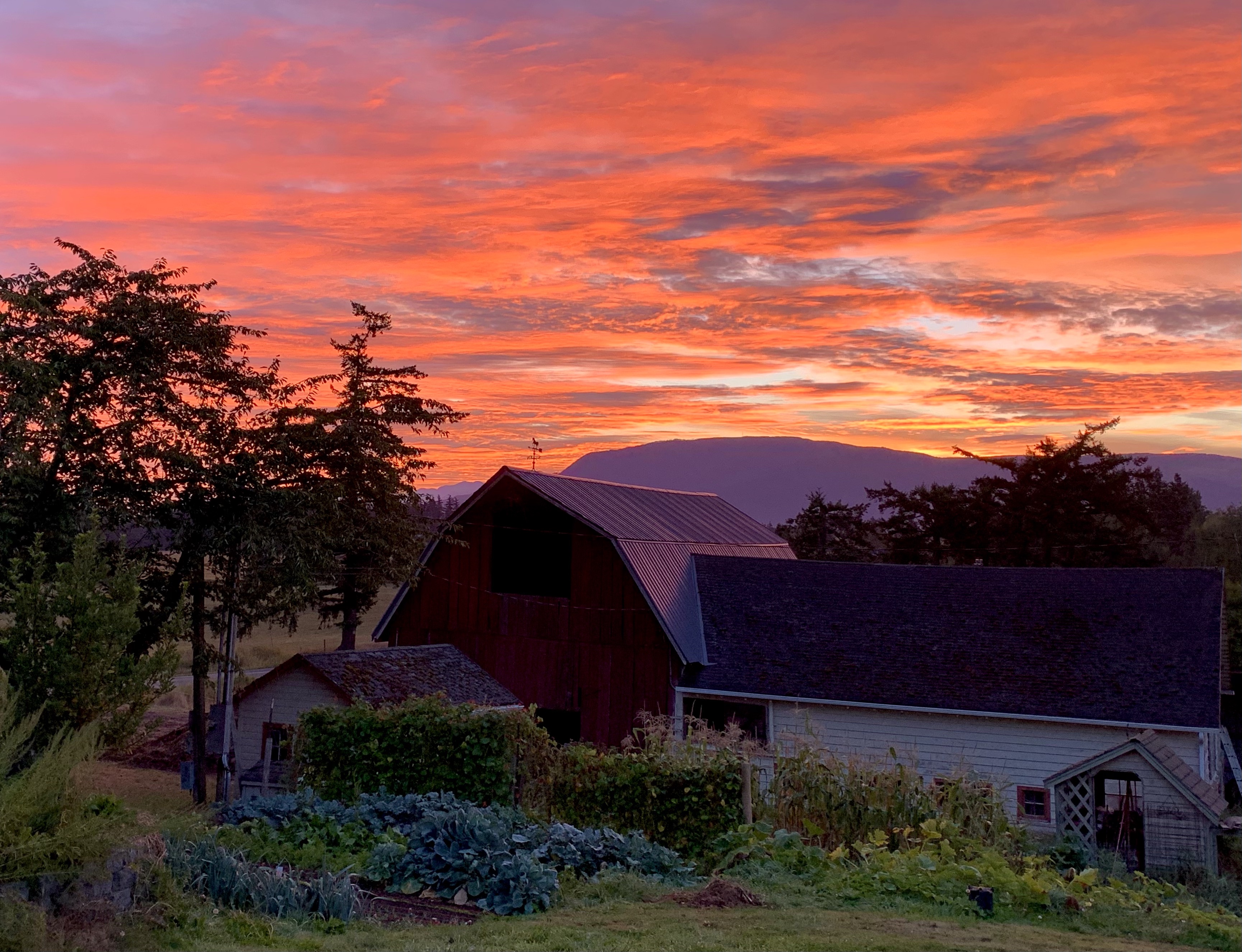
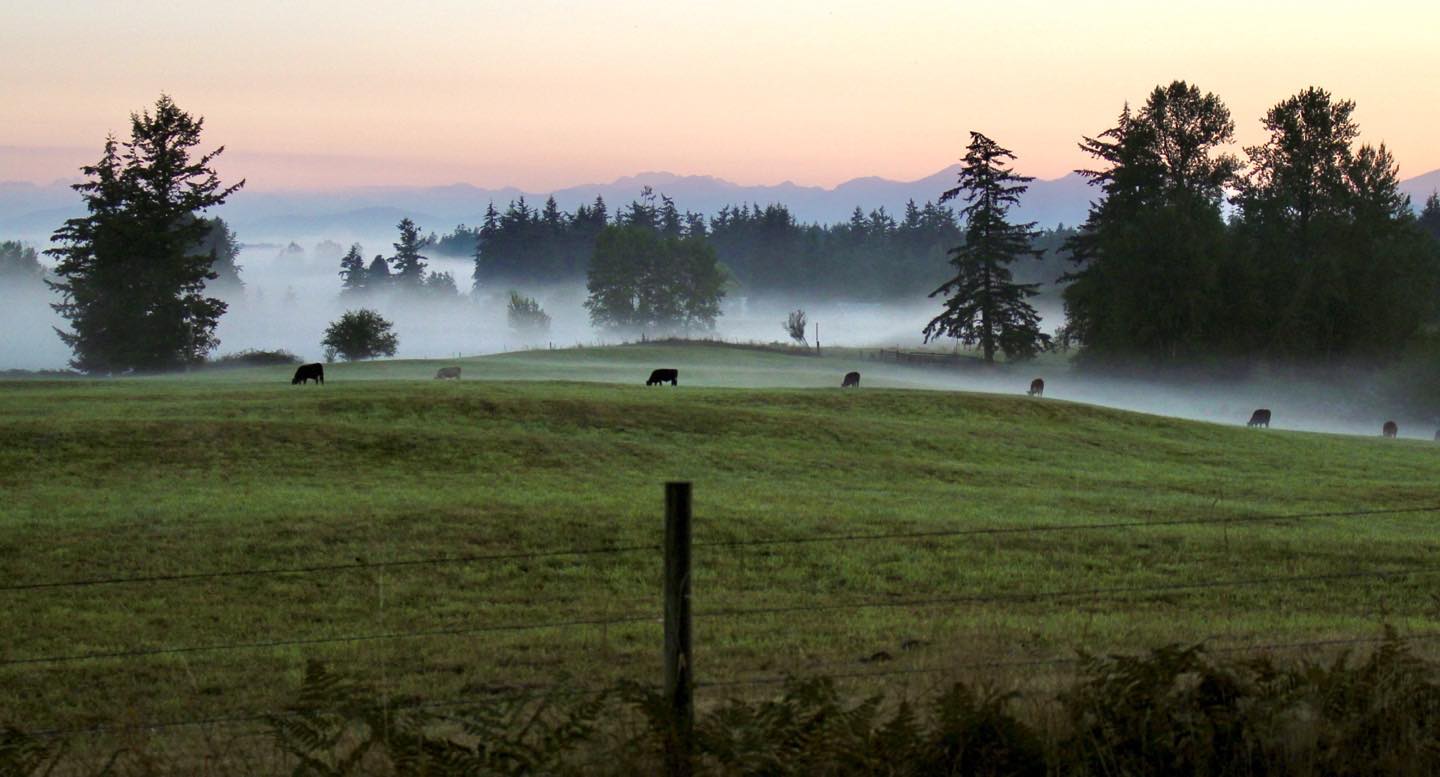
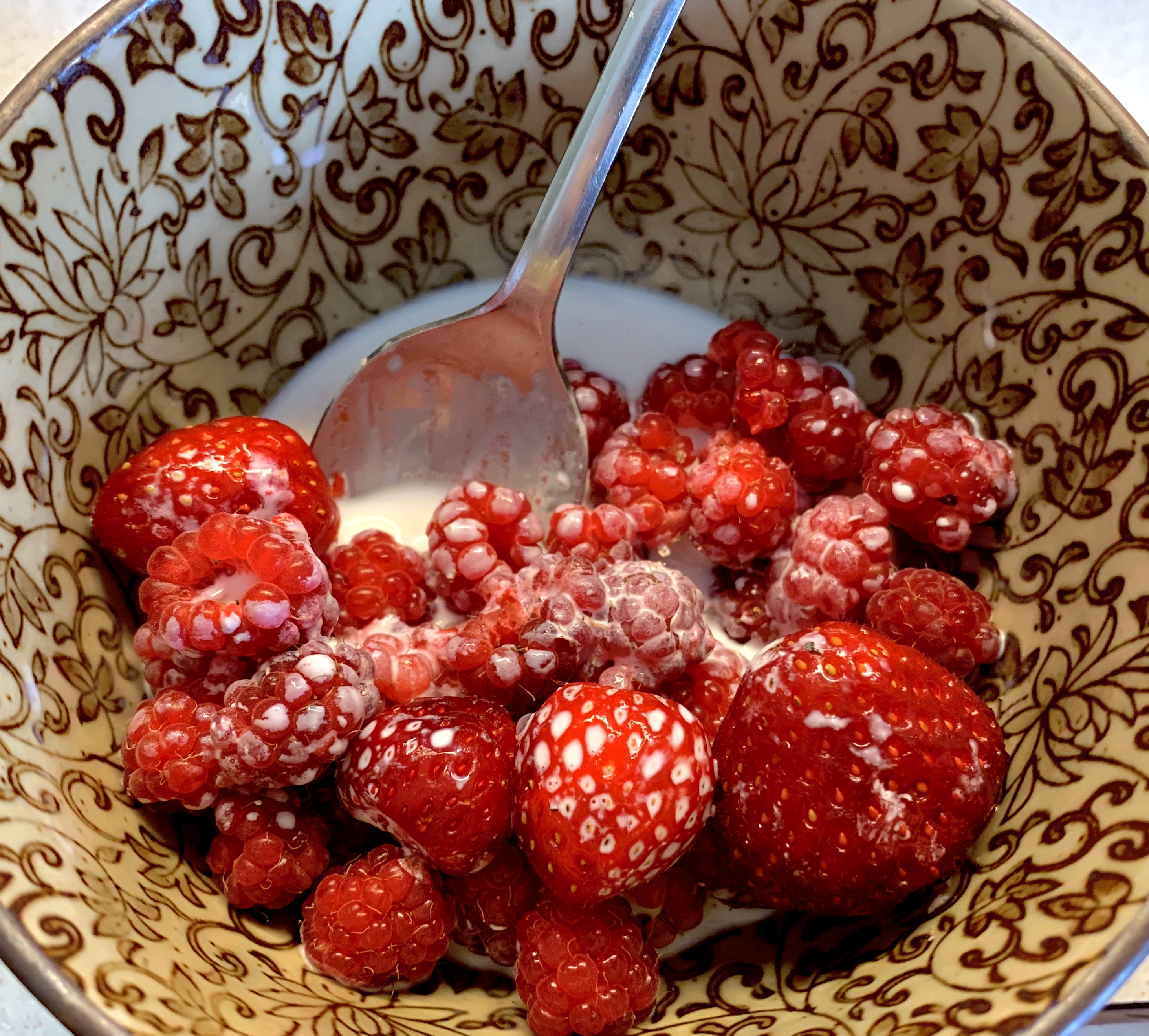
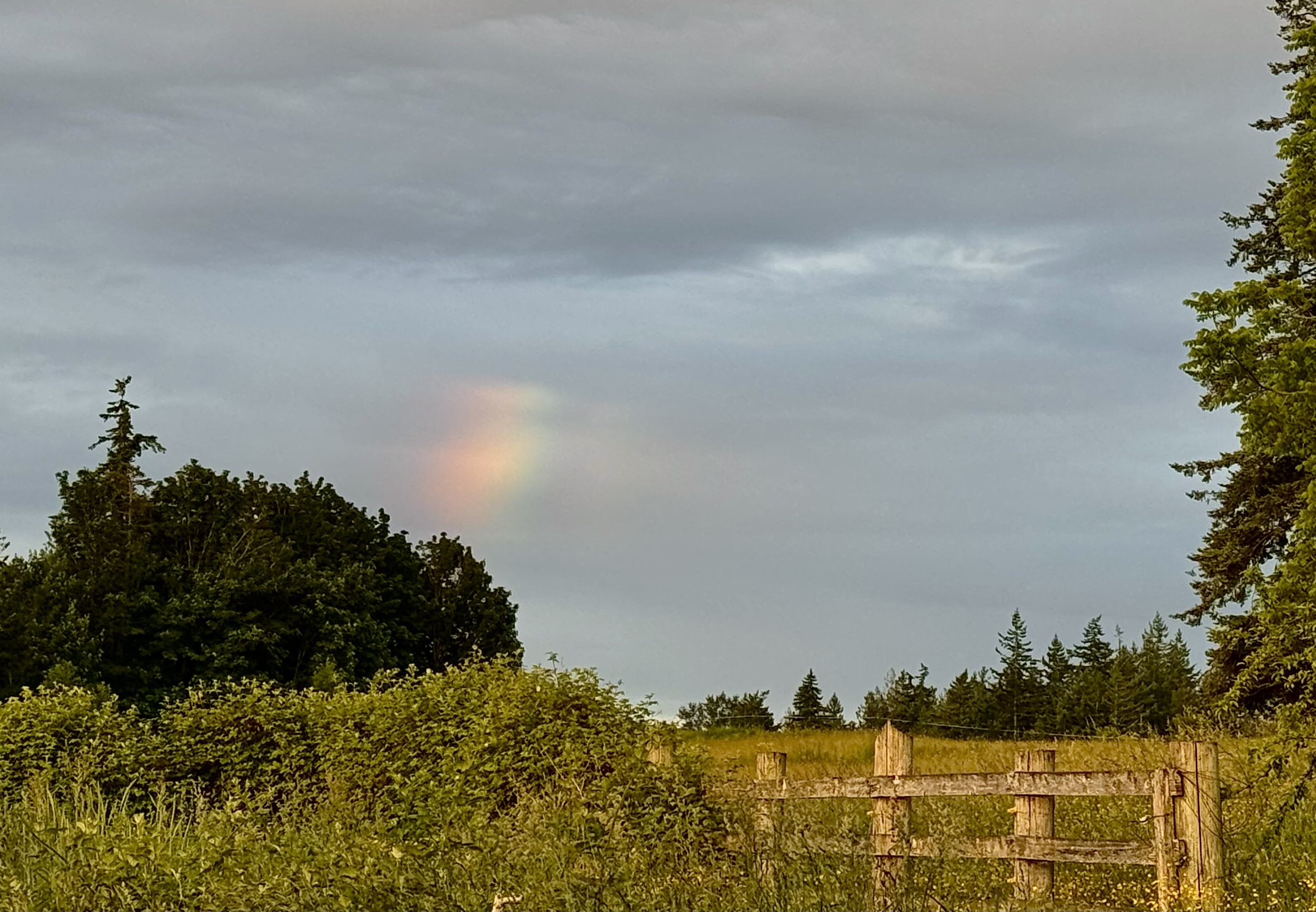
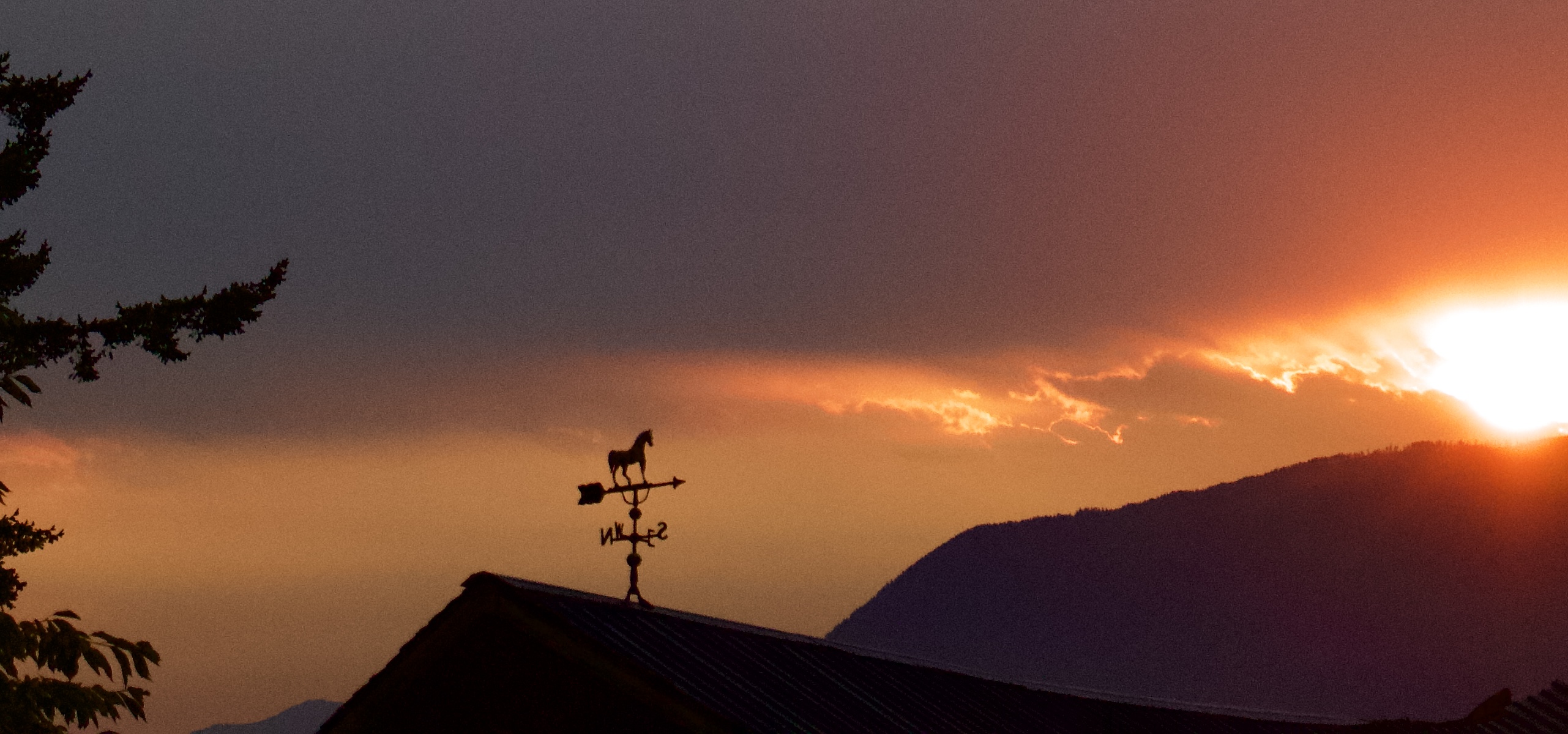
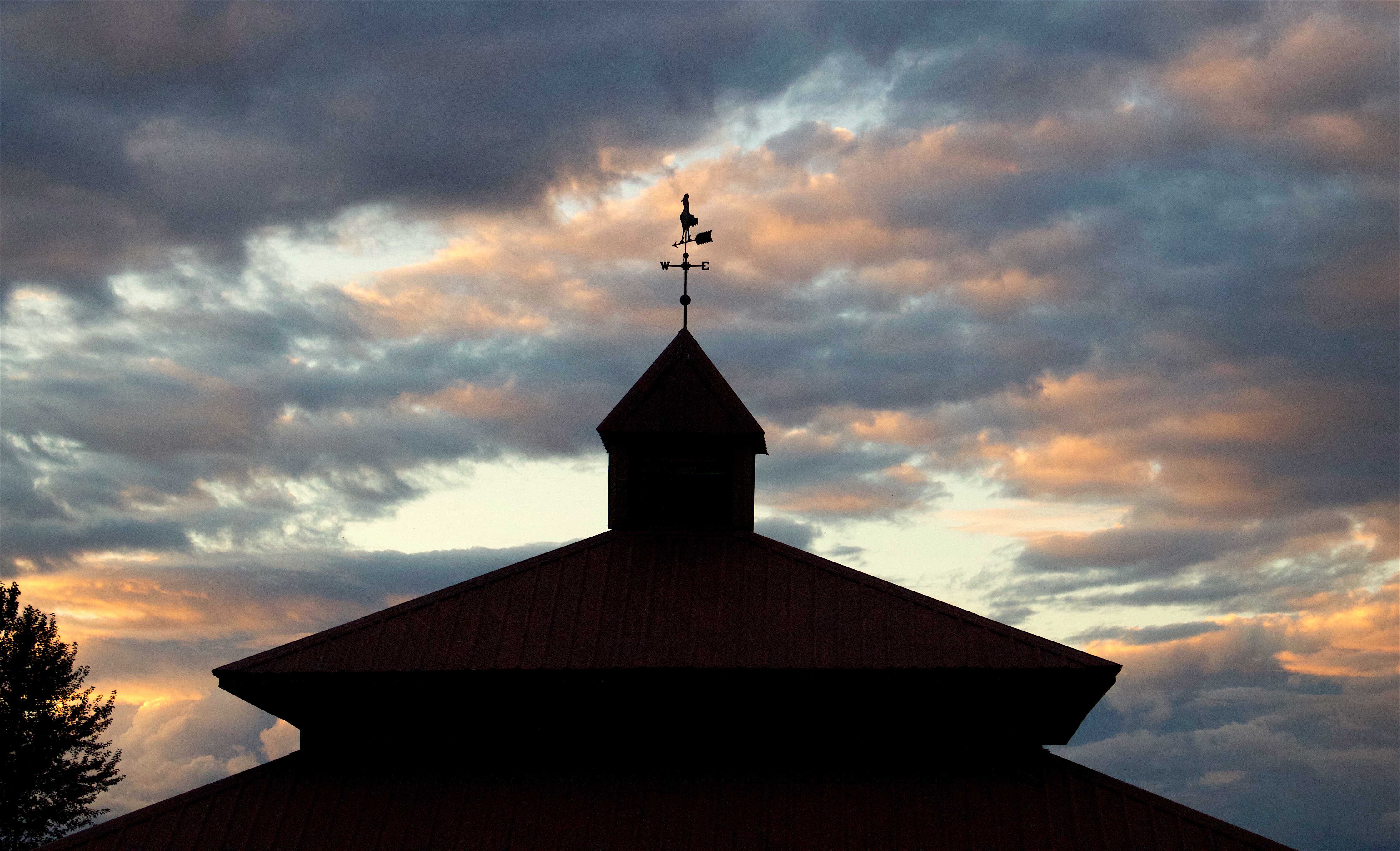
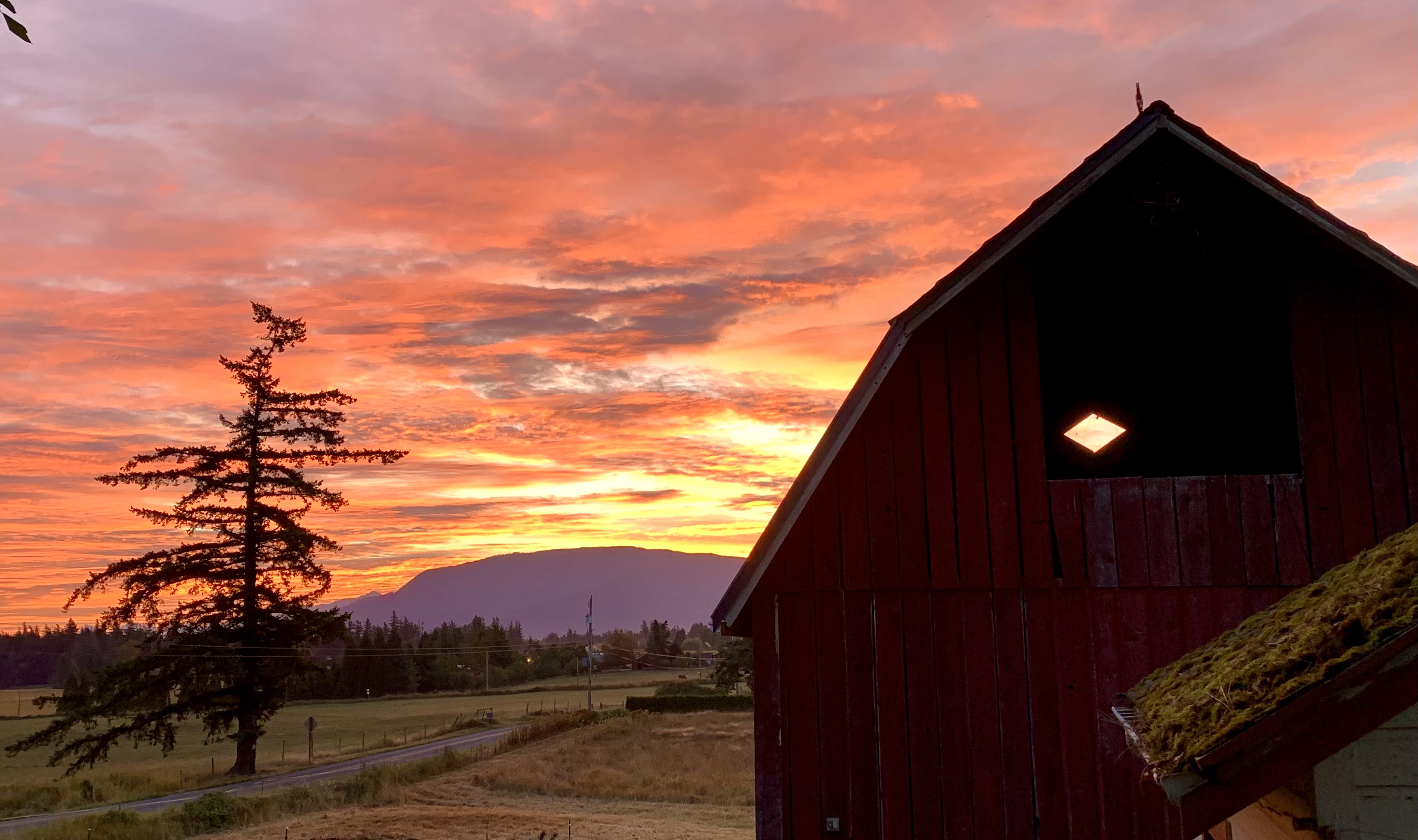
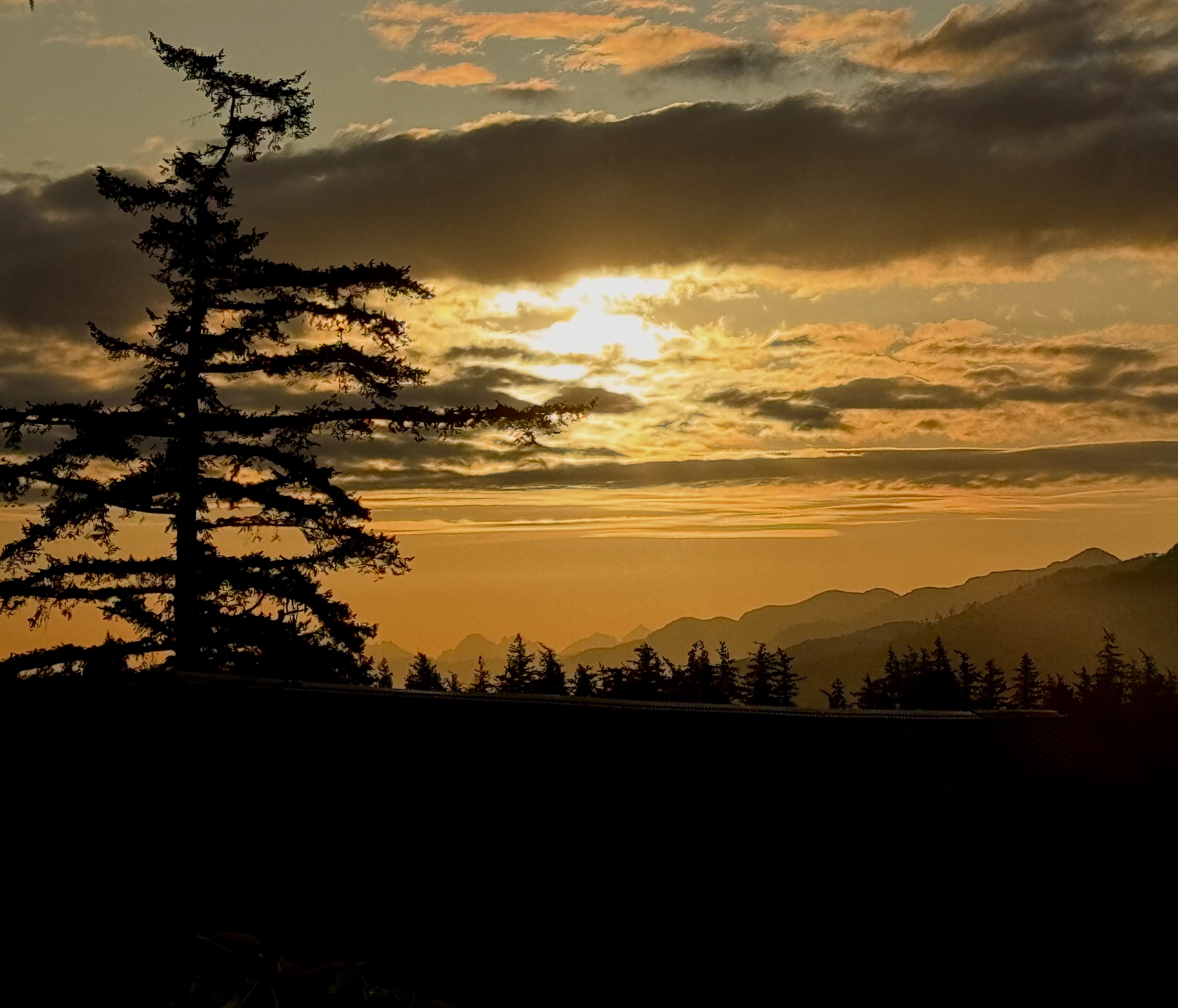
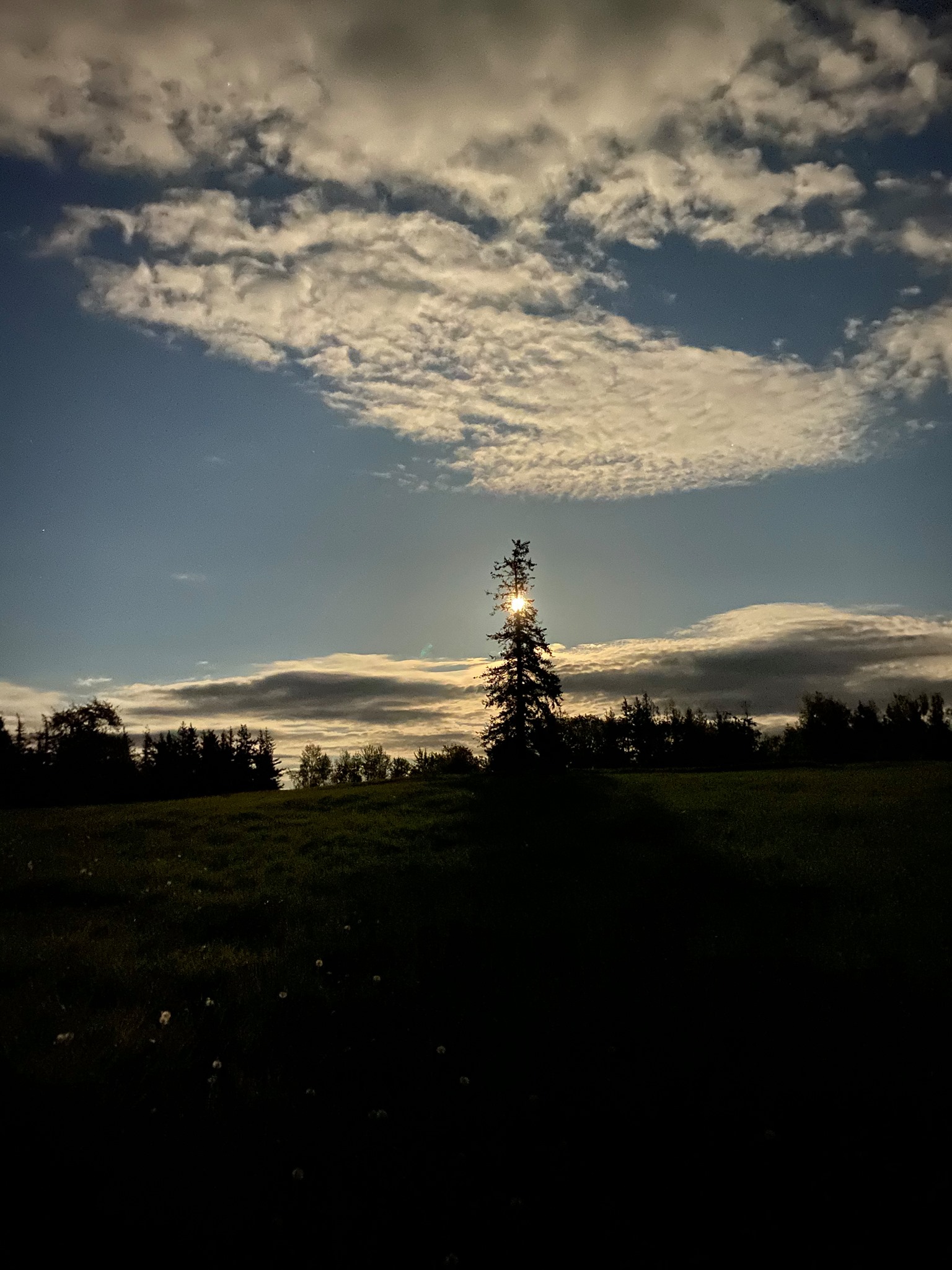
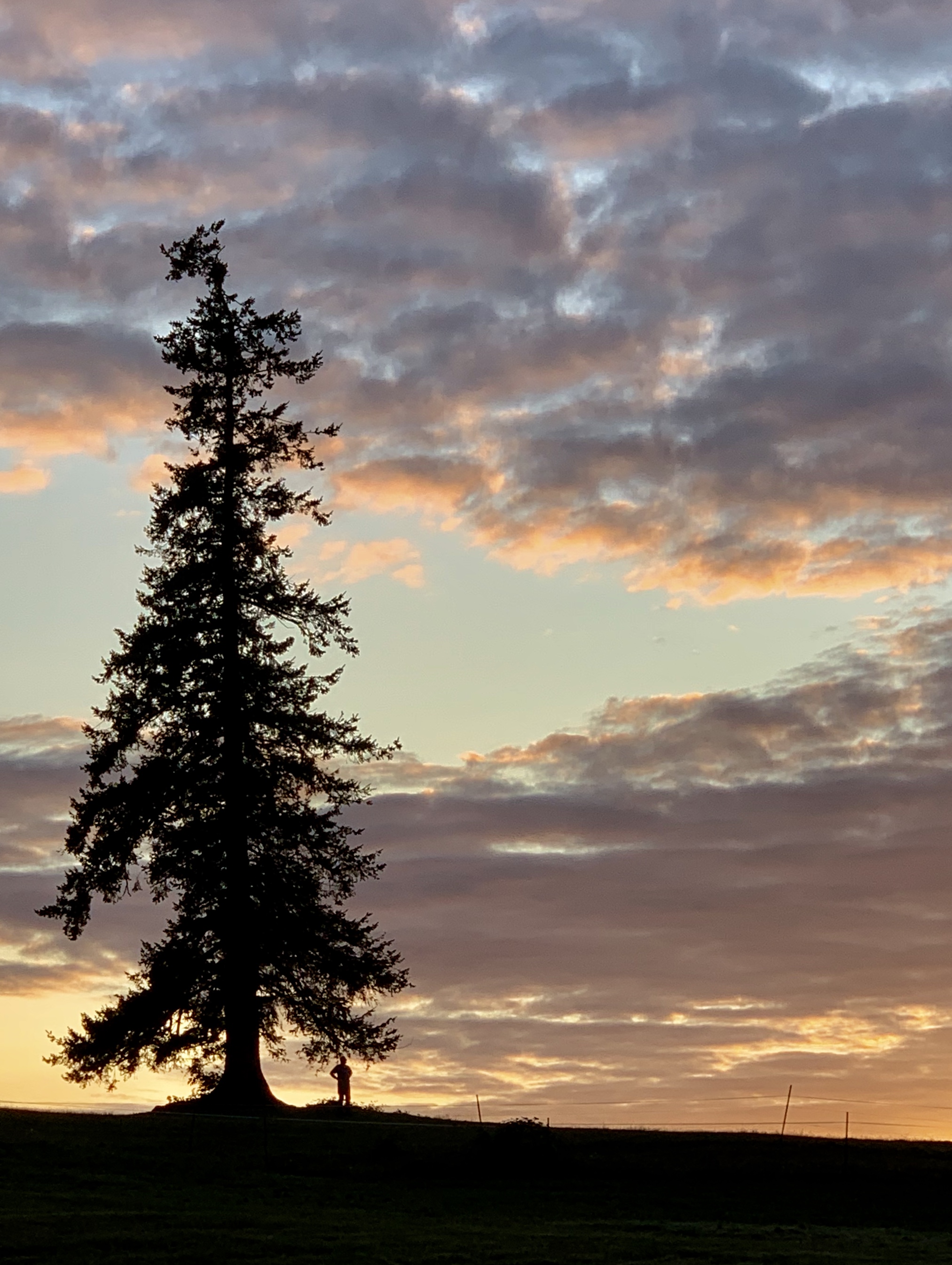
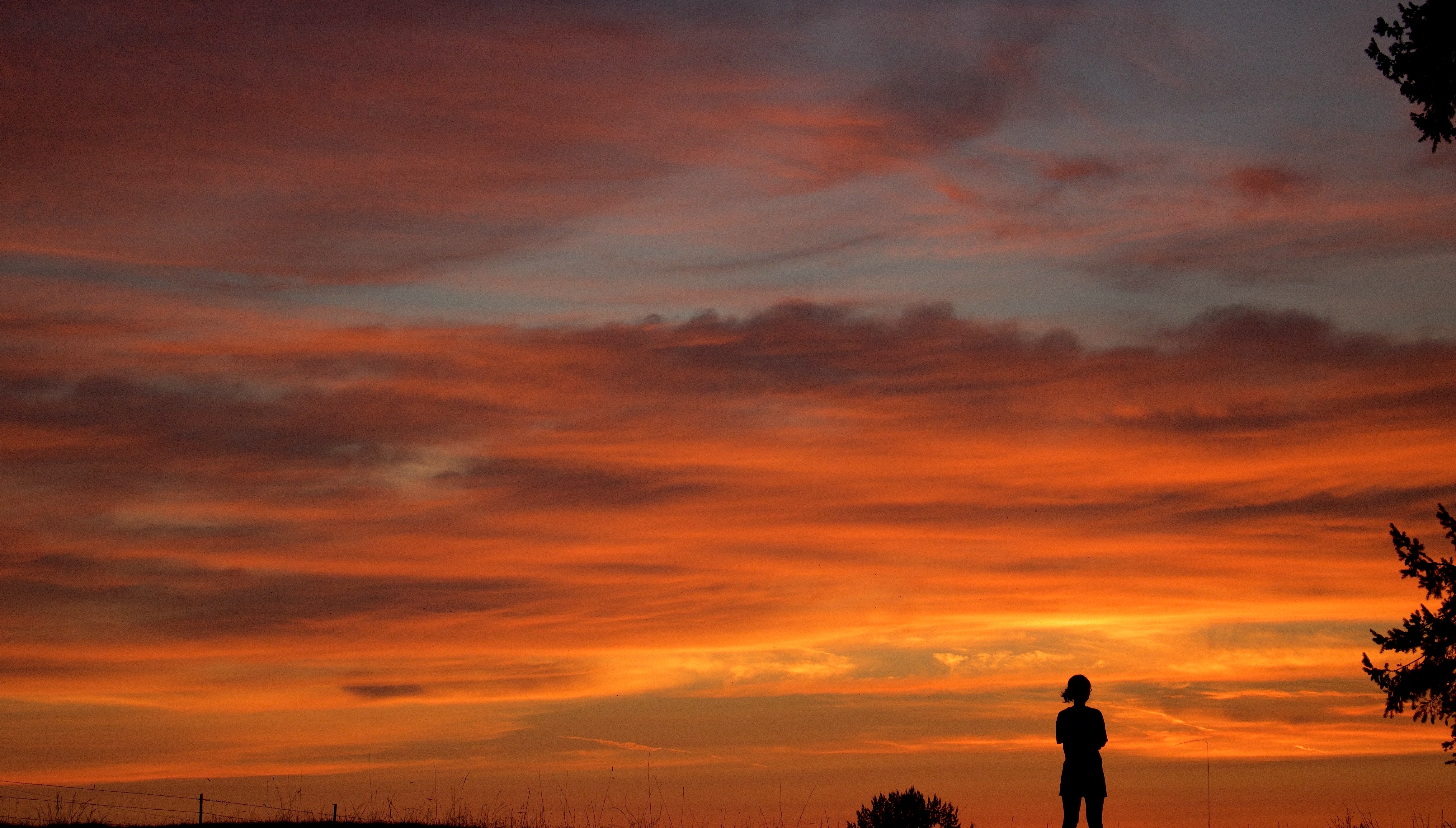
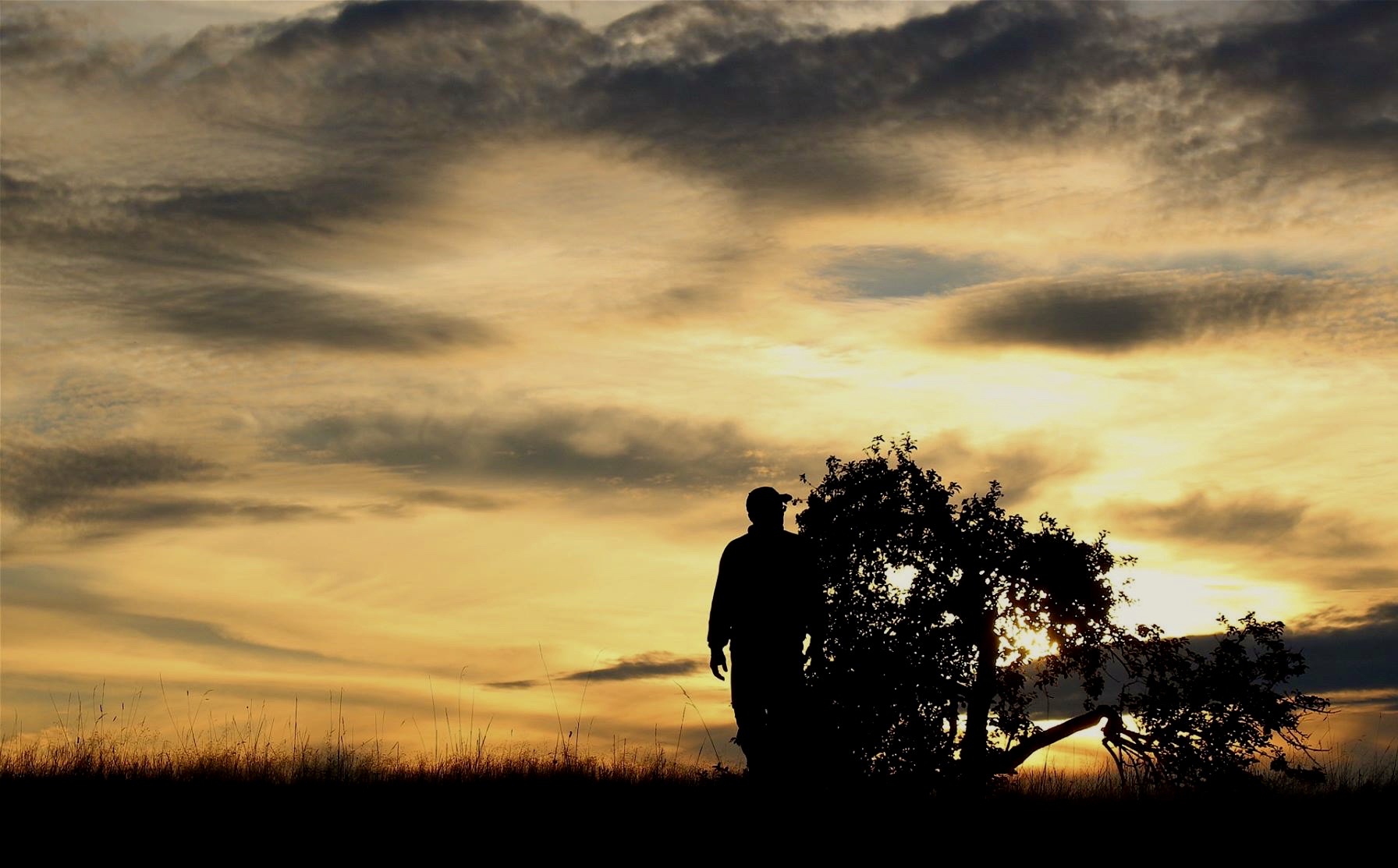
Like our grandparents, we watch in wonder at what the Creator brings to the rhythm of the land each day – the light of the dawn over the fields, the activity of the wild birds and animals in the woods, the life cycles of the farm critters we care for, the glow of the evening sun as night enfolds us. We are blessed by the land’s generosity when it is well cared for.
Now 46 years after that first conversation together about returning to farming, my husband and I hope to never leave the land. It brought us together, fed our family, remains imbedded under our fingernails and in our souls.
Each in our own time, we will settle even deeper.
One-Time
Monthly
Yearly
Make a one-time or recurring donation to support daily Barnstorming posts
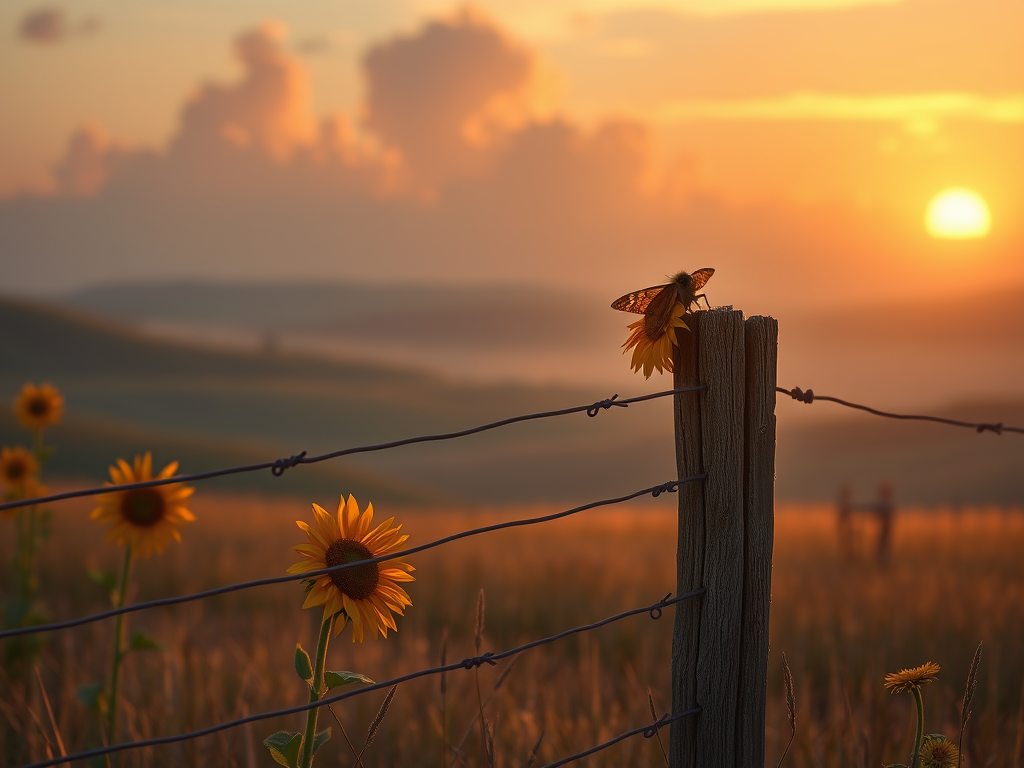
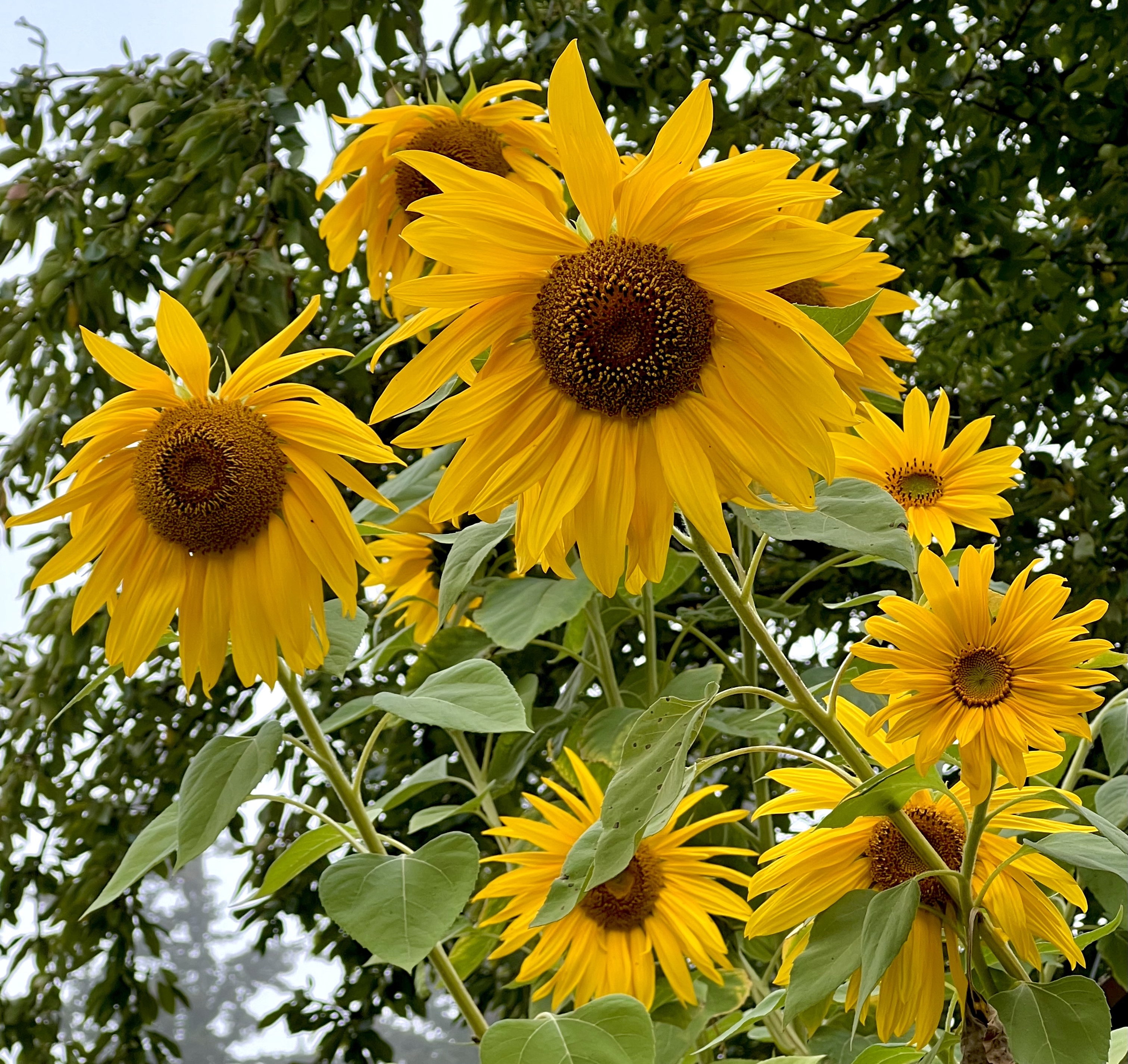
Something is calling to me from the corners of fields, where the leftover fence wire suns its loose coils, and stones thrown out of the furrow sleep in warm litters; where the gray faces of old No Hunting signs mutter into the wind, and dry horse tanks spout fountains of sunflowers; where a moth flutters in from the pasture, harried by sparrows, and alights on a post, so sure of its life that it peacefully opens its wings. ~Ted Kooser “In the Corners of Fields” from Flying at Night.
I am a visitor here, even though we’ve lived here for more than 30 years.
There is something to be discovered in the field each day if I make an effort to look and listen.
My Merlin app on my phone tells me the birds I hear around me. A photo of a wildflower or weed is identified by Google. The jet flight tracks overhead are pinpointed by another app saying who is flying where.
Yet I’m placed right here by my Maker. He knows where I am at all times, the words I write, the thoughts I pray.
I try to be at peace in these turbulent times: to be sure of this life I’m given, to be sure to Whom I belong, to simply open my wings to the light, to be ready to fly when my time comes.
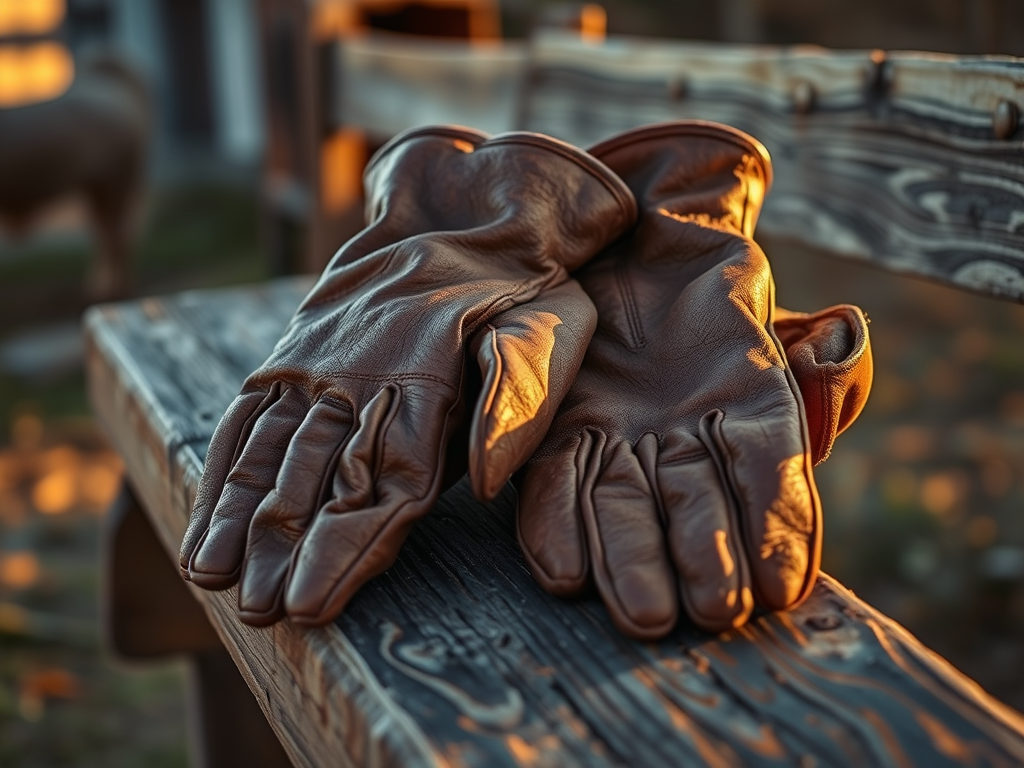
AI image created for this post
One-Time
Monthly
Yearly
Make a one-time or recurring donation to support daily Barnstorming posts
It can be a gift or a private kind of distress, depending on if you’ve found your purpose. My friend, a physician and farmer, blends her two passions into a life of caring.
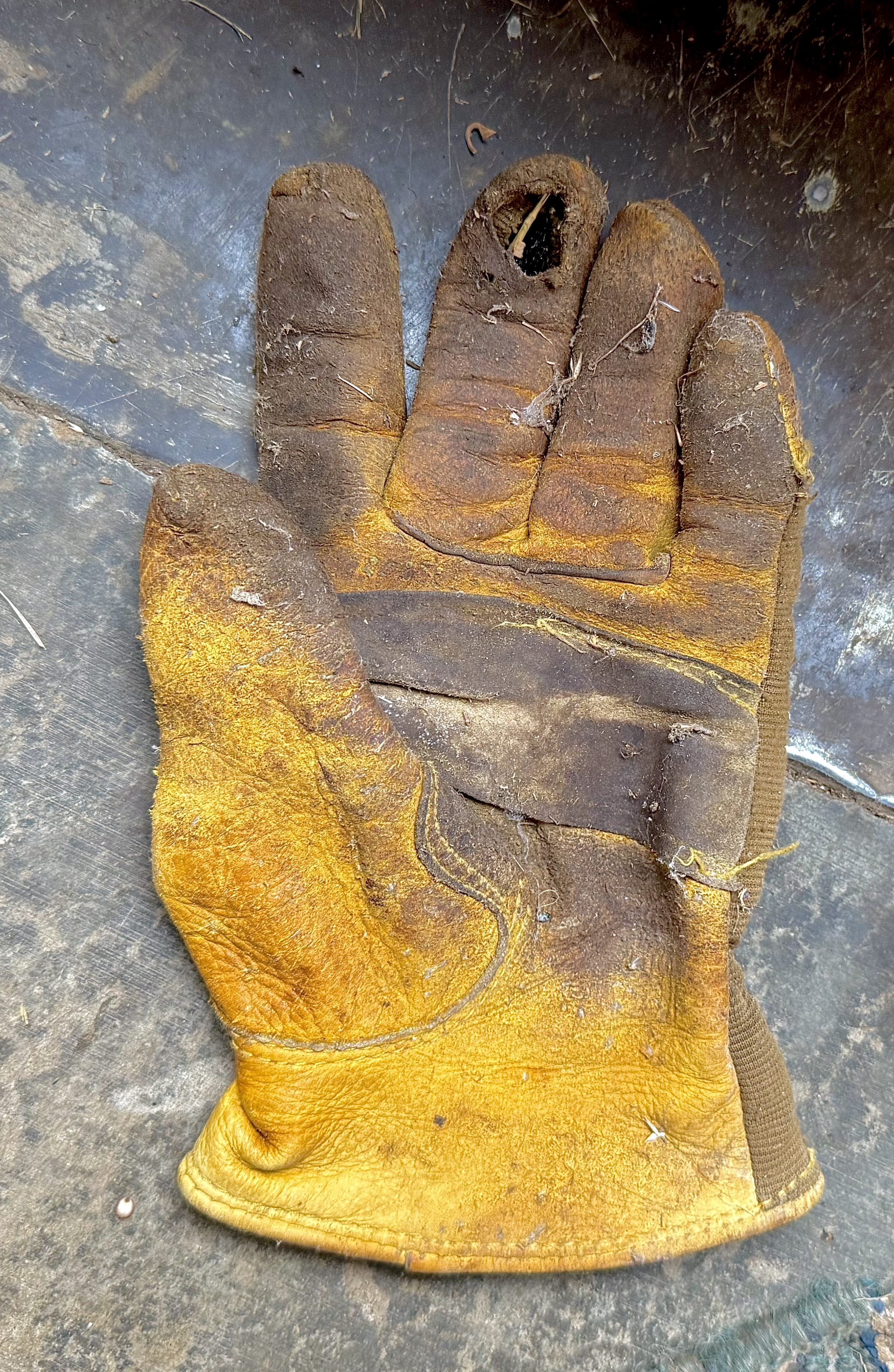
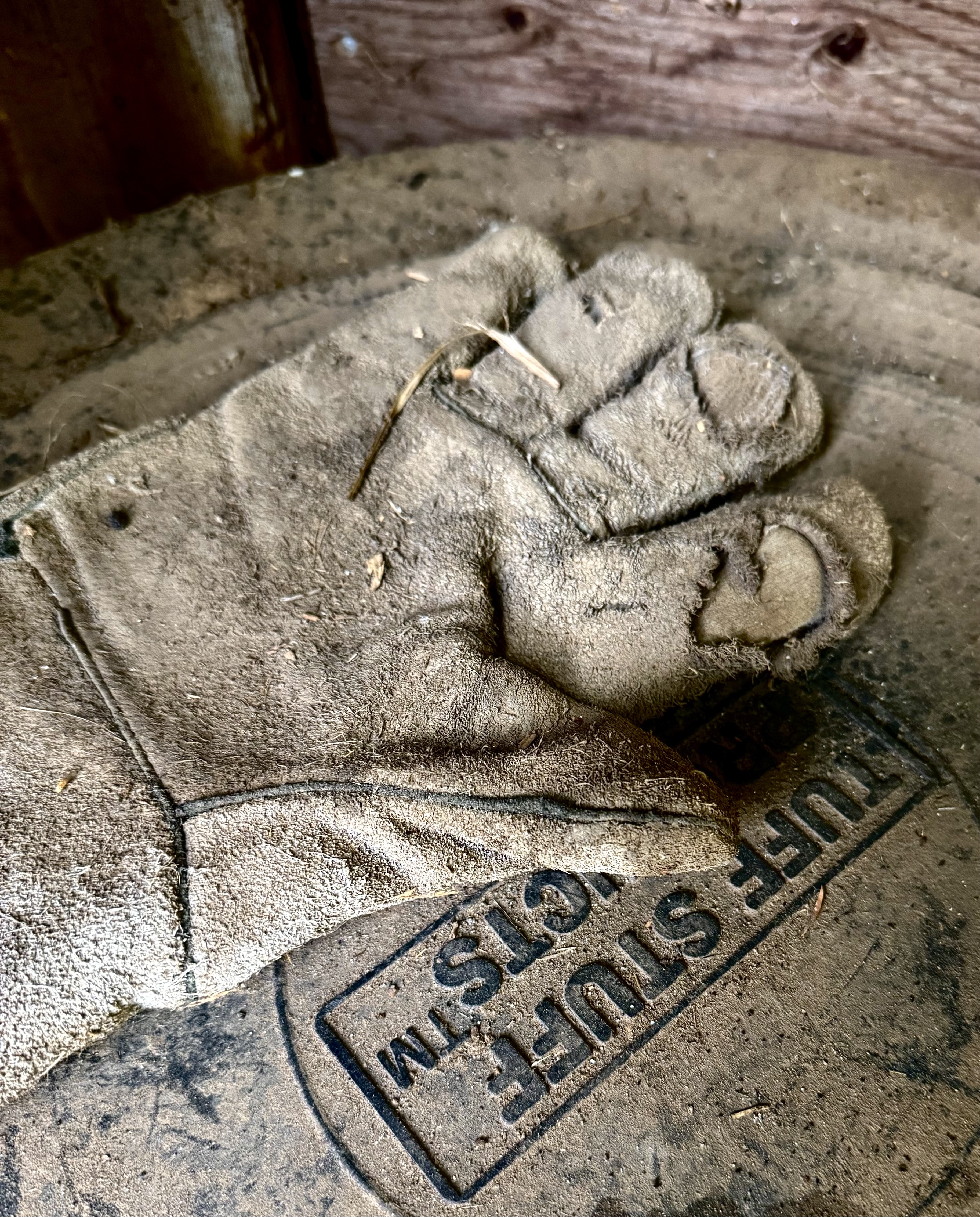
Leaving her surgical gloves in the treatment room, she dons leather work gloves when she returns to the farm. This evening the old work gloves are nestled together on a bench by the back door
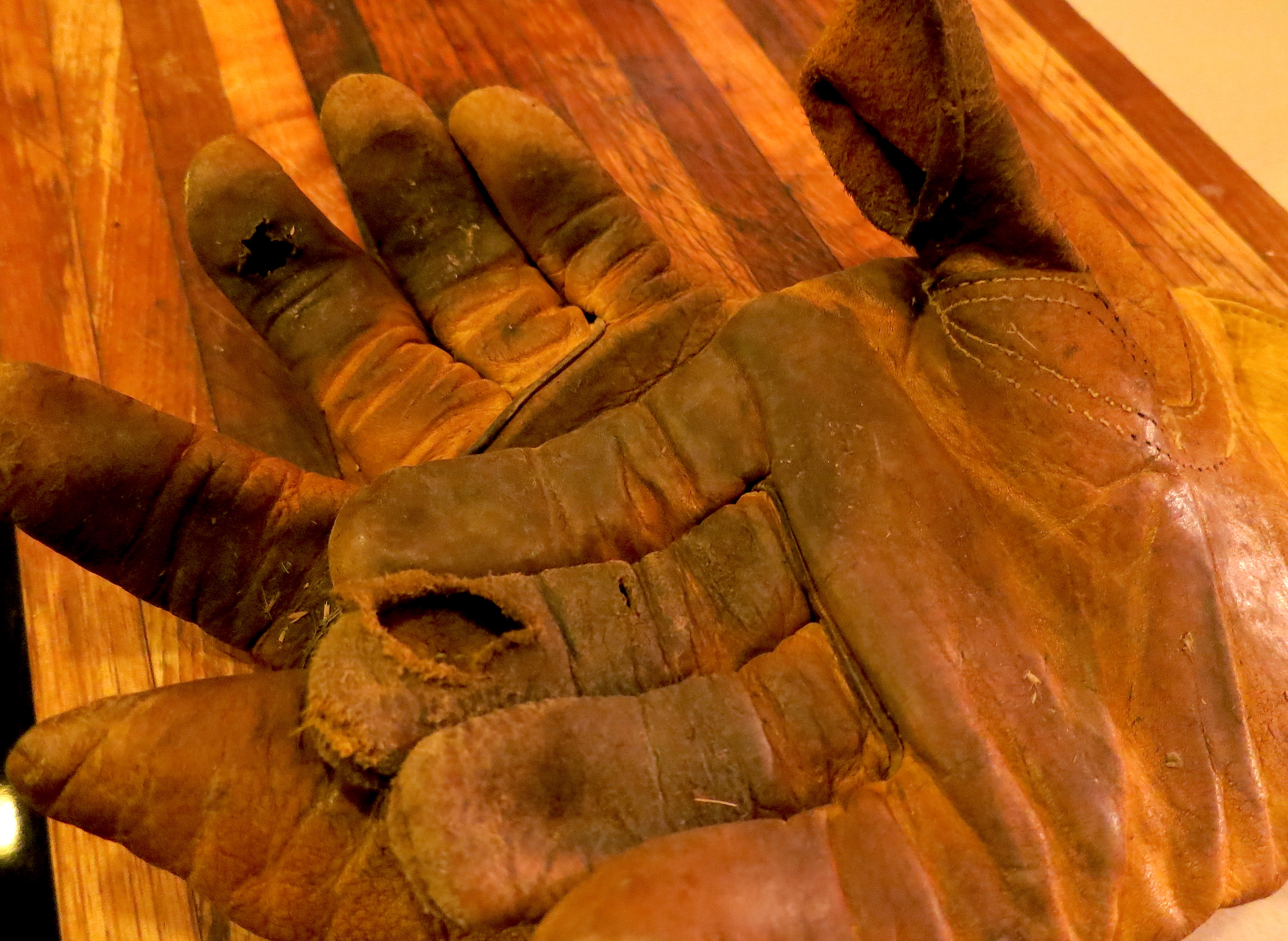
as if one couldn’t function without the other. They hold the form of her hands. The gloves are dirty, the leather wrinkled, a hole worn through the tip of the index finger, right hand.
Over years of service, gloves have protected her hands as she treated deep wounds in the clinic and in the barn. This gift! Dare I say, her work fits her like a glove? ~Lois Edstrom “Gift of Work” from A Fragile Light
Nothing much to look at lying on the shelf, one on top of the other, an old man resting his hands on a cane. Dried-out yellow cowhide, lines cut deep into the palms from stones, weeds pulled. Fingers crumpled, swollen like grub worms shoveled up in planting. An extra pair of hands helping with lawn work, flower beds, shrubs, whatever else comes along. A grief pulled on to bury the old cat some kid in a speeding pickup knocked out of the street like he’d kick a can. Or kneeling last fall to unearth the blooming rose suddenly plucked by an ice storm, then shaking rich compost loose from its twisted fingers still clenched, holding on for dear life. ~Ron Stottlemyer “Work Gloves”
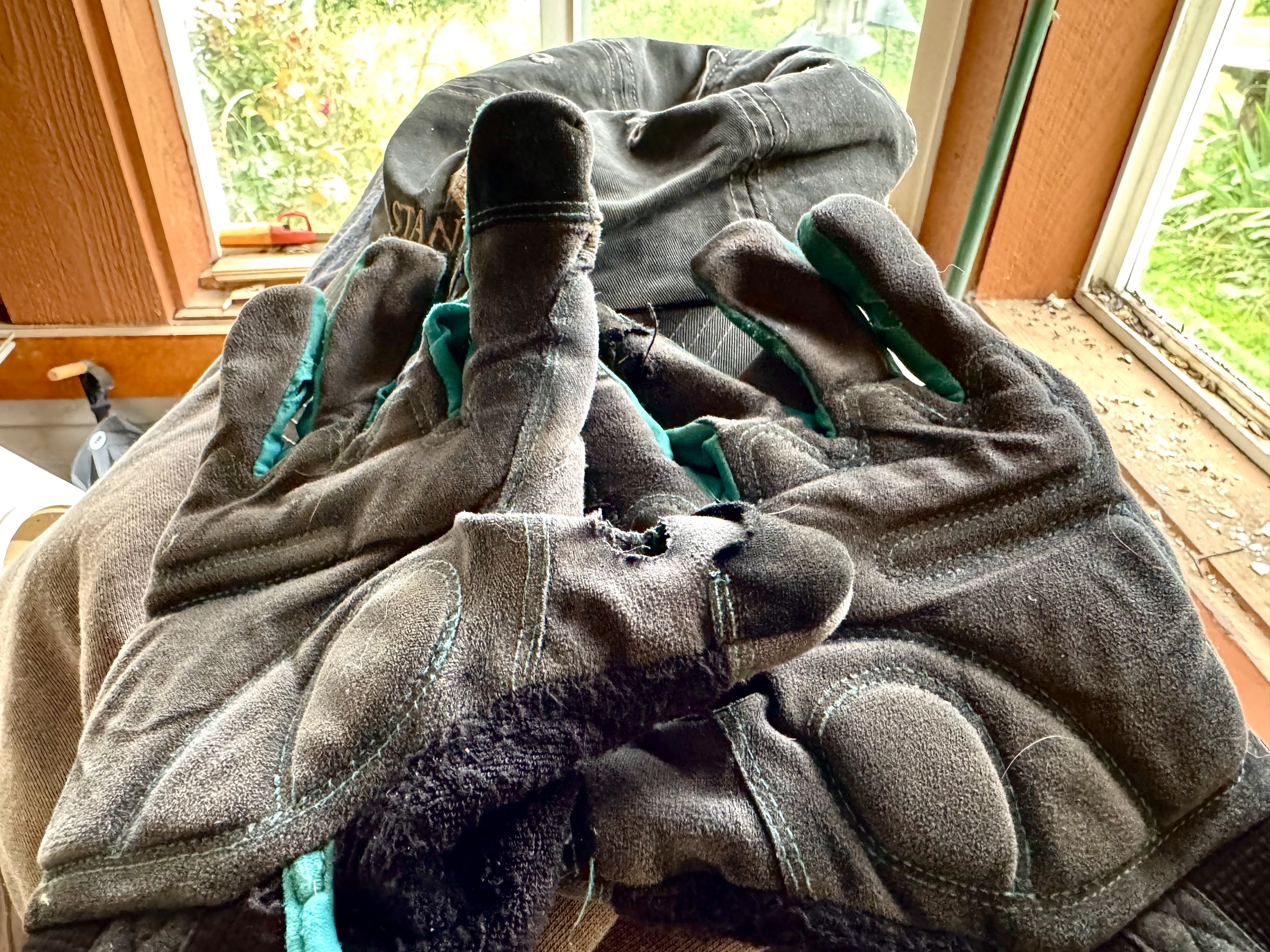
My farm work gloves tend to look ragged at the end of a year of service. I always depend on being gifted a new pair at Christmas to start afresh. It can take awhile to break them in to the point where they feel like a “second skin.”
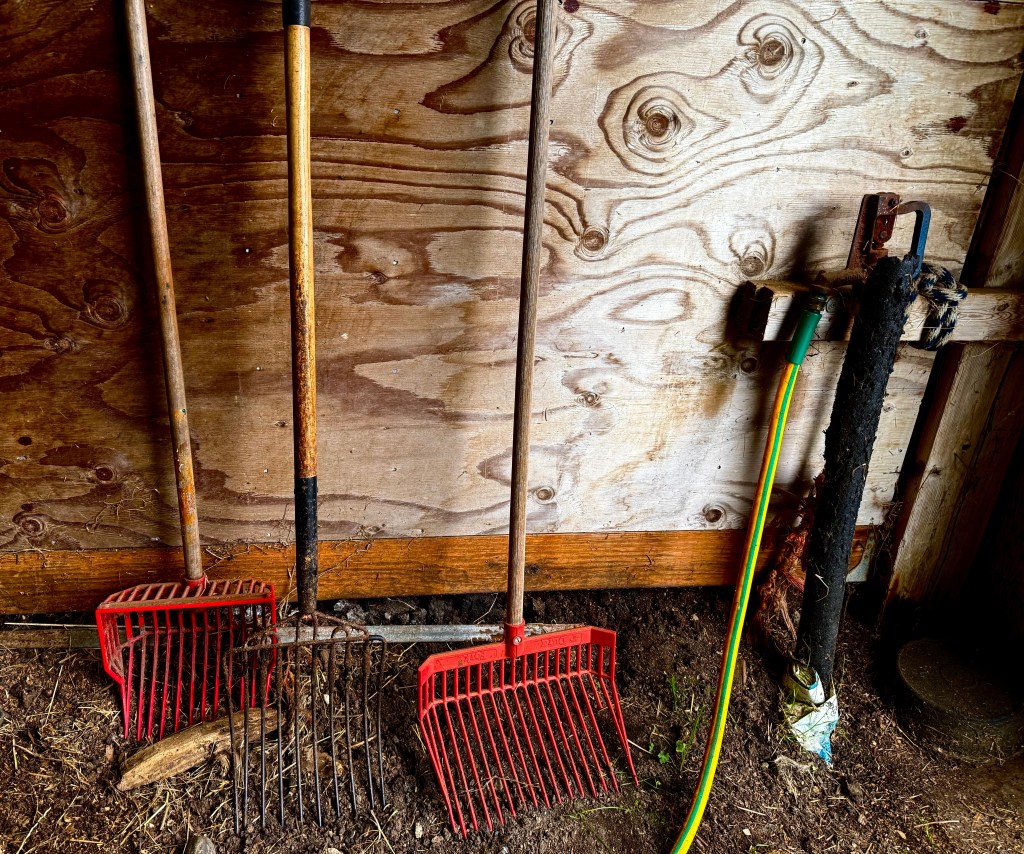
These gloves keep me from blistering while forking innumerable loads of smelly manure into wheelbarrows, but also help me unkink frozen hoses, tear away blackberry vines from fencing, pull thistle from the field and heavy hay bales from the haymow.
Over the years, I’ve gone through a few dozen work gloves which have protected my hands as I’ve cleaned and bandaged deep wounds on legs and hooves, pulled on foals during the hard contractions of difficult births, held the head of dying animals as they fall asleep one final time.
Without wearing my protective farm gloves over the years, my hands would be looking very much scarred up like my tired gloves do, full of rips and holes from the thorns and barbs of the world, sustaining scratches, callouses and blisters from the hard work of life.
But they don’t.
Thanks to these gloves, before I retired, I was presentable for my “day” work as a doctor where I would don a different set of gloves many times a day as I tended to my patients’ wounds and worry.
But my work gloves don’t tell my whole story of gratitude.
I’m thankful to a Creator God who doesn’t wear gloves when He goes to work in our world: -He gathers us up even when we are dirty, smelly, and unworthy. -He eases us into this life when we are vulnerable and weak, and carries us gently home as we leave this world, weak and vulnerable. -He holds us as we bleed from self and other-inflicted wounds. -He won’t let us go, even when we fight back, or try not to pay attention, or care who He is.
He hangs on to us for dear life.
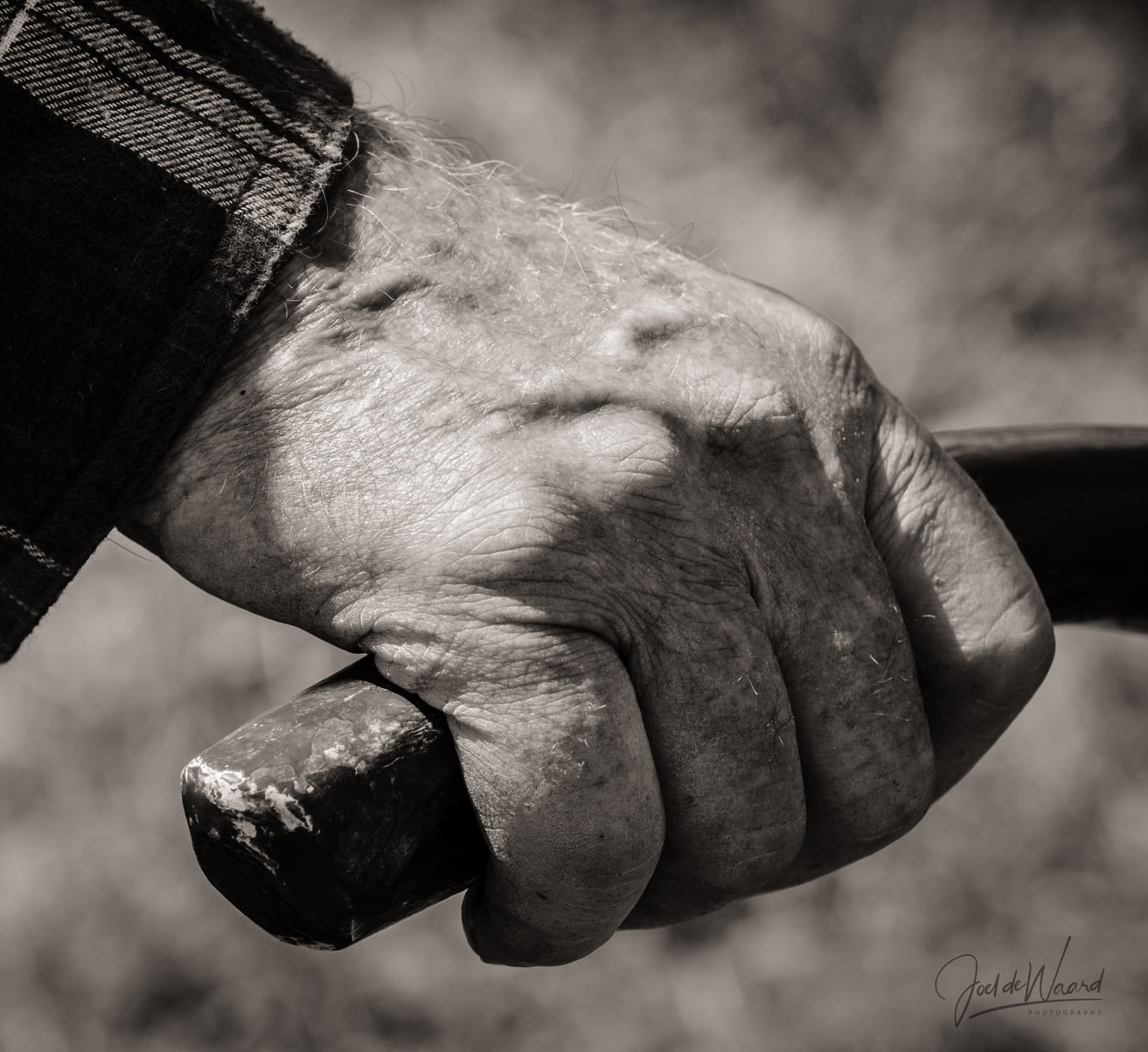
And this God came to live beside us with hands just like ours~ tender, beautiful, easy-to-wound hands that bled because He didn’t need or want to wear gloves for what He came to do~
His hands bear evidence of His love…
photo of a plowman teamster’s hand by Joel De WaardAI image created for this post
contains these lyrics by Kim Andre Arnesen: Moving like the rise and fall of wings Hands that shape our calling voice On the edge of answers You’ve heard our cry, you’ve known our cry…
One-Time
Monthly
Yearly
Make a one-time or recurring donation to support daily Barnstorming posts
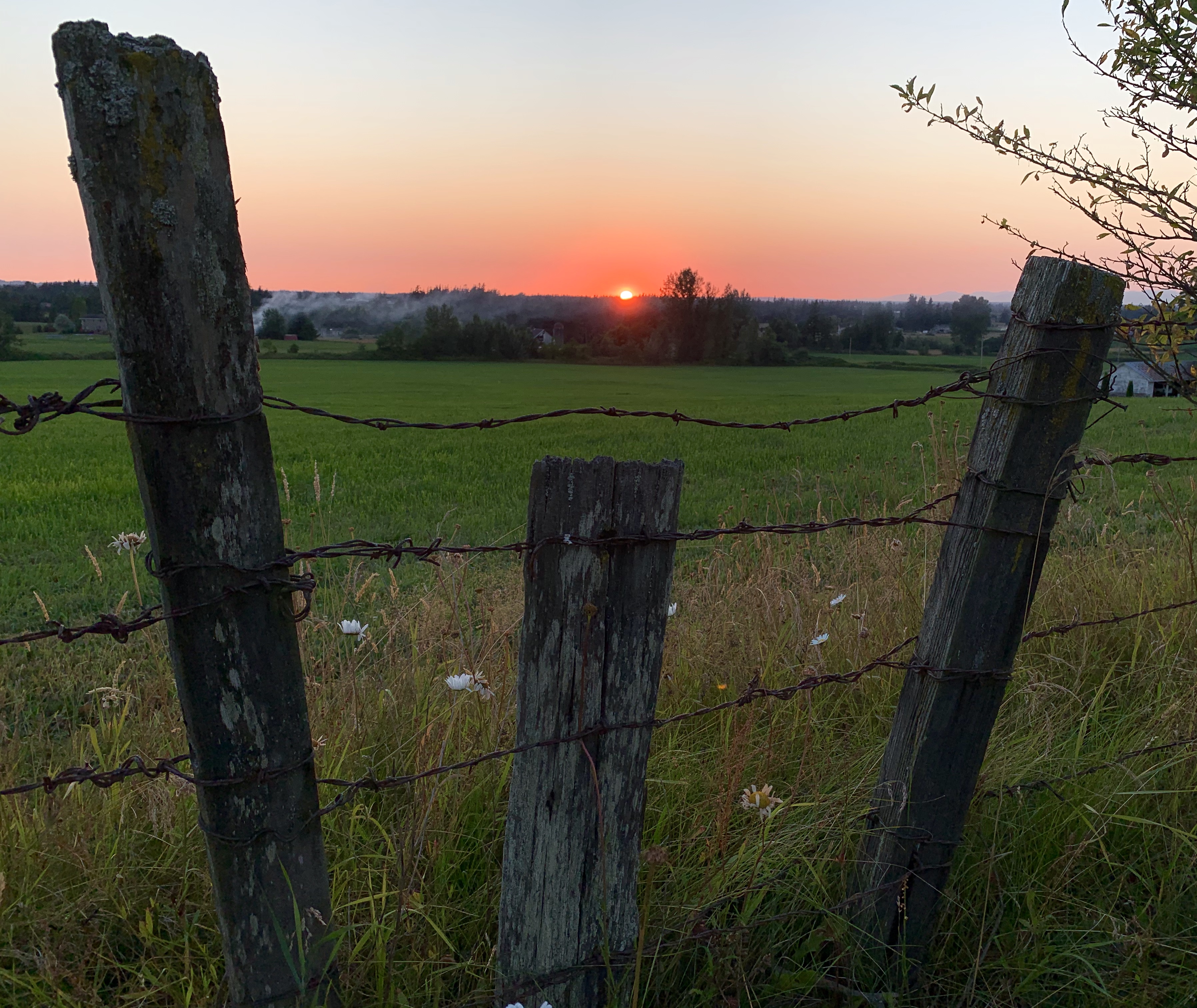
Roads go ever ever on, Over rock and under tree, By caves where never sun has shone, By streams that never find the sea; Over snow by winter sown, And through the merry flowers of June, Over grass and over stone, And under mountains in the moon.
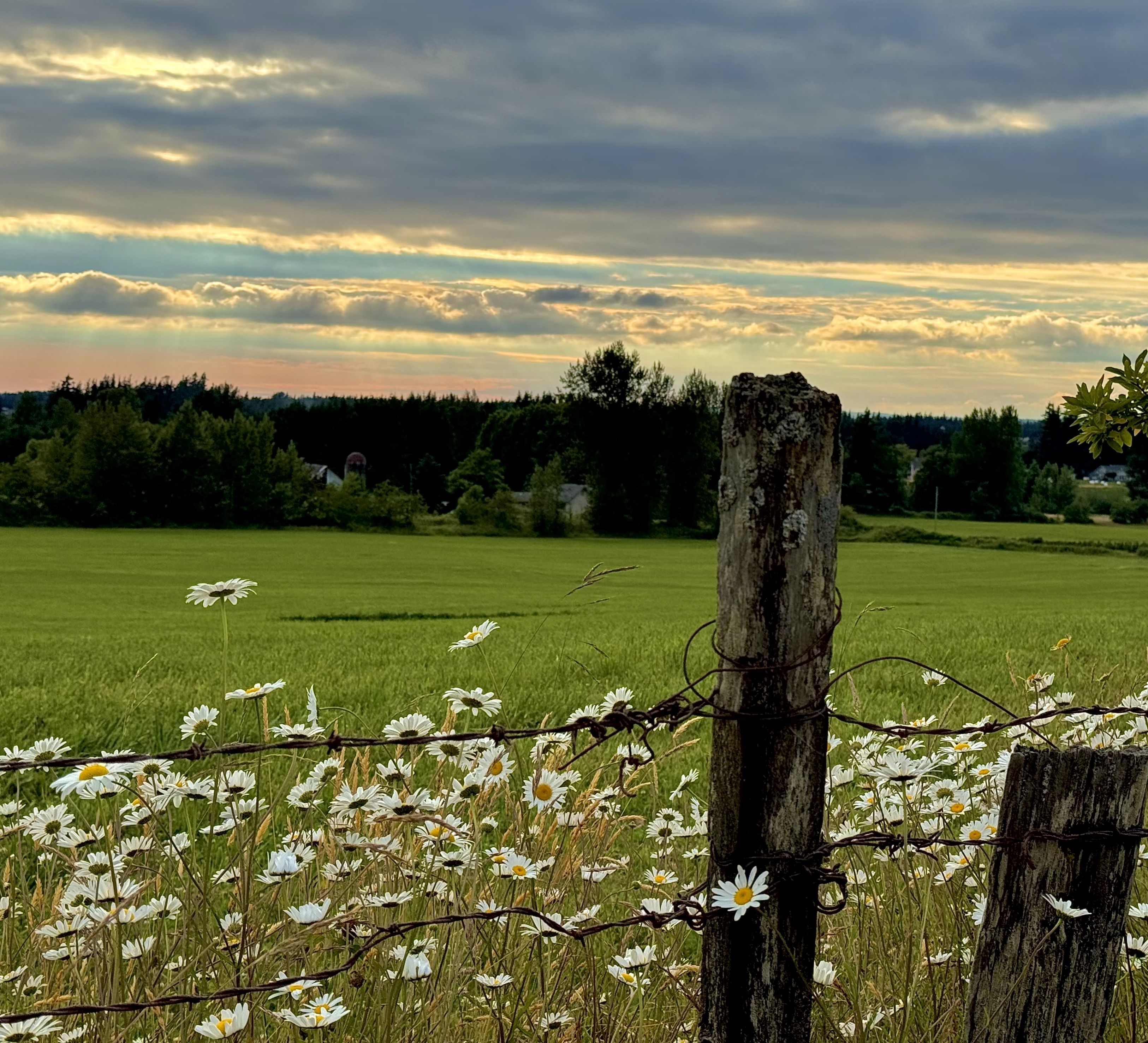
Roads go ever ever on, Under cloud and under star. Yet feet that wandering have gone Turn at last to home afar. Eyes that fire and sword have seen, And horror in the halls of stone Look at last on meadows green, And trees and hills they long have known.
The Road goes ever on and on Down from the door where it began. Now far ahead the Road has gone, And I must follow, if I can, Pursuing it with weary feet, Until it joins some larger way, Where many paths and errands meet. And whither then? I cannot say.
The Road goes ever on and on Out from the door where it began. Now far ahead the Road has gone. Let others follow, if they can! Let them a journey new begin. But I at last with weary feet Will turn towards the lighted inn, My evening-rest and sleep to meet.
Still ’round the corner there may wait A new road or secret gate; And though I oft have passed them by, A day will come at last when I Shall take the hidden paths that run West of the Moon, East of the Sun. ~J.R.R. Tolkien “Bilbo’s Walking Song”
It’s a dangerous business, Frodo, going out of your door. You step into the Road, and if you don’t keep your feet, there is no knowing where you might be swept off too. ~J.R.R. Tolkien – Bilbo to Frodo in Fellowship of the Rings
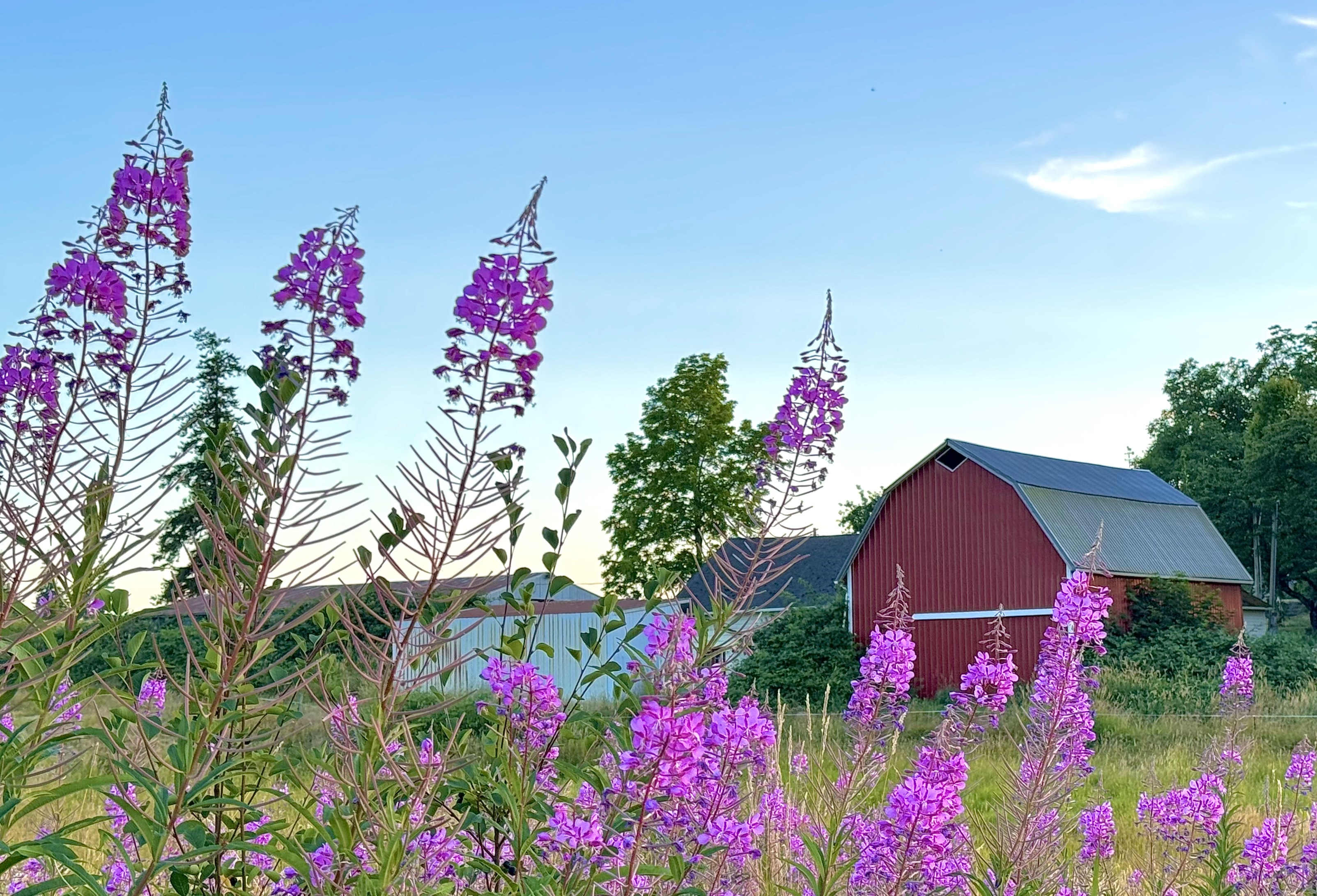
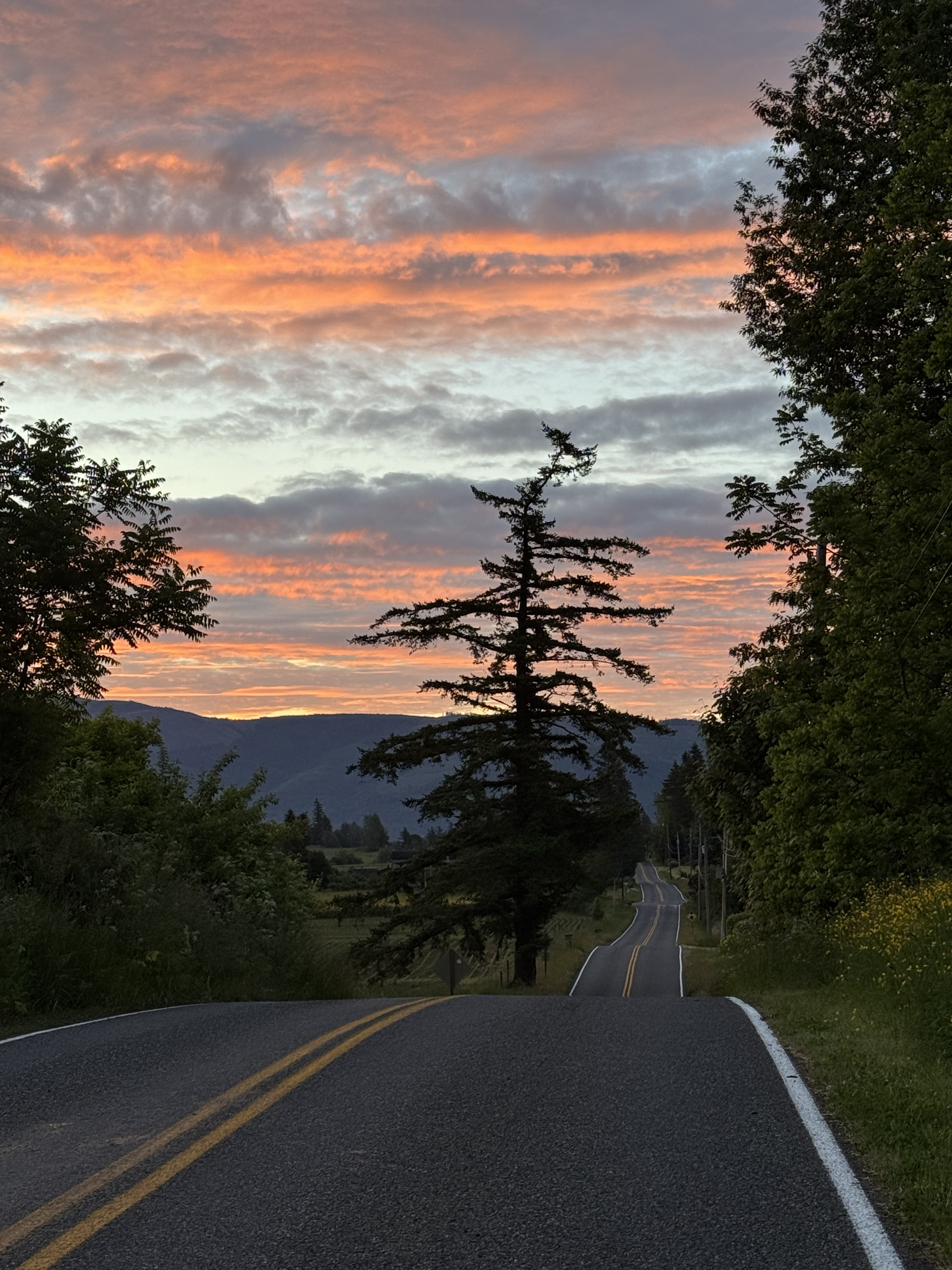
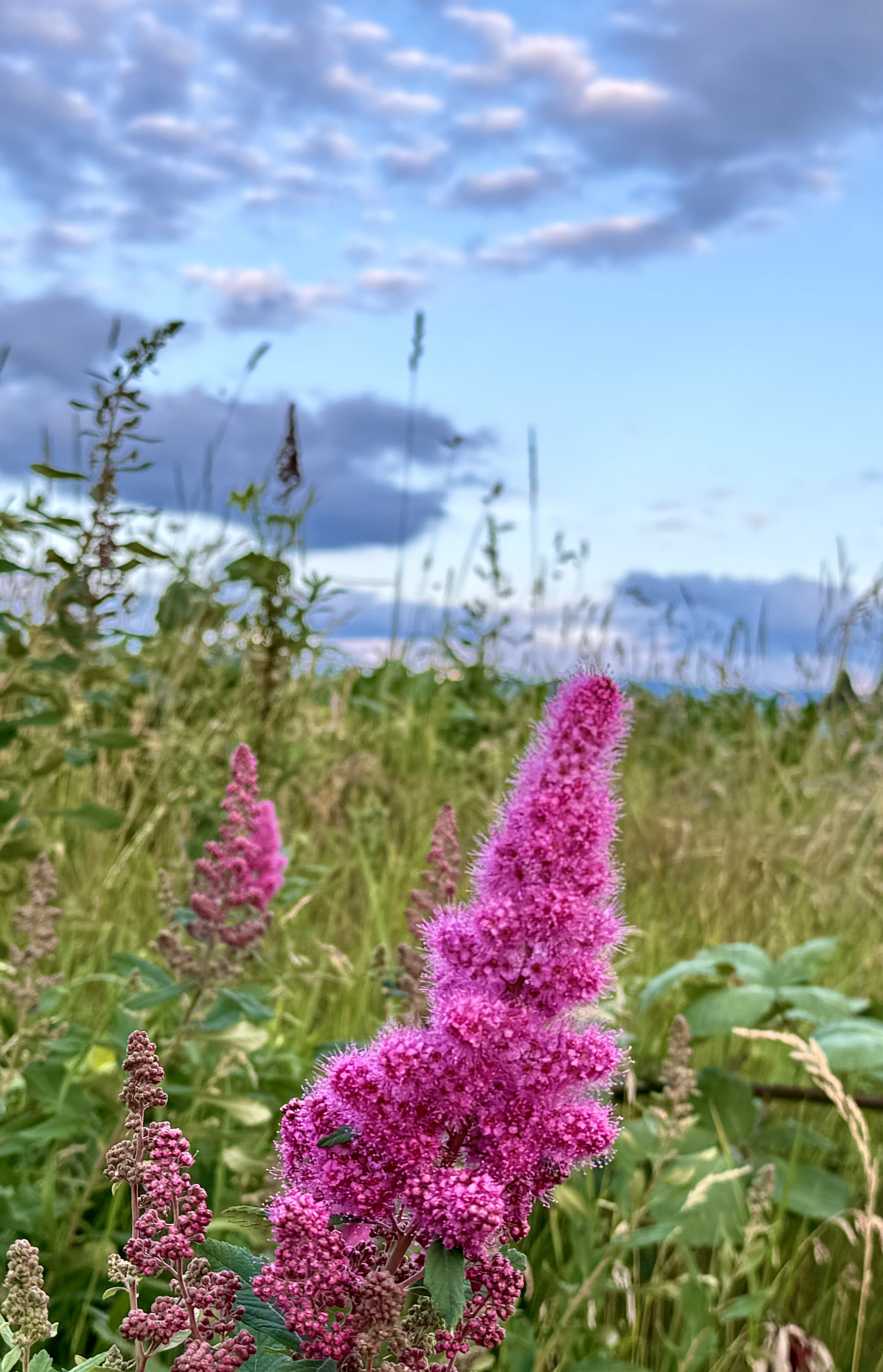
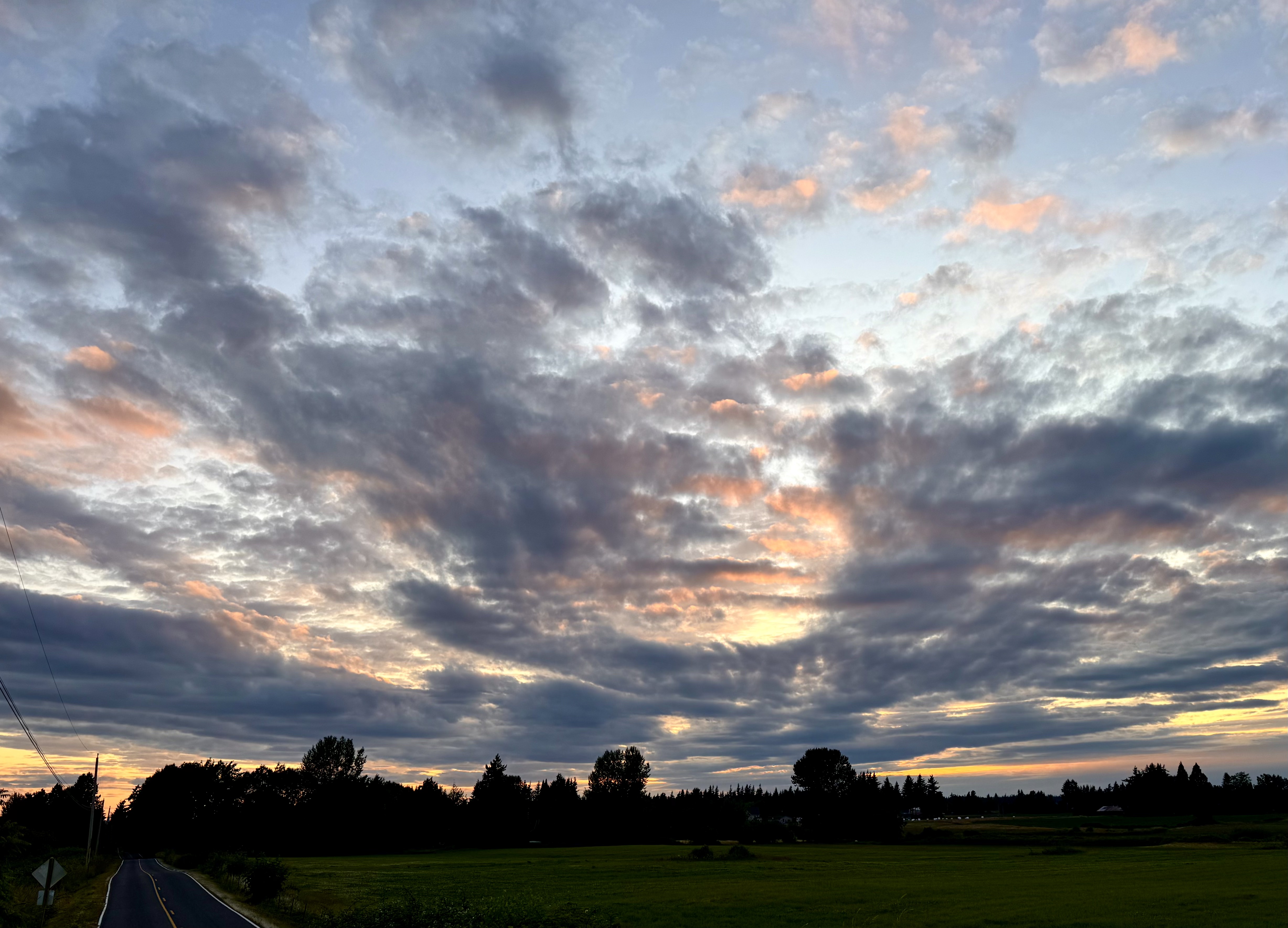
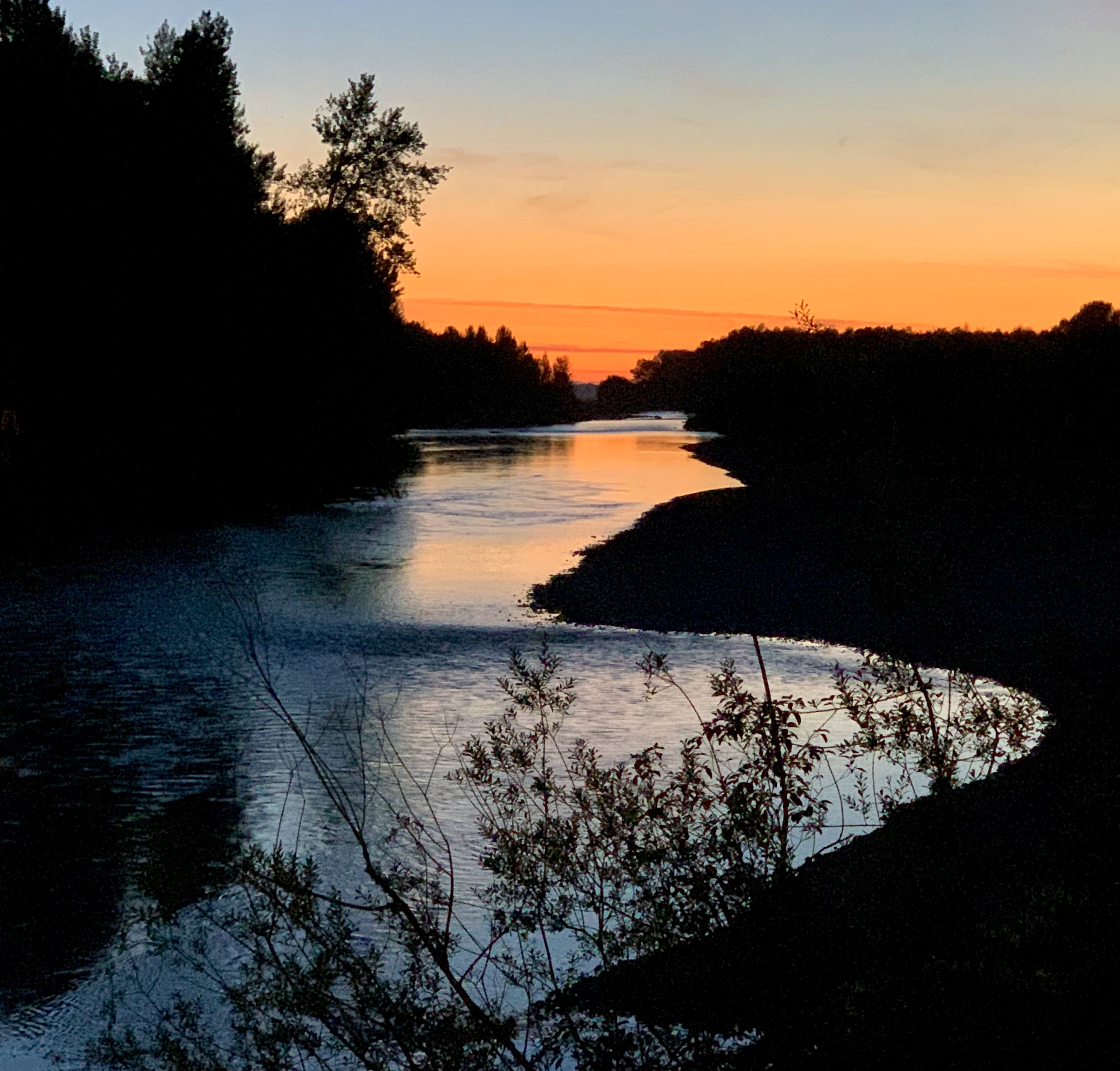
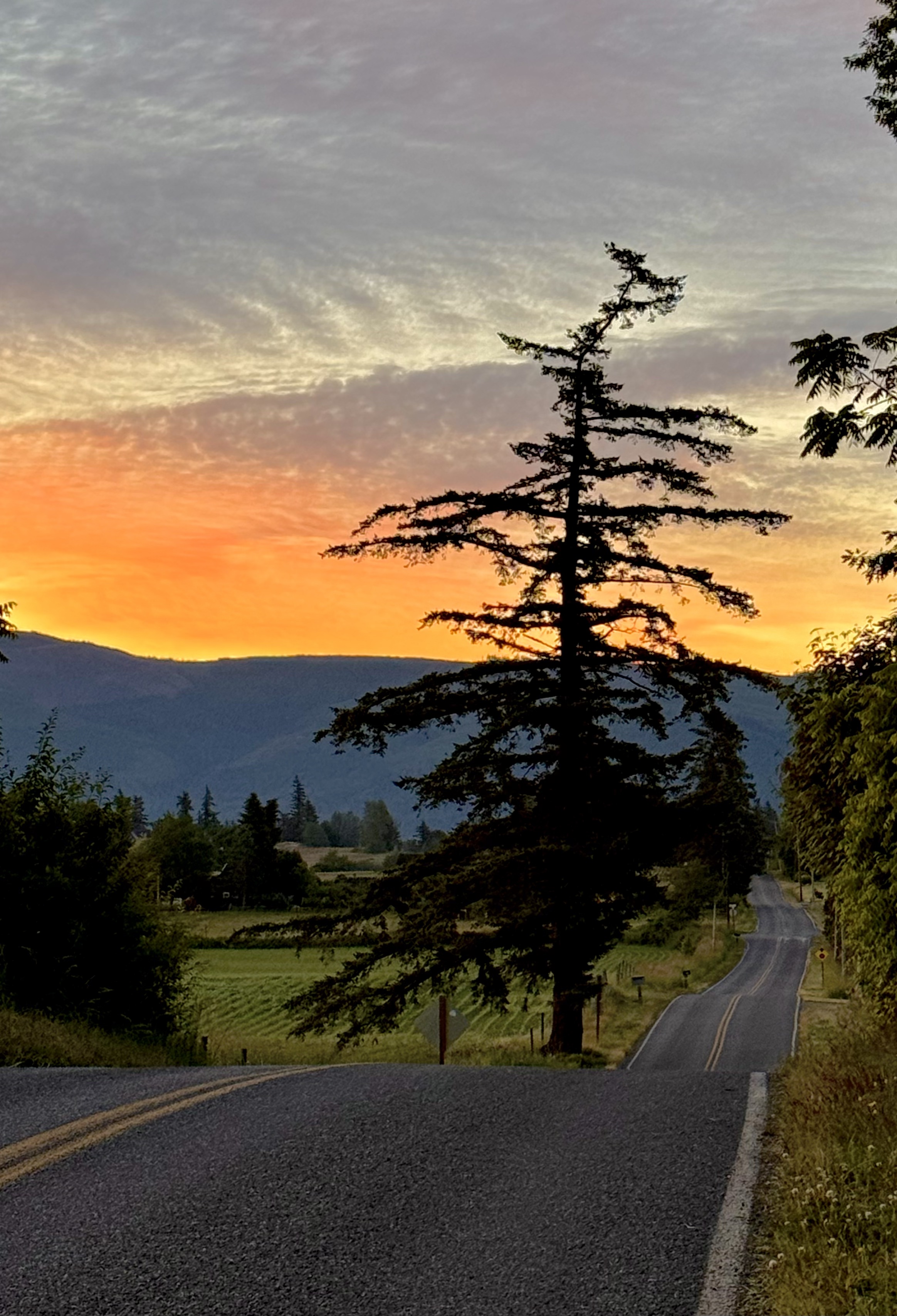
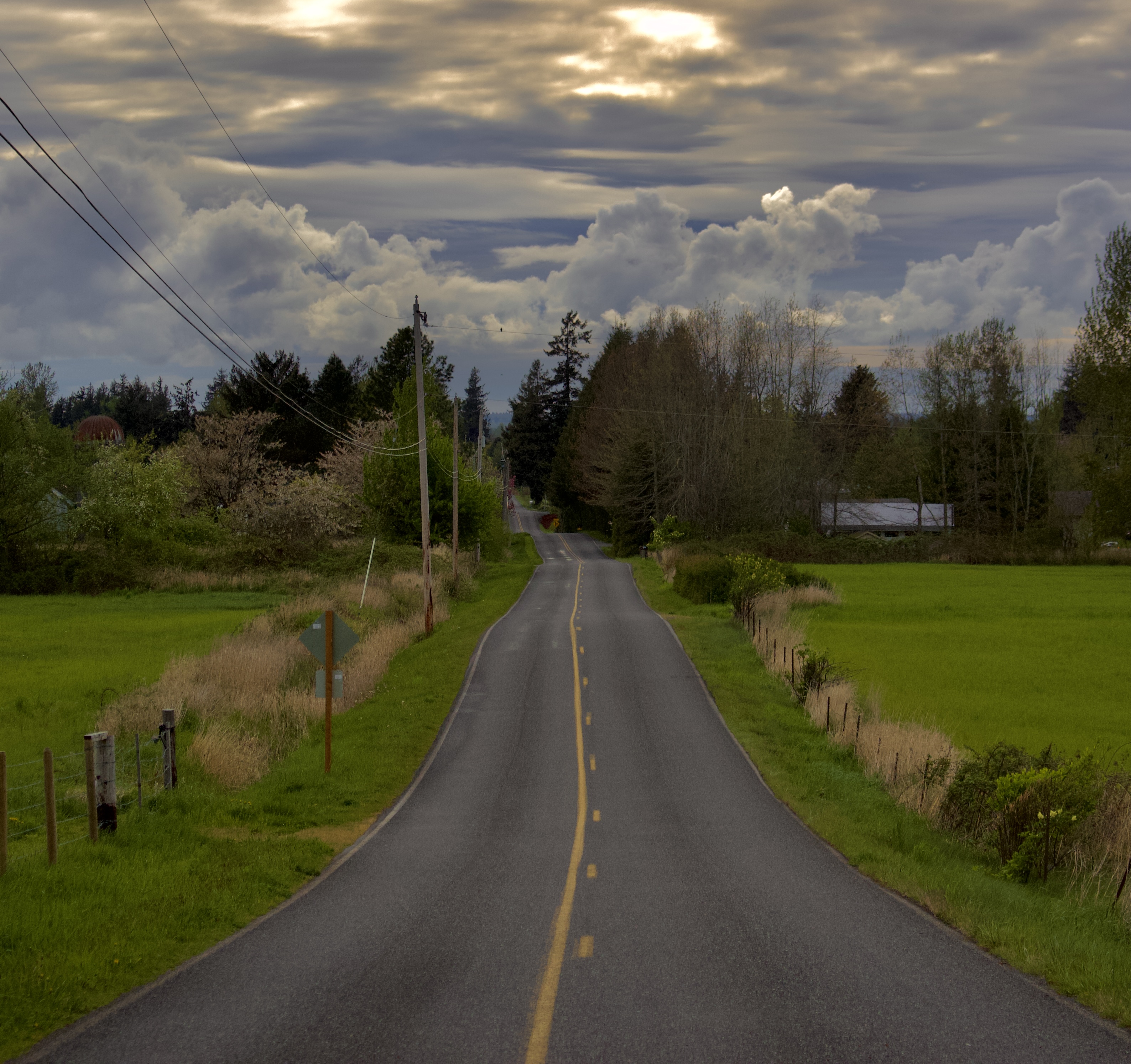
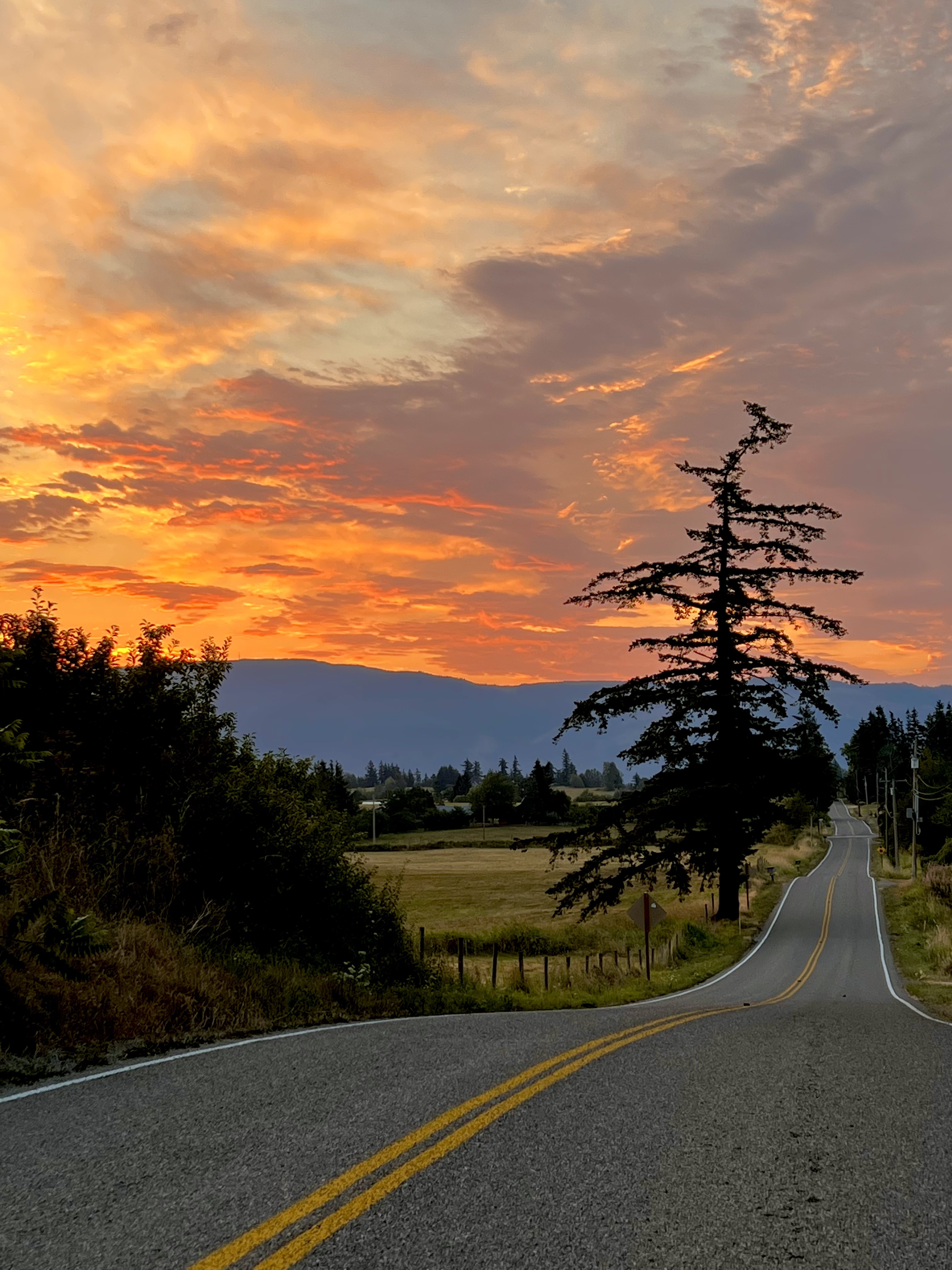
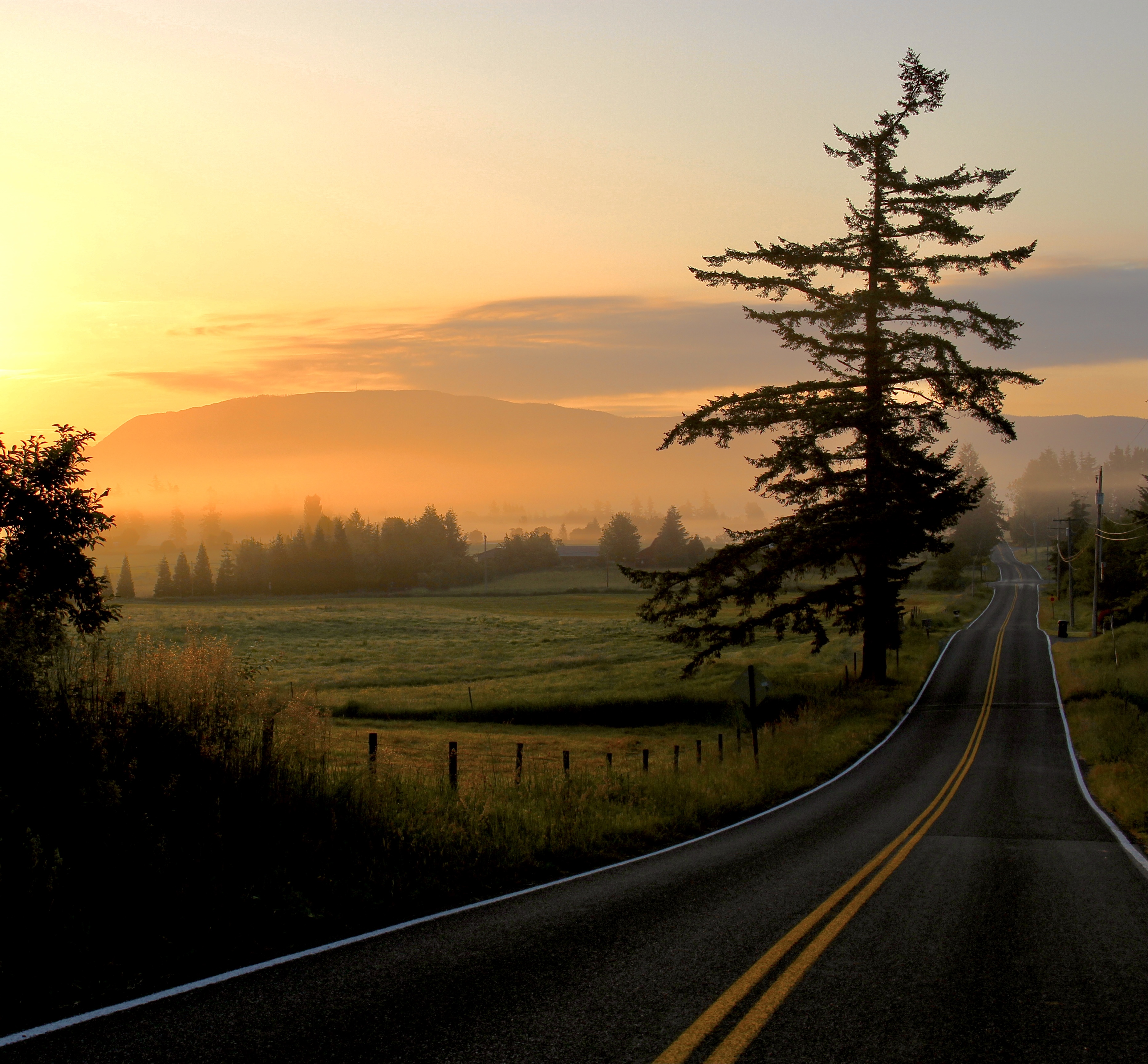
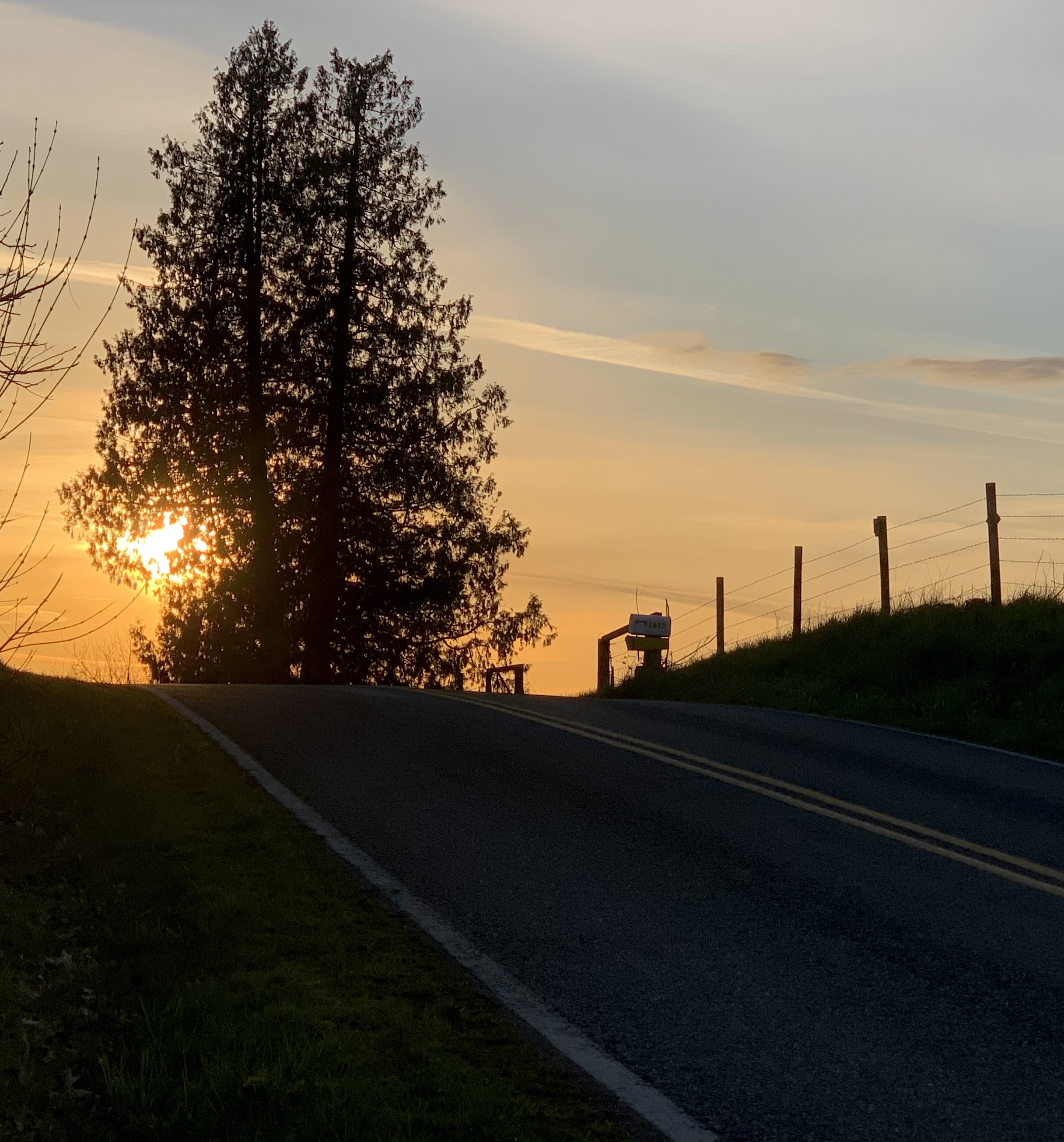
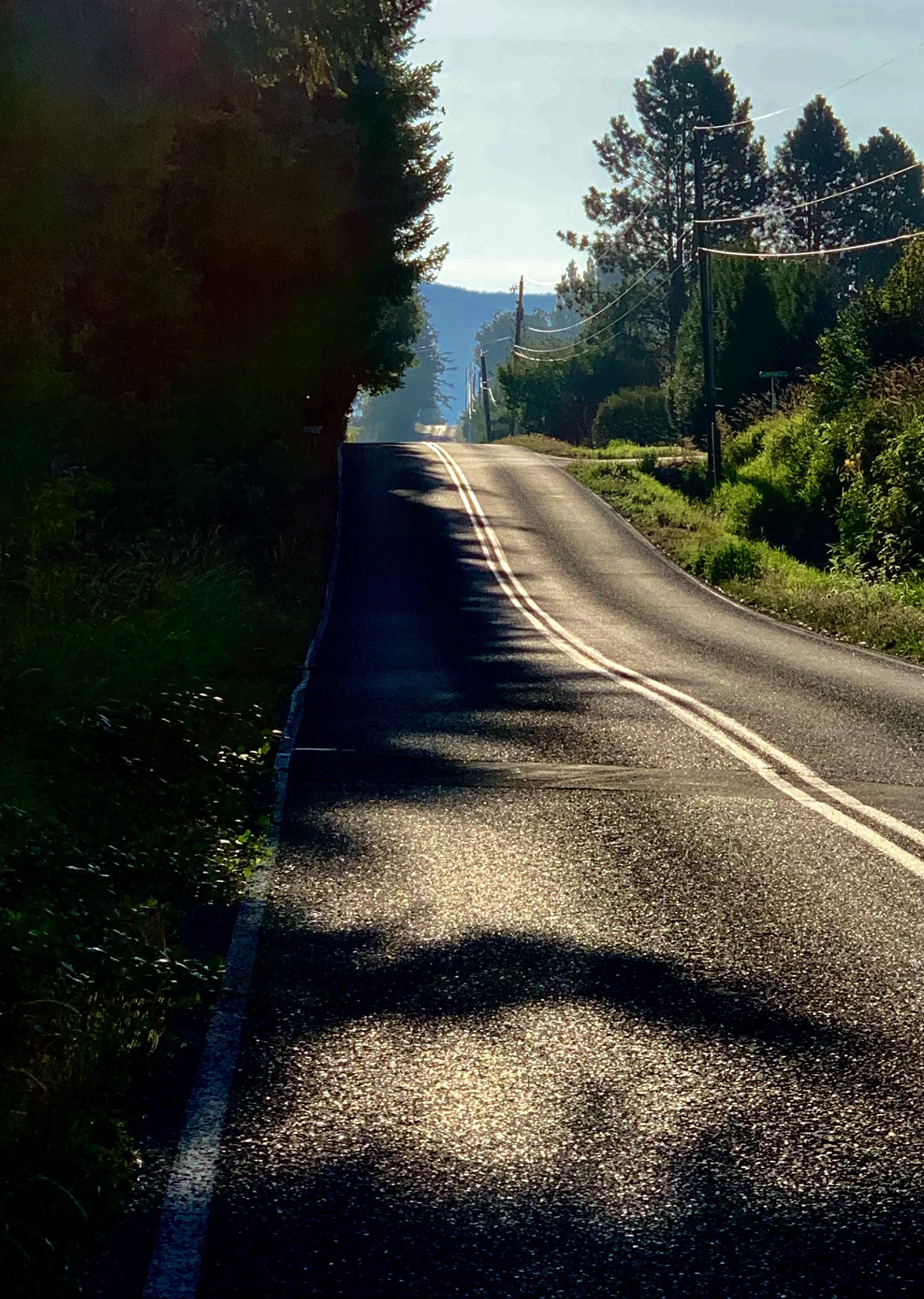
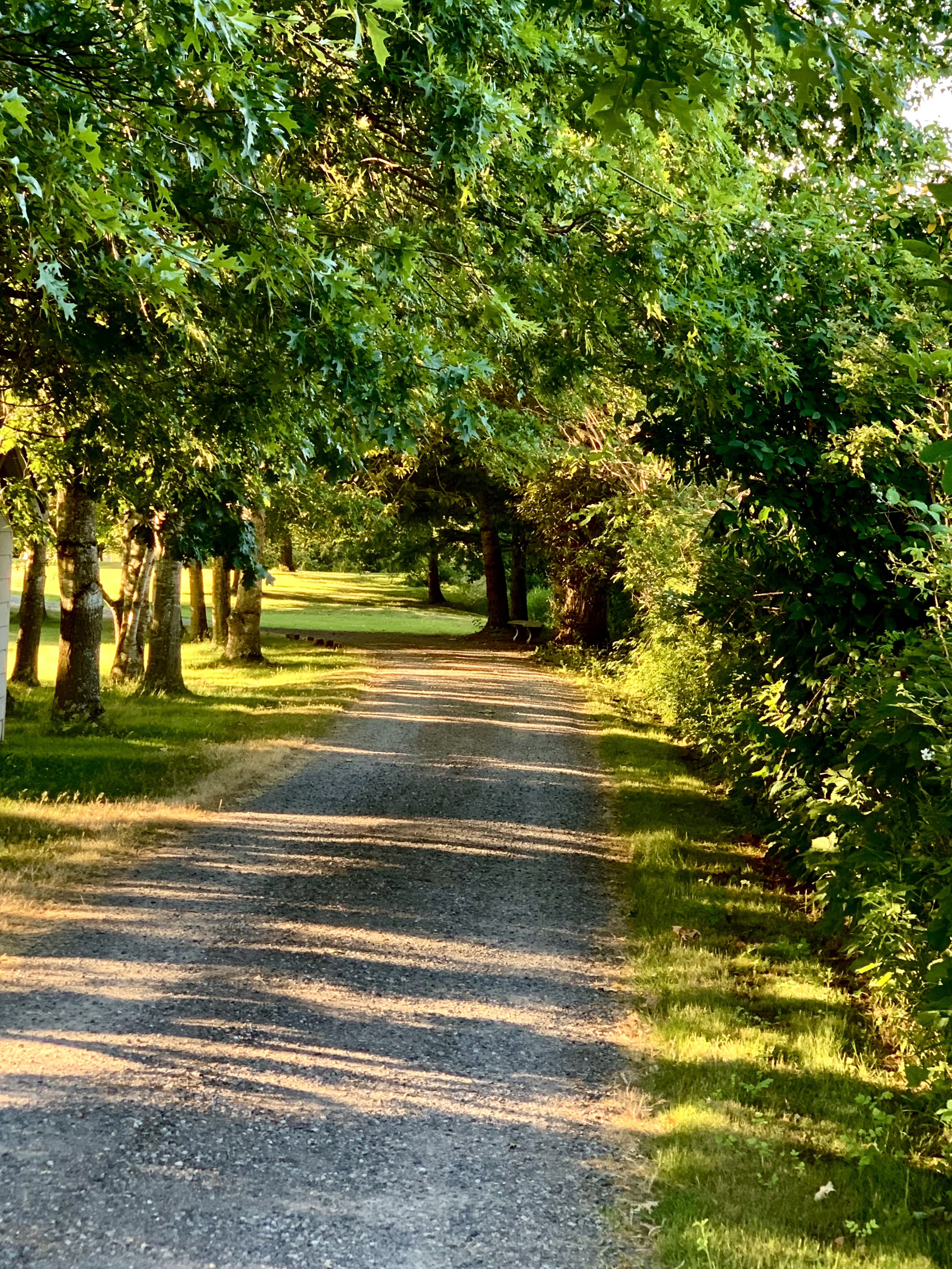
I love these country roads in June, at dawn or dusk, the light and shadow playing over the path, promising summer breezes and simple joys.
When we walk these roads, we pass by deep ditches, hop the potholes and avoid the bumps.
Still it’s a dangerous business, walking out the front door into life, not knowing just where we may be swept off to.
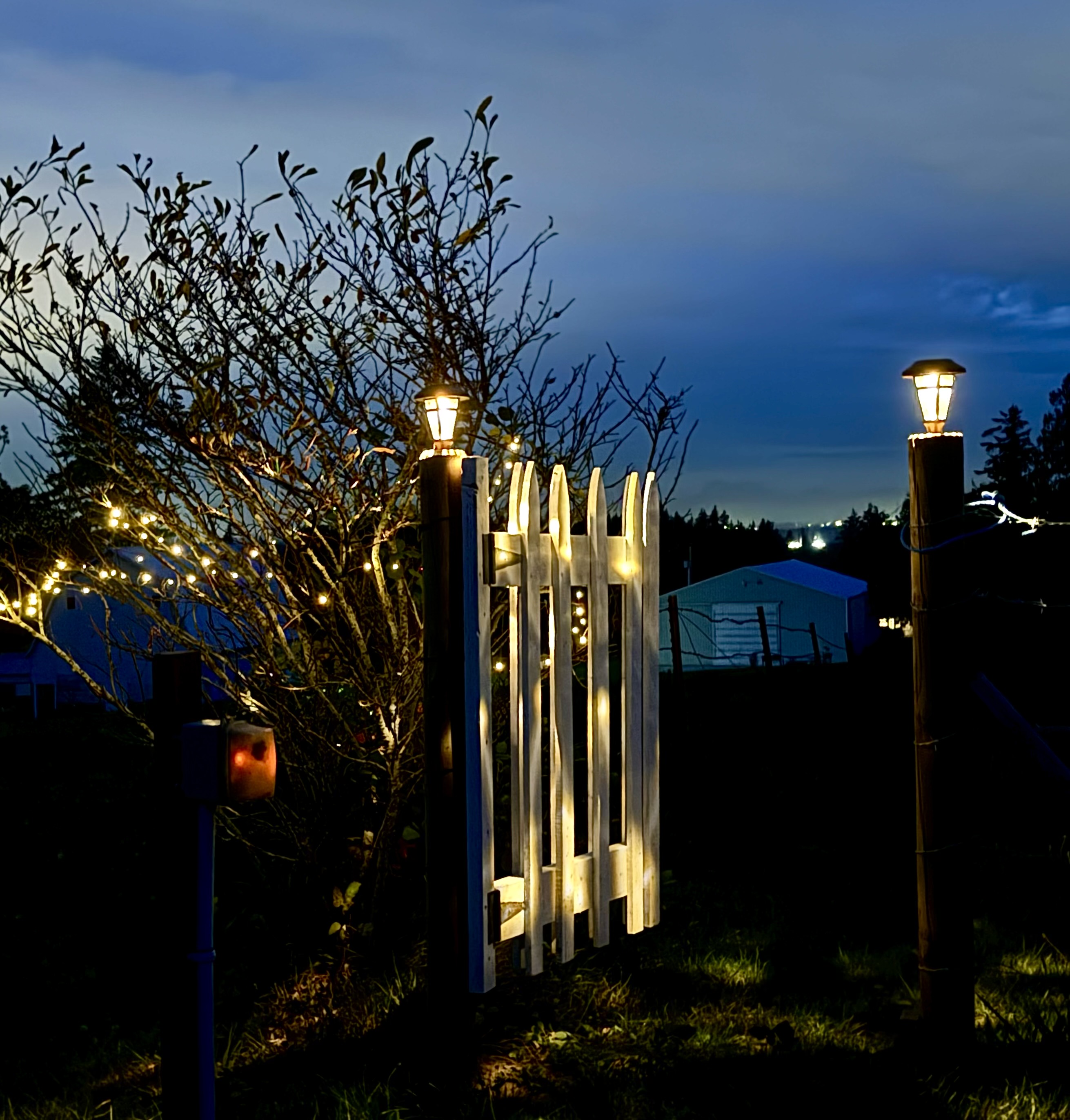
Passing by secret gates and overgrown paths, I take the familiar route that leads me home, following the Master Guide so I don’t lose my way.
One-Time
Monthly
Yearly
Make a one-time or recurring donation to support daily Barnstorming posts
Now have come the shining days When field and wood are robed anew, And o’er the world a silver haze Mingles the emerald with the blue.
Summer now doth clothe the land In garments free from spot or stain— The lustrous leaves, the hills untanned, The vivid meads, the glaucous grain.
The day looks new, a coin unworn, Freshly stamped in heavenly mint; The sky keeps on its look of morn; Of age and death there is no hint.
How soft the landscape near and far! A shining veil the trees infold; The day remembers moon and star; A silver lining hath itsgold.
Again I see the clover bloom, And wade in grasses lush and sweet; Again has vanished all my gloom With daisies smiling at my feet.
Again from out the garden hives The exodus of frenzied bees; The humming cyclone onward drives, Or finds repose amid the trees.
At dawn the river seems a shade— A liquid shadow deep as space; But when the sun the mist has laid, A diamond shower smites its face.
The season’s tide now nears its height, And gives to earth an aspect new; Now every shoal is hid from sight, With current fresh as morning dew. ~John Burroughs “June’s Coming”
Out of the deep and the dark, A sparkling mystery, a shape, Something perfect, Comes like the stir of day: One whose breath is a fragrance, One whose eyes reveal the road to stars, The wind in his countenance, The glory of heaven upon his back. He steps like a vision hung in air, Diffusing the passion of eternity; His abode is the sunlight of morn, The music of eve his speech: In his sight, One shall turn from the dust of the grave, And move upward to the woodland. ~Yone Noguchi“The Poet”
Each month is special in its own way: I tend to favor April and October for how the light plays on the landscape during transitional times — a residual of what has been, with a hint of what lies ahead.
Then there is June. Dear, gentle, abundant and overwhelming June. Nothing is dried up, there is such a rich feeling of ascension into lushness of summer with an “out of school” attitude, even if someone like me has graduated long ago.
And the light, and the birdsong and the dew and the greens — such vivid verdant greens. The stir of the day stirs my heart…
As lovely as June is, 30 days is more than plenty or I would become helplessly saturated. Then I can be released from my sated stupor to wistfully hunger for June for 335 more.
One-Time
Monthly
Yearly
Make a one-time or recurring donation to support daily Barnstorming posts
My father taught me how to eat breakfast those mornings when it was my turn to help him milk the cows. I loved rising up from
the darkness and coming quietly down the stairs while the others were still sleeping. I’d take a bowl from the cupboard, a spoon
from the drawer, and slip into the pantry where he was already eating spoonfuls of cornflakes covered with mashed strawberries
from our own strawberry fields forever. Didn’t talk much—except to mention how good the strawberries tasted or the way
those clouds hung over the hay barn roof. Simple—that’s how we started up the day. ~Joyce Sutphen, “Breakfast” from First Words, Red Dragonfly.
By the time I was four years old, my family owned several Guernsey and Jersey dairy cows my father milked by hand twice a day. My mother pasteurized the milk on our wood stove and we grew up drinking the best milk on earth, as well as enjoying home-made butter and ice cream.
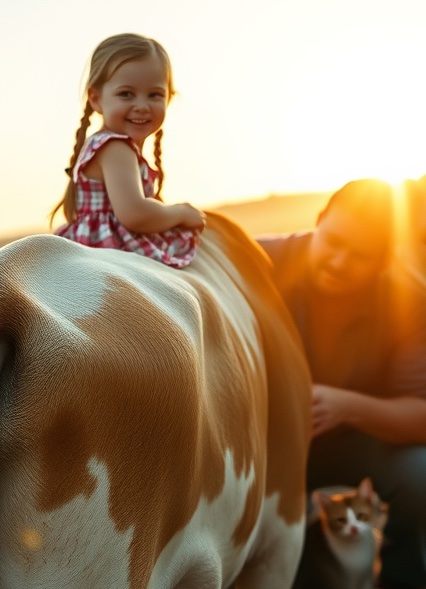
One of my fondest early memories is getting up early with my dad, before he needed to be at school teaching FFA agriculture students (Future Farmers of America). I would eat breakfast with him and then walk out into the foggy fall mornings with our dog to bring in the cows for milking. He would boost me up on top of a very bony-backed chestnut and white patchwork cow while he washed her udder and set to work milking.

I would sometimes sing songs from up there on my perch and my dad would whistle since he didn’t sing.
I can still hear the rhythmic sound of the milk squirting into the stainless steel bucket – the high-pitched metallic whoosh initially and then a more gurgling low wet sound as the bucket filled up. I can see my dad’s capped forehead resting against the flank of the cow as he leaned into the muscular work of squeezing the udder teats, each in turn. I can hear the cow’s chewing her breakfast of alfalfa and grain as I balanced on her prominent spine feeling her smooth hair over her ribs. The barn cats circulated around us, mewing, attracted by the warm milky fragrance in the air.
Those were preciously simple starts to the day for me and my father, whose thoughts he didn’t articulate nor I could ever quite discern. But I did know I wasn’t only his daughter on mornings like that – I was one of his future farmers of America he dedicated his life to teaching.
Dad, even without you saying much, those were mornings when my every sense was awakened. I’ve never forgotten that- the best start to the day.
AI image created for this post
One-Time
Monthly
Yearly
Make a one-time or recurring donation to support daily Barnstorming posts
The moon drops one or two feathers into the field. The dark wheat listens. Be still. Now. There they are, the moon’s young, trying Their wings.
I stand alone by an elder tree, I do not dare breathe Or move. I listen. The wheat leans back toward its own darkness, And I lean toward mine. ~James Wright from “Beginning”
photo by Bob Tjoelker
Wherever it was I was supposed to be this morning— whatever it was I said I would be doing— I was standing at the edge of the field— I was hurrying through my own soul, opening its dark doors— I was leaning out; I was listening. — Mary Oliver from “Mockingbirds” from New and Selected Poems, Volume 2
“Hope” is the thing with feathers – That perches in the soul – And sings the tune without the words – And never stops – at all – ~Emily Dickinson
Some days warrant stillness. Today is one.
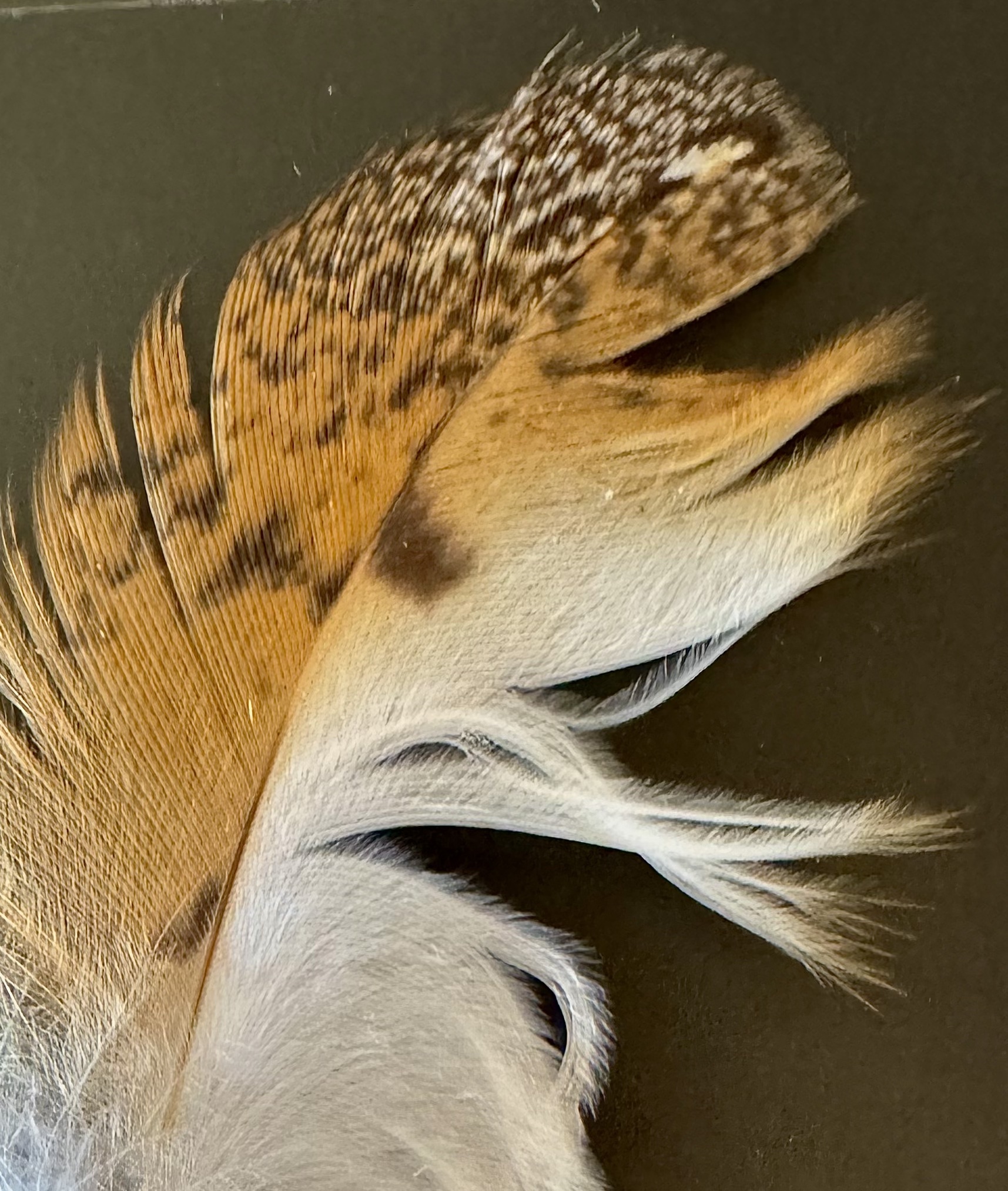
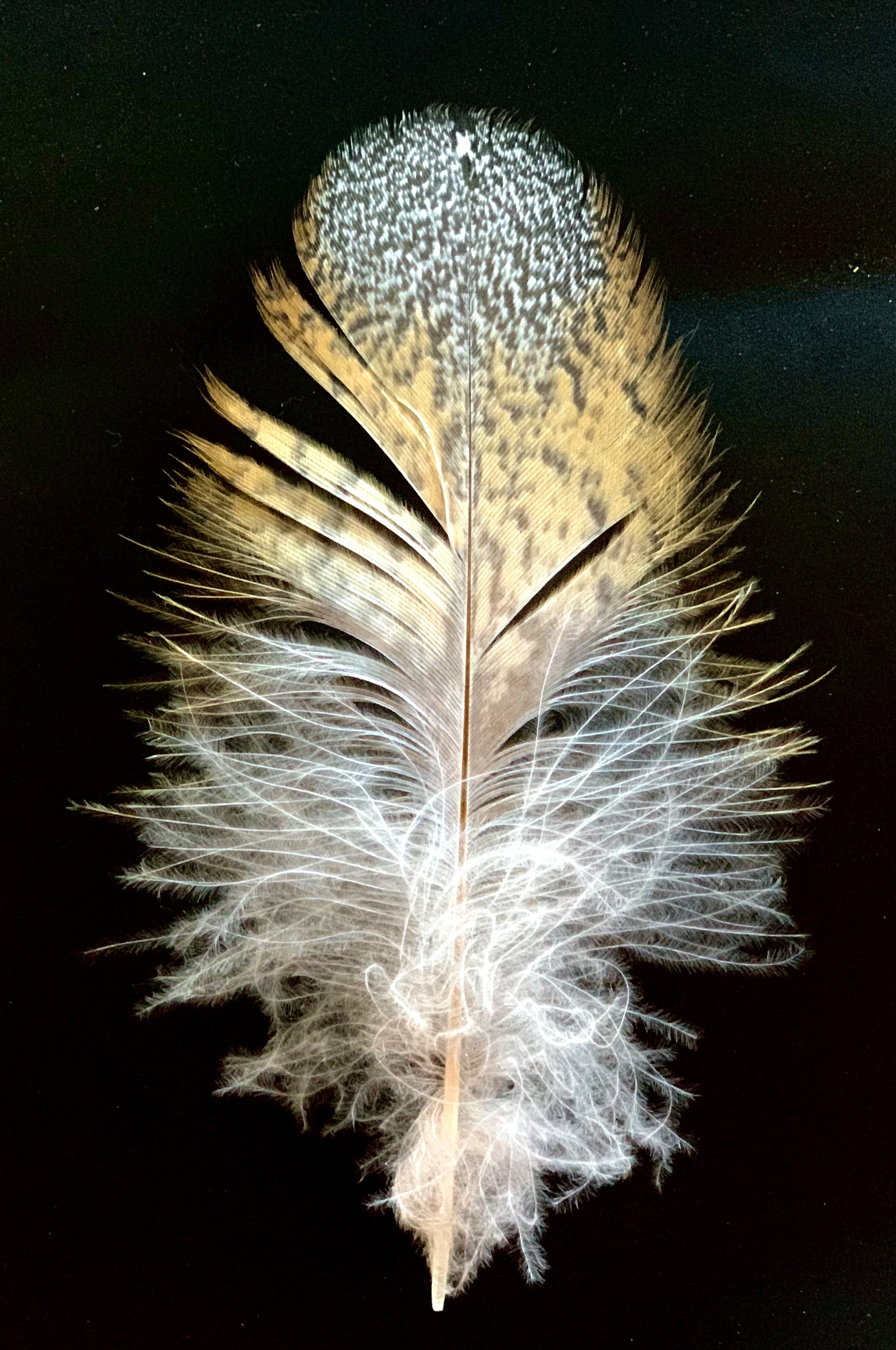
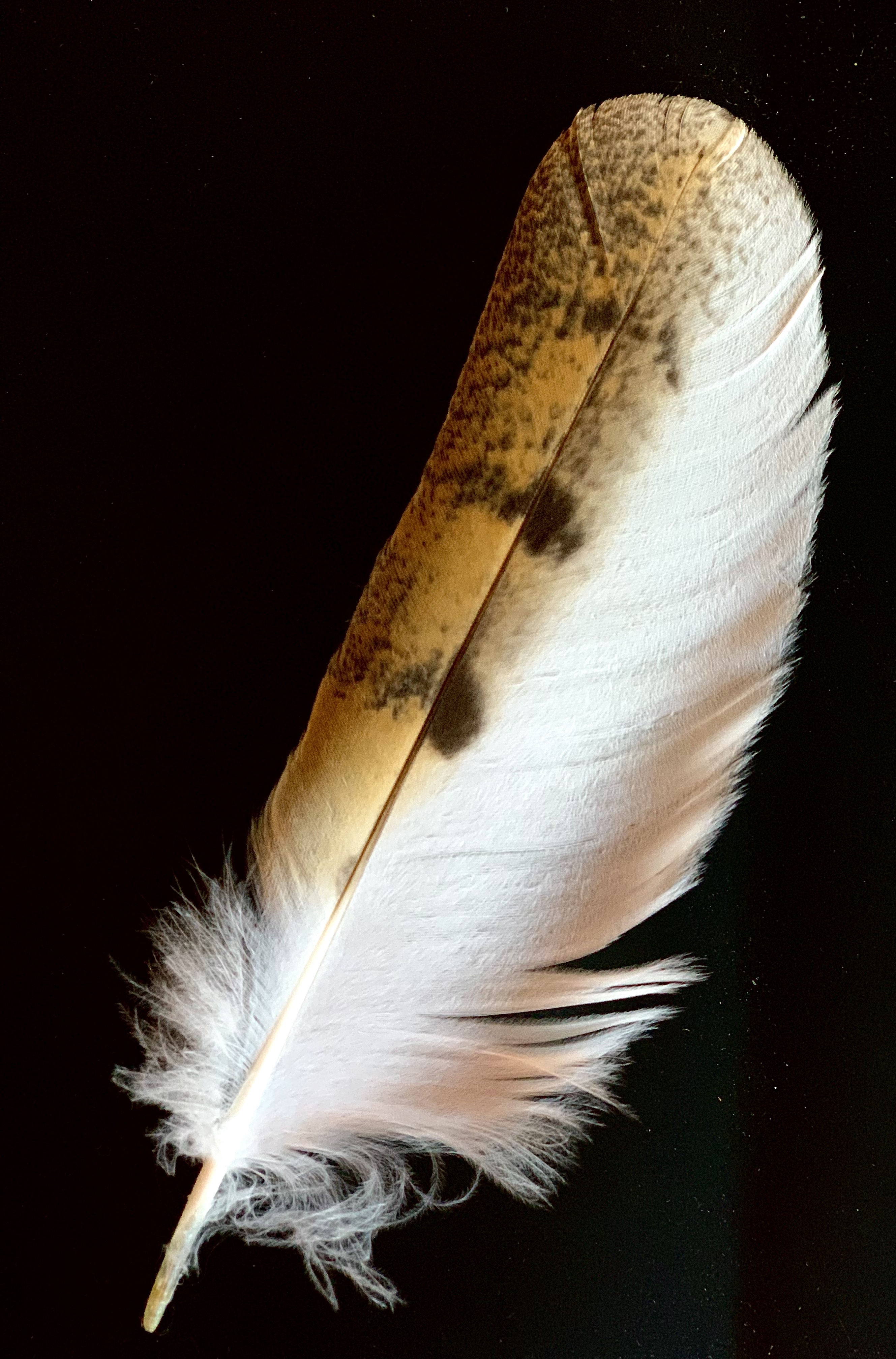
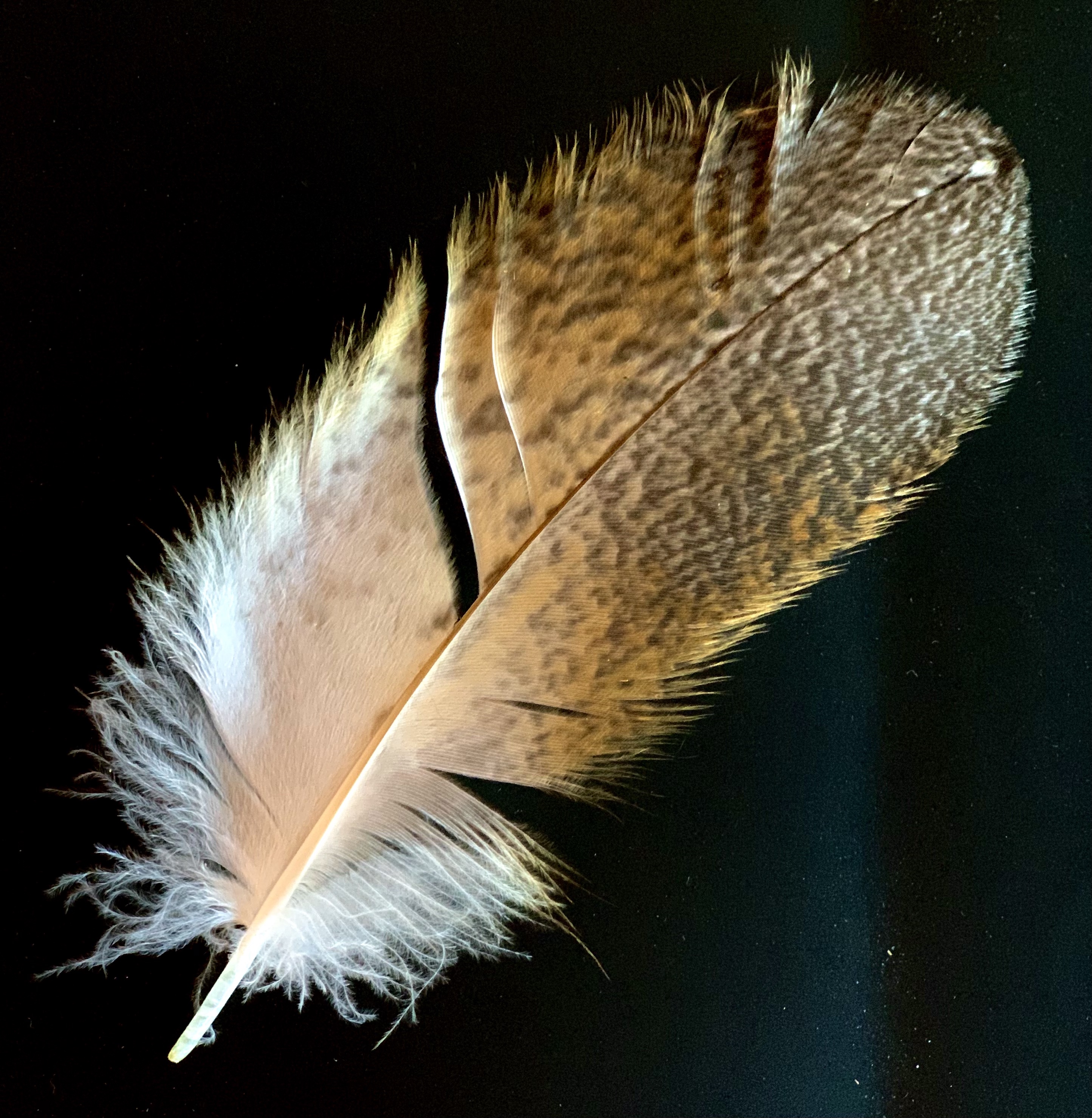
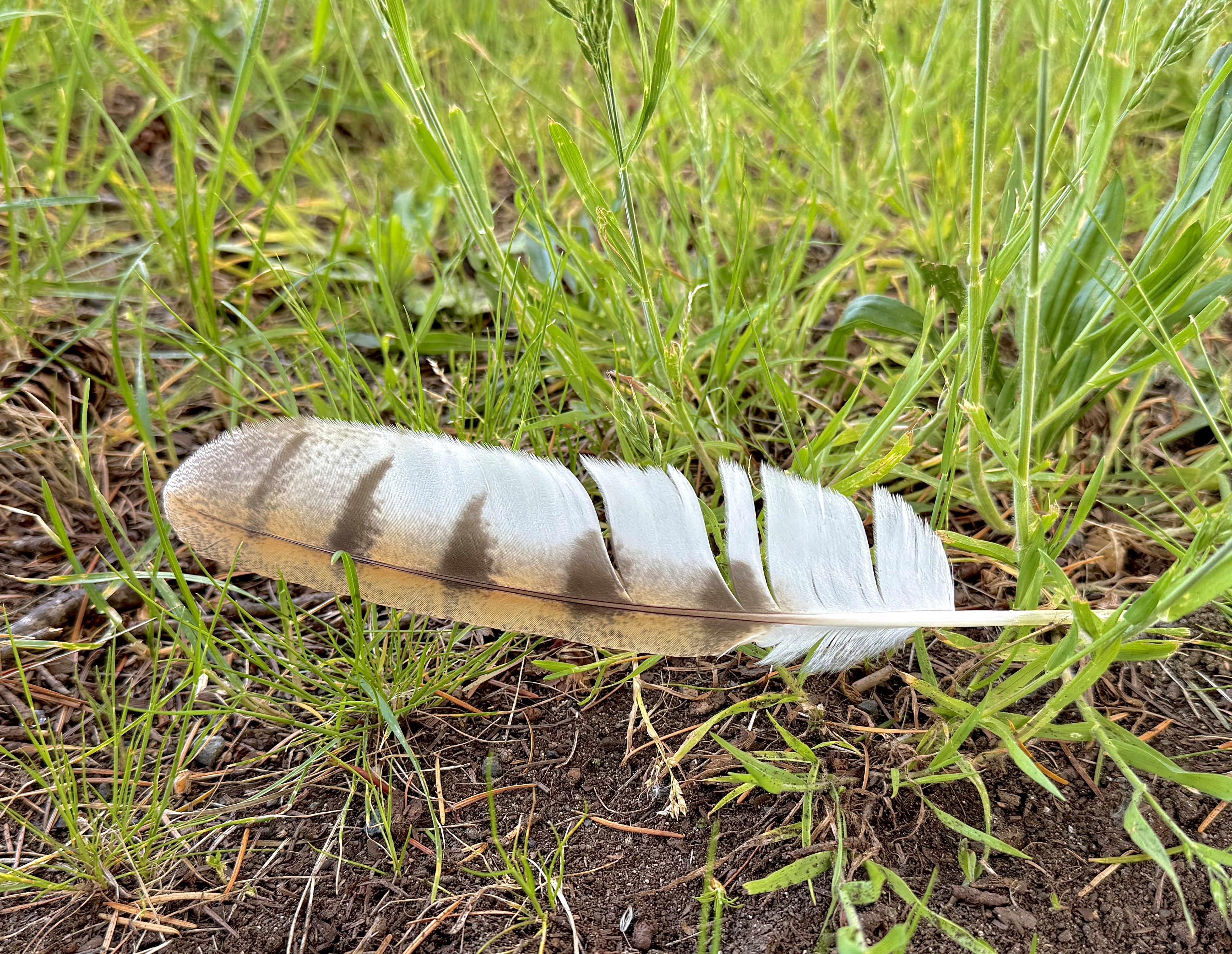
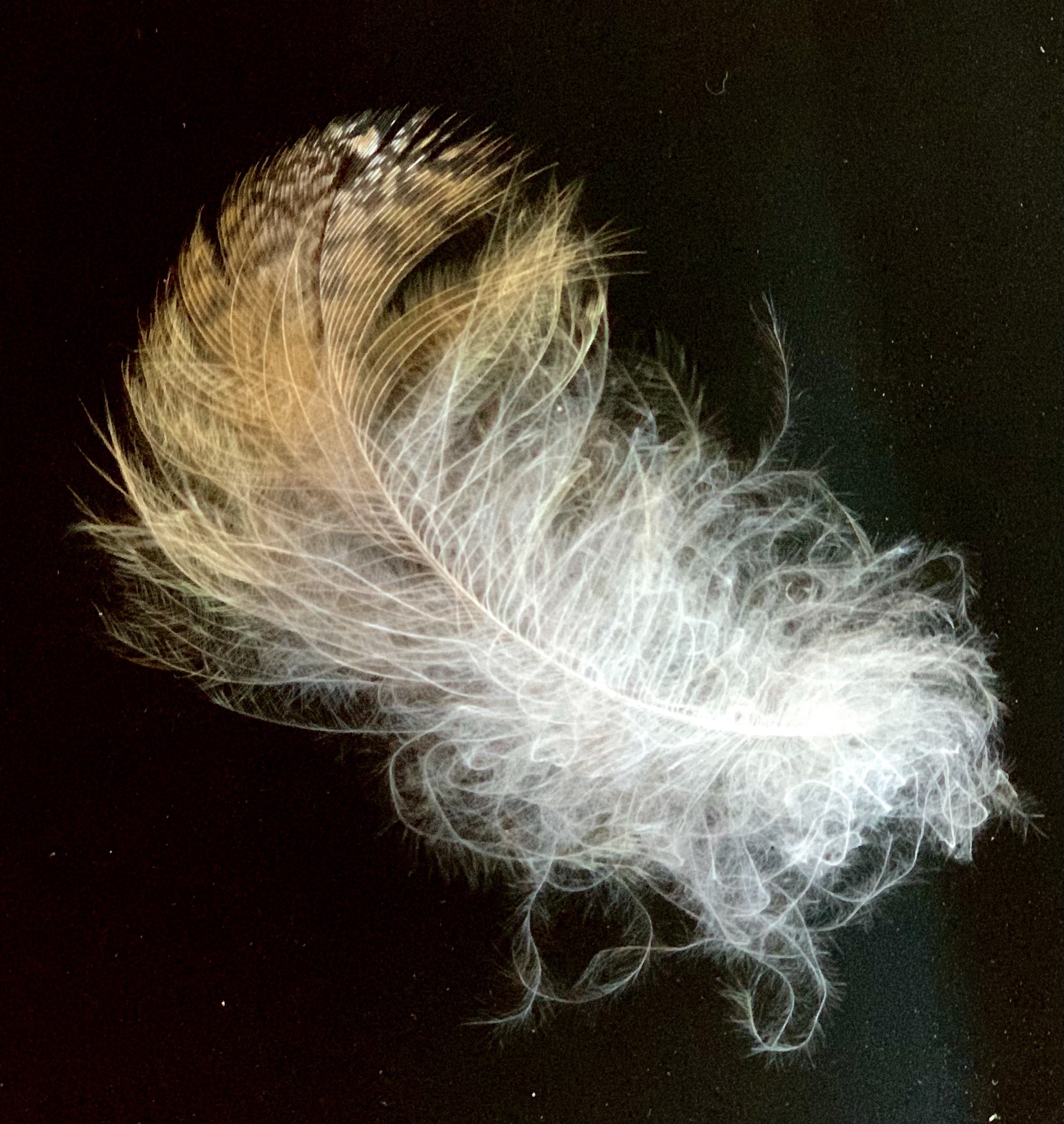
As I walked our farm driveway, I found this barn owl feather, dropped from a passing wing overnight –
The past months have echoed loudly with ruckus and noise — much too overwhelming and almost deafening.
Today I seek to be quiet as this feather, lying silently in place, not saying a word.
I might actually begin to listen and hear again.
A funny thing about feathers: alone, each one is mere fluff. Together — feathers create lift and power, the strength and will to soar beyond the tether of gravity and the pull of our inevitable mortality.
Joined and united, we can rise above and fly away as far as our life and breath can take us.
May peace be still.
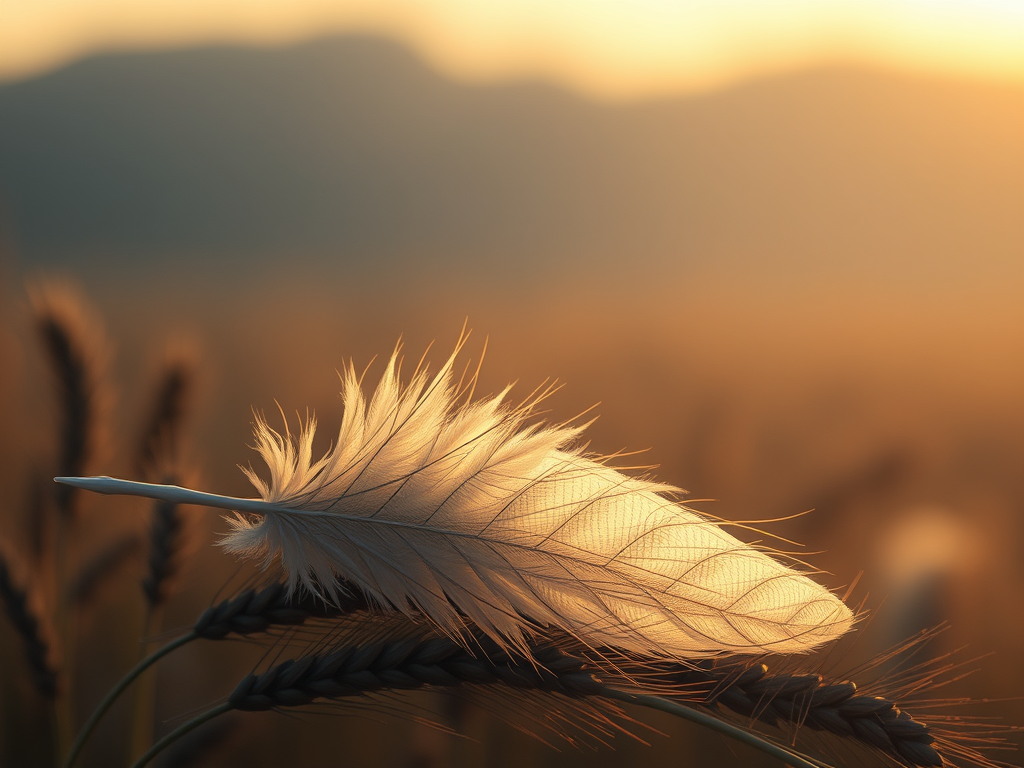
AI image created for this post
One-Time
Monthly
Yearly
Make a one-time or recurring donation to support daily Barnstorming posts
What is pertinent is the calmness of beauty, its sense of restraint. It is as though the land knows of its own beauty, its own greatness, and feels no need to shout it…
For a great many people, the evening is the most enjoyable part of the day. Perhaps, then, there is something to his advice that I should cease looking back so much, that I should adopt a more positive outlook and try to make the best of what remains of my day.
After all, what can we ever gain in forever looking back and blaming ourselves if our lives have not turned out quite as we might have wished? ~Kazuo Ishiguro from The Remains of the Day
I am ashamed to admit how much time I spend looking back, yearning for a day that has long since passed, tossing off these present precious hours as somehow not measuring up to what came before.
There have been nearly forty years of such days on this farm, one flowing gently after another, and most were exactly what I hoped for.
Even when I believe things will never change, they will, and I will. What is left of the remains of the day may be the best yet.
I toss my heart ahead and set out after it.
One-Time
Monthly
Yearly
Make a one-time or recurring donation to support daily Barnstorming posts
Winslow Homer’s The Veteran in a New FieldMan Scything Hay by Todd Reifers
There was never a sound beside the wood but one, And that was my long scythe whispering to the ground. What was it it whispered? I knew not well myself; Perhaps it was something about the heat of the sun, Something, perhaps, about the lack of sound— And that was why it whispered and did not speak. To the earnest love that laid the swale in rows, The fact is the sweetest dream that labor knows. My long scythe whispered and left the hay to make. ~Robert Frost in “Mowing”
Mowers, weary and brown, and blithe, What is the word methinks ye know, Endless over-word that the Scythe Sings to the blades of the grass below? Scythes that swing in the grass and clover, Something still, they say as they pass; What is the word that, over and over, Sings the Scythe to the flowers and grass?
Hush, ah hush, the Scythes are saying, Hush, and heed not, and fall asleep; Hush, they say to the grasses swaying, Hush, they sing to the clover deep! Hush – ’tis the lullaby Time is singing – Hush, and heed not, for all things pass, Hush, ah hush! and the Scythes are swinging Over the clover and over the grass! ~Andrew Lang (1844-1912) “The ScytheSong”
It is blue May. There is work to be done. The spring’s eye blind with algae, the stopped water silent. The garden fills with nettle and briar. Dylan drags branches away. I wade forward with my scythe.
There is stickiness on the blade. Yolk on my hands. Albumen and blood. Fragments of shell are baby-bones, the scythe a scalpel, bloodied and guilty with crushed feathers, mosses, the cut cords of the grass. We shout at each other each hurting with a separate pain.
From the crown of the hawthorn tree to the ground the willow warbler drops. All day in silence she repeats her question. I too return to the place holding the pieces, at first still hot from the knife, recall how warm birth fluids are. ~Gillian Clarke“Scything” from Letter from a Far Country (1982)
The grass around our orchard and yet-to-be-planted garden is now thigh-high. It practically squeaks while it grows. Anything that used to be in plain sight on the ground is rapidly being swallowed up in a sea of green: a ball, a pet dish, a garden gnome, a hose, a tractor implement, a bucket. In an effort to stem this tidal flood of grass, I grab the scythe out of the garden shed and plan my attack.
When the pastures are too wet yet for heavy hooves, I have hungry horses to provide for and there is more than plenty fodder to cut down for them.
I’m not a weed whacker kind of gal. First there is the necessary fuel, the noise necessitating ear plugs, the risk of flying particles requiring goggles–it all seems too much like an act of war to be remotely enjoyable. Instead, I have tried to take scything lessons from my husband.
Emphasis on “tried.”
I grew up watching my father scythe our hay in our field because he couldn’t afford a mower for his tractor. He enjoyed physical labor in the fields and woods–his other favorite hand tool was a brush cutter that he’d take to blackberry bushes. He would head out to the field with the scythe over this shoulder, grim reaper style. Once he was standing on the edge of the grass needing to be mowed, he would then lower the scythe, curved blade to the ground, turn slightly, positioning his hands on the two handles just so, raise the scythe up past his shoulders, and then in a full body twist almost like a golf swing, he’d bring the blade down. It would follow a smooth arc through the base of the standing grass, laying clumps flat in a tidy pile alongside the 2 inch stubble left behind. It was a swift, silky muscle movement — a thing of beauty.
Once, when I was three years old, I quietly approached my dad in the field while he was busily scything grass for our cows, but I didn’t announce my presence. The handle of his scythe connected with me as he swung it, laying me flat with a bleeding eyebrow. I still bear the scar, somewhat proudly, as he abruptly stopped his fieldwork to lift me up as I bawled and bled on his sweaty shirt. He must have felt so badly to have injured his little girl and drove my mom and I to the local doctor who patched my brow with sticky tape rather than stitches.
So I identify a bit with the grass laid low by the scythe. I forgave my father, of course, and learned never again to surprise him when he was working in the field.
Instead of copying my father’s graceful mowing technique, I tended to chop and mangle rather than effect an efficient slicing blow to the stems. I unintentionally trampled the grass I meant to cut. I got blisters from holding the handles too tightly. It felt hopeless that I’d ever perfect that whispery rise and fall of the scythe, with the rhythmic shush sound of the slice that is almost hypnotic.
Not only did I become an ineffective scything human, I also learned what it is like to be the grass laid flat, on the receiving end of a glancing blow. Over a long career, I bore plenty of footprints from the trampling. It can take awhile to stand back up after being cut down.
Sometimes it makes more sense to simply start over as the oozing stubble bleeds green, with deep roots that no one can reach. As I have grown back over the years, singing rather than squeaking or bawling, I realize, I forgave the scythe every time it came down on my head.
photo by Nate Gibson
One-Time
Monthly
Yearly
Make a one-time or recurring donation to support daily Barnstorming posts