The World as Brotherhood and Sisterhood


Through our scientific and technological genius, we have made of this world a neighborhood and yet we have not had the ethical commitment to make of it a brotherhood. We must all learn to live together as brothers or we will all perish together as fools. We are tied together in the single garment of destiny, caught in an inescapable network of mutuality. And whatever affects one directly affects all indirectly.

This is the way God’s universe is made; this is the way it is structured.

John Donne caught it years ago and placed it in graphic terms:
“No man is an island entire of itself.
Every man is a piece of the continent, a part of the main.”
And he goes on toward the end to say,
“Any man’s death diminishes me because I am involved in mankind;
therefore send not to know for whom the bell tolls;
it tolls for thee.”

We must see this, believe this, and live by it…

~Martin Luther King Jr. from a sermon in A Knock At Midnight

Dr. King’s words and wisdom in his sermons spoken nearly sixty years ago still inform us of our shortcomings. We flounder in flaws and brokenness despite our shared global neighborhood, persisting in a resistance to serve one another in brotherhood.

We still stand apart from one another; even as the bell tolls, we suffer the divisiveness from a lack of humility, grace and love.

Perhaps today, for a day, for a week, for a year,
we can unite in our shared tears:
shed for continued strife and disagreement,
shed for injustice that results in senseless killings,
shed for our inability to hold up one another as brothers and sisters
holy in God’s eyes.

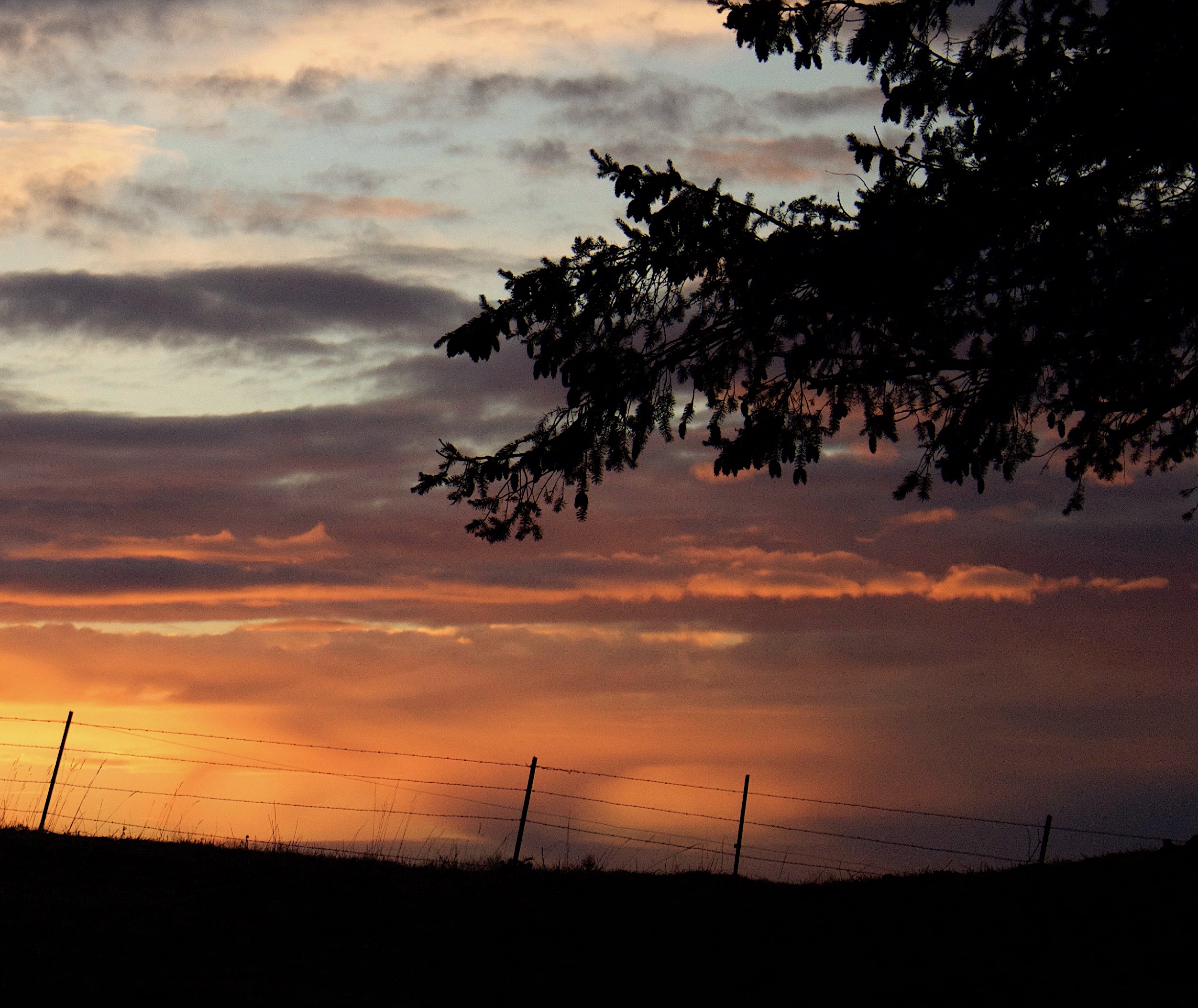
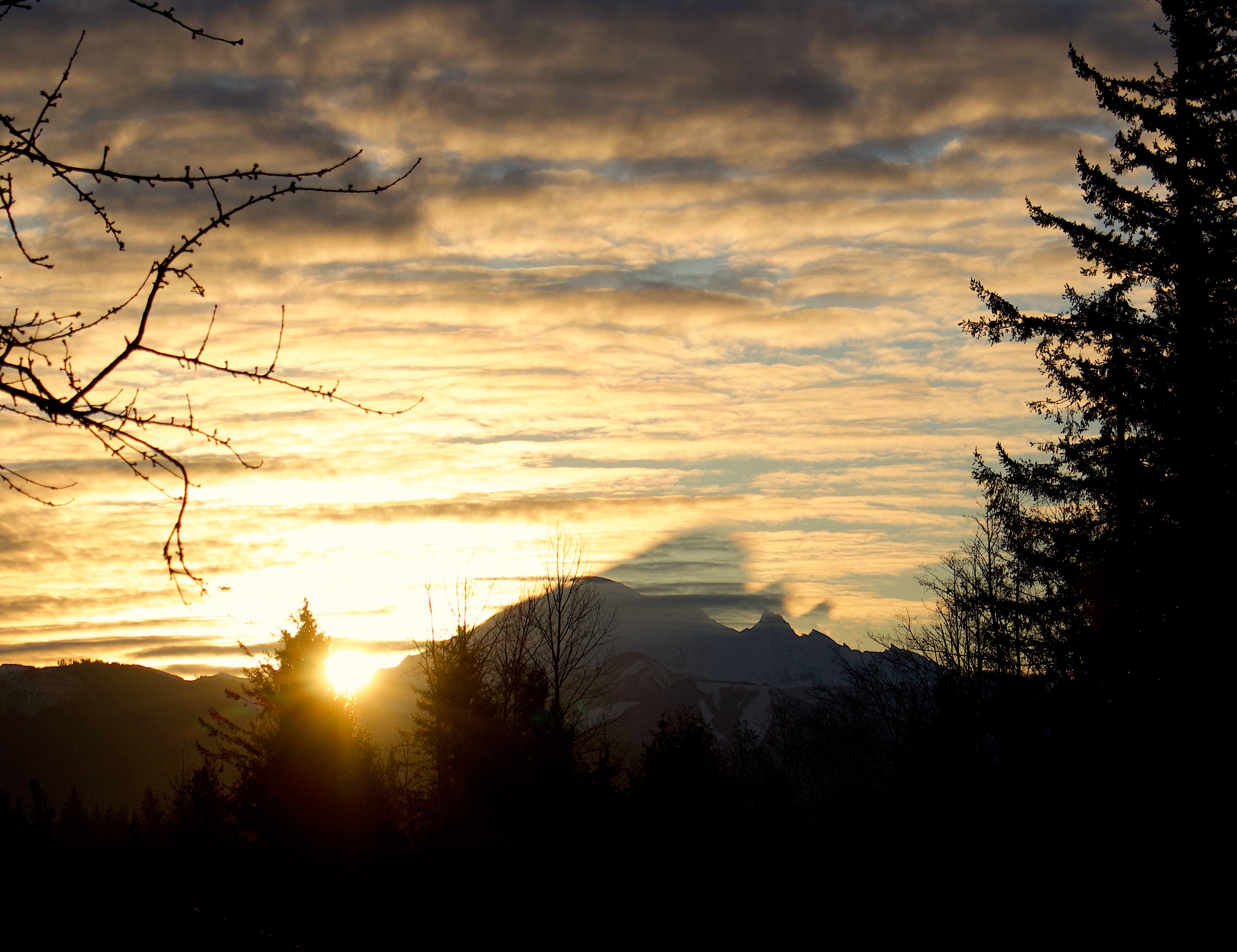
We weep together as the light dawns on this day,
knowing as Dr. King knew,
a new day will come when the Lord God will wipe tears away
from all faces and all colors —
a brotherhood and sisterhood created exactly as He intends.


We Are No Longer Alone: The Breath that Lifts My Weary Wings

Oh, God, I am heavy
with glory. My head thunders
from singing in the hills.

This night will come once.
Enough bright lights.
Enough shouting
at the shepherds in the fields.


Let me slip into the stable
and crouch among
the rooting swine.
Let me close my eyes
and feel the child’s breath,
this wind that blows
through the mountains and stars,
lifting my weary wings.

~Tania Runyon , Angel at the Nativity”

What a night for an angel!

Even when you’ve been God’s messenger carrying news of this impending birth to earth, the reality of it astounds.

Then it’s’s all over but the shouting, and there was plenty of noise that night. The shouting continues to this day and is not always celebratory. The divisive voices of those who believe in our Savior’s birth have become angry and vindictive. It is enough to make an angel weep.

Let us not drag angels into the pigpen with us. Let them fly high, singing of peace and gladness and good will.

In the meantime, we are stuck in the mucky mire of disagreement. The breath of this dear Child will lift us up and renew us, strengthening us for what is to come.

He knows He would find us wallowing in the mud, so He came looking for us there first.

Once coaxed out of the mud, only then will He take us to the mountaintop.

A Bleak Remembrance

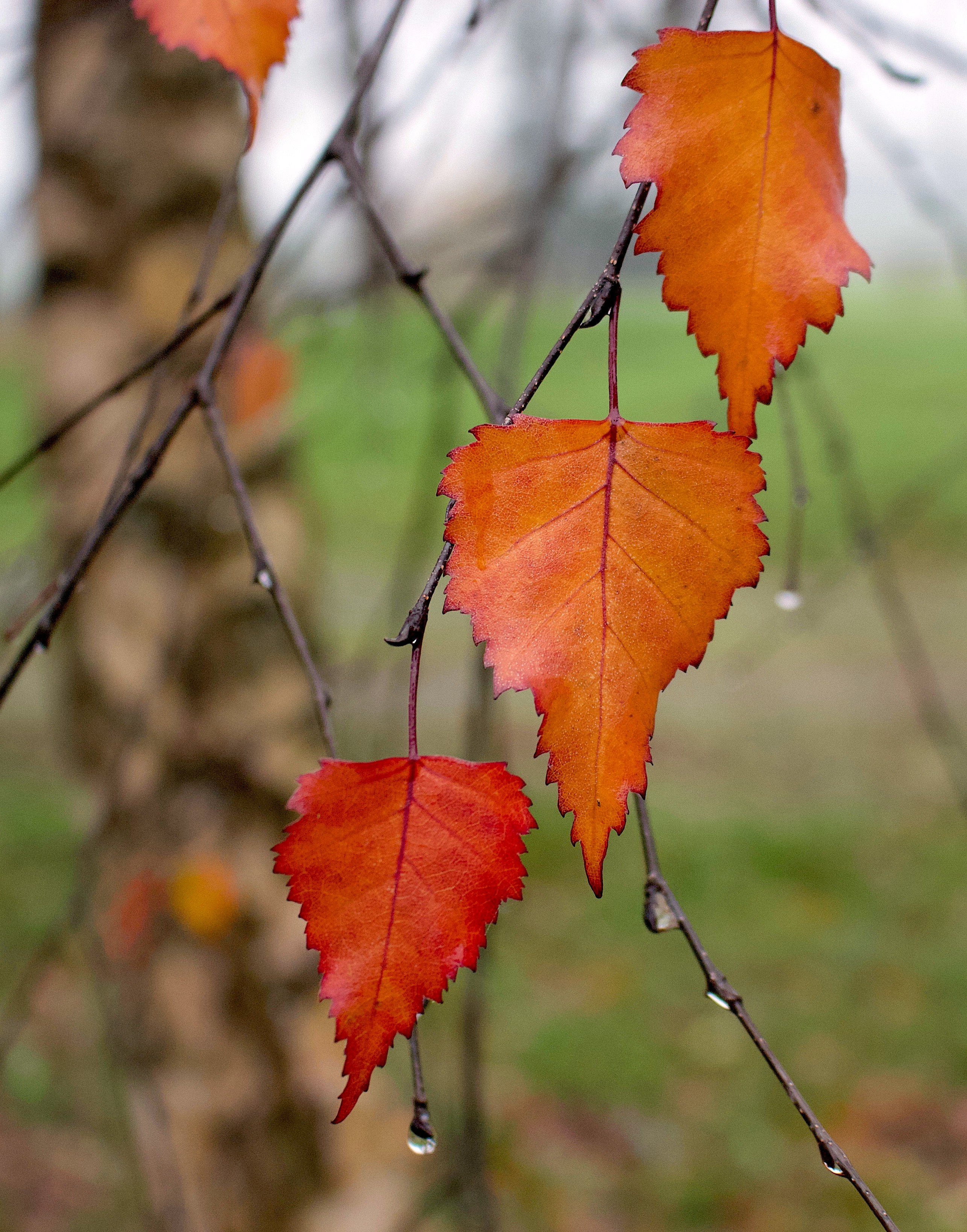
leafnov1
 November pierces with its bleak remembrance
Of all the bitterness and waste of war.
Our silence tries but fails to make a semblance
Of that lost peace they thought worth fighting for.
Our silence seethes instead with wraiths and whispers,
And all the restless rumour of new wars,
The shells are falling all around our vespers,
No moment is unscarred, there is no pause,
In every instant bloodied innocence
Falls to the weary earth, and whilst we stand
Quiescence ends again in acquiescence,
And Abel’s blood still cries in every land
One silence only might redeem that blood
Only the silence of a dying God.
~Malcolm Guite “Silence”
birchnovemberholdout
So, when old hopes that earth was bettering slowly
Were dead and damned, there sounded ‘War is done!’
One morrow. Said the bereft, and meek, and lowly,
‘Will men some day be given to grace? yea, wholly,

And in good sooth, as our dreams used to run?’


Calm fell. From Heaven distilled a clemency;
There was peace on earth, and silence in the sky;
Some could, some could not, shake off misery:
~Thomas Hardy from “And There Was a Great Calm” (On the Signing of the Armistice, 11 Nov. 1918)
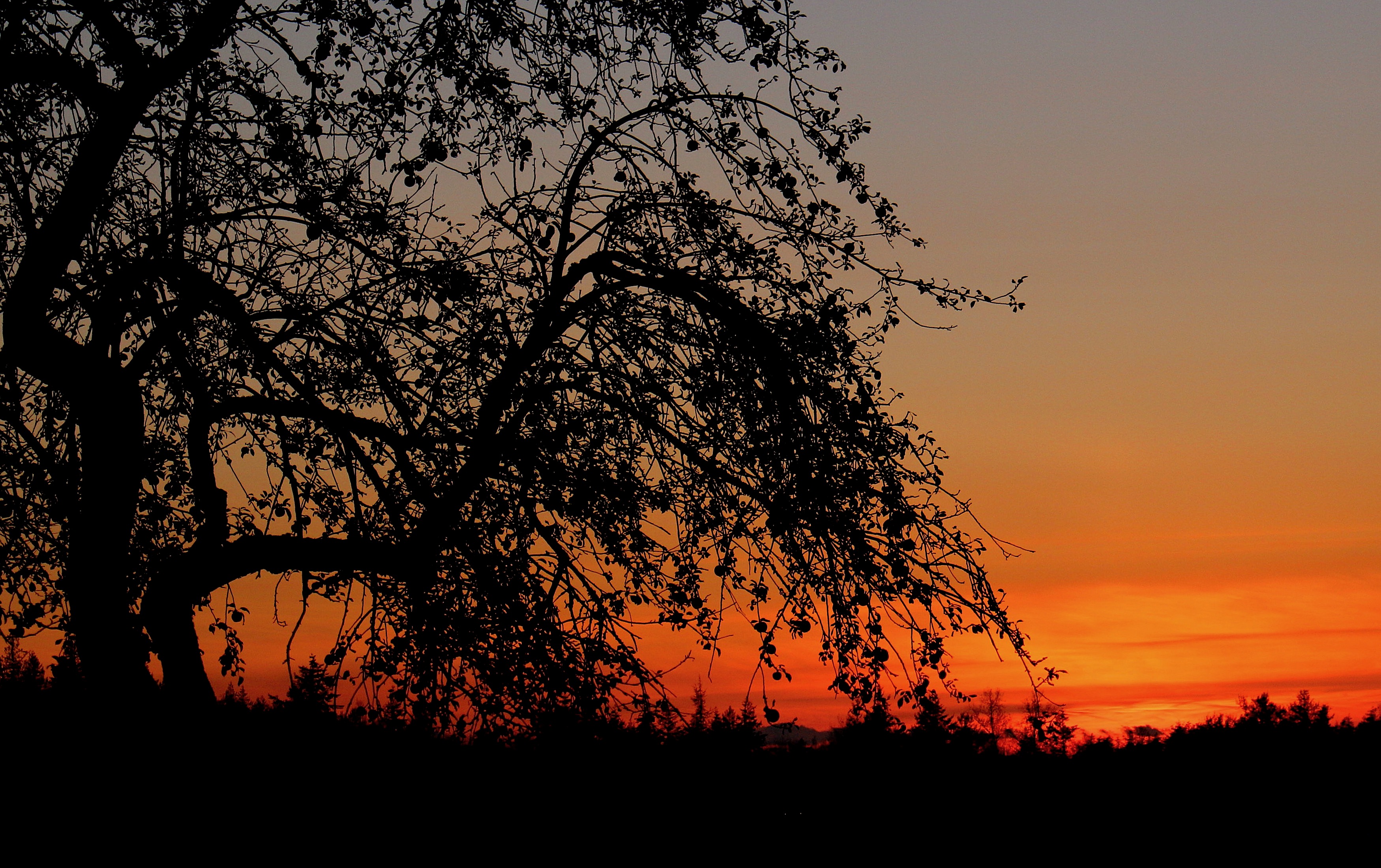
sunset111018
When you go home tell them of us and say –
“For your tomorrow we gave our today”
~John Maxwell Edmonds from “The Kohima Epitaph” 
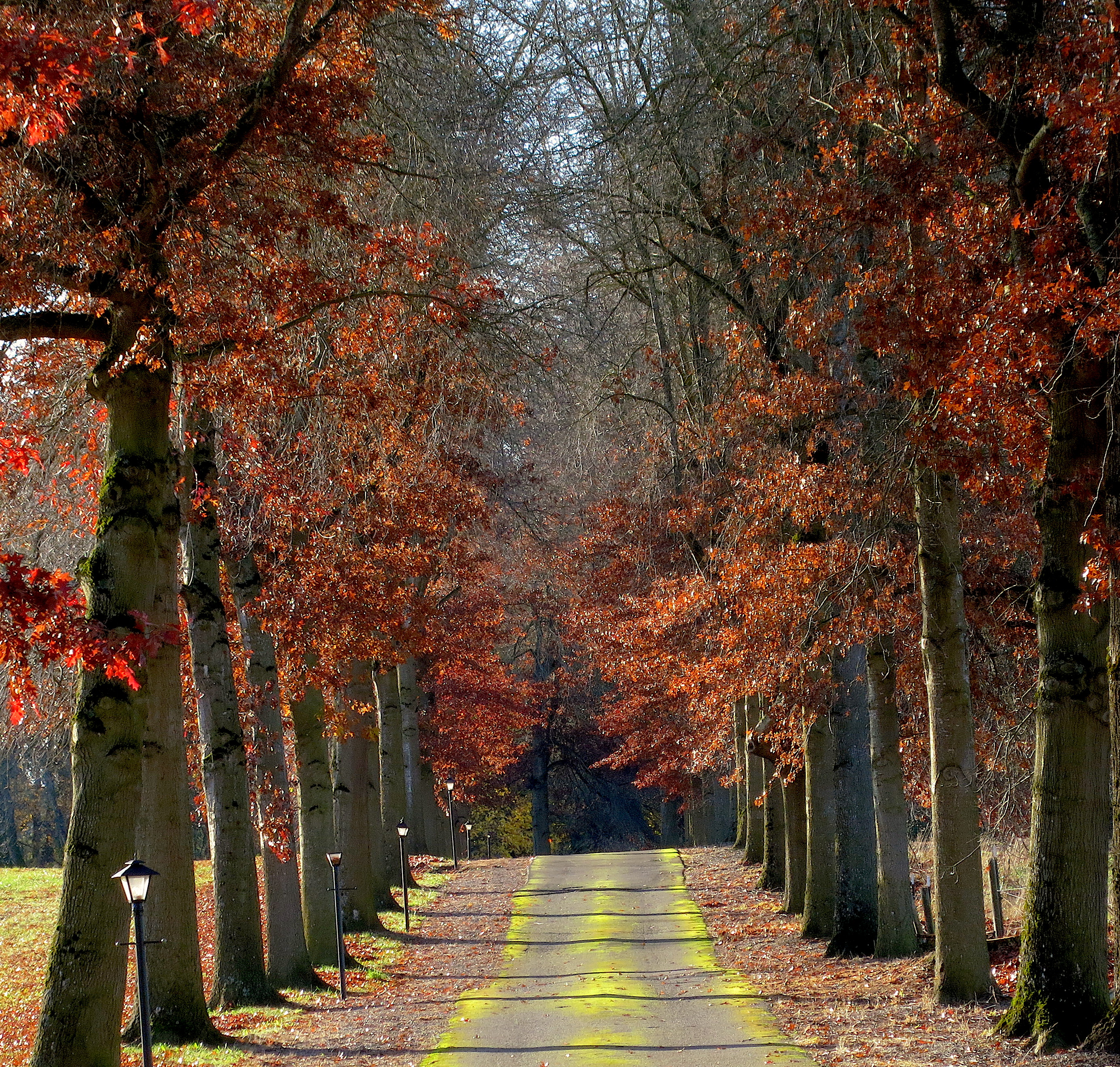
oaklane117182


I’m unsure why the United States does not call November 11 Remembrance Day as the Commonwealth nations did 99 years ago at the Armistice. This is a day that demands much more than the more passive name Veterans’ Day represents.

This day calls all citizens who appreciate their freedoms to stop what they are doing and disrupt the routine rhythm of their lives. We are to remember in humble thankfulness the generations of military veterans who sacrificed time, resources, sometimes health and well being, and too often their lives in answering the call to defend their countries.

Remembrance means
~never forgetting what it costs to defend freedom.
~acknowledging the millions who have given of themselves and continue to do so on our behalf.
~never ceasing to care.
~a commitment to provide resources needed for the military to remain strong and supported.
~unending prayers for safe return home to family.
~we hold these men and women close in our hearts, always teaching the next generation about the sacrifices they made.

Most of all,
it means being willing ourselves to become the sacrifice when called.


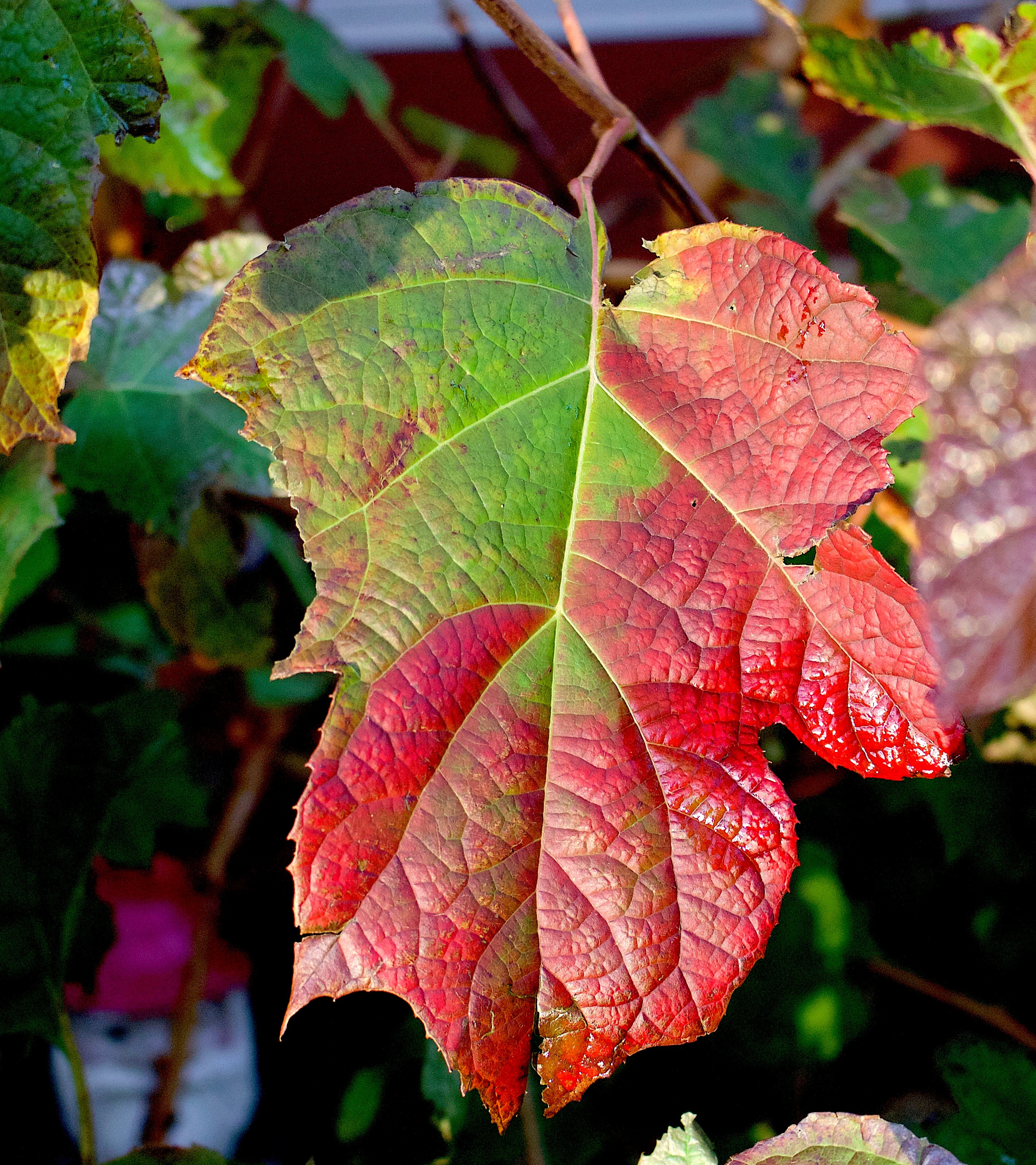
oakleaf11173

The Heartbeat of Our Country

rottenapple


Even if I knew that tomorrow the world would go to pieces, I would still plant my apple tree.
~Martin Luther


appleking


…the heart of this country does not beat in Washington, DC, nor does its soul lie in a seat of power, nor does its destiny lie in which party occupies which section of government.

No, those things all lie with… people like you and me, people who get up and go to work and love their tiny plot of Earth and whose hands are rough and hardened by loving and giving.
~Billy Coffey from “The Heart of this Land”


countyfarm11518


You and I voted today, because we have the freedom and privilege to do so.

Yet our destiny does not lie with the counting of the ballots nor the results.

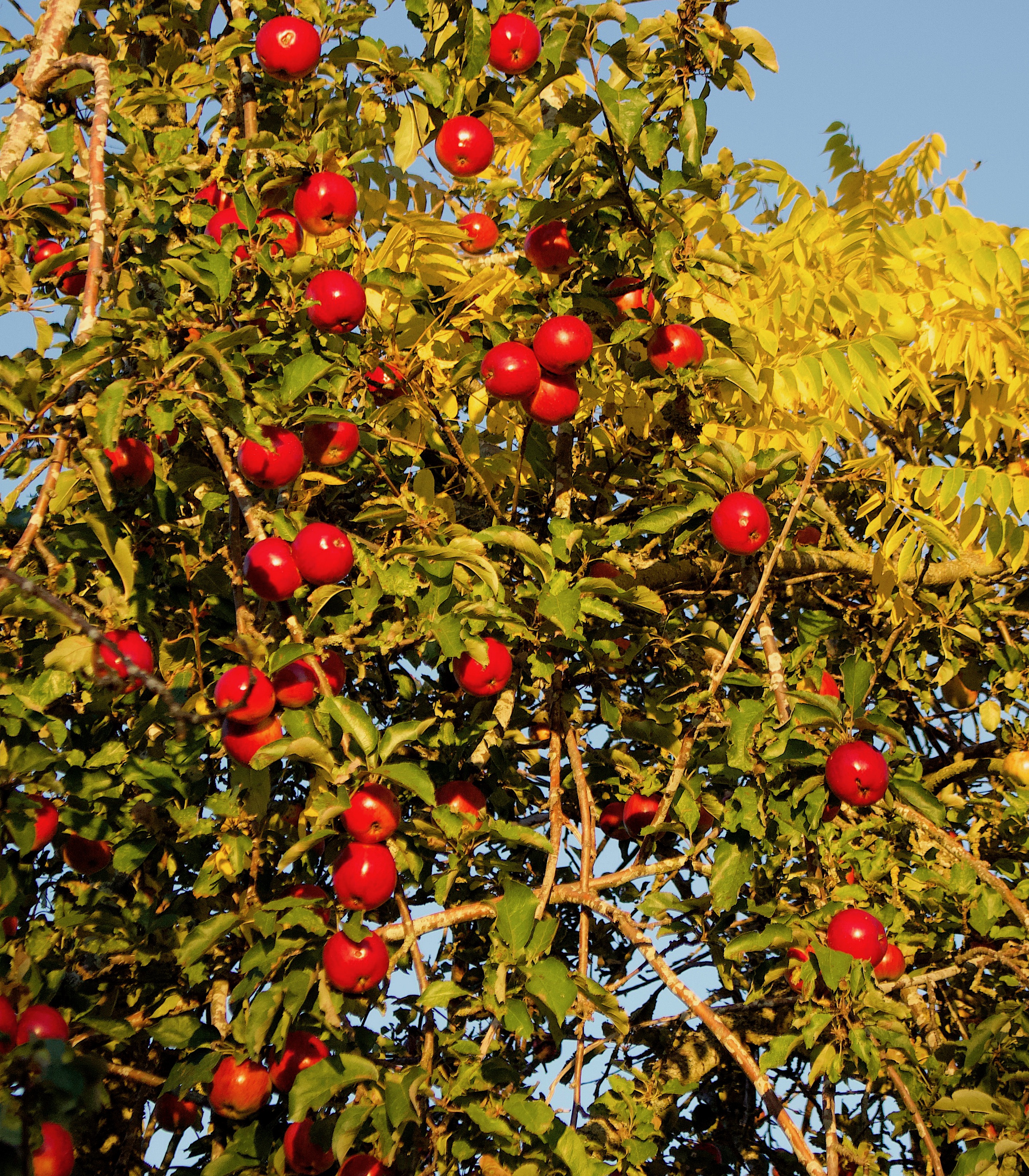
We have responsibility to our God, each other and our good earth.  One human election cannot surpass our need to keep planting apple trees to ensure the future is well fed.


sunset115183


danapple


Praise the Shadows

sunrise82414


shuksan102165


Praise the wet snow
       falling early.
Praise the shadow
       my neighbor’s chimney casts on the tile roof
even this gray October day that should, they say,
have been golden.
               Praise
the invisible sun burning beyond
      the white cold sky, giving us 
light and the chimney’s shadow.
Praise
god or the gods, the unknown,
that which imagined us, which stays
our hand,
our murderous hand,
                   and gives us
still,
in the shadow of death,
           our daily life,
           and the dream still
of goodwill, of peace on earth.
Praise
flow and change, night and
the pulse of day.
~Denise Levertov from “Gloria”, an excerpt from Mass for the Day of St. Thomas Didymus


mooraskrigg2


Yes. It is true.
Our murderous hand
is not stayed nearly enough.

We continue to witness the deaths of innocents,
so many homeless cast aside,
and what to do for refugees seeking sanctuary
who may not believe as we do,
who do not look or talk or act like
us.

We are not them.  They are not us.
But all image bearers.

Yet shadows are cast on the grayest of days
only because there is light still there,
hidden though it may be.
Be illuminated by mercy without the shadow cast.
Be mercy.
Be stilled by the pulse of life in others who are not us.


foggy827181


bakershadow1

Just Passing Through

goodnightgeese


octobergeese


morningswans


starlingmurmur3


All through August and September
            thousands, maybe
tens of thousands, of feathered
            creatures pass through
this place and I almost never see
            a single one. The fall
wood warbler migration goes by here
            every year, all of them,
myriad species, all looking sort of like
            each other, yellow, brown, gray,
all muted versions of their summer selves,
            almost indistinguishable
from each other, at least to me, although
            definitely not to each other, 
all flying by, mostly at night, calling to each
            other as they go to keep
the flock together, saying: chip, zeet,
            buzz, smack, zip, squeak—
            those
sounds reassuring that we are
            all here together and
heading south, all of us just passing
            through, just passing
through, just passing through, just
            passing through.
~David Budbill “Invisible Visitors”


starlingmurmur


morningswans2


geesev3


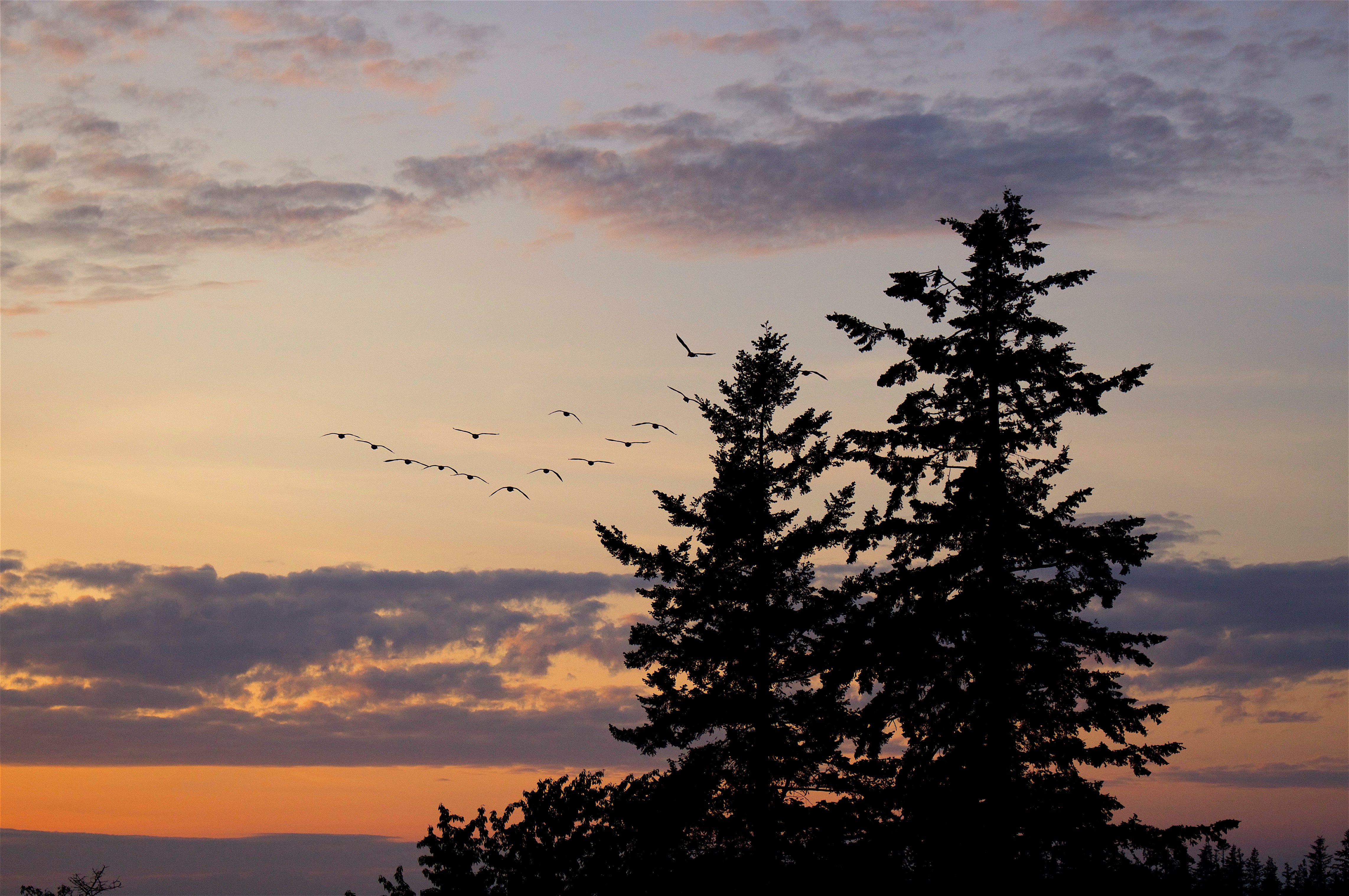
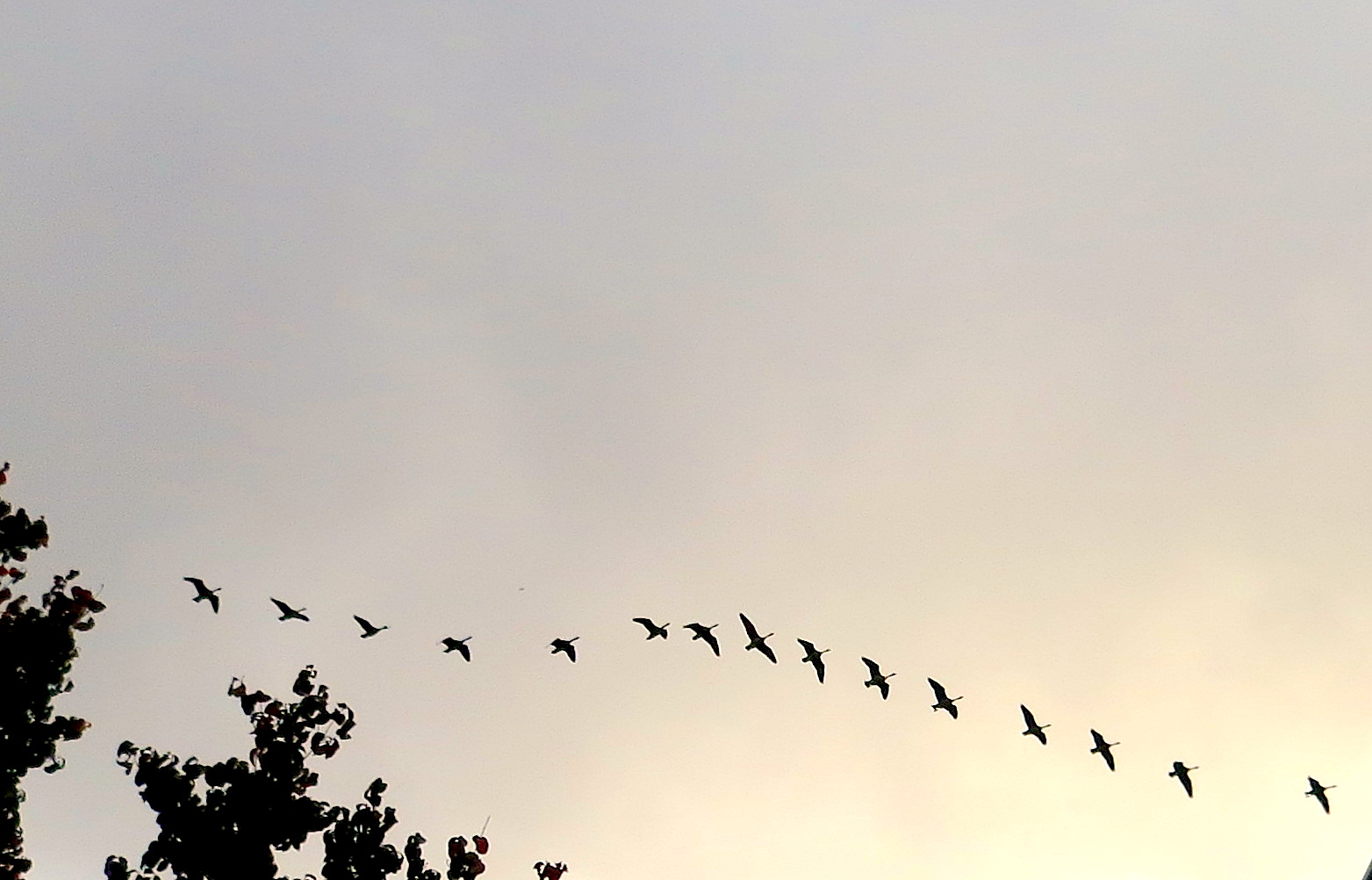
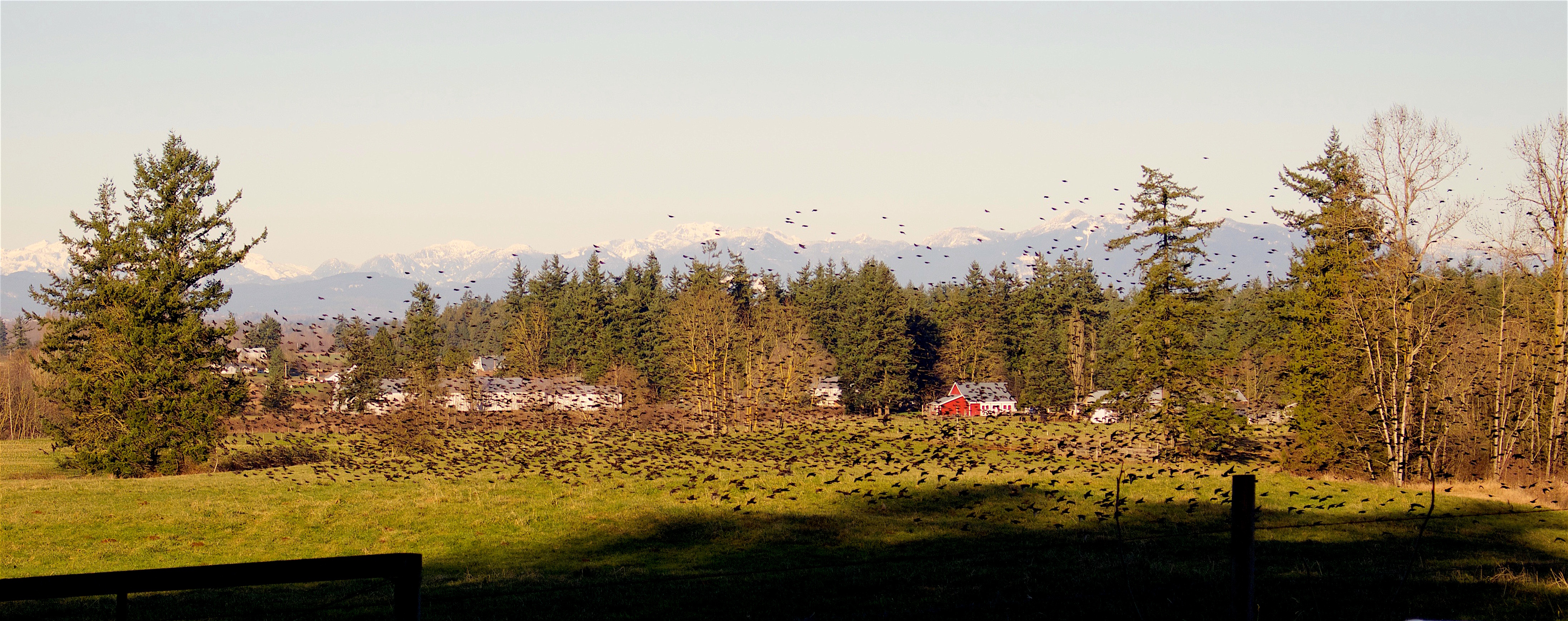
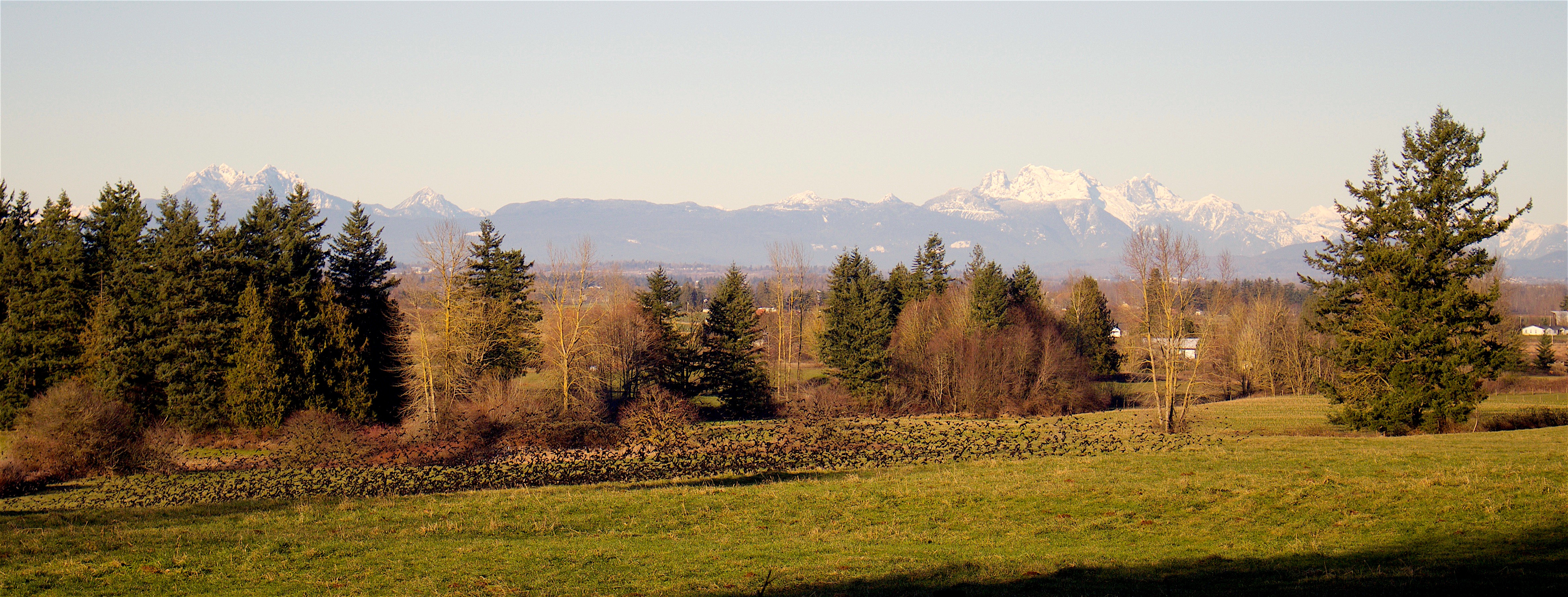
Some feathered travelers slip past us unseen and unheard.  They may stop for a drink in the pond or a bite to eat in the field and woods, but we never know they are there – simply passing through.

Others are compelled to announce their journey with great fanfare, usually heard before seen.  The drama of migration becomes bantering conversation from bird to bird, bird to earth, bird to sun, moon and stars, with unseen magnetic forces pointing the way.

When not using voices, their wings sing the air with rhythmic beat and whoosh.

We’re all together here — altogether — even when our voices are raised sharply, our silences brooding, our hurts magnified, our sorrows deep, so our route of travel becomes a matter of debate.

Our destination is not in dispute however.  We’re all heading to the same place no matter how we get there.

We’re all just passing through, just passing through, just passing through.


swansong


geeseoctober2


starlingmurmur2


geese913

Get On With Work or Take It Slow

barbsrooster


clematis2


emptychairs


Sweet smell of phlox drifting across the lawn—
an early warning of the end of summer.
August is fading fast, and by September
the little purple flowers will all be gone.
Season, project, and vacation done.
One more year in everybody’s life.
Add a notch to the old hunting knife
Time keeps testing with a horny thumb.
Over the summer months hung an unspoken
aura of urgency. In late July
galactic pulsings filled the midnight sky
like silent screaming, so that, strangely woken,
we looked at one another in the dark,
then at the milky magical debris
arcing across, dwarfing our meek mortality.
There were two ways to live: get on with work,
redeem the time, ignore the imminence
of cataclysm; or else take it slow,
be as tranquil as the neighbors’ cow
we love to tickle through the barbed wire fence
(she paces through her days in massive innocence,
or, seeing green pastures, we imagine so).
In fact, not being cows, we have no choice.
Summer or winter, country, city, we
are prisoners from the start and automatically,
hemmed in, harangued by the one clamorous voice.
Not light but language shocks us out of sleep
ideas of doom transformed to meteors
we translate back to portents of the wars
looming above the nervous watch we keep.
~Rachel Hadas from “The End of Summer”
sunrise94141
hazycows
fieldcows9517
In observance of Labor Day:
I did not grow up in a household that took time off.  Time was redeemed by work, and work was noble and honorable and proved we had a right to exist.
Vacation road trips were rare and almost always associated with my father’s work.  When he came home from his desk job in town, he would immediately change into his farm clothes and put in several hours of work outside, summer or winter, rain or shine, light or dark.
My mother did not work in town while we were children, but worked throughout her day inside and outside the house doing what farm wives and mothers need to do: growing, hoeing, harvesting, preserving, washing, cleaning, sewing, and most of all, being there for us.
As kids, we had our share of chores that were simply part of our day as our work was never done on a farm. When we turned twelve, we began working for others: babysitting, weeding, barn and house cleaning, berry picking.  I have now done over 52 years of gainful employment – there were times I worked four part-time jobs at once because that was what I could put together to keep things together.
The thought of “retirement” is anathema for me but that time will come for me when I am ready to take it slow. I know I’ve missed out on much of life being a “nose to the grindstone” person.
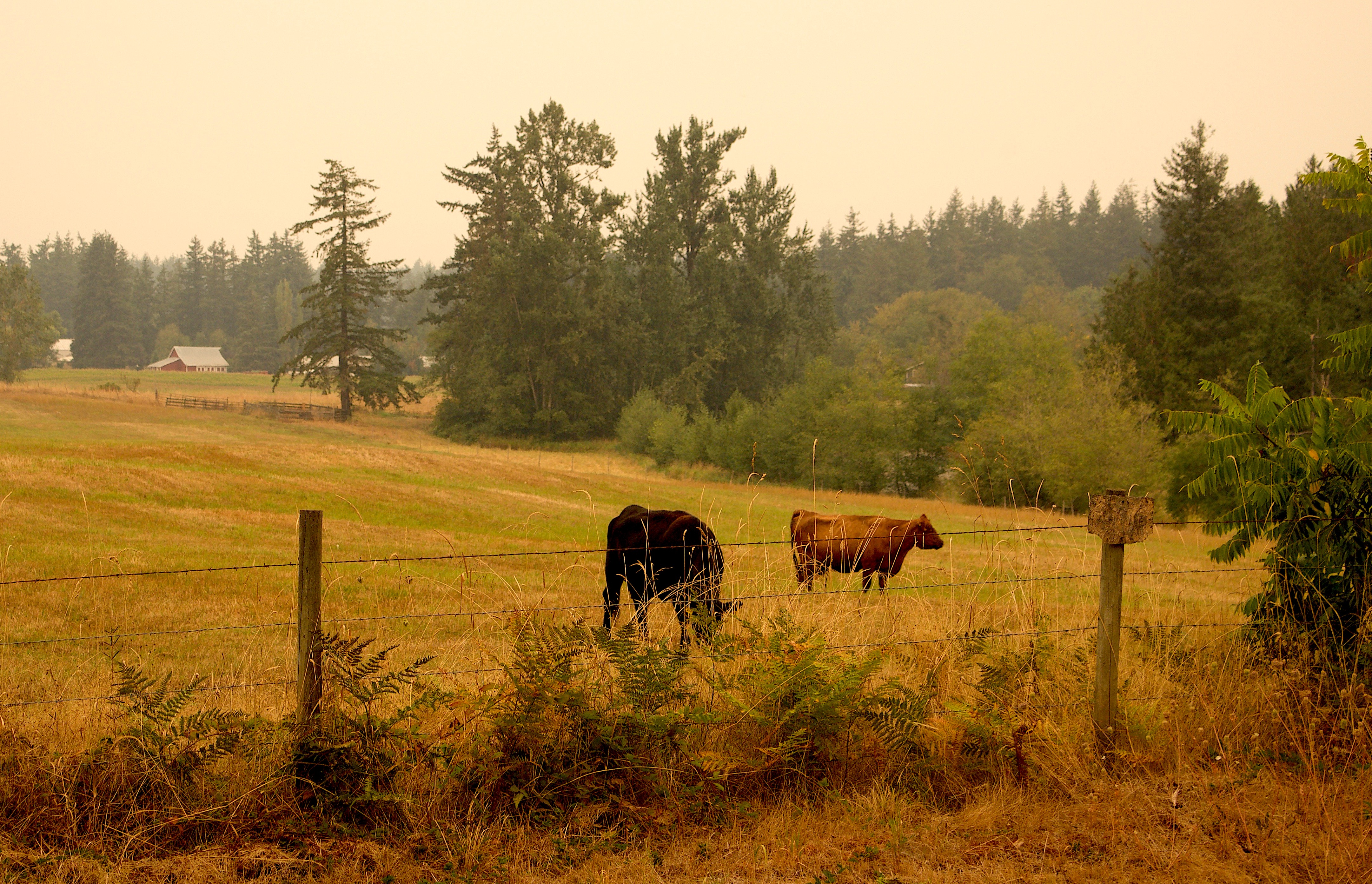
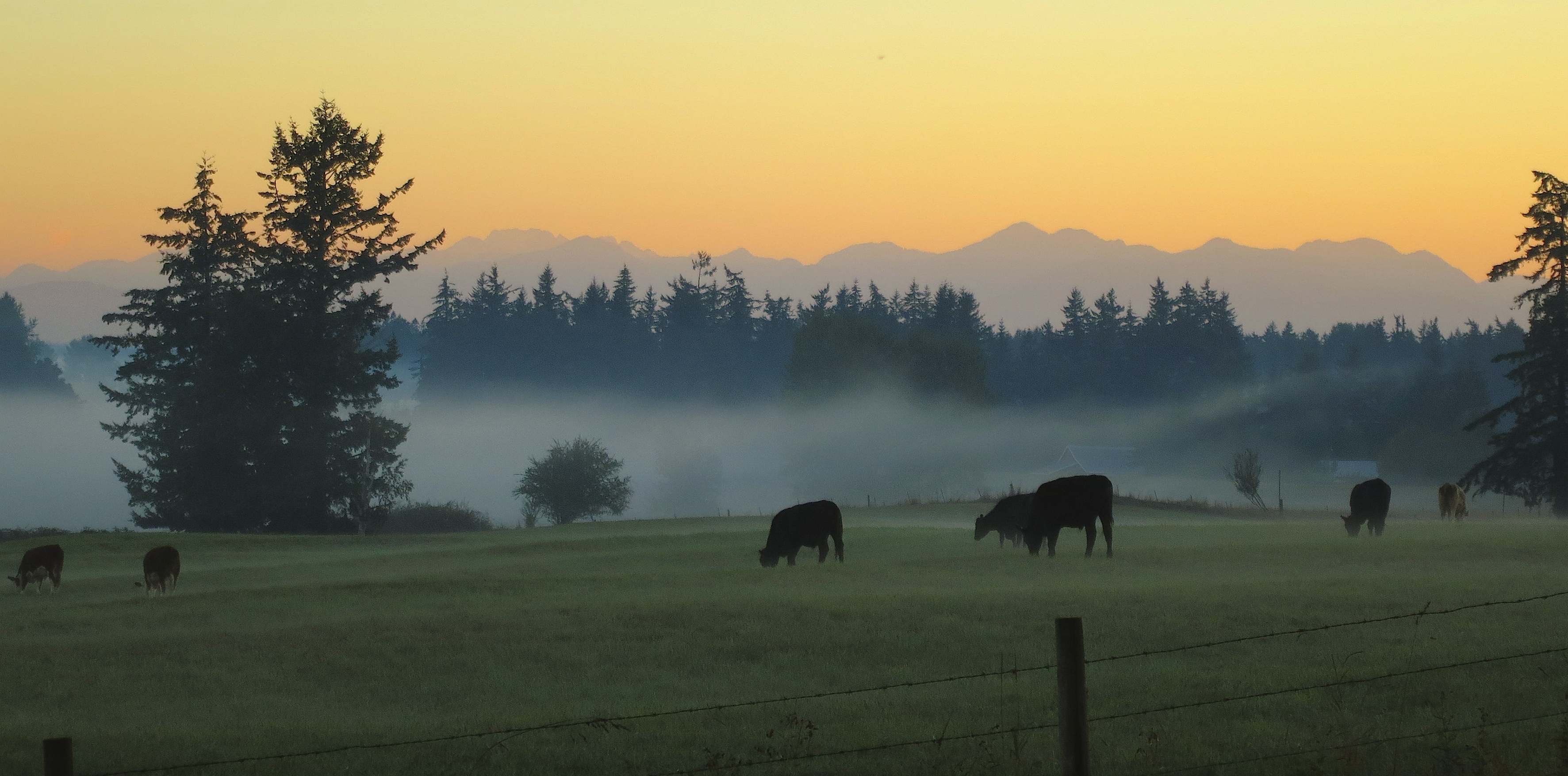
I wish there had been more times I had taken a few moments to be more like the cows I see meandering, tranquil and unconcerned, in the surrounding green pastures. Part of every day now I pull myself away from the work to be done, the work that is always calling and staring me in the face, and try a different way to redeem my time: to notice, to record, to observe, to appreciate beauty that exists in the midst of chaos and cataclysm and neverending portents of war.
Life isn’t all about non-stop labor, yet we get on with our work because work is about showing up when and where we are needed. Not being cows, we may feel we have no choice in the matter. Just maybe, like cows, we can manage to slow down,  watch what is happening around us, and by chewing our cud, keep contemplating and digesting whatever life feeds us, the sweet and the sour.
sunrise971411
morning528151

Kindness Always Remembered

friends


help


Have you ever noticed how much of Christ’s life was spent in doing kind things – in merely doing kind things? … he spent a great proportion of his time simply in making people happy, in doing good turns to people.

There is only one thing greater than happiness in the world, and that is holiness; and it is not in our keeping. But what God has put in our power is the happiness of those about us, and that is largely to be secured by our being kind to them.…

I wonder why it is that we are not all kinder than we are. How much the world needs it. How easily it is done. How instantaneously it acts. How infallibly it is remembered.
~Henry Drummond from The Greatest Thing in the World


fos2

Sure on this shining night
Of star made shadows round,
Kindness must watch for me
This side the ground. 
The late year lies down the north.
All is healed, all is health.
High summer holds the earth. 
Hearts all whole.
Sure on this shining night
I weep for wonder wand’ring far 
alone
Of shadows on the stars.
fos1
Kindness has always watched for me;
I remember how it infallibly surrounds me.
I weep with those who weep,
whether from fear, or separation,
or frustration, or anger,
or grief, or loss,
or sheer exhaustion.
I weep to wonder
why any one of us should not know
the kindness and comfort
of being held in the arms of those we love
and who love us.
sibs

A May 19th Memory

sparrow
photo by Larry Goldman


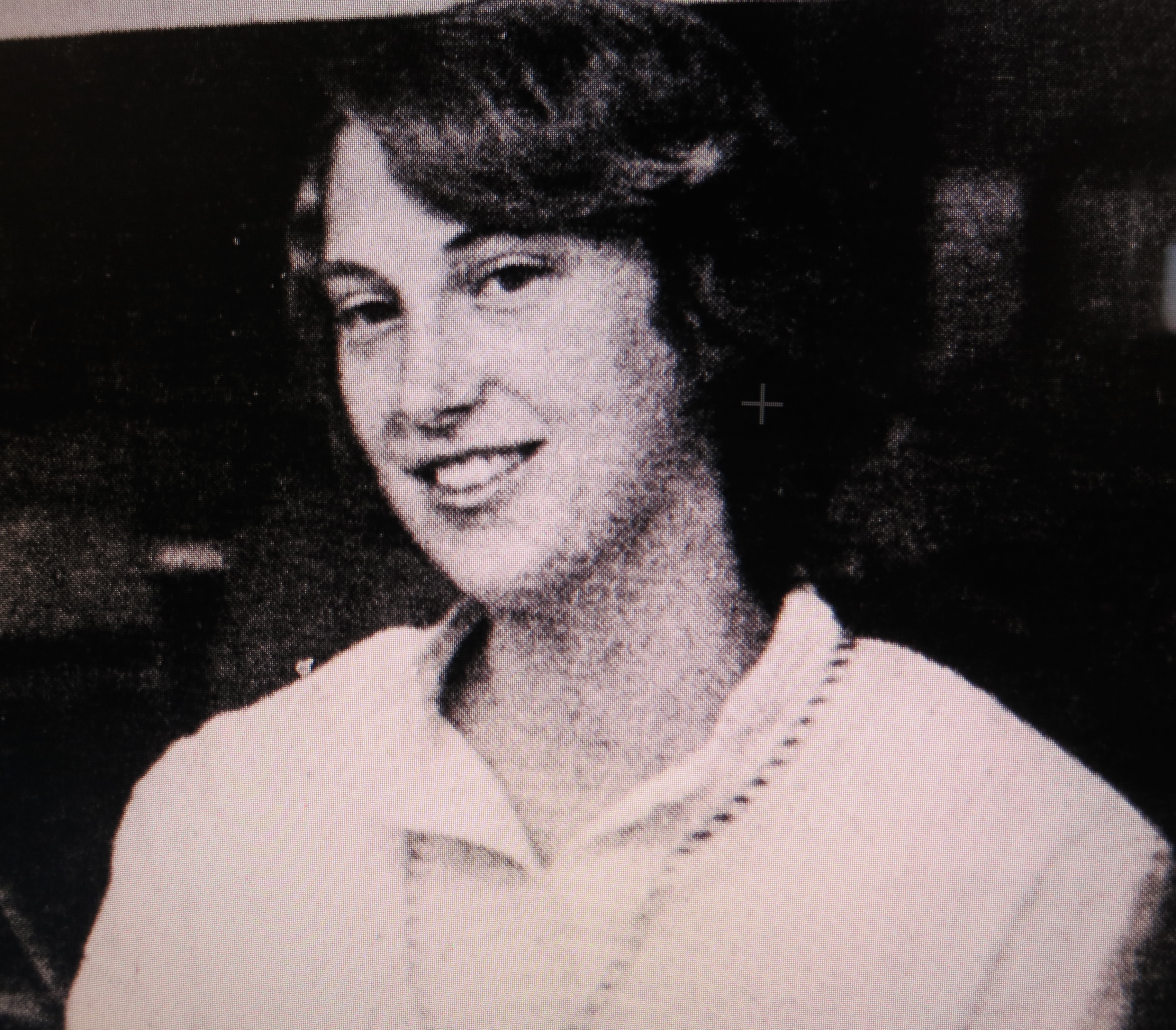
Reflecting on, and with respect for, the courage shown by Tanzanian park rangers and my kidnapped research colleagues on this unforgettable day 43 years ago  —  I’m reposting this again as part of my Gombe saga from when I worked as a student research assistant for Jane Goodall in western Tanzania in 1975.

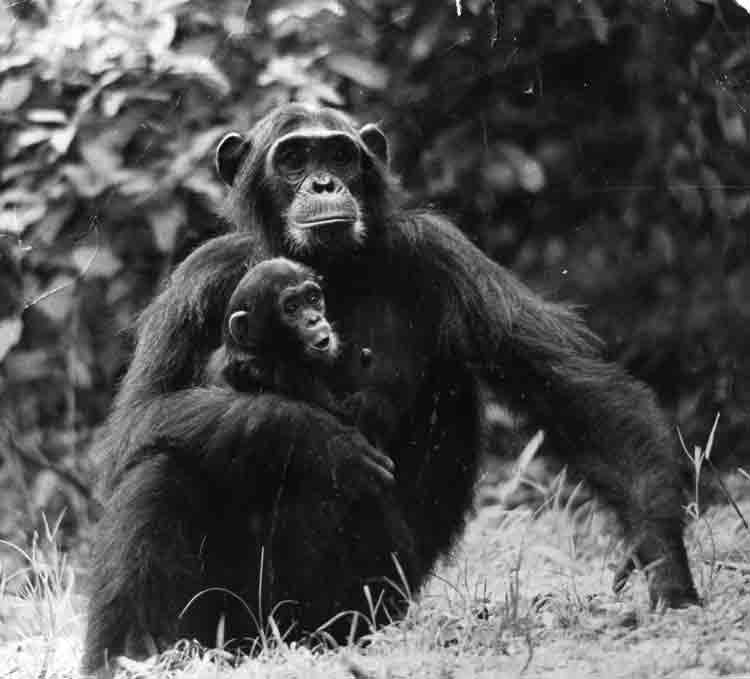
At first glance,  Gombe National Park in Tanzania felt like paradise—a serene piece of the earth filled with exotic and fascinating wildlife, an abundance of fish and fruit to eat, and the rich unfamiliar sounds and smells of the tropical jungle.  It was a façade.  It was surrounded by the turmoil and upheaval of political rebellion and insurgencies in its neighboring countries, inflamed even more by the fall of Saigon in Vietnam a month previously due to the earlier pull out of the Americans from that long and tragic war.

Only a few miles north of our research station in Gombe National Park in western Tanzania, there had been years of civil war in the small land locked country of Burundi.  When the wind was just right, we could hear gunfire and explosions echoing over the valleys that separated us.  Escaping refugees would sometimes stop for food on their way to villages in Tanzania to the south, seeking safe haven in one of the poorest countries in the world, only a decade into its own experiment with socialism, Ujamaa.

There was also word of ongoing military rebellion against the dictatorship of President Mobutu in the mountainous country of Zaire twelve miles west across Lake Tanganyika.

Morning comes early for field studies of wildlife, as the research day must start before the chimpanzee and baboon subjects wake up and begin to stir. Before midnight, while we slept soundly in our metal huts scattered up the mountainside, a group of armed soldiers arrived by boats to the shore of Gombe National Park.

Storming the beach huts housing two unarmed Gombe park rangers and their families, the soldiers seized one and demanded to be told where the researchers were. The ranger refused to provide information and was severely beaten about the head and face by the butts of the rifles carried by the invaders.  The armed soldiers then divided into smaller groups and headed up the trails leading to the huts, coming upon four sleeping student researchers, tying them up, taking them hostage, forcing them into boats and taking them across the lake back to Zaire.

Asleep farther up the mountain, we were wakened by other researchers who were fleeing, hearing the commotion.  No one really understood what was happening down lower on the mountain. There were shouts and screams, and gun shots had been heard.  Had someone been injured or killed?   There was no choice but to run and hide deep in the bush at a predetermined gathering spot until an “all clear” signal was given by the rangers.

We hurried along barely familiar  trails in the black of the jungle night, using no flashlights, our hearts beating hard, knowing we had no defense available to us other than the cover of darkness.

That was the longest wait for morning of my life, sitting alongside Jane holding her son Grub.  A hand full of other students had also made their way to the hiding spot, none of us knowing what to think, say or do.  We could only barely see each other’s faces in the darkness and were too frightened to make any sounds.  We carried no weapons, and there was no way to communicate with the outside world.   We had no idea how many of us may be missing, or possibly dead.

Jane held Grub in her arms, endeavoring in vain to keep him quiet, but his eight year old imagination was ignited by the events that had just unfolded.

“Will they kidnap me, Jane?  Will they come for me?  Where will they take us?  Will they shoot us dead?”

Jane, her face hidden by her blonde hair loose about her shoulders,  sat rocking him, cradling him. “Shhh, shhh, we don’t want them to find us.  We’re safe staying right here.  Everything will be fine in the morning.  No one will take you from me.”

Grub began to sob silently into her shoulder.

When the morning of May 20 dawned, the park rangers located us, and pieced together the events as best they could–the soldiers were Zairean rebels living in remote mountains, fighting  an insurgency against the Zaire government. Seeking funds for their cause, they saw a kidnapping of Americans and Europeans as a way to raise quick funds and world publicity and sympathy.  Four of our friends/coworkers were missing, the camp was ransacked and the rangers beaten but with no life threatening injuries.   There was no way to remain safe at the Park, and our colleagues needed whatever help we could offer for their rescue.

We were able to send a messenger to a nearby fishing village, and a radio call was sent out to the small town of Kigoma, then relayed to Dar Es Salaam and Nairobi.  Help arrived within a few hours, when a United Nations boat monitoring the civil war activities in Burundi pulled off shore near our camp.  We were told we needed to evacuate Gombe that day, and would be taken to Kigoma, and then flown by bush pilot to Nairobi, Kenya to cooperate in the investigation of the kidnapping.

In Nairobi, at the US Embassy, I met CIA agents who viewed our wild primate studies with suspicion.  Each of us were grilled individually as to our political beliefs, our activities at the camp and whether we may be somehow involved in subversive actions against the Zaire or Tanzanian governments.  We were dumbfounded that our own countrymen would be so skeptical about our motives for being in Africa.  It became clear our own government would be no help in resolving the kidnapping and bringing our friends home to safety.  The agents did not shed any light on whether they knew our friends were alive or dead.

We were then hustled into a press conference where we were interviewed for television and print media by the worldwide news agencies, and my parents saw me on the CBS evening news before they actually heard my voice over the phone.  I flew back to Stanford the next day, spending 24 hours on a plane that made six stops up the coast of West Africa on its way back west, to tell what I knew to Stanford President Lyman and other administration officials as they prepared a plan to locate and free the students.   I then returned home to Washington state to await any news that came too slowly from a place so far away that I remain astonished to this day that I was ever there at all.

It took over three months, private negotiations and ransom money to free all four of our friends back to safety. They remain close to each other and the remarkable man who helped free them, Dr. David Hamburg. We have had several reunions together over the years to remember those days of living in a place that at one time seemed like paradise.

several of my colleagues have written books about their experience at Gombe:
Following Fifi by Dr. John Crocker

The Ghosts of Gombe by Dale Peterson

Jane Goodall by Dale Peterson

The Jane Effect by Dale Peterson

and of course, Jane’s wonderful books that led me to Gombe in the first place:

In the Shadow of Man

Through a Window: My Thirty Years with the Wild Chimpanzees of Gombe

Reason for Hope

stanforddailymay281975
photo from a press conference at Stanford a few days later


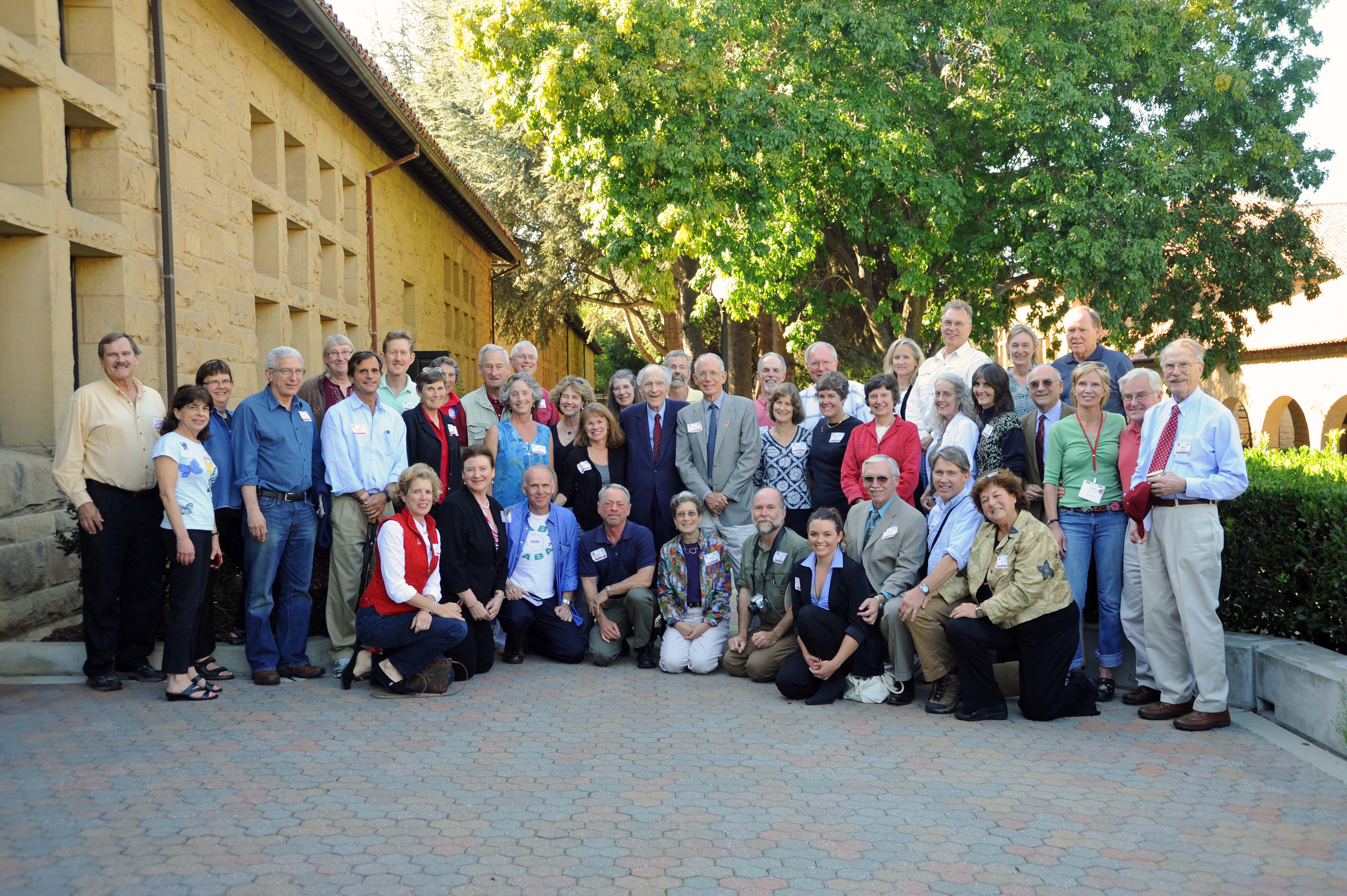
Alumni during the HumBio 40th Reunion.
Gombe Alumni and faculty in 2011 at Stanford (I’m in the very back 5th from the left)

An Amalgam of Black and White

reflection2


Let me say finally, that in the midst of the hollering and in the midst of the discourtesy tonight, we got to come to see that however much we dislike it, the destinies of white and black America are tied together. Now the races don’t understand this apparently. But our destinies are tied together. And somehow, we must all learn to live together as brothers in this country or we’re all going to perish together as fools.

…Whether we like it or not culturally and otherwise, every white person is a little bit negro and every negro is a little bit white. Our language, our music, our material prosperity and even our food are an amalgam of black and white, so there can be no separate black path to power and fulfillment that does not intersect white routes and there can ultimately be no separate white path to power and fulfillment short of social disaster without recognizing the necessity of sharing that power with black aspirations for freedom and human dignity.
~Martin Luther King, Jr.
in one of his last speeches, given at Grosse Point, Michigan high school (near Detroit) to a mostly white and often heckling audience, March 14, 1968
 

mlk2

I grew up during the 1960’s in Olympia, Washington, a fair-sized state capitol of 20,000+ people at the time and our city had only one black family.

One.

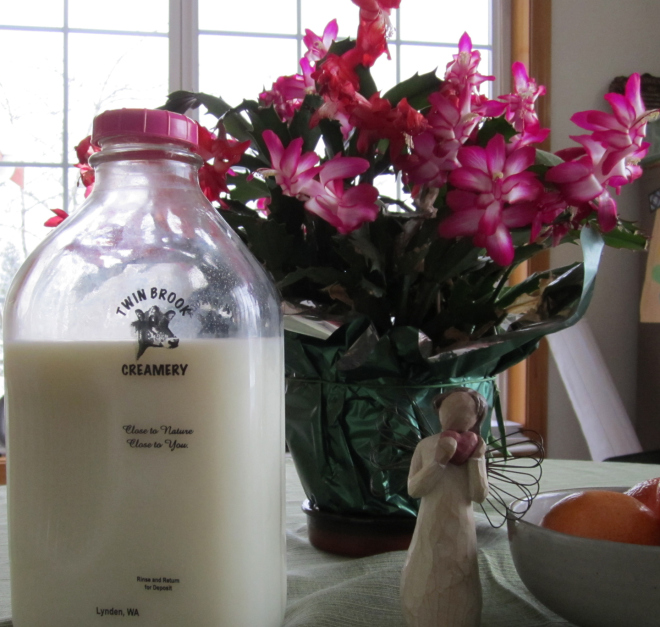
There were a few Japanese and Korean families, a few Hispanics, but other than the Native American folks from the nearby Nisqually Reservation, our community seemed comprised of homogenized milk. Pretty much plain Anglo Saxon white.

In 1970, a white Olympia High School graduation student speaker caused a controversy  when she called our town a “white racist ghetto” in her speech. Numerous parents walked out of the ceremony in protest of her protest, and didn’t watch their children graduate.

It was the first time I’d heard someone other than Martin Luther King, Jr. actually crack a previously unspoken barrier using only words. What she said caused much local consternation and anger, but the ensuing debate in the newspaper Letters to the Editor, around lunch counters at the five and dime, and in the churches and real estate offices made a difference. Olympia, after being called out for bigotry in its hiring practices and housing preferences, began to open its social and political doors to people who weren’t white.

Attending college in California helped broaden my limited point of view, but in the early 70′s there were still few diversity admissions initiatives, so Stanford was still a mostly white campus. While living in Africa to study wild chimpanzees in Africa in 1975, I experienced being one of two whites living and traveling among hundreds of very dark skinned Ugandans, Rwandans, Tanzanians and Kenyans. I became the one gawked at, viewed as an oddity, pointed at by small children who were frightened, amused and perplexed by my appearance.

I constantly felt out of place. I did not belong. Yet I was treated graciously, with hospitality, although always a curiosity:  the homogenized white milk in the mix.

There was minimal diversity in my medical school class where women constituted less than 25% of my class graduating in 1980.  It wasn’t until I was in family practice residency at Seattle’s Capitol Hill Group Health Cooperative Hospital that I began to experience the world in full technicolor. I joined a group of doctors in training that included an African American activist from the east coast, a Kiowa Indian, several of Jewish background, a son of Mexican immigrants, a daughter of Chinese immigrants, a Japanese American, someone of Spanish descent, and a Yupik Eskimo.  I was challenged to appreciate my inner city patients’ cultural, racial, religious, ethnic and sexual minority identities, and saw how much more effectively my colleagues and teachers of diverse backgrounds worked with patients who looked or grew up like them.

My training was such a foundational experience that I was drawn to a medical practice in a Group Health Rainier Valley neighborhood clinic. There I saw patients who lived in the projects that lined Martin Luther King Way, struggling to overcome poverty and social fragmentation, clustered together in knots of extended family within a few square miles. There were many ethnic groups: African Americans, Vietnamese, Cambodian and Laotian refugees, Ashkenazi Jews, Middle East Muslims, Russian immigrants and some Catholic Italian families who spoke broken English. I delivered babies who would grow up learning languages and traditions from every corner of the globe. It was a wide world of diversity walking into my exam rooms, richly filling in the white corners of my life in ways I had never imagined.

I found that white milk, nurturing as it was, was not a reflection of everything the world had to offer.

When I married and Dan and I started our own family, we made the decision to move north near his parents and home community of Lynden, a town of Dutch dairy farming immigrants. We planned to own our own farm to raise our children in a rural setting just as both of us had been raised. There was significant adjustment necessary once again adapting to a primarily Caucasian community. I am not Dutch even though I am as white and tall as the Frieslanders (some of my ancestry is from Schleswig-Holstein in Germany, right across the Holland border).  Even though I looked like my neighbors, I still didn’t belong.

I didn’t share the same cultural or church background to fit in easily in my new home. The color of my skin no longer set me apart, but the difference in rituals, language quirks and traditions became very apparent. In other words, the milk looked just as white, (maybe skim versus whole or 2%), but varied significantly in taste (were the cows just let out on grass??)

Over the past thirty plus years since we moved here, our rural community is transforming slowly.  We have two growing Native American sovereign nations within a few miles of our farm, the Nooksack and Lummi tribes, along with increasing numbers of migrant Hispanic families who work the seasonal berry and orchard harvest, many of whom have settled in year round. My supervisors at the University where I work are African American. Our close proximity to the lower mainland of British Columbia has brought Taiwanese, Japanese and Hong Kong immigrants to our area, and many East Indians immigrate to our county in large extended families, attracted by affordable farmland. A rural corner grocery close to our farm is owned by Sikhs with shelves stocked with the most amazing array of Indian spices and Mexican chili sauce, with Dutch peppermints and licorice thrown in for good measure.

Our children grew up rural but, as adults, have become part of communities even more varied. Nate teaches multiracial students from a dozen different countries in an international high school in Tokyo, has married a Japanese woman and our beloved granddaughter is biracial. Ben finished two years as a Teach for America high school math teacher on the Pine Ridge Lakota Sioux Reservation in South Dakota, and married to Hilary, have lived as a racial minority in a mostly black neighborhood in New Haven, Connecticut before moving to the melting pot of the Bay Area in California.   Lea is teaching fourth graders of multiple ethnicities in a Title 1 school in a military town just a few hours away.

Our children are privileged to work within the kaleidoscope of humanity and our family is blessed to no longer be just plain white milk.

Homogenized means more than just uniformity. It is a unity of substance, a breaking down of barriers so there is no longer obvious separation.  Martin Luther King, Jr. called it amalgam — a mixture that yields something stronger than the original parts.

I am still all white on the outside — that I would never want to change —  but I can strive to break down barriers that separate me from the diverse people who live, work and worship around me.  Thanks to that amalgam, my life is enriched and the flavor of my days remarkably enhanced.

 

images