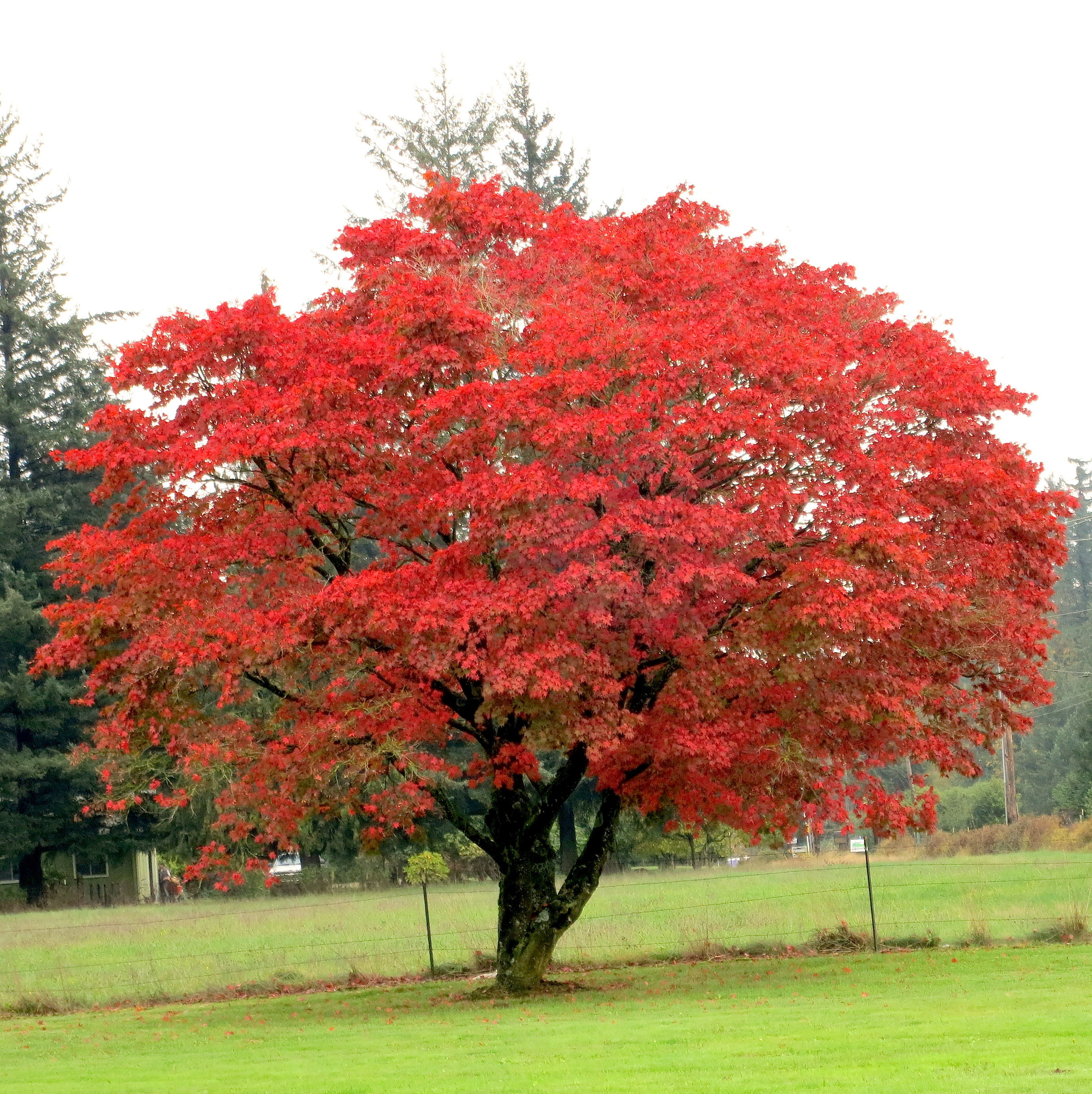
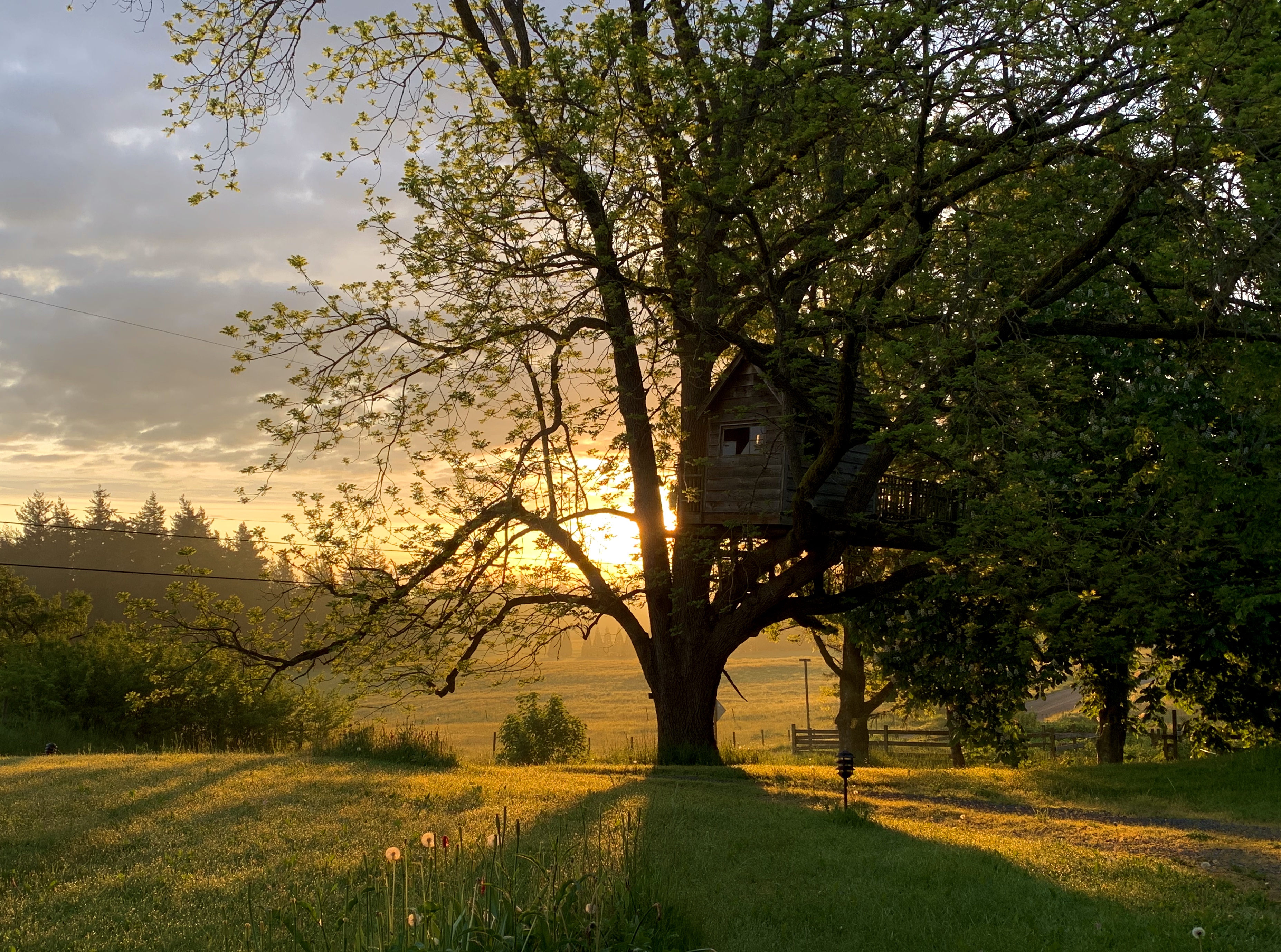
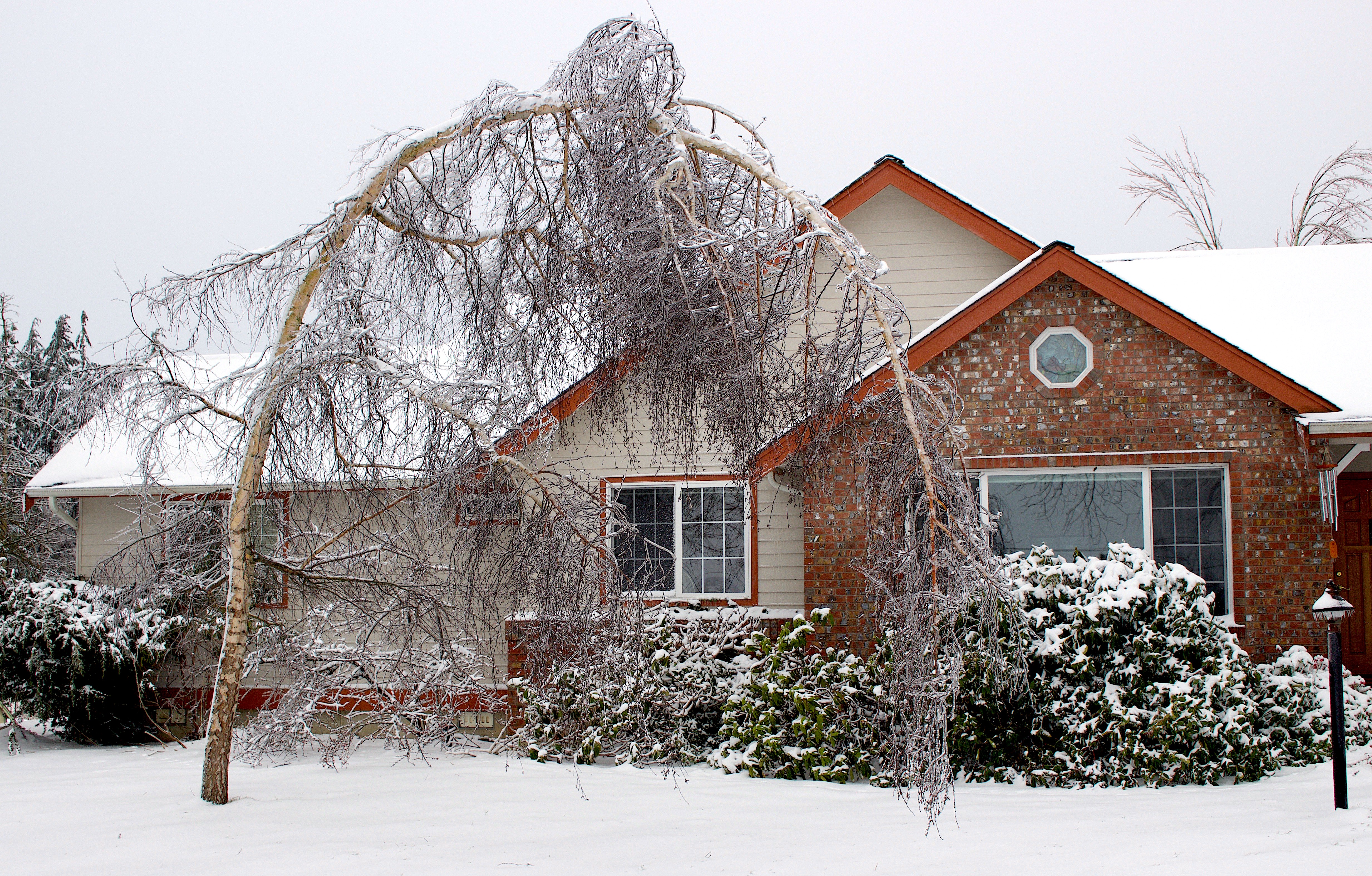
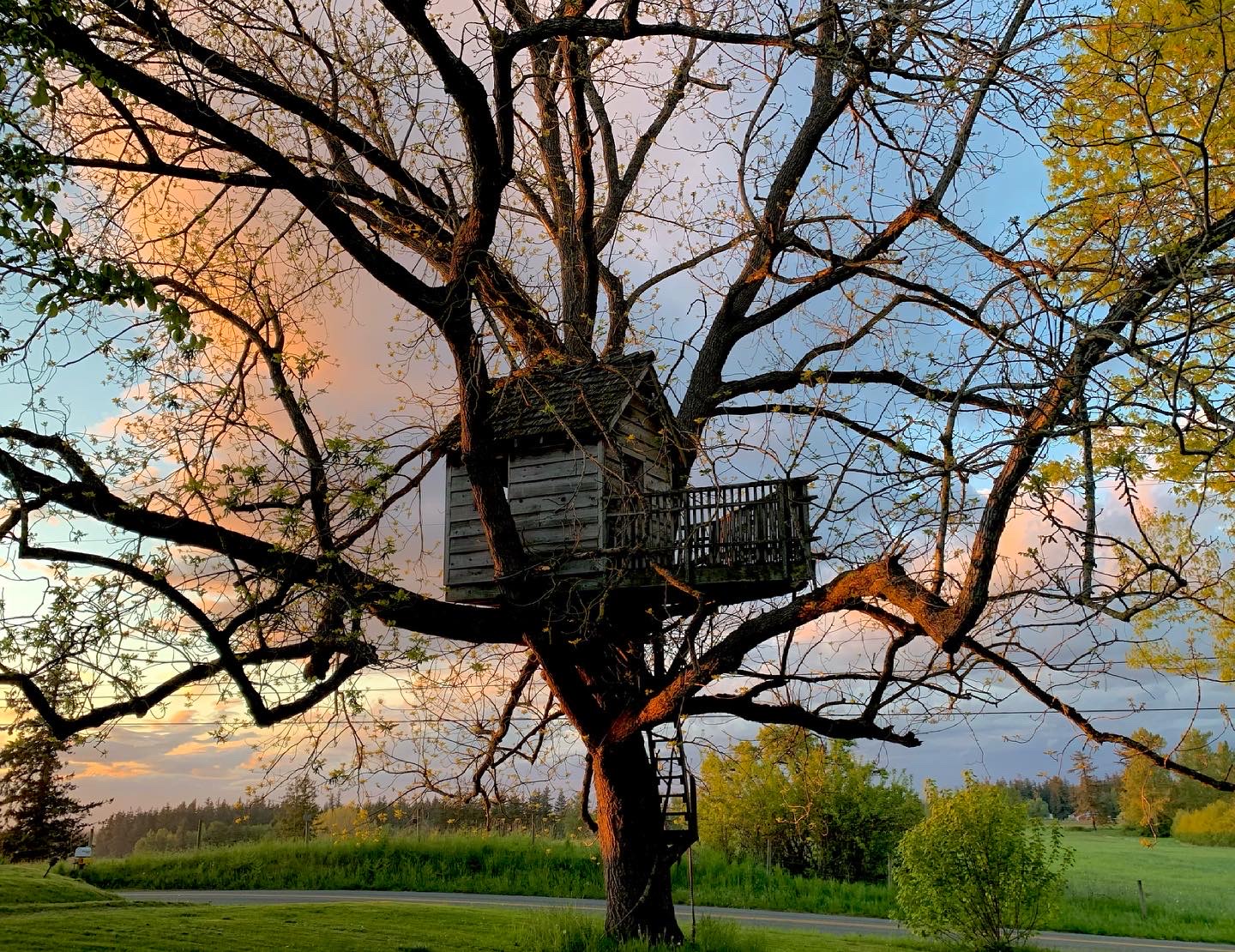
Nothing To Hold On To

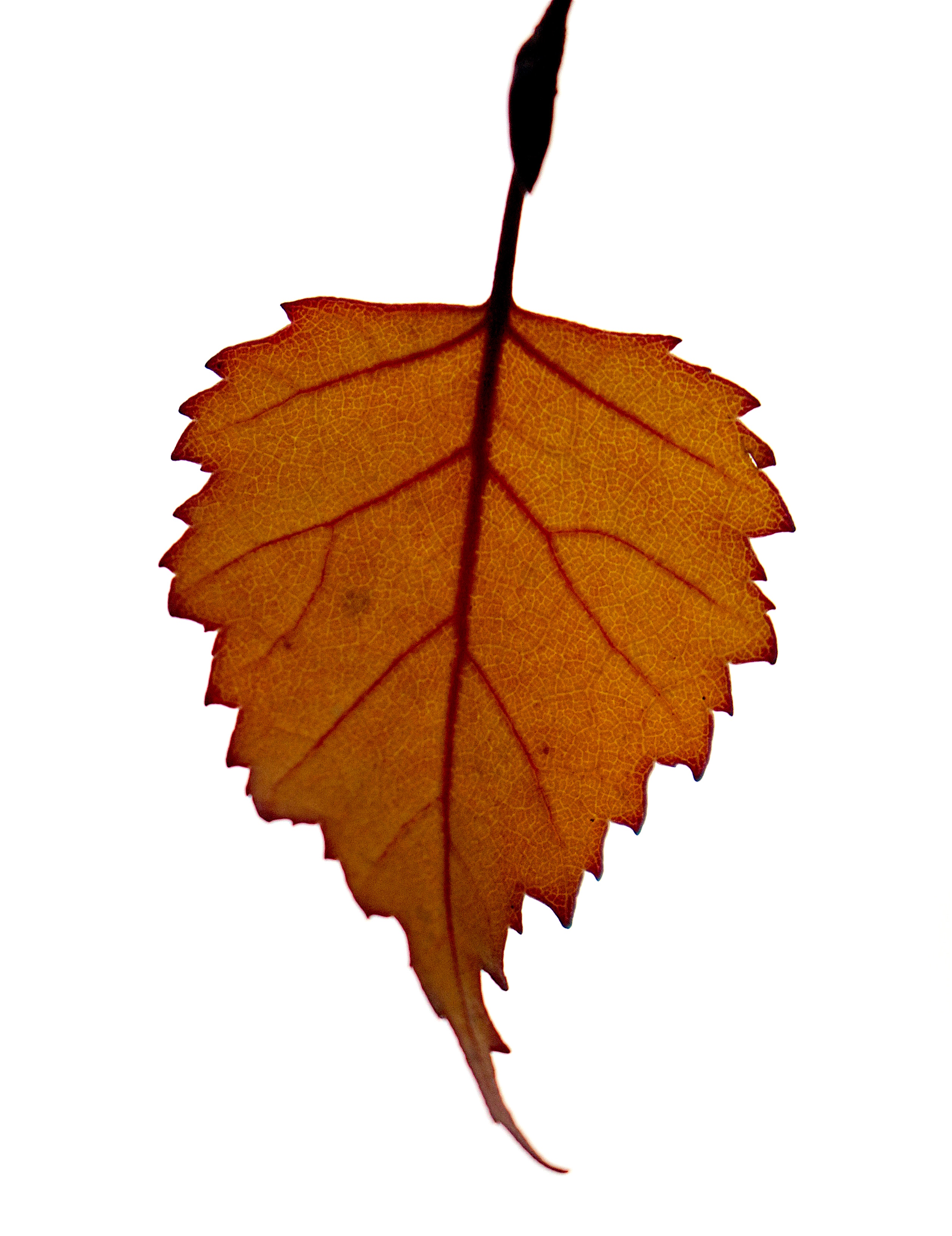
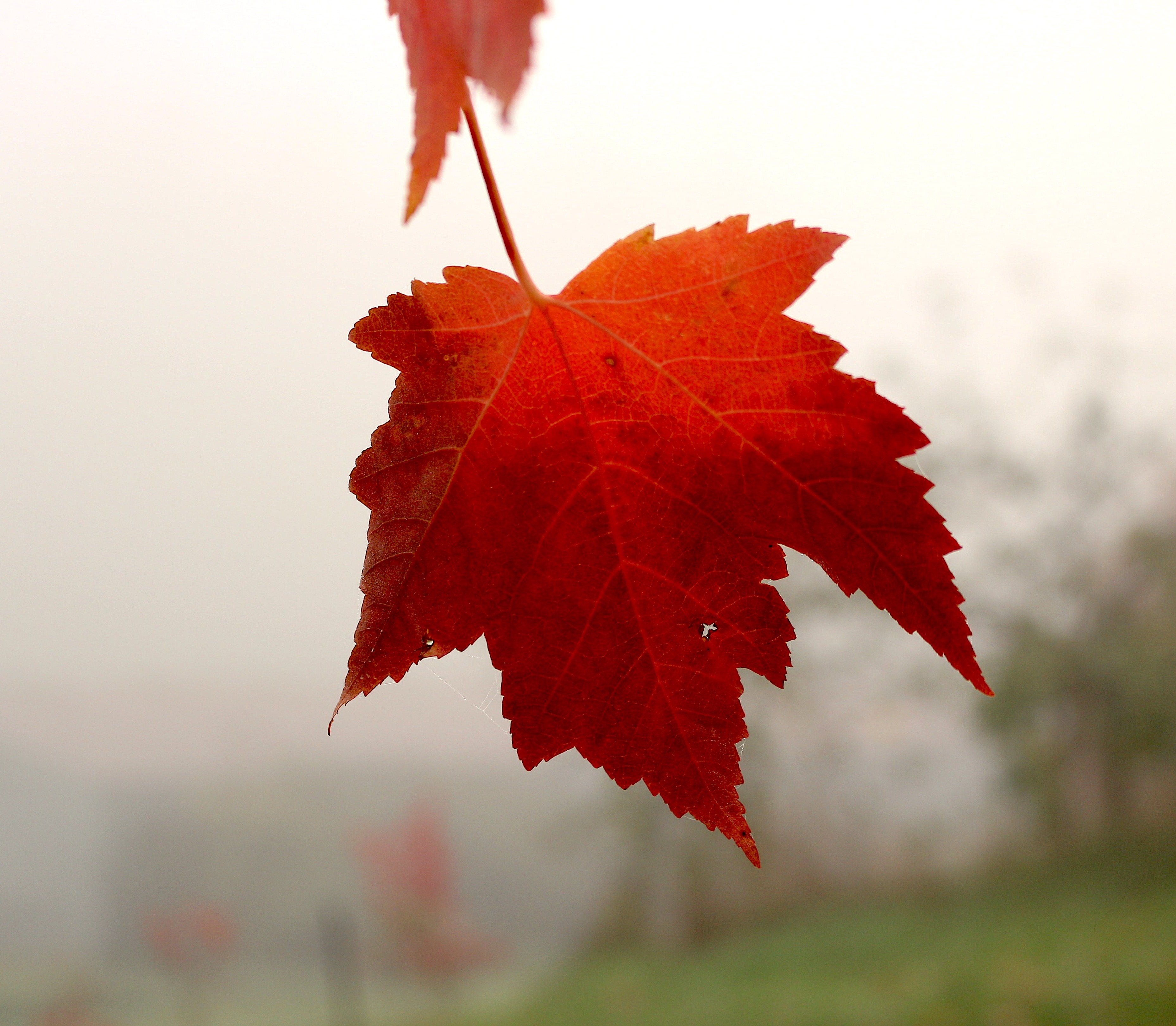
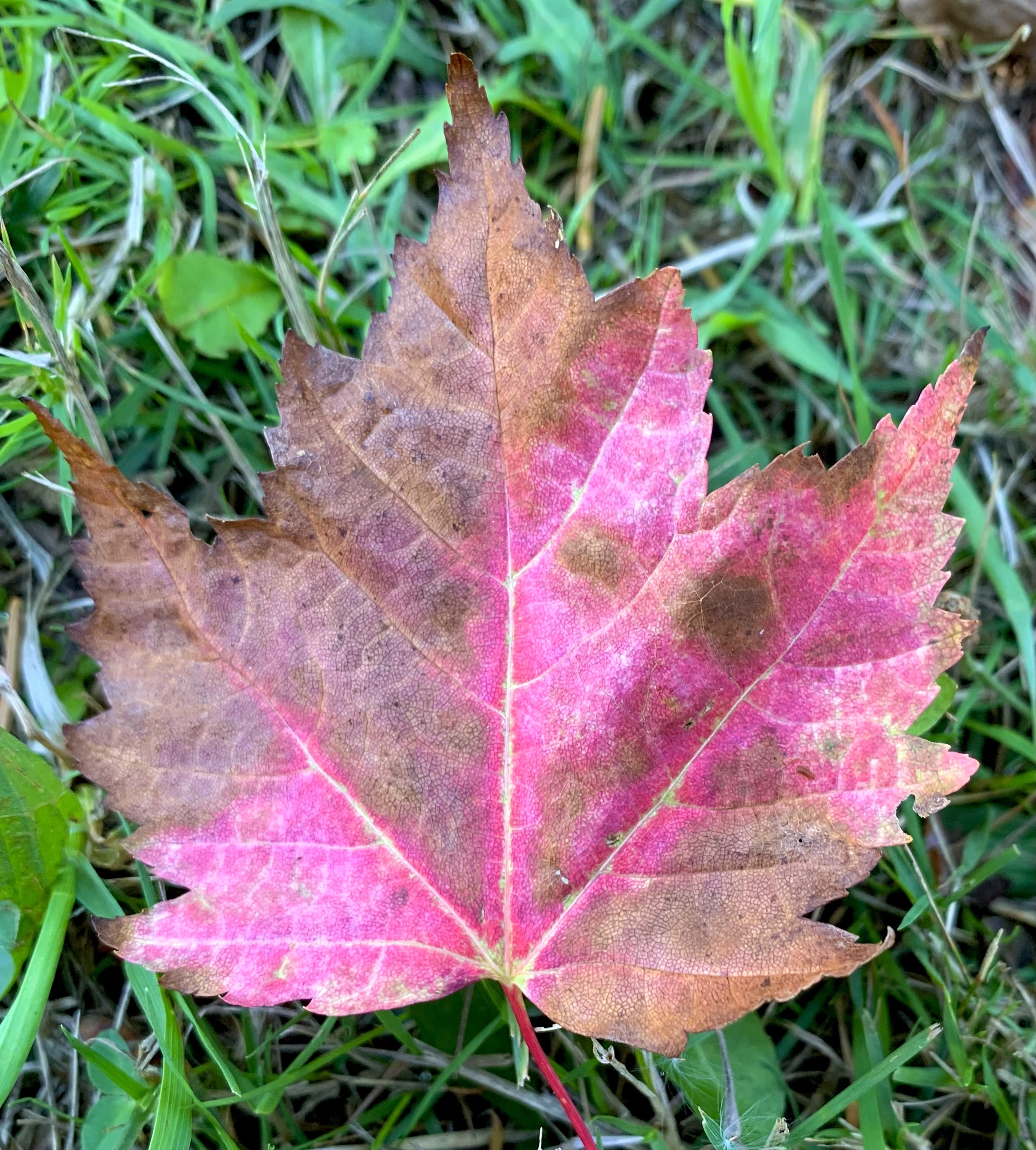
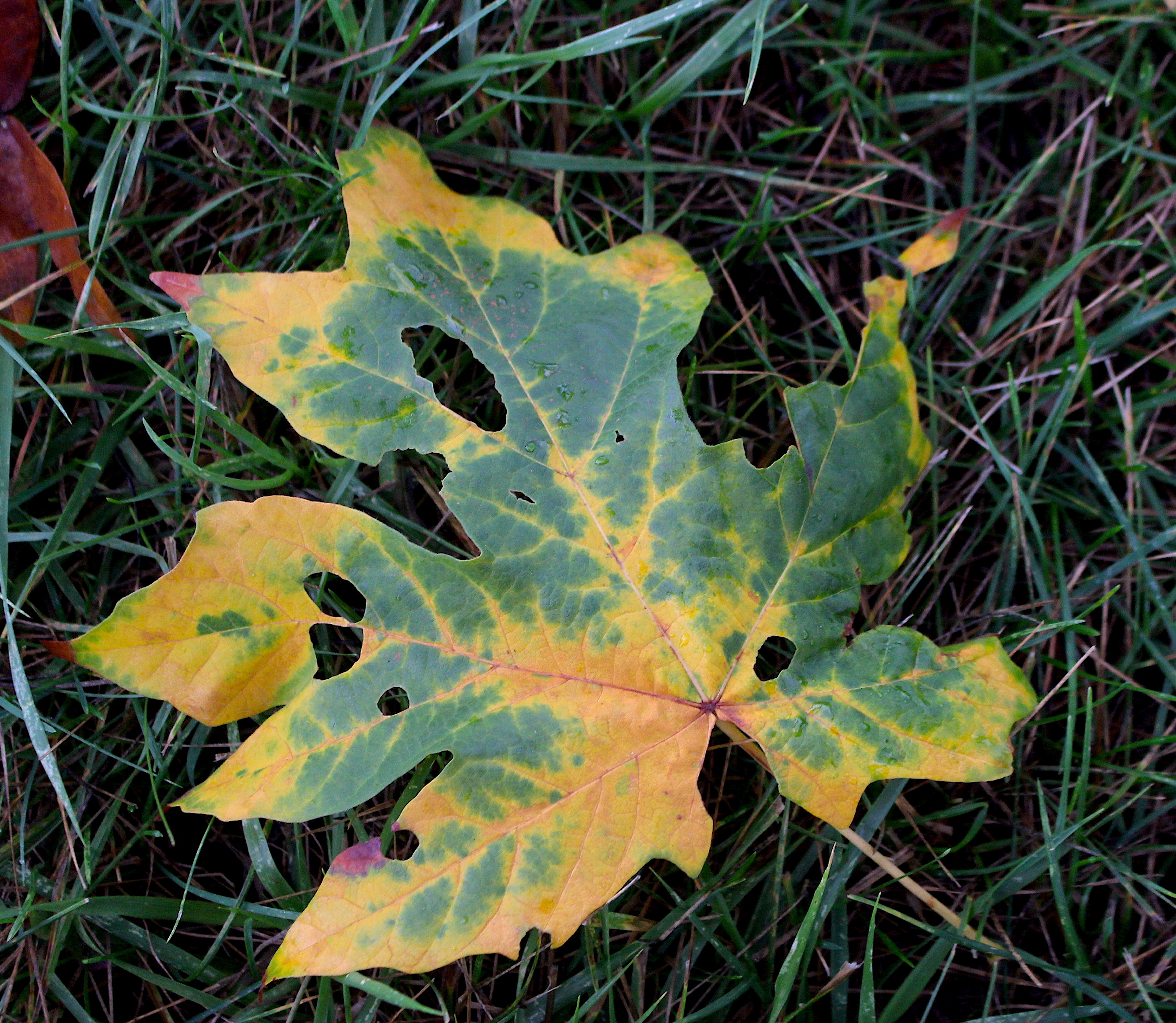
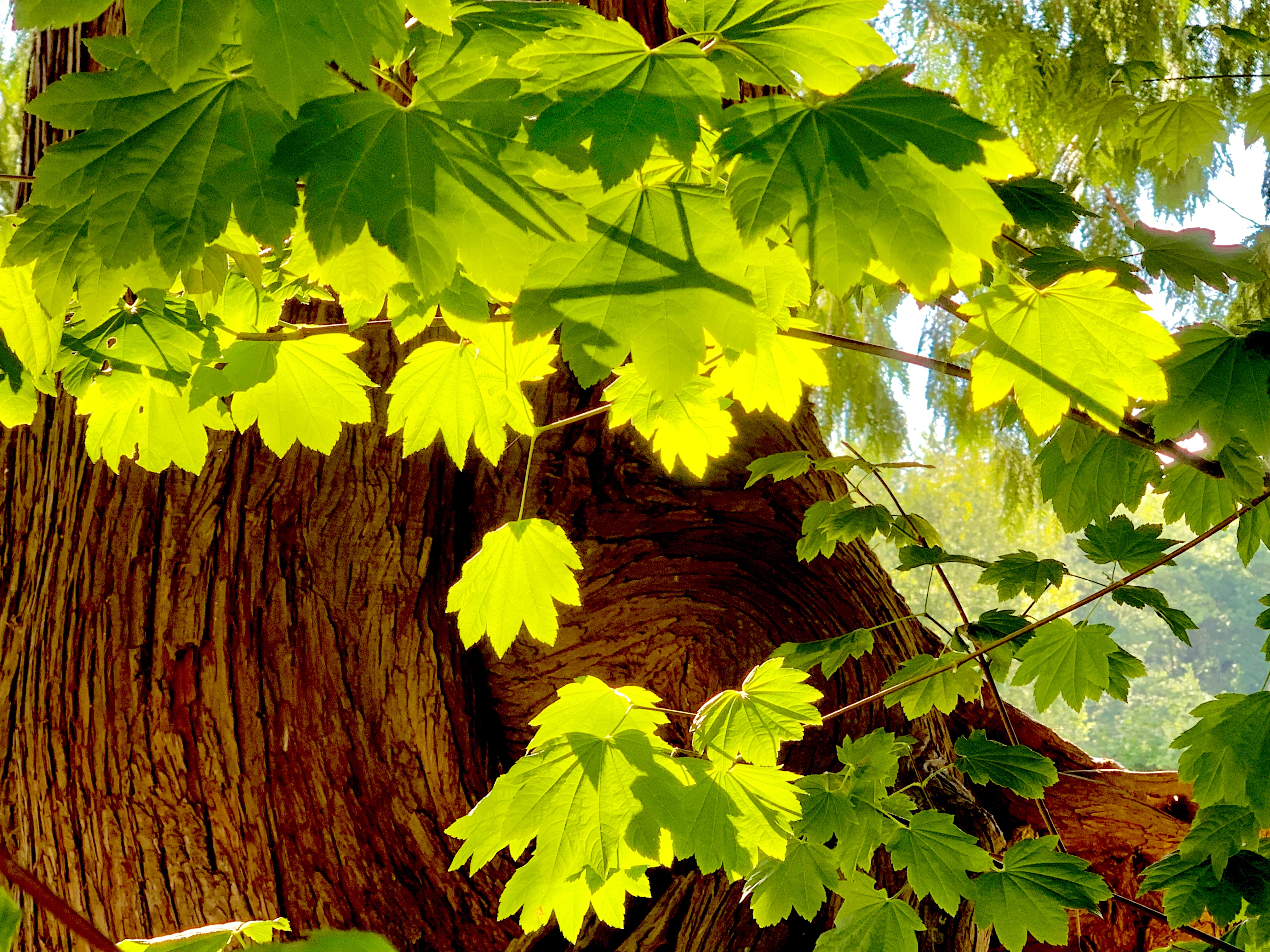
They were smooth ovals,   
and some the shade of potatoes—   
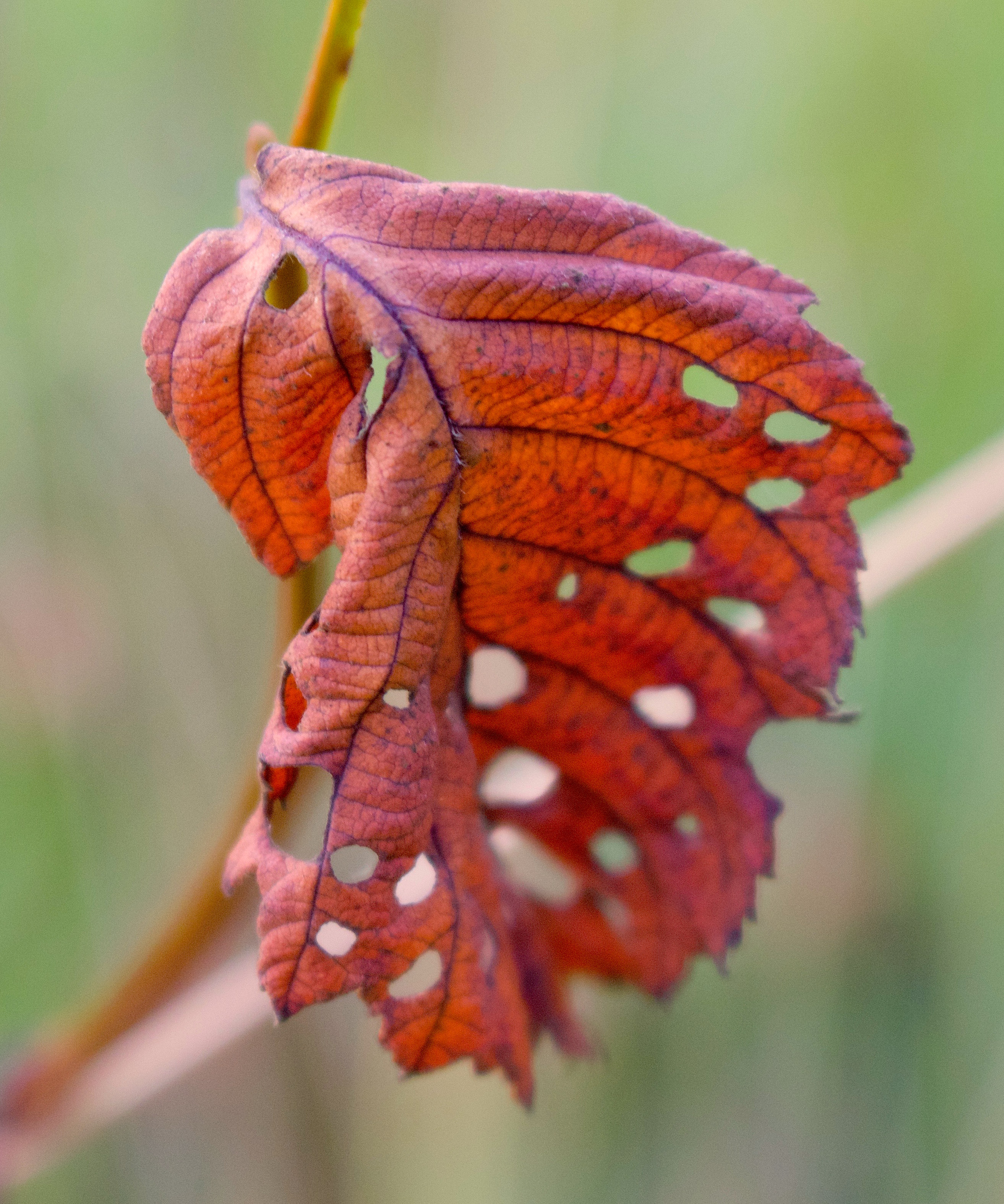
some had been moth-eaten   
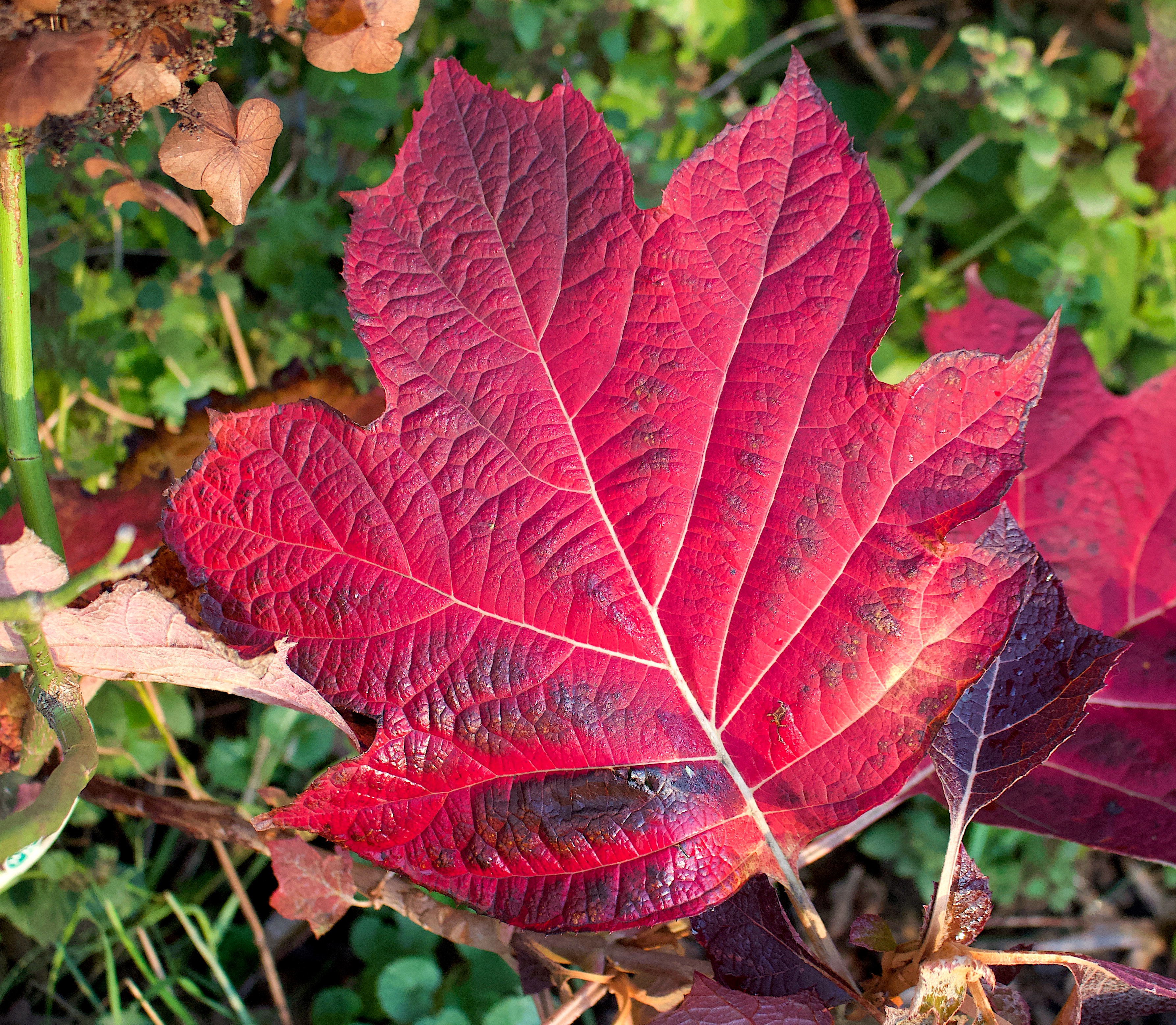
or spotted, the maples   
were starched, and crackled   
like campfire.   

We put them under tracing paper   
and rubbed our crayons   
over them, X-raying   
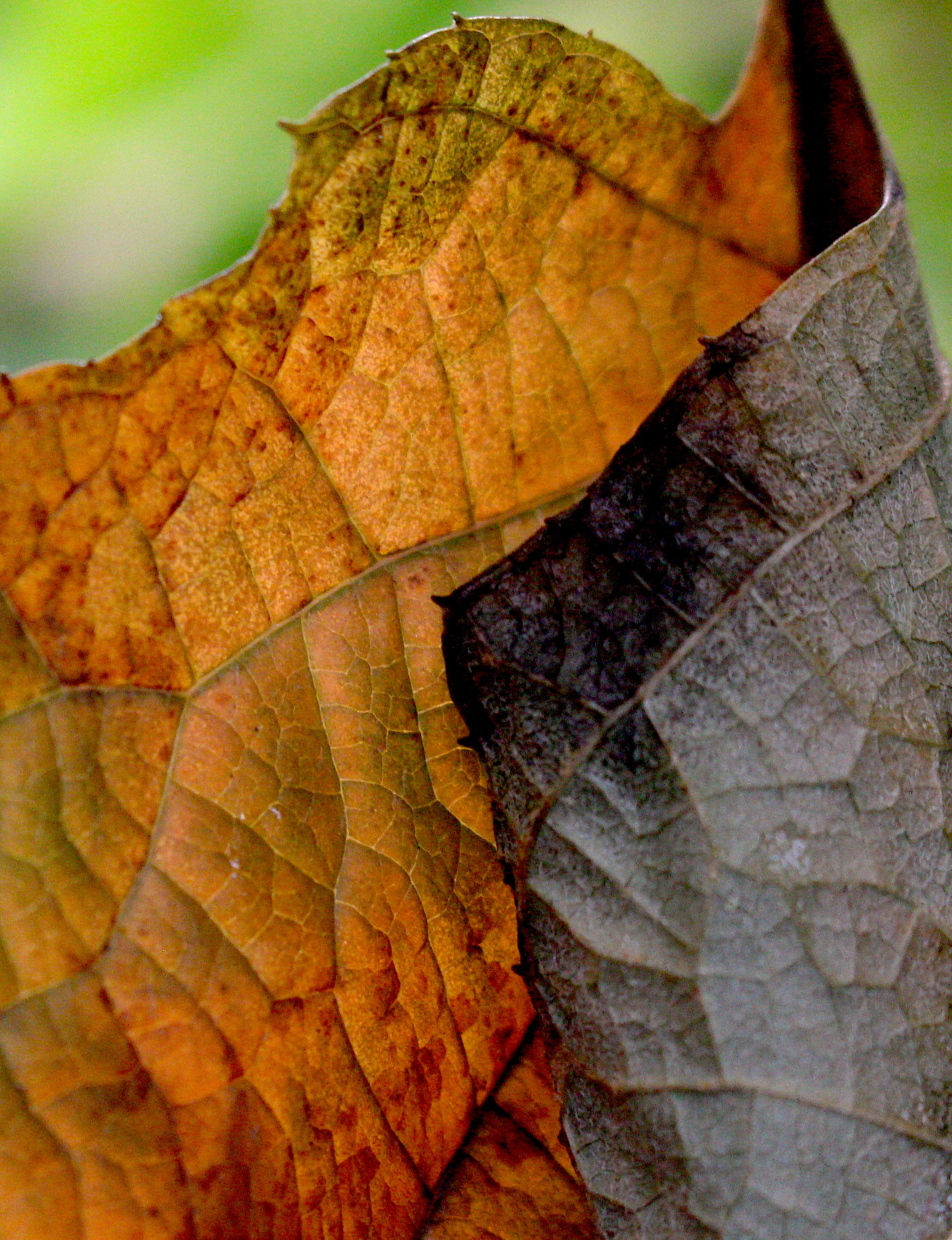
the spread of their bones   
and black, veined catacombs.   

We colored them green and brown   
and orange, and   
cut them out along the edges,   
labeling them deciduous   
or evergreen.   

All day, in the stuffy air of the classroom,   
with its cockeyed globe,   
and nautical maps of ocean floors,   
I watched those leaves   

lost in their own worlds   
flap on the pins of the bulletin boards:   
without branches or roots,   
or even a sky to hold on to.

~Judith Harris “Gathering Leaves in Grade School”

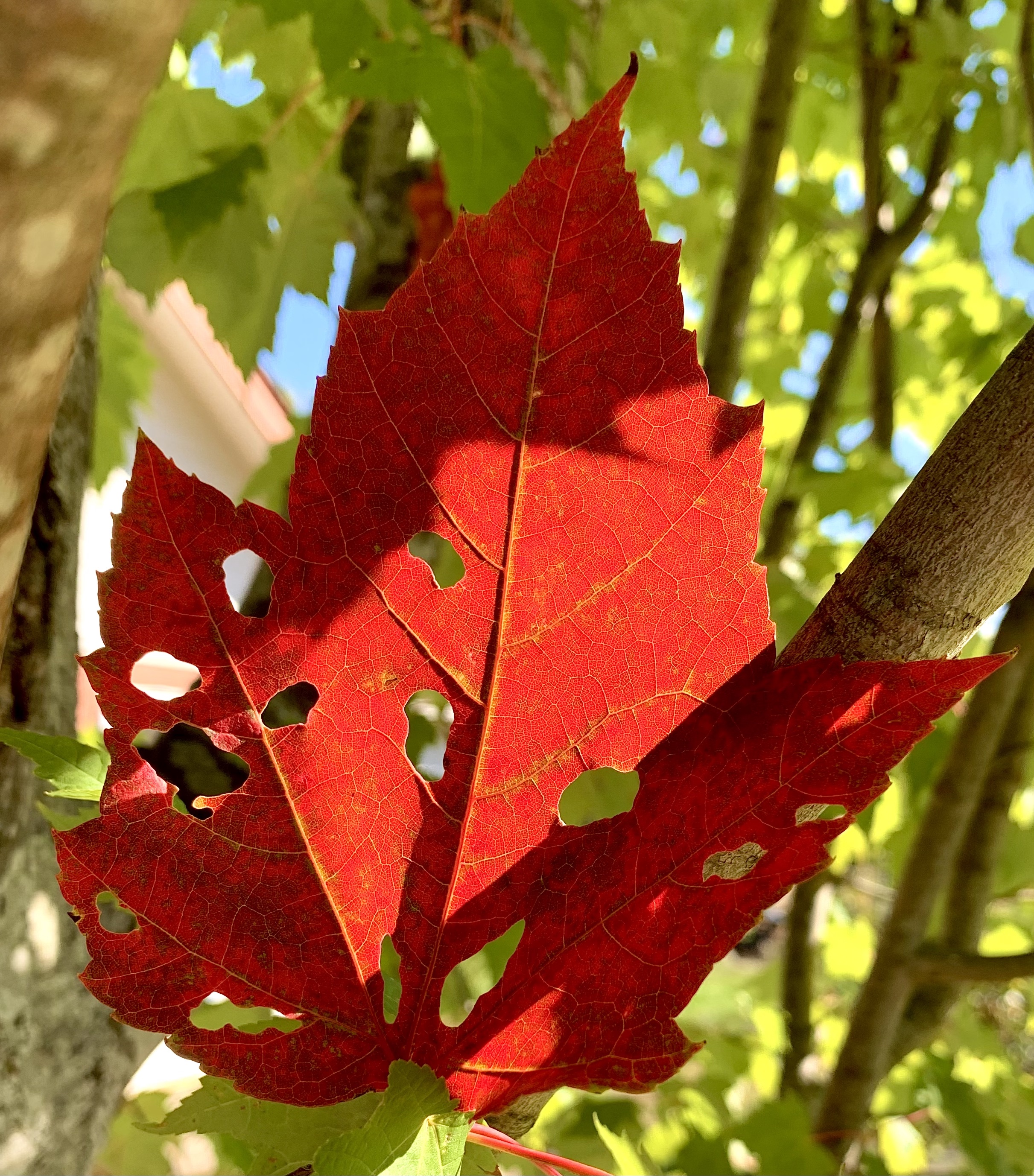
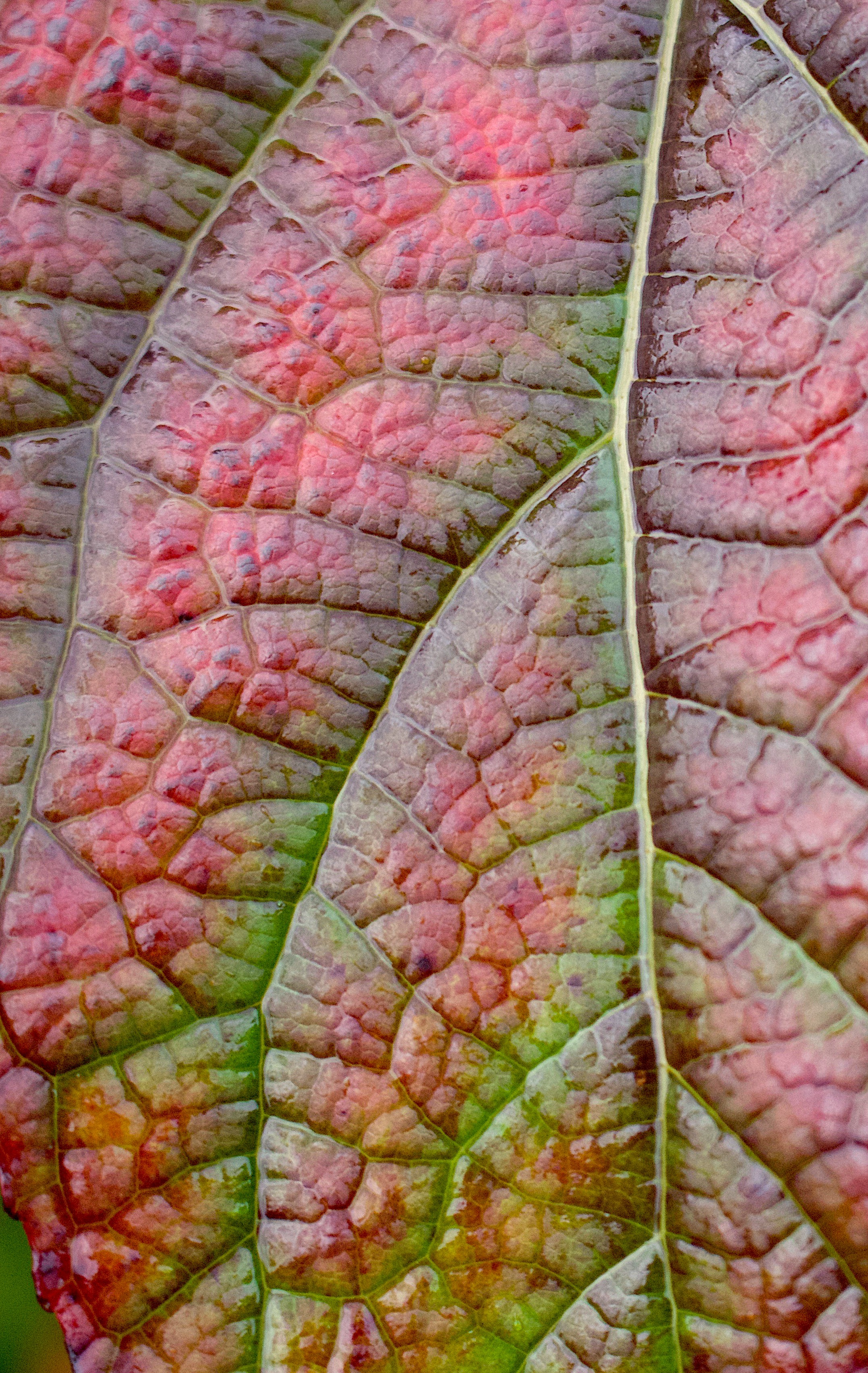
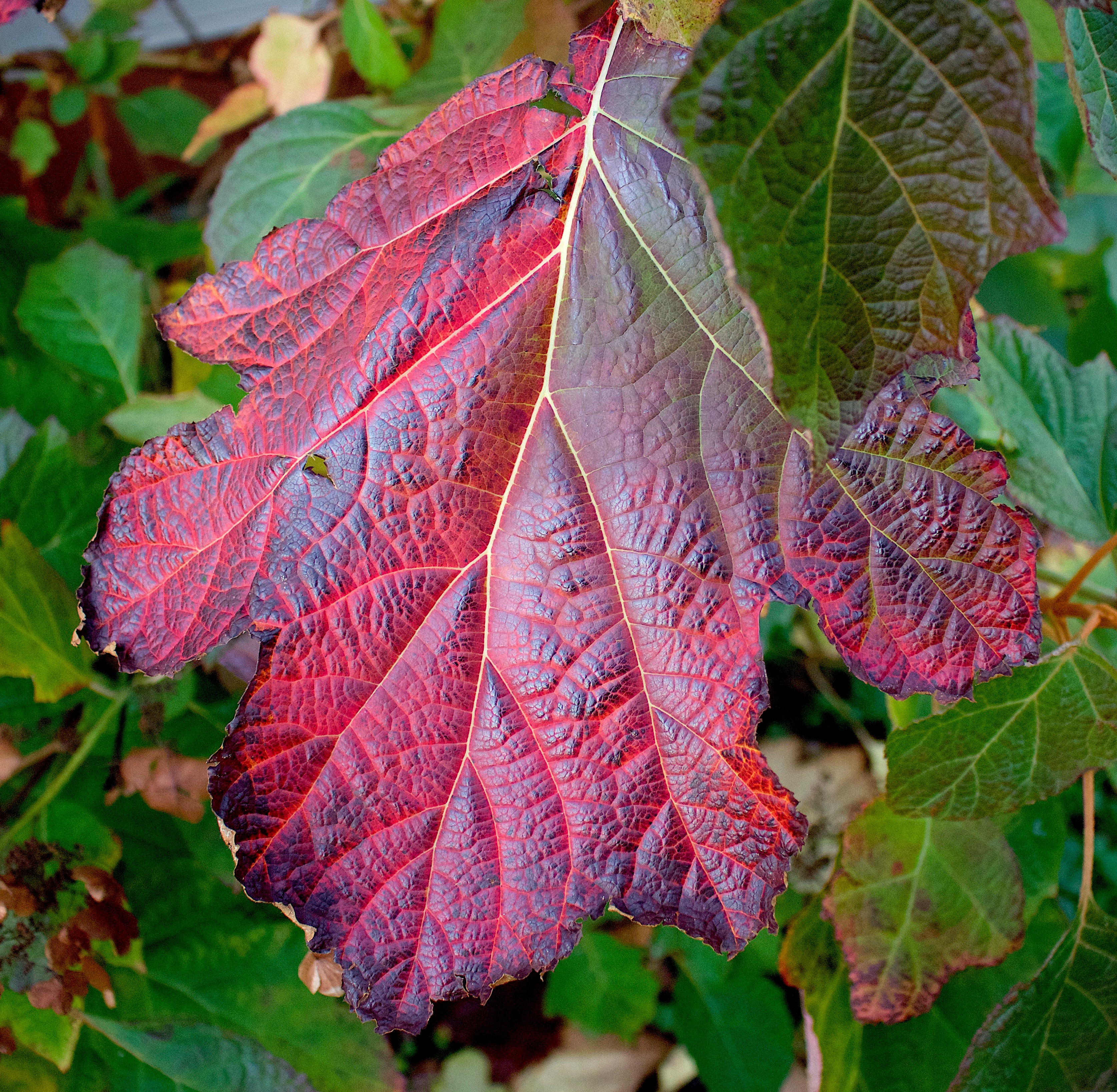
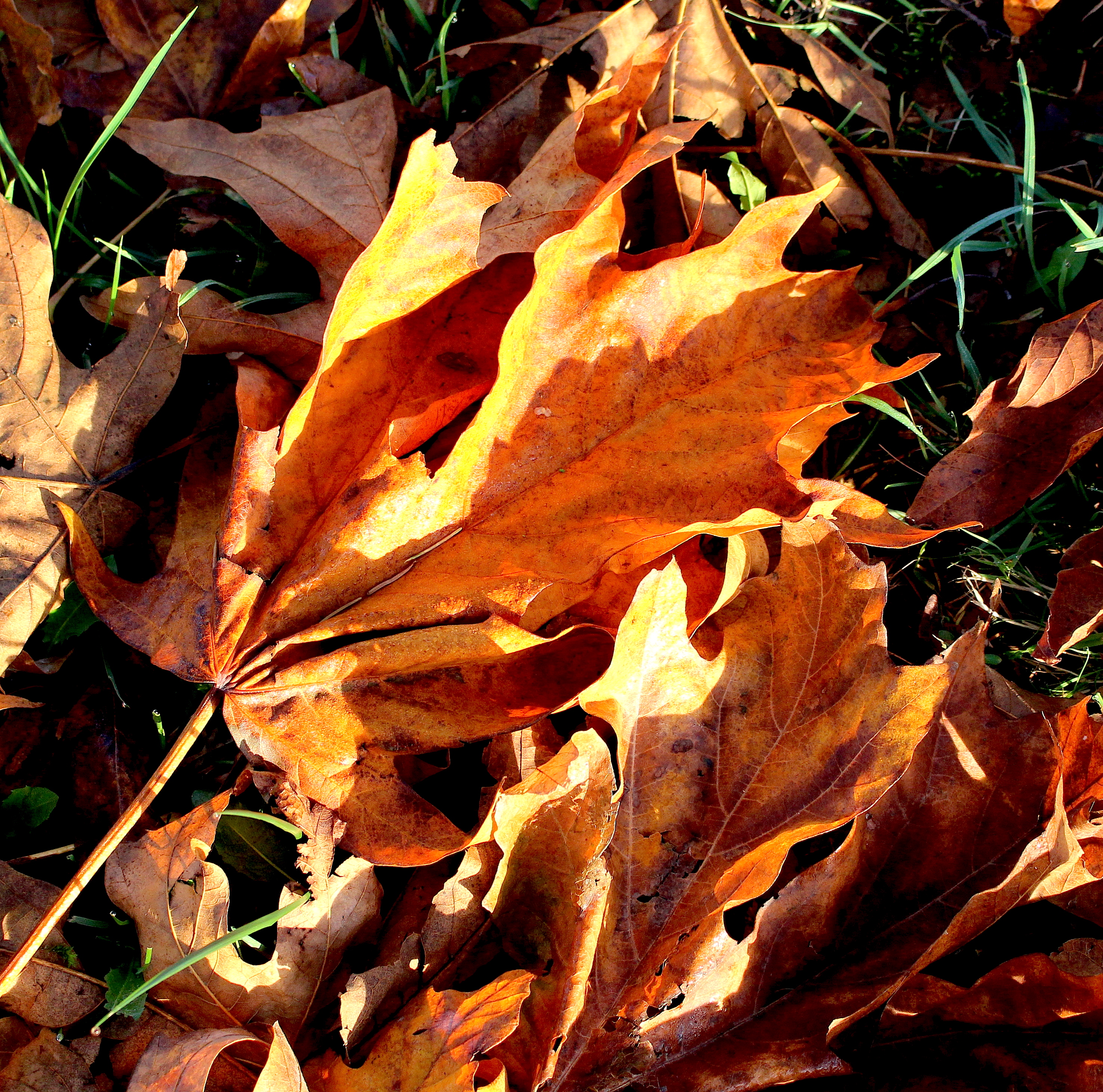
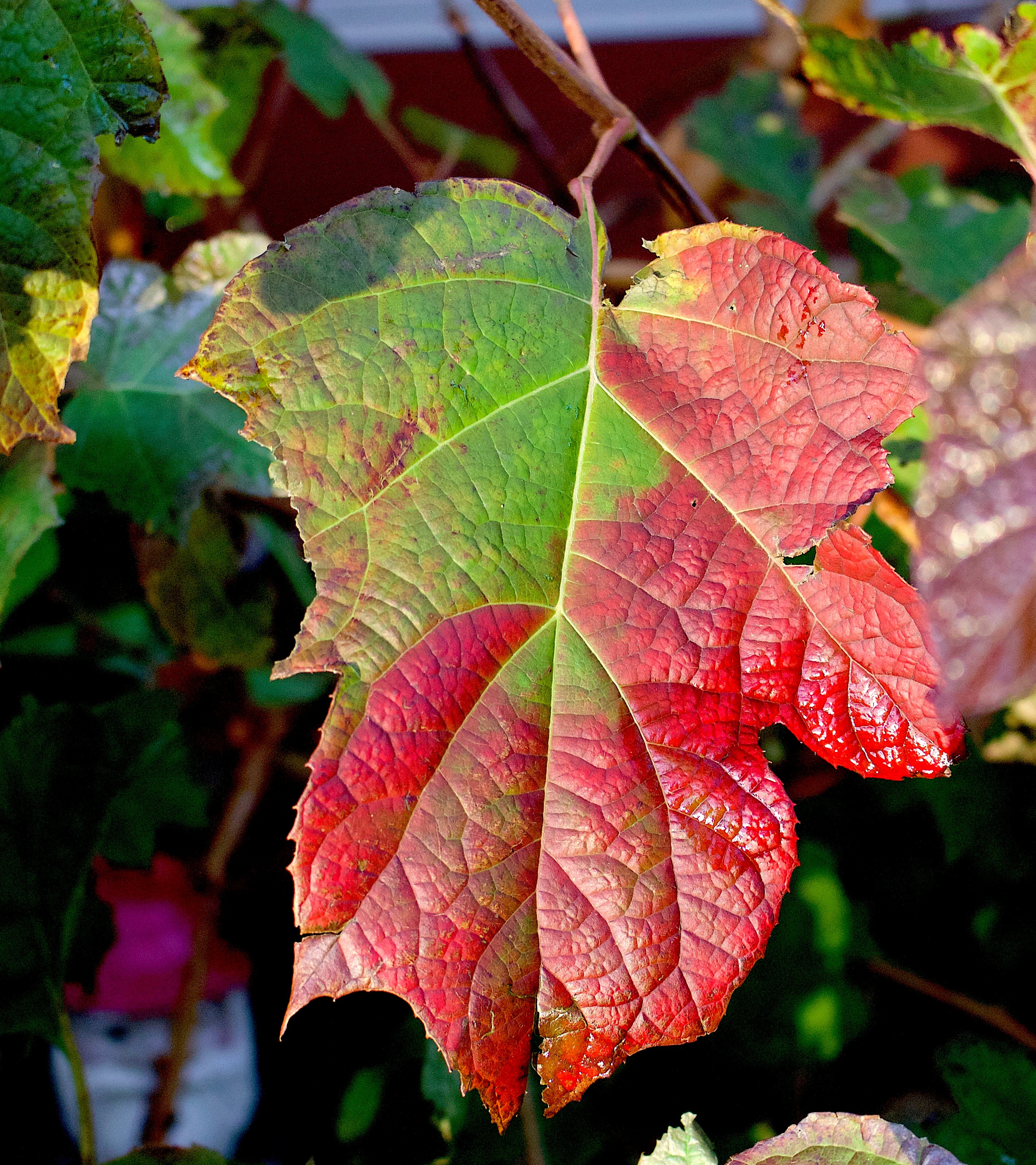
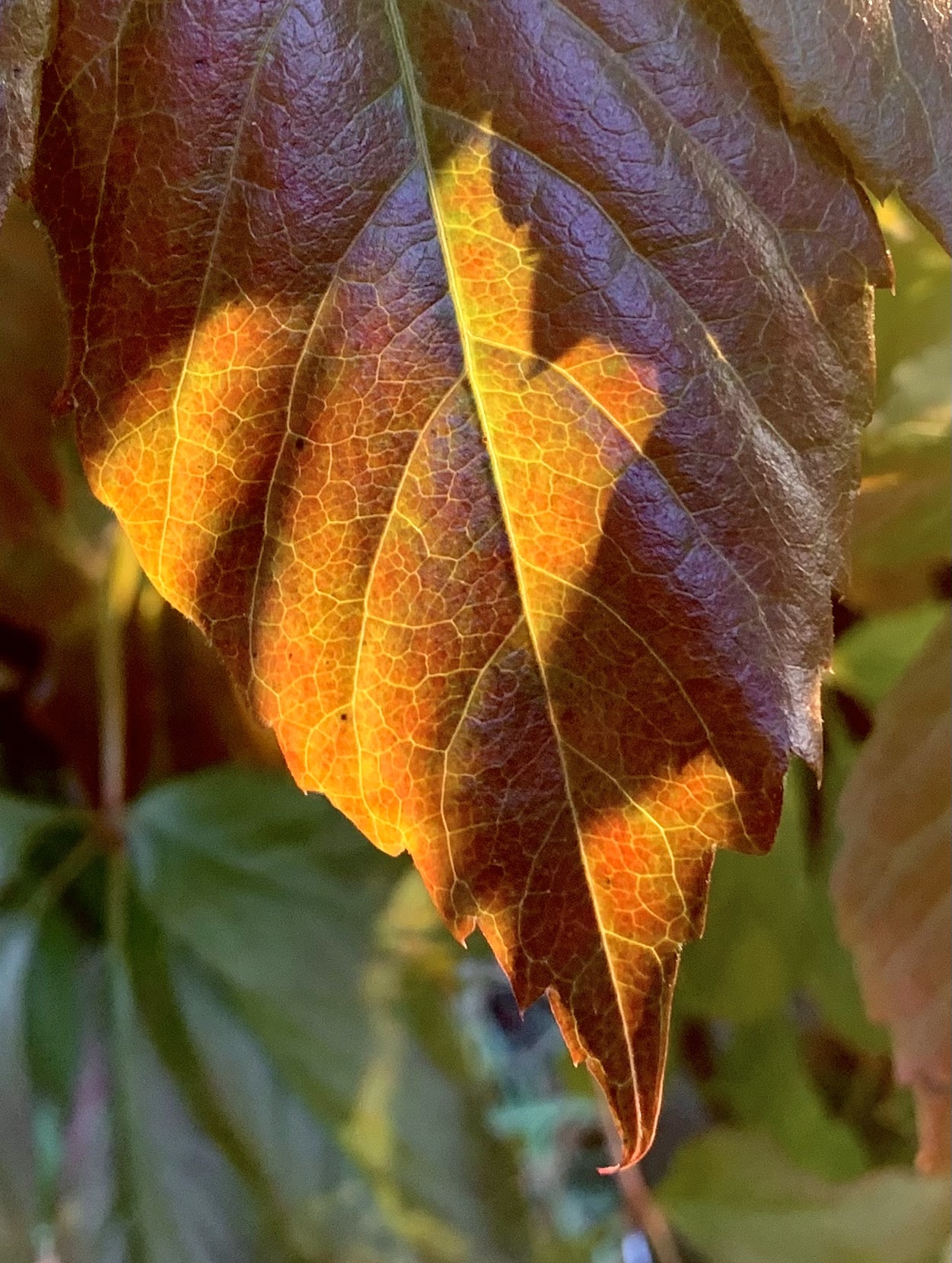
They are more like us than we care to admit:
veined and ribbed,
some wide, some thin,
lots with sharp edges, others rounded,
a variety of colors and shapes,
twisting this way and that with the breeze,
over-eager to let go,
explore wide open spaces
yet finding themselves blown and broken
thrown far from home and roots
with nothing left to hold on to,
destined to dust,
longing to return to branch and connection.

Even so-
even so, when we are let go,
we are thinking:
oh, what a life!

A book of beauty in words and photography available to order here:

The Soul’s Sap Quivers

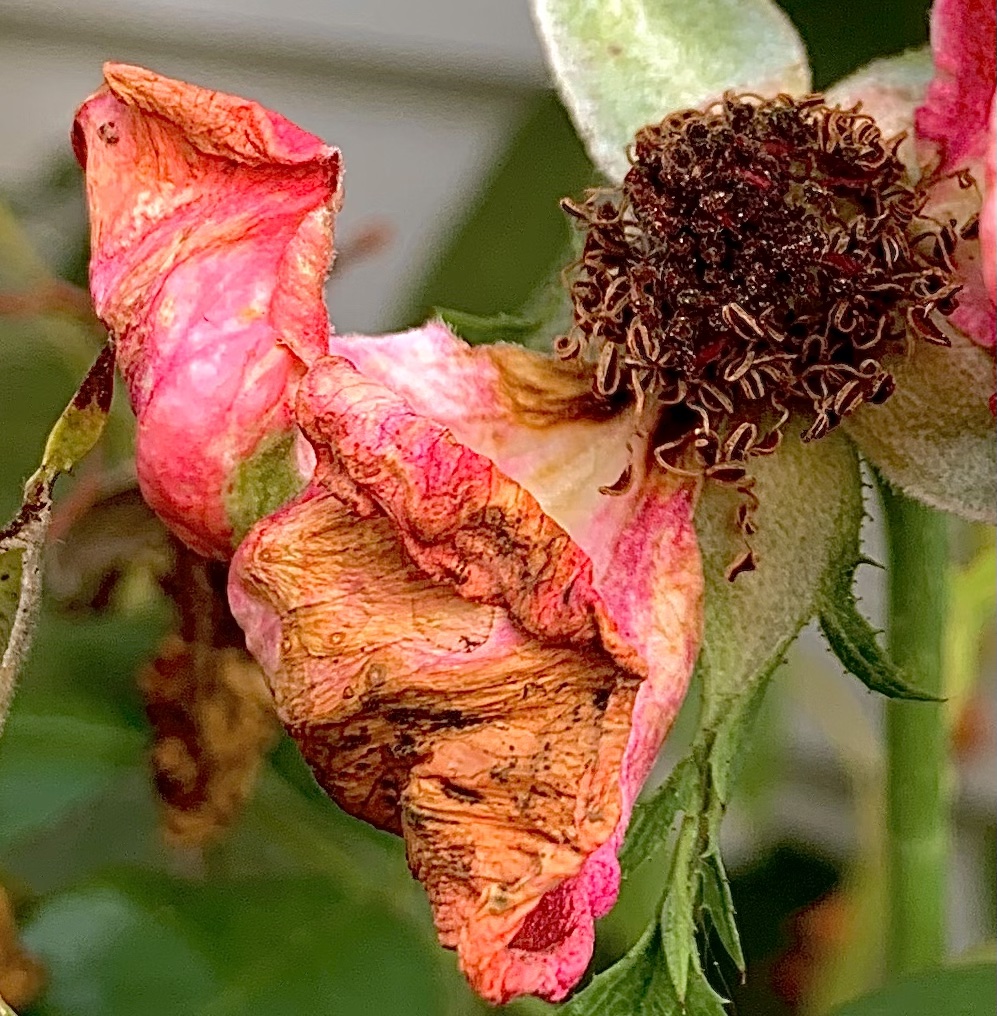
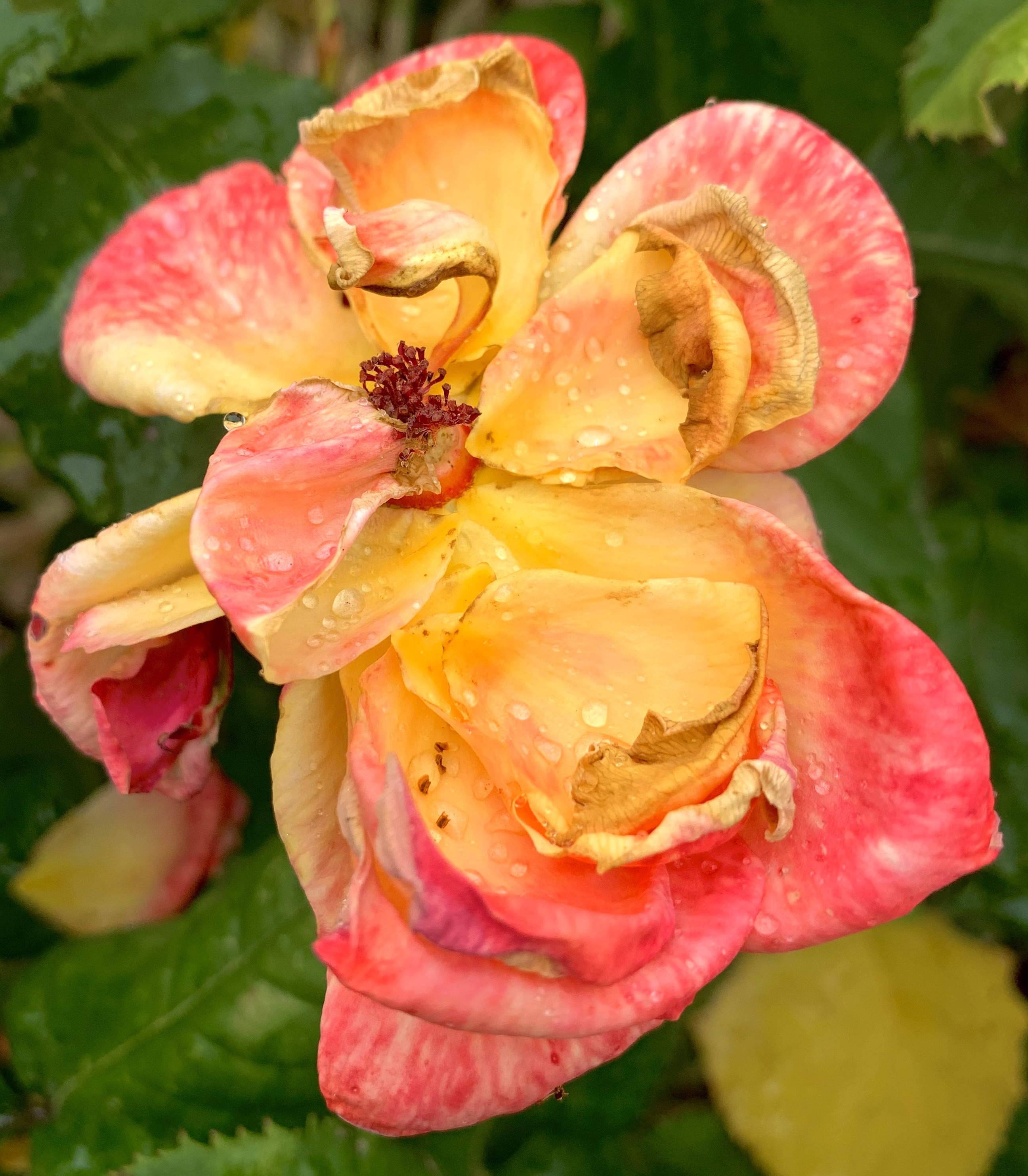
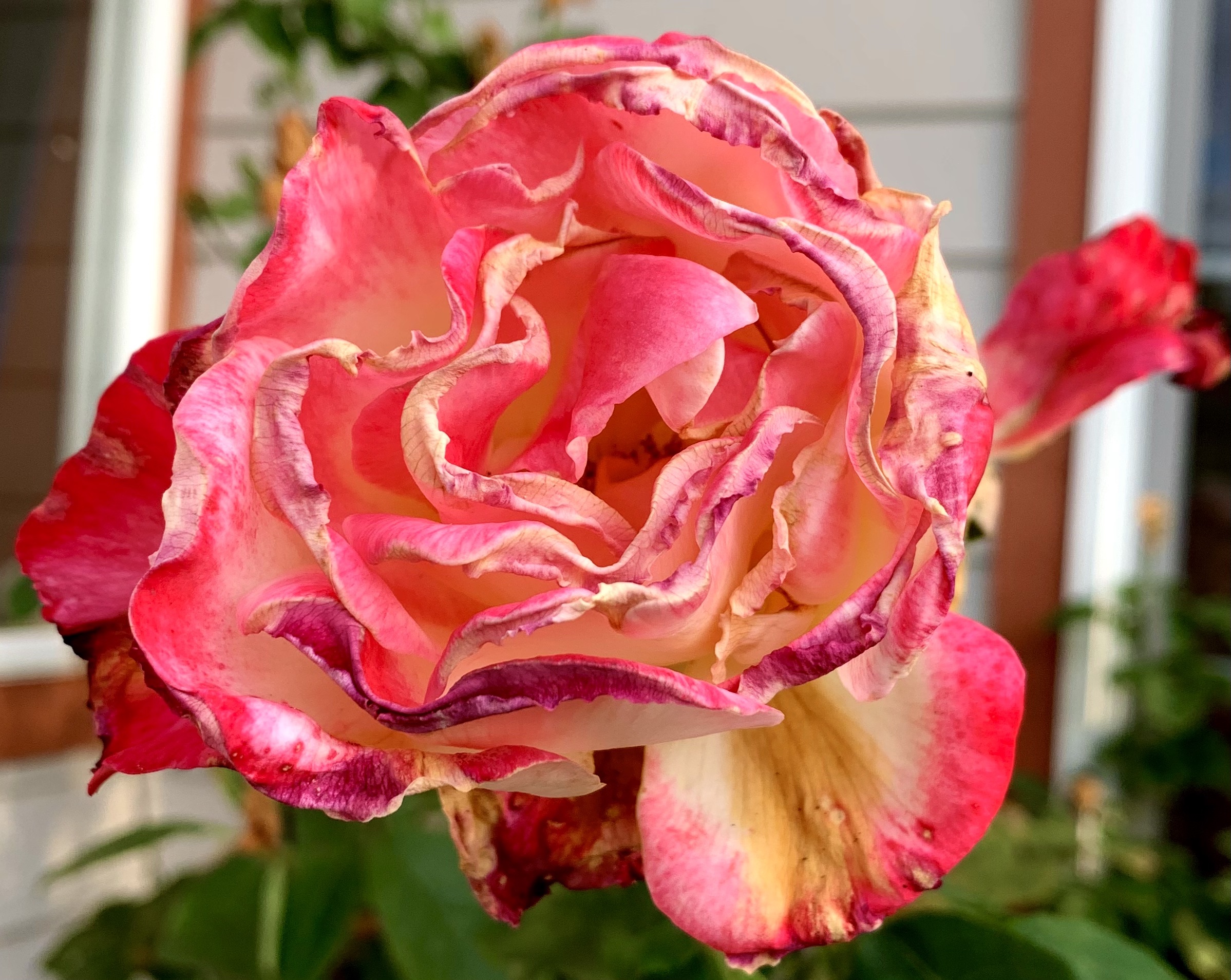
To think that this meaningless thing was ever a rose,
Scentless, colourless, this!
Will it ever be thus (who knows?)
Thus with our bliss,
If we wait till the close?


Though we care not to wait for the end, there comes the end
Sooner, later, at last,
Which nothing can mar, nothing mend:

An end locked fast,
Bent we cannot re-bend.

~Christina Rossetti “Summer is Ended”

The soul’s sap quivers. There is no earth smell
Or smell of living thing. This is the spring time
But not in time’s covenant. Now the hedgerow
Is blanched for an hour with transitory blossom
Of snow, a bloom more sudden
Than that of summer, neither budding nor fading,
Not in the scheme of generation.
Where is the summer, the unimaginable Zero summer?

We shall not cease from exploration
And the end of all our exploring
Will be to arrive where we started
And know the place for the first time.
Through the unknown, unremembered gate
When the last of earth left to discover
Is that which was the beginning;


And all shall be well and
All manner of thing shall be well
When the tongues of flames are in-folded
Into the crowned knot of fire
And the fire and the rose are one.

~T.S. Eliot – lines taken from “Little Gidding”

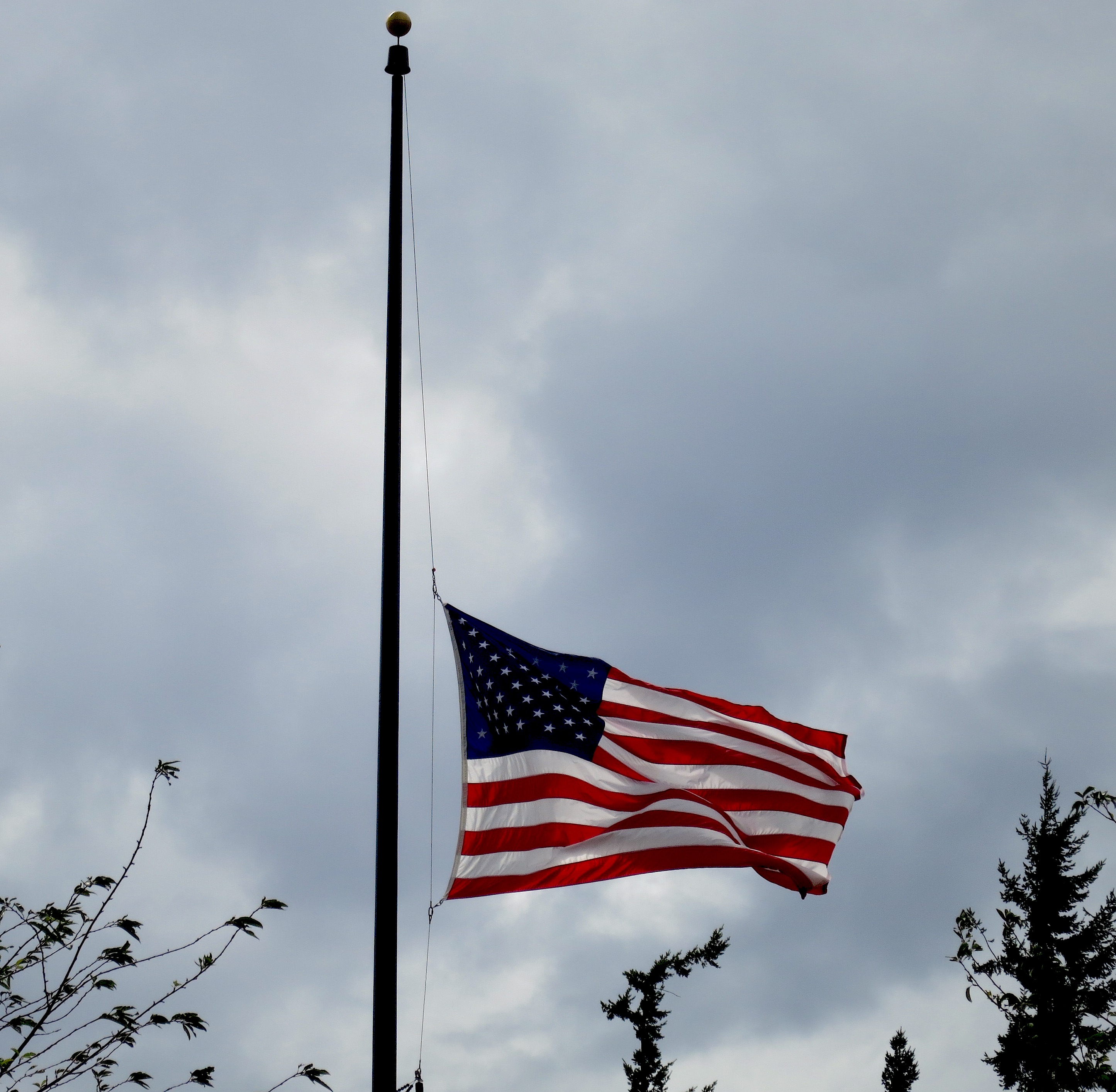
As a grade school child in November 1963, I learned the import of the U.S. flag being lowered to half mast in response to the shocking and violent death of our President. The lowering of the flag was so rare when I was growing up, it had dramatic effect on all who passed by — our soul’s sap quivers — something very sad had happened to our country, something or someone had tragically ended, warranting our silence and our stillness.

For twenty years since 9/11/01, our flag has spent significant time at half mast, so much so that I’m befuddled instead of contemplative, puzzling over what the latest loss might be as there are so many, sometimes all happening in the same time frame.  We no longer are silenced by this gesture of honor and respect and we certainly are not stilled, personally and corporately instigating and suffering the same mistakes against humanity over and over again.

We are so bent. Will we ever be mended again?

Eliot wrote the prescient words of the Four Quartets in the midst of the WWII German bombing raids that destroyed people and neighborhoods. Perhaps he sensed the destruction he witnessed would not be the last time in history that evil visits the innocent, leaving them in ashes. There would be so many more losses to come, not least being the horror of 9/11/01.

There remains so much more sadness to be borne, such abundance of grief that our world has become overwhelmed and stricken. Yet Eliot was right: we have yet to live in a Zero summer of endless hope and fruitfulness, of spiritual awakening and understanding.  Where is it indeed? When will rise again the summer Rose of beauty and fragrance?

We must return, as people of faith to Eliot’s still point to which we are called on a day such as today.  We must be stilled; we must be silenced. We must grieve the losses of this turning world and pray for release from the suffering we cause and we endure.  Only in the asking, only in the kneeling down and pleading, are we surrounded by God’s unbounded grace and His Rose may bloom recognizable again.  

“There Are No Words” written on 9/11/2001
by Kitty Donohoe

there are no words there is no song
is there a balm that can heal these wounds that will last a lifetime long
and when the stars have burned to dust
hand in hand we still will stand because we must

in one single hour in one single day
we were changed forever something taken away
and there is no fire that can melt this heavy stone
that can bring back the voices and the spirits of our own

all the brothers, sisters and lovers all the friends that are gone
all the chairs that will be empty in the lives that will go on
can we ever forgive though we never will forget
can we believe in the milk of human goodness yet

we were forged in freedom we were born in liberty
we came here to stop the twisted arrows cast by tyranny
and we won’t bow down we are strong of heart
we are a chain together that won’t be pulled apart

Please consider owning this book from Barnstorming – more information about the book and how to order here:

Straining to Win the Sky

The tree is more than first a seed,
then a stem,
then a living trunk,
and then dead timber.
The tree is a slow,
enduring force
straining to win the sky.
~Antoine de Saint-Exupéry, The Wisdom of the Sands

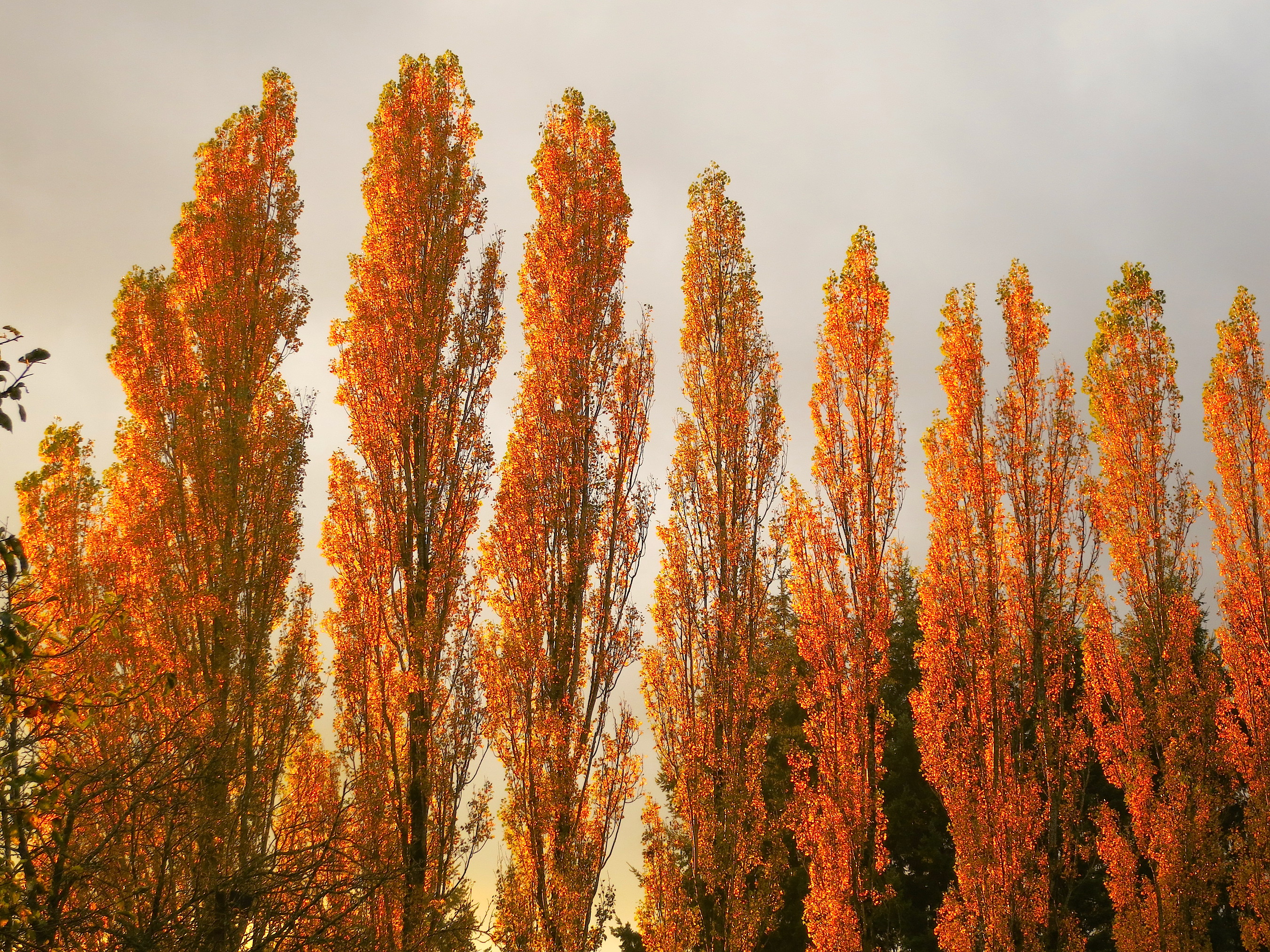
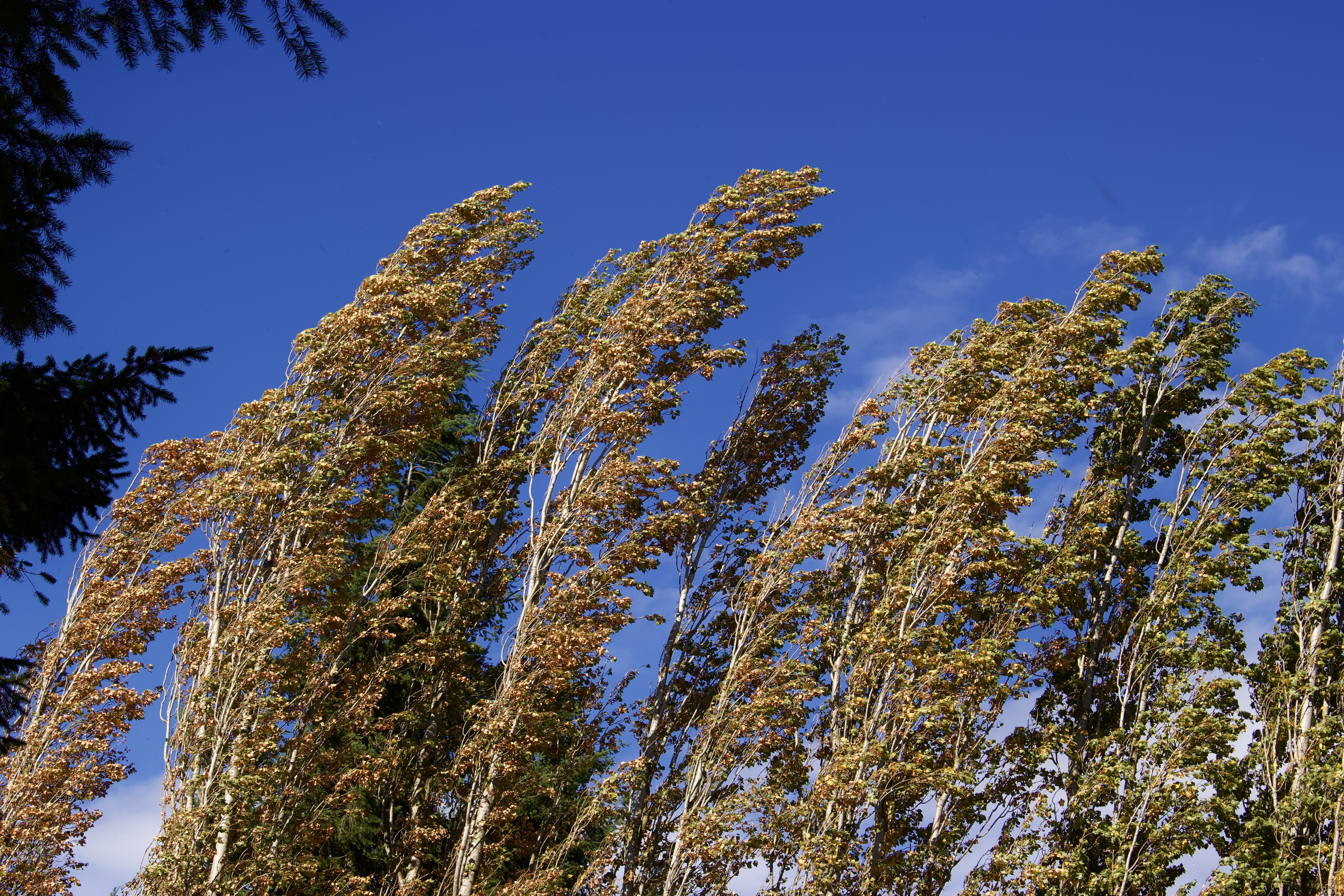
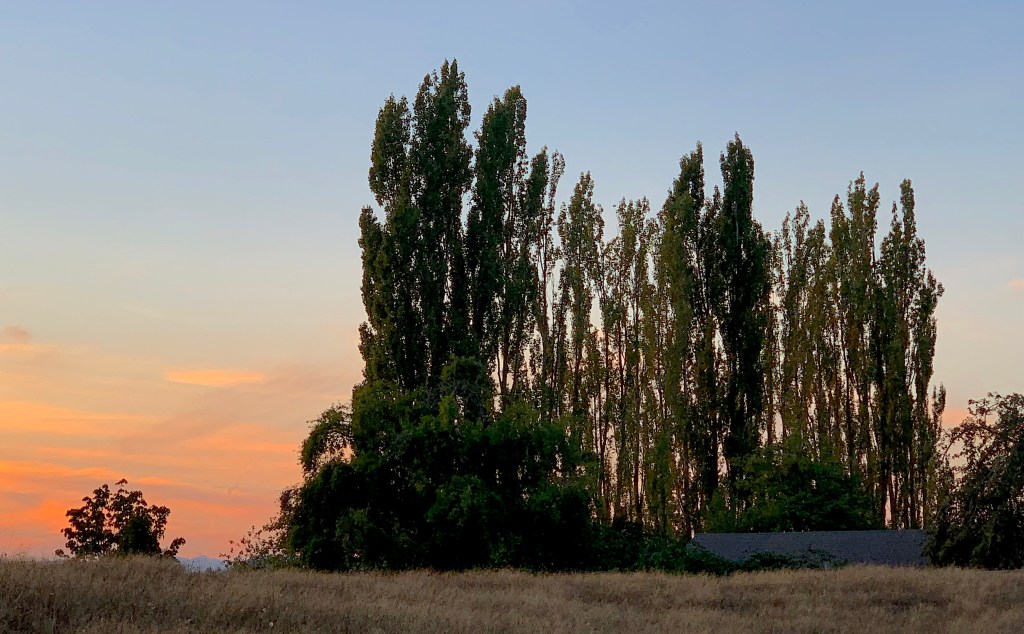
It is always a difficult decision to take down decades-old trees that have become a risk of falling in a windstorm or losing branches that can cause damage. The time had come for the row of Lombardy poplars lining our western property line, originally planted in the 70s to create a buffer for a newly constructed farm building at our neighbors’ place. In their old age, the poplars were breaking and failing.

Yesterday they were felled by a tree expert who knew exactly how to bring them down in a tight area, leaving an open expanse we are adjusting to seeing. We are considering what might eventually take their place.

We have a few other dying trees on the farm we must part with soon, victims of recent drought years. It feels like parting with old friends. Each one reached to win the sky, but like us, must end up as dust.

And so we too are so much more than mere life cycle:
like trees, we are infinite variety and fascinating diversity,
clothed in finery yet at times naked and vulnerable;
we lift burdens in our arms and harbor the frail,
dig our roots deep and hold fast,
shade those overcome by the sun, and sing in the breeze.

Most of all, we aim high to touch and win a sky which remains beyond our grasp.

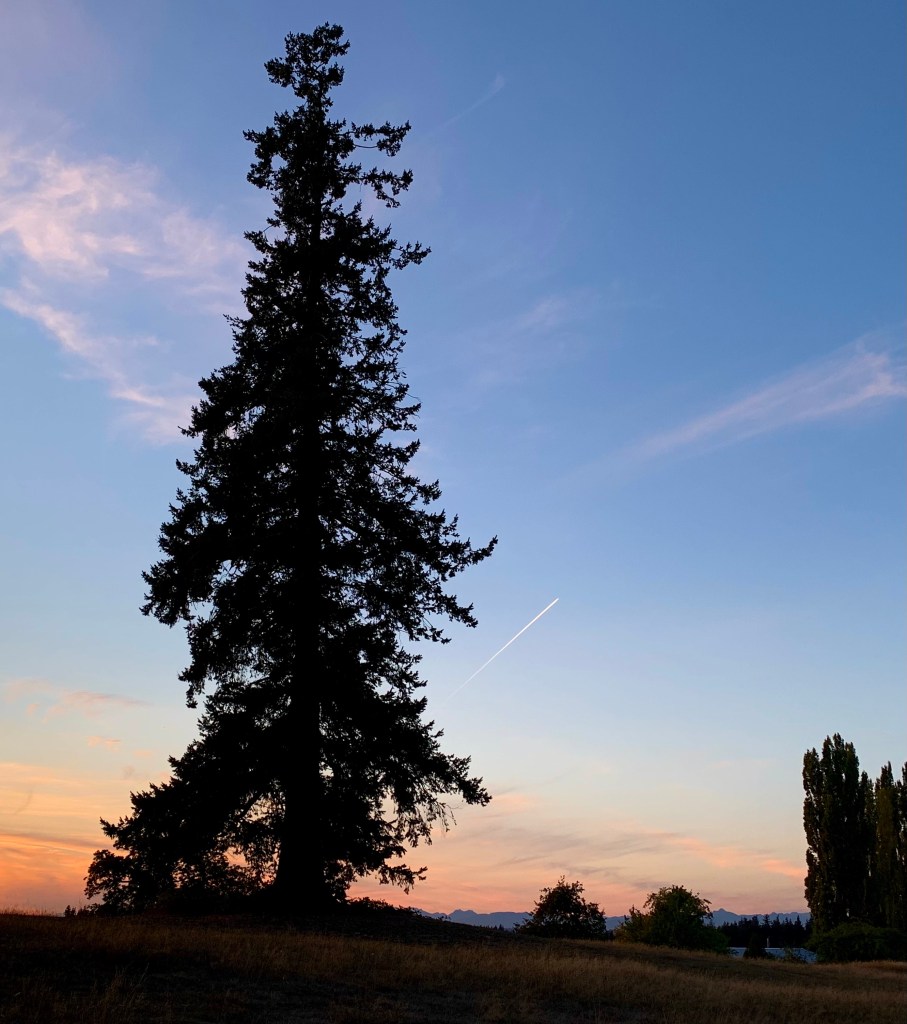
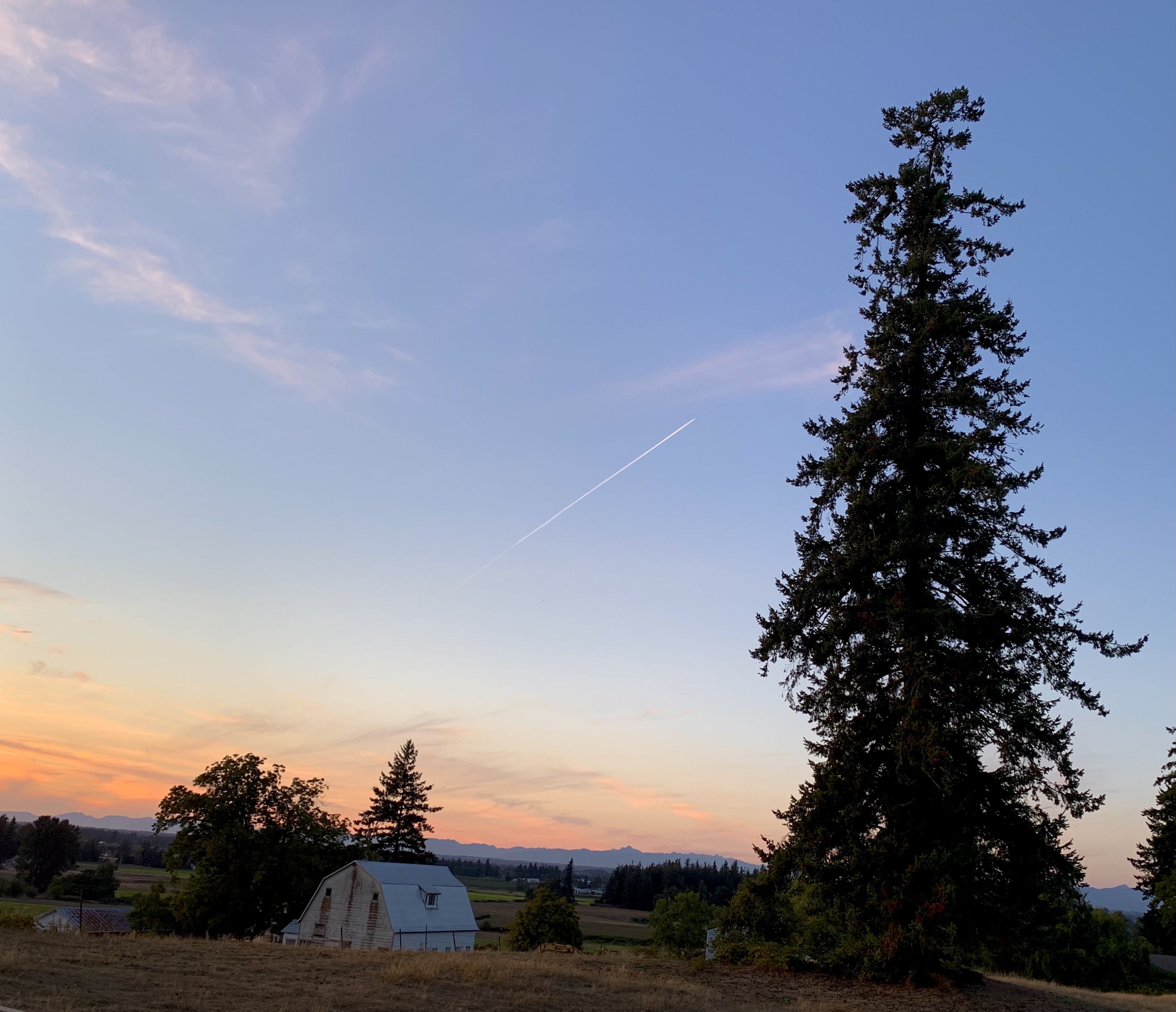
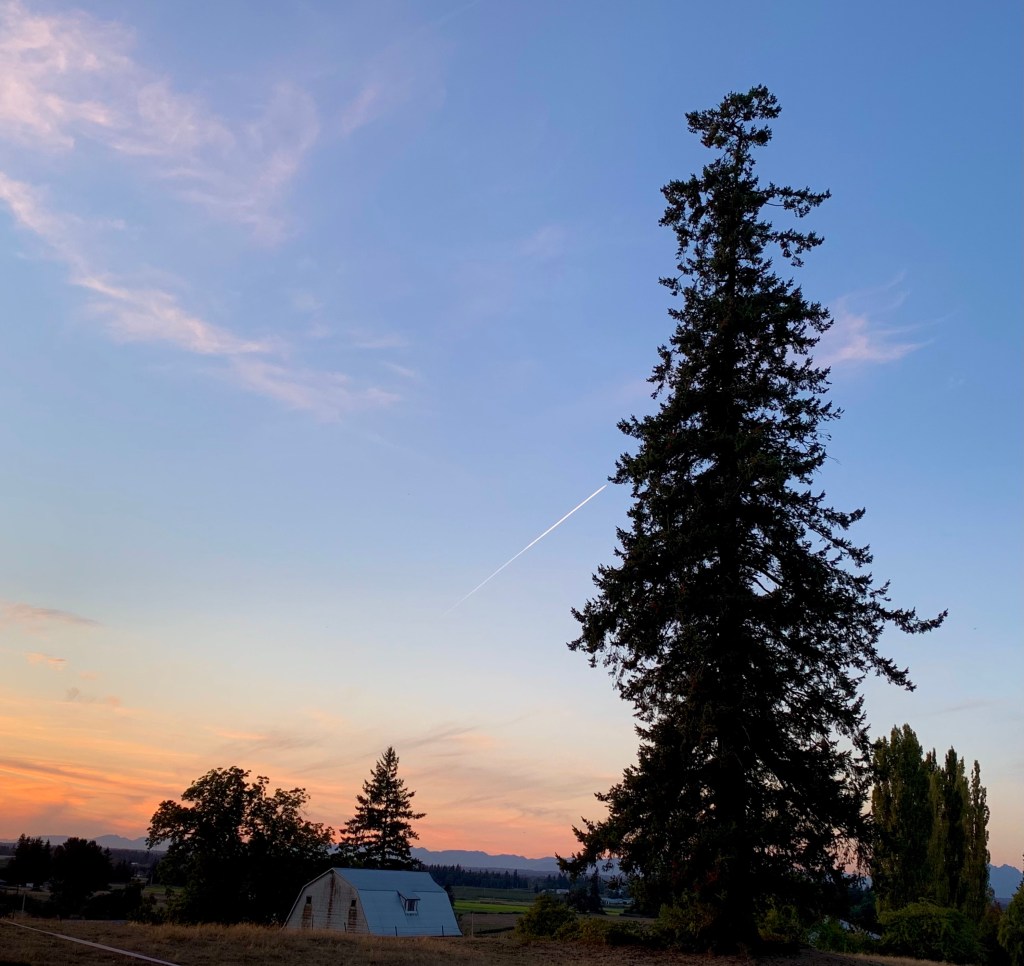
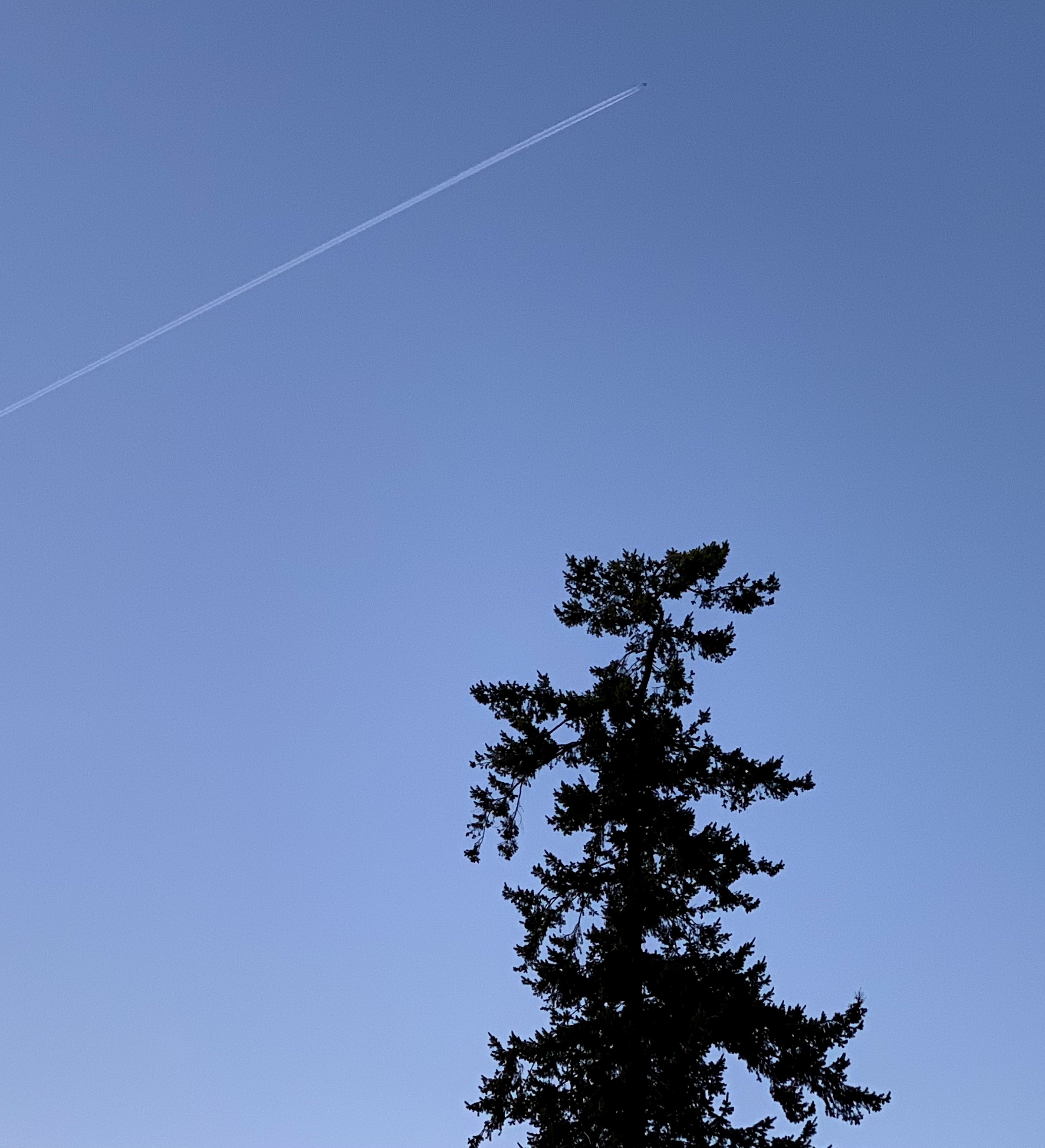
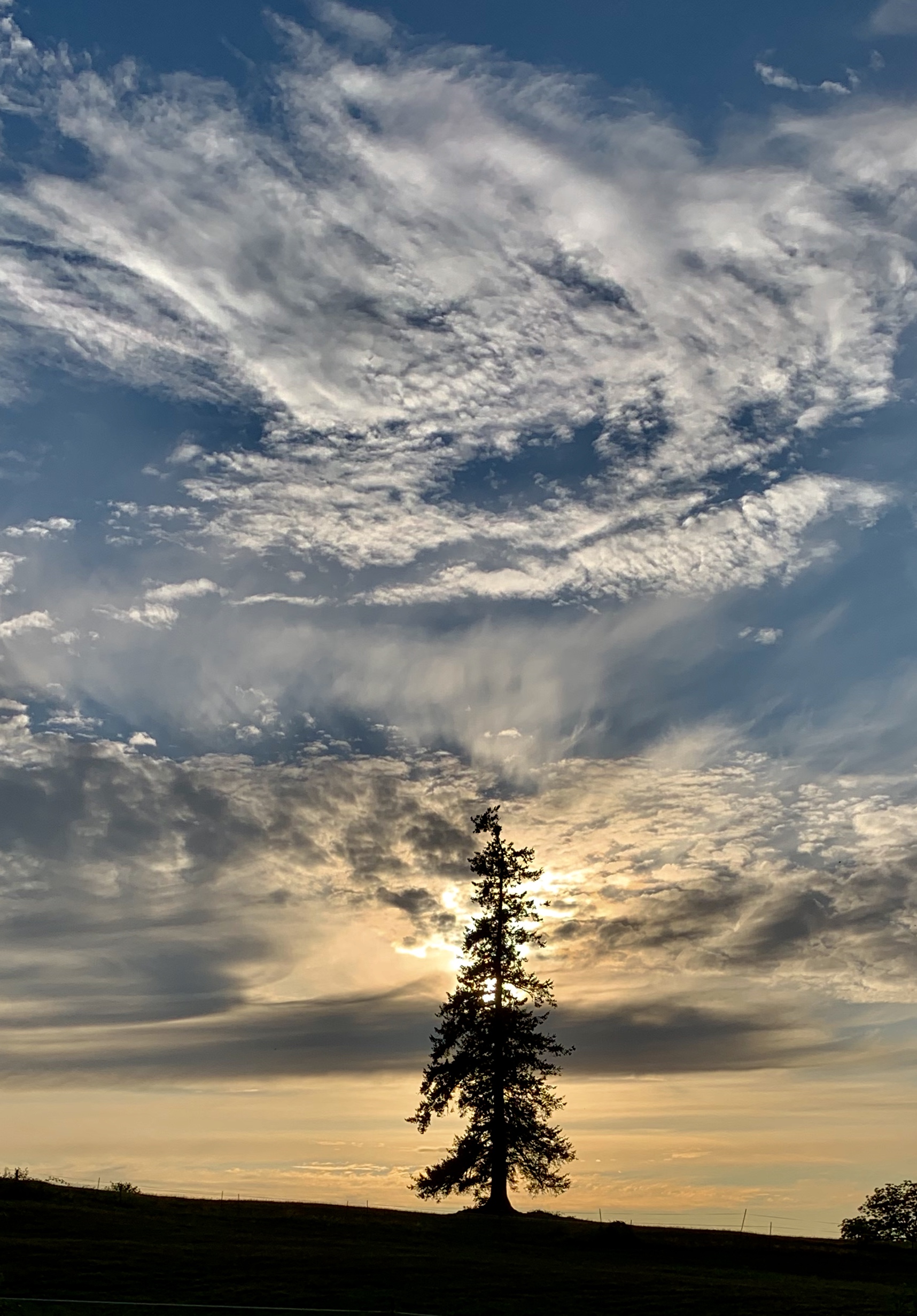
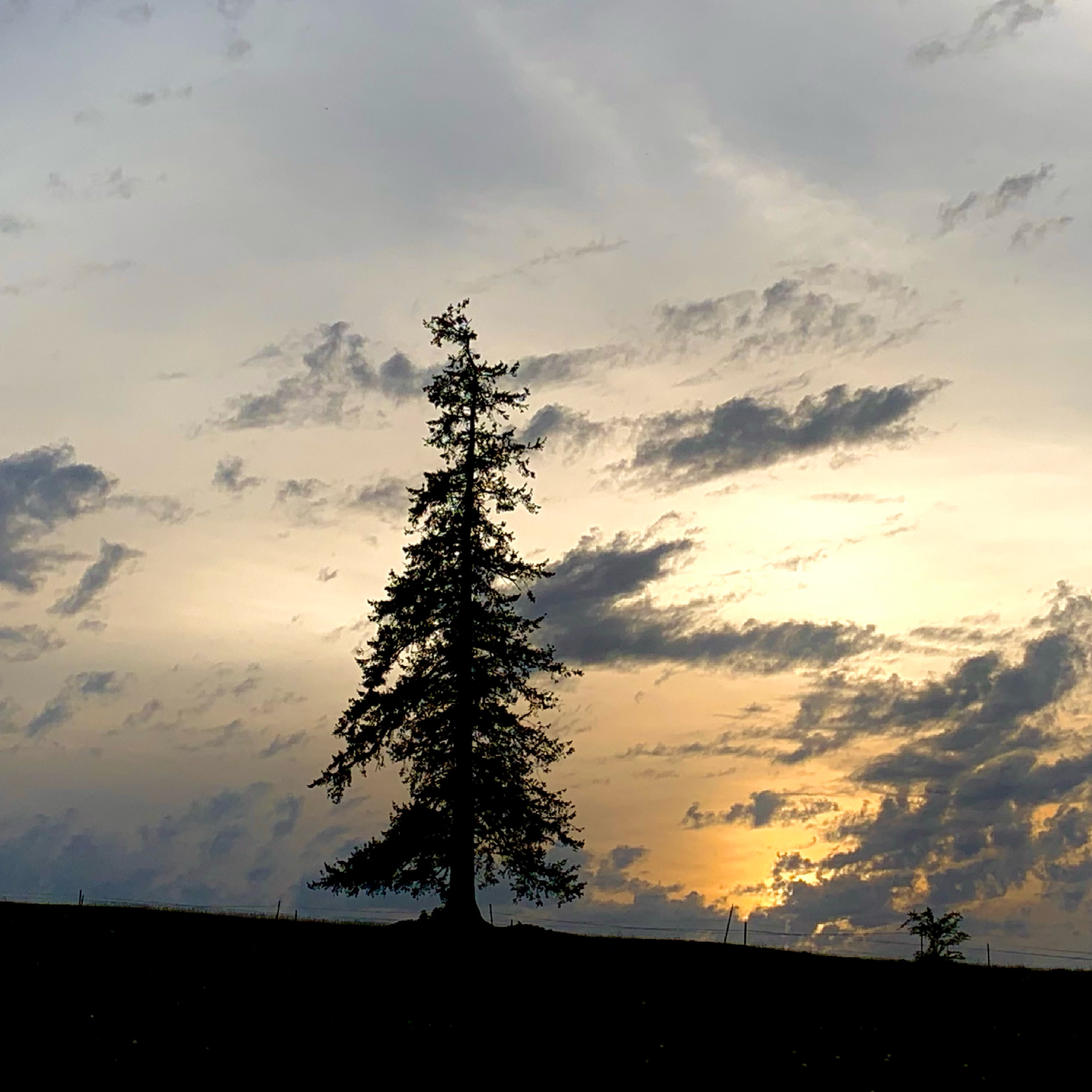
(Our lone fir on top of the hill is doing just fine and she remains our sentinel tree and farm focal point, trying to touch the jet planes that ascend from the nearby Vancouver, B.C. airport in the top pictures)

The night before they were felled
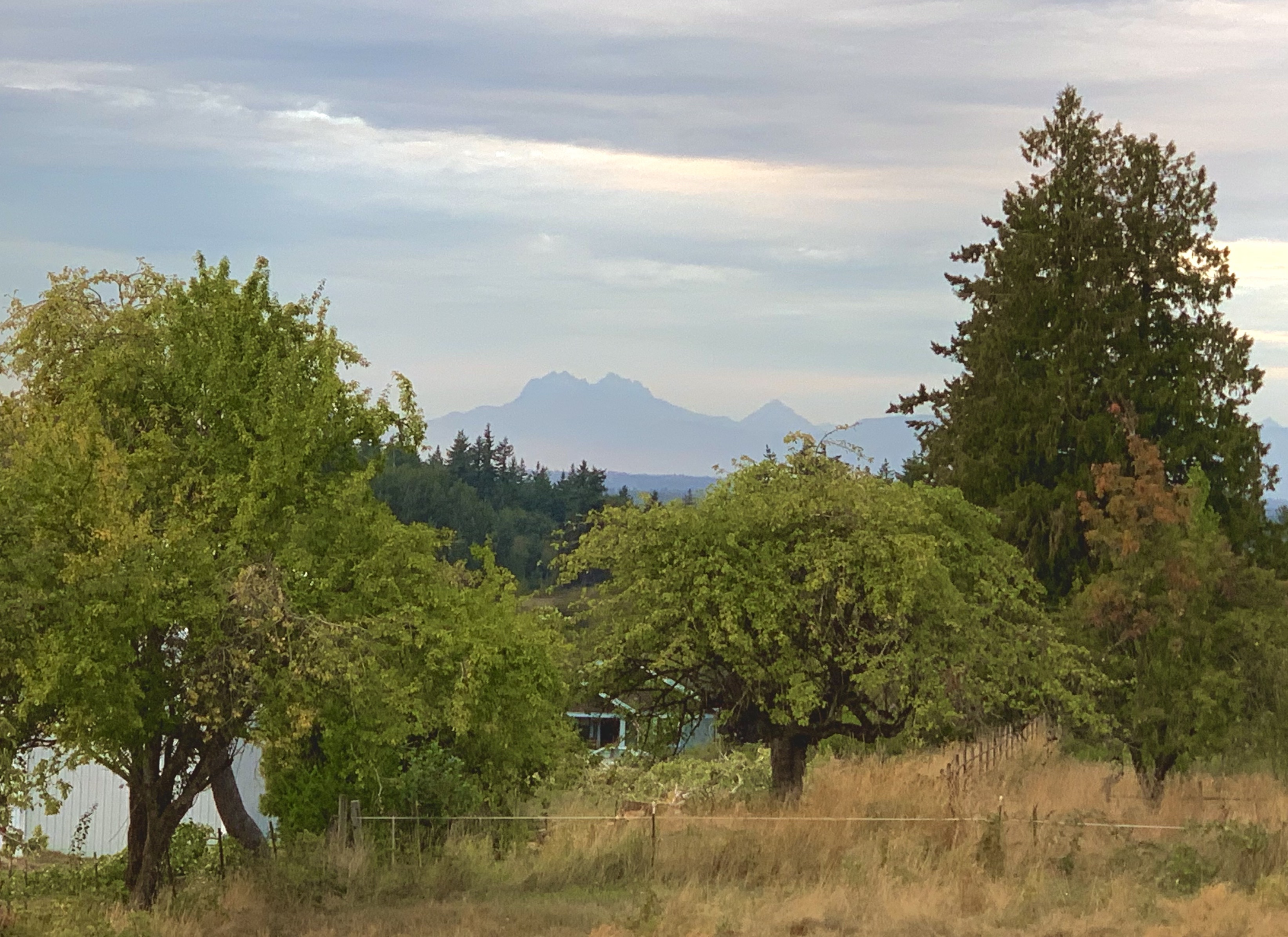
Last night, the missing poplar row revealed a new mountain view to the north

If you enjoy these Barnstorming posts, you’ll enjoy this book which is available to order here:

Stitching Broken Pieces Together

“I make them warm to keep my family from freezing;
I make them beautiful to keep my heart from breaking.”
–From the journal of a prairie woman, 1870

To keep a husband and five children warm,
she quilts them covers thick as drifts against
the door. Through every fleshy square white threads
needle their almost invisible tracks; her hours
count each small suture that holds together
the raw-cut, uncolored edges of her life.
She pieces each one beautiful, and summer bright
to thaw her frozen soul. Under her fingers
the scraps grow to green birds and purple
improbable leaves; deeper than calico, her mid-winter
mind bursts into flowers. She watches them unfold
between the double stars, the wedding rings.
~Luci Shaw “Quiltmaker”

Perhaps the world was made this way:
piecemeal, the parts fitting together exactly
as if made for one another~
the unique, disparate and separate
coming together in a glorious harmony.

The point of its creation is
forever functional and full of love –
a blanket of warmth and security
for generations to come.
Our legacy is to preserve this
beauty arising from scraps,
this broken stitched to broken
in a tapestry holy and whole.

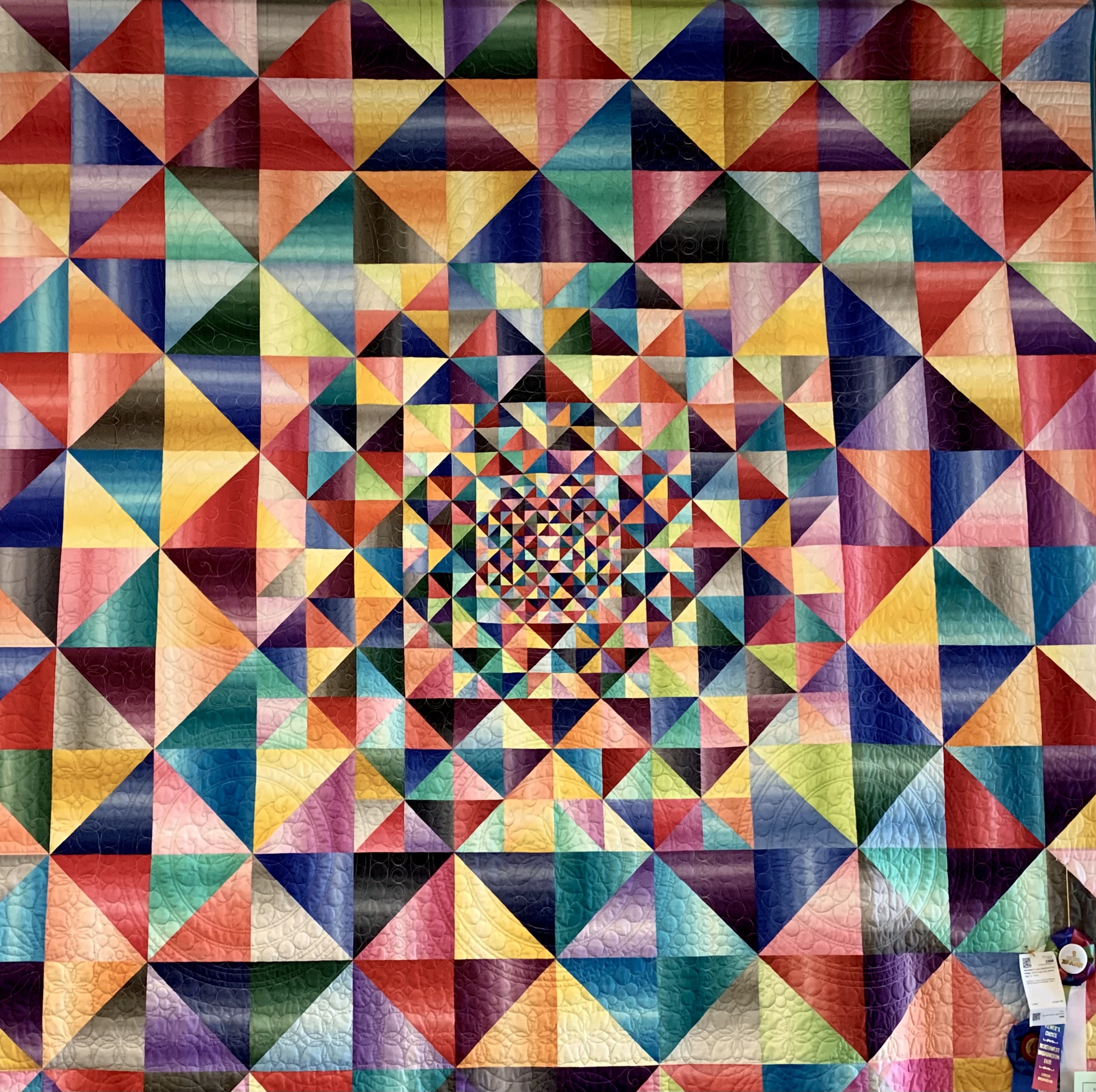
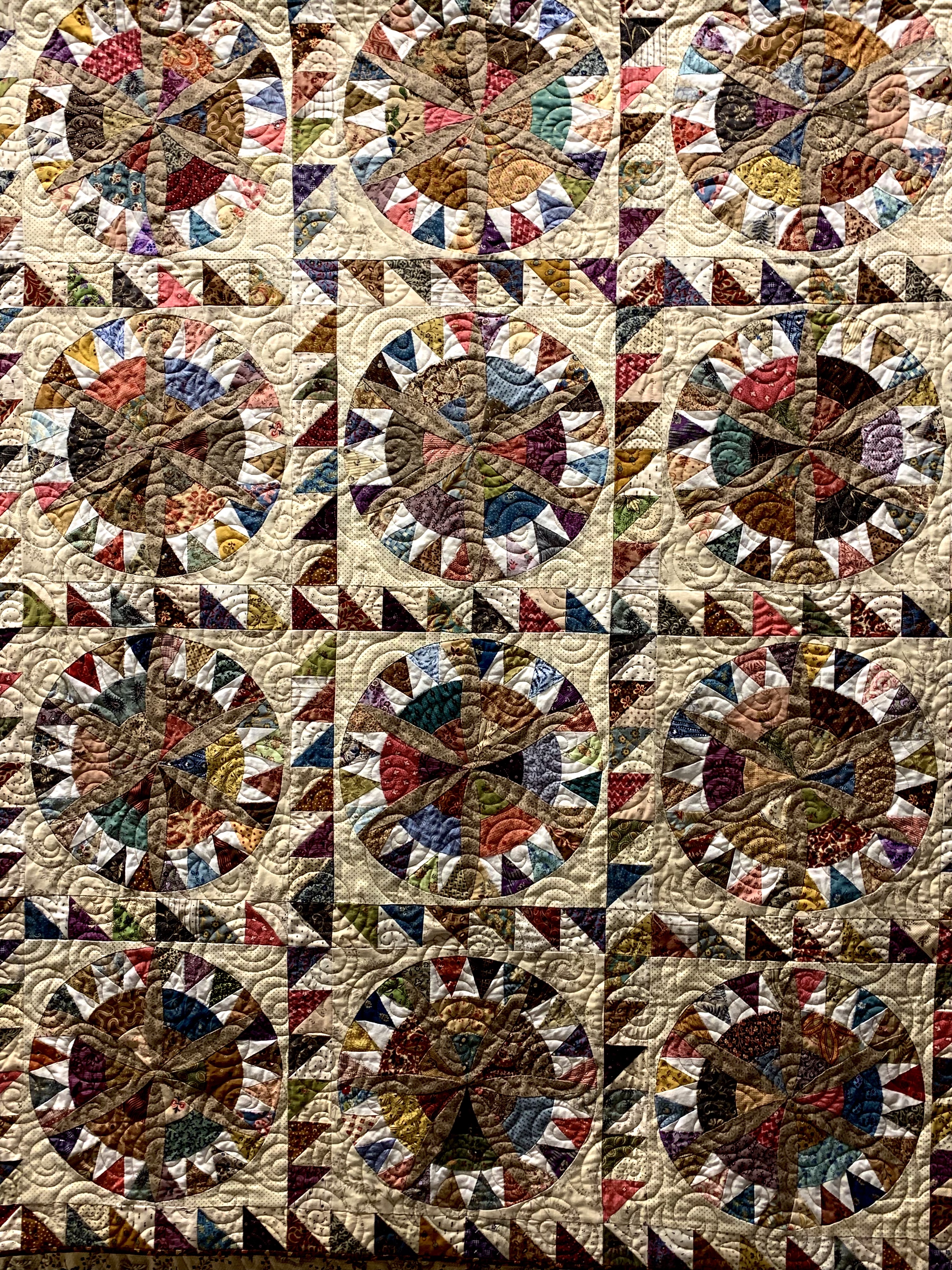
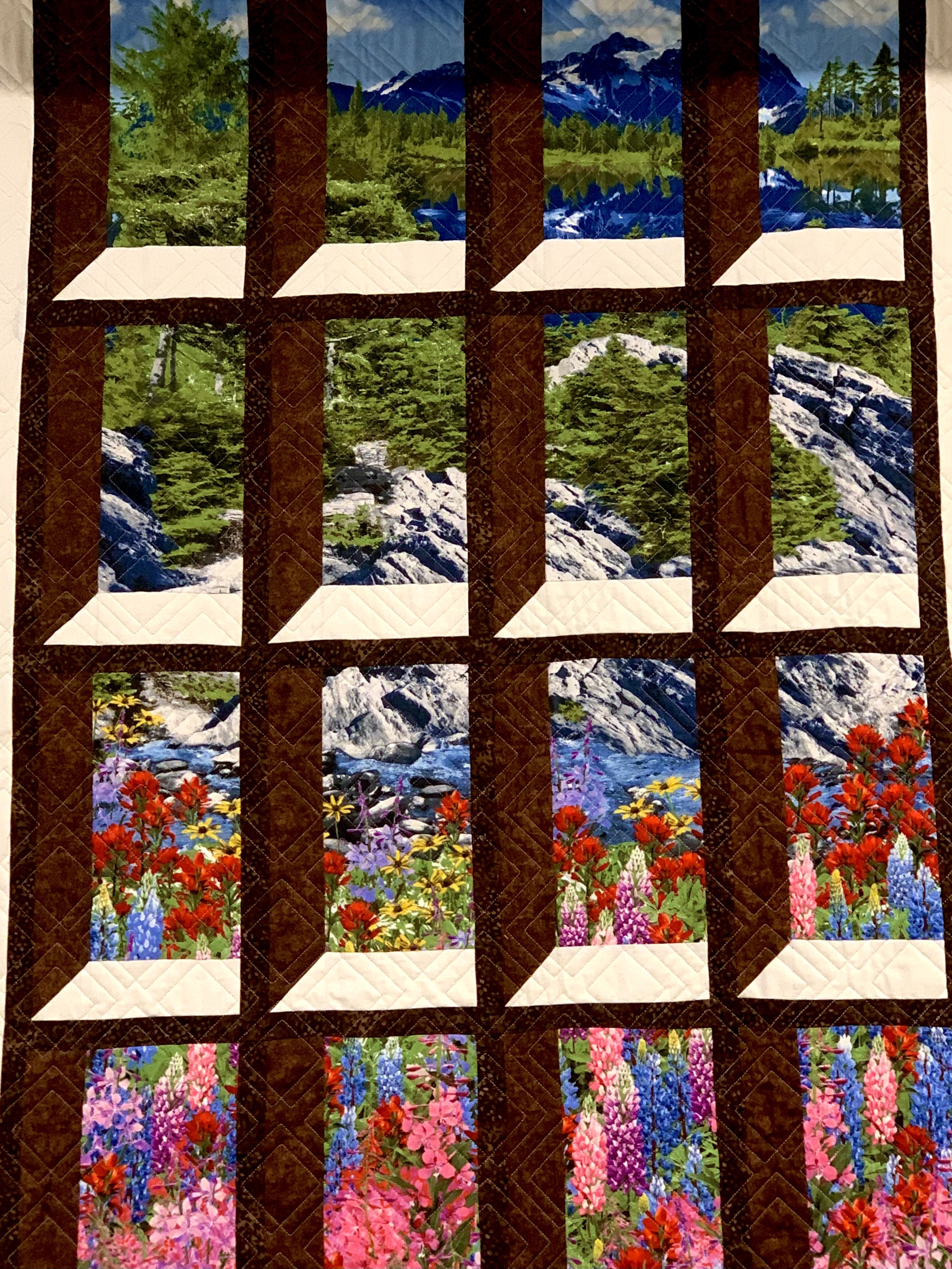
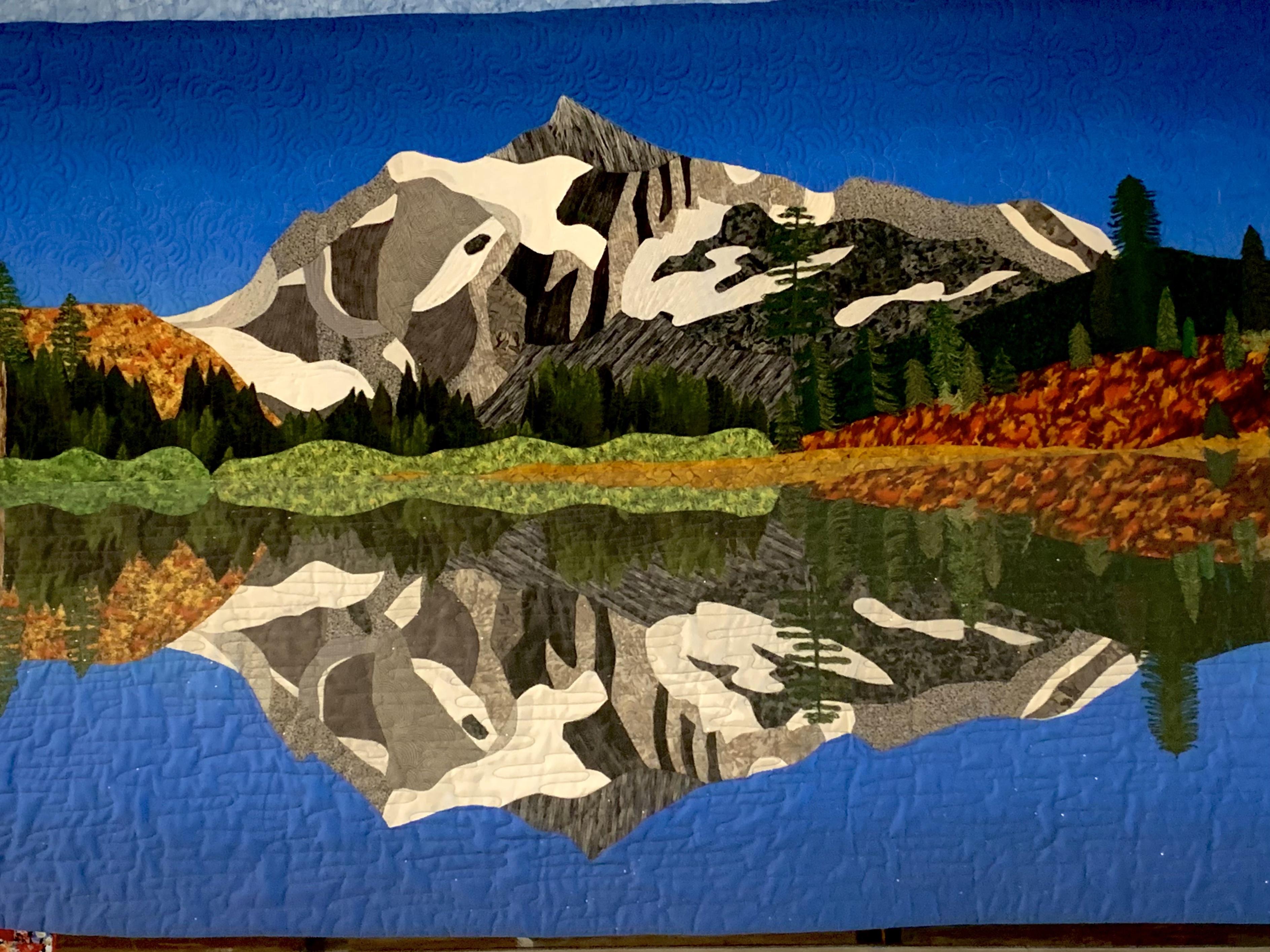
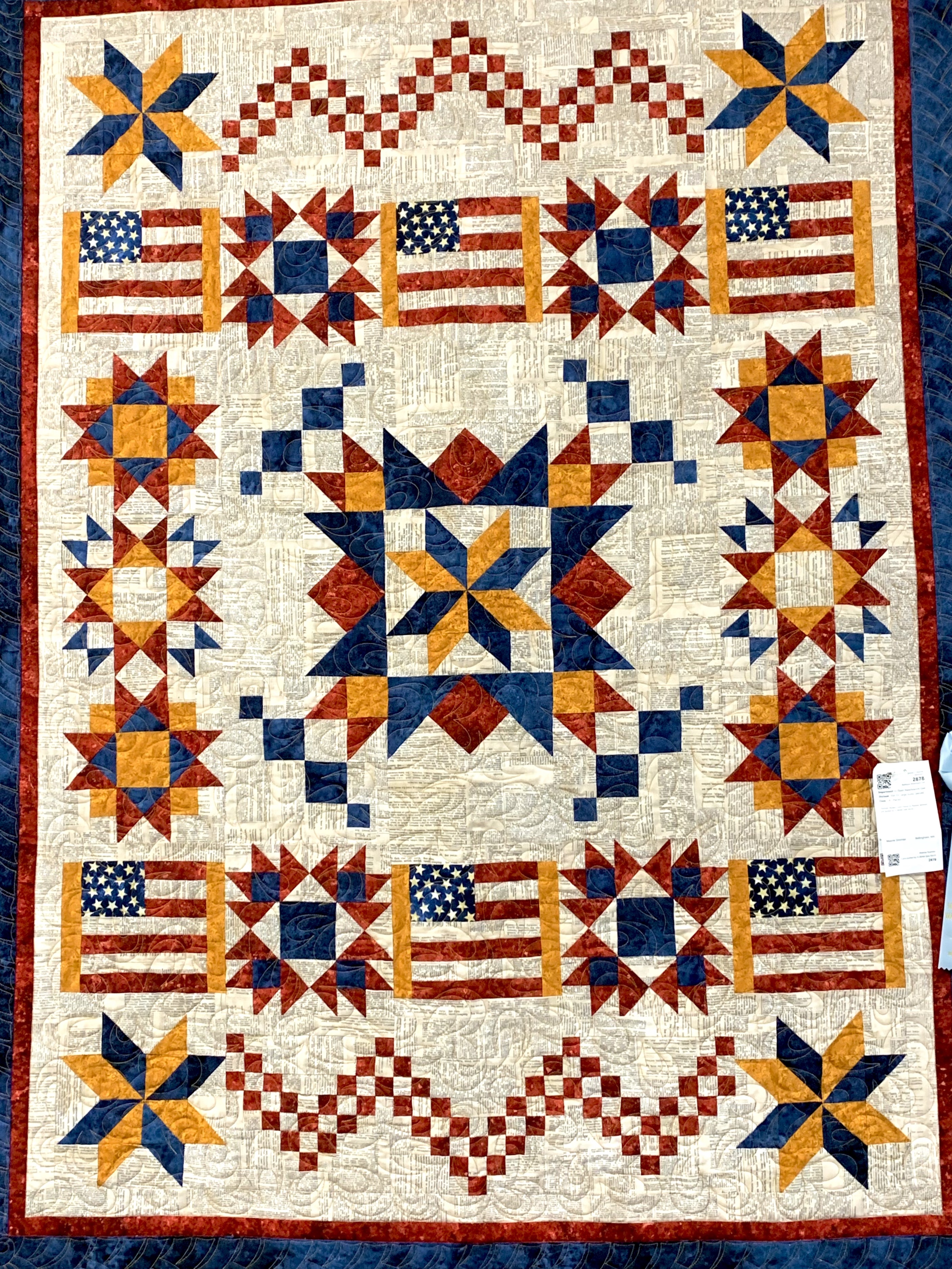
all quilts here are on display this week at the Northwest Washington Fair
see previous year’s artwork here and here and here and here

This new Barnstorming book is like a quilt made of pieces of poetry and photographs – available for order here:

Writing with Quiet Hands

I want to write with quiet hands. I
want to write while crossing the fields that are
fresh with daisies and everlasting and the
ordinary grass. I want to make poems while thinking of
the bread of heaven and the
cup of astonishment; let them be

songs in which nothing is neglected,
not a hope, not a promise. I want to make poems
that look into the earth and the heavens
and see the unseeable. I want them to honor
both the heart of faith, and the light of the world;
the gladness that says, without any words, everything.
~Mary Oliver “Everything”

Sometimes I think all the best poems
have been written already,
and no one has time to read them,
so why try to write more?

At other times though,
I remember how one flower
in a meadow already full of flowers
somehow adds to the general fireworks effect

as you get to the top of a hill
in Colorado, say, in high summer
and just look down at all that brimming color.
I also try to convince myself

that the smallest note of the smallest
instrument in the band,
the triangle for instance,
is important to the conductor

who stands there, pointing his finger
in the direction of the percussions,
demanding that one silvery ping.
And I decide not to stop trying,

at least not for a while, though in truth
I’d rather just sit here reading
how someone else has been acquainted
with the night already, and perfectly.

~Linda Pastan “Rereading Frost” from Queen of a Rainy Country. 

This morning

poem hopes 

that even though
its lines are broken
 

its reader 

will be drawn forward to the part where blueberries
firm against fingers 

say roundness sweetness unspeakable softness
    
in the morning
light.

~L.L. Barkat, “This Morning” from The Golden Dress

I’m asked frequently by people who read this blog why I use poems by other authors when I could be writing more original work myself. Why do I use my photos to illustrate another person’s words instead of inspiring my own?

My answer, like poet Linda Pastan above is:

Sometimes I think all the best poems
have been written already,
and no one has time to read them,
so why try to write more?

Yet, like Linda, for over a decade now, I’ve decided not to stop trying, since I’ve committed myself to being here every day with something that may help me (and perhaps you) breathe in with gladness and gratitude the fragrance of words within this weary world.

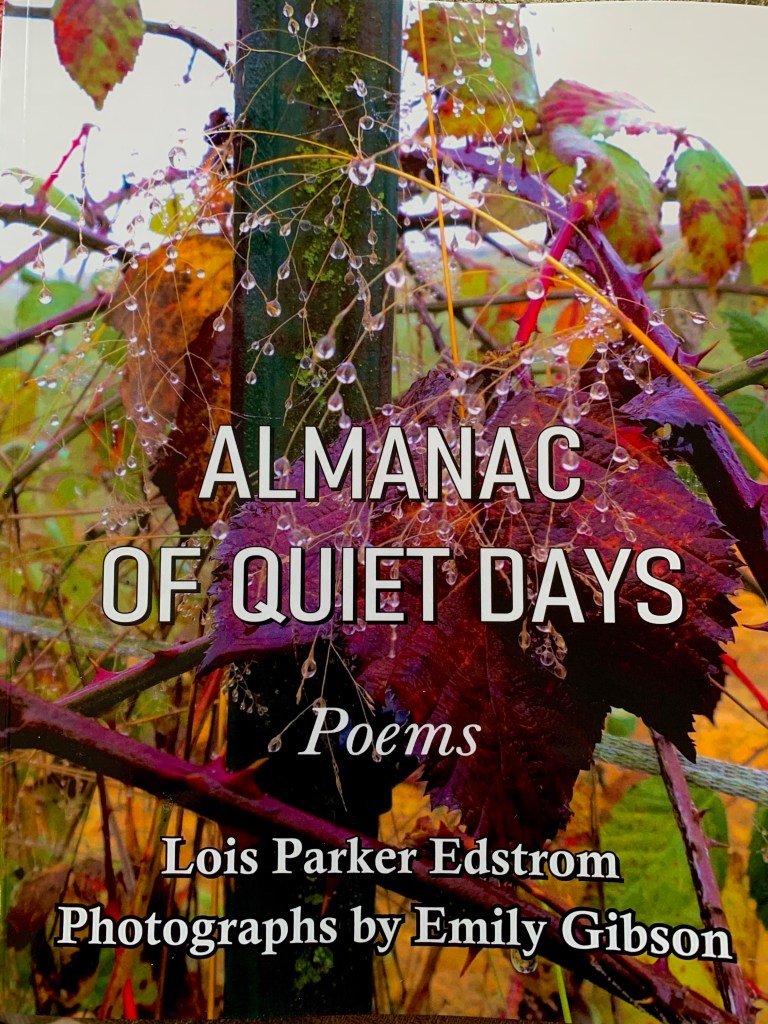
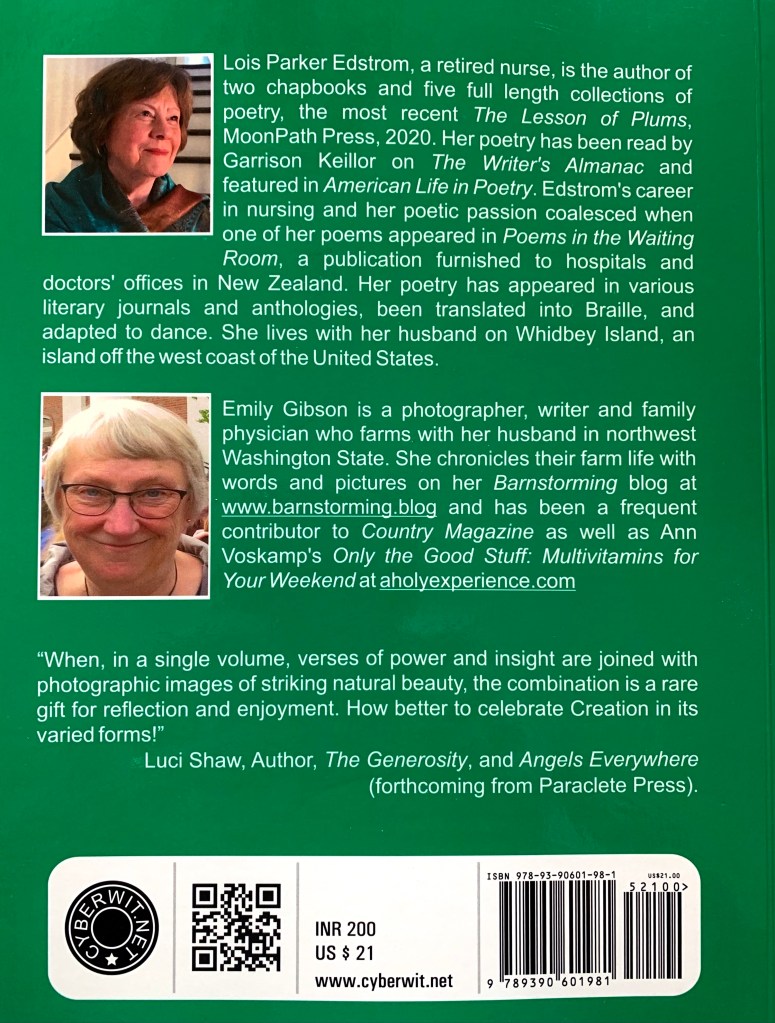
There are several hundred of you who do take time to come visit this corner of the web every day, and several dozen of you have actually purchased the Almanac of Quiet Days book where my photos inspired poet Lois Edstrom to write her own words of grace and beauty. That is a source of great encouragement to me!

Like poet Mary Oliver, I cannot separate the poetry of my photos from the poetry of words I compose – I try to see the unseeable and help others to see it as well:

I want to make poems
that look into the earth and the heavens
and see the unseeable.

I am so awed at your faithful reading and generous sharing of what I offer here.

Even when my lines are broken, or I say again what another has already said much better, yet bears repeating — I too try to write with quiet hands, and see through quiet eyes, out of reverence and awe for what unseeable gifts God has given us.

Thank you for being here with me, looking for those illuminating words and pictures which lift the veil.

Perhaps you would like to hold a Barnstorming book in your hands?
This new book is available for order here:

Root and All

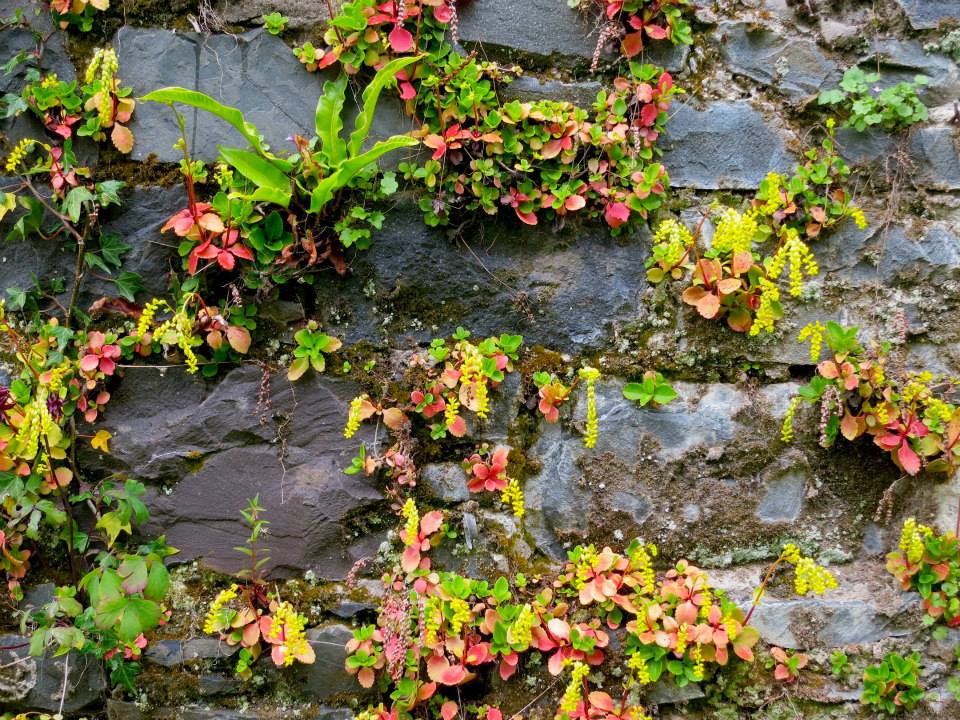
Flower in the crannied wall,
I pluck you out of the crannies,
I hold you here, root and all, in my hand,
Little flower—but if I could understand
What you are, root and all, all in all,
I should know what God and man is.
~Lord Alfred Tennyson “Flower in the Crannied Wall”

Am I root, or am I bud?
Am I stem or am I leaf?

All in all, I am
but the merest reflection
of God’s fruiting glory;

I am His tears shed
as He broke
into blossom.

A new book from Barnstorming available for order here

A Decent Egg

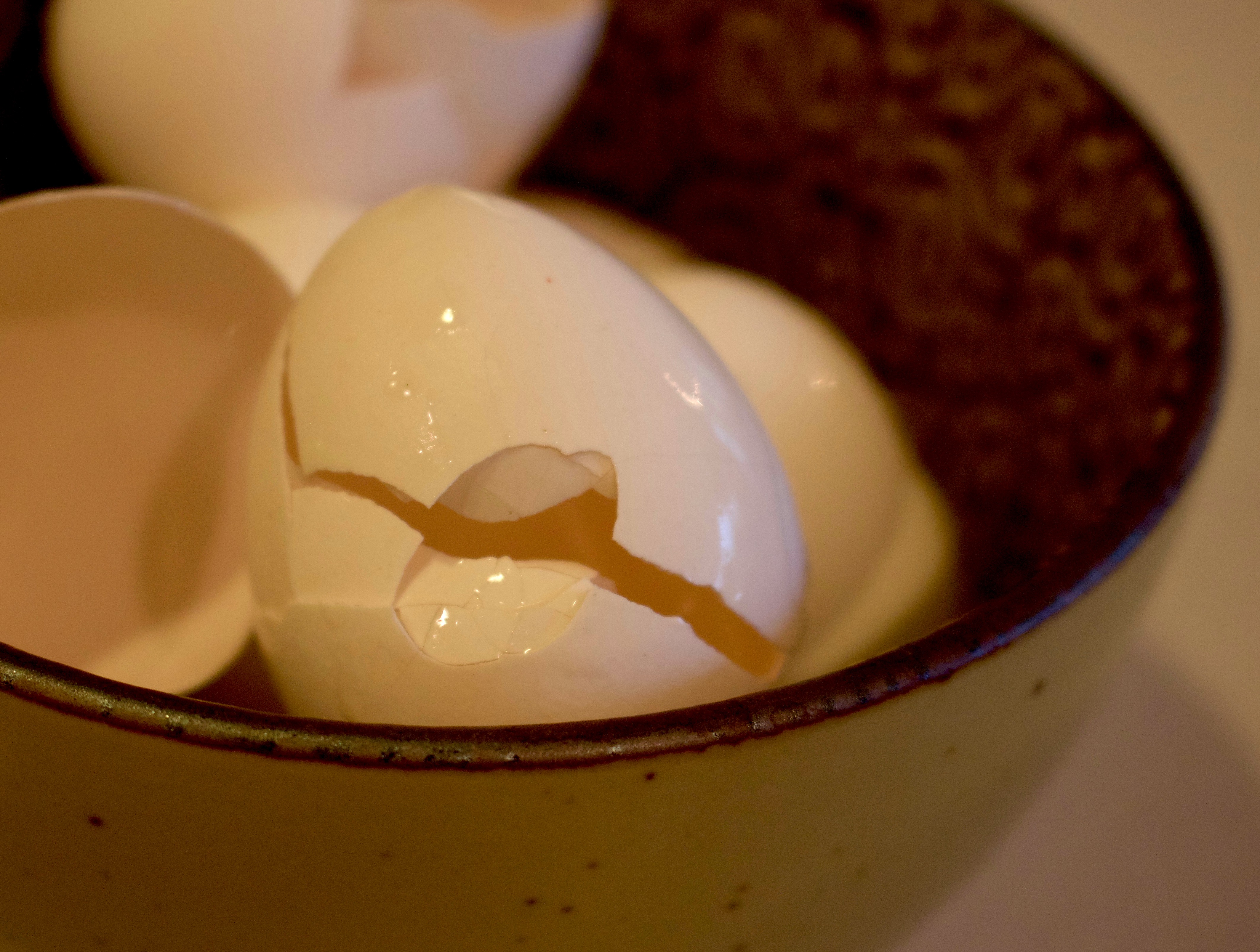
It may be hard for an egg to turn into a bird:
it would be a jolly sight harder for it to learn to fly while remaining an egg. 
We are like eggs at present. 
And you cannot go on indefinitely being just an ordinary, decent egg. 
We must be hatched or go bad.
C. S. Lewis from Mere Christianity

….in the garden there was nothing which was not quite like themselves—
nothing which did not understand

the wonderfulness of what was happening to them—
the immense, tender, terrible, heart-breaking beauty and solemnity of Eggs.

… if an Egg were taken away or hurt the whole world would whirl round and crash through space and come to an end—
~Frances Hodgson Burnett from The Secret Garden

I revel in being the good egg.
Smooth on the surface,
gooey inside, often a bit scrambled,
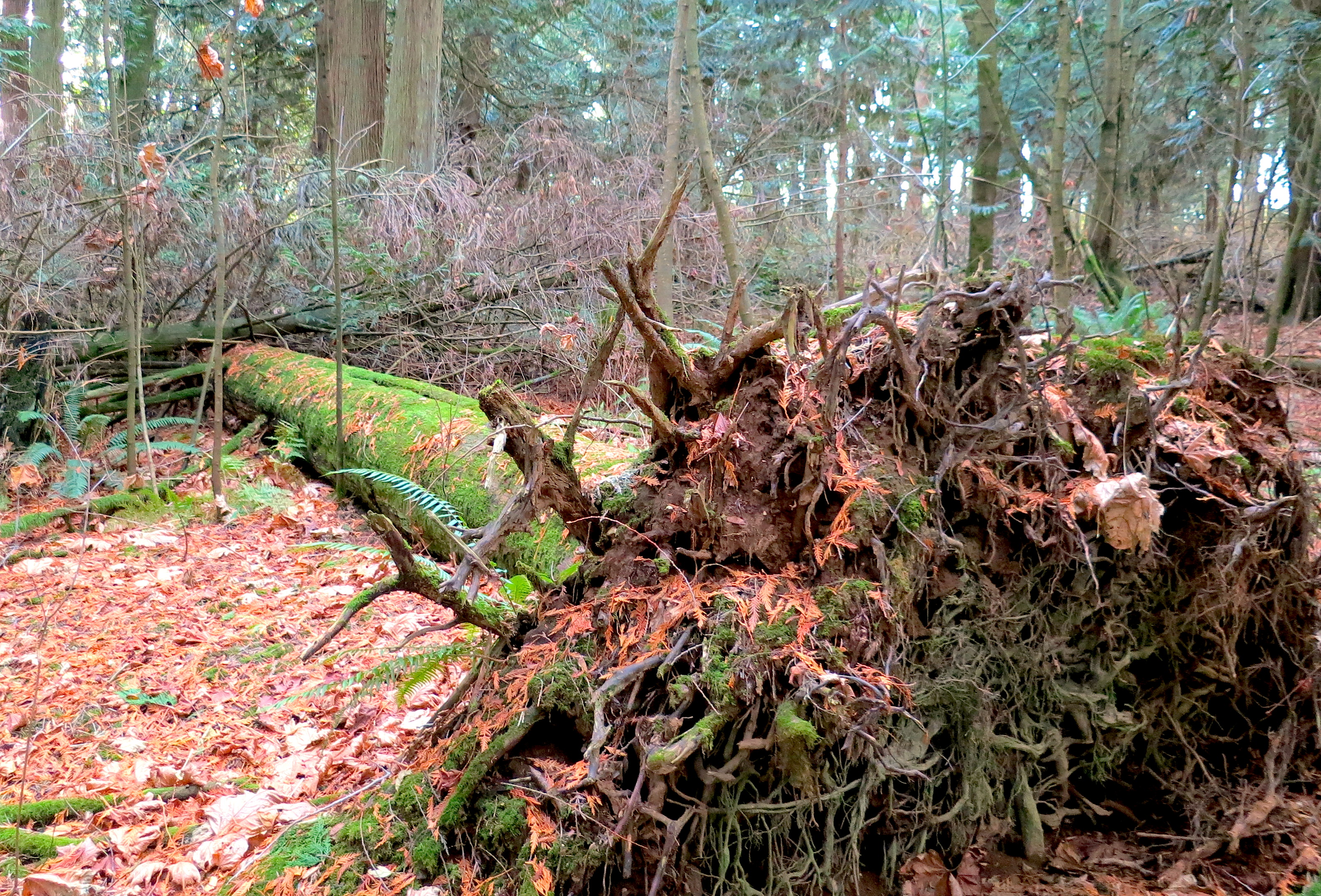
yet ordinary and decent,
indistinguishable from others,
blending in,
not making waves.

It’s not been bad staying just as I am.
Except I can no longer remain like this.

A dent or two have appeared in my outer shell
from bumps along the way,
and a crack up one side
extends daily.

It has come time to change or face inevitable rot.

Nothing can be the same again:
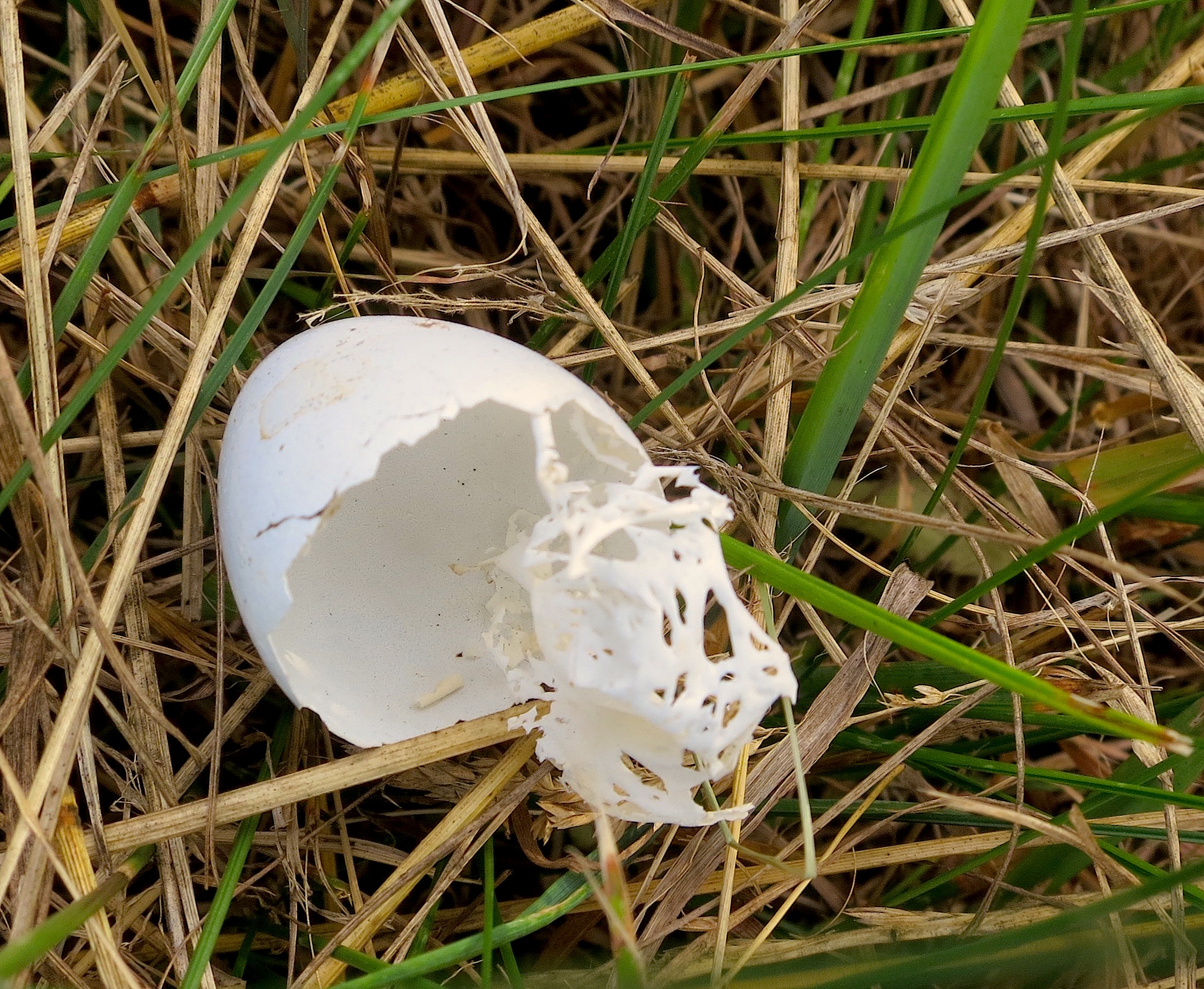
the fragments of shell
left behind
must be abandoned
as useless confinement.

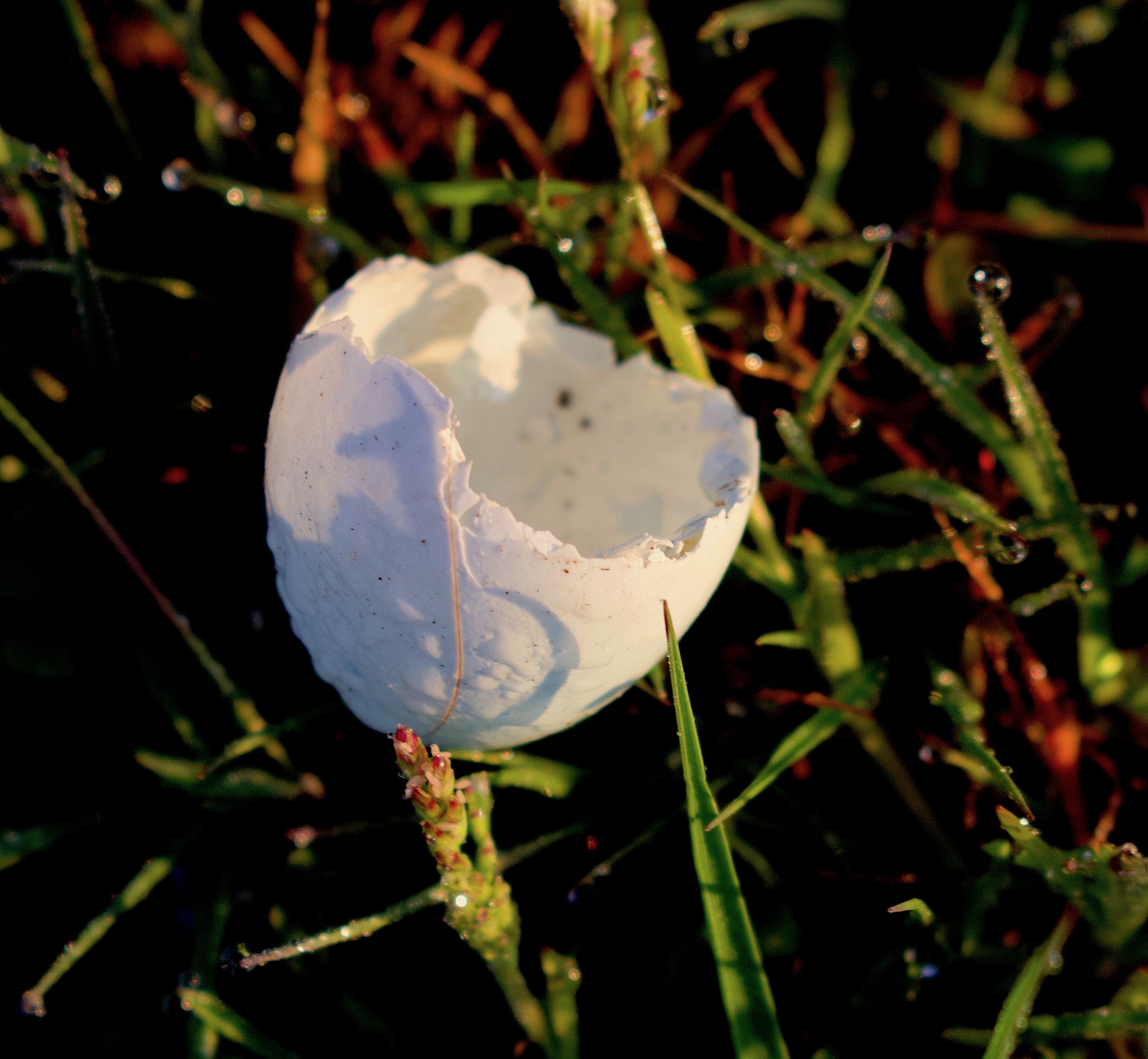
Newly hatched
and transformed:
there is the wind beneath my wings.
I’ll soar toward an endless horizon
that stretches beyond eternity,
no longer ordinary.

A new book from Barnstorming is available for order here:

Dwelling On What Has Been

The house had gone to bring again
To the midnight sky a sunset glow.
Now the chimney was all of the house that stood,
Like a pistil after the petals go.

The barn opposed across the way,
That would have joined the house in flame
Had it been the will of the wind, was left
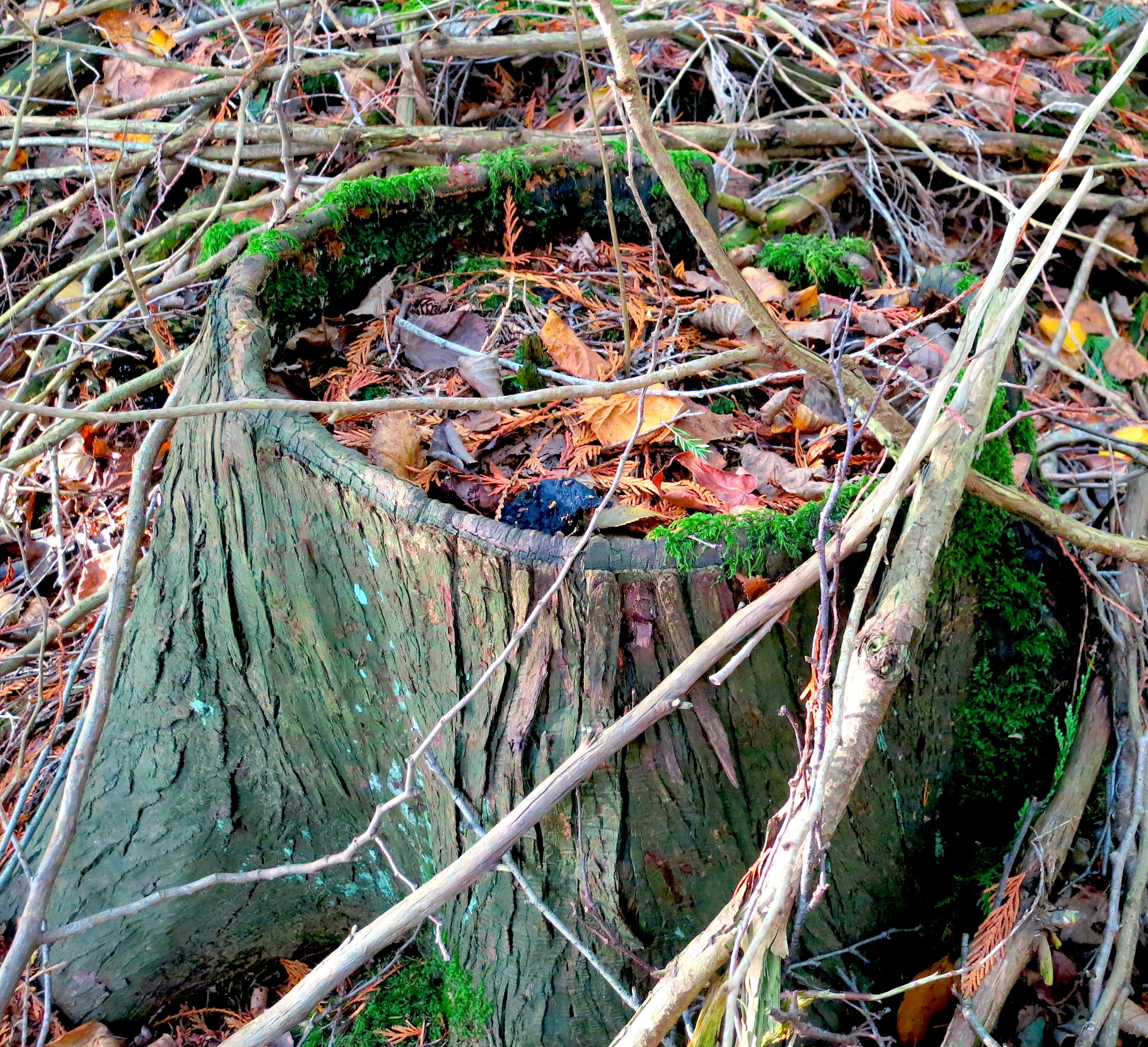
To bear forsaken the place’s name.

No more it opened with all one end
For teams that came by the stony road
To drum on the floor with scurrying hoofs
And brush the mow with the summer load.

The birds that came to it through the air
At broken windows flew out and in,
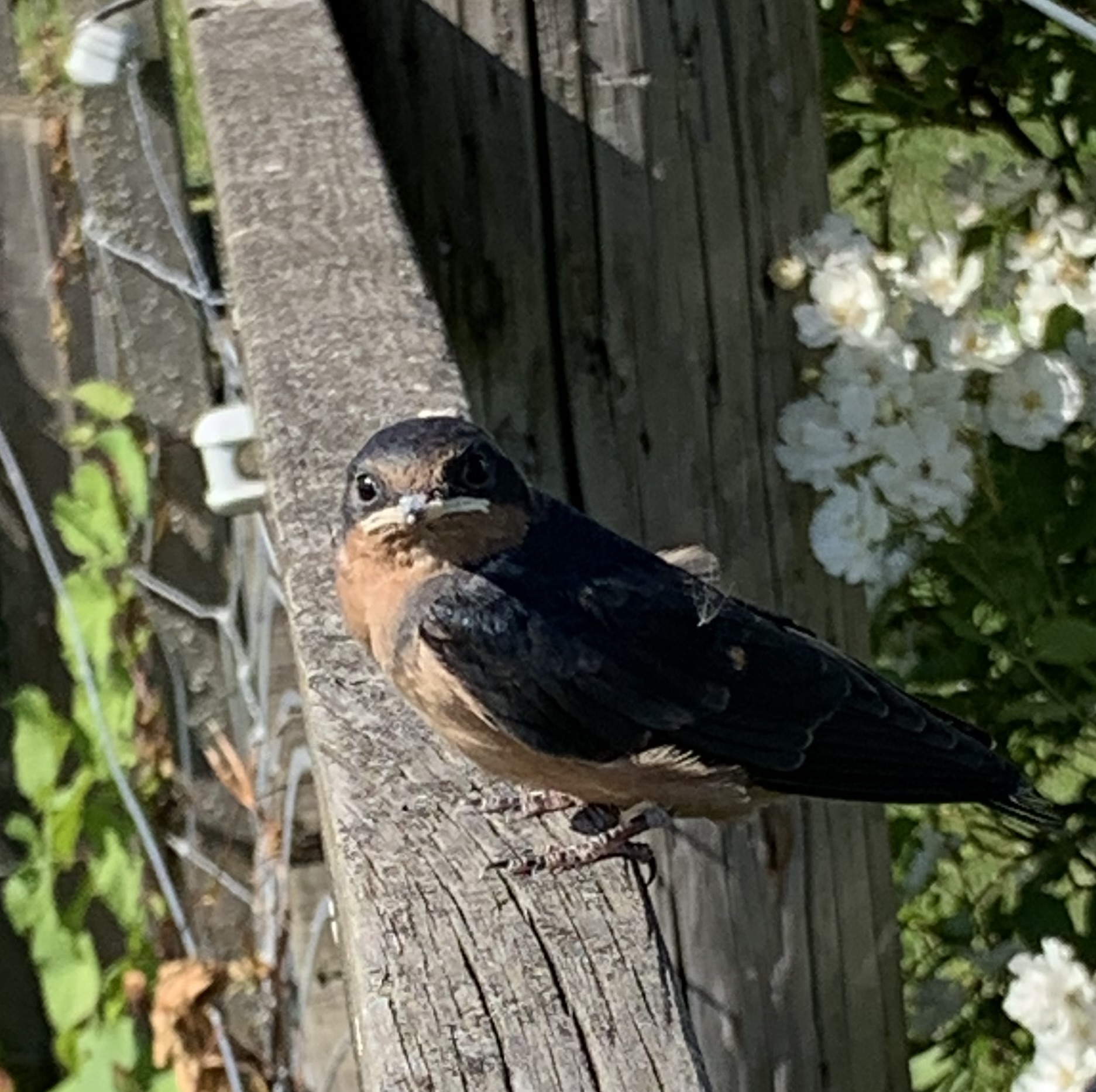
Their murmur more like the sigh we sigh
From too much dwelling on what has been.

Yet for them the lilac renewed its leaf,
And the aged elm, though touched with fire;
And the dry pump flung up an awkward arm:
And the fence post carried a strand of wire.

For them there was really nothing sad.
But though they rejoiced in the nest they kept,
One had to be versed in country things
Not to believe the phoebes wept.
 ~Robert Frost “The Need of Being Versed in Country Things”

The field of my childhood farm (1954-59) with the red barn visible on the right. The house was destroyed by fire in the mid-60s but the barn was spared

photo by Harry Rodenberger

My family sold our first farm in East Stanwood when my father took a job working for the state in Olympia, moving to supervising high school agriculture teachers rather than being a teacher himself. It was a difficult transition for us all: we moved to a smaller home and a few acres, leaving behind a large two story house, a huge hay barn and chicken coop as well as large fields and a woods where our dairy cows had grazed.

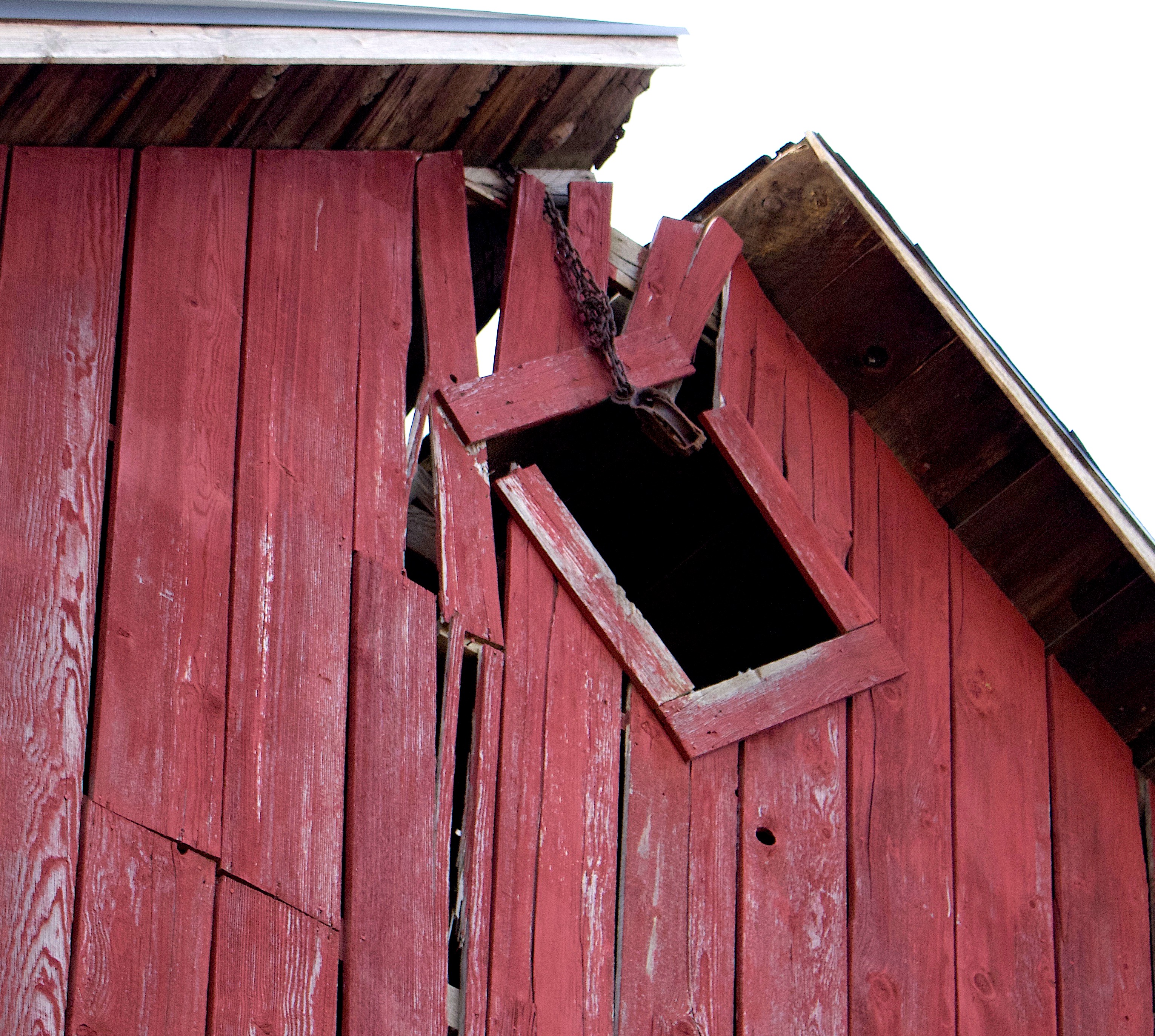
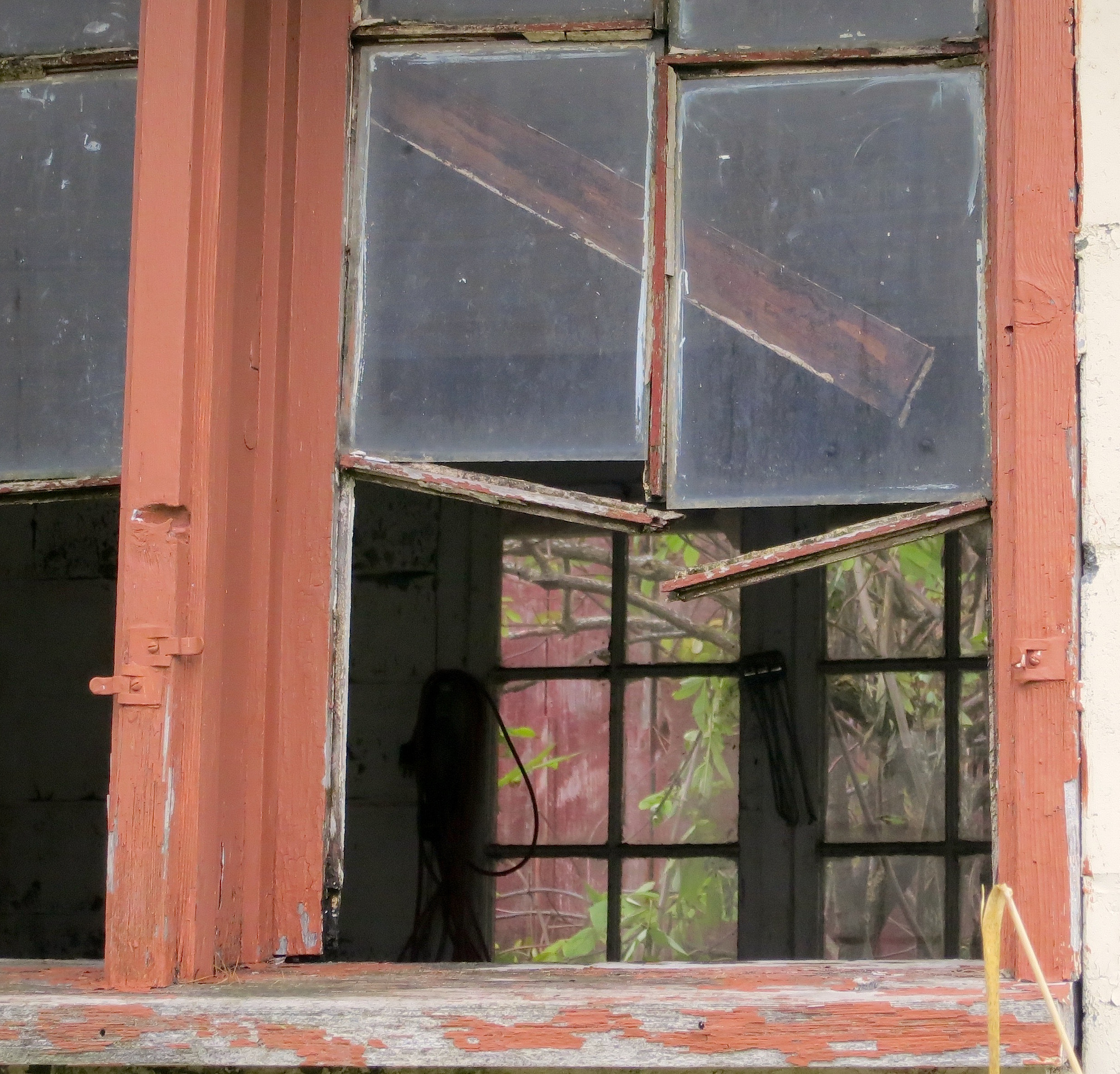
Only a few years later, the old farmhouse burned down but the rest of the buildings were spared. It passed through a few hands and when we had occasion to drive by, we were dismayed to see how nature was taking over the place. The barn still stood but unused it was weathering and withering. The windows were broken, birds flew in and out, the former flower garden had grown wild and unruly.

This was the place I was conceived and learned to walk and talk, where I developed my love for wandering in the fields and respecting the farm animals we depended upon. I remember as a child of four sitting at the kitchen table looking out the window at the sunrise coming rising over the woods and making the misty fields turn golden.

Yet now this land has returned to its essence before the ground was ever plowed or buildings were constructed. It no longer belongs to our family (as if it ever did) but it forever belongs to our memories.

I am overly prone to nostalgia, dwelling more on what has been than what is now or what I hope is to come. It is easy to weep over the losses when time and circumstances reap circumstances that become unrecognizable.

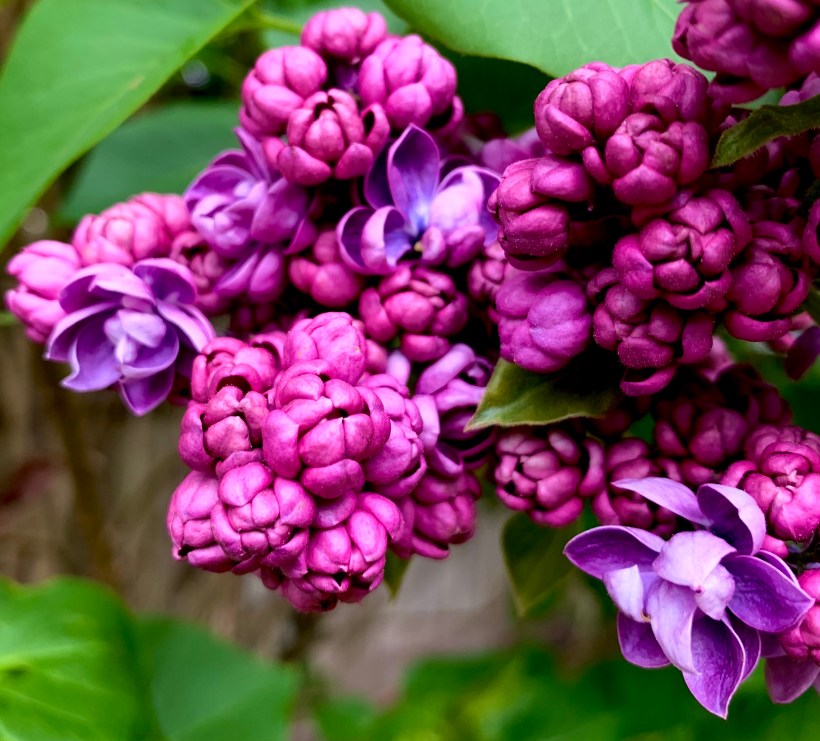
I may weep, but nature does not. The sun continues to rise over the fields, the birds continue to build nests, the lilacs grow taller with outrageous blooms, and each day ends with a promise of another to come.

So I must dwell on what lies ahead, not what perished in the ashes.

photo by Harry Rodenberger

A book available from Barnstorming — information about how to order here

Always Something to Make You Wonder

bayleaf

Never say there is nothing beautiful in the world anymore.
There is always something to make you wonder
in the shape of a tree,
the trembling of a leaf.
~ Albert Schweitzer

Long ago I gave up striving
for perfect symmetry,
strong shapely limbs,
the straightest trunk,
the most luscious foliage and colorful blooms.

Instead, my life is as fruitful as possible,
even if I bend more in winter storms,
my roots not anchored as deep,
despite bare and broken branches,
falling leaves,
crooked trunk,
and increasing lumpiness.

I try to provide the best of which I’m capable,
with a minimum of scab, rot and hidden worms.

The promise of breathtaking beauty for eternity
makes getting up in the morning worth the effort
when we would rather hide our homeliness and decay under the covers.

Yet nothing can be as beautiful as the reality of
broken people giving their all
for other broken people.

It is for this we are created;
our imperfections on display,
continually pruned and refined
to produce needed fruit,
abundantly filling and ever so sweet.

It’s enough to make you wonder…

A new book from Barnstorming available to order here

Waiting in Wilderness: The Voice of Morning Crowed

because we are all
betrayers, taking
silver and eating
body and blood and asking
(guilty) is it I and hearing
him say yes
it would be simple for us all
to rush out
and hang ourselves

but if we find grace
to cry and wait
after the voice of morning
has crowed in our ears
clearly enough
to break out hearts
he will be there
to ask us each again
do you love me?

~Luci Shaw “Judas, Peter” from Polishing the Petoskey Stone

Like Peter, I know the guilt of denying Him
when questioned by those who would hurt me too.
Like Judas, I think I know a better way
because His way costs so much.

The morning crows the truth.

Like any one of us capable of betrayal,
He knows my breaking heart better than I know myself:
He knows everything about me
including how much
I love Him despite my brokenness.