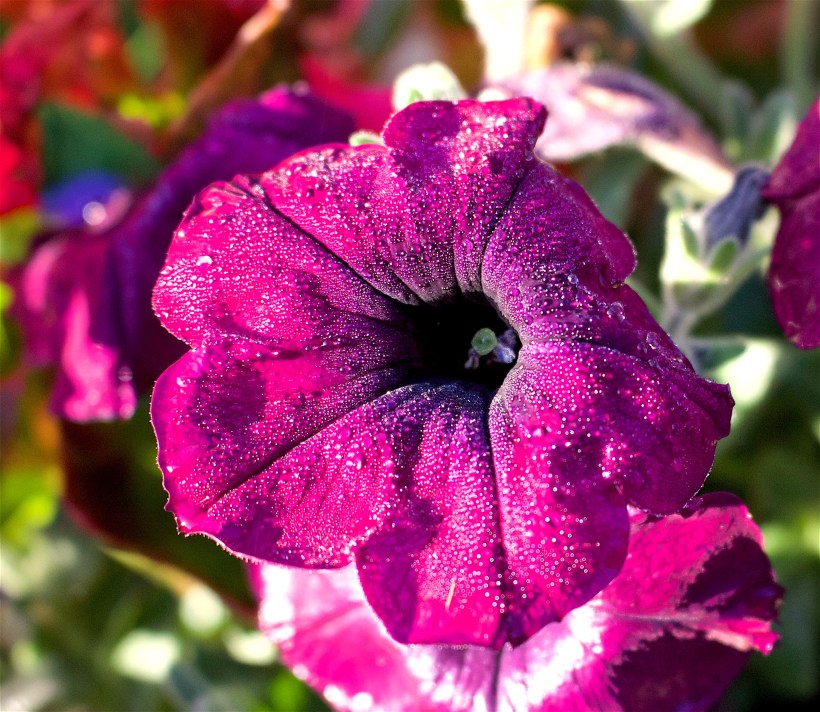
To Feel the Hem of Heaven

4095767658_ff9e9711f9_o1

Your days are short here; this is the last of your springs.
And now in the serenity and quiet of this lovely place,
touch the depths of truth, feel the hem of Heaven.
You will go away with old, good friends.
And don’t forget when you leave why you came.

~Adlai Stevenson, to the Class of ’54 Princeton University

icyrose

I was eight years old in June 1963 when the Readers’ Digest arrived in the mail inside its little brown paper wrapper. As usual, I sat down in my favorite overstuffed chair with my skinny legs dangling over the side arm and started at the beginning,  reading the jokes, the short articles and stories on harrowing adventures and rescues, pets that had been lost and found their way home, and then toward the back came to the book excerpt: “The Triumph of Janis Babson” by Lawrence Elliott.

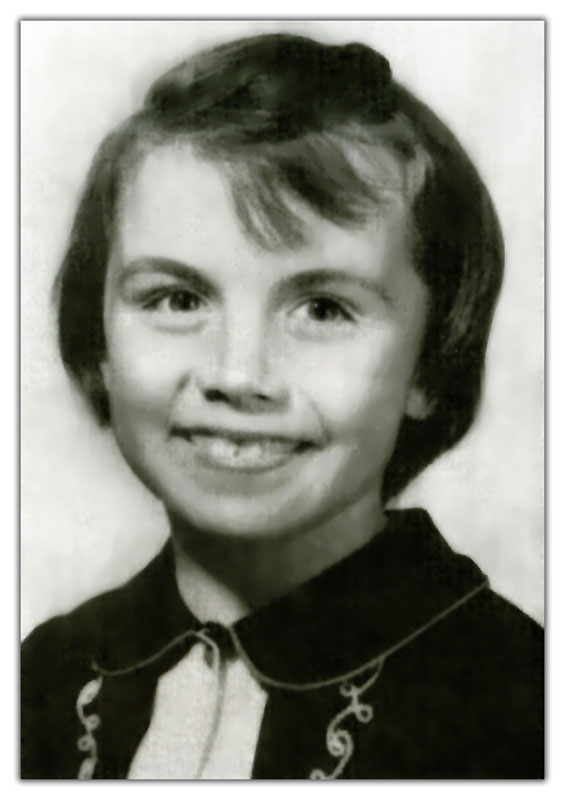
Something about the little girl’s picture at the start of the story captured me right away–she had such friendly eyes with a sunny smile that partially hid buck teeth.  This Canadian child, Janis Babson, was diagnosed with leukemia when she was only ten, and despite all efforts to stop the illness, she died in 1961.  The story was written about her determination to donate her eyes after her death, and her courage facing death was astounding.  Being nearly the same age, I was captivated and petrified at the story, amazed at Janis’ straight forward approach to her death, her family’s incredible support of her wishes, and especially her final moments, when (as I recall 54 years later) Janis looked as if she were beholding some splendor, her smile radiant.

”Is this Heaven?” she asked.   She looked directly at her father and mother and called to them:  “Mommy… Daddy !… come… quick !”

And then she was gone.  I cried buckets of tears, reading and rereading that death scene.  My mom finally had to take the magazine away from me and shooed me outside to go run off my grief.  How could I run and play when Janis no longer could?  It was a devastating realization that a child my age could get sick and die, and that God allowed it to happen.

Yet this story was more than just a tear-jerker for the readers.  Janis’ final wish was granted –those eyes that had seen the angels were donated after her death so that they would help another person see.  Janis  had hoped never to be forgotten.  Amazingly, she influenced thousands of people who read her story to consider and commit to organ donation, most of whom remember her vividly through that book excerpt in Readers’ Digest.  I know I could not sleep the night after I read her story and determined to do something significant with my life, no matter how long or short it was.  Her story influenced my eventual decision to become a physician.  She made me think about death at a very young age as that little girl’s tragic story could have been mine and I was certain I could never have been so brave and so confident in my dying moments.

Janis persevered with a unique sense of purpose and mission for one so young.  As a ten year old, she developed character that some people never develop in a much longer lifetime.  Her faith and her deep respect for the gift she was capable of giving through her death brought hope and light to scores of people who still remember her to this day.

Out of the recesses of my memory, I recalled Janis’ story a few years ago when I learned of a local child who had been diagnosed with a serious cancer.  I could not recall Janis’ name, but in googling “Readers’  Digest girl cancer story”,  by the miracle of the internet I rediscovered her name, the name of the book and a discussion forum that included posts of people who were children in the sixties, like me,  who had been incredibly touched by Janis when they read this same story as a child.  Many were inspired to become health care providers like myself and some became professionals working with organ donation.

Janis and family, may you know the gift you gave so many people through your courage in the midst of suffering, and the resulting hope in the glory of the Lord.  Your days were short here, but you touched the depth of truth and touched the hem of heaven.
~~the angels are coming indeed.

We who have been your old good friends,  because of your story,  have not forgotten how you left us and why you came in the first place.

For excerpts from “The Triumph of Janis Babson”, click here

silverthawwilted

See You Soon Enough

silentweb
roseleafrain
Echo of the clocktower, footstep
in the alleyway, sweep
of the wind sifting the leaves.
 
Jeweller of the spiderweb, connoisseur
of autumn’s opulence, blade of lightning
harvesting the sky.
 
Keeper of the small gate, choreographer
of entrances and exits, midnight
whisper travelling the wires.
 
Seducer, healer, deity, or thief,
I will see you soon enough–
in the shadow of the rainfall,
 
in the brief violet darkening a sunset —
but until then I pray watch over him
as a mountain guards its covert ore
 
and the harsh falcon its flightless young.
~Dana Gioia “The Prayer” (written in memory of his infant son who died of SIDS)
sunset713144
When we think of those who wait for us on the other side,
and who we will wait for when it comes our time,
I know there is One who watches over all these reunions,
knowing the moment when our fractured hearts
heal whole once again.
sunset24142


A Blessing Just to Be

sunset11221413

sunset11221416

centralroadlane

Before the adults we call our children arrive with their children in tow
  for Thanksgiving,

we take our morning walk down the lane of oaks and hemlocks, mist
  a smell of rain by nightfall—underfoot,

the crunch of leathery leaves released by yesterday’s big wind.

You’re ahead of me, striding into the arch of oaks that opens onto the fields
  and stone walls of the road—

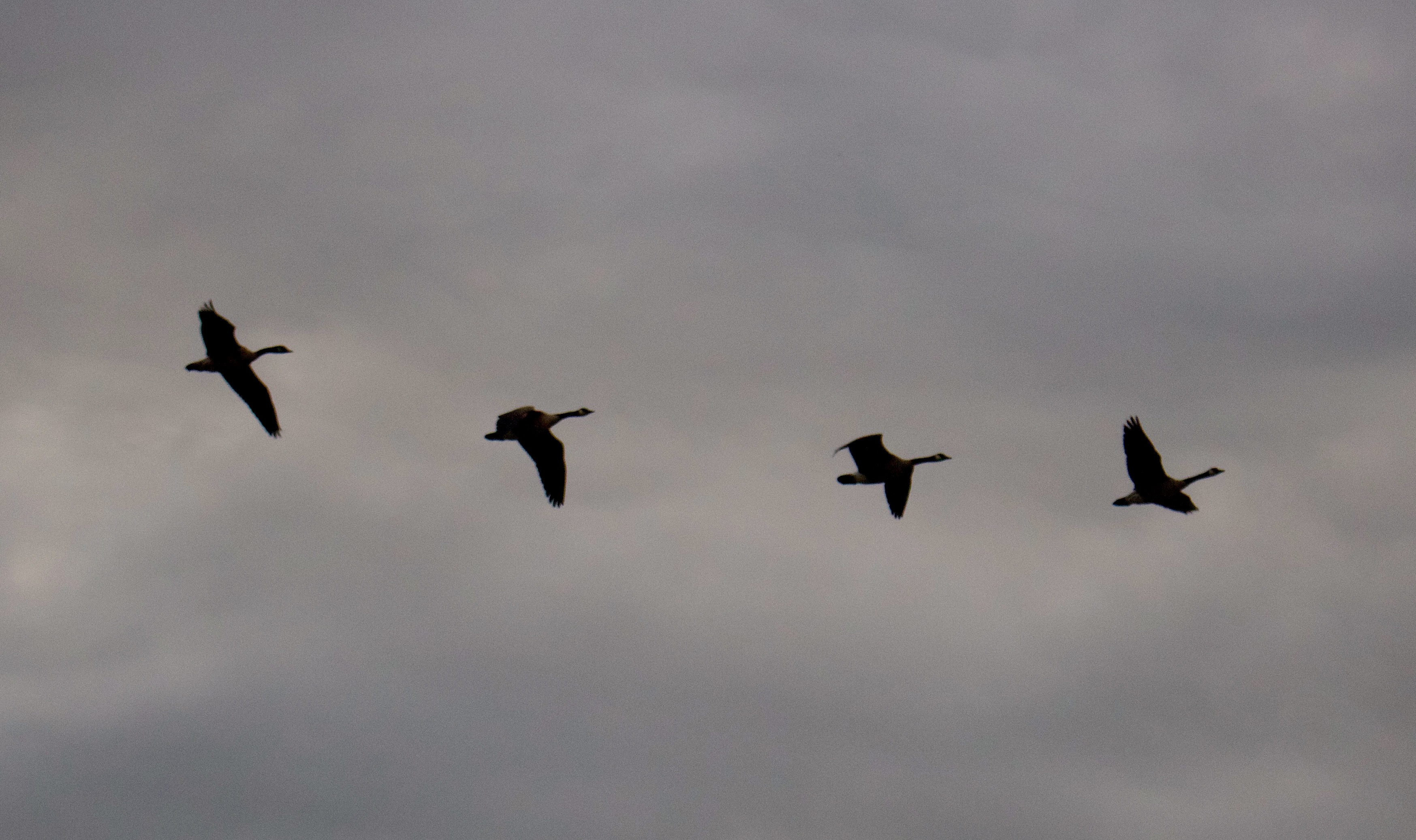
as a V of geese honk a path overhead, and you stop—

in an instant, without thought, raising your arms toward sky, your hands
  flapping from the wrists,

and I can read in the echo your body makes of these wild geese going
  where they must,

such joy, such wordless unity and delight, you are once again the child
  who knows by instinct, by birthright,

just to be is a blessing. In a fictional present, I write the moment down.
  You embodied it.
~Margaret Gibson “Moment”

geese913

I got out of bed
on two strong legs.
It might have been
otherwise. I ate
cereal, sweet
milk, ripe, flawless
peach. It might
have been otherwise.
I took the dog uphill
to the birch wood.
All morning I did
the work I love.

At noon I lay down
with my mate. It might
have been otherwise.
We ate dinner together
at a table with silver
candlesticks. It might
have been otherwise.
I slept in a bed
in a room with paintings
on the walls, and
planned another day
just like this day.
But one day, I know,
it will be otherwise.
~Jane Kenyon “Otherwise”

sunset112214

On this day,
this giving-thanks day,
I know families who surround loved ones
fighting for life in ICU beds,
more families struggling to find gratitude
in their pierced hearts
from loss of a child in an overturned school bus,
or their gunned down police officer son/husband/father,
or their soldier coming home under a flag.

It is the measure of us, the created,
to kneel grateful, while facing the terrible
and still feel loved and blessed,
to believe how wide and long and high and deep
is His love for us,
we the weeping, the broken-hearted.


sunset1112161

outforawalk1


Shed No Tear

butterflygarden2

1031drops7

Don’t be ashamed to weep; ’tis right to grieve. Tears are only water, and flowers, trees, and fruit cannot grow without water. But there must be sunlight also. A wounded heart will heal in time, and when it does, the memory and love of our lost ones is sealed inside to comfort us.”
~ Brian Jacques 

The end-of-summer farm is silently sobbing in its losses; tears of fall, from fog, mist and drizzle, cling to everything everywhere. I arrive back in the house from barn chores soaked through from walking through the weeping.  ‘Tis no shame to be drenched in such sorrow.

The memory of summer is pressed deep in our grieving, our wounds healed by Light that illumines our tears.

We are never left comfortless and weep in the knowing.

webs4

fog101944

Shed no tear! oh, shed no tear!
The flower will bloom another year.
Weep no more! oh, weep no more!
Young buds sleep in the root’s white core.
Dry your eyes! oh, dry your eyes!
For I was taught in Paradise
To ease my breast of melodies,–
Shed no tear.

Overhead! look overhead!
‘Mong the blossoms white and red–
Look up, look up! I flutter now
On this fresh pomegranate bough.
See me! ’tis this silvery bill
Ever cures the good man’s ill.
Shed no tear! oh, shed no tear!
The flower will bloom another year.
~John Keats from “Fairy Song”

fuschia2

fuschiafairies

Again and again we weep and know why.
It is not simply the sorrowful loss
of the perfection of spring giving way to the dying of the fall,
the last gasp coloring of leaves and skies.
It is the loss of innocence, of sense of reverence for life,
this blight man was born for,
this bleeding out perpetrated for no reason.
What must drive one man’s selfish rage, loneliness and despair to compel him to deprive innocent others of their blood and life?
What unexplained evil overtakes one heart that he seeks to stop the beating hearts of others?
When will there ever again be safe havens in society, if not within our schools, our churches, our medical facilities, our malls, then where?
This is a day for lament, for tears, and for prayers to God that we bleed out the sickness that is infecting us all.
fallleaf161

gladiolafair1

wwupinks9

Thank you to Male Ensemble Northwest for singing this song based on the Keats poem during their concert last night.


Restoration

dandyfire8242

The ghosts swarm.
They speak as one
person. Each
loves you. Each
has left something undone.
~Rae Armantrout from “Unbidden”

zuanich9

What is it that goes on within the soul,
that it takes greater delight if things it loves are found
or restored to it than if it had always possessed them?

…The storm tosses seafarers about and threatens them with shipwreck:
they all grow pale at their coming death.
Then the sky and the sea become calm, and they exult exceedingly,
just as they had feared exceedingly.

Or a dear friend is ill.…
All those who long to see him in good health are in mind sick along with him.
He gets well again, and although he does not yet walk with his former vigor,
there is joy such as did not obtain before when he walked well and strong.…

Everywhere a great joy is preceded by a greater suffering.
~Augustine of Hippo from Confessions

dandybud

(written 15 years ago today)
Tonight was a moment of epiphany in my life as a mother and farmer. This world suddenly feels so uncertain after the horrific and tragic events today, yet simple moments of grace-filled routine offer themselves up unexpectedly.  I know the Lord is beside us no matter what has happened.

For me, the routine is tucking the horses into bed, almost as important to me as tucking our children into bed. In fact, my family knows I cannot sit down to dinner until the job is done out in the barn–so human dinner waits until the horses are fed and their beds prepared.

My work schedule is usually such that I must take the horses out to their paddocks from their cozy box stalls while the sky is still dark, and then bring them back in later in the day after the sun goes down. We have quite a long driveway from barn to the paddocks which are strategically placed by the road so the horses are exposed to all manner of road noise, vehicles, logging, milk and hay trucks, school buses, and never blink when these zip past their noses. They must learn from weanling stage on to walk politely and respectfully alongside me as I make that trek from the barn in the morning and back to the barn in the evening.

Bringing the horses in tonight was a particular joy because I was a little earlier than usual and not needing to rush: the sun was setting golden orange, the world had a glow, the poplar and maple leaves carpeting the driveway and each horse walked with me without challenge,  no rushing, pushing, or pulling–just walking alongside me like the partner they have been taught to be.

I enjoy putting each into their own box stall bed at night, with fresh fluffed shavings, a pile of sweet smelling hay and fresh water. I see them breathe a big sigh of relief that they have their own space for the night–no jostling for position or feed, no hierarchy for 12 hours, and then it is back out the next morning to the herd, with all the conflict that can come from coping with other individuals in the same space.  My horses love their stalls, because that is their safe sanctuary where peace and calm is restored, that is where they get special scratching and hugs, and visits from a little red haired girl who loves them and sings them songs.

Then comes my own restoration of returning to the sanctuary of our house, feeding my human family and tucking three precious children into bed, even though two are now taller than me. The world feels momentarily predictable within our walls, comforting us in the midst of devastation and tragedy elsewhere.   Hugging a favorite pillow and wrapping up in a familiar soft blanket, there is warmth and safety in being tucked in.

I’ll continue to search for these moments of restoration whenever I’m frightened, hurting and unable to cope.  I need a quiet routine to help remind me how blessed we are to be here to wake each morning to regroup, renew and restore when it seems the ground has given way.

zuanich2

Crossing the Threshold

hayfield

earsgrass

John O’Donohue gave voice to the connection between beauty and those edges of life—
thresholds was the word he loved—
where the fullness of reality becomes more stark and more clear.

If you go back to the etymology of the word “threshold,” it comes from “threshing,” which is to separate the grain from the husk. So the threshold, in a way, is a place where you move into more critical and challenging and worthy fullness.

There are huge thresholds in every life.

You know that, for instance, if you are in the middle of your life in a busy evening, fifty things to do and you get a phone call that somebody you love is suddenly dying, it takes ten seconds to communicate that information.

But when you put the phone down, you are already standing in a different world. Suddenly everything that seems so important before is all gone and now you are thinking of this.

So the given world that we think is there and the solid ground we are on is so tentative.
And a threshold is a line which separates two territories of spirit, and very often how we cross is the key thing.

When we cross a new threshold worthily, what we do is we heal the patterns of repetition
that were in us that had us caught somewhere.

~John O’Donohue from an “On Being” interview with Krista Tippett on “Becoming Wise”

clouds7816

I emerge from the mind’s
cave into the worse darkness
outside, where things pass and
the Lord is in none of them.
I have heard the still, small voice
and it was that of the bacteria
demolishing my cosmos. I
have lingered too long on
this threshold, but where can I go?
To look back is to lose the soul
I was leading upwards towards
the light. To look forward? Ah,
what balance is needed at
the edges of such an abyss.
I am alone on the surface
of a turning planet. What
to do but, like Michelangelo’s
Adam, put my hand
out into unknown space,
hoping for the reciprocating touch?
~R.S. Thomas “Threshold”

fullmoon61916


These past few months of mass shootings, tragic deaths and never-ending conflict have forced us all to a threshold needing to be crossed. Yet we stand stubborn, immobilized, frozen and dying on the spot, peering out in fear but never peering inward for self-examination.

Instead of submitting to the crushing winnowing that must happen to blow away the chaff of our lives, to get down to the kernel of truth that sustains us, we cling to the old and familiar. It is we who have delivered ourselves a non-choice between two deeply flawed individuals for president. They represent what evils we tolerate as a people: celebrating entitlements, tolerating their legal, moral and financial shenanigans simply because they are rich and famous.

Unwilling to change attitude or perspective, reluctant to move forward into largely uncharted territory, mired in a tribalism only skin deep, we wonder why history repeats itself, why we are dying every day, by our own hand or by others’.

How to cross worthily? How to cross together, arm in arm, united in the need to move forward beyond this mess we have made for ourselves?

We need a good threshing, badly. We need to be worthy. We need to reach out our hands into the unknown that lies ahead, hoping and praying Someone is there to grab hold and lead us across to a better day.


thimbleweb

Plunged into the Dark Abyss

salpiglossis

The ultimate weakness of violence is that it is a descending spiral
begetting the very thing it seeks to destroy.
Instead of diminishing evil, it multiplies it.
Through violence you may murder the liar,
but you cannot murder the lie, nor establish the truth.
Through violence you may murder the hater,
but you do not murder hate.
In fact, violence merely increases hate.
So it goes.
Returning violence for violence multiplies violence,
adding deeper darkness to a night already devoid of stars.
Darkness cannot drive out darkness:
only light can do that.
Hate cannot drive out hate: only love can do that.
Hate multiplies hate,
violence multiplies violence,
and toughness multiplies toughness
in a descending spiral of destruction….
The chain reaction of evil —
hate begetting hate,
wars producing more wars —
must be broken,
or we shall be plunged
into the dark abyss of annihilation.
~
Dr. Martin Luther King, Jr. from Strength to Love

salpiglossis3

The world is indeed full of peril and in it there are many dark places.
But still there is much that is fair. And though in all lands, love is now
mingled with grief, it still grows, perhaps, the greater.
— J. R. R. Tolkien

rainyrose

We forget that God is right there, waiting for us to turn to him, no matter how dire our situation.  We forget the reassuring words of his messengers: “Fear not.”   God always seeks to draw close to us — even in the depths of hell.
…it comes down to this: the only way to truly overcome our fear of death is to live life in such a way that its meaning cannot be taken away by death.  It means fighting the impulse to live for ourselves, instead of for others.  It means choosing generosity over greed.  It also means living humbly, rather than seeking influence and power.  Finally, it means being ready to die again and again — to ourselves, and to every self-serving opinion or agenda.

~Johann Christoph Arnold

hydrangearainyblu

This week, bullets have been fired out of fear and anger by, and have struck down, people who look and are just like us.  Shed tears never need translation or interpretation, no matter what color cheeks they moisten.

Distrust and fear continue to impact our communities daily, settling like a shroud over the most routine activities.  So we must fall back on what we were told long ago and each and every day in 365 different verses in the Word itself: fear not.

Do not be overwhelmed with evil but overcome evil with good.

The goal of this life is to live for others, to live in such a way that death cannot erase the meaning and significance of a life.  We are called to give up our selfish agendas in order to consider the dignity of others and their greater good.

Cherish life, all lives, including, as is crystal clear from Christ’s example,  those who are so fearful, they hate and want to murder us.

Our only defense against evil is God’s offense; only He will lead us to Tolkien’s “where everything sad will come untrue”, where tears are no longer shed in sorrow,  but can only be tears of joy.

dewypetunia

A Hard Time

fidalgobeach2

Wavecrash2
photo by Nate Gibson

It’s a hard time to be human. We know too much
and too little. Does the breeze need us?
The cliffs? The gulls?
If you’ve managed to do one good thing,
the ocean doesn’t care.
But when Newton’s apple fell toward the earth,
the earth, ever so slightly, fell
toward the apple as well.
~Ellen Bass from “The World Has Need of You”

20120726-212655

God speaks to each of us as he makes us,
then walks with us silently out of the night.

These are the words we dimly hear:

You, sent out beyond your recall,
go to the limits of your longing.
Embody me.

Flare up like a flame
and make big shadows I can move in.

Let everything happen to you: beauty and terror.
Just keep going.  No feeling is final.
Don’t let yourself lose me.

Nearby is the country they call life.
You will know it by its seriousness.

Give me your hand.
~Rainer Maria Rilke from “Book of Hours”

applehole

For too much of my life I have focused on the future, bypassing the present.  There is always a goal to achieve,  a conclusion becoming commencement of the next phase, a sunset turning right around in a few hours to become sunrise.

When the present is so hard, so overwhelming, so riveting, so tenderly full of life or achingly full of death, I grab hold with all my strength to try and secret it away and keep it forever.   Even if it slips away from me, elusive and evasive, torn to bits by the unrelenting and devastating movement of time, I have felt the earth move, ever so slightly, toward me.

So, whether out of joy or pain, I must write to harvest those times to make them last a little bit longer.  Maybe not forever; they will be lost downstream into the ether of unread words.
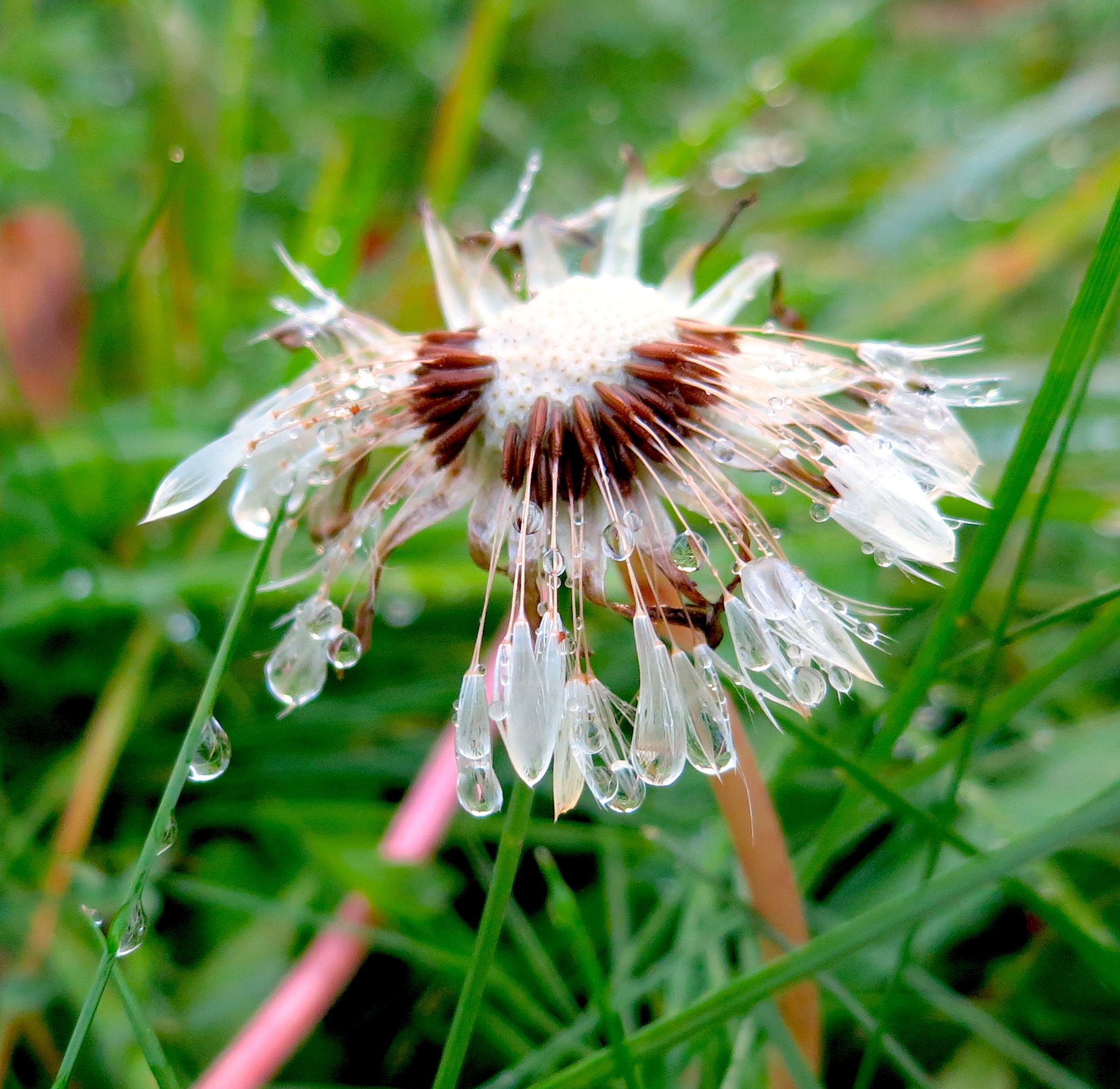
Even if unread, I am learning that words, which had the power in the beginning to create all life, can bring tenderness and meaning back to my life.  I embody Him.

How blessed to live the gift twice: not just in the moment itself but in writing words that preserve and treasure it all up.
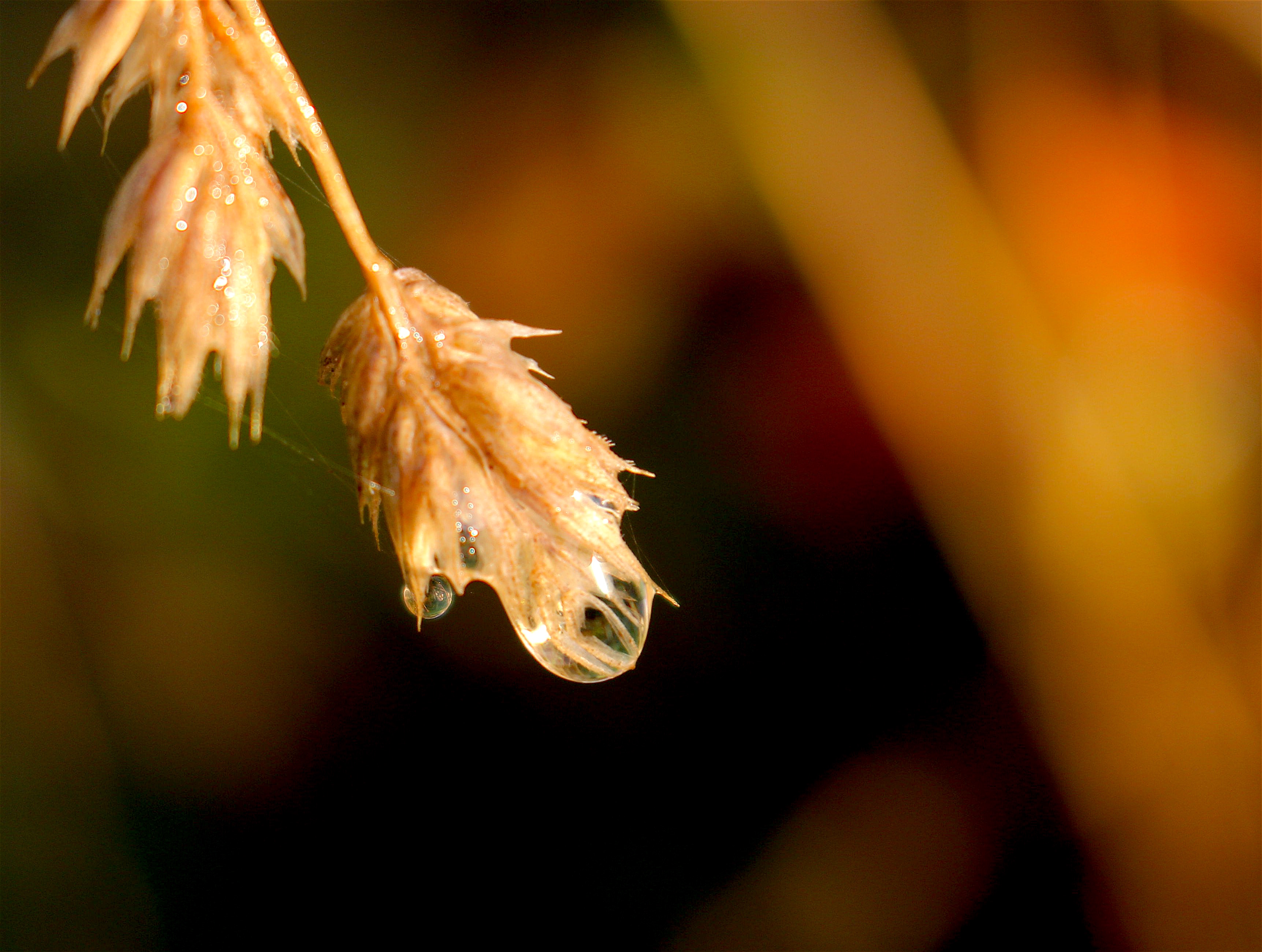
appledew2


When Sad Comes Untrue

weepingrose

Is everything sad going to come untrue? What’s happened to the world?
~J.R.R. Tolkien from The Return of the King

The world is indeed full of peril and in it there are many dark places. But still there is much that is fair. And though in all lands, love is now mingled with grief, it still grows, perhaps, the greater.
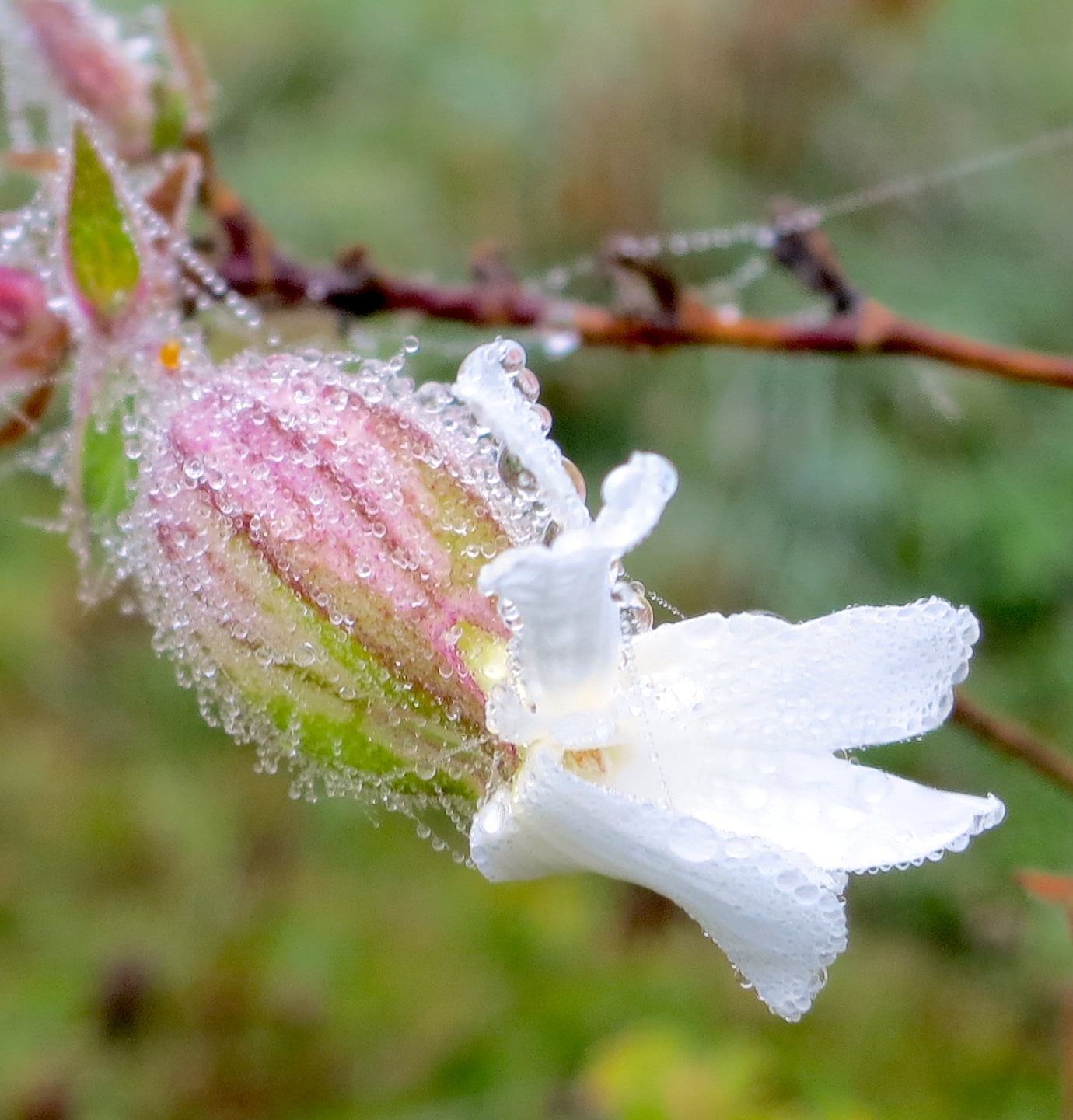
~J.R.R Tolkien from The Fellowship of the Ring

Yet again unspeakable terror strikes down ordinary people living their lives–once again our soil is soaked with the blood of our sons and daughters, our sisters and brothers.

In our minds, we want to rewind and replay the events of a tragedy in a way that would prevent it from happening in the first place.   We want to bring the dead and injured back to health again.  The major devastating earthquake becomes a mere tremor, the flooding tsunami is only one foot, not over thirty feet tall, the terrorist hijackers are prevented from ever boarding a plane, the shooter changes his mind at the last minute, lays down his arms and calls someone for help with his overwhelming distress and anger.

We want so badly for it all to be untrue.  The bitter reality of horrendous daily suffering and sadness all over the earth is too much for us to absorb.   We plead for relief, beg for a better day. What has happened to the world?

Our minds may play mental tricks like this, but God does not play tricks.  He knows and feels what we do.  He too wanted to see it rewound and replayed differently so He came to us to know our grief and sadness, to weep with us, to suffer for us, to die to end such evil.  And because of this, because of a God who came to dwell with us, was broken, died and then rose again whole and holy, we are assured, in His time, everything sad will come untrue.

Our tears will be dried, our grief turned to joy, our pain nonexistent, not even a memory.  It will be a new day, a better day when love is greater than anger, dissolving our grief – as it is written, trustworthy and true.

May that be a day when we can no longer overwhelmed with evil but we will overcome evil with good.

He will wipe away every tear from their eyes, and death shall be no more, neither shall there be mourning, nor crying, nor pain anymore, for the former things have passed away. And he who was seated on the throne said, “Behold, I am making all things new.” Also he said, “Write this down, for these words are trustworthy and true.
~Revelation 21: 4-5

drizzleweed2

Remembering May 19

photo by Larry Goldman

Reflecting on the courage shown by Tanzanian park rangers and my kidnapped research colleagues on this unforgettable day 41 years ago  —  I’m reposting this part of my Gombe saga from when I worked as a student research assistant for Jane Goodall in western Tanzania in 1975.

At first glance,  Gombe National Park in Tanzania felt like paradise—a serene piece of the earth filled with exotic and fascinating wildlife, an abundance of fish and fruit to eat, and the rich unfamiliar sounds and smells of the tropical jungle.  It was a façade.  It was surrounded by the turmoil and upheaval of political rebellion and insurgencies in its neighboring countries, inflamed even more by the fall of Saigon in Vietnam a month previously due to the earlier pull out of the Americans from that long and tragic war.

Only a few miles north of our research station in Gombe National Park in western Tanzania, there had been years of civil war in the small land locked country of Burundi.  When the wind was just right, we could hear gunfire and explosions echoing over the valleys that separated us.  Escaping refugees would sometimes stop for food on their way to villages in Tanzania to the south, seeking safe haven in one of the poorest countries in the world, only a decade into its own experiment with socialism, Ujamaa.

There was also word of ongoing military rebellion against the dictatorship of President Mobutu in the mountainous country of Zaire twelve miles west across Lake Tanganyika.

Morning comes early for field studies of wildlife, as the research day must start before the chimpanzee and baboon subjects wake up and begin to stir. Before midnight, while we slept soundly in our metal huts scattered up the mountainside, a group of armed soldiers arrived by boats to the shore of Gombe National Park.

Storming the beach huts housing two unarmed Gombe park rangers and their families, the soldiers seized one and demanded to be told where the researchers were. The ranger refused to provide information and was severely beaten about the head and face by the butts of the rifles carried by the invaders.  The armed soldiers then divided into smaller groups and headed up the trails leading to the huts, coming upon four sleeping student researchers, tying them up, taking them hostage, forcing them into boats and taking them across the lake back to Zaire.

Asleep farther up the mountain, we were wakened by some students who were fleeing, hearing the commotion.  No one really understood what was happening down lower on the mountain. There were shouts and screams, and gun shots had been heard.  Had someone been injured or killed?   There was no choice but to run and hide deep in the bush at a predetermined gathering spot until an “all clear” signal was given by the rangers.

We hurried along barely familiar  trails in the black of the jungle night, using no flashlights, our hearts beating hard, knowing we had no defense available to us other than the cover of darkness.

That was the longest wait for morning of my life, sitting alongside Jane holding her son Grub.  A hand full of other students had also made their way to the hiding spot, none of us knowing what to think, say or do.  We could only barely see each other’s faces in the darkness and were too frightened to make any sounds.  We carried no weapons, and there was no way to communicate with the outside world.   We had no idea how many of us may be missing, or possibly dead.

Jane held Grub in her arms, trying to keep him quiet, but his eight year old imagination was ignited by the events that had just unfolded.

“Will they kidnap me, Jane?  Will they come for me?  Where will they take us?  Will they shoot us dead?”

Jane, her face hidden by her blonde hair loose about her shoulders,  sat rocking him, cradling him. “Shhh, shhh, we don’t want them to find us.  We’re safe staying right here.  Everything will be fine in the morning.  No one will take you from me.”

Grub began to sob silently into her shoulder.

When the morning of May 20 dawned, the park rangers located us, and pieced together the events as best they could–the soldiers were Zairean rebels living in remote mountains, fighting  an insurgency against the Zaire government. Seeking funds for their cause, they saw a kidnapping of Americans and Europeans as a way to raise quick funds and world publicity and sympathy.  Four of our friends/coworkers were missing, the camp was ransacked and the rangers beaten but with no life threatening injuries.   There was no way to remain safe at the Park, and our colleagues needed whatever help we could offer for their rescue.

We were able to send a messenger to a nearby fishing village, and a radio call was sent out to the small town of Kigoma, then relayed to Dar Es Salaam and Nairobi.  Help arrived within a few hours, when a United Nations boat monitoring the civil war activities in Burundi pulled off shore near our camp.  We were told we needed to evacuate Gombe that day, and would be taken to Kigoma, and then flown by bush pilot to Nairobi, Kenya to cooperate in the investigation of the kidnapping.

In Nairobi, at the US Embassy, I met CIA agents who viewed our wild primate studies with suspicion.  Each of us were grilled individually as to our political beliefs, our activities at the camp and whether we may be somehow involved in subversive actions against the Zaire or Tanzanian governments.  We were dumbfounded that our own countrymen would be so skeptical about our motives for being in Africa.  It became clear our own government would be no help in resolving the kidnapping and bringing our friends home to safety.  The agents did not shed any light on whether they knew our friends were alive or dead.

We were then hustled into a press conference where we were interviewed for television and print media by the worldwide news agencies, and my parents saw me on the CBS evening news before they actually heard my voice over the phone.  I flew back to Stanford the next day, spending 24 hours on a plane that made six stops up the coast of West Africa on its way back west, to tell what I knew to President Lyman and other administration officials at Stanford as they prepared a plan to locate and free the students.   I then returned home to Washington state to await any news that came too slowly from a place so far away that I remain astonished to this day that I was ever there at all.

It took over three months, private negotiations and ransom money to free all four of our friends back to safety.

photo from a press conference at Stanford a few days later