Mucking About

I’ve banked nothing, or everything.
Every day
the chores need doing again.
Early in the morning,

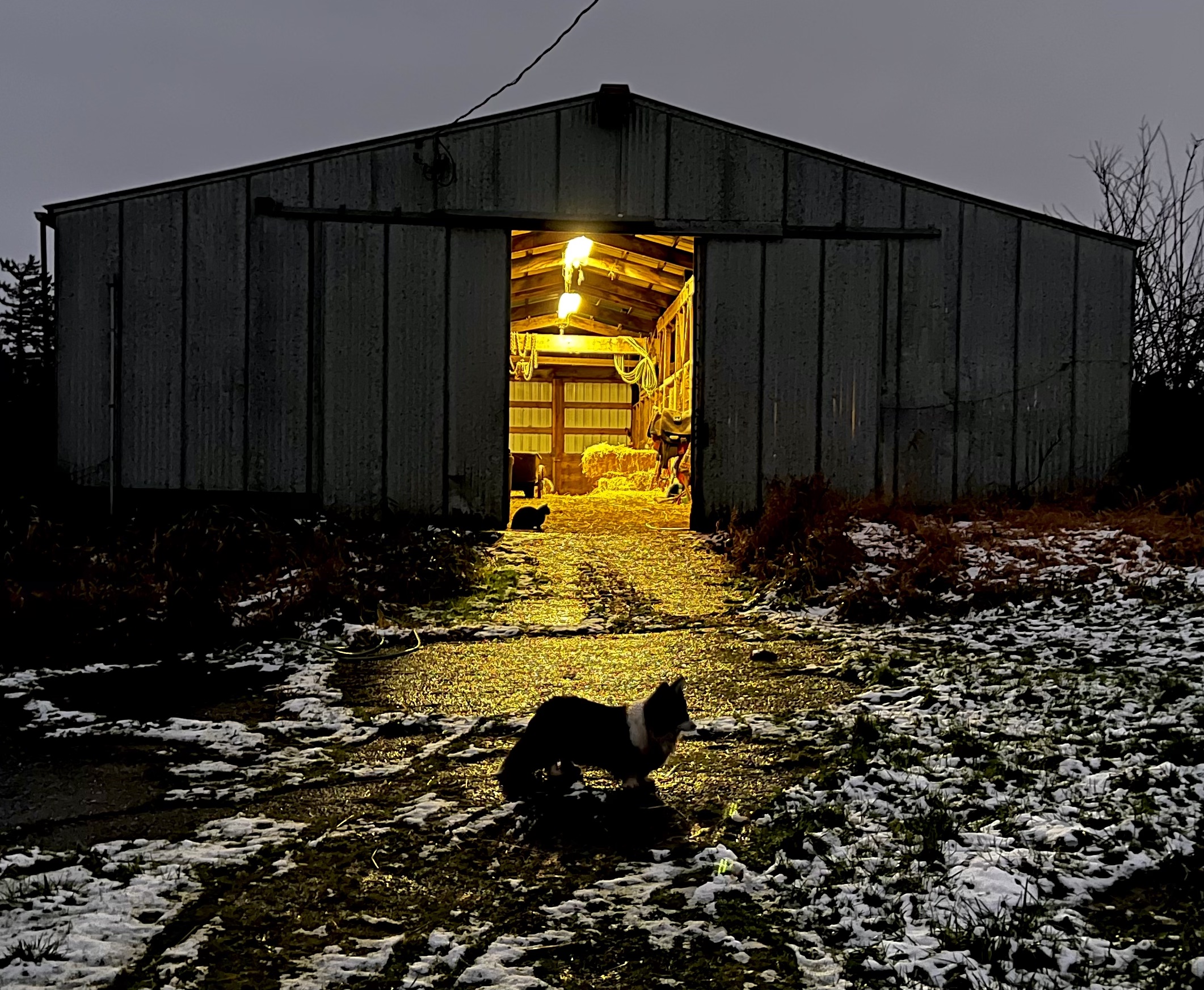
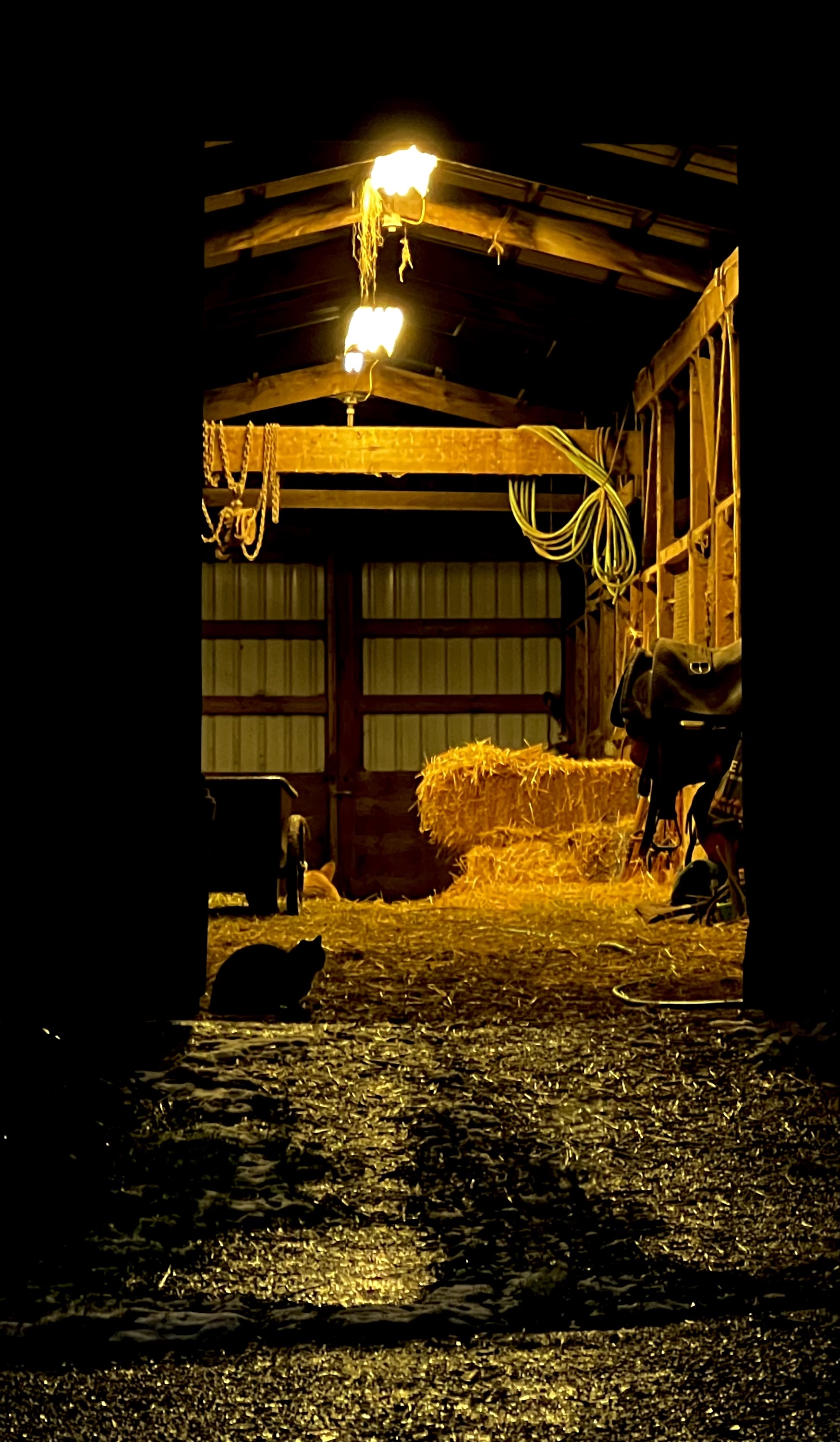
I clean the horse barn with a manure fork.
Every morning, it feels as though it could be

the day before or a year ago or a year before that.
With every pass, I give the fork one final upward flick
to keep the manure from falling out, and every day I remember

where I learned to do that and from whom.
Time all but stops.
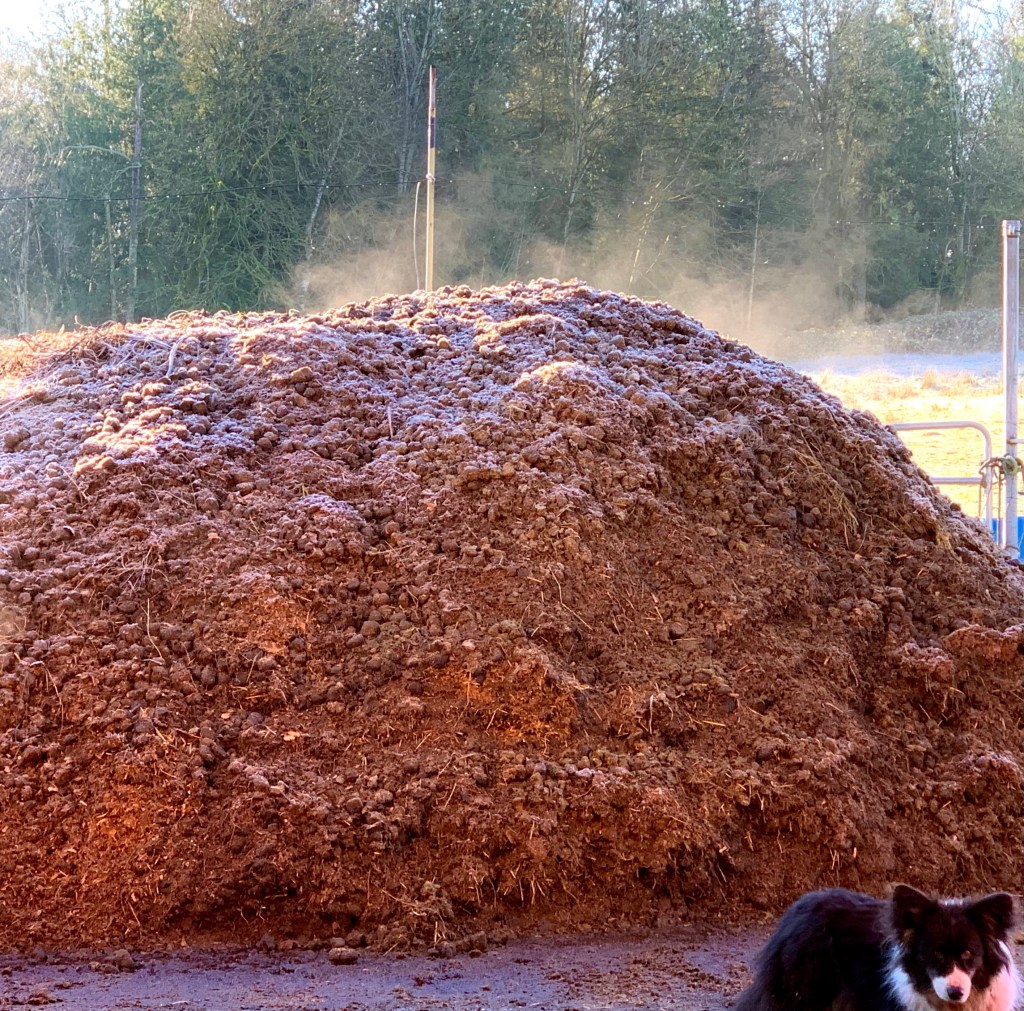
But then I dump the cart on the compost pile.
I bring out the tractor and turn the pile,

once every three or four days.
The bucket bites and lifts,

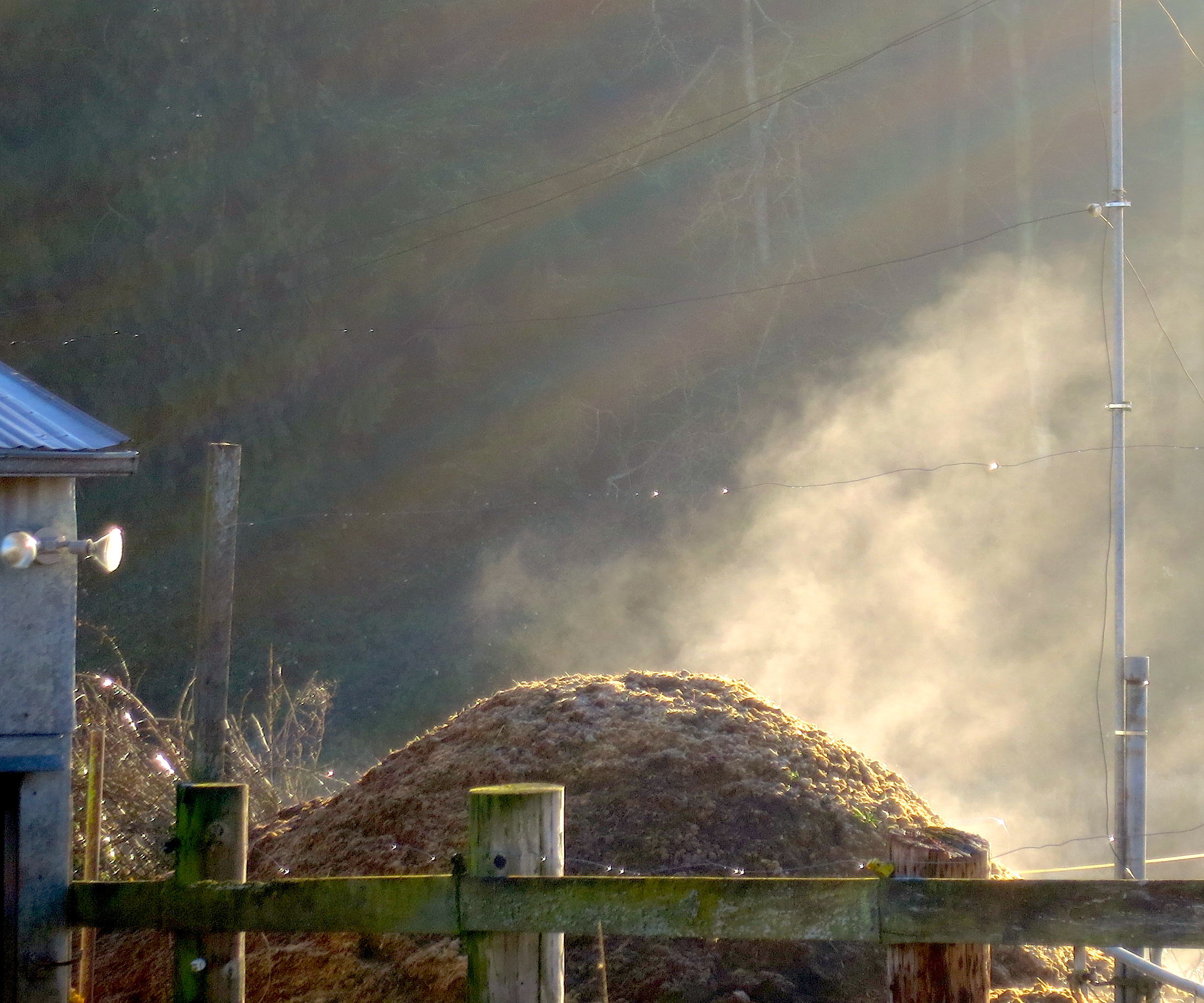
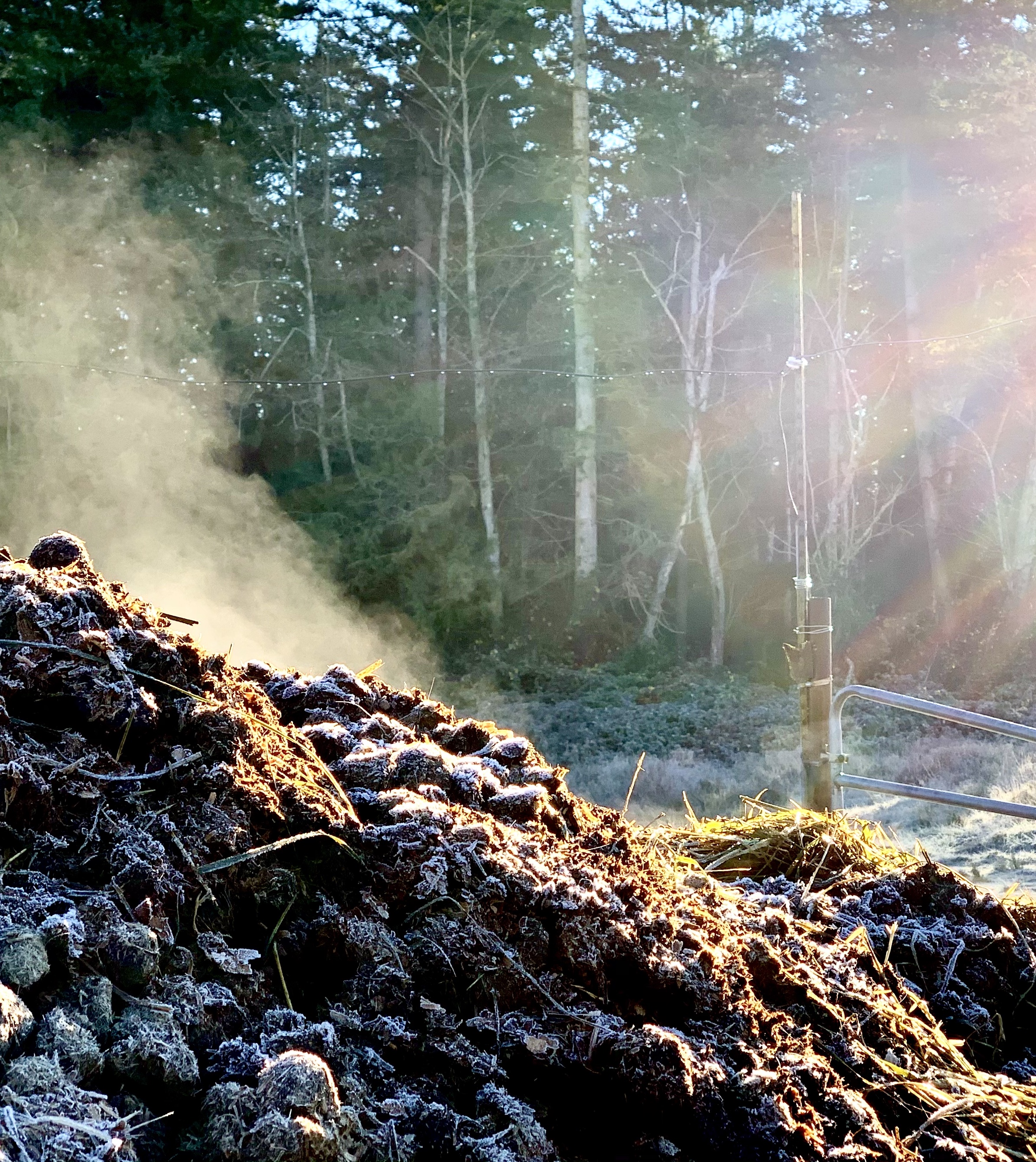
and steam comes billowing out of the heap.
It’s my assurance that time is really moving forward,
decomposing us all in the process.
~Verlyn Klinkenborg from More Scenes from the Rural Life

He <the professor> asked
what I made of the other Oxford students
so I told him:
They were okay, but they were all very similar…
they’d never failed at anything or been nobodies,
and they thought they would always win.
But this isn’t most people’s experience of life.

He asked me what could be done about it.
I told him the answer was to send them all out for a year
to do some dead-end job
like working in a chicken processing plant
or spreading muck with a tractor.
It would do more good than a gap year in Peru. 

He laughed and thought this was tremendously witty.
It wasn’t meant to be funny.

~James Rebanks from The Shepherd’s Life
(how a sheep farmer succeeds at Oxford and then goes back to the farm)

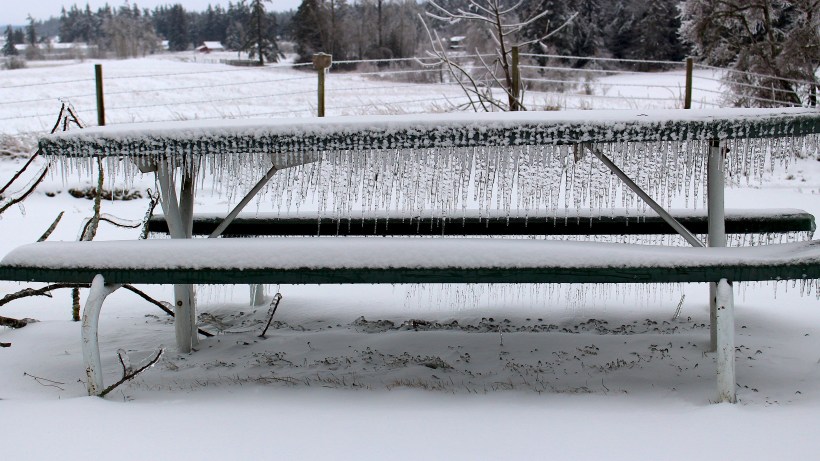
For well over thirty years, my husband and I have spent about an hour a day shoveling manure out of numerous horse stalls and I’m a better person for it. The last few weeks of sub-freezing snow/icy weather while running low on trucked-in supplies of shavings and straw bedding has been a particular character-building experience. It feels like everything, myself included, is in a process of decomposition.

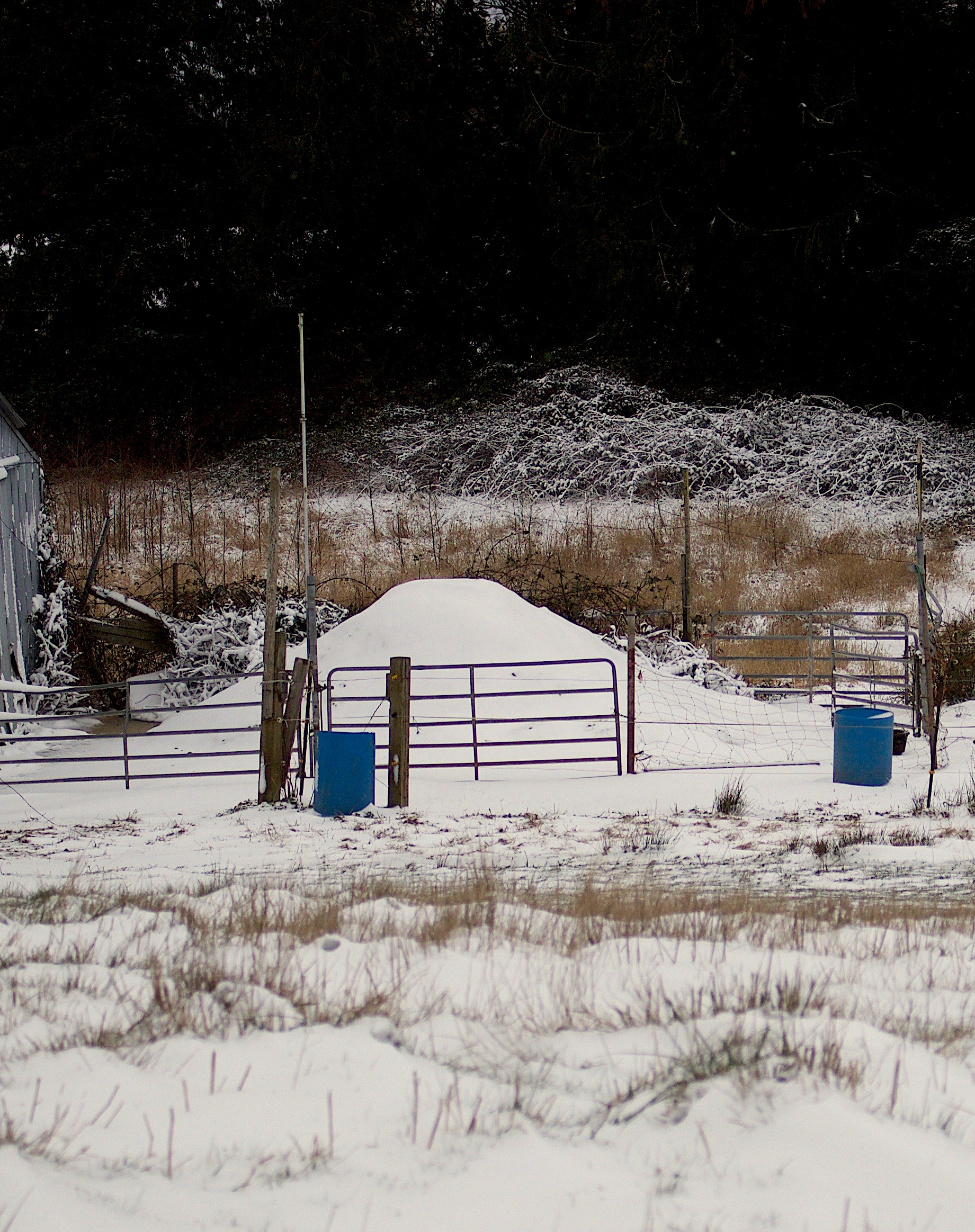
Wheeled to a mountainous pile in our barnyard,  our daily collection of manure happily composts year round, becoming rich fertilizer in a matter of months through a crucible-like heating process of organic chemistry, bacteria and earthworms.  Nothing mankind has achieved quite matches the drama of useless and basically disgusting stuff transforming into the essential elements needed for productive growth and survival.   This is a metaphor I can <ahem> happily muck about in.

I’m in awe, every day, at being part of this process — in many ways a far more tangible improvement to the state of the world than anything else I manage to accomplish every day.  The horses, major contributors that they are, act underwhelmed by my enthusiasm.  I guess some miracles are relative, depending on one’s perspective, but if the horses understood that the grass they contentedly eat in the pasture, or the hay they munch on during the winter months, was grown thanks to their carefully recycled waste products, they might be more impressed.

Their nonchalance about the daily mucking routine is understandable.  If they are outside, they probably don’t notice their beds are clean when they return to the stalls at night.  If they are inside during the heavy rain days, they feel duty-bound to be in our faces as we move about their stall, toting a pitchfork and pushing a wheelbarrow.  I’m a source of constant amusement as they nose my jacket pockets for treats that I never carry, as they beg for scratches on their unreachable itchy spots, and as they attempt to overturn an almost full load, just to see balls of manure roll to all corners of the stall like breaking a rack of billiard balls in a game of pool.

Good thing I’m a patient person always seeking an object lesson in whatever I see or do ~ mucking out stalls every day helps me tolerate the proverbial muck I encounter every day off the farm.  And spending an hour a day getting dirty in the real stuff somehow makes the virtual manure less noxious. 

Everyone should be spending time daily mucking out;
I think the world would generally be a better place.

Wally, our former stallion, now gelded, discovered a way to make my life easier rather than complicating it.  He hauled a rubber tub into his stall from his paddock, by tossing it into the air with his teeth and throwing it, and it finally settled against one wall.  Then he began to consistently pile his manure, with precise aim, right in the tub.  I didn’t ask him to do this.  It had never occurred to me.  I hadn’t even thought it was possible for a horse to house train himself.  But there it is, proof that some horses prefer neat and tidy rather than the whirlwind eggbeater approach to manure distribution.  After a day of his manure pile plopping, it is actually too heavy for me to pick up and dump into the wheelbarrow all in one tub load, but it takes 1/4 of the time to clean his stall than the others, and he spares all this bedding.

What a guy.  He provides me unending inspiration in how to keep my own personal muck concentrated rather than spreading it about,  contaminating the rest of the world.

Now, once I teach him to put the seat back down when he’s done, he’s welcome to move into the house…

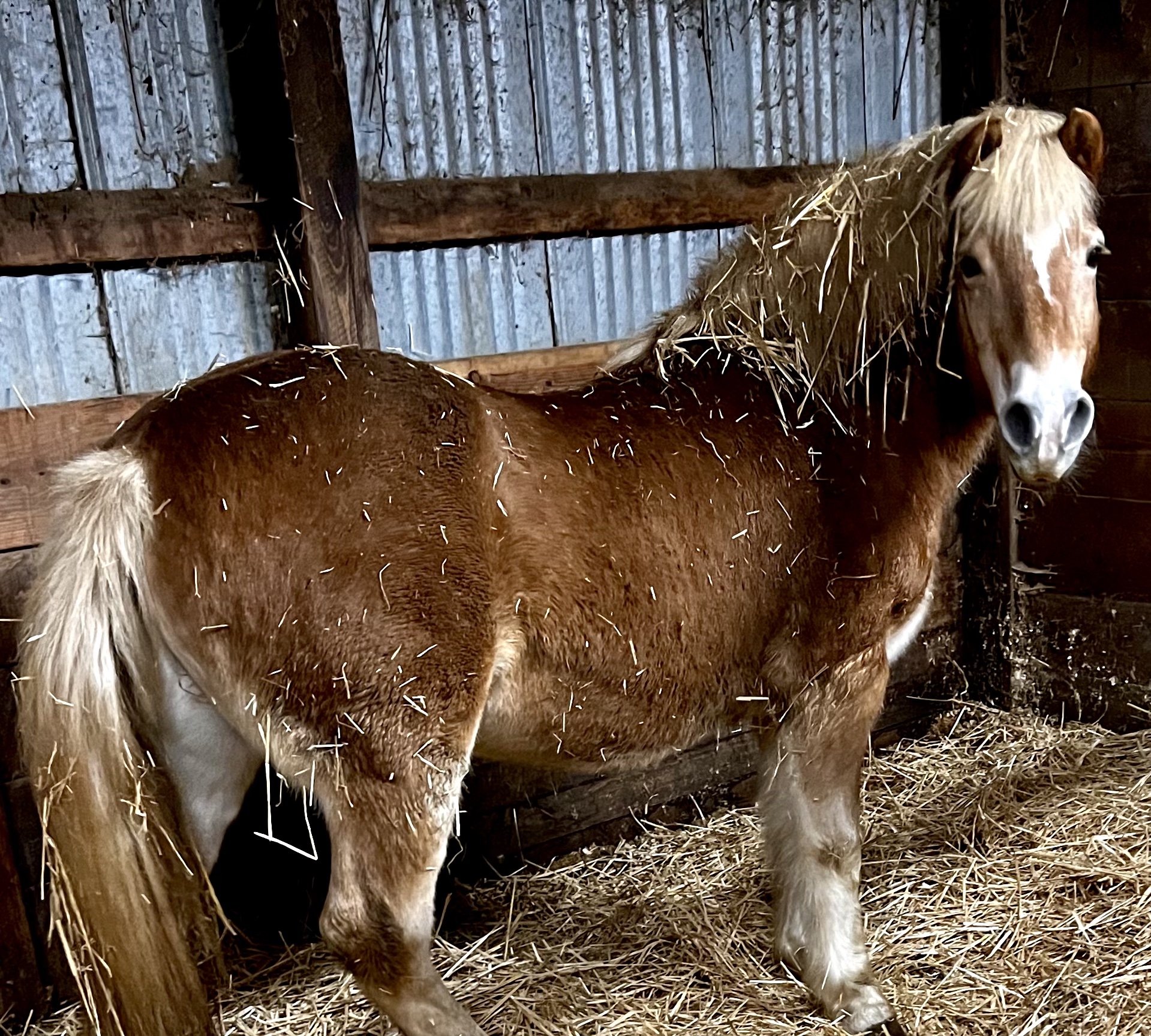
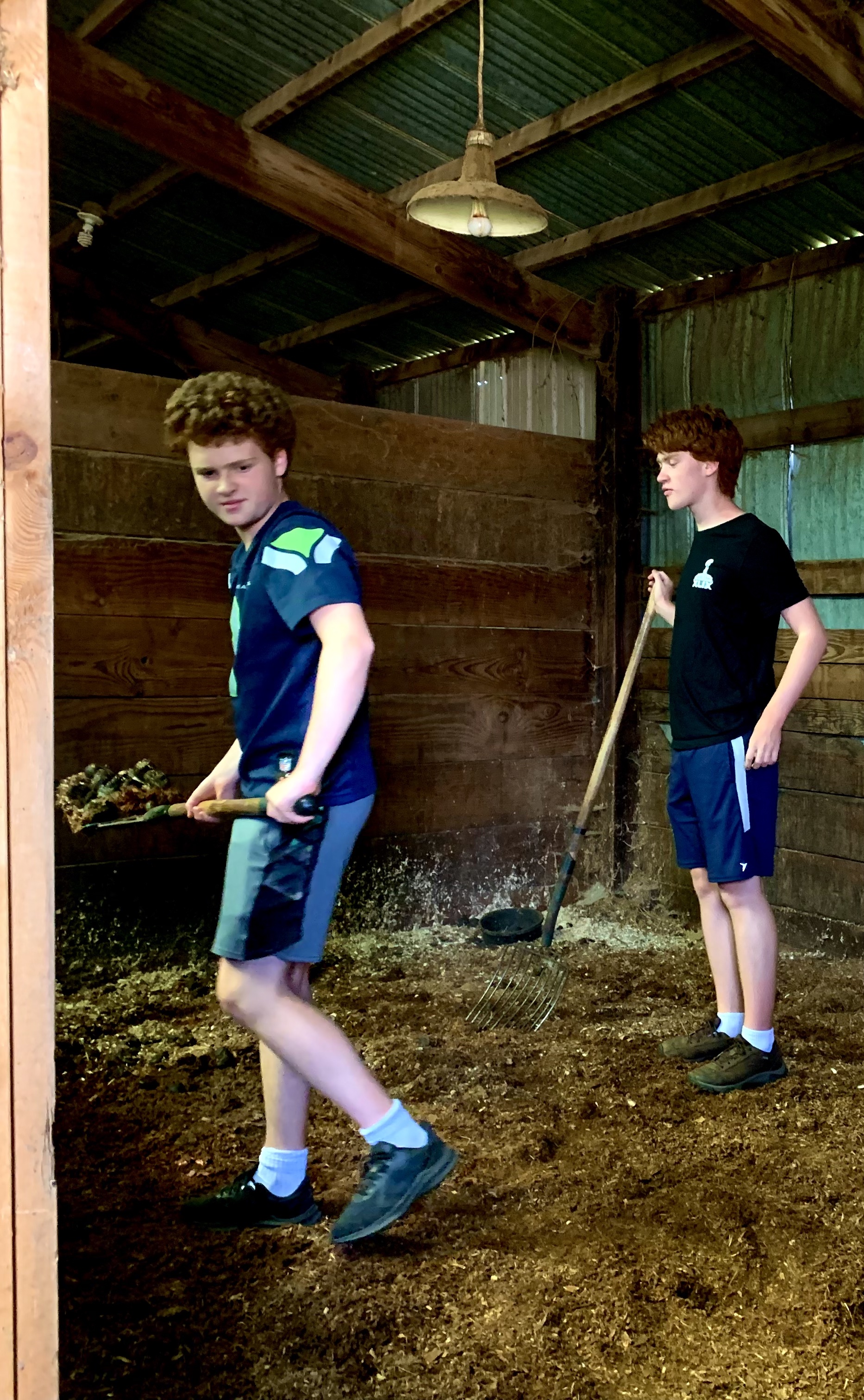
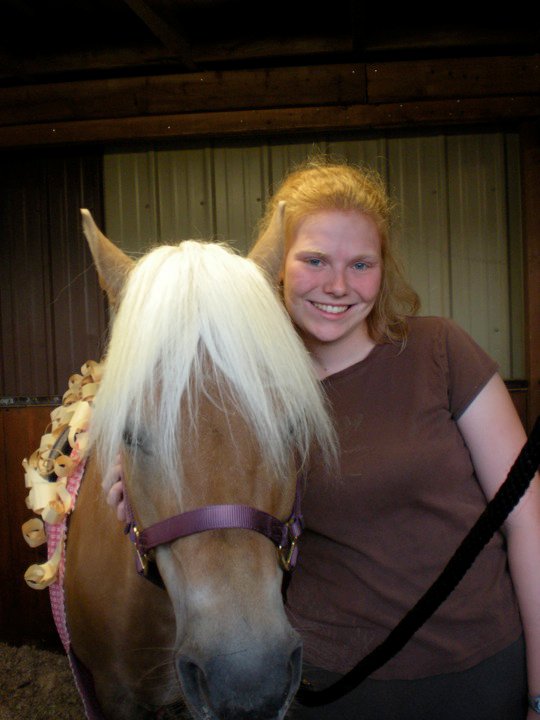
teaching my city nephews how to muck out a stall
Wally’s purposeful pile

One-Time
Monthly
Yearly

Make a one-time or recurring donation to support Barnstorming

Make a monthly donation

Make a yearly donation

Choose an amount

¤5.00
¤10.00
¤20.00
¤5.00
¤15.00
¤100.00
¤5.00
¤15.00
¤100.00

Or enter a custom amount

¤

Your contribution is deeply appreciated.

Your contribution is appreciated.

Your contribution is appreciated.

DonateDonate monthlyDonate yearly
Saved By a Snow Storm

“I have noticed,” she said slowly, “that time does not really exist for mothers, with regard to their children. It does not matter greatly how old the child is – in the blink of an eye, the mother can see the child again as she was when she was born, when she learned to walk, as she was at any age — at any time, even when the child is fully grown….”
~Diana Gabaldon from Voyager

May the wind always be in her hair
May the sky always be wide with hope above her
And may all the hills be an exhilaration
the trials but a trail,
all the stones but stairs to God.

May she be bread and feed many with her life and her laughter
May she be thread and mend brokenness and knit hearts…
~Ann Voskamp from “A Prayer for a Daughter”

Your rolling and stretching had grown quieter that stormy winter night
twenty nine years ago, but still no labor came as it should.
Already a week overdue post-Christmas,
you clung to amnion and womb, not yet ready.
Then as the wind blew more wicked
and snow flew sideways, landing in piling drifts,
the roads became more impassable, nearly impossible to traverse.

So your dad and I tried,
concerned about your stillness and my advanced age,
worried about being stranded on the farm far from town.
So a neighbor came to stay with your brothers overnight,
we headed down the road
and our car got stuck in a snowpile in the deep darkness,
our tires spinning, whining against the snow.
Another neighbor’s earth mover dug us out to freedom.

You floated silent and still, knowing your time was not yet.

Creeping slowly through the dark night blizzard,
we arrived to the warm glow of the hospital,
your heartbeat checked out steady, all seemed fine.

I slept not at all.

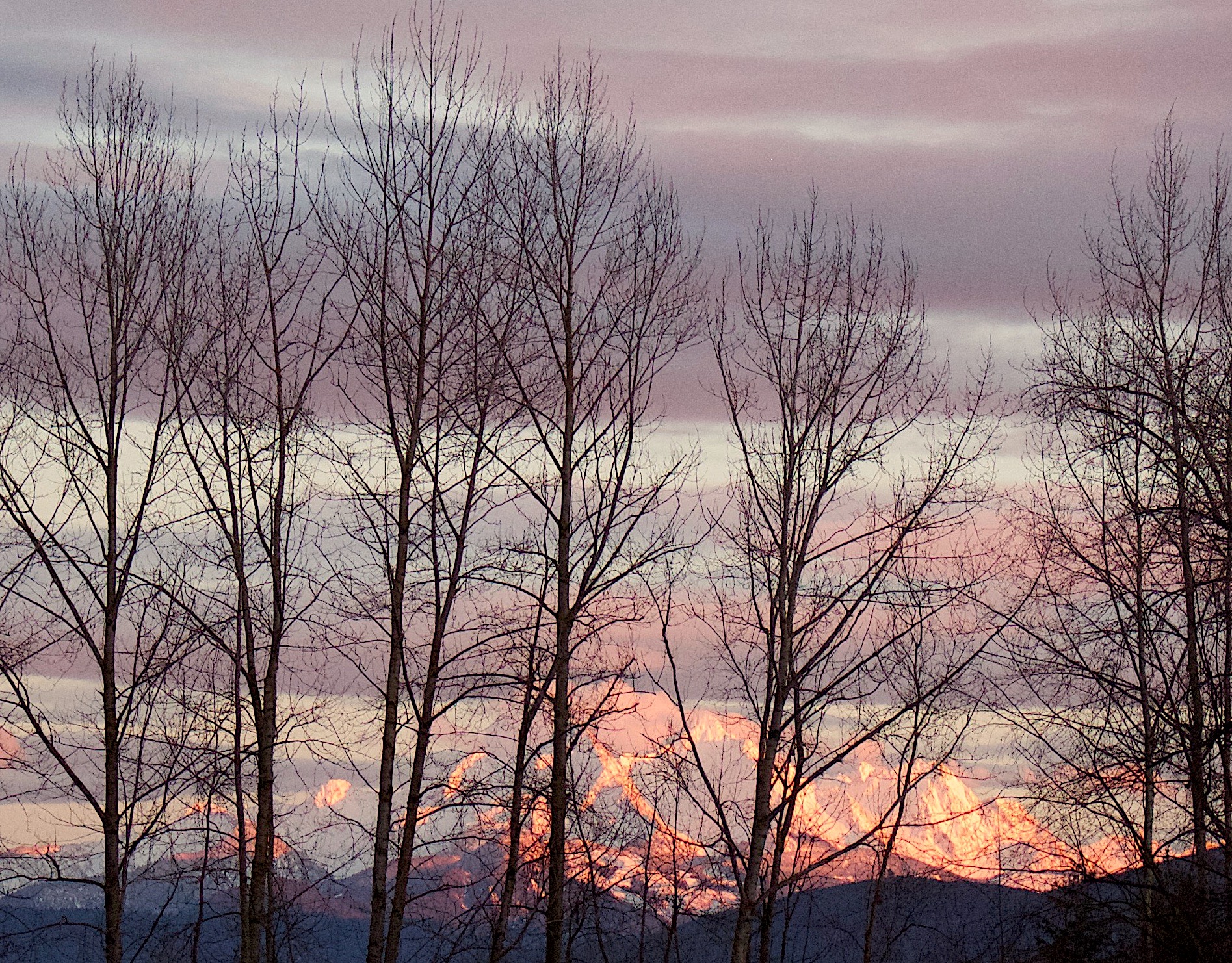
The morning’s sun glistened off sculptured snow as
your heart ominously slowed.
You and I were jostled, turned, oxygenated, but nothing changed.
You beat even more slowly,
threatening to let loose your tenuous grip on life.

The nurses’ eyes told me we had trouble.
The doctor, grim faced, announced
delivery must happen quickly,
taking you now, hoping we were not too late.
I was rolled, numbed, stunned,
clasping your father’s hand, closing my eyes,
not wanting to see the bustle around me,
trying not to hear the shouted orders,
the tension in the voices,
the quiet at the moment of opening
when it was unknown what would be found.

And then you cried. A hearty healthy husky cry,
a welcomed song of life uninterrupted.
Perturbed and disturbed from the warmth of womb,
to the cold shock of a bright lit operating room,
your first vocal solo brought applause
from the surrounding audience who admired your purplish pink skin,
your shock of damp red hair, your blue eyes squeezed tight,
then blinking open, wondering and wondrous,
emerging and saved from a storm within and without.

You were brought wrapped for me to see and touch
before you were whisked away to be checked over thoroughly,
your father trailing behind the parade to the nursery.
I closed my eyes, swirling in a brain blizzard of what-ifs.

If no snow storm had come,
you would have fallen asleep forever within my womb,
no longer nurtured by my aging and failing placenta,
cut off from what you needed to stay alive.
There would have been only our soft weeping,
knowing what could have been if we had only known,
if God had provided a sign to go for help.

So you were saved by a providential storm
and dug out from a drift:
I celebrate when I hear your voice singing,
and when your students love you as their teacher,
knowing you are a thread born to knit and mend hearts,
all because of blowing snow.

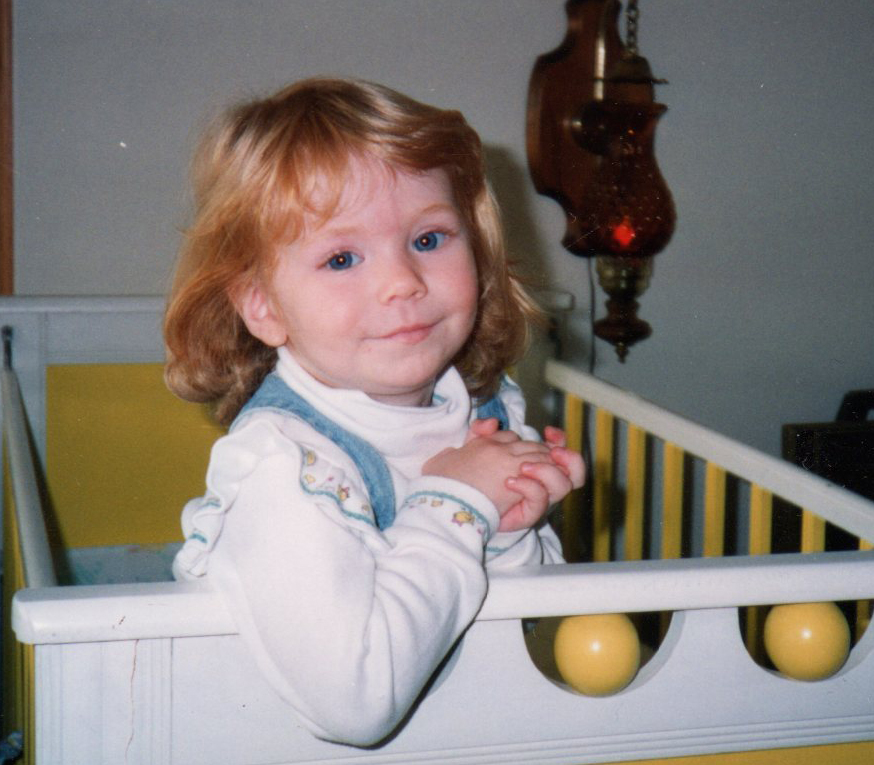
My annual retelling of the most remarkable day of my life when our daughter Eleanor (“Lea”) Sarah Gibson was born, hale and hearty because the good Lord sent a snow and wind storm to blow us into the hospital in time to save her. She is now married to her true love Brian who is another gift sent from the Lord; someday their hope for parenthood will come true for them as well.

Promises to Keep

Whose woods these are I think I know.   
His house is in the village though;   
He will not see me stopping here   
To watch his woods fill up with snow.
   

My little horse must think it queer   
To stop without a farmhouse near   
Between the woods and frozen lake   
The darkest evening of the year.   

He gives his harness bells a shake   
To ask if there is some mistake.   
The only other sound’s the sweep   
Of easy wind and downy flake.   

The woods are lovely, dark and deep,   
But I have promises to keep,   
And miles to go before I sleep,   
And miles to go before I sleep.

~Robert Frost, “Stopping by Woods on a Snowy Evening” from The Poetry of Robert Frost

I wish one
could press snowflakes
in a book
like flowers.
~James Schuyler from “February 13, 1975

When a January night lingers long,
beginning too early and lasting too late,
I find myself in my own insistent winter,
wanting to hide away from trouble
deep in a peaceful snowy woods,
knowing I choose to avoid doing
what is needed
when it is needed.

I look inward
when I must focus outside myself.
I muffle my ears
to deafen voices crying in need.
I turn away
rather than meet a stranger’s gaze.

A wintry soul
is a cold and empty place,
not lovely, dark and deep.

I appeal to my Creator
who knows my darkness.
He expects me to keep my promises
because He keeps His promises.
His buds of hope and warmth
and color and fruit
will arise from my bare branches.

He brings me out of the night
to finish what He brought me here to do.

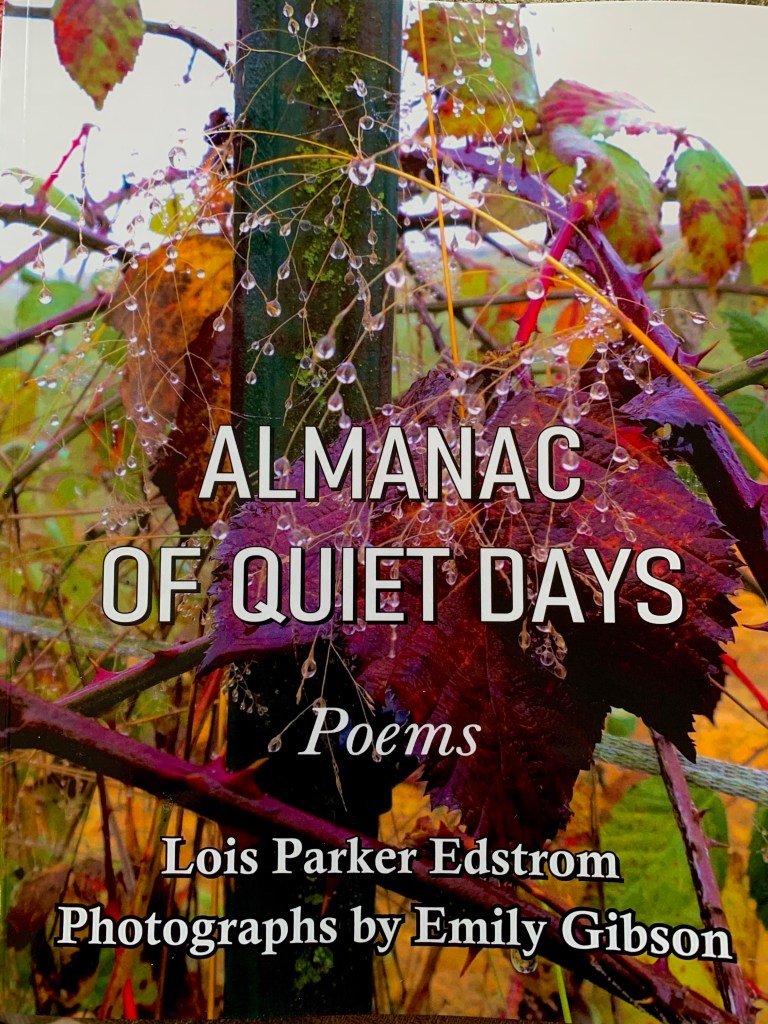
A book from Barnstorming combining the beauty of Lois Edstrom’s words and Barnstorming photography, available for order here:

One-Time
Monthly
Yearly

Make a one-time or recurring donation to support Barnstorming

Make a monthly donation

Make a yearly donation

Choose an amount

¤5.00
¤10.00
¤20.00
¤5.00
¤15.00
¤100.00
¤5.00
¤15.00
¤100.00

Or enter a custom amount

¤

Your contribution is deeply appreciated.

Your contribution is appreciated.

Your contribution is appreciated.

DonateDonate monthlyDonate yearly

Tell It to the Dark

Let other mornings honor the miraculous.
Eternity has festivals enough.
This is the feast of our mortality,
The most mundane and human holiday.

The new year always brings us what we want
Simply by bringing us along—to see
A calendar with every day uncrossed,
A field of snow without a single footprint.

~Dana Gioia, “New Year’s” from Interrogations at Noon

The shadow of death
Is long across the land,
And the night comes early
This time of the year.

We have tried to be the light,
But the matches burnt our fingers.
We have made every sacrifice,
But still the solstice came.

So come and sit with me,
In the shadow of death
And let’s tell it to the dark:
Who was, and is, and is to come.

~Mike Bonikowsky “Advent IV: Faith”

No one ever regarded the first of January with indifference. It is that from which all date their time, and count upon what is left. It is the nativity of our common Adam.
~Charles Lamb, 1897

I begin this new year
as naked as dormant branches trembling
in the freezing nights of arctic winds.

Having dropped all my leaves and fruit,
my potential now is mere bud;
I cover up nothing,
unable to hide in shame.

We each celebrate a birthday on New Year’s Day,
a bright beginning after so much darkness,
a still life nativity born in a winter garden,
He who was and is and is to come:
He who gives us another chance to make it right.

Layton DeVries was a music teacher who composed a song now found on YouTube at this link – shortly after, at age 24 he died of injuries sustained in an automobile accident.

O Child of God, Rest assured the Lord is with you.
When you wake up in the morning and the sun is shining down,
The Lord watches every step you take.
When the world has knocked you down, And you don‘t know which way to turn,
Rest assured, the Lord is with you.
O Child of God, Rest assured the Lord is with you.


When your friends have turned against you, And you feel all alone,
The Lord watches over every move you make.
He will always be right there, to protect and love His Child
Rest assured, the Lord is with you.
O Child of God, Rest assured the Lord is with you.


When darkness drifts around you, And your eyes close to sleep,
The Lord watches over every breath you take
And when death comes near to bring you home,

You have no need to fear,
Rest assured, the Lord is with you.
O Child of God, Rest assured, the Lord is with you.
~Layton DeVries

From Barnstorming: a book of beauty in words and photography – available to order here:

Mending the Fraying Tapestry of Time

Now winter downs the dying of the year,   
And night is all a settlement of snow;
From the soft street the rooms of houses show   
A gathered light, a shapen atmosphere,   
Like frozen-over lakes whose ice is thin   
And still allows some stirring down within.

These sudden ends of time must give us pause.
We fray into the future, rarely wrought
Save in the tapestries of afterthought.
More time, more time.

The New-year bells are wrangling with the snow.
~Richard Wilbur from “Year’s End”

Ring out, wild bells, to the wild sky,
The flying cloud, the frosty light:
The year is dying in the night;
Ring out, wild bells, and let him die.

Ring out the old, ring in the new,
Ring, happy bells, across the snow:
The year is going, let him go;
Ring out the false, ring in the true.

Ring out the grief that saps the mind
For those that here we see no more;
Ring out the feud of rich and poor,
Ring in redress to all mankind.

Ring out a slowly dying cause,
And ancient forms of party strife;
Ring in the nobler modes of life,
With sweeter manners, purer laws.

Ring out the want, the care, the sin,
The faithless coldness of the times;
Ring out, ring out my mournful rhymes,
But ring the fuller minstrel in.

Ring out false pride in place and blood,
The civic slander and the spite;
Ring in the love of truth and right,
Ring in the common love of good.

Ring out old shapes of foul disease;
Ring out the narrowing lust of gold;
Ring out the thousand wars of old,
Ring in the thousand years of peace.

Ring in the valiant man and free,
The larger heart, the kindlier hand;
Ring out the darkness of the land,
Ring in the Christ that is to be.
~Lord Alfred Tennyson “Ring Out, Wild Bells”

I know there are still communities where the New Year begins at midnight with church bells ringing, just as in days of old.

Here in the frontier of the rural Pacific Northwest, all we can hear from our farm are gun shots, bottle rockets and (what sounds like) explosions of cannon fire and mortar shells.

So much for larger hearts and kindlier hands.

Even without being able to hear wild bells ringing out the old and ringing in the new, I want to begin the new year with singing in harmony, mending the frays in the tapestry of time, behaving with good manners and care for those around me, and abandoning a thousand years of war to find a thousand years of peace.

Let the darkness make room for the Light
that was and is and will ever be.

Amen and hallelujah!

I will sing with the spirit
Hallelujah, hallelujah

And I will sing with the understanding also
Hallelujah, hallelujah

I will sing (I will sing)
With the spirit (sing hallelujah)
I will sing with the spirit
Hallelujah, hallelujah

One-Time
Monthly
Yearly

Make a one-time or recurring donation to Barnstorming

Make a monthly donation

Make a yearly donation

Choose an amount

¤5.00
¤10.00
¤20.00
¤5.00
¤15.00
¤100.00
¤5.00
¤15.00
¤100.00

Or enter a custom amount

¤

Your contribution is deeply appreciated.

Your contribution is appreciated.

Your contribution is appreciated.

DonateDonate monthlyDonate yearly
The First Glimpse

Lord, now You are letting Your servant
depart in peace, according to Your word;
For my eyes have seen Your salvation.
Luke 2:29-30 (Simeon’s Song)

Cards in each mailbox,
angel, manger, star and lamb,
as the rural carrier,
driving the snowy roads,
hears from her bundles
the plaintive bleating of sheep,
the shuffle of sandals,
the clopping of camels.
At stop after stop,
she opens the little tin door
and places deep in the shadows
the shepherds and wise men,
the donkeys lank and weary,
the cow who chews and muses.
And from her Styrofoam cup,
white as a star and perched
on the dashboard, leading her
ever into the distance,
there is a hint of hazelnut,
and then a touch of myrrh.
~Ted Kooser “Christmas Mail”

the utterly unexpected 
a star, a light, a voice
shakes us awake
opens our sleepy eyes
interrupts familiar routines as

our hearts tremble, muscles tighten;
do we run to prepare for battle
or do we freeze in place?

the animals also
rustle and stand up-
confused like us 

they see the exploding sky and yet
they sense no threat but instead
merely listen, 

huddled together for warmth 
as unearthly music 
fills their ears.

we quickly make plans
to see this great thing, a revelation-
word has become flesh
and we have been invited 
to catch the first glimpse.

~Steve Bell “First Glimpse”

…Grant us thy peace.
Before the stations of the mountain of desolation,
Before the certain hour of maternal sorrow,
Now at this birth season of decease,
Let the Infant, the still unspeaking and unspoken Word,
Grant Israel’s consolation
To one who has eighty years and no to-morrow. According to thy word.
They shall praise Thee and suffer in every generation
With glory and derision,
Light upon light, mounting the saints’ stair.
Not for me the martyrdom, the ecstasy of thought and prayer,
Not for me the ultimate vision.
Grant me thy peace.
(And a sword shall pierce thy heart,
Thine also).
~T.S. Eliot from “A Song for Simeon”

Simeon had waited and waited for this promised “first glimpse” moment of meeting the Son of God face to face, not knowing when or how, not knowing he would be able to hold him fast in his arms, not knowing he would be able to personally bless the parents of this holy child.

He certainly could not know this child would be the cause of so much joy and sorrow for those who love Him deeply.

That sword of painful truth pierces into our soul, opening us with the precision of a surgeon under high beam lights in the operating room where nothing is left unilluminated.  We are, by the birth of Jesus, bared completely, our darkness thrust into dawn, our hearts revealed as never before, no matter who we are, our place of origin, our faith or lack thereof. 

God is an equal opportunity heart surgeon.

It is terrifying, this mountain of desolation, all cracks and crevices thrust into the light.   And it should be, given what we are, every one of us.

We wait for this incarnate God, longing and hungry for His peace.  We are tired, too tired to continue to hide within the darkness of our troubles and conflict of our sin.  We, like Simeon, are desperate for a first glimpse of the promise of His appearance dwelling with us, when we can gather Him into our arms and He gathers us into His, when all becomes known and understood and forgiven.

His birth is the end of our death, the beginning of the outward radiance of His peace, and wide open to all who open themselves to Him.

Light upon Light.

Based on Psalm 74: 12
Salvation is created in the midst of the earth, O God. Alleluia.

One-Time
Monthly
Yearly

Make a one-time or recurring donation to support Barnstorming

Make a monthly donation

Make a yearly donation

Choose an amount

¤5.00
¤10.00
¤20.00
¤5.00
¤15.00
¤100.00
¤5.00
¤15.00
¤100.00

Or enter a custom amount

¤

Your contribution is deeply appreciated.

Your contribution is appreciated.

Your contribution is appreciated.

DonateDonate monthlyDonate yearly
Because They Are No More

The snow is melting
and the village is flooded
     with children.
~Kobayashi Issa (translated by Robert Haas)

A voice is heard in Ramah,
    mourning and great weeping,
Rachel weeping for her children
    and refusing to be comforted,
    because they are no more.
Matthew 2:18 and Jeremiah 31:15

…as you sit beneath your beautifully decorated tree, eat the rich food of celebration, and laugh with your loved ones, you must not let yourself forget the horror and violence at the beginning and end of the Christmas story. The story begins with the horrible slaughter of children and ends with the violent murder of the Son of God. The slaughter depicts how much the earth needs grace. The murder is the moment when that grace is given.

Look into that manger representing a new life and see the One who came to die. Hear the angels’ celebratory song and remember that sad death would be the only way that peace would be given. Look at your tree and remember another tree – one not decorated with shining ornaments, but stained with the blood of God.

As you celebrate, remember that the pathway to your celebration was the death of the One you celebrate, and be thankful.
~Paul Tripp

God could, had He pleased, have been incarnate in a man of iron nerves, the Stoic sort who lets no sigh escape him. Of His great humility He chose to be incarnate in a man of delicate sensibilities who wept at the grave of Lazarus and sweated blood in Gethsemane. Otherwise we should have missed the great lesson that it is by his will alone that a man is good or bad, and that feelings are not, in themselves, of any im­portance. We should also have missed the all-important help of knowing that He has faced all that the weakest of us face, has shared not only the strength of our nature but every weakness of it except sin. If He had been incarnate in a man of immense natural courage, that would have been for many of us almost the same as His not being incar­nate at all.
― C.S. Lewis, The Collected Letters of C.S. Lewis

There is no consolation for families
of those lost to death come too soon:
a rogue king’s slaughter of innocents,
and now so much needless death:
weather, war, accidents, random shootings, COVID.

Arms ache with the emptiness of grief,
beds and pillows lie cold and unused,
hugs never to come again.

There is no consolation;
only mourning and great weeping,
sobbing that wrings dry
every human cell,
leaving dust behind,
which is our beginning
and our end.

God came to us
for times such as this,
born of the dust of woman and
the breath of the Holy Spirit,
God bent down to
lie in manger dust,
walk on roads of dust,
die and be laid to rest as dust
to conquer such evil as this
that displaces masses and massacres innocents.

He became dust to be
like us
He began a mere speck in a womb
like us

His heart beat
like ours
breathing each breath
like ours
until a fearful fallen world
took His
and our breath
away.

He shines through
the shadows of death
to guide our stumbling uncertain feet.

He hears our cries
as He cried too.
He knows our tears
as He wept too.
He knows our mourning
as He mourned too.
He knows our dying
as He died too.

God weeps
as this happens.

Only God can glue together
what evil has shattered.
He asks us to hand Him
the pieces of our broken hearts.

We will know His peace
when He comes
to bring us home,
our tears finally dried,
our cells no longer
just dust,
as we are glued together
by the holy breath of our God
forevermore.

Lully, lullay, thou little tiny child,
Bye bye, lully, lullay.
Thou little tiny child,
Bye bye, lully, lullay.

O sisters too, how may we do
For to preserve this day
This poor youngling for whom we sing,
“Bye bye, lully, lullay?”

Herod the king, in his raging,
Chargèd he hath this day
His men of might in his own sight
All young children to slay.

That woe is me, poor child, for thee
And ever mourn and may
For thy parting neither say nor sing,
“Bye bye, lully, lullay.”

One-Time
Monthly
Yearly

Make a one-time or recurring donation to support Barnstorming

Make a monthly donation

Make a yearly donation

Choose an amount

¤5.00
¤10.00
¤20.00
¤5.00
¤15.00
¤100.00
¤5.00
¤15.00
¤100.00

Or enter a custom amount

¤

Your contribution is deeply appreciated.

Your contribution is appreciated.

Your contribution is appreciated.

DonateDonate monthlyDonate yearly
The Beginning Shall Remind Us of the End: The Growing Grey

Autumn
Was certainly not winter, scholars say,
When holy habitation broke the chill
Of hearth-felt separation, icy still,
The love of life in man that Christmas day.
Was autumn, rather, if seasons speak true;
When green retreats from sight’s still ling’ring gaze,
And creeping cold numbs sense in sundry ways,
While settling silence speaks of solitude.
Hope happens when conditions are as these; 
Comes finally lock-armed with death and sin,
When deep’ning dark demands its full display.
Then fallen nature driven to her knees
Flames russet, auburn, orange fierce from within,
And brush burns brighter for the growing grey.
~David Baird “Autumn”

We have become so accustomed to the idea of divine love and of God’s coming at Christmas that we no longer feel the shiver of fear that God’s coming should arouse in us. We are indifferent to the message, taking only the pleasant and agreeable out of it and forgetting the serious aspect, that the God of the world draws near to the people of our little earth and lays claim to us. The coming of God is truly not only glad tidings, but first of all frightening news for everyone who has a conscience.
~Dietrich Bonhoeffer from Watch for the Light

The shepherds were sore afraid.   So why aren’t we?

The scholars say Christ was most likely born in the autumn of the year ~ so fitting, as our reds and oranges fade fast to grey as we descend into this wintering world crying out for resuscitation. 

Murderous frosts and falling snow have wilted down all that was flush with life and we become desperate for hope for renewal in the midst of the dying.

And so this babe has come like a refiner’s fire to lay claim to us and we who have gotten too comfortable will feel the heat of His embrace – in the middle of the chill, in the middle of our dying – no matter what time of year.

Hope happens when conditions are as these…

This year’s Barnstorming Advent theme “… the Beginning shall remind us of the End” is taken from the final lines in T.S. Eliot’s poem “The Cultivation of Christmas Trees”

1. Father, enthroned on high—―Holy, holy!
Ancient eternal Light—hear our prayer.

REFRAIN
Come, O Redeemer, come;
grant us mercy.
Come, O Redeemer, come;
grant us peace.

2. Lord, save us from the dark of our striving,
faithless, troubled hearts weighed down. REFRAIN

3. Look now upon our need; Lord, be with us.
Heal us and make us free from our sin. REFRAIN

One-Time
Monthly
Yearly

Make a one-time or recurring donation to support Barnstorming

Make a monthly donation

Make a yearly donation

Choose an amount

¤5.00
¤10.00
¤20.00
¤5.00
¤15.00
¤100.00
¤5.00
¤15.00
¤100.00

Or enter a custom amount

¤

Your contribution is deeply appreciated.

Your contribution is appreciated.

Your contribution is appreciated.

DonateDonate monthlyDonate yearly

The Beginning Shall Remind Us of the End: We Wait For We Have Seen His Footsteps

I wait for the Lord, my soul waits,
    and in his word I put my hope.
 My soul waits for the Lord
    more than watchmen wait for the morning,
    more than watchmen wait for the morning.
Psalm 130: 5-6 from a Song of Ascents

Waiting is essential to the spiritual life.
But waiting as a disciple of Jesus is not an empty waiting.
It is a waiting with a promise in our hearts
that makes already present what we are waiting for.

We wait during Advent for the birth of Jesus.
We wait after Easter for the coming of the Spirit,
and after the ascension of Jesus
we wait for his coming again in glory.

We are always waiting,
but it is a waiting in the conviction that
we have already seen God’s footsteps.
— Henri Nouwen from Bread For The Journey: A Daybook of Wisdom and Faith

It is this great absence
that is like a presence, that compels
me to address it without hope
of a reply. It is a room I enter

from which someone has just
gone, the vestibule for the arrival
of one who has not yet come. 
I modernise the anachronism

of my language, but he is no more here
than before. Genes and molecules
have no more power to call
him up than the incense of the Hebrews

at their altars. My equations fail
as my words do. What resources have I
other than the emptiness without him of my whole
being, a vacuum he may not abhor?

~R.S. Thomas “The Absence”

To wait is hard when we know the value of the gift that awaits us. We know exactly what is in the package since we have watched it being carefully chosen, wrapped and presented to us to open.

We have seen His footprints on our landscape: in the hottest dessert, in the deepest snow, in the meadows and in the forests, in the mud and muck and mire of our lives; we know He has been here and wait for His return.

Not yet though, not quite yet.  So we wait, and continue to wait.

Even more so, we wait and hope for what we do not see but know is coming, like a groaning in the labor of childbirth.

The waiting is never easy; it is painful to be patient, staying alert to possibility and hope when we are exhausted, barely able to function.  Others won’t understand why we wait,  nor do they comprehend what we could possibly be waiting for when it remains unseen, with only the footprints left behind to remind us.

Yet we persevere together, with patience, watching and hoping, like Mary and Joseph, like Elizabeth and Zechariah, like the shepherds, like the Magi of the east, like Simeon and Anna in the temple.

This is the meaning of Advent:
we are a community groaning together in sweet anticipation and expectation of the gift of Morning to come.

photo by Josh Scholten

I pray my soul waits for the Lord
My hope is in His word
More than the watchman waits for dawn
My soul waits for the Lord

1) Out of the depths I cry to You;
From darkest places I will call.
Incline Your ear to me anew,
And hear my cry for mercy, Lord.
Were You to count my sinful ways
How could I come before Your throne?
Yet full forgiveness meets my gaze –
I stand redeemed by grace alone.

CHORUS I will wait for You, I will wait for You,
On Your word I will rely.
I will wait for You, surely wait for You
Till my soul is satisfied.

2) So put Your hope in God alone,
Take courage in His power to save;
Completely and forever won
By Christ emerging from the grave.

3) His steadfast love has made a way,
And God Himself has paid the price,
That all who trust in Him today Find healing in his sacrifice.

I will wait for You, I will wait for You
Through the storm and through the night.
I will wait for You, surely wait for You,
For Your love is my delight.

Wait for the Lord, his day is near
Wait for the Lord, be strong take heart
Prepare the way for the Lord
Make a straight path for Him
The Glory of the Lord shall be revealed
All the Earth will see the Lord
Rejoice in the Lord always
He is at Hand
Joy and gladness for all who seek the Lord

This year’s Barnstorming Advent theme “… the Beginning shall remind us of the End” is taken from the final lines in T.S. Eliot’s poem “The Cultivation of Christmas Trees”

Most Poignant of All

In the years to come they will say,
“They fell like the leaves
In the autumn of nineteen thirty-nine.”
November has come to the forest,
To the meadows where we picked the cyclamen.
The year fades with the white frost
On the brown sedge in the hazy meadows,
Where the deer tracks were black in the morning.
Ice forms in the shadows;
Disheveled maples hang over the water;
Deep gold sunlight glistens on the shrunken stream.
Somnolent trout move through pillars of brown and gold.
The yellow maple leaves eddy above them,
The glittering leaves of the cottonwood,
The olive, velvety alder leaves,
The scarlet dogwood leaves,
Most poignant of all.


In the afternoon thin blades of cloud
Move over the mountains;
The storm clouds follow them;
Fine rain falls without wind.
The forest is filled with wet resonant silence.
When the rain pauses the clouds
Cling to the cliffs and the waterfalls.
In the evening the wind changes;
Snow falls in the sunset.
We stand in the snowy twilight
And watch the moon rise in a breach of cloud.
Between the black pines lie narrow bands of moonlight,
Glimmering with floating snow.
An owl cries in the sifting darkness.
The moon has a sheen like a glacier.
~Kenneth Rexroth, “Falling Leaves and Early Snow” from The Collected Shorter Poems.

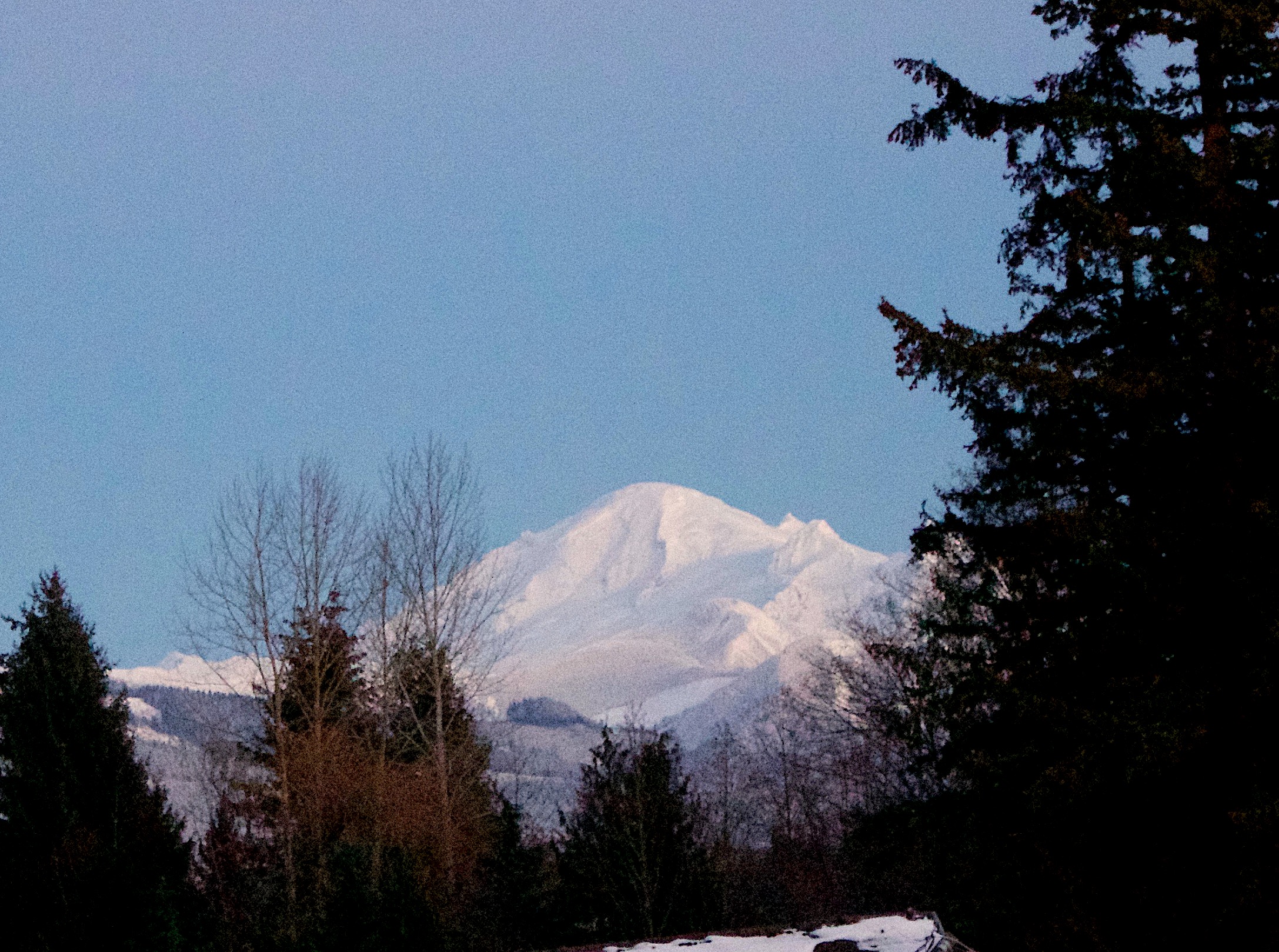
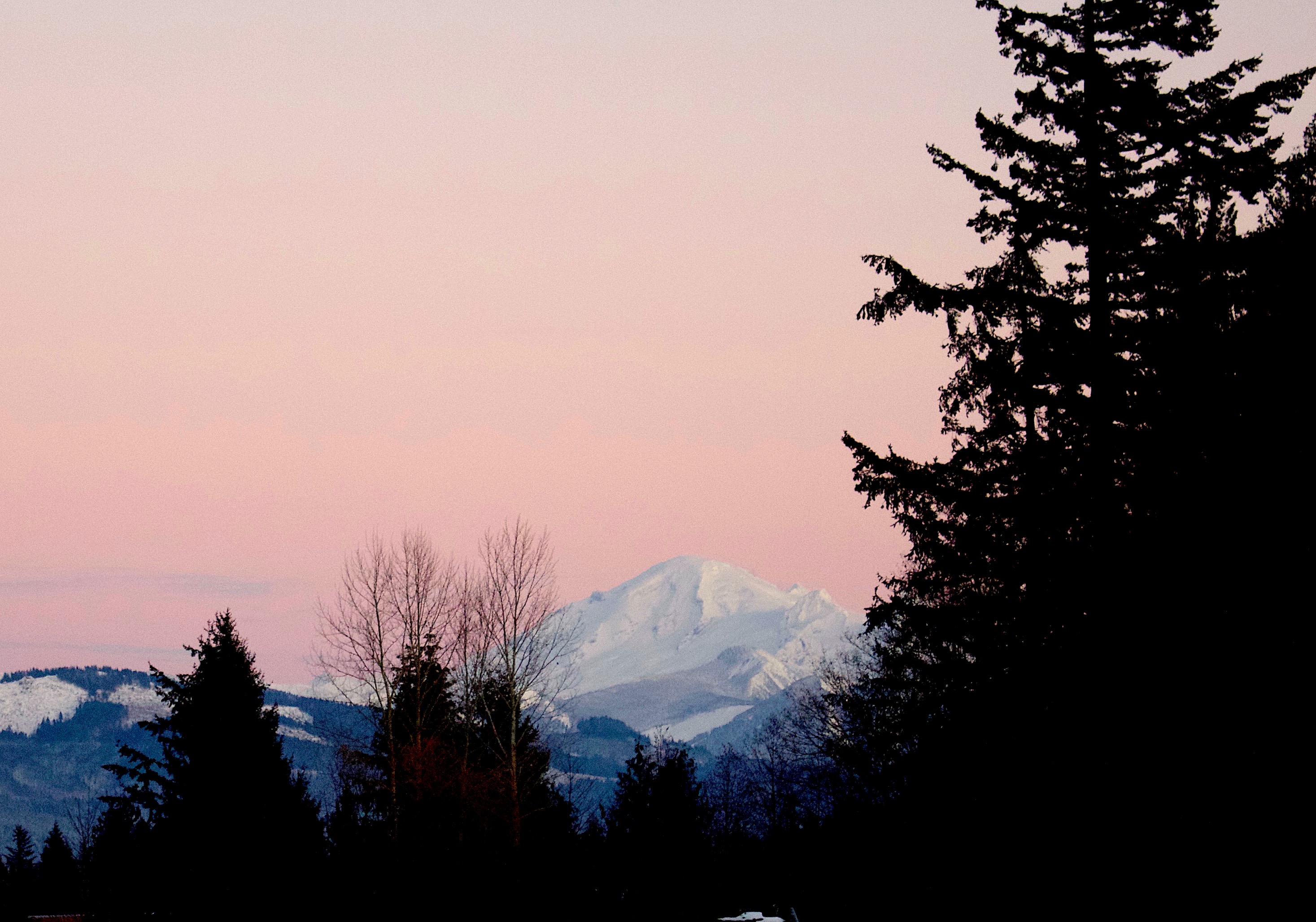
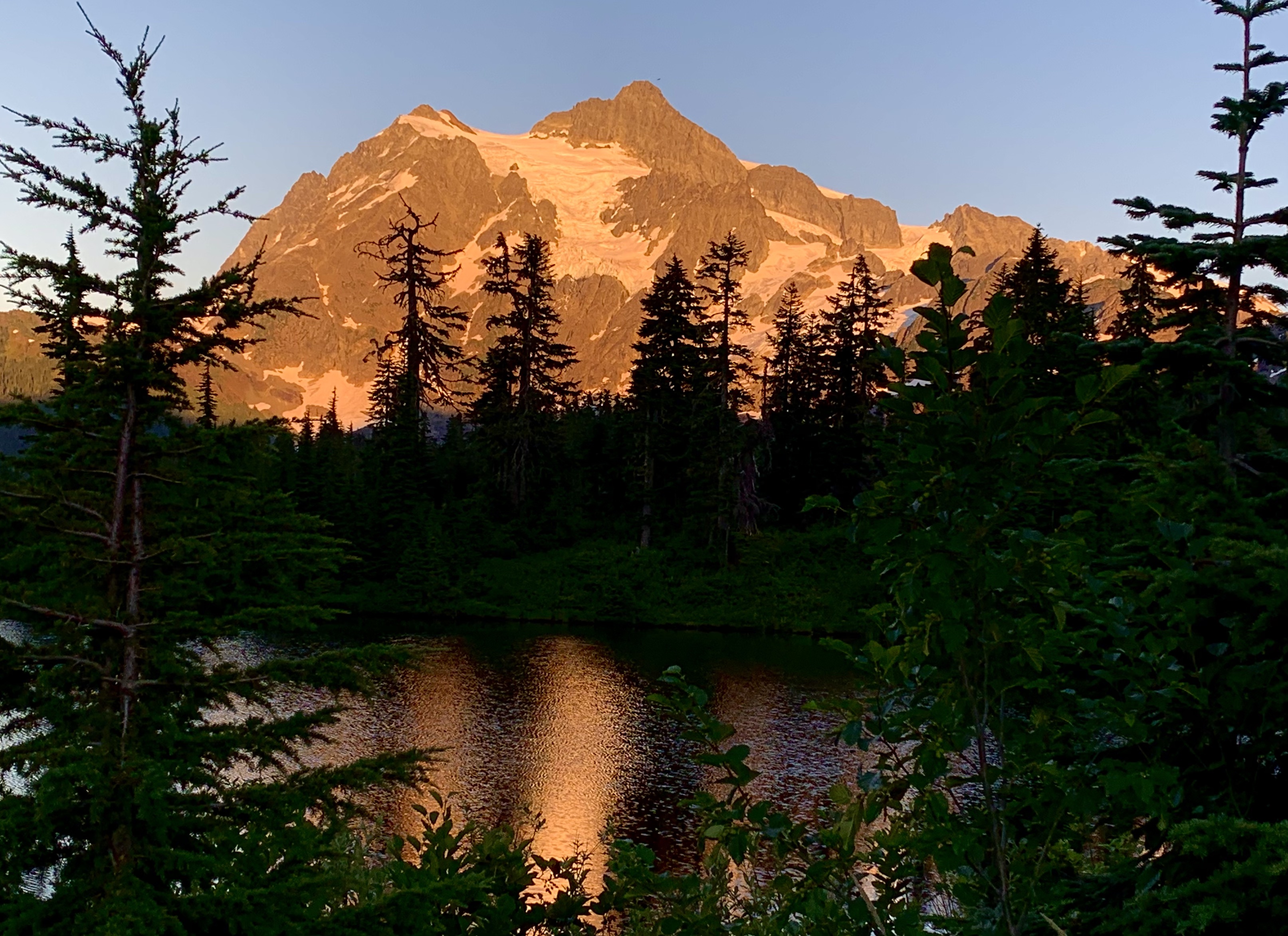
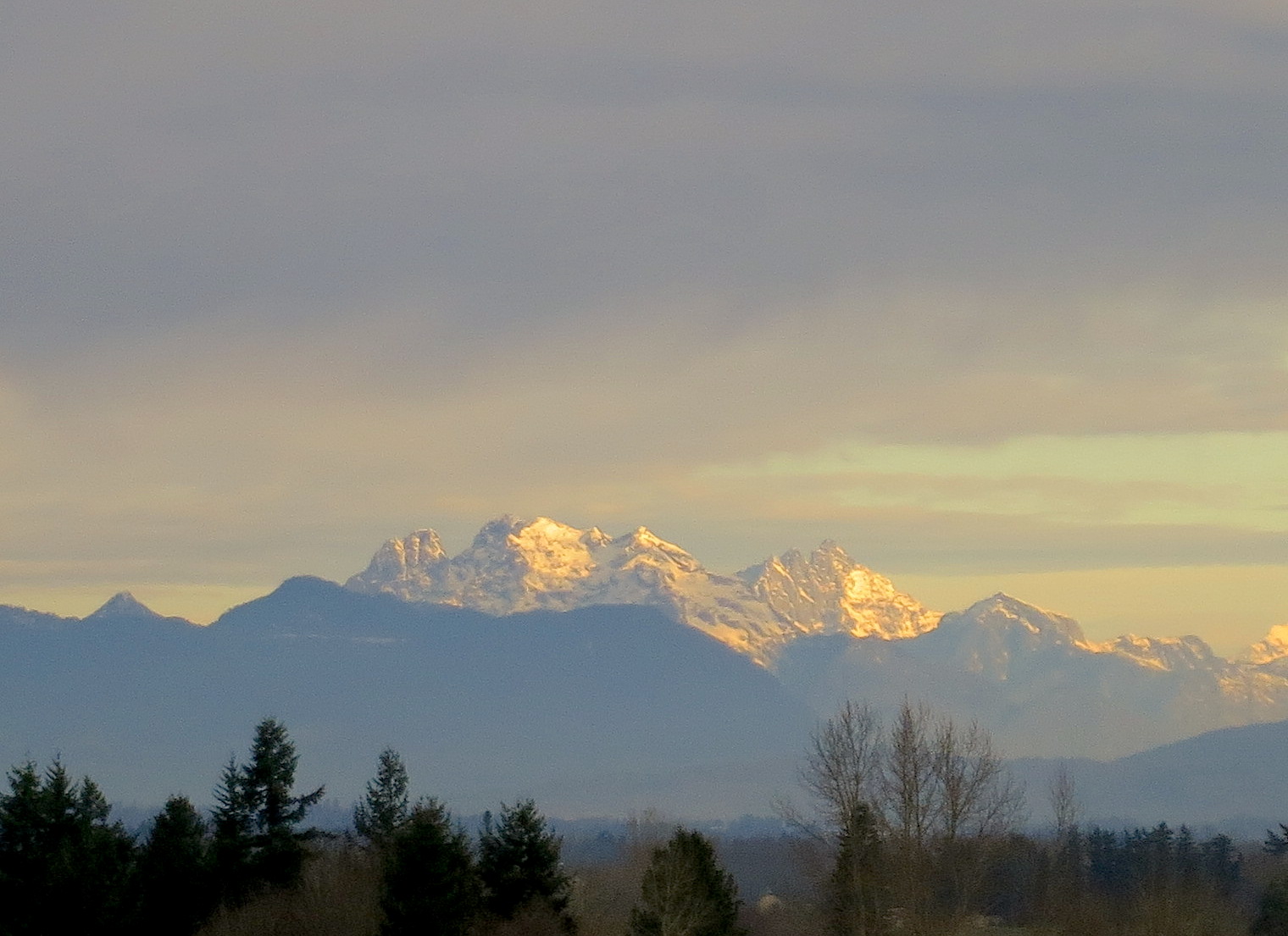
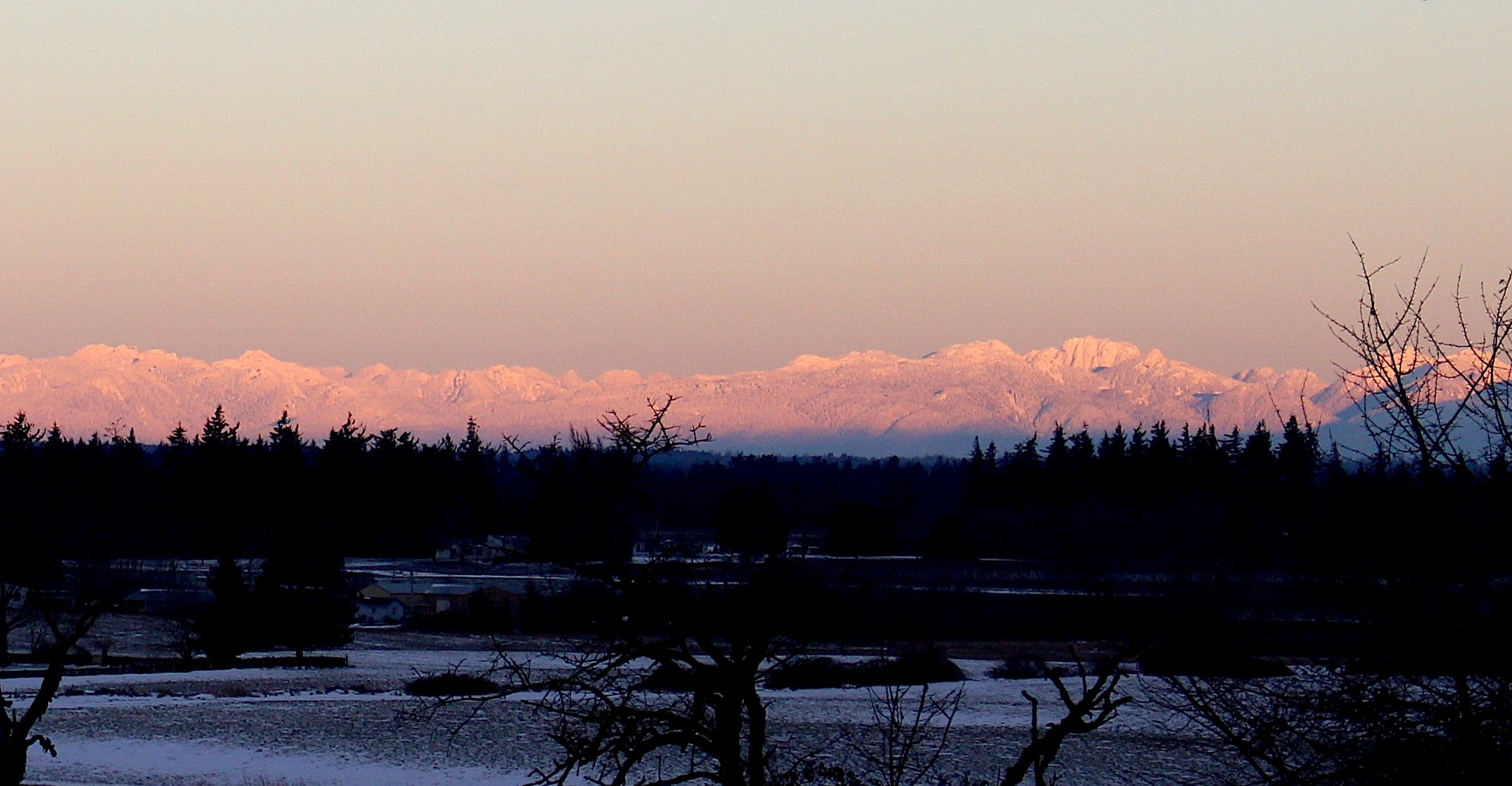
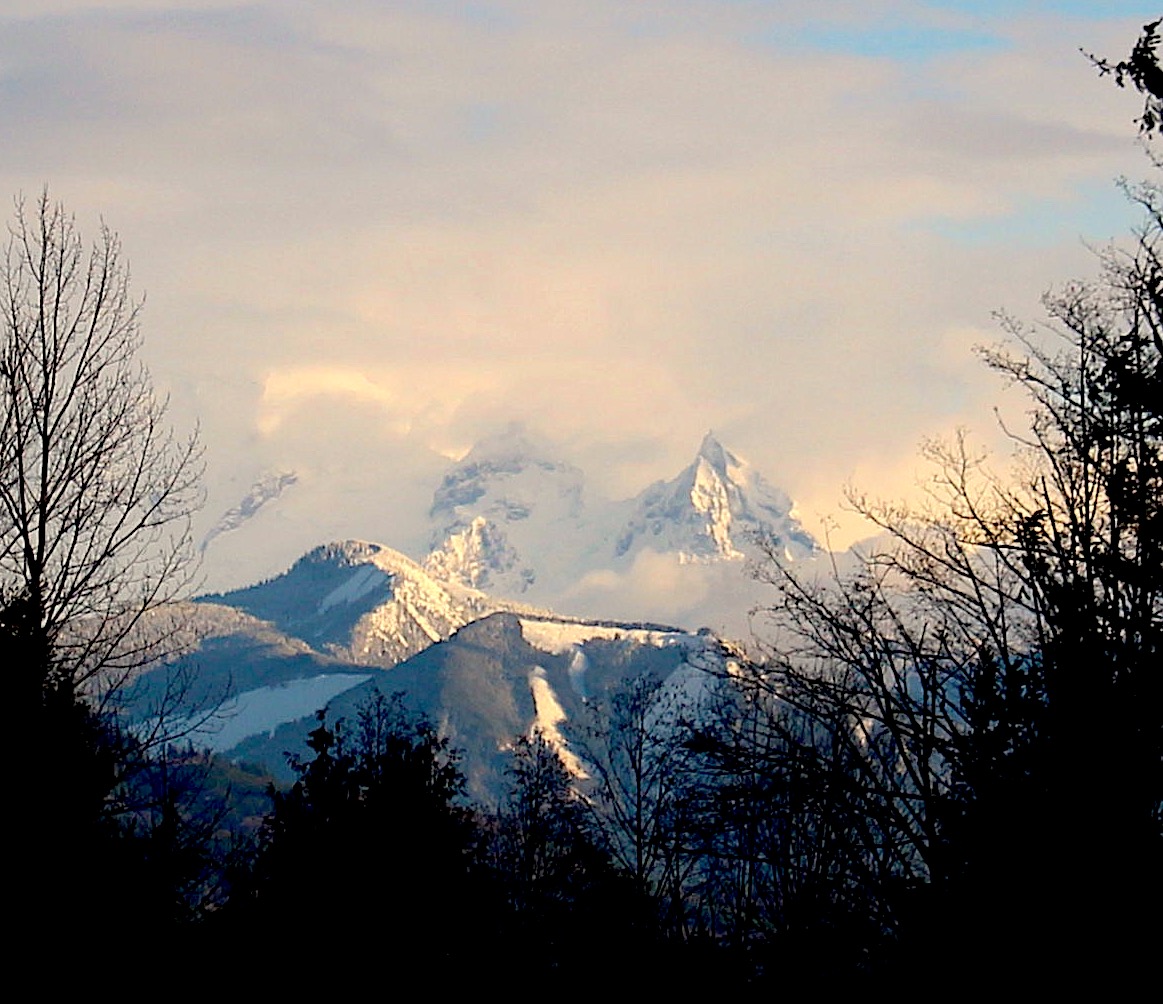
These photos of our farm are from last week, before an atmospheric river fell in torrents from the sky. The downpour precipitated melting of new-fallen snow in the nearby Cascade mountains and foothills, with subsequent cresting of the rivers and streams in lower mainland British Columbia and our local counties over the weekend.

Before the storm hit us, these pictures depict a flood of golden sunshine in the late afternoon. It was the kind of saturation of light we all were needing, unaware that our skies and ground would soon be over-saturated with far too much water in a few days.

Our communities, both north and south of our nearby Canadian border, continue to reel from this unprecedented flood event, with roads impassable due to standing water and landslides, as well as whole towns evacuated by boat and homes and businesses will be uninhabitable for weeks, if not months.

The sun has returned now that the river in the sky has dried up, having dumped its load. We now wait for the waters and the misery to recede.

The scarlet red of the dying dogwood leaves are poignant indeed, but nothing like the poignancy of communities pulling together to restore normalcy after disaster. Churches have quickly become places of refuge for those who have no home this week and in the weeks to come.
Bless those who are able to help, if not with boats and muscle, then with donations:

The Whatcom Community Foundation Resilience Fund is targeting the local efforts as well as support of the Red Cross, critical in meeting all disaster needs everywhere.

Thank you for reading and praying for restoration for the affected Canadians and Americans.