The Dying of the Year

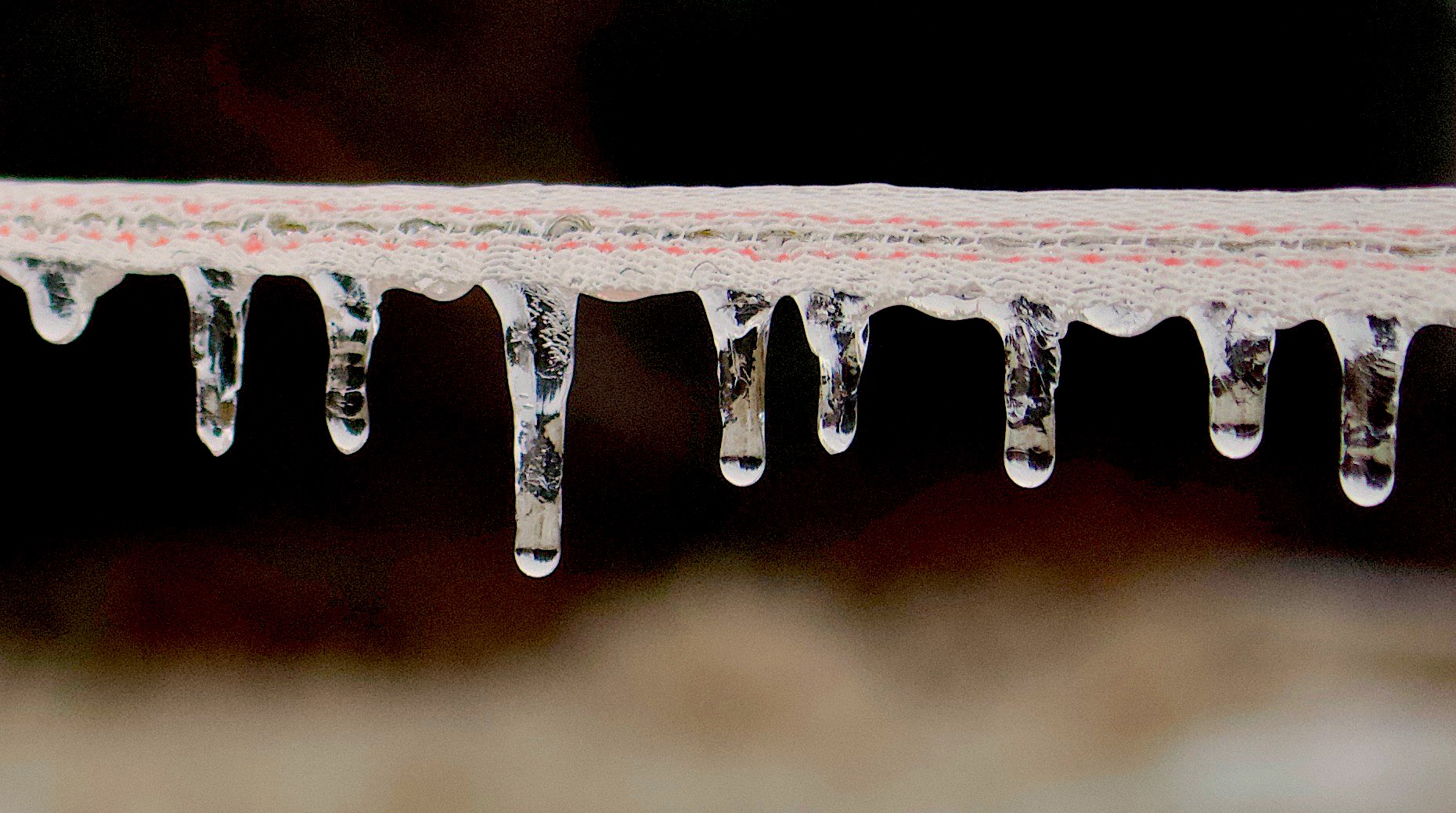
freezingrain10


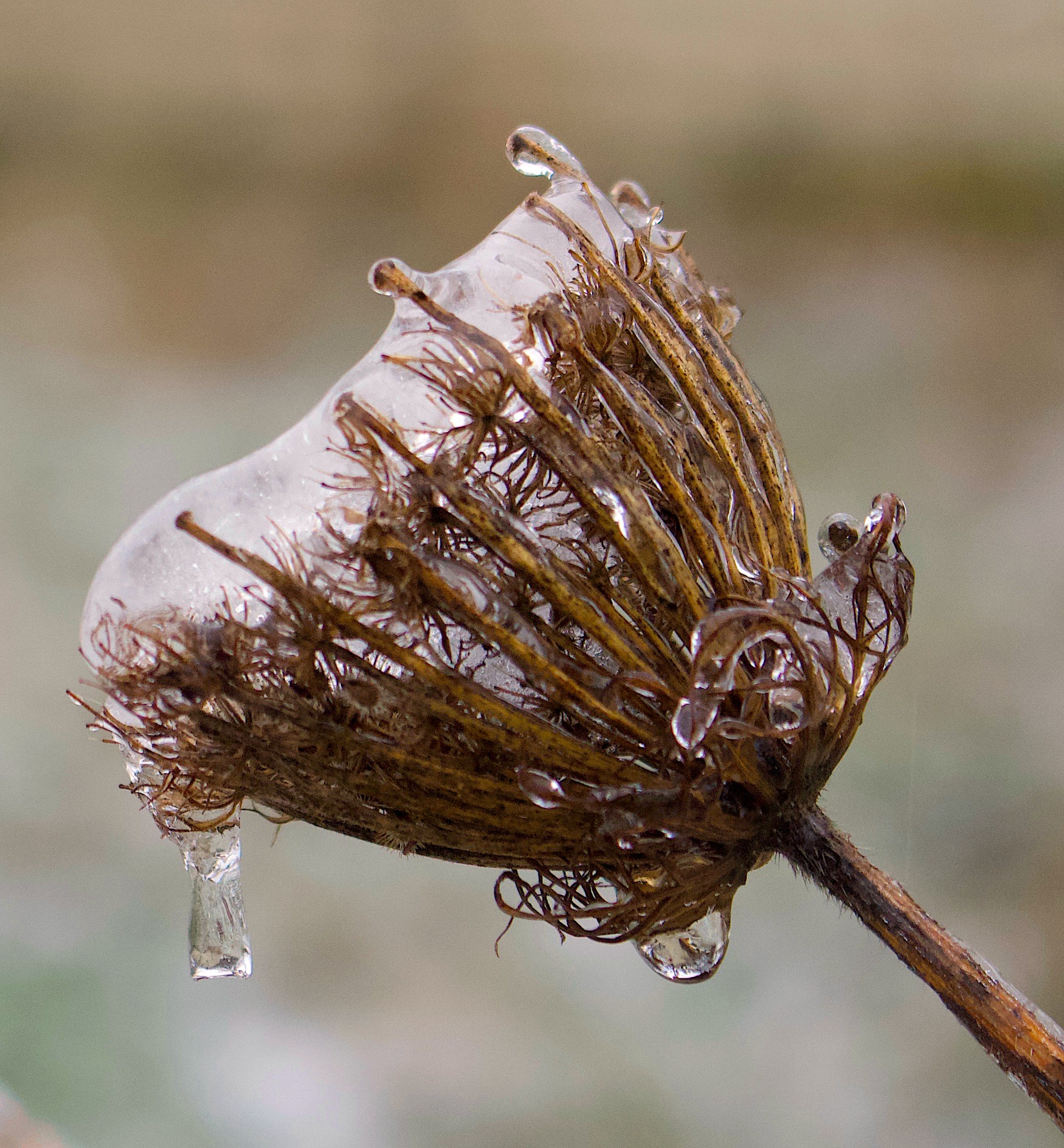
pastureice8

Now winter downs the dying of the year,   
And night is all a settlement of snow; 
From the soft street the rooms of houses show   
A gathered light, a shapen atmosphere,   
Like frozen-over lakes whose ice is thin   
And still allows some stirring down within. 
These sudden ends of time must give us pause.   
We fray into the future, rarely wrought 
Save in the tapestries of afterthought. 
More time, more time. Barrages of applause   
Come muffled from a buried radio. 
The New-year bells are wrangling with the snow.
~Richard Wilbur from “Year’s End”
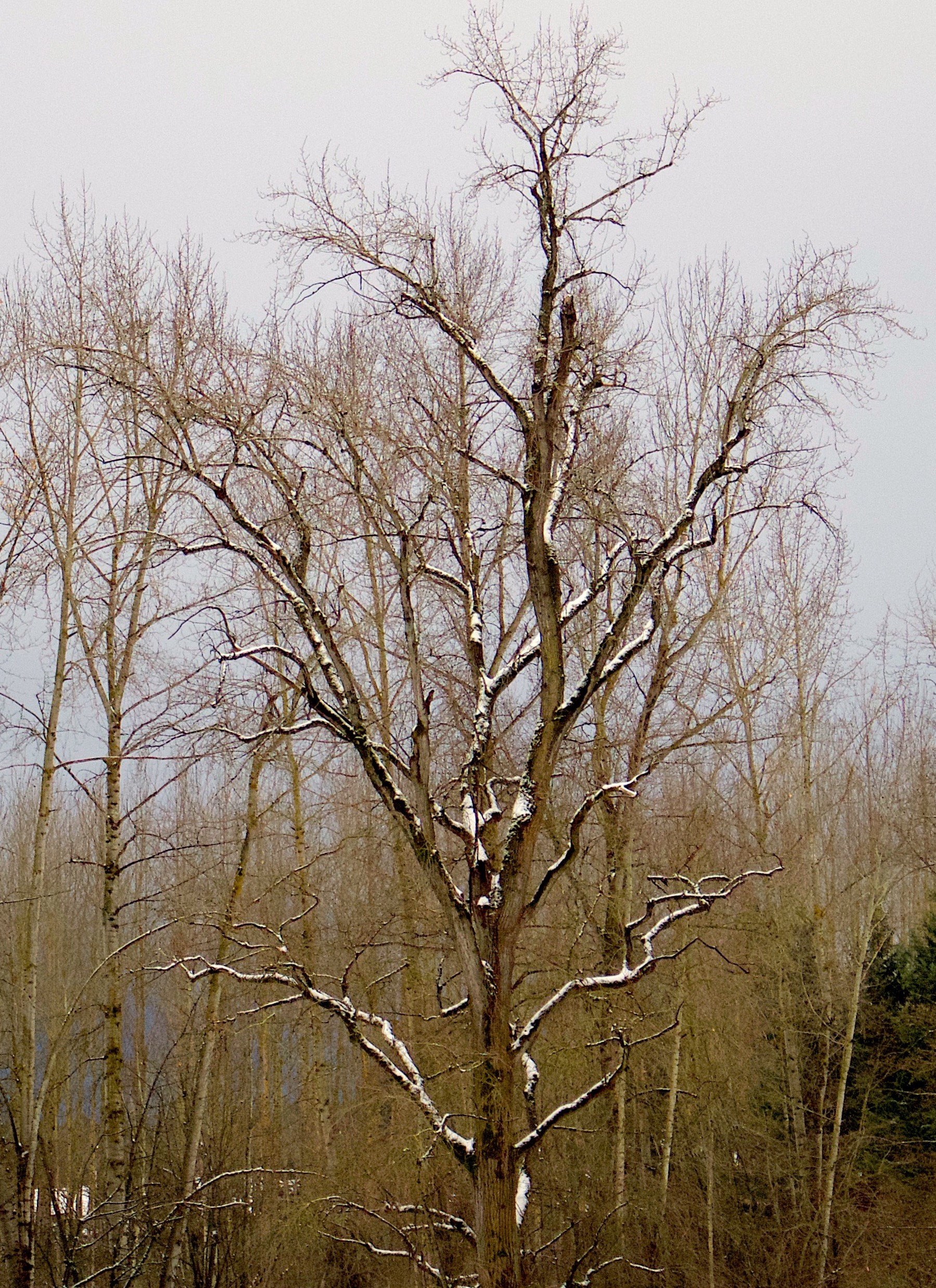
snowycottonwood


The melancholy days are come, the saddest of the year,
Of wailing winds, and naked woods, and meadows brown and sear.
Heaped in the hollows of the grove, the autumn leaves lie dead;
They rustle to the eddying gust, and to the rabbit’s tread.
The robin and the wren are flown, and from the shrubs the jay,
And from the wood-top calls the crow through all the gloomy day.
~William Cullen Bryant from “The Death of the Flowers”


freezingrain7


freezingrain9


These dark, icy,  and sodden days are scarcely recalled while basking in the lightness of June when the sun shines 19 hours a day.

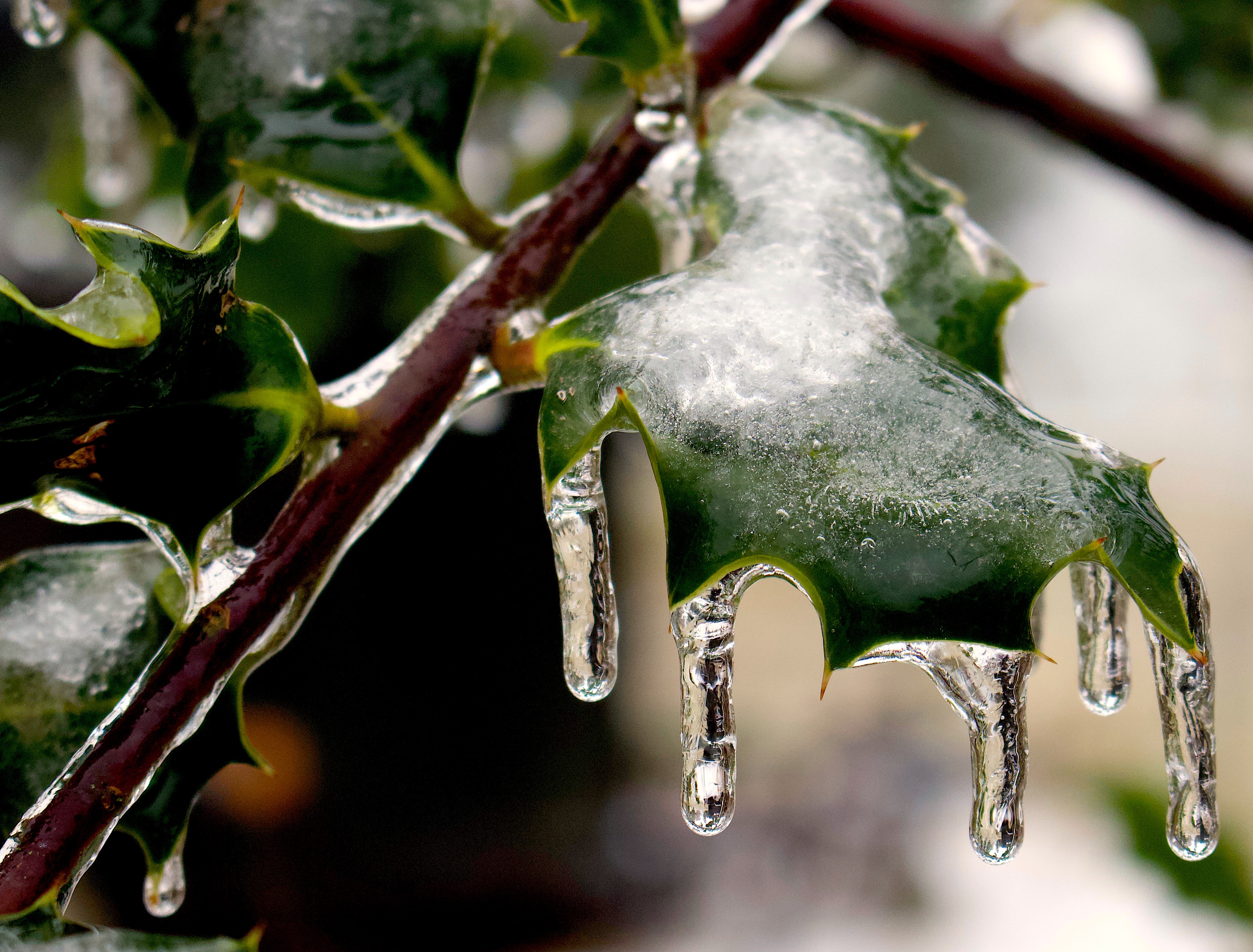
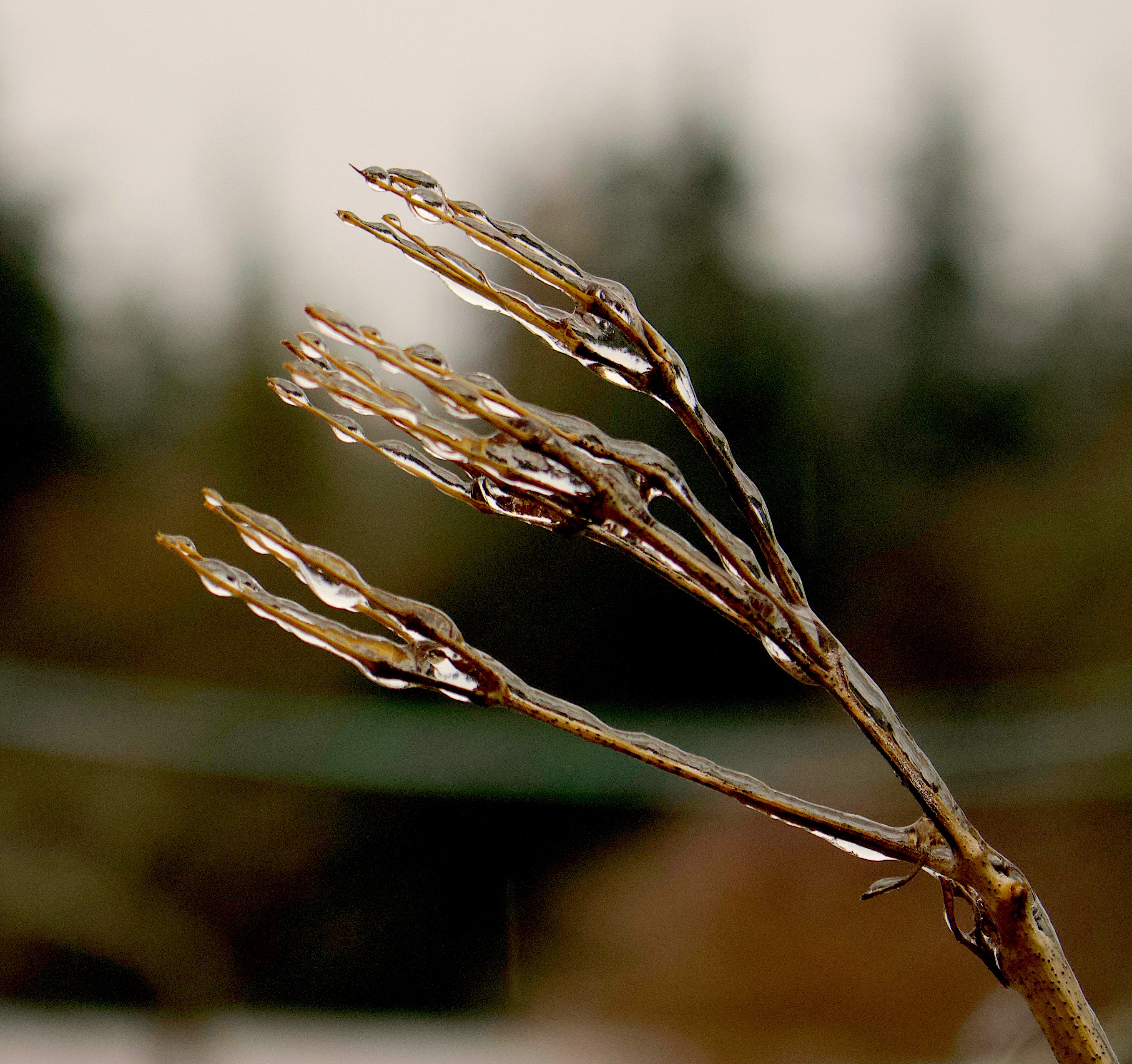
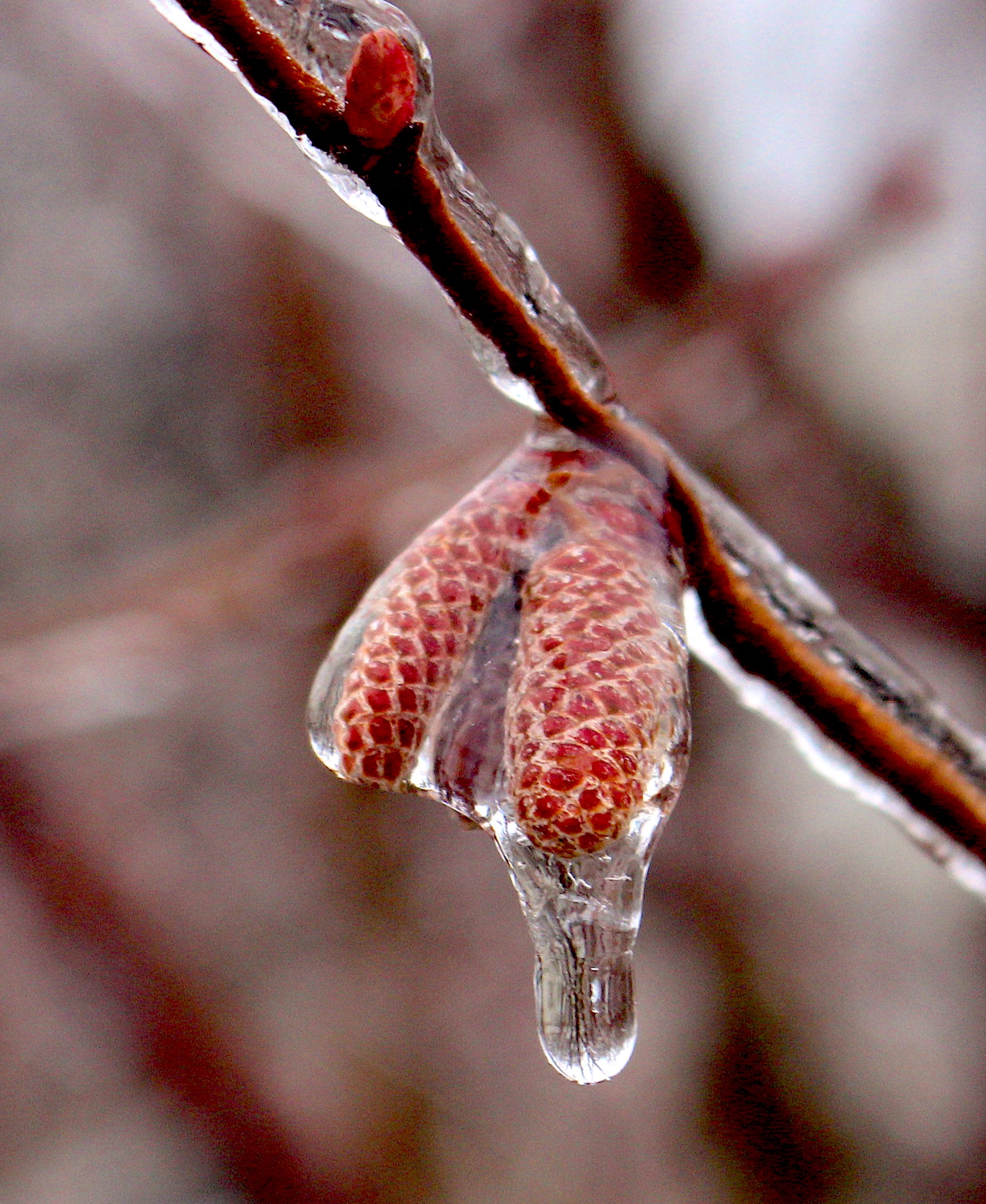
There is no way to cope with such overwhelming darkness except by adding in a few minutes more a day over six months, otherwise the shock of leaving behind the light would be too great.  Howling wind knocks and batters, freezing rain beats mercilessly at the window panes to coat everything with a 1/4 inch of ice,  puddles stand deeper than they appear, mud sucks off boots, leaves are thoroughly shaken from embarrassed branches.

We have no remnant of summer civility and frivolity left; we must adapt or cry trying, only adding to a pervasive sogginess.

Nevertheless, these melancholy days have their usefulness — there are times of joyful respite from frenetic activity while reading, snuggled deep under quilts, safe and warm.  Without such stark contrast, the light and bright time of year would become merely routine, yet just another sunny day.

That never happens here in the Pacific northwest.

We celebrate the emerging light with real thanksgiving and acknowledge this encompassing darkness makes our gratitude more genuine.

We are privileged to live within such a paradox:  there is, after all, a certain gladness in our sadness.


freezingrain13


freezingrain12

The Rain Drop Ploughs

rainydaymaplescreen2


candle2015


They sing their dearest songs —
    He, she, all of them — yea,
    Treble and tenor and bass,
        And one to play;
    With the candles mooning each face….
        Ah, no; the years O!
How the sick leaves reel down in throngs!


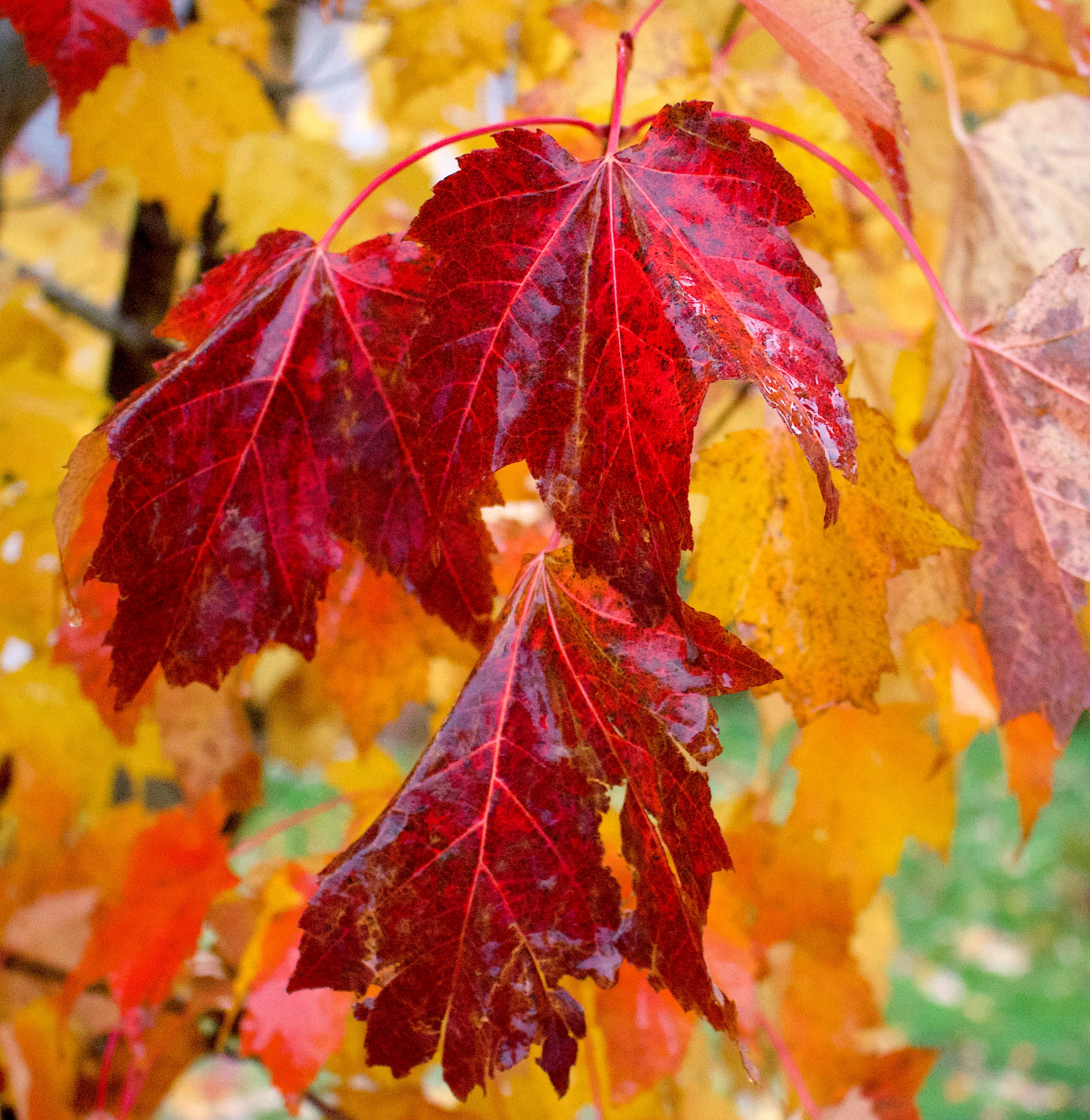
wetoctleaves3


They clear the creeping moss —
    Elders and juniors — aye,
    Making the pathways neat
        And the garden gay;
    And they build a shady seat….
        Ah, no; the years, the years;
See, the white storm-birds wing across!


drizzlemoss3


morningswans


    They are blithely breakfasting all —
    Men and maidens — yea,
    Under the summer tree,
        With a glimpse of the bay,
    While pet fowl come to the knee….
        Ah, no; the years O!
And the rotten rose is ript from the wall.


pnpsunset714


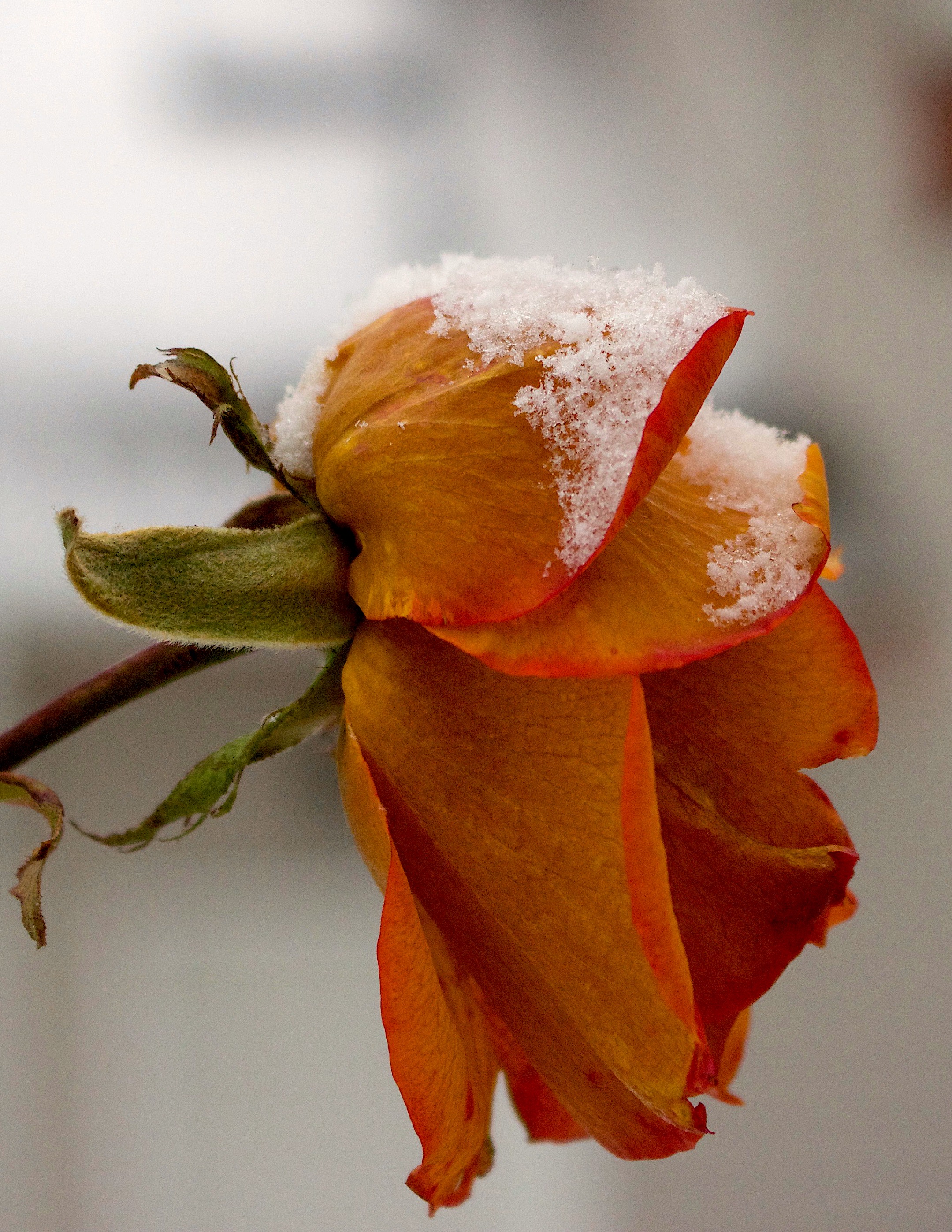
snowyrose2


    They change to a high new house,
    He, she, all of them — aye,
    Clocks and carpets and chairs
        On the lawn all day,
    And brightest things that are theirs….
        Ah, no; the years, the years;
Down their carved names the rain-drop ploughs.
~Thomas Hardy “During Wind and Rain”


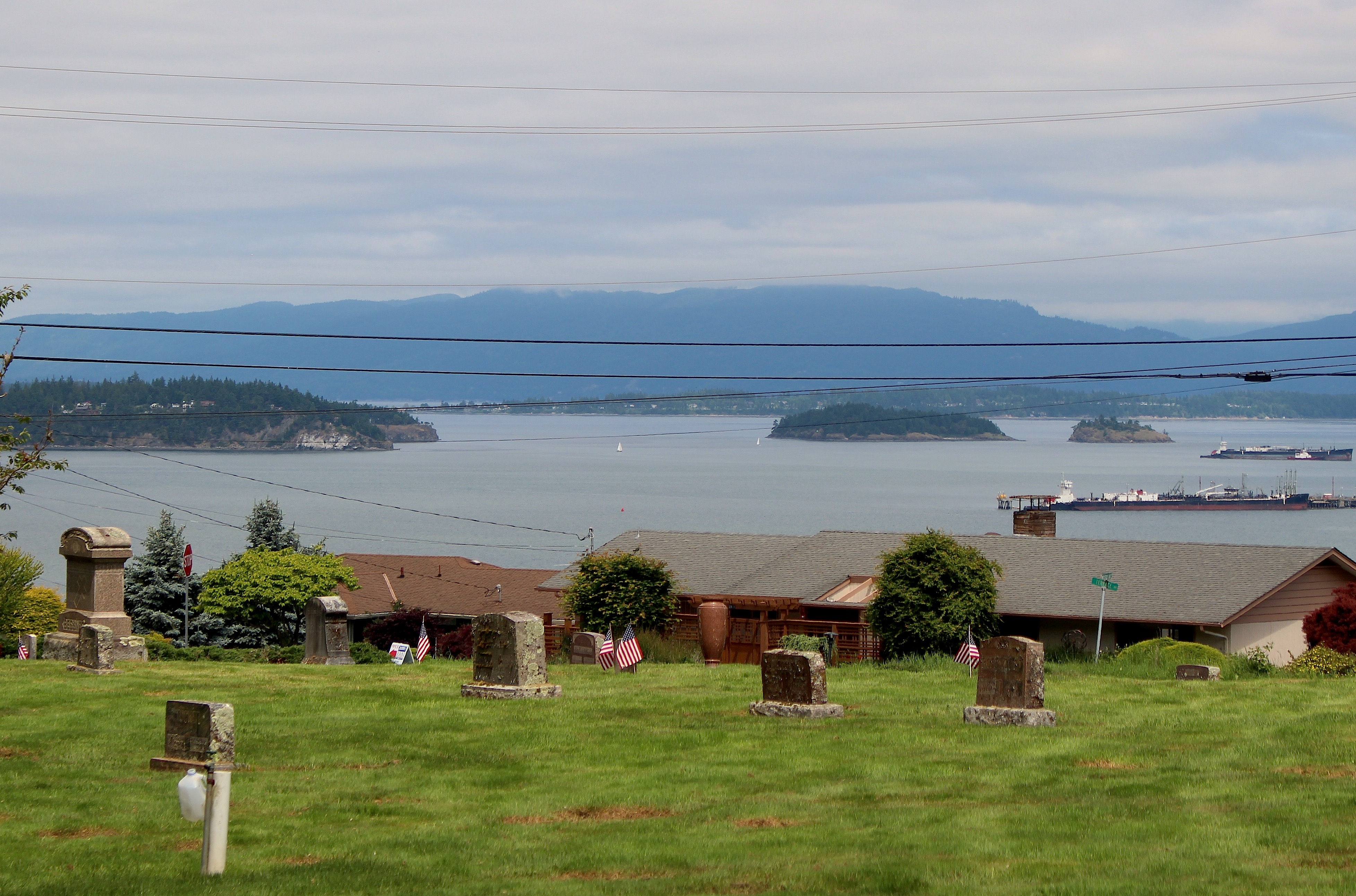
bayviewanacortes


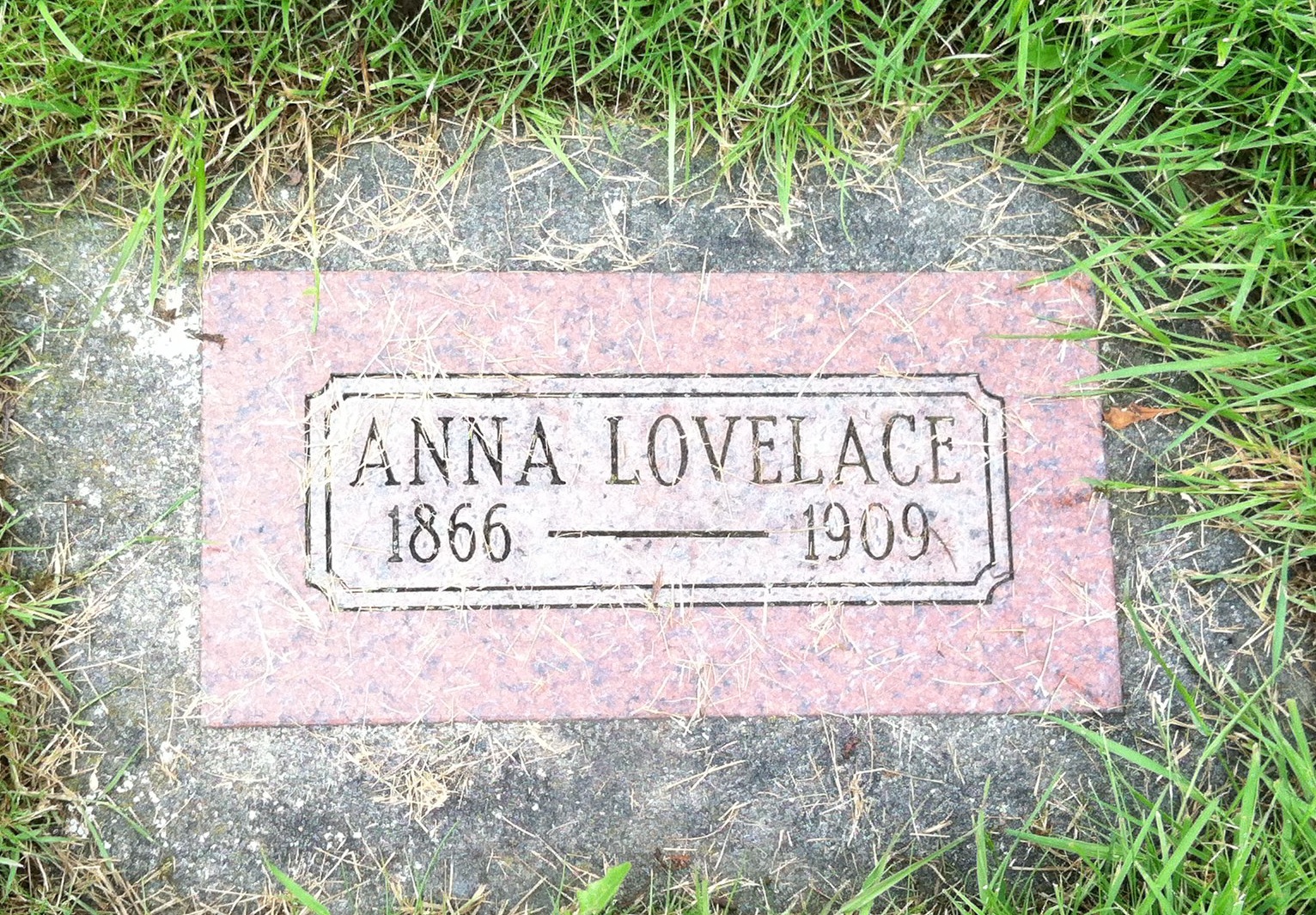
anna


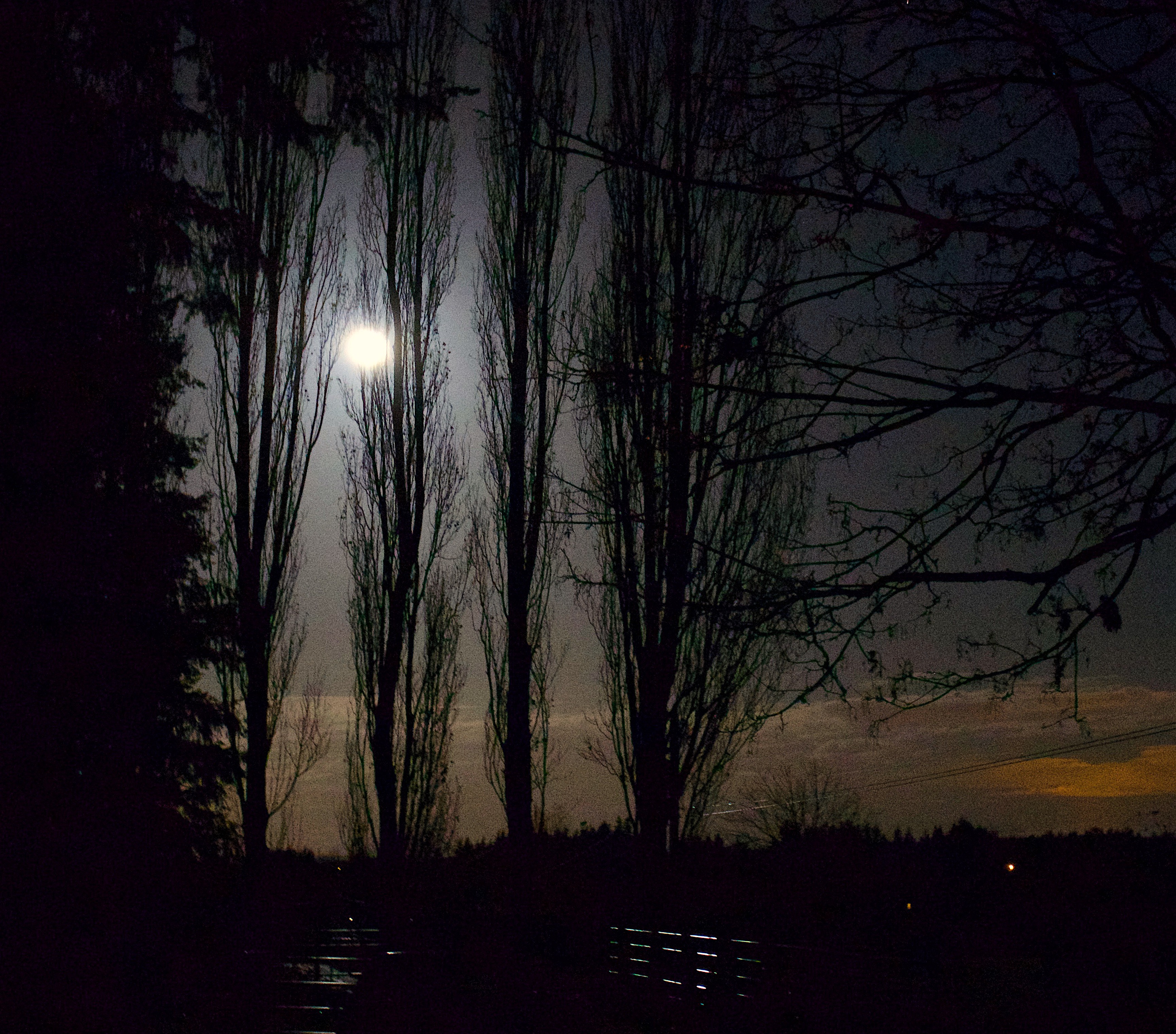
A waning November moon reluctantly rose,
dimming from the full globe of the night before.
I drive a darkening country road, white lines sweeping past,
aware of advancing frost in the evening haze,
anxious to return home to familiar warmth and light.

Nearing a county road corner, slowing to a stop,
I glanced aside where
a lonely rural cemetery sits expectant.

Through open iron gates and tenebrous headstones,
there in the middle path, incongruous,
car’s headlights beamed bright.

I puzzled, thinking:
lovers or vandals would seek inky cover of night.

Instead, these lights focused on one soul alone,
kneeling graveside,
a hand resting heavily on a stone, head bowed in prayer.

This stark moment of solitary sorrow,
a visible grieving of a heart

illuminated by twin beams.

This benediction of mourning
as light pierced the blackness;

gentle fingertips traced
the engraved letters of a beloved name.

Feeling touched
as uneasy witness, I pull away 

to drive deeper into the night,
struggling to see despite
my eyes’ thickening mist.

~Emily Gibson – “Grief Illuminated”


supermoon1


stonecone
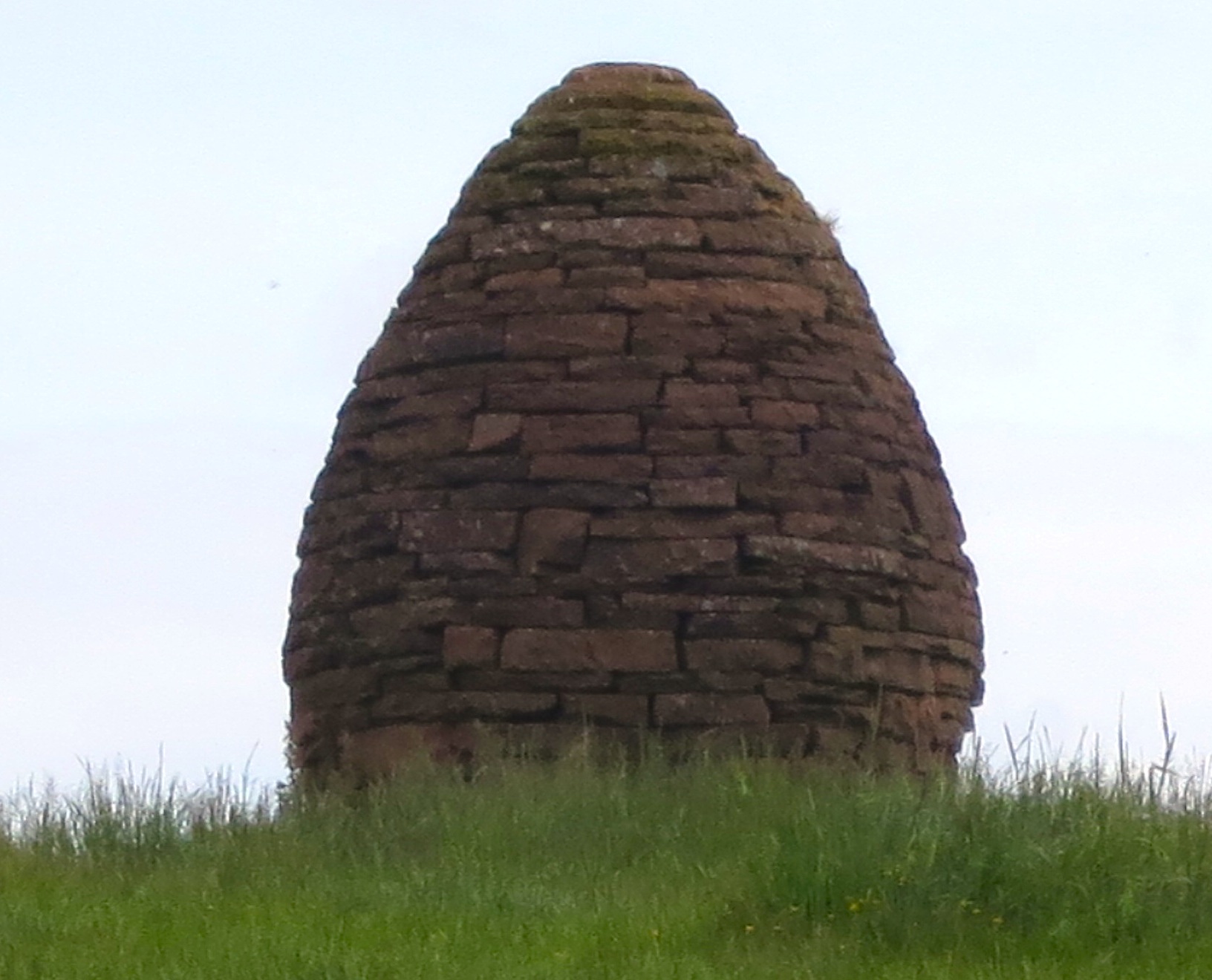
a stone pinecone, environmental art by Andy Goldsworthy, rural Scotland

We Shall Not Sleep Though Poppies Grow

poppypink


3rpoppies

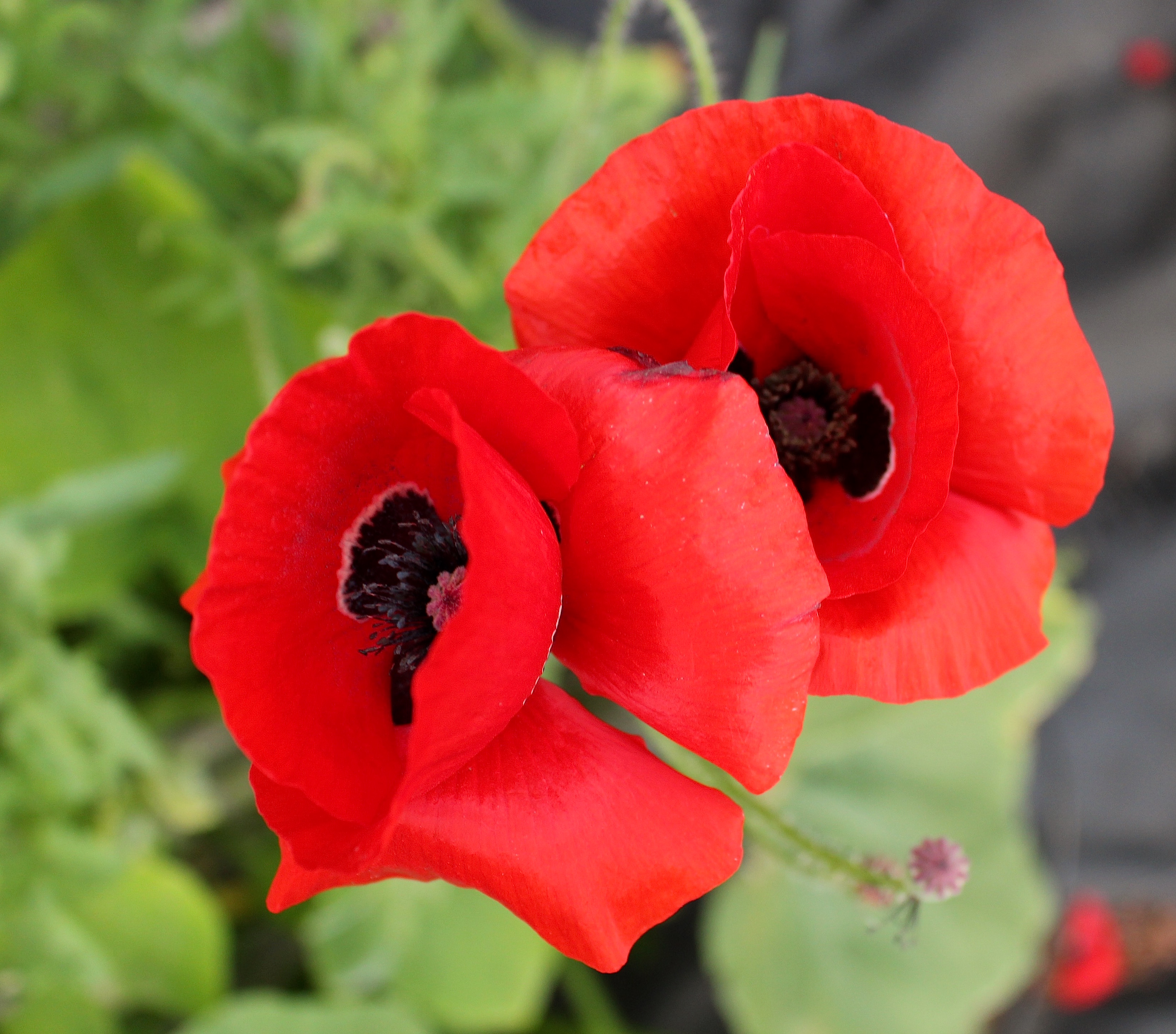
In Flanders fields the poppies blow
Between the crosses, row on row,
    That mark our place; and in the sky
    The larks, still bravely singing, fly
Scarce heard amid the guns below.
We are the Dead. Short days ago
We lived, felt dawn, saw sunset glow,
    Loved and were loved, and now we lie,
        In Flanders fields.
Take up our quarrel with the foe:
To you from failing hands we throw
    The torch; be yours to hold it high.
    If ye break faith with us who die
We shall not sleep, though poppies grow
        In Flanders fields.
~Lieutenant Colonel John McCrae “In Flanders Fields”
chelanpoppies

They shall grow not old, as we that are left grow old:
Age shall not weary them, nor the years condemn.
At the going down of the sun and in the morning
We will remember them.
~Lawrence Binyonfrom “For the Fallen” (1914)


sunset111017


Courage is almost a contradiction in terms. 
It means a strong desire to live taking the form of a readiness to die.
~ G.K. Chesterton 
sunrise117171
 November pierces with its bleak remembrance
Of all the bitterness and waste of war.
Our silence tries but fails to make a semblance
Of that lost peace they thought worth fighting for.
Our silence seethes instead with wraiths and whispers,
And all the restless rumour of new wars,
The shells are falling all around our vespers,
No moment is unscarred, there is no pause,
In every instant bloodied innocence
Falls to the weary earth ,and whilst we stand
Quiescence ends again in acquiescence,
And Abel’s blood still cries in every land
One silence only might redeem that blood
Only the silence of a dying God.
~Malcolm Guite “Silence”
When you go home tell them of us and say –
“For your tomorrow we gave our today”
~John Maxwell Edmonds from “The Kohima Epitaph” 
oakleaf11173 

To our U.S. veterans–with deep appreciation and gratitude–for the freedoms you have defended on behalf of us all:

My father was one of the fortunate ones who came home, returning to a quiet farm life after three years serving in the Pacific with the Marines Corp from 1942 to 1945.  Hundreds of thousands of his colleagues didn’t come home, dying on beaches and battlefields.  Tens of thousands more came home forever marked, through physical or psychological injury, by the experience of war.

No matter how one views subsequent wars that our nation has fought and currently is fighting, we must support and care for the men and women who have made the commitment to be on the front line for freedom’s sake and for our sake.

I’m unsure why the United States does not call November 11 Remembrance Day as the Commonwealth nations did 99 years ago at the Armistice. This is a day that demands much more than the more passive name Veterans’ Day represents.

This day calls all citizens who appreciate their freedoms to stop what they are doing and disrupt the routine rhythm of their lives. We are to remember in humble thankfulness the generations of military veterans who sacrificed time, resources, sometimes health and well being, and too often their lives in answering the call to defend their countries.

Remembrance means never forgetting what it costs to defend freedom. It means acknowledging the millions who have given of themselves and continue to do so on our behalf. It means never ceasing to care. It means a commitment to provide resources needed for the military to remain strong and supported. It means unending prayers for safe return home to family. It means we hold these men and women close in our hearts, always teaching the next generation about the sacrifices they made.

Most of all, it means being willing ourselves to become the sacrifice when called.

To you from failing hands we throw
    The torch; be yours to hold it high.
    If ye break faith with us who die
We shall not sleep, though poppies grow…
octviewnorth1
 
So, when old hopes that earth was bettering slowly
Were dead and damned, there sounded ‘War is done!’
One morrow. Said the bereft, and meek, and lowly,
‘Will men some day be given to grace? yea, wholly,

And in good sooth, as our dreams used to run?’

Calm fell. From Heaven distilled a clemency;
There was peace on earth, and silence in the sky;
Some could, some could not, shake off misery:
~Thomas Hardy from “And There Was a Great Calm” (On the Signing of the Armistice, 11 Nov. 1918)
afterthestorm

A Full Circle Remembrance Day

weddingMy parents Henry and Elna Polis on their wedding day,
Dec. 24, 1942, Quantico, Virginia
He shipped out to the South Pacific front one week later,
not to return until June 1945


Sometimes, as a child,  when I was bored, I’d grab a step ladder, pull it into our hallway, climb half way up and carefully lift the plywood hatch that was the portal to our unlit attic.  It took some effort to climb up into the attic from the ladder, juggling a flashlight at the same time, but once seated safely on the beams above our ceiling, being careful not to put my foot through the carpet of insulation, I could explore what was stowed and normally inaccessible to me.

All the usual attic-type things were put up there:  Christmas ornaments and lights,  baby cribs and high chairs,  lamps and toys no longer used.  Secrets to my parents’ past were stored away there too.  It was difficult imagining them as young children growing up on opposite sides of the state of Washington, in very different circumstances, or as attractive college students who met at a dance, or as young marrieds unencumbered by the daily responsibilities of a family.  The attic held those images and memories like a three dimensional photo album.

My father’s dark green Marine Corps cargo trunk was up there, the one that followed him from Officer Training in Quantico, Virginia, to beach and mountain battles on Tarawa, Tinian and Saipan in the South Pacific, and three years later back home again.  It had his name and rank stenciled on the side in dark black lettering.  The buckles were stiff but could be opened with effort, and in the dark attic, there was always the thrill of unlatching the lid, and shining the flashlight across the contents.  His Marine Corps dress uniform lay inside underneath his stiff brimmed cap.  There were books about protocol, and a photo album which contained pictures of “his men” that he led in his battalion, and the collection of photos my mother sent of herself as she worked as a high school teacher back home.

Most fascinating was a folded Japanese flag inside a small drawstring bag, made of thin white see-through cloth with the bold red sun in the middle.  Surrounding the red sun were the delicate inked characters of many Japanese hands as if painted by artists, each wishing a soldier well in his fight for the empire.  Yet there it was, a symbol of that soldier’s demise, itself buried in an American attic, being gently and curiously held by an American daughter of a Marine Corps captain.  It would occur to me in the 1960s that some of the people who wrote on this flag might still be living, and certainly members of the soldier’s family would still be living.  I asked my father once about how he obtained the flag, and he, protecting me and himself, waved me away, saying he couldn’t remember.  I know better now.  He knew but could not possibly tell me the truth.

These flags, charms of good luck for the departing Japanese soldier as he left his neighborhood or village for war, are called Hinomaru Yosegaki (日の丸寄せ書き).  Tens of thousands of these flags came home with American soldiers; it is clear they were not the talisman hoped for.  A few of these flags are now finding their way back to their home country, to the original villages, to descendants of the lost soldiers.  My brother, who now has the flag, has returned it as well to its rightful owners.

Seventy some years ago doesn’t seem that long, a mere drop in the river of time.  There is more than mere mementos that have flowed from the broken dam of WWII, flooding subsequent generations of Americans, Japanese, Europeans with memories that are now lost as the oldest surviving soldiers in their 90’s pass, hundreds of them daily, taking their stories of pain and loss and heroism with them.   My father could never talk with a person of Asian descent, Japanese or not, without stiffening his spine and a grim set to his jaw.  He never could be at ease or turn his back.  As a child, I saw and felt this from him, but heard little from his mouth.

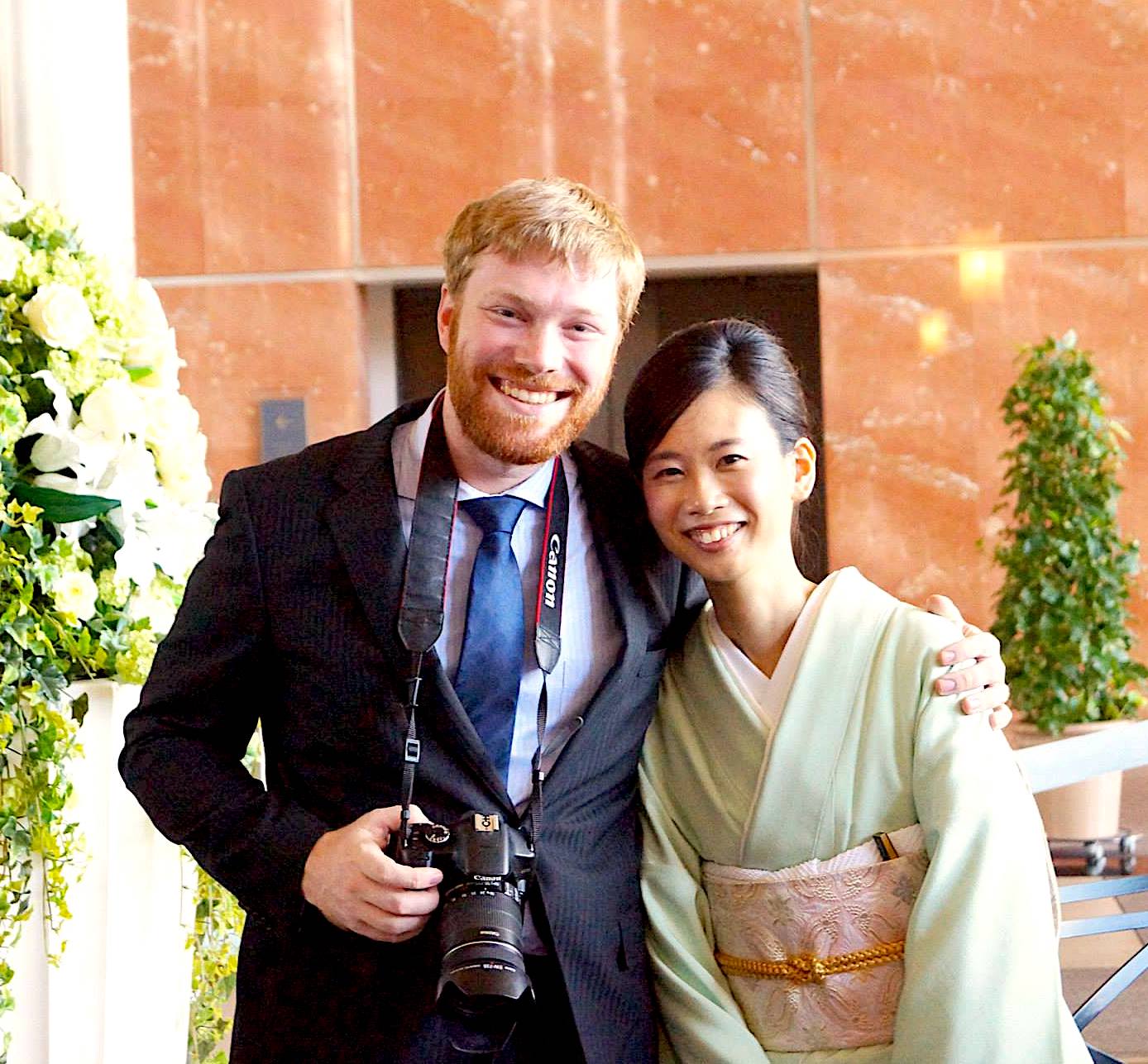
When he was twenty two years old,  pressed flat against the rocks of Tarawa, trying to melt into the ground to become invisible to the bullets whizzing overhead, he could not have conceived that sixty five years later his twenty two year old grandson would disembark from a jumbo jet at Narita in Tokyo, making his way to an international school in that city to teach Japanese children.  My father would have been shocked that his grandson would settle happily into a culture so foreign, so seemingly threatening, so apparently abhorrent.   Yet this irony is the direct result of the horrors of that too-long horrible bloody war of devastation: Americans and Japanese, despite so many differences, have become the strongest of allies, happily exchanging the grandchildren of those bitterly warring soldiers back and forth across the Pacific.  I care for Japanese exchange students daily in my University clinic, peering intently into their open faces and never once have seen the enemy that my father knew.

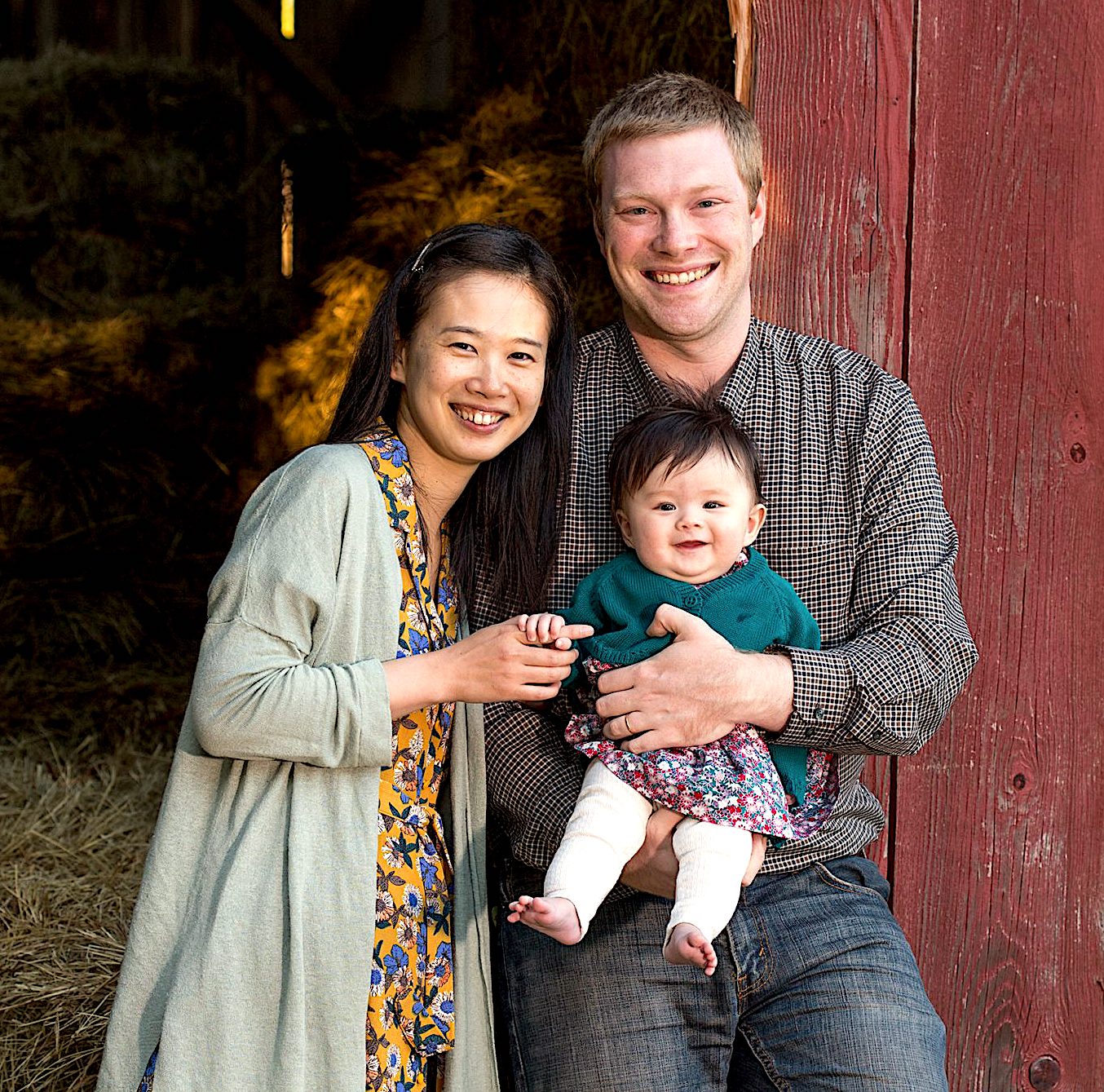
More than seventy years later, my son still teaches, with deep admiration and appreciation for each of his students, those grandchildren and greatgrandchildren of the soldiers my father hated and likely killed.  Not only does my son teach, but he married a granddaughter of those my father fought.  Their daughter is the perfect amalgam of once warring, yet now peaceful, cultures; symbol of blended and blending peoples overcoming the hatred of past generations.

In coming to the land of the red sun, in coming full circle, my father’s descendant, the teacher and missionary,  redeems my father, the warrior.

It is, on this Remembrance Day,  as it was meant to be.


natetomomi2014


natetomomiemma2017


The Light Again of Beginnings

rain918173


fieldofgreen


thistledowndrizzle

For seasons the walled meadow
south of the house built of its stone
grows up in shepherd’s purse and thistles
the weeds share April as a secret
finches disguised as summer earth
click the drying seeds
mice run over rags of parchment in August
the hare keeps looking up remembering 
a hidden joy fills the songs of the cicadas

two days’ rain wakes the green in the pastures
crows agree and hawks shriek with naked voices
on all sides the dark oak woods leap up and shine
the long stony meadow is plowed at last and lies
all day bare
I consider life after life as treasures
oh it is the autumn light

that brings everything back in one hand
the light again of beginnings
the amber appearing as amber
~ W. S. Merwin, “September Plowing” from Flower & Hand


rain918175


terrystree


The rain has returned –
too many weeks of parchment leaves and soil,
now moistened and refreshed.

The light is so different in the evenings,
autumnal beginnings and summer endings,
a burning amber of sky and earth.

It is treasured up and stored,
to be harvested in the dead of winter
when such amber light is only remembrance
in the midst of so much gray.


rain918171


amberfield


ambernight

The Love of Tasks Gone Past

quilt1517


quilt1617


quilt1417


quilt717


quilt817


Like a fading piece of cloth
I am a failure

No longer do I cover tables filled with food and laughter
My seams are frayed my hems falling my strength no longer able
To hold the hot and cold

I wish for those first days
When just woven I could keep water
From seeping through
Repelled stains with the tightness of my weave
Dazzled the sunlight with my
Reflection

I grow old though pleased with my memories
The tasks I can no longer complete
Are balanced by the love of the tasks gone past

I offer no apology only
this plea:

When I am frayed and strained and drizzle at the end
Please someone cut a square and put me in a quilt
That I might keep some child warm

And some old person with no one else to talk to
Will hear my whispers

And cuddle
near
~Nikki Giovanni “Quilts”


quilt2117


quilt1117


quilt2017


quilt1817


quilt217


When I no longer have strength or the usefulness to perform my daily tasks,
piece me up and sew me into a greater whole along with pieces of others who are fading.
We are so much better together,
so much more colorful and bold,
becoming art and function in our fraying state.
Full of warmth and fun
covering all who are sick and sleep and love and cuddle,
and drift off to heaven as the last breath is breathed.


quilt1717


quilt1217


quilt1317


quilt617


quilt117


quilt917


quilt317


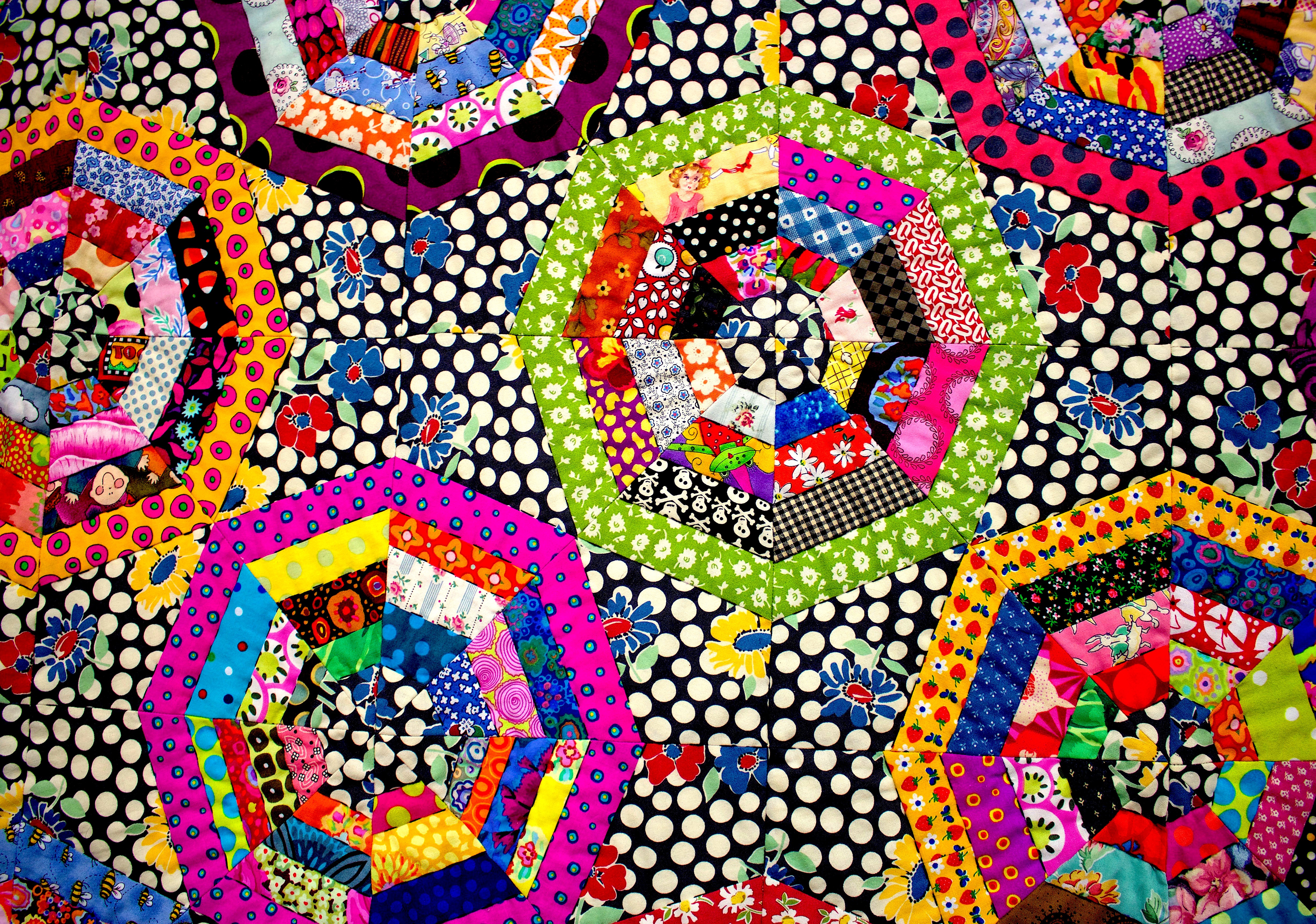
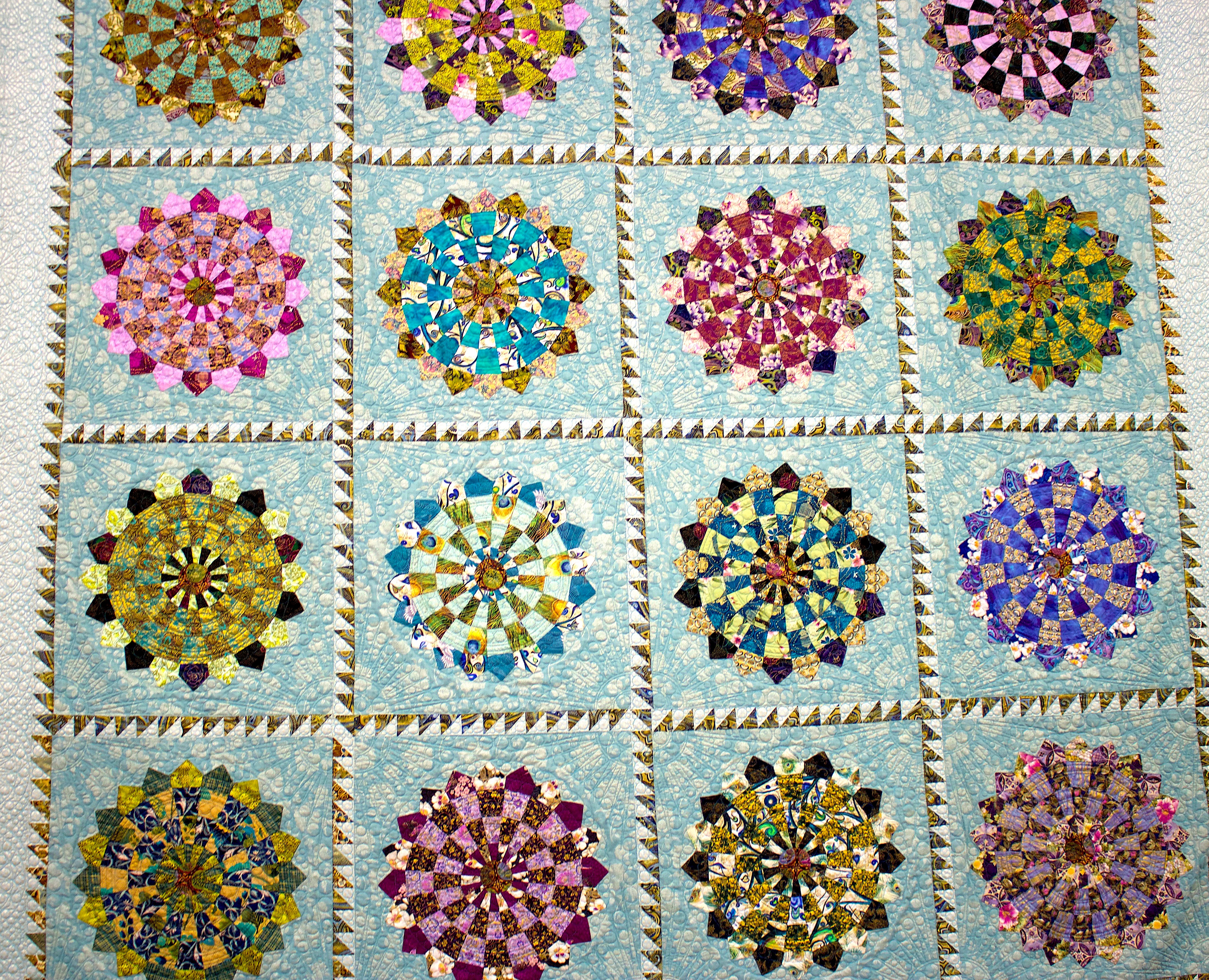
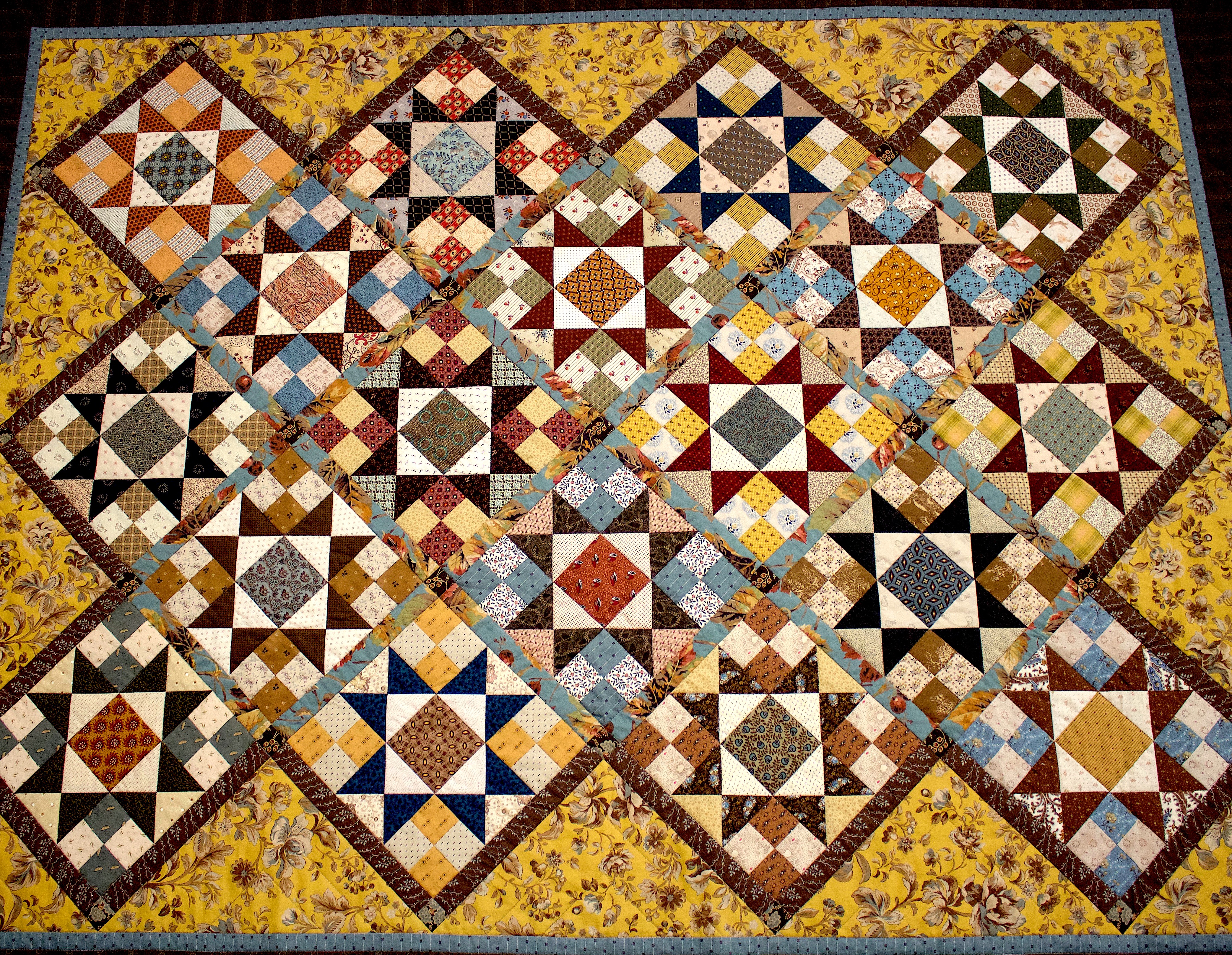
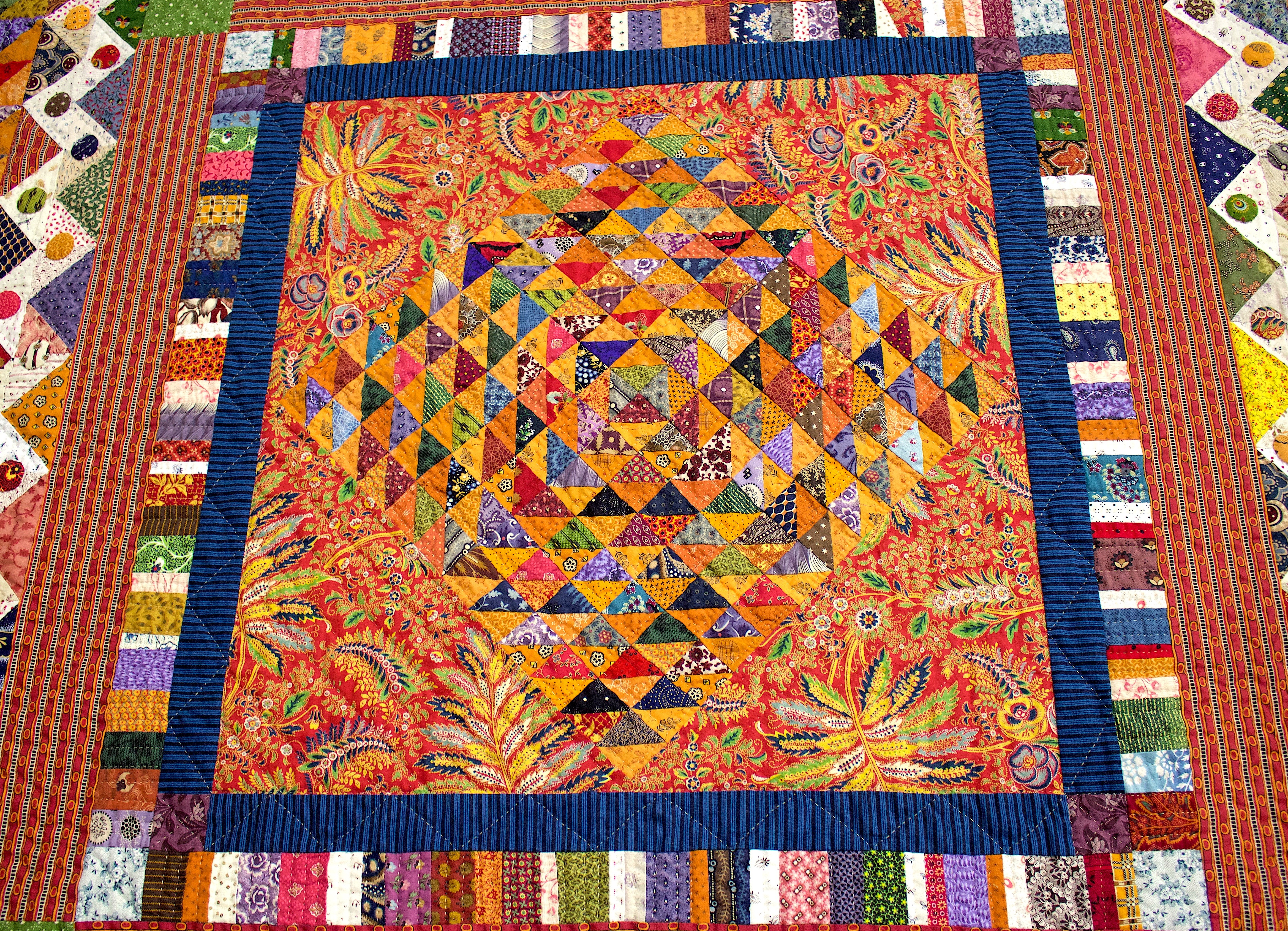
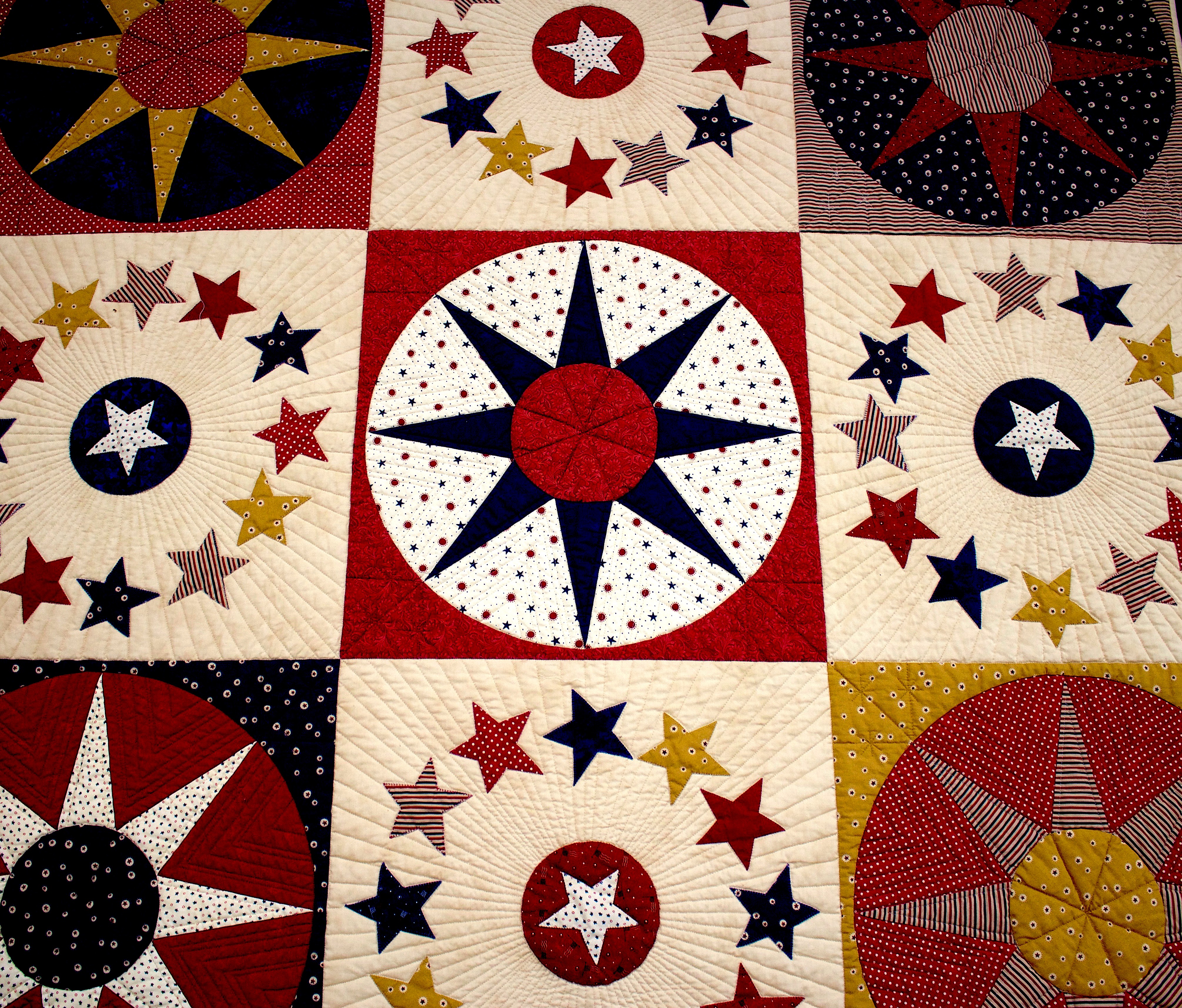
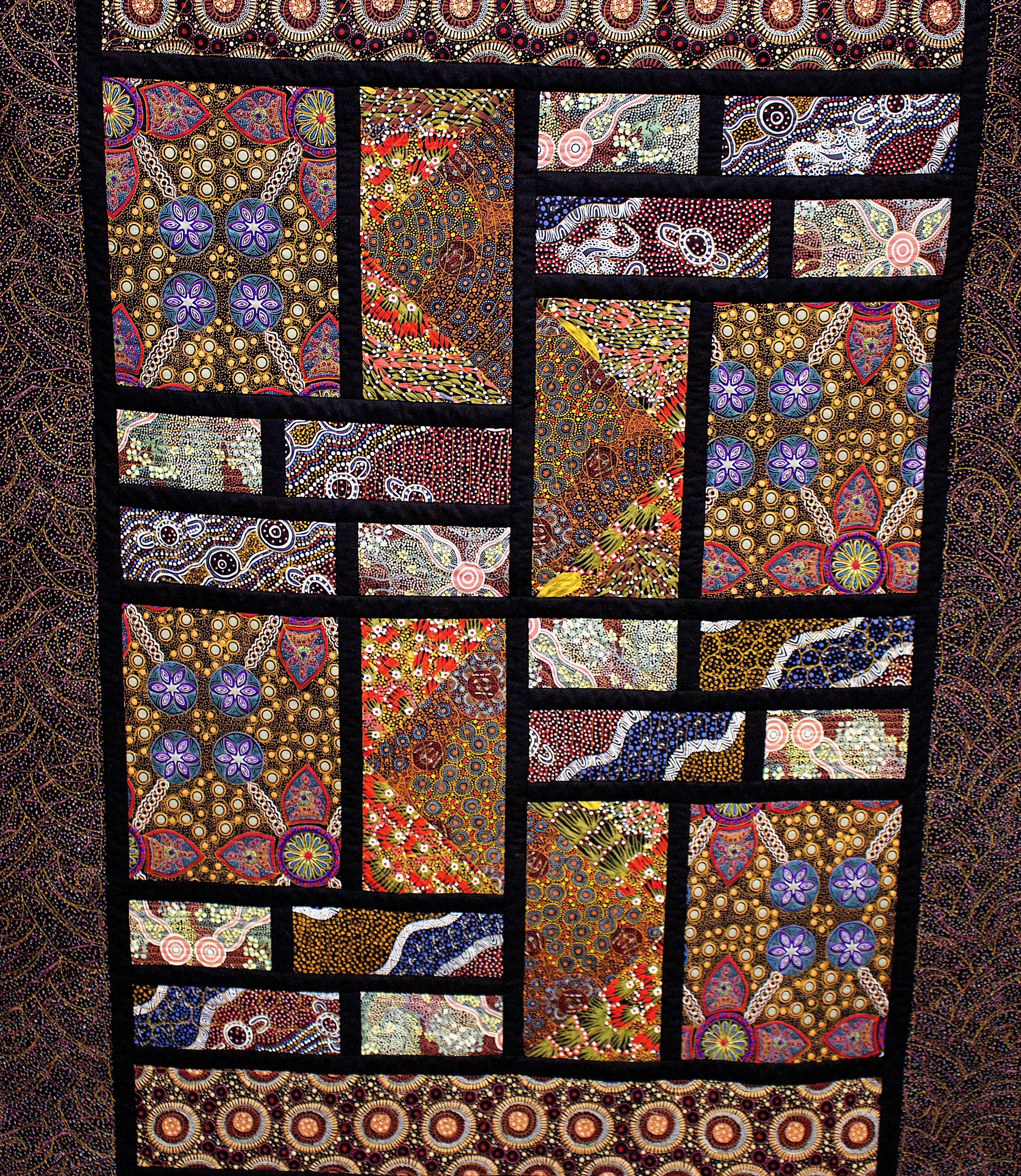
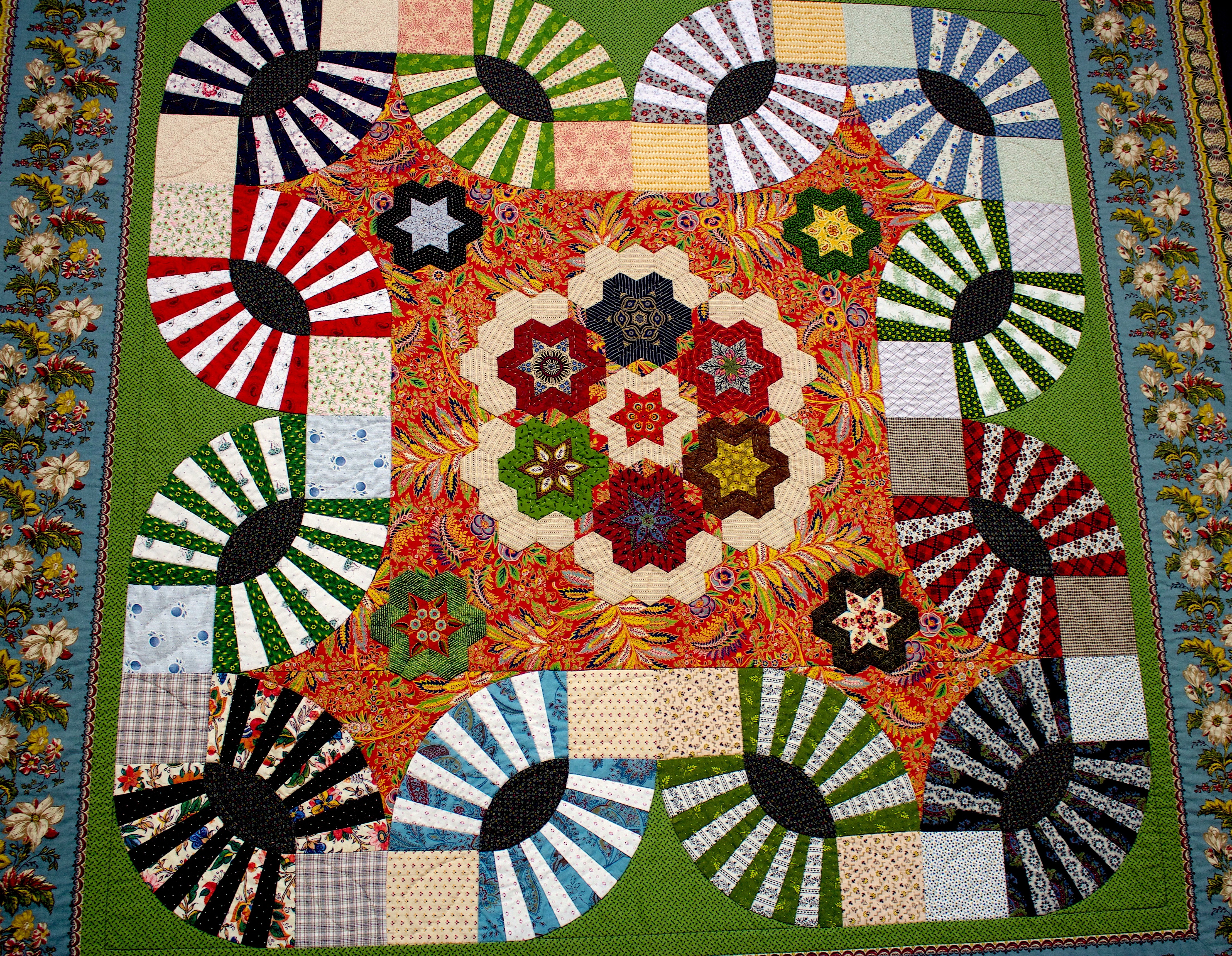
~~click each quilt to enlarge and admire the handiwork~~

(thank you again to the quilters displaying their art at the NW Washington Fair in Lynden
(see previous years’ work here and here)


Financial Support for the Barnstorming Blog from our Readers

Your financial support helps to keep this blog an ad-free daily offering. Your contribution of any amount is encouragement to me and deeply appreciated.

$10.00

A Probe for Sweet Peas


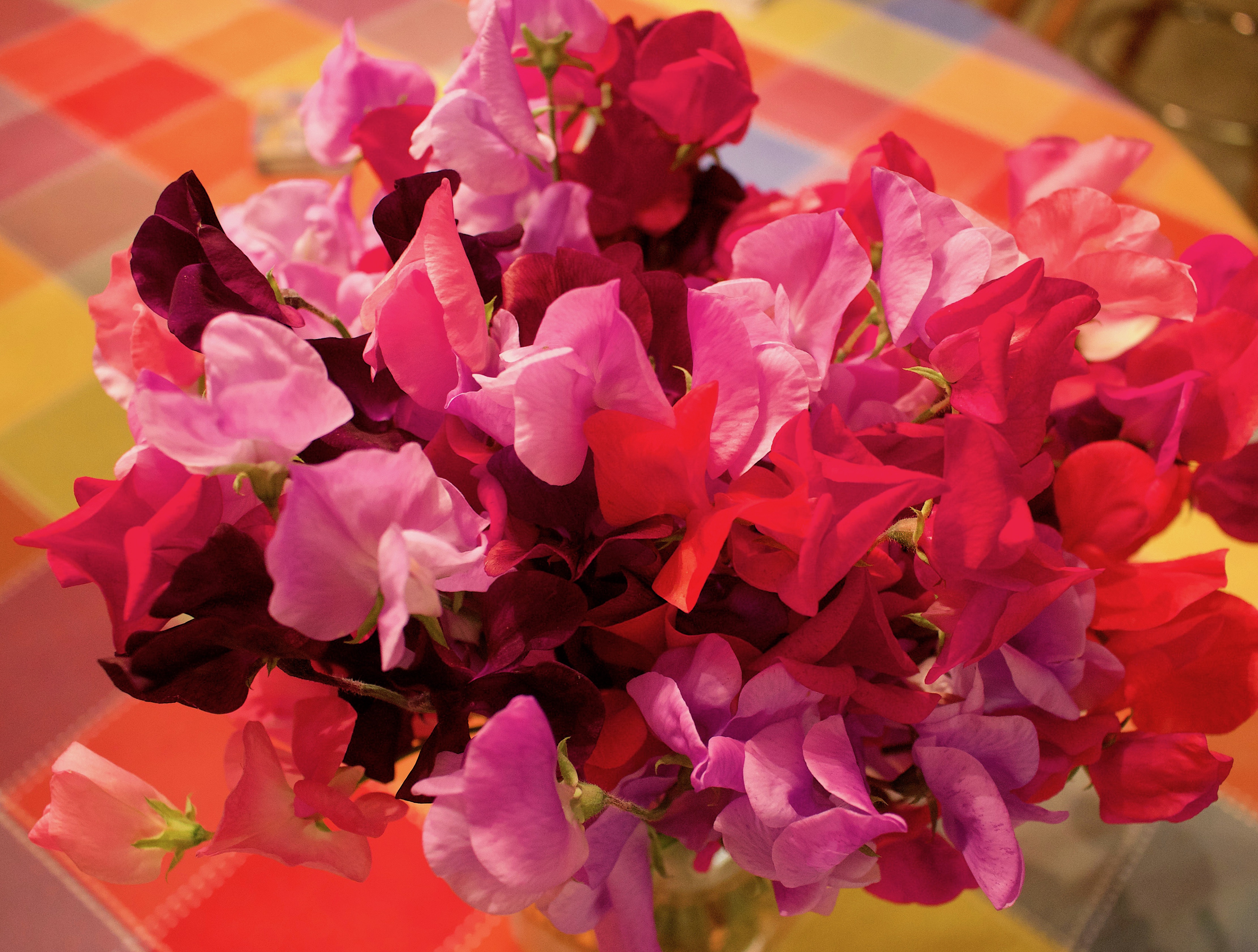
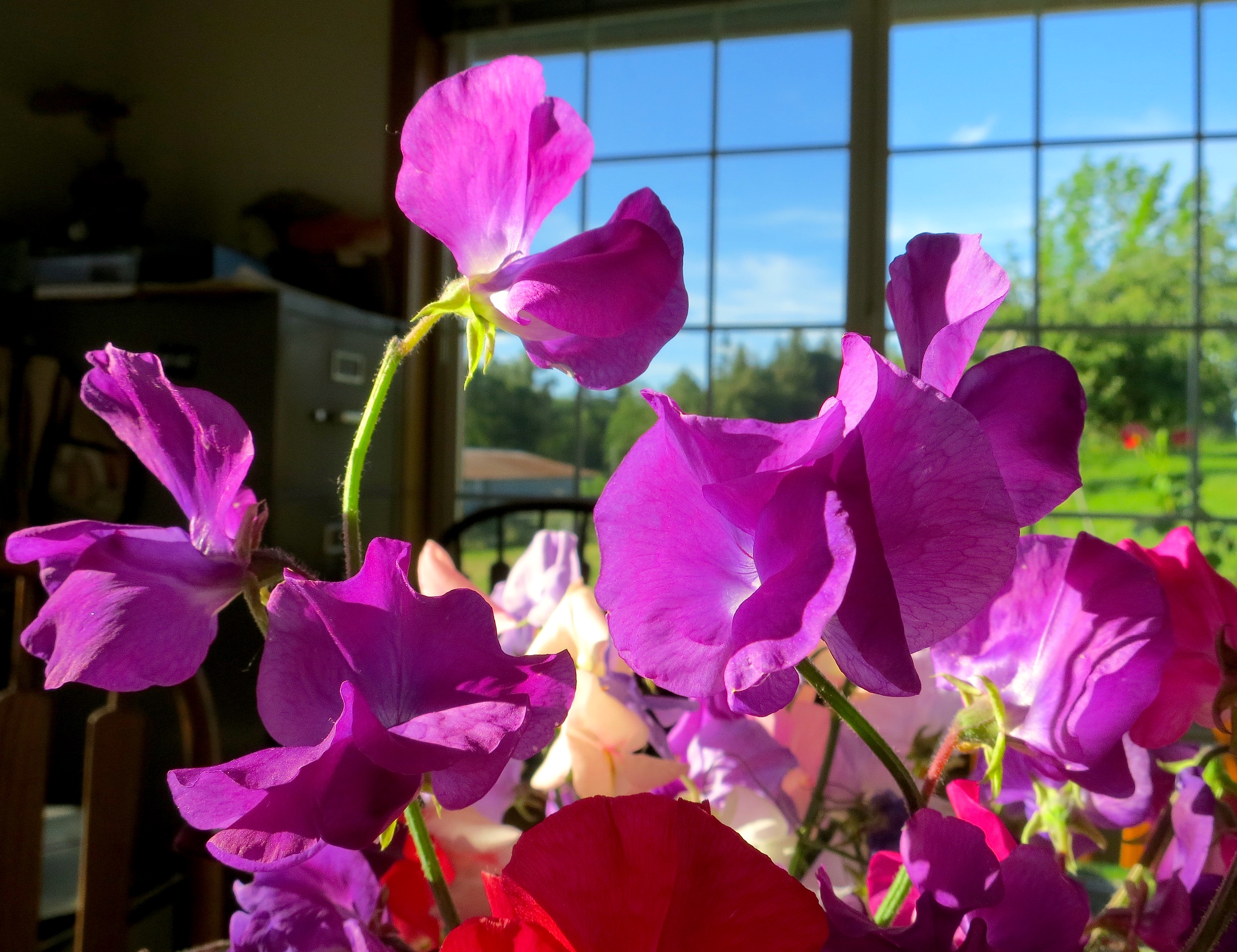
A white vase holds a kaleidoscope of wilting sweet peas
captive in the sunlight on the kitchen table while

wafting morning scent of pancakes
with sticky maple syrup swirls on the plate,

down the hall a dirty diaper left too long in the pail,
spills over tempera paint pots with brushes rinsed in jars after

stroking bright pastel butterflies fluttering on an easel
while wearing dad’s oversized shirt buttoned backwards

as he gently guides a hand beneath the downy underside
of the muttering hen reaching a warm egg hiding in the nest

broken into fragments like a heart while reading
the last stanza of Dover Beach in freshman English

Just down the hall of clanging lockers
To orchestra where strains of “Clair de Lune” accompany

the yearning midnight nipple tug of a baby’s hungry suck
hiccups gulping in rhythm to the rocking rocking

waiting for a last gasp for breath
through gaping mouth, mottled cooling skin

lies still between bleached sheets
illuminated by curtain filtered moonlight just visible

through the treetops while whoosh of owl wings
are felt not heard, sensed not seen.

Awaking to bright lights and whirring machines
the hushed voice of the surgeon asking

what do you see now, what can you hear, what odor
and flavor, what sensation on your skin

with each probe of temporal lobe, of fornix
and amygdala hidden deep in gray matter

of neurons and synaptic holding bins of chemical transmitters
storing the mixed bag of the past and present

to find the offending spot to be erased of electrical
impulses that seize up all remembrance, all awareness

and be free again to live, to love, to swoon at the perfume
of summer sweet peas climbing dew fresh at dawn,

tendril wrapping over tendril,
the peeling wall of the garden shed.


Like Pearls Slipping Off a String

pearls1


hydrangealighting


morningmist72817


grasssunset


I believe the nicest and sweetest days
are not those on which anything very splendid
or wonderful or exciting happens
but just those that bring simple little pleasures,
following one another softly,
like pearls slipping off a string.
~L.M. Montgomery from Anne of Avonlea


kittens727171


notadeaddog


homerroller


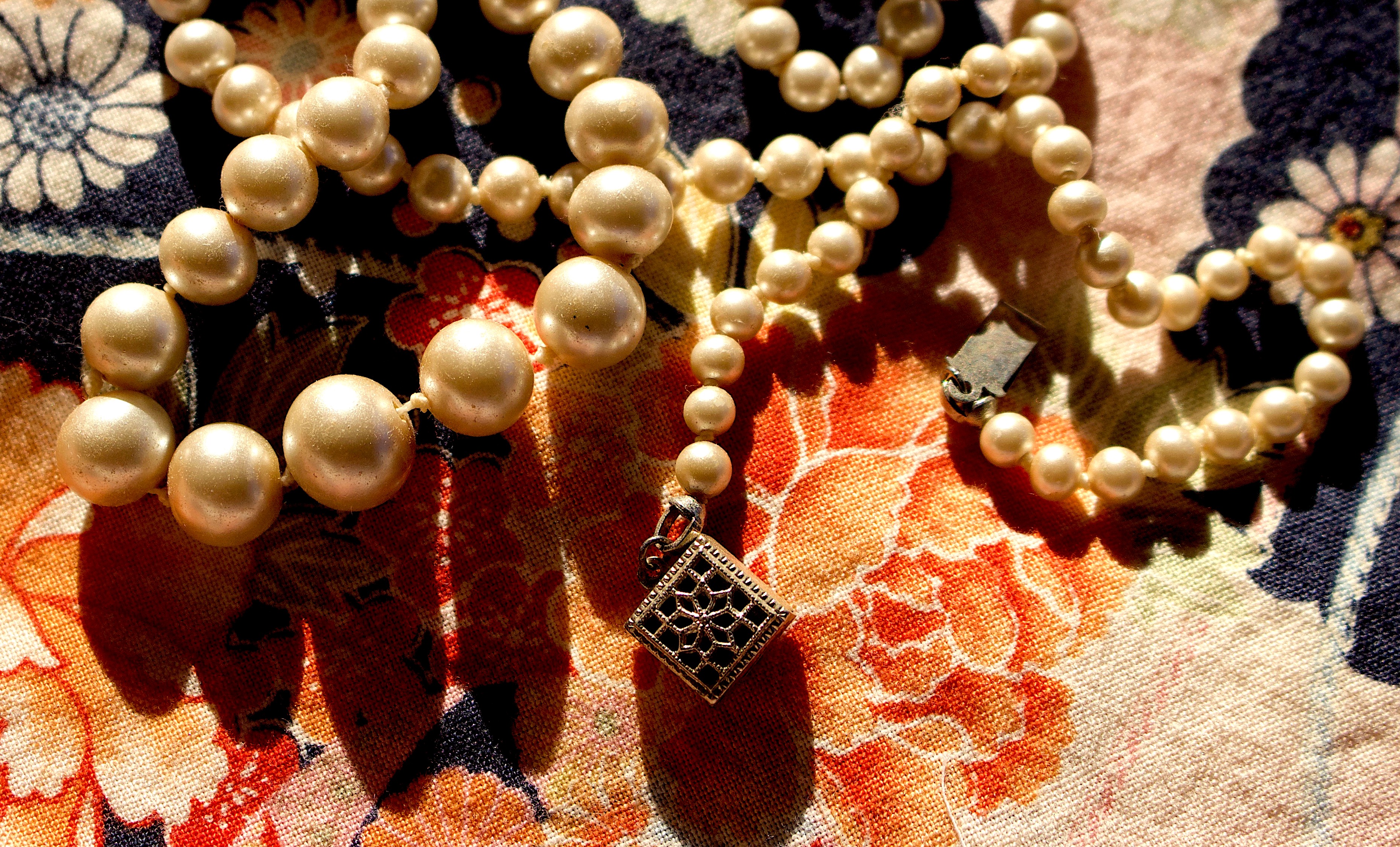
Pearl by pearl, the simple pleasures slip away so softly in these precious few days of family fullness and warmth.

It is almost too much to bear knowing these pearls can never be strung together again in quite the same way, but I rush to gather them up together in the deep pocket of my memory for safe-keeping.

And then I remember they will always be there, ready to be touched and treasured when I need them, each one more splendid and wonderful and exciting than I would ever have imagined at the time.


tennant201713


kittensjuly27172


pearls2

The World as Wheat

steptoe2
image
steptoe7
I tried to paint the sound of the wind in the ears of wheat.
~Vincent Van Gogh in a letter to Paul Gauguin
WLANL_-_MicheleLovesArt_-_Van_Gogh_Museum_-_Ears_of_wheat,_1890
Ears of Wheat ~ Vincent Van Gogh 1890 in Van Gogh Museum, Amsterdam

There is nothing here but wheat, no blade
too slight for his attention: long swaying
brush strokes, pale greens, slithery yellows,
the hopefulness of early spring. All grass
is flesh, says the prophet. Here, there are no
gorgeous azures stamped with almond blossoms,
no screaming sky clawed with crows, no sunflowers
roiling gold and orange, impasto thick as Midi sunlight.
His brush herringboned up each stalk, the elemental
concerns of sun, rain, dirt, while his scrim of pain receded
into the underpainting. He let the wind play
through the stems like a violin, turning the surface
liquid, a sea of green, shifting eddies and currents.
No sky, no horizon; the world as wheat.
~Barbara Crooker, “Ears of Wheat, 1890” from 
Les Fauves

 butte9

steptoe6

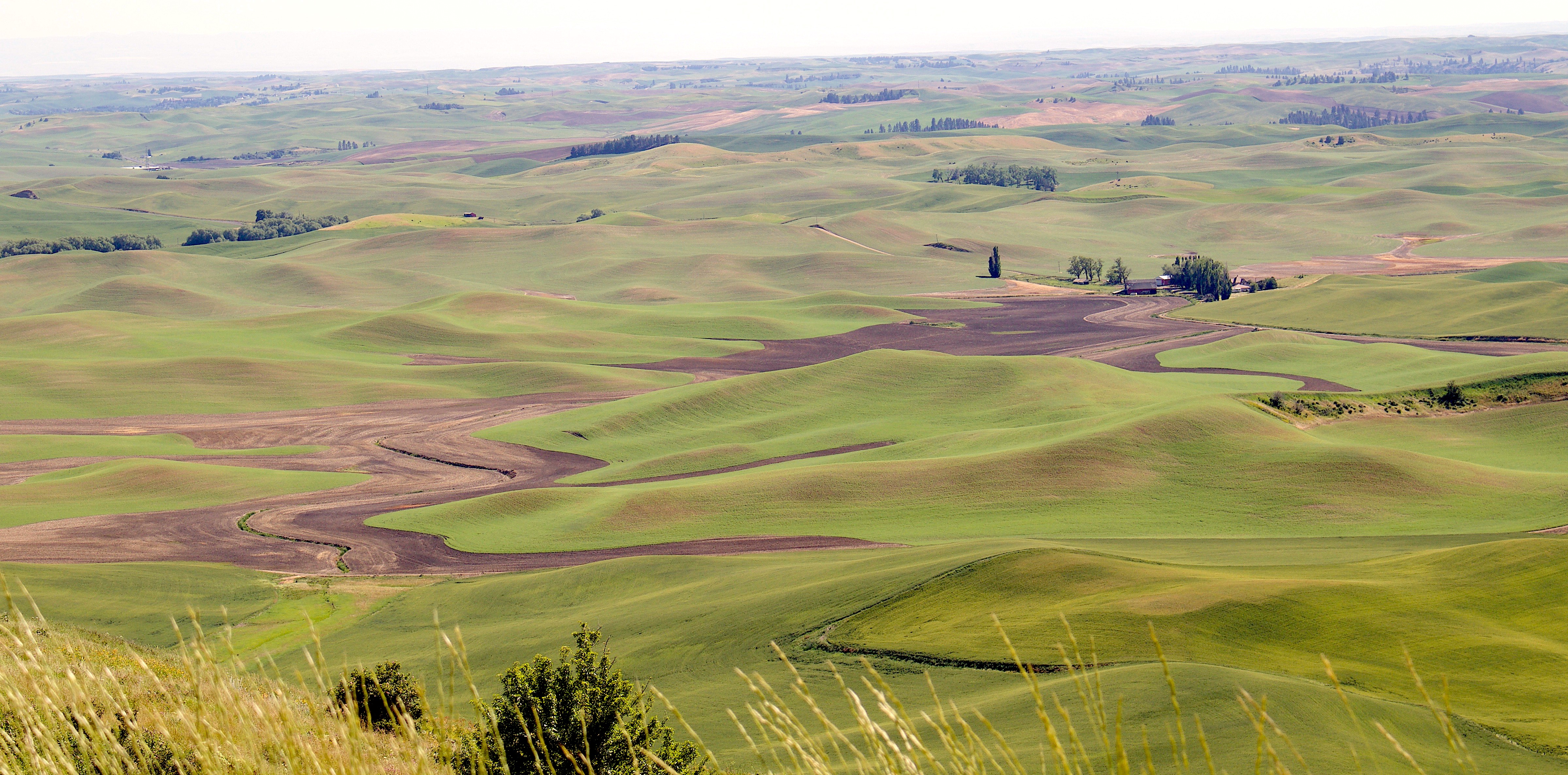
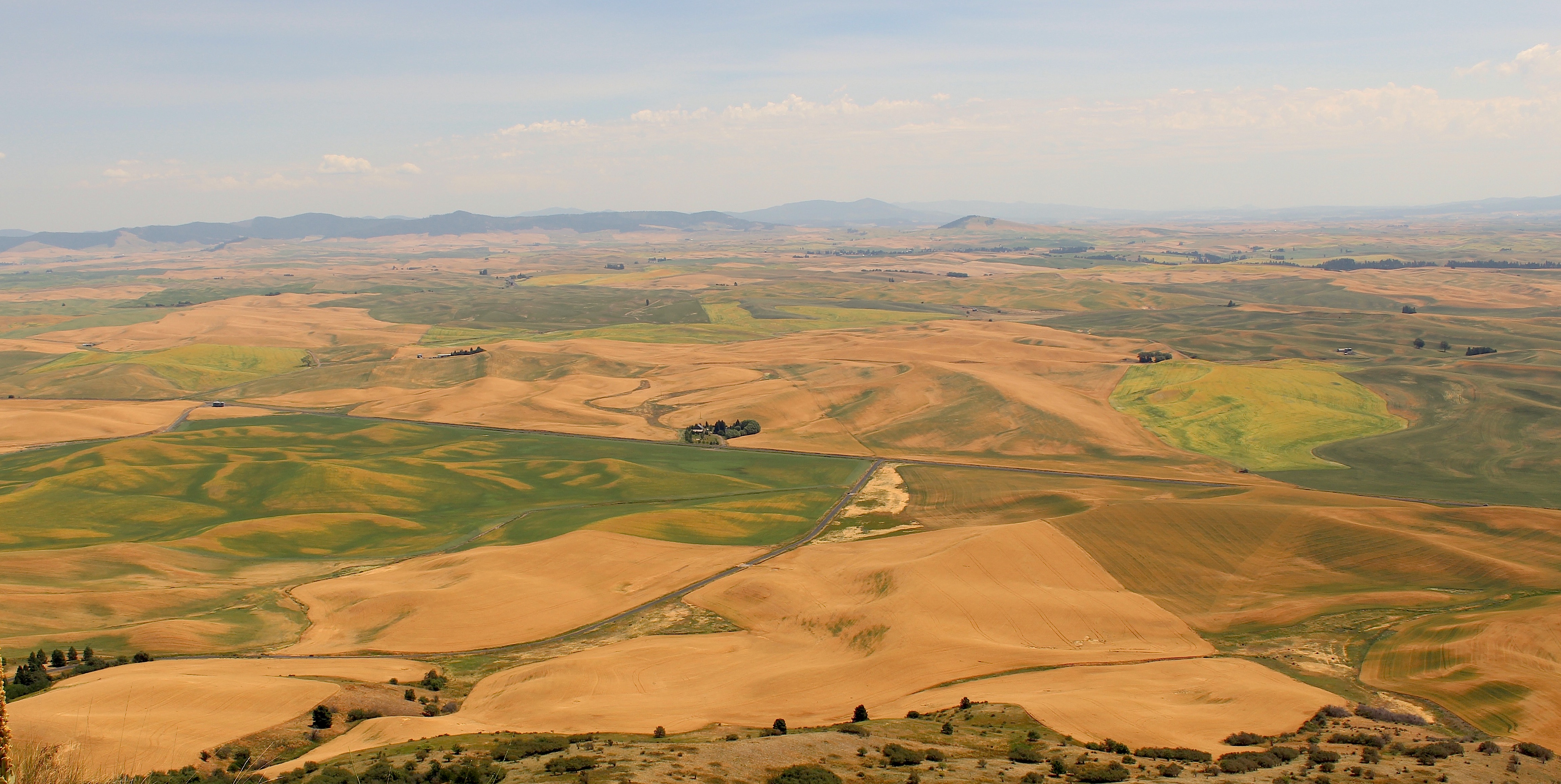
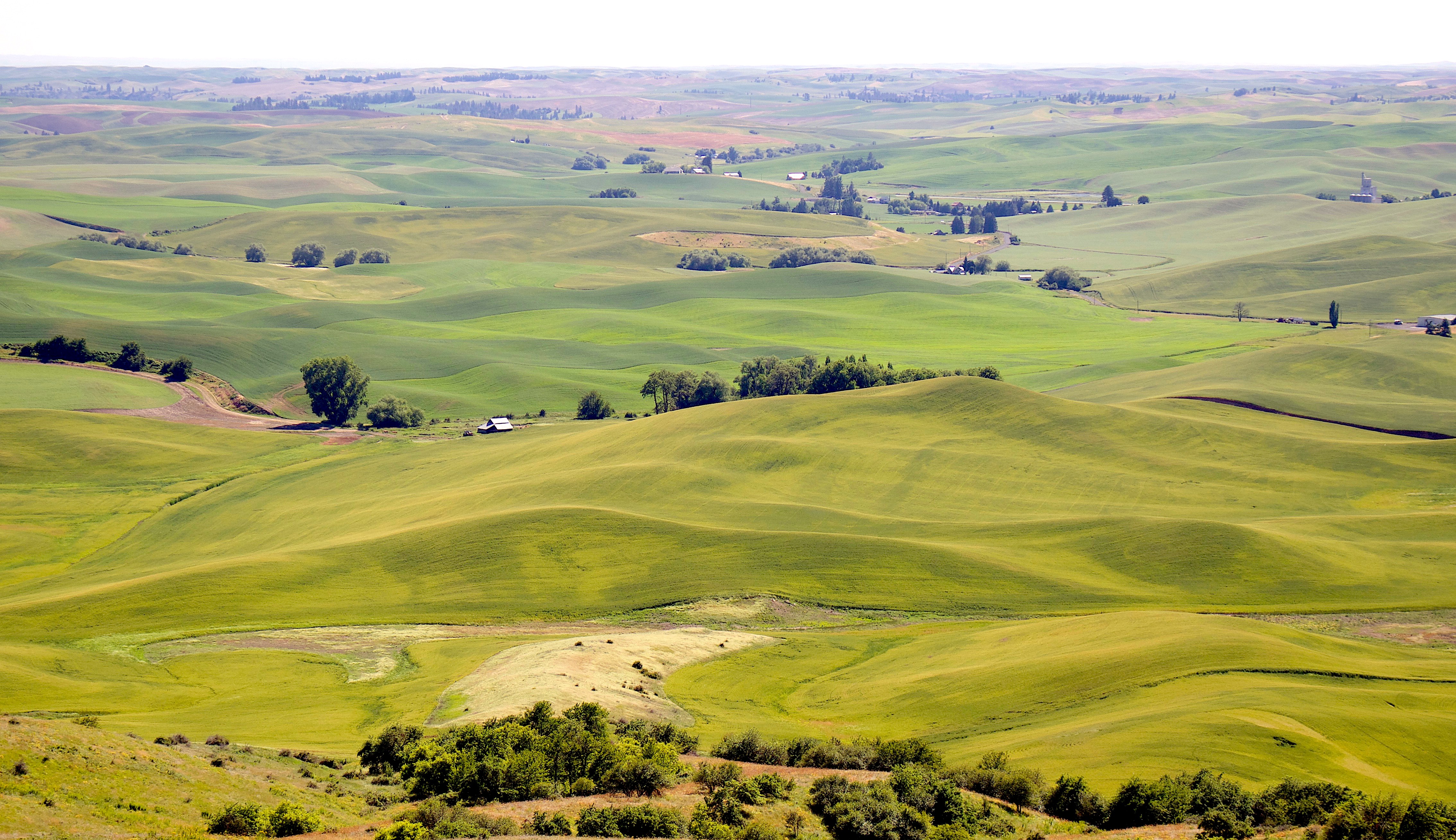
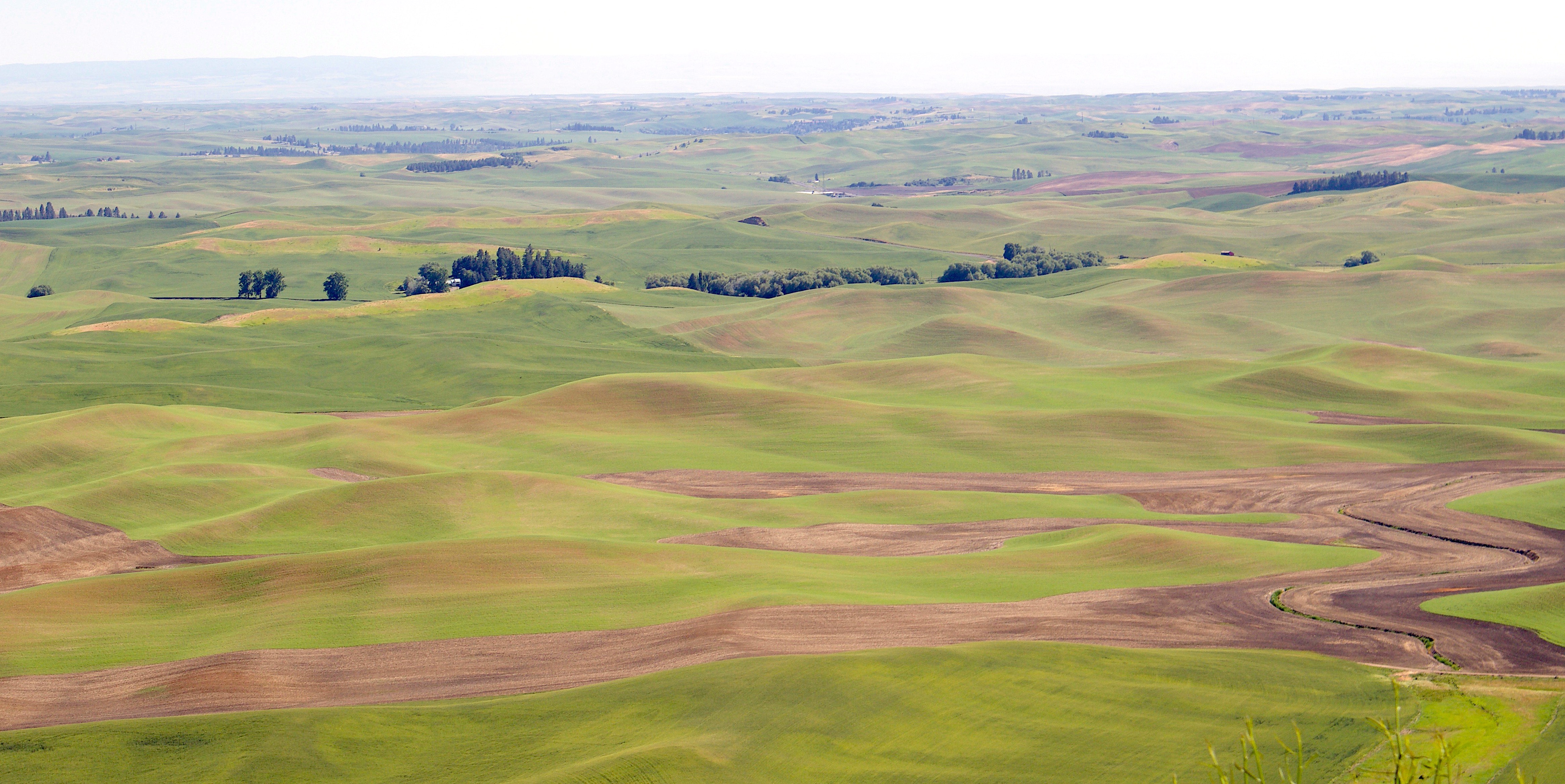
I come from this – these green-ripening-to-amber wheat fields.
My mother was born nearly a century ago in a house built in a swale of these Palouse hills, where grain rose prolific each year from the soil.  Her father used horses and harvester over hill and dale to bring in the wheat, and piled it high in the local elevator until the train could pick it up.
My grandfather, grandmother, uncle and my mother are no more, now but dust, yet this land continues to produce and yield without their help.
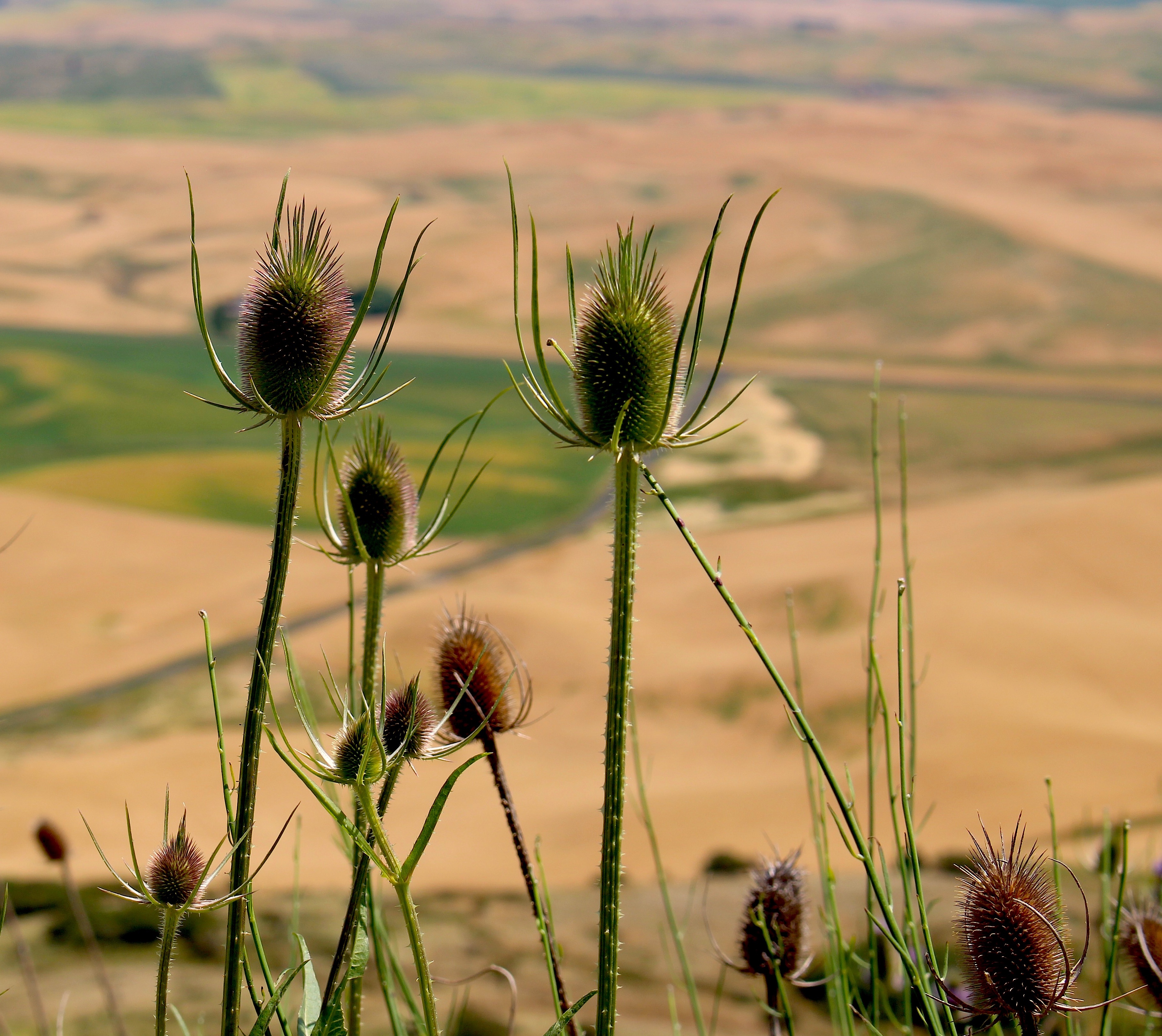
When I return for a visit, I listen for what Van Gogh must have heard and seen in his own fertile land: the sound of the wind in the ears of wheat, the grain moving in waves across the landscape, the complexity of color of each individual stalk blending together to become an unending carpet undulating over the earth.
Yet to really take it in and not be overwhelmed, (to get out of the weeds, so to speak), I go high on the butte to see the world as wheat from above.  I then can imagine God’s own view of our grassy flesh which withers and fades away, as we shrivel in the sun and fall – yet the harvest of His Word endures forever.
steptoe4
butte4
image
image

Cherish Your Humble and Silky Life

johnpeony


peonybudrain


peonyrain

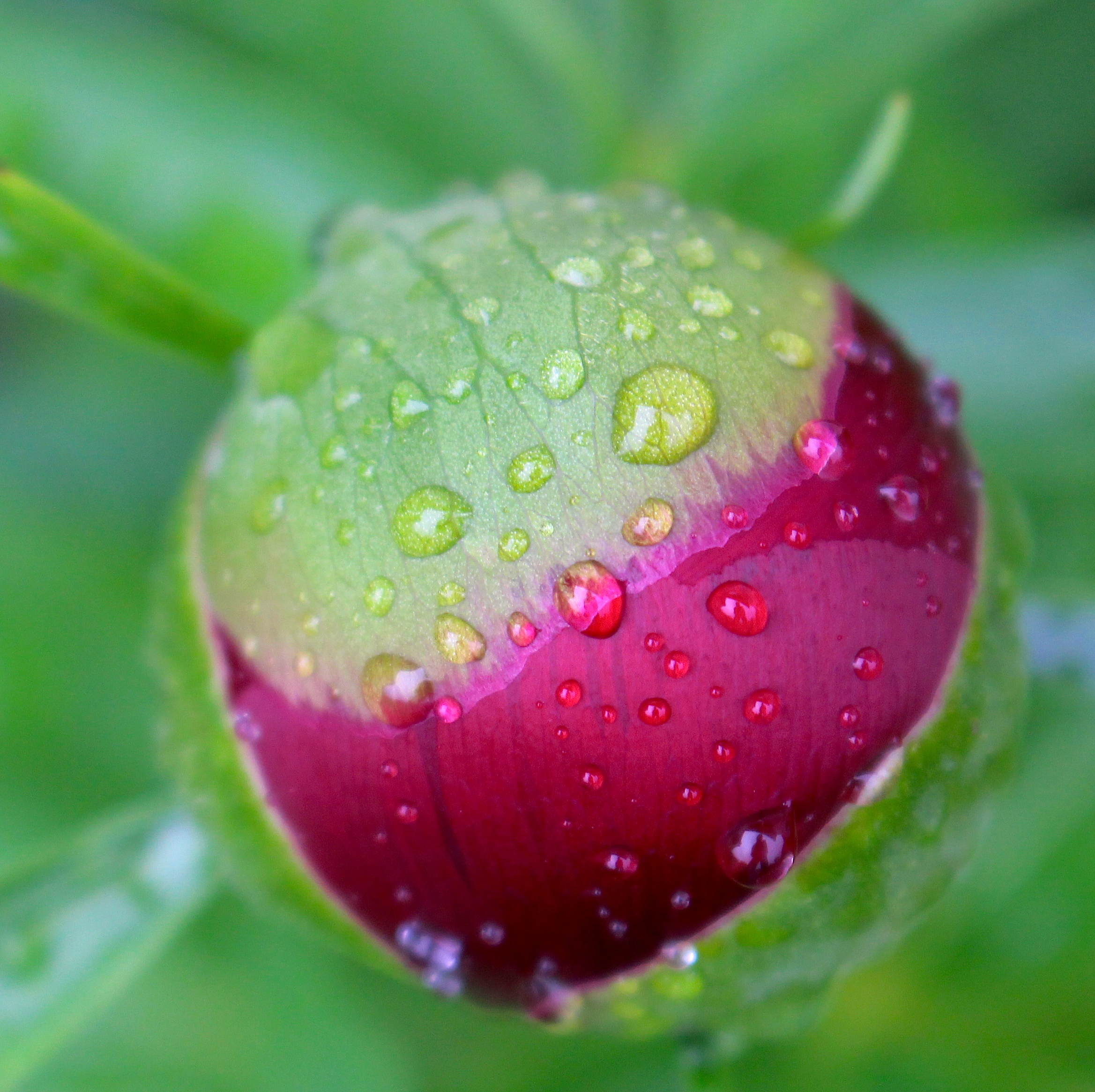
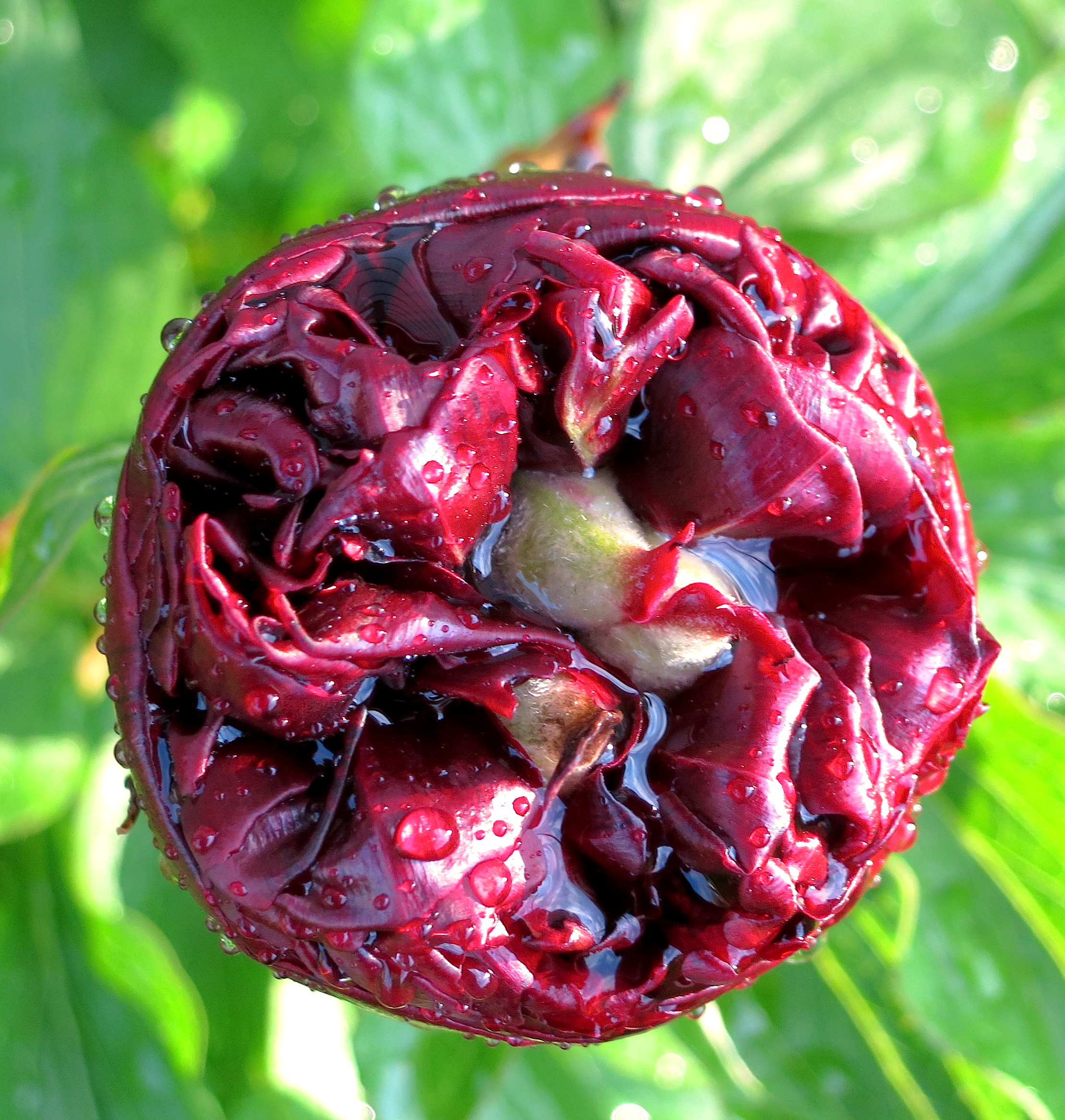
This morning the green fists of the peonies are getting ready
to break my heart
as the sun rises, 
as the sun strokes them with his old, buttery fingers

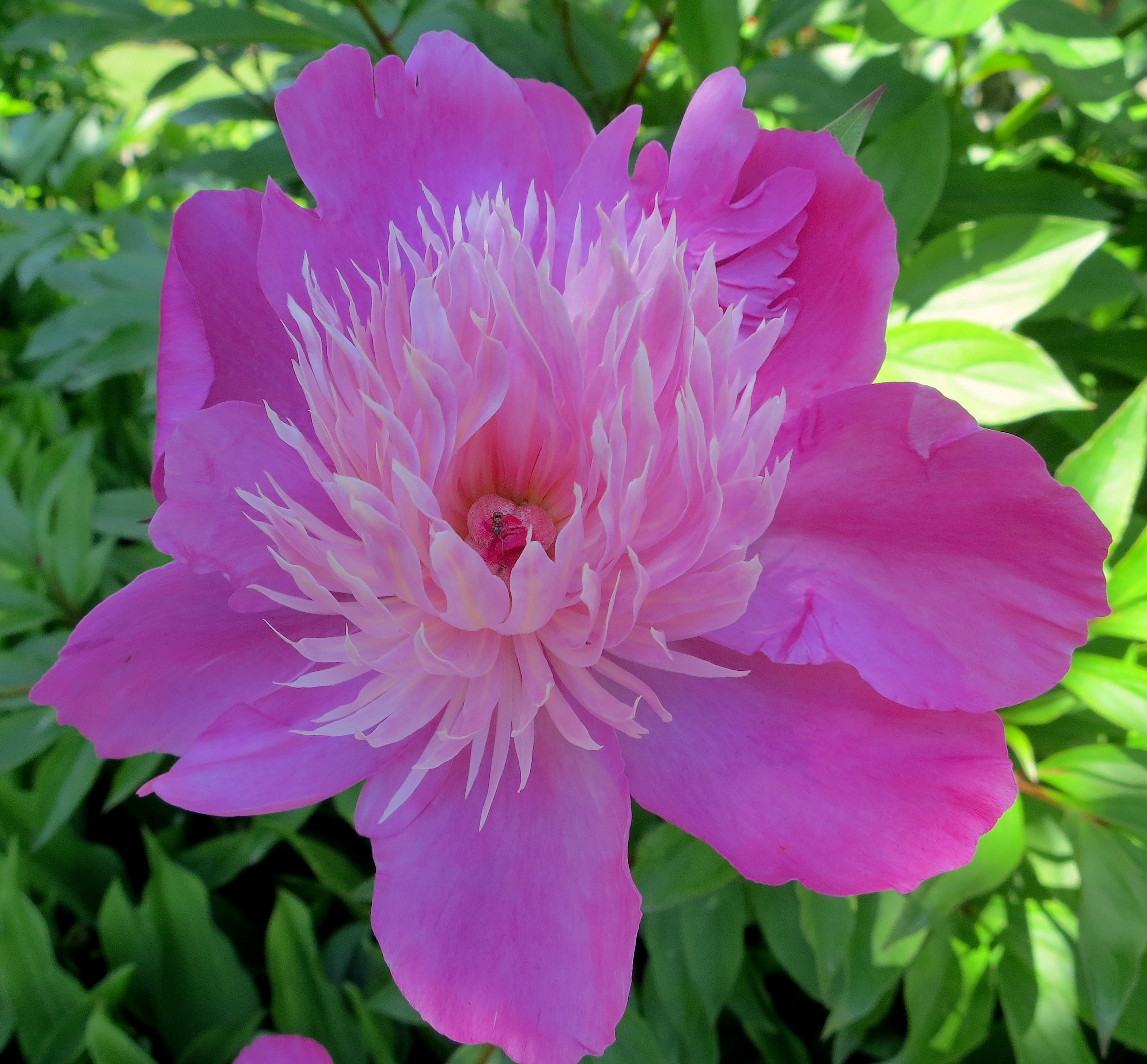
and they open —
pools of lace, 
white and pink —
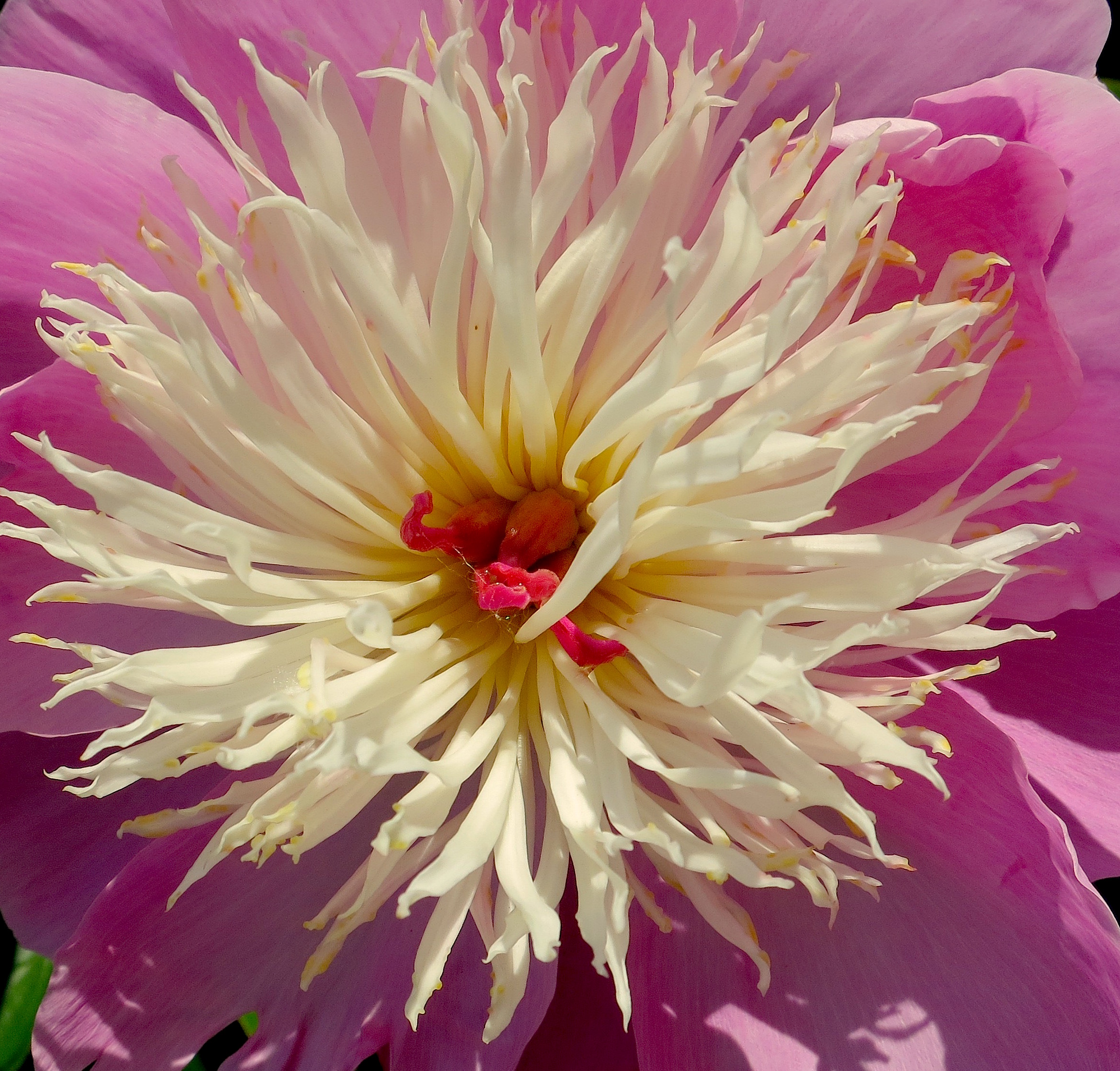
and all day the black ants climb over them,

boring their deep and mysterious holes
into the curls, 
craving the sweet sap, 
taking it away

to their dark, underground cities —
and all day
under the shifty wind, 
as in a dance to the great wedding,

the flowers bend their bright bodies, 
and tip their fragrance to the air, 
and rise, 
their red stems holding

all that dampness and recklessness 
gladly and lightly, 
and there it is again — 
beauty the brave, the exemplary,

blazing open. 
Do you love this world? 
Do you cherish your humble and silky life? 
Do you adore the green grass, with its terror beneath?

Do you also hurry, half-dressed and barefoot, into the garden, 
and softly, 
and exclaiming of their dearness, 
fill your arms with the white and pink flowers,

with their honeyed heaviness, their lush trembling, 
their eagerness
to be wild and perfect for a moment, before they are
nothing, forever?

~Mary Oliver from “Peonies” from New And Selected Poems


tennantpeony3


tennantpeony2


tennantpeony4


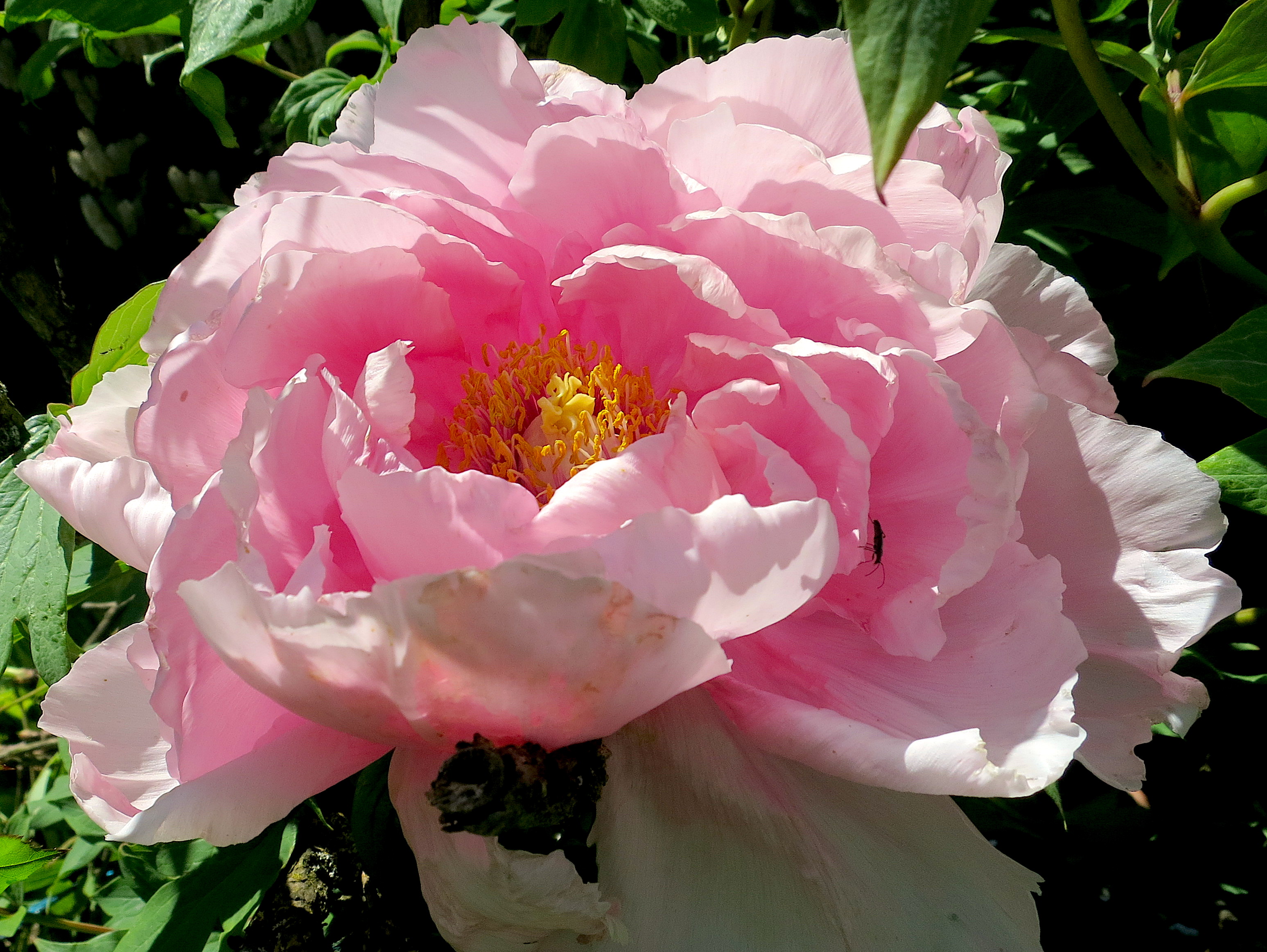
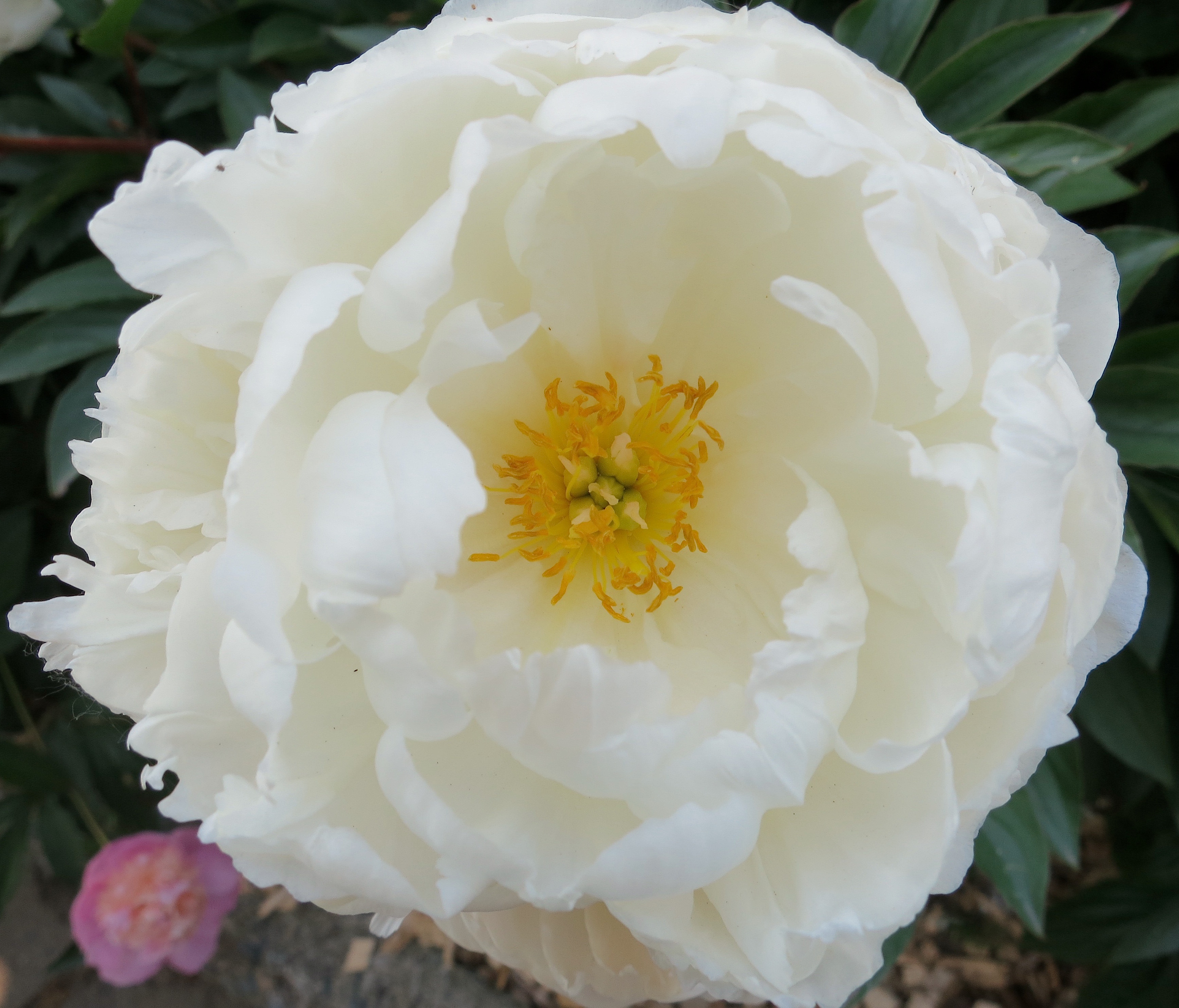
White peonies blooming along the porch
send out light
while the rest of the yard grows dim.
Outrageous flowers as big as human

heads! They’re staggered
by their own luxuriance: I had
to prop them up with stakes and twine.
The moist air intensifies their scent,

and the moon moves around the barn
to find out what it’s coming from.
In the darkening June evening

I draw a blossom near, and bending close
search it as a woman searches
a loved one’s face.
~Jane Kenyon “Peonies at Dusk”


tennantpeony


Year after year, I bring our peonies to the graves
of those from whom I came,
to lay one after another exuberant head
upon each headstone,
a moment of connection between those in the ground
and me standing above
before this humble and silky life shatters
and becomes nothing,
its petals perfectly
scattered, lush and trembling,
to the wind.


peonyevening


witherpeony1


shatterpeony