Little soul, you and I will become the memory of a memory of a memory. A horse released of the traces forgets the weight of the wagon. ~Jane Hirshfield “Harness”
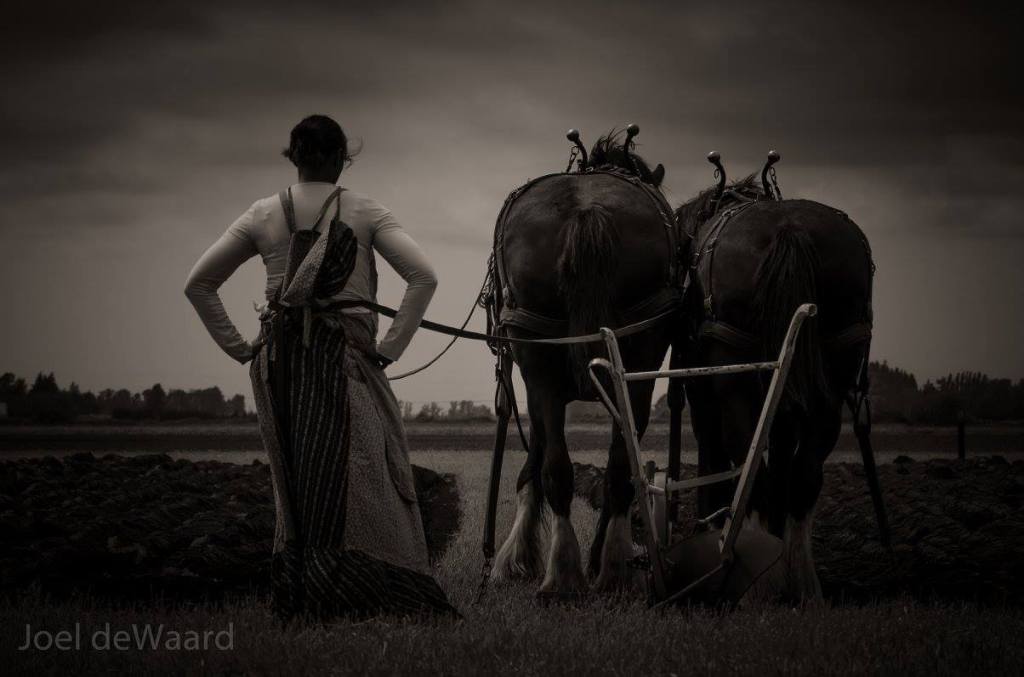
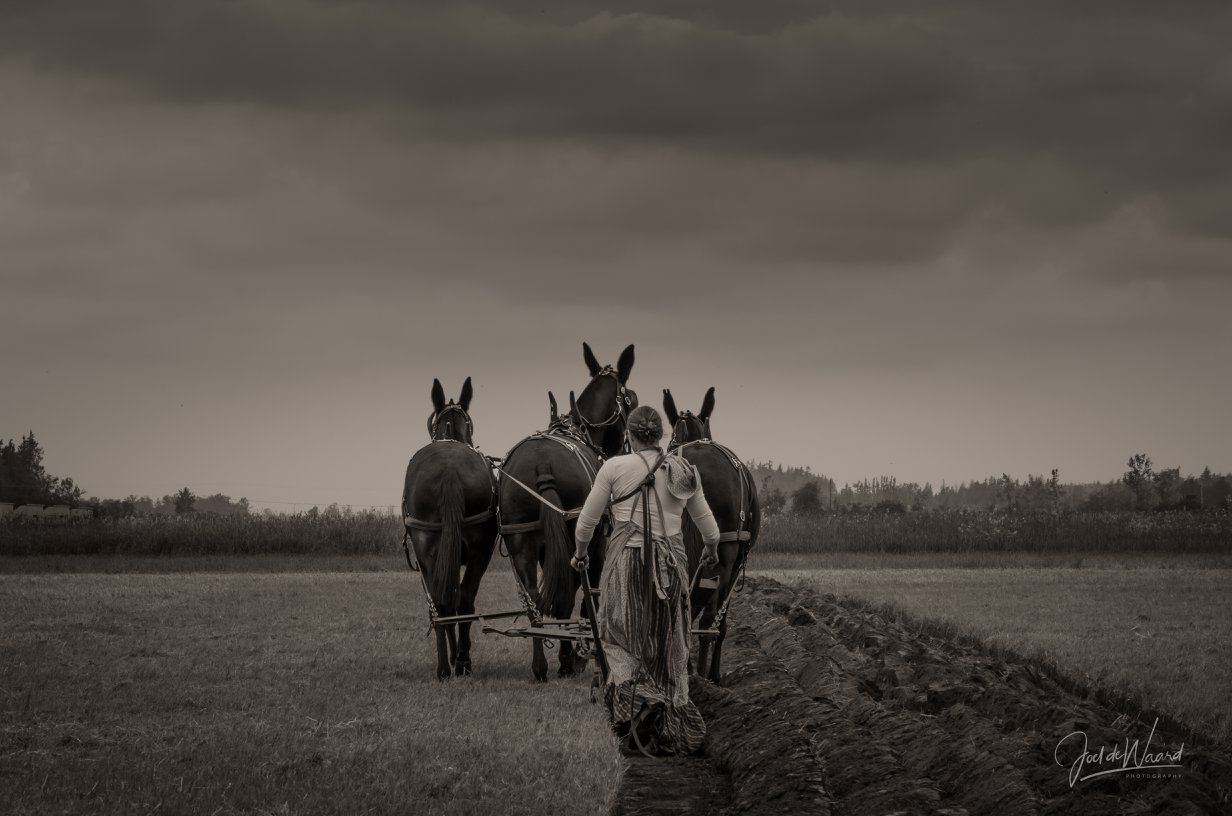
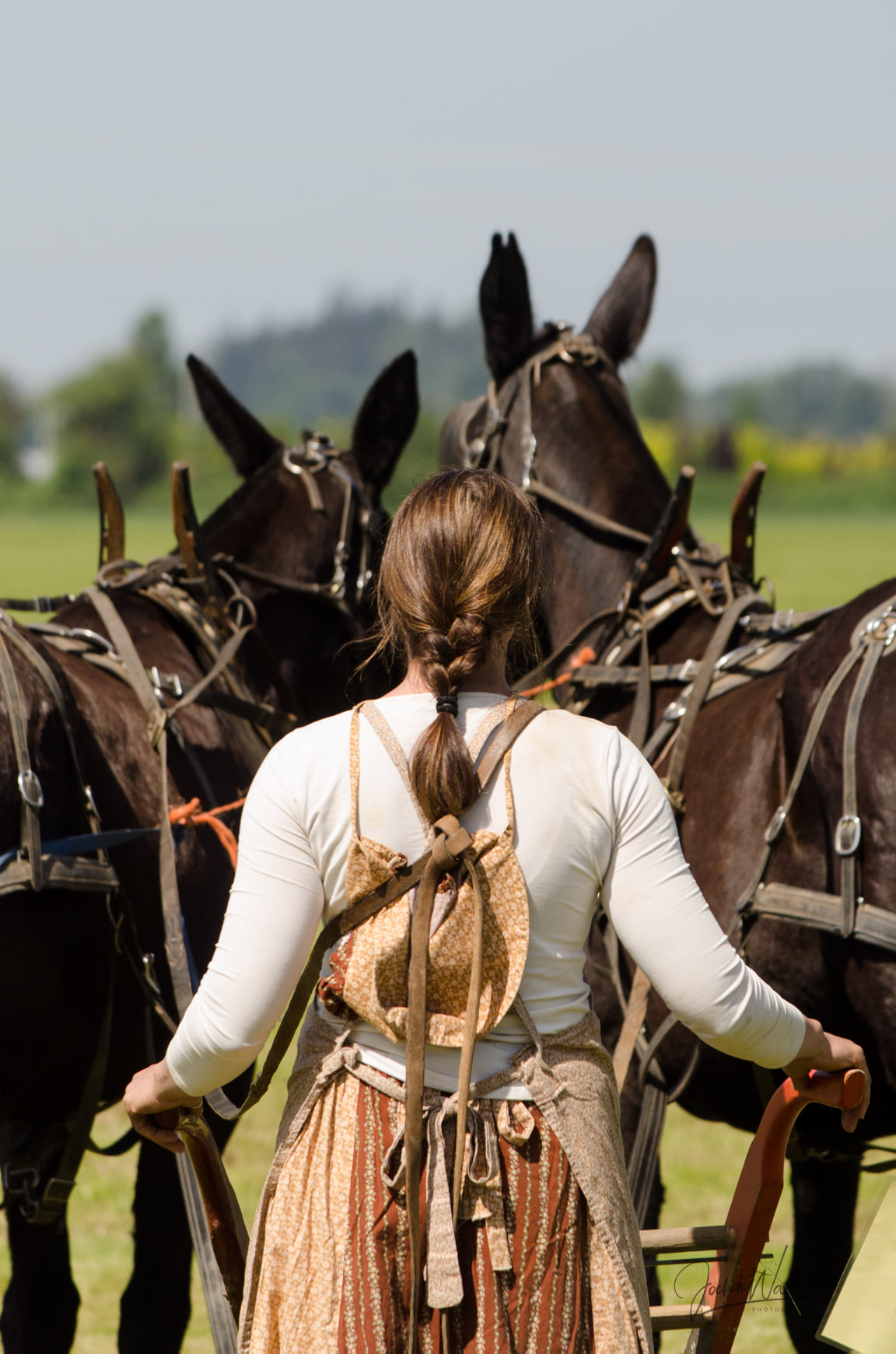
My grandmothers were strong. They followed plows and bent to toil. They moved through fields sowing seed. They touched earth and grain grew. They were full of sturdiness and singing. My grandmothers were strong.
My grandmothers are full of memories Smelling of soap and onions and wet clay With veins rolling roughly over quick hands They have many clean words to say. My grandmothers were strong. Why am I not as they? ~Margaret Walker “Lineage”
So many years of shouldering huge burdens while waiting for freedom from the harness: grandmothers, grandfathers, parents, children struggling through every ounce of sweat, every sore muscle, every drop of blood, every tear.
How can one forget the weight of the plow as it turns over the earth where someday all will rest as dust?
The soil of strong hearts is well-tilled, yielding to the plowshare, furrowed deep and straight by the hard pull of the traces.
Although black hearts and minds are still tread upon yet do they bloom; even when turned inside out yet do they flourish.
Plow deep our hearts this day, oh Lord, to celebrate freedom declared for all God’s children.
May we never forget the strength it took to hold on… to plow, sow, grow, gather and harvest that freedom, the steady pull on the traces in order to raise up strong children and grandchildren evermore and everywhere.
I am what you make me; nothing more. I swing before your eyes as a bright gleam of color, a symbol of yourself. ~Franklin K. Lane, Secretary of the Interior, 1914 Flag Day address
Sometimes, as a child, when I was bored, I’d grab a step ladder, pull it into our hallway, climb half way up and carefully lift the plywood hatch that was the portal to our dark attic. It took some effort to climb up into the attic from the ladder, juggling a flashlight at the same time, but once seated safely on the beams above our ceiling, being careful not to put my foot through the carpet of insulation, I could explore what was stowed and normally inaccessible to me.
All the usual attic-type things were put up there: Christmas ornaments and lights, baby cribs and high chairs, lamps and toys no longer used. Secrets to my parents’ past were stored away there too. It was difficult imagining them as young children growing up on opposite sides of the state of Washington, in very different circumstances, or as attractive college students who met at a dance, or as young marrieds unencumbered by the daily responsibilities of a family. The attic held those images and memories like a three dimensional photo album.
My father’s dark green Marine Corps cargo trunk was up there, the one that followed him from Officer Training in Quantico, Virginia, to beach and mountain battles on Tarawa, Tinian and Saipan in the South Pacific, and three years later back home again. It had his name and rank stenciled on the side in dark black lettering. The buckles were stiff but could be opened with effort, and in the dark attic, there was always the thrill of unlatching the lid, and shining the flashlight across the contents. His Marine Corps dress uniform lay inside underneath his stiff brimmed cap. There were books about protocol, and a photo album which contained pictures of “his men” that he led in his battalion, and the collection of photos my mother sent of herself as she worked as a teacher of high school students back home.
Most fascinating was a folded Japanese flag inside a small drawstring bag, made of thin white see-through cloth with the bold red sun in the middle. Surrounding the red sun were the delicate inked characters of many Japanese hands as if painted by artists, each wishing a soldier well in his fight for the empire. Yet there it was, a symbol of that soldier’s demise, itself buried in an American attic, being gently and curiously held by an American daughter of a Marine Corps captain. It would occur to me in the 1960s that some of the people who wrote on this flag might still be living, and certainly members of the soldier’s family would still be living. I asked my father once about how he obtained the flag, and he, protecting both me and himself, waved me away, saying he couldn’t remember. I know better now. He knew but could not possibly tell me the truth.
These flags, charms of good luck for the departing Japanese soldier as he left his neighborhood or village for war, are called Hinomaru Yosegaki (日の丸寄せ書き). Tens of thousands of these flags came home with American soldiers; it is clear they were not the talisman hoped for. A few of these flags are now finding their way back to their home country, to the original villages, to descendants of the lost soldiers. So now has this flag.
Eighty years ago doesn’t seem that long, a mere drop in the river of time. There are more than mere mementos that have flowed from the broken dam of WWII, flooding subsequent generations of Americans, Japanese, Europeans with memories that are now lost as the oldest surviving soldiers pass, scores of them daily, taking their stories of pain and loss and heroism with them. My father could never talk with a person of Asian descent, Japanese or not, without being visibly uneasy. As a child, I saw and felt this from him, but heard little from his mouth.
When he was twenty two years old, pressed flat against the rocks of Tarawa, trying to melt into the ground to become invisible to the bullets whizzing overhead, he could not have conceived that sixty-five years later his twenty two year old grandson would disembark from a jumbo jet at Narita in Tokyo, making his way to an international school to teach Japanese children. My father would have been shocked that his grandson would settle happily into a culture so foreign, so seemingly threatening, so apparently abhorrent. Yet this irony is the direct result of the horrors of that too-long horrible bloody war of devastation: Americans and Japanese, despite so many differences, have become the strongest of allies, happily exchanging the grandchildren of those bitterly warring soldiers back and forth across the Pacific. It too was my privilege to care for Japanese exchange students daily in my University health clinic, peering intently into their open faces and never once seeing the enemy that my father feared.
Now all these decades later, our son taught for 13 years in Tokyo, with deep admiration and appreciation for each of his students, some of whom were great-grandchildren of WWII Japanese soldiers. He married a granddaughter of those my father fought. Their two children are the perfect amalgam of once warring, yet now peaceful, cultures; a symbol of blended and blending peoples overcoming the hatred of past generations, creating a new world.
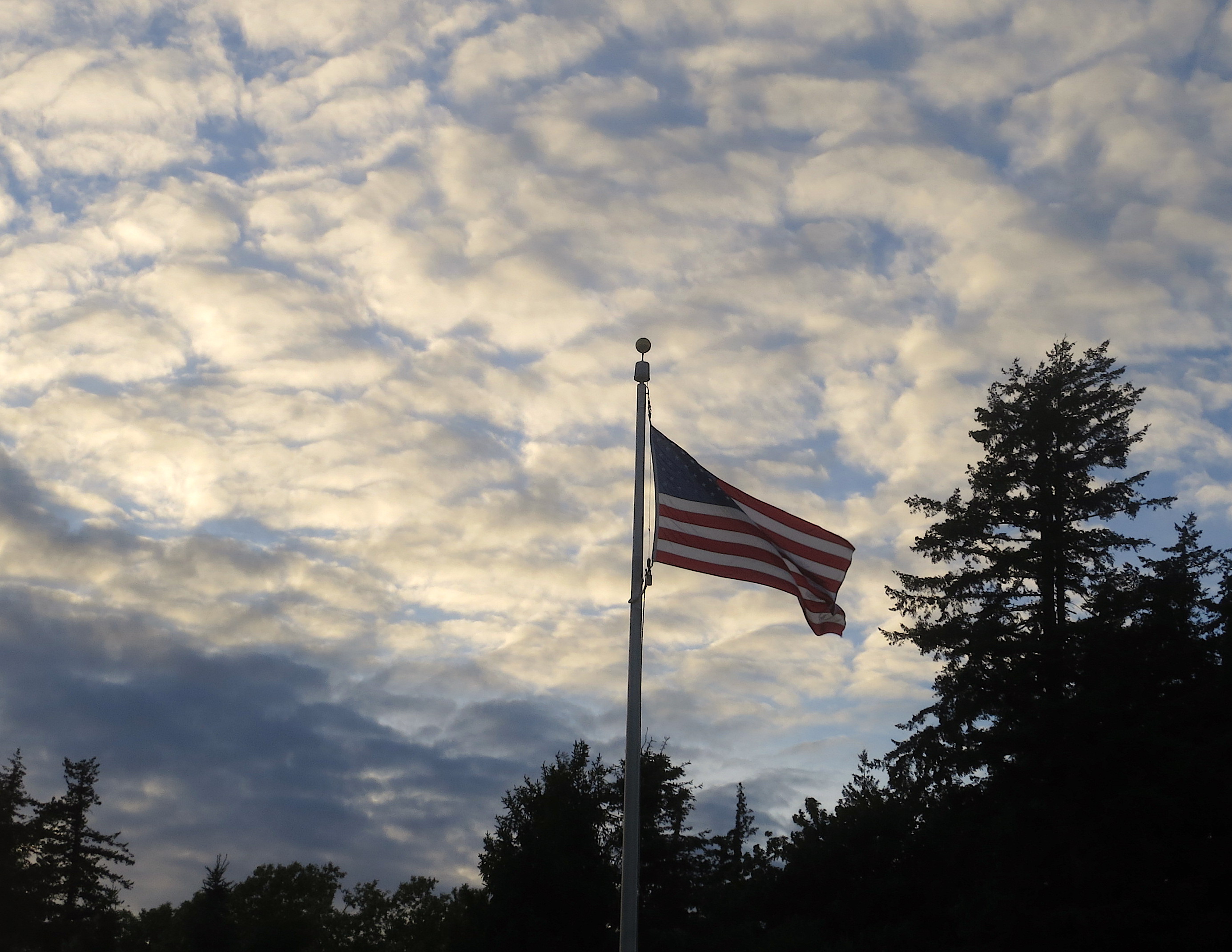
Our son and daughter-in-law, having now settled their family in the States, are adapting to a different language, culture and flag. I pray our son – having devoted part of his life as teacher and missionary to the land of the rising sun – has redeemed his grandfather, the soldier-warrior of the past century.
(U.S. Air Force photo by Staff Sgt. Peter Reft)
One-Time
Monthly
Yearly
Make a one-time or recurring donation to support daily Barnstorming posts
Not the bristle-bearded Igors bent under burlap sacks, not peasants knee-deep in the rice paddy muck, nor the serfs whose quarter-moon sickles make the wheat fall in waves they don’t get to eat. My friend the Franciscan nun says we misread that word meek in the Bible verse that blesses them. To understand the meek (she says) picture a great stallion at full gallop in a meadow, who— at his master’s voice—seizes up to a stunned but instant halt. So with the strain of holding that great power in check, the muscles along the arched neck keep eddying, and only the velvet ears prick forward, awaiting the next order. ~Mary Karr “Who the Meek Are Not” from Sinners Welcome
Blessed are the meek, for they shall inherit the earth. Matthew 5:5
I’ve seen meekness like this.
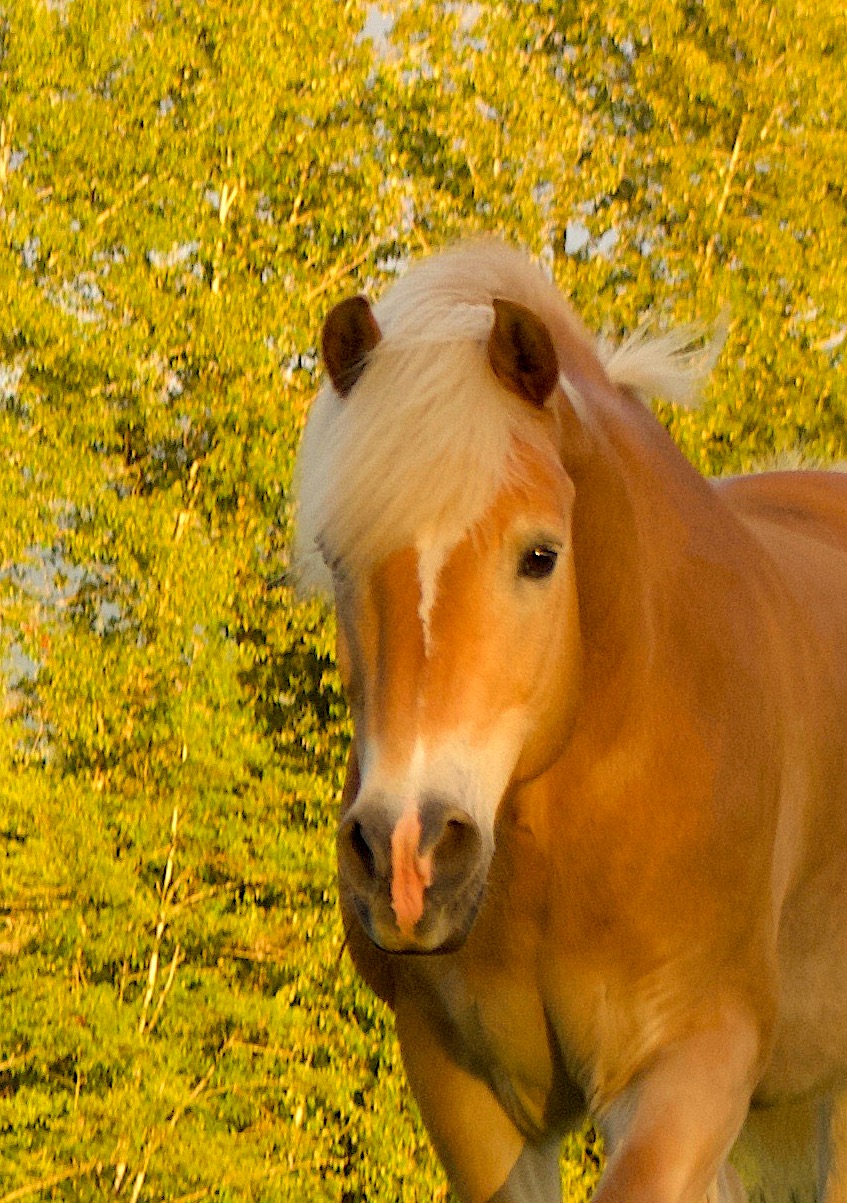
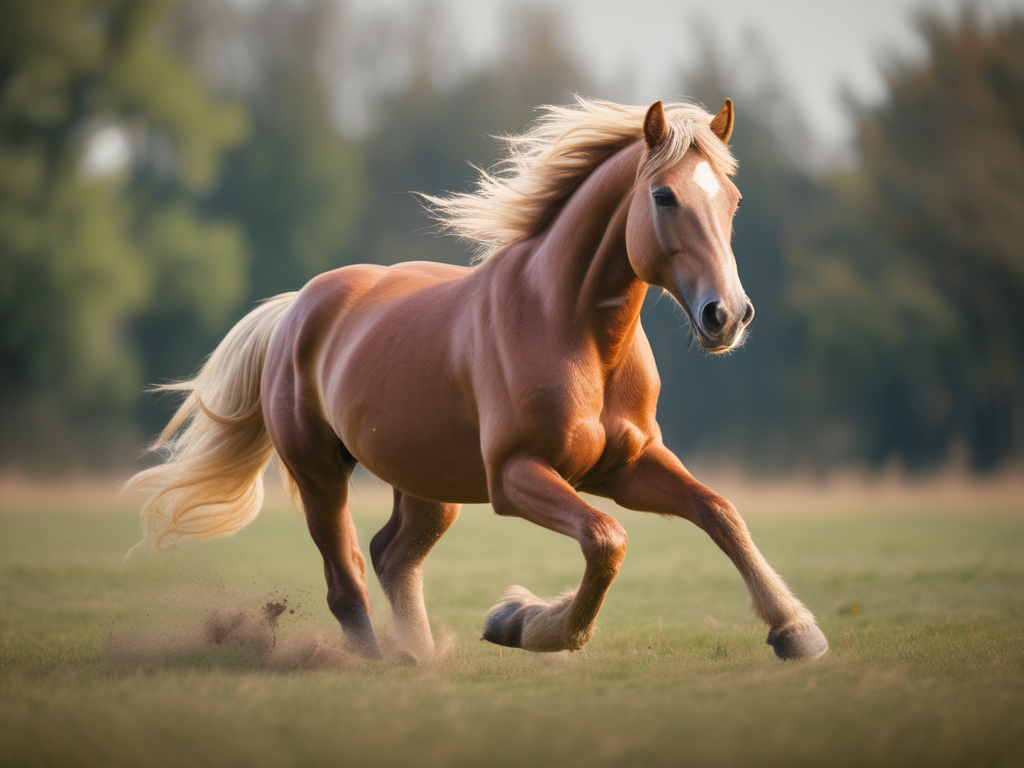
Our stallion allowed his strength and passion to be under control. He wanted to listen. He wanted to see what we might ask of him. He wanted to be with us.
This makes no sense given the world’s demand now for “strongman” leadership – someone who submits to no one, apologizes to no one, feels compassion for no one.
Globally and individually, we have desperate need of meekness. True strength is when someone knows the extent of their power but resists the need to prove it to anyone else.
The meek are ready, waiting for what God will have them do next.
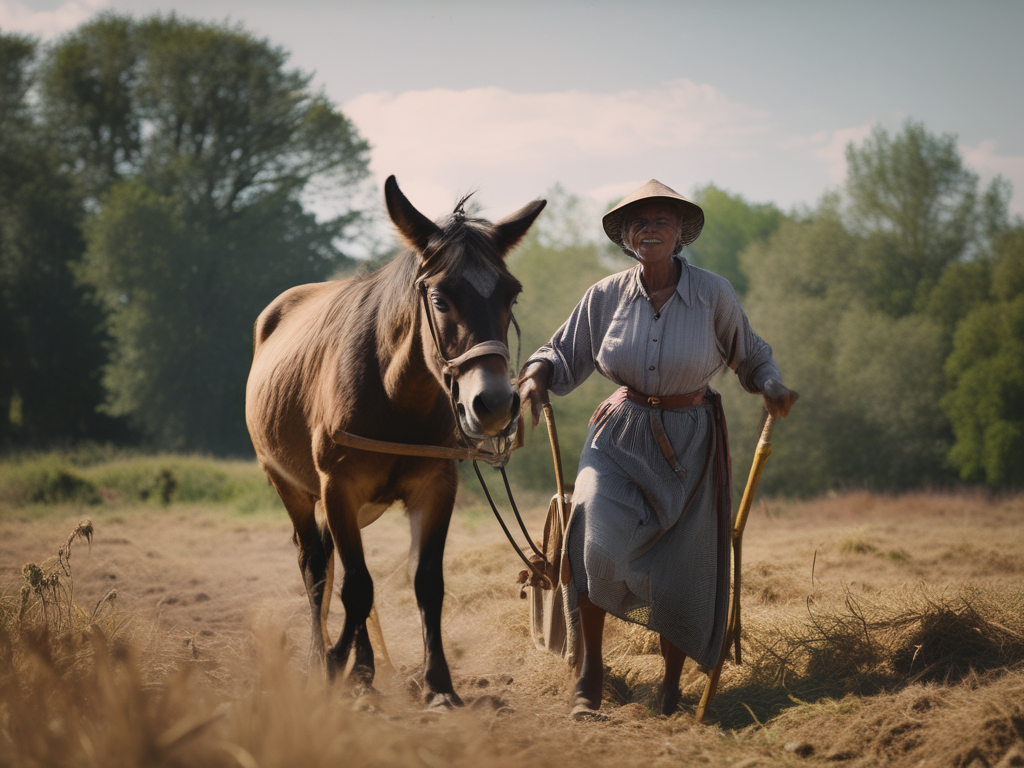
AI image created for this post
One-Time
Monthly
Yearly
Make a one-time or recurring donation to support daily Barnstorming posts
Still and calm, In purple robes of kings, The low-lying mountains sleep at the edge of the world. The forests cover them like mantles; Day and night Rise and fall over them like the wash of waves. Asleep, they reign. Silent, they say all. Hush me, O slumbering mountains – Send me dreams. ~Harriet Monroe “The Blue Ridge”
If you find yourself half naked and barefoot in the frosty grass, hearing, again, the earth’s great, sonorous moan that says you are the air of the now and gone, that says all you love will turn to dust, and will meet you there, do not raise your fist. Do not raise your small voice against it. And do not take cover. Instead, curl your toes into the grass, watch the cloud ascending from your lips. Walk through the garden’s dormant splendor. Say only, thank you. Thank you. ~Ross Gay “Thank You”
I live for those who love me, Whose hearts are kind and true; For the heaven that smiles above me, And awaits my spirit, too; For all human ties that bind me, For the task my God assigned me, For the bright hopes left behind me, And the good that I can do. For the cause that needs assistance, For the wrongs that need resistance, For the future in the distance, And the good that I can do ~George Linnaeus Banks from “What I Live For”
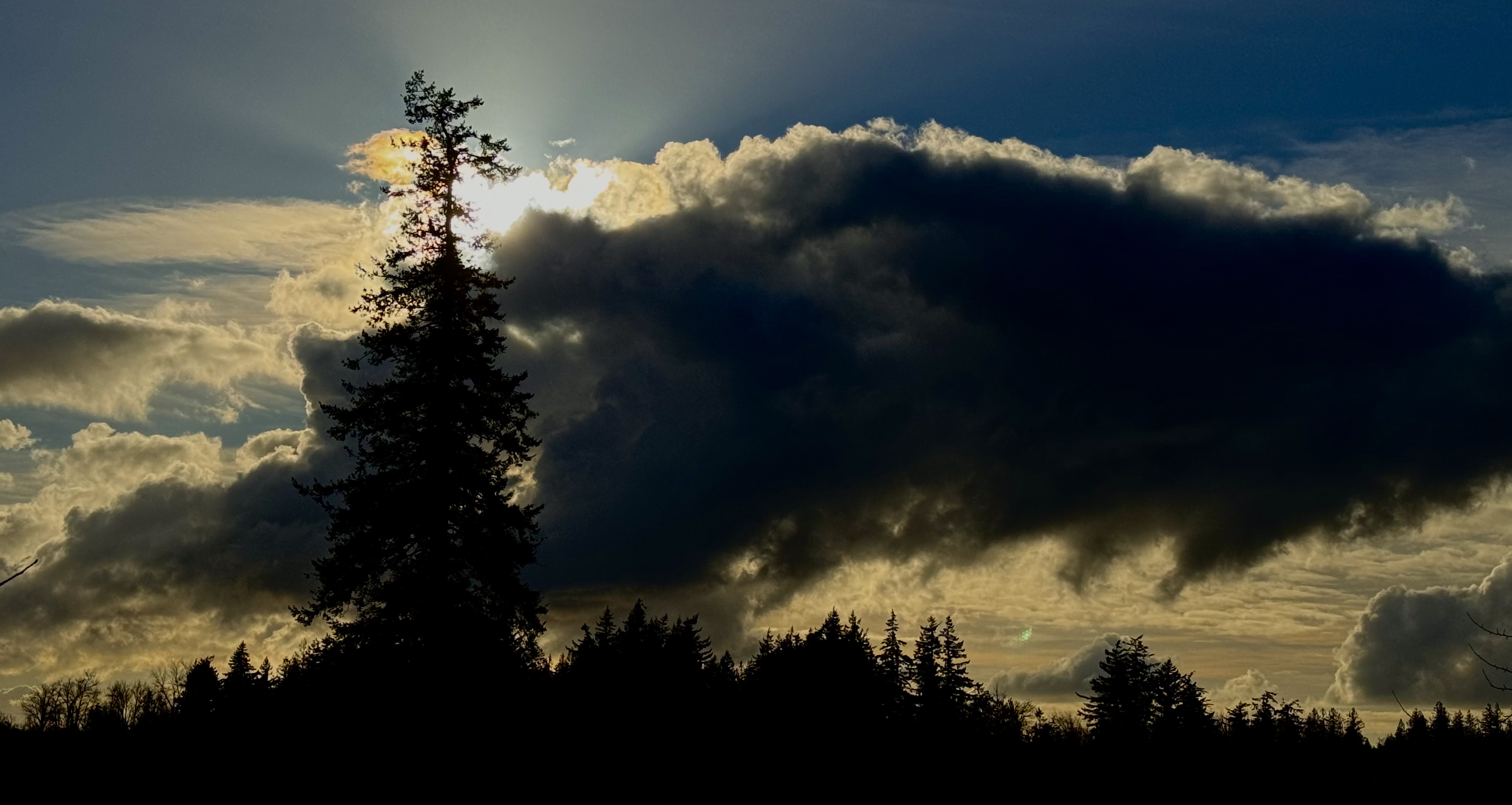
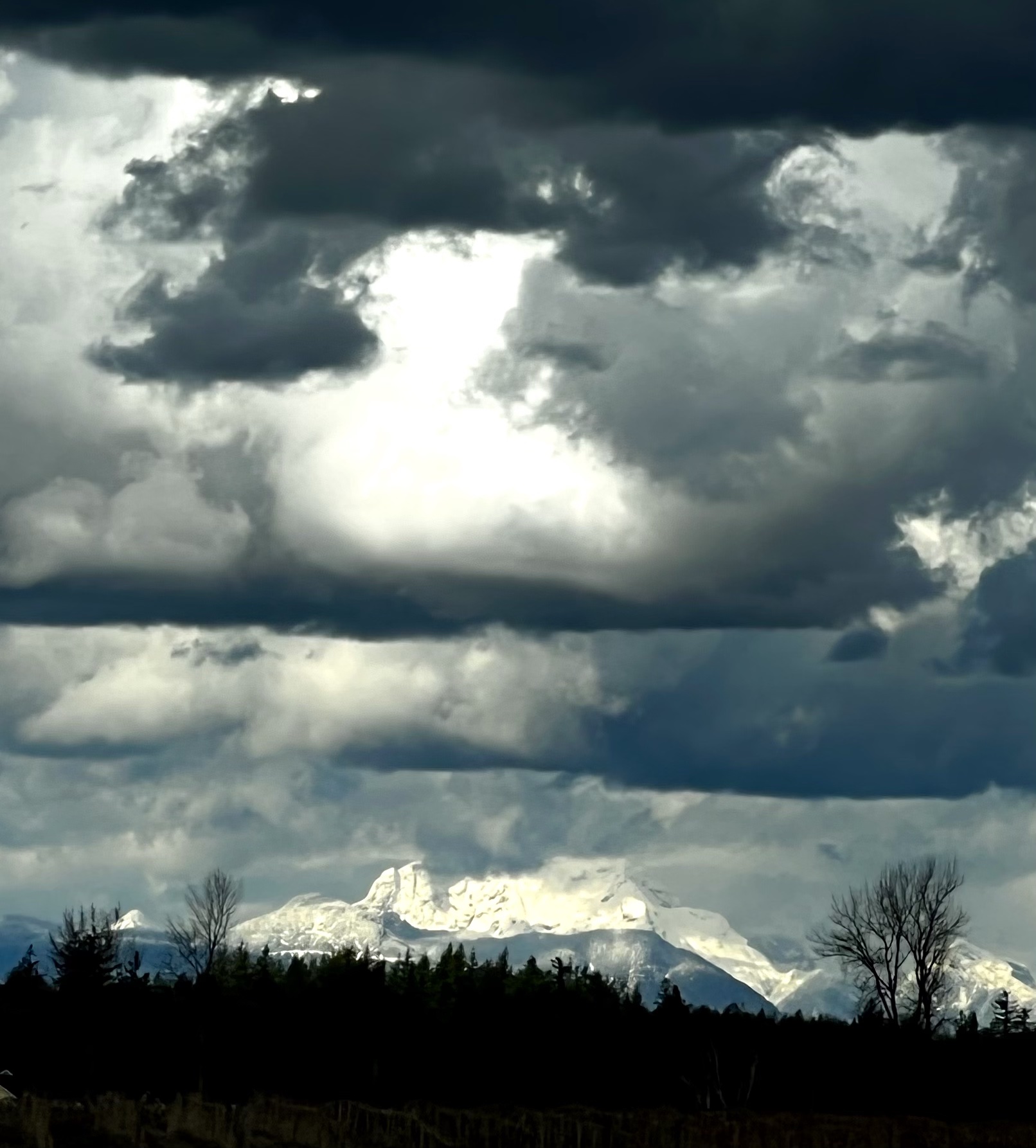
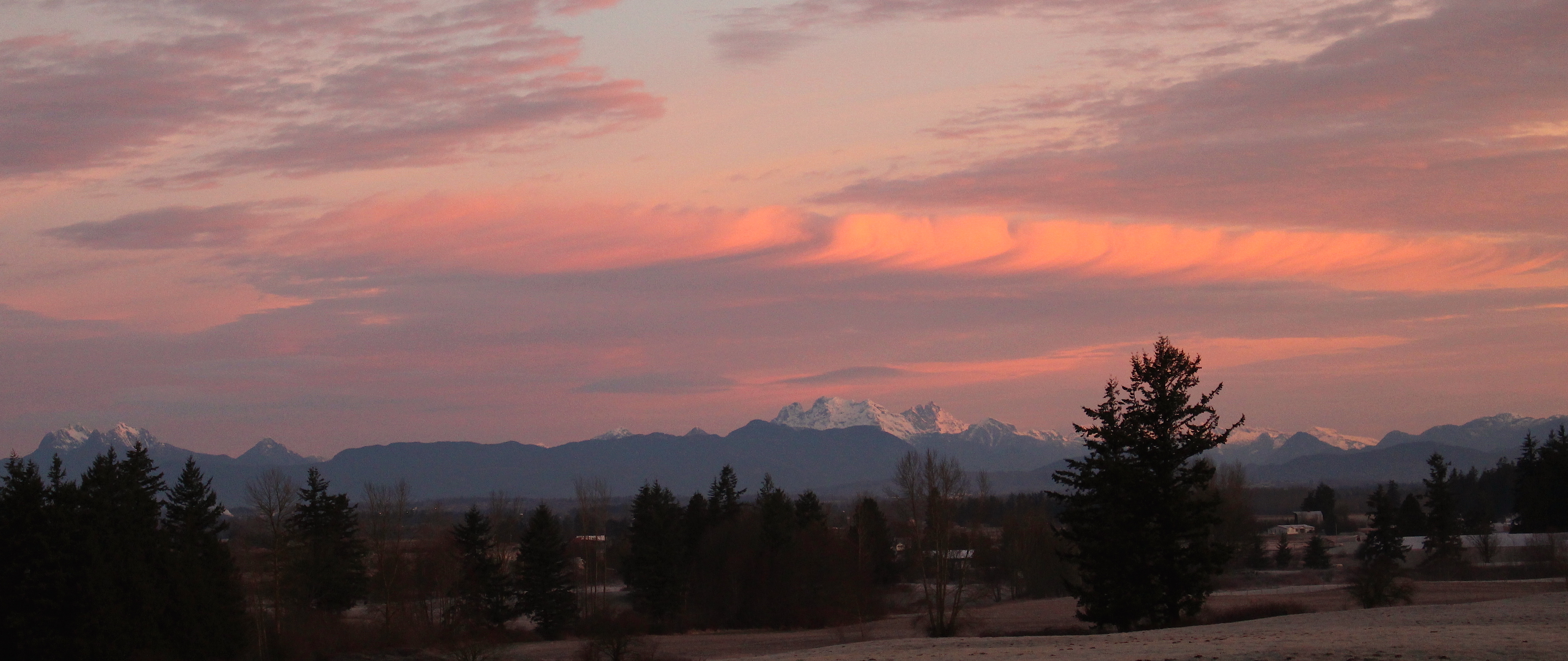
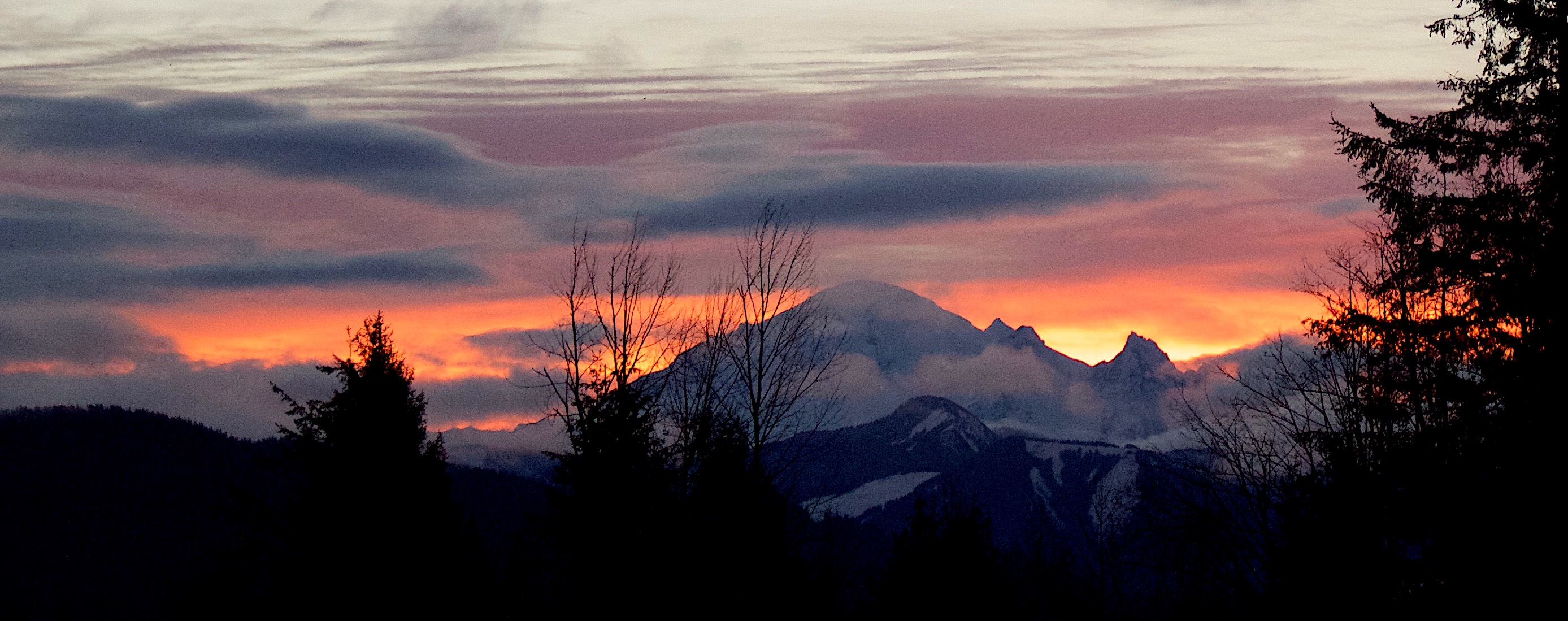
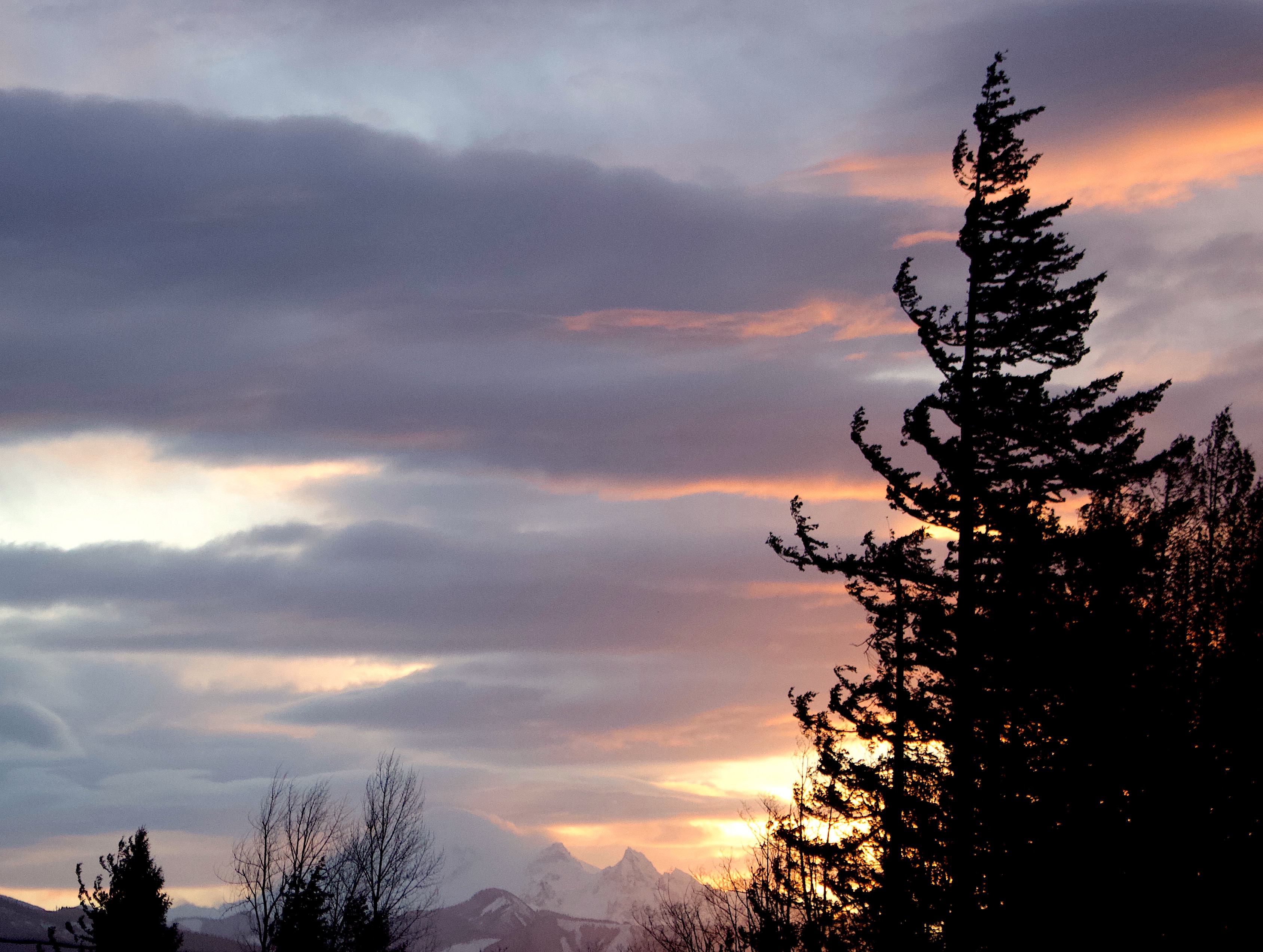
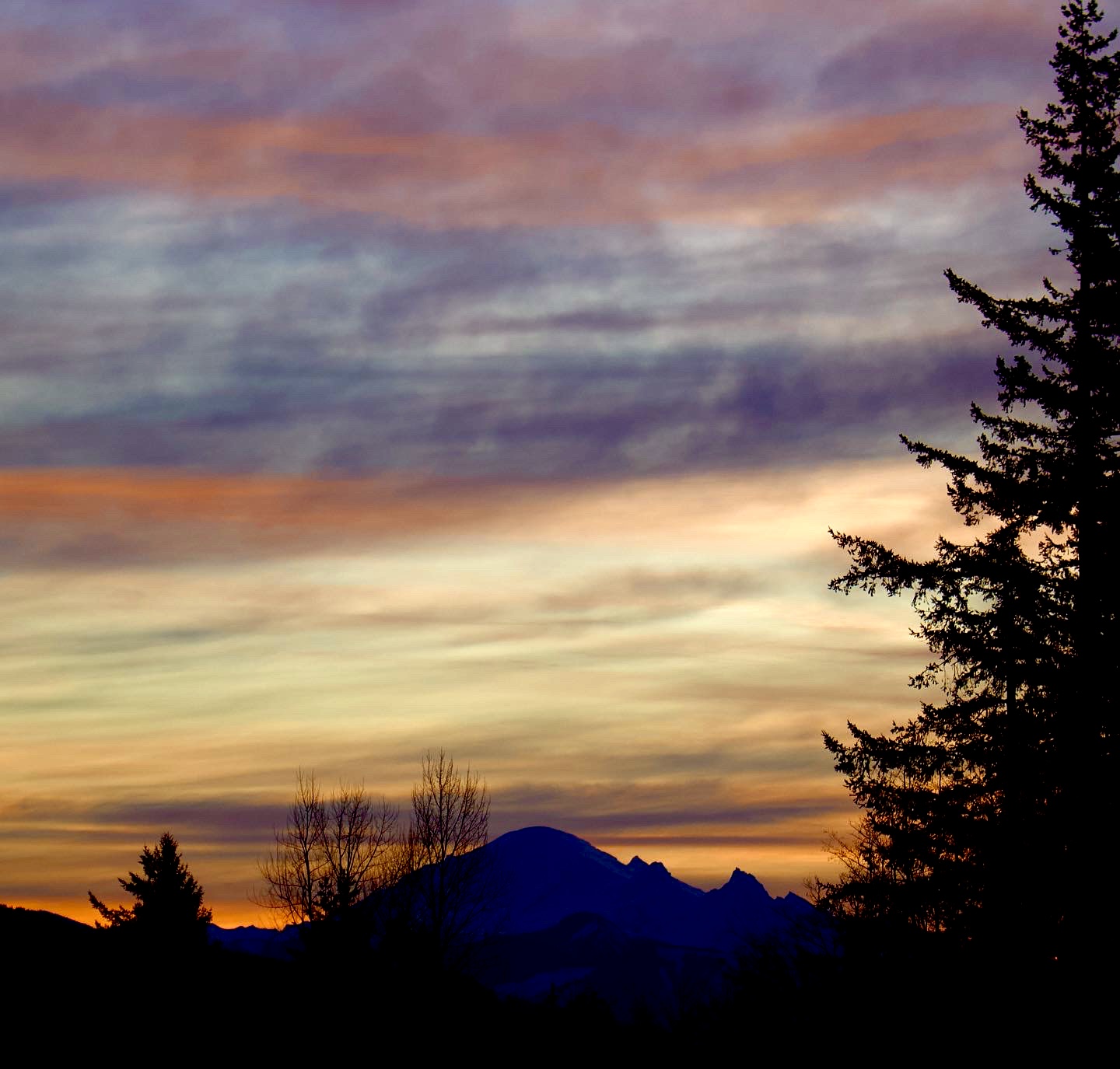
Our surrounding hills circle like wagons, their strong shoulders promising steadfast protection. Above them, the palette of sky changes with the weather, as turmoil and turbulence continually stirs up our world.
There is so much good to be done: our world needs hands-on, hearts-on work for causes needing assistance – for wrongs needing resistance.
Feeding, housing, healing, caring, for those in our own neighborhoods won’t make headlines like blocking freeways and college buildings.
Rather than raising tents and fists, idle hands can serve. Rather than raising voices and drums, heads can bow in grateful prayer.
The mountains remind us: Though we are here and now, we will soon turn to dust. They ask us: How to live a life that truly makes a difference for those in need?
A front of thunderstorms had sought you out. It vowed to run a diabolical black line through all that you were sure about— the ordinary, sane, the sensible. You raced to get the loose stuff off the lawn, with purpose rearranged and stacked the chairs, relieved, almost, when the phenomenon of gray-green storm clouds simplified your cares. And though it couldn’t miss, it kind of did. Darkness at noon gave way to sun at one. Catastrophe and doom had been short-lived. Embarrassed that your fears were overblown, you faced your mundane day-to-day concerns, vaguely upset that normalcy returns. ~Robert Crawford “Squall”
Beneath our clothes, our reputations, our pretensions, beneath our religion or lack of it, we are all vulnerable both to the storm without and to the storm within. ~Frederick Buechner – from Telling the Truth
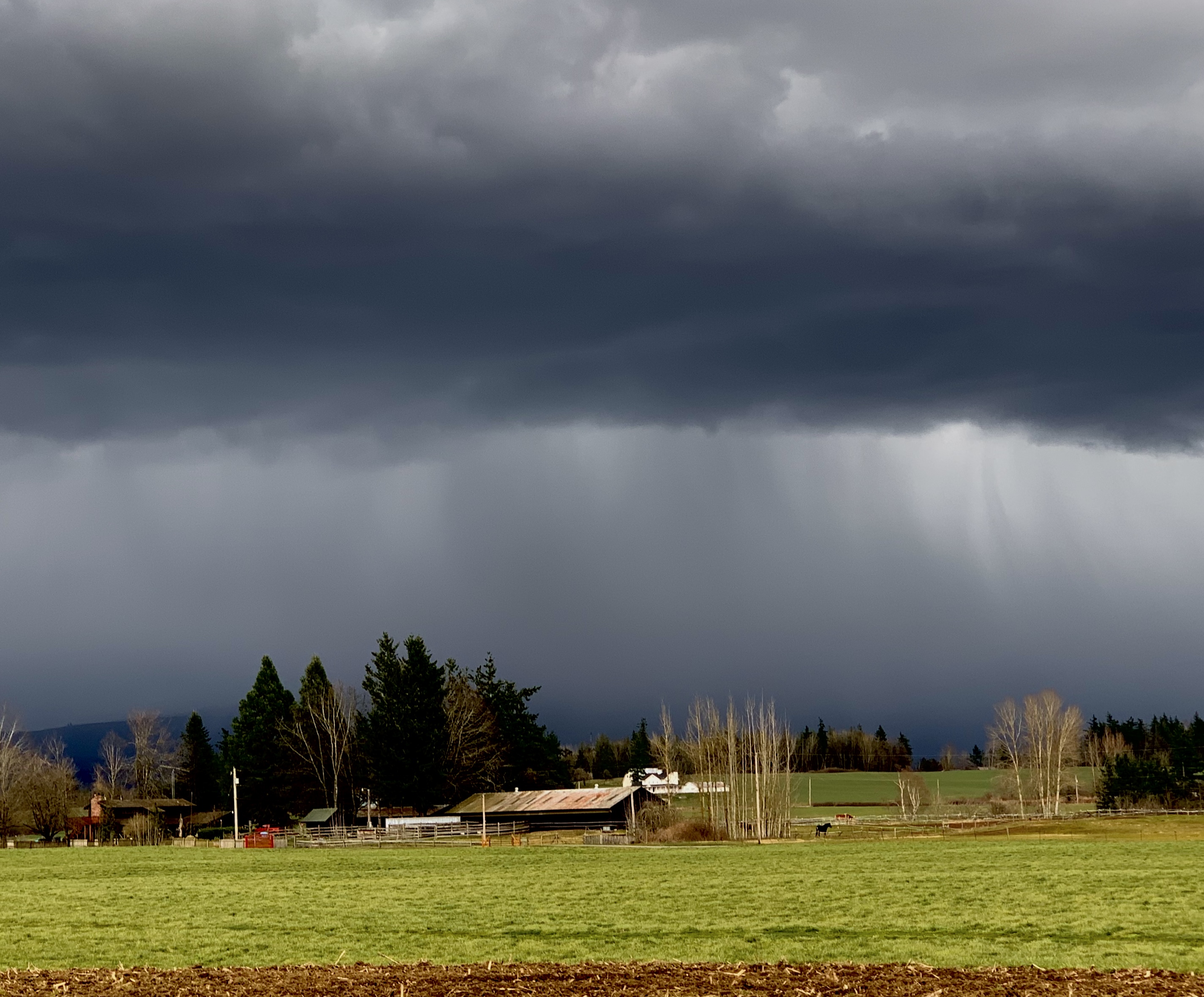
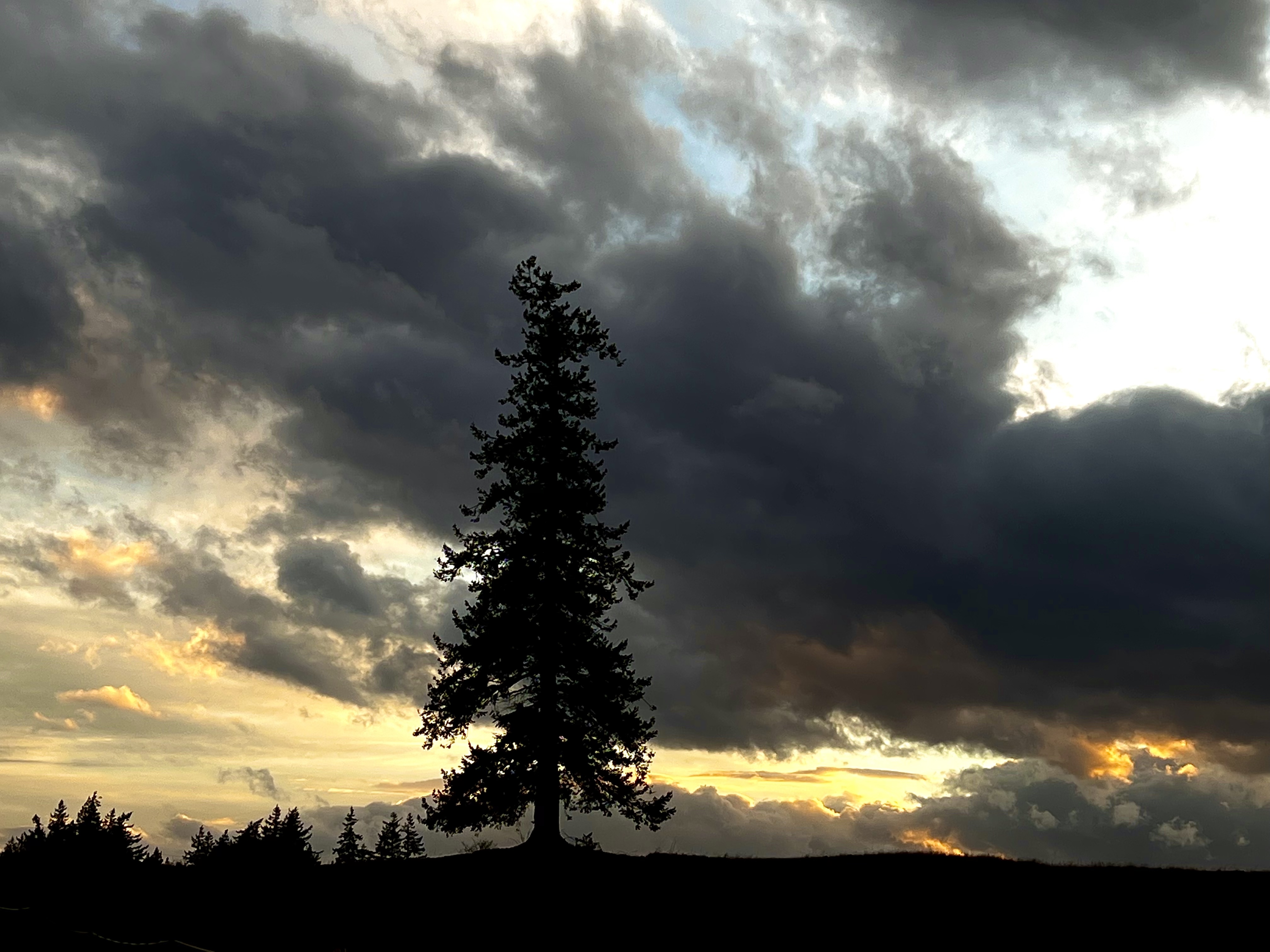
I watch the storm fronts roll in, threatening my outside and inside: heavy damaging winds, thunder and lightning, torrential unpredictable rains, mudslides, horrible forest fires destroying what is familiar and routine.
Inside my own head, the storm clouds of news headlines overpower day-to-day mundane concerns: devastating wars and violence, crime and protests, homelessness, rampant starvation and disease, man’s ongoing inhumanity to man.
I want to hide under a rock until the storms inside and outside blow over.
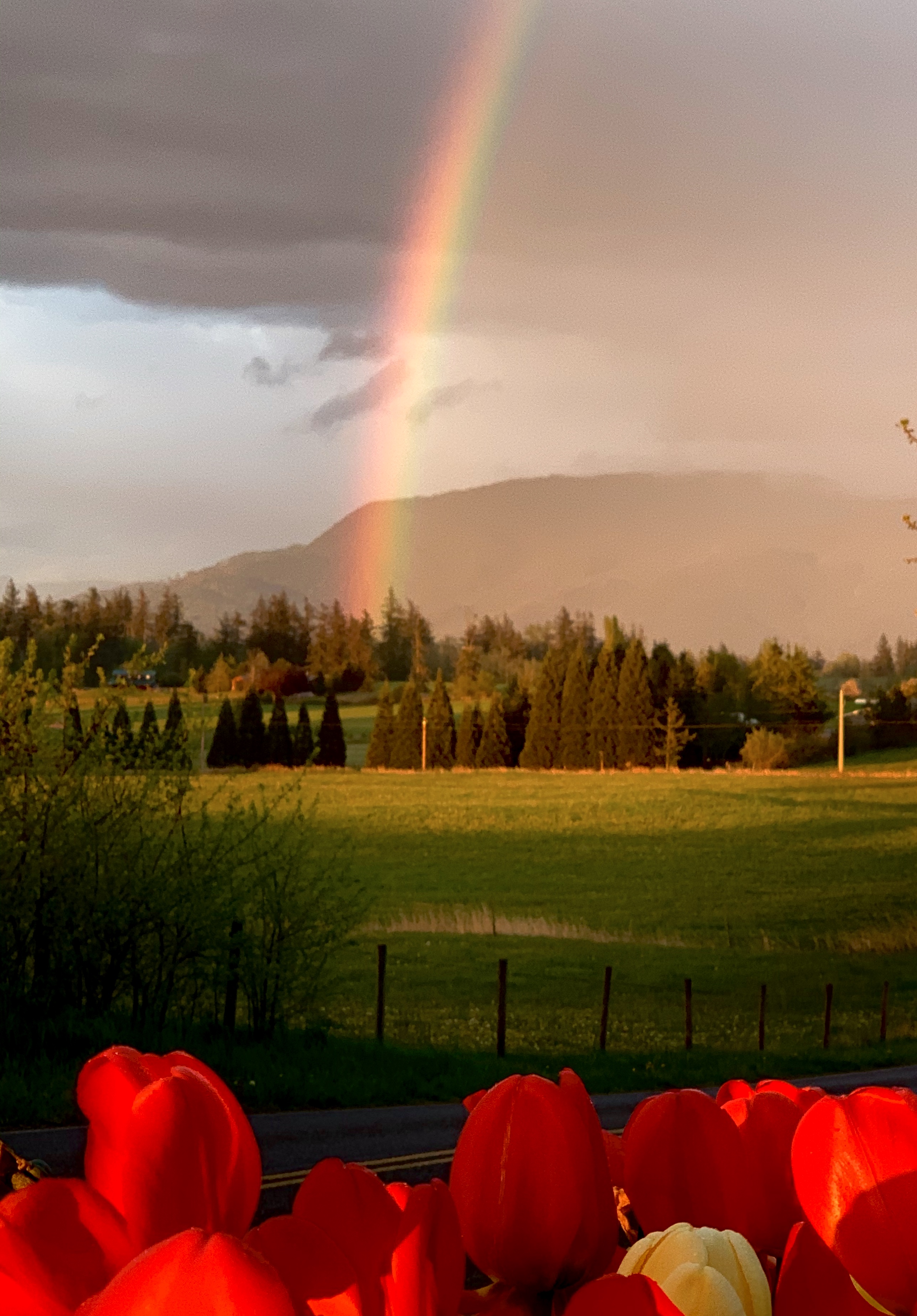
In the midst of the tempest — while wars rage on the planet, while a bitter election season is underway — a miracle may be wrought. Brilliant light exposes how heaven weeps from heavy clouds. A rainbow touches the earth in holy promise.
God assures His people: this storm too will pass, even the storms of our own making. Darkness is overcome by Light.
Painting of snowy Cascades by John Hoyte
He stilled the storm to a whisper; the waves of the sea were hushed. They were glad when it grew calm, and he guided them to their desired haven. Psalm 107:29-30
This Lenten season I reflect on the words of the 19th century southern spiritual hymn “What Wondrous Love is This”
One-Time
Monthly
Yearly
Make a one-time or recurring donation to support daily Barnstorming posts
Even a wounded world is feeding us. Even a wounded world holds us, giving us moments of wonder and joy. I choose joy over despair. Not because I have my head in the sand, but because joy is what the earth gives me daily and I must return the gift. ~Robin Wall Kimmerer from Braiding Sweetgrass
Tonight at sunset walking on the snowy road, my shoes crunching on the frozen gravel, first
through the woods, then out into the open fields past a couple of trailers and some pickup trucks, I stop
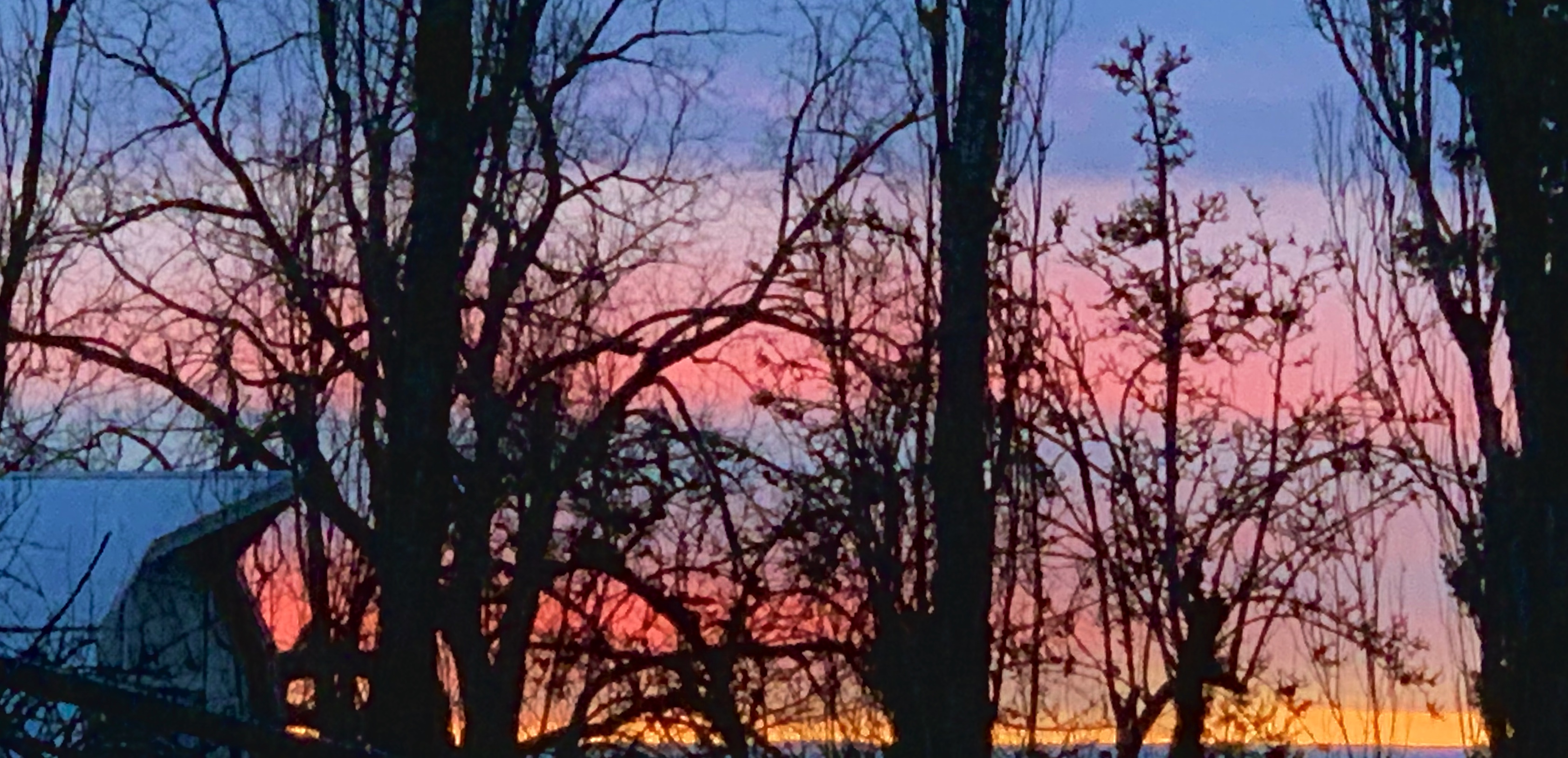
and look at the sky. Suddenly: orange, red, pink, blue, green, purple, yellow, gray, all at once and everywhere.
I pause in this moment at the beginning of my old age and I say a prayer of gratitude for getting to this evening
a prayer for being here, today, now, alive in this life, in this evening, under this sky. ~David Budbill “Winter: Tonight: Sunset”from While We’ve Still Got Feet
I try to remember this each day, no matter how things feel, no matter how tired or distracted I am, no matter how worried, or fearful or heartsick–
I can grumble with the best of the them. There is camaraderie in shared grumbling, as well as an exponential increase in dissatisfaction as everyone shares their misery. Some relationships, indeed even political movements, are based on collaborative cynicism, dark humor and just plain complaining.
But I know better. I’ve seen where grousing leads and I feel it aching in my bones when I’m steeped in it. The sky is grayer, the clouds are thicker, the cold is chillier, the night is darker–on and on to its overwhelming suffocating conclusion.
I have the privilege to choose joy, to turn away from the bleak. I can find the single ray of sun and stand in it, absorbing and equipping myself to be radiant when others need it more than me. This is not putting on a “happy face” — instead joy adopts me, holds me close in the tough times and won’t abandon me. Though at times joy may be temporarily behind a cloud, I know it is there even when I can’t see it.
Joy is mine to choose because joy has chosen me, so I share it here with you – our very existence distilled down to this moment of beauty.
One breath, one blink, one pause, one whispered word: thanks.
One-Time
Monthly
Yearly
Make a one-time or recurring donation to support daily Barnstorming posts
I was always a compliant kid; I wouldn’t raise a fuss at home or at school when asked to do something I didn’t want to do. But, inside my head, my protests were loud, prolonged and dramatic, my arguments on point and logical. I just learned to keep my opinions to myself in order to keep the peace. I did what I had to do.
These days, I might not be so demure anymore. When the world is asking unreasonable things, I tend to say what I think. That doesn’t always go well so let the chips fall where they may.
There is something to be said for plodding ahead meekly, having said what needed to be said. The world needs plodders in order to keep turning. We can’t all throw tantrums; we need to face the hard things head on.
But at least, you will know how I feel about it…
One-Time
Monthly
Yearly
Make a one-time or recurring donation to support daily Barnstorming posts
To clasp the hands in prayer is the beginning of an uprising against the disorder of the world. ~Karl Barth
Ah — a resting place, where we come to understand it is not required of us to wrestle constantly and passionately with our God — nor pursue relentlessly all God’s decrees as we understand them, but only that we listen and wonder and hope and pray, that we might, perhaps, make just a little difference, one quiet grey day. ~Edwina Gateley “Just a Little Difference”
There is much shouting and gnashing of teeth going on in our country in the midst of a bitter “rerun” election battle ahead. Some of the noise is coming from political rallies, some from computer keyboards and TV screens, and some from the hallowed halls of courthouses and legislative buildings.
If only the nastiness could cease. Instead, it is time to clasp hands together in prayer.
Prayer is always easier for the youngest among us. It is amazingly spontaneous for kids — an outright exclamation of joy, a crying plea for help, a word of unprompted gratitude. As a child I can remember making up my own songs and monologues to God as I wandered alone in our farm’s woods, enjoying His company in my semi-solitude. I’m not sure when I began to silence myself out of self-conscious embarrassment, but I stayed silent for many years, unwilling to put voice to the prayers that rattled in my head. In my childhood, prayer in public schools had been hushed into a mere and meaningless moment of silence, and intuitively I knew silence never changed anything. The world became more and more disorderly in the 60’s and 70’s and in my increasingly indoctrinated mind, there was no prayer I could say that could possibly make a difference.
How wrong could I and my education be? Nothing can right the world until we are right with God through talking to Him from our depth of need and fear. Nothing can right the world until we submit ourselves wholly, bowed low, hands clasped, eyes closed, articulating the joy, the thanks, and the petitions weighing on our hearts.
An uprising is only possible when our voices come alive, unashamed, unselfconscious, rising up from within us, uttering words that beseech and thank and praise. To rise up with hands clasped together calls upon a power that claims no political party affiliation ~ only the Word ~ to overcome and overwhelm the shambles left of our world.
Nothing can be more victorious than the Amen, our Amen, at the end.
So be it and so shall it be.
Amen, and Amen again.
Whatever happens. Whatever what is is is what I want. Only that. But that. ~Galway Kinnell “Prayer”
One-Time
Monthly
Yearly
Make a one-time or recurring donation to support daily Barnstorming posts
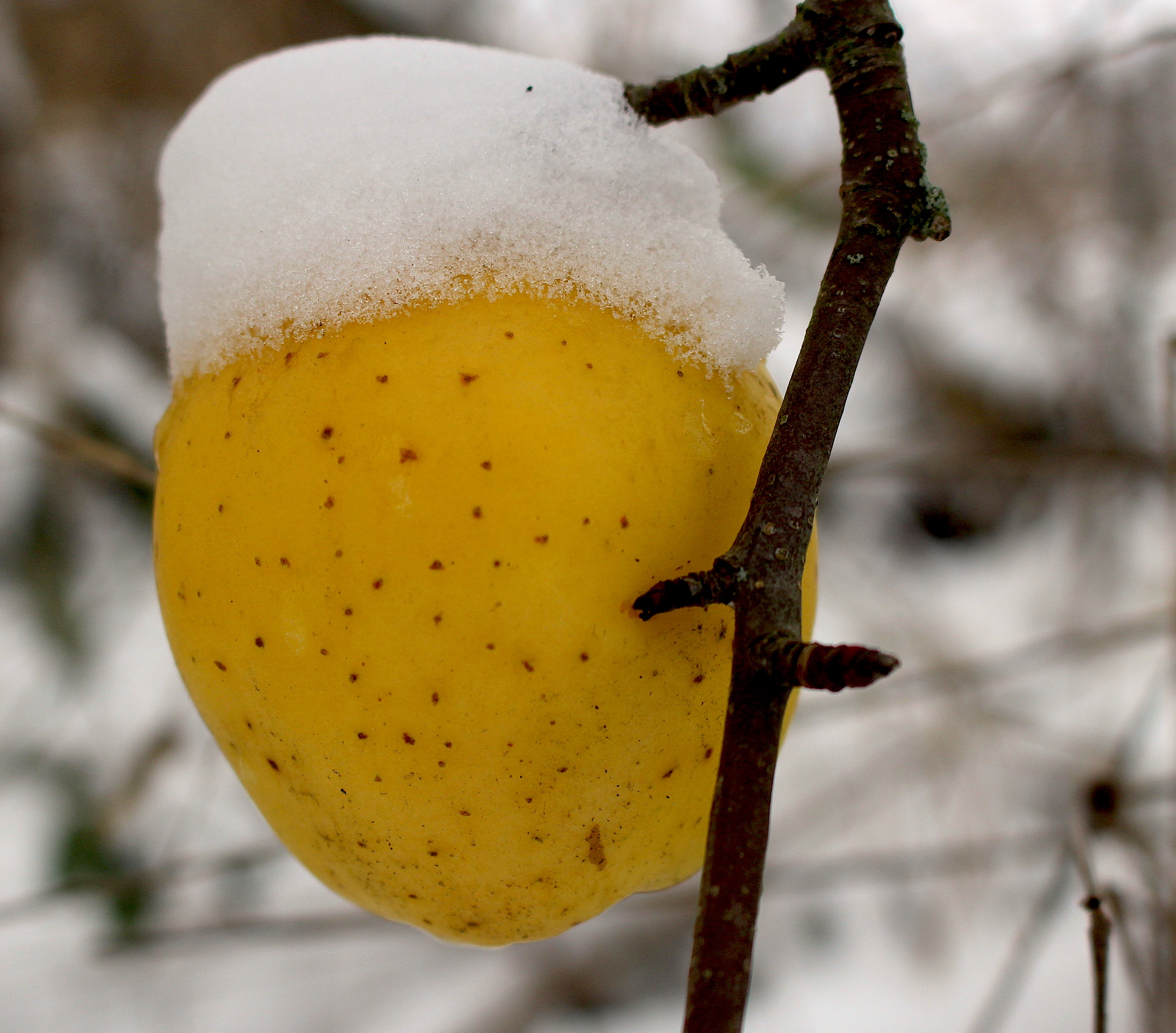
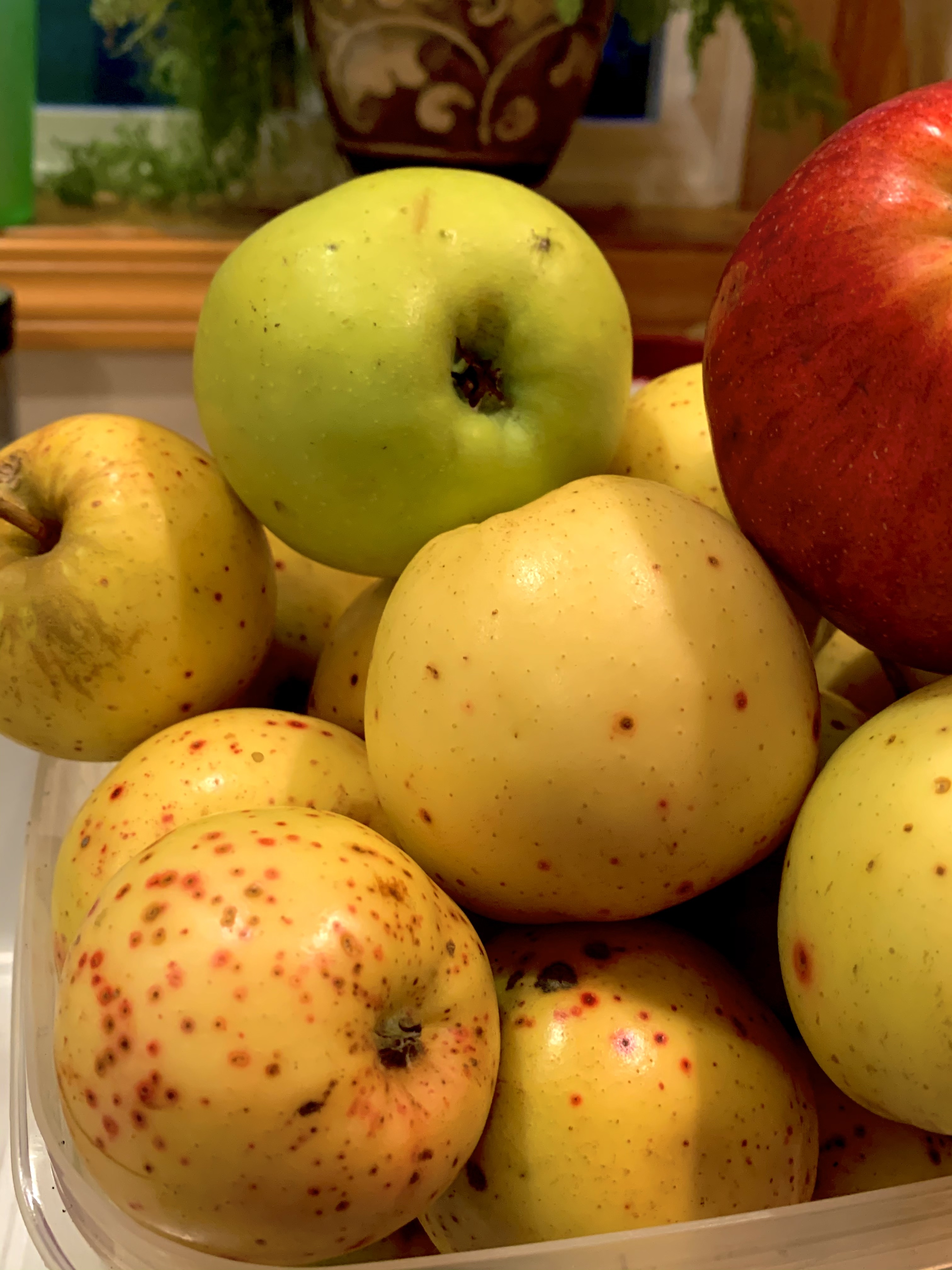
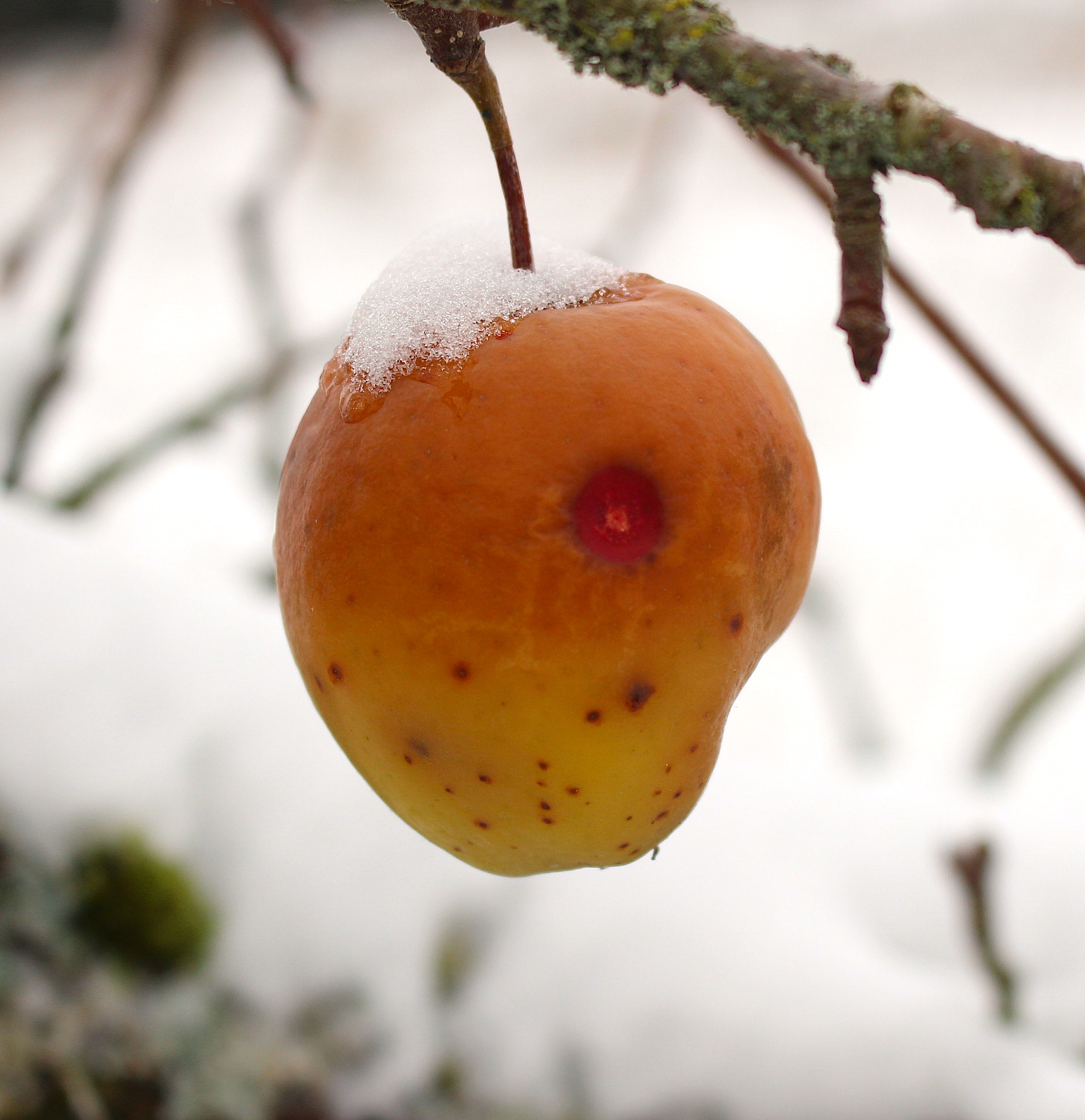
O lovely apple! beautifully and completely rotten hardly a contour marred–
perhaps a little shrivelled at the top but that aside perfect in every detail! O lovely
apple! what a deep and suffusing brown mantles that unspoiled surface! No one
has moved you since I placed you on the porch rail a month ago to ripen.
No one. No one! ~William Carlos Williams “Perfection”
When a newspaper posed the question, “What’s Wrong with the World?” the Catholic thinker G. K. Chesterton reputedly wrote a brief letter in response:
“Dear Sirs: I am. Sincerely Yours, G. K. Chesterton.“
That is the attitude of someone who has grasped the message of Jesus. ~Timothy Keller, The Prodigal God
I am what’s wrong with the world and so are you.
Not one of us escapes the rottenness that lies not-so-deep beneath our shiny surface. We are full of wormholes, inviting the worms of the world to eat us alive.
One look at the news headlines of the day is enough mar the most perfect surface. No one moves to save us from our over-ripening fate; we sit untouched, withering and shriveling.
We are the problem and the problem is us.
We need rescue by a Savior who is the one good apple among a barrel of contagiously bad apples. We are so tainted, it takes Someone who truly is Perfect to transform us from the inside out, from worm-holes back to wholeness and on to holiness.
May we fall to our knees, grateful, that Christ, who is the Leader of all in His Kingdom, will grant us a grace and sanctuary and perfection we emphatically don’t deserve.
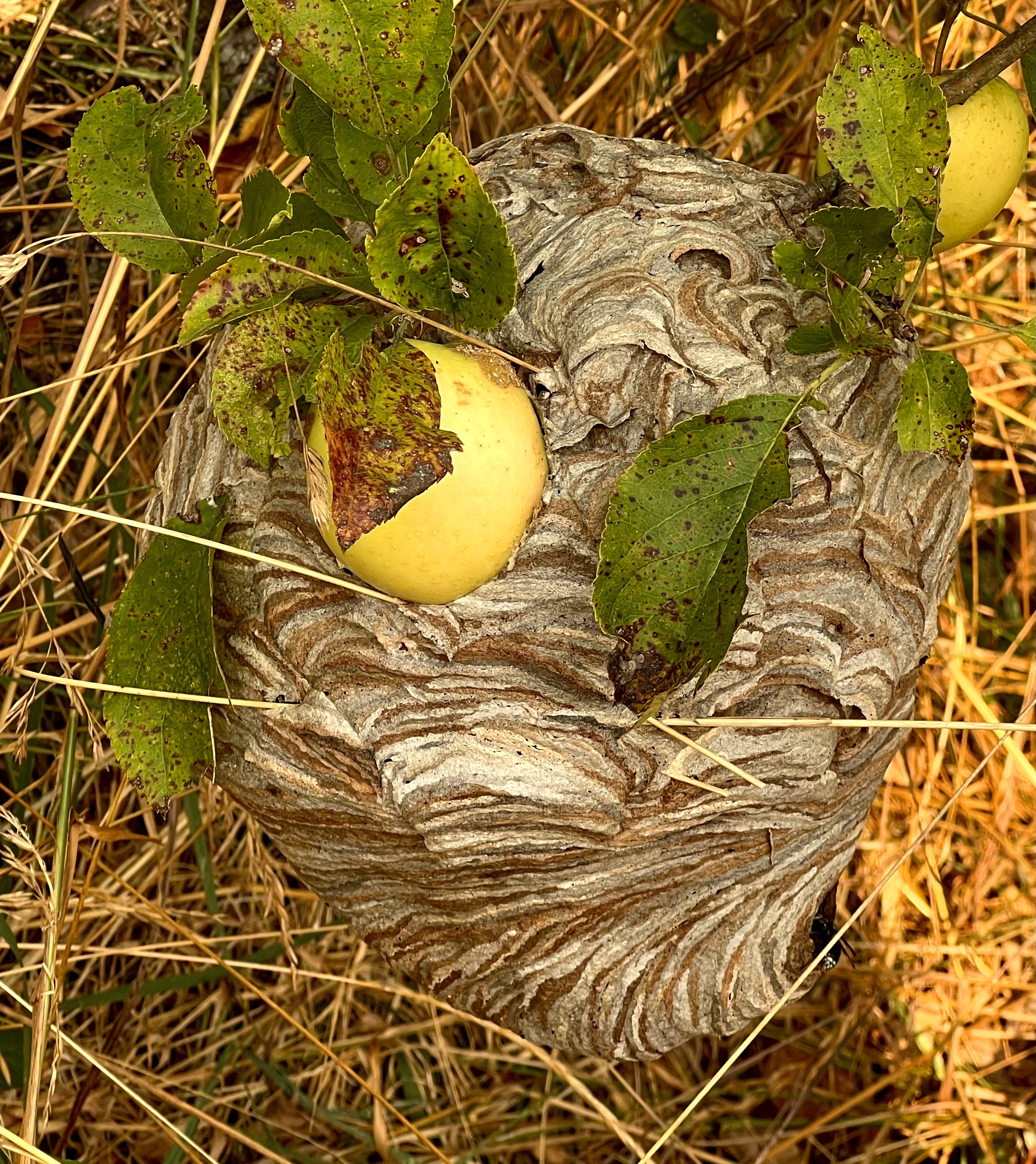
May He retrieve us before the worms (or the hornets) do. We are in this together.
We have met the enemy and he is us. ~Walt Kelly (in the words of Pogo)
One-Time
Monthly
Yearly
Make a one-time or recurring donation to support daily Barnstorming posts
Do you know why this world is as bad as it is? It is because people think only about their own business, andwon’t trouble themselves to stand up for the oppressed, nor bring the wrong-doers to light. My doctrine is this: that if we see cruelty or wrong that we have the power to stop, and do nothing, we make ourselves sharers in the guilt. ~Anna Sewell from Black Beauty
A true revolution of values will soon cause us to question the fairness and justice of many of our past and present policies. On the one hand, we are called to play the good Samaritan on life’s roadside; but that will be only an initial act. One day the whole Jericho road must be transformed so thatmen and women will not be beaten and robbed as they make their journey through life. True compassion is more than flinging a coin to a beggar; it understands that an edifice that produces beggars needs restructuring. America, the richest and most powerful nation in the world, can well lead the way in this revolution of values. There is nothing, except a tragic death wish, to prevent us from reordering our priorities… ~Martin Luther King, Jr. from a speech April 4, 1967
We live in a time where the groaning need and dividedness of humankind is especially to be felt and recognized. Countless people are subjected to hatred, violence and oppression which go unchecked. The injustice and corruption which exist today are causing many voices to be raised to protest and cryout that something be done. Many men and women are being moved to sacrifice much in the struggle for justice, freedom, and peace. There is a movement afoot in our time, a movement which is growing, awakening.
We must recognize that we as individuals are to blame forevery social injustice, every oppression, the downgrading of others and the injury that man does to man, whetherpersonal or on a broader plane.… God mustintervene with his spirit and his justice and his truth. The presentmisery, need, and decay must pass away and the new day of the Son of Man must dawn. This is the advent of God’s coming. ~Dwight Blough from the introduction to When the Time was Fulfilled (1965)
I weep to see ongoing bitter divisions among our citizens as we fail to learn from history’s past errors. Here we are again, groaning against one another once more, ignited by front-running candidates for president whose ethics and values do not represent freedom and justice for all.
As we once again walk this hazardous Jericho Road together, we cannot pass by those who lie dying in the ditch, our brother, our sister, our neighbor, a stranger.
We must stop and help lest we share the guilt of their suffering.
It could be you or me there bleeding, beaten, abandoned until Someone took our place so we can get up and walk Home.
Maranatha.
At the edge of Jericho Road Beneath the street light’s yellow orange glow The feared and the fallen go In the way of predator and prey No one’s spared Because hate is too great a weight to bear
In a cage of shadows we meet Naked and bloodied in the street At the mercy, at the feet Of the way of predator and prey No one’s spared Because hate is too great a weight to bear
In the darkness on shattered pavement The better angels fade Blurred in slumber, murder by numbers Do you know my name? Do you know my name? I believe in you
Because everyone holds some part of the truth And now, I’m in your way Do we stay on Jericho Road, forever going nowhere Till hate is too great a weight to bear
One-Time
Monthly
Yearly
Make a one-time or recurring donation to support daily Barnstorming posts






























 Barnstorming