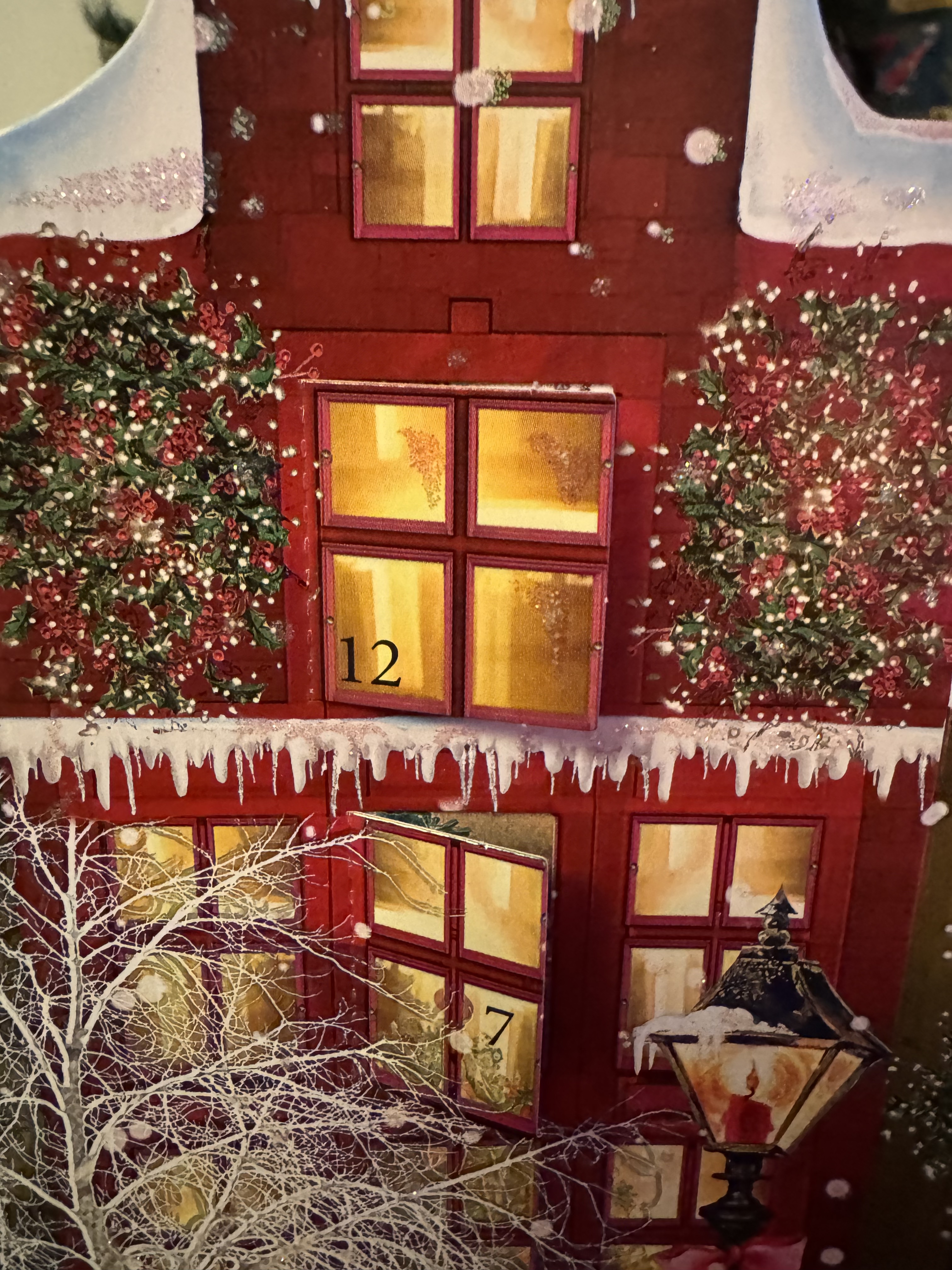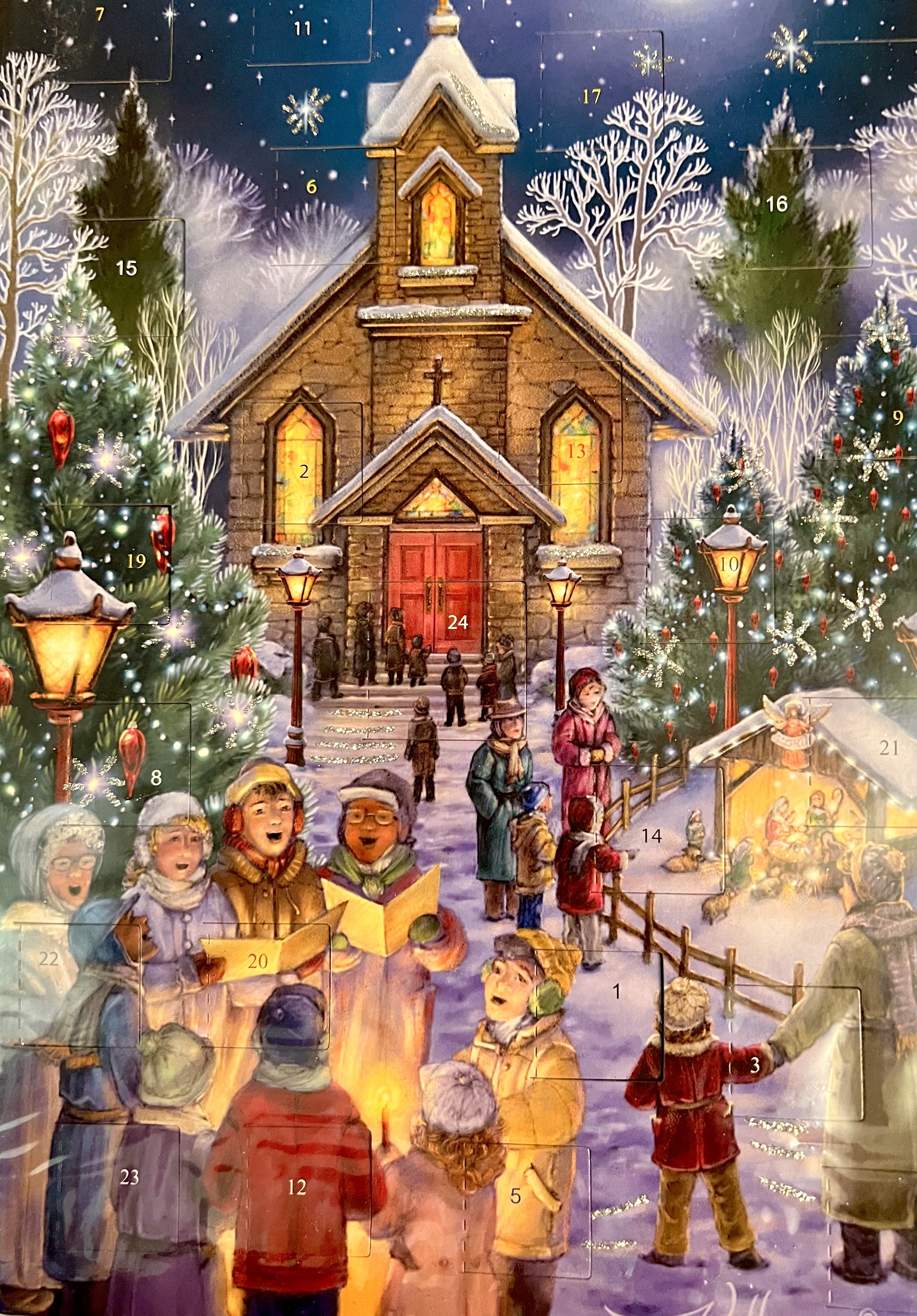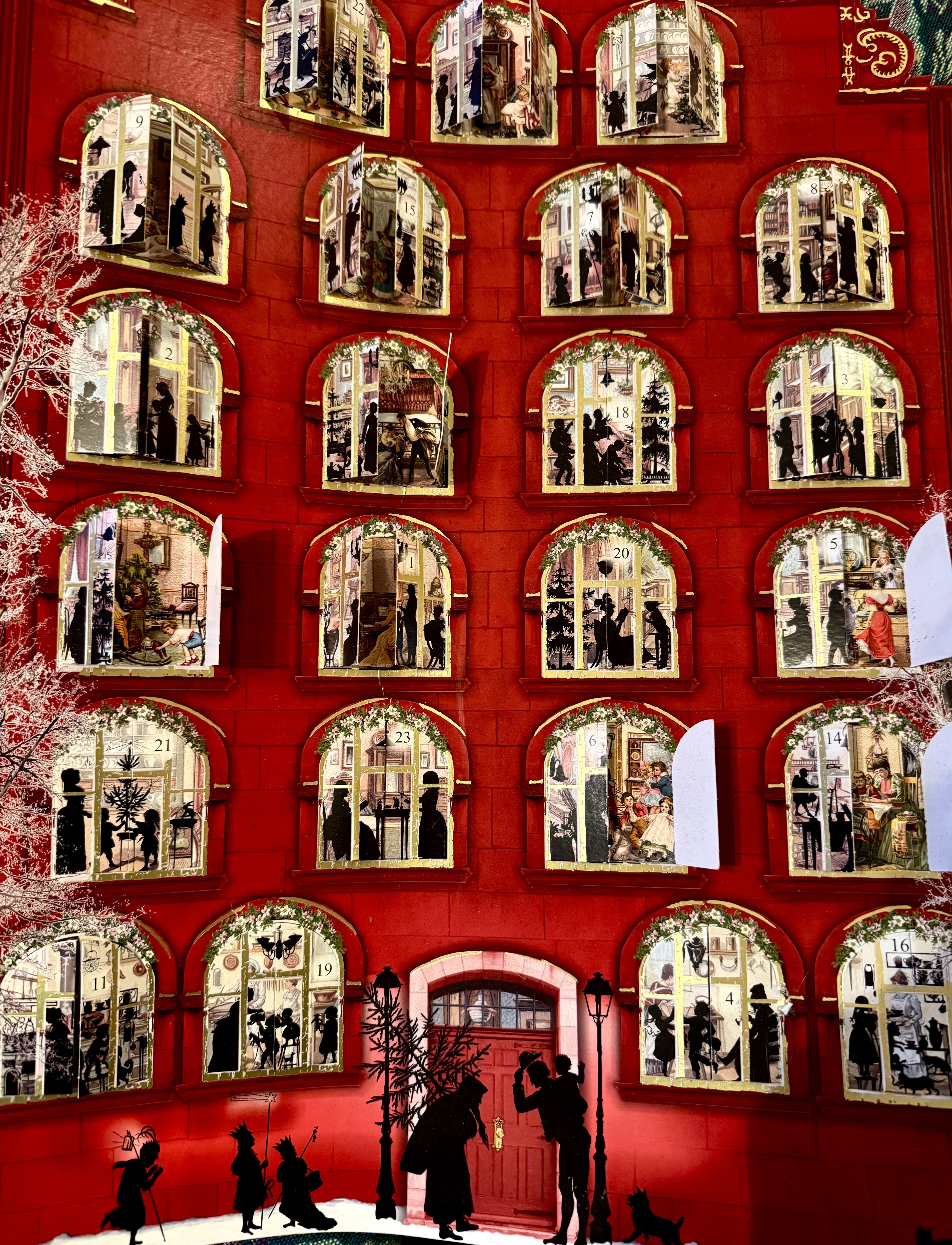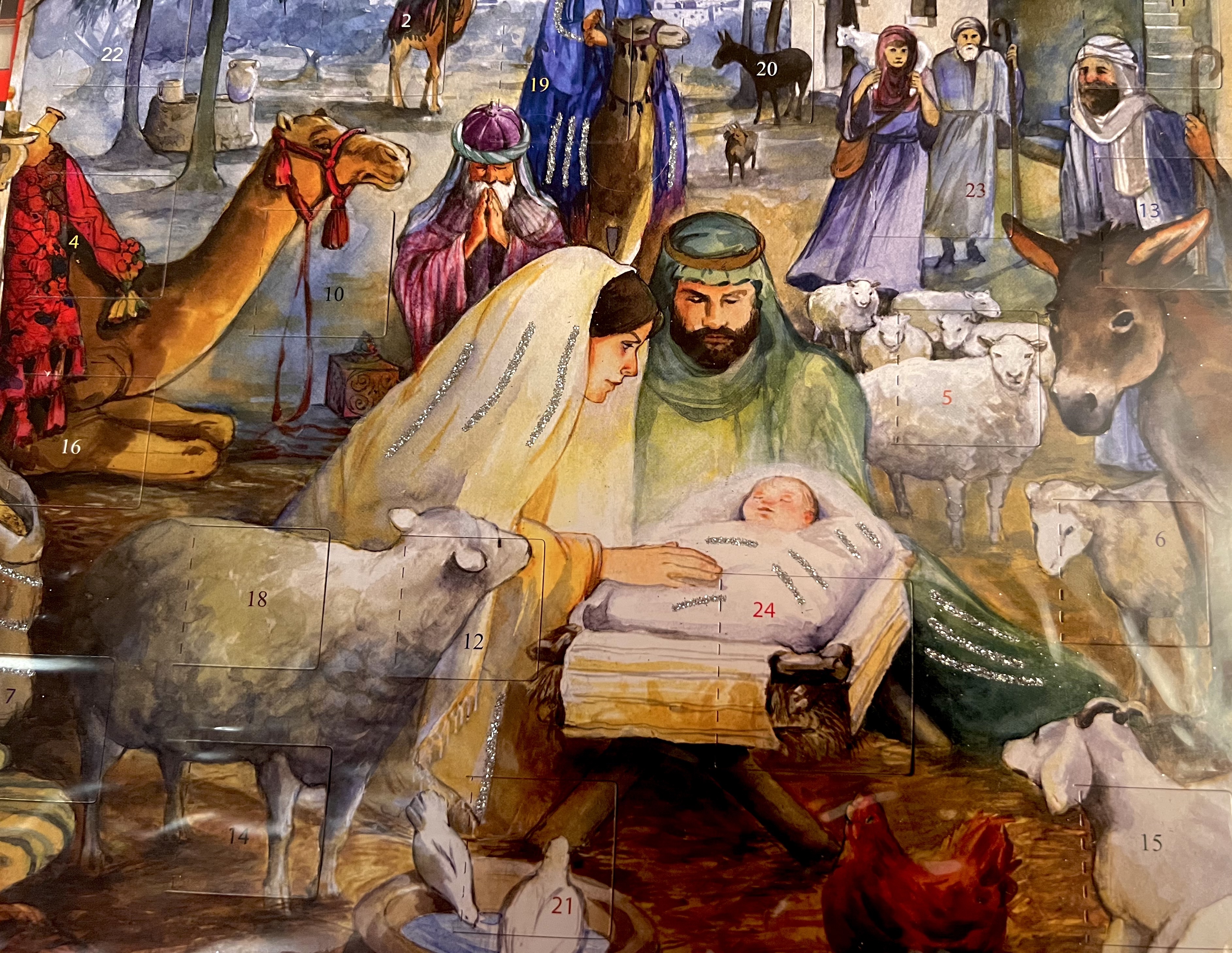
An Advent Threshold: When All the Doors are Opened

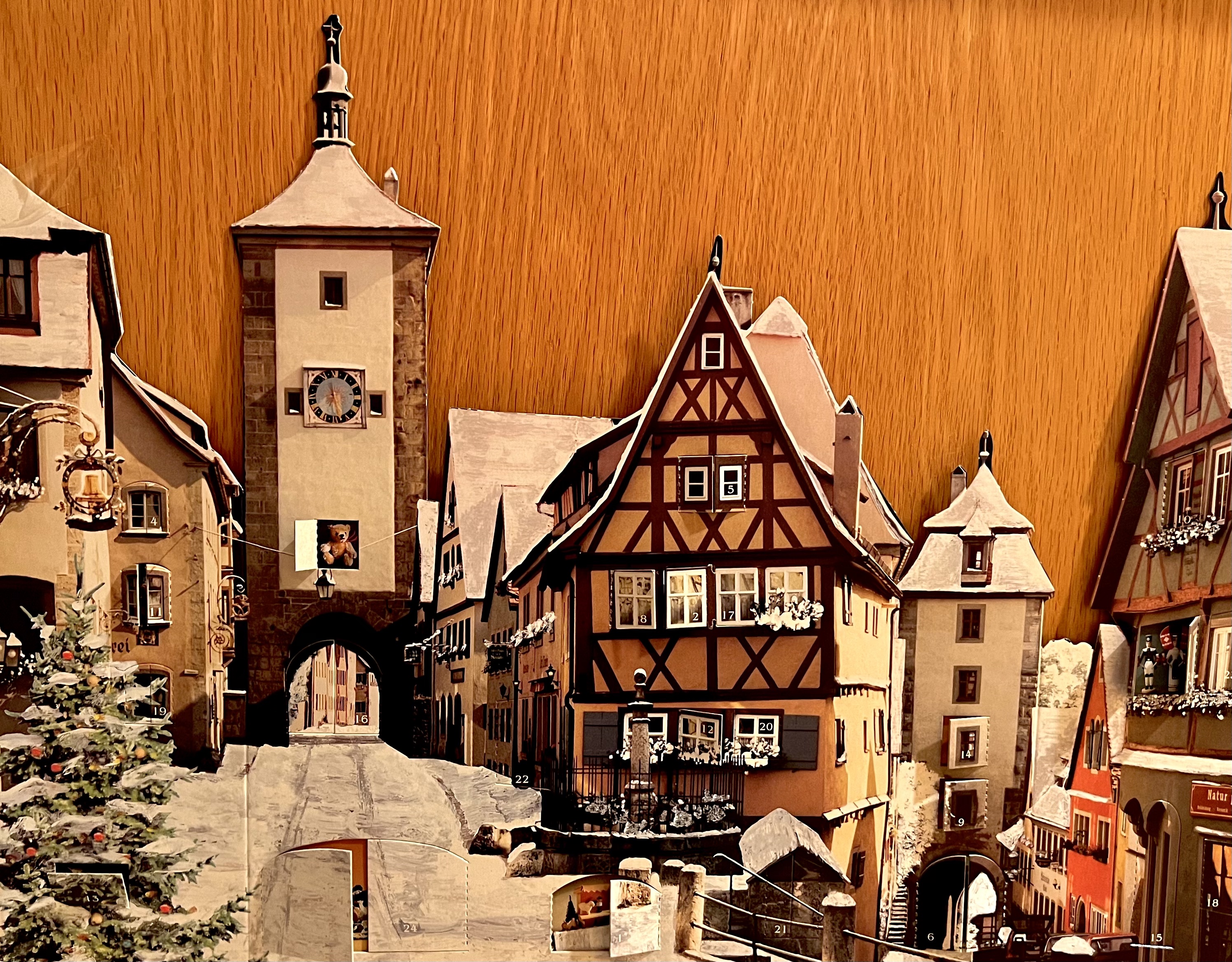
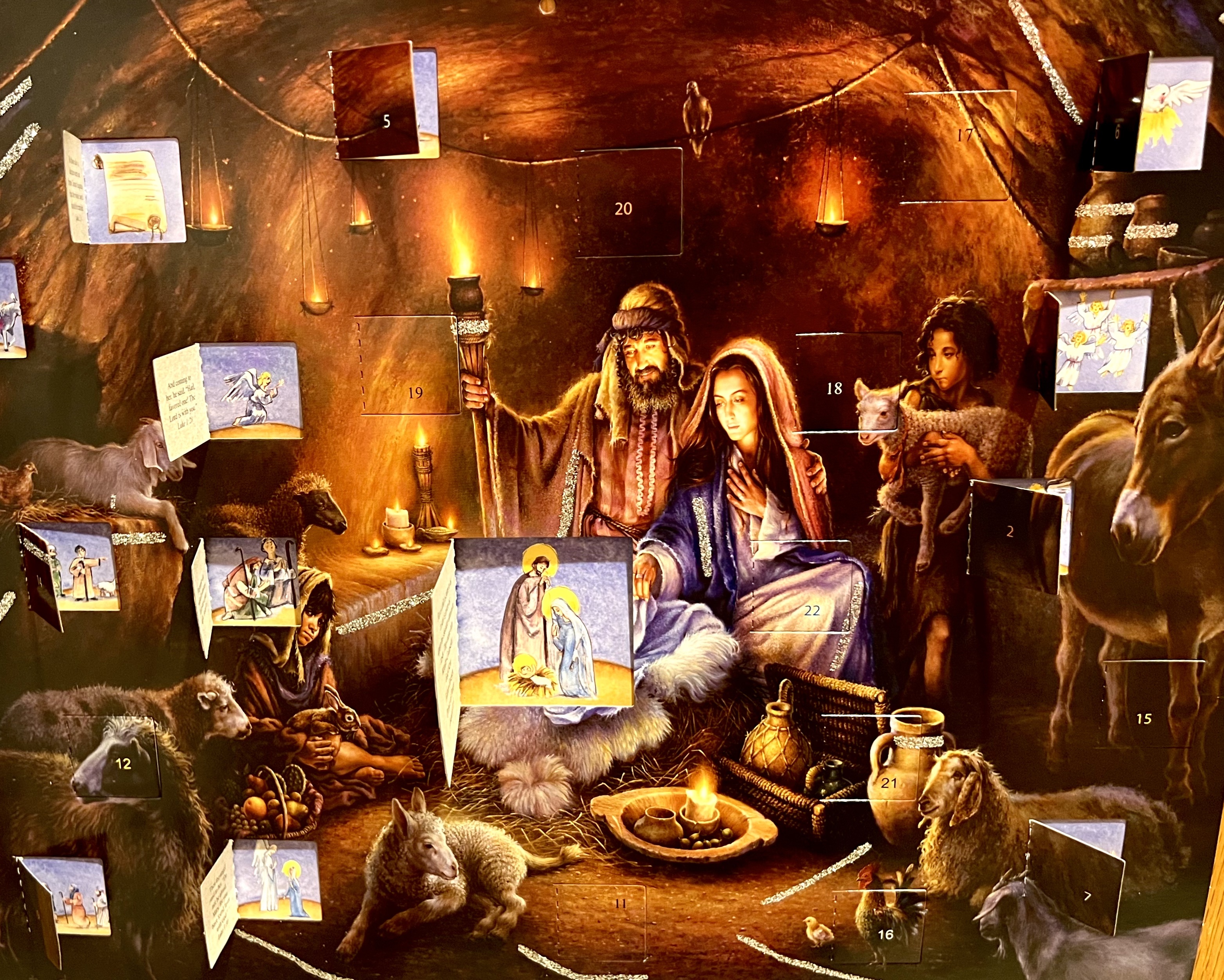
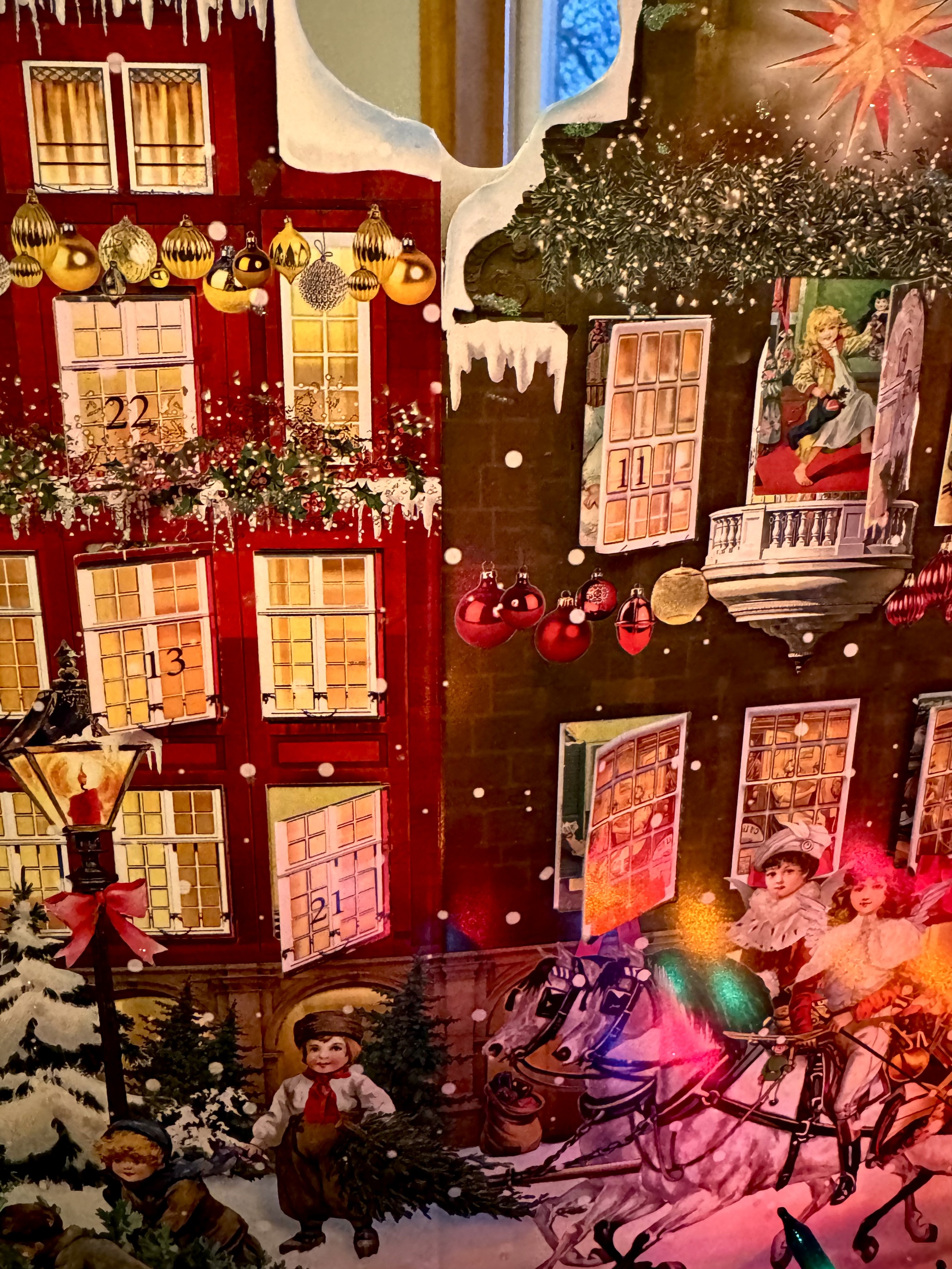
Bethlehem in Germany,
Glitter on the sloping roofs,
Breadcrumbs on the windowsills,
Candles in the Christmas trees,
Hearths with pairs of empty shoes:
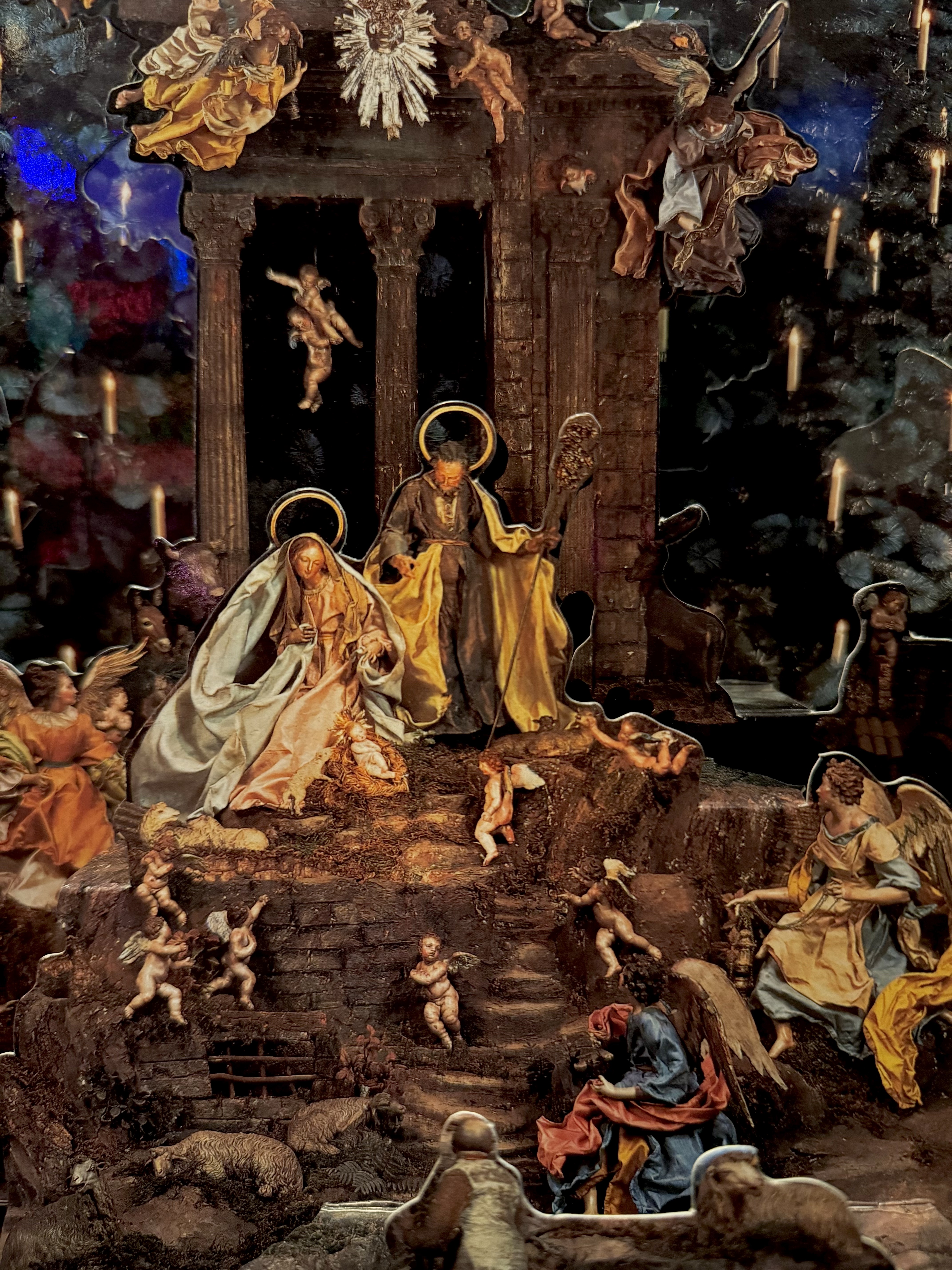
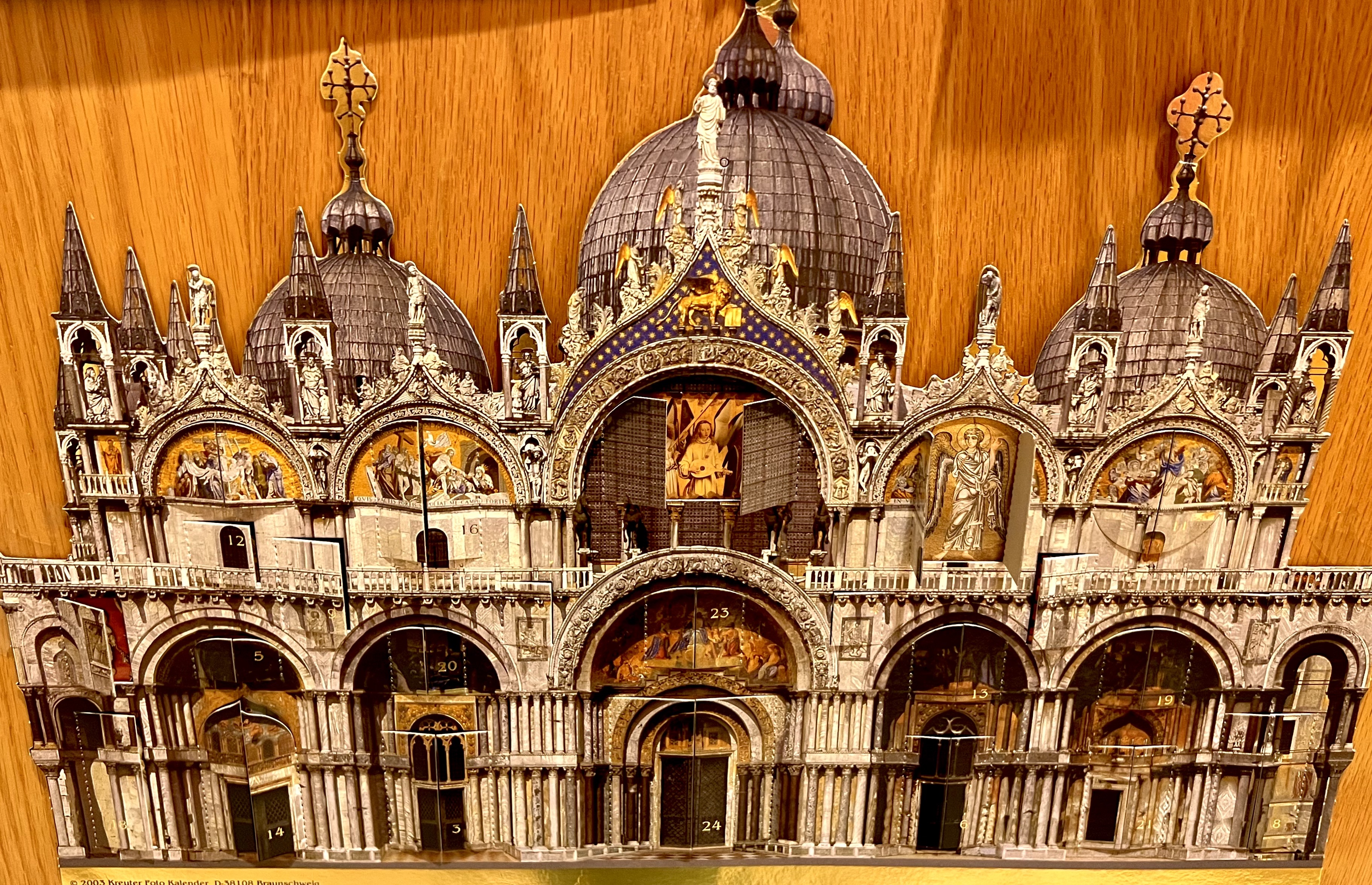
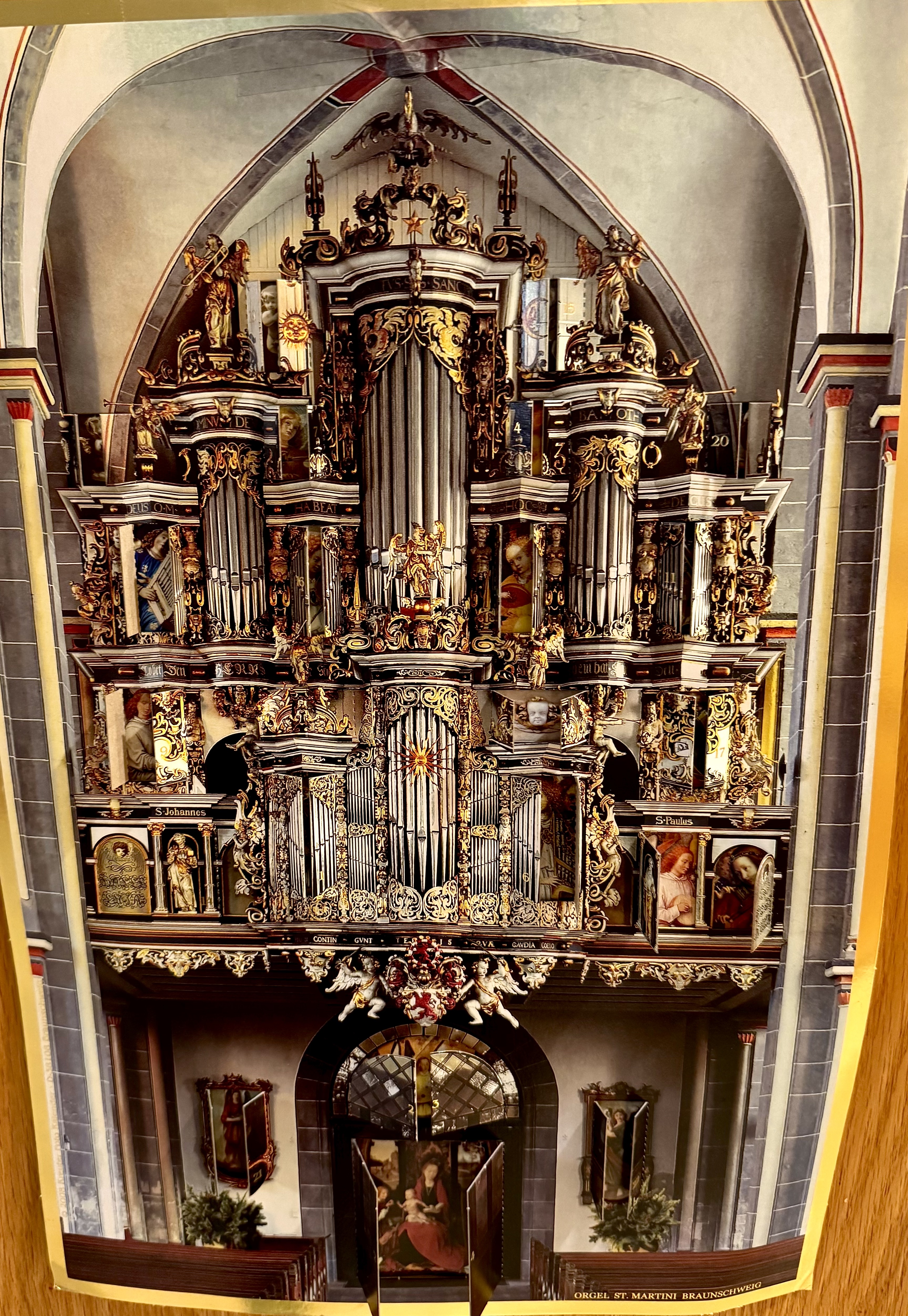
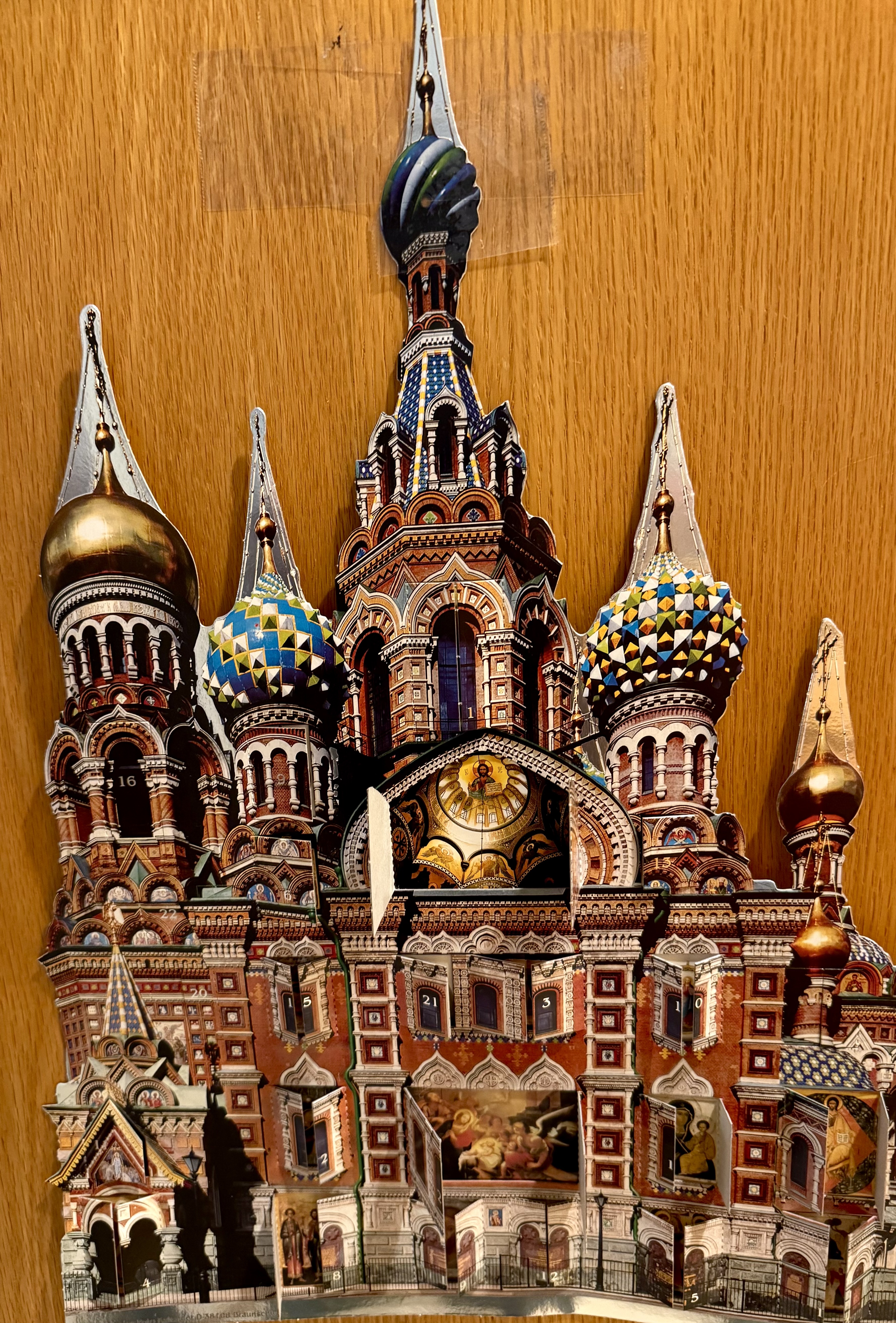
Panels of Nativity
Open paper scenes where doors
Open into other scenes,
Some recounted, some foretold.
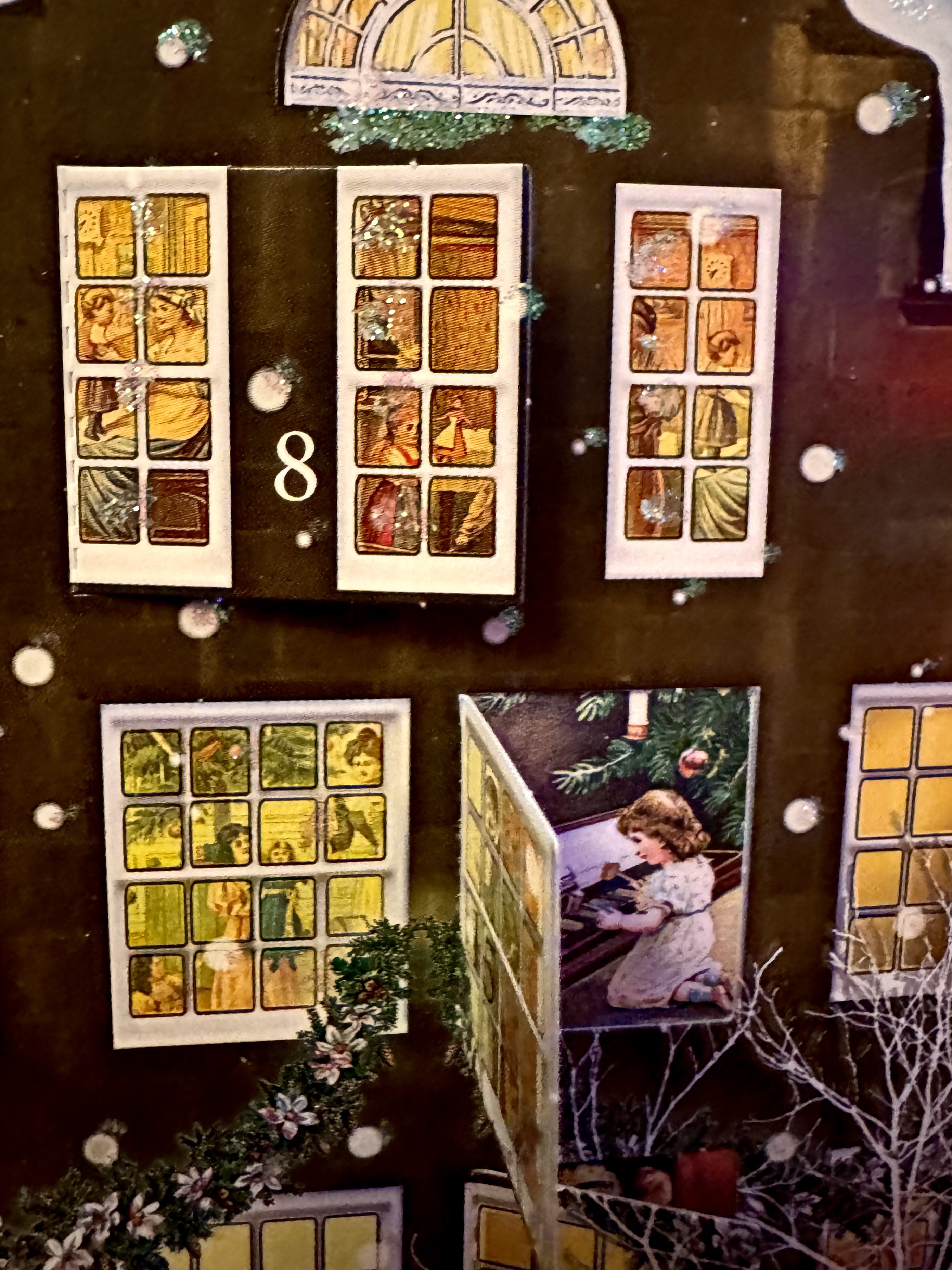
Blizzard-sprinkled flakes of gold
Gleam from small interiors,
Picture-boxes in the stars
Open up like cupboard doors
In a cabinet Jesus built.

Leaning from the cliff of heaven,
Indicating whom he weeps for,
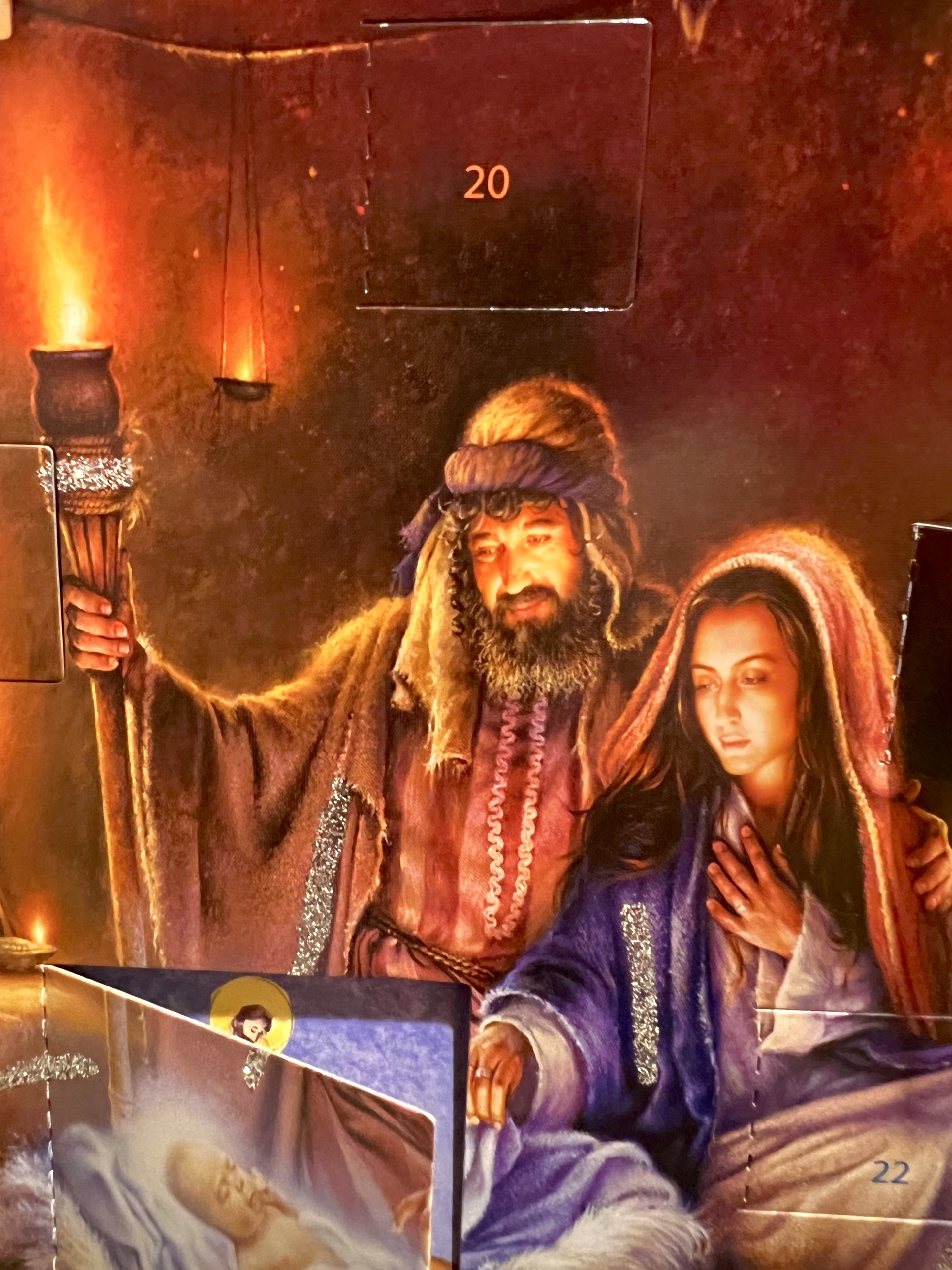
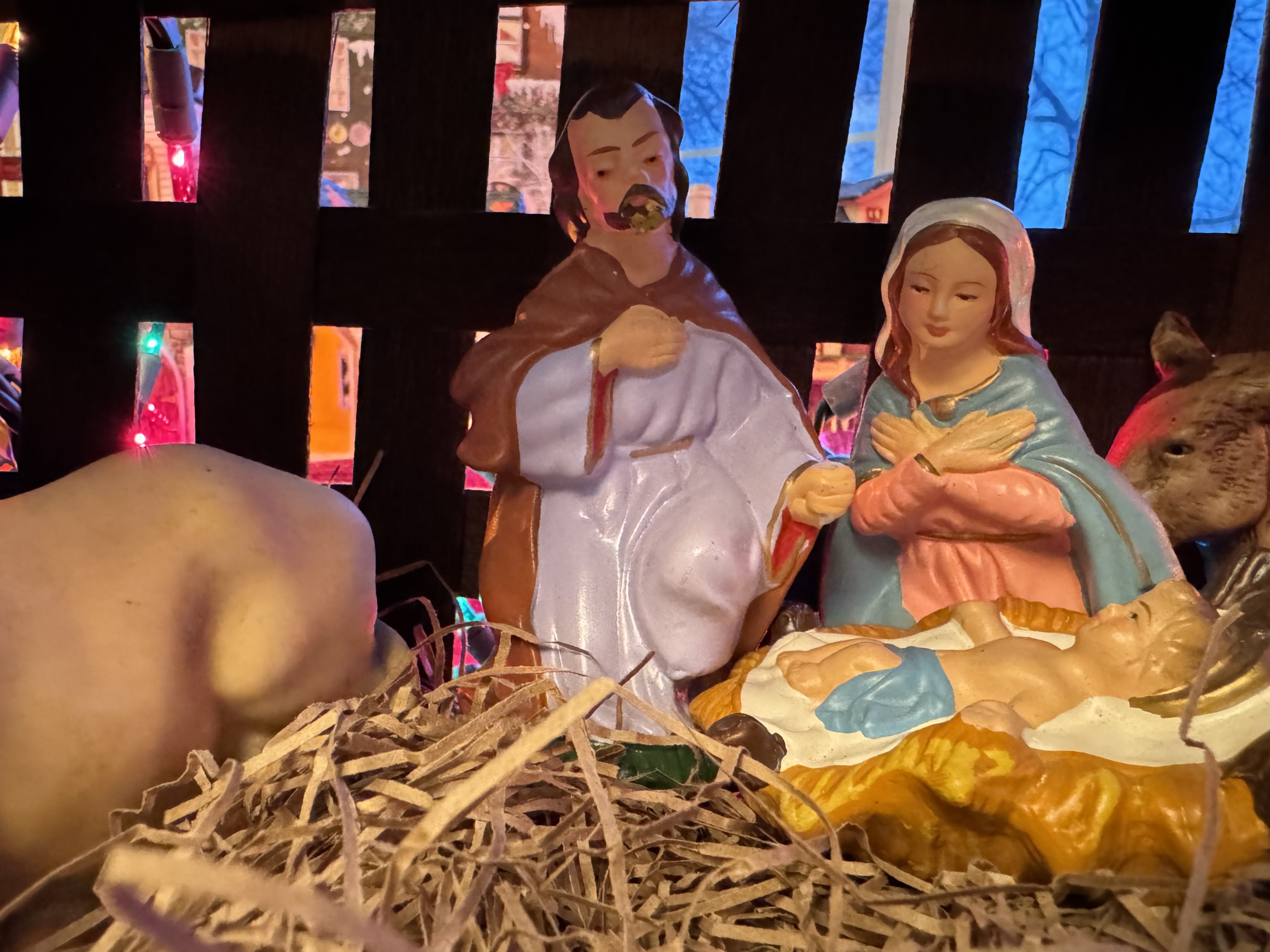
Joseph lifts his lamp above
The infant like a candle-crown.
Let my fingers touch the silence
Where the infant’s father cries.
Give me entrance to the village
From my childhood where the doorways
Open pictures in the skies.
But when all the doors are open,
No one sees that I’ve returned.
When I cry to be admitted,
No one answers, no one comes.
Clinging to my fingers only
Pain, like glitter bits adhering,
When I touch the shining crumbs.
~Gjertrud Schnackenberg,from “Advent Calendar” from Supernatural Love: Poems 1976-1992. 

He will come like last leaf’s fall.
One night when the November wind
has flayed the trees to the bone, and earth
wakes choking on the mould,
the soft shroud’s folding.

He will come like frost.
One morning when the shrinking earth
opens on mist, to find itself
arrested in the net
of alien, sword-set beauty.

He will come like dark.
One evening when the bursting red
December sun draws up the sheet
and penny-masks its eye to yield
the star-snowed fields of sky.

He will come, will come,
will come like crying in the night,
like blood, like breaking,
as the earth writhes to toss him free.
He will come like child.

~Rowan Williams “Advent Calendar”

Who has not considered Mary
And who her praise would dim,
But what of humble Joseph
Is there no song for him?

If Joseph had not driven
Straight nails through honest wood
If Joseph had not cherished
His Mary as he should;

If Joseph had not proved him
A sire both kind and wise
Would he have drawn with favor
The Child’s all-probing eyes?

Would Christ have prayed, ‘Our Father’
Or cried that name in death
Unless he first had honored
Joseph of Nazareth ?
~Luci Shaw “Joseph The Carpenter”

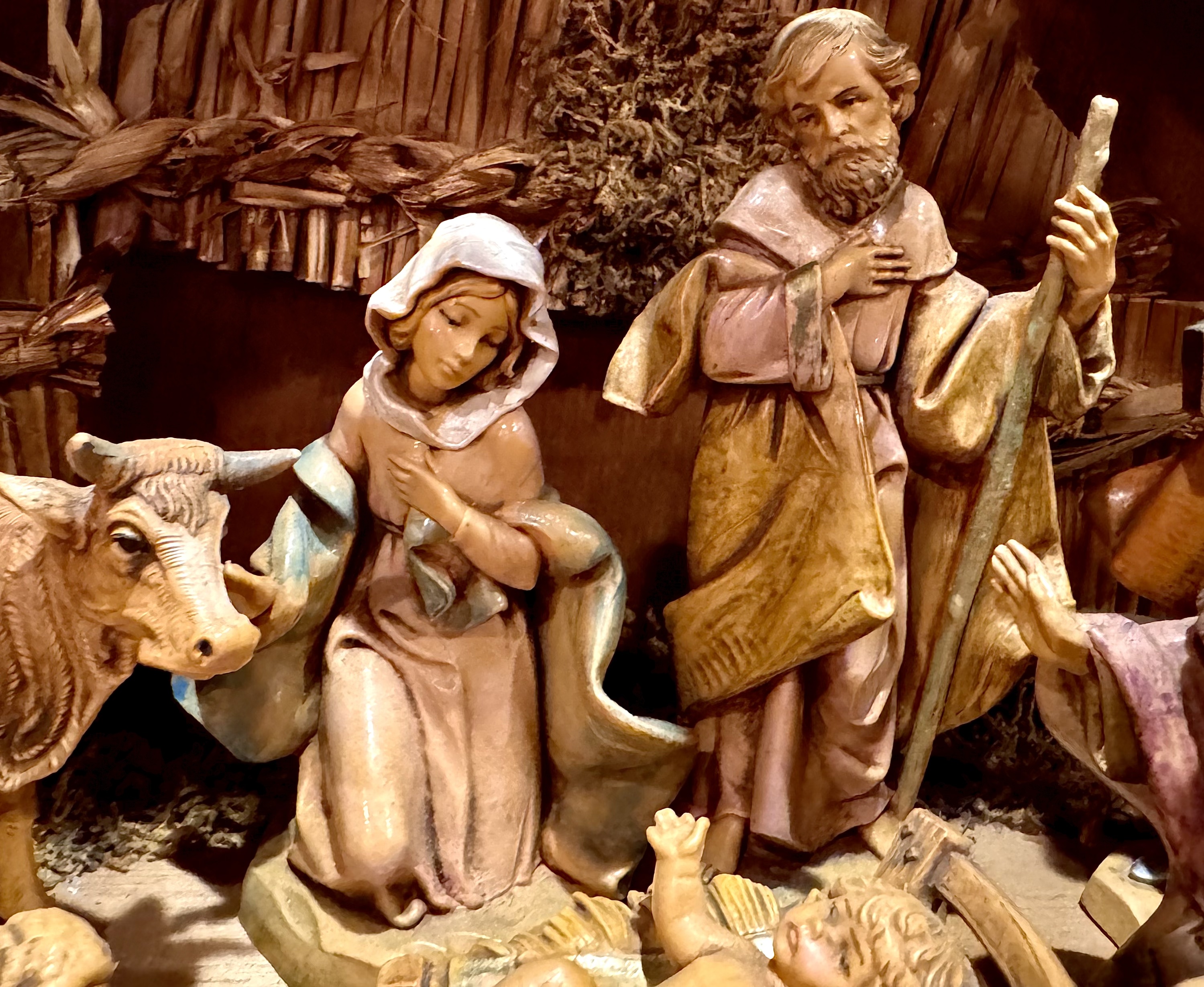
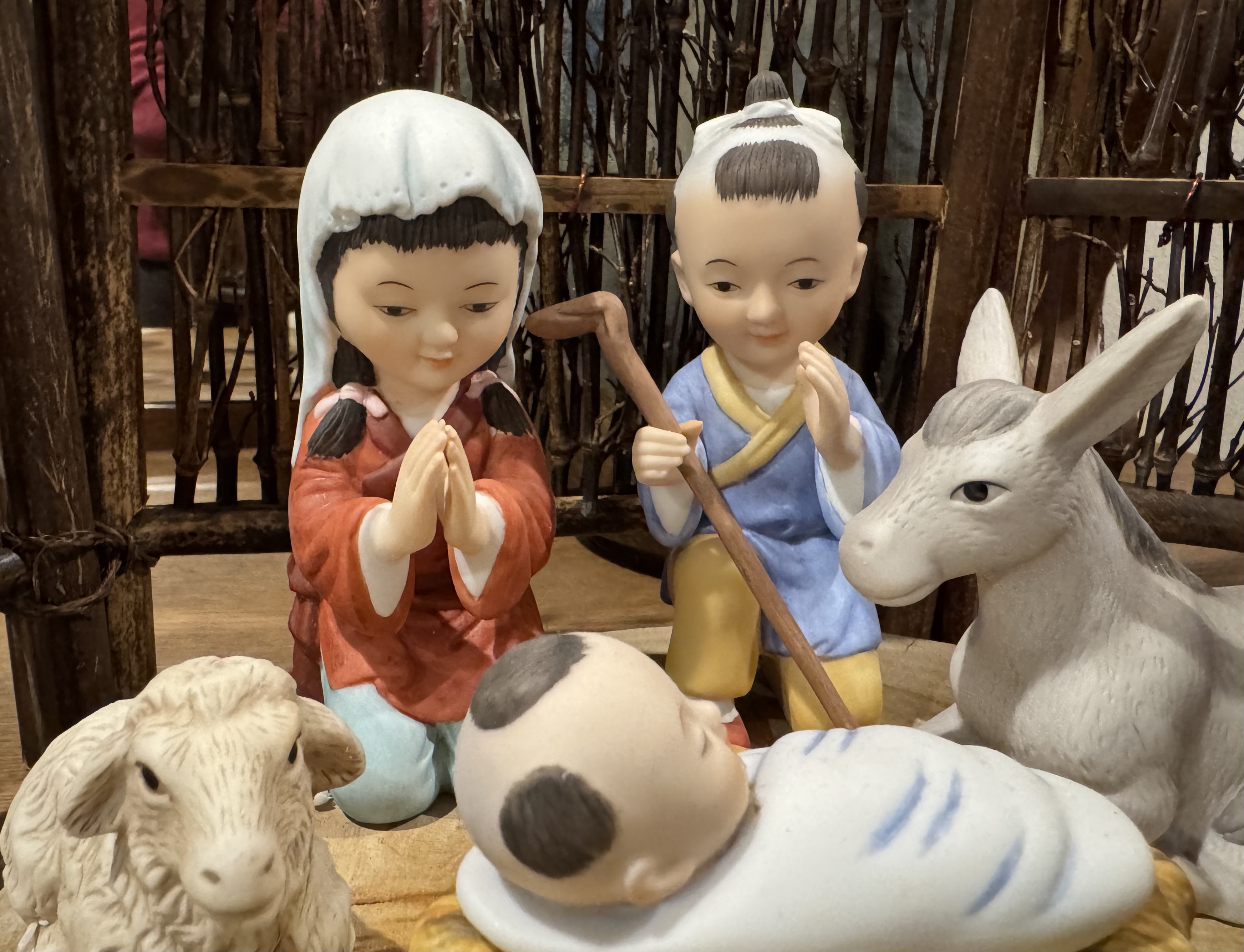
The hero of the story this season is the man in the background of each creche, the old master Nativity paintings, and the Advent Calendar doors that open each day.

He is the adoptive father
who does the right thing rather than what he has legal right to do,
who listens to his dreams and believes,
who leads the way over dusty roads to be counted,
who searches valiantly for a suitable place to stay,
who does whatever he can to assist her labor,
who stands tall over a vulnerable mother and infant
while the poor and curious pour out of the hills,
the wise and foreign appear bringing gifts,
who takes his family to safety when the innocents are slaughtered.

He is only a carpenter, not born for heroics,
but strong and obedient,
stepping up when called.

He is a humble man teaching his son a living,
until his son leaves to save the dying.

This man Joseph is the Chosen father,
the best Abba a God could possibly hope for.

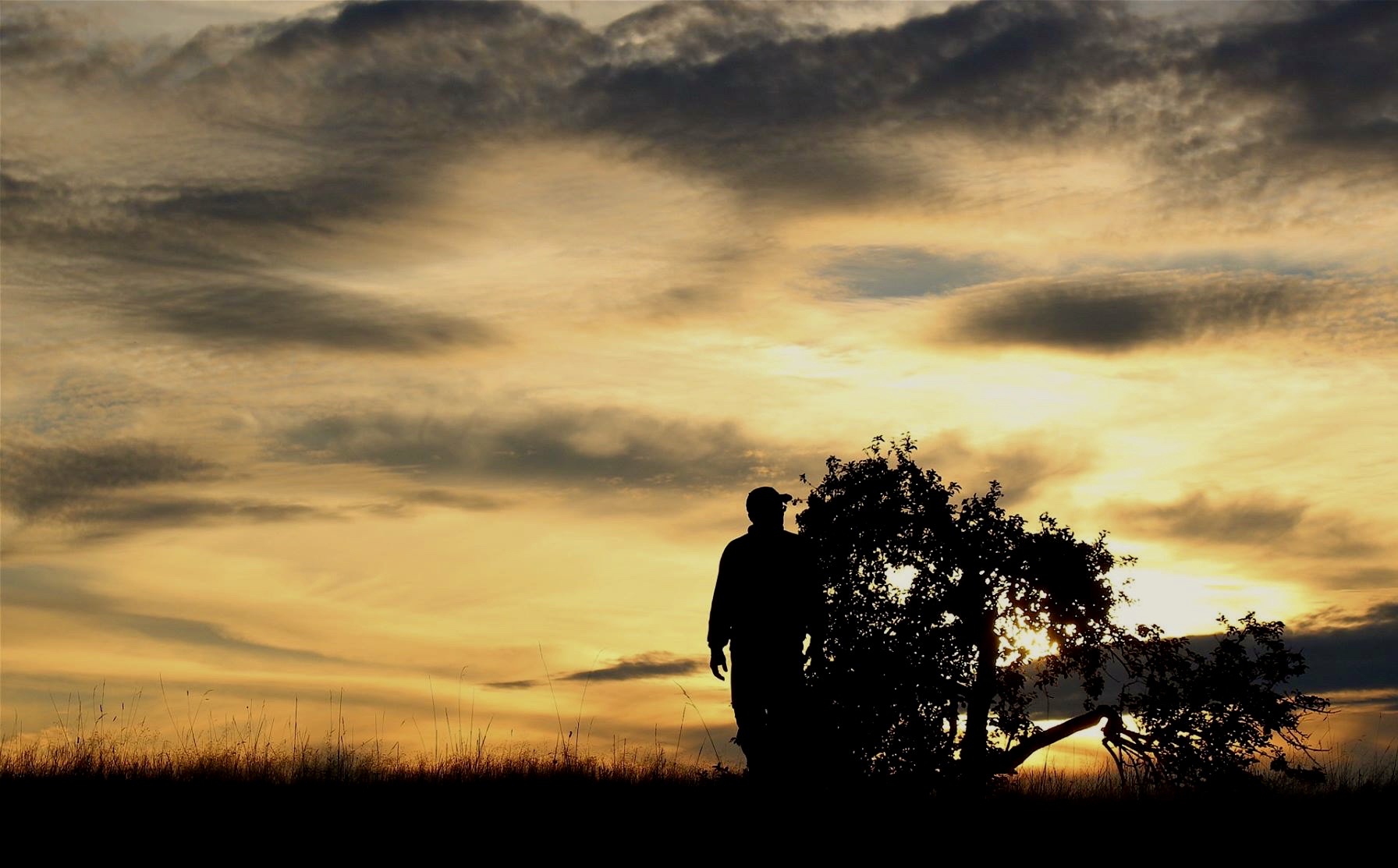
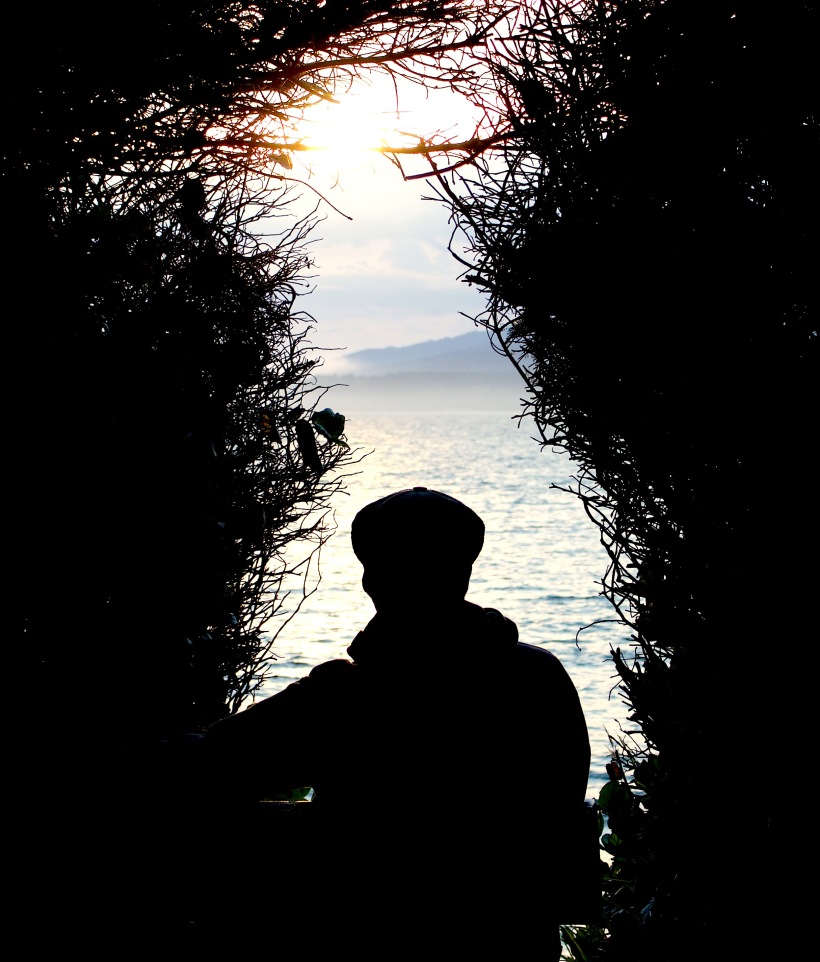
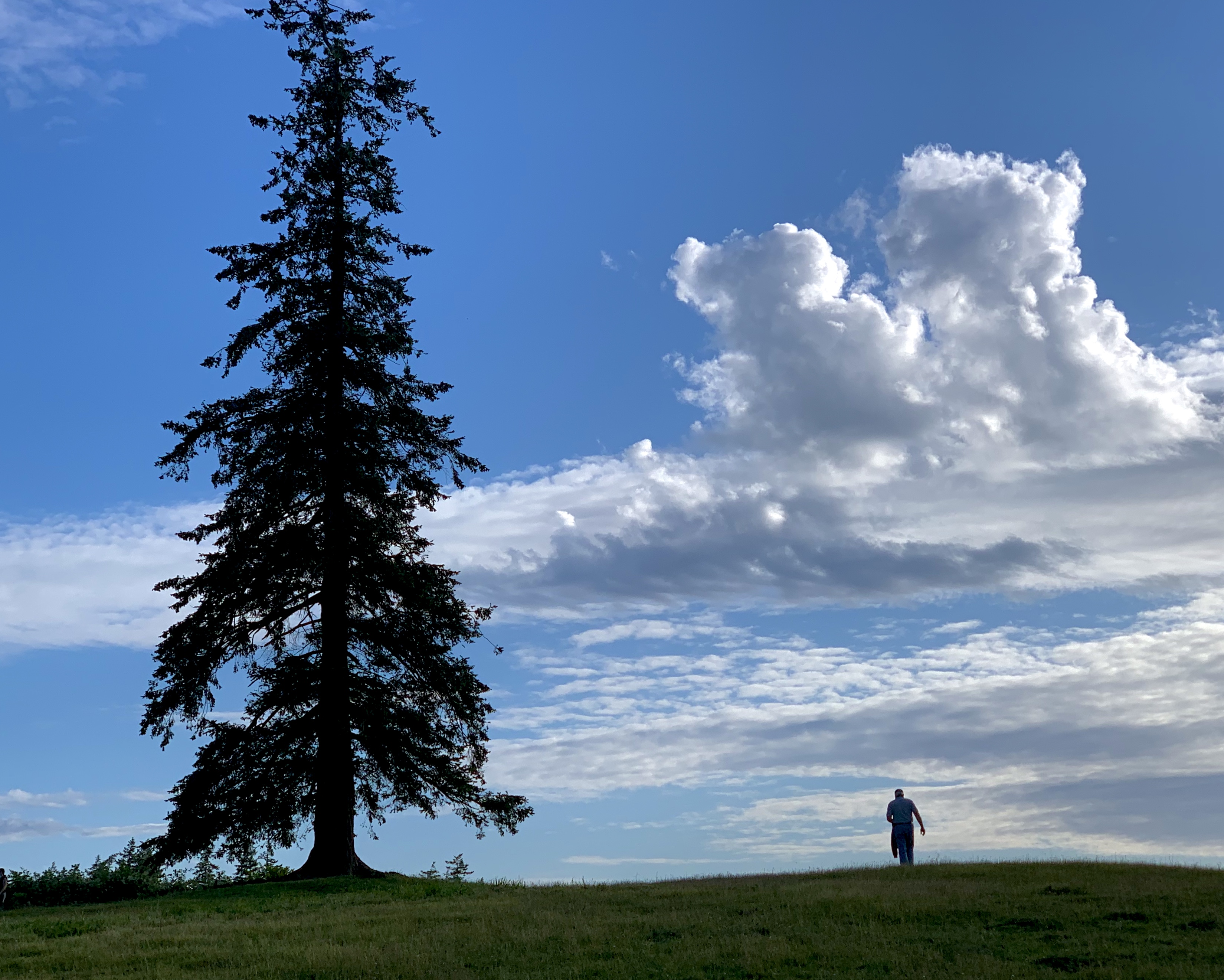
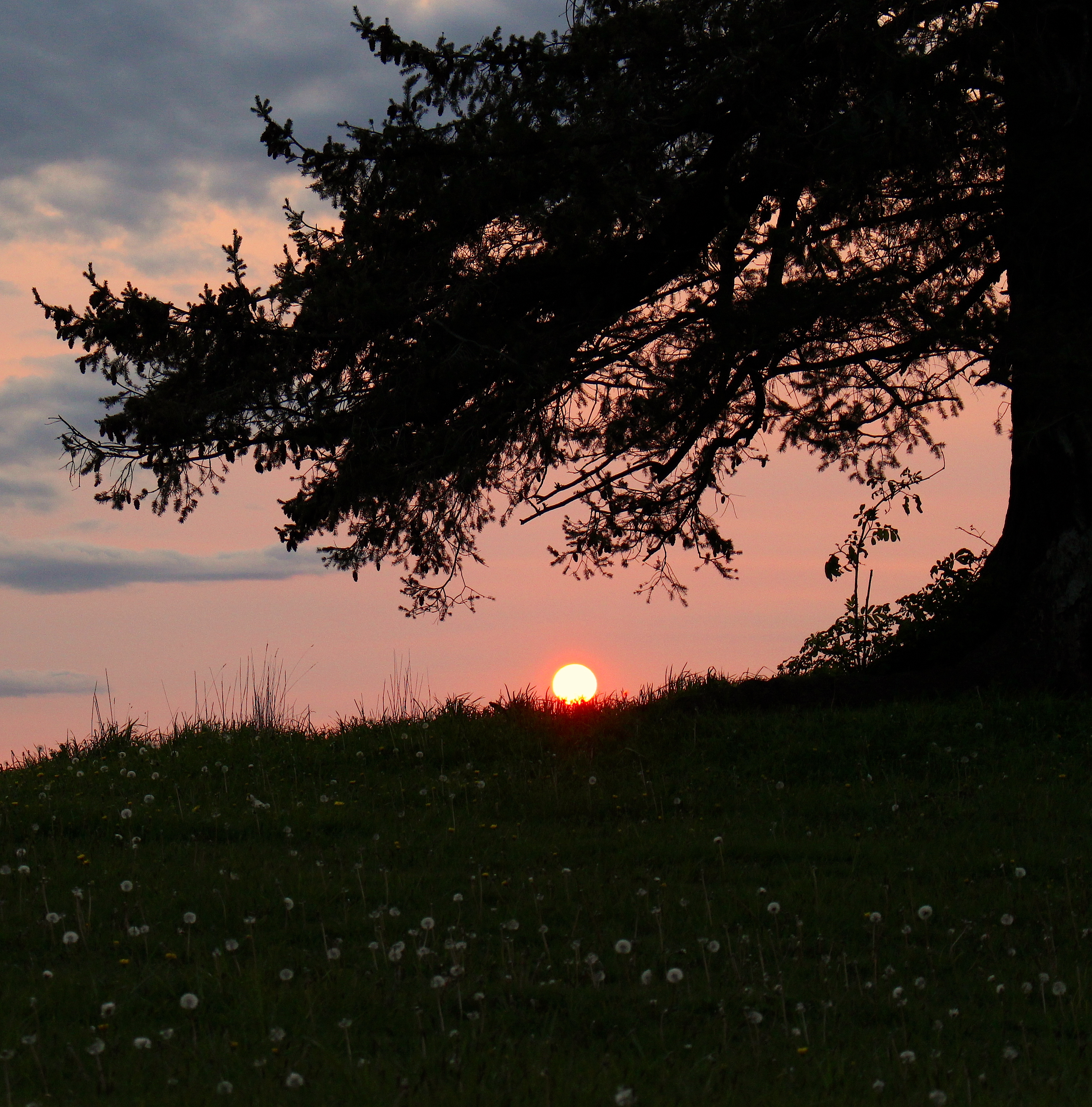
My 2025 Advent theme:
On the threshold between day and night

On that day there will be neither sunlight nor cold, frosty darkness. 
It will be a unique day—a day known only to the Lord—

with no distinction between day and night. 
When evening comes, there will be light.
Zechariah 14:6-7

So once in Israel love came to us incarnate, stood in the doorway between two worlds, and we were all afraid.
~Annie Dillard in Teaching a Stone to Talk

One-Time
Monthly
Yearly

Make a one-time or recurring donation to support daily Barnstorming posts

Make a monthly donation

Make a yearly donation

Choose an amount

$10.00
$25.00
$50.00
$5.00
$15.00
$100.00
$5.00
$15.00
$100.00

Or enter a custom amount

$

Your contribution is deeply appreciated.

Your contribution is appreciated.

Your contribution is appreciated.

DonateDonate monthlyDonate yearly
A Thing or Two

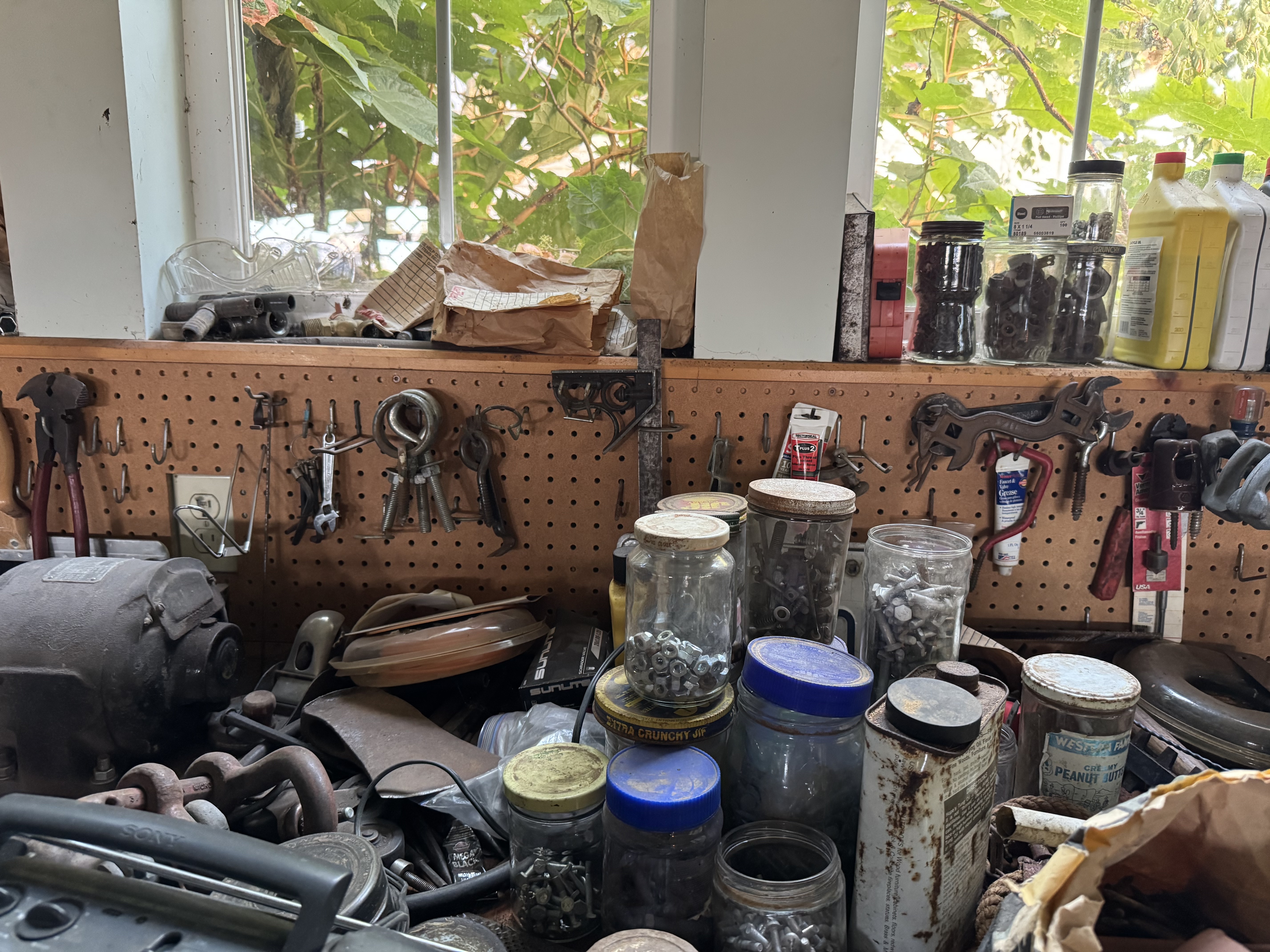
My father always knew the secret
name of everything—
stove bolt and wing nut,
set screw and rasp, ratchet
wrench, band saw, and ball—
peen hammer. He was my
tour guide and translator
through that foreign country
with its short-tempered natives
in their crewcuts and tattoos,
who suffered my incompetence
with gruffness and disgust.
Pay attention, he would say,
and you’ll learn a thing or two.


Now it’s forty years later,
and I’m packing up his tools
(If you know the proper
names of things you’re never
at a loss)
 tongue-tied, incompetent,
my hands and heart full
of doohickeys and widgets,
whatchamacallits, thingamabobs.

~Ronald Wallace “Hardware” from Time’s Fancy

“Hold on,” she said, “I’ll just run out and get him.
The weather here’s so good, he took the chance
To do a bit of weeding.”


So I saw him
Down on his hands and knees beside the leek rig,
Touching, inspecting, separating one
Stalk from the other, gently pulling up
Everything not tapered, frail and leafless,
Pleased to feel each little weed-root break,
But rueful also . . . 


Then found myself listening to
The amplified grave ticking of hall clocks
Where the phone lay unattended in a calm
Of mirror glass and sunstruck pendulums . . . 


And found myself then thinking: if it were nowadays,
This is how Death would summon
Everyman.

Next thing he spoke and I nearly said I loved him.
~Seamus Heaney “A Call” from ‘Poems That Make Grown Men Cry’

Between my finger and my thumb   
The squat pen rests; snug as a gun.
Under my window, a clean rasping sound   
When the spade sinks into gravelly ground: 
  

My father, digging. I look down
By God, the old man could handle a spade.
   

Just like his old man.
But I’ve no spade to follow men like them.

Between my finger and my thumb
The squat pen rests.
I’ll dig with it.

~Seamus Heaney from “Digging” from Death of a Naturalist

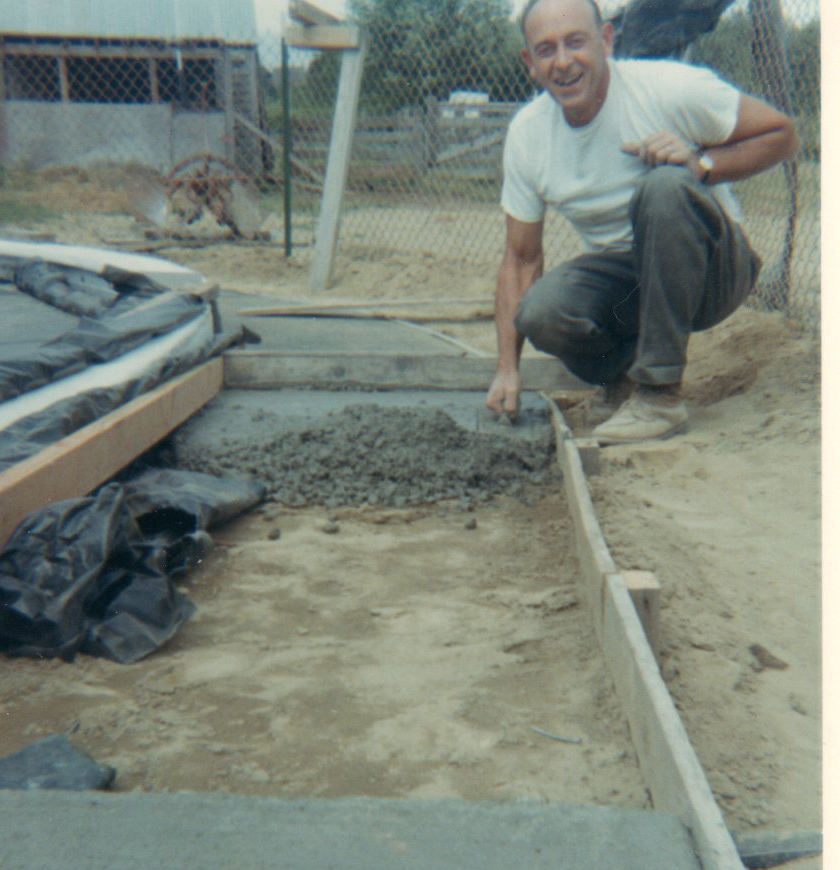
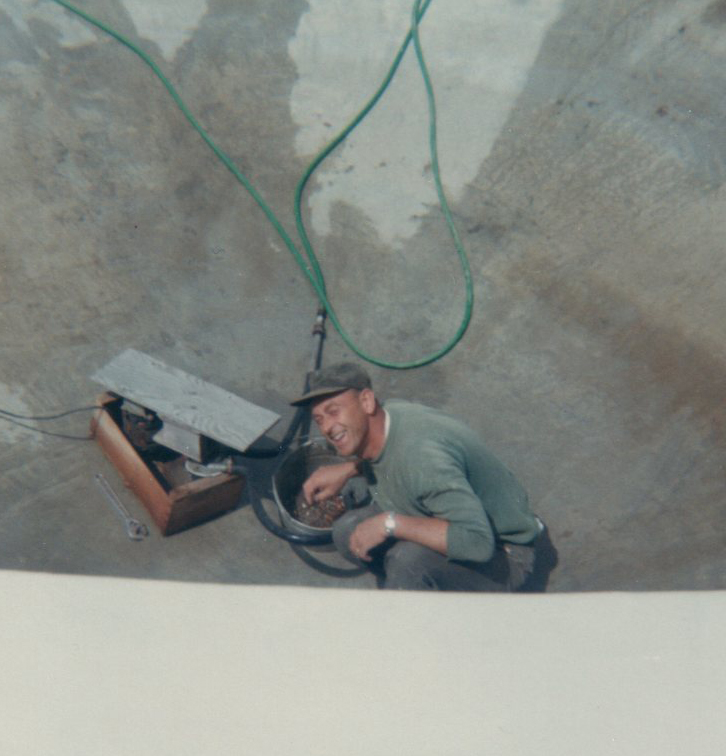
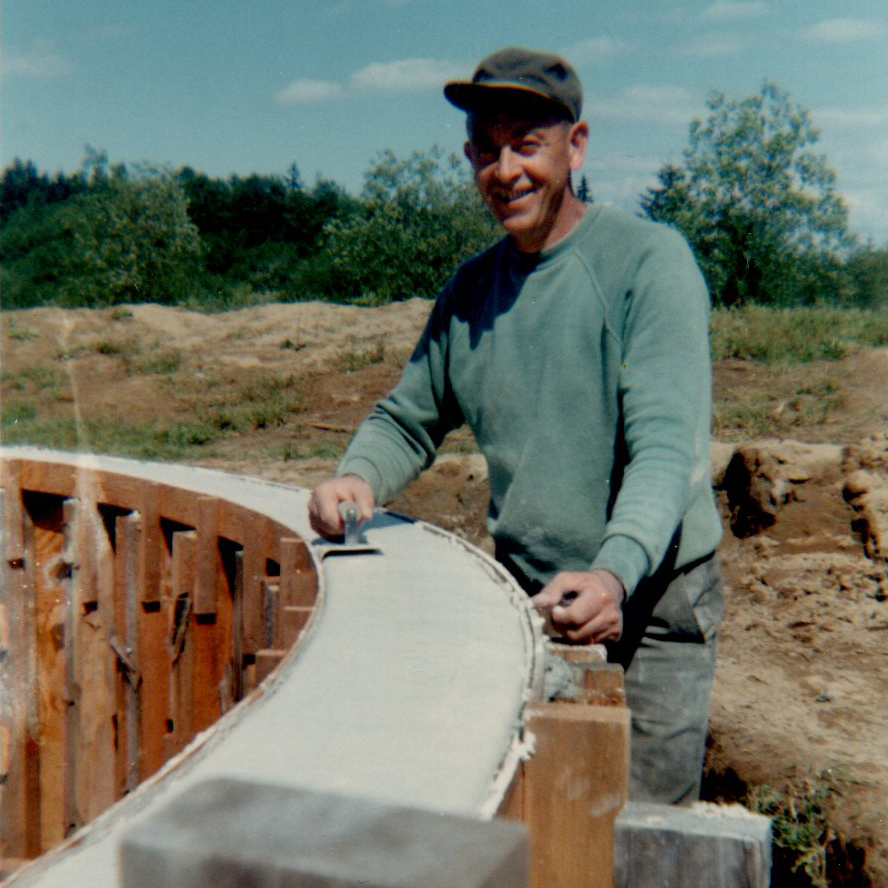
My father was a complex man. As I’ve aged, I understand better where my own complicated nature comes from.

As inscrutable as he could be, there were things I absolutely understood about him:

he was a man of action
– he never just sat, never took a nap, never wasted a day of his life without accomplishing something tangible.

he was a man of the soil
– he plowed and harrowed and sowed and fertilized and weeded and cut brush and harvested

he was a man of inventiveness
– he figured out a better way, he transformed tools and buildings, he started from scratch and built the impossible

he didn’t explain himself
– and never felt the need to.

Time keeps ticking on without him here, now 30 years since he took his last breath as the clock pendulum swung back and forth in his bedroom. He was taken too young for all the projects he still had in mind.

He handed off a few to me.
Some I have done.
Some still wait, I’m not sure why.

My regret is not understanding how much he needed to hear how loved he was. He seemed fine without it being said.

But he wasn’t fine. And neither was I.

I wish I had said it when I had the chance.
I guess I am digging it out from the soil of my heart now.

One-Time
Monthly
Yearly

Make a one-time or recurring donation to support daily Barnstorming posts

Make a monthly donation

Make a yearly donation

Choose an amount

$10.00
$25.00
$50.00
$5.00
$15.00
$100.00
$5.00
$15.00
$100.00

Or enter a custom amount

$

Your contribution is deeply appreciated.

Your contribution is appreciated.

Your contribution is appreciated.

DonateDonate monthlyDonate yearly
That’s You

She wasn’t looking
when they took this picture:
sitting on the grass
in her bare feet
wearing a cotton dress,
she stares off to the side
watching something on the lawn
the camera didn’t catch.
What was it?
A ladybug? A flower?
Judging from her expression,
possibly nothing at all,
or else
the lawn was like a mirror,
and she sat watching herself,
wondering who she was
and how she came to be there
sitting in this backyard,
wearing a cheap, white dress,
imagining that tomorrow
would be like all her yesterdays,
while her parents chatted
and watched, as I do
years later,
too distantly to interfere.
~Dana Gioia, “Photograph of My Mother as a Young Girl” from Daily Horoscope

Seeing photos
of ancestors
a century past

is like looking
at your own
fingerprints—

circles 
and lines
you can’t 
recognize

until someone else
with a stranger’s eye
looks close and says
that’s you.
~Joseph Bruchac, “Prints” from Sing: Poetry from the Indigenous Americas.

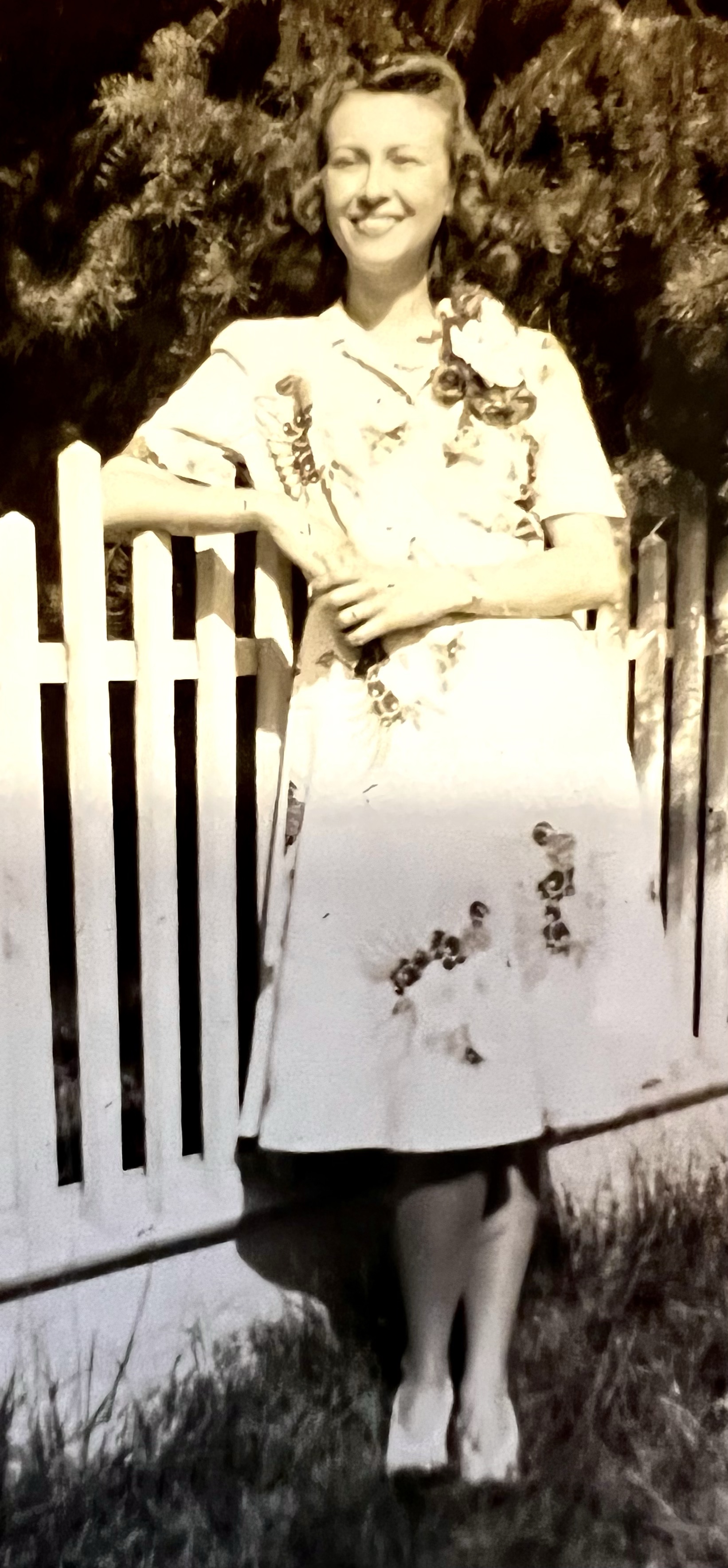
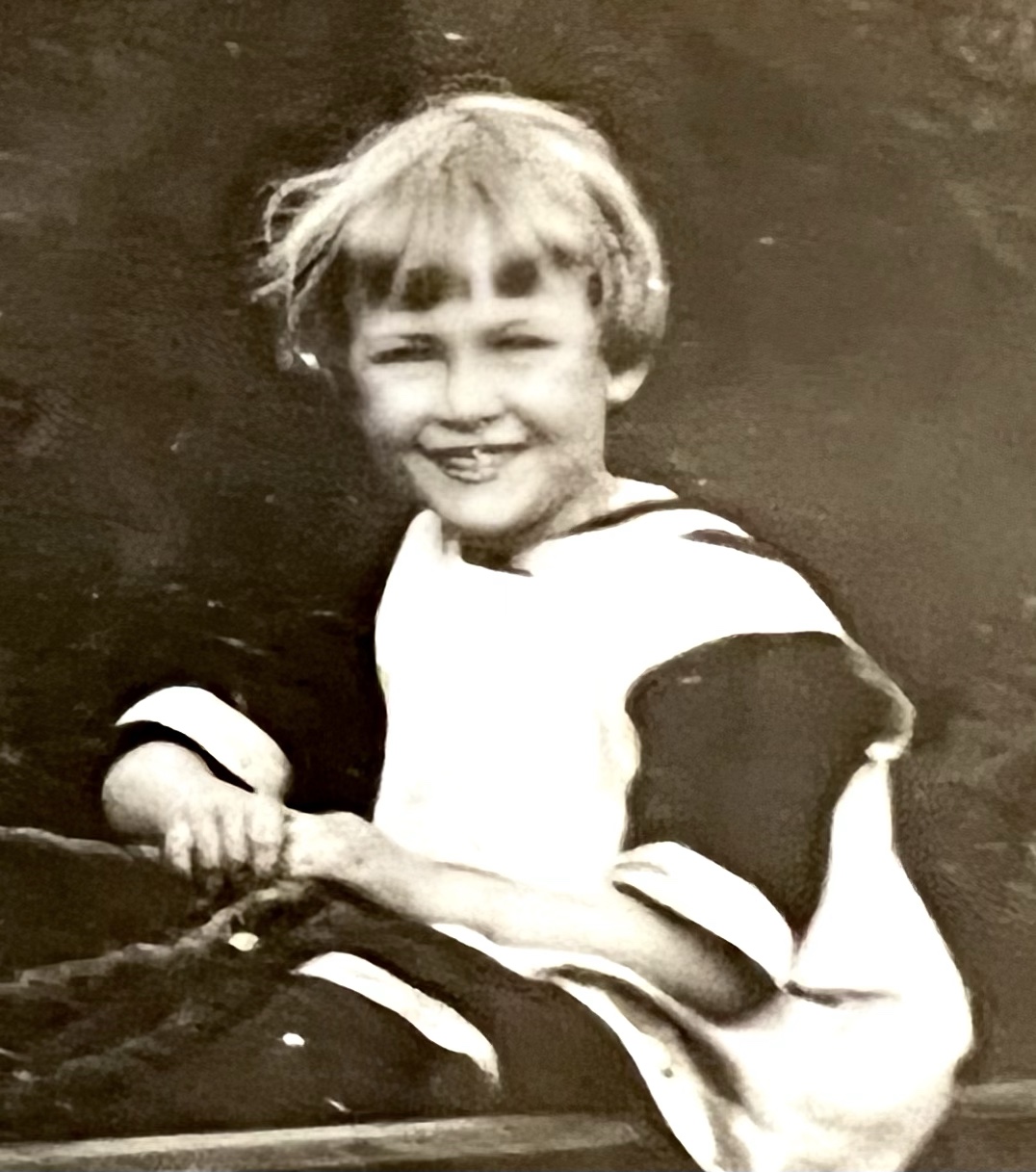
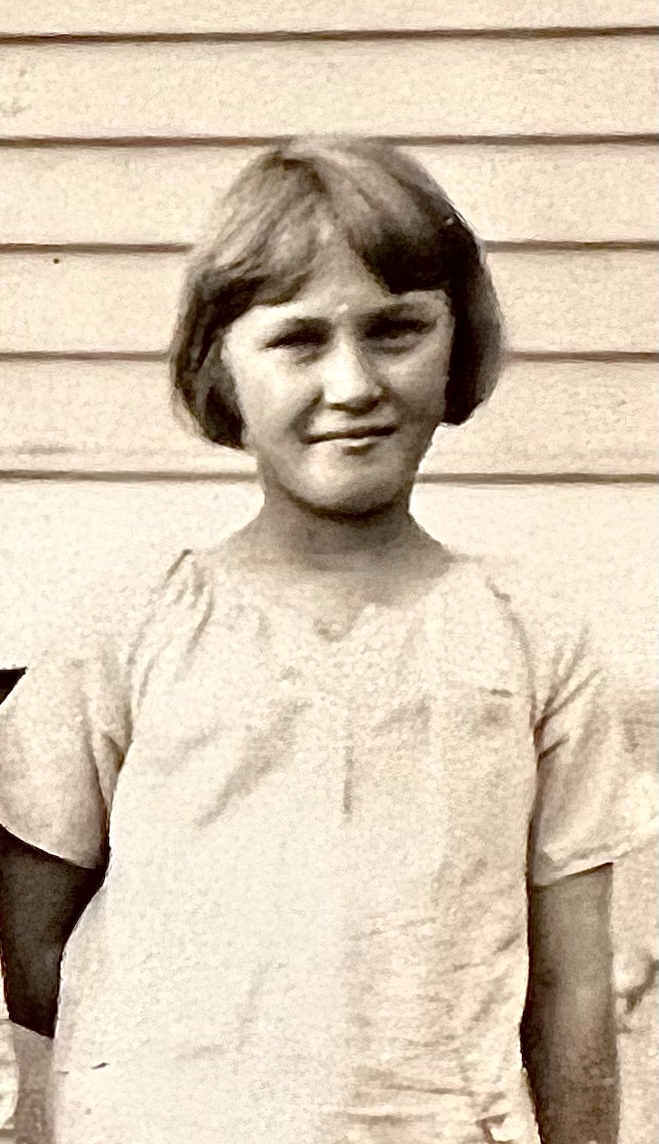
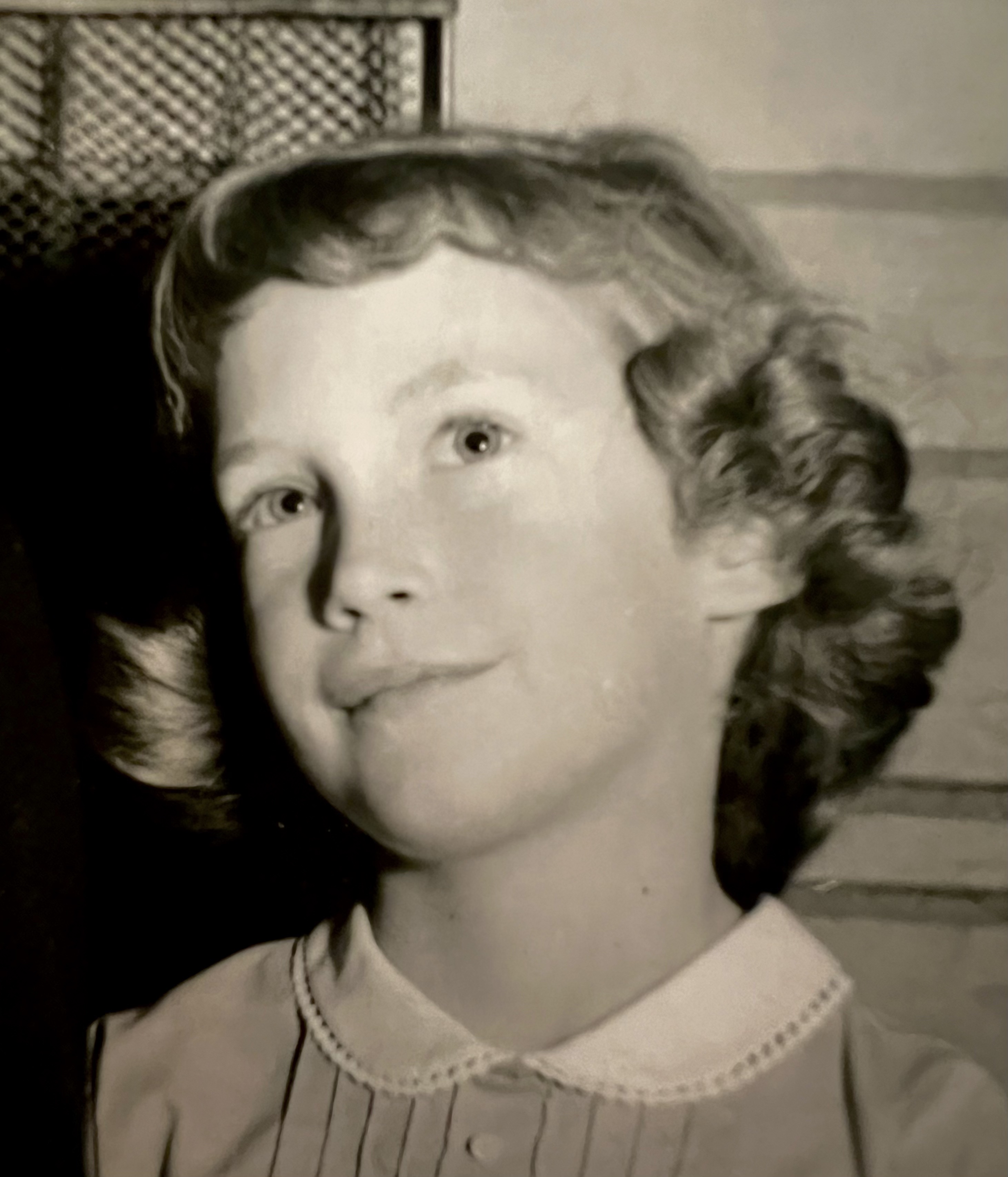
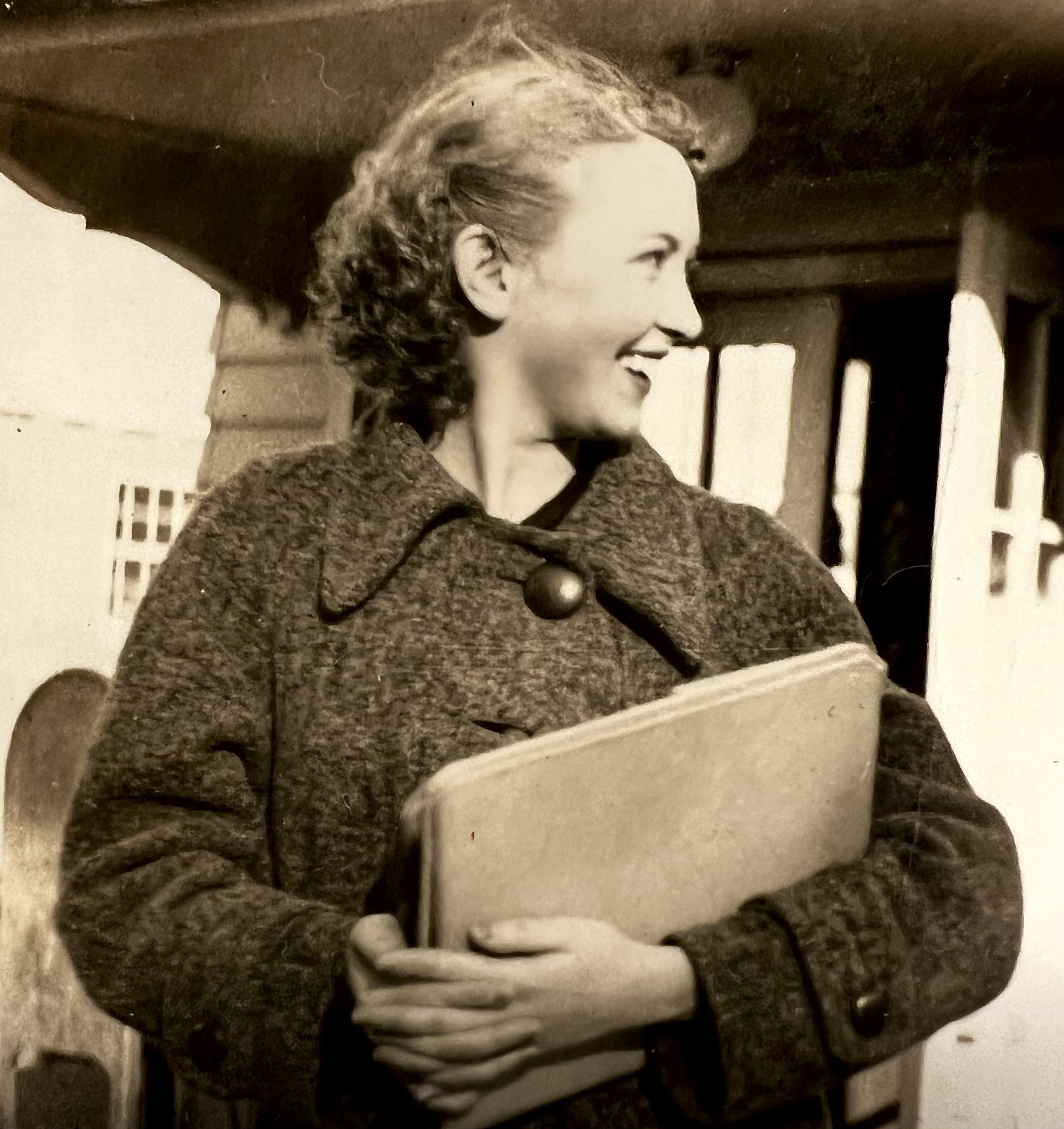
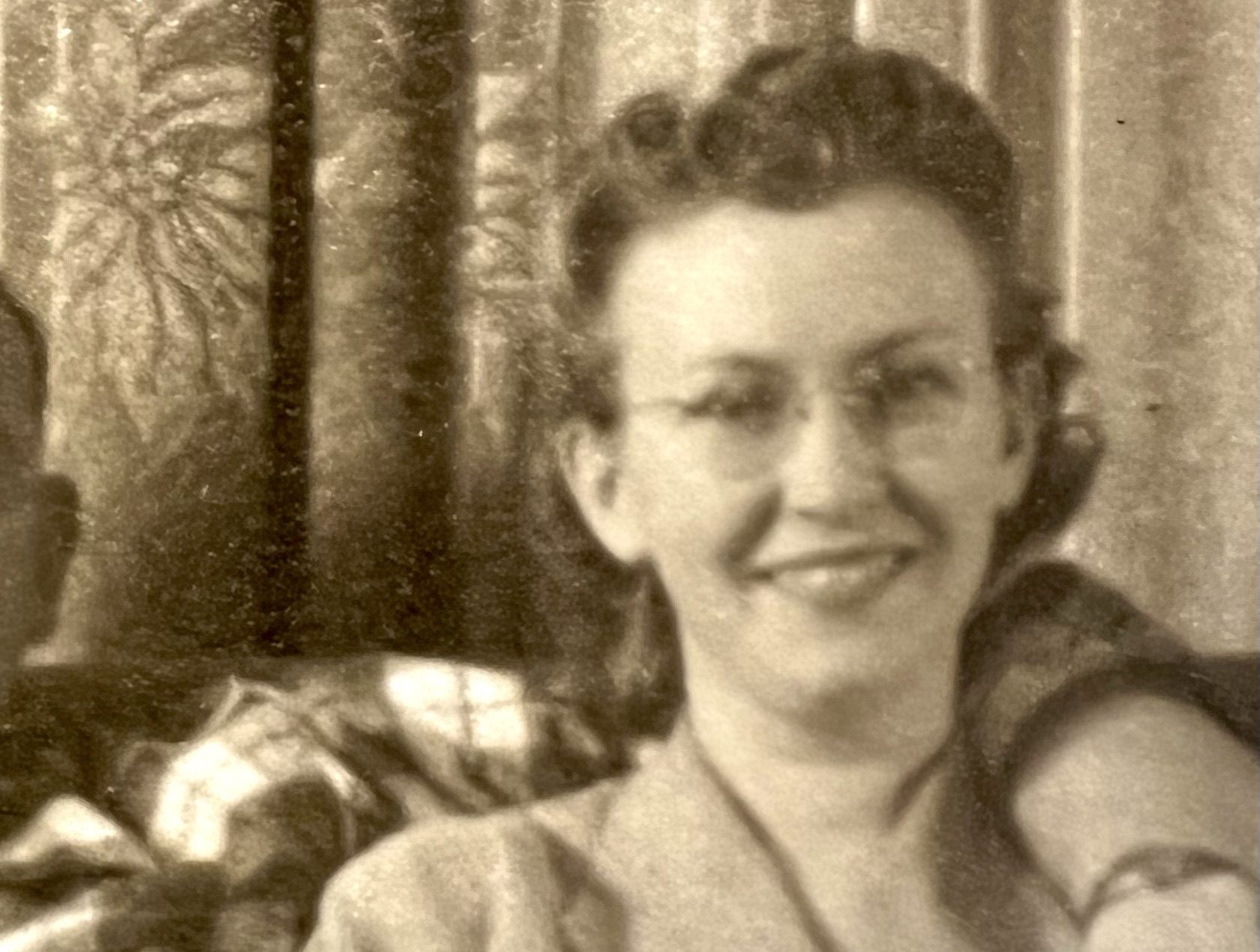
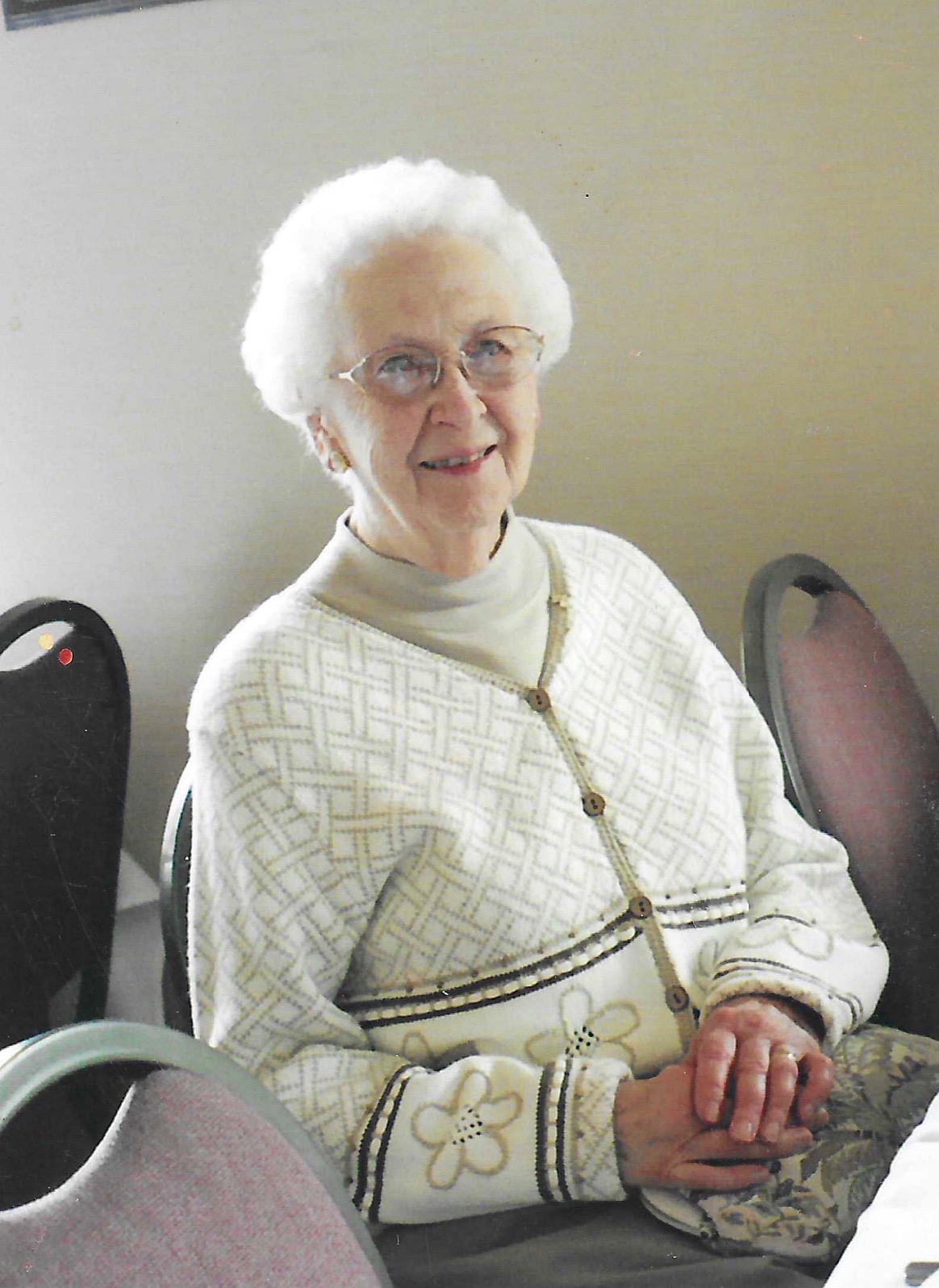
Growing up, it was never obvious to me that I looked like either one of my parents. Once, as a naughty kid, I told them I thought I was adopted as there wasn’t a single photo to be found of my mother looking pregnant (never mind that few women in the 50’s allowed themselves to be photographed pregnant).

Searching the faces of extended family in old photographs, others would comment on the facial similarities between my young mother and me.

And indeed, the older I have become, the more I see my mother looking back at me in the mirror.

The characteristics I inherited from my father aren’t as obvious in the mirror: his persistence and problem-solving, his inability to ever fully relax, his drive to get things done and not give up.

So, yes, that is me in the photos of my mother taken nearly a century ago, as well as those taken not so long ago.

I now recognize me in those photos, grateful to resemble such a loving and lovely mom.

One-Time
Monthly
Yearly

Make a one-time or recurring donation to support daily Barnstorming posts

Make a monthly donation

Make a yearly donation

Choose an amount

$10.00
$25.00
$50.00
$5.00
$15.00
$100.00
$5.00
$15.00
$100.00

Or enter a custom amount

$

Your contribution is deeply appreciated.

Your contribution is appreciated.

Your contribution is appreciated.

DonateDonate monthlyDonate yearly

The Healing Crack in the Coil

Needing them still, I come
when I can, this time to the sea
where we share a room: their double bed,
my single. Morning fog paints the pale
scene even paler. Lace curtains breathing,
the chenille spread folded back,
my father’s feet white sails furled
at the edge of blue pajamas.
Every child’s dream, a parent
in each hand, though this child is fifty.
Their bodies fit easily, with room
to spare. When did they grow
so small? Grow so small—
as if it were possible to swell
backwards into an earlier self.


One more year, I ask the silence.
Last night to launch myself
into sleep I counted their breaths, the tidal
rise and fall I now put my ear to,
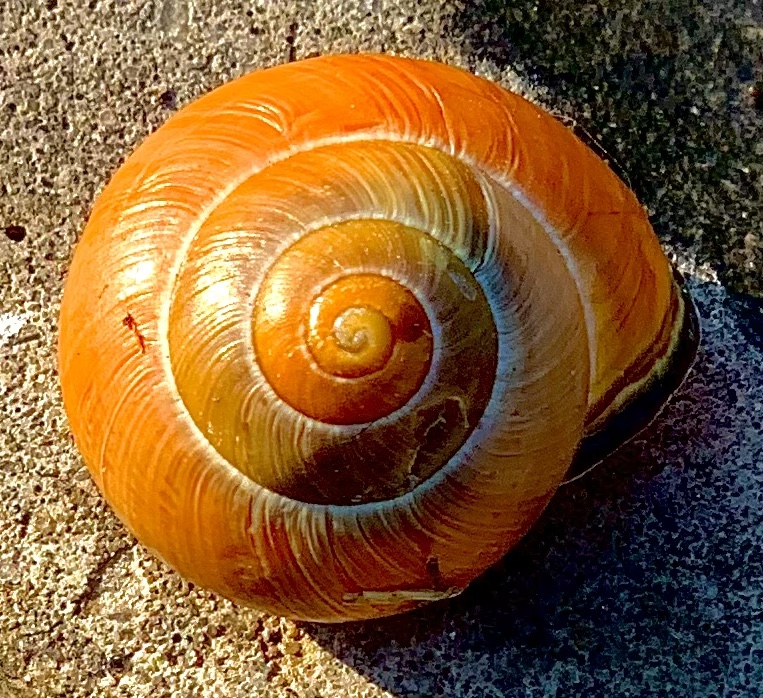
the coiled shell of their lives.
~Rebecca McClanahan from “Watching my Parents Sleeping Beside an Open Window Near the Sea” from Deep Light: New and Selected Poems.

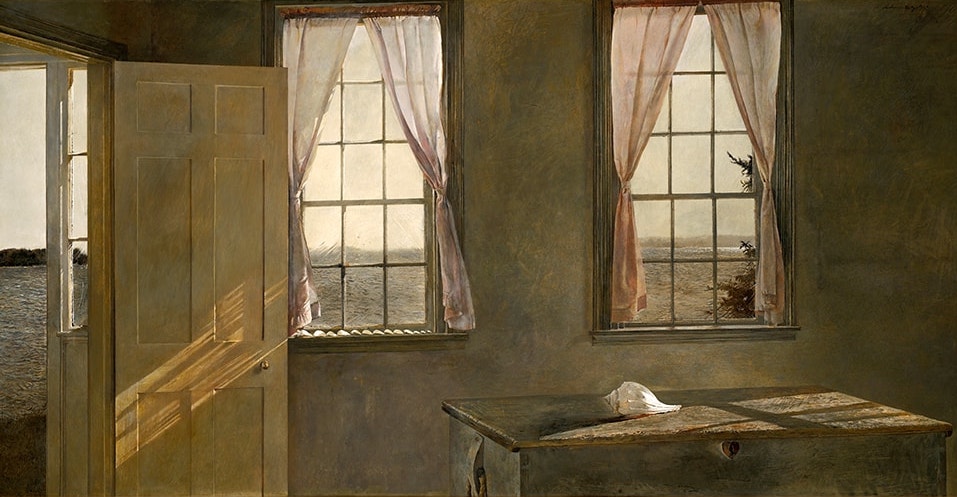
“Her Room” by Andrew Wyeth in the Farnsworth Art Museum

My parents have been gone now for some time, my father 30 years, my mother, nearly 17 years. Their dying was a long process of counted breaths and pauses. I witnessed their bodies curling into themselves, shrinking smaller, worn down by illness and age.

I still miss them as I’m reminded of them by the events of my own life, still wanting them to take me by the hand as I navigate my own daily path.

After mom’s death, those possessions not distributed to family members have remained packed up and stored in our barn buildings. I know it is well past time to deal with their stuff as I become keenly aware of my own graying and aging.

In the house, next to where I write, is a box of over 500 letters written by my mother and father between 1941 and 1945. The letters began as they were getting to know each other at college, going from “pinned” to “engaged” and continue for three and a half more years after a hurried wedding Christmas Eve 1942. By mid-January 1943, my newly minted Marine officer father shipped out to spend the next three years of his life fighting on the battlefields of Saipan, Tinian and Tarawa in the Pacific Ocean, not to return again to the states until late summer of 1945.

My mother wrote her letters from the small rural eastern Washington community of Colville, living in a “teachers’ cottage” with other war wives who taught school while waiting for their husbands to return home – or not.

It took me a decade to find the courage and time to devote to reading these letters they treasured and never threw away. I sorted them unopened by postmark date into some semblance of order and sat down to start at the very beginning, which, of course, is my beginning as well. I opened each one with some trepidation and a lump in my throat about what I might find written there. I worried I may find things I didn’t want to know. I hoped I would find things that I desperately needed to know.

Most of all I wanted to understand the two people who became my parents within the coiled shell of their forty years together, though broken by a painful divorce which lasted a decade. Having lived through that awful time with them, I want to understand the origin of a love which eventually mended their cracked shell of companionship, gluing them back together for five more years before my father died.

As I ponder their words, I too cross a bridge back to them both, my ear pressed to the coiled shell of those fading voices, as if I might still hear the sea, at times bringing them closer, then pulling them farther away.

AI image created for this post
One-Time
Monthly
Yearly

Make a one-time or recurring donation to support daily Barnstorming posts

Make a monthly donation

Make a yearly donation

Choose an amount

$10.00
$25.00
$50.00
$5.00
$15.00
$100.00
$5.00
$15.00
$100.00

Or enter a custom amount

$

Your contribution is deeply appreciated.

Your contribution is appreciated.

Your contribution is appreciated.

DonateDonate monthlyDonate yearly
The Irony of the Search

On Sundays,
when the rain held off,
after lunch or later,
I would go with my twelve year old
daughter into town,
and put down the time
at junk sales, antique fairs.

There I would
lean over tables,
absorbed by
lace, wooden frames,
glass. My daughter stood
at the other end of the room,
her flame-coloured hair
obvious whenever—
which was not often—


I turned around.
I turned around.
She was gone.
Grown. No longer ready
to come with me, whenever
a dry Sunday
held out its promises
of small histories. Endings.


Spirit of irony,
my caustic author
of the past, of memory,—


and of its pain, which returns
hurts, stings—reproach me now,
remind me
that I was in those rooms,
with my child,
with my back turned to her,
searching—oh irony!—
for beautiful things.

~Eavan Boland from “The Necessity for Irony” in The Lost Land.

How is it we look past the golden treasure
right in front of us,
the beauty gifted generously to us,
to pursue the glittery with no value in the long run?

If my history of misplaced focus be forgiven,
it is only because of your own golden and generous grace –
ironically, always the most beautiful object of my searching.

One-Time
Monthly
Yearly

Make a one-time or recurring donation to support daily Barnstorming posts

Make a monthly donation

Make a yearly donation

Choose an amount

$10.00
$25.00
$50.00
$5.00
$15.00
$100.00
$5.00
$15.00
$100.00

Or enter a custom amount

$

Your contribution is appreciated.

Your contribution is appreciated.

Your contribution is appreciated.

DonateDonate monthlyDonate yearly
You Can Have an Abundant August

But you can have the fig tree and its fat leaves like clown hands
gloved with green. You can have the touch of a single eleven-year-old finger on your cheek, waking you at one a.m. to say the hamster is back.


You can have the purr of the cat and the soulful look
of the black dog, the look that says, If I could I would bite
every sorrow until it fled, and when it is August,
you can have August and abundantly so. You can have love,
though often it will be mysterious, like the white foam
that bubbles up at the top of the bean pot over the red kidneys
until you realize foam’s twin is blood.


You can speak a foreign language, sometimes,
and it can mean something. You can visit the marker on the grave
where your father wept openly. You can’t bring back the dead,
but you can have the words forgive and forget hold hands
as if they meant to spend a lifetime together.


You can have your grandfather sitting on the side of your bed,
at least for a while, you can have clouds and letters, the leaping
of distances, and Indian food with yellow sauce like sunrise.


You can’t count on grace to pick you out of a crowd
but here is your friend to teach you how to high jump,
how to throw yourself over the bar, backwards,
until you learn about love, about sweet surrender,
and here are periwinkles, buses that kneel, farms in the mind
as real as Africa.


And when adulthood fails you,
you can still summon the memory of the black swan on the pond
of your childhood, the rye bread with peanut butter and bananas
your grandmother gave you while the rest of the family slept.
There is the voice you can still summon at will, like your mother’s,
it will always whisper, you can’t have it all,
but there is this.
~Barbara Ras from “You Can’t Have It All” from Bite Every Sorrow

My pragmatic mother gave up her teaching career for marriage and family so would remind me regularly that I couldn’t have it all:
there was no way a woman can have a husband and children and a farm and a garden and animals and a profession and write and travel and volunteer in the community and not make a mess of it all and herself.

My father would listen to her and say to me softly under his breath: “you do whatever you put your mind to…you know what you are here for.”

They were both right.

The alluring abundance of this life has invited me to want to touch and feel and taste it all, not unlike another woman who was placed with purpose in the Garden to be a side-by-side companion and co-worker. Yet she demonstrated what happens when you want more than you are given and yes, she indeed made a mess of things.

Yet there is this:
despite wanting it all and working hard for it all
and believing I could do it all,
I missed the point altogether.

Life is all gift, never earned.
Life is all grace, not deserved.
It is all August abundance,
it is right now,
sustaining us through the year’s
droughts and floods and storms and drab gray weather.

And there is this:
I know what I am here for.

One-Time
Monthly
Yearly

Make a one-time or recurring donation to support daily Barnstorming posts

Make a monthly donation

Make a yearly donation

Choose an amount

$10.00
$25.00
$50.00
$5.00
$15.00
$100.00
$5.00
$15.00
$100.00

Or enter a custom amount

$

Your contribution is deeply appreciated.

Your contribution is appreciated.

Your contribution is appreciated.

DonateDonate monthlyDonate yearly
You May Not Realize…

Without realizing it, we fill
important places in each others’ lives.
It’s that way with the guy at the corner grocery,

the mechanic at the local garage,
the family doctor, teachers, neighbors, coworkers.


Good people who are always “there,”
who can be relied upon in

small, important ways.
People who teach us,
bless us, encourage us, support us,
uplift us in the dailiness of life.

We never tell them.
I don’t know why, but we don’t.

And, of course, we fill that role ourselves.
There are those who depend on us, watch us,
learn from us, take from us.
And we never know.

You may never have proof of your importance,
but you are more important than you think.
There are always those who couldn’t do without you.
The rub is that you don’t always know who.
~Robert Fulghum from All I Really Need to Know I Learned in Kindergarten

If there is one thing living through the pandemic taught me, it’s noticing the people in my life who may have not been as obvious to me before. I hadn’t realized how many folks truly are front-line serving others day-in and day-out.

It’s not only health care workers, grocery store clerks and school teachers but the list of essential workers is large, including law enforcement, plumbers and electricians, child care workers, water, sanitation and sewer maintenance, pastors, postal clerks, technicians who fix our cars and appliances and the farmers who tend the crops and livestock we need to live, as well as scores of others.

We are remarkably interdependent and need each other.

I realized how oblivious I had been before not taking the time to acknowledge the daily services I received from so many varied people. In fact, it has become more urgent for me to tell my family members and friends – some thousands of miles away from me – how much they mean to me.

Now, in non-pandemic times, I try to tell others – the grocery cashier, the medical assistant, the office receptionist – as simply and clearly as I can, whenever possible, that I appreciate what they have done and what they continue to do, how they make life better for us all.

I also need to continue to nurture relationships with family and friends crucial to my own well-being. I need them all.

I need you all.

And it is important to me that you know.

Well over a thousand of you receive these daily Barnstorming emails and posts – a handful of you communicate with me regularly.
I treasure those messages, thank you!

We all need encouragement that we are making a positive difference in others’ lives and you all make a difference to me.

You can always reach me by commenting on posts or emailing me privately at emilypgibson@gmail.com or giving anonymous feedback at https://barnstorming.blog/barnstormingreviews/

One-Time
Monthly
Yearly

Make a one-time or recurring donation to support daily Barnstorming posts

Make a monthly donation

Make a yearly donation

Choose an amount

$10.00
$25.00
$50.00
$5.00
$15.00
$100.00
$5.00
$15.00
$100.00

Or enter a custom amount

$

Your contribution is deeply appreciated.

Your contribution is appreciated.

Your contribution is appreciated.

DonateDonate monthlyDonate yearly
What to Say Next

I’ve placed her favorites—
fresh raspberries, string cheese,
a glass of milk in the giraffe cup—
on her highchair tray.

As she munches away,
swinging her short legs,
she asks thoughtfully,
Grandma, are you
pooping?

I continue my bite of oatmeal,
take a sip of coffee,
respond—No darling.
How about you?

She isn’t either—
as we both wonder
what to say next.
~Laura Foley “Breakfast Conversation” from It’s This

I heard an old man speak once,
someone who had been sober for fifty years,
a very prominent doctor.
He said that he’d finally figured out a few years ago
that his profound sense of control,
in the world and over his life,
is another addiction and a total illusion.
He said that when he sees little kids sitting in the back seat of cars,
in those car seats that have steering wheels,
with grim expressions of concentration on their faces,
clearly convinced that their efforts are causing the car
to do whatever it is doing,
he thinks of himself
and his relationship with God:
God who drives along silently,
gently amused,
in the real driver’s seat.

~Anne Lamott from Operating Instructions

The conversations I have with my grandchildren
are the most unexpected and creative I have with anyone.

They lead, and I follow.
Just to see where they are going to take me next.

They are curious what I think about things.
And I want to know what they’ll say and do next,
today and in the decades to come.

All the while, God, always in control, smiles at all He has made…

AI image created for this post
One-Time
Monthly
Yearly

Make a one-time or recurring donation to support daily Barnstorming posts

Make a monthly donation

Make a yearly donation

Choose an amount

$10.00
$25.00
$50.00
$5.00
$15.00
$100.00
$5.00
$15.00
$100.00

Or enter a custom amount

$

Your contribution is deeply appreciated.

Your contribution is appreciated.

Your contribution is appreciated.

DonateDonate monthlyDonate yearly
Renewed Pulse

The cold remote islands
And the blue estuaries
Where what breathes, breathes
The restless wind of the inlets,
And what drinks, drinks
The incoming tide;


Where shell and weed
Wait upon the salt wash of the sea,
And the clear nights of stars
Swing their lights westward
To set behind the land;


Where the pulse clinging to the rocks
Renews itself forever;
Where, again on cloudless nights,
The water reflects
The firmament’s partial setting;

—O remember
In your narrowing dark hours
That more things move
Than blood in the heart.

Louise Bogan “Night” from The Blue Estuaries

 I know what my heart is like
Since your love died:
It is like a hollow ledge
Holding a little pool
Left there by the tide,
A little tepid pool,
Drying inward from the edge.
~Edna St. Vincent Millay “Ebb”

My mother was 58 when my father left her for a younger woman. 

For months, she withered,
her heart broken, her pulse erratic,
crying until there were no more tears left.

She began drying inward from her edges
despite the ebbing and flowing
of her heartbeat.

It took ten years,
but he came back like an overdue high tide.  

She was sure her love had died
but that tepid pool refilled
with water cool to the touch,
yet overflowing.

AI image created for this post
One-Time
Monthly
Yearly

Make a one-time or recurring donation to support daily Barnstorming posts

Make a monthly donation

Make a yearly donation

Choose an amount

$10.00
$25.00
$50.00
$5.00
$15.00
$100.00
$5.00
$15.00
$100.00

Or enter a custom amount

$

Your contribution is deeply appreciated.

Your contribution is appreciated.

Your contribution is appreciated.

DonateDonate monthlyDonate yearly
Rising Up From the Darkness

My father taught me how to eat breakfast
those mornings when it was my turn to help
him milk the cows. I loved rising up from

the darkness and coming quietly down
the stairs while the others were still sleeping.
I’d take a bowl from the cupboard, a spoon

from the drawer, and slip into the pantry
where he was already eating spoonfuls
of cornflakes covered with mashed strawberries

from our own strawberry fields forever.
Didn’t talk much—except to mention how
good the strawberries tasted or the way

those clouds hung over the hay barn roof.
Simple—that’s how we started up the day.

~Joyce Sutphen, “Breakfast” from First Words, Red Dragonfly.

By the time I was four years old, my family owned several Guernsey and Jersey dairy cows my father milked by hand twice a day. My mother pasteurized the milk on our wood stove and we grew up drinking the best milk on earth, as well as enjoying home-made butter and ice cream.

One of my fondest early memories is getting up early with my dad, before he needed to be at school teaching FFA agriculture students (Future Farmers of America). I would eat breakfast with him and then walk out into the foggy fall mornings with our dog to bring in the cows for milking. He would boost me up on top of a very bony-backed chestnut and white patchwork cow while he washed her udder and set to work milking.

I would sometimes sing songs from up there on my perch and my dad would whistle since he didn’t sing.

I can still hear the rhythmic sound of the milk squirting into the stainless steel bucket – the high-pitched metallic whoosh initially and then a more gurgling low wet sound as the bucket filled up. I can see my dad’s capped forehead resting against the flank of the cow as he leaned into the muscular work of squeezing the udder teats, each in turn. I can hear the cow’s chewing her breakfast of alfalfa and grain as I balanced on her prominent spine feeling her smooth hair over her ribs. The barn cats circulated around us, mewing, attracted by the warm milky fragrance in the air.

Those were preciously simple starts to the day for me and my father, whose thoughts he didn’t articulate nor I could ever quite discern. But I did know I wasn’t only his daughter on mornings like that – I was one of his future farmers of America he dedicated his life to teaching.

Dad, even without you saying much, those were mornings when my every sense was awakened. I’ve never forgotten that- the best start to the day.

AI image created for this post
One-Time
Monthly
Yearly

Make a one-time or recurring donation to support daily Barnstorming posts

Make a monthly donation

Make a yearly donation
Choose an amount

$10.00
$25.00
$50.00
$5.00
$15.00
$100.00
$5.00
$15.00
$100.00

Or enter a custom amount

$

Your contribution is deeply appreciated.
Your contribution is appreciated.

Your contribution is appreciated.

DonateDonate monthlyDonate yearly