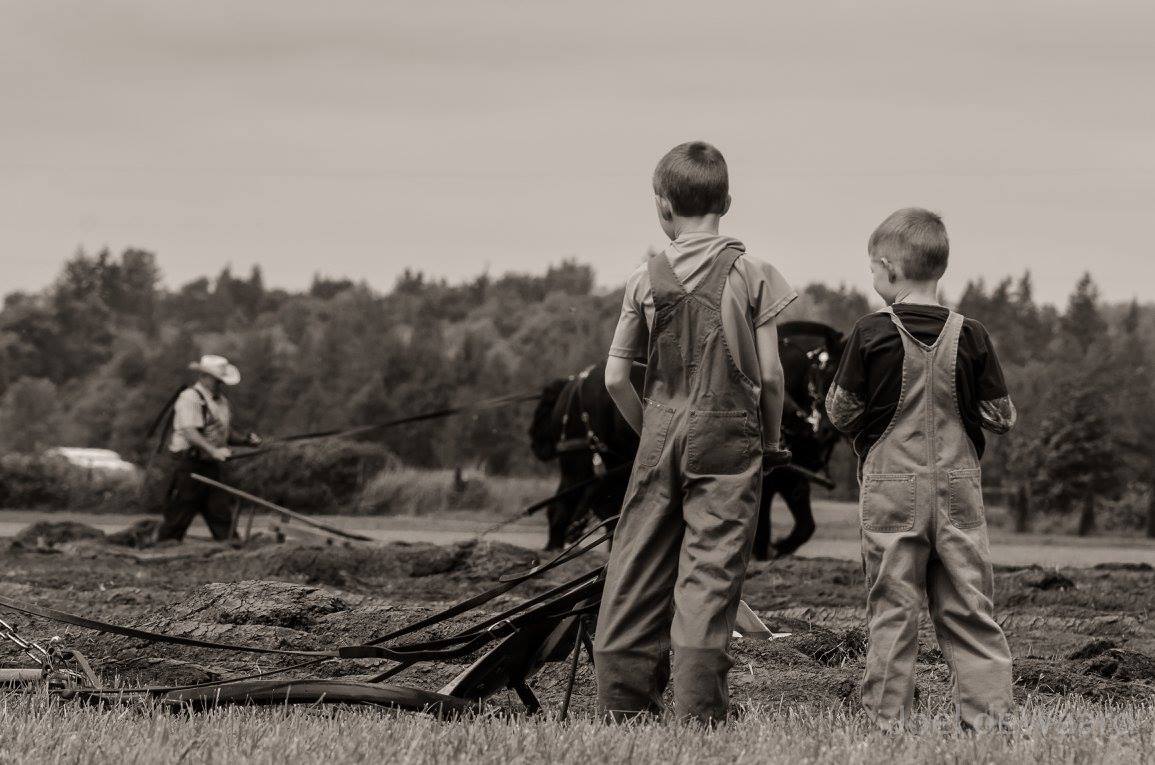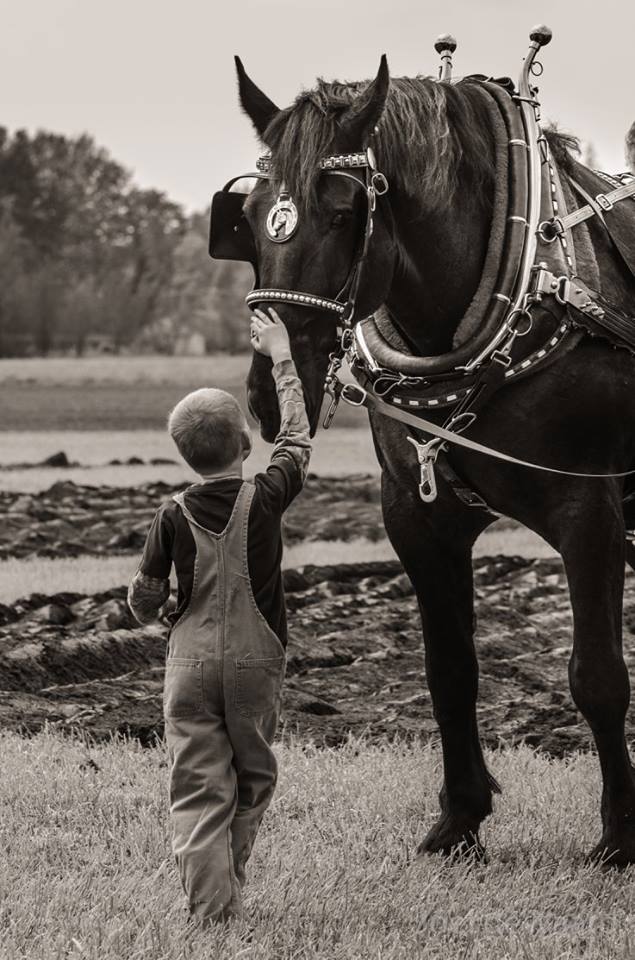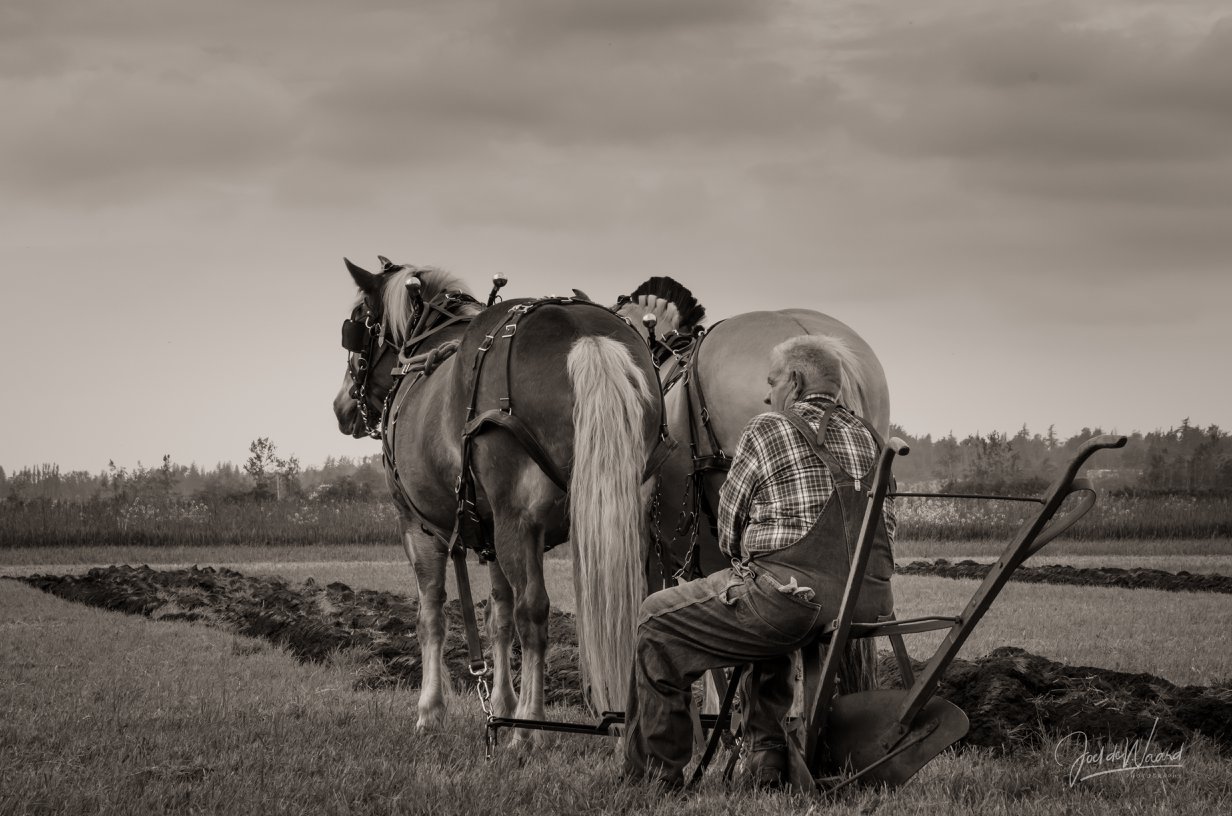
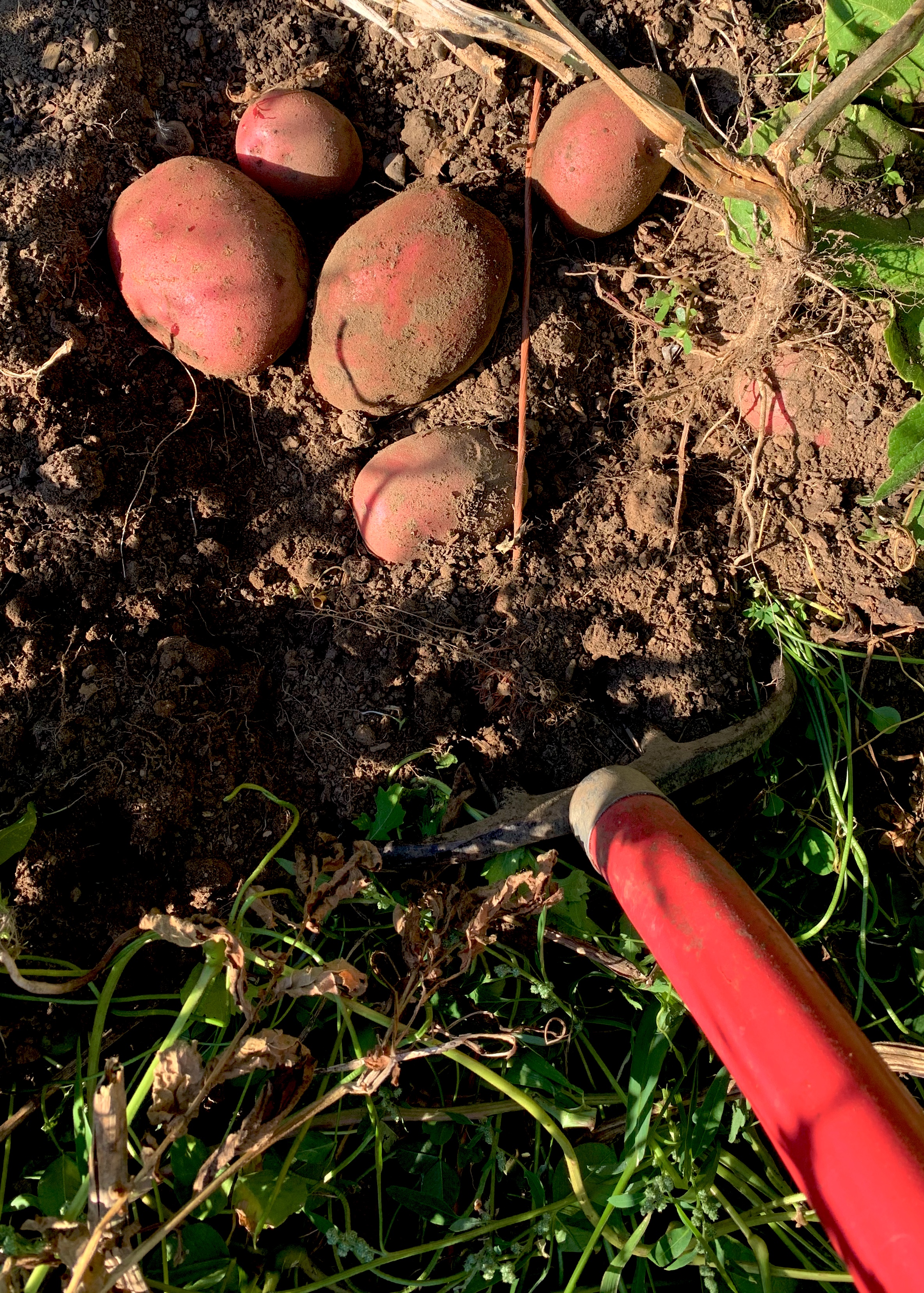
What Hard Work Yields


I look for the spade
I used when I was young,
when my grandfather said dig
and I dug holes
the depth I’d been taught
so the posts would stand,
hold the miles of barbed and hog wire
dividing our ground… Dig, he would say,

and all morning, afternoon,
until it rained, until dark,
until I couldn’t lift the spade and grub
and he said enough,
I dug through dry brown
until it turned yellow clay
or black earth caked
to the tip of the steel. He taught me to measure
strength by depth,
narrow the hole around the oiled post,
and sturdy the line he’d laid
before I was old enough
to blister from work,
acquire the knowledge of straight,
of strength, cool soil,
rusted staples and splintered wood,
the knowledge of bending spikes
new, splicing wire,
swinging a hammer down hard,
the ache from hours of digging,
calloused hands and sunburn.
He trained me to rake,
tamp, stomp, pack dirt and clay,
the weight of the earth around the post,
its strength into the line.

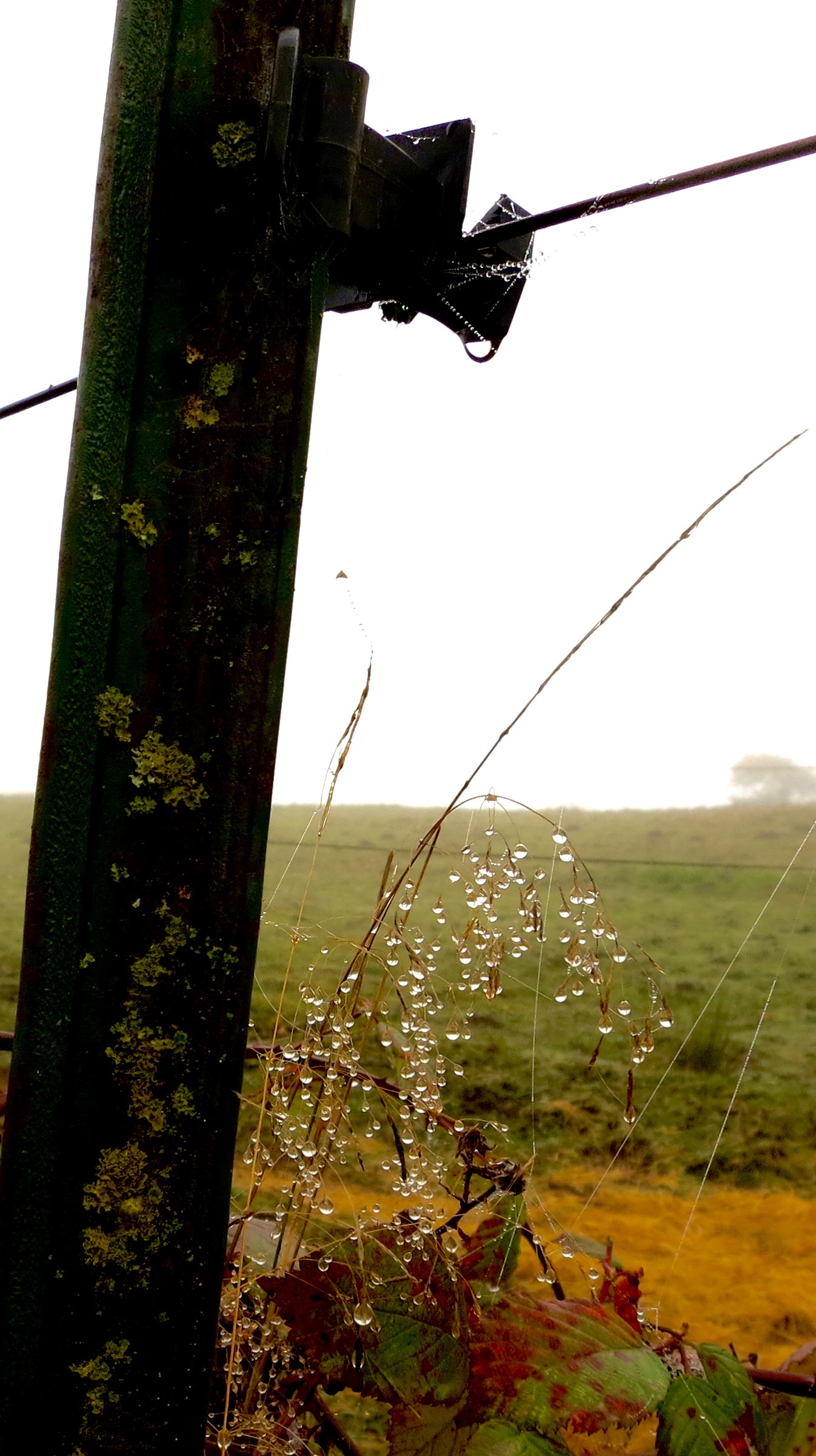
Now the hammers, pliers and cutters are gone.
No rolls of wire hang from the beams.
No boxes of staples and spikes jam the shelves.
The tamping stick is broken.
Someone has wrapped duct tape around the spade handle;
the steel has rusted brown and rough;
a crack climbs from the tip to the mud-caked neck.
He would say it is useless,
that things are not like they were
~Curtis Bauer from “A Fence Line Running Through It”
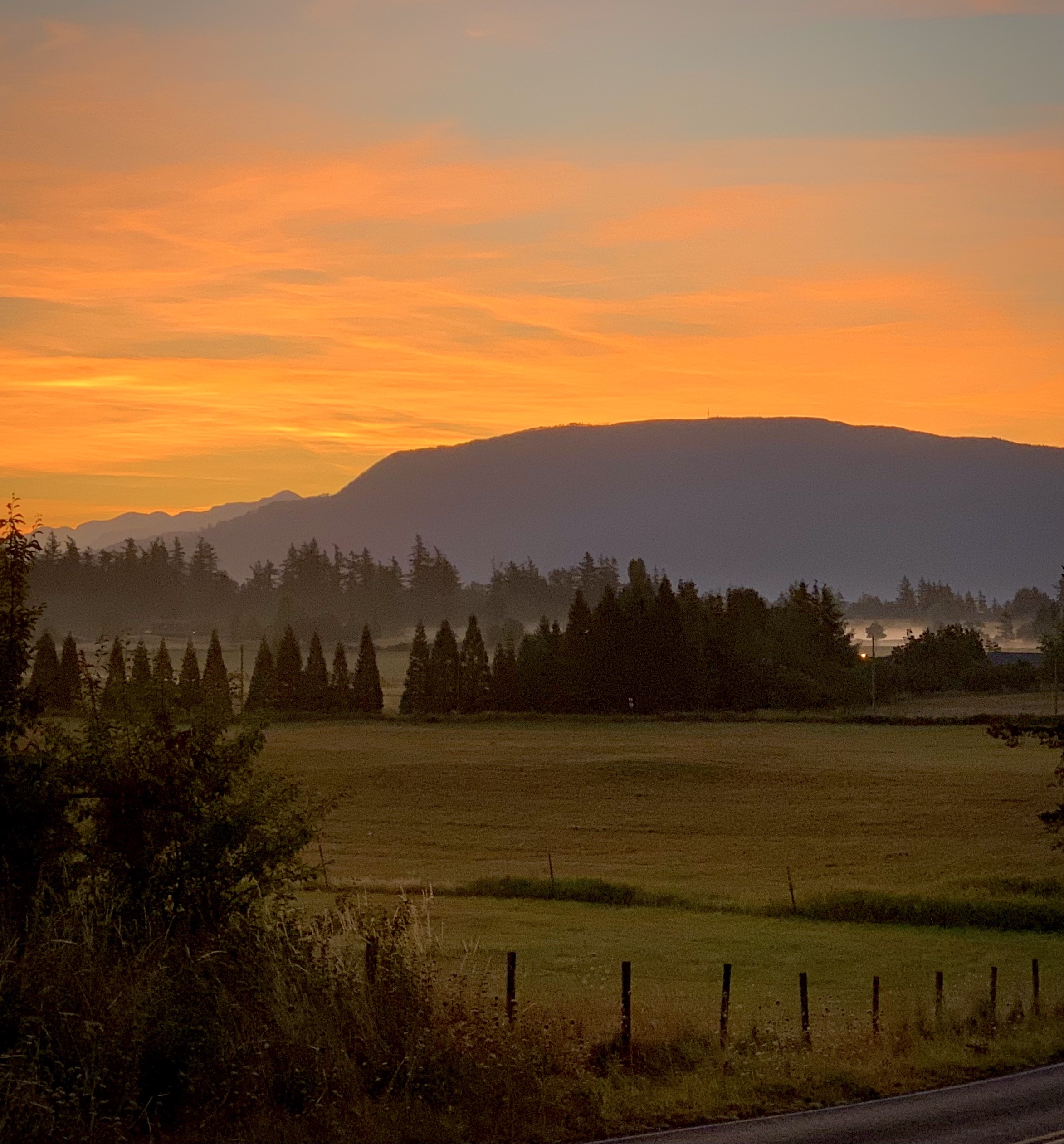
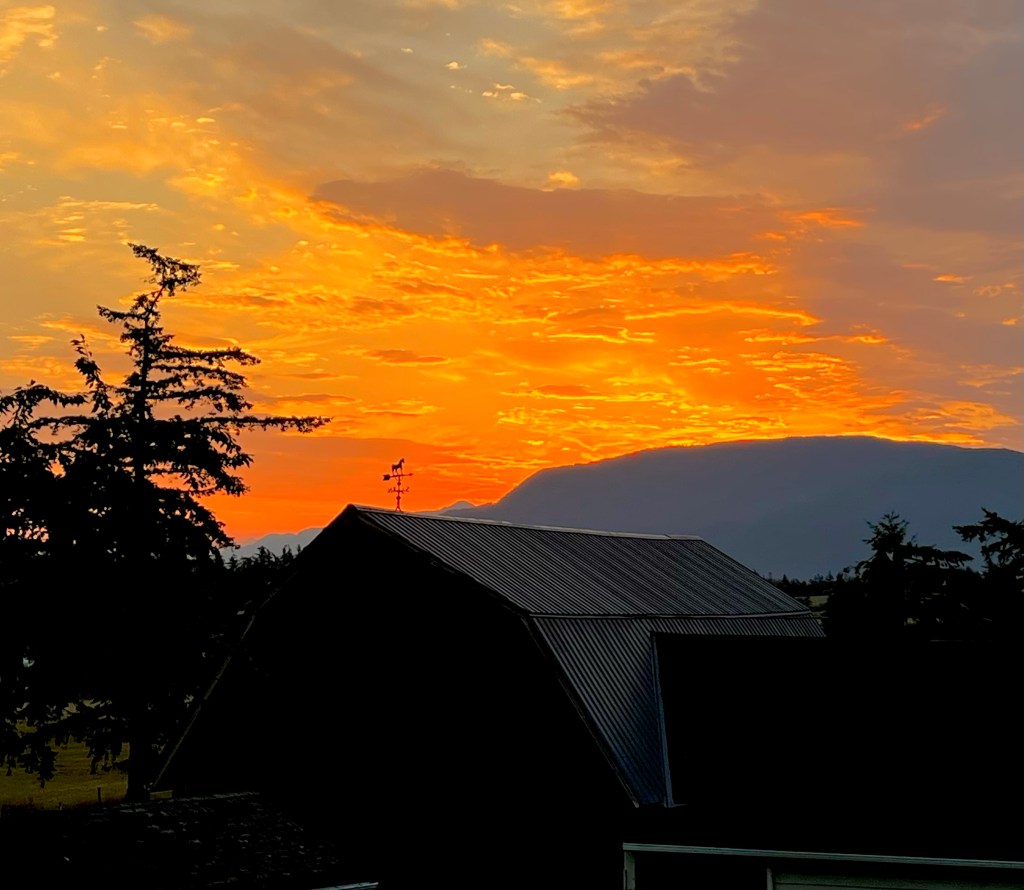
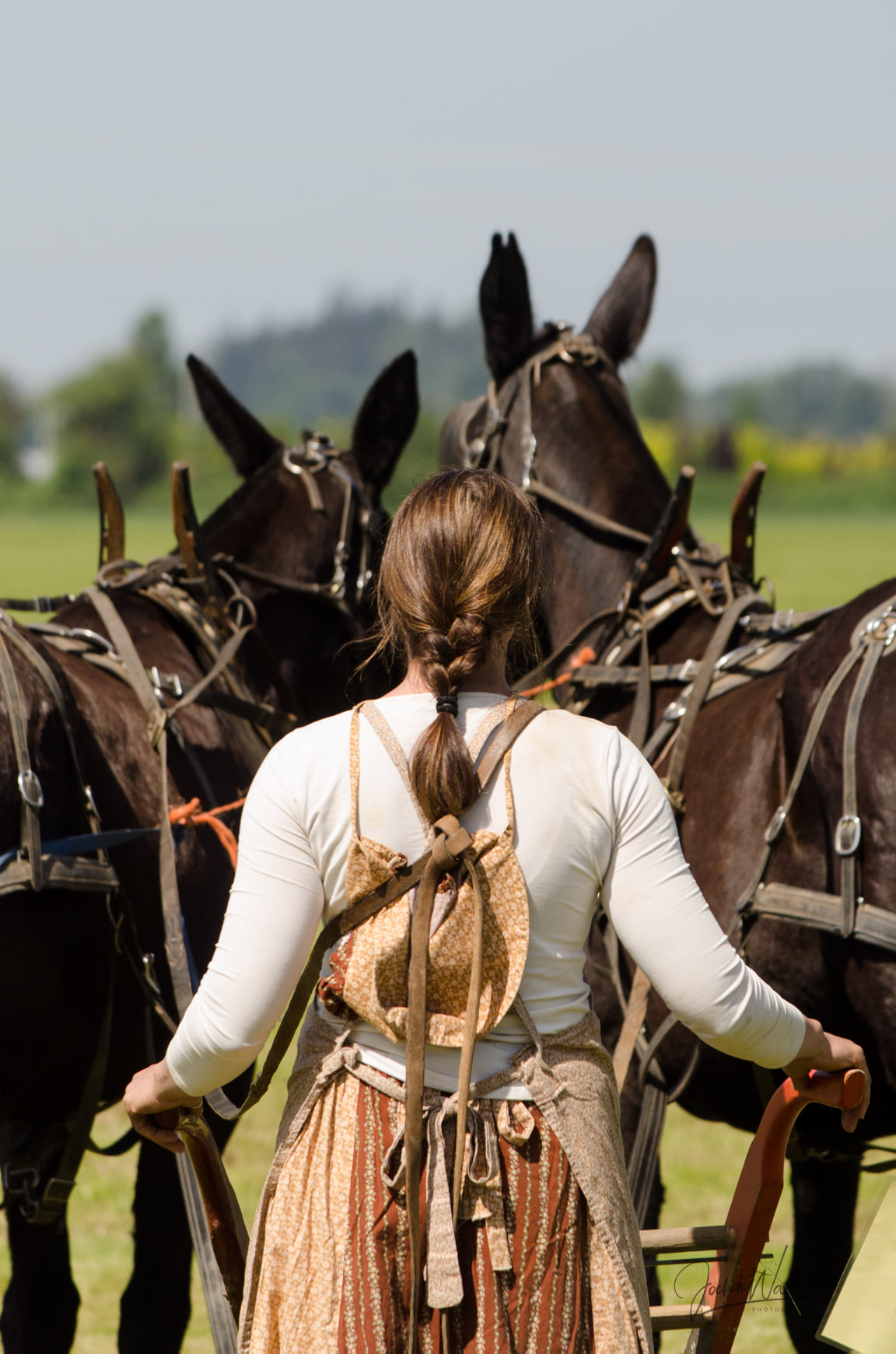
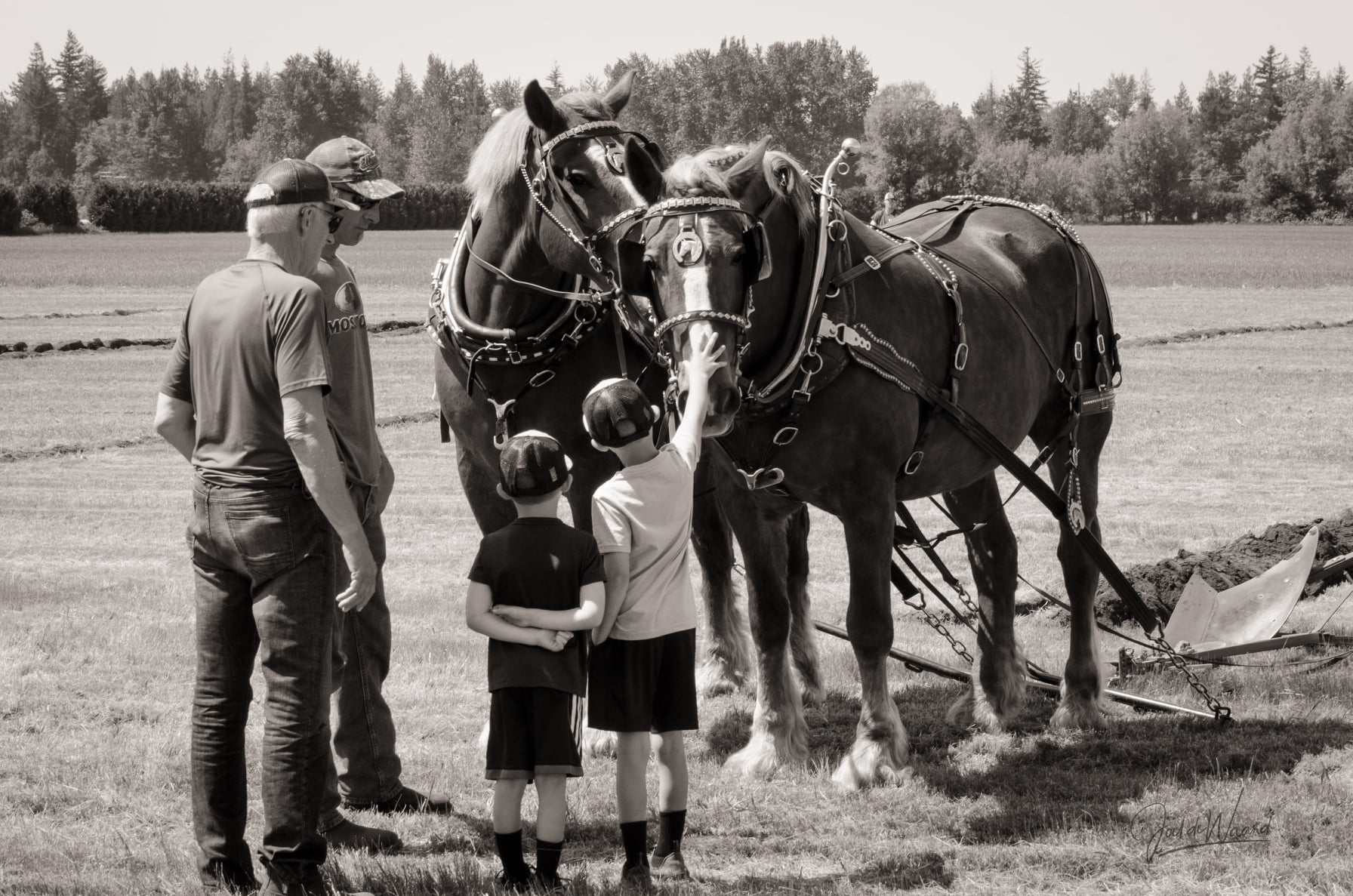
The old farmers in our county are dying off,
the ones who remember
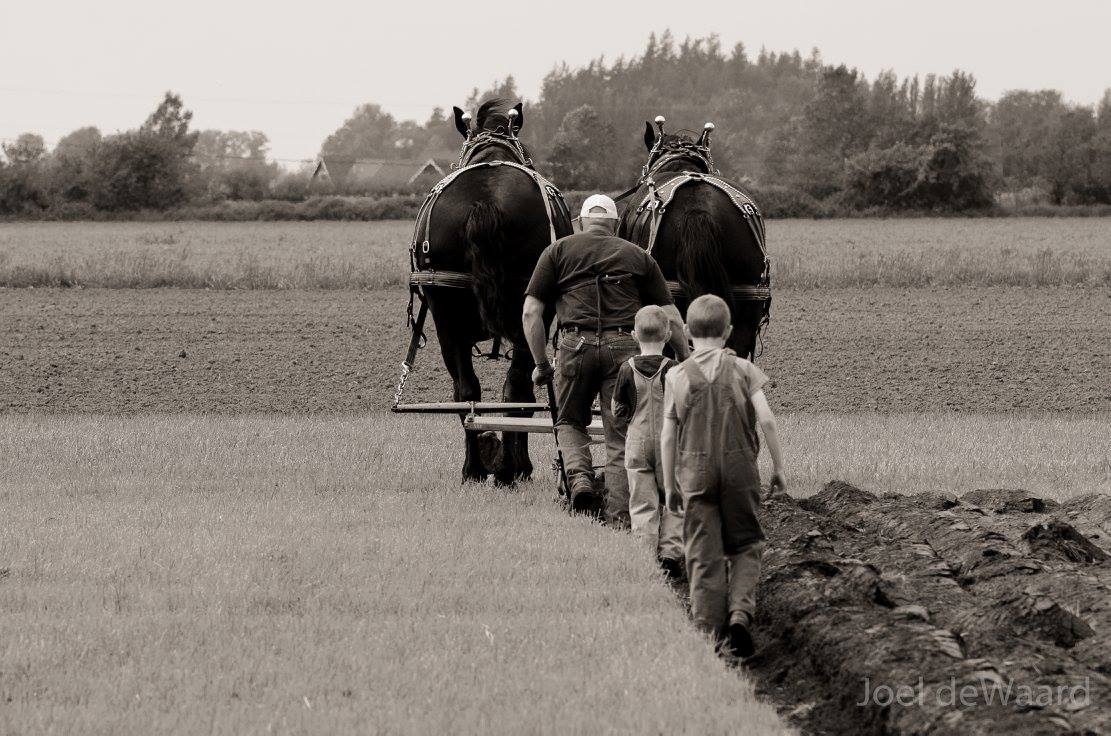
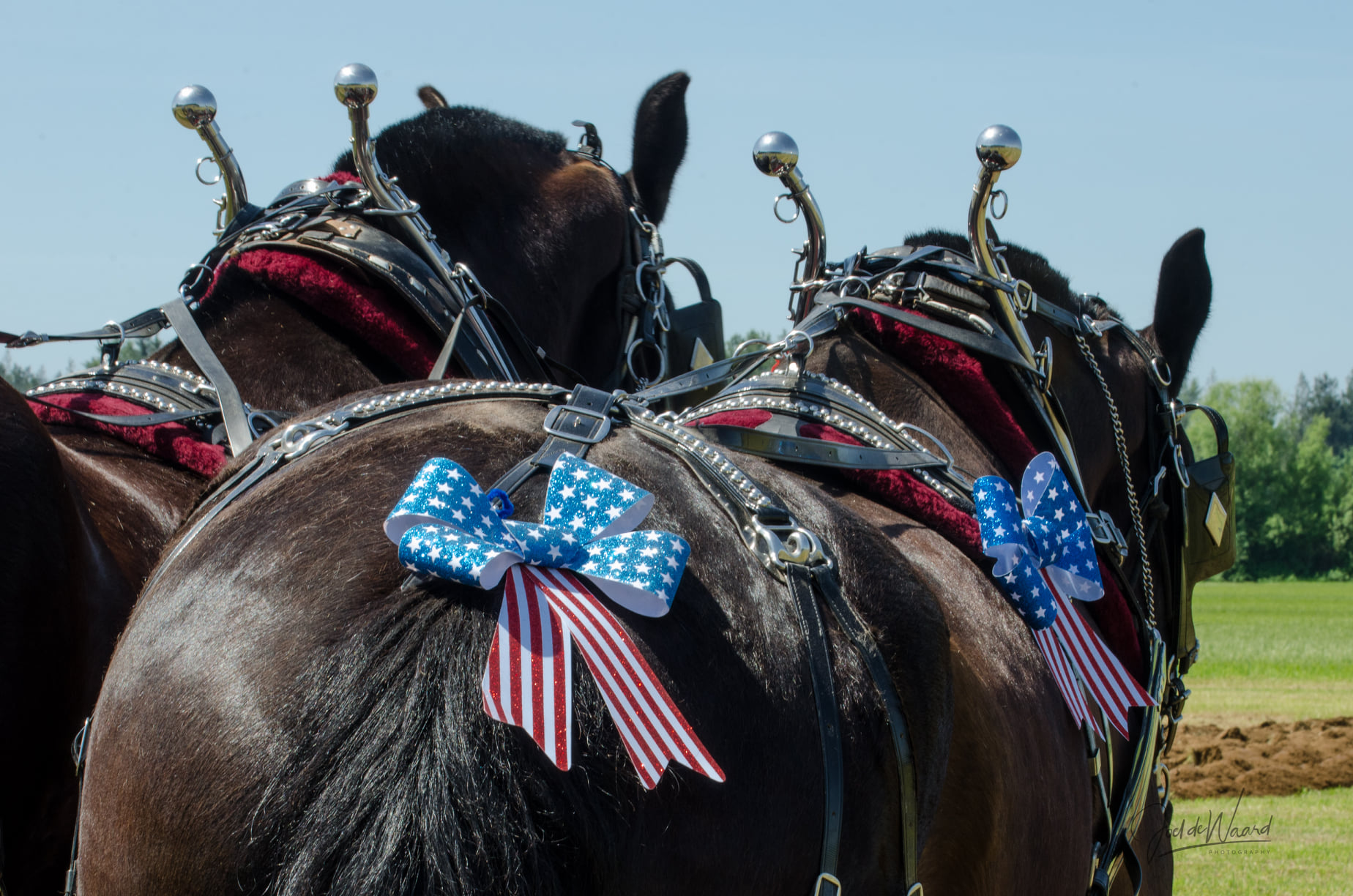
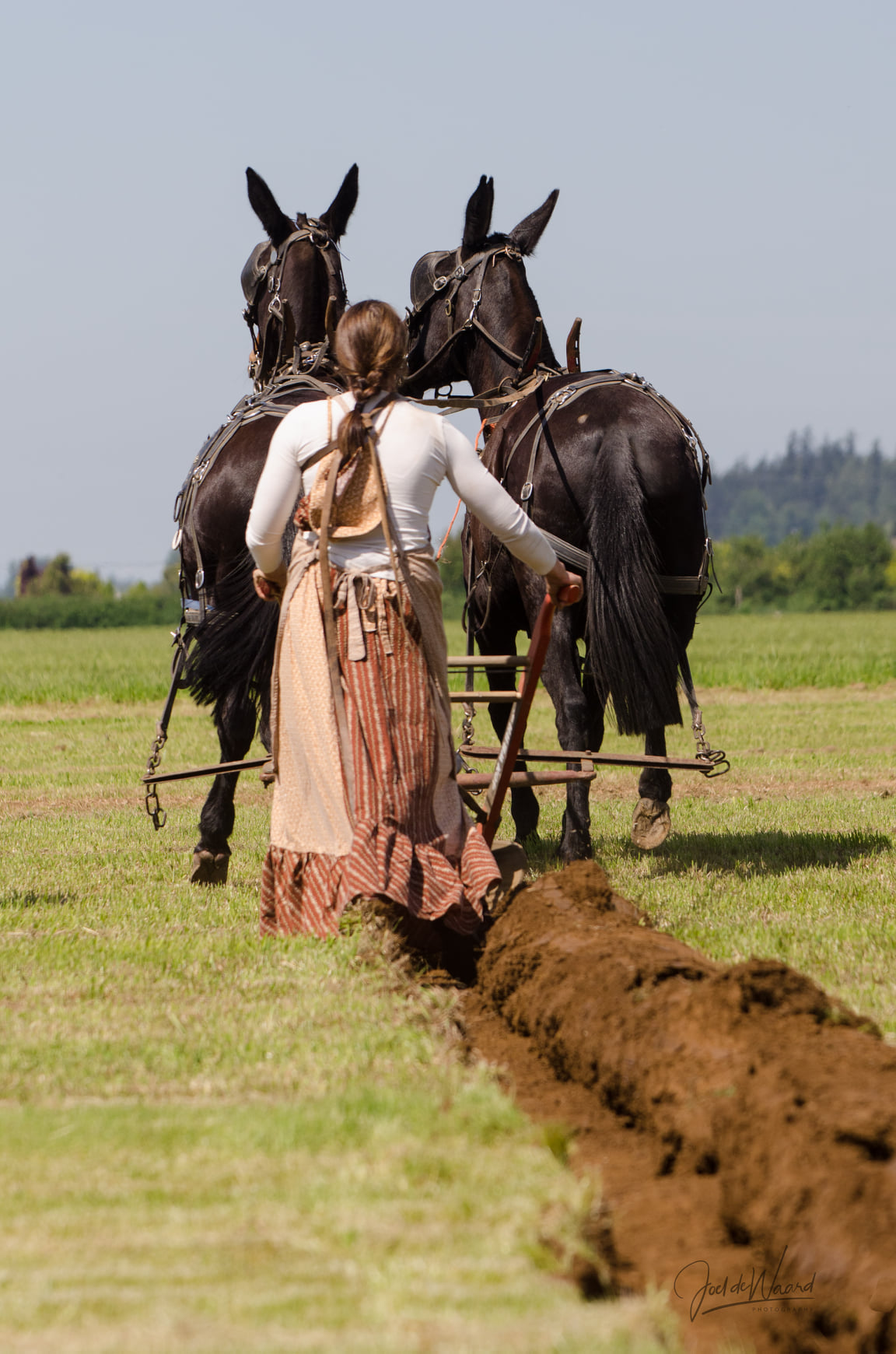
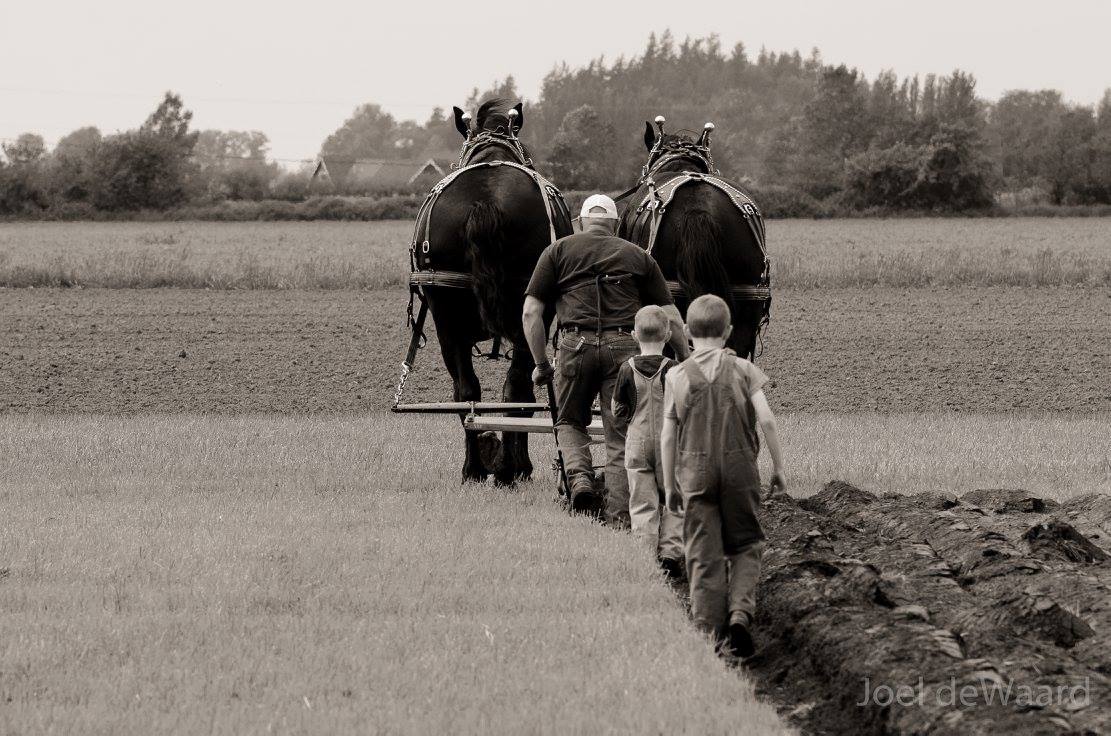
when horse and human muscle provided the power
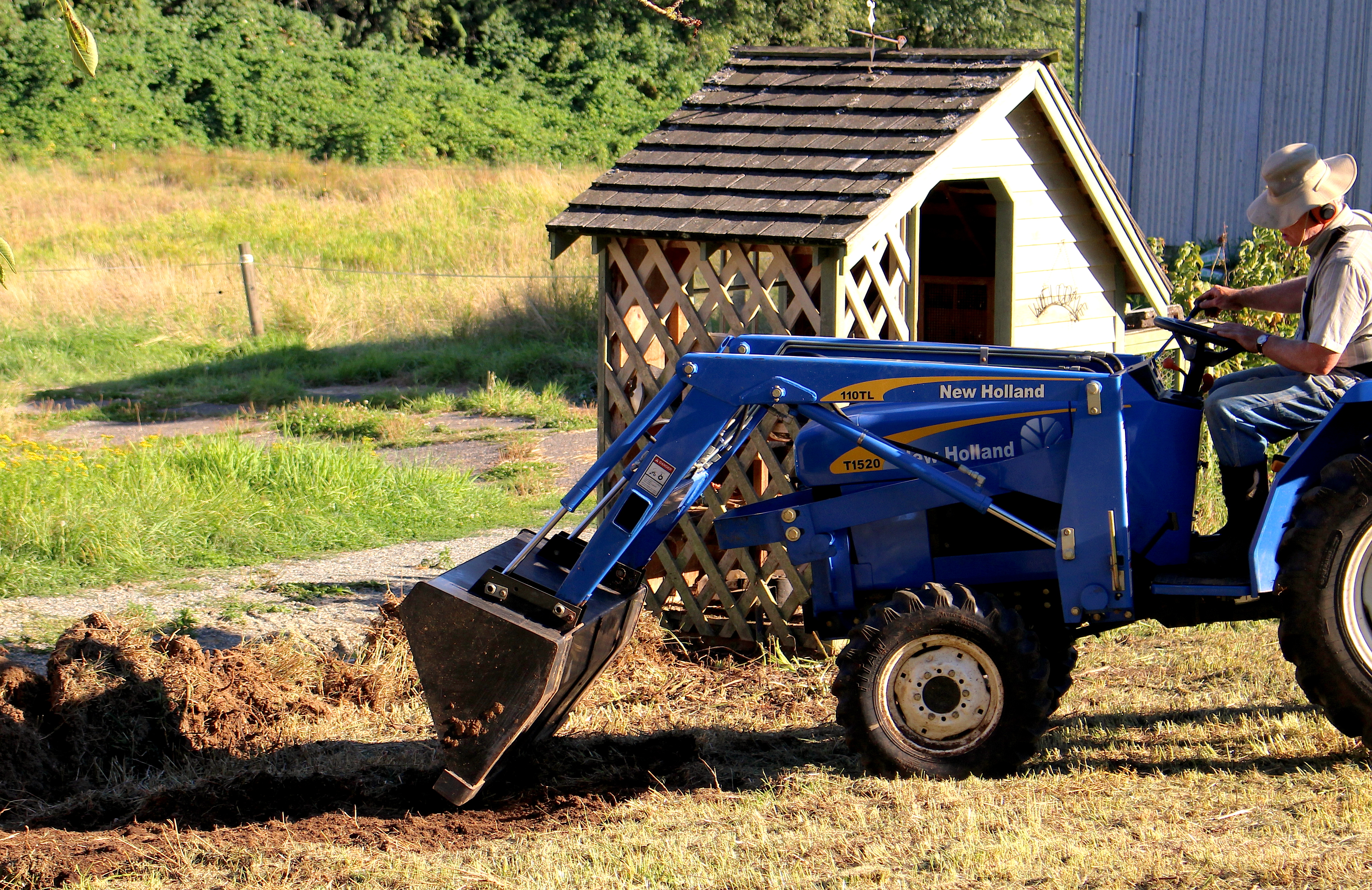
instead of diesel engines.
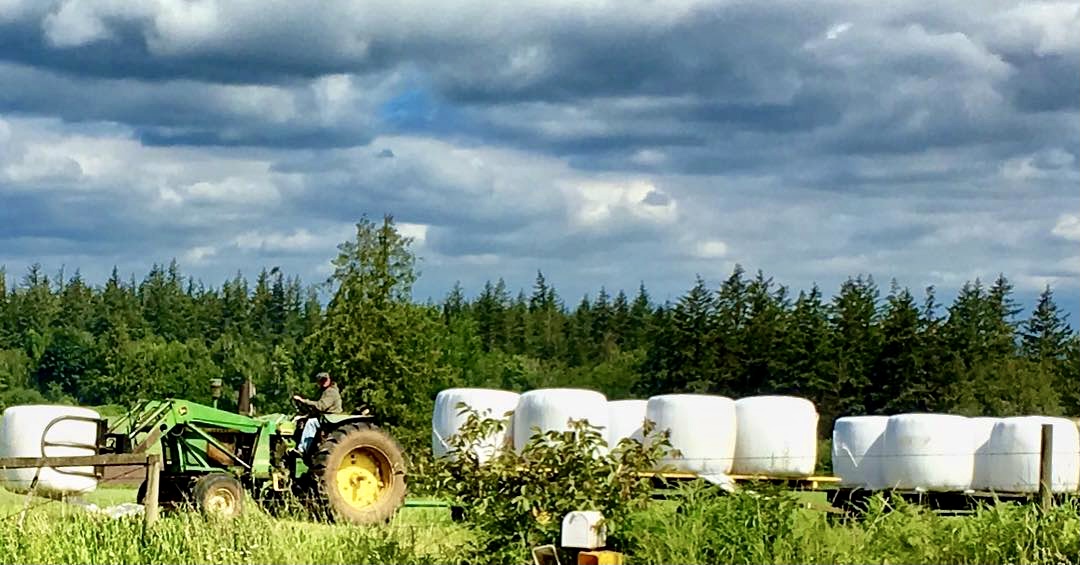
They have climbed down off their tractors
and into their beds
for a good night’s sleep.

Their machine sheds are cleared
in an auction,
their animals trucked away
for butcher,
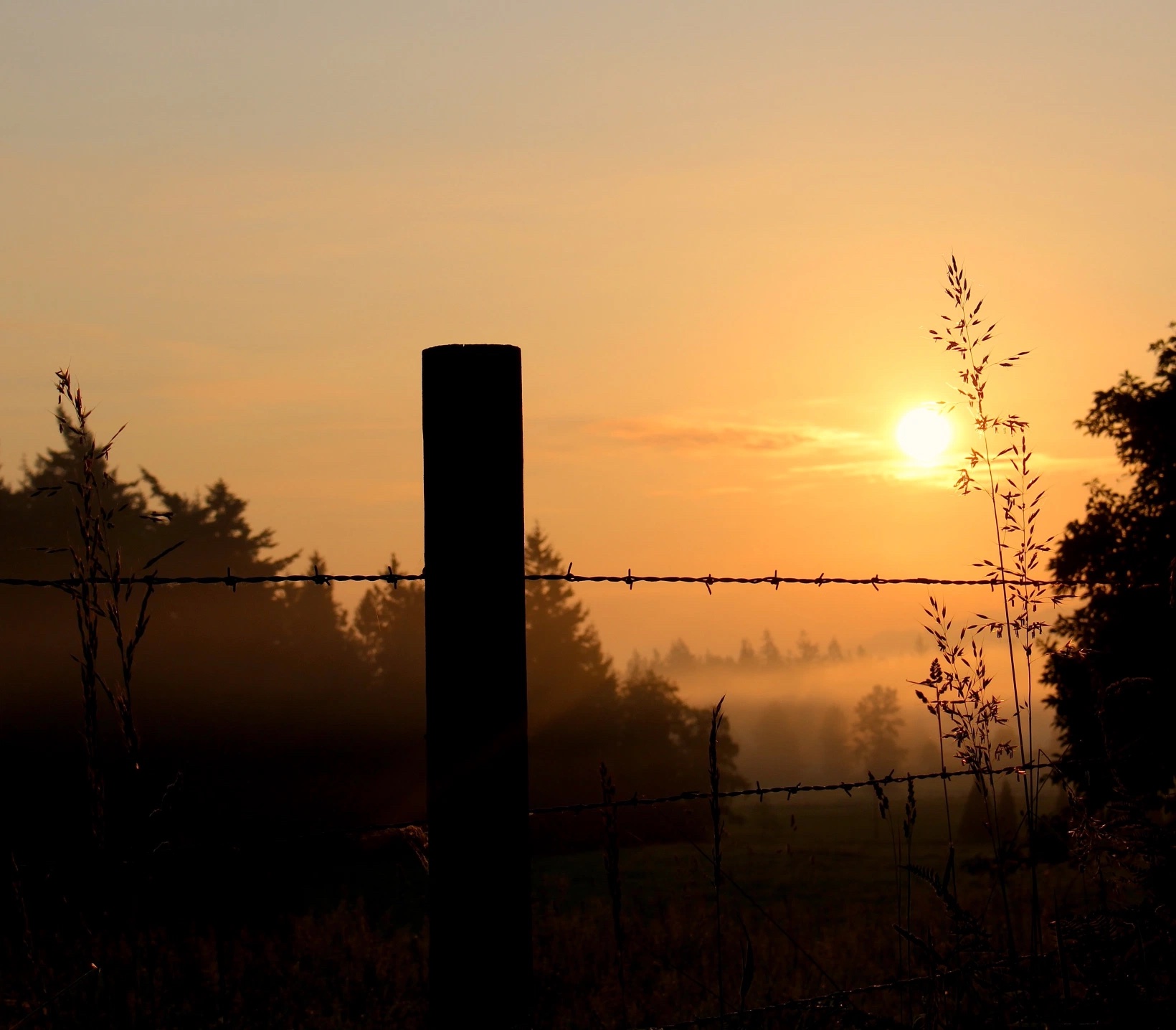
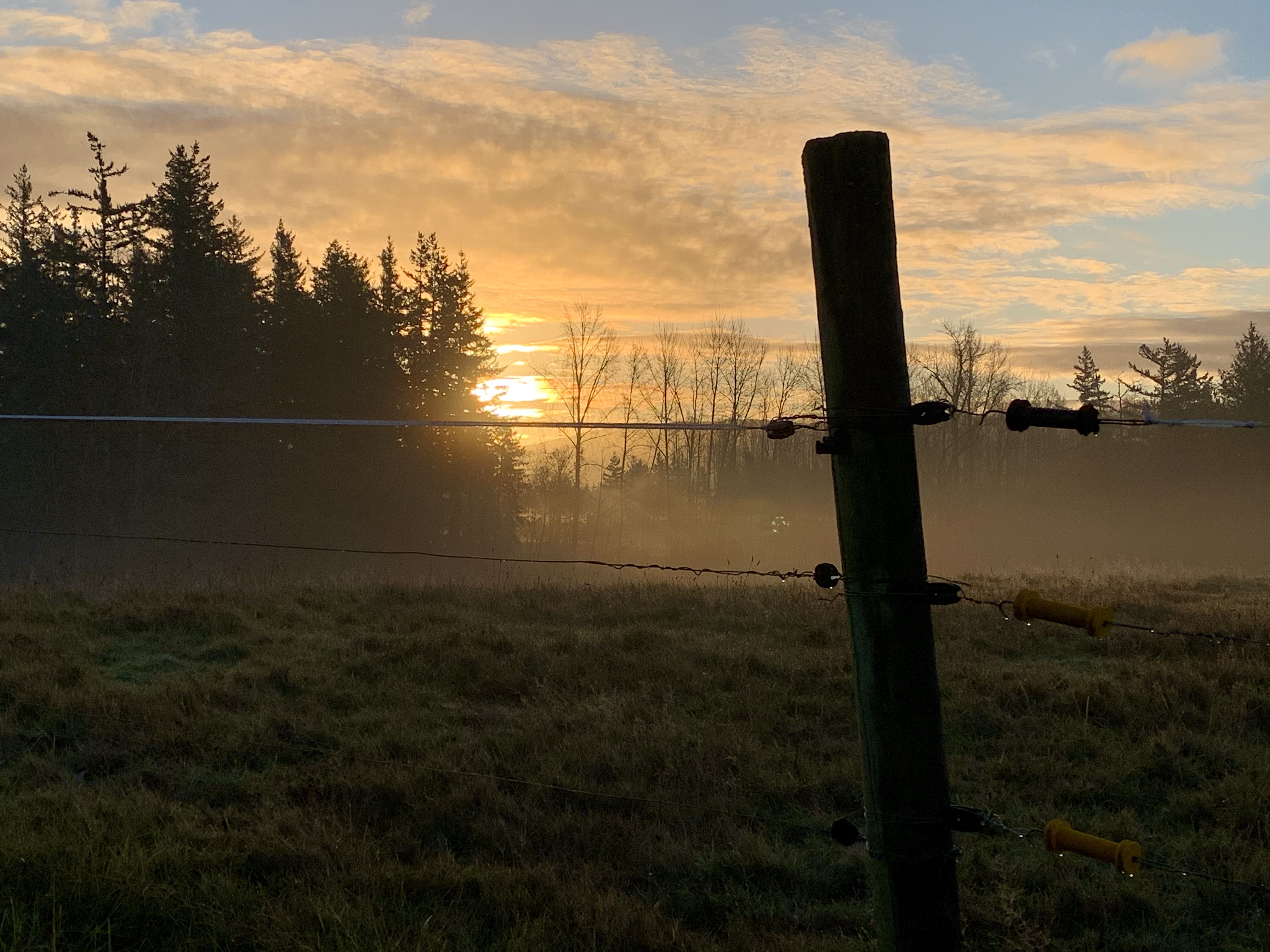
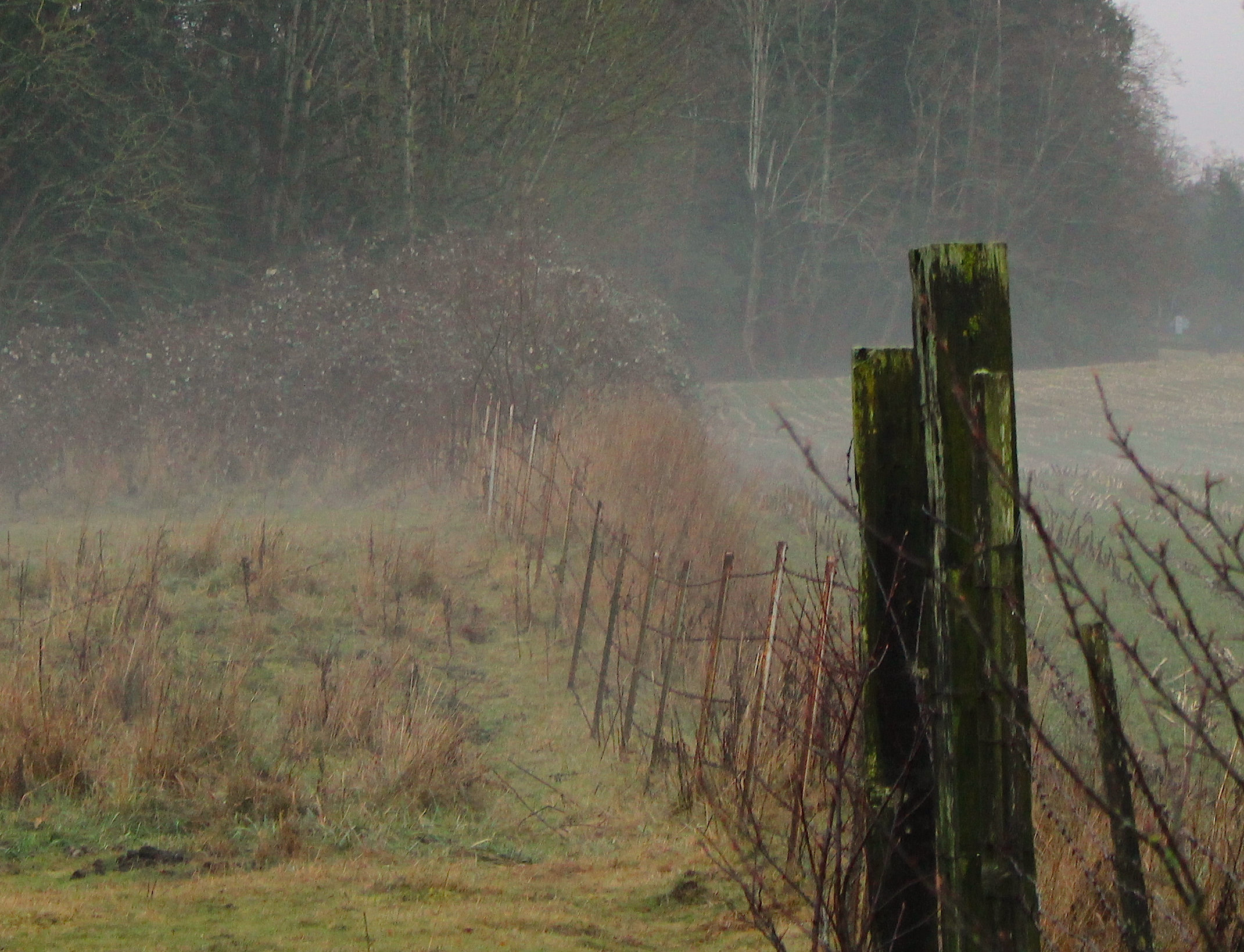
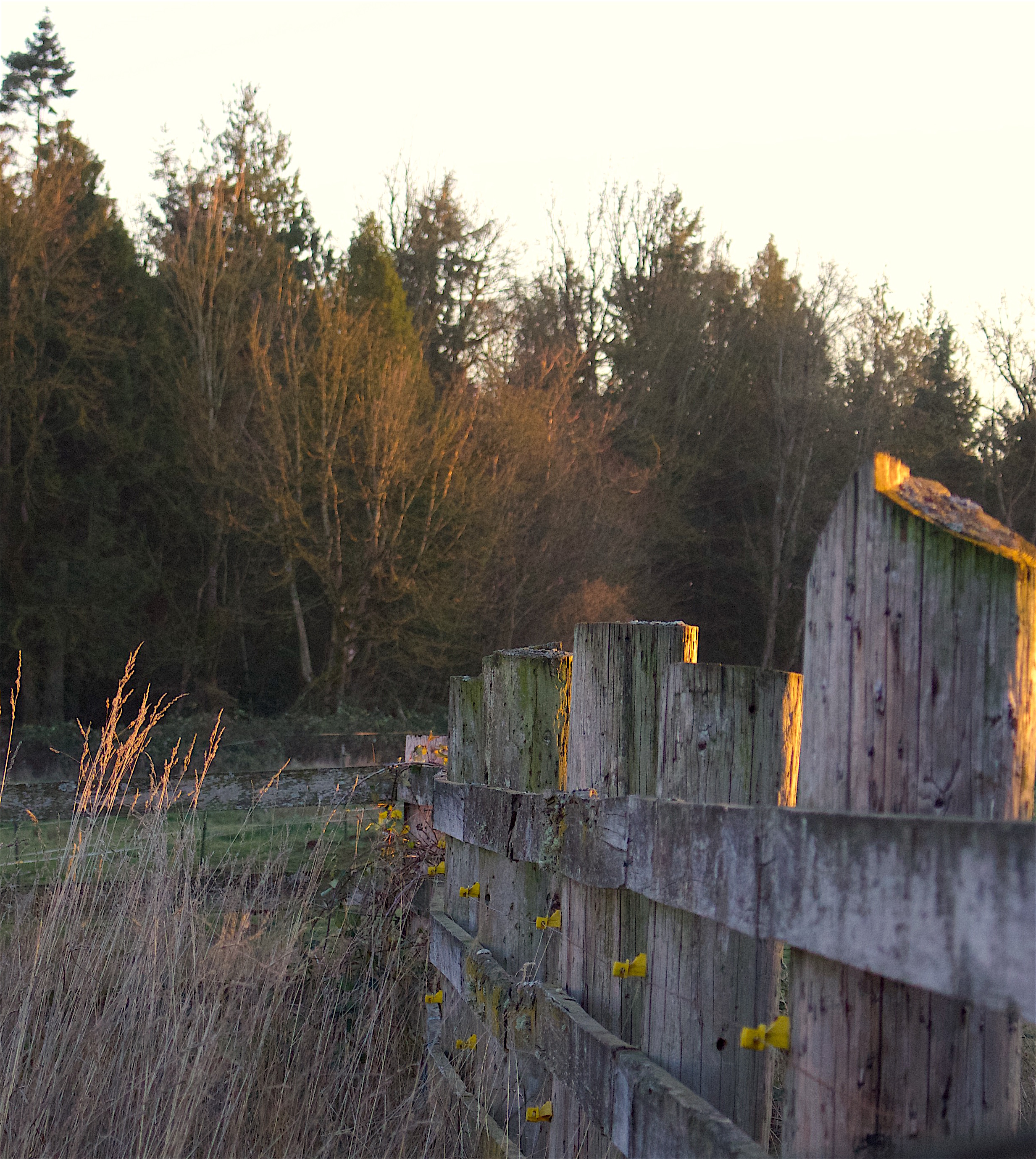
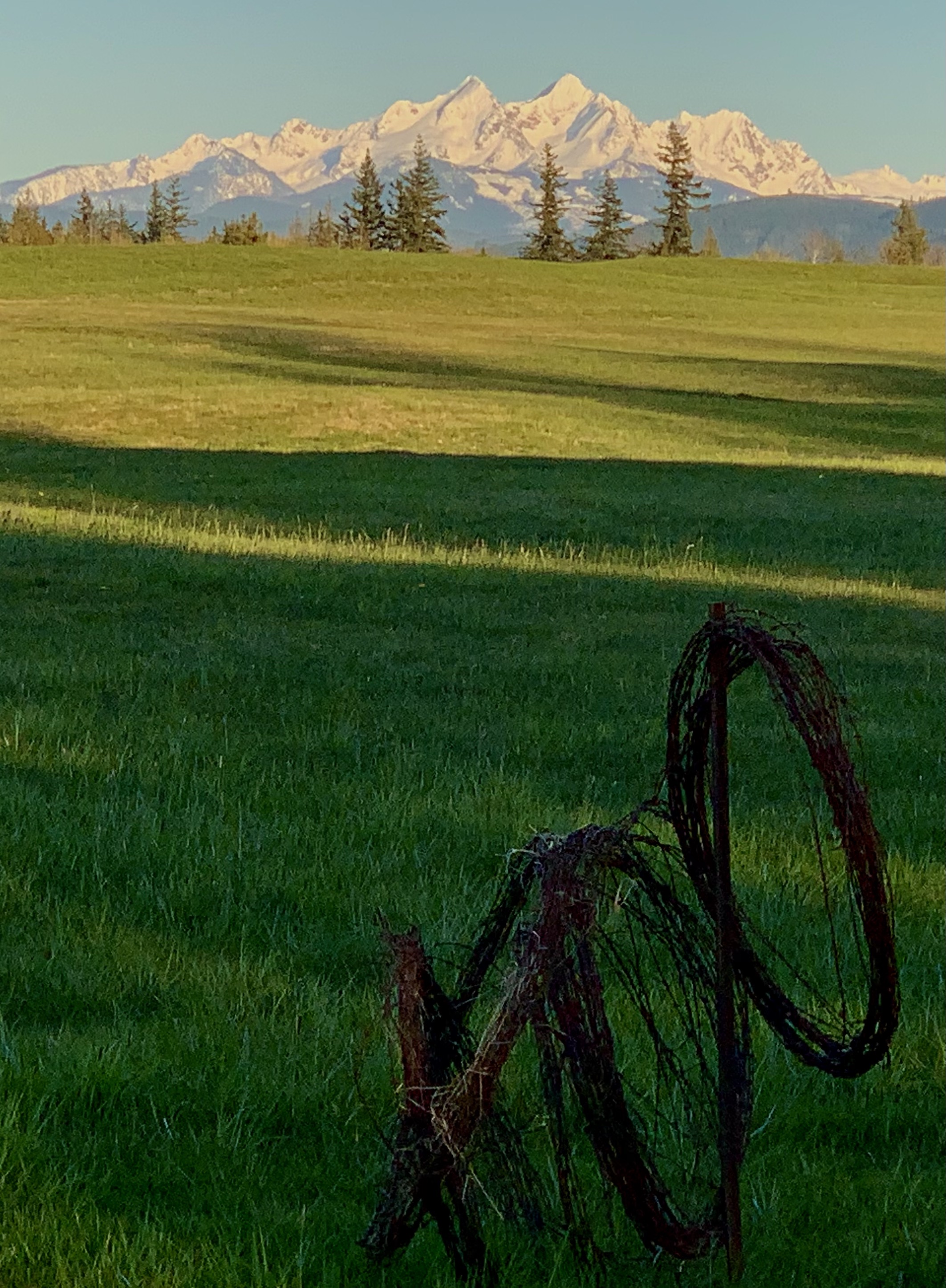
their fence lines leaning
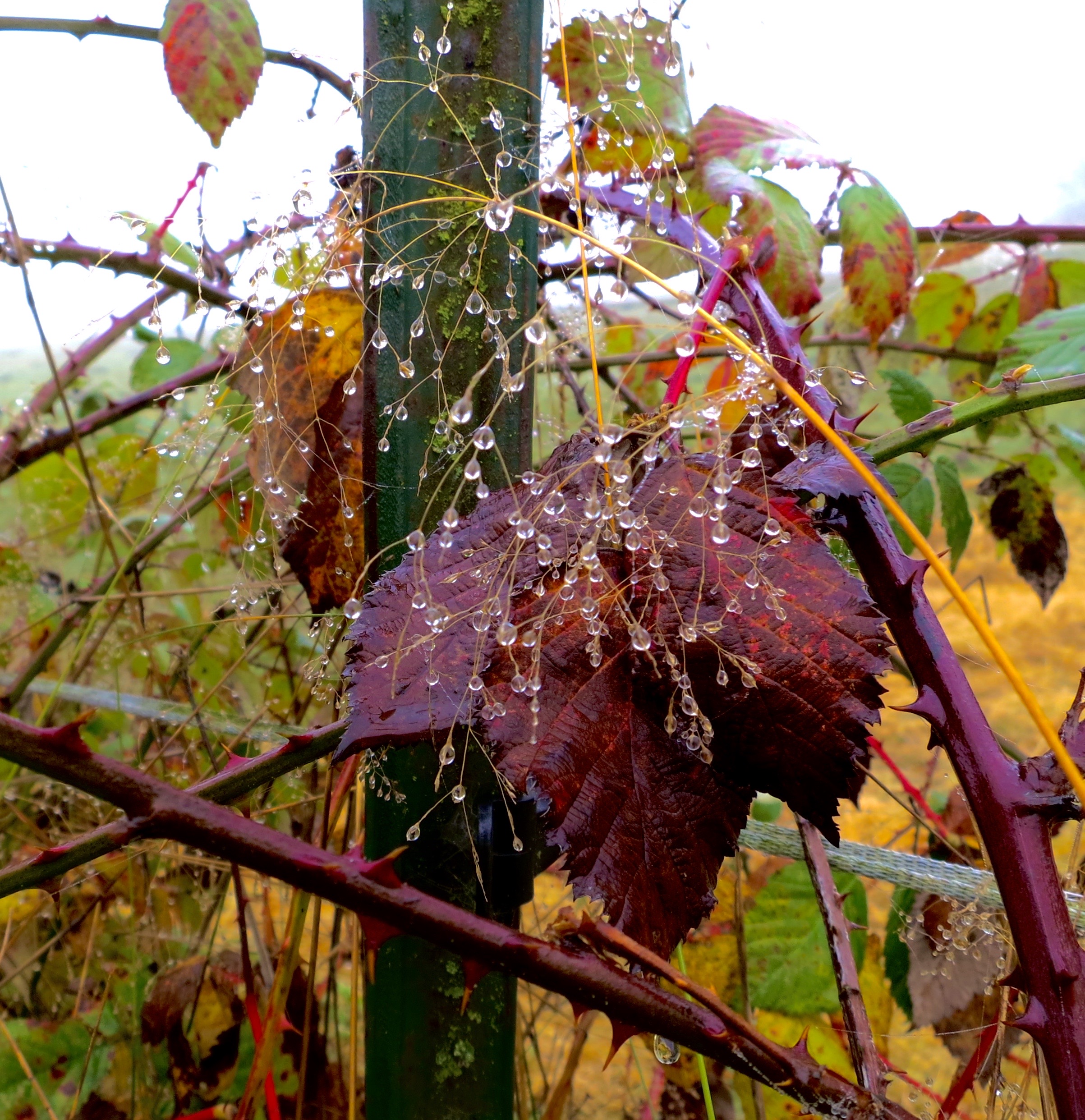
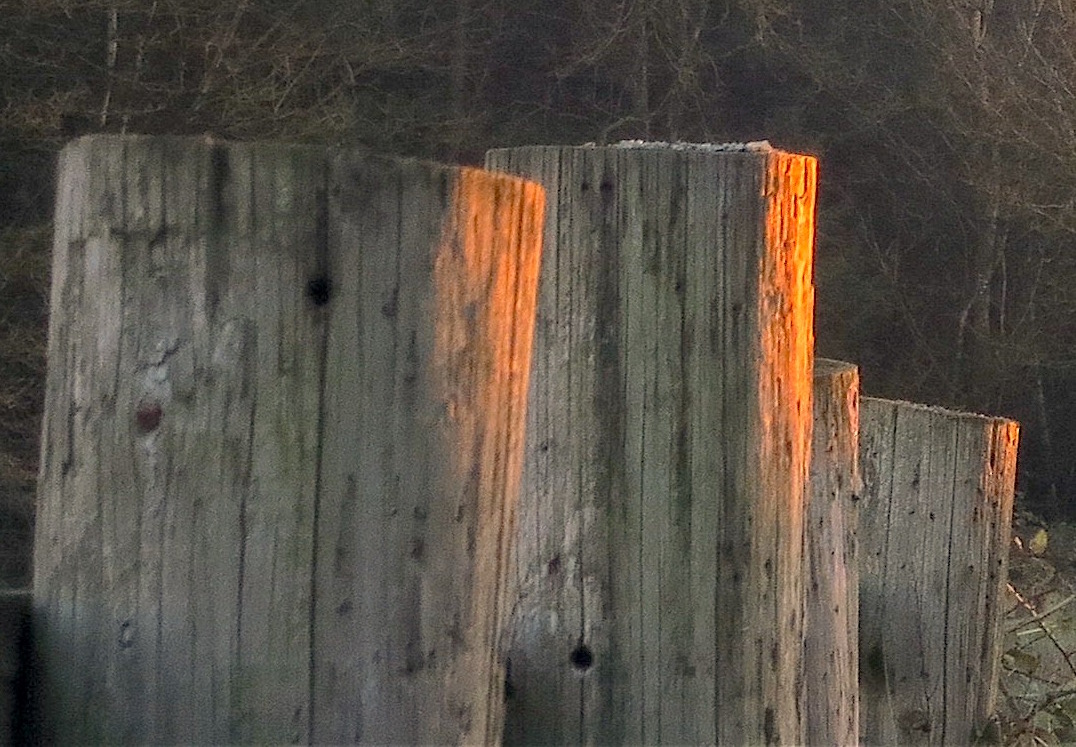
yet the corner posts,
set solid and sure in the hard ground,
keep standing
when the old farmer no longer does.

These old farmers knew hard work.
knew there were no days off,
no shirking duty,
knew if anyone was going to do
what needed doing
it was them,
no one else.
Things are not like they were
yet the strong posts remain,
ready to hold up another fence line,
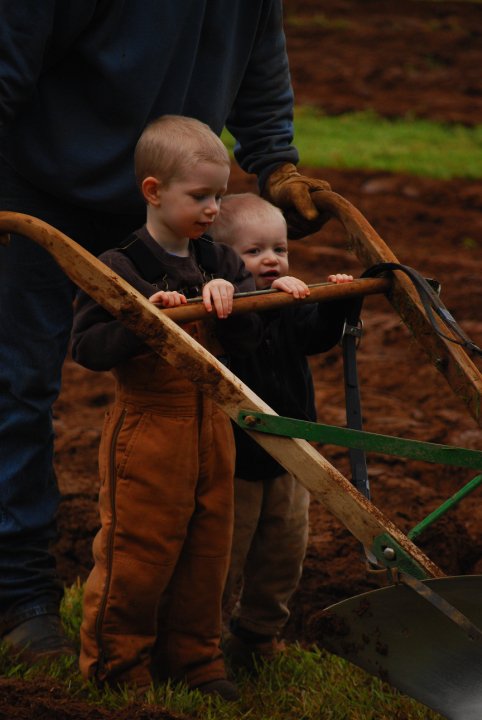
showing us few remaining farmers
what hard work yields.
One-Time
Monthly
Yearly

Make a one-time or recurring donation to support daily Barnstorming posts

Make a monthly donation

Make a yearly donation

Choose an amount

$10.00
$25.00
$50.00
$5.00
$15.00
$100.00
$5.00
$15.00
$100.00

Or enter a custom amount

$

Your contribution is deeply appreciated.

Your contribution is appreciated.

Your contribution is appreciated.

DonateDonate monthlyDonate yearly
Carrying Water

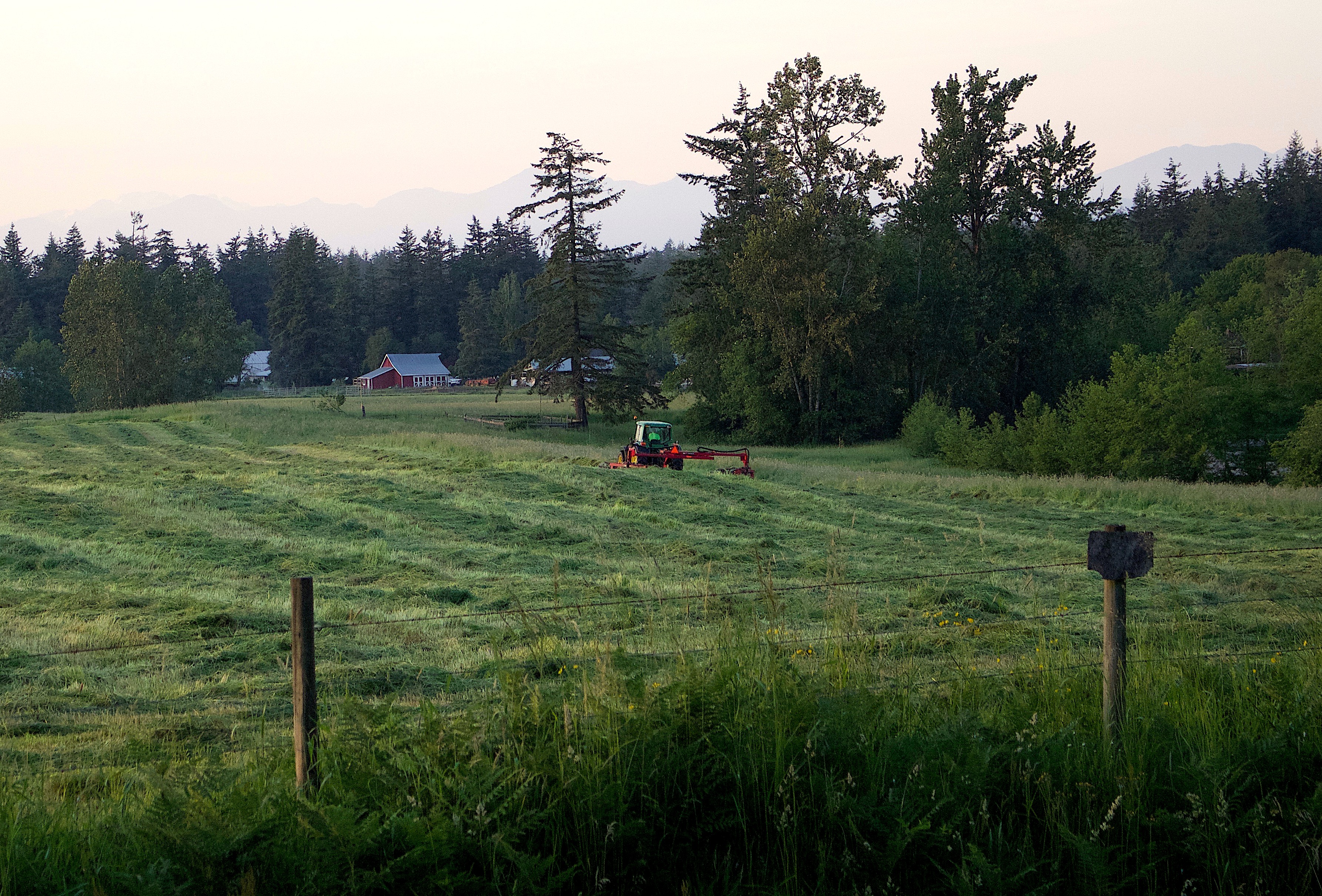
And on those hot afternoons in July,
when my father was out on the tractor
cultivating rows of corn, my mother
would send us out with a Mason jar
filled with ice and water, a dish towel
wrapped around it for insulation.

Like a rocket launched to an orbiting
planet, we would cut across the fields
in a trajectory calculated to intercept—
or, perhaps, even—surprise him
in his absorption with the row and the
turning always over earth beneath the blade.

He would look up and see us, throttle
down, stop, and step from the tractor
with the grace of a cowboy dismounting
his horse, and receive gratefully the jar
of water, ice cubes now melted into tiny
shards, drinking it down in a single gulp,
while we watched, mission accomplished.
~Joyce Sutphen “Carrying Water to the Field”

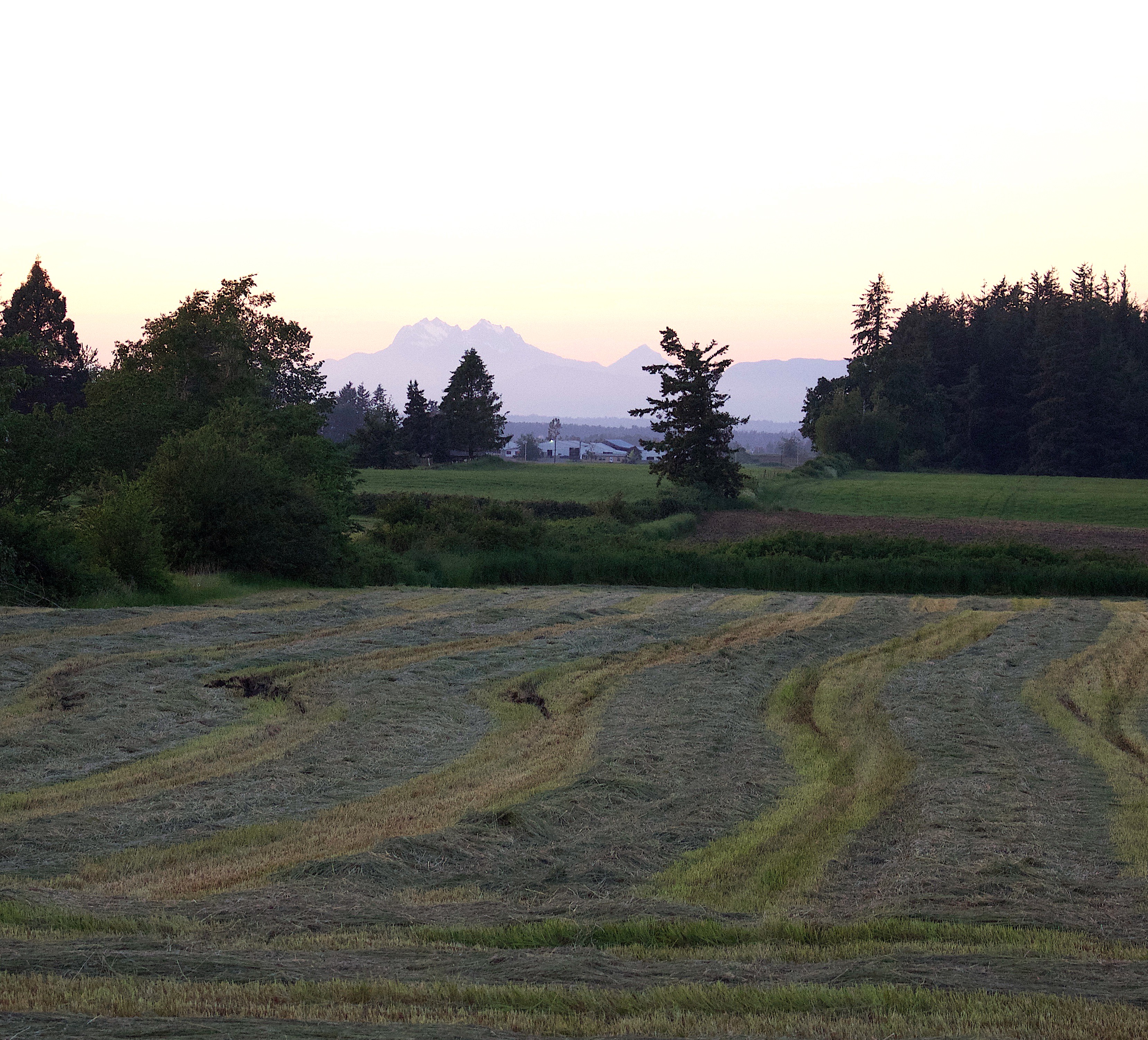
It was my special responsibility to carry cold water out to my father when he was on the tractor doing field work. Yes, he could have carried a thermos-full along with him all day but then he would not have seen his young daughter walking carefully from the house over the fresh-turned dirt, he would not have an excuse for a short break to wipe the sweat from his face with his bright red kerchief, nor sit and survey the straightness of his furrows. He would not have lifted her up to sit beside him on the tractor, allowing her to “drive”, steering down the rows, curving around the killdeer nests so their young are spared.

Indeed, it was a special responsibility to nurture someone hard at work who doesn’t stop to refill themselves. It happens rarely any more – whether field or factory or family home or even a daily blog like this. What wondrous love to carry water to those who thirst.
What wondrous grace then fills our furrowed lives.

Thank you, faithful readers and supporters,
to you who have carried water to me when I am dry and thirsty.
It convinces me my work here is not in vain;
mission accomplished.

One-Time
Monthly
Yearly

Make a one-time or recurring donation to support daily Barnstorming posts

Make a monthly donation

Make a yearly donation

Choose an amount

¤10.00
¤25.00
¤50.00
¤5.00
¤15.00
¤100.00
¤5.00
¤15.00
¤100.00

Or enter a custom amount

¤

Your contribution is deeply appreciated.

Your contribution is appreciated.

Your contribution is appreciated.

DonateDonate monthlyDonate yearly

A Crooked Furrow

photo by Joel DeWaard

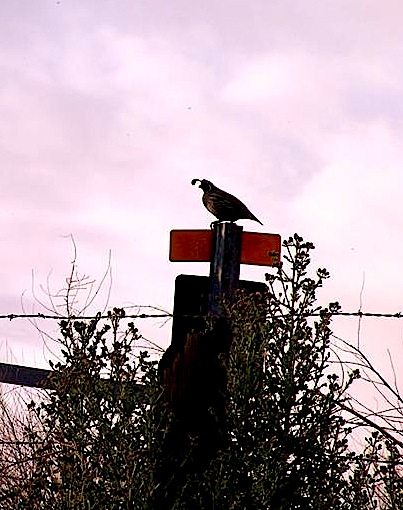
My father swerves the team
to miss the quail’s nest
hidden in the furrow
she rises up beating her wings
her cries fill all the world
of sky and cloud echoing her call…

and so he passes
the caring farmer with his crooked furrow
saluting life the warm round eggs
hidden in the spring grass
the quail rising and falling
pulled by invisible heartstrings.
~Dorothy Hewitt  “Quail’s Nest”

photo by Kate Steensma
photo by Joel DeWaard

I remember my father driving a wooden post in the ground
where a killdeer nest held 6 speckled eggs;
the mother would run off crying plaintively,
flapping her “broken” wing
to lure him away from her precious brood.

He drove the plow around the nest,
marking their spot for the season,
respecting their presence,
preserving their future,
without anyone saying
he should or he must –
only his heart had told him
it was the right thing to do.

photo by Joel DeWaard
photo by Kate Steensma
One-Time
Monthly
Yearly

Make a one-time or recurring donation to support daily Barnstorming posts

Make a monthly donation

Make a yearly donation

Choose an amount

¤10.00
¤25.00
¤50.00
¤5.00
¤15.00
¤100.00
¤5.00
¤15.00
¤100.00

Or enter a custom amount

¤

Your contribution is deeply appreciated.

Your contribution is appreciated.

Your contribution is appreciated.

DonateDonate monthlyDonate yearly
Wind Hymning Through the Pines

Sunday mornings I would reach
high into his dark closet while standing
on a chair and tiptoeing reach
higher, touching, sometimes fumbling
the soft crowns and imagine
I was in a forest, wind hymning
through pines, where the musky scent
of rain clinging to damp earth was
his scent I loved, lingering on
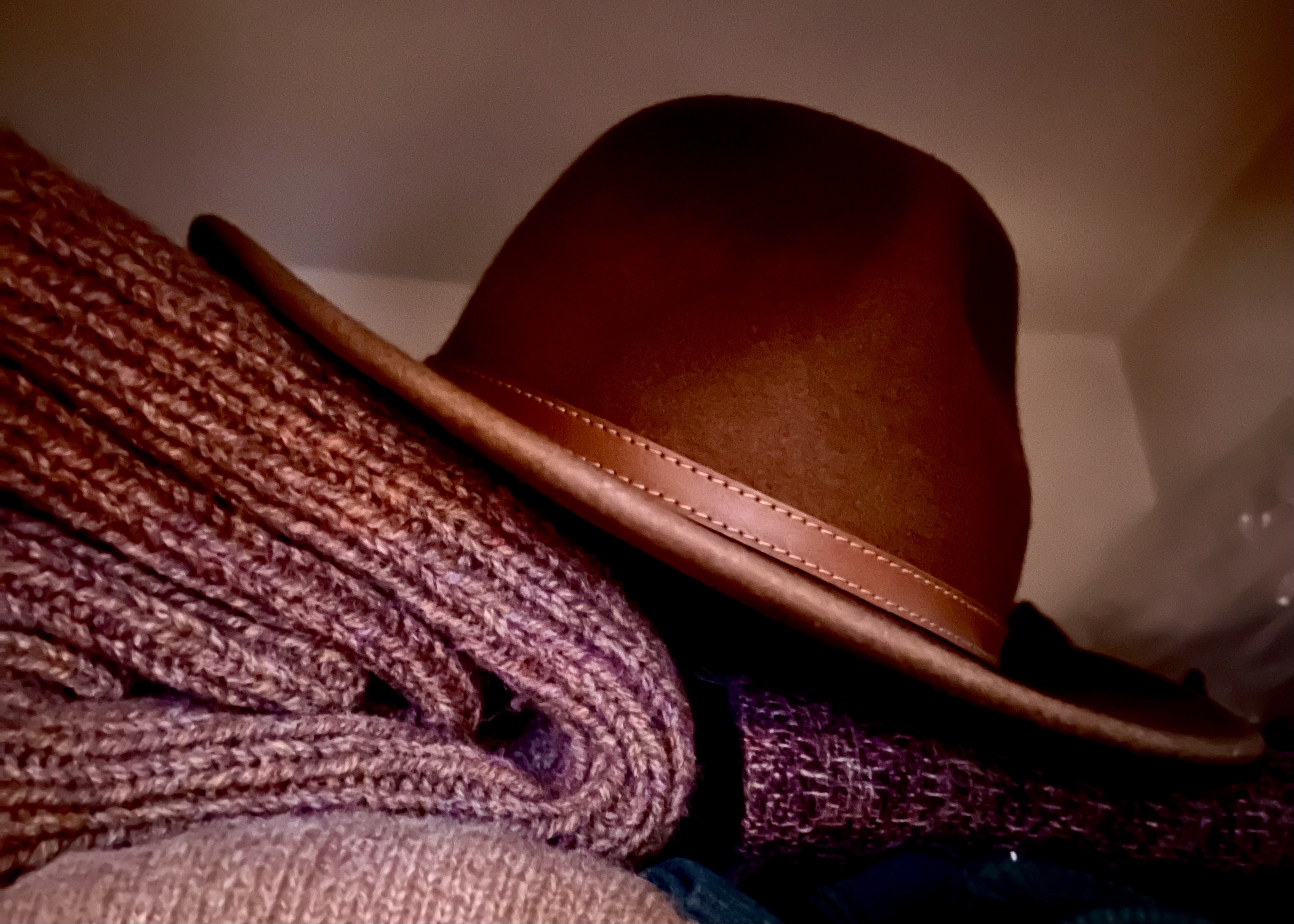
bands, leather, and on the inner silk
crowns where I would smell his
hair and almost think I was being
held, or climbing a tree, touching
the yellow fruit, leaves whose scent
was that of a clove in the godsome
air, as now, thinking of his fabulous
sleep, I stand on this canyon floor
and watch light slowly close
on water I’m not sure is there.
~Mark Irwin “My Father’s Hats”

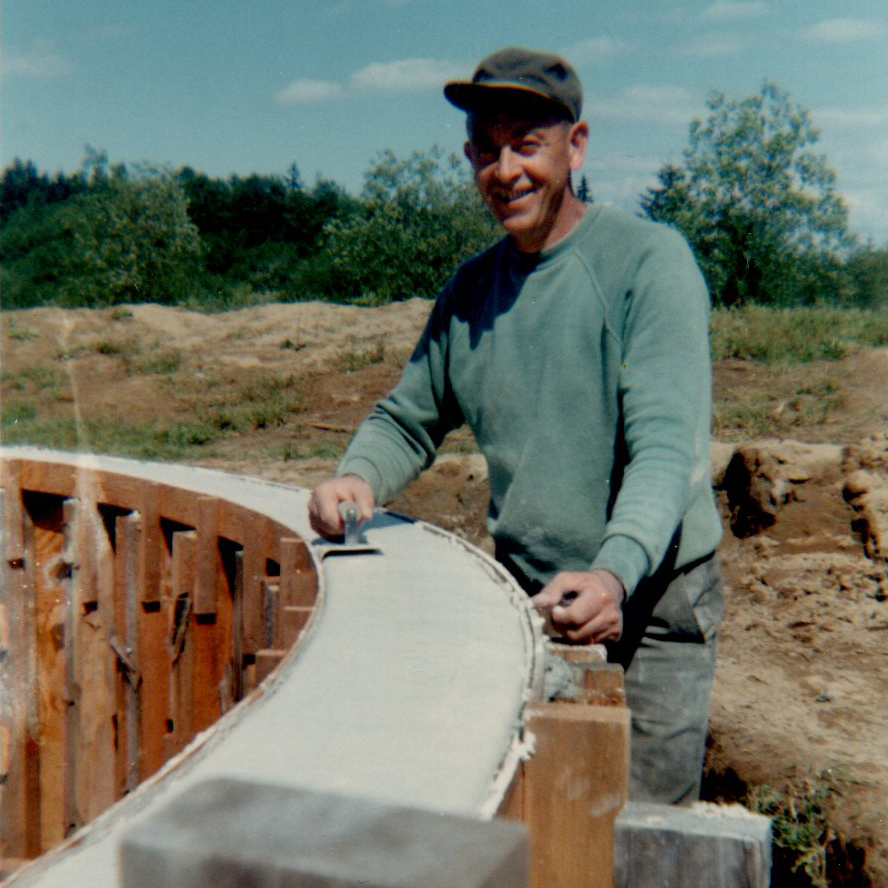
Henry Polis 1968

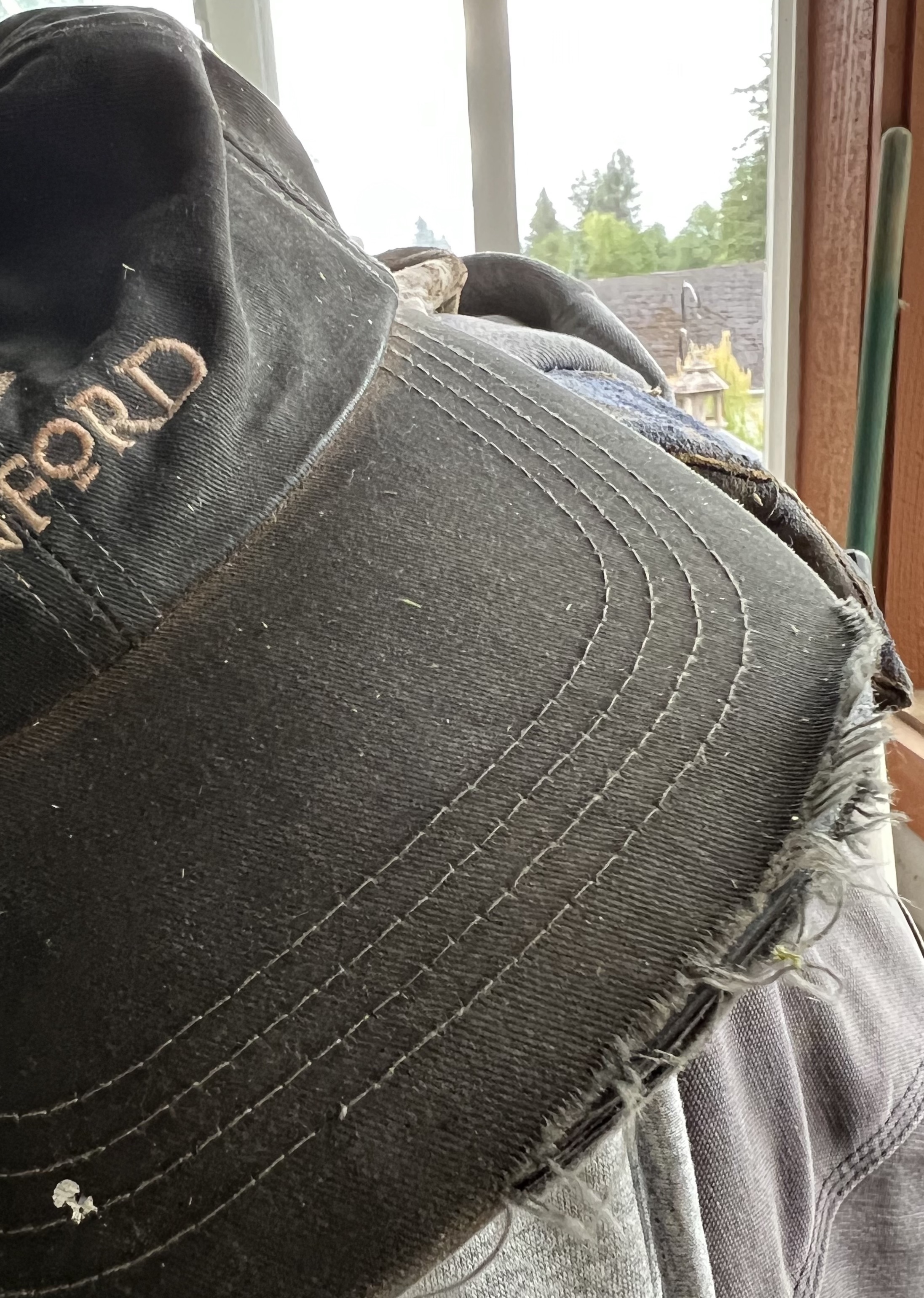
My father was always more comfortable working outdoors rather than at a desk. He had a nice felt hat for going to church along with the requisite suit and tie, but at home he wore a work cap with a tattered bill and a farm shop logo on the front. It hung on a hook in our breezeway, always sweat-stained from his laboring in full sun on projects on our small farm. I think he could wring it out at the end of the day.

My dad was not one for wearing aftershave or cologne, even to his office job. He had to scrub hard on Sunday mornings as his fingernails contained soil from the garden and grease from the car engines. He smelled like the woods where he slashed and piled brush, like the smoke from the burn piles he lit, like the cement he was always mixing to create his latest walkway, foundation, or support structure. And he always smelled of tobacco – his chosen vice – but never of alcohol which ruined not only his own father’s life and those around him.

I don’t think my father lost his faith even when he suffered at the end, dying of a second cancer after the first was defeated. He wasn’t one to speak of God or salvation so I simply assumed, just as I did during those decades of Sunday morning hat and suits, worshiping in church.

His light shone, even during the hard times when I wasn’t sure it was still there.

One-Time
Monthly
Yearly

Make a one-time or recurring donation to support daily Barnstorming posts

Make a monthly donation

Make a yearly donation

Choose an amount

¤10.00
¤25.00
¤50.00
¤5.00
¤15.00
¤100.00
¤5.00
¤15.00
¤100.00

Or enter a custom amount

¤

Your contribution is deeply appreciated.

Your contribution is appreciated.

Your contribution is appreciated.

DonateDonate monthlyDonate yearly

To Clean Up Our Messes

It is not only prayer that gives God glory but work.
Smiting on an anvil, sawing a beam, whitewashing a wall,
driving horses, sweeping, scouring,
everything gives God some glory if being in his grace
you do it as your duty.

To go to communion worthily gives God great glory,
but to take food in thankfulness and temperance gives him glory too.
To lift up the hands in prayer gives God glory,
but a man with a dung fork in his hand,
a woman with a slop pail,
give him glory too.

He is so great that all things give him glory
if you mean they should.

So then, my brethren, live.
~Gerard Manley Hopkins from Seeking Peace

On Earth Day, I am reminded that thanks in large part to how messily we humans live, this world is grimy.  

So it is an act of worship as well as respect for our nest to work at cleaning up after ourselves.  Hands that clean toilets, scrub floors, carry bedpans, pick up garbage might as well be clasped in prayer – within such everyday necessary tasks, God is glorified.

I spend time every day carrying buckets and wielding a pitchfork because it is my way of restoring order to the disorder inherent in my little corner of the planet.  It is with gratitude that I’m able to put things to rights, making stall beds tidier for our farm animals by mucking up their messes and in so doing, I’m cleaning up a piece of me at the same time.

I never want to forget the mess I’m in and the mess I am.  I never want to forget to clean up after myself.  I never want to feel it is a mere and mundane chore to worship with dungfork and slop pail.

It is my privilege in winter, spring, summer or fall, not just on Earth Day.  This is His gift to me. It is His Grace that comes alongside me, to help pitch the muck and carry the slop when I think I am too weary to do it myself.

In so doing, I live and breathe in a place made a little cleaner.

photo from Emily Vander Haak
One-Time
Monthly
Yearly

Make a one-time or recurring donation to support daily Barnstorming posts

Make a monthly donation

Make a yearly donation

Choose an amount

¤10.00
¤25.00
¤50.00
¤5.00
¤15.00
¤100.00
¤5.00
¤15.00
¤100.00

Or enter a custom amount

¤

Your contribution is deeply appreciated.

Your contribution is appreciated.

Your contribution is appreciated.

DonateDonate monthlyDonate yearly
Fixing Eyes on the Unseen – Break Through to Bright Air

Oh let me fall as grain to the good earth
And die away from all dry separation,
Die to my sole self, and find new birth
Within that very death, a dark fruition,
Deep in this crowded underground, to learn
The earthy otherness of every other,
To know that nothing is achieved alone
But only where these other fallen gather.

If I bear fruit and break through to bright air,
Then fall upon me with your freeing flail
To shuck this husk and leave me sheer and clear
As heaven-handled Hopkins, that my fall
May be more fruitful and my autumn still
A golden evening where your barns are full.

~Malcolm Guite “Unless a Grain of Wheat Falls Into the Ground and Dies”

…new life starts in the dark.
Whether it is a seed in the ground,
a baby in the womb, or Jesus in the tomb,
it starts in the dark.
~Barbara Brown Taylor from Learning to Walk in the Dark

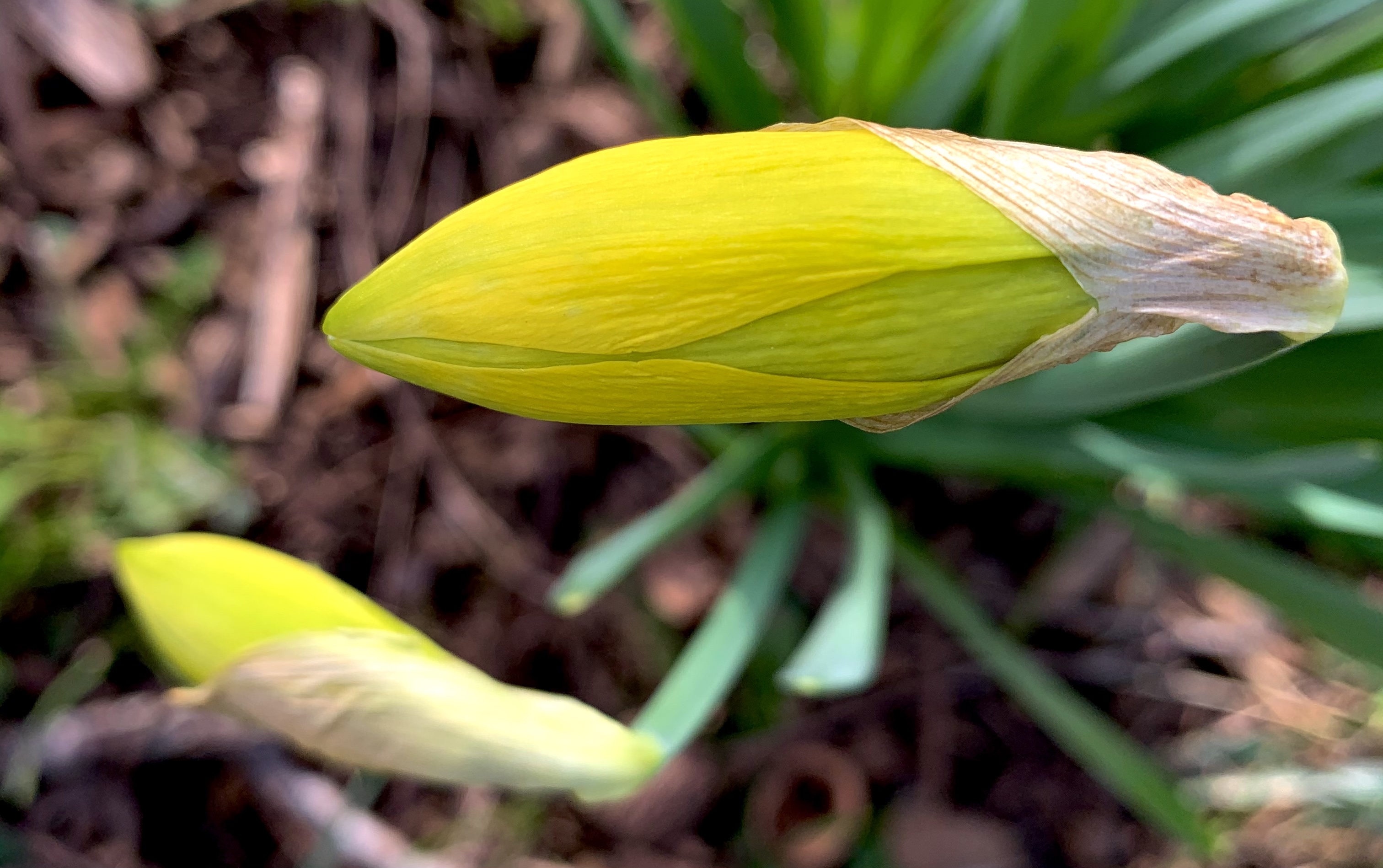
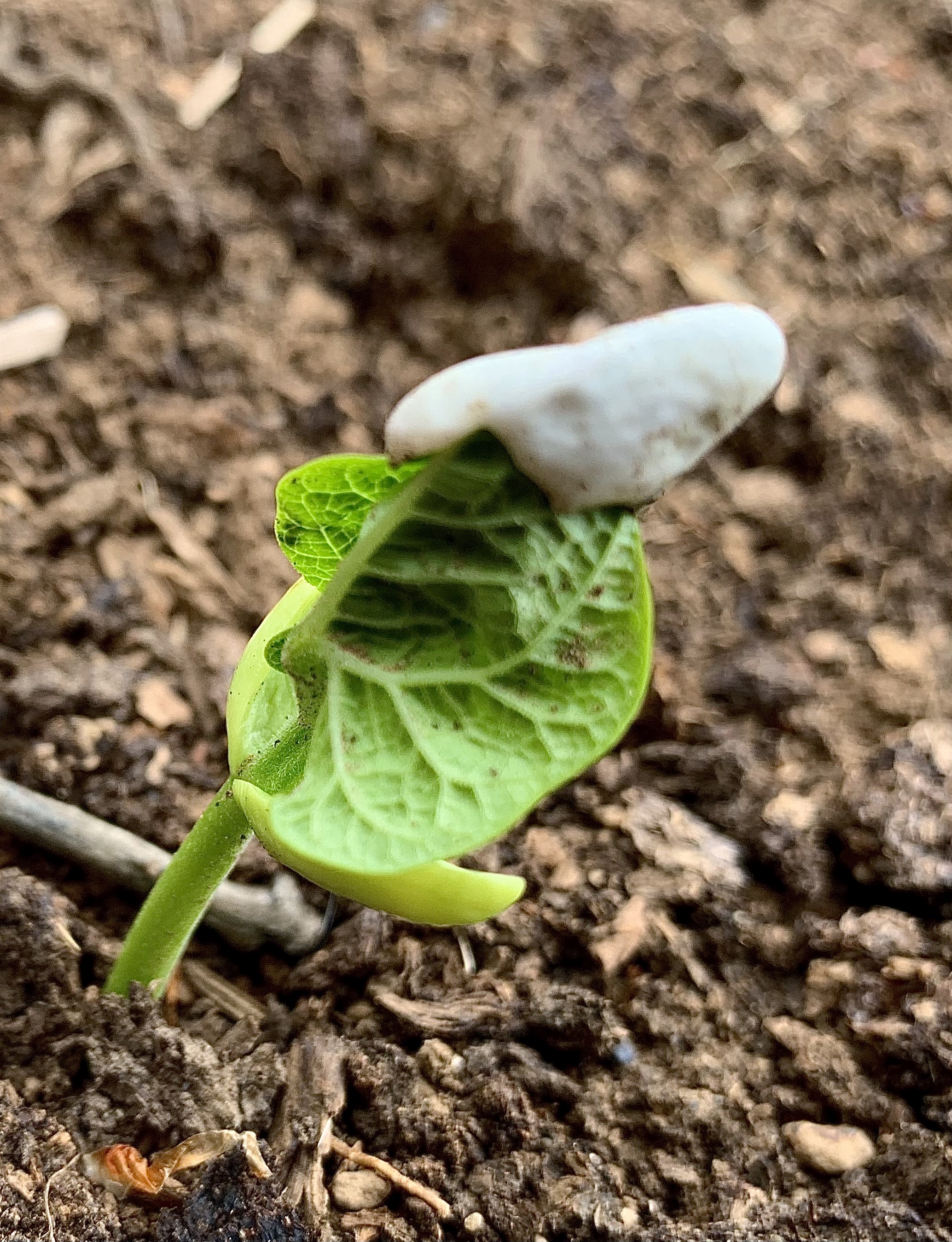
The ground is slowly coming to life again;
snowdrops, crocus, and daffodils are surfacing from months of dormancy,
buds are swelling, the spring chorus frogs have come from the mud to sing again
and birds now greet the lazy dawn.

The seed shakes off the darkness surrounding it as growth begins.

I too began a mere seed, plain and simple, lying dormant
in the darkness of my mother’s body.

Just as the spring murmurs life to the seed in the ground,
so the Word calls a human seed of life to stir and swell,
becoming at once both an animate and intimate reflection of Himself.

I was awakened in the dark to sprout, bloom and fruit, 
to reach as far as my tethered roots allow,
aiming beyond earthly bounds to touch the light.

Everything, everyone, so hidden;
His touch calls us back to life.
Love is come again
to the fallow fields of our hearts.

This year’s Lenten theme:
So we fix our eyes not on what is seen, but on what is unseen, since what is seen is temporary, but what is unseen is eternal.
2 Corinthians 4: 18

A Crumb of Thanks

Aren’t you glad at least that the earthworms
Under the grass are ignorant, as they eat the earth,
Of the good they confer on us, that their silence
Isn’t a silent reproof for our bad manners,
Our never casting earthward a crumb of thanks
For their keeping the soil from packing so tight
That no root, however determined, could pierce it?

Imagine if they suspected how much we owe them,
How the weight of our debt would crush us
Even if they enjoyed keeping the grass alive,
The garden flowers and vegetables, the clover,
And wanted nothing that we could give them,
Not even the merest nod of acknowledgment.

A debt to angels would be easy in comparison,
Bright, weightless creatures of cloud, who serve
An even brighter and lighter master.


Lucky for us they don’t know what they’re doing,
These puny anonymous creatures of dark and damp
Who eat simply to live, with no more sense of mission
Than nature feels in providing for our survival.

…the tunneling earthworms, tireless, silent,
As they persist, oblivious, in their service.

~Carl Dennis from “Worms”

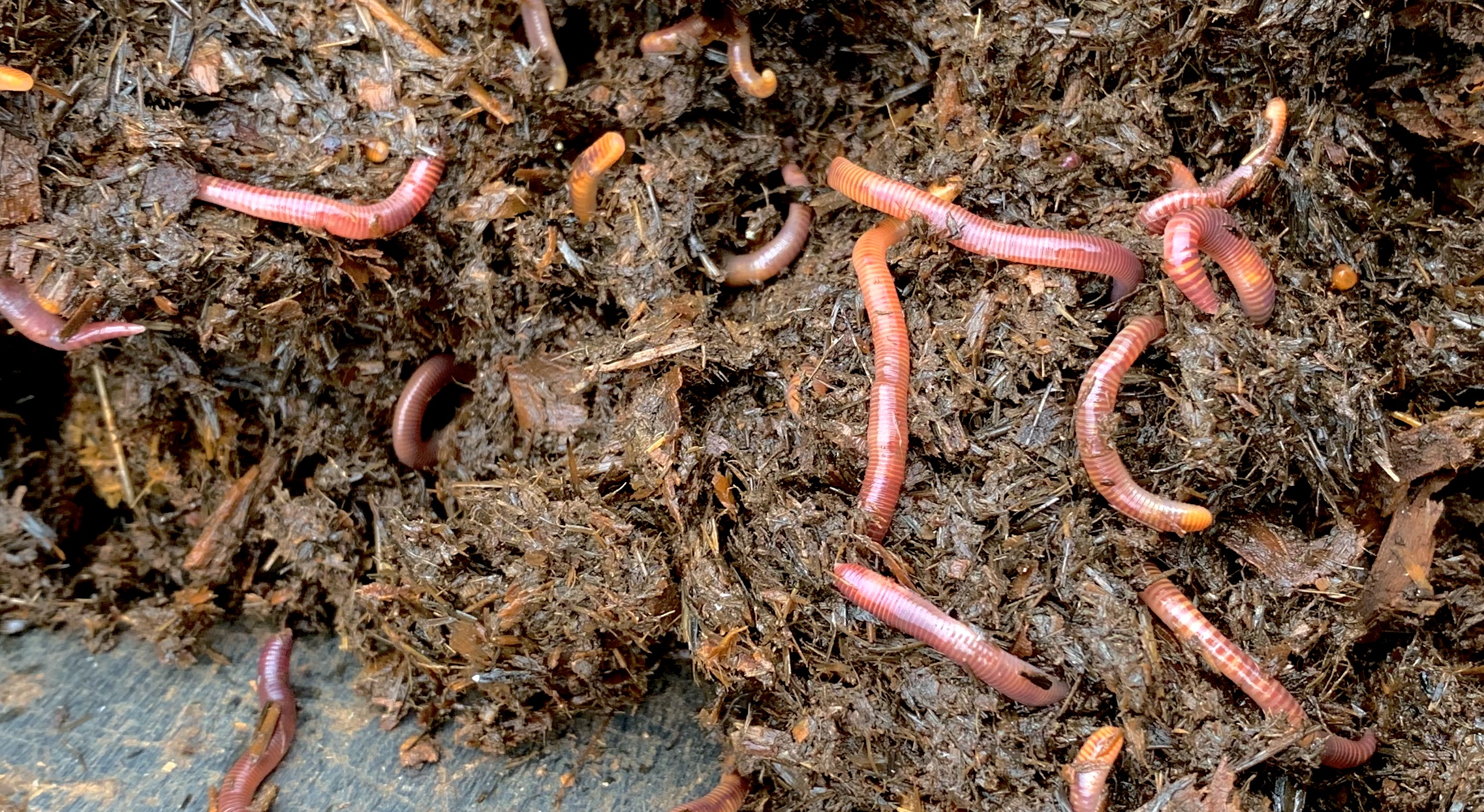
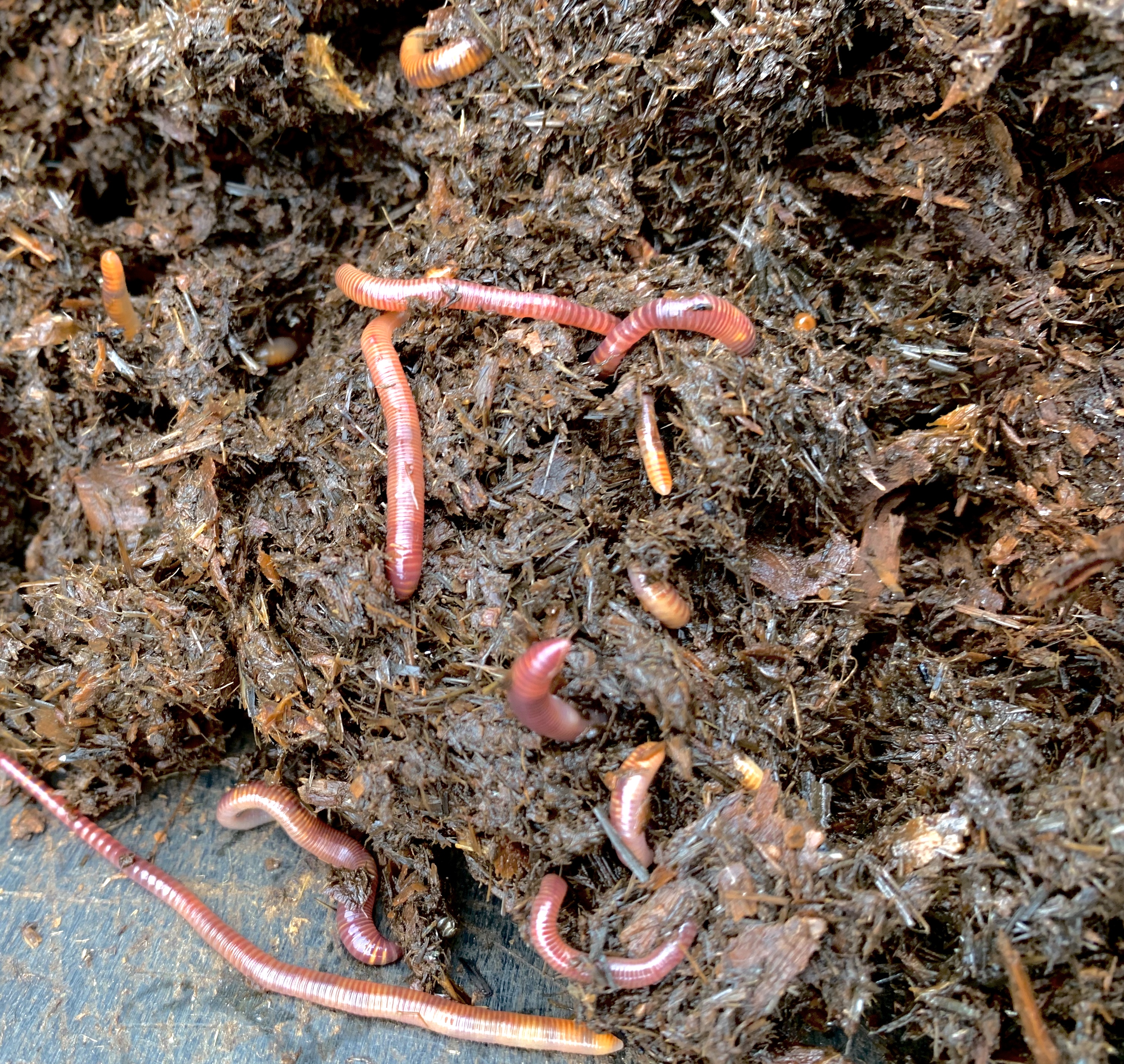
We’ve been carefully composting horse manure for years behind the barn, and we dig in to the 10 foot tall pile to spread on our garden plots. As Dan pushed the tractor’s front loader into the pile, steam rose from its compost innards. As the rich soil was scooped, thousands of newly exposed red wiggler worms immediately dove for cover. Within seconds, thousands of naked little creatures had, well, …wormed their way back into the security of warm dirt, rudely interrupted from their routine. I can’t say I blamed them.

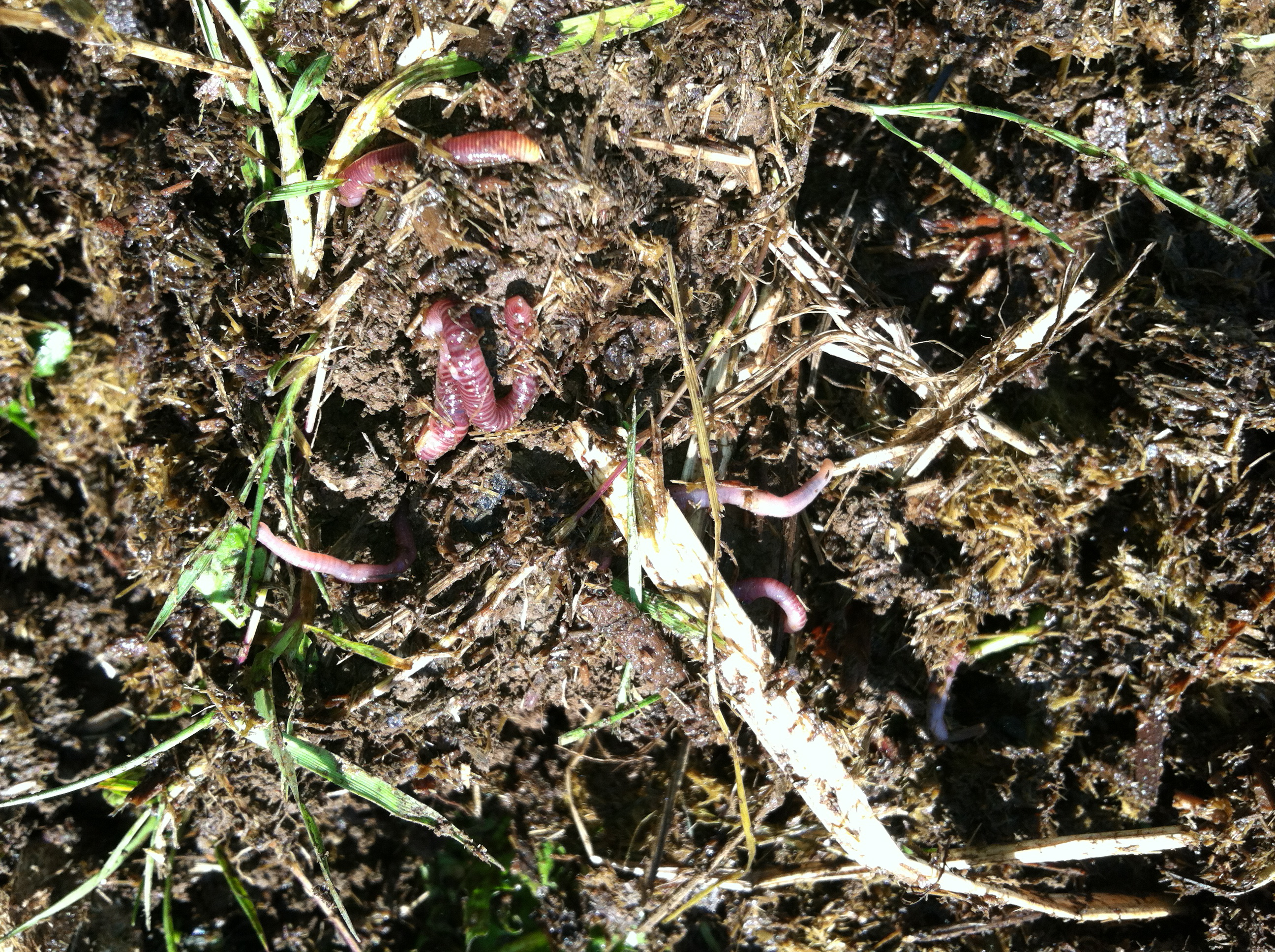
Hundreds of thousands of wigglers ended up being forced to adapt to new quarters, leaving the security of the manure mountain behind. As I smoothed the topping of compost over the garden plot, the worms–gracious creatures that they are–tolerated being rolled and raked and lifted and turned over, waving their little bodies expectantly in the cool air before slipping back down into the dark. There they will begin their work of digesting and aerating the tired soil of the garden, reproducing in their unique hermaphroditic way, leaving voluminous castings behind to further feed future seedlings to be planted.

Worms are unjustly denigrated by humans primarily because we don’t like to be surprised by them. We don’t like to see one in our food, especially only part of one, and are particularly distressed to see them after we’ve digested our food. Once we get past that bit of squeamishness, we can greatly appreciate their role as the ultimate recyclers, leaving the earth a lot better off once they are finished with their work. We humans actually suffer by comparison; to be called “a worm” is really not as bad as it sounds at first. However, the worm may be offended by the association.

I hope to prove a worthy innkeeper for these new tenants.
May they live long and prosper.
May the worm forgive the disruption of my rake and shovel.
May I smile appreciatively the next time someone calls me a mere worm.

One-Time
Monthly
Yearly

Make a one-time or recurring donation to support daily Barnstorming posts

Make a monthly donation

Make a yearly donation

Choose an amount

¤10.00
¤20.00
¤50.00
¤5.00
¤15.00
¤100.00
¤5.00
¤15.00
¤100.00

Or enter a custom amount

¤

Your contribution is deeply appreciated.

Your contribution is appreciated.

Your contribution is appreciated.

DonateDonate monthlyDonate yearly
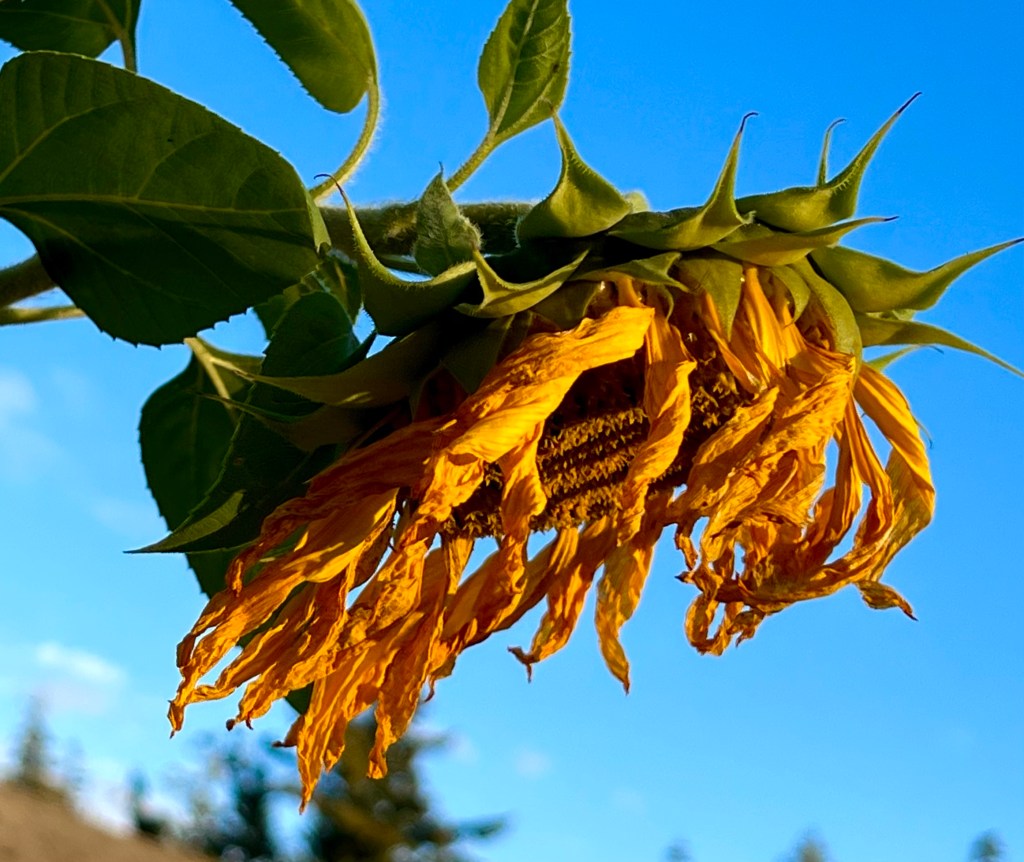
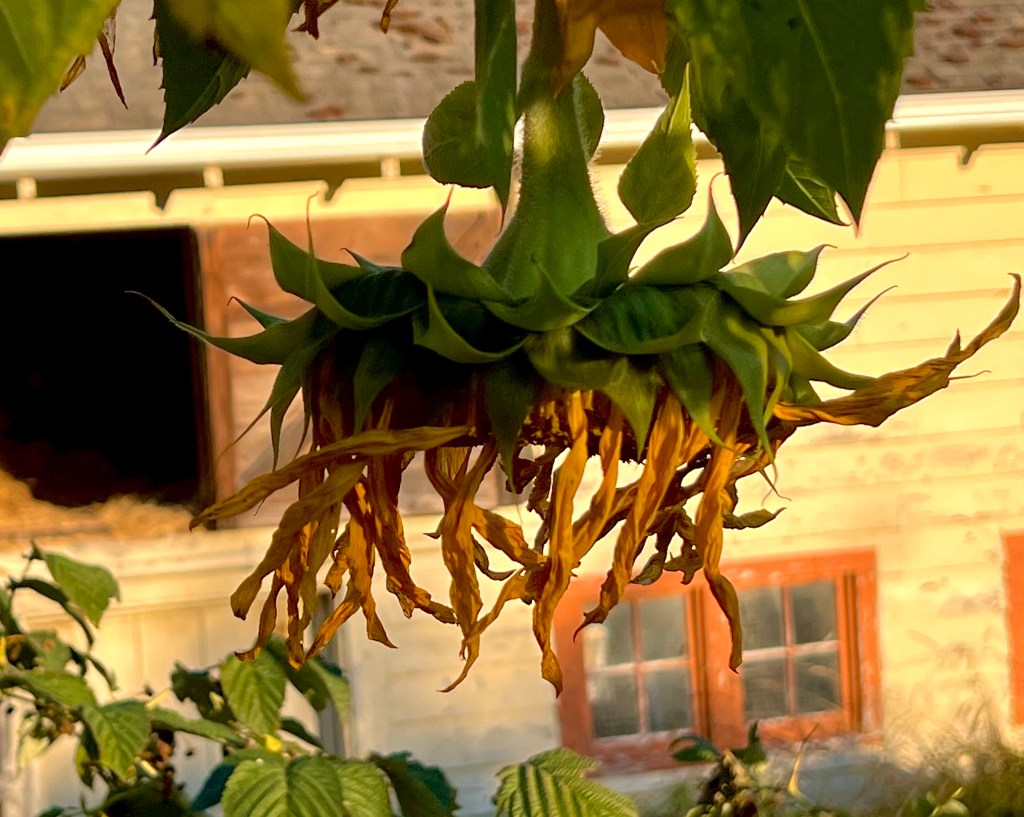
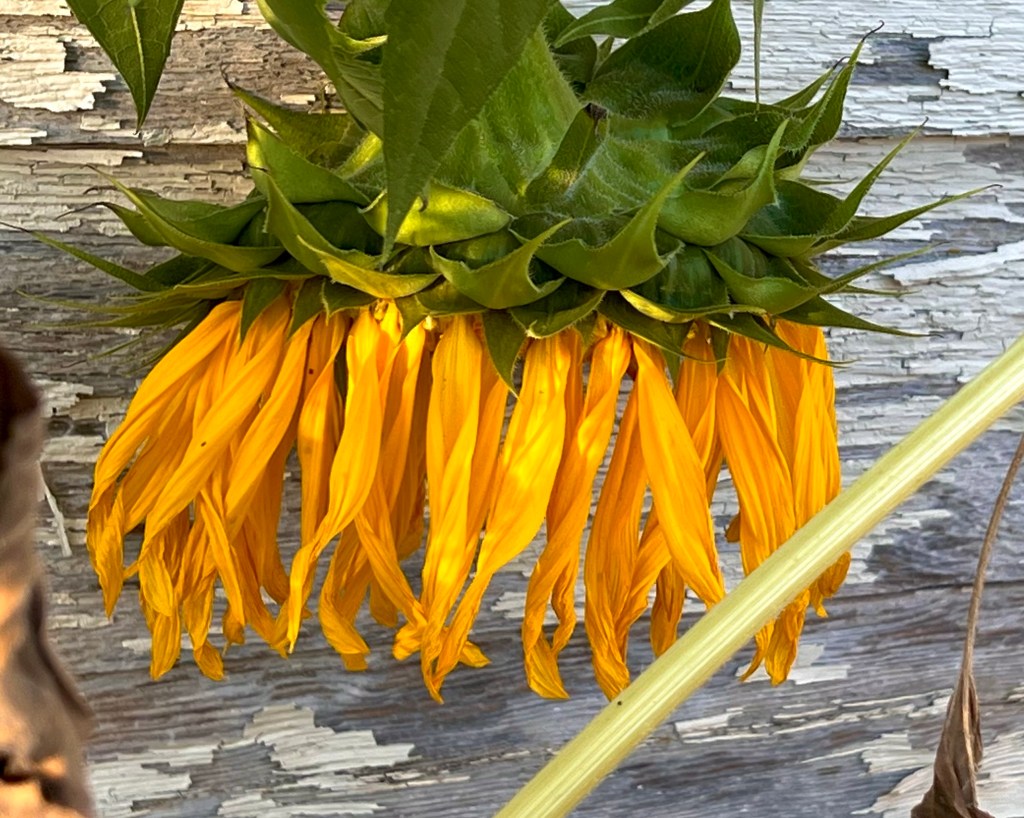
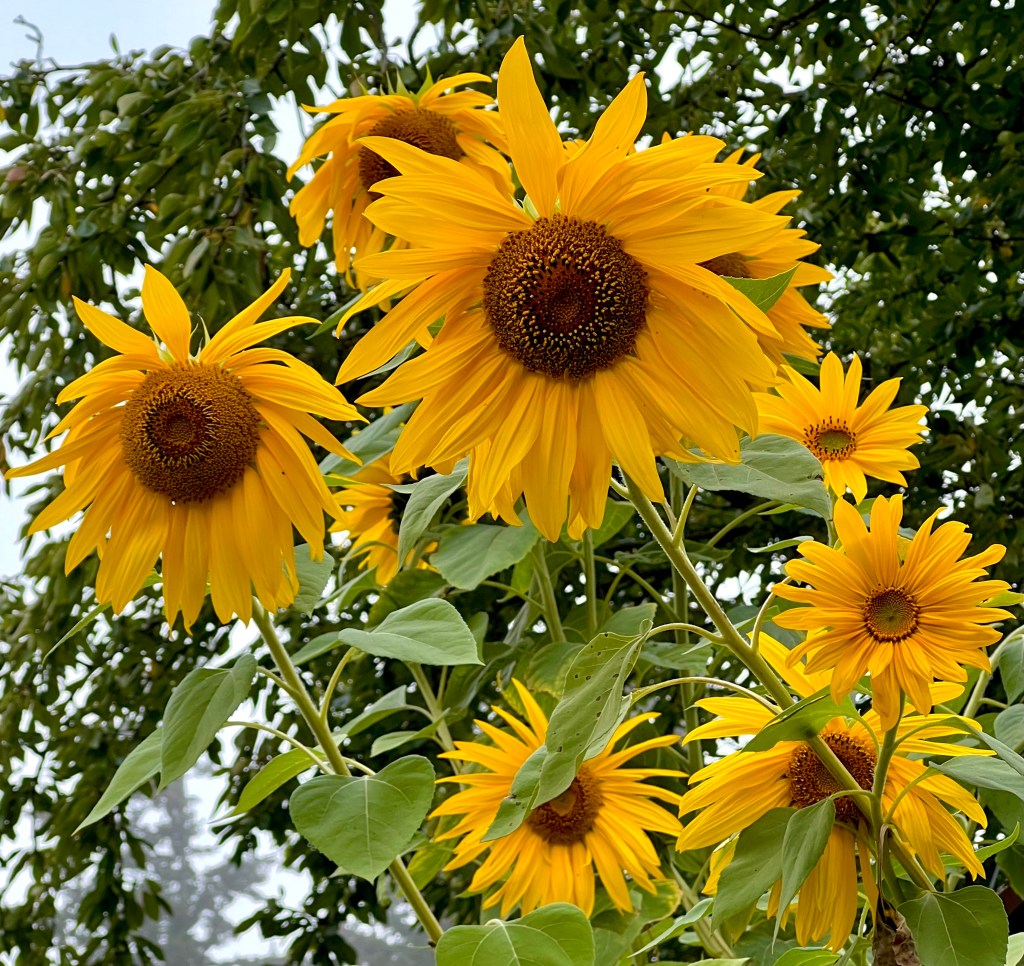
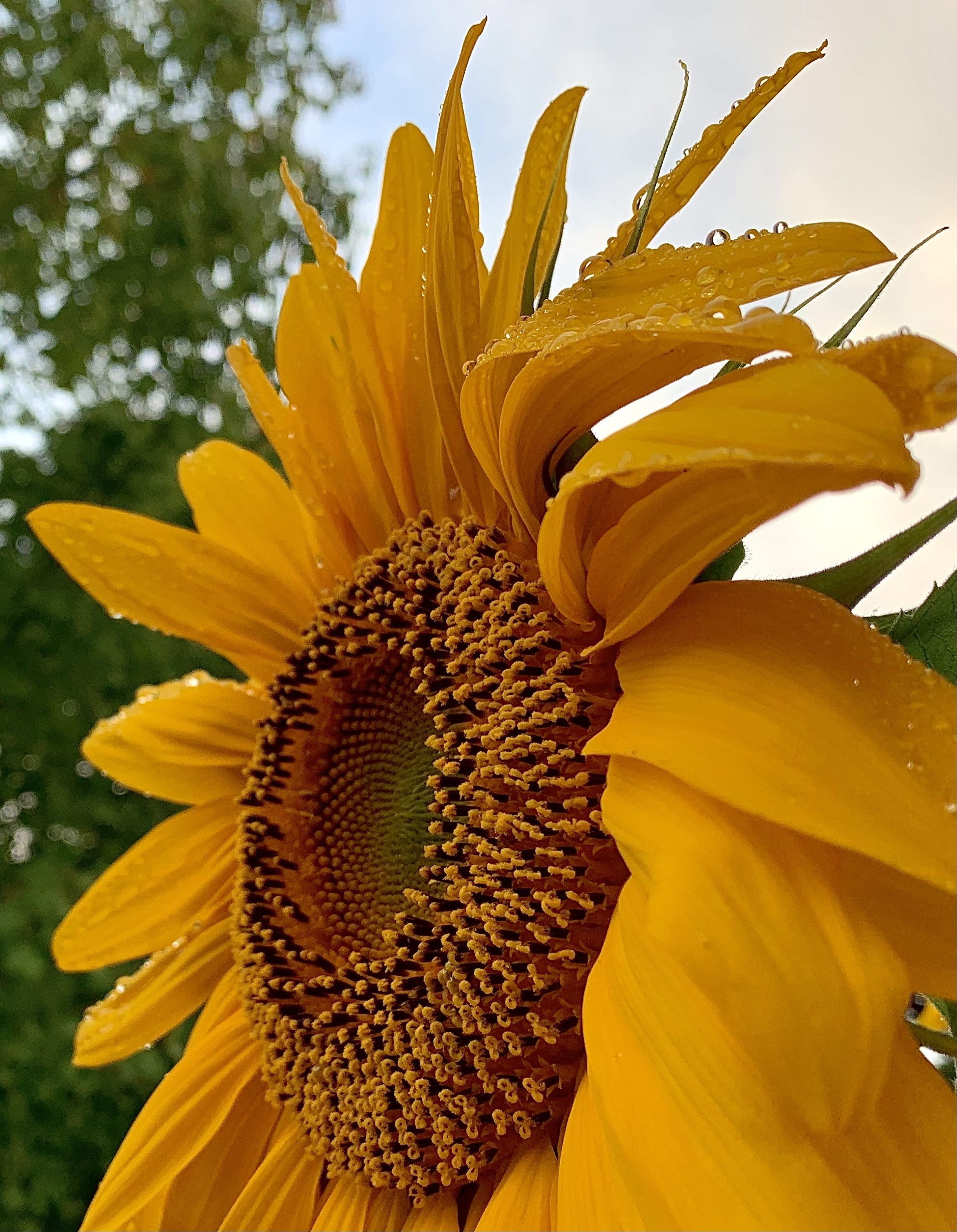
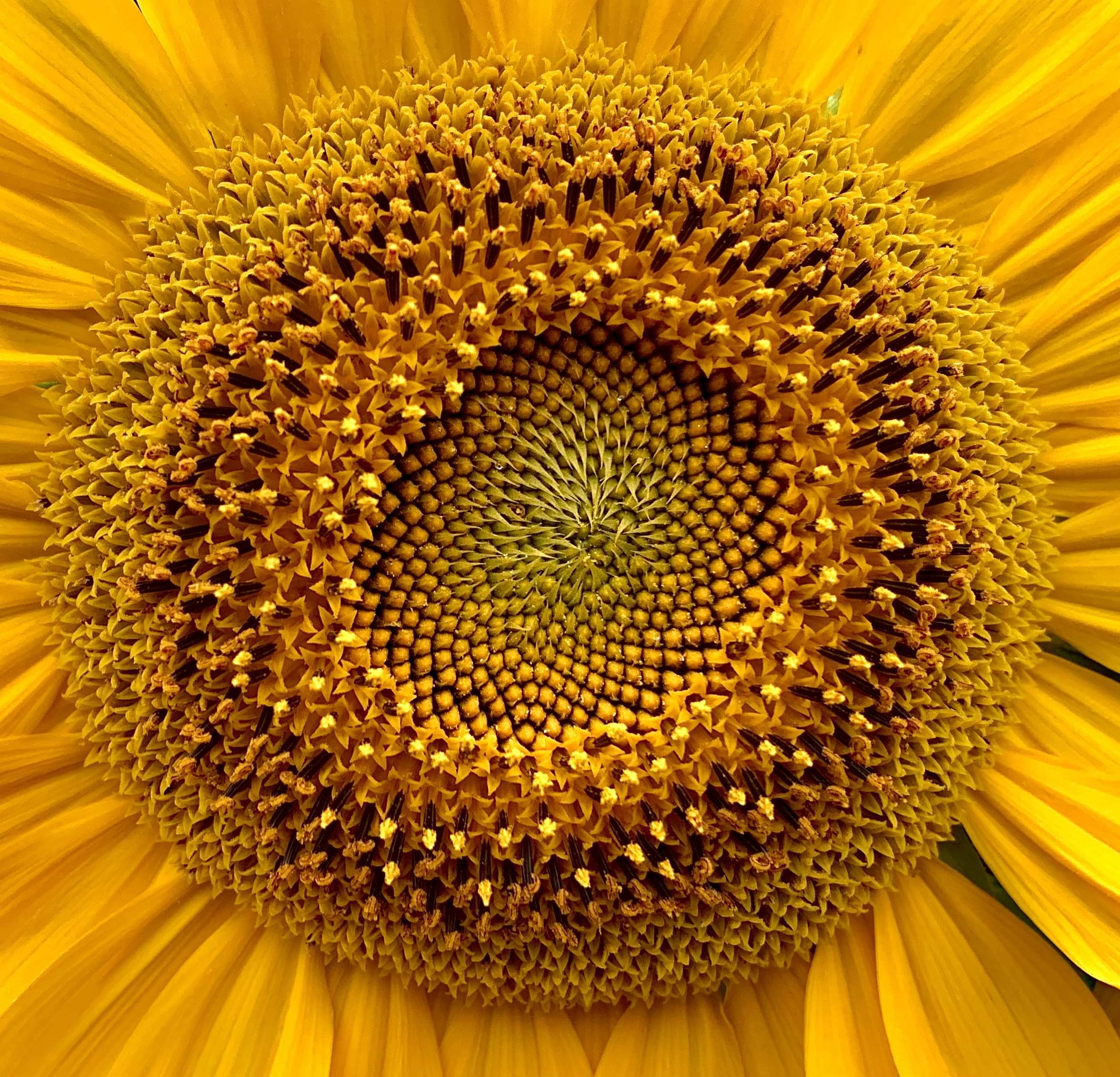
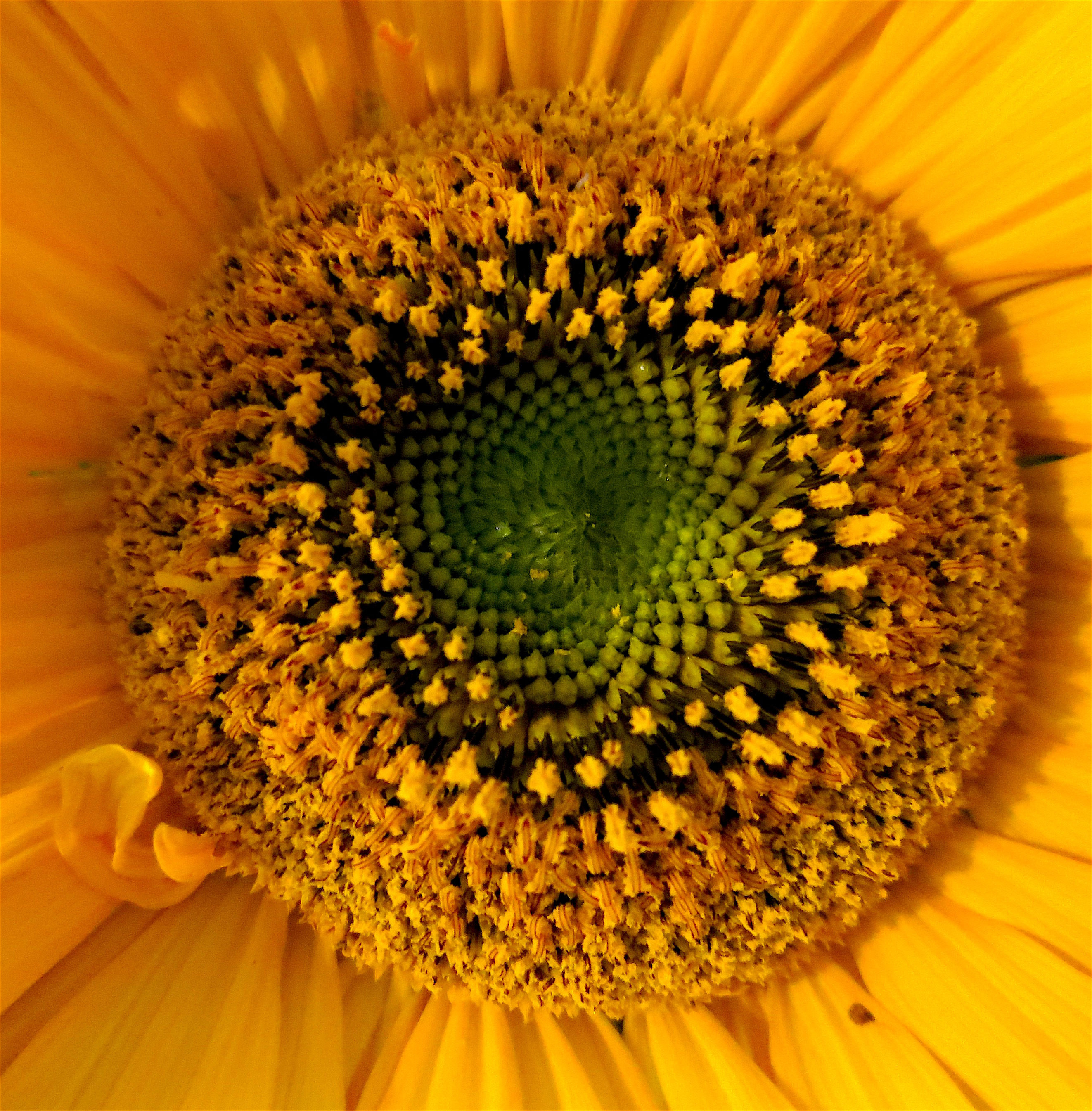
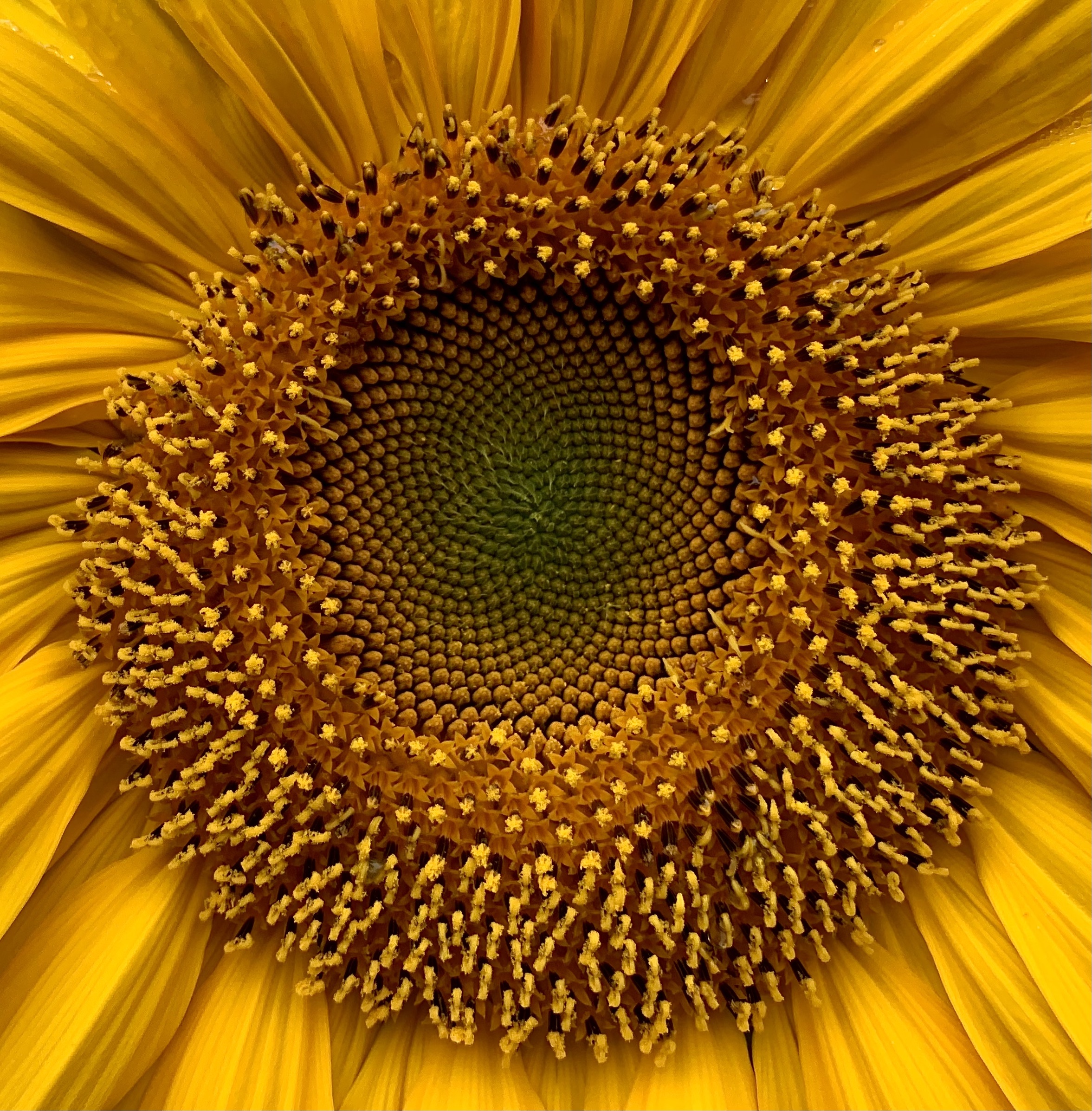
Sun Drunk

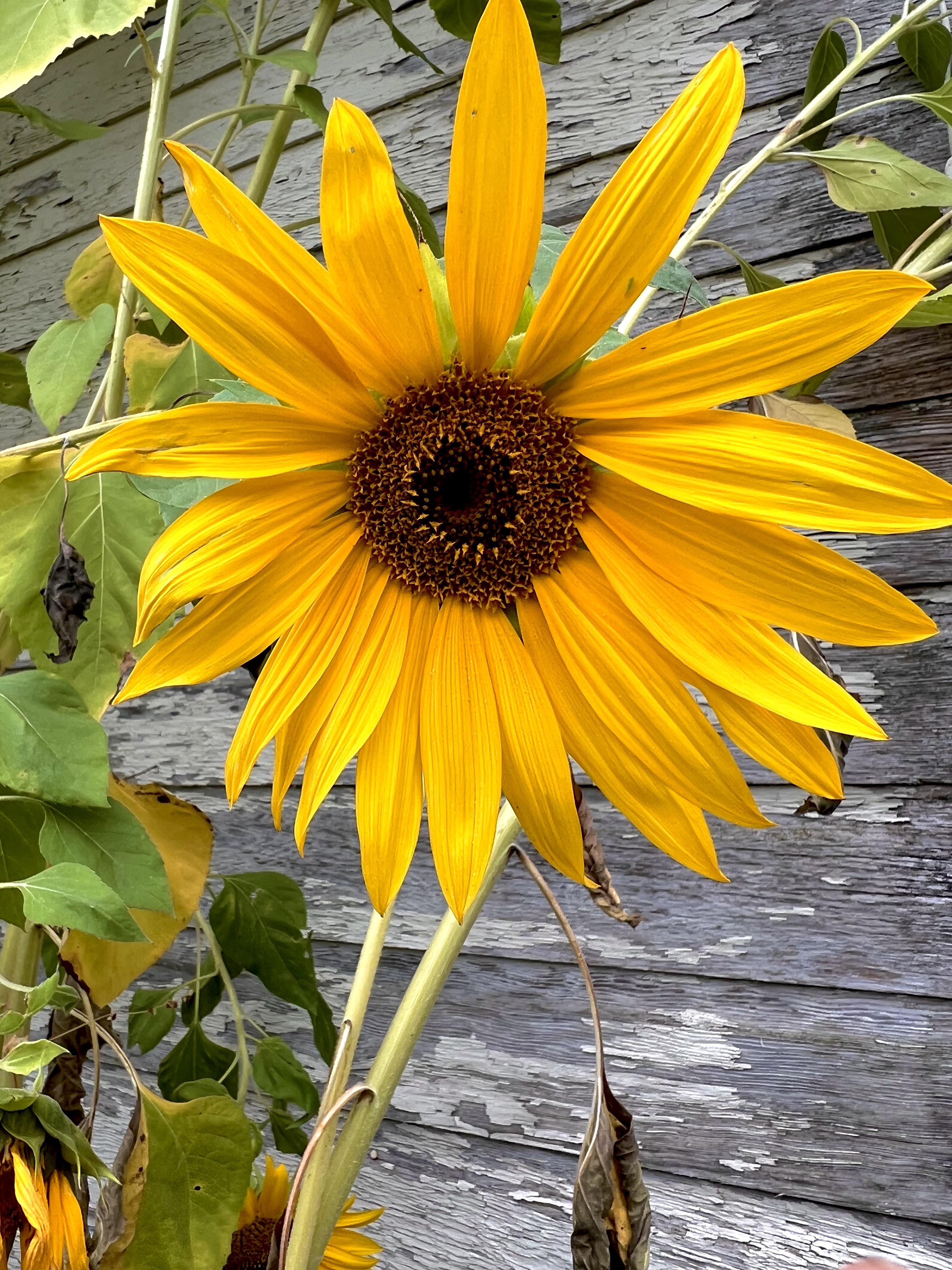
The happiest field in all the harvest
is the field of sunflowers at their peak.
Drinking the rays and dancing in the breeze.
The saddest field is the same field, six weeks later.
Drunk on the sun and burnt with shame,
they drop their heads to hide their mane.

R.S. Barrington

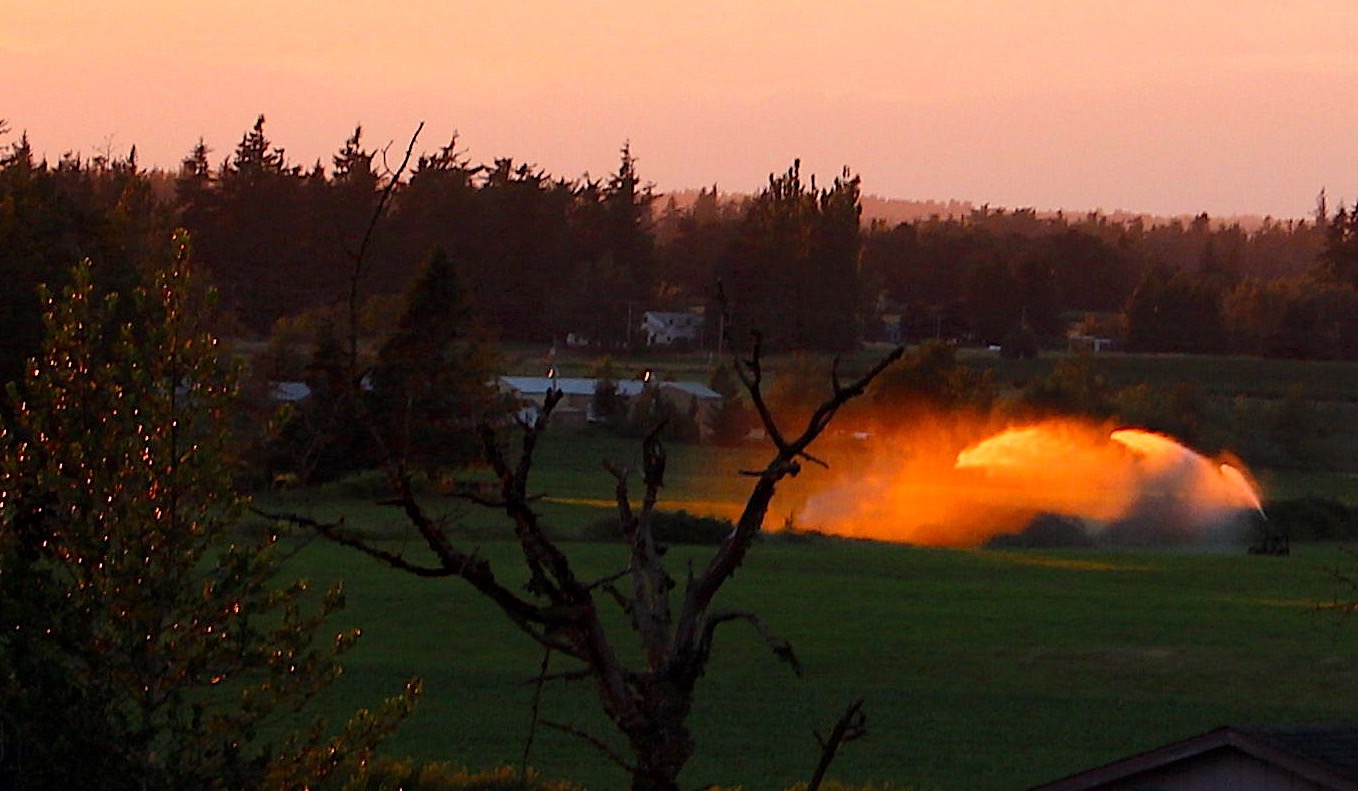
Three months of no appreciable rain is unprecedented here in the Pacific northwest.  We have been dryer than the plains states; tractors raise vast dust clouds as they harvest the fields around our farm.  No precipitation is mentioned in the forecast over the next ten days.

It has been simply too much for web foot natives like myself.  We are so inebriated from this interrupted run of perpetually sunny days, we are unable to take in any more, now bloated with Vitamin D, sickened with shame at soaking in more than our allotted share of rays. 

We are at serious risk of solar withdrawal when the rain starts.  I’m already shaky at the thought of gray clouds.  Shorter days and foggy mornings might bring on the dry heaves.  Hallucinations could include parades of multicolored bumbershoots multiplying like Mickey’s brooms in Fantasia’s The Sorcerer’s Apprentice.   Someone will need to detox us with a full spectrum seasonal affective disorder light to taper us down slowly.

Okay, enough is enough.  We’ve had our run, we’ve had our fun drunk on the sun but we’ve had enough.  We are exhausted and in need of reprieve.

Let the rains begin. Please!

And all the people said, “Amen!”

Original Barnstorming artwork note cards available as a gift to you with a $50 donation to support Barnstorming – information here

As Much Serenity As Yearning

Last night I walked the woods
lit by the final moon of the month.
Days don’t count here
beneath the centuries-old pines
where my grandmother took her solace
on hard farm days, passing up
the washboard or jam-making
for the eternal whooshing
of the forest as much serenity
as yearning.
~Dave Malone, “Walk in the Woods” from Tornado Drill

My grandparents owned the land,
worked the land, bound
to the earth by seasons of planting
and harvest.

They watched the sky, the habits
of birds, hues of sunset,
the moods of moon and clouds,
the disposition of air.
They inhaled the coming season,
let it brighten their blood
for the work ahead.

Soil sifted through their fingers
imbedded beneath their nails
and this is what they knew;
this rhythm circling the years.
They never left their land;
each in their own time
settled deeper.
~Lois Parker Edstrom “Almanac” from Night Beyond Black.

My husband and I met in the late 70’s while we were both in graduate school in Seattle, living over 100 miles away from our grandparents’ farms farther north in Washington. We lived farther still from my grandparents’ wheat farm in Eastern Washington and his grandparents’ hog farm in Minnesota. One of our first conversations together, the one that told me I needed to get to know this man better, was about wanting to move back to work on the land. We were both descended from peasant immigrants from the British Isles, Holland and Germany – farming was in our DNA, the land remained under our fingernails even as we sat for endless hours studying in law school and medical school classes.

When we married and moved north after buying a small farm, we continued to work full time at desks in town. We’ve never had to depend on this farm for our livelihood, but we have fed our family from the land, bred and raised livestock, and harvested and preserved from a large garden and orchard. It has been a good balance thanks to career opportunities made possible by our education, something our grandparents would have marveled was even possible.

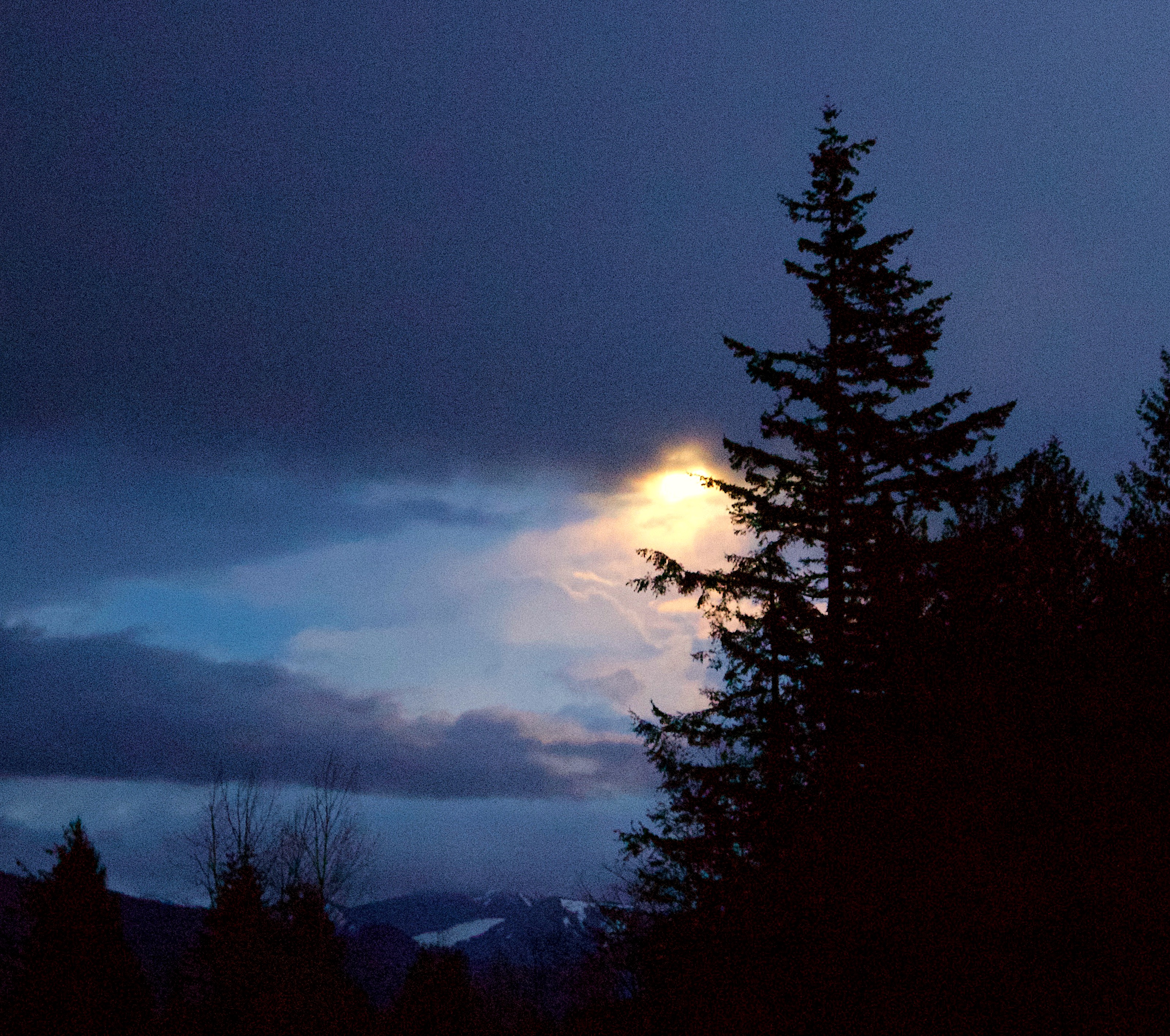
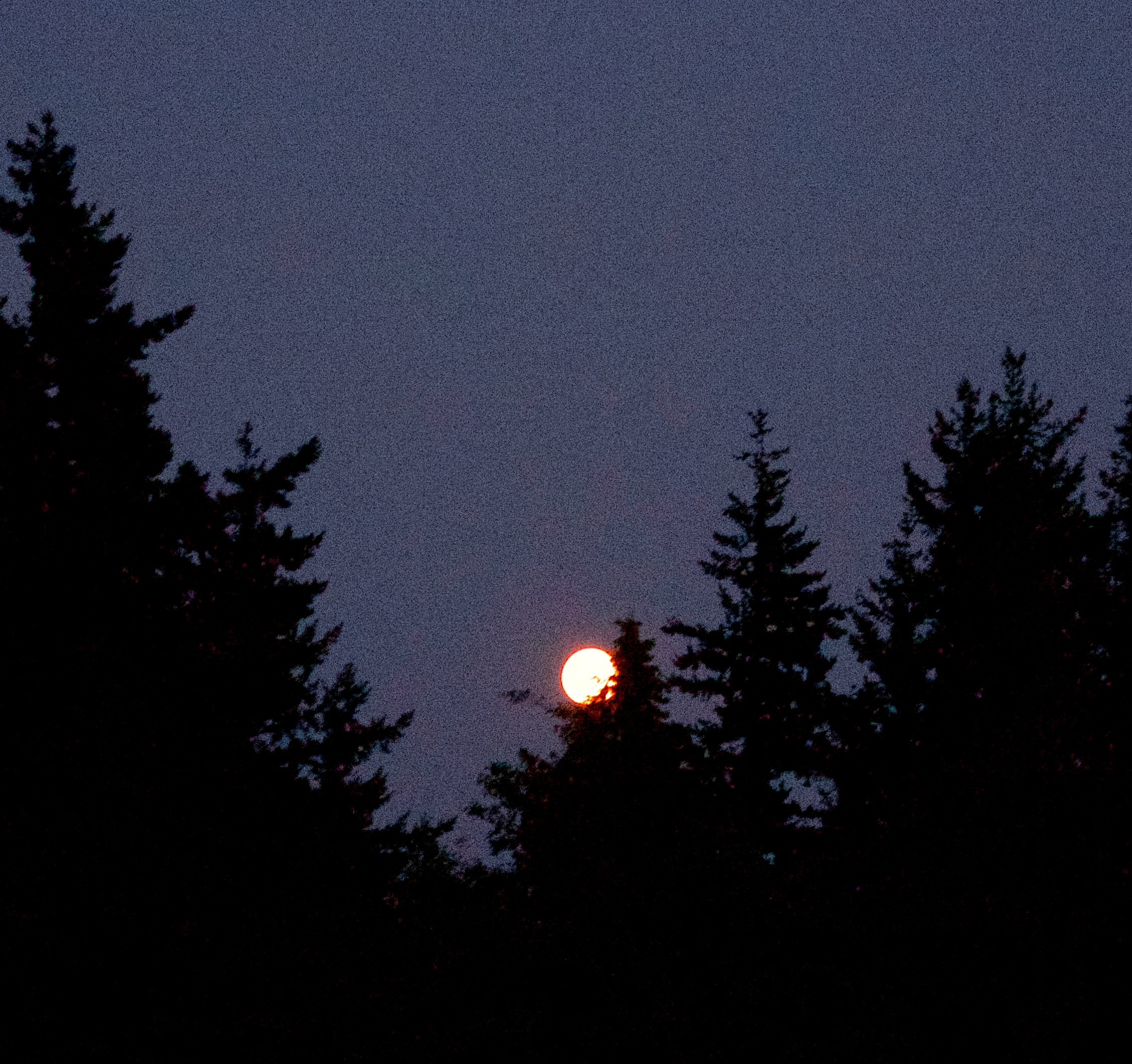
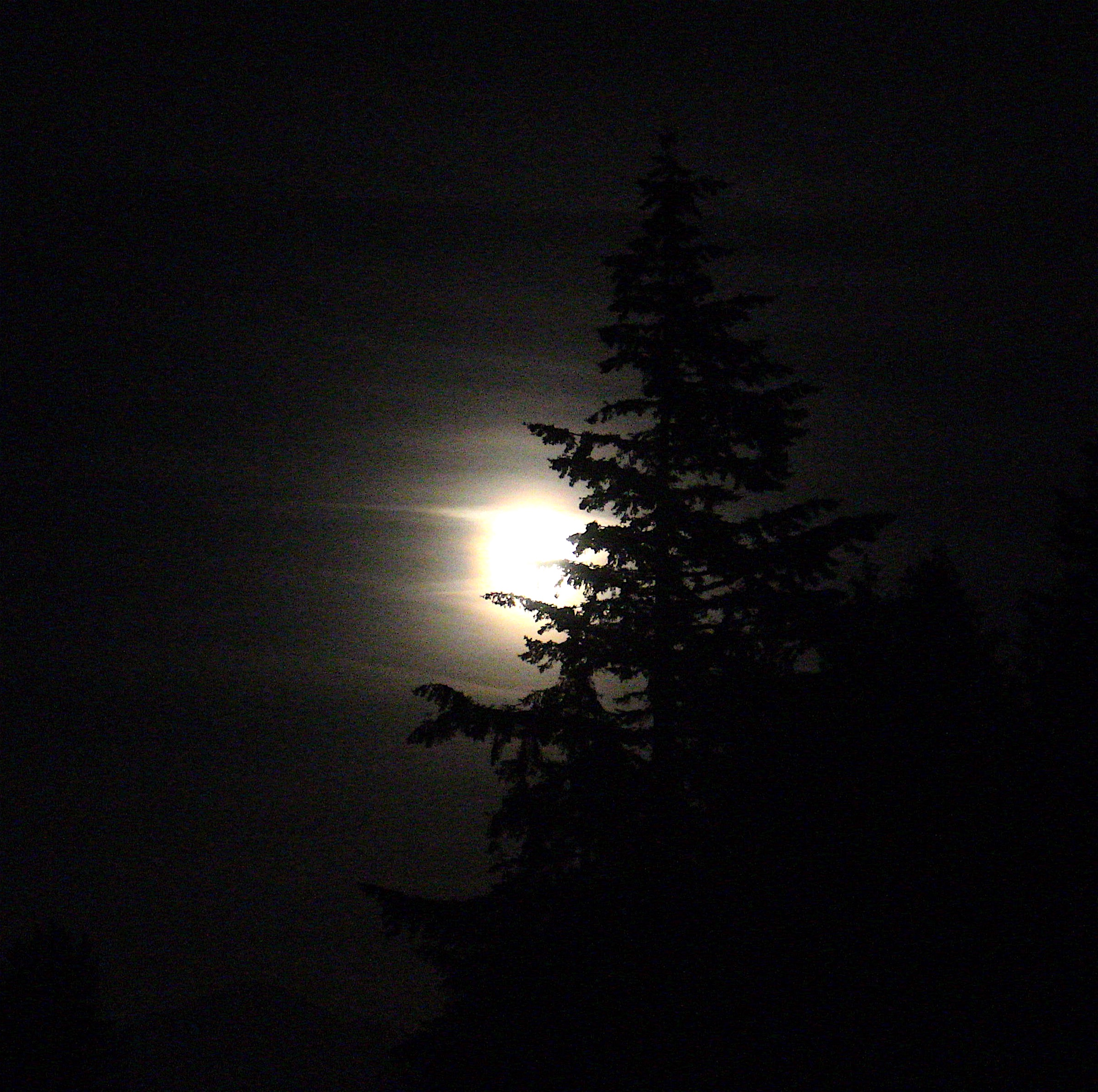
Like our grandparents, we watch in wonder at what the Creator brings to the rhythm of the land each day – the light of the dawn over the fields, the activity of the wild birds and animals in the woods, the life cycles of the farm critters we care for, the glow of the evening sun as night enfolds us when the moon ascends.

We are blessed by the land’s generosity when it is well cared for. Each new day promises another chance to treat it with the love it warrants.

Now forty-some years after that first conversation together about returning to farming, my husband and I hope we never have to leave the land. It brought us together, fed our family, remains imbedded under our fingernails and in our DNA.

Each in our own time, we will settle even deeper.

One-Time
Monthly
Yearly

Make a one-time or recurring donation
to support daily Barnstorming posts

Make a monthly donation

Make a yearly donation

Choose an amount

¤5.00
¤10.00
¤20.00
¤5.00
¤15.00
¤100.00
¤5.00
¤15.00
¤100.00

Or enter a custom amount

¤

Your contribution is deeply appreciated.

Your contribution is appreciated.

Your contribution is appreciated.

DonateDonate monthlyDonate yearly
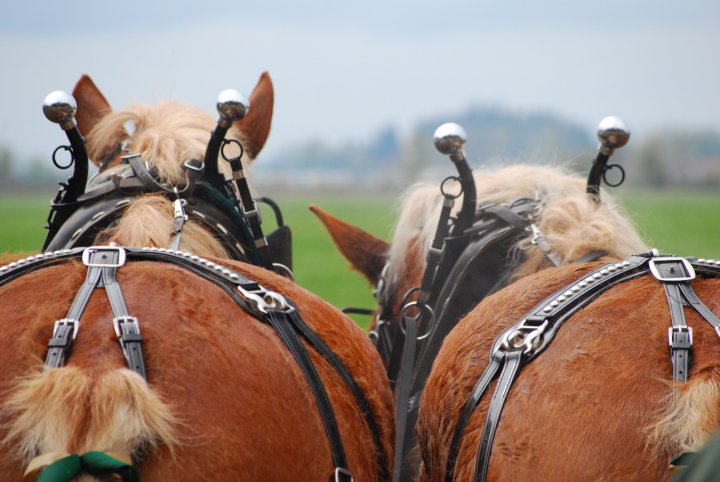
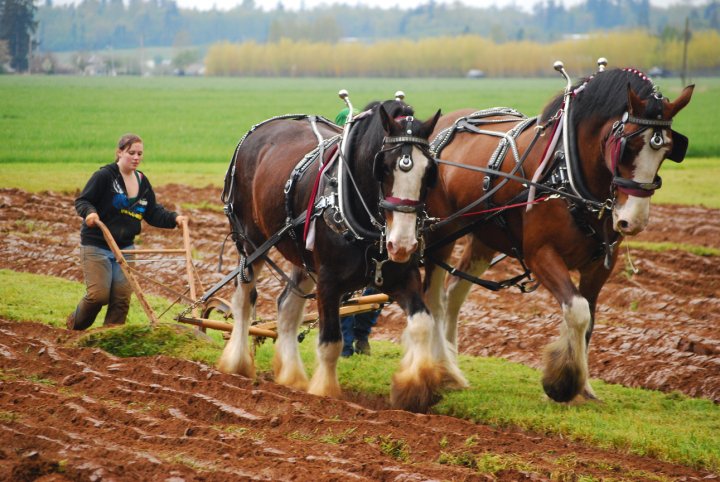
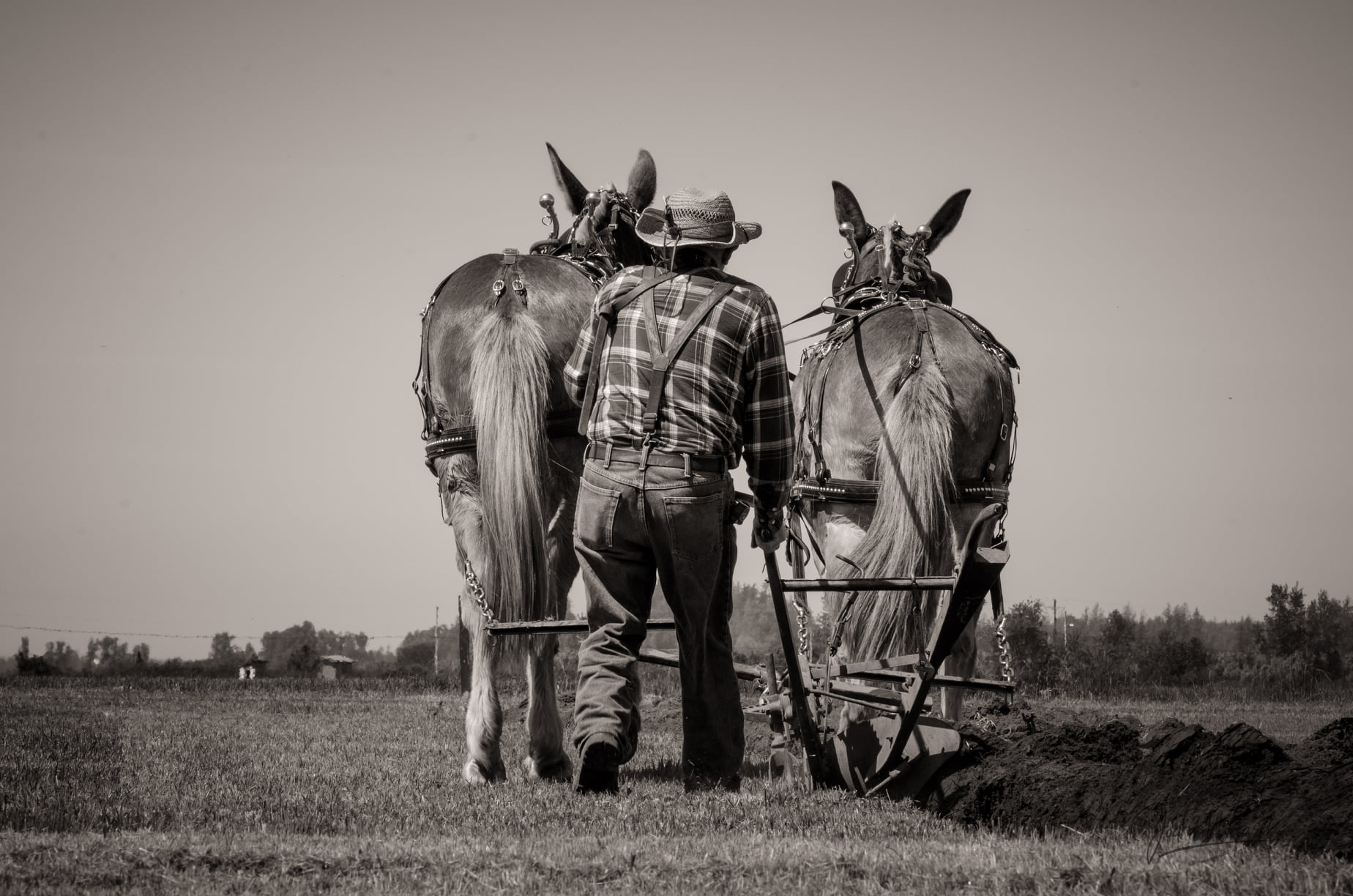
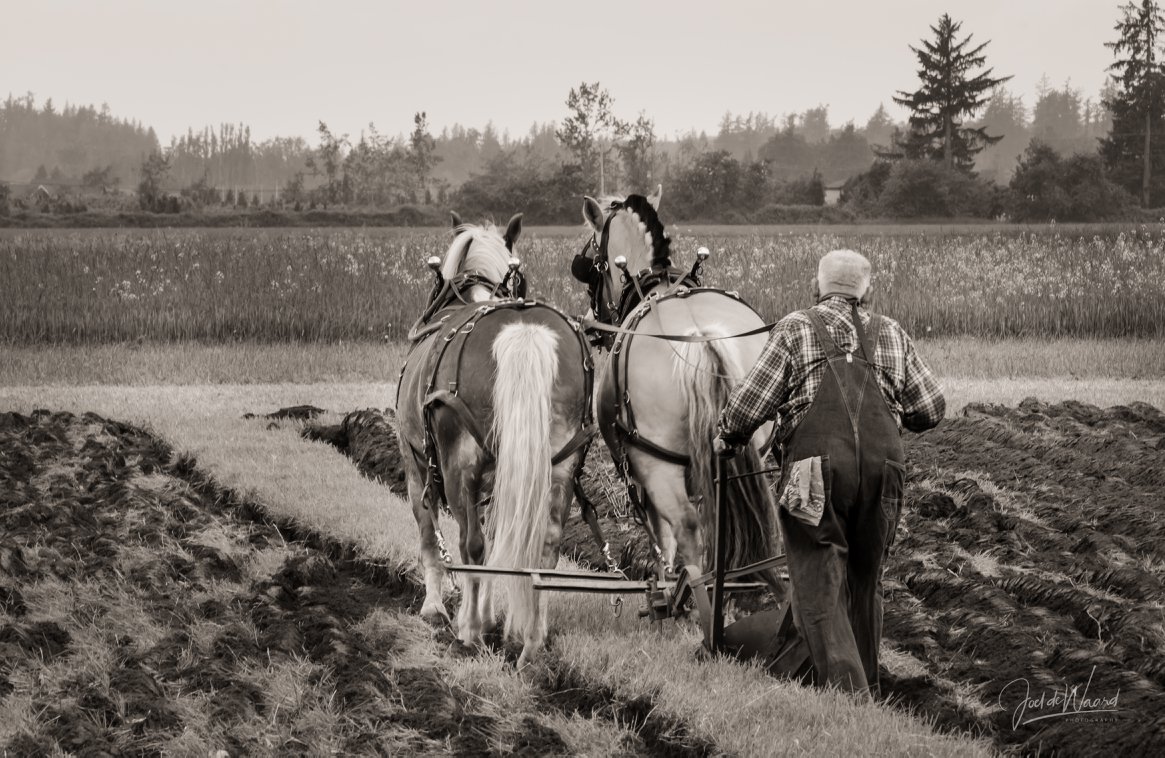
Freedom: Being Easy in the Harness

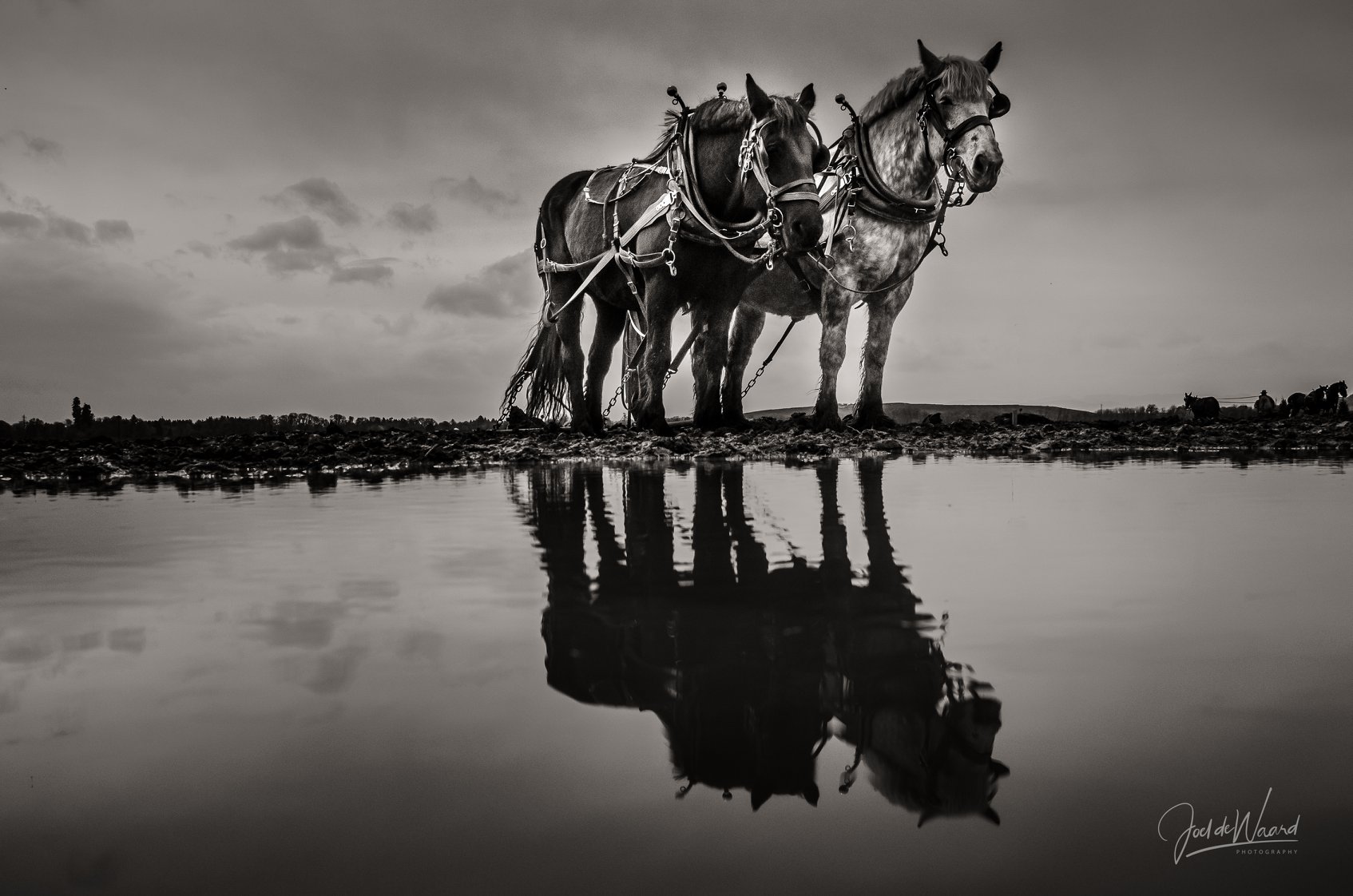
photo by Joel DeWaard
Photo by Joel DeWaard
photo by Joel DeWaard

I find my greatest freedom on the farm.
I can be a bad farmer or a lazy farmer and it’s my own business.
What is my definition of freedom?
It’s being easy in your harness.

~Robert Frost in 1954, at a news conference on the eve of his 80th birthday

photo by Joel DeWaard

Little soul,
you and I will become
the memory
of a memory of a memory.
A horse
released of the traces
forgets the weight of the wagon.
~Jane Hirshfield “Harness”

photo by Joel DeWaard

The past was faded like a dream; 
There come the jingling of a team, 
A ploughman’s voice, a clink of chain, 
Slow hoofs, and harness under strain. 
Up the slow slope a team came bowing

O wet red swathe of earth laid bare,
O truth, O strength, O gleaming share,
O patient eyes that watch the goal,
O ploughman of the sinner’s soul.
O Jesus, drive the coulter deep
To plough my living man from sleep…


That Christ was standing there with me, 
That Christ had taught me what to be, 
That I should plough, and as I ploughed 
My Saviour Christ would sing aloud, 
And as I drove the clods apart 
Christ would be ploughing in my heart, 
Through rest-harrow and bitter roots, 
Through all my bad life’s rotten fruits.

Lo, all my heart’s field red and torn,
And Thou wilt bring the young green corn,
And when the field is fresh and fair
Thy blessed feet shall glitter there,
And we will walk the weeded field,
And tell the golden harvest’s yield,
The corn that makes the holy bread
By which the soul of man is fed,
The holy bread, the food unpriced,
Thy everlasting mercy, Christ.
~John Masefield from The Everlasting Mercy

photo by Joel DeWaard

We historically have shouldered much burden
in our pursuit of happiness and freedom;
it’s worth every ounce of sweat,
every sore muscle,
every drop of blood,
every tear.

We forget the weight of the plow
as it turns over the earth
where someday we will rest as dust.

The soil of our hearts is well-tilled,
yielding to the plowshare
digging deep with the pull of the harness.
The furrow straight and narrow.

Although we are tread upon
yet do we bloom;
though we are turned upside down
yet we produce bread.

Plowing brings freshness to the surface,
a new face upturned to the cleansing dew,
knots of worms making our simple dust fertile.

Plow deep our hearts this day
of celebrating freedom in You, Dear Lord.
Let us remember to worship You, and not ourselves.

May we plow, sow, grow,
gather and harvest what is needed
to feed your vast and hungry children
everywhere.

photo by Joel DeWaard

Thank you once again to Joel DeWaard, local farmer, craftsman and photographer, who graciously shares his photos of the Annual International Lynden (Washington) Plowing Match

Whatcha gonna do when the plowin’s done?
Workin’ all day in the heat of the sun
The game’s been caught; the bread’s been won
Whatcha gonna do when the plowin’s done?

What I’m gonna do when the plowin’s done
Is take some time just to have some fun
Say the barn-dance just begun
That’s where I’m goin’ when the plowin’s done

Whatcha gonna do when the daylight’s gone
Twilight settles and the shade grows long
The whippoorwill sings his favorite song
Whatcha gonna do when the daylight’s gone?

What I’m gonna do when the daylight’s gone
Is take you to the dance if you’ll come along
The down-home past time can’t go wrong
That’s what I’m doing when the daylight’s gone

Whatcha gonna do when the moonlight’s gone
And dewdrops settle on the farmer’s lawn
I’m gonna stay right here and dance till dawn
That’s what I’m doing when the moonlight’s gone

One-Time
Monthly
Yearly

Make a one-time or recurring donation to support daily Barnstorming posts

Make a monthly donation

Make a yearly donation
Choose an amount

¤5.00
¤10.00
¤20.00
¤5.00
¤15.00
¤100.00
¤5.00
¤15.00
¤100.00

Or enter a custom amount

¤

Your contribution is deeply appreciated.
Your contribution is appreciated.

Your contribution is appreciated.

DonateDonate monthlyDonate yearly