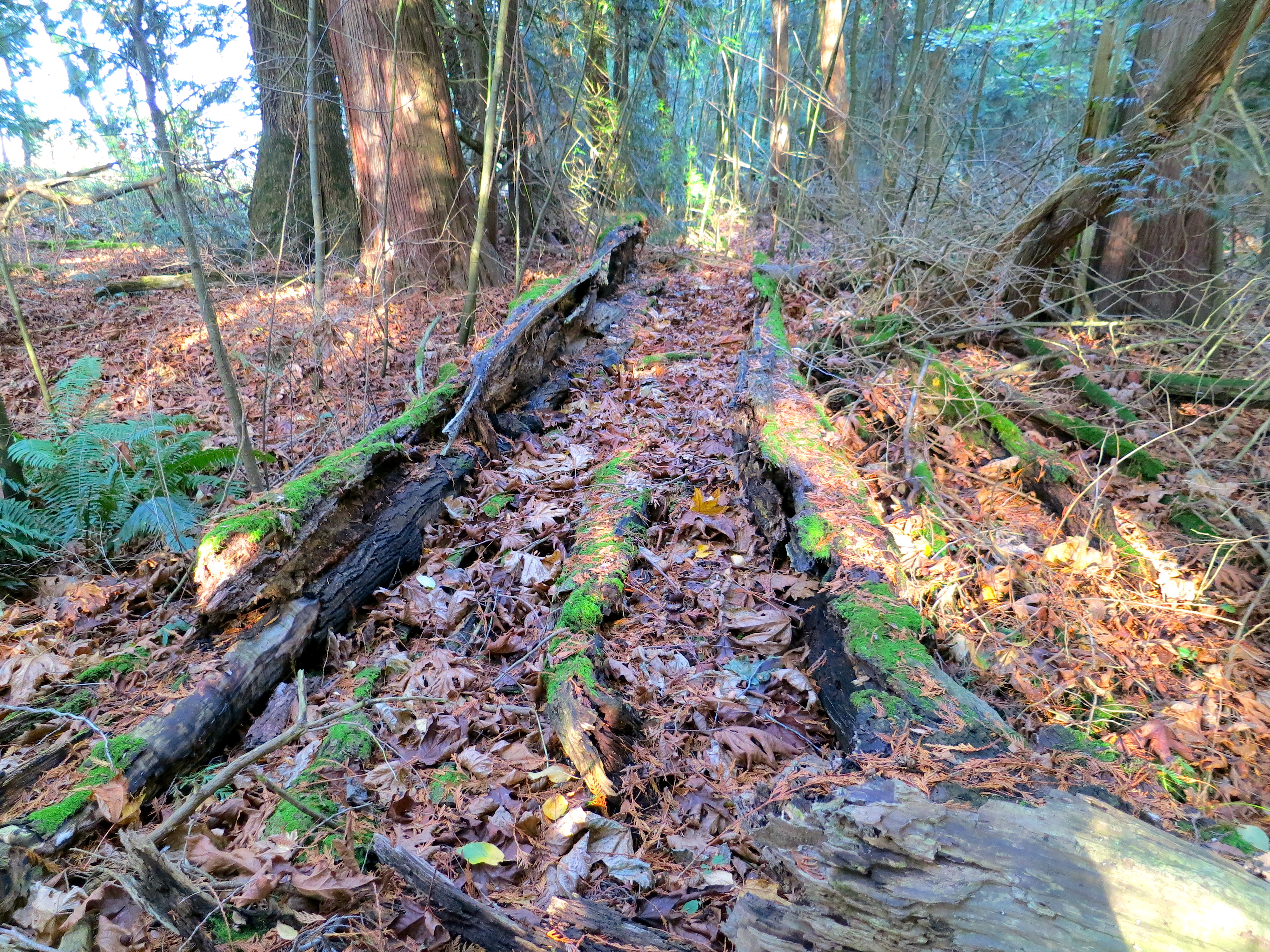
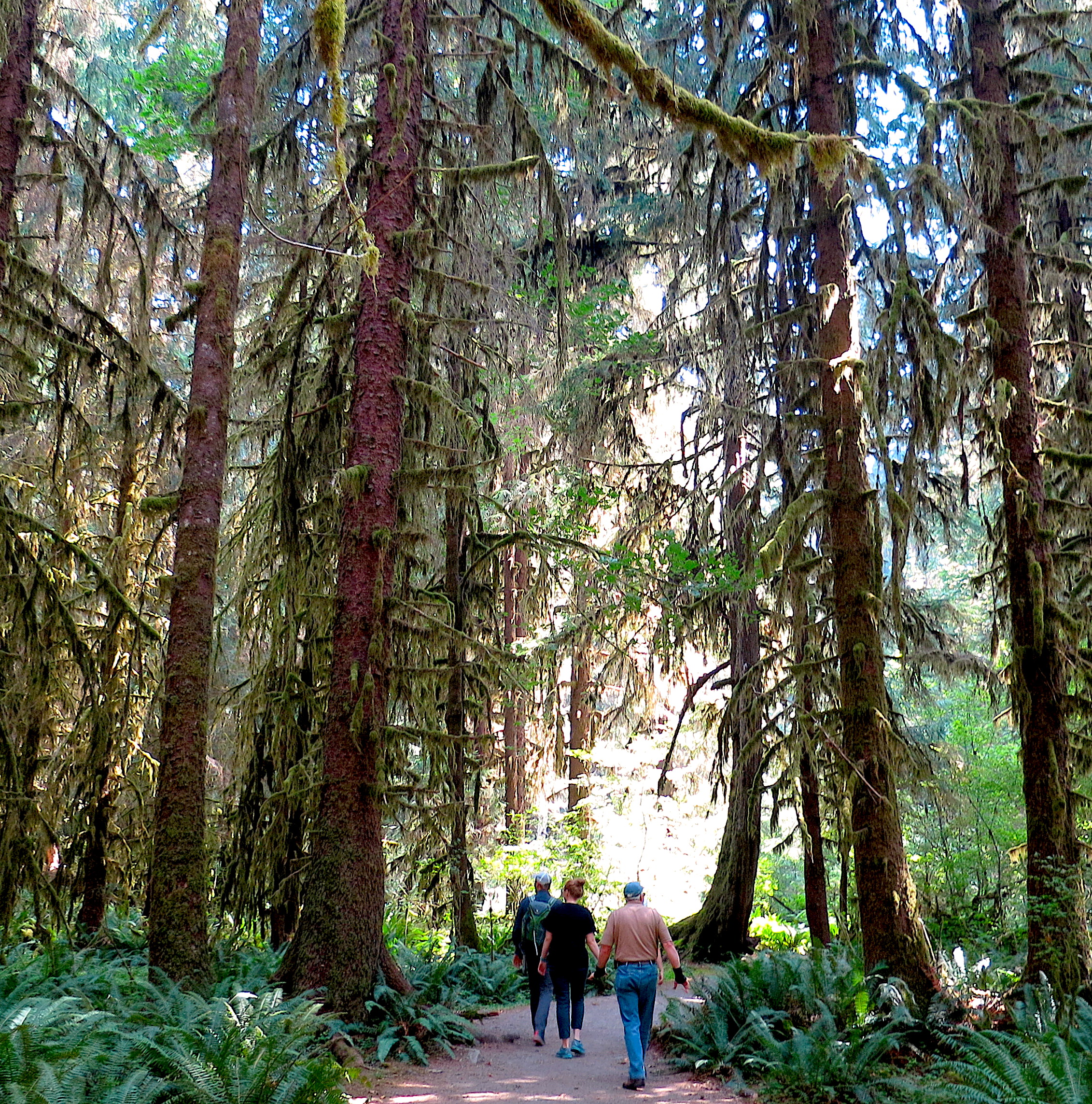
They shut the road through the woods Seventy years ago. Weather and rain have undone it again, And now you would never know There was once a road through the woods Before they planted the trees. It is underneath the coppice and heath, And the thin anemones. Only the keeper sees That, where the ring-dove broods, And the badgers roll at ease, There was once a road through the woods.
Yet, if you enter the woods Of a summer evening late, When the night-air cools on the trout-ringed pools Where the otter whistles his mate, (They fear not men in the woods, Because they see so few.) You will hear the beat of a horse’s feet, And the swish of a skirt in the dew, Steadily cantering through The misty solitudes, As though they perfectly knew The old lost road through the woods. But there is no road through the woods. ~Rudyard Kipling “The Way Through the Woods”
Nature has a way of covering our offending tracks, given time and left alone.
We think we’ve built a lasting impression, clearing the path for easy passage, forging ahead into the future.
Yet no invitation is needed for the overgrowth to reclaim the road some folks traveled, once upon a time.
Now the old lost road is overwhelmed by the mists and mosses of time; may it stay buried in the past as we pass through, unnoticed and oblivious.
photo by Emily VanderHaak
One-Time
Monthly
Yearly
Make a one-time or recurring donation to support daily Barnstorming posts
The thing is to love life, to love it even when you have no stomach for it and everything you’ve held dear crumbles like burnt paper in your hands, your throat filled with the silt of it. When grief sits with you, its tropical heat thickening the air, heavy as water more fit for gills than lungs; when grief weights you like your own flesh only more of it, an obesity of grief, you think, How can a body withstand this? Then you hold life like a face between your palms, a plain face, no charming smile, no violet eyes, and you say, yes, I will take you I will love you, again. ~Ellen Bass, “The Thing Is” from Mules of Love
...everything here seems to need us —Rainer Maria Rilke
It’s a hard time to be human. We know too much and too little. Does the breeze need us? If you’ve managed to do one good thing, the ocean doesn’t care. But when Newton’s apple fell toward the earth, the earth, ever so slightly, fell toward the apple. ~Ellen Bass from “The World Has Need of You” from Like a Beggar
Fallen leaves will climb back into trees. Shards of the shattered vase will rise and reassemble on the table. Plastic raincoats will refold into their flat envelopes. The egg, bald yolk and its transparent halo, slide back in the thin, calcium shell. Curses will pour back into mouths, letters un-write themselves, words siphoned up into the pen. My gray hair will darken and become the feathers of a black swan. Bullets will snap back into their chambers, the powder tamped tight in brass casings. Borders will disappear from maps. Rust revert to oxygen and time. The fire return to the log, the log to the tree, the white root curled up in the un-split seed. Birdsong will fly into the lark’s lungs, answers become questions again. When you return, sweaters will unravel and wool grow on the sheep. Rock will go home to mountain, gold to vein. Wine crushed into the grape, oil pressed into the olive. Silk reeled in to the spider’s belly. Night moths tucked close into cocoons, ink drained from the indigo tattoo. Diamonds will be returned to coal, coal to rotting ferns, rain to clouds, light to stars sucked back and back into one timeless point, the way it was before the world was born, that fresh, that whole, nothing broken, nothing torn apart. ~Ellen Bass “When You Return” from Like a Beggar
There is so much grief these days so much anger, so much loss of life, so much weeping.
How can we withstand this? How can we know, now, when we are barely able to breathe that we might know – at some point – we might have the stomach to love life again?
This time of year, no matter which way I turn, autumn’s kaleidoscope displays new patterns, new colors, new empty spaces as I watch the world die into itself once again.
Some dying is flashy, brilliant, blazing – a calling out for attention. Then there is the hidden dying that happens without anyone taking notice: just a plain, tired, rusting away letting go.
I spent this morning adjusting to the change in season by occupying myself with the familiar task of moving manure. Cleaning barn is a comforting chore, allowing me to transform tangible benefit from something objectionable and just plain stinky to the nurturing fertilizer of the future.
It feels like I’ve actually accomplished something.
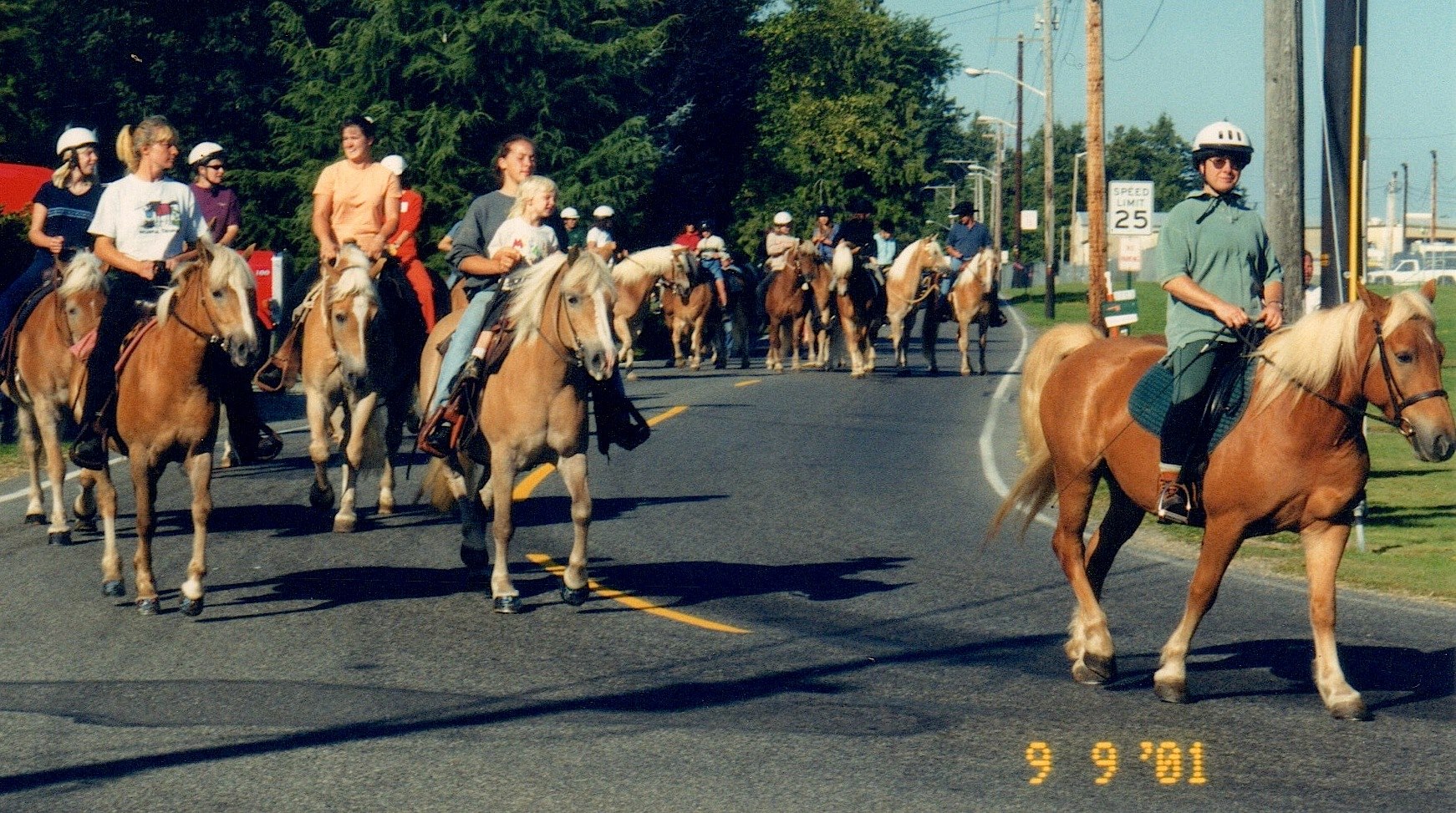
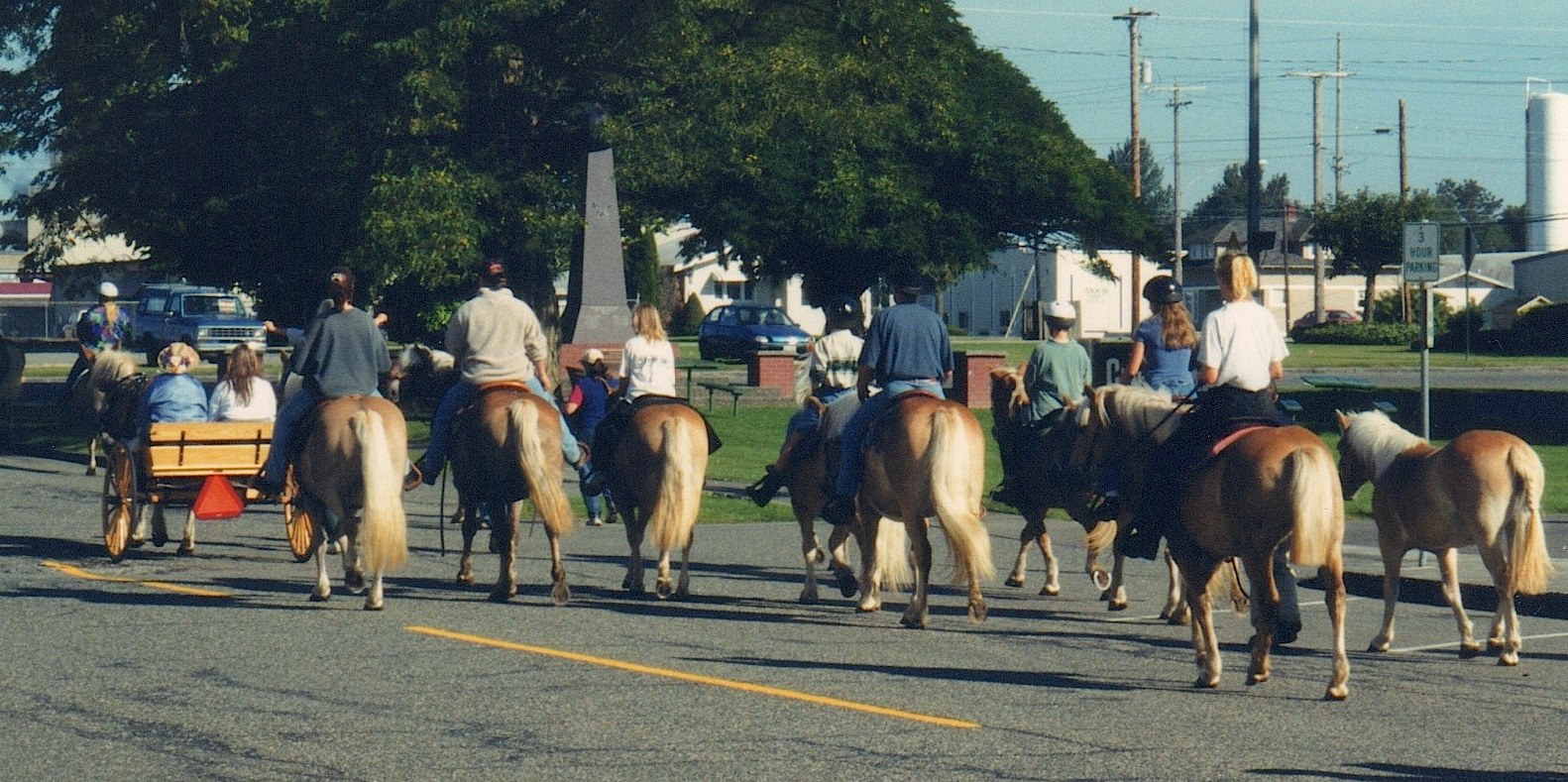
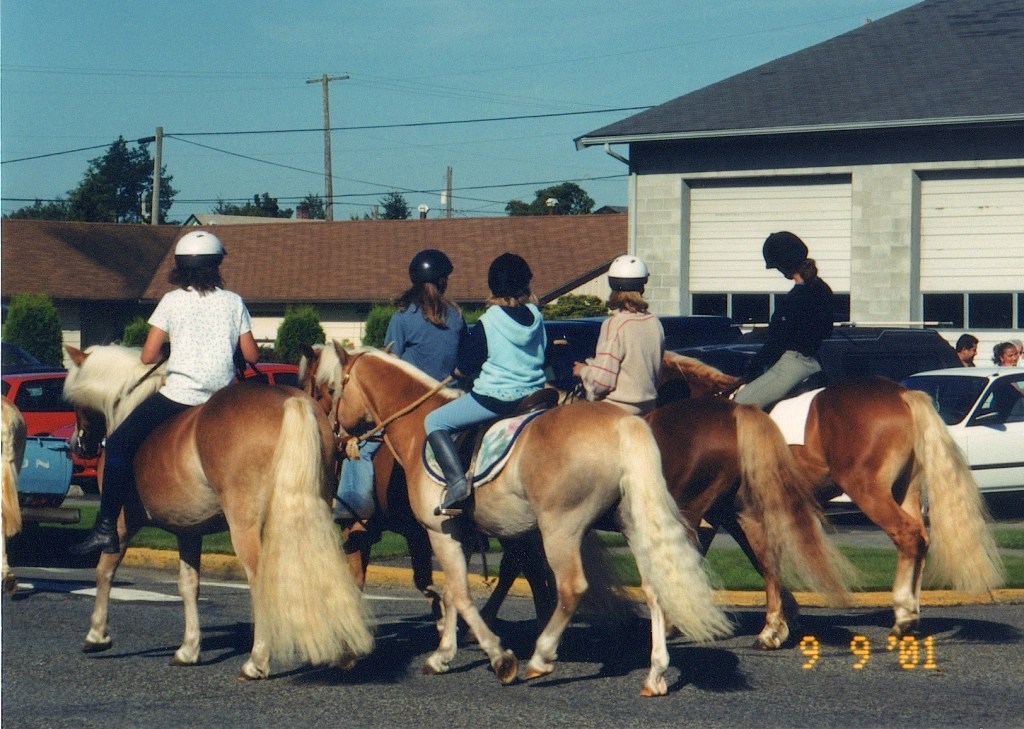
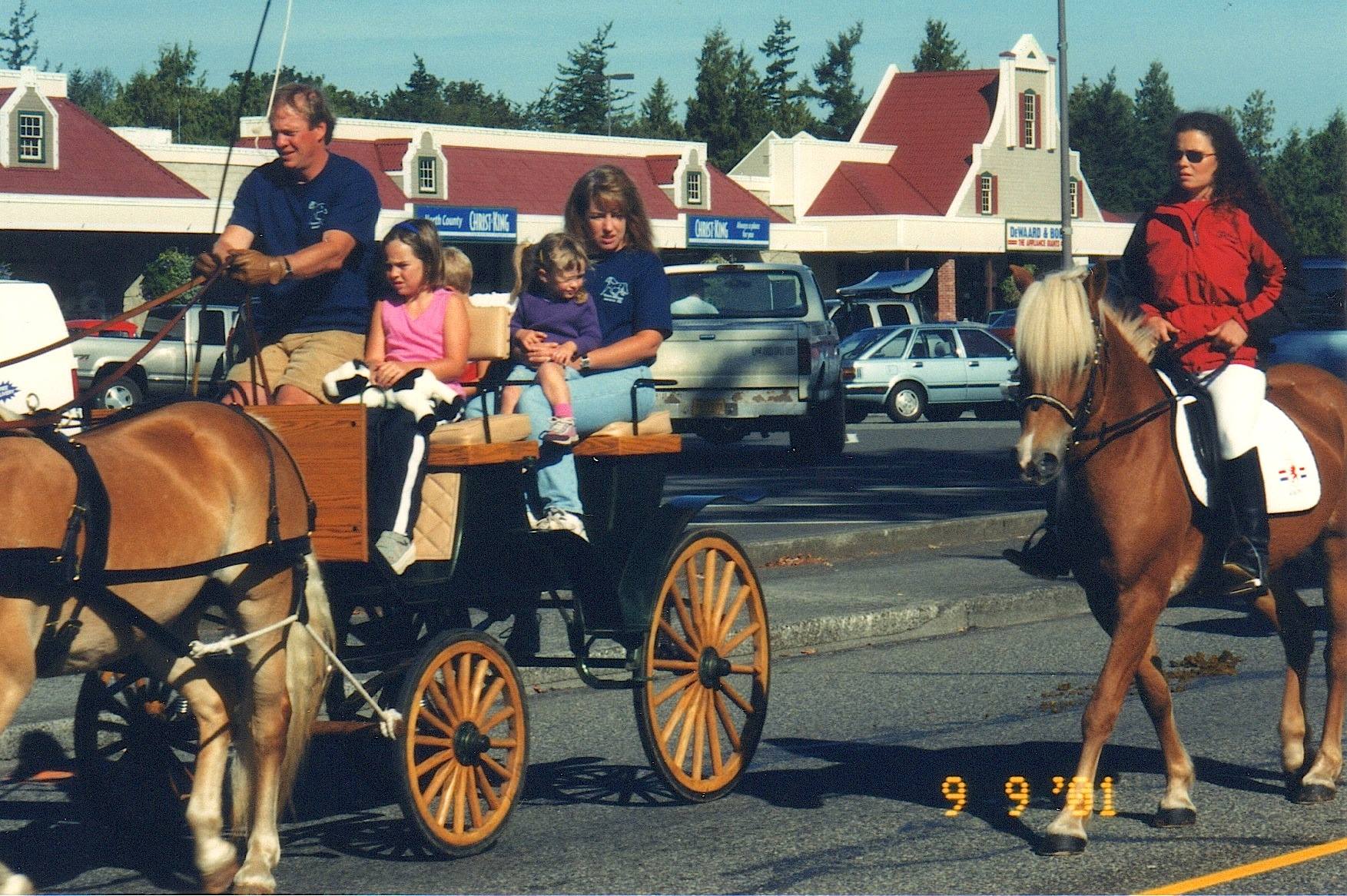
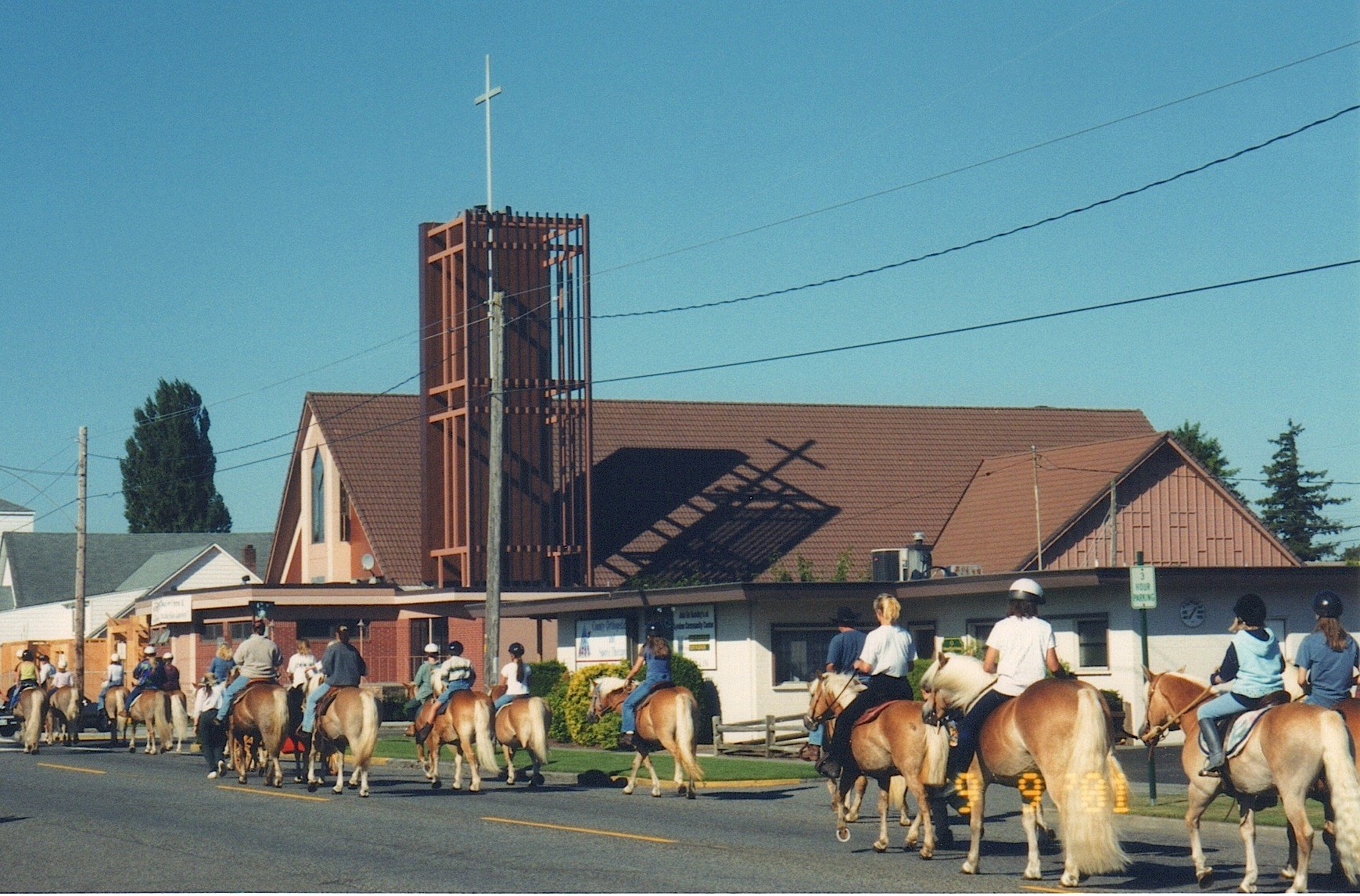
As I scoop and push the wheelbarrow, I recalled another barn cleaning 24 years ago, just days before the world changed on 9/11/01.
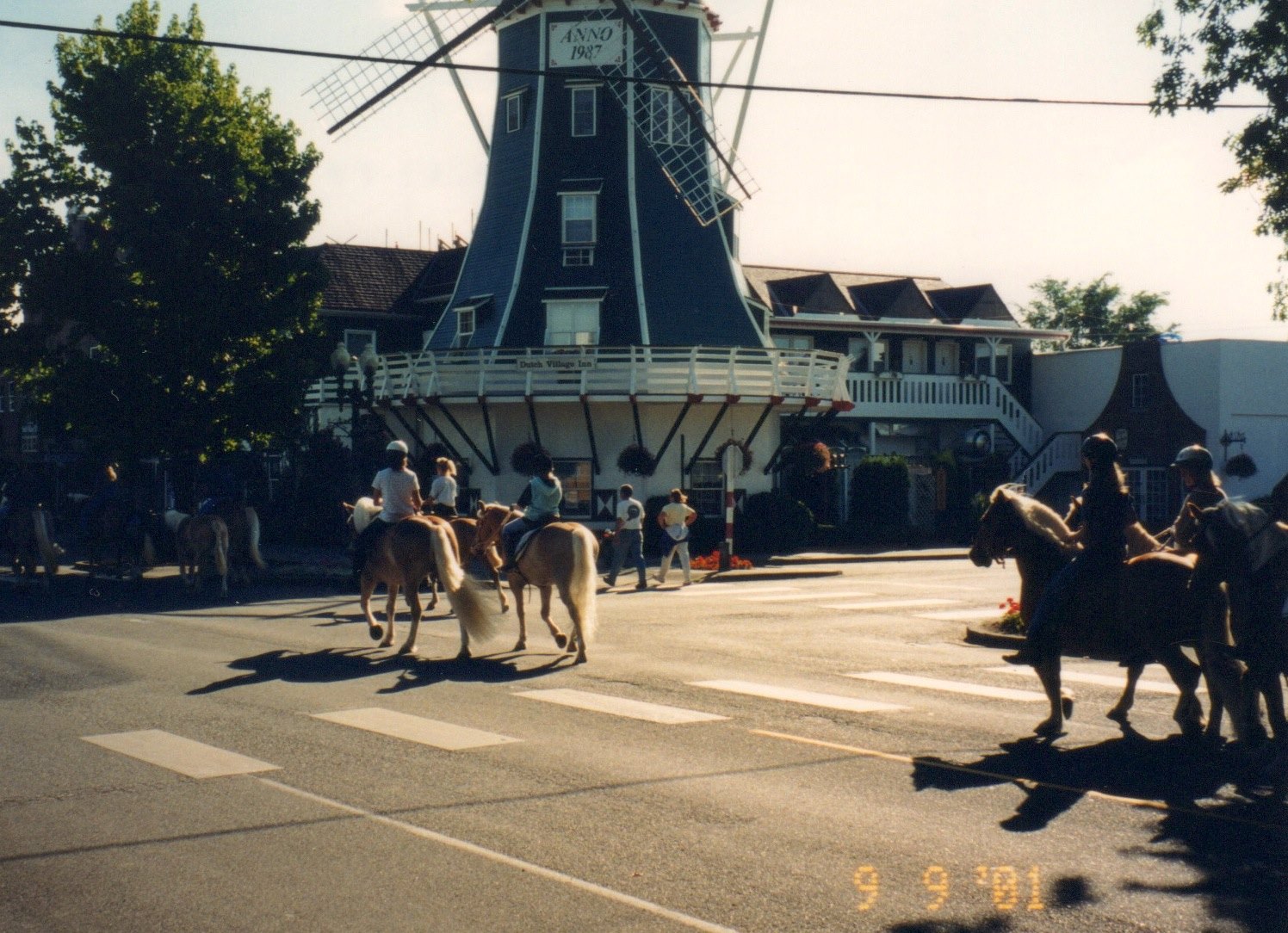
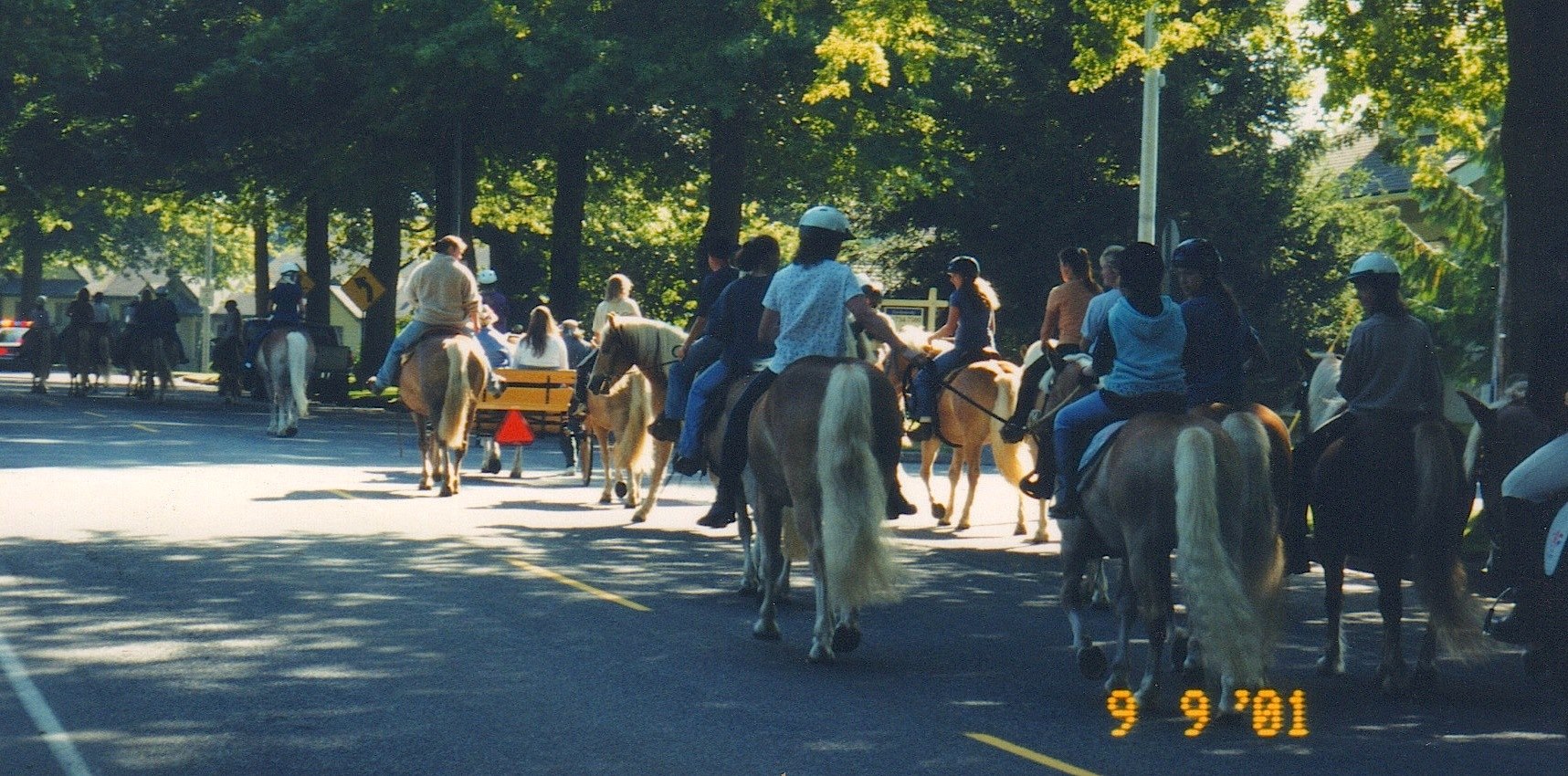
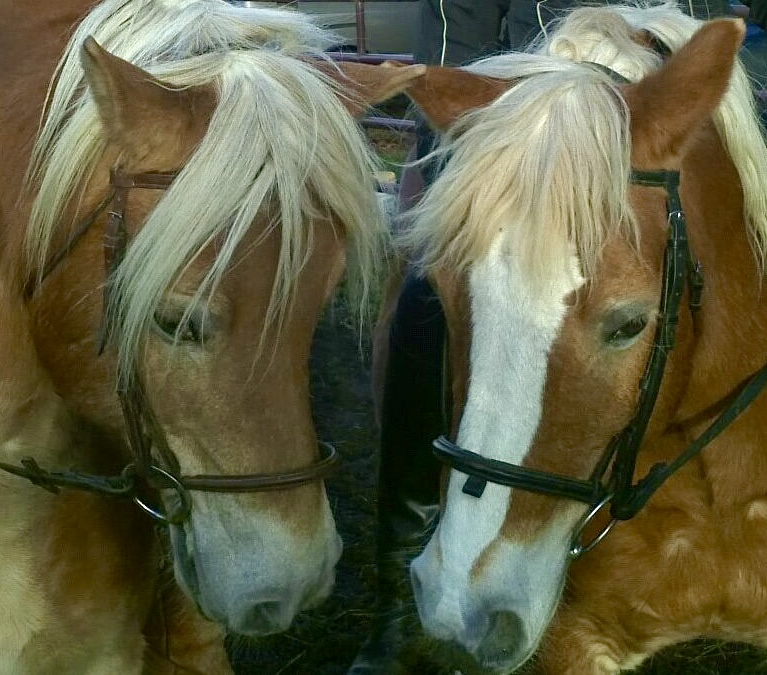
I was one of three or four friends left cleaning over ninety stalls after a Haflinger horse event that I had organized at our local fairgrounds. Some people had brought their horses from over 1000 miles away to participate for several days, including a Haflinger parade through our town on a quiet Sunday morning.
There had been personality clashes and harsh words among some participants along with criticism directed at me as the organizer that I had taken very personally. As I struggled with the umpteenth wheelbarrow load of manure, tears stung my eyes and my heart.
I was miserable with regret, feeling my work had been futile and unappreciated.
One friend had stayed behind with her young family to help clean up the large facility and she could see I was struggling to keep my composure. Jenny put herself right in front of my wheelbarrow and looked me in the eye, insisting I stop for a moment and listen:
“You know, none of these troubles and conflicts will amount to a hill of beans years from now. People will remember a fun event in a beautiful part of the country, a wonderful time with their Haflingers, their friends and family, and they’ll be all nostalgic about it, not giving a thought to the infighting or the sour attitudes or who said what to whom. So don’t make this about you and whether you did or didn’t make everyone happy. You loved us all enough to make it possible to meet here and the rest was up to us. So quit being upset about what you can’t change. There’s too much you can still do for us.”
Jenny had no idea how wise her words were, even two days later, on 9/11.
During tough times since (and there have been plenty), Jenny’s advice replays, reminding me to cease seeking appreciation from others or feeling hurt when harsh words come my way.
She was right about the balm found in the tincture of time. She was right about giving up the upset in order to die to self and self absorption, and instead to focus outward.
I have remembered.
Jenny herself did not know that day she would subsequently spend six years dying while still loving life every day, fighting a relentless cancer that was only slowed in the face of her faith and intense drive to live.
She became a rusting leaf gone holy, fading imperceptibly over time, crumbling at the edges until she finally had to let go. Her dying did not flash brilliance, nor draw attention at the end. Her intense focus during the years of her illness had always been outward to others, to her family and friends, to the healers she spent so much time with in medical offices, to her firm belief in the plan God had written for her and those who loved her.
So Jenny let go her hold on life here. And we reluctantly let her go. Brilliance cloaks her as her focus is now on things eternal.
You were so right, Jenny. The hard feelings from a quarter century ago don’t amount to a hill of beans now. The words you spoke to me that day taught me to love life even when I have no stomach for it.
All of us did have a great time together a few days before the world changed. And manure transforms over time to rich, nurturing compost.
I promise I am no longer upset that I can’t change what is past nor the fact that you and so many others have now left us.
But we’ll catch up later.
One-Time
Monthly
Yearly
Make a one-time or recurring donation to support daily Barnstorming posts
As to me I know of nothing else but miracles, Whether I walk city streets, Or dart my sight over the roofs of houses toward the sky, Or wade with naked feet along the beach just in the edge of the water, Or stand under trees in the woods, Or talk by day with any one I love, or sleep in the bed at night with any one I love, Or sit at table at dinner with the rest, Or watch honey-bees busy around the hive of a summer forenoon, Or animals feeding in the fields, Or birds, or the wonderfulness of insects in the air, Or the wonderfulness of the sundown, or of stars shining so quiet and bright, Or the exquisite delicate thin curve of the new moon in spring; These with the rest, one and all, are to me miracles, The whole referring, yet each distinct and in its place.
To me every hour of the light and dark is a miracle, Every cubic inch of space is a miracle, Every square yard of the surface of the earth is spread with the same, Every foot of the interior swarms with the same. Every spear of grass — the frames, limbs, organs, of men and women, and all that concerns them…
What stranger miracles are there? ~Walt Whitman from Leaves of Grass
Everywhere I turn, there is a miracle in the making. I know this deep in my bones, even when our days on this earth are short. I focus my camera to try to preserve it; I search for words to do it justice.
God touches every square inch of earth as if He owns the place, but these square inches are particularly marked by His artistry. It is a place to feel awed by His magnificence.
The strange miracle is that we are here at all: in an instant we are formed in all our unique potential, never having happened before and never to happen again—to become brain and heart and skin and arms and legs. We were allowed to be born, a miracle in itself in this modern age of conditional conception.
The strangest miracle of all is that we are still loved, corrupted as we are. We are still offered salvage, undeserving as we are. We are still gifted with the miracle of grace until our last breath.
How strange indeed. How utterly wondrous.
There is not a particle of life which does not bear poetry within it. ~Gustav Flaubert
There is not a square inch in the whole domain of our human existence over which Christ, who is Sovereign over all, does not cry, Mine! ~Abraham Kuyper
One-Time
Monthly
Yearly
Make a one-time or recurring donation to support daily Barnstorming posts
O! for a horse with wings! ~William Shakespeare from Cymbeline
photo by Bette Vander Haakphoto by Bette Vander Haak
Be winged. Be the father of all flying horses. ~C.S. Lewis from The Magician’s Nephew
photo by Bette Vander Haak
photo by Bette Vander Haak
One reason why birds and horses are happy is because they are not trying to impress other birds and horses. ~Dale Carnegie
photo by Bette Vander Haak
When I bestride him, I soar, I am a hawk: he trots the air; the earth sings when he touches it; ~William Shakespeare from Henry V
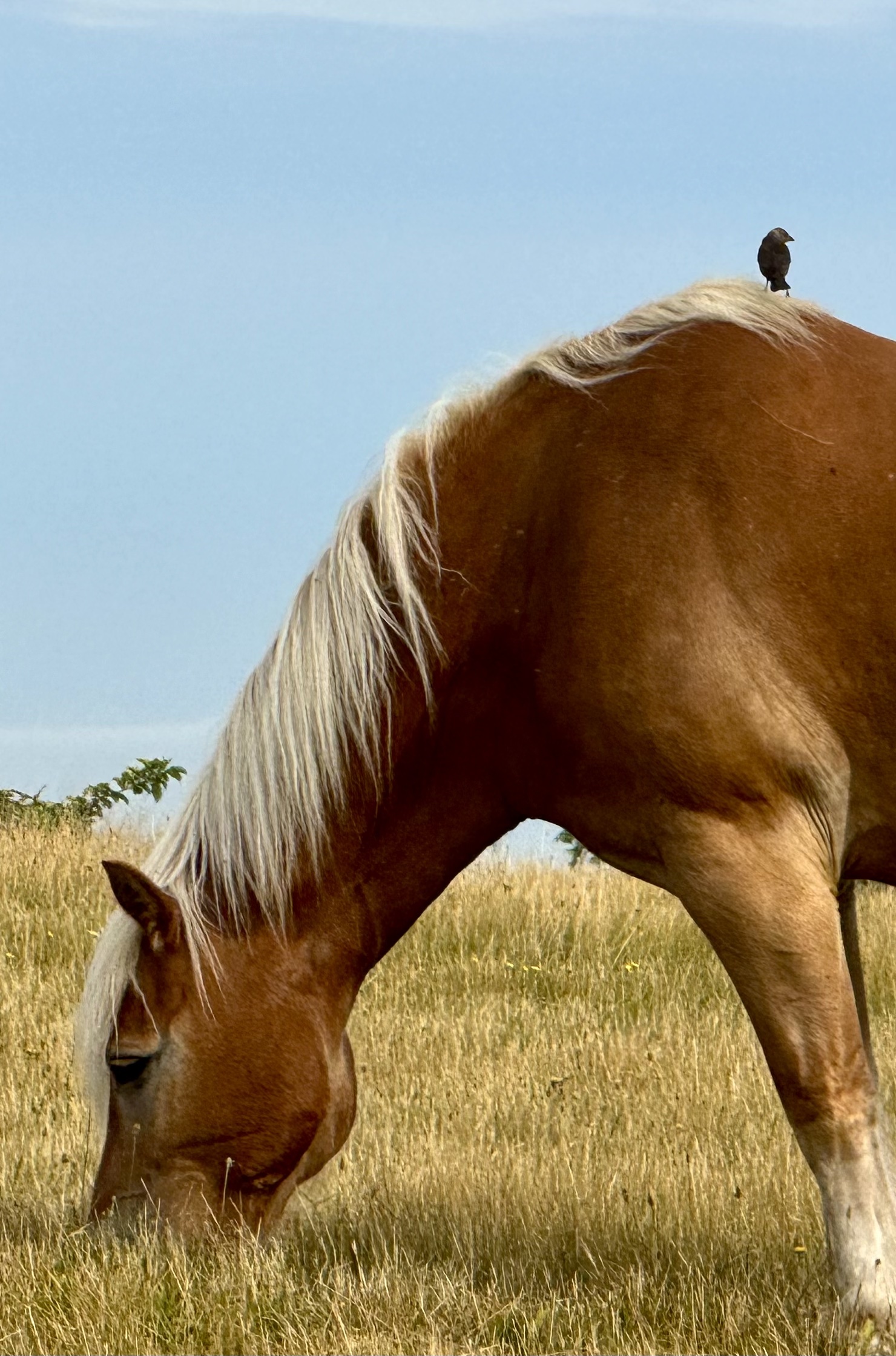
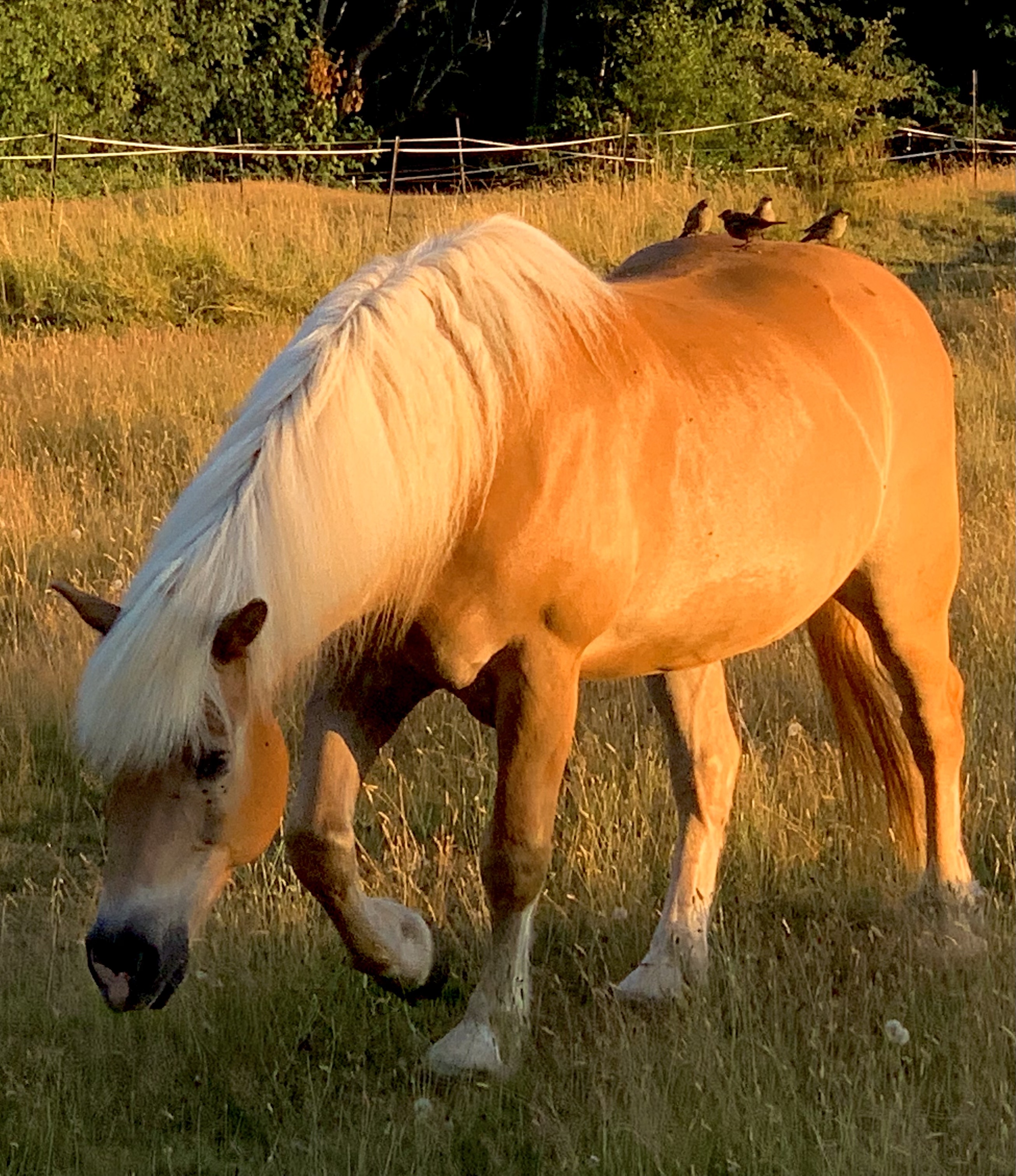
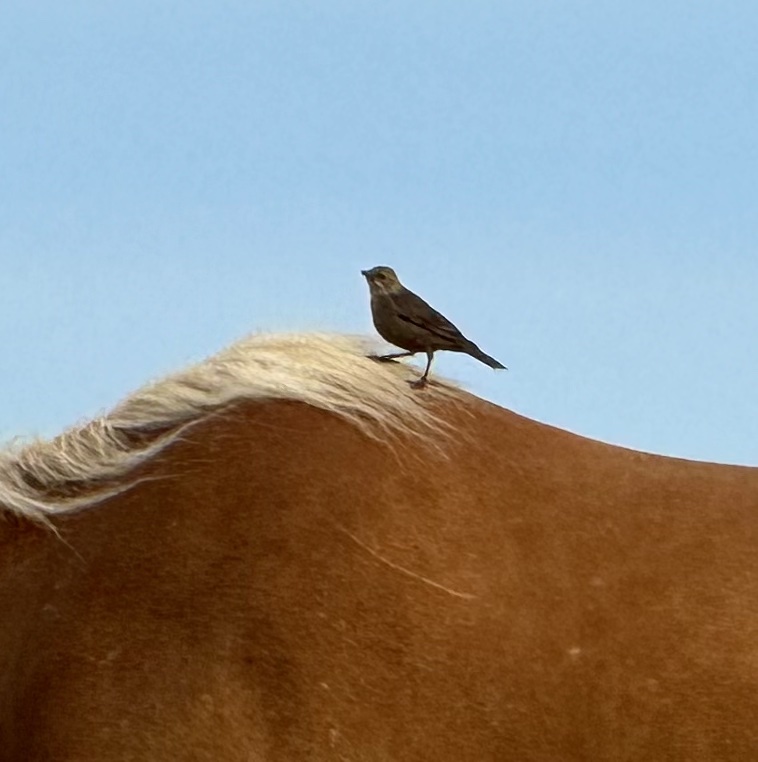
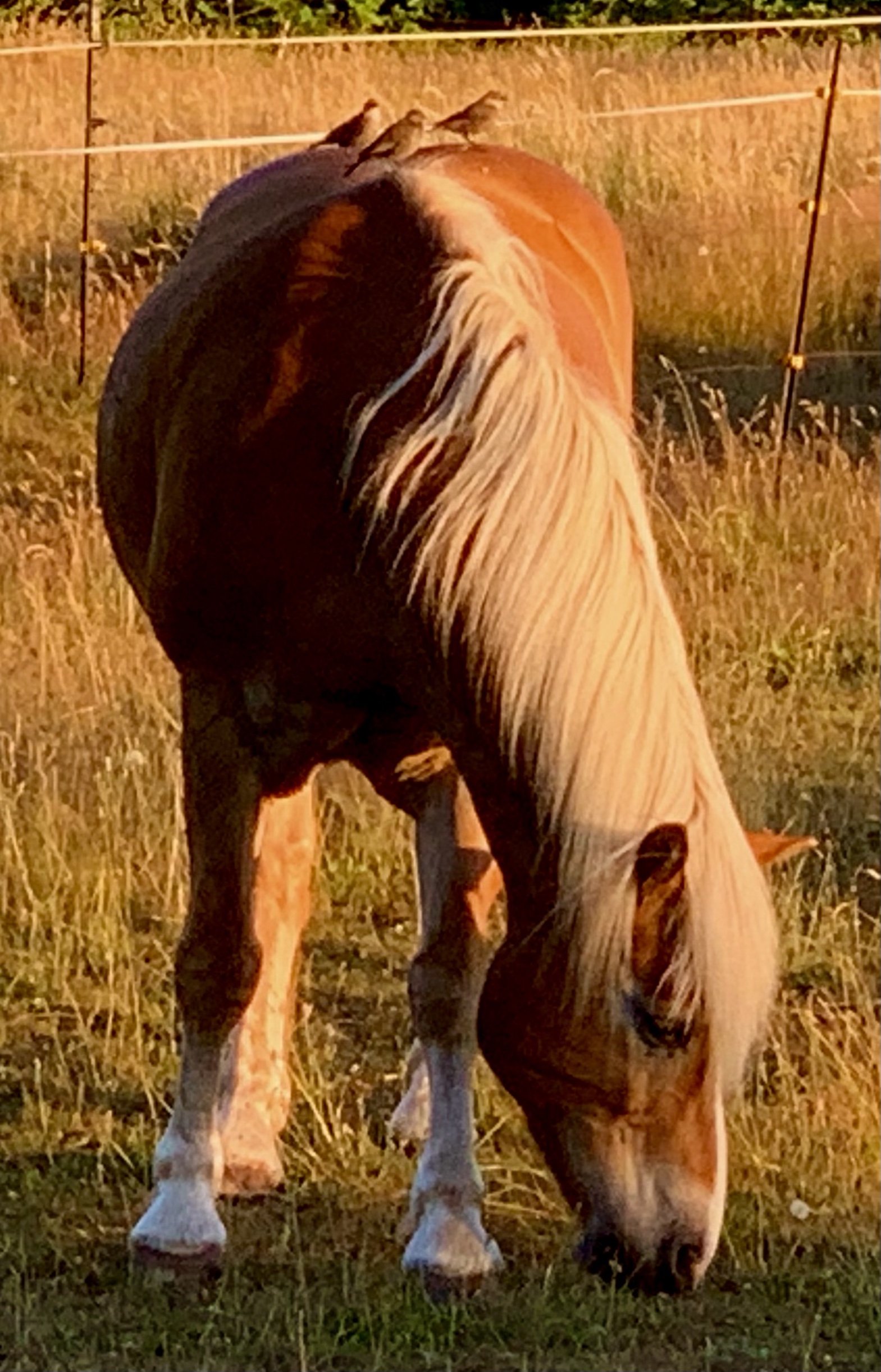
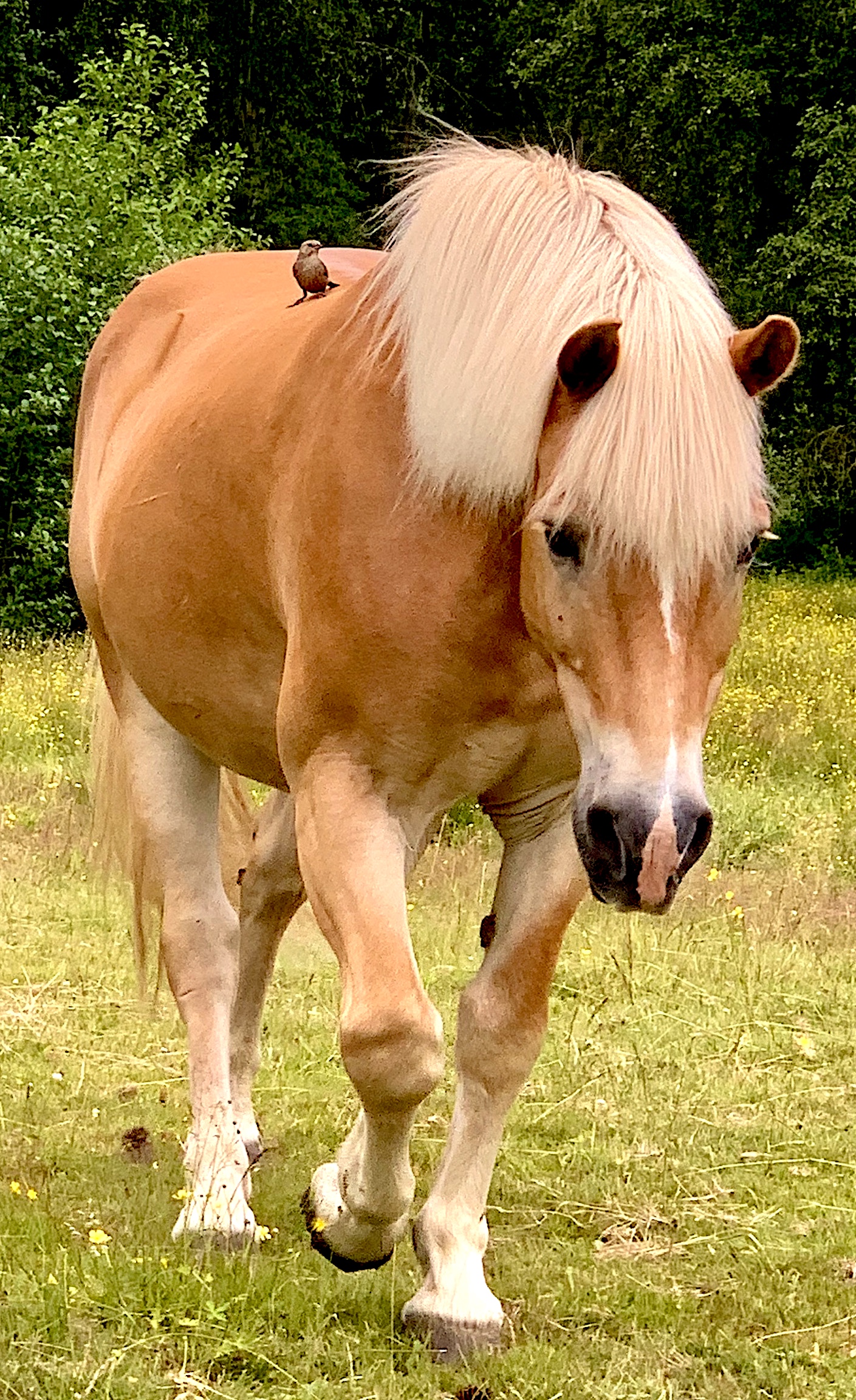
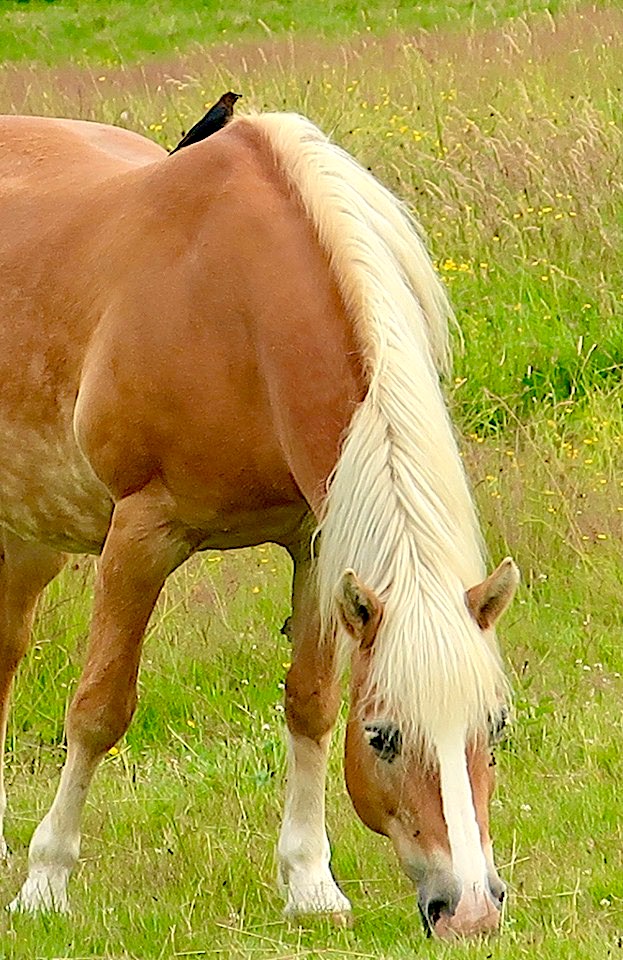
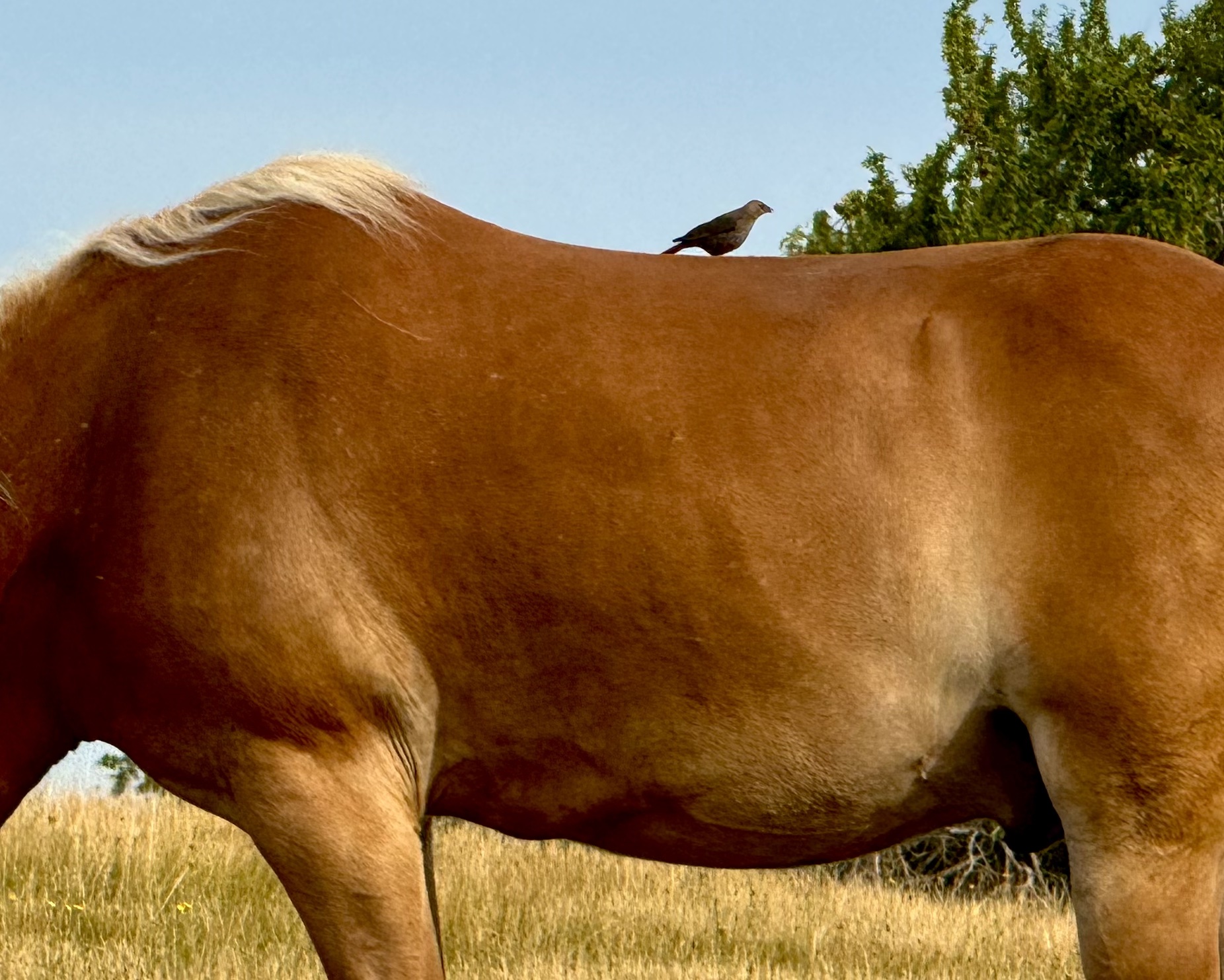
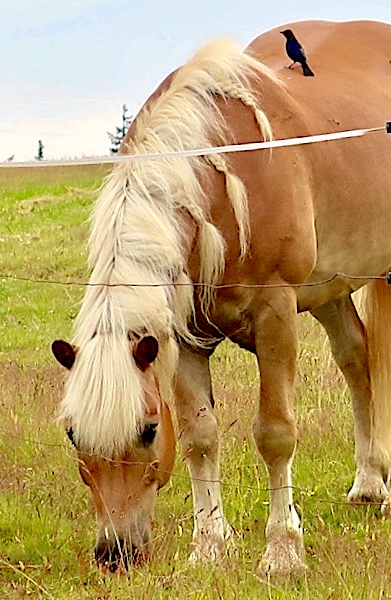
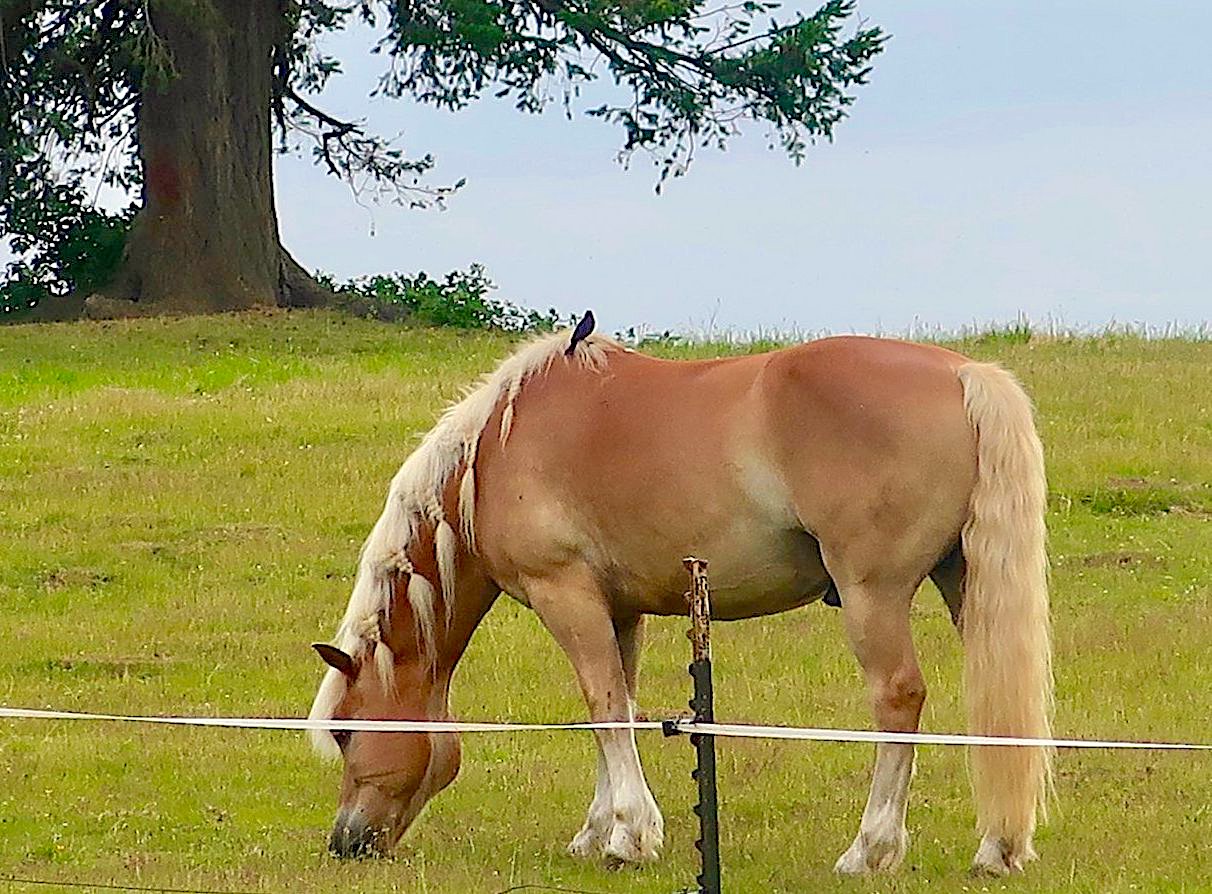
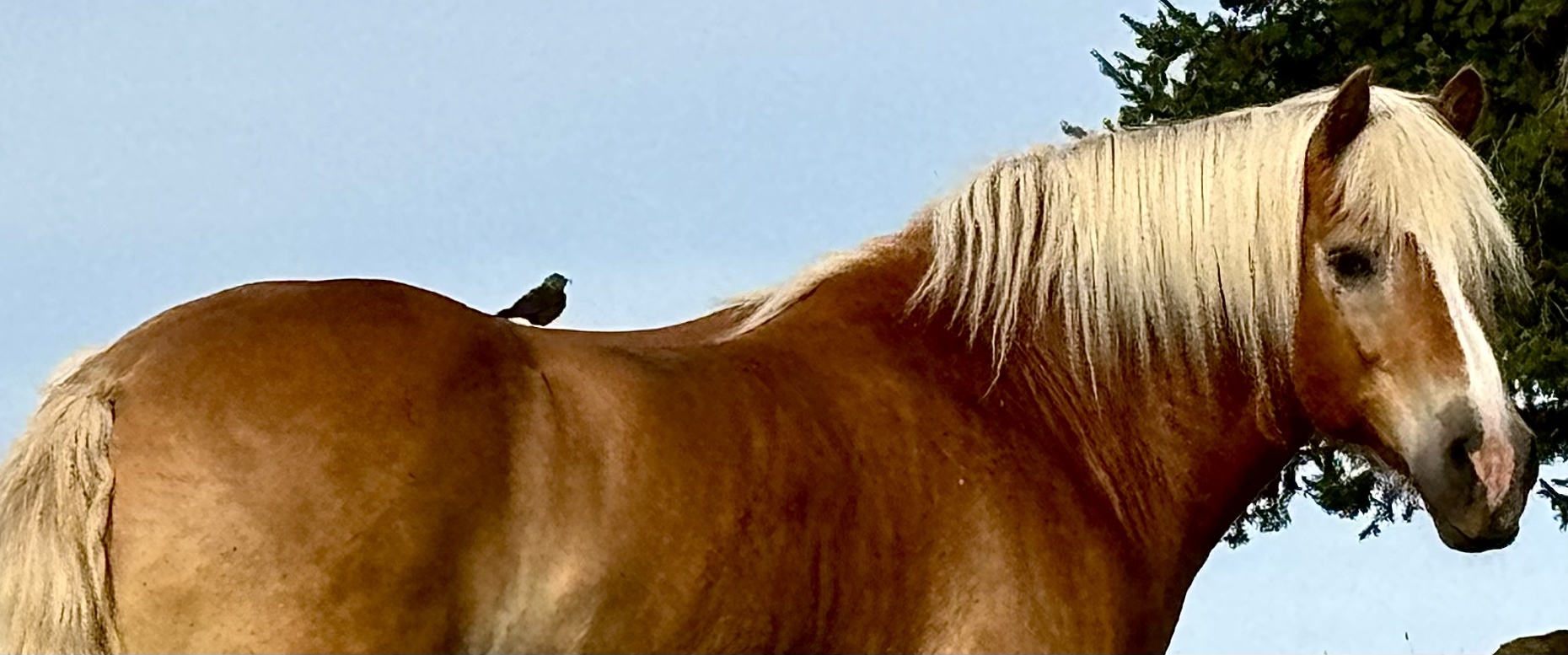
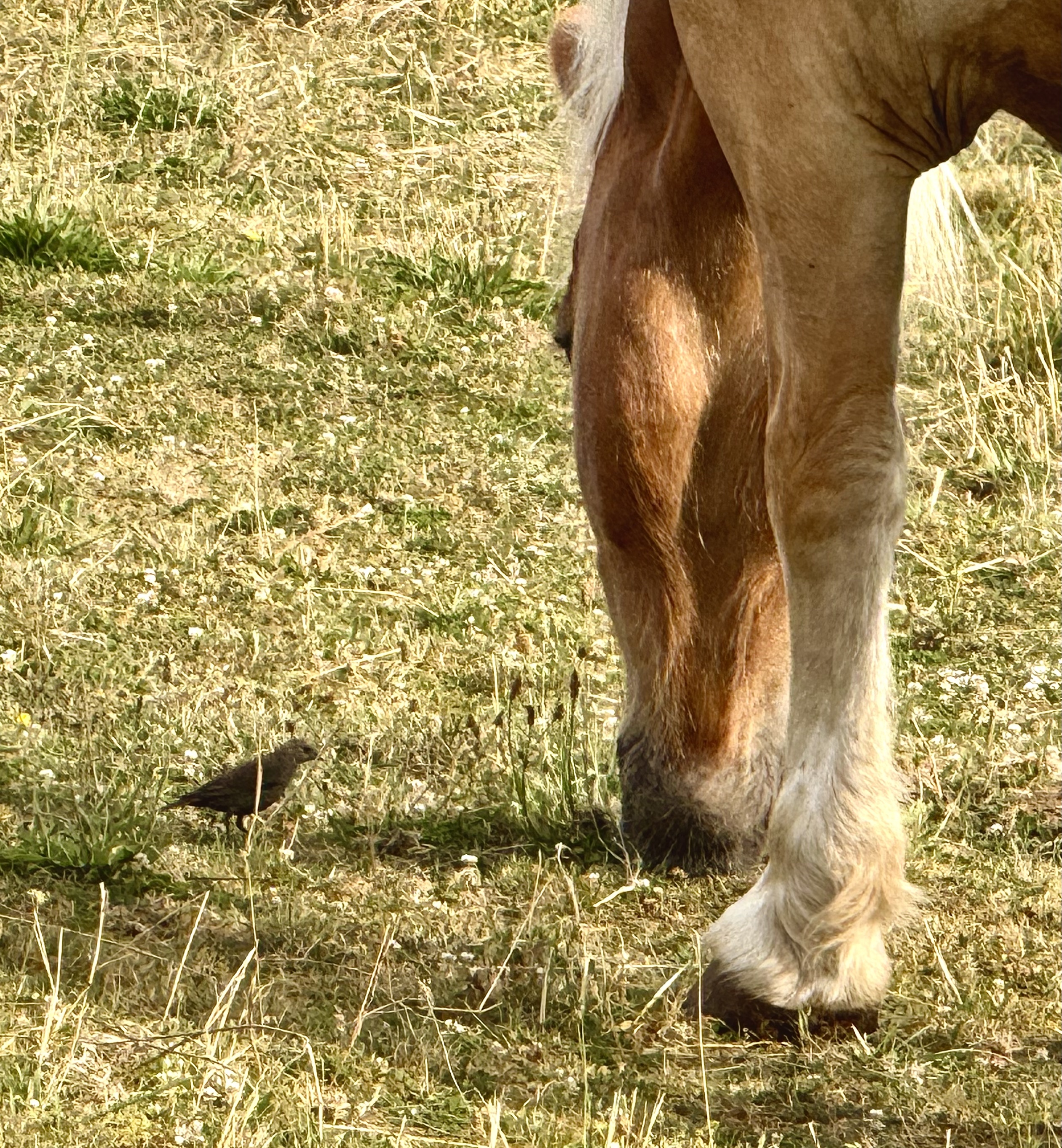
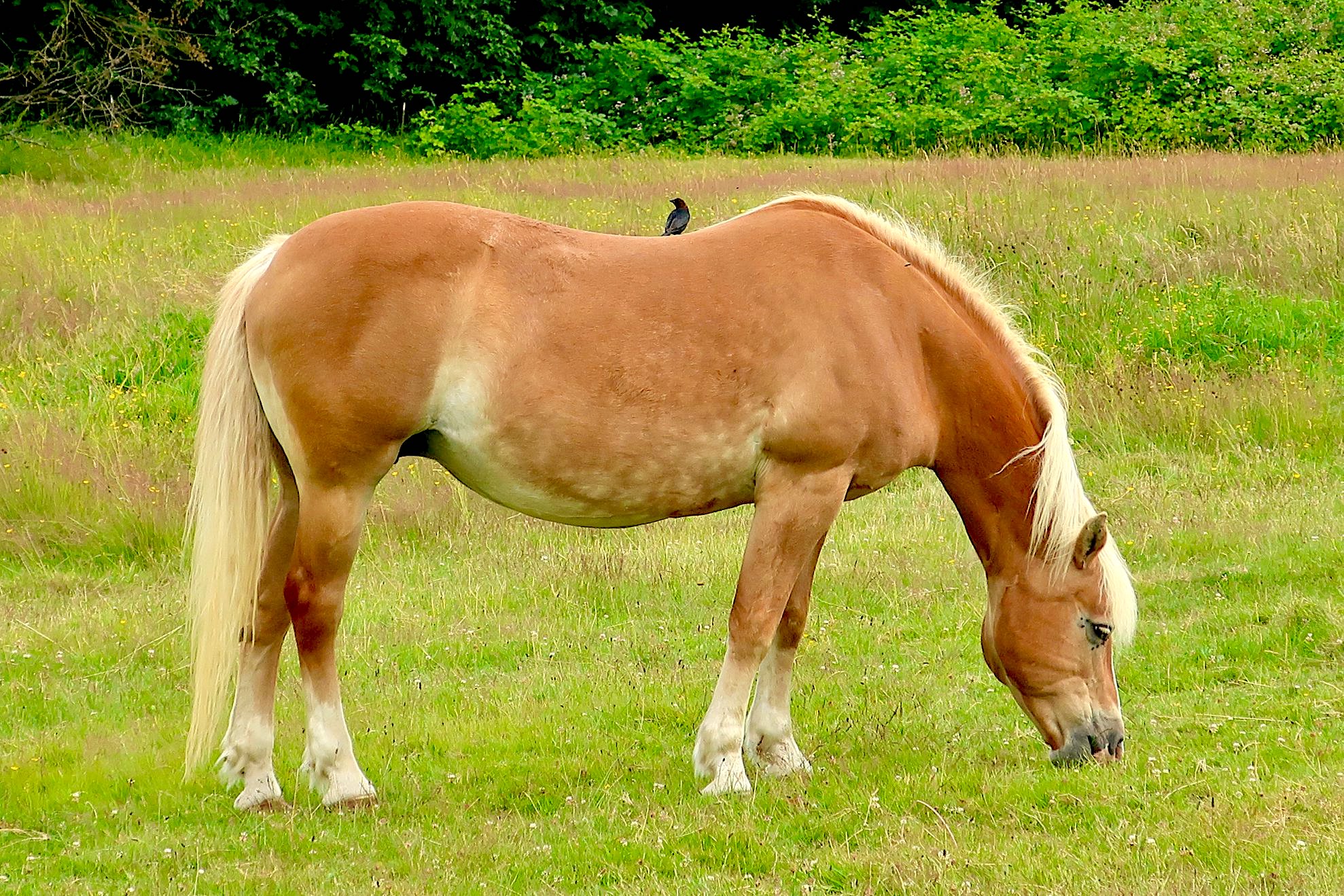
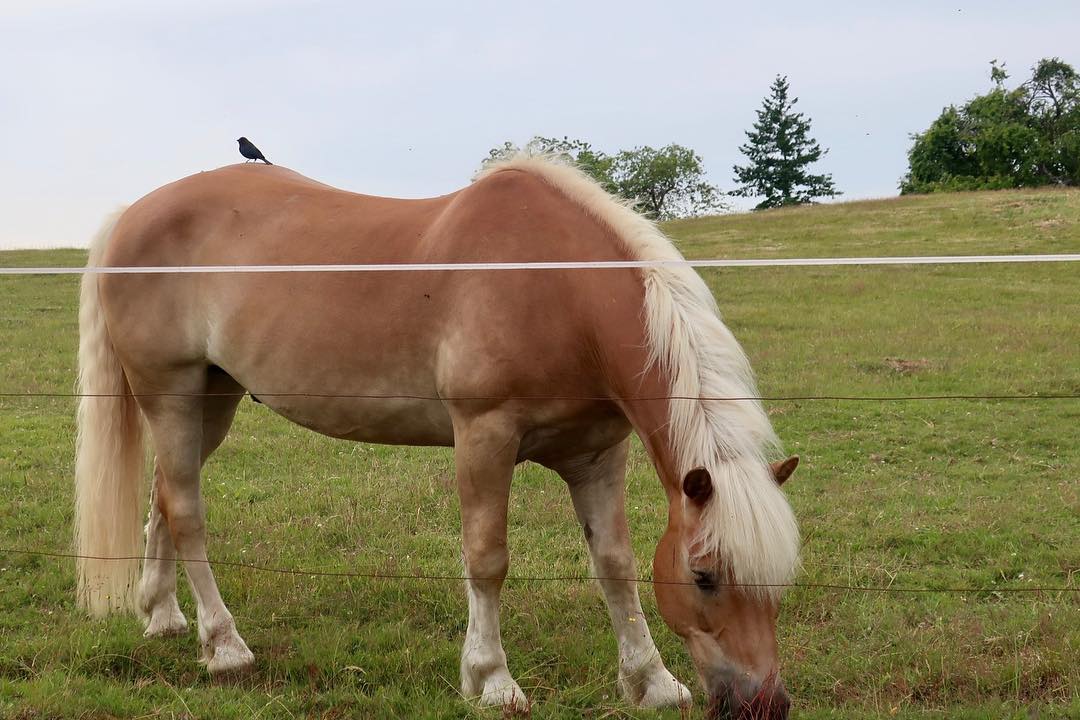
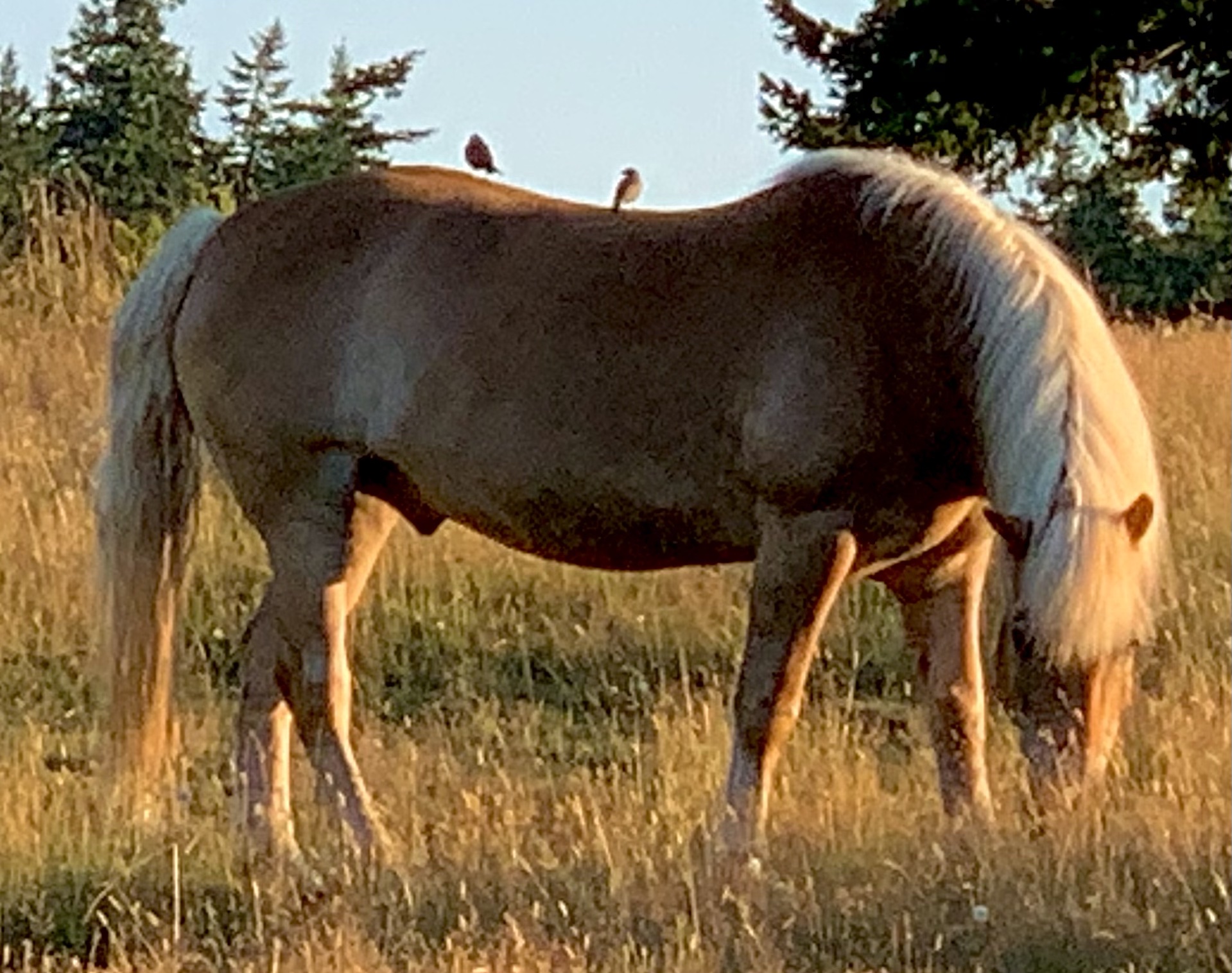
We all need someone along for the ride with us, blessing us with their company — a precious friend who has our back and scratches it wonderfully – helping to keep the biting flies away by gobbling them up.
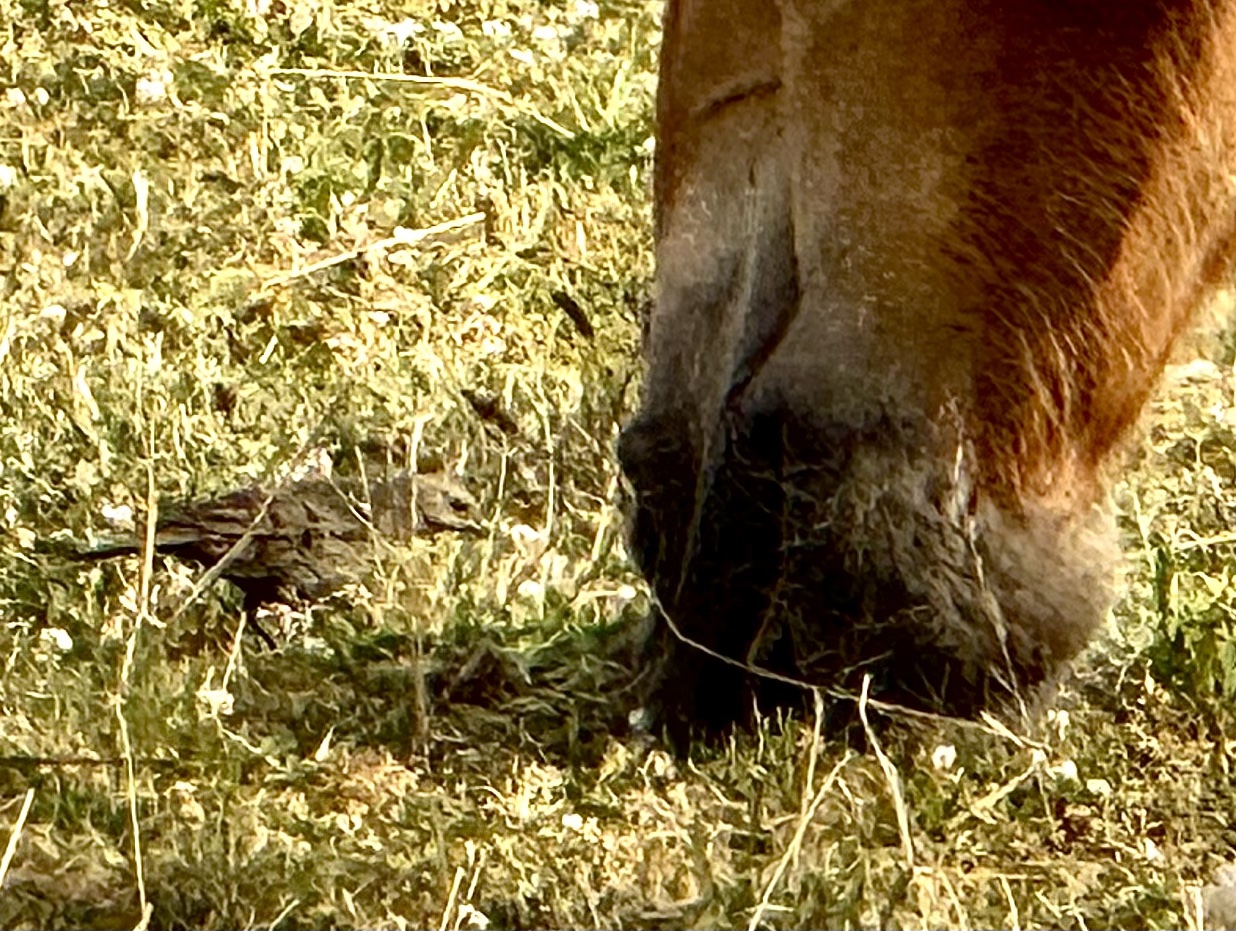
It is symbiosis at its best: a relationship built on mutual trust and helpfulness. In exchange for relief from annoying insects that a tail can’t flick off, a Haflinger horse serves up bugs on a smorgasbord landing platform located safely above farm cats and marauding coyotes.
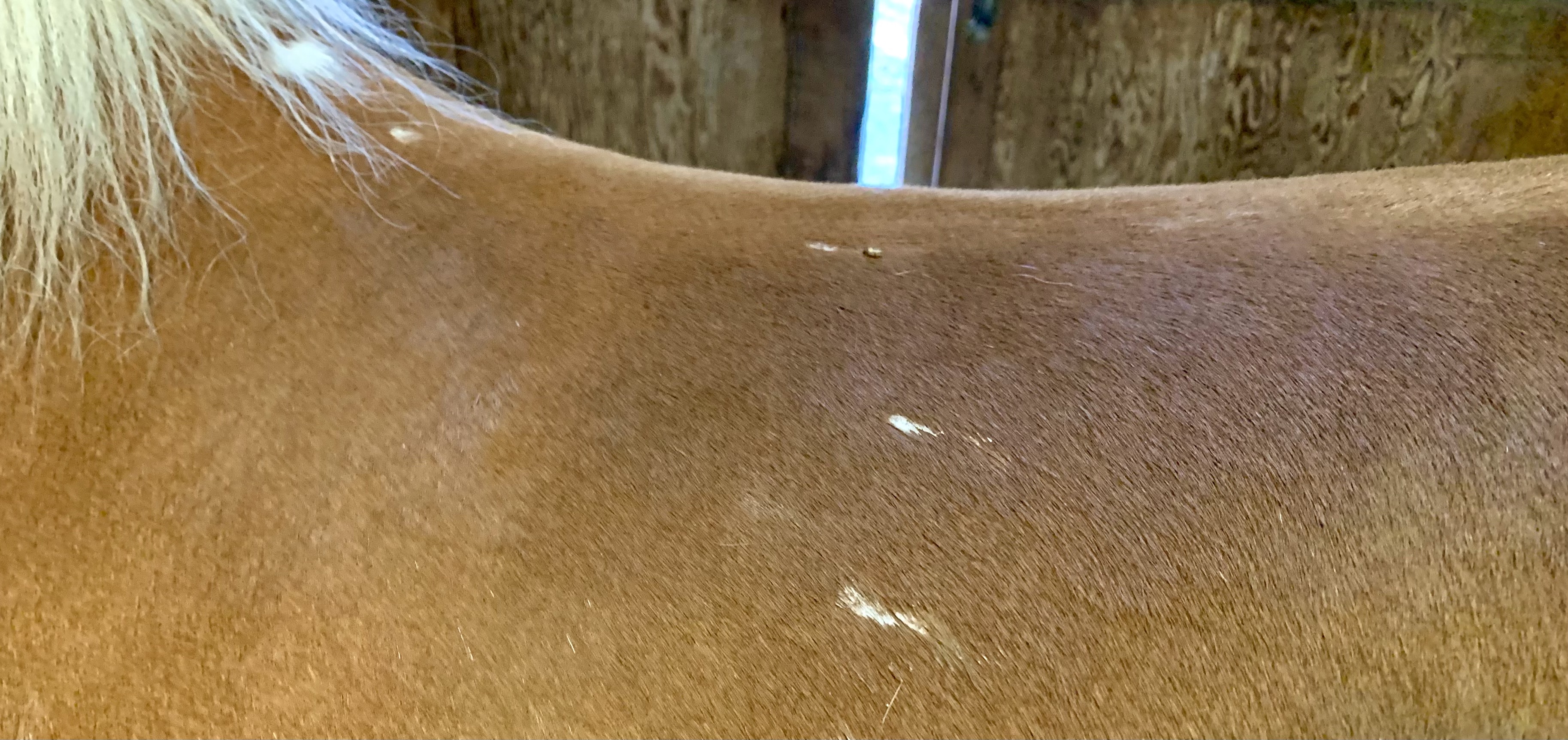
Thanks to their perpetual full meal deals, these cowbirds do leave generous “deposits” behind that need to be brushed off at the end of the day. Like any good friendship, tidying up the little messes left behind is a small price to pay for the bliss of companionable comradeship.
We’re buds after all – best forever friends, trotting the air while the earth sings along.
And this is exactly what friends are for: one provides the feast while the other provides the wings, even if things get messy.
Be winged. Be fed. Cleaning up together.
One-Time
Monthly
Yearly
Make a one-time or recurring donation to support daily Barnstorming posts
Now a red, sleepy sun above the rim Of twilight stares along the quiet weald, And the kind, simple country shines revealed In solitudes of peace, no longer dim. The old horse lifts his face and thanks the light, Then stretches down his head to crop the green. All things that he has loved are in his sight; The places where his happiness has been Are in his eyes, his heart, and they are good. ~Siegfried Sassoon from “Break of Day”
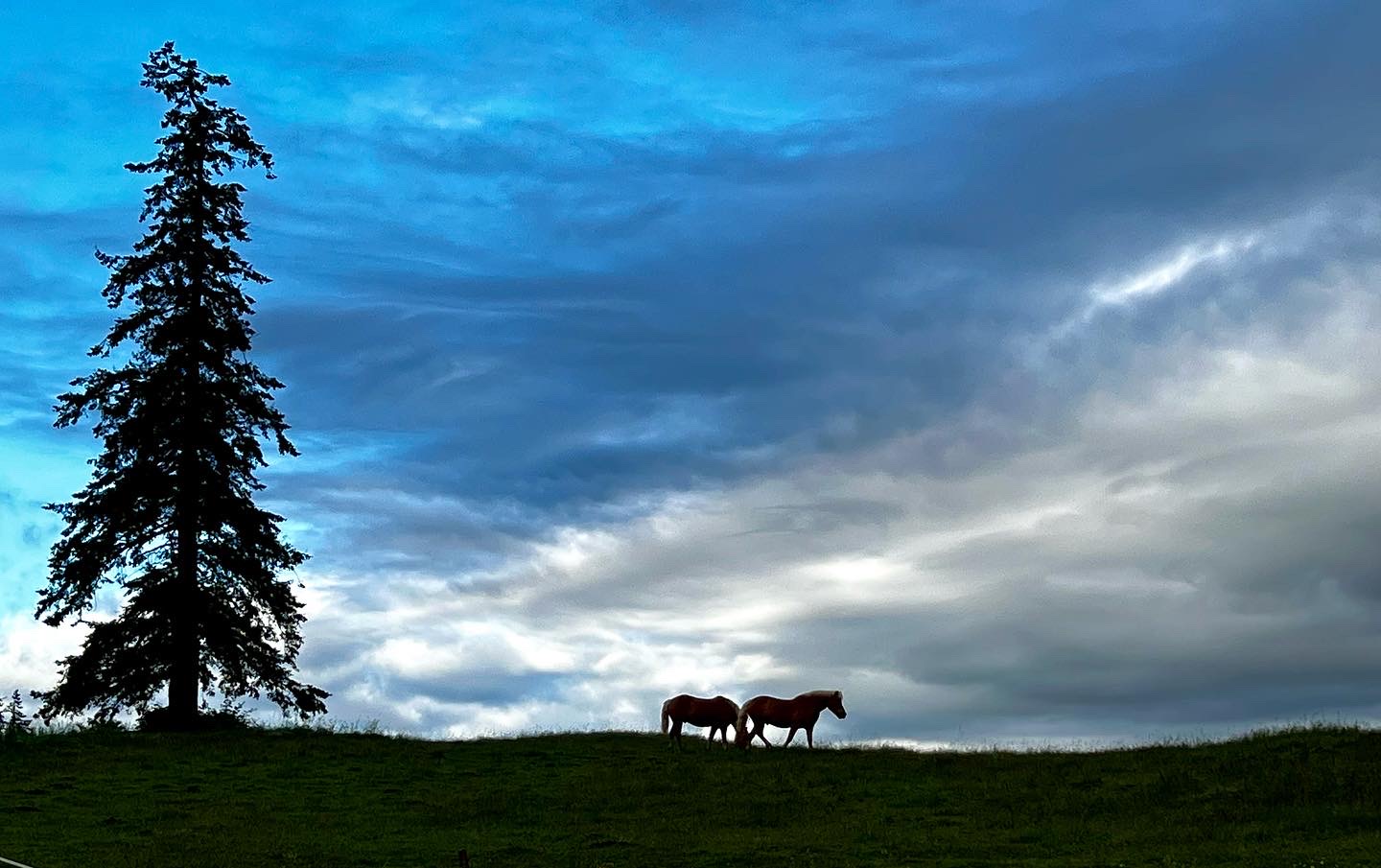
My husband and I grow old along with our horses – we are now past 70, just as a couple of our horses in “horse” years.
None of us, horses or humans, need to climb in the harness or put on the saddle to pull or carry the heavy loads of our former work lives.
It is a good life – each day treasured for its ordinariness.
Our retired horses feel the morning sun on their withers and the green blades under their feet, they scan the pasture for the sweetest tender patch to munch in the fields they know and love so well. They nap more now than in their younger years, taking breaks to let their heads hang relaxed and nodding, their tails slowly swishing at flies.
This morning was not so ordinary.
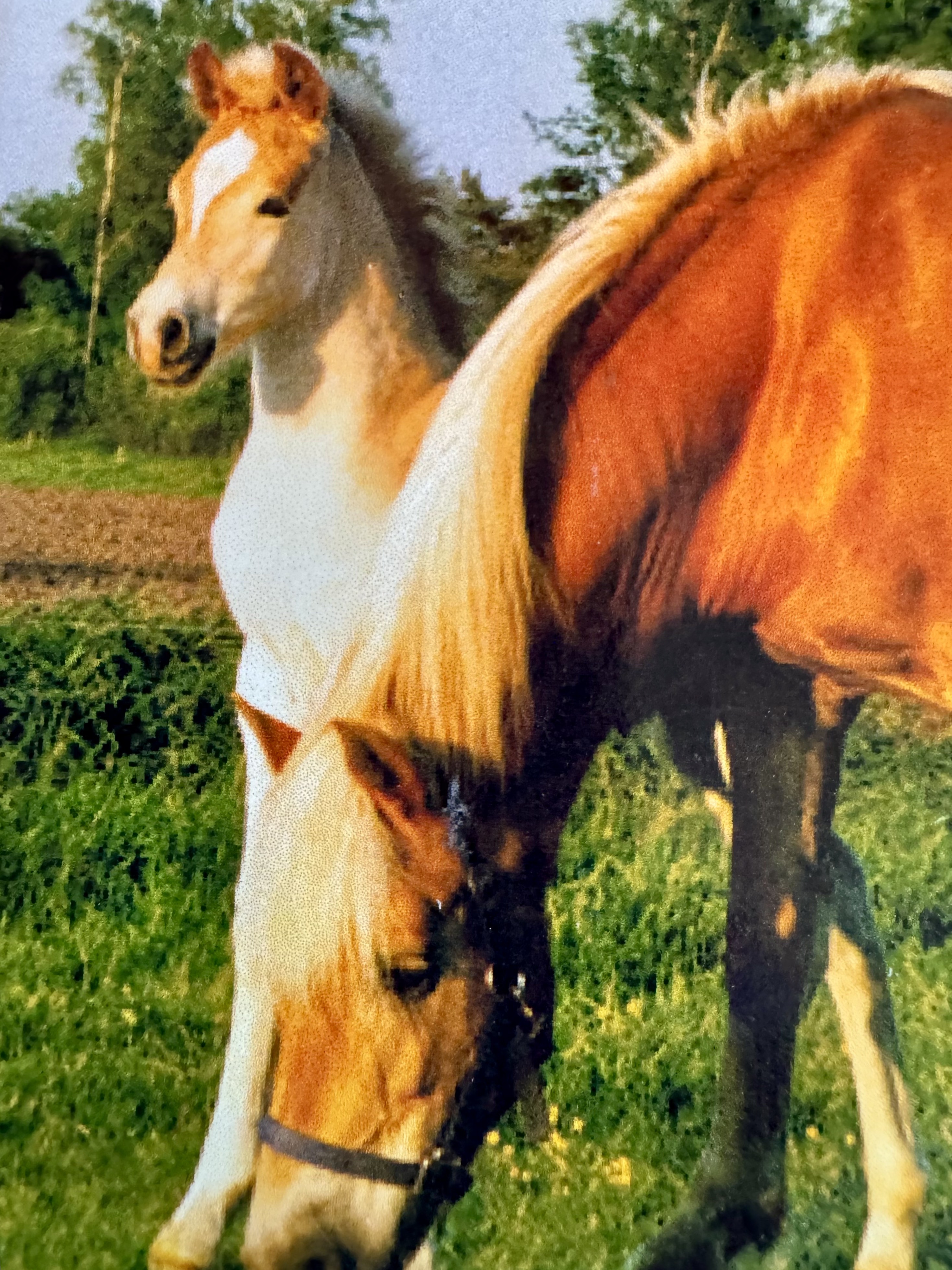
Waldheer van de Wortel (Wally), imported from Holland as a foal 27 years ago to be our herd stallion, let me know he wasn’t feeling well. He repeatedly pawed at the ground and the pasture gates, biting at his flank, trying to lie down and then get back up, not eating – clearly experiencing colicky belly pain that was getting worse.
I wondered if Wally’s time had come to bid him farewell. I had made a promise to my geriatric horses that I would not allow them to live in pain just because I didn’t want to let them go.
The vet came quickly and we talked about Wally’s options. She remarked about how he didn’t look his age, was holding weight well, his coat so sleek and shiny, his long-lashed eyes still bright and curious. But she said an older horse could often have repeated bouts of colic before the end, even if they temporarily improve with medical treatment.
I decided it was the right time to let him go to Haflinger heaven on a sunny summer morning, nibbling a mouthful of clover I offered him.
He was laid to sleep where he had lived nearly three decades.
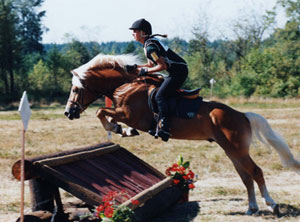
He leaves behind two sons who were his pasture buddies, a couple dozen offspring scattered around the country, and people who loved his ambassadorship for the Haflinger breed. In his younger days, he was an enthusiastic eventer in the northwest region, ridden by his trainer Jessica Heidemann. They both had an enthusiastic fan-following.
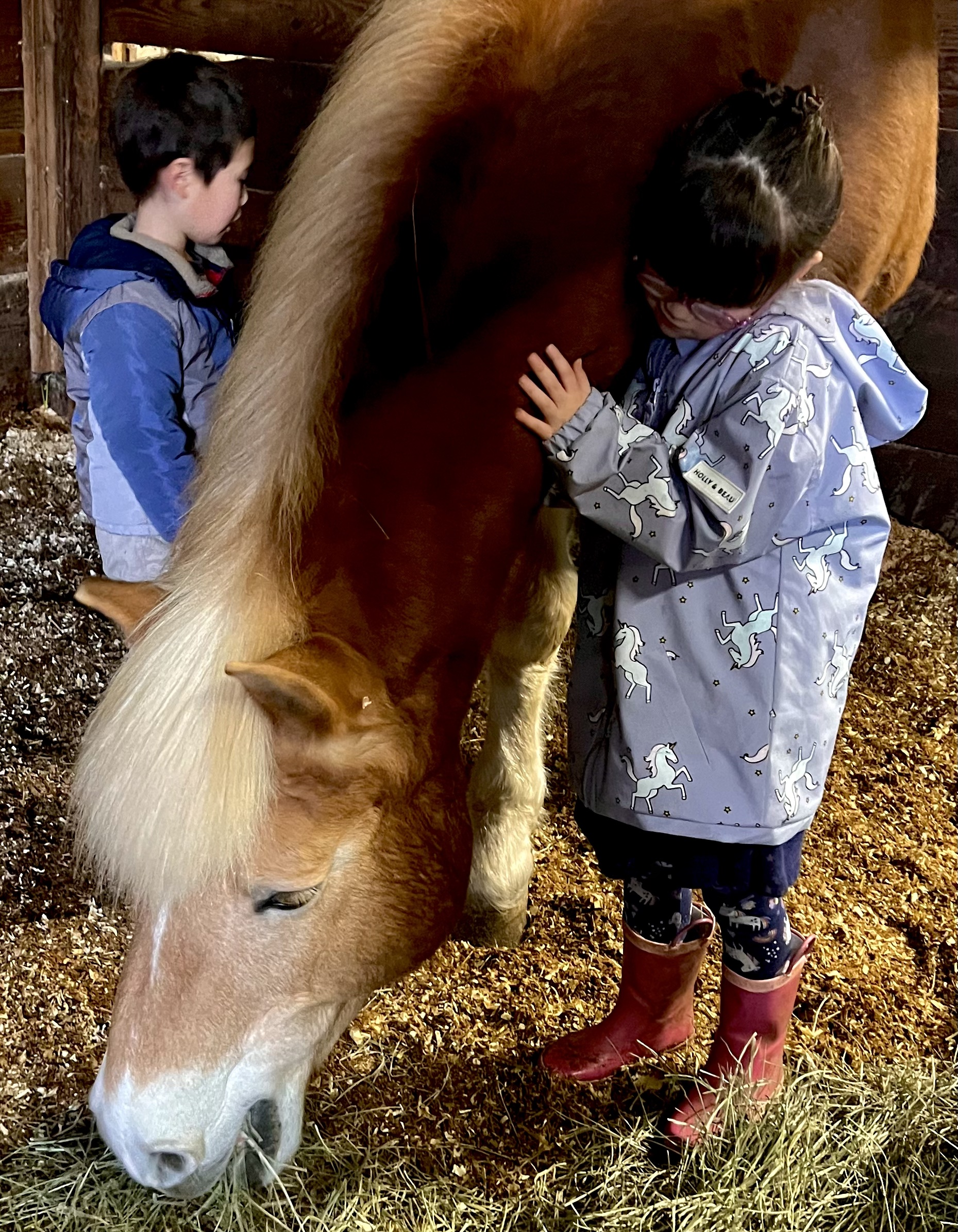
In his later years, Wally was patient and loving with our grandchildren and with us. He lived a good life in his place of happiness. I wanted him to die peacefully at home, without a worry.
It just doesn’t get much better than that.
Waldheer van de Wortel, 1998 foal in Holland27 year old WallyArt work made by a fan of Waldheer
One-Time
Monthly
Yearly
Make a one-time or recurring donation to support daily Barnstorming posts
I’m sorry I won’t be around a hundred years from now. I’d like to see how it all turns out. What language most of you are speaking. What country is swaggering across the globe. I’m curious to know if your medicines cure what ails us now. And how intelligent your children are as they parachute down through the womb. Have you invented new vegetables? Have you trained spiders to do your bidding? Have baseball and opera merged into one melodic sport? A hundred years…. My grandfather lived almost that long. The doctor who came to the farmhouse to deliver him arrived in a horse-drawn carriage. Do you still have horses? ~David Shumate “A Hundred Years from Now” from Kimonos in the Closet
When the local obituary notices lists someone who had lived nearly a century, I stop to think what societal changes have taken place over those 100 years.
Over the past century, our melting pot country has absorbed a panoply of languages and nationalities, in addition to being the source of plenty of political swagger.
There have been many new medical discoveries and public health measures resulting in longer life expectancy and lower child mortality rates, despite what our swaggering politicos currently say.
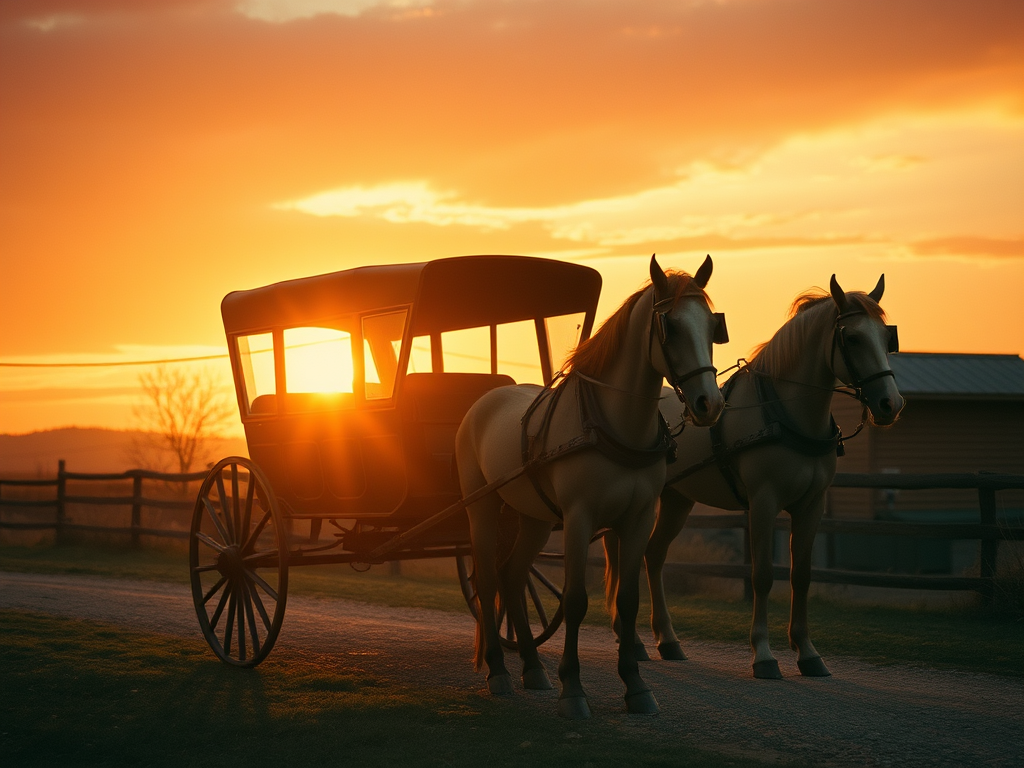
Although neither of my parents lived past 90 years of age, when they were born in the early 1920s, rural transportation was primarily horse and buggy, most babies were born at home, antibiotics had not been developed and only smallpox vaccination was routinely administered to children.
Everyone wrote postcards or letters to one another to stay in touch, and photographs were done by professionals.
The moon had not been visited, the web was something your face ran into on a foggy morning, and nuclear referred to a center of a cell.
Oh, and yes, we still have horses.
Not many horses still labor on behalf of humans as they did on a daily basis 100 years ago. Ours have a pretty sweet life here on our farm, living well into their thirties – a century in horse years.
Thinking ahead to a century from now? So much more will happen that we can’t begin to imagine.
But I hope there will always be horses…
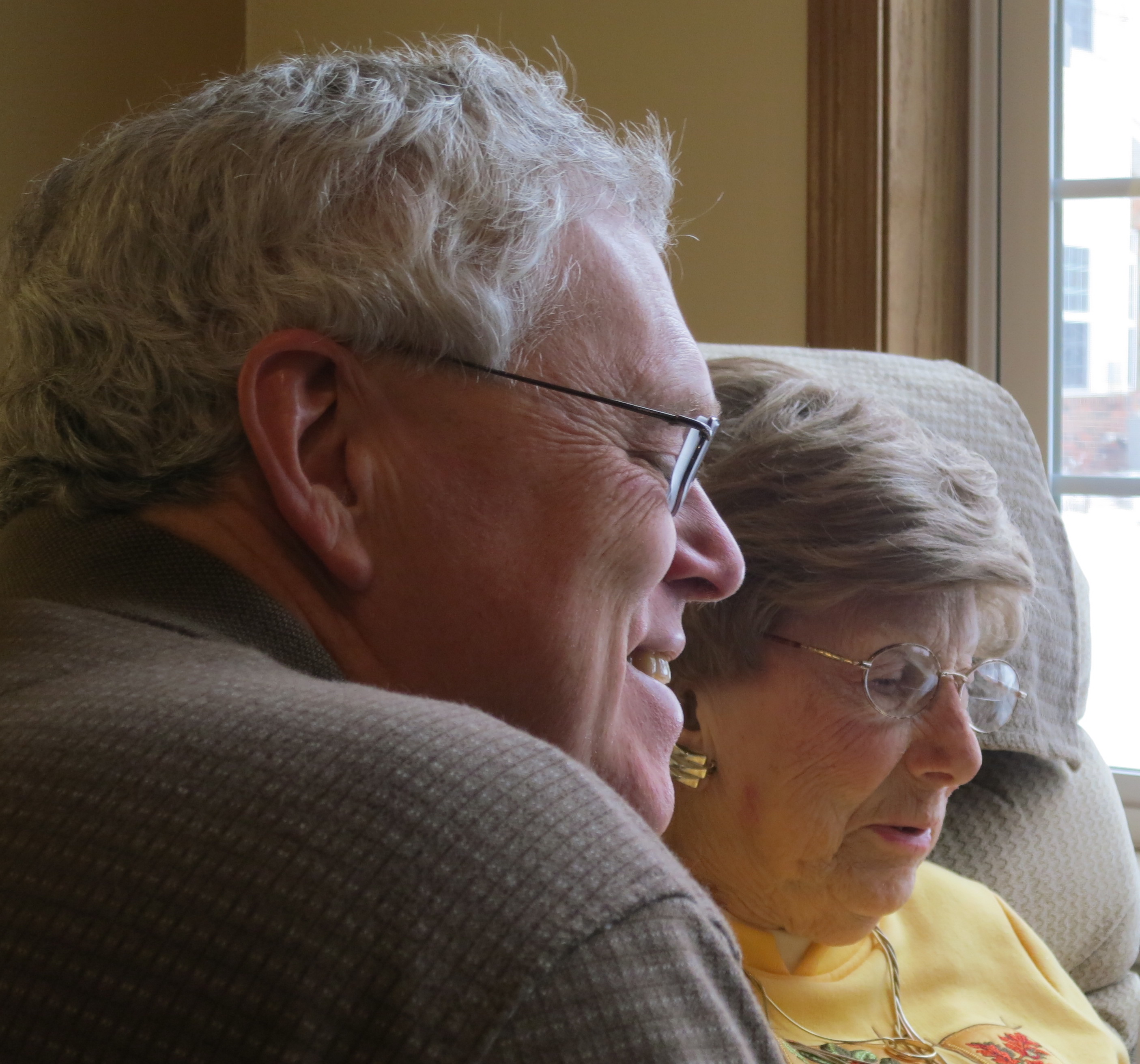
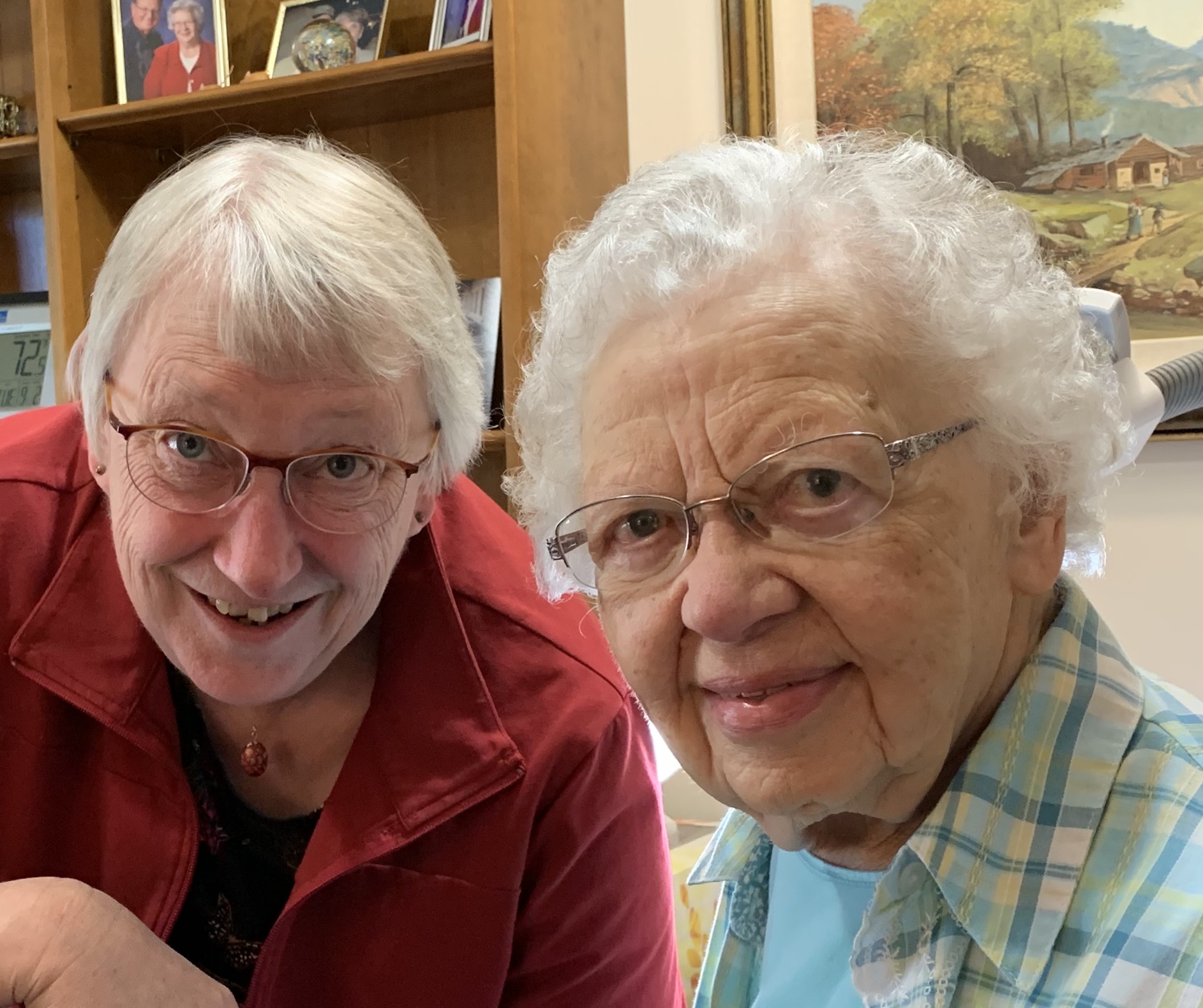
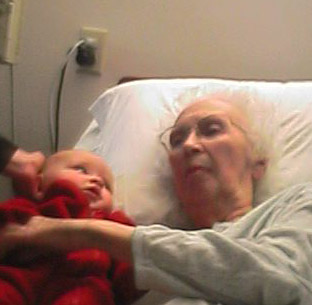
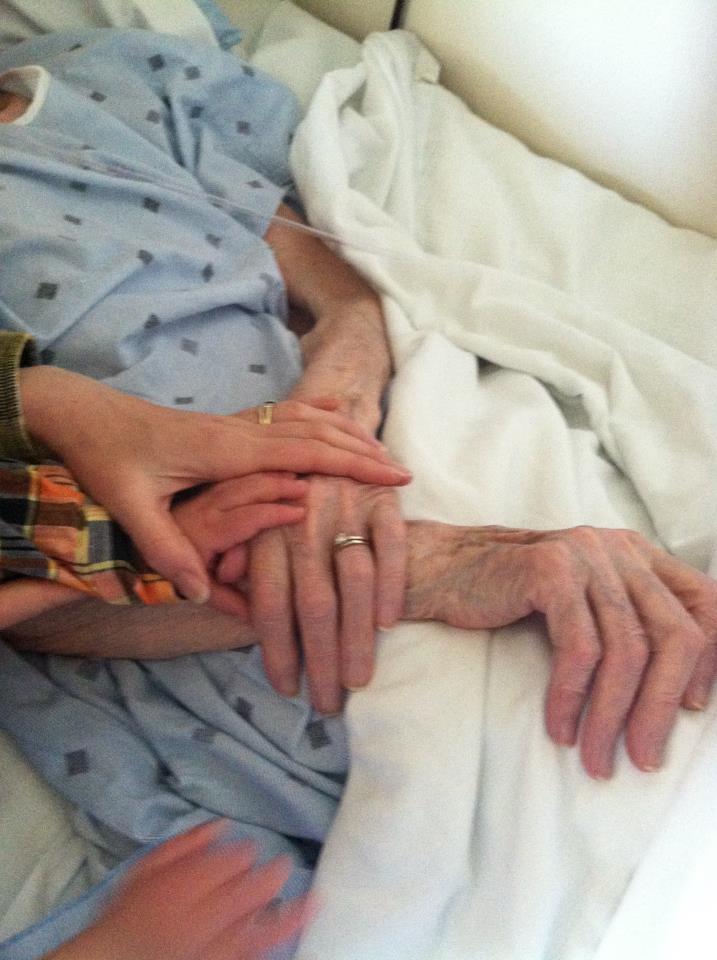
Aunt Lois, nearly 100Aunt Betty, age 99
Great Grandma Elna, age 88
Great Grandpa Harry holding baby Emerson, photo by mama Abby MobleyGreat Grandma Emma, granddaughter Andrea, great-grandson Zealandmy paternal grandparents in the early 1910sAI image created for this post
One-Time
Monthly
Yearly
Make a one-time or recurring donation to support daily Barnstorming posts
What is this life if, full of care, We have no time to stand and stare.
No time to stand beneath the boughs And stare as long as sheep or cows.
No time to see, when woods we pass, Where squirrels hide their nuts in grass.
No time to see, in broad daylight, Streams full of stars, like skies at night.
No time to turn at Beauty’s glance, And watch her feet, how they can dance.
No time to wait till her mouth can Enrich that smile her eyes began.
A poor life this if, full of care, We have no time to stand and stare. ~W.H.Davies “Leisure”
…I believe there are certain habits that, if practiced, will stimulate the growth of humble roots in our lives. One of those is a habit of awe and wonder.
By awe and wonder, I mean the regular practice of paying careful attention to the world around us. Not merely seeing but observing. Perceiving. Considering. Asking thoughtful questions about what we see, smell, hear, touch, taste. In other words, attending with love and curiosity to what our senses sense. (How often do we eat without tasting? How often do we look without seeing? Hear without listening?) Admiring, imagining, receiving the beauty of the world around us in a regular, intentional way: this is the habit of a wonder-filled person. And it leads to humility.
A regular habit of awe and wonder de-centers us. It opens a window in our imaginations, beckoning us to climb out of our own opinions and experiences and to consider things greater and beyond our own lives. It strengthens our curiosity, which in turn lowers the volume on our anxieties and grows our ability to empathize. Over time, we become less self-focused and can admit without embarrassment what we don’t know. In short, we grow more humble. ~Kelly Givens from “Teaching Children to See” from Mere Orthodoxy
This would be a poor life indeed if I didn’t take time to stand and stare at all that is displayed before me.
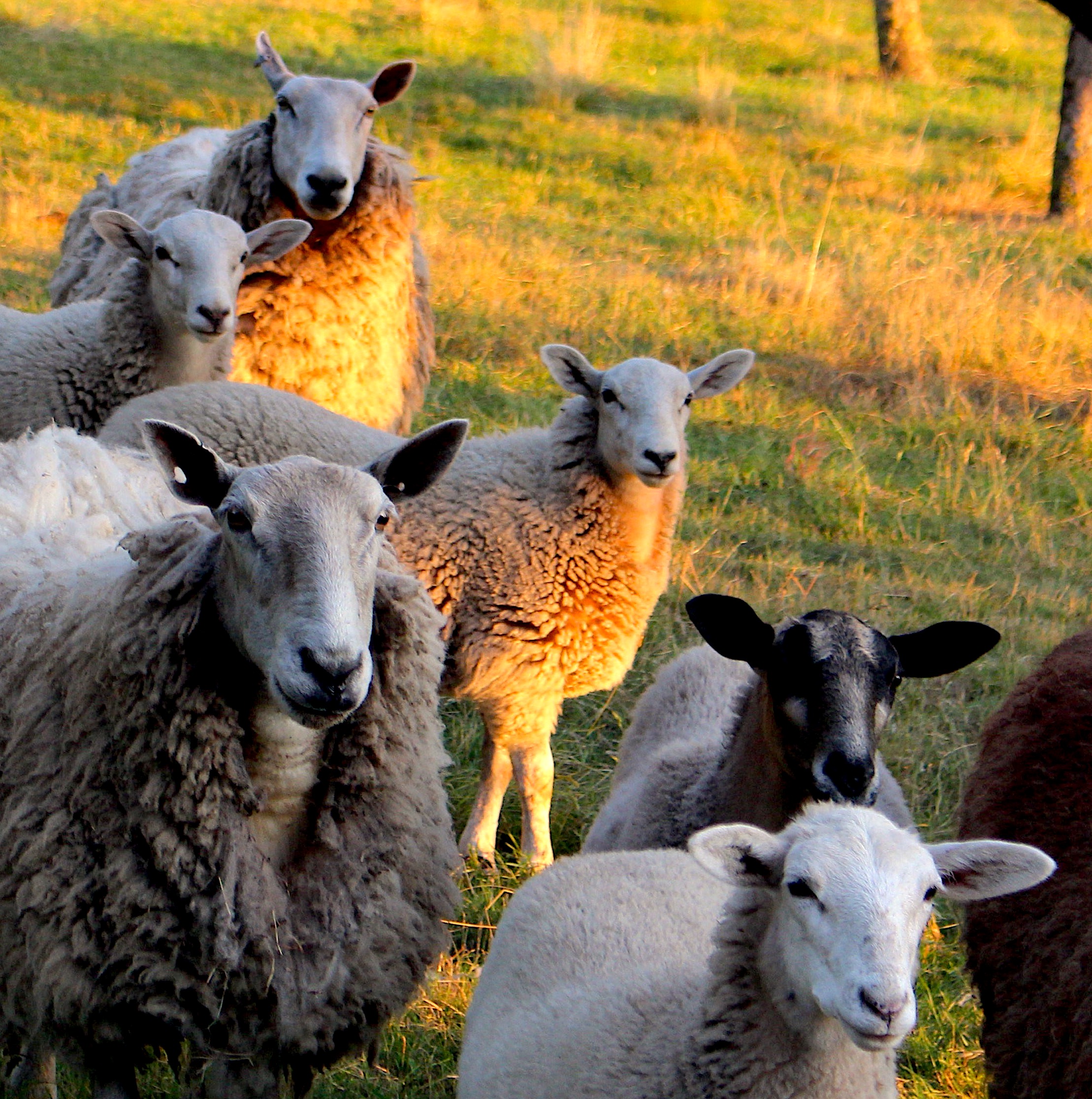
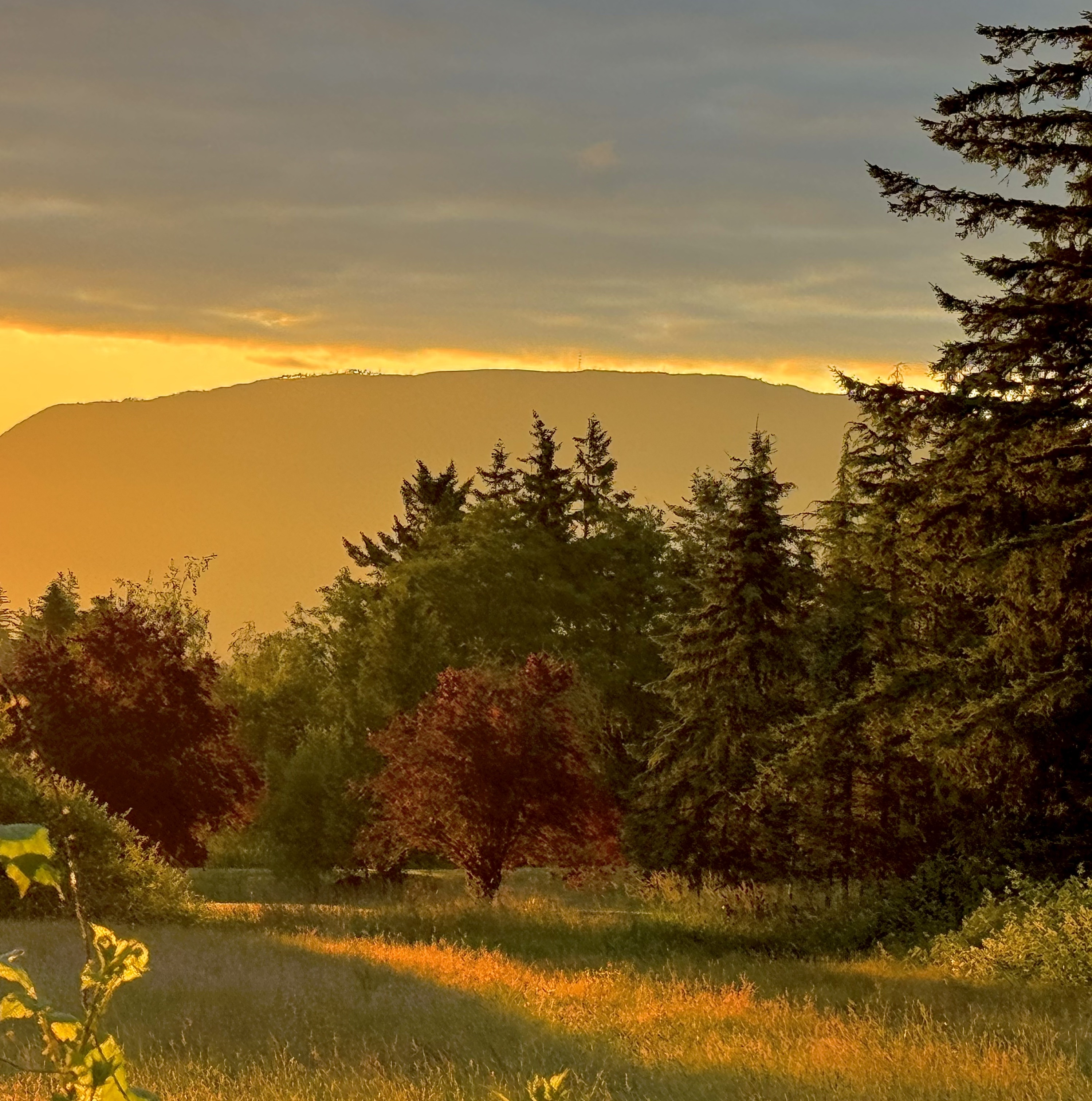
The golden cast at the beginning and endings of the days, the light dancing in streams like stars, simply staring at God’s creatures who stare back at me, each wondering what the other is thinking.
Green was the silence, wet was the light the month of June trembled like a butterfly ~Pablo Neruda from “Sonnet XL”
Why do we bother with the rest of the day, the swale of the afternoon, the sudden dip into evening, then night with his notorious perfumes, his many-pointed stars?
This is the best— throwing off the light covers, feet on the cold floor, and buzzing around the house on espresso— maybe a splash of water on the face, a palmful of vitamins—
but mostly buzzing around the house on espresso, dictionary and atlas open on the rug, the typewriter waiting for the key of the head, a cello on the radio, and, if necessary, the windows— trees fifty, a hundred years old out there, heavy clouds on the way and the lawn steaming like a horse in the early morning. ~Billy Collins “Morning”
We are now four days into summer but aside from the date on the calendar, it would be difficult to prove otherwise. After a dry stretch of warm late spring weather, it is now unseasonably cool, the skies stony gray, the rivers running full and fast, the ground peppered with puddles. Rain has fallen at night, hiding behind the cover of darkness as if ashamed of itself.
As it should be.
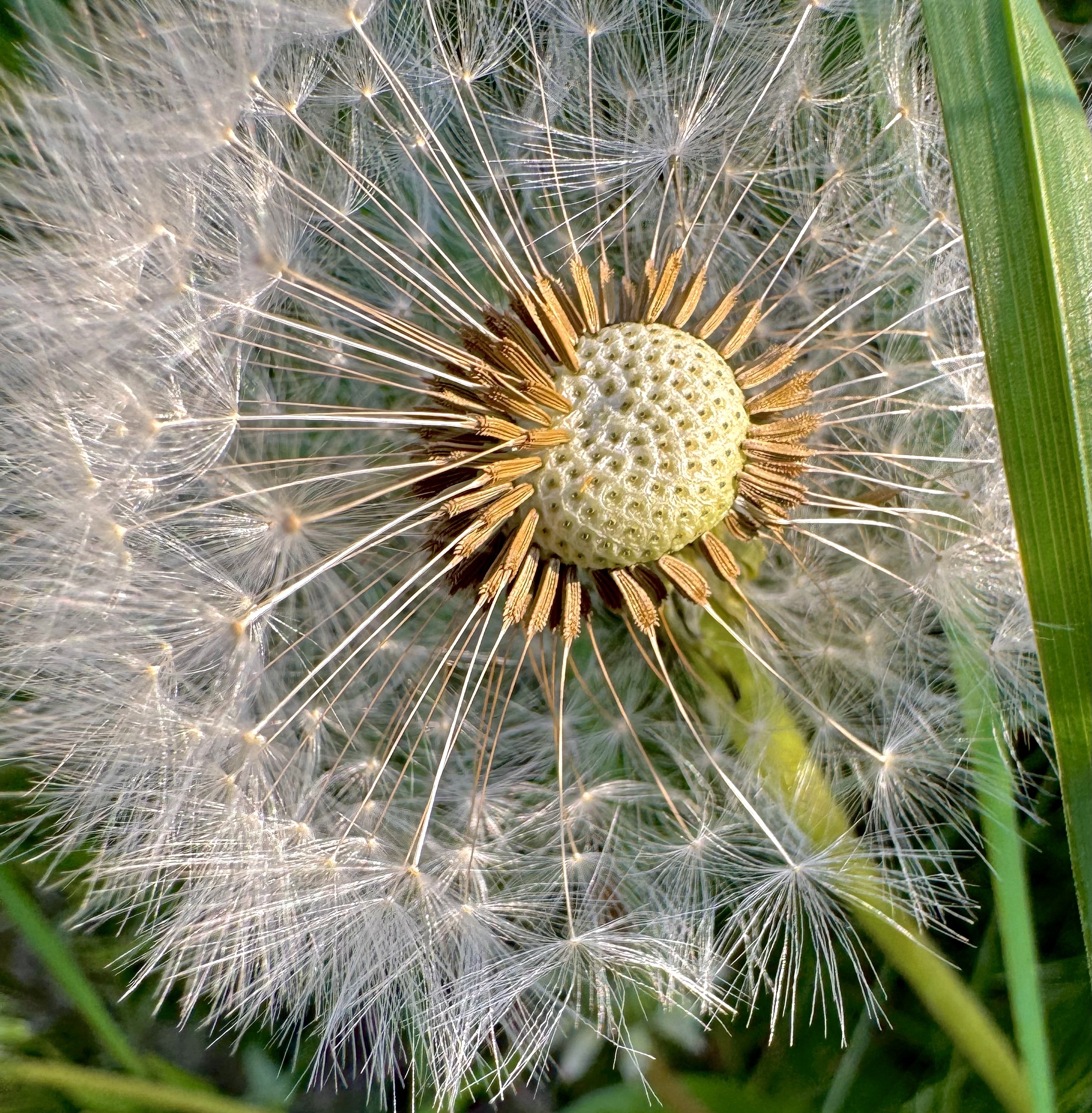
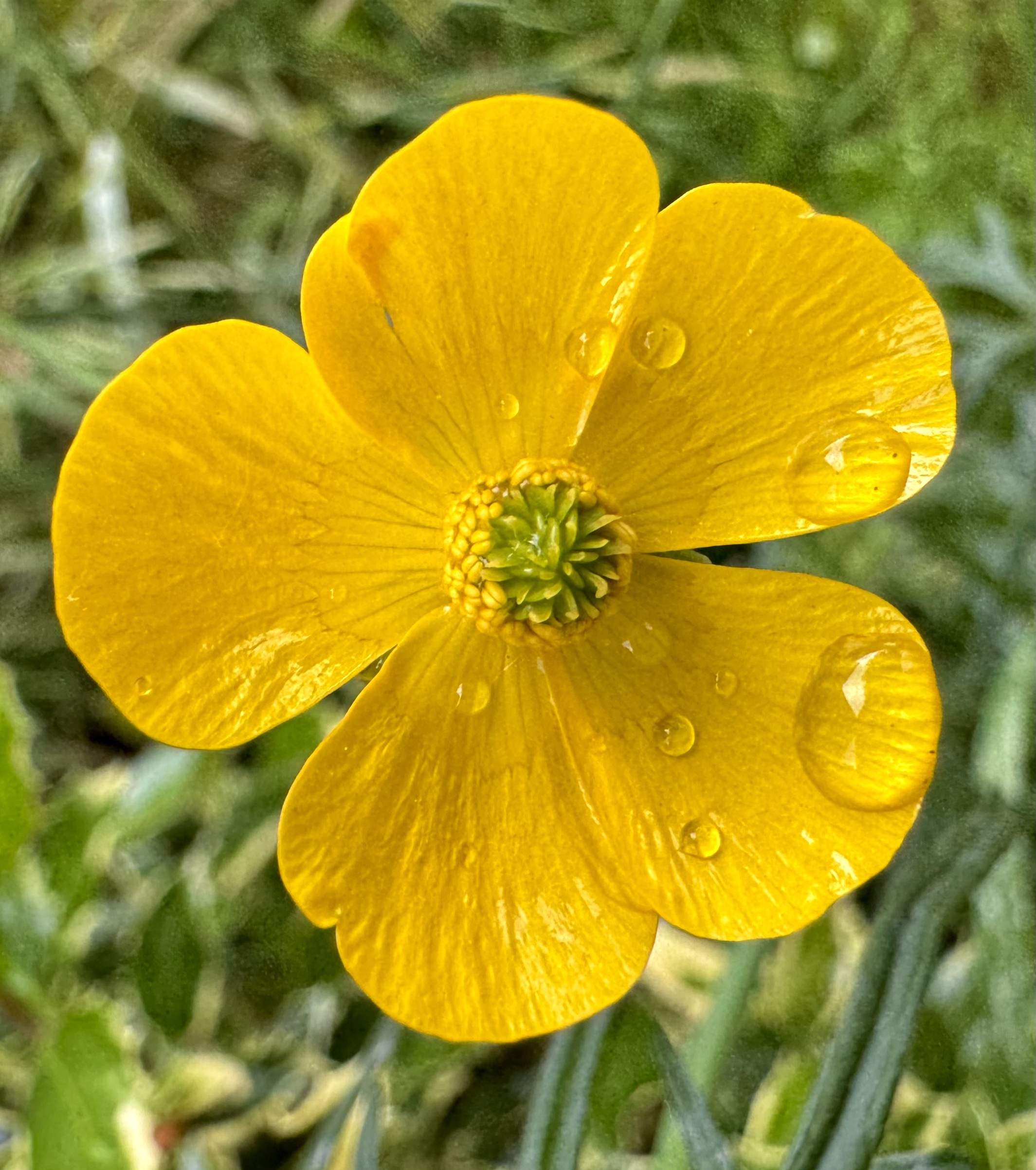
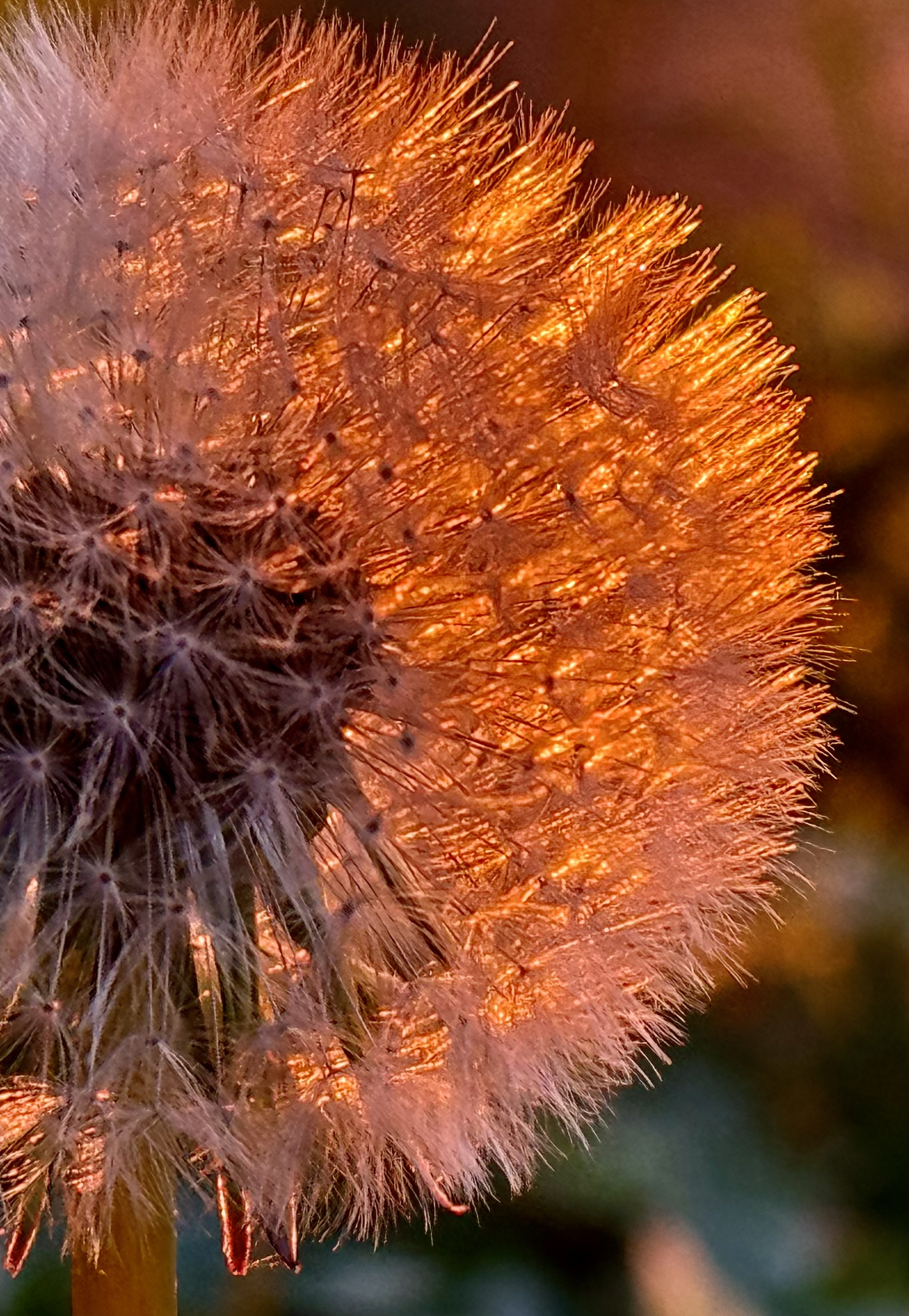
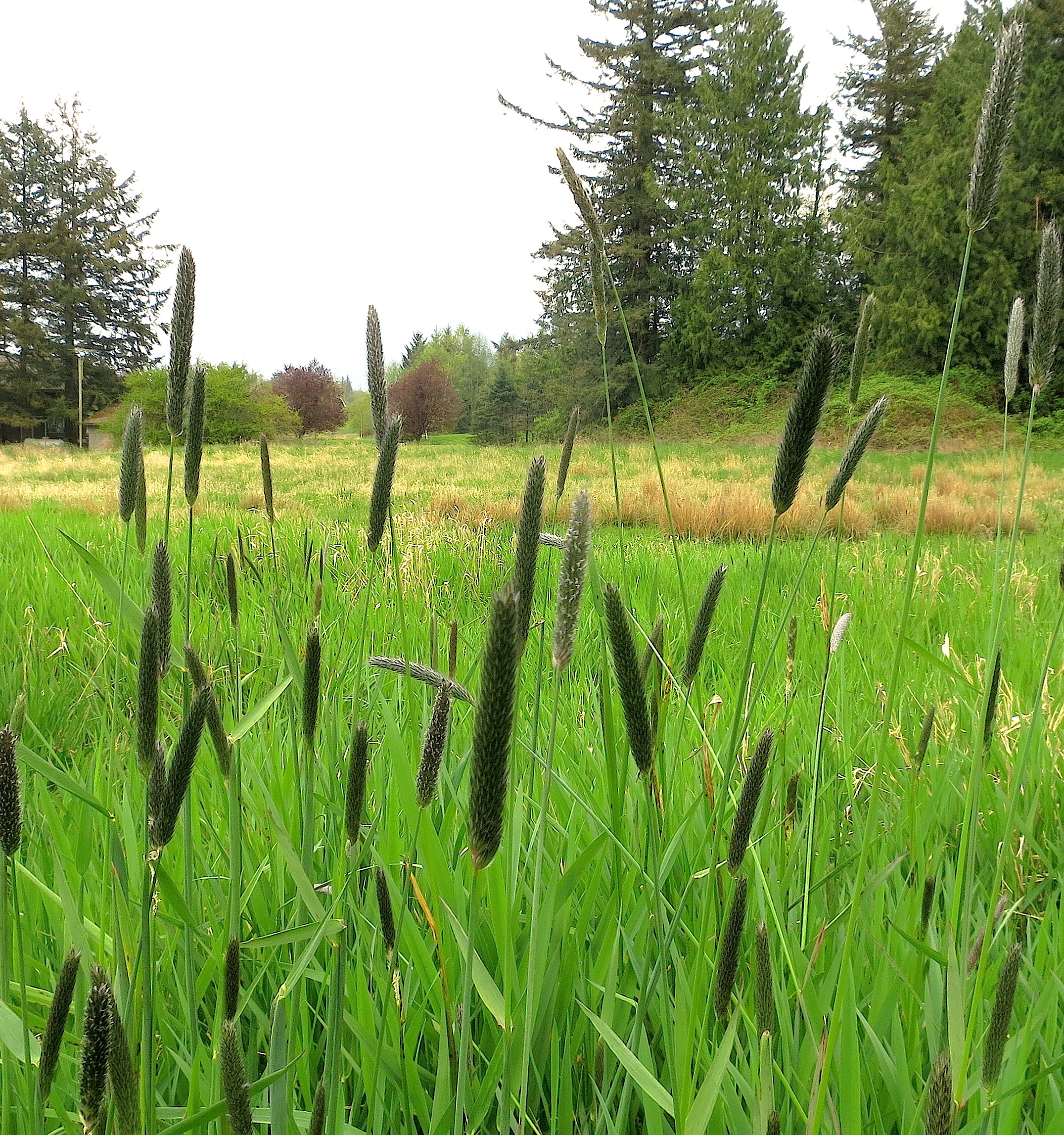
What all this moisture will yield is acres and acres of towering grass growth, more grass than imaginable, more grass than we can keep mowed, burying the horses up to their backs as they dive head long into the pasture. The Haflingers don’t need to lower their necks to graze, choosing instead to simply strip off the ripe tops of the grasses as they forge paths through five foot forage. It is like children at a birthday party swiping the frosting off cupcake after cupcake, licking their fingers as they go. Instead of icing, the horses’ muzzles are smeared with dandelion fluff, grass seed and buttercup petals.
In the northwest, June can tend to shroud its promise of longer days under clouds. Outdoor weddings brace for rain and wind with a supply of umbrellas, graduation potlucks are served in the garage and Fourth of July picnics stay safely under cover. There is a wary anticipation of solstice as it signals the slow inexorable return of darkness from which we have barely recovered.
So I tremble as I too splash through the squishiness of late June, quivering like a wet butterfly emerging from its cocoon ready to unfurl its wings to dry, but unsure how to fly and uncertain of the new world that awaits. In fact the dark empty cocoon can look mighty inviting on a rainy June night. If I could manage to squeeze myself back in, it might be worth a try.
After all, there is no place like home.
One-Time
Monthly
Yearly
Make a one-time or recurring donation to support daily Barnstorming posts
As we walk into words that have waited for us to enter them, so the meadow, muddy with dreams, is gathering itself together
and trying, with difficulty, to remember how to make wildflowers. Imperceptibly heaving with the old impatience, it knows
for certain that two horses walk upon it, weary of hay. The horses, sway-backed and self important, cannot design
how the small white pony mysteriously escapes the fence everyday. This is the miracle just beyond their heavy-headed grasp,
and they turn from his nuzzling with irritation. Everything is crying out. Two crows, rising from the hill, fight
and caw-cry in mid-flight, then fall and light on the meadow grass bewildered by their weight. A dozen wasps drone, tiny prop planes,
sputtering into a field the farmer has not yet plowed, and what I thought was a phone, turned down and ringing,
is the knock of a woodpecker for food or warning, I can’t say. I want to add my cry to those who would speak for the sound alone.
But in this world, where something is always listening, even murmuring has meaning, as in the next room you moan
in your sleep, turning into late morning. My love, this might be all we know of forgiveness, this small time when you can forget
what you are. There will come a day when the meadow will think suddenly, water, root, blossom, through no fault of its own, and the horses will lie down in daisies and clover. Bedeviled, human, your plight, in waking, is to choose from the words
that even now sleep on your tongue, and to know that tangled among them and terribly new is the sentence that could change your life. ~Marie Howe “The Meadow”from The Good Thief
I am constantly looking for the sentence that will change my life.
I search high and low: in books, on tape, in sermons, and in everyday conversation.
I listen.
I realize it will not be a brand new revelation. Instead, it is a very very old sentence:
“I am the light of the world. Whoever follows me will never walk in darkness, but will have the light of life.” John 8:12
I look for the Light in the most unexpected places, and if I find it, I always try to share it here…
What is a sentence that has changed your life?
AI image created for this post
One-Time
Monthly
Yearly
Make a one-time or recurring donation to support daily Barnstorming posts


















 Barnstorming