They Call It Easing the Spring

“Vixi duellis nuper idoneus
Et militavi non sine glori”

(translation)
Recently I lived suitable for warfare,
and I soldiered not without glory.

Today we have naming of parts. Yesterday,
We had daily cleaning. And tomorrow morning,
We shall have what to do after firing. But today,
Today we have naming of parts. Japonica
Glistens like coral in all of the neighboring gardens,
   And today we have naming of parts.

This is the lower sling swivel. And this
Is the upper sling swivel, whose use you will see
When you are given your slings. And this is the piling swivel,
Which in your case you have not got. The branches
Hold in the gardens their silent, eloquent gestures,
   Which in our case we have not got.

This is the safety-catch, which is always released
With an easy flick of the thumb. And please do not let me
See anyone using his finger. You can do it quite easily
If you have any strength in your thumb. The blossoms
Are fragile and motionless, never letting anyone see
   Any of them using their finger.

And this you can see is the bolt. The purpose of this
Is to open the breech, as you see. We can slide it
Rapidly backwards and forwards: we call this
Easing the spring. And rapidly backwards and forwards
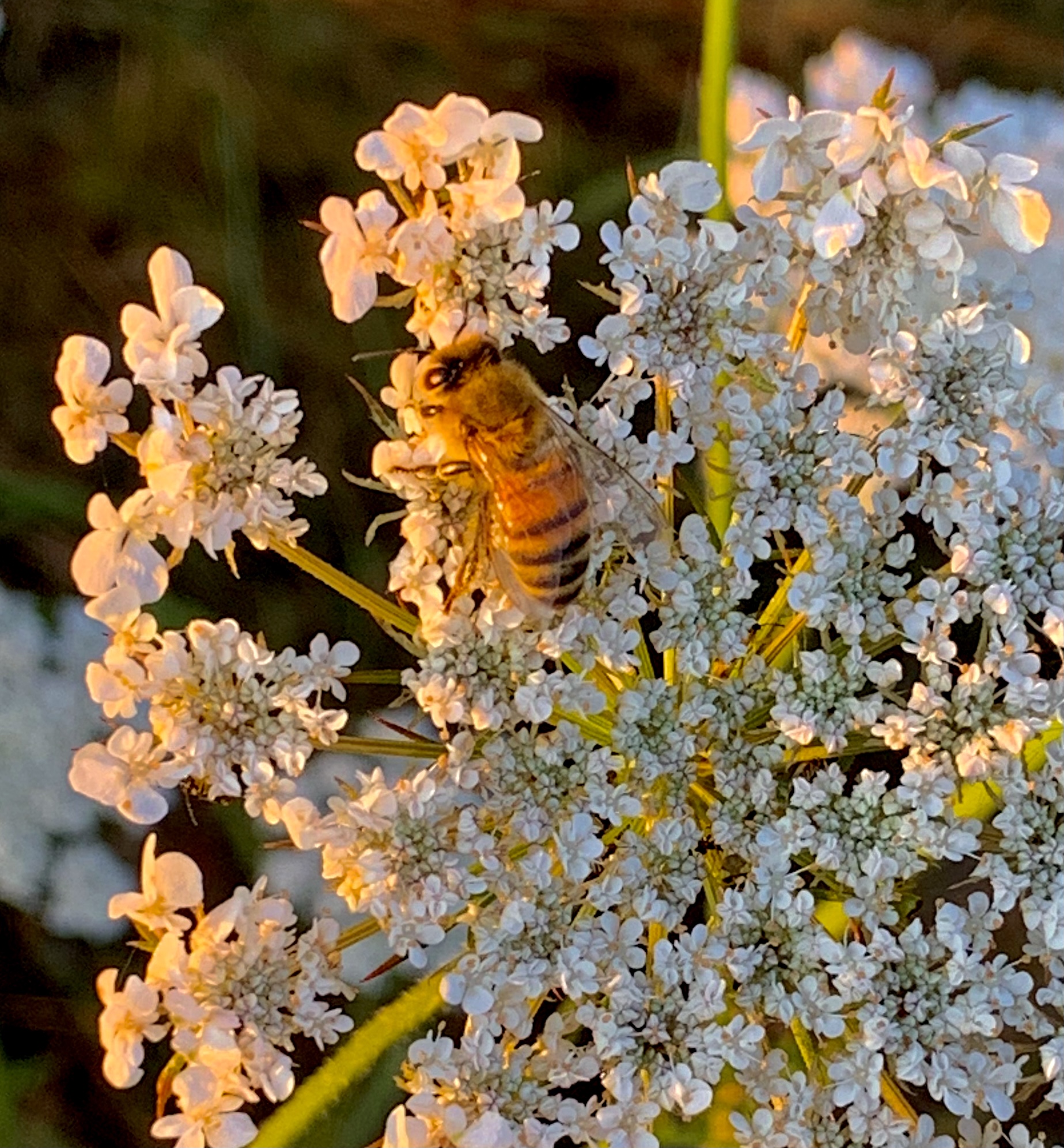
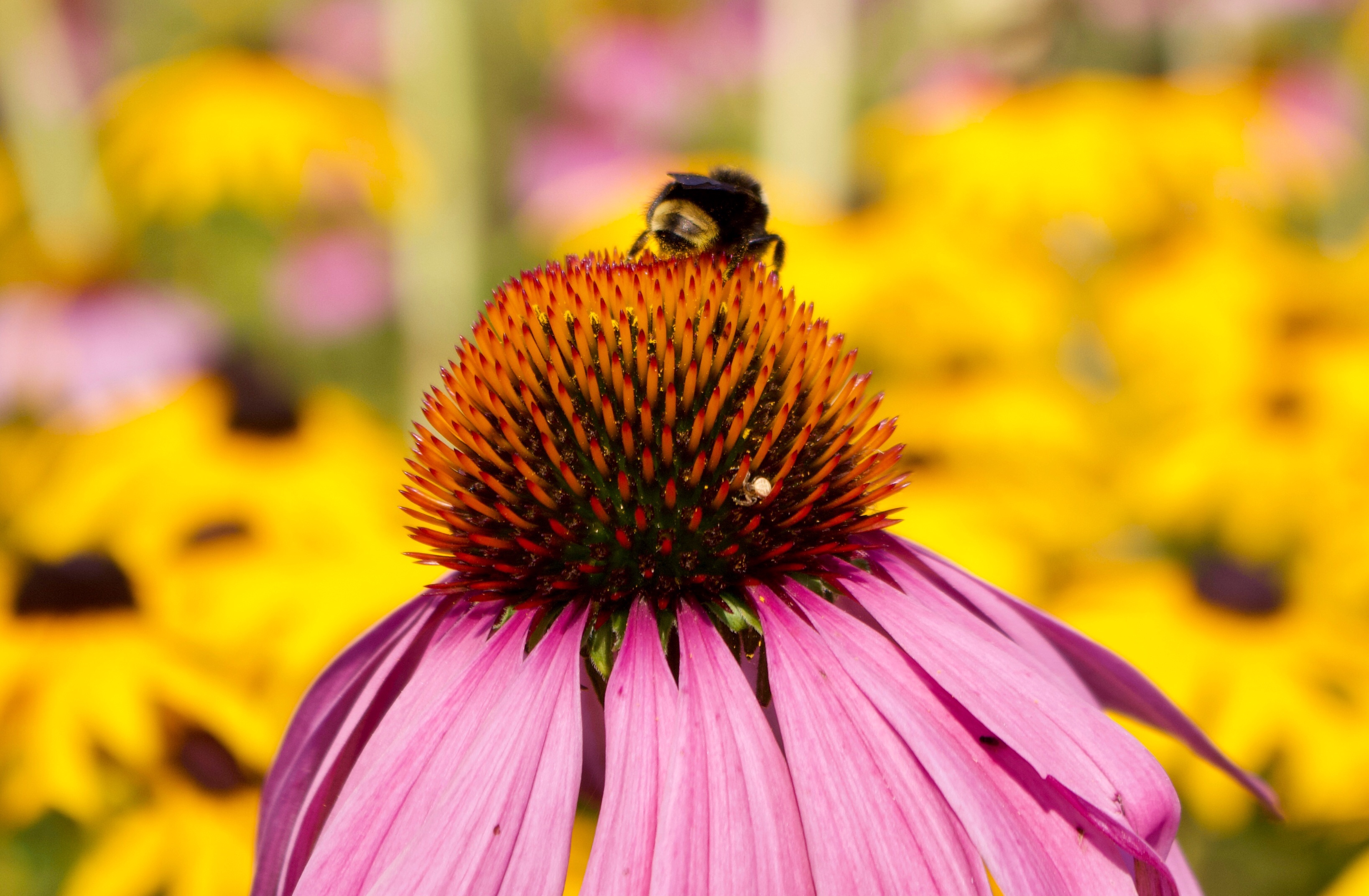
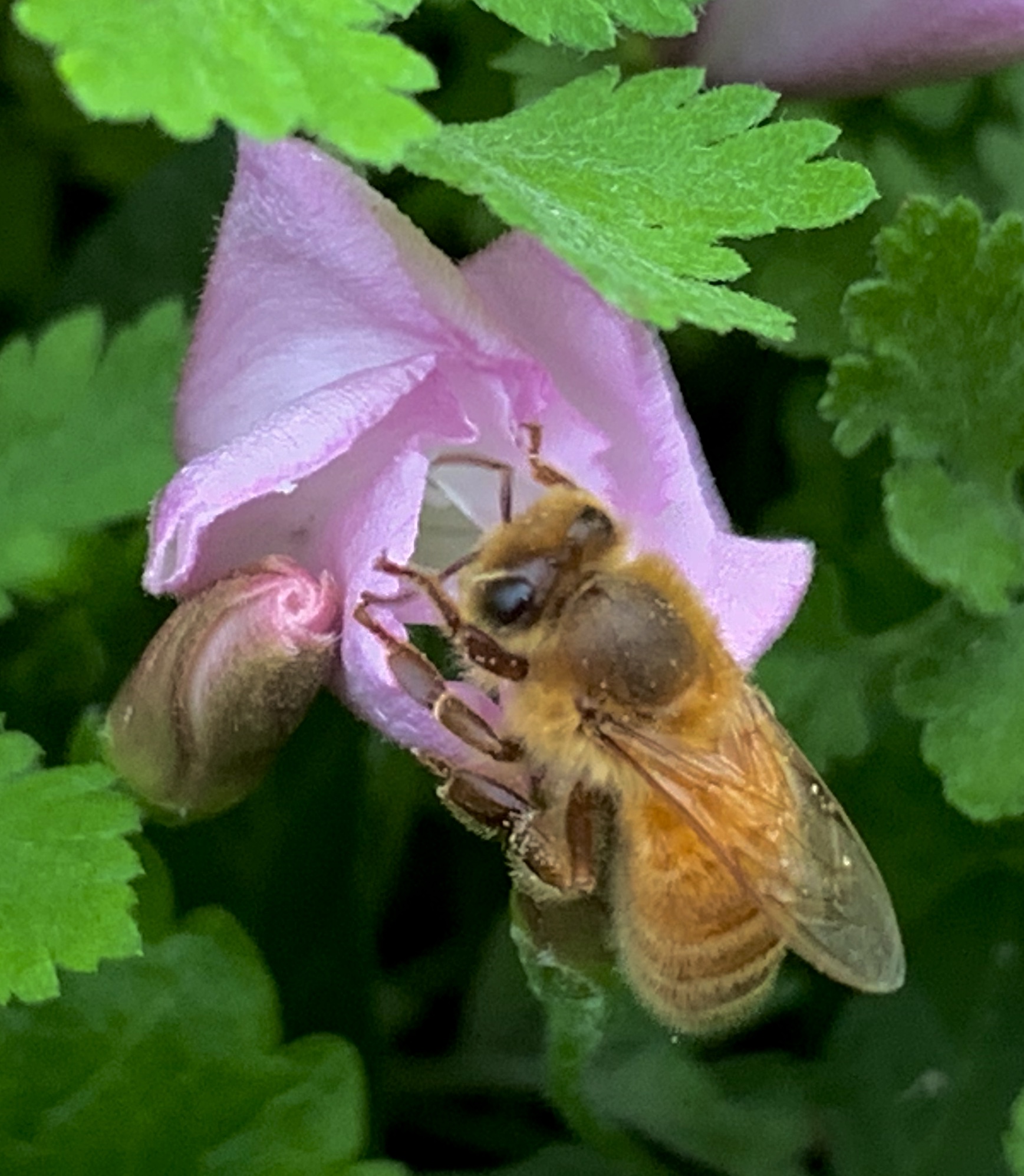
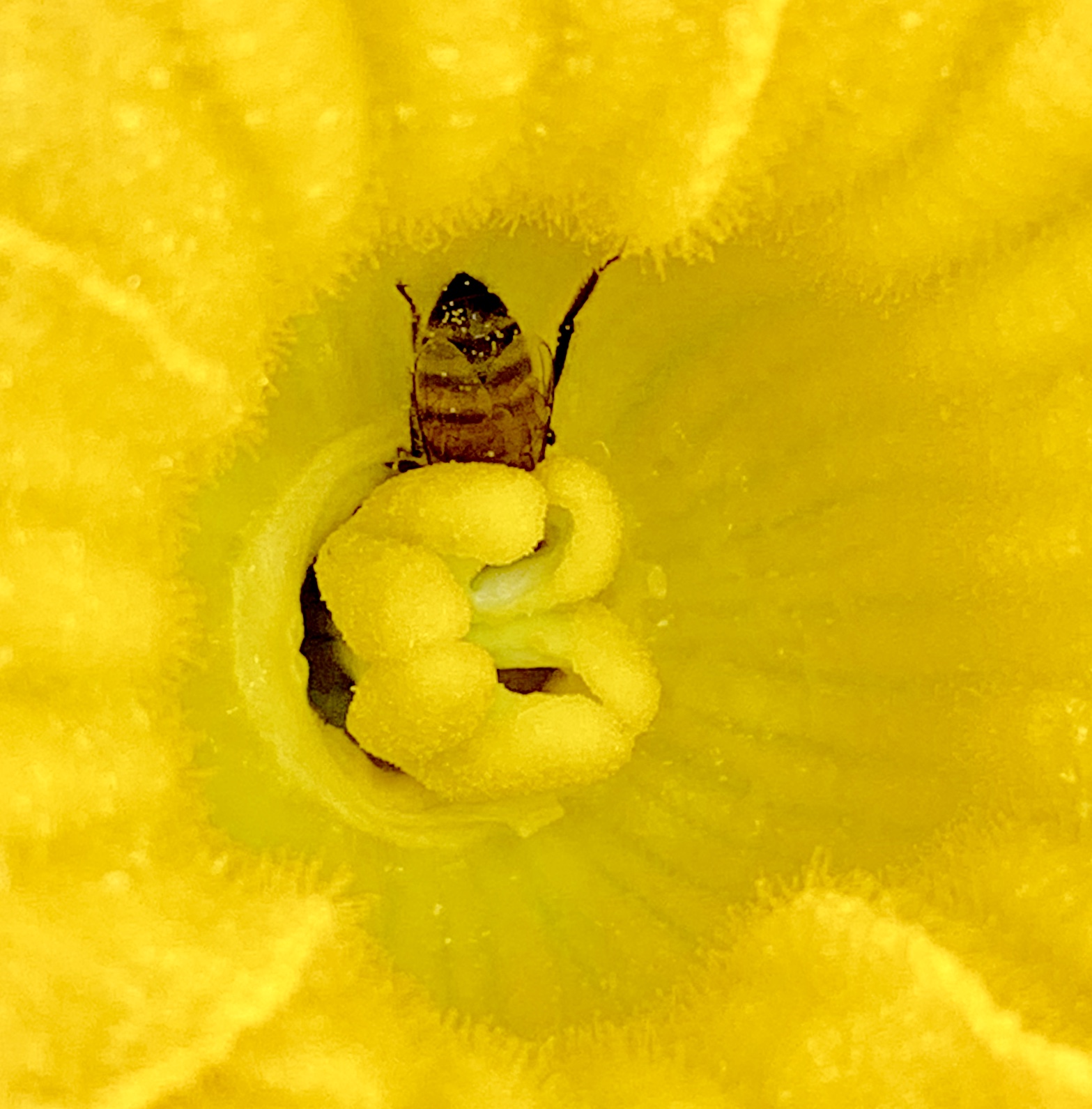
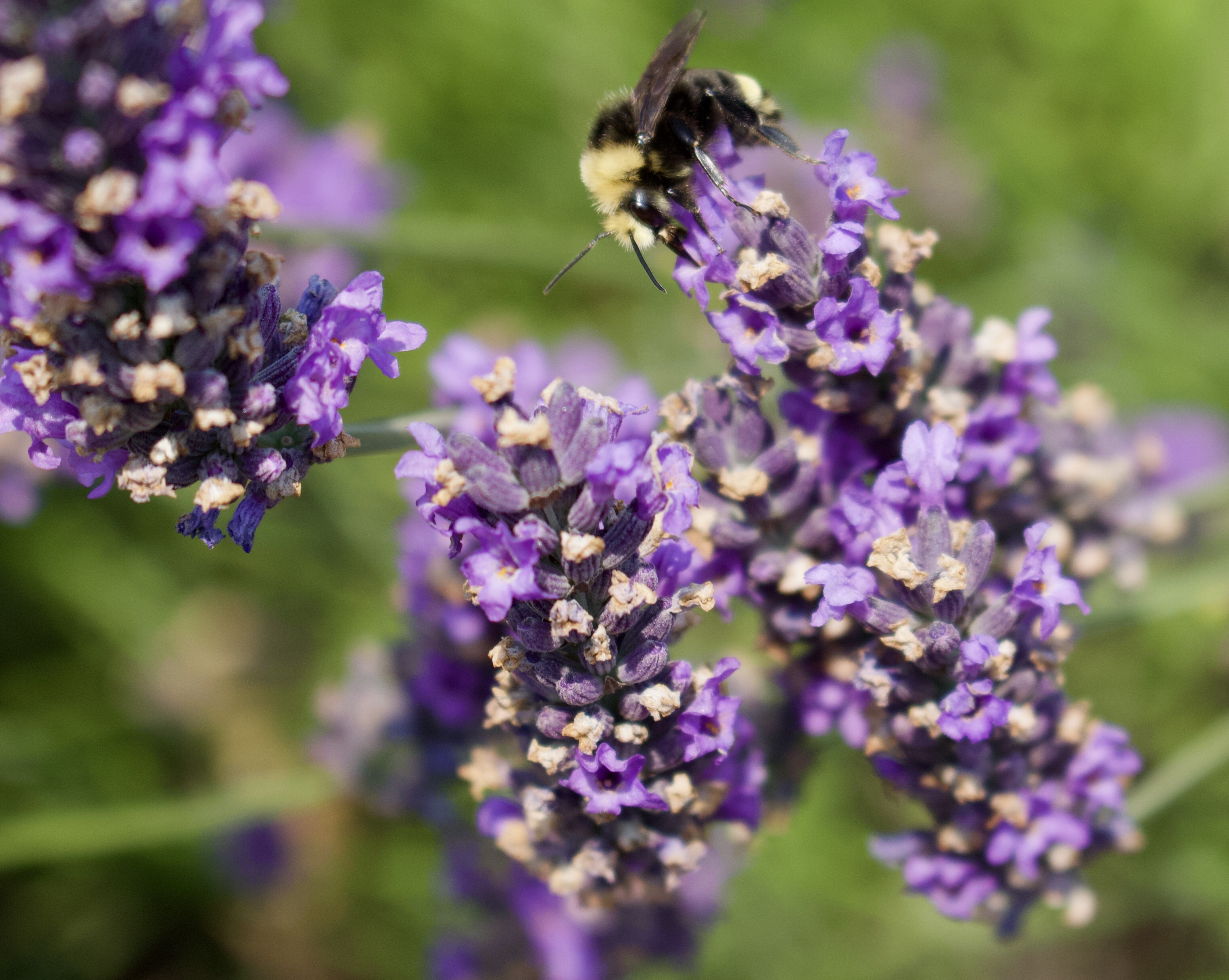
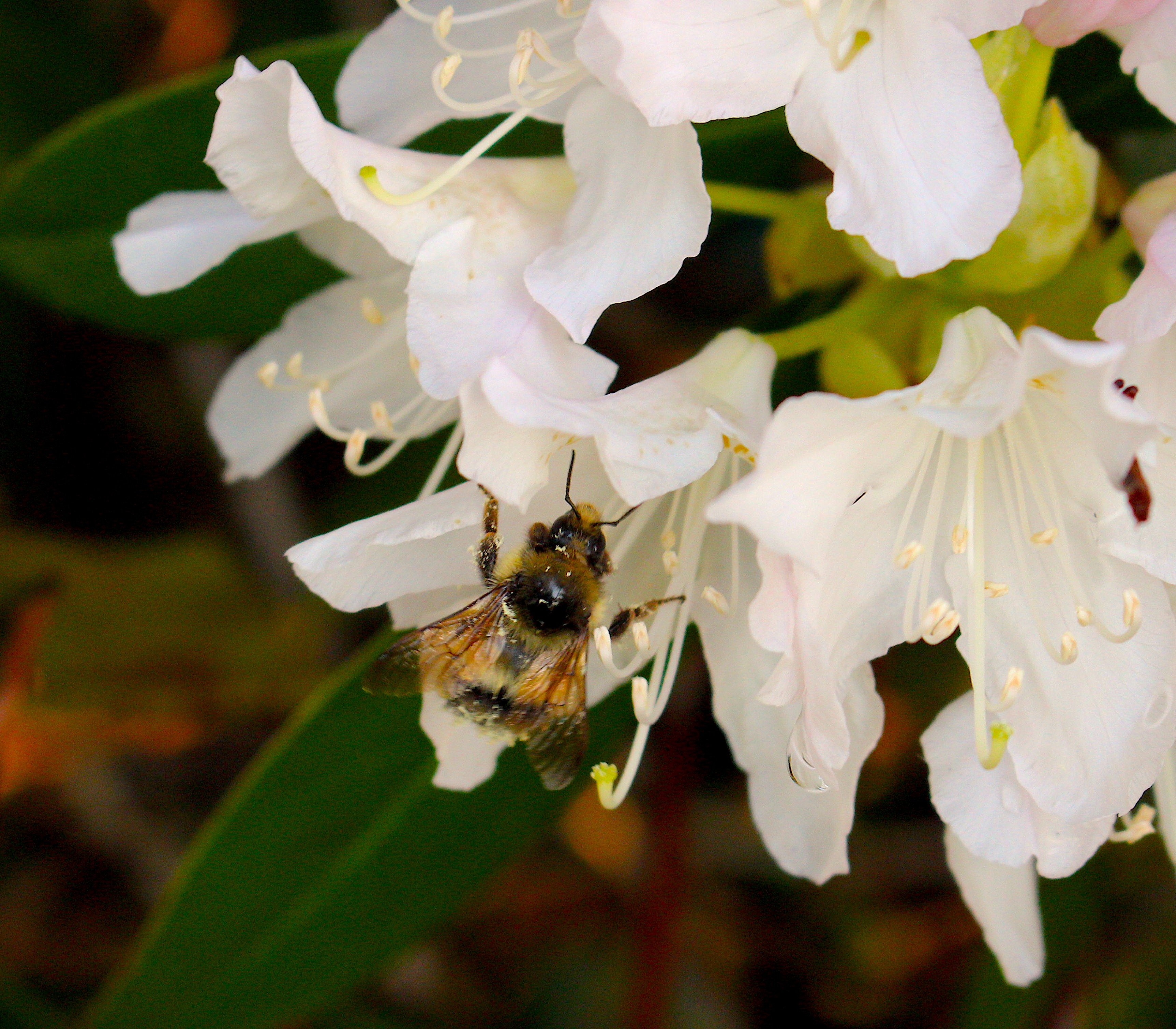
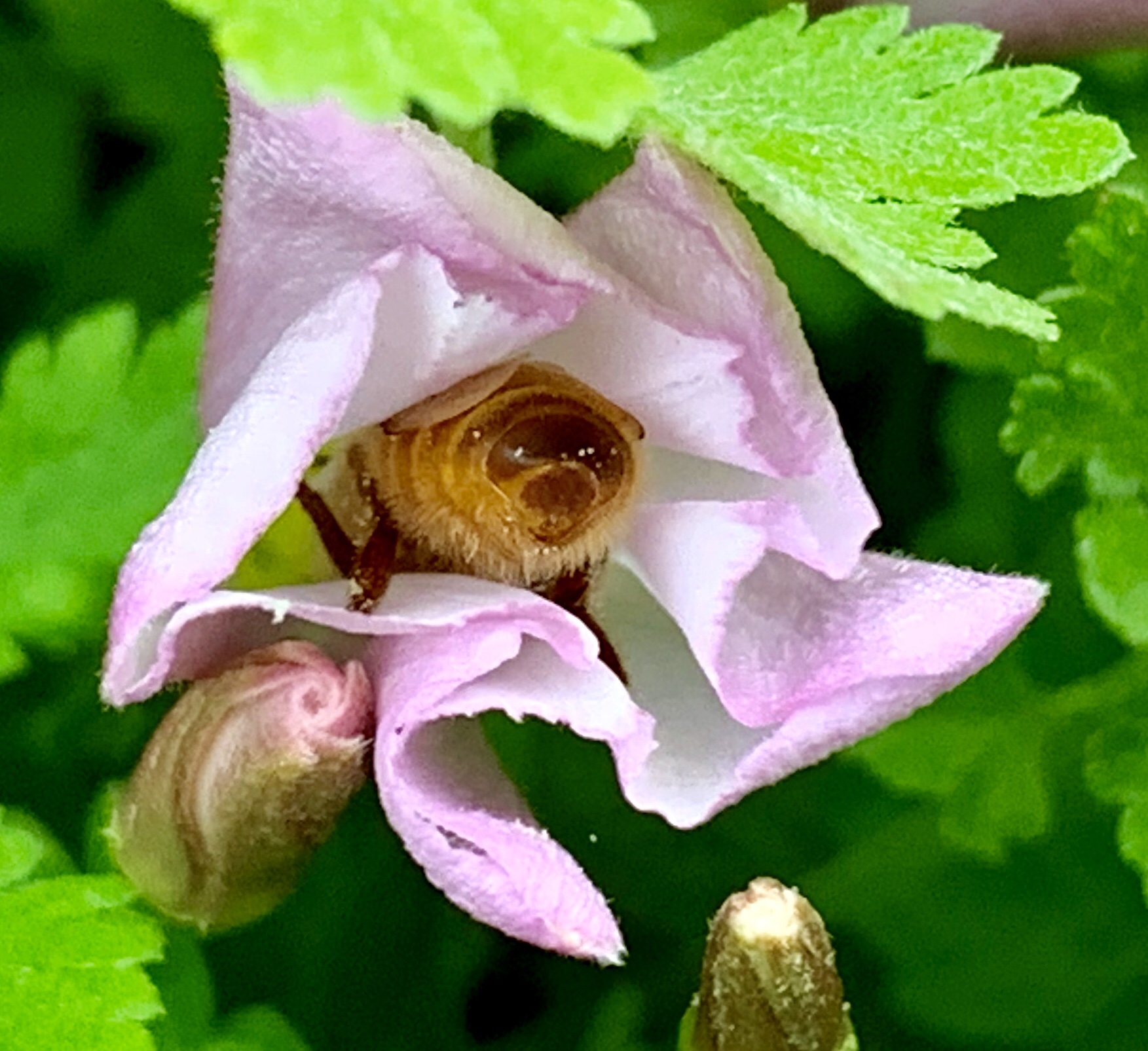
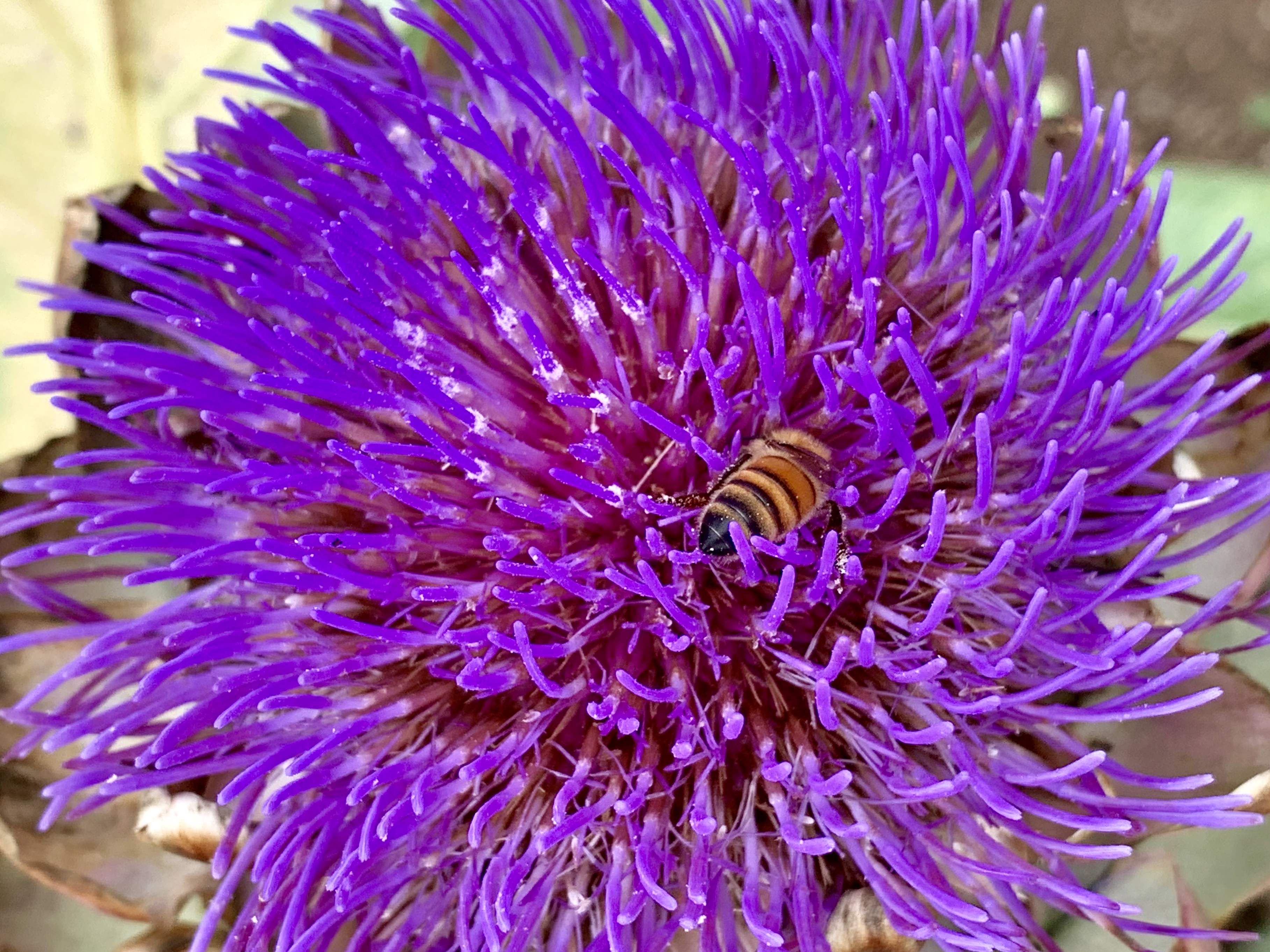
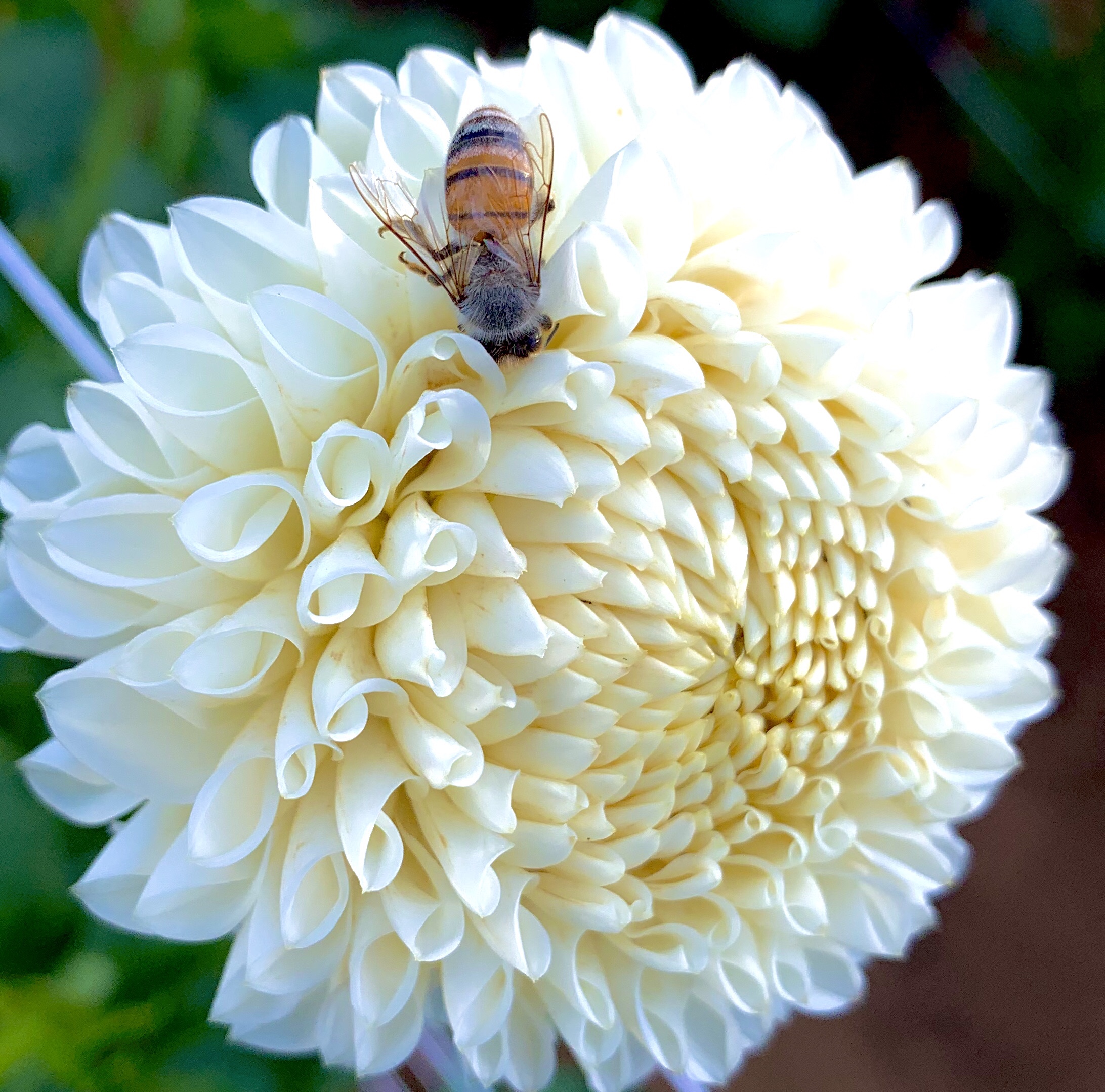
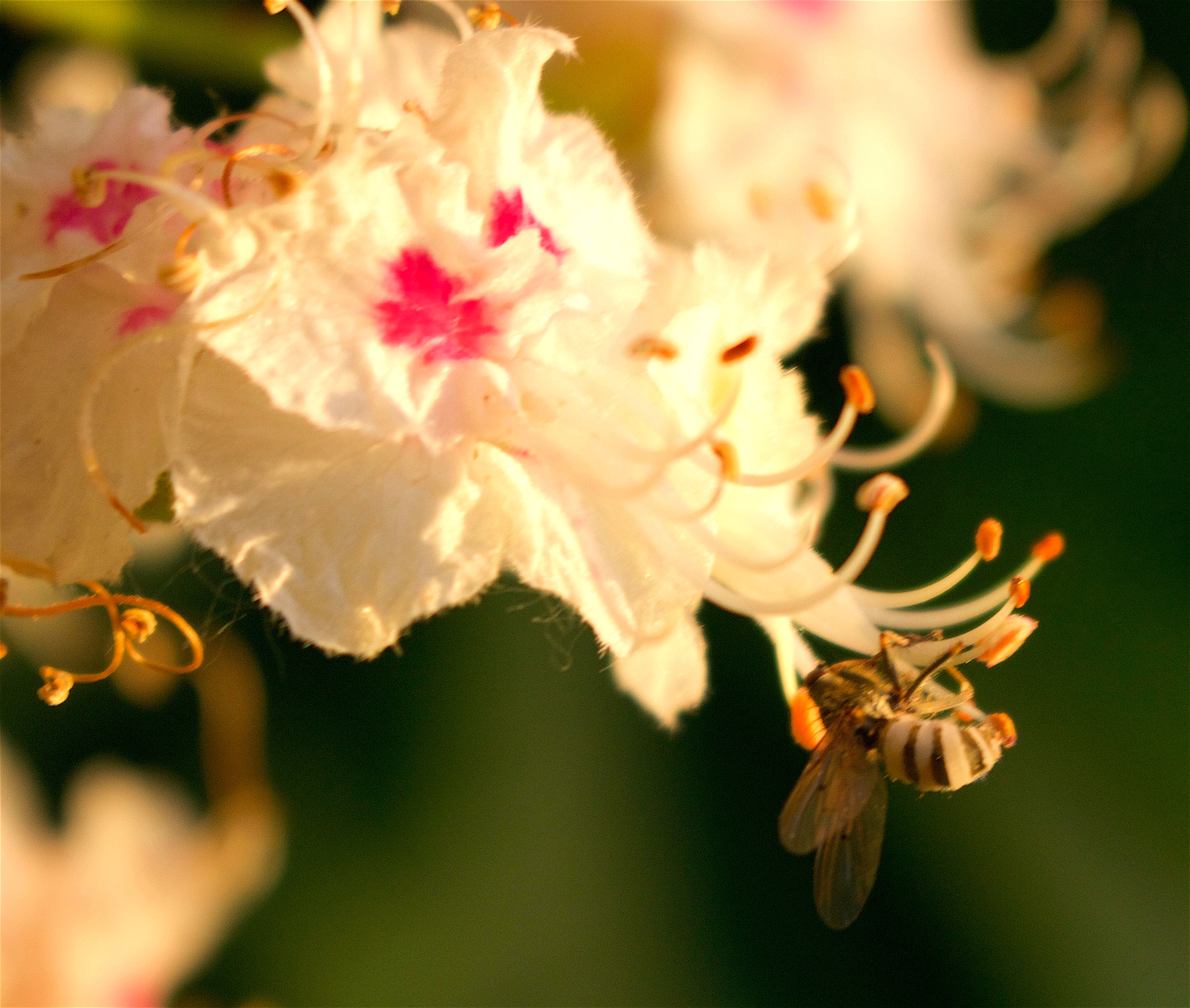
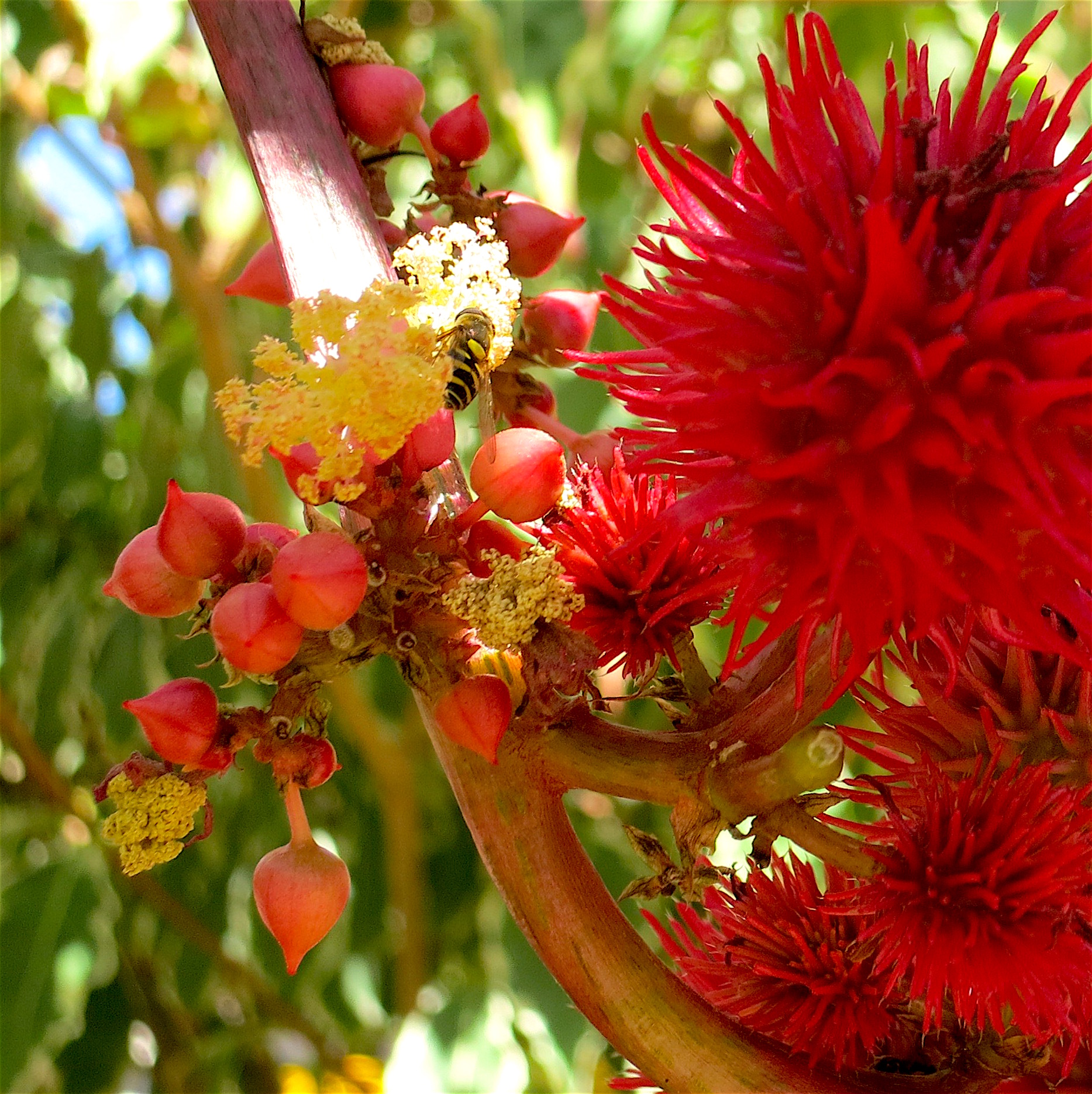
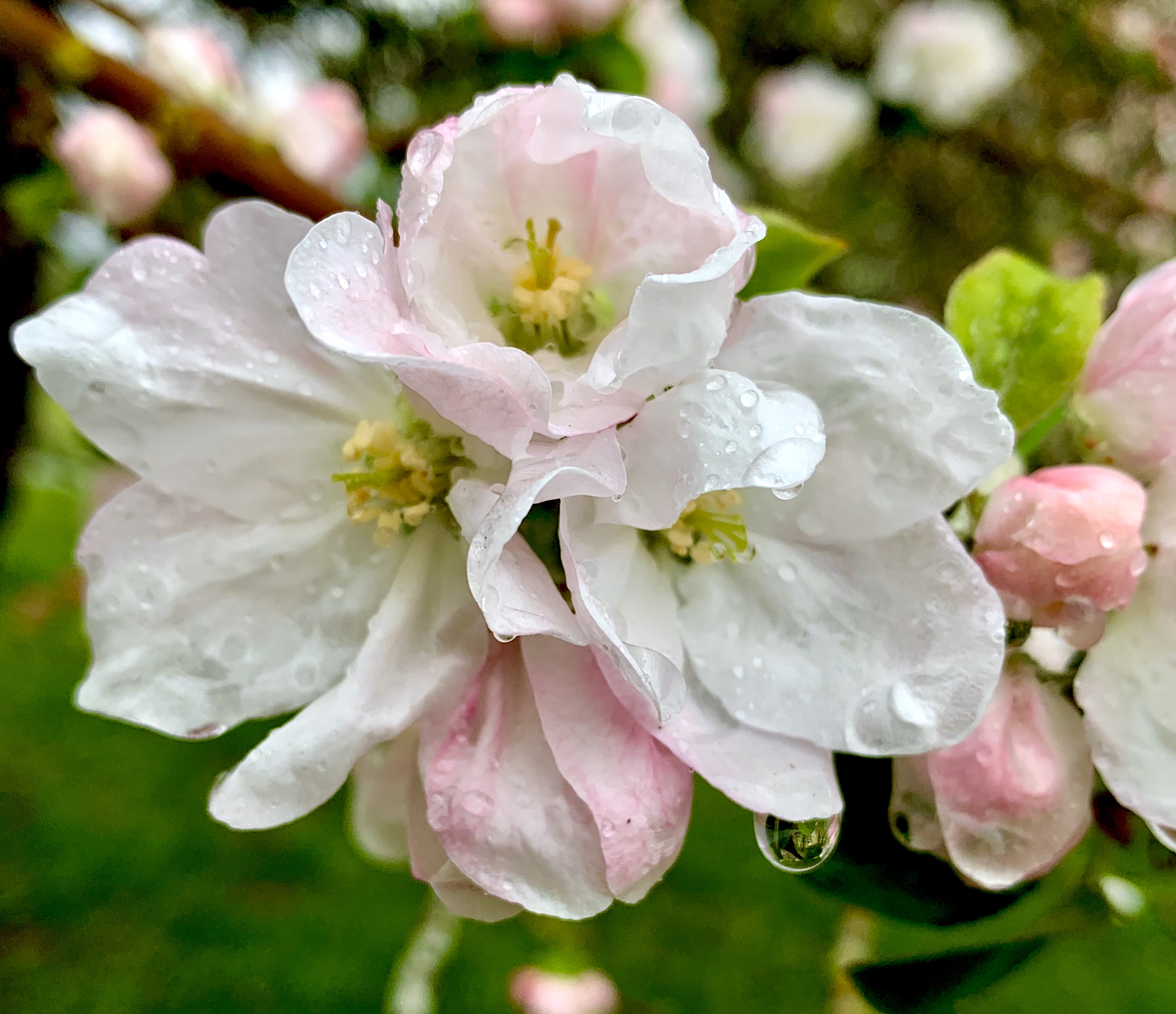
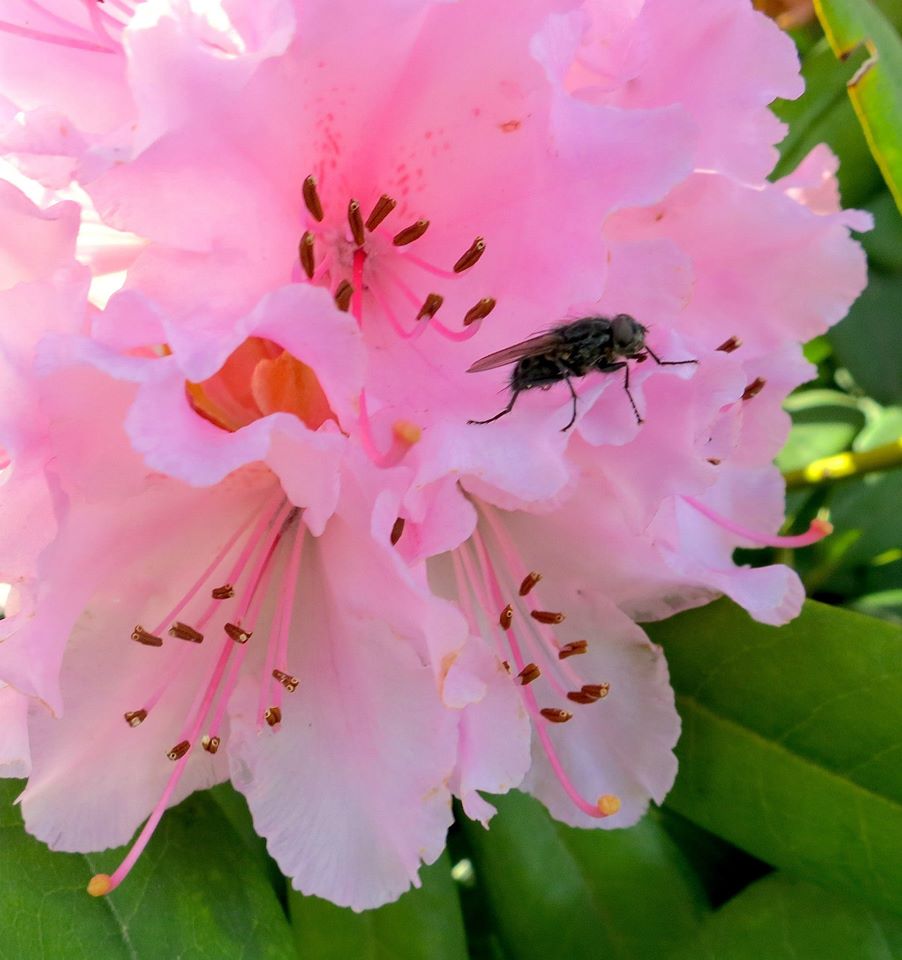
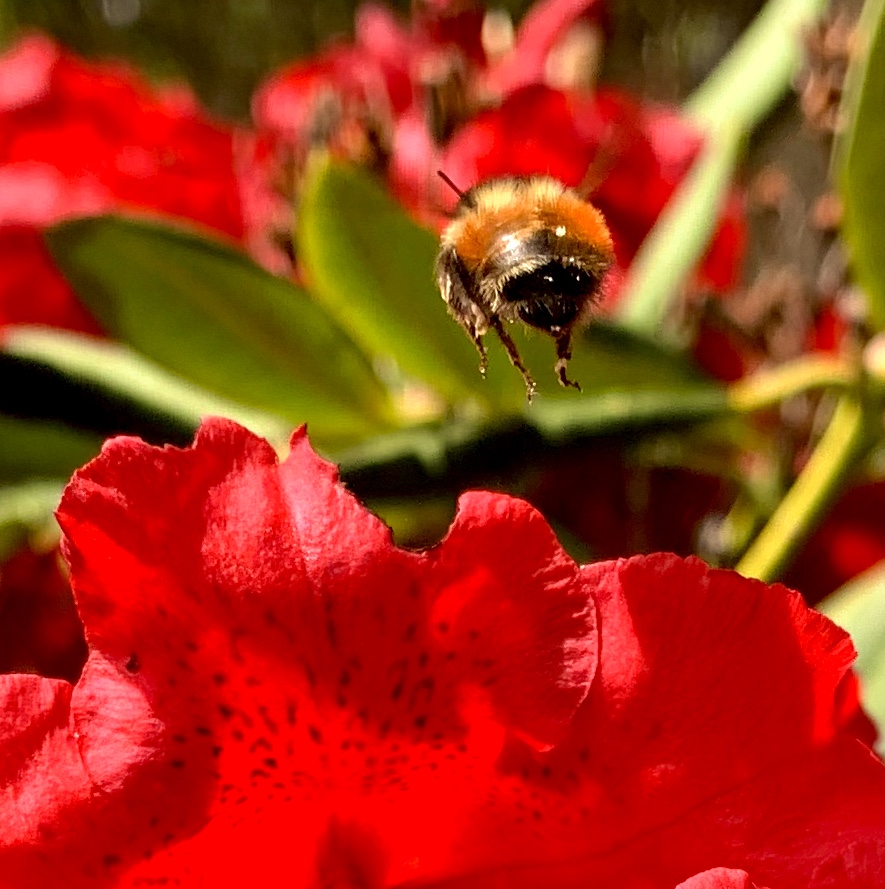
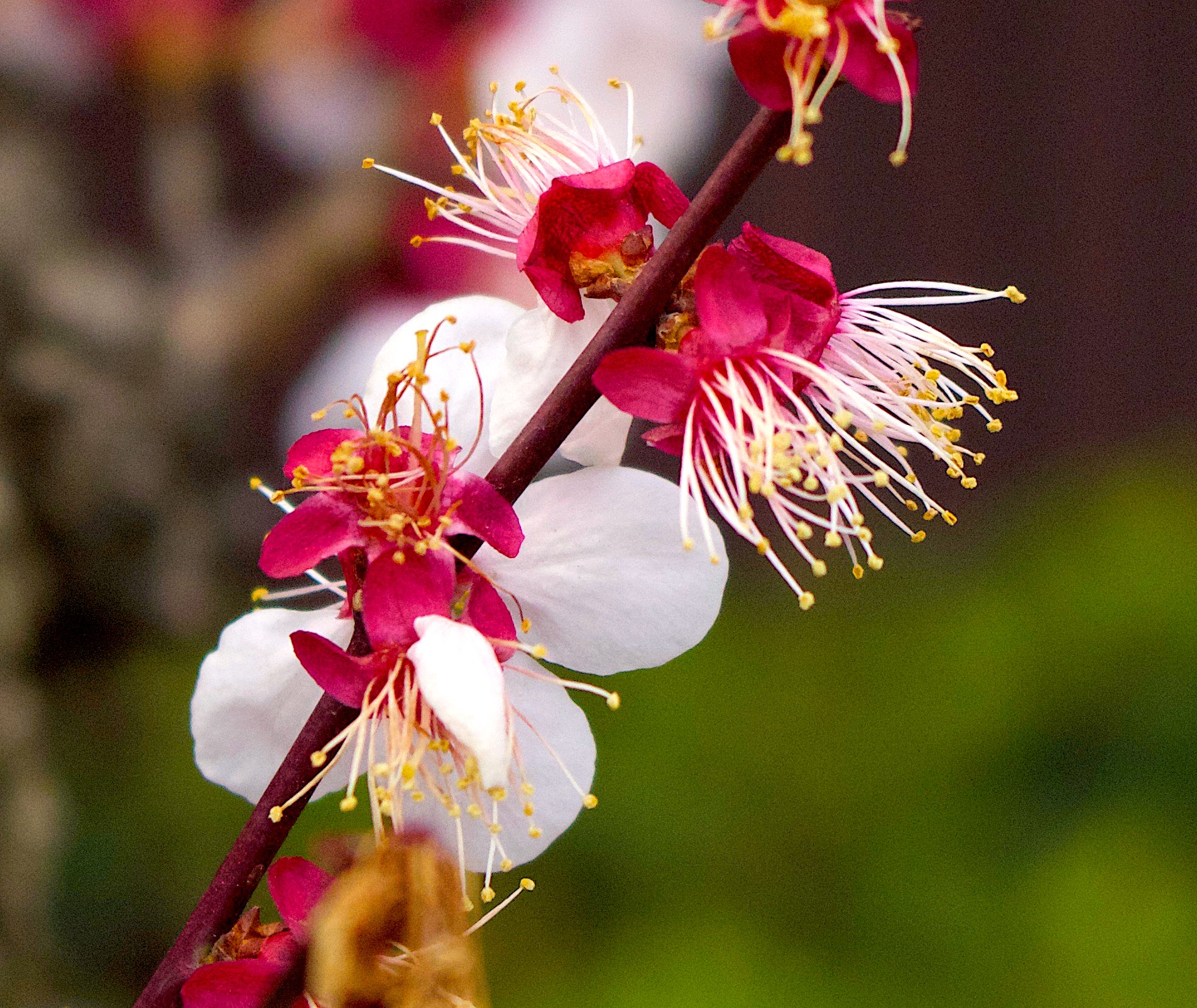
The early bees are assaulting and fumbling the flowers:
   They call it easing the Spring.
They call it easing the Spring: it is perfectly easy
If you have any strength in your thumb: like the bolt,
And the breech, and the cocking-piece, and the point of balance,
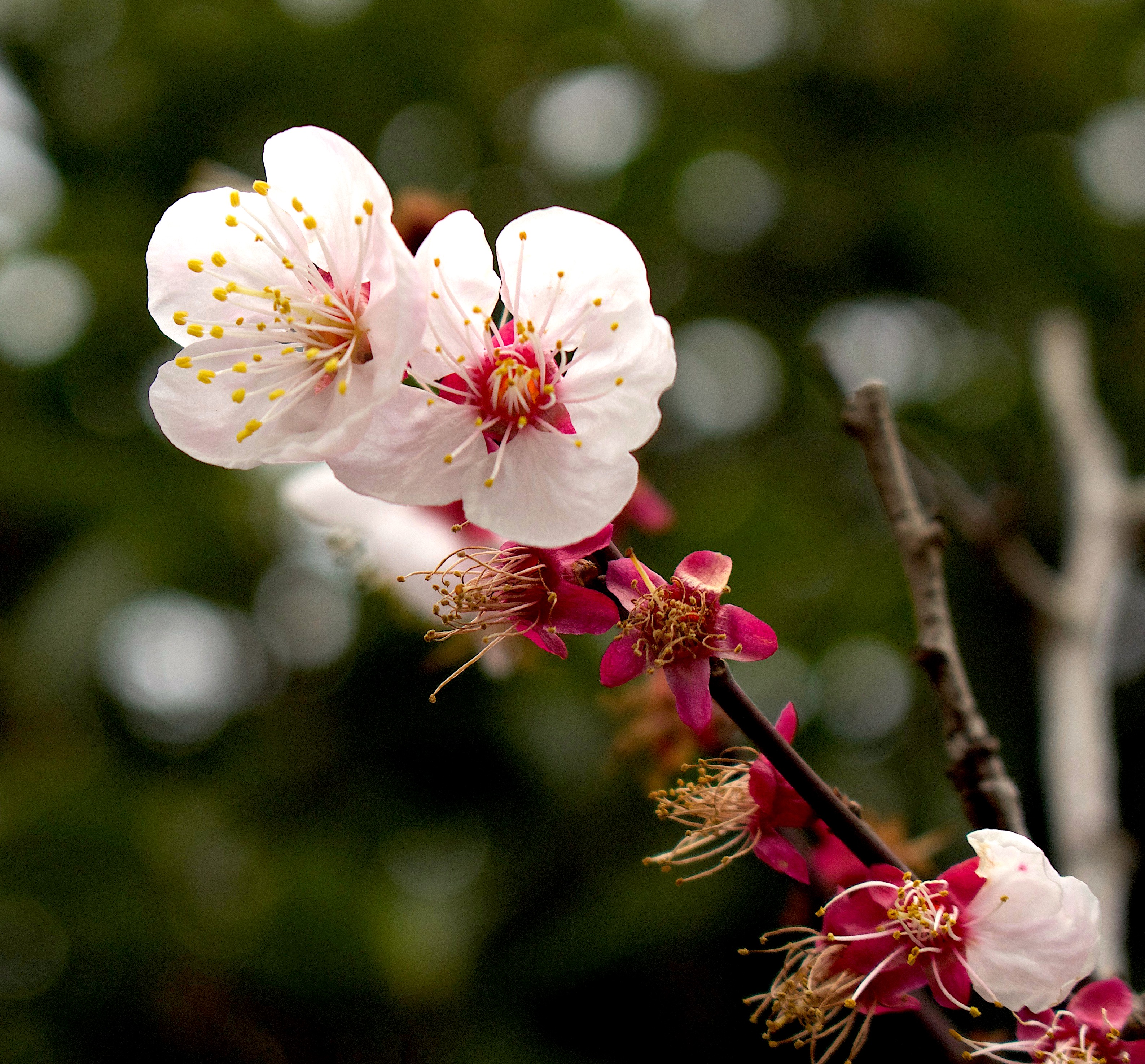
Which in our case we have not got; and the almond-blossom
Silent in all of the gardens and the bees going backwards and forwards,
   For today we have naming of parts.
~Henry Reed “Naming of Parts”
(1942)

“Naming of Parts” was a well-known British anti-war poem I memorized for debate class in high school in 1970, reciting it for interpretive reading competitions.
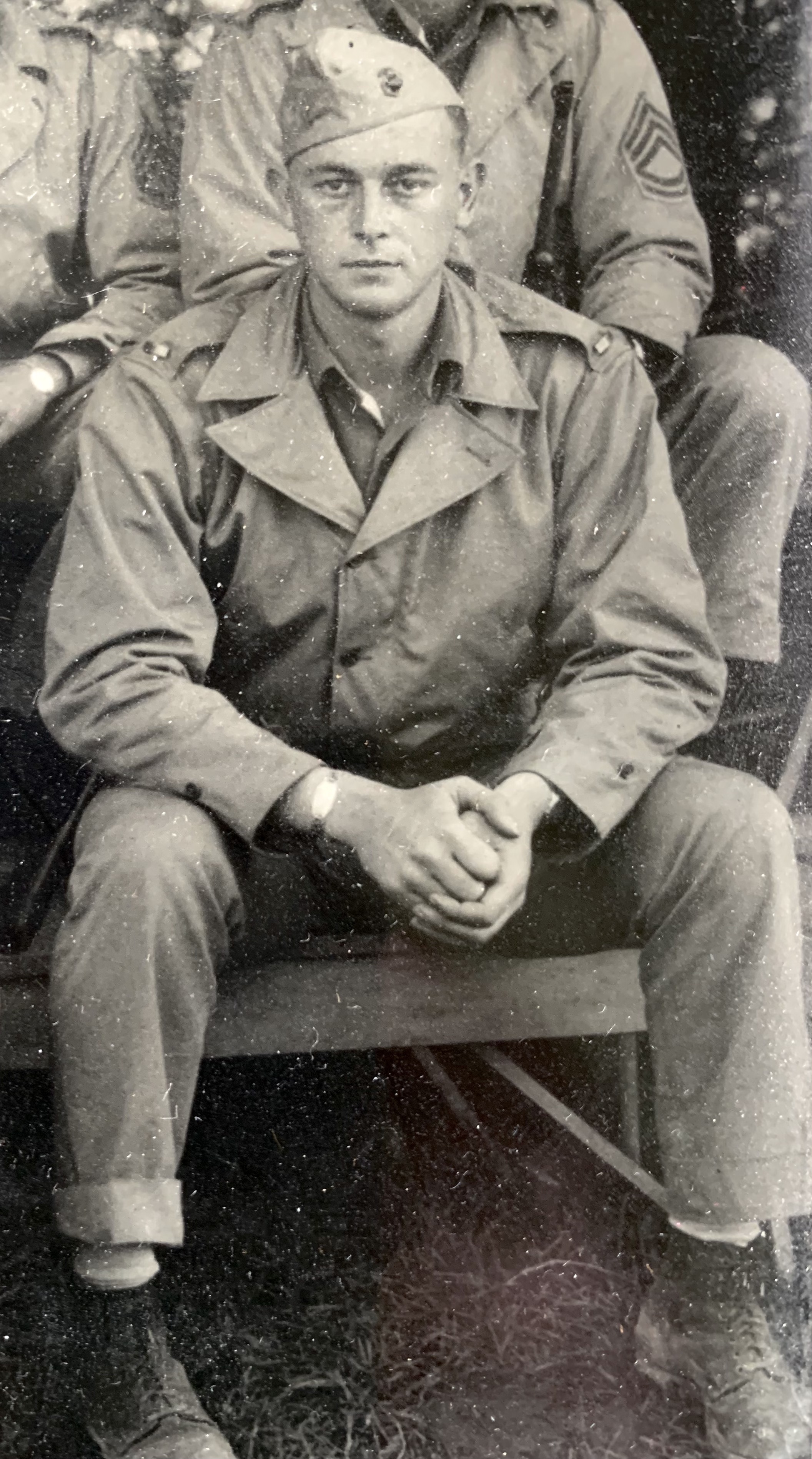
Below is a portion of a 1944 letter sent home to my mother from my father as he served as a Marine company officer in the South Pacific from January 1943 – fall 1945. After he returned home, physically uninjured, I had never seen him with a gun in his hands, and wasn’t aware he even had kept a gun after leaving the Marines. One day, in the early 1970’s, one of our farm’s beef animals was injured so my father, for the first time in thirty years, pulled out a gun from its hiding place to put down the suffering animal. I never saw the gun again and believe my father disposed of it soon after – firing that gun after so many years was too much for him.
“You mentioned a story of Navy landing craft taking the Marines into Tarawa.  It reminded me of something which impressed me a great deal and something I’m sure I’ll never forget. 

So you’ll understand what I mean I’ll try to start with an explanation.  In training – close order drill- etc.  there is a command that is given always when the men form in the morning – various times during the day– after firing– and always before a formation is dismissed.  The command is INSPECTION – ARMS.  On the command of EXECUTION- ARMS each man opens the bolt of his rifle.  It is supposed to be done in unison so you hear just one sound as the bolts are opened.  Usually it is pretty good and sounds O.K.

Just to show you how the morale of the men going to the <Tarawa> beach was – and how much it impressed me — we were on our way in – I was forward, watching the beach thru a little slit in the ramp – the men were crouched in the bottom of the boat, just waiting.  You see- we enter the landing boats with unloaded rifles and wait till it’s advisable before loading.  When we got about to the right distance in my estimation I turned around and said – LOAD and LOCK – I didn’t realize it, but every man had been crouching with his hand on the operating handle and when I said that — SLAM! — every bolt was open at once – I’ve never heard it done better – and those men meant business when they loaded those rifles. 

A man couldn’t be afraid with men like that behind him.
~ Marine Captain Henry Polis (age 22) in a 1944 letter home about the Battle of Tarawa (November 1943)

Henry Polis 1943

One-Time
Monthly
Yearly

Make a one-time or recurring donation to support daily Barnstorming posts

Make a monthly donation

Make a yearly donation

Choose an amount

¤5.00
¤10.00
¤20.00
¤5.00
¤15.00
¤100.00
¤5.00
¤15.00
¤100.00

Or enter a custom amount

¤

Your contribution is deeply appreciated.

Your contribution is appreciated.

Your contribution is appreciated.

DonateDonate monthlyDonate yearly
Trusting All This to be True

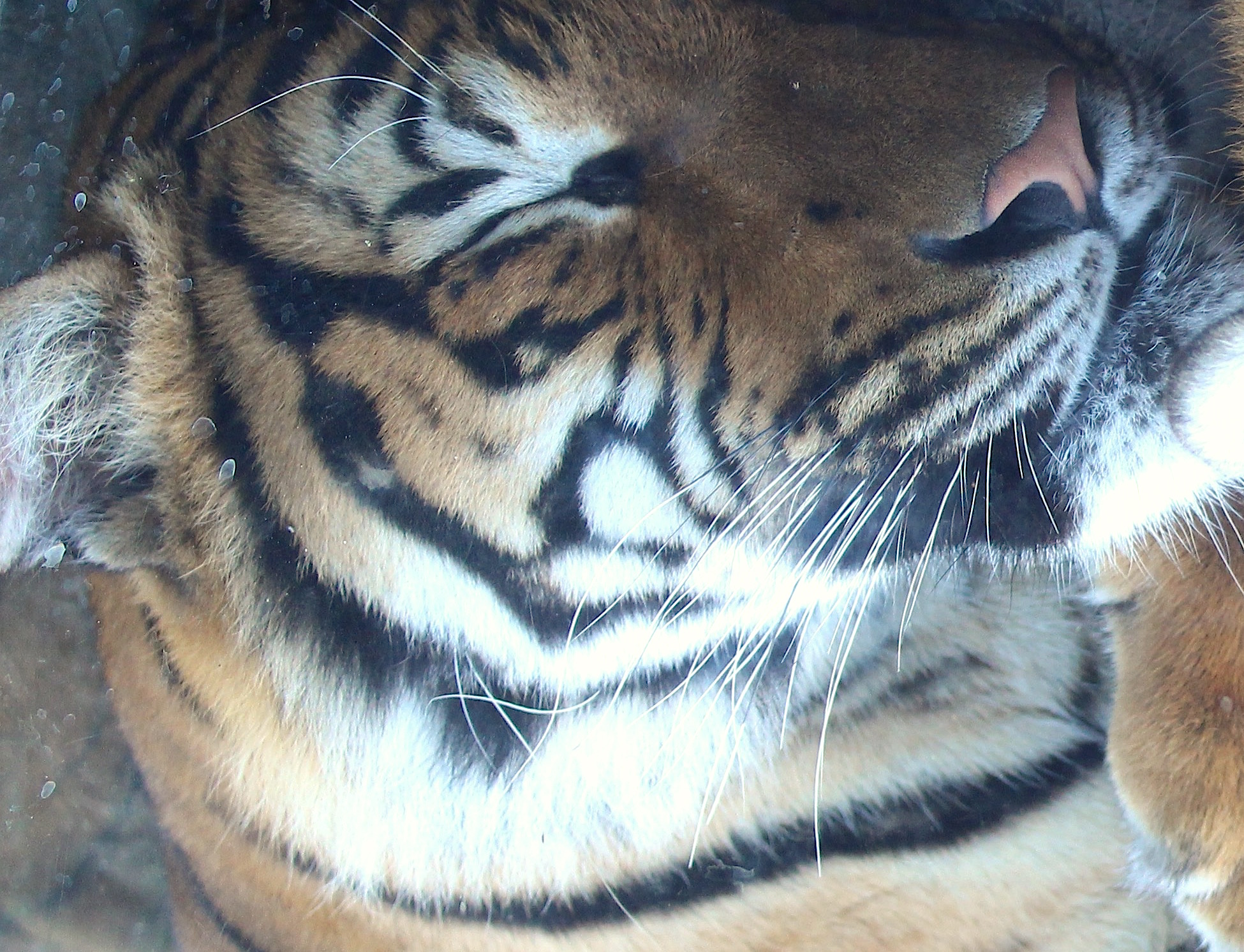
Trust that there is a tiger, muscular
Tasmanian, and sly, which has never been
seen and never will be seen by any human
eye. Trust that thirty thousand sword-
fish will never near a ship, that far
from cameras or cars elephant herds live
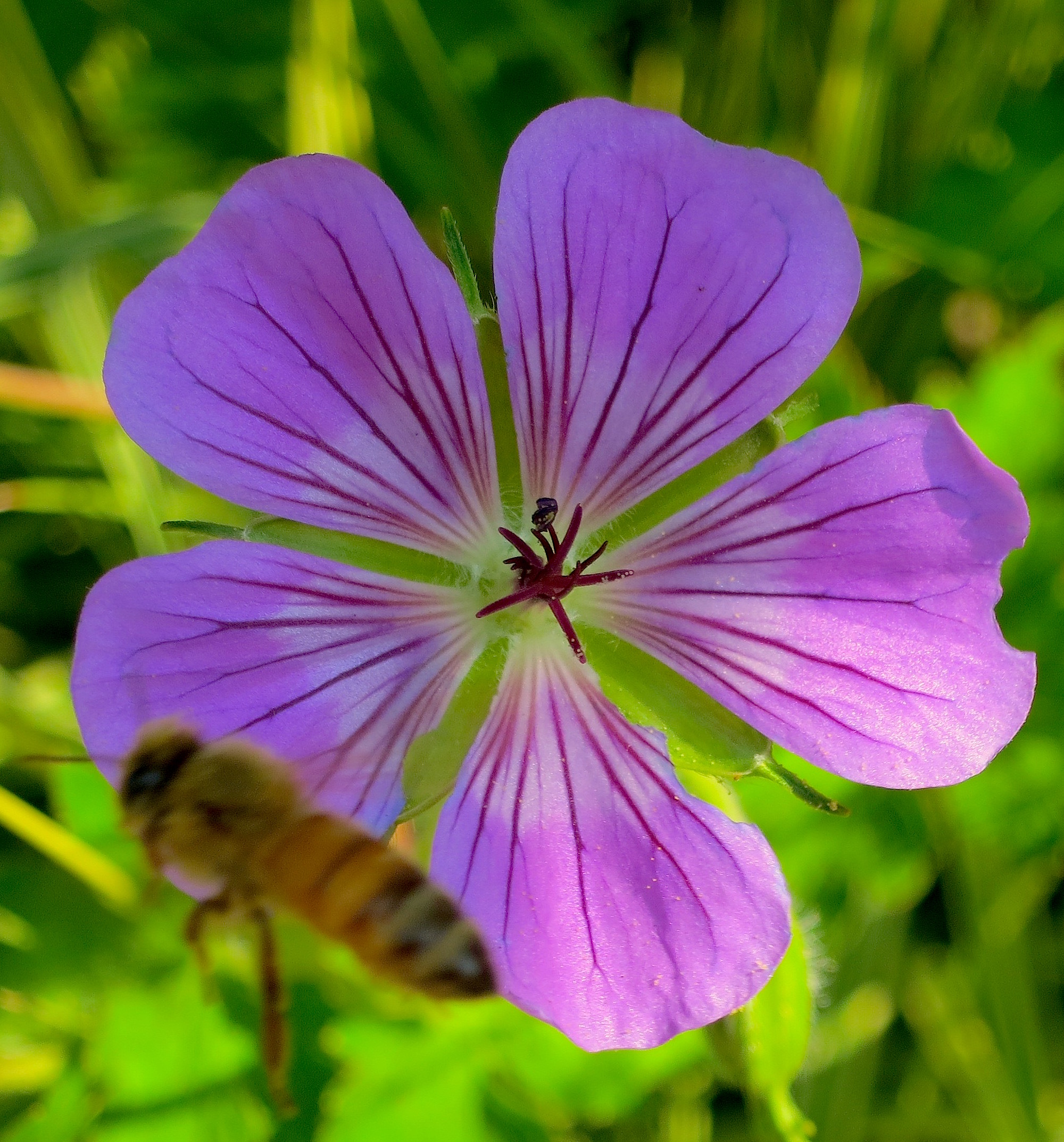
long elephant lives. Believe that bees
by the billions find unidentified flowers
on unmapped marshes and mountains. Safe
in caves of contentment, bears sleep.
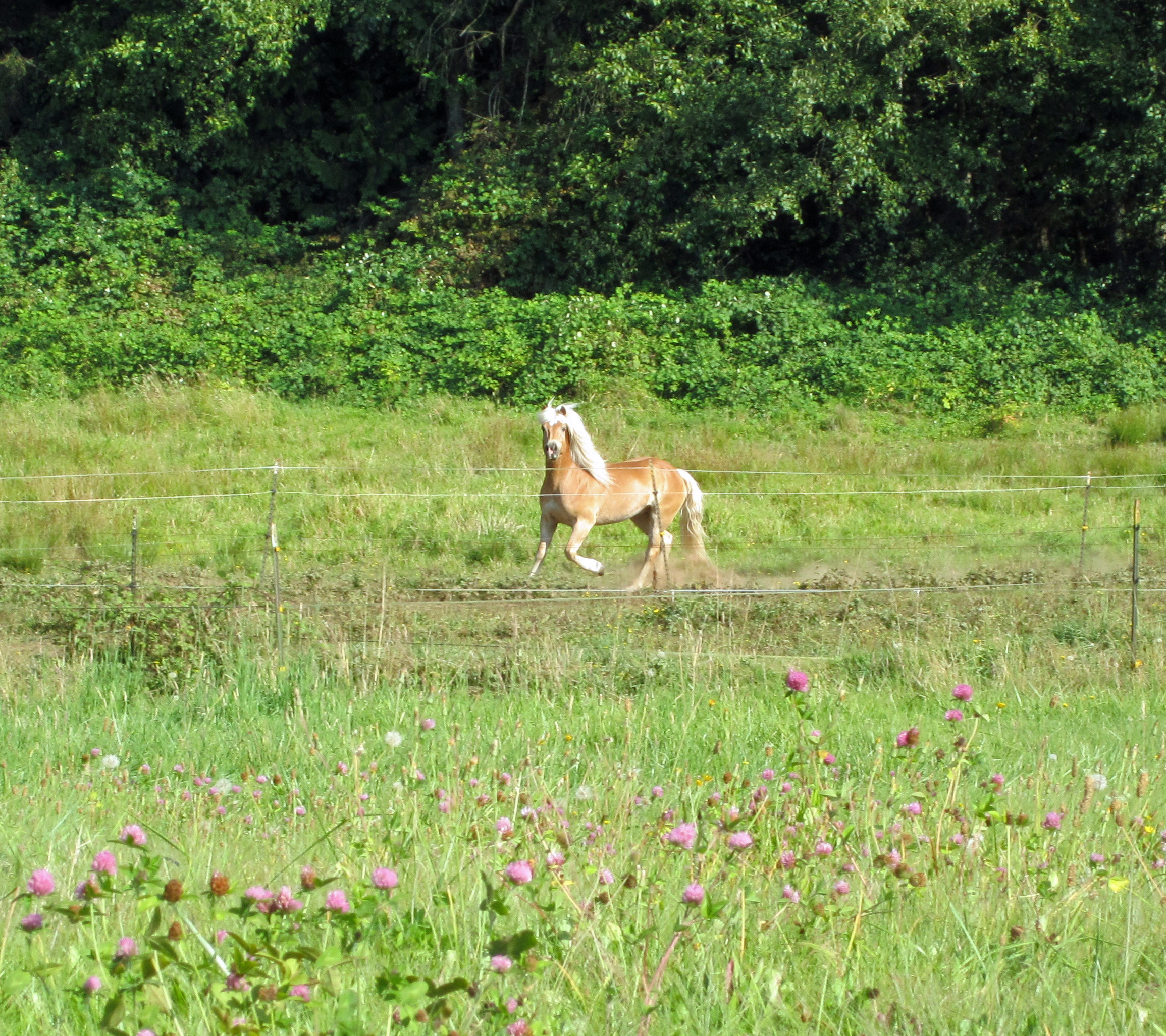
Through vast canyons, horses run while slowly
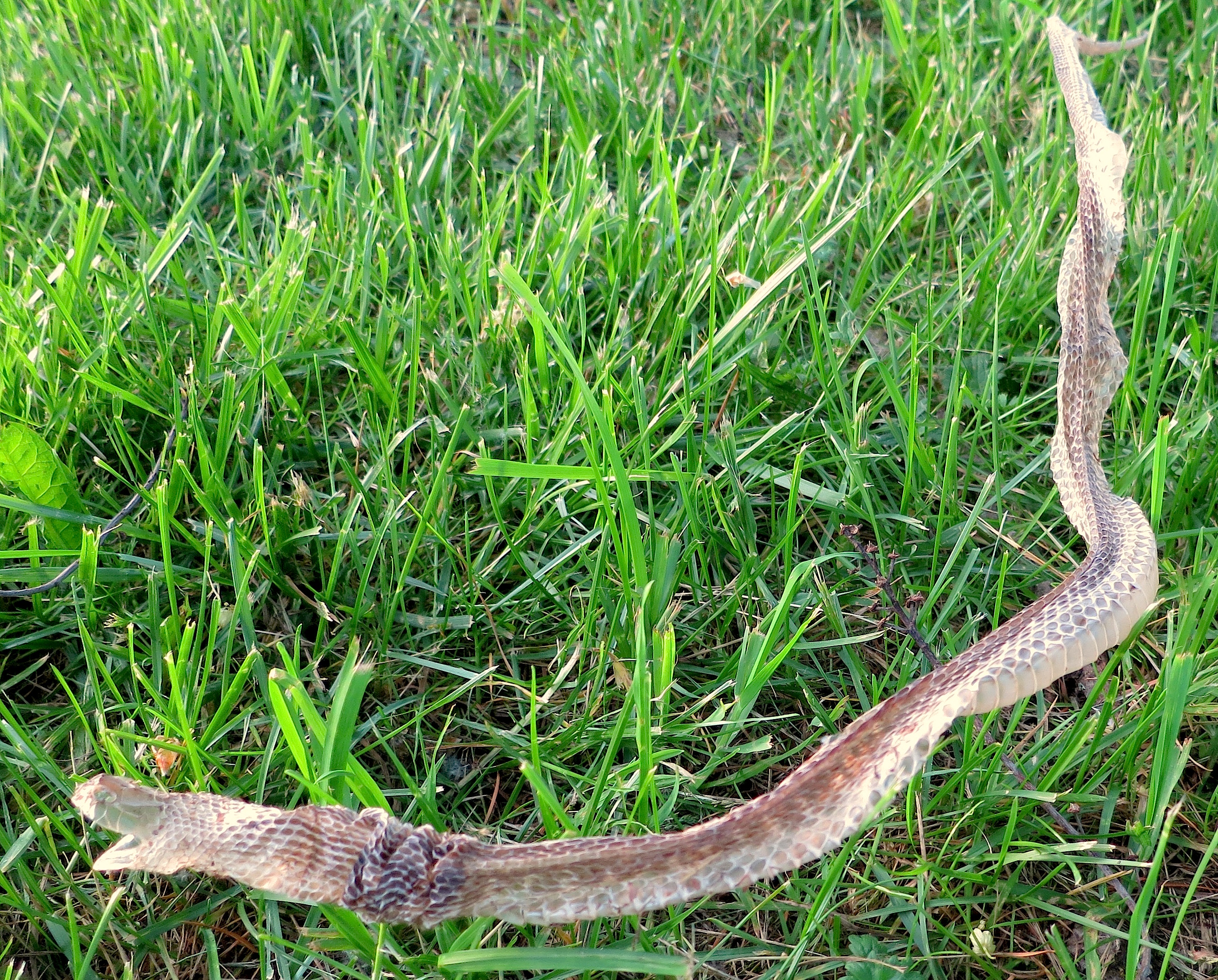
snakes stretch beyond their skins in the sun.
I must trust all this to be true, though
the few birds at my feeder watch the window
with small flutters of fear, so like my own.
~Susan Kinsolving “Trust”

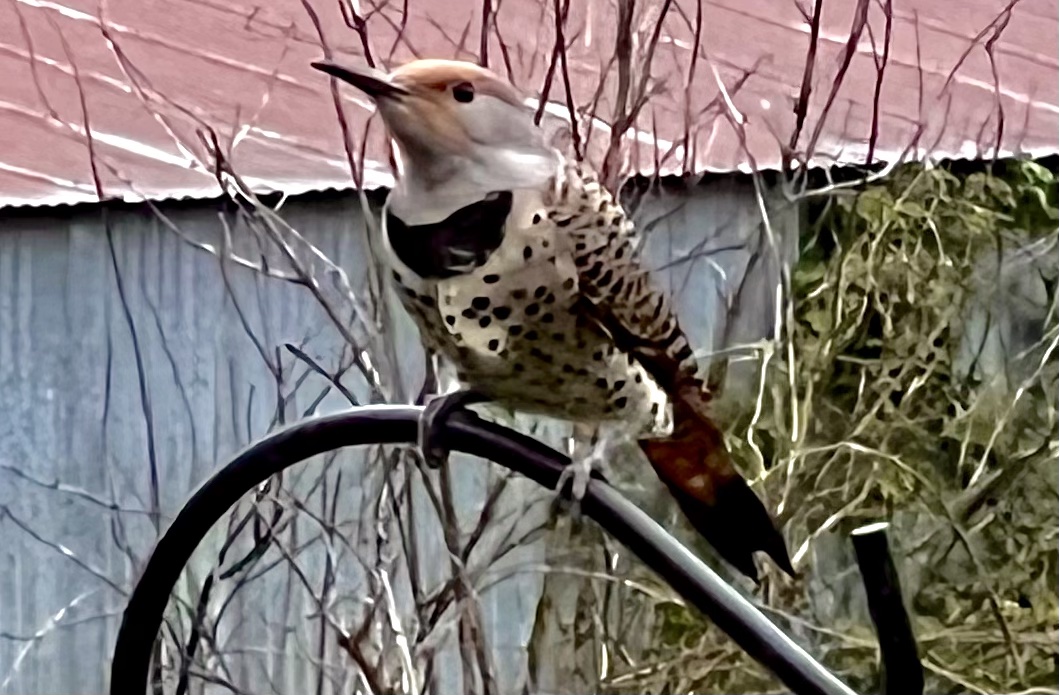
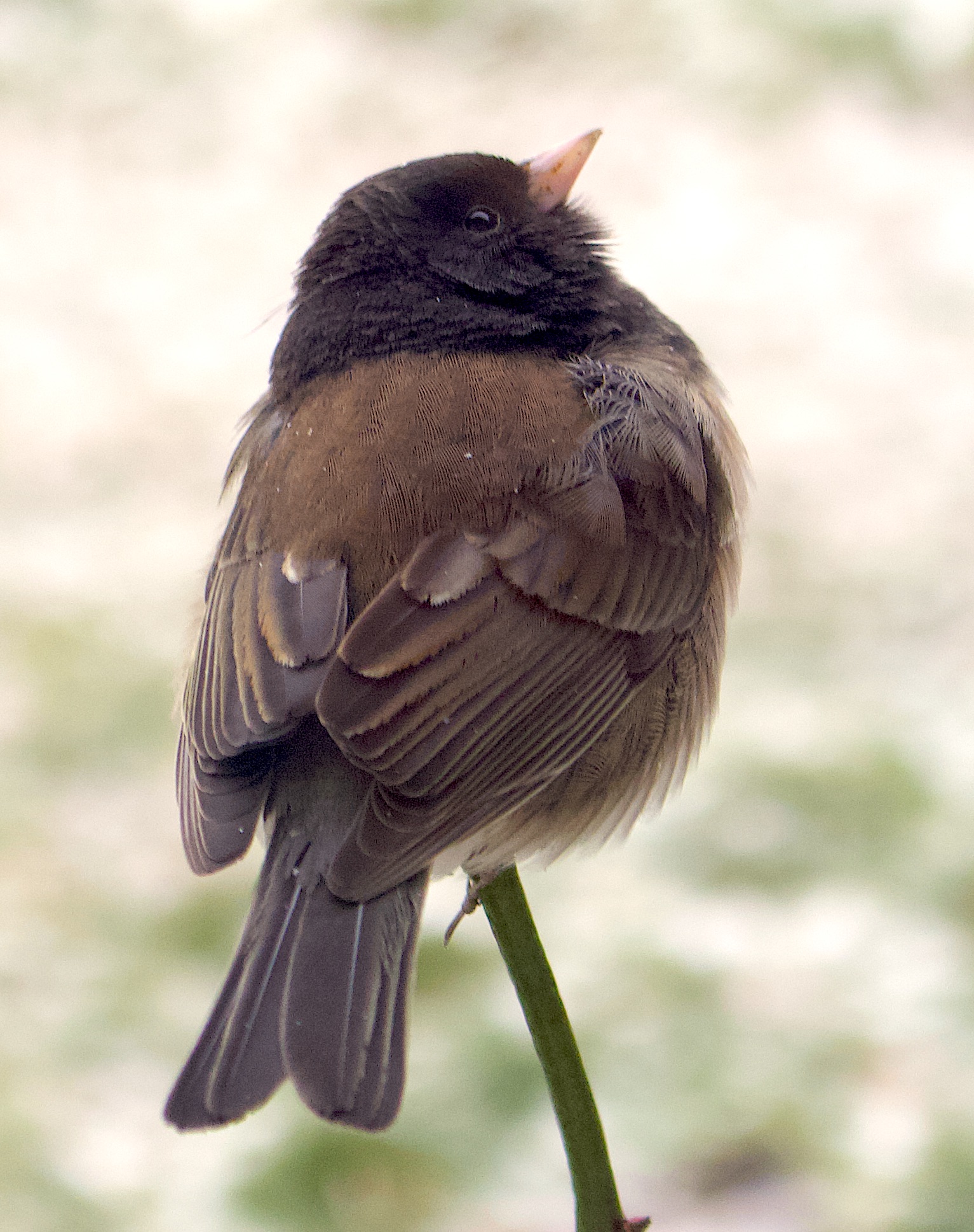
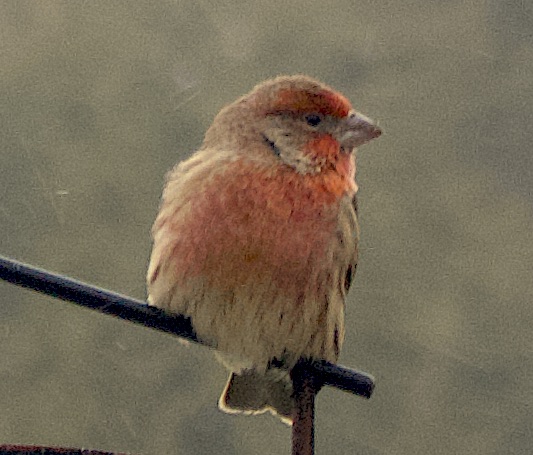
When I stand at the window watching the flickers, sparrows, finches, chickadees, and red-winged blackbirds come and go from the feeders, I wonder who is watching who.  They remain wary of me, fluttering away quickly if I approach.  They fear capture, even within a camera.  They have a life to be lived without my witness or participation.  So much happens that I never see or know about; it would be overwhelming to absorb it all.

I understand:  I fear being captured too.

Even if only for a moment as an image preserved forever, I know it doesn’t represent all I am, all I’ve done, all I feel, all my moments put together.  The birds are, and I am, so much more than one moment.

Only God sees me fully in every moment that I exist, witness to my freedom and captivity, my loneliness and grief, my joy and tears, knowing my very best and my very worst.

And He is not overwhelmed by what He sees of me. He knows me so well, in Him I must trust.

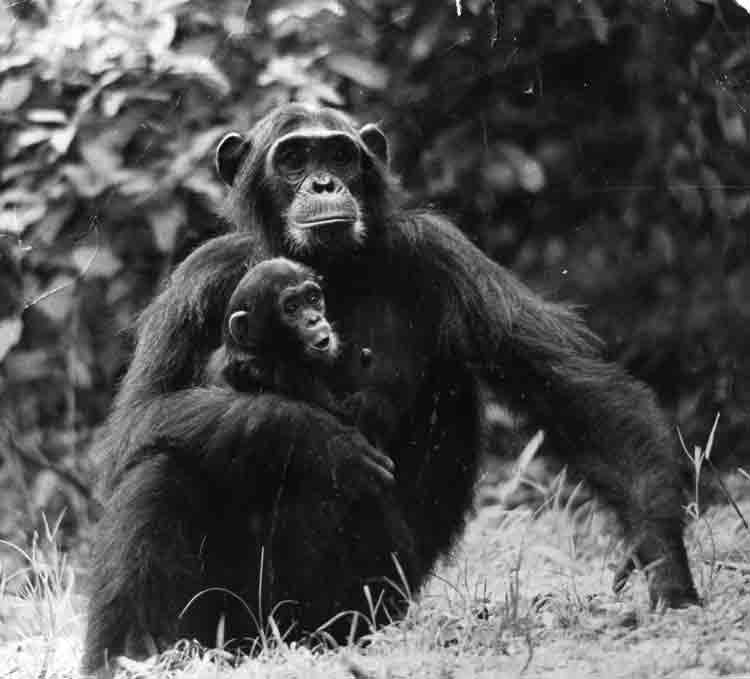
photo by Larry Goldman (Gombe National Park, Tanzania)

One-Time
Monthly
Yearly

Make a one-time or recurring donation to support daily Barnstorming posts

Make a monthly donation

Make a yearly donation

Choose an amount

¤5.00
¤10.00
¤20.00
¤5.00
¤15.00
¤100.00
¤5.00
¤15.00
¤100.00

Or enter a custom amount

¤

Your contribution is deeply appreciated.

Your contribution is appreciated.

Your contribution is appreciated.

DonateDonate monthlyDonate yearly
Yielding to Change

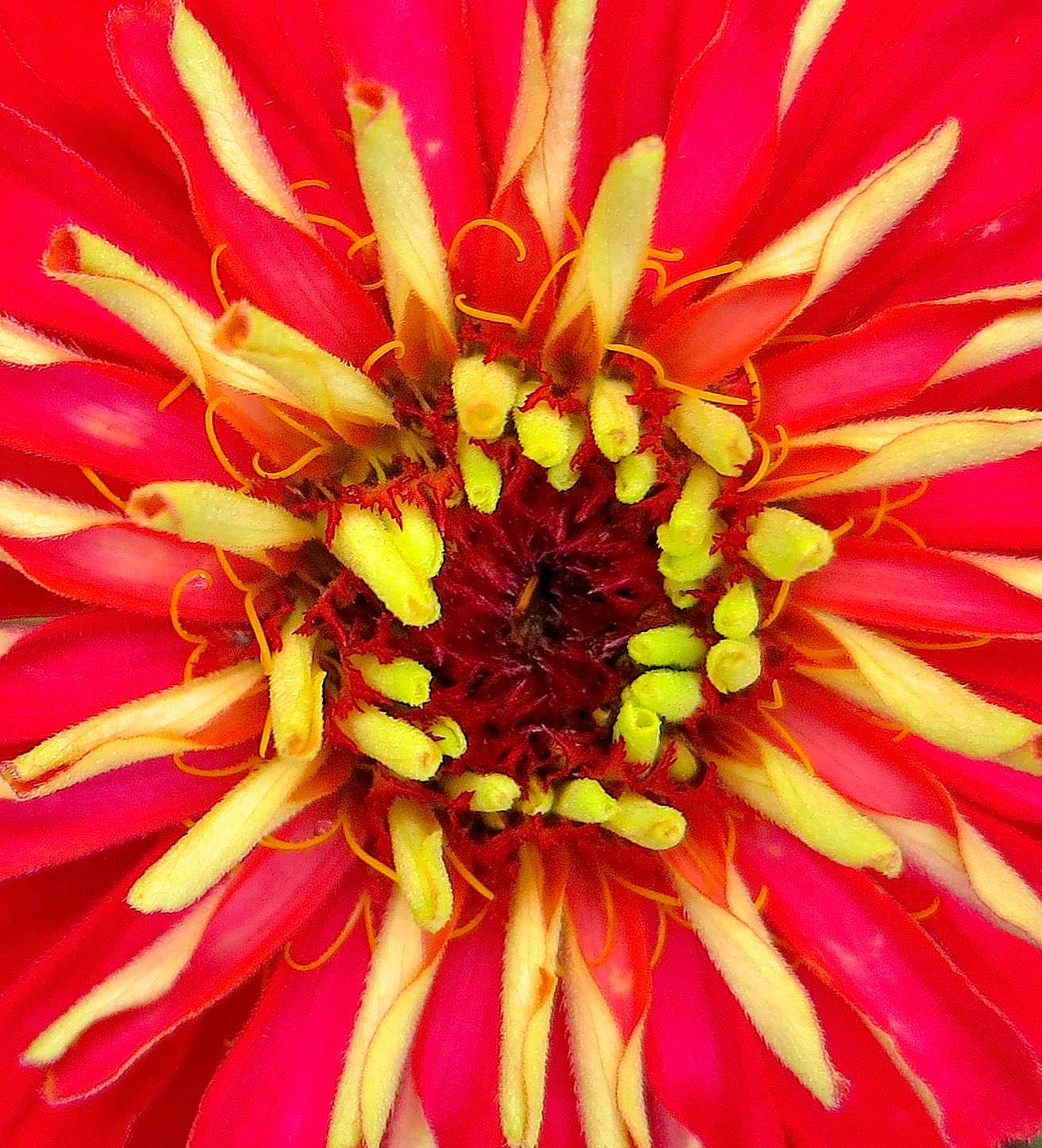
I went out to cut a last batch of zinnias this
morning from the back fencerow and got my shanks
chilled for sure: furrowy dark gray clouds with
separating fringes of blue sky-grass: and the dew

beaded up heavier than the left-overs of the rain:
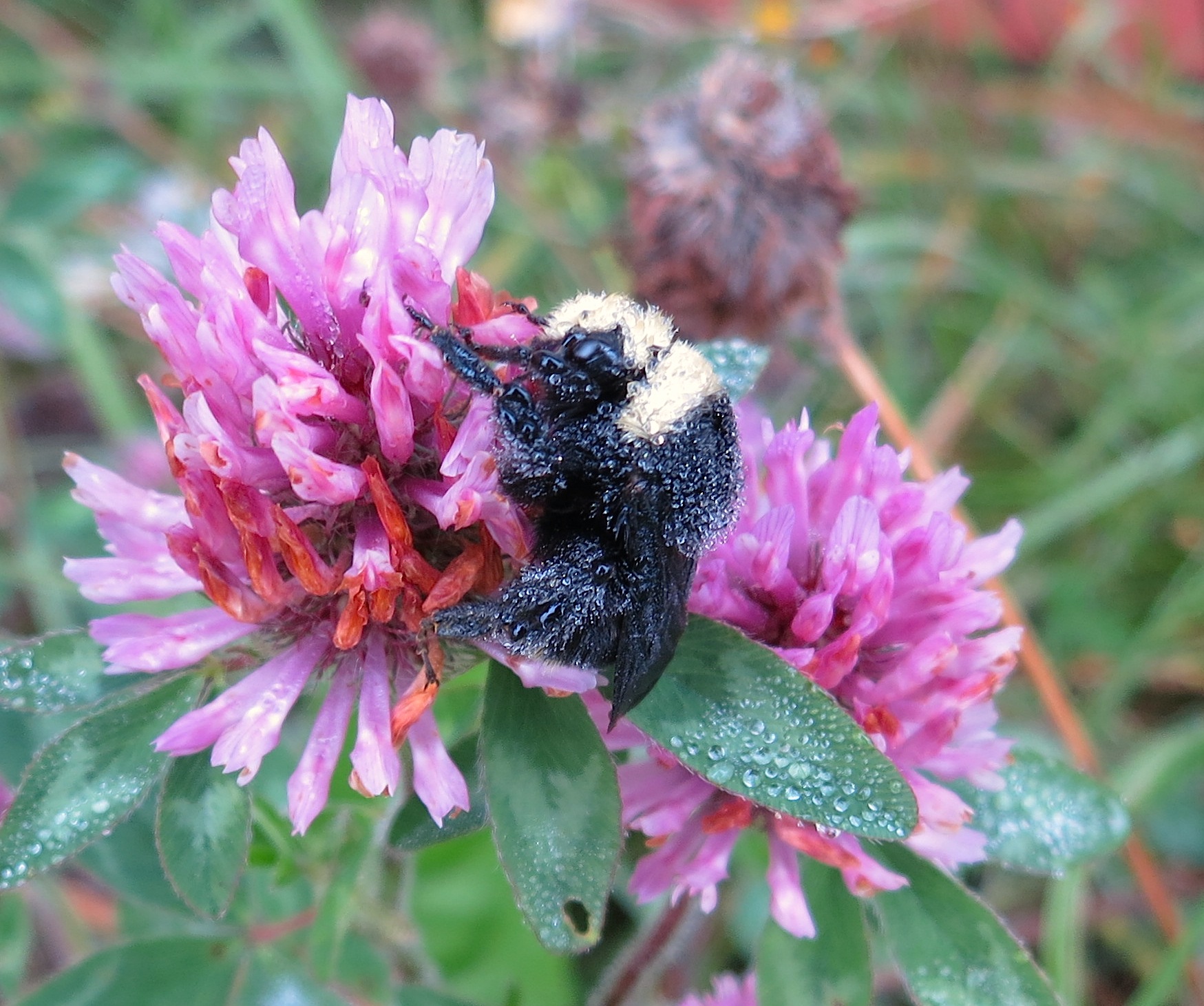
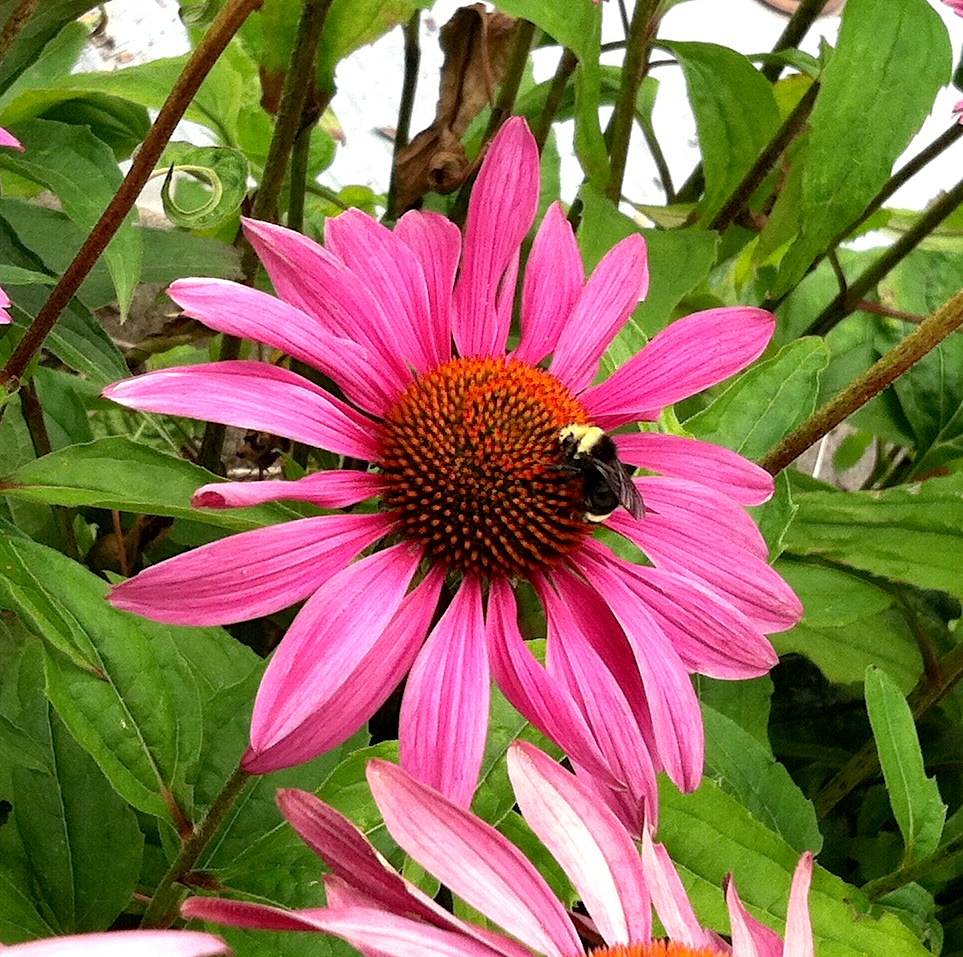
in the zinnias, in each of two, a bumblebee 
stirring in slow motion. Trying to unwind
the webbed drug of cold, buzzing occasionally but
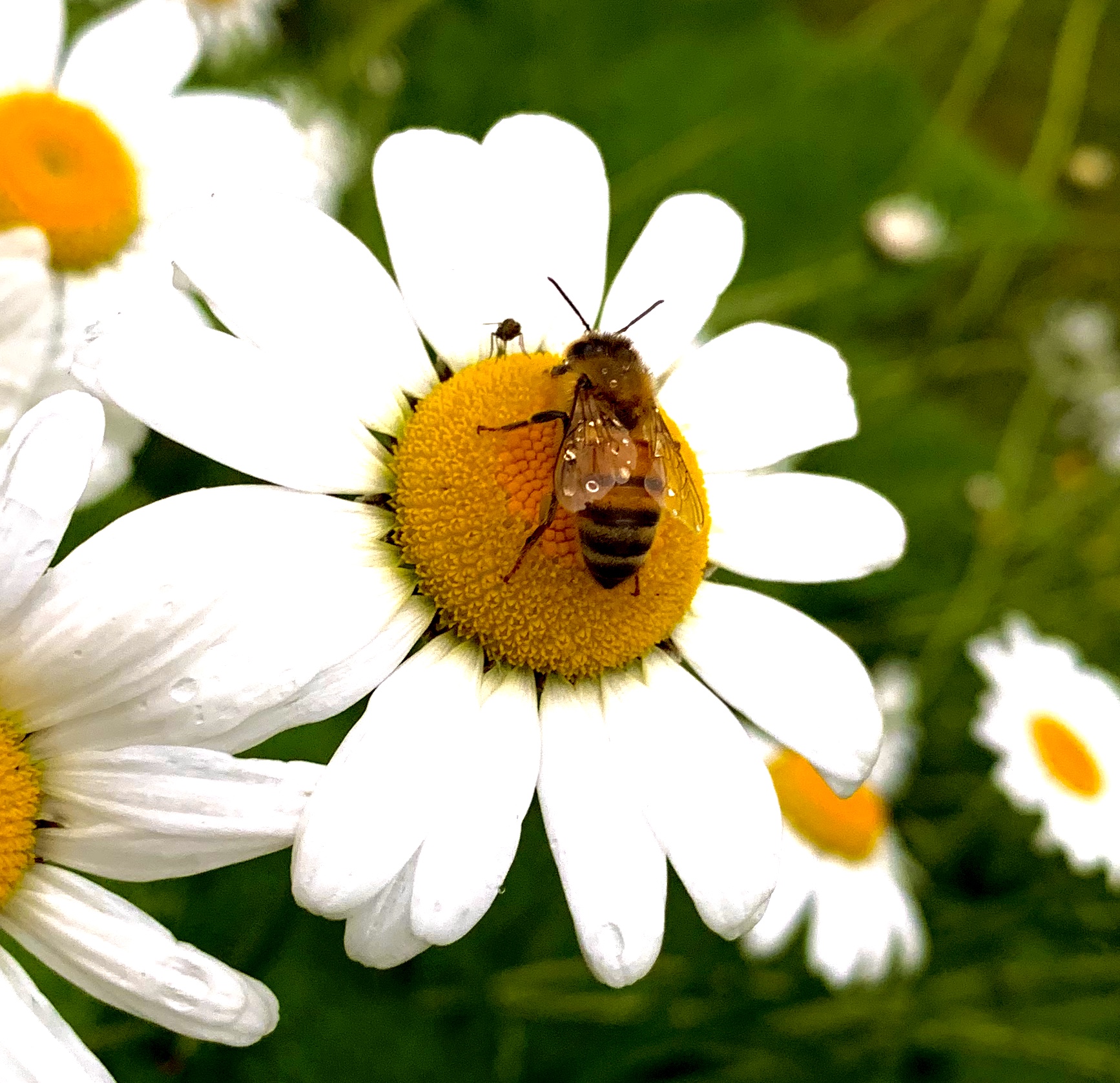
with a dry rattle: bees die with the burnt honey 
at their mouths, at least: the fact’s established:
it is not summer now and the simmering buzz is out of 
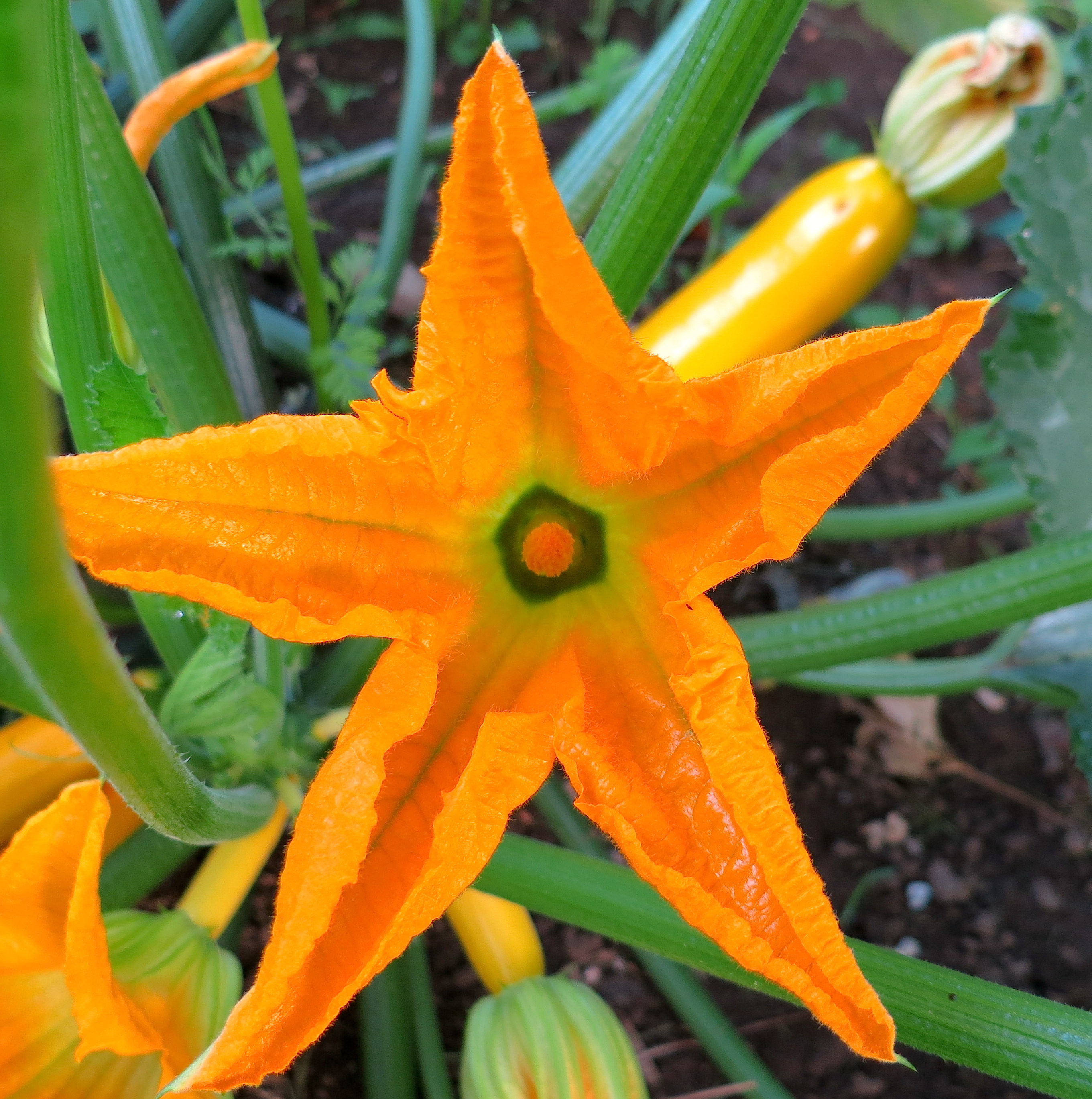
heat: the zucchini blossoms falling show squash

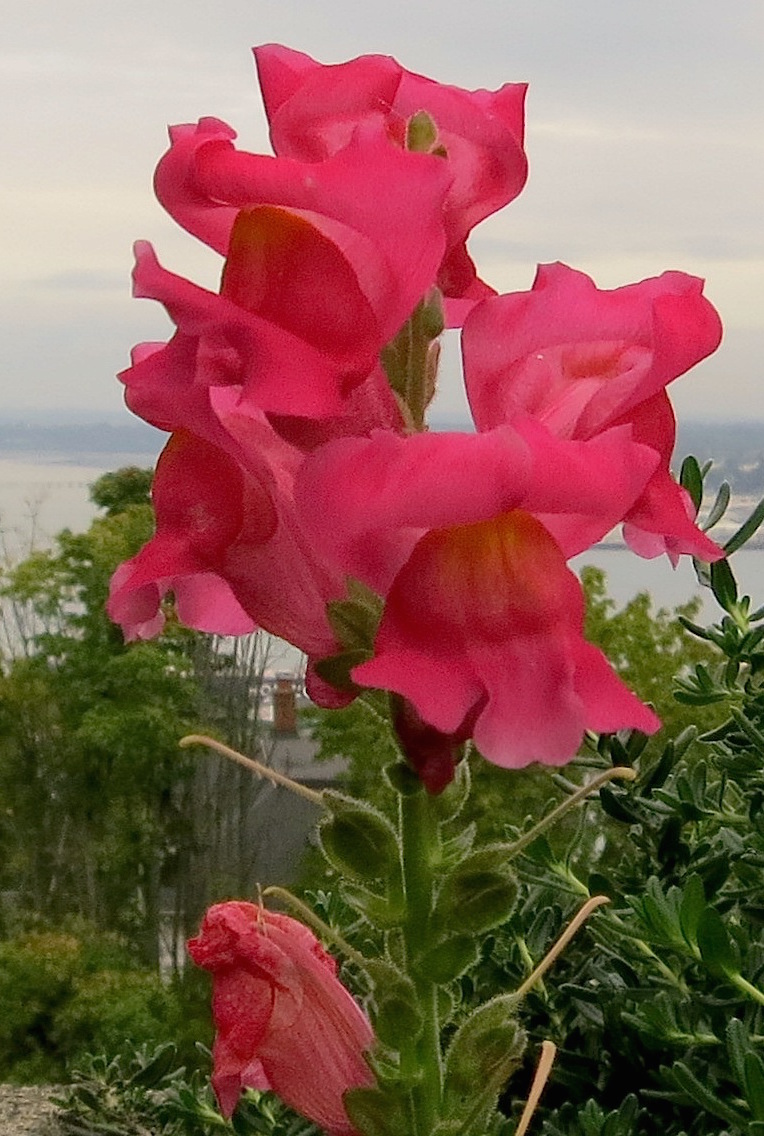
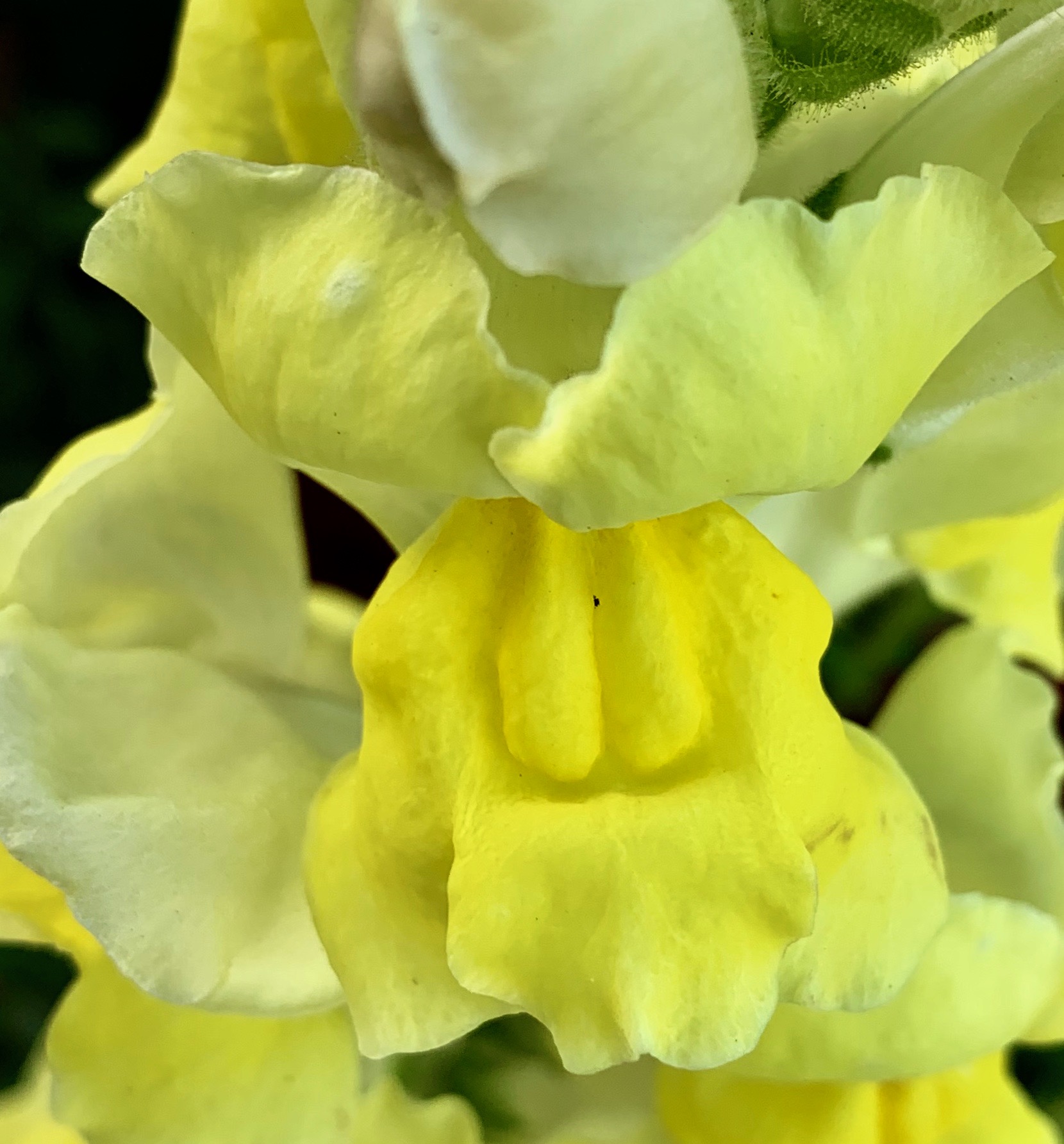
overgreen with stunted growth: the snapdragons have
suckered down into a blossom or so: we passed
into dark last week the even mark of day and night
and what we hoped would stay we yield to change.
~A.R. Ammons  “Equinox”

We yield now
to the heaviness of the change;
a slowing of our walk
and the darkening of our days.

It is time:
day and night compete,
and neither wins.

Order this book of beauty in words and photography

A Sultry Day

It is a sultry day; the sun has drunk
The dew that lay upon the morning grass;

There is no rustling in the lofty elm
That canopies my dwelling, and its shade
Scarce cools me. All is silent, save the faint
And interrupted murmur of the bee,
Settling on the sick flowers, and then again
Instantly on the wing. The plants around
Feel the too potent fervors: the tall maize
Rolls up its long green leaves; the clover droops
Its tender foliage, and declines its blooms.
But far in the fierce sunshine tower the hills,
With all their growth of woods, silent and stern,
As if the scorching heat and dazzling light
Were but an element they loved.


…I woo the wind
That still delays his coming. Why so slow,
Gentle and voluble spirit of the air?
Oh, come and breathe upon the fainting earth
Coolness and life! Is it that in his caves
He hears me? See, on yonder woody ridge,
The pine is bending his proud top, and now
Among the nearer groves, chestnut and oak
Are tossing their green boughs about. He comes;
Lo, where the grassy meadow runs in waves!
The deep distressful silence of the scene
Breaks up with mingling of unnumbered sounds
And universal motion. He is come,
Shaking a shower of blossoms from the shrubs,
And bearing on their fragrance; and he brings
Music of birds, and rustling of young boughs,
And sound of swaying branches, and the voice
Of distant waterfalls. All the green herbs
Are stirring in his breath; a thousand flowers,
By the road-side and the borders of the brook,
Nod gayly to each other; glossy leaves
Are twinkling in the sun, as if the dew
Were on them yet, and silver waters break
Into small waves and sparkle as he comes.

~William Cullen Bryant from “Summer Wind”

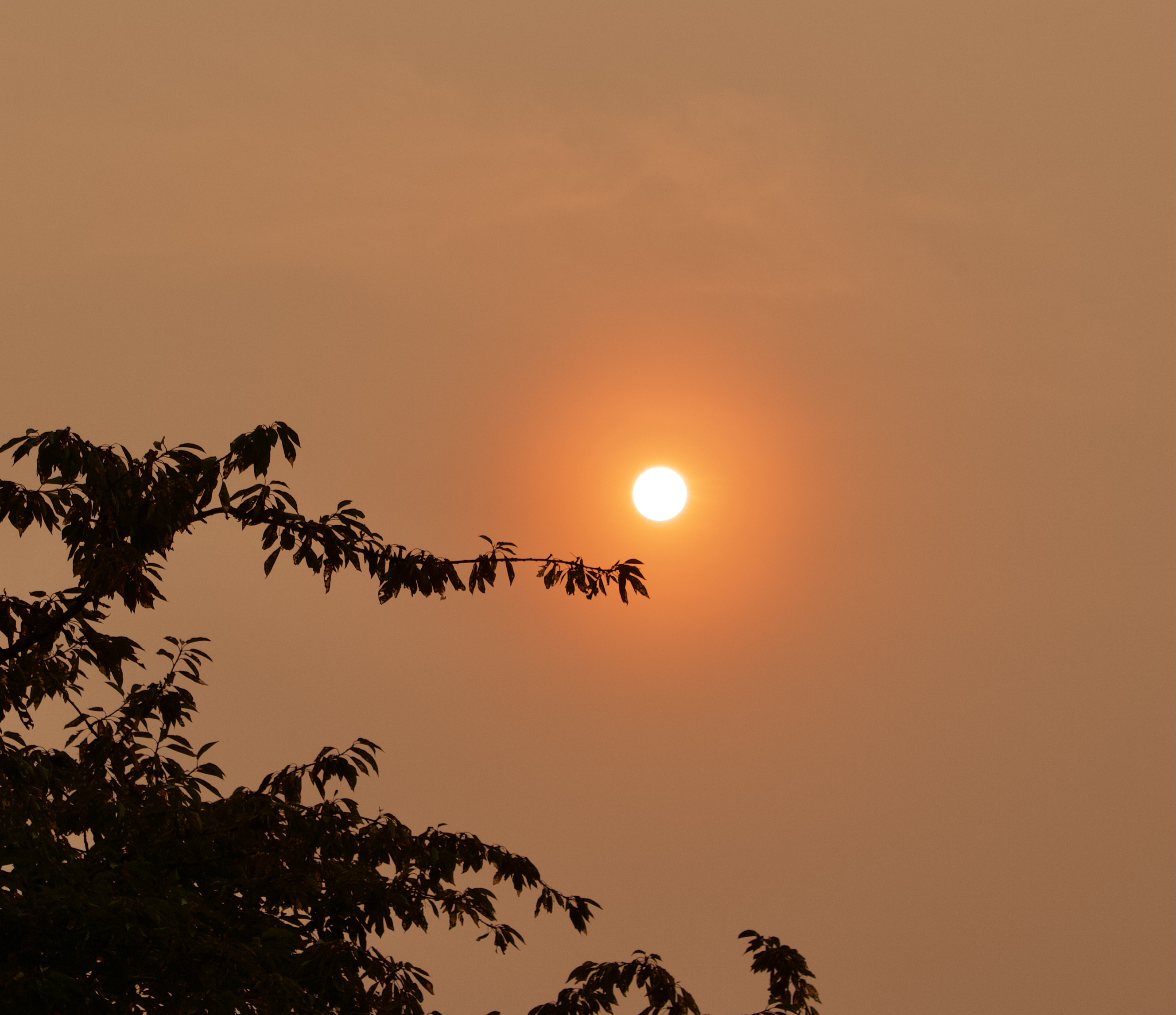
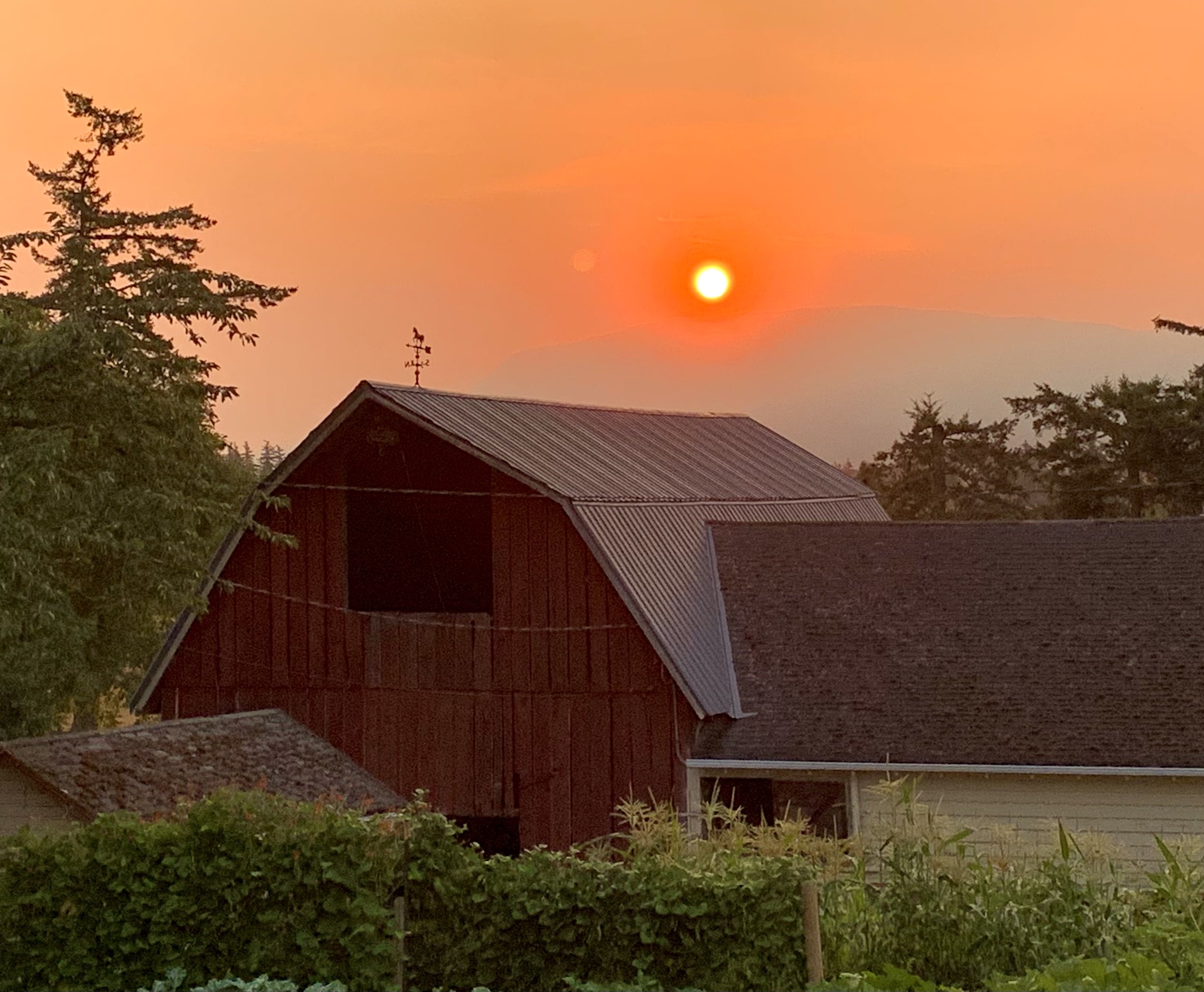
In the Pacific Northwest, we are going through another string of hot dry days with smoky landscapes and horizons. This is becoming all too familiar: the temperatures are rising each year, the forests are burning, our usual pristine air quality deteriorating.

Even the birds are silent in this weather. The bees, discouraged by the wilting blooms, don’t linger. Our animals covered with fur are listlessly seeking shade and anything green in the pasture.

So I pray for relief – any breeze to move this humid air – something, anything that can break this cycle of sweatiness.

Yesterday, in the midst of 102 degree temperatures, out of nowhere came a northeast wind – as strong and determined as our northeast midwinter arctic blasts – but hot. It was so disorienting to be blown about by furnace heat. Branches and leaves fell from bewildered and already stressed trees. Plants withered as the moisture was sucked from leaves and blossoms. The garden sagged.

As suddenly as it came, it was gone again. And all around me – me included – wondered what had just hit us.

I am reminded to be careful what I pray for, knowing that my petition may well be heard and heeded. Perhaps the answer to prayer won’t be quite what I hoped for or expected, but it is nonetheless an answer.

I only need to listen…

If this post made you thirsty for more Barnstorming photos, this book is available for order here:

For a Bee’s Experience

Like trains of cars on tracks of plush
I hear the level bee:
A jar across the flowers goes,
Their velvet masonry

Withstands until the sweet assault
Their chivalry consumes,
While he, victorious, tilts away
To vanquish other blooms.

His feet are shod with gauze,
His helmet is of gold;
His breast, a single onyx
With chrysoprase, inlaid.

His labor is a chant,
His idleness a tune;
Oh, for a bee’s experience
Of clovers and of noon!

~Emily Dickinson “The Bee”

There are days we live
as if death were nowhere
in the background; from joy
to joy to joy, from wing to wing,
from blossom to blossom to
impossible blossom, to sweet impossible blossom.

~Li-Young Lee, last stanza of “From Blossoms” from Rose.

I try, as best I can, to see the world from a perspective other than my own:

Spending this week with our toddler grandson has helped me to look at things at the three foot rather than six foot level and suddenly I’m overwhelmed with how large everything appears.

I read opinions that differ considerably from my own so I can gain understanding and hopefully compassion for how others perceive the events of the world, even when I don’t and won’t agree.

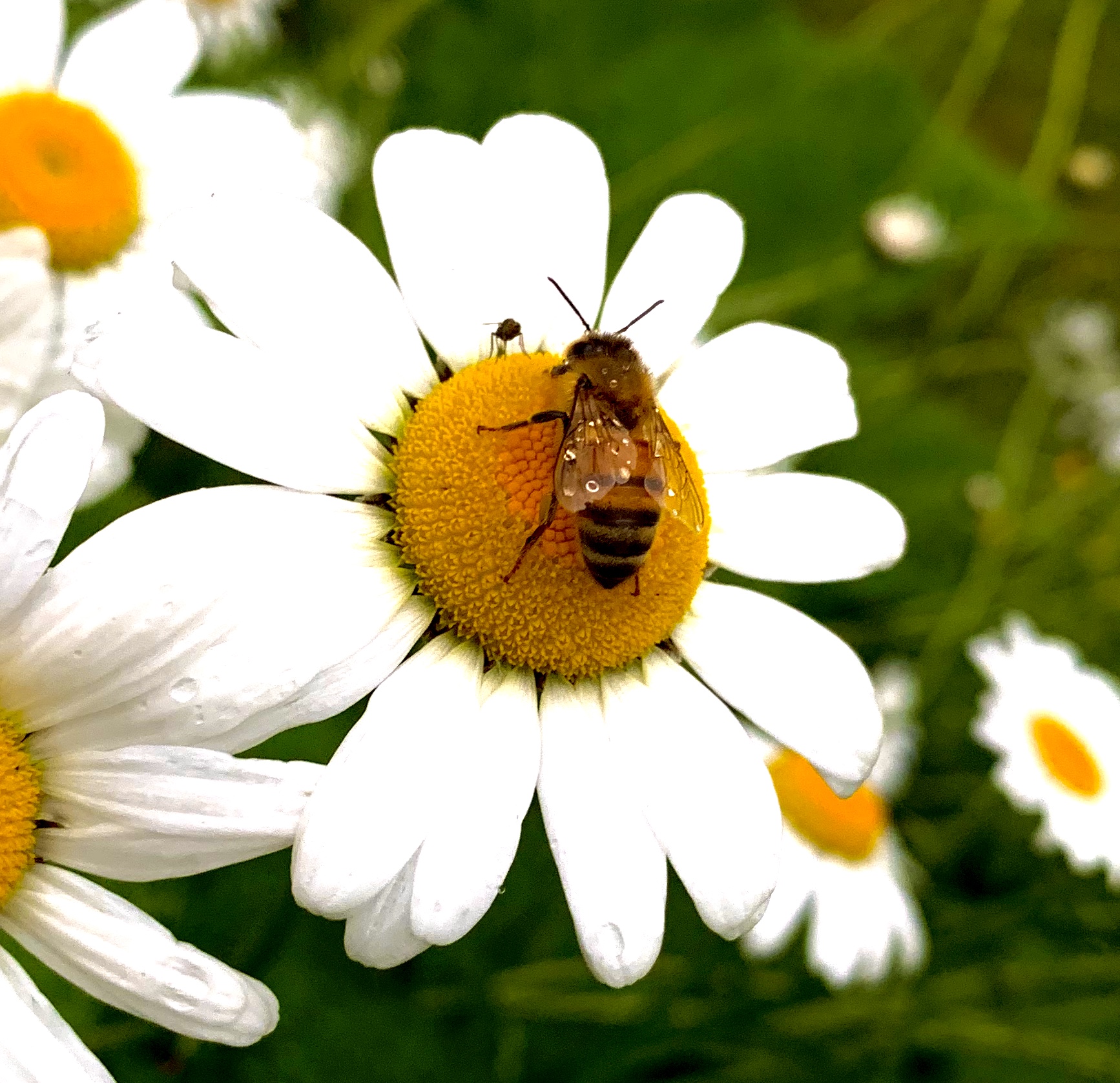
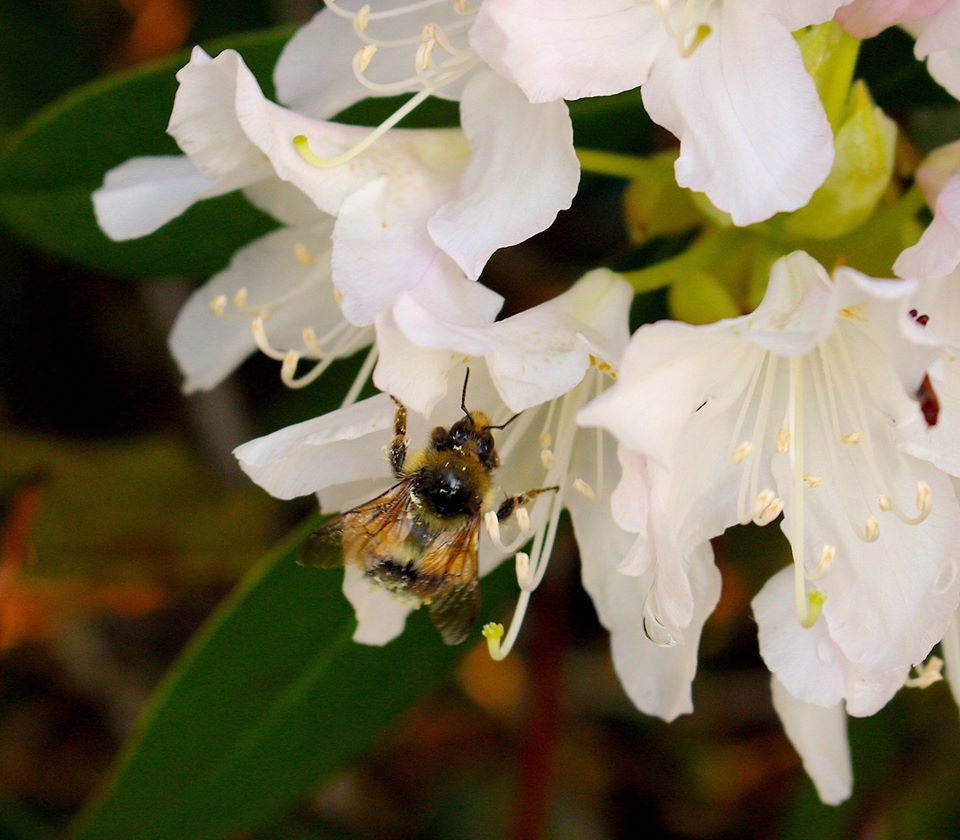
And I’ve always wondered what it would be like to be a bee – to leave my warm and cozy community to find the best sources of pollen, diving bum-deep into a plethora of colors and fragrances, from ‘blossom to blossom to impossible blossom.’

Bees have a life-preserving mission in the world – not only to sustain themselves and their hive, but pollinating millions of blooms, an essential task for the fruiting of the land. Now that is a purpose-driven life.

We are no different. Our reason to exist goes far beyond our self-preservation, or the preservation of everyone who looks like or thinks like we do, i.e. “hive-mind.” We were created to care for the rest of the world, by dipping into each beautiful and sacred thing that thrives here because of us, not despite us.

And that includes each other, as different as we look and think and act. Each of us a sweet impossible blossom.

New book available from Barnstorming — information on how to order it here

Meant to Be Sweet

Who could need more proof than honey—

How the bees with such skill and purpose
enter flower after flower
sing their way home
to create and cap the new honey
just to get through the flowerless winter.

And how the bear with intention and cunning
raids the hive
shovels pawful after pawful into his happy mouth
bats away indignant bees
stumbles off in a stupor of satiation and stickiness.

And how we humans can’t resist its viscosity
its taste of clover and wind
its metaphorical power:
don’t we yearn for a land of milk and honey?
don’t we call our loved ones “honey?”

all because bees just do, over and over again, what they were made to do.

Oh, who could need more proof than honey
to know that our world
was meant to be

and

was meant to be
sweet?
~Julie Cadwallader Staub “Joy” from Face to Face

Our dependency on the lowly bee
-to pollinate all the fruits and vegetables we need to thrive-
is lost in the threat of bee viruses and giant killer hornets and chemical sprays.

Our dependency on the bee
models how we are to be…

We too were placed here to service the created world
and make it sweeter and more fruitful.

Instead, always greedy, we demand more than the world can give
and we now wring our hands at our fate.

We were created from a profound spirit of sweetness
and still, and yet, and in grace,
we are forgiven for settling for sullen sourness.

In This Short Life…

In this short Life that only lasts an hour
How much – how little – is within our power
~Emily Dickinson (1292)

We think we can control so much in our short lives, but one novel virus tells us how little power we have.

May we turn over our need for control and instead relish the moment. It only comes once — blink and miss it. So don’t blink!

Do Not Even Think About Swatting or Trampling

One can no more approach people without love than one can approach bees without care. Such is the quality of bees…
~Leo Tolstoy

In the street outside a school
what the children learn
possesses them.
Little boys yell as they stone a flock of bees
trying to swarm
between the lunchroom window and an iron grate.
The boys sling furious rocks
smashing the windows.
The bees, buzzing their anger,
are slow to attack.
Then one boy is stung
into quicker destruction
and the school guards come
long wooden sticks held out before them
they advance upon the hive
beating the almost finished rooms of wax apart
mashing the new tunnels in
while fresh honey drips
down their broomsticks
and the little boy feet becoming expert
in destruction
trample the remaining and bewildered bees
into the earth.

Curious and apart
four little girls look on in fascination
learning a secret lesson
and trying to understand their own destruction.
One girl cries out
“Hey, the bees weren’t making any trouble!”
and she steps across the feebly buzzing ruins
to peer up at the empty, grated nook
“We could have studied honey-making!”

~Audre Lorde “The Bees”

…The world was really one bee yard, and the same rules work fine in both places.
Don’t be afraid, as no life-loving bee wants to sting you.
Still, don’t be an idiot; wear long sleeves and pants.
Don’t swat. Don’t even think about swatting.
If you feel angry, whistle. Anger agitates while whistling melts a bee’s temper.
Act like you know what you’re doing, even if you don’t.
Above all, send the bees love. Every little thing wants to be loved.

~Sue Monk Kidd from The Secret Life of Bees

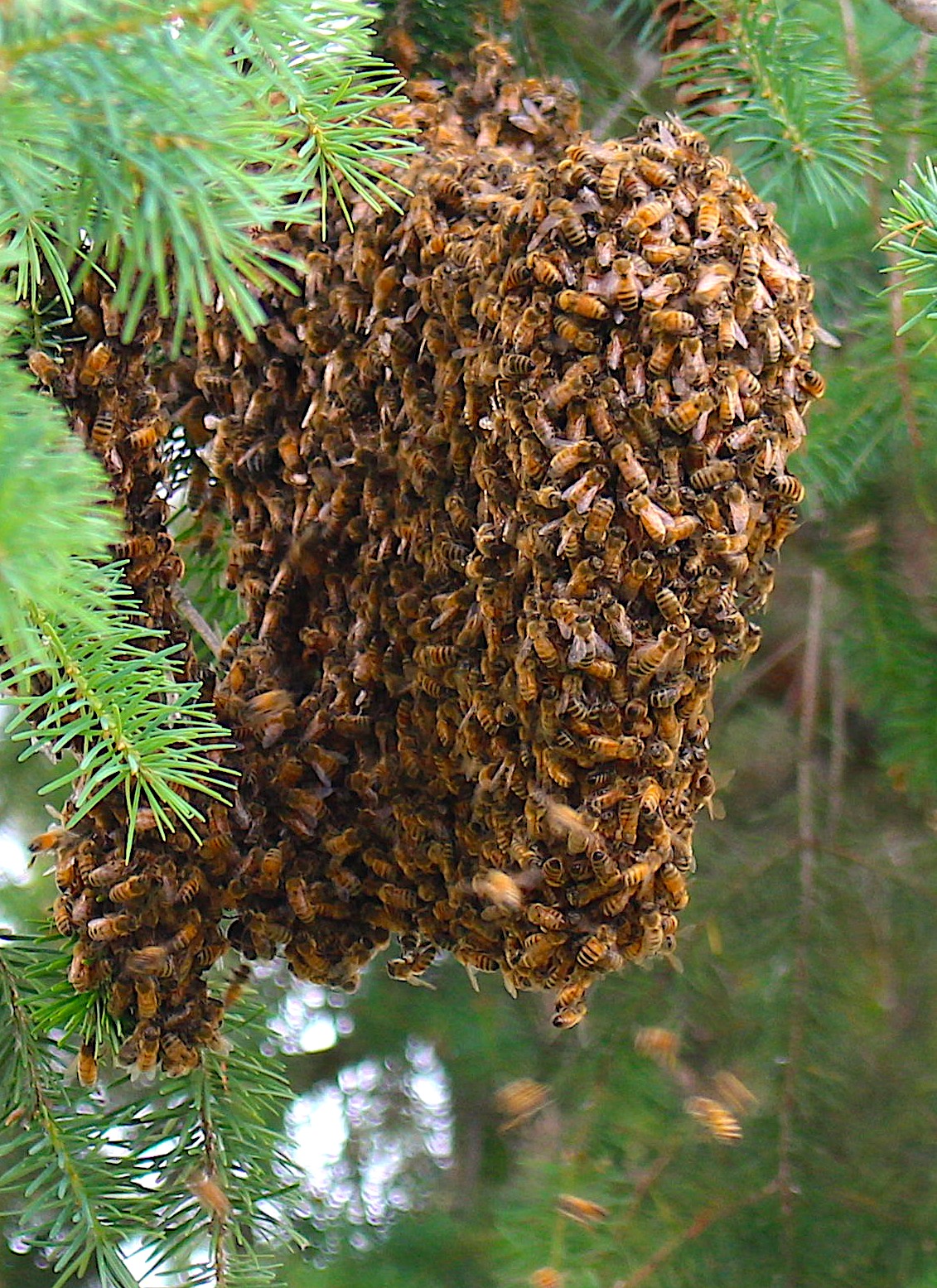
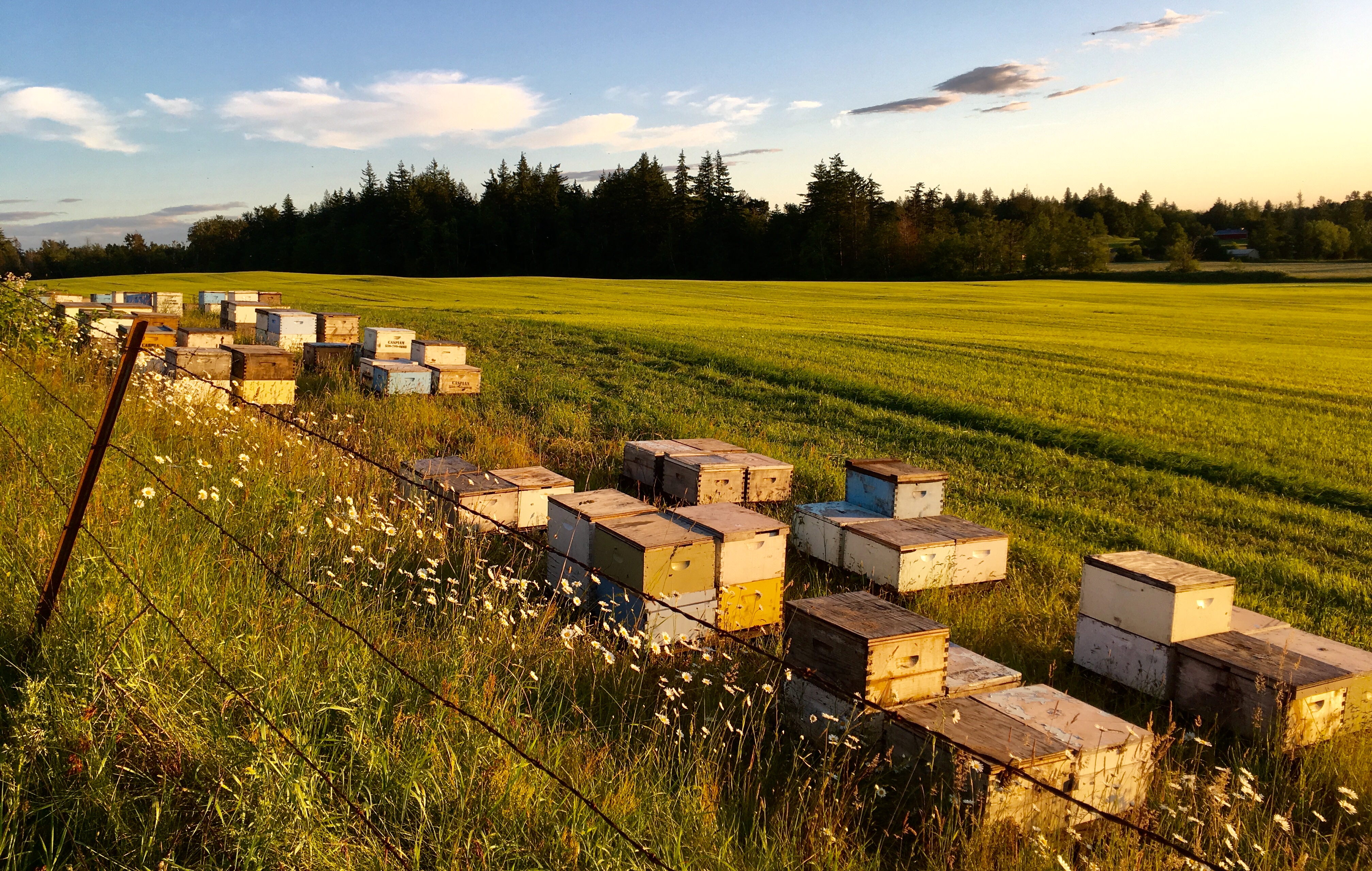
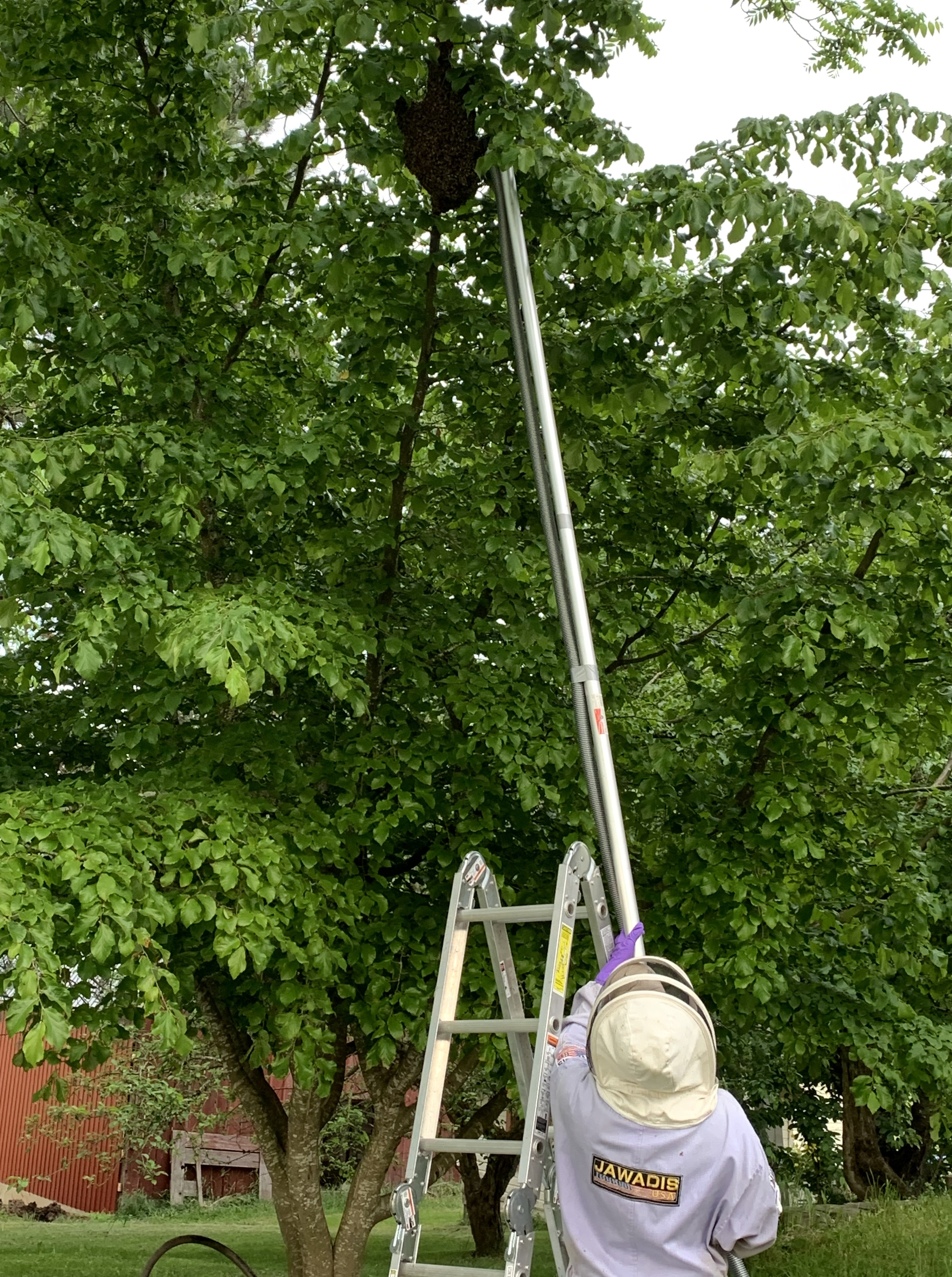
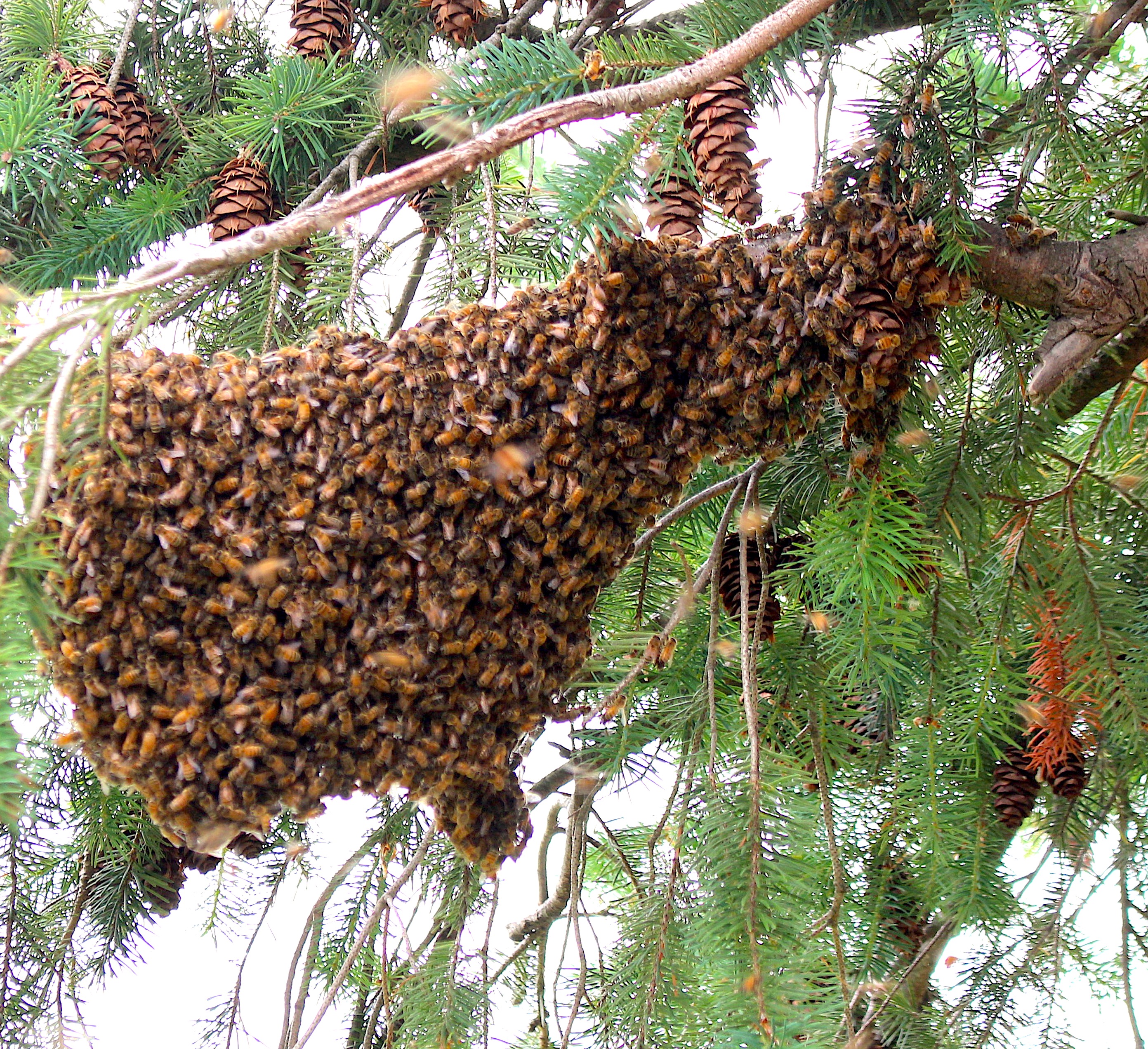
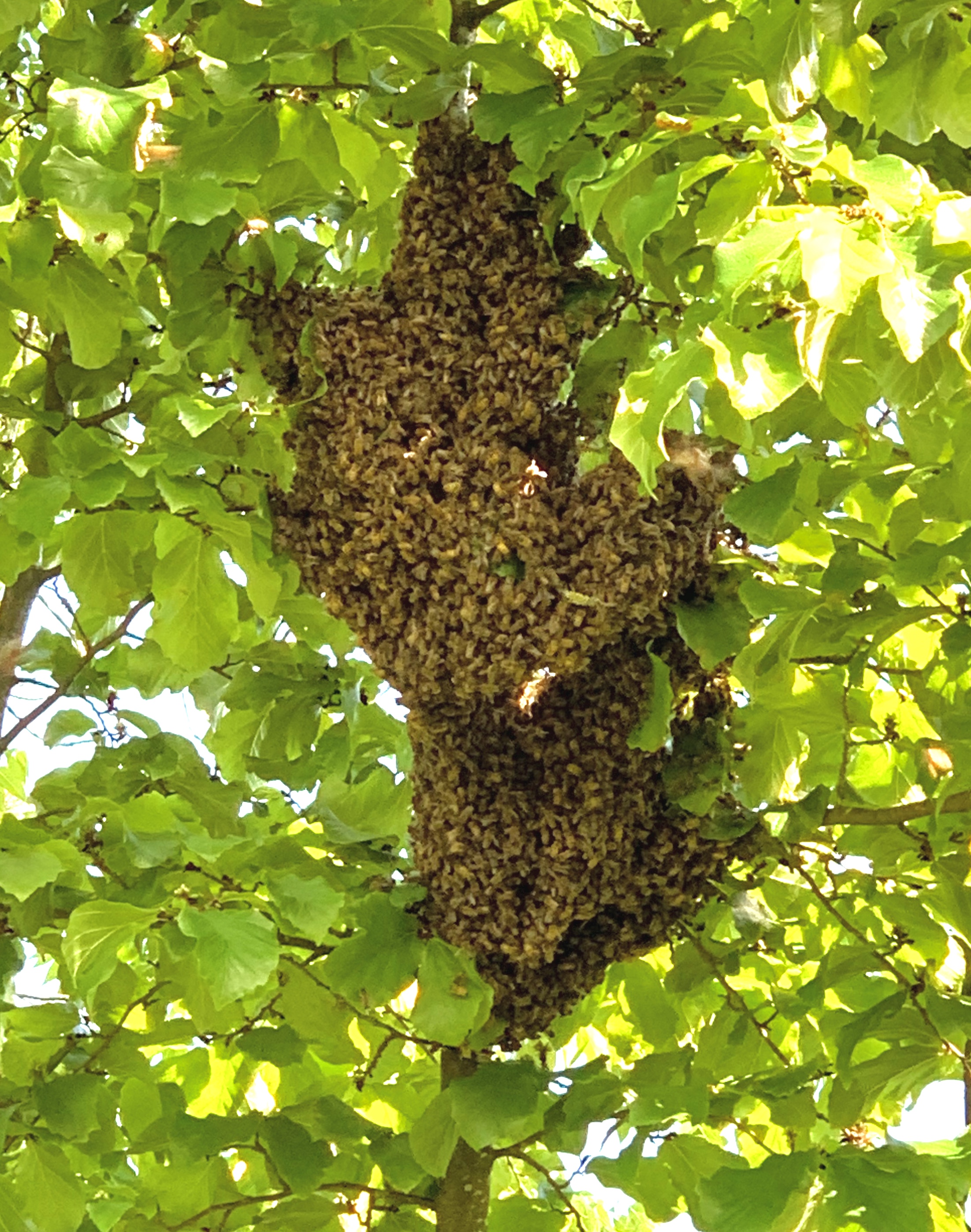
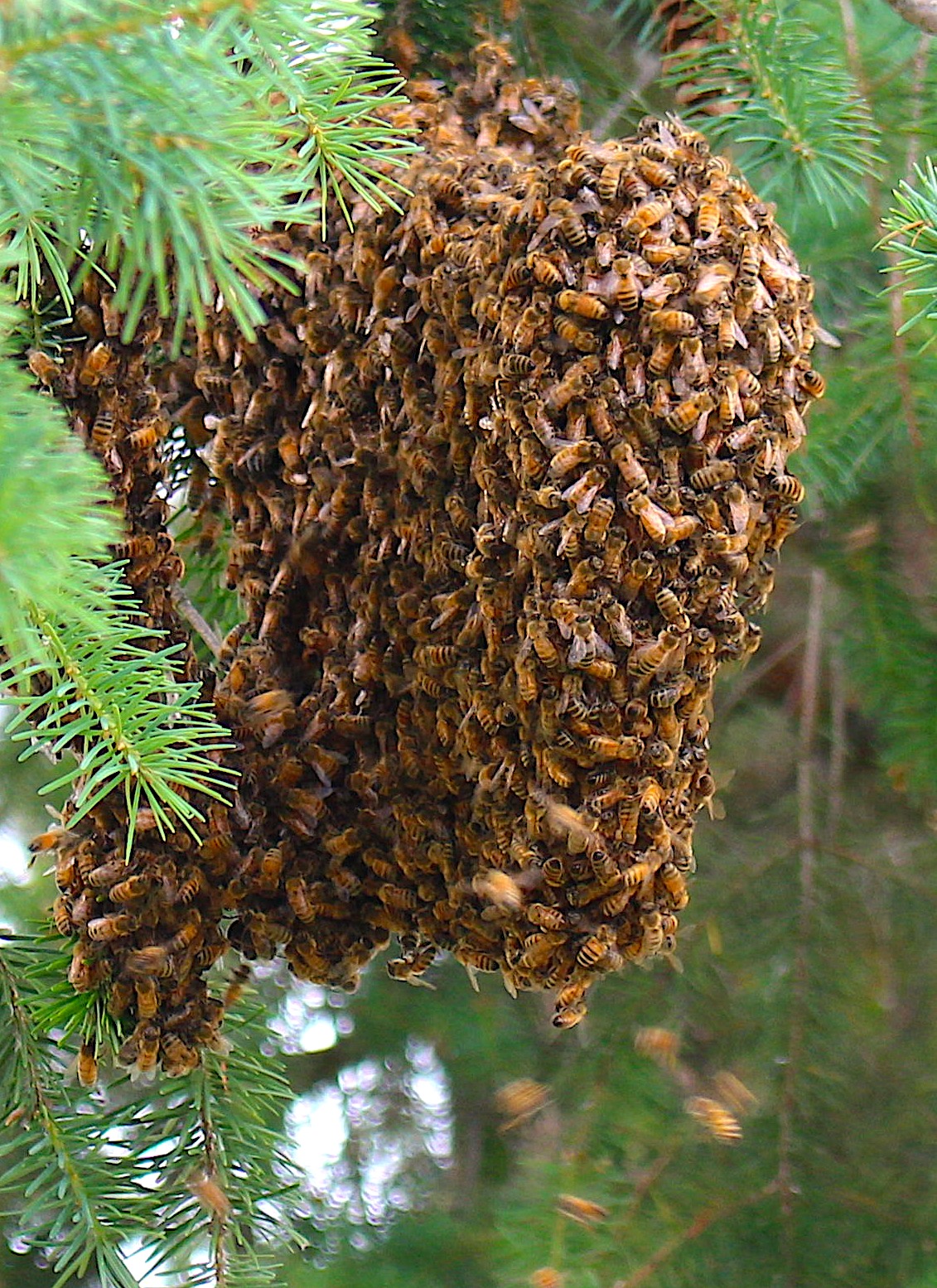
Our beekeeper niece Andrea gently vacuuming a swarm of honeybees on our farm into a new hive box to take home to join the rest of her several dozen hives.

When the bee comes to your house, let her have beer; you may want to visit the bee’s house some day.
~Congo Proverb

An old Celtic tradition necessitates sharing any news from the household with the farm’s bee hives, whether cheery like a new birth or a wedding celebration or sad like a family death.  This ensures the hives’ well-being and continued connection to home and community – the bees are kept in the loop, so to speak, so they stay at home, not swarm and move on, possibly to even a less hospitable place where they may be trampled or destroyed.

Each little life should feel safe at home, each little life worthy — so much important honey-making to be done.

Good news seems always easy to share; we tend to keep bad news to ourselves so this tradition helps remind us that what affects one of us, affects us all.

These days, with instant news at our fingertips at any moment, bad news about the state of the world constantly bombards us, whether or not it is accurate. We feel compelled to respond without thinking, leading to even more swatting and trampling and destruction.

Like the bees who simply want to set up a safe place to make and store up honey, we want to flee and find a more hospitable home.

The Beekeeper, our Creator, comes personally to our rescue, reaching out to each of us to say:
“Here is the sadness that is happening. All will be well, dear ones. We will navigate your lives together. You are loved and valued. Come back home to stay.”

Springing

Oh, give us pleasure in the flowers today;
And give us not to think so far away
As the uncertain harvest; keep us here
All simply in the springing of the year.

Oh, give us pleasure in the orchard white,
Like nothing else by day, like ghosts at night;
And make us happy in the happy bees,
The swarm dilating round the perfect trees.

And make us happy in the darting bird
That suddenly above the bees is heard,
The meteor that thrusts in with needle bill,
And off a blossom in mid-air stands still.

For this is love and nothing else is love,
The which it is reserved for God above
To sanctify to what far ends He will,
But which it only needs that we fulfil.
~Robert Frost “A Prayer in Spring”

photo by Josh Scholten

photo by Josh Scholten

We are wisely warned what may happen in the next few months: a second or third wave of virus, more disruption, more closures, more deaths. There seems no end in sight on this long COVID road. Or perhaps the end is prematurely near for too many.

Thinking so far away to uncertain times ahead, we need to remember the future has always been uncertain; we just aren’t reminded so starkly. Instead we are reminded to dwell in the present here and now, appreciating these quiet moments at home for what they may bestow.

The earth is springing even while our hearts are weary of distancing and isolation. Each breath is filled with new fragrance, the greens startlingly verdant, each blossom heavy with promise.

There is reassurance in this renewal we witness yet again.

This, now, is love springing.
This is His love, reminding us He has not abandoned us.
This is love and nothing else can be as certain as that.

Lest They Sicken

Tell the bees. They require news of the house;
they must know, lest they sicken
from the gap between their ignorance and our grief.
Speak in a whisper. Tie a black swatch
to a stick and attach the stick to their hive.
From the fortress of casseroles and desserts
built in the kitchen these past few weeks
as though hunger were the enemy, remove
a slice of cake and lay it where they can
slowly draw it in, making a mournful sound.

And tell the fly that has knocked on the window all day.
Tell the redbird that rammed the glass from outside
and stands too dazed to go. Tell the grass,
though it’s already guessed, and the ground clenched in furrows;
tell the water you spill on the ground,
then all the water will know.
And the last shrunken pearl of snow in its hiding place.

Tell the blighted elms, and the young oaks we plant instead.
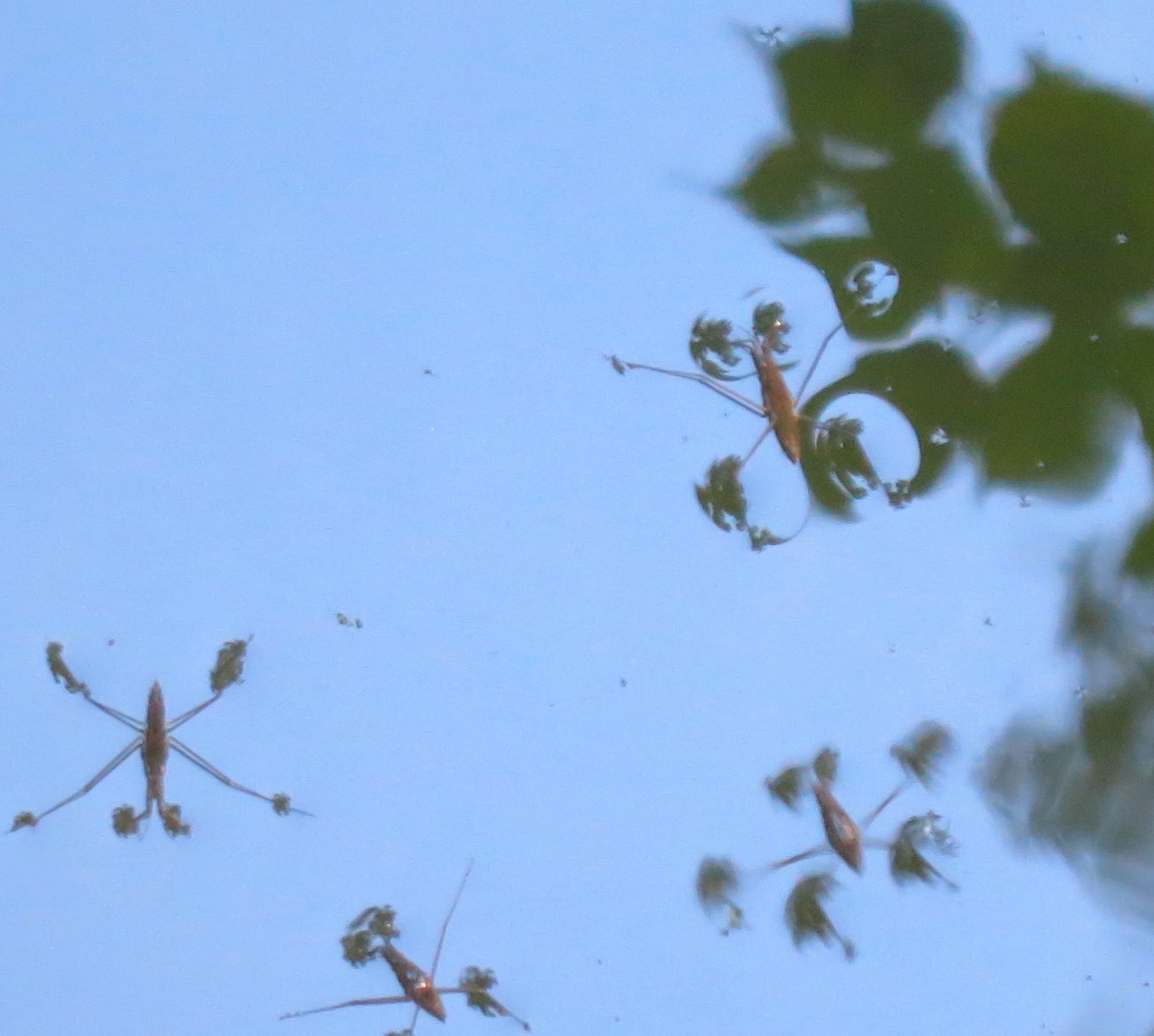
The water bug, while it scribbles
a hundred lines that dissolve behind it.
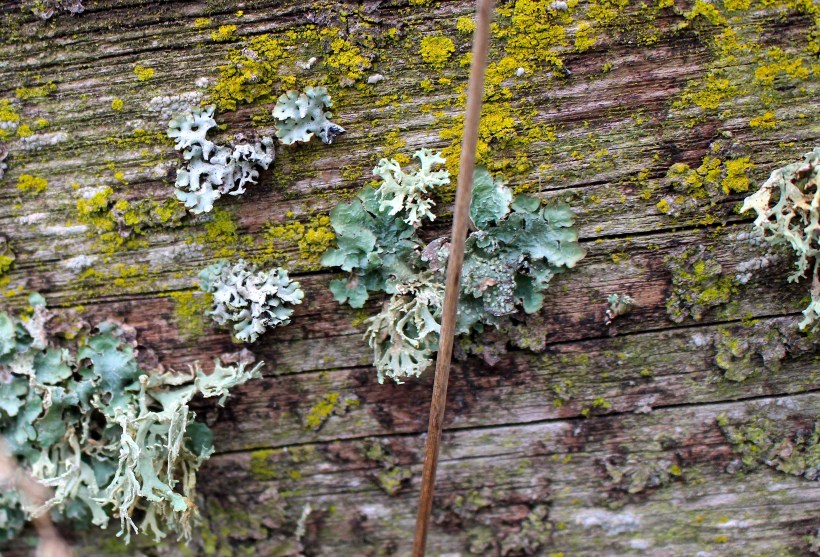
The lichen, while it etches deeper
its single rune. The boulders, letting their fissures widen,
the pebbles, which have no more to lose,
the hills—they will be slightly smaller, as always,

when the bees fly out tomorrow to look for sweetness
and find their way
because nothing else has changed.
~Sarah Lindsay “Tell the Bees”

So many around the globe are grieving their losses, their reality forever changed by a virus. Yet the world churns on, oblivious to the sorrows of individuals.

The tradition of telling the bees is that it matters to the community of hives how people who care for them are faring: is there a wedding coming up? a baby due? an overwhelming illness? a death of a loved one? If a hive is kept in ignorance, the cloud of grief will sicken them or drive them away. Shared grief is a nurturing spirit that allows the community to thrive and move on in sweetness.

Nothing happens without an impact down the line; the butterfly effect is also the bee effect. We speak softly of our desolation and suffering so our tears water thirsty ground.

Let the bees know, let them hear; the bees will go about their work and they will turn our sorrow to honey.