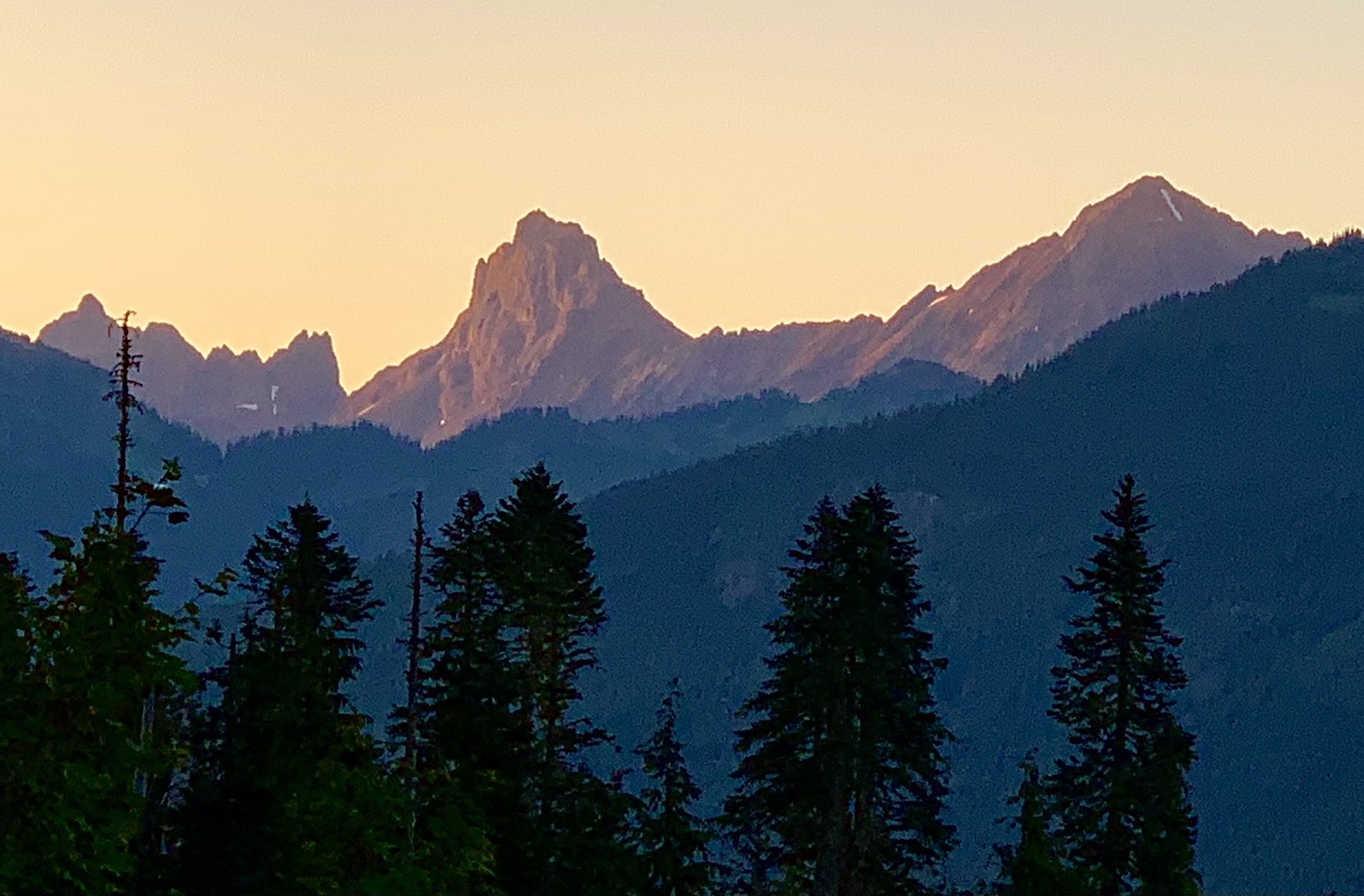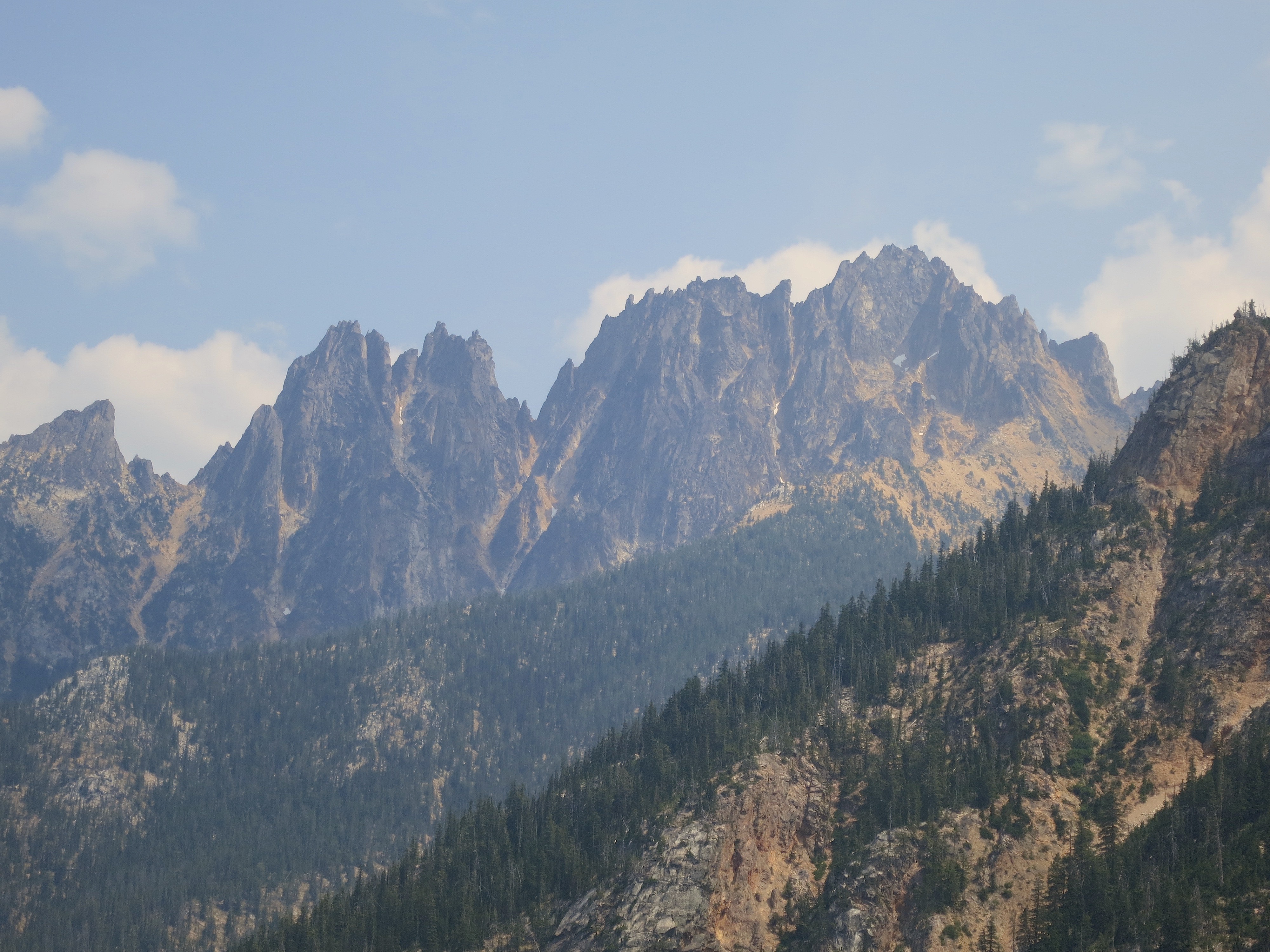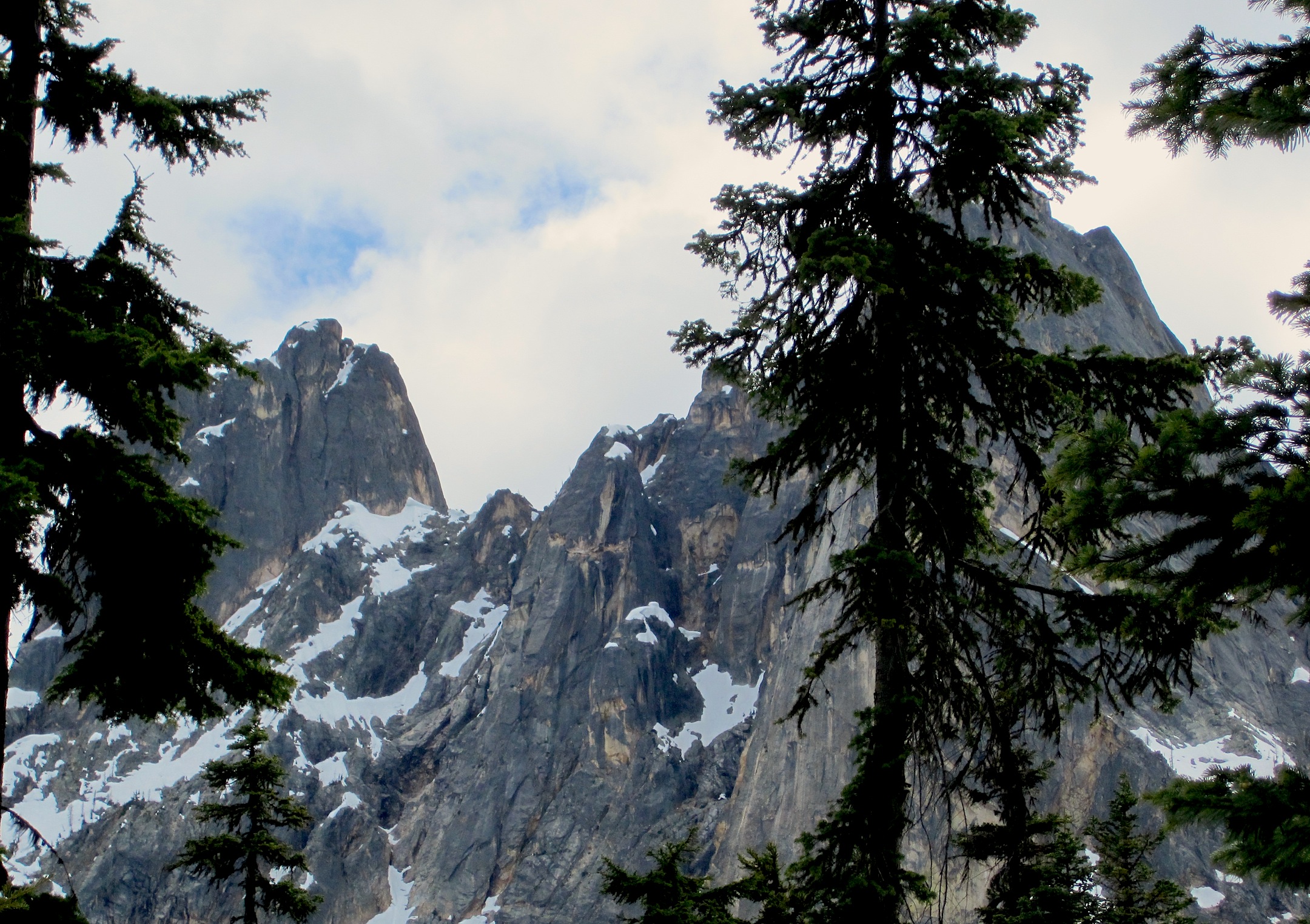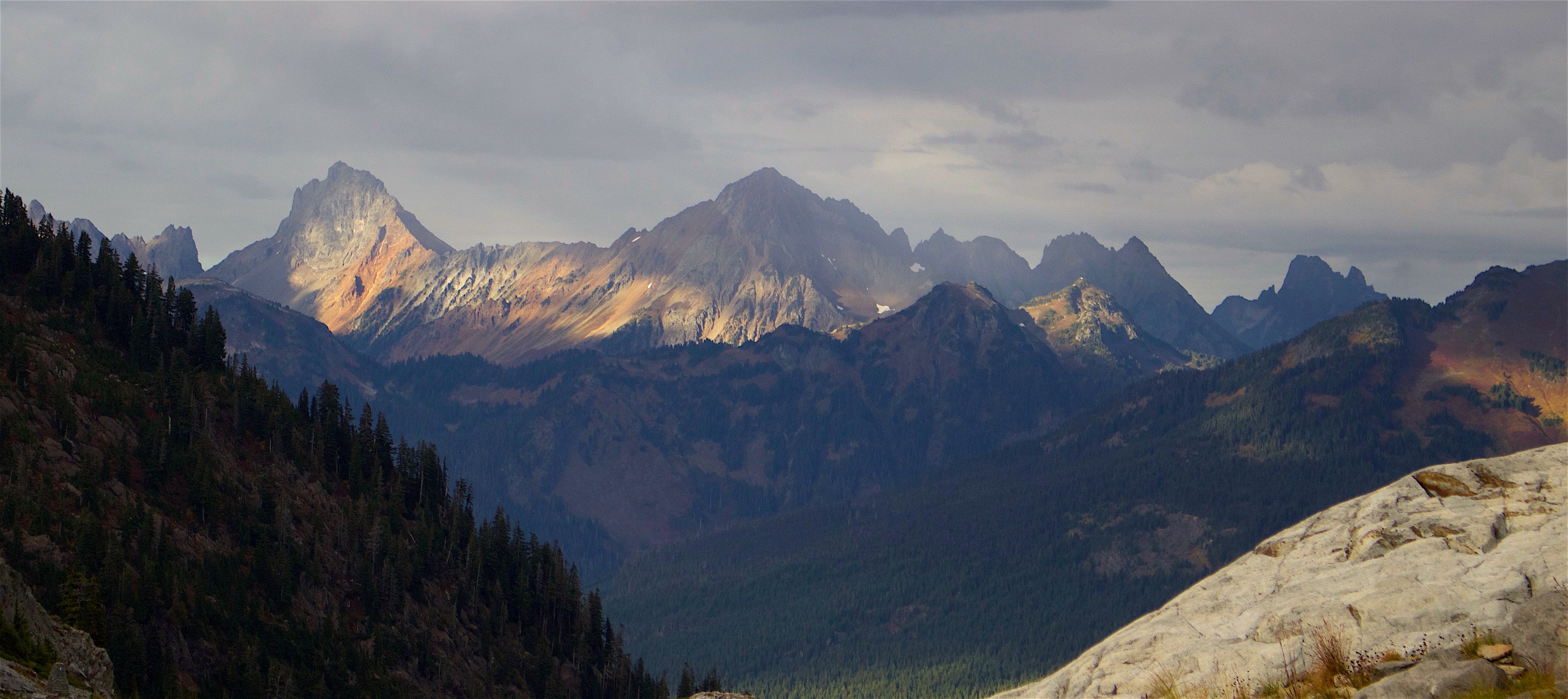
Feeling Them Resting There

The sunlight now lay over the valley perfectly still.
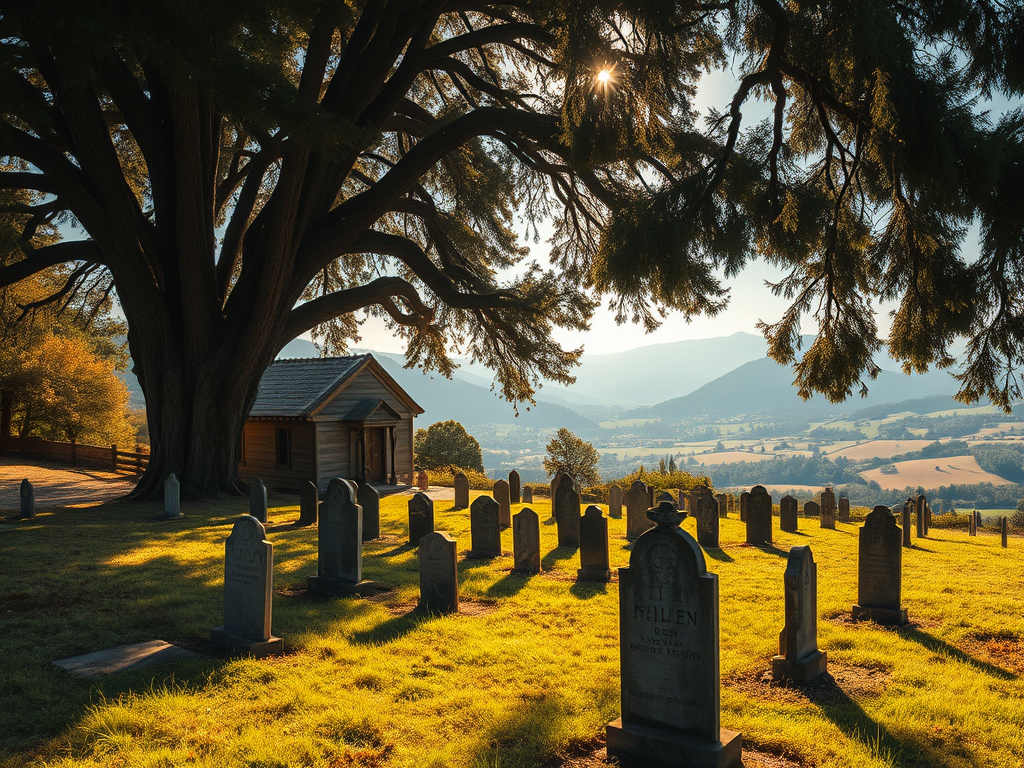
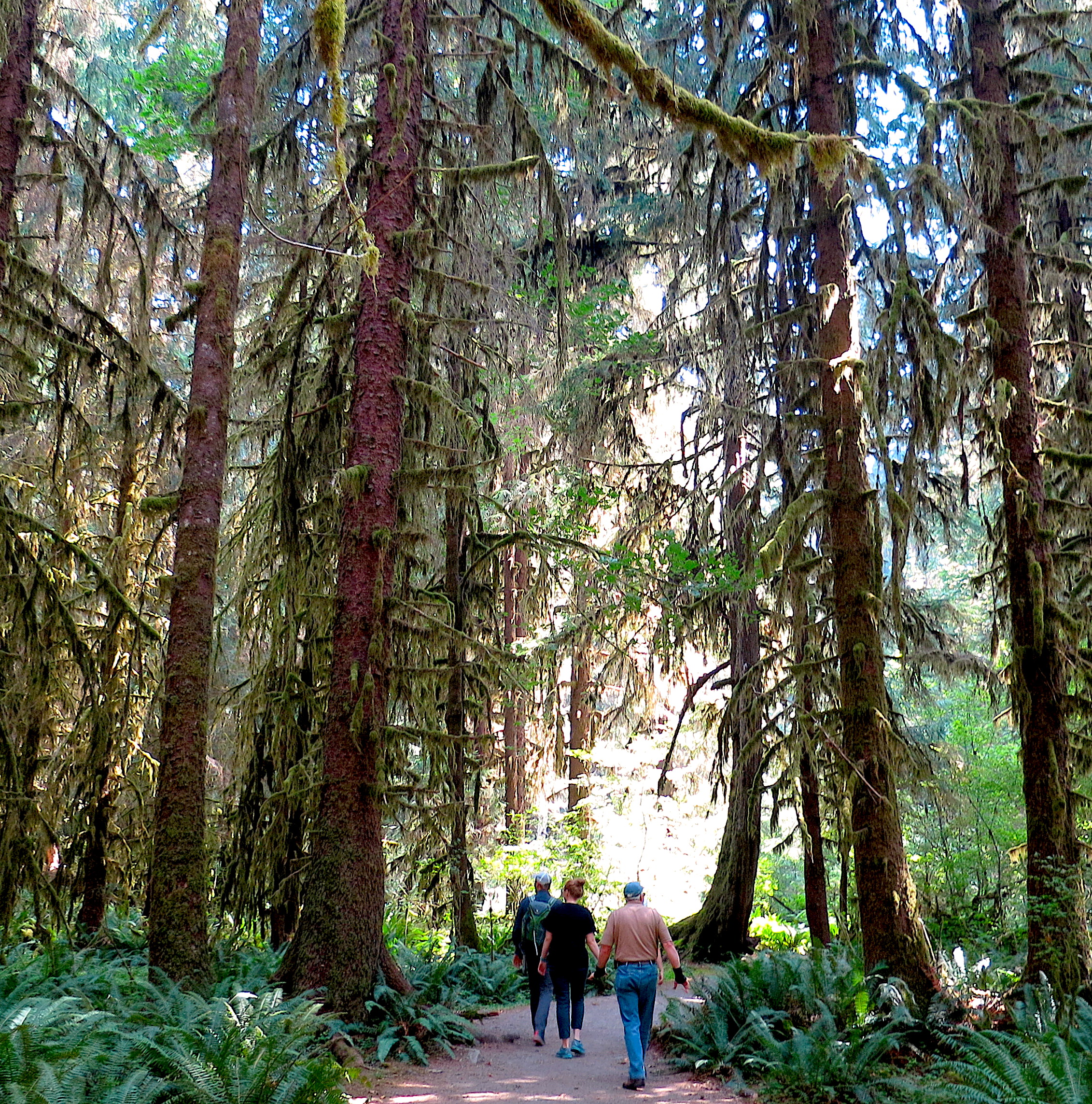
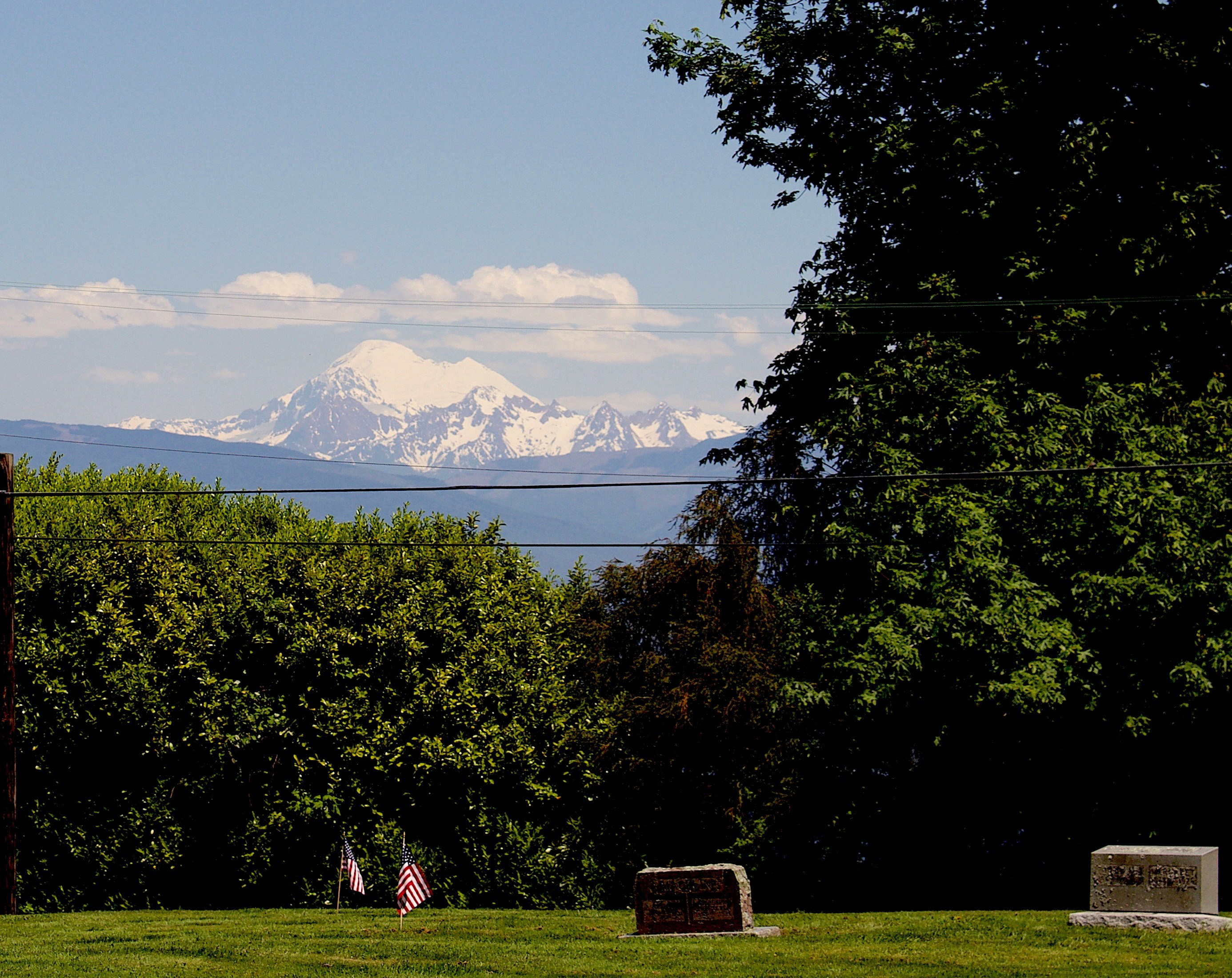
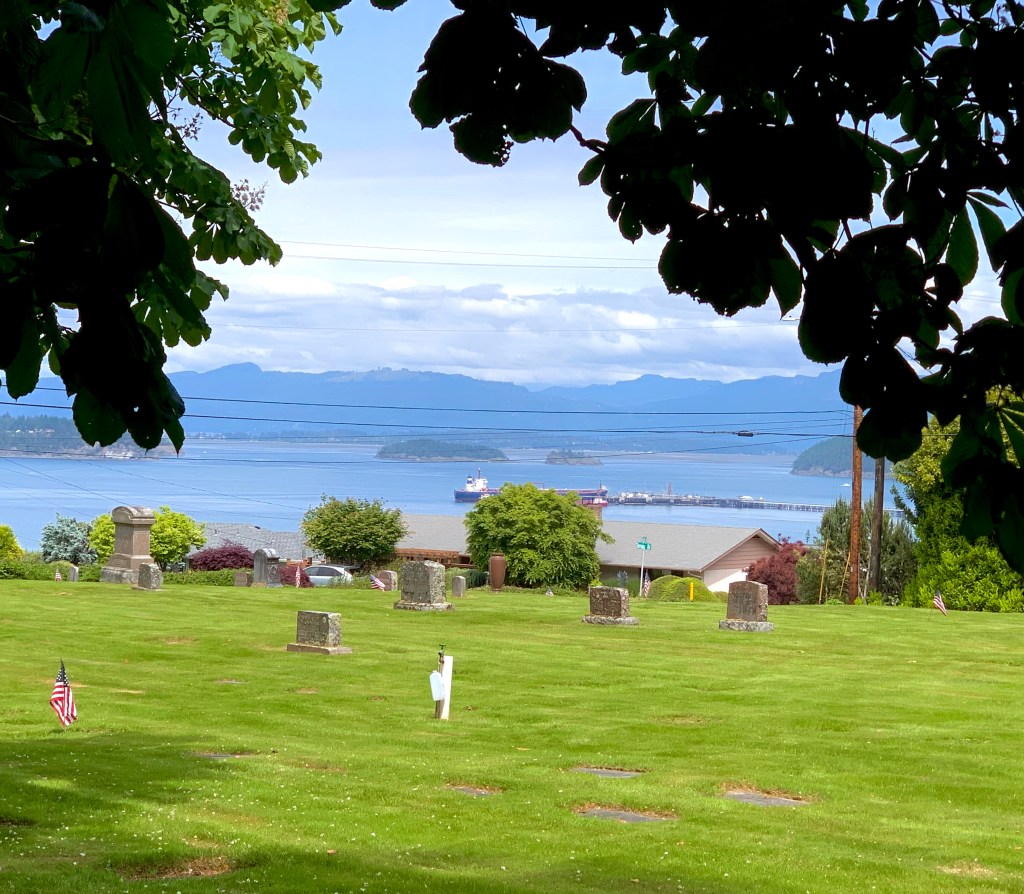
I went over to the graveyard beside the church
and found them under the old cedars…
I am finding it a little hard to say that I felt them resting there,

but I did…

I saw that, for me, this country would always be populated
with presences and absences,
presences of absences,
the living and the dead.
The world as it is

would always be a reminder
of the world that was,
and of the world that is to come.
~Wendell Berry in Jayber Crow
In great deeds, something abides. 
On great fields, something stays. 
Forms change and pass; bodies disappear; 
but spirits linger, 

to consecrate ground for the vision-place of souls. 

And reverent men and women from afar, 
and generations that know us not and that we know not of, 
heart-drawn to see where and by whom great things were suffered and done for them, shall come to this deathless field, 
to ponder and dream; and lo!

the shadow of a mighty presence shall wrap them in its bosom, 
and the power of the vision pass into their souls. 


This is the great reward of service. 
To live, far out and on, in the life of others;
this is the mystery of the Christ,

–to give life’s best for such high sake
that it shall be found again unto life eternal.

~Major-General Joshua Chamberlain, Gettysburg, Pennsylvania 1889
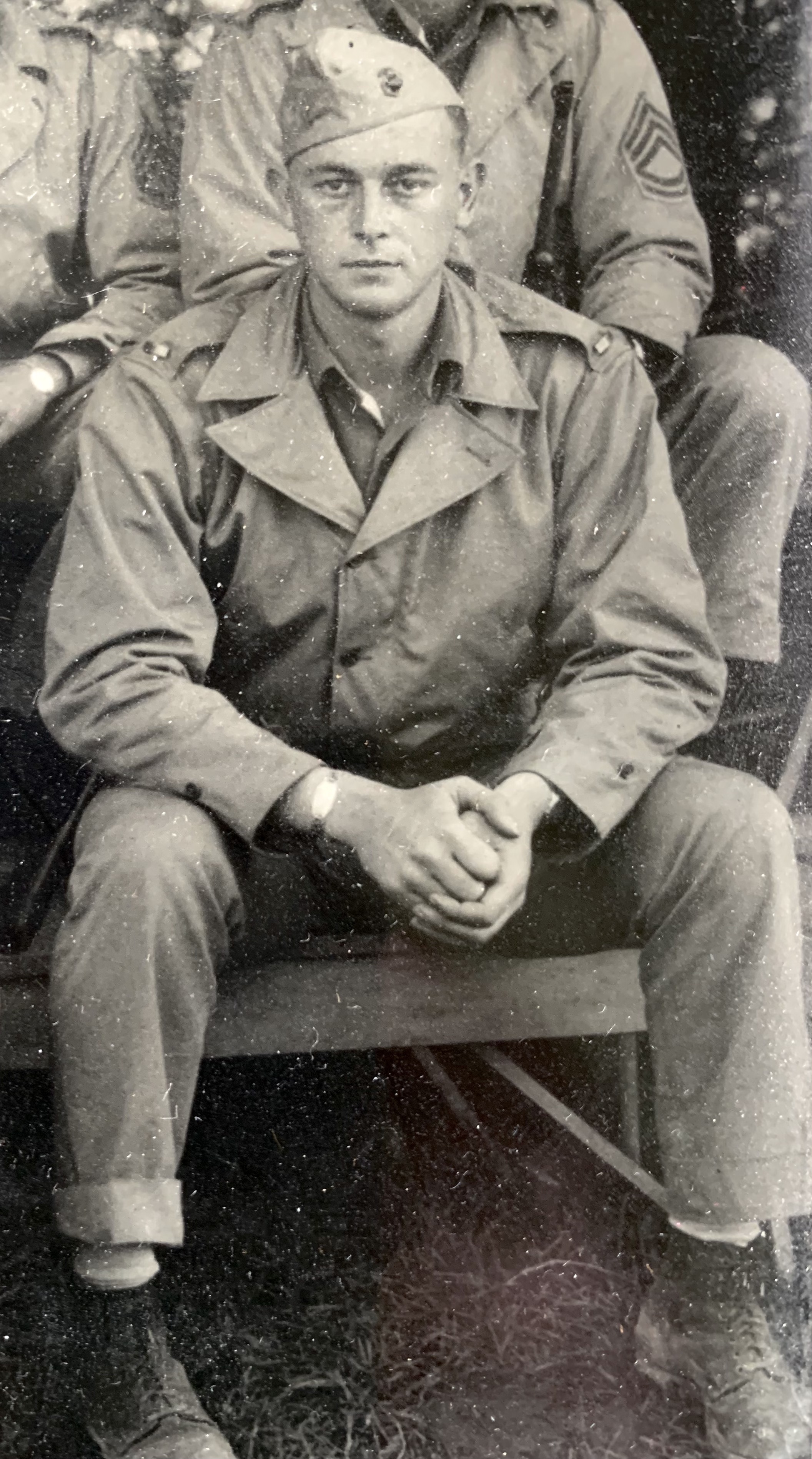
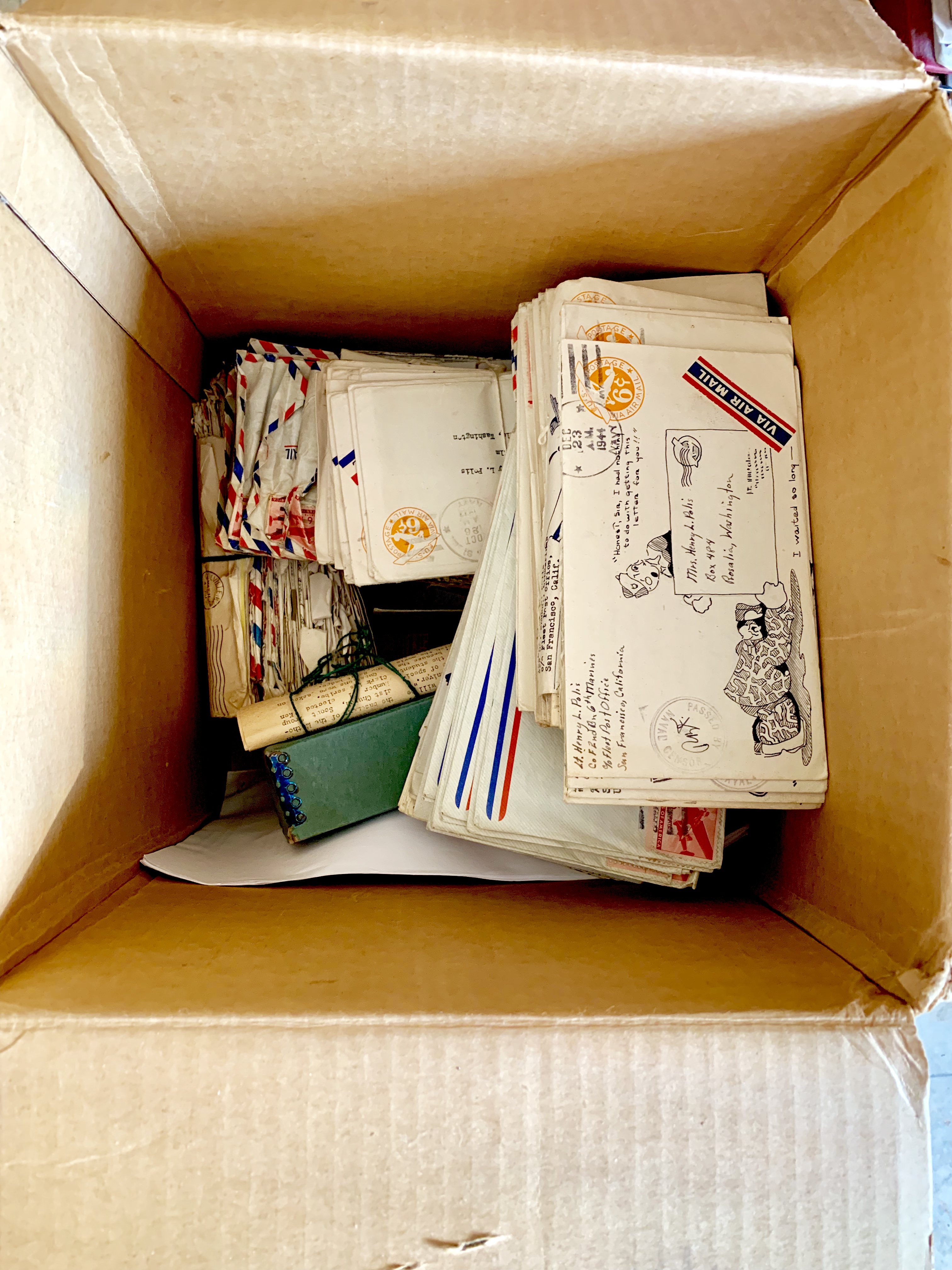
A box of over 700 letters, exchanged between my parents from late 1941 to mid-1945, sat unopened for six decades.

I started reading. I felt them resting in those inked words.

My parents barely knew each other before marrying quickly on Christmas Eve 1942 – the haste due to the uncertain future for a newly trained Second Lieutenant in the Marine Corps. They only had a few weeks together before she returned home to her rural teaching position and he readied himself to be shipped out for the island battles to come.

They had no idea they would not see each other for another 30+ months or even see each other again at all. They had no idea their marriage would fall apart 35 years later and they would reunite a decade after the divorce for five more years together before Dad died of cancer at age 73.

A presence of absence: the letters do contain the long-gone but still-familiar voices of my parents, but they are the words and worries of youngsters of 20 and 21, barely prepared for the horrors to come from war and interminable waiting. When he was fighting battles on Tarawa, Saipan, and Tinian, no letters or news would be received for a month or more, otherwise they tried to write each other daily, though with minimal news to share due to military censorship. They speak mostly of their desire for a normal life together rather than a routine centered on mailbox, pen and paper and waiting – lots and lots of waiting.

I’m not sure what I hoped to find in these letters. Perhaps I hoped for flowery romantic whisperings and the poetry of longing and loneliness. Instead I am reading plain spoken words from two people who somehow made it through those awful years to make my sister and brother and myself possible.

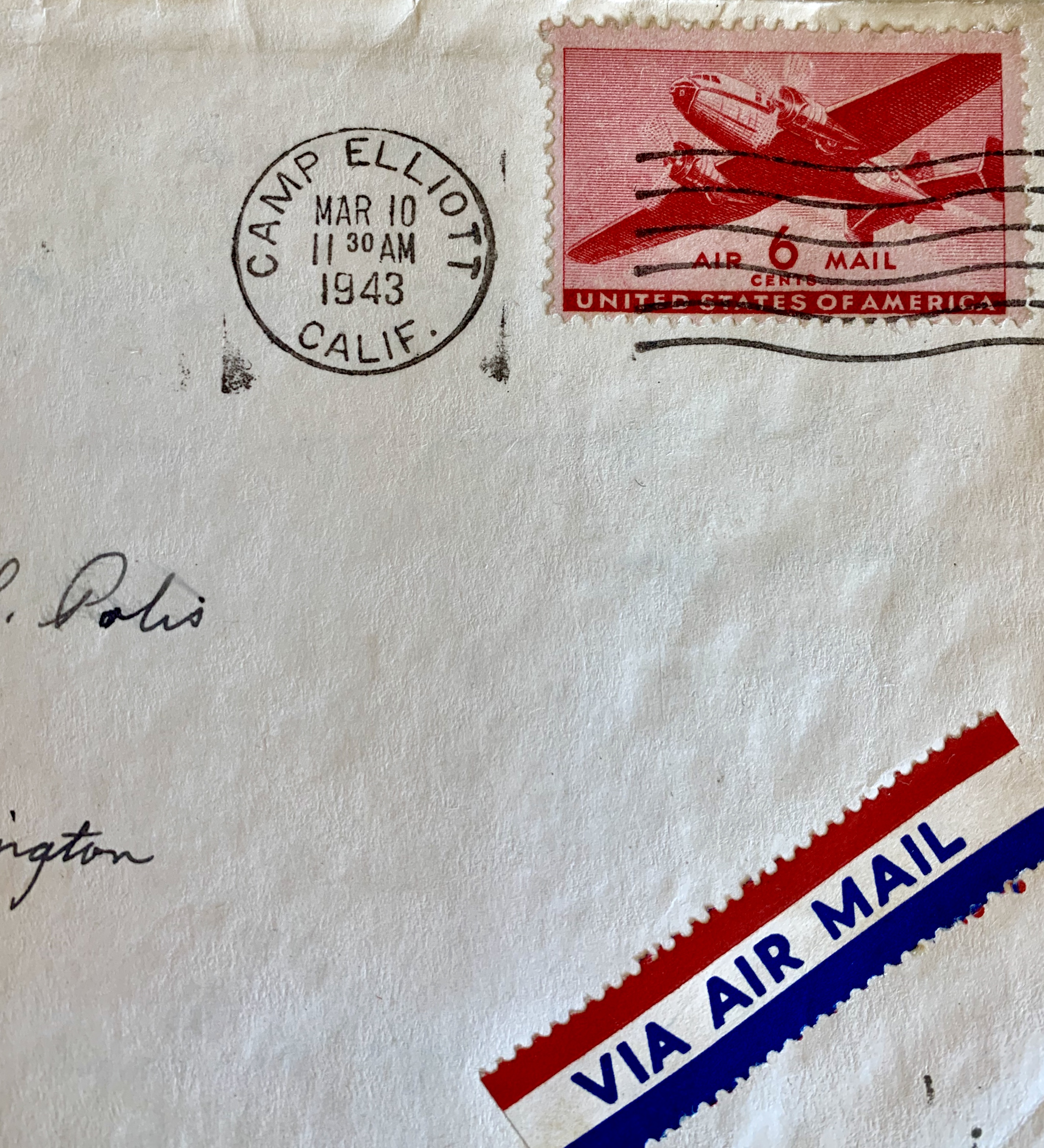
Our inheritance is contained in this musty box of words bereft of poetry. But decades later my heart is moved by these letters – I carefully refold them back into their envelopes and replace them gently back in order. A six cent airmail stamp – in fact hundreds and hundreds of them – was a worthwhile investment in the future, not only for themselves and their family to come, but for generations of U.S. citizens who tend to take their freedom for granted.

Thank you, Dad and Mom, for the early years together you gave up to make today possible for us and the generations to follow.

I hear the mountain birds
The sound of rivers singing
A song I’ve often heard
It flows through me now
So clear and so loud
I stand where I am
And forever I’m dreaming of home
I feel so alone, I’m dreaming of home

It’s carried in the air
The breeze of early morning
I see the land so fair
My heart opens wide
There’s sadness inside
I stand where I am
And forever I’m dreaming of home
I feel so alone, I’m dreaming of home

This is no foreign sky
I see no foreign light
But far away am I
From some peaceful land
I’m longing to stand
A hand in my hand
…forever I’m dreaming of home
I feel so alone, I’m dreaming of home
~Lori Barth and Philippe Rombi “I’m Dreaming of Home”

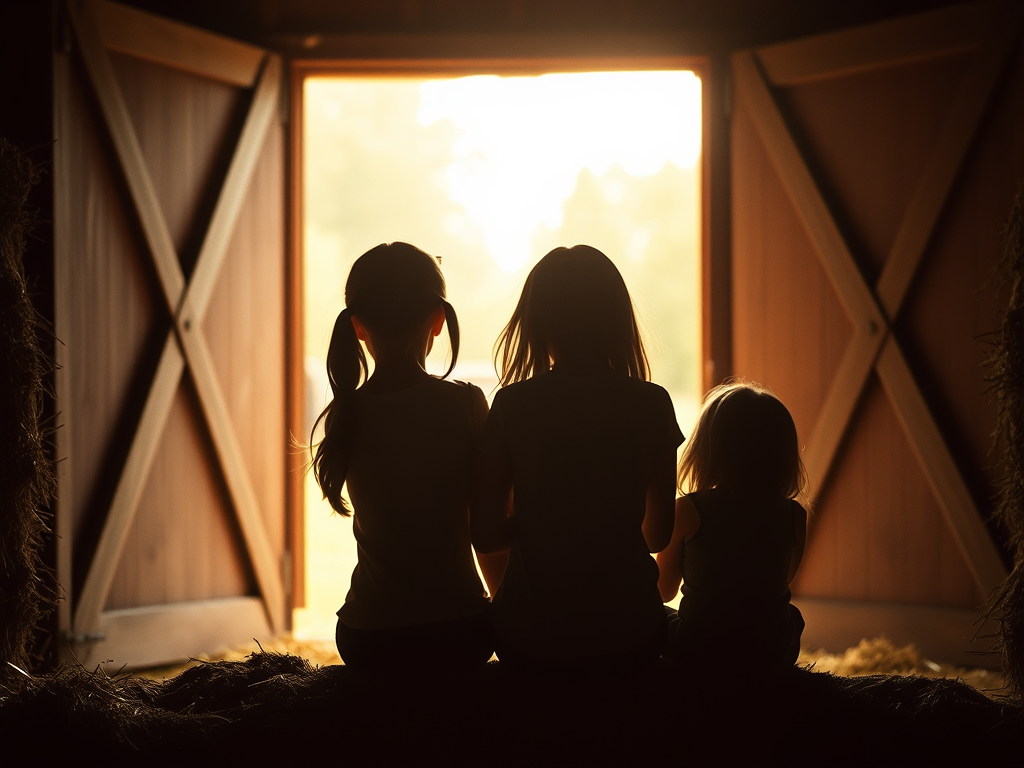
AI image created for this post
One-Time
Monthly
Yearly

Make a one-time or recurring donation to support daily Barnstorming posts

Make a monthly donation

Make a yearly donation

Choose an amount

$10.00
$25.00
$50.00
$5.00
$15.00
$100.00
$5.00
$15.00
$100.00

Or enter a custom amount

$

Your contribution is deeply appreciated.

Your contribution is appreciated.

Your contribution is appreciated.

DonateDonate monthlyDonate yearly
What a Little Thing

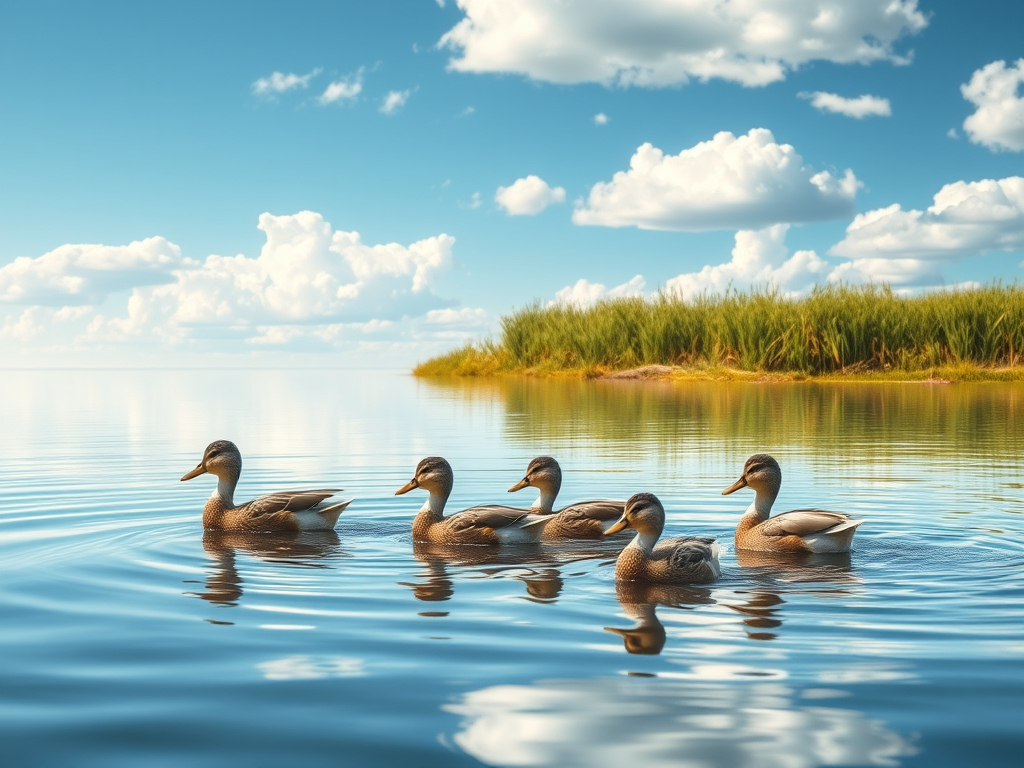
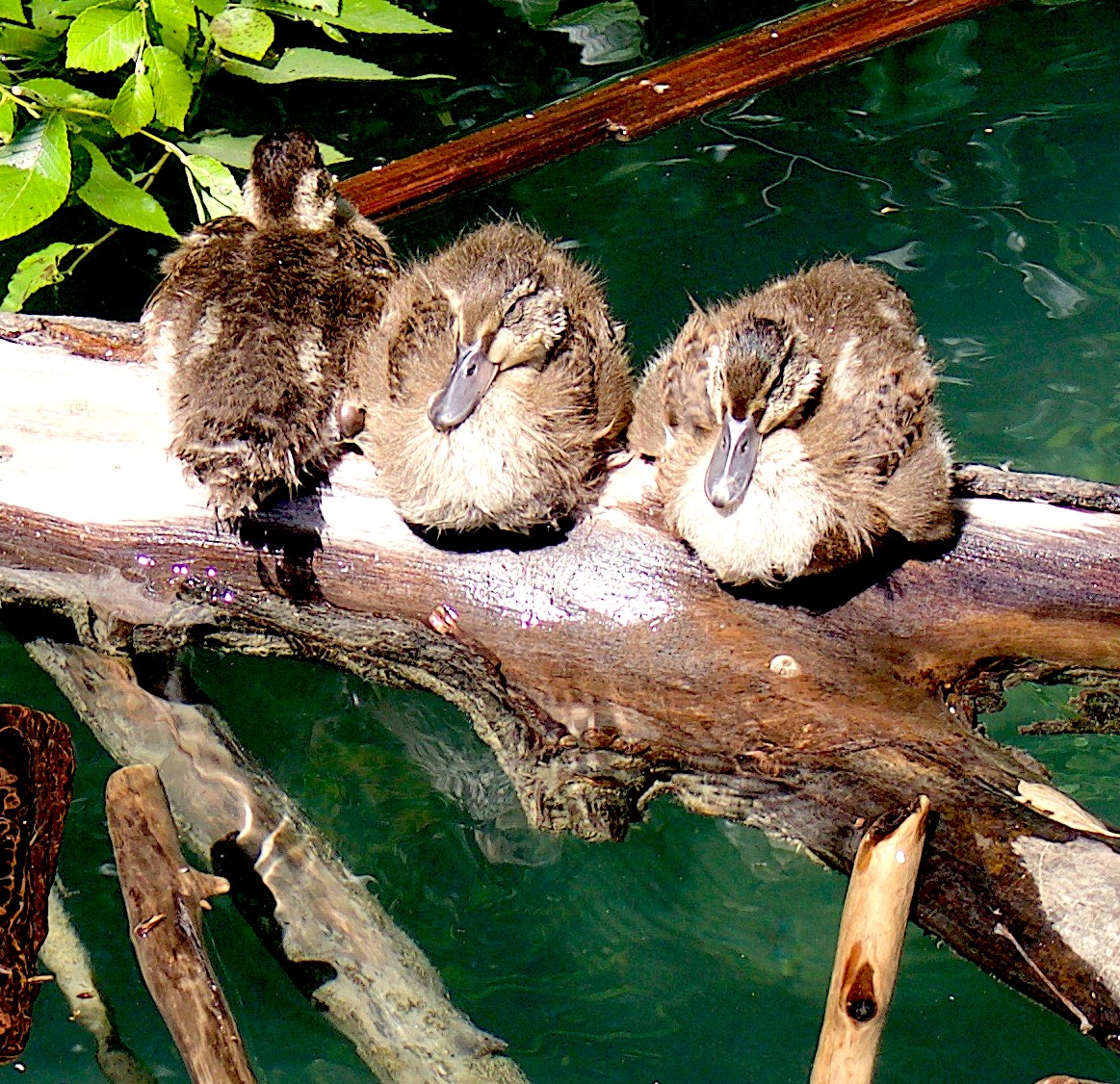
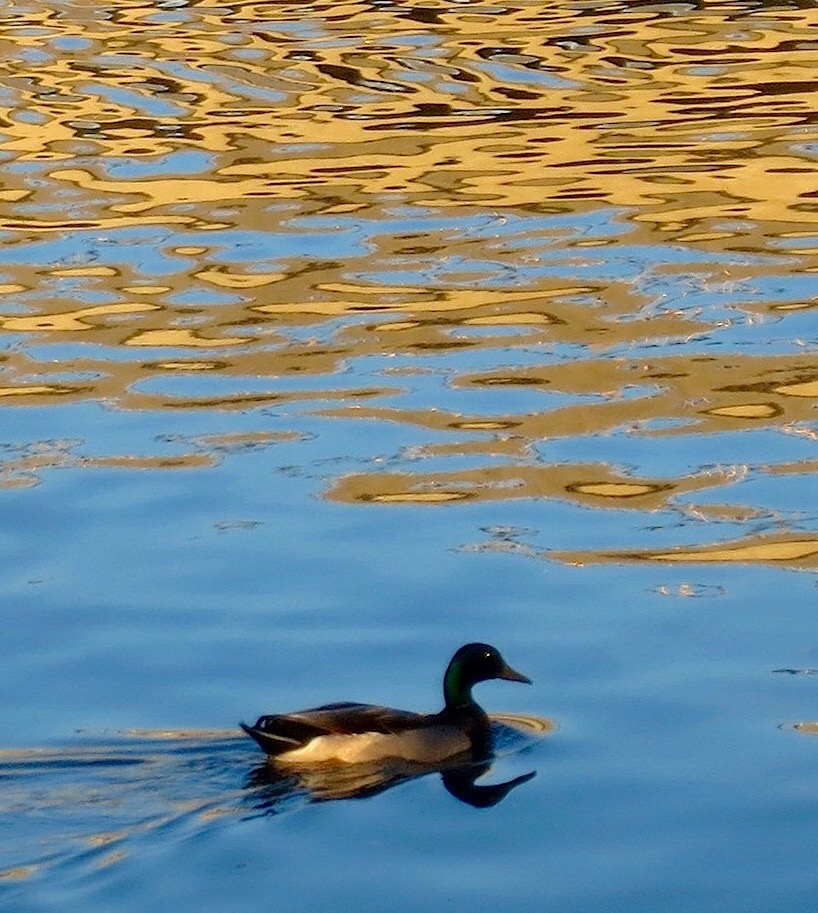
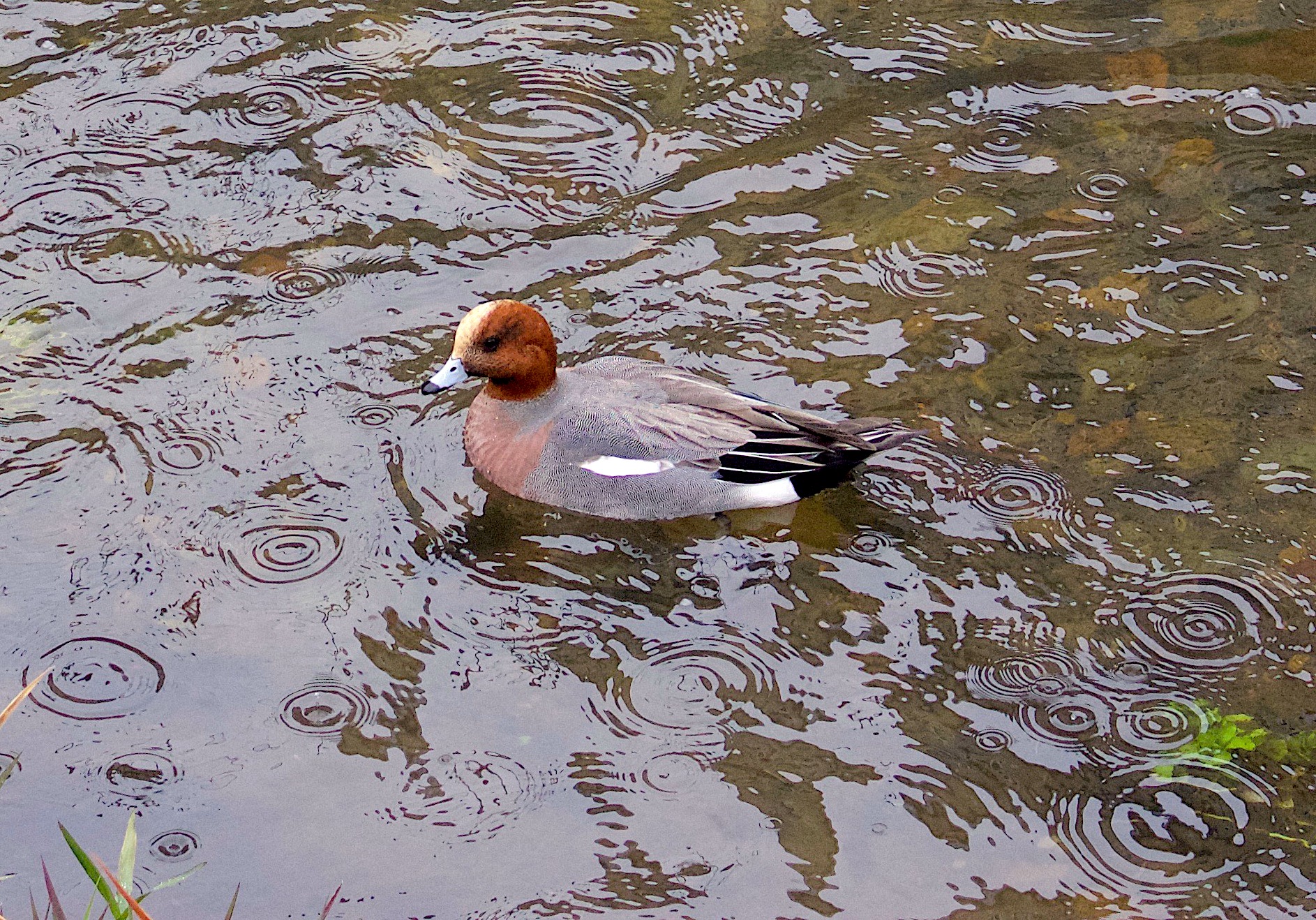
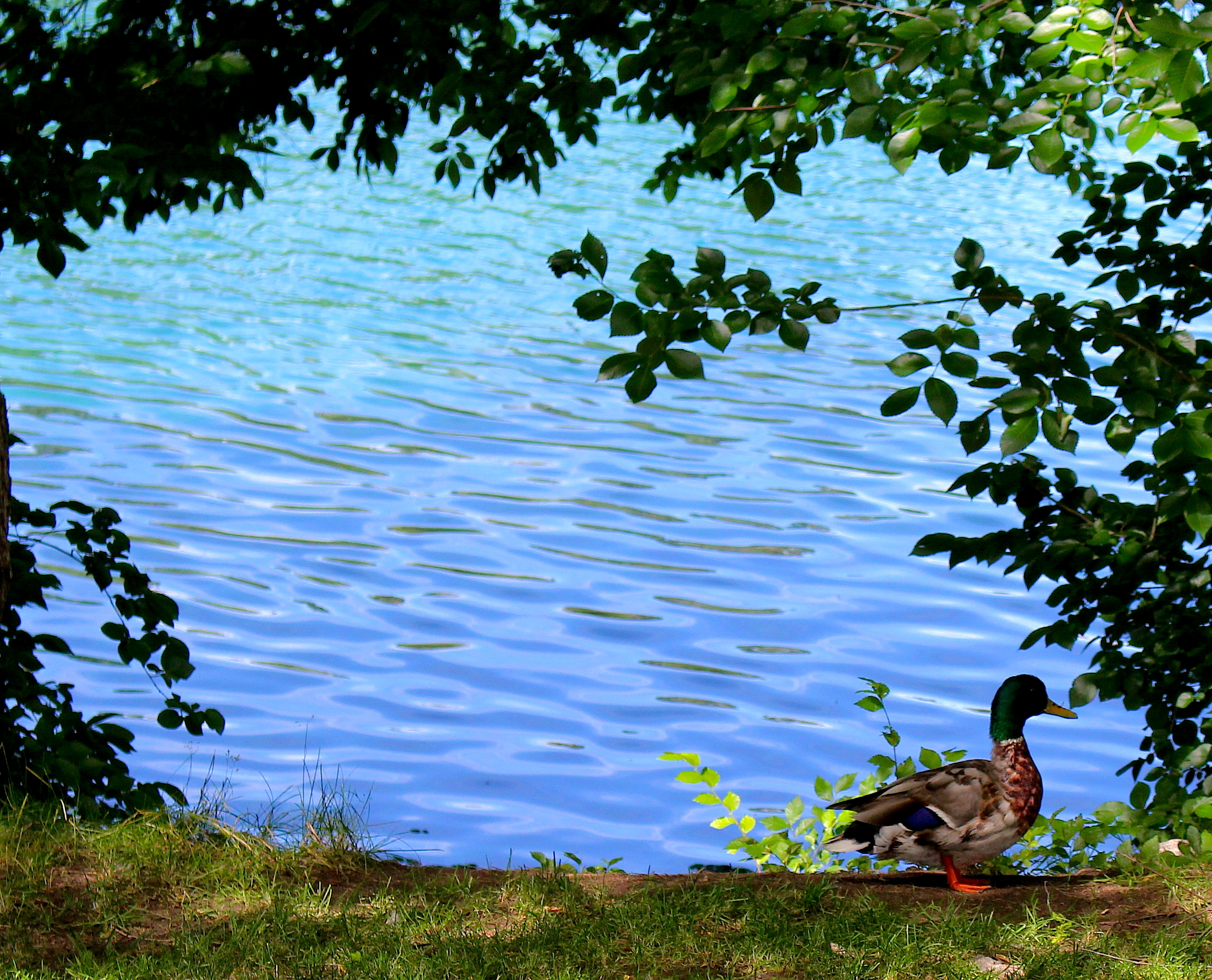
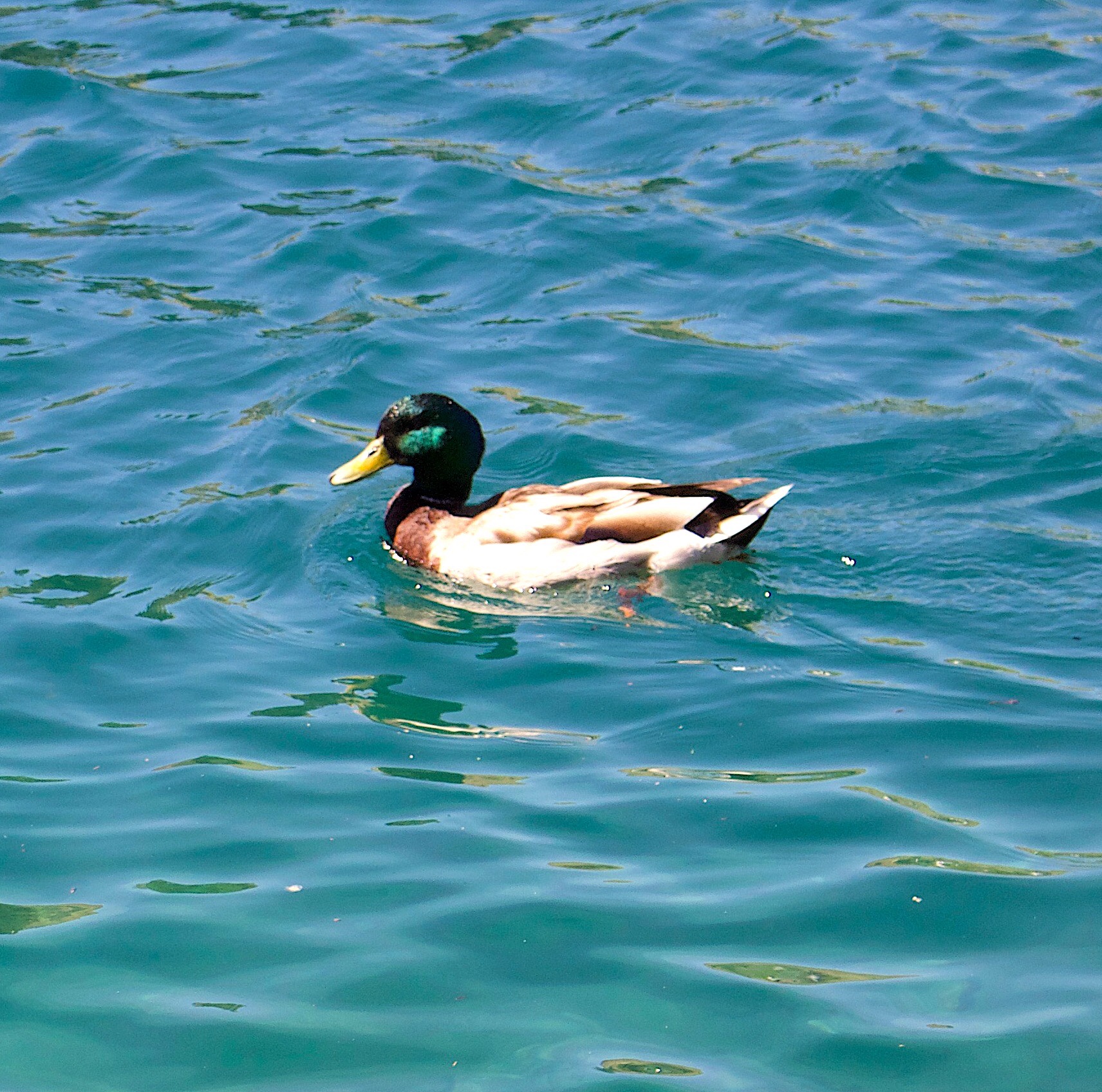
Four ducks on a pond,
A grass-bank beyond,
A blue sky of spring,
White clouds on the wing;
What a little thing
To remember for years
To remember with tears!

~William Allingham “A Memory”

Tell no one of the wonders
of the Mallard duck’s green head,
how it glistens in the sun
against the gentle red
of the Willow branches budding
in the golden spring sun,
as they paddle through the waters
where the creek has come undone.

Tell no one of the beauty
of the butterflies that flit
through the flowers not yet budding
on the little sandy spit,
how their wings will keep them searching
for the hope that blooms in Spring
as they hover over what will be
a very lovely thing.

Tell no one of the glory
or the warmth of young spring’s sun,
of the joy that comes from watching
the smallest creatures run,
of the life that is teeming
in the wake of newborn day,
of the power that hope holds
over all we do and say.

Tell no one of the miracle
that is this daily life,
that cuts you to the quick
as if with sharpest knife.
Tell no one what you notice,
into which your wonder delves.
Tell no one of these things —
let them know it for themselves.

~Elizabeth Wickland “Tell No One”

so much depends
upon

a red wheel
barrow

glazed with rain
water

beside the white
chickens

~William Carlos Williams, “The Red Wheelbarrow” from The Collected Poems of William Carlos Williams, Volume I, 1909-1939

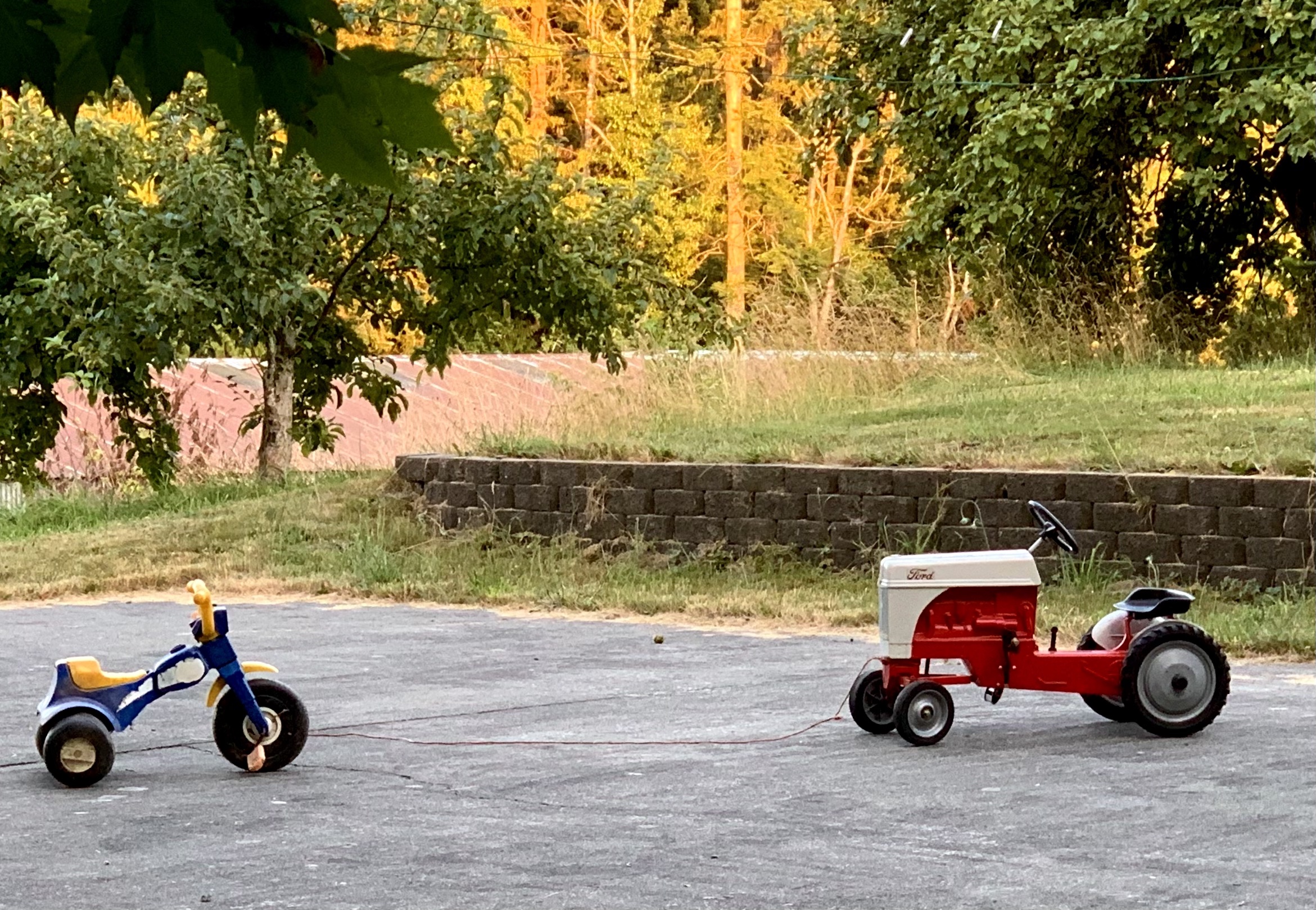
so much depends
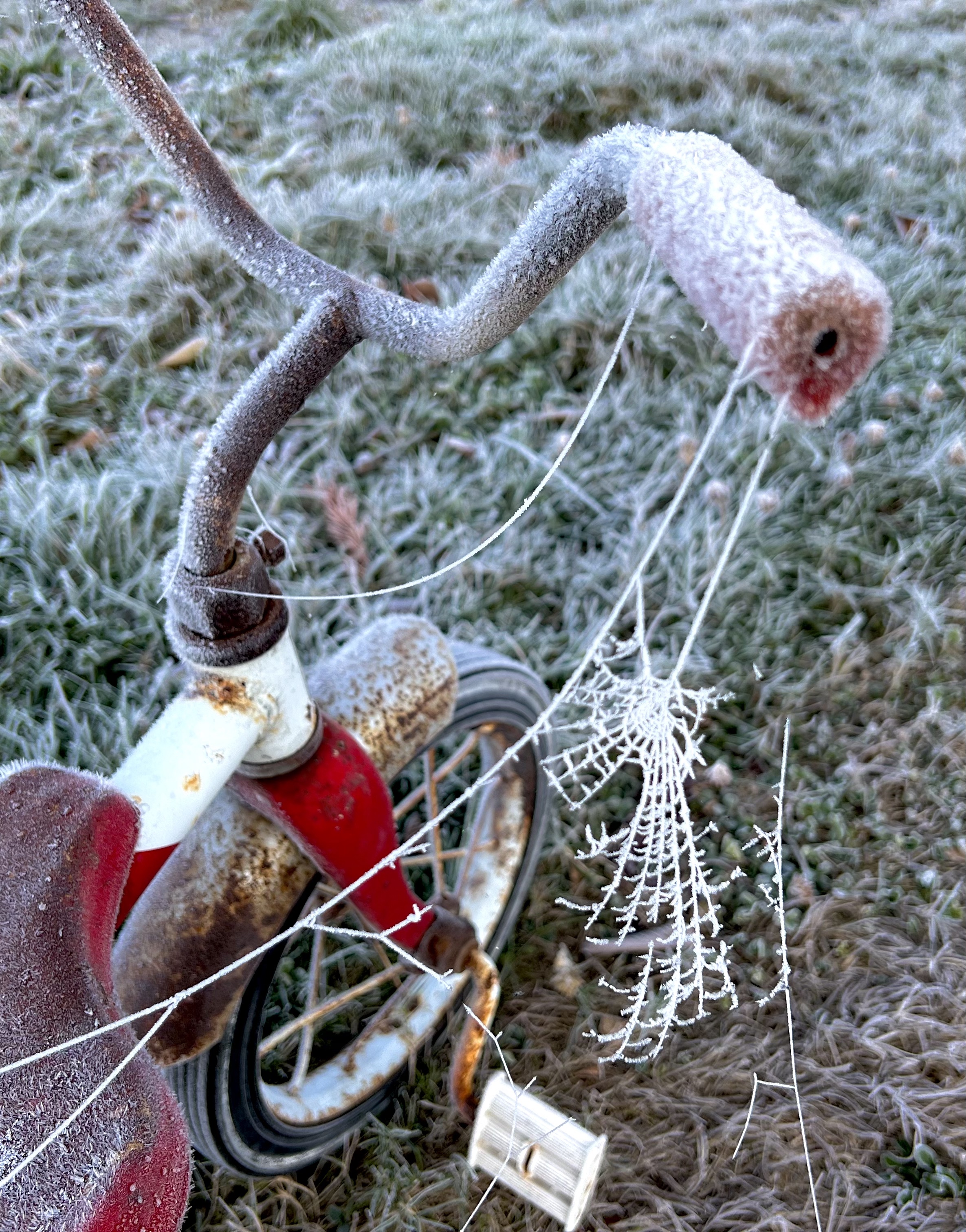
upon me riding a red trike
chased by my little brother

now rusty memories frozen in time
and cobwebs

such a little thing is
never to be forgotten

AI image created for this post
One-Time
Monthly
Yearly

Make a one-time or recurring donation to support daily Barnstorming posts

Make a monthly donation

Make a yearly donation

Choose an amount

$10.00
$25.00
$50.00
$5.00
$15.00
$100.00
$5.00
$15.00
$100.00

Or enter a custom amount

$

Your contribution is deeply appreciated.

Your contribution is appreciated.

Your contribution is appreciated.

DonateDonate monthlyDonate yearly
Simply Lost

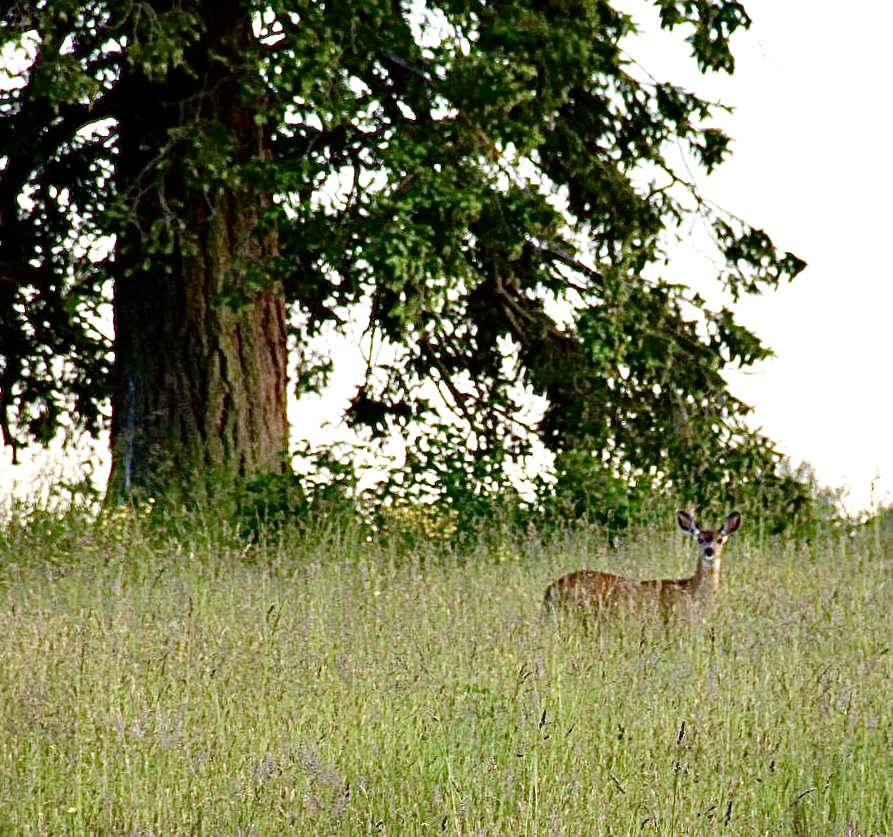
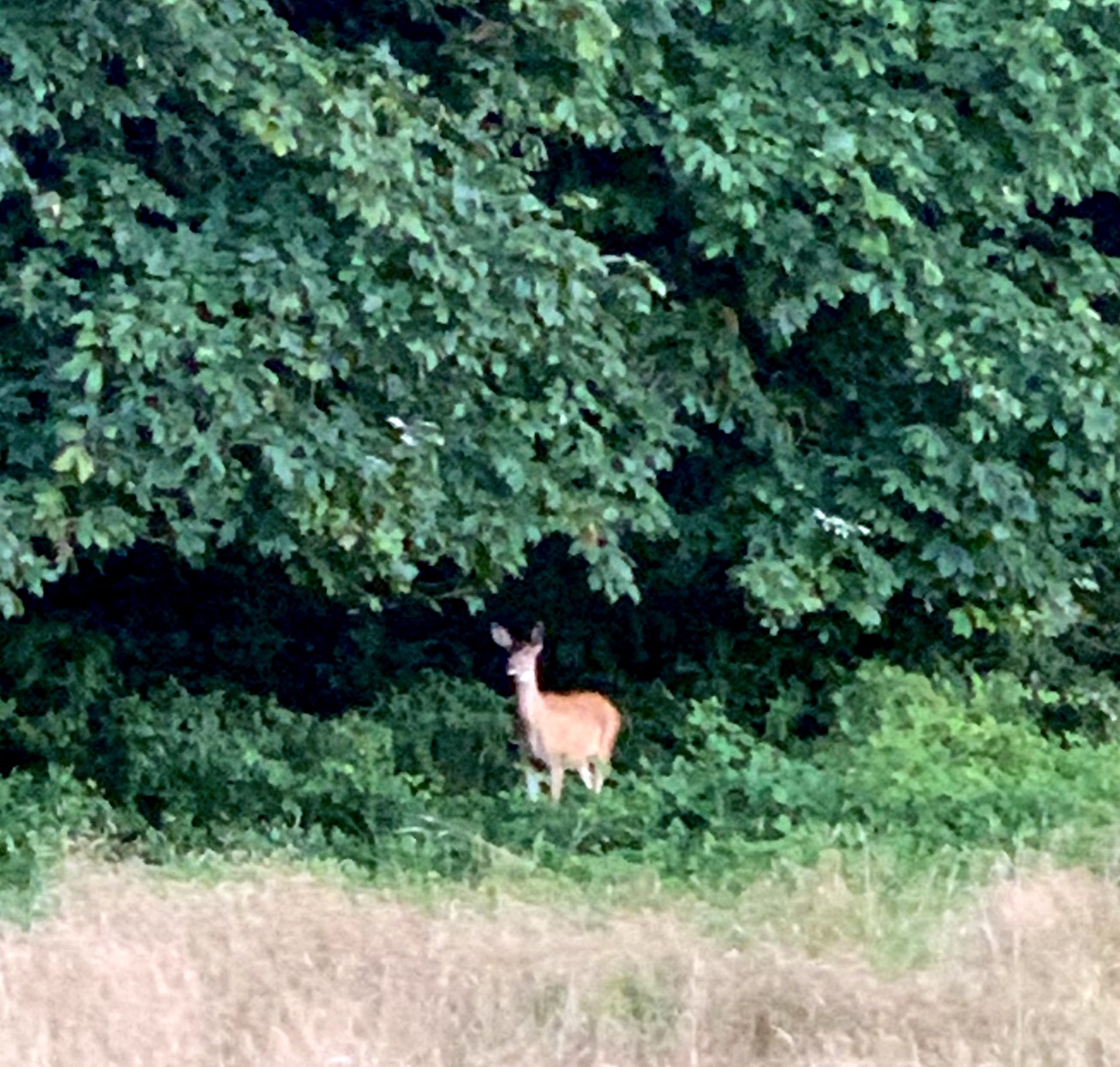
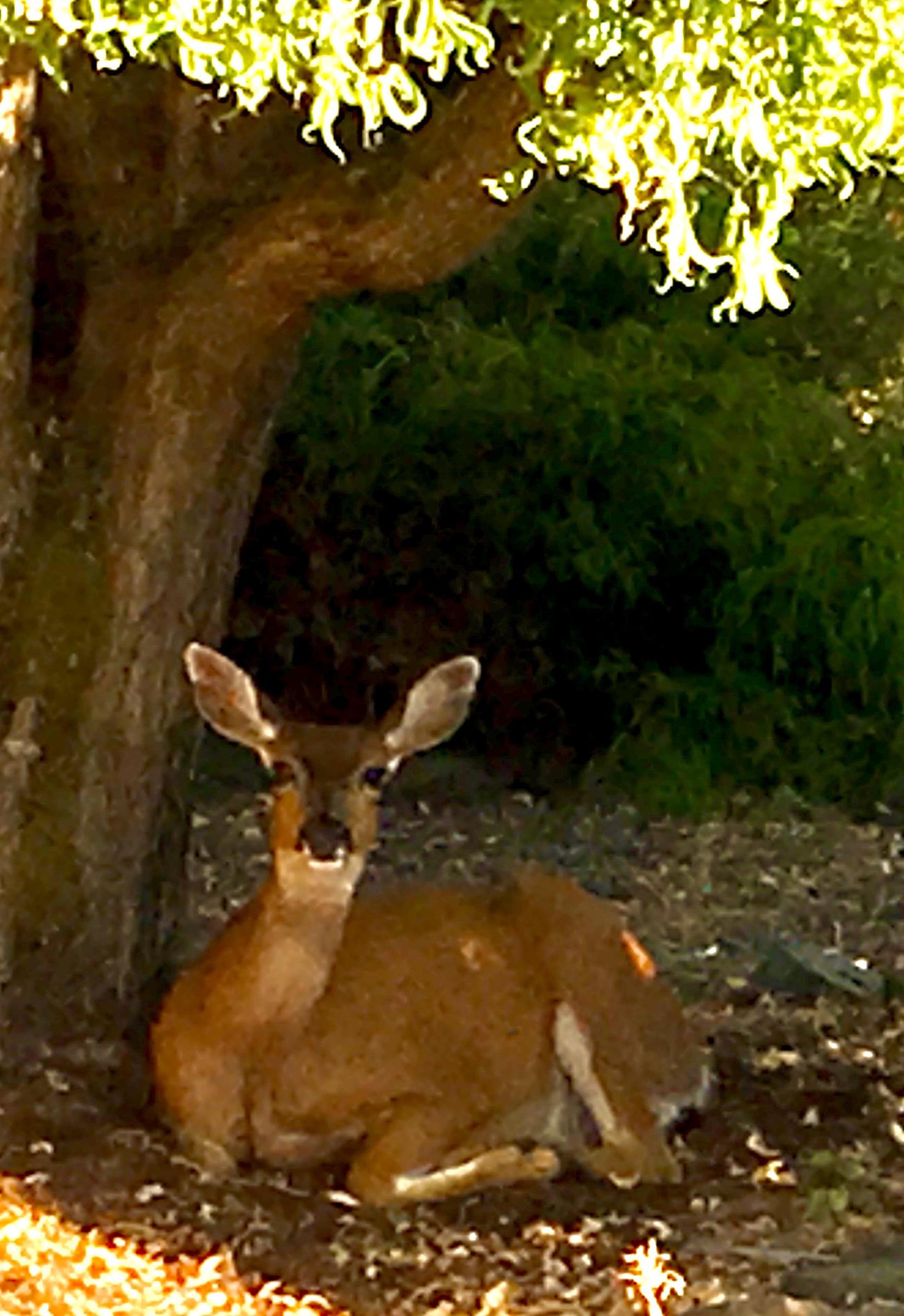
Perhaps she came down for the apples,
or was flushed out by the saws powering
the far woods, or was simply lost,
or was crossing one open space for an
other.

She was a figure approaching, a presence
outside a kitchen window, framed
by the leafless apple trees, the stiff blueberry bushes,
the after-harvest corn, the just-before-rain sky,

a shape only narrow bones could hold,
turning its full face upward, head tilted to one side, as if to speak.

I want my life back.

Morning settles around her like a silver coat.
Rustling branches, hooves in flight.

~Philip Terman “Deer Descending”

Who among us does not feel this?

Everything changing faster than we can respond:
loss of jobs,
research halting mid-study,
inconsistency abounds,
families shattered,
uncertainty prevails.

What happened to
of the people,
by the people,
for the people
rather than dictated by just a few

We are so lost,
how to find our way back
to caring for the poor, the weak, the vulnerable
with a spirit of commitment, compassion and sacrifice.

For God alone – no one else – remains our strength and shield.
Lost and afraid, we want our lives back.

We need His Refuge where we may rest.
We seek Sanctuary from this darkness,
to once again awaken hopeful to a new morning.

AI image created for this post
One-Time
Monthly
Yearly

Make a one-time or recurring donation to support daily Barnstorming posts

Make a monthly donation

Make a yearly donation

Choose an amount

$10.00
$25.00
$50.00
$5.00
$15.00
$100.00
$5.00
$15.00
$100.00

Or enter a custom amount

$

Your contribution is deeply appreciated.

Your contribution is appreciated.

Your contribution is appreciated.

DonateDonate monthlyDonate yearly
Where You Go, I Will Go: The Lost Are Like This

I wake and feel the fell of dark, not day.
What
hours, O what black hours we have spent
This night! what sights you, heart, saw; ways you went!
And more
must, in yet longer light’s delay.

With witness I speak this. But where I say
Hours I mean years, mean life. And my lament
Is cries countless, cries like dead letters sent
To dearest him that lives
alas! away.

 I am gall, I am heartburn. God’s most deep decree
Bitter would have me taste: my taste was me;
Bones bu
ilt in me, flesh filled, blood brimmed the curse.

Selfyeast of spirit a dull dough sours. I see
The lost are like this, and their scourge to be
As I am
mine, their sweating selves; but worse.
~Gerard Manley Hopkins
“I wake and feel the fell of dark”

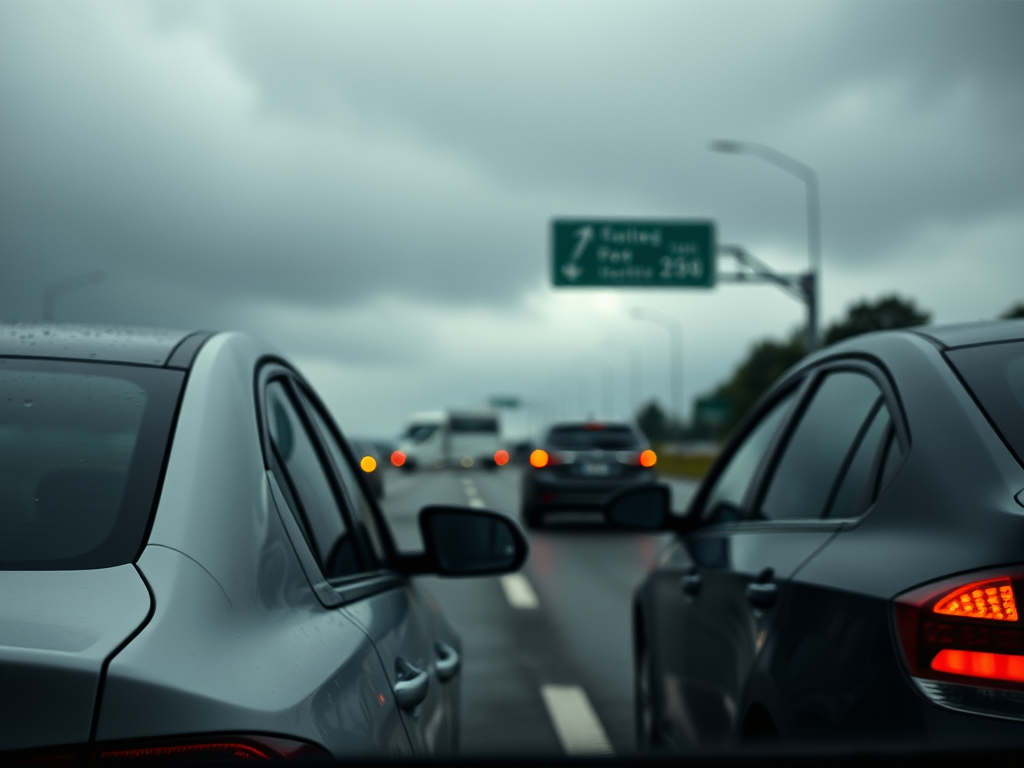
Surfacing to the street from a thirty two hour hospital shift usually means my eyes blink mole-like, adjusting to searing daylight after being too long in darkened windowless halls.  This particular January day is different.   As the doors open, I am immersed in a subdued gray Seattle afternoon, with horizontal rain soaking my scrubs.

Finally remembering where I had parked my car in pre-dawn dark the day before, I start the ignition, putting the windshield wipers on full speed.  I merge onto the freeway, pinching myself to stay awake long enough to reach my apartment and my pillow.

The freeway is a flowing river current of head and tail lights.  Semitrucks toss up tsunami waves cleared briefly by my wipers frantically whacking back and forth.

Just ahead in the lane to my right, a car catches my eye — it looks just like my Dad’s new Buick.  I blink to clear my eyes and my mind, switching lanes to get behind.  The license plate confirms it is indeed my Dad, oddly 100 miles from home in the middle of the week.  I smiled, realizing he and Mom have probably planned to surprise me by taking me out for dinner.

I decide to surprise them first, switching lanes to their left and accelerating up alongside.  As our cars travel side by side in the downpour,  I glance over to my right to see if I can catch my Dad’s eye through streaming side windows.  He is looking away to the right at that moment, obviously in conversation.  It is then I realize something is amiss.  When my Dad looks back at the road, he is smiling in a way I have never seen before.  There are arms wrapped around his neck and shoulder, and a woman’s auburn head is snuggled into his chest.

My mother’s hair is gray.

My initial confusion turns instantly to fury.  Despite the rivers of rain obscuring their view, I desperately want them to see me.  I think about honking,  I think about pulling in front of them so my father would know I have seen and I know.  I think about ramming them with my car so that we’d perish all, unrecognizable, in an explosive storm-soaked mangle.

At that moment, my father glances over at me and our eyes meet across the lanes.  His face is a mask of betrayal, bewilderment and then shock, and as he tenses, she straightens up and looks at me quizzically.

I can’t bear to look any longer.

I leave them behind, speeding beyond, splashing them with my wake.  Every breath burns my lungs and pierces my heart.  I can not distinguish whether the rivers obscuring my view are from my eyes or my windshield.

Somehow I made it home to my apartment, my heart still pounding in my ears.  The phone rings and remains unanswered.

I throw myself on my bed, bury my wet face in my pillow and pray for sleep without dreams,
without secrets,
without lies,
without the burden of knowing a truth
I alone now knew
and wished I didn’t..

Postscript:
I didn’t tell anyone what I saw that day. My father never asked.
He divorced my mother, and was remarried quickly,
my mother and two families shattered as a result.
Ten years later, his second wife died due to a relentless cancer, and he returned to my mother, asking her forgiveness and wanting to remarry. Within months, he too was diagnosed with cancer and Mom nursed him through his treatment, remission, recurrence and then hospice.

We became a family again, not the same as before,
yet put back together for good reason – forgiving and forgiven.

This year’s Lenten theme:

…where you go I will go…
Ruth 1:16

AI image created for this post
One-Time
Monthly
Yearly

Make a one-time or recurring donation to support daily Barnstorming posts

Make a monthly donation

Make a yearly donation

Choose an amount

$10.00
$25.00
$50.00
$5.00
$15.00
$100.00
$5.00
$15.00
$100.00

Or enter a custom amount

$

Your contribution is deeply appreciated.

Your contribution is appreciated.

Your contribution is appreciated.

DonateDonate monthlyDonate yearly
Where You Go, I Will Go: I Never Got Wet

When the doctor suggested surgery
and a brace for all my youngest years,
my parents scrambled to take me
to massage therapy, deep tissue work,
osteopathy, and soon my crooked spine
unspooled a bit, I could breathe again,
and move more in a body unclouded
by pain. My mom would tell me to sing
songs to her the whole forty-five minute
drive to Middle Two Rock Road and forty-
five minutes back from physical therapy.
She’d say, even my voice sounded unfettered
by my spine afterward. So I sang and sang,
because I thought she liked it. I never
asked her what she gave up to drive me,
or how her day was before this chore. Today,
at her age, I was driving myself home from yet
another spine appointment, singing along
to some maudlin but solid song on the radio,
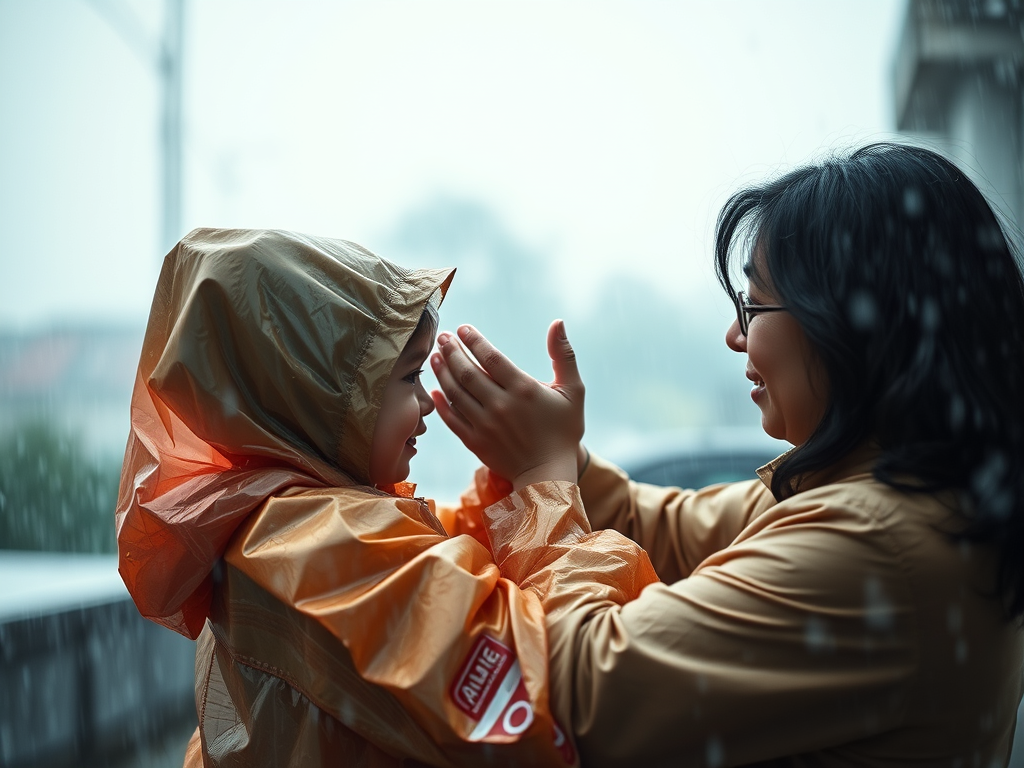
and I saw a mom take her raincoat off
and give it to her young daughter when
a storm took over the afternoon. My god,
I thought, my whole life I’ve been under her
raincoat thinking it was somehow a marvel
that I never got wet.
~Ada Limón “The Raincoat”

When I was 13, I grew too quickly. My spine developed a thoracic scoliosis (curvature) — after inspecting my back as I bent over to touch my toes, my pediatrician referred me to a pediatric orthopedic specialist an hour away from my home town.

The question was whether I would need to have a metal rod surgically placed along my spine to prevent it from more misalignment or whether I would need to wear a back brace like a turtle. The least intervention would be physical therapy to try to keep my back and abdominal muscles as strong as possible to limit the curvature.

Since my father didn’t have much flexibility in his work schedule, my mother had to drive me to the “big city” for my appointments – as a nervous driver, she did it only because she knew it was necessary to get the medical opinion needed. She asked me to read aloud to her from whatever book I was reading at the time – I don’t think she listened closely but I think she knew it would keep me occupied while she navigated traffic.

At first, we went every three months for new xrays. The orthopedist would draw on my bare back and on my spine xrays with a black marker, calculating my curves and angles with his protractor, watching for a trend of worsening as I grew taller. He reassured us that I hadn’t yet reached a critical level of deviation requiring more aggressive treatment.

Eventually my growth rate slowed down and the specialist dismissed me from further visits, wishing me well. He told me I would certainly be somewhat “crooked” for the rest of my life, and it would inevitably worsen in my later years. I continued to visit PT for regular visits; my mom would patiently wait in the car as I sweated my way through the regimen.

The orthopedist was right about the curvature of my aging spine. I am not only a couple inches shorter now, but my rib cage and chest wall is asymmetric affecting my ability to stand up totally straight. An xray shows the wear and tear of arthritis changes in my somewhat twisted chest wall and spine.

I consider crookedness a small price to pay for avoiding a serious surgery or a miserable brace as a teenager.

What I didn’t understand at the time was the commitment my mother made to make sure I got the medical monitoring I needed, even if it meant great inconvenience in her life, even if she was awake at night worried about the outcome of the appointments, even if the financial burden was significant for my family. She, like so many parents with children with significant medical or psychological challenges, gave up her wants and wishes to make sure I received what I needed.

As a kid, I just assumed that’s what a mom does. Later, as a mom myself, I realized it IS what moms and dads do, but often at significant personal cost. As a physician, I saw many young people whose parents couldn’t make the commitment to see they got the care they needed, and it showed.

I was blessed by parents who did what their kids needed to thrive.

Without my realizing it, my mom constantly offered me her raincoat so I wouldn’t get wet. Meanwhile she was getting drenched. I never really understood.

Some of you walk this road, now and in the past, sometimes long miles with a family member, handing over your own raincoat when the storms of life overwhelm.

Your sacrifice and compassion are Jesus’ hands and feet made tangible. He walks along where we go, keeping us safe and dry for as long as it takes.

This year’s Lenten theme:

…where you go I will go…
Ruth 1:16

AI image created for this post
One-Time
Monthly
Yearly

Make a one-time or recurring donation to support daily Barnstorming posts

Make a monthly donation

Make a yearly donation

Choose an amount

$10.00
$25.00
$50.00
$5.00
$15.00
$100.00
$5.00
$15.00
$100.00

Or enter a custom amount

$

Your contribution is deeply appreciated.

Your contribution is appreciated.

Your contribution is appreciated.

DonateDonate monthlyDonate yearly
Where You Go, I Will Go: Waiting To Be Filled

Oh! hush thee, my baby, the night is behind us,
And black are the waters that sparkled so green.
The moon, o’er the combers, looks downward to find us
At rest in the hollows that rustle between.
Where billow meets billow, there soft be thy pillow;
Ah, weary wee flipperling, curl at thy ease!
The storm shall not wake thee, nor shark overtake thee,
Asleep in the arms of the slow-swinging seas.
~Rudyard Kipling “Seal Lullaby”

For you created my inmost being;
    you knit me together in my mother’s womb.
14 I praise you because I am fearfully and wonderfully made;
    your works are wonderful,
    I know that full well.
15 My frame was not hidden from you
    when I was made in the secret place,
    when I was woven together in the depths of the earth.
16 Your eyes saw my unformed body;
    all the days ordained for me were written in your book
    before one of them came to be.
17 How precious to me are your thoughts,[a] God!
    How vast is the sum of them!
18 Were I to count them,
    they would outnumber the grains of sand—
    when I awake, I am still with you.

Psalm 139: 13-18

The call came in the middle of a busy night
as we worked on a floppy baby with high fever,
a croupy toddler whose breathing squeezed and squeaked,
a pale adolescent transfusing due to leukemia bleeding.

It was an anencephalic baby just born, unexpected, unwanted
in a hospital across town, and she needed a place to die.

Our team of three puzzled how to manage a baby without a brain–
simply put her in a room, swaddled, kept warm but alone?
Hydrate her with a dropper of water to moisten her mouth?
Offer her a taste of milk?

She arrived by ambulance, the somber attendants
leaving quickly, unnerved by her mewing cries.

I took the wrapped bundle and peeled away the layers
to find a plump full term baby, her hands gripping, arms waving
once freed;  just another newborn until I pulled off her stocking cap
and looked into an empty crater — only a brainstem lumped at the base.

No textbook pictures had prepared me
for the wholeness, the holiness of this living, breathing child.

Her forehead quit above the eyebrows with the entire skull missing,
tufts of soft brown hair fringed her perfect ears,
around the back of her neck.
Her eyelids puffy, squinting tight, seemingly too big
above a button nose and rosebud pink lips.

She squirmed under my fingers, her muscles strong, breaths coming steady despite no awareness of light or touch or noise.

Yet she cried in little whimpers, mouth working, seeking,
lips tentatively gripping my fingertip. A bottle warmed,
nipple offered, a tentative suck allowing tiny flow,
then, amazing,  a gurgling swallow.

Returning every two hours, more for me than for her, I picked her up
to smell the salty sweet scent of amnion still on her skin as she grew dusky.

Her breathing weakened, her muscles loosened, giving up her grip
on a world she would never see or hear or feel to behold
something far more glorious, as I gazed
into her emptiness, waiting to be filled.

(this poem has been published in Sarah Arthur‘s wonderful Lenten and Eastertide anthology Between Midnight and Dawn)

This year’s Lenten theme:

…where you go I will go…
Ruth 1:16

One-Time
Monthly
Yearly

Make a one-time or recurring donation to support daily Barnstorming posts

Make a monthly donation

Make a yearly donation

Choose an amount

$10.00
$25.00
$50.00
$5.00
$15.00
$100.00
$5.00
$15.00
$100.00

Or enter a custom amount

$

Your contribution is deeply appreciated.

Your contribution is appreciated.

Your contribution is appreciated.

DonateDonate monthlyDonate yearly
Where You Go, I Will Go: An Ache Like Homesickness

When I was a child
I once sat sobbing on the floor
Beside my mother’s piano
As she played and sang
For there was in her singing
A shy yet solemn glory
My smallness could not hold

And when I was asked
Why I was crying
I had no words for it
I only shook my head
And went on crying

Why is it that music
At its most beautiful
Opens a wound in us
An ache a desolation
Deep as a homesickness
For some far-off
And half-forgotten country

I’ve never understood
Why this is so

But there’s an ancient legend
From the other side of the world
That gives away the secret
Of this mysterious sorrow

For centuries on centuries
We have been wandering
But we were made for Paradise
As deer for the forest

And when music comes to us
With its heavenly beauty
It brings us desolation
For when we hear it
We half remember
That lost native country

We dimly remember the fields
Their fragrant windswept clover
The birdsongs in the orchards
The wild white violets in the moss
By the transparent streams

And shining at the heart of it
Is the longed-for beauty
Of the One who waits for us
Who will always wait for us
In those radiant meadows

Yet also came to live with us
And wanders where we wander.
~Anne Porter “Music” from Living Things

One evening, when our daughter was only a toddler,
just learning the words to tell us what she needed,
I was preparing dinner, humming to
a choral music piece playing in the background.

She sat on the kitchen floor, looking up at me,
her eyes welling full with tears
like pools of reflected light spilling over
from some deep-remembered reservoir.

At first I thought she was hurt or upset
but then could see she was feeling
an ache a desolation
deep as a homesickness
as she wept for wonder
at the sad beauty of the music
that spoke for her
the words she could not express:

Of the One who waits for us
Who will always wait for us
In those radiant meadows

Yet also came to live with us
And wandered where we wander.

For our present troubles are small and won’t last very long. Yet they produce for us a glory that vastly outweighs them and will last forever! So we don’t look at the troubles we can see now; rather, we fix our gaze on things that cannot be seen. For the things we see now will soon be gone, but the things we cannot see will last forever
2Corinthians 4:17-18

This year’s Lenten theme:

…where you go I will go…
Ruth 1:16

AI image created for this post
One-Time
Monthly
Yearly

Make a one-time or recurring donation to support daily Barnstorming posts

Make a monthly donation

Make a yearly donation

Choose an amount

$10.00
$25.00
$50.00
$5.00
$15.00
$100.00
$5.00
$15.00
$100.00

Or enter a custom amount

$

Your contribution is deeply appreciated.

Your contribution is appreciated.

Your contribution is appreciated.

DonateDonate monthlyDonate yearly

Inviting Back the Killers of Yesteryear

Texas has been in the news as the origin of the most recent rubeola measles outbreak, continuing to spread with over 124 cases recorded and one child’s death.  This morning, travelers are informed they were exposed to measles earlier this month at LAX after an international flight brought an infected person to the U.S. Later today, there was a Seattle area case announced.

The potential exponential climb of more rubeola cases is anticipated over the next weeks due to the growing percentage of unvaccinated children due to the “anti-vaccine” movement.

Mr. Kennedy, our new HHS secretary, has a great deal to do with that change in vaccination rates, but I’m not writing about the politics of his views which are popular among a strident minority of citizens.

He does not speak or act in concert with the world’s public health scientists and experts. They have worked tirelessly for decades to develop safe life-saving preventive medical care that has significantly dropped infant and child mortality rates, as well as all-age hospitalizations and deaths from infectious diseases.

It started with the small pox vaccine, routine in the U.S. 175 years ago. It’s now been almost seventy years since effective vaccinations became standard for childhood killers like polio, measles, mumps and whooping cough. People my age and older had no choice but to suffer through childhood infectious diseases, given how quickly they spread through a non-immune community. 

Yes, most of us survived, harboring life-long natural immunity. A significant number did not survive or have suffered life-long complications from the effects of those diseases.

People living in privileged first world countries have forgotten the harsh reality of morbidity and mortality statistics, and too many turn their backs on vaccinations, considering them “too risky” for themselves and their children as these diseases become less common in a mostly vaccinated society. In contrast, millions of people without easy and affordable access to vaccines in third world countries have not forgotten the devastation of these infections. They gladly walk miles to get their children vaccinated to give them a better chance at a long life.

As most measles cases in the U.S. originate from overseas travel, it’s especially critical that Americans be vaccinated when traveling outside the U.S., even to Europe. Those who serve in third world countries and mission fields are particularly vulnerable, and I’ve found it interesting that previously unvaccinated Christians are usually more than willing to accept immunizations when they know the risk of exposure is high where medical care may be minimal.

As a society, we simply don’t think about immunizations in the same way as we did in the 1940s and 50s. When I received my first DPT vaccination at the age of 4 months, my mother wrote in my baby book: “Up most of the night with fever 104.5 degrees,  considered a good ‘take’ for the vaccine.”  She truly was relieved that it had made me so sick, as it meant that I would be safe if exposed to those common killer diseases. Now a febrile reaction like that might be considered grounds for a law suit. Our vaccines have vastly improved with ongoing research to improve their effectiveness and reduce their side effects.

When measles or mumps or pertussis outbreaks reemerge within our borders,  we act surprised when it becomes a major media event — but we shouldn’t be. Diseases that were nearly nonexistent a few years ago are occurring with greater frequency again in modern societies due to misguided and misinformed anti-vaccination campaigns.

As a college health physician, I helped enforce vaccination requirements for a public university. A week didn’t go by without my having a discussion with a prospective student (or more likely the student’s parent) about the necessity for our requirement for proof of mumps, measles, rubella vaccination immunity. 

I am accused of being a pawn (or, absurdly, a financial beneficiary??) of the pharmaceutical industry because I believe in undeniable evidence of the efficacy of modern vaccines to help keep a community free of infectious disease outbreaks that can kill healthy people. 

I helped coordinate a public health response at our university in 1995 when we had a rubeola outbreak of eleven confirmed cases over a three week period, necessitating the mass vaccinations of over 8000 students and staff over three days so our institution could safely remain open.  

Having experienced first hand what the effort and resources it takes to respond to a potentially lethal contagious disease outbreak, I am so discouraged it is now happening again and again, due to a “MAHA – Make America Healthy Again” misinformation campaign swallowed whole without questions by thousands of concerned parents.

These families are banking that everyone else will be vaccinated, which puts their own child at lower risk. The problem is: guess again.  There are too many deciding that they are the ones who can remain vaccine-free.

I don’t think any one of these parents would deny the life-saving miracle of injectable insulin for their child diagnosed with diabetes, nor would they fail to strap their child into a car seat for the rare but real possibility of a life-threatening collision on even the shortest car ride.

Vaccines are miracles and instruments of prevention too, but the rub is that we have to give them to healthy youngsters in order to keep them healthy.

I’m an old enough physician to have seen deaths from these diseases as well as the ravages of post-polio paralysis and post-polio syndrome, the sterility from mumps, and deafness from congenital rubella. My father nearly died from the mumps that I brought home from school when I was eight and he was in his early forties. My sister-in-law almost didn’t pull through when she was an infant and contracted pertussis. I’ve seen healthy people develop encephalitis and pneumonia from chicken pox. 

I’ve seen an otherwise healthy college student die of influenza within a week of getting ill despite everything modern medicine could offer him.

If only there were a shot for irrational fears and conspiratorial distrust.  When I’ve written about my stance on vaccinations over the years, I’m astonished at the vehemence of the angry responses coming from individuals who have no trust whatsoever in the advances of modern medicine to prevent the killers that have devastated mankind for centuries, but will spend resources on unproven prevention strategies.

Sure, I wish vaccines were perfect with no side effects and conferring 100% immunity — but as yet they aren’t.

I wish medications that are developed for treatment of a few of these illnesses were perfect but we can’t depend on a 100% guarantee of cure once sickened.

I wish our immune systems were perfectly able to respond to infectious diseases, but they too fail and people do die.

There will always be a new plague on the horizon – history has demonstrated that over and over with the appearance of COVID, HIV, SARS, Ebola or multidrug resistant tuberculosis, and now new strains of Avian flu are in our farmyards. There will be plenty to keep our immune systems at the ready because we don’t yet or may never have effective vaccines widely available for all diseases.

But there is simply no good reason to invite the old plagues back into our homes, our schools,  our blood streams, and onto our death certificates. They deserve to be merely a chapter in the history books as the killers of yesteryear, now wholly overcome by modern medicine.

It takes a united front against these killers to prevent them from leaping from the pages of history to once again wreak devastation upon us all.

One-Time
Monthly
Yearly

Make a one-time or recurring donation to support daily Barnstorming posts

Make a monthly donation

Make a yearly donation

Choose an amount

$10.00
$25.00
$50.00
$5.00
$15.00
$100.00
$5.00
$15.00
$100.00

Or enter a custom amount

$

Your contribution is deeply appreciated.

Your contribution is appreciated.

Your contribution is appreciated.

DonateDonate monthlyDonate yearly
A Kind and Familiar Path

I slip, grabbing twigs as I fall,
assaulting an innocent hemlock—
skinning my palms, arms, legs,
landing muddy-bruised and sore,
taken down by a path I thought kind—
a familiar wooded walk hiding its ice
beneath a sheath of old, dried leaves.

~Laura Foley, “Spring Treachery” from It’s This

“Tell us please, what treatment in an emergency is administered by ear?”
….I met his gaze and I did not blink.
“Words of comfort,” I said.
~Abraham Verghese from 
Cutting for Stone

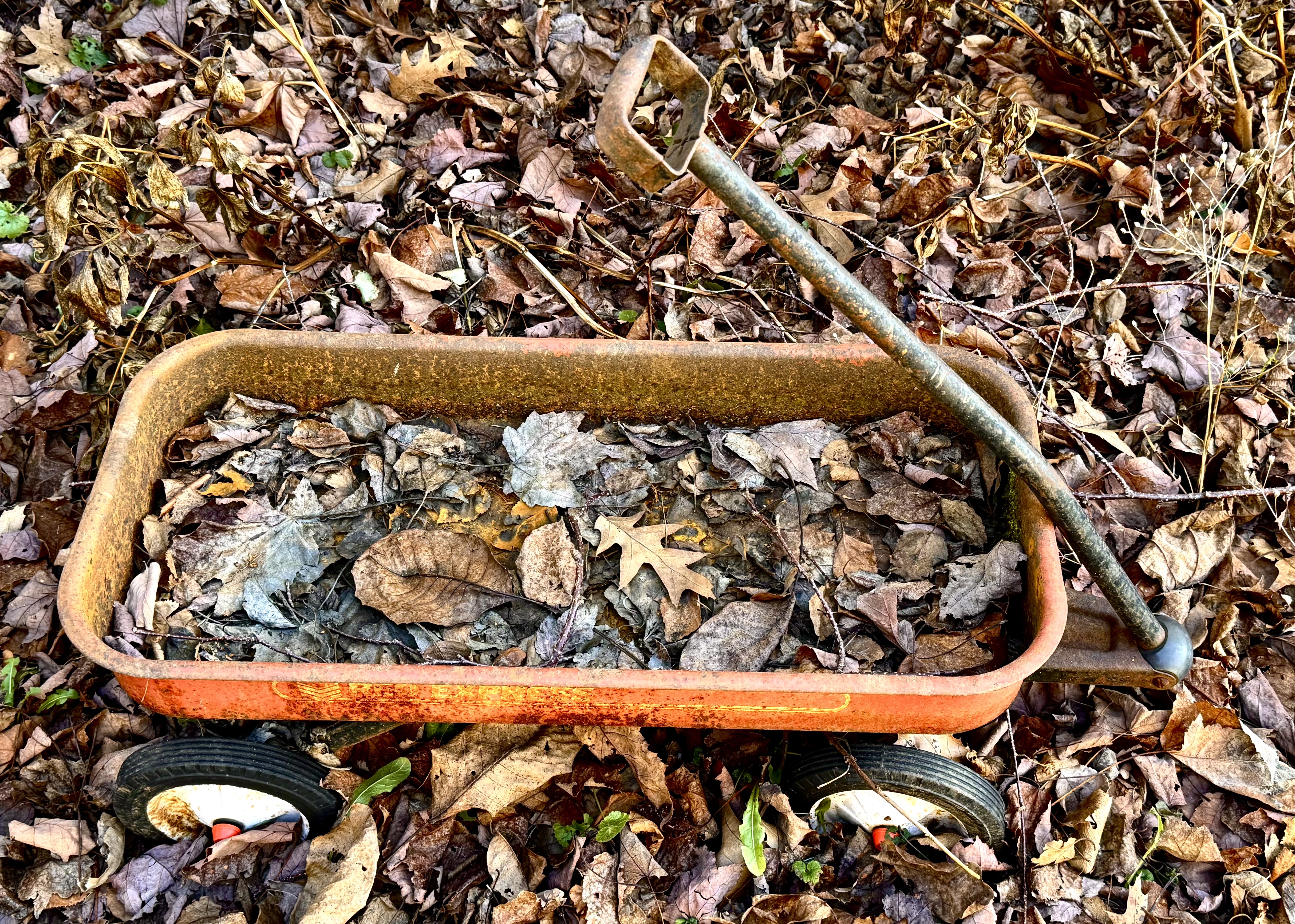
I was walking a kind and familiar path, part of my usual daily walk, not paying much attention when I stepped on what appeared a solid and trustworthy surface.

The danger was hidden from my eyes; I had no idea it would take me down, put me on my knees, render me helpless.

I believed I couldn’t be rendered helpless by something I trusted like the back of my hand … or the interior of my heart vessels.

But treacherous surfaces are almost anywhere we are least expecting. And so are the helpers, ready and able and willing.

When I lost my grip, I felt hands and voices lifting and supporting me, pulling me to safety, encouraging me with hope and refuge.

And so I’m here to share this, richly blessed by those coming along side me – still walking this path I love, despite its hidden and sometimes deadly, dangers.

AI image created for this post
One-Time
Monthly
Yearly

Make a one-time or recurring donation to support daily Barnstorming posts

Make a monthly donation

Make a yearly donation

Choose an amount

$10.00
$25.00
$50.00
$5.00
$15.00
$100.00
$5.00
$15.00
$100.00

Or enter a custom amount

$

Your contribution is deeply appreciated.

Your contribution is appreciated.

Your contribution is appreciated.

DonateDonate monthlyDonate yearly
Do They Dream of Me?

Only in sleep I see their faces,
Children I played with when I was a child,
Louise comes back with her brown hair braided,
Annie with ringlets warm and wild.

Only in sleep Time is forgotten —
What may have come to them, who can know?
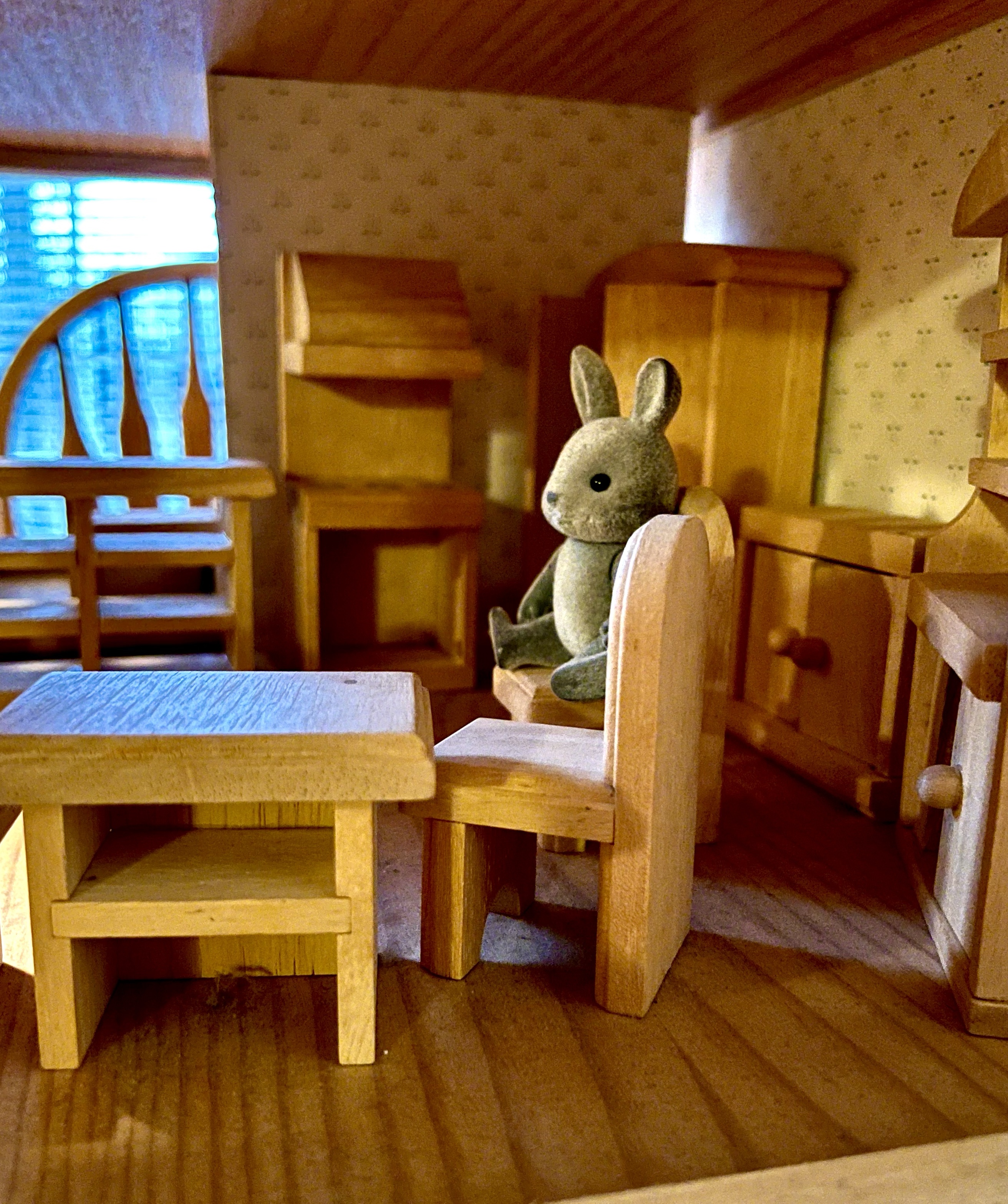
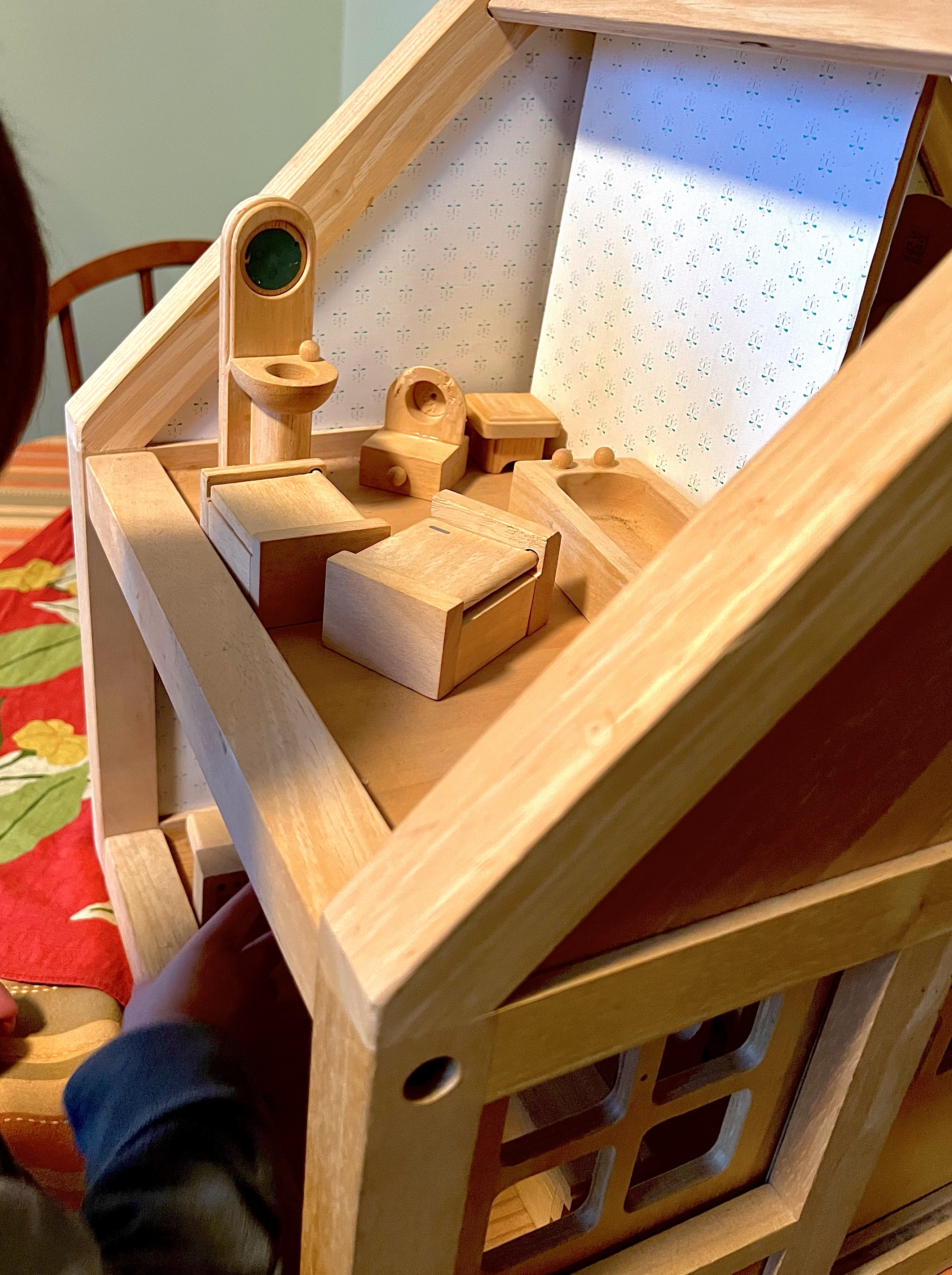
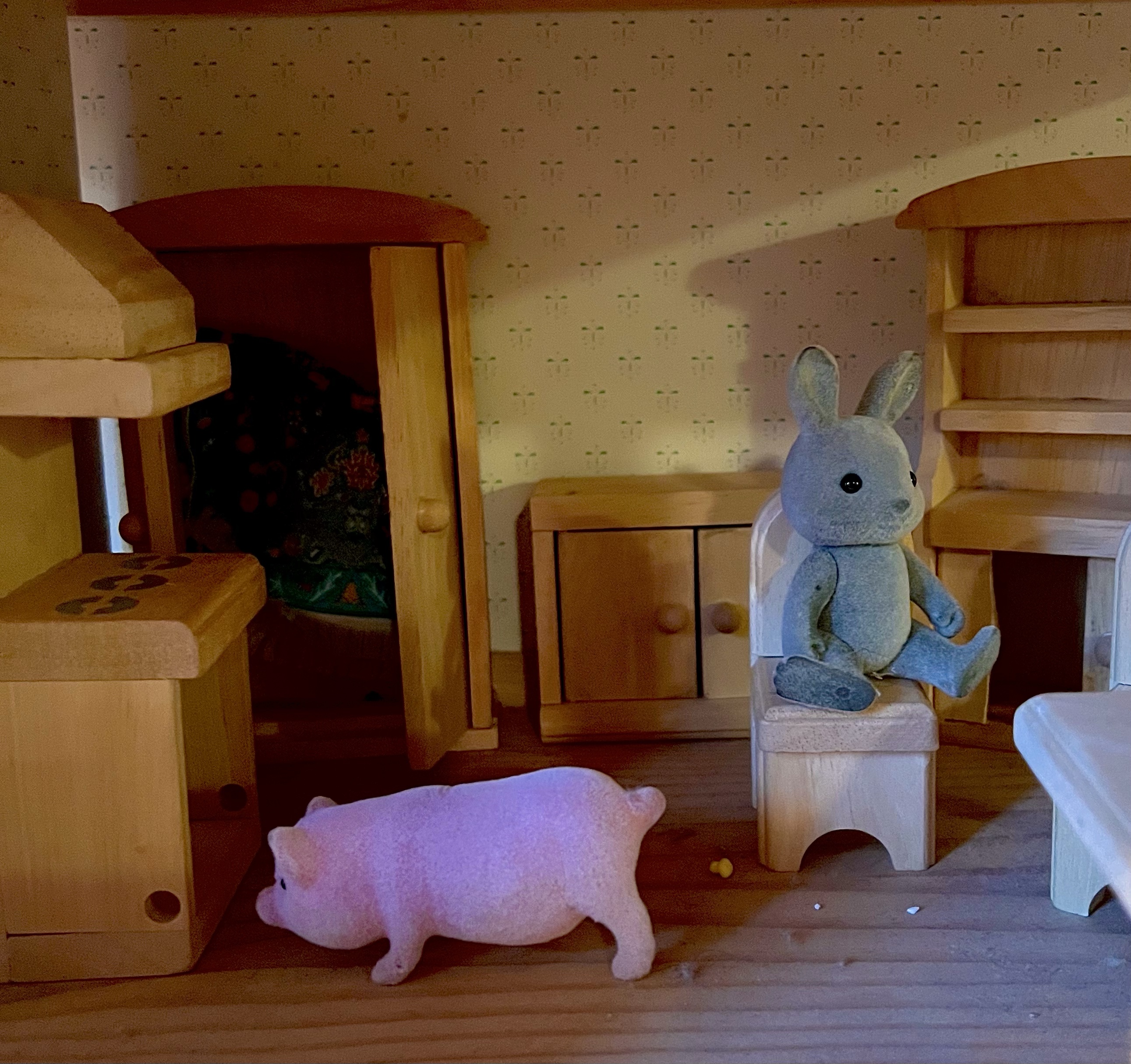
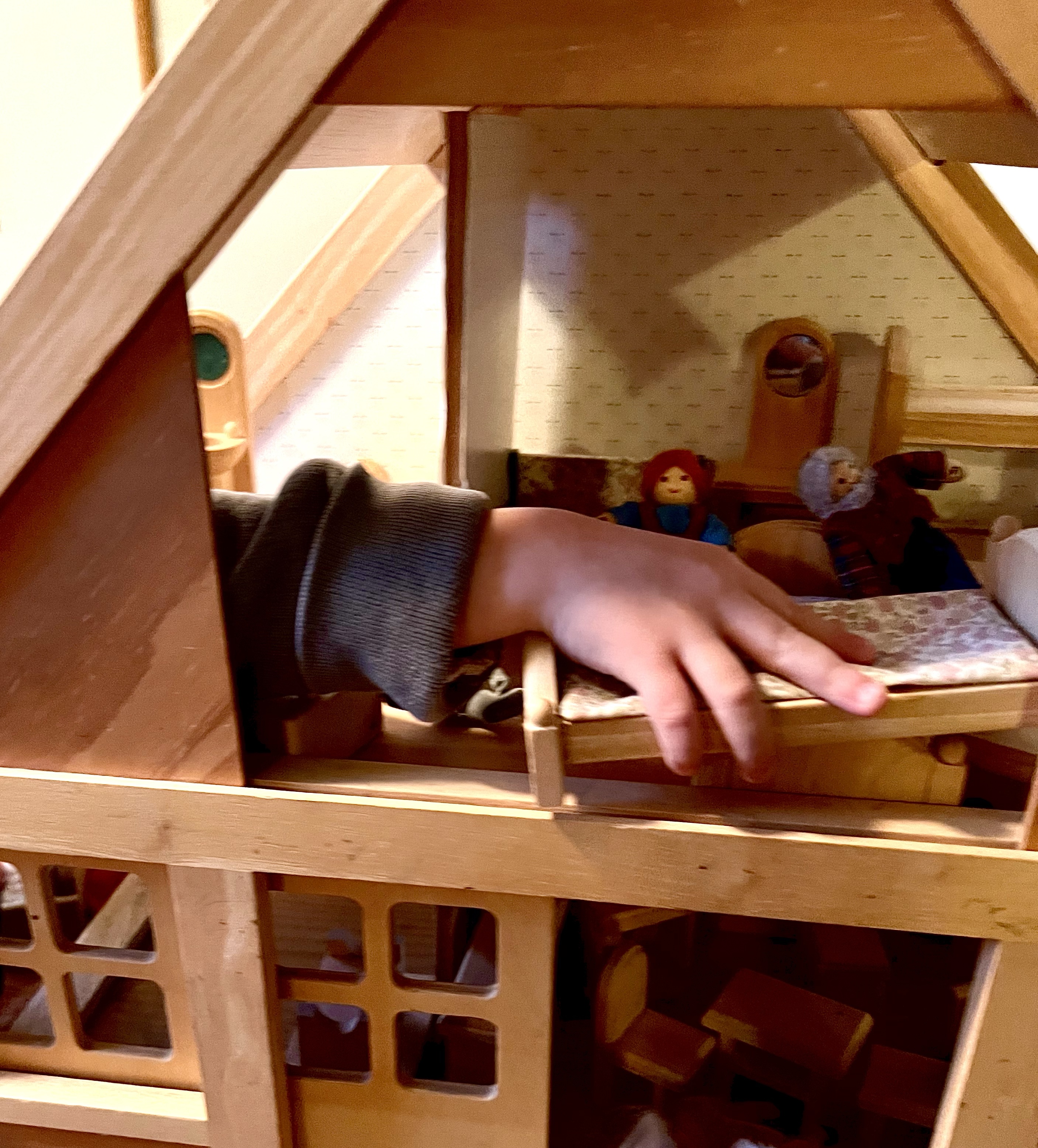
Yet we played last night as long ago,
And the doll-house stood at the turn of the stair.

The years had not sharpened their smooth round faces,
I met their eyes and found them mild —
Do they, too, dream of me, I wonder,
And for them am I too a child?

~Sara Teasdale “Only in Sleep”

When to the garden of untroubled thought
       I came of late, and saw the open door,   
       And wished again to enter, and explore    
The sweet, wild ways with stainless bloom inwrought, 
And bowers of innocence with beauty fraught,
       It seemed some purer voice must speak before   
       I dared to tread that garden loved of yore, 
That Eden lost unknown and found unsought.  

Then just within the gate I saw a child,— 
       A stranger-child, yet to my heart most dear,—
Who held his hands to me, and softly smiled   
       With eyes that knew no shade of sin or fear:    
“Come in,” he said, “and play awhile with me; 
I am the little child you used to be.”

~Henry van Dyke, “A Child in the Garden” from The Poems of Henry van Dyke

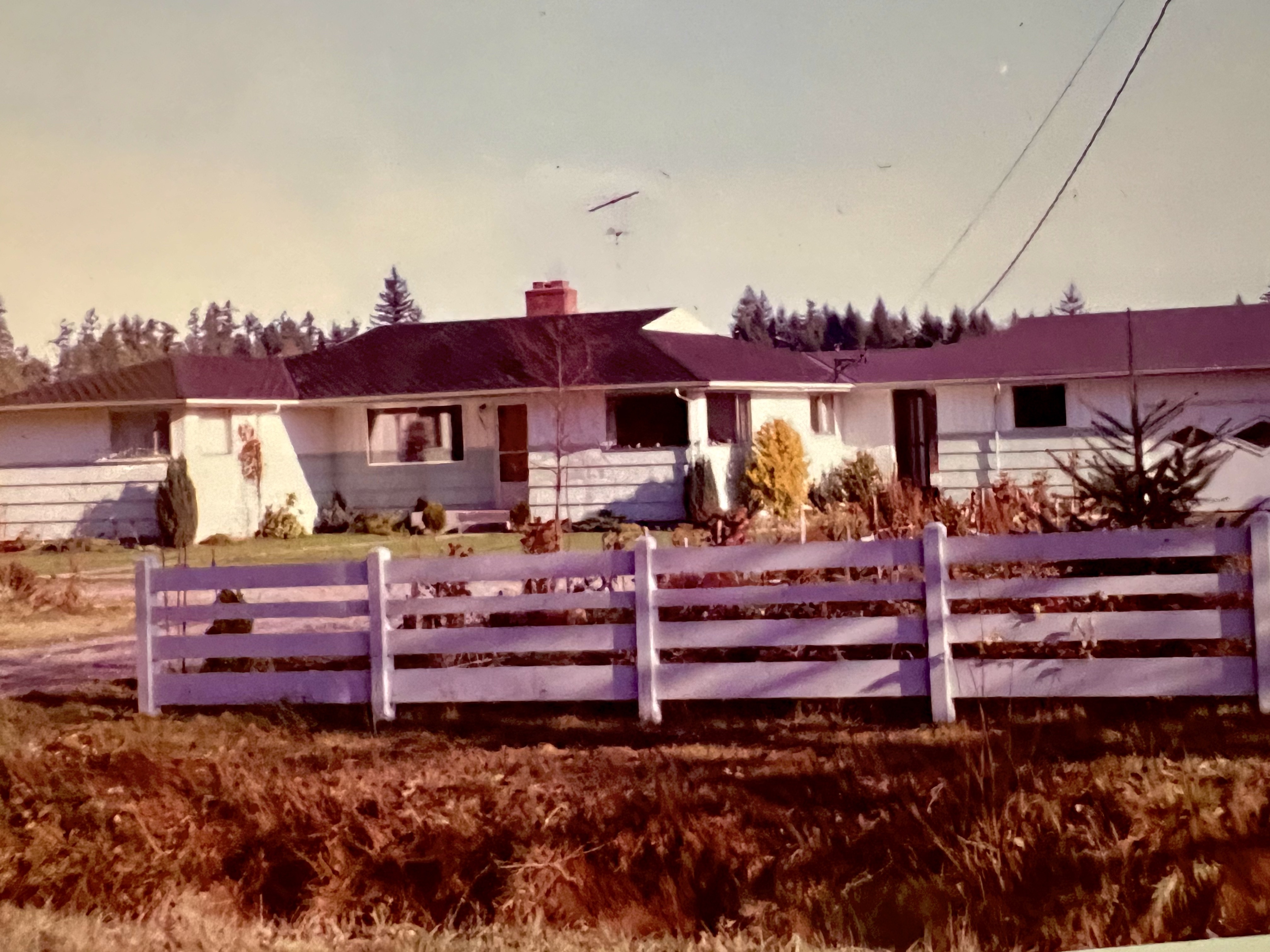
My childhood home is painted a different color
but so familiar as we drive slowly by,
full of memories of laughter and games with friends,
long winter days of sledding
and longer summer evenings
playing hide and seek and kick the can.

Back then, I wrote notes to my future self,
left them in hiding places,
a diary of sorts to preserve those days.
I still remember what I wrote.

My child’s heart tried to imagine itself decades hence,
what fears and joys would I pass through,
what wounds would I bear and bleed,
what love and tears would trace my face?

I have not forgotten.
No, I have never forgotten
the child I was ~
she is me,
as I was, and, deep down, still am.

AI image created for this post
One-Time
Monthly
Yearly

Make a one-time or recurring donation to support daily Barnstorming posts

Make a monthly donation

Make a yearly donation
Choose an amount

$10.00
$25.00
$50.00
$5.00
$15.00
$100.00
$5.00
$15.00
$100.00

Or enter a custom amount

$

Your contribution is deeply appreciated.
Your contribution is appreciated.

Your contribution is appreciated.

DonateDonate monthlyDonate yearly