A Change of Heart

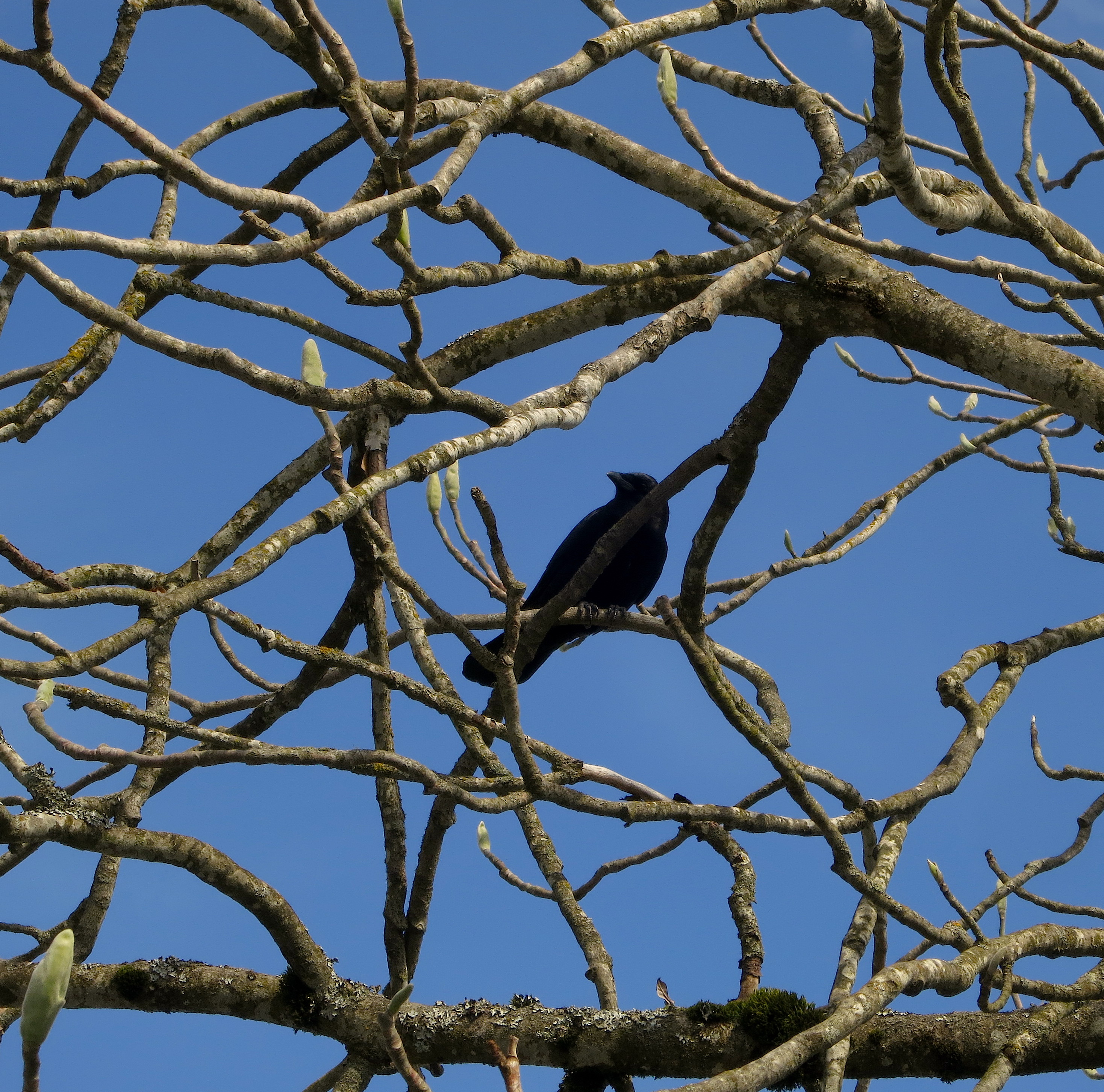
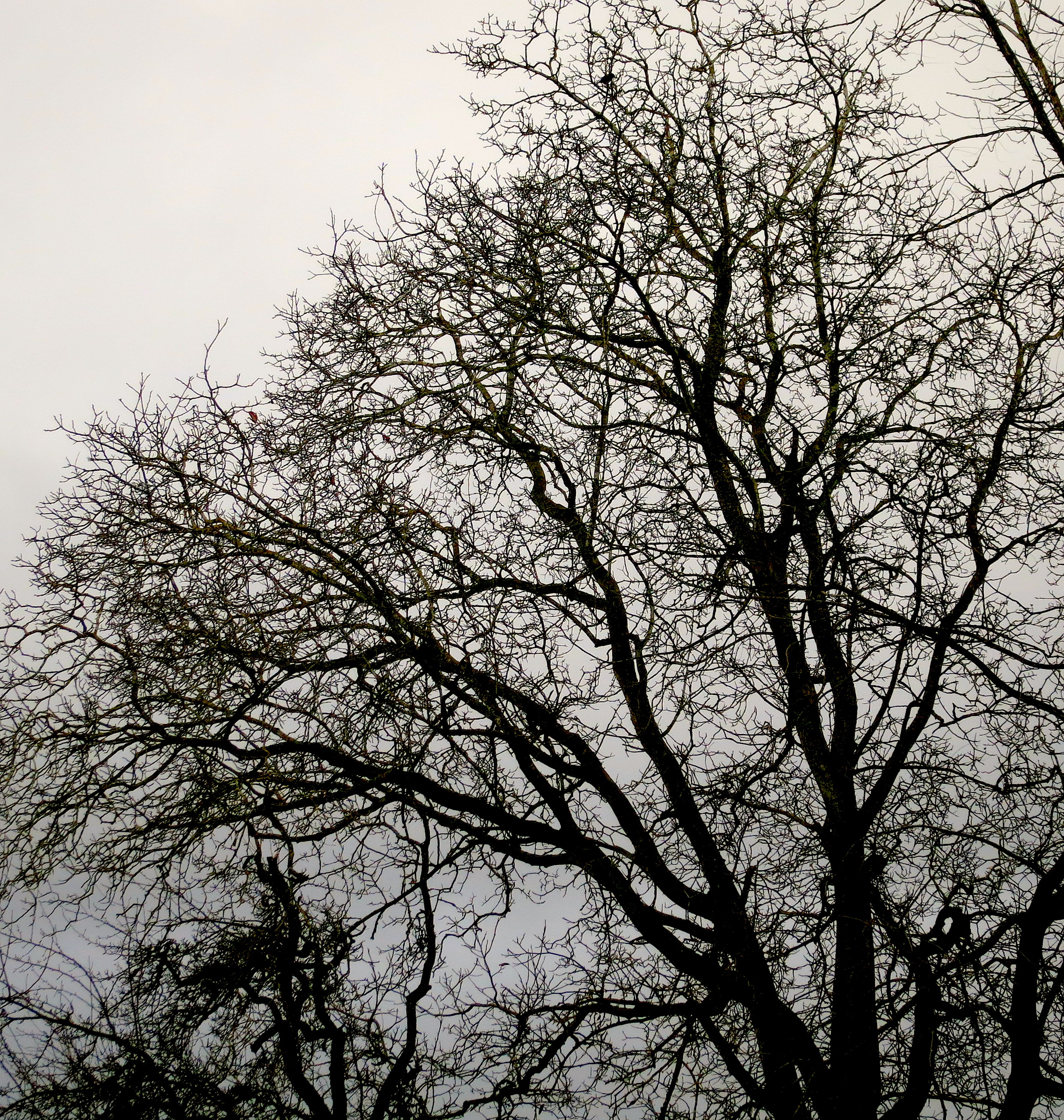
The way a crow
Shook down on me
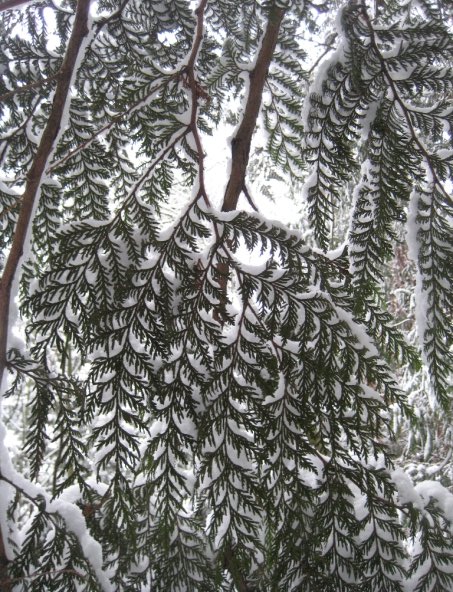
The dust of snow
From a hemlock tree

Has given my heart
A change of mood
And saved some part
Of a day I had rued.
~Robert Frost “Dust of Snow”

All those with whom I speak these days
wish things could be different~
nothing feels right, rights feel like nothing,
everyone sadly angry and angrily sad.

Friends no longer speaking to friends,
families divided,
opinions expressed and dismissed.

This virus is doing more damage
than it was ever designed to do.
It simply wants to replicate itself,
yet along with its RNA,
we have allowed it to sow
discord, distrust, discouragement
into our cells as well.

There is no vaccine
for the stubbornness of heart
ailing us now;
we resist protective measures,
act as if all is normal
when a quarter million are dead
and more are dying.

This infection of the spirit
will far outlast the virus
by spreading through the generations,
eroding relationships, splitting human bonds,
and withering our love for one another.


Unseen Nest

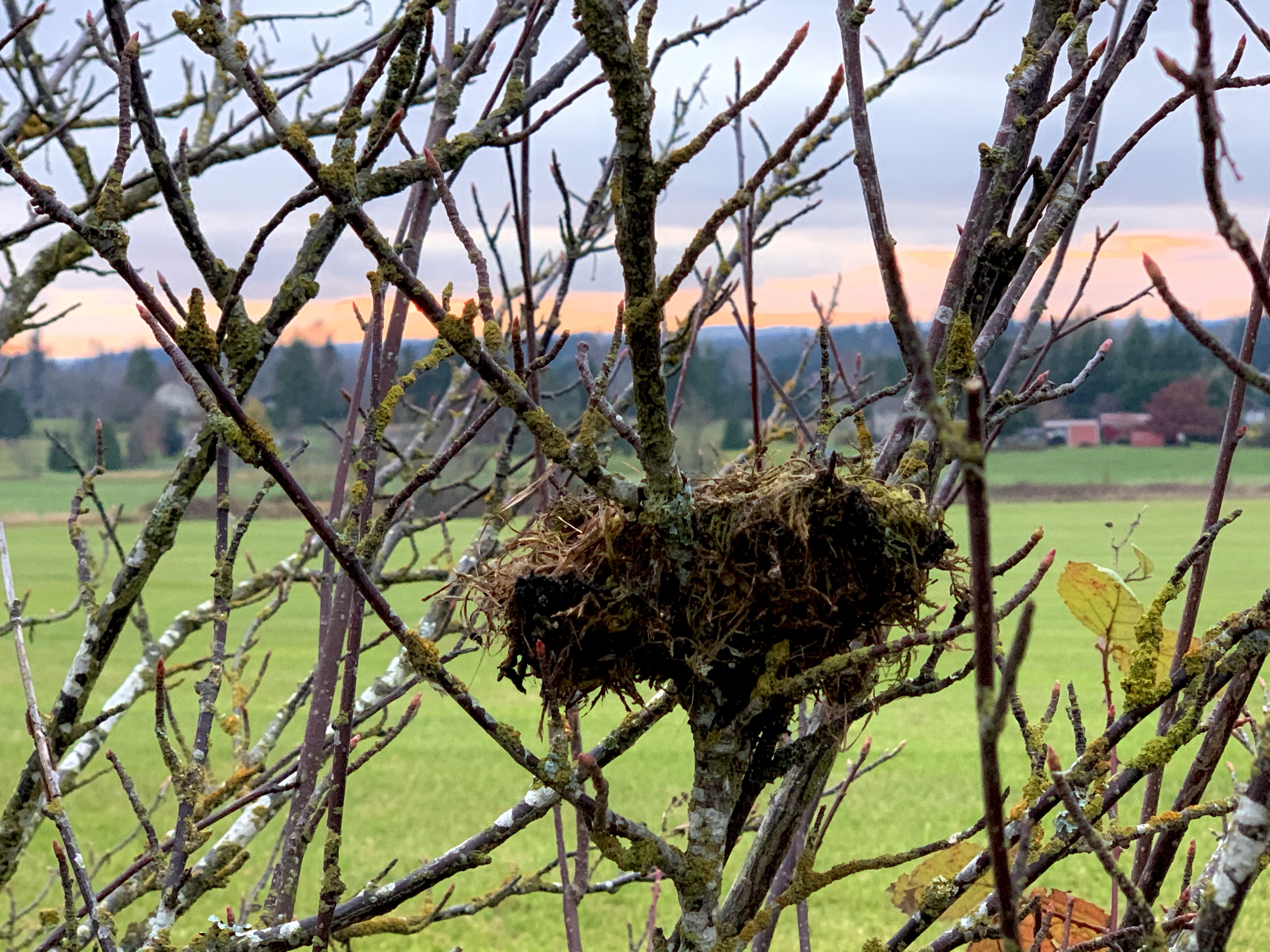
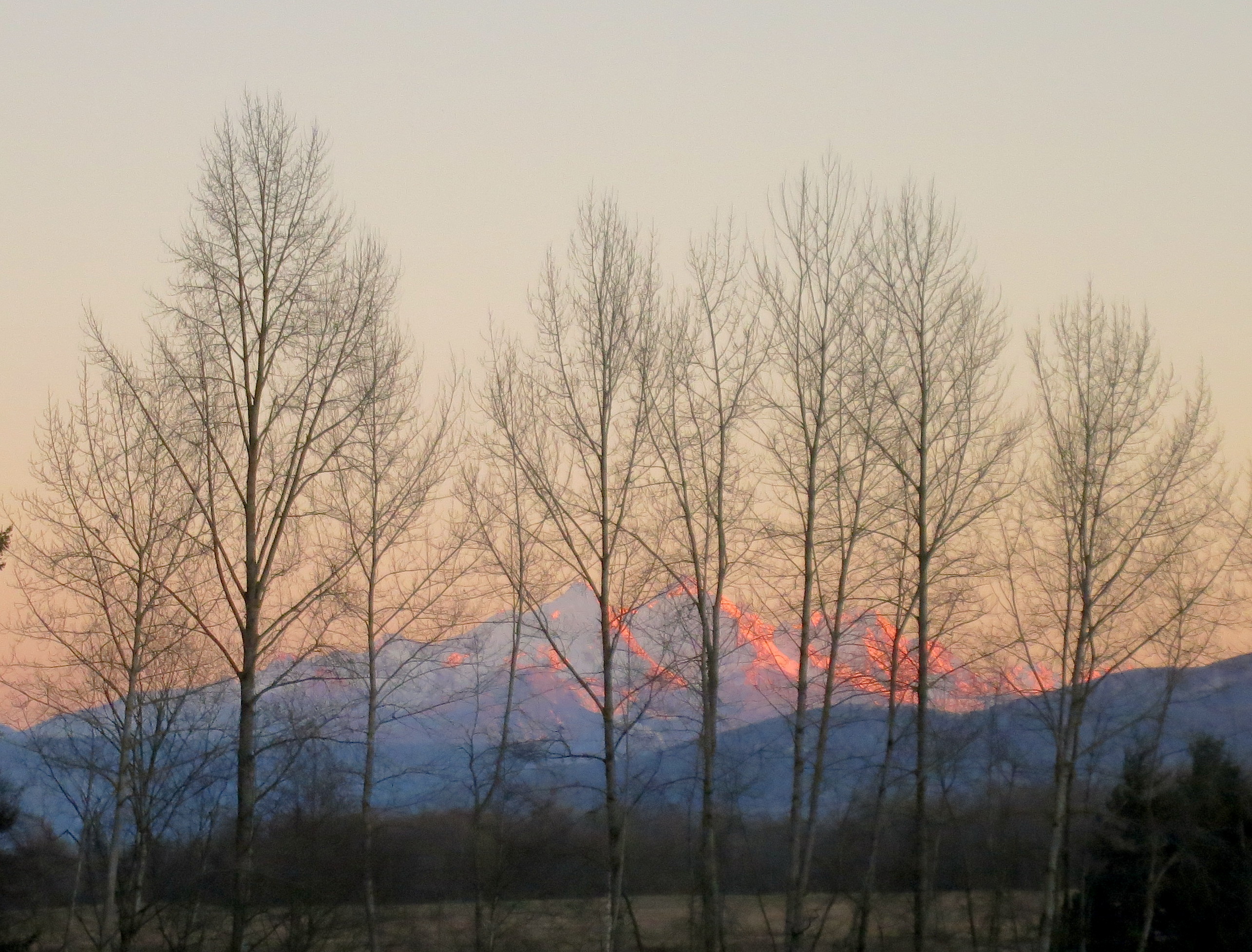
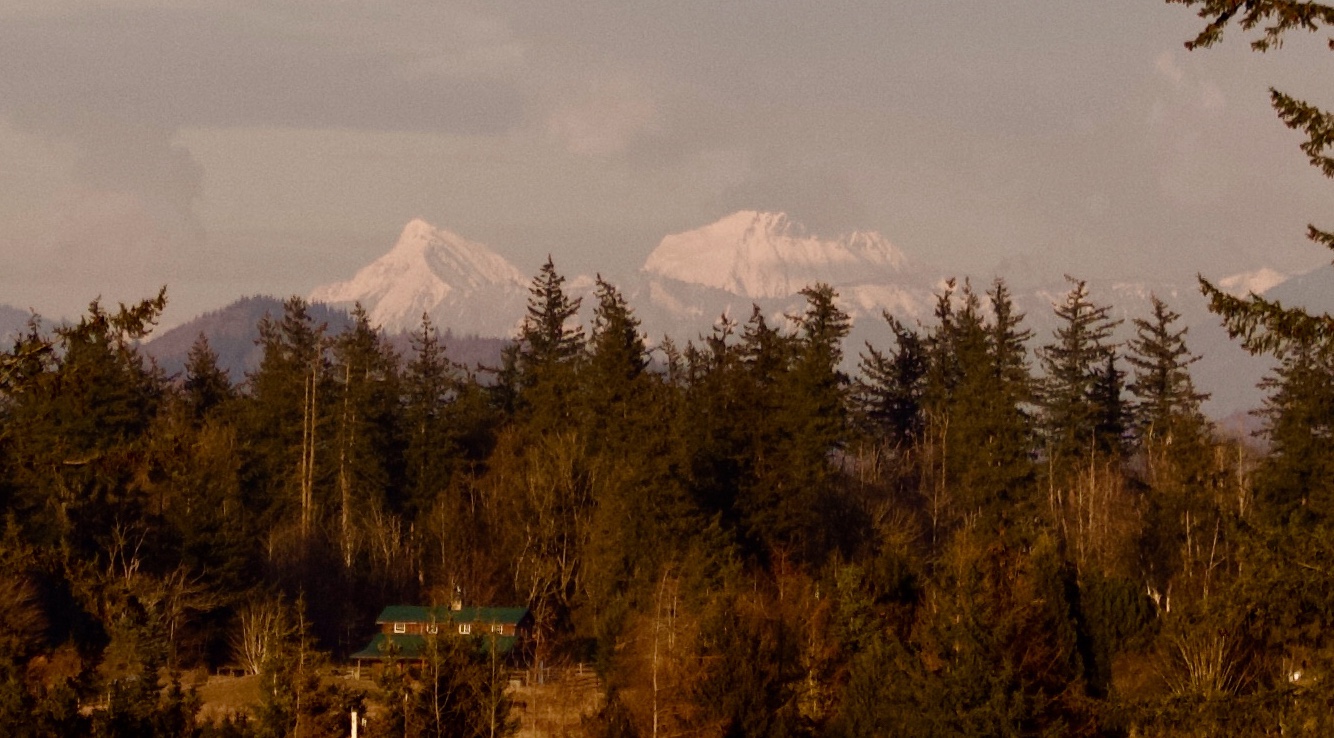
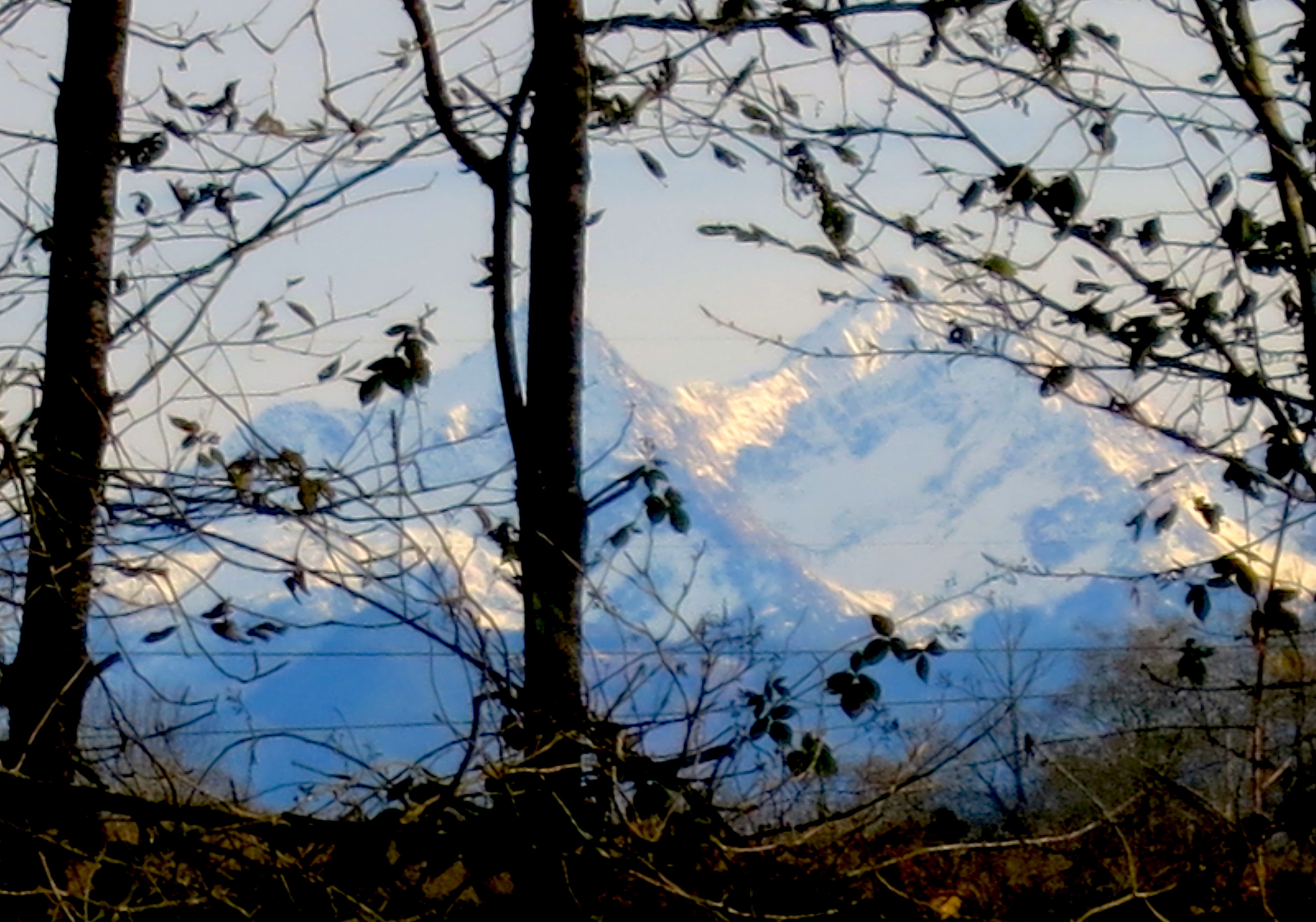
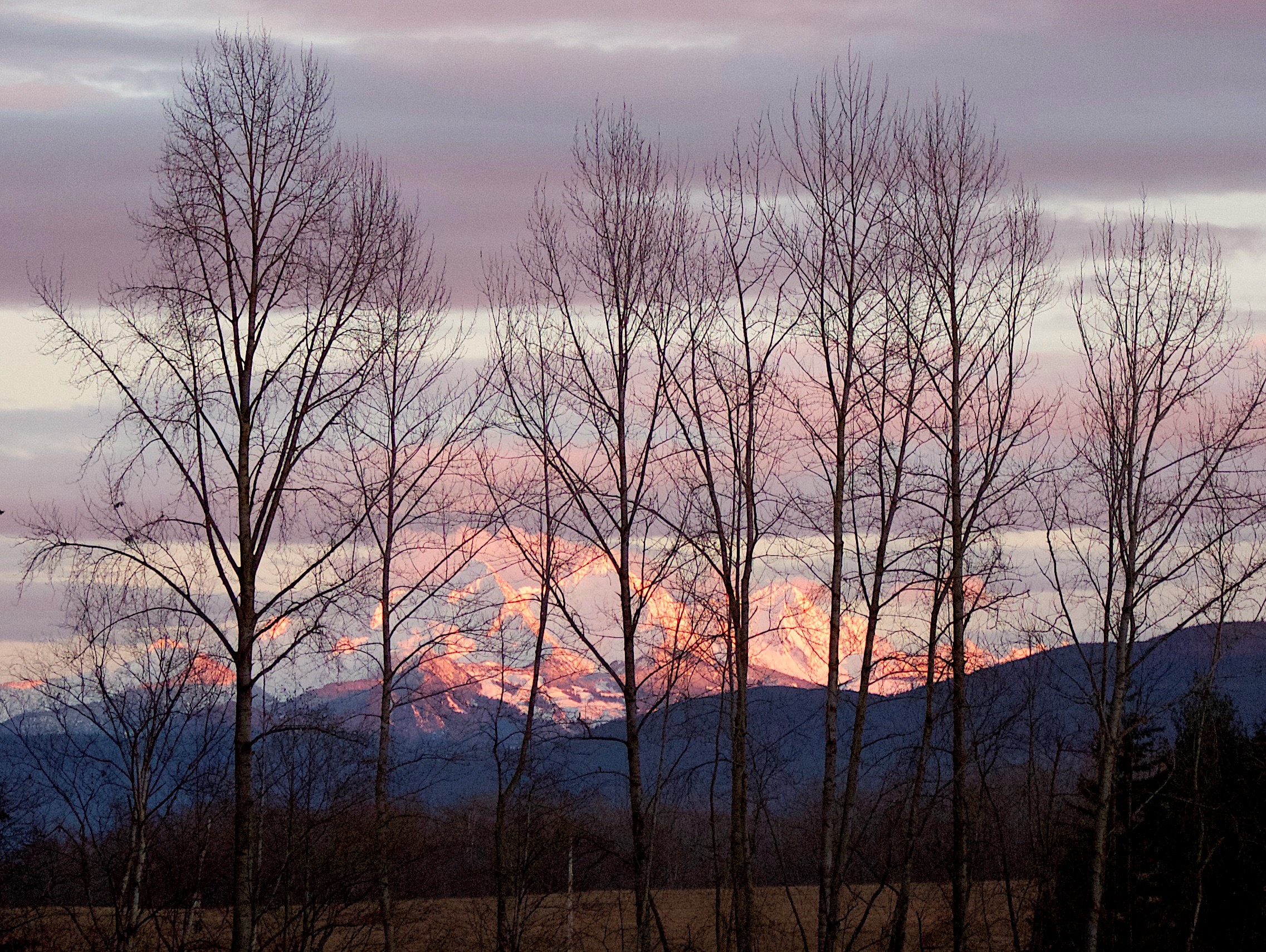
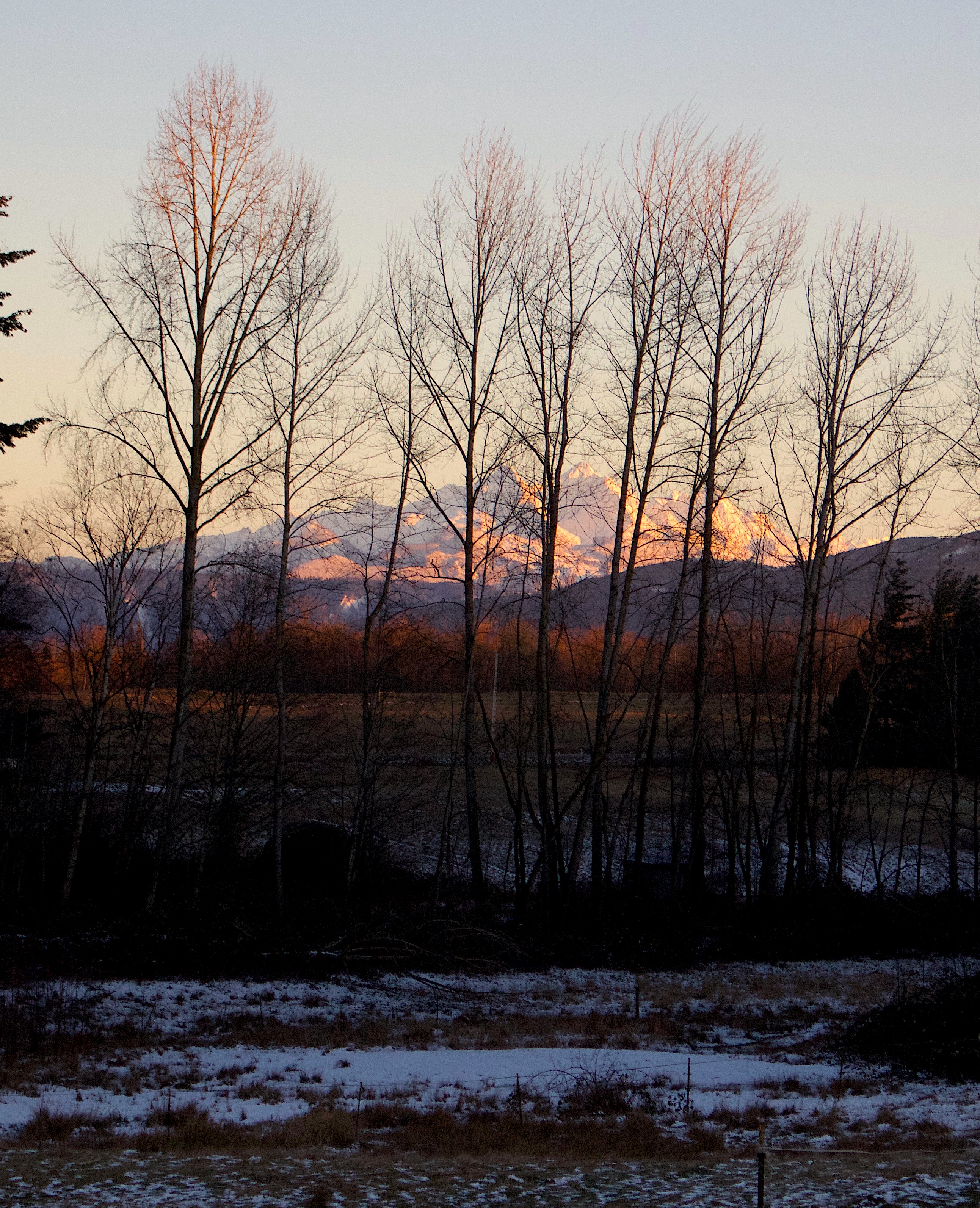
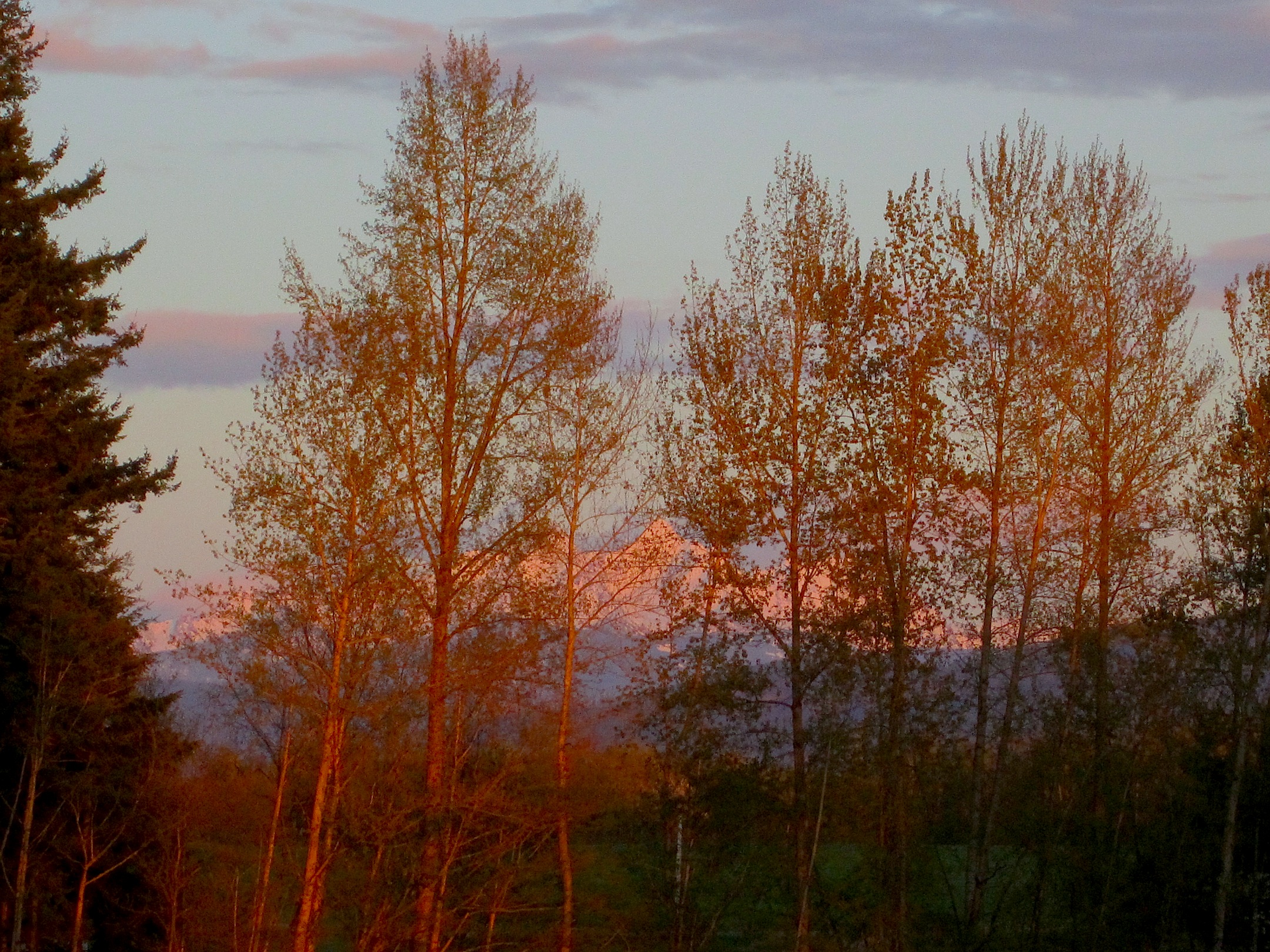
I go to the mountain side
of the house to cut saplings,
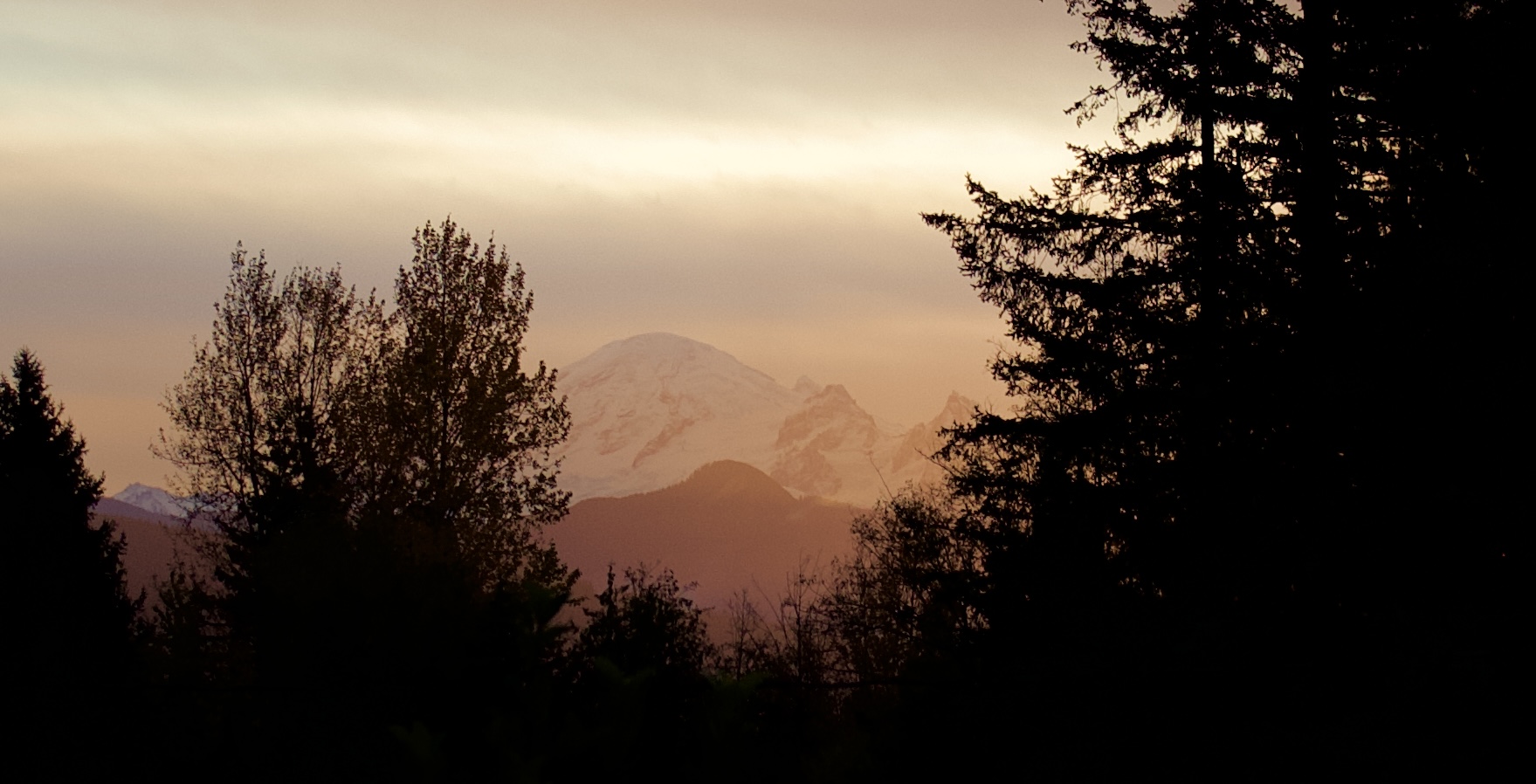
and clear a view to snow
on the mountain. But when I look up,
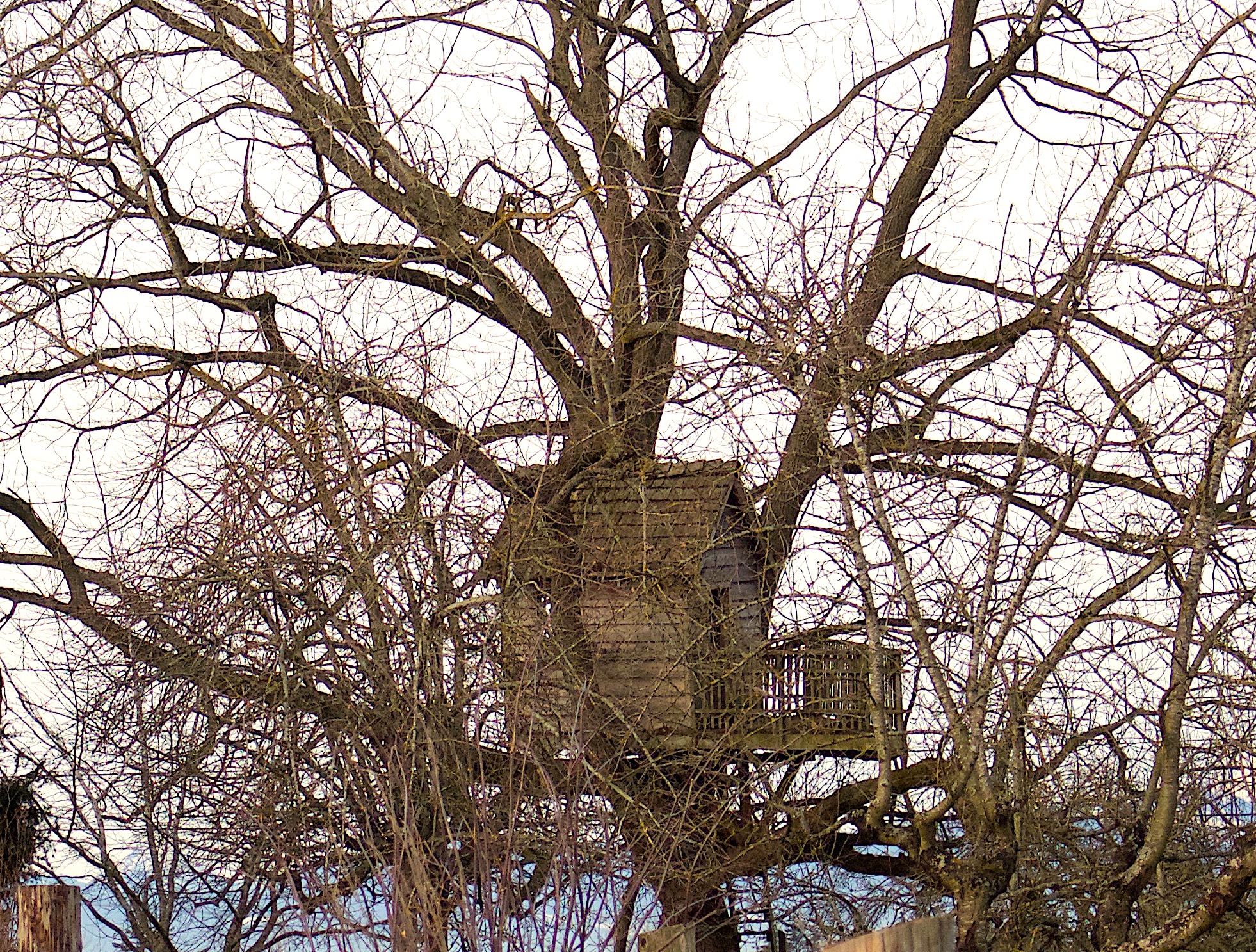
saw in hand, I see a nest clutched in
the uppermost branches.
I don’t cut that one.
I don’t cut the others either.
Suddenly, in every tree,
an unseen nest
where a mountain
would be.
~Tess Gallagher “Choices” from Midnight Lantern: New and Selected Poems.

Am I capable of such tenderness,
such recognition of the well-being of others,
by saving the nest
and all future potential nests
rather than exercise my freedom
to have an unimpeded world view
when and where I want it?

I must not forget:
my right to choose
can only mean
choosing to do right
by those who have no choice.

A Garland of Melancholy

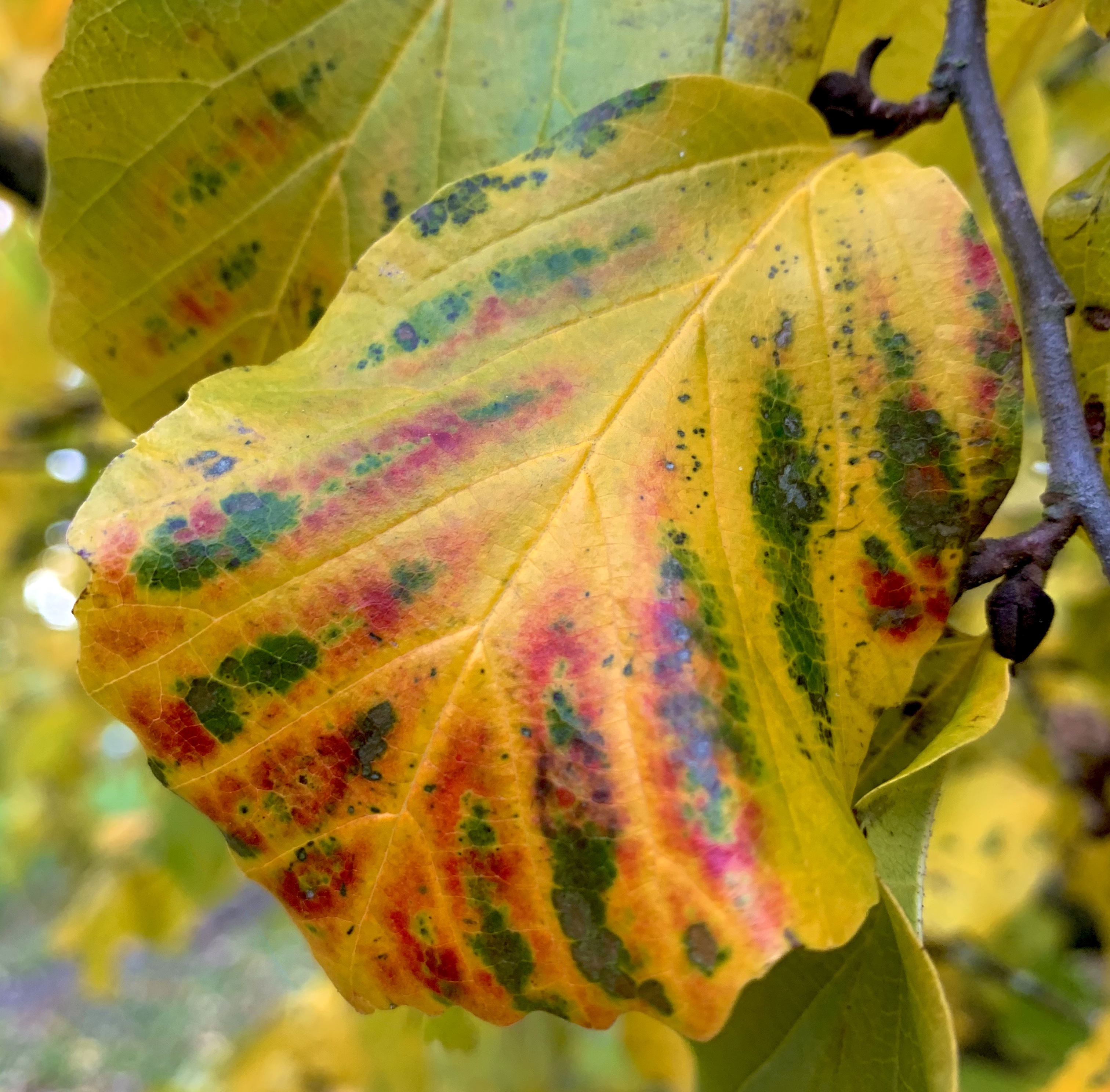
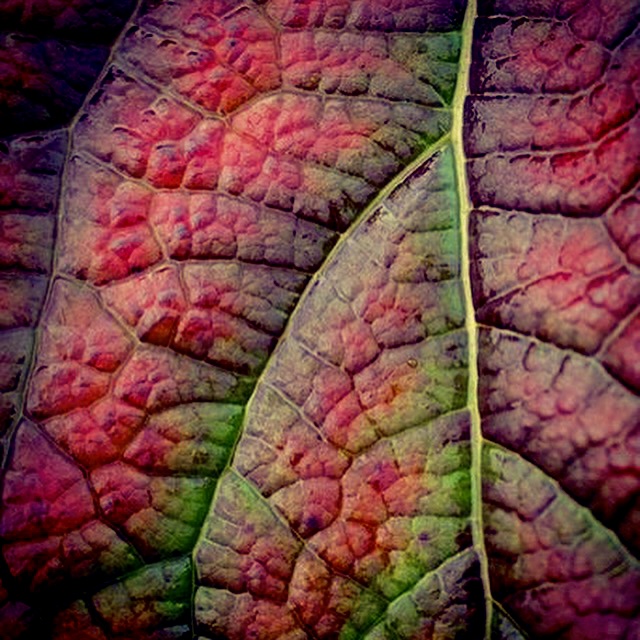
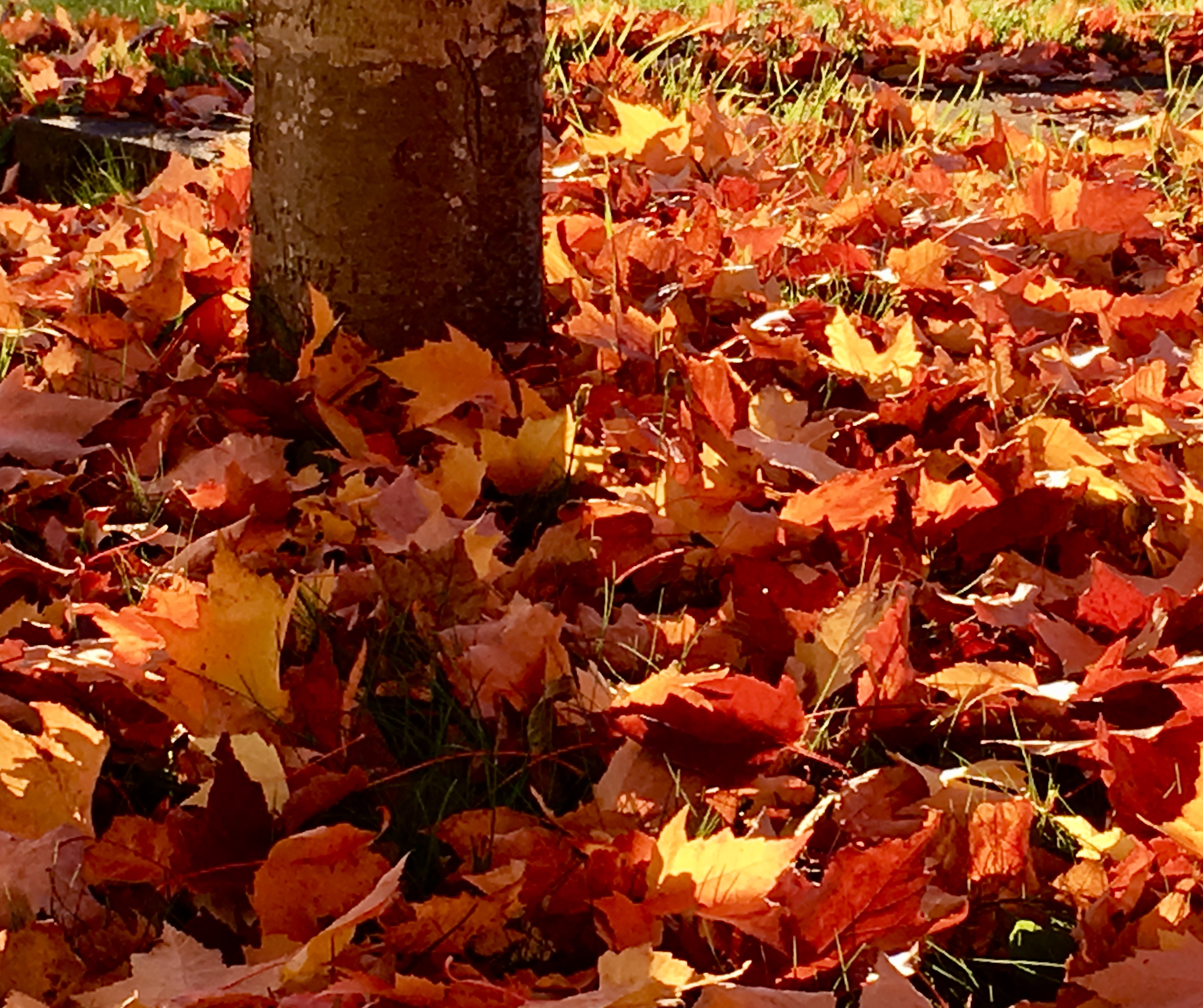
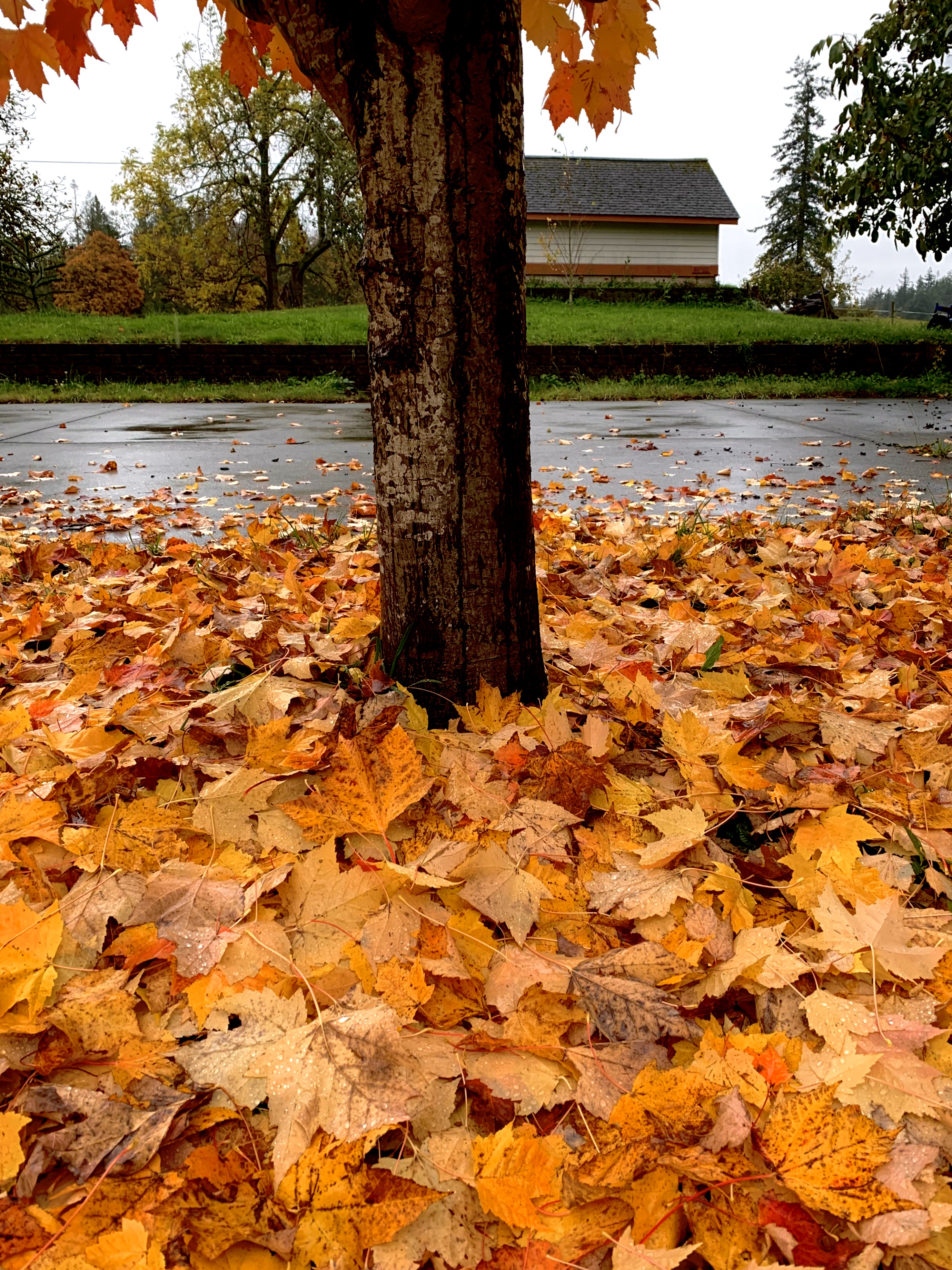
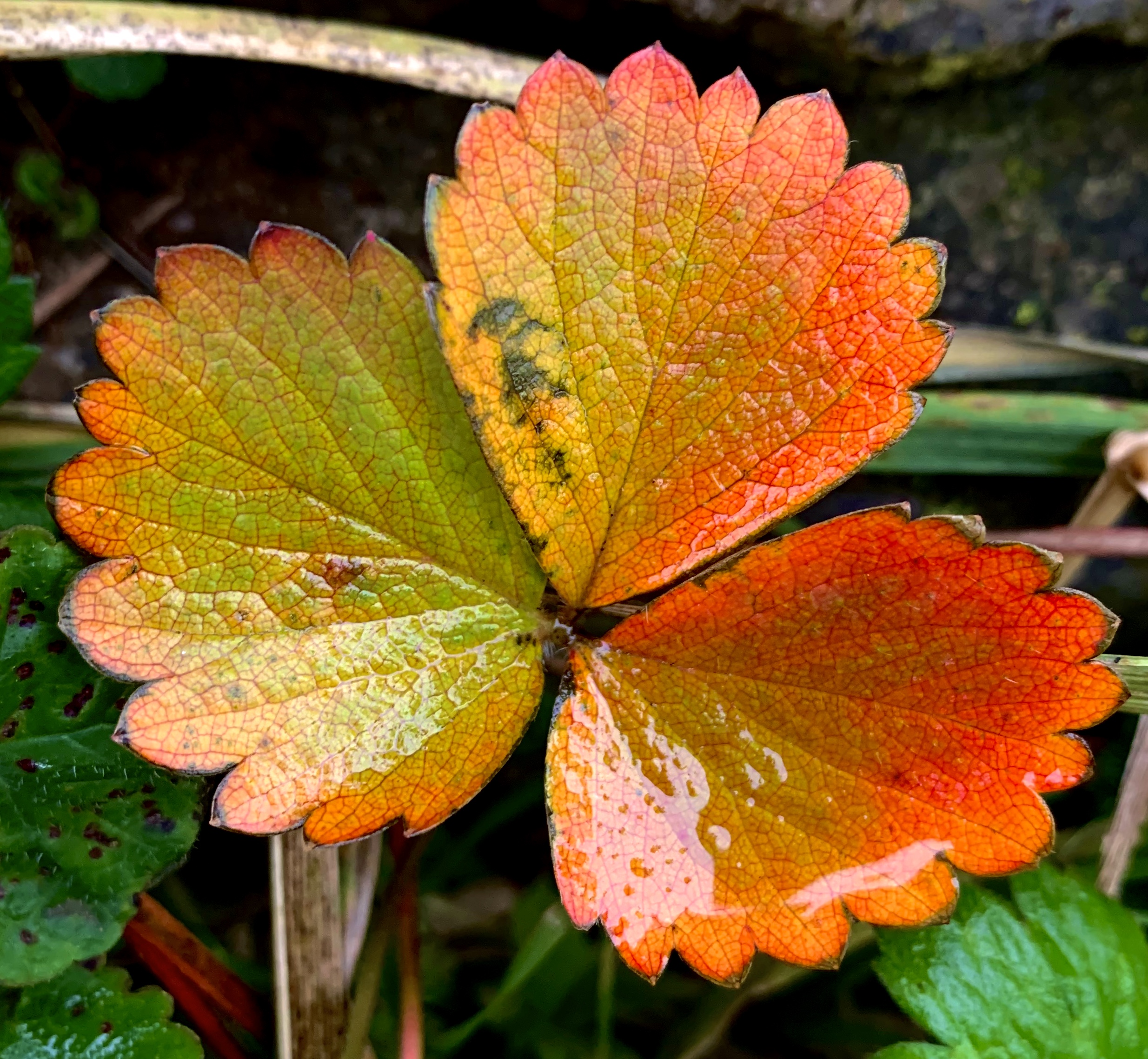
The melon shades of leaves
will soon rust and fall gently
to layers of rest and forgetting,
like sunken poems, unusual love,
and grave silence after the crows.


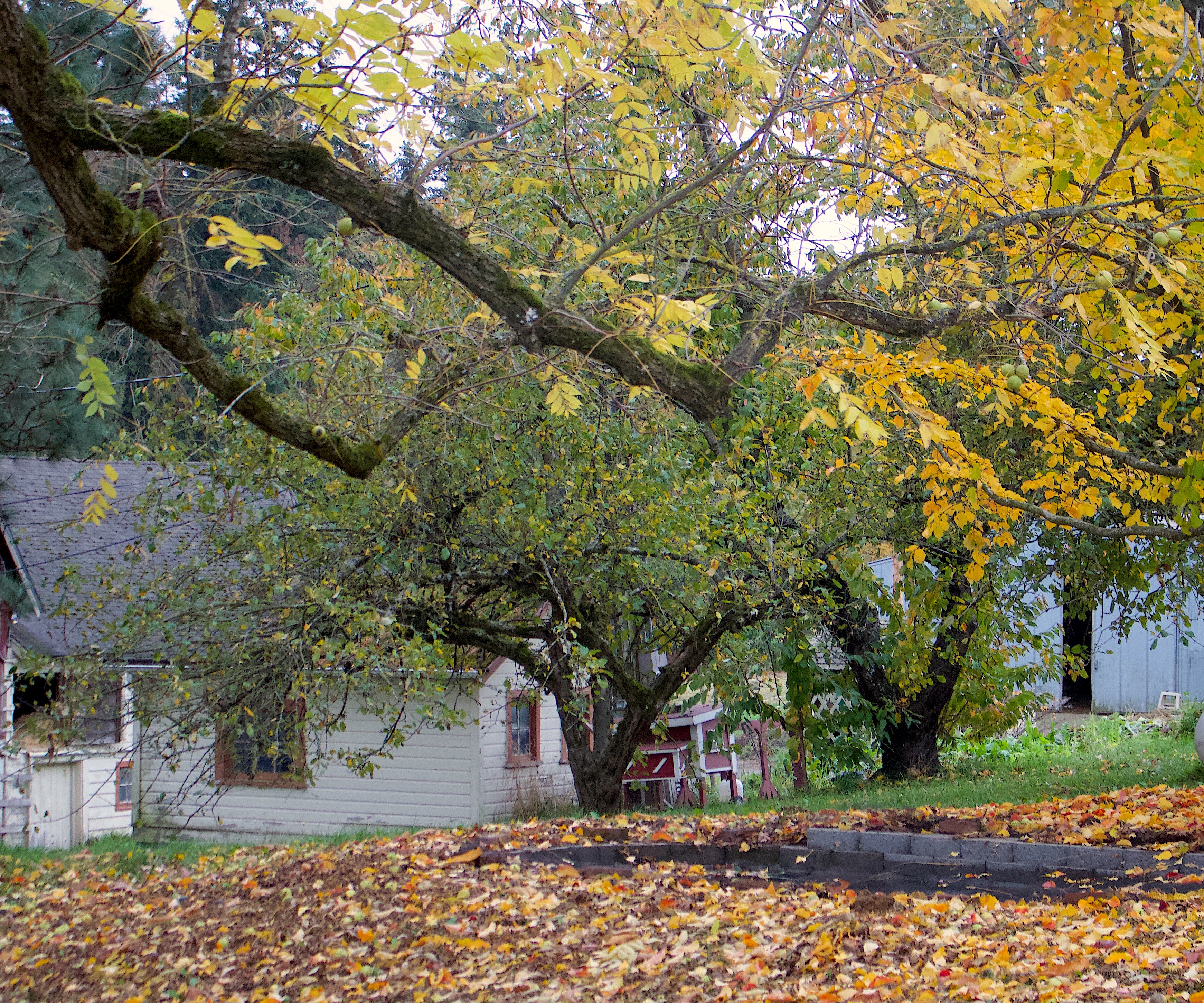
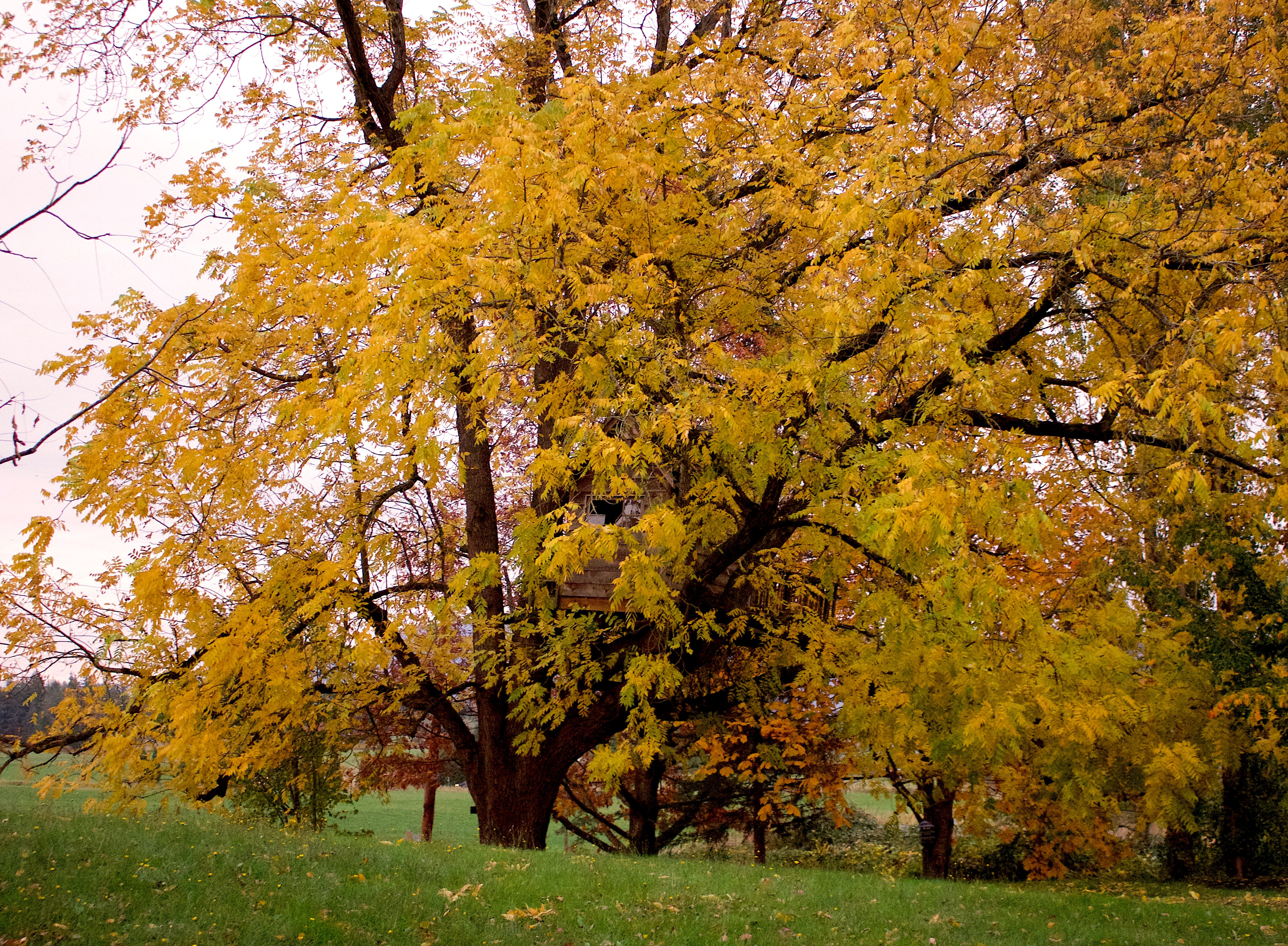
The black walnut tree trembles down
its mysterious spheres to sleep darkly,
to pulse with memory of heartwood.


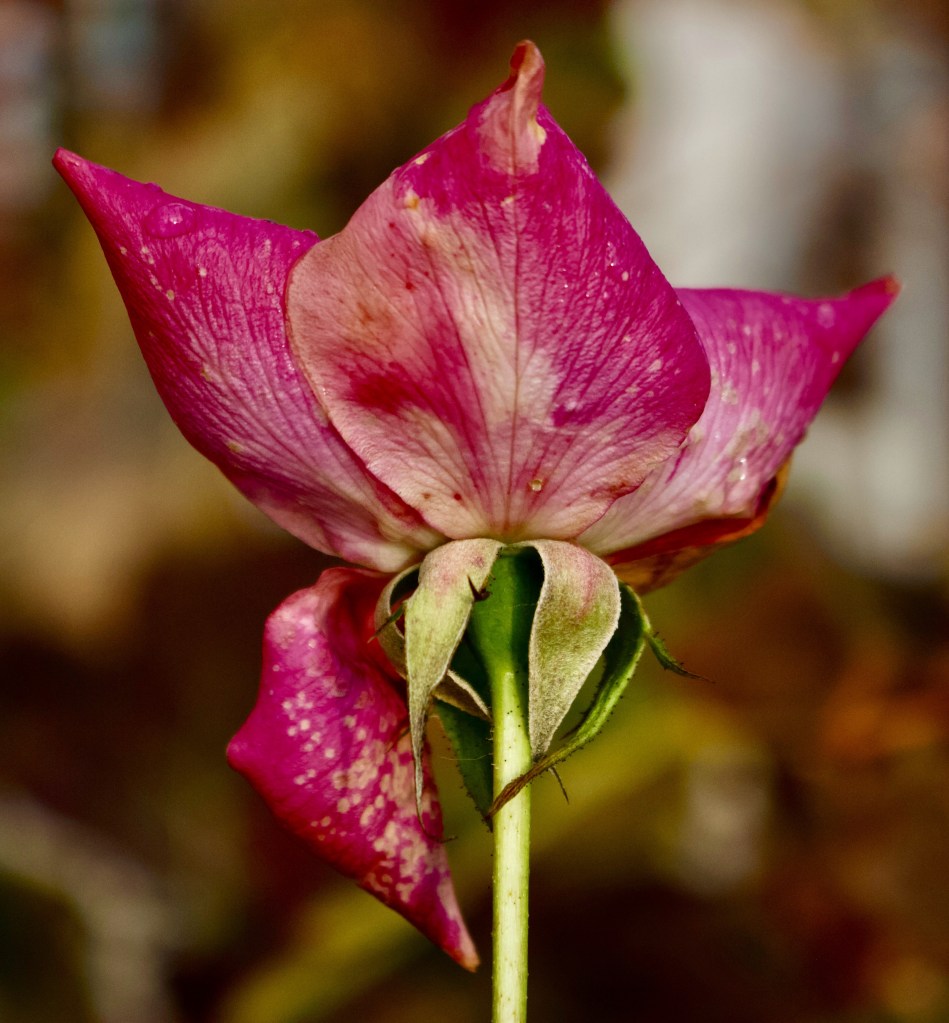
Old roses are paling with grace
in this air of ruining tomorrows.
Autumn again, and all the years
twisting a garland of melancholy.

~Tim Buck, “Autumn” from VerseWrights Journal

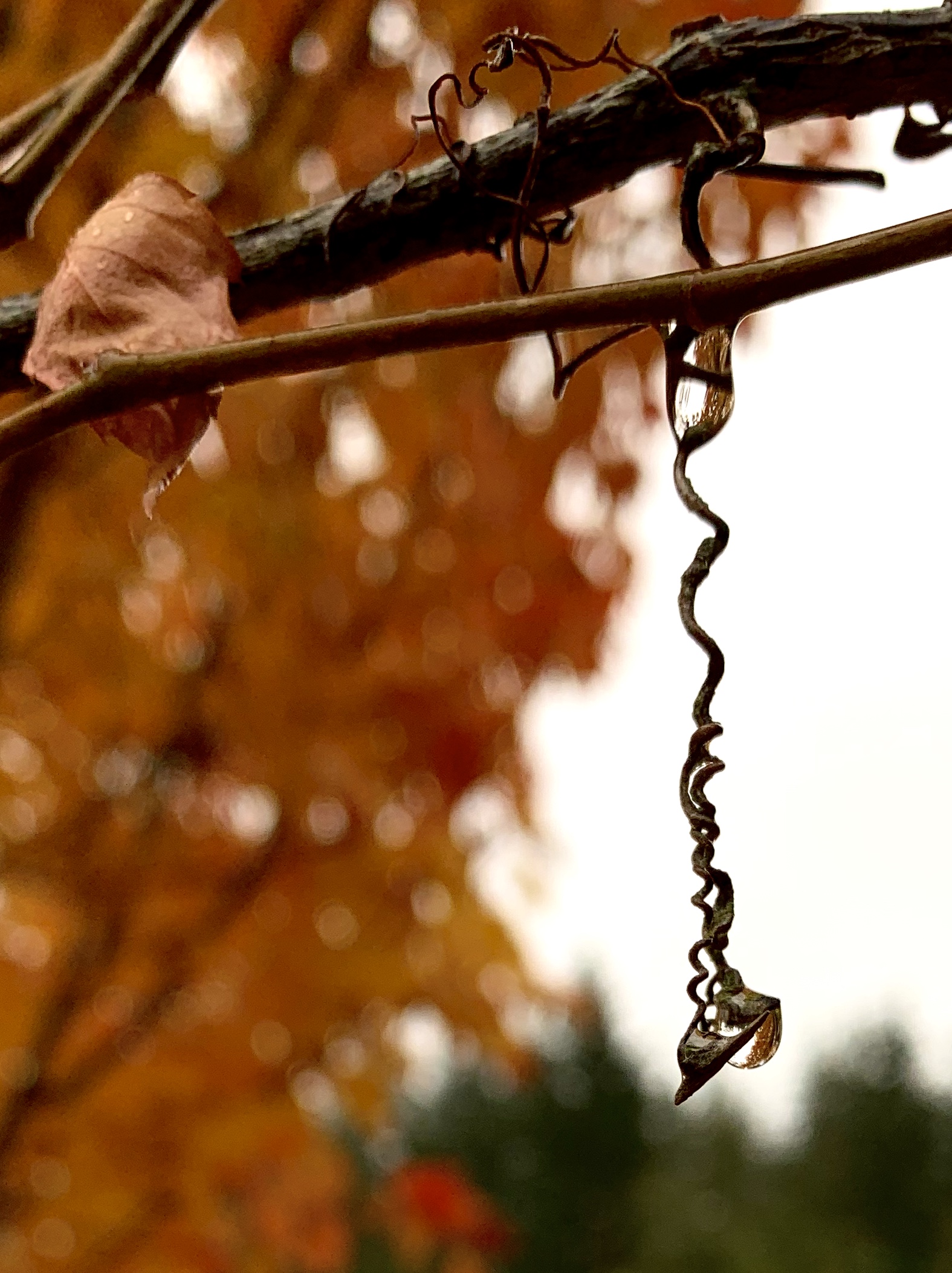
The beauty around me is dying. It becomes harder to find vibrance and life in my surroundings in the volatility of deep autumn: a high wind warning is on the horizon in a few hours and we face a long winter as the uncontrolled pandemic continues unabated.

Those facts alone are enough to make me wander about the farm feeling melancholic. Even more than the loss of mere leaves and the fading of blooms is the reality of so many afflicted and infected people whose season for dying will come too soon.

Woe to us who are more concerned about our inconvenience and discomfort today than the months of ruined tomorrows for millions.

Lest it be forgotten in our bitterness – the promise of healing and renewal is also on the horizon.

May I listen for the pulse deep within the heartwood of each person with whom I have differences; my love for them must not fade nor wither but grow more graceful, more forgiving, more vibrant and beautiful by the day.

Some Missing One

All winter
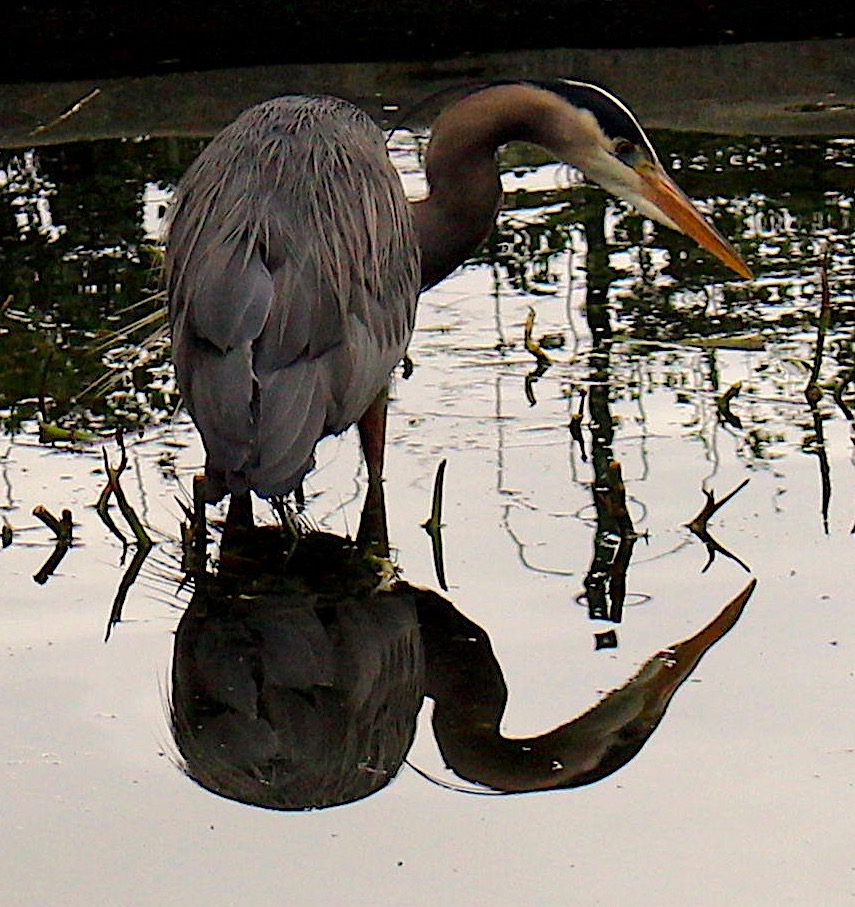
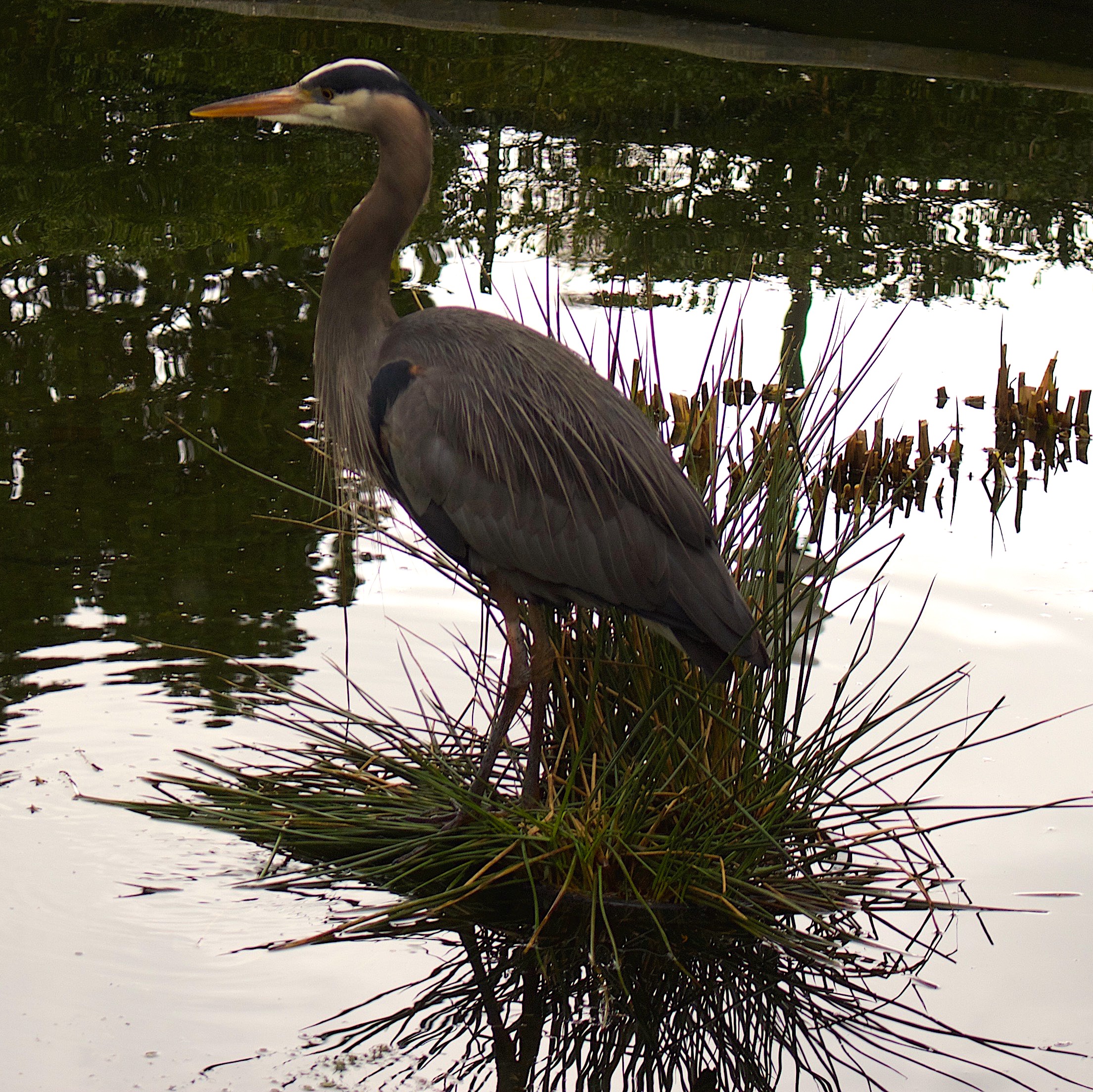
the blue heron
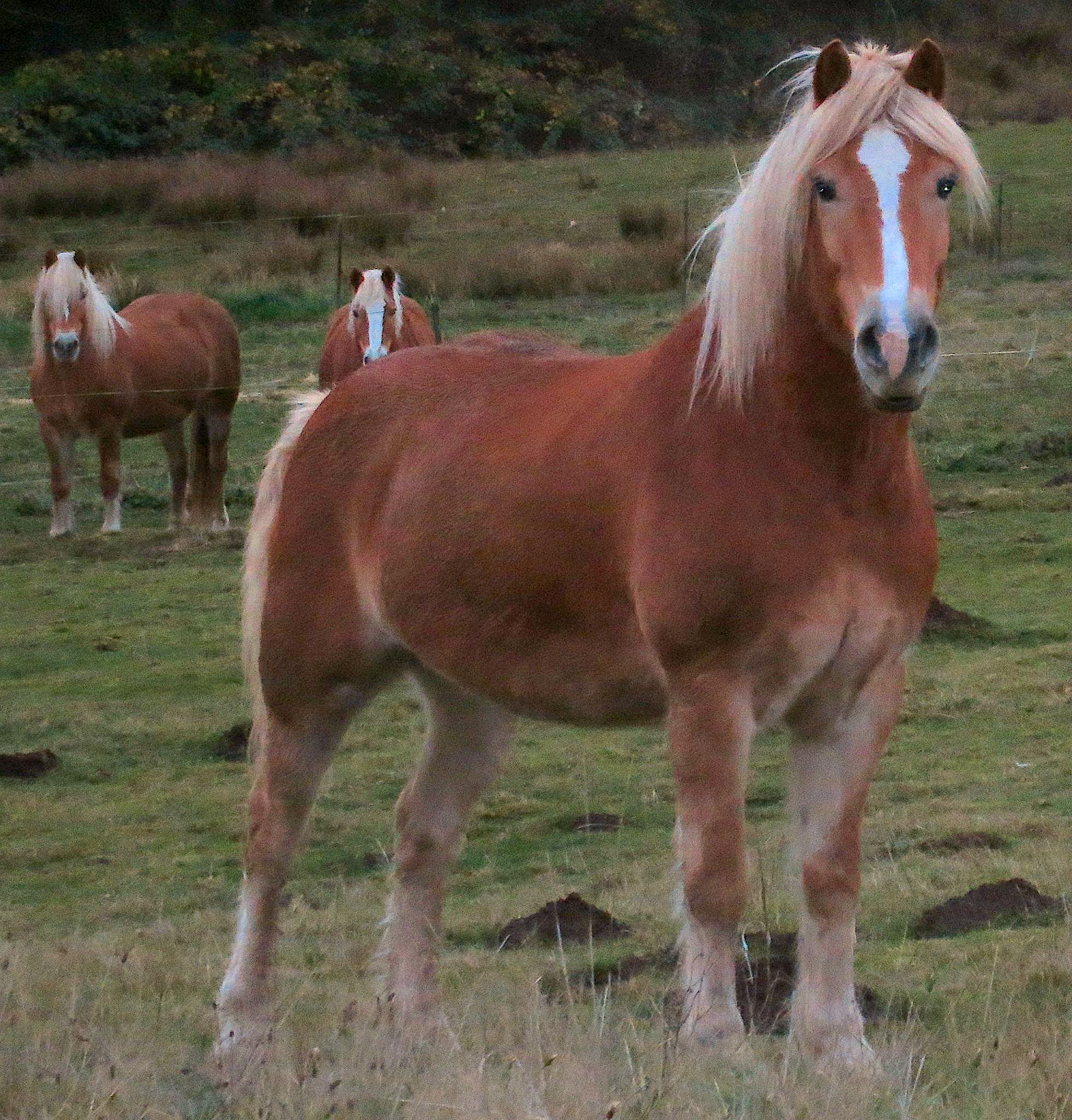
slept among the horses.
I do not know
the custom of herons,
do not know
if the solitary habit
is their way,
or if he listened for
some missing one—
not knowing even
that was what he did—
in the blowing
sounds in the dark,
I know that
hope is the hardest
love we carry.
He slept
with his long neck
folded, like a letter
put away.
~Jane Hirshfield “Hope and Love” from The Lives of the Heart

I know what it is like to feel out of step with those around me, an alien in my own land. At times I wonder if I belong at all as I watch the choices others make. I grew up this way, missing a connection that I could not find, never quite fitting in, a solitary kid becoming a solitary adult. The aloneness bothered me, but not in a “I’ve-got-to-become-like-them” kind of way.
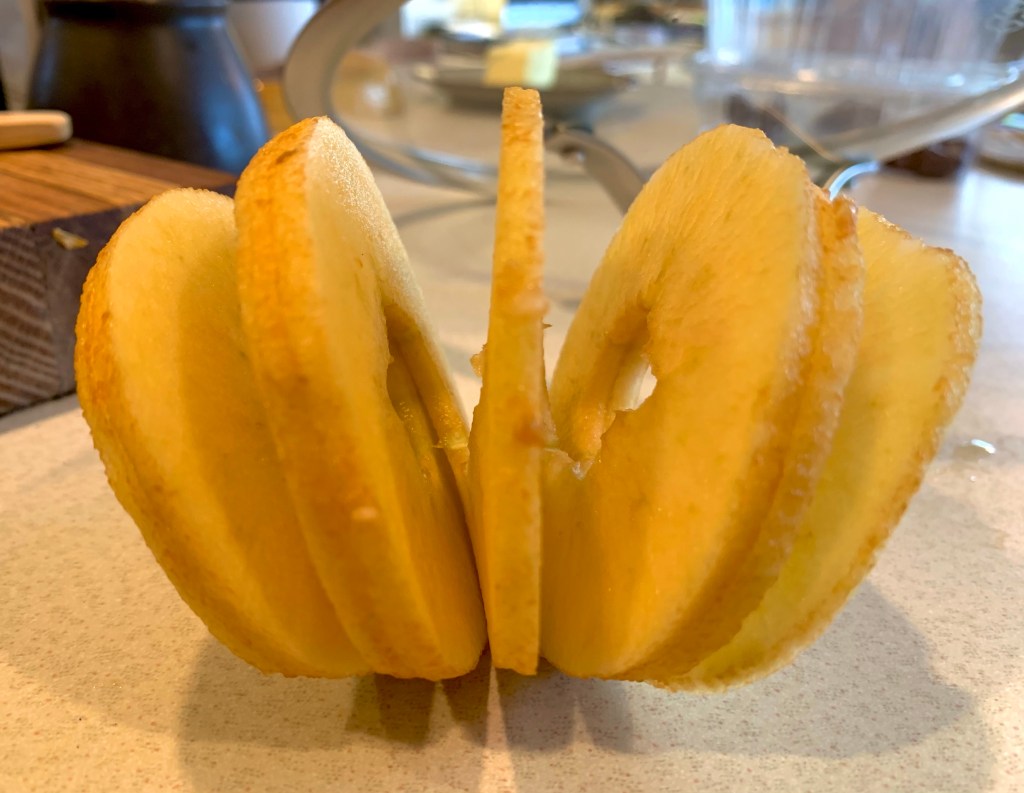
I went my own way, never losing hope.

Somehow misfits find each other. Through the grace and acceptance of others, I found a soul mate and community. Even so, there are times when the old feeling of not-quite-belonging creeps in and I wonder whether I’ll be a misfit all the way to the cemetery, placed in the wrong plot in the wrong graveyard.

We disparate creatures are made for connection of some kind, with those who look and think and act like us, or with those who are something completely different. I’ll keep on the lookout for my fellow misfits, just in case there is another one out there looking for company along this journey.

Married to Cinnamon and Sugar Happily Ever After

The kitchen is sweet with the smell of apples,
big yellow pie apples, light in the hand,
their skins freckled, the stems knobby
and thick with bark, as if the tree
could not bear to let the apple go.
Baskets of apples circle the back door,
fill the porch, cover the kitchen table.

My mother and my grandmother are
running the apple brigade. My mother,
always better with machines, is standing
at the apple peeler; my grandmother,
more at home with a paring knife,
faces her across the breadboard.
My mother takes an apple in her hand,

She pushes it neatly onto the sharp
prong and turns the handle that turns
the apple that swivels the blade pressed
tight against the apple’s side and peels
the skin away in long curling strips that
twist and fall to a bucket on the floor.
The apples, coming off the peeler,

Are winding staircases, little accordions,
slinky toys, jack-in-the-box fruit, until
my grandmother’s paring knife goes slicing
through the rings and they become apple
pies, apple cakes, apple crisp. Soon
they will be married to butter and live with
cinnamon and sugar, happily ever after.
~Joyce Sutphen, “Apple Season” from Coming Back to the Body.

I liked how the starry blue lid
of that saucepan lifted and puffed,
then settled back on a thin
hotpad of steam, and the way
her kitchen filled with the warm,
wet breath of apples, as if all
the apples were talking at once,
as if they’d come cold and sour
from chores in the orchard,
and were trying to shoulder in
close to the fire. She was too busy
to put in her two cents’ worth
talking to apples. Squeezing
her dentures with wrinkly lips,
she had to jingle and stack
the bright brass coins of the lids
and thoughtfully count out
the red rubber rings, then hold
each jar, to see if it was clean,
to a window that looked out
through her back yard into Iowa.
And with every third or fourth jar
she wiped steam from her glasses,
using the hem of her apron,
printed with tiny red sailboats
that dipped along with leaf-green
banners snapping, under puffs
of pale applesauce clouds
scented with cinnamon and cloves,
the only boats under sail
for at least two thousand miles.
~Ted Kooser “Applesauce”

Politics is applesauce.
~Will Rogers

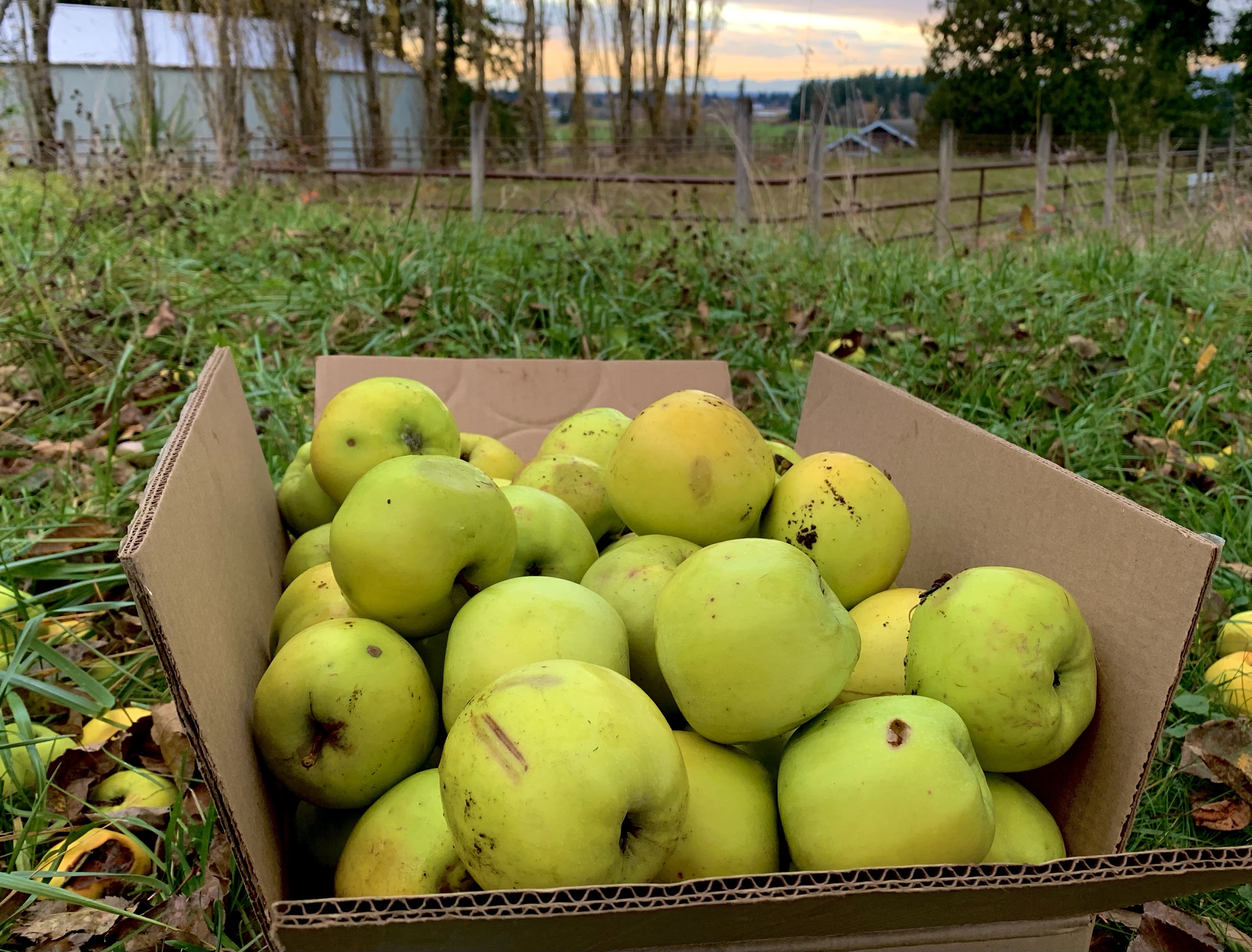
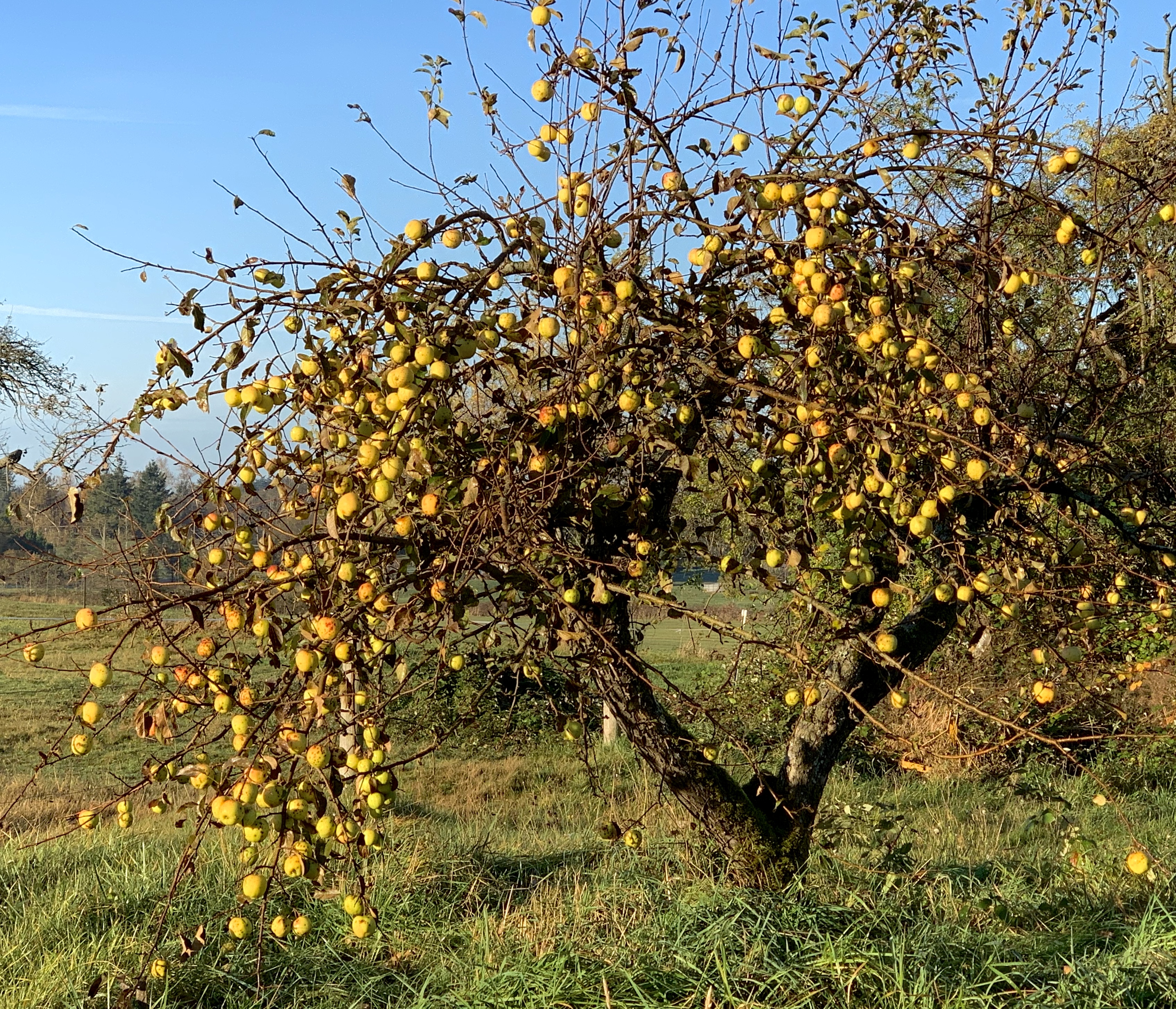
Yesterday was applesauce-making day on our farm. The number of windfall apples lying on the ground is exponentially increasing, so I could put off the task no longer. The apple trees in our orchard are primarily antique varieties rarely grown any longer. I selected Spitzenburgs, a favorite apple of Thomas Jefferson, a Baldwin or two, some Pippins, a few Kings, and some Dutch Mignons, a russet apple undistinguished in appearance, not at all pretty, and easy to pass by for something more showy.

It took no time at all to fill several large boxes. Sadly, some apples were beyond hope; they lay rotting, half consumed by hornets, slugs, deer, raccoons and other critters so I let them be.

The task of washing, peeling and coring organic apples is time consuming. They require a fair amount of preparation: the bruised spots must be cut out, as well as the worm holes and tracks. The apples are cut to the core and sliced into the simmering pot to be stirred and slowly cooked down to sauce. Before long, before my eyes, together they become a pale yellow mash, blending their varied flavors together. However the smooth sweetness of this wonderful sauce is owed to the Dutch Mignon. It is a sublime sauce apple despite its humble unassuming appearance. Used alone, it would lack the “stand out” flavors of the other apple varieties, but as it cooks down, it becomes a foundation allowing the other apples to blend their unique qualities.

If I’m feeling really homespun, I marry the sublime with cinnamon and sugar, to create something happily ever after.

So it should be with the fellowship of diverse people and so should it be after a painful political season. We are bruised, wormy, but salvageable. We are far better together than we are separate. And through the process, with perhaps a sprinkle of cinnamon and sweetness, we are transformed into something far better than how we began.

Some Could, Some Could Not Shake Off Misery…

So, when old hopes that earth was bettering slowly
Were dead and damned, there sounded ‘War is done!’
One morrow. Said the bereft, and meek, and lowly,
‘Will men some day be given to grace? yea, wholly,
And in good sooth, as our dreams used to run?

Aye; all was hushed. The about-to-fire fired not,
The aimed-at moved away in trance-lipped song.

Calm fell. From Heaven distilled a clemency;
There was peace on earth, and silence in the sky;

Some could, some could not, shake off misery

~Thomas Hardy from “And There Was a Great Calm” 

(On the Signing of the Armistice, 11 Nov. 1918)

When you go home tell them of us and say –
“For your tomorrow we gave our today”
~John Maxwell Edmonds from “The Kohima Epitaph” 

I’m unsure why the United States does not call November 11 Remembrance Day as the Commonwealth nations did 102 years ago at the Armistice. This is a day that demands much more than the more passive name Veterans’ Day represents.

This day calls all citizens who appreciate their freedoms to stop what they are doing and disrupt the routine rhythm of their lives. We are to remember in humble thankfulness the generations of military veterans who sacrificed time, resources, sometimes health and well being, and too often their lives in answering the call to defend their countries and ensure tomorrows for all.

Remembrance means
~never forgetting what it costs to defend freedom.
~acknowledging the millions who have given of themselves and continue to do so on our behalf.
~never ceasing to acknowledge the misery endured by soldiers.
~a commitment to provide resources needed for the military to remain strong and supported.
~unending prayers for their safe return home to family and futures.
~teaching the next generation about the sacrifices that have been made by men and women on their behalf.

Remembrance of our veterans should also encourage us as foot soldiers in our current battle with a virus. In this fight, we are called to sacrifice our preferences, our comfort and our personal liberties for the good of the whole.

We have generations of selfless role models to look to for inspiration:
we individually endure a measure of misery today in order to preserve countless tomorrows for all.

How is Your Life?

Today, when I could do nothing,
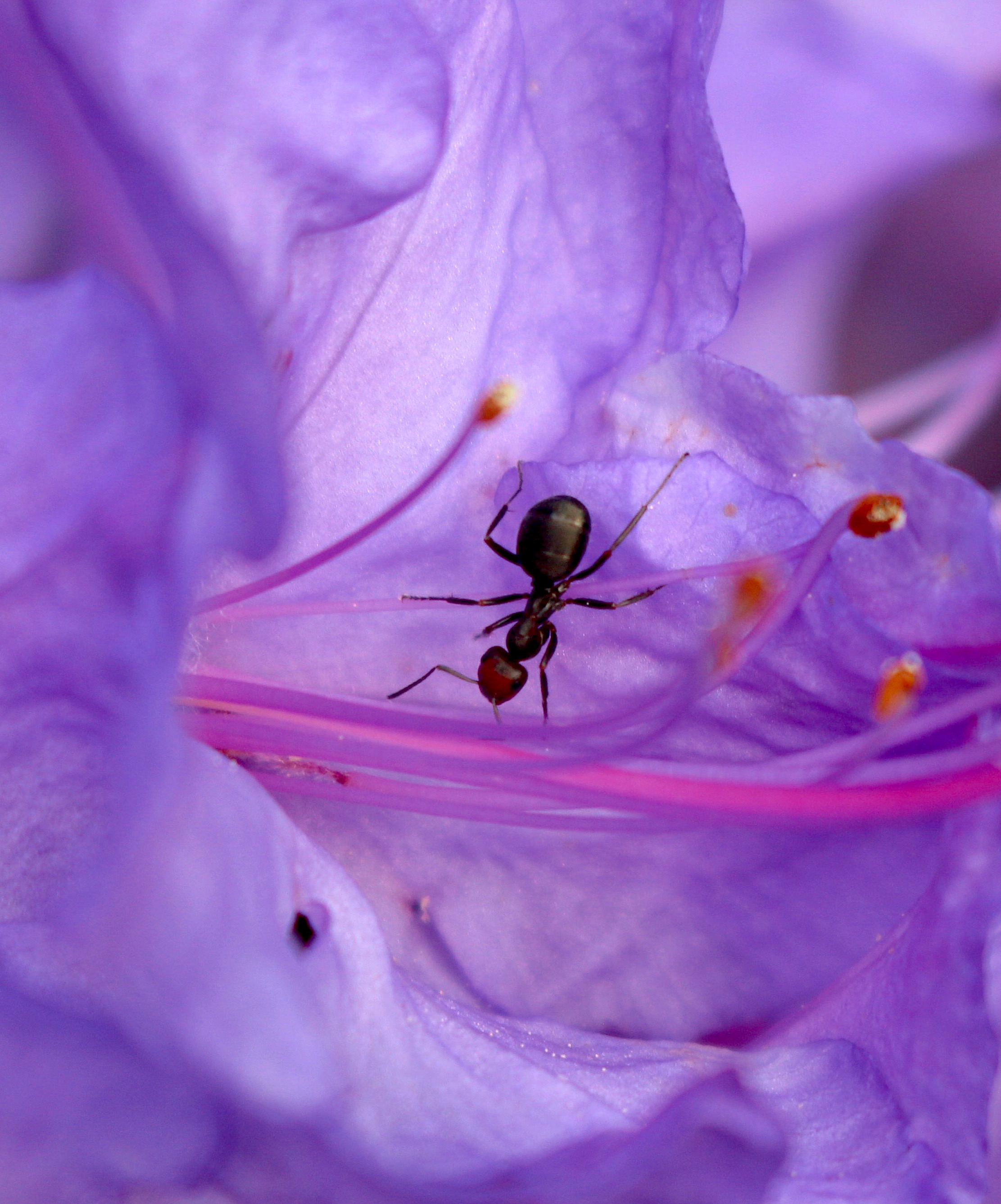
I saved an ant.

It must have come in with the morning paper,
still being delivered
to those who shelter in place.

A morning paper is still an essential service.

I am not an essential service.

I have coffee and books,
time,
a garden,
silence enough to fill cisterns.

It must have first walked
the morning paper, as if loosened ink
taking the shape of an ant.

Then across the laptop computer — warm —
then onto the back of a cushion.


Small black ant, alone,
crossing a navy cushion,
moving steadily because that is what it could do.

Set outside in the sun,
it could not have found again its nest.
What then did I save?


It did not move as if it was frightened,
even while walking my hand,
which moved it through swiftness and air.


Ant, alone, without companions,
whose ant-heart I could not fathom—
how is your life, I wanted to ask.


I lifted it, took it outside.

This first day when I could do nothing,
contribute nothing
beyond staying distant from my own kind,
I did this.

~Jane Hirschfield “Today When I Could Do Nothing”

Nine months into social distancing one from another, with COVID spreading wider and faster than ever, I feel helpless to be a helper without the virus becoming a potentially deadly attachment to my efforts.

So I look for little ways to try to make a difference, as inadequate as they seem. I can no serve meals after evening church service. I can’t visit vulnerable people in their homes so have to be satisfied with screen visits. I can’t go where I wish when I wish because, by definition of age and medical risk, I am one of the vulnerable too.

So I look for words to express that may bring you a smile or maybe a knowing tear. I look for images to share that remind you of something from your past experience. I look for ways to make sense of the senseless when there can be so much disagreement and anger and bitterness. I look for where our common ground exists: how can we deepen and broaden our connection to one another in this time of painful and empty separation?

I want to ask and I want to hear: how is your life?

When we feel we can do nothing, we can do this: rescuing one another from isolation and loneliness. It will be the most important thing we do today.

Please tell me how you are.

Packed Up and Gone Home

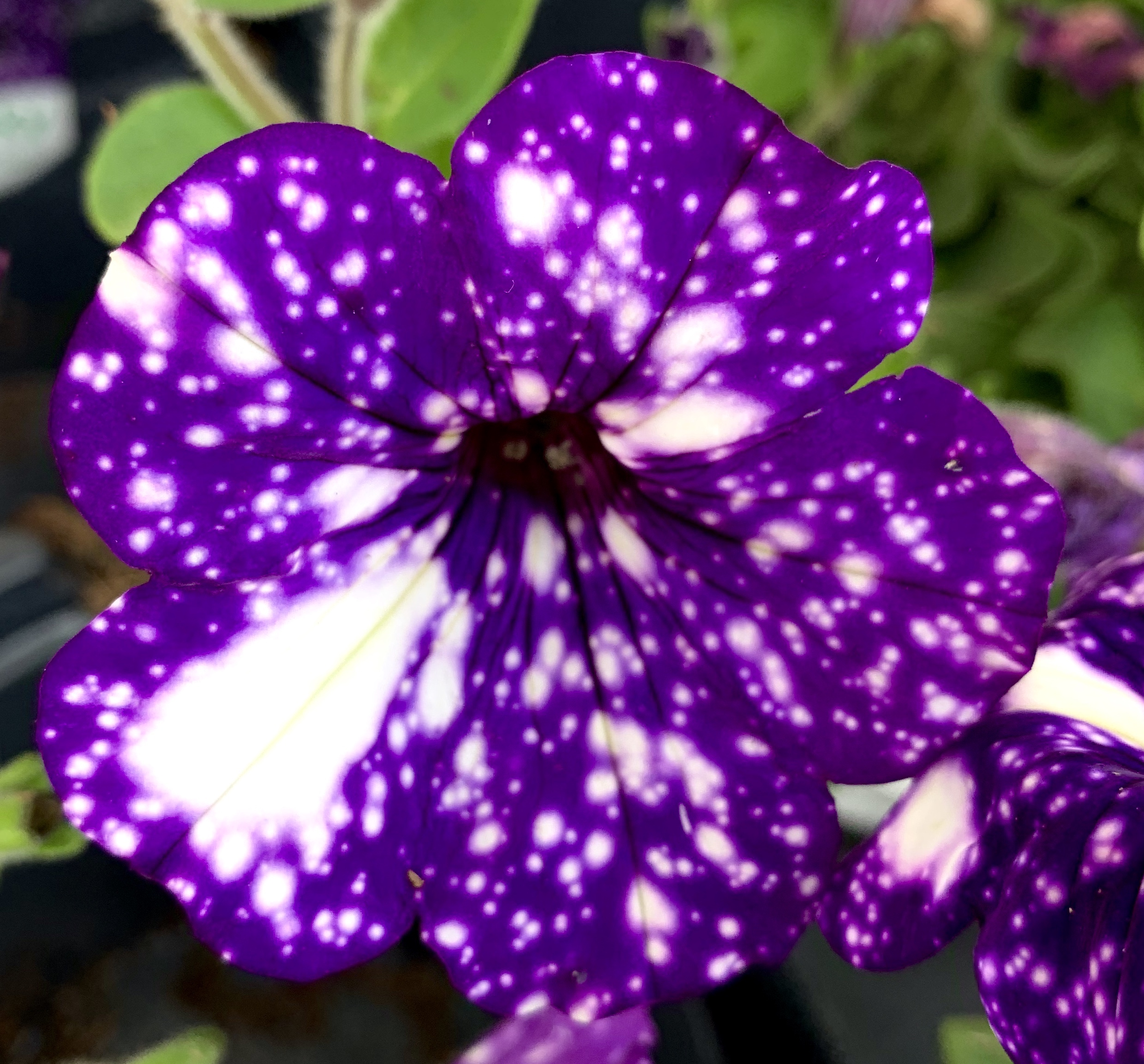
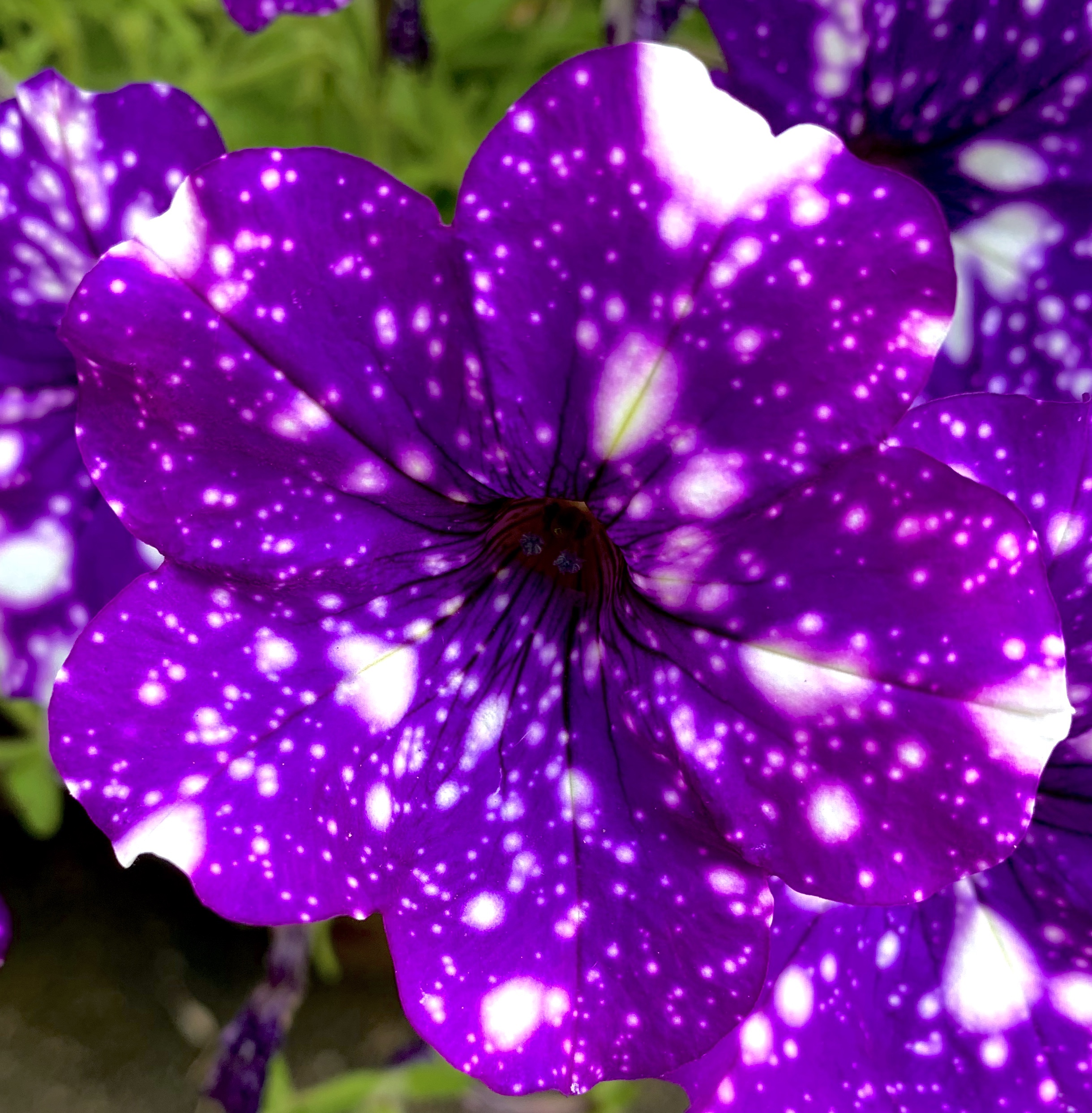
On the fire escape, one
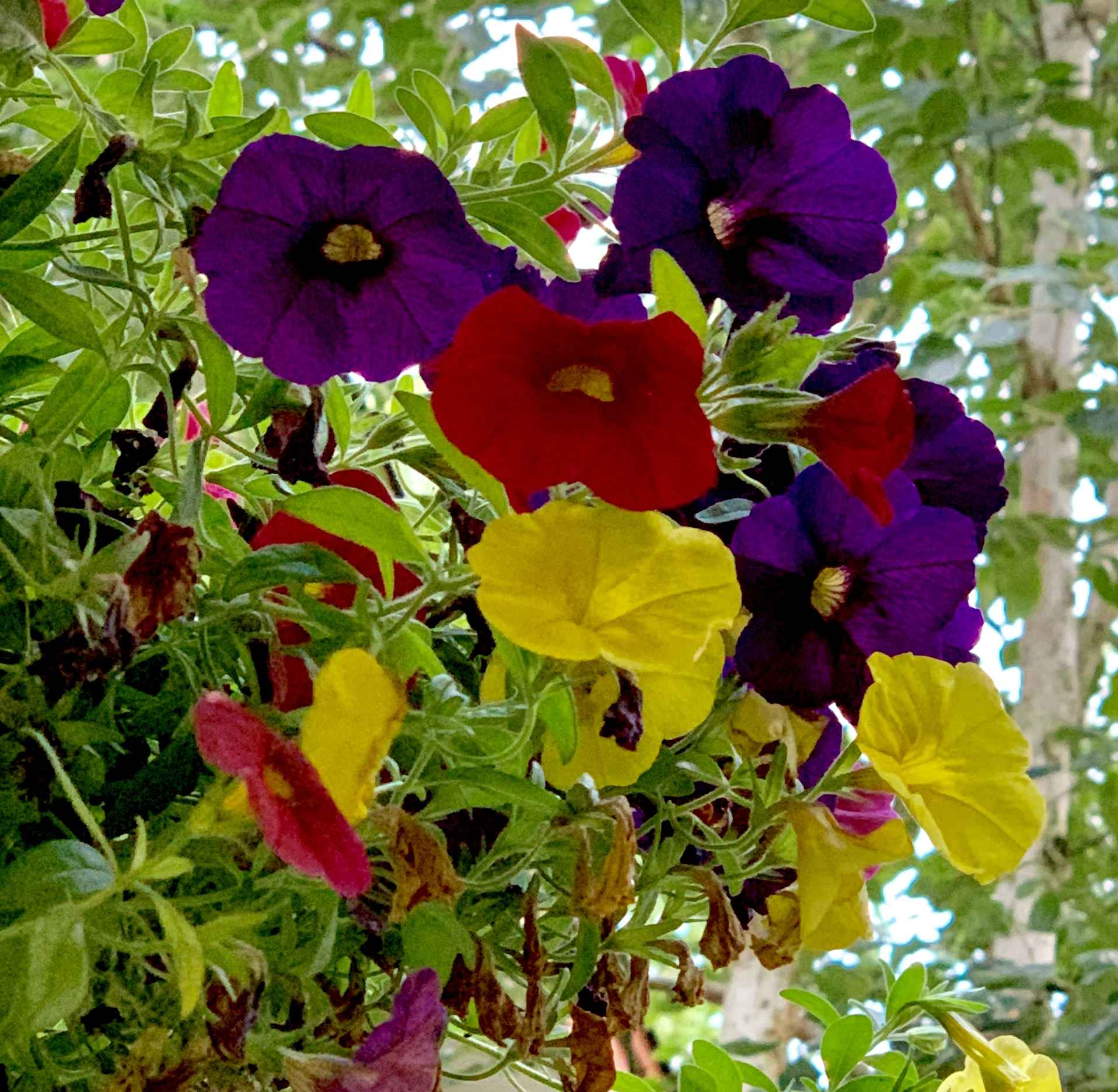
stupid petunia still blooms,
purple trumpet blowing
high notes at the sky long
after the rest of the band
has packed up
and gone home.
~Sarah Frehligh “December” from Sad Math

Despite two killing frosts,
heavy melting rains
and blowing gusts of 45mph,
some of us still remain standing.

Despite all that comes at us,
whether expected or unexpected,
we’re still here
even when everyone else has packed up
and headed home.

We’re still blooming,
still breathing,
still shouting
at the top of our lungs:

~life is pretty good~

so as not to forget
blooming out of season beats giving up.

Seize the Day Gently

Night and day
seize the day, also the night —
a handful of water to grasp.
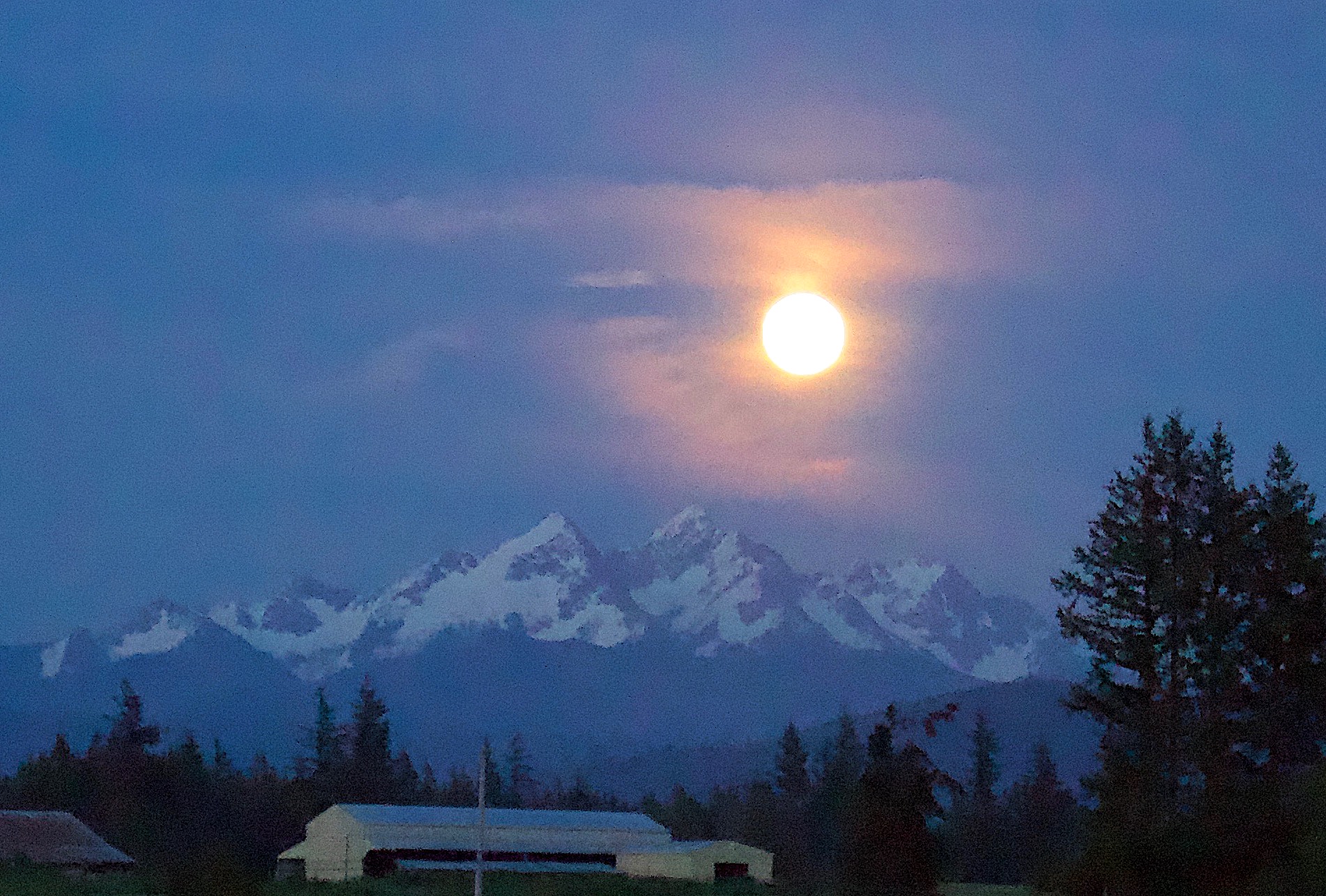
The moon shines off the mountain
snow where grizzlies look for a place
for the winter’s sleep and birth.
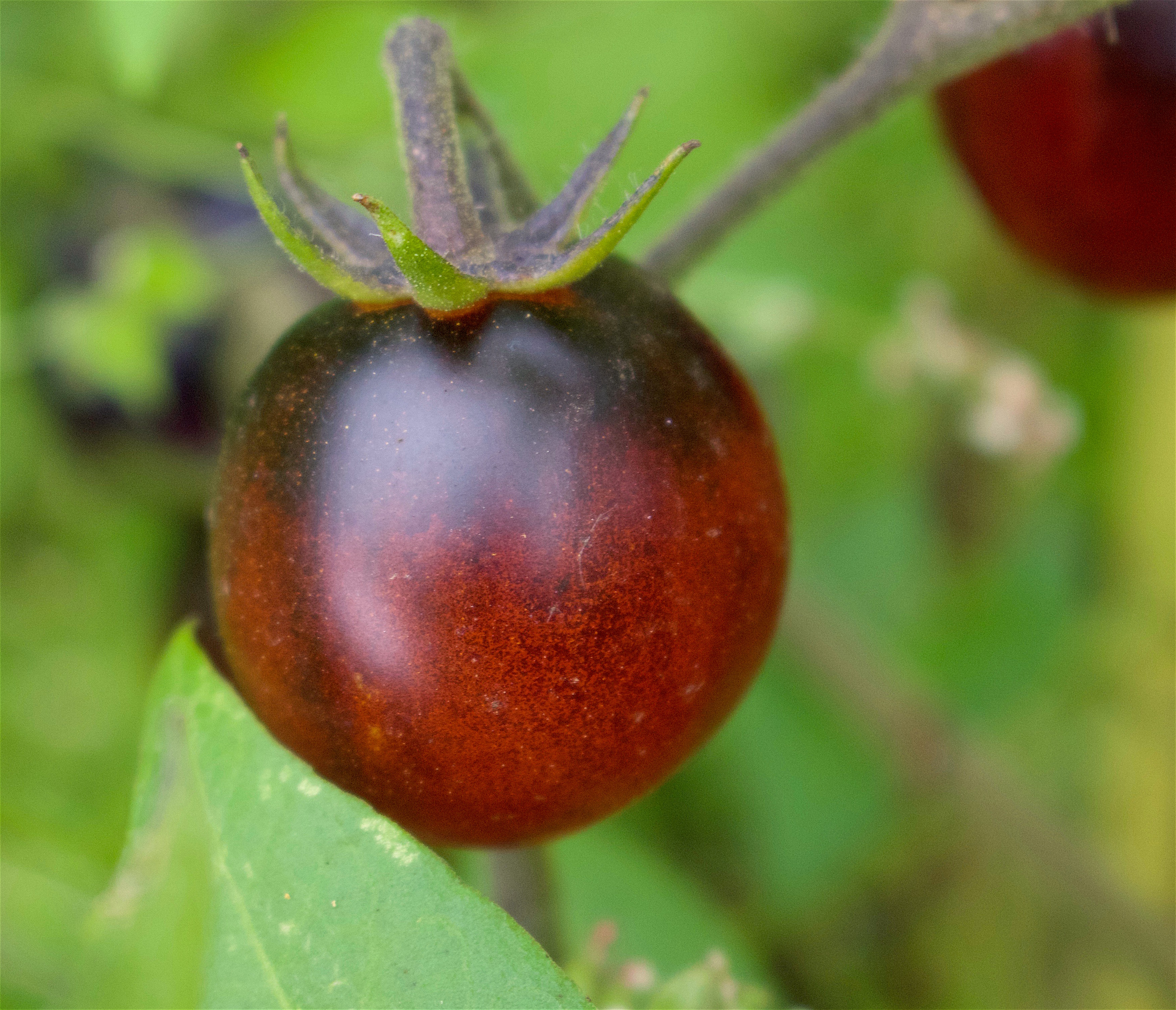
I just ate the year’s last tomato
in the year’s fatal whirl.
This is mid-October, apple time.
I picked them for years.
One Mcintosh yielded sixty bushels.


Fifty years later we hold each other looking
out the windows at birds, making dinner,
a life to live day after day, a life of
dogs and children and the far wide country
out by rivers, rumpled by mountains.
So far the days keep coming.
Seize the day gently as if you loved her.

~Jim Harrison, from “Carpe Diem” from Dead Man’s Float.

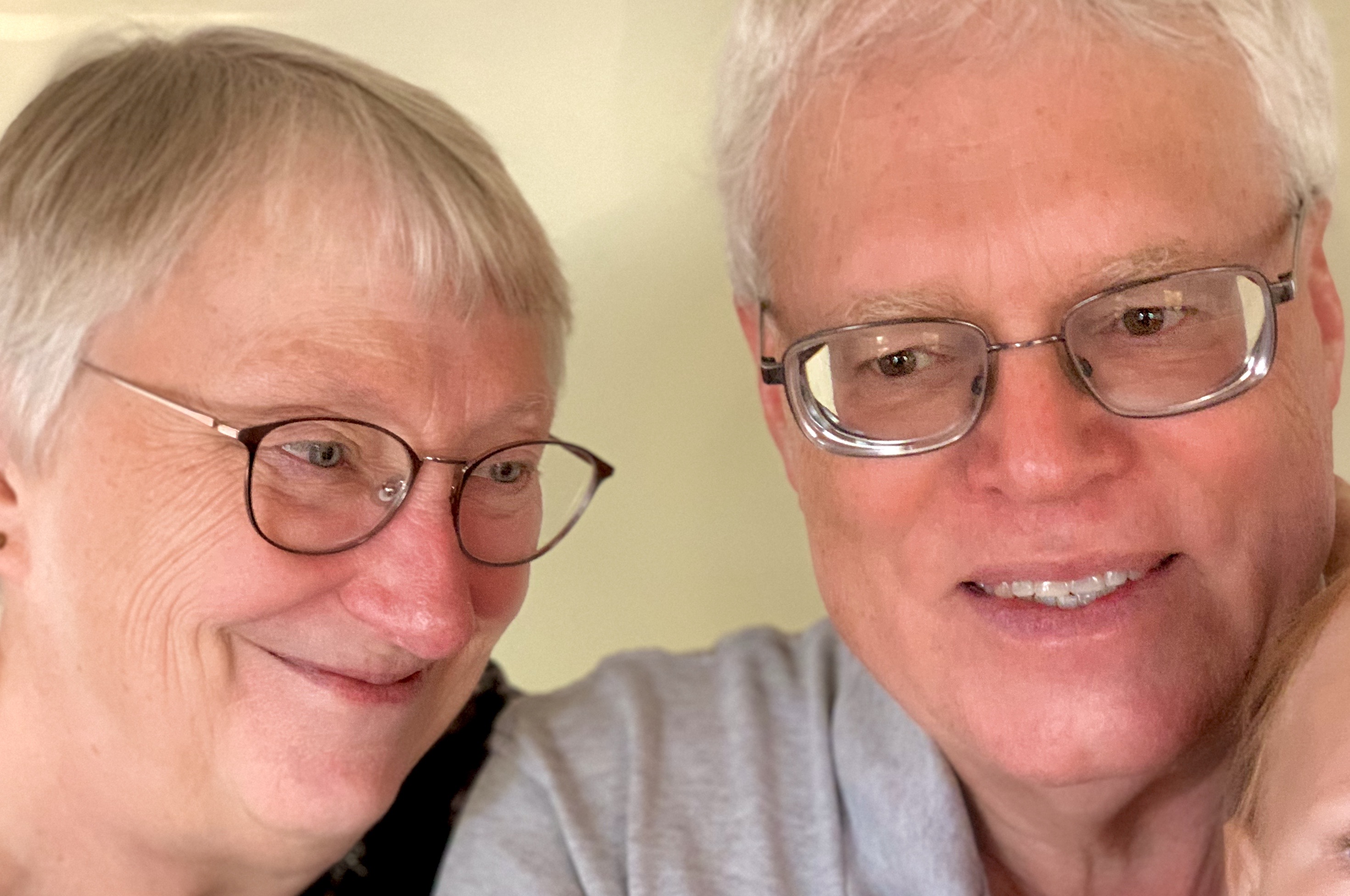
Forty some years later, the days keep coming, a life to live day after day after day. I try not to take a single one for granted, each morning a gift to be seized gently and embraced with reverent gratitude.

Even knowing I am meant to cherish this gift, I squander it. I grumble, I grouse, I can be tough to live alongside. I know better than to give into an impulse toward discontent, yet still it happens. Something inside me whispers that things could be better than they are — more of this, less of that — I tend to dwell on whatever my heart yearns for rather than the riches right in front of me.

I’m not the first one to struggle with this nor will I be the last. It turned out rather badly when those before me gave into their discontent and took what was not theirs to have.

We are still living out the consequences of that fall from grace.

Yet, even in our state of disgrace, despite our grumbling and groaning, we have been seized – gently and without hesitation – and held closely by One who loves us at our most unloveable.

Though my troubles and yearnings may continue, I will be content in that embrace, knowing even if I loosen my grip, I will not be let go.

The List

Last night we ended up on the couch
trying to remember
all of the friends who had died so far,

and this morning I wrote them down
in alphabetical order
on the flip side of a shopping list
you had left on the kitchen table.

So many of them had been swept away
as if by a hand from the sky,
it was good to recall them,
I was thinking
under the cold lights of a supermarket
as I guided a cart with a wobbly wheel
up and down the long strident aisles.

I was on the lookout for blueberries,
English muffins, linguini, heavy cream,
light bulbs, apples, Canadian bacon,
and whatever else was on the list,
which I managed to keep grocery side up,

until I had passed through the electric doors,
where I stopped to realize,
as I turned the list over,
that I had forgotten Terry O’Shea
as well as the bananas and the bread.

It was pouring by then,
spilling, as they say in Ireland,
people splashing across the lot to their cars.
And that is when I set out,
walking slowly and precisely,
a soaking-wet man
bearing bags of groceries,
walking as if in a procession honoring the dead.

I felt I owed this to Terry,
who was such a strong painter,
for almost forgetting him
and to all the others who had formed
a circle around him on the screen in my head.

I was walking more slowly now
in the presence of the compassion
the dead were extending to a comrade,

plus I was in no hurry to return
to the kitchen, where I would have to tell you
all about Terry and the bananas and the bread.

~Billy Collins “Downpour”

Since the count began, the list of those who have died expands every day in media headlines and increases by the hour on websites dedicated to COVID tracking – –

–only there are no names. We don’t list the names of those who have been lost.

Maybe if there were names of over one million people around the globe that the virus has hastened to take from us, somehow it would matter more. Maybe if we witnessed the suffering that accompanied each case, we would understand this is more than “just like the flu.”

I’ve seen the flu kill the young and healthy, so hearing that comparison doesn’t comfort me or cause me to wave this off as something that will pass as soon as the election results are tallied. Even some health care workers are remarkably nonchalant and dismissive of the virus. I simply don’t understand: after decades of pandemic planning in my work as a medical director/health officer, this is the situation we all dreaded could happen, but knew we needed to be ready for.

I don’t want to see anyone else added to a list that is far longer than it ever should have been and growing by the day. Yet the tallies rise because our very own behavior, modeled from the very top of government, is responsible.

Will anyone someday build a monument listing the names of those who died in this pandemic? No, because there is nothing noble about dying of a virus and the list would be far too long. There is nothing noble about failing to protect others in the name of protecting my own individual liberty and civil rights.

So I wear the mask and so should you. It just might keep me or you or someone we love from being just another number on the list.