Taking Care Where I Step

I didn’t stay for the closing
hymns and prayers. I felt
out of sorts, so I left.

Someone was before me
at the door: a child, gazing
at a spot on her wrist.

She said, “Can you help me?”
“What is it?”
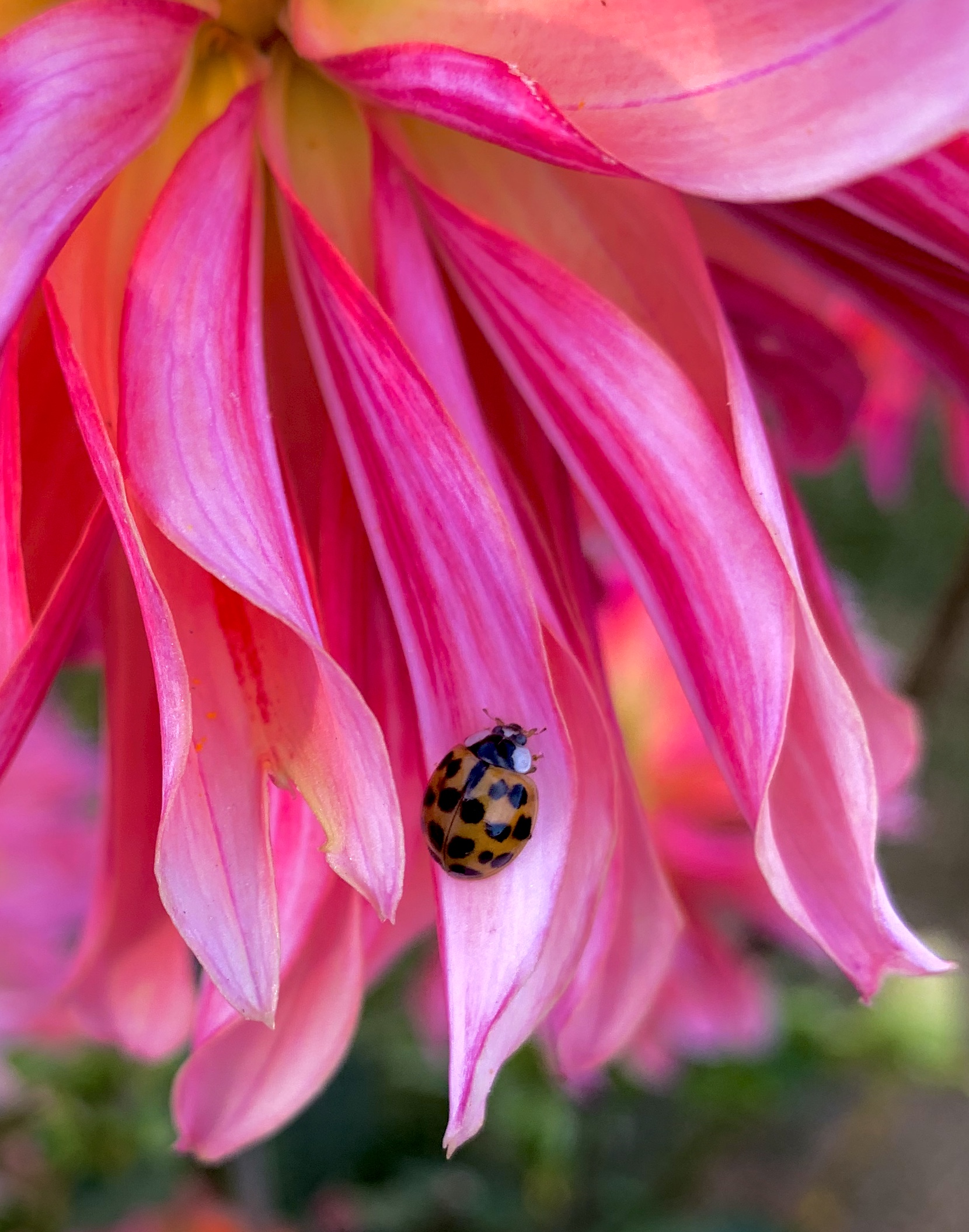
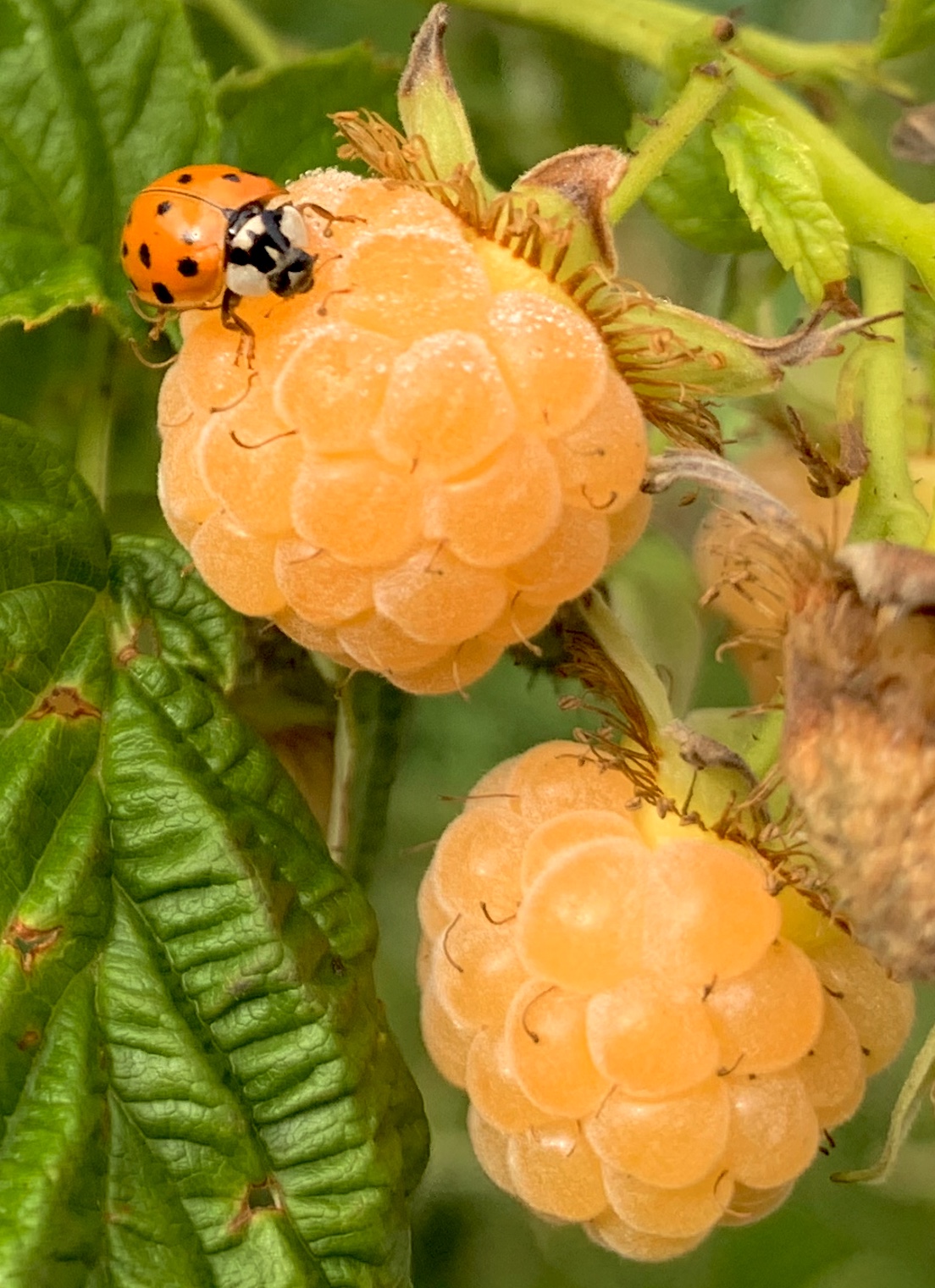
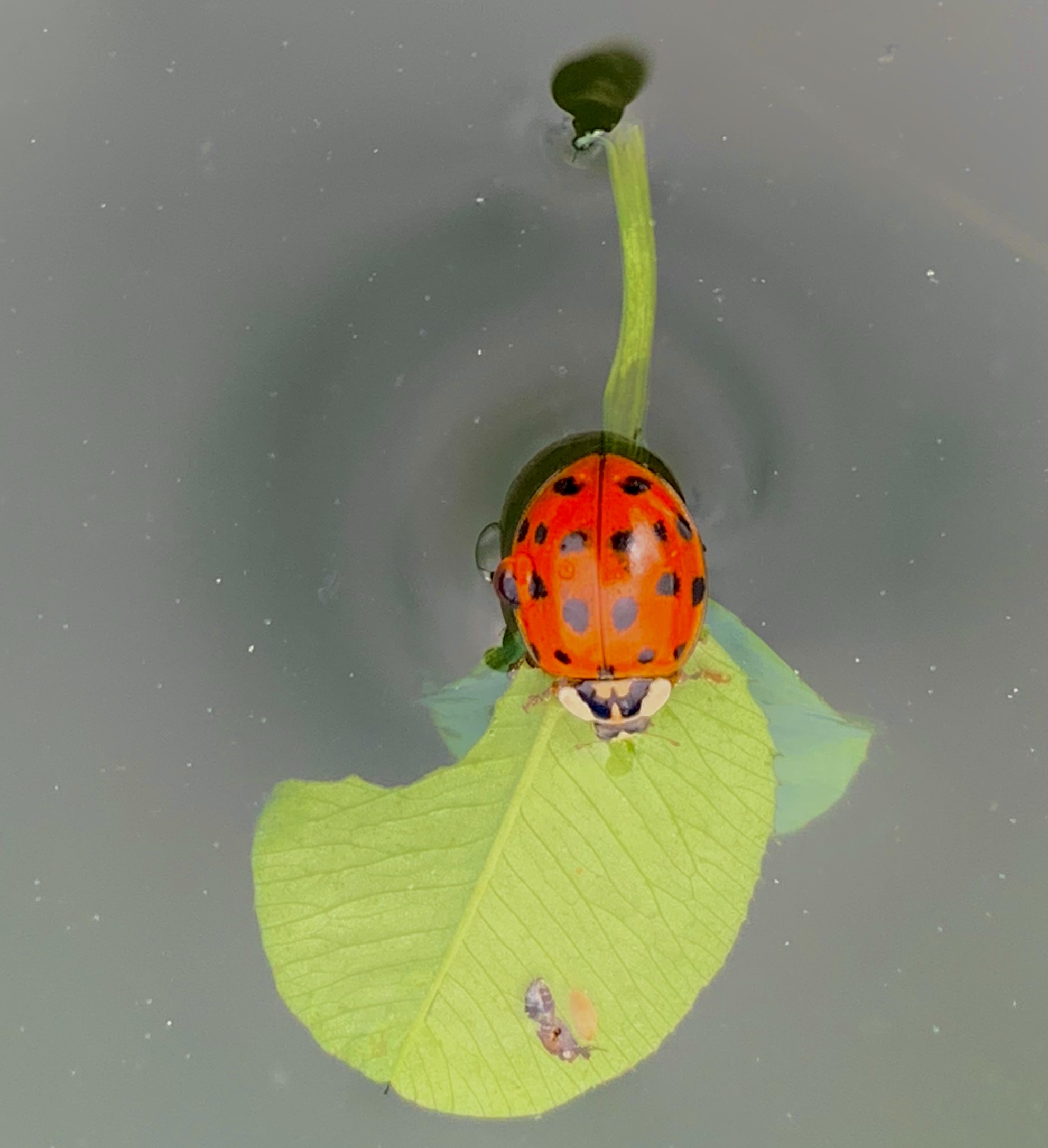
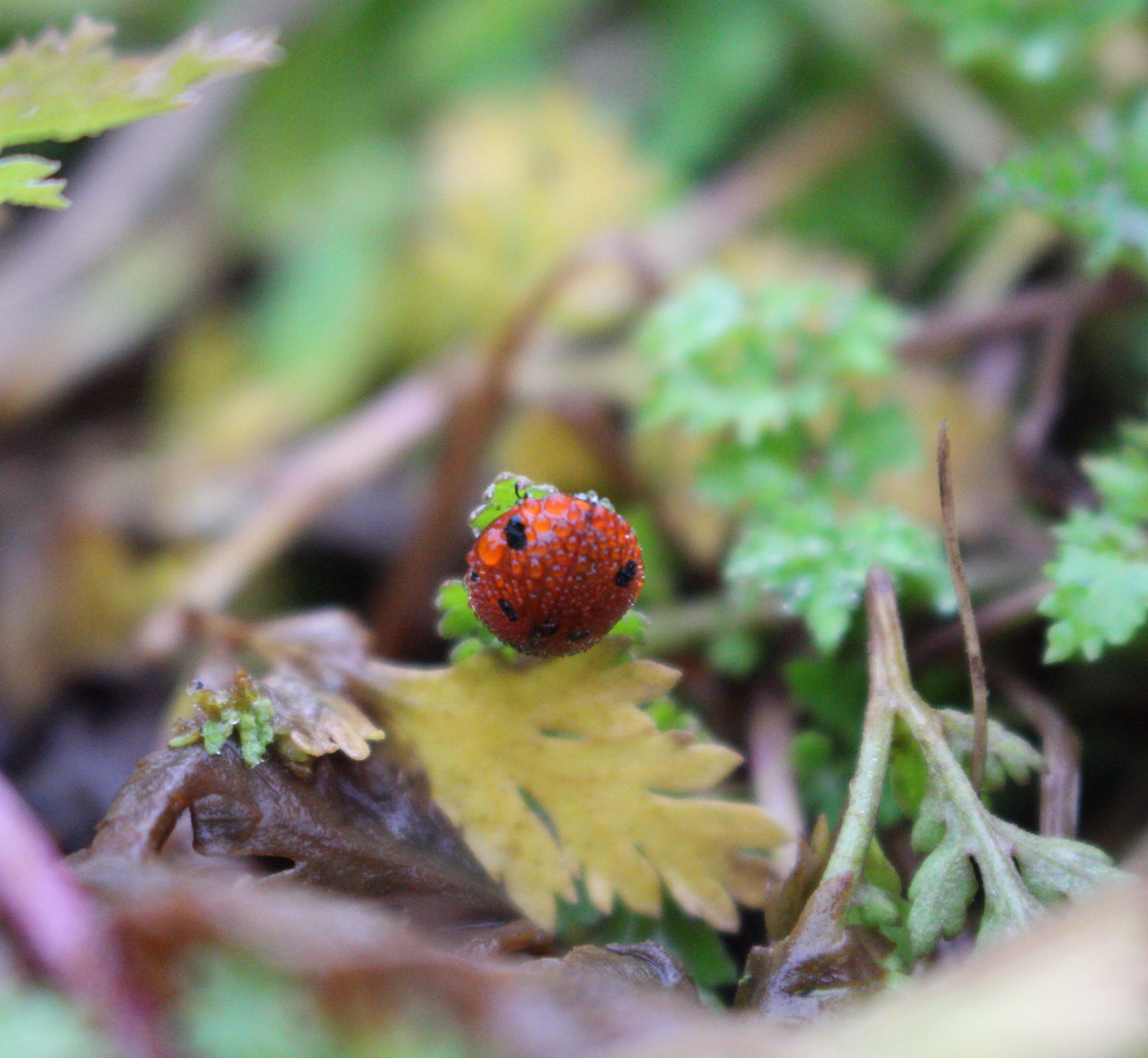
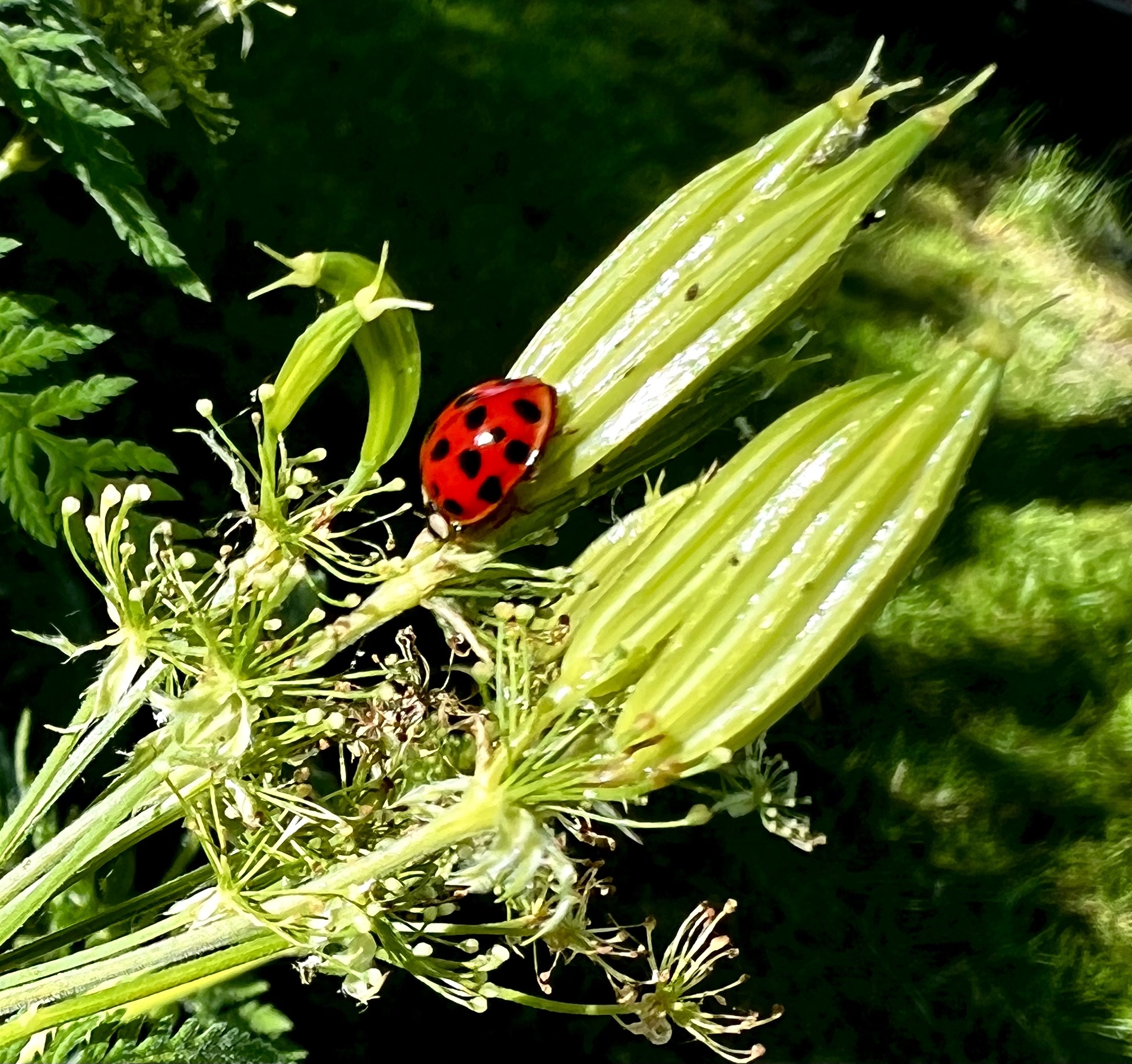
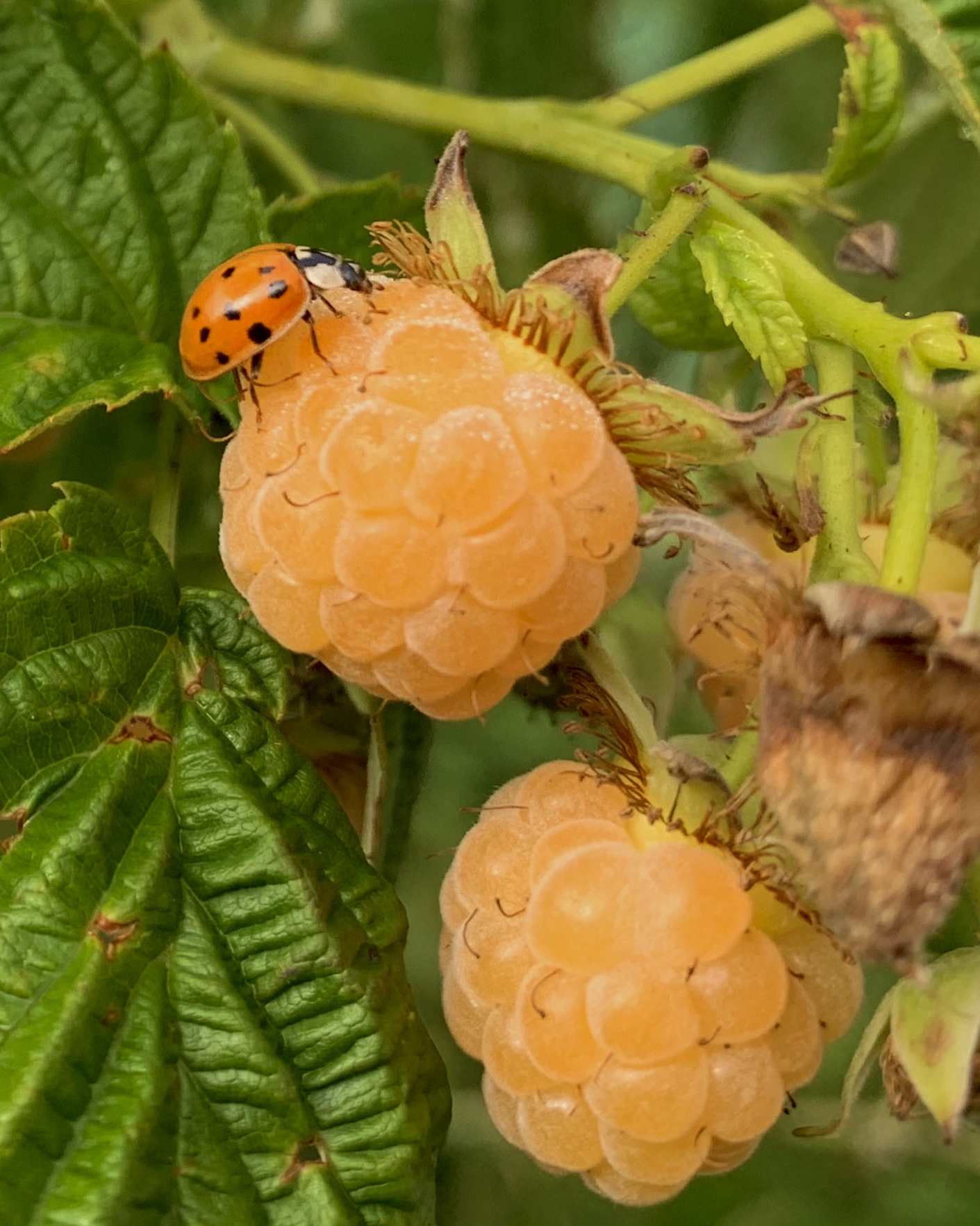
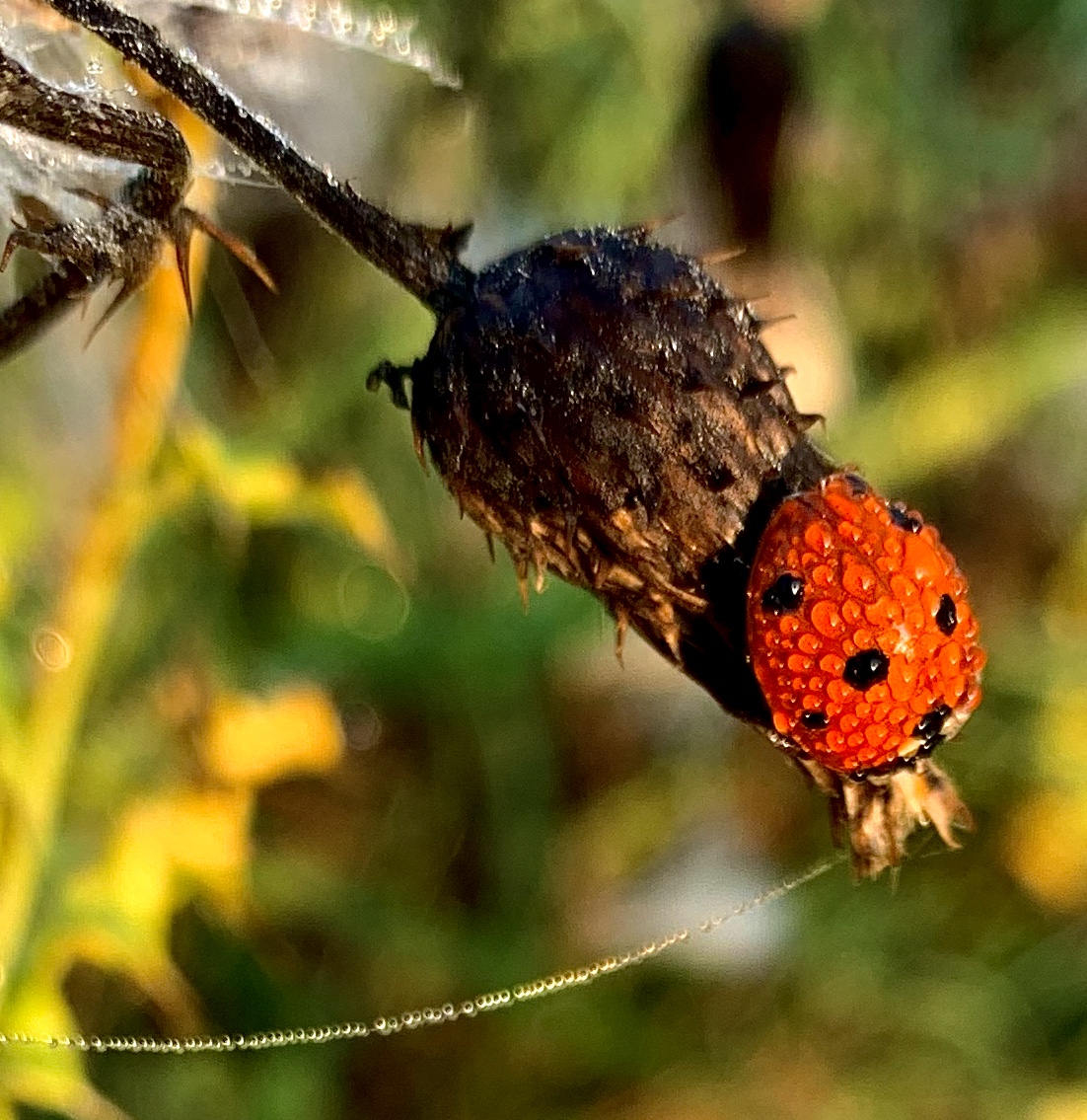
“A ladybug,” she said.

So I opened the door,
and she said, “It jumped off.”
We stood looking around.

“It’ll be all right,” I said.
She went in, and I left,
taking care where I stepped.

~Louis Simpson “At the Church Door” from The Owner of the House.

Maker of All Things,
including appetite,
including stealth,
including the fear that makes
all of us, sometime or other,
flee for the sake
of our small and precious lives,
let me abide in your shadow—
let me hold on
to the edge of your robe
as you determine
what you must let be lost
and what will be saved.

I will try.
I will step from the house to see what I see and hear

and I will praise it…

But this too, I believe, is a place
where God is keeping watch
until we rise, and step forth again…
~Mary Oliver from “Red Bird”

Even when I am out of sorts,
even though my mind is already out the door
and the rest of me not far behind,
even though I am supposed to have a smile on my face
and encouraging words on my lips,
even though I should be focusing on who needs my help
rather than my own helplessness.

Then, somehow, there is solace.

I am plucked out of my doldrums
and given a chance to reset and start over –
God intervenes in the least likely way
so that I see things differently,
by watching where I am stepping to protect the defenseless
rather than plunge, lurch, stumble, crush my way back to the world.

I am a rescuer rescued, encouraged by encouragement, ready to step forth in compassion.

God is keeping watch over the mere lady bug and merest me.

One-Time
Monthly
Yearly

Make a one-time or recurring donation to support daily Barnstorming posts

Make a monthly donation

Make a yearly donation

Choose an amount

¤5.00
¤10.00
¤20.00
¤5.00
¤15.00
¤100.00
¤5.00
¤15.00
¤100.00

Or enter a custom amount

¤

Your contribution is deeply appreciated.

Your contribution is appreciated.

Your contribution is appreciated.

DonateDonate monthlyDonate yearly

Postpone Until Monday

I was relief, once, for a doctor on vacation
and got a call from a man on a window sill.
This was New York, a dozen stories up.
He was going to kill himself, he said.
I said everything I could think of.
And when nothing worked, when the guy
was still determined to slide out that window
and smash his delicate skull
on the indifferent sidewalk, “Do you think,”
I asked, “you could just postpone it
until Monday, when Dr. Lewis gets back?”


The cord that connected us—strung
under the dirty streets, the pizza parlors, taxis,
women in sneakers carrying their high heels,
drunks lying in piss—that thick coiled wire
waited for the waves of sound.


In the silence I could feel the air slip
in and out of his lungs and the moment
when the motion reversed, like a goldfish
making the turn at the glass end of its tank.
I matched my breath to his, slid
into the water and swam with him.
“Okay,” he agreed.

~Ellen Bass “Phone Therapy” from Mules of Love

Love your neighbor as yourself is part of the great commandment.

The other way to say it is, ‘Love yourself as your neighbor.’ Love yourself not in some egocentric, self-serving sense but love yourself the way you would love your friend in the sense of taking care of yourself, nourishing yourself, trying to understand, comfort, strengthen yourself.

Ministers in particular, people in the caring professions in general, are famous for neglecting their selves with the result that they are apt to become in their own way as helpless and crippled as the people they are trying to care for and thus no longer selves who can be of much use to anybody. 

It means pay mind to your own life, your own health and wholeness, both for your own sake and ultimately for the sake of those you love too. Take care of yourself so you can take care of them.

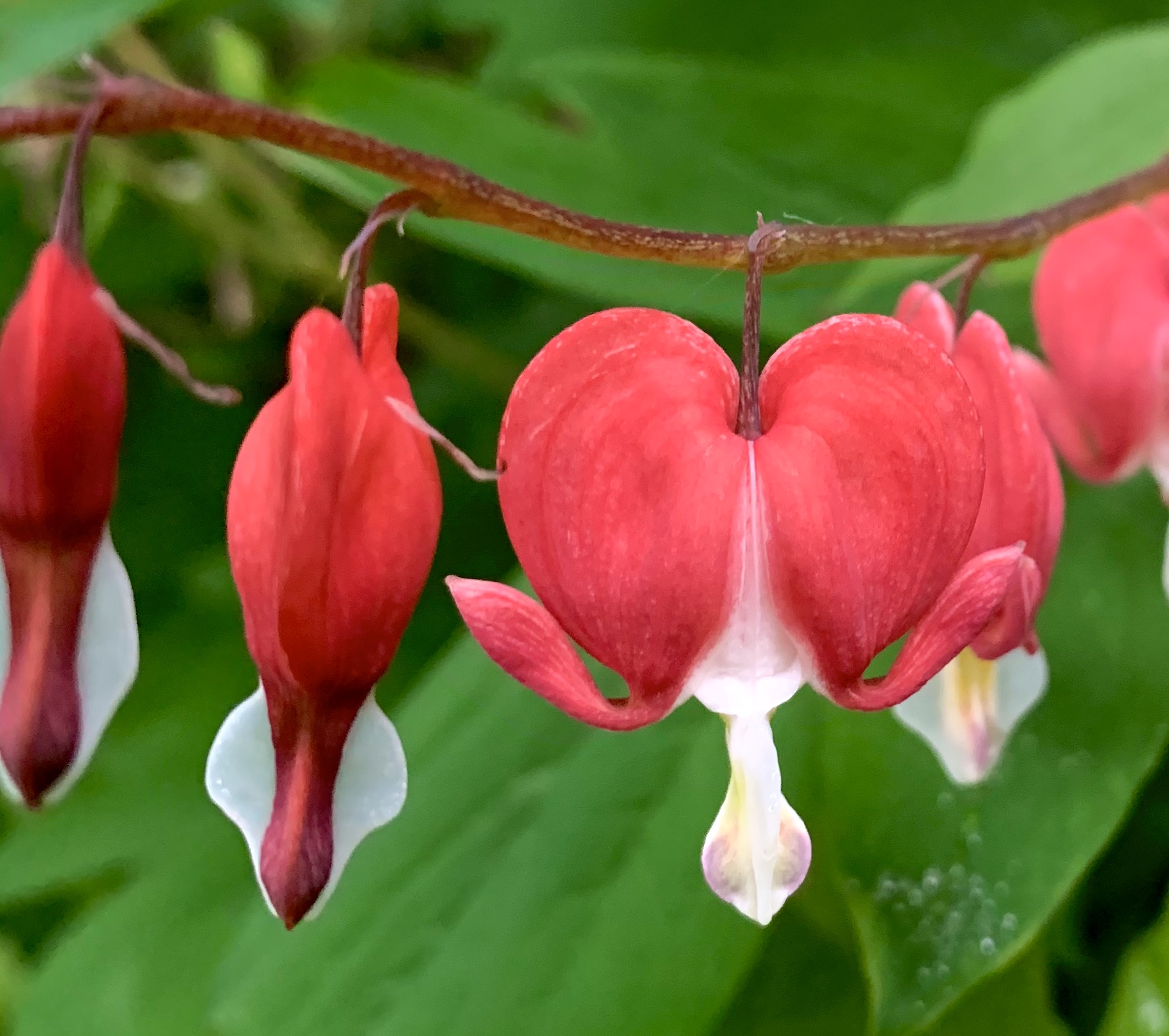
A bleeding heart is of no help to anybody if it bleeds to death.
~Frederick Buechner from Telling Secrets

We are reminded every time we hear safety instructions on an airplane before a flight takes off: “in the event of a sudden pressure change in the cabin, oxygen masks will appear – remember to put your own on before helping others with their masks.”   

If we aren’t able to breathe ourselves, we won’t last long enough to be of assistance to anyone around us.  We must breathe, we must stay afloat to save the drowning. Too often,  sacrificing our self-care threatens others’ well-being.

A headline appeared in my email from the American Psychiatric Association this morning: “Physicians Experience the Highest Suicide Rate of Any Profession” – there is rampant depression and burn-out among those who should know best how to recognize and respond to the danger signs — for women physicians, nearly 1 out of 5 are afflicted.   Yet the work load only seems to increase, not diminish, the legal and moral responsibility weighs more heavily, and the hours available for sleep and respite shrink.  In forty plus years of practicing medicine (my father liked to remind me “when are you going to stop ‘practicing’ and actually ‘do’ it?”),  the work never got easier, only harder and heavier to carry.

I saw suicidal patients every day and am immensely grateful I myself have never been suicidal, thank God, but anxiety is embedded deep in my DNA from my non-physician fretful farmer ancestors.  Anxiety becomes the fuel and driver of the relentless physician journey on long lonely roads, spurring us to stay awake too many hours when we should be resting our eyes and taking a break to breathe, just breathe.

However, we are trained to respond to our own anxiety from the first day in anatomy class:
“and while you, Miss Polis, are trying to think of the name of that blood vessel, your patient is exsanguinating in front of you– drip, drip, drip….”

Terror-stricken at the thought I was inadequate to the task of saving a life, it took years for me to realize the name of the vessel didn’t bloody matter as long as I knew instinctively to clamp it, compress it, or by the love of the Living God, transfuse my own blood from my bleeding heart into my patient’s.

I learned those many years ago:
to save another life, I must first preserve my own.

Your bleeding heart, in your hands –
It’s been there a while you’re just now noticing –
I wish I could help you –
The way that you want me to –
We all have our own bleeding heart to attend to –

Your bleeding heart, let it go –
You feel like it’s hopeless, but you never know –
I wish I could help you –
The way that you want me to –
We all have our own bleeding heart to mend
~Kim Taylor
One-Time
Monthly
Yearly

Make a one-time or recurring donation to support daily Barnstorming posts

Make a monthly donation

Make a yearly donation

Choose an amount

¤5.00
¤10.00
¤20.00
¤5.00
¤15.00
¤100.00
¤5.00
¤15.00
¤100.00

Or enter a custom amount

¤

Your contribution is deeply appreciated.

Your contribution is appreciated.

Your contribution is appreciated.

DonateDonate monthlyDonate yearly

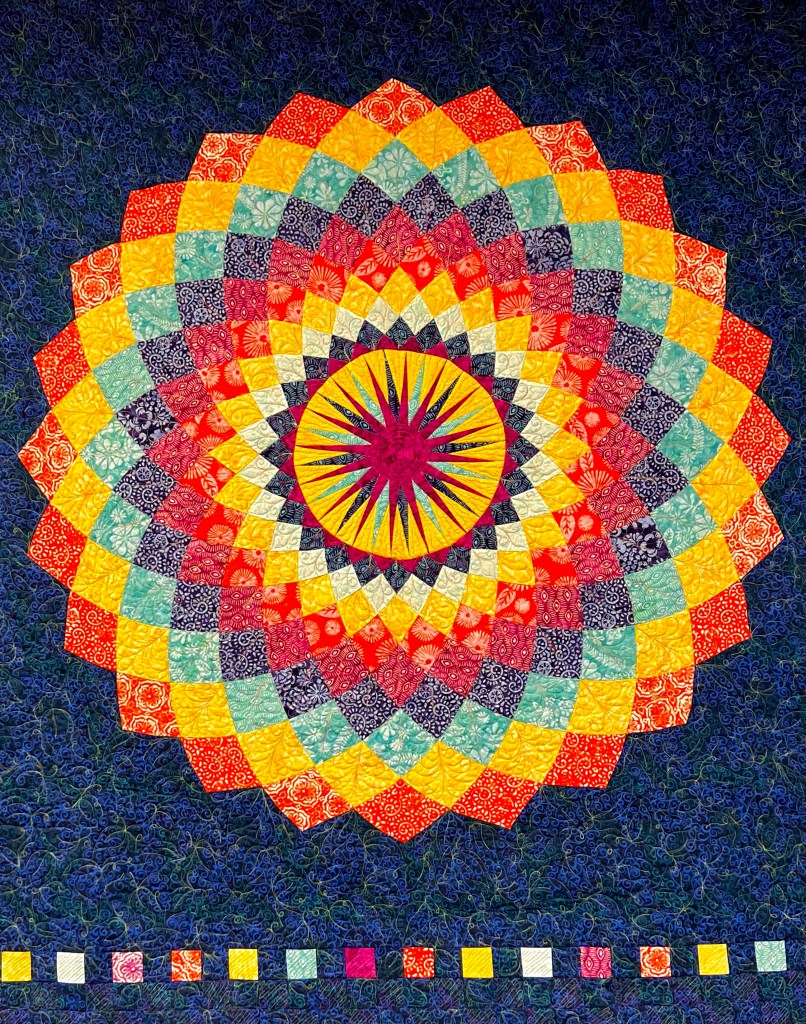
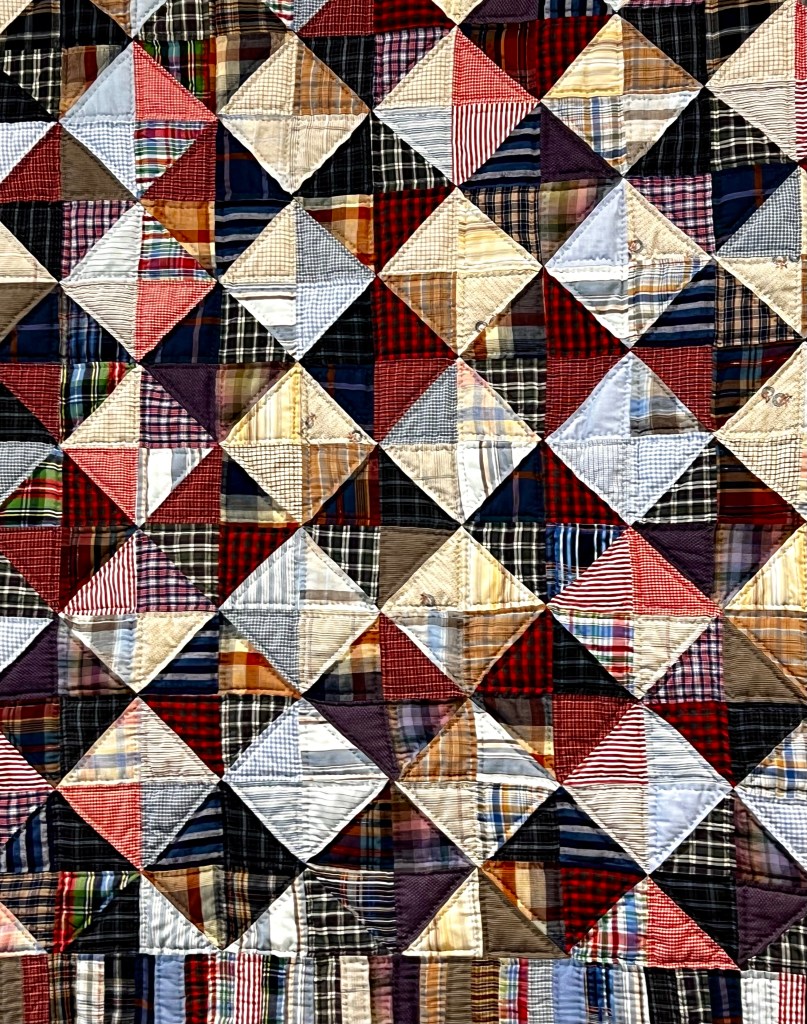
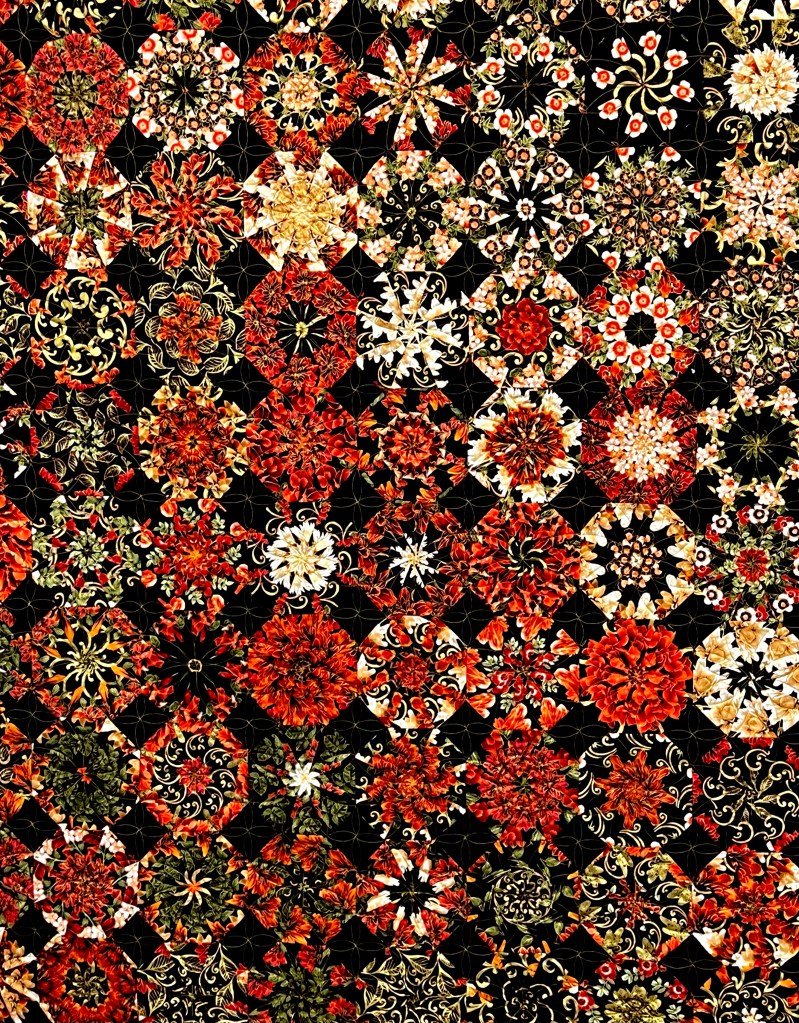
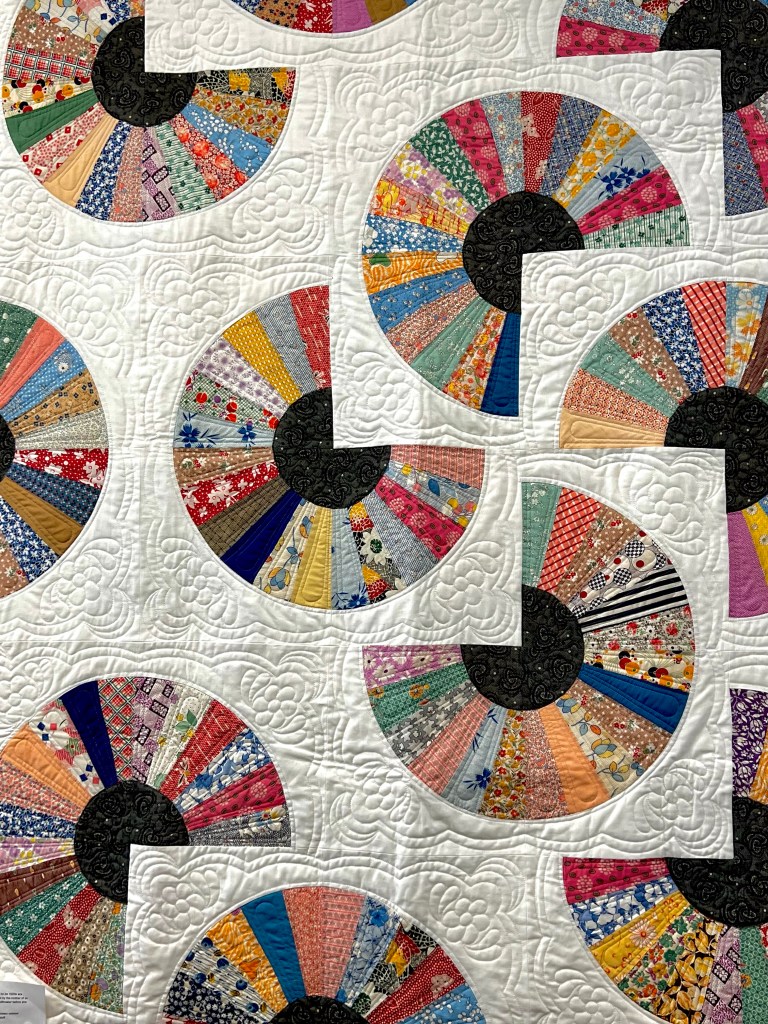
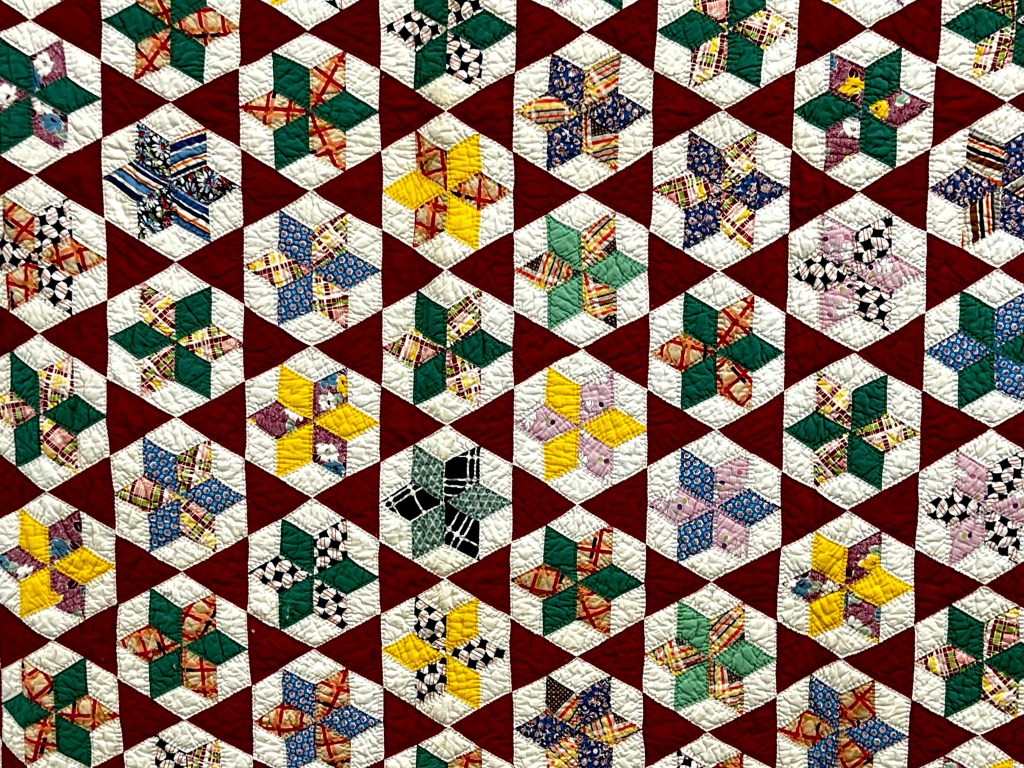
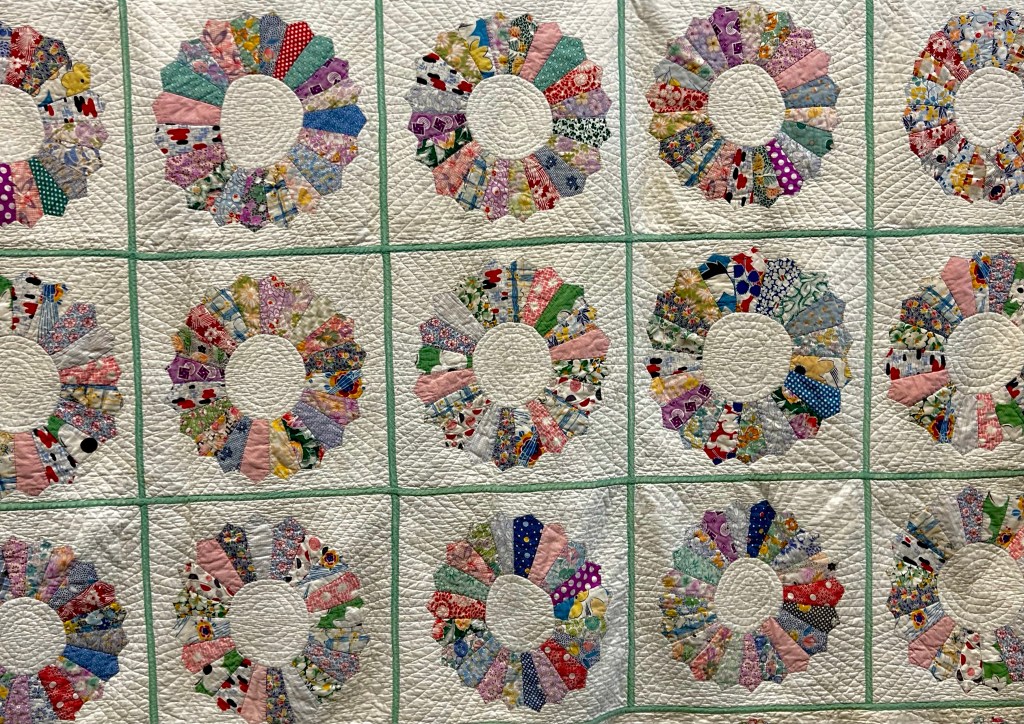
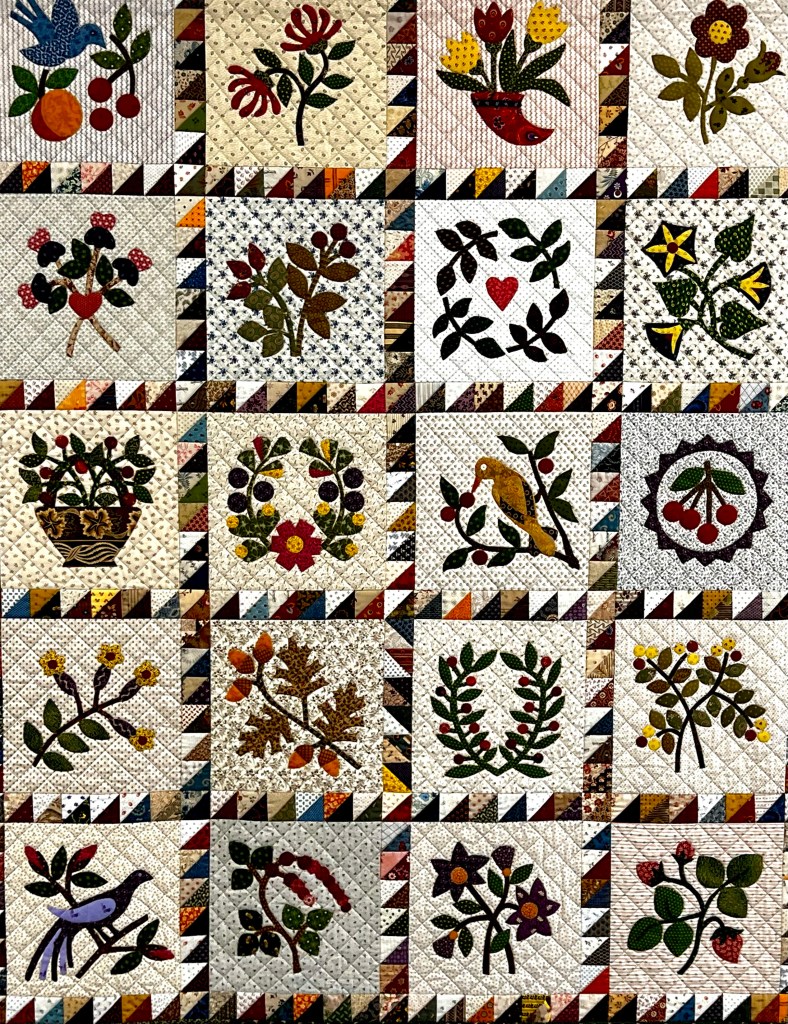
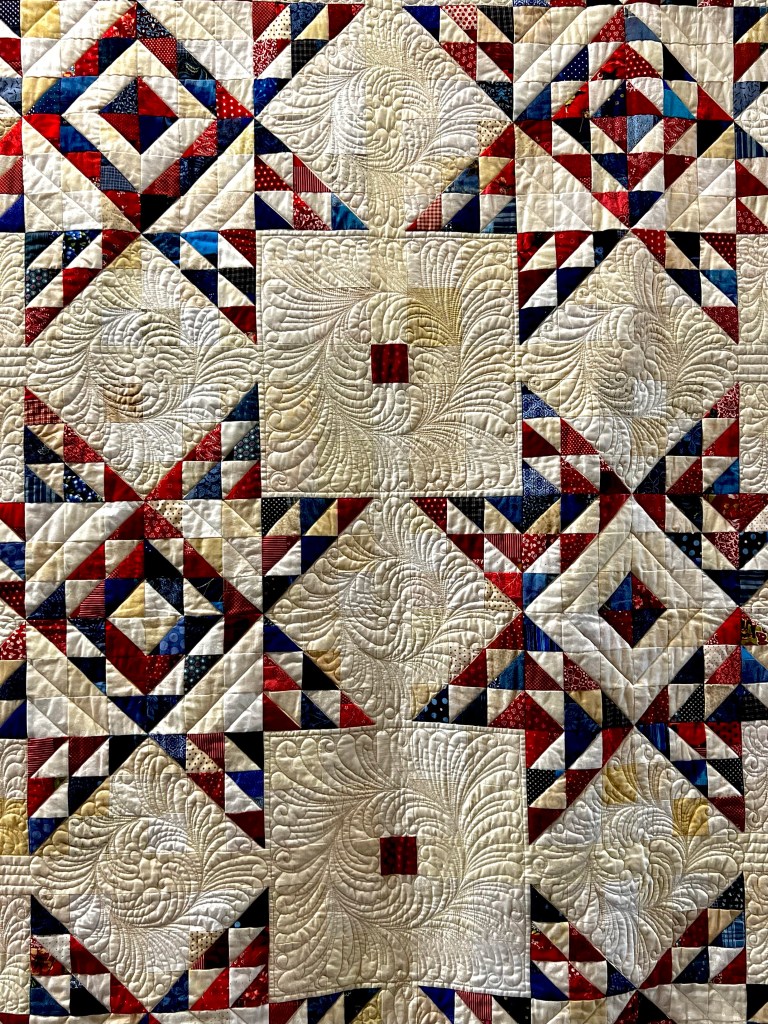
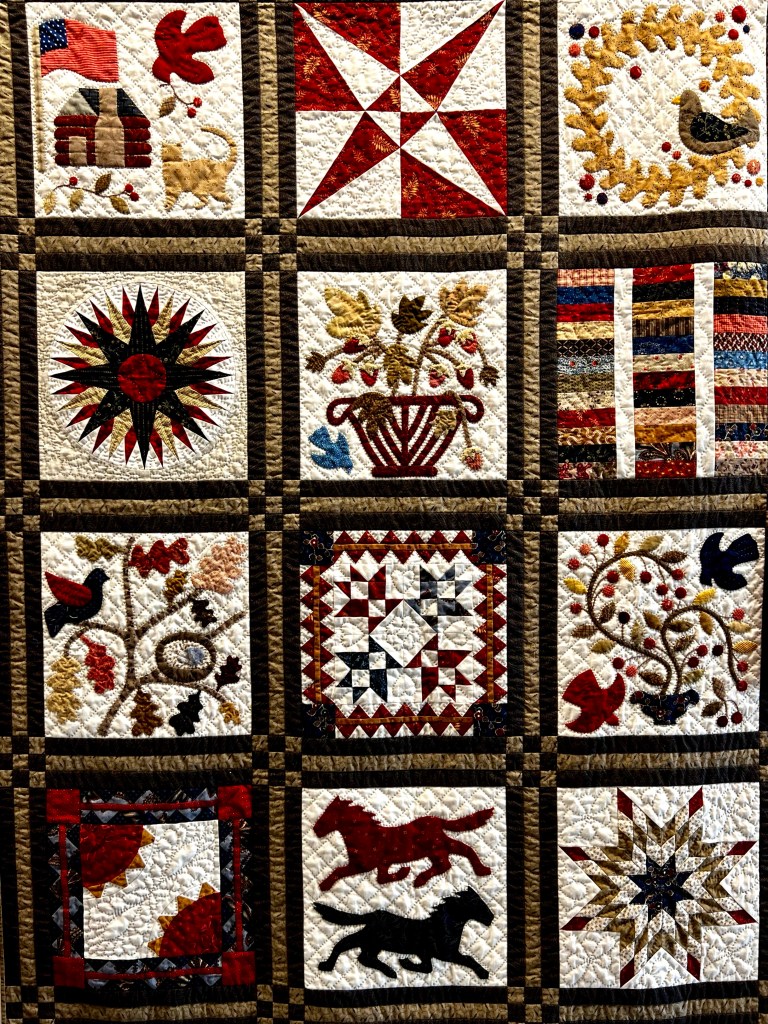
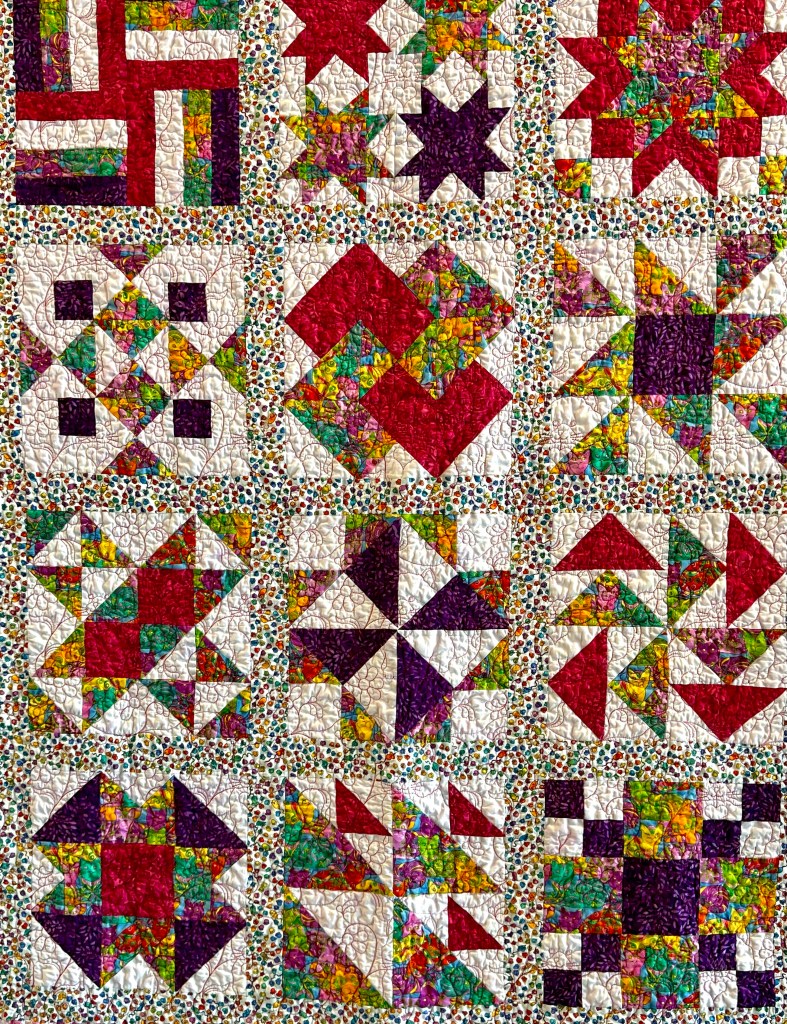
Patchworks – Warm and Beautiful

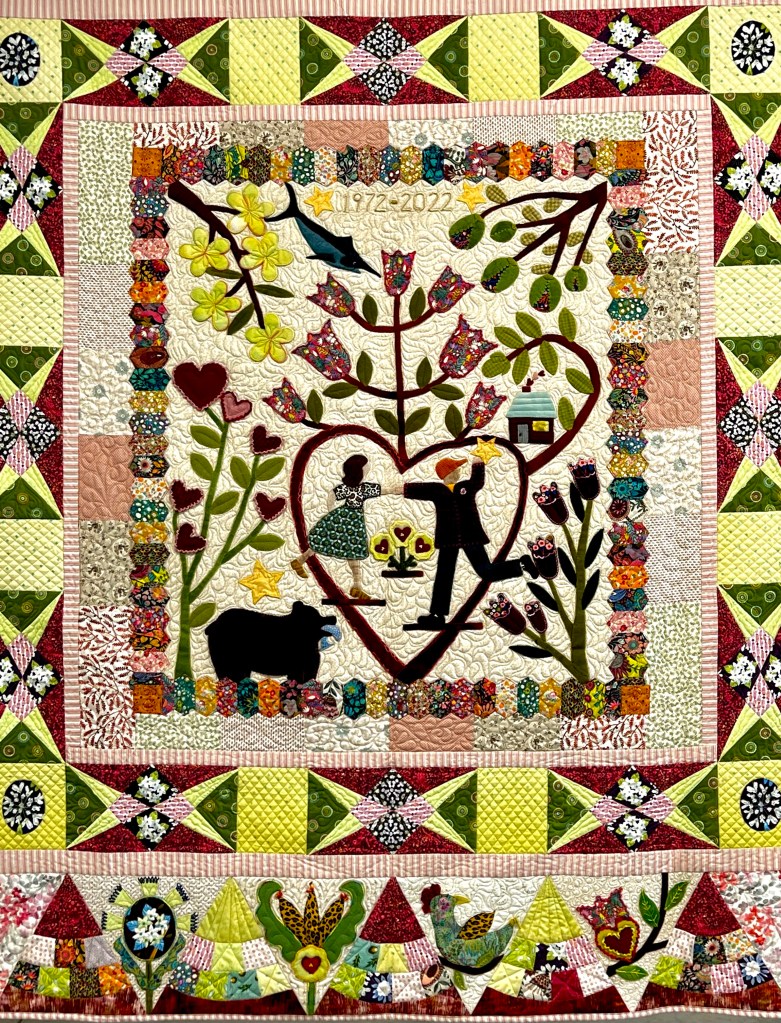
In your life, the people become like a patchwork quilt. Some leave with you a piece that is bigger than you wanted and others smaller than you thought you needed. Some are that annoying itchy square in the corner, and others that piece of worn flannel. You leave pieces with some and they leave their pieces with you. All the while each and every square makes up a part of what is you. Be okay with the squares people leave you. For life is too short to expect from people what they do not have to give, or were not called to give you.
~Anna M. Aquino

“I make them warm to keep my family from freezing; I make them beautiful to keep my heart from breaking.”
–From the journal of a prairie woman, 1870

To keep a husband and five children warm,
she quilts them covers thick as drifts against
the door. Through every fleshy square white threads
needle their almost invisible tracks; her hours
count each small suture that holds together
the raw-cut, uncolored edges of her life.
She pieces each one beautiful, and summer bright
to thaw her frozen soul. Under her fingers
the scraps grow to green birds and purple
improbable leaves; deeper than calico, her mid-winter
mind bursts into flowers. She watches them unfold
between the double stars, the wedding rings.
~Luci Shaw “Quiltmaker”

Like a fading piece of cloth
I am a failure

No longer do I cover tables filled with food and laughter
My seams are frayed my hems falling my strength no longer able
To hold the hot and cold

I wish for those first days
When just woven I could keep water
From seeping through
Repelled stains with the tightness of my weave
Dazzled the sunlight with my
Reflection

I grow old though pleased with my memories
The tasks I can no longer complete
Are balanced by the love of the tasks gone past

I offer no apology only
this plea:

When I am frayed and strained and drizzle at the end
Please someone cut a square and put me in a quilt
That I might keep some child warm

And some old person with no one else to talk to
Will hear my whispers

And cuddle
near
~Nikki Giovanni “Quilts”

We stitch together quilts of meaning to keep us warm and safe, with whatever patches of beauty and utility we have on hand.”
~Anne Lamott

When I no longer have strength
or the usefulness to perform my daily tasks,
piece me up and sew me into a greater whole
along with pieces of others who are fading.
We are so much better together,
so much more colorful and bold,
becoming art and function in our fraying state.

Full of warmth and beauty and fun
covering all who are sick and sleep
and love and cuddle,
and who drift off to heaven on a quilt-cloud
as their last breath is breathed.

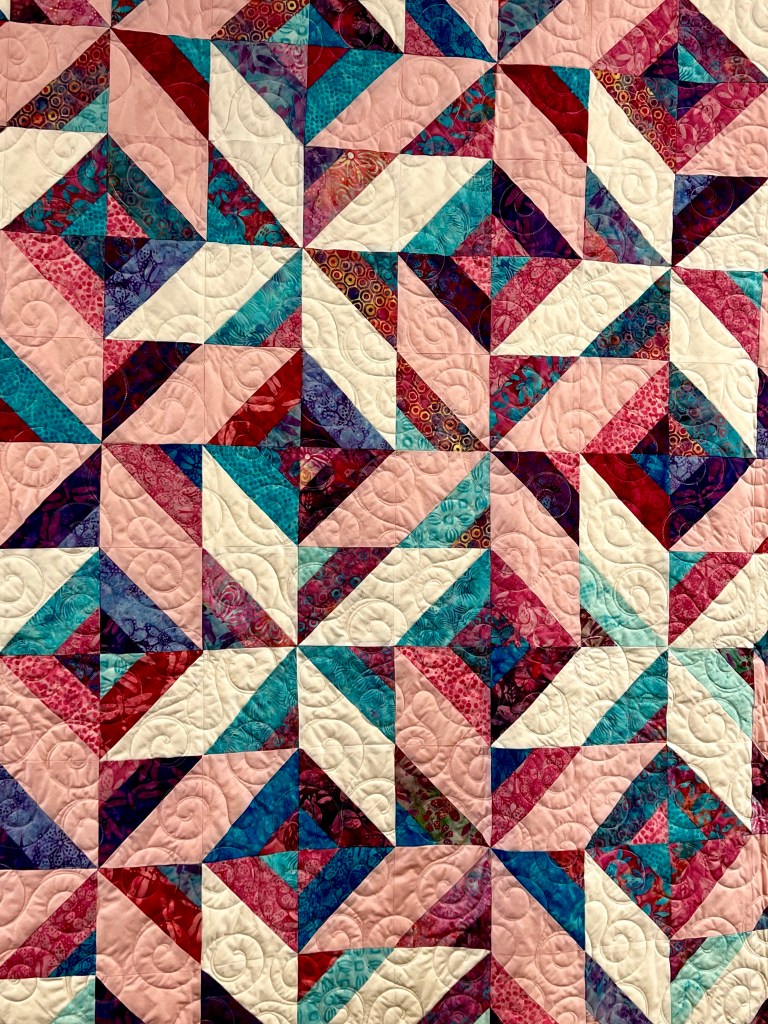
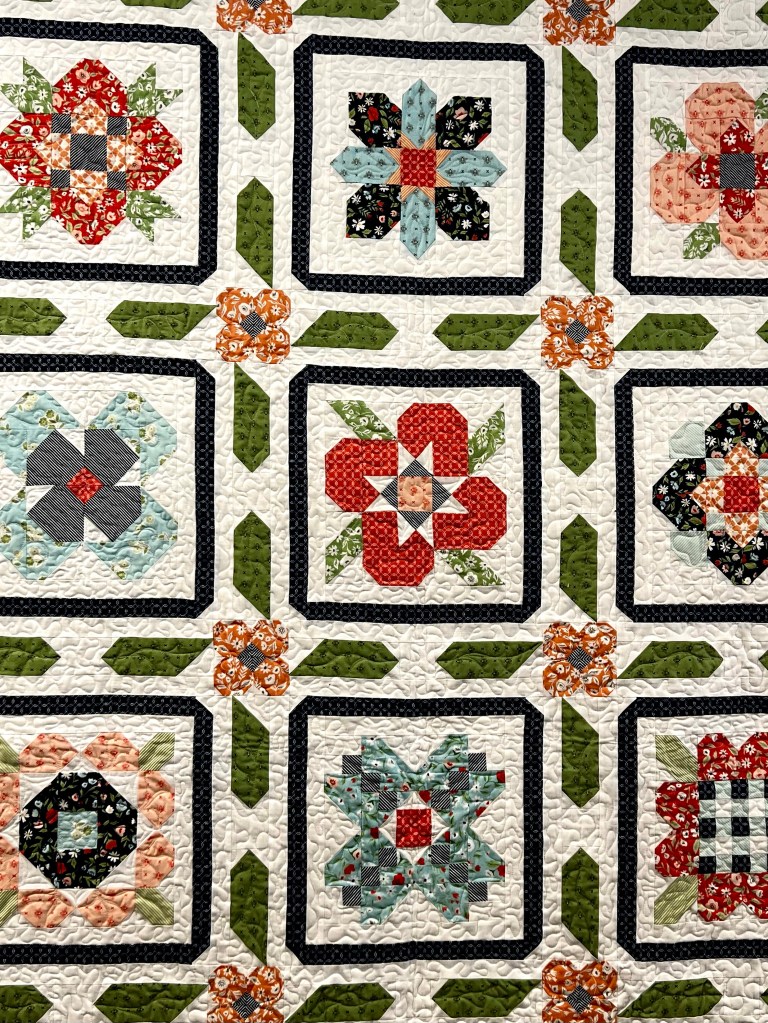
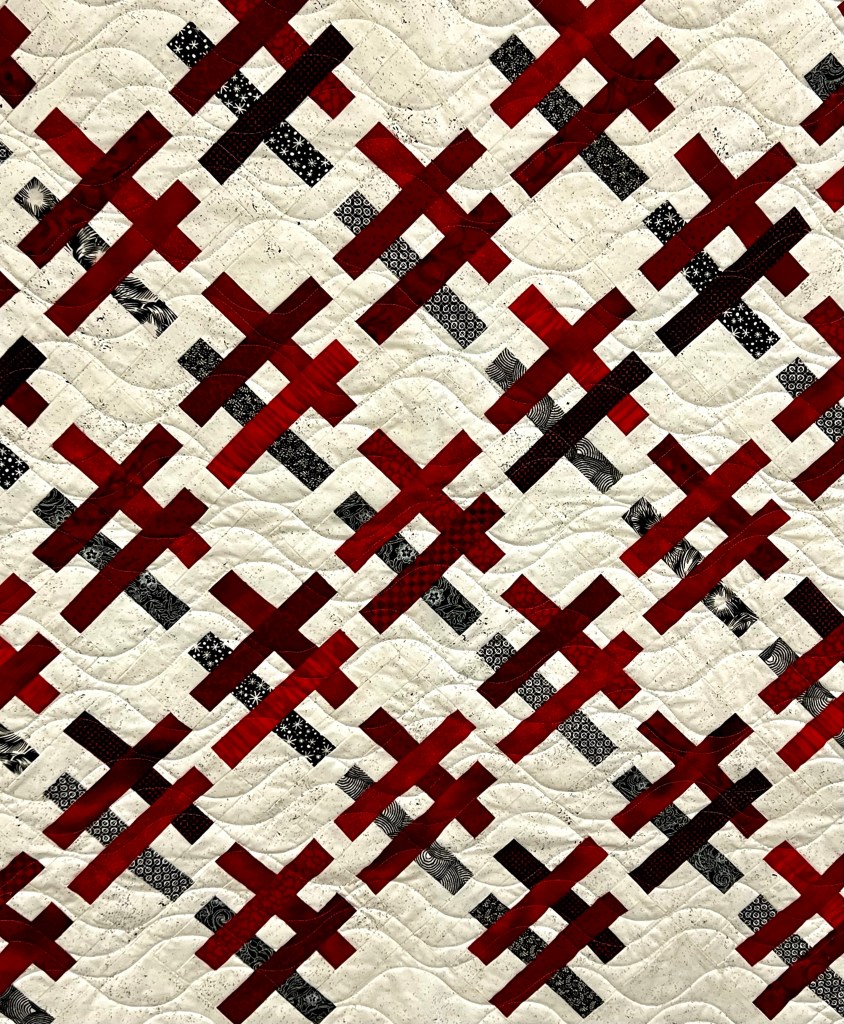
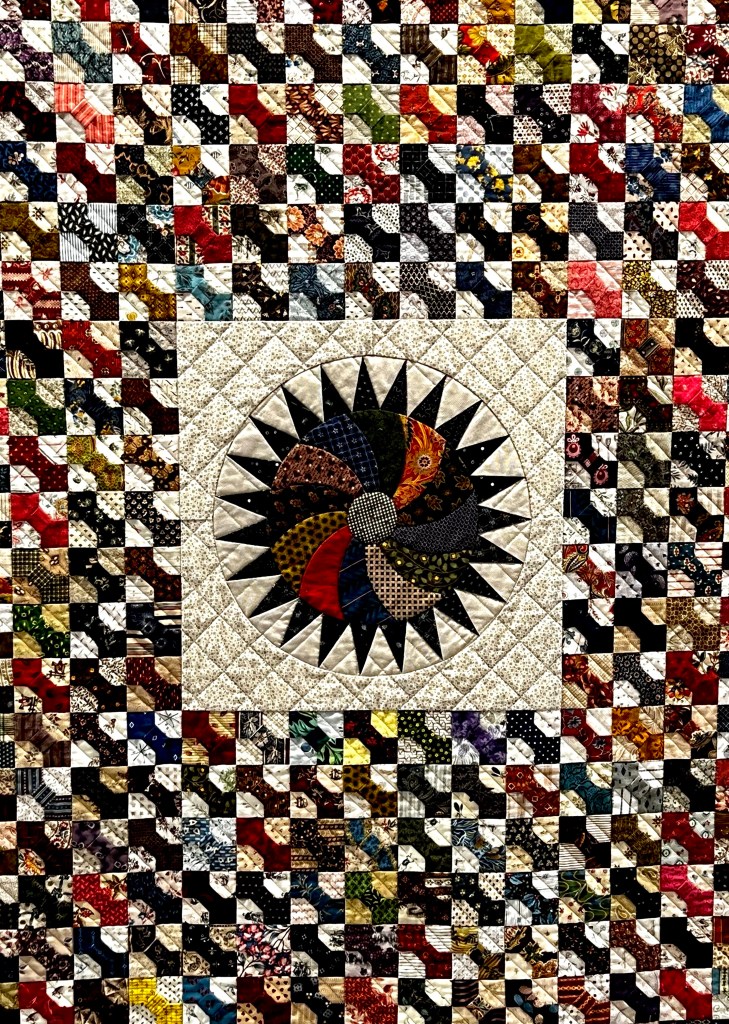
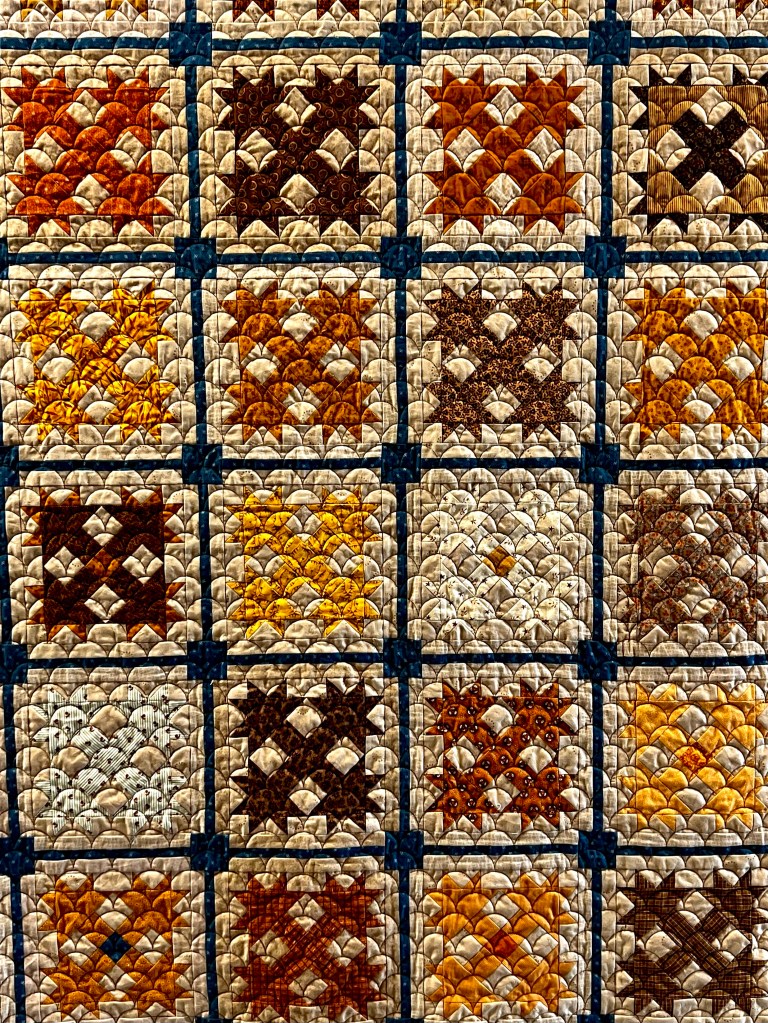
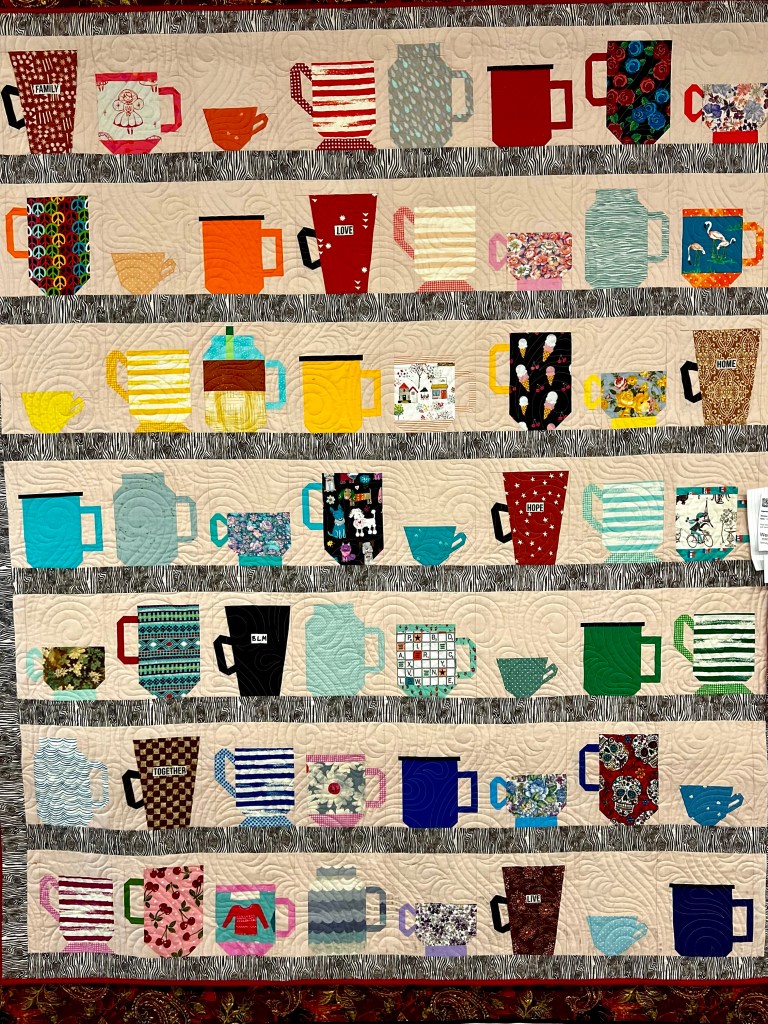
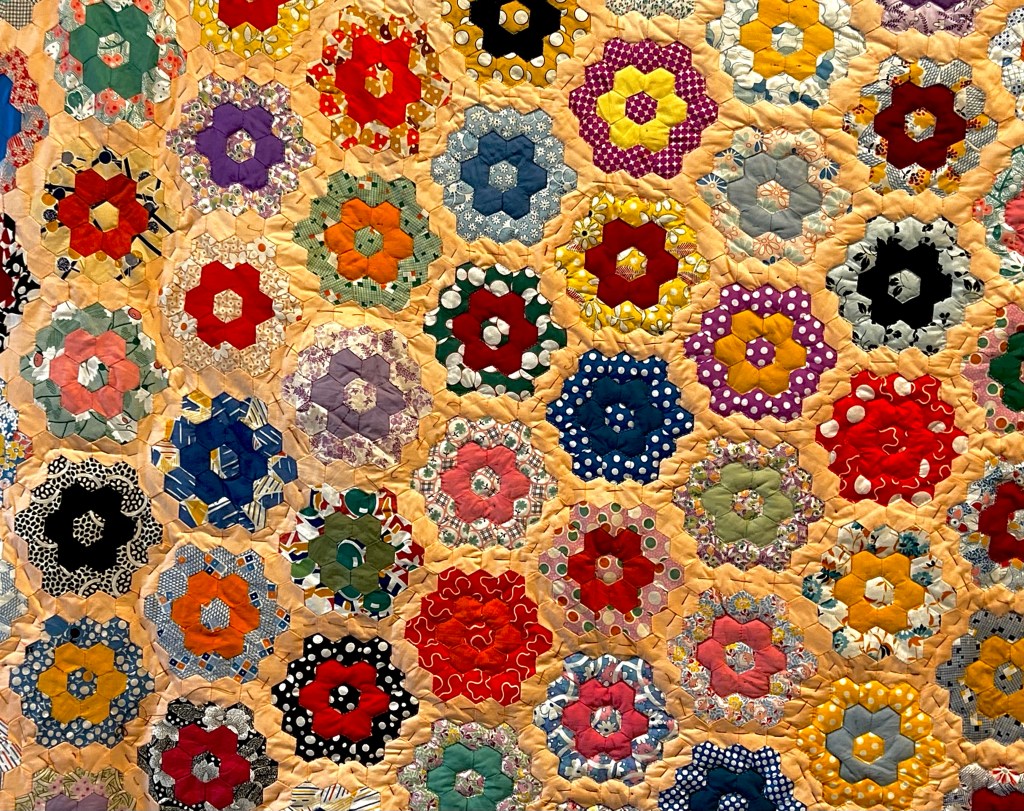
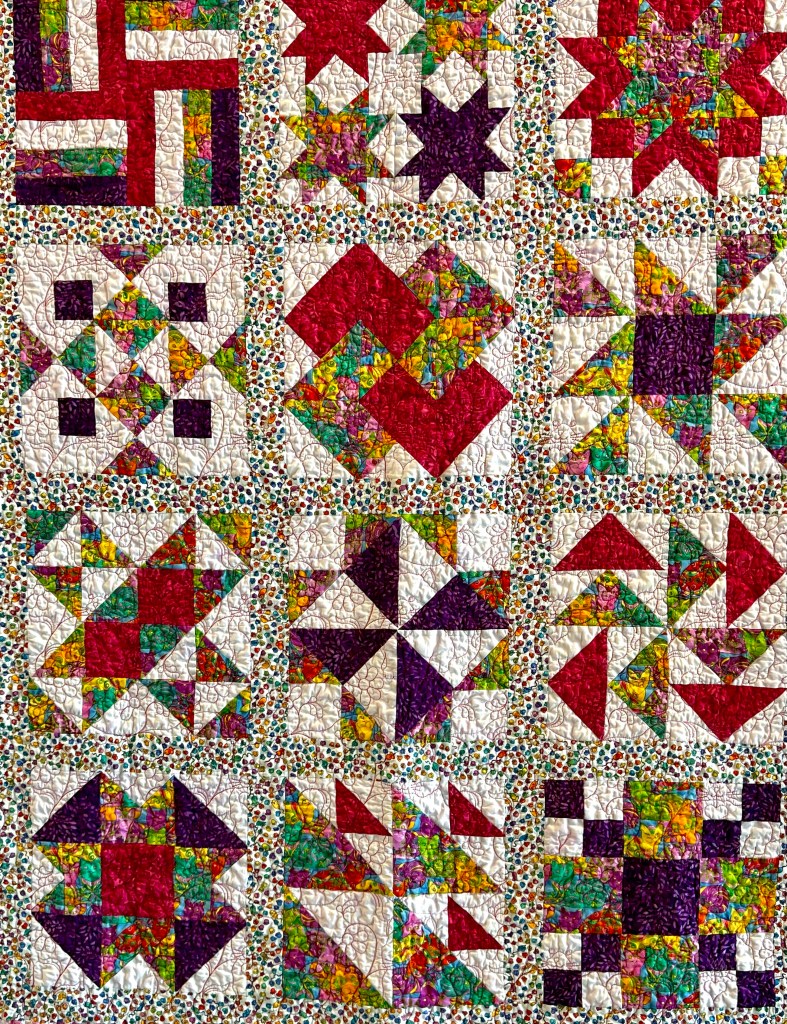
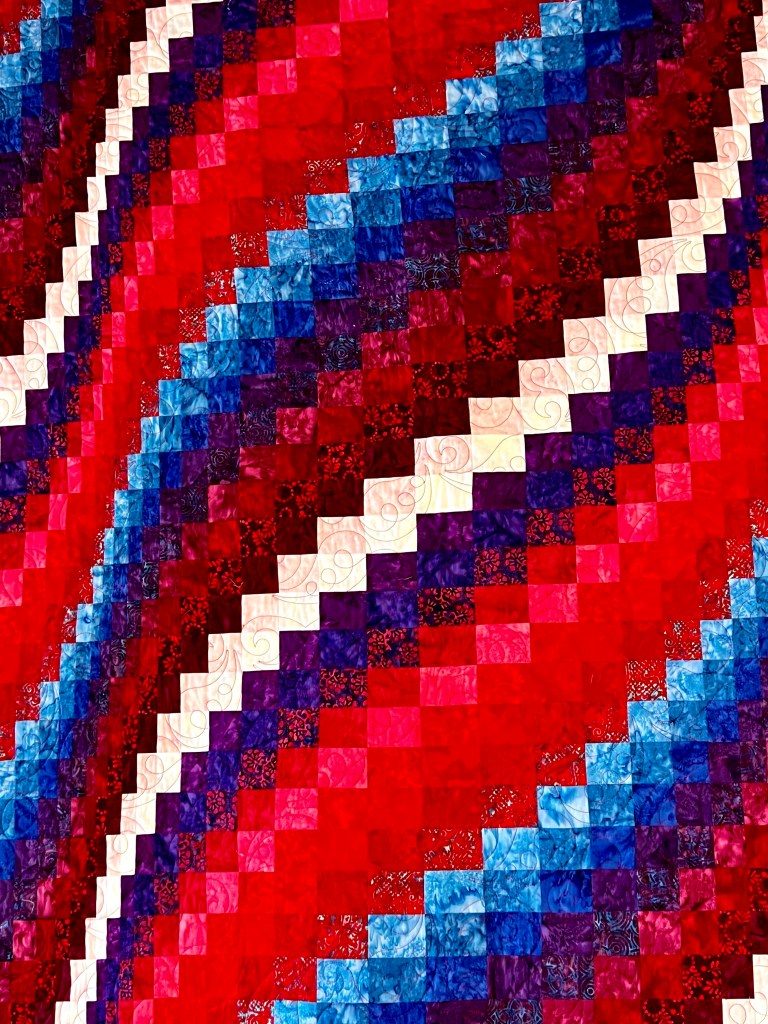
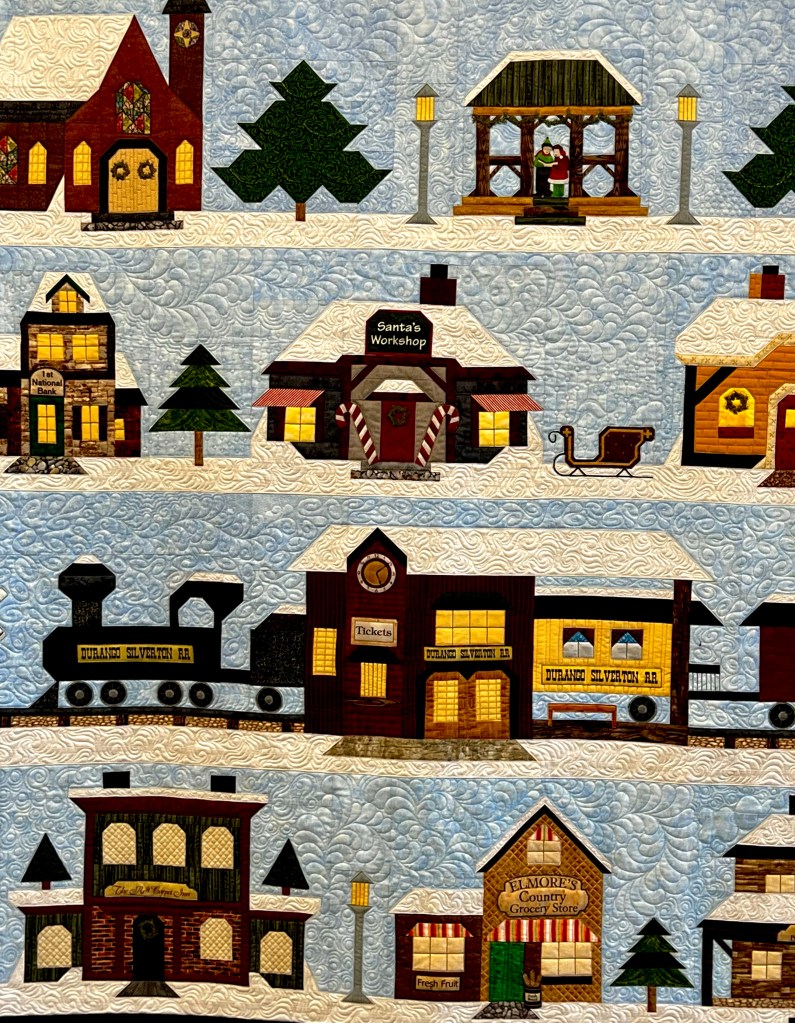
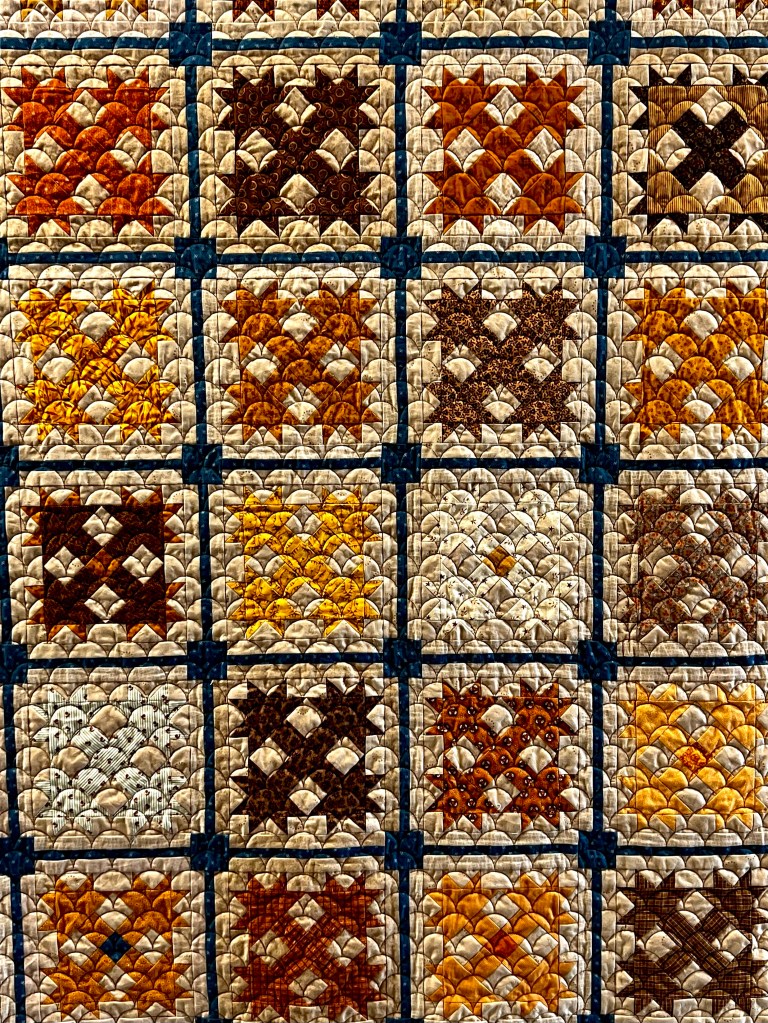
~~click each quilt to enlarge and admire the handiwork~~

(thank you again to the quilters displaying their art at the NW Washington Fair in Lynden
(see previous years’ work here, here, here, here, and here )

One-Time
Monthly
Yearly

Make a one-time or recurring donation to support daily Barnstorming posts

Make a monthly donation

Make a yearly donation

Choose an amount

¤5.00
¤10.00
¤20.00
¤5.00
¤15.00
¤100.00
¤5.00
¤15.00
¤100.00

Or enter a custom amount

¤

Your contribution is deeply appreciated.

Your contribution is appreciated.

Your contribution is appreciated.

DonateDonate monthlyDonate yearly

Walking Over the Threshold

I know for a while again,
the health of self-forgetfulness,
looking out at the sky through
a notch in the valley side,
the black woods wintry on
the hills, small clouds at sunset
passing across. And I know
that this is one of the thresholds
between Earth and Heaven,
from which I may even step
forth from myself and be free.
~ Wendell Berry, Sabbaths 2000

John O’Donohue gave voice to the connection between beauty and those edges of life — thresholds was the word he loved—
where the fullness of reality becomes more stark and more clear.

If you go back to the etymology of the word “threshold,” it comes from “threshing,” which is to separate the grain from the husk. So the threshold, in a way, is a place where you move into more critical and challenging and worthy fullness.

There are huge thresholds in every life.

You know that, for instance, if you are in the middle of your life in a busy evening, fifty things to do and you get a phone call that somebody you love is suddenly dying, it takes ten seconds to communicate that information.

But when you put the phone down, you are already standing in a different world. Suddenly everything that seems so important before is all gone and now you are thinking of this. So the given world that we think is there and the solid ground we are on is so tentative.

And a threshold is a line which separates two territories of spirit, and very often how we cross is the key thing.

When we cross a new threshold worthily, what we do is we heal the patterns of repetition that were in us that had us caught somewhere.
~John O’Donohue from an “On Being” interview with Krista Tippett on “Becoming Wise”

A decade ago, someone I respected told me that my writing reflects a “sacramental” life —  touching and tasting the holiness of everyday moments, as if they are the cup and bread that sustains me as God’s eternal grace and gift.

I allow that feedback to sit warmly beside me, like a welcome companion during the many hours I struggle with what to write here.

It is all too tempting to emphasize the sacrament over the sacrifice it represents.  As much as I love the world and the beauty in the moments I share here, my search should be for the entrance to the “thin places” between heaven and earth, through forgetting self and stepping forth through a holy threshold into something far greater.

I feel so unworthy — in fact, threshed to pieces most days, incapable of thinking of anything but how I feel reduced to fragments. Perhaps those fragments can be like the droplets coming from a farm sprinkler at sunset, sparkling and golden despite waning light, bringing something essential to anyone feeling dry, parched and dusty.

I may even step
forth from myself and be free
.

Only then we can walk each other home.

One-Time
Monthly
Yearly

Make a one-time or recurring donation to support daily Barnstorming posts

Make a monthly donation

Make a yearly donation

Choose an amount

¤5.00
¤10.00
¤20.00
¤5.00
¤15.00
¤100.00
¤5.00
¤15.00
¤100.00

Or enter a custom amount

¤

Your contribution is deeply appreciated.

Your contribution is appreciated.

Your contribution is appreciated.

DonateDonate monthlyDonate yearly

Whispering Words of Wisdom: Let It Be

Aspire to decency. Practice civility toward one another. Admire and emulate ethical behavior wherever you find it. Apply a rigid standard of morality to your lives; and if, periodically, you fail ­as you surely will, adjust your lives, not the standards.
Ted Koppel

Ten years ago during this week in August, my clinical work was routine and ordinary but took a quick turn when I got a message from the media director at my university that a 14 month old medical opinion article I’d written for the student newspaper and then posted as a regular contributor on www.kevinmd.com was suddenly being quoted on the Huffington Post, Salon.com and other websites.  

Within hours, over a dozen media websites were citing “A War on Pubic Hair”

The original article was written as one in a series of opinion pieces on medical issues pertinent to college students requested by the student newspaper. I wrote it in spring 2011 after draining my umpteenth staph bacteria genital abscess due to the increasingly common practice of cosmetic removal of pubic hair. I felt the students needed to understand the hazards of what they were doing and hoped I could spare the next patient from experiencing an infection so painful and potentially serious.

So it went viral, over a year after it was written, all in a matter of hours. I was being quoted as if I had just been interviewed by these news agencies, which I had not, and they began feeding wrong information to each other: I was identified as “a leading British physician” since the first media report originated in the U.K.  One British site actually asked permission to reprint the original article, which I appreciated so that my words could not be taken out of context, but they attached a photo of me to the article lifted from my family picture on my personal blog.

Soon my personal cell phone started to ring in the middle of the night and my email in-box filled up. Messages from Europe, South America and all over the U.S. came in with requests for interviews, wanting me to elaborate in more detail on my very “provocative” point of view. I said no to every one of them even though some were respectable agencies, like the BBC, because I’d said all I had to say on this particular subject. I did not want my long career to be reduced to my defense of pubic hair or my life motto to read “Leave it alone!” Indeed I can hold my head up and be proud to tell my grandchildren someday that I actually turned down the Playboy Channel.

The online comments on the articles rapidly reproduced themselves, numbering in the thousands, with many hostile to my perspective and saying so in the most mean and inflammatory ways possible, citing my age, my looks and obvious lack of sex appeal as showing I lacked credibility in this subject. I dared to question the point of a multi-billion dollar cosmetic industry spawned by the even bigger multi-billion dollar porn industry, and no one was going to let me get away with it unscathed.

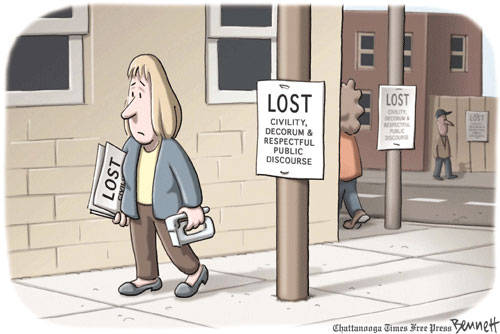
Civility has become even more endangered on the internet in the intervening ten years so I believe I actually got off easy at the time. Human beings lack accountability for their words and actions while hiding behind anonymous comments on media websites and blogs. It is easy to attack, lie, threaten, and bully when it is only words on a screen directed at someone you don’t know and will never meet. Decency and civility are lost forever when the standards for moral and ethical behavior disappear in a fog of pixels and bytes.

It has taken some time and distance for me to consider whether I did the right thing writing about a medical issue no one else would touch at the time. The “bare” trend has definitely waned over the last decade yet plenty of people still engage in the practice, although the recent sexual spread of the monkey pox virus is making some think twice about it.

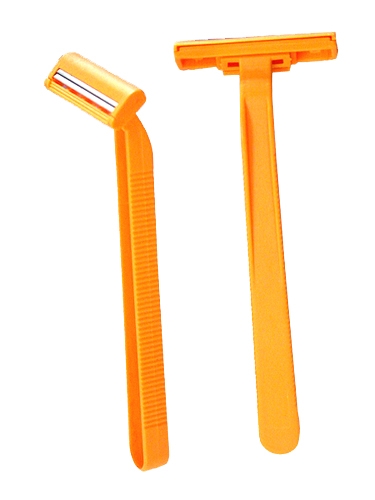
If I managed to convince someone to put away the razor, stop the waxing, and respect their body as nature intended it to be, maybe I did the right thing after all.

After all – I shared whispered words of wisdom:
Let it be…

Cartoon by Clay Bennett
One-Time
Monthly
Yearly

Make a one-time or recurring donation

Make a monthly donation

Make a yearly donation

Choose an amount

¤5.00
¤10.00
¤20.00
¤5.00
¤15.00
¤100.00
¤5.00
¤15.00
¤100.00

Or enter a custom amount

¤

Your contribution is deeply appreciated.

Your contribution is appreciated.

Your contribution is appreciated.

DonateDonate monthlyDonate yearly

The Heart’s Need

About living in the country?
…peace can deafen one, beauty surprise
No longer.  There is only the thud
Of the slow foot up the long lane
At morning and back at night.
~R.S. Thomas from “The Country”

…once when he was walking
Along a lane in spring he was deceived
By a shrill whistle coming through the leaves;
Wait a minute, wait a minute-four swift notes;
He turned, and it was nothing, only a Thrush
In the thorn bushes easing its throat.
He swore at himself for paying heed,
The poor hill farmer, so often again
Stopping, staring, listening, in vain,
His ear betrayed by the heart’s need.
~R.S.Thomas from “The Lonely Farmer”

I must not forget my heart’s need:
my utter astonishment
at the beauty around me
even on the hottest and sweatiest of days,
even on the grayest and wettest of days,
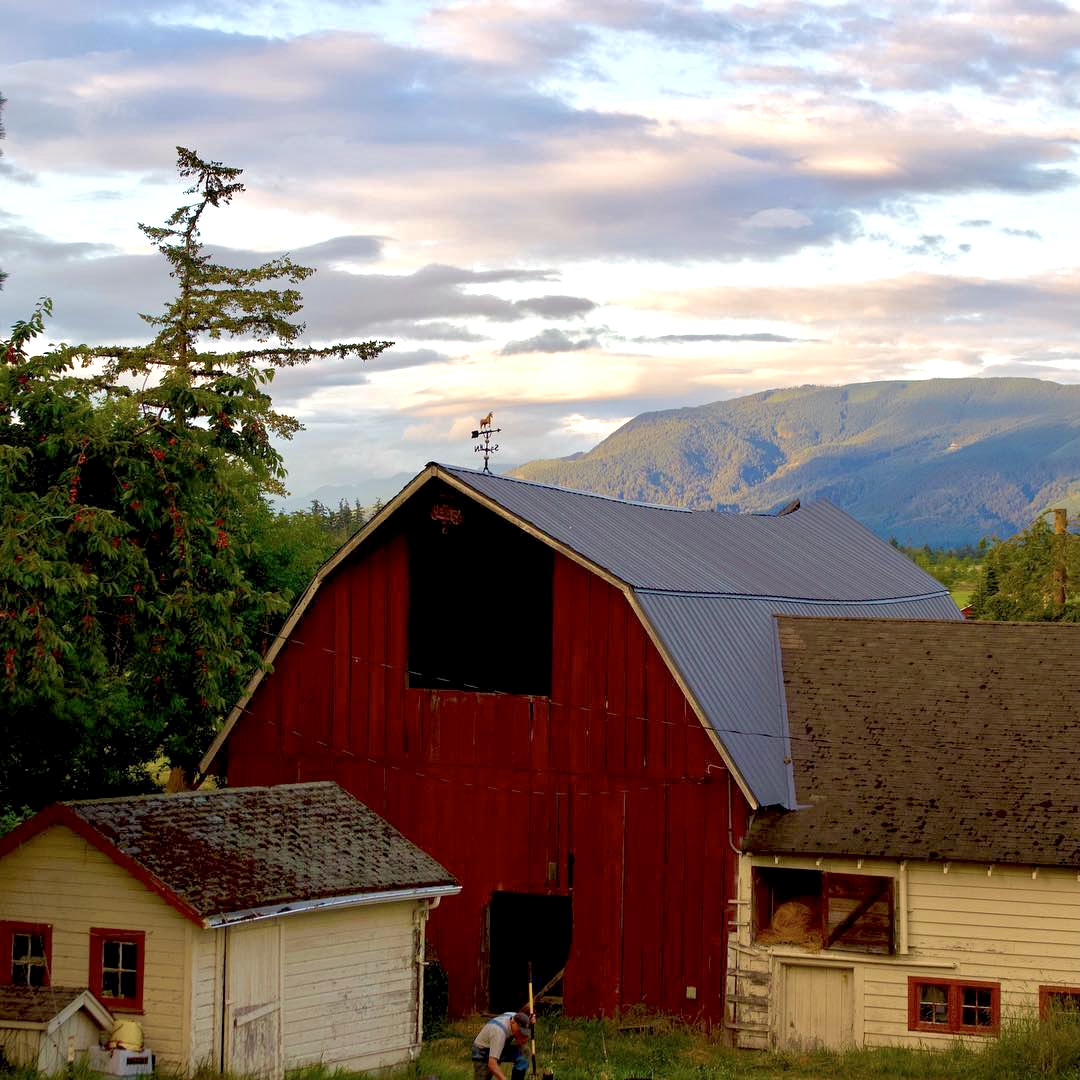
while trudging the darkened barnyard path
to attend, although weary, to chores.

If ever I fail to see
what is right in front of me,
this grace-given gift
to my eyes and ears and heart,
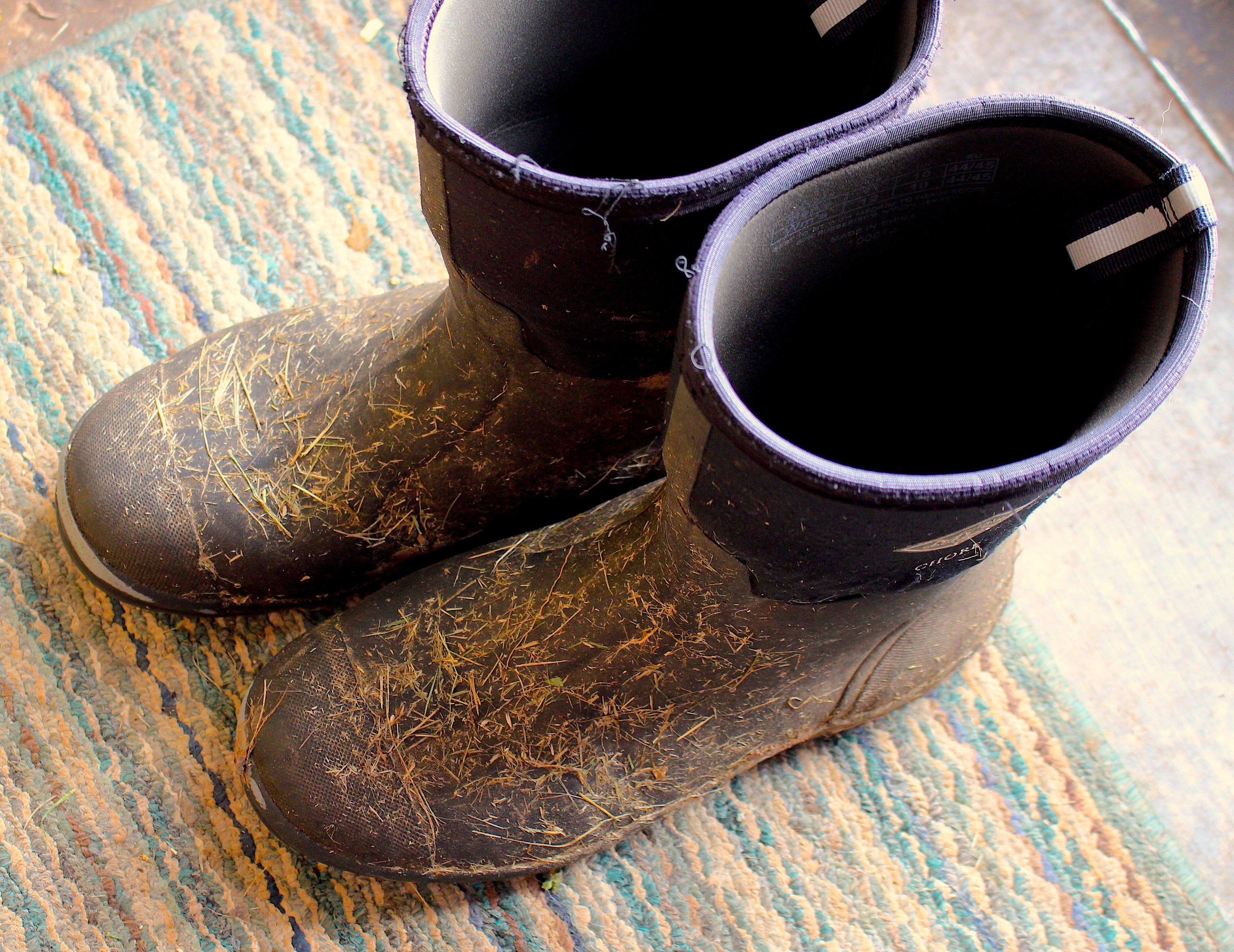
I do not deserve to put on boots
or hold a pitchfork.

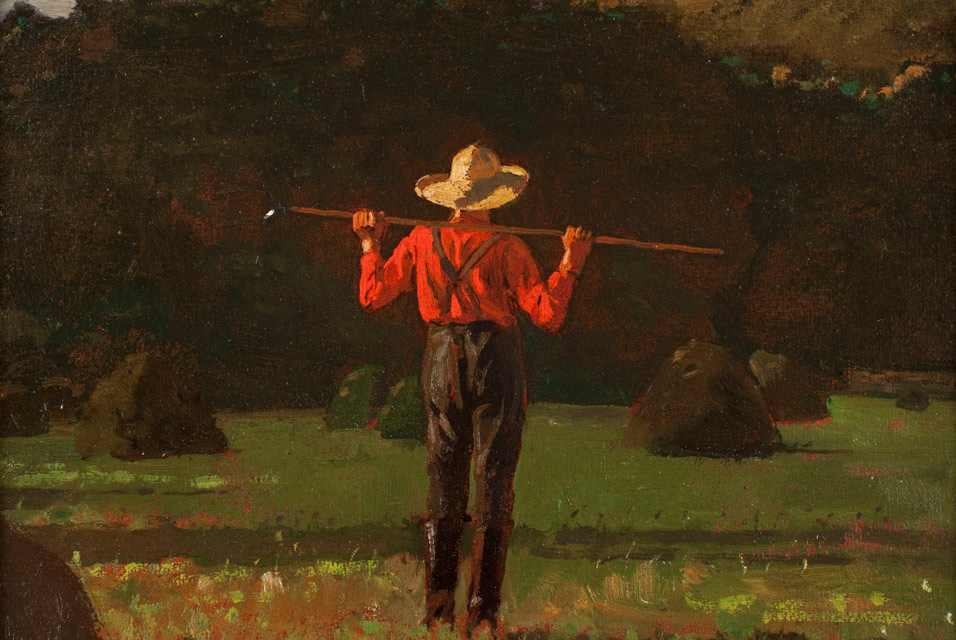
Farmer with a pitchfork by Winslow Homer

He knows every stone that’s been struck by the plow
There’s a pile by the barn by the sweat of his brow
The land has his heart and he rarely complains
And it holds his knees when he prays for rain

He’s a dusty old carhartt and the light in the barn
He’ll work the late hours and he’s up before dawn
Every man has a story and the story goes on
From grandad’s eyes to a new born son

Why I farm is in my blood, like the sunlight is on my skin
Is who I meant to be, is who I’ve always been
Is more than just a living, it’s my way of life
And it grows like seed inside my heart
That’s why I farm

We always pull through when we thought we would break
In the flood ’93, in the draught ’88
The Lord has his timing ’cause only he knows
That when next year comes the crops will grow
Find more lyrics at 

Tough the world may shake around me, still I am stable
For as long as I am able, I’ll work this way
‘Cause when heaven comes this close to what you’re holding
This life is but a moment in a bigger plan
~The Henningsens

One-Time
Monthly
Yearly

Make a one-time or recurring donation to support daily Barnstorming posts

Make a monthly donation

Make a yearly donation

Choose an amount

¤5.00
¤10.00
¤20.00
¤5.00
¤15.00
¤100.00
¤5.00
¤15.00
¤100.00

Or enter a custom amount

¤

Your contribution is deeply appreciated.

Your contribution is appreciated.

Your contribution is appreciated.

DonateDonate monthlyDonate yearly

Being a Needy Sheep

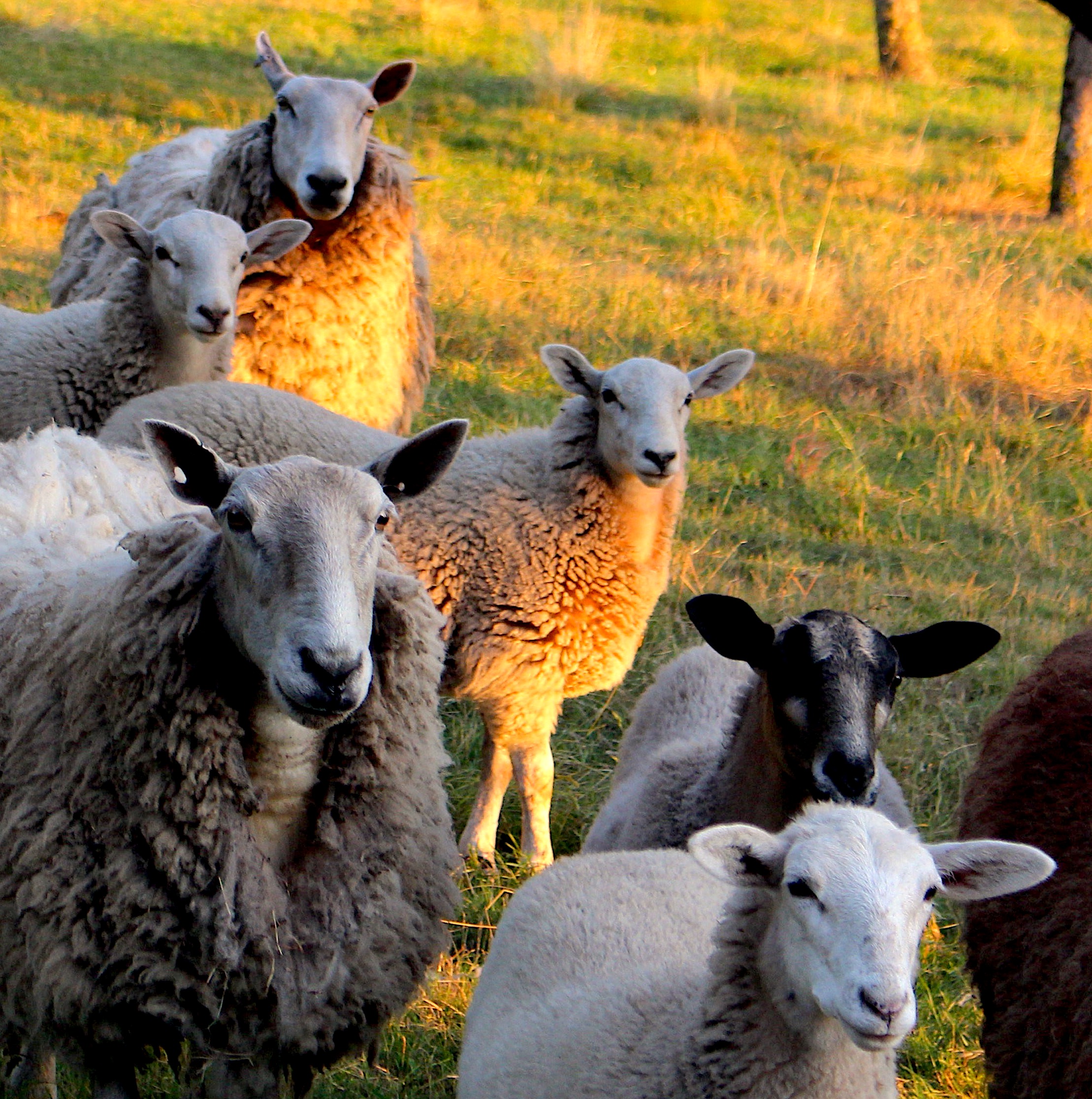
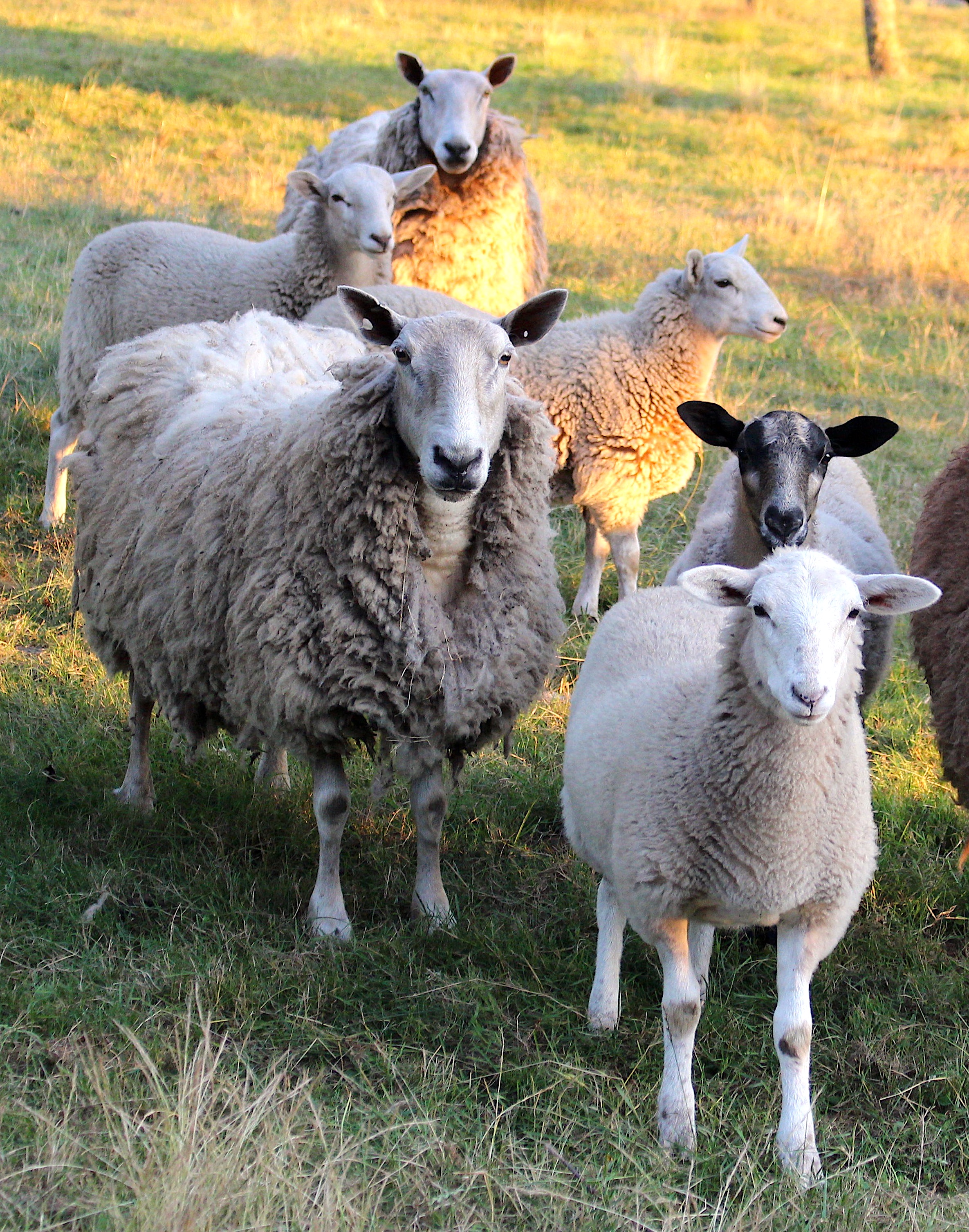
I am a sheep
and I like it
because the grass
I lie down in
feels good and the still
waters are restful and right
there if I’m thirsty
and though some valleys
are very chilly there is a long
rod that prods me so I
direct my hooves
the right way
though today
I’m trying hard
to sit at a table
because it’s expected
required really
and my enemies—
it turns out I have enemies—
are watching me eat and
spill my drink
but I don’t worry because
all my enemies do
is watch and I know
I’m safe if I will
just do my best
as I sit on this chair
that wobbles a bit
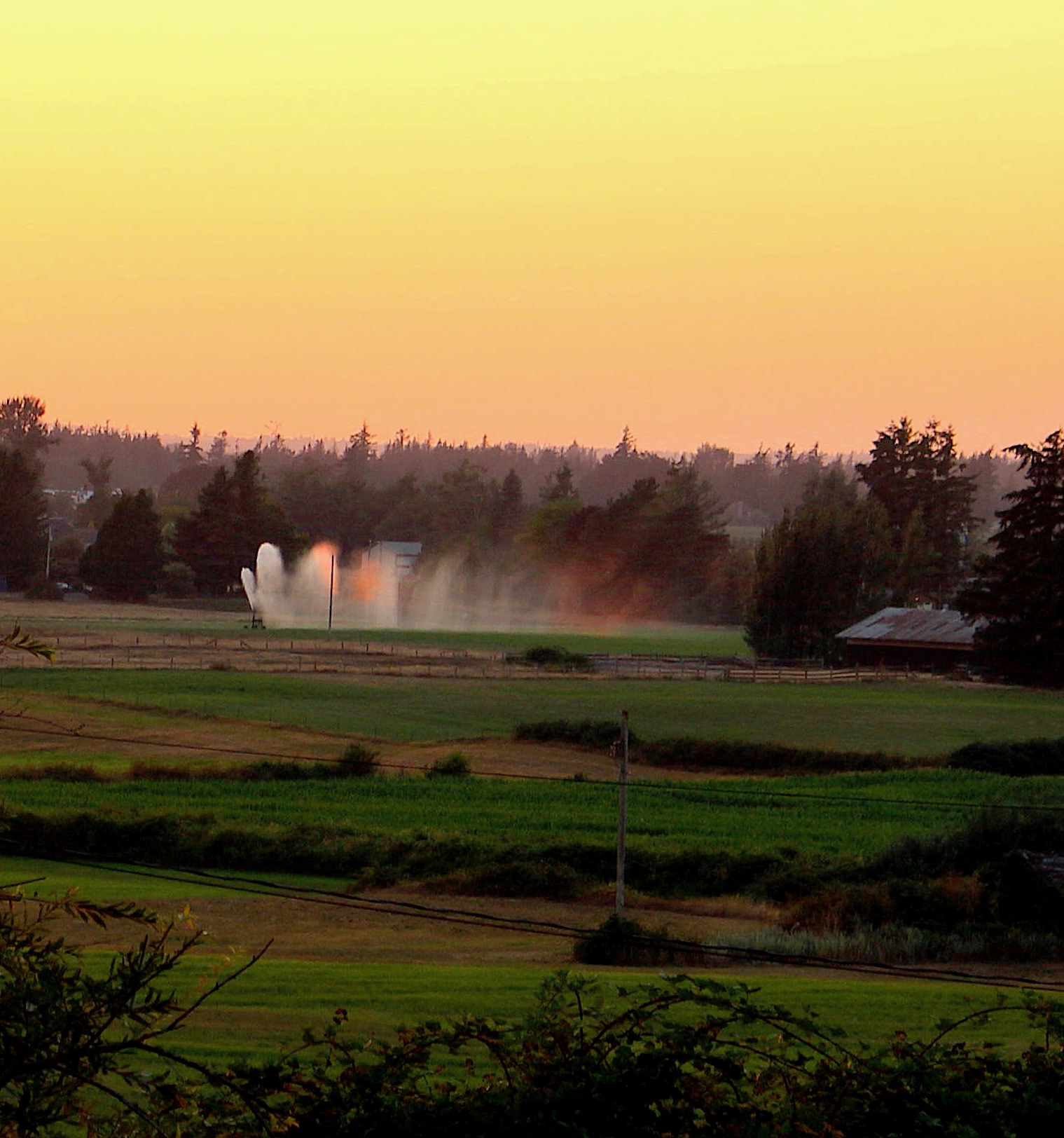
in the grass
on the side of a hill.
~Sally Fisher “Here in the Psalm” from Good Question

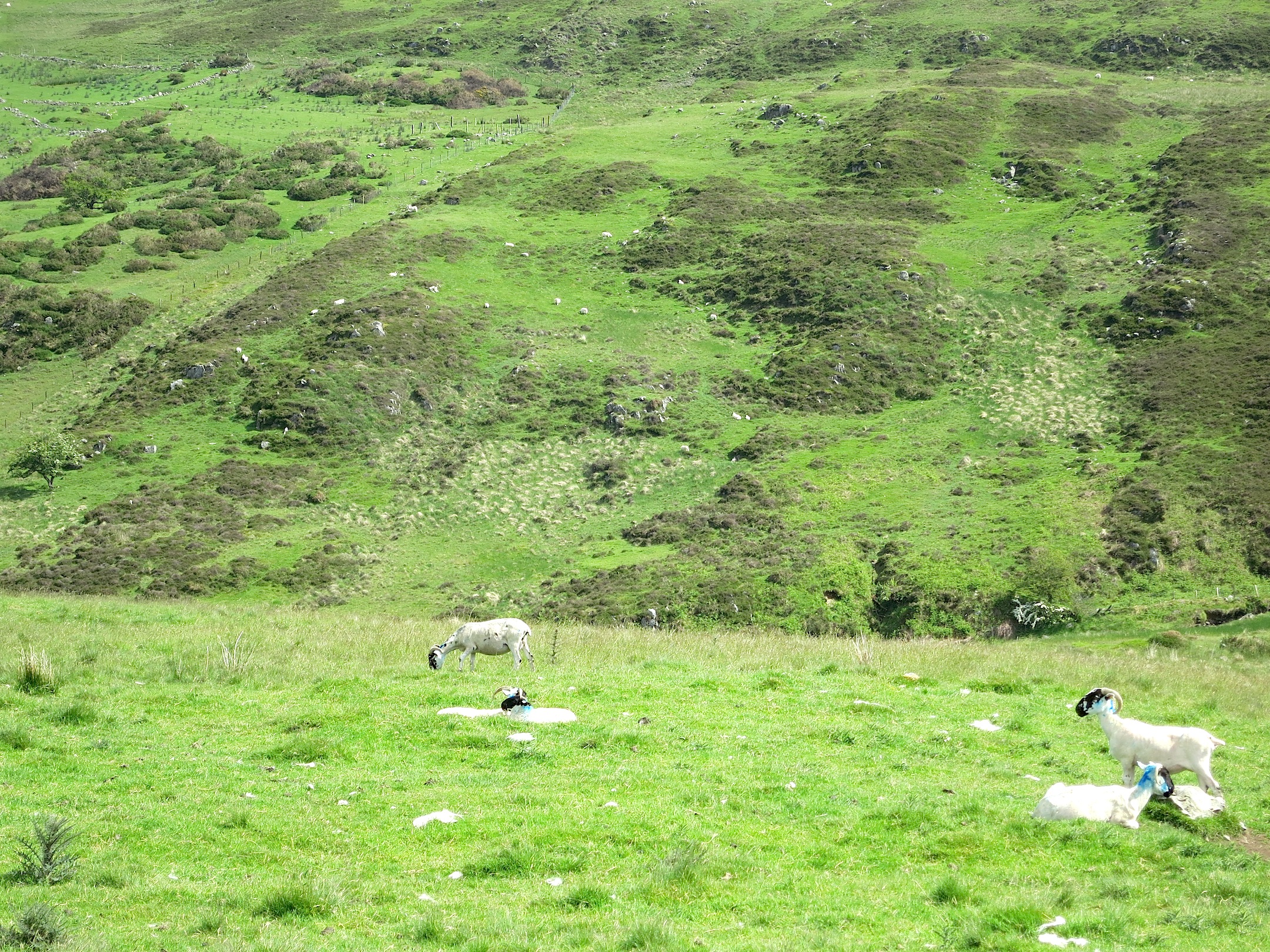
On the surface, a sheep’s life looks pretty easy – grazing in beautiful pastoral settings, blending in as a member of a flock, with the primary job being prolific in wool and lamb production.

Sounds pretty swell, all in all.

Yet it can be a hard-scrabble existence with not enough food or water in rocky terrain that is steep and tough to traverse. The wool coat can be incredibly burdensome and hooves can get too long or too short.
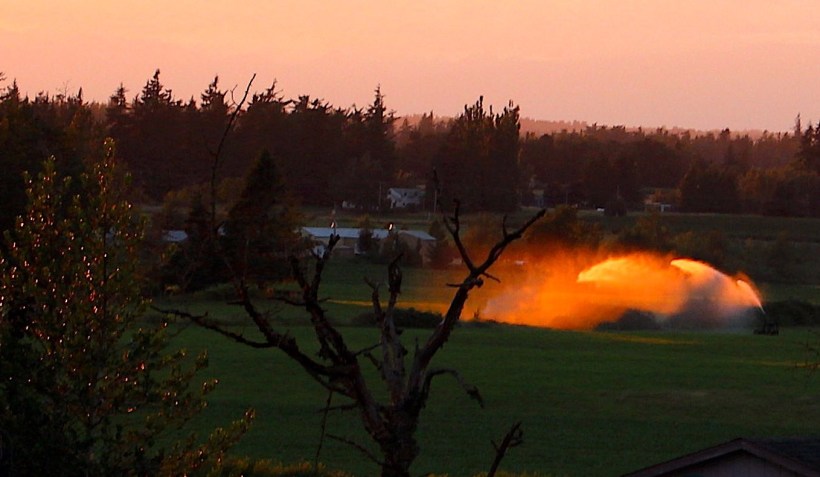
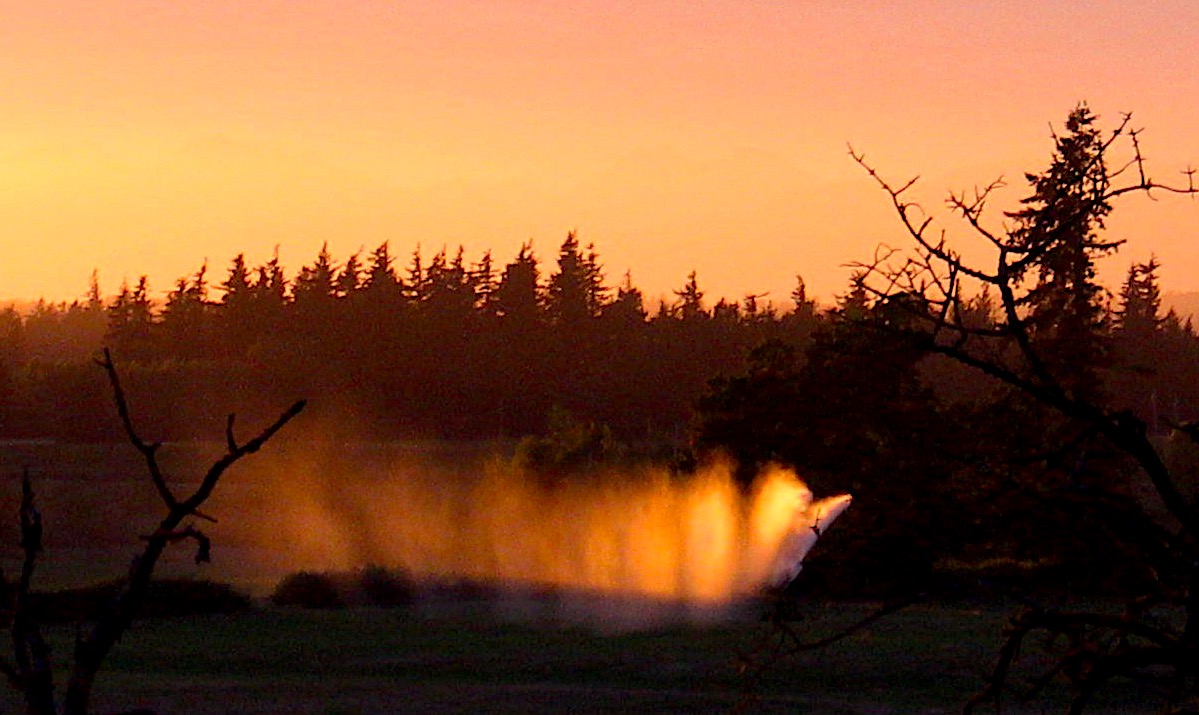
And the enemies: there are plenty of those just ready to pounce, eager to pick off the too young or too old or anyone just not paying attention. That’s why a Shepherd is so critical to our survival because they pay attention to the threats and the needs and defend the defenseless.

I’ve been labeled a sheep for unquestioningly following directions given to me, blending in, and appreciating the wisdom of the proper Shepherd. I don’t consider being considered a sheep an insult. I know I don’t know everything, nor am I capable of finding everything I need when I need it and I’m certainly not strong enough to fend off my worst enemies.
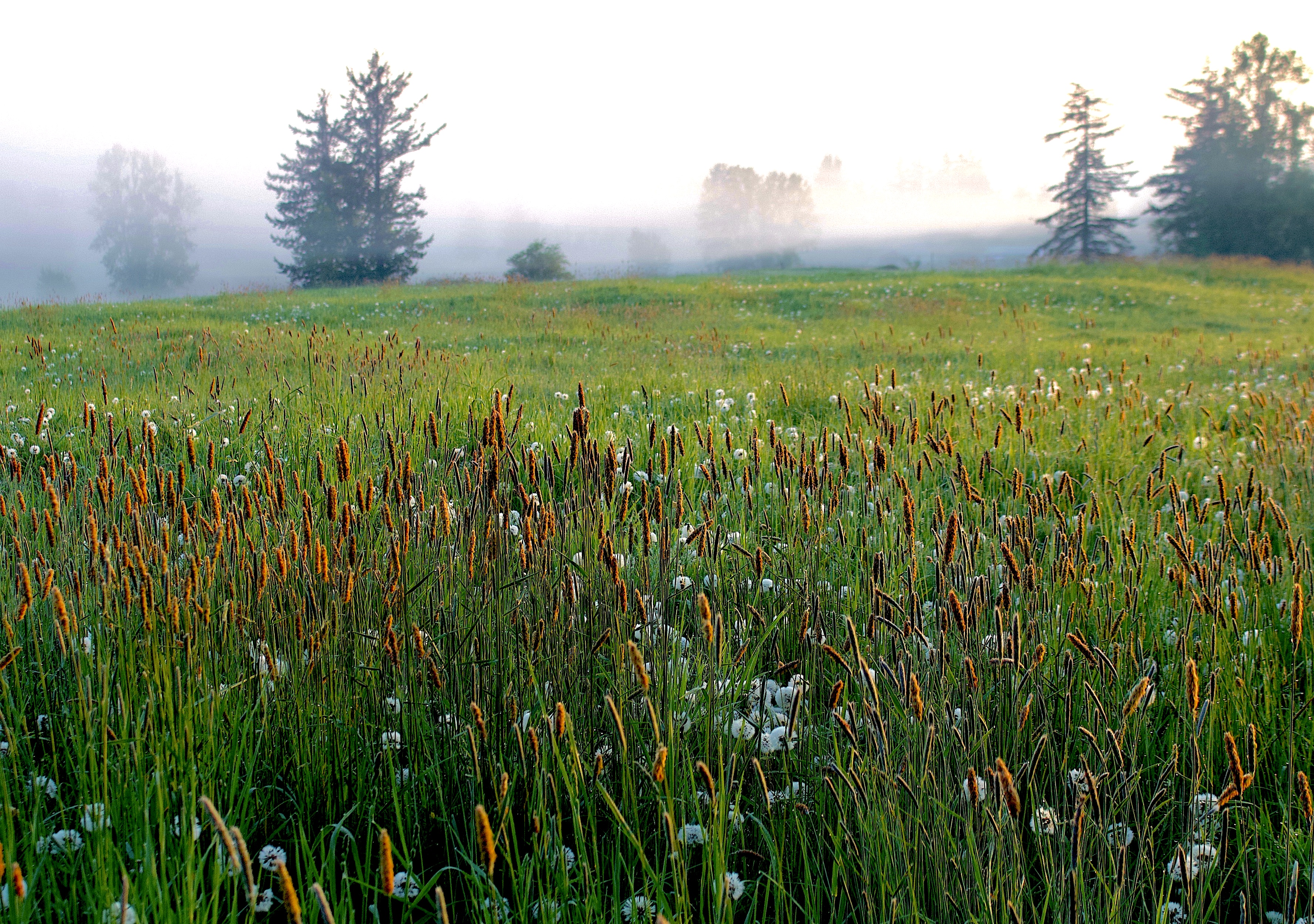
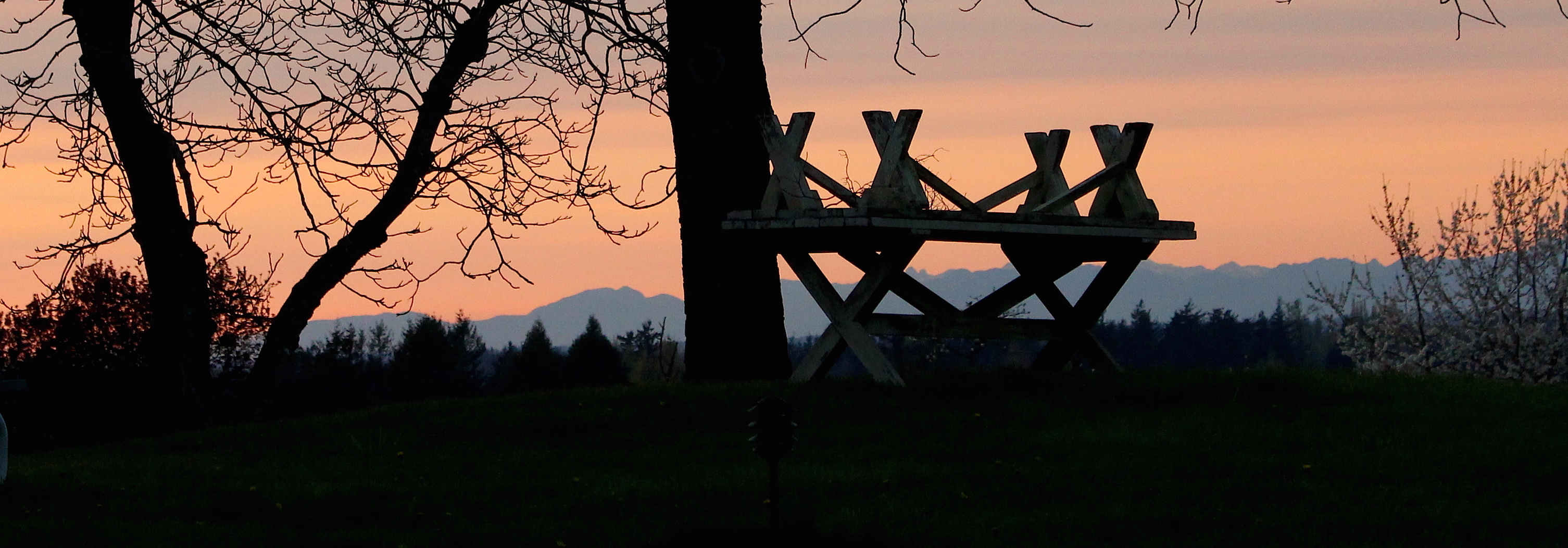
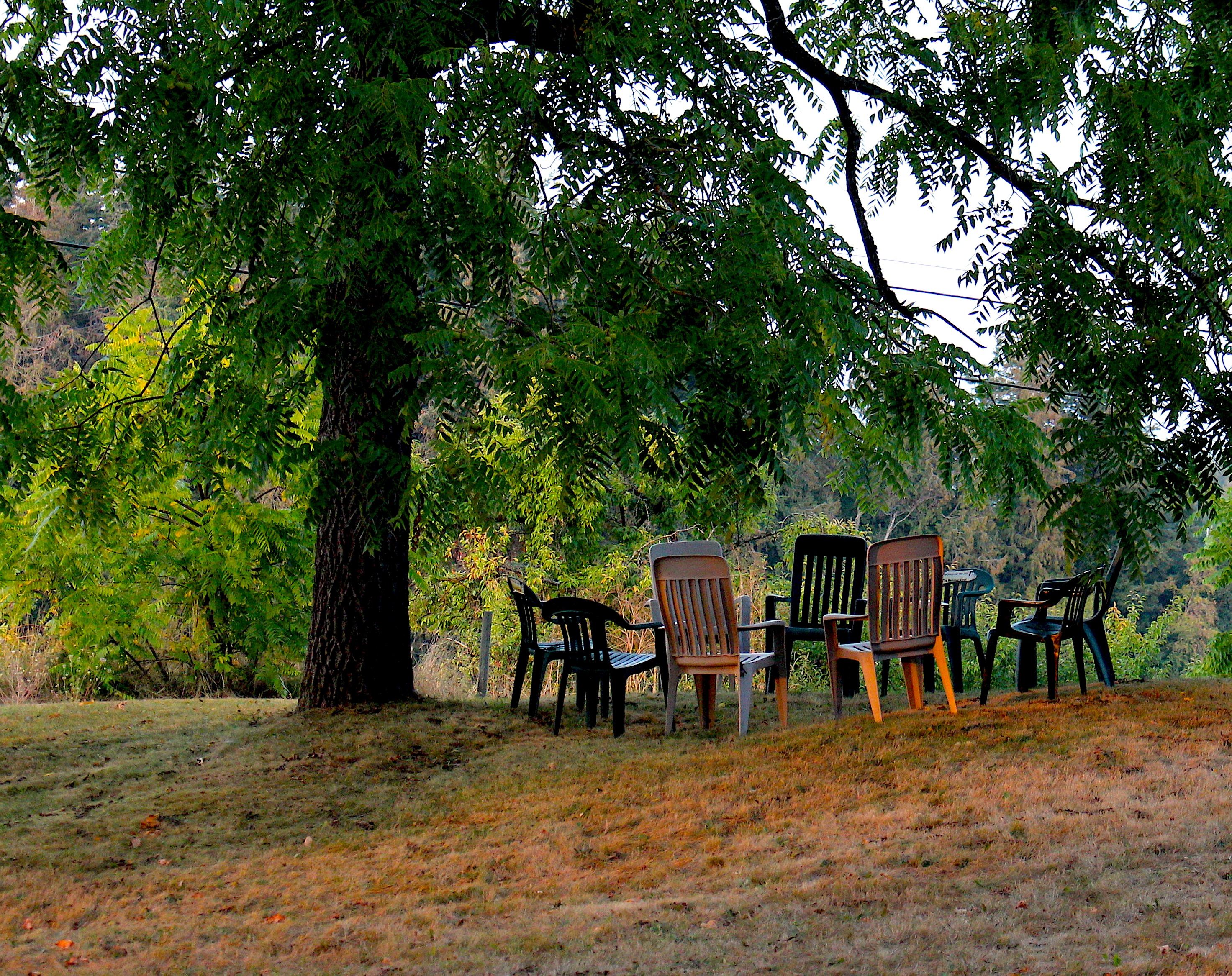
Though life often feels like I’m sitting in a wobbly chair at a table on uneven ground, I keep my balance. I am looking at a feast being readied for me at great risk to the shepherd. For that, I am immensely grateful as surely goodness and mercy will follow and sit alongside me, sharing this meal together forever.

One-Time
Monthly
Yearly

Make a one-time or recurring donation to support daily Barnstorming posts

Make a monthly donation

Make a yearly donation

Choose an amount

¤5.00
¤10.00
¤20.00
¤5.00
¤15.00
¤100.00
¤5.00
¤15.00
¤100.00

Or enter a custom amount

¤

Your contribution is deeply appreciated.

Your contribution is appreciated.

Your contribution is appreciated.

DonateDonate monthlyDonate yearly

Softening to an Evening Gray

Now that summer’s ripen’d bloom
Frolics where the winter frow n’d,
Stretch’d upon these banks of broom,
We command the landscape round.

Nature in the prospect yields
Humble dales and mountains bold,
Meadows, woodlands, heaths-and fields
Yellow’d o’er with waving gold.

On the uplands ev’ry glade
Brightens in the blaze of day;
O’er the vales the sober shade
Softens to an ev’ning gray.
~John Cunningham from “The Landscape”

Betty with children Carol, Barbara and Joe
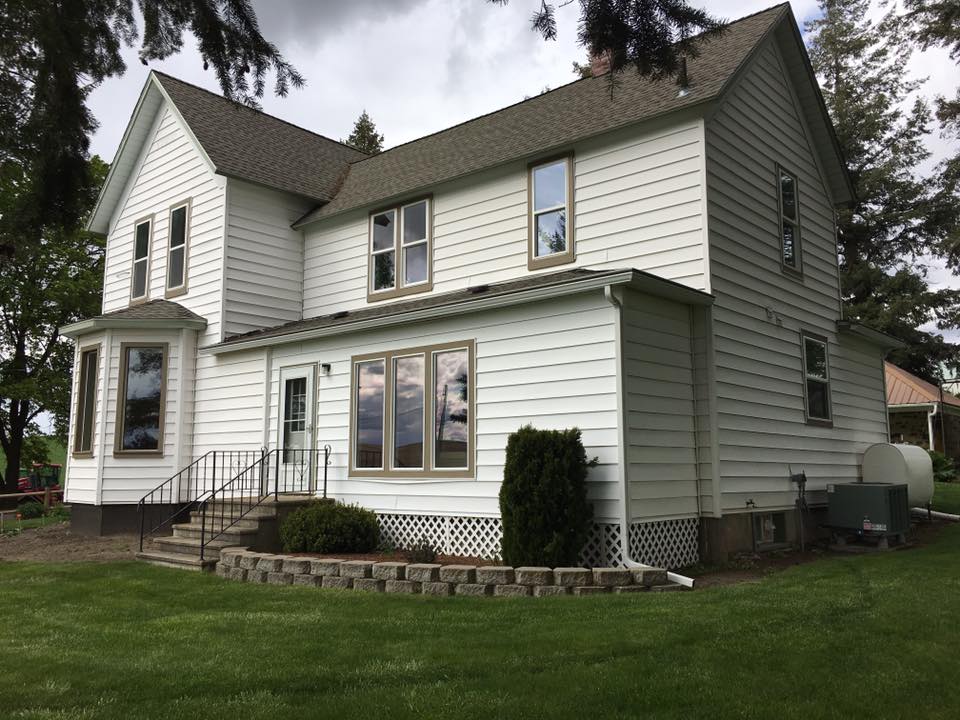
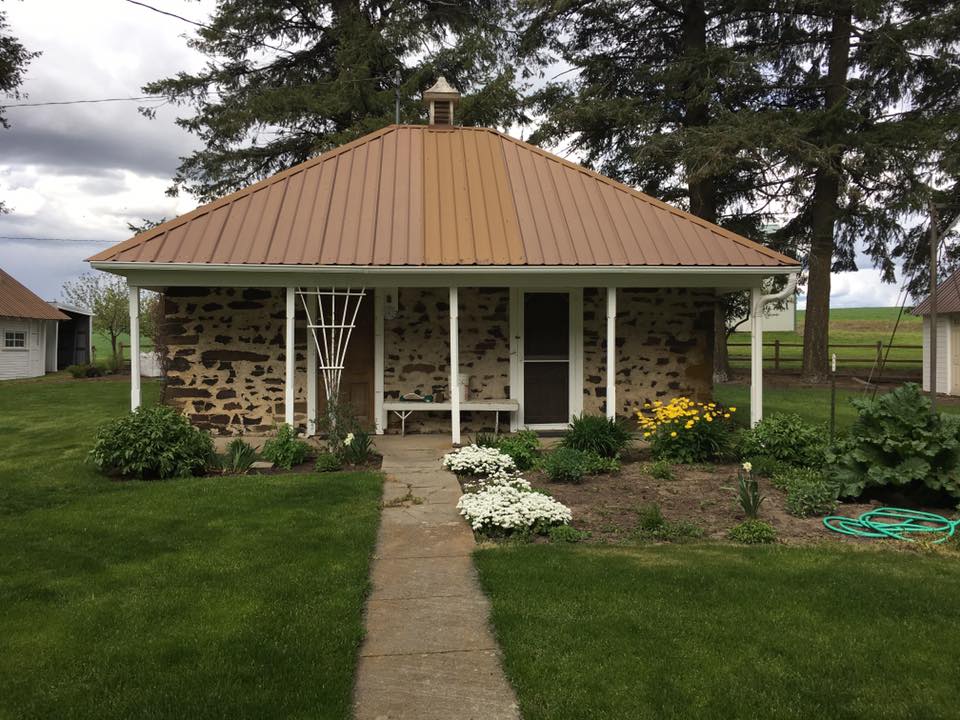
the renovated farm house
the “egg” house where produce was kept cool
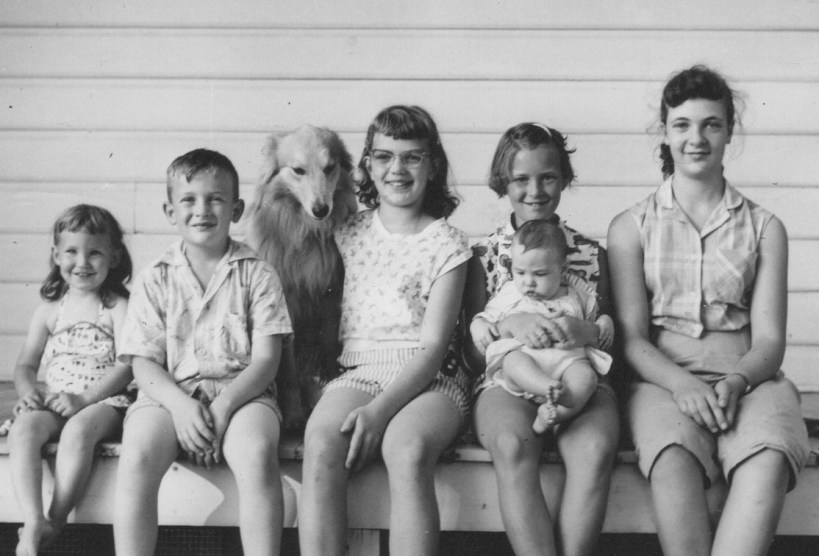
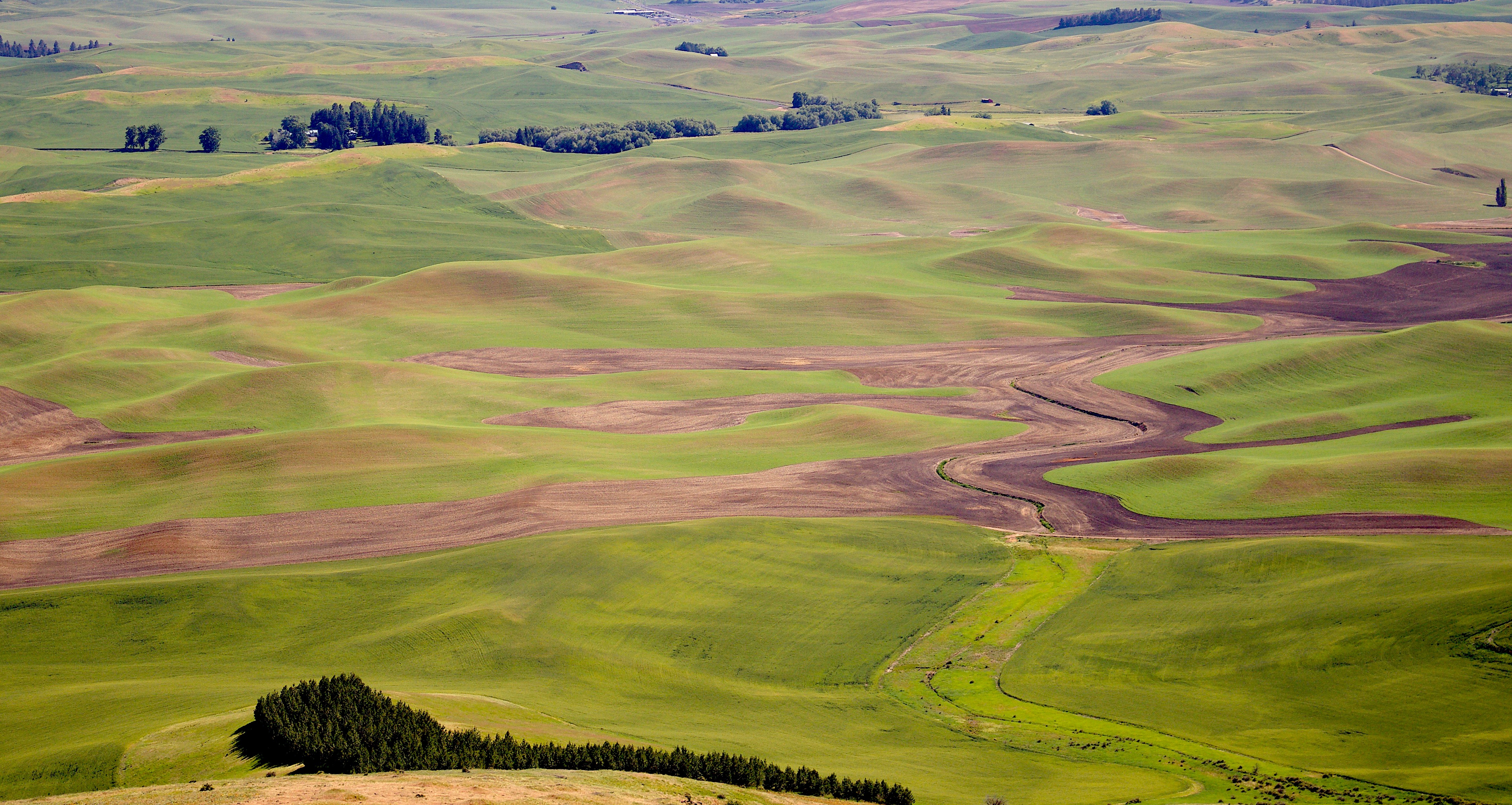
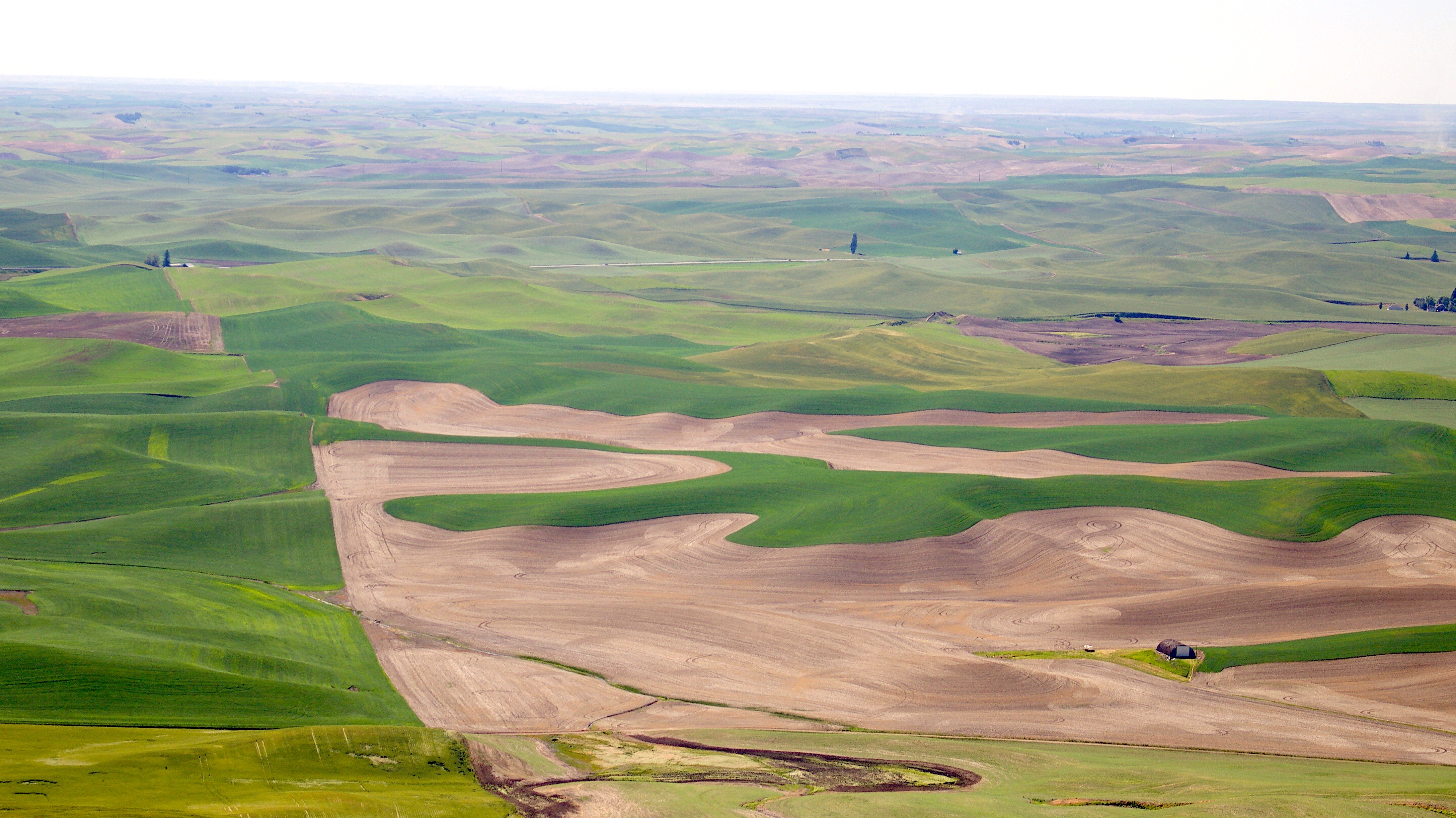
On the porch in Spring Valley in the Palouse – me at age two with Nancy holding my baby brother Steve along with the Schmitz cousins – Joe, Barbara and Carol

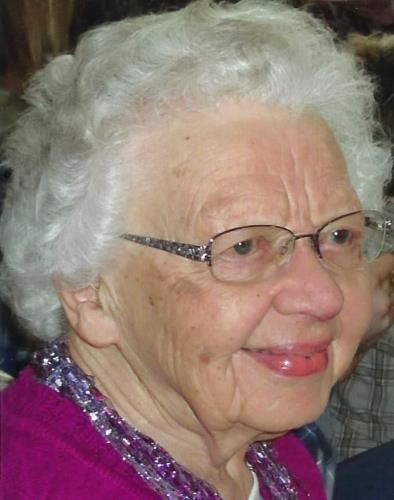
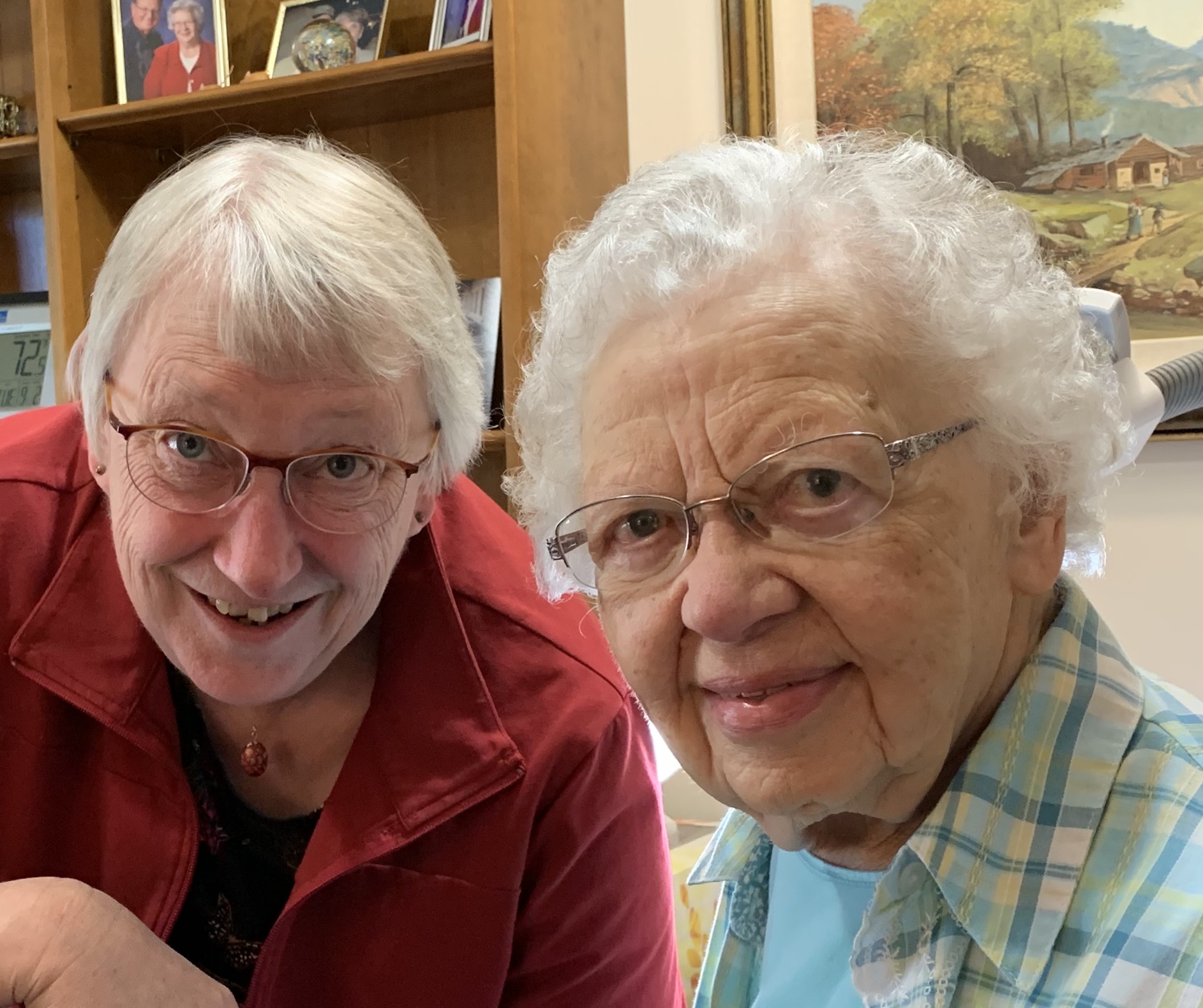
My Aunt Betty Buchholz Schmitz lived for most of her 102 years in landscapes that could be summer-rich with golden crops yet in winter, harsh, bleak and empty. She weathered it all with hard work, grace and an innate sweetness born of her faith.

She was carried away last week to her true home to join my mother’s brother, Albert, and so many family and friends who had gone before her, including my mother who always felt blessed to call Betty her sister through marriage.

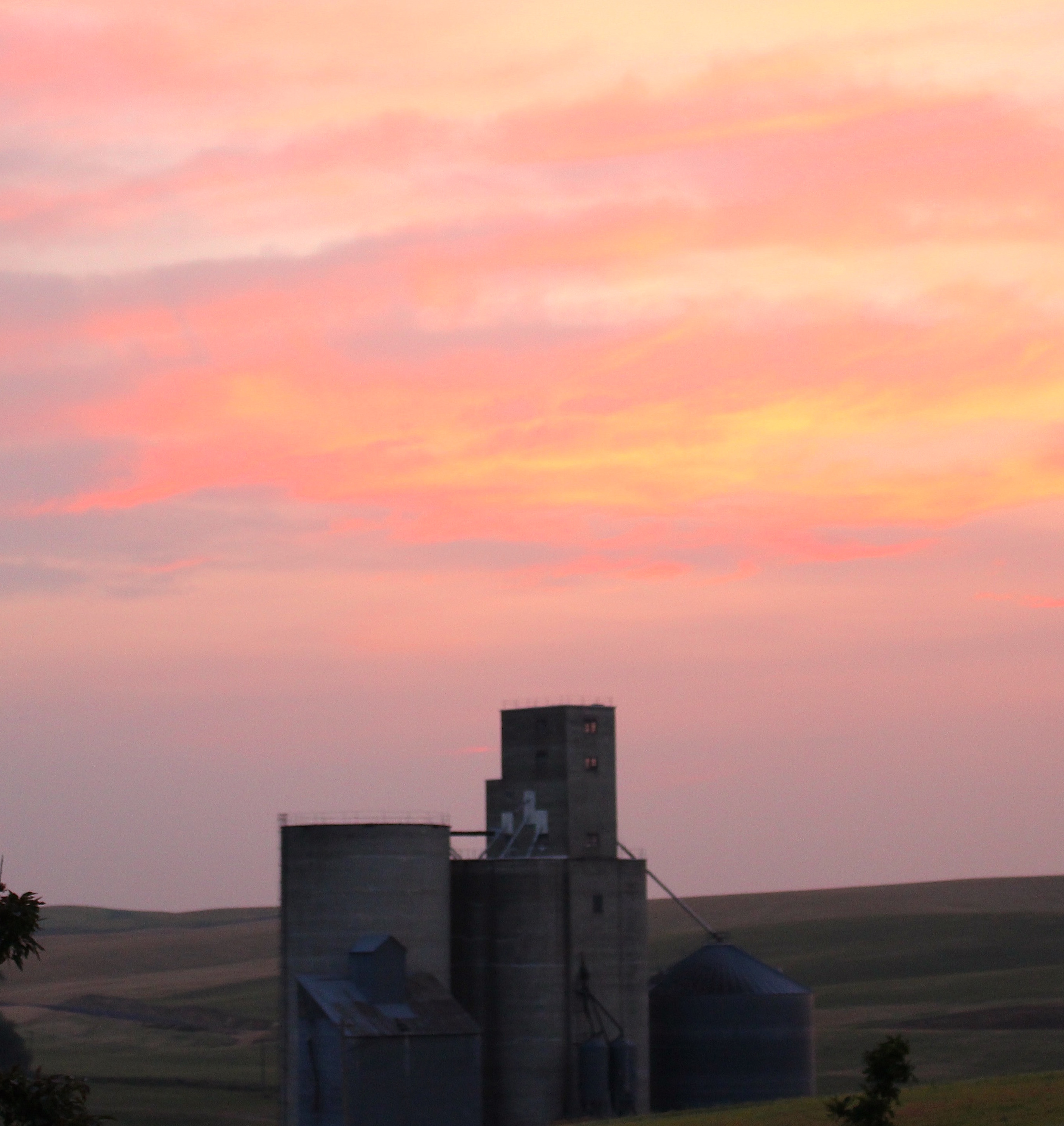
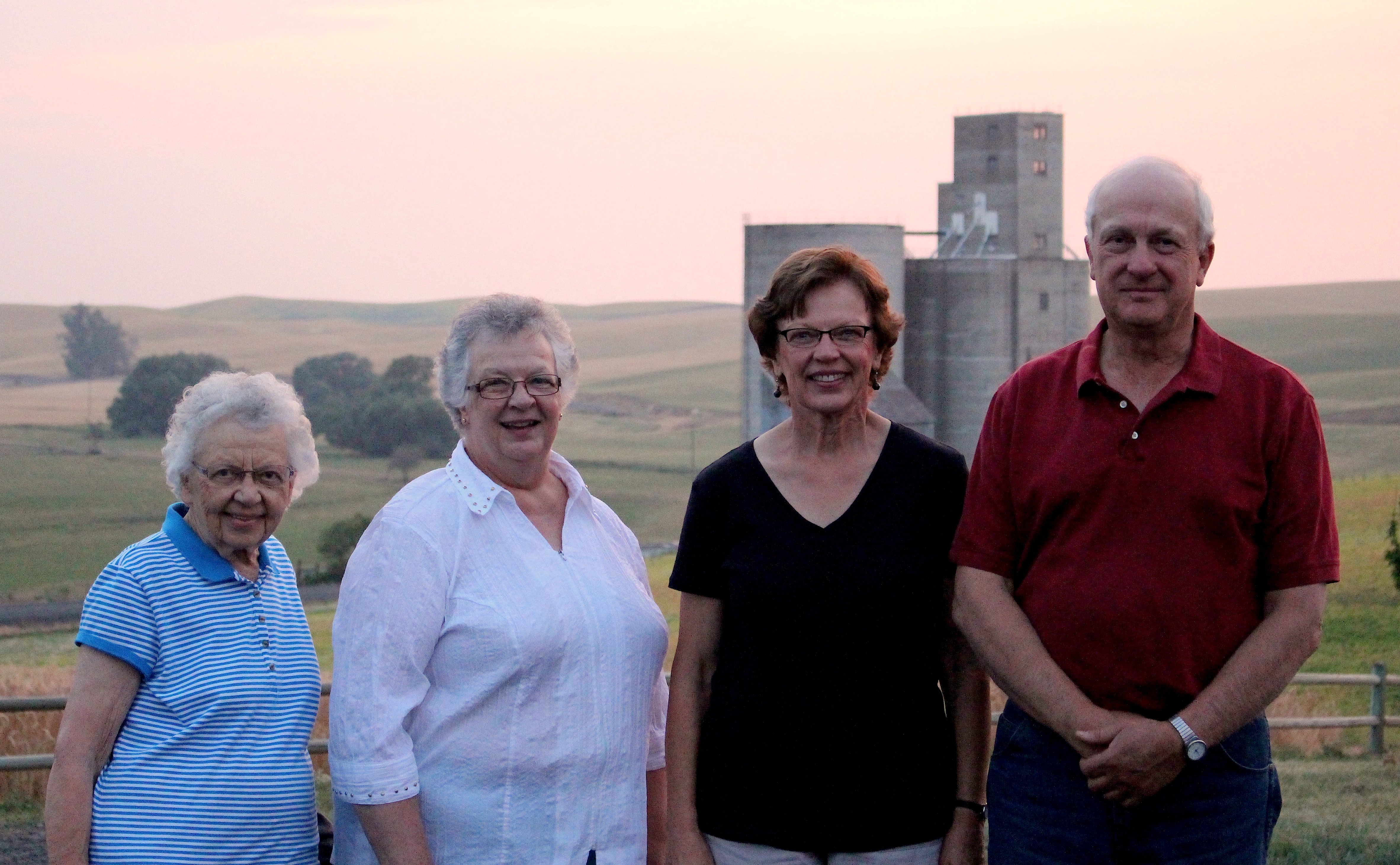
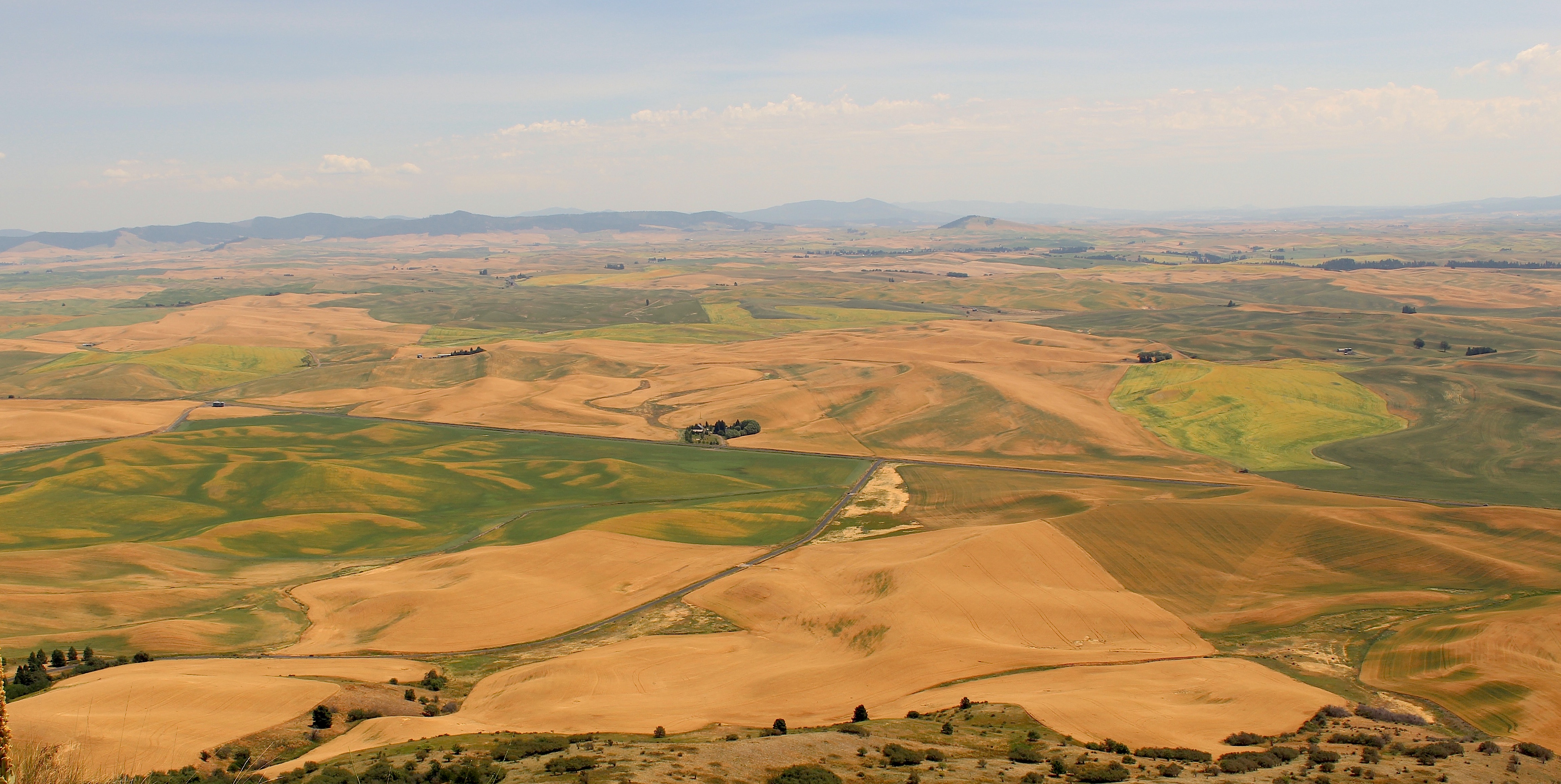
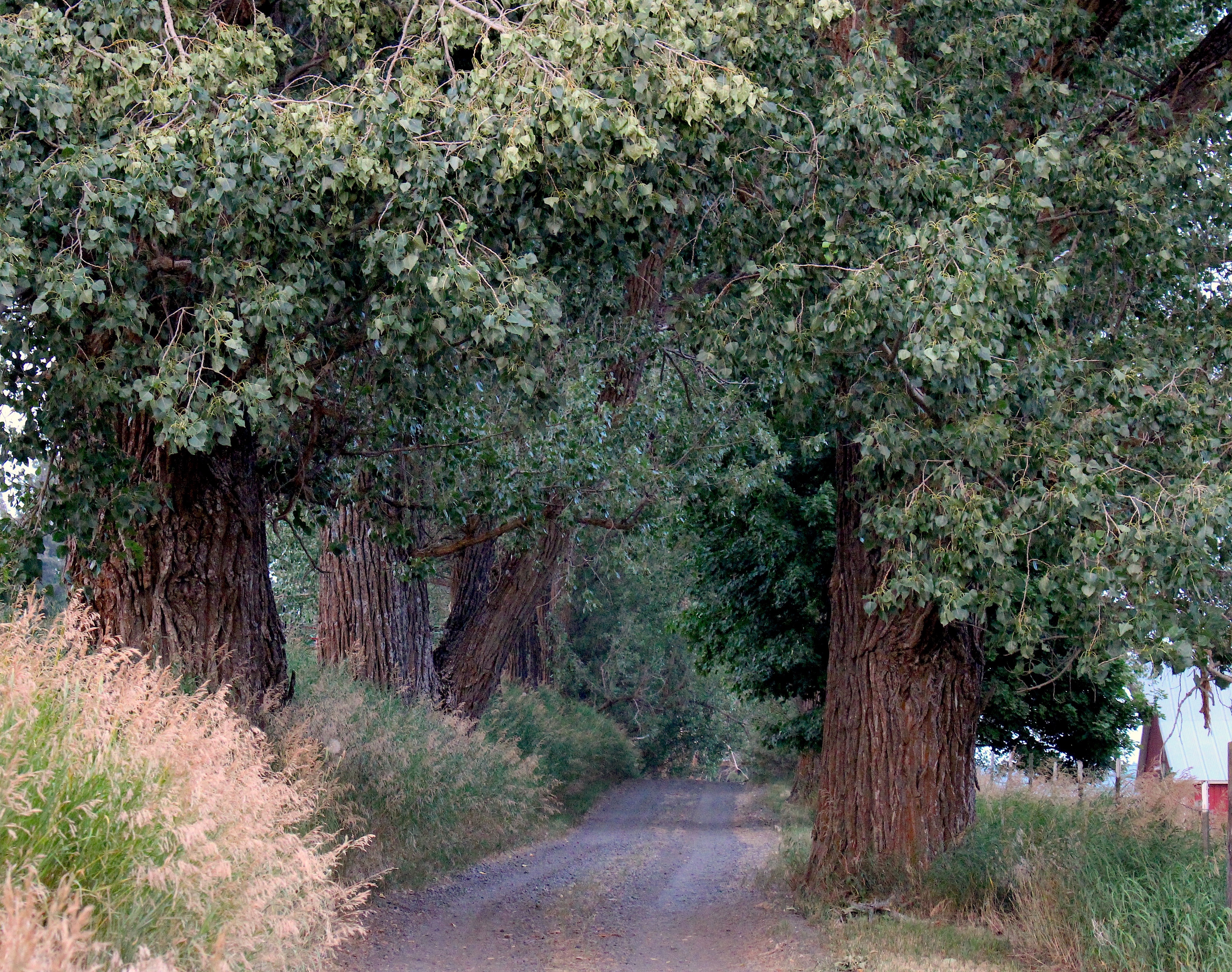
I remember Aunt Betty from my earliest days as we would make an annual summer visit to our cousins in Spring Valley, a tiny place with train tracks and a grain elevator in the middle of the rolling hills of the Palouse country of eastern Washington. I felt such a surge of excitement as we entered the long poplar-lined driveway that we could see from the road from far away.

My Palouse family lived in the farm house where my mother and uncle were born – a magical place of two stories with an enclosed staircase and many rooms, a huge basement, a sleeping porch for summer, a working windmill, as well as numerous outbuildings that contained everything Palouse wheat and lentil farmers needed to survive. The house was nestled in a small vale between the surrounding hills, to protect it from chill winter winds and stay cool in the shadows on blazing hot summer days.

Betty was a woman who was soft-spoken, always humble and eager to lend herself wherever needed. She cooked and baked huge meals, and used a wringer-washer and clothesline for never-ending loads of farm laundry. Her home was warm and welcoming with true heart-felt hospitality, even decades later after she moved to a house “in town” – a metropolis with just a few hundred neighbors.

Although a pioneer in the sense of living remotely with minimal conveniences, Betty and her brother Kenneth became pioneers in the 1960’s living donor kidney transplant program, as one of the first successful transplants. This must have required immense courage and stamina from a farm mother of three children, yet she was able to give her brother years of life that he otherwise would not have had.

Over the years, Betty sent cards and letters of encouragement to me in between our occasional visits to see her. She was the kind of aunt that modeled how I wanted to be and I have too often fallen short of her example.

I hoped to see Betty this summer, having missed visits over the last two years of COVID restrictions in her assisted living facility. Instead I will look for her smiling face and listen for her warm voice amid a lengthening list of beloved family and friends when I am called home some day myself.

I’ll see you again, Betty, in the glades of those rolling hills and the shadowed softened vales of the valleys. You will hold out your hand and make sure I feel at home there, just as you did for me during your century here.

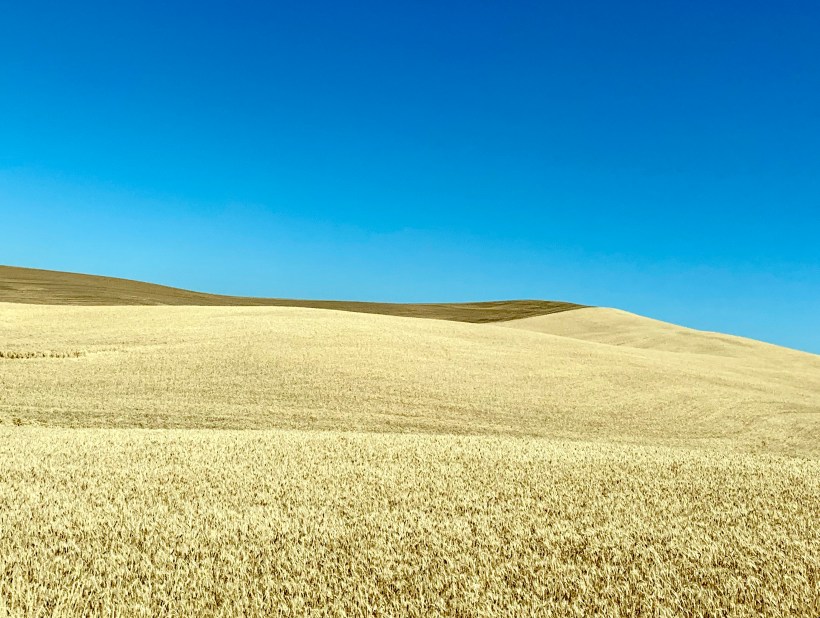
Palouse fields
Poplar-lined driveway to the Schmitz farm

Summer Nap

In the afternoon of summer, sounds
come through the window: a tractor
muttering to itself as it

Pivots at the corner of the
hay field, stalled for a moment
as the green row feeds into the baler.

The wind slips a whisper behind
an ear; the noise of the highway
is like the dark green stem of a rose.

From the kitchen the blunt banging
of cupboard doors and wooden chairs
makes a lonely echo in the floor.

Somewhere, between the breeze
and the faraway sound of a train,
comes a line of birdsong, lightly
threading the heavy cloth of dream.

~Joyce Sutphen, “Soundings” from Naming the Stars

As a young child, I remember waking from my summer afternoon naps to the sights and sounds of our rural community. I could hear tractors working fields in the distance, farm trucks rumbling by on the road, the cows and horses in the fields, a train whistle in the distance and the ever-present birdsong from dawn to dusk.

These were the sounds of contentment and productivity, both together. Surely this is how heaven must be: always a sense of something wonderful happening, always a reason to celebrate, always a profound sense of respite and sanctuary.

Even now, there is that moment of awakening of my heart and soul from a summer nap when I try to listen for the chorus of angels outside my open window.

photo by Harry Rodenberger

One-Time
Monthly
Yearly

Make a one-time or recurring donation to support daily Barnstorming posts

Make a monthly donation

Make a yearly donation

Choose an amount

¤5.00
¤10.00
¤20.00
¤5.00
¤15.00
¤100.00
¤5.00
¤15.00
¤100.00

Or enter a custom amount

¤

Your contribution is deeply appreciated.

Your contribution is appreciated.

Your contribution is appreciated.

DonateDonate monthlyDonate yearly

In a Cloud of Gold

Photo of Aaron Janicki haying with his Oberlander team in Skagit County courtesy of Tayler Rae
Benjamin Janicki of Sedro Woolley raking hay with his team of Oberlanders

Travel as a backward step.
You journey until you find
a meadow where wildflowers
grow with pre-factory-farming
copiousness, a horse-drawn
landscape where hay is saved
in older ways, to revive
the life you lived once,
catch up with your past.
~Dennis O’Driscoll from Time Pieces (2002)

… The Amish have maintained what I like to think is a proper scale, largely by staying with the horse. The horse has restricted unlimited expansion. Not only does working with horses limit farm size, but horses are ideally suited to family life. With horses you unhitch at noon to water and feed the teams and then the family eats what we still call dinner. While the teams rest there is usually time for a short nap. And because God didn’t create the horse with headlights, we don’t work nights.
Amish farmer David Kline in Great Possessions

photo by Tayler Rae

One evening I stopped by the field to watch the hay rake
drawn toward me by two black, tall, ponderous horses
who stepped like conquerors over the fallen oat stalks,
light-shot dust at their heels, long shadows before them.
At the ditch the driver turned back in a wide arc,
the off-horse scrambling, the near-horse pivoting neatly.
The big side-delivery rake came about with a shriek—
its tines were crashing, the iron-bound tongue groaned aloud—
then, Hup, Diamond! Hup, Duke! and they set off west,
trace-deep in dust, going straight into the low sun.

The clangor grew faint, distance and light consumed them;
a fiery chariot rolled away in a cloud of gold
and faded slowly, brightness dying into brightness.
The groaning iron, the prophesying wheels,
the mighty horses with their necks like storms—
all disappeared; nothing was left but a track
of dust that climbed like smoke up the evening wind.

~Kate Barnes “The Hay Rake” from Where the Deer Are

My grandparents owned the land,
worked the land, bound
to the earth by seasons of planting
and harvest.

They watched the sky, the habits
of birds, hues of sunset,
the moods of moon and clouds,
the disposition of air.
They inhaled the coming season,
let it brighten their blood
for the work ahead.

Soil sifted through their fingers
imbedded beneath their nails
and this is what they knew;
this rhythm circling the years.
They never left their land;
each in their own time
settled deeper.
~Lois Parker Edstrom “Almanac” from Night Beyond Black.

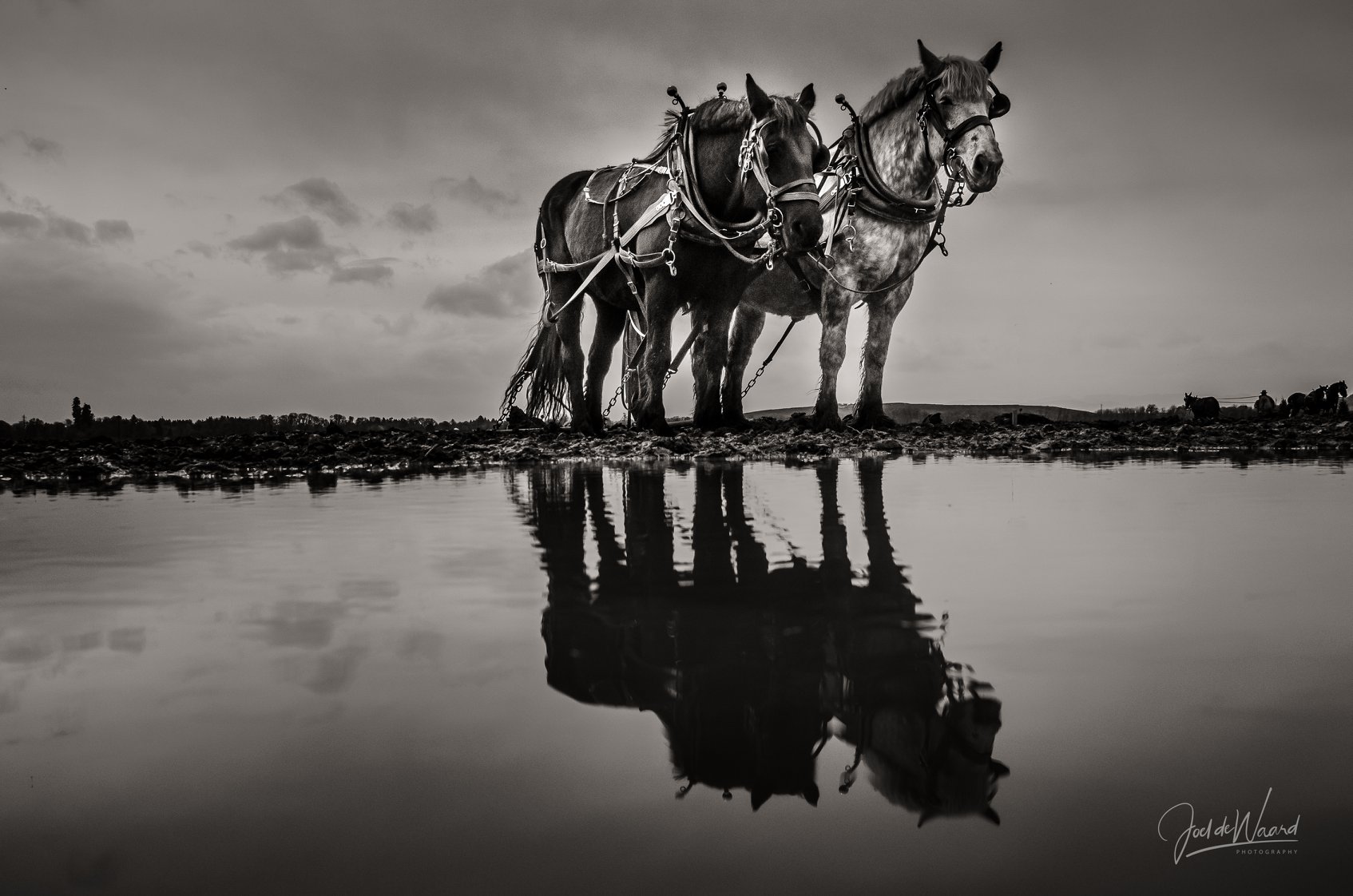
Nearing 68, I am old enough to have parents who both grew up on farms worked by horses, one raising wheat and lentils in the Palouse country of eastern Washington and the other logging in the woodlands of Fidalgo Island of western Washington.  The horses were crucial to my grandfathers’ success in caring for and tilling the land, seeding and harvesting the crops and bringing supplies from town miles away.  Theirs was a hardscrabble life in the early 20th century with few conveniences.  Work was year round from dawn to dusk; caring for the animals came before any human comforts.  Once night fell, work ceased and sleep was welcome respite for man and beast.

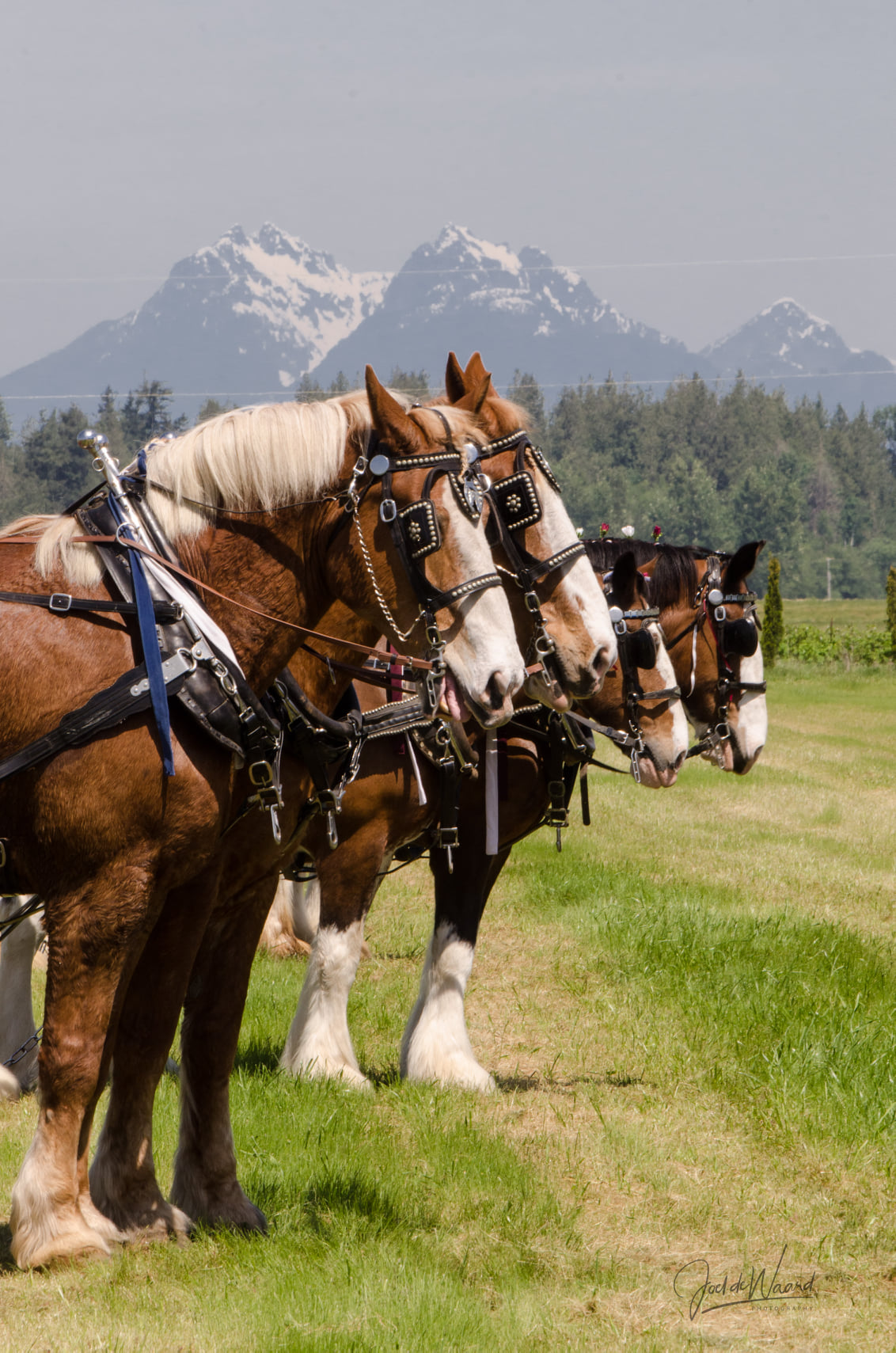
In the rural countryside where we live now, we’ve been fortunate enough to know people who still dabble in horse farming, whose draft teams are hitched to plows and mowers and manure spreaders as they head out to the fields to recapture the past.  Watching a good team work with no diesel motor running means hearing bird calls from the field, the steady footfall of the horses, the harness chains jingling, the leather straps creaking, the machinery shushing quietly as gears turn and grass lays over in submission.  No ear protection is needed.  There is no clock needed to pace the day.   There is a rhythm of nurture when animals instead of engines are part of the work day.   The gauge for taking a break is the amount of foamy sweat on the horses and how fast they are breathing. It is time to stop and take a breather, it is time to start back up do a few more rows, it is time to water, it is time for a meal, it is time for a nap, it is time for a rest in a shady spot.  This is gentle use of the land with four footed stewards who deposit right back to the soil the digested forage they have eaten only hours before.

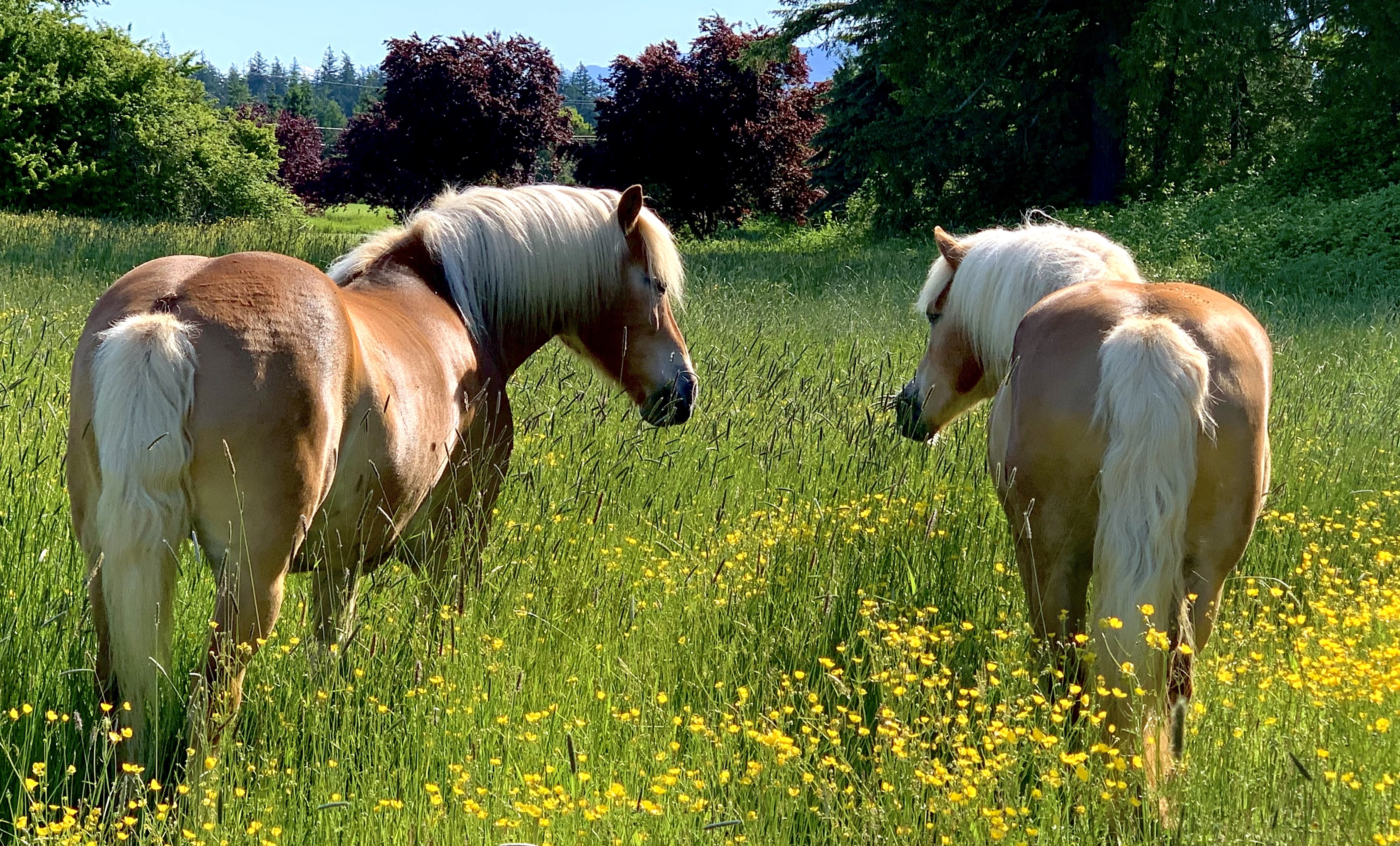
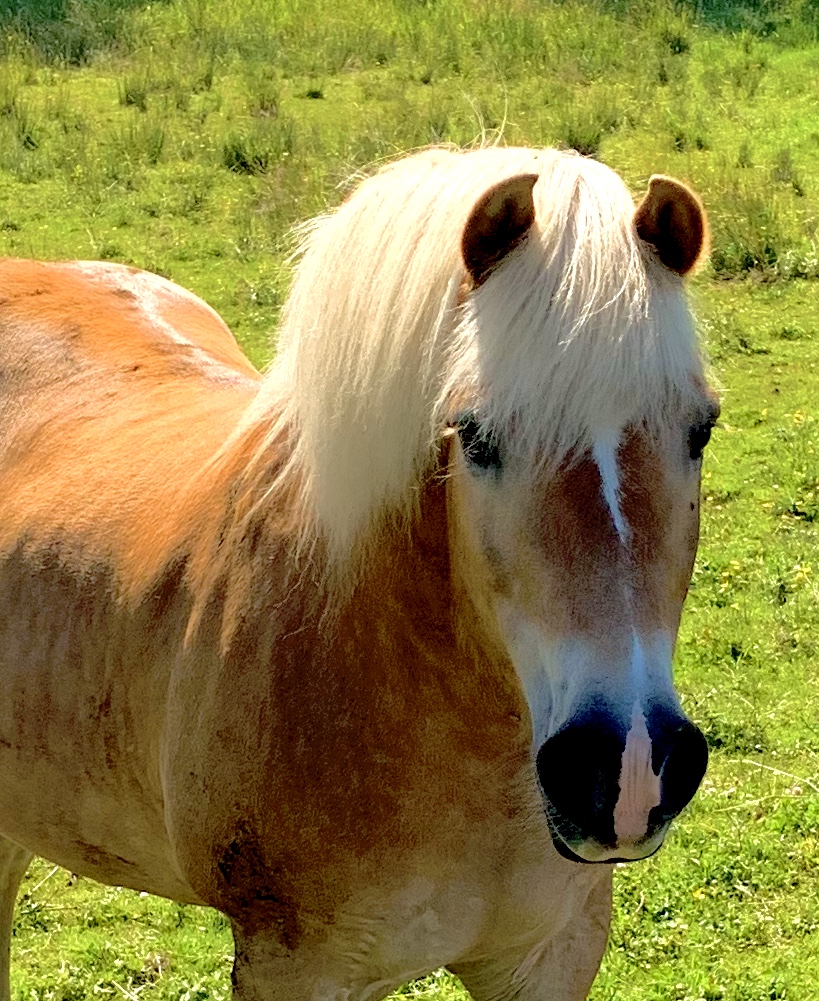
Our modern agribusiness megafarm fossil-fuel-powered approach to food production has bypassed the small family farm which was so dependent on the muscle power of humans and animals.  In our move away from horses worked by skilled teamsters,  what has been gained in high production values has meant loss of self-sufficiency and dedicated stewardship of a particular plot of ground.  Draft breeds, including the Haflinger horses we raise, now are bred for higher energy with lighter refined bone structure meant more for eye appeal and floating movement,  rather than the sturdy conformation and unflappable low maintenance mindset needed for pulling work.   Modern children are bred for different purpose as well, no longer raised to work together with other family members for a common purpose of daily survival.   Their focus at school is waning as they have no morning farm chores when they get up, too little physical work to do before they arrive at their desks in the morning.   Their physical energy, if directed at all,  is directed to competitive sports, engaged in fantasy combat rather than winning a very real victory over hunger.

I am encouraged when young people still reach for horse collars and bridles, hitch up their horses and do the work as it used to be done.   All is not lost if we can still make incremental daily progress,  harnessed together as a team with our horses, tilling for truth and harvesting hope.

photo by Joel DeWaard


I like farming. I like the work. I like the livestock and the pastures and the woods.  It’s not necessarily a good living, but it’s a good life.  I now suspect that if we work with machines the world will seem to us to be a machine, but if we work with living creatures the world will appear to us as a living creature.  That’s what I’ve spent my life doing, trying to create an authentic grounds for hope. ~Wendell Berry, horse farmer, essayist, poet, professor

One-Time
Monthly
Yearly

Make a one-time or recurring donation to support daily Barnstorming posts

Make a monthly donation

Make a yearly donation

Choose an amount

¤5.00
¤10.00
¤20.00
¤5.00
¤15.00
¤100.00
¤5.00
¤15.00
¤100.00

Or enter a custom amount

¤

Your contribution is deeply appreciated.

Your contribution is appreciated.

Your contribution is appreciated.

DonateDonate monthlyDonate yearly