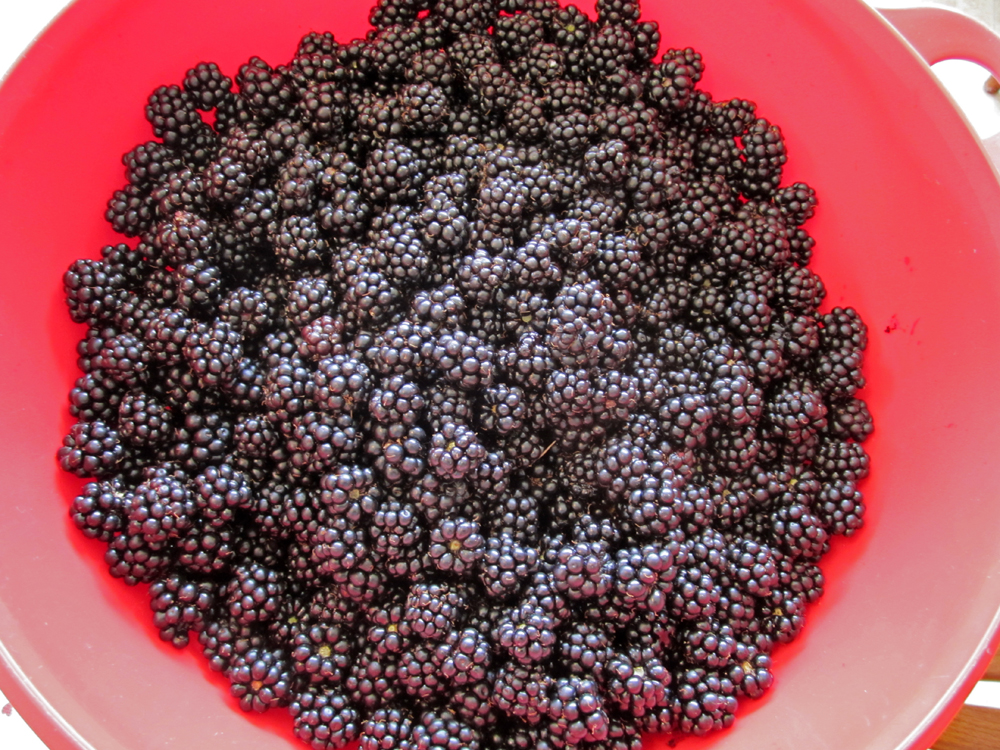
Thorns that Thwart Sweetness

Late August, given heavy rain and sun
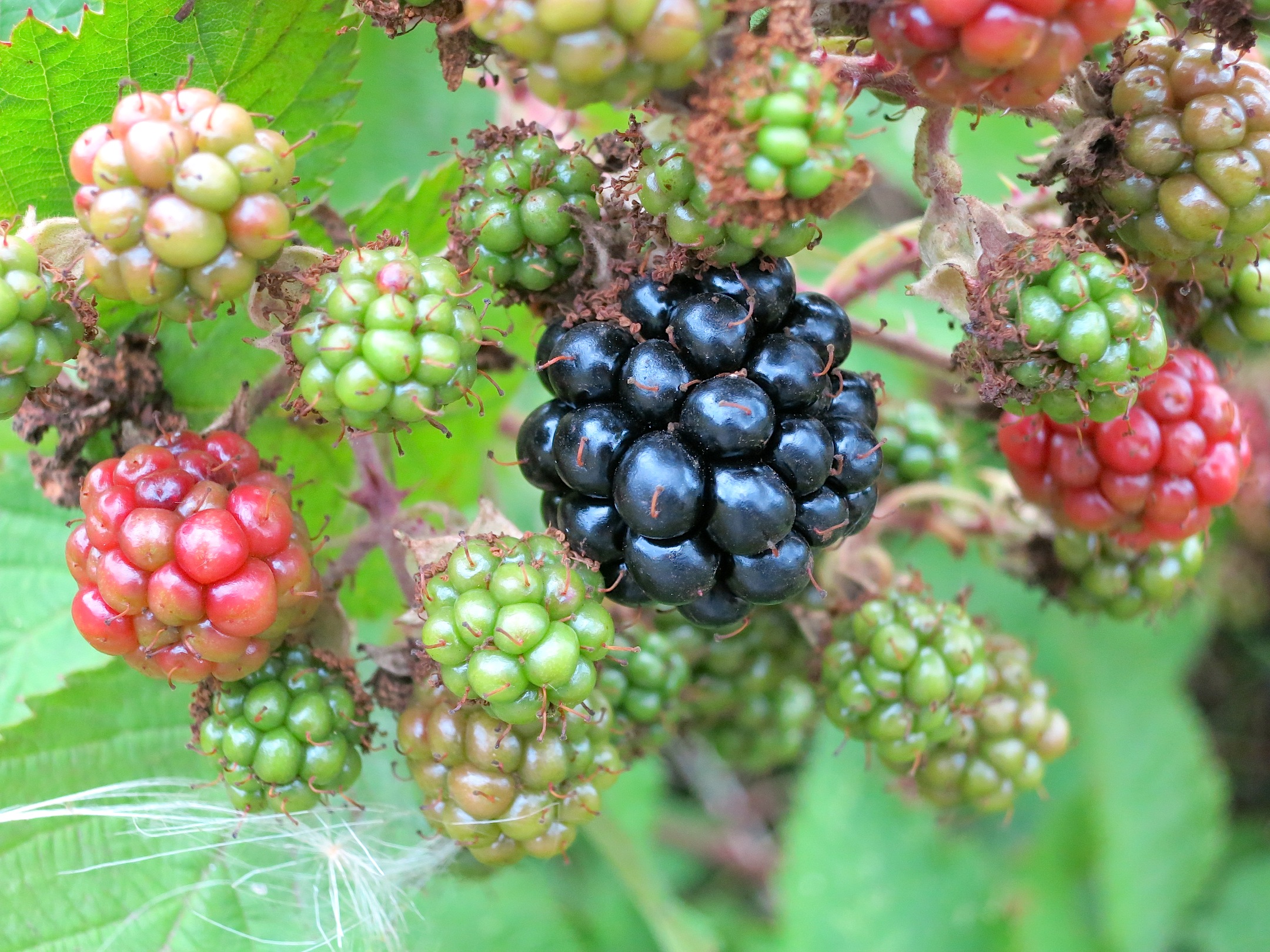
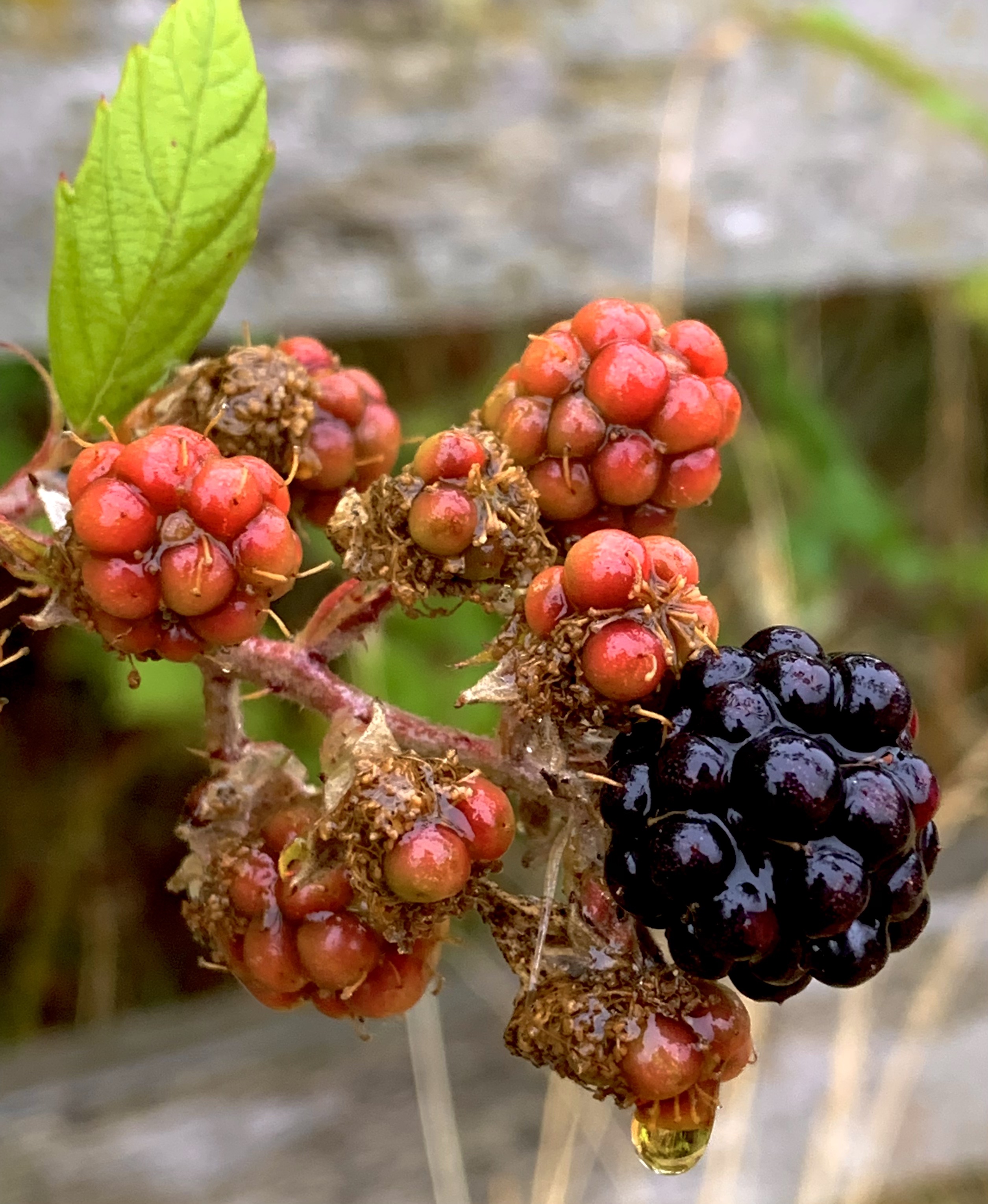
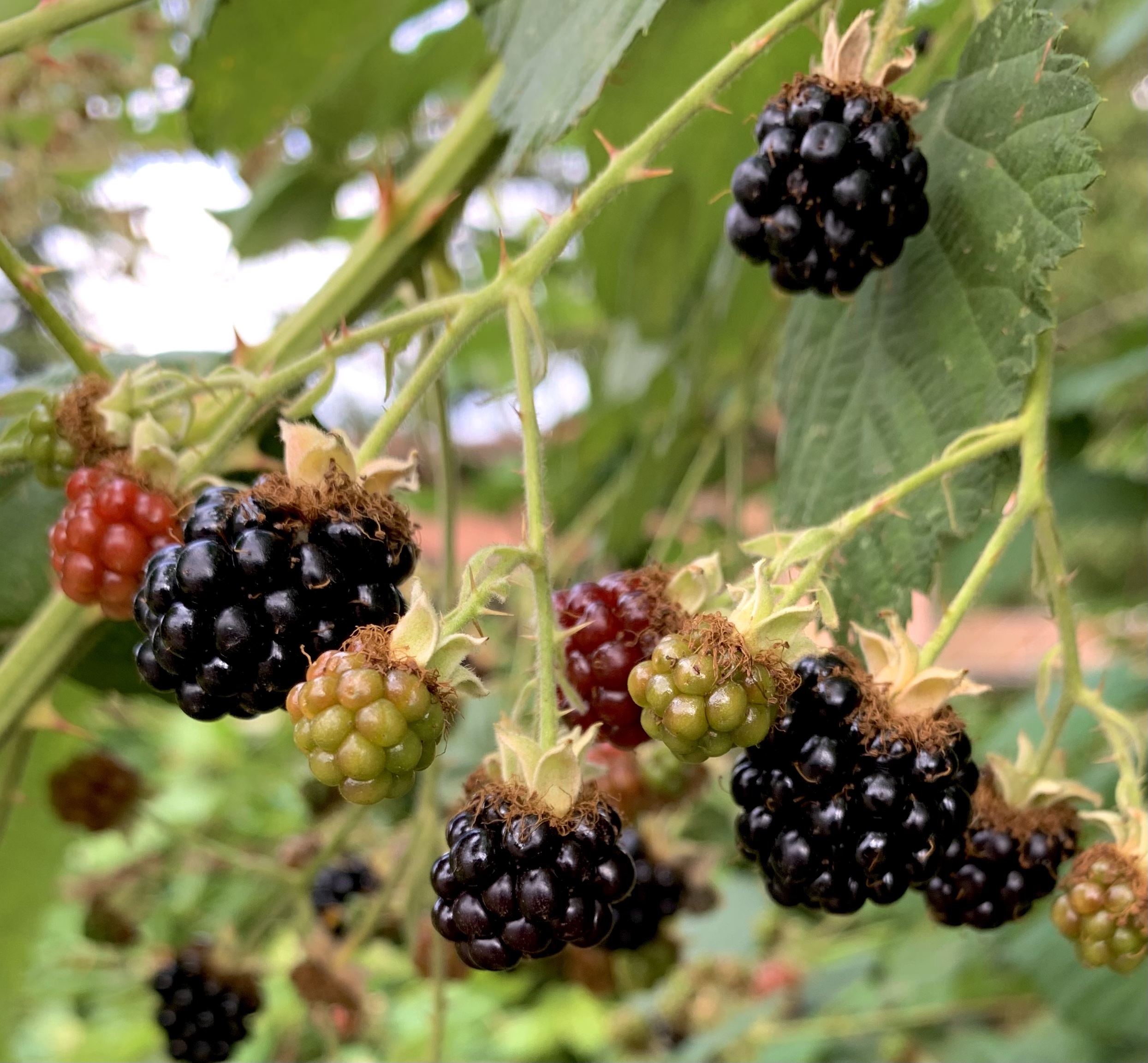
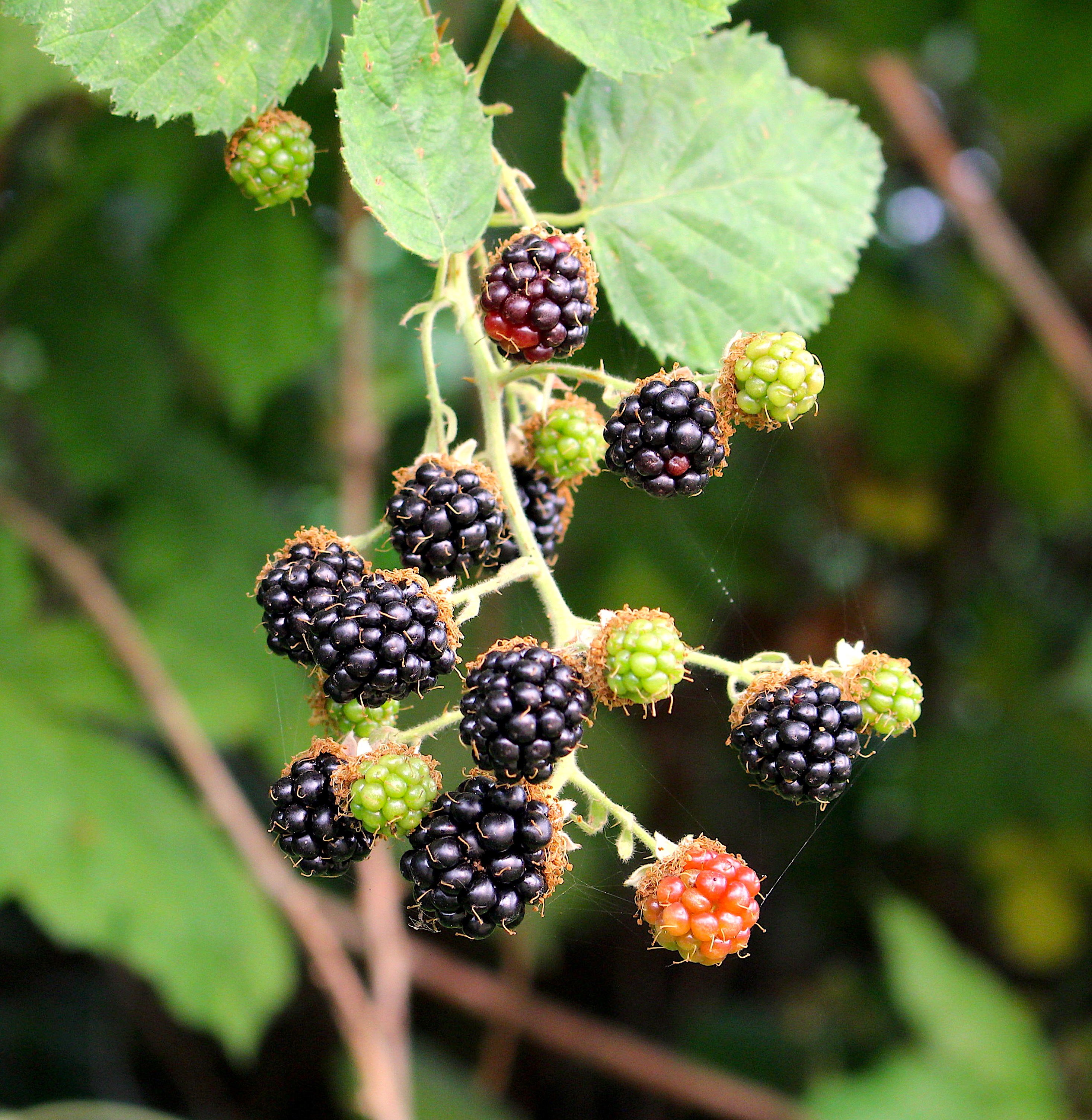
For a full week, the blackberries would ripen.
At first, just one, a glossy purple clot
Among others, red, green, hard as a knot.
You ate that first one and its flesh was sweet
Like thickened wine: summer’s blood was in it
Leaving stains upon the tongue and lust for
Picking. Then red ones inked up and that hunger
Sent us out with milk cans, pea tins, jam-pots
Where briars scratched and wet grass bleached our boots.
Round hayfields, cornfields and potato-drills
We trekked and picked until the cans were full,
Until the tinkling bottom had been covered
With green ones, and on top big dark blobs burned
Like a plate of eyes. Our hands were peppered
With thorn pricks, our palms sticky as Bluebeard’s.

We hoarded the fresh berries in the byre.
But when the bath was filled we found a fur,
A rat-grey fungus, glutting on our cache.
The juice was stinking too. Once off the bush
The fruit fermented, the sweet flesh would turn sour.
I always felt like crying. It wasn’t fair
That all the lovely canfuls smelt of rot.
Each year I hoped they’d ke
ep, knew they would not.
~Seamus Heaney “Blackberry Picking”
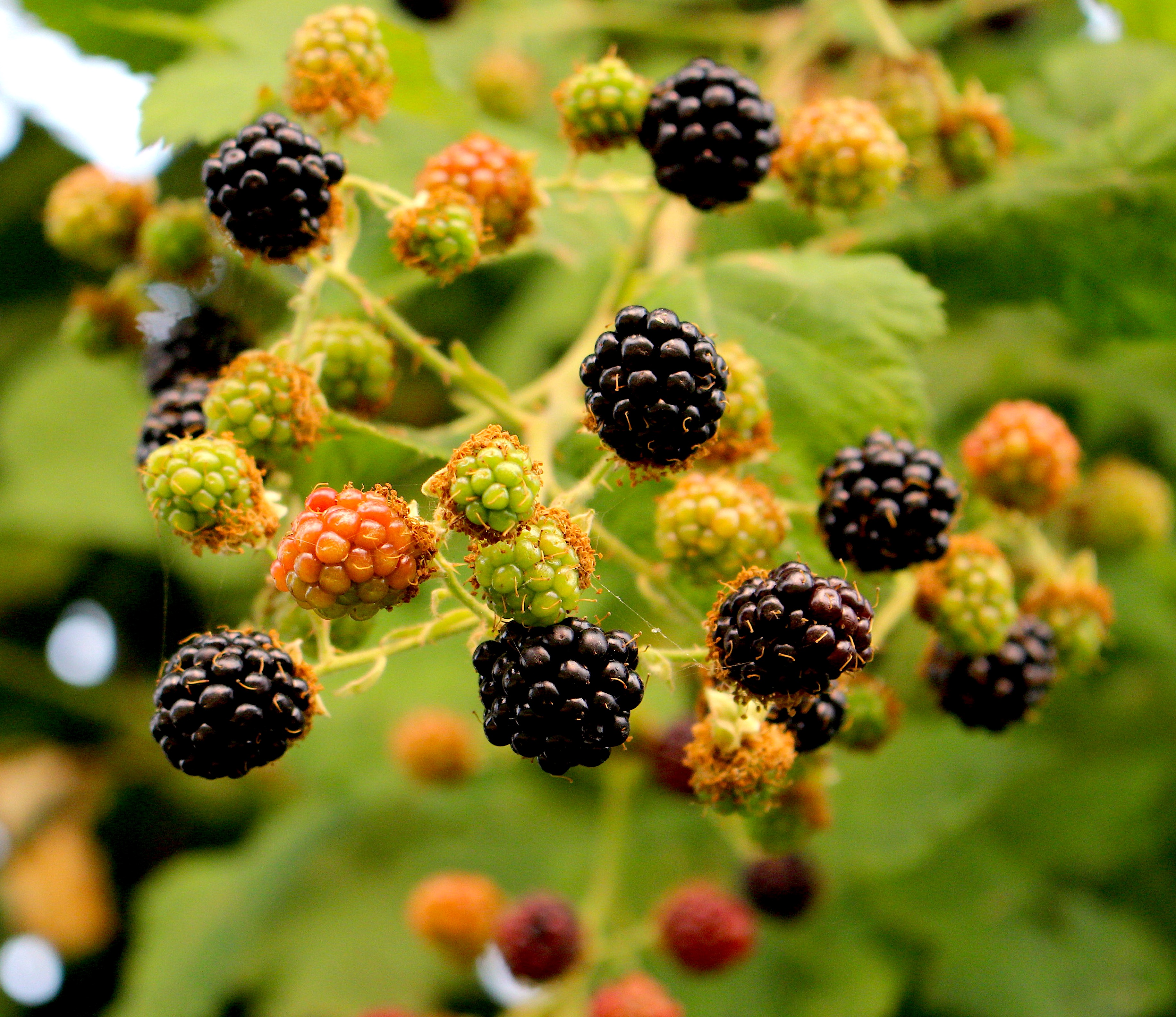
…Do not be afraid, though briers and thorns are all around you
Ezekiel 2:6

In the real world of pain, how could one worship a God who was immune to it? He laid aside his immunity to pain. He entered our world of flesh and blood, tears and death.
~John Stott
from The Cross
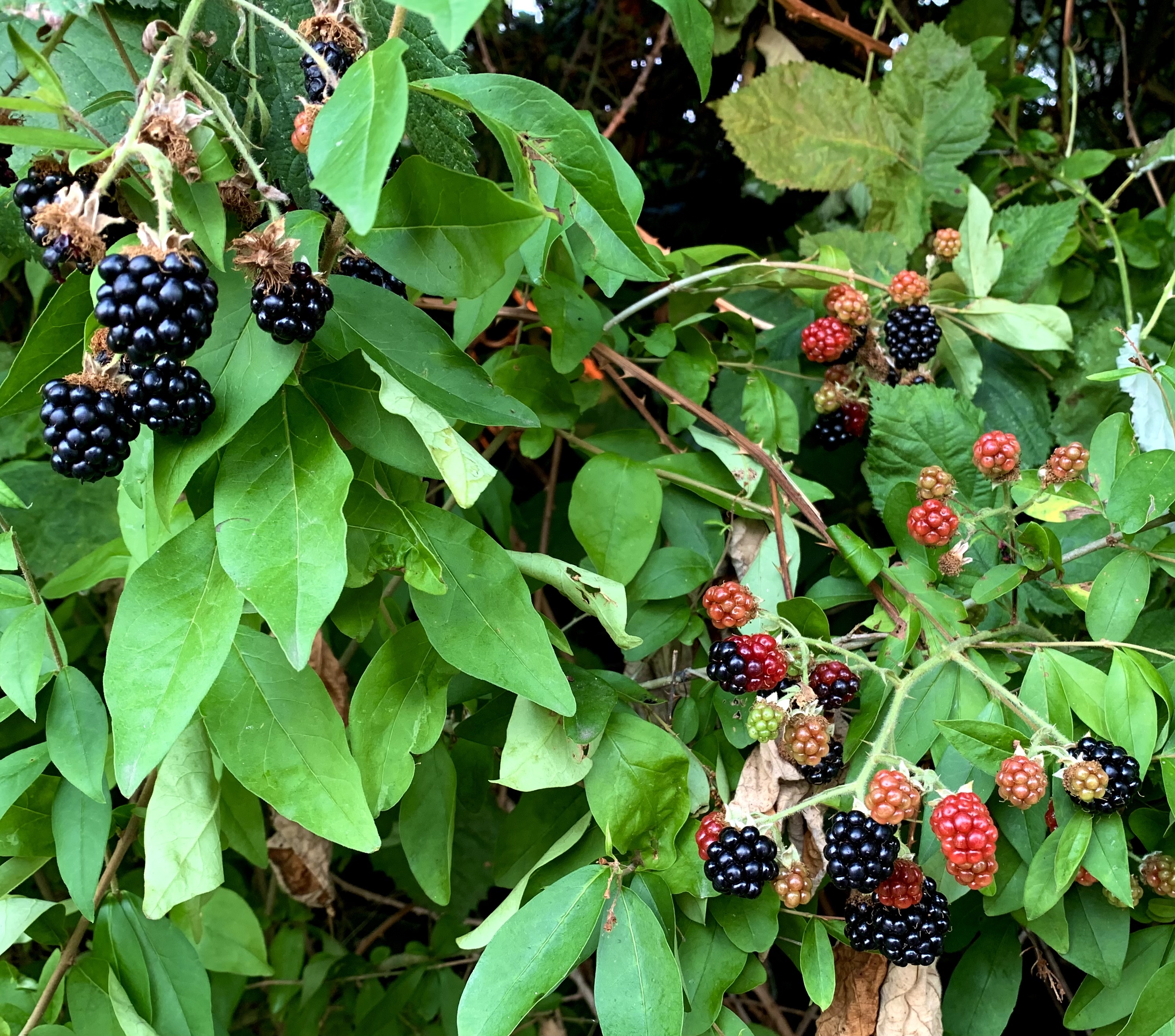
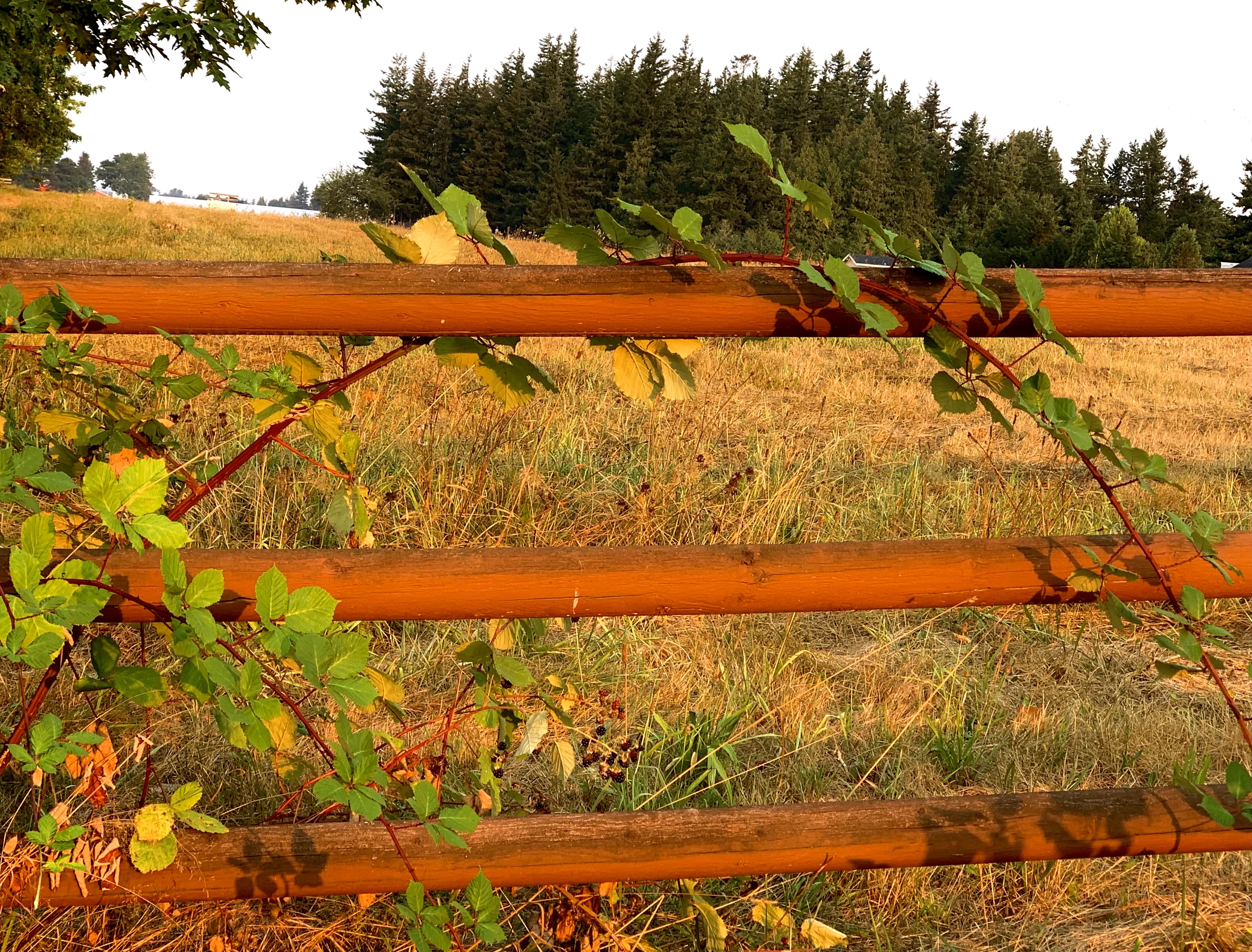
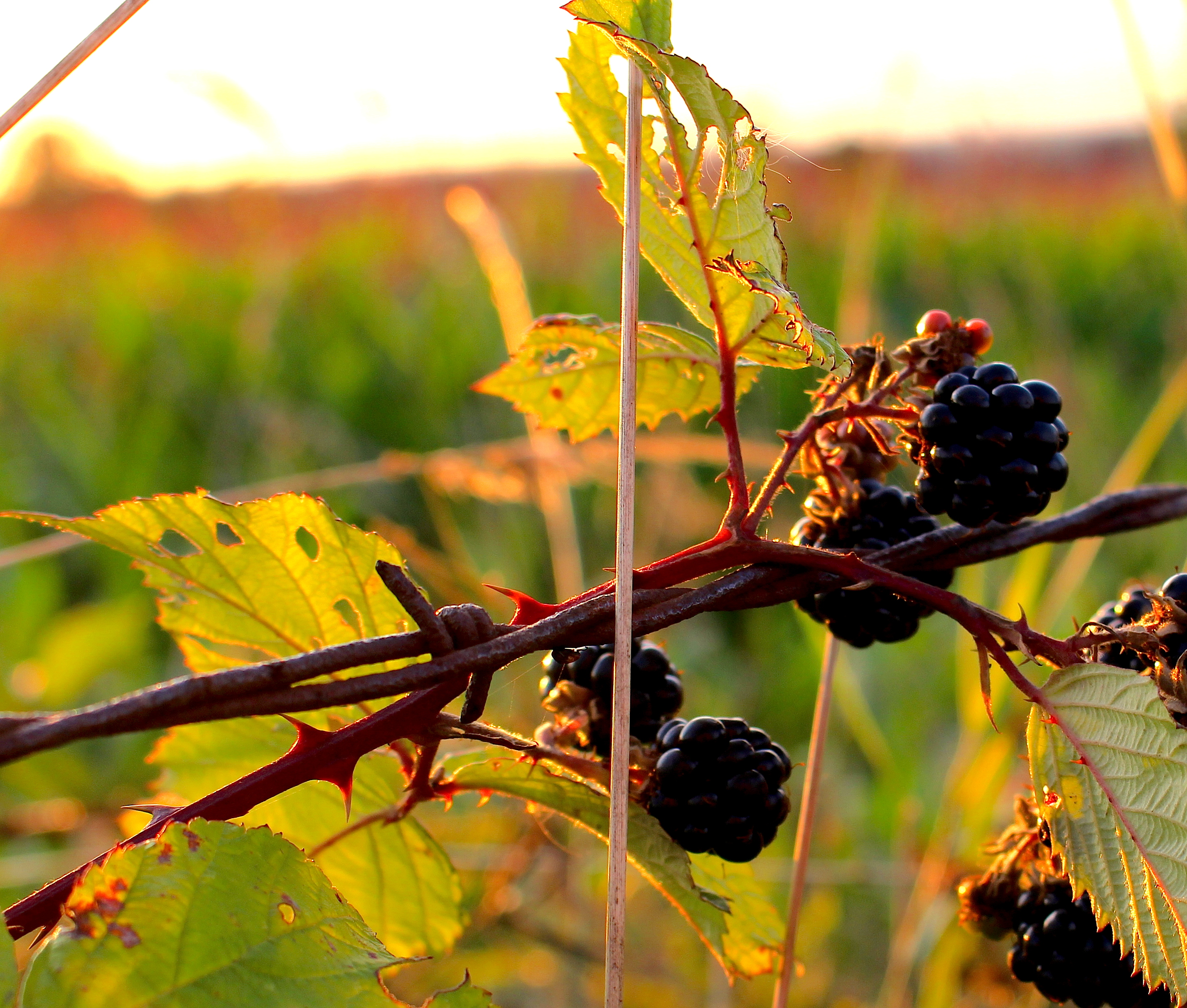
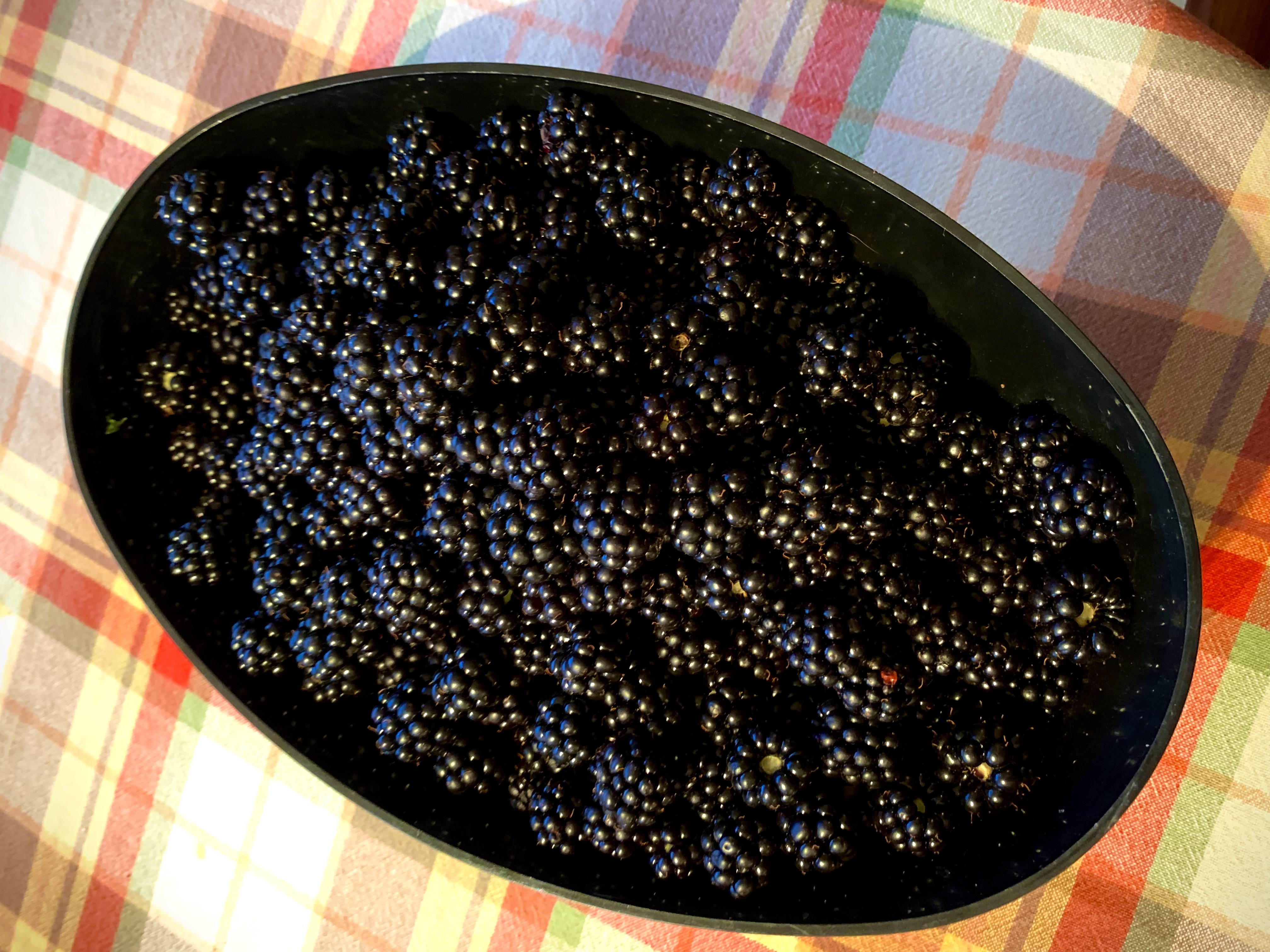
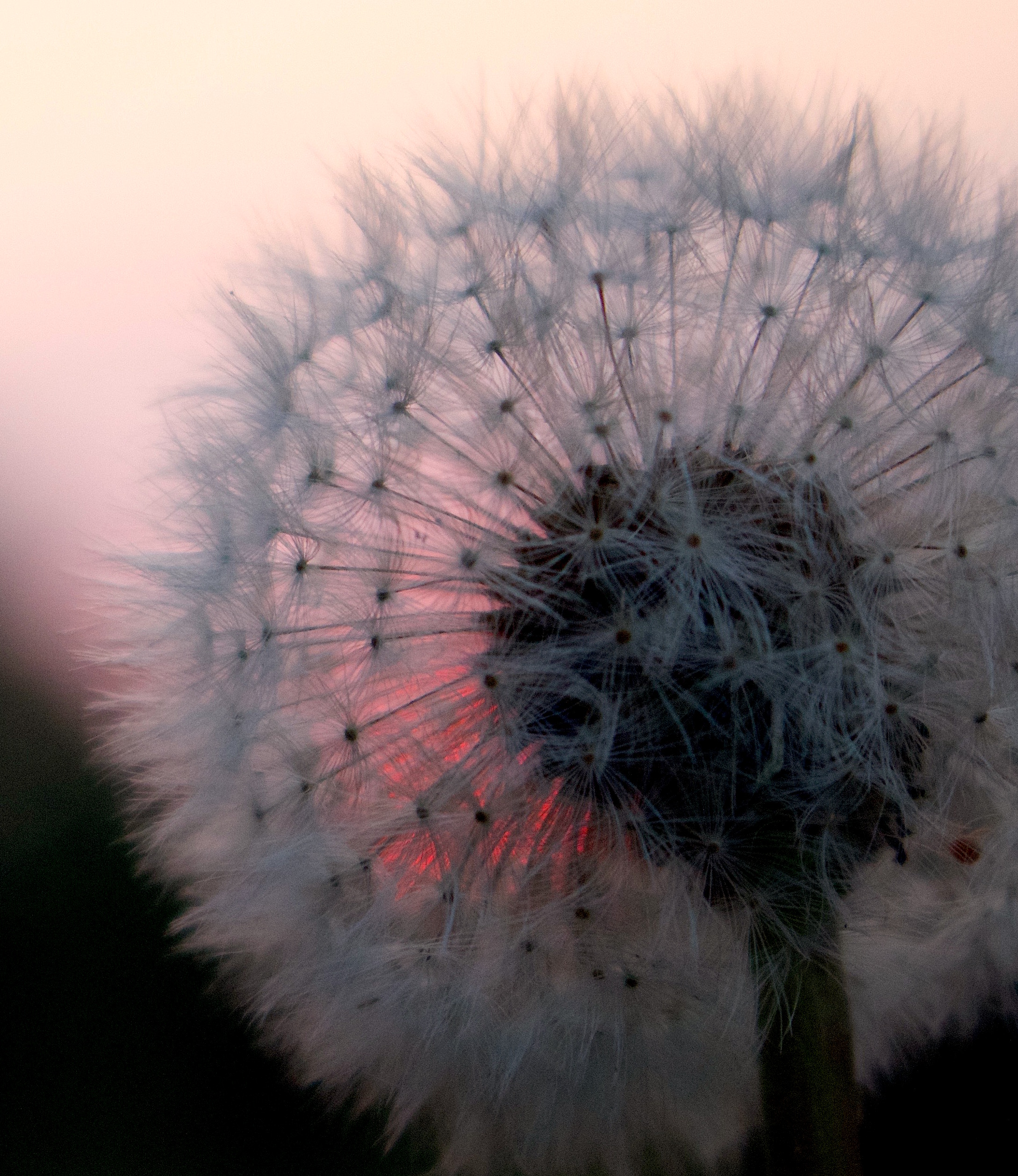
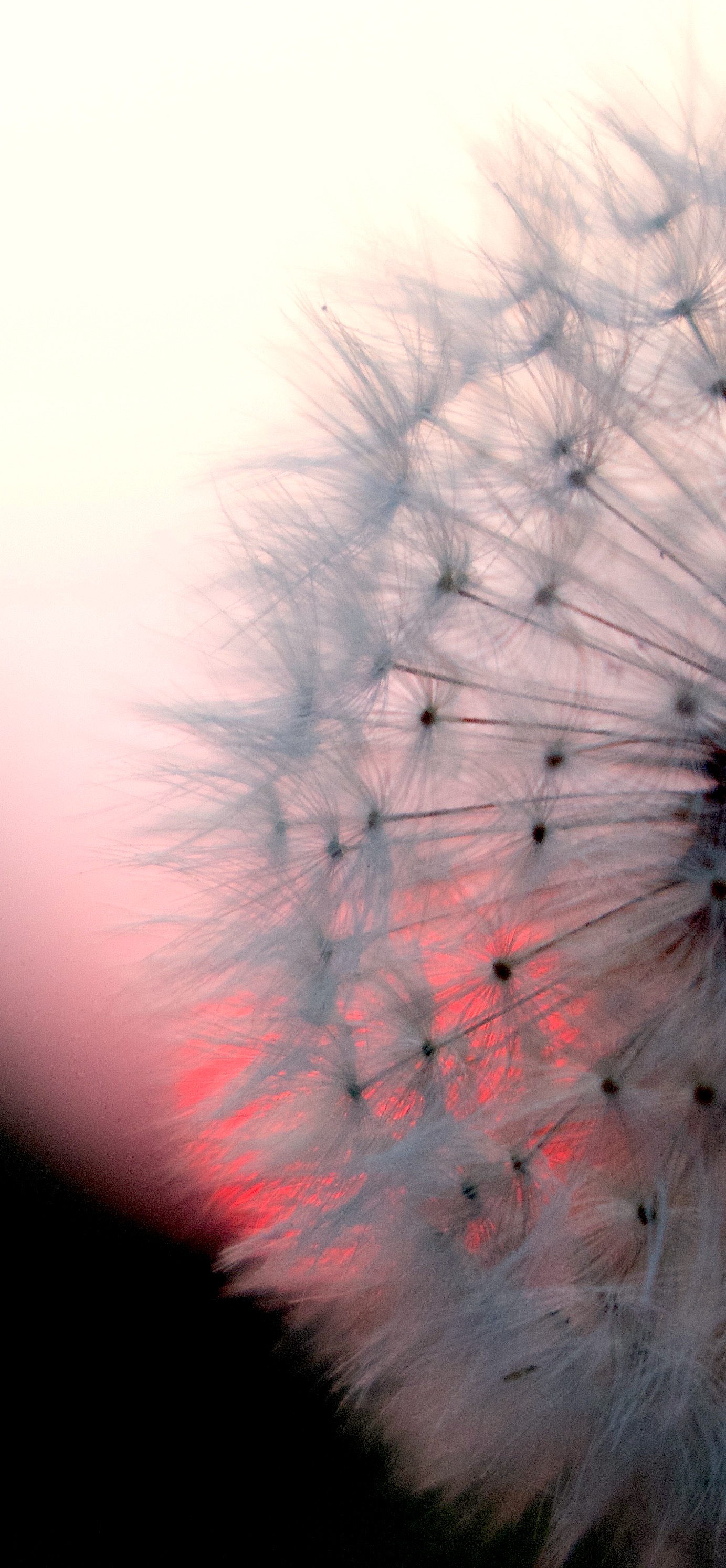
Today I will make wild blackberry cobbler, facing down the brambles and briers that thwart my reach for the elusive fruit – in this heat, it is important to harvest blackberries before they shrivel up and rot on the vine. I aim to gather more berries than scratches to prove that thorns and rot must never win and I will not yield to them.

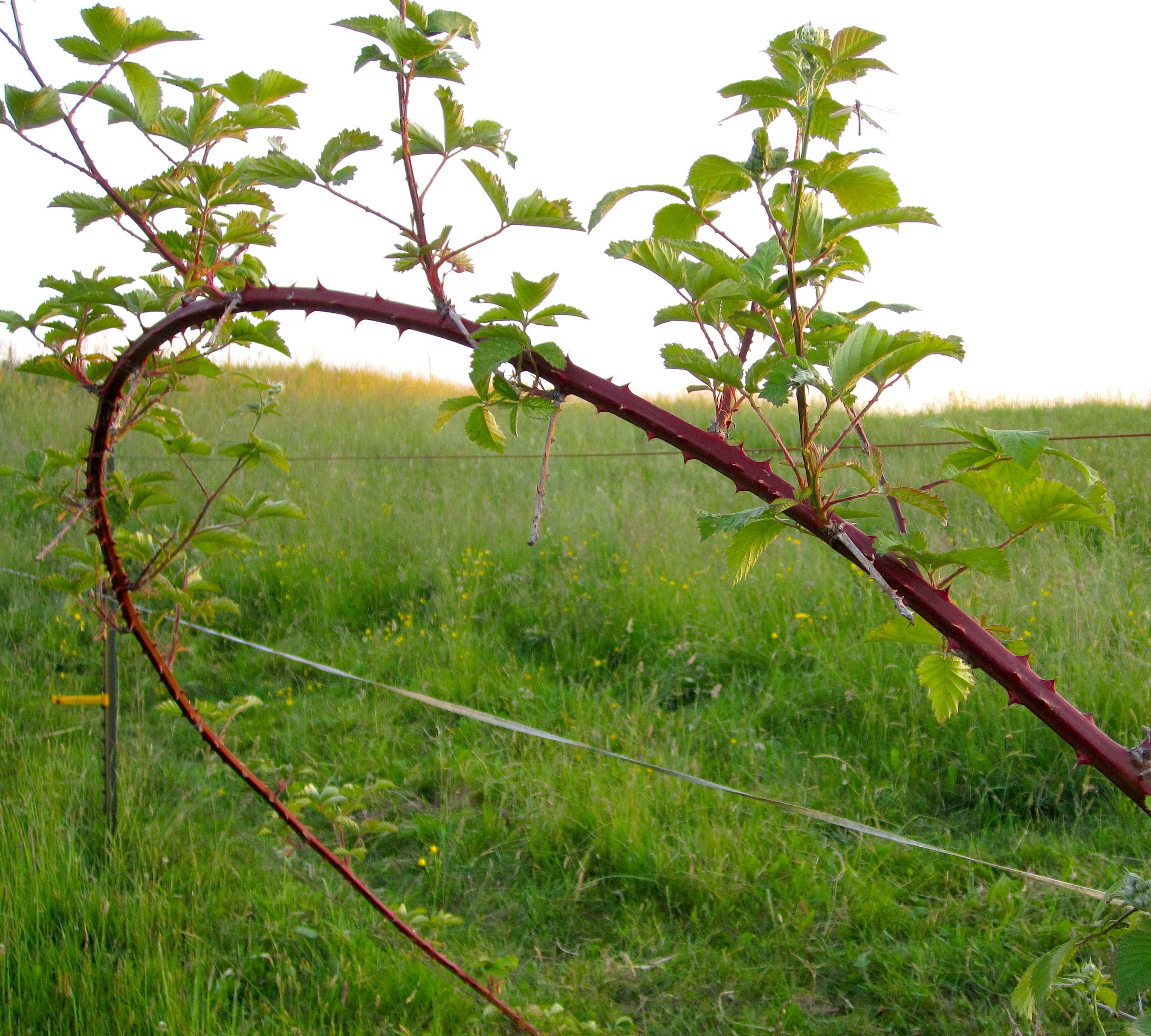
Painful thorns and decay have always been part of life. They barricade us from all that is sweet and good and precious. They tear us up, bloody us, make us cry out in pain and grief, cause a stink, and deepen our fear that we may never overcome such a sorrowful destiny.

Yet even the most brutal crown of thorns or the rot of the grave did not stop the loving sacrifice, can never thwart the sweetness of redemption, will not spoil the goodness, nor destroy the promise of salvation to come.

We simply wait to be fed the loving gift that comes only from bloodied hands.

Flesh will fail and bones will break
thieves will steal, the earth will shake
Night will fall, the light will fade
The Lord will give and take away

Put no trust in the earth
in the sod you stand upon
Flowers fade into dust
The Lord will make a place for us

Because of His great Love
We are not overcome
Because of His great Love
We are not overcome

Have no fear for your life
Turn your cheek, turn your cheek
Bear the yoke of love and death
The Lord will give all life and breath

Because of His great Love
We are not overcome
Because of His great Love
We are not overcome

(from Bifrost Arts)

If you enjoy the Barnstorming blog, you’ll like our new book, available for order here:
Change Altitudes

           ‘Regret has to be useless or it’s not really regret.’
                                                     ~Simone de Beauvoir

Rescuers did not find my uncle’s body.
But they found his axe at an icy altitude
impossible to navigate without one.


A little higher up, they found my uncle
’s sleeping bag at an altitude
unsurvivable without one.


You likely have a pen in purse or pocket.
Take it out and write a list of all
you need at your present altitude.


Next, change altitudes. Now, make another list:
the two biggest regrets of your life.
Take your time. Get it right. Because

here is all you need to know about need:
That list of regrets—cross one off.
You are going to need that space later.
~Jessica Goodfellow, “Unreachable” from Whiteout

I’ve known people who lost their lives while hiking/climbing in the mountains or due to some other tragedy – the cascade of decisions leading to their death are sources of regret for all who mourn them, even decades later. Somehow regret is a difficult feeling to let go; we cling to it as if it is somehow an essential part of us.

It is easy for me to come up with a long list of regrets in my life. They seem to grow like weeds – useless, unplanned, unwanted and prolific, threatening to take over any good fruit being produced.

Few of us volunteer to share openly about our current guilt or shame unless we are sitting in a therapy group or AA. Instead it gives us permission to beat ourselves up, going over and over in our minds how we could have done things differently. As a physician, I’ve heard about such heart-ache in my clinical encounters – a patient will regret an impulsive sexual encounter that turned out badly, or drinking and drugging too much, or regret an ongoing conflict with a family member, or wish they had decided to get that vaccine before becoming ill with a potentially preventable infection.

Our list of regrets can be endless and life-destroying.

I understand the pain of regret as I too am a flawed and fractured person with a seven decade history of things done and left undone, words said and unsaid. Even if I think I can somehow manage to cross a regret off my own list – perhaps I apologized and was granted forgiveness, or I tried to make right what I’d messed up — I still know a new regret will occupy its place before long.

I can’t simply fix my own regret list.

No matter what altitude we’re at — down in the pits in the lowest of the low, or up in the highest imaginable, I have come to realize that forgiveness is only possible through a knowledge of God Himself. He came to walk beside us in our low spots and our high spots, no matter where we find ourselves. His work on earth has crossed off our regrets and mistakes and wiped us clean of them.

He did this because He understood our desperate need; thanks to His sacrifice and love, our heart-aches are left at the Cross.

More beauty in words and photos are found in this new book from Barnstorming, available to order here:

If you have already read our book, your review of the book would be deeply appreciated here:

We Stand Grounded

My father will not
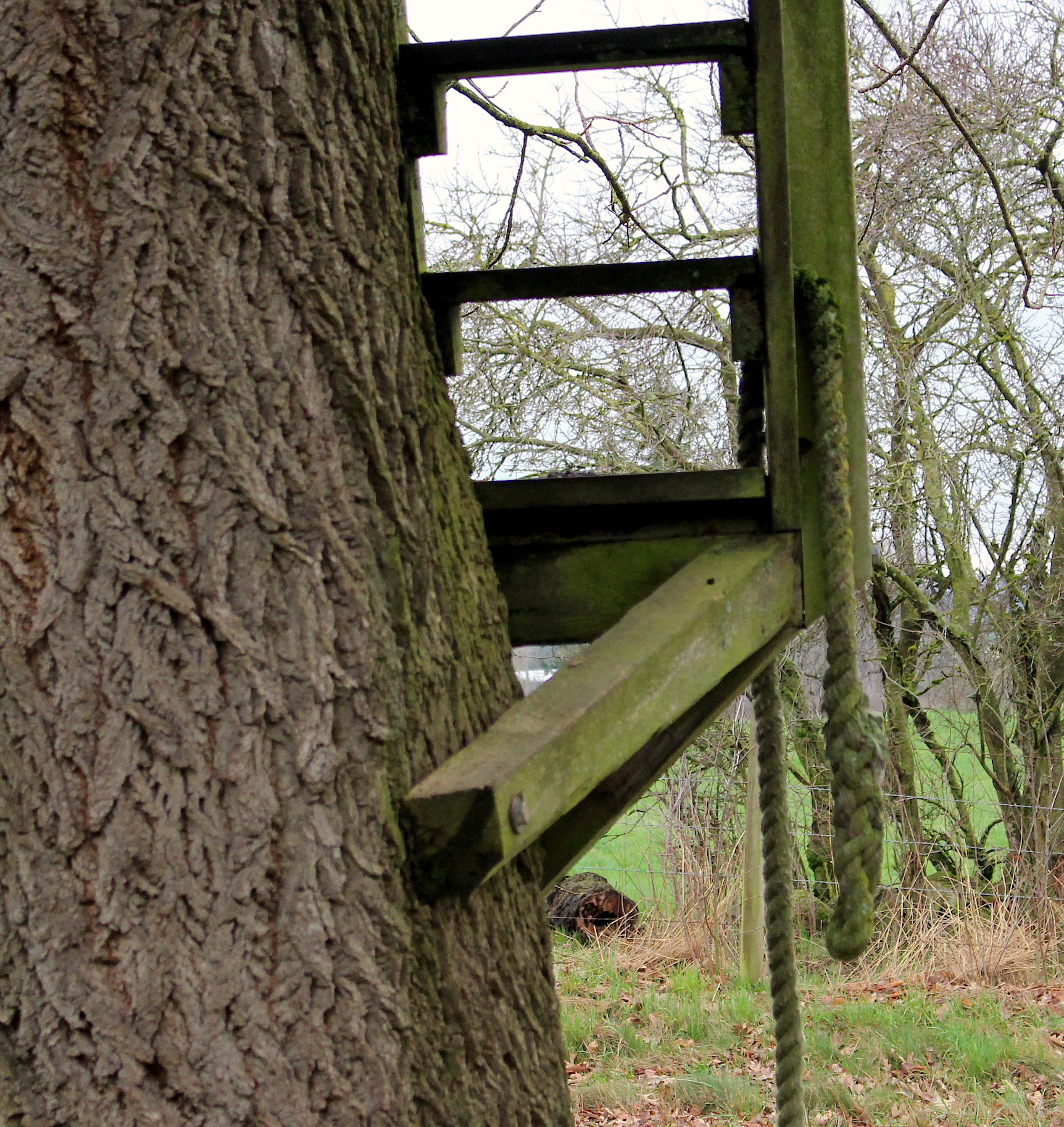
climb into the trees
today.

He is eighty-four
and tells me
that he was never

fond of heights,
that he hated
putting up the pipes

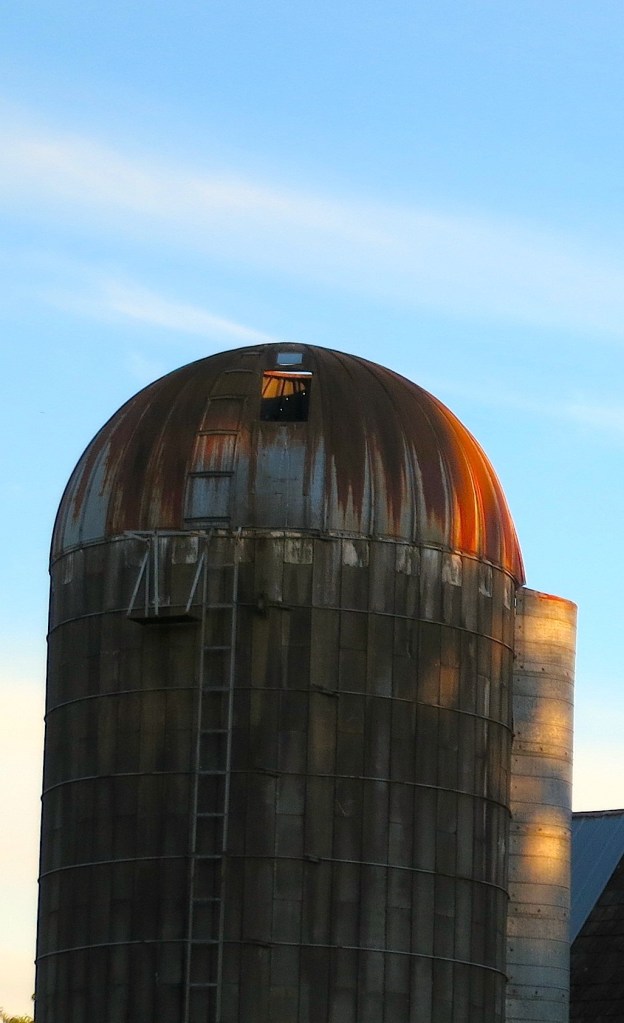
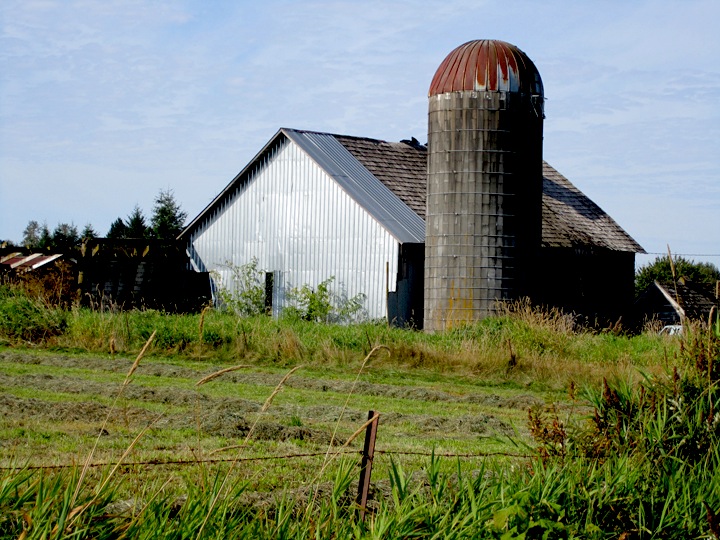
to fill the silo,
that he did not enjoy
climbing to the top

of the barn
to fix the pulley
on the hay-sling.

I have no desire
to be in the air,
he says.

And I always thought
he loved walking
the rim of the silo,

waving his hat
in circles overhead,
shouting down to
where we stood
grounded and gazing
up at him.

~Joyce Sutphen “Grounded” from First Words

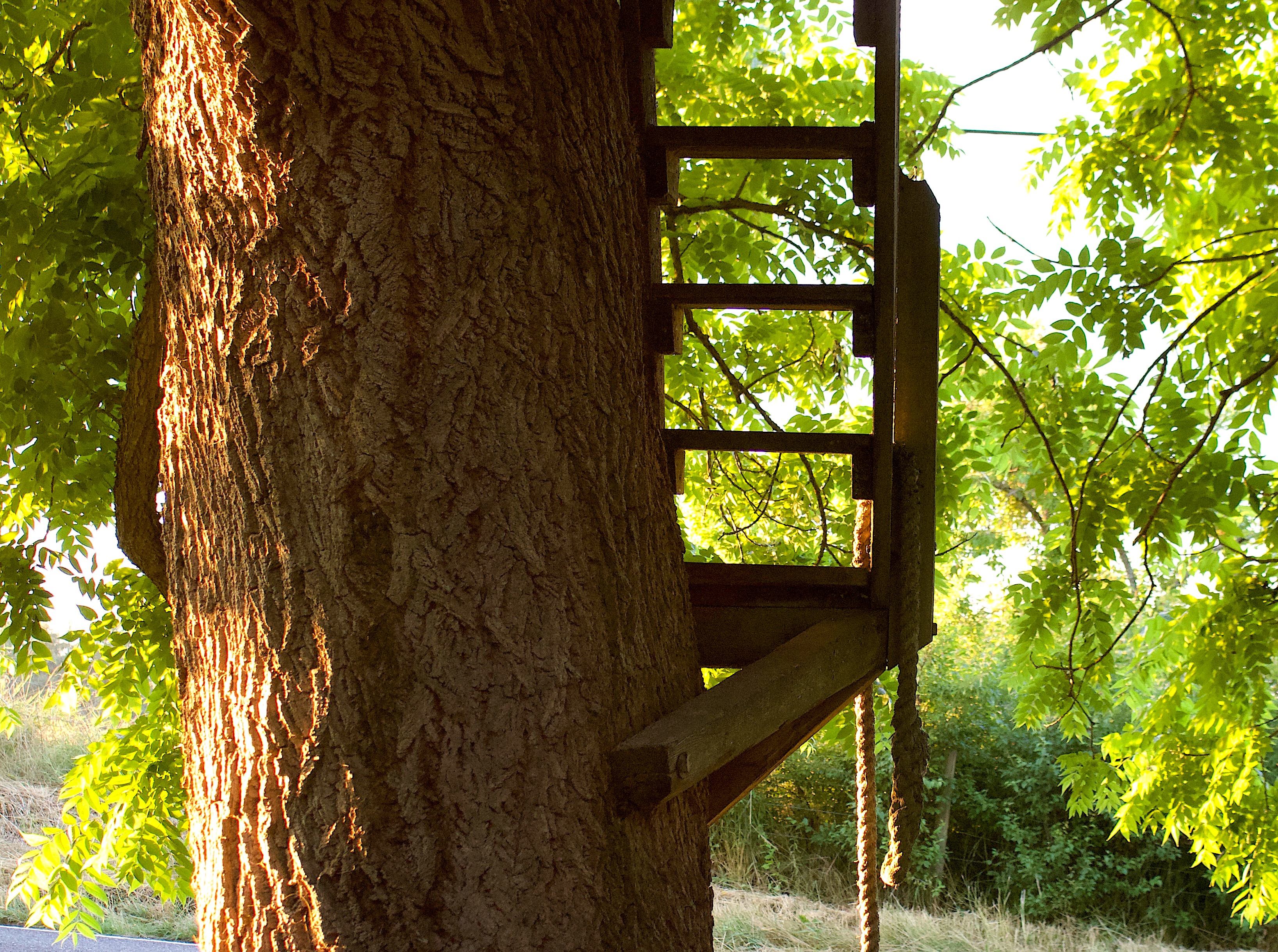
As much as I loved it, riding on my father’s shoulders when I was small was more than high enough for me: he was a tall man and I felt I could reach the sky when I was up there. He would dip me down and swoop around and I felt I was flying with my tummy tickling the whole time. It was sheer delight but only because my dad was attached to the ground and I was held tightly by him. I was safe because he was.

When I was five, it took me months to be brave enough to climb the steps to go down the slide on my kindergarten playground – I lied to my parents that I had done it way before I actually did and they were so proud for me. This meant when I actually screwed up the courage and did it months later, there was no one I could brag to – I had ruined my own achievement with my previous deceptive bravado.

Climbing ladders into the hay loft to fetch hay bales still requires bravery that I sorely lack. Going up the steps doesn’t bother me nearly as much as the fact I must eventually come down…somehow… and it is the descent that seems far more terrifying.

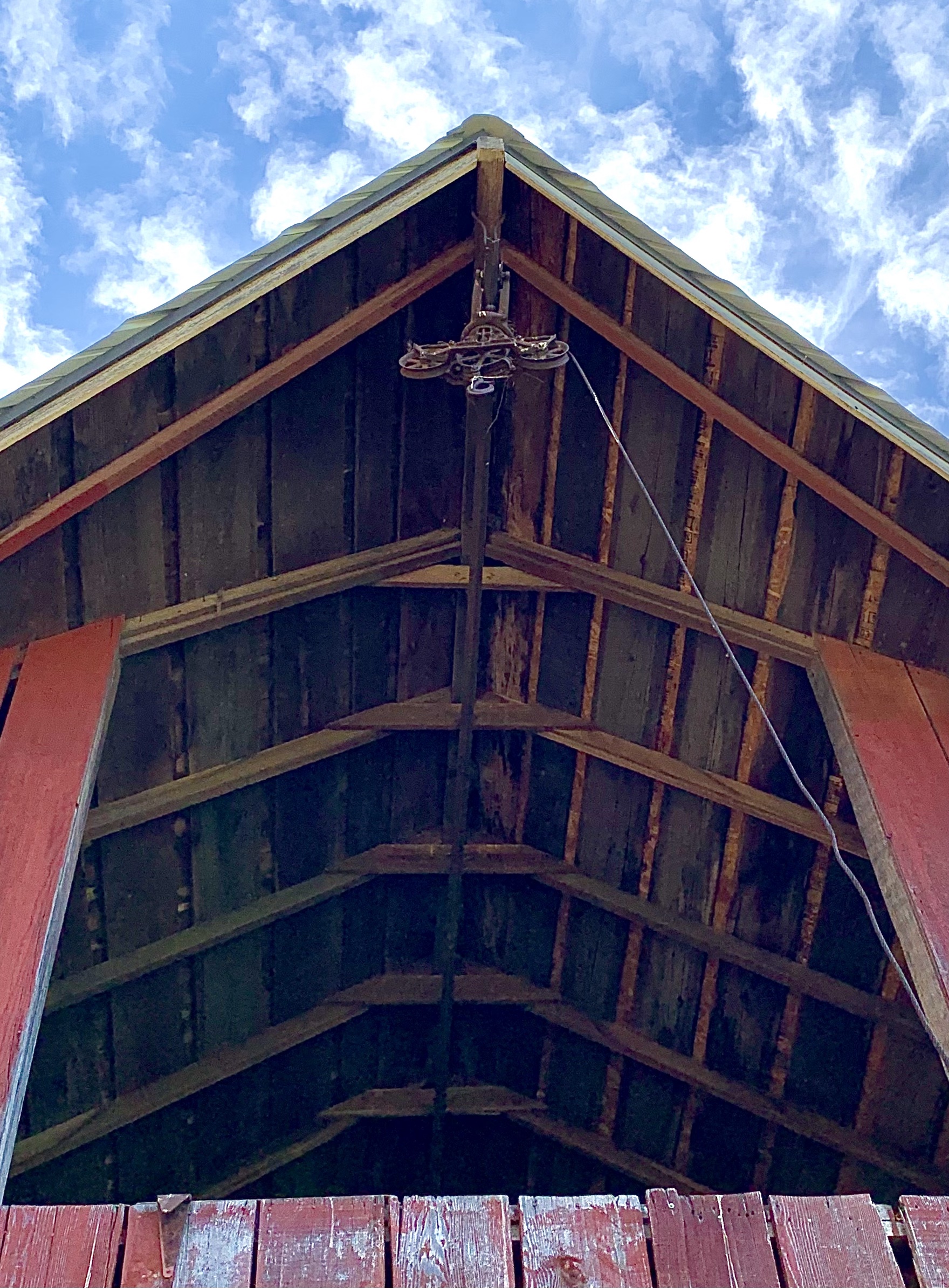
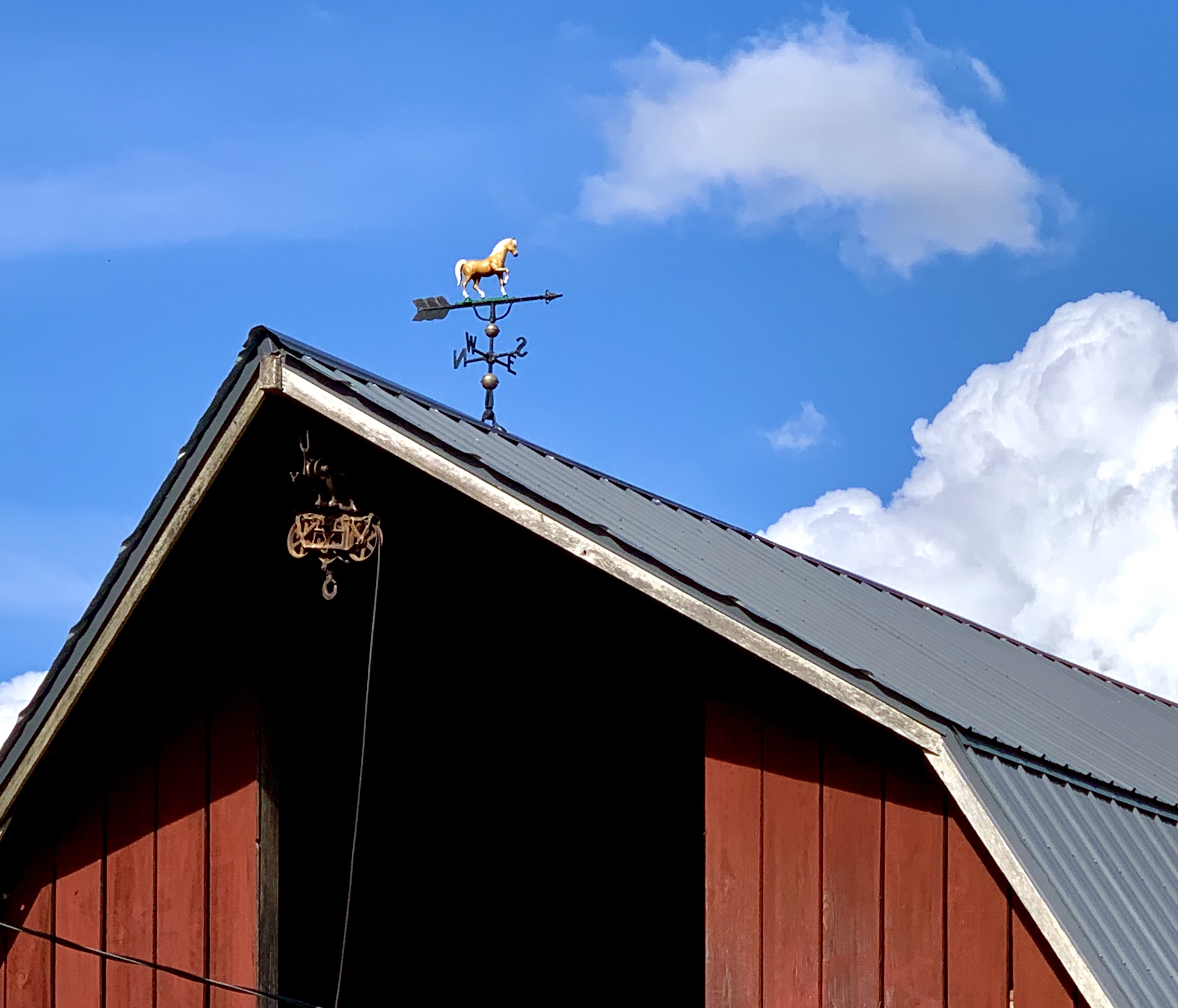
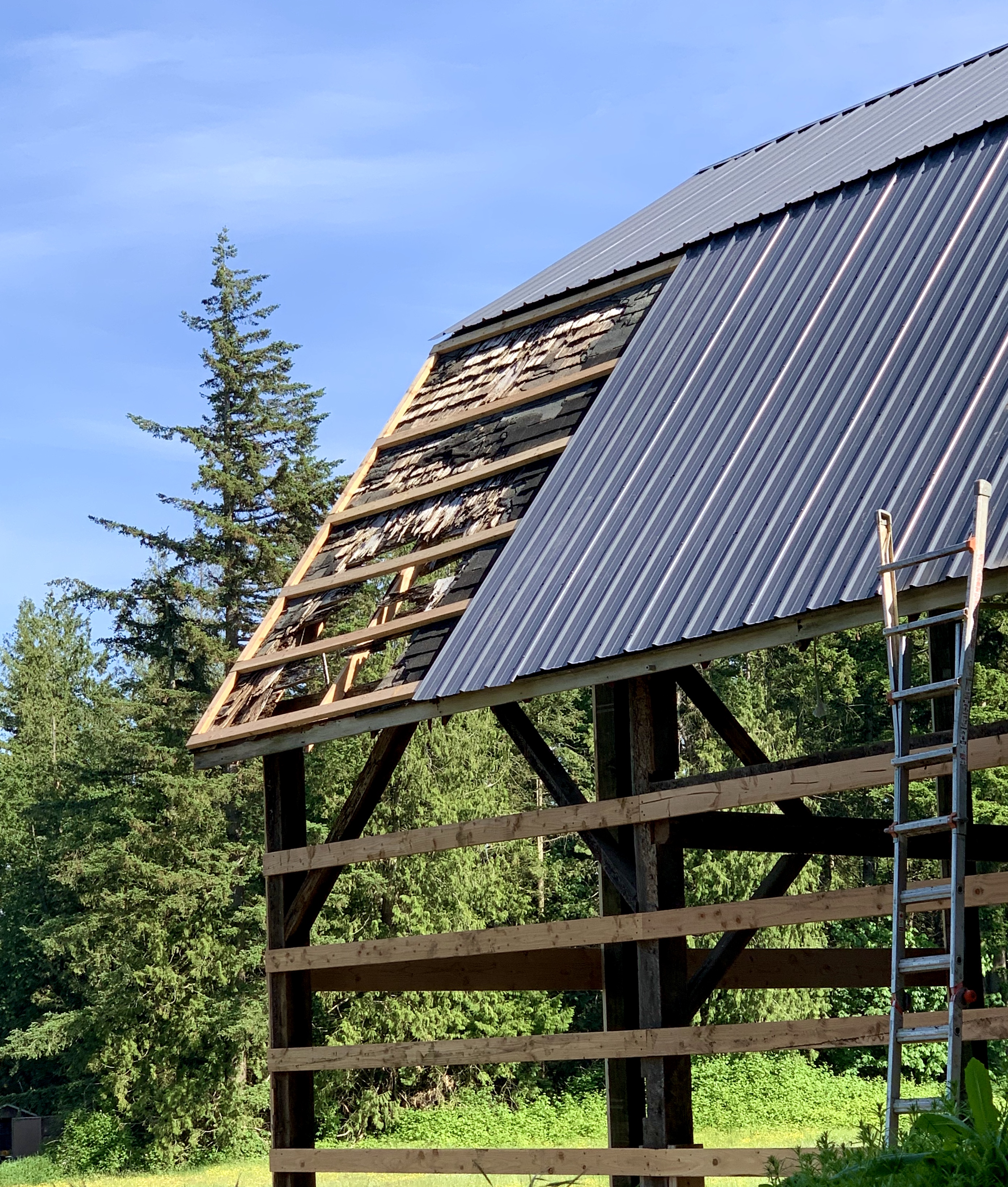
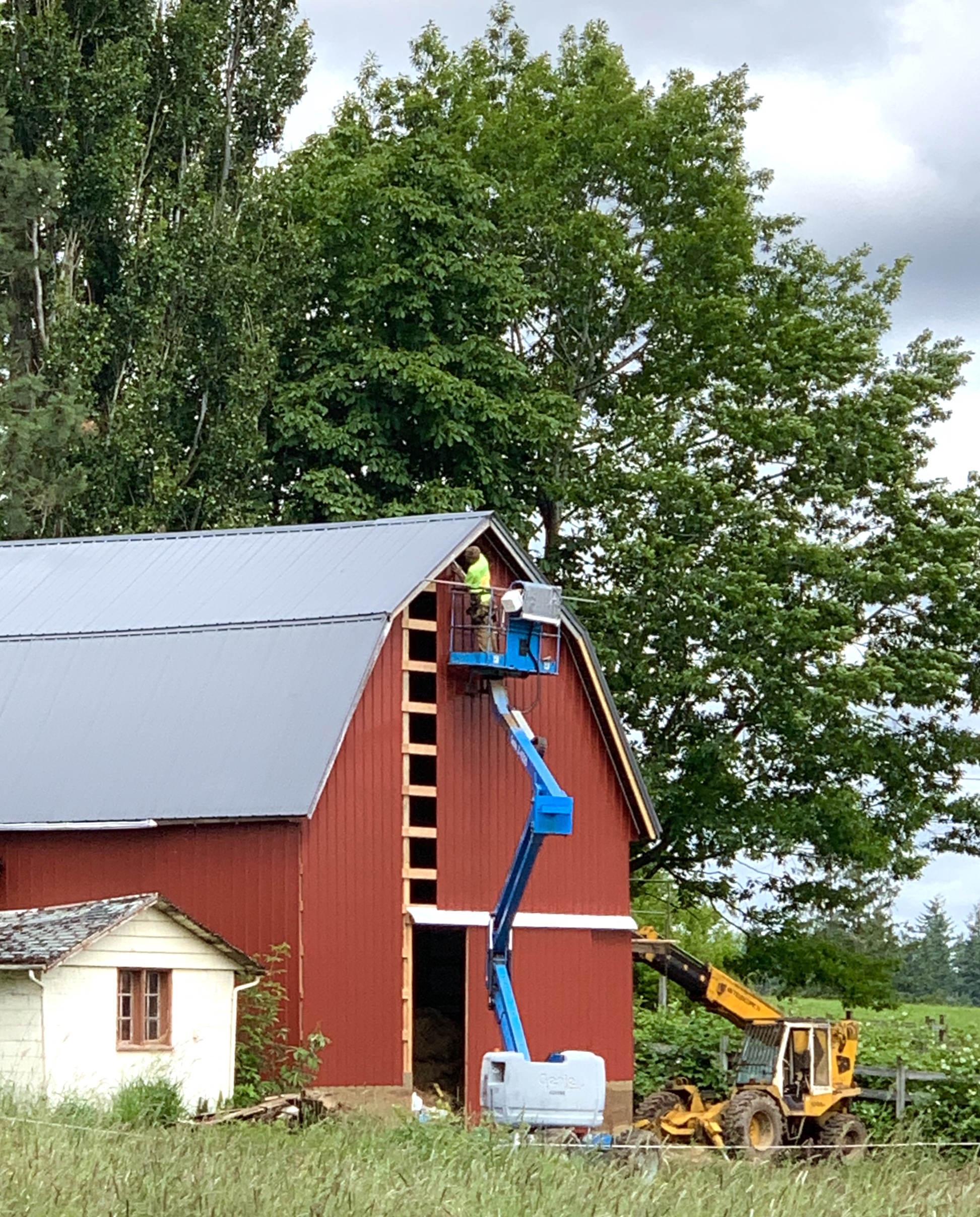
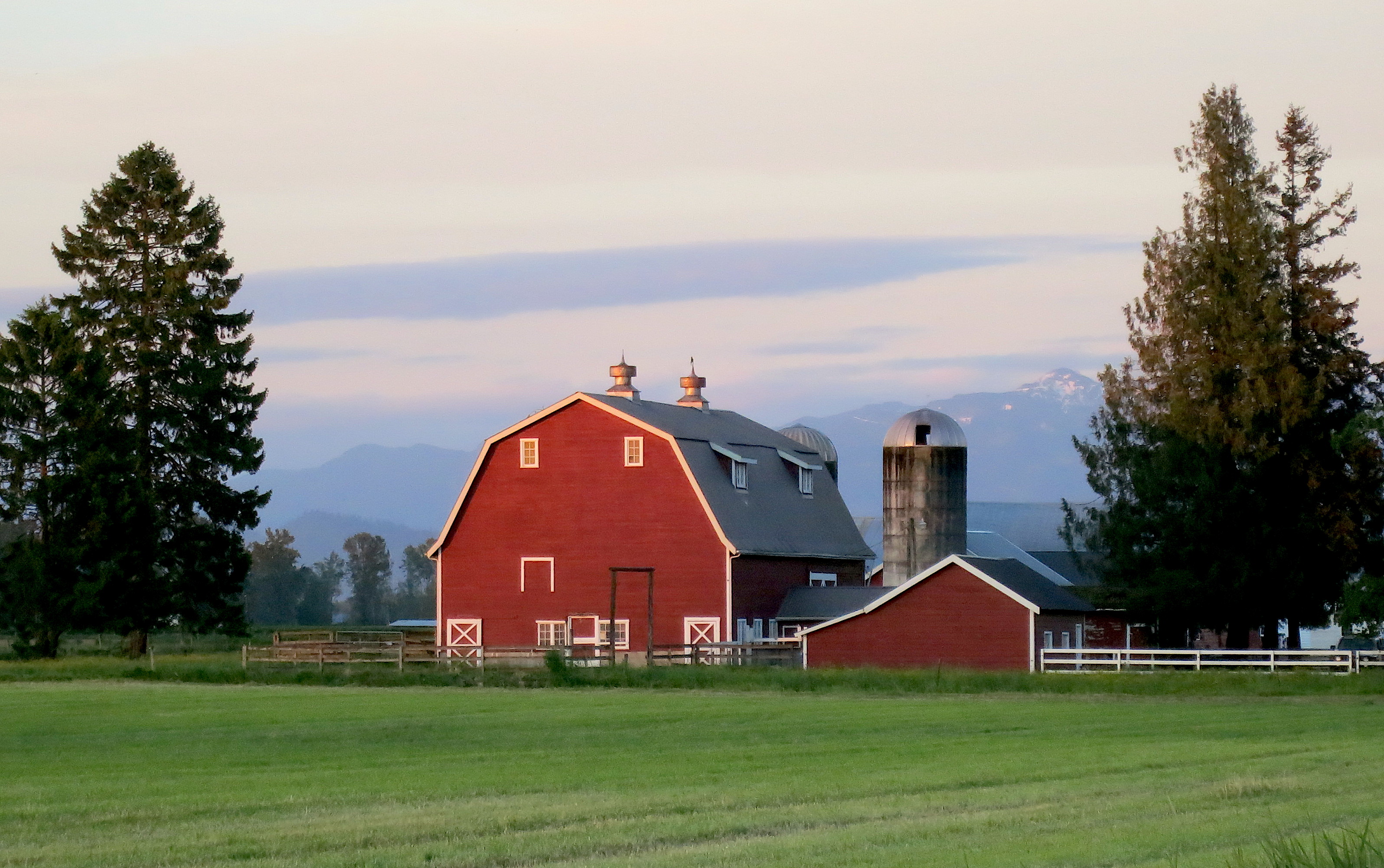
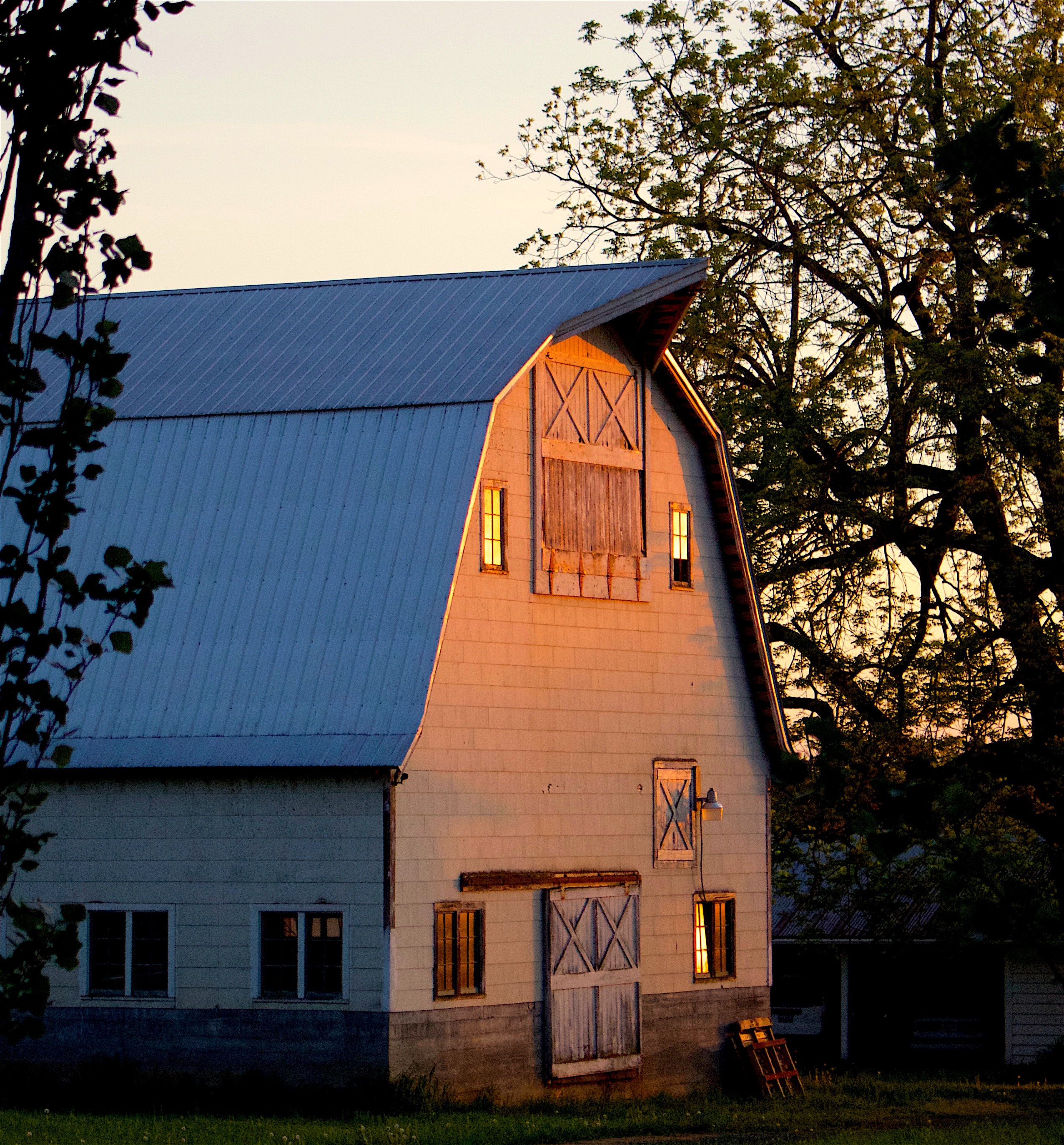
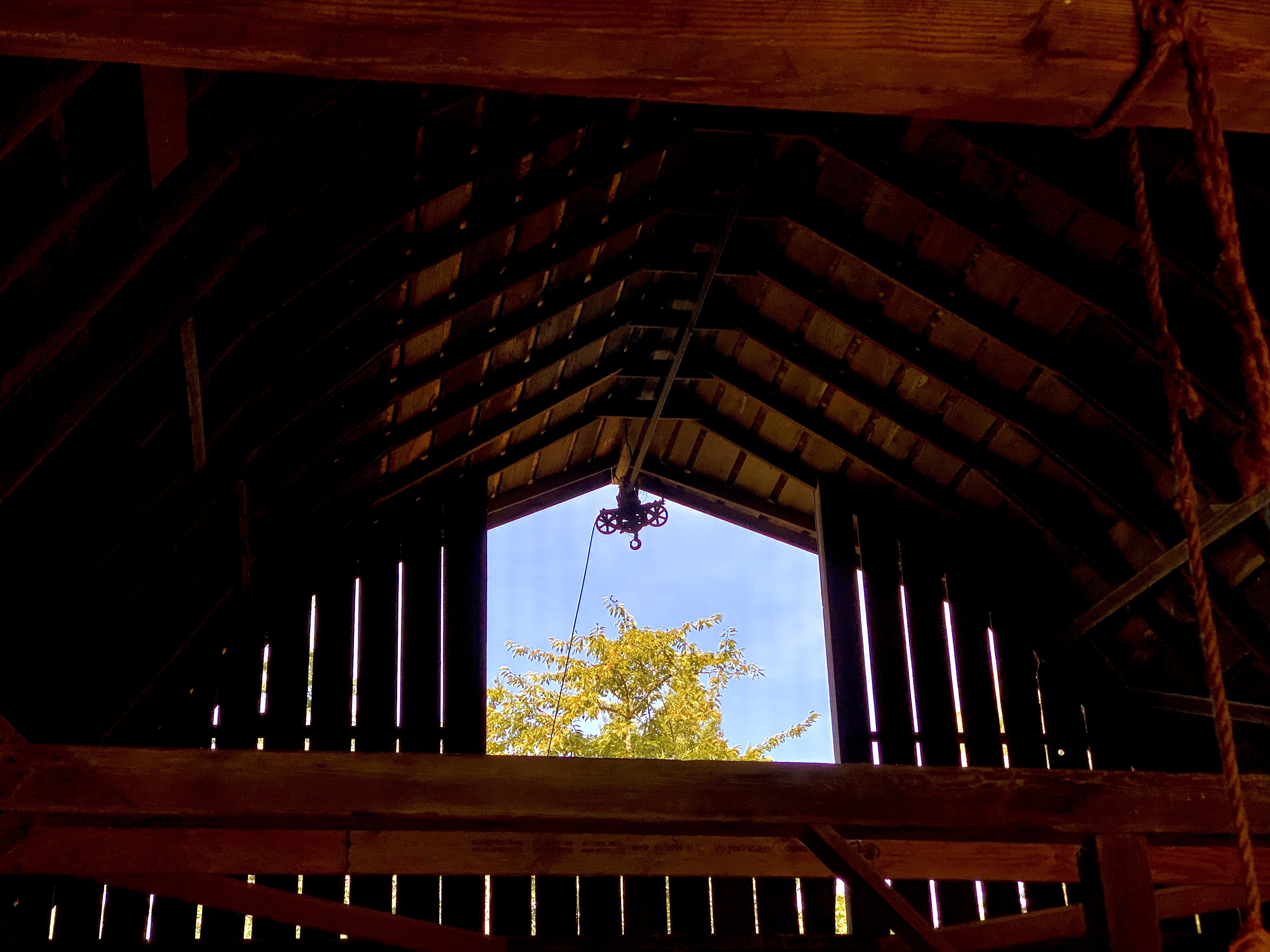
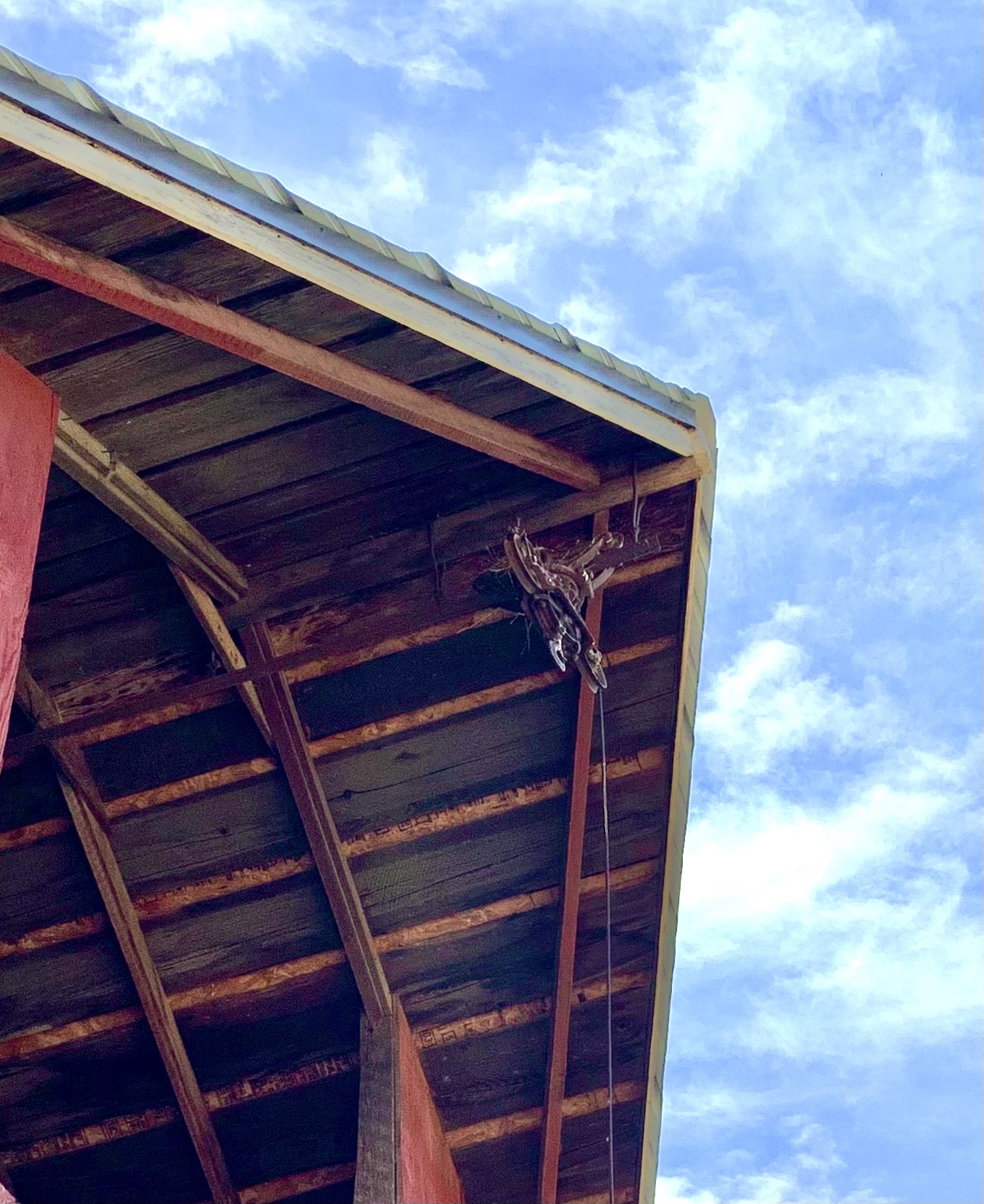
When our barn needed a major repair of new roof and walls, the workers used ladders but also a hydraulic lift – something the turn of the century carpenters didn’t have access to. When I look at the hay sling/hook pulley hanging high from the peak of the barn, I realize someone over 100 years ago had to climb up to put it up there, so there it remains even though its working days are long past.

As much as possible, I now stay grounded, firmly attached to the soil, convinced it is where I belong. I’ll look and act as if I’m brave when I dare to climb up high, but only because I know Whose shoulders bear me up when I’m going beyond my comfort zone.

I’m safe because He is and always will be.

If you prefer to keep your feet on the ground, you will enjoy this new book from Barnstorming, available to order here:

Wired With Alertness

Edmund Darch Lewis – Susquehanna
Agnes Wallace by Robert Sivell

I have never been fishing on the Susquehanna
or on any river for that matter
to be perfectly honest.


Not in July or any month
have I had the pleasure — if it is a pleasure —
of fishing on the Susquehanna.


I am more likely to be found
in a quiet room like this one —
a painting of a woman on the wall,


a bowl of tangerines on the table —
trying to manufacture the sensation
of fishing on the Susquehanna.


There is little doubt
that others have been fishing
on the Susquehanna,


rowing upstream in a wooden boat,
sliding the oars under the water
then raising them to drip in the light.


But the nearest I have ever come to
fishing on the Susquehanna
was one afternoon in a museum in Philadelphia,


when I balanced a little egg of time
in front of a painting
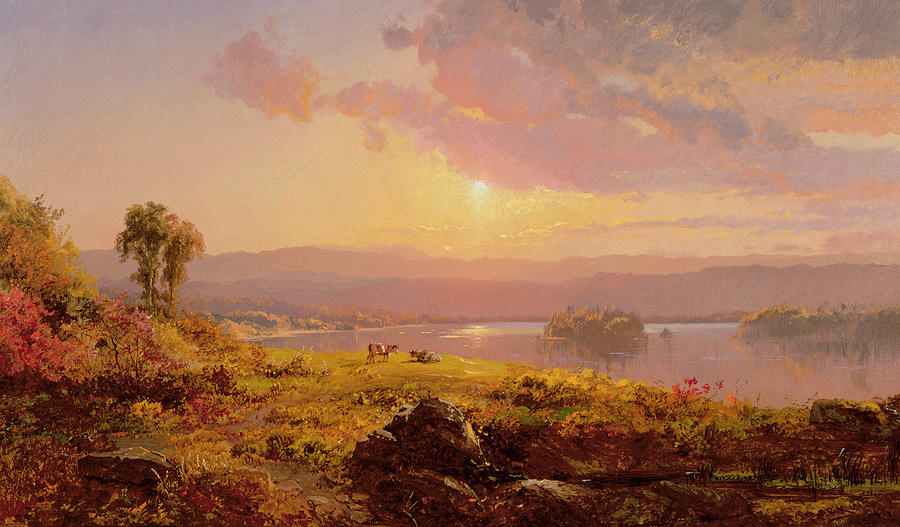
in which that river curled around a bend


under a blue cloud-ruffled sky,
dense trees along the banks,
and a fellow with a red bandana


sitting in a small, green
flat-bottom boat
holding the thin whip of a pole.


That is something I am unlikely

ever to do, I remember
saying to myself and the person next to me.


Then I blinked and moved on
to other American scenes
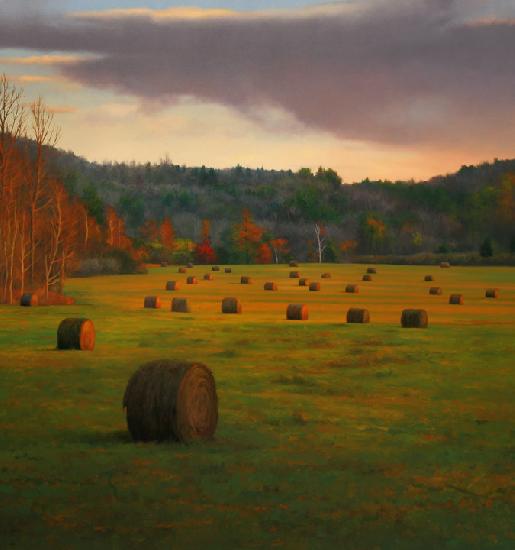
of haystacks, water whitening over rocks,


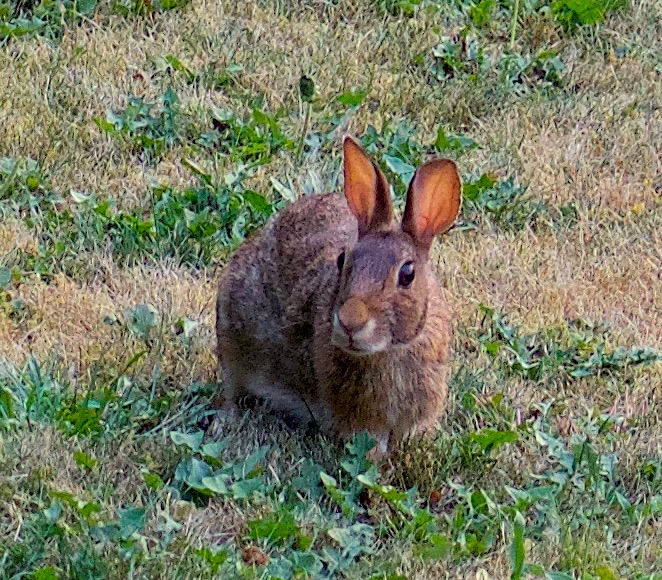
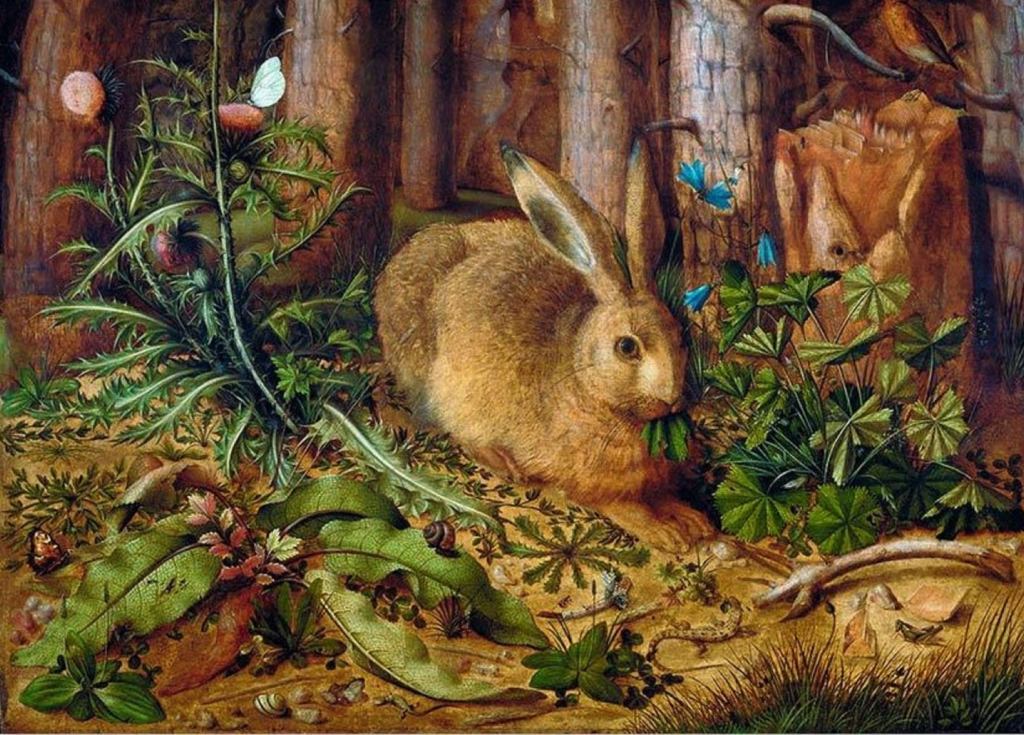
even one of a brown hare
who seemed so wired with alertness
I imagined him springing right out of the frame. 
~Billy Collins Fishing On The Susquehanna In July

A Hare in the Forest by Hans Hoffman (Getty Museum)
Susquehanna by Jasper Francis Cropsey
Hayfield–oil painting by Scott Prior http://www.scottpriorart.com

I live a quiet life in a quiet place. There are many experiences not on my bucket list that I’m content to simply imagine.

I’m not a rock climber or a zip liner or willing to jump out of an airplane. I won’t ride a horse over a four foot jump or race one around a track. Not for me waterskis or unicycles or motorcycles.

I’m grateful there are those who are eagerly wired with alertness for the next experience: adventurers who seek out the extremes of life so the rest of us can sit back and admire their courage and applaud their explorations and achievement.

My mind’s eye and imagination is powerful enough, thanks to the words and pictures of others. I find I’m content to explore the corners of my quiet places, both inside and outside, to see what I can build from what I find right here under my nose.

When the light is right, and I’m open enough to it, what I see is ready to spring right out of the frame.

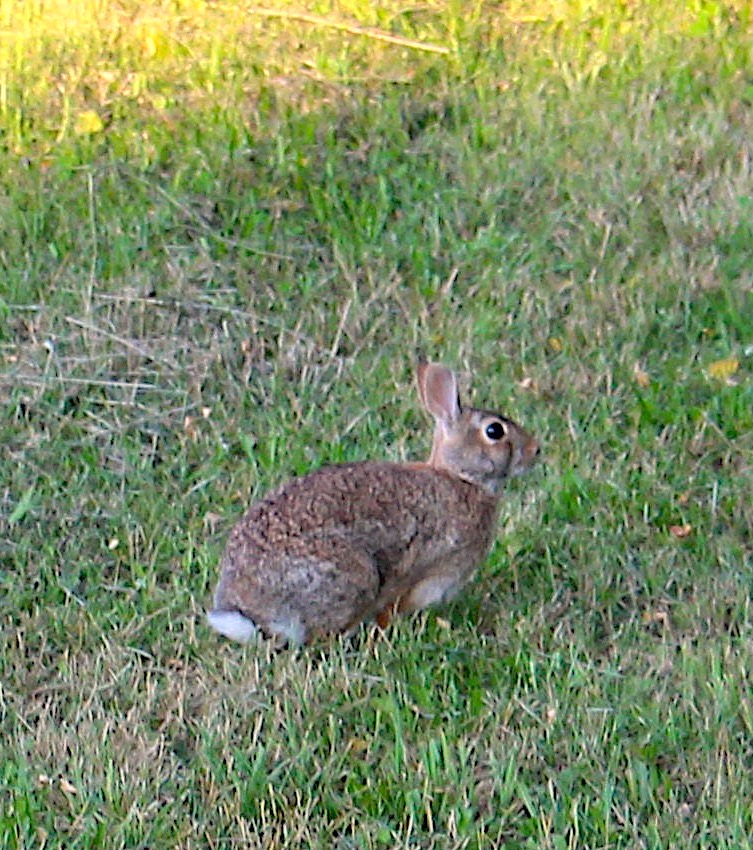
The difficulty to think at the end of day,
When the shapeless shadow covers the sun
And nothing is left except light on your fur—

….and August the most peaceful month.

To be, in the grass, in the peacefullest time,
And to feel that the light is a rabbit-light
In which everything is meant for you
And nothing need be explained;

You become a self that fills the four corners of
night.
~Wallace Stevens, from “A Rabbit As King of the Ghosts”

More of my images along with Lois Edstrom’s ekphrastic poetry can be found in this book, available for order here:

An Exquisite View

How often do we miss the fainter note
Or fail to see the more exquisite hue,
Blind to the tiny streamlet at our feet,
Eyes fixed upon some other, further view.
What chimes of harmonies escape our ears,
How many rainbows must elude our sight,
We see a field but do not see the grass,
Each blade a miracle of shade and light.
How then to keep the greater end in eye
And watch the sunlight on the distant peak,
And yet not tread on any leaf of love,
Nor miss a word the eager children speak?
Ah, what demand upon the narrow heart,
To seek the whole, yet not ignore the part.
~Philip Britts  “Sonnet 1

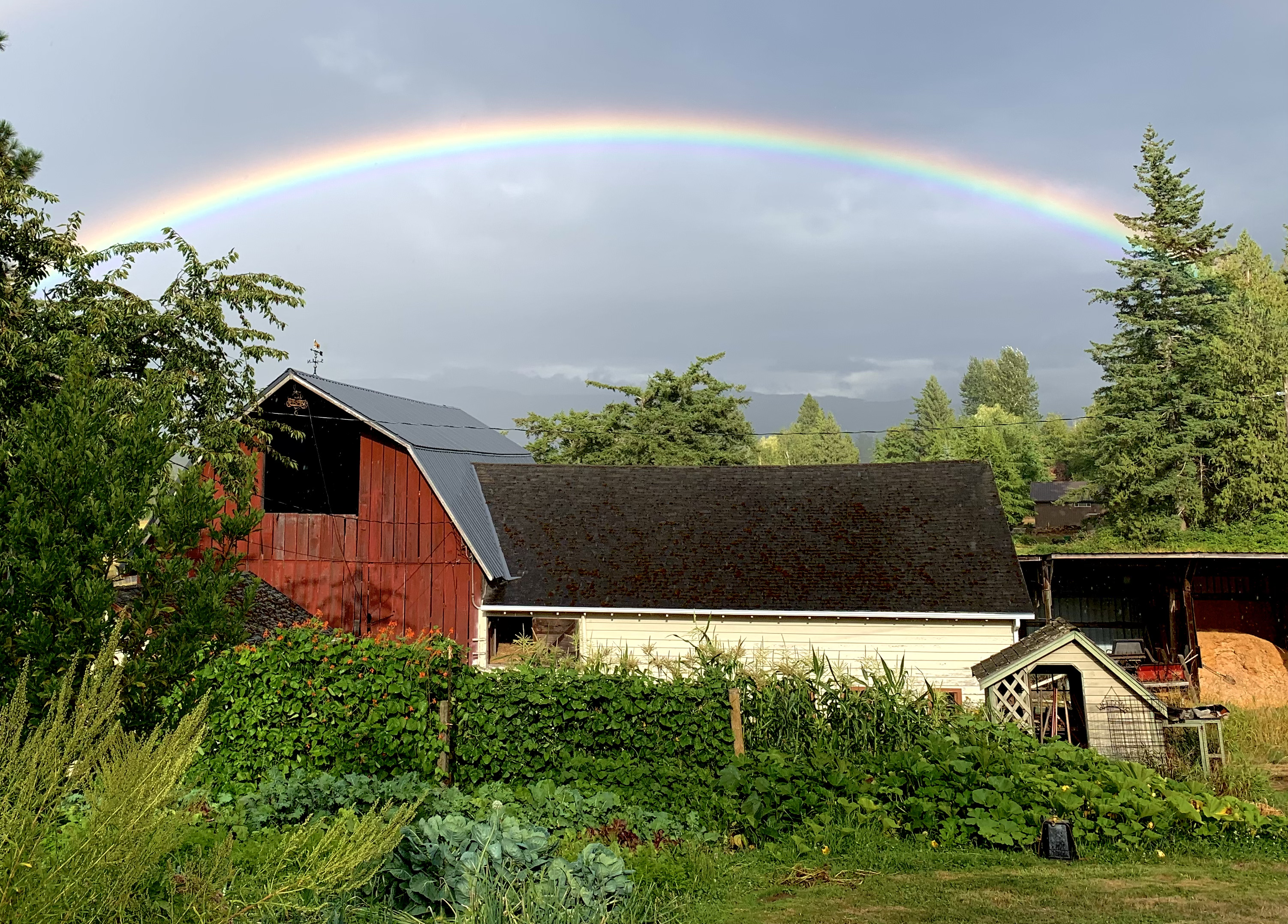
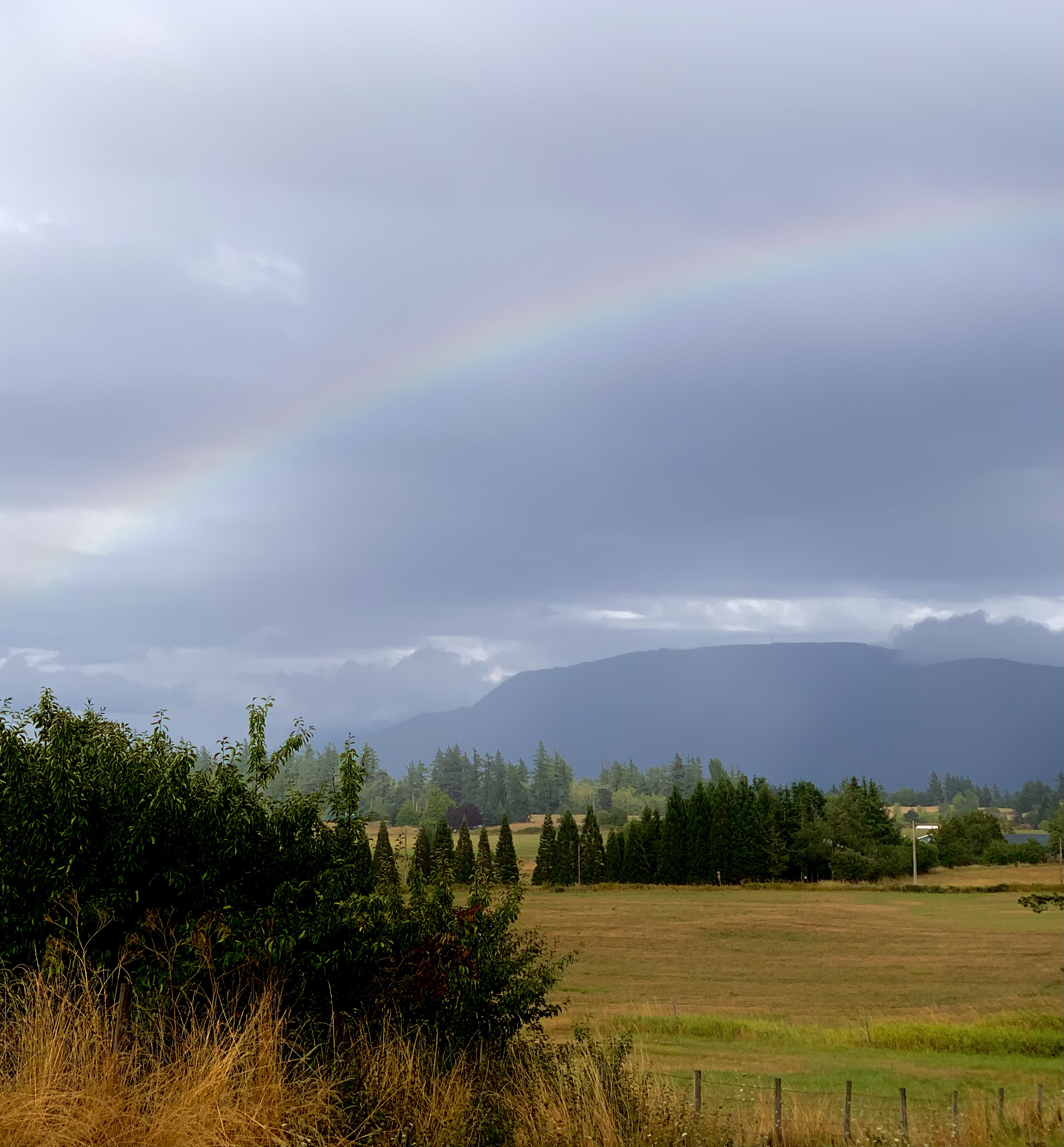
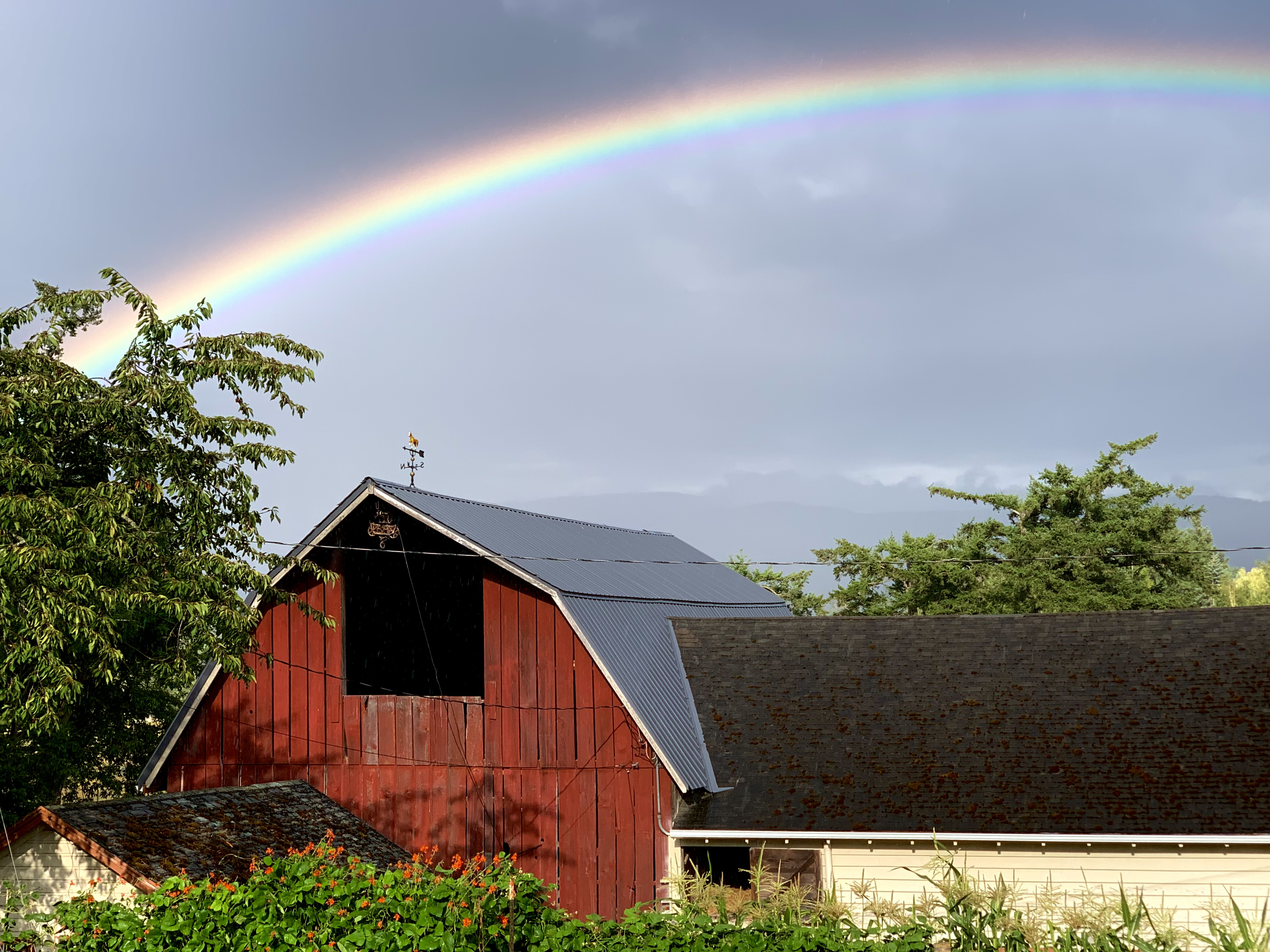
I saw the lovely arch
    Of Rainbow span the sky,
The gold sun burning
    As the rain swept by.

In bright-ringed solitude
    The showery foliage shone
One lovely moment,
    And the Bow was gone.
~Walter De La Mare “The Rainbow”

We are born nearly blinded, focused solely on our emptiness – a hunger to be filled and our need to be held.  As we grow, our focus sharpens to fall in love with those who feed and nurture us.

Eventually we discover, challenge and worship He who made us.

This world is often too much for us to take in as a whole — our exquisite view of shadow and light, color and gray, loneliness and embrace, sorrow and joy.

With more years and a broader vision, we scan for the finer details within the whole before it disappears with the changing light.  Time’s a wasting (and so are we) as we try to capture it all with the lenses of our eyes and hearts.

The end of life comes too soon, when once again our vision blurs and the world fades away from view.

We hunger yet again to be filled and held.

And then heaven itself will seem almost too much to take in – our hearts full to bursting with light and promise for the rest of eternity.

A new book is available from Barnstorming – maybe you know someone who would enjoy a gift of light and color and insightful words? Order here:

What is Possible Within Us

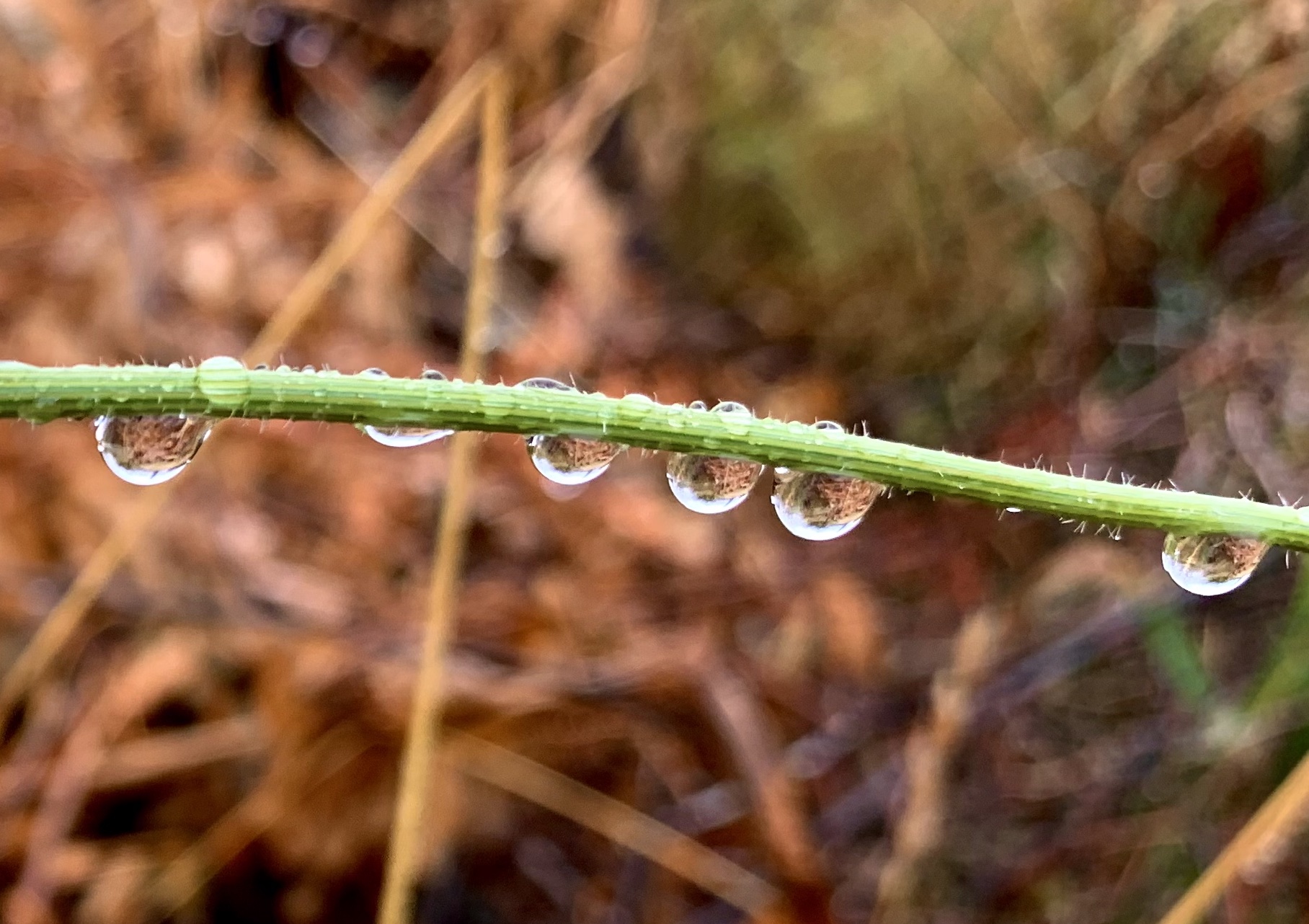
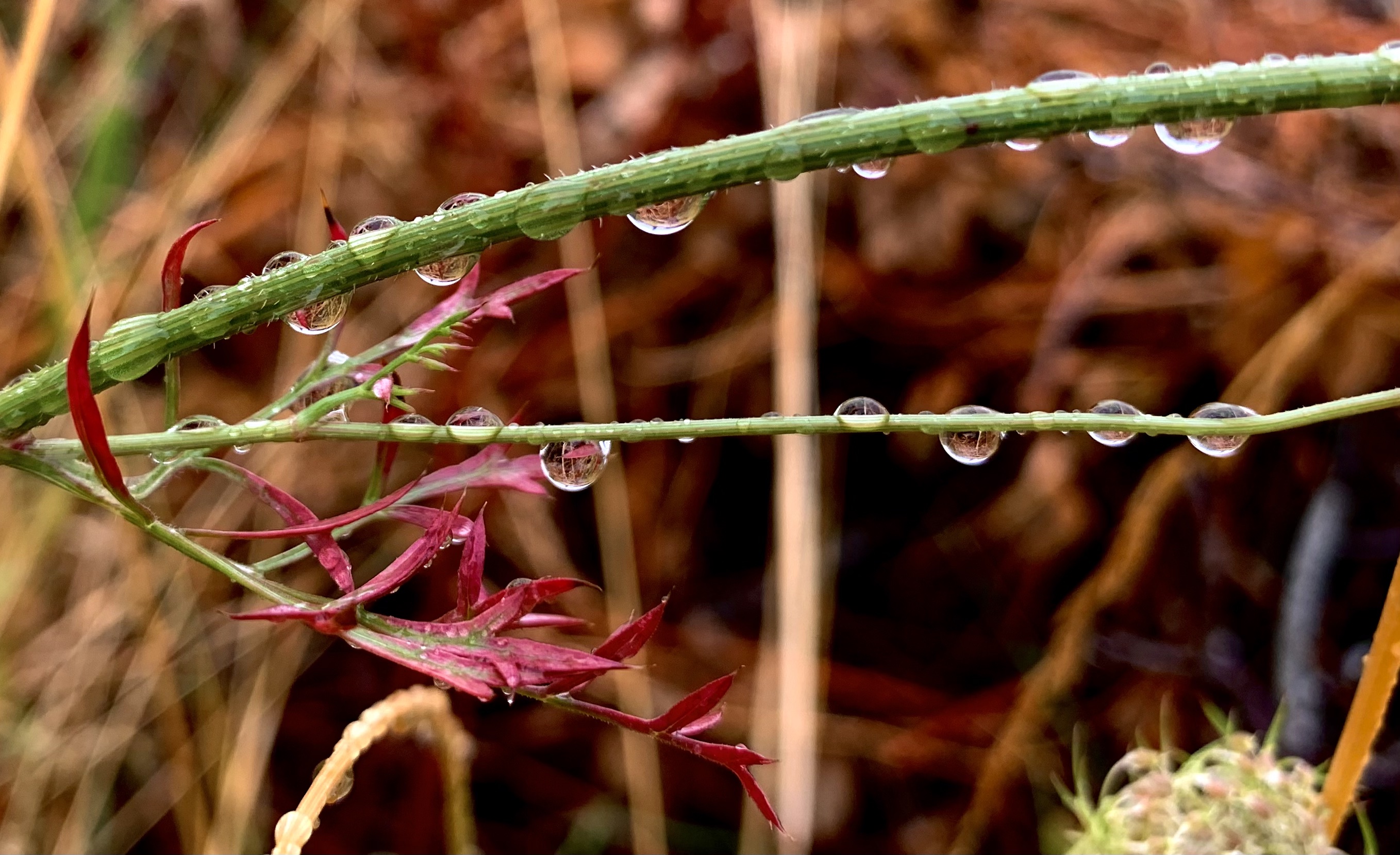
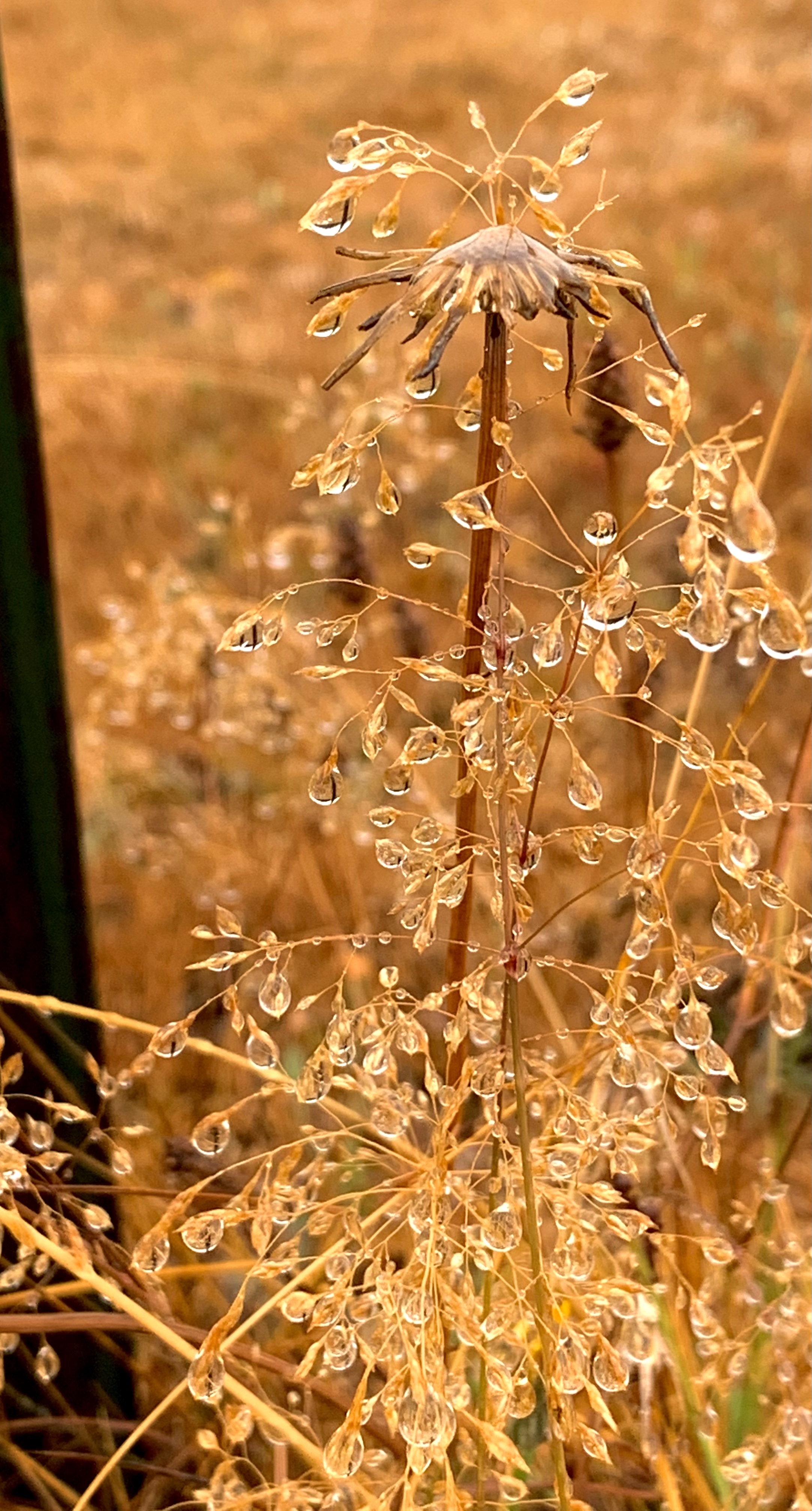
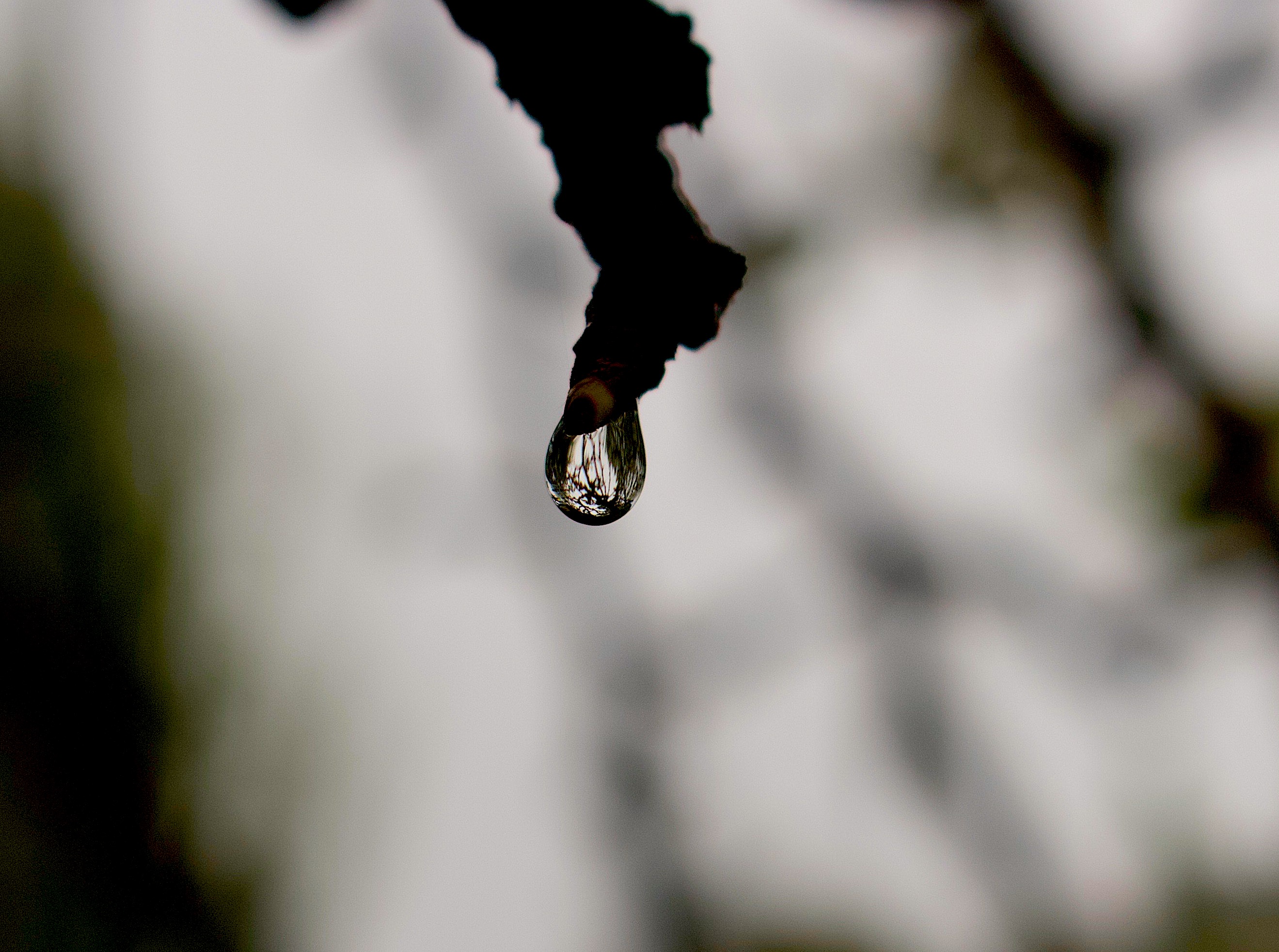
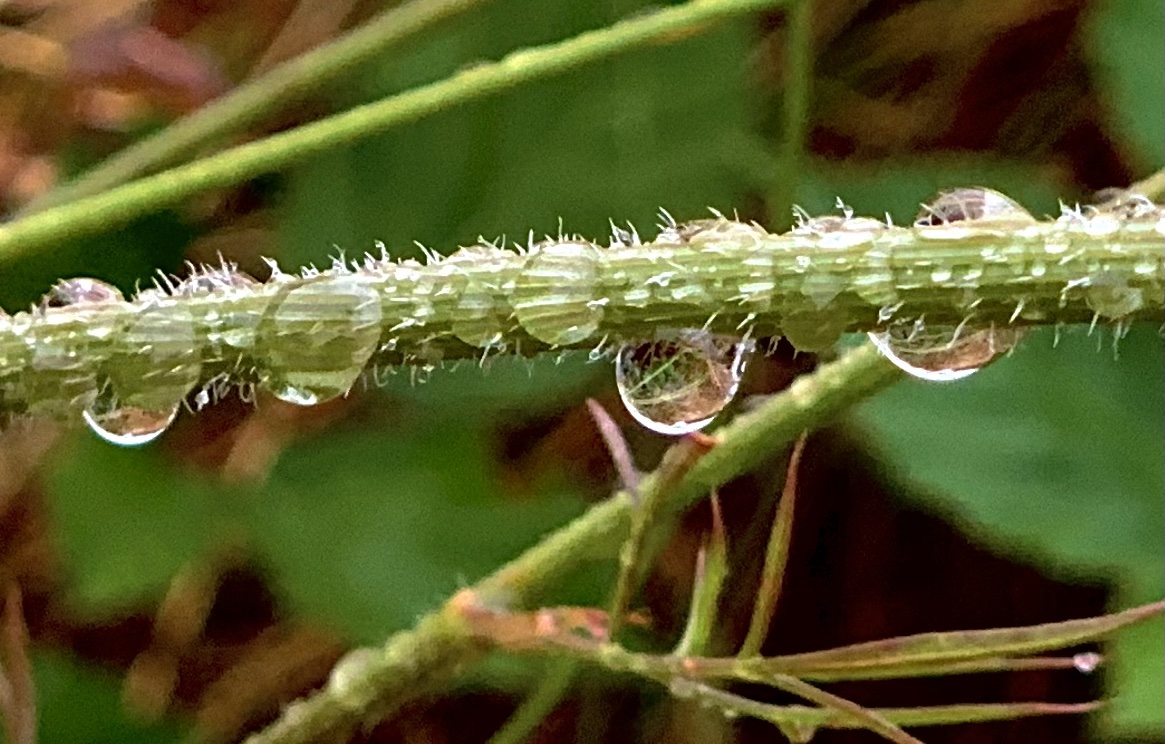
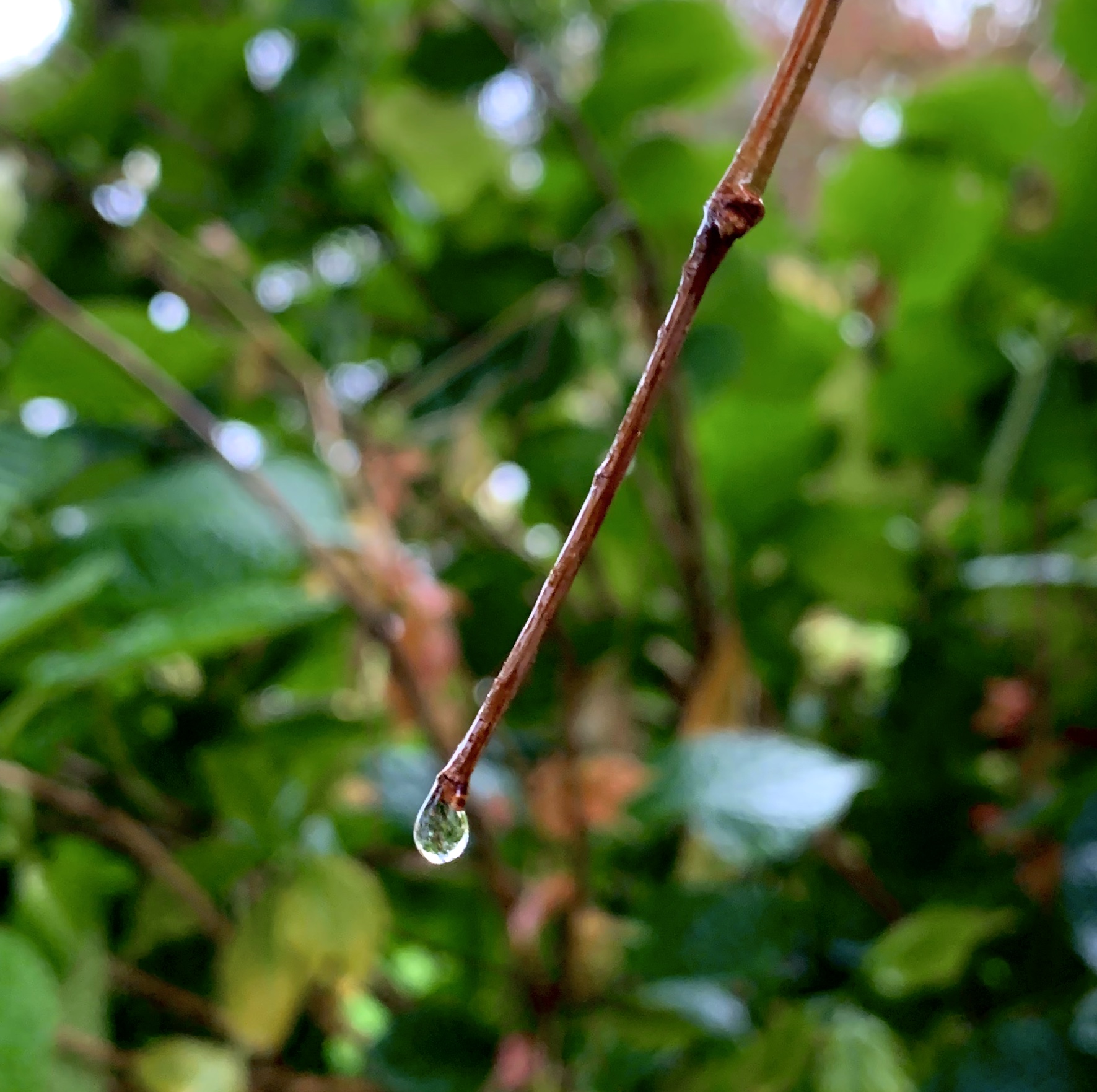
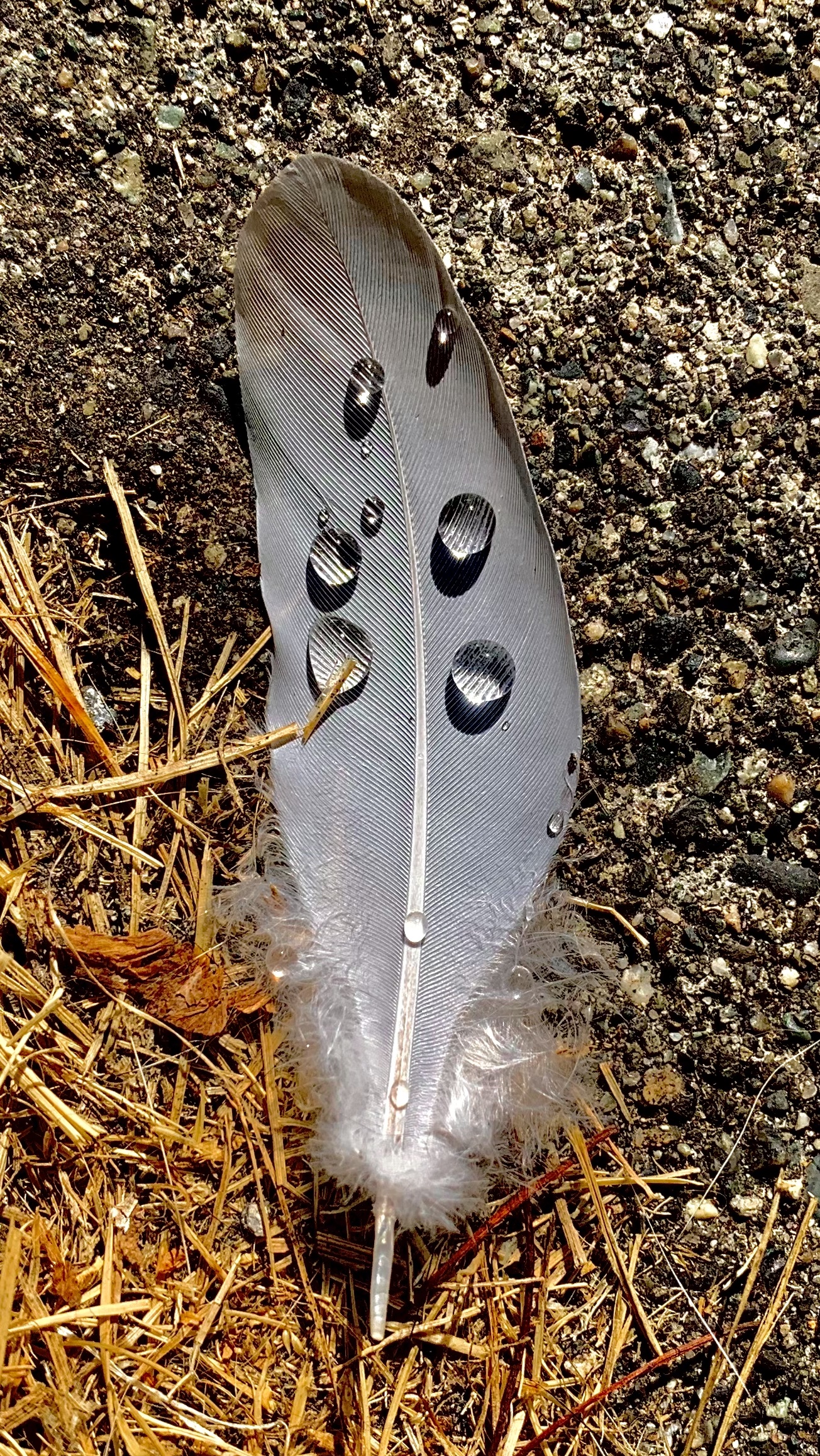
Find a quiet rain.  Then a green spruce tree.  You will notice that nearly every needle has been decorated with a tiny raindrop ornament.  Look closely inside the drop and there you are. In color. Upside down. Raindrops have been collecting snapshots since objects and people were placed, to their surprise, here and there on earth.

…even if we are only on display for a moment in a water drop as it clings to a pine needle, it is expected that we be on our best behavior, hair combed, jacket buttoned, no vulgar language.  Smiling is not necessary, but a pleasant attitude is helpful, and would be, I think, appreciated.
~Tom Hennen from “Outdoor Photos”
from Darkness Sticks to Everything

… We are, as we have always been, dangerous creatures, the enemies of our own happiness. But the only help we have ever found for this, the only melioration, is in mutual reverence.

God’s grace comes to us unmerited, the theologians say. But the grace we could extend to one another we consider it best to withhold in very many cases, presumptively, or in the absence of what we consider true or sufficient merit (we being more particular than God), or because few gracious acts, if they really deserve the name, would stand up to a cost-benefit analysis. This is not the consequence of a new atheism, or a systemic materialism that afflicts our age more than others. It is good old human meanness, which finds its terms and pretexts in every age. The best argument against human grandeur is the meagerness of our response to it, paradoxically enough.

And yet, the beautiful persists, and so do eloquence and depth of thought, and they belong to all of us because they are the most pregnant evidence we can have of what is possible in us.
~ Marilynne Robinson from “What Are We Doing Here?”

These past two months I’ve been trudging along feeling overheated, dry and cranky from the lack of rain — each step an effort, each thought a burden, taking every opportunity to grump about myself, the weather, the pandemic, and my fellow man. 

Now that we finally have had a good rain over the last 12 hours, I am reminded I am now preserved in the camera eye of the raindrops I pass, if only for an instant – each snapping an instagram selfie photo of my attitude.

It wouldn’t hurt me to stop rolling my eyes and cringing at the world. I might even try on a smile in a spirit of grace and forgiveness, even if the events of the day may not call for it. At least those smiles, reflected in the lens of each raindrop, will soak the soil when it is let go to fall earthward.

Planting smiles drop by drop: this overnight rain is a gift of grace to heal my grumbles – pregnant evidence of the beauty possible within me.

Needing a cure for crankiness? This new book from Barnstorming is the perfect remedy and available to order here:

Waiting for a Breath of Rain

Open the window, and let the air 
Freshly blow upon face and hair, 
And fill the room, as it fills the night, 
With the breath of the rain’s sweet might.

Nought will I have, not a window-pane, 
‘Twixt me and the air and the great good rain, 
Which ever shall sing me sharp lullabies; 
And God’s own darkness shall close mine eyes; 
And I will sleep, with all things blest, 
In the pure earth-shadow of natural rest.

~James Henry Leigh Hunt from “A Night-Rain in Summer”

Each morning for nearly two months,
we have searched the sky for a hint of rain.

Will those few clouds grow heavier and more burdened
or only tease and blow on to drip elsewhere?

Throughout the house, our windows stand open
waiting for a breeze with a breath of moisture.

Last night, it came:
the smell wafted in before we heard the patter.
A few brief scent of petrichor and then as quickly
as it came, it was gone again.

That incomparable fragrance of raindrops
falling on brown and thirsty ground –
I wish I could wear it like a perfumed promise of relief
during more long dry days of dusty drought.

Needing relief from the drought of a long dry summer? Consider this new book from Barnstorming, available for order here:
Dazzled by Dahlias

August of another summer, and once again
I am drinking the sun…
All my life I have been able to feel happiness,

except whatever was not happiness,
which I also remember.
Each of us wears a shadow.
But just now it is summer again…

Soon now, I’ll turn and start for home.
And who knows, maybe I’ll be singing.

~Mary Oliver from “The Pond” from Felicity

…what I want in my life
is to be willing
to be dazzled-
to cast aside the weight of facts

and maybe even
to float a little
above this difficult world.
I want to believe I am looking

into the white fire of a great mystery.
I want to believe that the imperfections are nothing-
that the light is everything-that it is more than the sum
of each flawed blossom rising and fading. And I do.

~Mary Oliver from “The Ponds” from House of Light

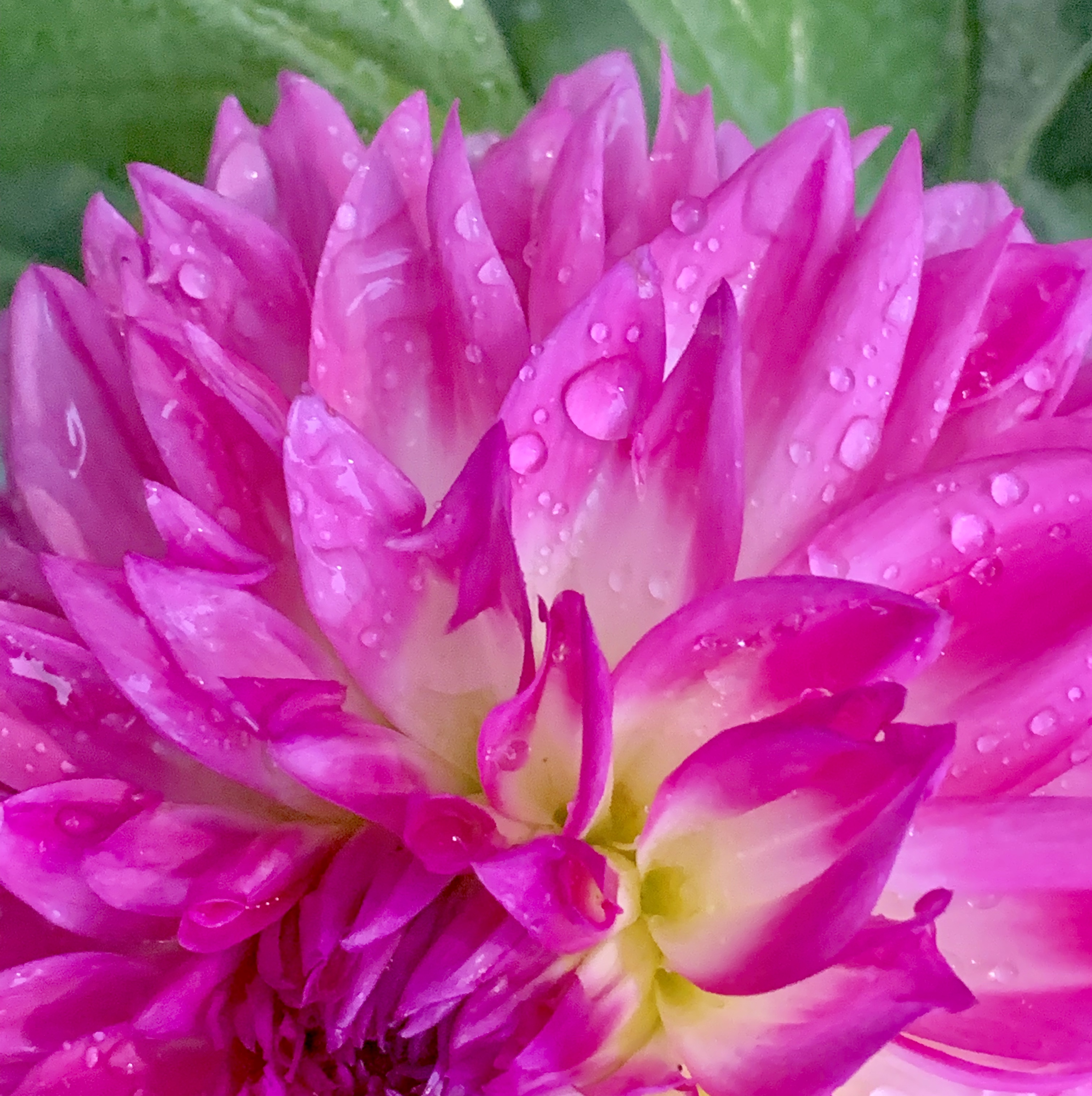
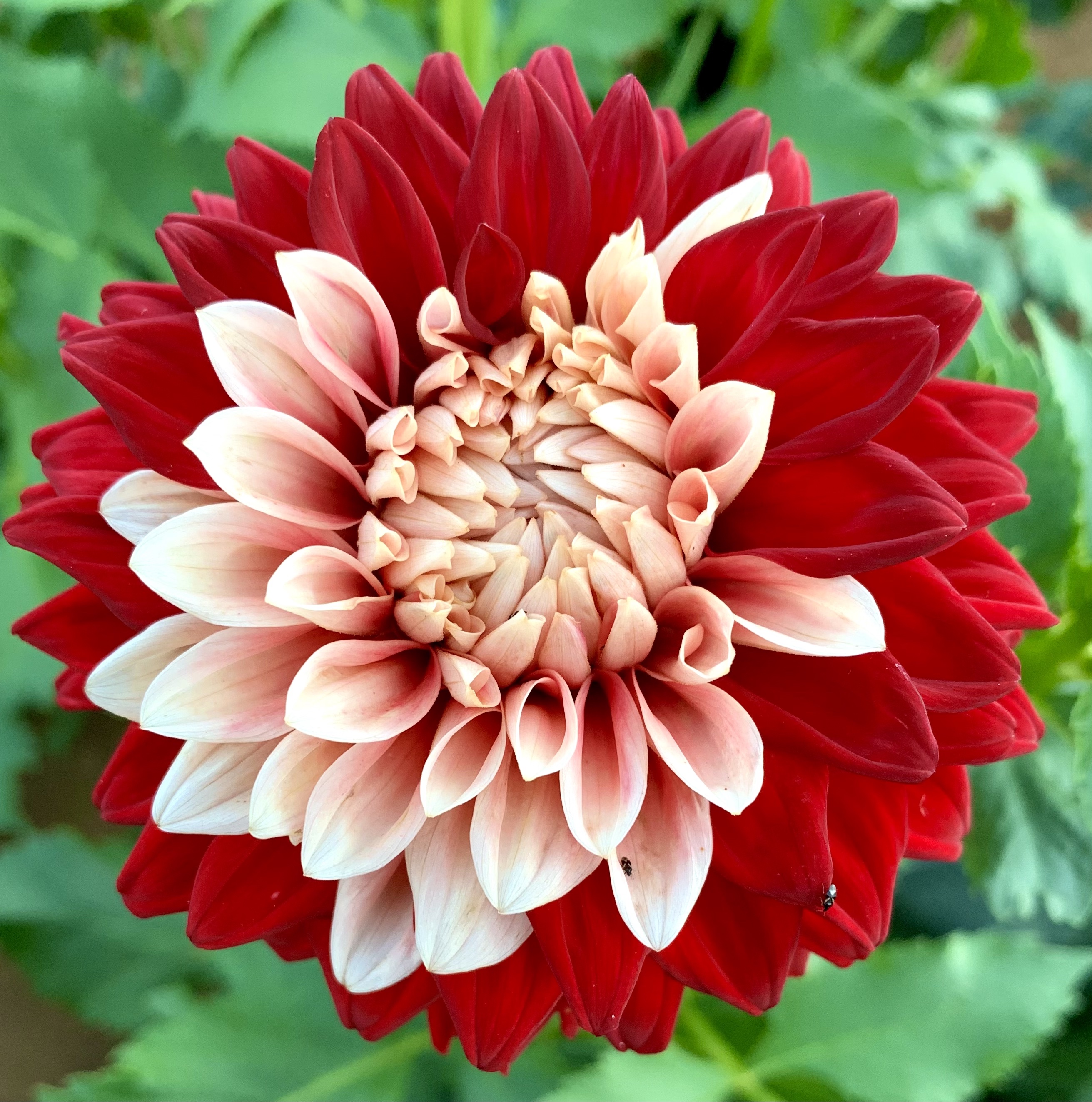
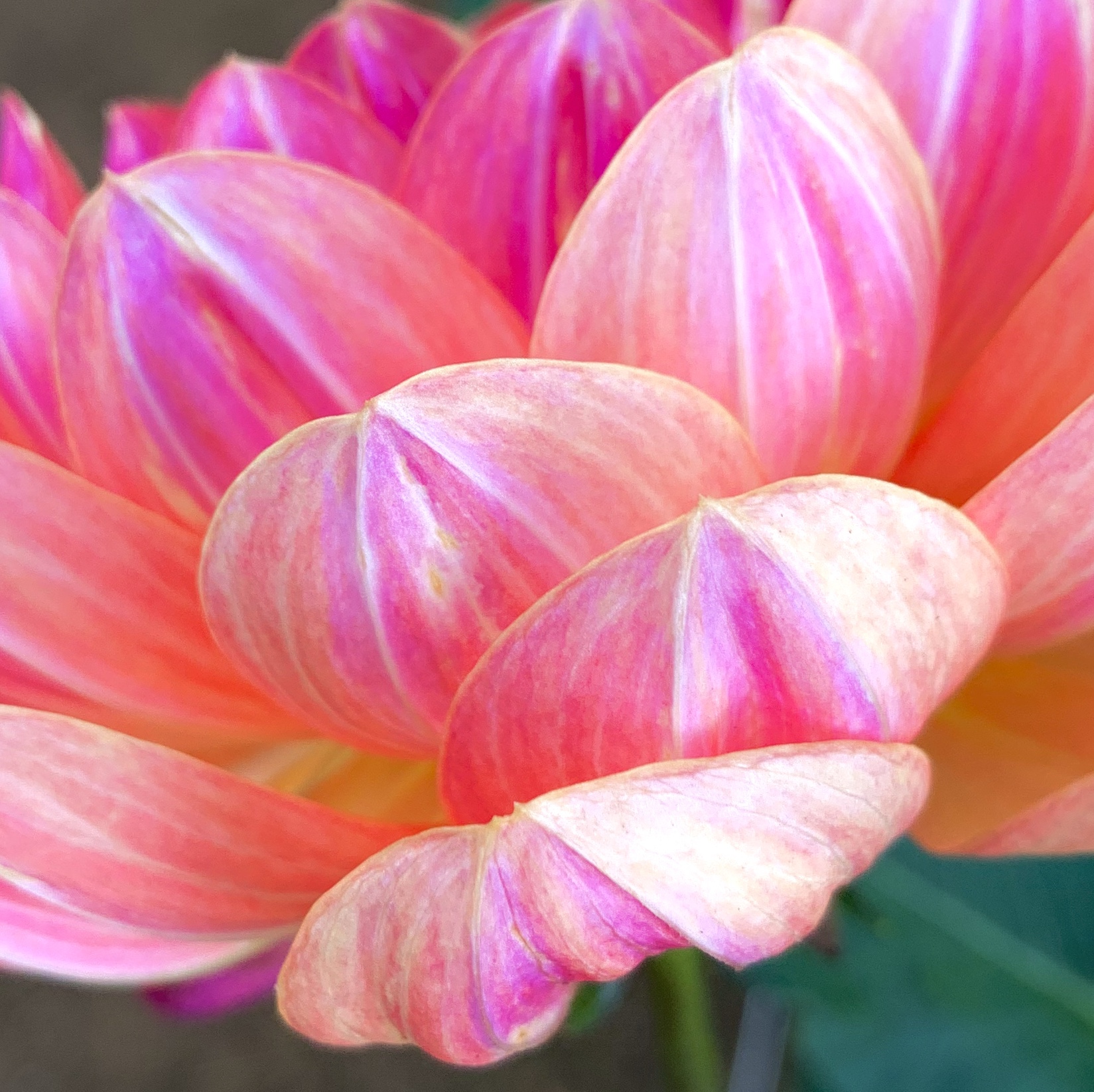
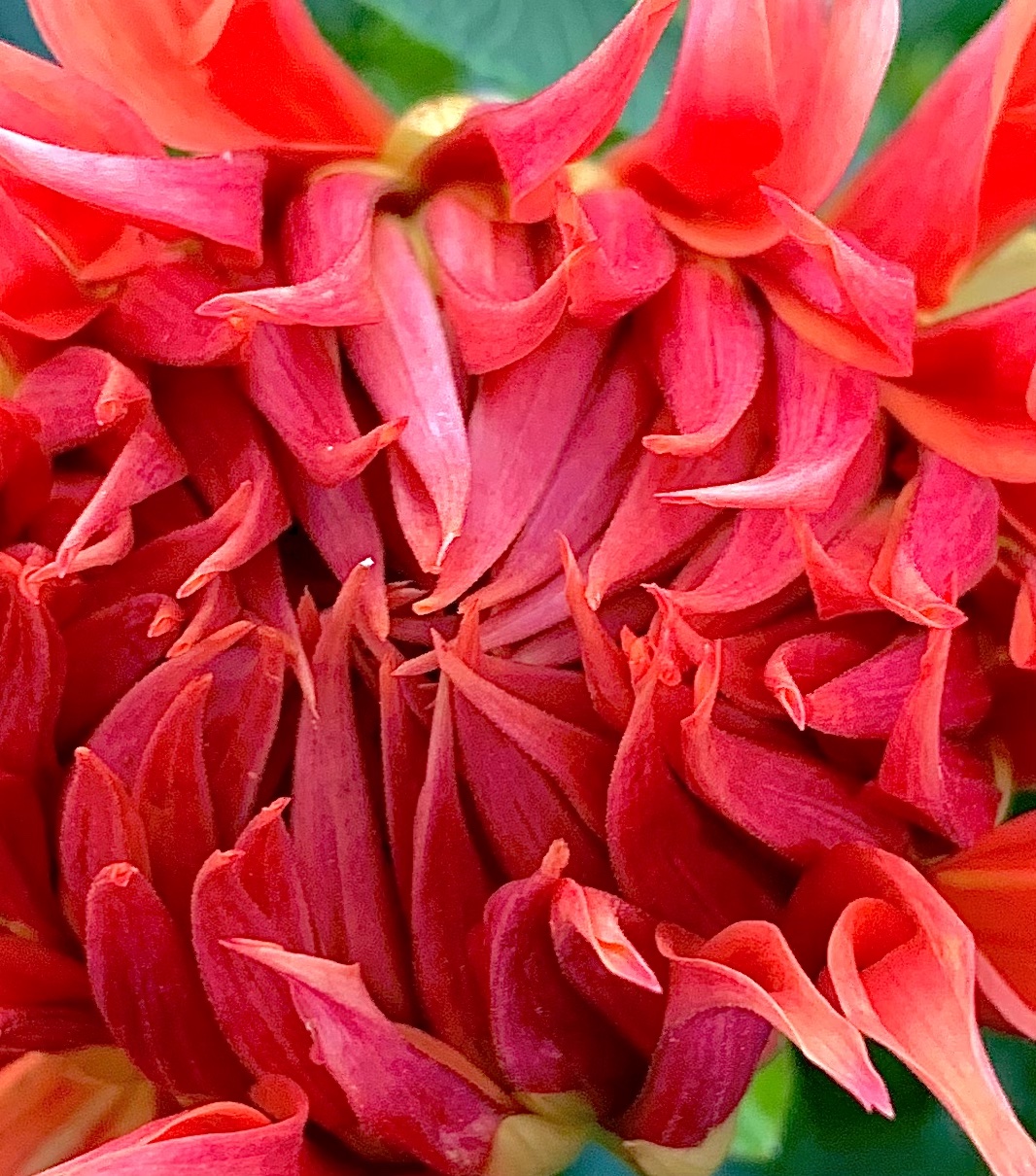
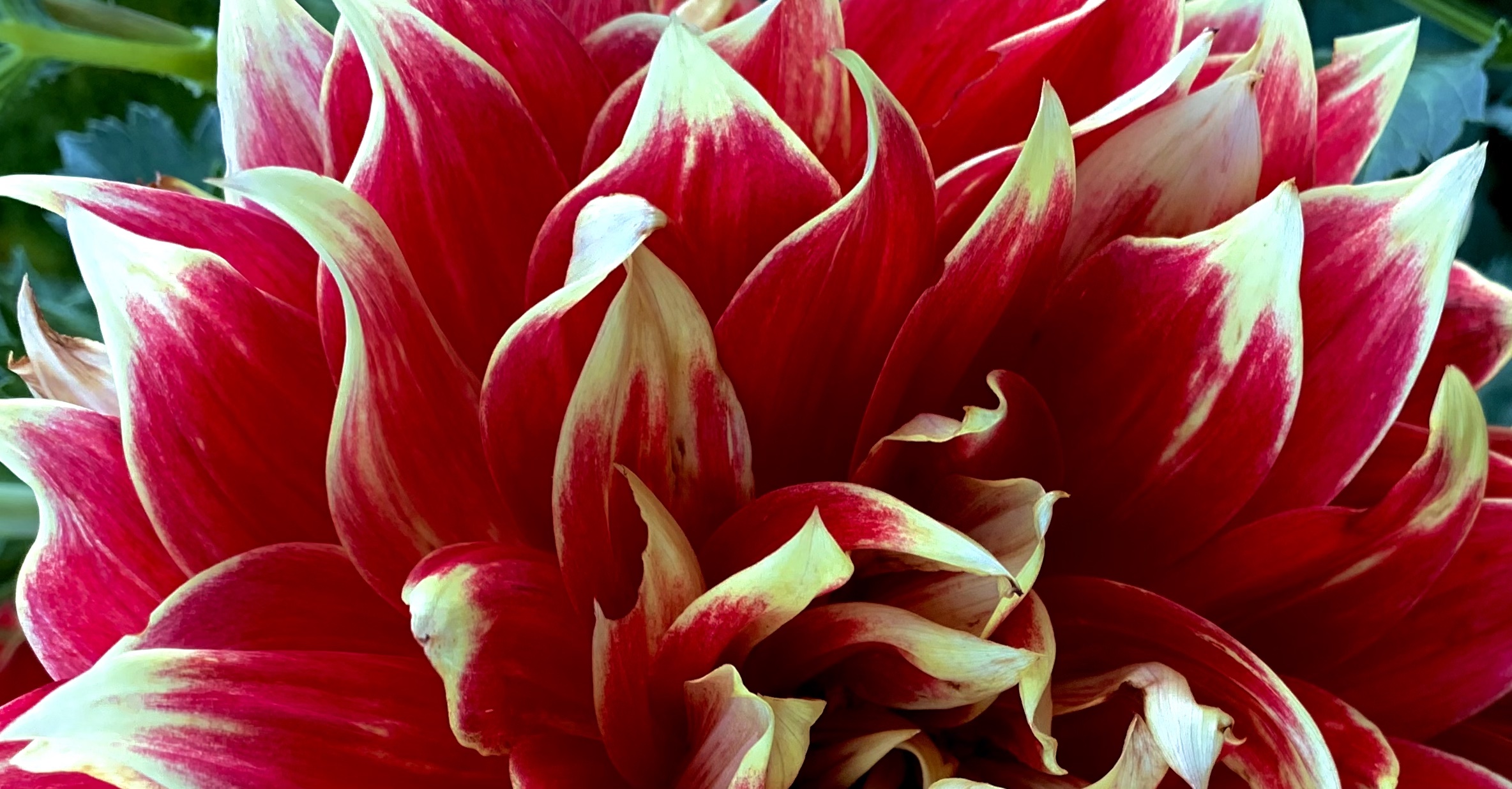
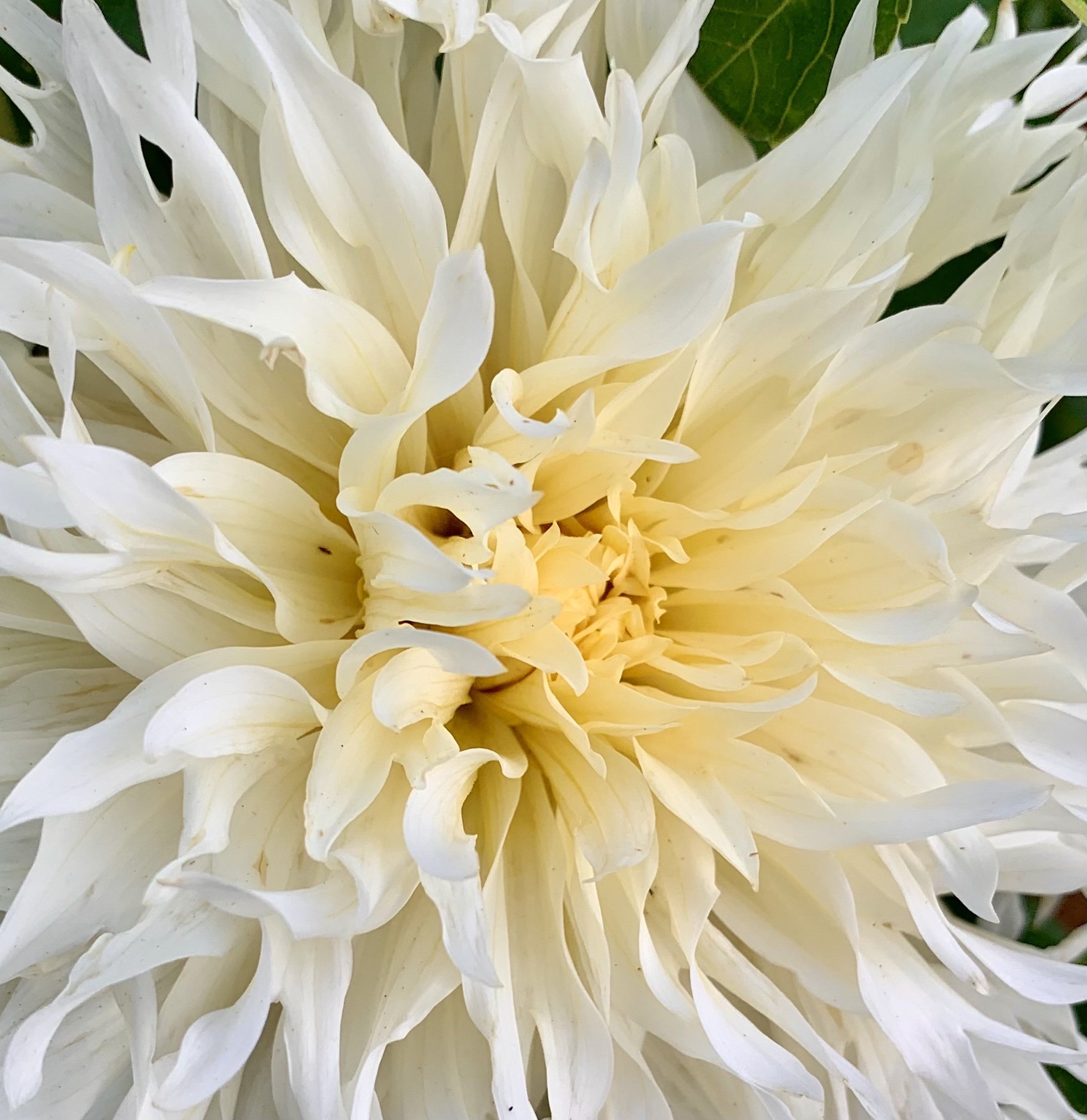
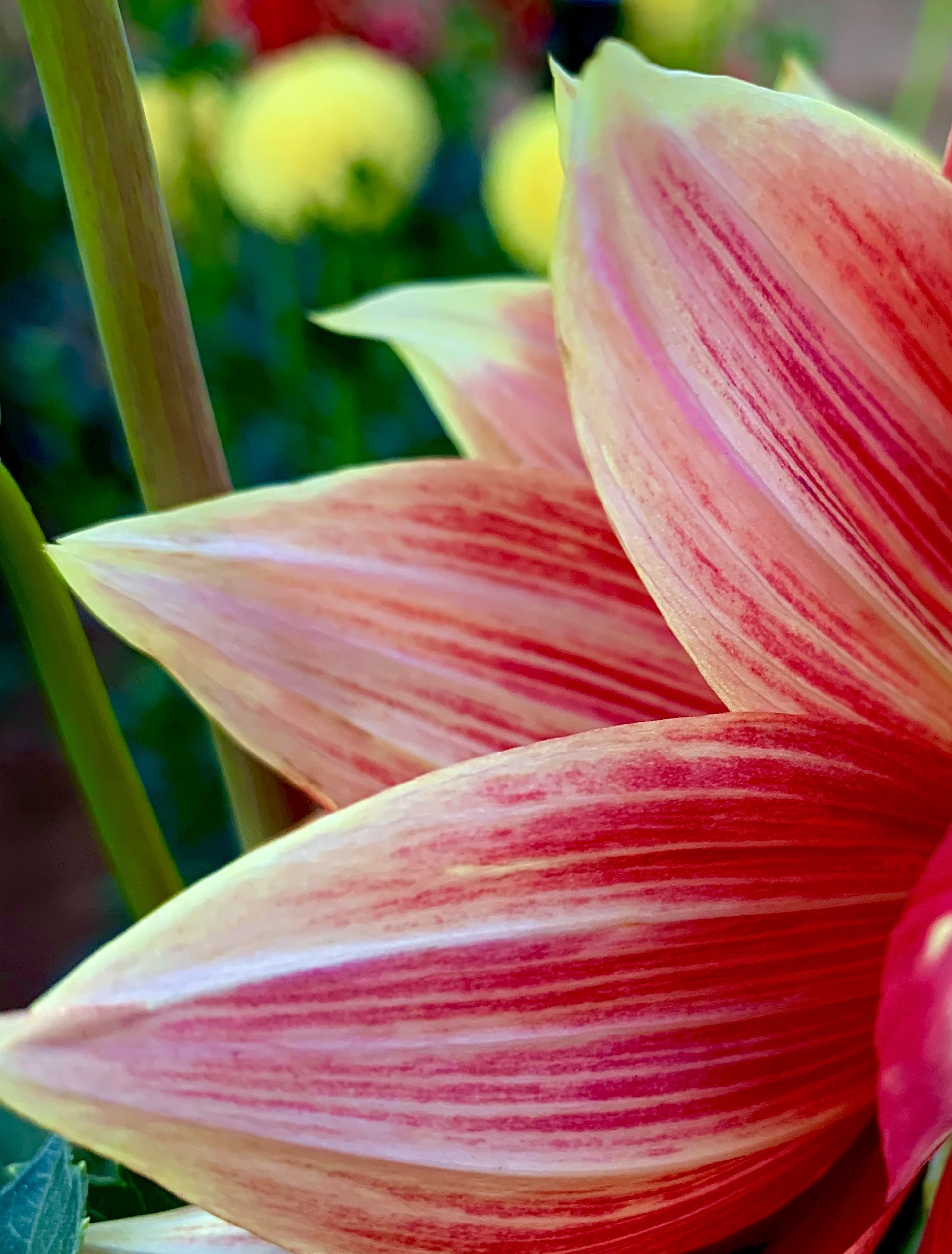
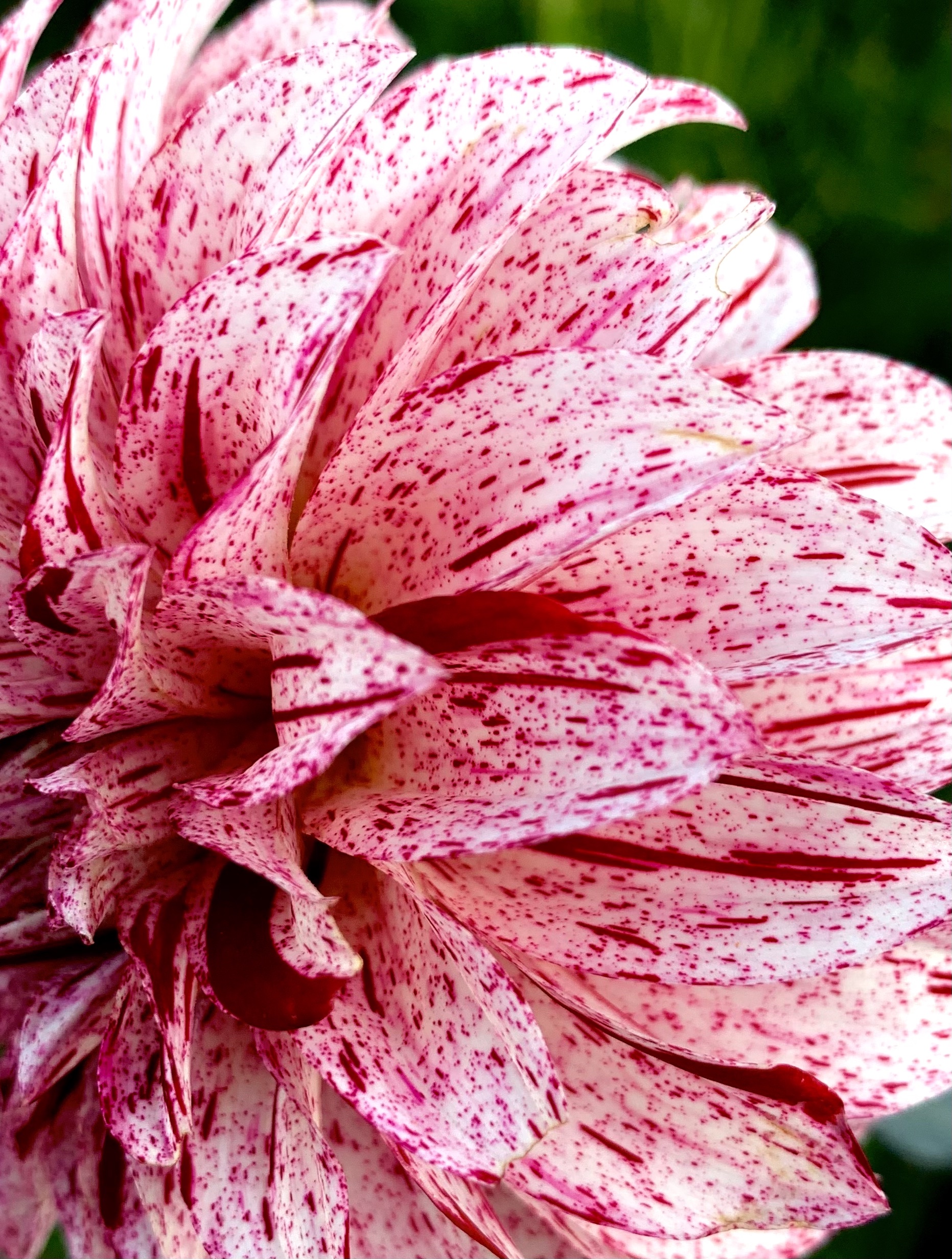
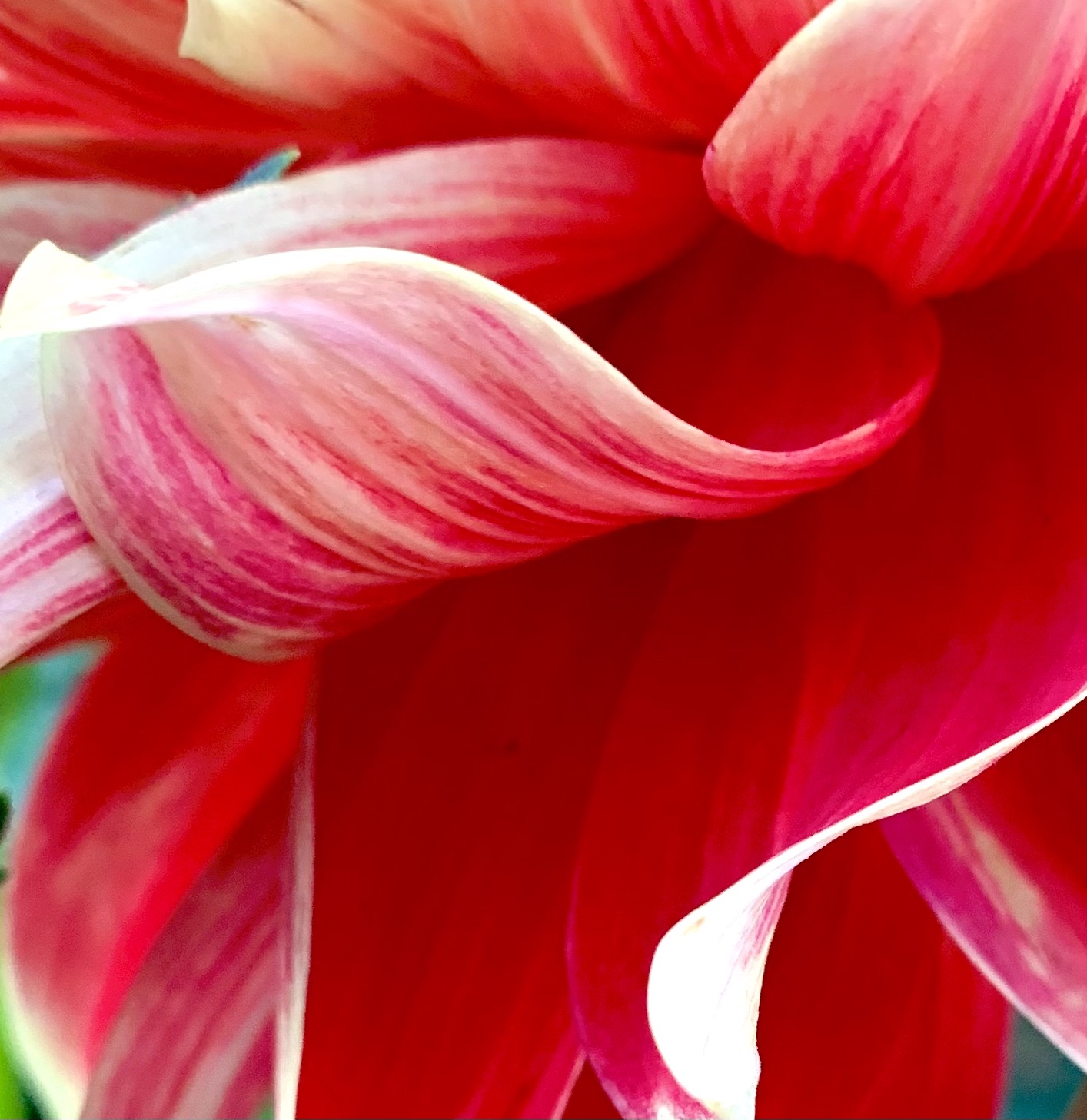
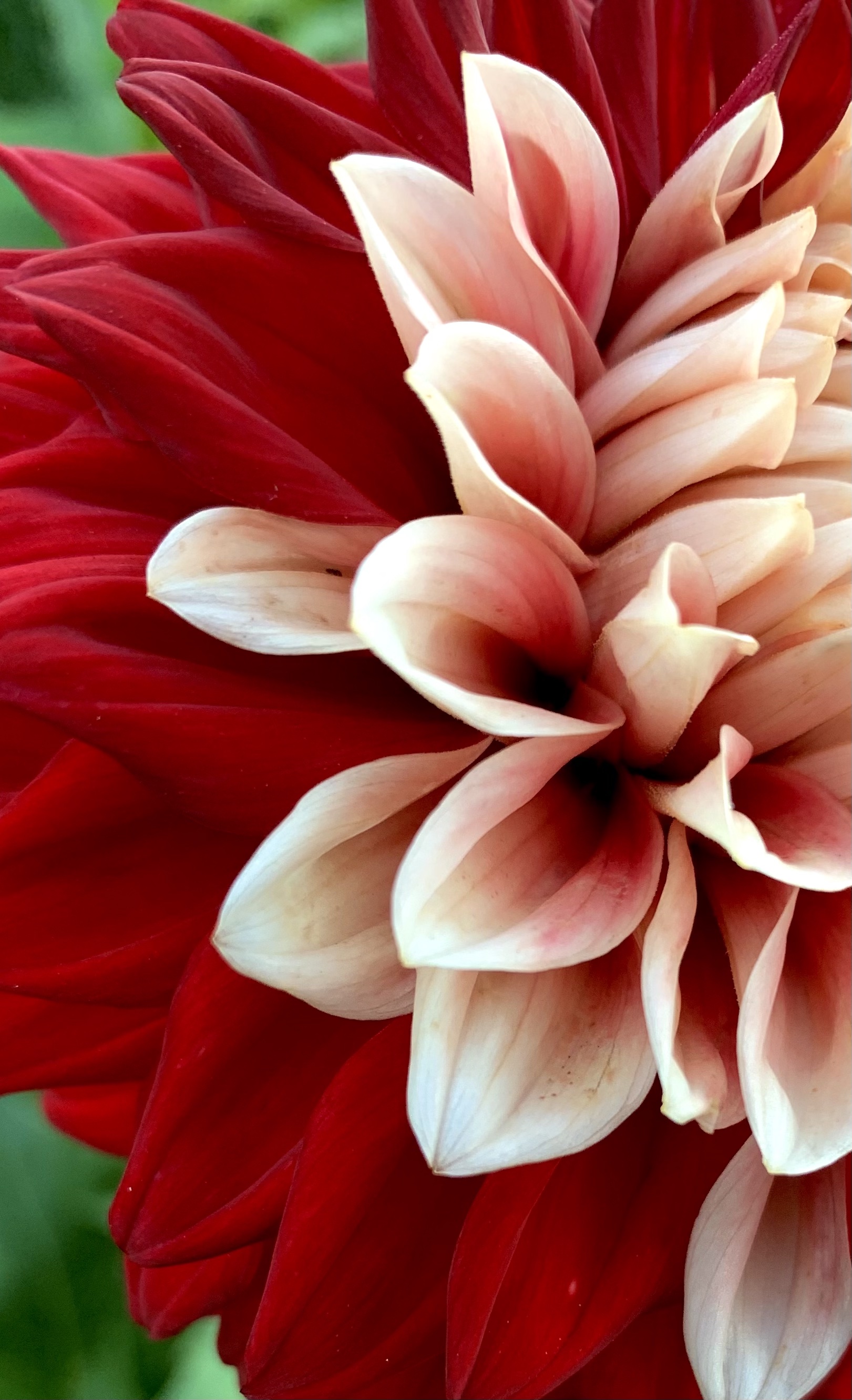
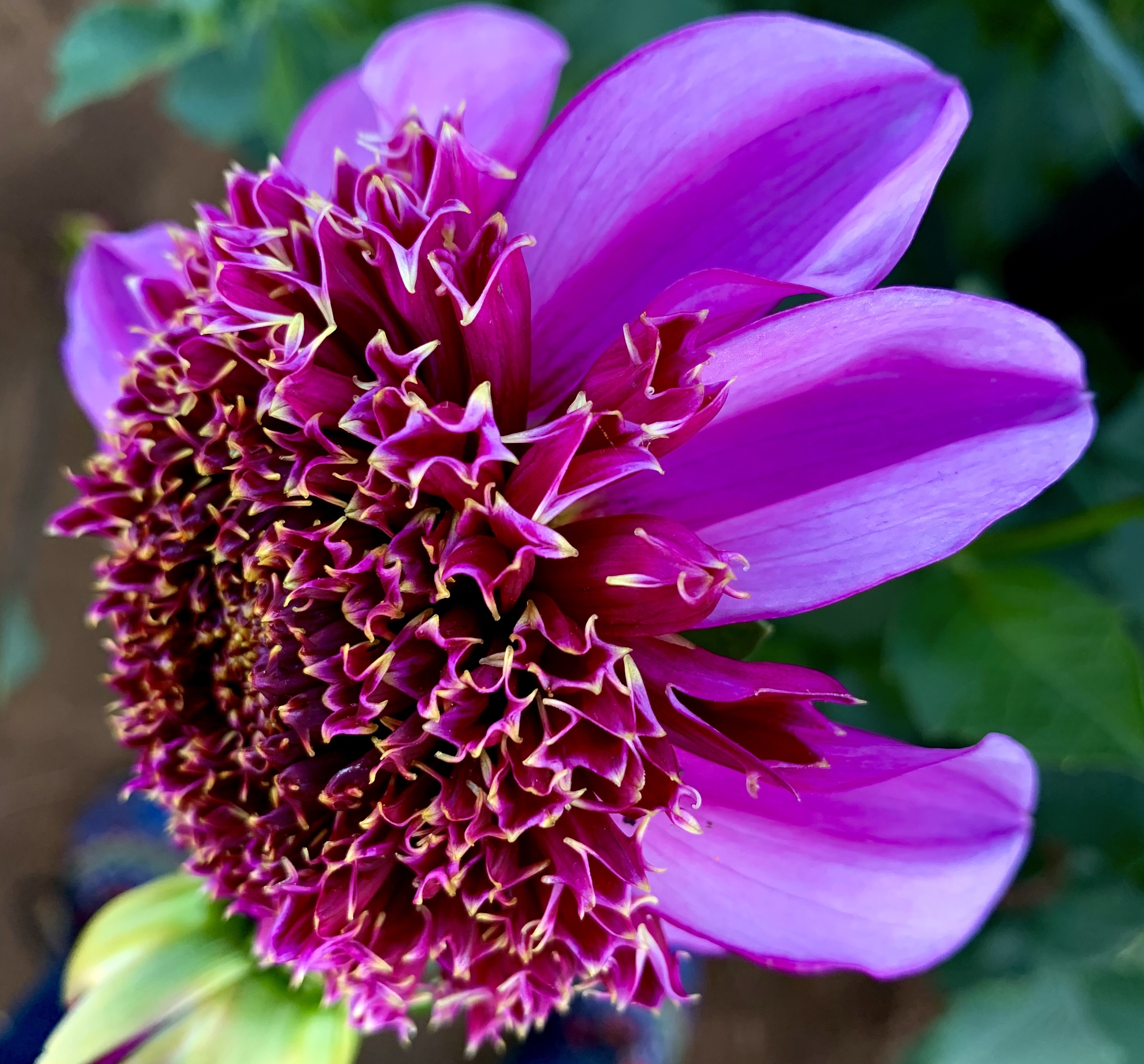
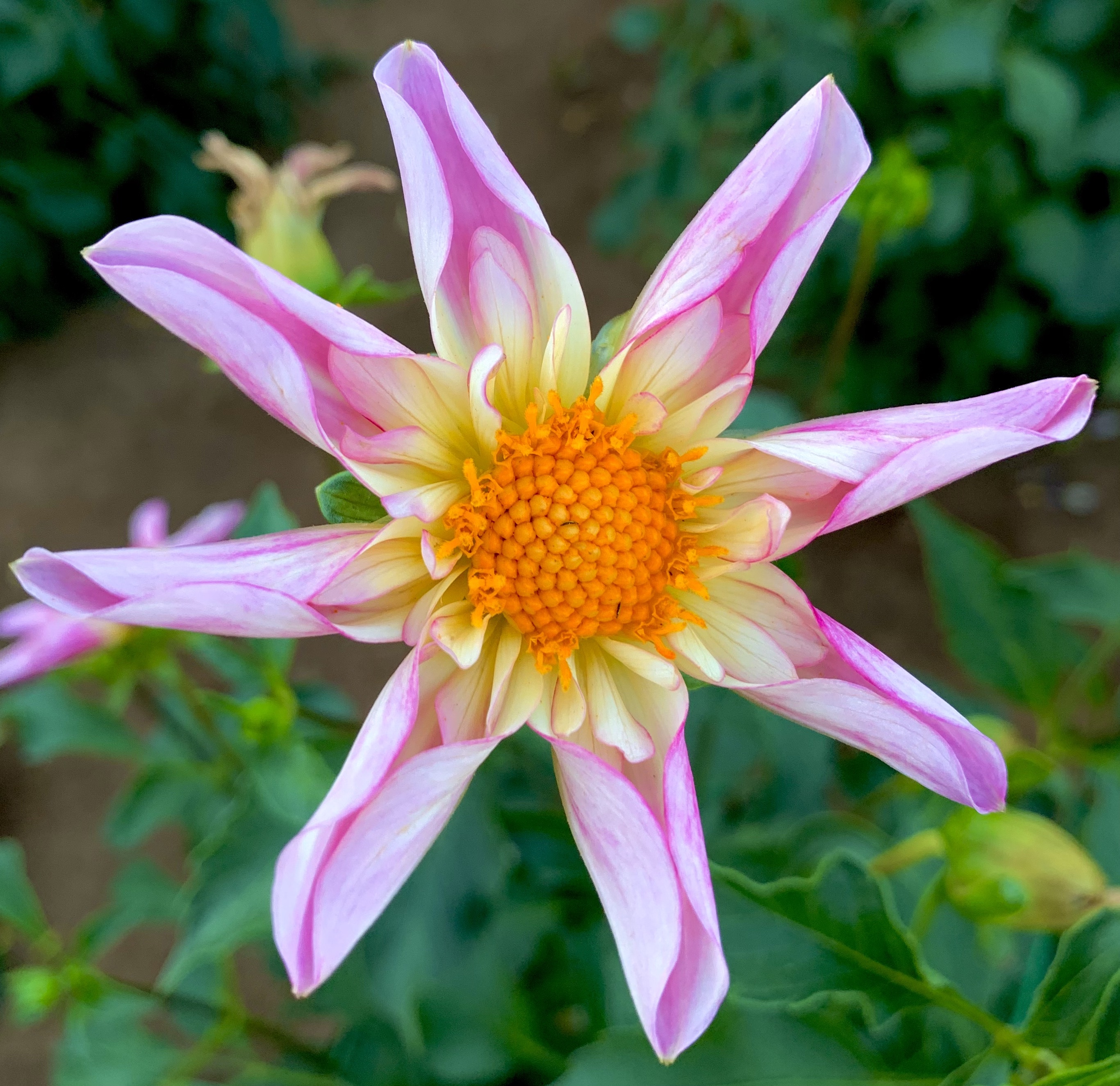
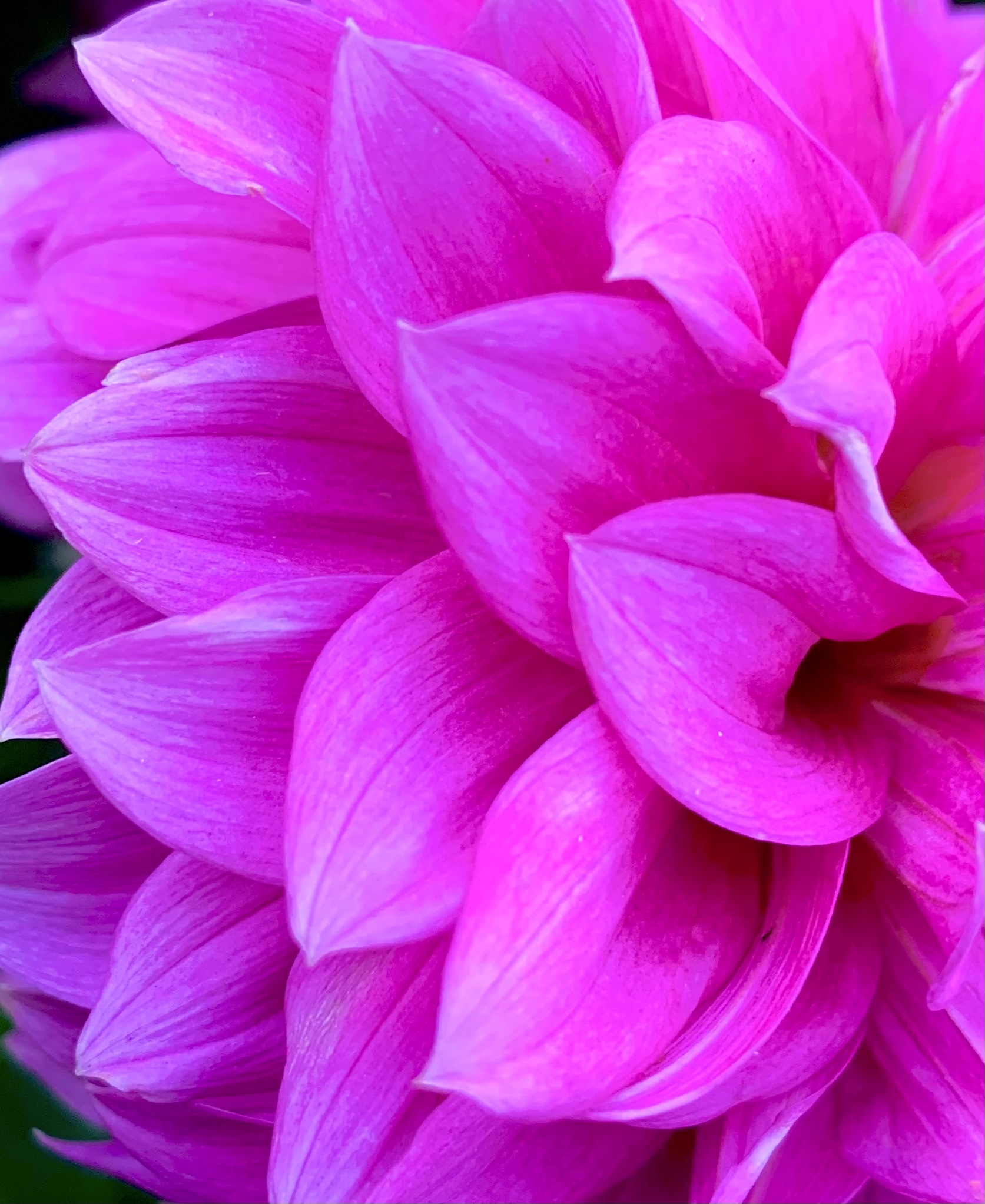
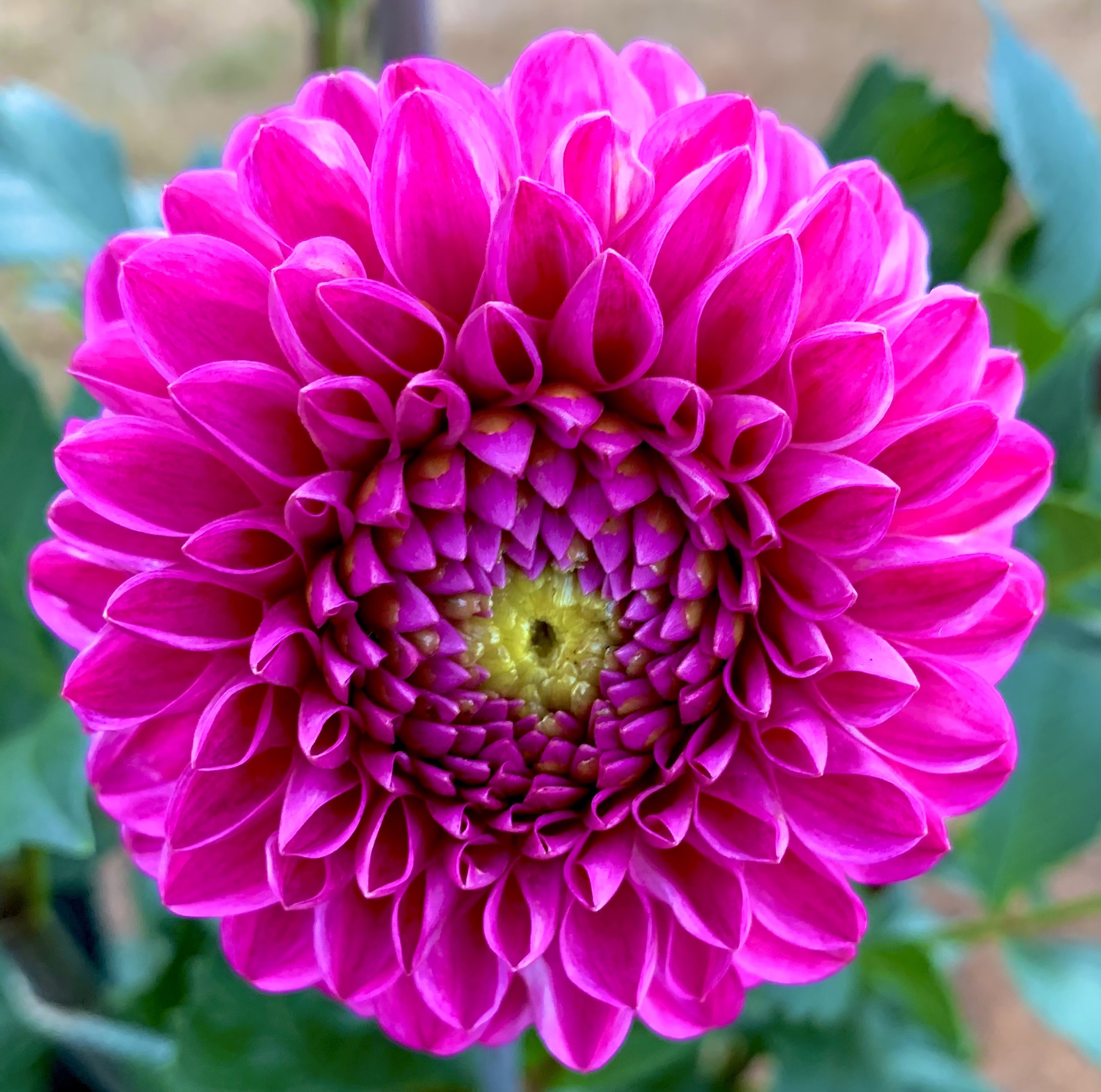
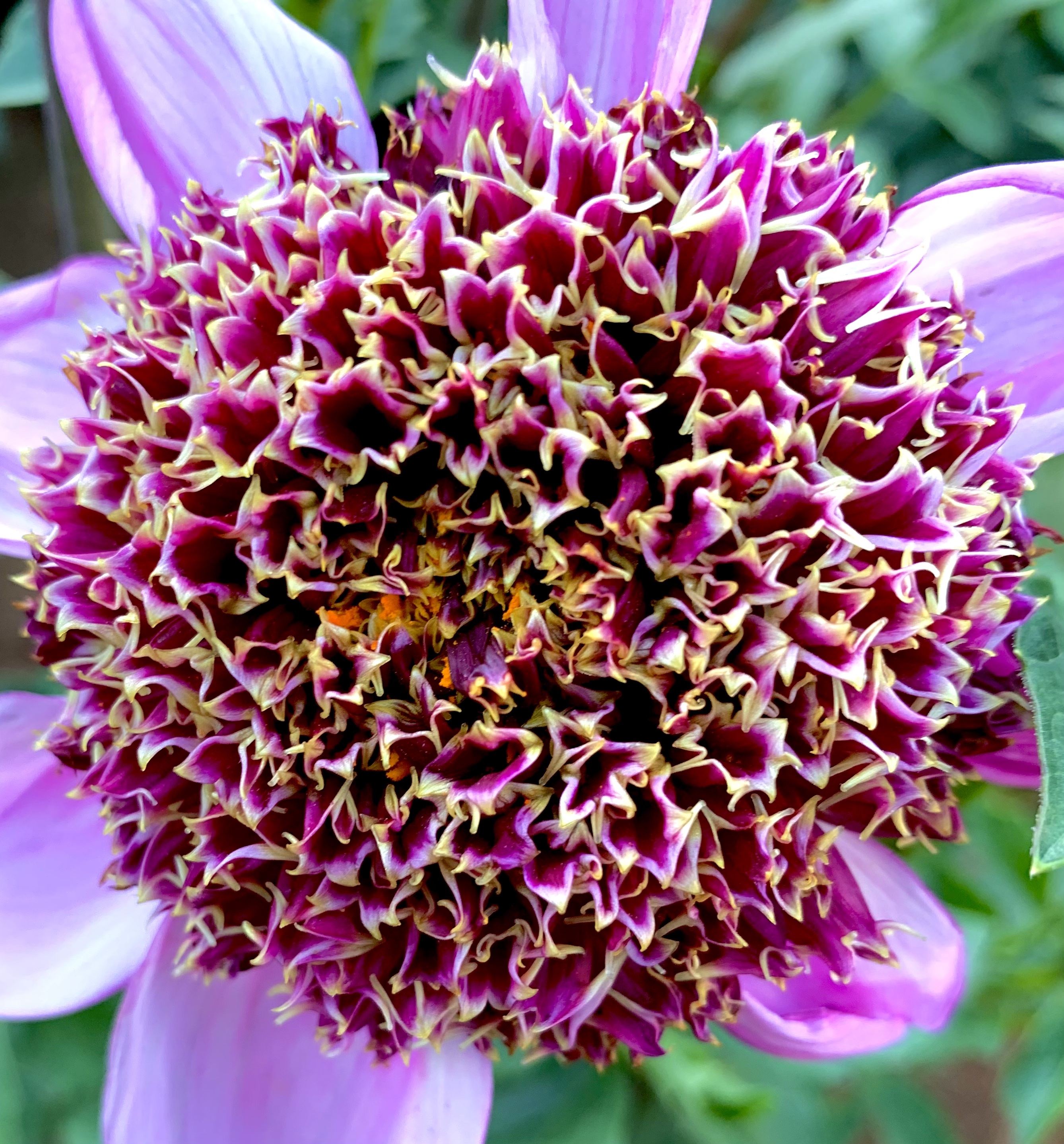
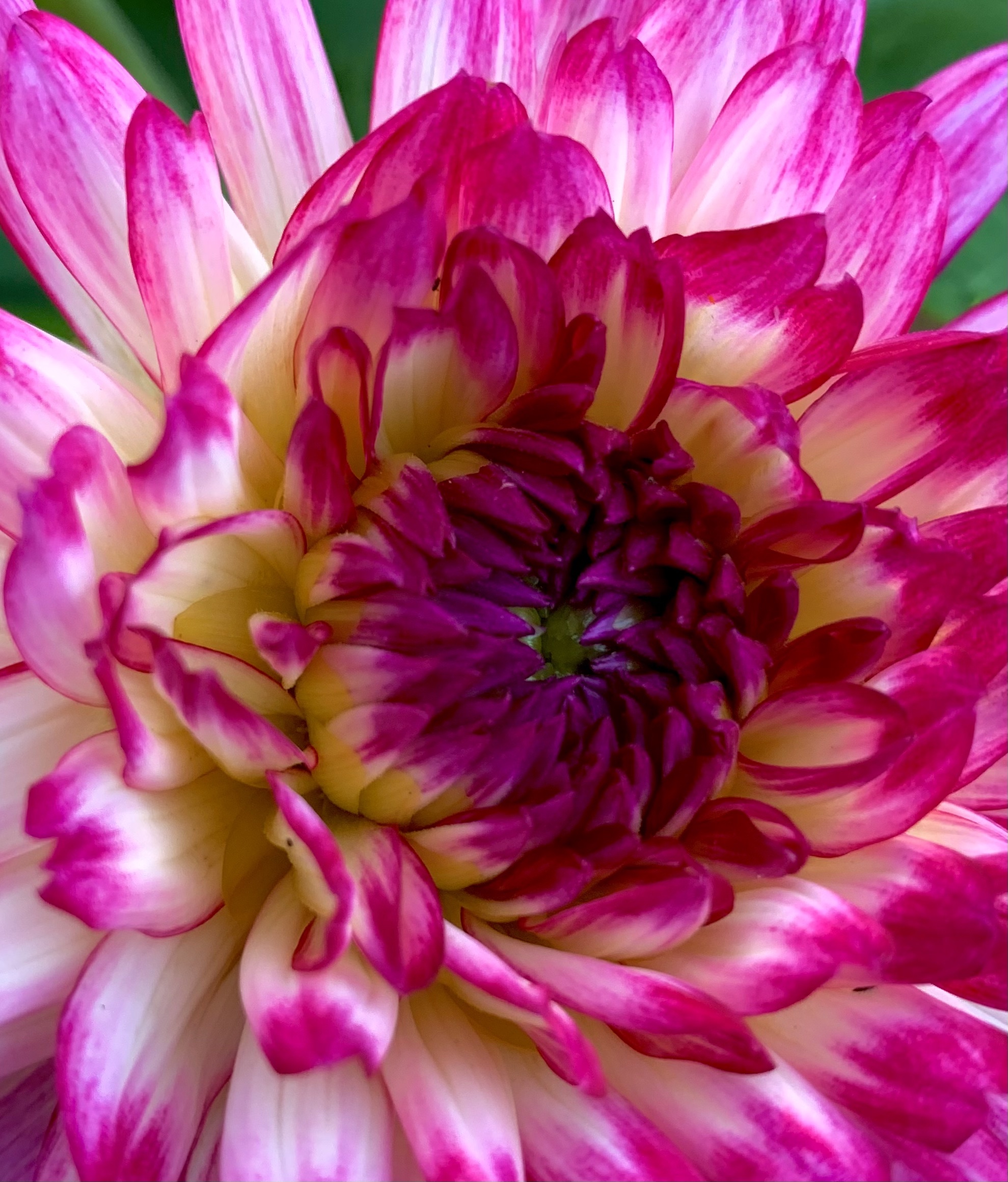
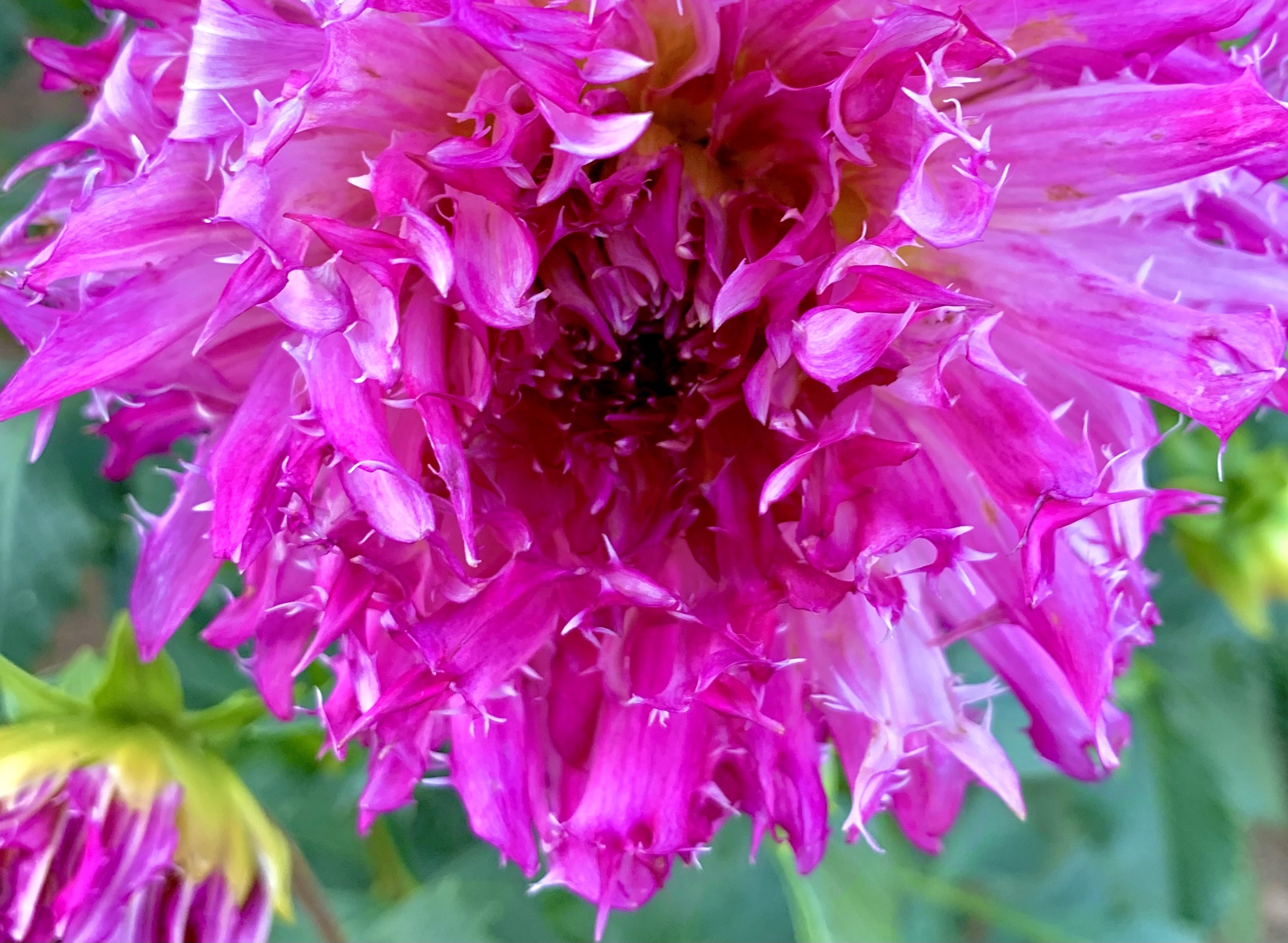
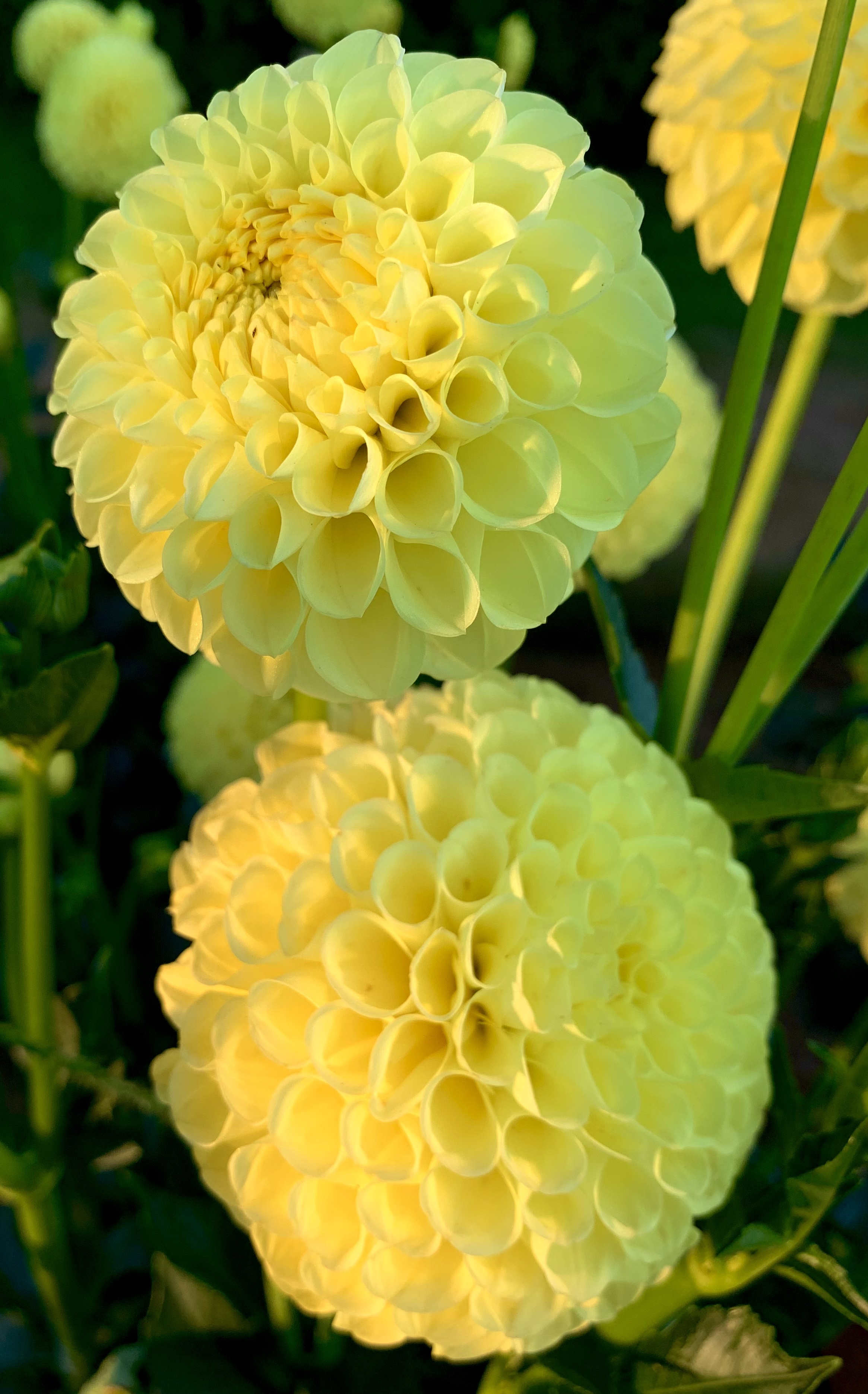
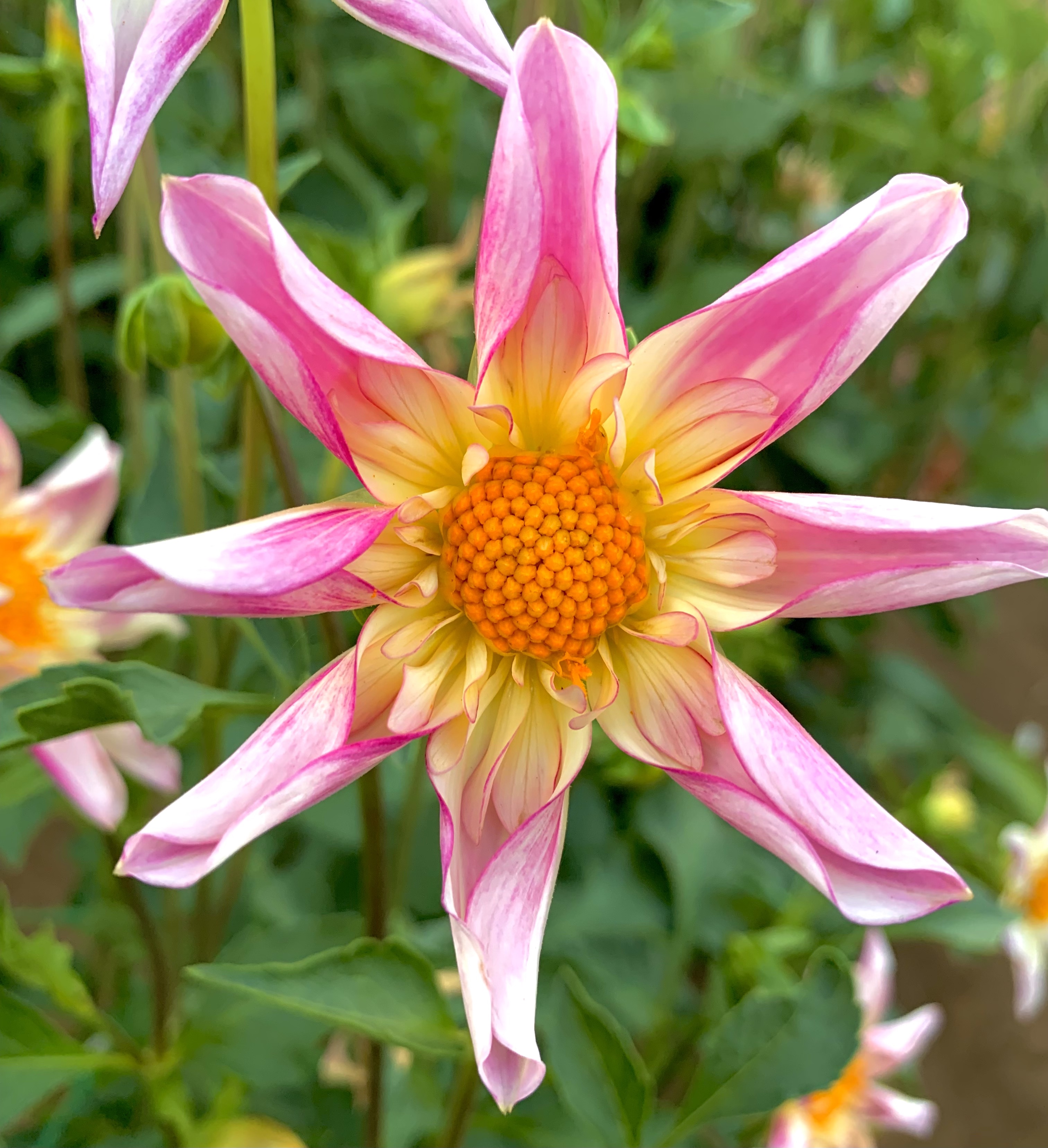
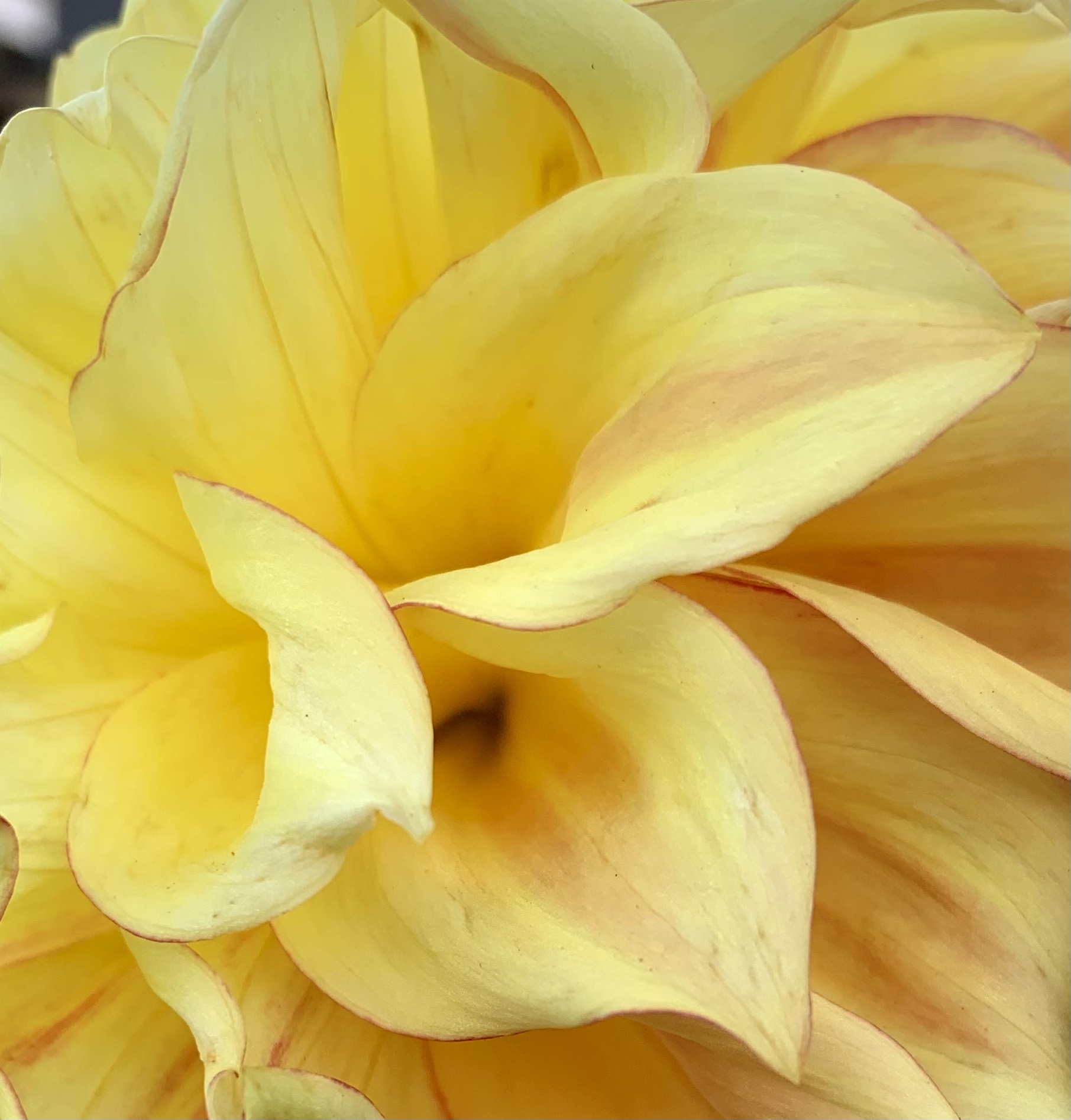
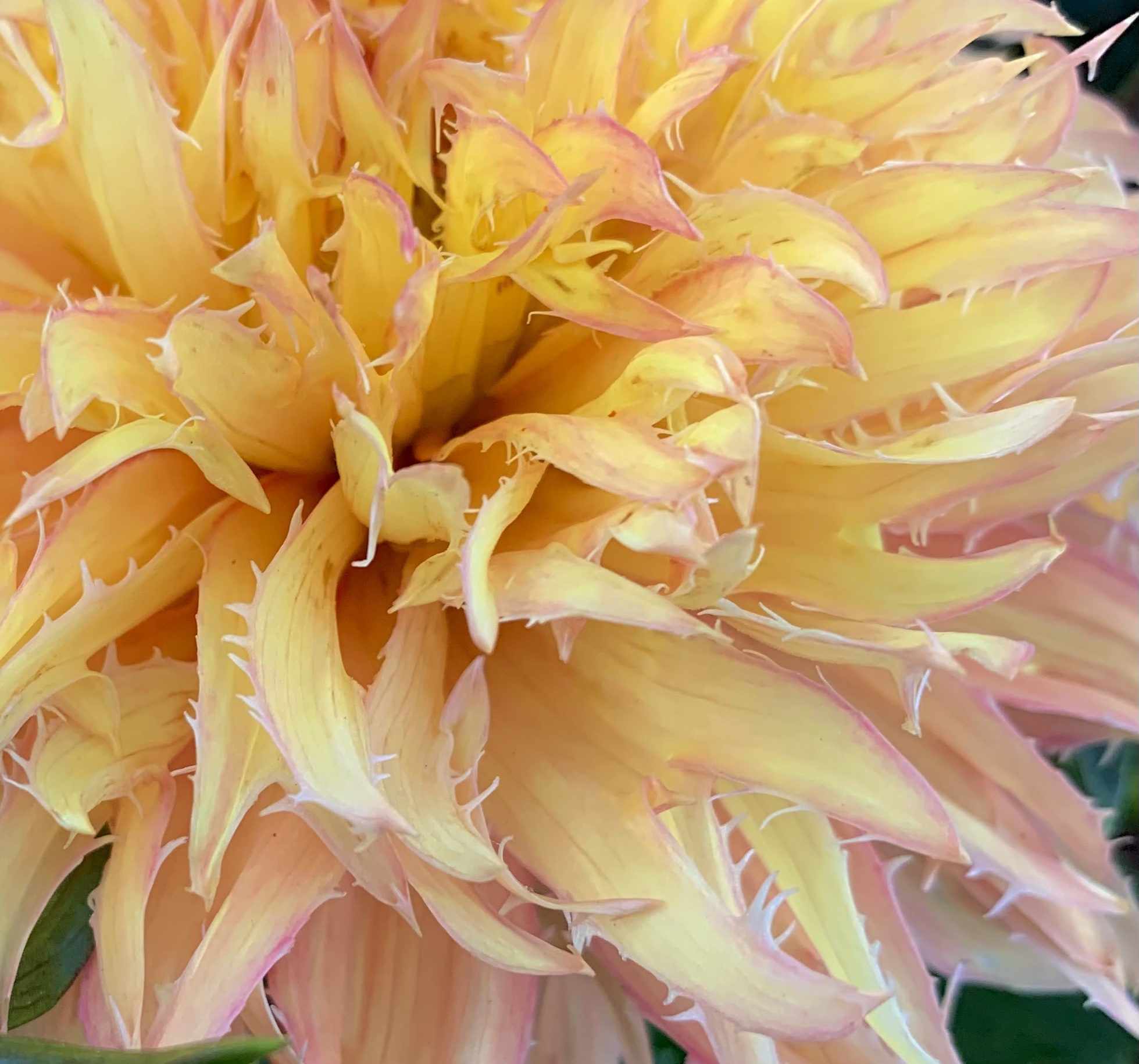
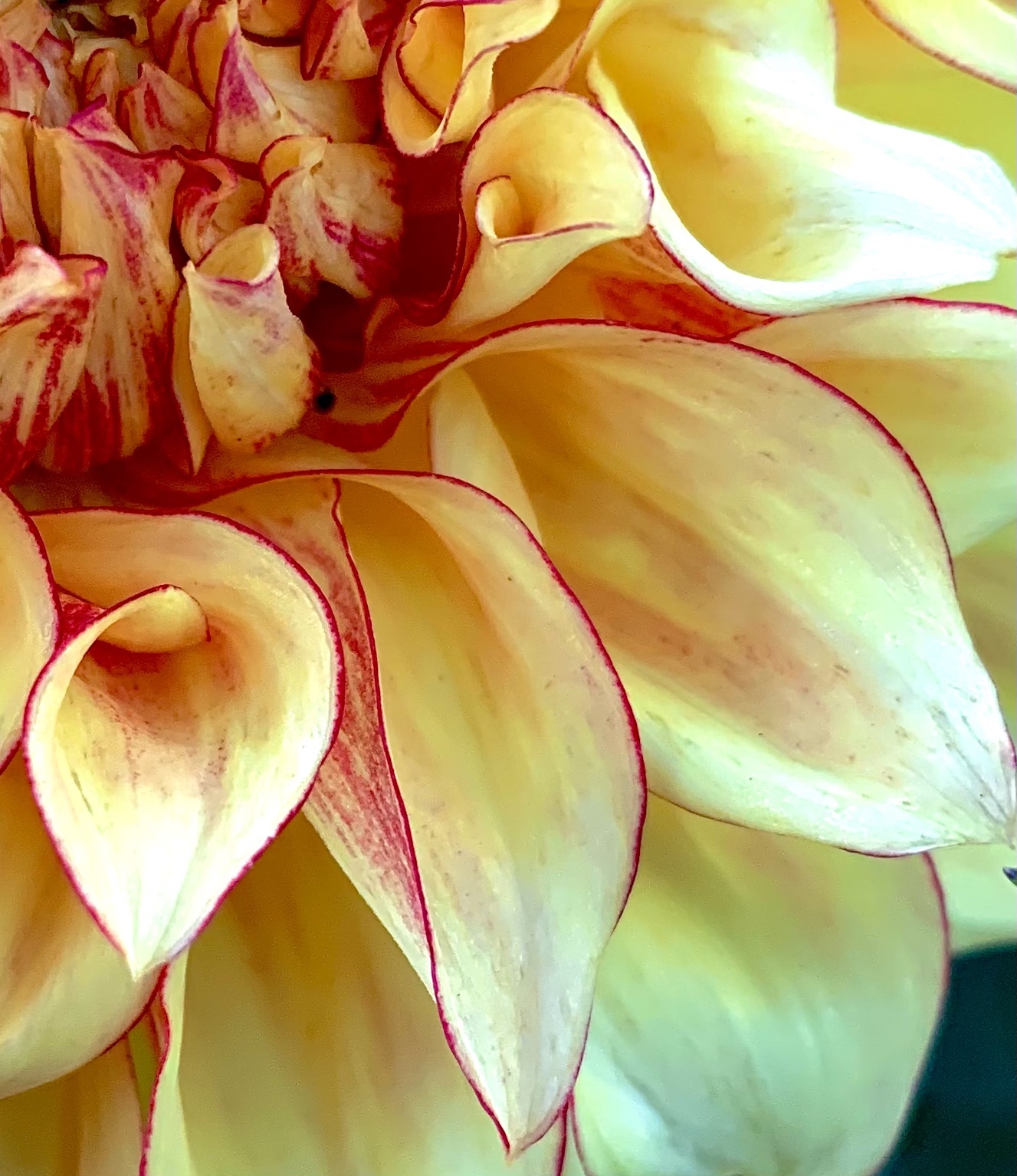
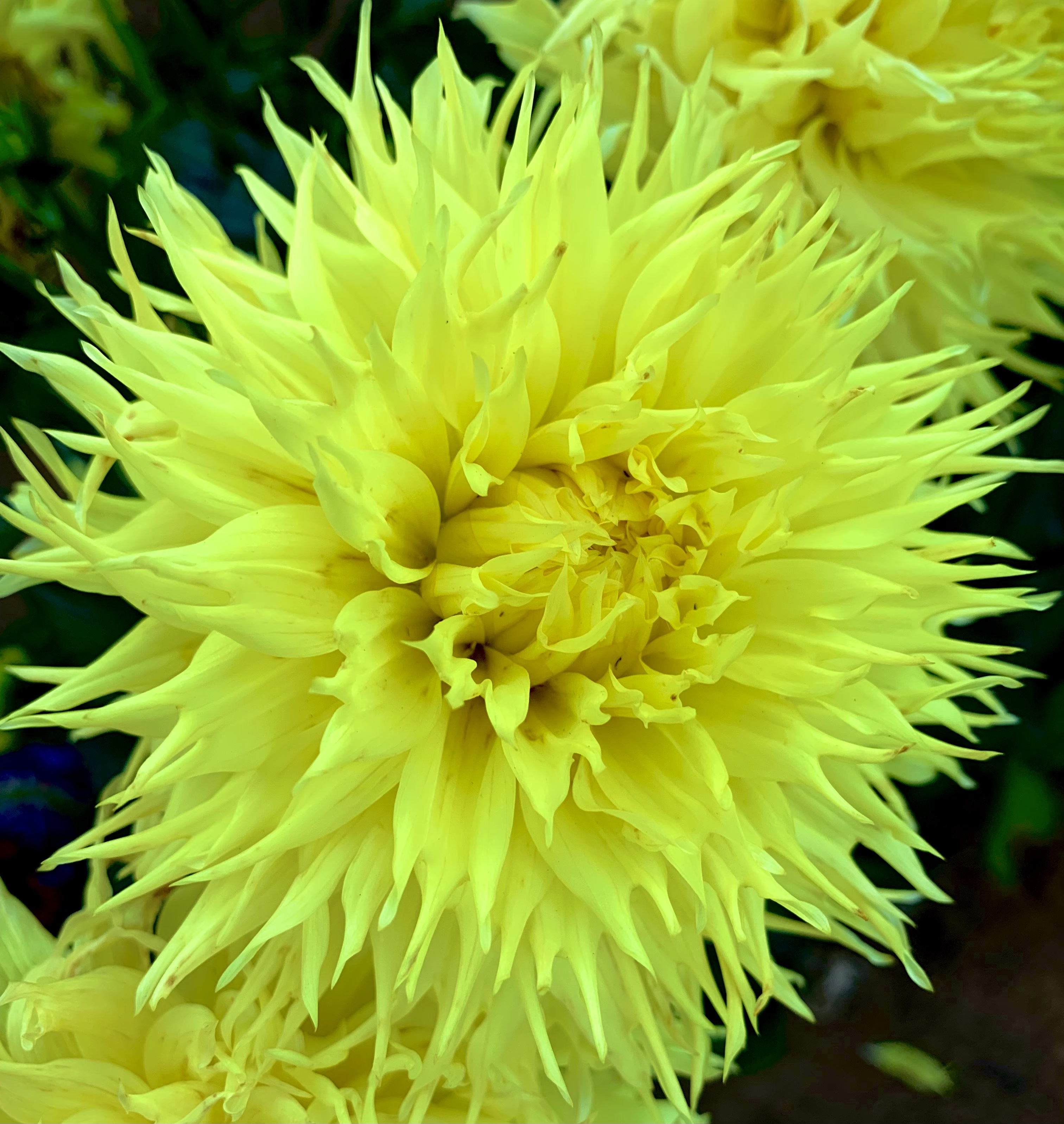
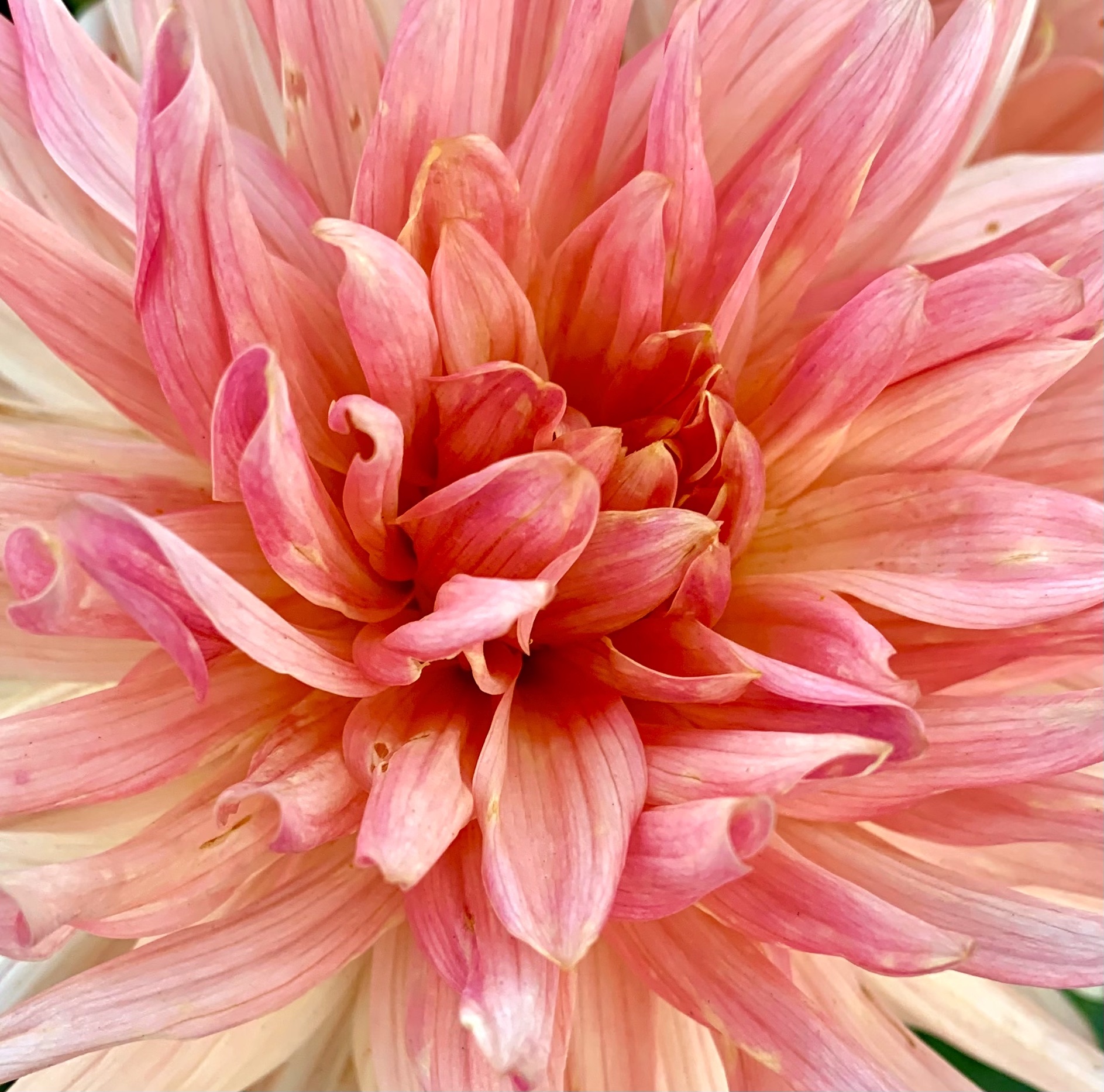
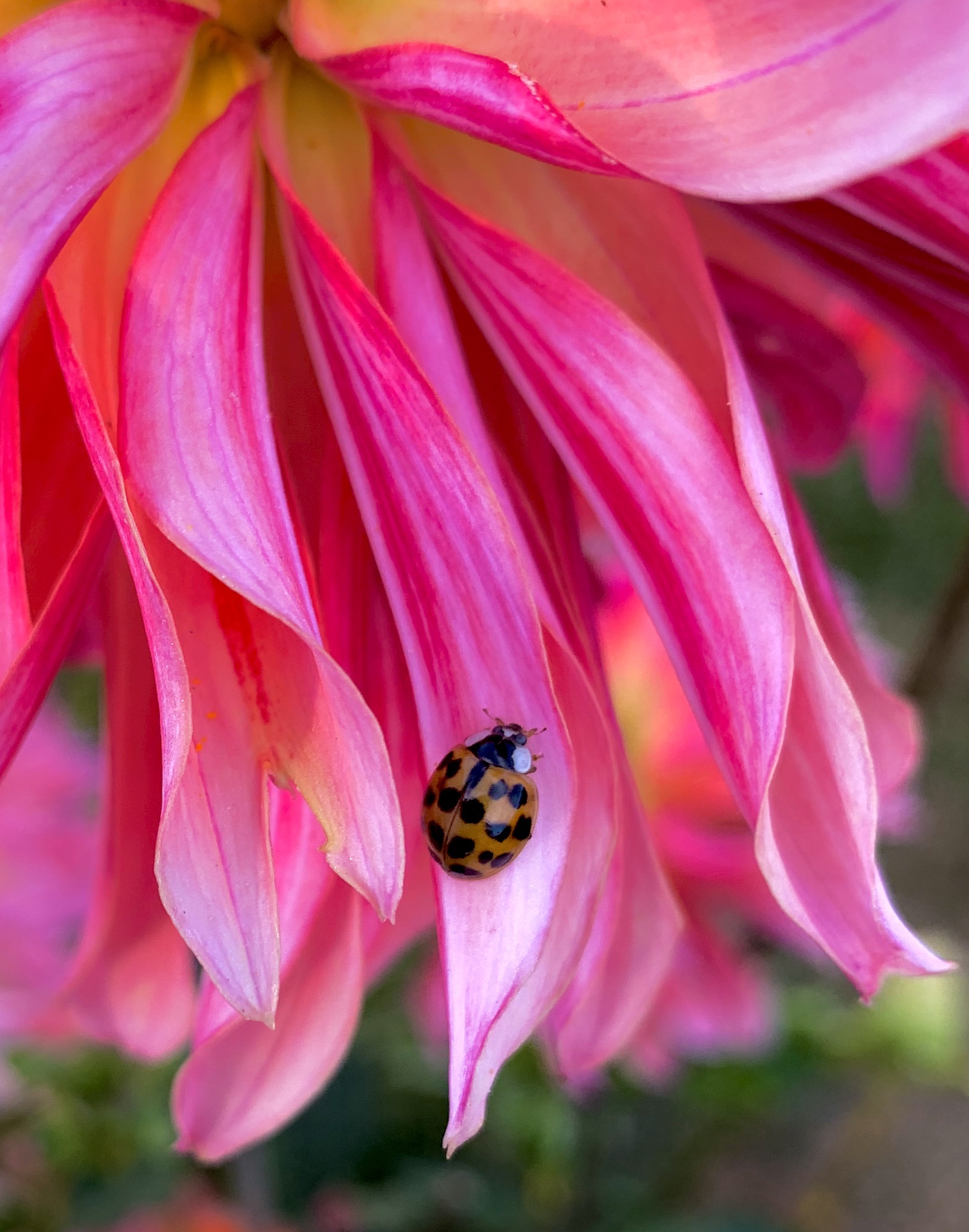
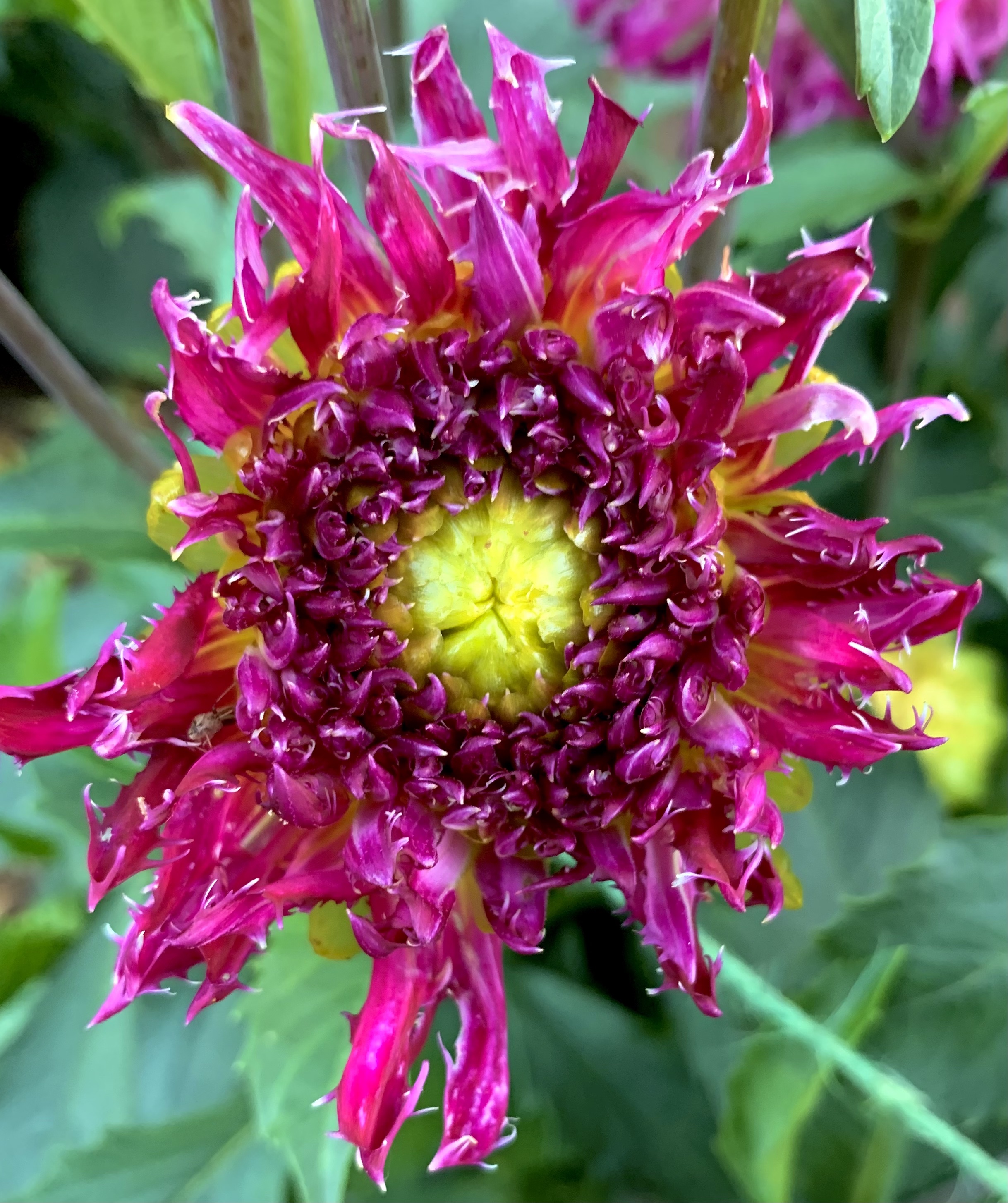
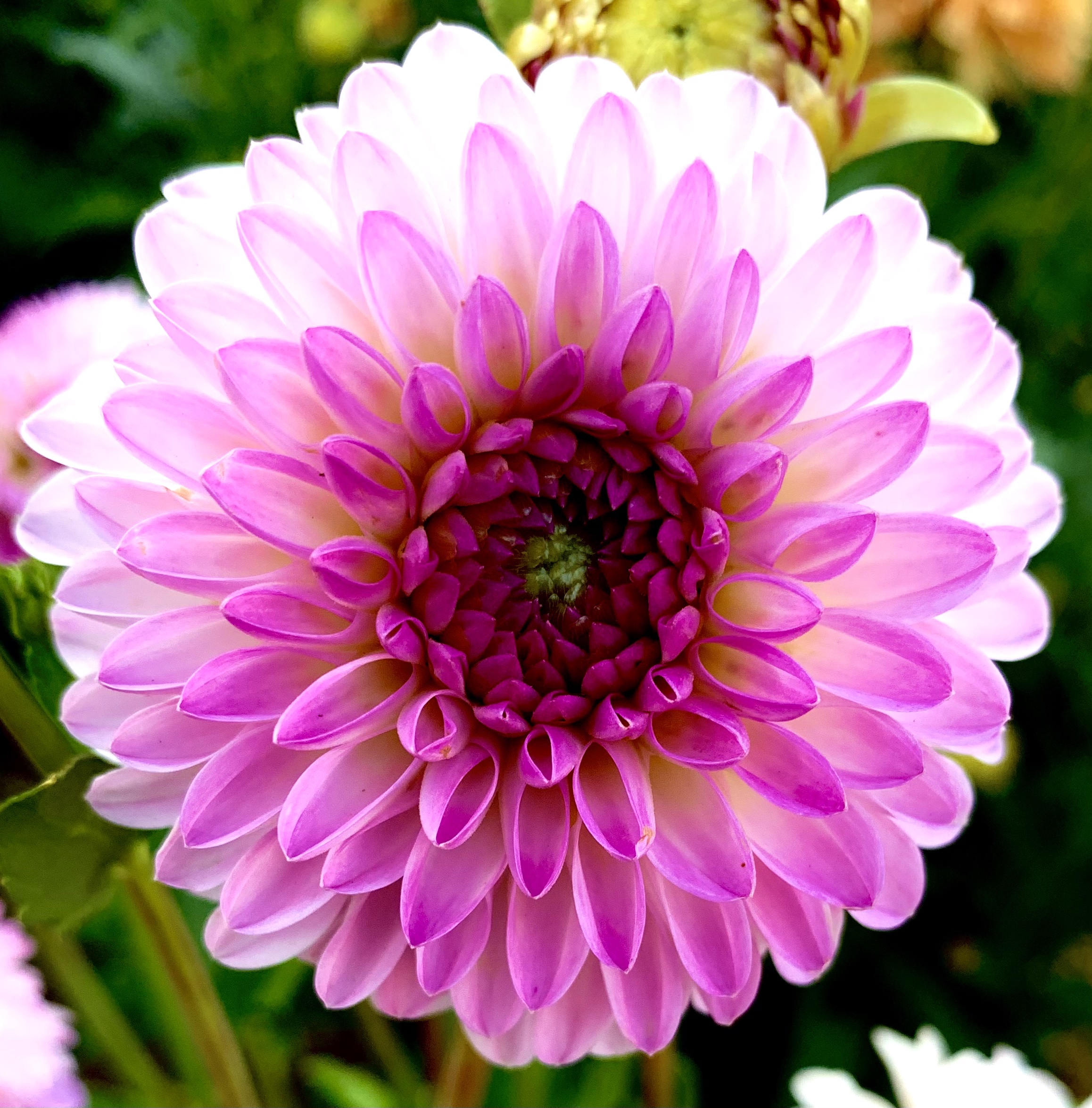
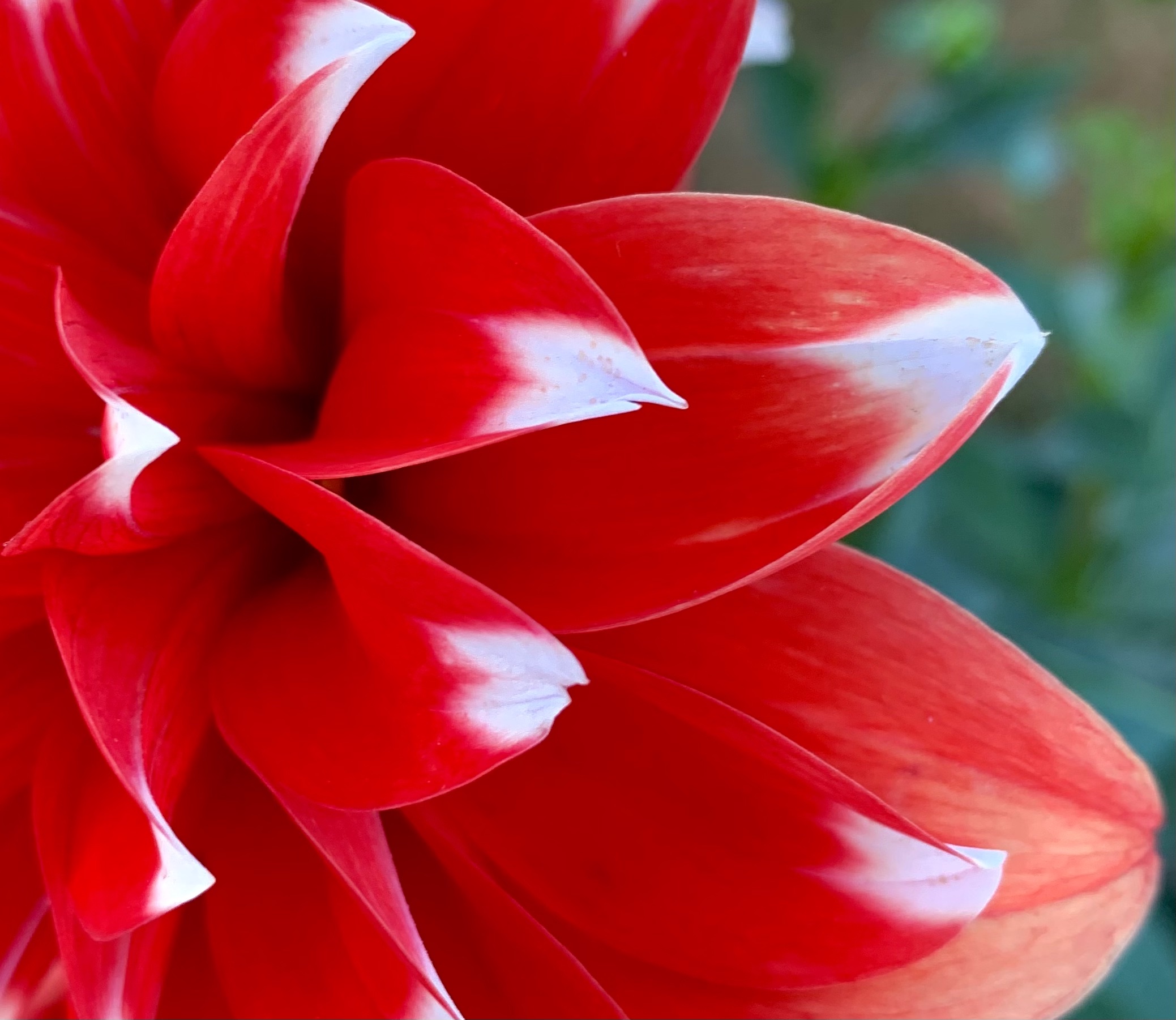
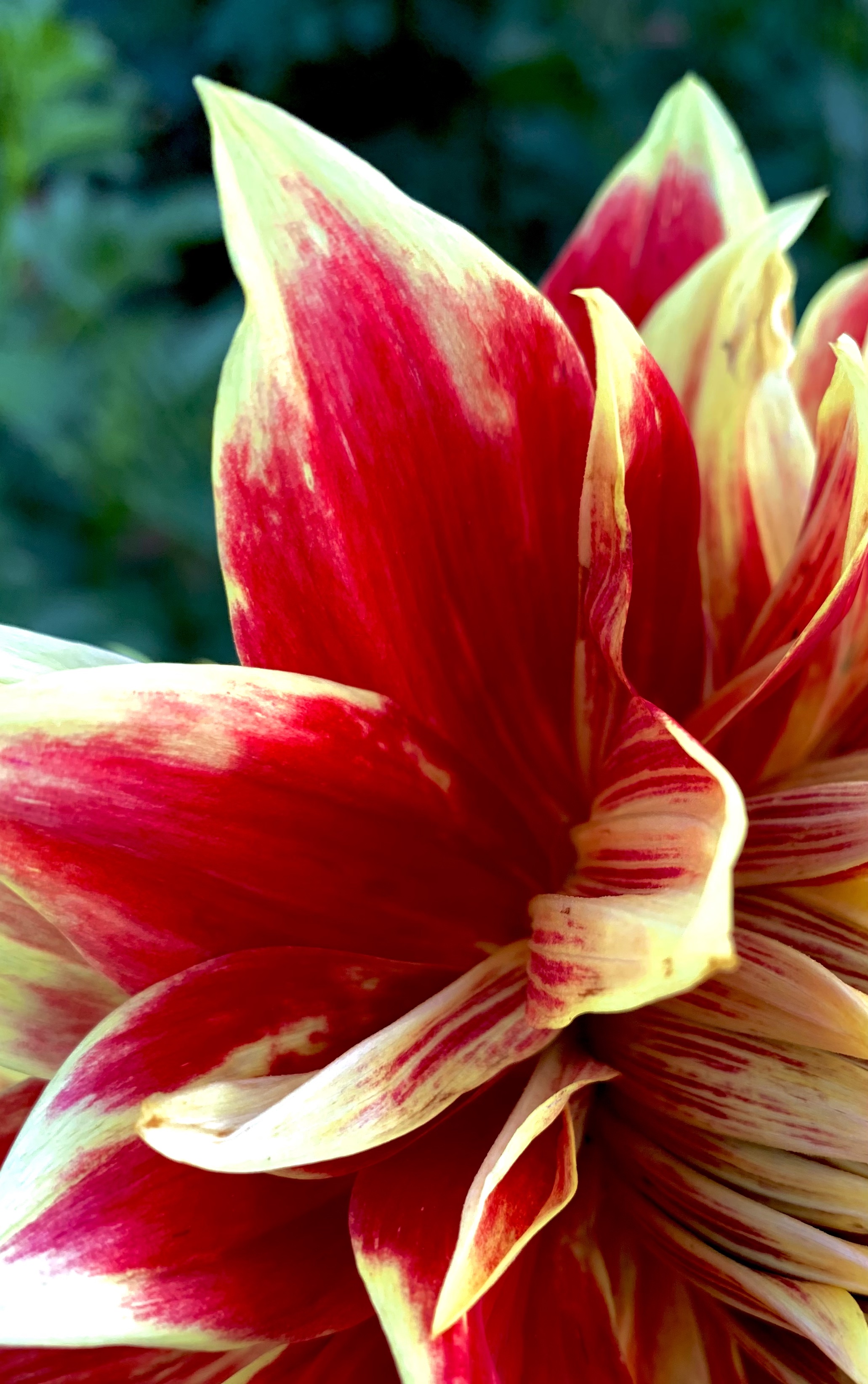
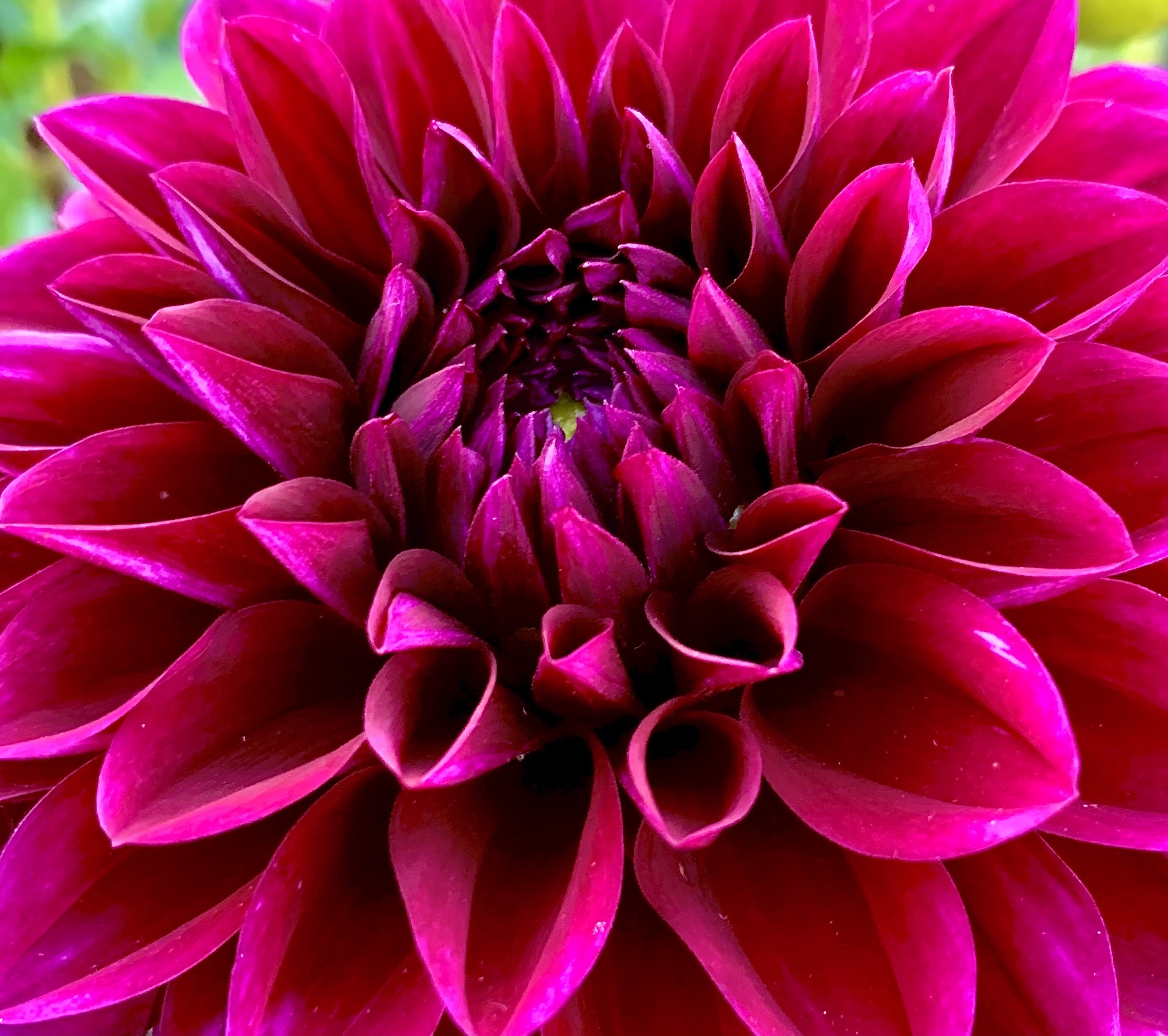
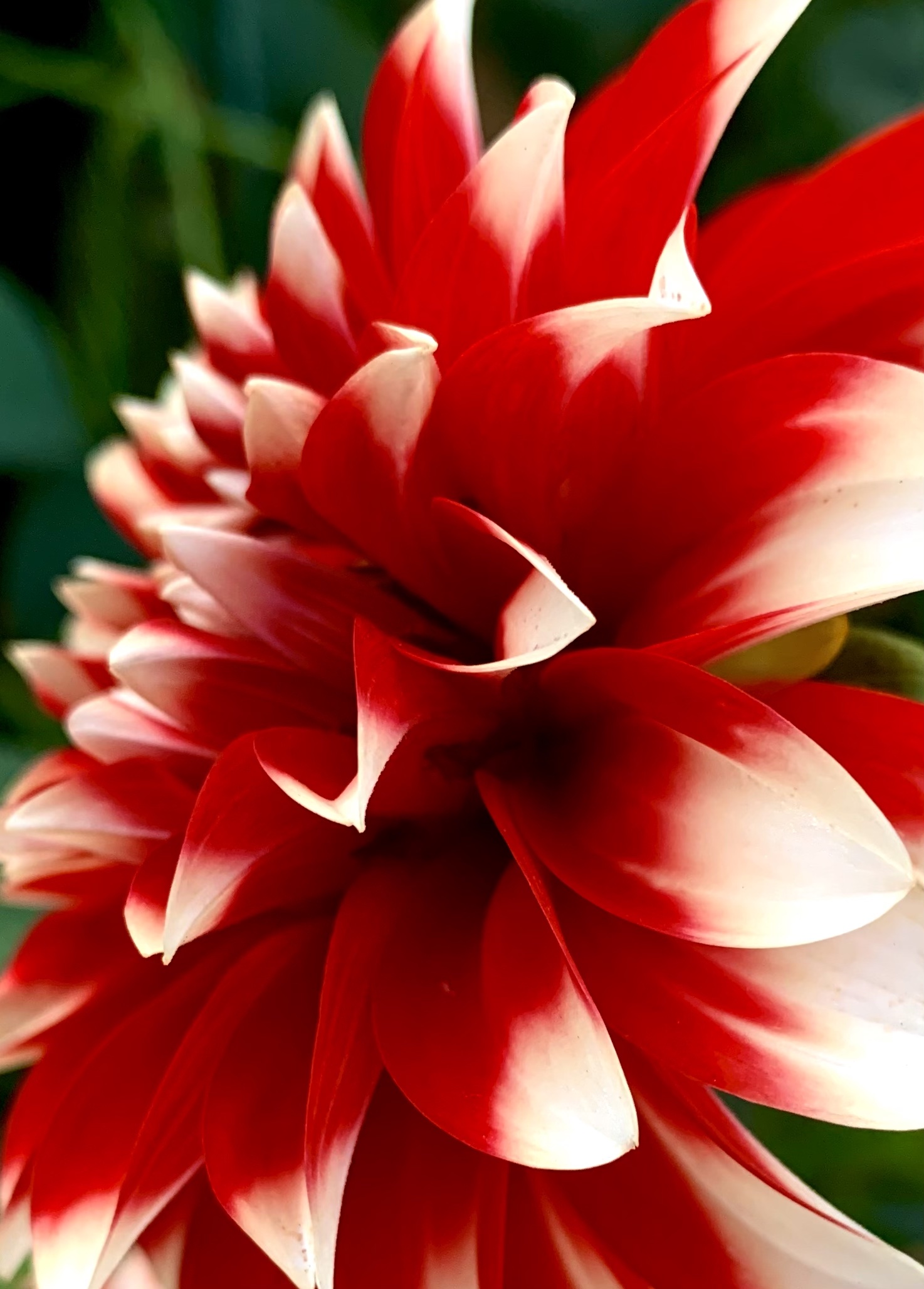
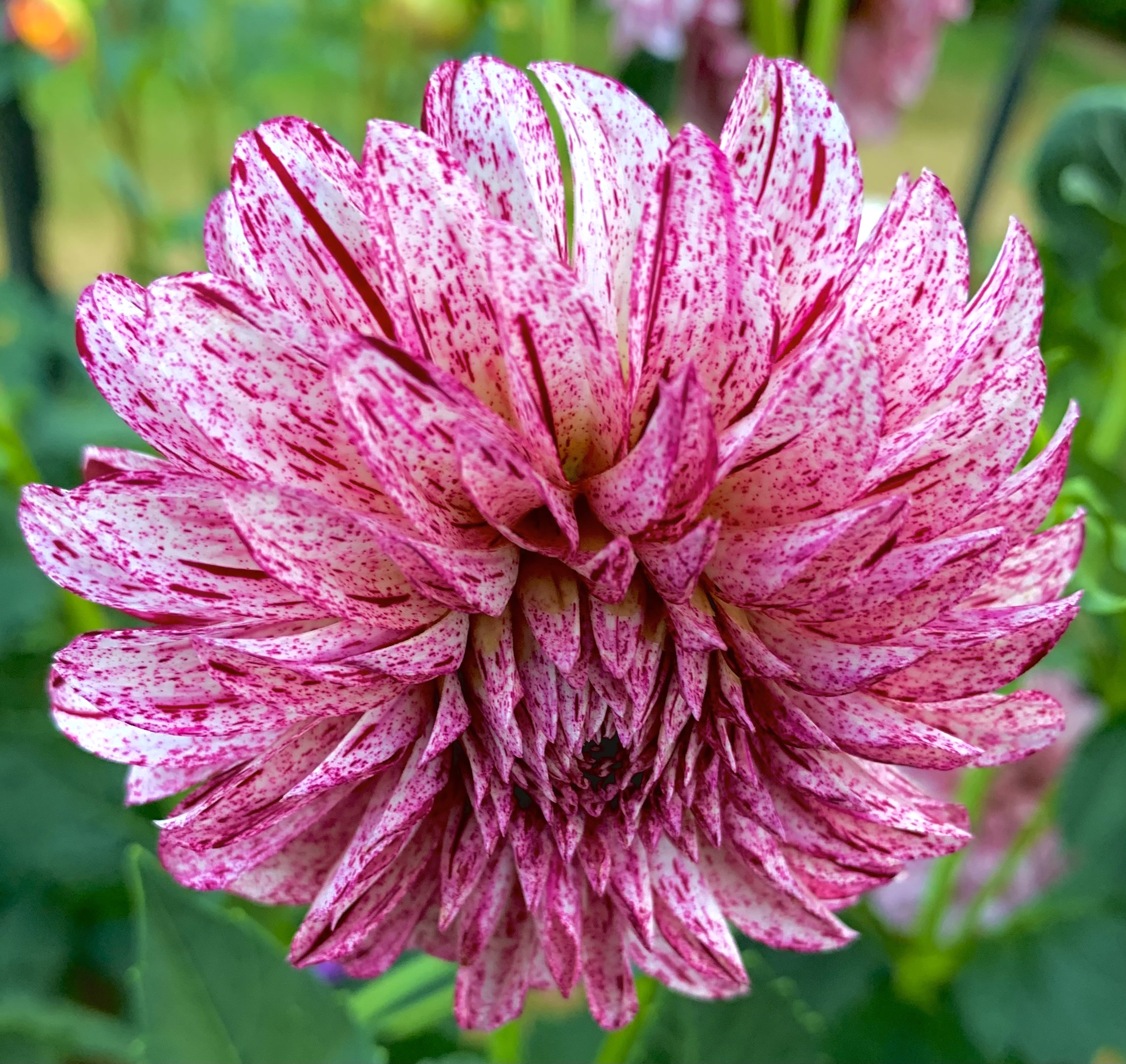
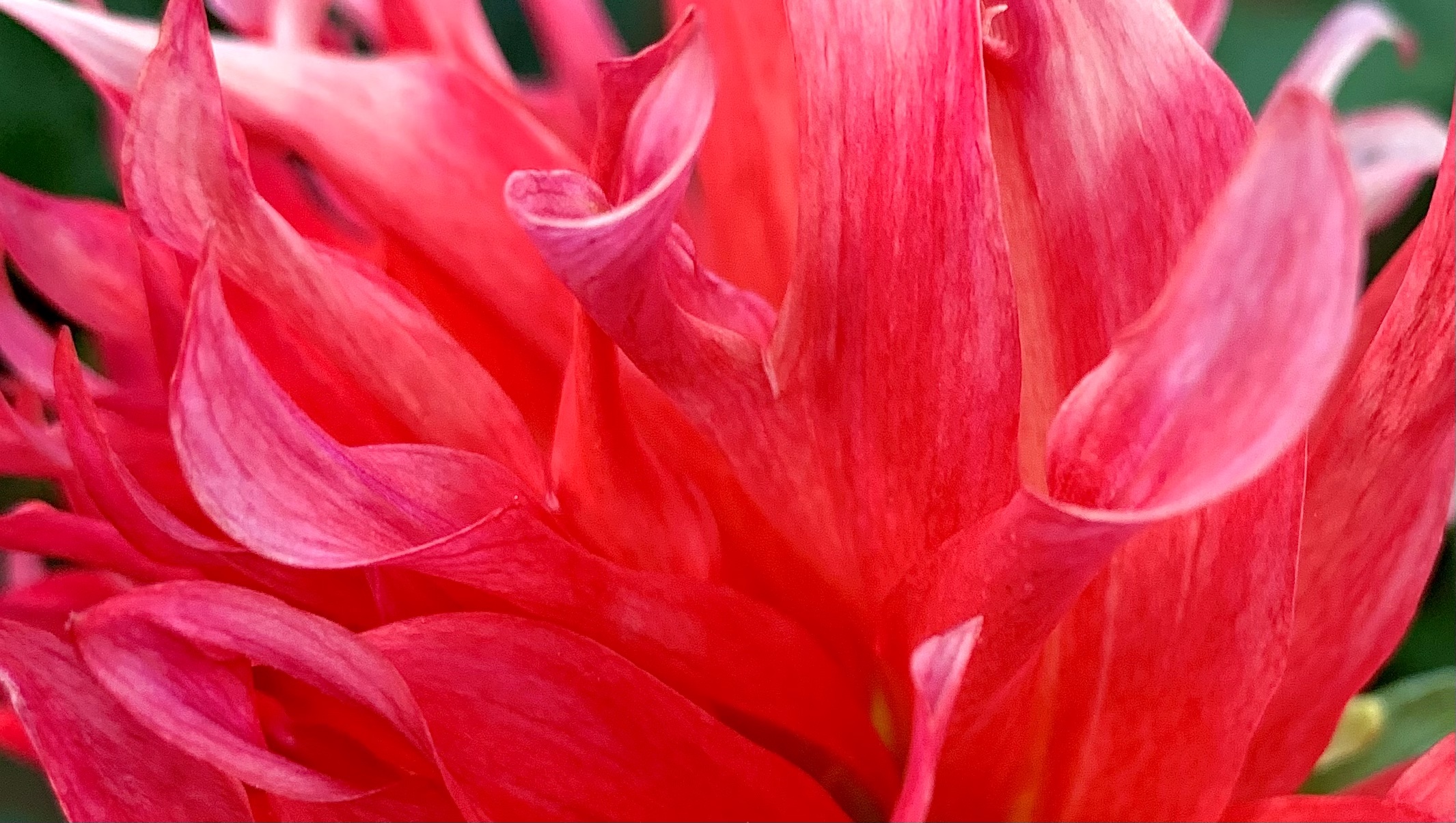
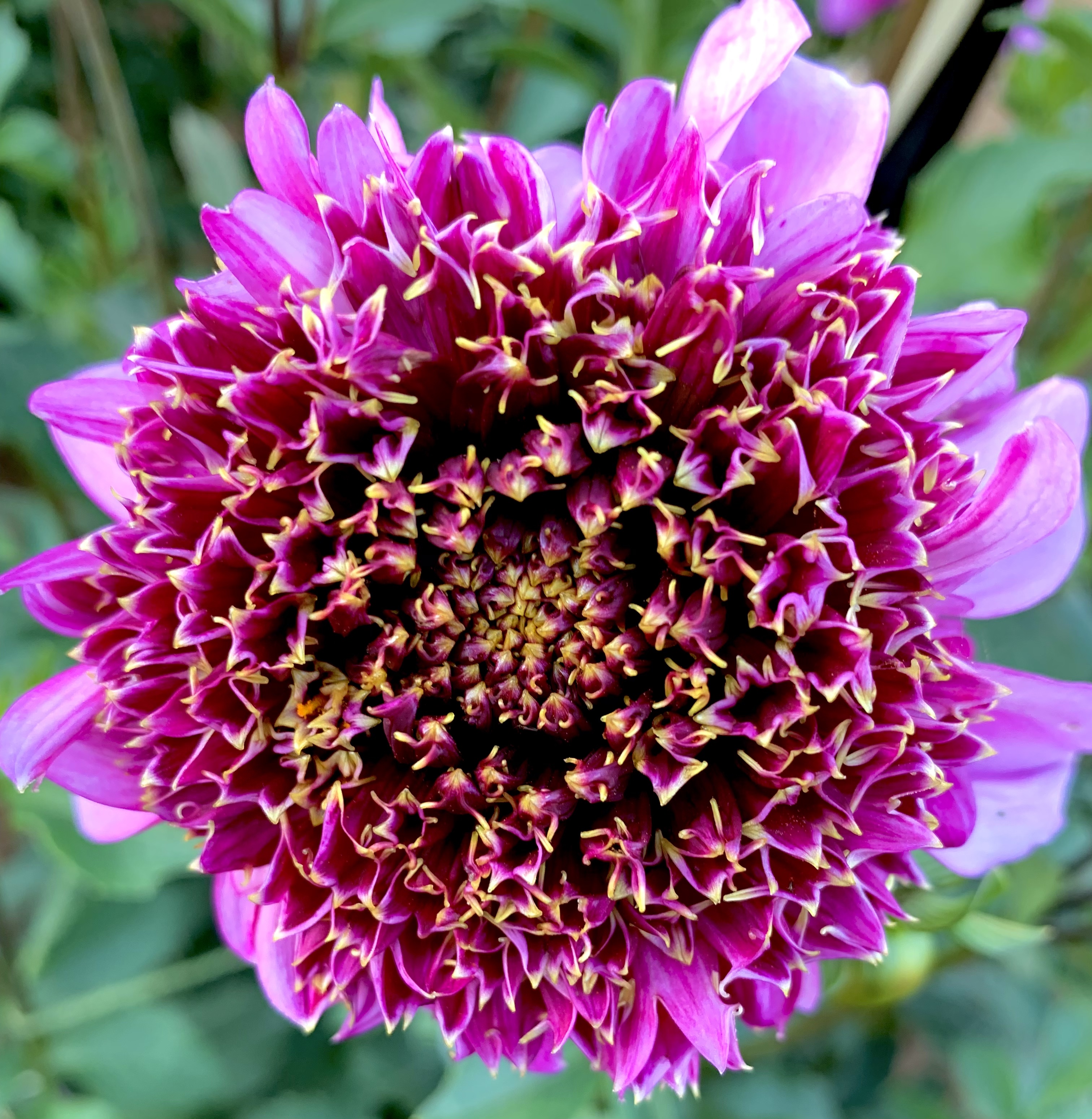
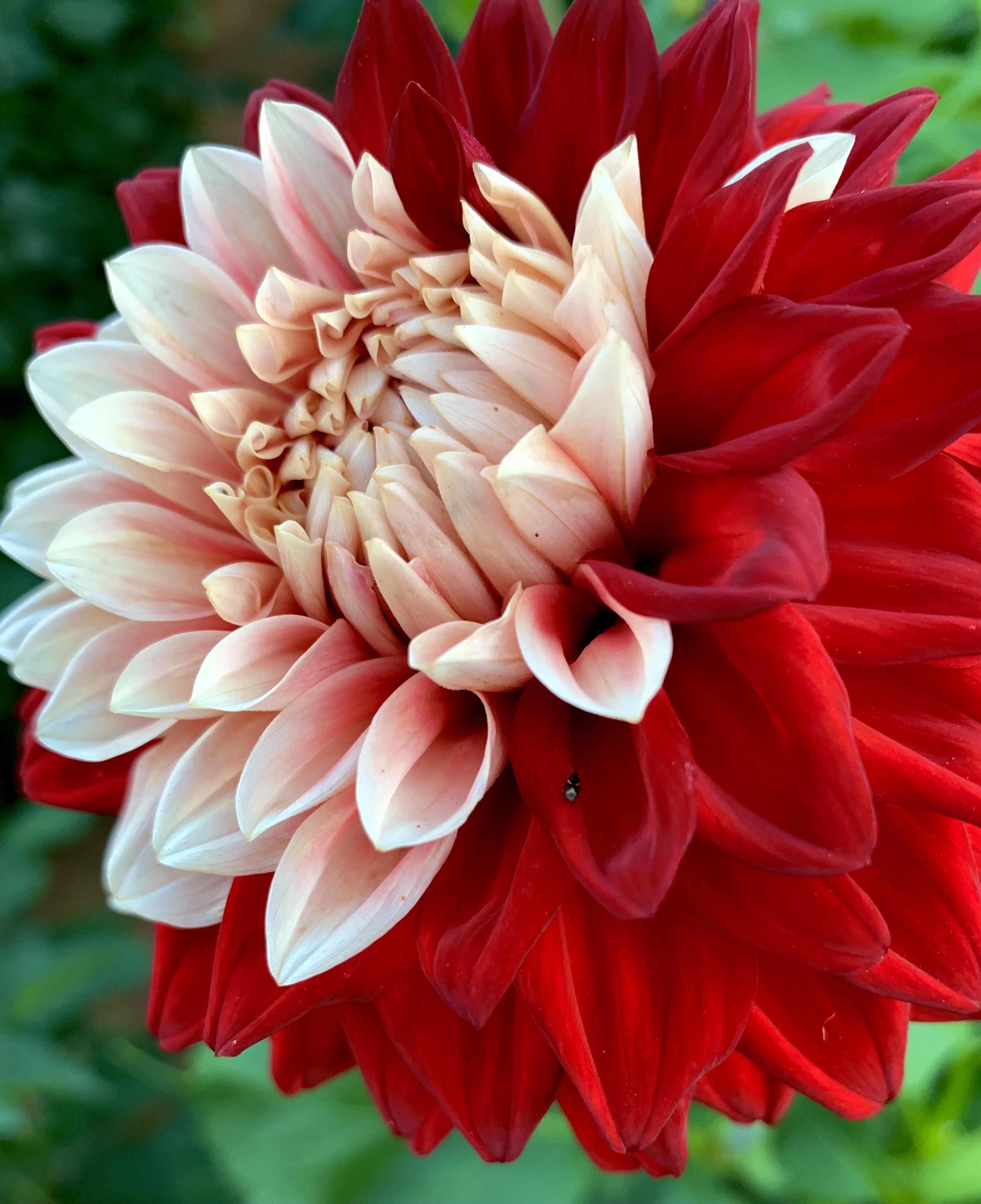
When I walk in my friend’s dahlia garden,
surrounded by vivid color,
I imagine the First Garden
must have been a bit like this.

I simply want to drink it all in,
to swim freely in the bright throes of summer,
forgetting that with blinding light
there will be shadow.

Like these blooms,
I too am imperfect,
not quite symmetrical,
starting to wither and curl at the edges.

But even so~
a stroll in a Garden
to be dazzled in the cool of the day
is what God prescribed then and now.

For a little while,
I am transported beyond this difficult world
with its constant reminders of my flaws,
and am assured of His Hand on me
and how much He loves me anyway.

Thank you to my friend Jean in Lynden who grows the most dazzling dahlias and allows me come take their portraits!

More beauty to be found in this new book from Barnstorming, available for order here:
Beauty Laid Bare

To be a poet…
you must believe in the uniqueness of every person,
and therefore in your own.

To find your voice you must forget about finding it,
and trust that if you pay sufficient attention to life
you will be found to have something to say

which no one else can say.

And that will be your voice,
unsought,
singing out from you of itself. 


~Denise Levertov

At its best, the sensation of writing is that of any unmerited grace.
It is handed to you, but only if you look for it.
You search, you break your fists, your back, your brain, and then –
and only then -it is handed to you.

Write as if you were dying.
At the same time, assume you write for an audience

consisting solely of terminal patients.
That is, after all, the case.
What would you begin writing if you knew you would die soon?
What could you say to a dying person

that would not enrage by its triviality?

Why are we reading,
if not in hope of beauty laid bare, life heightened
and its deepest mystery probed?
Why are we reading,

if not in hope that the writer
will magnify and dramatize our days,
will illuminate and inspire us

with wisdom, courage and the hope of meaningfulness,
and press upon our minds the deepest mysteries,
so we may feel again their majesty and power?


What do we ever know that is higher than that power
which, from time to time, seizes our lives,
and which reveals us startlingly to ourselves
as creatures set down here bewildered? 

~Annie Dillard from “Write Till You Drop”

Some days my voice feels so weakened
I am unable to sing out from myself,
knowing I have said too much
that means so little.

I swing and I miss, over and over
swishing the air –
hoping, listening, looking, living
for a connection made
through sharing images and words.

I am bewildered by life most of the time –
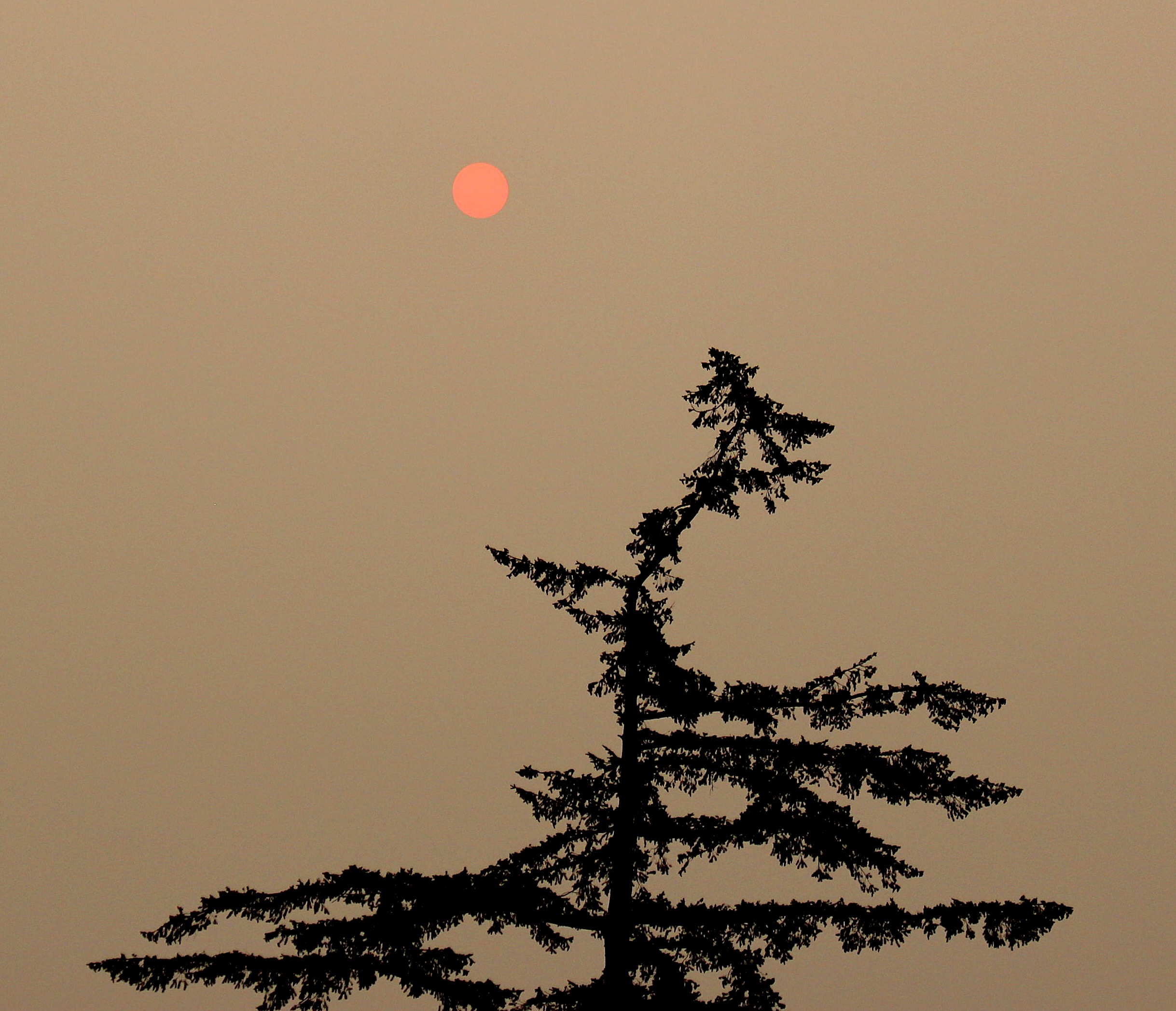
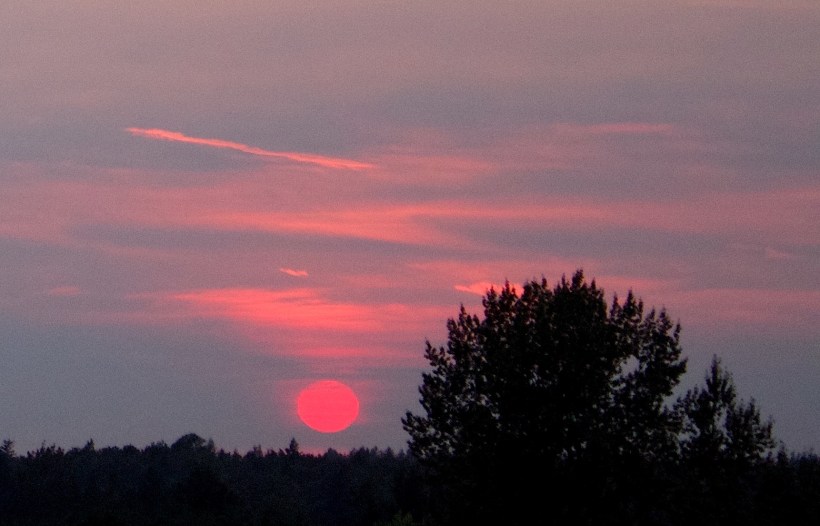
how figurative and literal smoke and haze
can permeate and discolor our days and nights.

What I must do is lay bare the beauty I see,
seeking a way to make a sad and suffering world
less mystifying.

A new book from Barnstorming is available to order here:

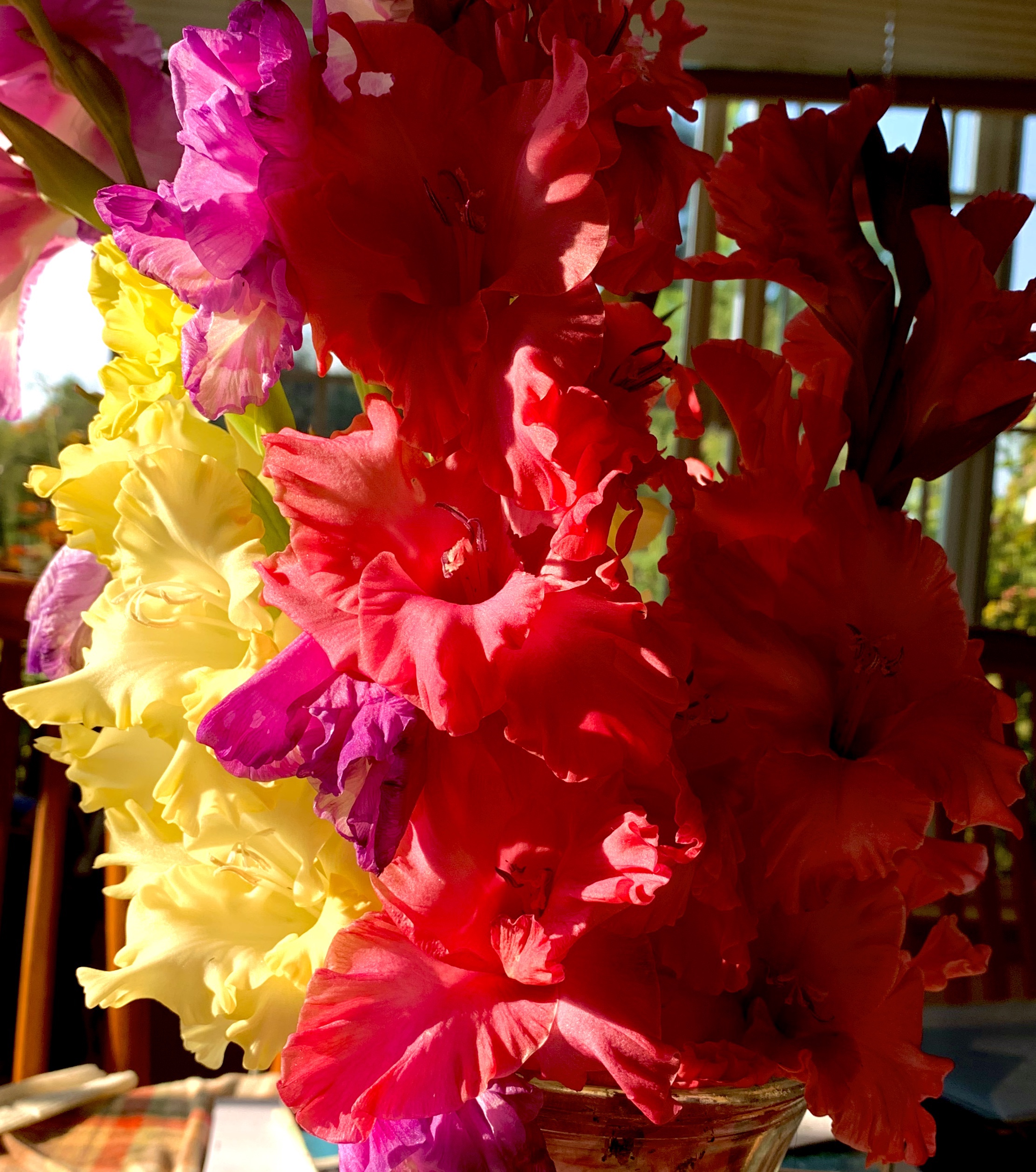
Opening One at a Time

In noisy shades
of apricot and pink
the blossoms

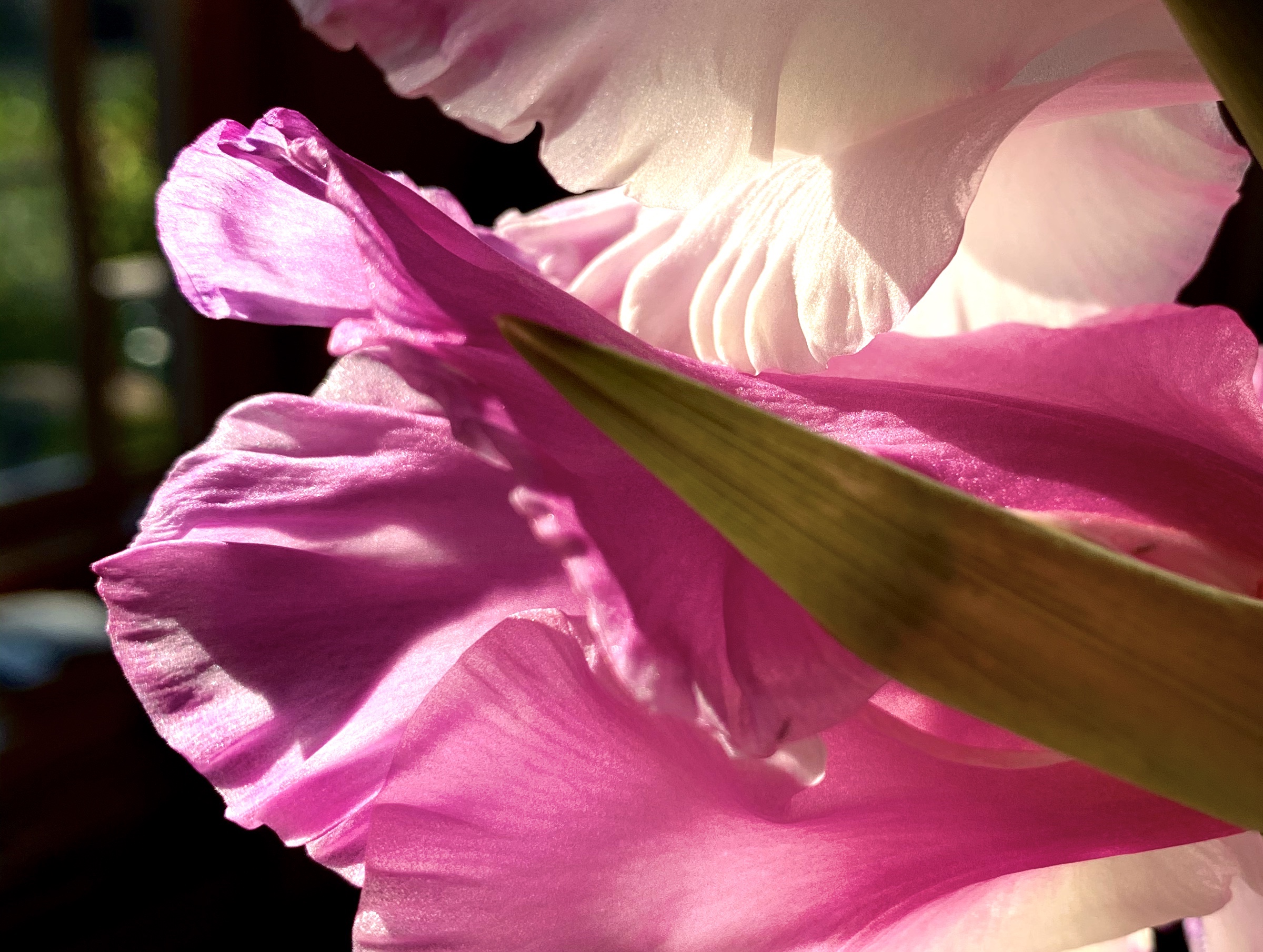
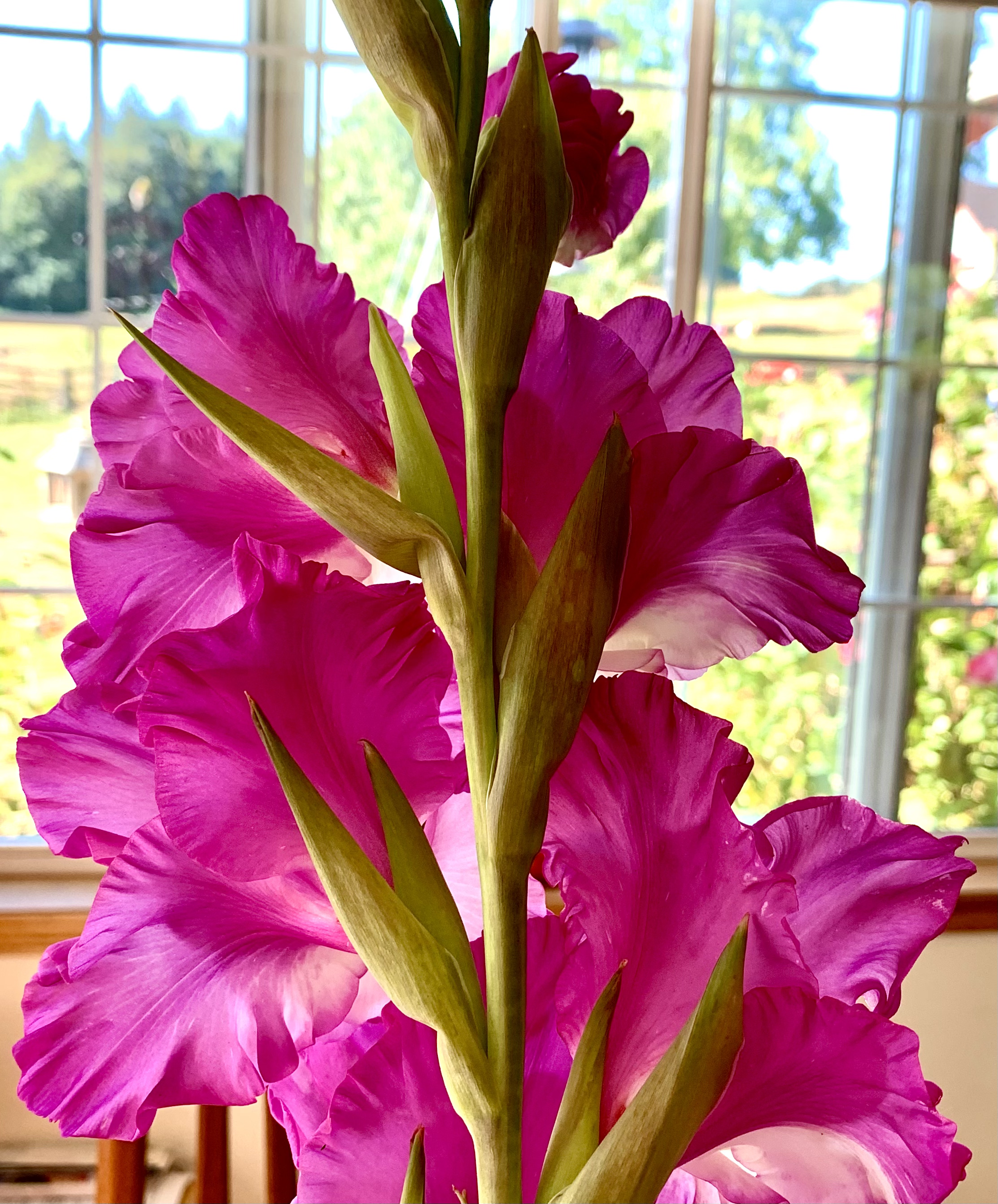
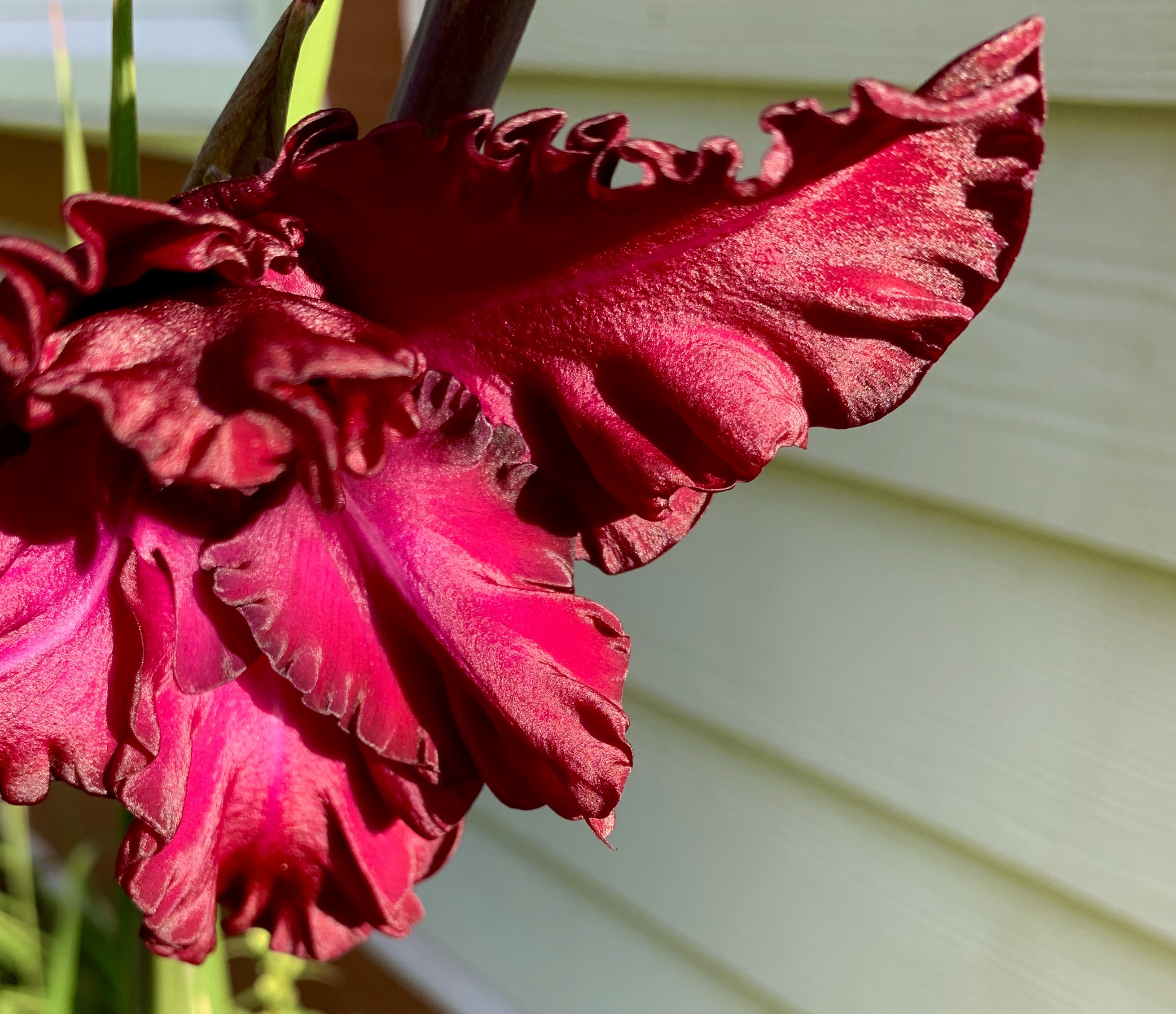
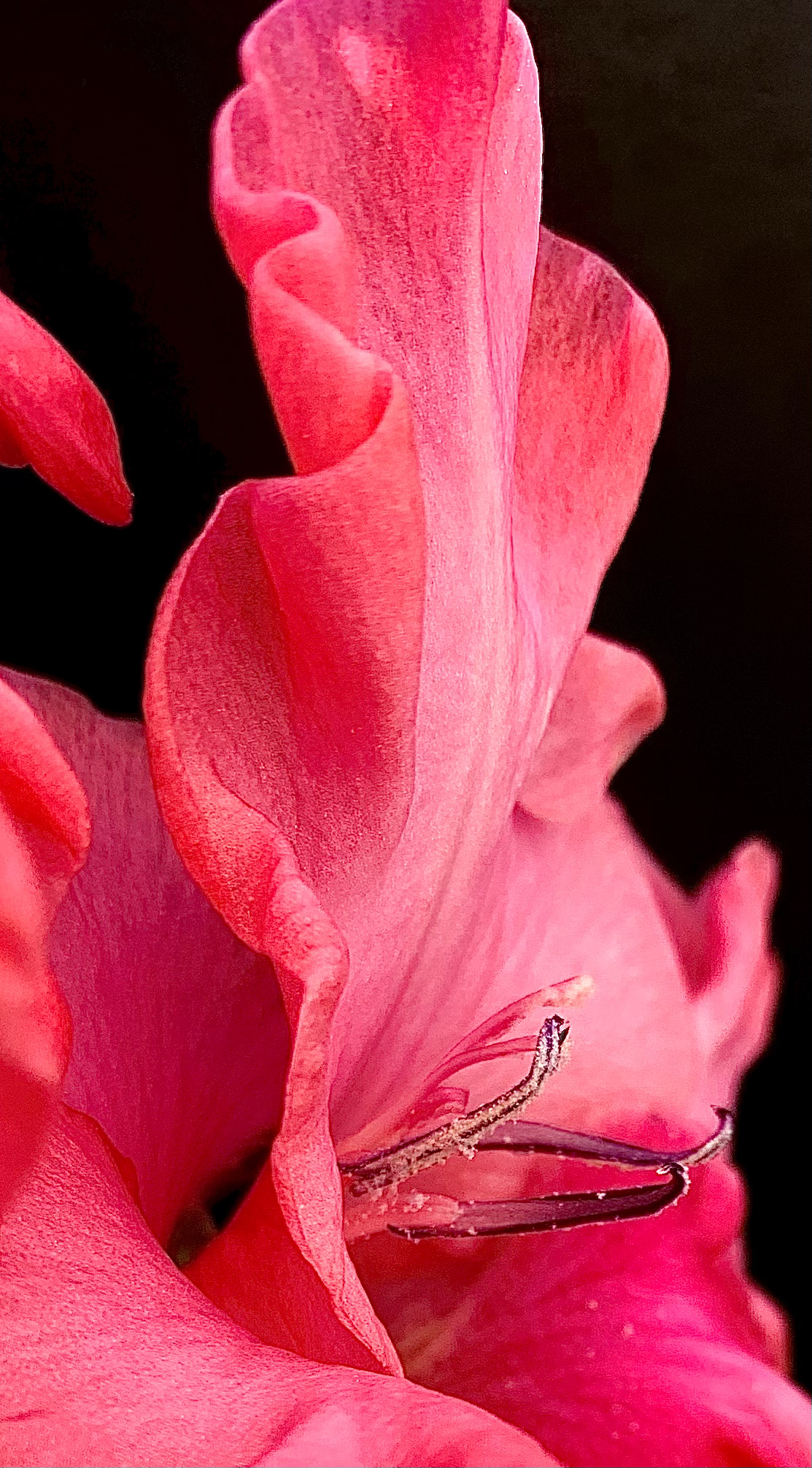
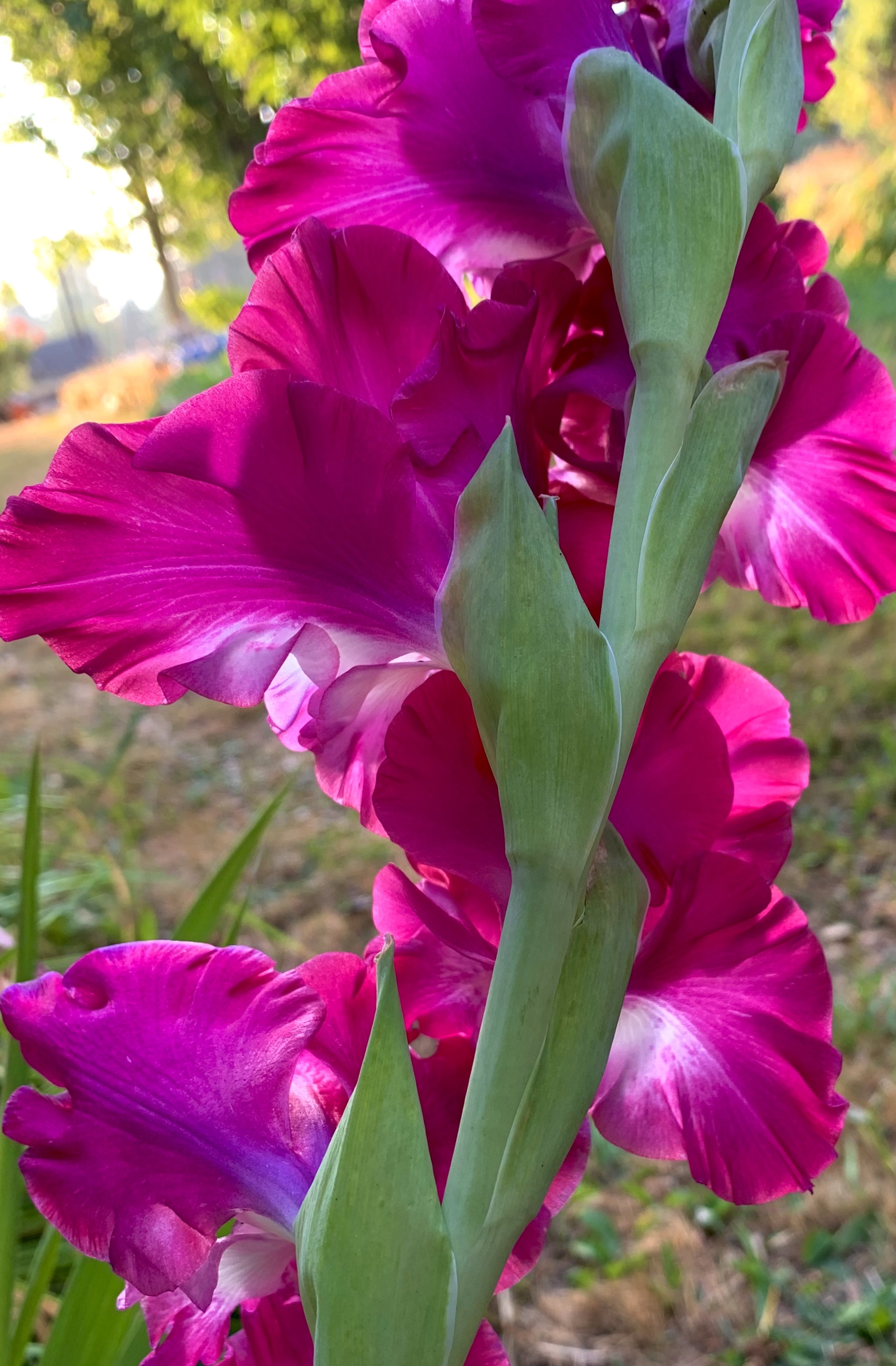
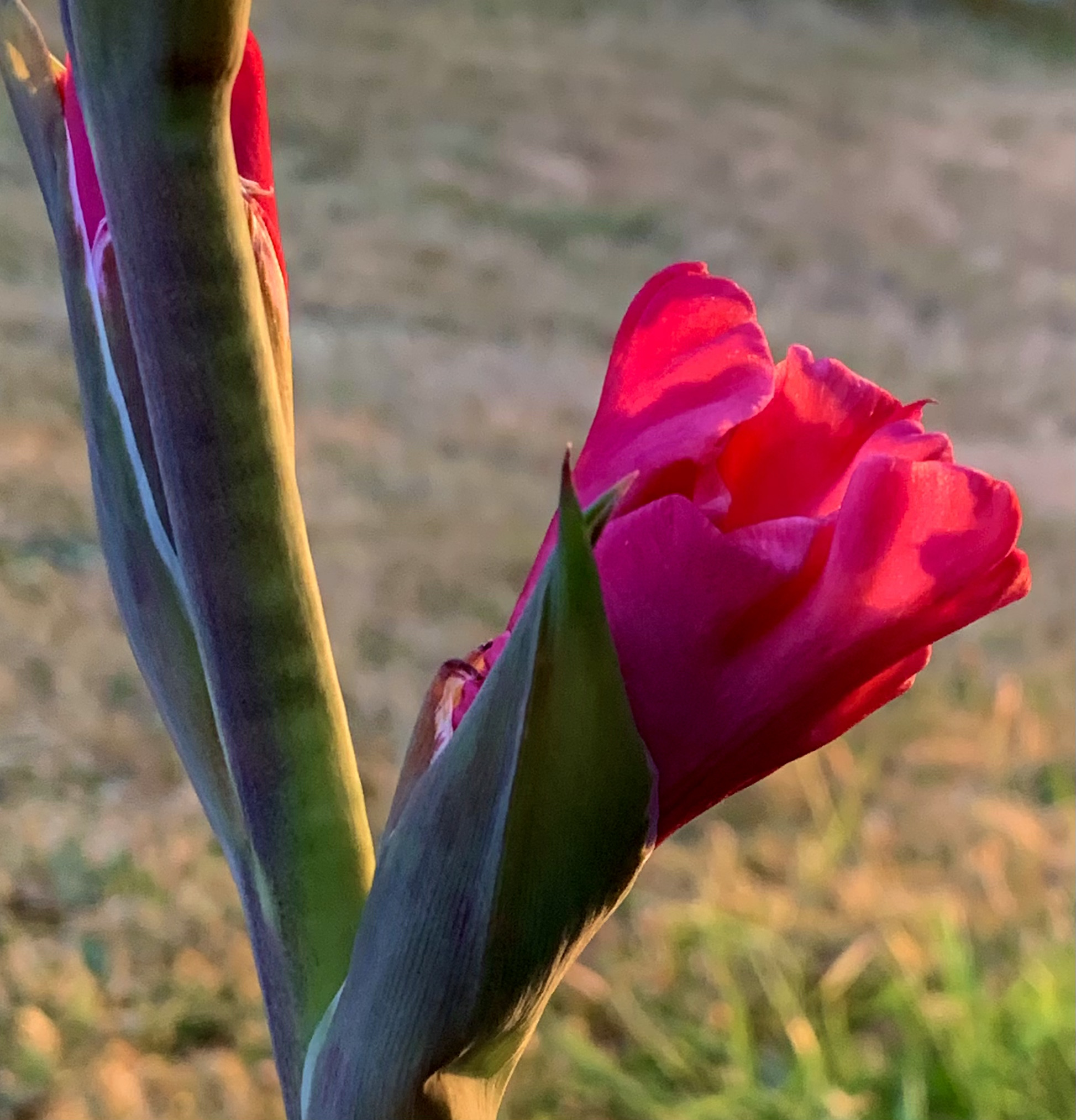
of the gladiola open
all down the long aisle
of the stem

like a choral procession
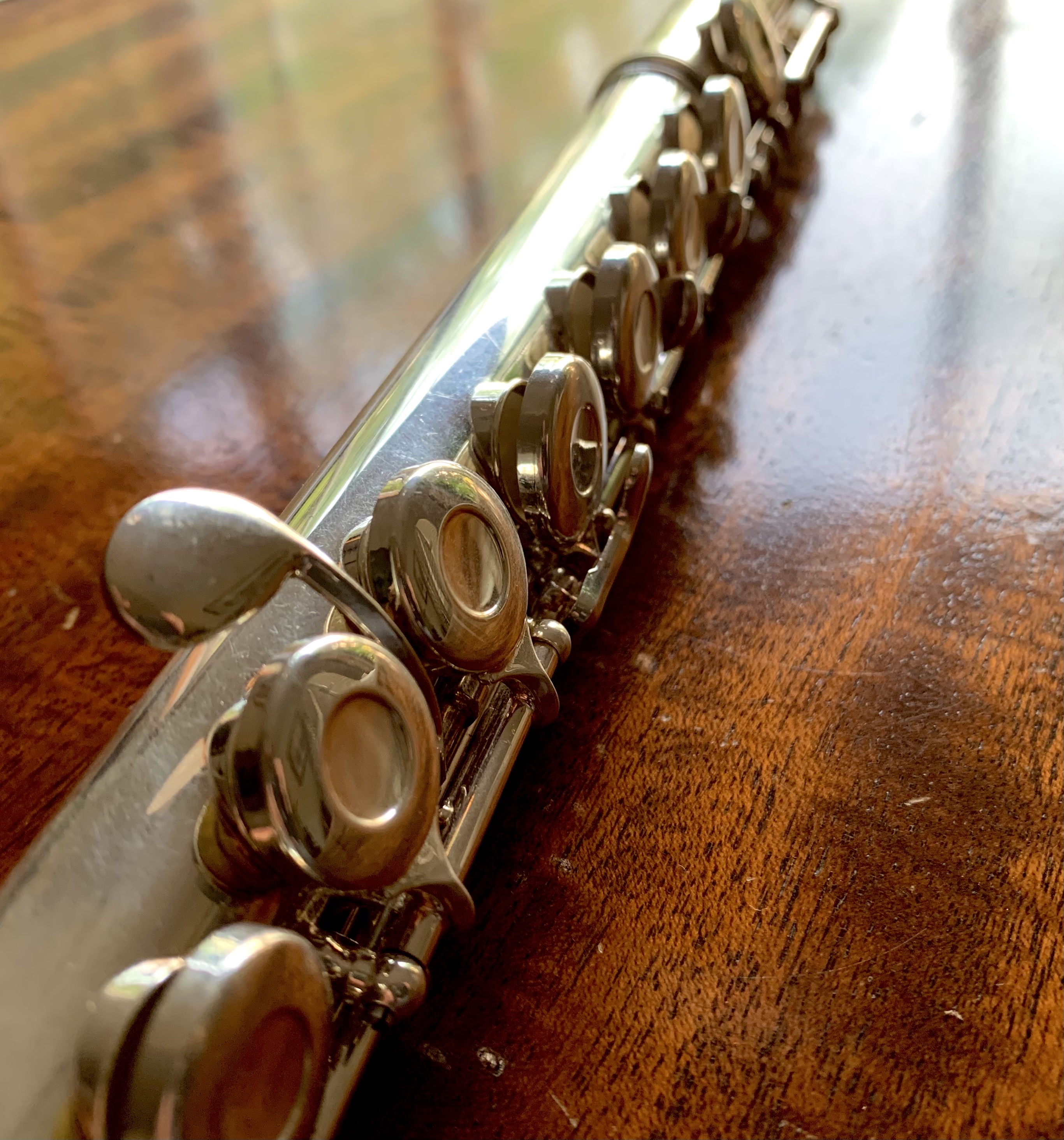
or the woody
notes

of a flute
opening one stop
at a time.
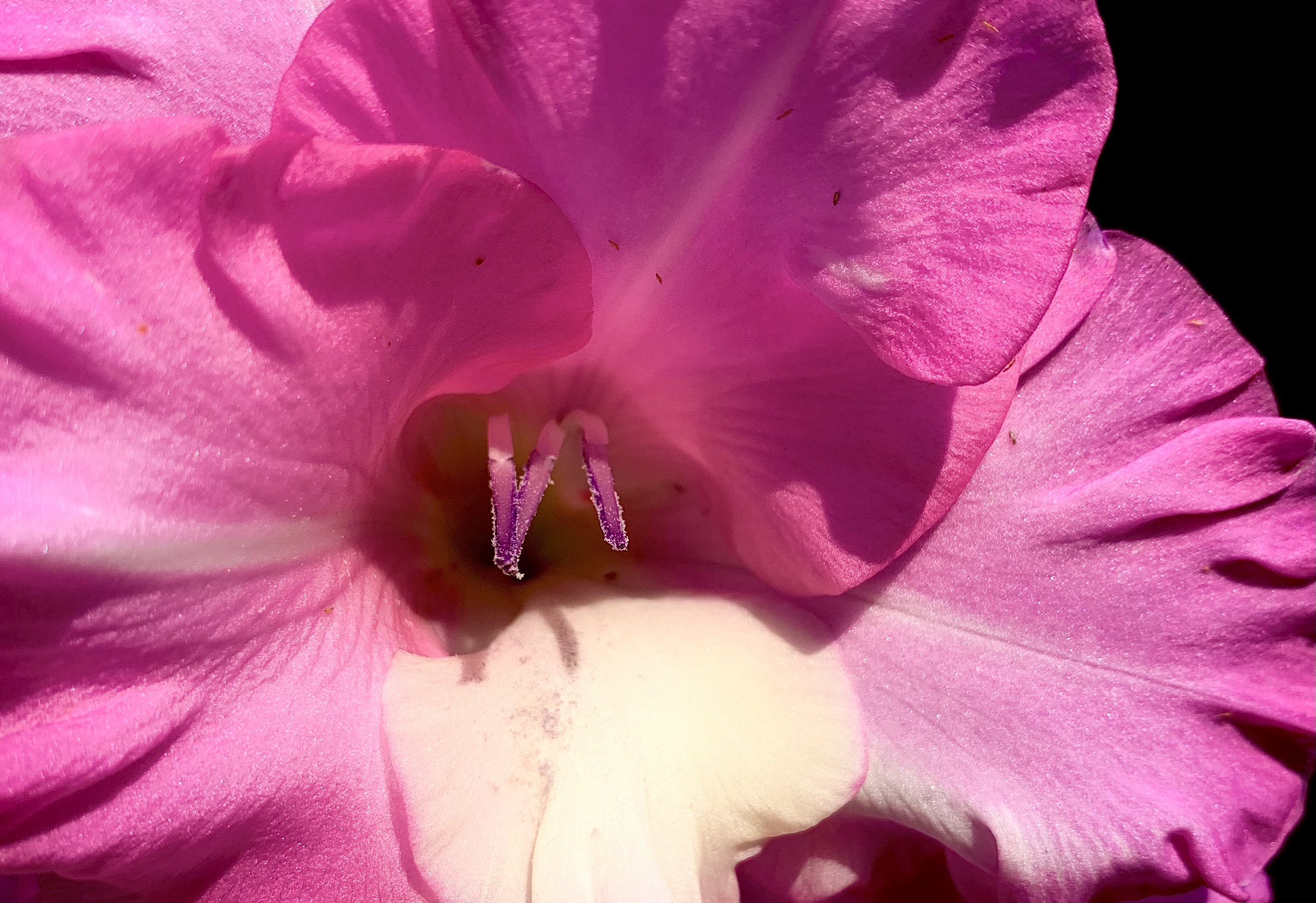
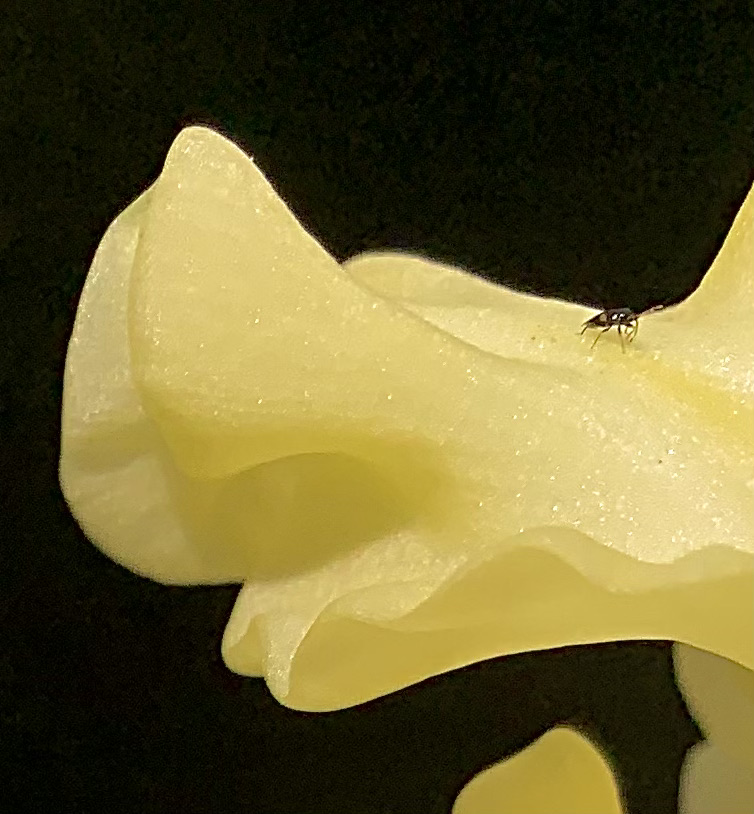
~Linda Pastan “Gladiola”

Most flowers tempt our senses:
the vibrant colors to the eye,
the softness of the petals to the touch,
the delicate fragrances wafting to the nose –
even some have a piquant perfumed taste for the palate.

Yet how many blooms sound like an orchestra
tuning in the wind?

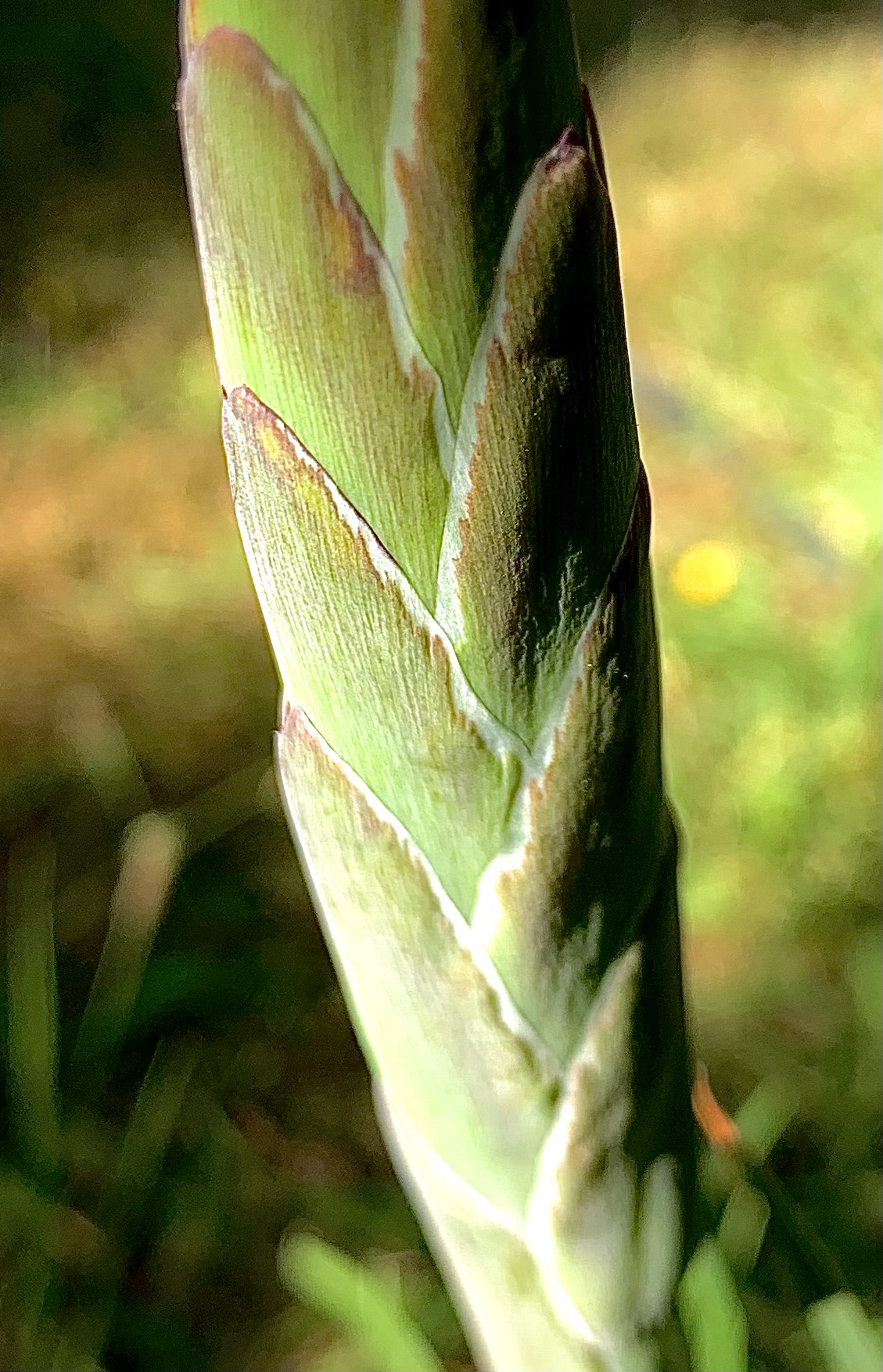
A long gladiola stalk rises boldly,
swaying in the breeze, each key
blossom unfolding one by one in flowing overture.

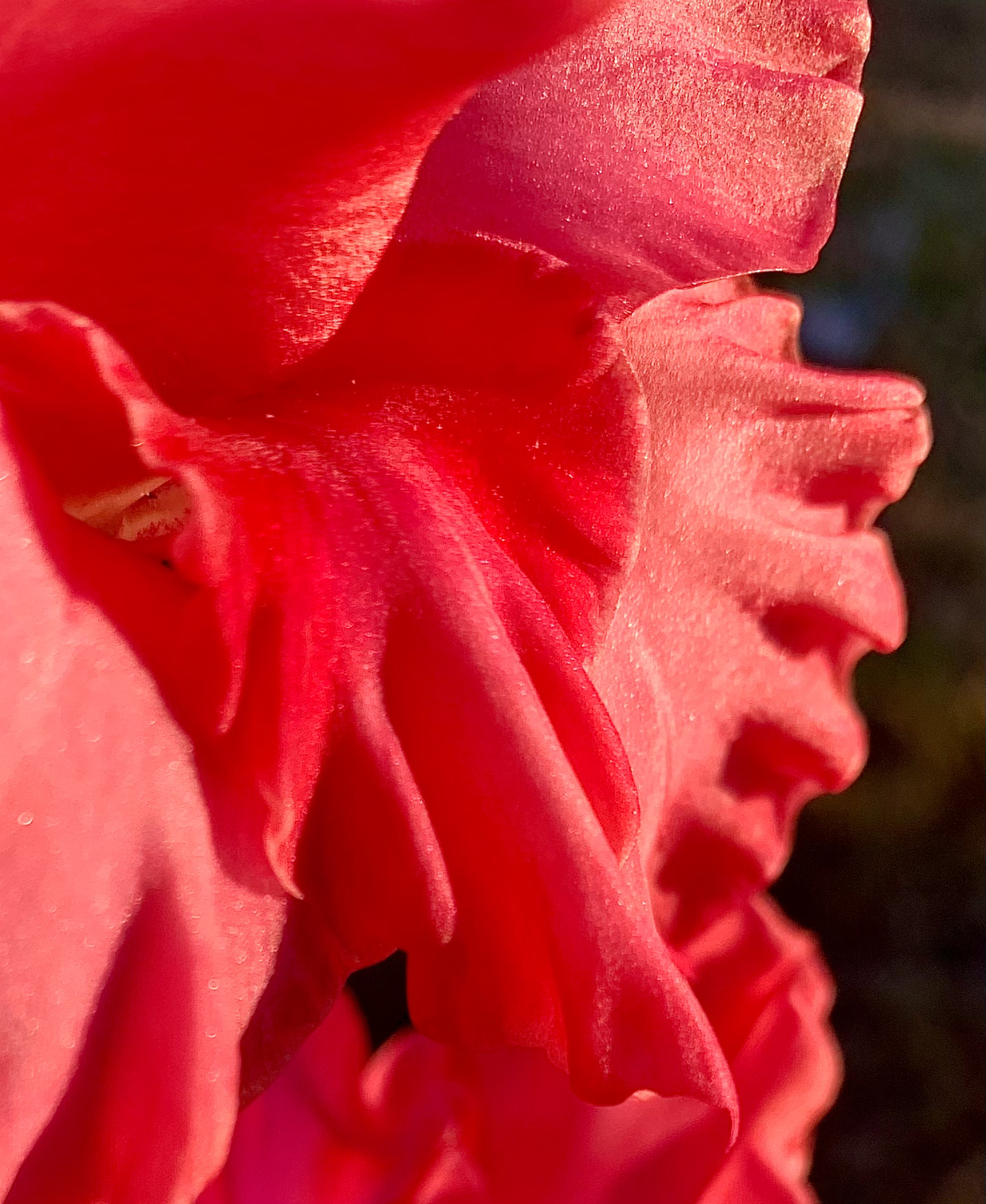
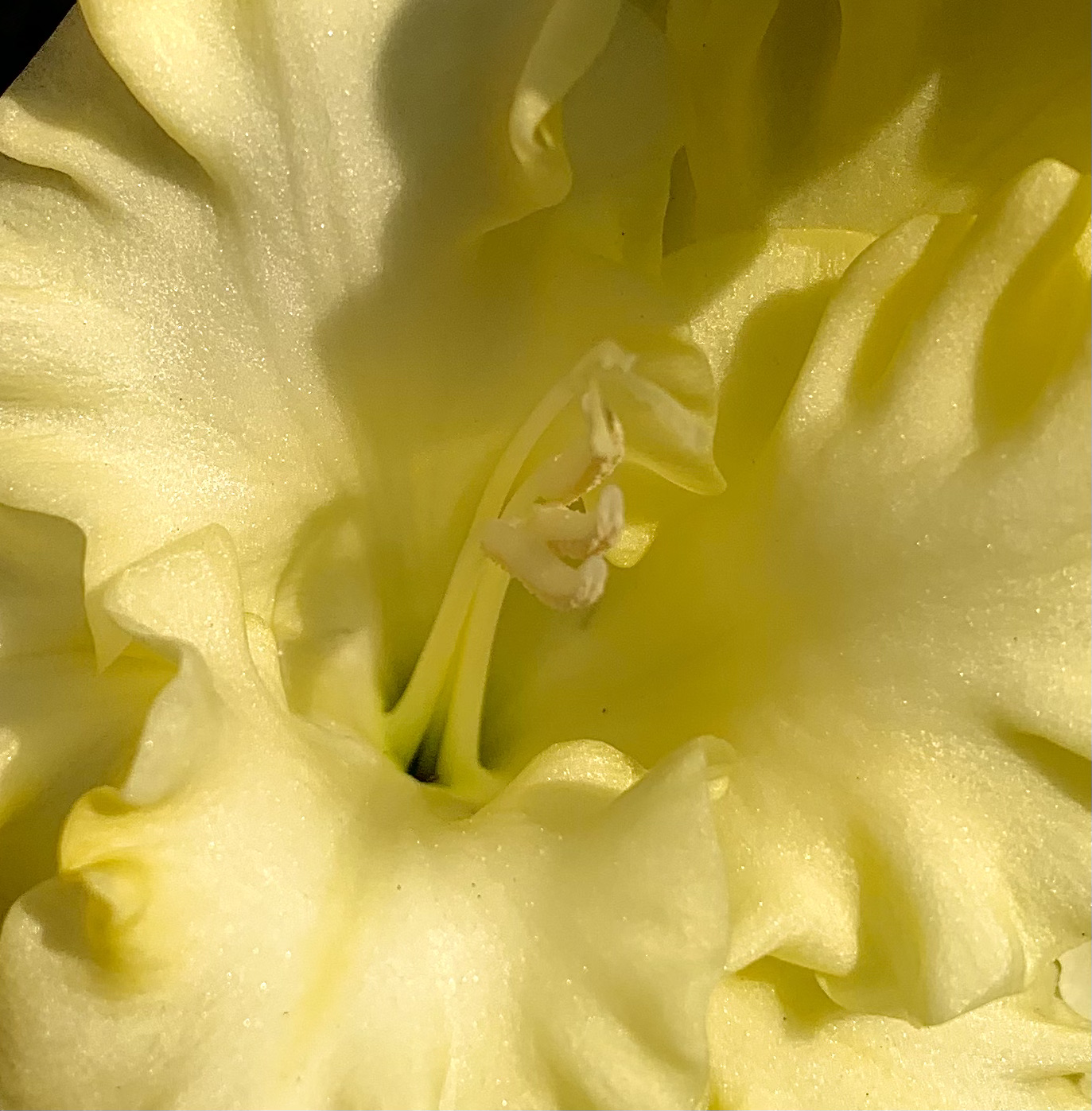
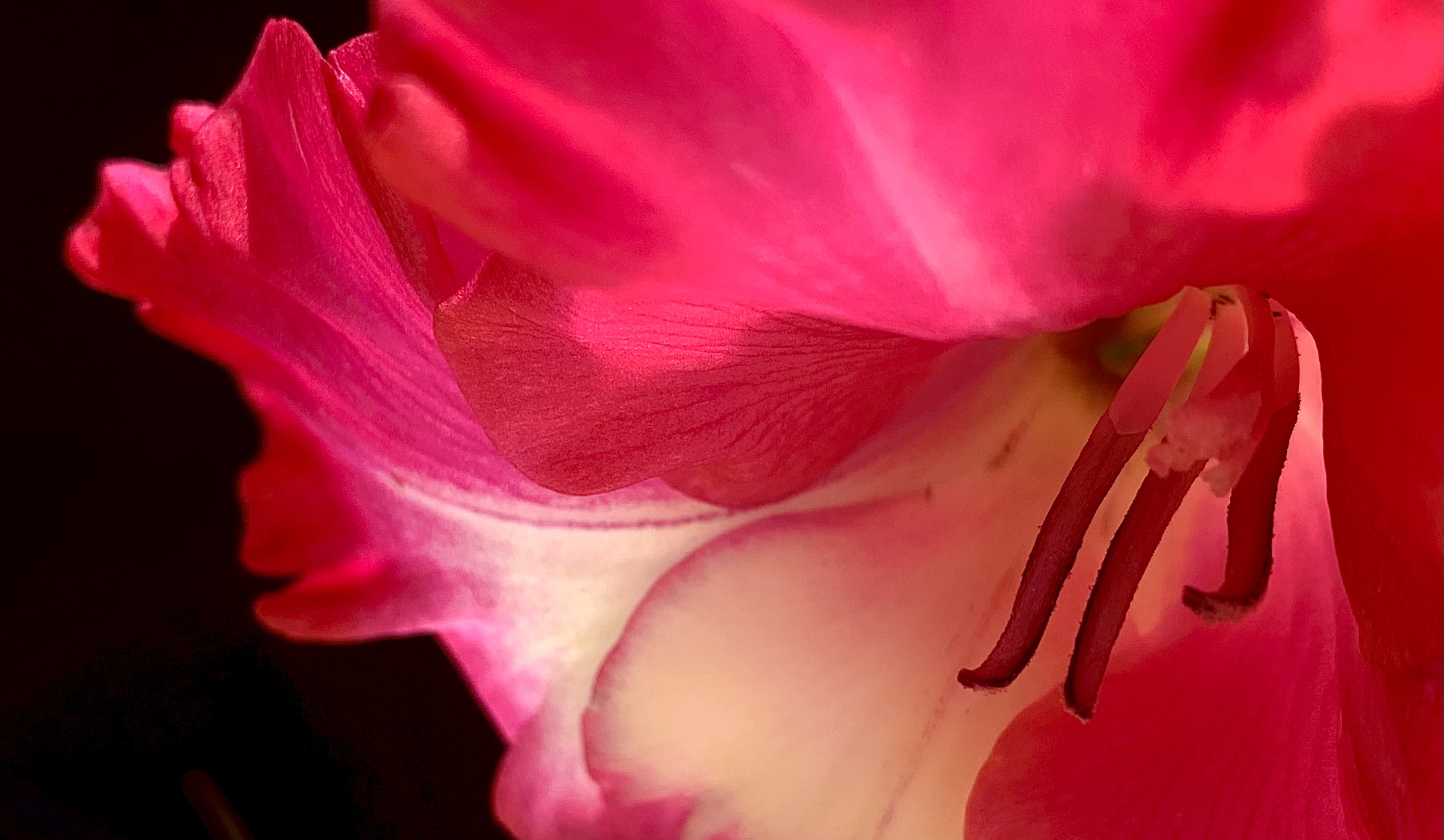
When each is done with its own ruffled note,
the next one opens to play its part.

The notes progress up the stem
until the final chord is held
~fermata-like~
until performances commence
again next summer.

I’ll be sure to reserve a front row seat.

Wishing you could hold beautiful words and pictures in your hands? This book from Barnstorming is available for order here: