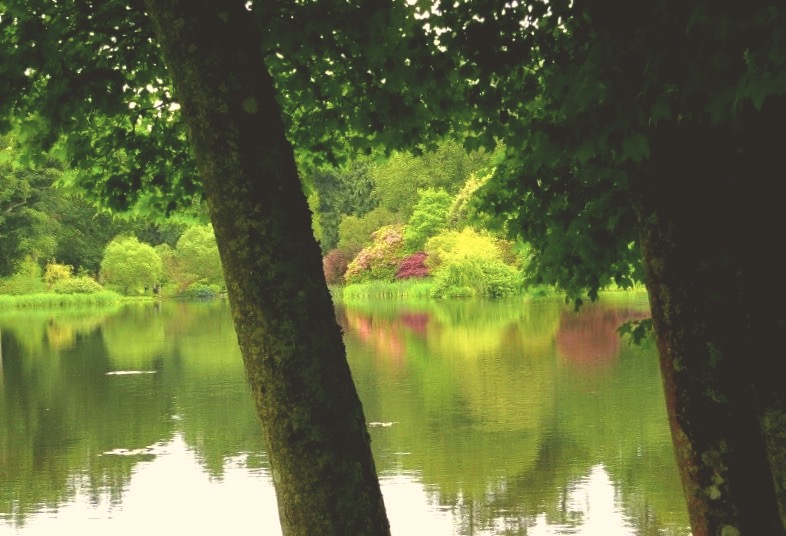
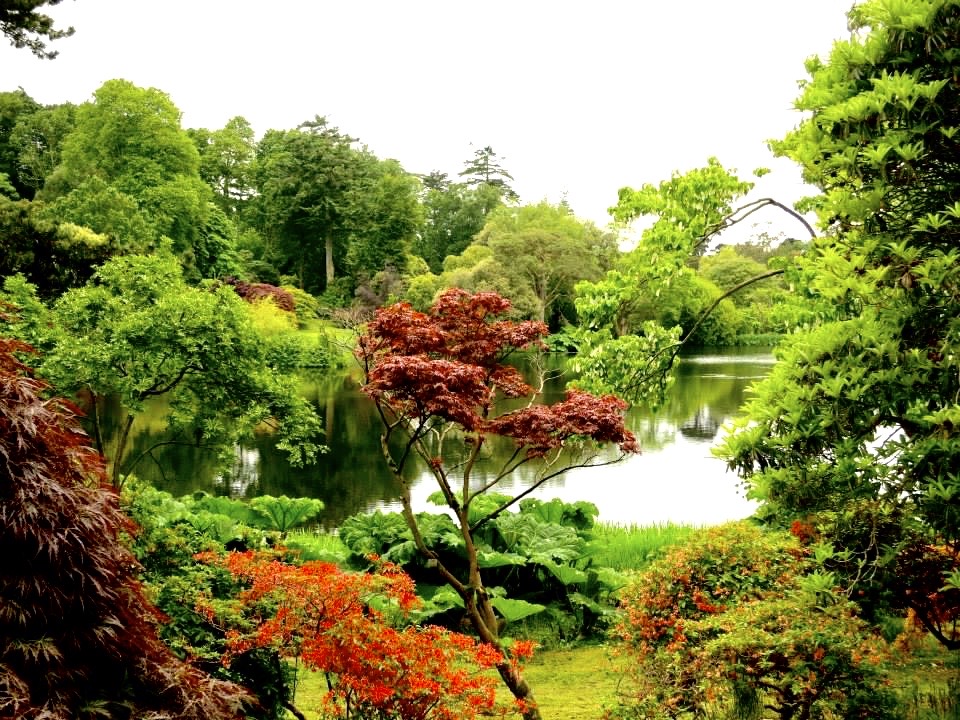
Turning Darkness Into Light: Nothing Can Be Ordinary Now


Prayer the church’s banquet, angel’s age,
God’s breath in man returning to his birth,
The soul in paraphrase, heart in pilgrimage,
The Christian plummet sounding heav’n and earth
Engine against th’ Almighty, sinner’s tow’r,
Reversed thunder, Christ-side-piercing spear,
The six-days world transposing in an hour,
A kind of tune, which all things hear and fear;
Softness, and peace, and joy, and love, and bliss,
Exalted manna, gladness of the best,
Heaven in ordinary, man well drest,
The milky way, the bird of Paradise,
Church-bells beyond the stars heard, the soul’s blood,
The land of spices; something understood.
~George Herbert “Prayer”

~Heaven in Ordinary~
Because high heaven made itself so low
That I might glimpse it through a stable door,
Or hear it bless me through a hammer blow,
And call me through the voices of the poor,
Unbidden now, its hidden light breaks through
Amidst the clutter of the every day,
Illuminating things I thought I knew,
Whose dark glass brightens, even as I pray.
Then this world’s walls no longer stay my eyes,
A veil is lifted likewise from my heart,
The moment holds me in its strange surprise,
The gates of paradise are drawn apart,
I see his tree, with blossom on its bough,
And nothing can be ordinary now.

~Malcolm Guite from “After Prayer”

We live in a world of theophanies.
Holiness comes wrapped in the ordinary.
There are burning bushes all around you.
Every tree is full of angels.
Hidden beauty is waiting in every crumb.
Life wants to lead you from crumbs to angels,
but this can happen only if you are willing
to unwrap the ordinary by staying with it long enough
to harvest its treasure.
~Macrina Wiederkehr from A Tree Full of Angels

I follow the crumb trail most days;
my problem,
like so many others I know,
is to realize the crumbs satisfy more
than any seven course meal.
It may take longer to get full,
but I need the exercise,
and the hungrier I get,
the better the crumbs taste.

Considering the distance between us and God,
seemingly insurmountable to overcome,
yet He leaves us the crumb trail to follow.
How amazing it only takes a few words to Him,
our gratitude and praise,
our pleas and pain,
our breath hot in His ear~
unhesitating
He plummets to us;
then we are lifted to Him.

Heaven dwells in the ordinary crumbs,
fills us in our plainness,
dresses us up,
prepares us to be loved,
prepares us to be accepted and understood
prepares us to be transformed
by no less than our very Creator.

So~
let nothing you dismay.
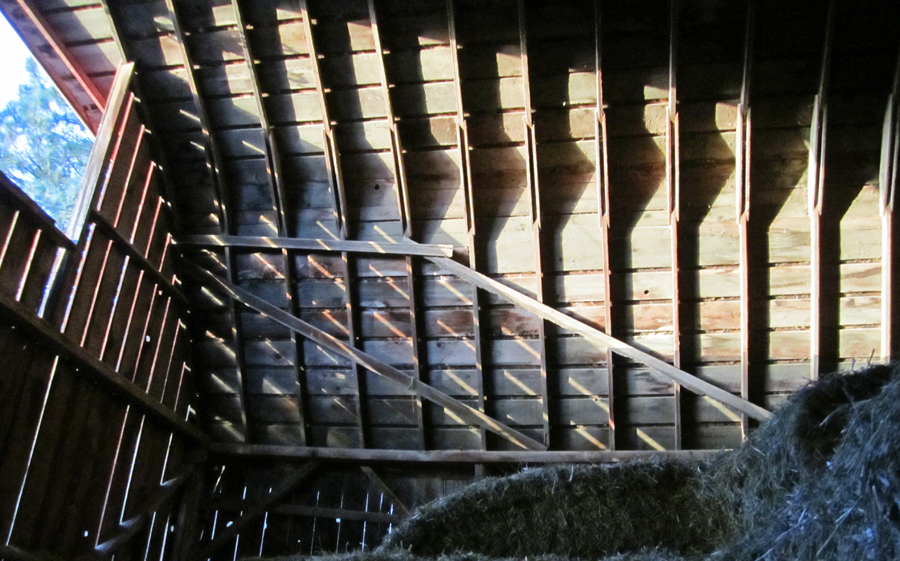
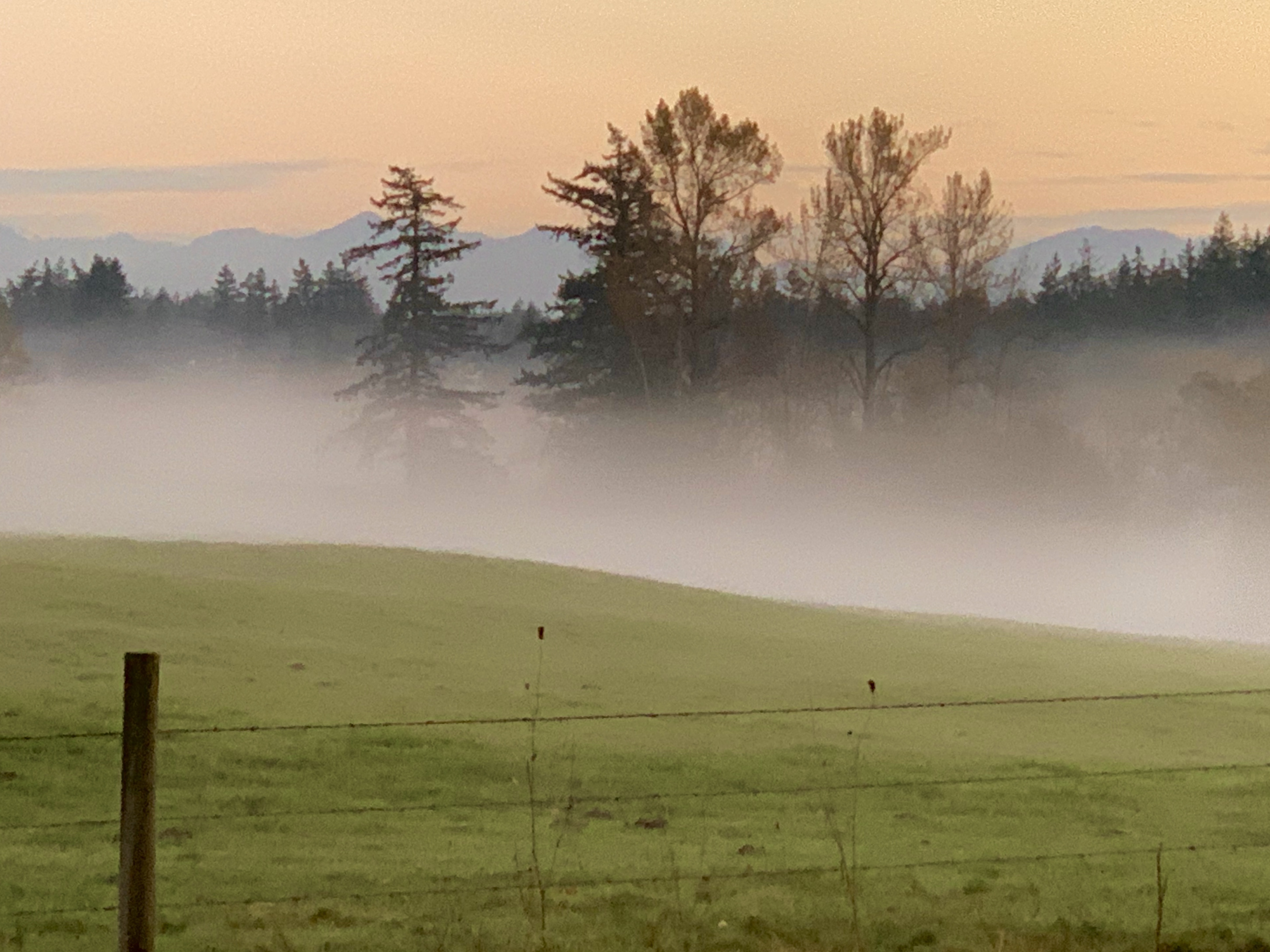
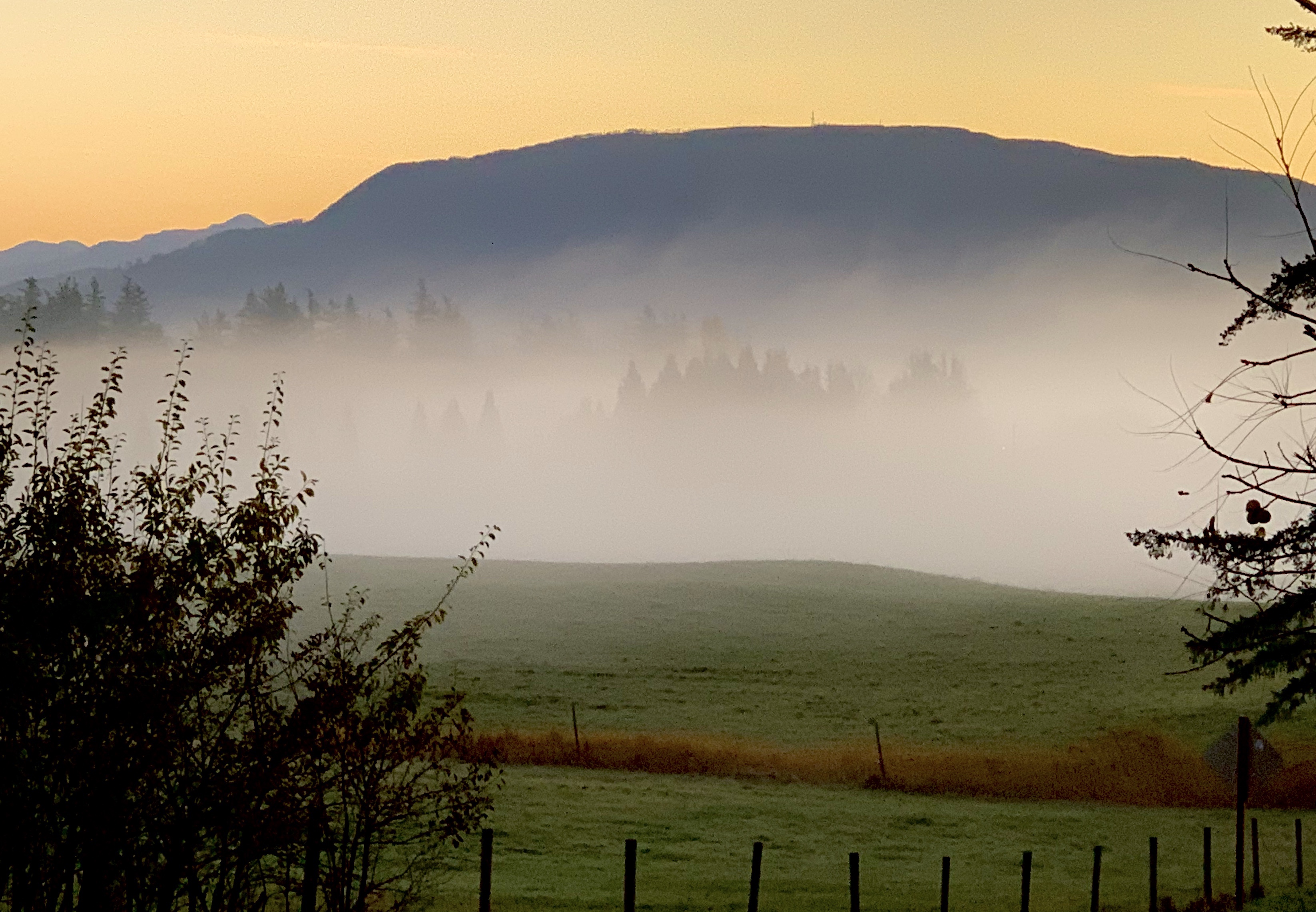
Turning Darkness into Light: The Trees Tremble

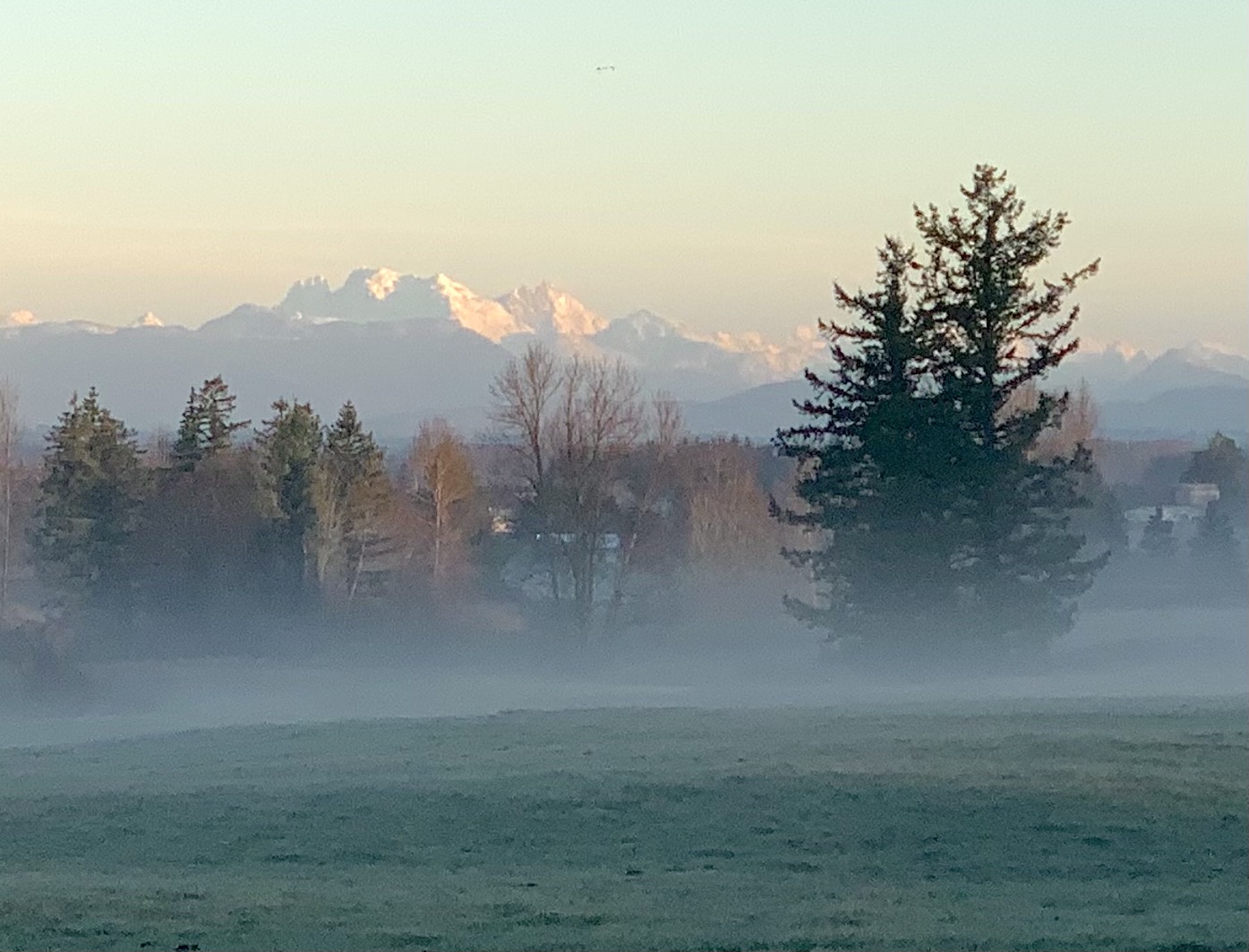
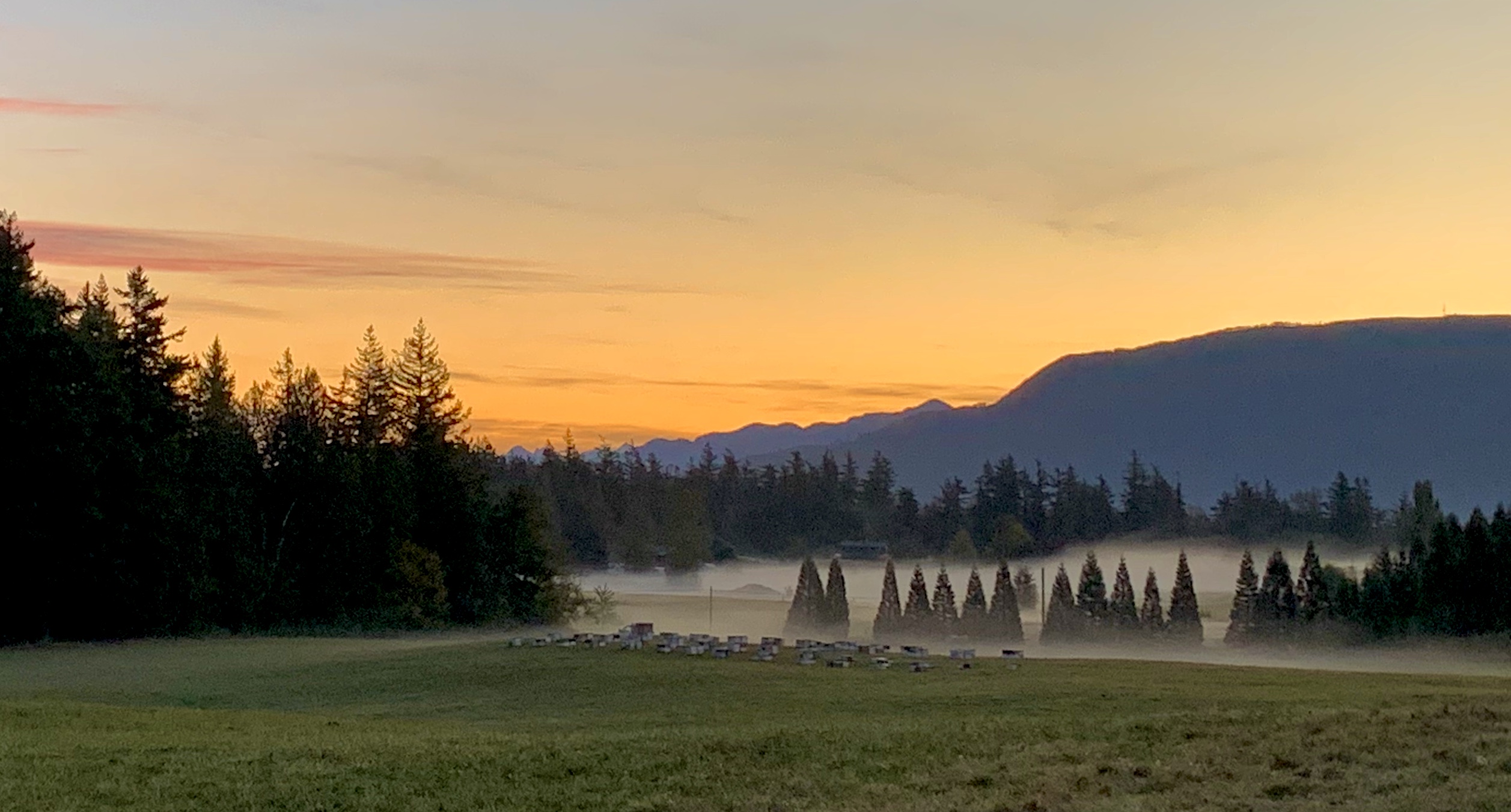
After all the false dawns,
who is this who unerringly paints
the first rays in their true colours?
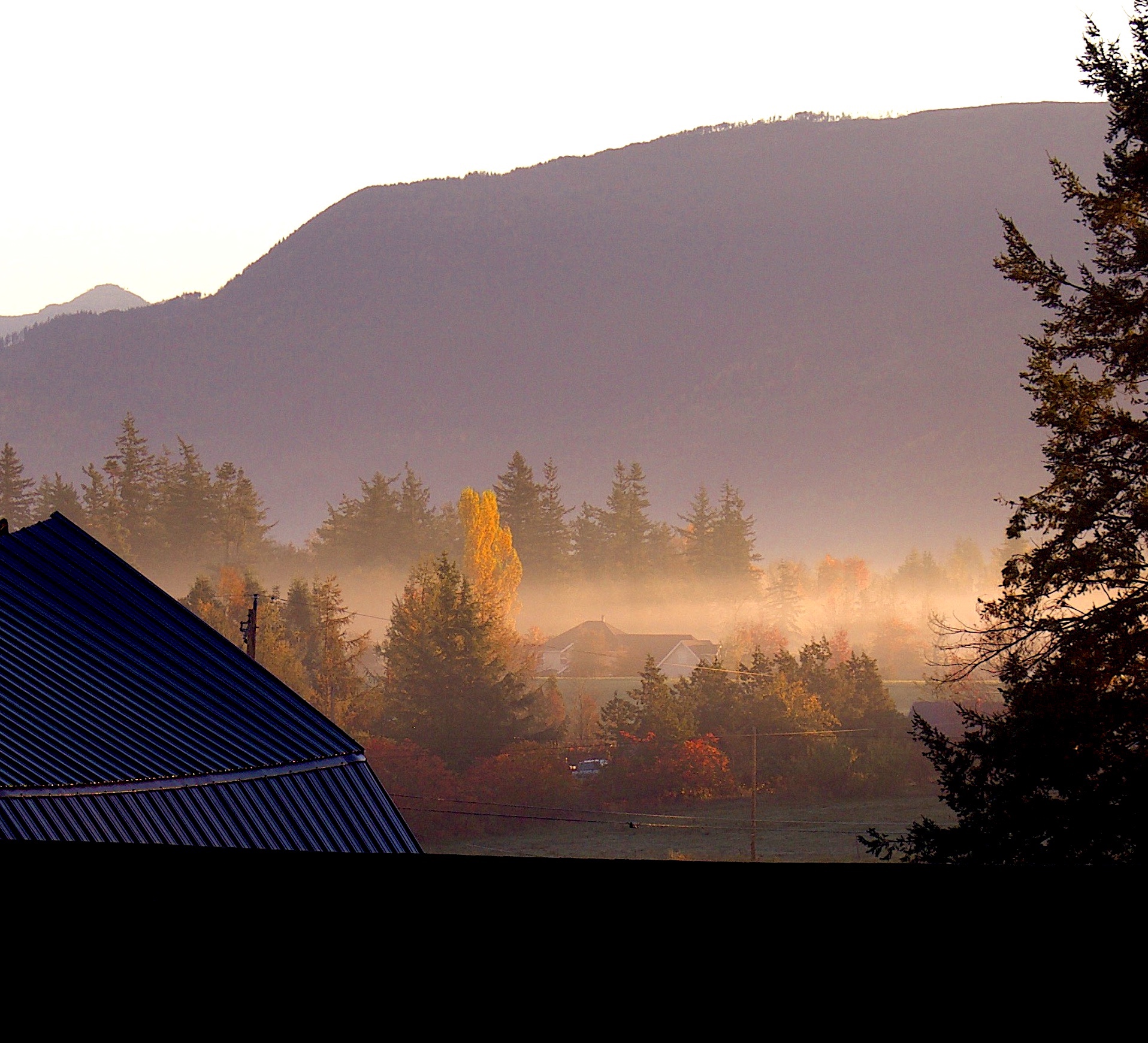
We have kept vigil with owls
when the occult noises of the night
fell tauntingly silent
and a breeze got up
as if for morning.
This time the trees tremble.
Is it with a kind of reckless joy
at the gentle light
lapping their leaves
like the very first turn of a tide?
Timid creatures creep out of burrows
sensing kindness
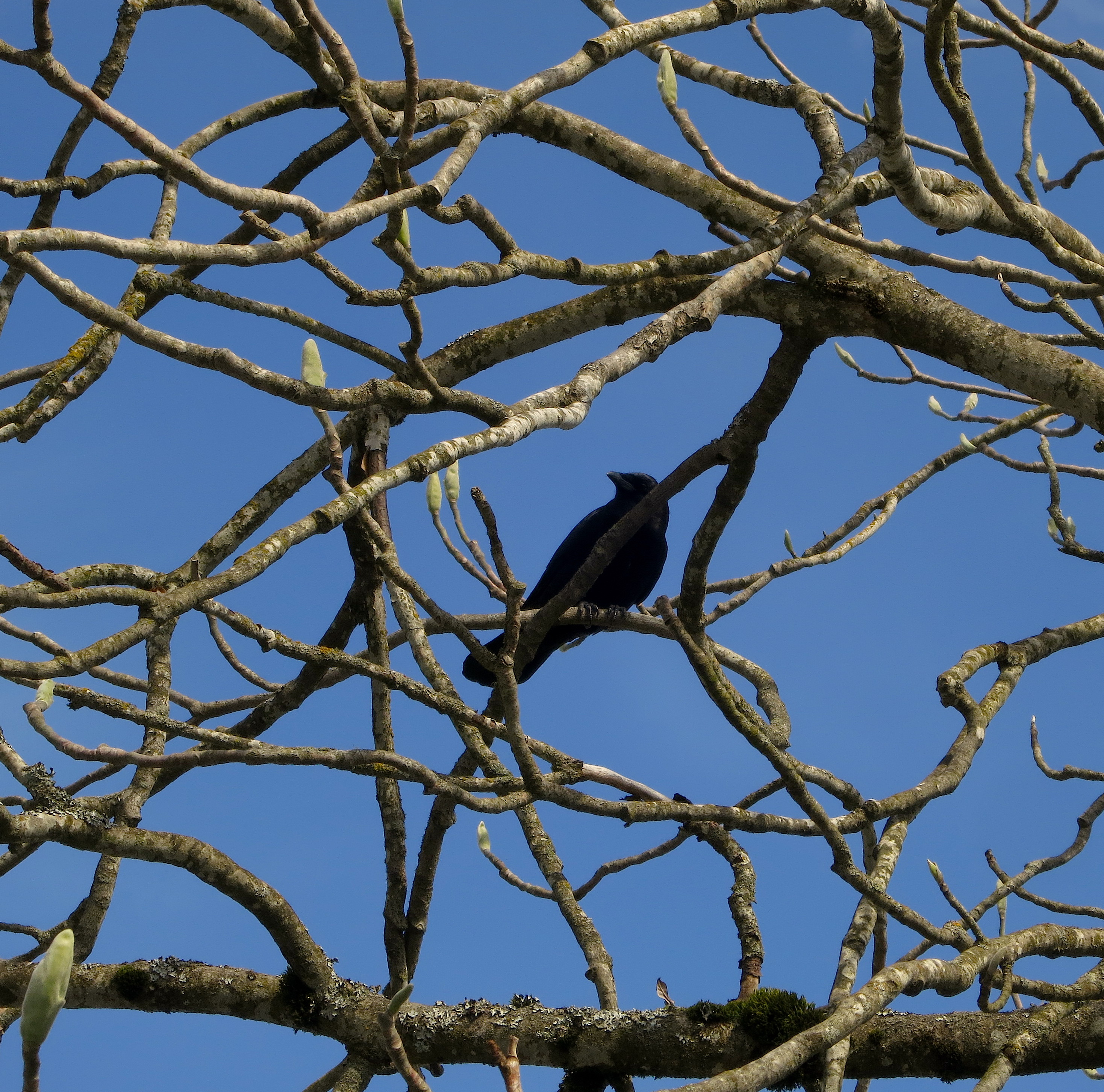
and the old crow on the cattle-shed roof
folds his wings and dreams.
~Richard Bauckham “First Light”

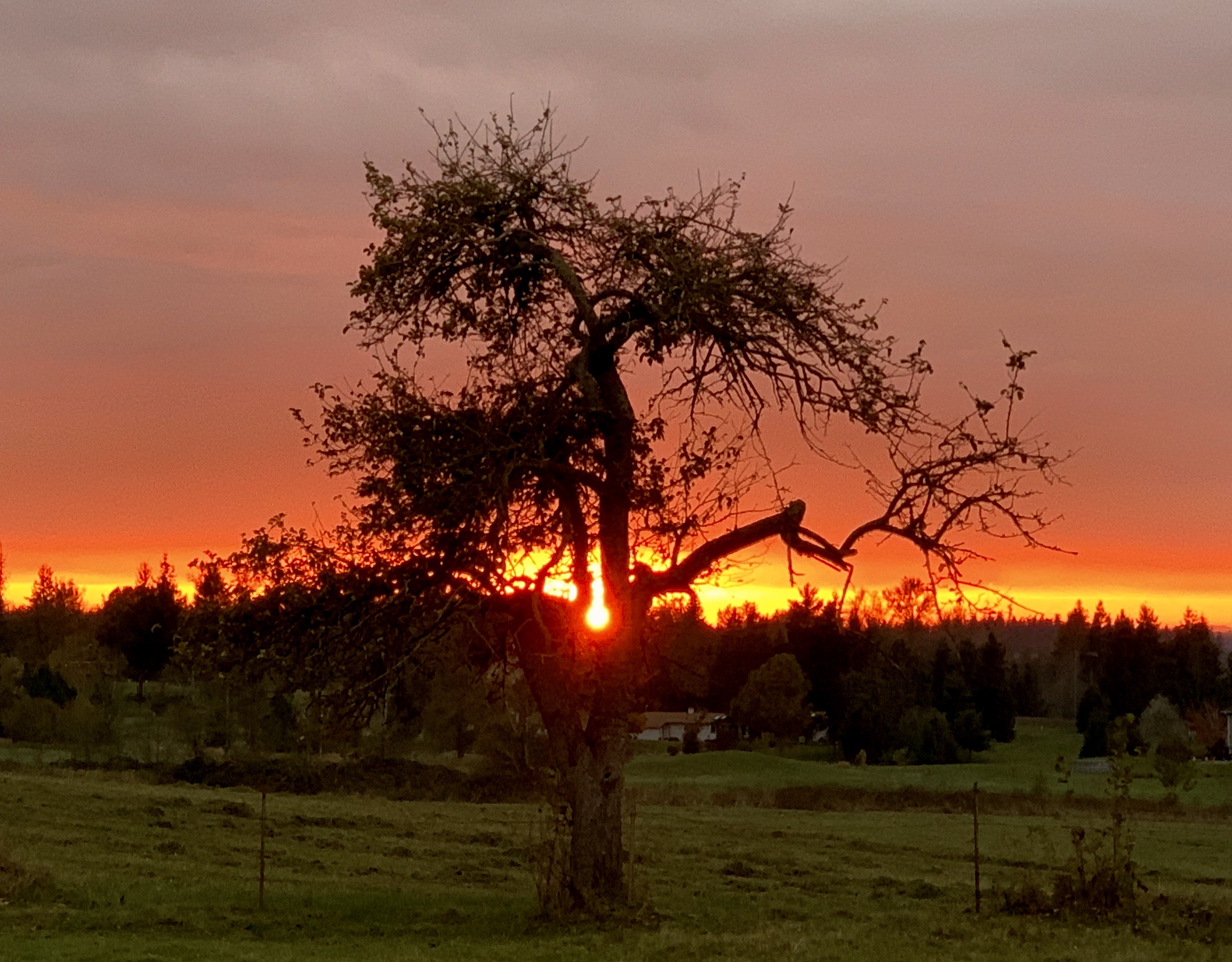
Who is this who has come to change everything in my life and everything within my heart?

Who is this who paints the skies to speak to me from His creation?

Who is this who wraps me firmly within His grasp and holds me tenderly when I am trembling afraid?

There will be no more false dawns.
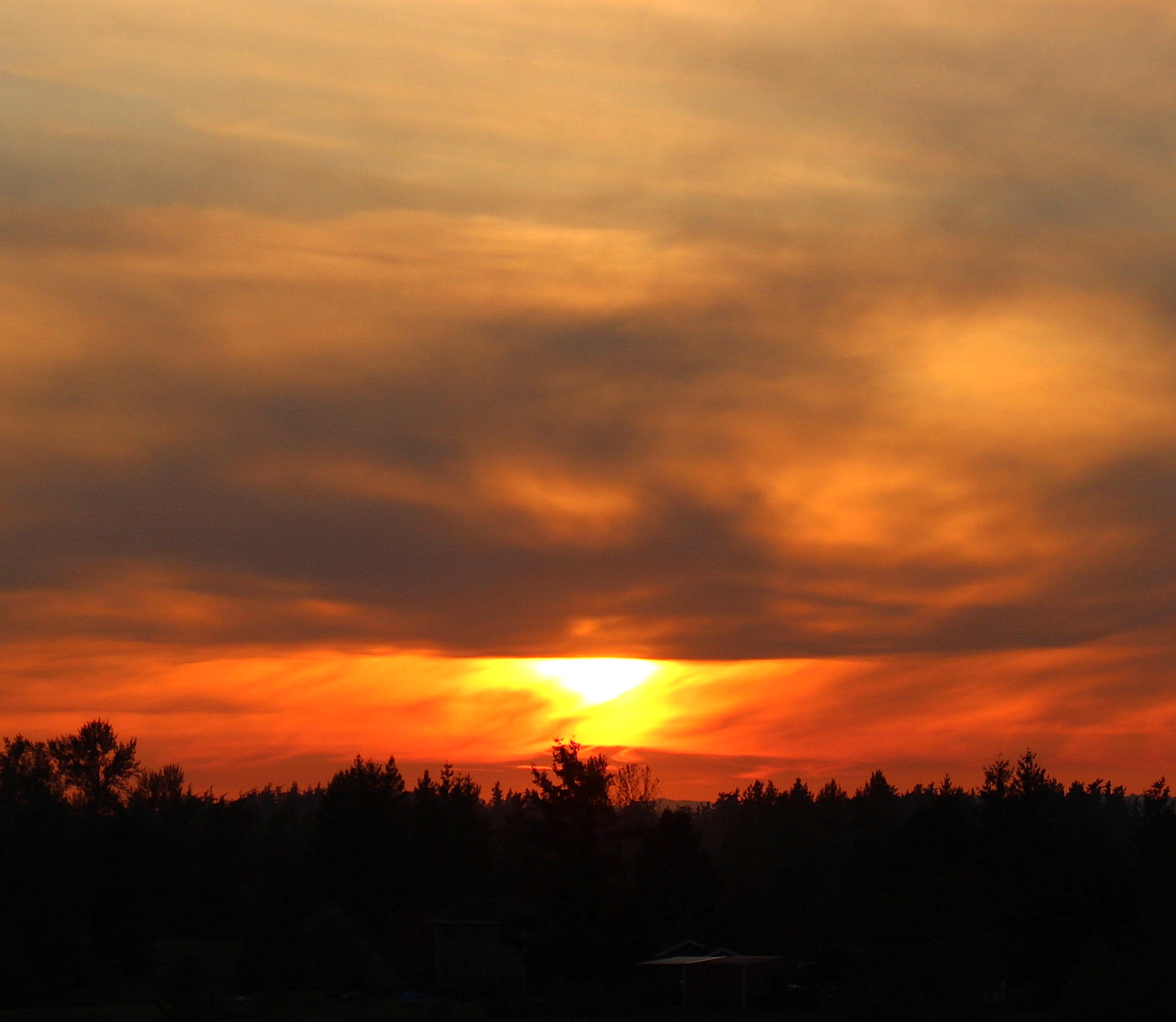
He brings the sun with Him
and I am here, a witness,
standing before Him.

If I am alive this time next year
Will I have arrived in time to share?
And mine is about as good this far
And I’m still applied to what you are

And I am joining all my thoughts to you
And I’m preparing every part for you

And I heard from the trees a great parade
And I heard from the hills a band was made
And will I be invited to the sound?
And will I be a part of what you’ve made?

And I am throwing all my thoughts away
And I’m destroying every bet I’ve made
And I am joining all my thoughts to you
And I’m preparing every part for you
For you

~Sufjan Stevens

One Last Pale Wave

(The Celtic Halloween)

In the season leaves should love,
since it gives them leave to move
through the wind, towards the ground
they were watching while they hung,
legend says there is a seam
stitching darkness like a name.

Now when dying grasses veil
earth from the sky in one last pale
wave, as autumn dies to bring
winter back, and then the spring,
we who die ourselves can peel
back another kind of veil

that hangs among us like thick smoke.
Tonight at last I feel it shake.
I feel the nights stretching away
thousands long behind the days
till they reach the darkness where
all of me is ancestor.

~Annie Finch, from “Samhain” from Eve

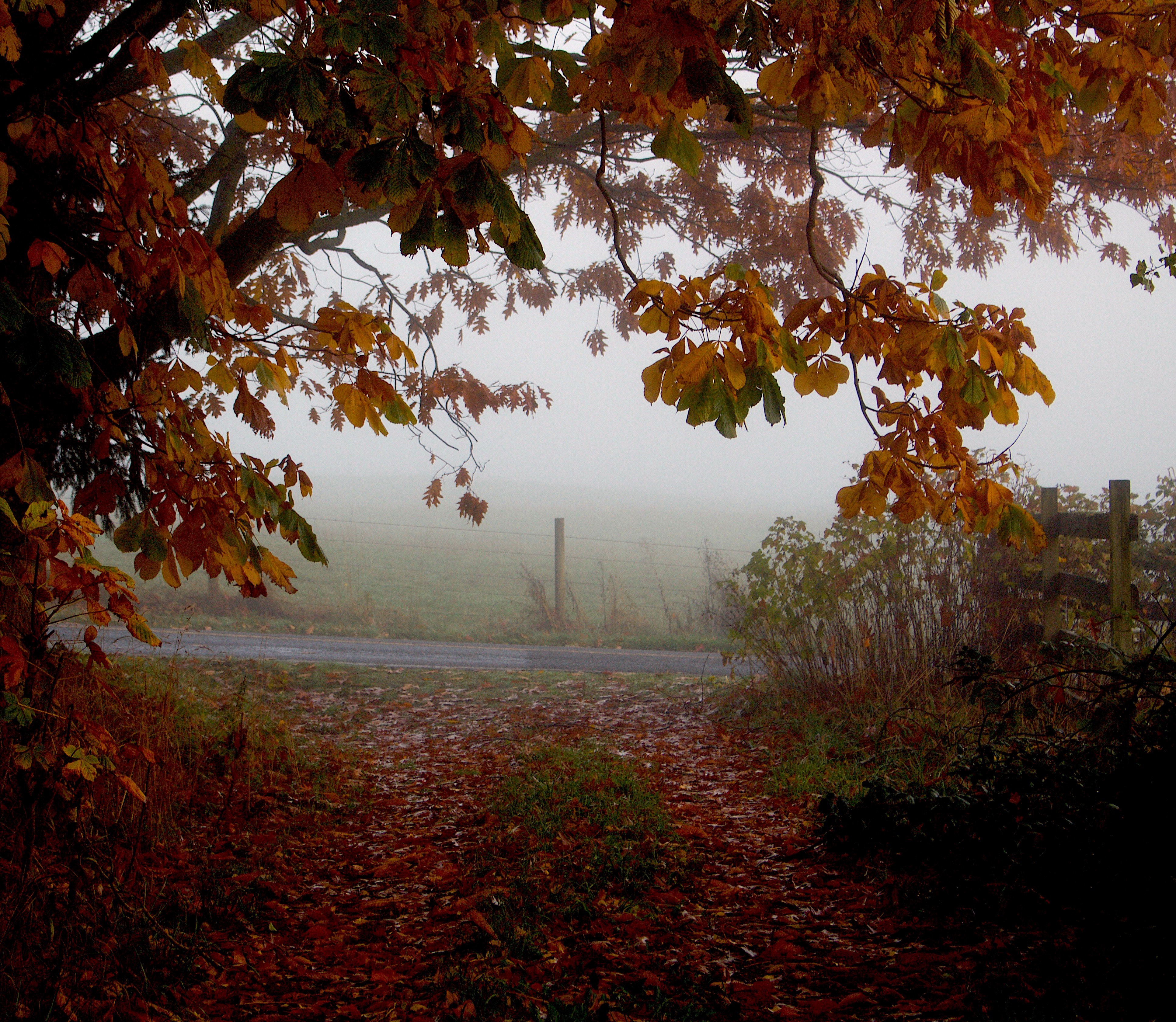
There is no denying I am composed of all of the hundreds (thousands?) of my ancestors, carrying their DNA in every cell of my body. Their traits and characteristics pulse continuously in my blood even when at times I wish they didn’t.
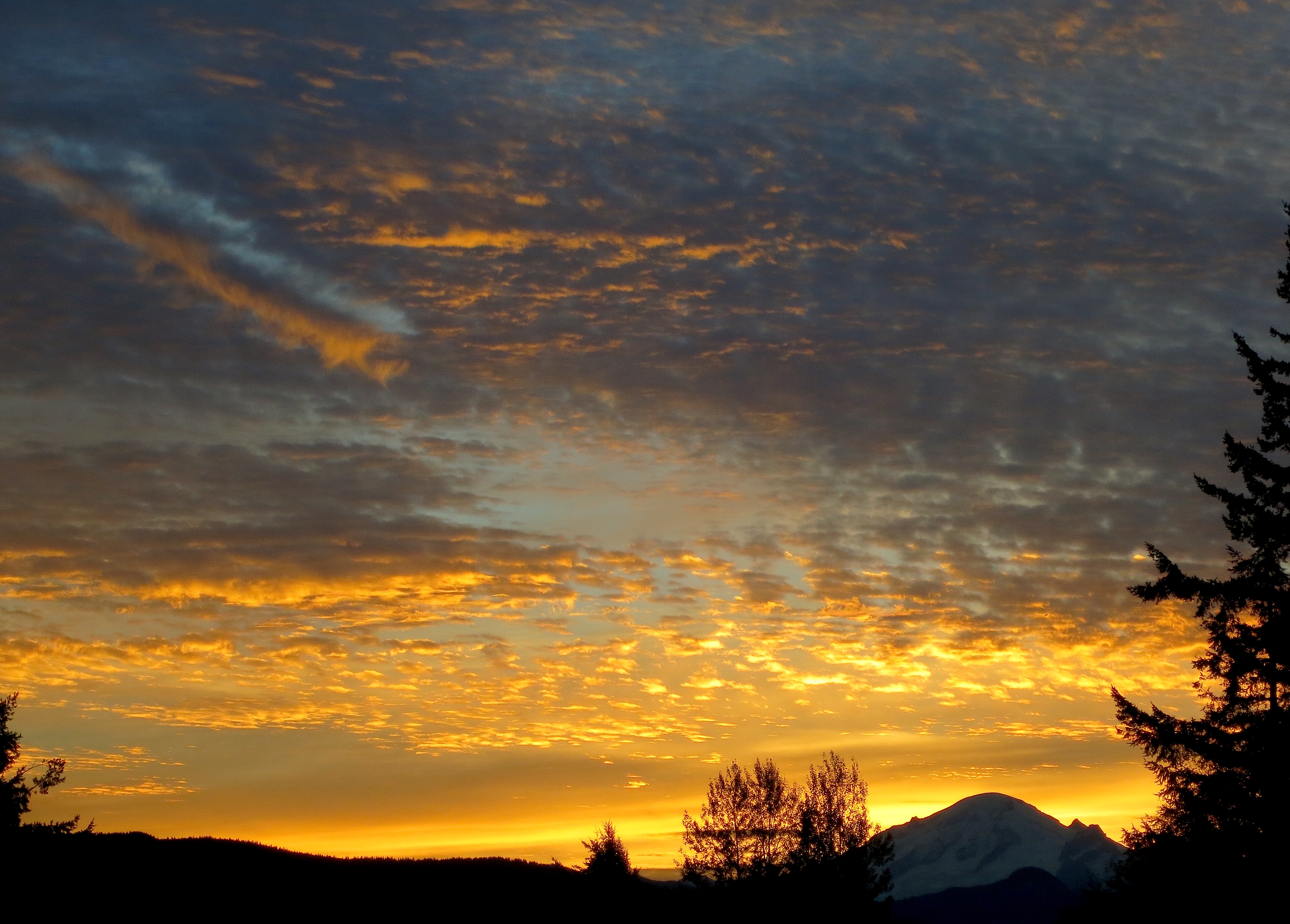
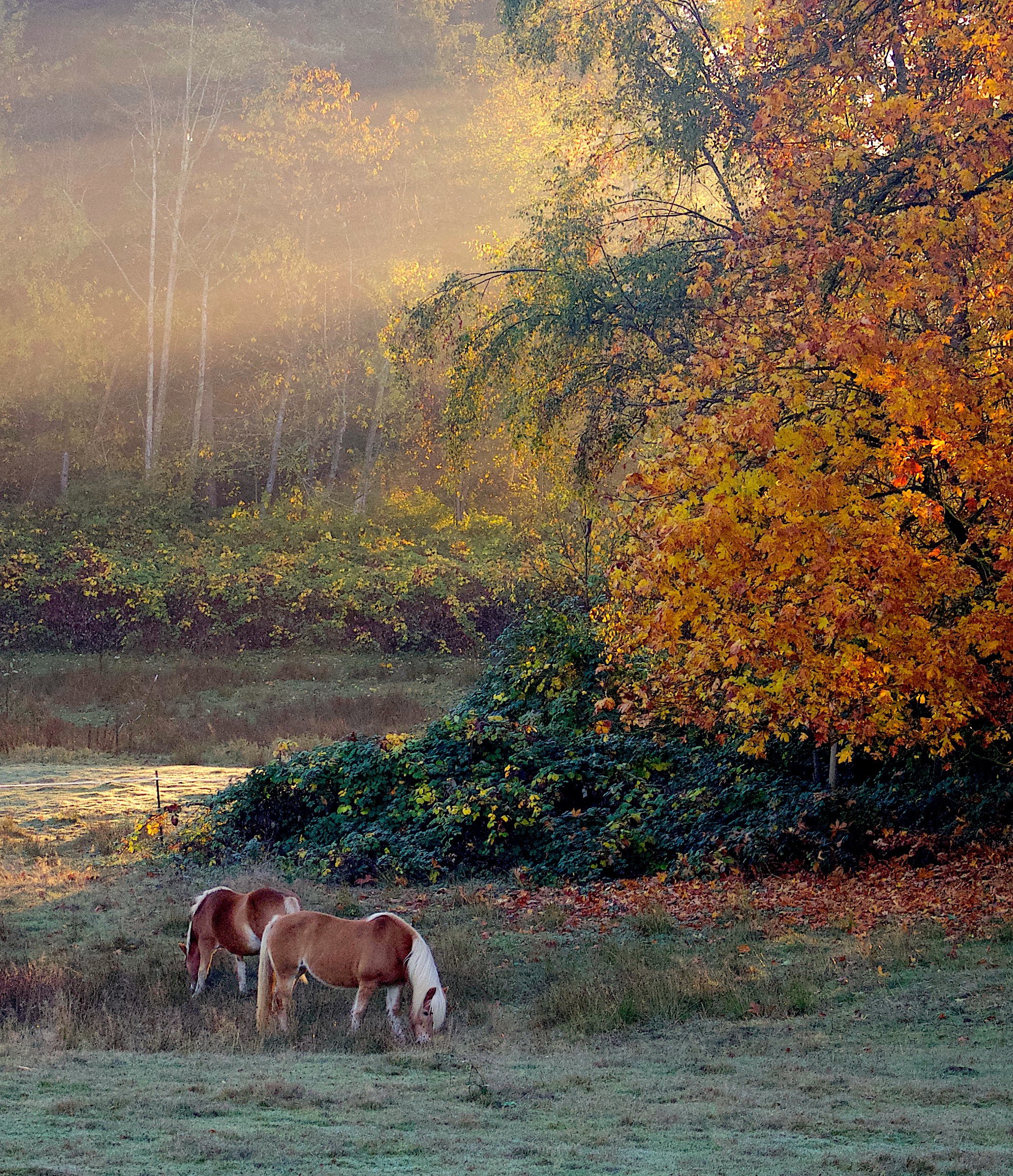
On the eve of All Hallow’s, we remember those from whom we come — all those spirited ghosts within our cells who shake and rattle a bit louder this time of year in the foggy darkness.

I wave at them warily from my perch in the 21st century.

I come from somber folk. That explains a lot.

I don’t mind all the peasant farmers I descend from though I wish I could turn off the genes that lead me to eat too much, and worry too much and my tendency toward the melancholy rather than the jocular. Somehow I have suppressed the tendency to drink too much and curse too much. I do come from a long line of believers in ghosts, so these days of Samhain and All Hallows’ tend to open those creaky doors of shivers and chills, so I avoid anything even remotely scary. It only encourages those strands of my DNA.

I am indeed made up of all-ancestor bits and pieces, and can’t deny it. There is some comfort in realizing there is nothing really brand new about me, so I try not to make a fool of myself on behalf of the hundreds of others sitting tidily wrapped up in my nuclei. There is additional comfort knowing a small part of me will continue in my descendants, who will ponder their family tree wondering which great-great-great-great grandparent passed down which annoying characteristic. I wave hopefully from the 21st century to those generations to come, to remind them not to forget those of us who came before. If there are spirits that come to visit on Samhain, I promise to be a friendly ghost.

Let It Find You

Stand still. The trees ahead and bushes beside you
Are not lost. Wherever you are is called Here,
And you must treat it as a powerful stranger,
Must ask permission to know it and be known.
The forest breathes. Listen. It answers,
I have made this place around you.
If you leave it, you may come back again, saying Here.
No two trees are the same to Raven.
No two branches are the same to Wren.
If what a tree or a bush does is lost on you,
You are surely lost. Stand still. The forest knows
Where you are. You must let it find you.
~David Wagoner “Lost”

I’m frequently lost in the figurative forest of my days on this earth, unsure where I’m heading and struggling to figure out where I’ve been. It seems I have been following a path laid out before me, keeping my head down to make sure I don’t trip over a root or stumble on a rock, when around and above me are the clues to where I am and where I’m going.

So I stand still and breathe deeply of the forest and let it tell me where I am. It can tell when my focus is misdirected.

I was lost, and now am found.

A Genial Light

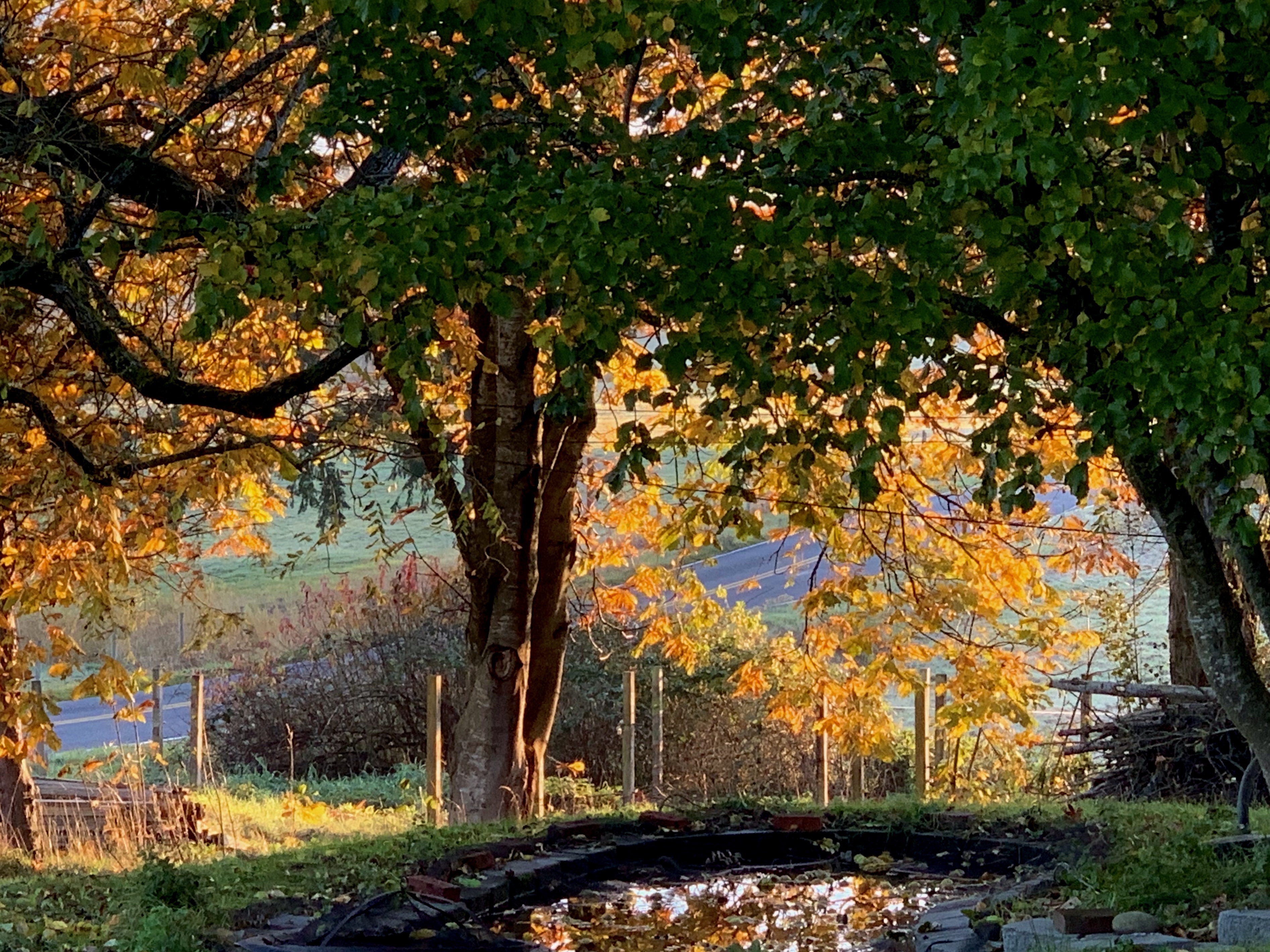
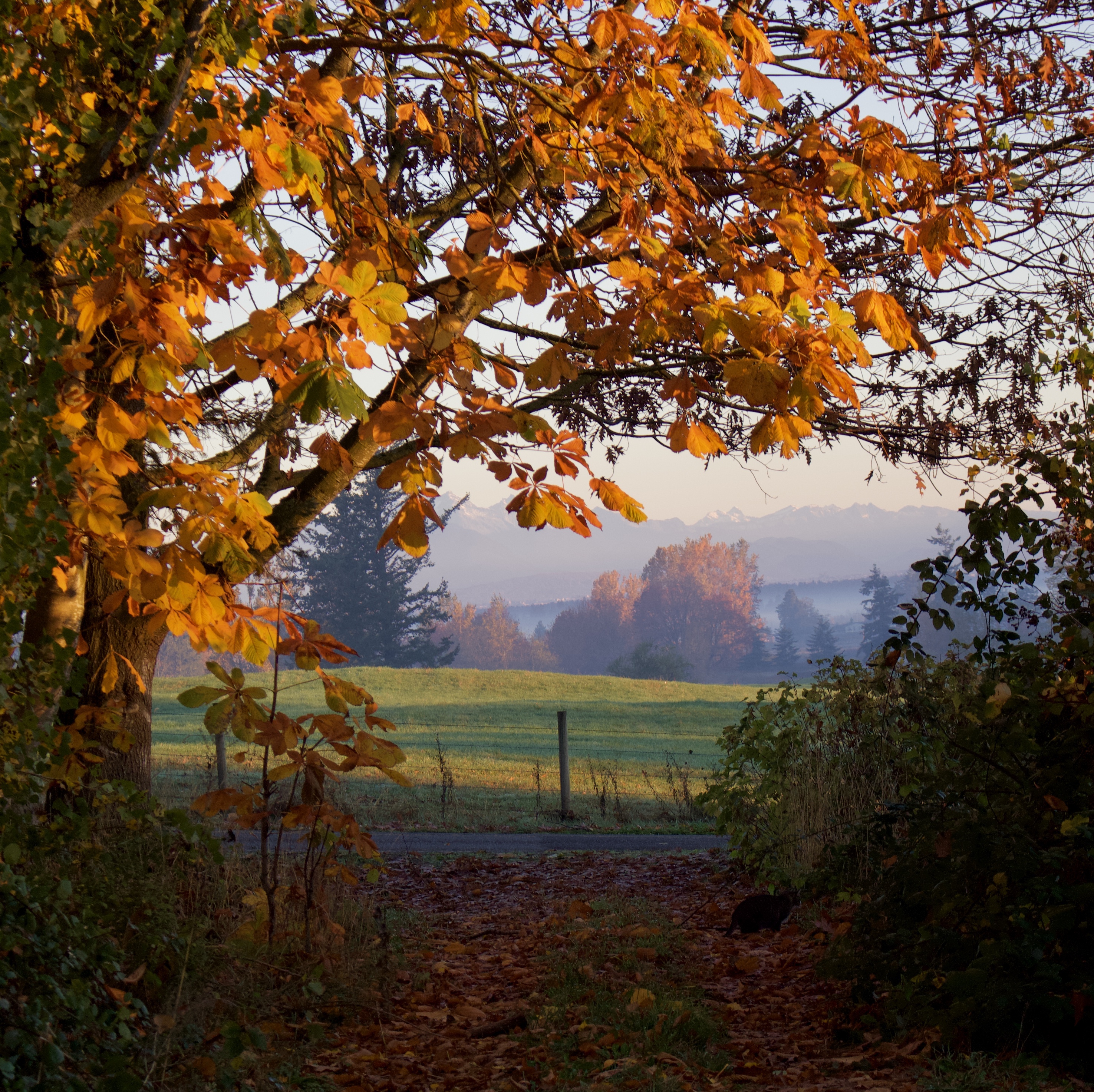
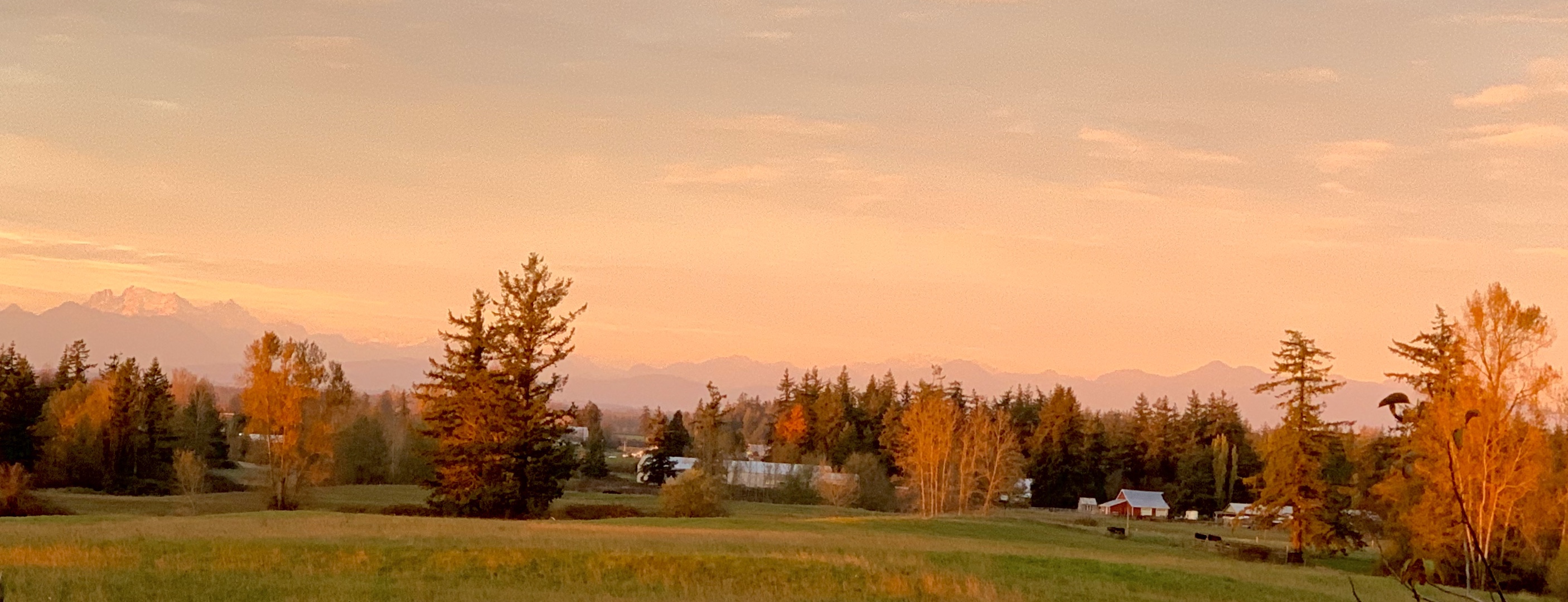
I cannot endure to waste anything so precious as autumnal sunshine by staying in the house.
There is no season
when such pleasant and sunny spots may be lighted on,
and produce so pleasant an effect on the feelings,

as now in October.
The sunshine is peculiarly genial;
and in sheltered places,

as on the side of a bank, or of a barn or house,
one becomes acquainted and friendly with the sunshine.
It seems to be of a kindly and homely nature.
And the green grass strewn with a few withered leaves looks the more green and beautiful for them.

~Nathaniel Hawthorne
from The American Notebooks

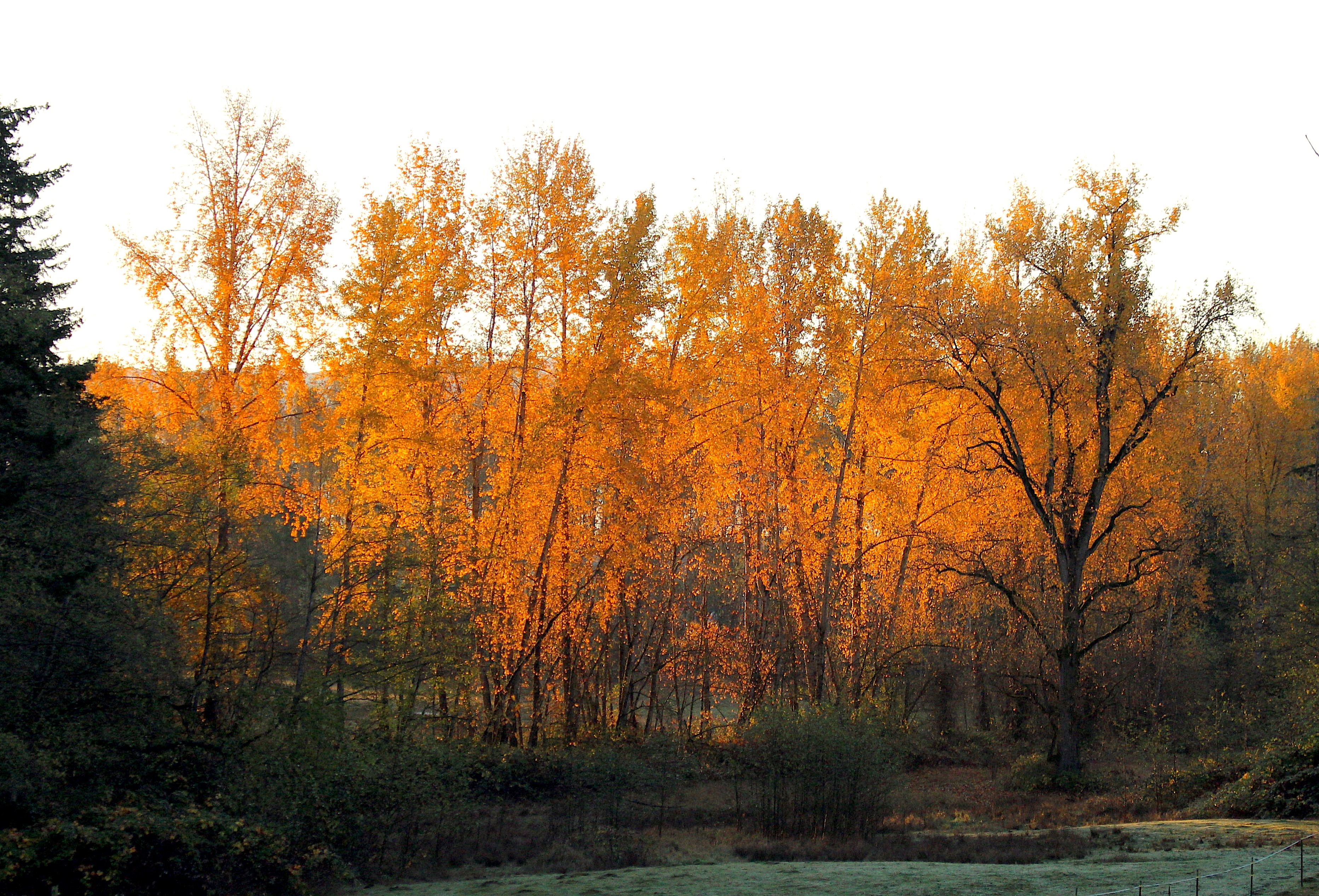
After the keen still days of September,
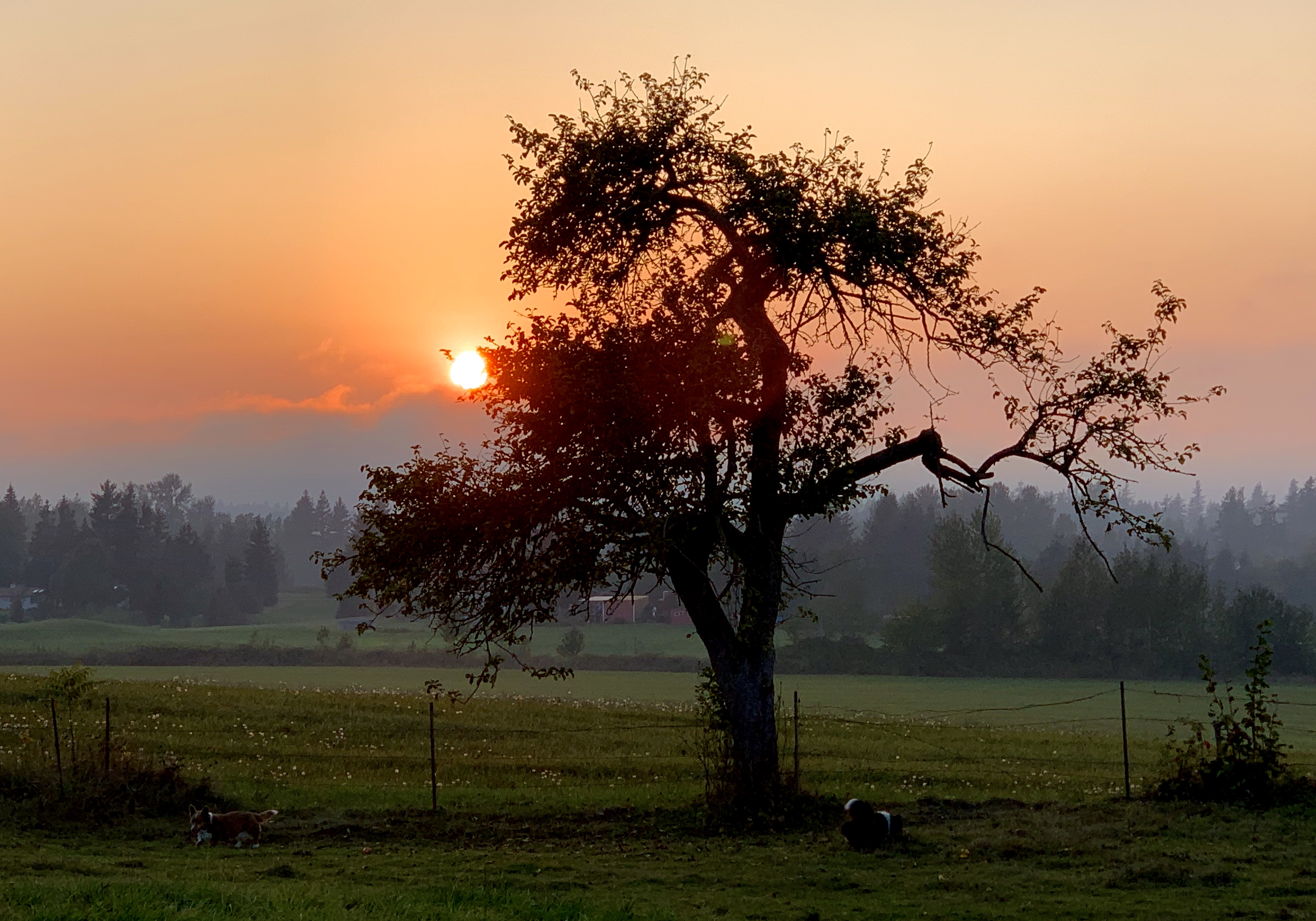
the October sun filled the world with mellow warmth…
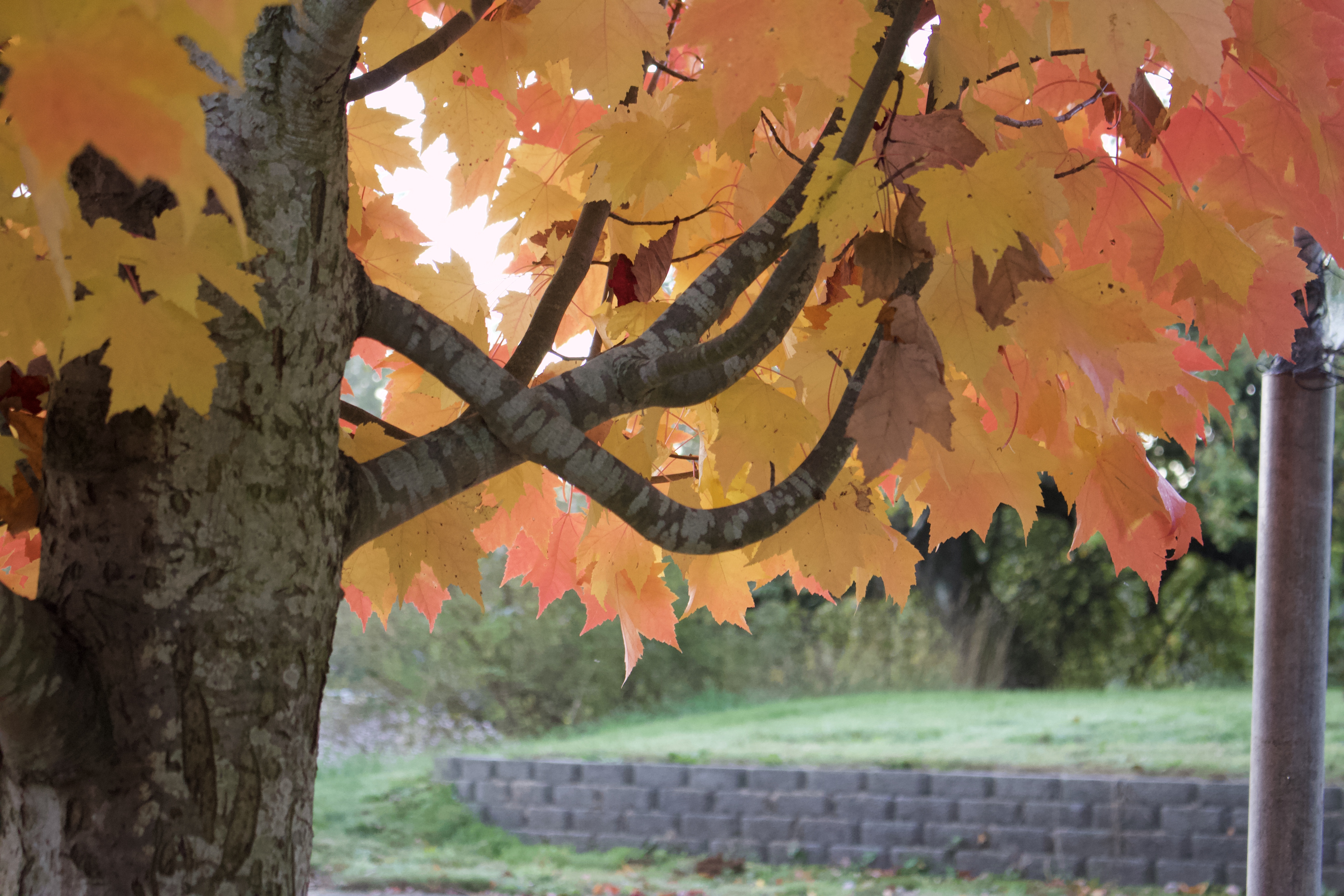
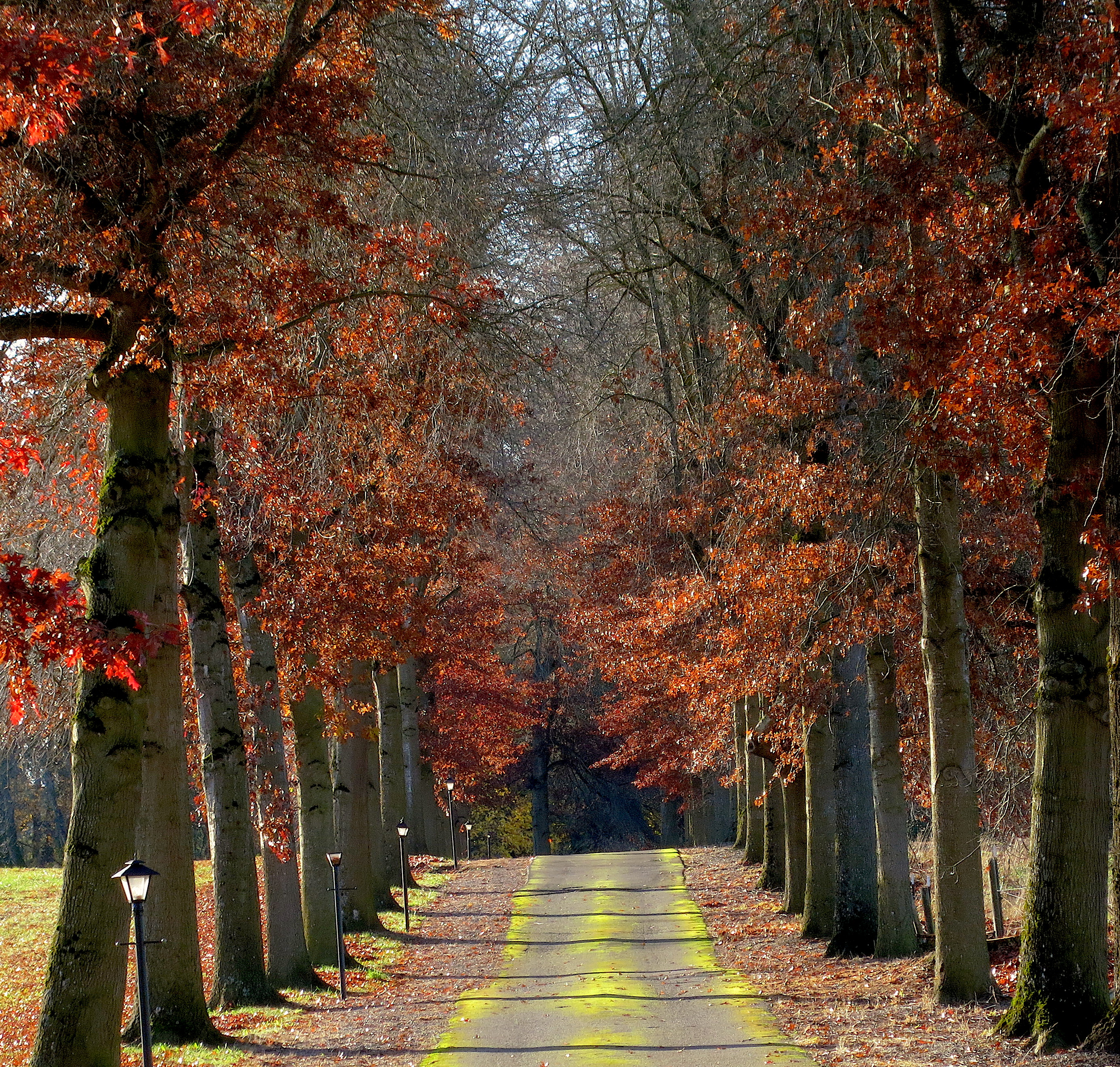
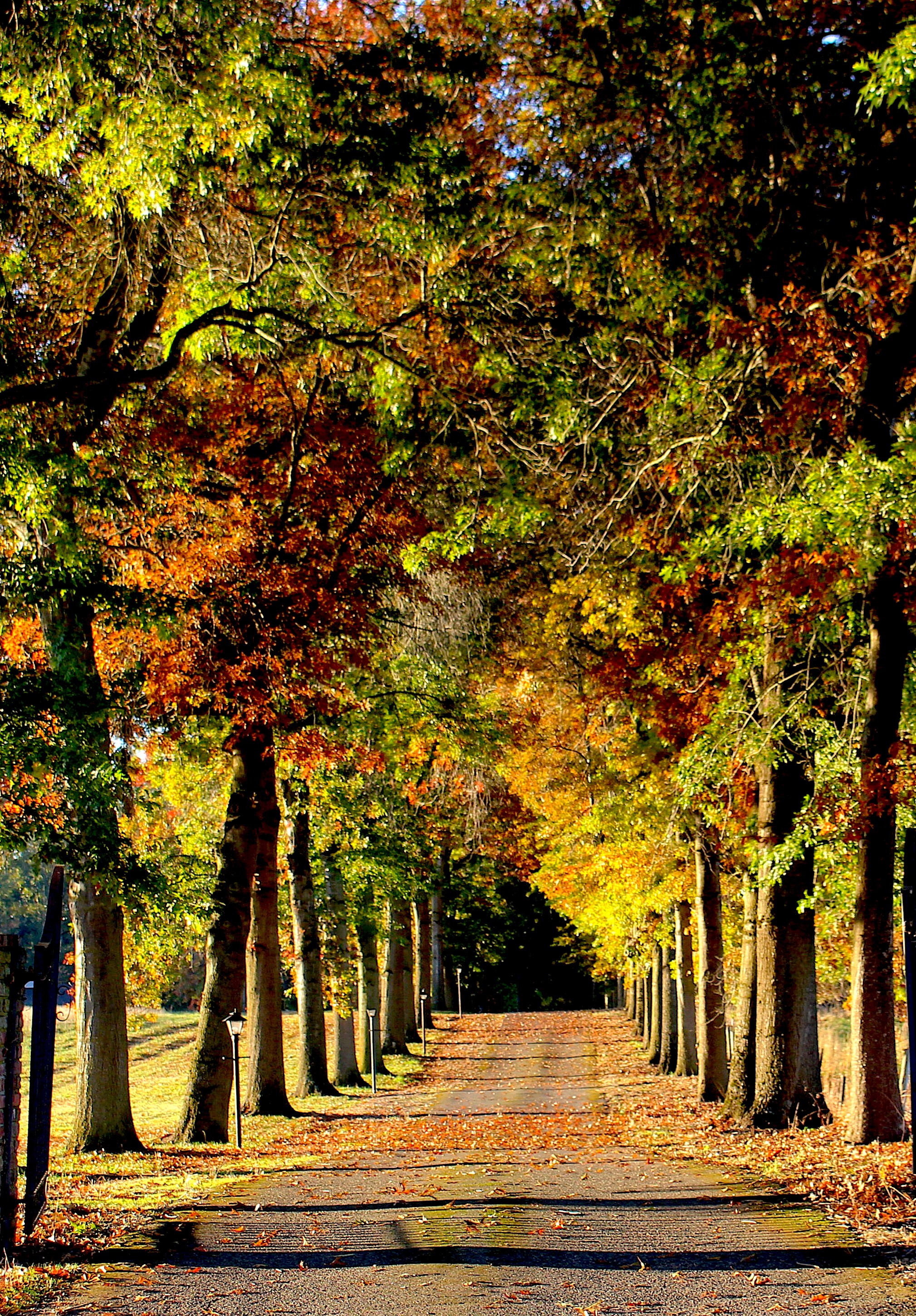
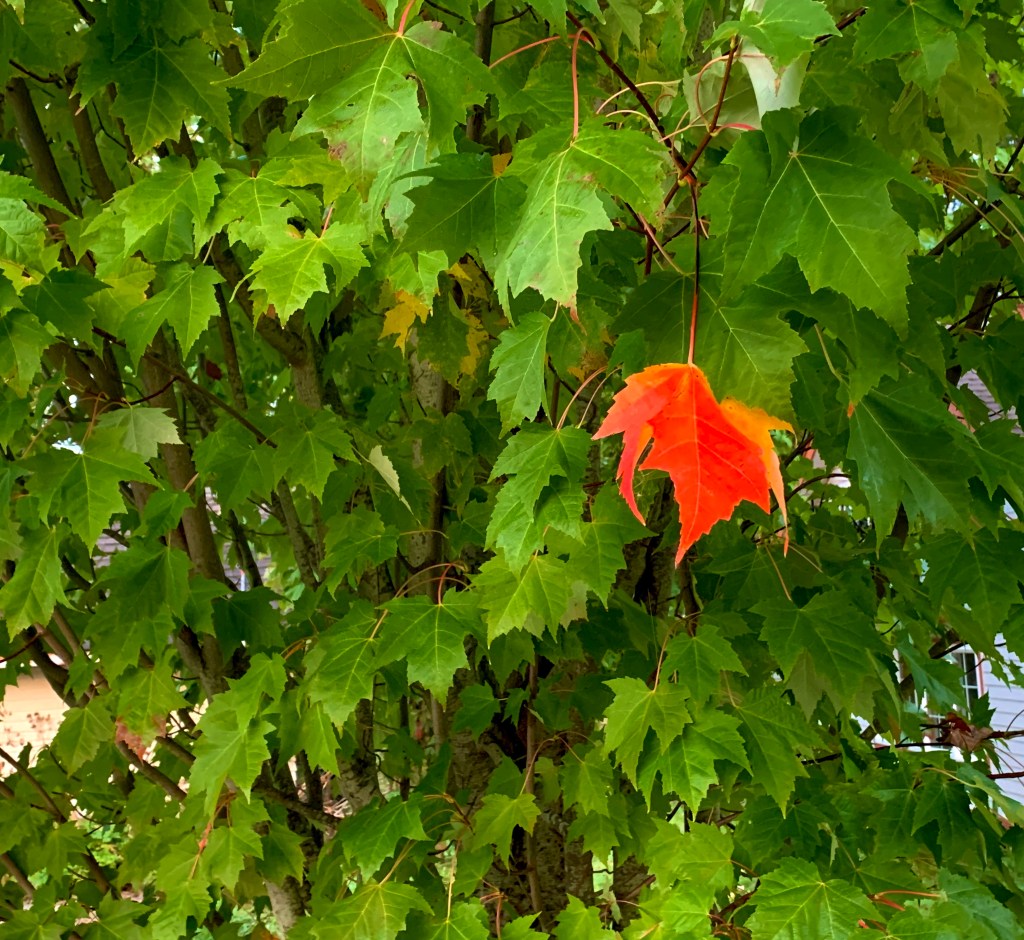
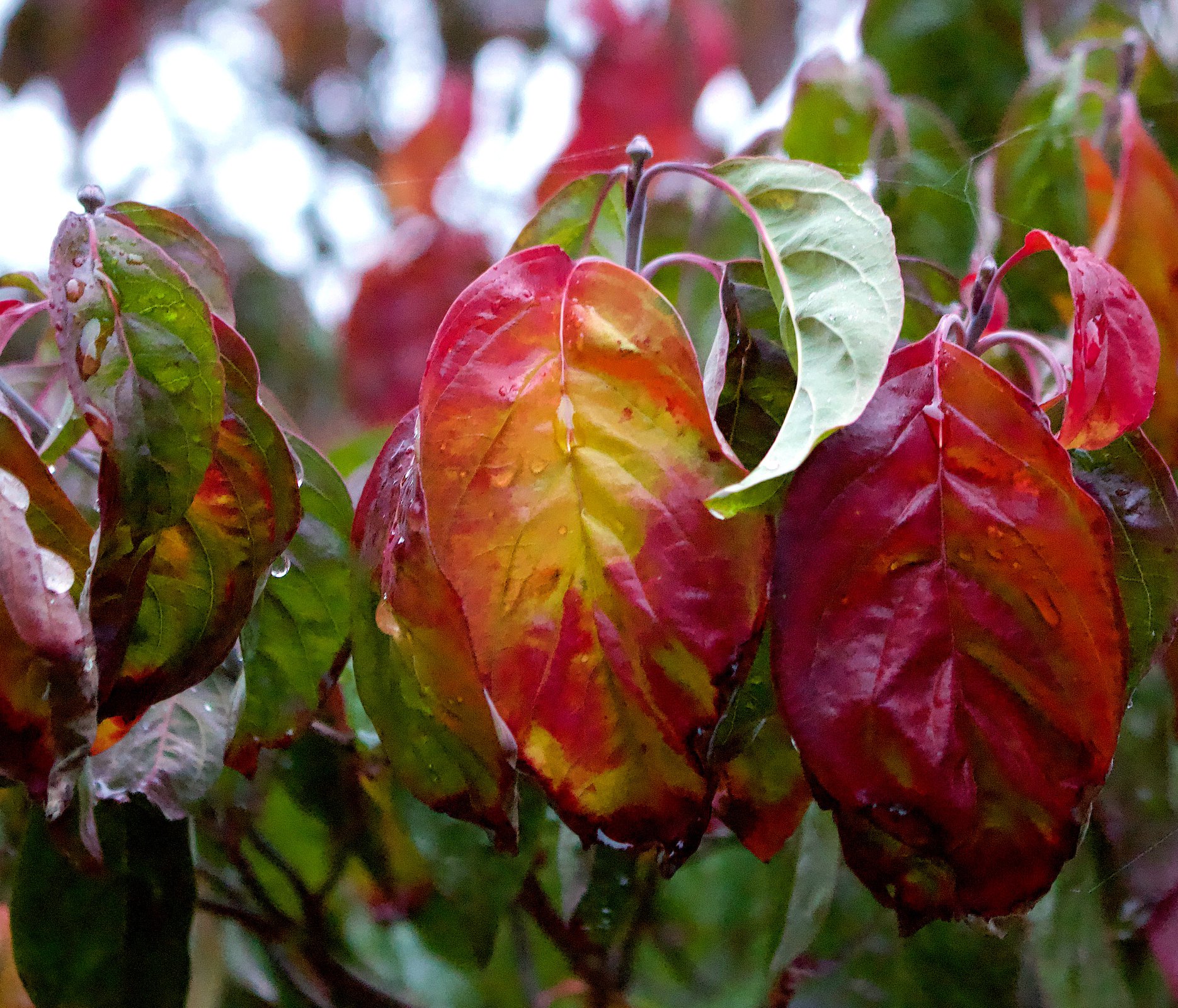
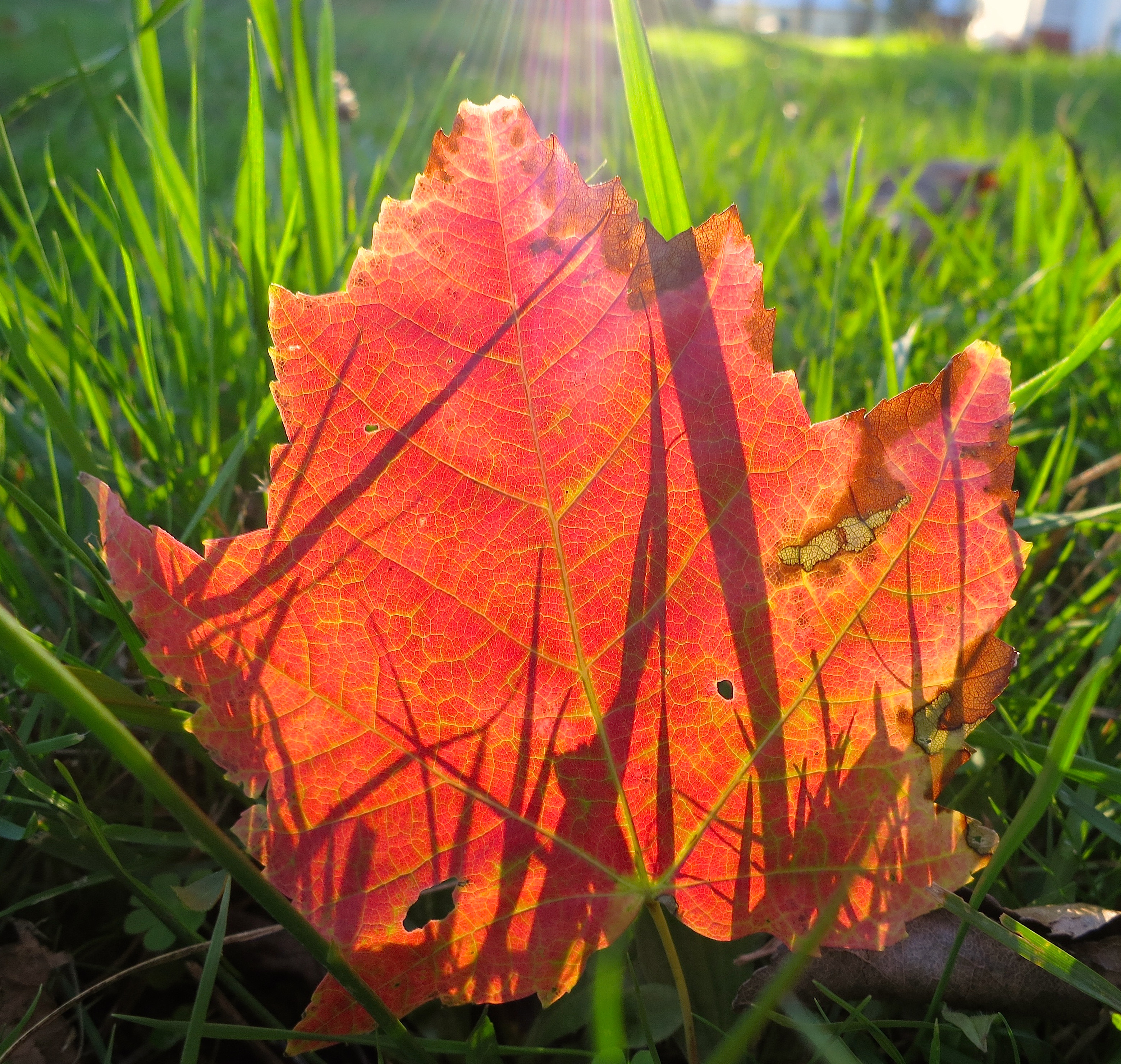
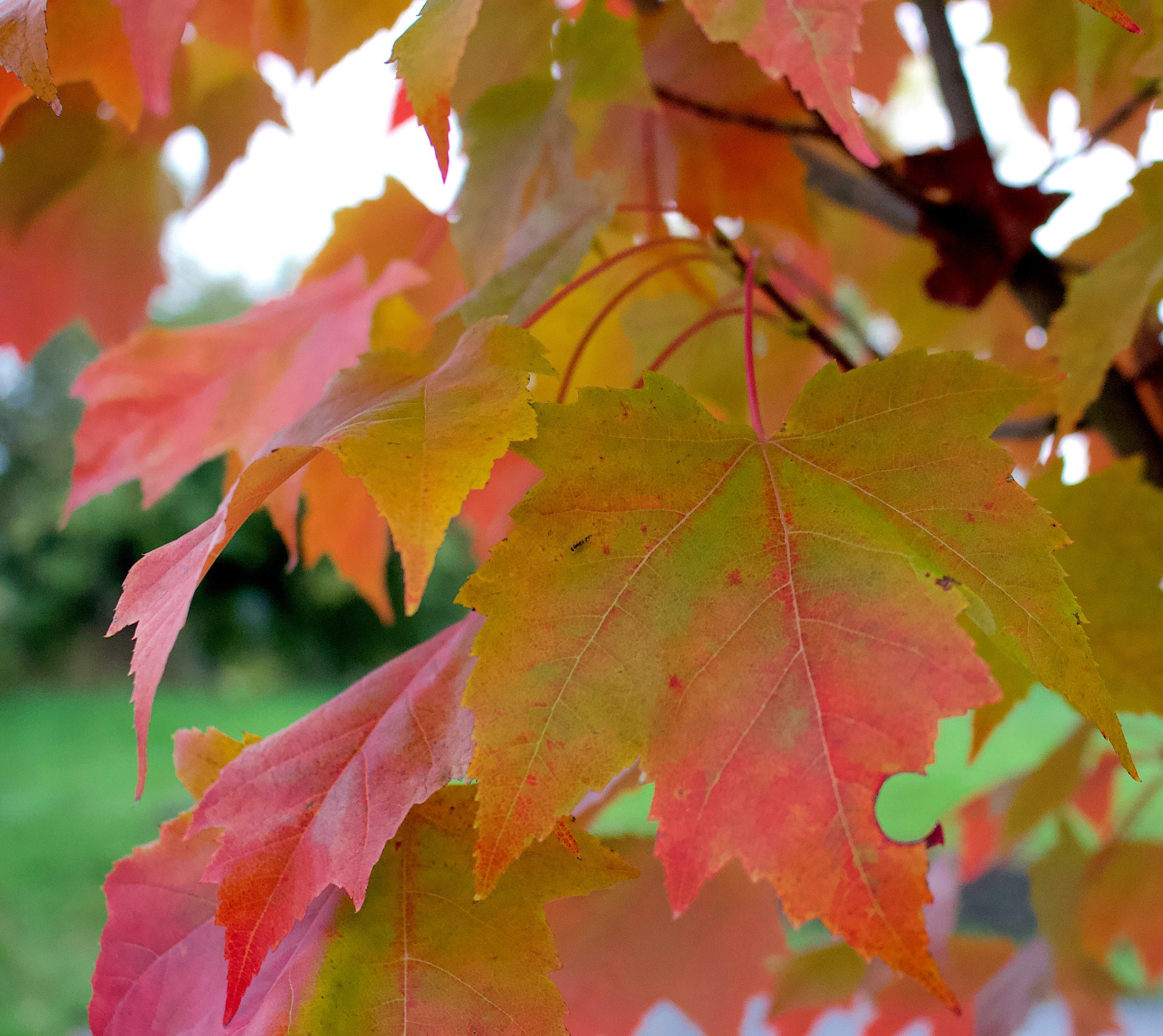
The maple tree in front of the doorstep

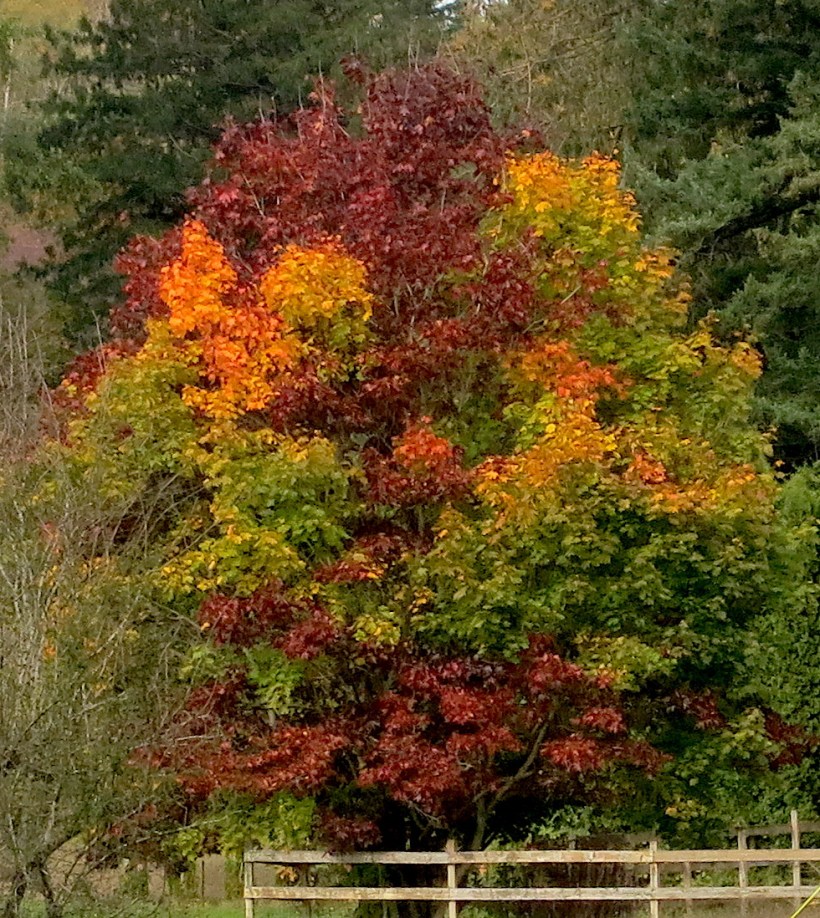
burned like a gigantic red torch.
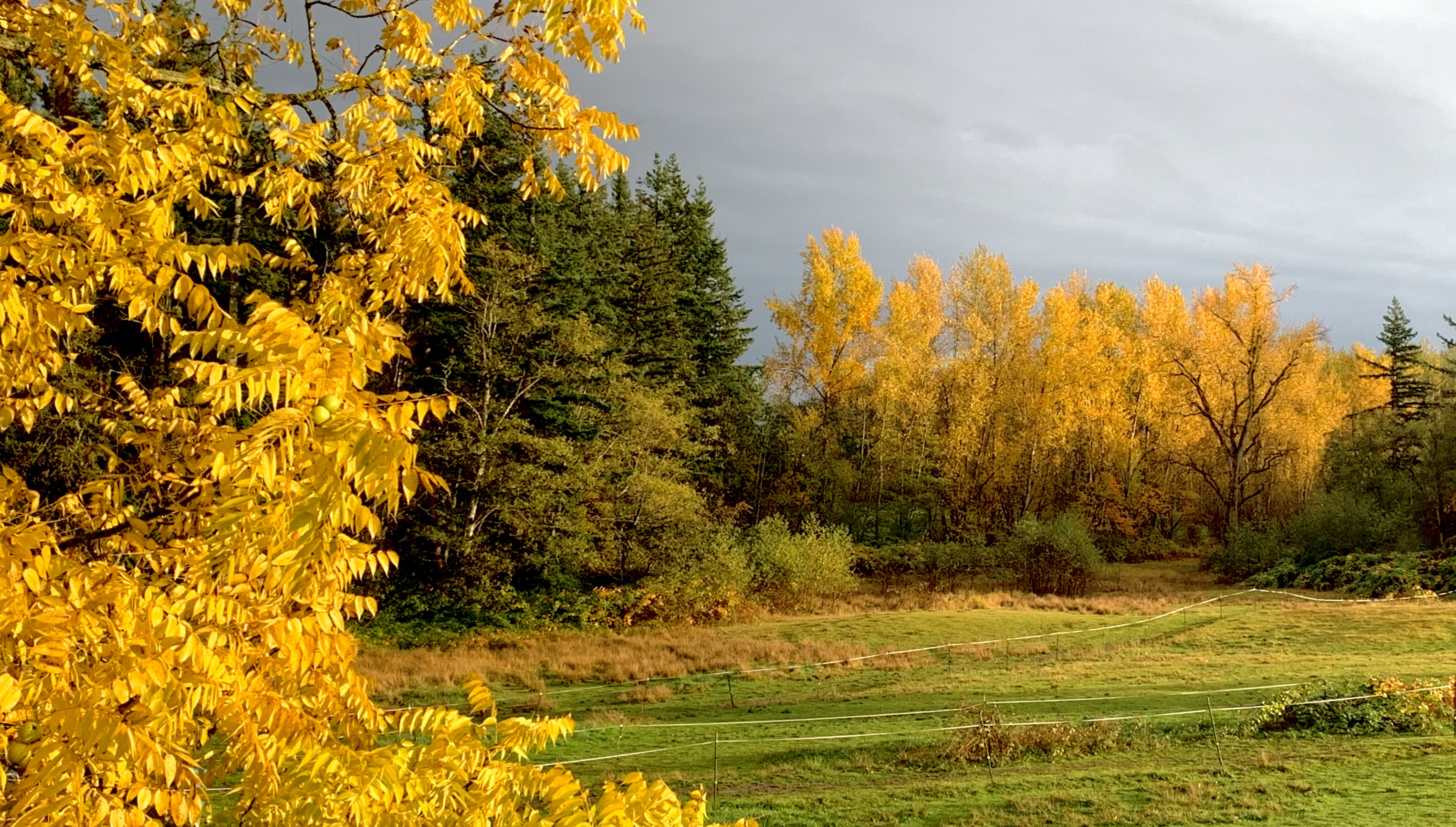
The oaks along the roadway glowed yellow and bronze.
The fields stretched like a carpet of jewels,

emerald and topaz and garnet.
Everywhere she walked the color shouted and sang around her…
In October any wonderful unexpected thing might be possible.
~Elizabeth George Speare from The Witch of Blackbird Pond 

If I were a month,
I would choose to be October:
bathed by a genial and friendly sun,
within a kindly and homely nature,
slowly withering, yet still crisp,
with mild temperature and modest temperament
despite a rain and wind storm or two,
only once in a while foggy.

Most of all,
I would cherish my flashes of burnt umber
as I reluctantly relinquish the light.

The Autumn Sun

The way the trees empty themselves of leaves,
let drop their ponderous fruit,
the way the turtle abandons the sun-warmed log,
the way even the late-blooming aster
succumbs to the power of frost—


this is not a new story.
Still, on this morning, the hollowness
of the season startles, filling
the rooms of your house, filling the world
with impossible light, improbable hope.


And so, what else can you do
but let yourself be broken
and emptied? What else is there
but waiting in the autumn sun?

~Carolyn Locke “What Else?” from The Place We Become

So this is how our life goes:

we are sowed, set down roots, bud and grow and flower and bloom and fruit and flourish,

then dry and change and wither and empty and break away to be carried off beyond this air and water and soil.

We thrived where we were planted, did what we could with a little nurture, to transcend the here and now.

So may we plant the next generation in healthy soil.
May we weed and water and feed as needed.
May we never overshadow the sun but step aside so its light fully shines.

To Revel in Rays of Light

A writer should concern himself with whatever absorbs his fancy, stirs his heart, and unlimbers his typewriter.
I feel no obligation to deal with politics.
I do feel a responsibility to society.
A writer has the duty to be good, not lousy;
true, not false; lively, not dull;
accurate, not full of error.
He should tend to lift people up, not lower them down.

A writer must reflect and interpret his society, his world;
he must also provide inspiration and guidance and challenge.
Much writing today strikes me

as deprecating, destructive, and angry.
There are good reasons for anger, and I have nothing against anger.
But I think some writers have lost their sense of proportion,
their sense of humor, and their sense of appreciation.

I am often mad, but I would hate to be nothing but mad:
one role of the writer today is to sound the alarm.
The environment is disintegrating, the hour is late,
and not much is being done.
Instead of carting rocks from the moon,
we should be carting the feces out of Lake Erie.
…I think I would lose what little value I may have as a writer
if I were to refuse, as a matter of principle,
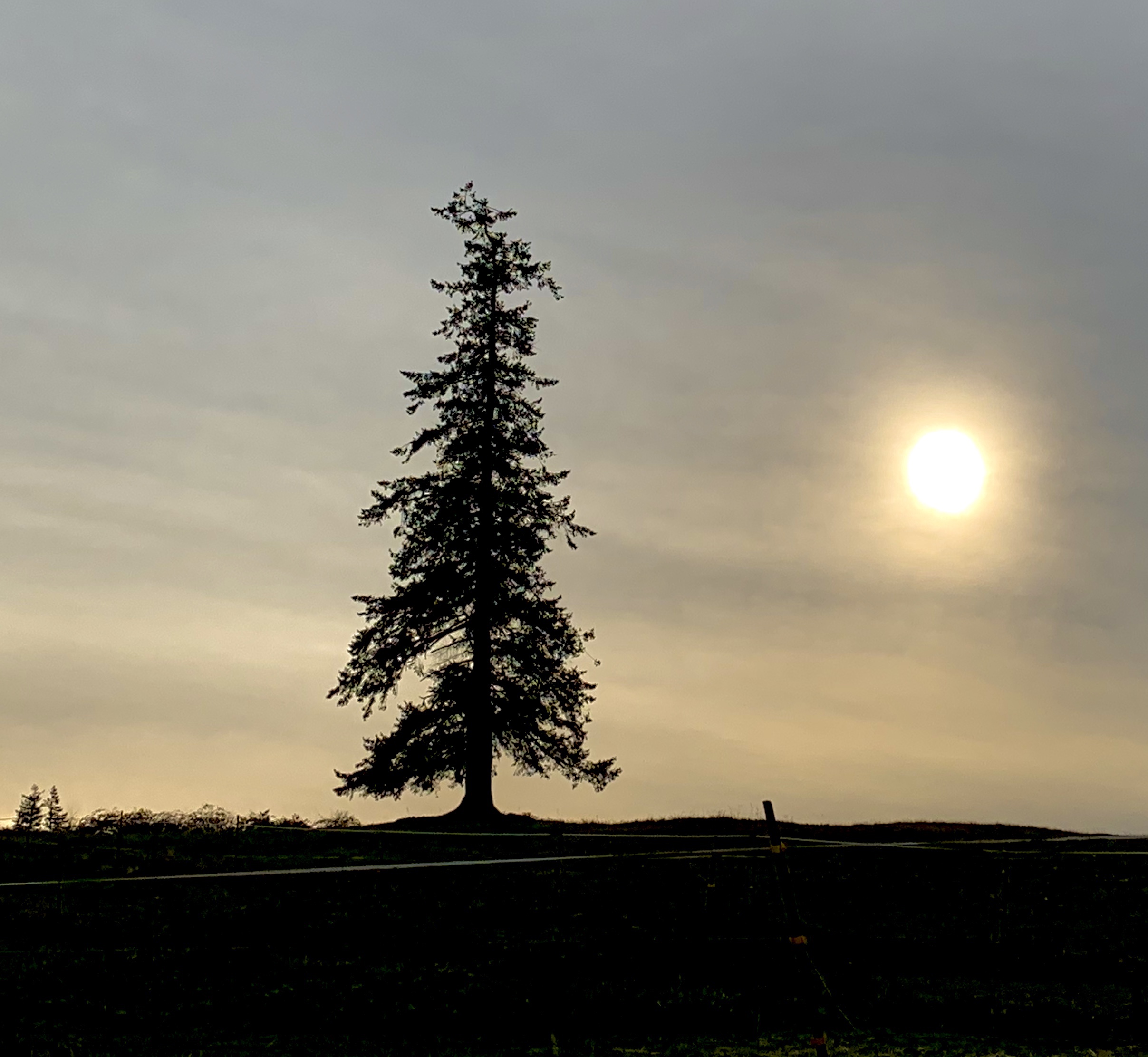
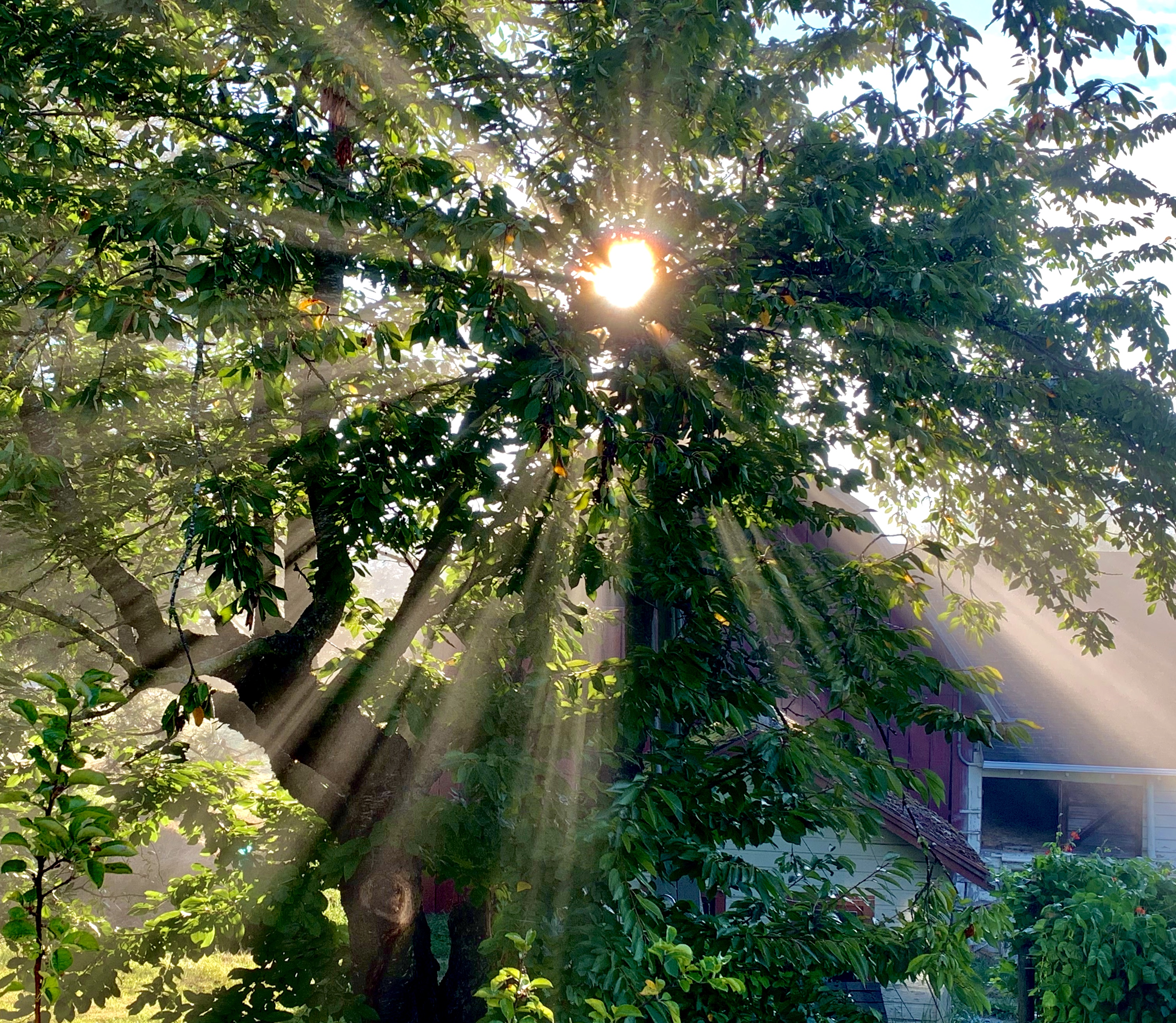
to accept the warming rays of the sun,
and to report them, whenever,
and if ever, they happen to strike me.

~E.B. White 1969 (on writing)

It becomes tiresome always feeling angry
about what it is happening in the world,
feeling that everything, even a virus,
has been made political.
I’m done with reading and writing nothing but words of frustration,
but will rail against the meanness that surrounds us,
and push back the bully
to seek out a balance of perspective and insight.

When I need to feel something other than mad,
I’ll walk as far as I can go,
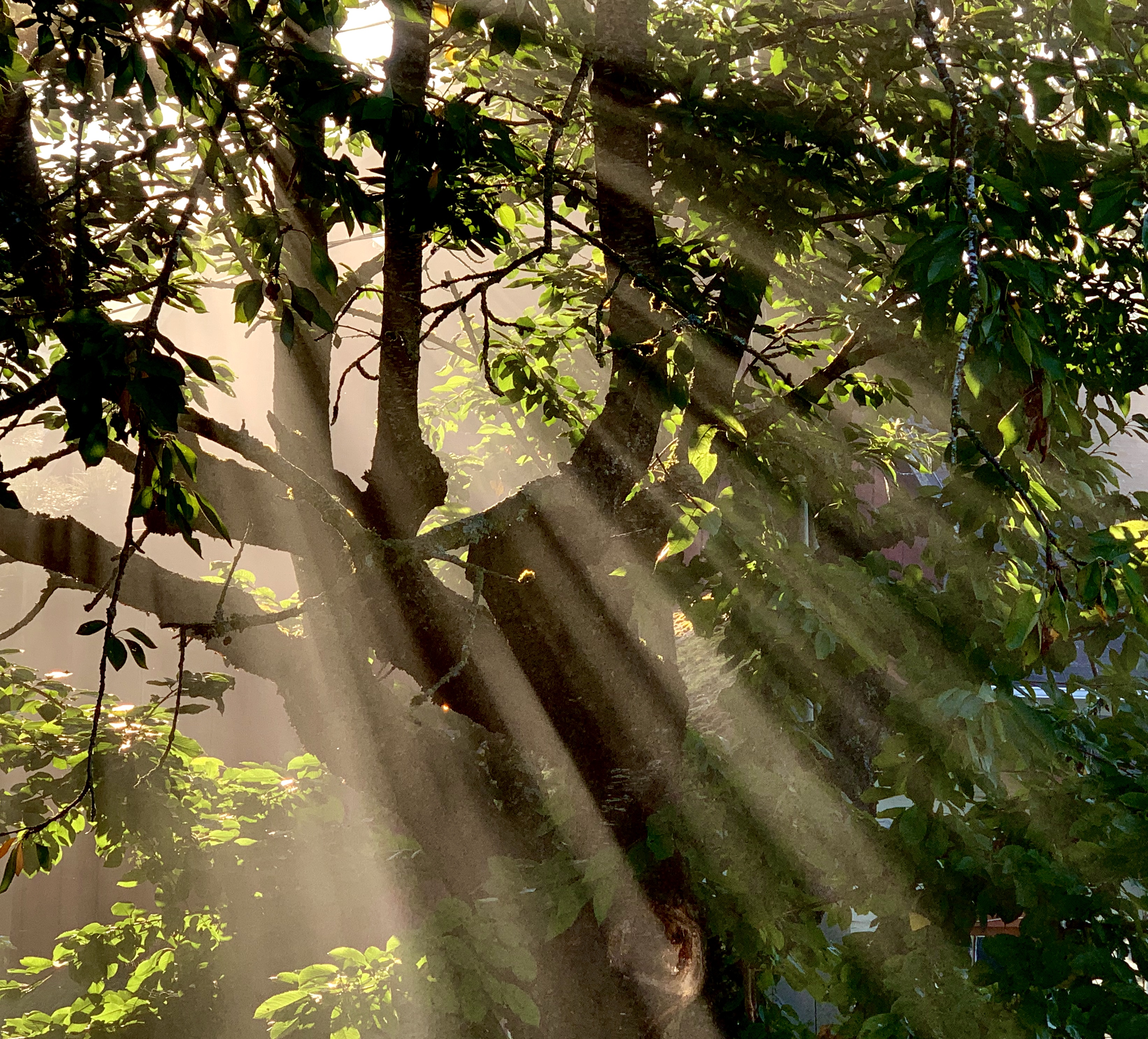
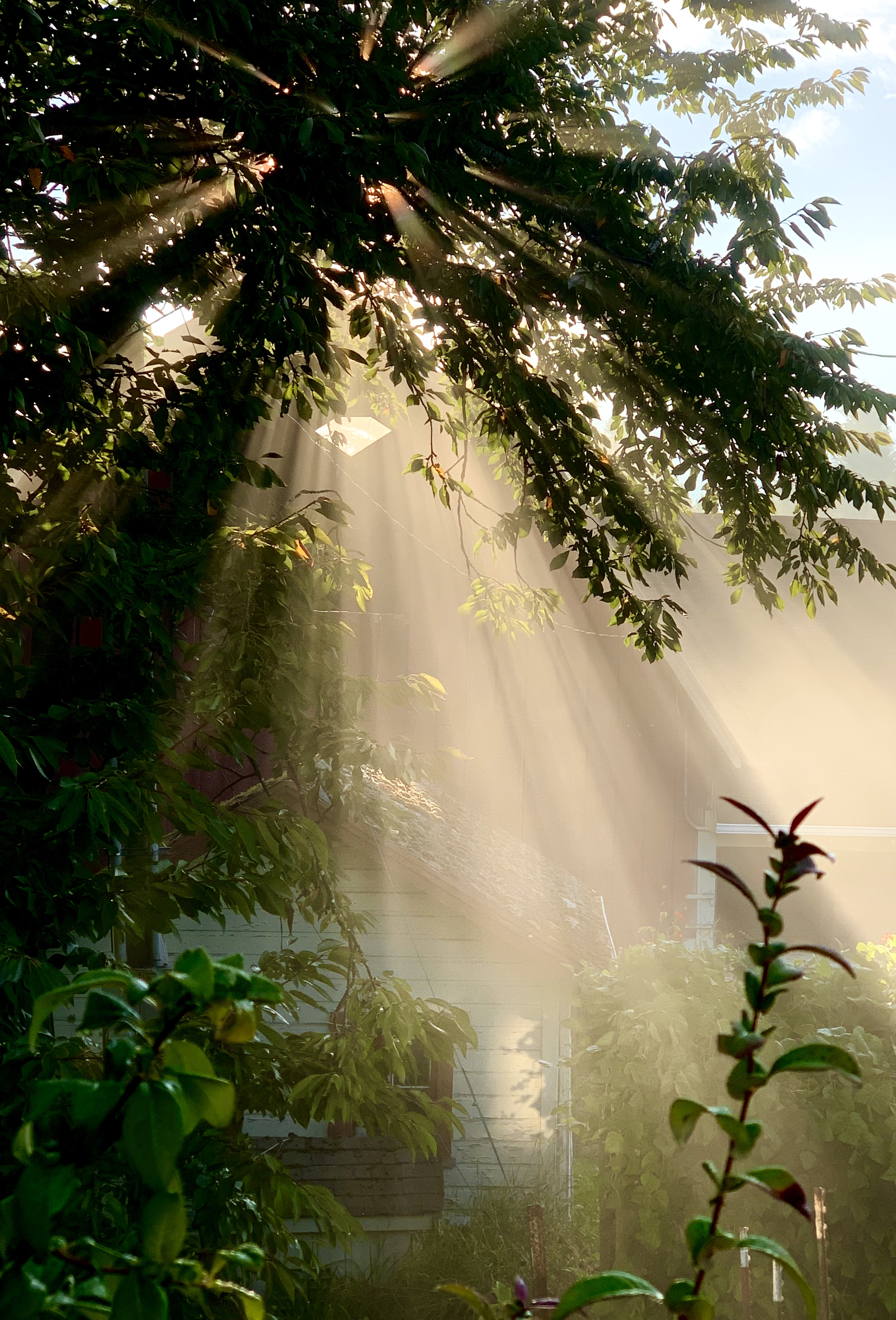
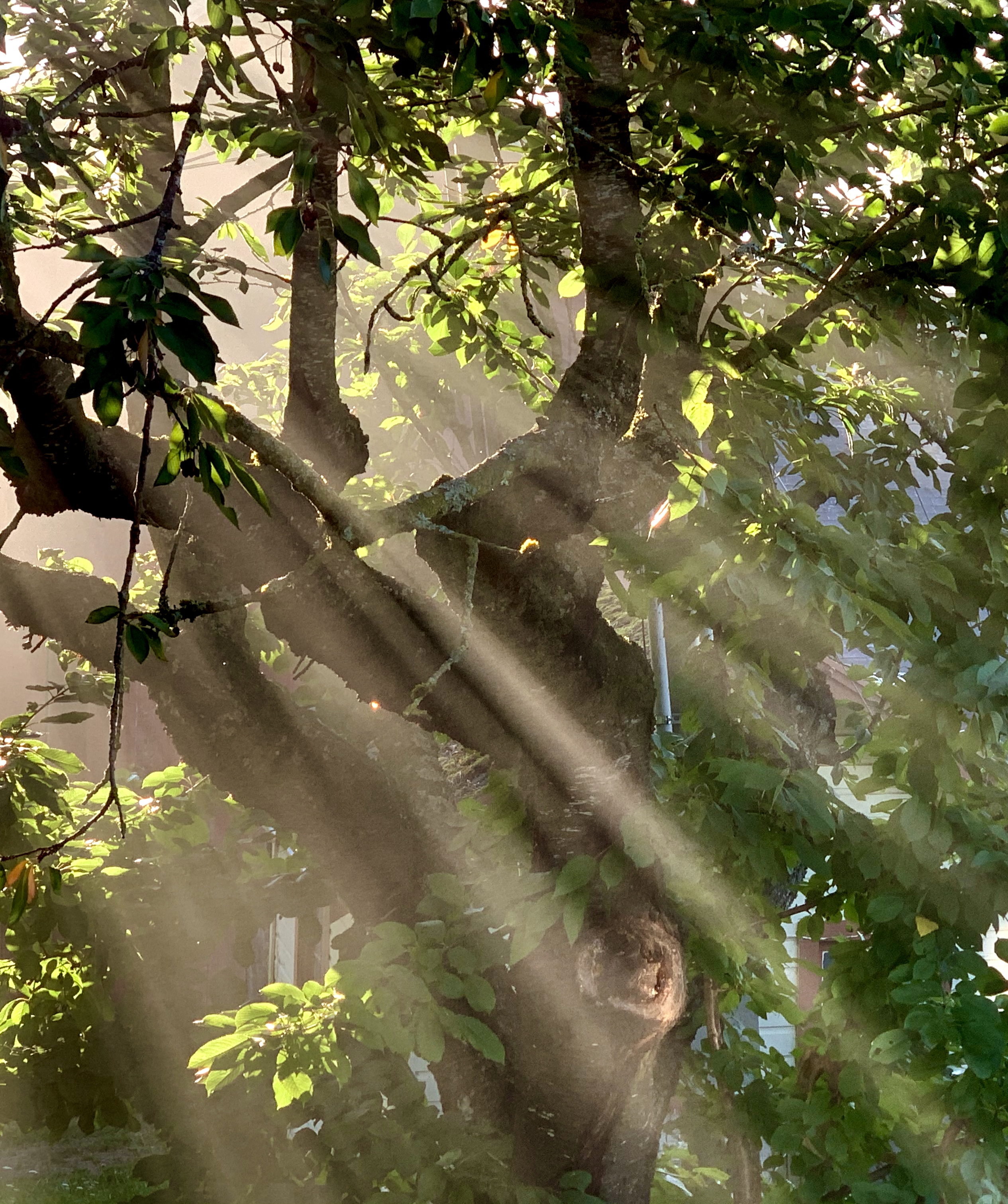
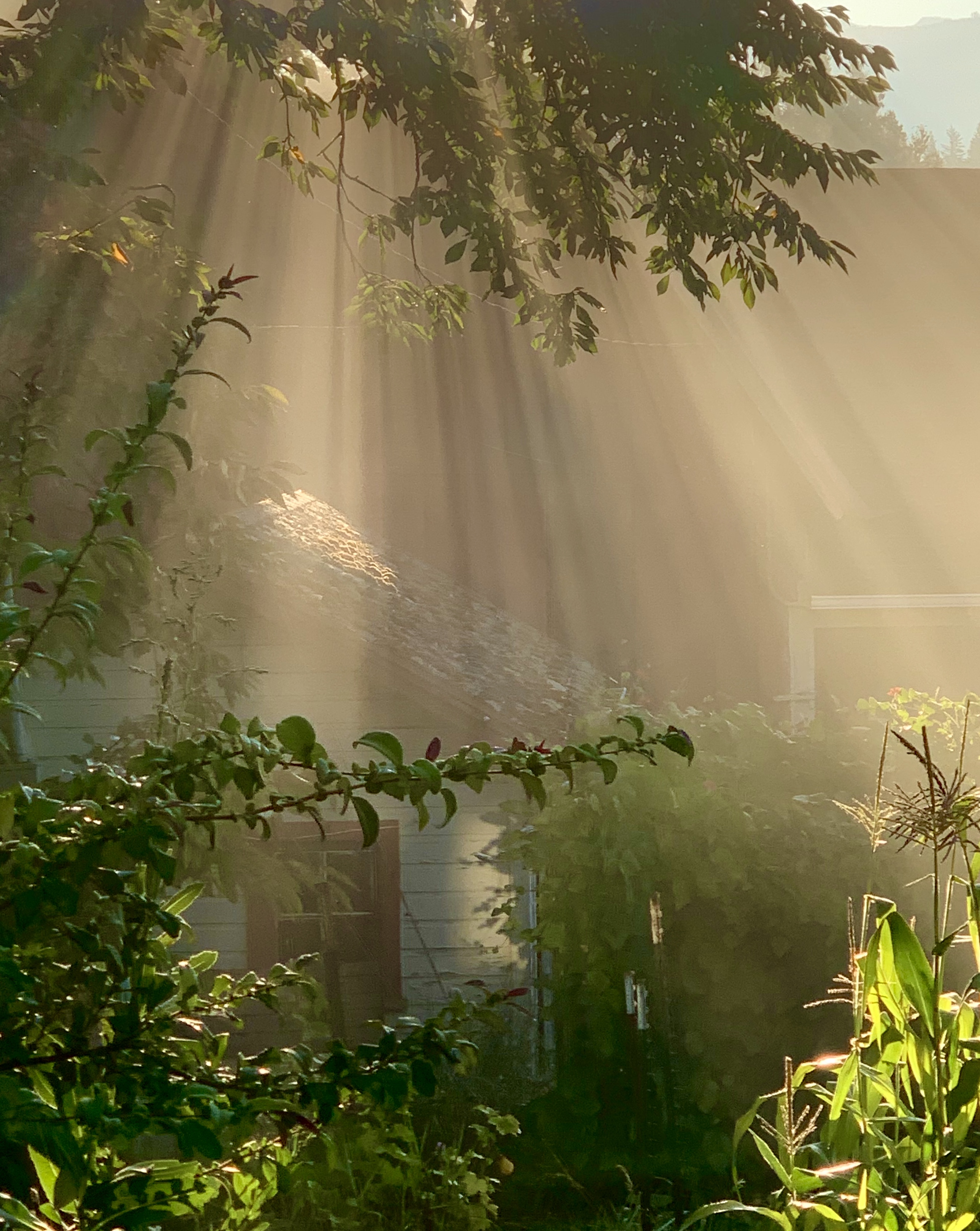
look up, revel in the gift of rays of light
and bask in their warmth and promise.

I will accept what the sun has to offer
and tell about it
so that my anger drains away
like so much waste flushed down a pipe,
never to be seen again.

Better Than Any Argument

However just and anxious I have been
I will stop and step back
from the crowd of those who may agree
with what I say, and be apart.
There is no earthly promise of life or peace
but where the roots branch and weave
their patient silent passages in the dark;
uprooted, I have been furious without an aim.
I am not bound for any public place,
but for ground of my own
where I have planted vines and orchard trees,
and in the heat of the day climbed up
into the healing shadow of the woods.
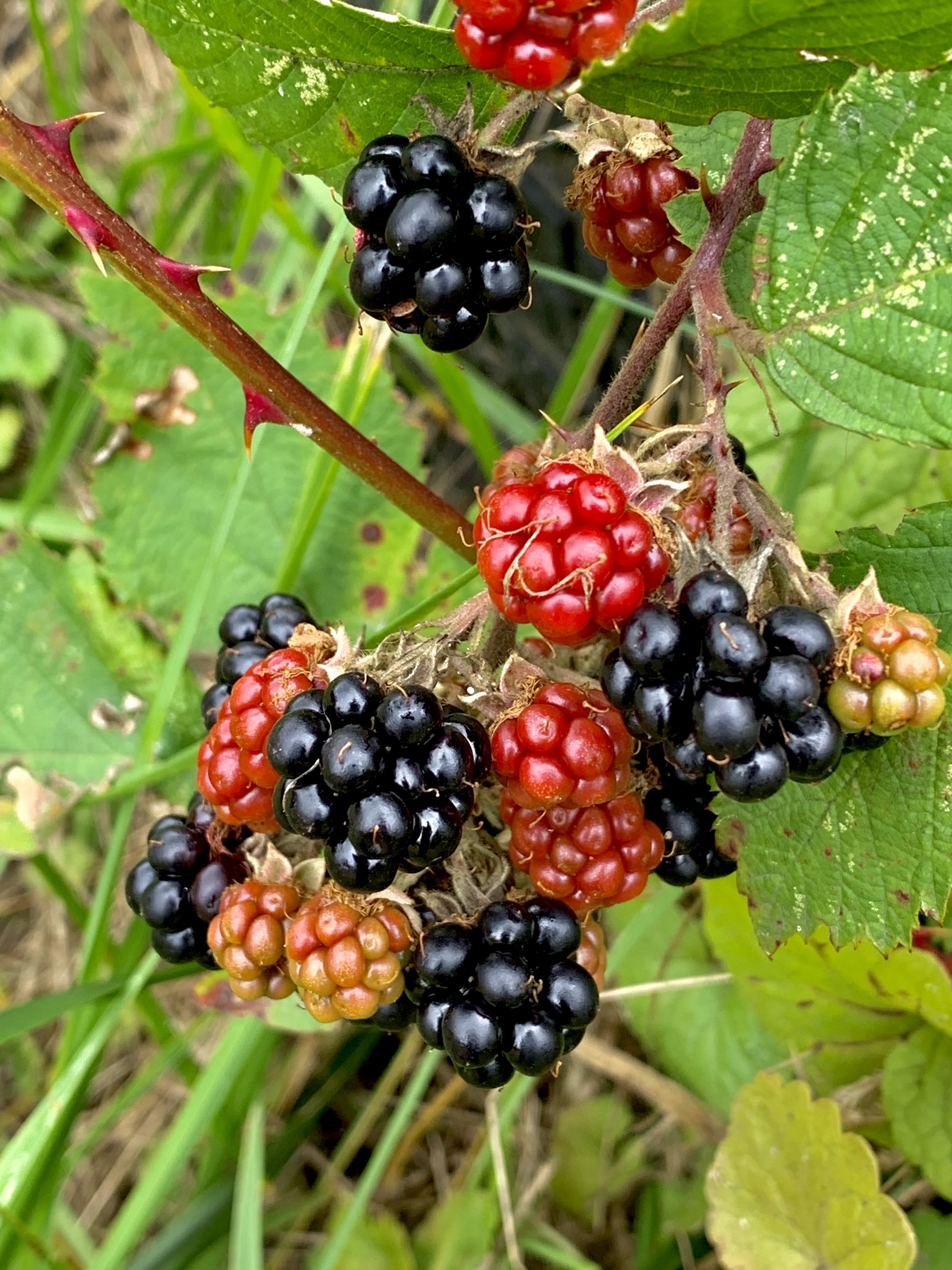
Better than any argument is to rise at dawn
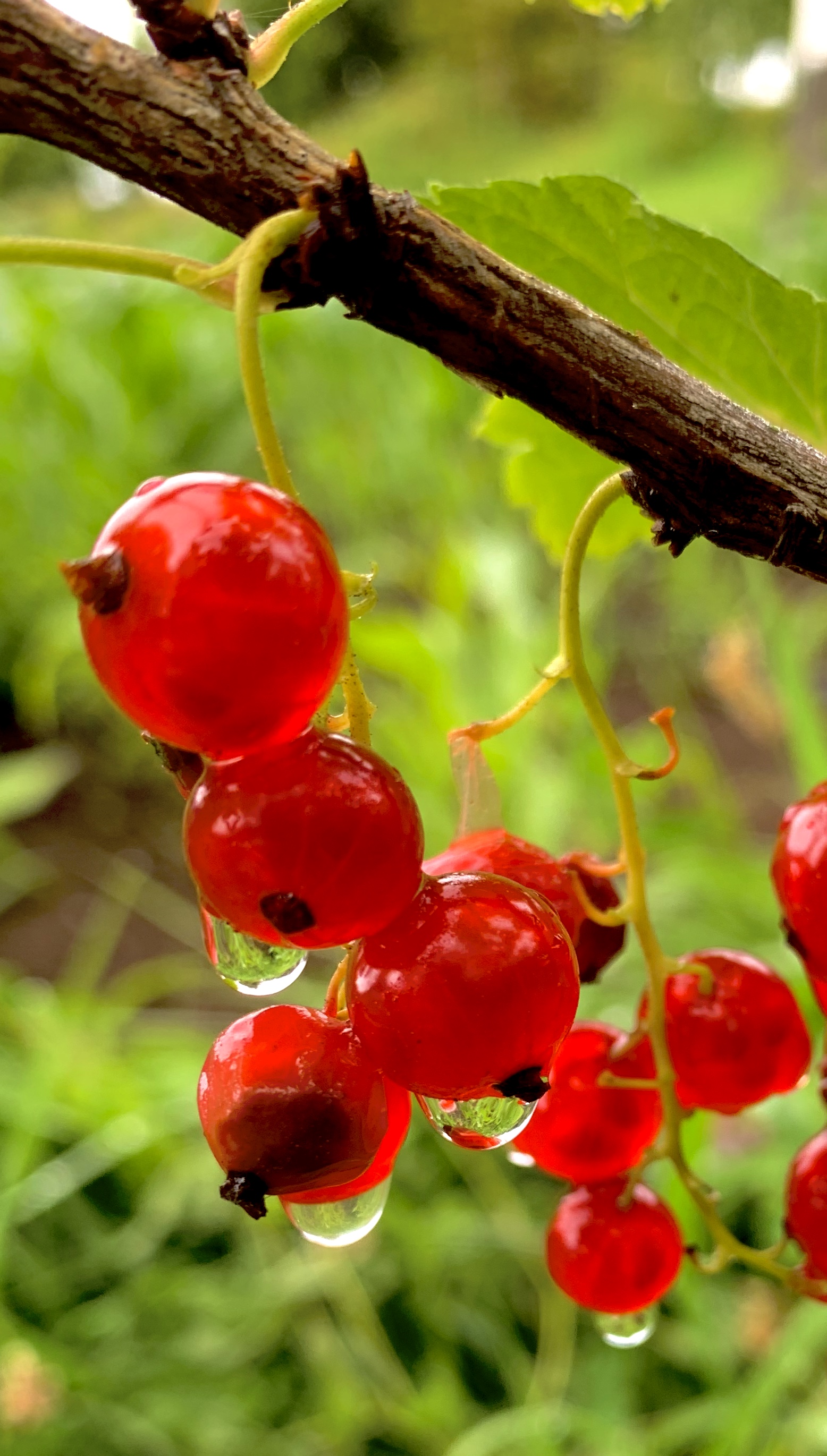
and pick dew-wet berries in a cup.
~Wendell Berry “A Standing Ground”
from The Selected Poems of Wendell Berry

This is an age of argument: silence is labeled violence so we’re induced to have our say and look for others to listen and support our point of view. Without mutual agreement, there is plenty of fodder for argument with a duel-to-the-death determination to win others over to our way of thinking.

Agreeing to disagree doesn’t seem to be an option any longer. Why can’t our debates simply settle down to get on with life and find a way to live alongside each other? Instead, if I don’t see it your way, I’m morally deficient or hostile or worst of all I’m not an ally, so by modern definition, I’ve become the enemy.

But I’m not the enemy and never want to be.

It’s enough to make one retreat from the fray altogether. Those of us who have been around awhile know: anger puts a match to feelings that burn hot inside and outside. Initially debate is energizing with a profound sense of purpose and direction, yet too soon it becomes nothing but ashes.

I refuse to be furious for the sake of fury and indignation. Arguments, tempting as they may be in the heat of the moment, don’t hold a candle to the lure of sharing sweet fruit of the garden and the cool shadows of the forest with those who need it most.

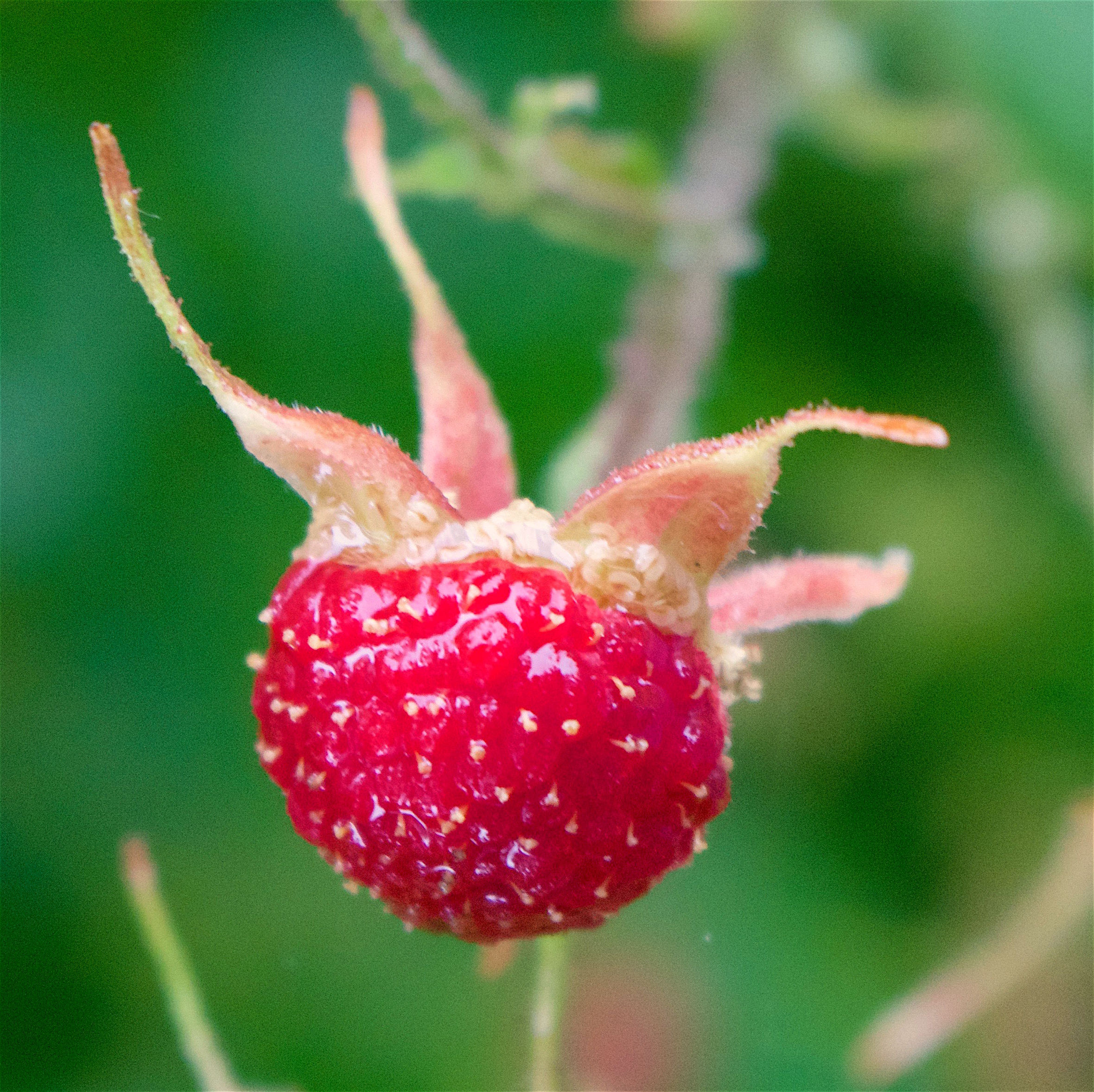
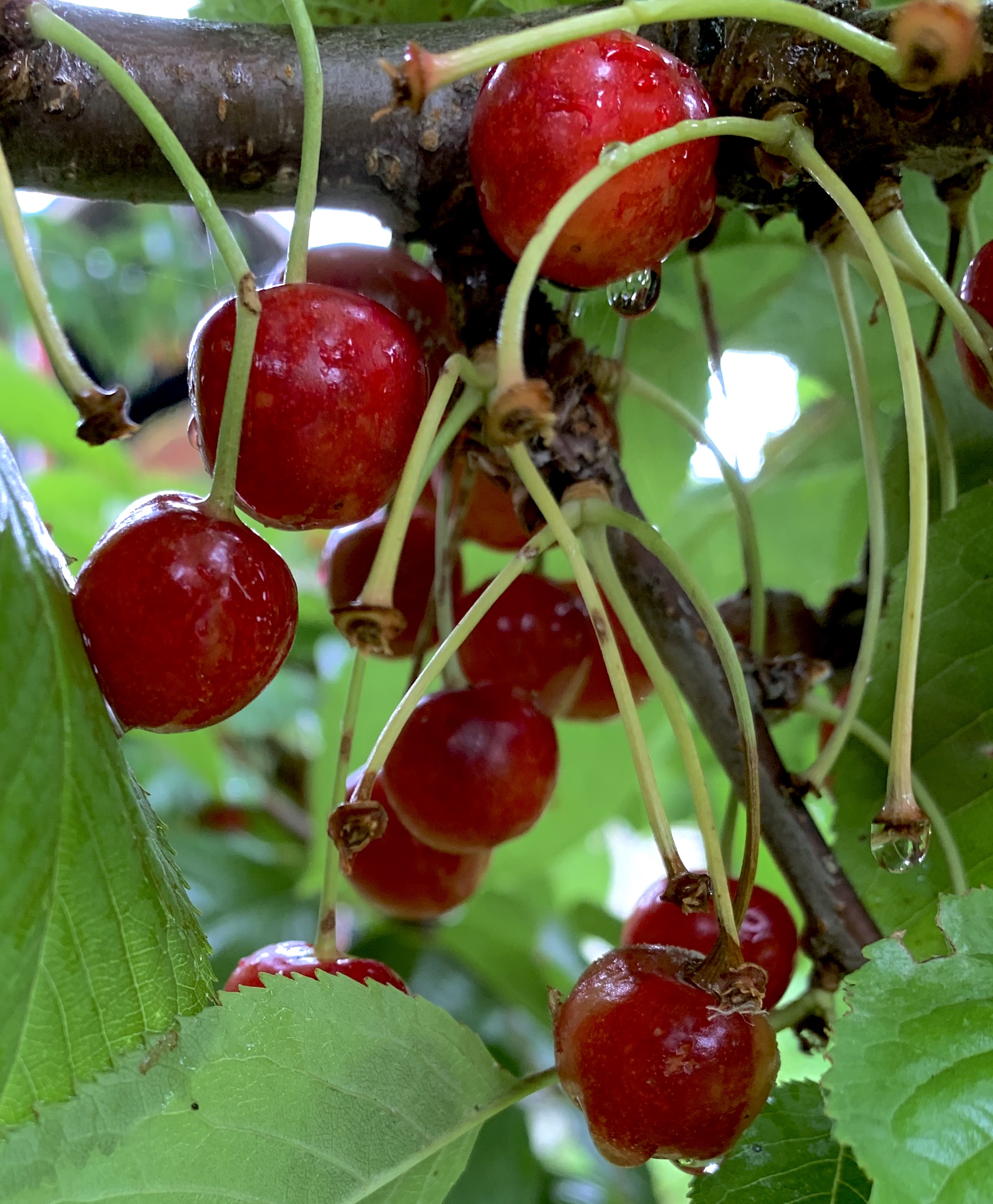
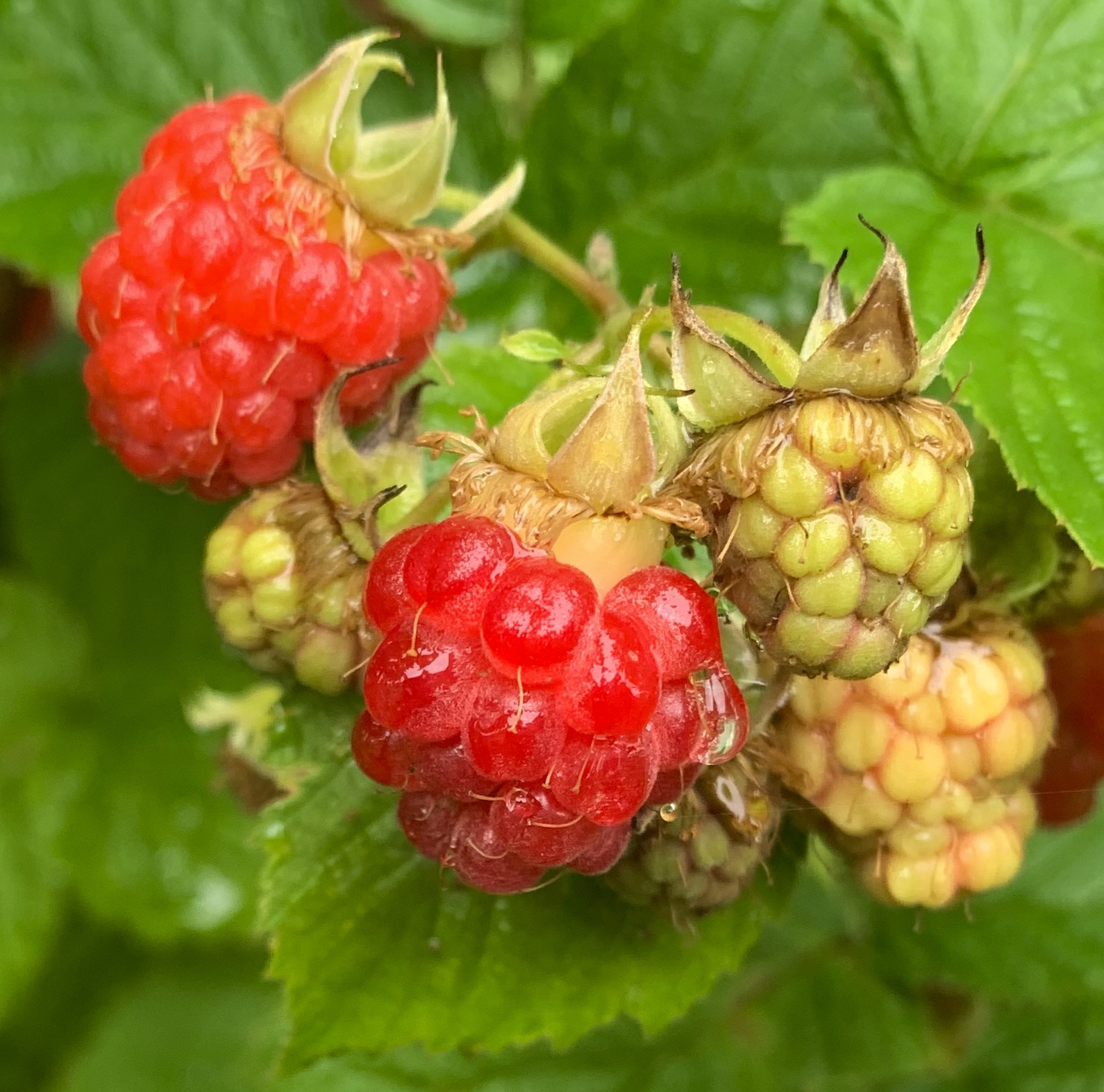
So come in and help me eat berries and cherries but leave your arguments at the door. You can pick them up later on your way out if you wish, but most likely they will have forgotten all about you and wandered away while you were busy living life.

Fickle things, arguments – they tend to fizzle out until someone decides to light a match to them again.

Moss Balm For Misunderstanding

There is an ancient conversation going on between mosses and rocks, poetry to be sure. About light and shadow and the drift of continents. This is what has been called the “dialect of moss on stone – an interface of immensity and minuteness, of past and present, softness and hardness, stillness and vibrancy…

Learning to see mosses is more like listening than looking.
A cursory glance will not do it.
Mosses are not elevator music;
they are the intertwined threads of a Beethoven quartet.
~Robin Kimmerer from Gathering Moss: A Natural and Cultural History of Mosses

Most lie low, flourishing with damp,
harvesting sunlight, no commotion, moss
mouse-silent, even through wind and hail,
stoic through motors roaring fumes,
through fat-clawed bears grubbing.

They can soothe the knife-edges of stones
with frothy leaf by leaf of gray-green life,
and burned-ground mosses cover destruction,
charred stumps, trees felled and blackened.
Cosmopolitan mosses likewise salve
sidewalk cracks, crumbling walls.

They root in thin alpine air, on sedentary
sand dunes, cling to cliff seeps beneath
spilling springs. For rest, they make mats
on streamside banks, for pleasure produce silky
tufts, wavy brooms of themselves in woodlands
for beauty, red roof moss for whim, elf
cap, hair cap, sphagnum for nurturing.

I believe they could comfort the world
with their ministries. That is my hope,

even though this world be a jagged rock,
even though this rock be an icy berg of blue
or a mirage of summer misunderstood
(moss balm for misunderstanding),
even though this world be blind and awry
and adrift, scattering souls like spores
through the deep of a starlit sea.
~Pattiann Rogers from “The Moss Method”

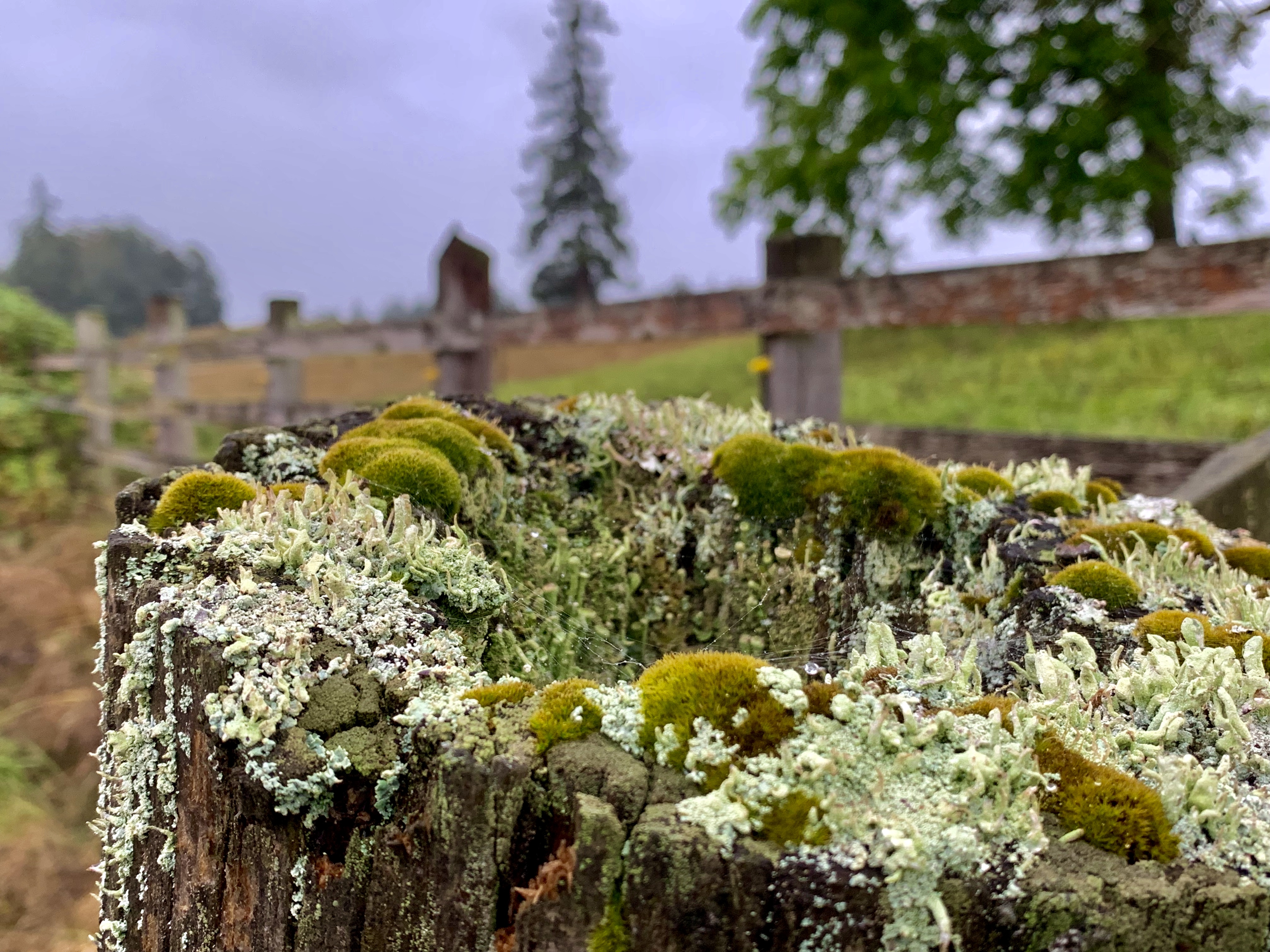
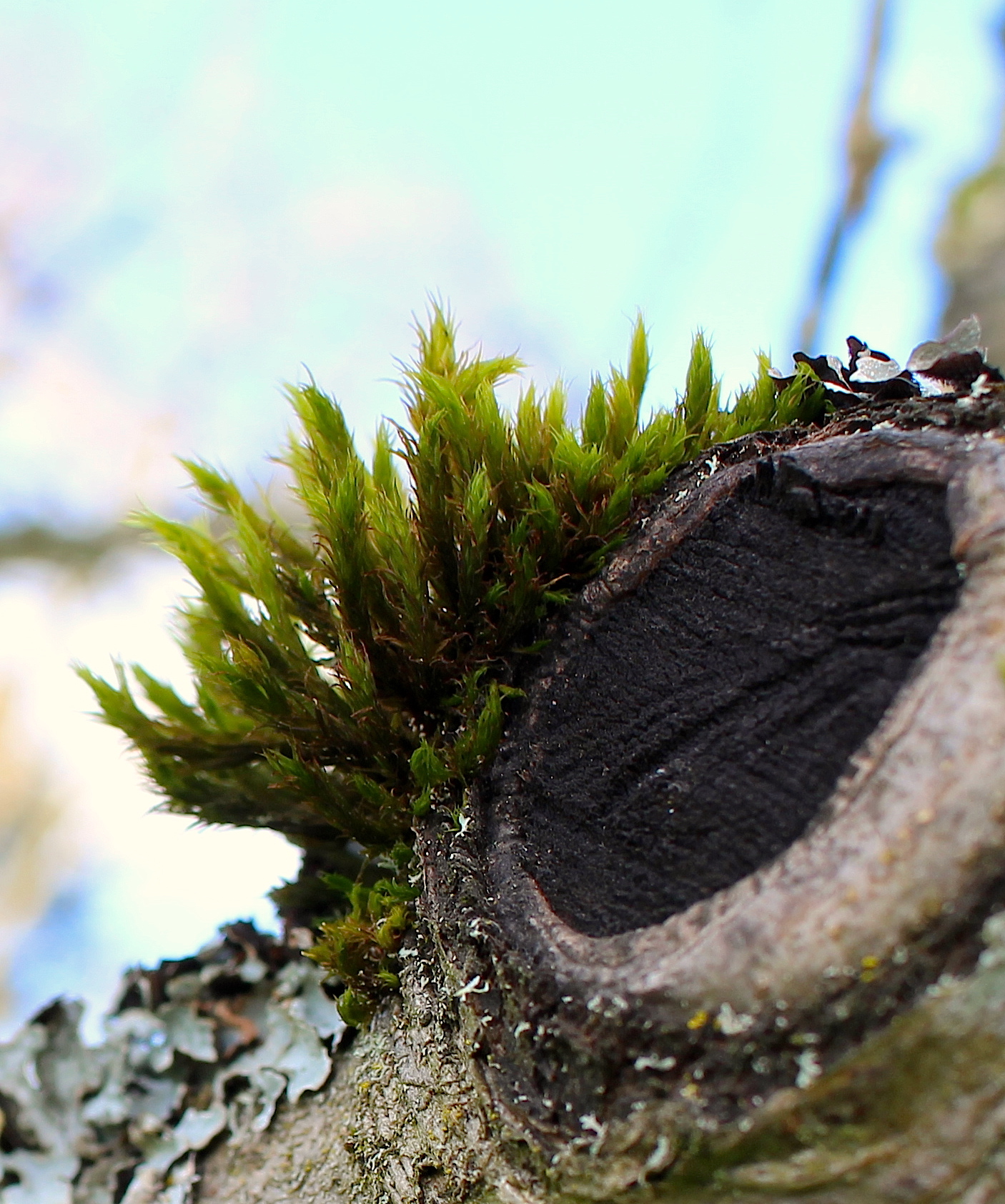
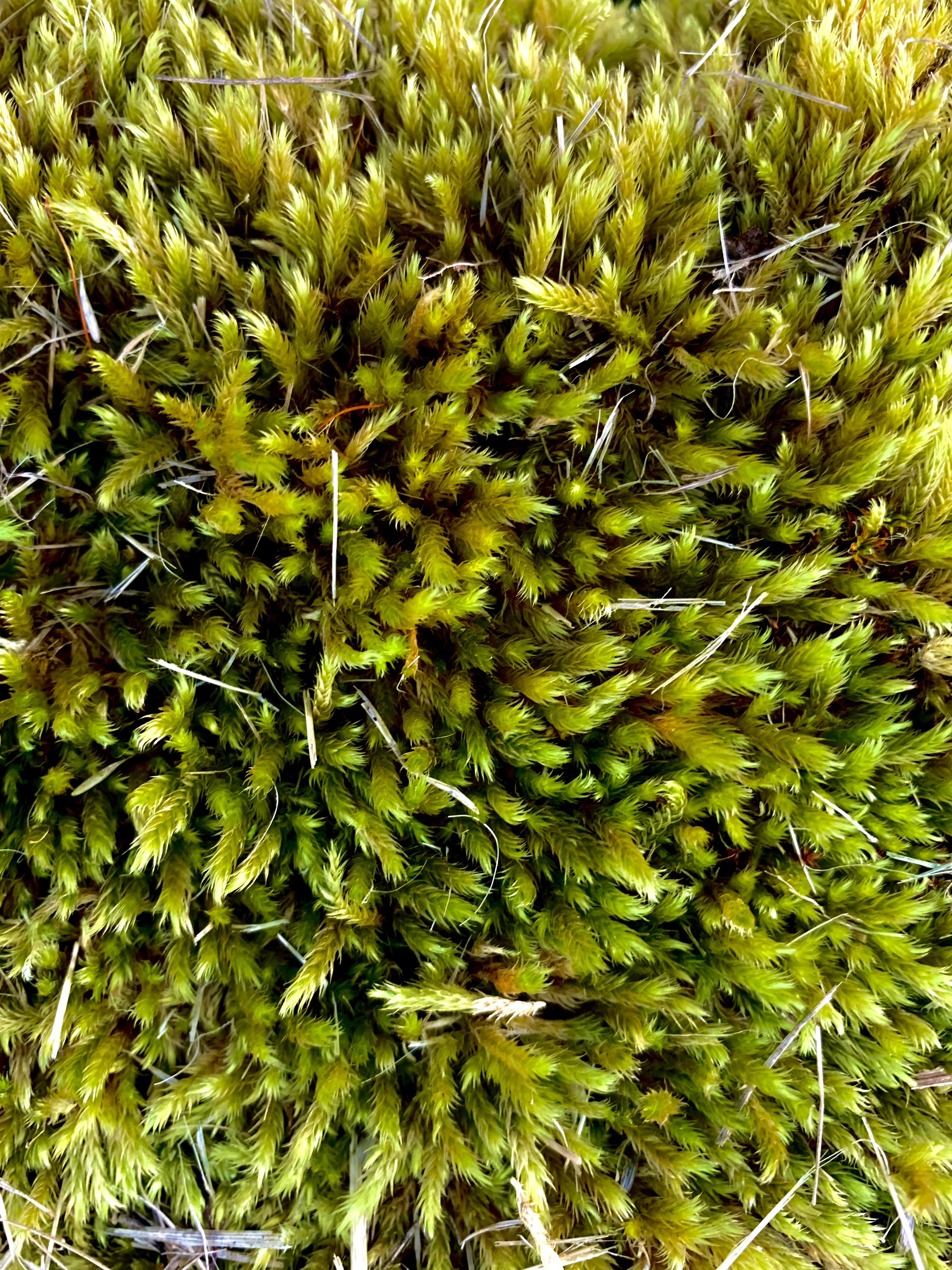
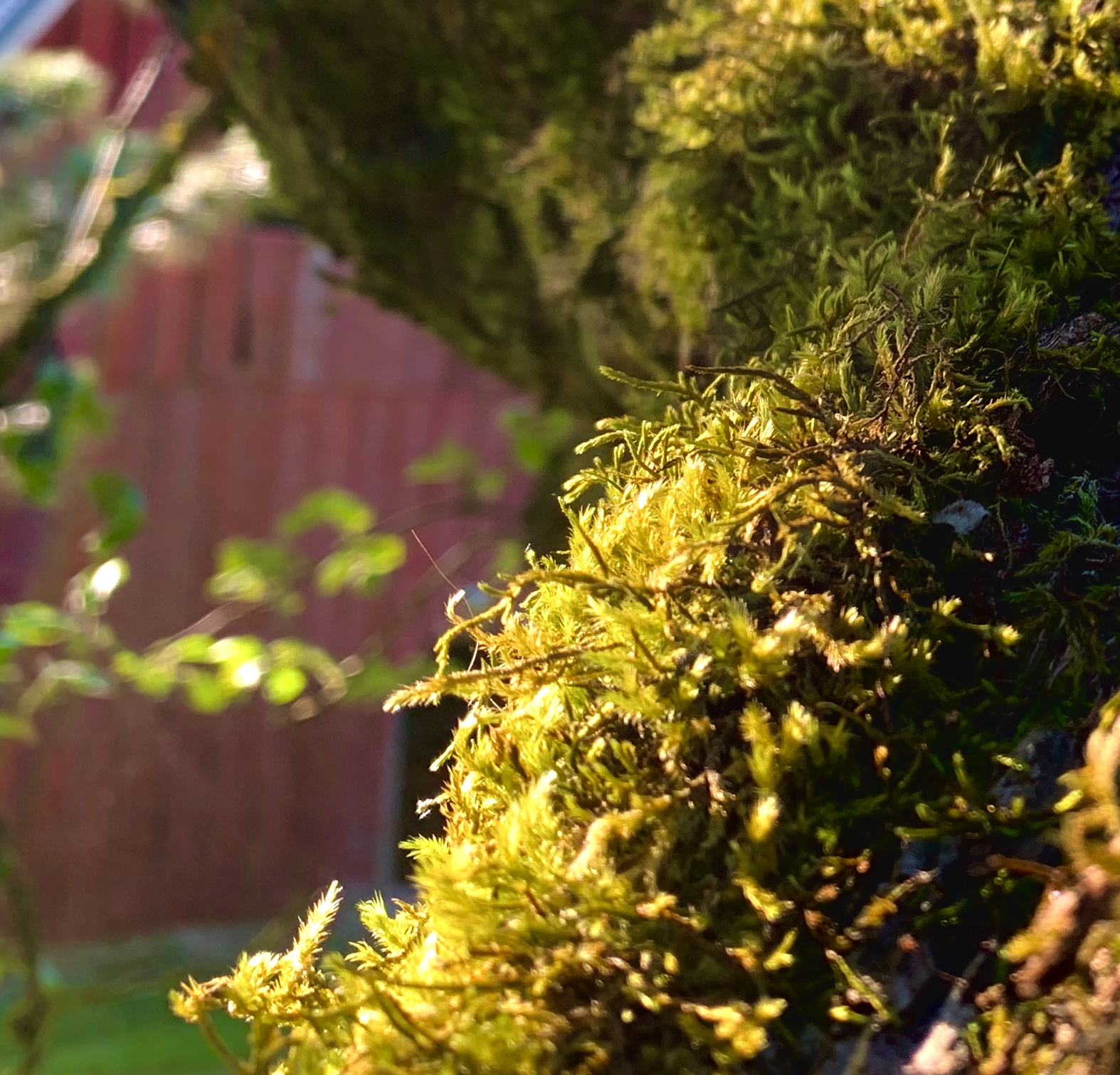
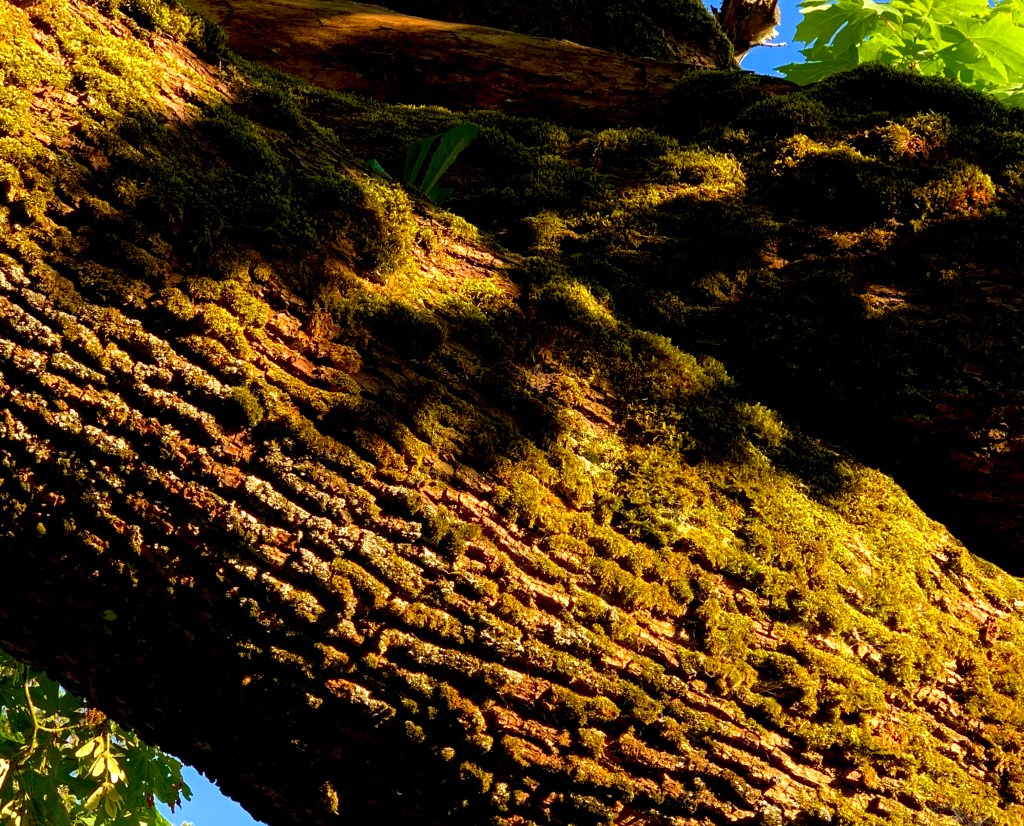
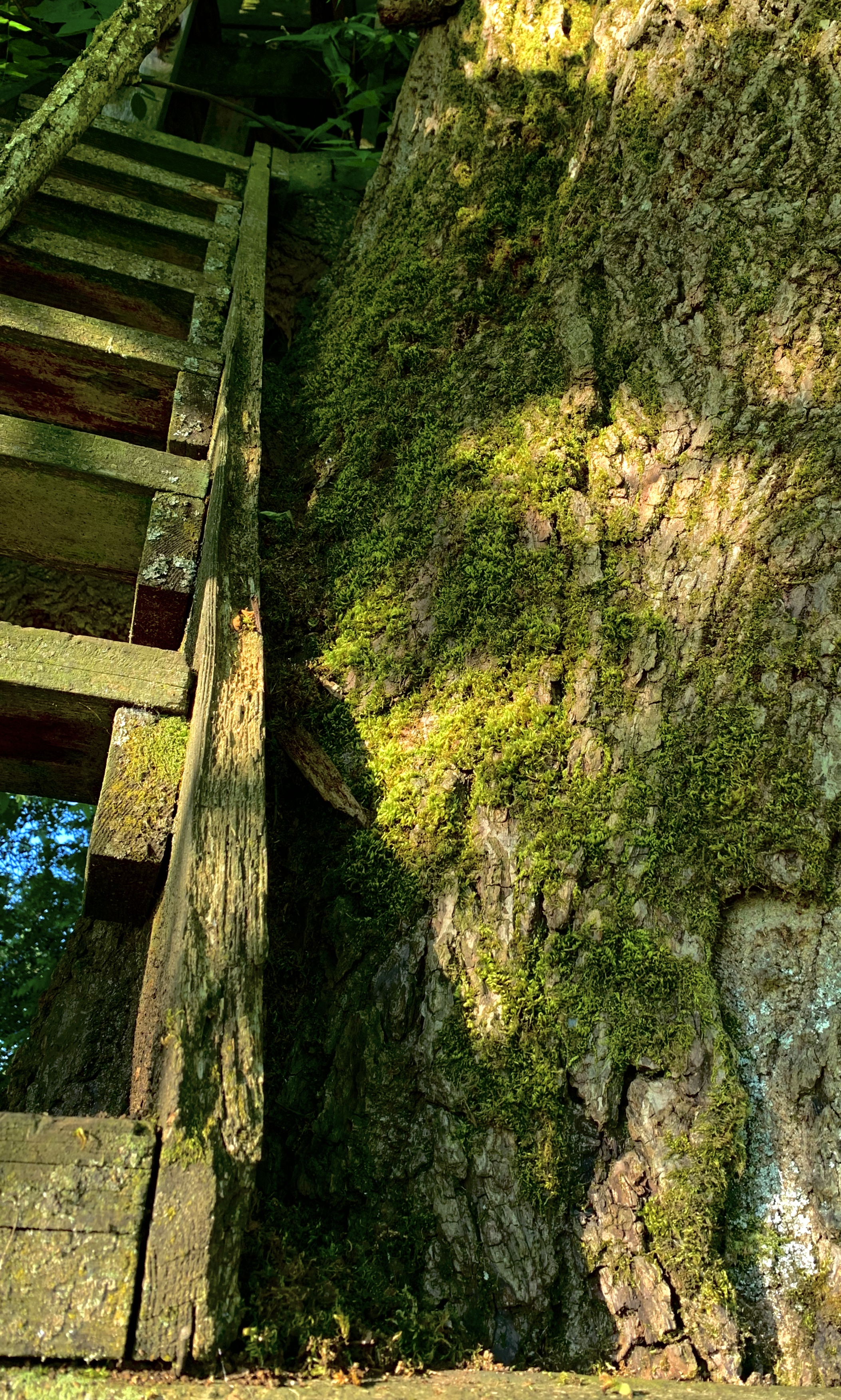
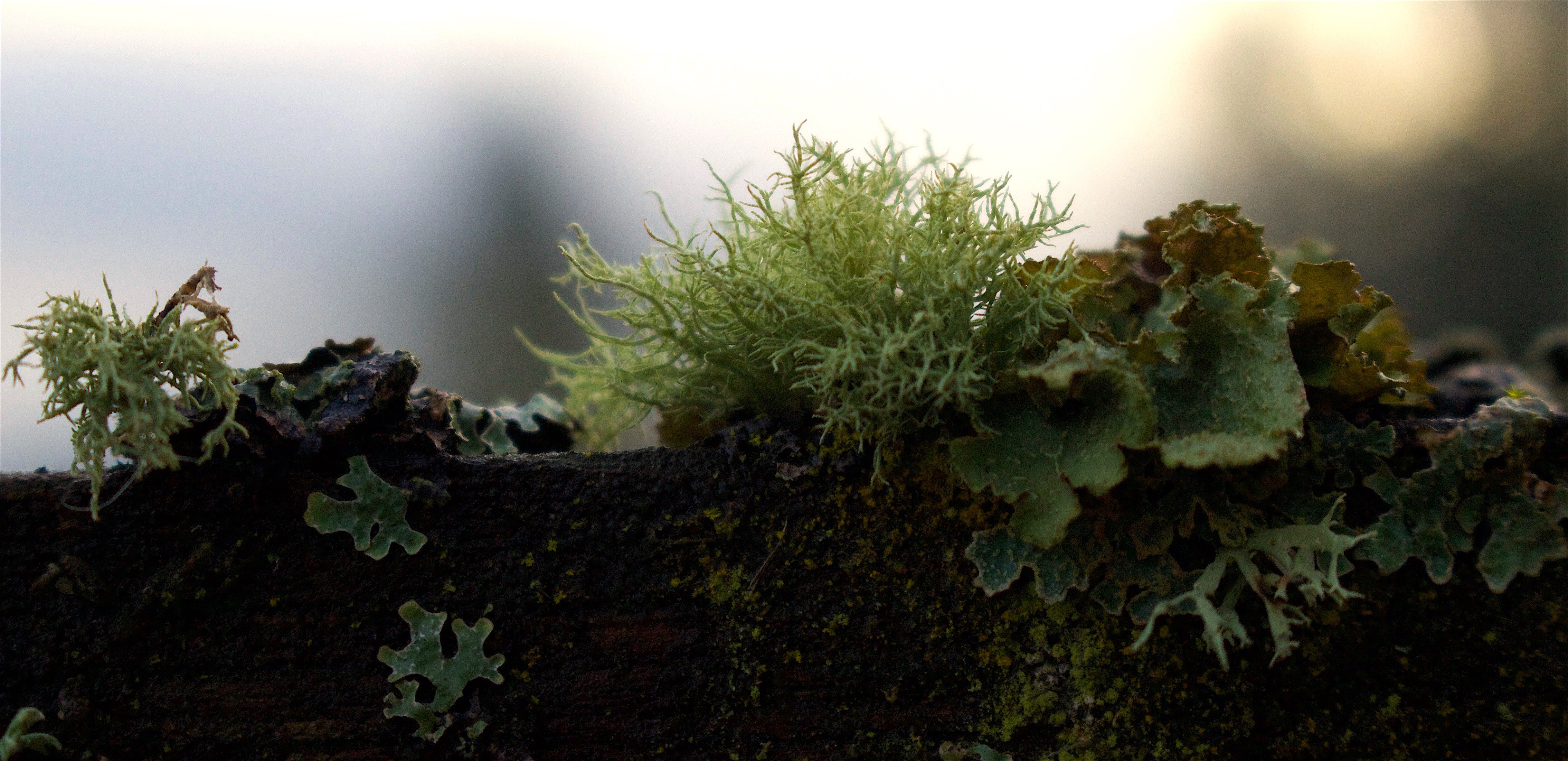
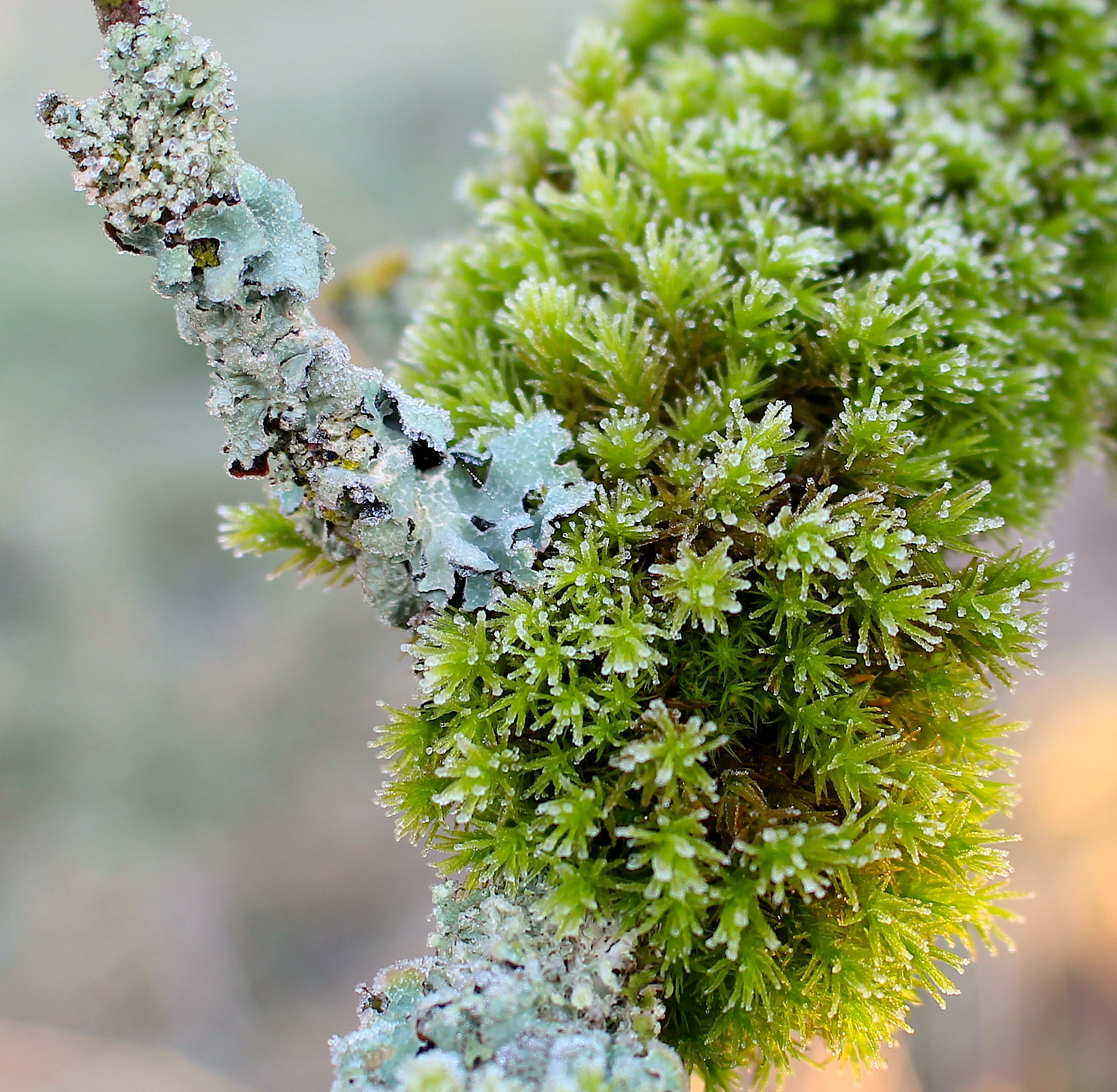
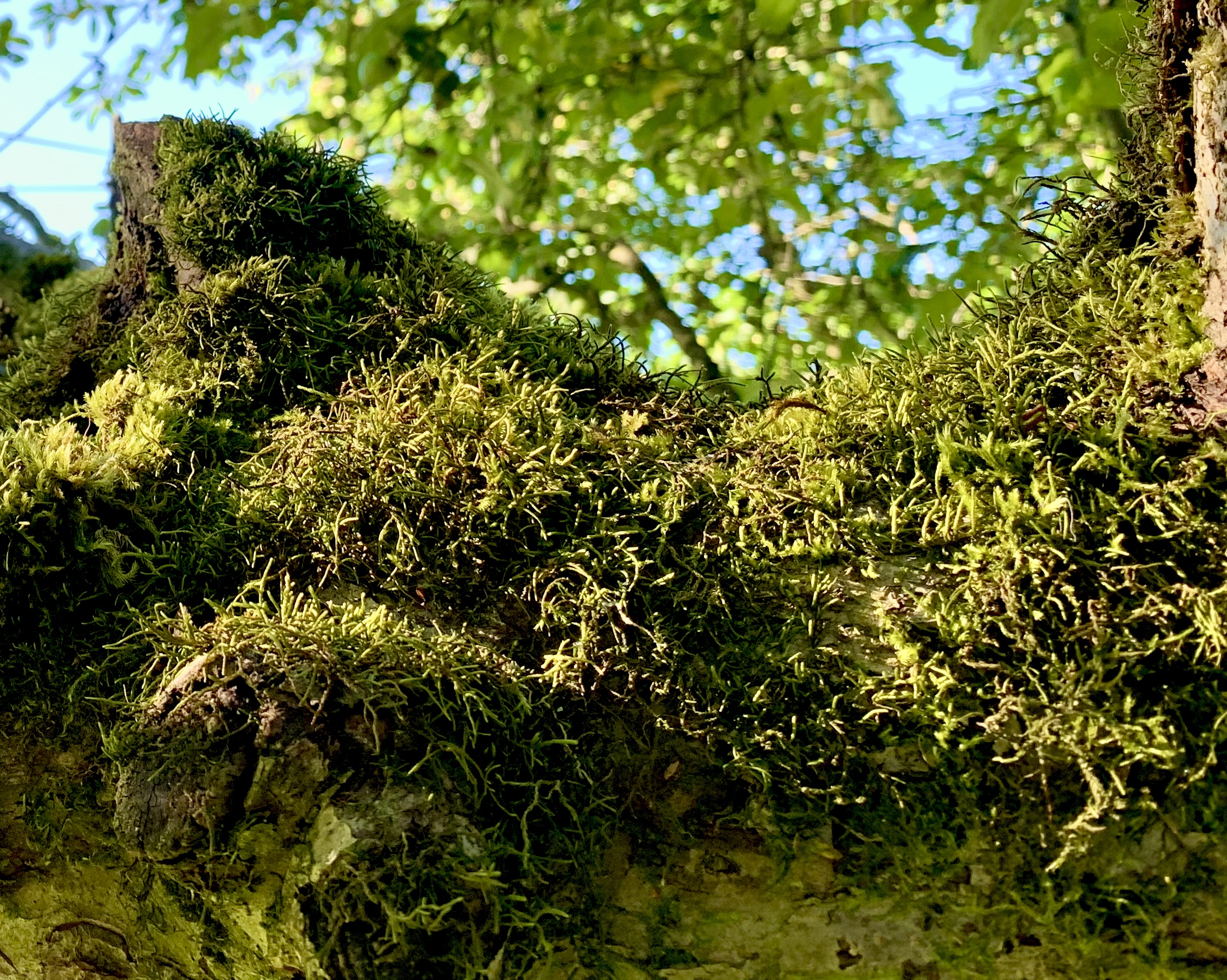
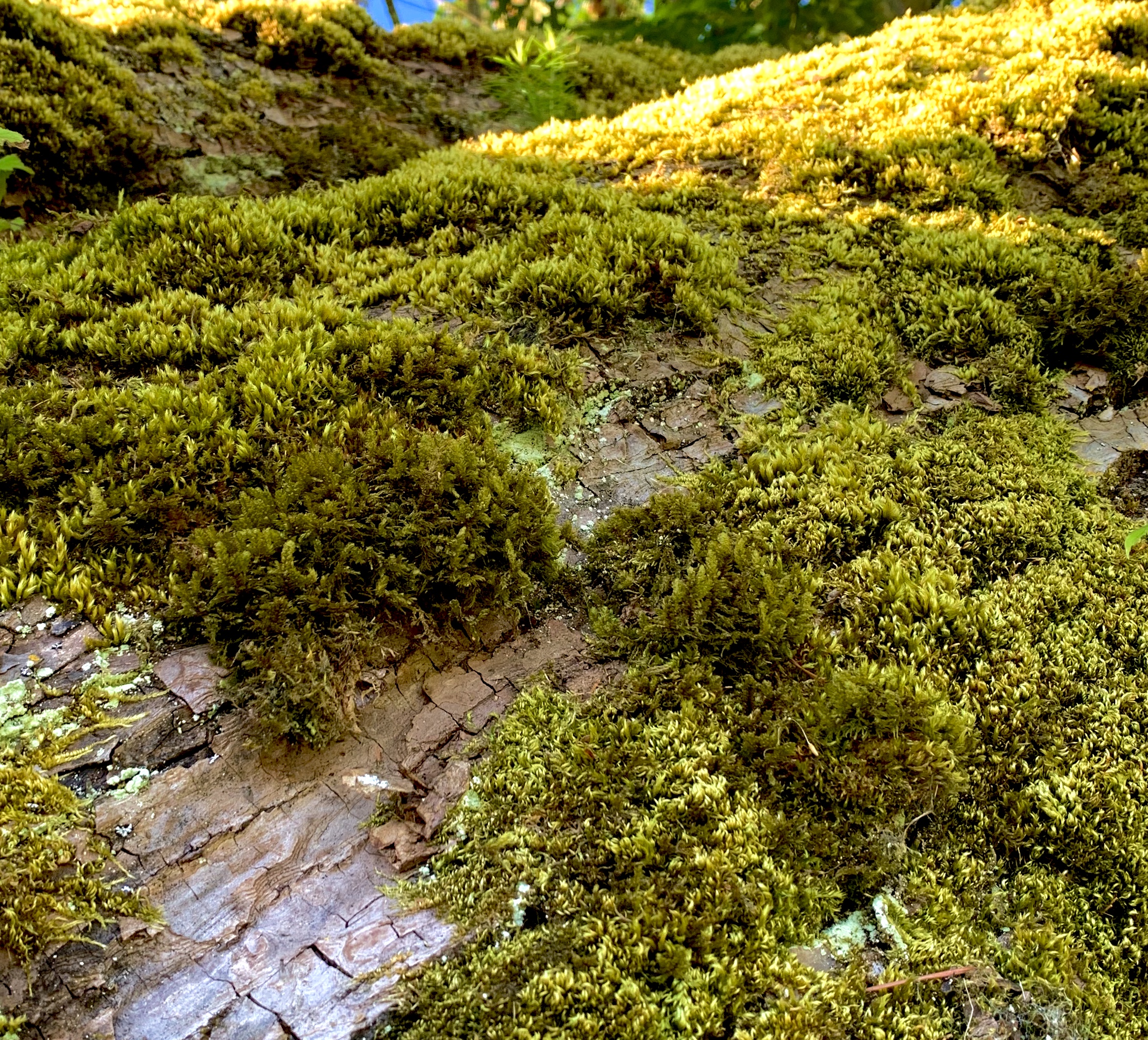
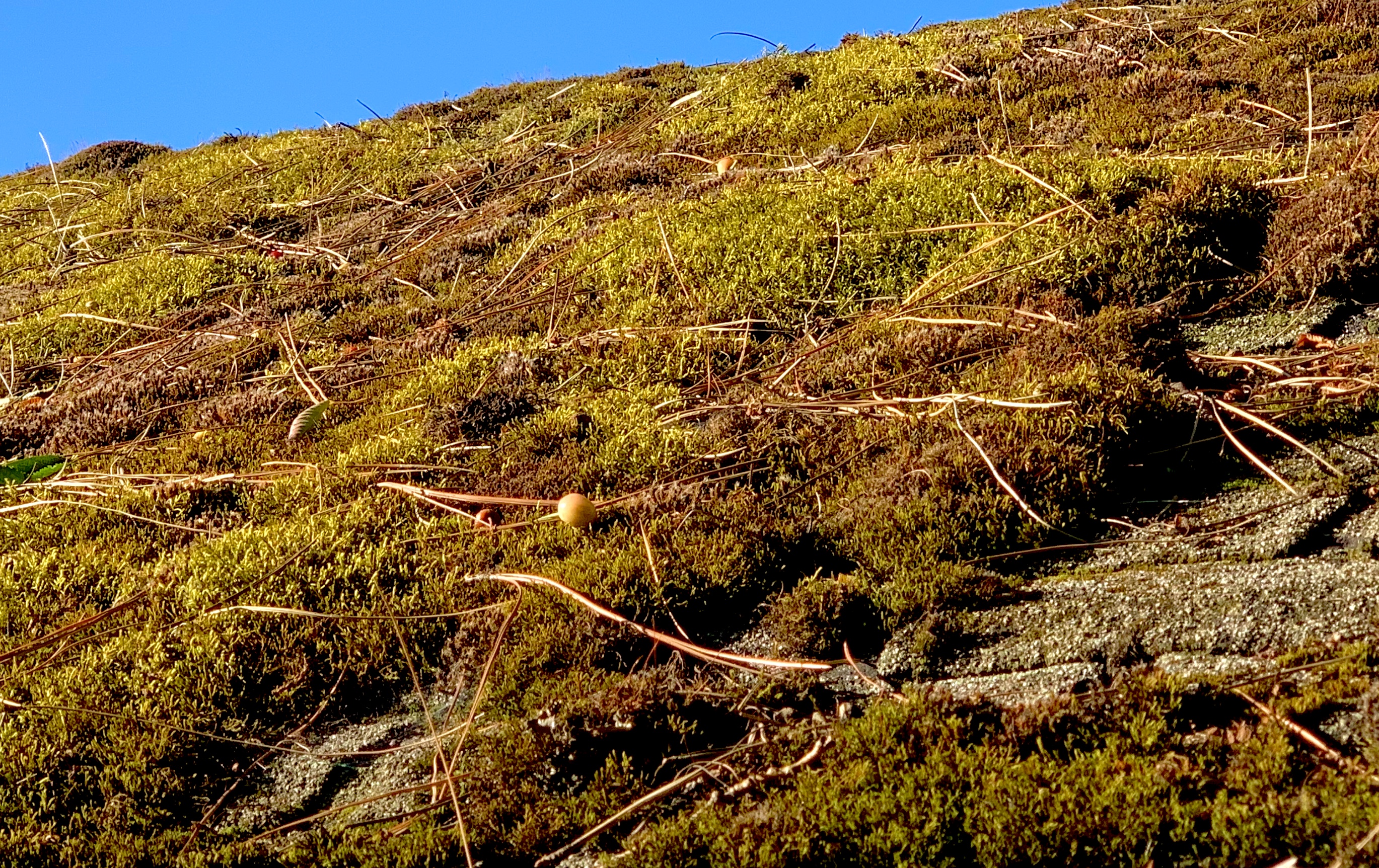
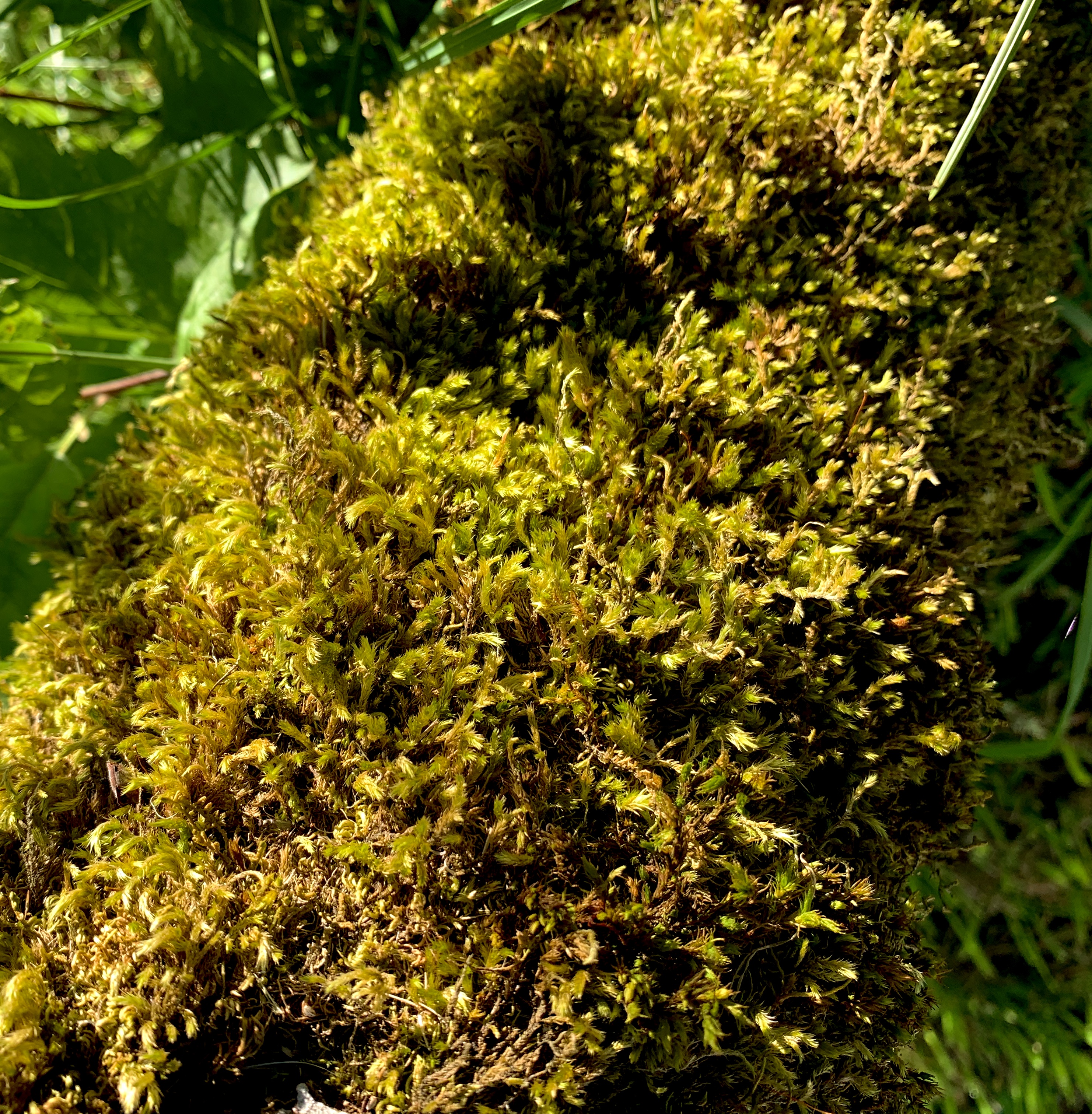
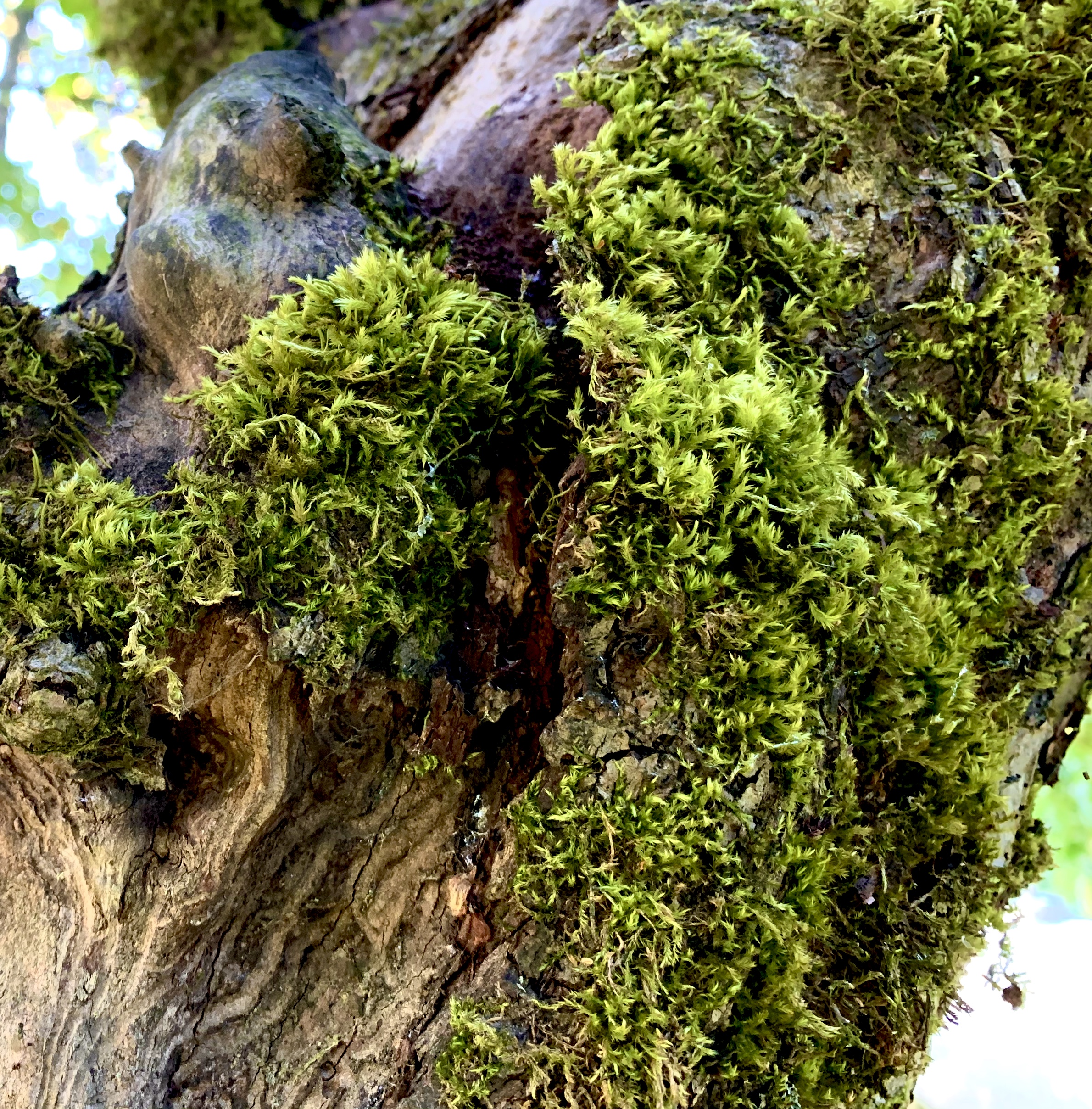
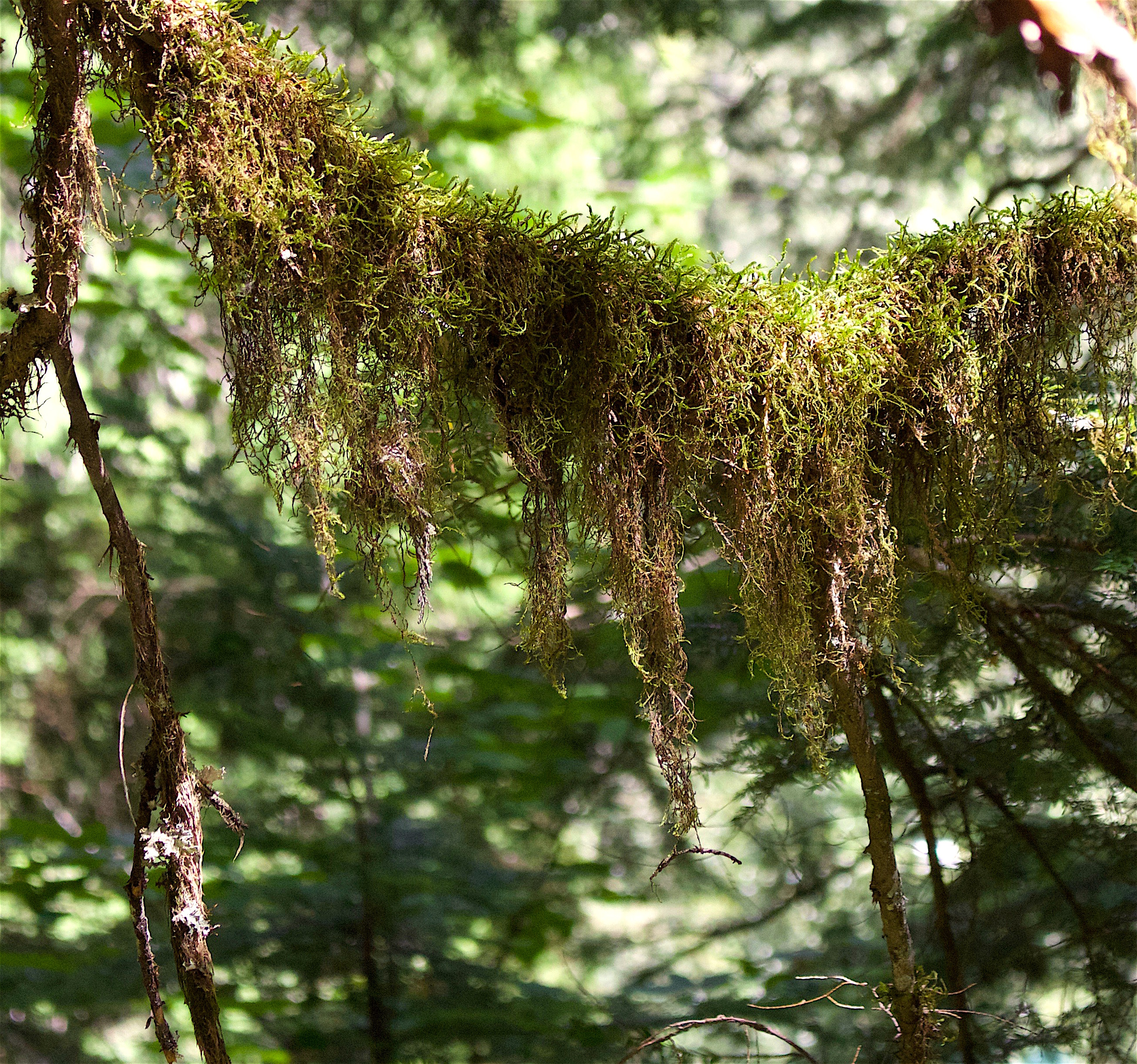
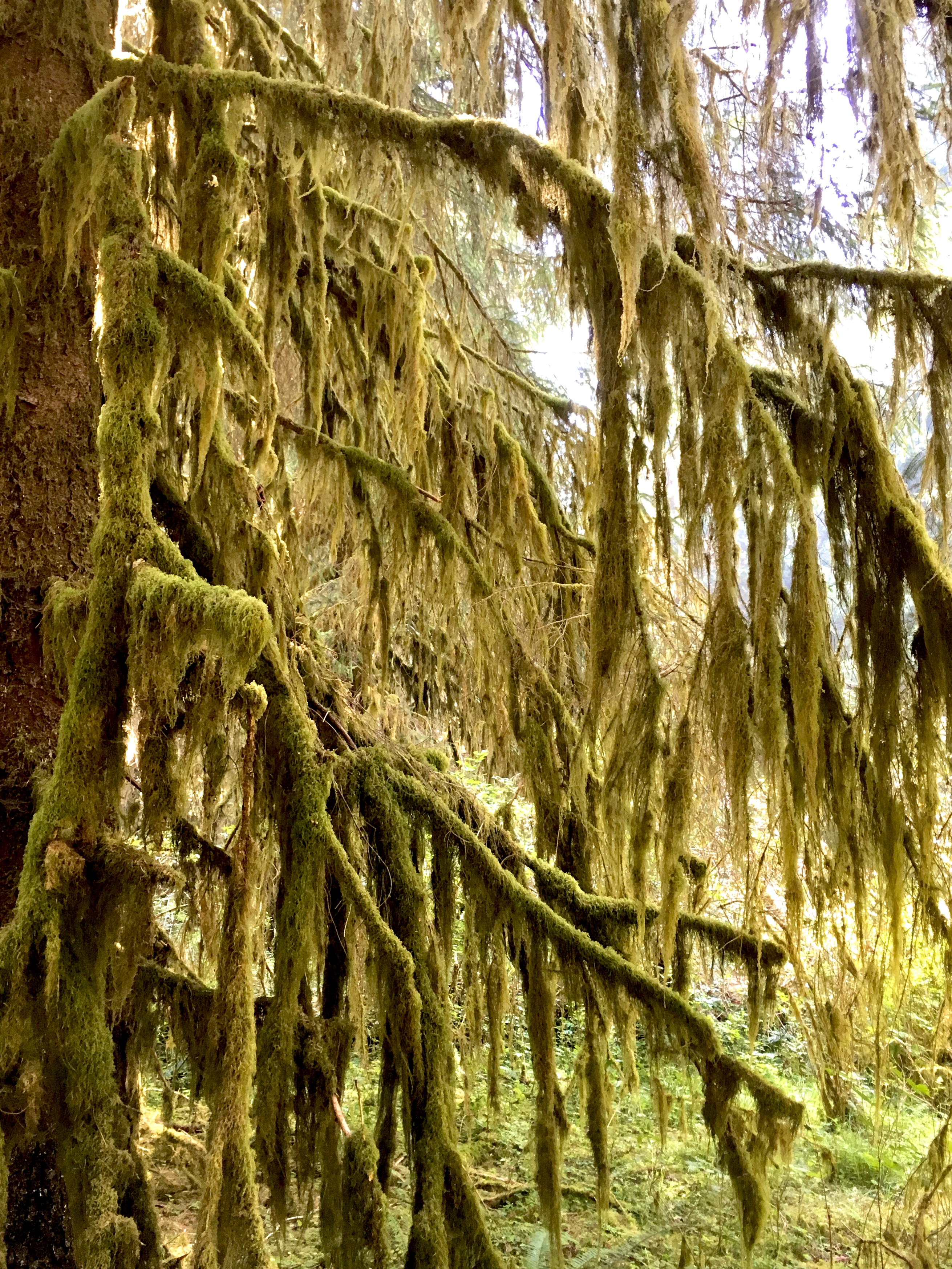
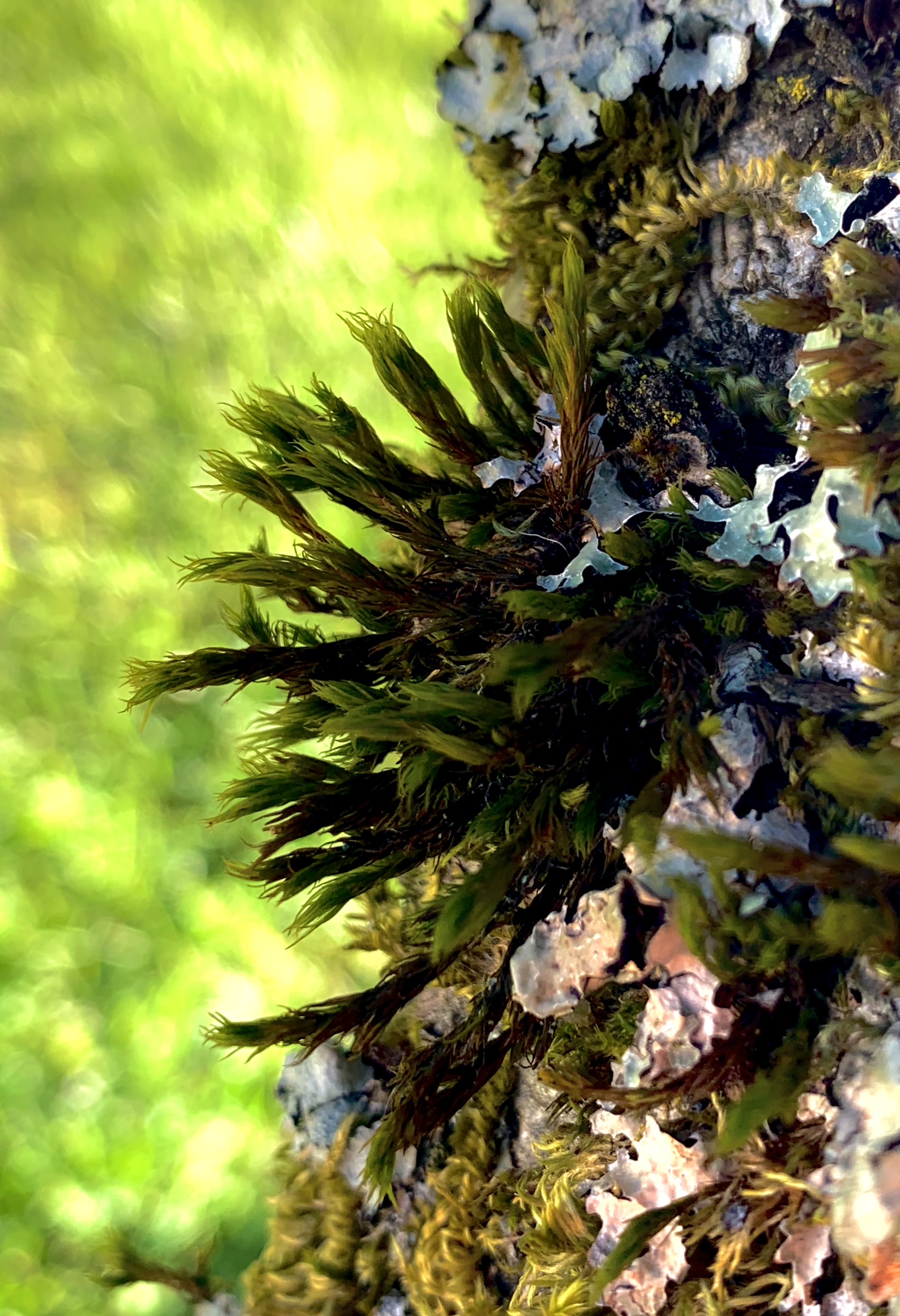
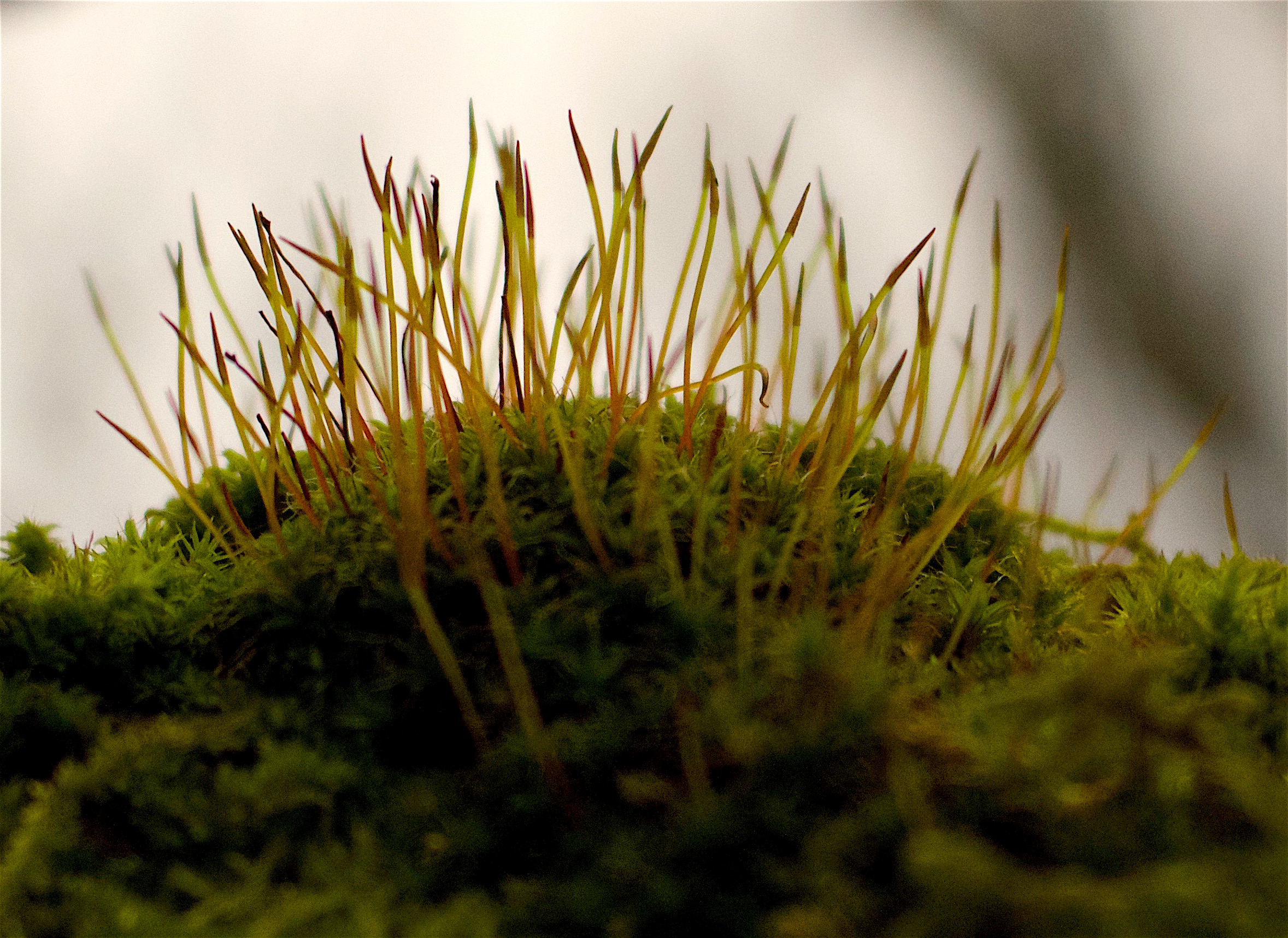
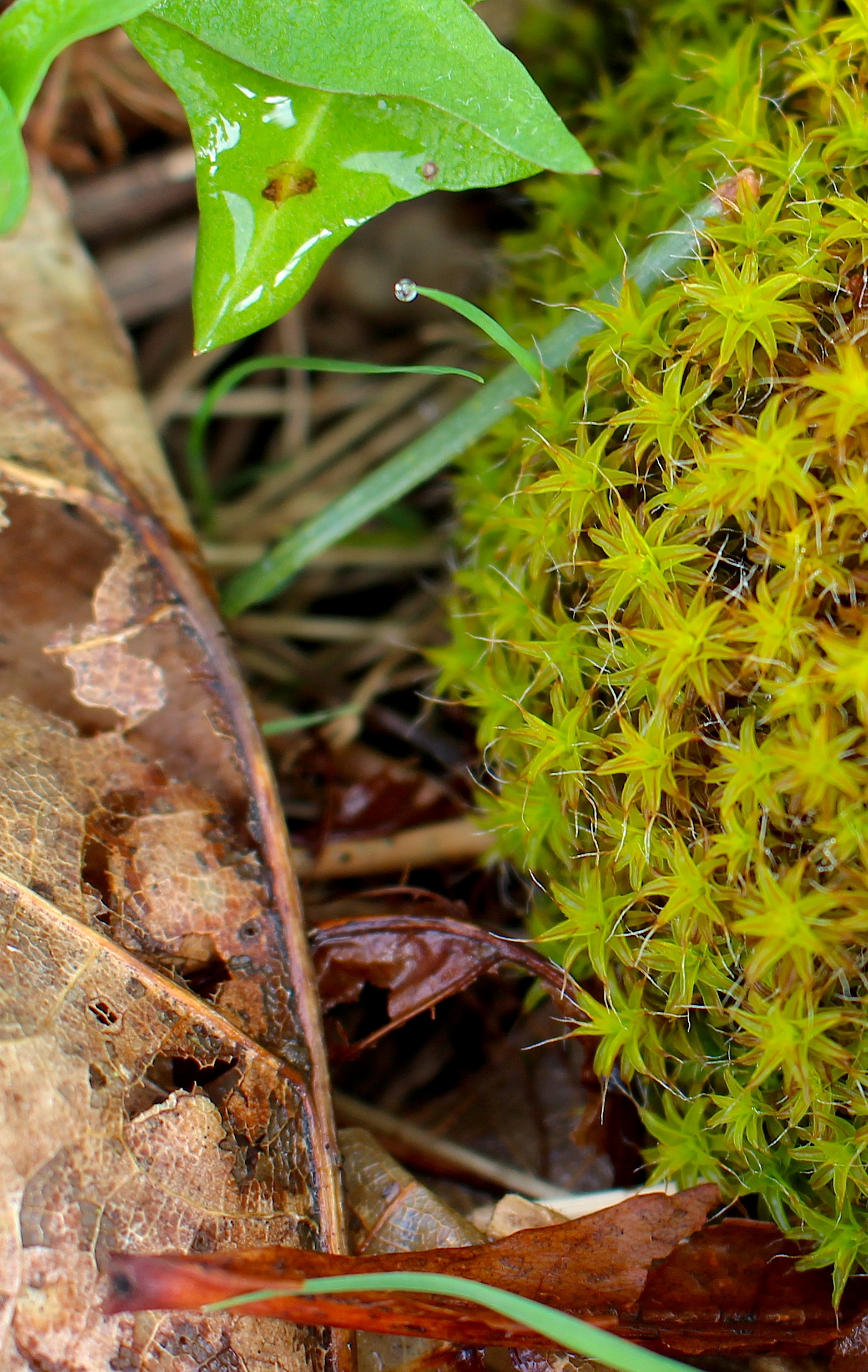
In this part of the world, mosses are everywhere. They are so much a part of the green backdrop, they become invisible as part of the scenery. Our lawn is mostly moss carpet in some spots, and many shingles on roofs sprout verdant fuzz.

Trees and rocks are festooned with moss: draped, painted and garlanded. Moss rugs make bare-foot tree climbing a more comfy adventure with branches forming hairy armpits and cushiony crotches.

Moss is softens our sharp edges, it forgives our abrasive surfaces, it heals the wounds and gaps and cracks. It becomes balm-like therapy for a struggling world baring its teeth in anger and misunderstanding.

I say let it grow: green, gentle, generous and grace-filled.
We all can use more of that.

All Things Glad and Flourishing

Spring flew swiftly by, and summer came;
and if the village had been beautiful at first,
it was now in the full glow and luxuriance of its richness.
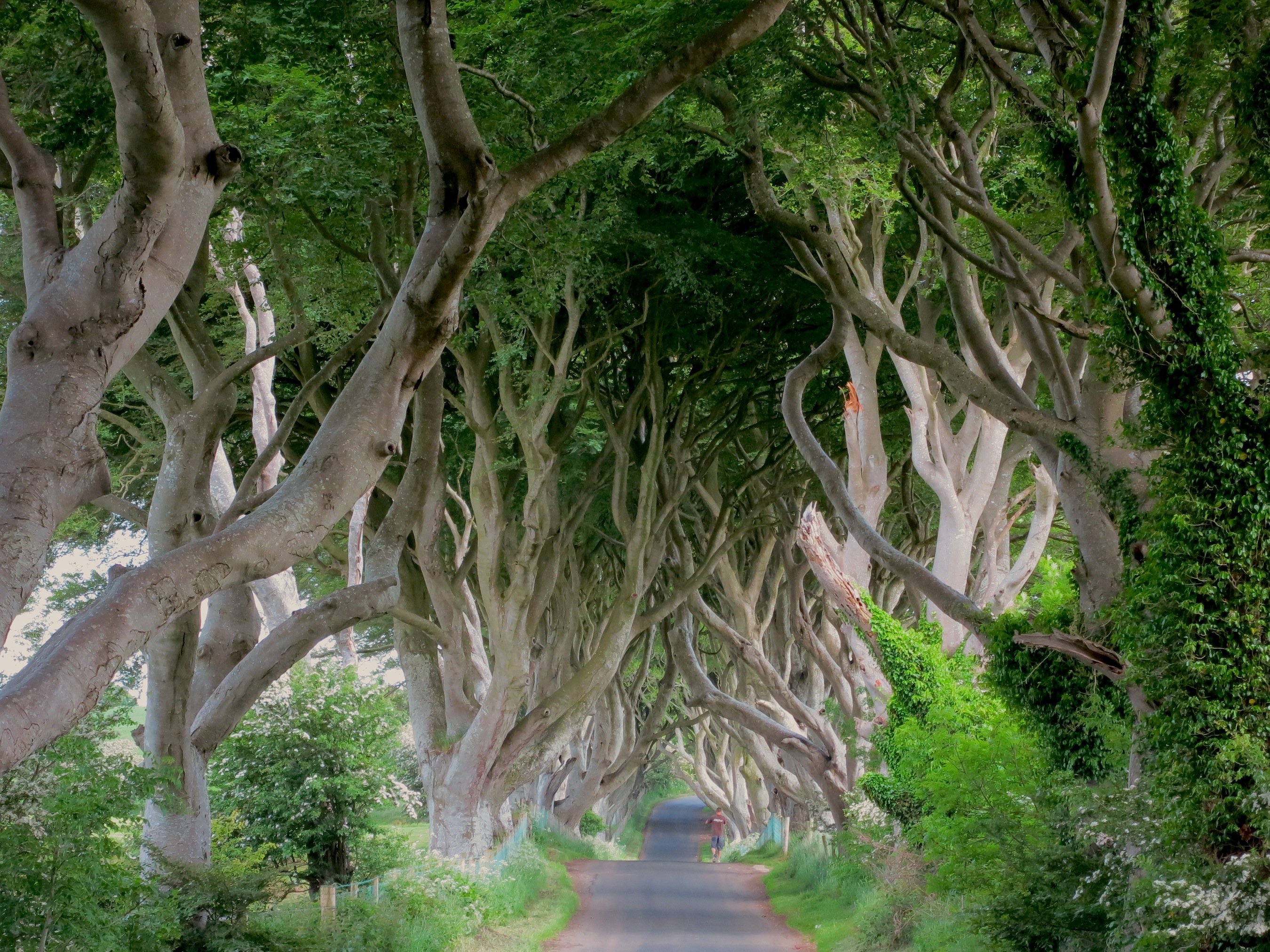
The great trees, which had looked shrunken and bare in the earlier months, had now burst into strong life and health;
and stretching forth their green arms over the thirsty ground,
converted open and naked spots into choice nooks,
where was a deep and pleasant shade
from which to look upon the wide prospect,
steeped in sunshine, which lay stretched out beyond.
The earth had donned her mantle of brightest green;
and shed her richest perfumes abroad.
It was the prime and vigour of the year;
all things were glad and flourishing.”
~ Charles Dickens from Oliver Twist 

Despite a pandemic,
despite economic hardship,
despite racial tensions and in-the-street protests,
despite political maneuvering and posturing:

life is green and flourishing and vigorous
even when we feel gray and withered and weakened.

May we not forget why we are here.
May we never forget our calling and purpose
to steward the earth and care for one another.