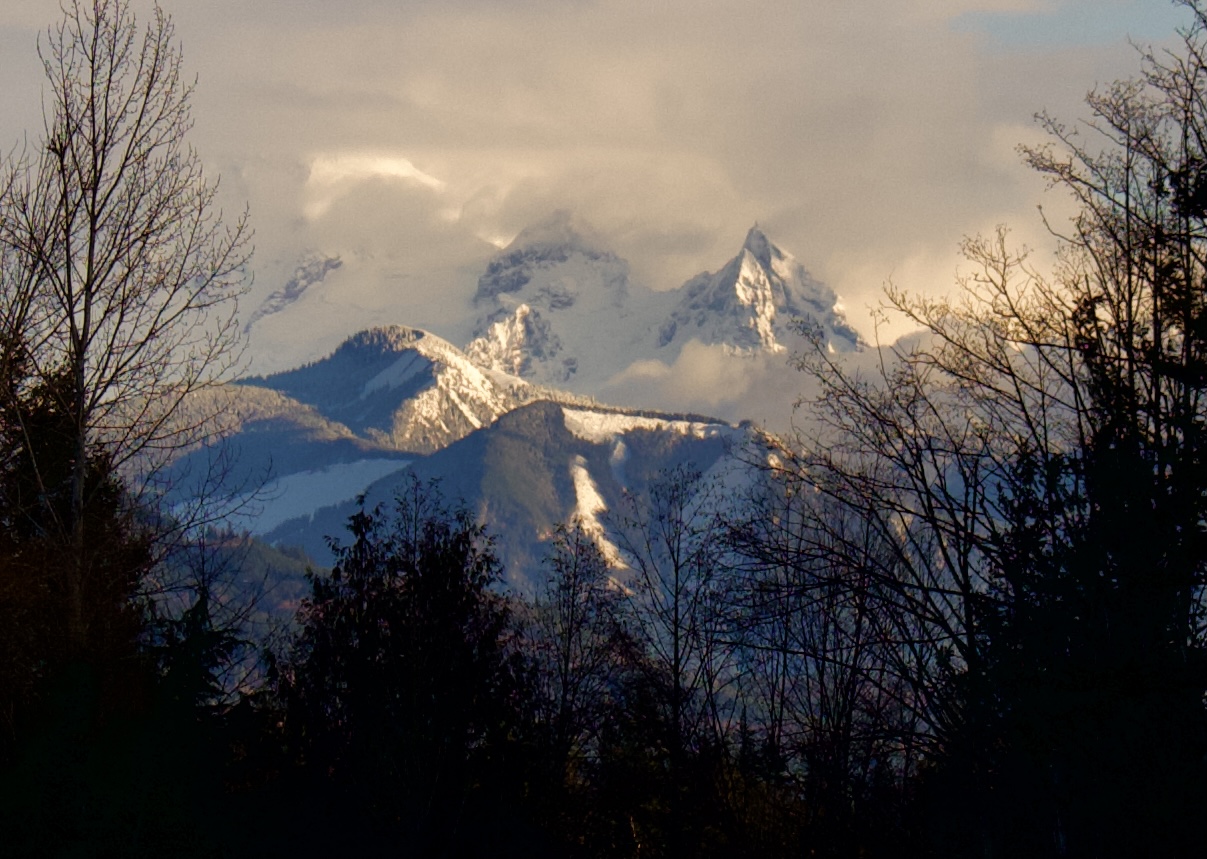
Returning Home Somehow

In the quiet misty morning
When the moon has gone to bed,
When the sparrows stop their singing
And the sky is clear and red,
When the summer’s ceased its gleaming
When the corn is past its prime,
When adventure’s lost its meaning –
I’ll be homeward bound in time

Bind me not to the pasture
Chain me not to the plow
Set me free to find my calling
And I’ll return to you somehow

If you find it’s me you’re missing
If you’re hoping I’ll return,
To your thoughts I’ll soon be listening,
And in the road I’ll stop and turn
Then the wind will set me racing
As my journey nears its end
And the path I’ll be retracing
When I’m homeward bound again

Bind me not to the pasture
Chain me not to the plow
Set me free to find my calling
And I’ll return to you somehow

In the quiet misty morning
When the moon has gone to bed,
When the sparrows stop their singing
I’ll be homeward bound again.

~Marta Keen “Homeward Bound”
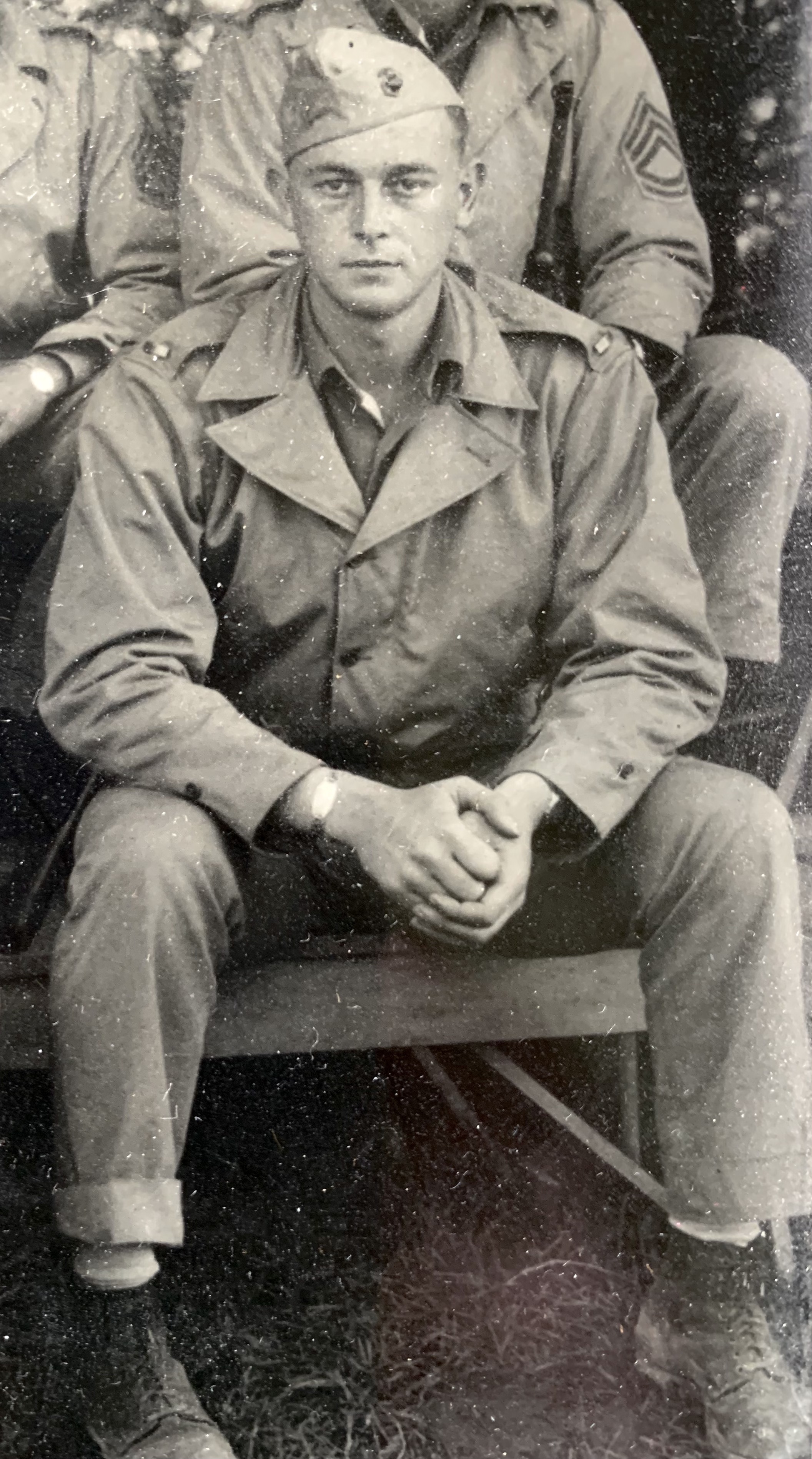
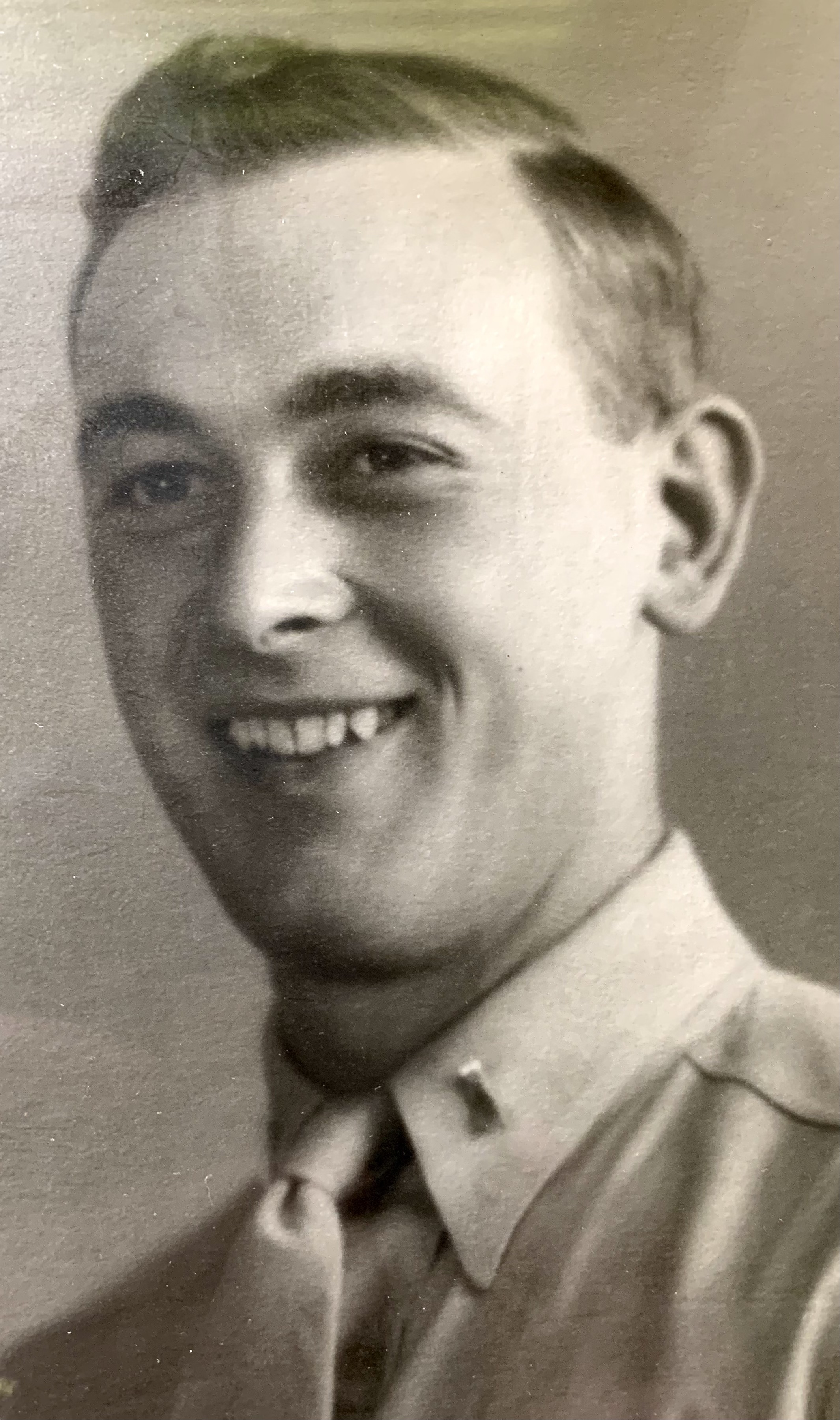
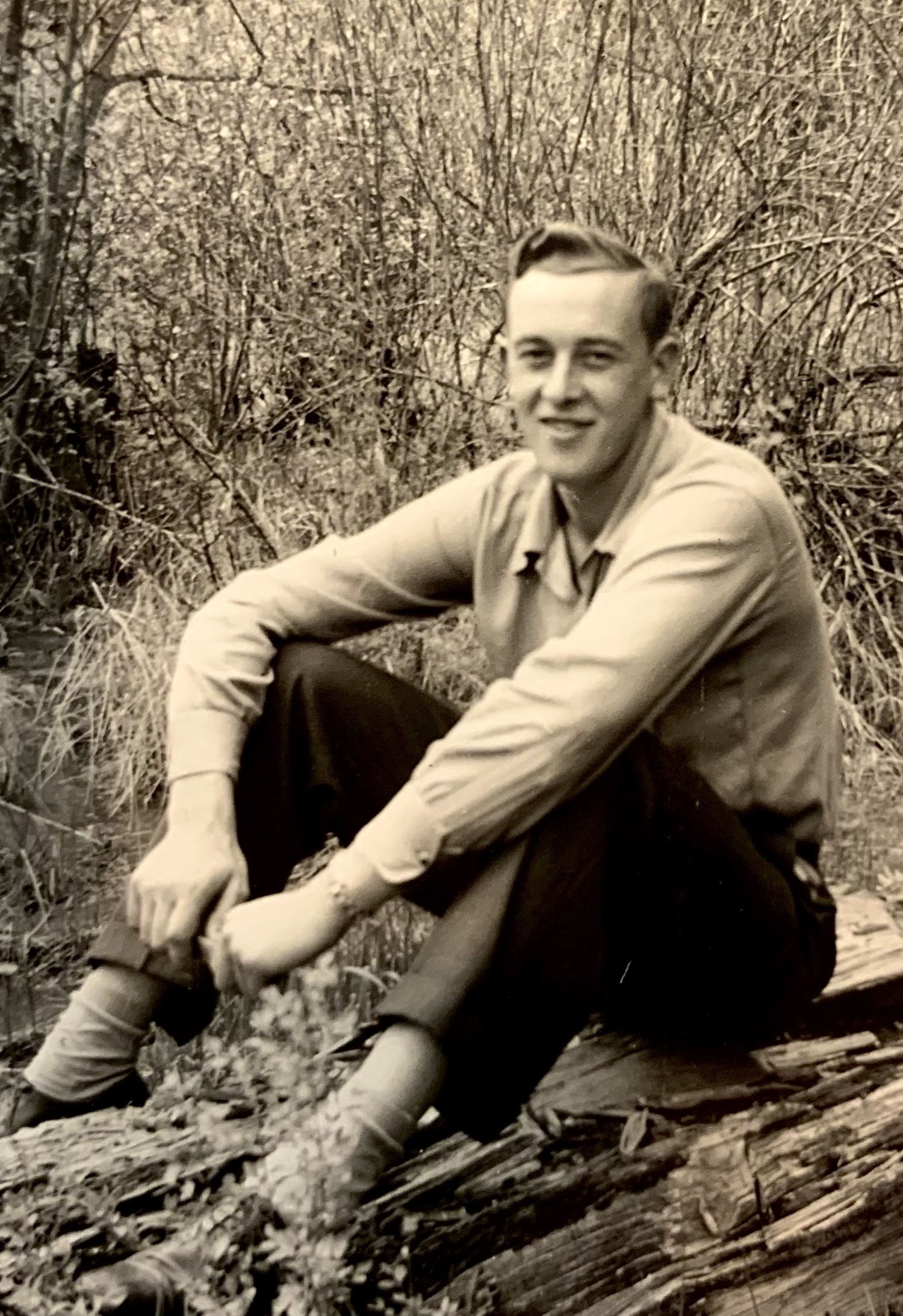
Eighty-two years ago, my parents married on Christmas Eve. It was not a conventional wedding day but a date of necessity, only because a justice of the peace was available to marry a score of war-time couples in Quantico, Virginia, shortly before the newly trained Marine officers were shipped out to the South Pacific to fight in WWII.

When I look at my parents’ young faces – ages 22 and just turned 21 — in their only wedding portrait, I see a hint of the impulsive decision that led to that wedding just a week before my father left for 30 months. They had known each other at college for over a year, had talked about a future together, but with my mother starting a teaching job in a rural Eastern Washington town, and the war potentially impacting all young men’s lives very directly, they had not set a date.

My father put his college education on hold to enlist, knowing that would give him some options he wouldn’t have if drafted, so they went their separate ways as he headed east to Virginia for his Marine officer training, and Mom started her high school teaching career as a speech and drama teacher. One day in early December of 1942, he called her and said, “If we’re going to get married, it’ll need to be before the end of the year. I’m shipping out the first week in January.” Mom went to her high school principal, asked for a two week leave of absence which was granted, told her astonished parents, bought a dress, and headed east on the train with a friend who had received a similar call from her boyfriend.

This was a completely uncharacteristic thing for my overly cautious mother to do, so… it must have been love.

They were married in a brief civil ceremony with another couple as the witnesses. They stayed in Virginia only a couple days and took the train back to San Diego, and my father was shipped out. Just like that. Mom returned to her teaching position and the first three years of their married life was composed of letter correspondence only, with gaps of up to a month during certain island battles when no mail could be delivered or posted.

As I sorted through my mother’s things following her death over a decade ago, I found their war-time letters to each other, stacked neatly and tied together in a box.

In my father’s nearly daily letters home to my mother during WWII, month after month after month, he would say, over and over, while apologizing for the repetition:

“I will come home to you, I will return, I will not let this change me, we will be joined again…”

This was his way of convincing himself even as he carried the dead and dying after island battles: men he knew well and the enemy he did not know. He knew they were never returning to the home they died protecting and to those who loved them.

He shared little of battle in his letters as each letter was reviewed and signed off by a censor before being sealed and sent. This story, however, made it through:

“You mentioned a story of Navy landing craft taking the Marines into Tarawa.  It reminded me of something which impressed me a great deal and something I’m sure I’ll never forget. 

So you’ll understand what I mean I’ll try to start with an explanation.  In training – close order drill- etc.  there is a command that is given always when the men form in the morning – various times during the day– after firing– and always before a formation is dismissed.  The command is INSPECTION – ARMS.  On the command of EXECUTION- ARMS each man opens the bolt of his rifle.  It is supposed to be done in unison so you hear just one sound as the bolts are opened.  Usually it is pretty good and sounds O.K.

Just to show you how the morale of the men going to the beach was – and how much it impressed me — we were on our way in – I was forward, watching the beach thru a little slit in the ramp – the men were crouched in the bottom of the boat, just waiting.  You see- we enter the landing boats with unloaded rifles and wait till it’s advisable before loading.  When we got about to the right distance in my estimation I turned around and said – LOAD and LOCK – I didn’t realize it, but every man had been crouching with his hand on the operating handle and when I said that — SLAM! — every bolt was open at once – I’ve never heard it done better – and those men meant business when they loaded those rifles. 

A man couldn’t be afraid with men like that behind him.”

My father did return home to my mother after nearly three years of separation. He finished his college education to become an agriculture teacher to teach others how to farm the land while he himself became bound to the pasture and chained to the plow.

He never forgot those who died, making it possible for him to return home. I won’t forget either.

My mother and father could not have foretold the struggles that lay ahead for them. The War itself seemed struggle enough for the millions of couples who endured the separation, the losses and grieving, as well as the eventual injuries–both physical and psychological.  It did not seem possible that beyond those harsh and horrible realities, things could go sour after reuniting.

The hope and expectation of happiness and bliss must have been overwhelming, and real life doesn’t often deliver.  After raising three children, their 35 year marriage fell apart with traumatic finality.  When my father returned home (again) over a decade later, asking for forgiveness, they remarried and had five more years together before my father died in 1995.

Christmas is a time of joy, a celebration of new beginnings and new life when God became man, humble, vulnerable and tender. But it also gives us a foretaste for the profound sacrifice made in giving up this earthly life, not always so gently.

As I peer at my father’s and mother’s faces in their wedding photo, I remember those eyes, then so trusting and unaware of what was to come.  I find peace in knowing they both have returned home to behold the Light, the Salvation and the Glory~~the ultimate Christmas~~in His presence.
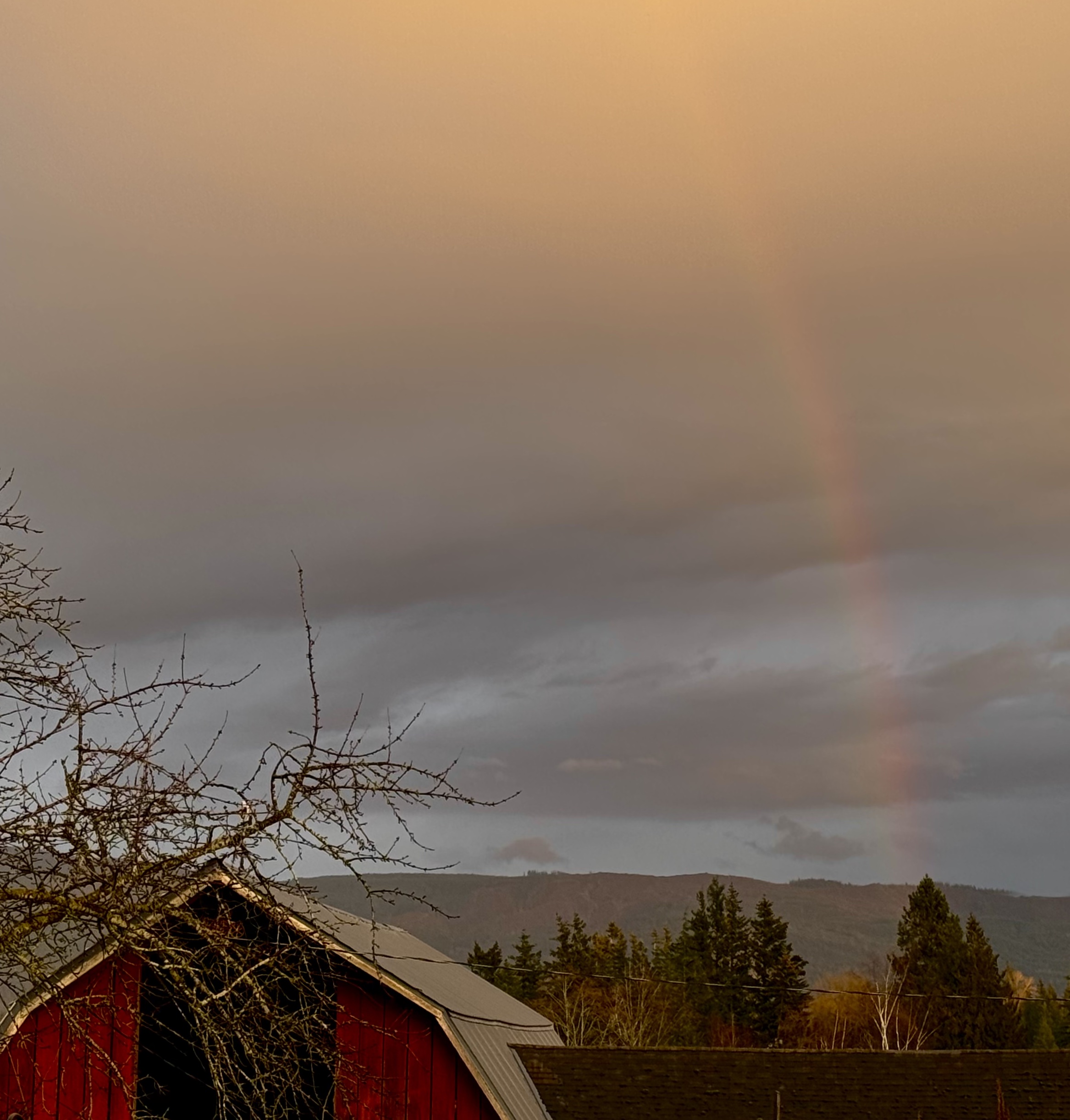
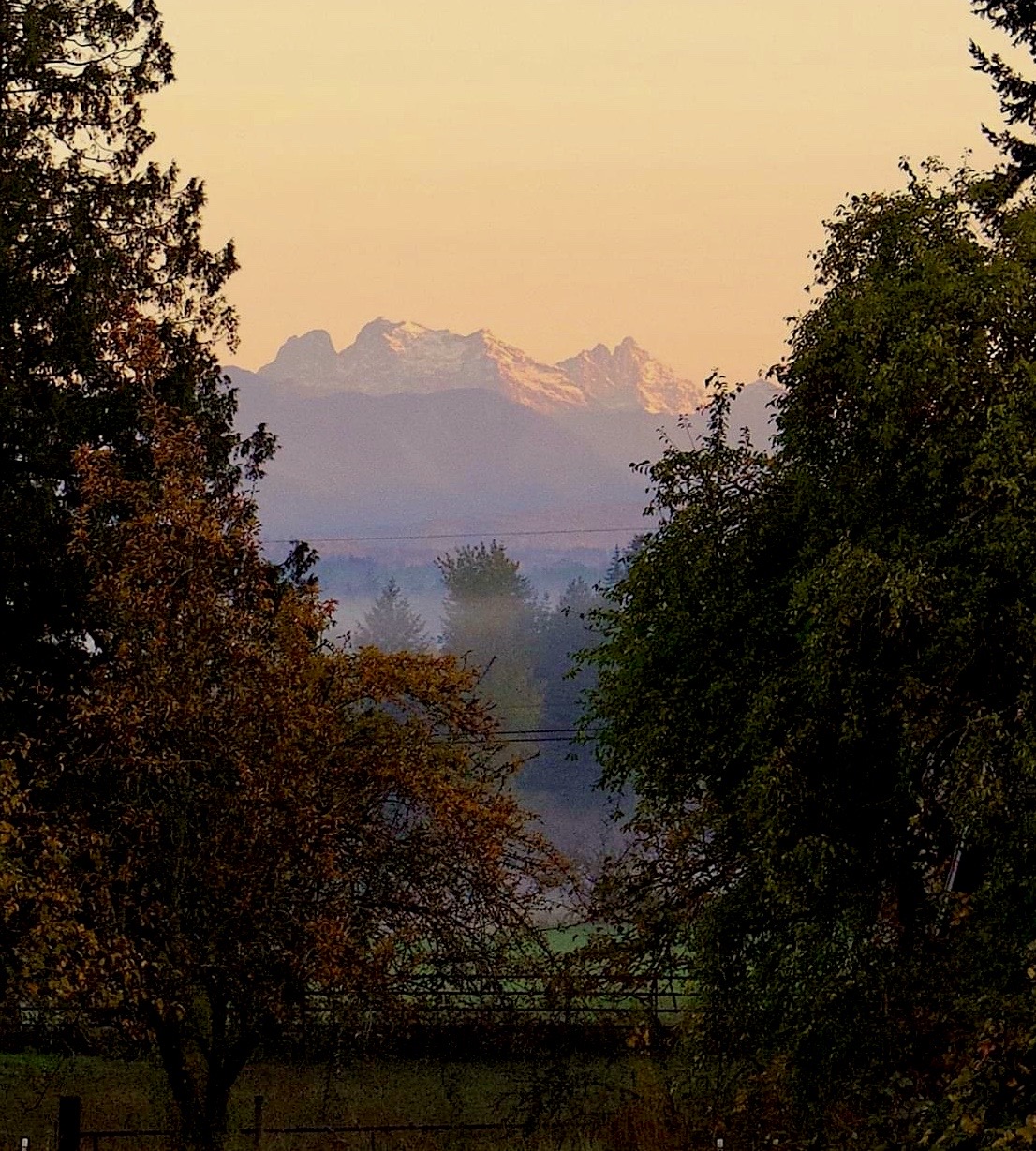
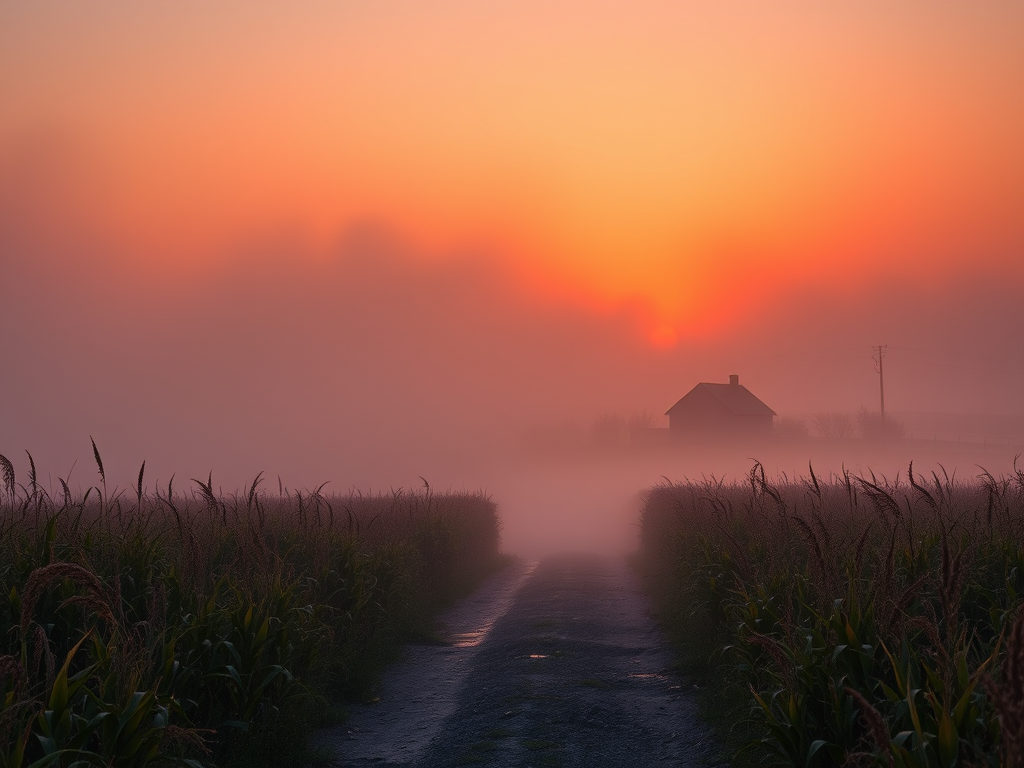
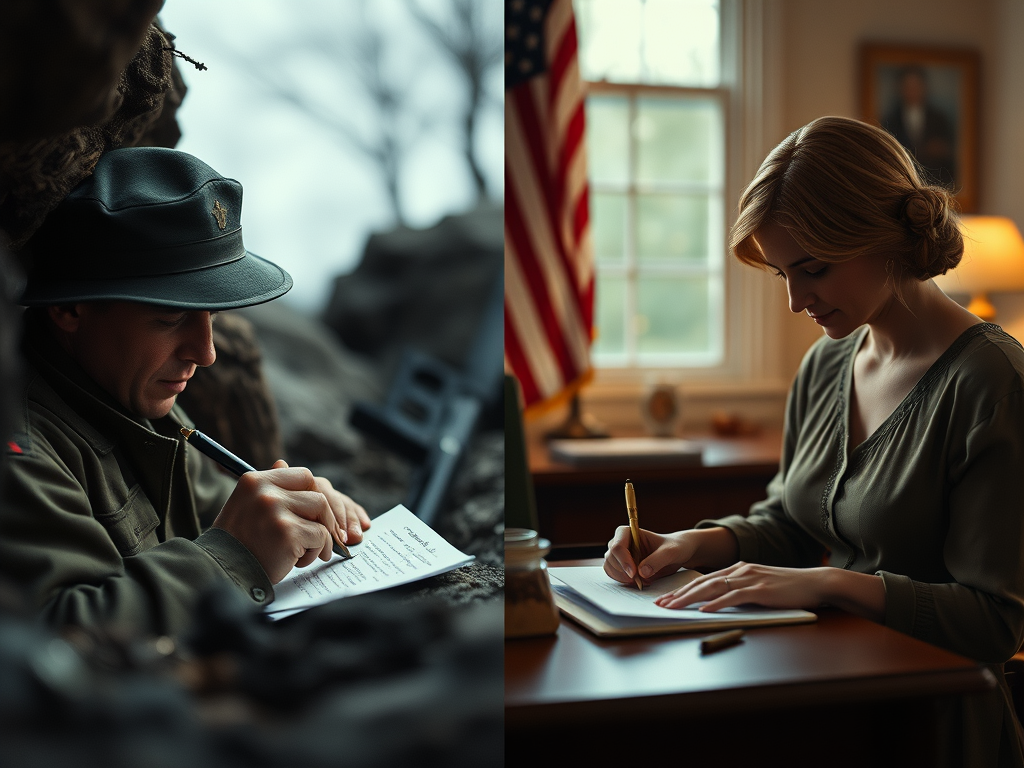
AI image created for this post

One-Time
Monthly
Yearly

Make a one-time or recurring donation to support daily Barnstorming posts

Make a monthly donation

Make a yearly donation

Choose an amount

$10.00
$25.00
$50.00
$5.00
$15.00
$100.00
$5.00
$15.00
$100.00

Or enter a custom amount

$

Your contribution is deeply appreciated.

Your contribution is appreciated.

Your contribution is appreciated.

DonateDonate monthlyDonate yearly
A Refuge in Briars and Brambles

What’s incomplete in me seeks refuge
in blackberry bramble and beech trees,
where creatures live without dogma
and water moves in patterns
more ancient than philosophy.
I stand still, child eavesdropping on her elders.
I don’t speak the language
but my body translates best it can,
wakening skin and gut, summoning
the long kinship we share with everything.
~Laura Grace Weldon, “Common Ground” from  Blackbird

When despair for the world grows in me
and I wake in the night at the least sound
in fear of what my life and my children’s lives may be,
I go and lie down where the wood drake
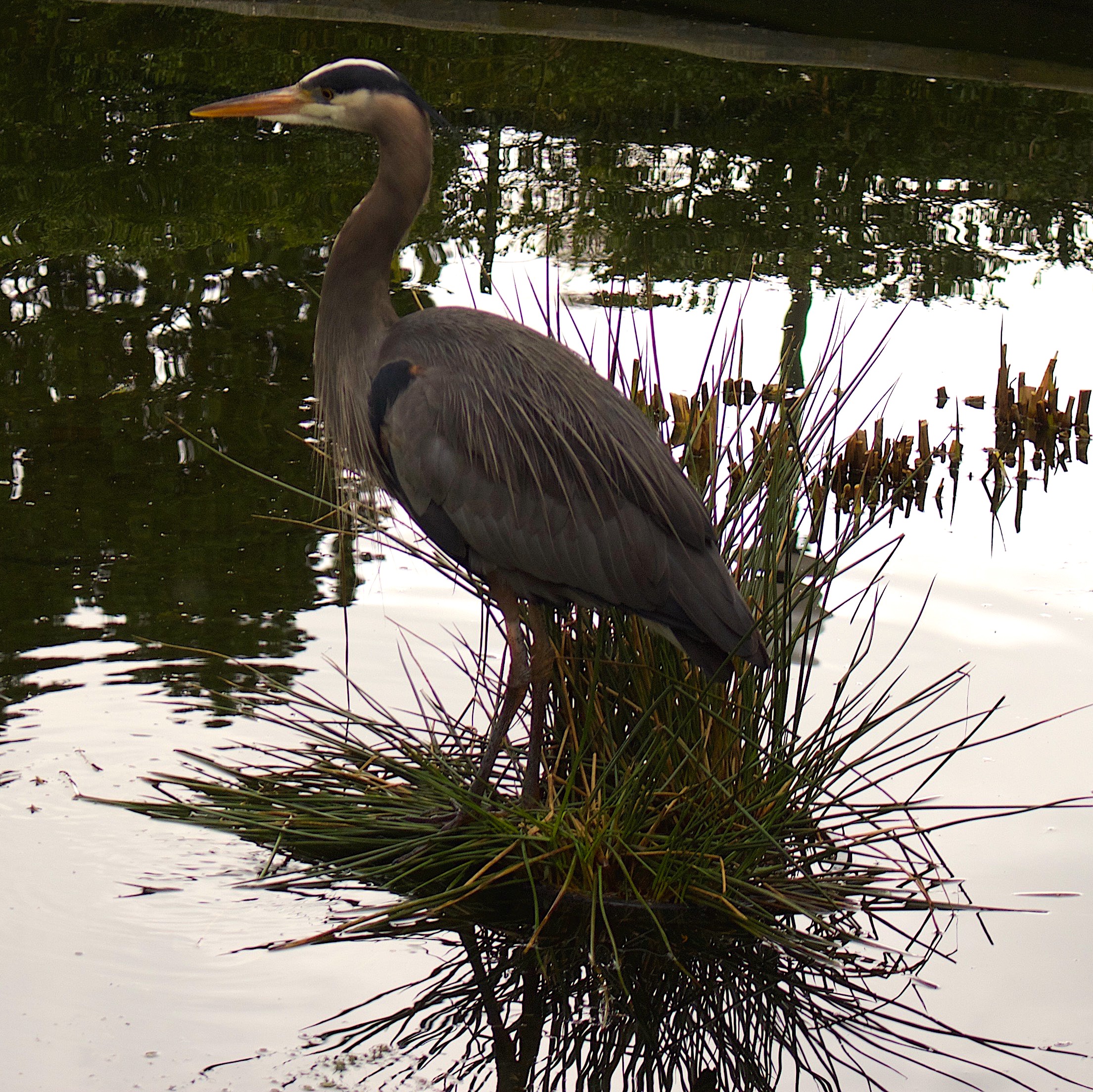
rests in his beauty on the water, and the great heron feeds.
I come into the peace of wild things
who do not tax their lives with forethought
of grief. I come into the presence of still water.
And I feel above me the day-blind stars
waiting with their light. For a time
I rest in the grace of the world, and am free.
~Wendell Berry “The Peace of Wild Things”

Nearly thirty months of pandemic separation and
I long to share our farm with our far-flung grandchildren
who live across the ocean, to watch them discover
the joys and sorrows of this place we inhabit.
I will tell them there is light beyond this darkness,
there is refuge amid the brambles,
there is kinship with what surrounds us,
there is peace amid the chaos,
there is a smile behind the tears,
there is stillness within the noisiness,
there is rescue when all seems hopeless,
there is grace as the old gives way to new.

One-Time
Monthly
Yearly

Make a one-time or recurring donation to support daily Barnstorming posts

Make a monthly donation

Make a yearly donation

Choose an amount

¤5.00
¤10.00
¤20.00
¤5.00
¤15.00
¤100.00
¤5.00
¤15.00
¤100.00

Or enter a custom amount

¤

Your contribution is deeply appreciated.

Your contribution is appreciated.

Your contribution is appreciated.

DonateDonate monthlyDonate yearly

May Light Eternal Shine Upon Them

May light eternal shine upon them, O Lord,
with Thy saints forever, for Thou art kind.
Eternal rest give to them, O Lord,
and let perpetual light shine upon them.

Lux aeterna luceat eis, Domine,
cum sanctis tuis in aeternum, quia pius es.
Requiem aeternam dona eis, Domine,
et lux perpetua luceat eis.

In my father’s near daily letters home to my mother during WWII, month after month after month, he would say, over and over while apologizing for the repetition:

“I will come home to you, I will return, I will not let this change me, we will be joined again…”

This was his way of convincing himself even as he carried the dead and dying after island battles: men he knew well and the enemy he did not know. He knew they were never returning to the home they died protecting and to those who loved them.

He shared little of battle in his letters as each letter was reviewed and signed off by a censor before being sealed and sent. This story made it through:

“You mentioned a story of Navy landing craft taking the Marines into Tarawa.  It reminded me of something which impressed me a great deal and something I’m sure I’ll never forget. 

So you’ll understand what I mean I’ll try to start with an explanation.  In training – close order drill- etc.  there is a command that is given always when the men form in the morning – various times during the day– after firing– and always before a formation is dismissed.  The command is INSPECTION – ARMS.  On the command of EXECUTION- ARMS each man opens the bolt of his rifle.  It is supposed to be done in unison so you hear just one sound as the bolts are opened.  Usually it is pretty good and sounds O.K.

Just to show you how the morale of the men going to the <Tarawa> beach was – and how much it impressed me — we were on our way in – I was forward, watching the beach thru a little slit in the ramp – the men were crouched in the bottom of the boat, just waiting.  You see- we enter the landing boats with unloaded rifles and wait till it’s advisable before loading.  When we got about to the right distance in my estimation I turned around and said – LOAD and LOCK – I didn’t realize it, but every man had been crouching with his hand on the operating handle and when I said that — SLAM! — every bolt was open at once – I’ve never heard it done better – and those men meant business when they loaded those rifles. 

A man couldn’t be afraid with men like that behind him.”

(for my father Henry Polis on Memorial Day)

It was only a part of what we knew about you-
serving three long years in the South Pacific,
spoken of obliquely
only if asked about,
but never really answered.

We knew you were a Marine battalion leader at age 21,
knew you spent too many nights without sleep,
unsure if you or your men would see the dawn
only to dread
what the next day would bring.

We knew you lost buddies
and your innocence;
found unaccustomed strength
in a mama’s boy
who once cried too easily and later almost never.

Somehow life had prepared you for this:
pulling your daddy out of taverns when you were ten
watching him beat your mama
until finally getting big enough
to stand in the way so he stopped.

Then Tarawa, Saipan, Tinian beaches
bitterly bloodsoaked
battles won,
to be restored and renewed
as vacation resorts.

We let you go without knowing
your full story–
even Mom didn’t ask.
You could not share the depth
of horror and fear you felt.

It was not shame that kept you silent;
simply no need to revisit
the pain of remembrance.
It was done, finished,
you had done your duty.

So as we again set flowers and flag
on your grave,
reunited with Mom after years apart,
I regret so many questions unasked
of your sacrifice beyond imagining.

Sleep well, Dad,
with Mom now by your side.
I rejoice you have wakened
to a renewed dawn,
an eternal light
Lux Aeterna.

What Makes Things the Same

At first we just say flower. How
thrilling it is to name. Then it’s
aster. Begonia. Chrysanthemum.

We spend our childhood learning
to separate one thing from another.
Daffodil. Edelweiss. Fern. We learn

which have five petals, which have six.
We say, “This is a gladiolus, this hyacinth.”
And we fracture the world into separate

identities. Iris. Jasmine. Lavender.
Divorcing the world into singular bits.
And then, when we know how to tell

one thing from another, perhaps
at last we feel the tug to see not
what makes things different, but

what makes things the same. Perhaps
we feel the pleasure that comes
when we start to blur the lines—and once again everything
is flower, and by everything,
I mean everything.
~Rosemerry Wahtola Trommer, “Where We are Headed” from Hush

Somehow we find reassurance in naming things each according to its own kind – after all, we were given that task by God Himself in the Garden. We take our work seriously at lining up labels and categories based on all the differences we observe — we want to organize and define, separate and segregate, to do our best to create order out of a jumble, even if we are too young to have words for what we are doing.

Yet when we emphasize differences, we fail to appreciate all that is shared among us and end up fracturing rather than joining together. We look for what keeps us apart rather than find the common ground that blurs the lines, creating a healing bond between us.

Everything has a common origin, and I mean everything.

Flowers: each needs soil, sun and some water no matter how differently they flourish and bloom.

People who cherish an identity: we are all human.
We were all created from dust and rib.
We share the same Creator.
We bloom, all in our own unique and precious way,
but what matters most
is where we put down roots and how freely we share our fruit.

And that is why we’re put here.

Stalking the Gaps Together

nch20141

The gaps are the thing.
The gaps are the spirit’s one home,
the altitudes and latitudes so dazzlingly spare and clean
that the spirit can discover itself like a once-blind man unbound.
The gaps are the clefts in the rock where you cower

to see the back parts of God;
they are fissures between mountains

and cells the wind lances through,
the icy narrowing fiords splitting the cliffs of mystery.


Go up into the gaps.
If you can find them;
they shift and vanish too.
Stalk the gaps.
Squeak into a gap in the soil,
turn, and unlock
—more than a maple—
a universe.
~Annie Dillard from Pilgrim at Tinker Creek

nch2014

I think there is a yawning gaping separation threatening us right now.

I feel a fissuring gap in my life. People who have eaten at our table, shared our home, who we have worshiped alongside – are now estranged, no longer trusting. This separation is buoyed by the chill wind of politics blowing bitterly where once there was warmth and nurture and caring.

We disagree.

We no longer understand one another. We no longer listen to one another.
The argument has become more important than the connection.

How can we even allow these gaps between us to develop?
How do we fill these fissures with enough of ourselves
so something new and vital can grow?
How can we stalk the gaps together, knowing how we are all exposed?

Not one of us has the corner on the Truth; if we are honest with ourselves and each other, we cower together for safety in the cracks of this world, watching helplessly as the backside of God passes by too holy for us to gaze upon. He places us there together for our own good. I see you there alongside me.

We are weak together. We are dependent together. We need each other.

Only His Word – nothing else –
can fill the open gaping hollow between us.
His Grace is great enough
to fill every hole
bridge every gap
bring hope to the hopeless
plant seeds for the future
and restore us wholly to each other.

Let it be so. Oh please let it be.

sunset722142

But By His Grace: Bearing Your Weight

The bridge of grace will bear your weight…
~Charles Spurgeon

Where God tears great gaps
we should not try to fill  them with human words.
They should remain open.
Our only comfort
is the God of the resurrection,

the Father of our Lord Jesus Christ,
who also was and is (our) God.

~Dietrich Bonhoeffer from “Circular Letters in the Church Struggle”

Great gaps are being torn in families, kept separate
in hospital ICUs and overflowing emergency rooms,
where patients struggle for breath and fight for life –
yet too sick, with too much risk
for loved ones to be near.

Christ too knew separation from His Father,
a chasm that appeared wholly unbridgeable-
forsaken, suffering for His brothers and sisters
by paying with His life
a ransom we could never satisfy:
we being so dead broke
and captive to our sin.

His grace is the only bridge able to bear our weight,
even now
even now
when our hearts break with uncertainty and fear.

We seek the comfort of
a grace strong enough
to fill our every hole
bridge our every gap
carry hope to our hopelessness
and restore us wholly to our Father
who was and is our God.

Lord, comfort us
by spanning our troubled waters,
bearing our weighty burdens,
to make sure we get safely to the Other Side
where Your arms await us.

This year’s Lenten theme for Barnstorming:

God sees us as we are,
loves us as we are,
and accepts us as we are.
But by His grace,
He does not leave us where we are.
~Tim Keller


Two Kinds of Infection

springlanerobin


Good things as well as bad, you know are caught by a kind of infection.

If you want to get warm you must stand near the fire:
if you want to be wet you must get into the water.
If you want joy, power, peace, eternal life,
you must get close to, or even into, the thing that has them. 

They are not a sort of prize which God could, if He chose, just hand out to anyone.
They are a great fountain of energy and beauty spurting up at the very centre of reality.
If you are close to it, the spray will wet you: if you are not, you will remain dry.

Once a man is united to God, how could he not live forever?
Once a man is separated from God, what can he do but wither and die?

~C.S. Lewis- Mere Christianity


pinkdogwoodmay2018


upperfield


Each Monday morning, as I transition once again from the observance of Sabbath with God’s people to move into the secular world of government work, I feel an acute separation.

I want to remain infected (and contagious) with the reality of God yet my life feels necessarily compartmentalized.

On Monday, I’m gloved and masked to prevent my infecting others.

All week I am exposed daily to the reality of the world and must defend myself from getting infected.

If I’m to be contagious, let it be because I’m overwhelmed with the Spirit, not the world.


sunset55181


pinkonwhite

A Little Tepid

tepidpool
I know what my heart is like
      Since your love died:
It is like a hollow ledge
Holding a little pool
      Left there by the tide,
      A little tepid pool,
Drying inward from the edge.
~Edna St. Vincent Millay “Ebb”
babydogwood

peonyrain2


I wondered if that was how forgiveness budded;
not with the fanfare of epiphany,
but with pain gathering its things,
packing up,
and slipping away unannounced in the middle of the night.

— Khaled Hosseini from The Kite Runner

 fidalgobeach
My mother was 58 when my father left her for a younger woman.  For weeks my mother withered, crying until there were no more tears left, drying inward from her edges.
It took ten years, but he returned like an overdue high tide.
She was sure her love had died but somehow forgiveness budded, that dry pool refilled with water somewhat cooler to the touch, yet more amazing, overflowing in its clarity.
sunrisepond22115

Sustained by Goodbye

wwurockcirclenatetomomi

You can kiss your family and friends good-bye and put miles between you, but at the same time you carry them with you in your heart, your mind, your stomach, because you do not just live in a world but a world lives in you.
~ Frederick Buechner

Once again we bid goodbye.  It never gets easier to part from one’s family members when their calling is far away.

I began writing regularly 14 years ago to consider more deeply my time left on this earth and what my family meant to me, here and now, and for eternity.
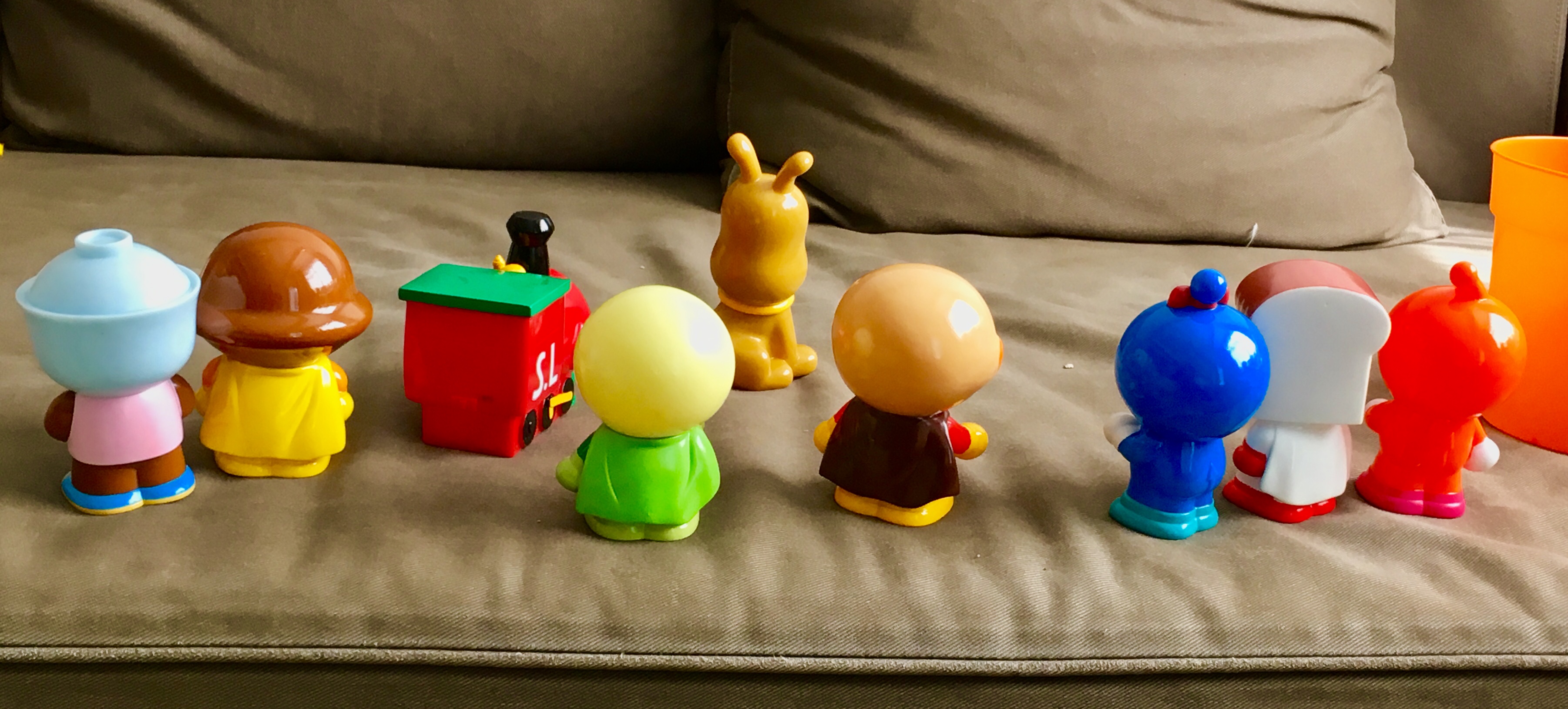
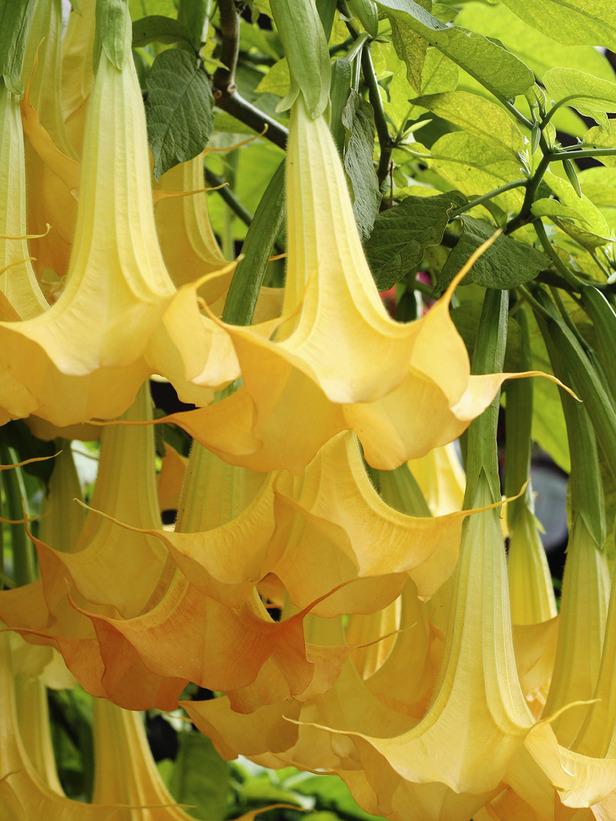
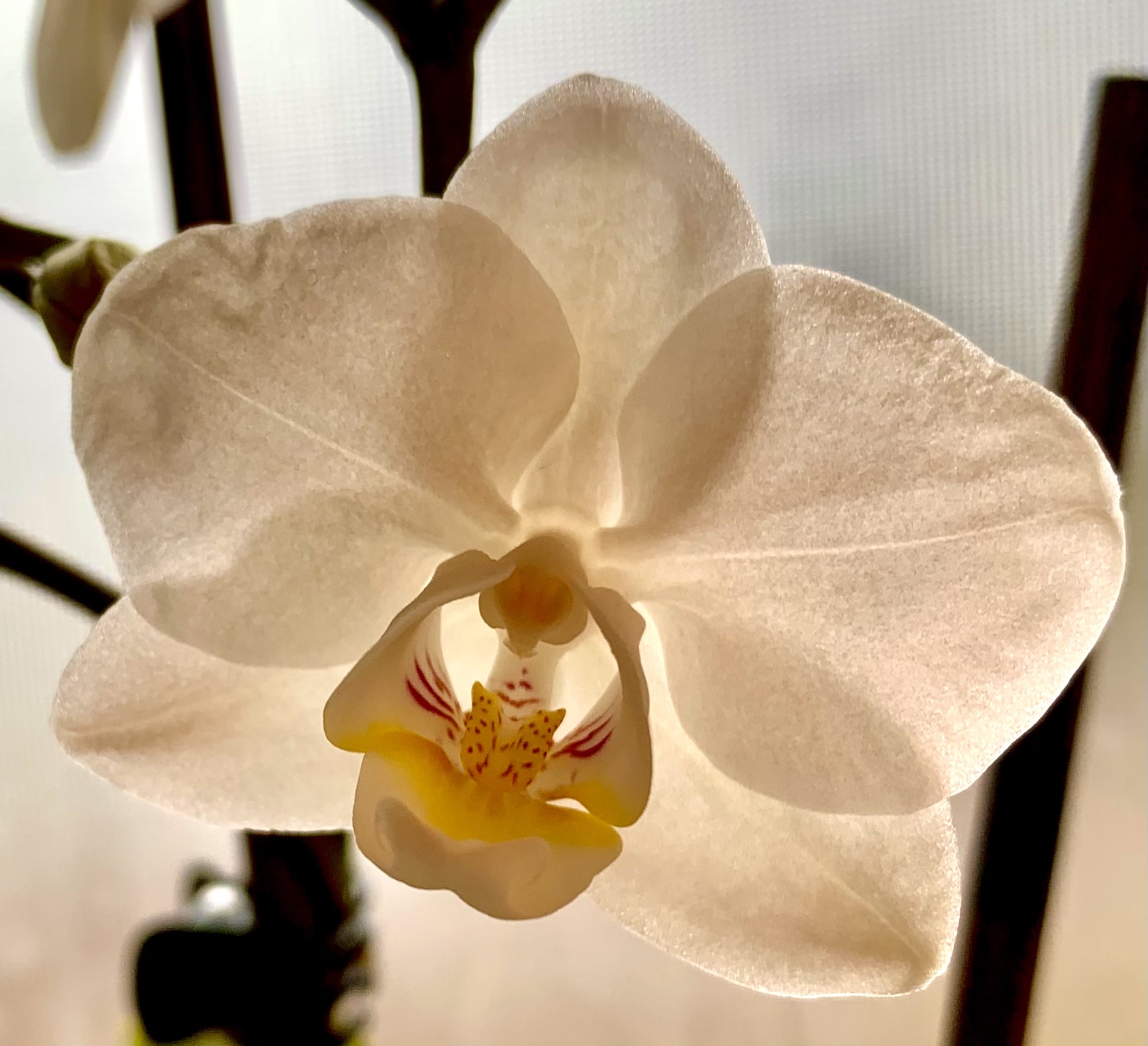
Family is carried inside the words I write without my often writing about them directly.  They inspire and challenge me, they love and stretch me, and as our children have now gone out into the world, two now married,  I am assured they are sustained by what they have carried away from this home.

Life is not just about living in the world but what world you carry deep inside.   We can never really be lonely;  our hearts will never be empty.  We have each other forever, even miles and miles and lifetimes apart.

I sustain myself with the love of family.
― Maya Angelou


natetomomi8115

tomomisunset82152

A Homogenized Amalgam

mlk2

Let me say finally, that in the midst of the hollering and in the midst of the discourtesy tonight, we got to come to see that however much we dislike it, the destinies of white and black America are tied together. Now the races don’t understand this apparently. But our destinies are tied together. And somehow, we must all learn to live together as brothers in this country or we’re all going to perish together as fools. …Whether we like it or not culturally and otherwise, every white person is a little bit negro and every negro is a little bit white. Our language, our music, our material prosperity and even our food are an amalgam of black and white, so there can be no separate black path to power and fulfillment that does not intersect white routes and there can ultimately be no separate white path to power and fulfillment short of social disaster without recognizing the necessity of sharing that power with black aspirations for freedom and human dignity.
~Martin Luther King,Jr.– in one of his last speeches, given at Grosse Point, Michigan high school (near Detroit) to a mostly white and often heckling audience, March 14, 1968

I grew up during the 1960’s in Olympia, Washington, a fair-sized state capitol of 20,000+ people at the time and our city had only one black family.

One.

There were a few Japanese and Korean families, a few Hispanics, but other than the Native American folks from the nearby Nisqually Reservation, our community seemed comprised of homogenized milk. Pretty much plain white.

In 1970, a white Olympia High School graduation student speaker caused a controversy resulting in numerous parents walking out of the ceremony she called our town a “white racist ghetto” in her speech. It was the first time I’d heard someone other than Martin Luther King, Jr. actually crack a previously unspoken barrier using only words. What she said caused much anger, but the ensuing debate in the newspaper Letters to the Editor, around lunch counters at the five and dime, and in the churches and real estate offices made a difference. Olympia slowly, in recognition at being called out for racism, began to open its social and political doors to people who weren’t white.

Heading to college in California helped broaden my white and limited point of view, but in the 70′s there were still few diversity admissions initiatives, so it was still a mostly white campus. Living in Africa to study wild chimpanzees in Africa in 1975, I experienced being one of two whites traveling among hundreds of very dark skinned Tanzanians on trains and boats in the interior of the country. I became the one gawked at, viewed as an oddity, pointed at by small children who were frightened, amused and perplexed by my appearance, and so constantly felt out of place. I did not belong. Yet I was treated graciously, with hospitality, although always a curiosity.

Returning to the Northwest meant blending in with homogenized white milk again. Although there was some minimal diversity in my medical school class (even women constituted less than 25% of my class of 1980), it wasn’t until I was in family practice residency at Seattle’s Capitol Hill Group Health Cooperative Hospital that I began to experience the world in technicolor. I joined a group of doctors in training that included an African American activist from the east coast, a Kiowa Indian, several of Jewish background, a son of Mexican immigrants, a daughter of Chinese immigrants, a Japanese American, someone of Spanish descent, and a Yupik Eskimo. Not only was I challenged to articulate how I perceived our inner city patients’ cultural, racial, religious, ethnic and sexual minority context, but I witnessed how much more effectively my colleagues and teachers worked with patients who looked or grew up like them. It was such a foundational experience that I was drawn to a medical practice in a Group Health Rainier Valley neighborhood clinic. There I saw patients who lived in the projects that lined Martin Luther King Way, struggling to overcome poverty and social fragmentation, clustered together in diverse little knots of extended family within a few square miles. There were many ethnic groups: African Americans, Vietnamese, Cambodian and Laotian refugees, Ashkenazi Jews, Middle East Muslims, Russian immigrants and some Catholic Italian families who spoke broken English. I delivered babies who would grow up learning languages and traditions from every corner of the globe. It was a wide world of diversity that walked into my exam rooms, enriching my life in ways I had never imagined.

I found that white milk, nurturing as it was, was not a reflection of everything the world had to offer and pretty bland all on its own.

When I married and we were starting our own family, we made the decision to move north near my husband’s home community of Lynden, a town of Dutch dairy farming immigrants. We planned to own our own farm to raise our children in a rural setting just as both of us had been raised. There was significant adjustment necessary once again even adapting to a primarily Caucasian community. I am not Dutch even though I am as white and tall as the Frieslanders (some of my ancestry is from Schleswig-Holstein in Germany, right across the Holland border).  I still didn’t belong.

I didn’t have the same cultural or church background to fit in easily in my new home. The color of my skin no longer made me noticeable, but the difference in rituals, the language quirks and traditions stood out. In other words, the milk looked just as white, (maybe skim versus whole or 2%), but varied significantly in taste (were the cows just let out on grass??)

Even with those apparent differences, our rural community has transformed over the last twenty six years since we moved here. We have two growing Native American sovereign nations within a few miles, the Nooksack and Lummi tribes, along with increasing numbers of migrant Hispanic families who work the seasonal berry and orchard harvest, many of whom have settled in year round. My supervisors where I work are African American. Our close proximity to the lower mainland of British Columbia has brought Taiwanese, Japanese and Hong Kong immigrants to our area, and East Indians immigrate to our county in large extended families, attracted by affordable farmland. A rural corner grocery only a few miles from our farm was built and managed by Sikhs who have stocked the shelves with the most amazing array of Indian spices and Mexican chili sauce, with Dutch peppermints and licorice thrown in for good measure.

Our children have grown up rural but, as adults, have become part of communities even more varied. Nate teaches multiracial students in an international high school in Tokyo, Japan and married Tomomi a year ago. Ben just finished two years as a Teach for America high school math teacher on the Pine Ridge Lakota Sioux Reservation in South Dakota, and married to Hilary, they are a racial  minority in their mostly black neighborhood in New Haven, Connecticut.   Lea is completing her Education Degree with a Spanish emphasis and spent last semester attending a variety of Hispanic churches in the Chicago area.  Our children are privileged to work within the kaleidoscope of humanity and our family is blessed to be multiracial.

Homogenized means more than just uniformity. It is a unity of substance, a breaking down of barriers so there is no longer obvious separation.  Martin Luther King, Jr. called it amalgam — a mixture that yields something stronger than the original parts.   I call what has happened in my life a homogenized amalgam.  I am still all white on the outside — I can’t change that —  but strive to break down barriers that separate me from others who live, work and worship around me who will enrich my life.    It can’t help but improve the flavor.

images