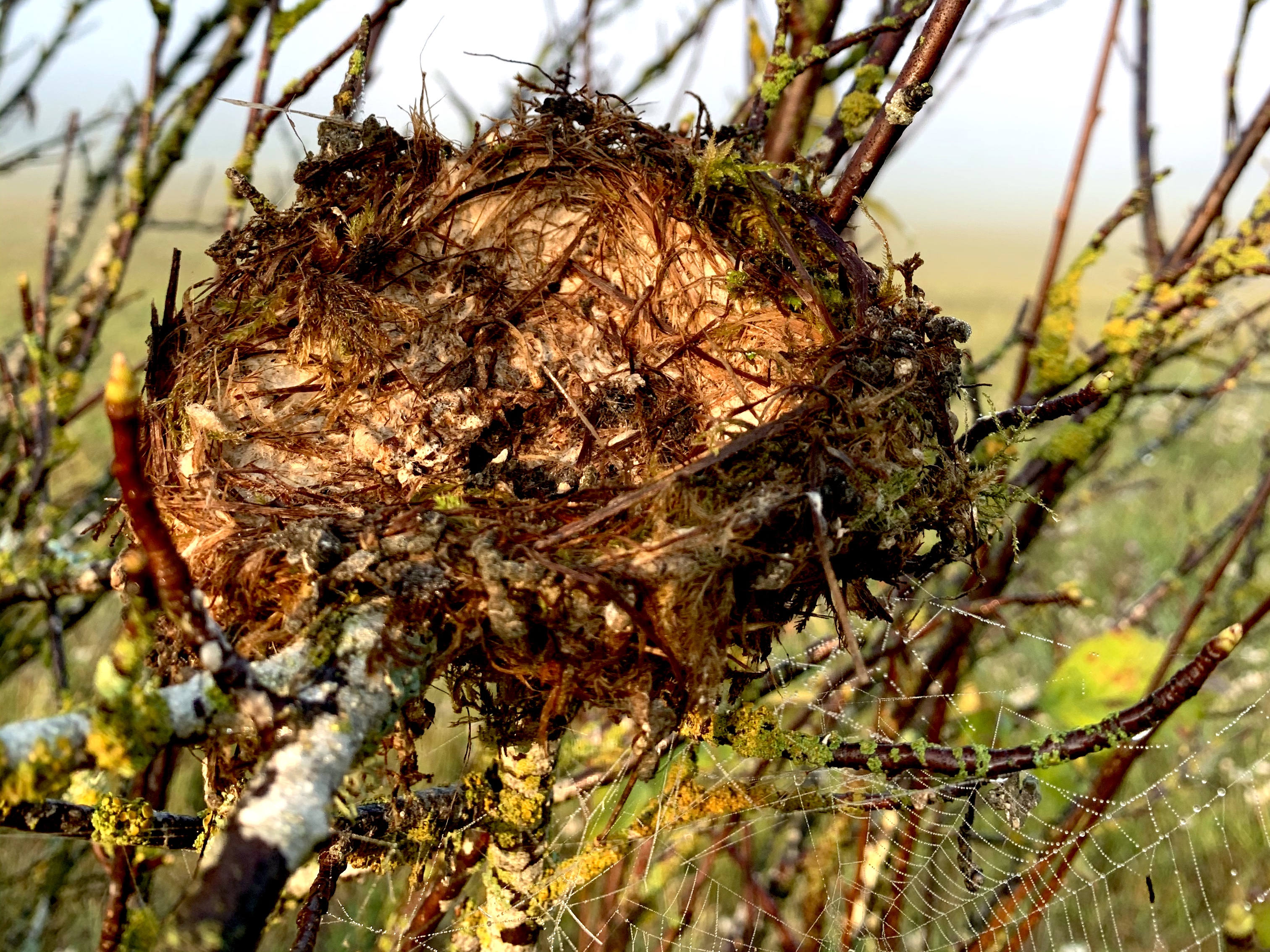
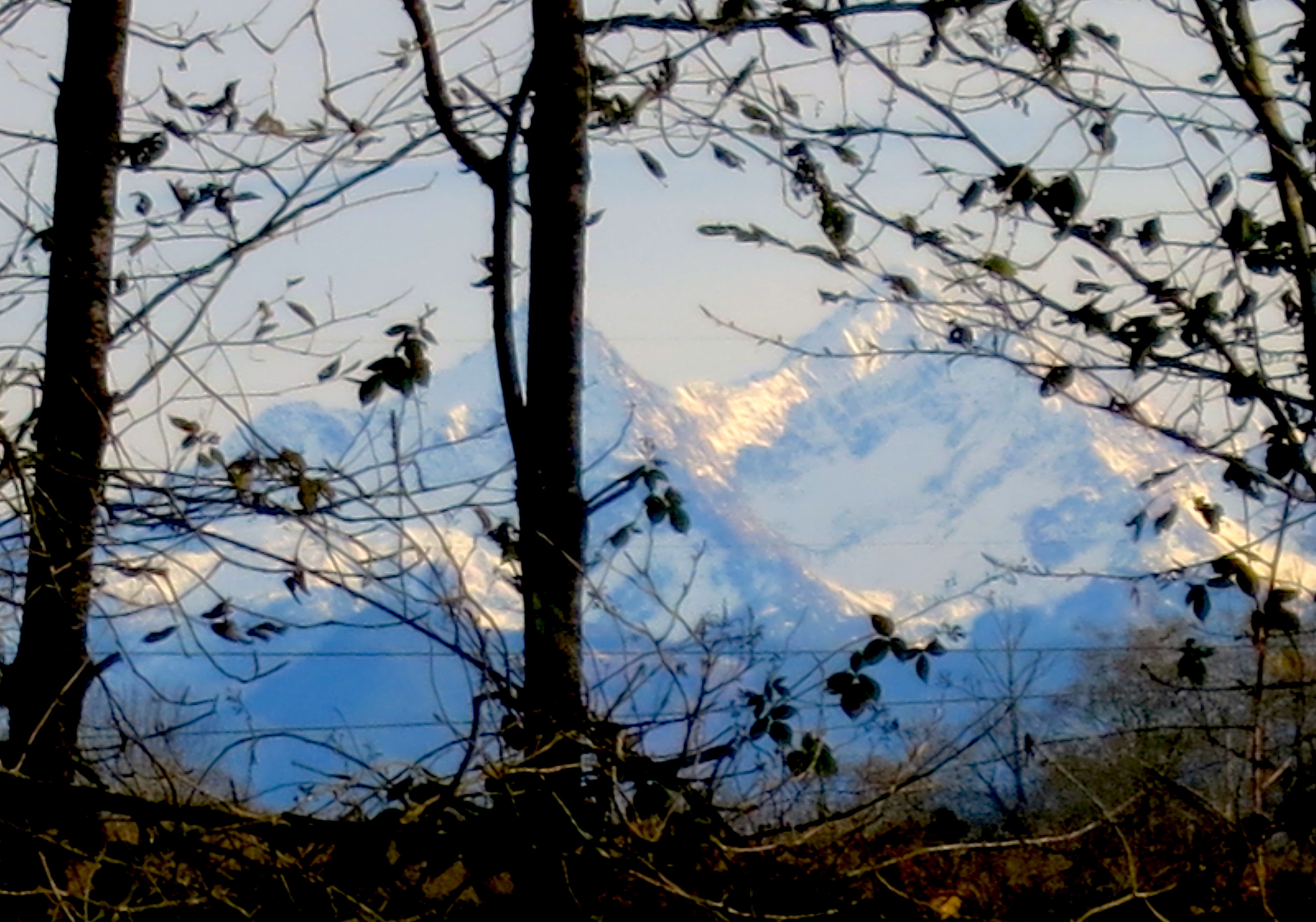
I go to the mountain side of the house to cut saplings, and clear a view to snow on the mountain. But when I look up, saw in hand, I see a nest clutched in the uppermost branches. I don’t cut that one. I don’t cut the others either. Suddenly, in every tree, an unseen nest where a mountain would be. ~Tess Gallagher “Choices” from Midnight Lantern: New and Selected Poems
Might I be capable of such tenderness? Might I consider the needs of others, by saving not just one nest, but all future nests, rather than exercise my right to an unimpeded view, wanting the world to be exactly how I want it?
I must not forget: my right to choose demands that I choose to do right by those who have no choice.
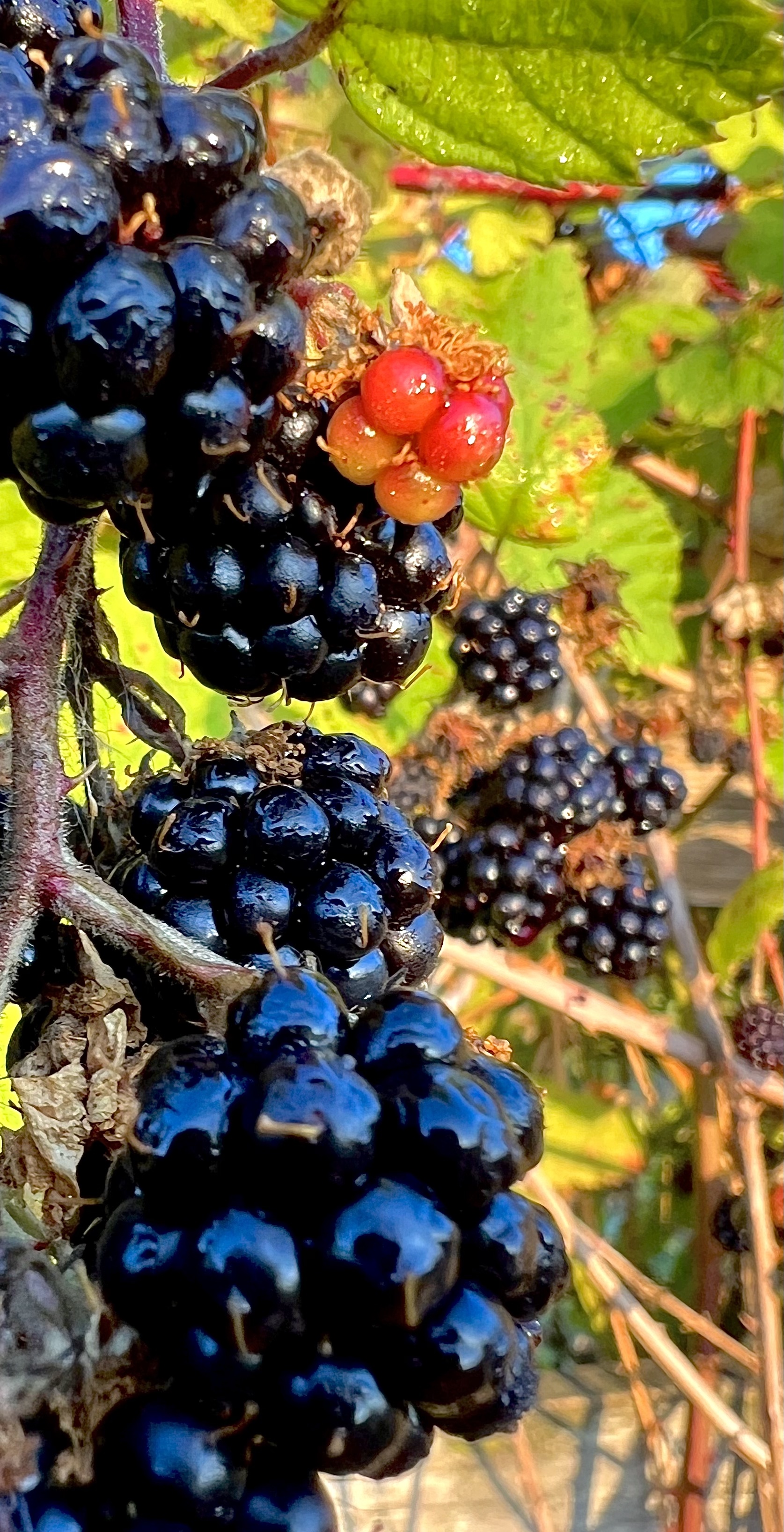
They lie on the ground after the deer have left after the bear has had her fill they
lie under the stars and under the sun in a cloud of brambles the ripest ones fall first become black jam in the thatch. as a boy I hated picking blackberries the pail never full like one half of a slow conversation.
Now their taste is sweeter in memory the insect buzz the branches too high the blue summer never quite over before the fall begins. ~Richard Terrell from “Blackberries” from What Falls Away is Always
You ate that first one and its flesh was sweet Like thickened wine: summer’s blood was in it Leaving stains upon the tongue and lust for Picking. Then red ones inked up and that hunger Sent us out with milk cans, pea tins, jam-pots Where briars scratched and wet grass bleached our boots. Round hayfields, cornfields and potato-drills We trekked and picked until the cans were full, Until the tinkling bottom had been covered With green ones, and on top big dark blobs burned Like a plate of eyes. Our hands were peppered With thorn pricks, our palms sticky as Bluebeard’s.
We hoarded the fresh berries in the byre. But when the bath was filled we found a fur, A rat-grey fungus, glutting on our cache. The juice was stinking too. Once off the bush The fruit fermented, the sweet flesh would turn sour. I always felt like crying. It wasn’t fair That all the lovely canfuls smelt of rot. Each year I hoped they’d keep, knew they would not. ~Seamus Heaney from “Blackberry Picking”
In the early morning an old woman is picking blackberries in the shade. It will be too hot later but right now there’s dew.
Some berries fall: those are for squirrels. Some are unripe, reserved for bears. Some go into the metal bowl. Those are for you, so you may taste them just for a moment. That’s good times: one little sweetness after another, then quickly gone.
Once, this old woman I’m conjuring up for you would have been my grandmother. Today it’s me. Years from now it might be you, if you’re quite lucky.
The hands reaching in among the leaves and spines were once my mother’s. I’ve passed them on. Decades ahead, you’ll study your own temporary hands, and you’ll remember. Don’t cry, this is what happens.
Look! The steel bowl is almost full. Enough for all of us. The blackberries gleam like glass, like the glass ornaments we hang on trees in December to remind ourselves to be grateful for snow.
Some berries occur in sun, but they are smaller. It’s as I always told you: the best ones grow in shadow. ~Margaret Atwood “Blackberries” from Dearly
I love to go out in late September among the fat, overripe, icy, black blackberries to eat blackberries for breakfast, the stalks very prickly, a penalty they earn for knowing the black art of blackberry-making; and as I stand among them lifting the stalks to my mouth, the ripest berries fall almost unbidden to my tongue, as words sometimes do, certain peculiar words like strengths or squinched, many-lettered, one-syllabled lumps, which I squeeze, squinch open, and splurge well in the silent, startled, icy, black language of blackberry-eating in late September. ~Galway Kinnell “Blackberry Eating”
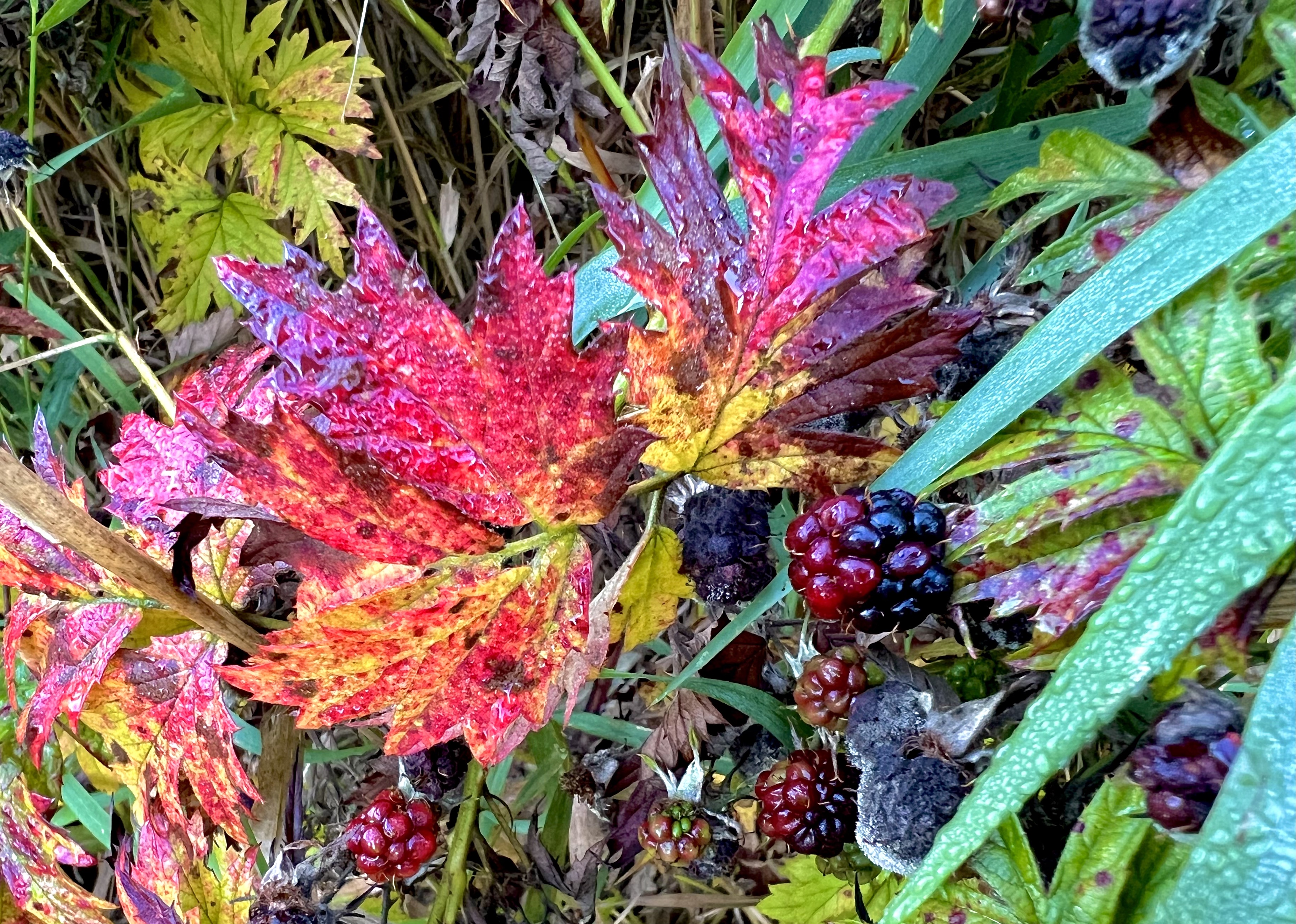
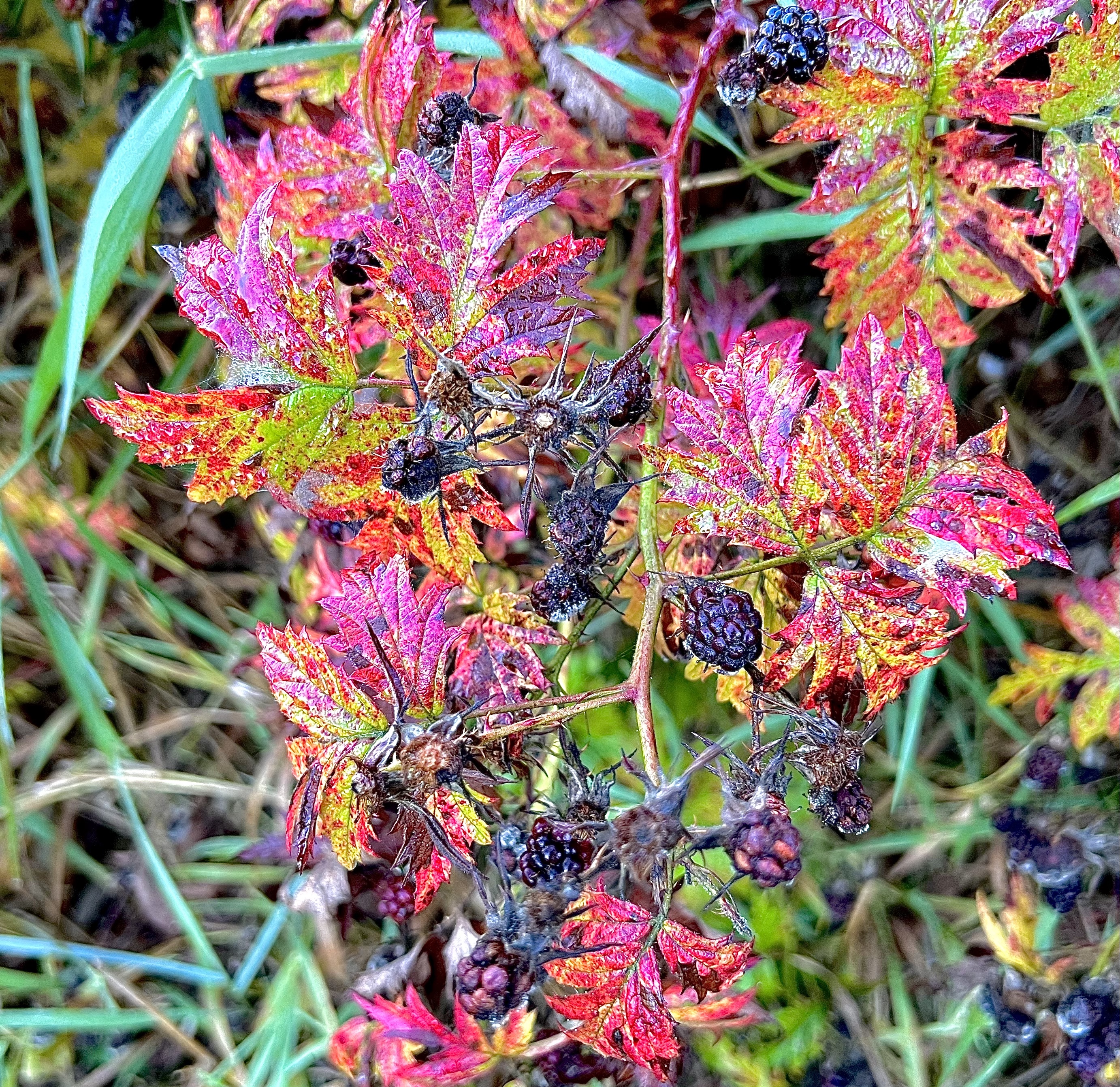
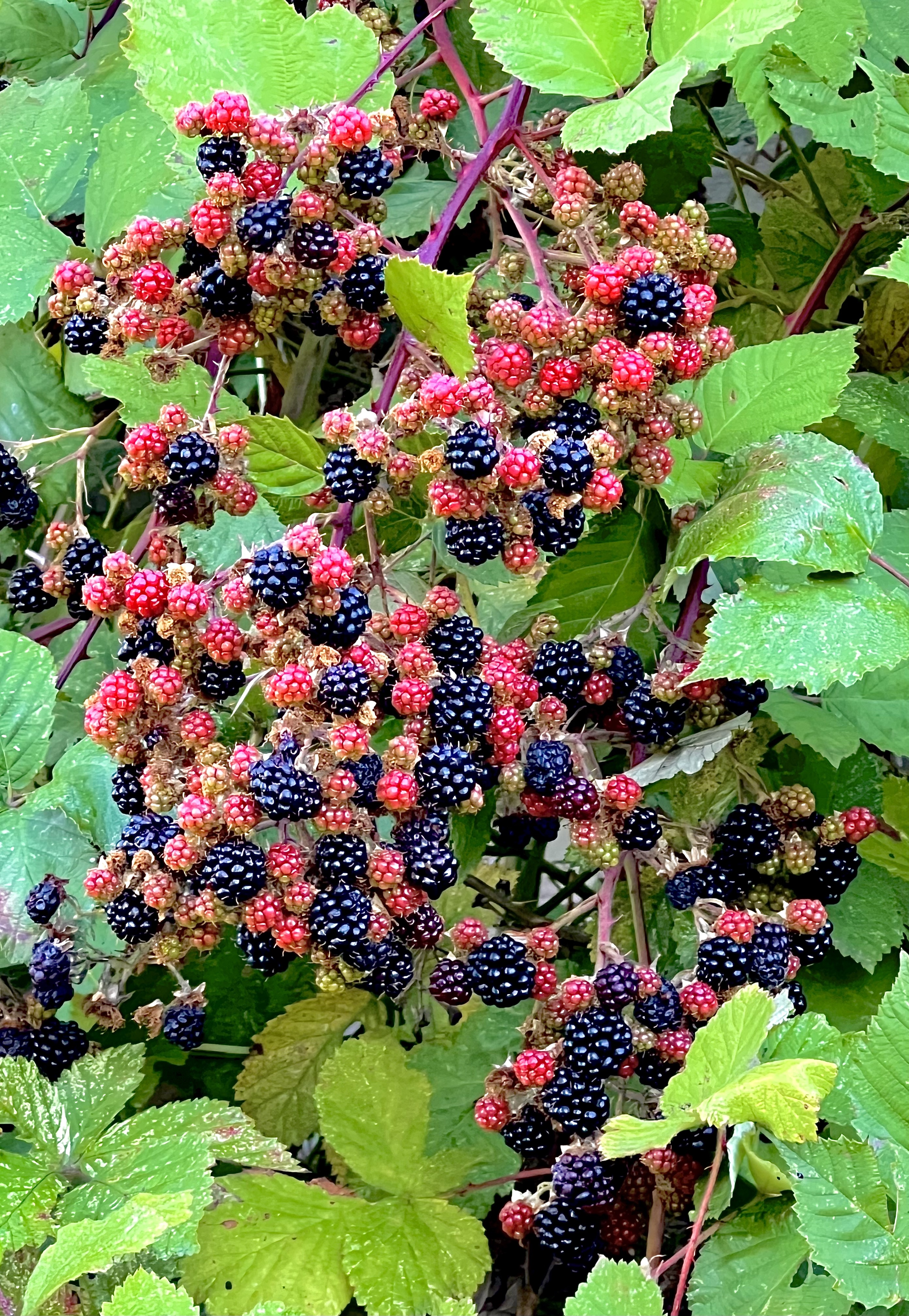
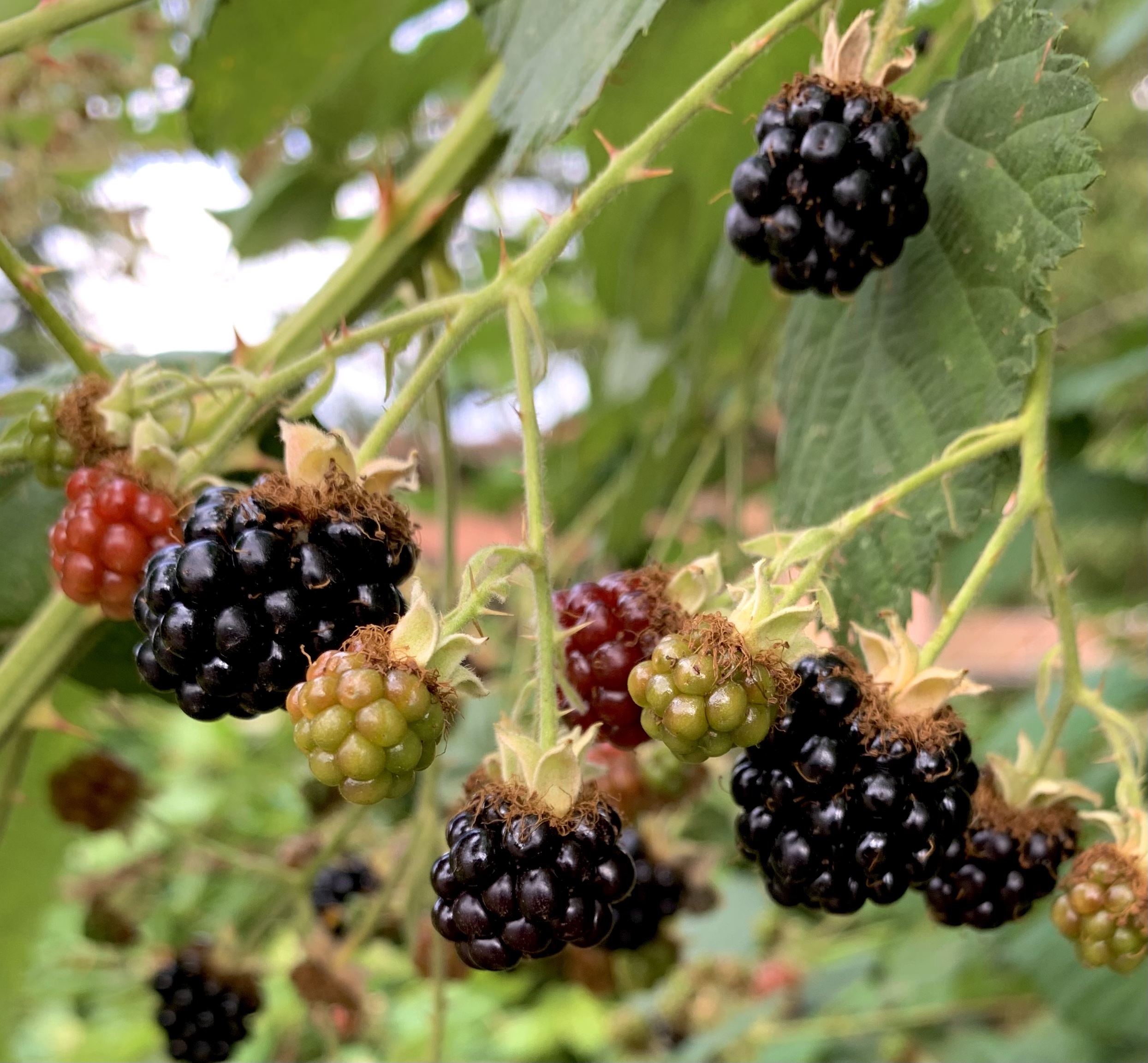
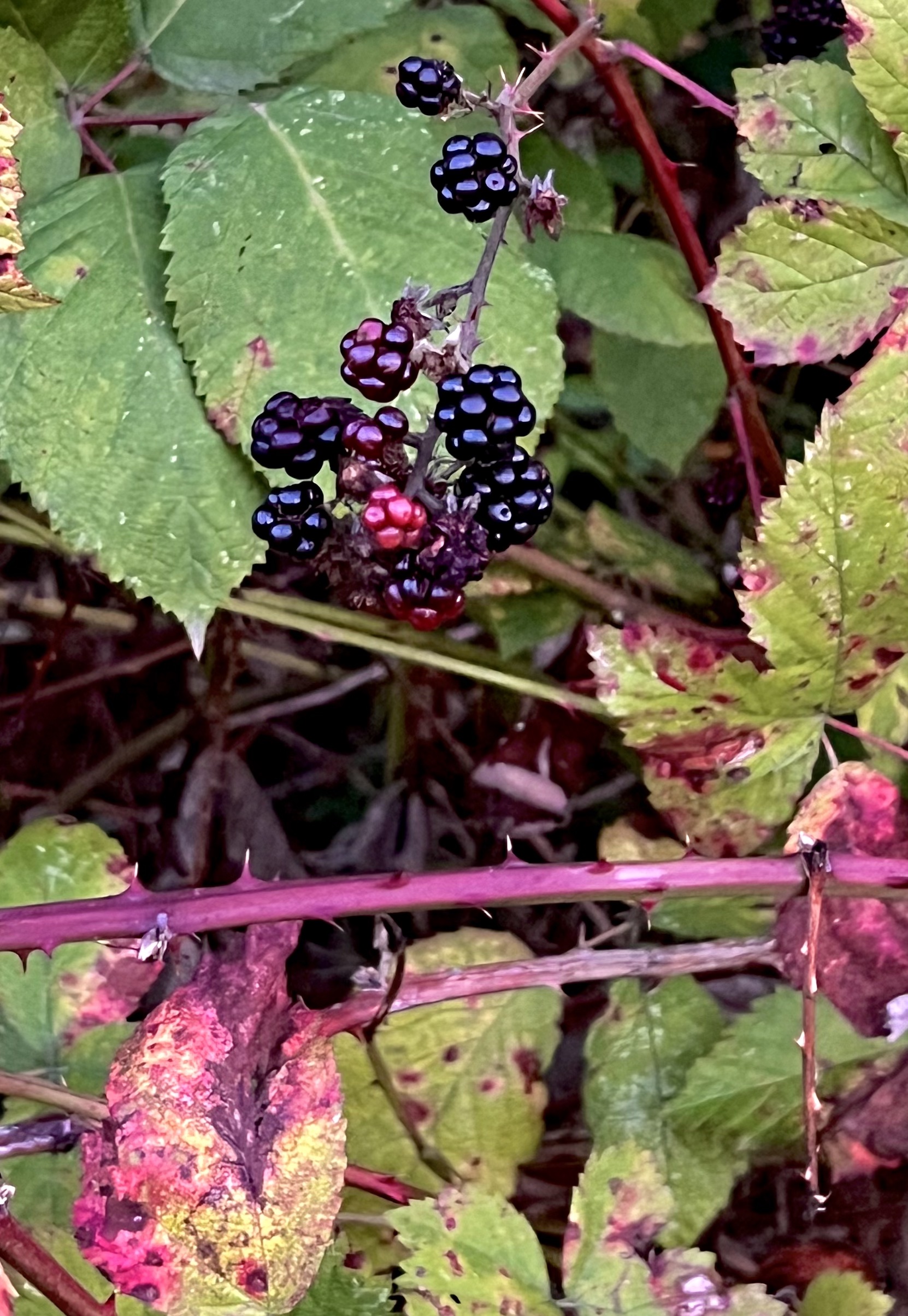
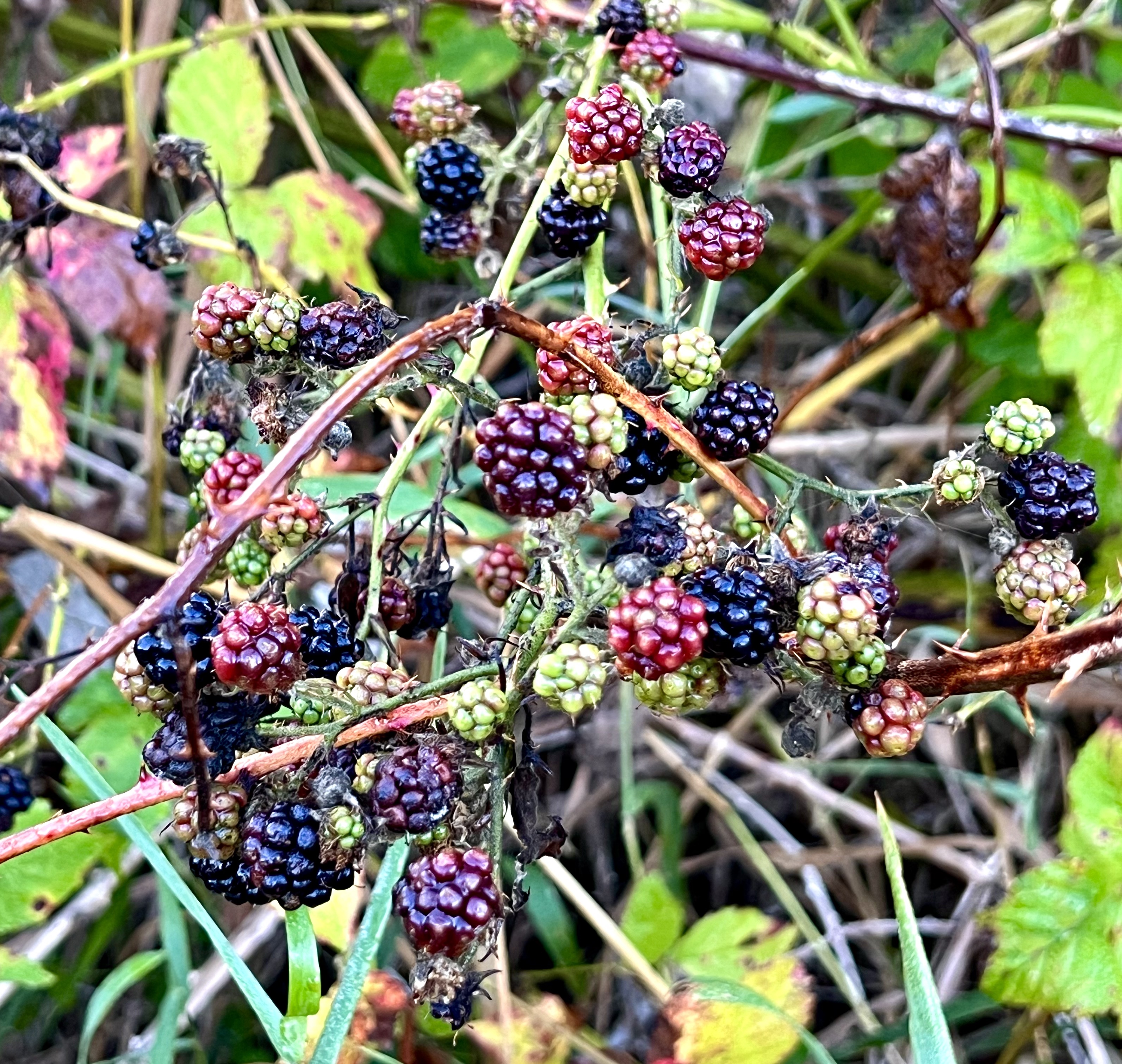
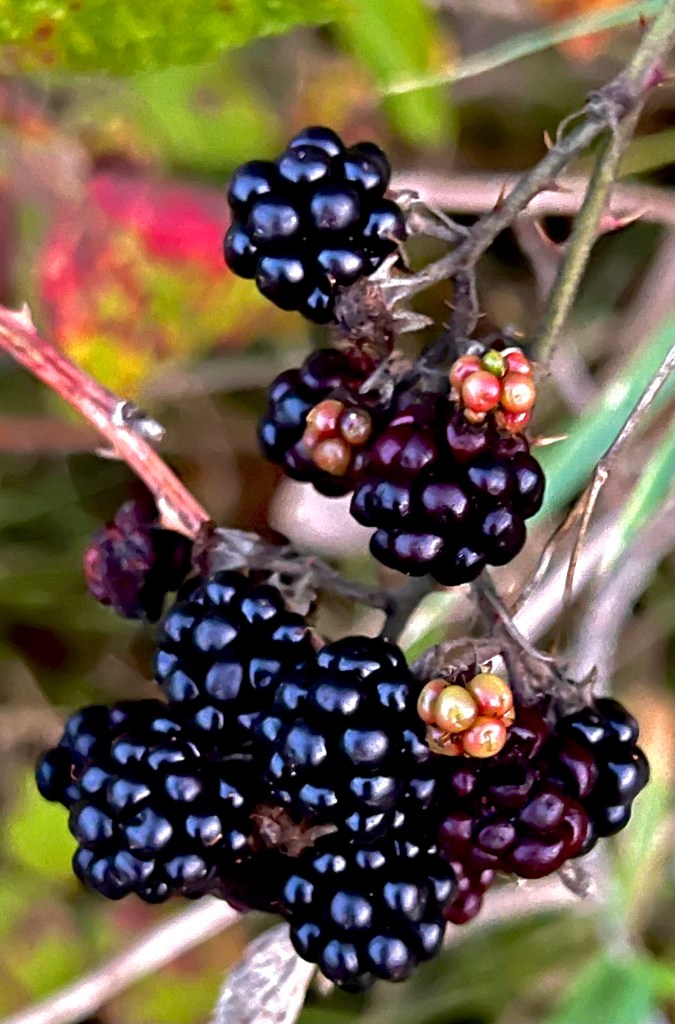
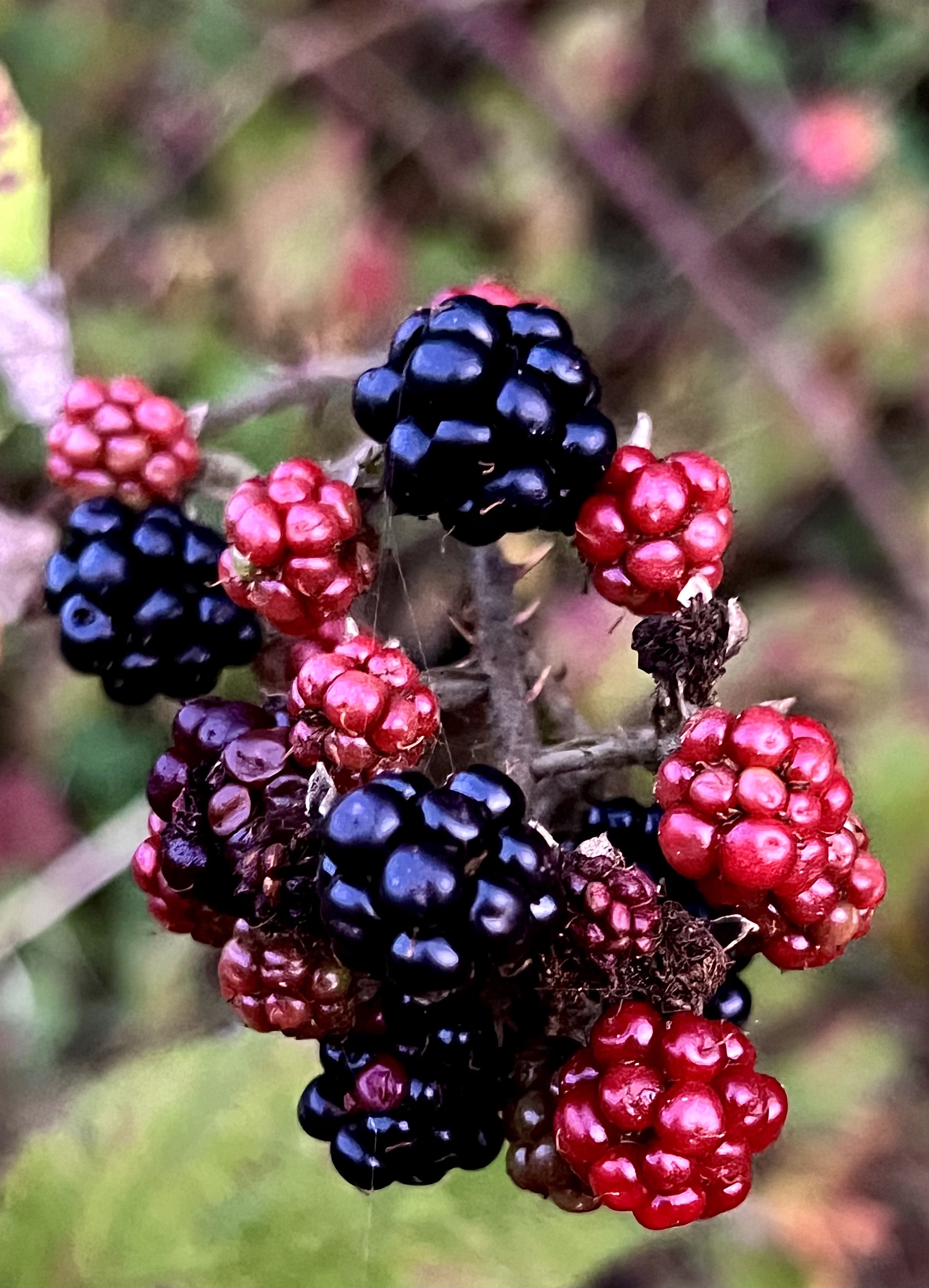
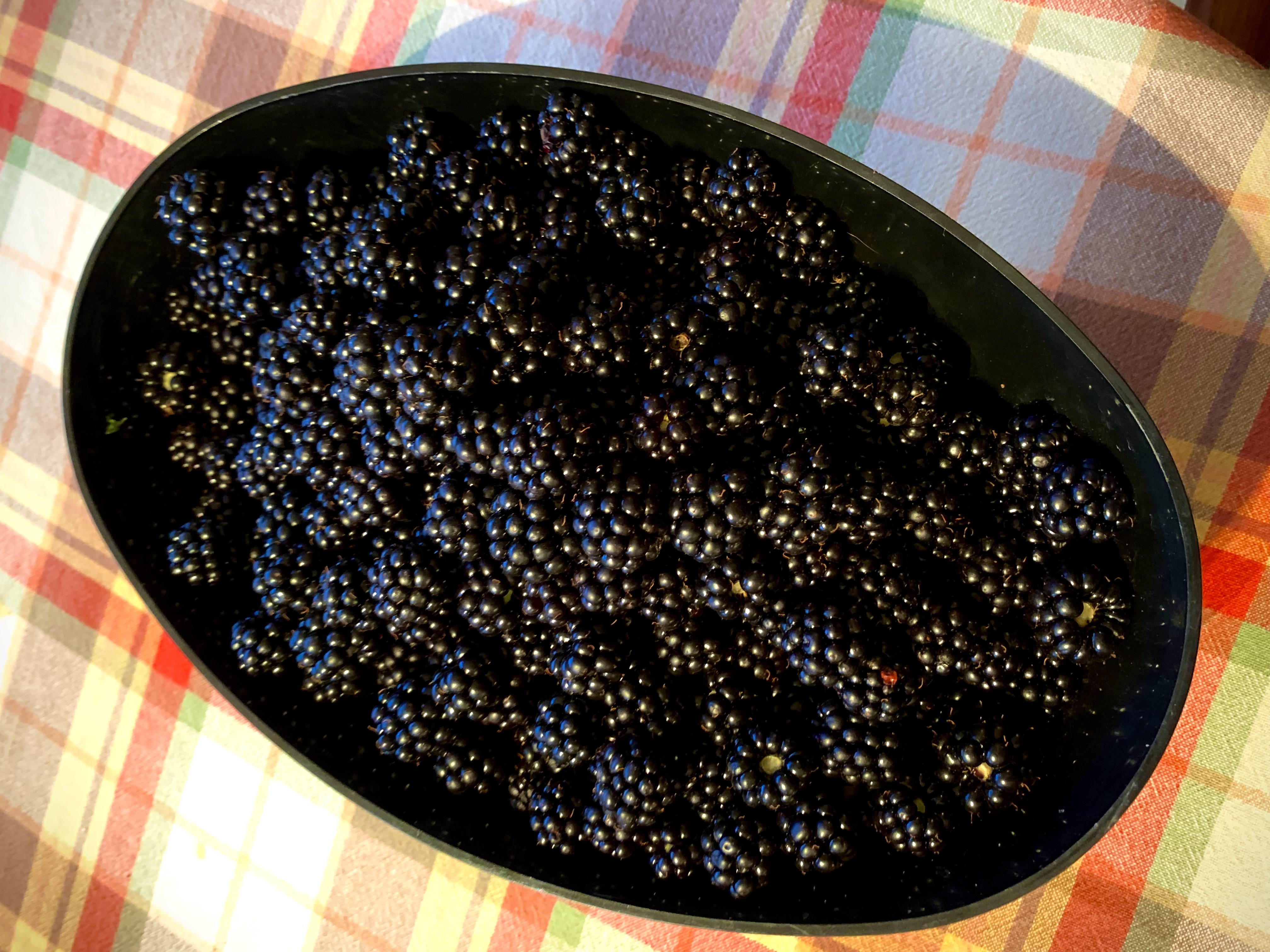
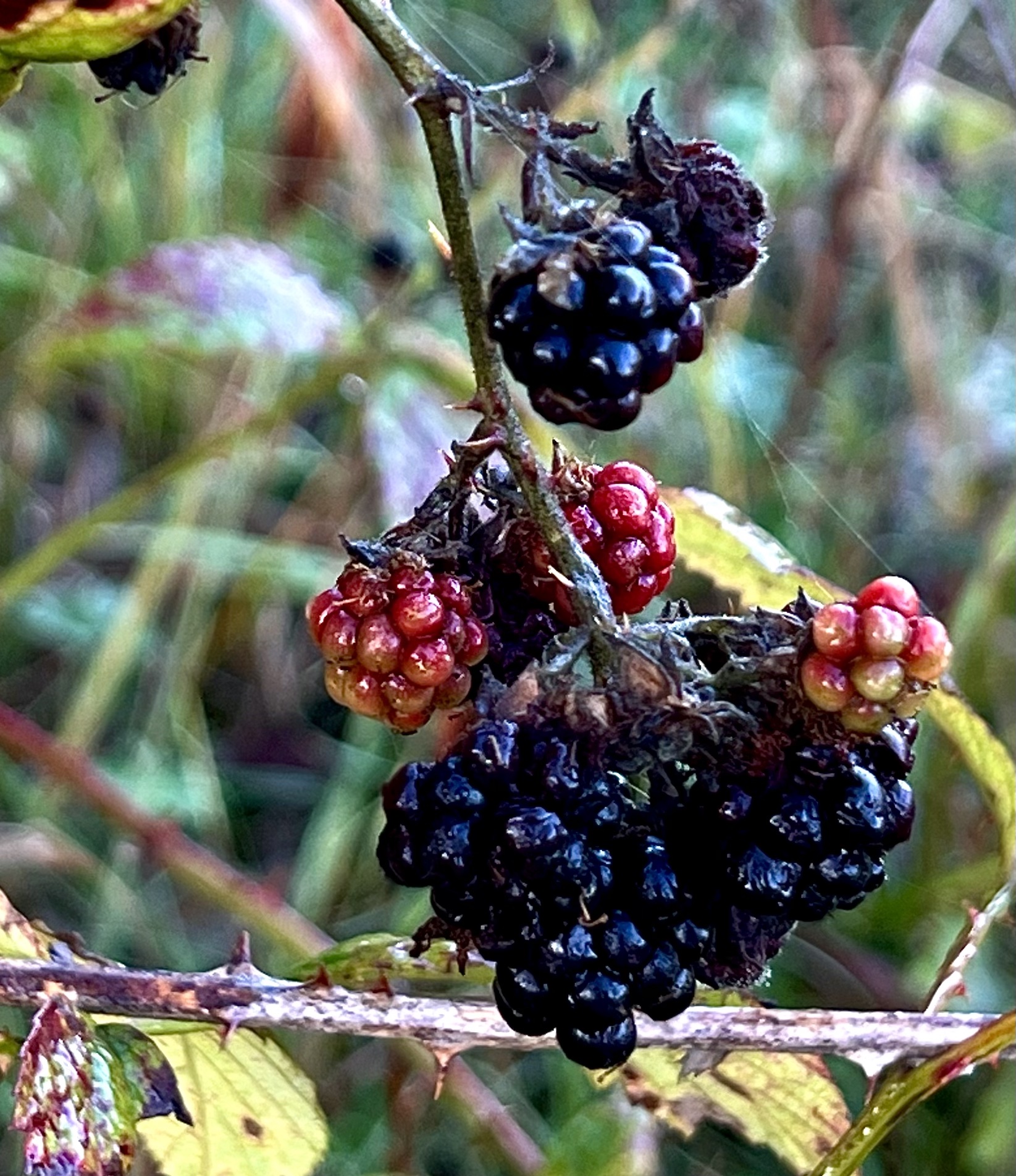
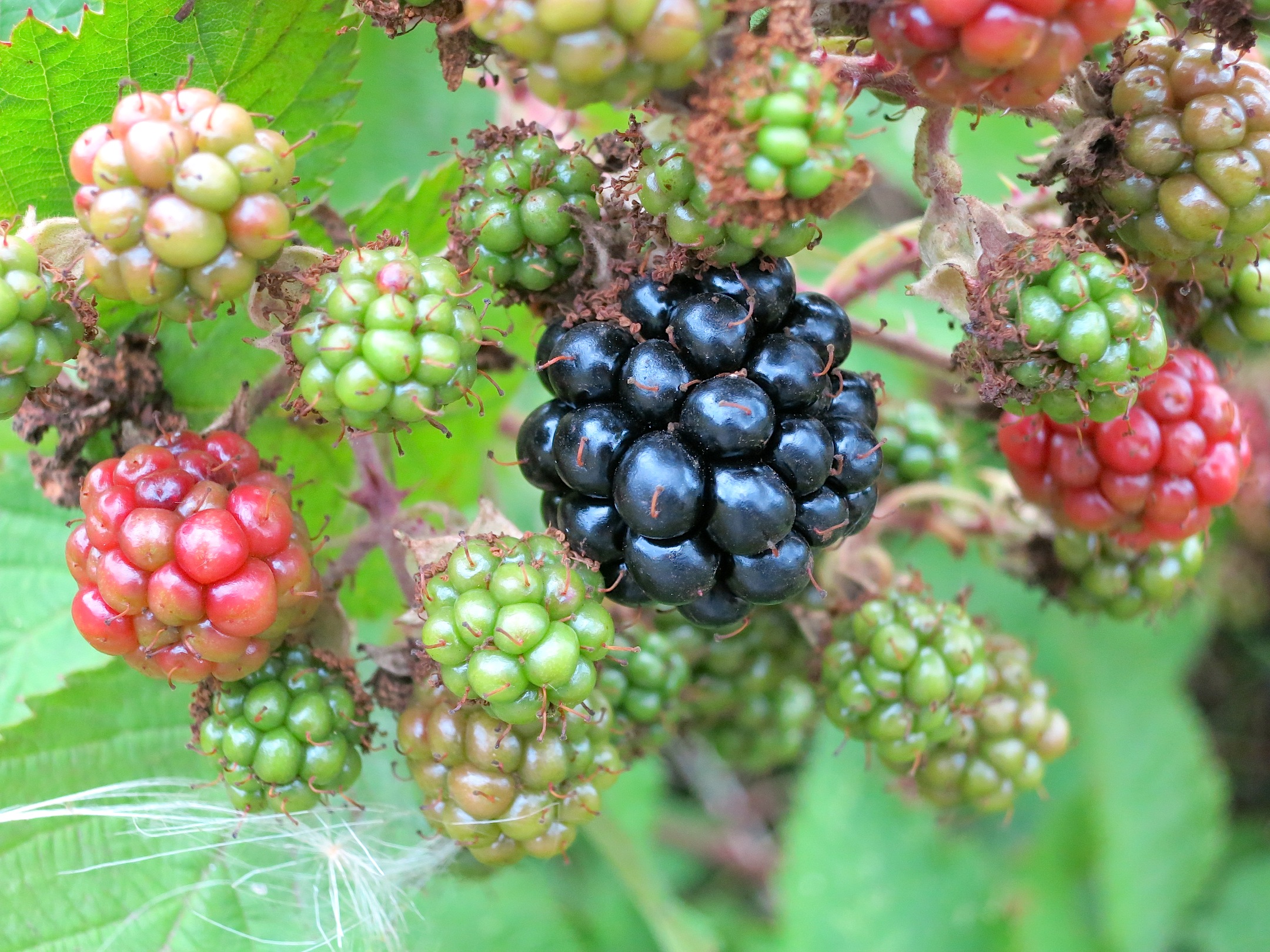
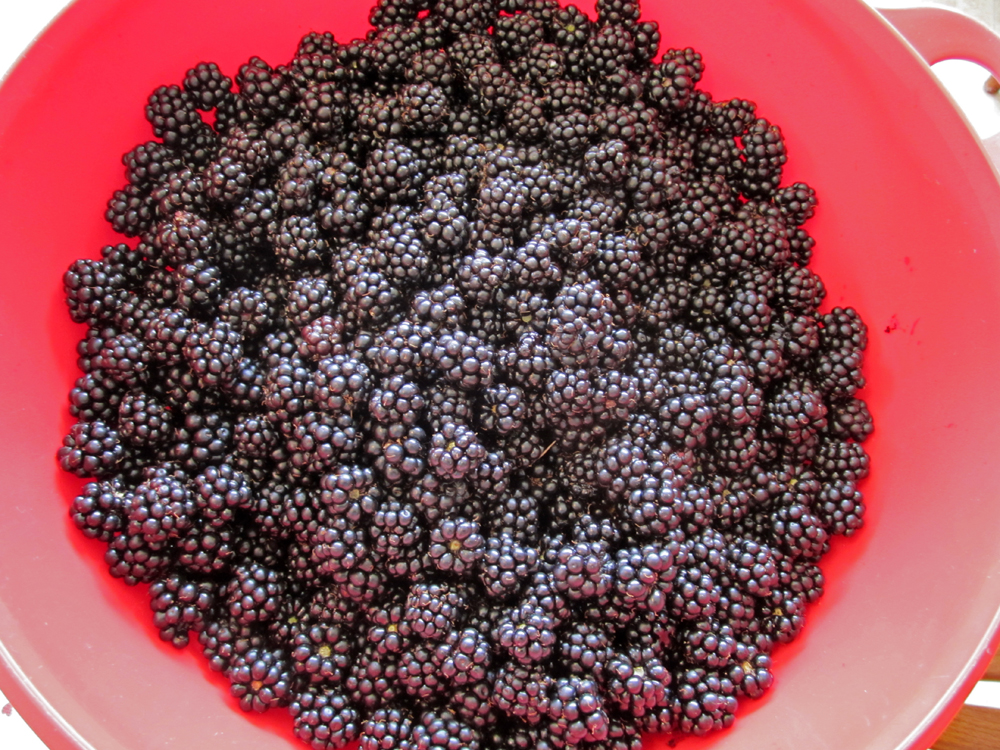
Blackberry vines are trouble 90% of the year – always growing where they are not welcome – reaching out to grab passersby without discriminating between human, dog or horse. But for a month in late summer and early fall, they yield black gold – bursting, swelling, unimaginably sweet fruit that is worth the hassle tolerated the rest of the weeks of the year.
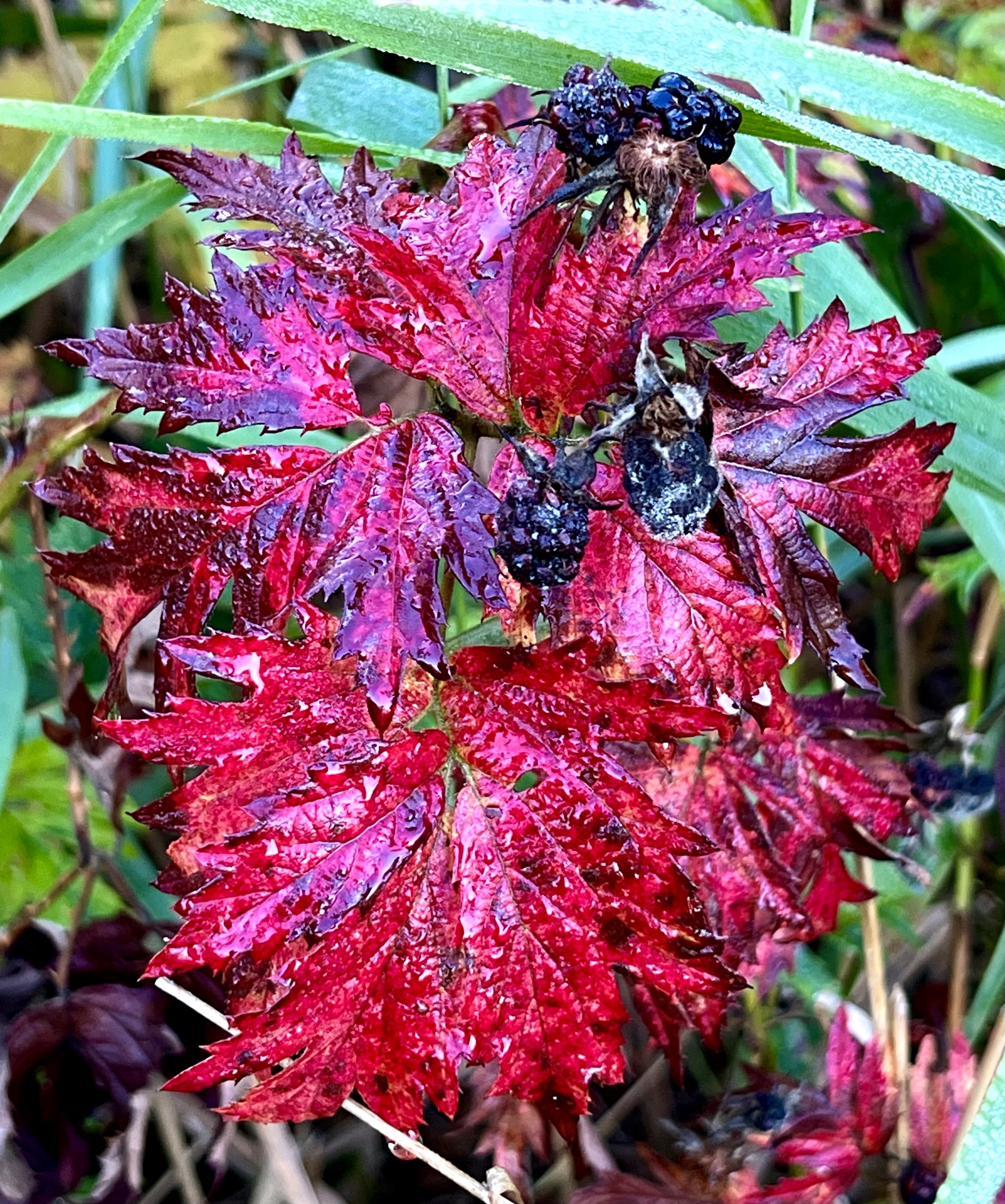
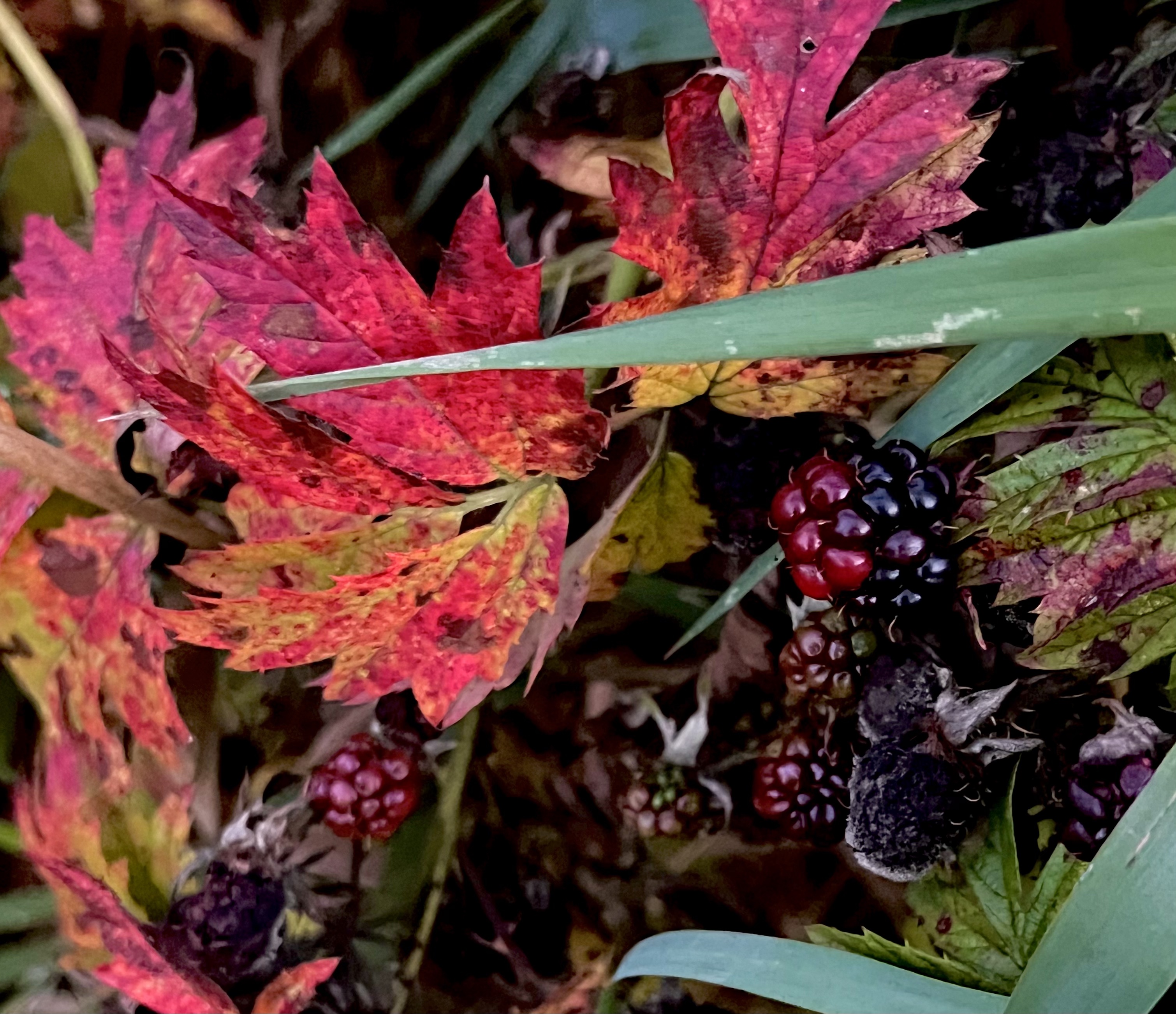
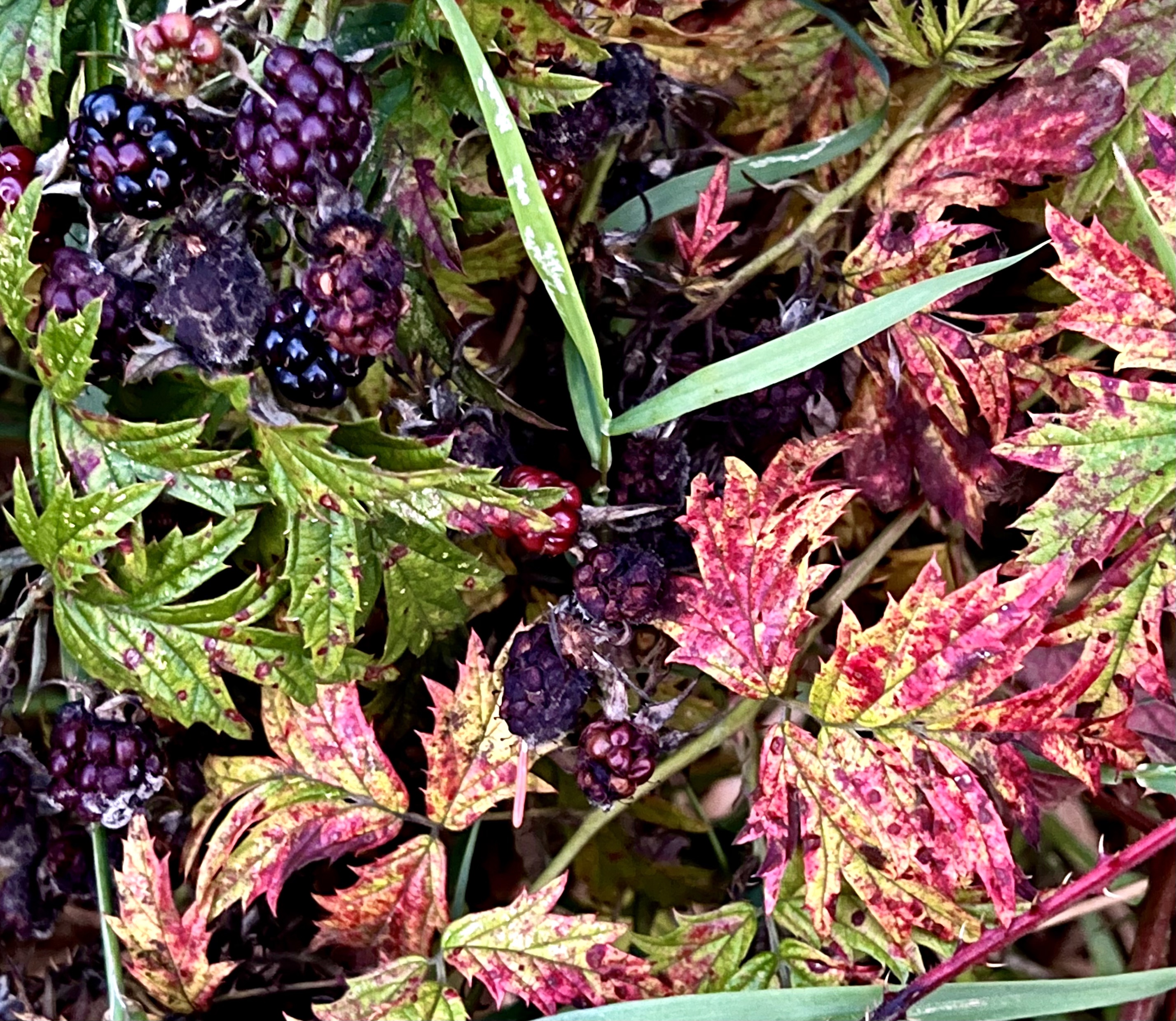
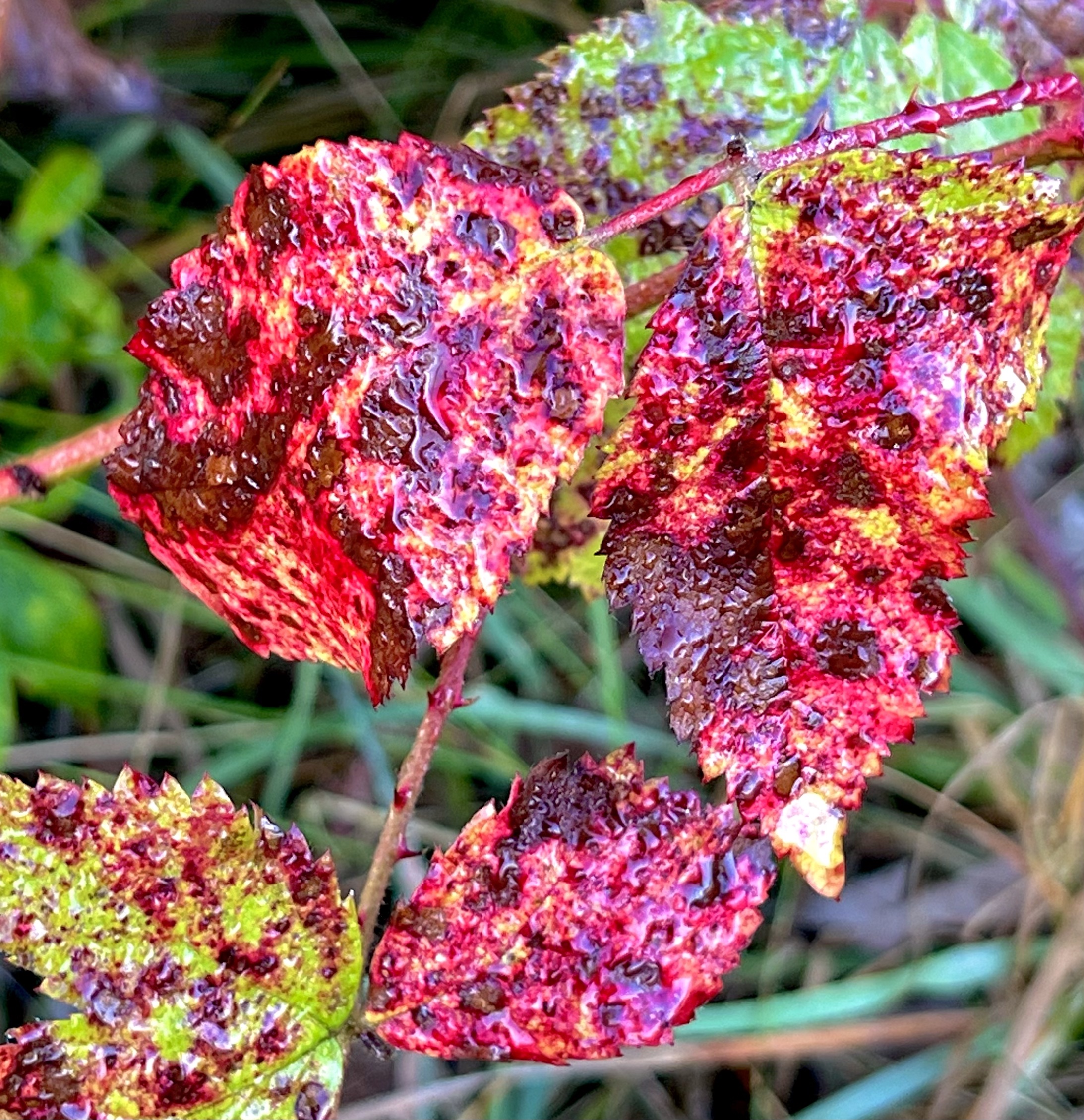
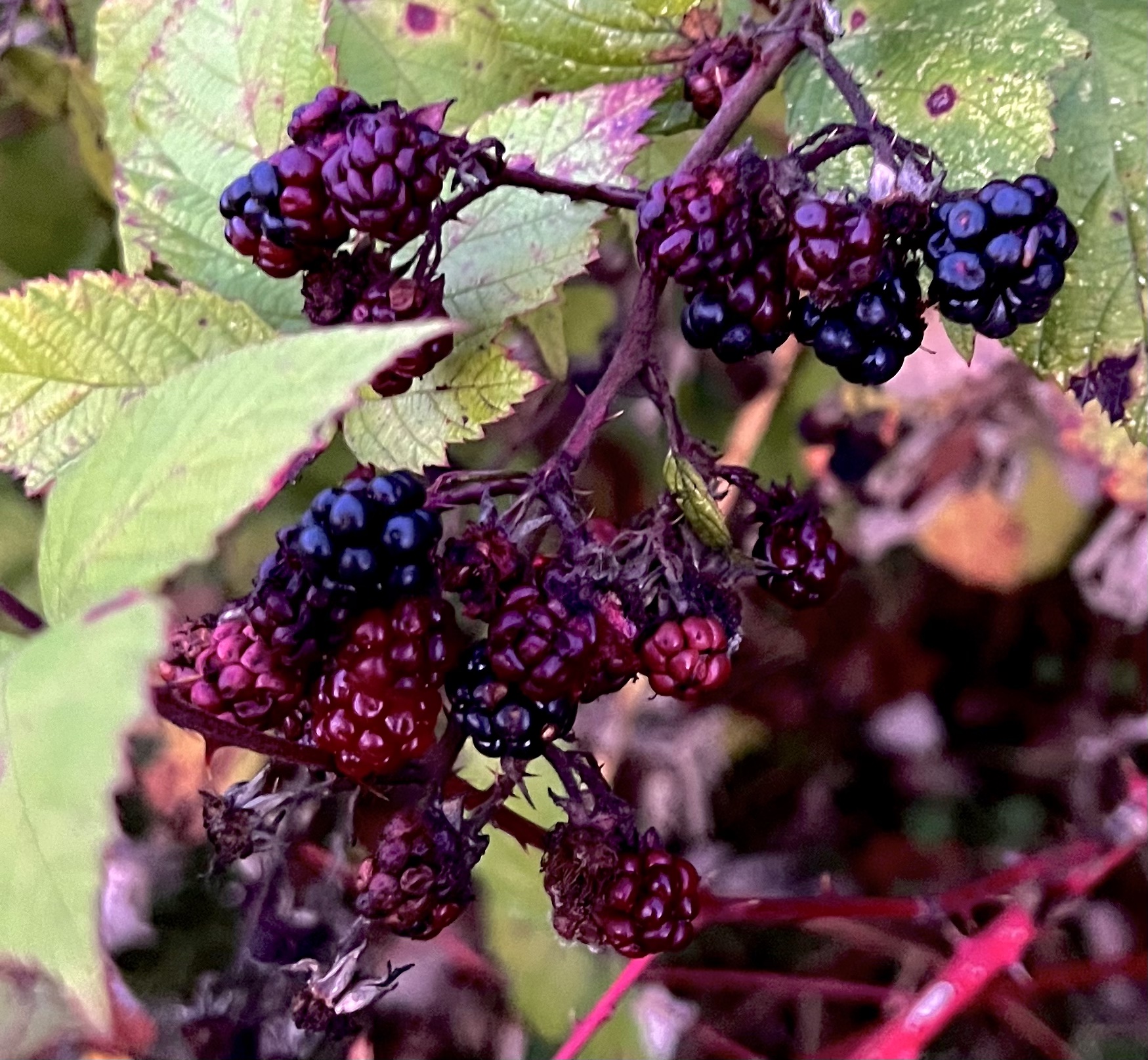
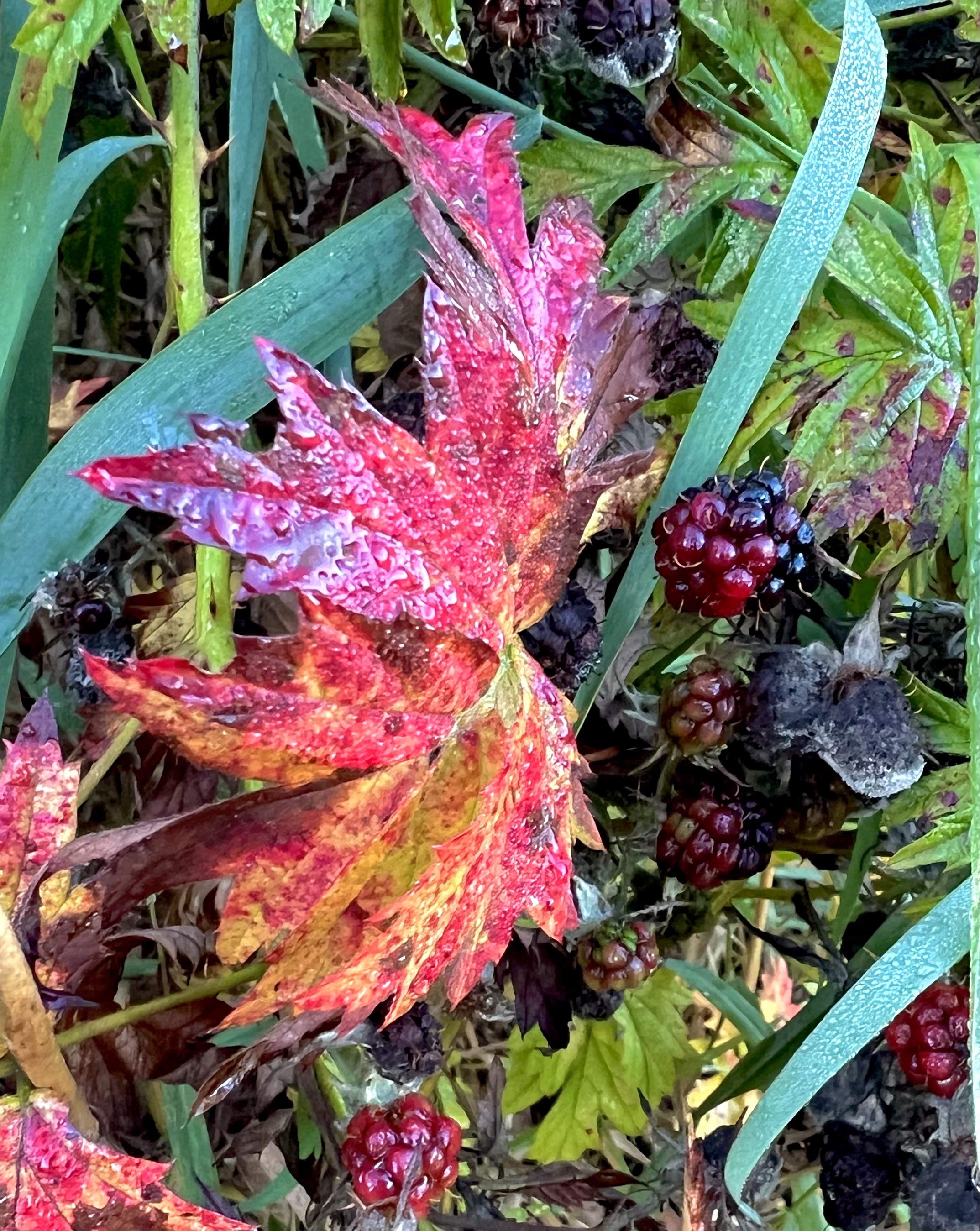
It has been an unusually dry summer here in the Pacific Northwest with little rain until recently, so the fields are brown and even the usually lush blackberry vines have started to dry and color up. The berries themselves are rich from the sun but starting now to shrivel and mold.
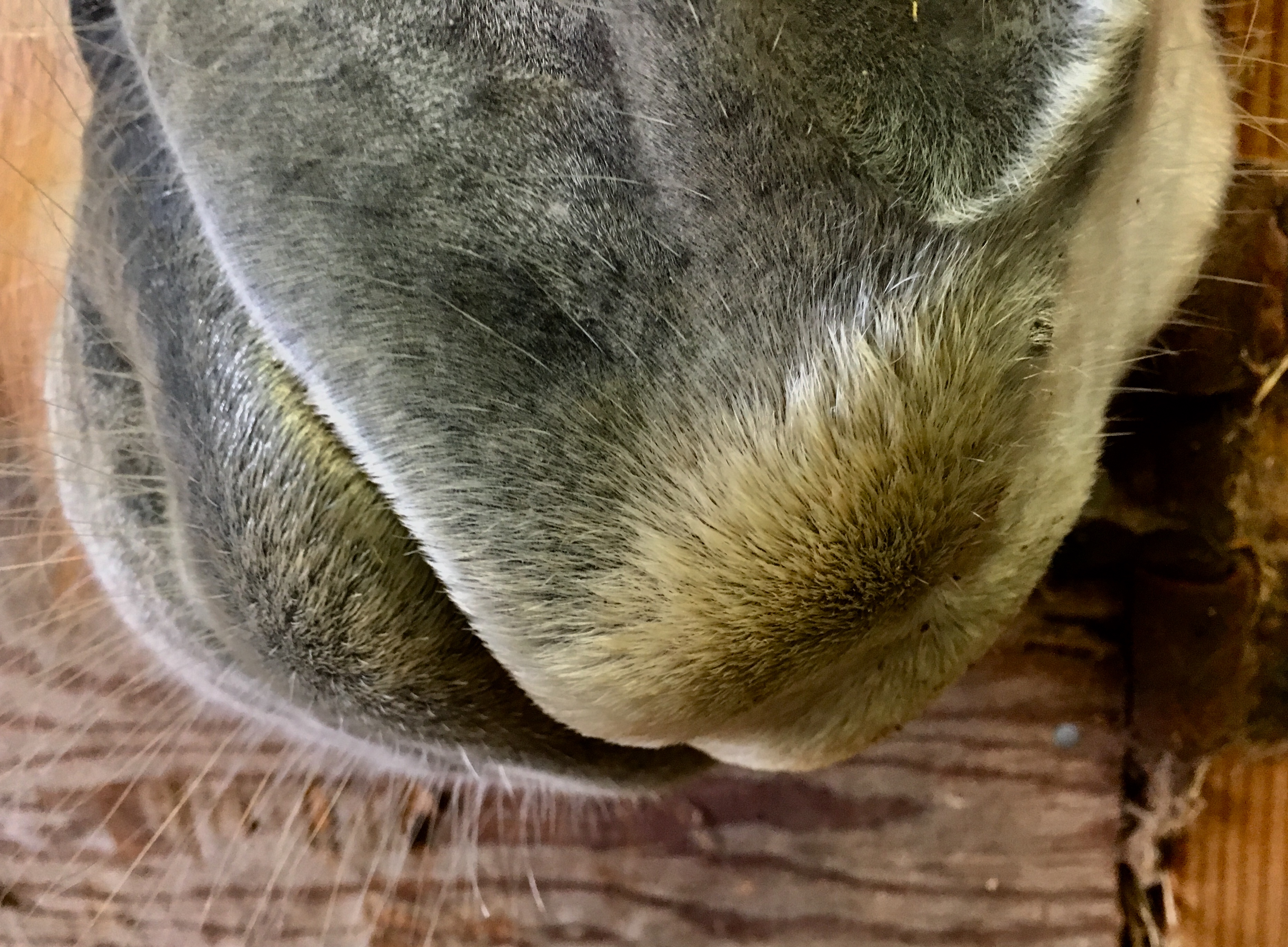
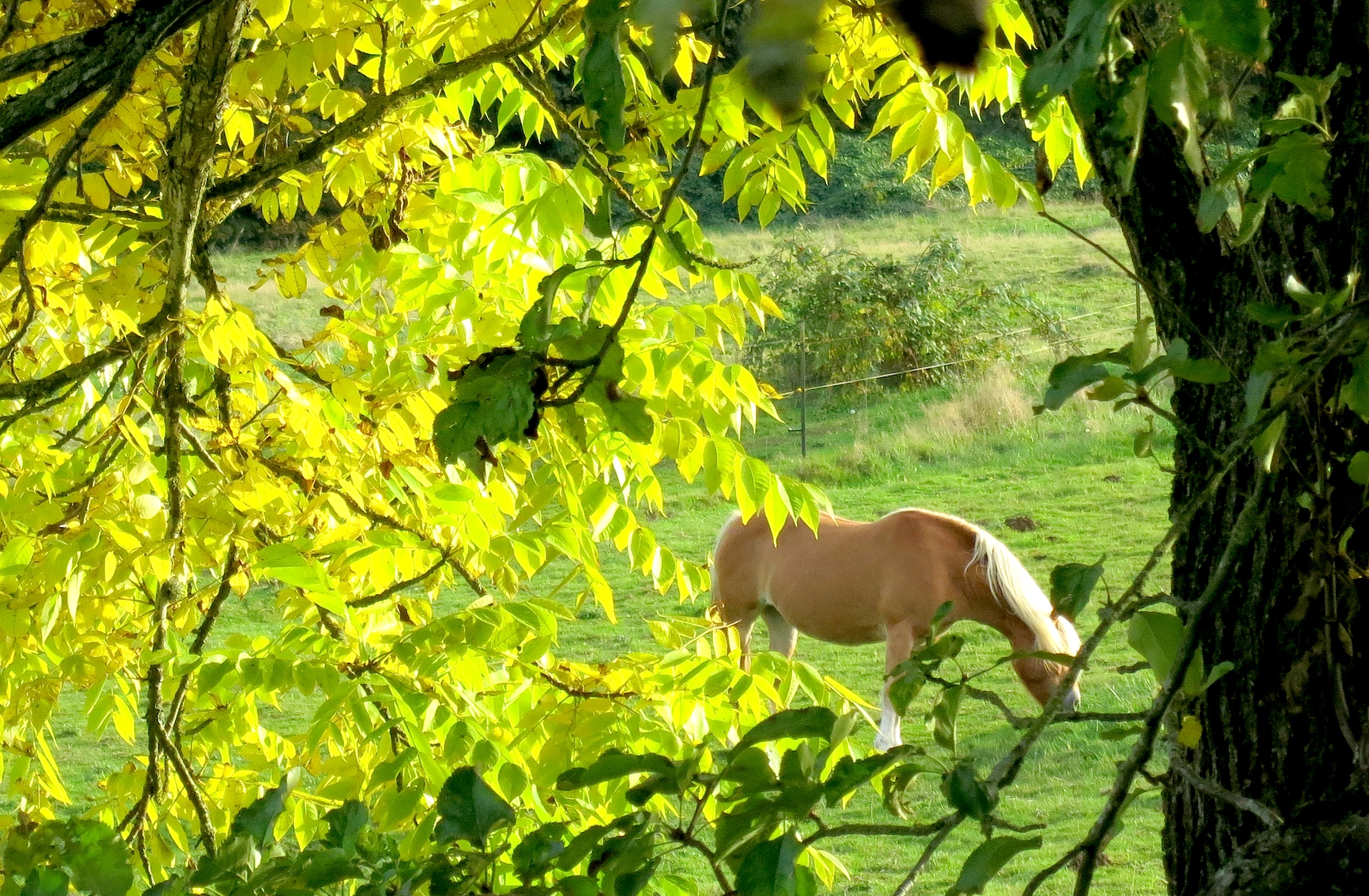
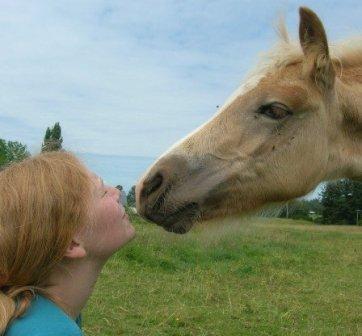
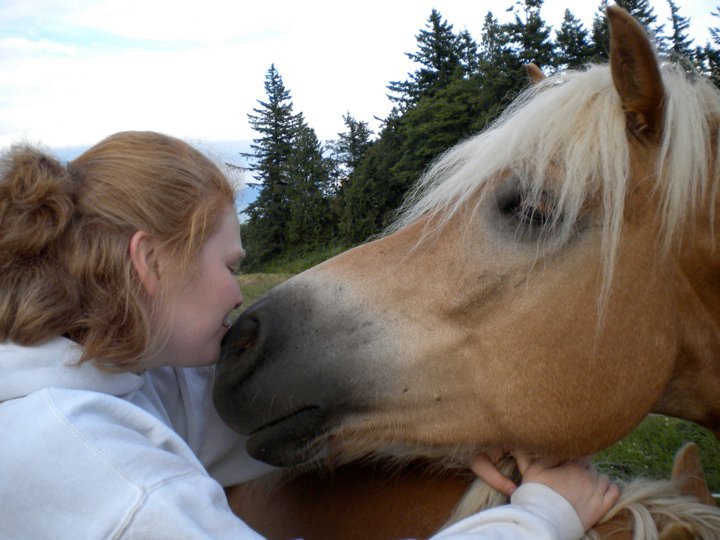
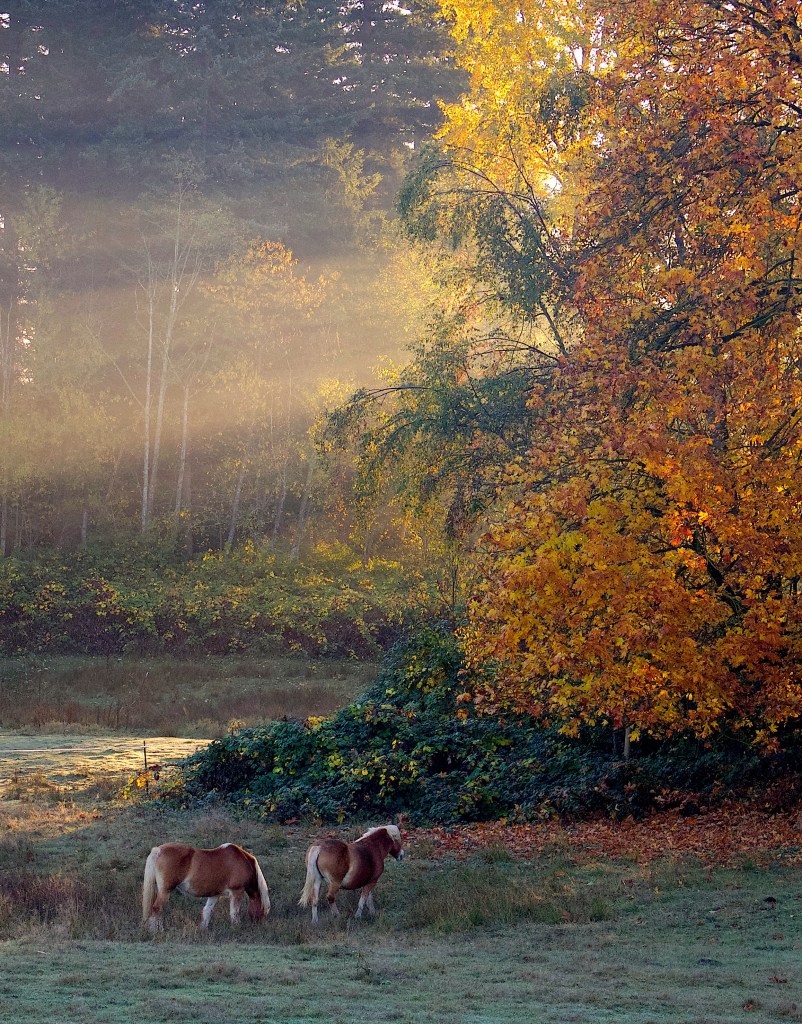
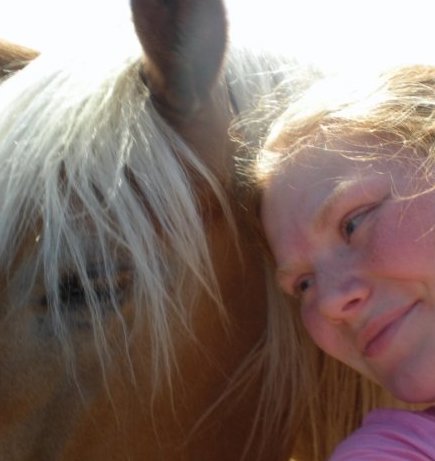
Our Haflinger horses have been fed hay for the past several weeks as there is not enough pasture for them without the supplement–we are about 6 weeks ahead of schedule in feeding hay. I had grown a little suspicious the last couple nights as I brought the Haflingers into the barn for the night. Two of the mares turned out in the back field had purplish stains on their chests and front legs. Hmmmm. Raiding the berries. Desperate drought forage behavior in an extremely efficient eating machine.
So this evening I headed toward the berries. When the mares saw the bowl in my hand, that was it. They mobbed me. I was irresistible.
So with mares in tow, I approached a berry bank. It was ravaged. Trampled. Haflinger poop piles everywhere. All that were left were some clusters of gleaming black berries up high overhead, barely reachable on my tip toes, and only reachable if I walked directly into the thicket. The mares stood in a little line behind me, pondering me as I pondered my dilemma.
I set to work picking what I could reach, snagging, ripping and bloodying my hands and arms, despite my sleeves. Pretty soon I had mares on either side of me, diving into the brambles and reaching up to pick what they could reach as well, unconcerned about the thorns that tore at their sides and muzzles. They were like sharks in bloody water–completely focused on their prey and amazingly skilled at grabbing just the black berries, and not the pale green or red ones.
Plump Haflingers and one *plumpish* woman were willingly accumulating scars in the name of sweetness.
When my bowl was full, I extracted myself from the brambles and contemplated how I was going to safely make it back to the barn without being mare-mugged. Instead, they obediently trailed behind me, happy to be put in their stalls for their evening hay, accepting a gift from me with no thorns or vines attached.
Clearly, thorns are part of our everyday life. Thorns stand in front of much that is sweet and good and precious to us. They tear us up, bloody us, make us cry, make us beg for mercy.
Yet thorns have been overcome. They did not stop our salvation, did not stop goodness raining down on us, did not stop the taste of sweetness given as a gracious gift.
If we hesitate, thorns only proliferate unchecked.
So, desperate and hungry, we dive right in, to taste and eat.
One-Time
Monthly
Yearly
Make a one-time or recurring donation to support daily Barnstorming posts
The soul’s sap quivers. There is no earth smell Or smell of living thing. This is the spring time But not in time’s covenant. Now the hedgerow Is blanched for an hour with transitory blossom Of snow, a bloom more sudden Than that of summer, neither budding nor fading, Not in the scheme of generation. Where is the summer, the unimaginable Zero summer?
We shall not cease from exploration And the end of all our exploring Will be to arrive where we started And know the place for the first time. Through the unknown, unremembered gate When the last of earth left to discover Is that which was the beginning;
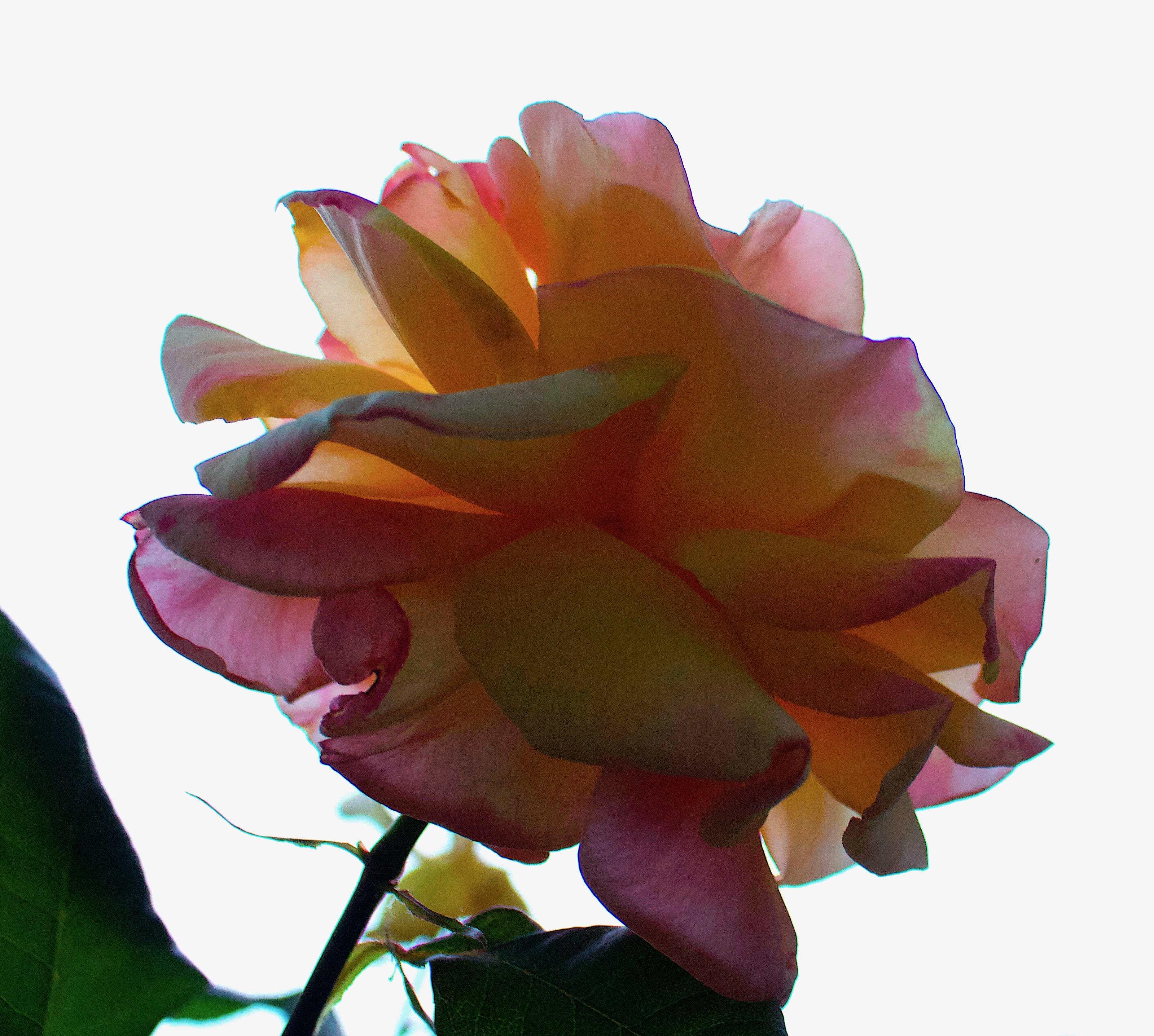
And all shall be well and All manner of thing shall be well When the tongues of flames are in-folded Into the crowned knot of fire And the fire and the rose are one. ~T.S. Eliot – from “Little Gidding”from the Four Quartets
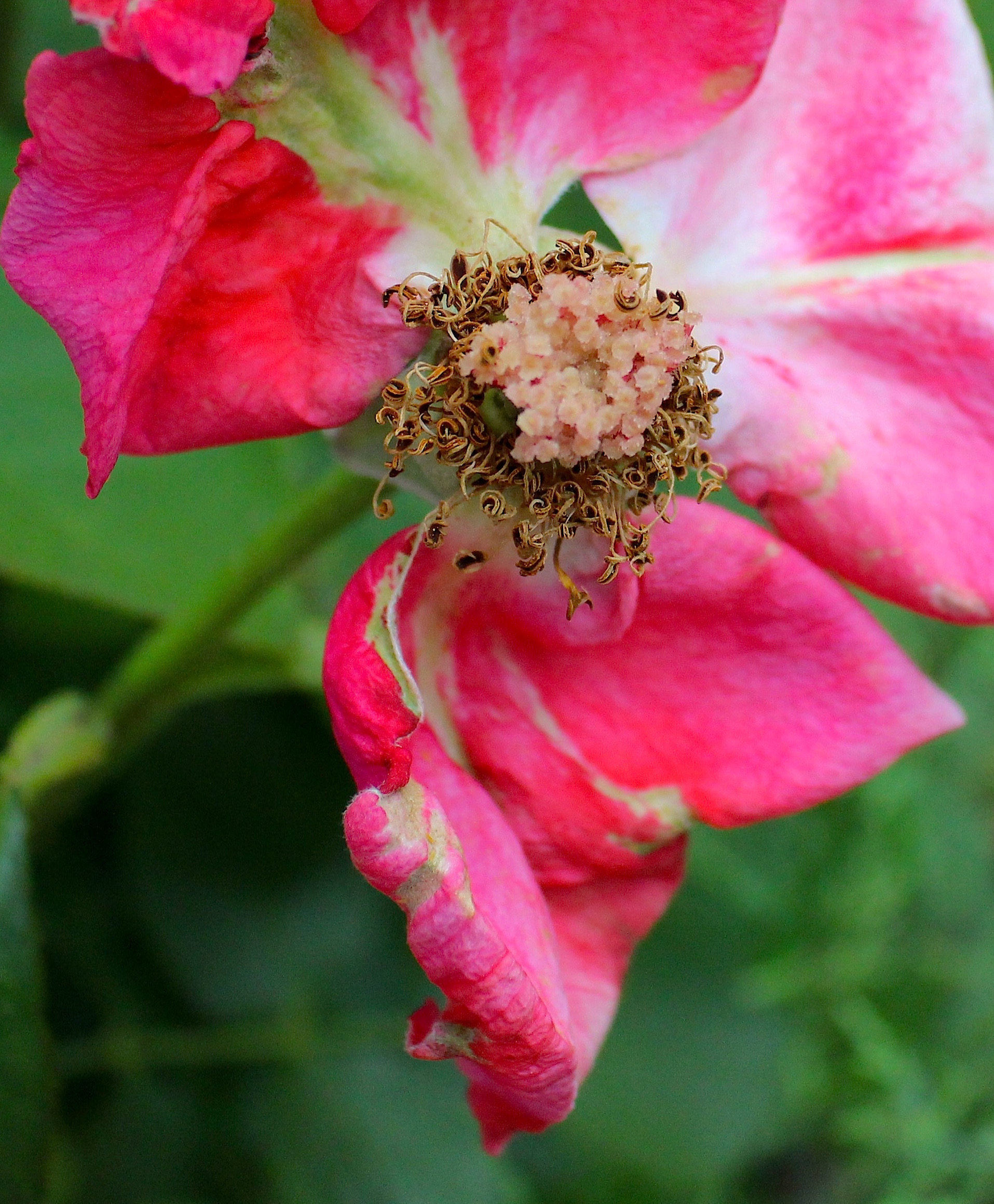
To think that this meaningless thing was ever a rose, Scentless, colourless, this! Will it ever be thus (who knows?) Thus with our bliss, If we wait till the close?
Though we care not to wait for the end, there comes the end Sooner, later, at last, Which nothing can mar, nothing mend:
An end locked fast, Bent we cannot re-bend. ~Christina Rossetti “Summer is Ended”
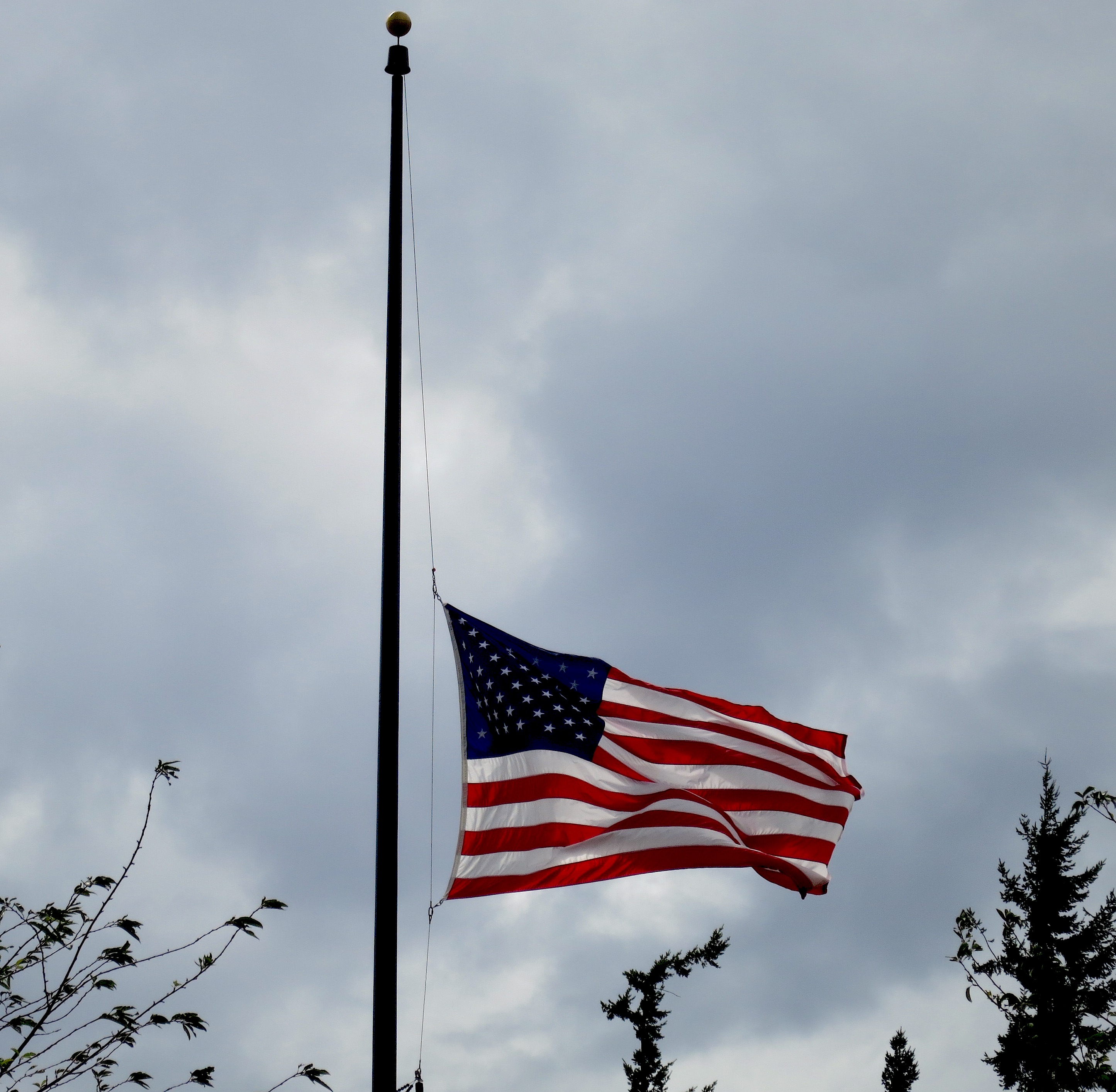
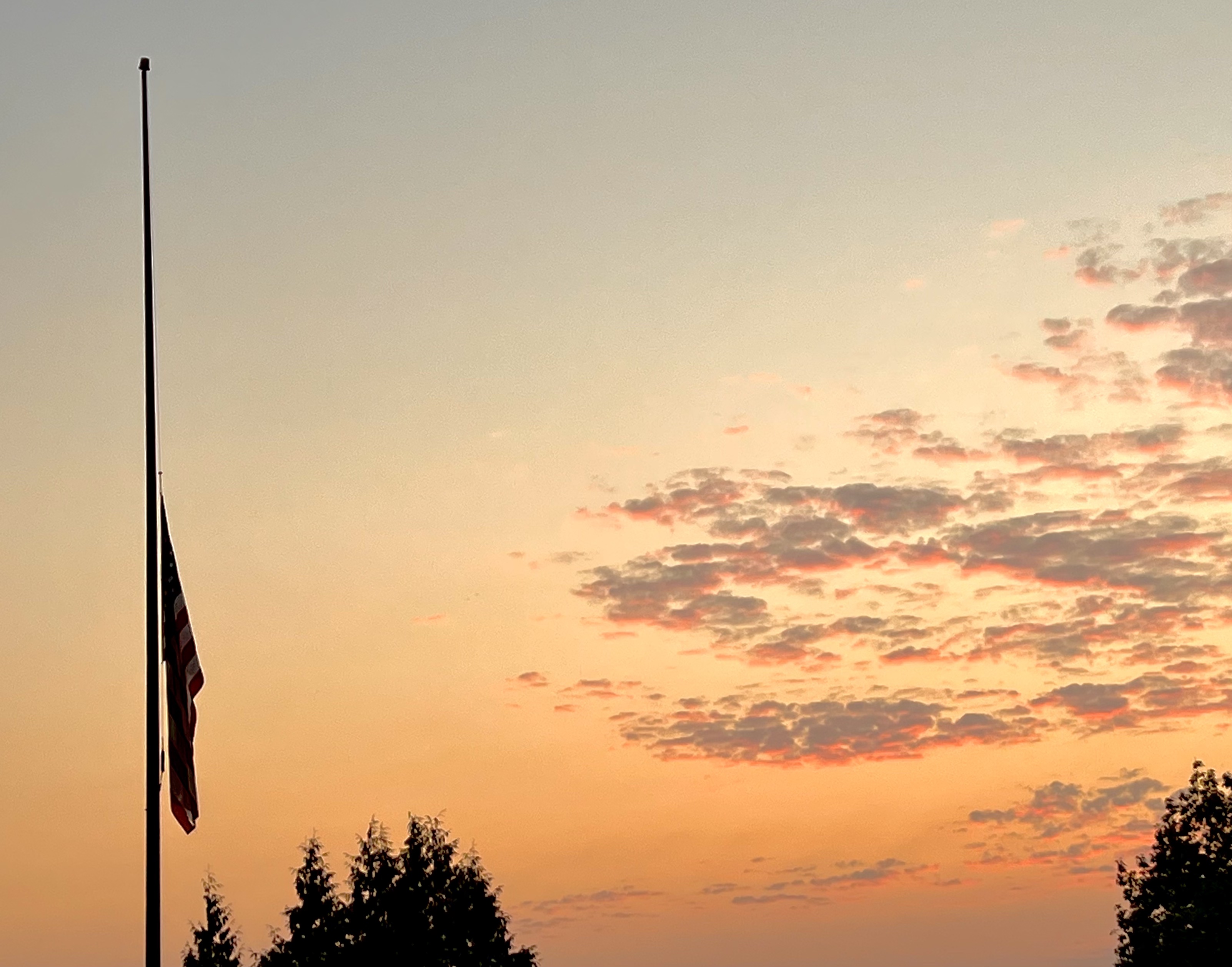
As a 3rd grader in November 1963, I learned the import of the U.S. flag being lowered to half mast in response to the shocking and violent death of our President. The lowering of the flag was so rare when I was growing up, it had dramatic effect on all who passed by —
our soul’s sap quivers
— something very sad had happened to our country, something or someone had tragically ended, warranting our silence, our stillness, and our grief.
For the twenty-two years since 9/11/01, our flag has spent significant time at half mast, most often due to our own home-grown mass shooting terrorism. When I see it flying low, I’m befuddled instead of contemplative, puzzling over what the latest loss might be as there are so many, sometimes all happening in the same time frame. We no longer are silenced by this gesture of honor and respect; we certainly are not stilled when personally and corporately instigating and suffering the same mistakes against humanity over and over again.
We are so bent. Will we ever be mended again?
Eliot wrote these prescient words of the Four Quartets in the midst of the WWII German bombing raids that destroyed so many people and neighborhoods. Perhaps he sensed the destruction he witnessed would not be the last time in history that evil visits the innocent, leaving them in ashes. There would be so many more losses to come, not least being the horror of 9/11/01.
There remains so much more sadness to be borne, such abundance of grief. Our world has become overwhelmed and stricken. Yet Eliot was right: we have yet to live in a Zero summer of endless hope and fruitfulness, of spiritual awakening and understanding. Where is it indeed? When will the summer Rose of beauty and fragrance rise again?
We must return, as people of faith to Eliot’s still point to which we are called on a remembrance day such as today. We must be stilled; we must be silenced. We must grieve the losses of this turning world and pray for release from the suffering we cause and we endure. Only in the asking, only in the kneeling down and pleading, are we surrounded by God’s unbounded grace.
Only then will His Rose bloom, once again recognizable.
“Zero Summer” imagines the unimaginable horror of Hiroshima and Nagasaki, and yet points to epiphanic awakening that transcend human imagination at the same time. T.S. Eliot, who coined this term in his “Four Quartets,” longed for that eternal summer, birthed out of the “still point,” where imagination is met with grace and truth. ~Makoto Fujimura
“There Are No Words” written on 9/11/2001 by Kitty Donohoe
there are no words there is no song is there a balm that can heal these wounds that will last a lifetime long and when the stars have burned to dust hand in hand we still will stand because we must
in one single hour in one single day we were changed forever something taken away and there is no fire that can melt this heavy stone that can bring back the voices and the spirits of our own
all the brothers, sisters and lovers all the friends that are gone all the chairs that will be empty in the lives that will go on can we ever forgive though we never will forget can we believe in the milk of human goodness yet
we were forged in freedom we were born in liberty we came here to stop the twisted arrows cast by tyranny and we won’t bow down we are strong of heart we are a chain together that won’t be pulled apart
One-Time
Monthly
Yearly
Make a one-time or recurring donation to support daily Barnstorming posts
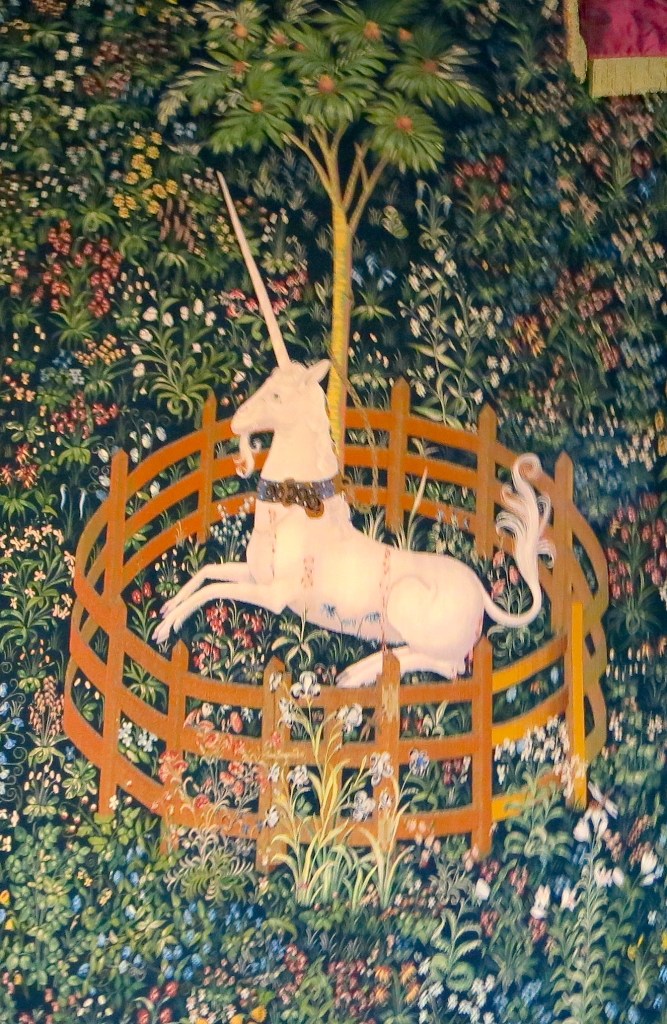
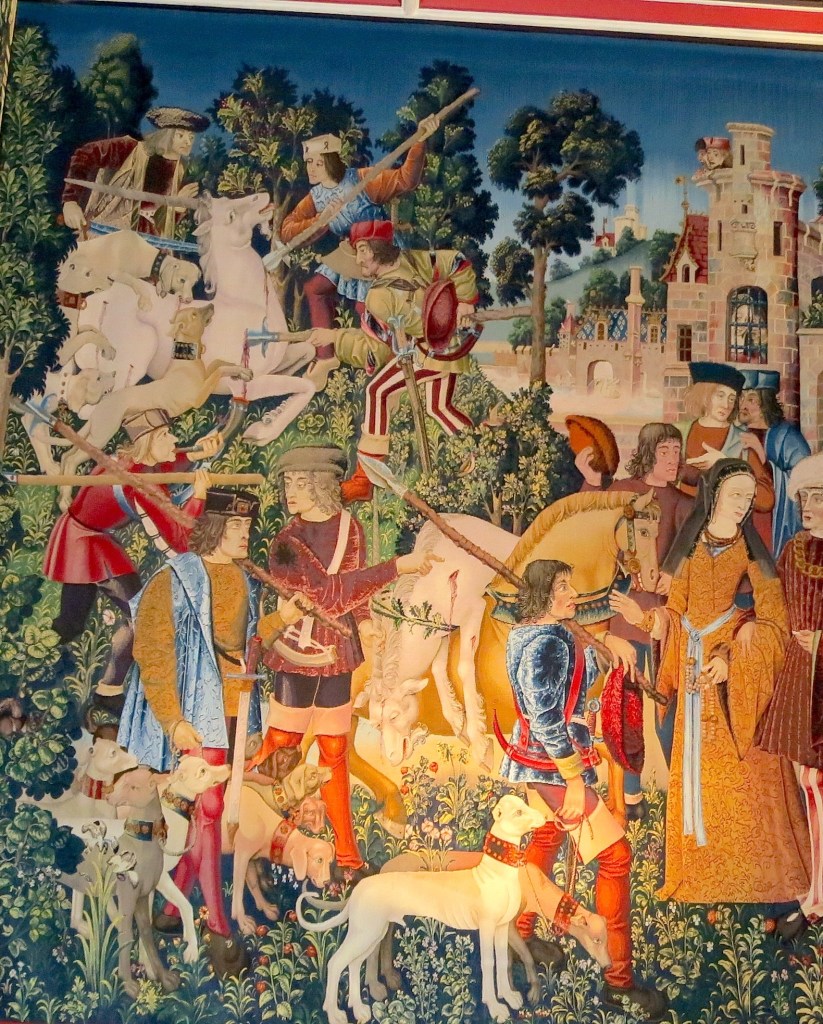
My uncle in East Germany points to the unicorn in the painting and explains it is now extinct. We correct him, say such a creature never existed. He does not argue, but we know he does not believe us. He is certain power and gentleness must have gone hand in hand once. A prisoner of war even after the war was over, my uncle needs to believe in something that could not be captured except by love, whose single luminous horn redeemed the murderous forest and, dipped into foul water, would turn it pure. This world, this terrible world we live in, is not the only possible one, his eighty-year-old eyes insist, dry wells that fill so easily now. ~Lisel Mueller “The Exhibit”
This is the animal that never was. Not knowing that, they loved it anyway; its bearing, its stride, its high, clear whinny, right down to the still light of its gaze.
It never was. And yet such was their love the beast arose, where they had cleared the space; and in the stable of its nothingness it shook its white mane out and stamped its hoof.
And so they fed it, not with hay or corn but with the chance that it might come to pass. All this gave the creature such a power
its brow put out a horn; one single horn. It grew inside a young girl’s looking glass, then one day walked out and passed into her. ~Rainer Maria Rilke “Unicorn”
I sometimes feel the need for magical thinking to help restore goodness in the sad ways of this world. We have fouled our own nest, destroying each other and the extravagant garden we were given.
Hope for restoration feels almost mythical and the stuff of legends.
Power and gentleness do come together in the story of our redemption. We are delivered into a new world by the sacrifice of the most pure and generous Spirit.
Our dry well is filled by a love that quenches all our thirst, promising that our belief in goodness is not myth or legend, but real and true.
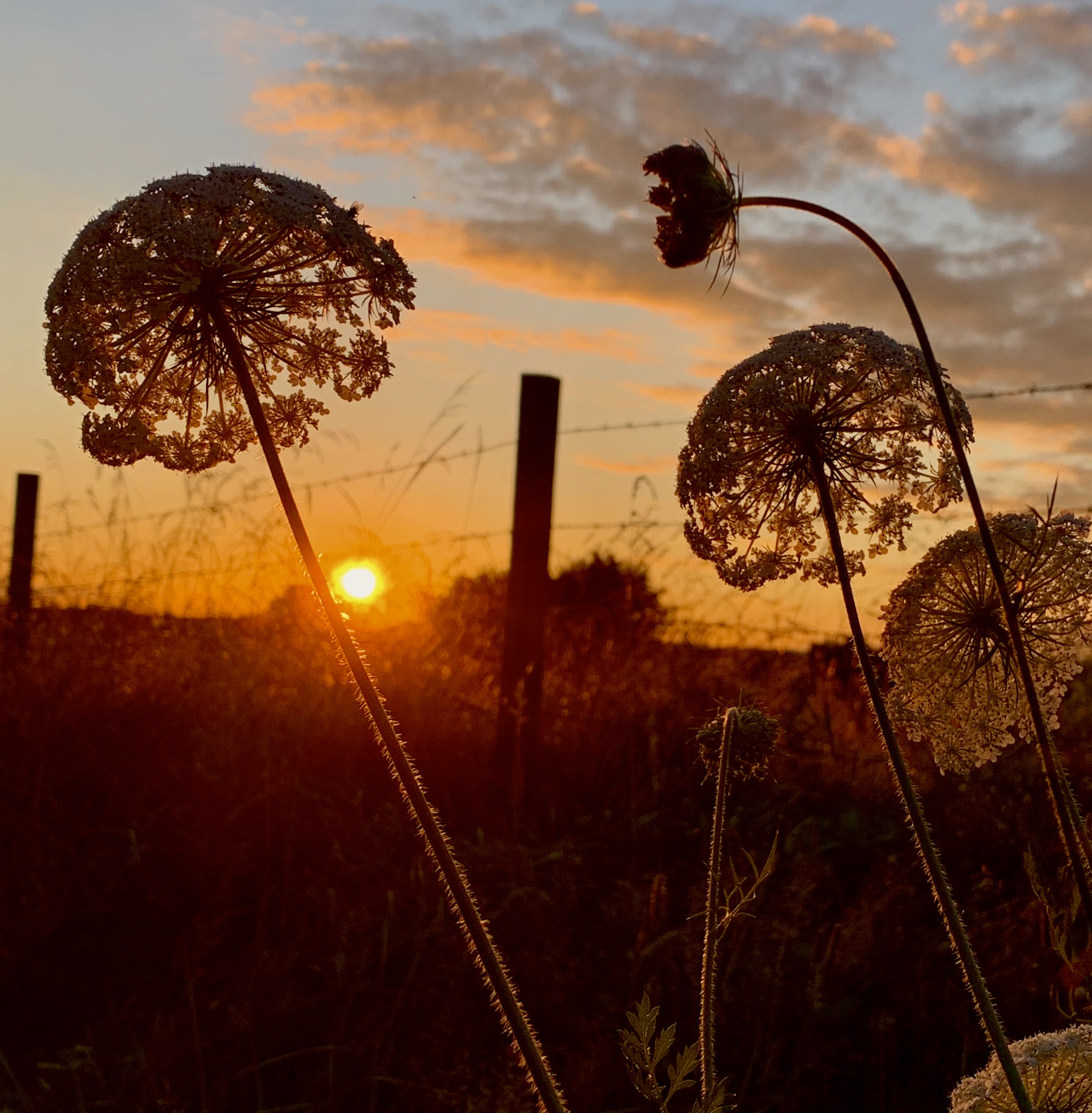
Her body is not so white as anemone petals nor so smooth—nor so remote a thing. It is a field of the wild carrot taking the field by force; the grass does not raise above it. Here is no question of whiteness, white as can be, with a purple mole at the center of each flower.
Each flower is a hand’s span of her whiteness. Wherever his hand has lain there is a tiny purple blemish. Each part is a blossom under his touch to which the fibres of her being stem one by one, each to its end, until the whole field is a white desire, empty, a single stem, a cluster, flower by flower, a pious wish to whiteness gone over — or nothing. ~William Carlos Williams — “Queen Anne’s Lace” (1919)
We all arise from a single stem, branching off in countless directions, a thousand million hues and shapes and types.
We reflect the sun’s light and the Light of the Son.
There can be no question of whiteness nor a pious wish for purity – we are all purple-blemished right at the heart.
We bleed together, my friends, as He did for us.
We bleed together.
One-Time
Monthly
Yearly
Make a one-time or recurring donation to support daily Barnstorming posts
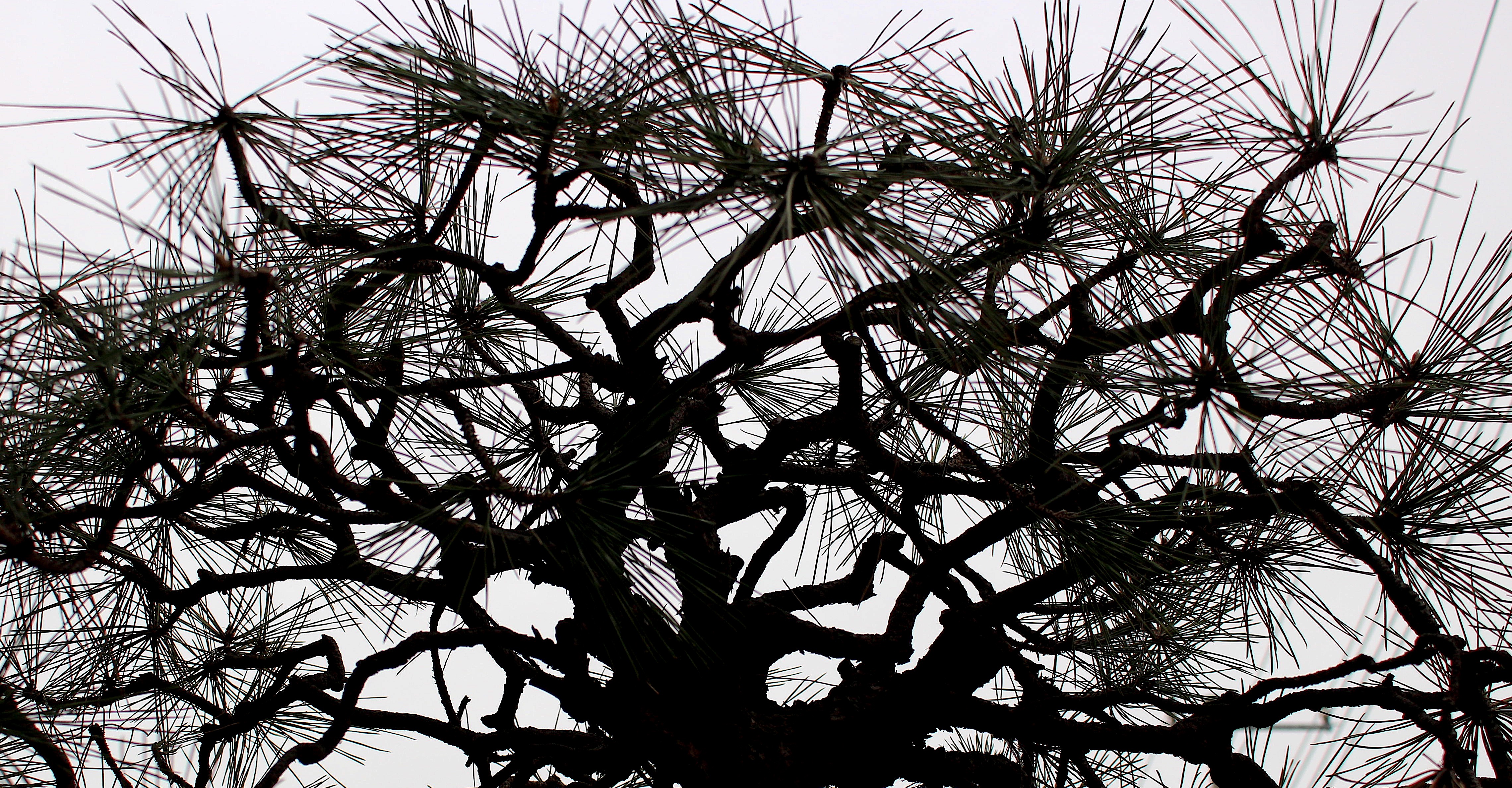
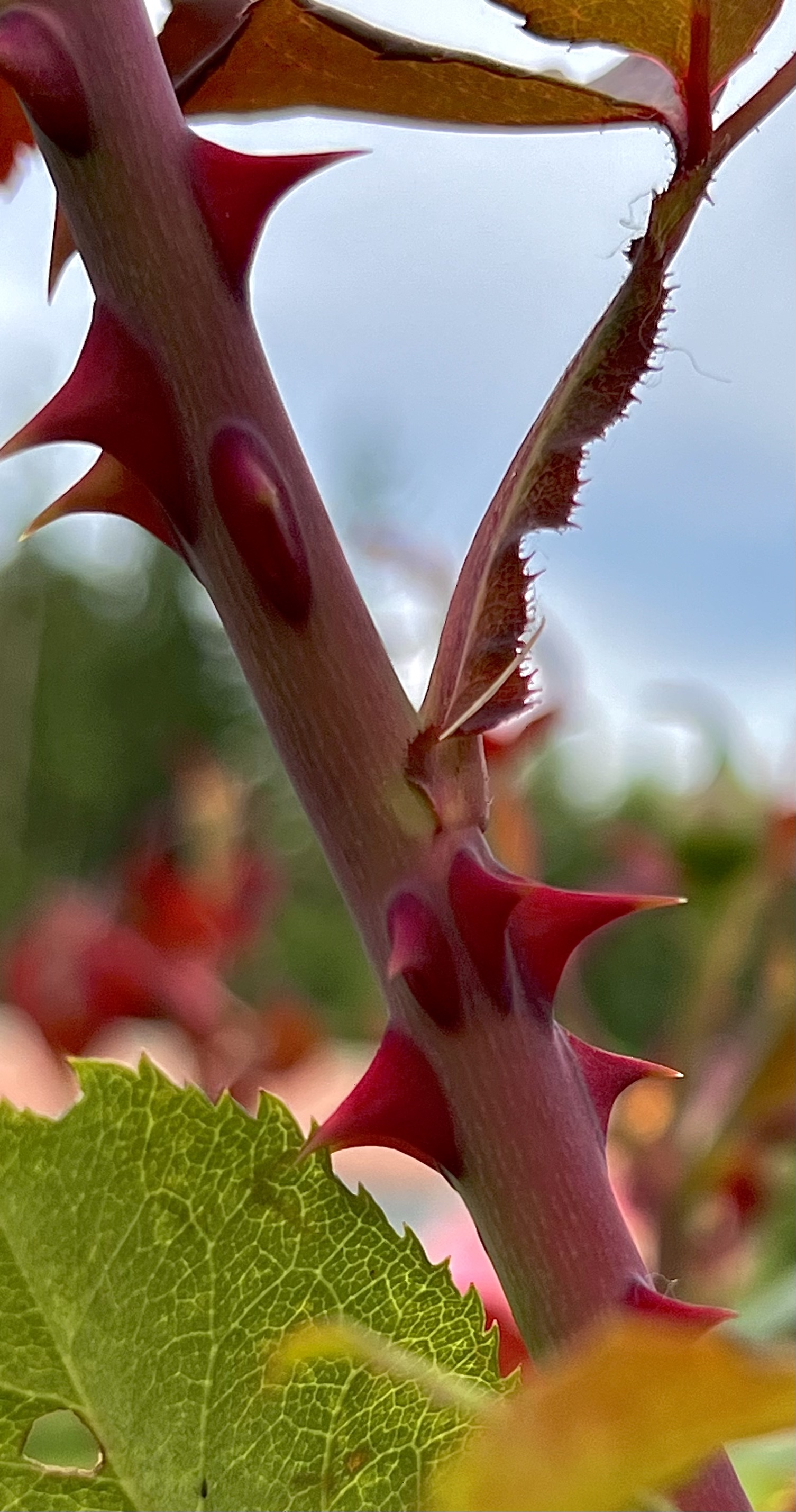
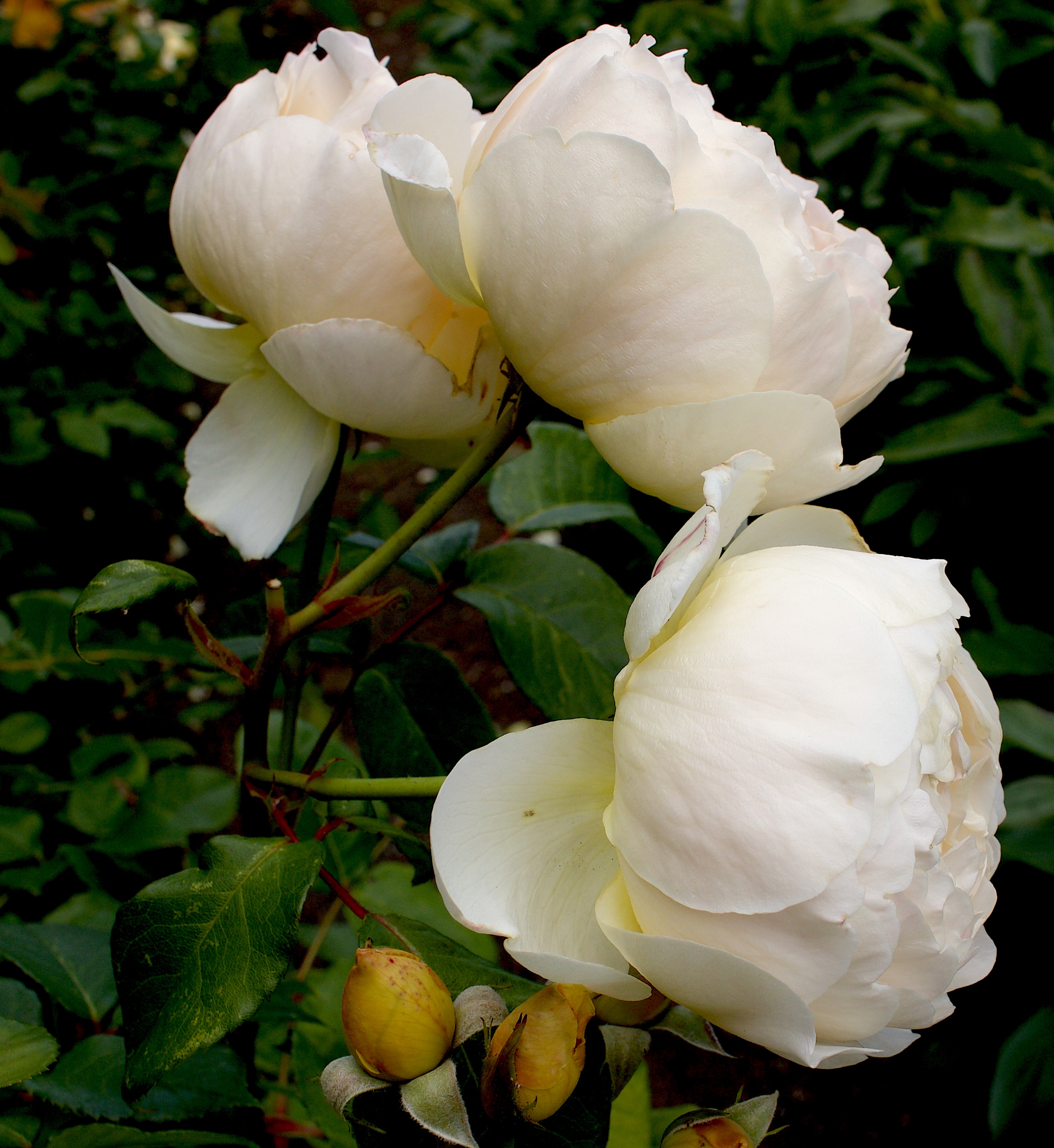
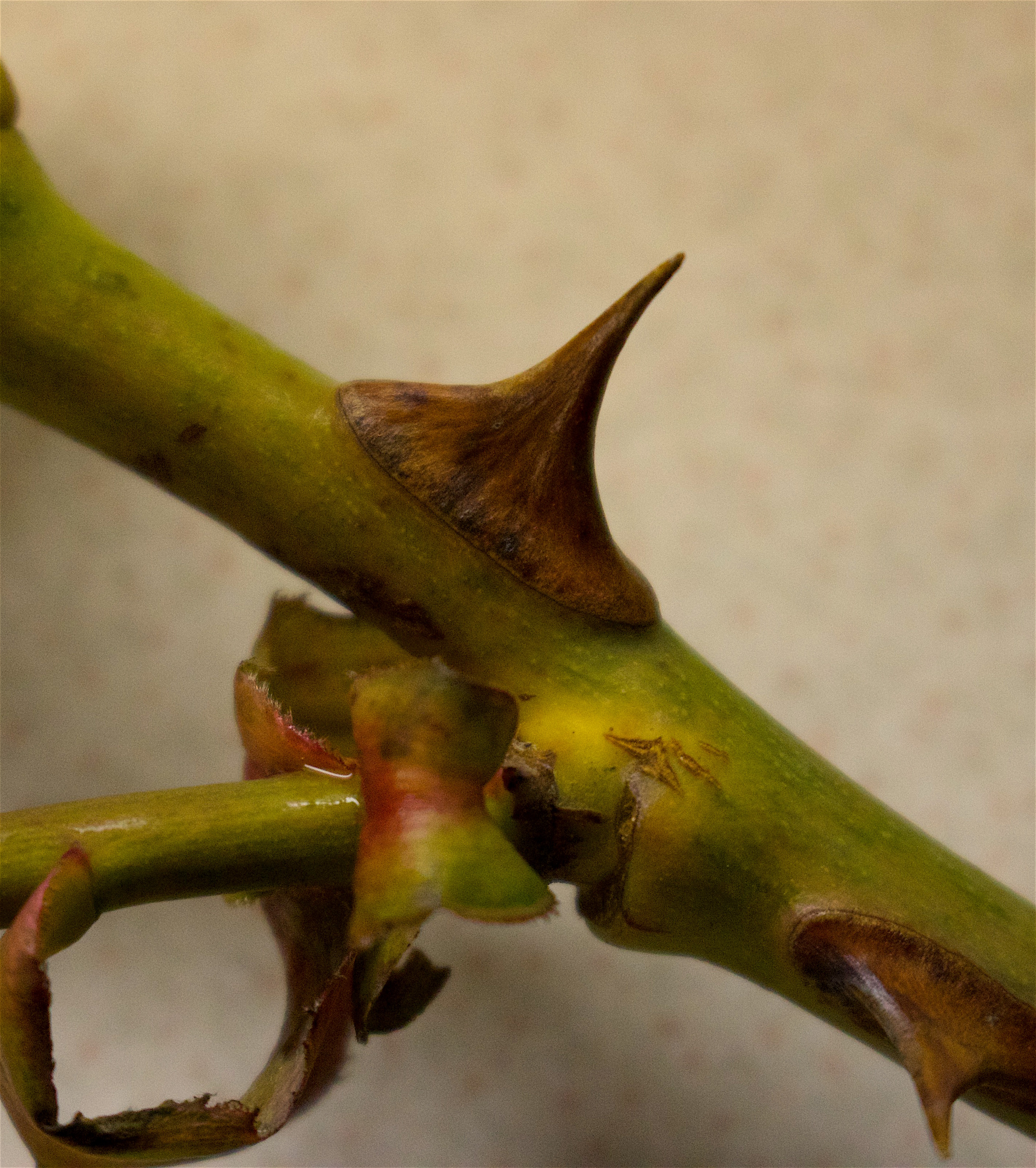
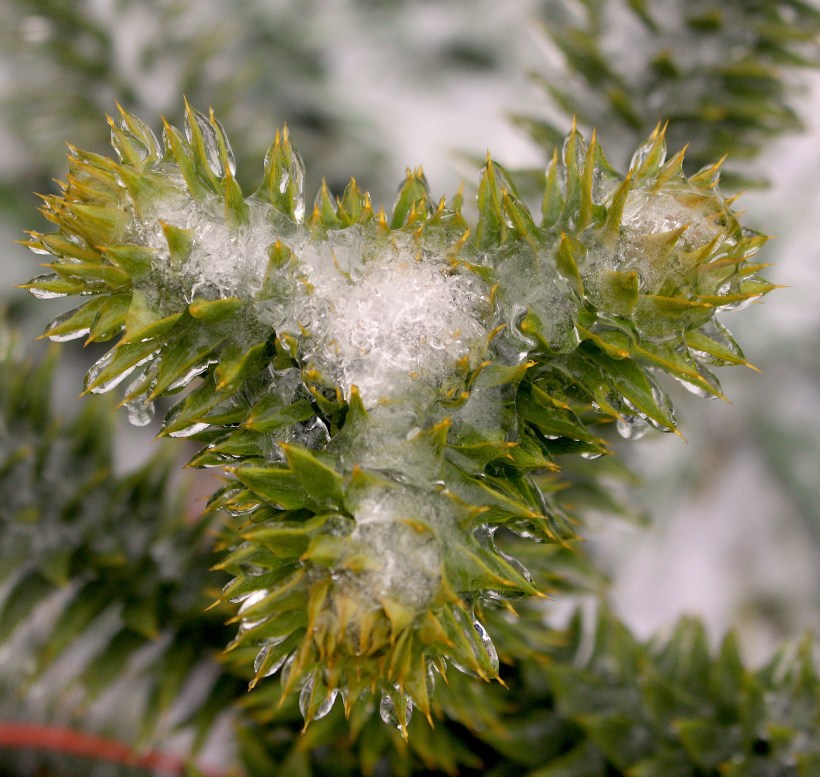
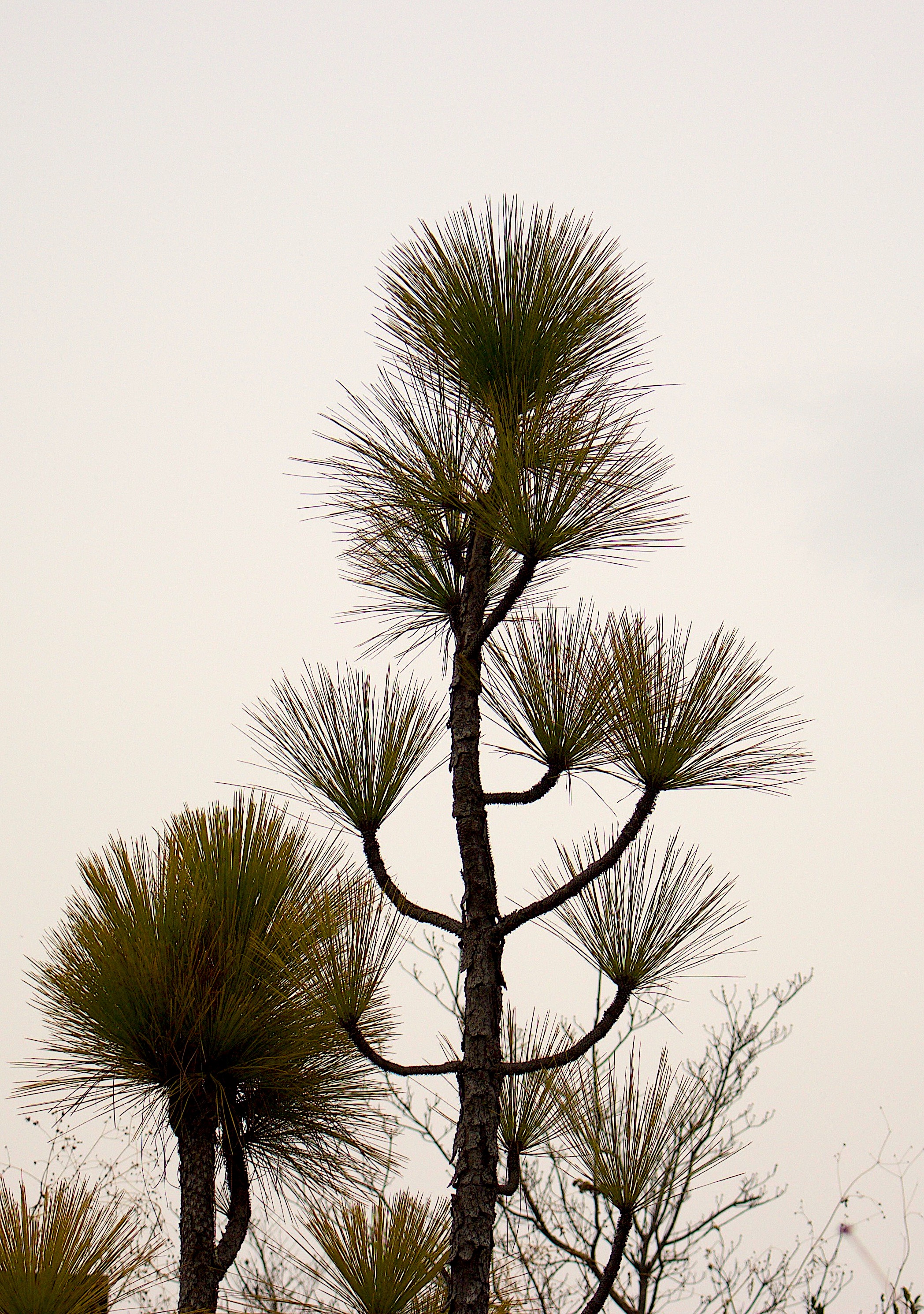
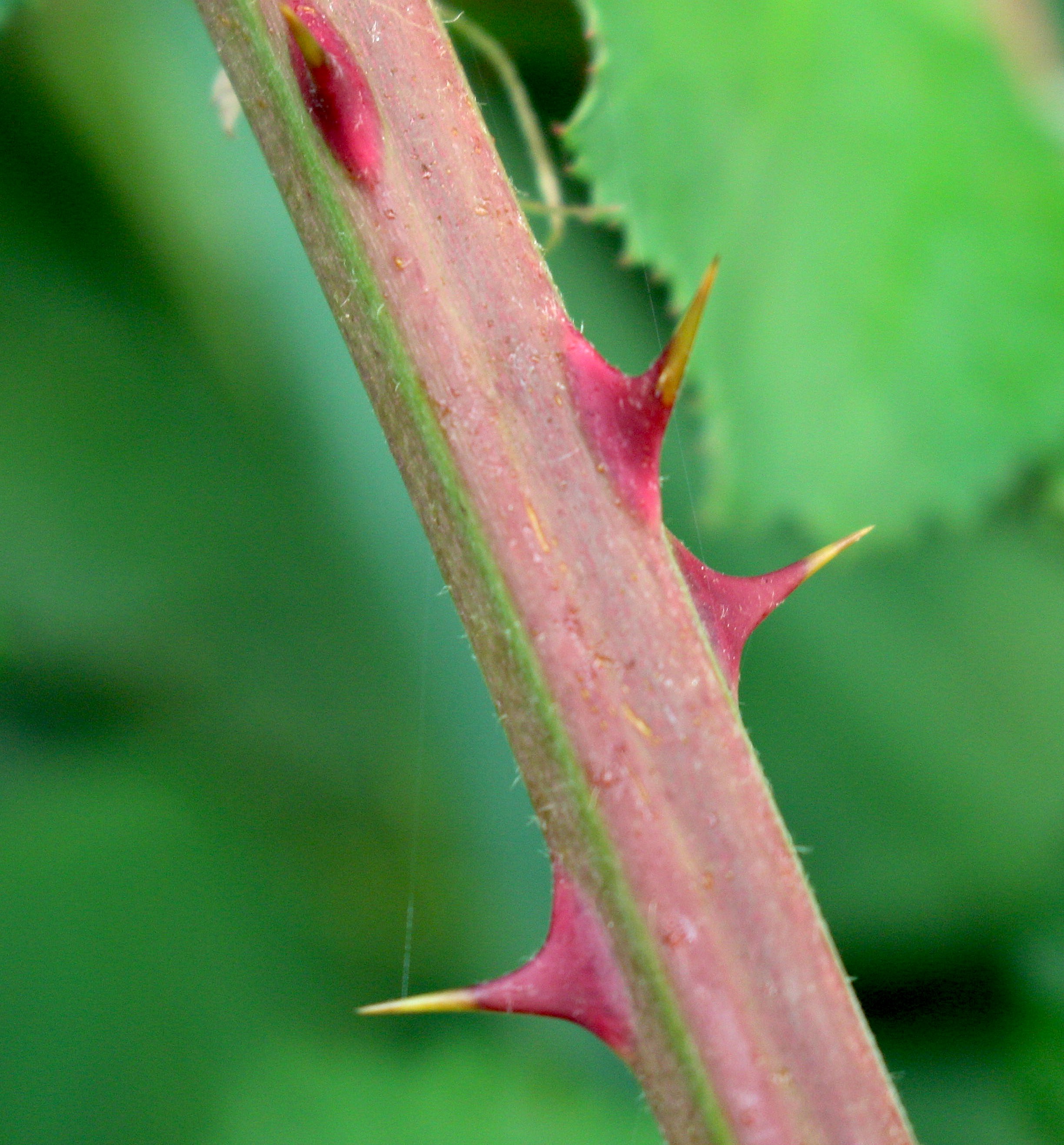
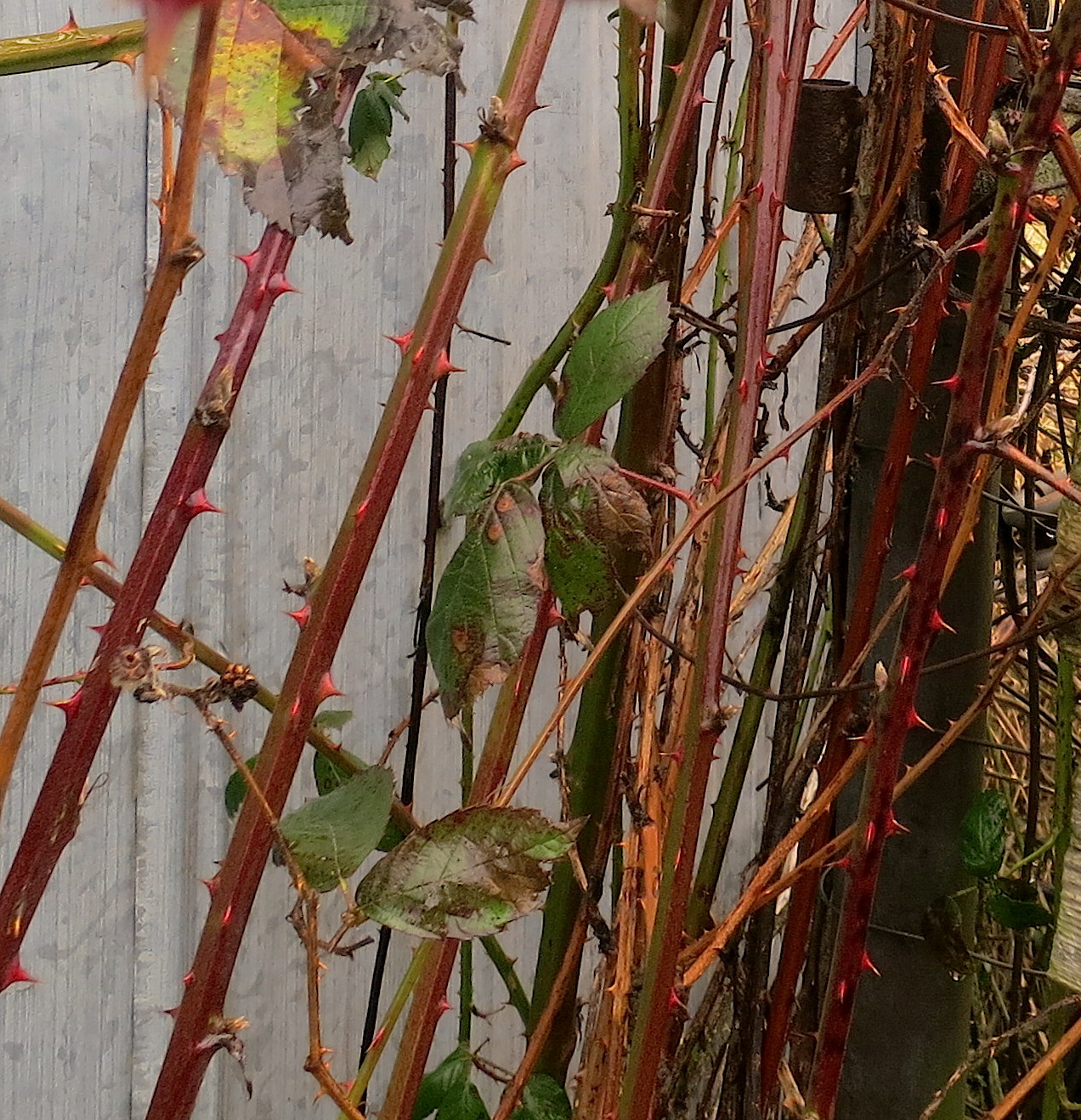
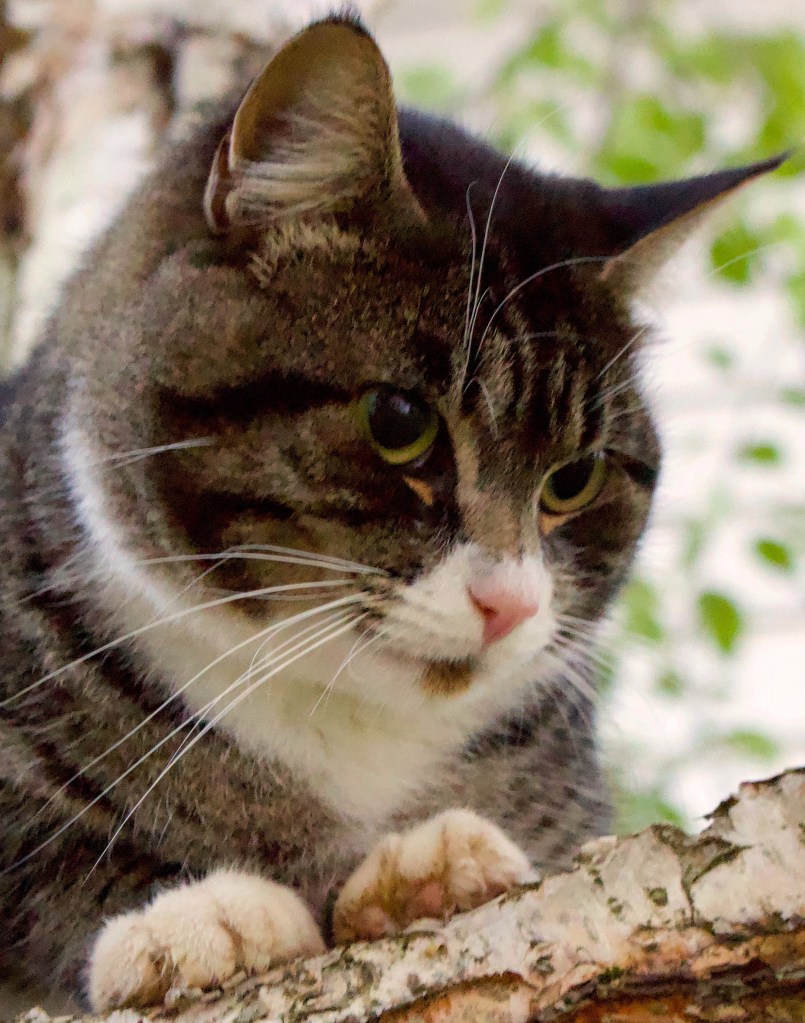
between the rosebuds and the thorns the pine tree branches with their needles and kitty claws
my hands are always bleeding
and turning up scars that cry, “I’m alive, I feel it. I feel it all” and then falling back into whispers while my body heals itself one more time ~Juniper Klatt, I was raised in a house of water
Thorns, needles and claws are indeed part of everyday life. They often are a barrier to that which is sweet and good and precious.
They can tear us up, bloody us, make us weep, make us beg for mercy.
Yet thorns did not stop our search for Salvation, did not stop Goodness, did not stop the Promise of sweetness to come.
Our scars prove we’re alive and even having been hurt, our ability to heal will never give up.
photo by Nate Gibson
One-Time
Monthly
Yearly
Make a one-time or recurring donation to support daily Barnstorming posts
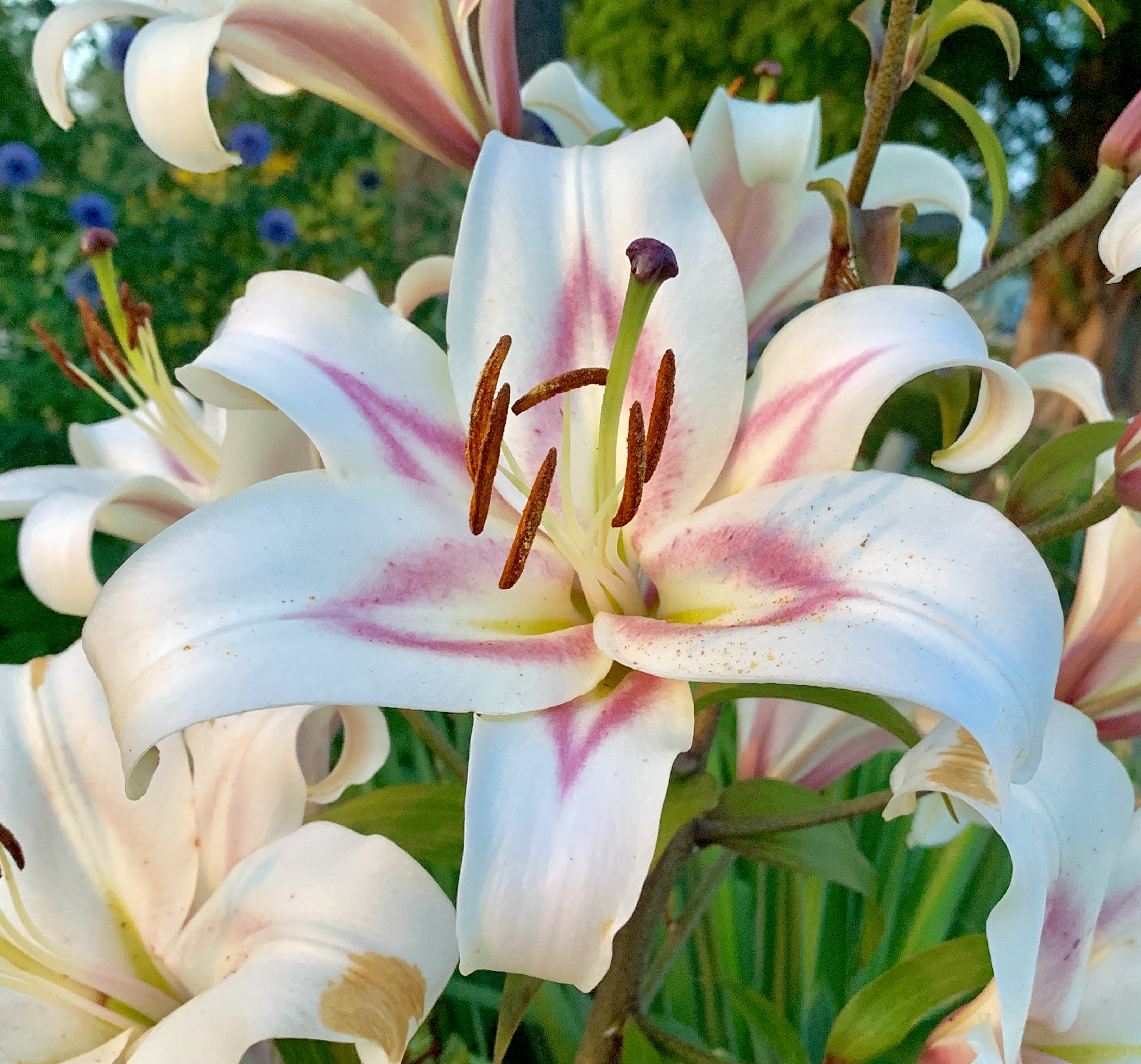
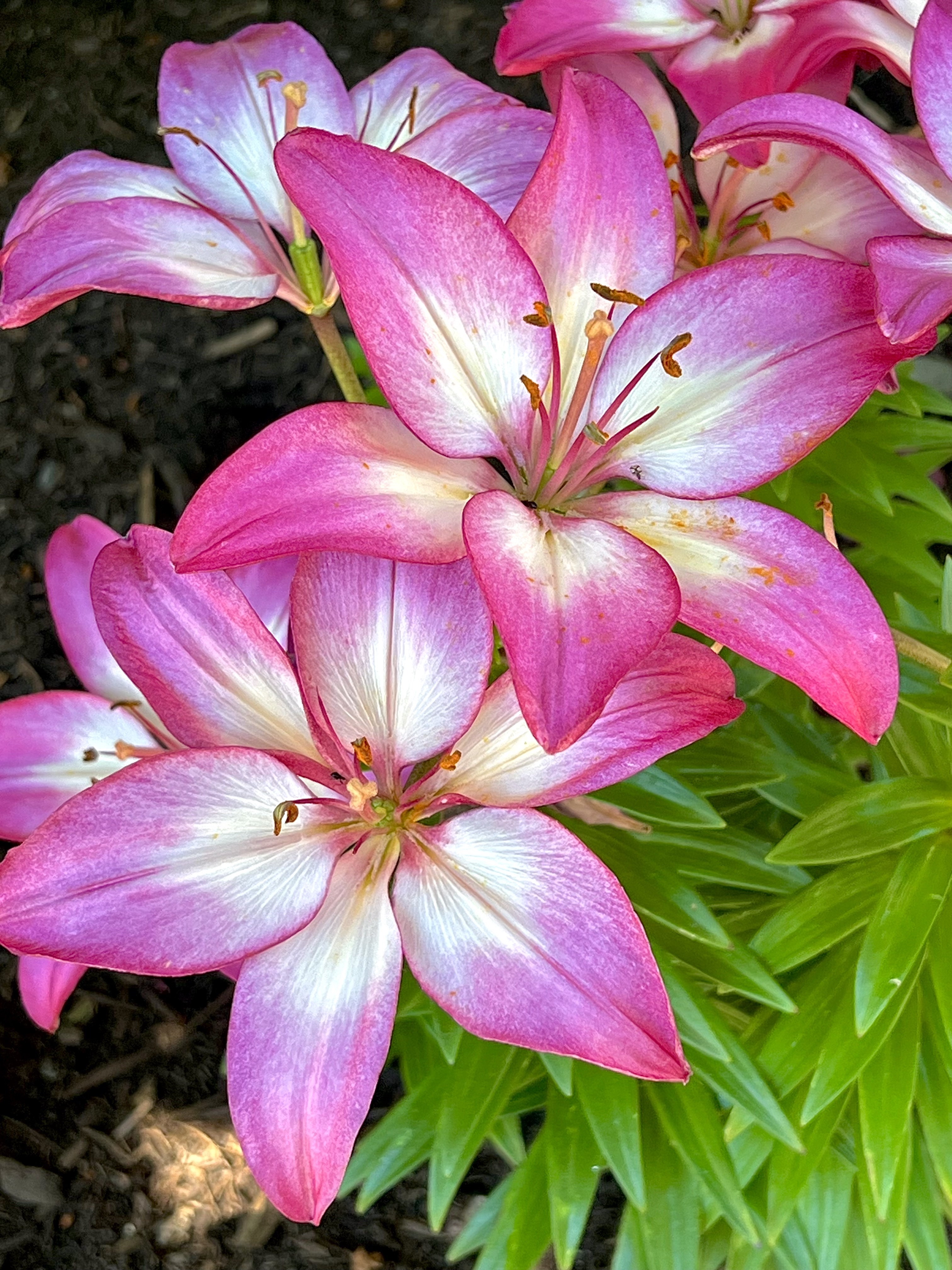
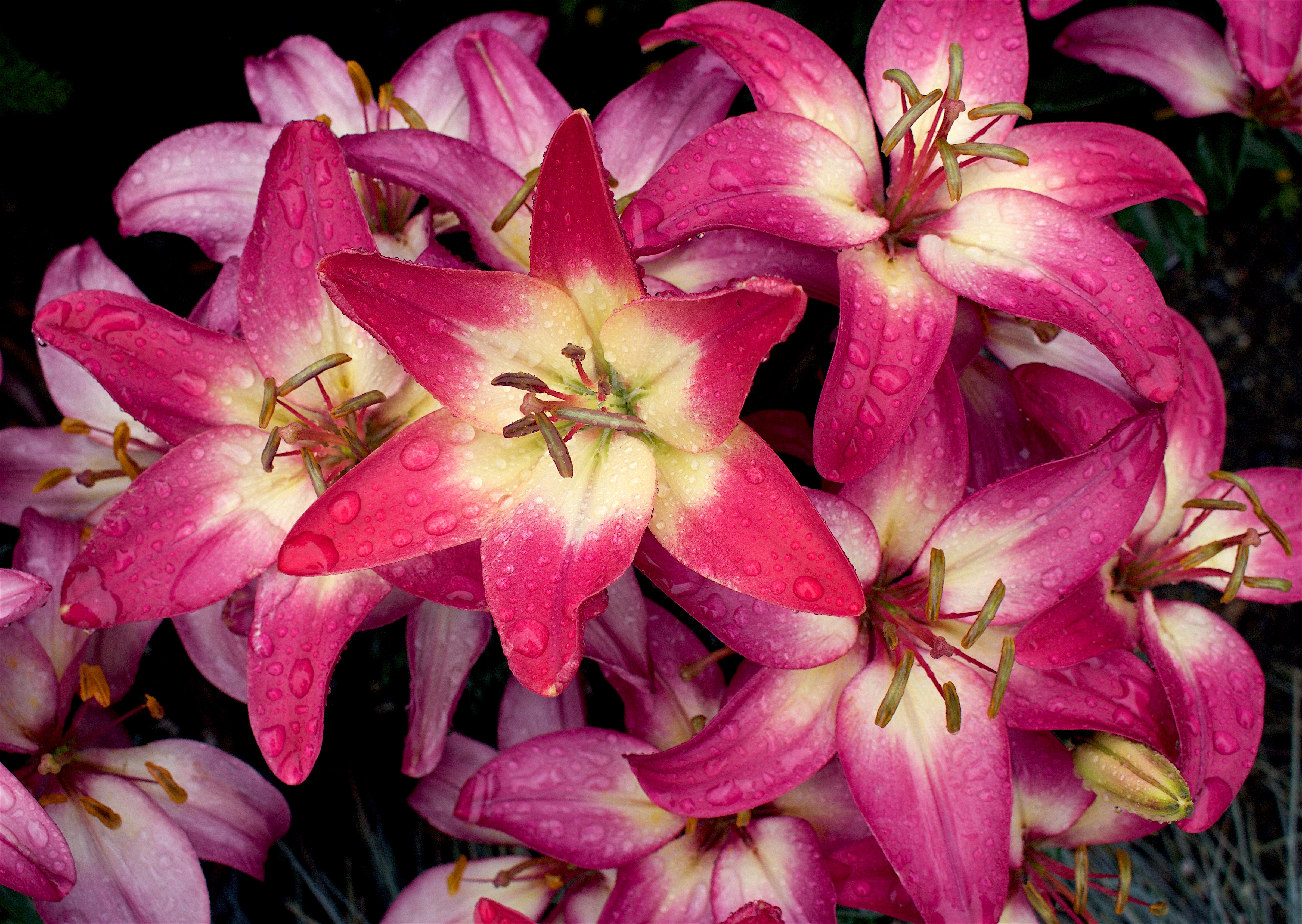
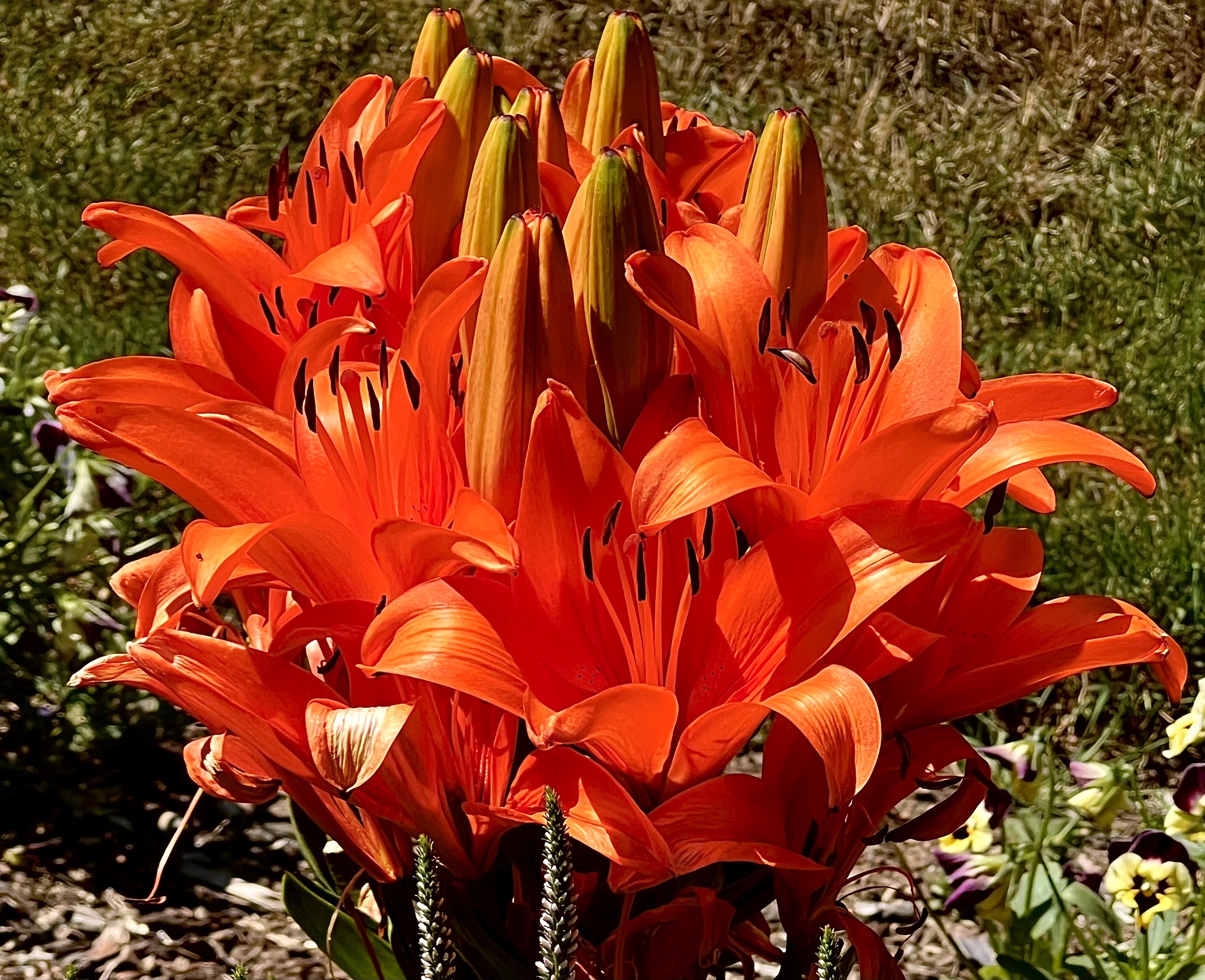
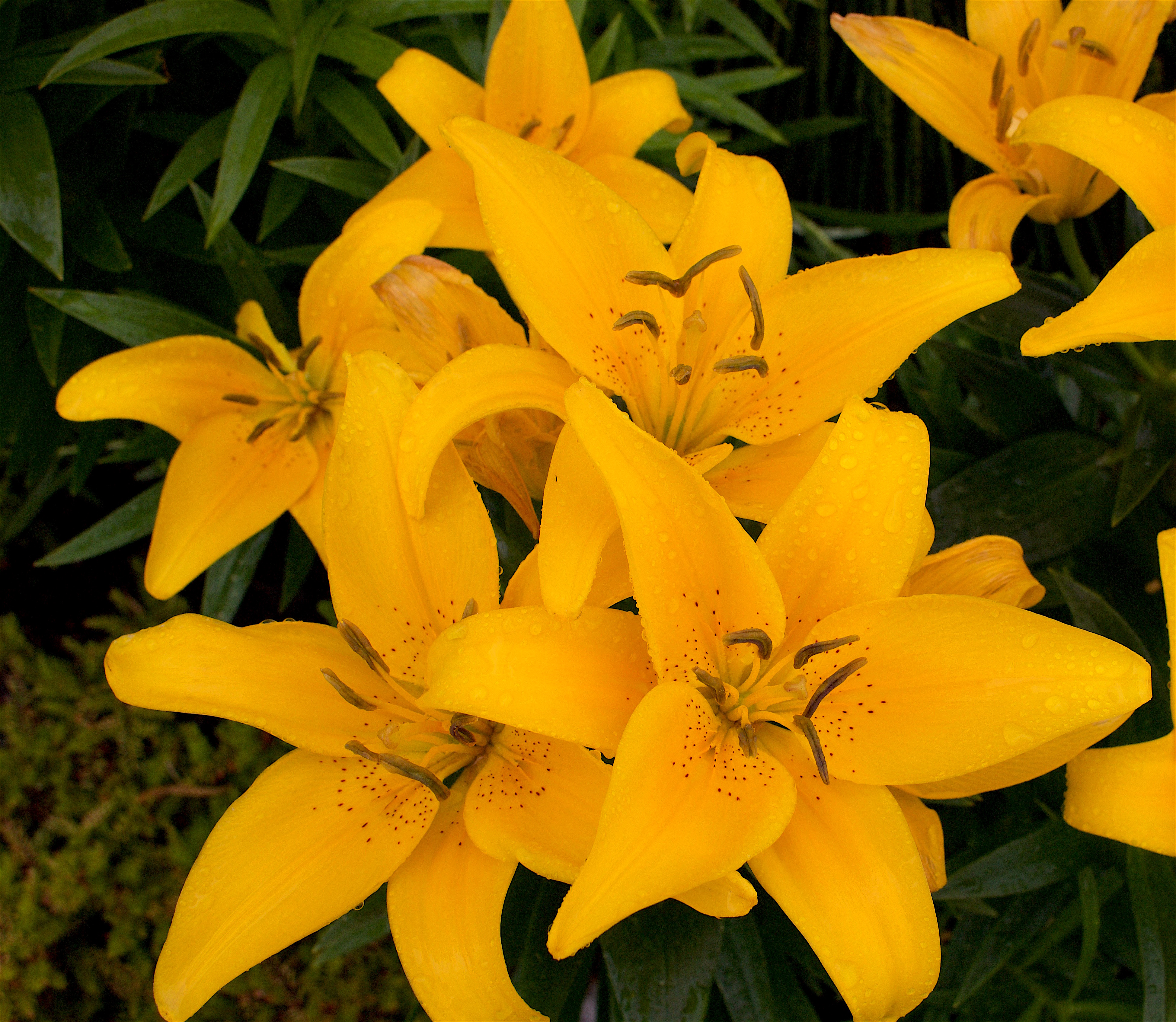
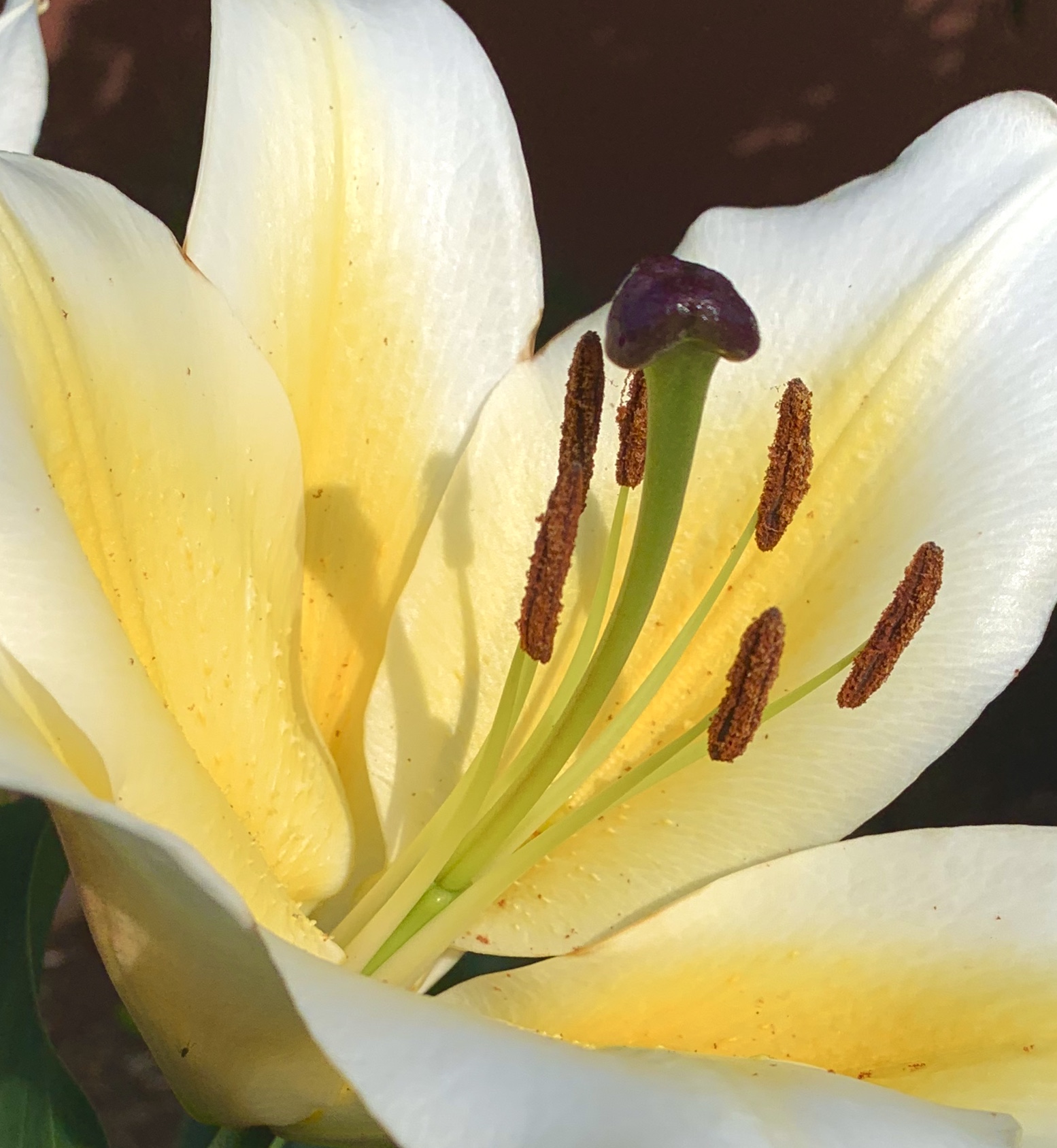
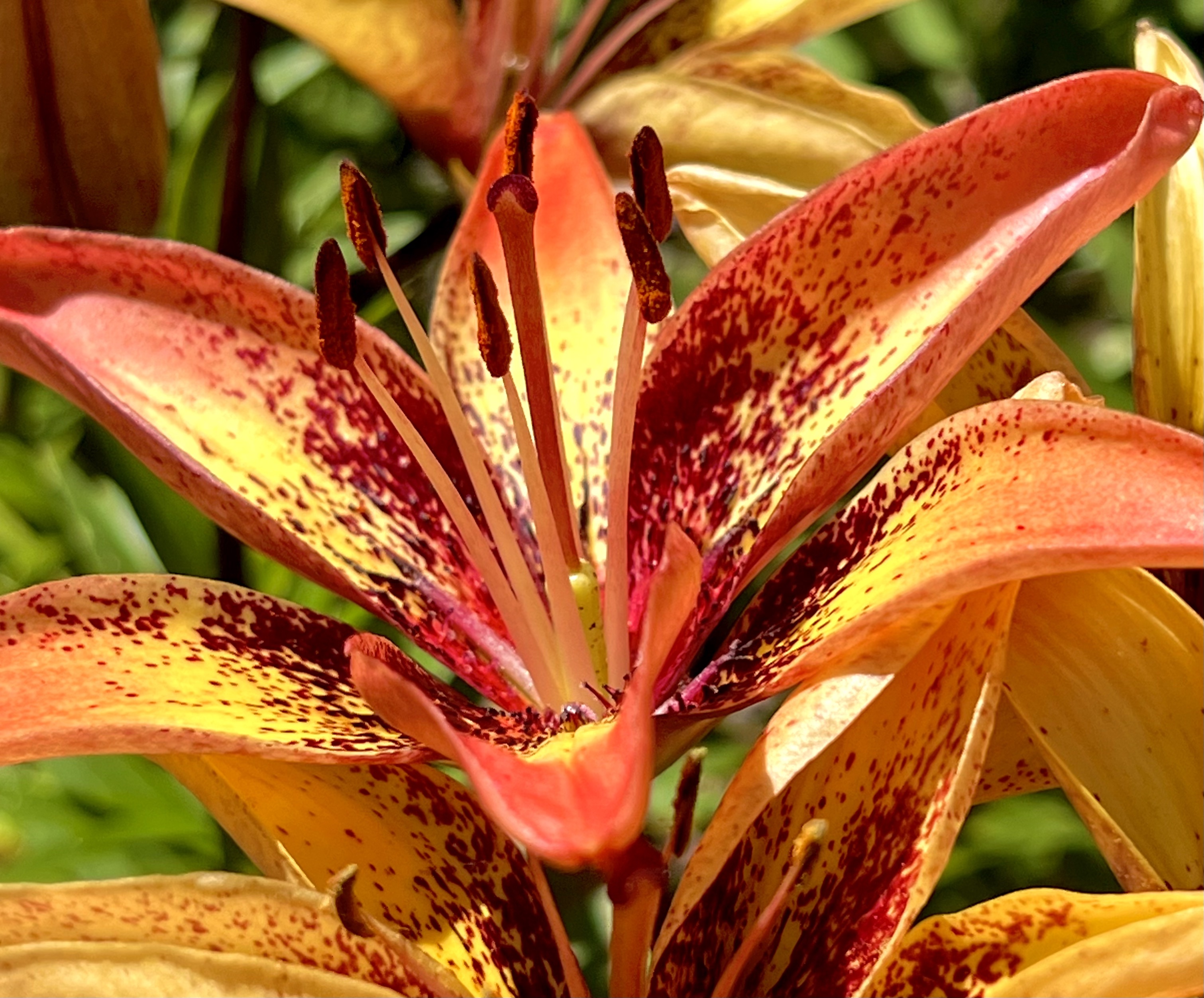
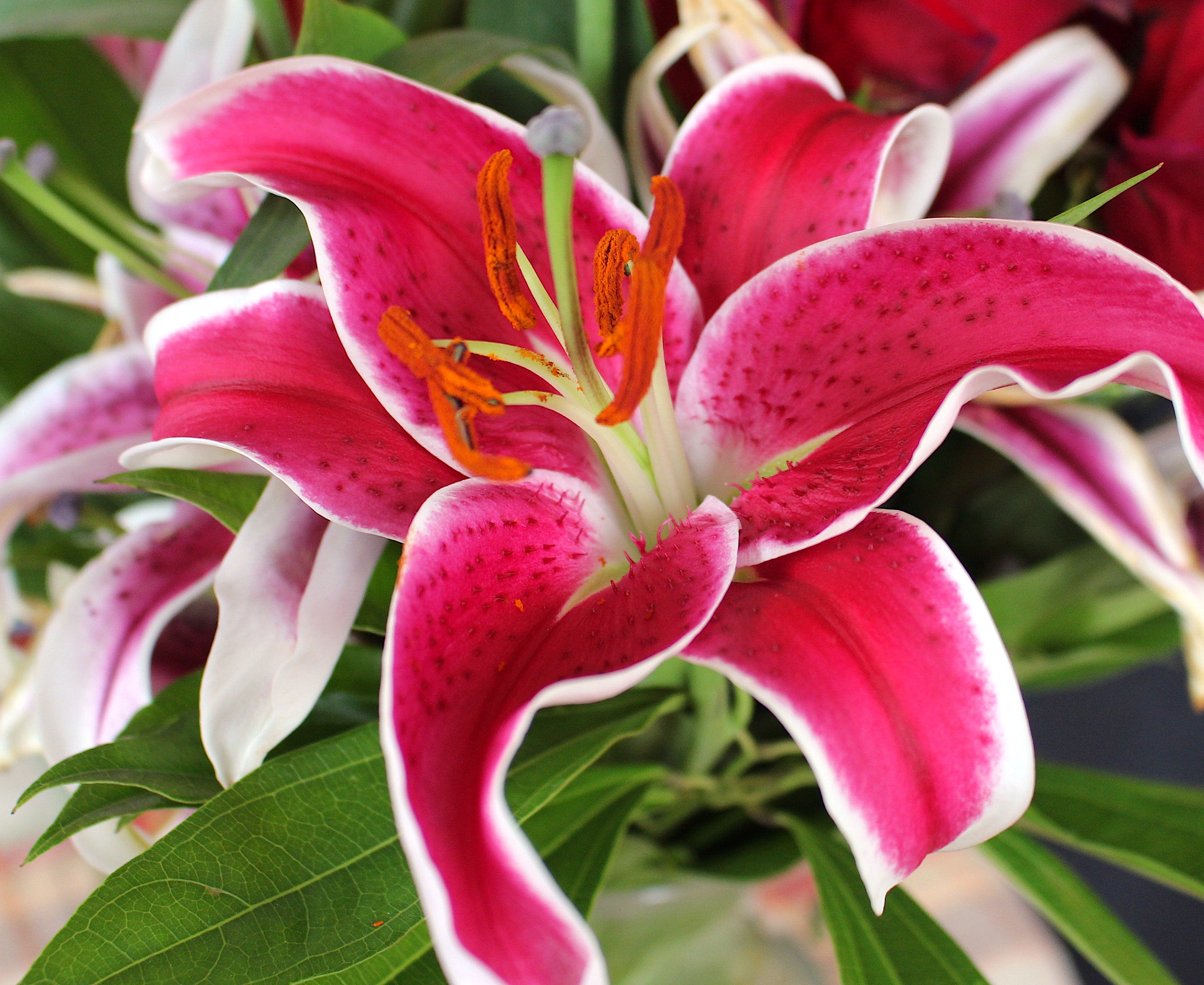
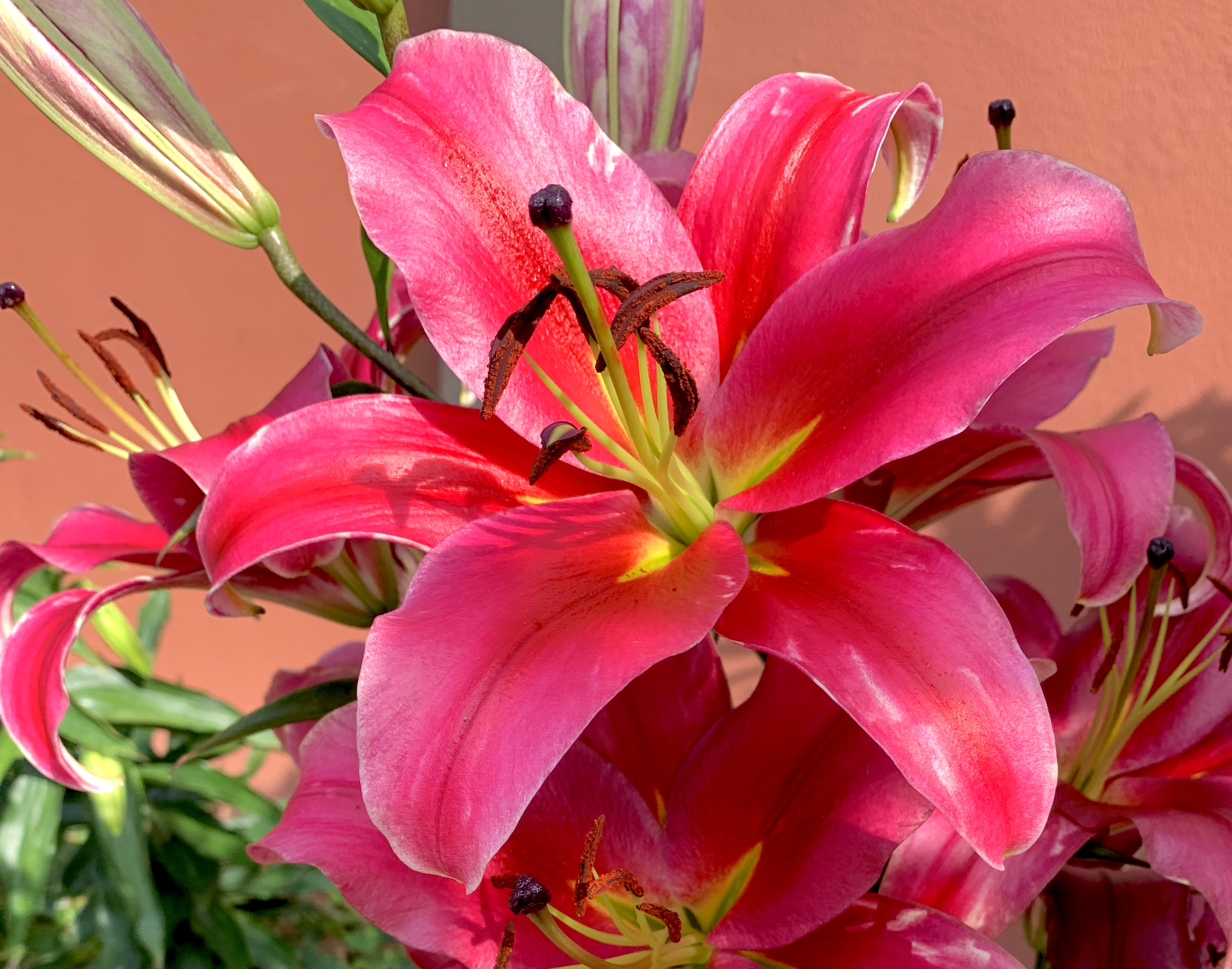
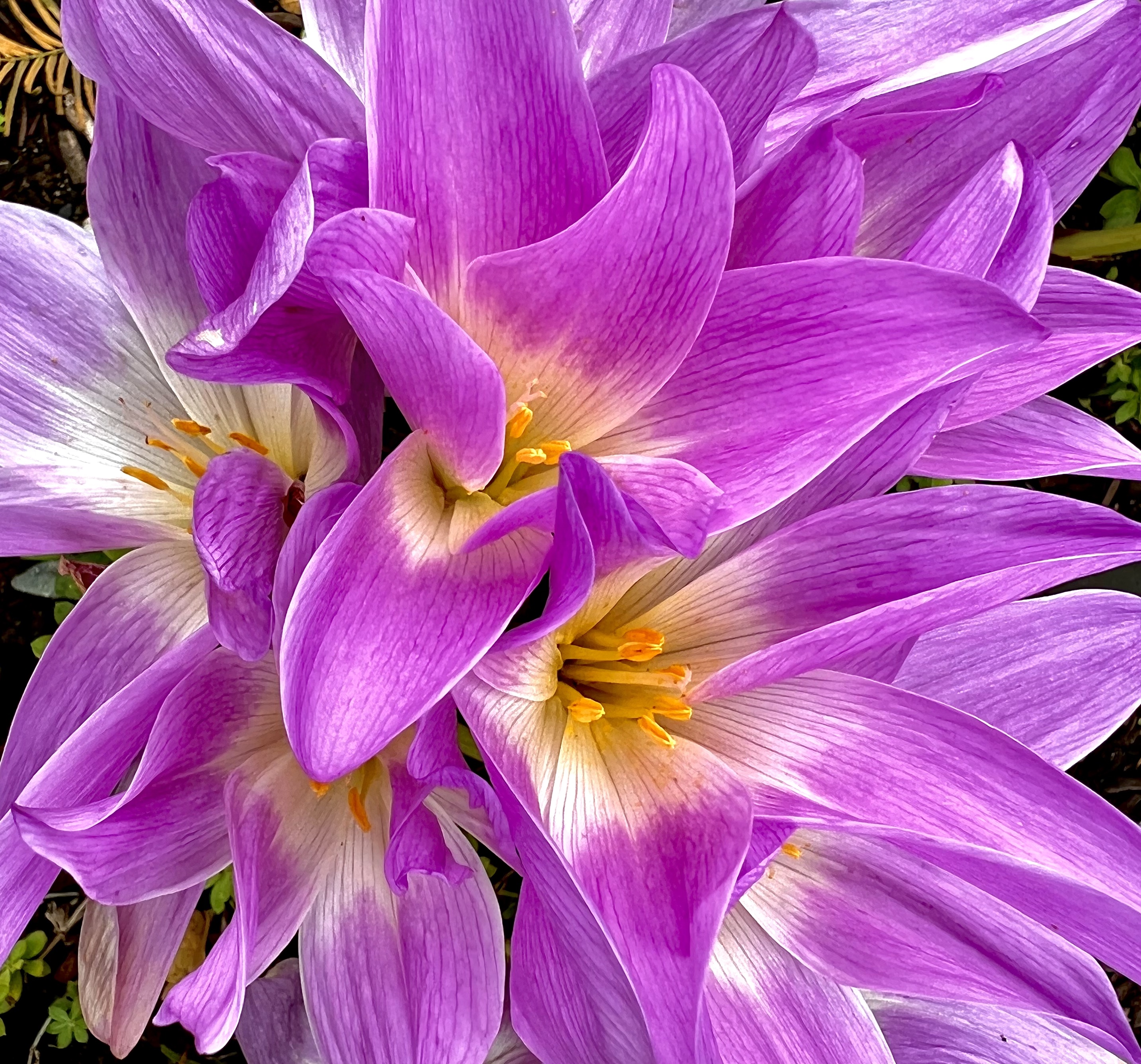
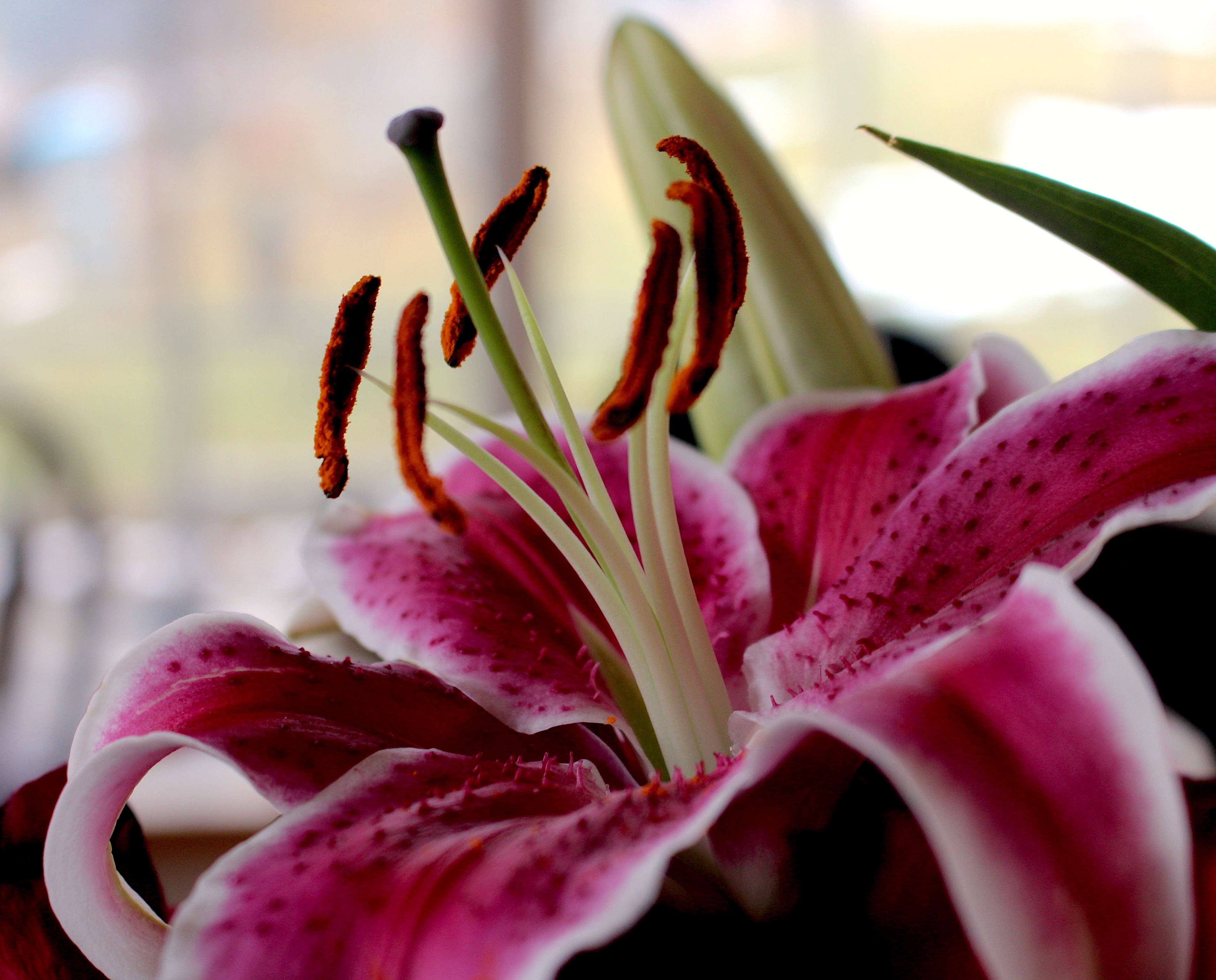
Consider The lilies of the field whose bloom is brief:— We are as they; Like them we fade away, As doth a leaf.
Consider The sparrows of the air of small account: Our God doth view Whether they fall or mount,— He guards us too.
Consider The lilies that do neither spin nor toil, Yet are most fair:— What profits all this care And all this coil?
Consider The birds that have no barn nor harvest-weeks; God gives them food:— Much more our Father seeks To do us good. ~Christina Rossetti from “Consider”
…if I were a lily I think I would wait all day for the green face of the hummingbird to touch me. ~Mary Oliver from “Lilies”
Homer Smith: [the final English lesson] Oh, *I* built a chapel…
All of the sisters: *I* built a chapel.
Homer Smith: *You* built a chapel…
All of the sisters: *You* built a chapel.
Homer Smith: *We” built a chapel…
Mother Maria: [points to heaven] *He* built a chapel.
From the simplest lyric to the most complex novel and densest drama, literature is asking us to pay attention… pay attention to the world and all that dwells therein and thereby learn at last to pay attention to yourself and all that dwells therein.
Literature, painting, music—the most basic lesson that all art teaches us is to stop, look, and listen to life on this planet, including our own lives, as a vastly richer, deeper, more mysterious business than most of the time it ever occurs to us to suspect as we bumble along from day to day on automatic pilot. In a world that for the most part steers clear of the whole idea of holiness, art is one of the few places left where we can speak to each other of holy things.
Is it too much to say that Stop, Look, and Listen is also the most basic lesson that the Judeo-Christian tradition teaches us? Listen to history is the cry of the ancient prophets of Israel. Listen to social injustice, says Amos; to head-in-the-sand religiosity, says Jeremiah; to international treacheries and power-plays, says Isaiah; because it is precisely through them that God speaks his word of judgment and command.
And when Jesus comes along saying that the greatest command of all is to love God and to love our neighbor, he too is asking us to pay attention. If we are to love God, we must first stop, look, and listen for him in what is happening around us and inside us. If we are to love our neighbors, before doing anything else we must see our neighbors. With our imagination as well as our eyes, that is to say like artists, we must see not just their faces but the life behind and within their faces. Here it is love that is the frame we see them in.
In a letter to a friend Emily Dickinson wrote that “Consider the lilies of the field” was the only commandment she never broke. She could have done a lot worse. Consider the lilies. It is the sine qua non of art and religion both. ~Frederick Buechner from Whistling in the Dark
I have broken the Biblical mandate to “consider the lilies” way too many times. In my daily life I am considering almost anything else – my own worries and concerns as I walk past so much beauty and meaning and holiness. My mind dwells within, blind and deaf to what is outside.
It is so necessary to be reminded that I need to pay attention beyond my own bubble, to be reminded to love and care for my neighbor, to remember what history has to teach us, to search for the sacred in all things.
Stop, Look, Listen, Consider: all is grace, all is gift, all is holiness brought to life – stunning, amazing, wondrous.
In the beauty of the lilies Christ was born across the sea, With a glory in His bosom that transfigures you and me. As He died to make men holy, let us die to make men free, While God is marching on.
He is coming like the glory of the morning on the wave, He is Wisdom to the mighty, He is Succour to the brave, So the world shall be His footstool, and the soul of Time His slave, Our God is marching on.
(Chorus) Glory, glory, hallelujah! Glory, glory, hallelujah! Glory, glory, hallelujah! While God is marching on. ~Julia Ward Howe — final original verses of the “Battle Hymn of the Republic”
One-Time
Monthly
Yearly
Make a one-time or recurring donation to support daily Barnstorming posts
I am what you make me; nothing more. I swing before your eyes as a bright gleam of color, a symbol of yourself. ~Franklin K. Lane, Secretary of the Interior, 1914 Flag Day address
Sometimes, as a child, when I was bored, I’d grab a step ladder, pull it into our hallway, climb half way up and carefully lift the plywood hatch that was the portal to our unlit attic. It took some effort to climb up into the attic from the ladder, juggling a flashlight at the same time, but once seated safely on the beams above our ceiling, being careful not to put my foot through the carpet of insulation, I could explore what was stowed and normally inaccessible to me.
All the usual attic-type things were put up there: Christmas ornaments and lights, baby cribs and high chairs, lamps and toys no longer used. Secrets to my parents’ past were stored away there too. It was difficult imagining them as young children growing up on opposite sides of the state of Washington, in very different circumstances, or as attractive college students who met at a dance, or as young marrieds unencumbered by the daily responsibilities of a family. The attic held those images and memories like a three dimensional photo album.
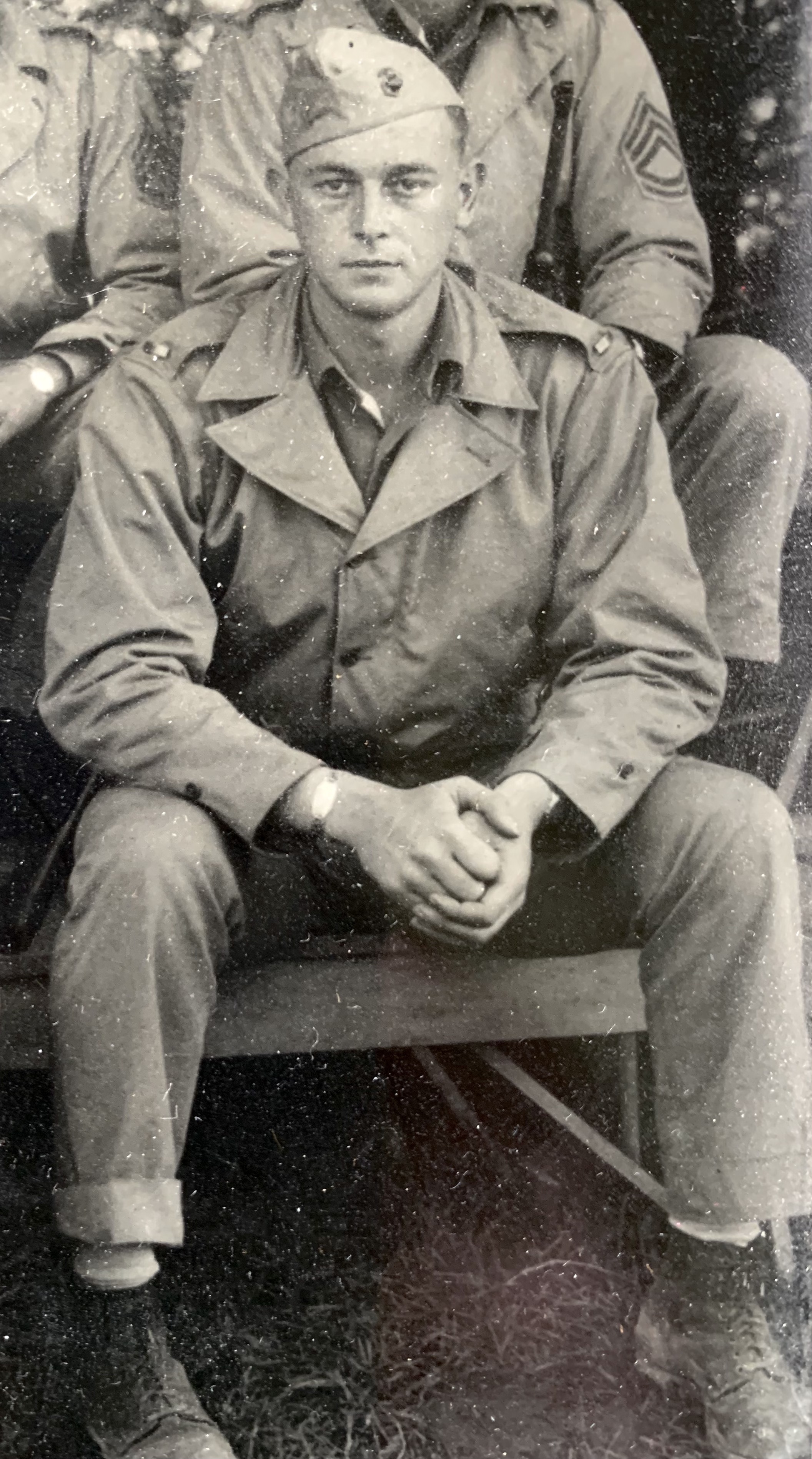
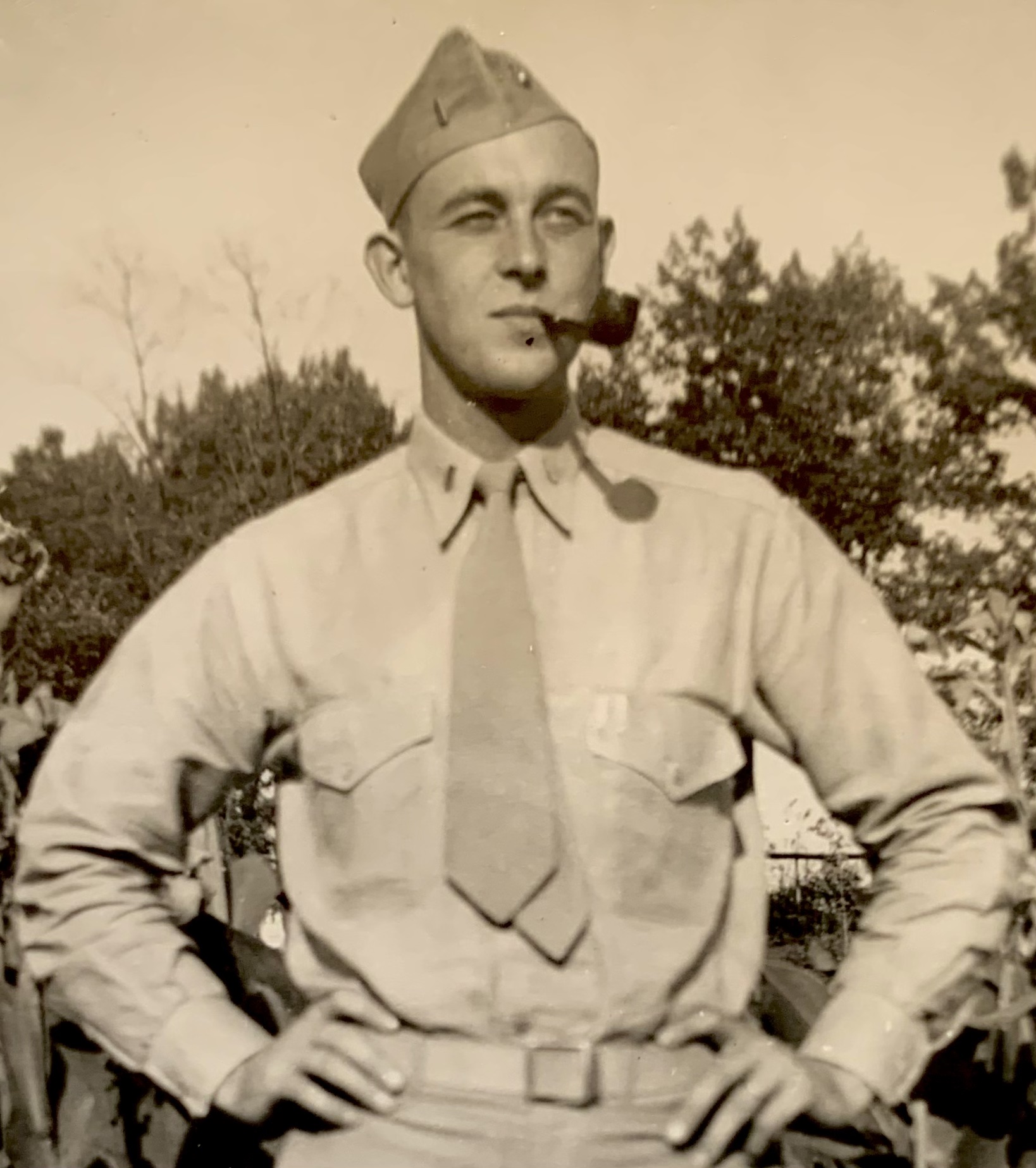
My father’s dark green Marine Corps cargo trunk was up there, the one that followed him from Officer Training in Quantico, Virginia, to beach and mountain battles on Tarawa, Tinian and Saipan in the South Pacific, and three years later back home again. It had his name and rank stenciled on the side in dark black lettering. The buckles were stiff but could be opened with effort, and in the dark attic, there was always the thrill of unlatching the lid, and shining the flashlight across the contents. His Marine Corps dress uniform lay inside underneath his stiff brimmed cap. There were books about protocol, and a photo album which contained pictures of “his men” that he led in his battalion, and the collection of photos my mother sent of herself as she worked as a teacher of high school students back home.
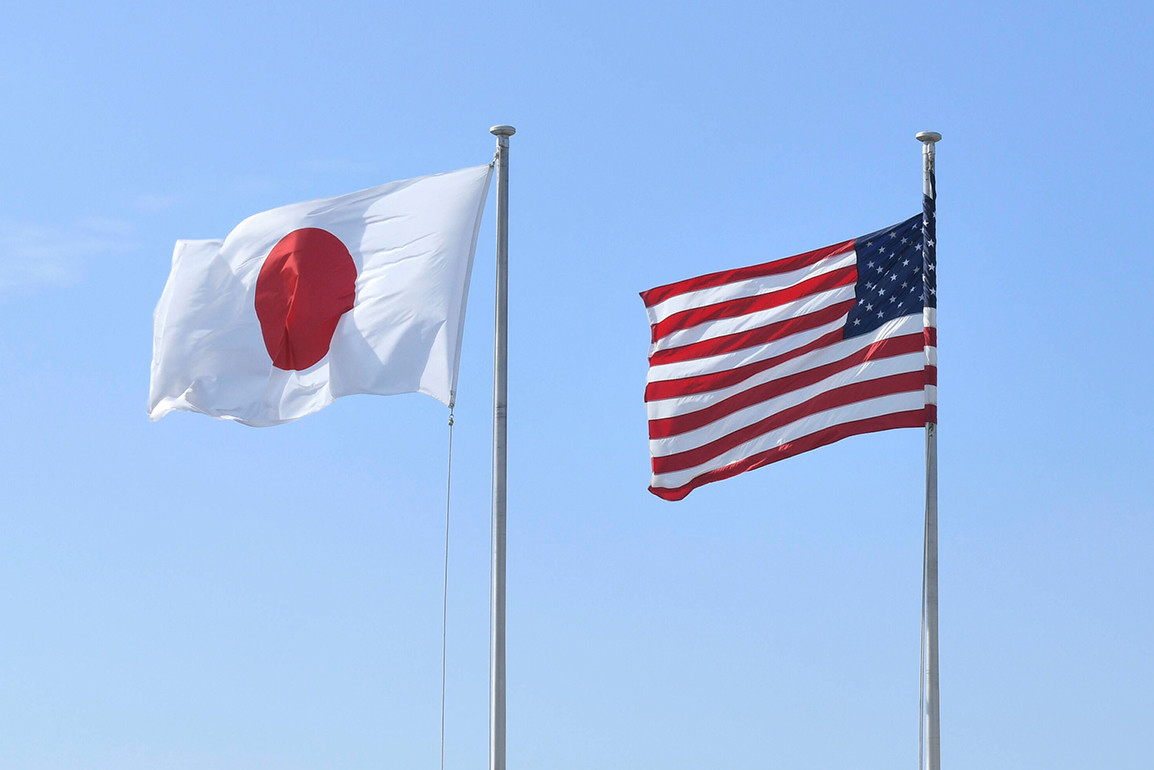
Most fascinating was a folded Japanese flag inside a small drawstring bag, made of thin white see-through cloth with the bold red sun in the middle. Surrounding the red sun were the delicate inked characters of many Japanese hands as if painted by artists, each wishing a soldier well in his fight for the empire. Yet there it was, a symbol of that soldier’s demise, itself buried in an American attic, being gently and curiously held by an American daughter of a Marine Corps captain. It would occur to me in the 1960s that some of the people who wrote on this flag might still be living, and certainly members of the soldier’s family would still be living. I asked my father once about how he obtained the flag, and he, protecting both me and himself, waved me away, saying he couldn’t remember. I know better now. He knew but could not possibly tell me the truth.
These flags, charms of good luck for the departing Japanese soldier as he left his neighborhood or village for war, are called Hinomaru Yosegaki (日の丸寄せ書き). Tens of thousands of these flags came home with American soldiers; it is clear they were not the talisman hoped for. A few of these flags are now finding their way back to their home country, to the original villages, to descendants of the lost soldiers. So now has this flag.
Eighty years ago doesn’t seem that long, a mere drop in the river of time. There is more than mere mementos that have flowed from the broken dam of WWII, flooding subsequent generations of Americans, Japanese, Europeans with memories that are now lost as the oldest surviving soldiers in their 90’s pass, scores of them daily, taking their stories of pain and loss and heroism with them. My father could never talk with a person of Asian descent, Japanese or not, without being visibly uneasy. As a child, I saw and felt this from him, but heard little from his mouth.
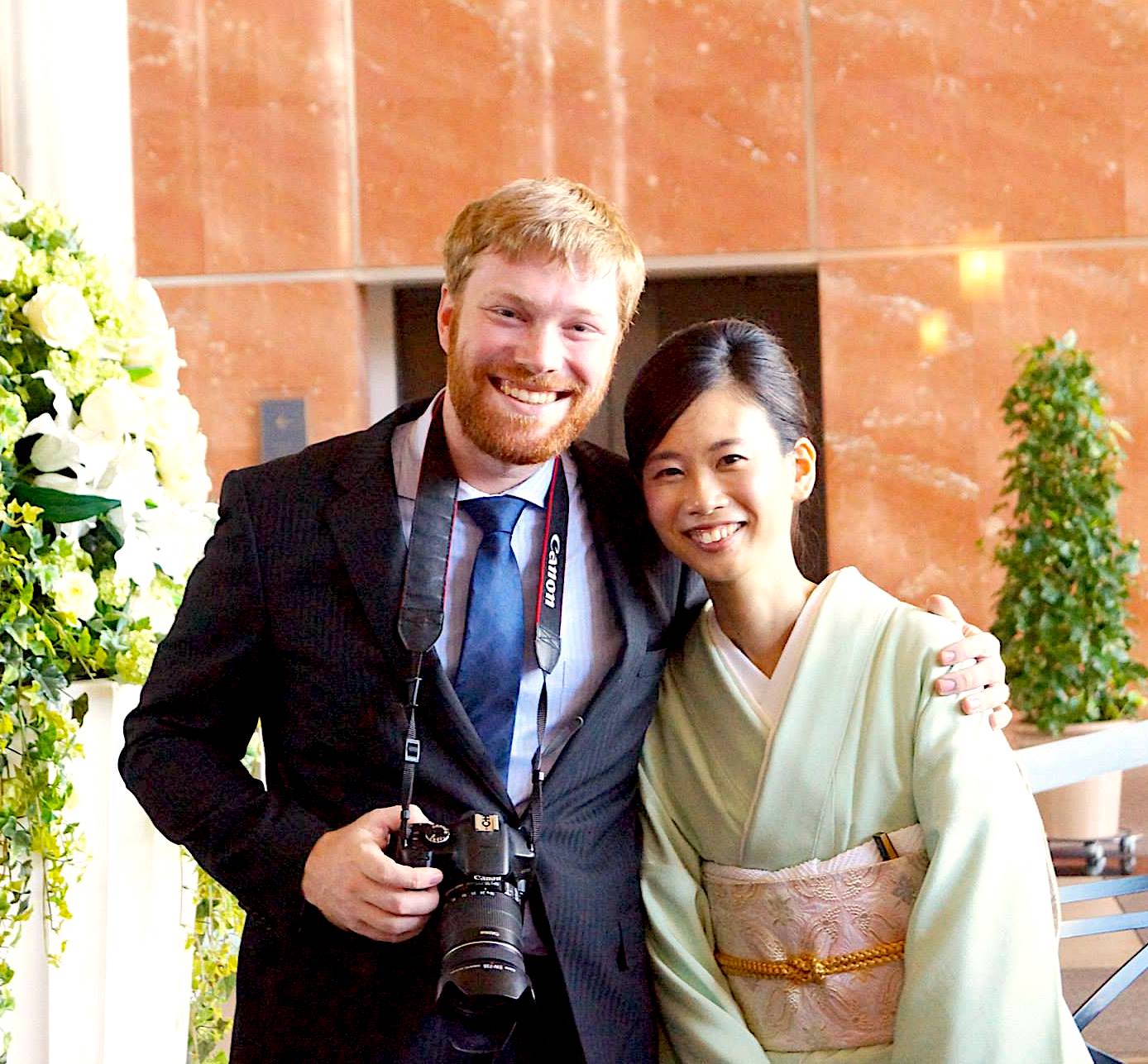
When he was twenty two years old, pressed flat against the rocks of Tarawa, trying to melt into the ground to become invisible to the bullets whizzing overhead, he could not have conceived that sixty five years later his twenty two year old grandson would disembark from a jumbo jet at Narita in Tokyo, making his way to an international school to teach Japanese children. My father would have been shocked that his grandson would settle happily into a culture so foreign, so seemingly threatening, so apparently abhorrent. Yet this irony is the direct result of the horrors of that too-long horrible bloody war of devastation: Americans and Japanese, despite so many differences, have become the strongest of allies, happily exchanging the grandchildren of those bitterly warring soldiers back and forth across the Pacific. It too was my privilege to care for Japanese exchange students daily in my University health clinic, peering intently into their open faces and never once seeing the enemy that my father feared.
Now all these decades later, our son taught for 13 years in Tokyo, with deep admiration and appreciation for each of his students, some of whom were great-grandchildren of WWII Japanese soldiers. He married a granddaughter of those my father fought. Their two children are the perfect amalgam of once warring, yet now peaceful, cultures; a symbol of blended and blending peoples overcoming the hatred of past generations, creating a new world.
Our son and daughter-in-law, having settled their family in the States, are adapting to a different language, culture and flag. I pray our son having devoted part of his life as teacher and missionary to the land of the rising sun has redeemed his grandfather, the soldier-warrior of the past century.
(U.S. Air Force photo by Staff Sgt. Peter Reft)
One-Time
Monthly
Yearly
Make a one-time or recurring donation to support daily Barnstorming posts
No, I will never know what you saw or what you felt, thrust into the maw of Eternity,
watching the mortars nightly greedily making their rounds, hearing the soft damp hiss
of men’s souls like helium escaping their collapsing torn bodies, or lying alone, feeling the great roar
of your own heart. But I know: there is a bitter knowledge
of death I have not achieved. Thus in thankful ignorance, and especially for my son
and for all who benefit so easily at so unthinkable a price, I thank you. ~Michael Burch “Privilege”
(for my father on Memorial Day)
It was only a part of what we knew about you- serving three long years in the South Pacific, spoken of obliquely only if asked about, but never really answered.
We knew you were a Marine battalion leader, knew you spent too many nights without sleep, unsure if you’d see the dawn only to dread what the next day would bring.
We knew you lost friends and your innocence; found unaccustomed strength inside a mama’s boy who once cried too easily and later almost never.
Somehow life had prepared you for this: pulling your daddy out of bars when you were ten watching him beat your mama until finally getting big enough to stand in the way.
Then Tarawa, Saipan, Tinian beaches bitterly bloodsoaked battles won, to be restored and renewed as vacation resorts.
We let you go without knowing your full story– even Mom didn’t ask. You could not share the depth of horror and fear you felt.
It was not shame that kept you silent; simply no need to revisit the pain of remembrance. It was done, finished, you had done your duty.
So as we again set flowers and flag on your grave, reunited with Mom after years apart, I regret so many questions unasked of a sacrifice beyond imagining, you having paid an unthinkable price.
Sleep well, Dad, with Mom now by your side. I rejoice you finally wakened to a renewed dawn.
One-Time
Monthly
Yearly
Make a one-time or recurring donation to support daily Barnstorming posts
Her fate seizes her and brings her down. She is heavy with it. It wrings her. The great weight is heaved out of her. It eases.
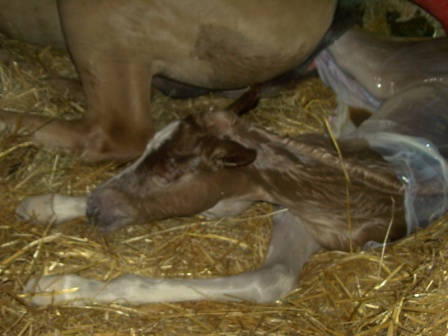
She turns to the calf who has broken out of the womb’s water and its veil. He breathes. She licks his wet hair. He gathers his legs under him and rises. He stands, and his legs wobble.
After the monthsof his pursuit of her now they meet face to face. From the beginnings of the world his arrival and her welcome have been prepared. They have always known each other. ~Wendell Berry from “Her First Calf”
I saw a mom take her raincoat off and give it to her young daughter when a storm took over the afternoon. My god, I thought, my whole life I’ve been under her raincoat thinking it was somehow a marvel that I never got wet. ~Ada Limón from “The Raincoat”
Mothering is like the labor that starts birth – barely able to breathe, bombarded by the firehose of contractions and pushing then emptying out while filling up to overflowing for nurturing of this child forever – so much so fast.
I knew them even before I met them. I knew them as they grew. They changed me; I became soft and cushiony, designed to gather in, hold tight, and then eventually, reluctantly and necessarily, let go.
All the while a mom does whatever she must to protect her children from getting overwhelmed and drenched by the storms of life.
Now that my children have children of their own, some already birthed, two soon to be birthed, I still try to throw my raincoat over them all to keep them from getting wet in inevitable downpours.
My reach will never be far enough.
Time, like a firehose, pounds away both at me and them. It is ruffing and buffing me every single moment, each moment a unique opportunity to love deeply and completely this soul who I carried under my heart.
One-Time
Monthly
Yearly
Make a one-time or recurring donation to support daily Barnstorming posts



























 Barnstorming