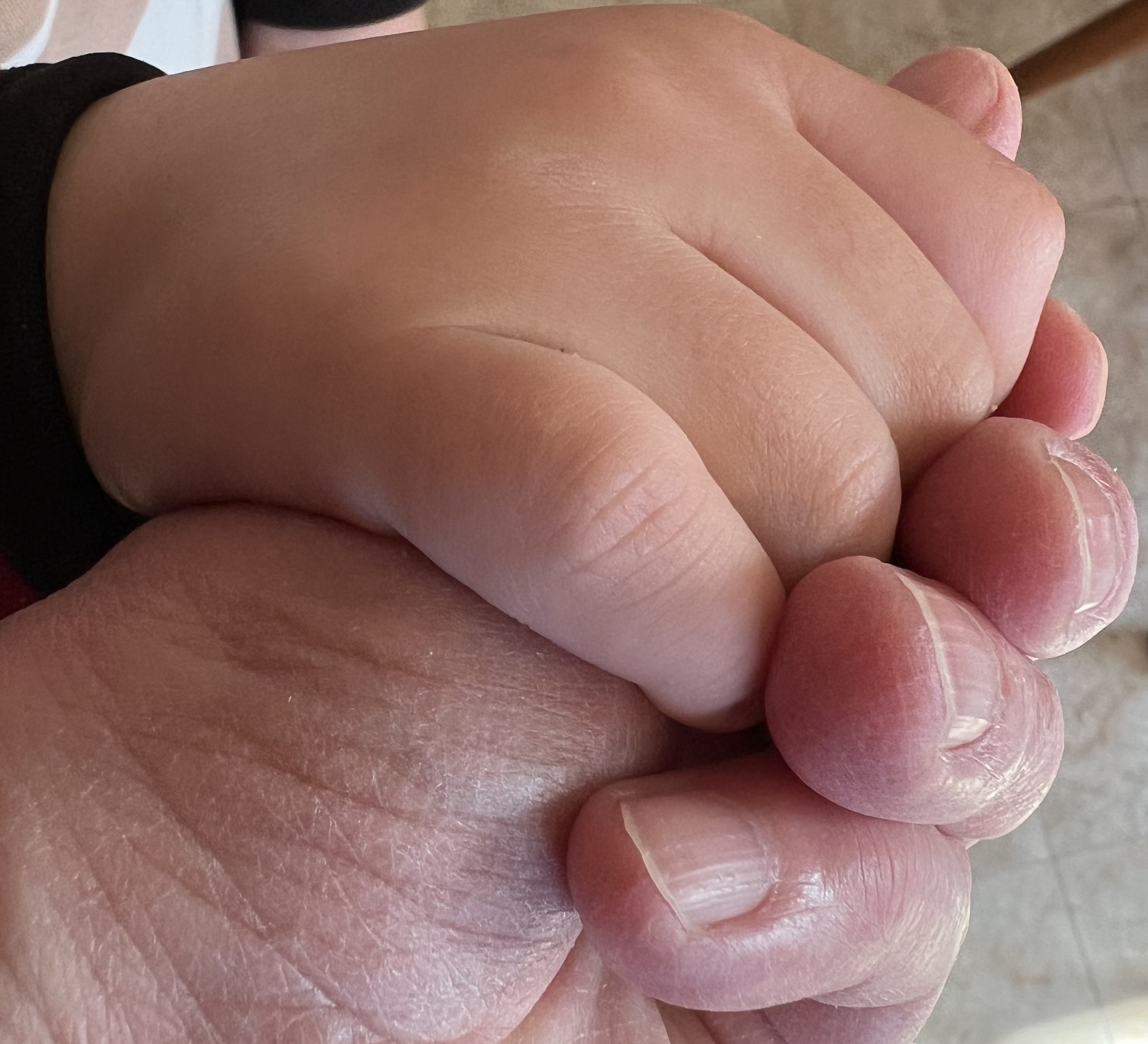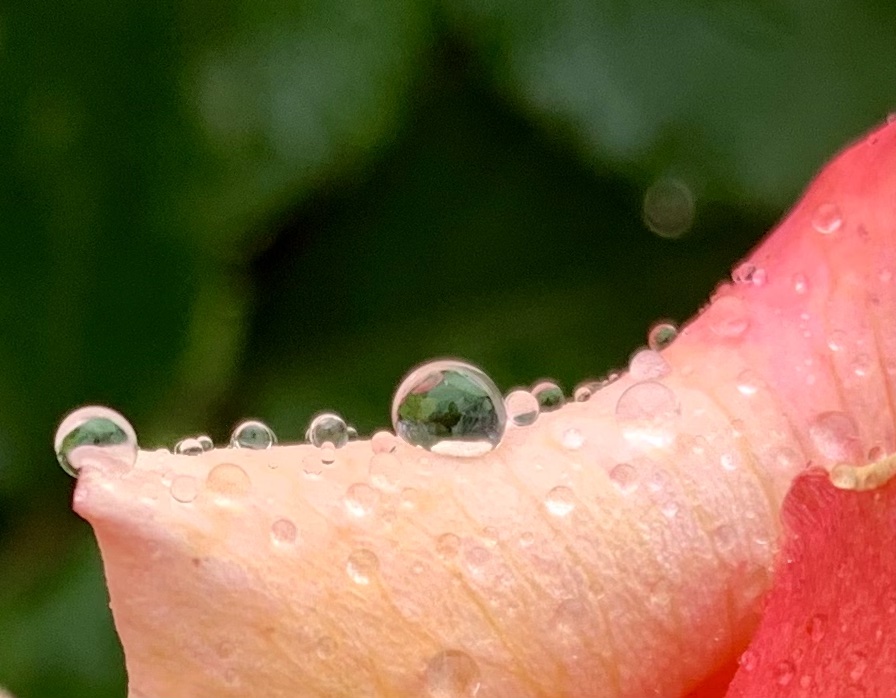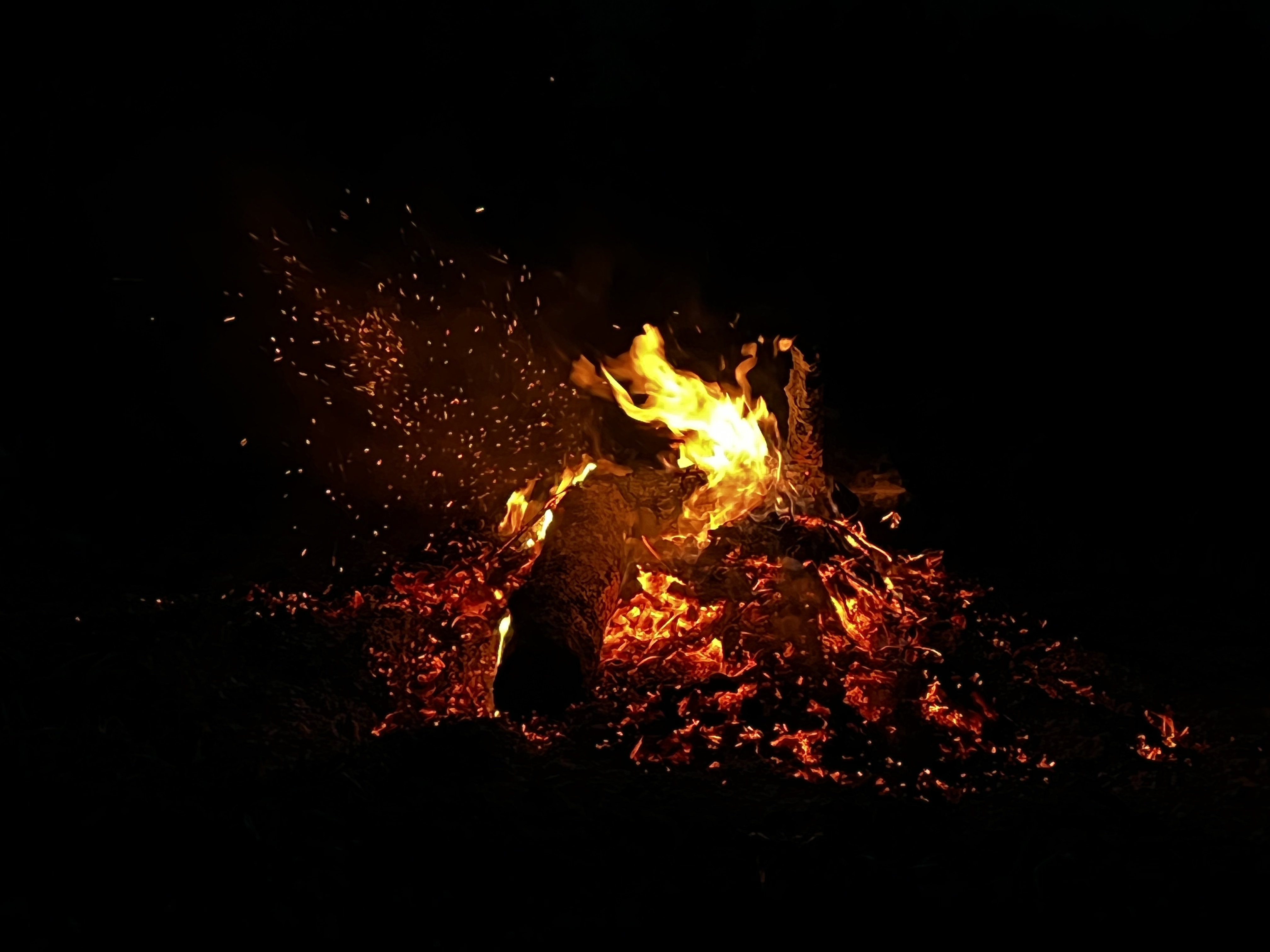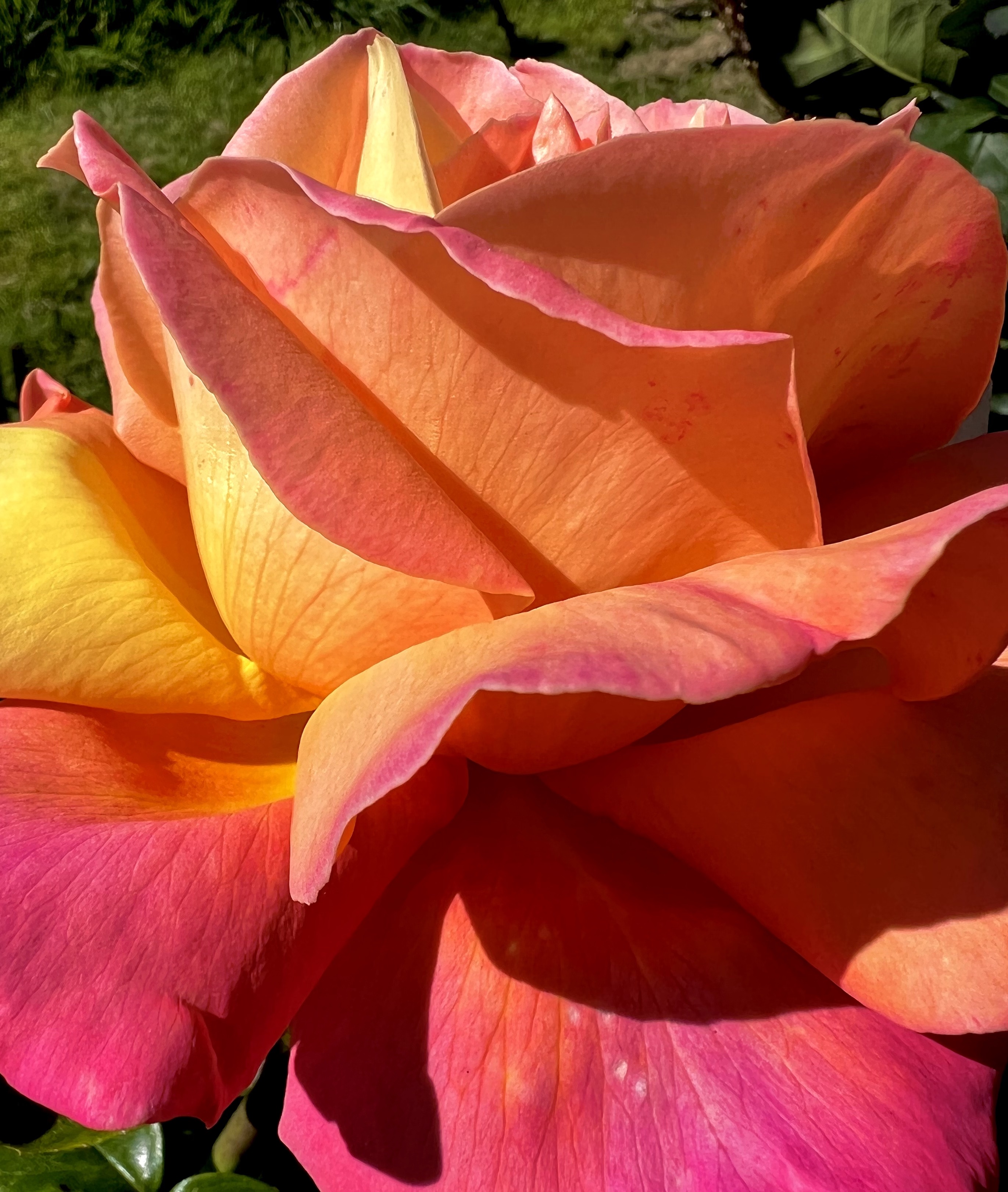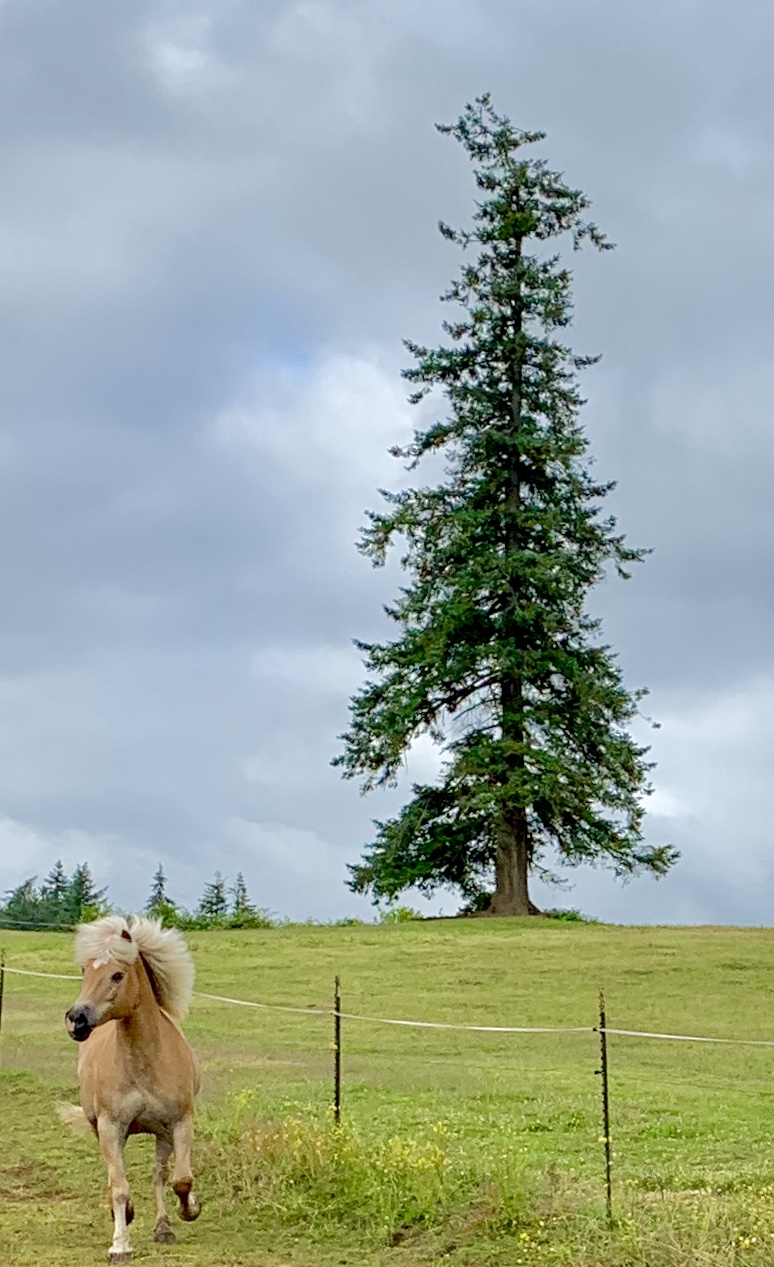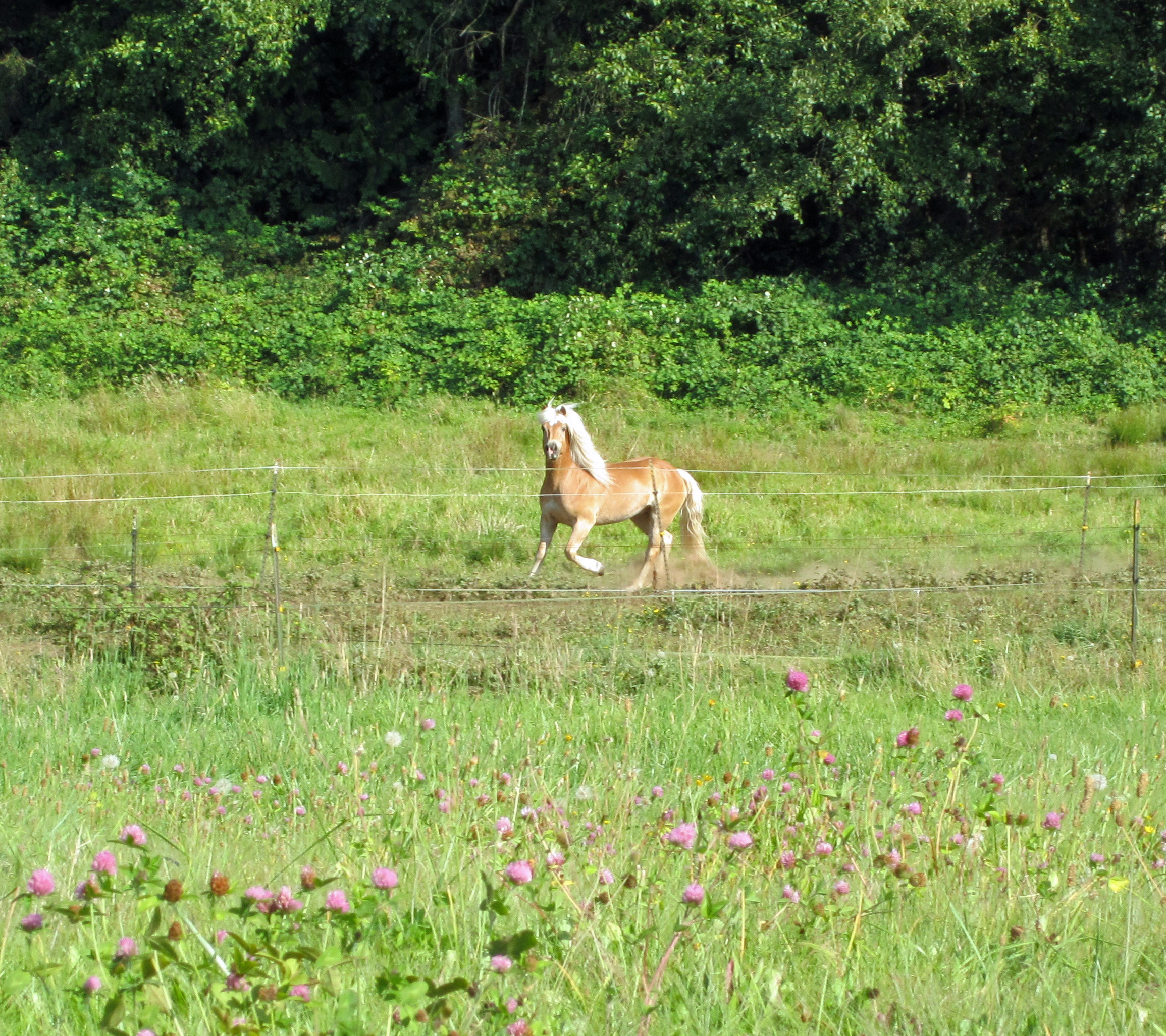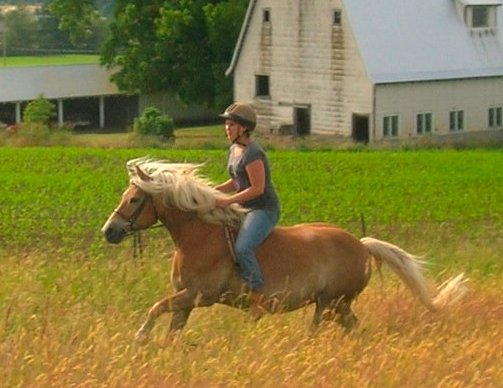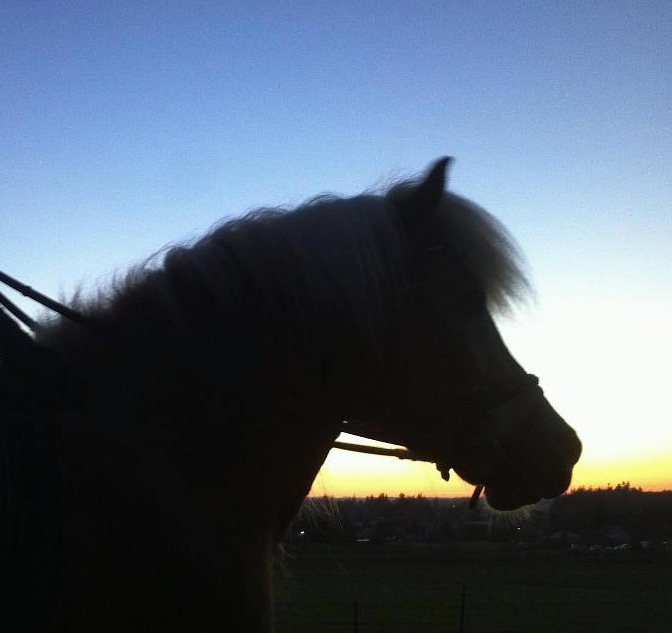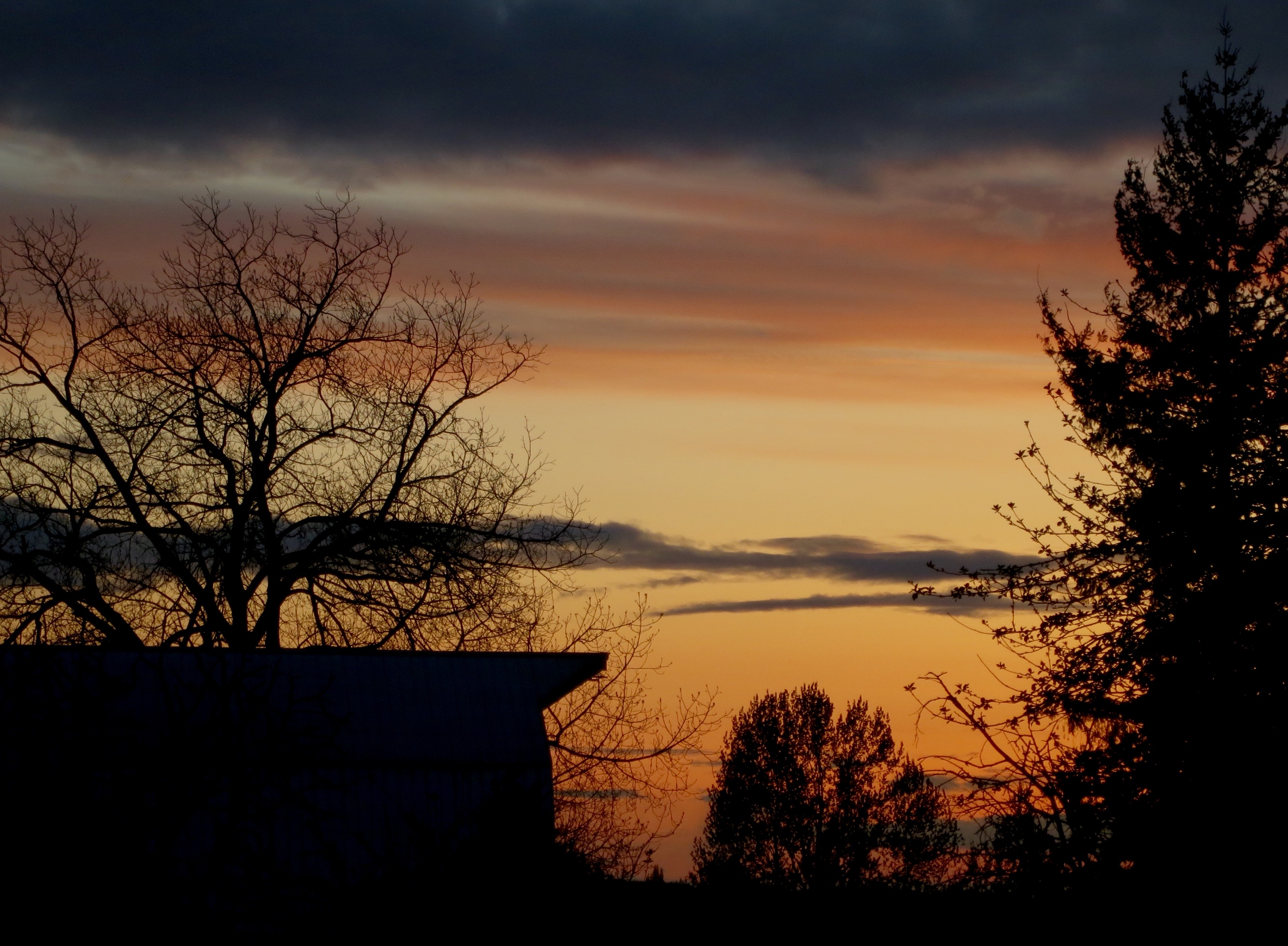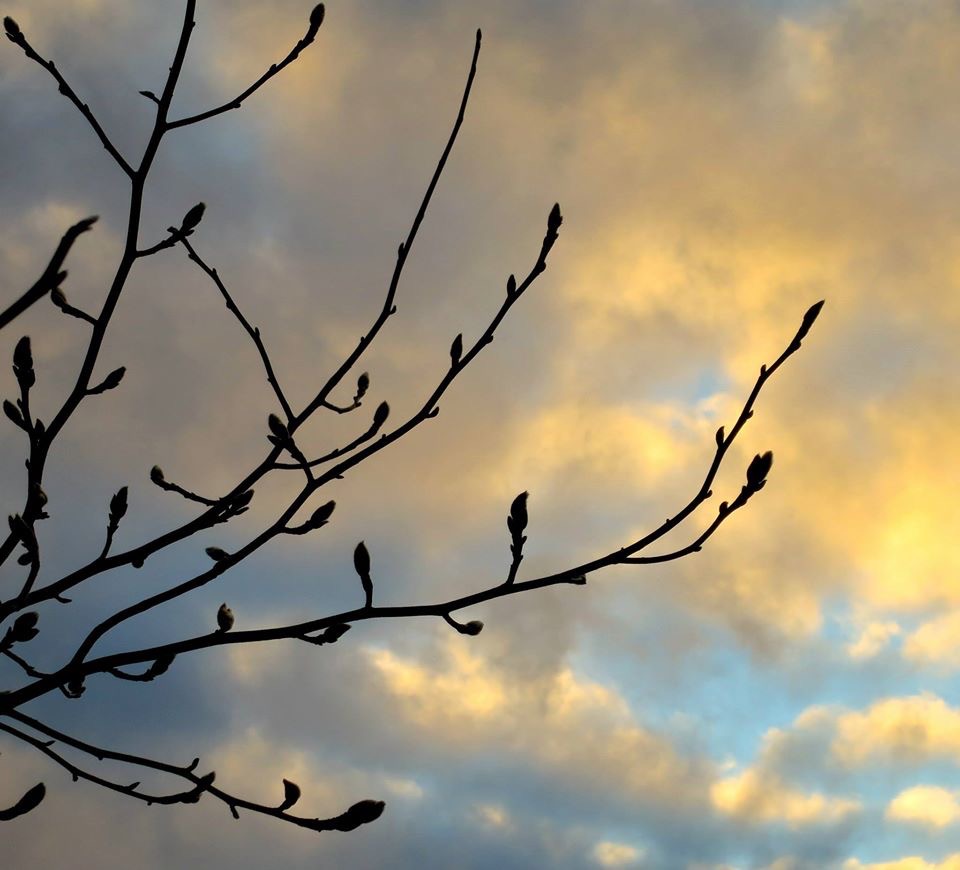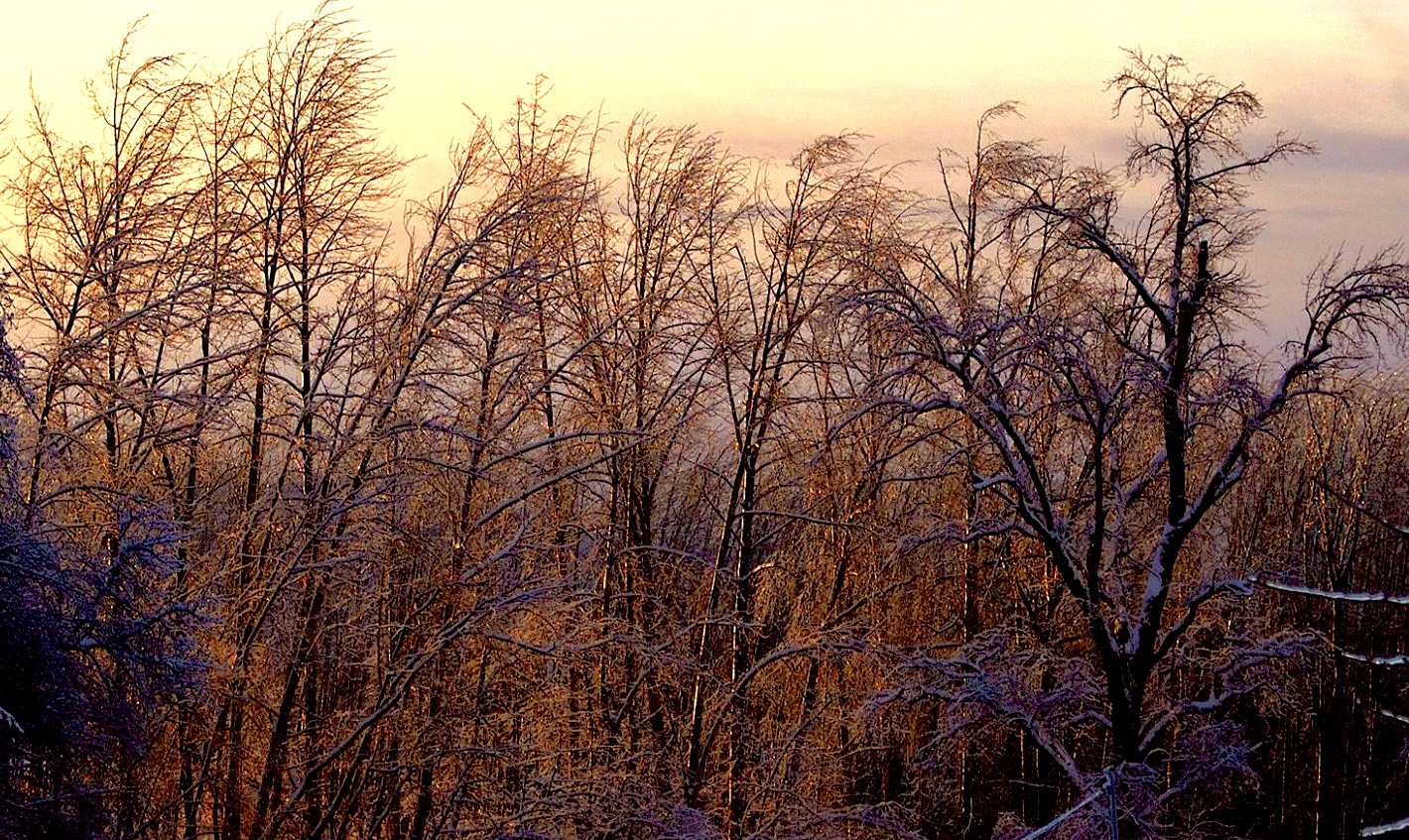
As if the past were riding up to meet you as if the past could ride a horse
as if the past were a horse wandering riderless along a dusty road
as if the horse had never been ridden
/
They say a horse is broken when the rider can stay on
they say the past is broken when you can let go of it
I have broken with the past, she says
I have erased it from my phone I have blindered my eyes from her eyes
/
I didn’t know the past was made of horses I didn’t even call it a horse until now
I didn’t even call it strange until I looked back on it
the past was a horse crossing a desert a body draped over it
this is how we get the beloved home
/
Strange now to never hear a horse upon waking or when out in the field
I didn’t know the past would come for me I didn’t even call it the past until now
sometimes one gallops past but no one else ever sees it ~Nick Flynn ” Unbroken” from “Low.”
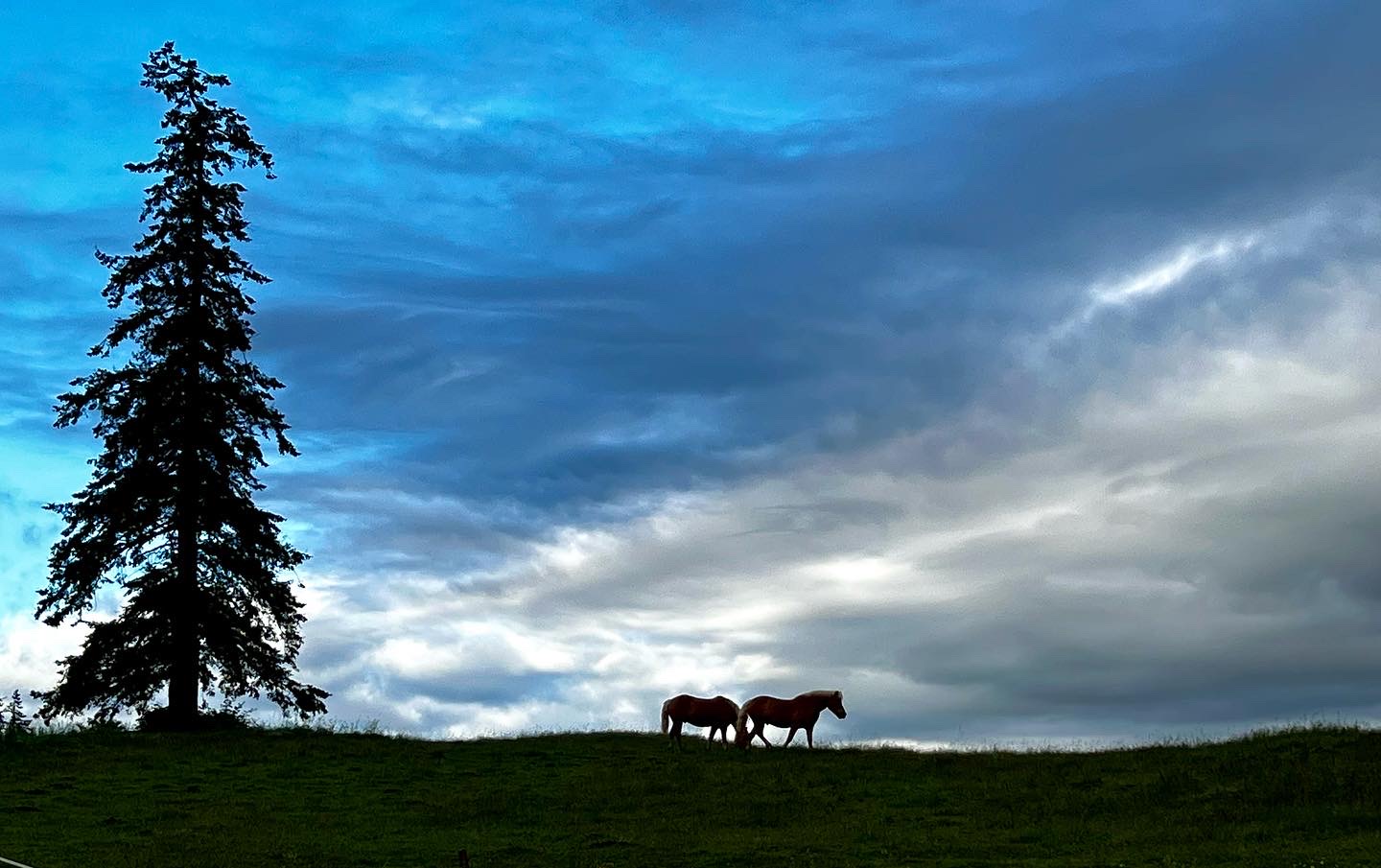
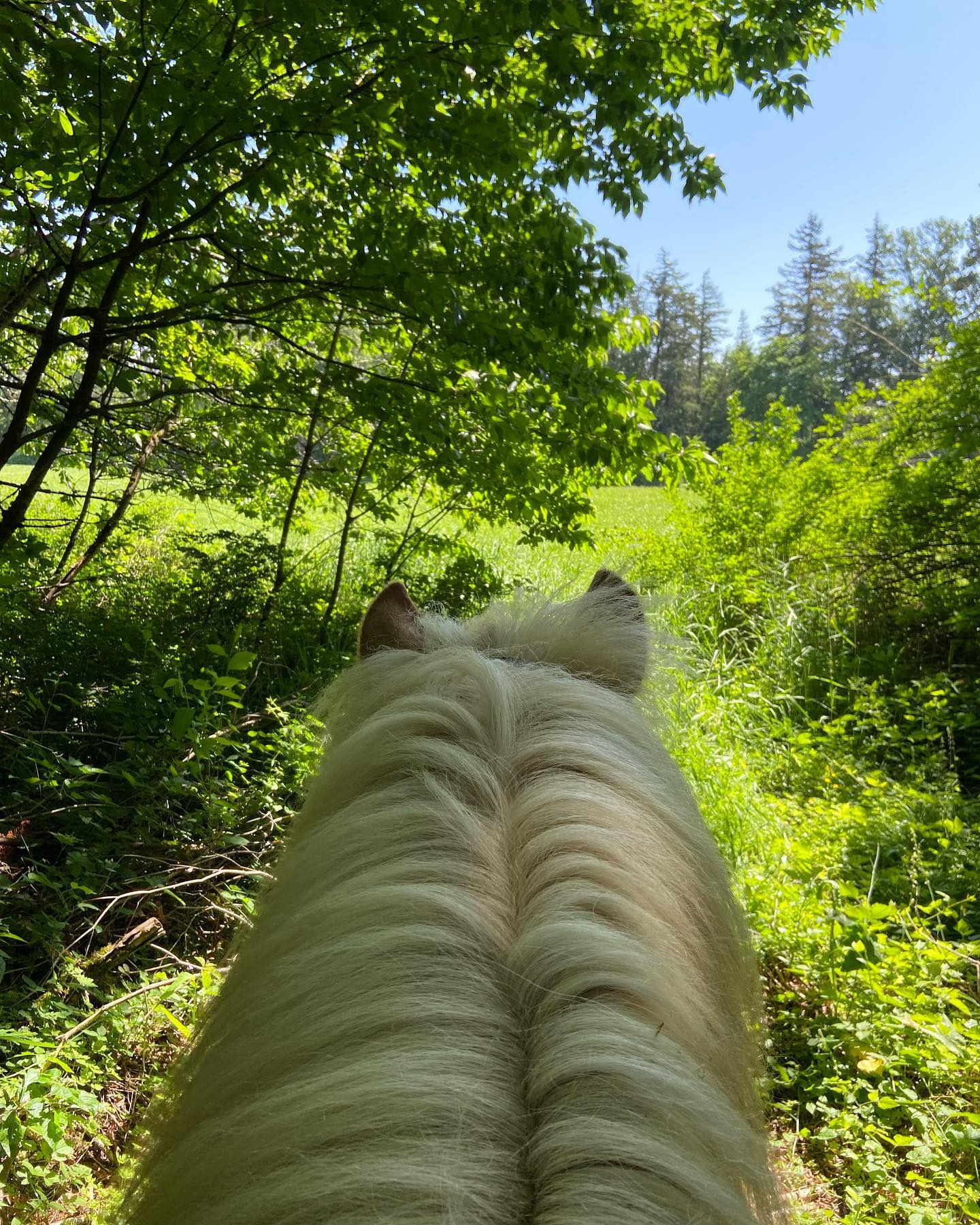
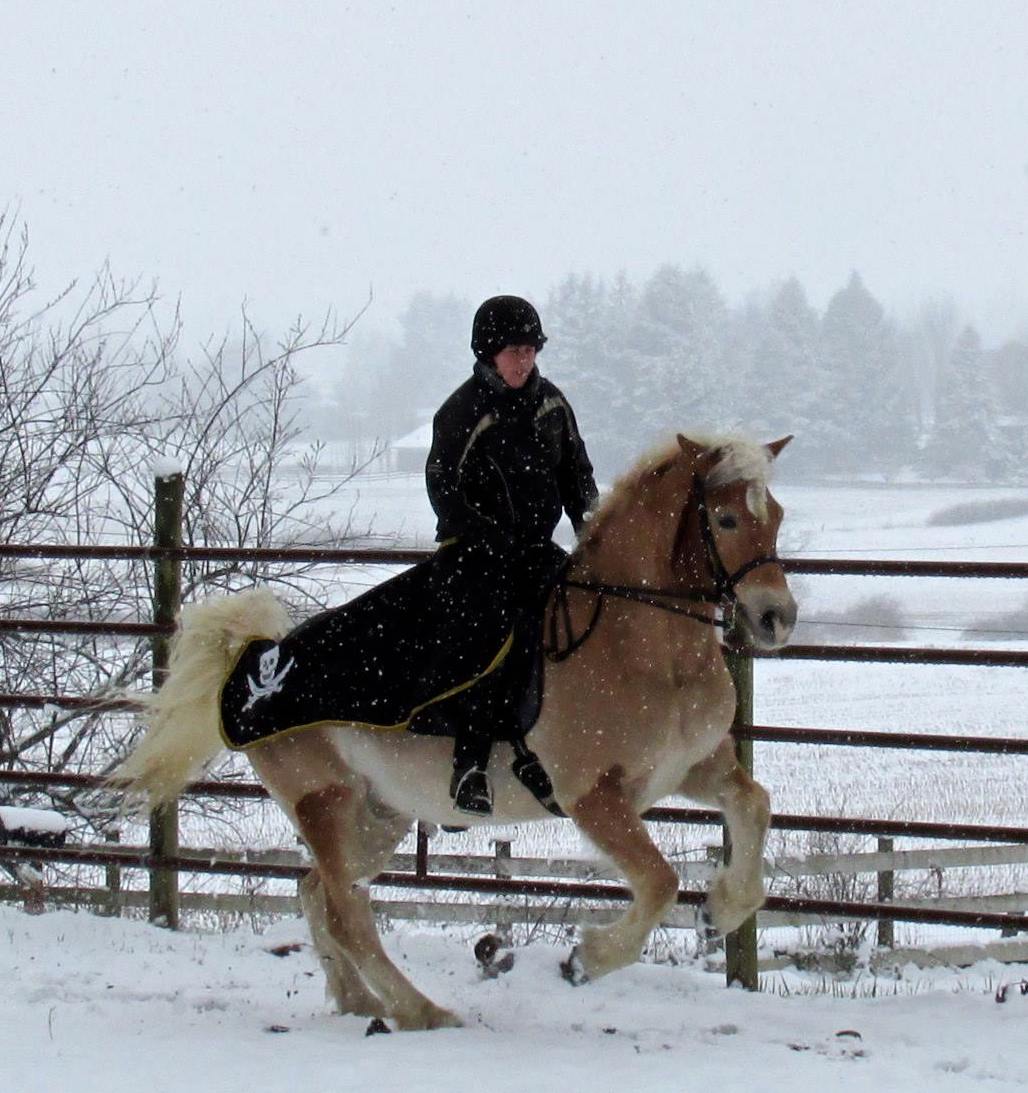
photo by Brandon Dieleman
The past has a way of galloping away with me if I let it. I try to slow it down to a slow amble, enjoying the scenery along the way. But memories have a way of wanting to go their own way, not listening to pressure from the leg or a pull on the bit.
The past can’t be controlled or redirected any more than a horse can be ridden through my thoughts alone.
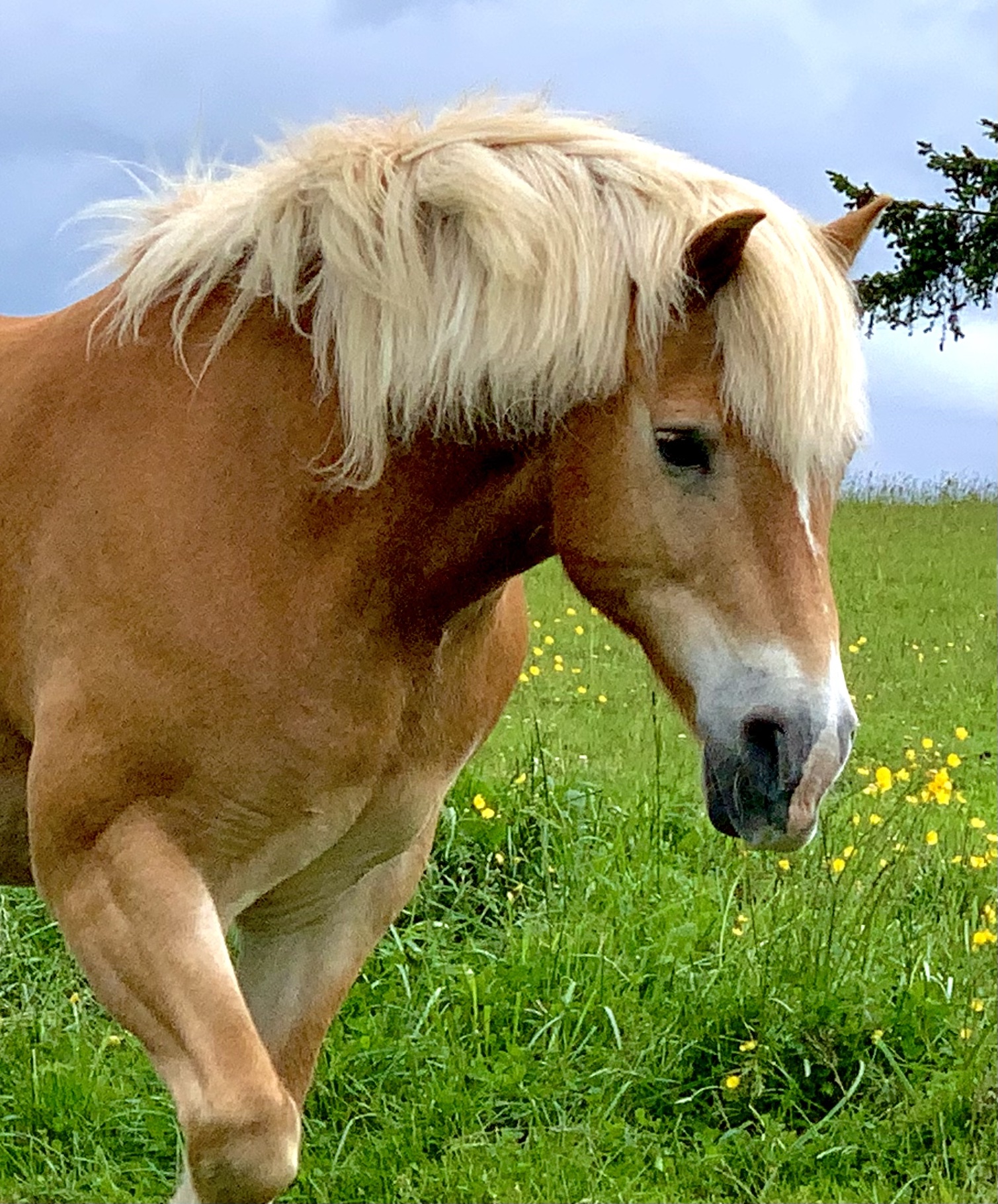
It must be a partnership, an agreement to keep moving forward, no matter what is being left behind. A horse prefers not to back up into the unseen unknown when there is so much ahead yet to be explored. I need to stop looking back and start looking between golden ears at where I’m going next.
It just might be the adventure of a lifetime.
photo by Emily Vander Haak
One-Time
Monthly
Yearly
Make a one-time or recurring donation to support daily Barnstorming posts
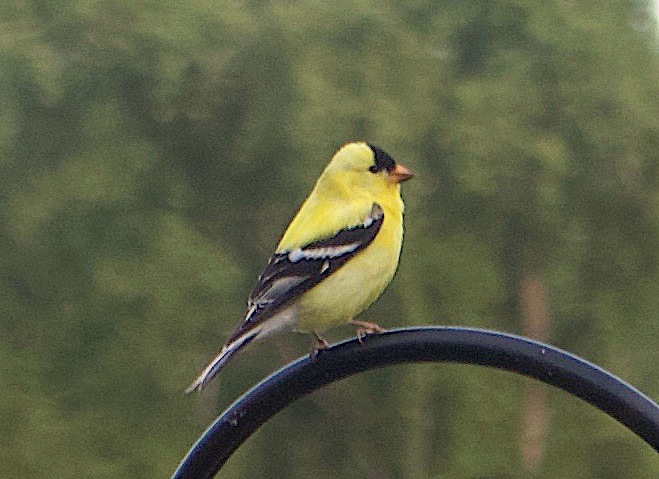
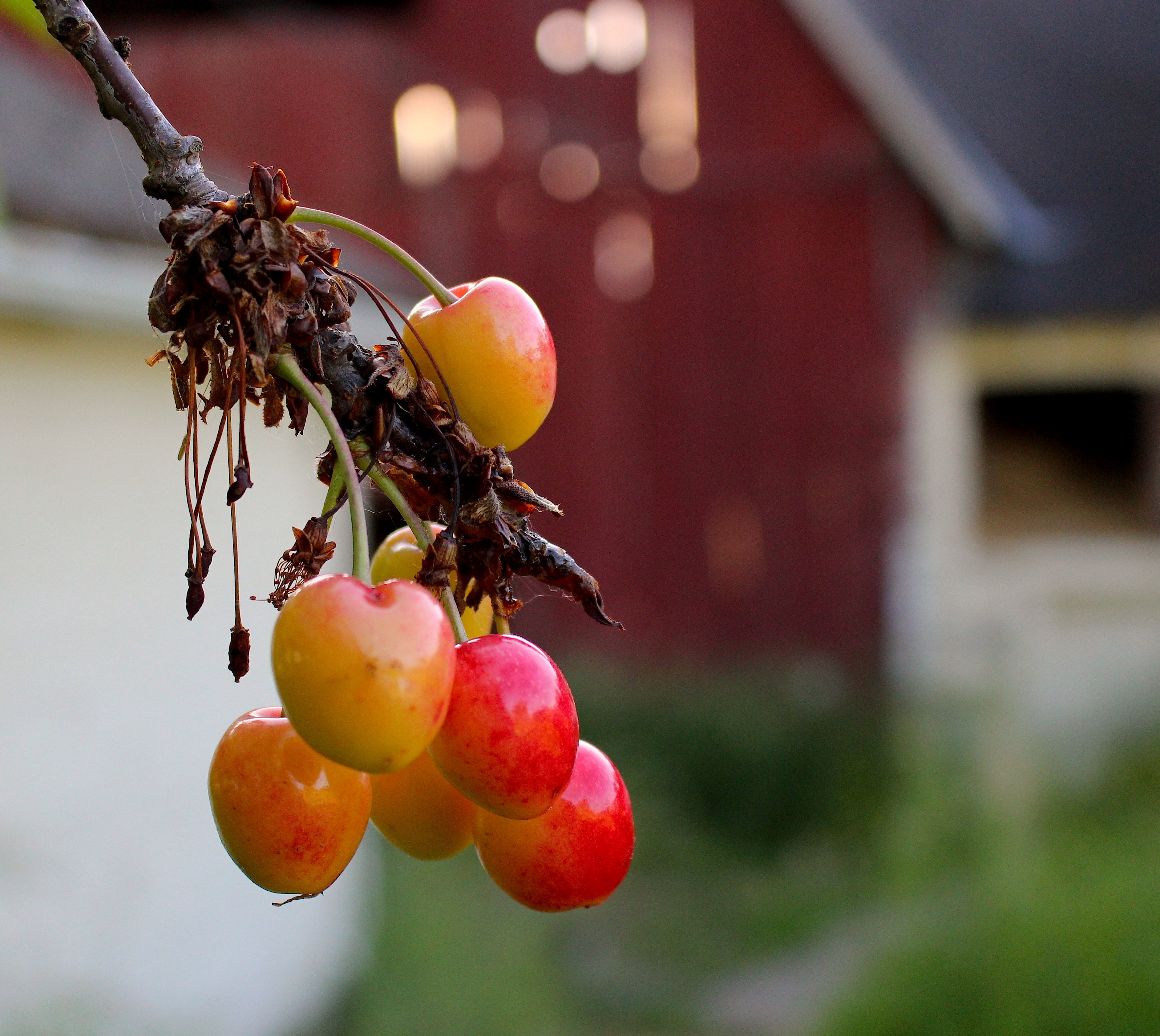
Late in May as the light lengthens toward summer the young goldfinches flutter down through the day for the first time to find themselves among fallen petals cradling their day’s colors in the day’s shadows of the garden beside the old house after a cold spring with no rain not a sound comes from the empty village as I stand eating the black cherries from the loaded branches above me saying to myself Remember this ~W.S. Merwin “Black Cherries”
Let me imagine that we will come again when we want to and it will be spring we will be no older than we ever were the worn griefs will have eased like the early cloud through which the morning slowly comes to itself and the ancient defenses against the dead will be done with and left to the dead at last the light will be as it is now in the garden that we have made here these years together of our long evenings and astonishment ~W.S. Merwin “To Paula in Late Spring”
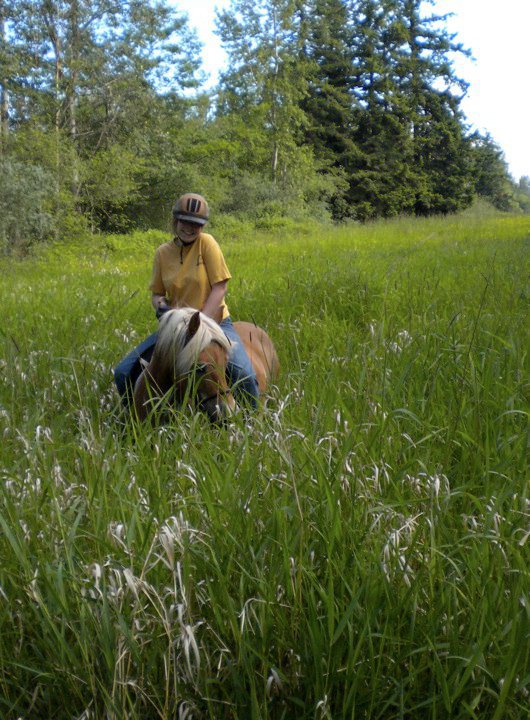
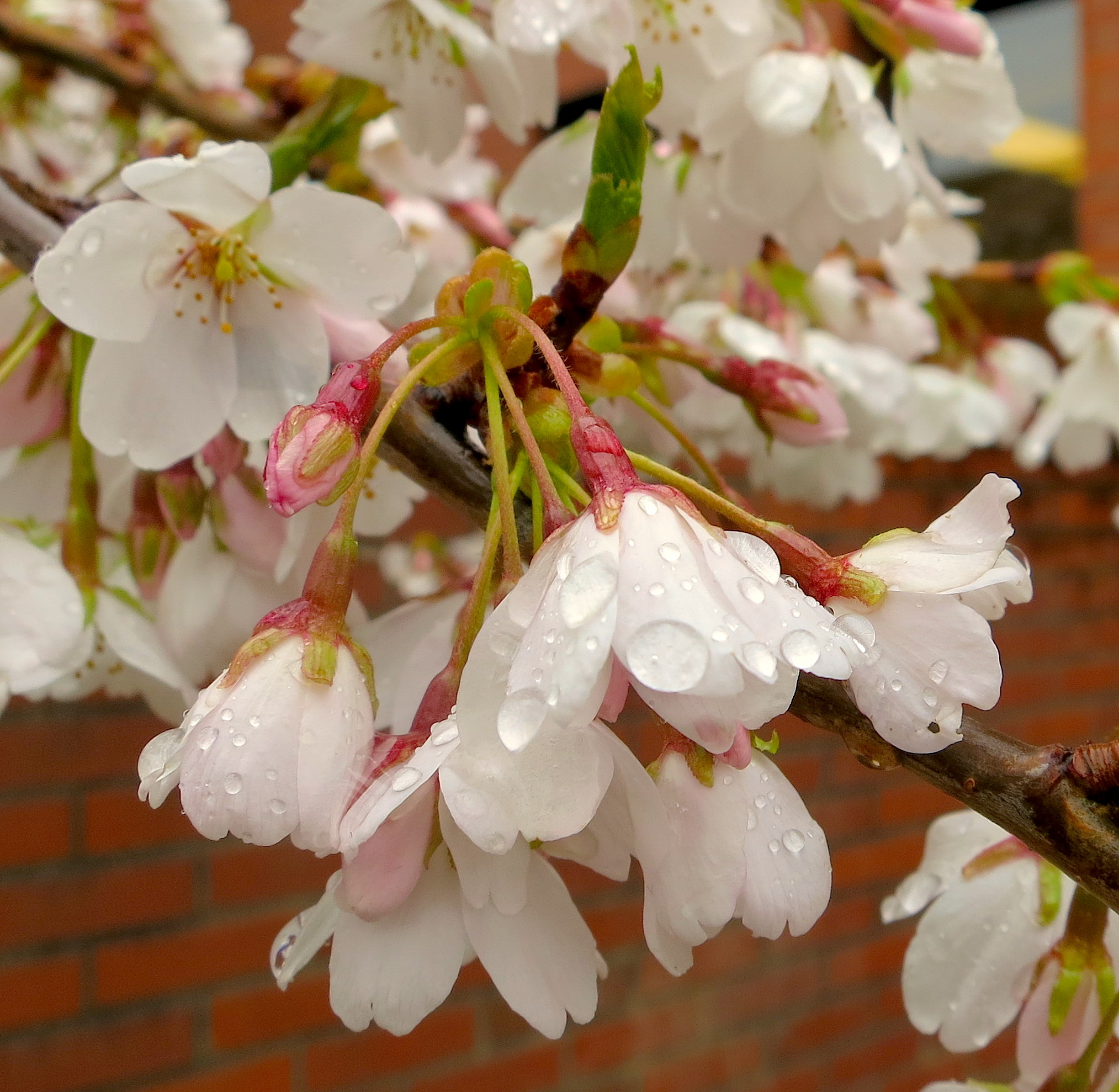
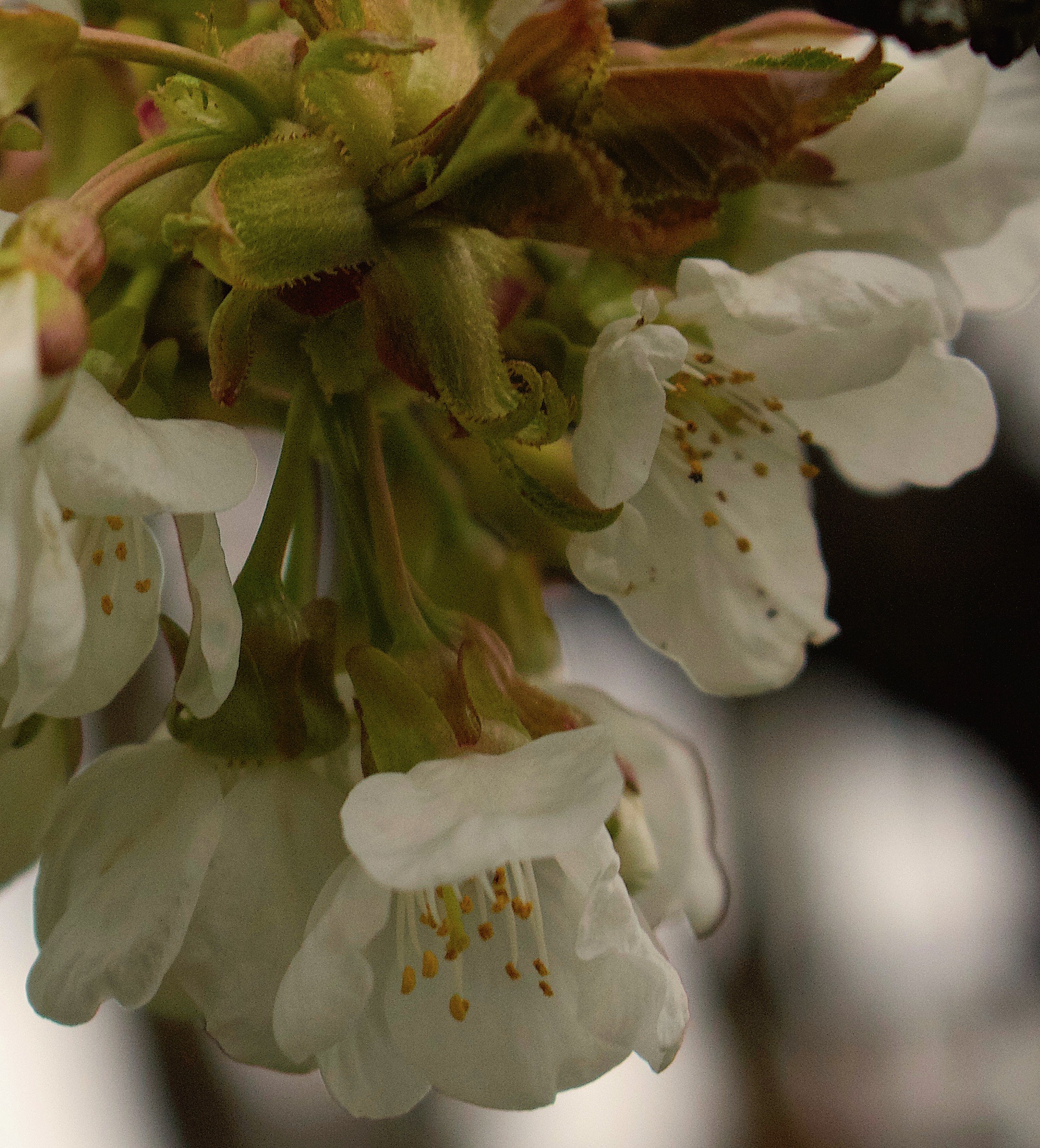
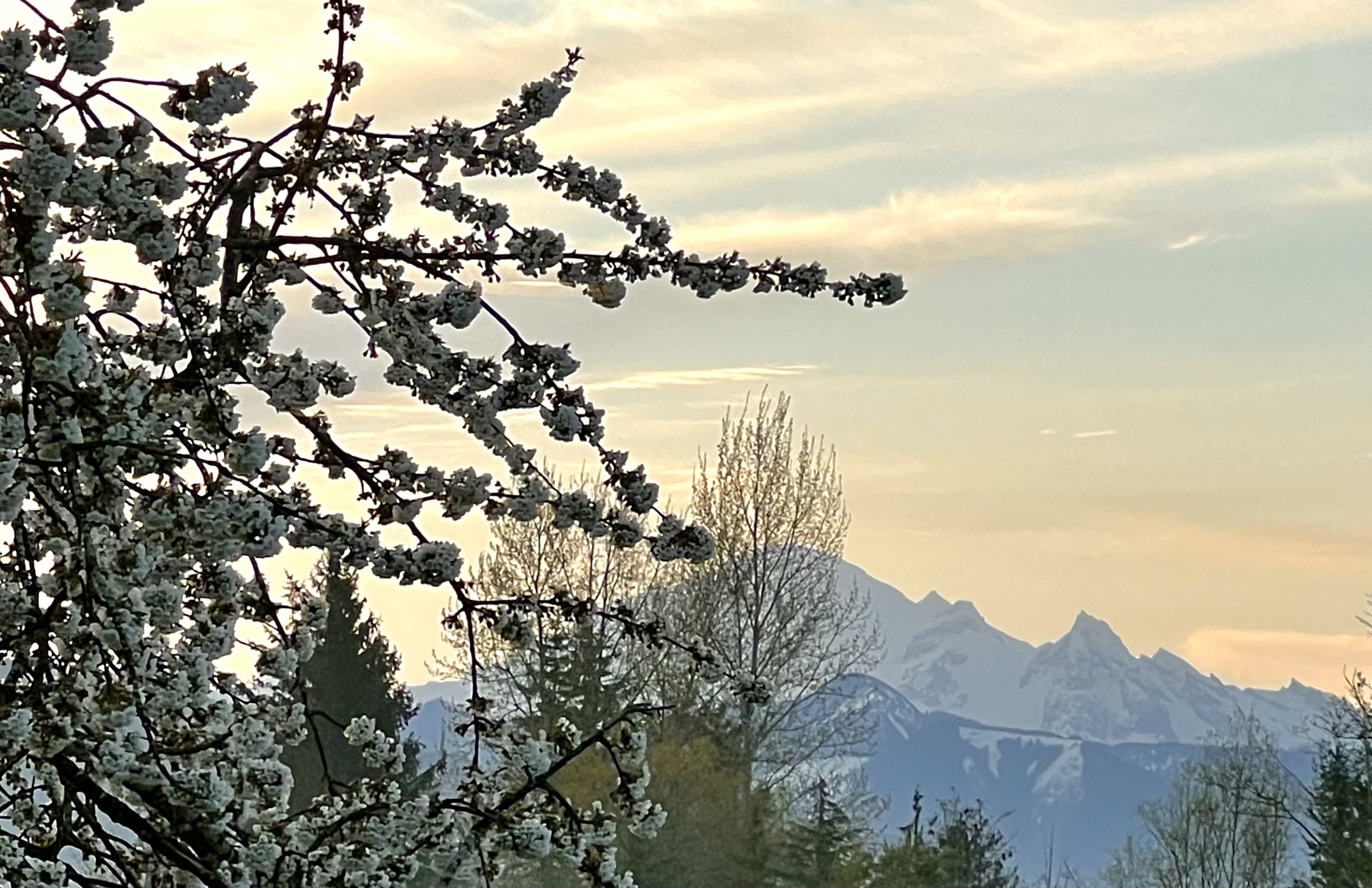
Yes, let us be astonished that any spring happens. That the dull gray of winter yields to petals and fruitful blossoms, then to fruit that is both sweet and sour on our tongues. That the air resonates with birdsong and flower perfume and the sun warms enough to dissipate the mist and tears.
Let us remember this, oh let us remember so it is never forgotten: all is made right and good as eternity itself will taste like this.
One-Time
Monthly
Yearly
Make a one-time or recurring donation to support daily Barnstorming posts
No, I will never know what you saw or what you felt, thrust into the maw of Eternity,
watching the mortars nightly greedily making their rounds, hearing the soft damp hiss
of men’s souls like helium escaping their collapsing torn bodies, or lying alone, feeling the great roar
of your own heart. But I know: there is a bitter knowledge
of death I have not achieved. Thus in thankful ignorance, and especially for my son
and for all who benefit so easily at so unthinkable a price, I thank you. ~Michael Burch “Privilege”
(for my father on Memorial Day)
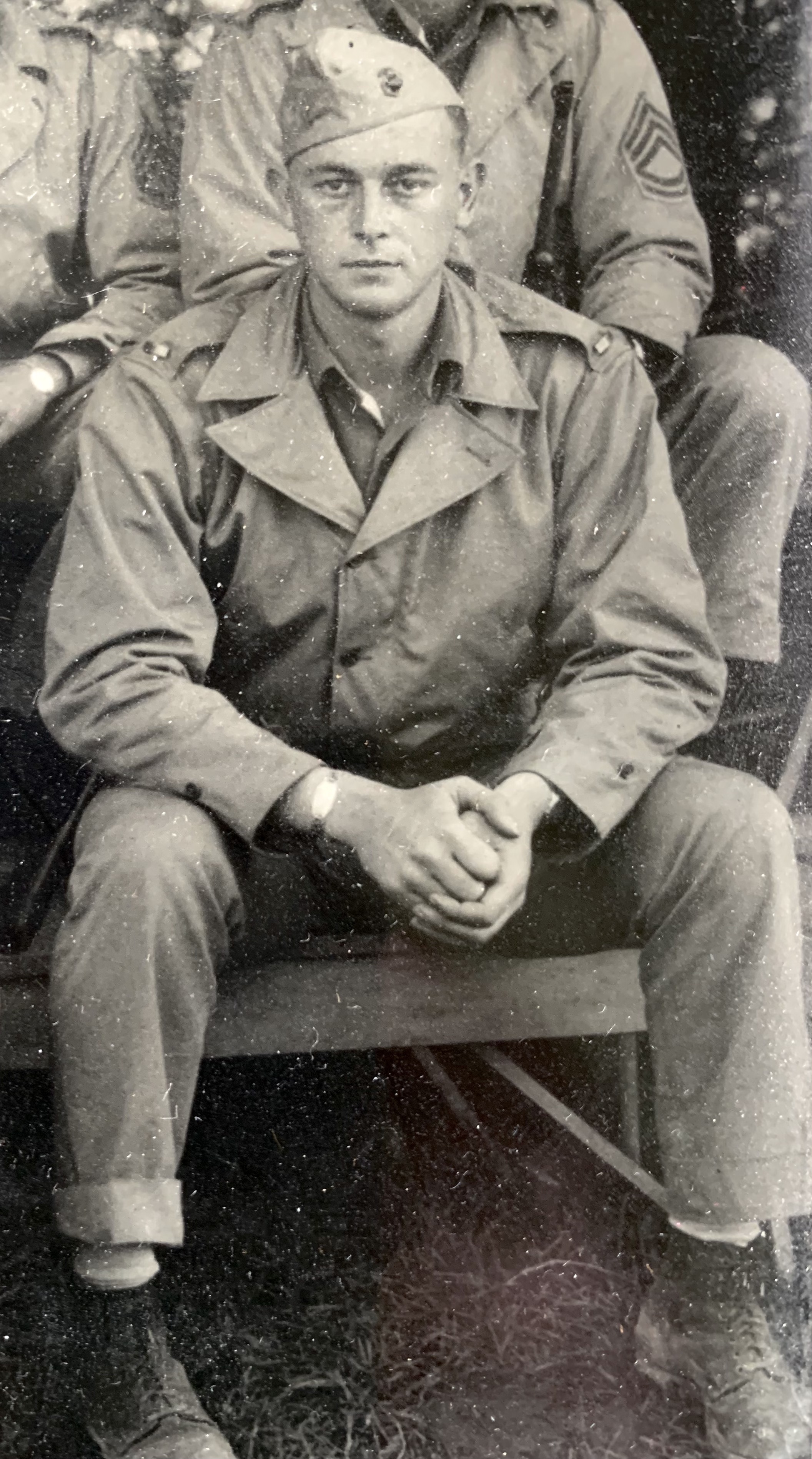
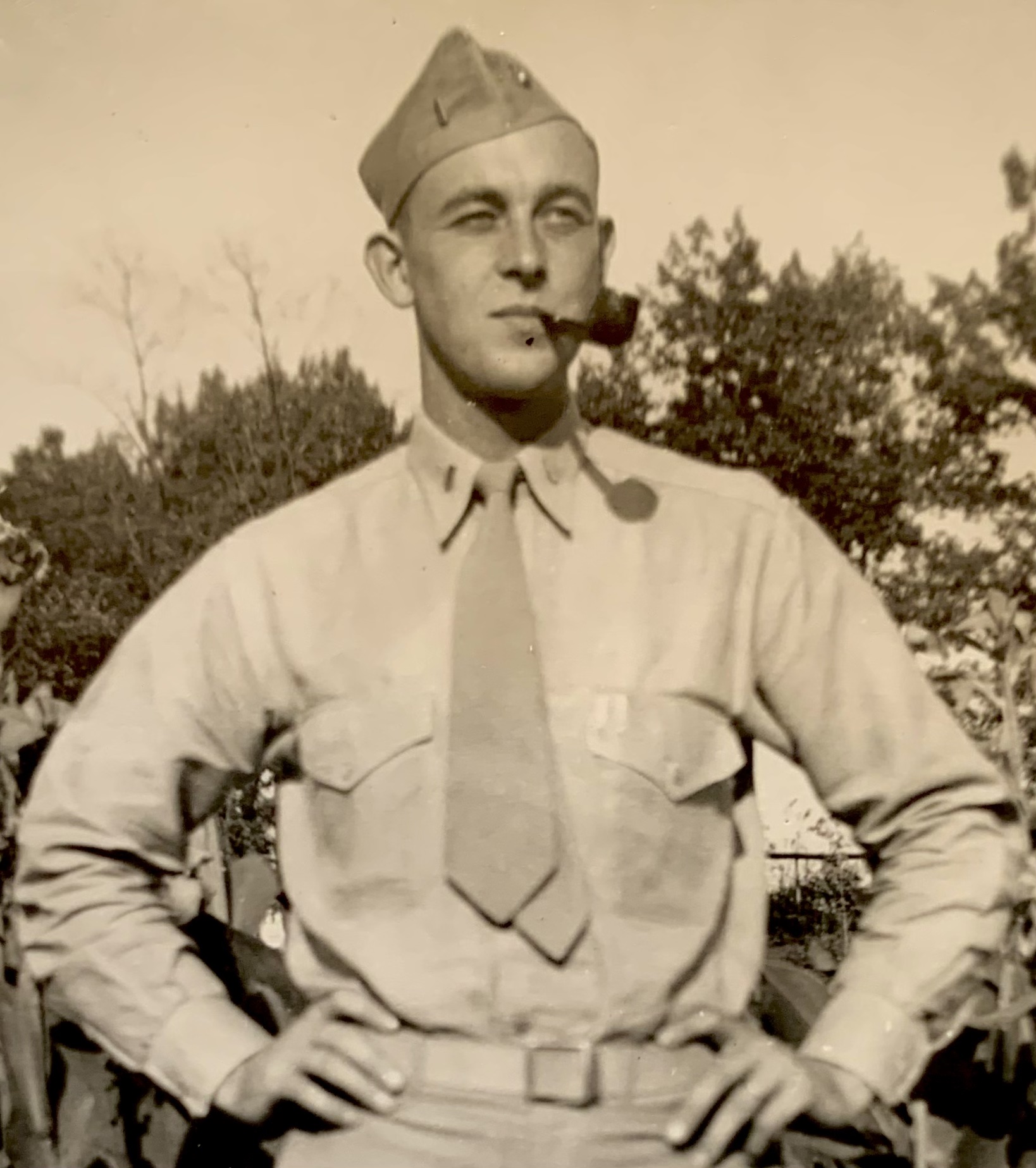
It was only a part of what we knew about you- serving three long years in the South Pacific, spoken of obliquely only if asked about, but never really answered.
We knew you were a Marine battalion leader, knew you spent too many nights without sleep, unsure if you’d see the dawn only to dread what the next day would bring.
We knew you lost friends and your innocence; found unaccustomed strength inside a mama’s boy who once cried too easily and later almost never.
Somehow life had prepared you for this: pulling your daddy out of bars when you were ten watching him beat your mama until finally getting big enough to stand in the way.
Then Tarawa, Saipan, Tinian beaches bitterly bloodsoaked battles won, to be restored and renewed as vacation resorts.
We let you go without knowing your full story– even Mom didn’t ask. You could not share the depth of horror and fear you felt.
It was not shame that kept you silent; simply no need to revisit the pain of remembrance. It was done, finished, you had done your duty.
So as we again set flowers and flag on your grave, reunited with Mom after years apart, I regret so many questions unasked of a sacrifice beyond imagining, you having paid an unthinkable price.
Sleep well, Dad, with Mom now by your side. I rejoice you finally wakened to a renewed dawn.
One-Time
Monthly
Yearly
Make a one-time or recurring donation to support daily Barnstorming posts
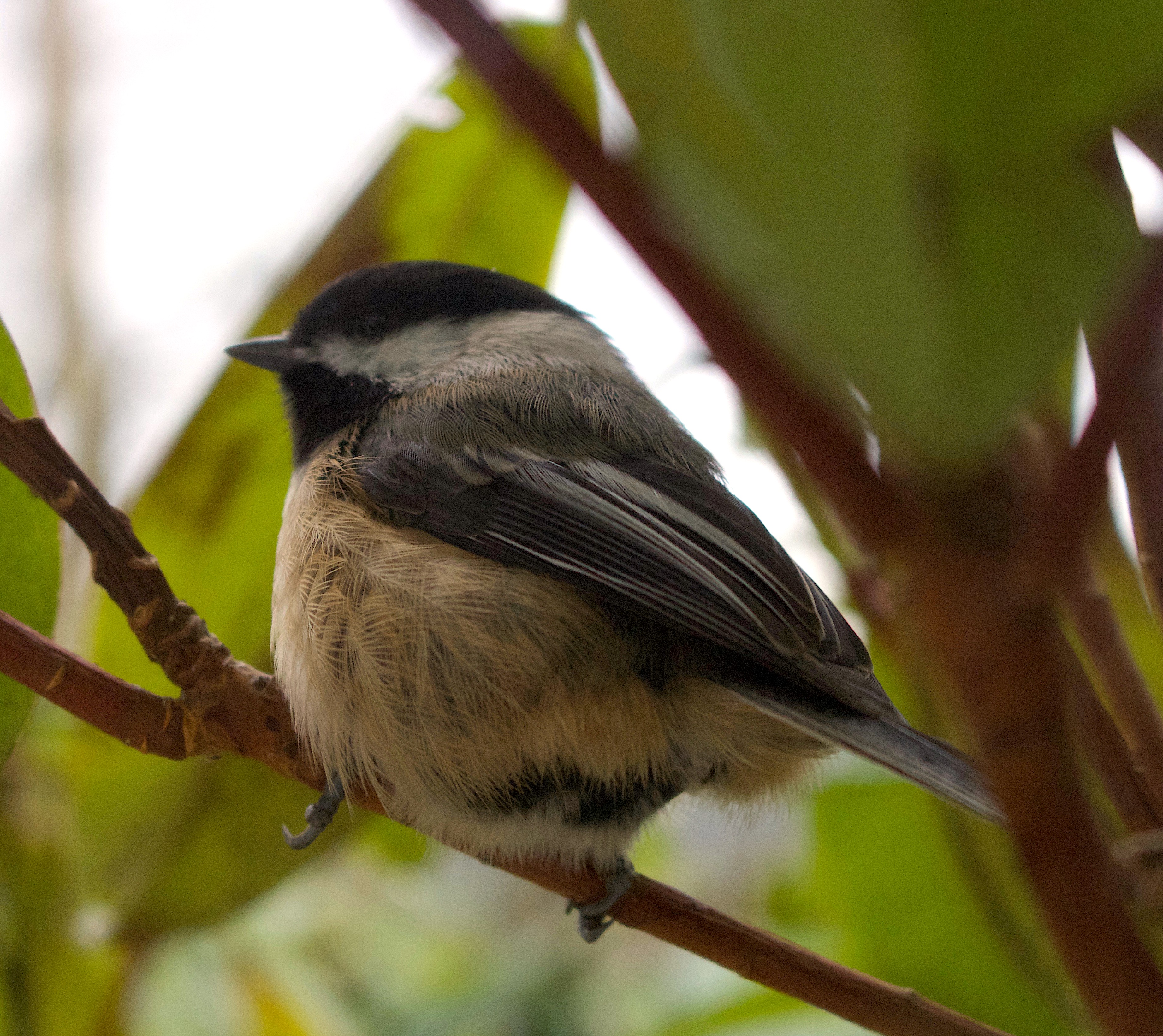
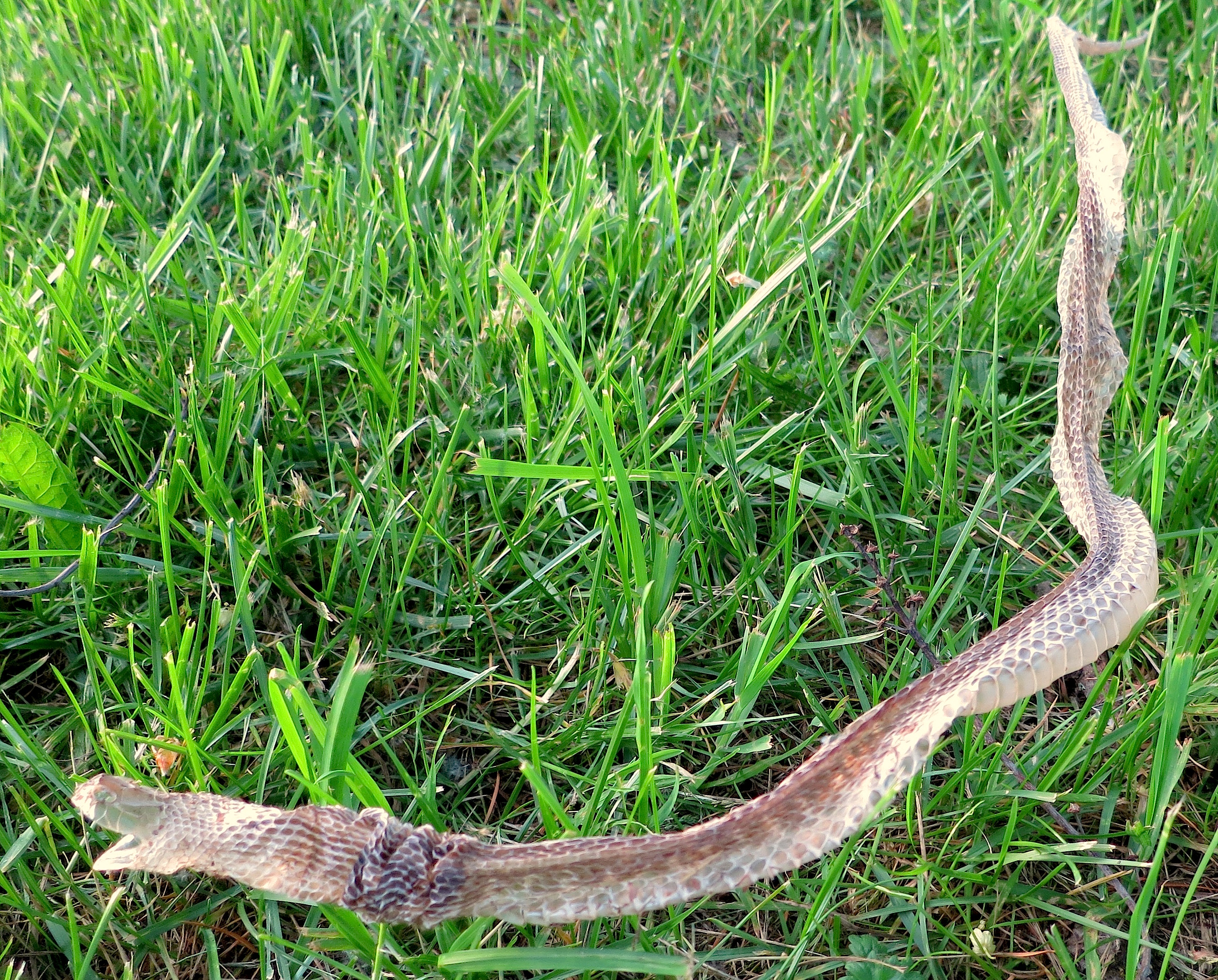
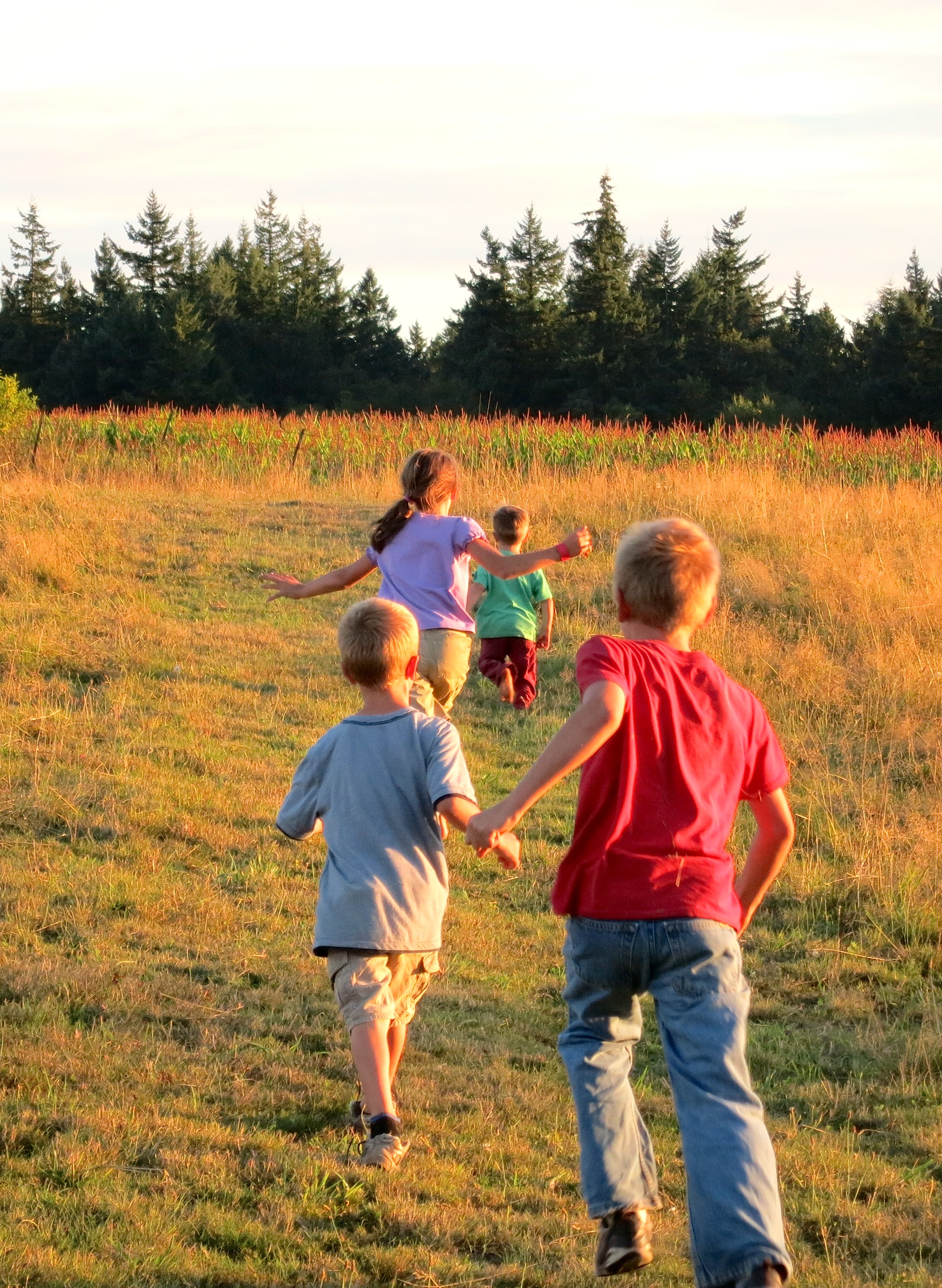
Am I as old as I am? Maybe not. Time is a mystery that can tip us upside down. Yesterday I was seven in the woods, a bandage covering my blind eye, in a bedroll Mother made me so I could sleep out in the woods far from people. A garter snake glided by without noticing me. A chickadee landed on my bare toe, so light she wasn’t believable. The night had been long and the treetops thick with a trillion stars. Who was I, half-blind on the forest floor who was I at age seven? Sixty-eight years later I can still inhabit that boy’s body without thinking of the time between. It is the burden of life to be many ages without seeing the end of time. ~Jim Harrison, “Seven in the Woods” from The Essential Poems.
… just within the gate I saw a child,— A stranger-child, yet to my heart most dear,— Who held his hands to me, and softly smiled With eyes that knew no shade of sin or fear: “Come in,” he said, “and play awhile with me; I am the little child you used to be.” ~Henry van Dyke, from The Poems of Henry van Dyke
When we drive the country roads where I grew up, though the trees are taller, it looks just as I remembered. The scattered houses on farms still stand, a bit more worn, the fields open and flowing as always, the turns and bends, the ups and downs of the asphalt lanes unchanged where once I sped with bicycle tires and sneakered feet.
My own childhood home is now a different color but so familiar as we drive slowly by, filling me with memories of laughter and games, long winter days and longer summer evenings with its share of angry words and weeping and eventual forgiveness.
Back then my child’s heart tried to imagine itself decades hence, what fears and joys would pass through like pumping blood, what wounds would I bear and bleed, what love and tears might trace my face?
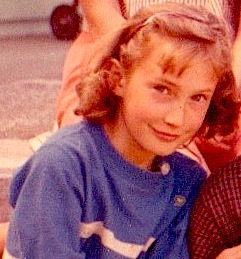
I have not forgotten that girl I was. No, I have never forgotten – I am still that girl and will be until the end.
One-Time
Monthly
Yearly
Make a one-time or recurring donation to support daily Barnstorming posts
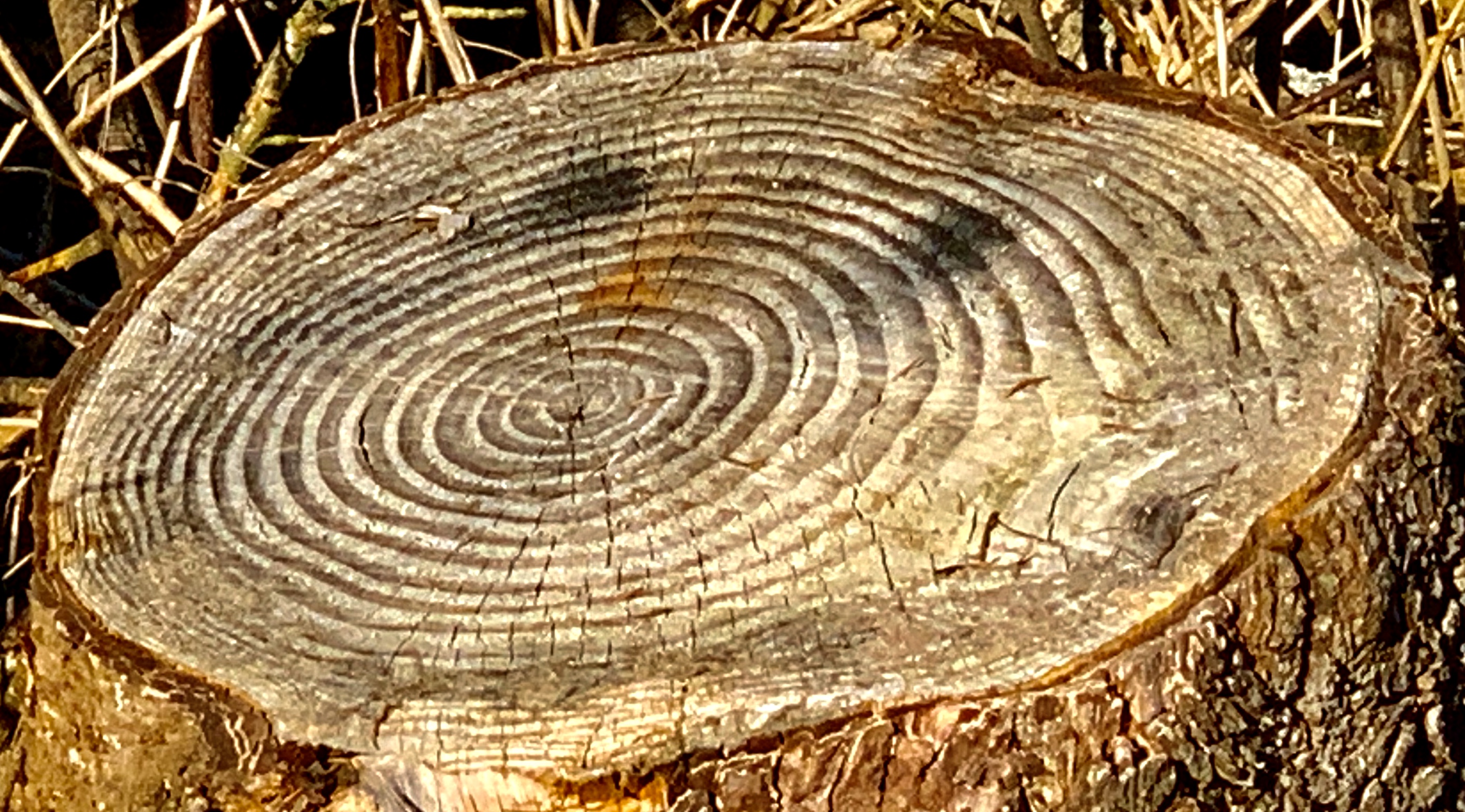
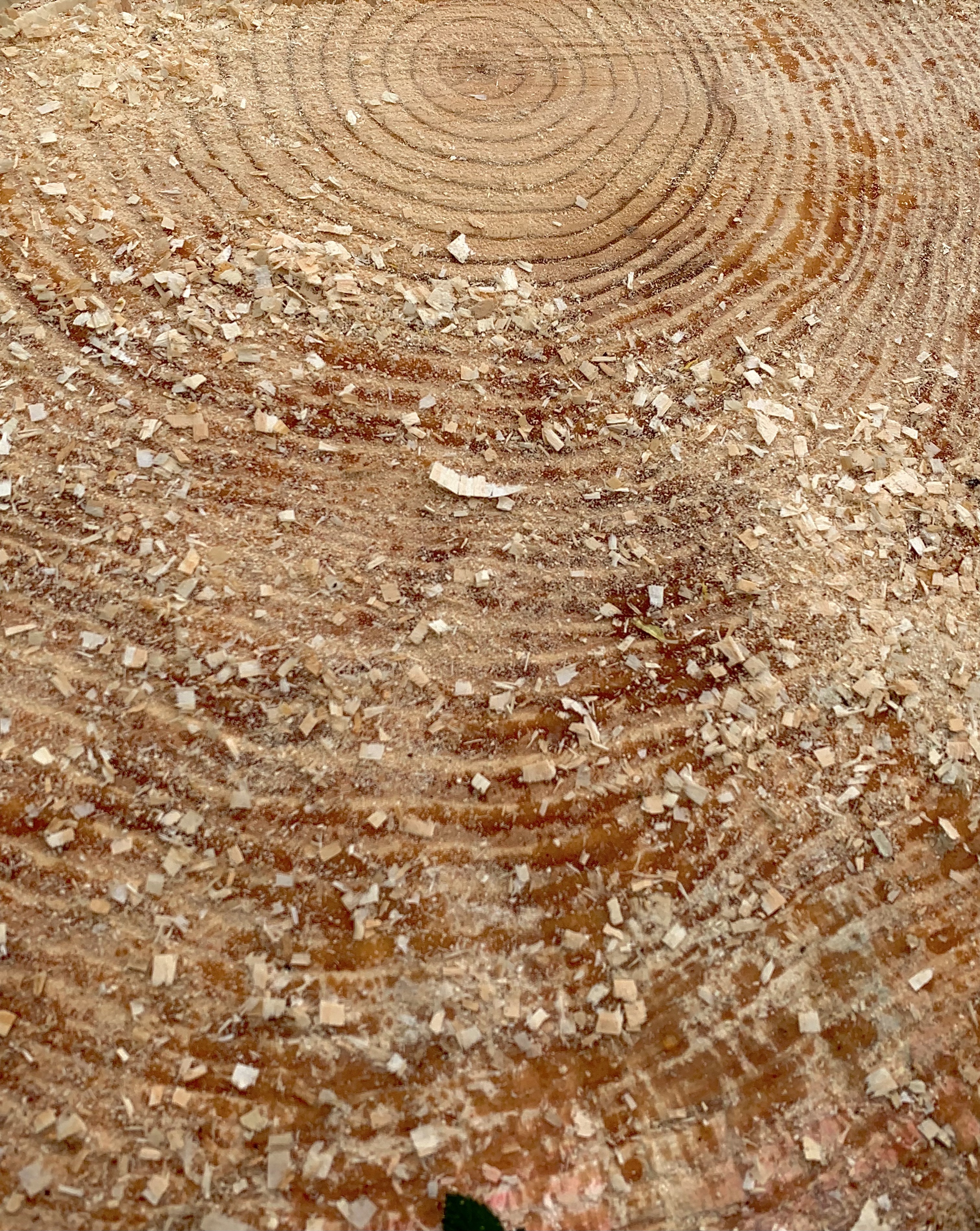
I thought of happiness, how it is woven Out of the silence in the empty house each day And how it is not sudden and it is not given But is creation itself like the growth of a tree. No one has seen it happen, but inside the bark Another circle is growing in the expanding ring. No one has heard the root go deeper in the dark, But the tree is lifted by this inward work And its plumes shine, and its leaves are glittering.
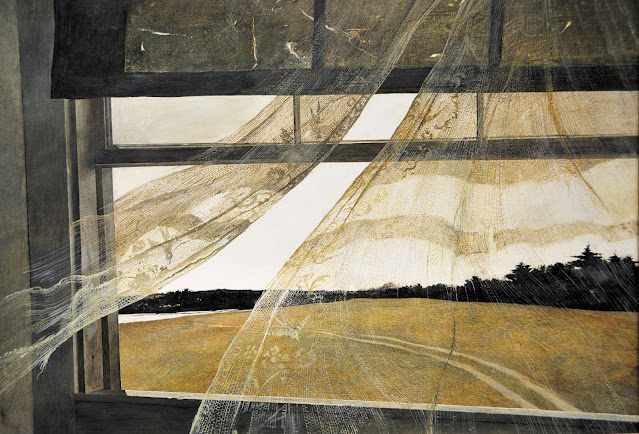
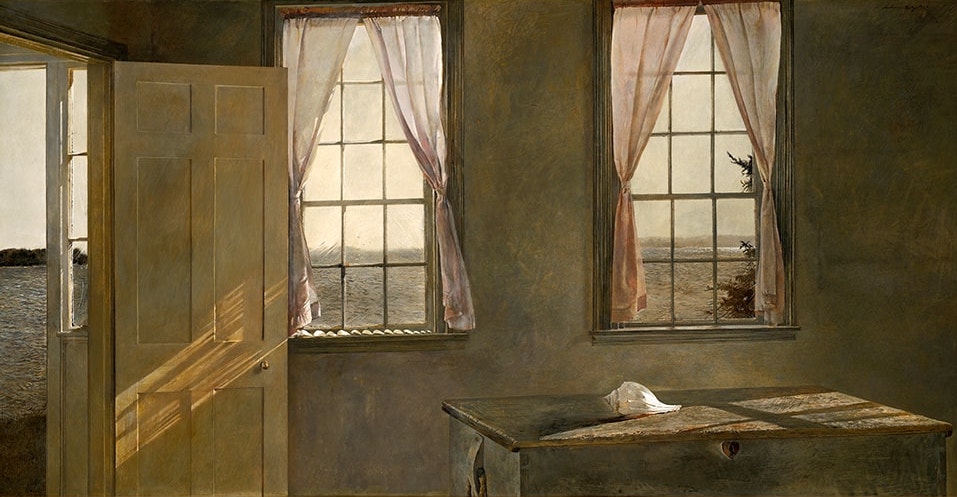
So happiness is woven out of the peace of hours And strikes its roots deep in the house alone: The old chest in the corner, cool waxed floors, White curtains softly and continually blown As the free air moves quietly about the room; A shelf of books, a table, and the white-washed wall— These are the dear familiar gods of home, And here the work of faith can best be done, The growing tree is green and musical.
For what is happiness but growth in peace, The timeless sense of time when furniture Has stood a life’s span in a single place, And as the air moves, so the old dreams stir The shining leaves of present happiness? No one has heard thought or listened to a mind, But where people have lived in inwardness The air is charged with blessing and does bless; Windows look out on mountains and the walls are kind. ~May Sarton “The Work of Happiness”
Some are eager to travel and roam, experiencing new places and unfamiliar scenery.
I leave home reluctantly now. Having settled in during the COVID years, I find happiness forming concentric rings around the core of this farm with my roots growing deeper in this fertile soil. It is where I belong.
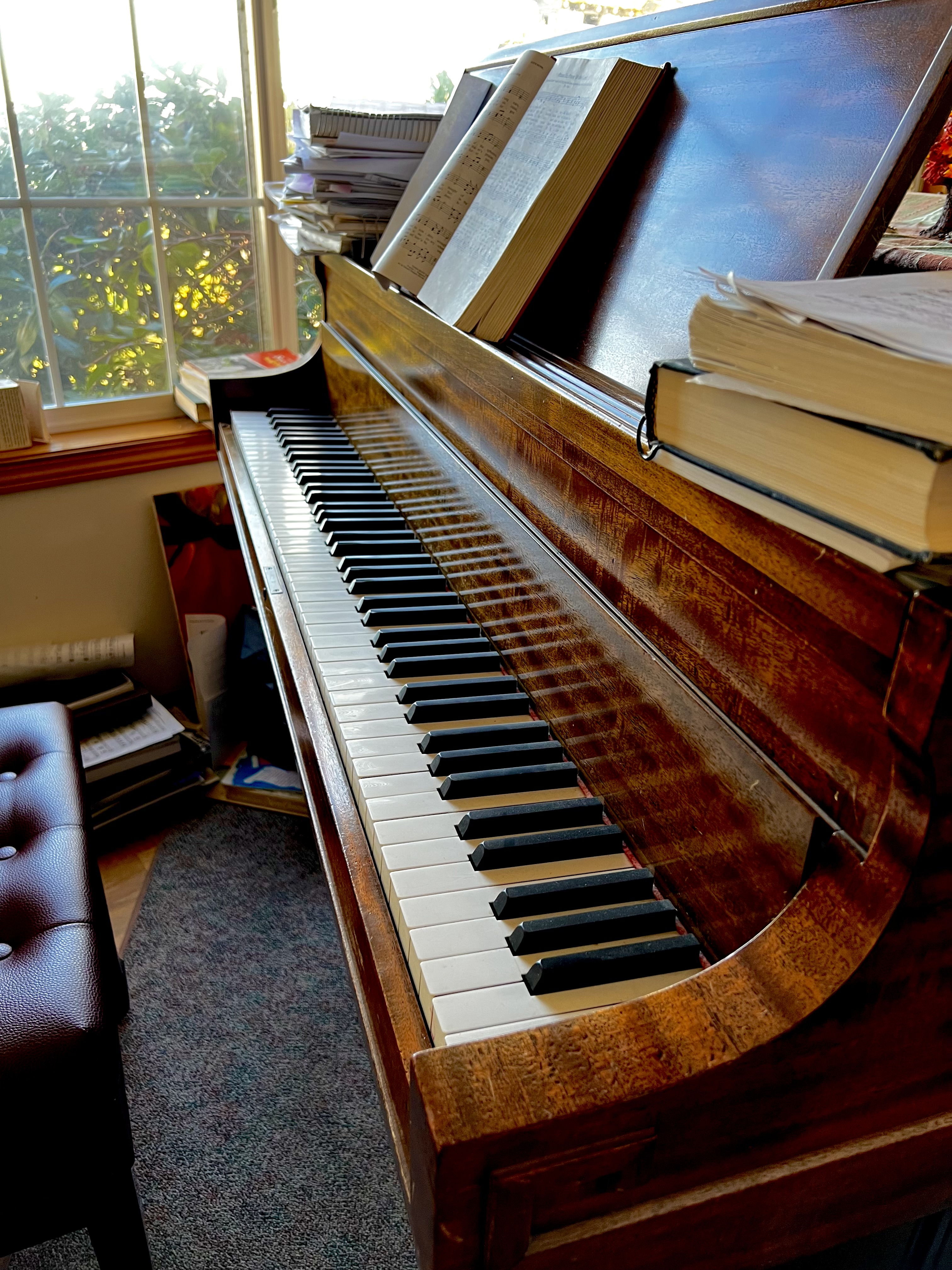
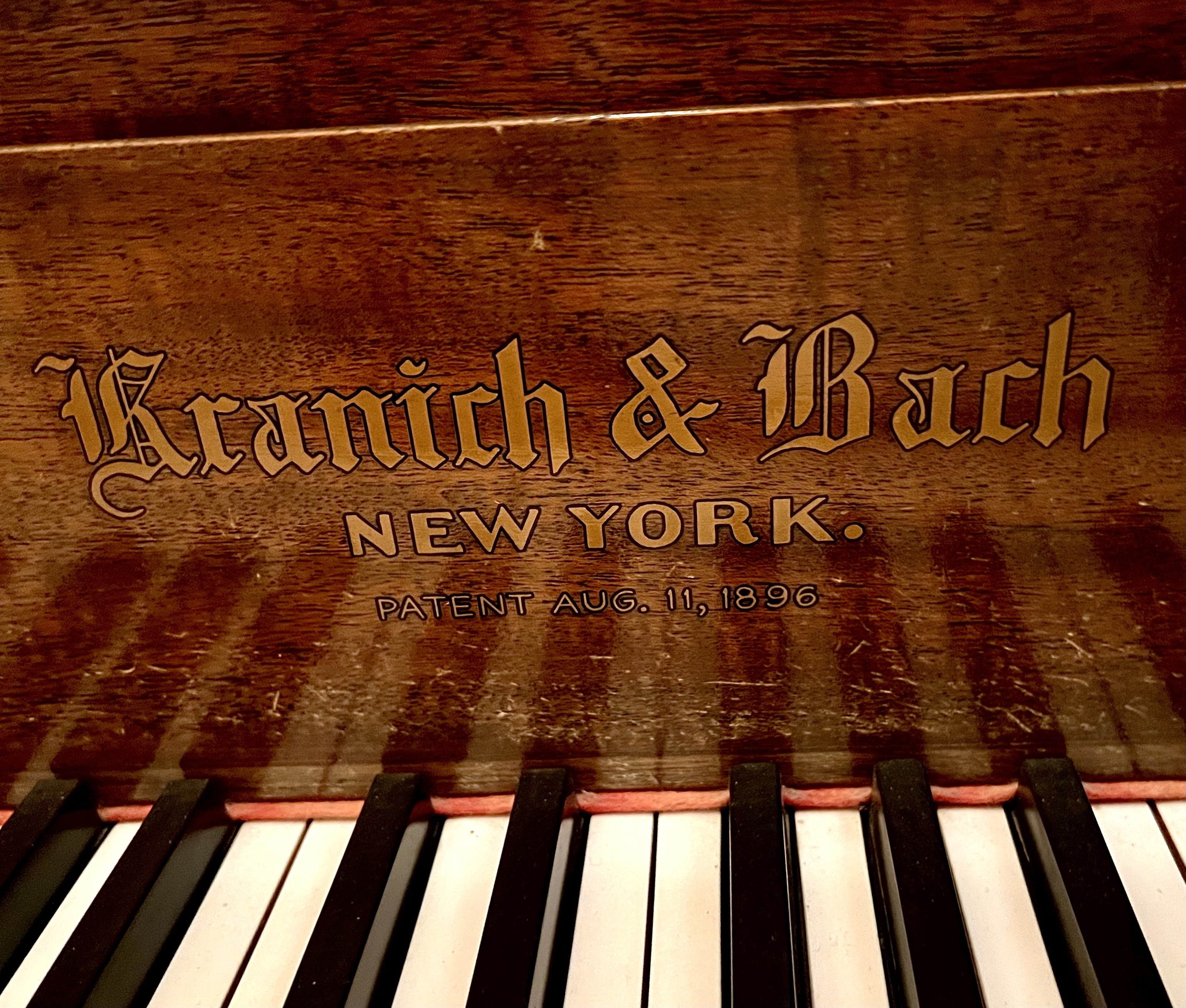
Certainly, I have belonged to other places during my life. Each built a new ring in my history, growing me taller and stronger over the years. As I have moved, I have carried along furniture from my grandparents’ homes – a rocking chair, a round top antique trunk. My great aunt’s baby grand piano followed me through three moves. My parents’ things are scattered throughout this house, storing their memories in the wood and polish and fabric.
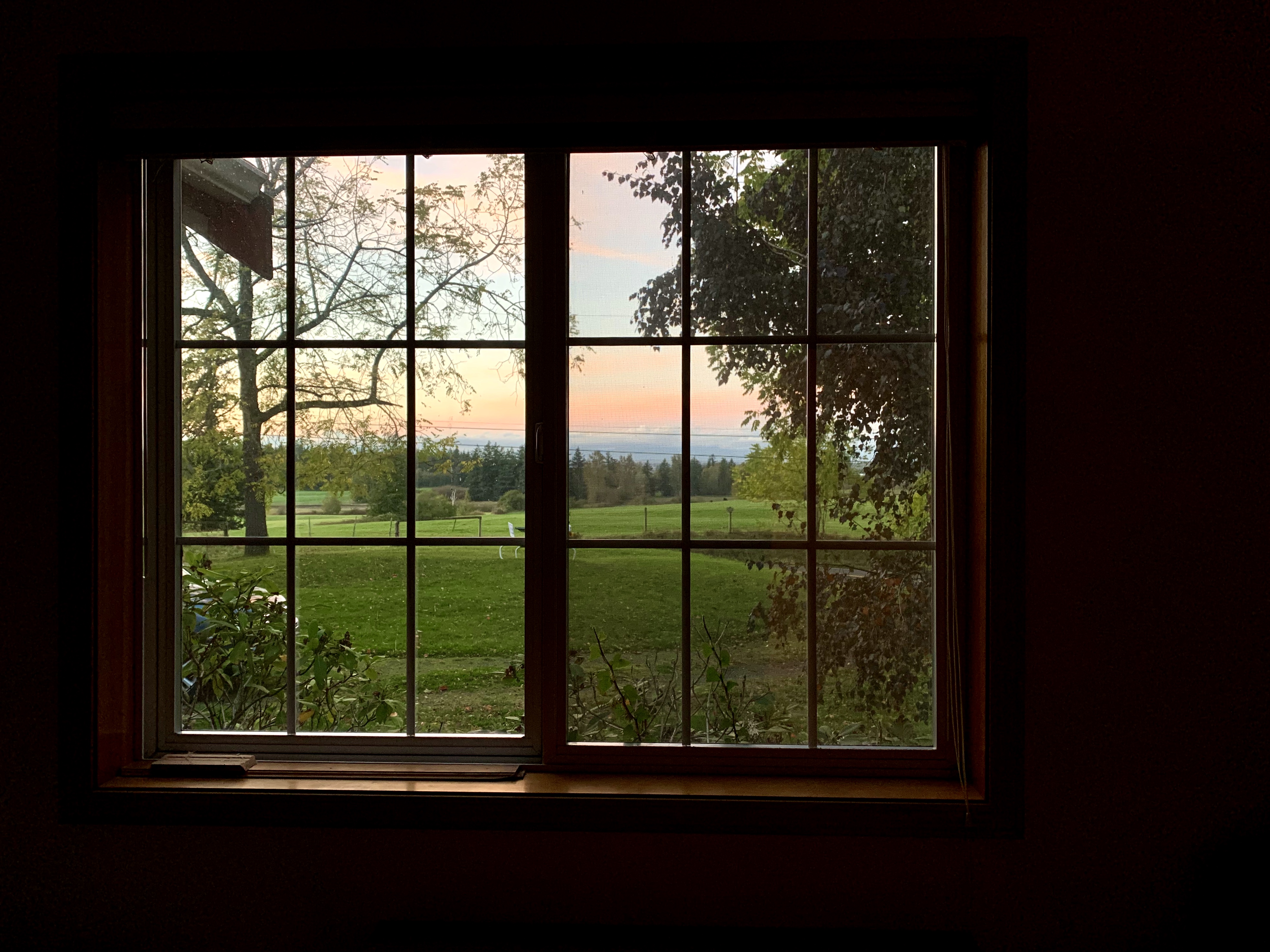
There is peace to be found in this inwardness. When I open our windows, I sense in every way how the air is charged with blessing. There is kindness here. There is happiness woven out of time and memory and love.
No matter where I shall roam, I will always find the road home.
Tell me where is the road I can call my own, That I left, that I lost, so long ago. All these years I have wondered, oh when will I know, There’s a way, there’s a road that will lead me home.
After wind, After rain, when the dark is done, As I wake from a dream, in the gold of day, Through the air there’s a calling from far away, There’s a voice I can hear that will lead me home.
Rise up, follow me, come away is the call With (the) love in your heart as the only song There is no such beauty as where you belong Rise up, follow me, I will lead you home. ~Michael Dennis Browne
One-Time
Monthly
Yearly
Make a one-time or recurring donation to support daily Barnstorming posts
“Choose the least important day in your life. It will be important enough.” Mrs. Gibbs to Emily in Our Town
We are ages away from our high school class where first we walked the streets of Grover’s Corners and have lived decades and decades of important days writing our own scenes along the way. In this theater we meet again the lives of people as ordinary and extraordinary as we are and find ourselves smiling and weeping watching a play we first encountered as teens. In our 70’s Our Town brings us joy and also breaks our hearts. Now we know. ~Edwin Romond“Seeing “Our Town” in Our 70’s”
We don’t have time to look at one another. I didn’t realize. All that was going on in life and we never noticed. Oh, earth, you’re too wonderful for anybody to realize you. Do any human beings ever realize life while they live it? – every, every minute? ~Thornton Wilder, from Emily’s monologue inOur Town
He has made everything beautiful in its time. Also, he has put eternity into man’s heart, yet so that he cannot find out what God has done from the beginning to the end. 12 I perceived that there is nothing better for them than to be joyful and to do good as long as they live; 13 also that everyone should eat and drink and take pleasure in all his toil—this is God’s gift to man.14 I perceived that whatever God does endures forever; nothing can be added to it, nor anything taken from it. Ecclesiastes 3: 11-14
One of our very special friends from church got married today to a high school classmate she knew over sixty-some years ago. Both had recently lost spouses and found their way to each other to join together for the rest of their days. Today became a most important day in their lives, a day they could not have imagined as teenagers so long ago.
The post-ceremony reception was joyous, full of other high school classmates who recognized how extraordinary it was for two lives to come full circle after all the ordinary “least important” days of high school. Observing this tight-knit community celebrating together reminds me of Grover’s Corners of Thornton Wilder’s “Our Town” where even those in the cemetery under the ground continue to engage in conversation and commentary about their family and friends, sometimes wistful, sometimes full of regrets.
There is so much we miss while we are living out our ordinary days because our capacity for seeing what is truly important is so limited – if we paid attention to it all, we would be overwhelmed and exhausted.
Yet God’s unlimited vision has a plan for each of us, even if we cannot see it in the moment – His divine gift to us, right from our very beginning, until the moment we take our last breath.
This year’s Barnstorming Lenten theme is taken from 2 Corinthians 4: 18: So we fix our eyes not on what is seen, but on what is unseen, since what is seen is temporary, but what is unseen is eternal.
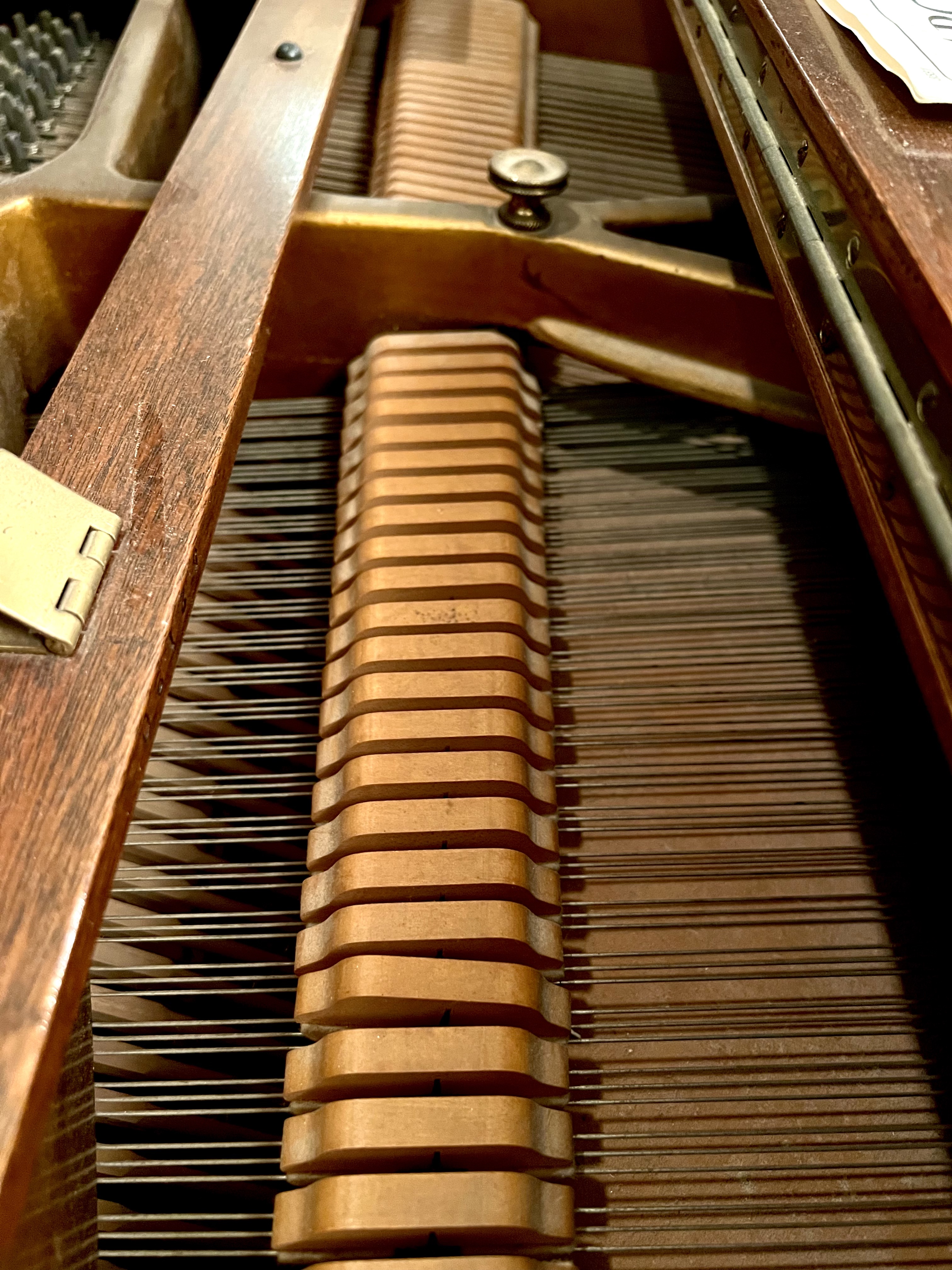
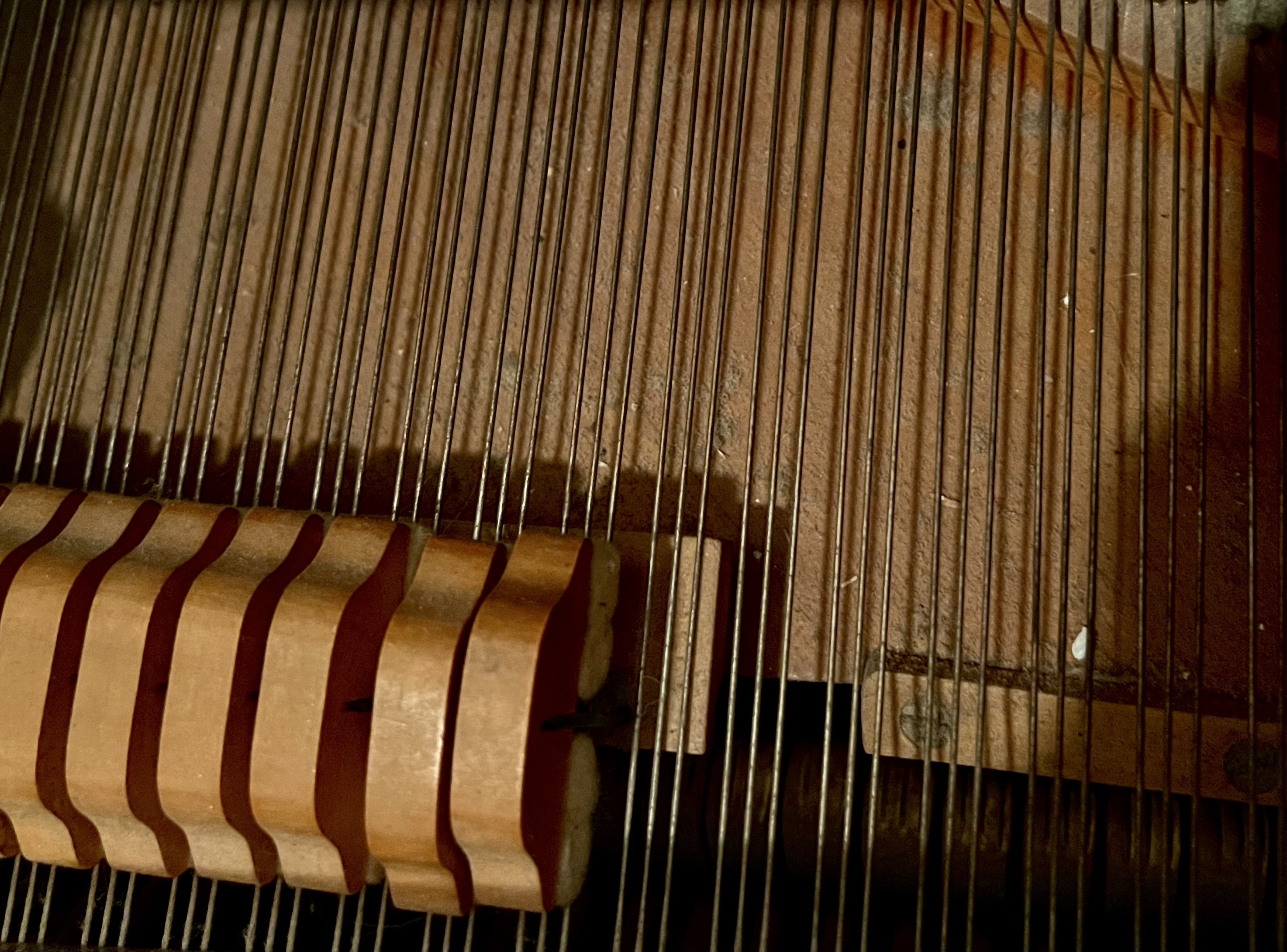
Holding the arms of his helper, the blind Piano tuner comes to our piano. He hesitates at first, but once he finds The keyboard, his hands glide over the slow Keys, ringing changes finer than the eye Can see. The dusty wires he touches, row On row, quiver like bowstrings as he Twists them one notch tighter. He runs his Finger along a wire, touches the dry Rust to his tongue, breaks into a pure bliss And tells us, “One year more of damp weather Would have done you in, but I’ve saved it this Time. Would one of you play now, please? I hear It better at a distance.” My wife plays Stardust. The blind man stands and smiles in her Direction, then disappears into the blaze Of new October. Now the afternoon, The long afternoon that blurs in a haze Of music…Chopin nocturnes, Clair de lune, All the old familiar, unfamiliar Music-lesson pieces, Papa’s Haydn’s Dead and gone, gently down the stream…Hours later, After the last car has doused its beams, Has cooled down and stopped its ticking, I hear Our cat, with the grace of animals free To move in darkness, strike one key only, And a single lucid drop of water stars my dream. ~Gibbons Ruark “The Visitor”
When I was a child I once sat sobbing on the floor Beside my mother’s piano As she played and sang For there was in her singing A shy yet solemn glory My smallness could not hold
And when I was asked Why I was crying I had no words for it I only shook my head And went on crying
Why is it that music At its most beautiful Opens a wound in us An ache a desolation Deep as a homesickness For some far-off And half-forgotten country
I’ve never understood Why this is so
But there’s an ancient legend From the other side of the world That gives away the secret Of this mysterious sorrow
For centuries on centuries We have been wandering But we were made for Paradise As deer for the forest
And when music comes to us With its heavenly beauty It brings us desolation For when we hear it We half remember That lost native country
We dimly remember the fields Their fragrant windswept clover The birdsongs in the orchards The wild white violets in the moss By the transparent streams
And shining at the heart of it Is the longed-for beauty Of the One who waits for us Who will always wait for us In those radiant meadows
Yet also came to live with us And wanders where we wander. ~Anne Porter “Music” from Living Things
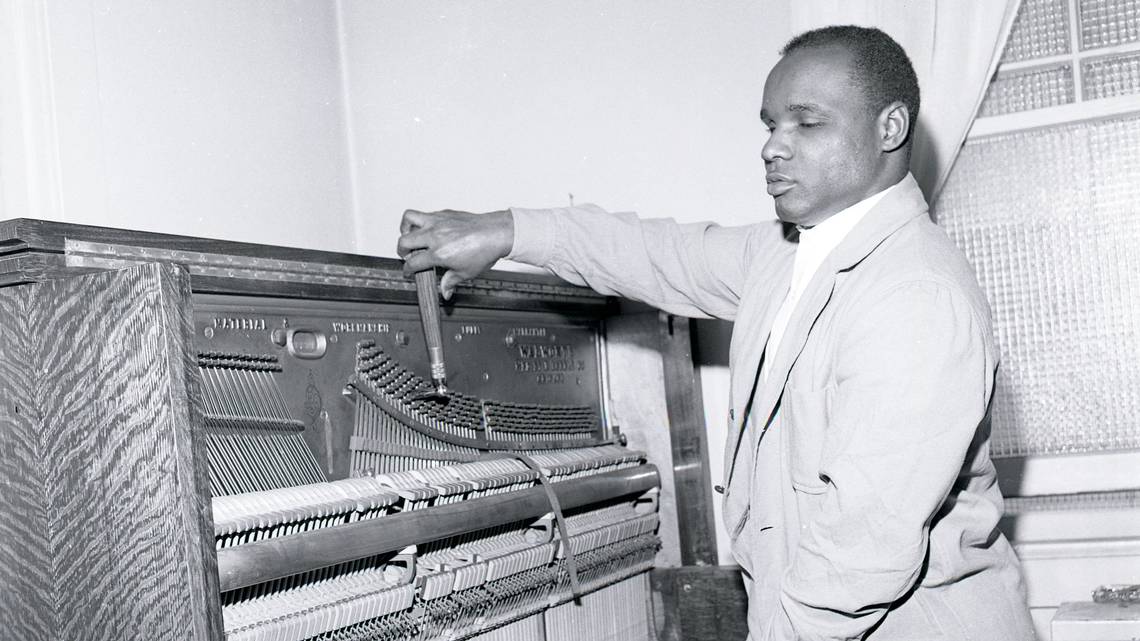
I learned today that John Grace recently died at age 92; John was the blind piano tuner who tended and tuned our family’s old Kranich & Bach baby grand through the 60’s and 70’s until it moved with me to Seattle. When I saw his photo online in The Olympian newspaper, it took me back sixty years to his annual visits to our home, accompanied by a friend who drove him to his jobs, who guided him up the sidewalk to our front door and then waited for him to finish his work.
I was the 8 year old reason my great Aunt Marian had given us her beloved piano when she downsized from her huge Bellingham house into an apartment. I was fascinated watching John make the old strings sing harmonically again. He seemed right at home working on the innards of our piano, but appeared to truly enjoy ours, always ending his tuning session by sitting down on the bench and playing a familiar old hymn, smiling a broad smile.
There was no doubt his unseeing eyes made him a great piano tuner. He was fixed on the unseen, undistracted by what was unimportant to his job. He could “feel” the right pitch, not just hear it. He could sense the wire tension without seeing it. He touched the keys and wood with reverence, not distracted by the blemishes and bleaching in the mahogany, or the chips in the ivory.
I learned something about music from John, without him saying much of anything. He built a successful business in our town during a time you could count the black citizens on one hand. He spoke very little while he worked so I never asked him questions although I wish I had. It was as if he somehow transcended our troubled world through his art and skill. Though blind, when he was with a piano, he could move freely in the darkness, hearing and feeling what I could not. Perhaps it was because he was visited by a beauty and peacefulness we all long for, seen and unseen.
It occurs to me now, sixty years after observing him work, John Grace was just a step ahead in recognizing the voice of Jesus in our midst through the music he made possible.
Though he was blind, there is no doubt in my mind – he could see.
Yea when this flesh and heart shall fail And mortal life shall cease. I shall possess within the veil, A life of joy and peace.
This year’s Barnstorming Lenten theme is taken from 2 Corinthians 4: 18: So we fix our eyes not on what is seen, but on what is unseen, since what is seen is temporary, but what is unseen is eternal.
He (the professor) asked what I made of the other students (at Oxford) so I told him. They were okay, but they were all very similar… they’d never failed at anything or been nobodies, and they thought they would always win. But this isn’t most people’s experience of life.
He asked me what could be done about it. I told him the answer was to send them all out for a year to do some dead-end job like working in a chicken processing plant or spreading muck with a tractor. It would do more good than a gap year in Peru.
He laughed and thought this was tremendously witty. It wasn’t meant to be funny. ~James Rebanks from The Shepherd’s Life (how a sheep farmer succeeds at Oxford and then goes back to the farm)
In our barn we have a very beat up old AM/FM radio that sits on a shelf next to the horse stalls and serves as company to the horses during the rainy stormy days they stay inside, and serves as distraction to me as I clean stalls of manure and wet spots morning and evening. We live about 10 miles south of the Canadian border, so most stations that come in well on this radio’s broken antenna are from the lower mainland of British Columbia. This includes a panoply of stations spoken in every imaginable language– a Babel of sorts that I can tune into: Spanish, Japanese, Chinese, Hindi, Russian, French and of course, proper British accent English. But standard issue American melting pot genetic mix that I am, I prefer to tune into the “Oldies” Station and reminisce.
There is a strange comfort in listening to songs that I enjoyed 50+ years ago, and I’m somewhat miffed and perplexed that they should be called “oldies”. Oldies used to refer to music from the 20’s, 30’s and 40’s, not the 50’s, 60’s, and 70’s and (heavens to Betsy) the 80’s and 90’s! I listen and sing along with a mixture of feeling ancient and yet transported back to my teens. I can remember faces and names I haven’t thought of in decades, recall special summer days picking berries and hear long lost voices from school days. I can smell and taste and feel things all because of the trigger of a familiar song. There is something primordial –deep in my synapses– that is stirred by this music. In fact, I shoveled manure to these same songs 55 years ago, and somehow, it seems not much as changed.
Or has it? One (very quick) glance in the mirror tells me it has, and I have.
Yesterday – I Got You, Babe and you were a Bridge Over Troubled Waters for this Natural Womanwho just wants to be Close to Youso You’ve Got a Friend. There’sSomething in the way ICherish The Way We Were and of courseLove Will Keep Us Together.If You Leave Me Now, You’re So Vain. I’ve always wanted it My Way but How Sweet It Is when I Want To Hold Your Hand. Come Saturday Morning, Here Comes the Sun as we’re Born to Be Wild
Help!Do You Know Where You’re Going To?Me and You and A Dog Named Boo will travel Country Roadsand Rock Around the Clock even though God Didn’t Make the Little Green Apples to grow in a Moonshadow. Fire and Rain will make things All Right Nowonce Morning is Broken, I’ll Say a Little Prayer For You so just Let It Be.
I Can’t Get No Satisfactionfrom the Sounds of Silence —If— Those Raindrops Keep Fallin’ on My Head. Stand By Me as It’s Just My Imaginationthat I am a Rock, when really I only want Time in a Bottle and to just Sing, Sing a Song.
They just don’t write songs like they used to. I seem to remember my parents saying that about the songs I loved so well in the 60’s and 70’s. Somehow in the midst of decades of change, there are some constants. Music still touches our souls, no matter how young or old we are.
And every day there will always be manure that needs shoveling.
One-Time
Monthly
Yearly
Make a one-time or recurring donation to support daily Barnstorming posts
I want to be a passenger in your car again and shut my eyes while you sit at the wheel,
awake and assured in your own private world, seeing all the lines on the road ahead,
down a long stretch of empty highway without any other faces in sight.
I want to be a passenger in your car again and put my life back in your hands. ~Michael Miller “December”
Up north, the dashboard lights of the family car gleam in memory, the radio plays to itself as I drive my father plied the highways while my mother talked, she tried to hide that low lilt, that Finnish brogue, in the back seat, my sisters and I our eyes always tied to the Big Dipper I watch it still on summer evenings, as the fireflies stream above the ditches and moths smack into the windshield and the wildlife’s red eyes bore out from the dark forests we flew by, then scattered like the last bit of star light years before. It’s like a different country, the past we made wishes on unnamed falling stars that I’ve forgotten, that maybe were granted because I wished for love. ~Sheila Packa “Driving At Night” from The Mother Tongue
The moon was like a full cup tonight, too heavy, and sank in the mist soon after dark, leaving for light
faint stars and the silver leaves of milkweed beside the road, gleaming before my car.
Yet I like driving at night… the brown road through the mist
of mountain-dark, among farms so quiet, and the roadside willows opening out where I saw
the cows. Always a shock to remember them there, those great breathings close in the dark. ~Hayden Carruth from “The Cows at Night”
Some of my most comfortable childhood memories come from the long ride home in the car at night from holiday gatherings. My father always drove, my mother humming “I See the Moon” in the front passenger seat, and we three kids sat in the back seat, drowsy and full of feasting. The night world hypnotically passed by outside the car window. I wondered whether the rest of the world was as safe and content as I felt at that moment.
On clear nights, the moon followed us down the highway, shining a light on the road.
Now as a driver at night, transporting grandchildren from a family gathering, I want them to feel the same peaceful contentment that I did as a child. As an older driver, I don’t enjoy driving at night, especially dark rural roads in pouring rain. I understand the enormous responsibility I bear, transporting those whom I dearly love and want to keep safe.
In truth, I long to be a passenger again, with no worries or pressures – just along for the ride, watching the moon and the world drift by, knowing I’m well-cared for.
Despite my fretting about the immense burden I feel to make things right in a troubled world, I do realize: I am a passenger on a planet that has a driver Who feels great responsibility and care for all He transports through the black night of the universe. He loves me and I can rest content in the knowledge that I am safe in His vigilant hands. I am not the driver – He knows how to safely bring me` home.
I see the moon, it’s shining from far away, Beckoning with ev‘ry beam. And though all the start above cast down their light, Still the moon is all that I see And it’s calling out, “Come run a way! And we’ll sail with the clouds for our sea, And we’ll travel on through the black of the night, ‘til we float back home on a dream!” The moon approaches my window pane, stretching itself to the ground. The moon sings softly and laughs and smiles, and yet never makes a sound! I see the moon! I see the moon! Part A And it’s calling out, “Come run a way! And we’ll sail with the clouds for our sea, And we’ll travel on through the black of the night, ‘til we float back home on a dream!” Part B I see the moon, it’s shining from far away, Beckoning with ev‘ry beam. And though all the stars above cast down their light, Still the moon is all that I see ~Douglas Beam
One-Time
Monthly
Yearly
Make a one-time and recurring donation to support daily Barnstorming posts
One life, George learns, touches so many other lives. Far from a failure, his life was the glue that held together his family, his business, and his community. In the end, George embraces life, and the people of Bedford Falls gather around him in love, donating the money to restore the Building and Loan that had helped them to achieve their own simple dreams of freedom, independence, and dignity.
George Bailey neither does that which feels good nor asserts his own narrow vision of himself and his role in society. He accepts the responsibility that is placed upon his shoulders and allows himself to be shaped and defined by the needs of others around him. Rather than change the world to suit his own self-centered desires, he changes himself to adapt to the true calling that is upon him.
George Bailey does more than delay gratification. He embraces his true and essential identity and purpose and is strengthened to perform the work for which he was created. ~Louis Markos “Christmas With Capra: Classic Films for Our Troubled Times”
“ZuZu’s Petals” ~Lessons from “It’s a Wonderful Life”~
Our children had to be convinced Watching black and white holiday movies Was worthwhile~ This old tale and its characters Caught them up right away From steadfast George Bailey to evil Mr. Potter- They resonate in our hearts.
What surprised me most Was our sons’ response to Donna Reed’s Mary: ~how can we find one like her? (and they both did!) Her loyalty and love unequaled, Never wavering…
I want to be like her for you. When things go sour I won’t forget what brought us together In the first place. I’m warmth in the middle-of-the-night storm When you need shelter. I’m ZuZu’s petals in your pocket When you are trying to find your way back home.