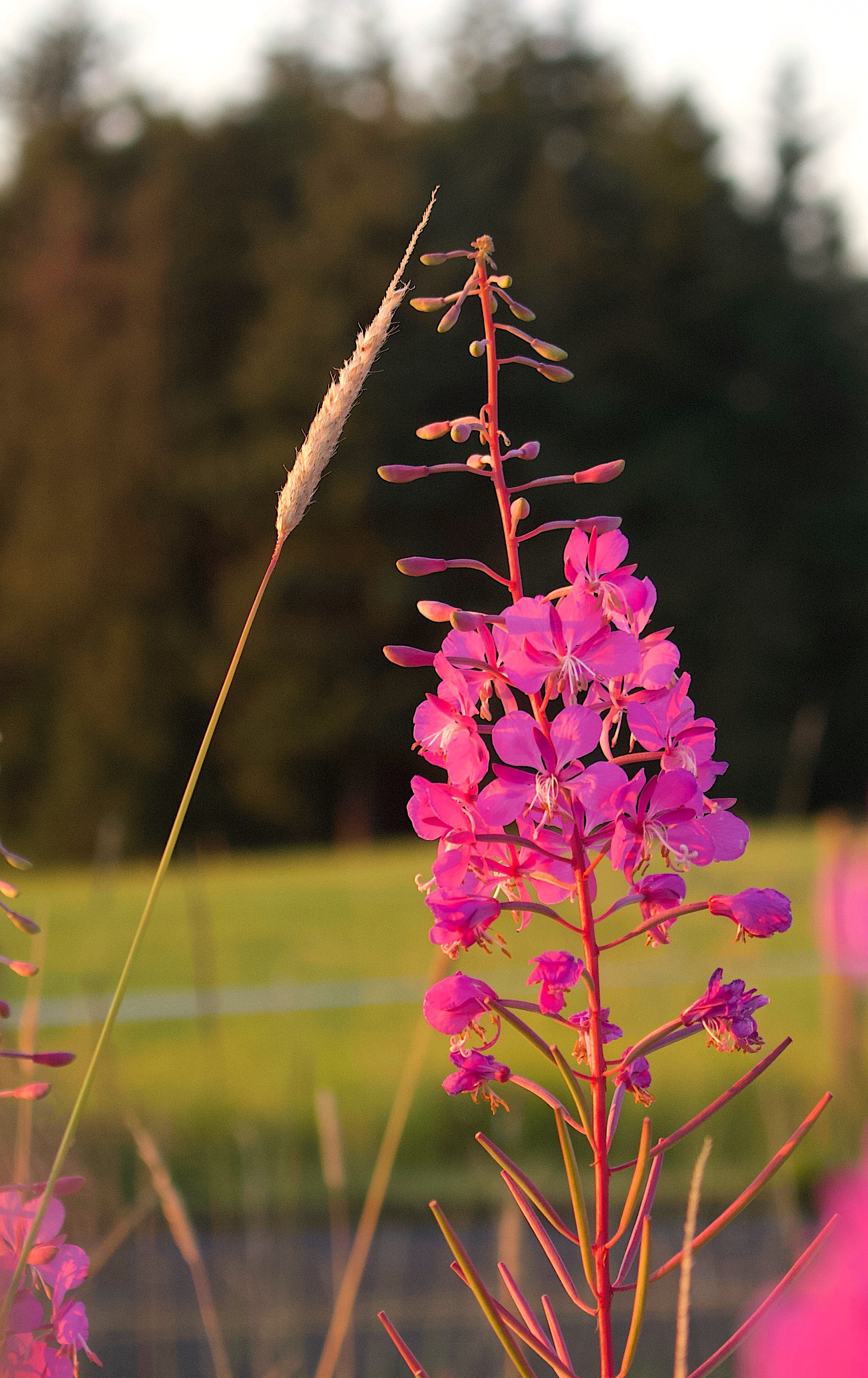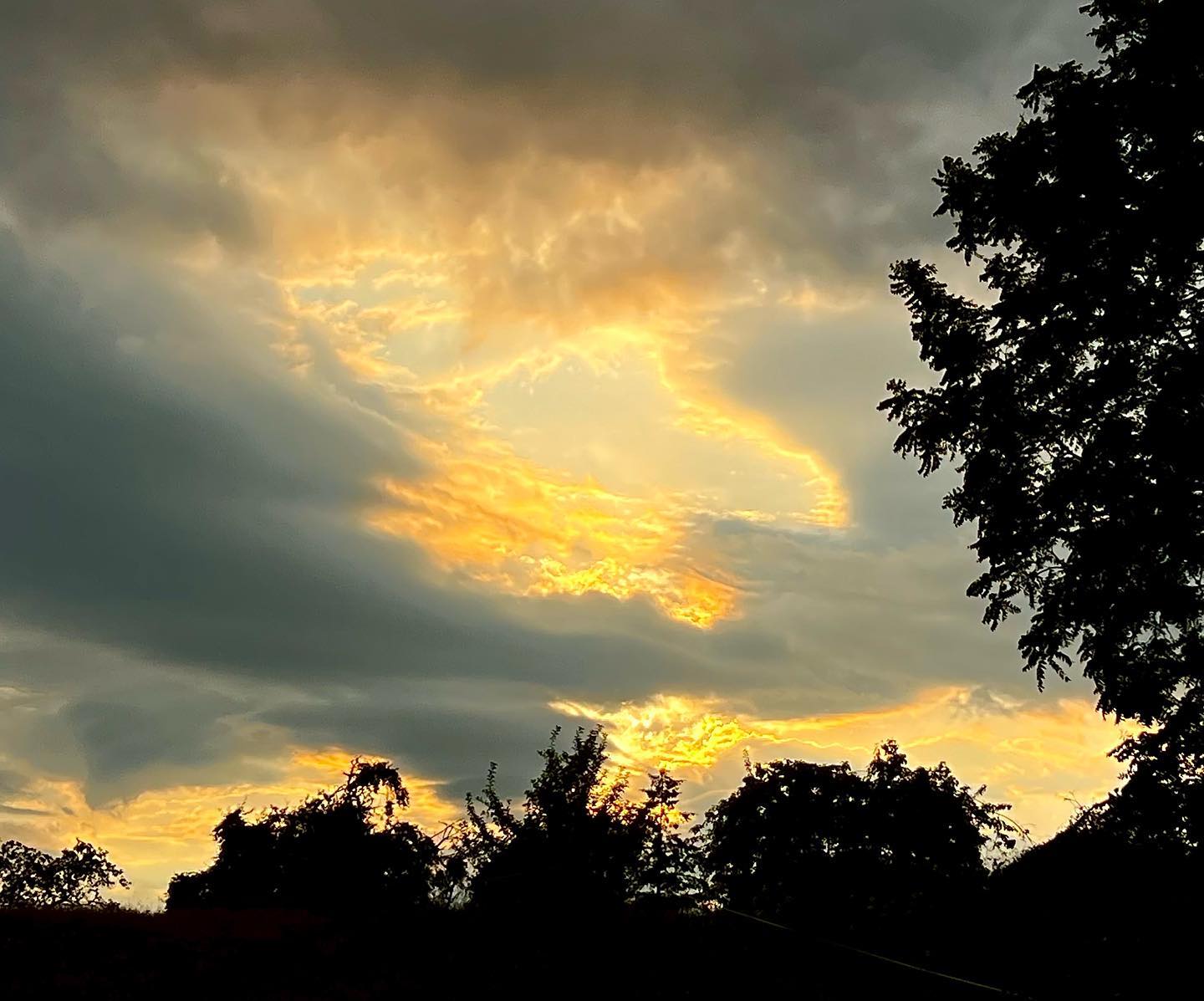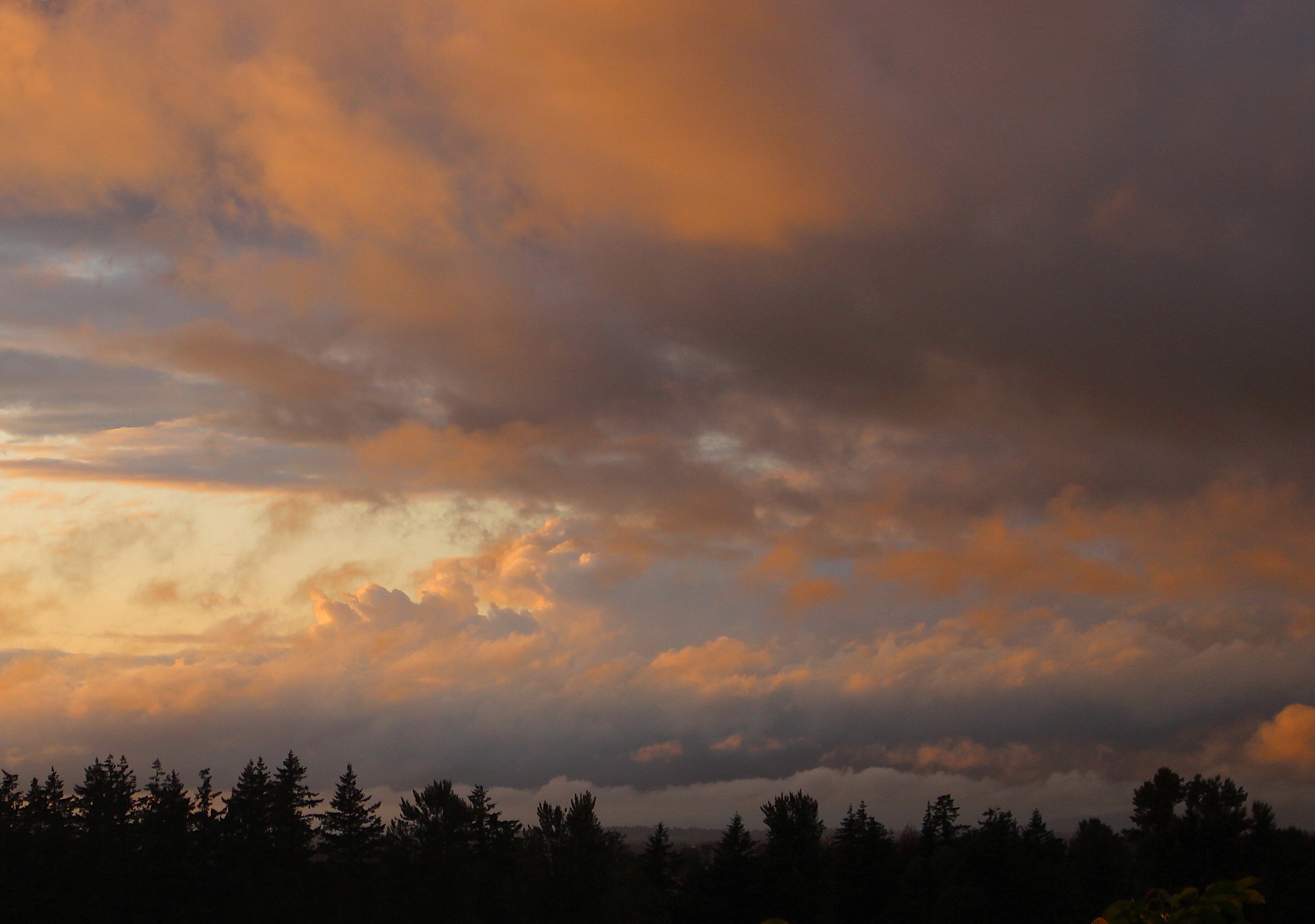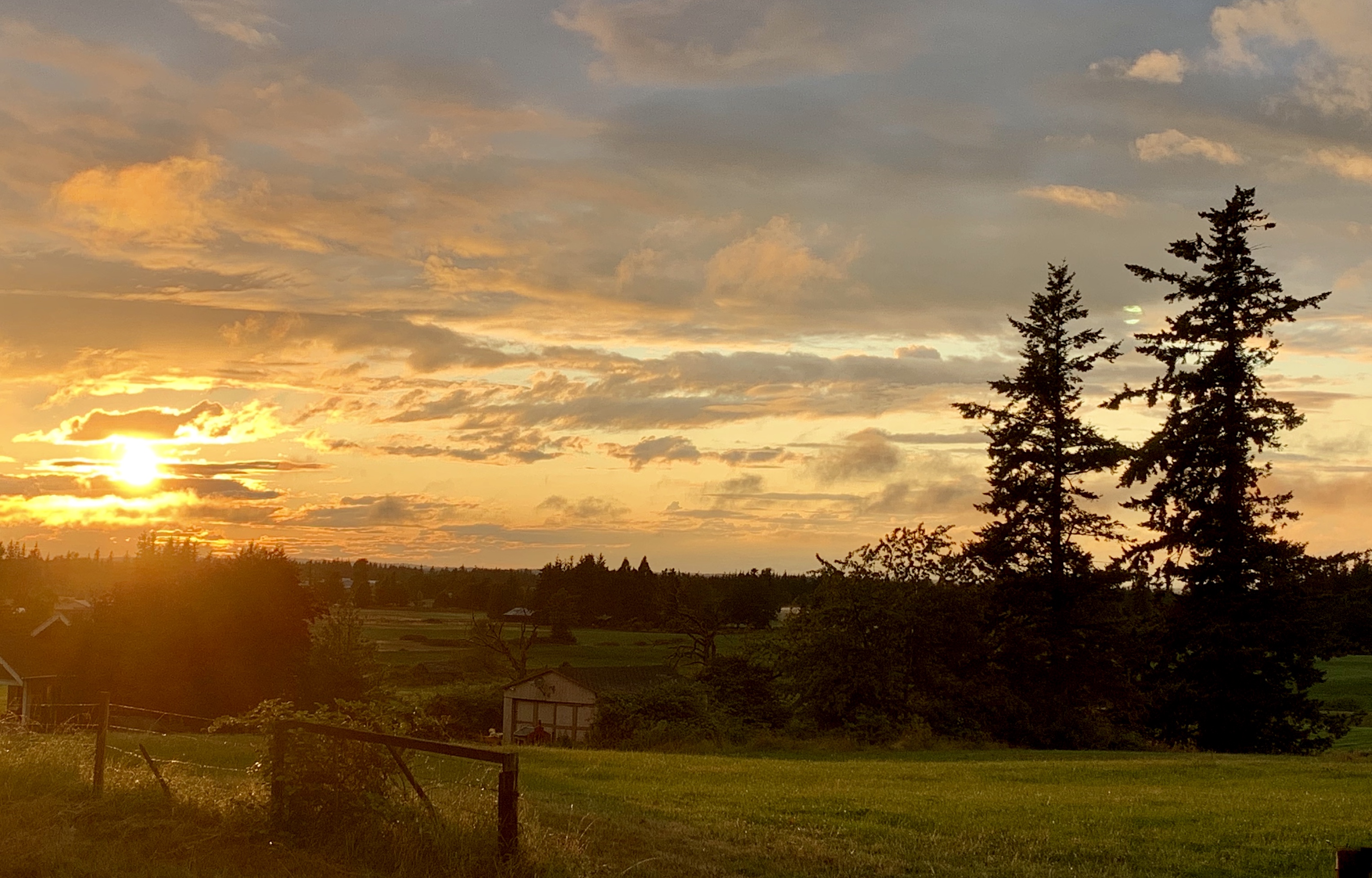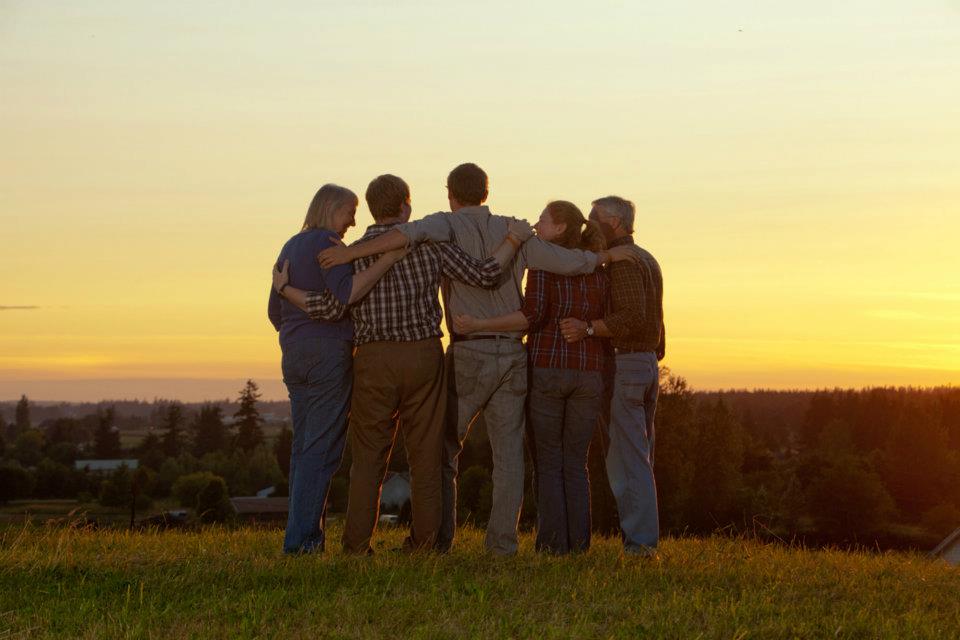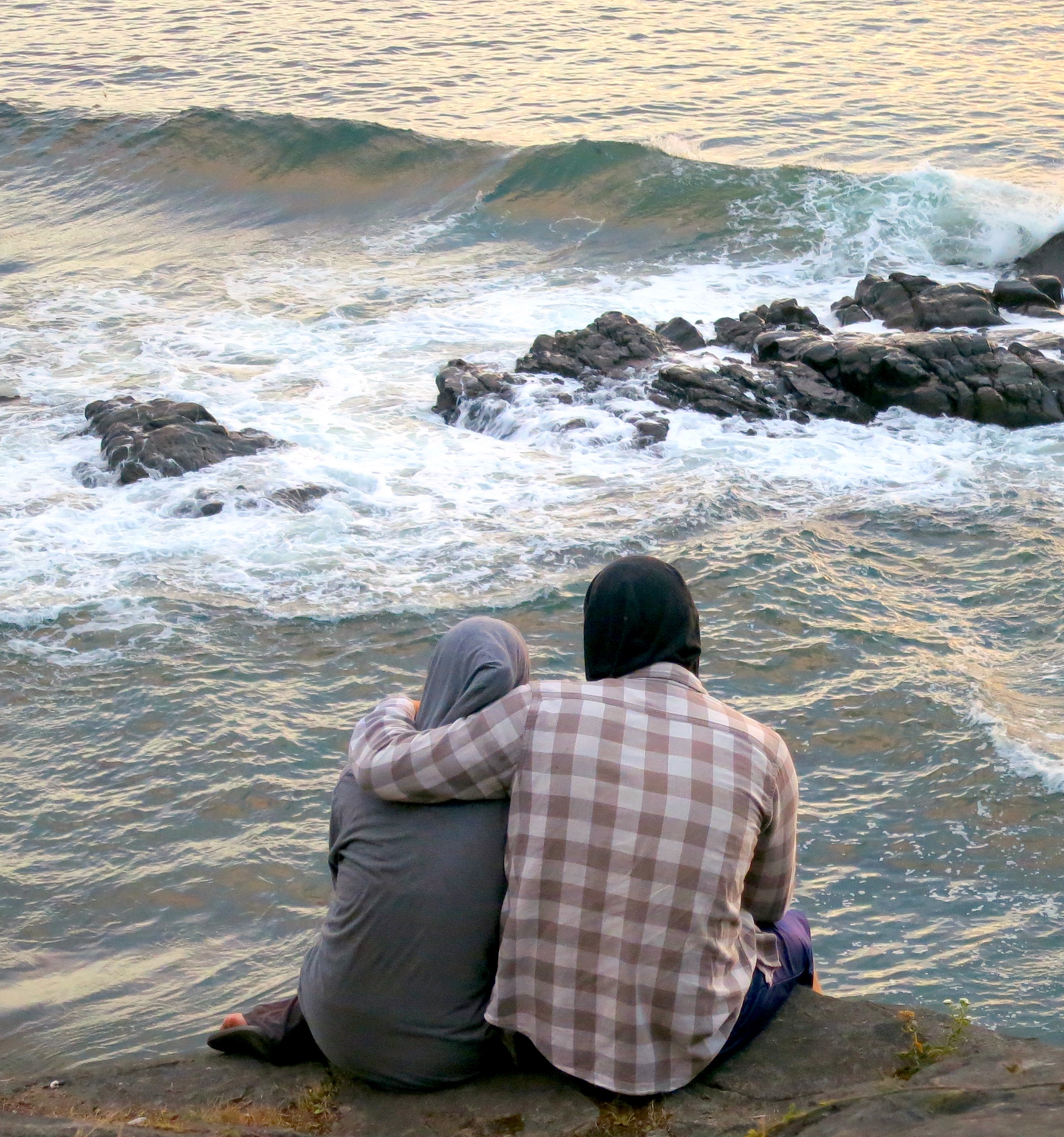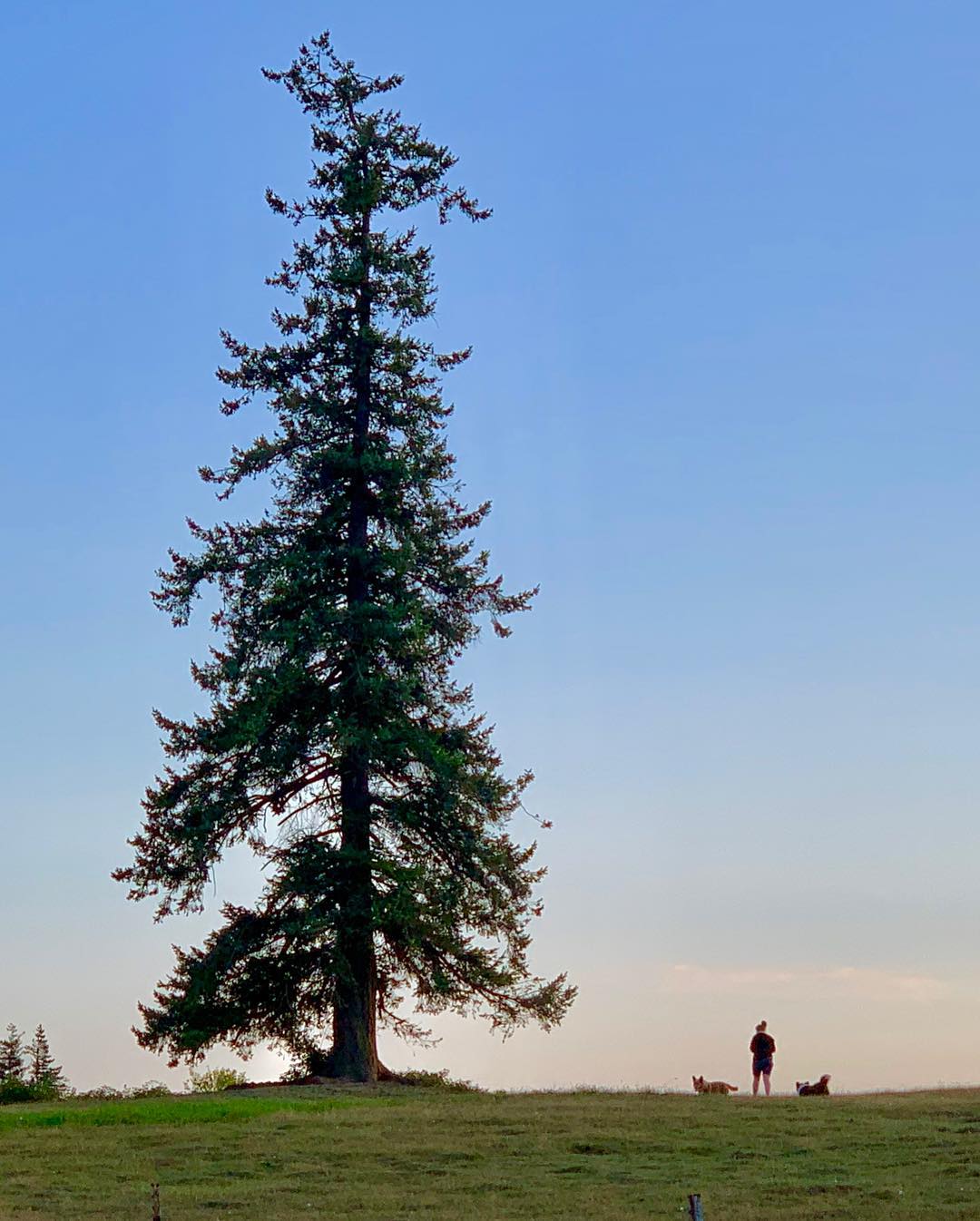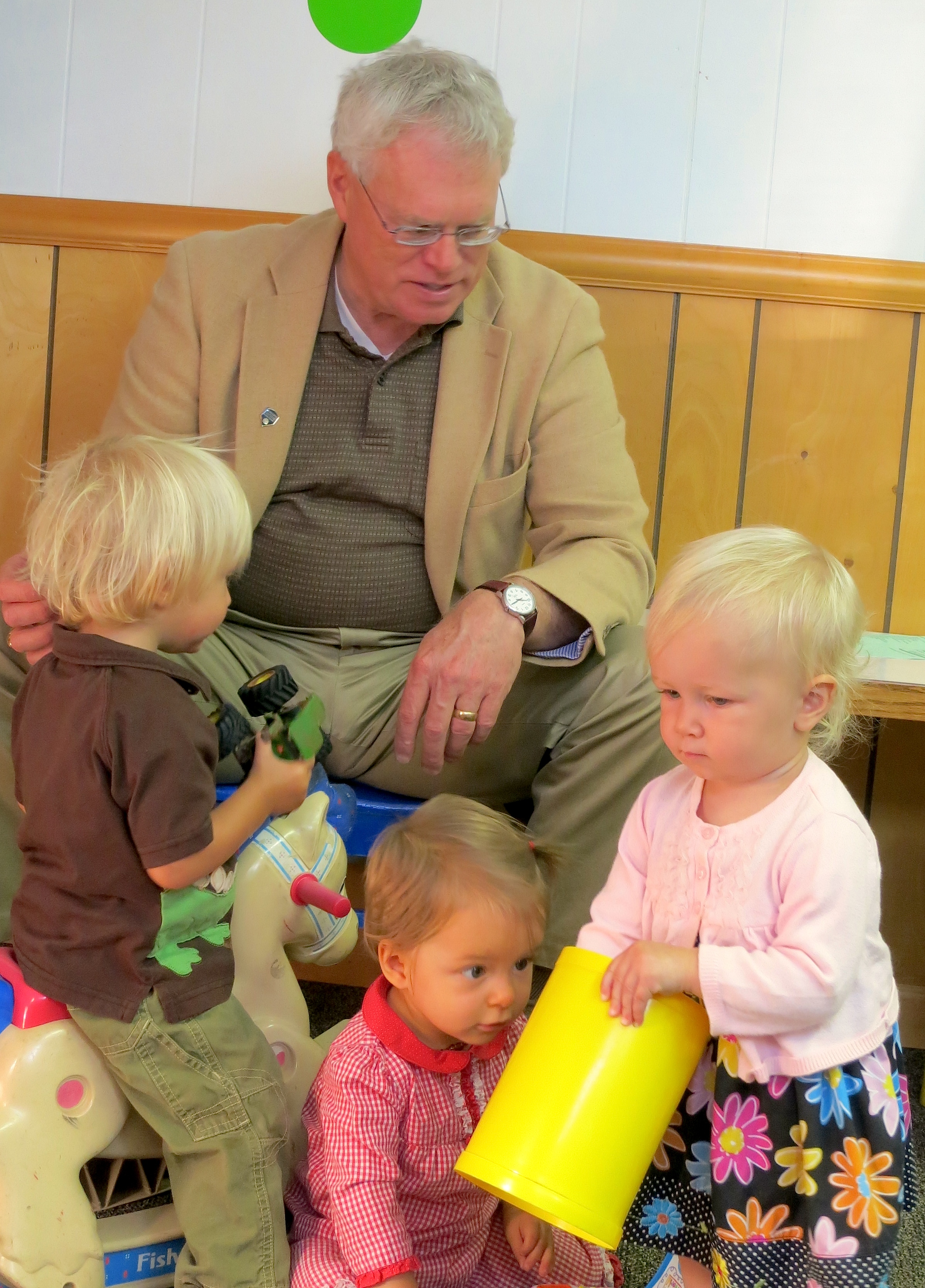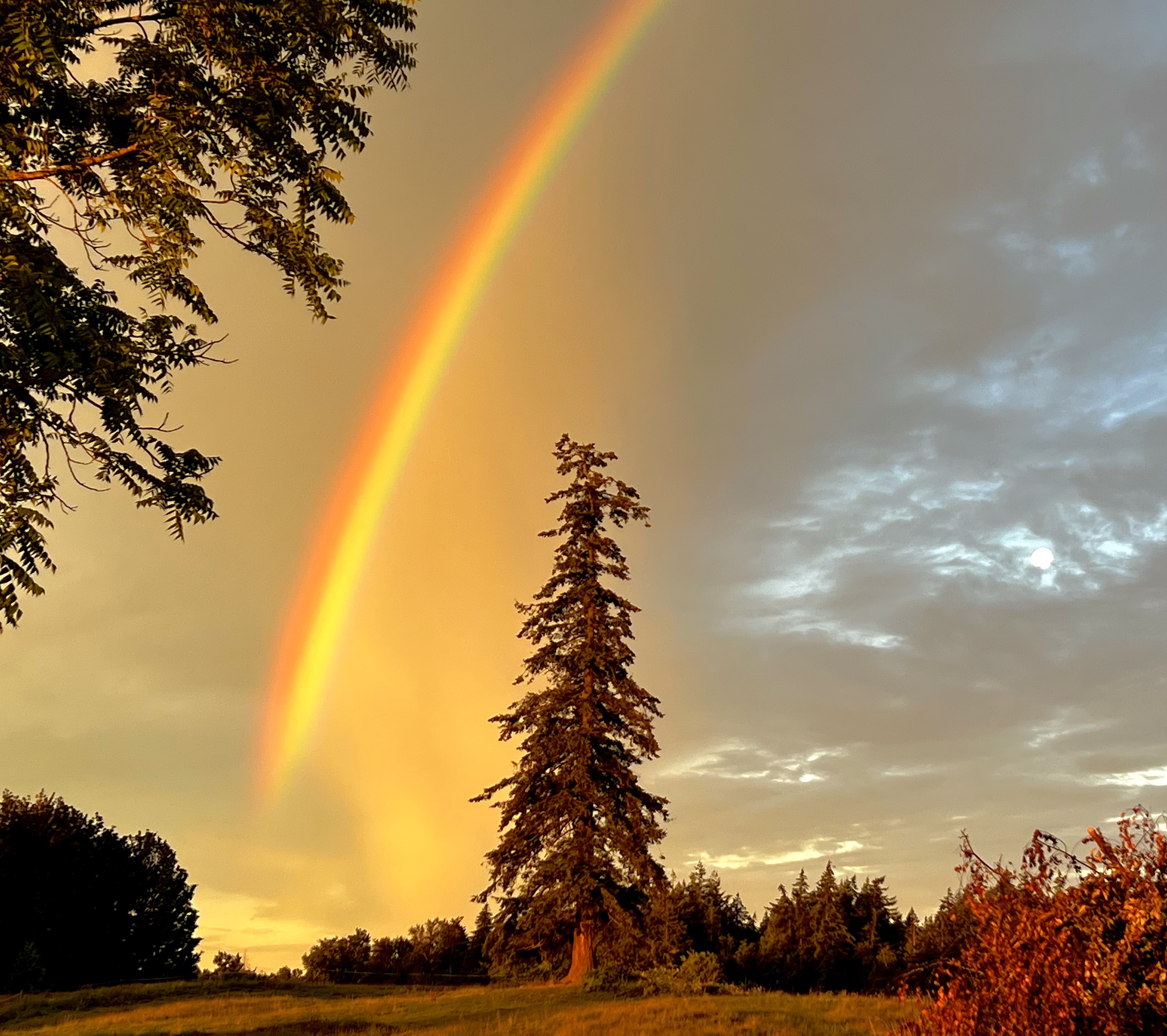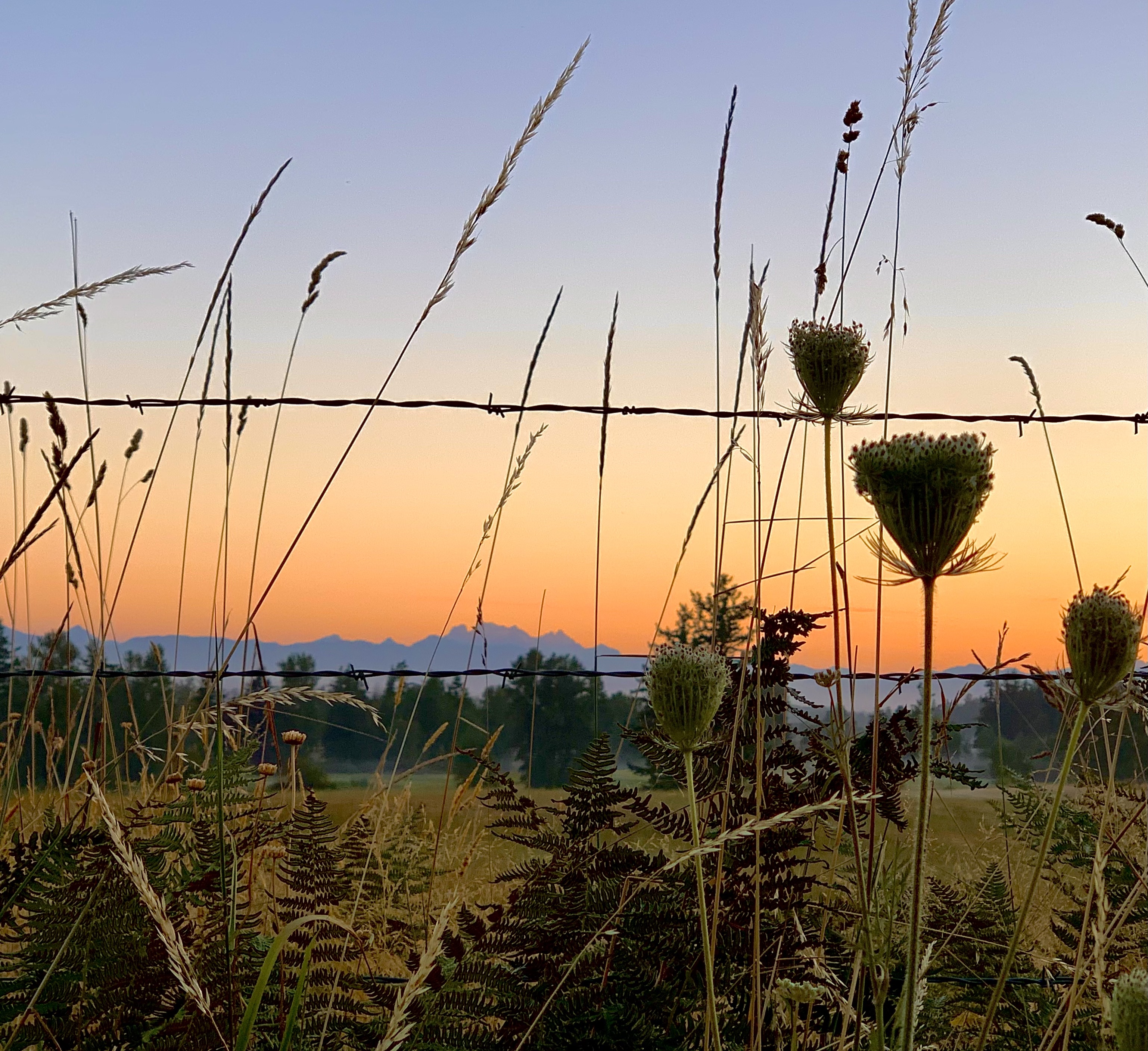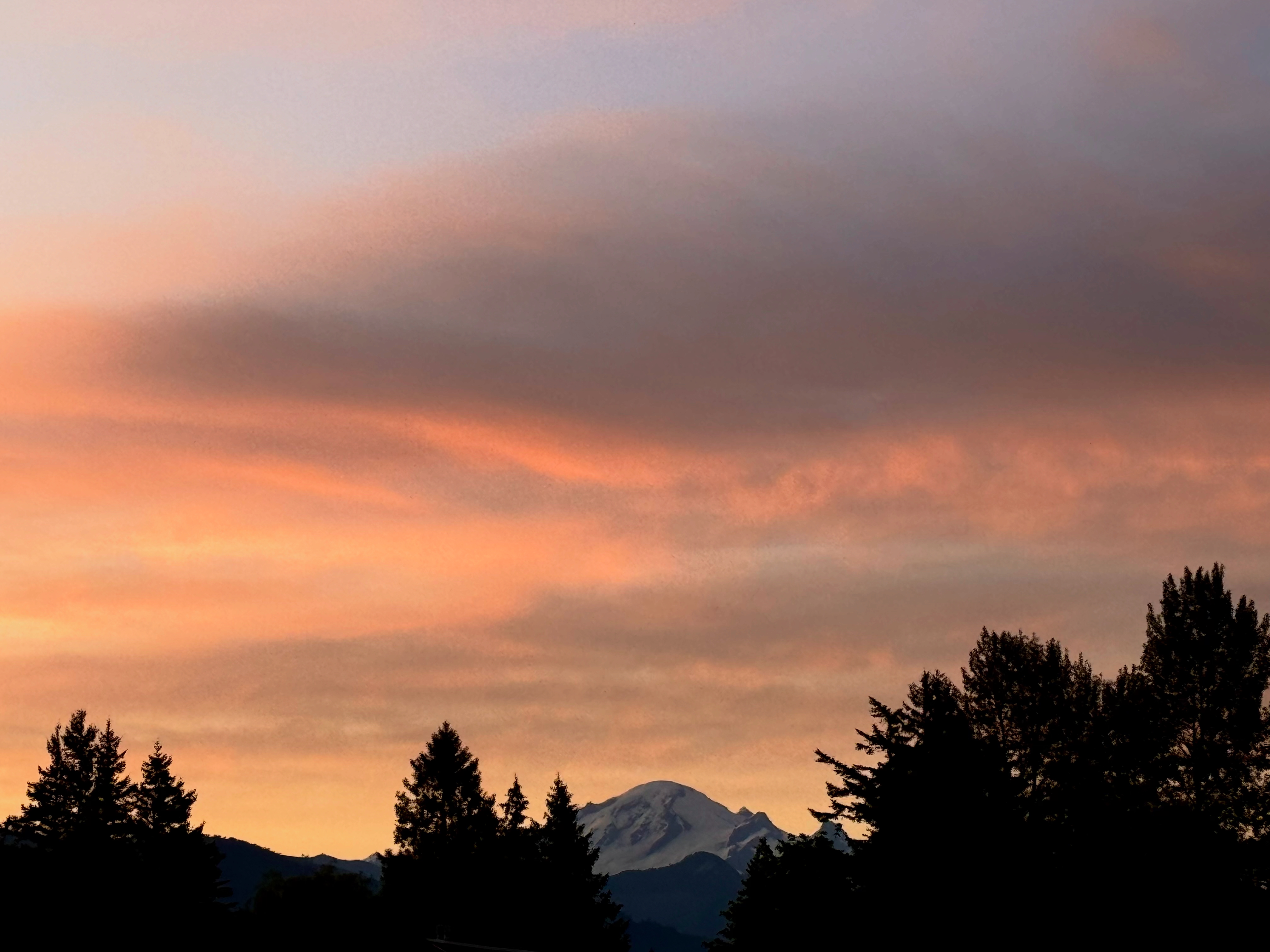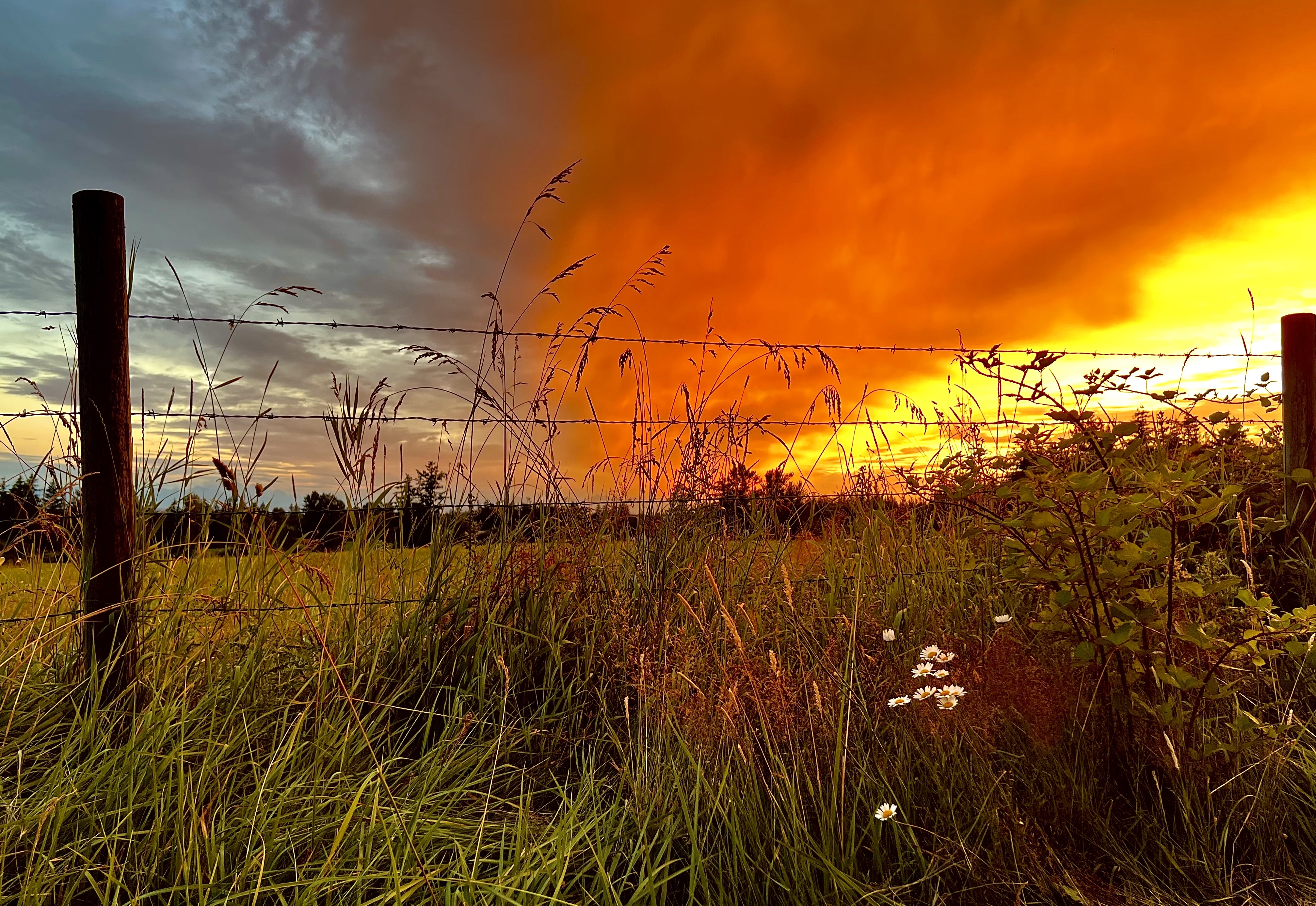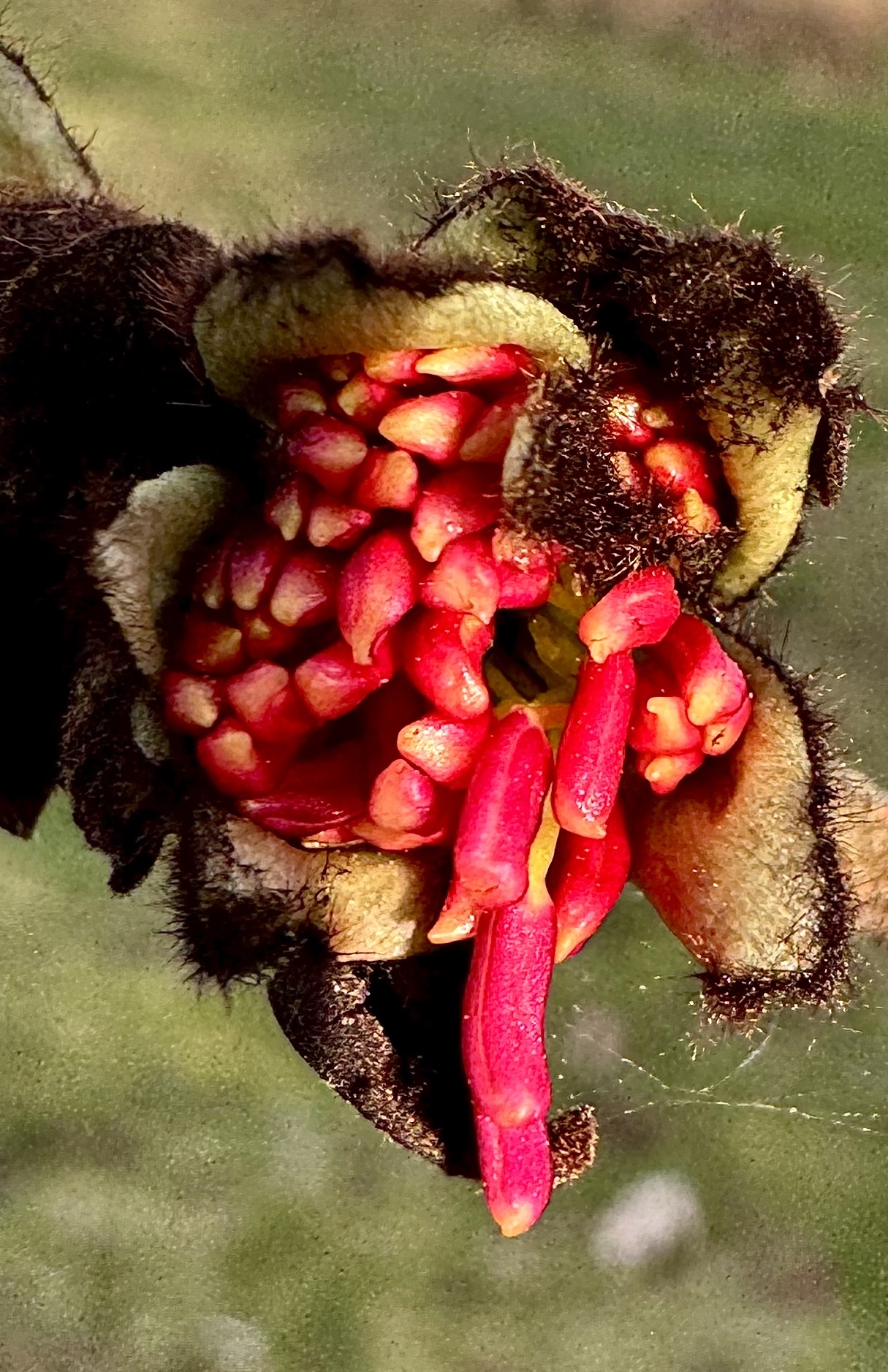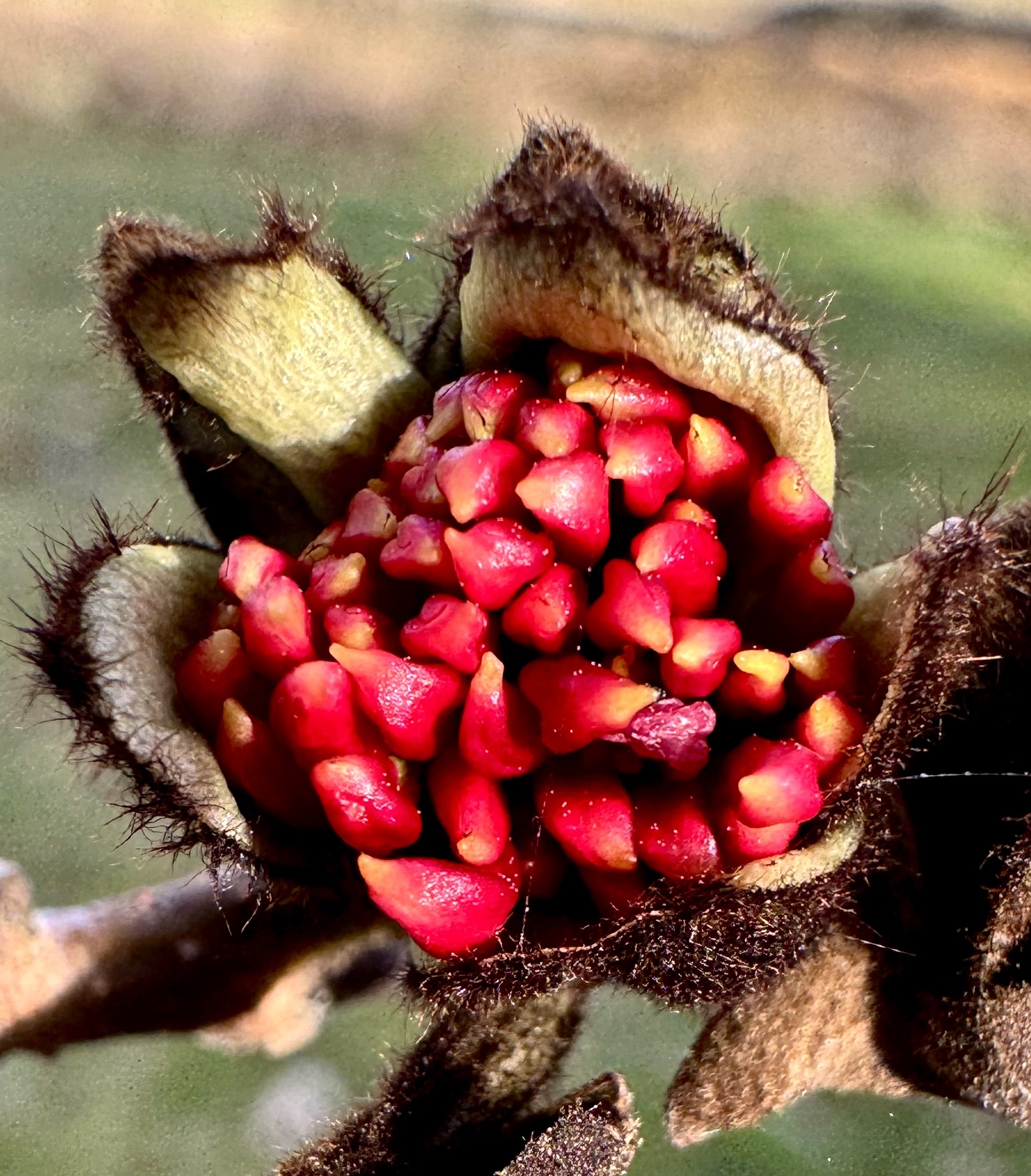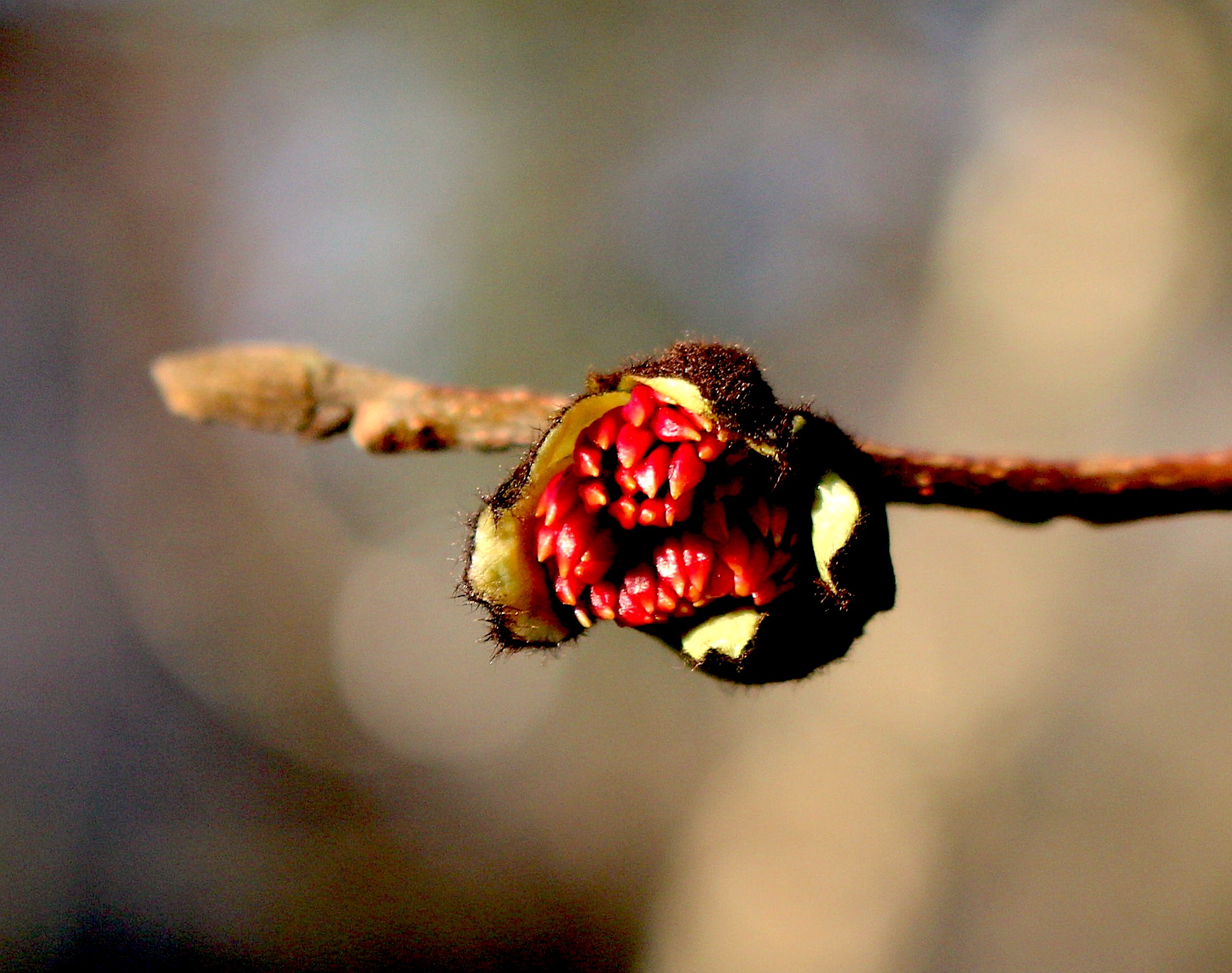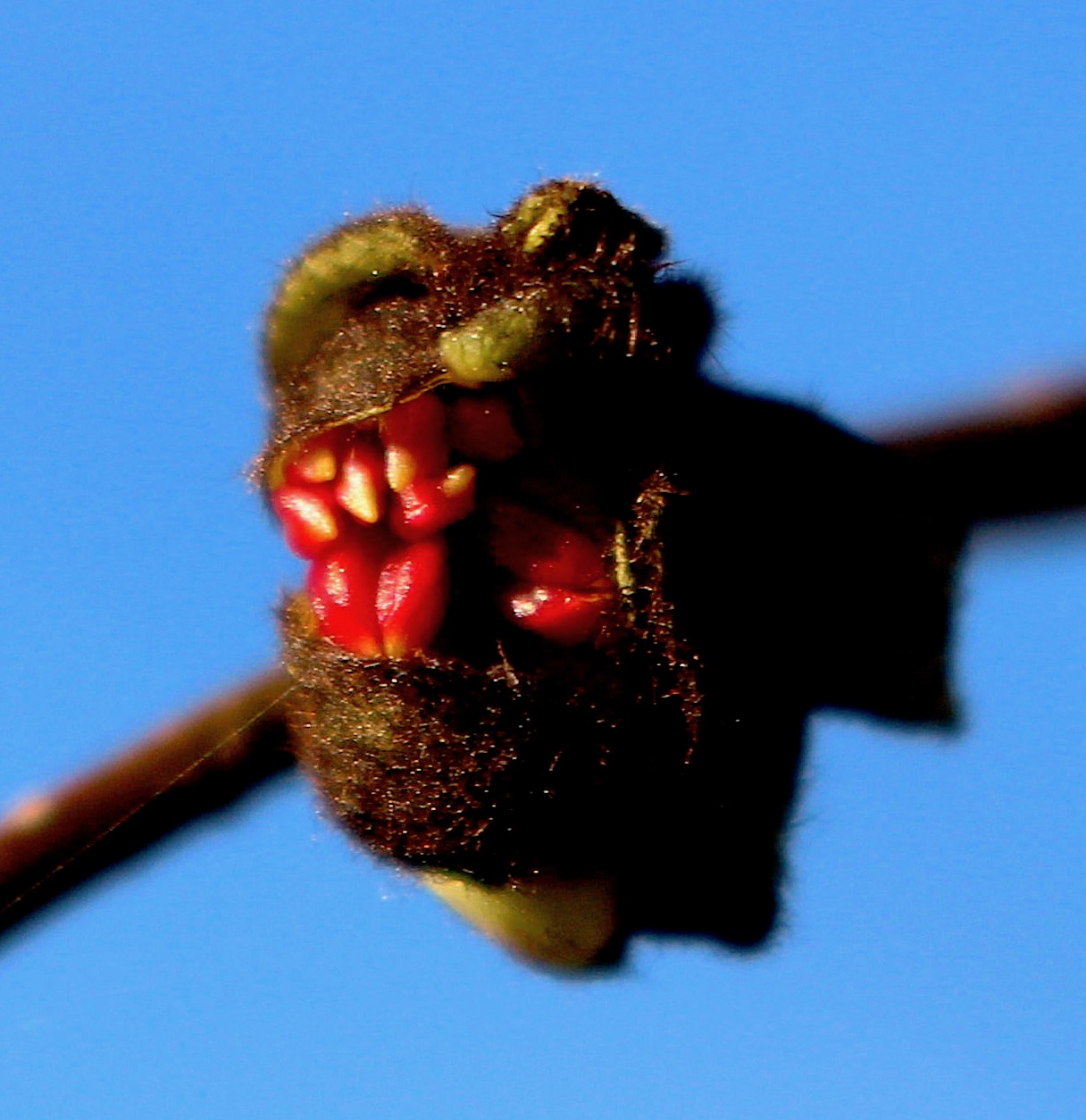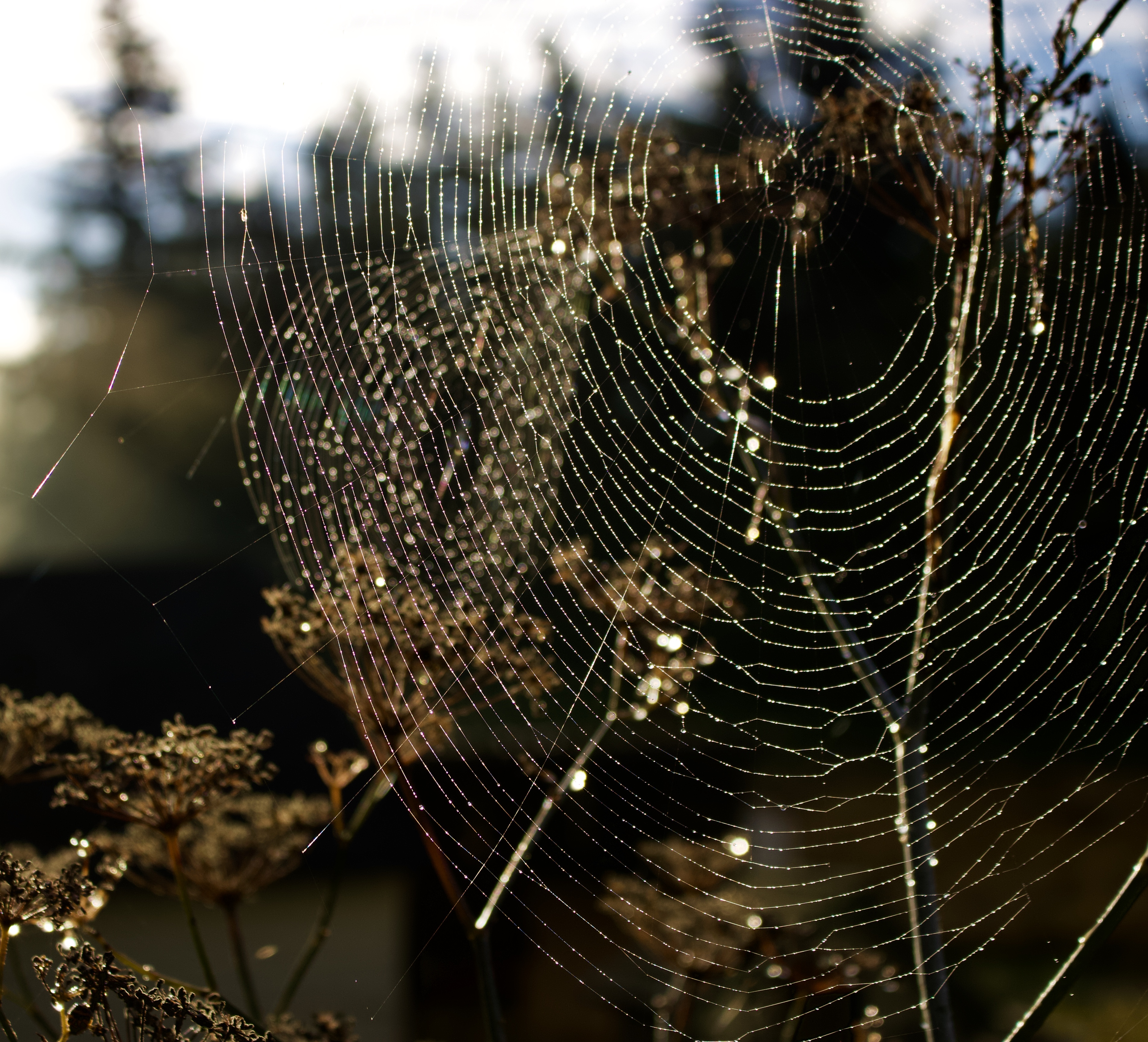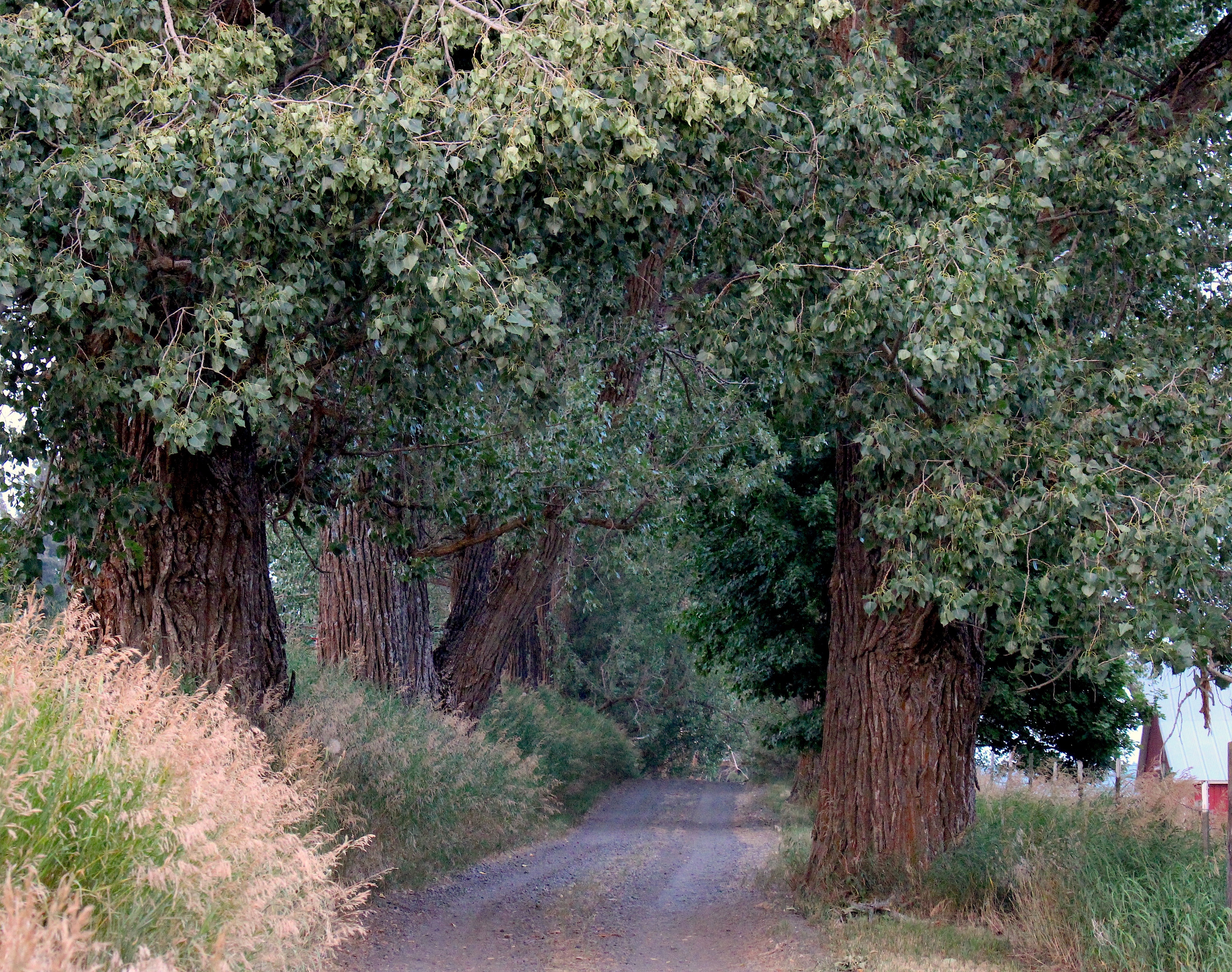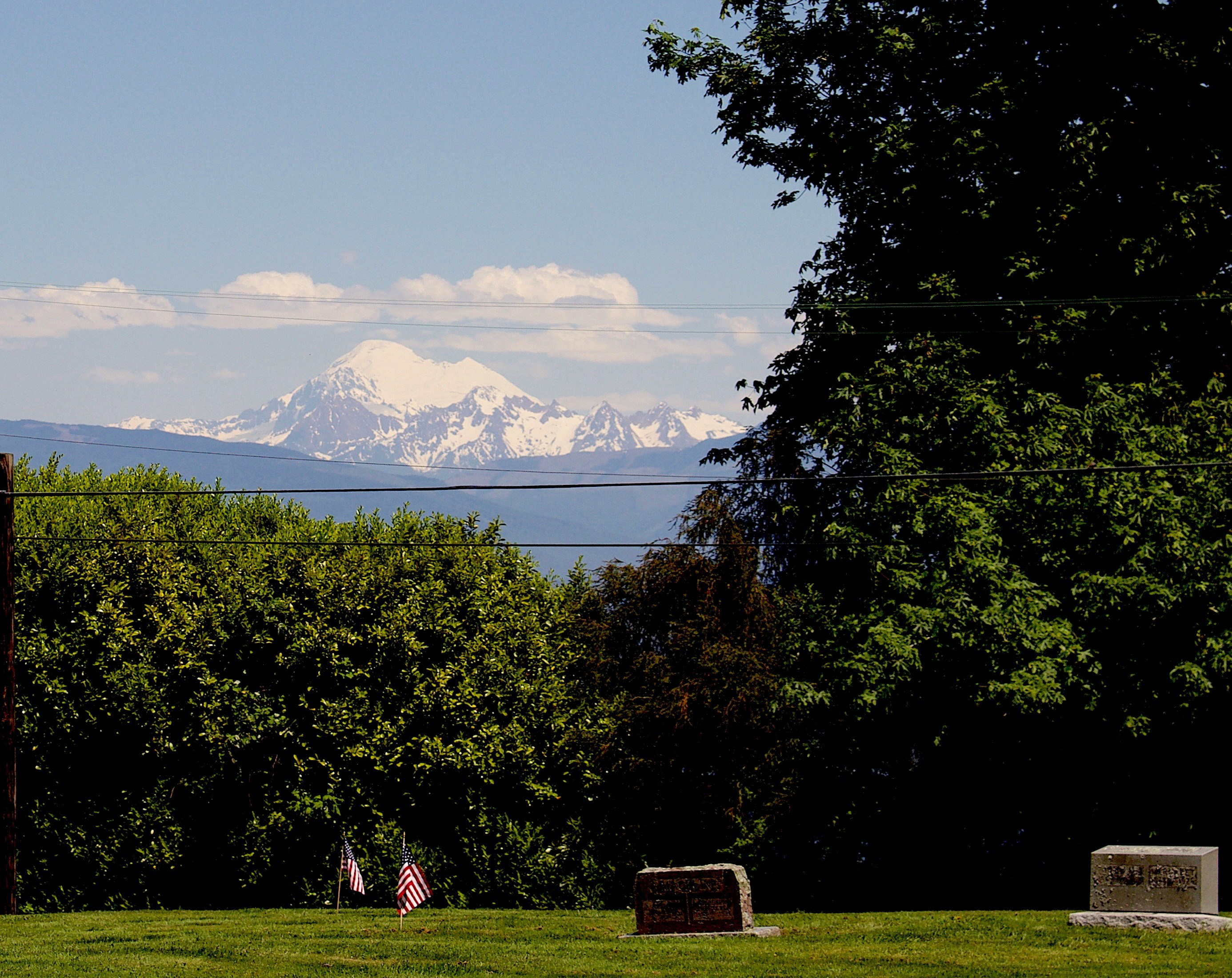
Taking Time to Stand and Stare

What is this life if, full of care,
We have no time to stand and stare.

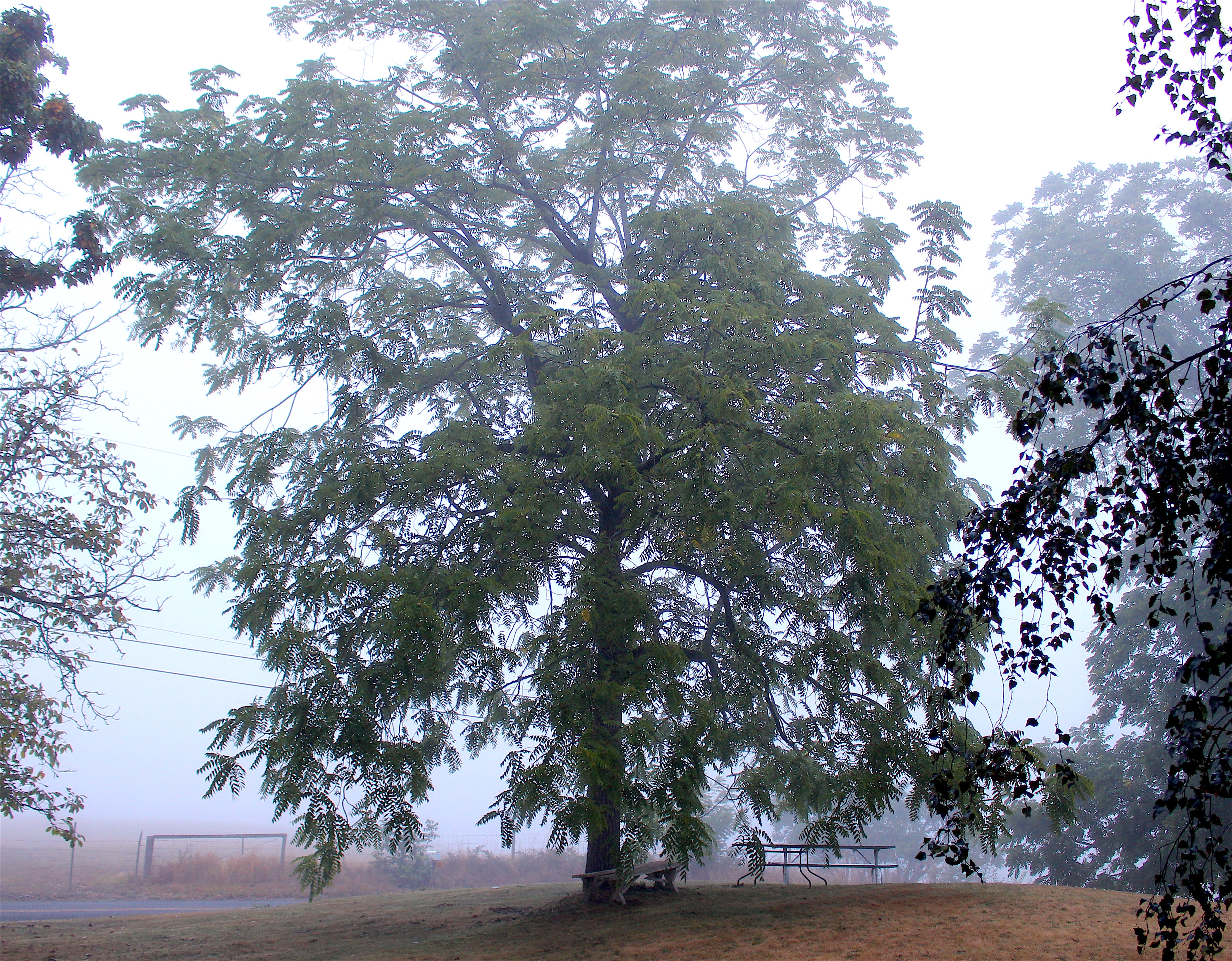
No time to stand beneath the boughs
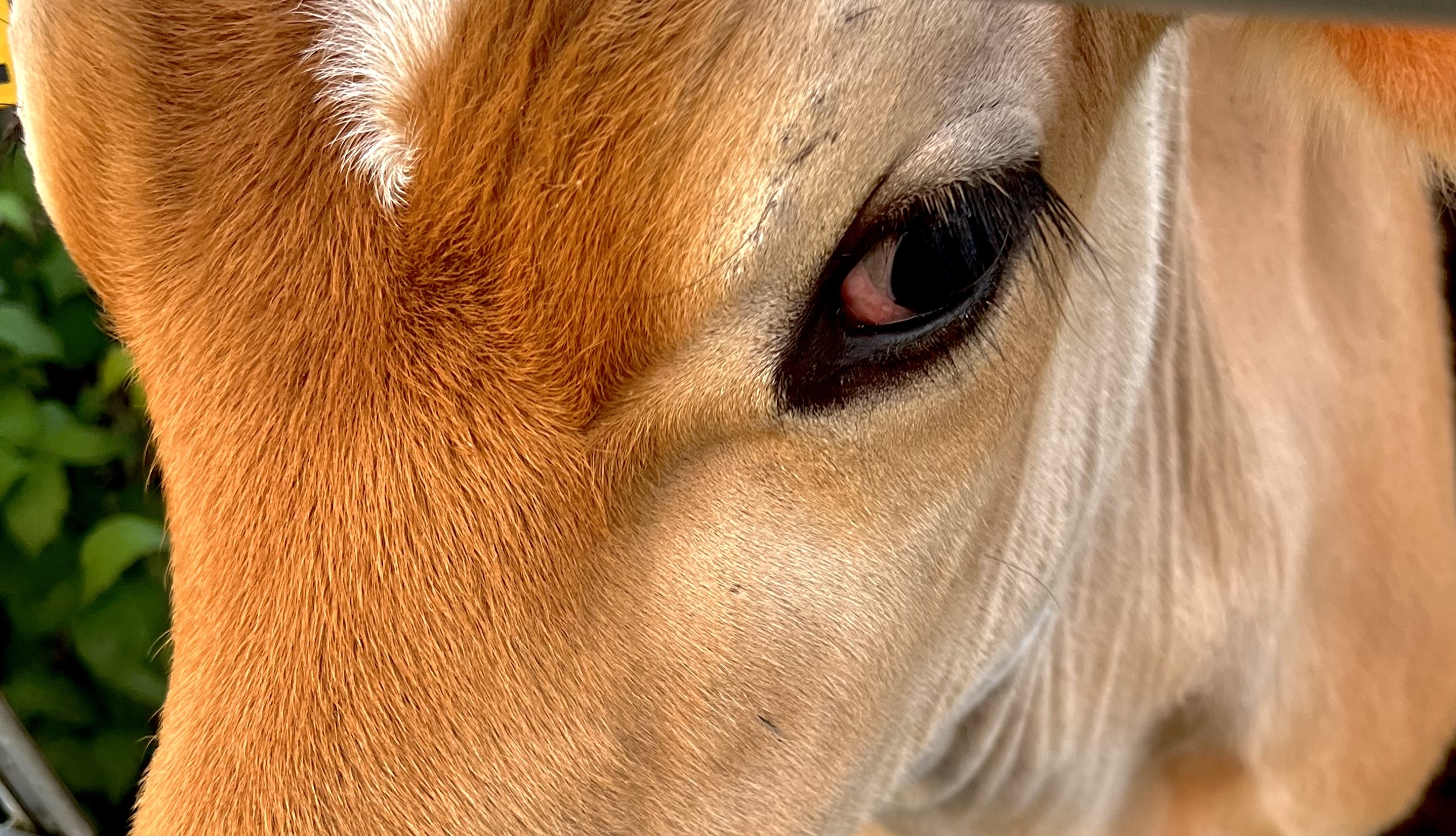
And stare as long as sheep or cows.

No time to see, when woods we pass,
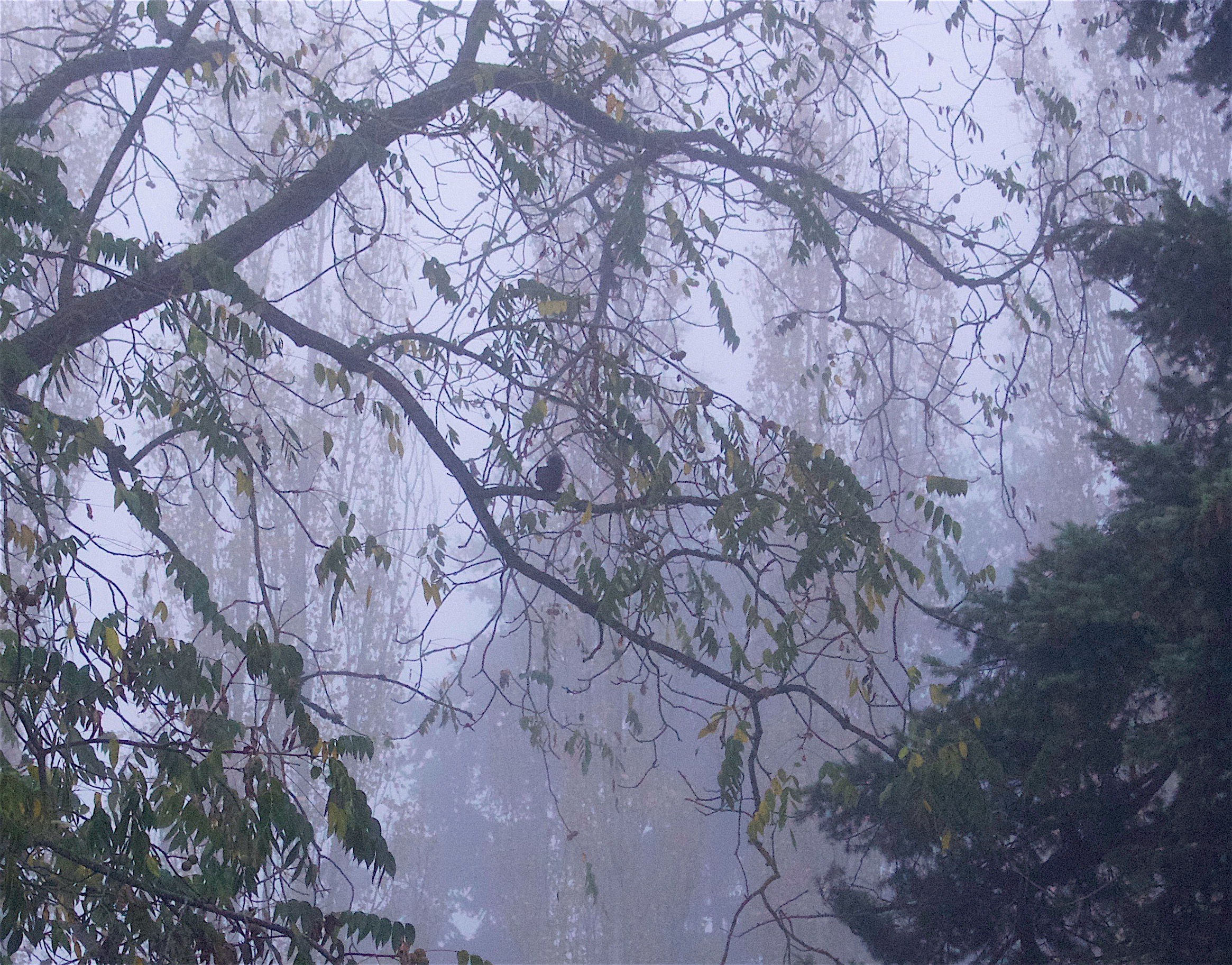
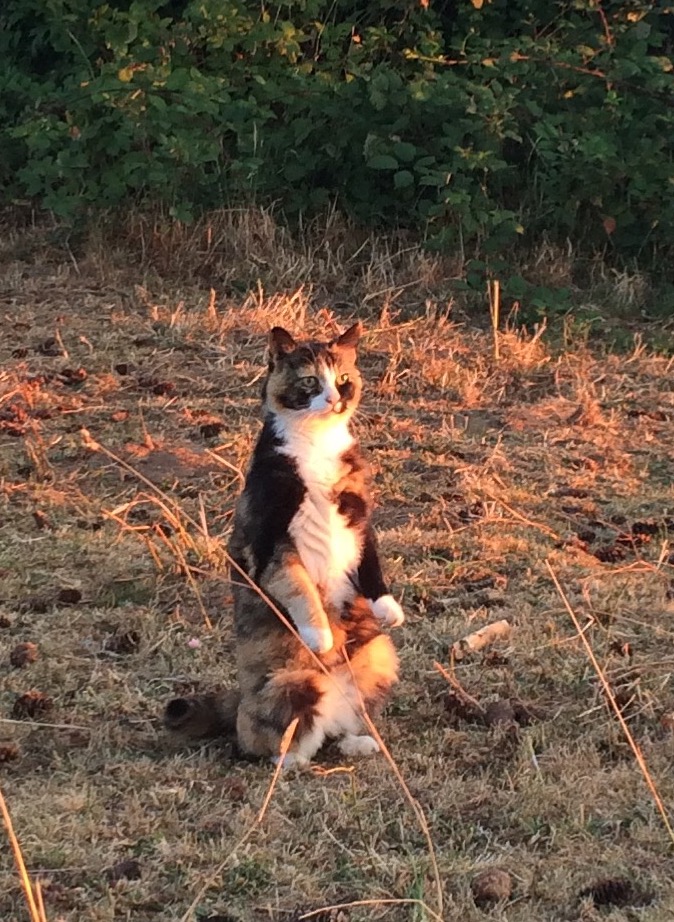
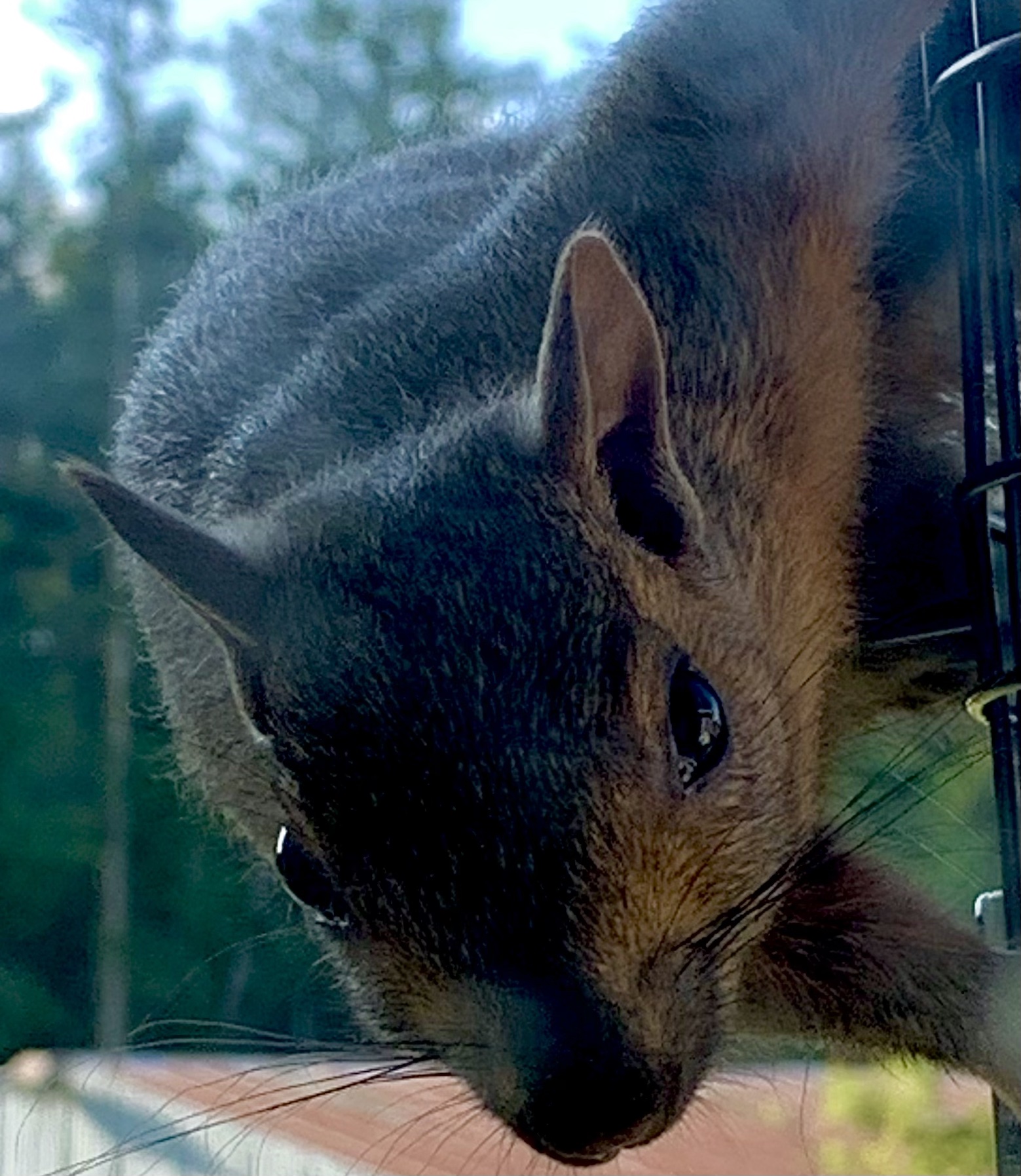
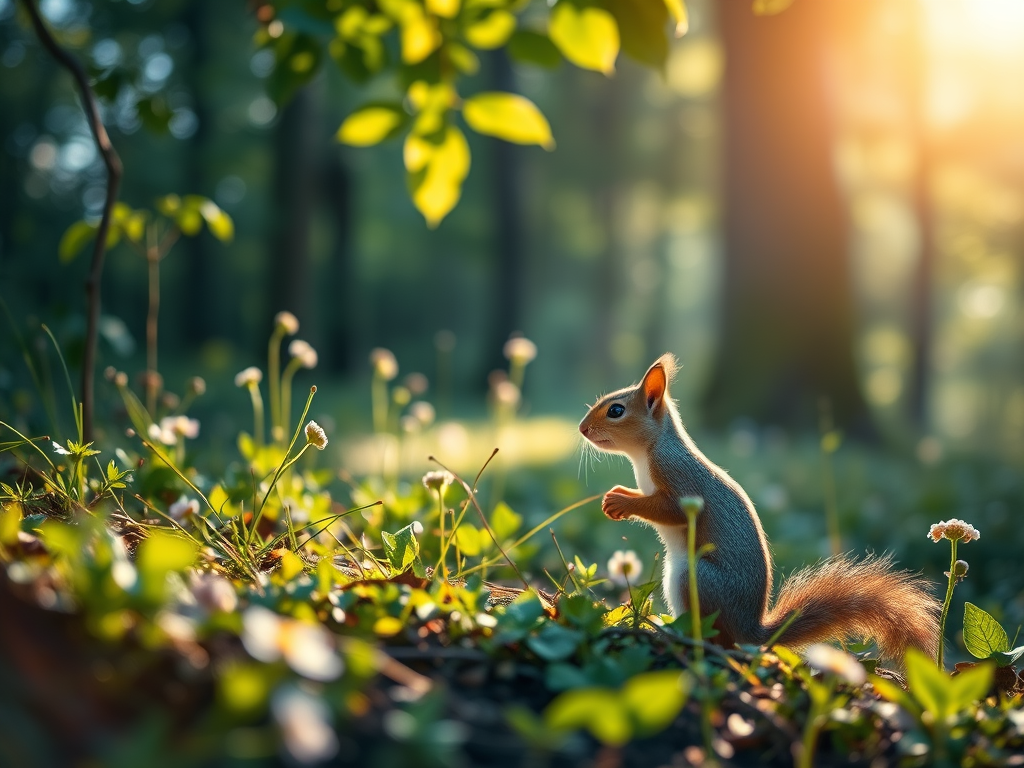
Where squirrels hide their nuts in grass.

No time to see, in broad daylight,
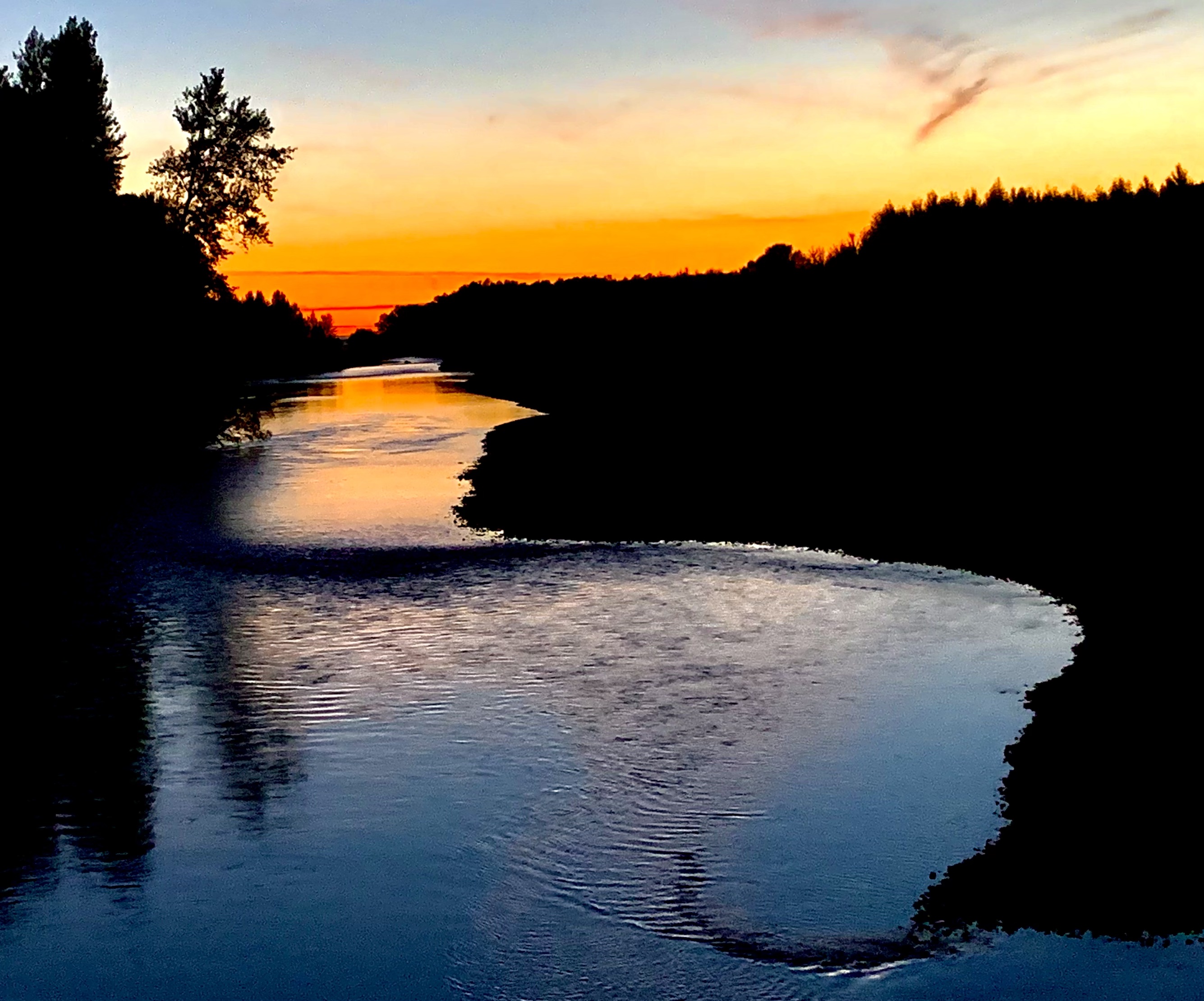
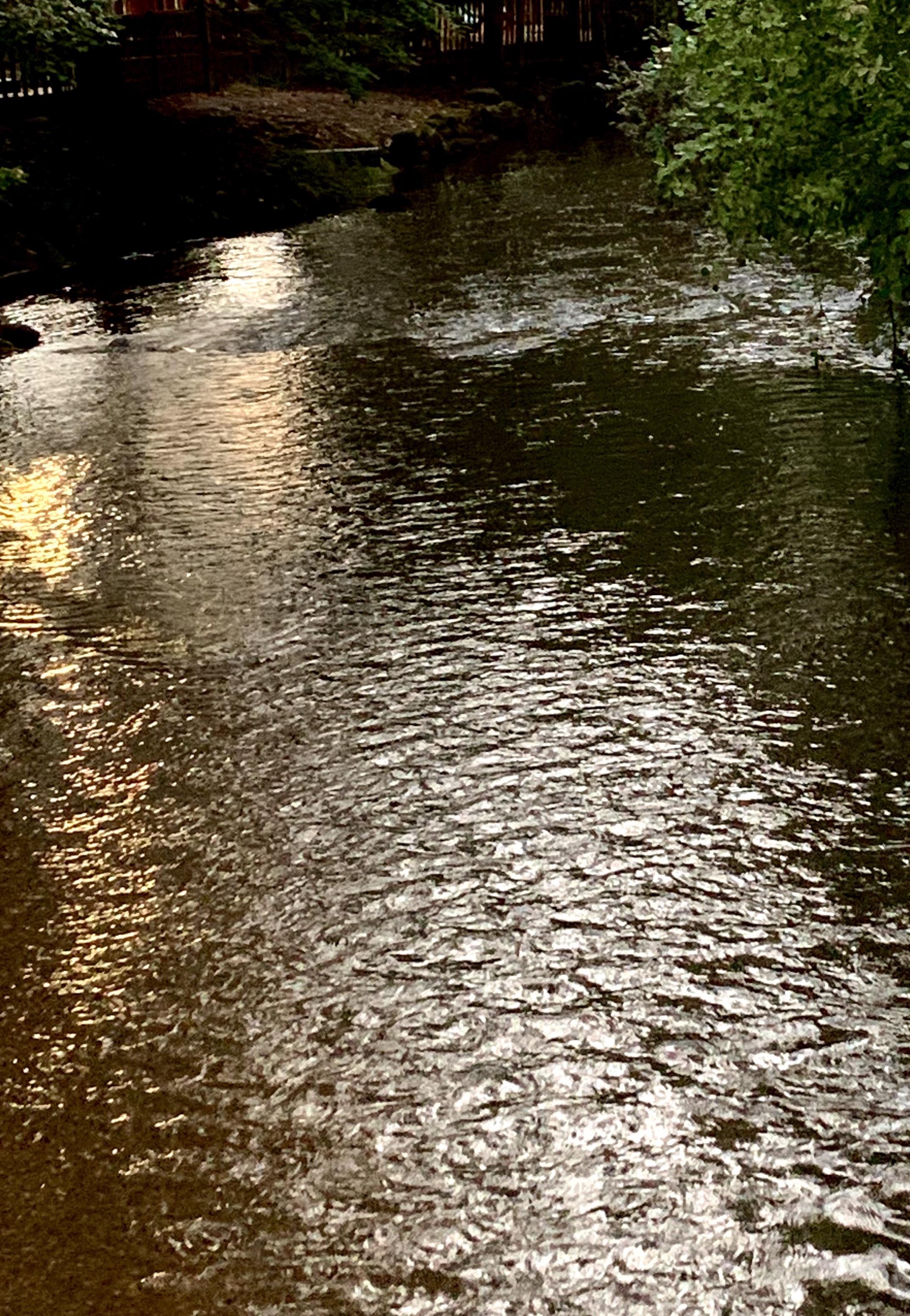
Streams full of stars, like skies at night.

No time to turn at Beauty’s glance,
And watch her feet, how they can dance.

No time to wait till her mouth can
Enrich that smile her eyes began.

A poor life this if, full of care,
We have no time to stand and stare.
~W.H.Davies “Leisure”

…I believe there are certain habits that, if practiced, will stimulate the growth of humble roots in our lives. One of those is a habit of awe and wonder.

By awe and wonder, I mean the regular practice of paying careful attention to the world around us. Not merely seeing but observing. Perceiving. Considering. Asking thoughtful questions about what we see, smell, hear, touch, taste. In other words, attending with love and curiosity to what our senses sense. (How often do we eat without tasting? How often do we look without seeing? Hear without listening?) Admiring, imagining, receiving the beauty of the world around us in a regular, intentional way: this is the habit of a wonder-filled person. And it leads to humility.

A regular habit of awe and wonder de-centers us. It opens a window in our imaginations, beckoning us to climb out of our own opinions and experiences and to consider things greater and beyond our own lives. It strengthens our curiosity, which in turn lowers the volume on our anxieties and grows our ability to empathize. Over time, we become less self-focused and can admit without embarrassment what we don’t know. In short, we grow more humble.
~Kelly Givens from “Teaching Children to See” from Mere Orthodoxy

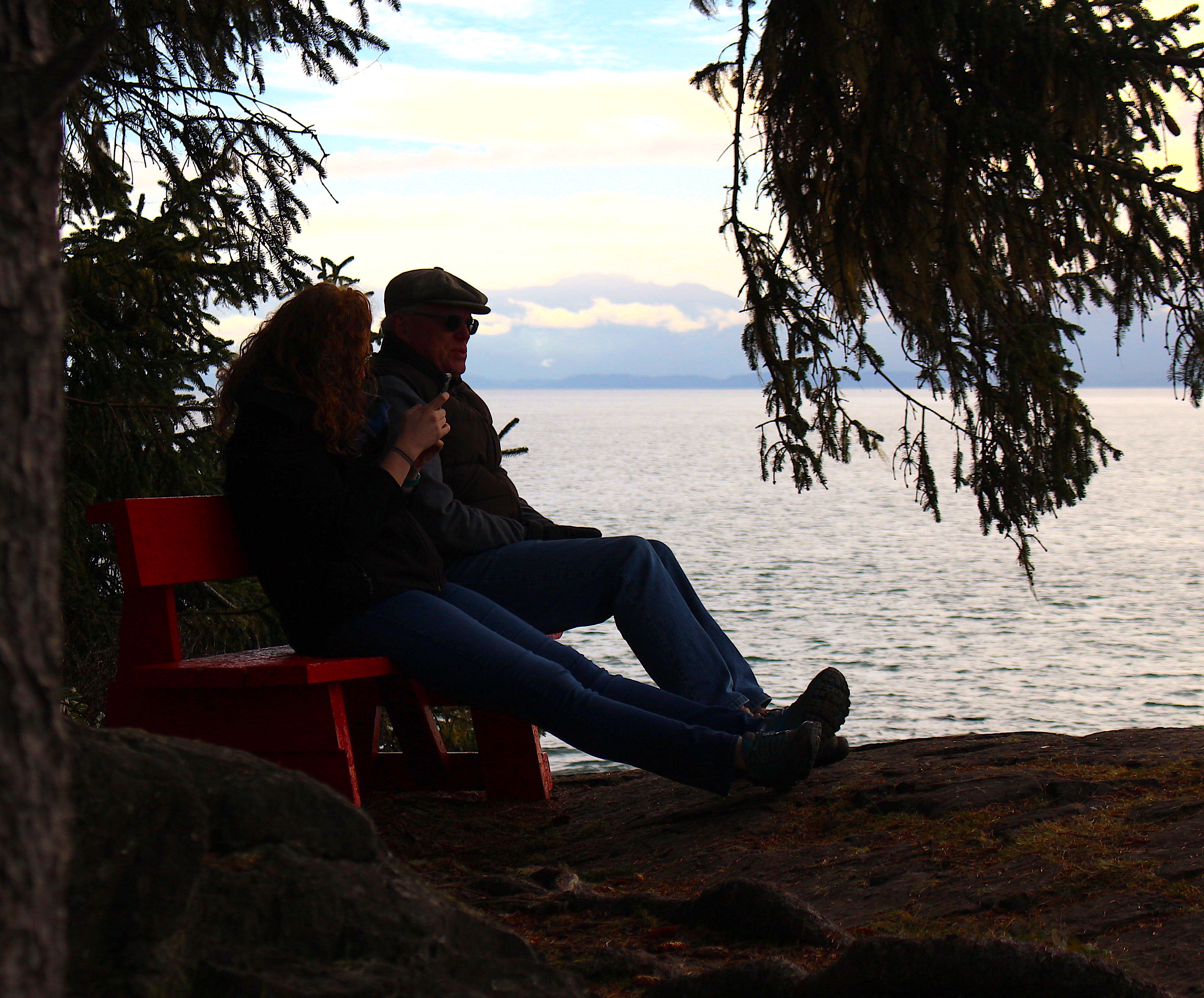
This would be a poor life indeed
if I didn’t take time
to stand and stare
at all that is displayed before me.

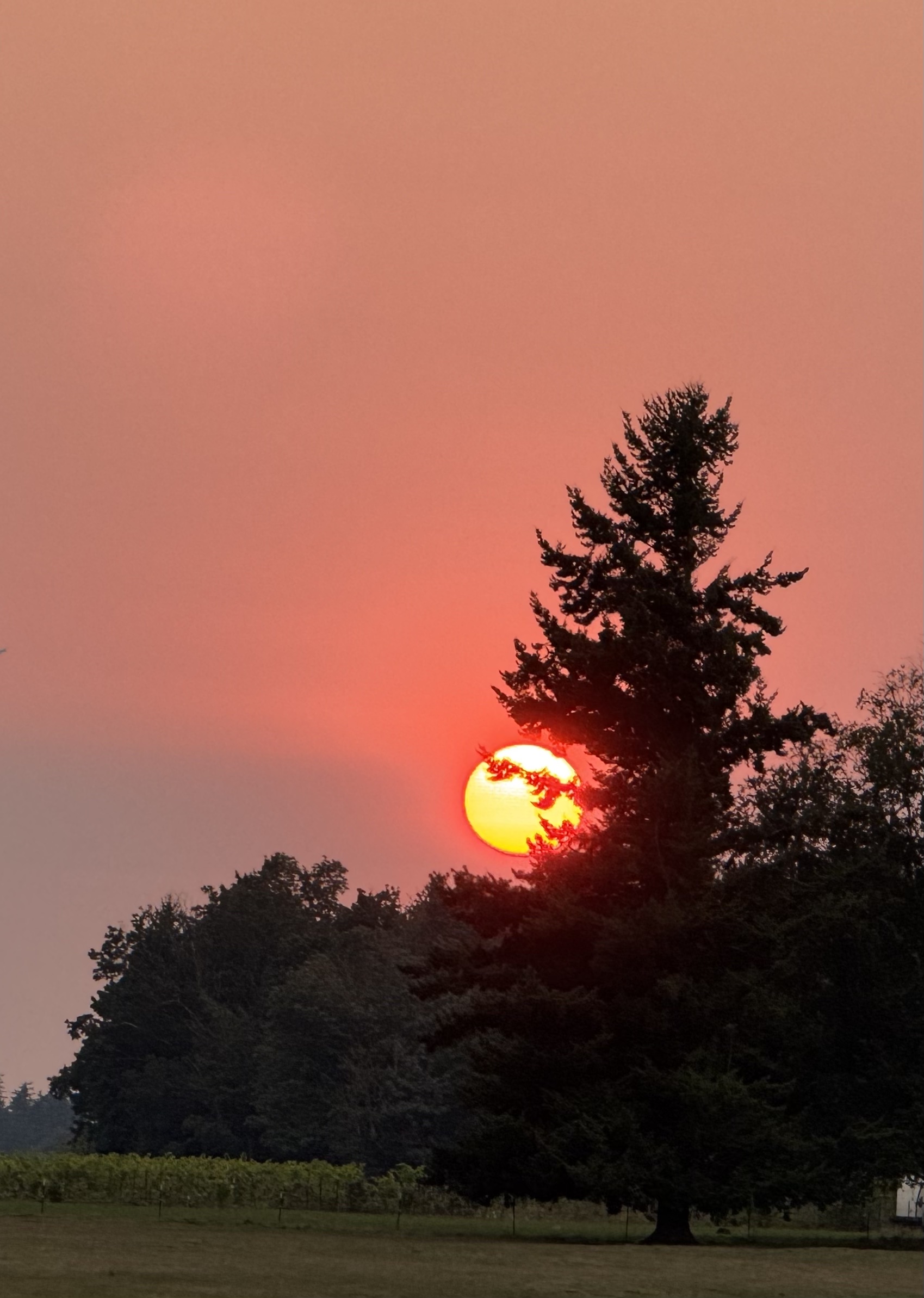
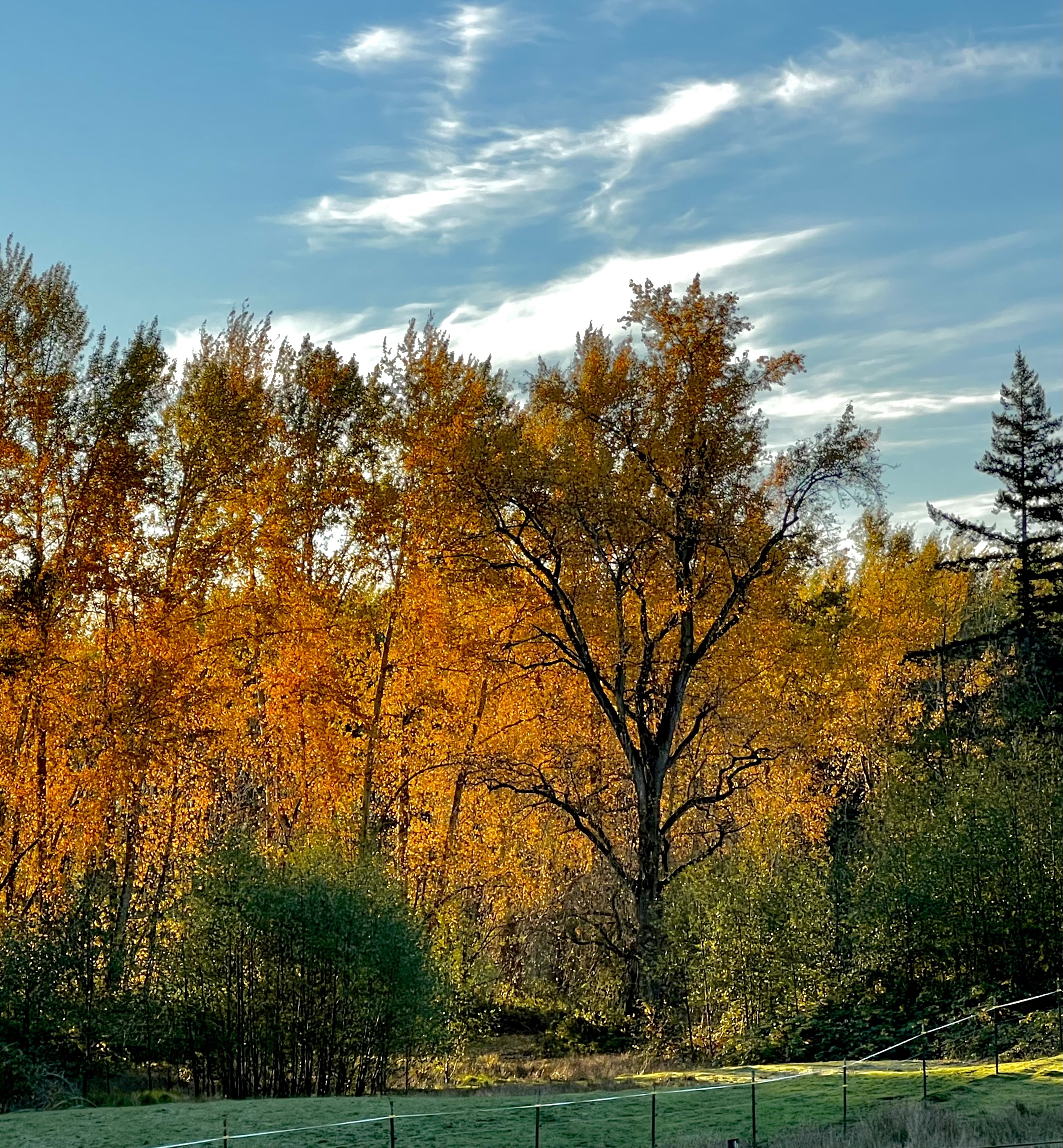
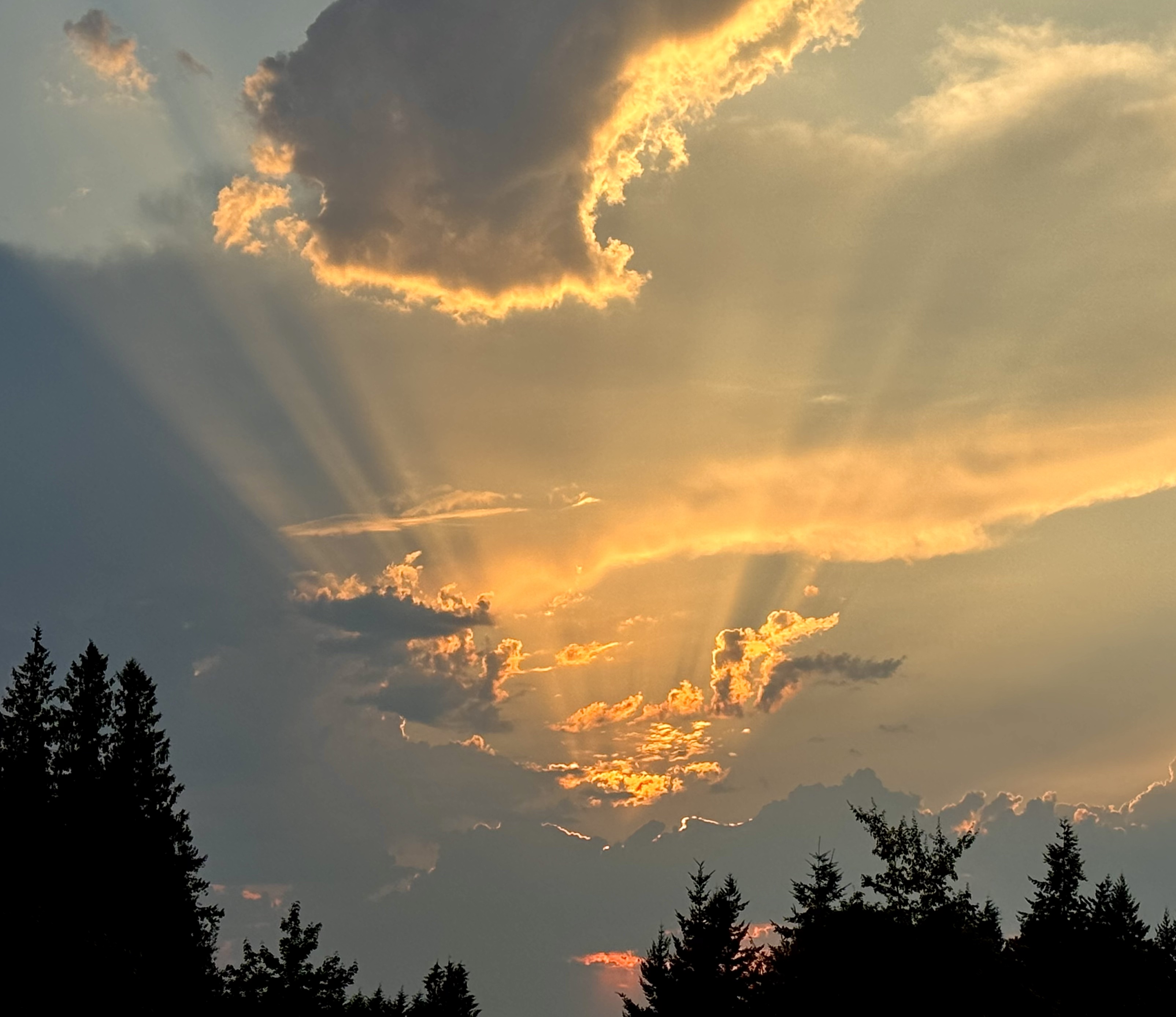
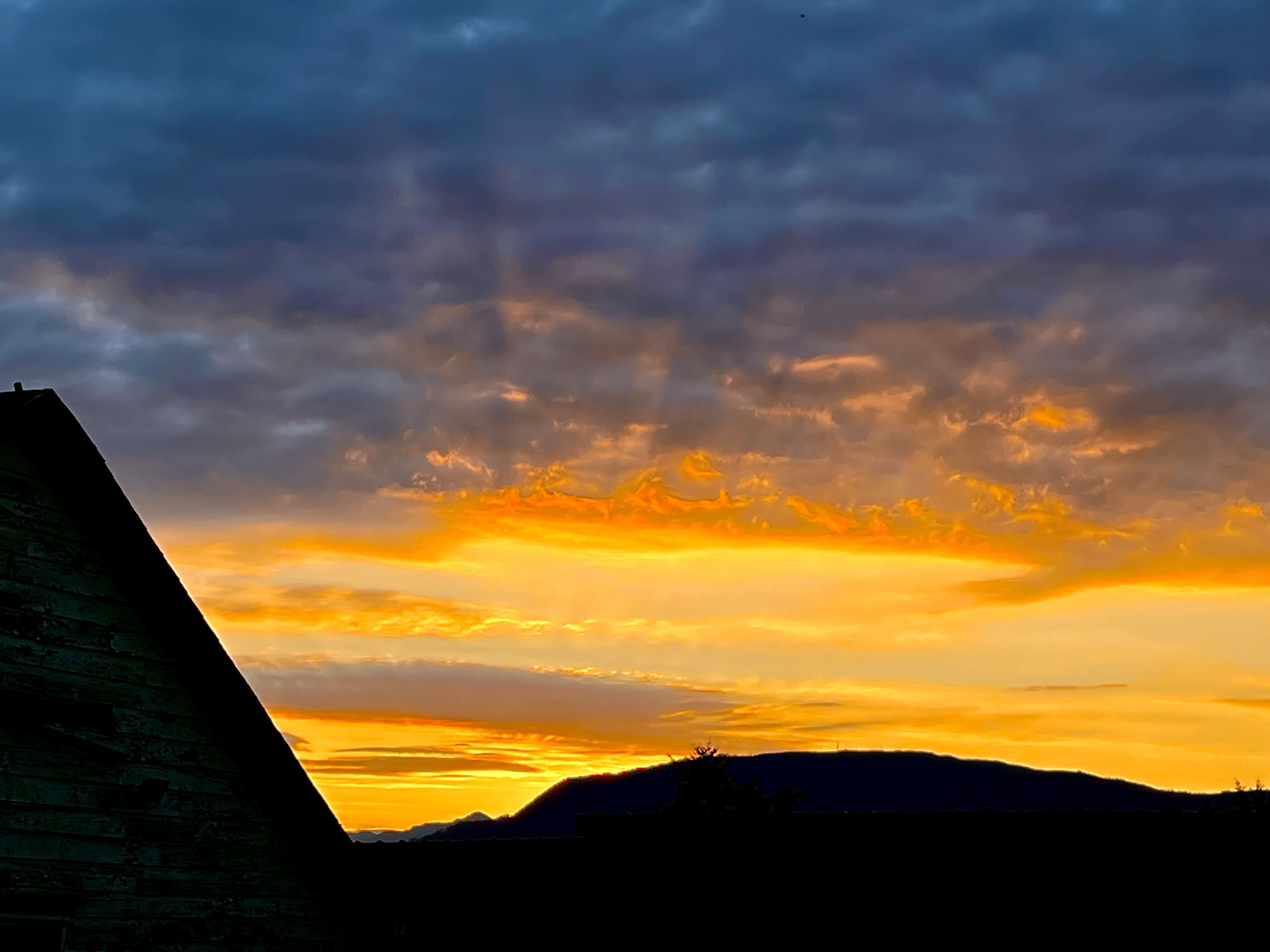
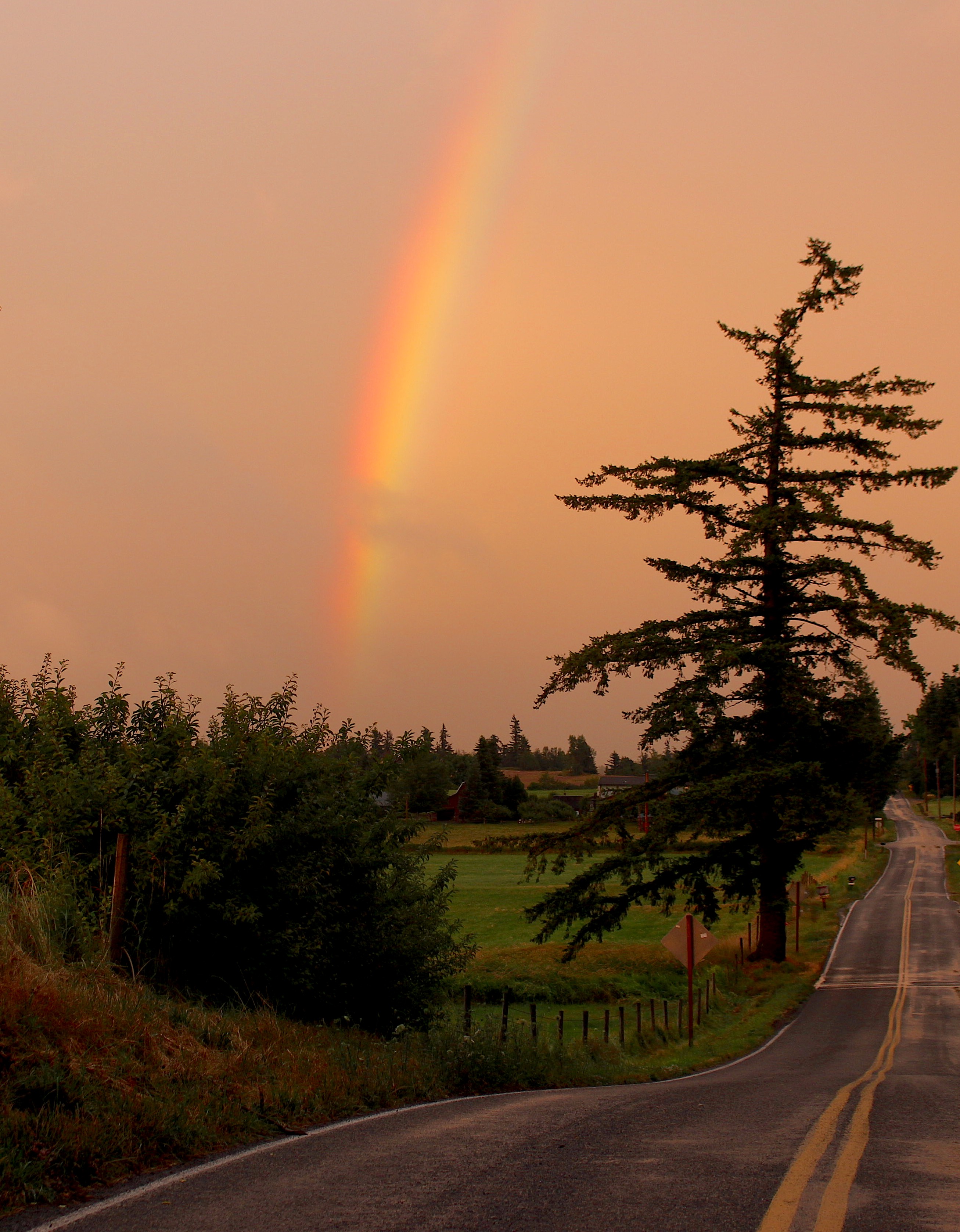
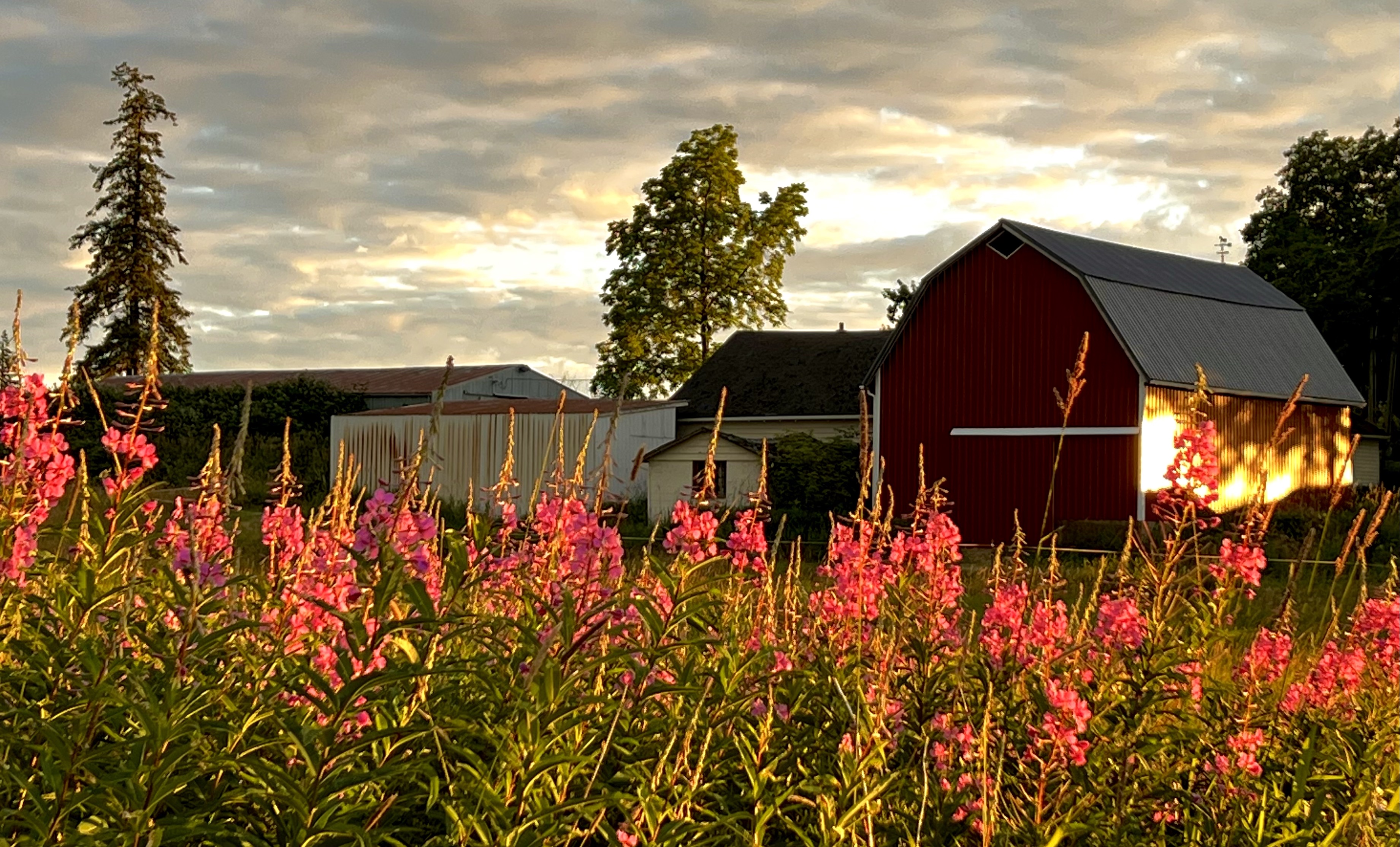
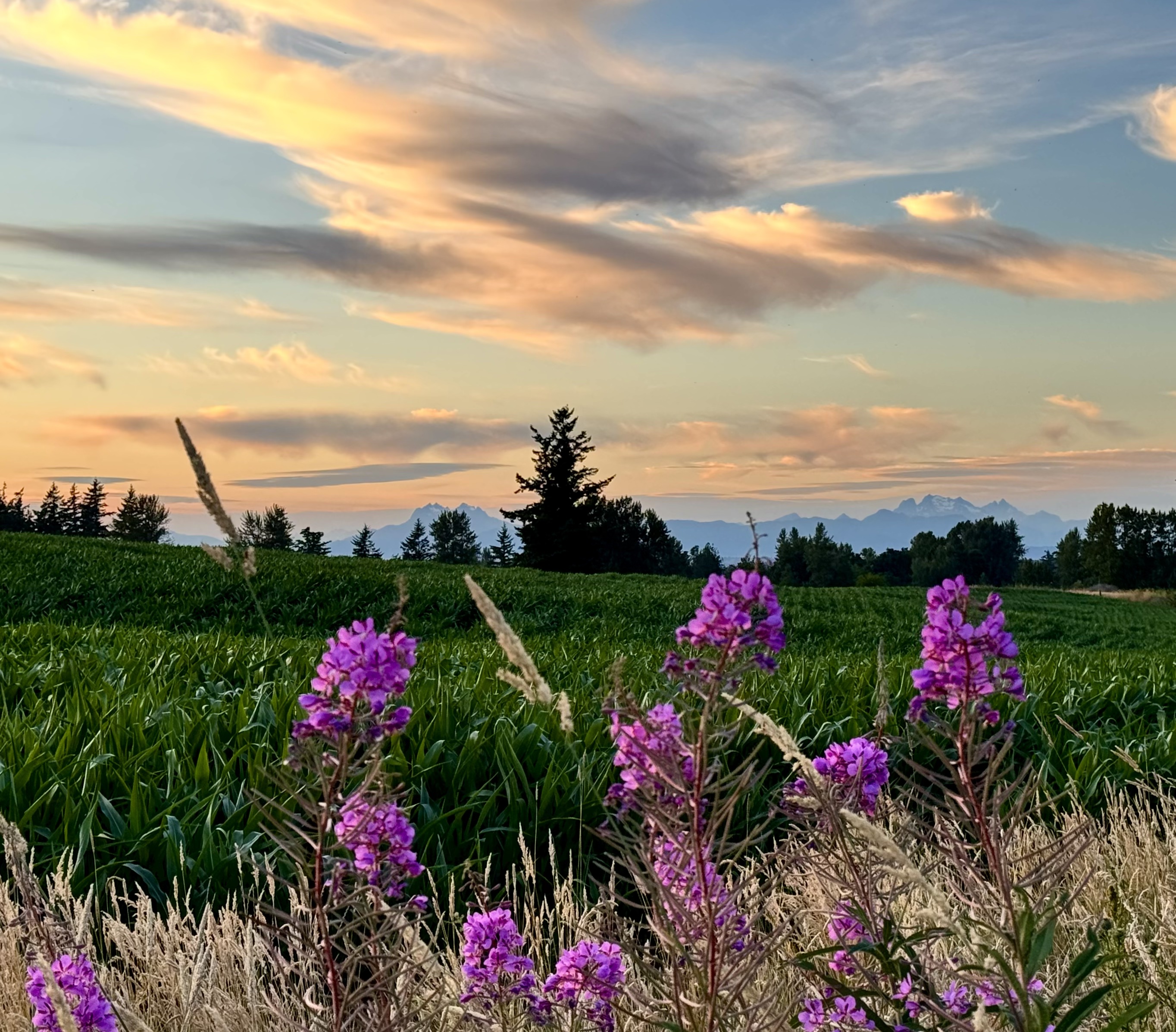
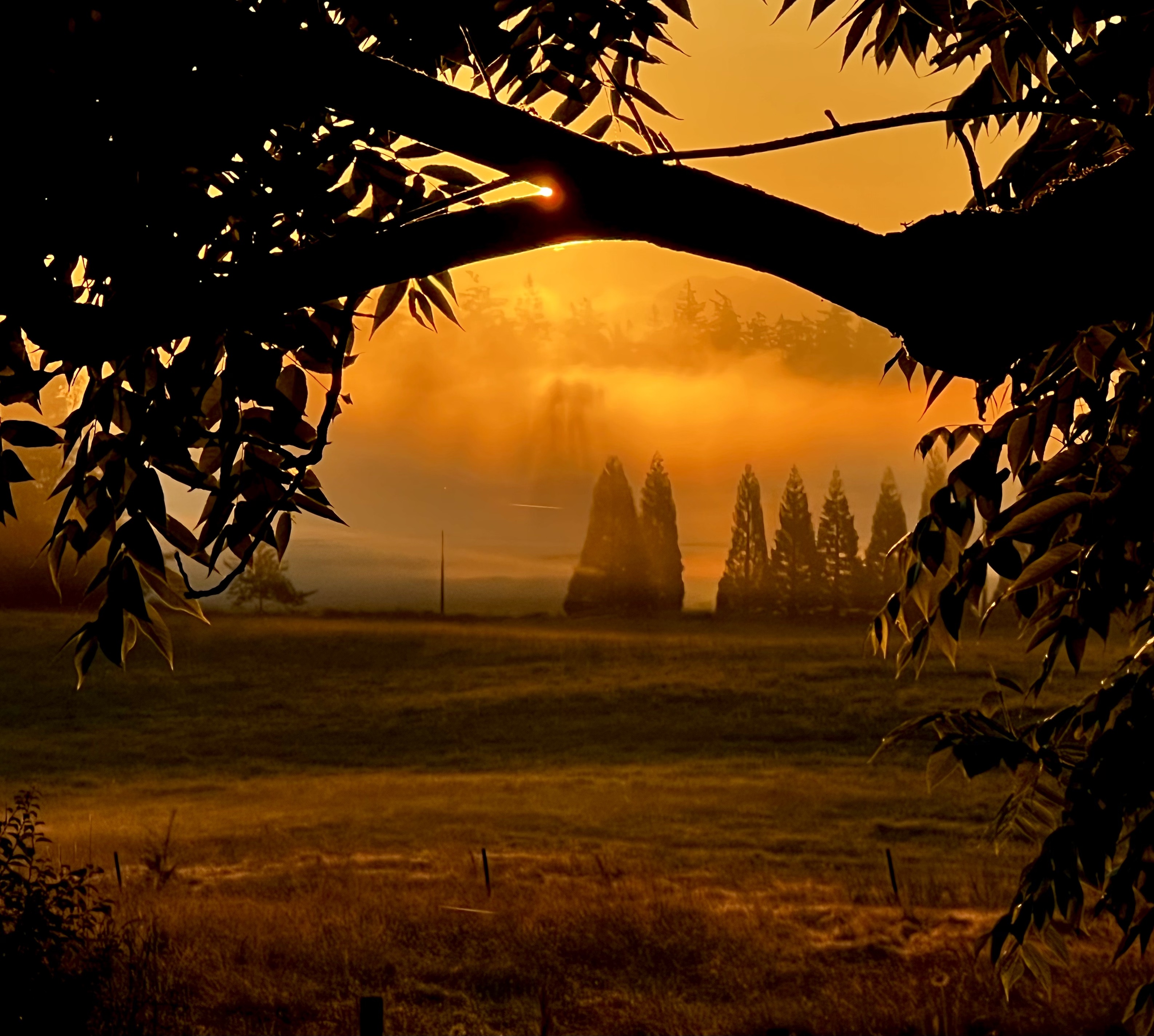
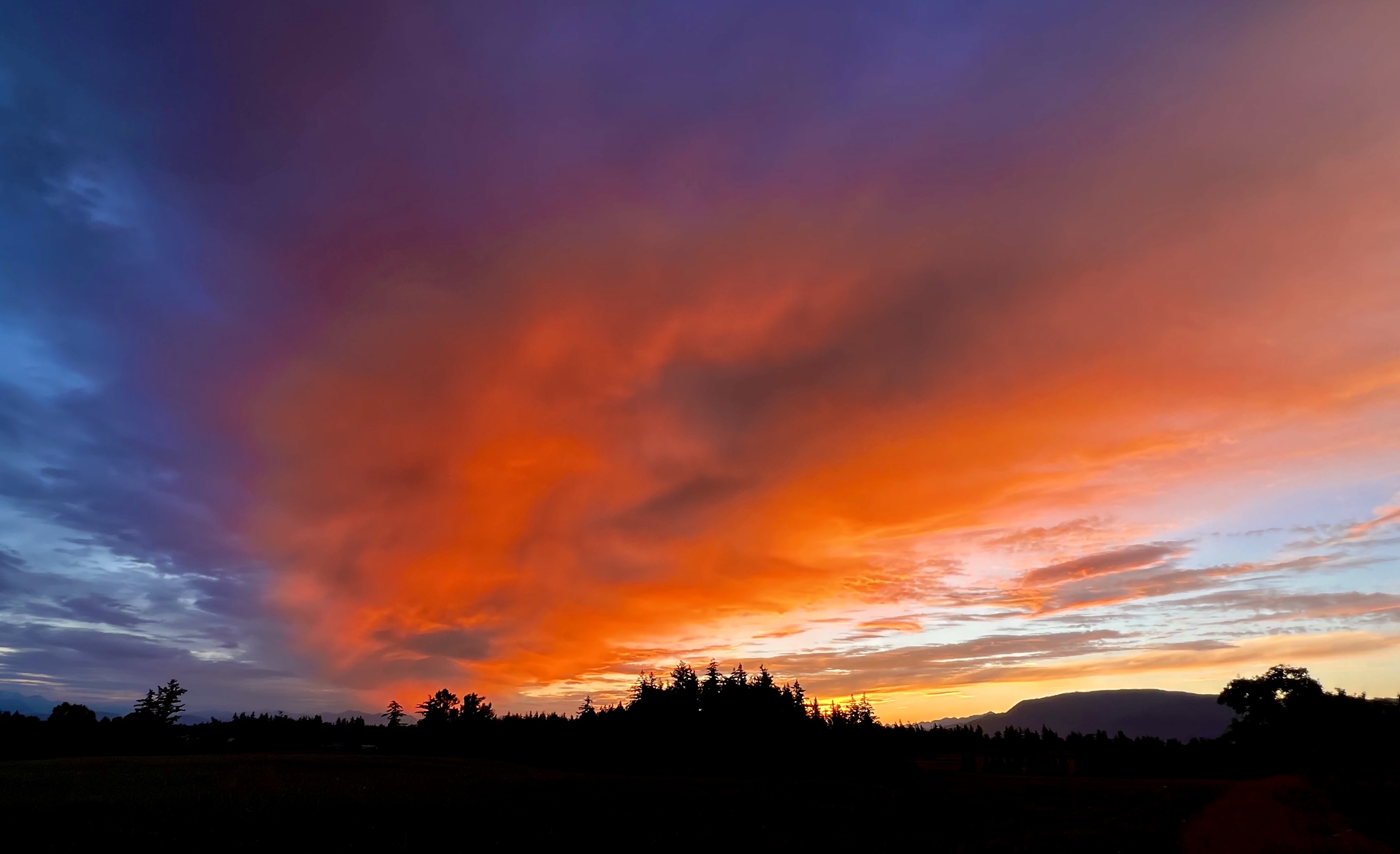
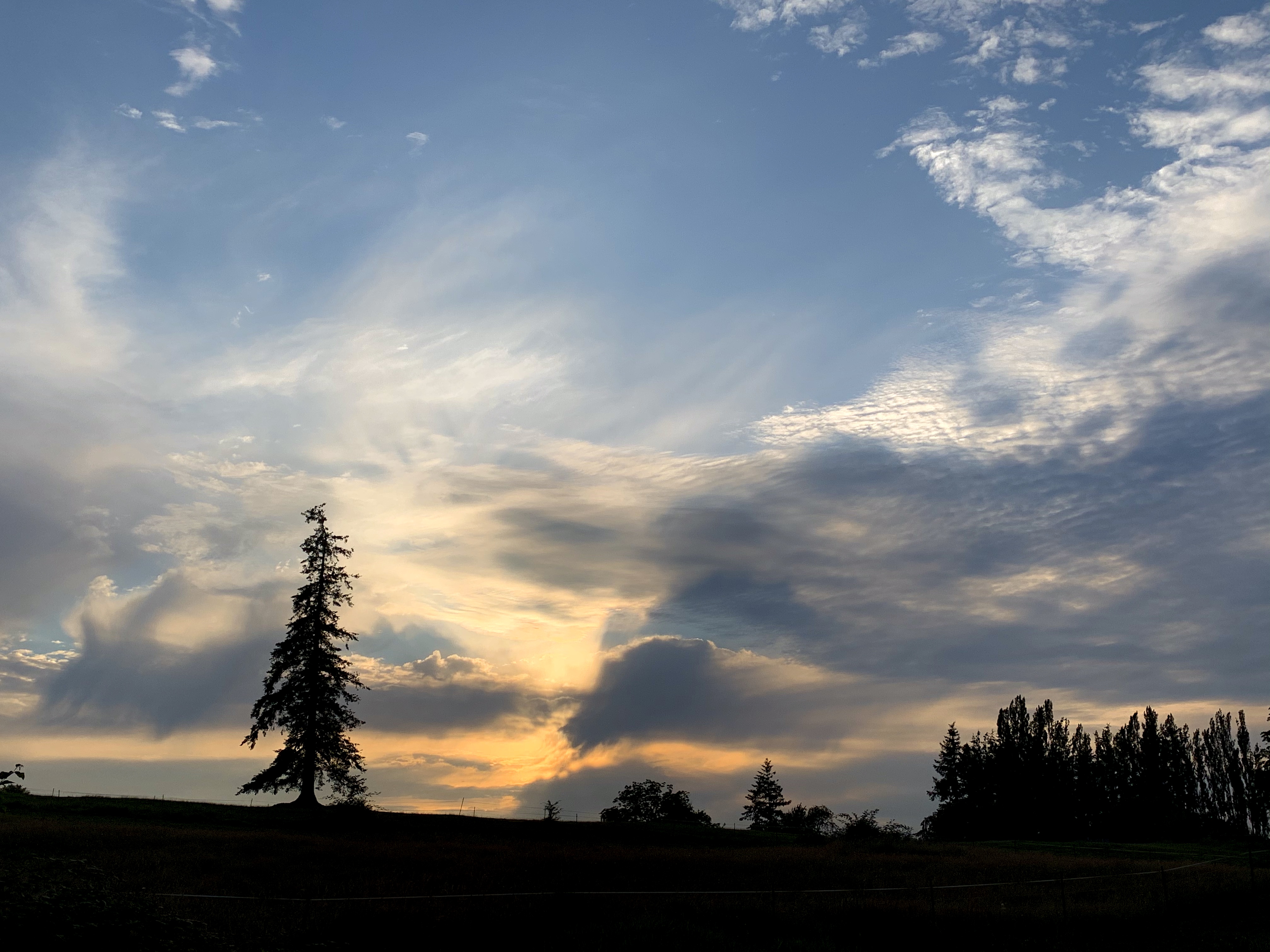
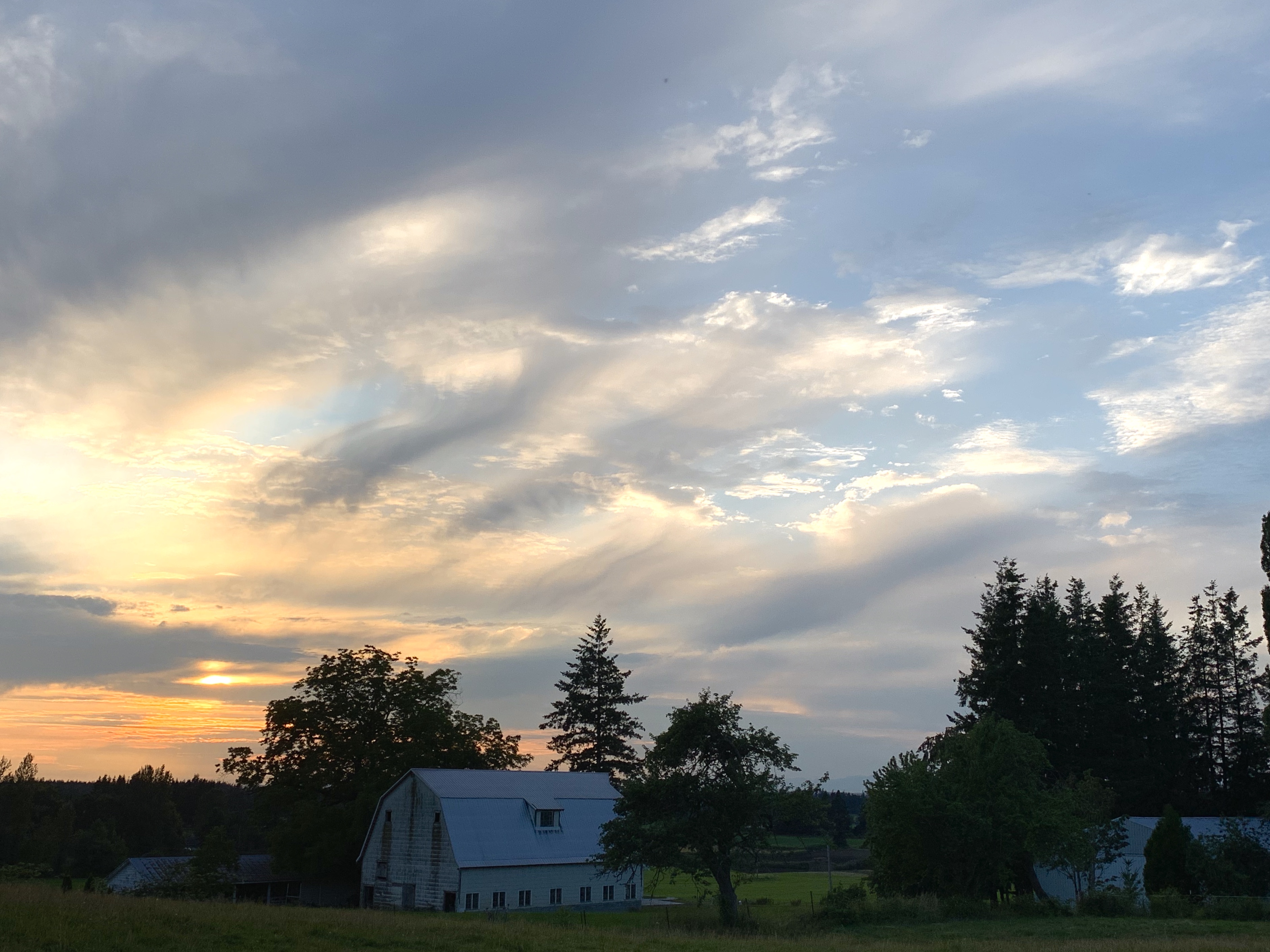
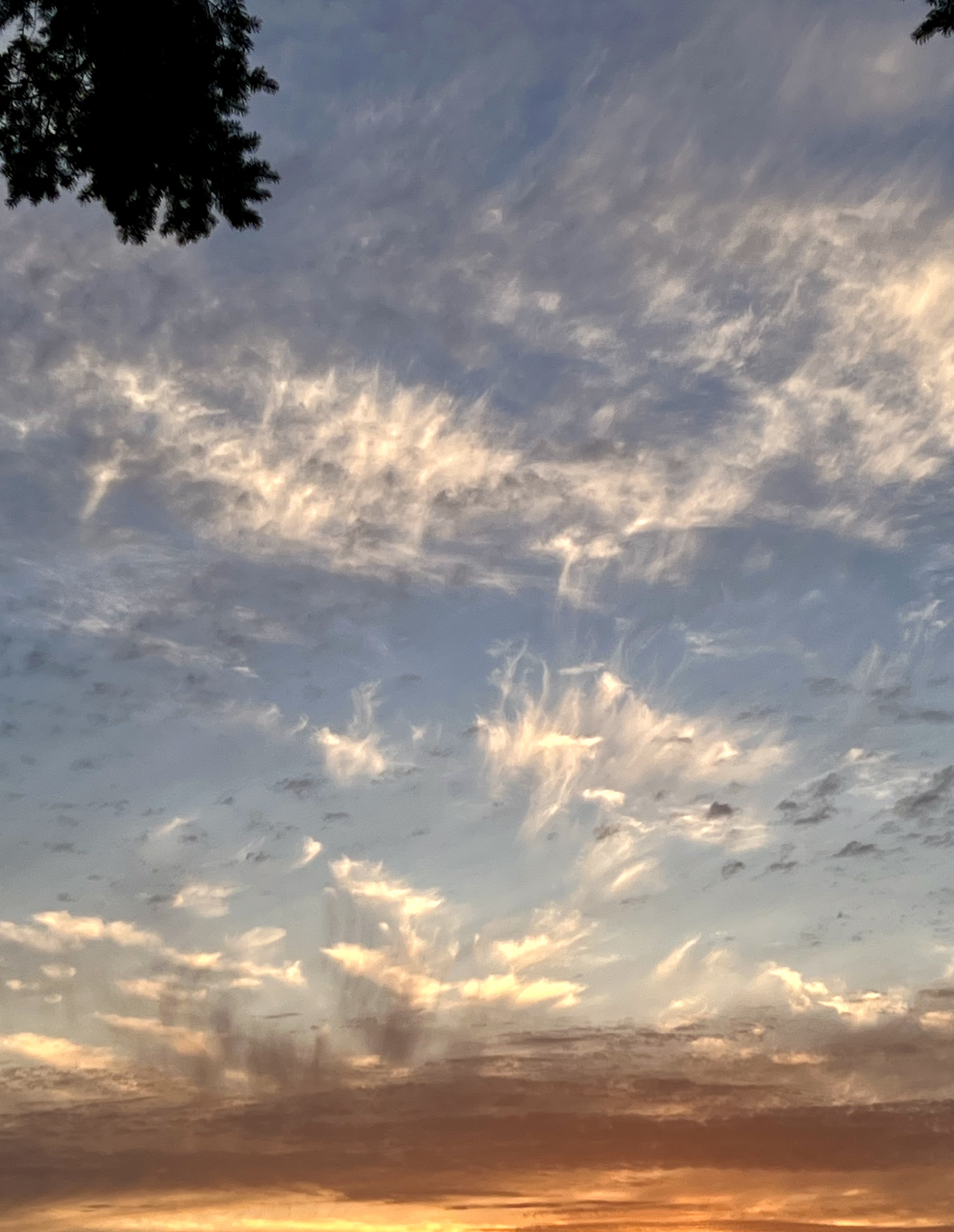
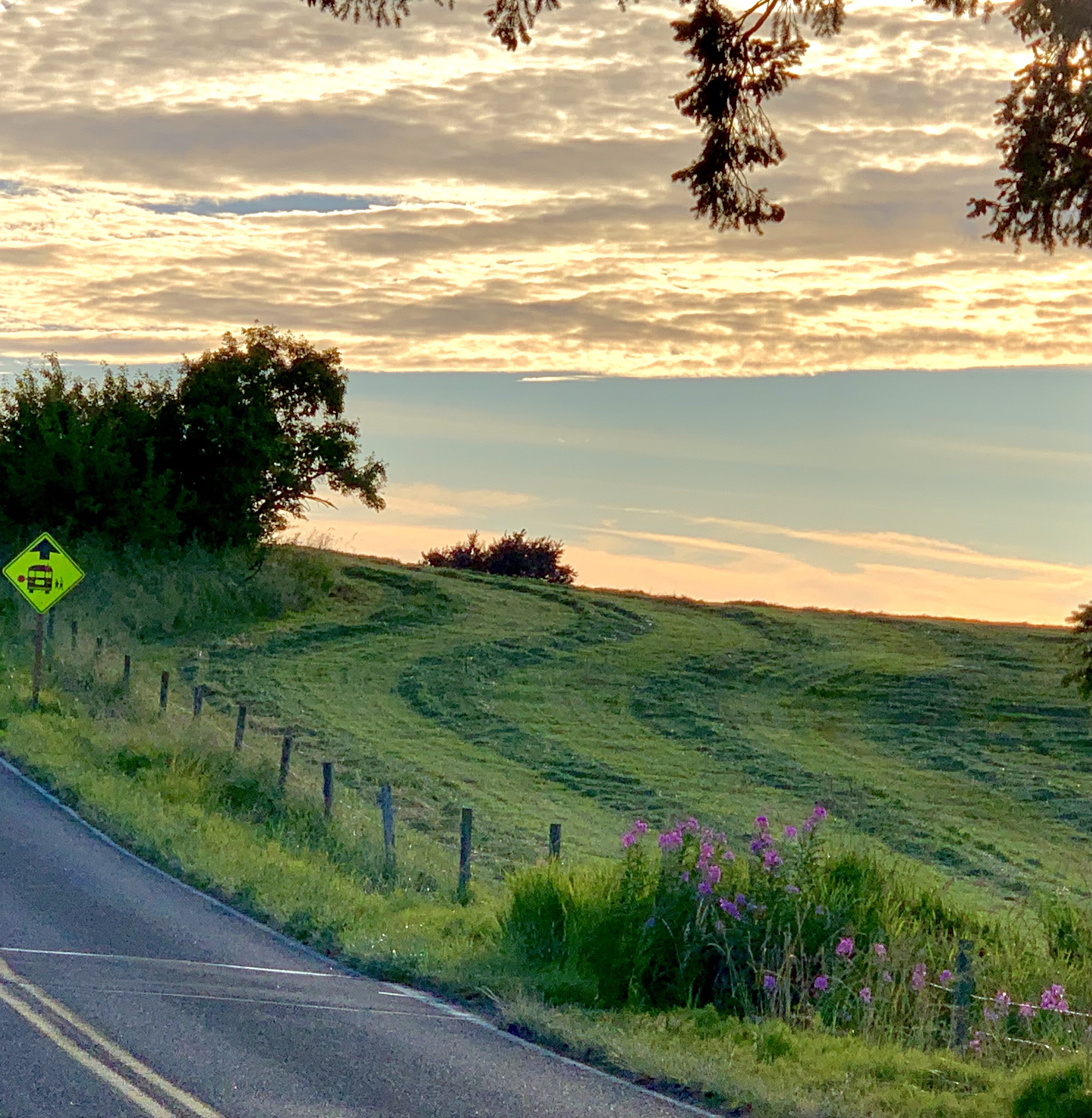
The golden cast at the beginning and endings of the days,
the light dancing in streams like stars,
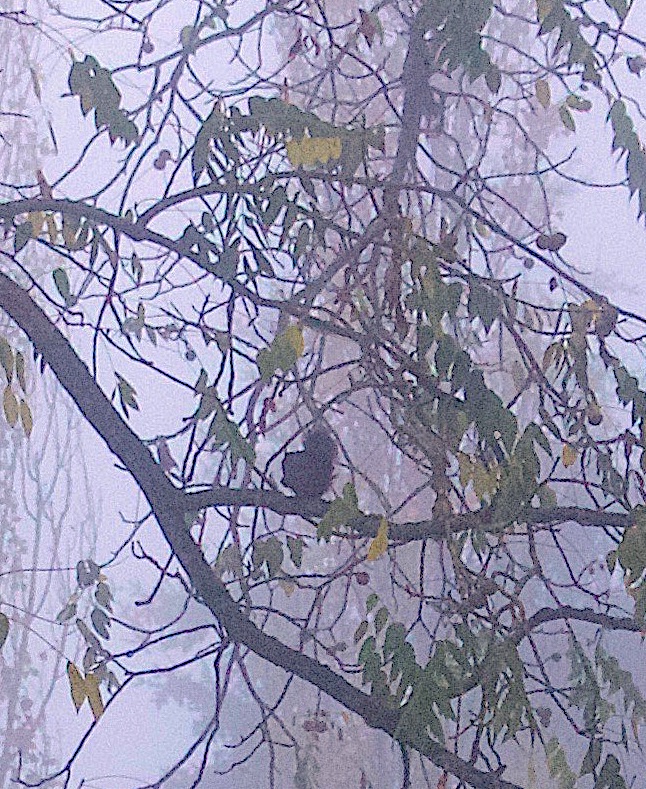
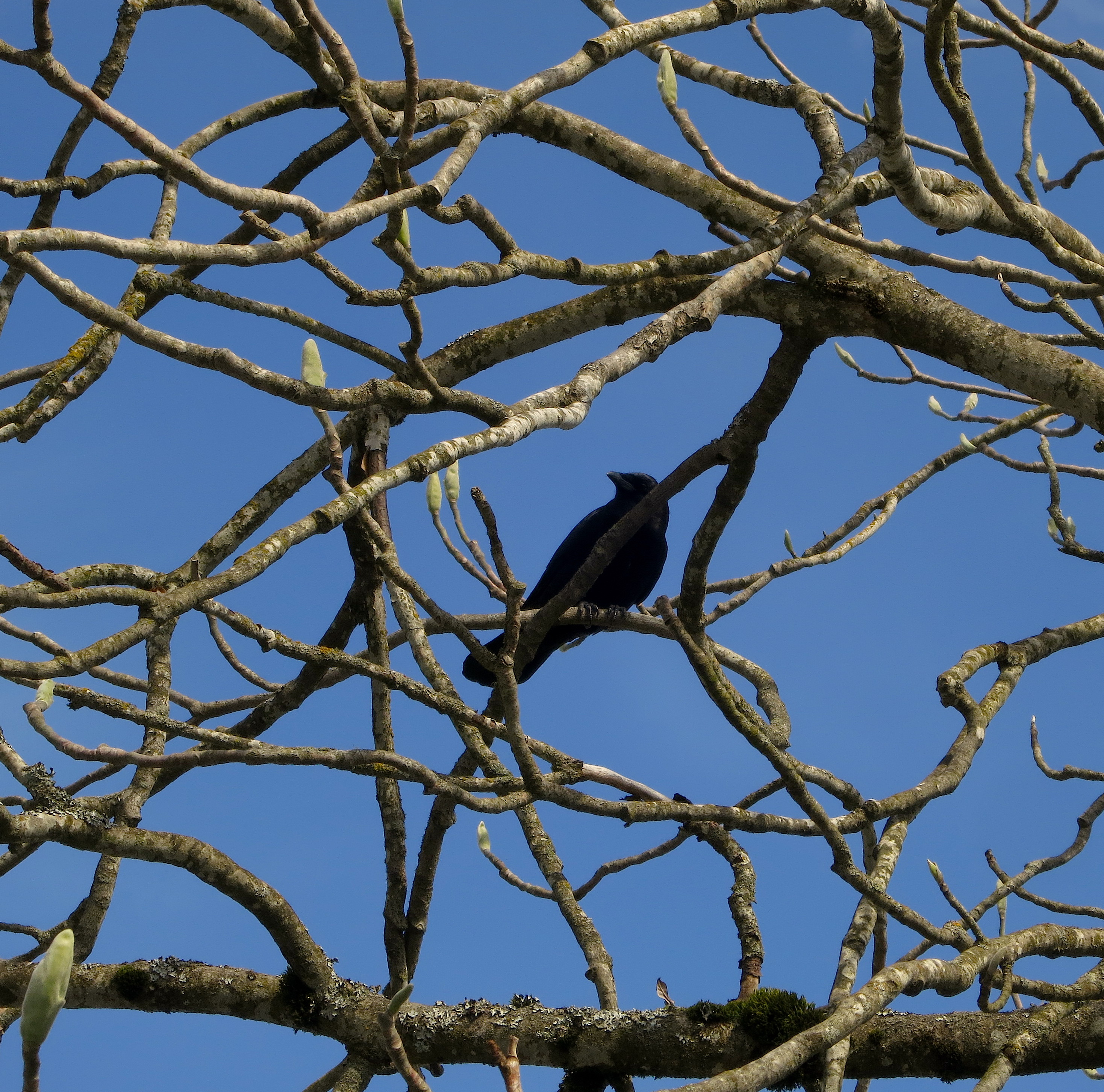
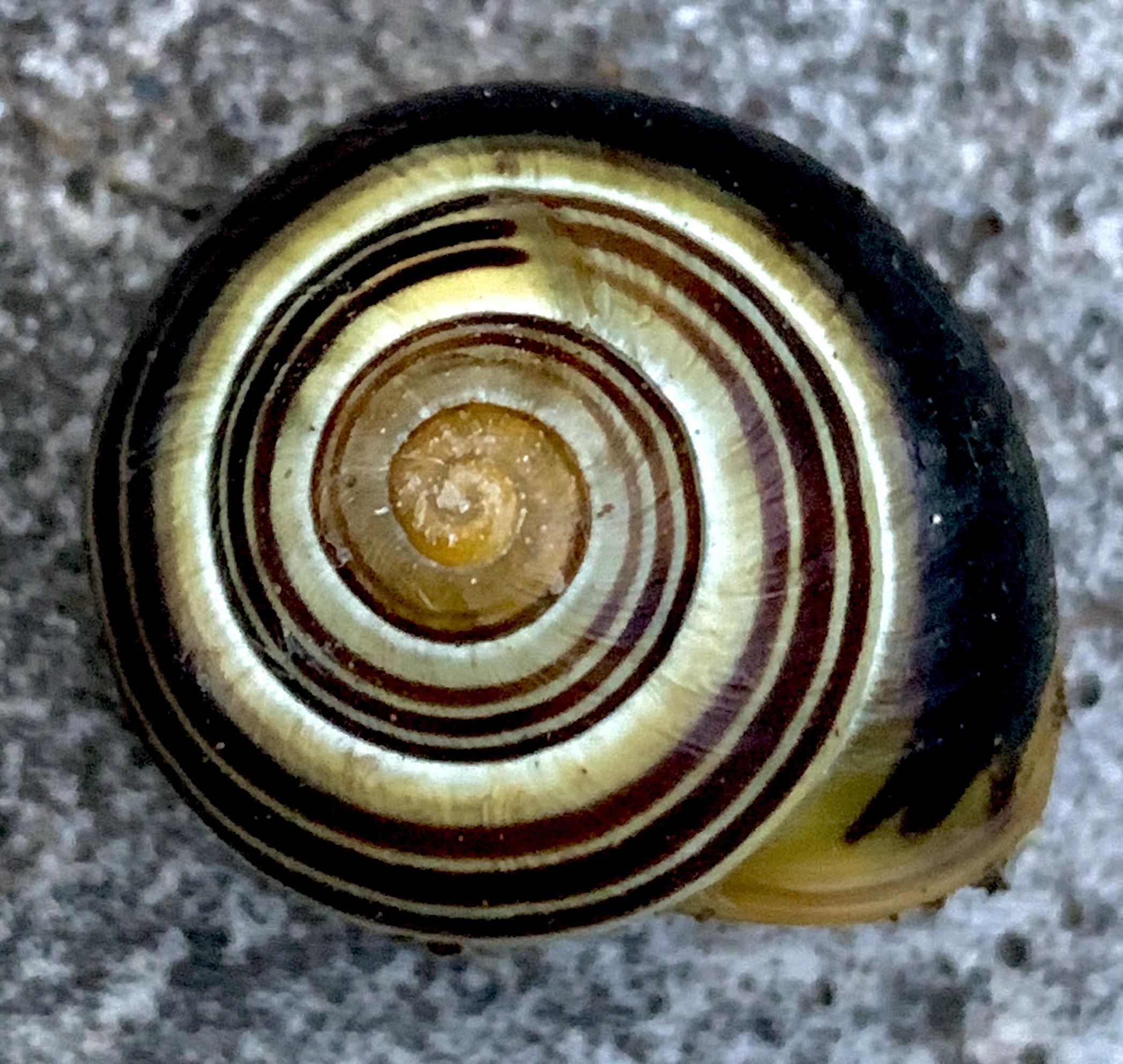
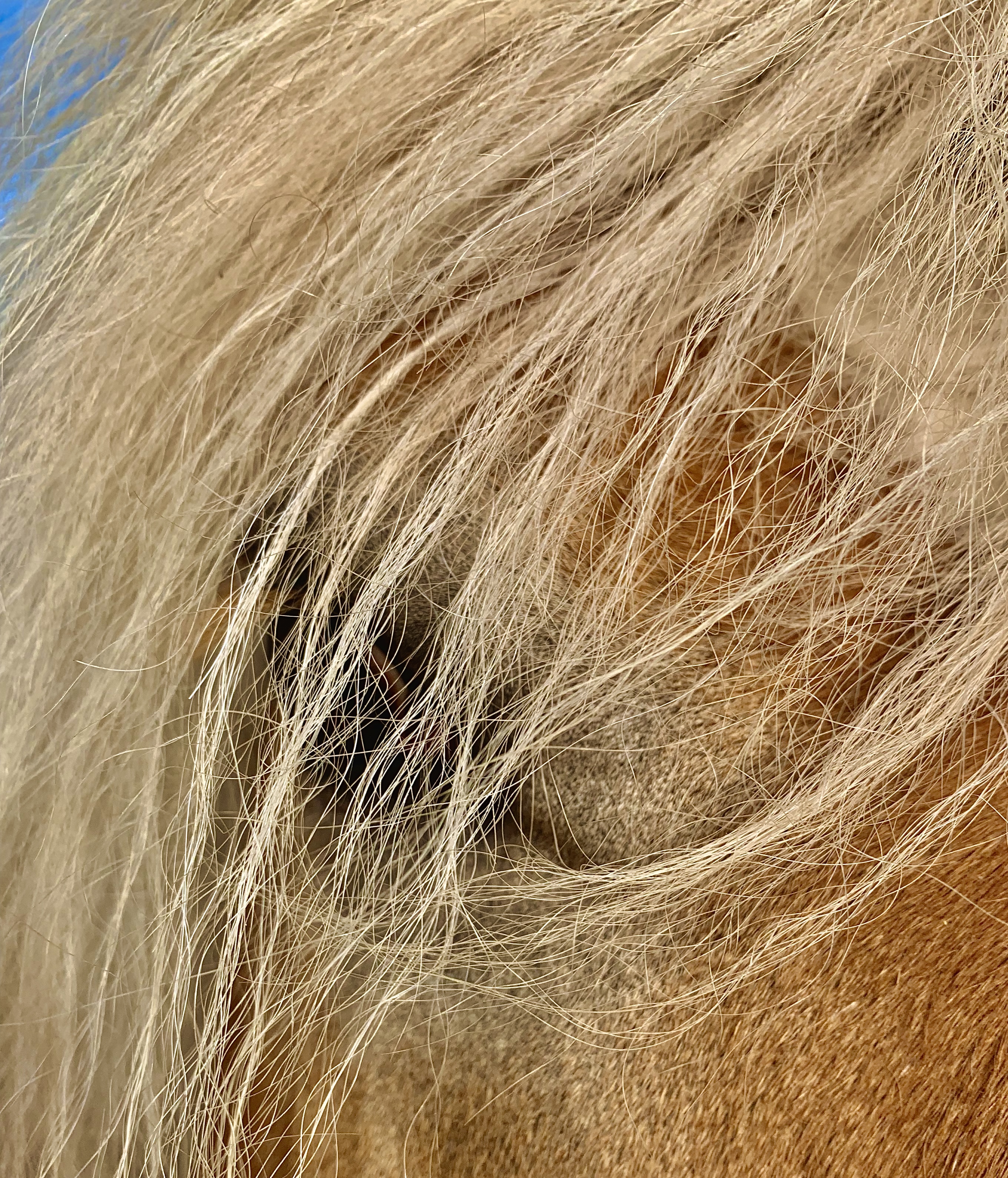
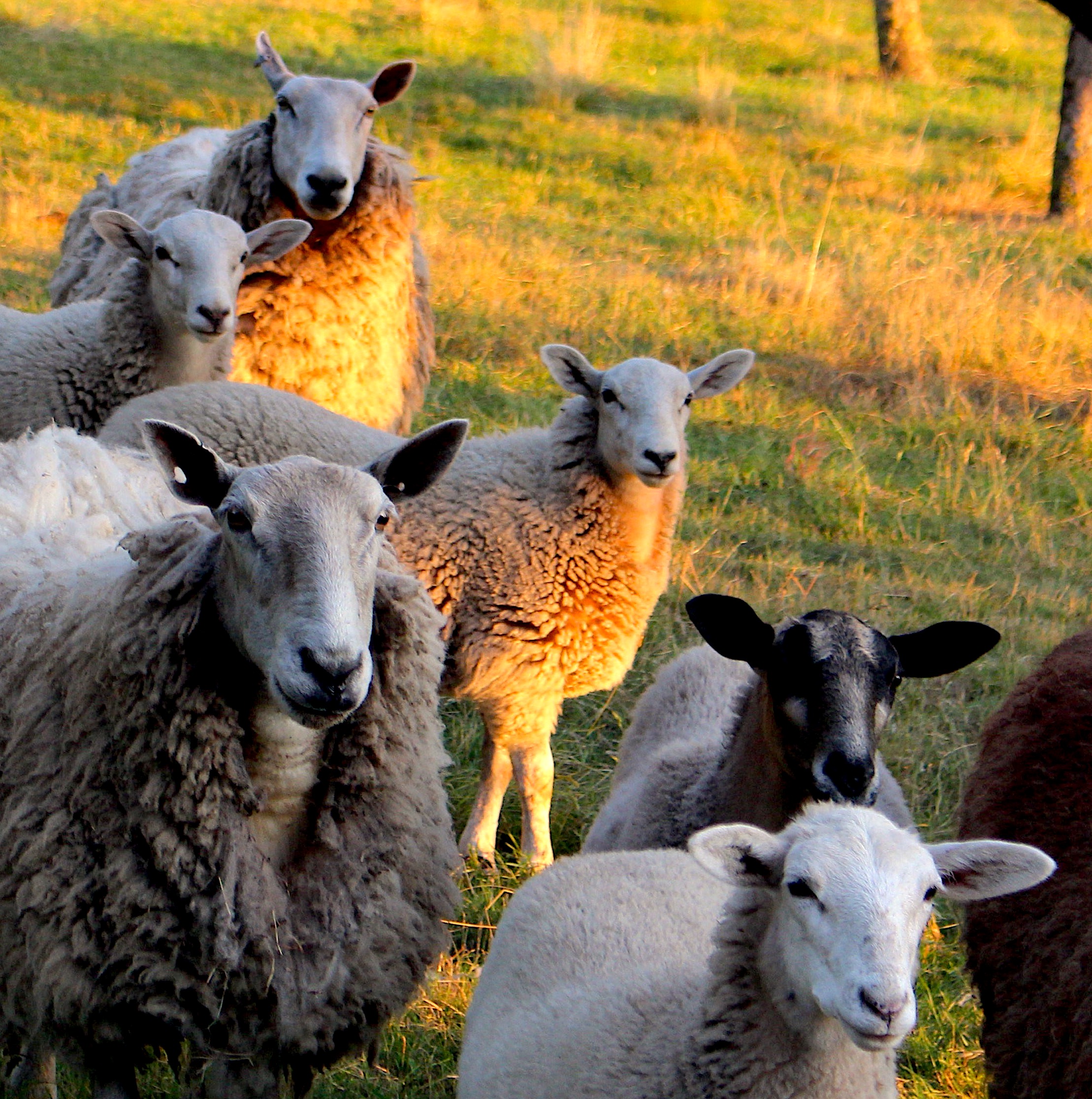
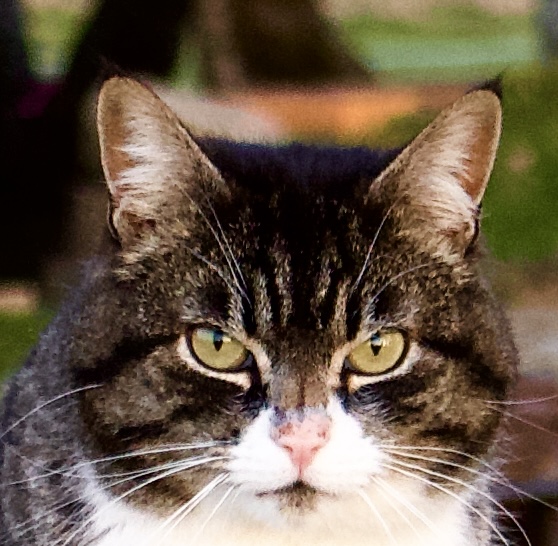
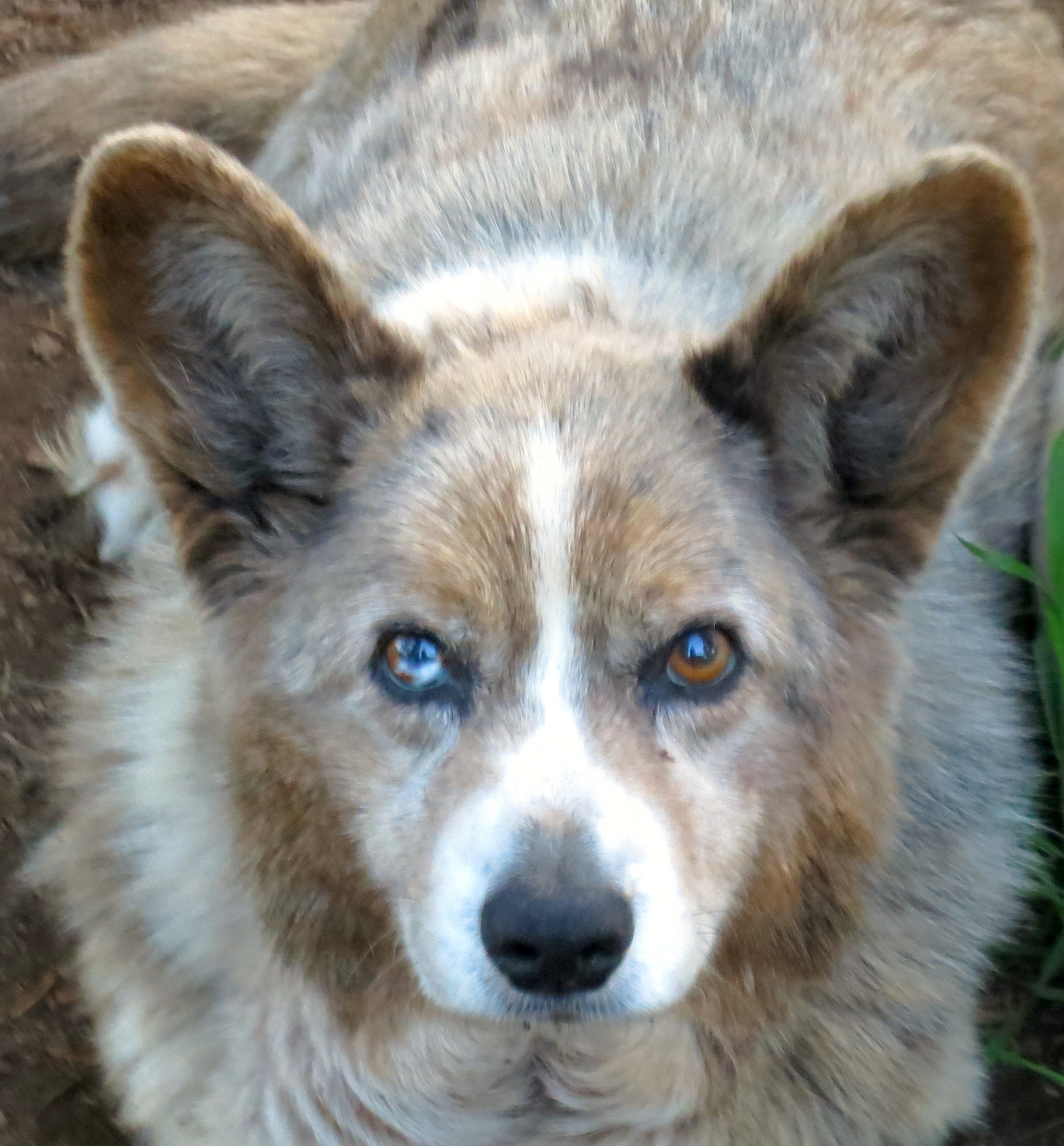
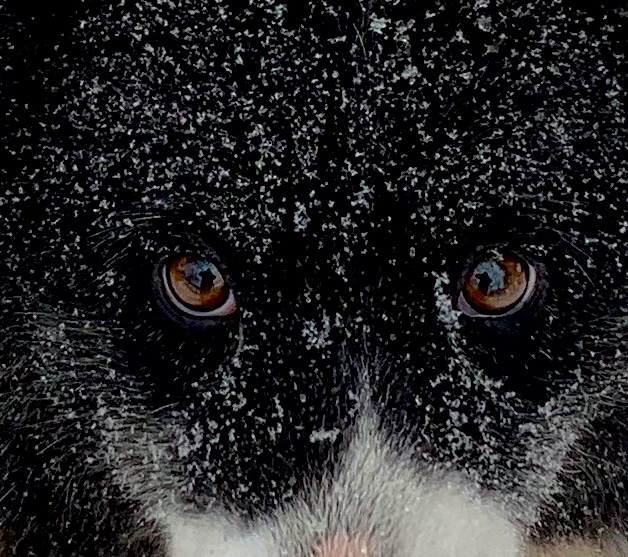
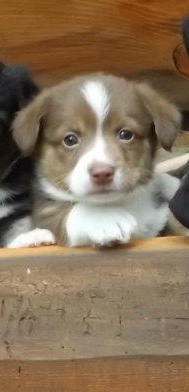
simply staring at God’s creatures
who stare back at me,
each wondering what the other is thinking.

We don’t dare blink…

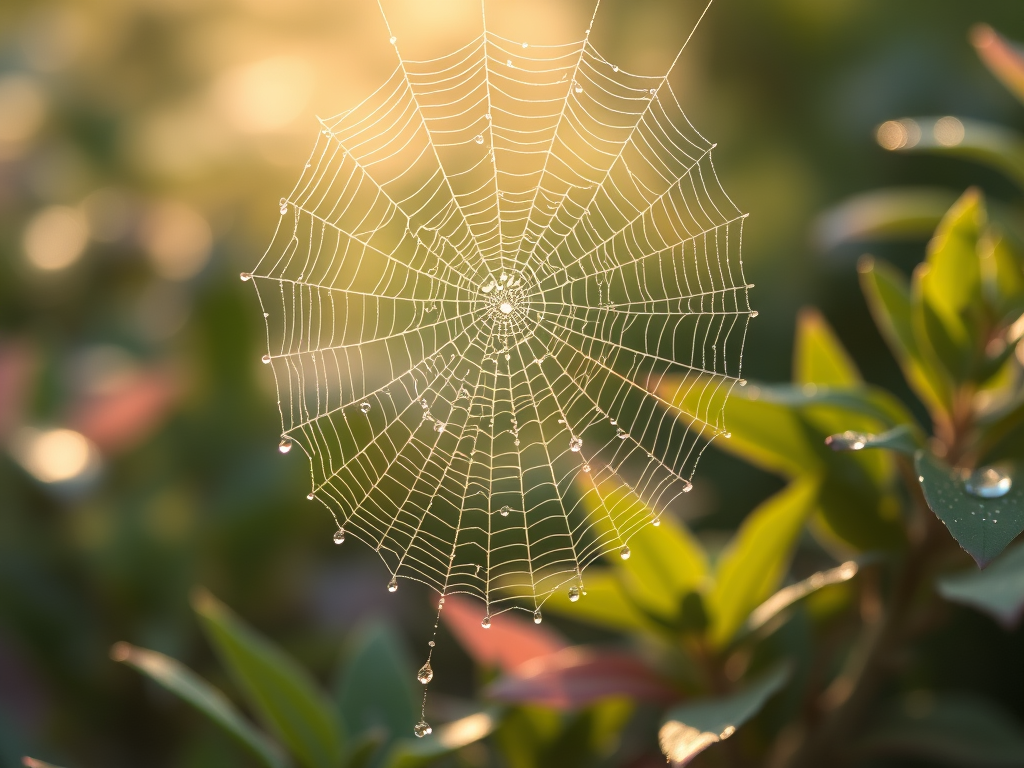
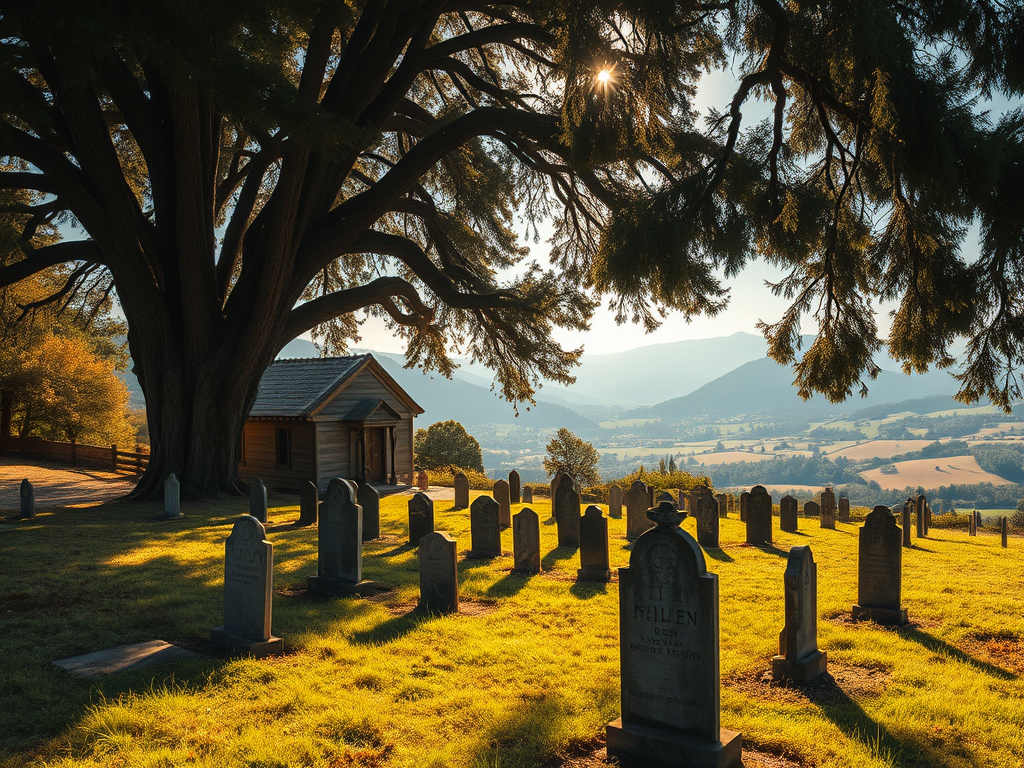
AI image created for this post
One-Time
Monthly
Yearly

Make a one-time or recurring donation to support daily Barnstorming posts

Make a monthly donation

Make a yearly donation

Choose an amount

$10.00
$25.00
$50.00
$5.00
$15.00
$100.00
$5.00
$15.00
$100.00

Or enter a custom amount

$

Your contribution is deeply appreciated.

Your contribution is appreciated.

Your contribution is appreciated.

DonateDonate monthlyDonate yearly

Open Wide

“Open thy mouth wide, and I will fill it,” reads the needlepoint
above the dentist’s door, beyond which “Little Learners”
are doing time in the chair. One at a time, up and down,
they practice how to be not afraid, to tip their chins,
spit. And then to brush in circles gently
for two minutes. No blood today, no needles, drills,
just a plastic sack of gifts: a magnet of a happy tooth,
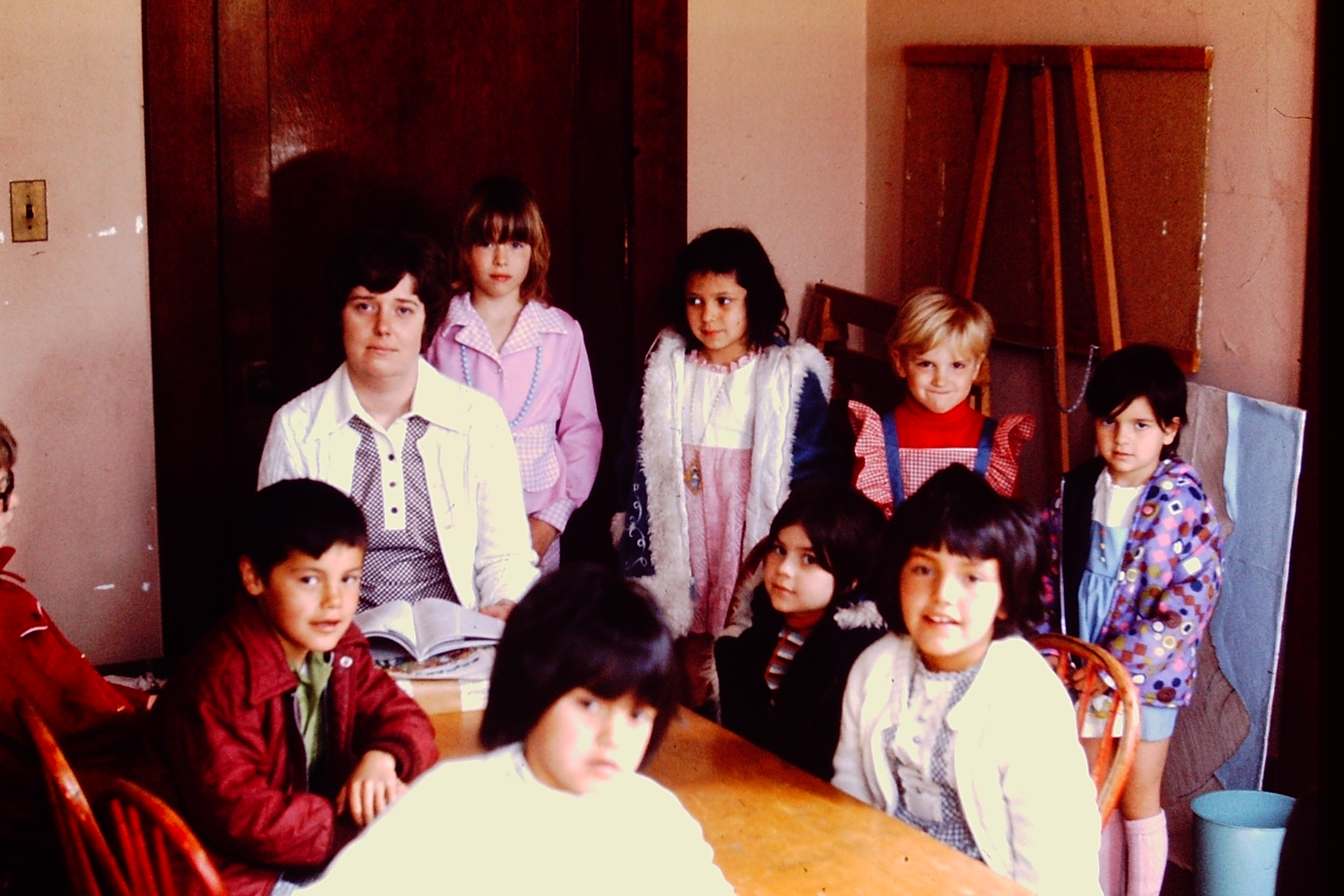
a purple toothbrush, paste. …when they’re all lined up and holding
hands in pairs, they lift their faces as if toward God
to the camera. Having been happily trained for pain,
they flash their unharmed smiles, and in my mind, I exit
with them, all my ex-selves, mittens attached
to their jackets, bright and unbreakable.
~Dierdre O’Connor from “At the Dentist’s” from The Cupped Field

One thing I like less than most things is sitting in a dentist chair
with my mouth wide open.
And that I will never have to do it again

is a hope that I am against hope hopen.

Because some tortures are physical and some are mental,
But the one that is both is dental.
It is hard to be self-possessed
With your jaw digging into your chest.

So hard to retain your calm
When your fingernails are making serious alterations

in your life line or love line
or some other important line in your palm;

So hard to give your usual effect of cheery benignity
When you know your position is one of the two or three in life
most lacking in dignity.

And your mouth is like a section of road that is being worked on.
And it is all cluttered up with stone crushers

and concrete mixers and drills and steam rollers
and there isn’t a nerve in your head that
you aren’t being irked on.

Oh, some people are unfortunate enough
to be strung up by thumbs.
And others have things done to their gums,
And your teeth are supposed to be being polished,
But you have reason to believe they are being demolished.
And the circumstance that adds most to your terror
Is that it’s all done with a mirror,

Because the dentist may be a bear,
or as the Romans used to say,
only they were referring to a feminine bear
when they said it, an ursa,
But all the same how can you be sure

when he takes his crowbar in one
hand and mirror in the other he won’t get mixed up, the way you
do when you try to tie a bow tie with the aid of a mirror, and forget
that left is right and vice versa?

And then at last he says
That will be all; but it isn’t because he then
coats your mouth from cellar to roof
With something that I suspect is generally used to put a shine on a
horse’s hoof.

And you totter to your feet and think. Well it’s all over now and after
all it was only this once.
And he says come back in three monce.
And this, O Fate, is I think the most vicious circle that thou ever sentest, That Man has to go continually

to the dentist to keep his teeth in good
condition when the chief reason

he wants his teeth in good condition
is so that he won’t have to go to the dentist. 

~Ogden Nash “This is Going to Hurt a Little Bit”

Yesterday, as I rested comfortably in the dental chair for a repair of two decades-old fillings in my front teeth, I thought about my childhood dental experiences over 60 years ago.

There was the little round basin with swirling water next to the chair where I was told to spit the bloody stuff accumulating in my mouth as they drilled out the cavities.

Cavities were drilled and filled without novocaine for children. The injection was considered more traumatic than the sensation of the drill. I was a very compliant child, stoic when I was told to be, but tightly gripped the arm rests of that old dental chair as the high-pitched whir of the drill sent pain from my tooth into my brain.

It was, in a word, torture. But that’s how things were done back then.

I did get novocaine injections for several tooth extractions necessary for orthodontia to correct my crooked teeth. No numbing gel, no slow infiltration of the anesthetic into the gums, just one scary giant needle into the gums or hard palate.

I gripped the arm rests even tighter for that.

Dentists back didn’t want to torture children. They simply weren’t trained to do it differently. They didn’t wear gloves, only washing their hands between patients. And they had plenty of on-the-job hazards themselves with mercury exposure and being bitten.

In fact, my childhood dentist was so impressed with my stoicism, he later hired me as a high schooler to be his chair-side assistant several days a week after school. I learned many skills, helping people of all ages cope with a painful experience, but also learned I didn’t have what it takes to be a patient dentist.

I love my current dentist’s gentle technique, his pain-free injection of anesthesia, his reassuring banter and frequent check-ins (“you doing okay?”). Too many older adults still struggle all these years later with dentist-phobia, avoiding routine cleanings and check-ups. I still have all my teeth thanks to several incredibly skilled dental artisans over the decades who have saved my enamel with their sculpted crowns and fillings. I am beyond grateful for their care.

So I sit in the dental chair, put on the sunglasses, and gladly open wide for them.

But, I can’t help it, out of habit and reflex, I still grip the arm rests too tightly.

One-Time
Monthly
Yearly

Make a one-time or recurring donation to support daily Barnstorming posts

Make a monthly donation

Make a yearly donation

Choose an amount

$10.00
$25.00
$50.00
$5.00
$15.00
$100.00
$5.00
$15.00
$100.00

Or enter a custom amount

$

Your contribution is deeply appreciated.

Your contribution is appreciated.

Your contribution is appreciated.

DonateDonate monthlyDonate yearly
Fits Like a Glove

It can be a gift or a private kind of distress,
depending on if you’ve found your purpose.
My friend, a physician and farmer, blends
her two passions into a life of caring.

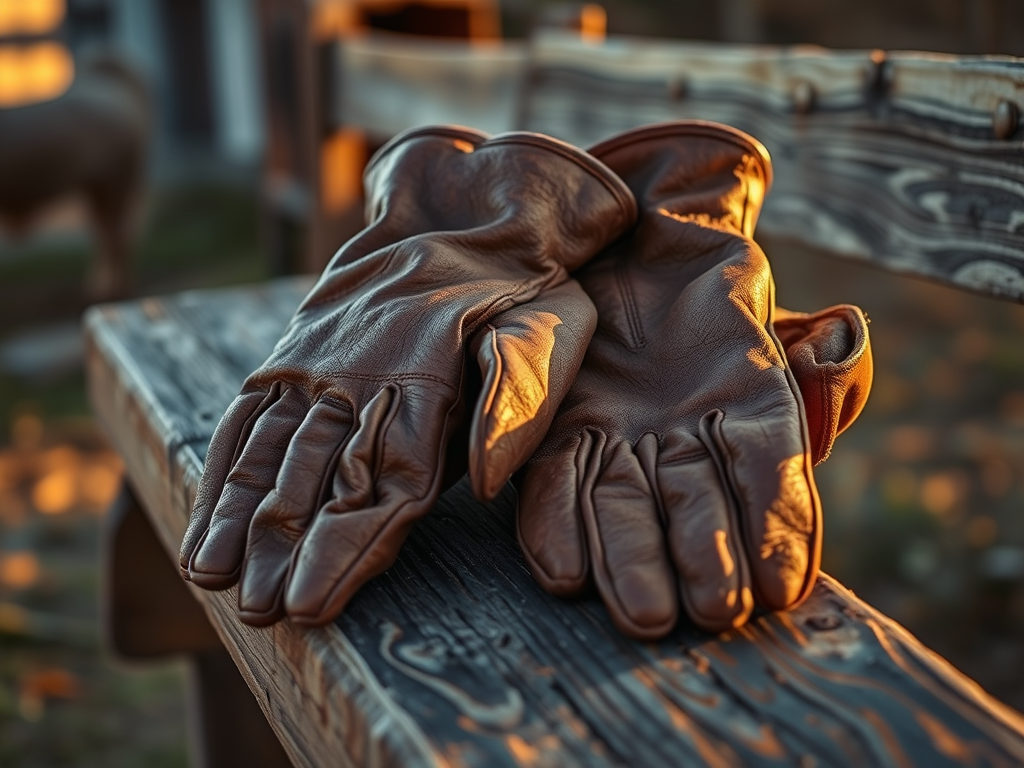
Leaving her surgical gloves in the treatment room,
she dons leather work gloves when she returns
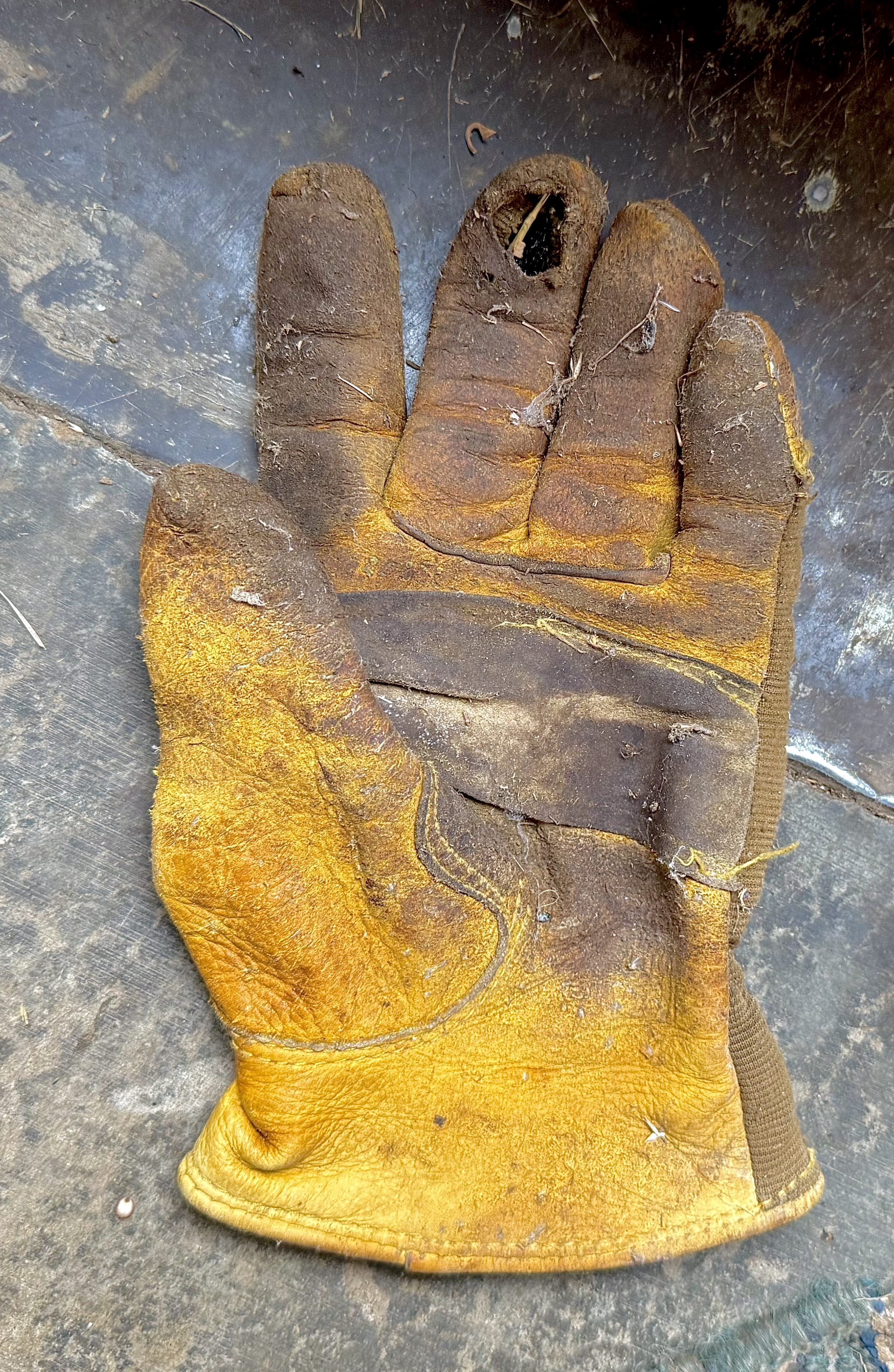
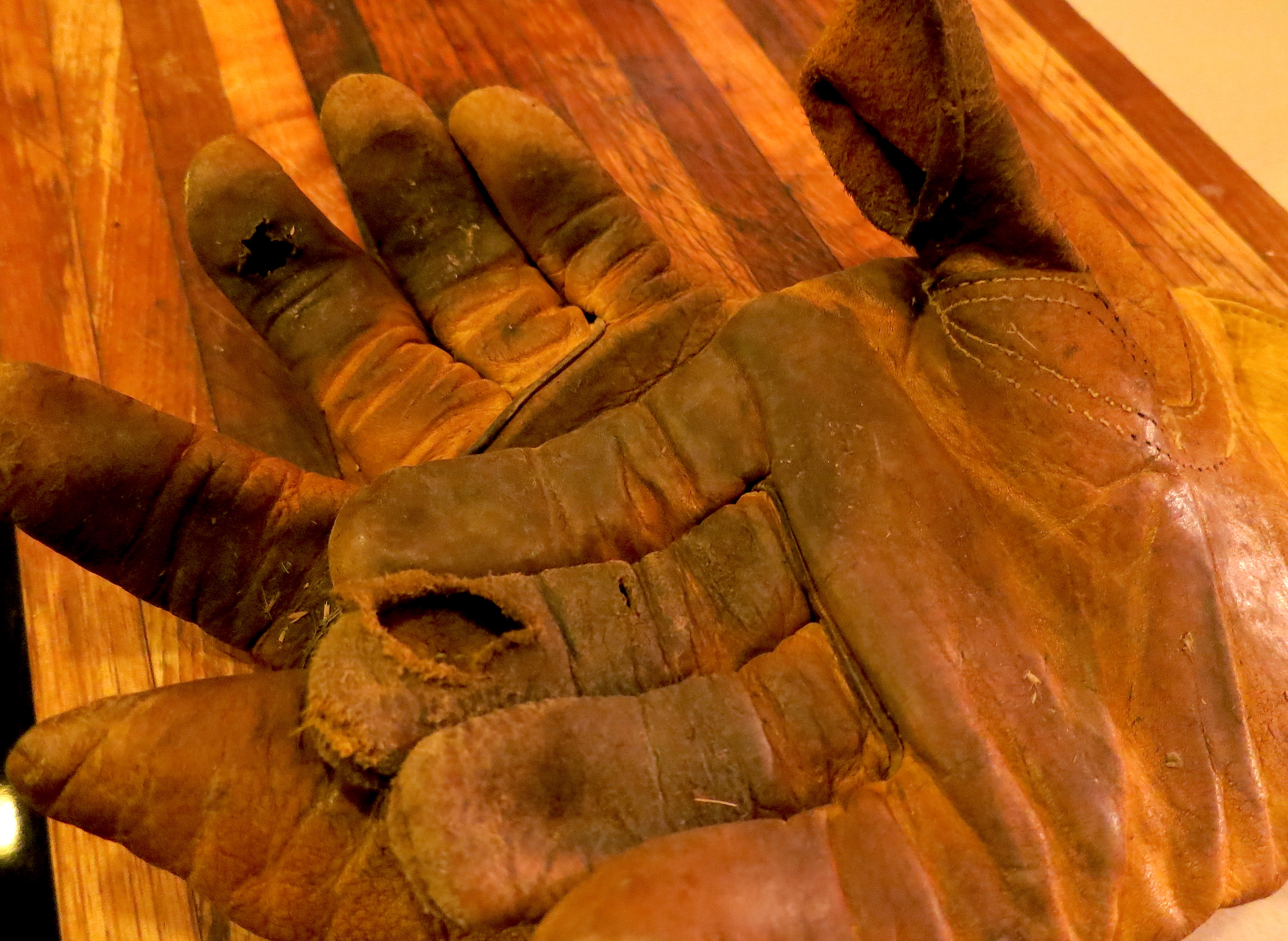
to the farm. This evening the old work gloves
are nestled together on a bench by the back door

as if one couldn’t function without the other.
They hold the form of her hands. The gloves
are dirty, the leather wrinkled, a hole worn
through the tip of the index finger, right hand.

Over years of service, gloves have protected
her hands as she treated deep wounds
in the clinic and in the barn. This gift!
Dare I say, her work fits her like a glove?
~Lois Edstrom “Gift of Work” from A Fragile Light

Nothing much to look at
lying on the shelf, one on
top of the other, an old man
resting his hands on a cane.
Dried-out yellow cowhide,
lines cut deep into the palms
from stones, weeds pulled.
Fingers crumpled, swollen
like grub worms shoveled
up in planting. An extra pair
of hands helping with lawn
work, flower beds, shrubs,
whatever else comes along.
A grief pulled on to bury
the old cat some kid in a
speeding pickup knocked
out of the street like he’d
kick a can. Or kneeling last
fall to unearth the blooming
rose suddenly plucked by
an ice storm, then shaking
rich compost loose from its
twisted fingers still clenched,
holding on for dear life.

~Ron Stottlemyer “Work Gloves”

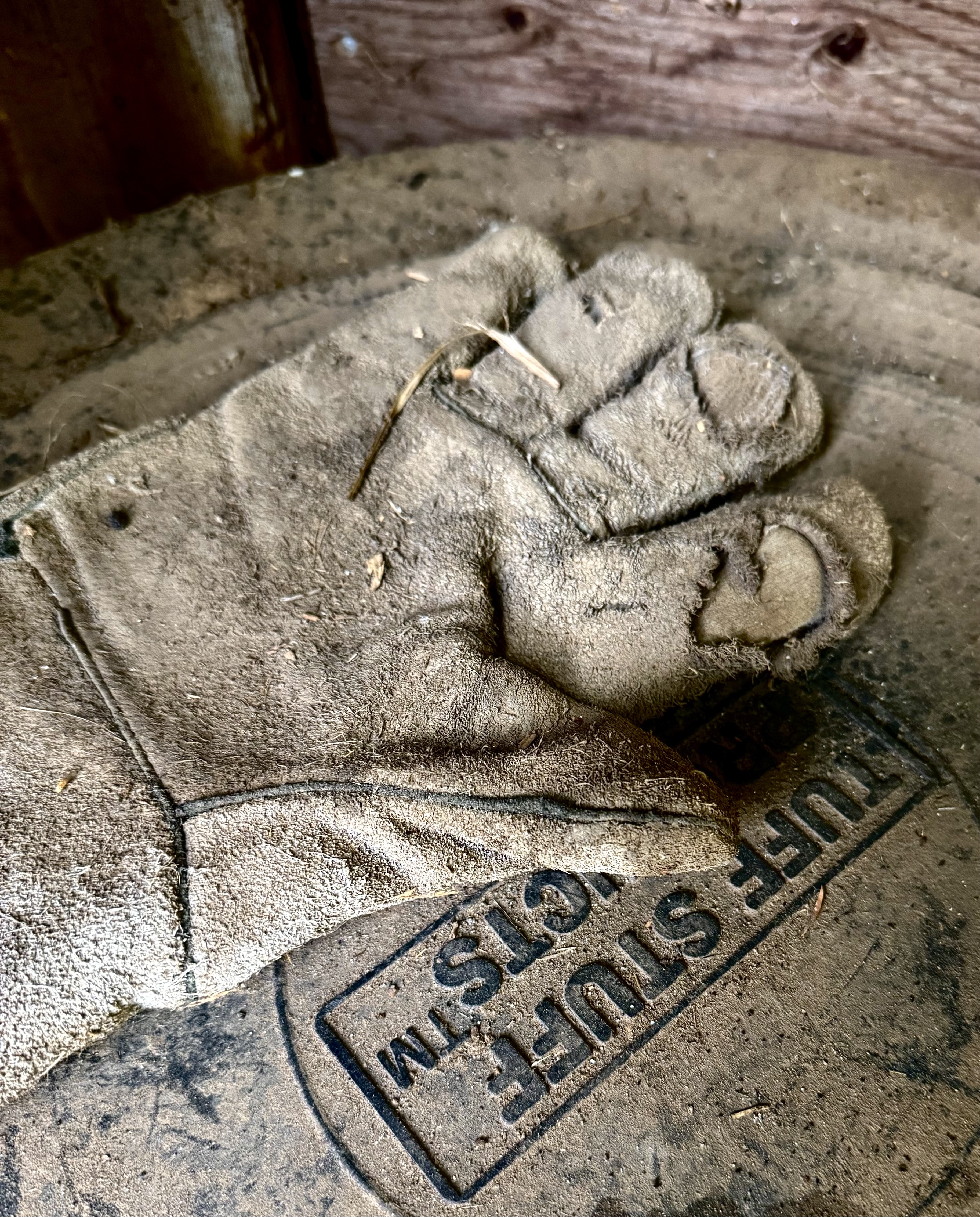
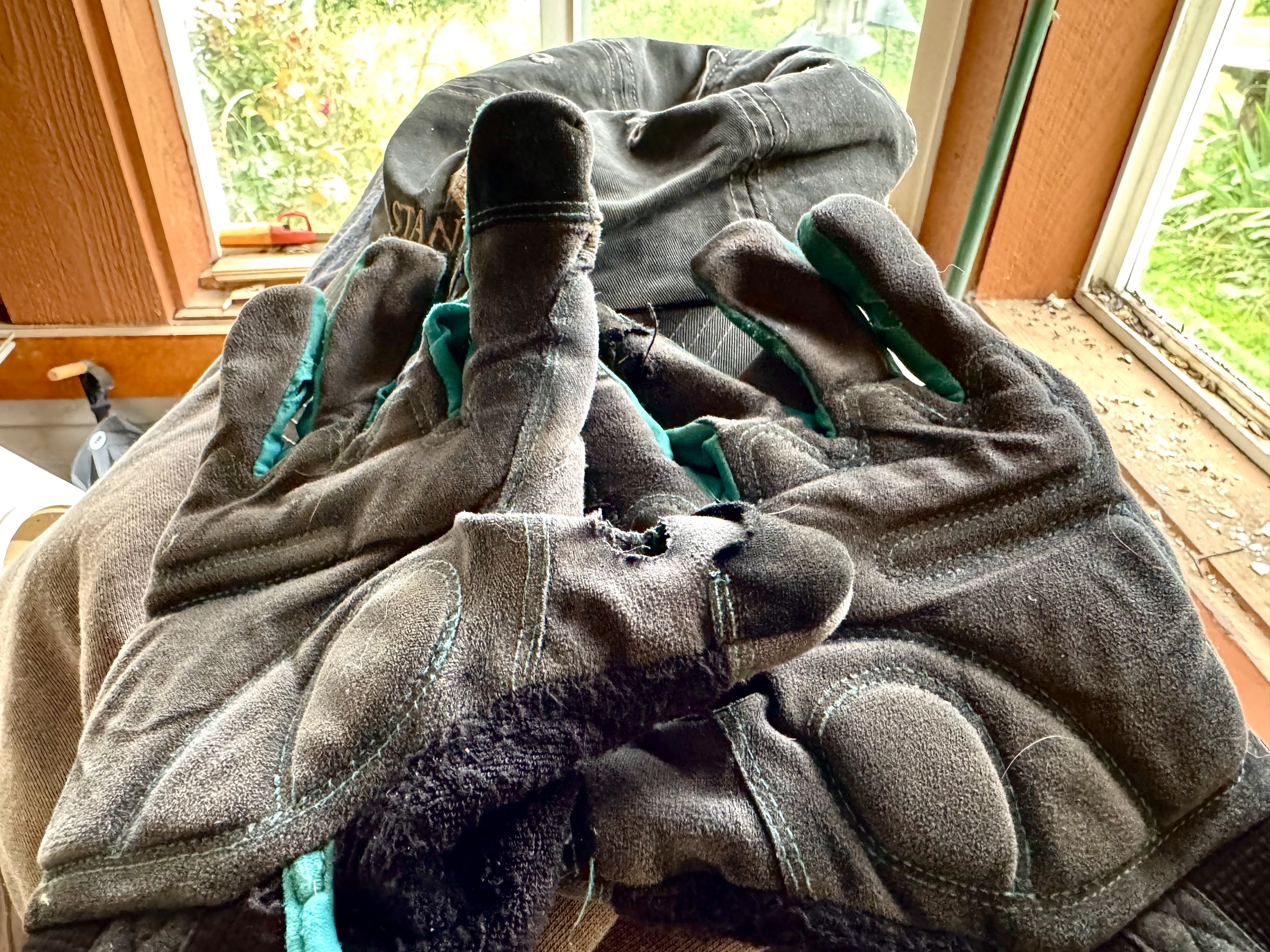
My farm work gloves tend to look ragged at the end of a year of service. I always depend on being gifted a new pair at Christmas to start afresh. It can take awhile to break them in to the point where they feel like a “second skin.”

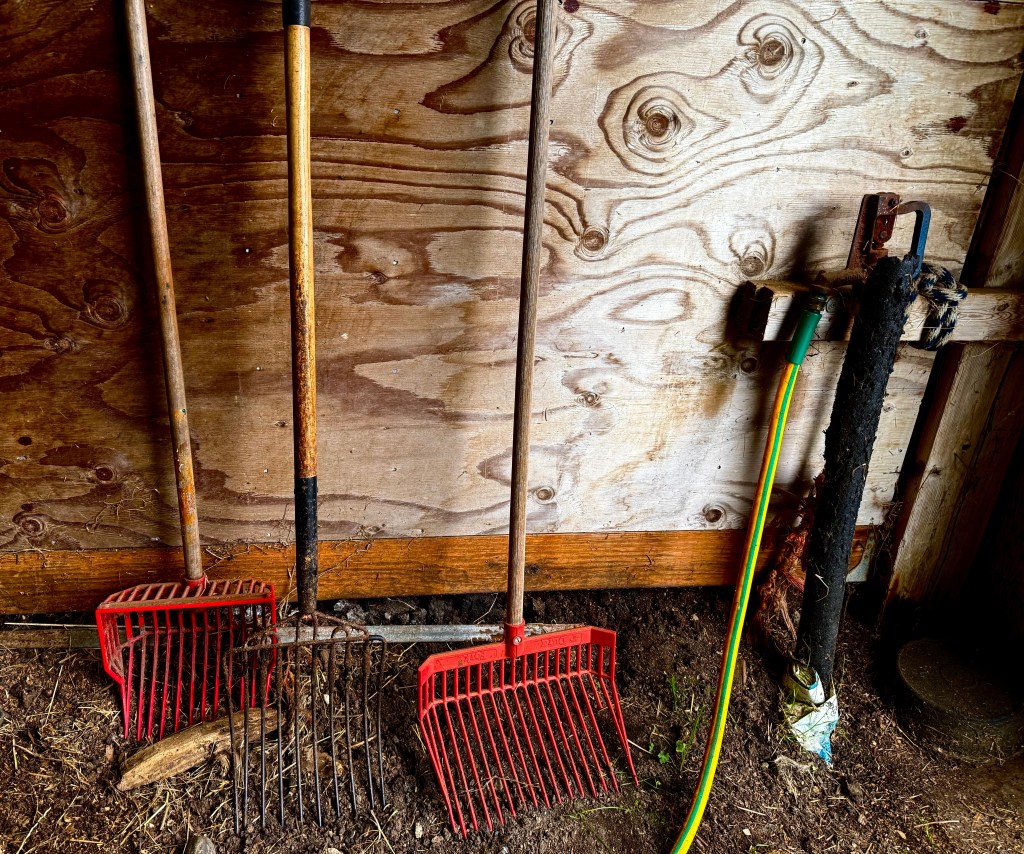
These gloves keep me from blistering while forking innumerable loads of smelly manure into wheelbarrows, but also help me unkink frozen hoses, tear away blackberry vines from fencing, pull thistle from the field and heavy hay bales from the haymow.

Over the years, I’ve gone through a few dozen work gloves which have protected my hands as I’ve cleaned and bandaged deep wounds on legs and hooves, pulled on foals during the hard contractions of difficult births, held the head of dying animals as they fall asleep one final time.

Without wearing my protective farm gloves over the years, my hands would be looking very much scarred up like my tired gloves do, full of rips and holes from the thorns and barbs of the world, sustaining scratches, callouses and blisters from the hard work of life.

But they don’t.

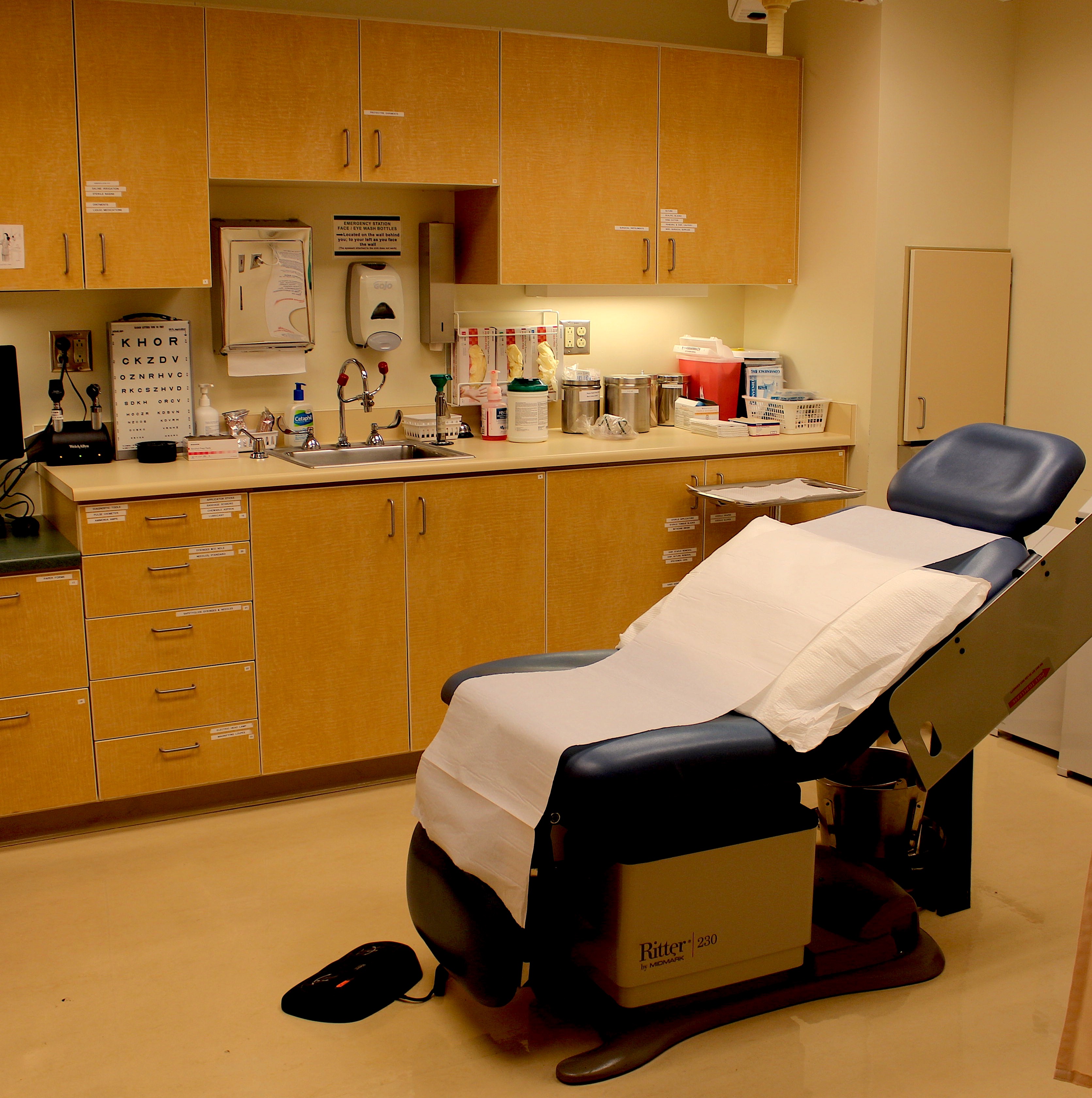
Thanks to these gloves, before I retired, I was presentable for my “day” work as a doctor where I would don a different set of gloves many times a day as I tended to my patients’ wounds and worry.

But my work gloves don’t tell my whole story of gratitude.

I’m thankful to a Creator God who doesn’t wear gloves when He goes to work in our world:
-He gathers us up even when we are dirty, smelly, and unworthy.
-He eases us into this life when we are vulnerable and weak,
and carries us gently home as we leave this world, weak and vulnerable.
-He holds us as we bleed from self and other-inflicted wounds.
-He won’t let us go, even when we fight back, or try not to pay attention, or care who He is.

He hangs on to us for dear life.

And this God came to live beside us
with hands just like ours~
tender, beautiful, easy-to-wound hands
that bled
because He didn’t need or want to wear gloves
for what He came to do~

His hands bear evidence of His love…

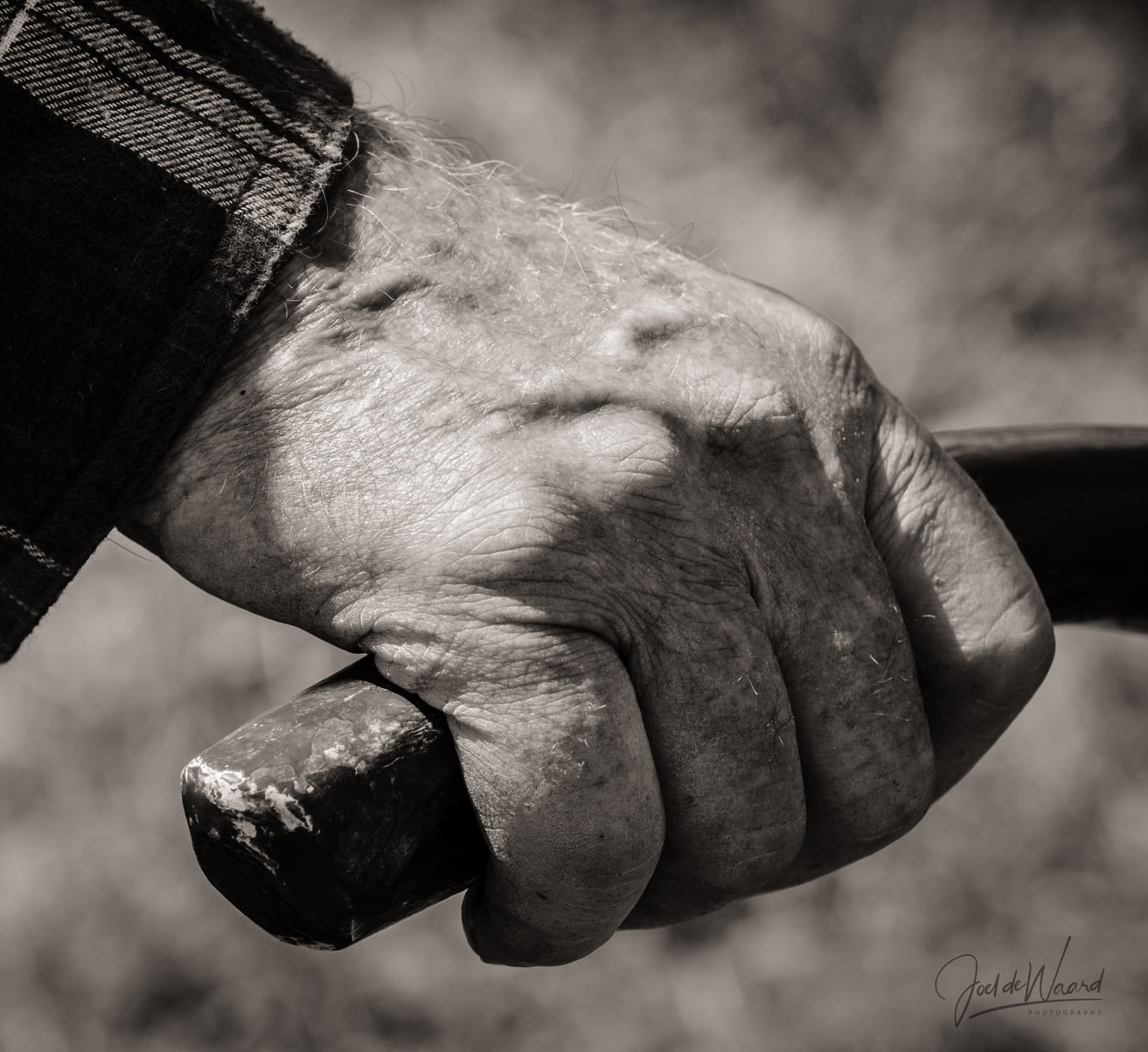
photo of a plowman teamster’s hand by Joel De Waard
AI image created for this post

contains these lyrics by Kim Andre Arnesen:
Moving like the rise and fall of wings
Hands that shape our calling voice
On the edge of answers
You’ve heard our cry, you’ve known our cry

One-Time
Monthly
Yearly

Make a one-time or recurring donation to support daily Barnstorming posts

Make a monthly donation

Make a yearly donation

Choose an amount

$10.00
$25.00
$50.00
$5.00
$15.00
$100.00
$5.00
$15.00
$100.00

Or enter a custom amount

$

Your contribution is deeply appreciated.

Your contribution is appreciated.

Your contribution is appreciated.

DonateDonate monthlyDonate yearly
Stronger Than Seems Possible

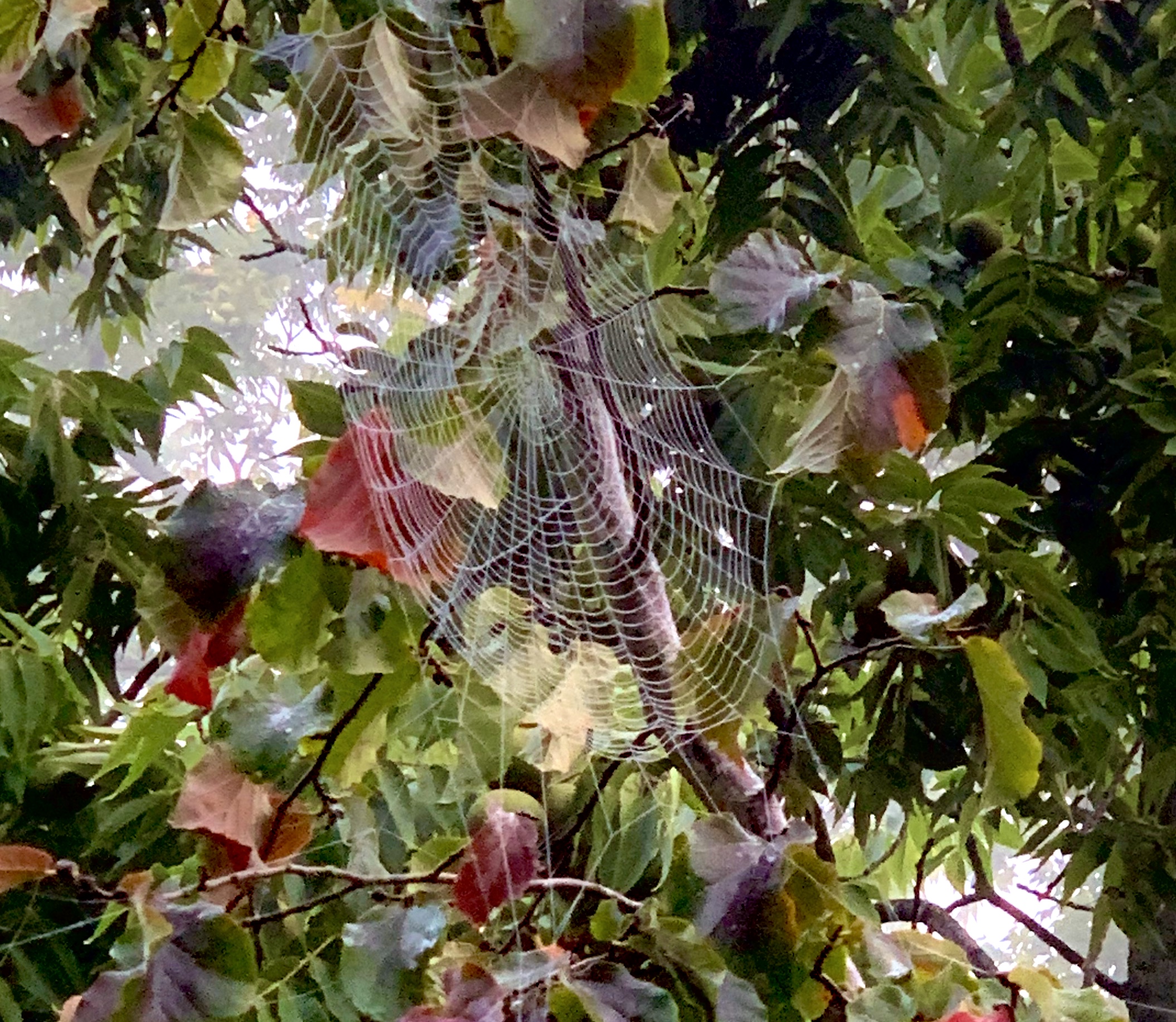
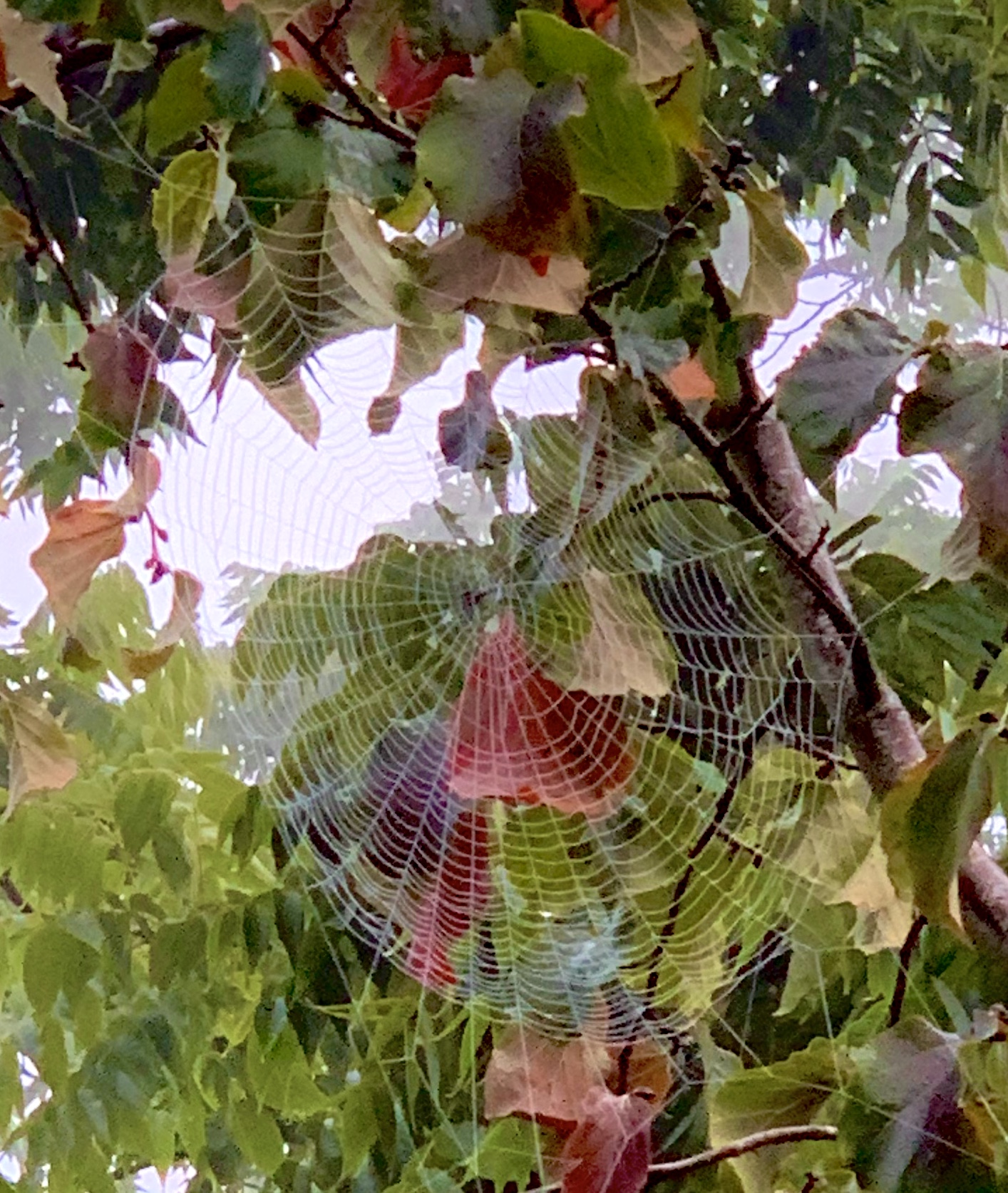
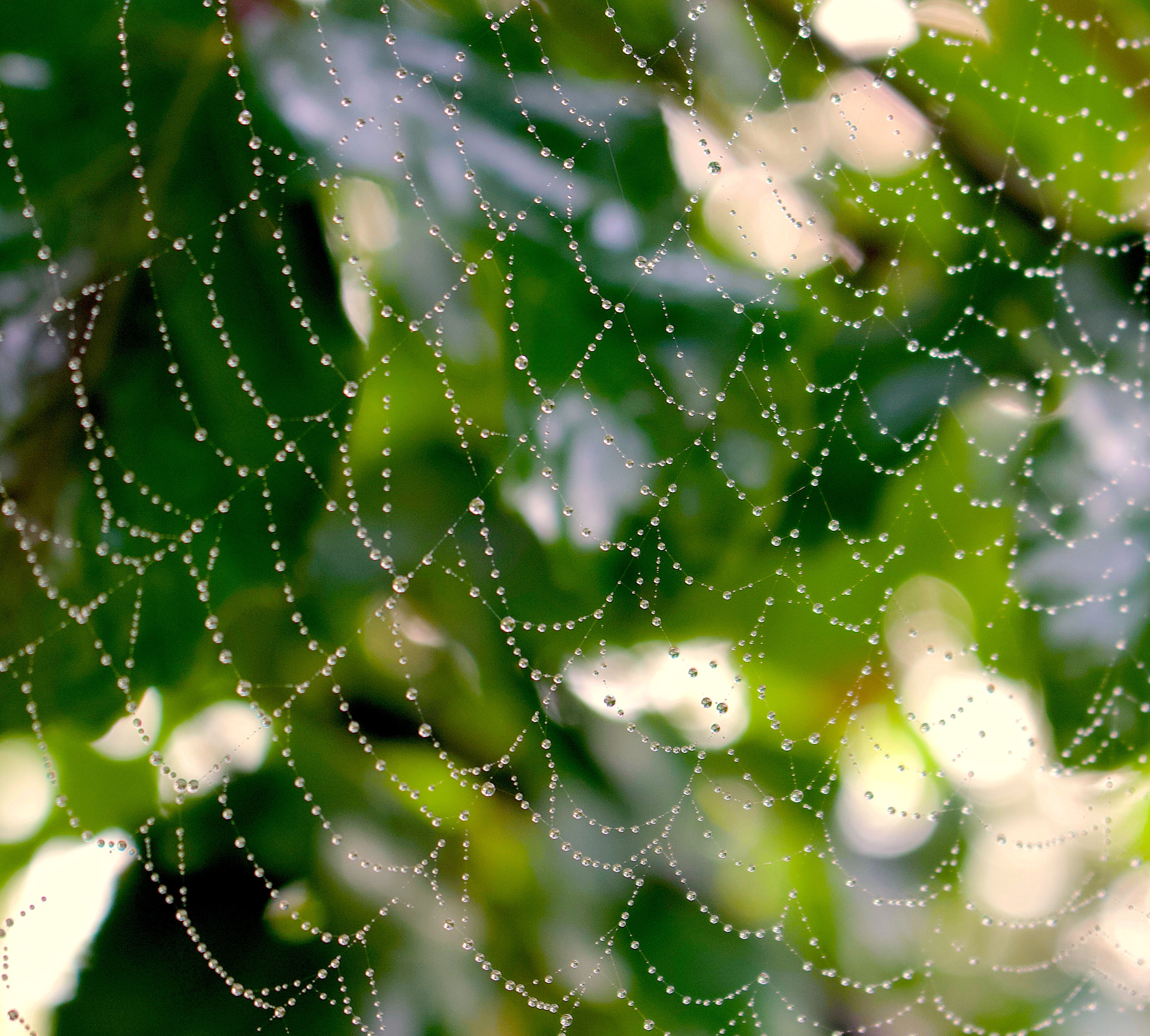
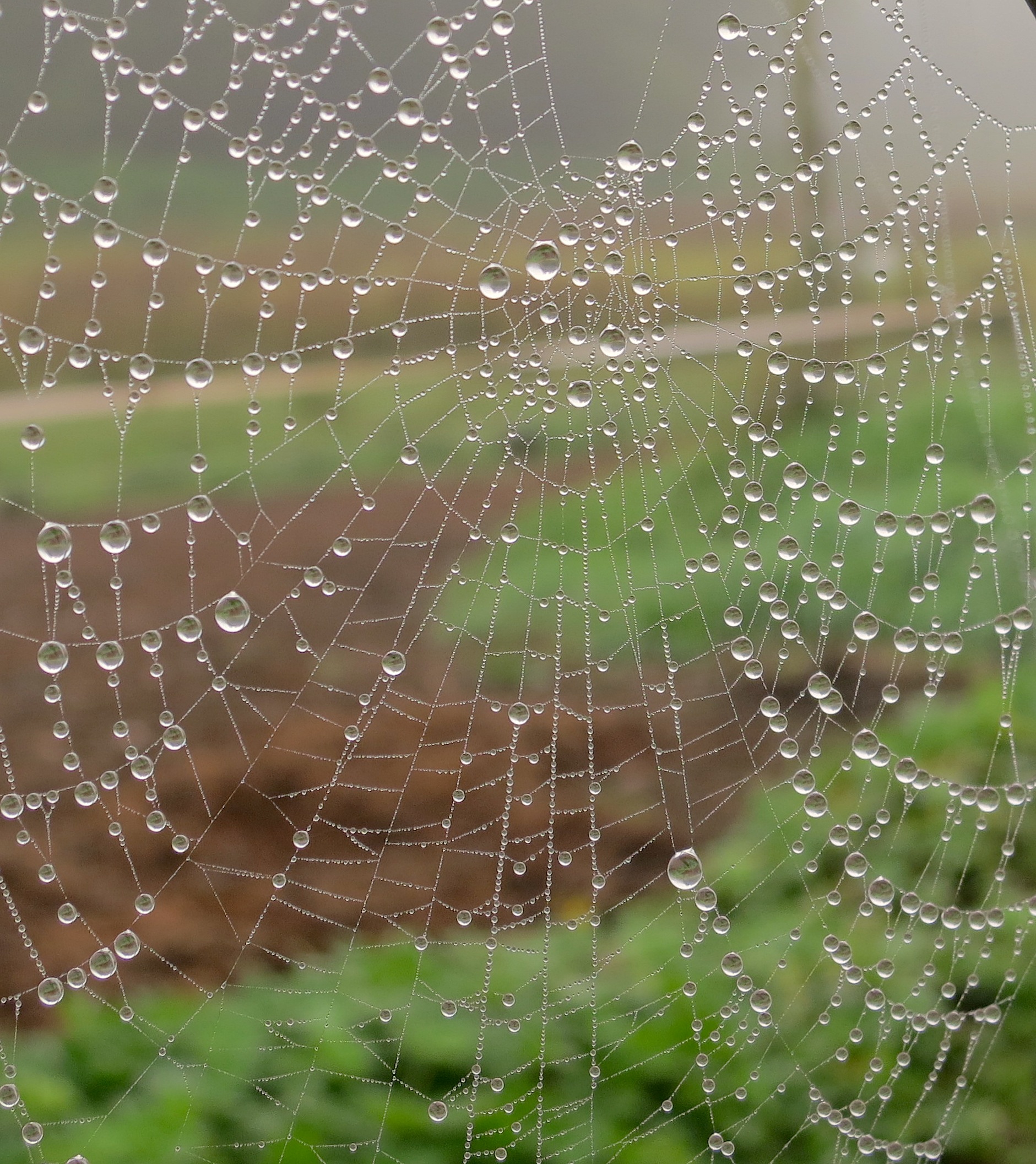
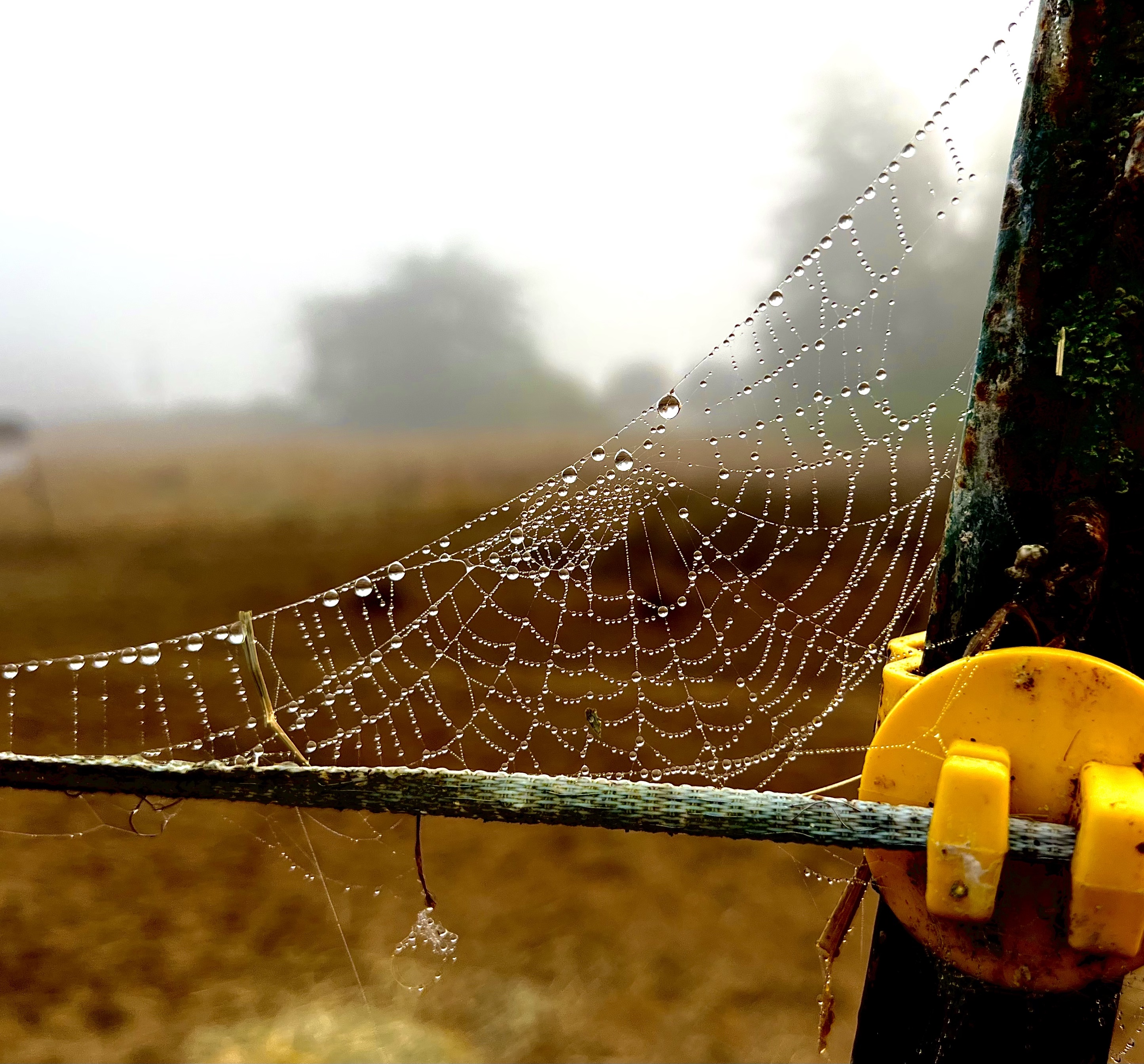
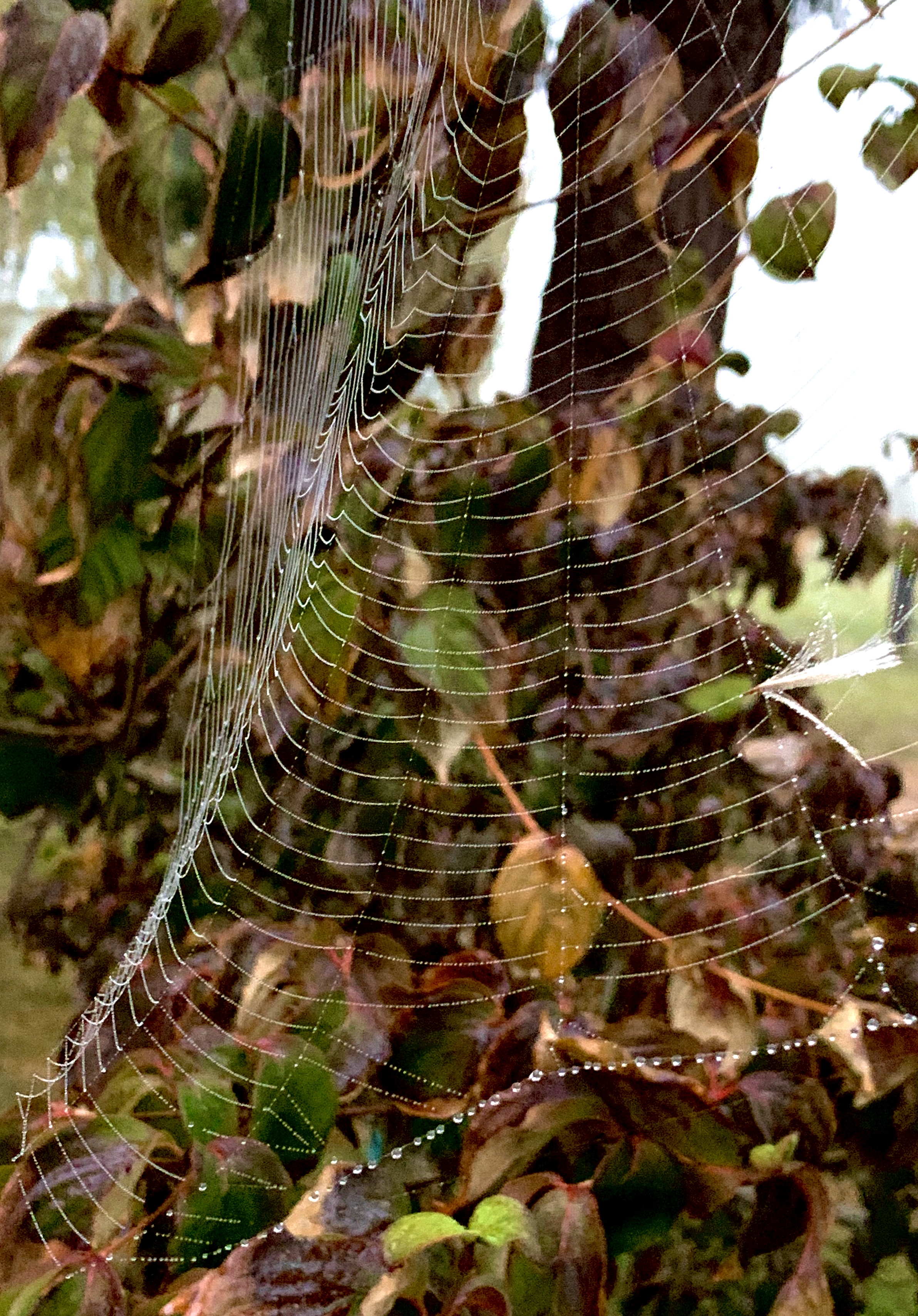
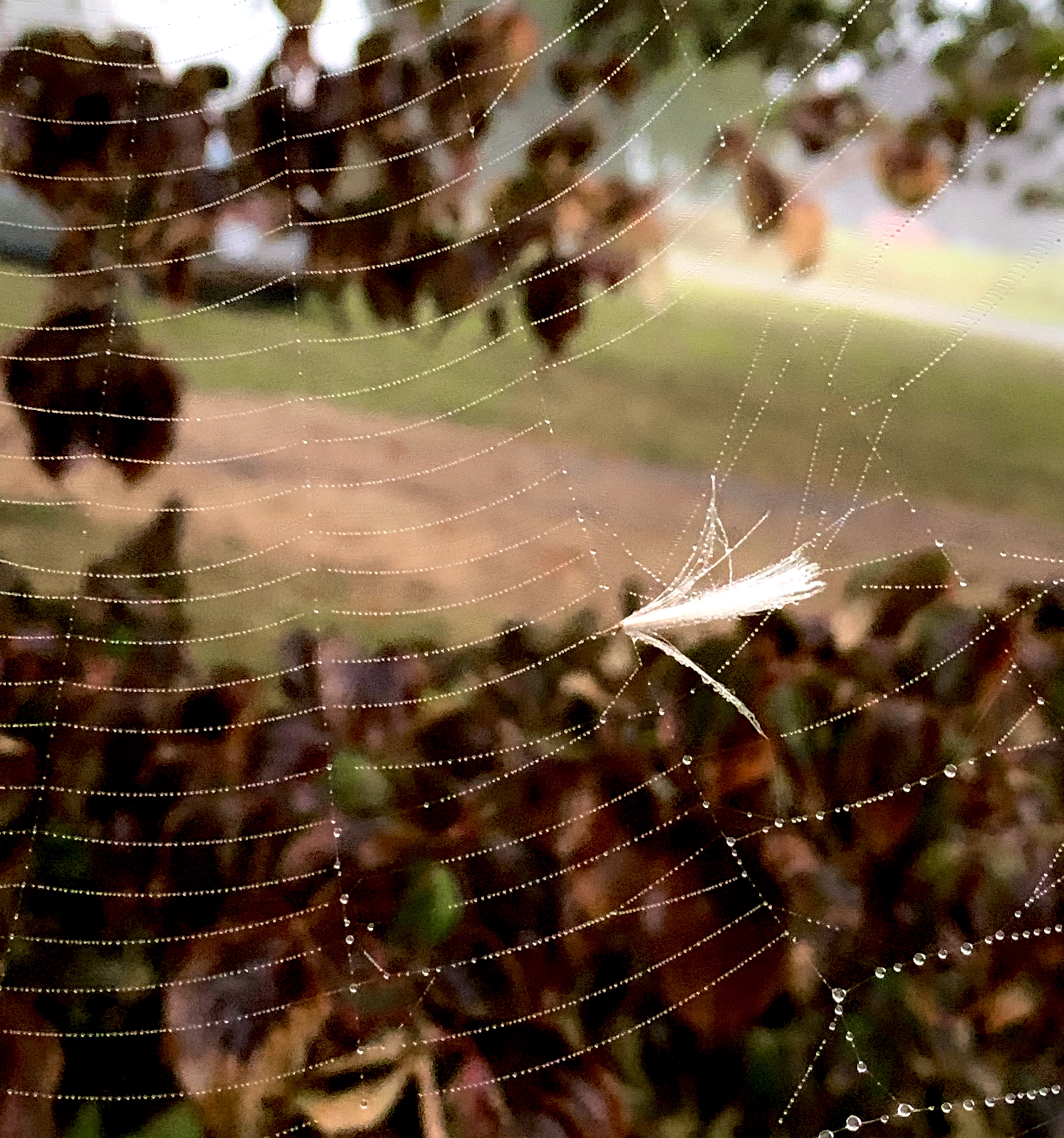
Light comes softly through the morning mist,
splinters as it settles on dewdrops that dangle

from the web. Pulled taut and lovely, the web
stretches above a mass of leaves-

green, amethyst, and pale rose.
silken lines hold fast to spindly branches,

all anchored to the center, geometric
rings of connection, so delicate, so strong

like this catch-all we call life,
how we gather what we think we need

for sustenance, how prisms of light flash
and fade on the fragile structures we create,

how we tremble through storms
holding on, stronger than seems possible.
~Lois Edstrom “A Fragile Light” from MoonPath Press 2025

I too am feeling stretched, trying to connect between post and branch and leaf and ground.

I move between them, sometimes not sure where I’ll land or what I’ll leave behind. Connection is a hard and heavy work of strength and aspiration, not knowing what stands firm in a world where wind and rain and storms or an oblivious creature can tear things all asunder.

Sometimes what I weave is both beautifully delicate and strong.

Sometimes it is easily shredded, full of holes, and ultimately useless.

The center doesn’t always hold. 
The tethers loosen. 
The periphery sags, frays and tears.

It is a matrix of fragile light, yet holding on…

…something created with purpose and intention.
Simply that effort makes it all worthwhile.

I’ll try again tomorrow.

(Lois Edstrom is my poet friend who lives on nearby Whidbey Island; my web photo at the top of this post is the cover for her new book of poems: A Fragile Light)

AI image created for this post
One-Time
Monthly
Yearly

Make a one-time or recurring donation to support daily Barnstorming posts

Make a monthly donation

Make a yearly donation

Choose an amount

$10.00
$25.00
$50.00
$5.00
$15.00
$100.00
$5.00
$15.00
$100.00

Or enter a custom amount

$

Your contribution is deeply appreciated.

Your contribution is appreciated.

Your contribution is appreciated.

DonateDonate monthlyDonate yearly
Feeling Them Resting There

The sunlight now lay over the valley perfectly still.
I went over to the graveyard beside the church
and found them under the old cedars…
I am finding it a little hard to say that I felt them resting there,

but I did…

I saw that, for me, this country would always be populated
with presences and absences,
presences of absences,
the living and the dead.
The world as it is

would always be a reminder
of the world that was,
and of the world that is to come.
~Wendell Berry in Jayber Crow

In great deeds, something abides. 
On great fields, something stays. 
Forms change and pass; bodies disappear; 
but spirits linger, 

to consecrate ground for the vision-place of souls. 

And reverent men and women from afar, 
and generations that know us not and that we know not of, 
heart-drawn to see where and by whom great things were suffered and done for them, shall come to this deathless field, 
to ponder and dream; and lo!

the shadow of a mighty presence shall wrap them in its bosom, 
and the power of the vision pass into their souls. 


This is the great reward of service. 
To live, far out and on, in the life of others;
this is the mystery of the Christ,

–to give life’s best for such high sake
that it shall be found again unto life eternal.

~Major-General Joshua Chamberlain, Gettysburg, Pennsylvania 1889

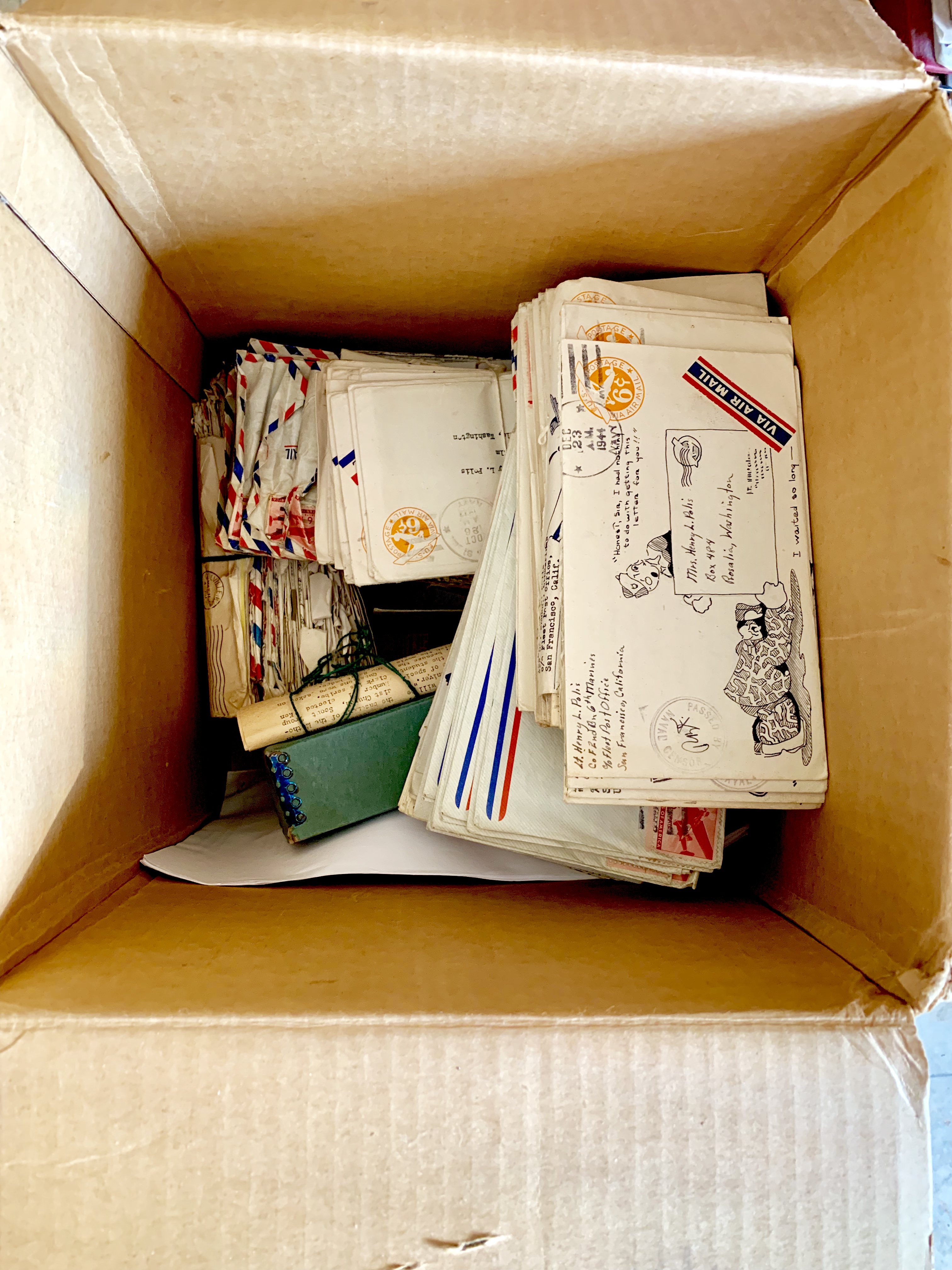
A box of over 700 letters, exchanged between my parents from late 1941 to mid-1945, sat unopened for six decades.

I started reading. I felt them resting in those inked words.

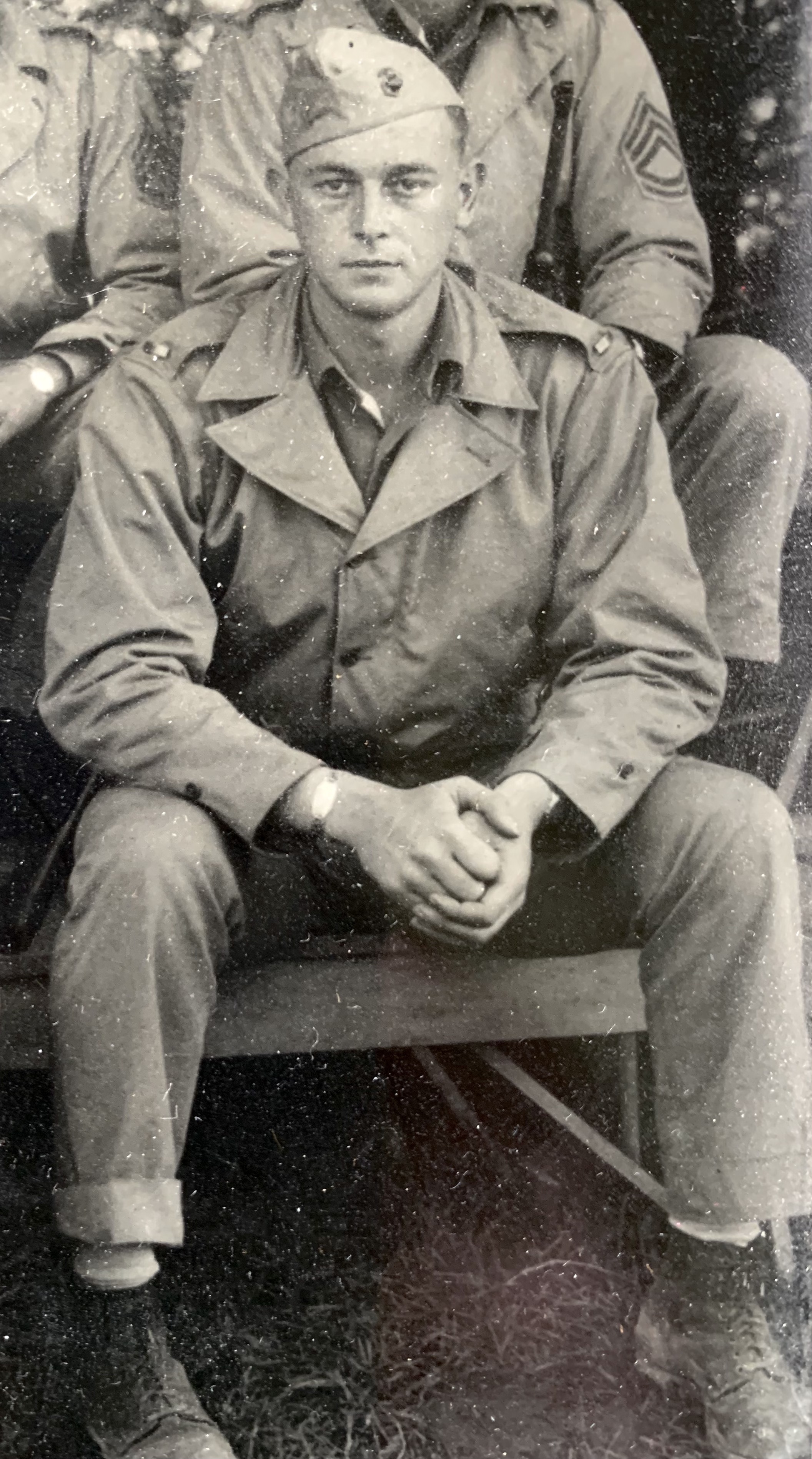
My parents barely knew each other before marrying quickly on Christmas Eve 1942 – the haste due to the uncertain future for a newly trained Second Lieutenant in the Marine Corps. They only had a few weeks together before she returned home to her rural teaching position and he readied himself to be shipped out for the island battles to come.

They had no idea they would not see each other for another 30+ months or even see each other again at all. They had no idea their marriage would fall apart 35 years later and they would reunite a decade after the divorce for five more years together before Dad died of cancer at age 73.

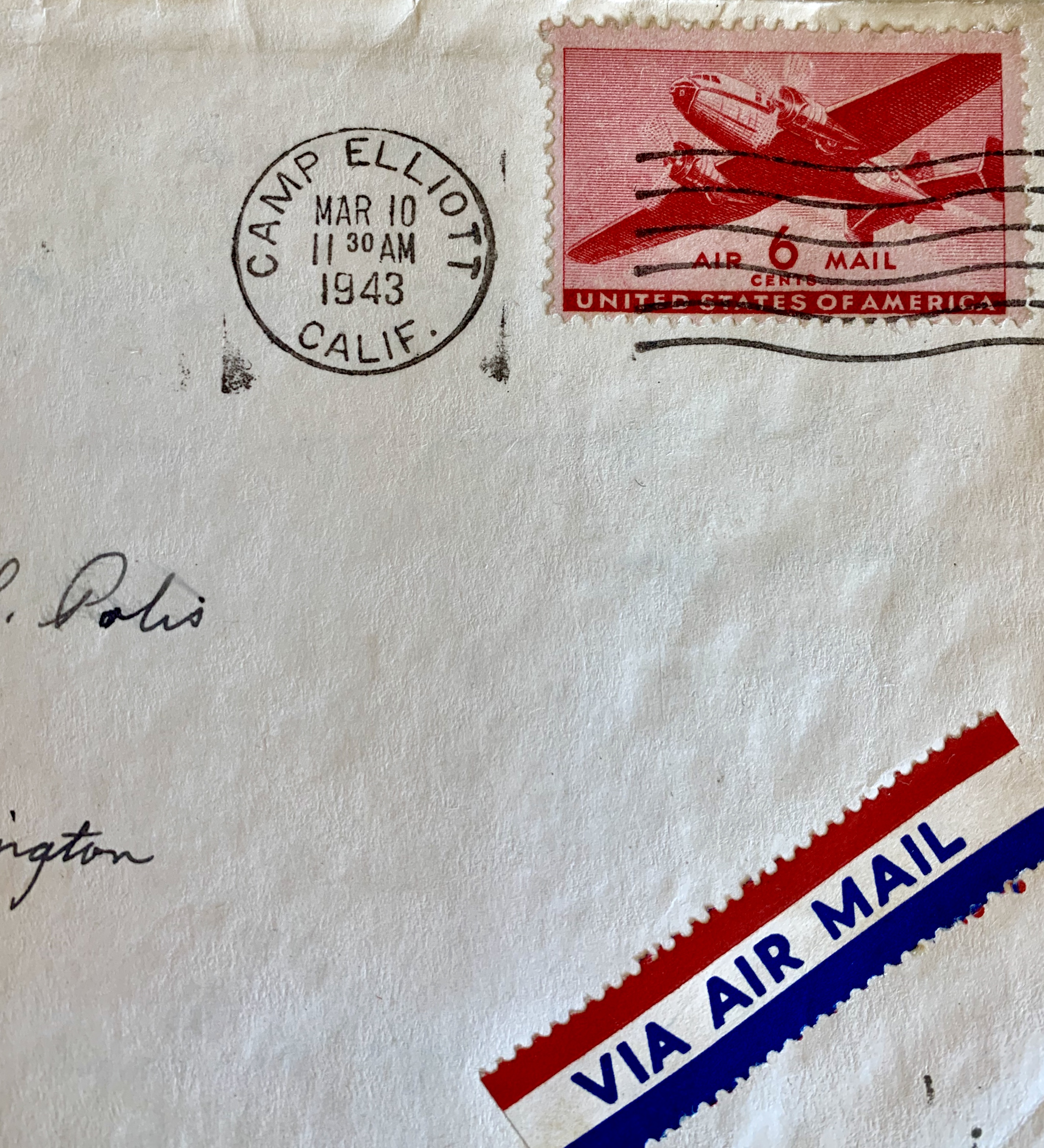
A presence of absence: the letters do contain the long-gone but still-familiar voices of my parents, but they are the words and worries of youngsters of 20 and 21, barely prepared for the horrors to come from war and interminable waiting. When he was fighting battles on Tarawa, Saipan, and Tinian, no letters or news would be received for a month or more, otherwise they tried to write each other daily, though with minimal news to share due to military censorship. They speak mostly of their desire for a normal life together rather than a routine centered on mailbox, pen and paper and waiting – lots and lots of waiting.

I’m not sure what I hoped to find in these letters. Perhaps I hoped for flowery romantic whisperings and the poetry of longing and loneliness. Instead I am reading plain spoken words from two people who somehow made it through those awful years to make my sister and brother and myself possible.

Our inheritance is contained in this musty box of words bereft of poetry. But decades later my heart is moved by these letters – I carefully refold them back into their envelopes and replace them gently back in order. A six cent airmail stamp – in fact hundreds and hundreds of them – was a worthwhile investment in the future, not only for themselves and their family to come, but for generations of U.S. citizens who tend to take their freedom for granted.

Thank you, Dad and Mom, for the early years together you gave up to make today possible for us and the generations to follow.

I hear the mountain birds
The sound of rivers singing
A song I’ve often heard
It flows through me now
So clear and so loud
I stand where I am
And forever I’m dreaming of home
I feel so alone, I’m dreaming of home

It’s carried in the air
The breeze of early morning
I see the land so fair
My heart opens wide
There’s sadness inside
I stand where I am
And forever I’m dreaming of home
I feel so alone, I’m dreaming of home

This is no foreign sky
I see no foreign light
But far away am I
From some peaceful land
I’m longing to stand
A hand in my hand
…forever I’m dreaming of home
I feel so alone, I’m dreaming of home
~Lori Barth and Philippe Rombi “I’m Dreaming of Home”

AI image created for this post
One-Time
Monthly
Yearly

Make a one-time or recurring donation to support daily Barnstorming posts

Make a monthly donation

Make a yearly donation

Choose an amount

$10.00
$25.00
$50.00
$5.00
$15.00
$100.00
$5.00
$15.00
$100.00

Or enter a custom amount

$

Your contribution is deeply appreciated.

Your contribution is appreciated.

Your contribution is appreciated.

DonateDonate monthlyDonate yearly
More Precious than Roses

I am not resigned to the shutting away
of loving hearts in the hard ground.
So it is, and so it will be, for so it has been, time out of mind:
Into the darkness they go, the wise and the lovely. Crowned
With lilies and with laurel they go; but I am not resigned.

Lovers and thinkers, into the earth with you.
Be one with the dull, the indiscriminate dust.
A fragment of what you felt, of what you knew,
A formula, a phrase remains,—but the best is lost.

The answers quick and keen, the honest look,
the laughter, the love,—
They are gone. They are gone to feed the roses.

Elegant and curled
Is the blossom.

Fragrant is the blossom. I know.
But I do not approve. 
More precious was the light in your eyes

than all the roses in the world.

Down, down, down into the darkness of the grave
Gently they go, the beautiful, the tender, the kind;
Quietly they go, the intelligent, the witty, the brave.
I know. But I do not approve. And I am not resigned.

~Edna St. Vincent Millay “Dirge Without Music”

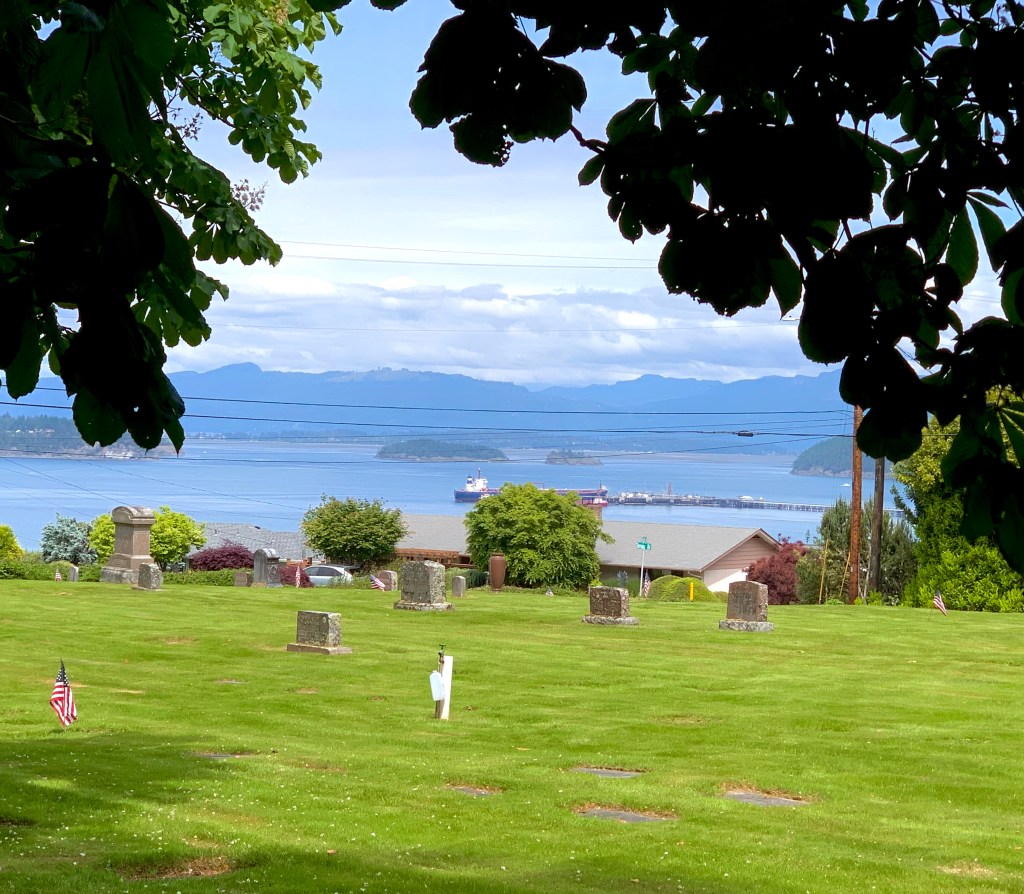
Each Memorial Day weekend without fail,
we gather with family, have lunch, reminisce,
and trek to a cemetery high above Puget Sound
to catch up with our relatives who lie there, still.

Some for over 110 years, some for barely more than a decade,
some we knew and loved and miss every day,
others not so much as they are unknown to us
except on genealogy charts,
names and dates and stones and stories:

the red-haired great-grandmother who died too young,
the aunt who was eight when lymphoma took her,
the grandmother who dreamed of world travel too late,
the great-grandfather Yukon river boat captain,
the grandfather logger and stump farmer,
the great aunt unmarried school teacher who hid an oil well,
the two in-laws who forever lie next to each other
but could not co-exist in the same room while they lived and breathed.

Yet we know each of these
(as we know ourselves and others)

could be tender and kind, though flawed and broken,
had been beautiful and strong, though wrinkled and frail,
was hopeful and faithful, though too soon in the ground.

We know this about them
as we know it about ourselves:
someday we too will feed roses,
the light in our eyes transformed into elegant swirls
emitting the fragrant scent of heaven.

No one asks if we approve.
Nor am I resigned to this
though I know:
So it is, so it has been, so it will be for me
someday.

AI image created for this post
One-Time
Monthly
Yearly

Make a one-time or recurring donation to support daily Barnstorming posts

Make a monthly donation

Make a yearly donation

Choose an amount

$10.00
$25.00
$50.00
$5.00
$15.00
$100.00
$5.00
$15.00
$100.00

Or enter a custom amount

$

Your contribution is deeply appreciated.

Your contribution is appreciated.

Your contribution is appreciated.

DonateDonate monthlyDonate yearly
Burned Up With Beauty

i was talking to a moth
the other evening
he was trying to break into
an electric light bulb
and fry himself on the wires

why do you fellows
pull this stunt i asked him
because it is the conventional
thing for moths or why
if that had been an uncovered
candle instead of an electric
light bulb you would
now be a small unsightly cinder
have you no sense

plenty of it he answered
but at times we get tired
of using it
we get bored with the routine
and crave beauty
and excitement
fire is beautiful
and we know that if we get
too close it will kill us
but what does that matter
it is better to be happy
for a moment
and be burned up with beauty
than to live a long time
and be bored all the while
so we wad all our life up

into one little roll
and then we shoot the roll
that is what life is for
it is better to be a part of beauty
for one instant and then cease to
exist than to exist forever
and never be a part of beauty
our attitude toward life
is come easy go easy
we are like human beings
used to be before they became
too civilized to enjoy themselves

and before i could argue him
out of his philosophy
he went and immolated himself
on a patent cigar lighter
i do not agree with him
myself i would rather have
half the happiness and twice
the longevity
but at the same time i wish
there was something i wanted
as badly as he wanted to fry himself

archy (the cockroach)

~Don Marquis “The Lesson of the Moth”

One night a moth flew into the candle, was caught, burned dry, and held. I must have been staring at the candle, or maybe I looked up when a shadow crossed my page; at any rate, I saw it all…

Her moving wings ignited like tissue paper…

And then this moth essence, this spectacular skeleton, began to act as a wick. She kept burning. The wax rose in the moth’s body from her soaking abdomen to her thorax to the jagged hole where her head should be, and widened into flame, a saffron-yellow flame that robed her to the ground like any immolating monk. That candle had two wicks, two flames of identical height, side by side. The moth’s head was fire. She burned for two hours, until I blew her out.
~Annie Dillard from “The Death of the Moth” from Holy the Firm

The struggle was over.

The insignificant little creature now knew death. As I looked at the dead moth, this minute wayside triumph of so great a force over so mean an antagonist filled me with wonder. Just as life had been strange a few minutes before, so death was now as strange.

The moth having righted himself now lay most decently and uncomplainingly composed. O yes, he seemed to say, death is stronger than I am.
~Virginia Woolf from “The Death of a Moth”

I too would take half the happiness and twice the longevity over one moment of ecstasy.

But I admire the blind passion of a tiny creature who will beat itself senseless on a light bulb, or fly into a flame to become cinders, or struggle so hard to live upright rather than upside down, that it dies in the struggle.

Why are famous poets and essayists fascinated by the tiny deaths they witness on their front porches, in their kitchens or at their writing desk?

Death is never tiny at all.
Nevertheless, death is ceasing to be,
after a unique and intentional creation,
whether a moth, a mother, or ourselves.

We live today. Look for a moment of beauty to enjoy.
Let’s be sensible about what we want so badly.
As one tiny part of matter, we matter.
And when we die, it is never a tiny death.

AI image created for this post

Lyrics:
A day may come that asks of us all we have to give:
a day we never would have sought and yet we have to live.
If it should be our destiny to live in such a day,
let our faith and love be worthy of the ones who showed the way.
The ones we now call heroes
The ones we say their memory will not die –
they were no different in their day than you or I.
They were no different in their day. than you or I.
~Grahame Davies

One-Time
Monthly
Yearly

Make a one-time or recurring donation to support daily Barnstorming posts

Make a monthly donation

Make a yearly donation

Choose an amount

$5.00
$15.00
$100.00
$5.00
$15.00
$100.00
$5.00
$15.00
$100.00

Or enter a custom amount

$

Your contribution is deeply appreciated.

Your contribution is appreciated.

Your contribution is appreciated.

DonateDonate monthlyDonate yearly

Where You Go, I Will Go: I Never Got Wet

When the doctor suggested surgery
and a brace for all my youngest years,
my parents scrambled to take me
to massage therapy, deep tissue work,
osteopathy, and soon my crooked spine
unspooled a bit, I could breathe again,
and move more in a body unclouded
by pain. My mom would tell me to sing
songs to her the whole forty-five minute
drive to Middle Two Rock Road and forty-
five minutes back from physical therapy.
She’d say, even my voice sounded unfettered
by my spine afterward. So I sang and sang,
because I thought she liked it. I never
asked her what she gave up to drive me,
or how her day was before this chore. Today,
at her age, I was driving myself home from yet
another spine appointment, singing along
to some maudlin but solid song on the radio,
and I saw a mom take her raincoat off
and give it to her young daughter when
a storm took over the afternoon. My god,
I thought, my whole life I’ve been under her
raincoat thinking it was somehow a marvel
that I never got wet.
~Ada Limón “The Raincoat”

When I was 13, I grew too quickly. My spine developed a thoracic scoliosis (curvature) — after inspecting my back as I bent over to touch my toes, my pediatrician referred me to a pediatric orthopedic specialist an hour away from my home town.

The question was whether I would need to have a metal rod surgically placed along my spine to prevent it from more misalignment or whether I would need to wear a back brace like a turtle. The least intervention would be physical therapy to try to keep my back and abdominal muscles as strong as possible to limit the curvature.

Since my father didn’t have much flexibility in his work schedule, my mother had to drive me to the “big city” for my appointments – as a nervous driver, she did it only because she knew it was necessary to get the medical opinion needed. She asked me to read aloud to her from whatever book I was reading at the time – I don’t think she listened closely but I think she knew it would keep me occupied while she navigated traffic.

At first, we went every three months for new xrays. The orthopedist would draw on my bare back and on my spine xrays with a black marker, calculating my curves and angles with his protractor, watching for a trend of worsening as I grew taller. He reassured us that I hadn’t yet reached a critical level of deviation requiring more aggressive treatment.

Eventually my growth rate slowed down and the specialist dismissed me from further visits, wishing me well. He told me I would certainly be somewhat “crooked” for the rest of my life, and it would inevitably worsen in my later years. I continued to visit PT for regular visits; my mom would patiently wait in the car as I sweated my way through the regimen.

The orthopedist was right about the curvature of my aging spine. I am not only a couple inches shorter now, but my rib cage and chest wall is asymmetric affecting my ability to stand up totally straight. An xray shows the wear and tear of arthritis changes in my somewhat twisted chest wall and spine.

I consider crookedness a small price to pay for avoiding a serious surgery or a miserable brace as a teenager.

What I didn’t understand at the time was the commitment my mother made to make sure I got the medical monitoring I needed, even if it meant great inconvenience in her life, even if she was awake at night worried about the outcome of the appointments, even if the financial burden was significant for my family. She, like so many parents with children with significant medical or psychological challenges, gave up her wants and wishes to make sure I received what I needed.

As a kid, I just assumed that’s what a mom does. Later, as a mom myself, I realized it IS what moms and dads do, but often at significant personal cost. As a physician, I saw many young people whose parents couldn’t make the commitment to see they got the care they needed, and it showed.

I was blessed by parents who did what their kids needed to thrive.

Without my realizing it, my mom constantly offered me her raincoat so I wouldn’t get wet. Meanwhile she was getting drenched. I never really understood.

Some of you walk this road, now and in the past, sometimes long miles with a family member, handing over your own raincoat when the storms of life overwhelm.

Your sacrifice and compassion are Jesus’ hands and feet made tangible. He walks along where we go, keeping us safe and dry for as long as it takes.

This year’s Lenten theme:

…where you go I will go…
Ruth 1:16

AI image created for this post
One-Time
Monthly
Yearly

Make a one-time or recurring donation to support daily Barnstorming posts

Make a monthly donation

Make a yearly donation

Choose an amount

$10.00
$25.00
$50.00
$5.00
$15.00
$100.00
$5.00
$15.00
$100.00

Or enter a custom amount

$

Your contribution is deeply appreciated.

Your contribution is appreciated.

Your contribution is appreciated.

DonateDonate monthlyDonate yearly

Fresh Tears

When we have died,
and arms long empty of our memories,
reach to know love’s pure and sacred touch,
and to embrace a long sought, long anticipated place

when we have gone the way of all the earth,
and pain and sorrow are no more, not seen or heard or found,
no more the discontent of place or time or any lesser haste,
but only One whose love transcends our harsh and wearied days,

when we have died and gone and fallen fast asleep,
and found the settled light and our so much a sweeter sacral rest,
forever held in caring arms, yes,

held now everlasting in a wonder of it all,
then we have not gone down empty, we have not died alone.

~Henry Lewis from “When”

This event happened in 1975 while I was an undergraduate student researcher in Tanzania, East Africa, working alongside other researchers assisting Dr. Jane Goodall in her study of wild chimpanzees and baboons.

Several metal buildings were scattered along the shore at Gombe National Park, having been built over the years since Jane Goodall and her mother Vanne arrived on a bare beach in 1960. From the very beginning, one of the most powerful connections between these two British women and the Tanzanian villagers who lived up and down Lake Tanganyika was their provision of basic medical supplies and services when needed. Initially, under the cover of the camp tents, they tended to wounds, provided a few medications, and assisted whenever they were needed for help. 

Later, an actual dispensary was built as part of the park buildings, with storage for first aid supplies and medications, many of which were traditional Chinese medications, in little boxes with Chinese characters, and no translation. All we had was a sheet of paper explaining if a medication was to be used for headaches, fevers,  bleeding problems or infections.

There were “open” times in the dispensary and each of the research assistants took turns to see villagers as they came by to be seen for medical issues. We saw injuries that had never healed properly, some people with permanently crippled limbs, centipede bites that swelled legs, babies who were malnourished, malarial fevers.

It felt like so little to offer. None of us had medical training beyond first aid and CPR, but what small service we could provide was met with incredible gratitude. 

So it wasn’t a surprise when a villager arrived one afternoon, running and out of breath, asking that we come right away to help. There had been a terrible accident up the beach when a water taxi engine exploded while transporting two dozen villagers, along with their provisions, including goats and chickens. As people rushed to get away from the engine fire, the roofed boat overturned, with everyone trapped among the boxes, unable to escape. 

Even more tragic, Tanzanians were never taught to swim, so no one on shore could help in the rescue effort.

We dropped everything and six of us ran up the beach for a mile, and could see an overturned water taxi just off shore. The best swimmers went out and started searching for people who had been too long in the deep water. They began to pull the bloated bodies to shore, one by one, the lake water pouring from lifeless mouths and noses.  All we could do was line them up side by side on the beach, trying to keep the biting flies from covering them,  trying to make sense of what was so senseless. There were eight children of various ages, including two small babies, several older women, one pregnant woman, the rest men of all ages–twenty four souls in all, not a single survivor.

As a nurses’ aide, I had cared for the dying and helped to bathe their bodies after death, but I had never before seen so much death at once, and never a dead child.

Before long, relatives started arriving, their grief-stricken wails of loss filling the air on this remote African lakeshore. Husbands and wives wept, keening over a spouse. Children crouched, in shock, by a dead parent. Grandmothers clutched their dead children and grandchildren and would not let go. 

We had saved no one. We had no power to bring them back to life. 

We could only bear witness to the loss and grief with deep compassion for our neighbors who had come to depend on us to help. It became even clearer to me, in a way I had never understood before, how deep our need is for the mercy of God who is our only comfort when terrible things happen.

I have not forgotten those who were lost to the world that day fifty years ago. Still, all these years later, when I see photos of senseless violence and death, whether war or other disasters, I grieve for them anew with fresh tears, all over again.

Psalm 51:
Have mercy, O God…
according to your great compassion…

AI image created for this post
One-Time
Monthly
Yearly

Make a one-time or recurring donation to support daily Barnstorming posts

Make a monthly donation

Make a yearly donation

Choose an amount

$10.00
$25.00
$50.00
$5.00
$15.00
$100.00
$5.00
$15.00
$100.00

Or enter a custom amount

$

Your contribution is deeply appreciated.

Your contribution is appreciated.

Your contribution is appreciated.

DonateDonate monthlyDonate yearly

Learning the Hard Way

There are three kinds of men.
The ones that learn by reading.
The few who learn by observation. 
The rest of them have to pee on the electric fence for themselves.
~Will Rogers

We living creatures learn from the moment we take our first breath. We continue to learn until our last breath. With that lifetime of learning, one would think eventually we should find some semblance of wisdom.

But we don’t. We tend to learn the hard way especially when it comes to matters having to do with our (or others’) health and well-being.

Within a community, we want autonomy to do as we like, no matter what the science says. You’d think we’d know better, but as fallible human beings, we may impulsively make decisions about health issues. Is it evidence-based or simply an anecdotal story about what “worked” or “didn’t work” for someone else?

We’re facing at least four years of a new administration encouraging us all to “pee on the electric fence” and learn for ourselves rather than trust science. Careful research, years of observed experience, and plain common sense isn’t enough to trust public health and infectious disease experts to make wise recommendations about community and individual risk and prevention strategies.

The cows and horses on our farm need to touch an electric fence only once when reaching for greener grass on the other side. That moment provides a potent learning curve for them to make important future decisions. They won’t try testing it again no matter how alluring thngs appear on the other side. Humans should learn as quickly as animals but unfortunately don’t.

I know all too well what a shock feels like and I want to avoid repeating that experience.  Even so, in unguarded careless moments of feeling invulnerable (it can’t happen to me!) or annoyed at being told what I can and can’t do, or simply indulging in magical thinking, I find myself reaching for the greener grass. 

I suspect I’m not alone in my surprise when I’m jolted back to reality.

Many great minds have worked out various theories of effective learning, but, great mind or not, Will Rogers confirms a common sense suspicion: an adverse experience, like a “bolt out of the blue,” can be a powerful teacher. 

So we call peeing on an electric fence it “a teachable moment.”

Sadly, when we learn the hard way, it often ends up hurting everyone.

AI image created for this post

One-Time
Monthly
Yearly

Make a one-time or recurring donation to support daily Barnstorming posts

Make a monthly donation

Make a yearly donation
Choose an amount

$10.00
$25.00
$50.00
$5.00
$15.00
$100.00
$5.00
$15.00
$100.00

Or enter a custom amount

$

Your contribution is deeply appreciated.

Your contribution is appreciated.

Your contribution is appreciated.

DonateDonate monthlyDonate yearly