Next to the Blessed Sacrament itself, your neighbor is the holiest object presented to your senses. ~C. S. Lewis from The Weight of Glory
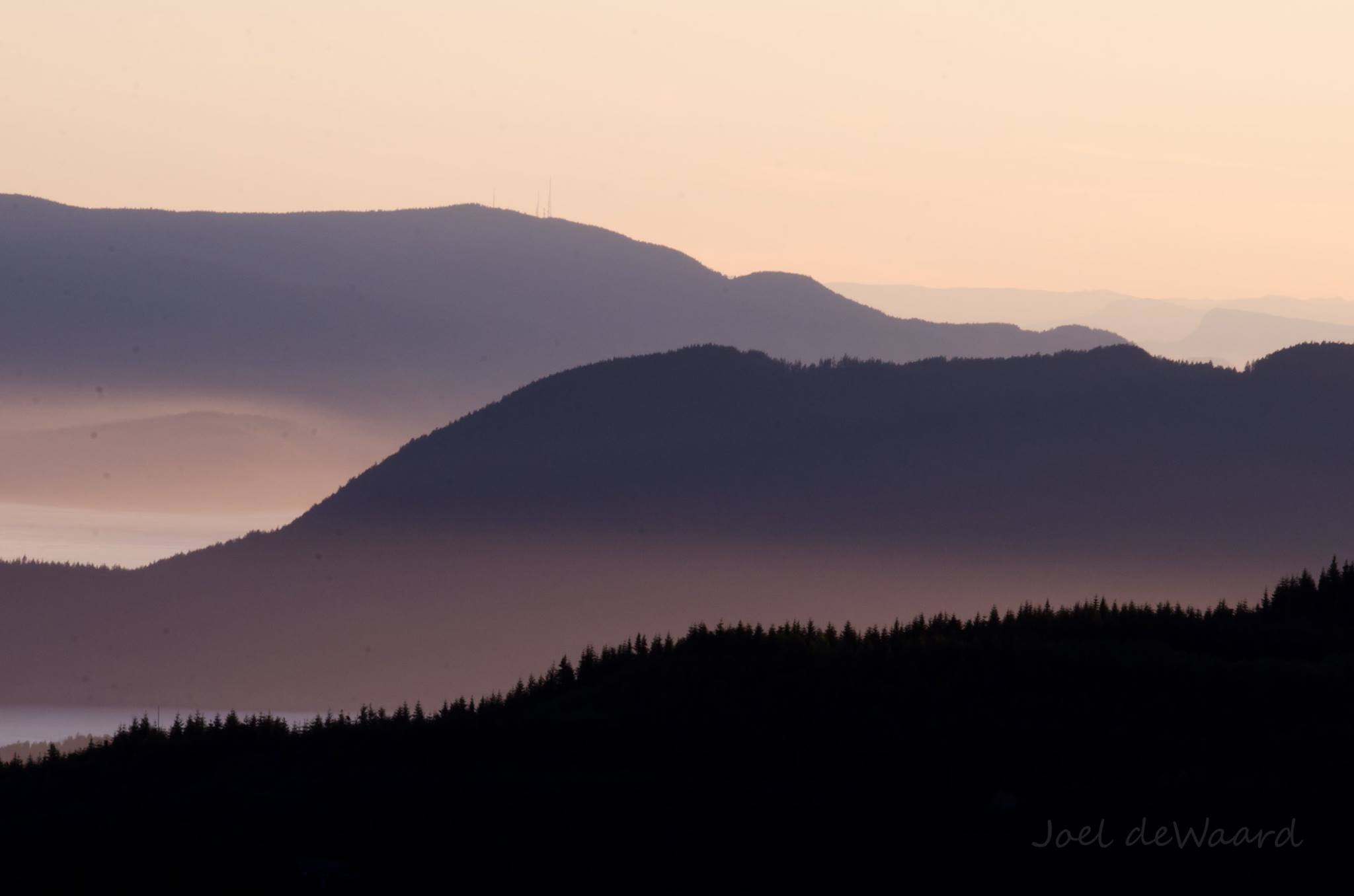
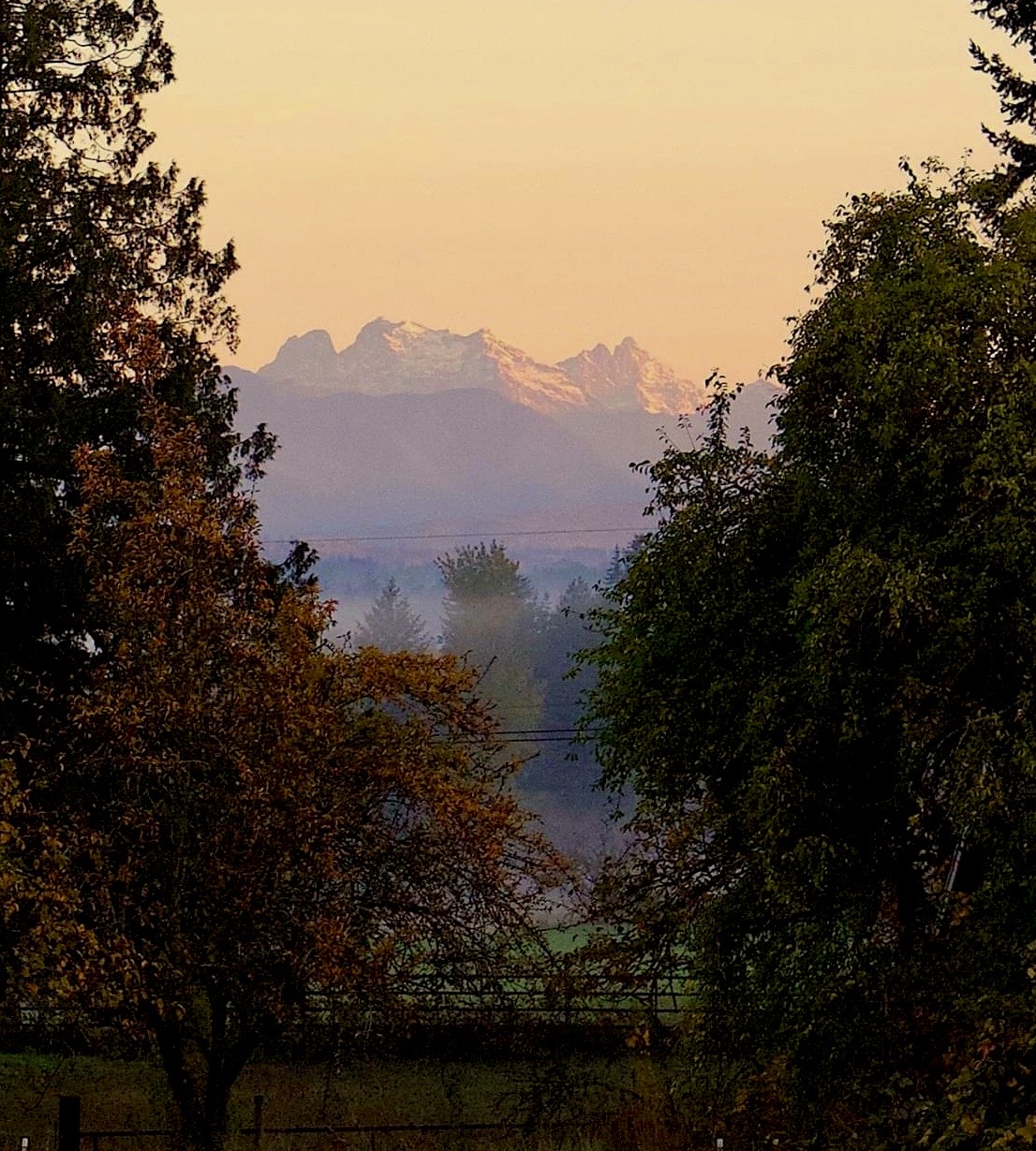
photo of San Juan Islands by Joel DeWaard
We are united by our joint creation as the Image of God. Not one of us reflects God more than another but together form His body and His kingdom on earth.
Dr. King’s words and wisdom continue to inform us of our shortcomings sixty years later. We flounder in our flaws and brokenness; so many question not only the validity of equality of all people of all shades, but even doubt the existence of a God who would create a world that includes the crippled body, the troubled mind, the questioned gender, the genetically challenged, those never allowed to draw a breath.
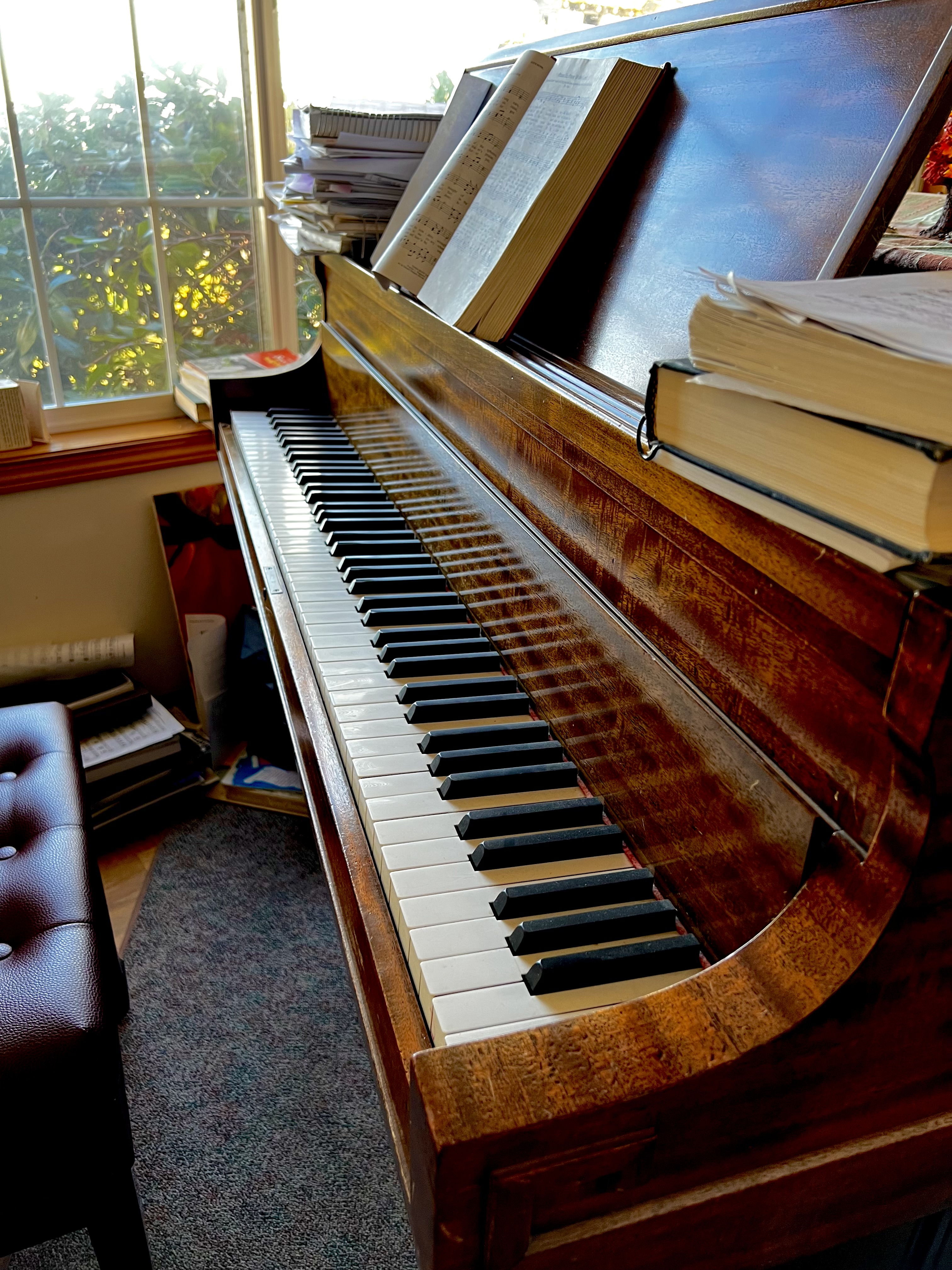
Yet we are all one, a composition made up of white and black keys too often discordant, sometimes dancing to different tempos, on rare occasions a symphony.
The potential is there for harmony, and Dr. King would see and hear that in his time on earth.
Perhaps today we unite only in our shared tears, shed for continued strife and disagreements, shed for injustice that results in senseless killings, shed for our inability to hold up one another as holy in God’s eyes as His intended creation, no matter our color, our origin, our defects, our differences and similarities.
There are no gradations in God nor in His intended harmonious creation. We can weep together, anticipating the day when the Lord God wipes all tears away.
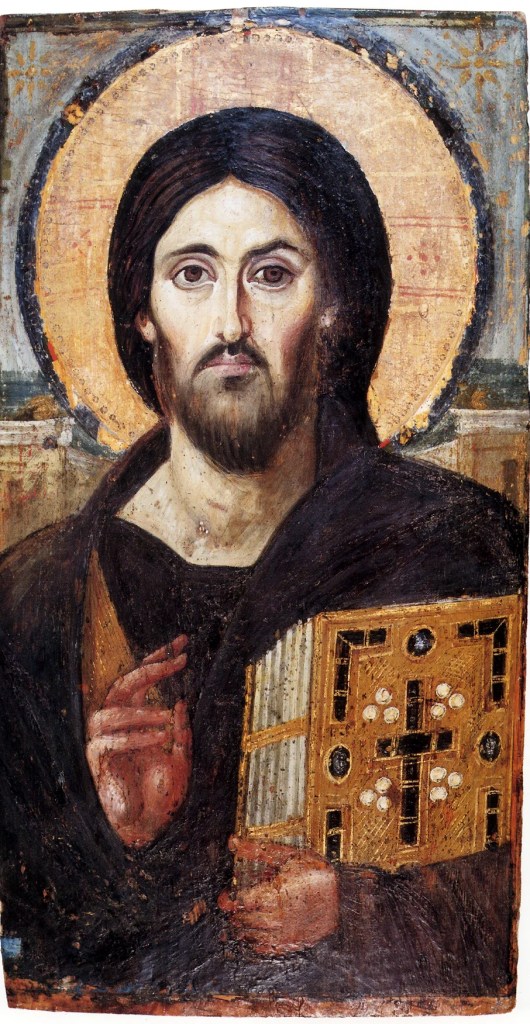
Directly in front of me he is here, him on this quiet morning in a room of the Byzantine Museum, Athens, in the hundred-degree heat and dust of a city not yet fully awake. Here, and I am suddenly confronted— the oldest icon in existence—with his image.
The rest of the room evaporates, and all I see is him: Pure mystery, great and wondrous, dizzying and terrible.
How can wood and pigment egg yolk and animal skin convey such ethereal truth, intensify the power, captivate Christian eye and heart?
Christ of Sinai looks at me with steady gaze. His eyes—the famed twins Justice and Mercy— see straight through me piercing the whitewashed tomb of my exterior till it hurts. One eye is dark, foreboding shadows between the brow and lid deepening and on the verge of righteous anger— the other eye embraces all even my unworthy soul. I stand and cannot pray. My eyes swell with tears. I cannot look anymore. ~Ed Higgins from “Icon: Christ of Sinai” from Near Truth Only
I was not raised with religious icons. I have little understanding about how they may comfort and encourage those who value and even worship them. Yet I do understand inspiring art and words may deepen our faith in God. This has been true for millennia.
This particular Byzantine icon, the oldest known of Christ, is preserved from the 6th century, an early representation with an intense gaze from eyes that are both from man and God.
I look for tears in those eyes. My own fill up knowing Christ is able to see the depths beyond my white-washed exterior.
I look away, ashamed.
Because He sees what we try to keep from Him, Jesus weeps, knowing the truth about us, yet loving us anyway.
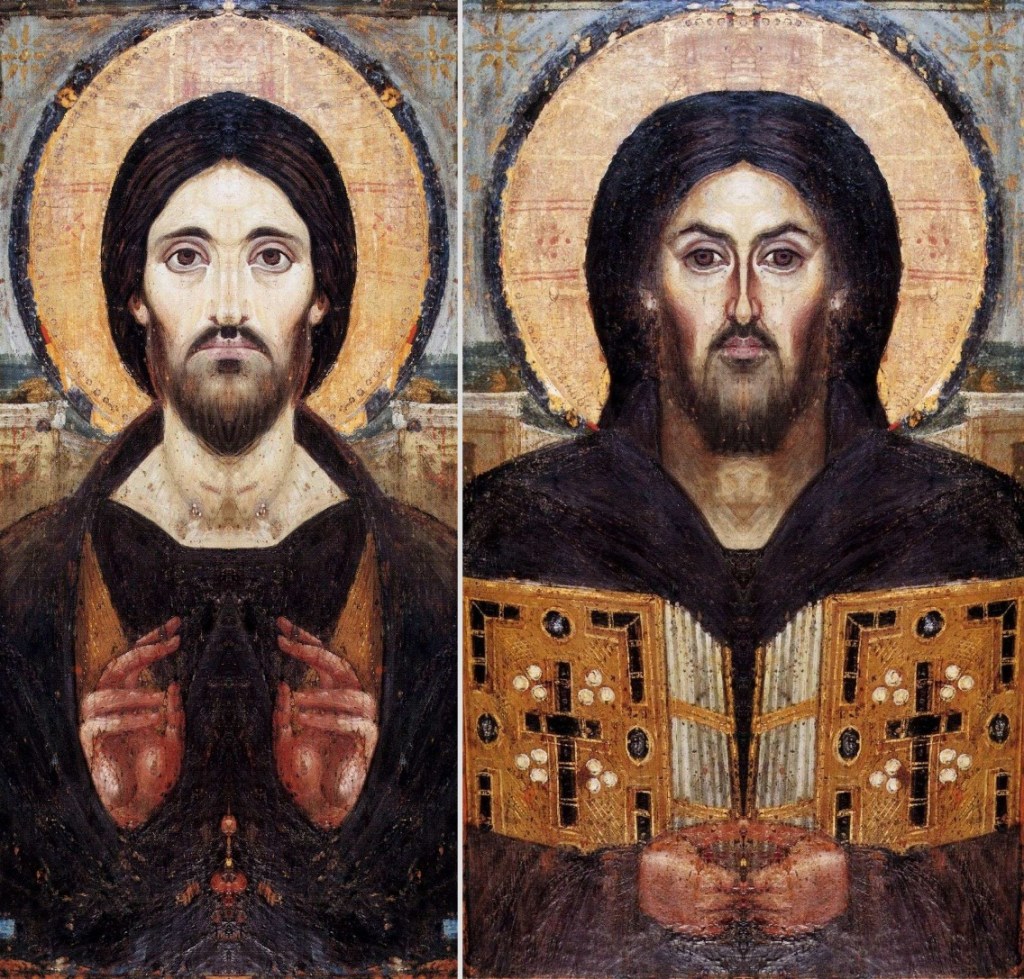
the right and left sides of the icon shown in mirror image, illustrating the dual nature of divine and human
You are like whitewashed tombs, which look beautiful on the outside but on the inside are full of the bones of the dead and everything unclean. Matthew 23:27
Detail from “Descent from the Cross” by Rogier van der Weyden
This Lenten season I reflect on the words of the 19th century southern spiritual hymn “What Wondrous Love is This”
One-Time
Monthly
Yearly
Make a one-time or recurring donation to support daily Barnstorming posts
Do you know why this world is as bad as it is? It is because people think only about their own business, andwon’t trouble themselves to stand up for the oppressed, nor bring the wrong-doers to light. My doctrine is this: that if we see cruelty or wrong that we have the power to stop, and do nothing, we make ourselves sharers in the guilt. ~Anna Sewell from Black Beauty
A true revolution of values will soon cause us to question the fairness and justice of many of our past and present policies. On the one hand, we are called to play the good Samaritan on life’s roadside; but that will be only an initial act. One day the whole Jericho road must be transformed so thatmen and women will not be beaten and robbed as they make their journey through life. True compassion is more than flinging a coin to a beggar; it understands that an edifice that produces beggars needs restructuring. America, the richest and most powerful nation in the world, can well lead the way in this revolution of values. There is nothing, except a tragic death wish, to prevent us from reordering our priorities… ~Martin Luther King, Jr. from a speech April 4, 1967
We live in a time where the groaning need and dividedness of humankind is especially to be felt and recognized. Countless people are subjected to hatred, violence and oppression which go unchecked. The injustice and corruption which exist today are causing many voices to be raised to protest and cryout that something be done. Many men and women are being moved to sacrifice much in the struggle for justice, freedom, and peace. There is a movement afoot in our time, a movement which is growing, awakening.
We must recognize that we as individuals are to blame forevery social injustice, every oppression, the downgrading of others and the injury that man does to man, whetherpersonal or on a broader plane.… God mustintervene with his spirit and his justice and his truth. The presentmisery, need, and decay must pass away and the new day of the Son of Man must dawn. This is the advent of God’s coming. ~Dwight Blough from the introduction to When the Time was Fulfilled (1965)
I weep to see ongoing bitter divisions among our citizens as we fail to learn from history’s past errors. Here we are again, groaning against one another once more, ignited by front-running candidates for president whose ethics and values do not represent freedom and justice for all.
As we once again walk this hazardous Jericho Road together, we cannot pass by those who lie dying in the ditch, our brother, our sister, our neighbor, a stranger.
We must stop and help lest we share the guilt of their suffering.
It could be you or me there bleeding, beaten, abandoned until Someone took our place so we can get up and walk Home.
Maranatha.
At the edge of Jericho Road Beneath the street light’s yellow orange glow The feared and the fallen go In the way of predator and prey No one’s spared Because hate is too great a weight to bear
In a cage of shadows we meet Naked and bloodied in the street At the mercy, at the feet Of the way of predator and prey No one’s spared Because hate is too great a weight to bear
In the darkness on shattered pavement The better angels fade Blurred in slumber, murder by numbers Do you know my name? Do you know my name? I believe in you
Because everyone holds some part of the truth And now, I’m in your way Do we stay on Jericho Road, forever going nowhere Till hate is too great a weight to bear
One-Time
Monthly
Yearly
Make a one-time or recurring donation to support daily Barnstorming posts
O! my heart now feels so cheerful as I go with footsteps light In the daily toil of my dear home; And I’ll tell to you the secret that now makes my life so bright— There’s a flower at my window in full bloom.
It is radiant in the sunshine, and so cheerful after rain; And it wafts upon the air its sweet perfume. It is very, very lovely! May its beauties never wane— This dear flower at my window in full bloom.
Nature has so clothed it in such glorious array, And it does so cheer our home, and hearts illume; Its dear mem’ry I will cherish though the flower fade away— This dear flower at my window in full bloom.
Oft I gaze upon this flower with its blossoms pure and white. And I think as I behold its gay costume, While through life we all are passing may our lives be always bright Like this flower at my window in full bloom. ~Lucian Watkins“The Flower at My Window”1909
Details of the life of poet Lucian Watkins are few: a black man born in 1878 in Virginia, educated as a teacher and served as a U.S. Army Sergeant in WWI, then died shortly after in 1920. He leaves behind only a handful of poems, including the one above.
There is very little information available about Lucian but three letters written by him show a young man who earnestly wanted to have both a writing career and a “bread-winning vocation.” He describes feeling compelled to compose poetry, no matter what else he accomplishes.
The obvious challenges he faced – –as a black man looking for a suitable place to live in Illinois so he can attend a college where there are no other people of color nearby, –as a veteran of a most horrific war, –as a creative mind trying to find a way to make a living, he writes passionately about the aspirational purity of a white flower outside his window. Its bright radiance represents what he longs for in his own life.
From his letter to President Bissell of Bissell Colleges in Effingham, Illinois in 1919 after President Bissell is unable to assist in finding him a place to live, having suggested that the war veteran might consider “doing light housekeeping” – essentially live as a servant in a white household:
“About this matter of a boarding place. While I had hoped to obtain board with a member of my own race in Effingham, I had not thought it imperative that I should do so. I feel sure that there is enough Christianity in Effingham to provide that a brother-stranger in their midst shall not die of hunger. What would Jesus do?
It seems that some places in the south they rise more readily to our American ideal of democracy than in the North and Middle-West. ‘The Richmond Planet’ of Richmond, Va., states that ‘right here in Richmond, the capital of the late Confederacy, colored soldiers are welcomed to aristocratic Westhampton, and with no sigh of racial discrimination or antipathy to their being there.’ What is the matter with Illinois?
I am not sure as to what your question involves. We shall talk it over when I arrive. There must be a way that is just and that will be good for all concerned. Very respectfully, signed Lucian B. Watkins“
This man was not only a poet. He was a statesman.
Though Lucian Watkins’ life was cut short for reasons unknown, and his portfolio of poetry is small, he is nonetheless a gift to generations of future poets and readers. This black artist did not let the inevitable rainfall in his life discourage his world view; he himself is radiant with illumination, showing a budding cheerfulness. His work reminds us something as simple as observing a resilient flower outside our window can help heal painful hurts and fulfill our deepest longing.
In his writing, Lucian Watkins draws a thin line between joy and sorrow, embracing the joy in a simple white flower in full bloom before it, as will we all, fades away.
Flower gleam and glow let your power shine make the Clock reverse bring back what once was mine What once was mine Heal what has been hurt change the fate’s design Save what has been lost bring back what once was mine what once was mine ~Healing Song from Tangled
No matter if you’re born To play the king or pawn For the line is thinly drawn ‘tween joy and sorrow So my fantasy becomes reality And I must be what I must be and face tomorrow So I’ll continue to continue to pretend My life will never end And flowers never bend with the rainfall ~Paul Simon
One-Time
Monthly
Yearly
Make a one-time or recurring donation to support daily Barnstorming posts
I lived in the first century of world wars. Most mornings I would be more or less insane, The newspapers would arrive with their careless stories, The news would pour out of various devices Interrupted by attempts to sell products to the unseen. I would call my friends on other devices; They would be more or less mad for similar reasons. Slowly I would get to pen and paper, Make my poems for others unseen and unborn. In the day I would be reminded of those men and women, Brave, setting up signals across vast distances, Considering a nameless way of living, of almost unimagined values. As the lights darkened, as the lights of night brightened, We would try to imagine them, try to find each other, To construct peace, to make love, to reconcile Waking with sleeping, ourselves with each other, Ourselves with ourselves. We would try by any means To reach the limits of ourselves, to reach beyond ourselves, To let go the means, to wake.
Juries can’t raise the dead... …a just God governs the universe, and for that reason, none of our efforts are in vain ...God is not limited by our insufficiency, but perhaps might even be glorified through using limited human instruments for his purposes. ~Esau McCaulley, New Testament Wheaton College professor in his Opinion piece today “How I’m talking to my kids about the Derek Chauvin verdict”
How to reconcile ourselves with each other? Indeed – ourselves with ourselves?
How will a single verdict make a difference in the battles fought for centuries between people all made in the image of God but fallen so far from Him?
Juries call us to the truth about ourselves. The rest is up to us: what we tell our children about how to live and love.
What poems do we write to the unseen and the unborn so they do not repeat our mistakes.
And so, now we reconcile ourselves, heeding the call to live out His purposes.
Romantic love is blind to everything except what is lovable and lovely, but Christ’s love sees us with terrible clarity and sees us whole. Christ’s love so wishes our joy that it is ruthless against everything in us that diminishes our joy. The worst sentence Love can passis that we behold the suffering which Love has endured for our sake, and that is also our acquittal. The justice and mercy of the judge are ultimately one. ~Frederick Buechner
As we prepare for the season of Lent to begin this week:
We see with terrible clarity the Love and forgiveness shown to the guilty, the Love given freely to the undeserving, the Love paying our ransom in full, the Love that endures suffering to release us from our bondage.
This Judge convicts by meting out justice upon His own head, then serves the whole sentence Himself: He sets us free to feel and know and see and share with one another the Love we are shown.
Chunky and noisy, but with stars in their black feathers, they spring from the telephone wire and instantly
they are acrobats in the freezing wind. And now, in the theater of air, they swing over buildings,
dipping and rising; they float like one stippled star that opens, becomes for a moment fragmented,
then closes again; and you watch and you try but you simply can’t imagine
how they do it with no articulated instruction, no pause, only the silent confirmation that they are this notable thing,
this wheel of many parts, that can rise and spin over and over again, full of gorgeous life.
Ah, world, what lessons you prepare for us, even in the leafless winter, even in the ashy city. I am thinking now of grief, and of getting past it;
I feel my boots trying to leave the ground, I feel my heart pumping hard. I want
to think again of dangerous and noble things. I want to be light and frolicsome. I want to be improbable beautiful and afraid of nothing, as though I had wings. ~Mary Oliver “Starlings in Winter” from Owls and Other Fantasies: Poems and Essays
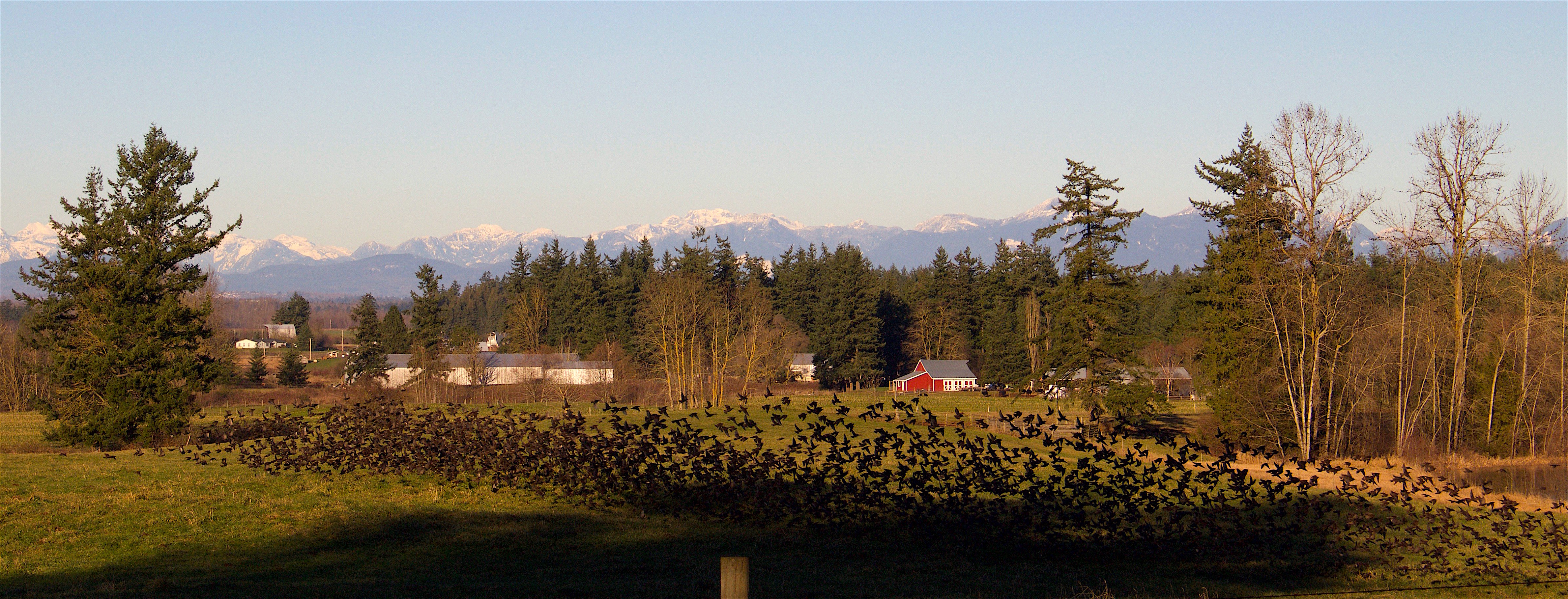
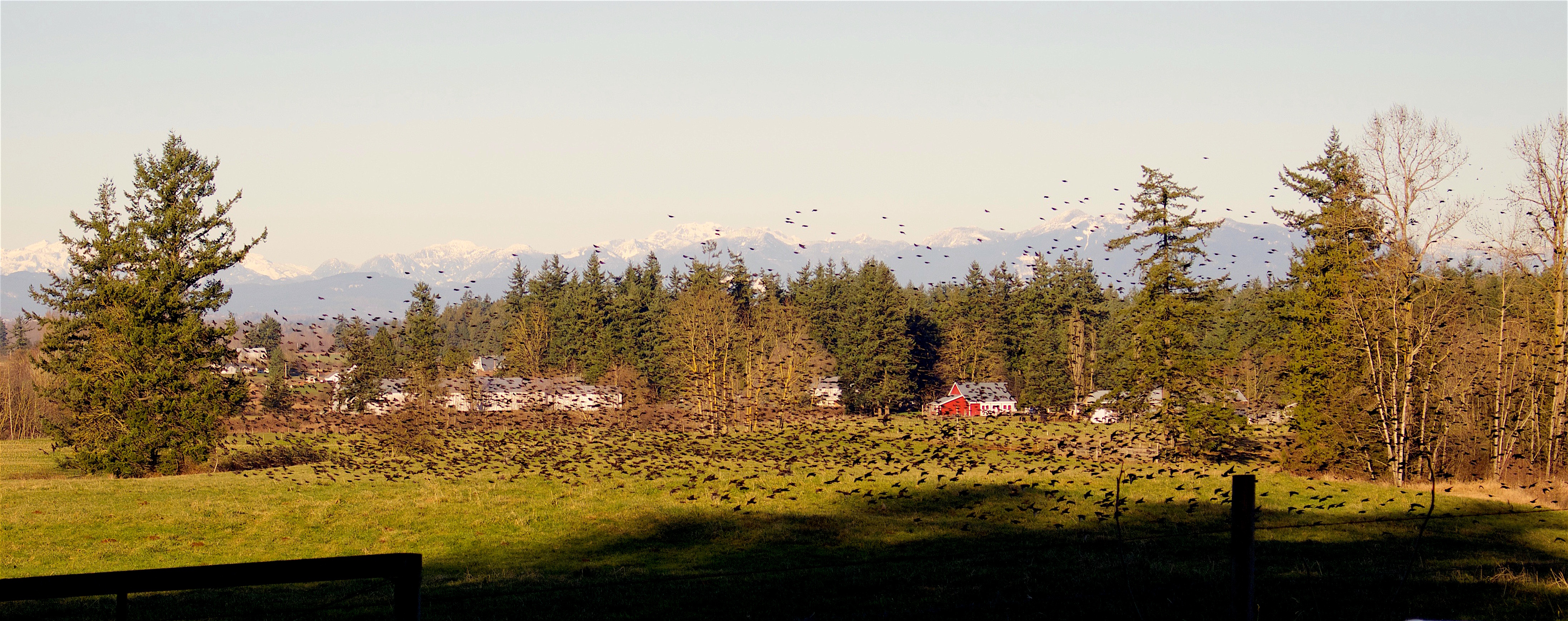
Out of the dimming sky a speck appeared, then another, and another. It was the starlings going to roost. They gathered deep in the distance, flock sifting into flock, and strayed towards me, transparent and whirling, like smoke. They seemed to unravel as they flew, lengthening in curves, like a loosened skein. I didn’t move;they flew directly over my head for half an hour.
Each individual bird bobbed and knitted up and down in the flight at apparent random, for no known reason except that that’s how starlings fly, yet all remained perfectly spaced. The flocks each tapered at either end from a rounded middle, like an eye. Overhead I heard a sound of beaten air, like a million shook rugs, a muffled whuff. Into the woods they sifted without shifting a twig, right through the crowns of trees, intricate and rushing, like wind.
Could tiny birds be sifting through me right now, birds winging through the gaps between my cells, touching nothing, but quickening in my tissues, fleet? ~Annie Dillard from Pilgrim at Tinker Creek
…yesterday I heard a new sound above my head a rustling, ruffling quietness in the spring air
and when I turned my face upward I saw a flock of blackbirds rounding a curve I didn’t know was there and the sound was simply all those wings, all those feathers against air, against gravity and such a beautiful winning: the whole flock taking a long, wide turn as if of one body and one mind.
How do they do that?
If we lived only in human society what a puny existence that would be
but instead we live and move and have our being here, in this curving and soaring world that is not our own so when mercy and tenderness triumph in our lives and when, even more rarely, we unite and move together toward a common good,
we can think to ourselves:
ah yes, this is how it’s meant to be. ~Julie Cadwallader Staub from “Blackbirds” from Wing Over Wing
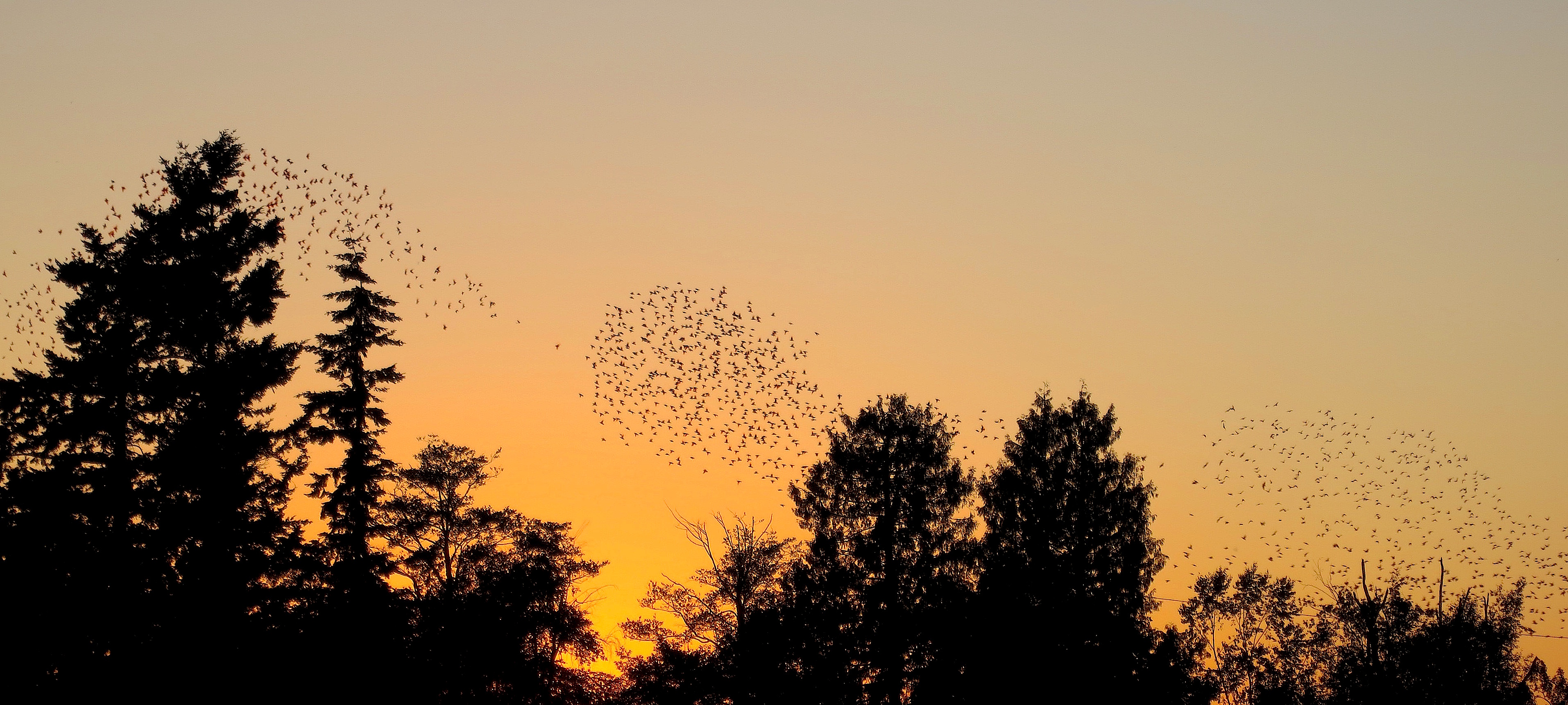
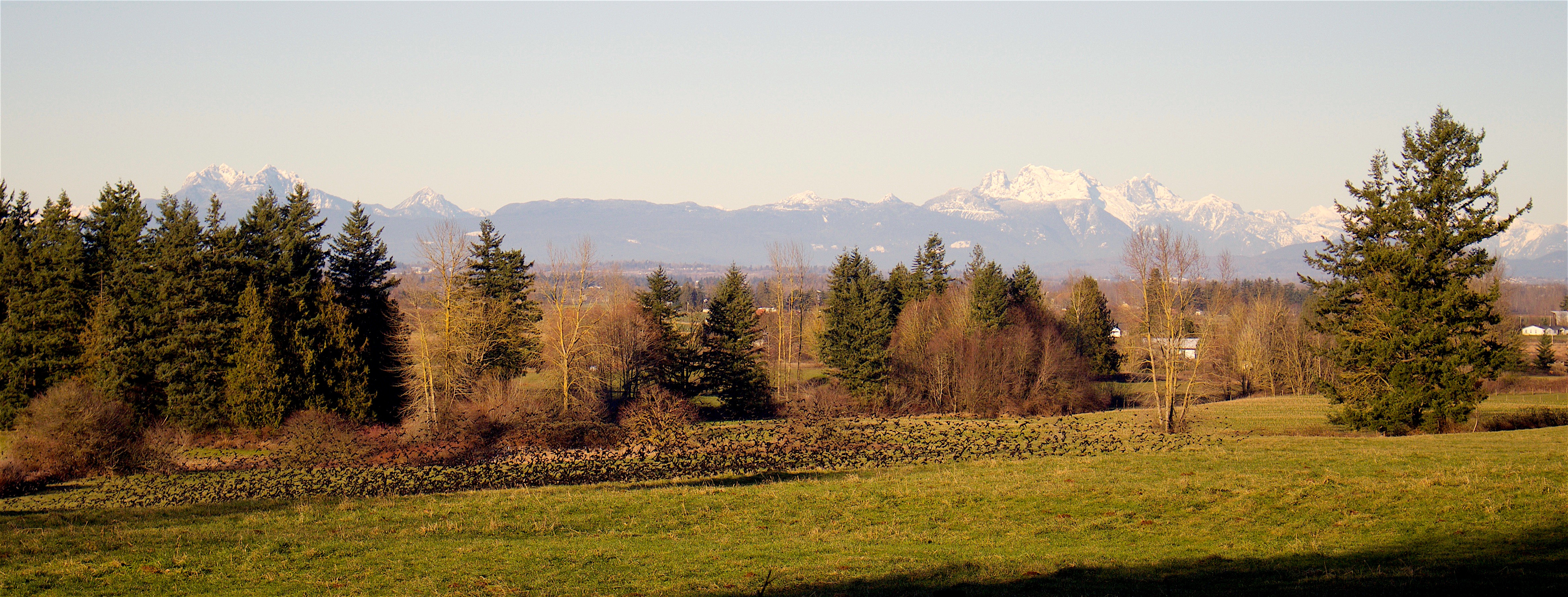
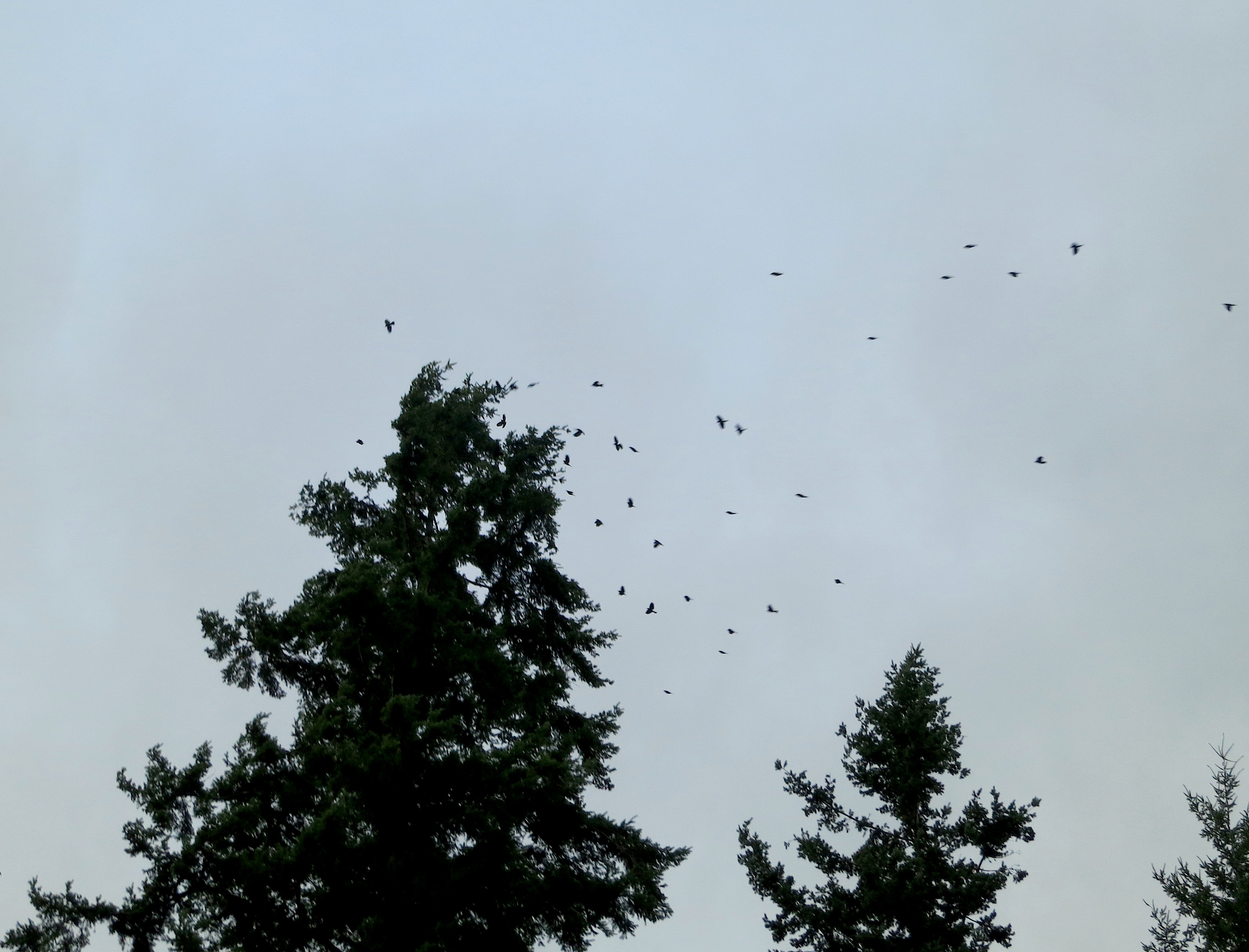
Watching a winter starlings’ murmuration is a visceral experience – my heart leaps to see it happen above me. I can get queasy following its looping amoebic folding and unfolding path.
Thousands of individual birds move in sync with one another to form one massive organism existing solely because each tiny component anticipates and cooperates to avoid mid-air collisions. It could explode into chaos but it doesn’t. It could result in massive casualties but it doesn’t. They could avoid each other altogether but they don’t – they come together with a purpose and reasoning beyond our imagining. Even the silence of their movement has a discernible sound.
We humans are made up of just such cooperating component parts, that which is deep in our tissues, programmed in our DNA. Yet we don’t exercise such unity from our designed and carefully constructed building blocks. We are frighteningly disparate and independent creatures, going our own way bumping and crashing without care, leaving so much body and spiritual wreckage behind.
To where has flown our mercy and tenderness? We have corporately lost our internal moral compass.
We figuratively and literally shoot each other in the back, trampling over and suffocating one another, in a reach for justice that seems right in our own eyes.
We even watch the daily death count rise in ever-increasing numbers, and still some resist doing what it takes to protect themselves and one another.
The sound of silence is muffled weeping.
There comes a time in every fall before the leaves begin to turn when blackbirds group and flock and gather choosing a tree, a branch, together to click and call and chorus and clamor announcing the season has come for travel.
Then comes a time when all those birds without a sound or backward glance pour from every branch and limb into the air, as if on a whim but it’s a dynamic, choreographed mass a swoop, a swerve, a mystery, a dance
and now the tree stands breathless, amazed at how it was chosen, how it was changed. ~Julie Cadwallader Staub “Turning” from Wing Over Wing
…if I respond to hate with a reciprocal hate I do nothing but intensify the cleavage in broken community. I can only close the gap in broken community by meeting hate with love. If I meet hate with hate, I become depersonalized, because creation is so designed that my personality can only be fulfilled in the context of community. Booker T. Washington was right: “Let no man pull you so low as to make you hate him.” ~Dr. Martin Luther King, Jr. from Stride Toward Freedom
Do you know why this world is as bad as it is? It is because people think only about their own business, and won’t trouble themselves to stand up for the oppressed, nor bring the wrong-doers to light. My doctrine is this: that if we see cruelty or wrong that we have the power to stop, and do nothing, we make ourselves sharers in the guilt. ~Anna Sewell from Black Beauty
As nightfall does not come at once, neither does oppression. In both instances, there is a twilight when everything remains seemingly unchanged. And it is in such twilight that we all must be most aware of change in the air – however slight – lest we become unwitting victims of the darkness. ~William O. Douglasin a 1976 letter to Young Lawyers of the Washington State Bar Association
We live in a time where the groaning need and dividedness of humankind is especially to be felt and recognized. Countless people are subjected to hatred, violence and oppression which go unchecked. The injustice and corruption which exist today are causing many voices to be raised to protest and cry out that something be done. Many men and women are being moved to sacrifice much in the struggle for justice, freedom, and peace. There is a movement afoot in our time, a movement which is growing, awakening.
We must recognize that we as individuals are to blame for every social injustice, every oppression, the downgrading of others and the injury that man does to man, whether personal or on a broader plane.… God must intervene with his spirit and his justice and his truth. The present misery, need, and decay must pass away and the new day of the Son of Man must dawn. This is the advent of God’s coming. ~Dwight Blough from the introduction to When the Time was Fulfilled (1965)
No matter how big a nation is, it is no stronger that its weakest people, and as long as you keep a person down, some part of you has to be down there to hold him down, so it means you cannot soar as you might otherwise. ~Marian Anderson, American opera singer at two presidential inaugurals, Presidential Medal of Freedom recipient and US State Dept. Goodwill Ambassador
We have a new definition of greatness: it means that everybody can be great, because everybody can serve. You don’t have to have a college degree to serve. You don’t have to make your subject and your verb agree to serve. You don’t have to know about Plato and Aristotle to serve. You don’t have to know Einstein’s theory of relativity to serve. You don’t have to know the second theory of thermodynamics in physics to serve.
You only need a heart full of grace, a soul generated by love. And you can be that servant. ~Martin Luther King, Jr. in a February 1968 sermon: “The Drum Major Instinct”, A Knock At Midnight: Inspiration from the Great Sermons of Reverend Martin Luther King, Jr.
Dr. King’s words and wisdom in his sermons and letters written over fifty years ago continue to inform us of our shortcomings as a society.
We flounder in our flaws and brokenness, persisting in our resistance to serve one another out of humility, grace and love.
Perhaps this week, we can be forgiven and start afresh.
Instead of spewing lies, profanity and hatred, can we unite despite our fear of one another? -to no longer be divided by strife and disagreements, -to no longer support actions that result in senseless killings, whether in the streets or in the womb, -to finally be able to hold up one another, born and unborn, as a holy and equal in God’s eyes.
May we join together as the light dawns on this day knowing, as Dr. King knew, a new day will come when the Lord God wipes tears away from all faces, all colors, all people, created in His image.
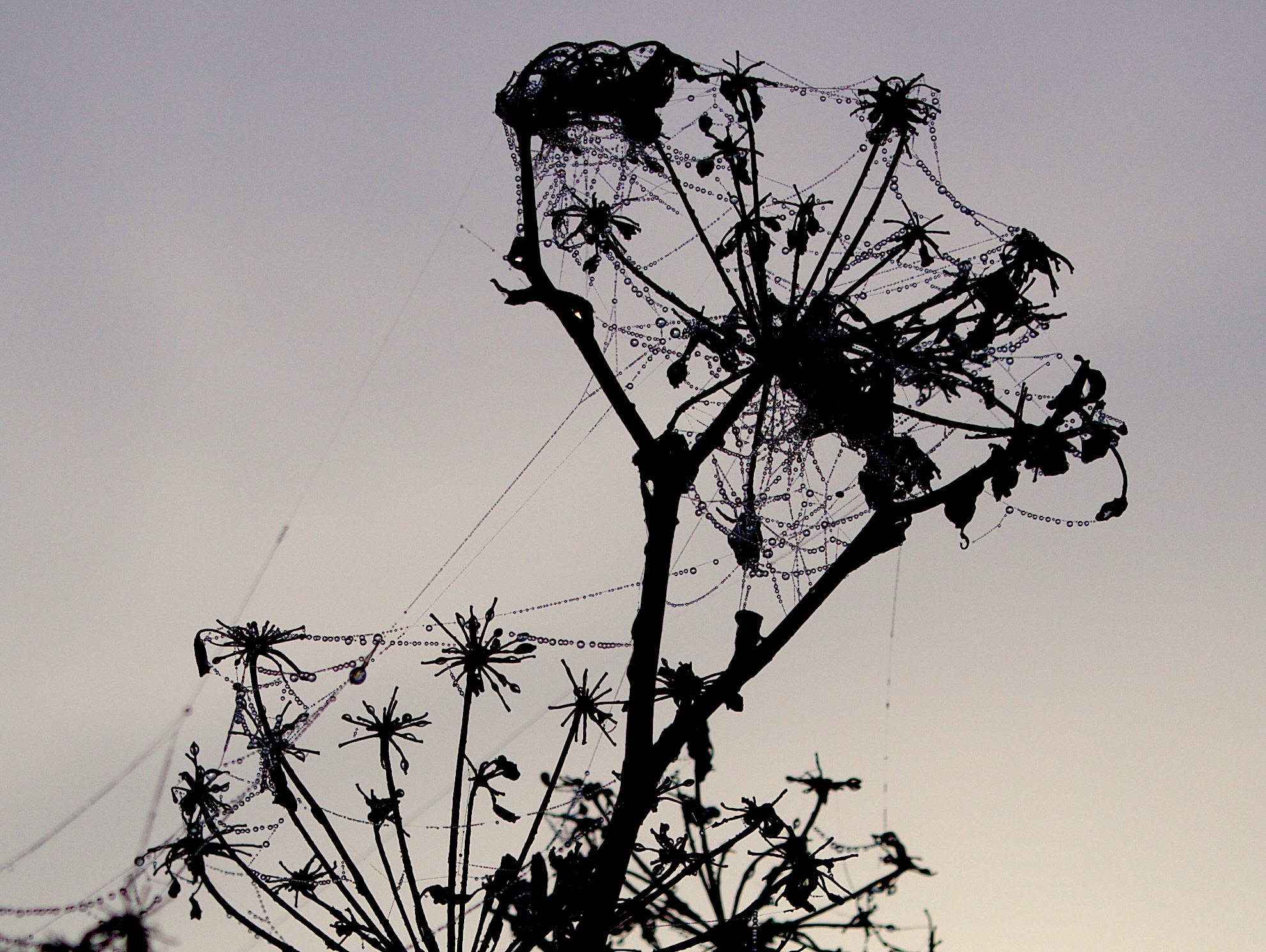
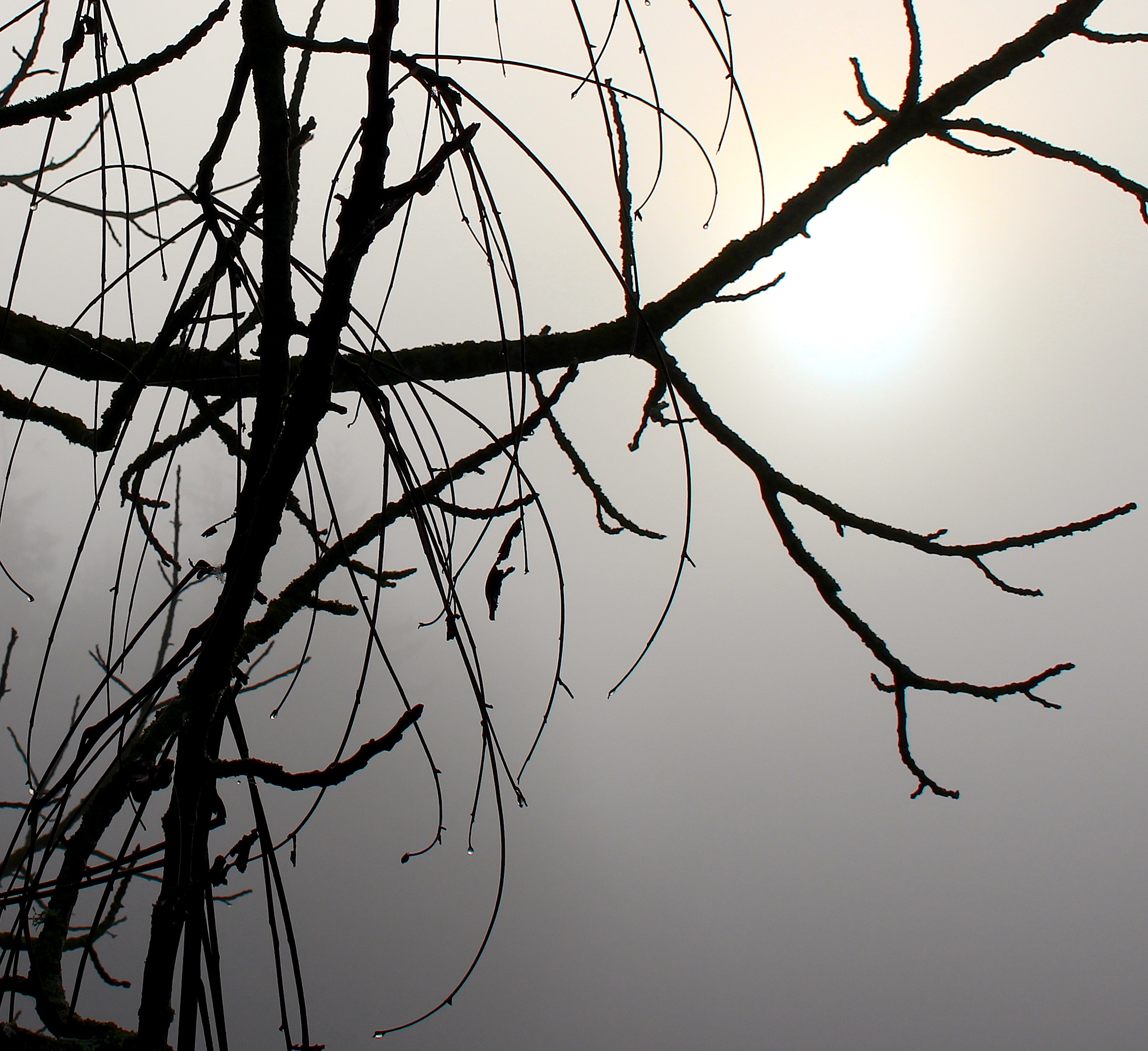
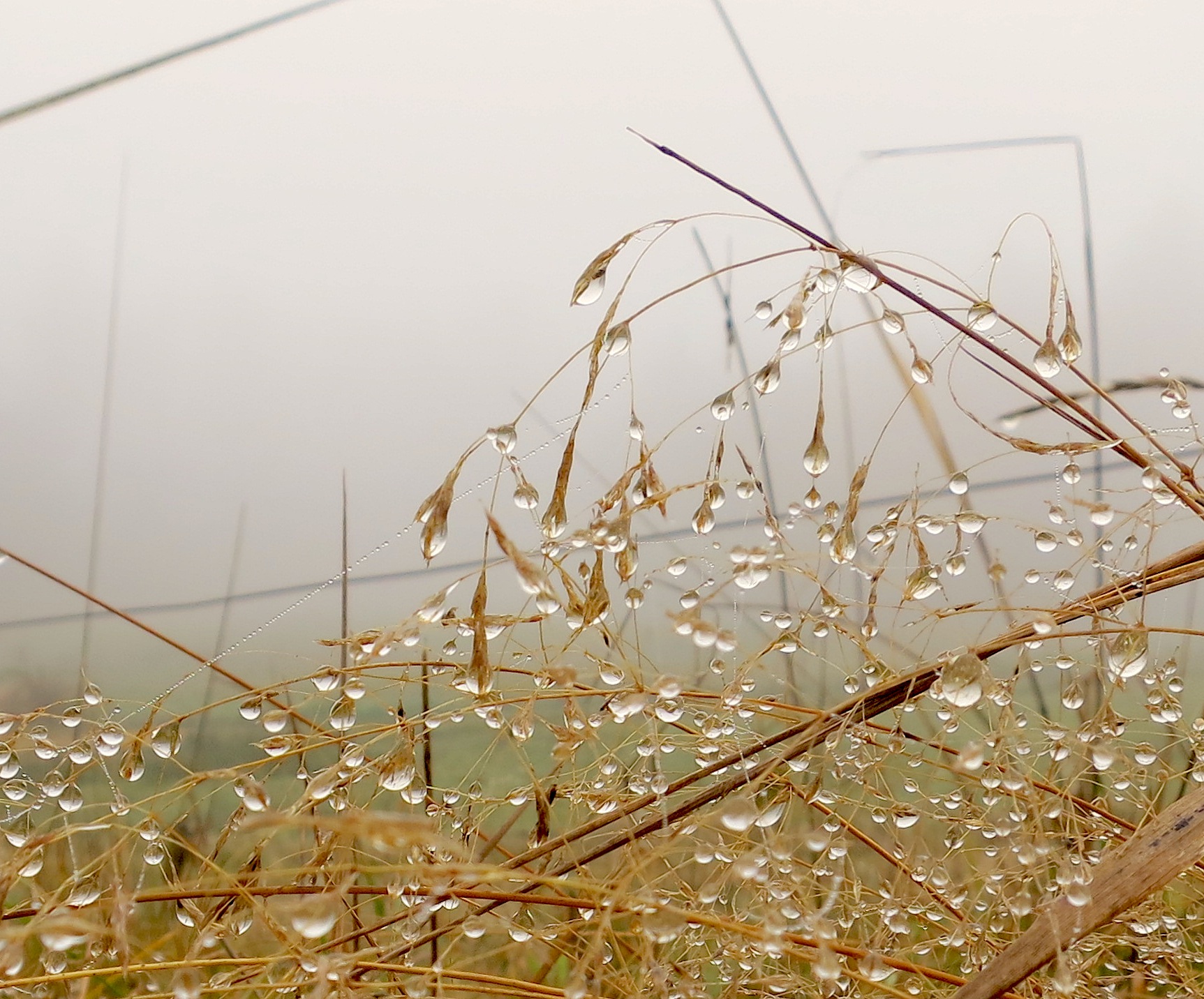
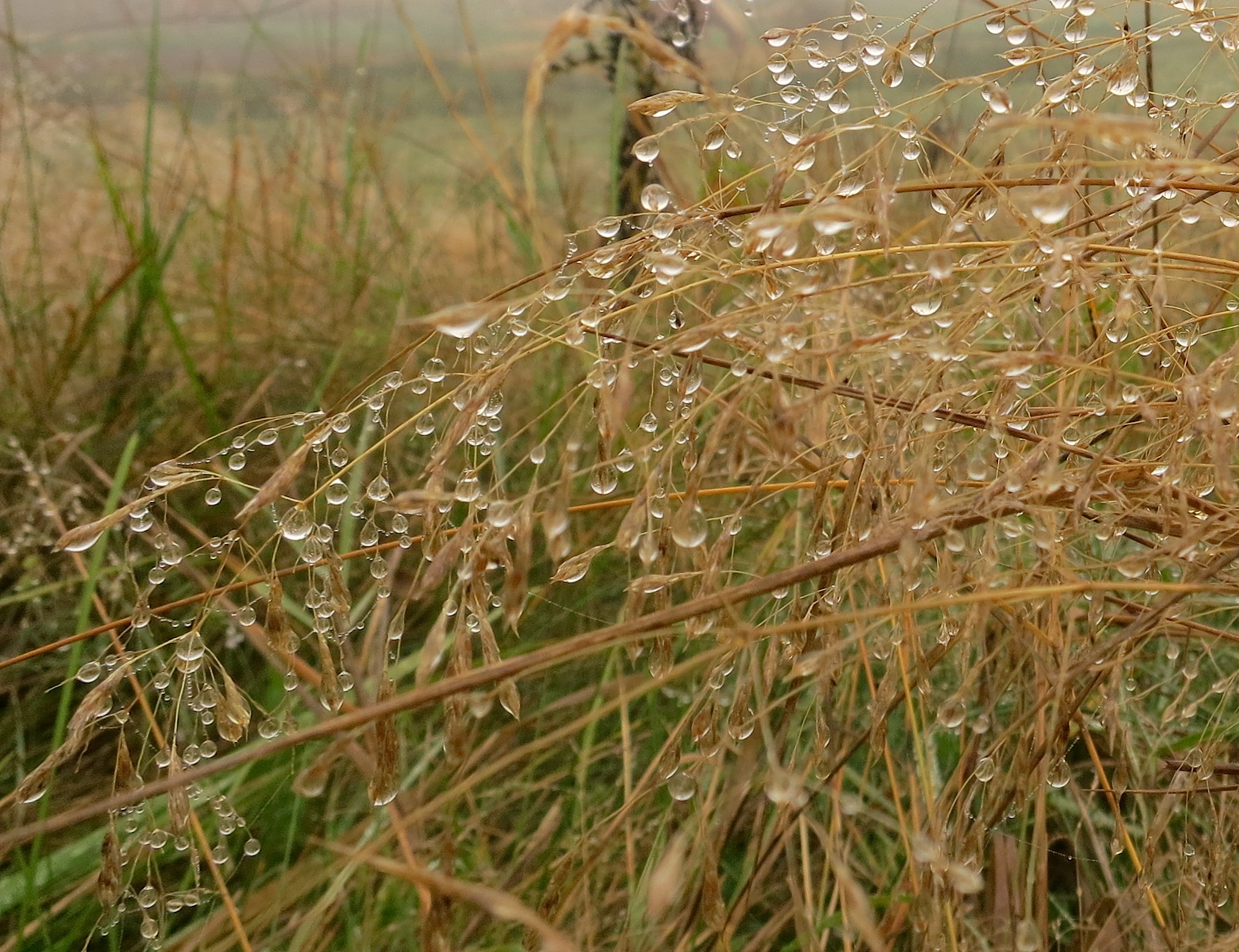
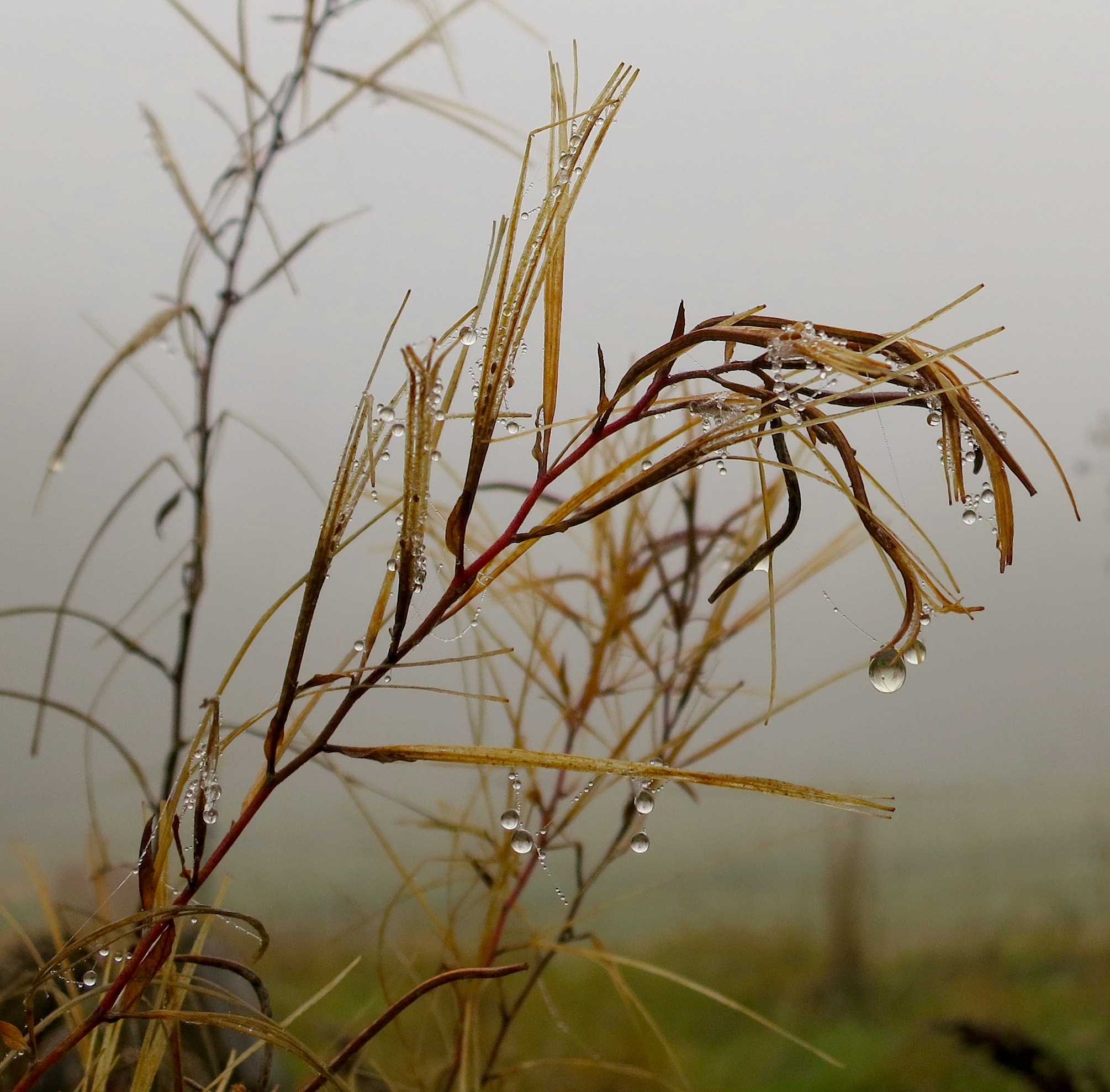
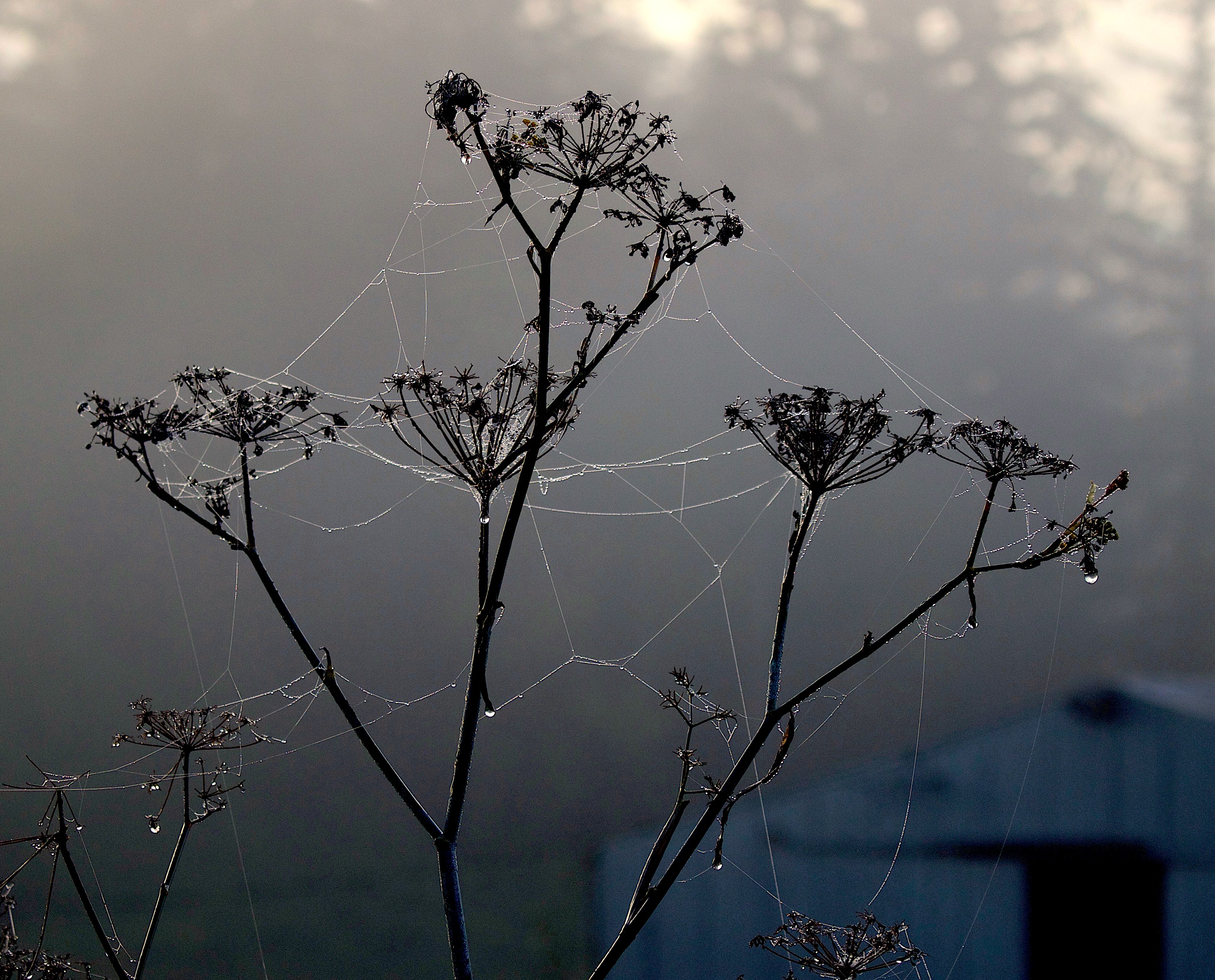
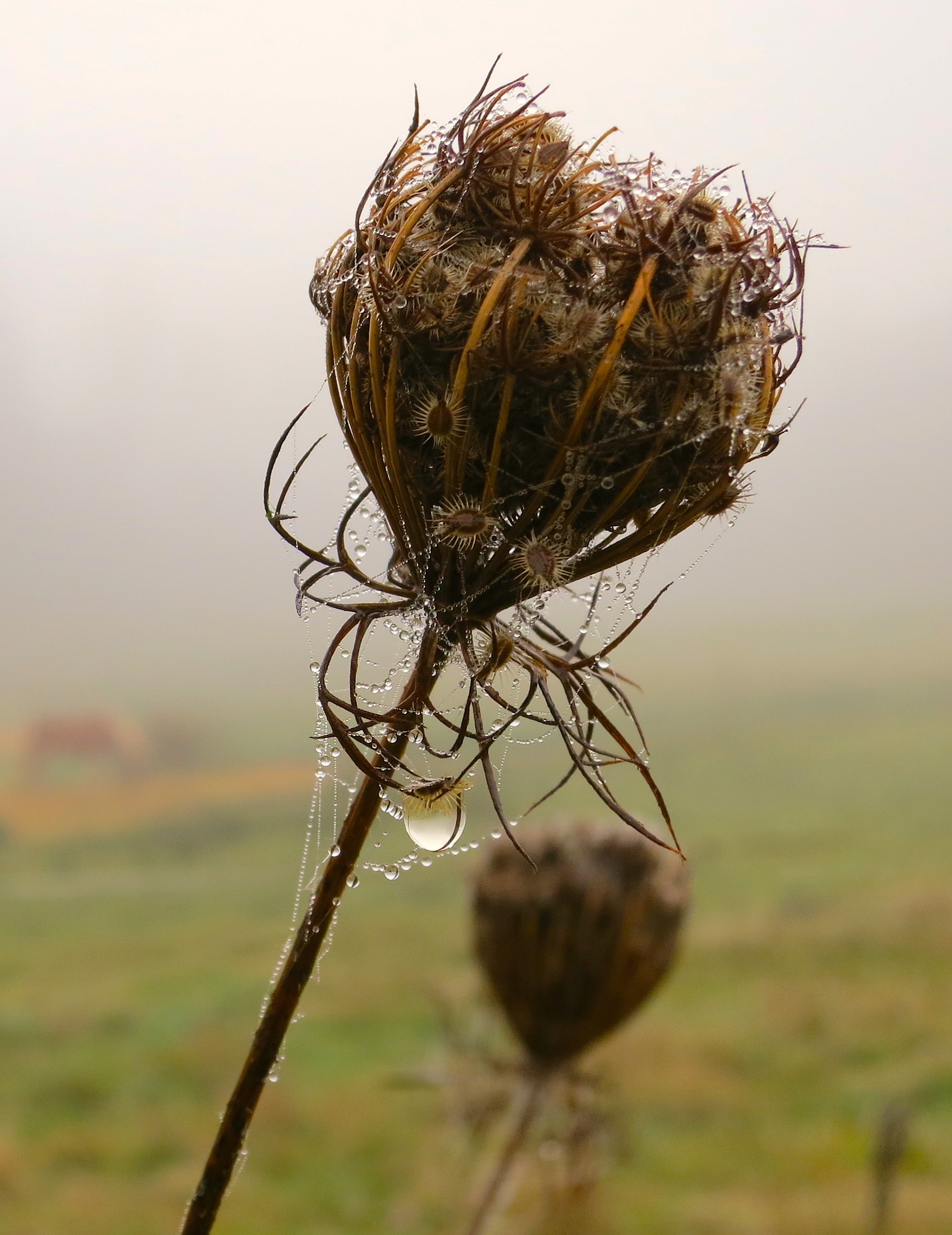
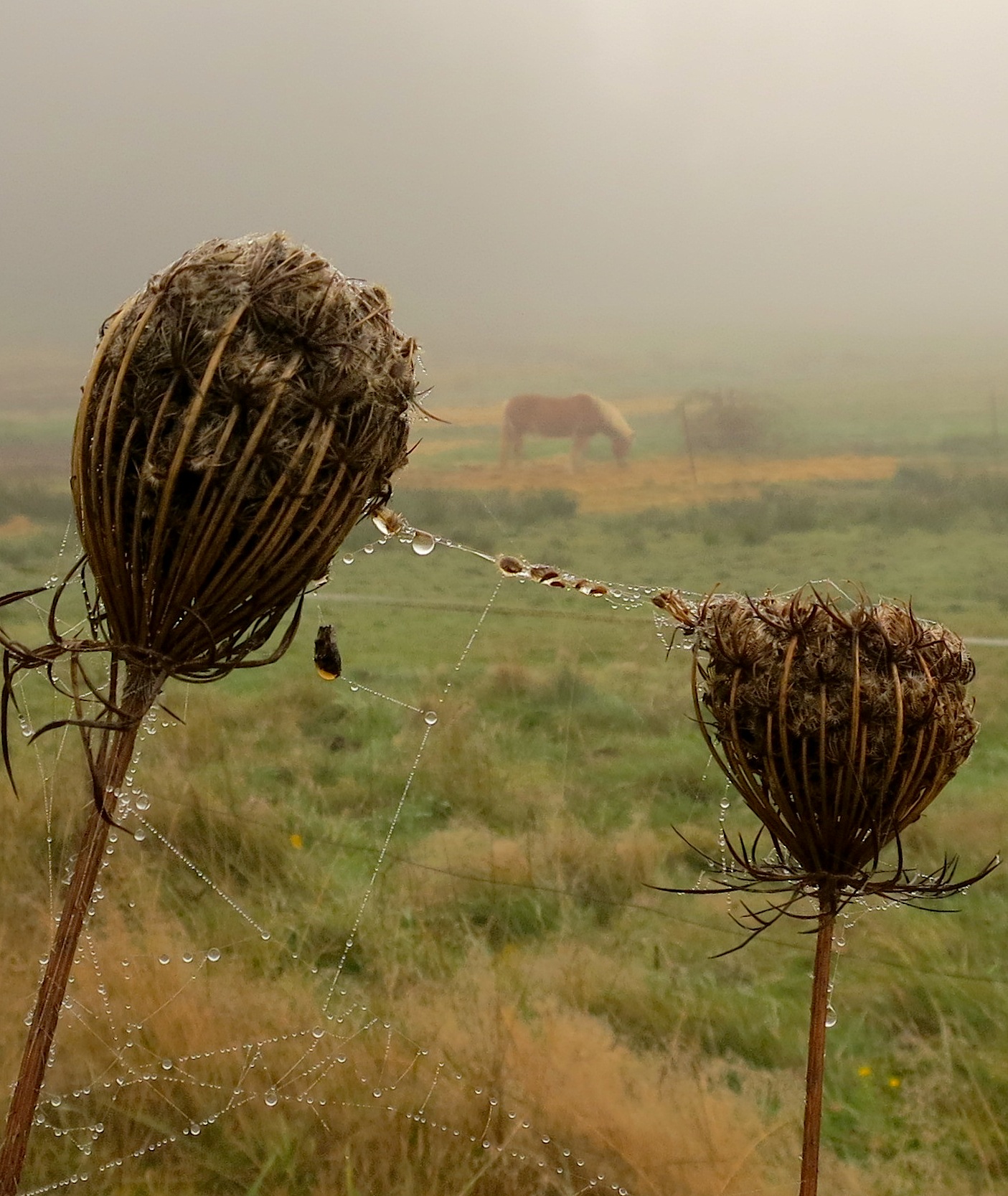
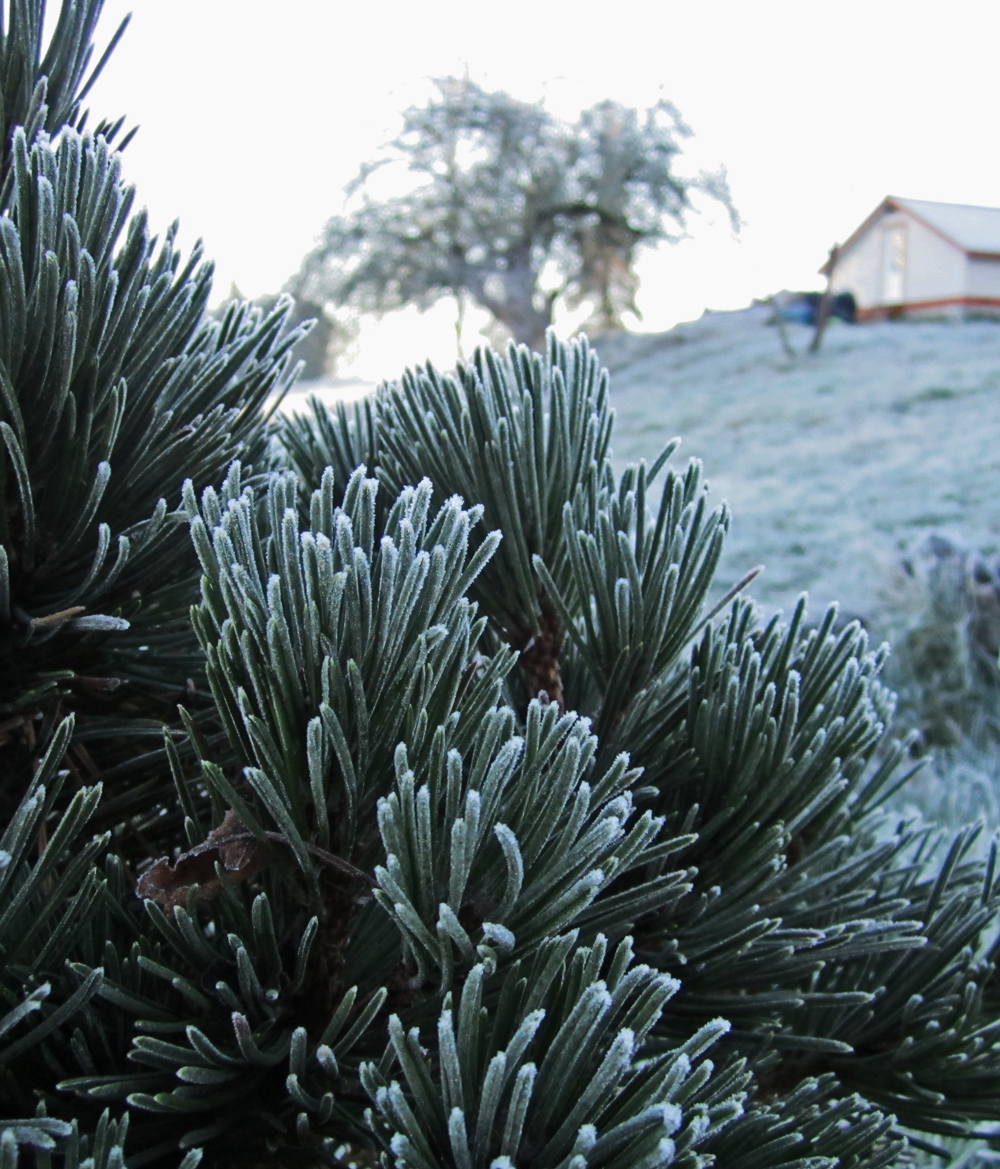
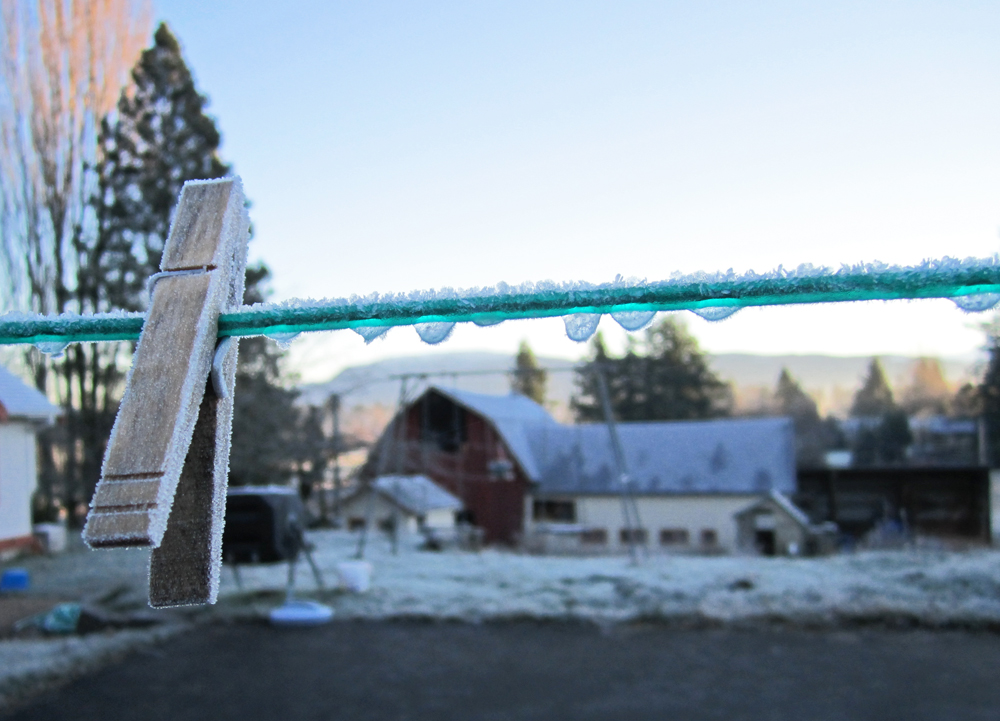
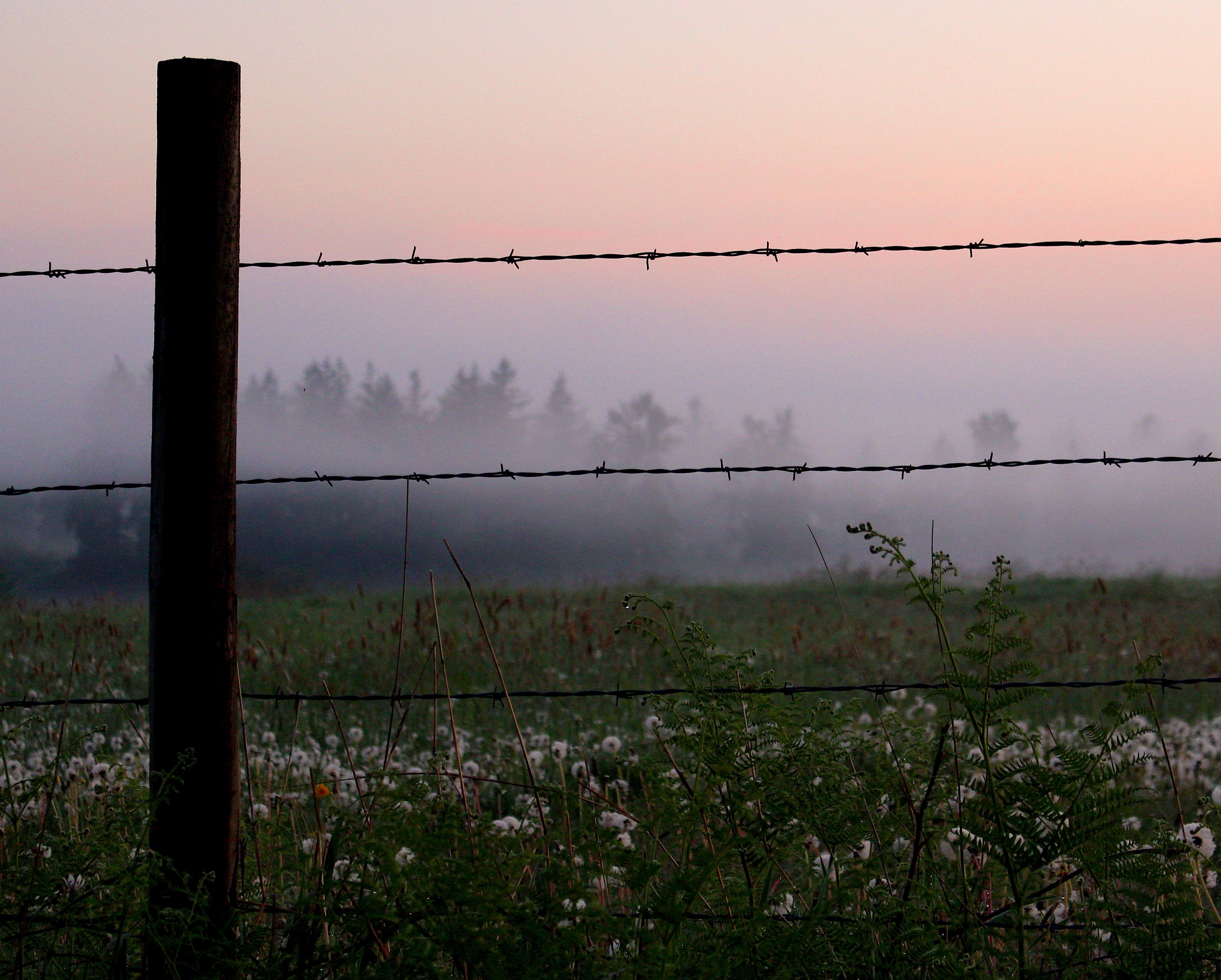
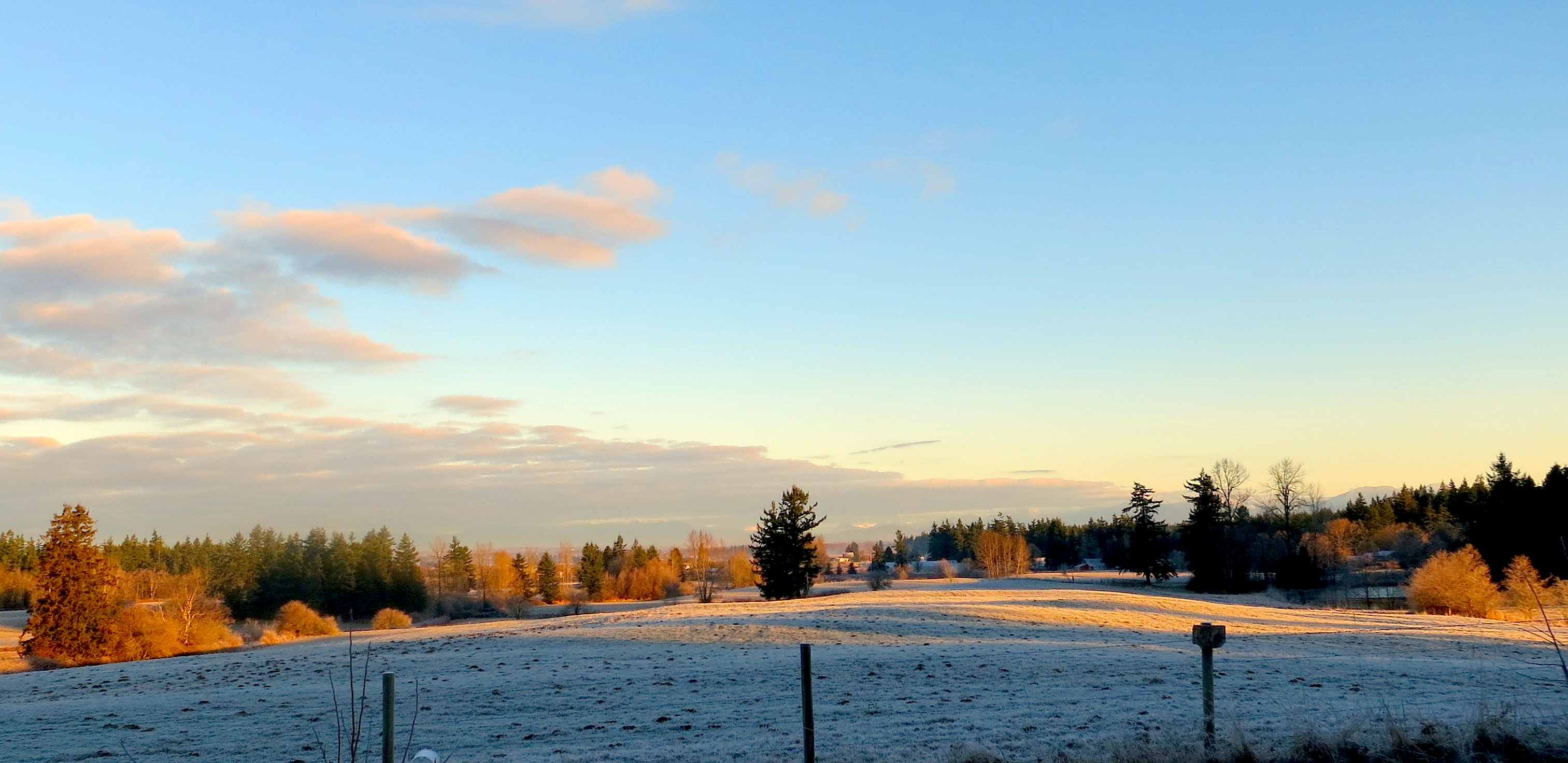
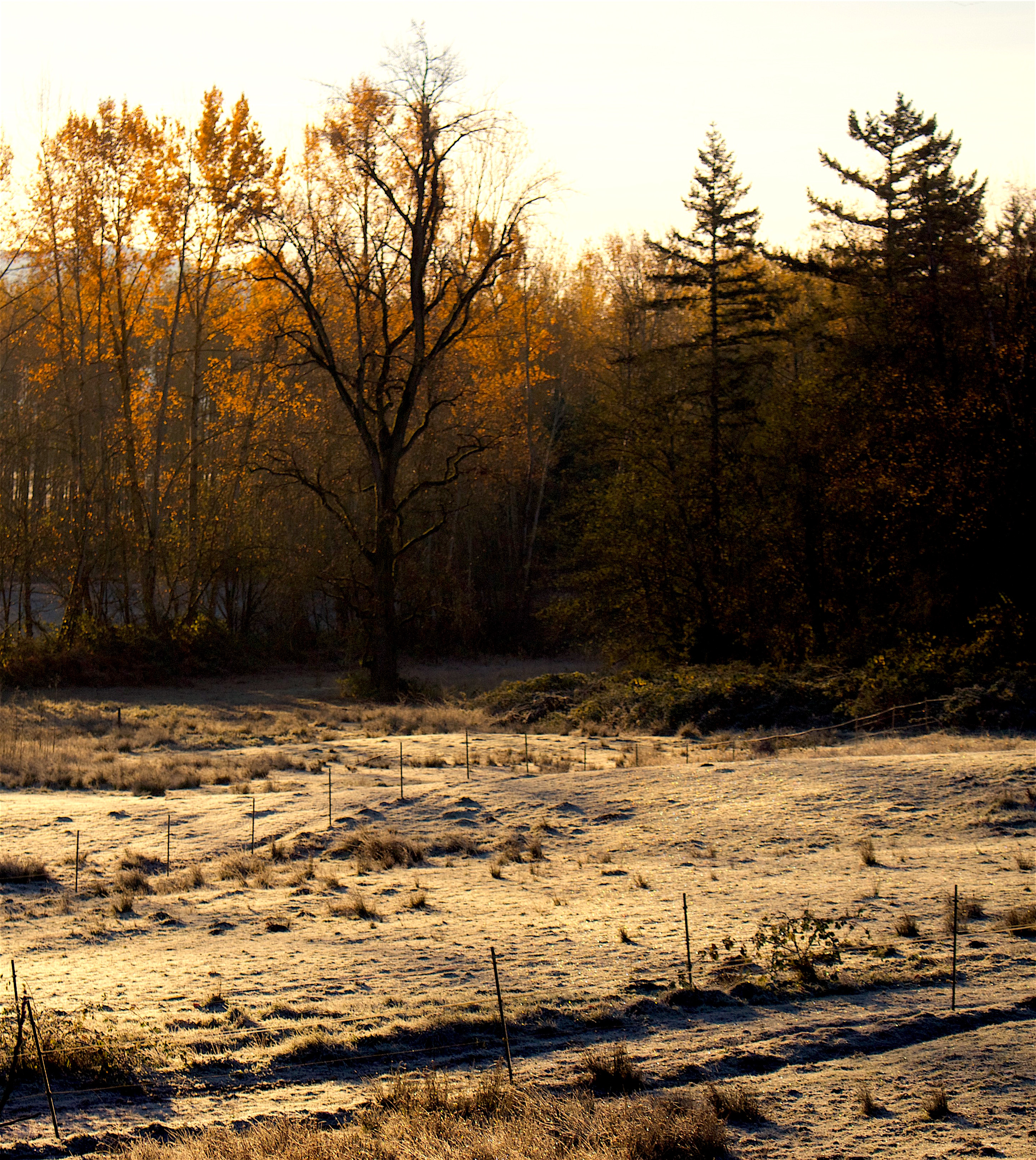
Two days of an icy prairie fog and every blade of grass, and twig, and branch, and every stretch of wire, barb, post and staple, is a knot or a threat in a lace of the purest white. To walk is like finding your way through a wedding dress, the sky inside it cold and satiny; no past, no future, just the now all breathless. Then a red bird, like a pinprick, changes everything. ~ Ted Kooser, “Hoarfrost” in Kindest Regards: New and Selected Poems
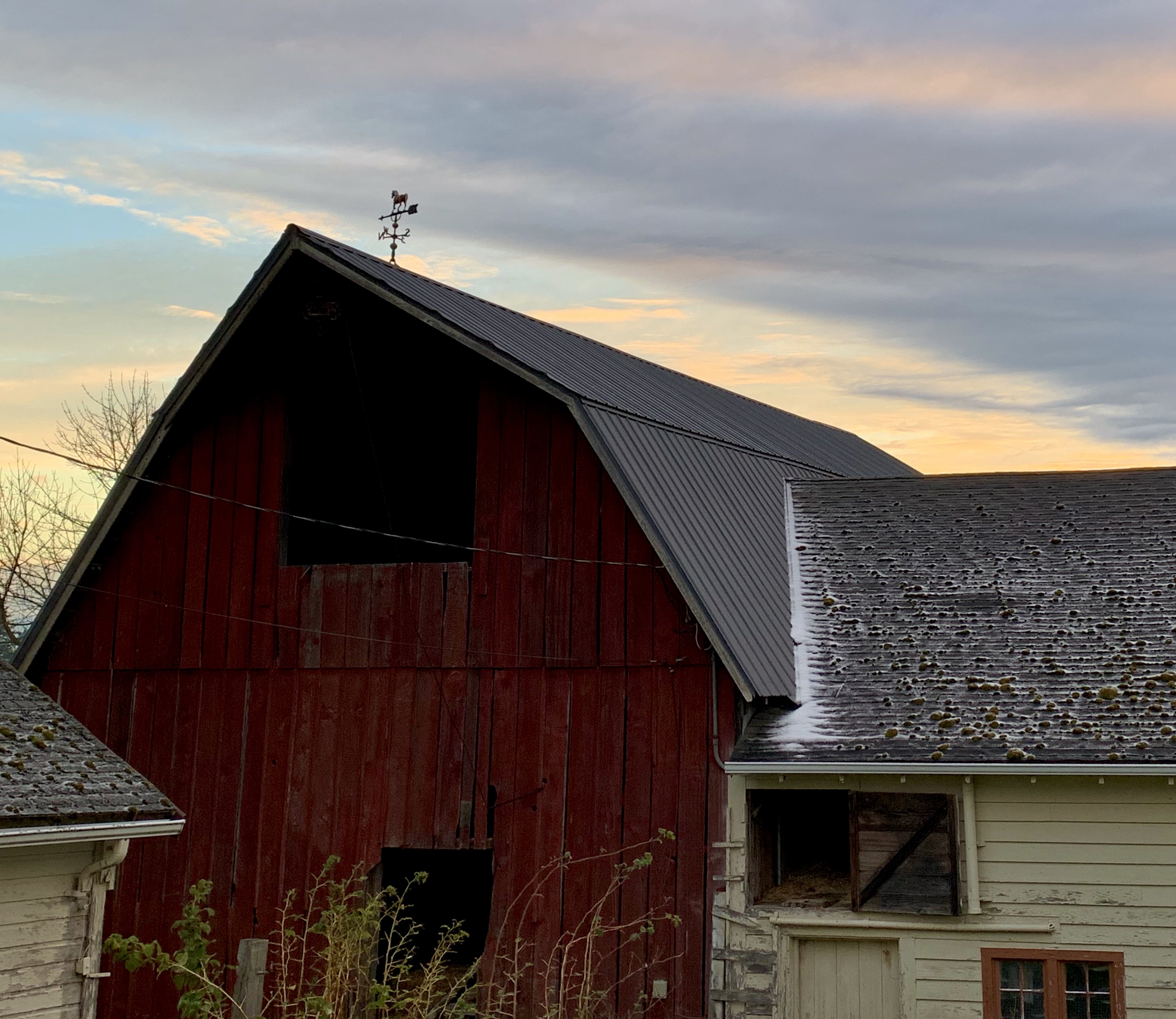
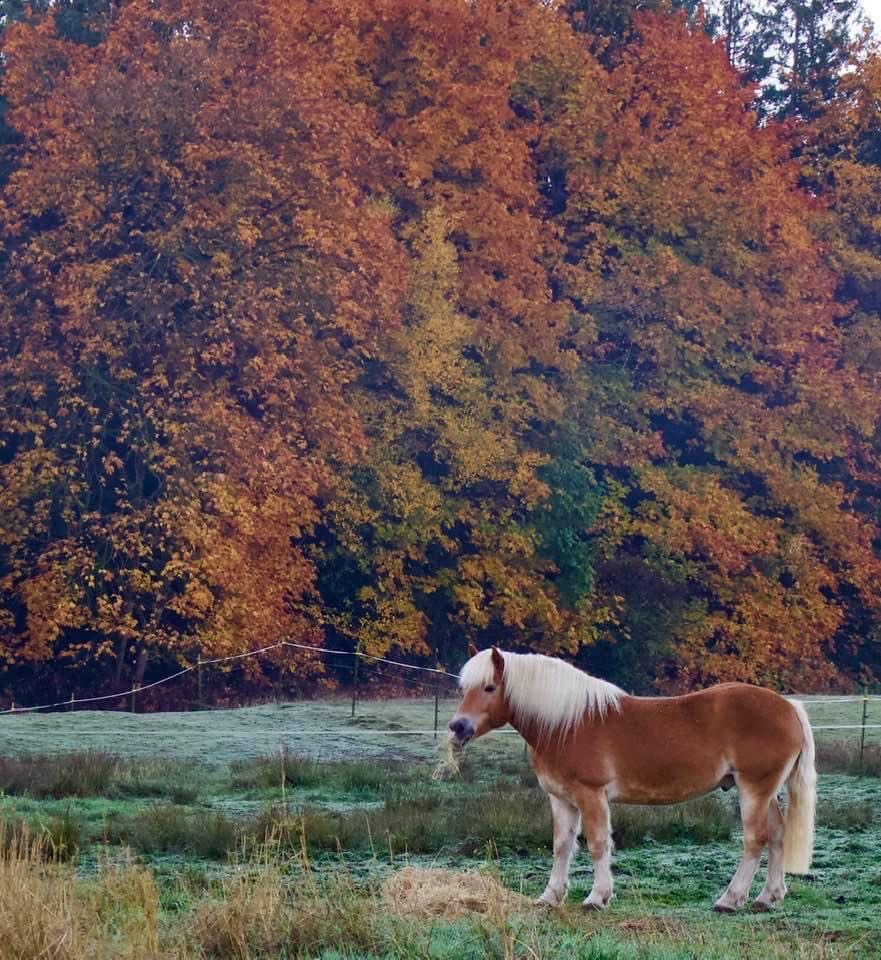
When the landscape emerges in the morning light frost-bitten, all iced up and white-crisp, I yearn for color, any color, to reappear with the day’s thawing out. My breath hangs like a cloud in the dry air as I crunch my way to the barn, living proof that I breathe for another day even though too many others right now can not.
We are a breathless people, wondering what comes next, feeling frozen and suspended in a pandemic and smoke-filled burning world.
We are a breathless people, wondering who or what will choke our life from us.
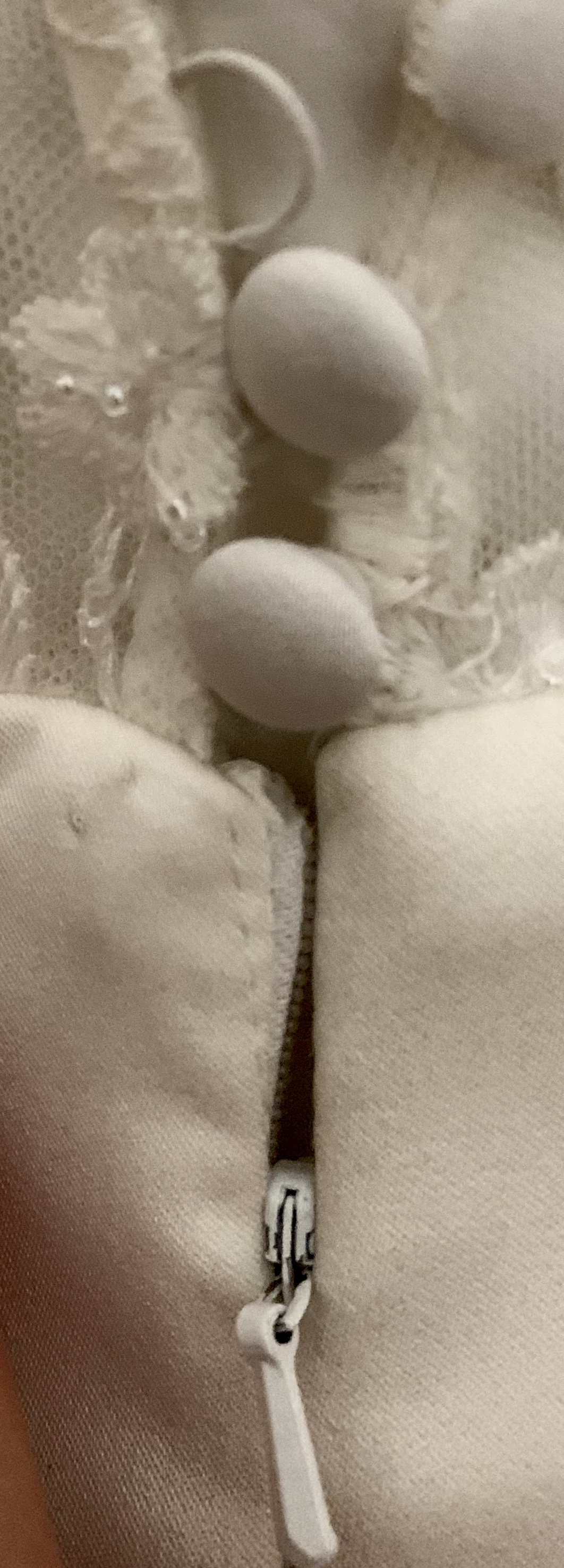
We are a breathless people, dressed as a bride in frosted satin, waiting at the altar for the Groom who bleeds red to save us from our fate.
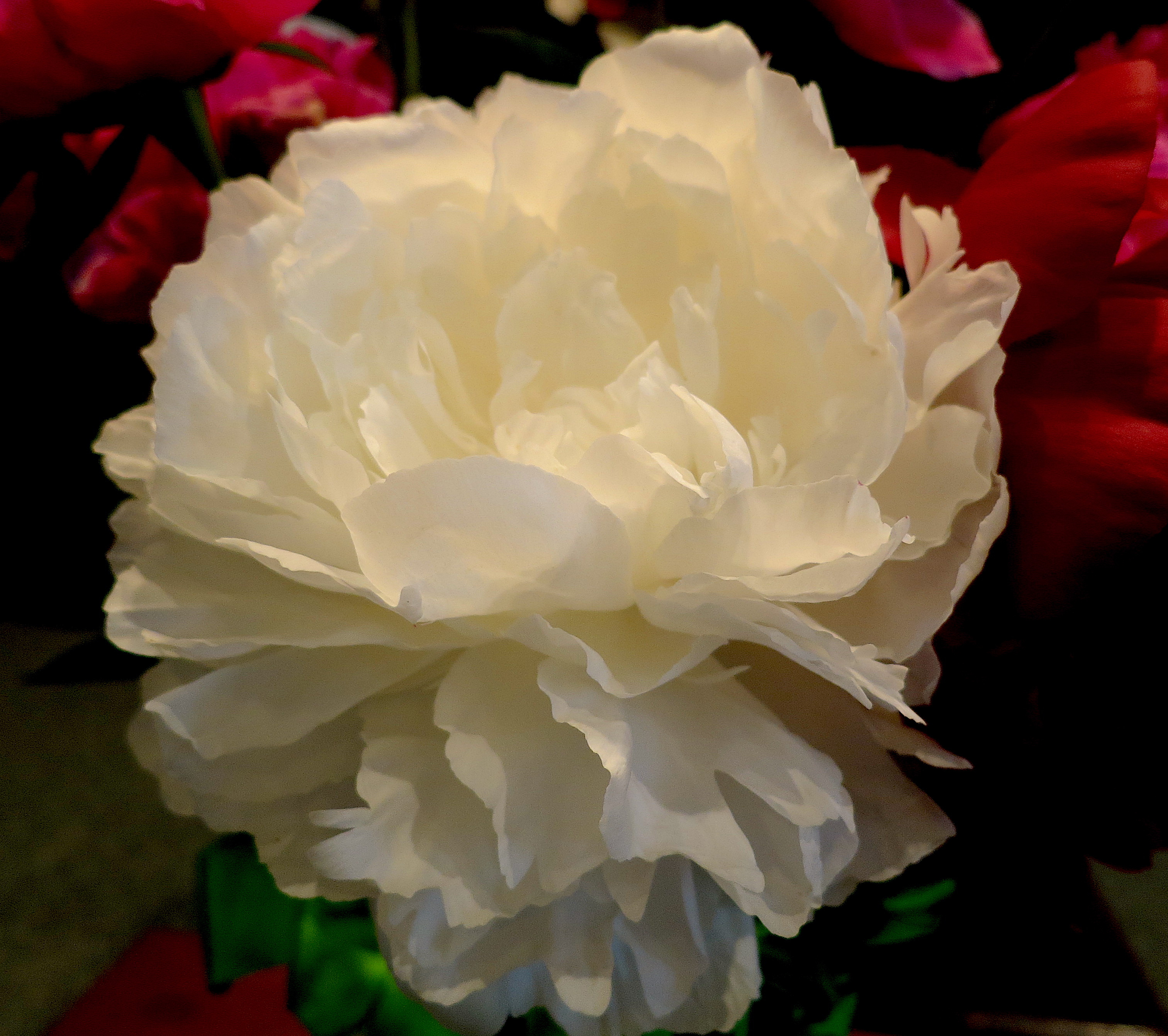
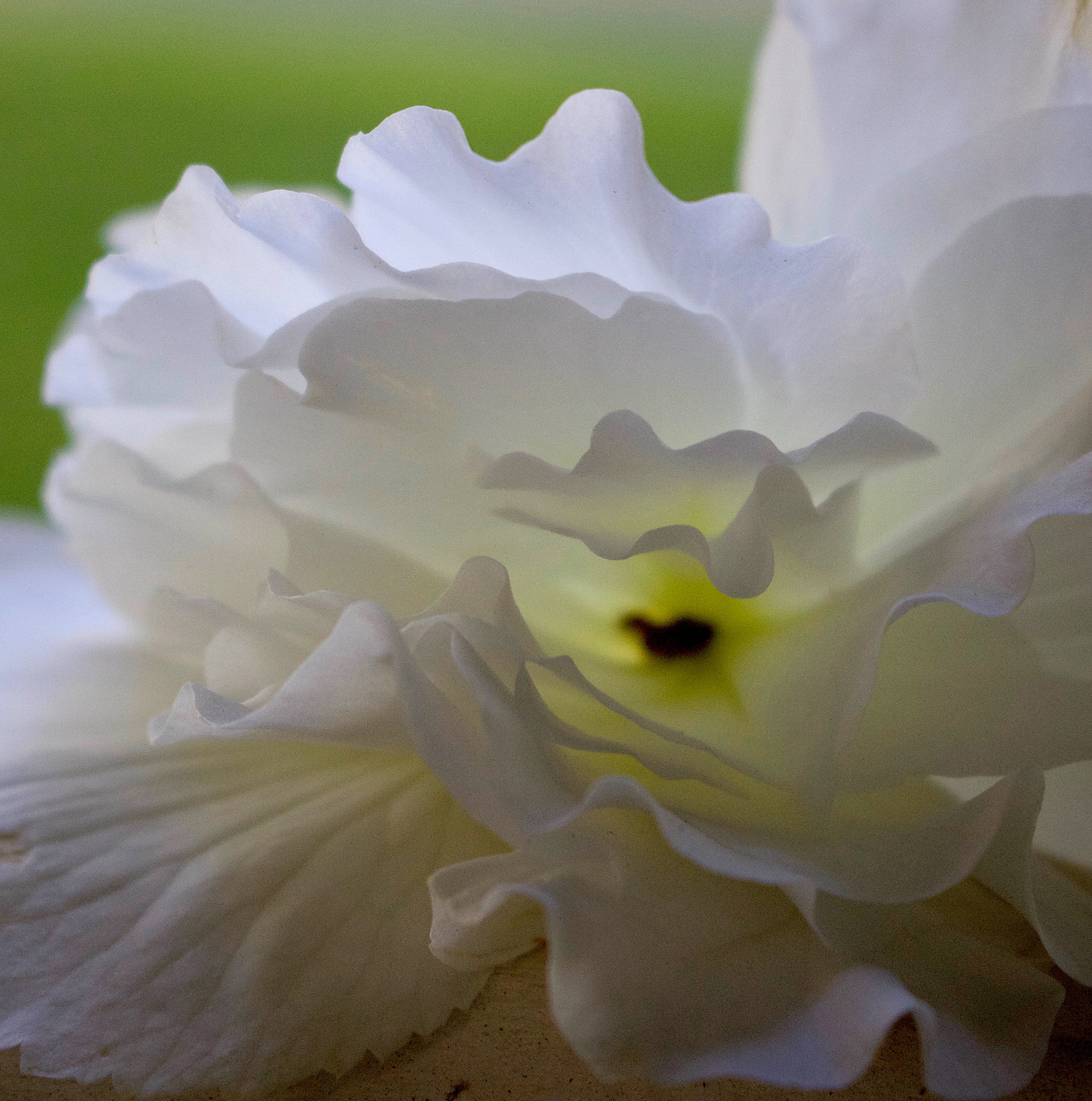
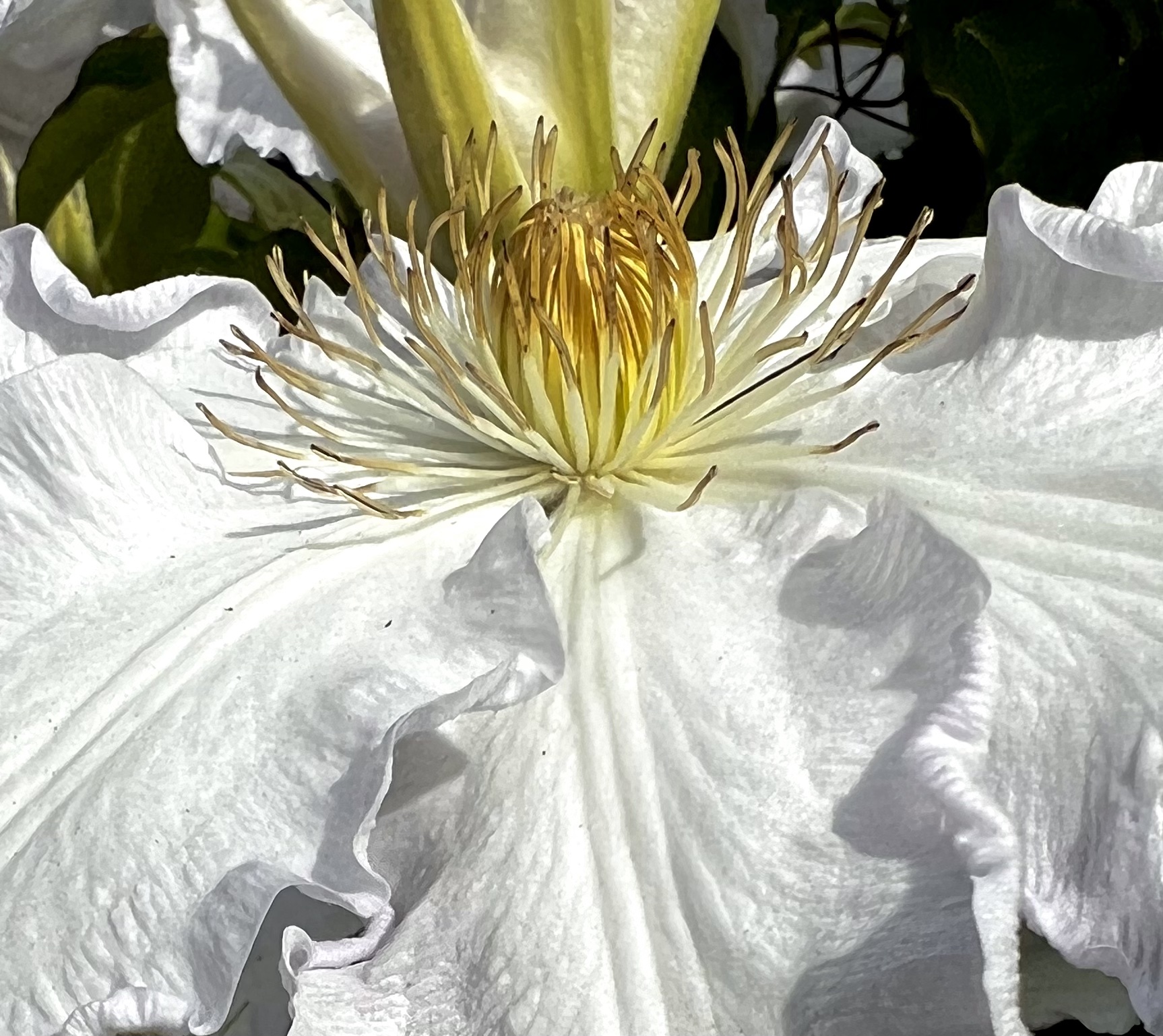
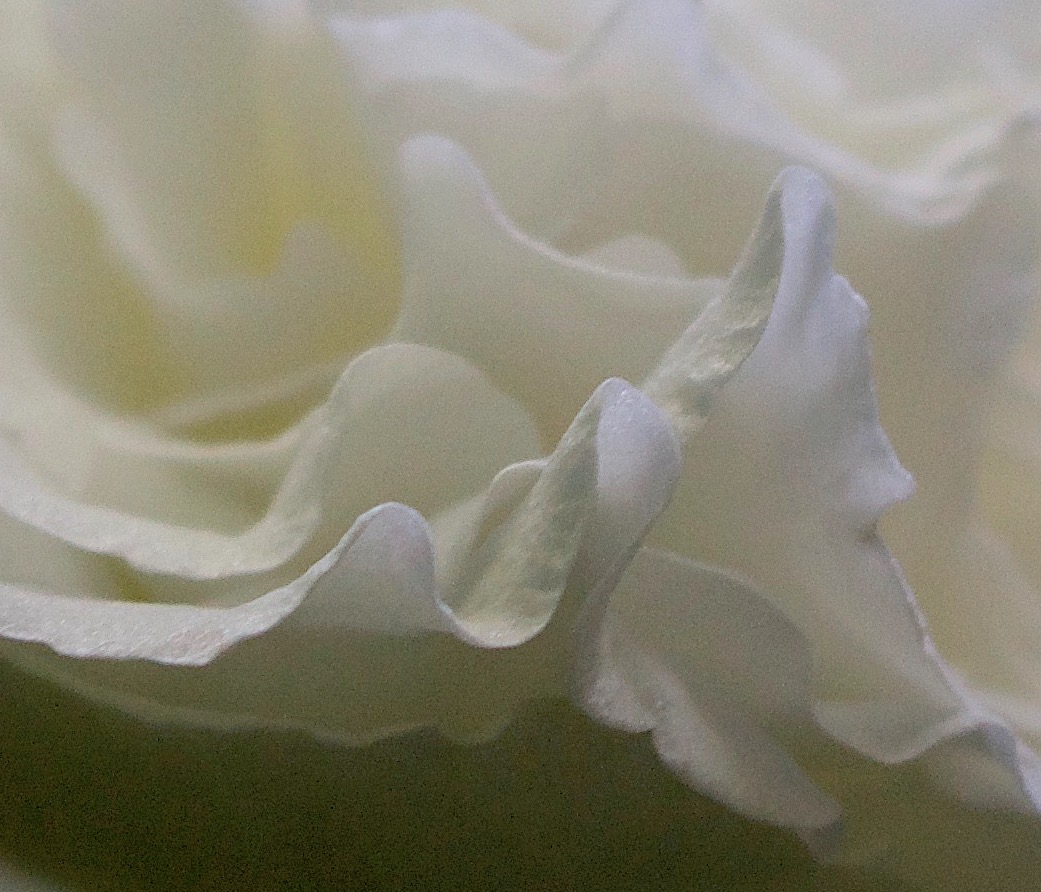
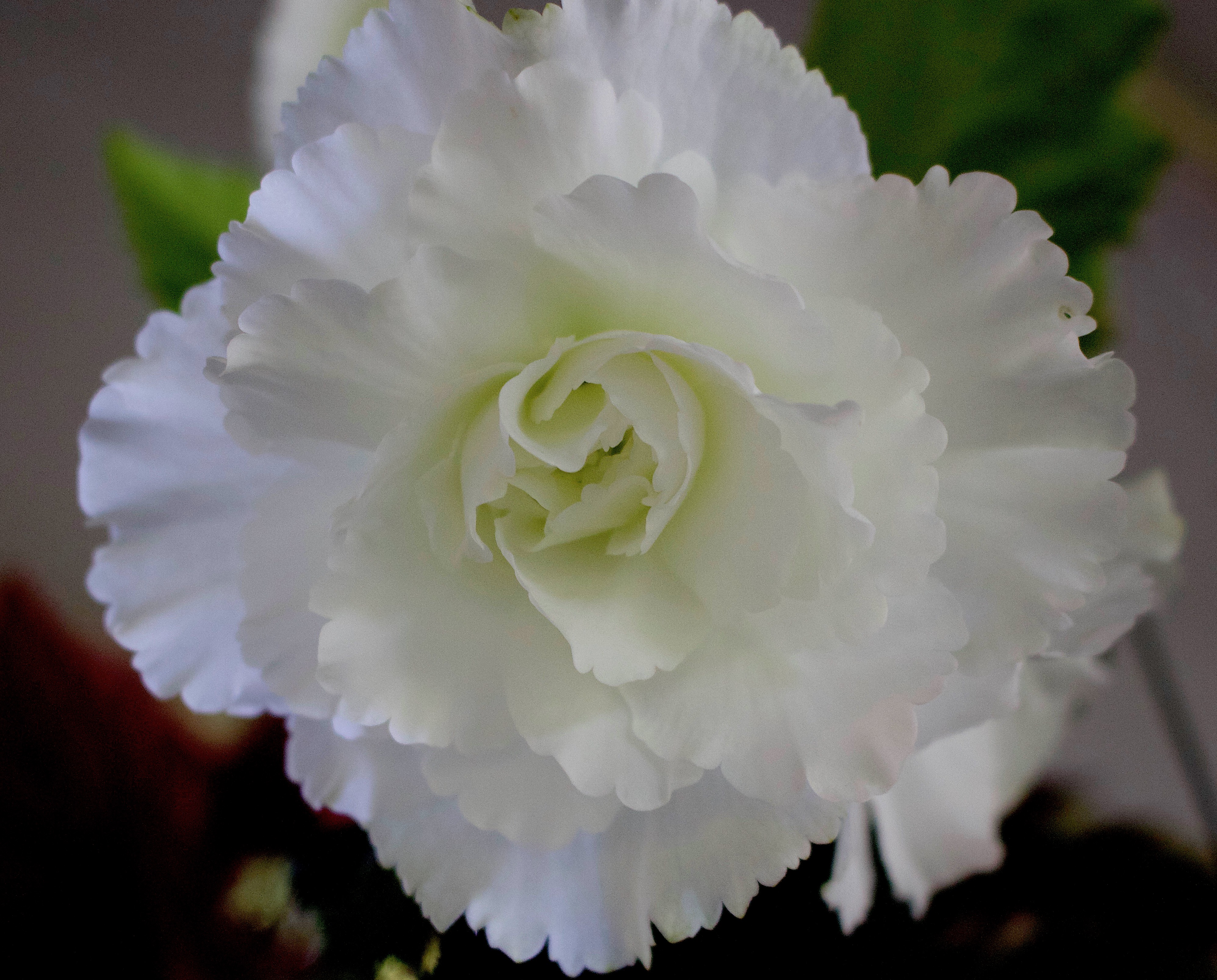
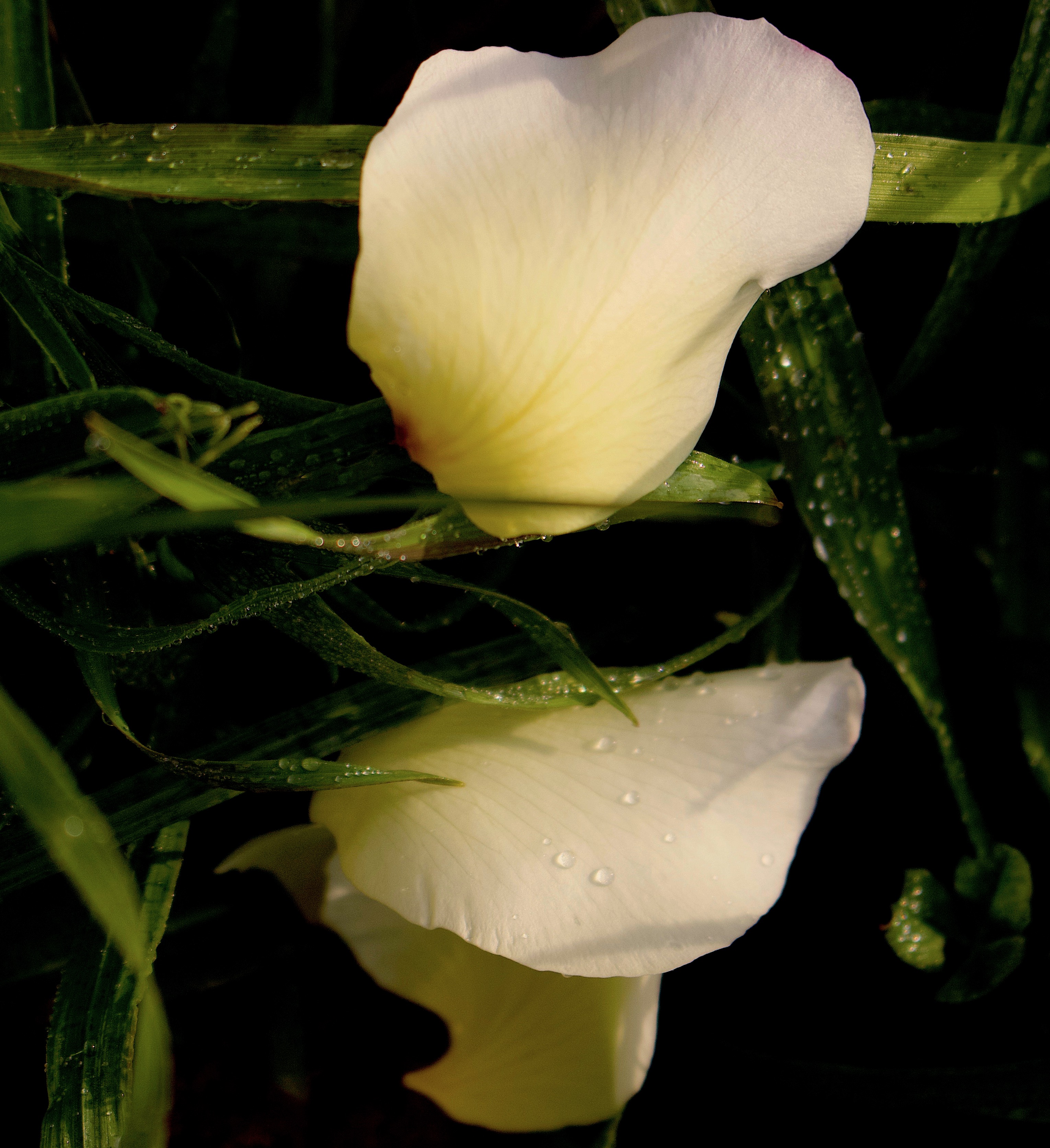
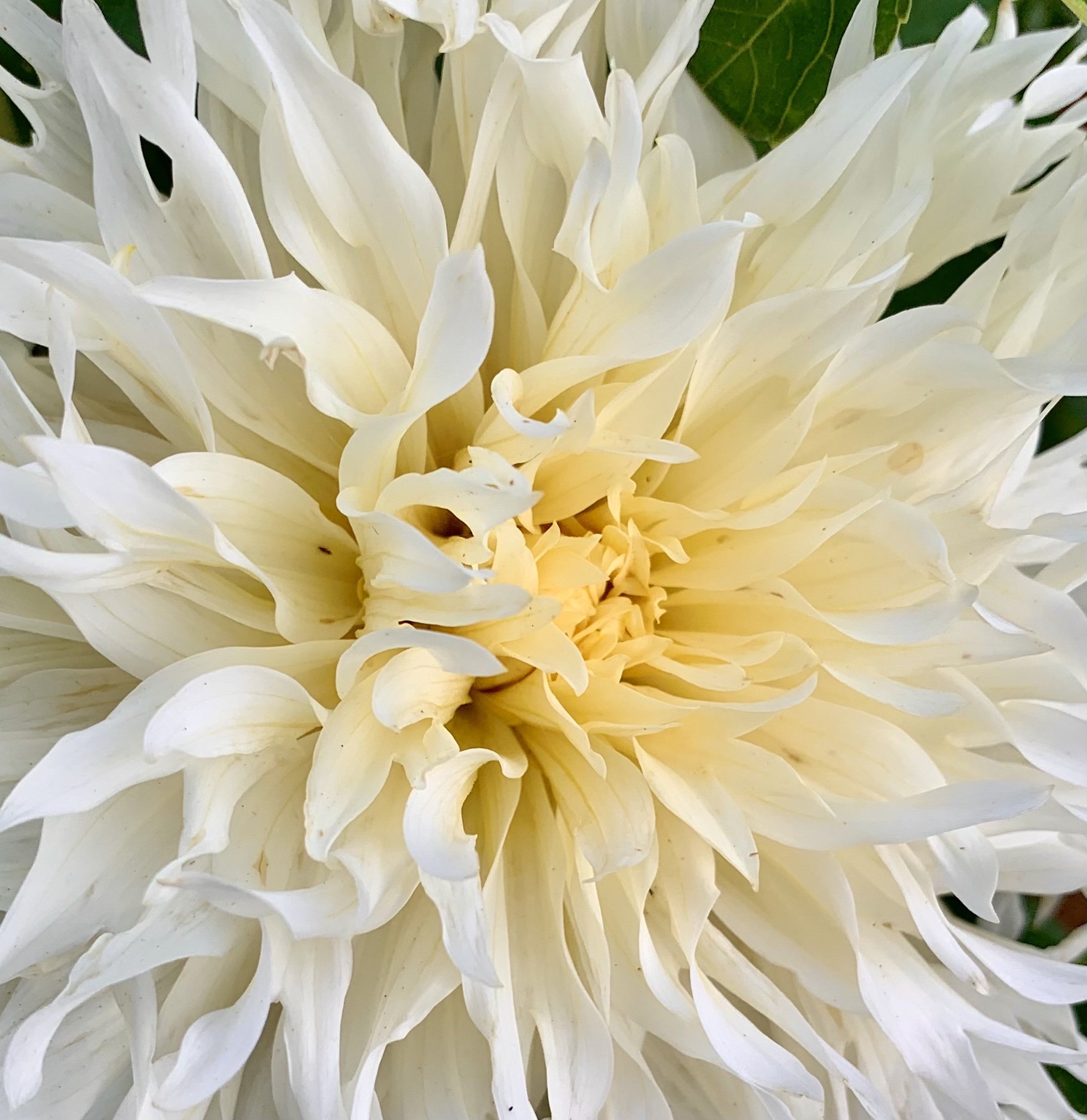
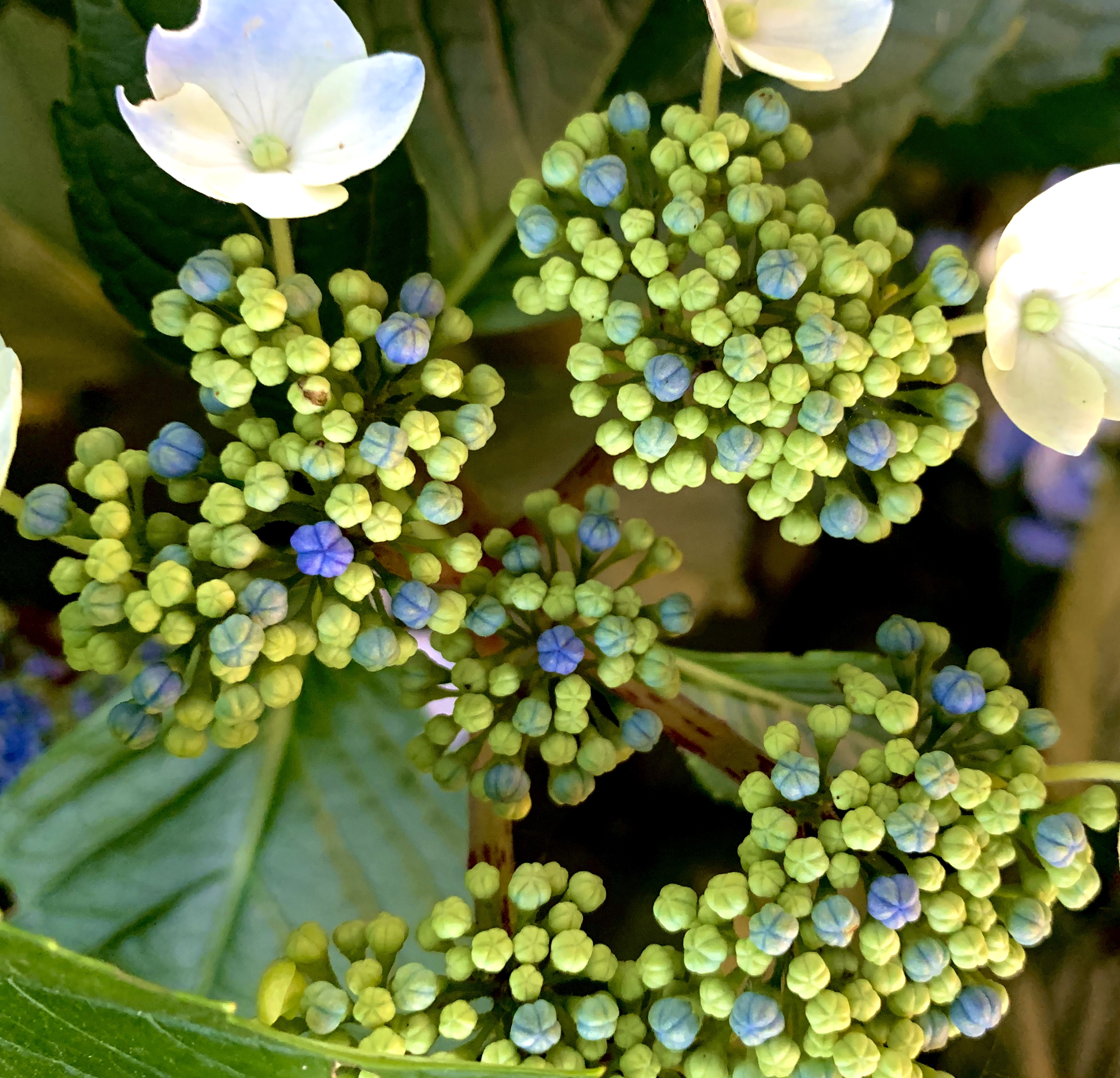
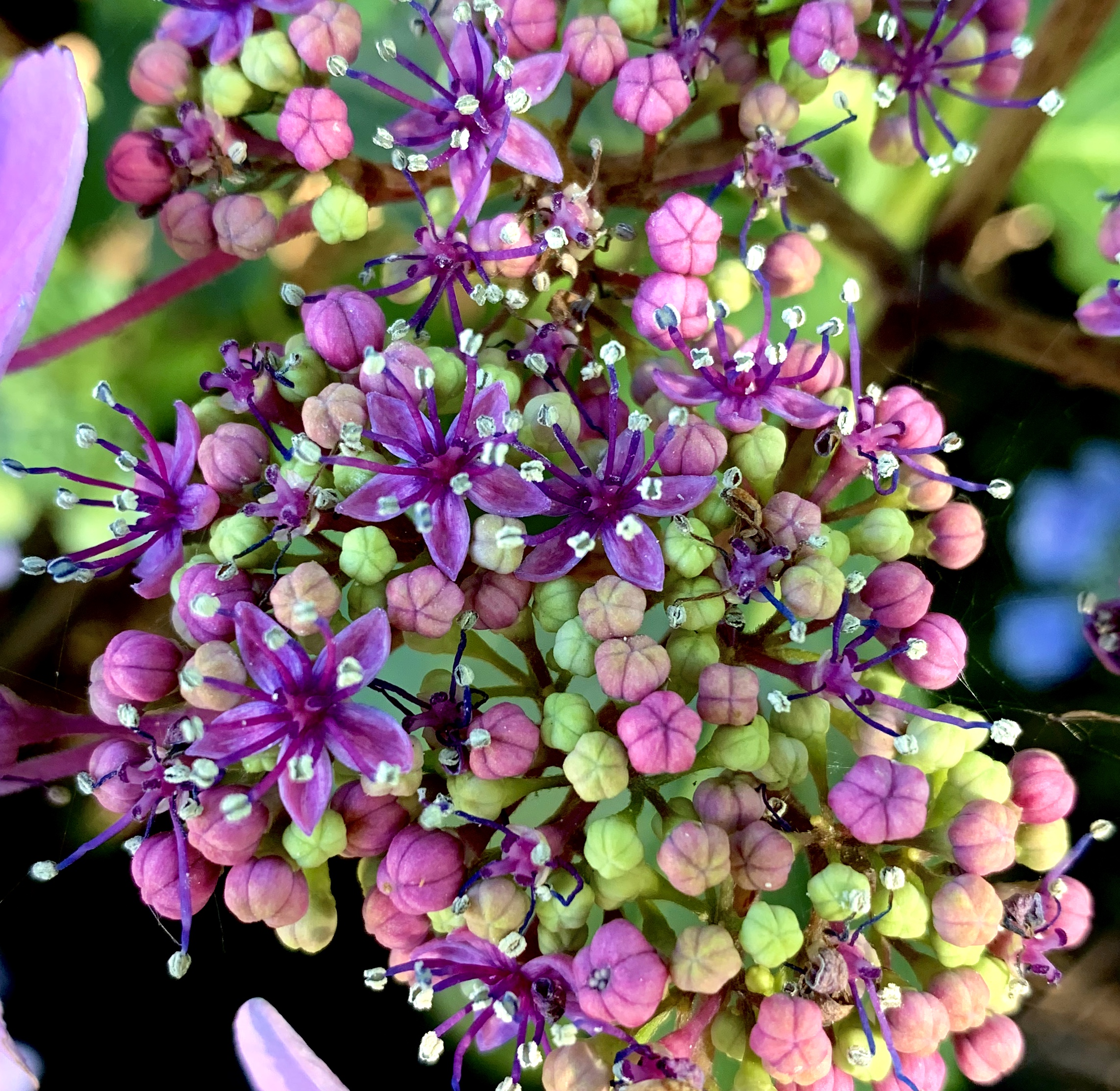
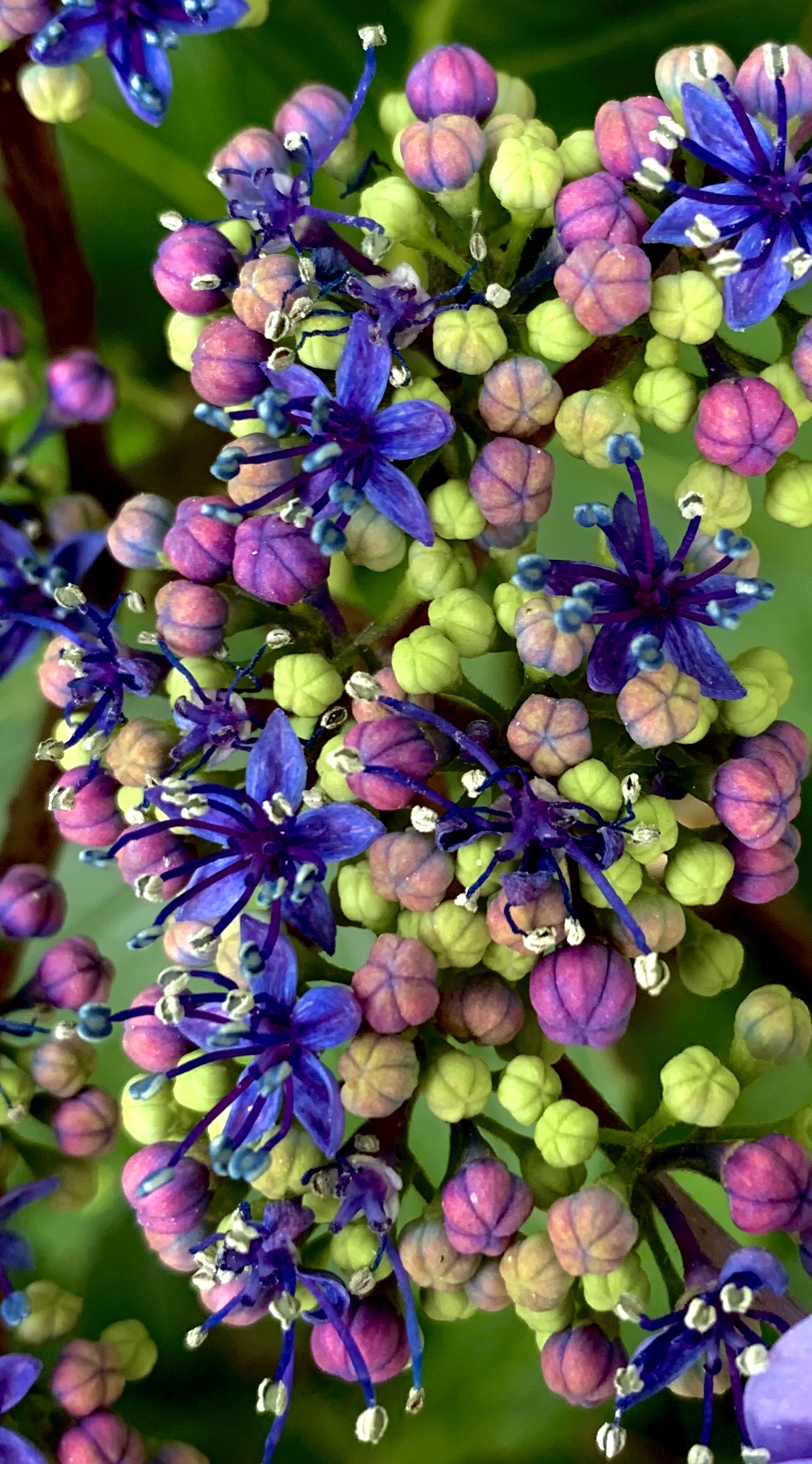
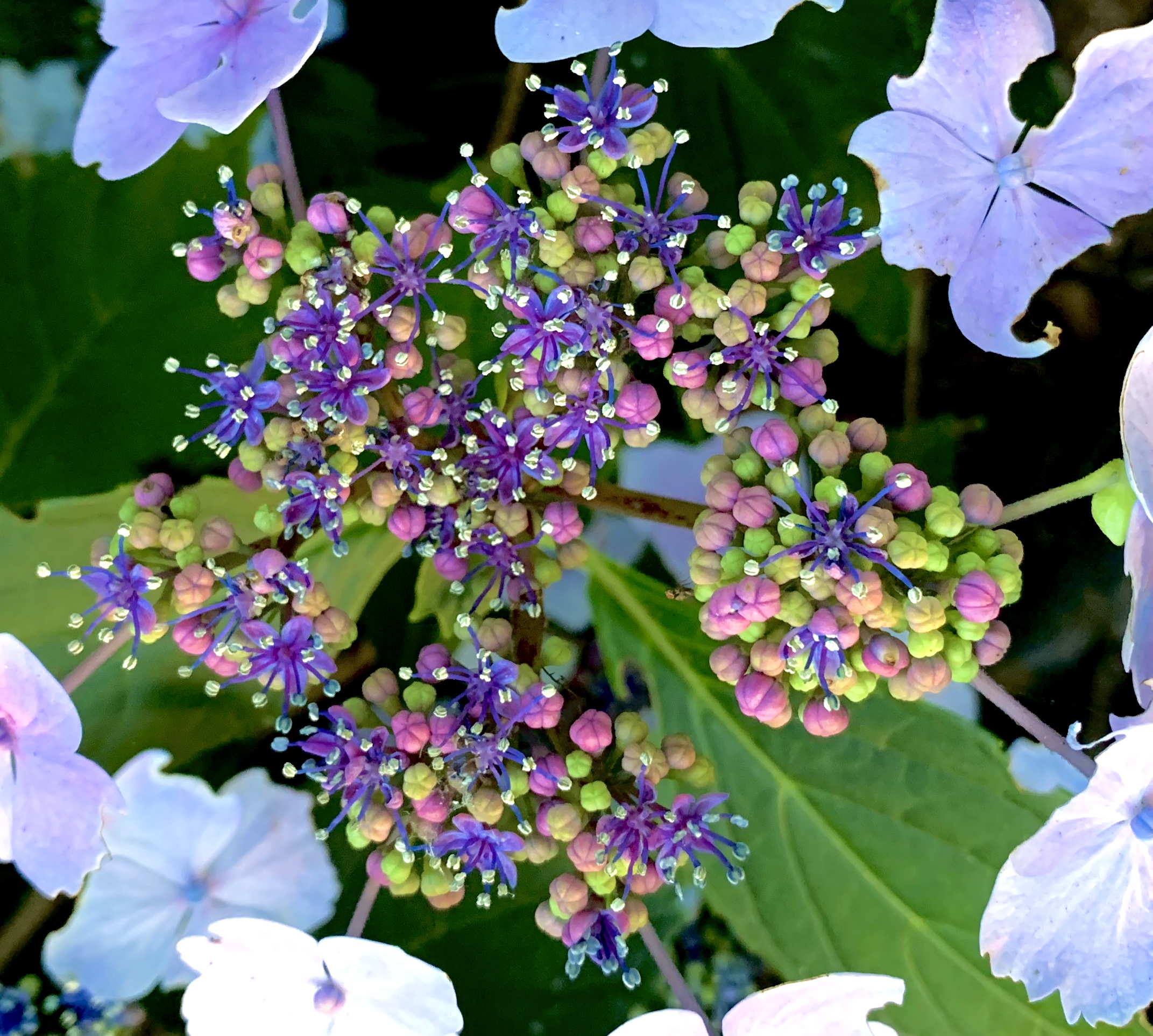
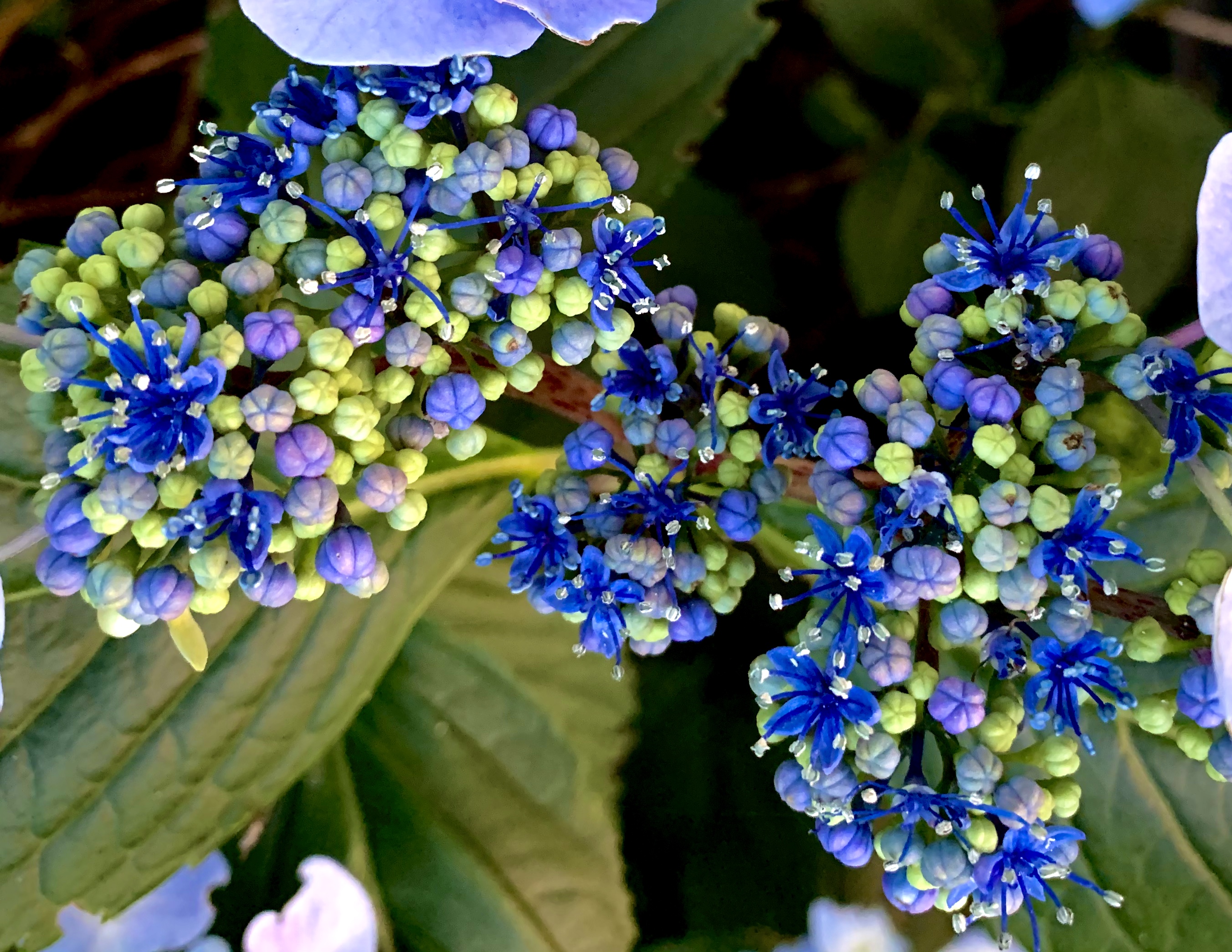
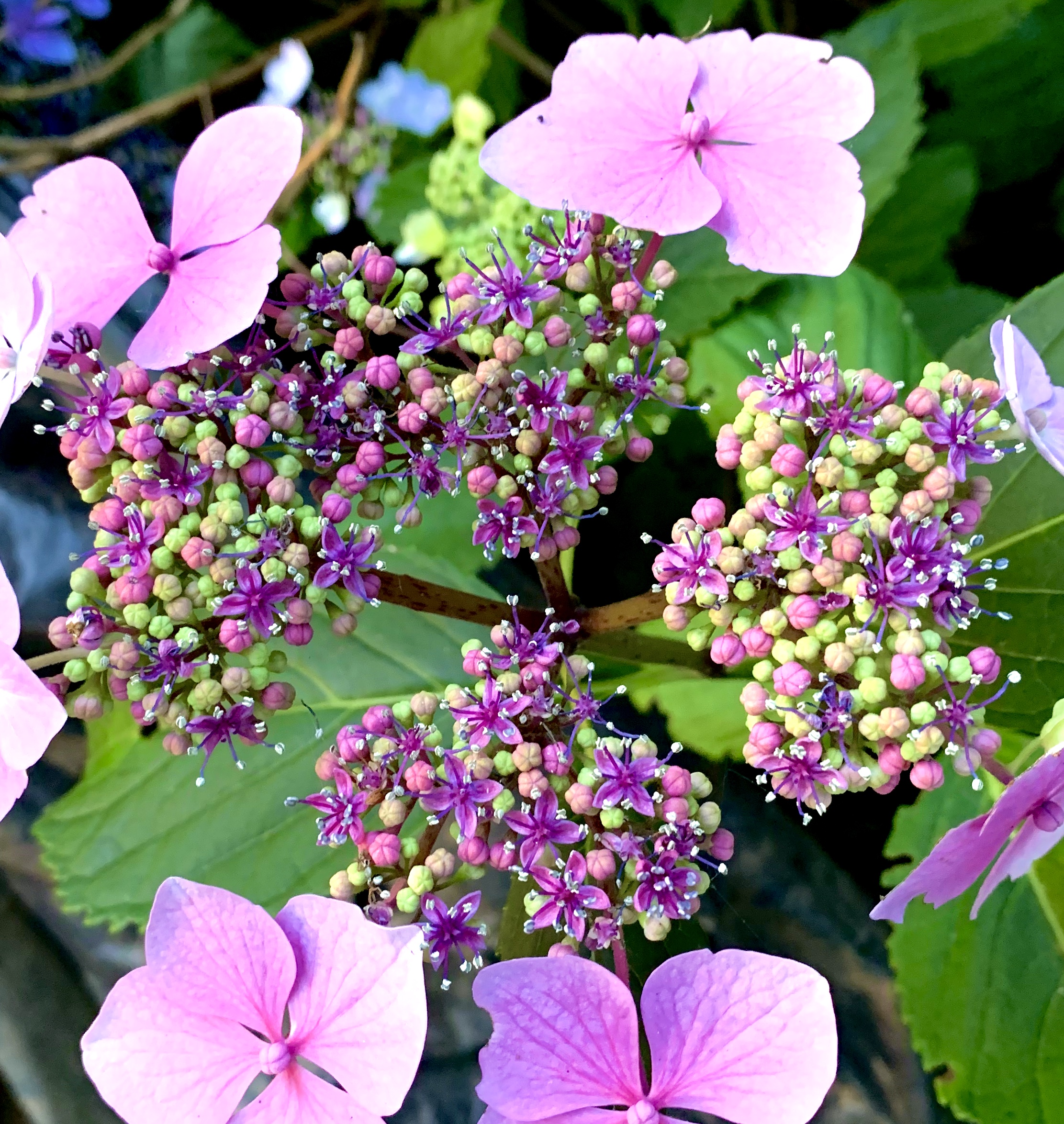
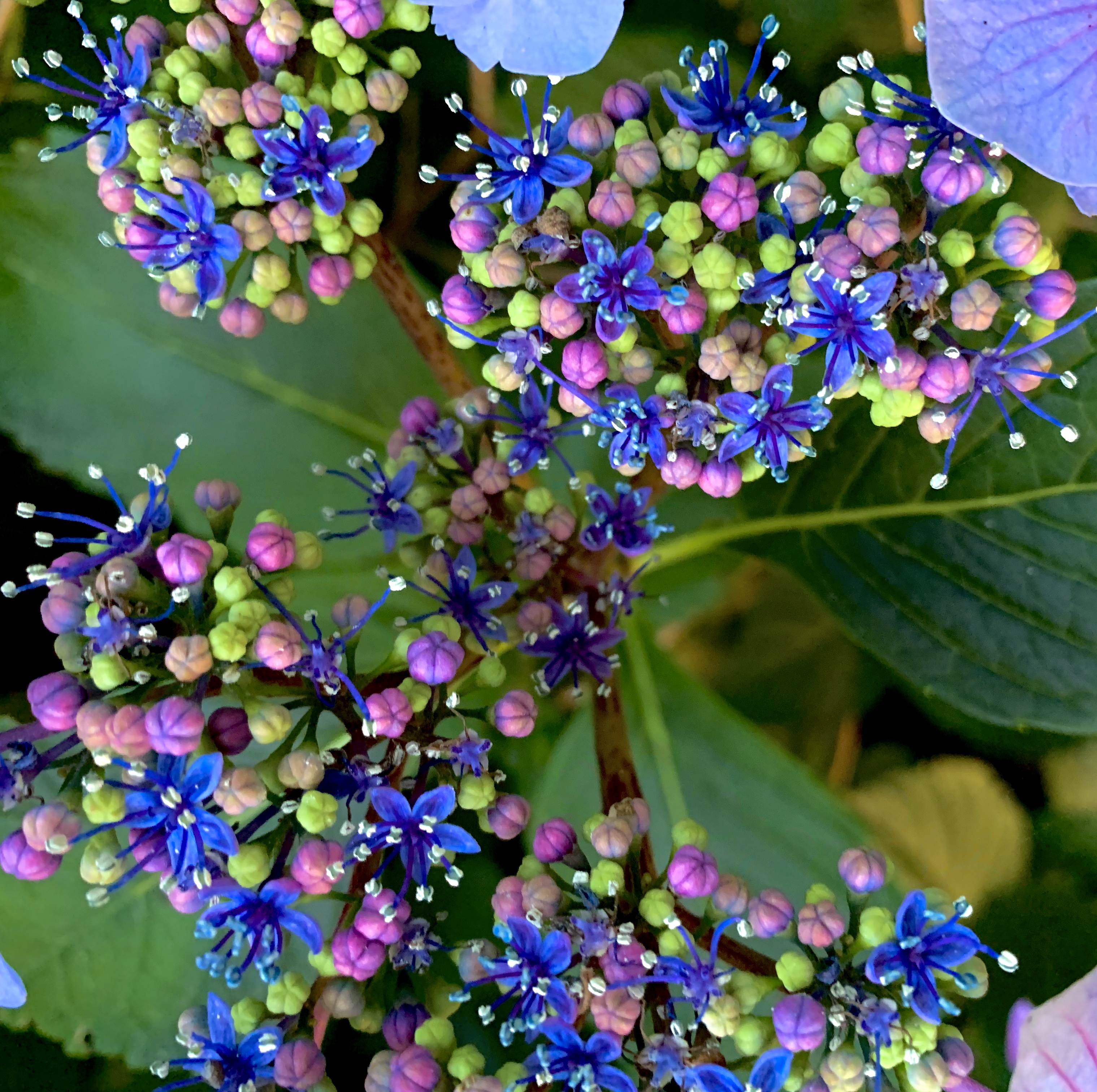
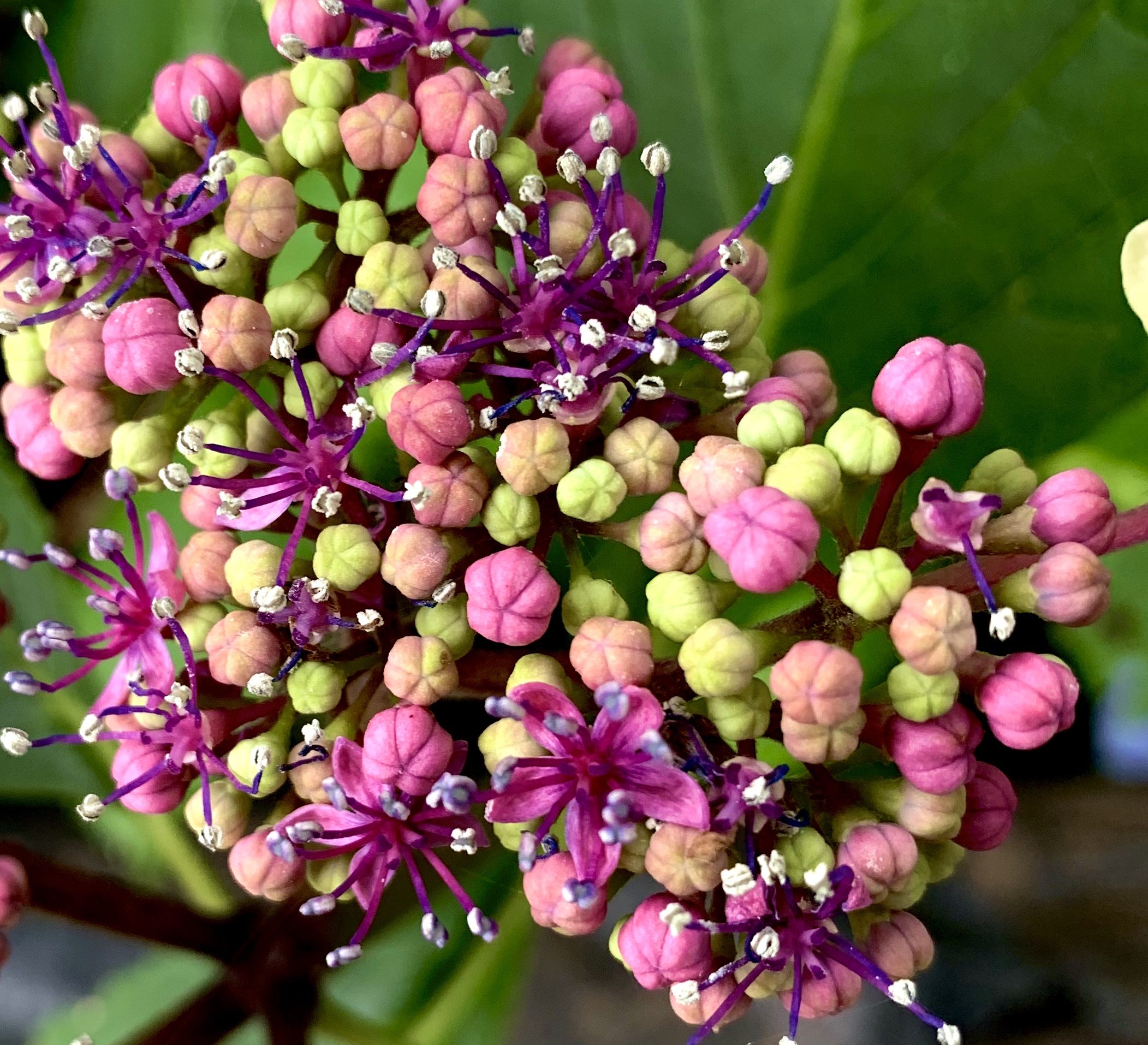
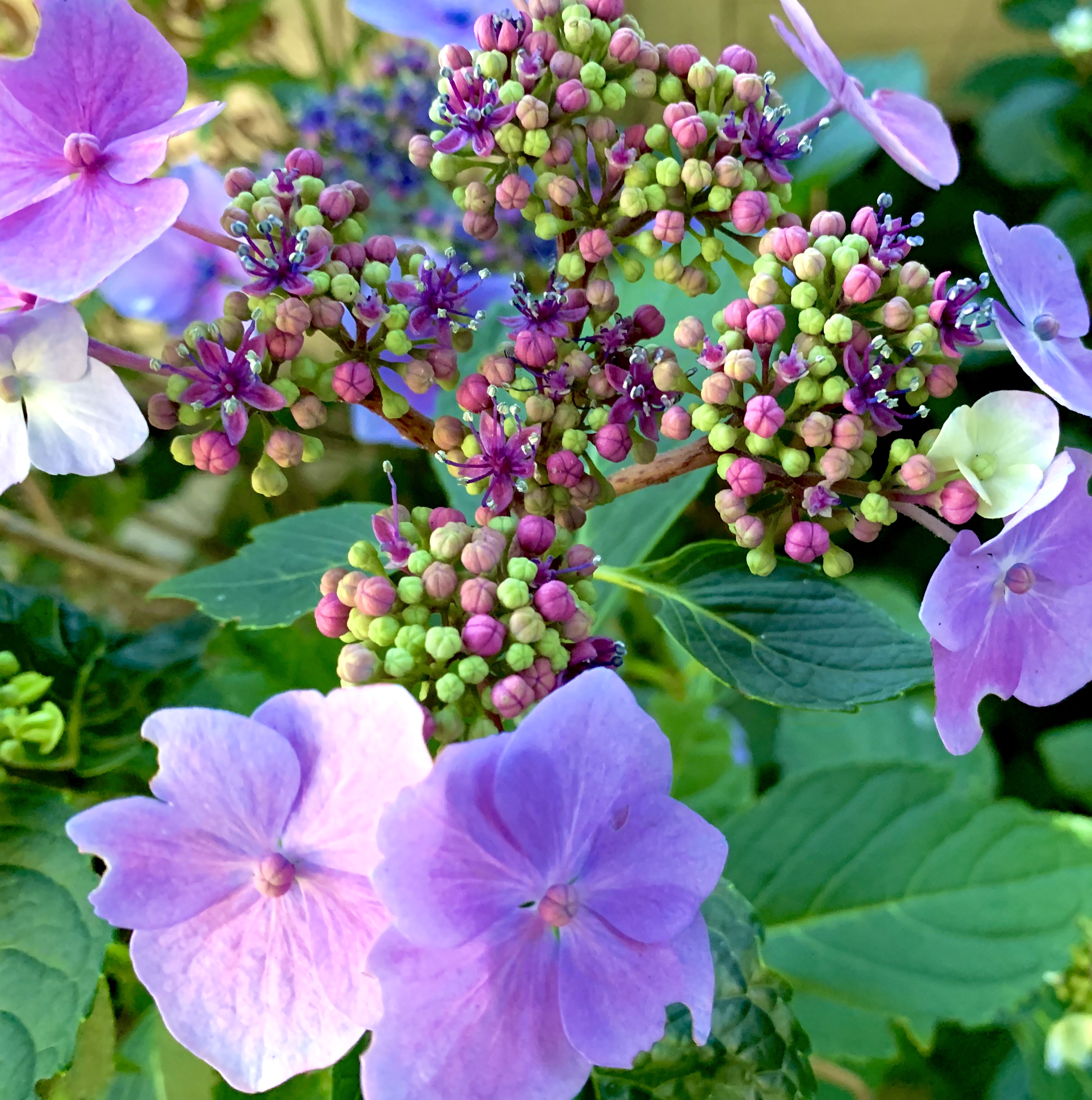
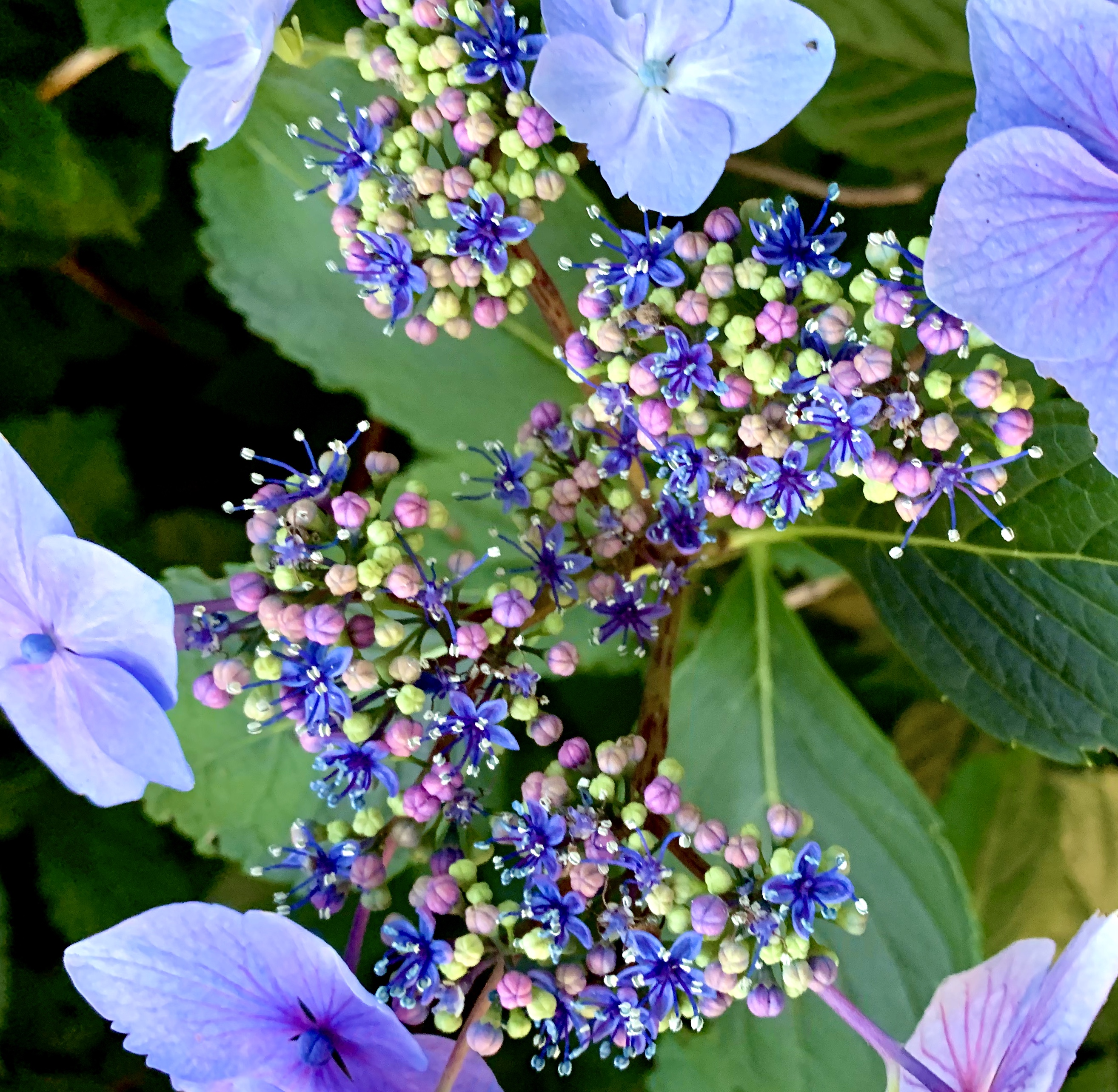
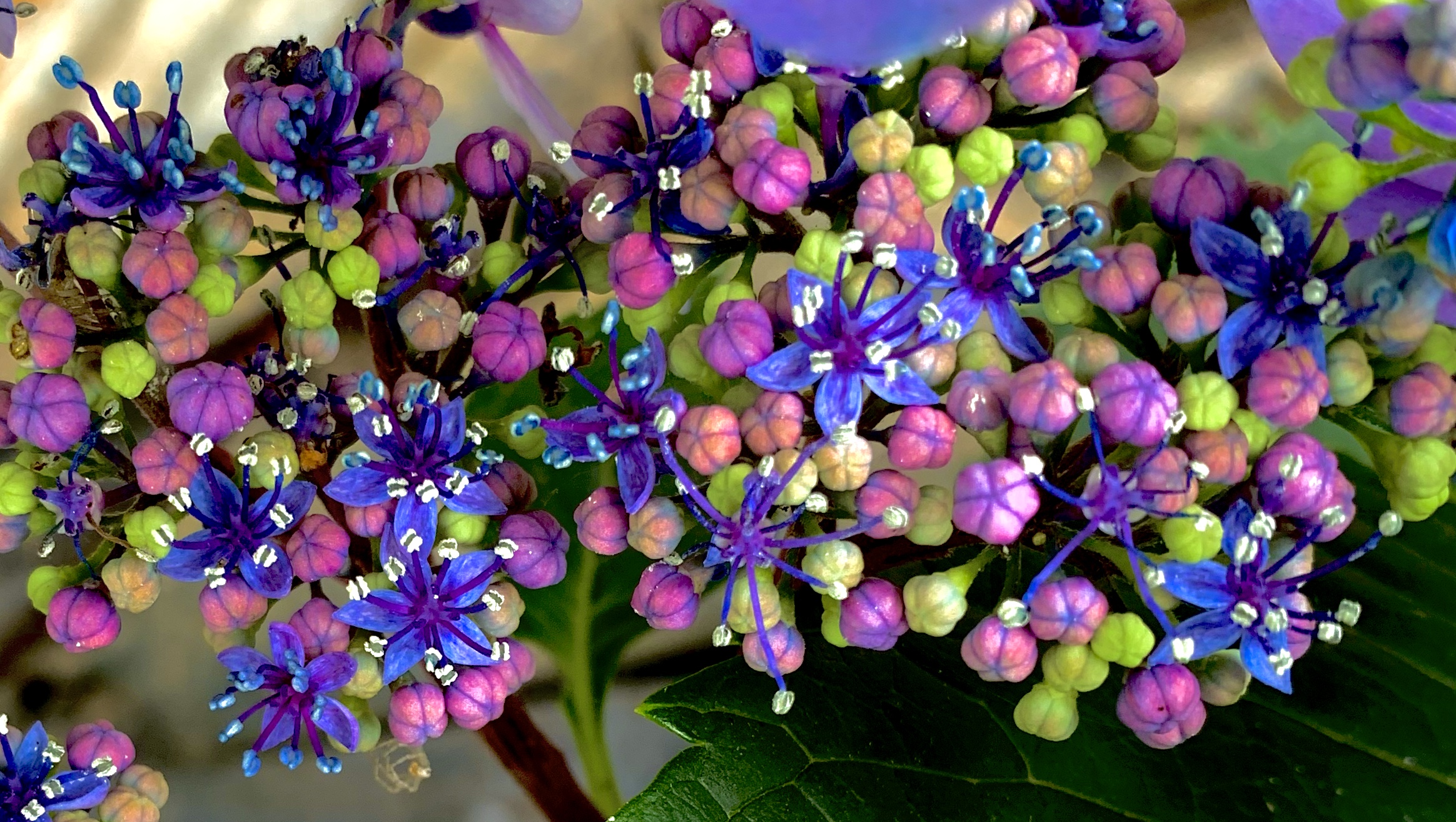
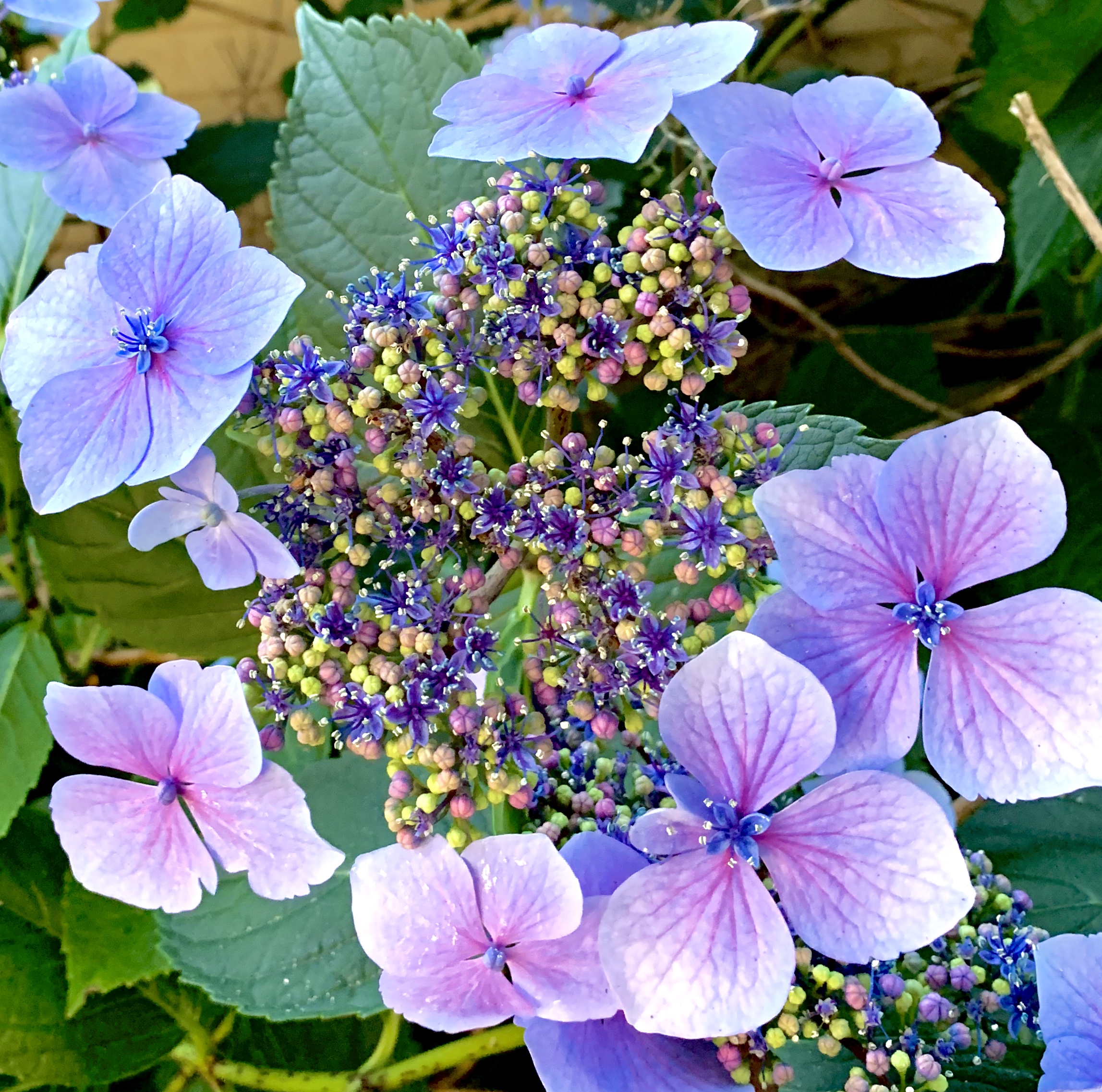
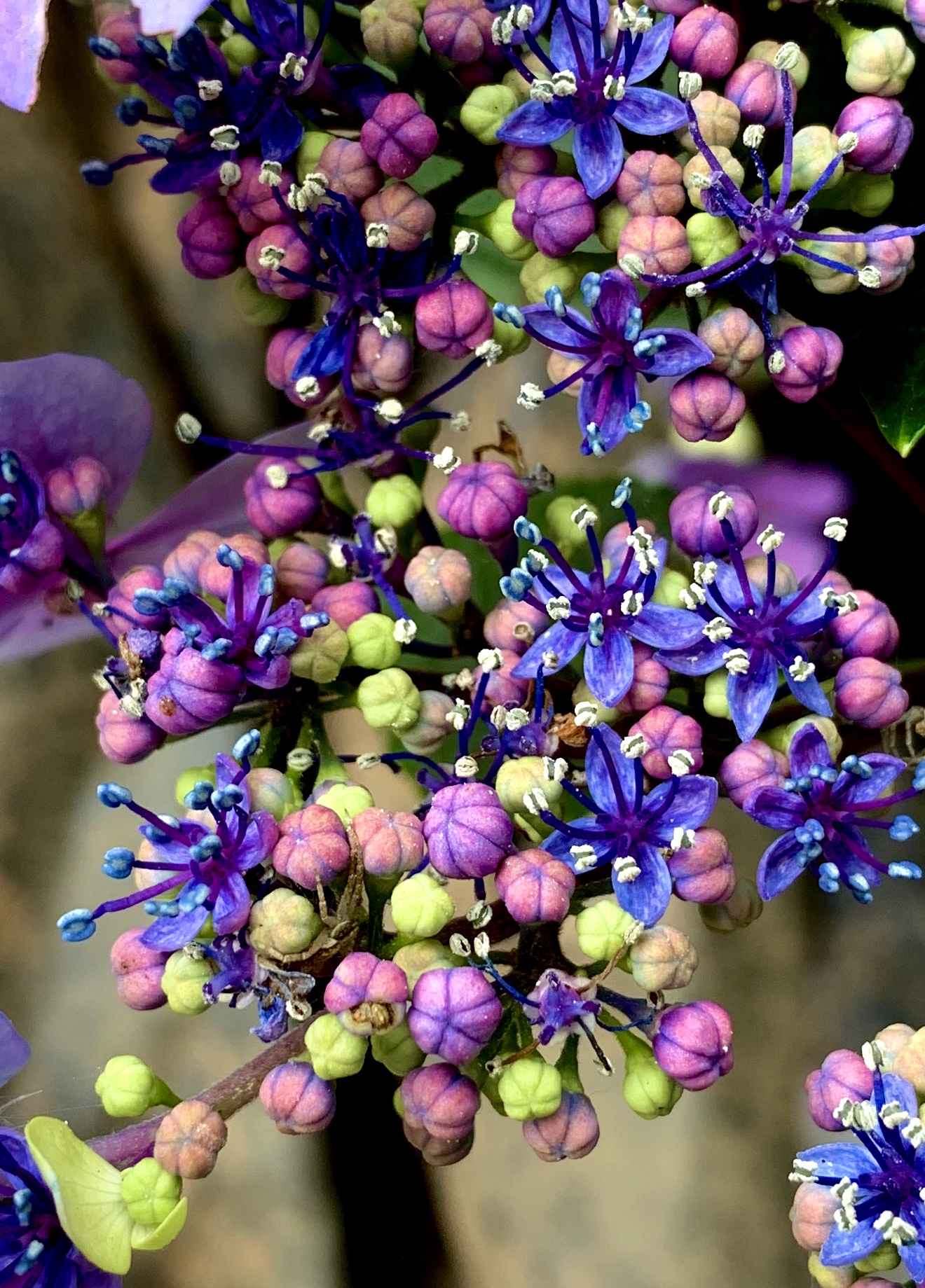
Who would have thought it possible that a tiny little flower could preoccupy a person so completely that there simply wasn’t room for any other thought? ~ Sophie Scholl from At the Heart of the White Rose
Little flower, but if I could understand what you are, root and all in all, I should know what God and man is. ~ Tennyson
There are days we live⠀ as if death were nowhere⠀ in the background; from joy⠀ to joy to joy, from wing to wing,⠀ from blossom to blossom to⠀ impossible blossom, to sweet impossible blossom.⠀ ~Li-Young Lee from “From Blossoms”
Summer was our best season: it was sleeping on the back screened porch in cots, or trying to sleep in the tree house; summer was everything good to eat; it was a thousand colors in a parched landscape… ~Harper Lee from “To Kill a Mockingbird”
I seek relief anywhere it can be found: this parched landscape fills with anger and lashing out, division and distrust, discouragement and disparity.
I want to live again as if death is not in the background of overflowing ICUs and irrational shootings.
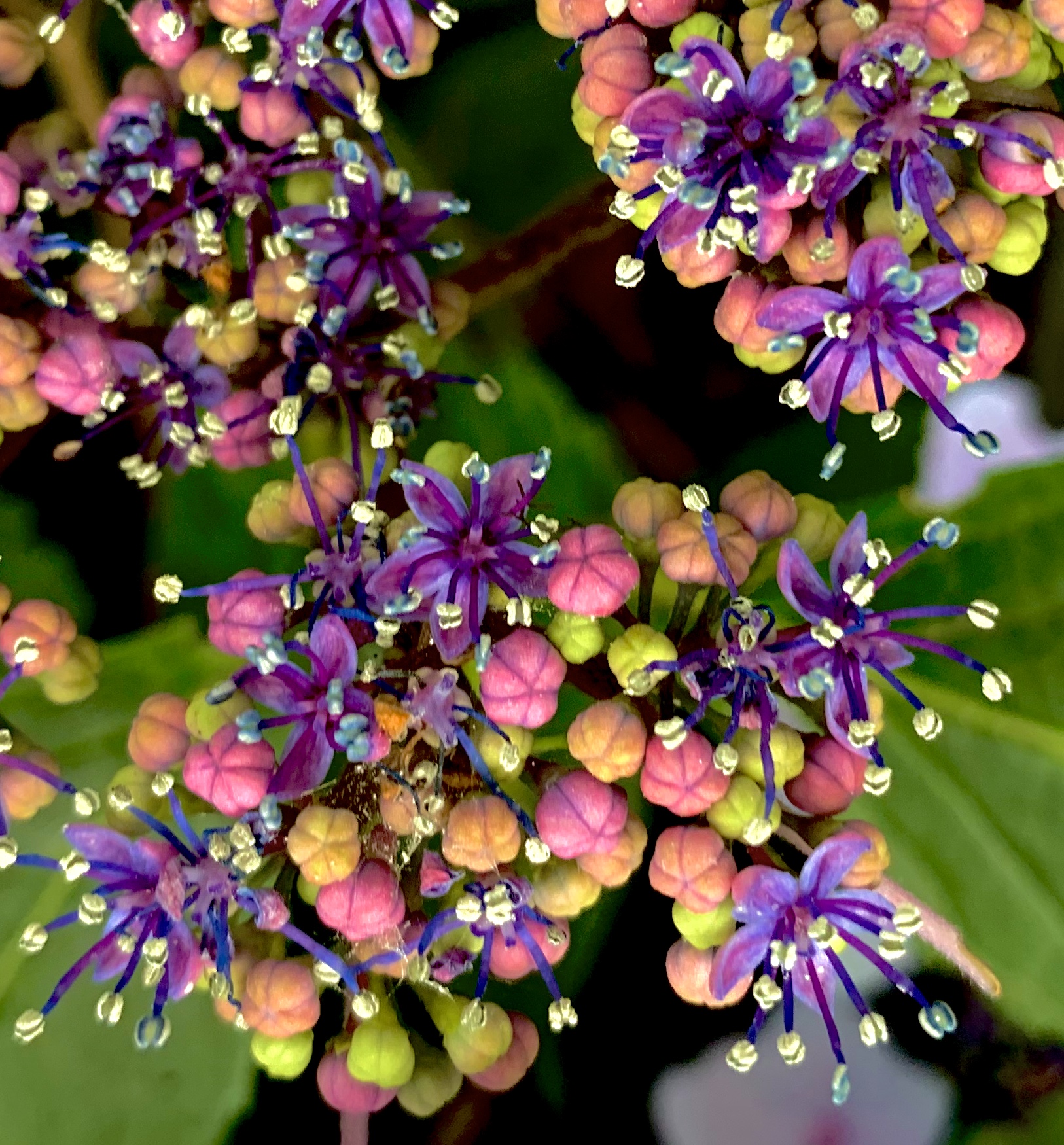
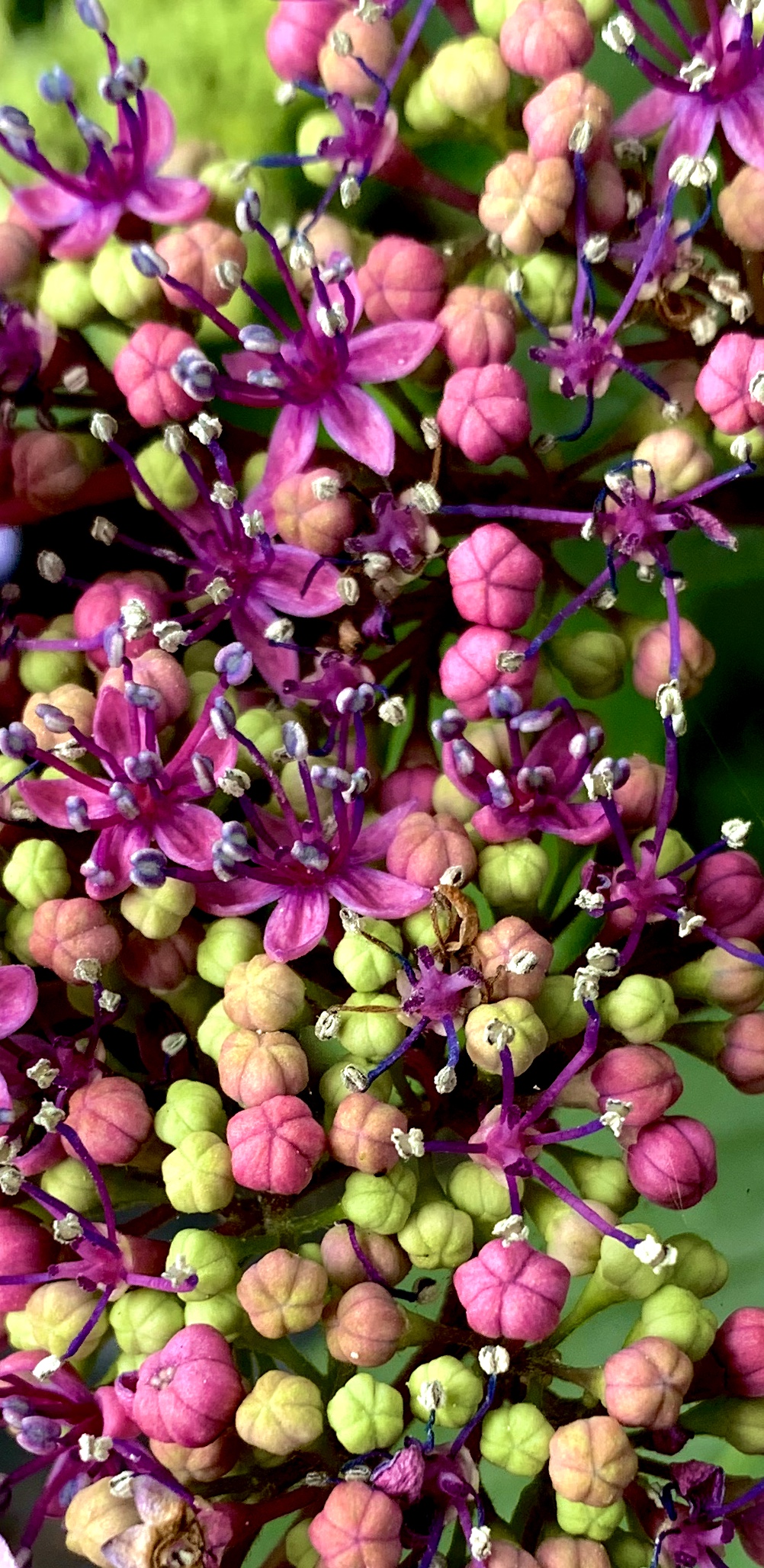
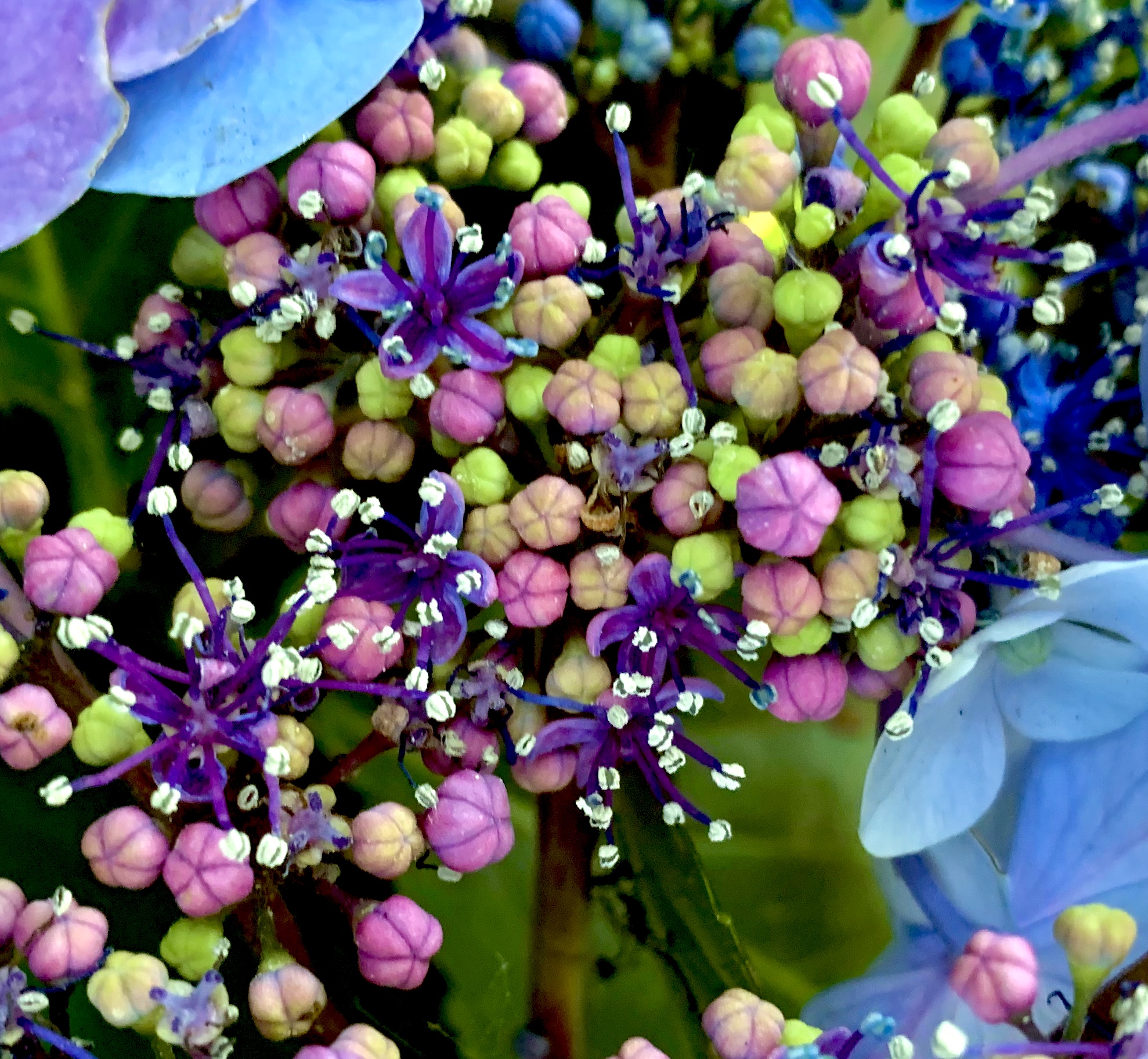
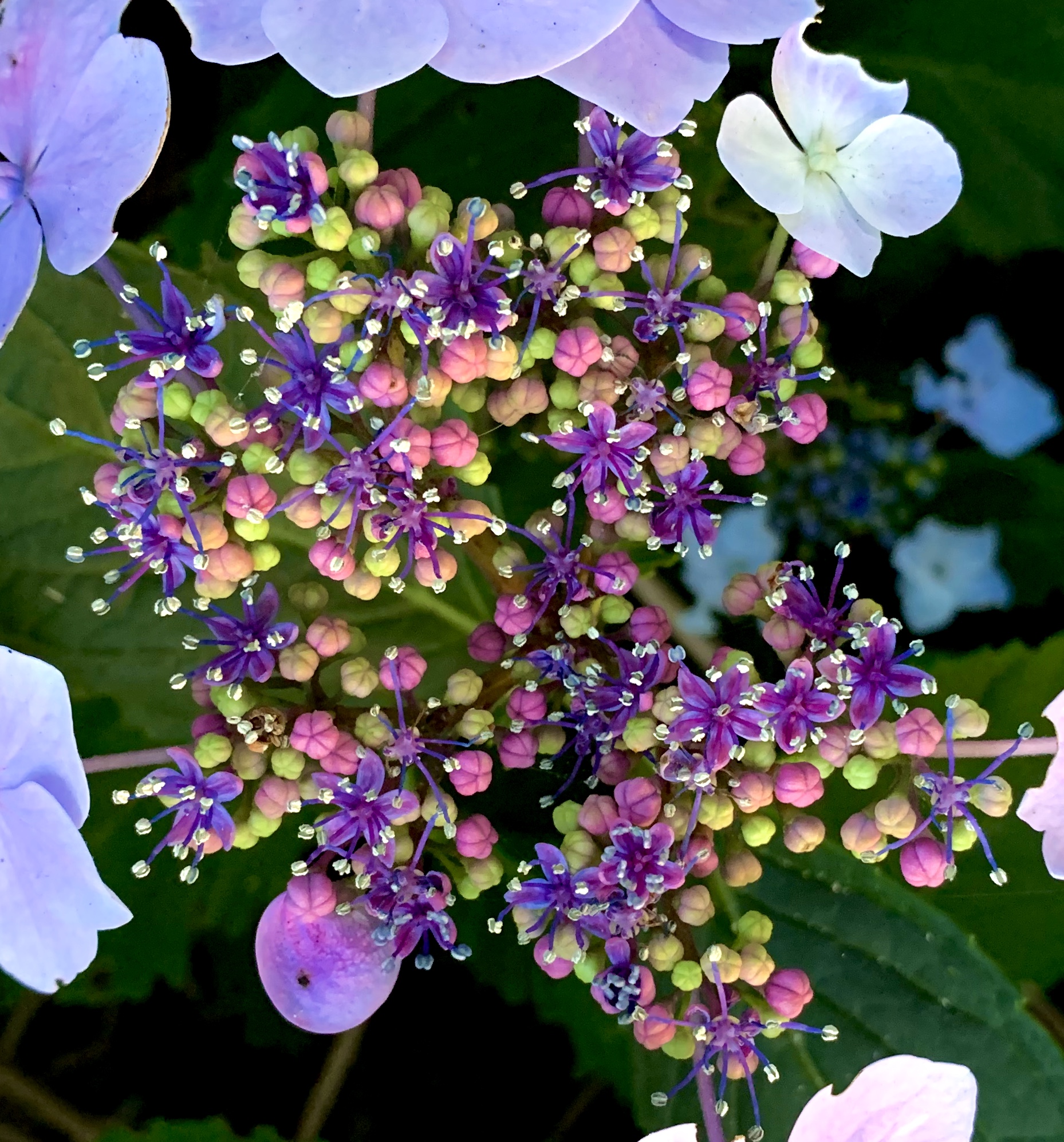
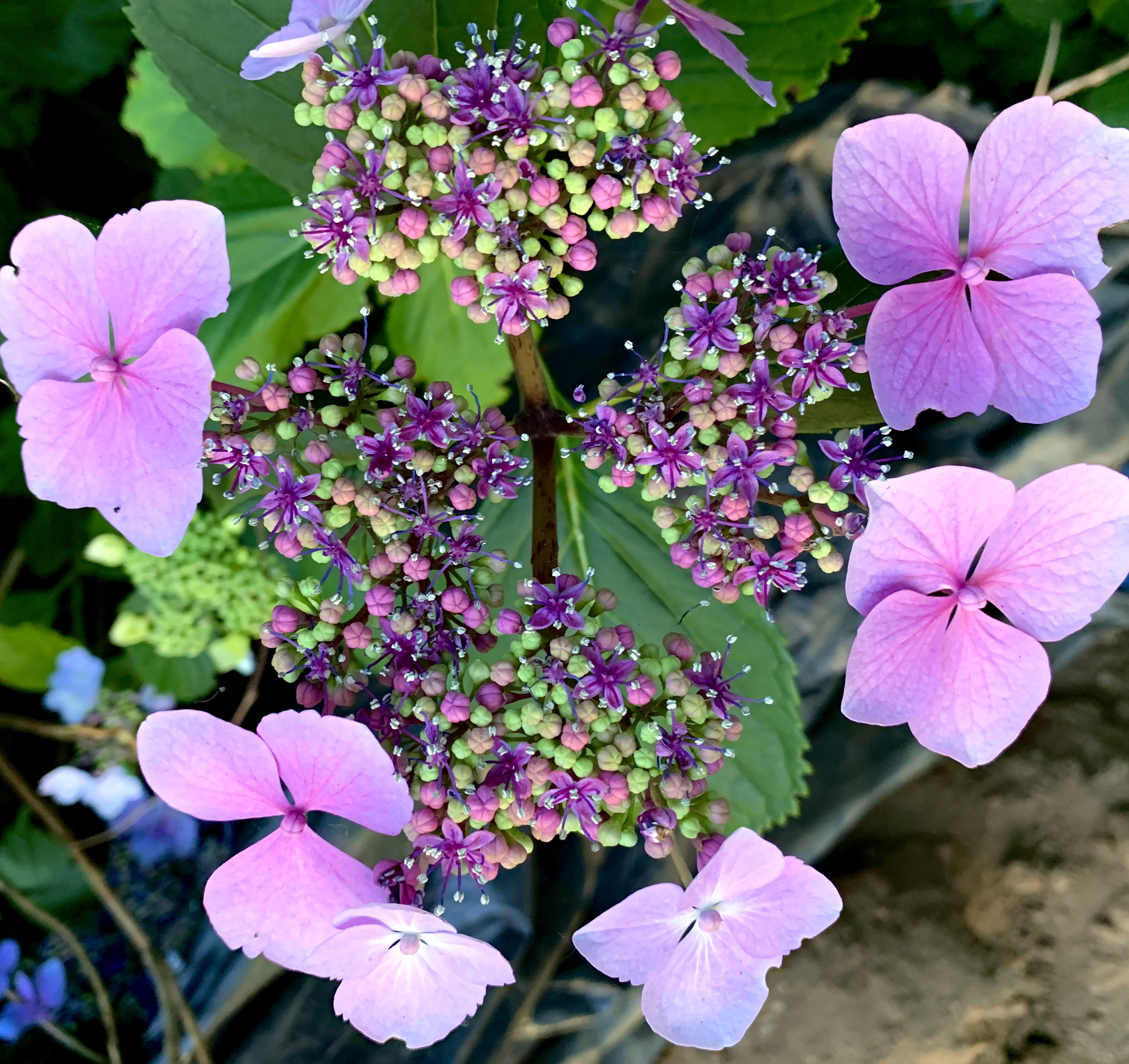
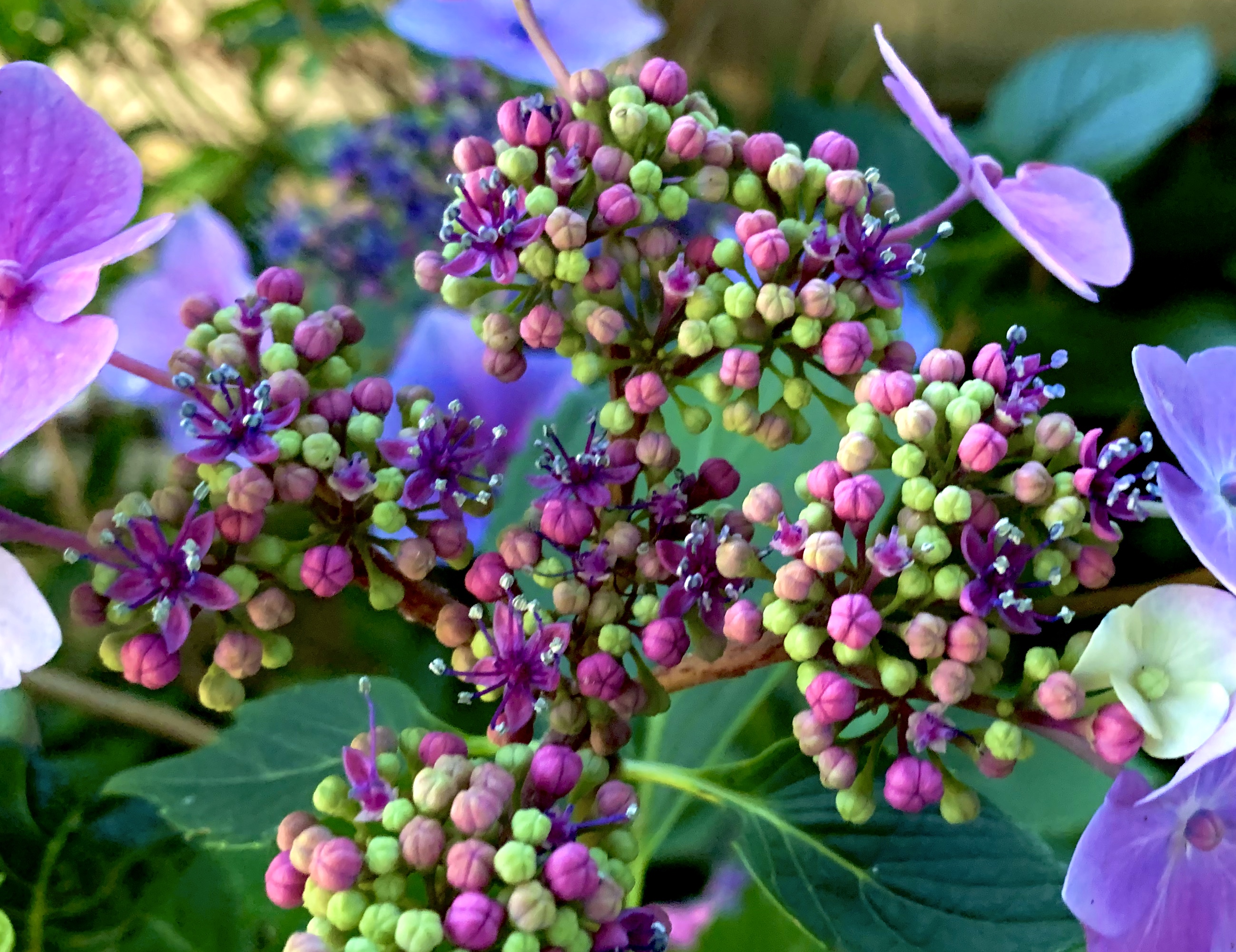
I want to be so preoccupied with the medley of beauty around me, there can be no room for other thoughts.
I want to understand how God still loves man even when we turn away.
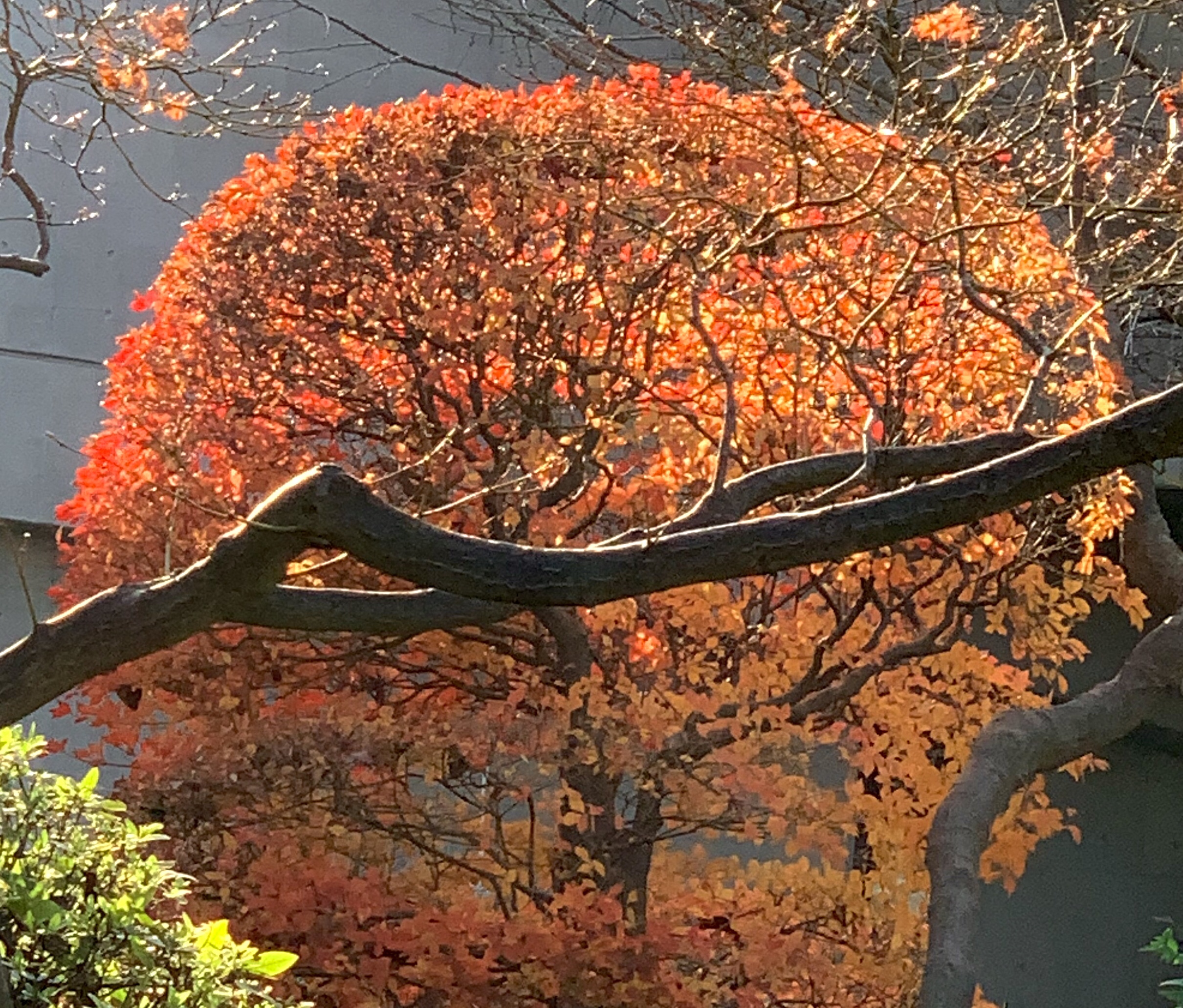
I want to revel in the impossible possible, in a variegated kaleidoscope of colors prepared to bloom bountiful in an overwhelming tapestry of unity.


































 Barnstorming