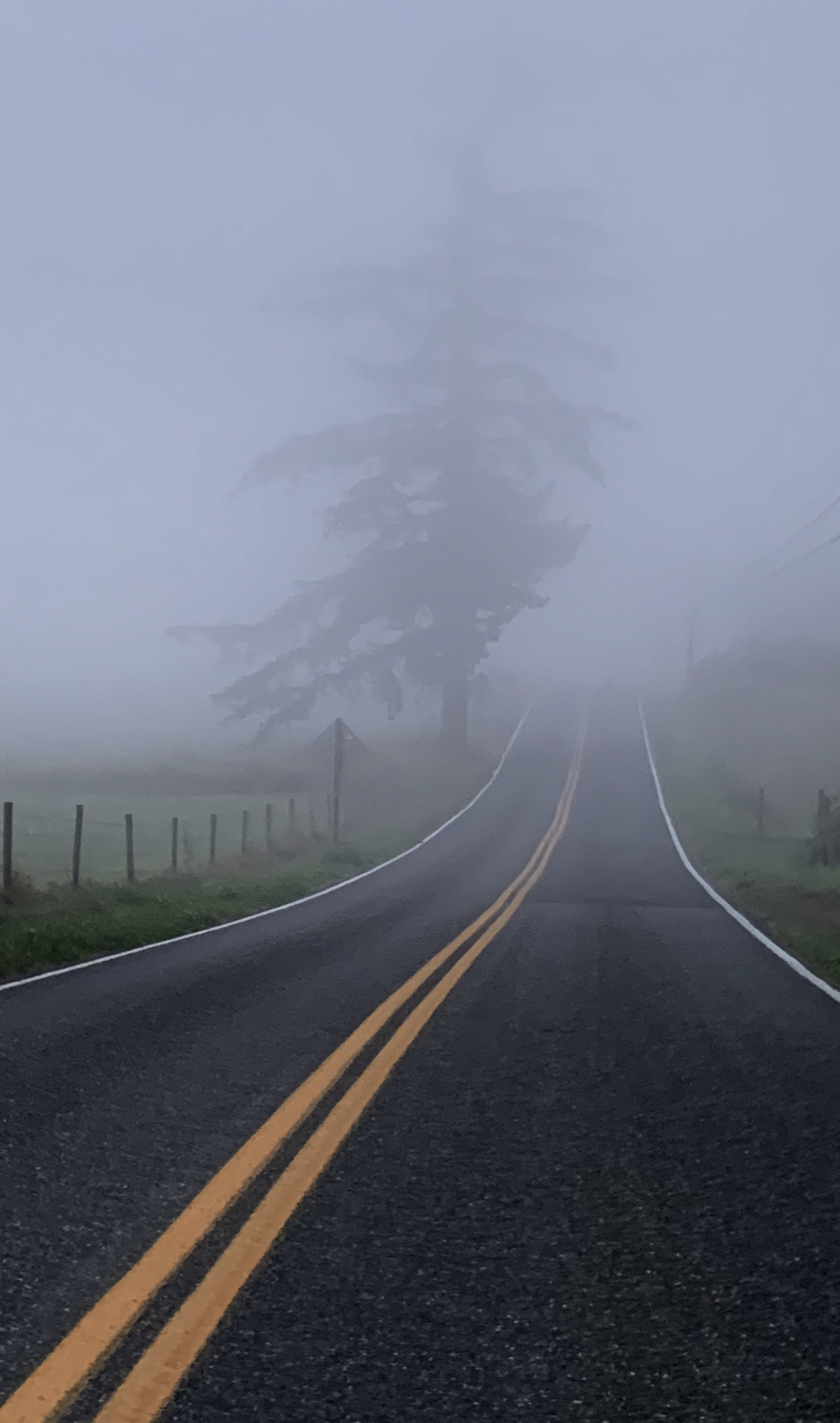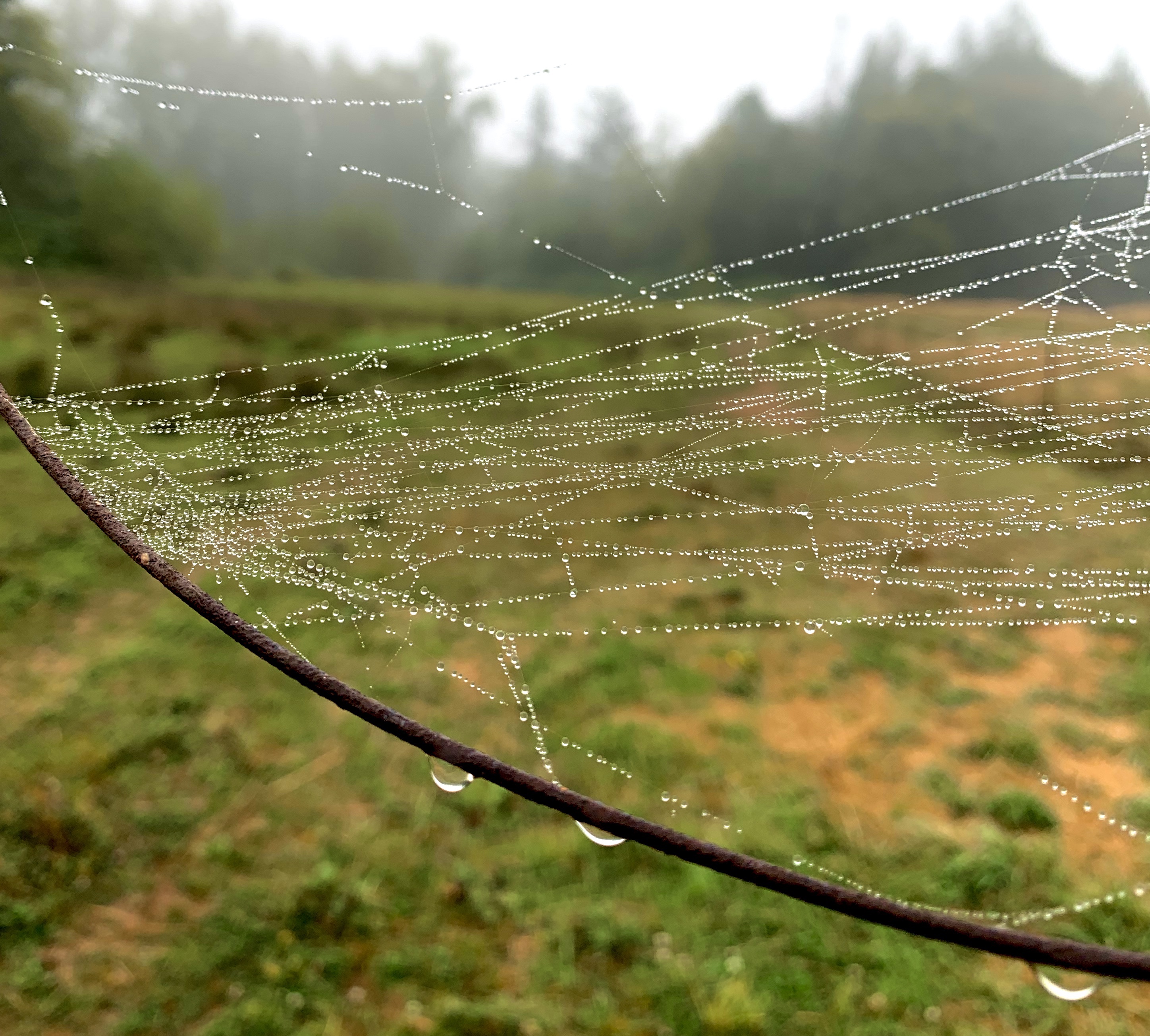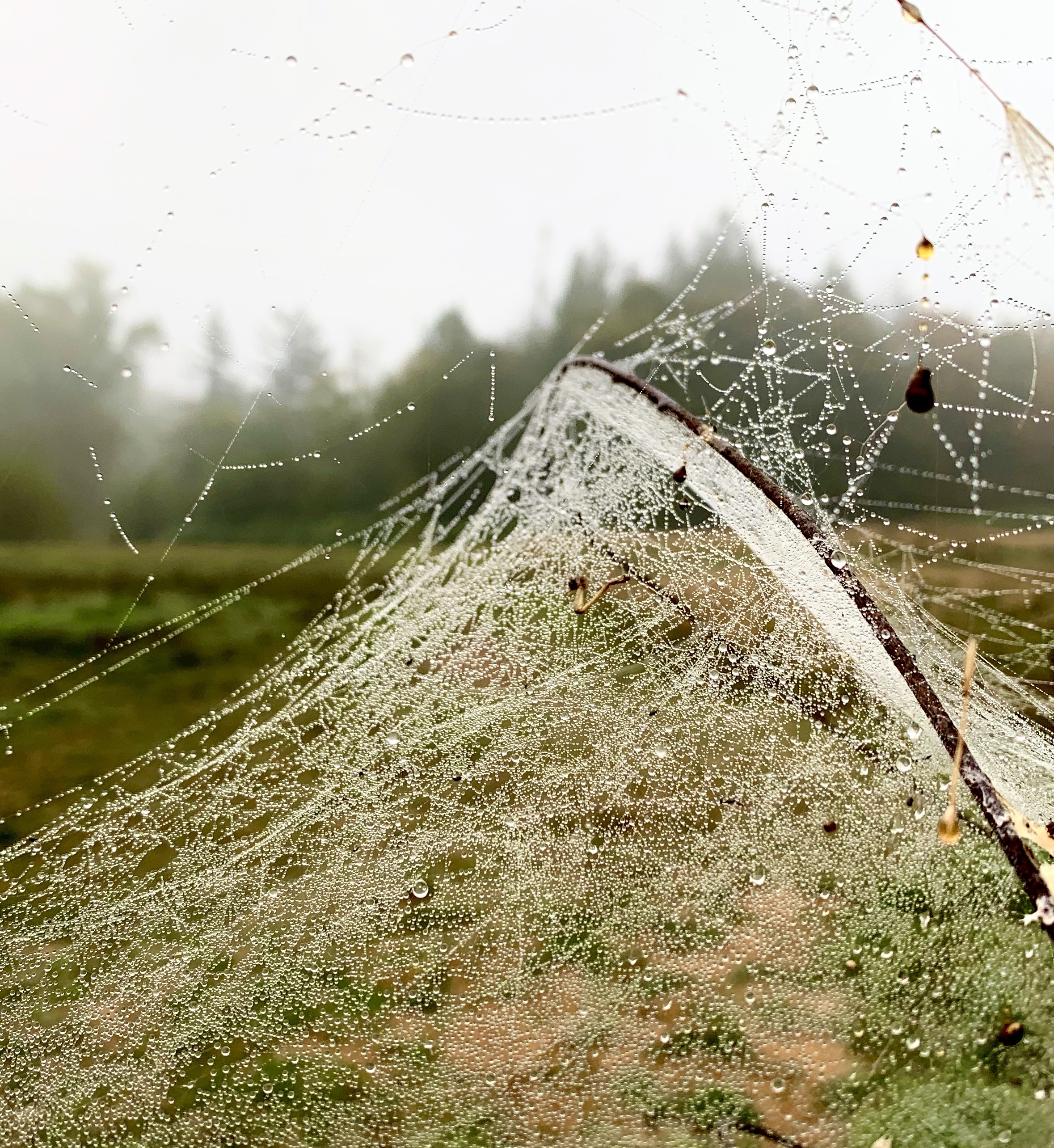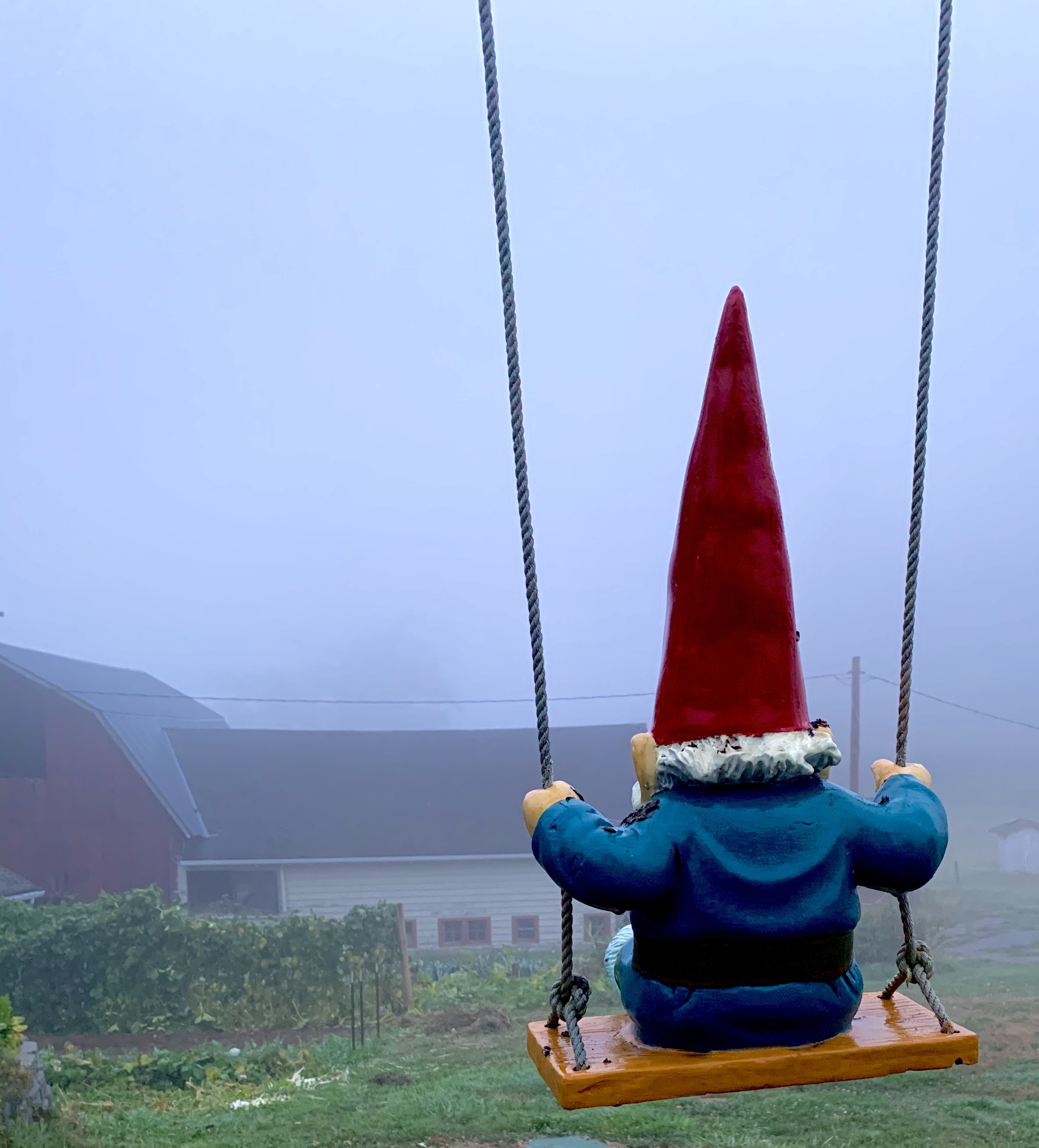
Never Enough Light in November

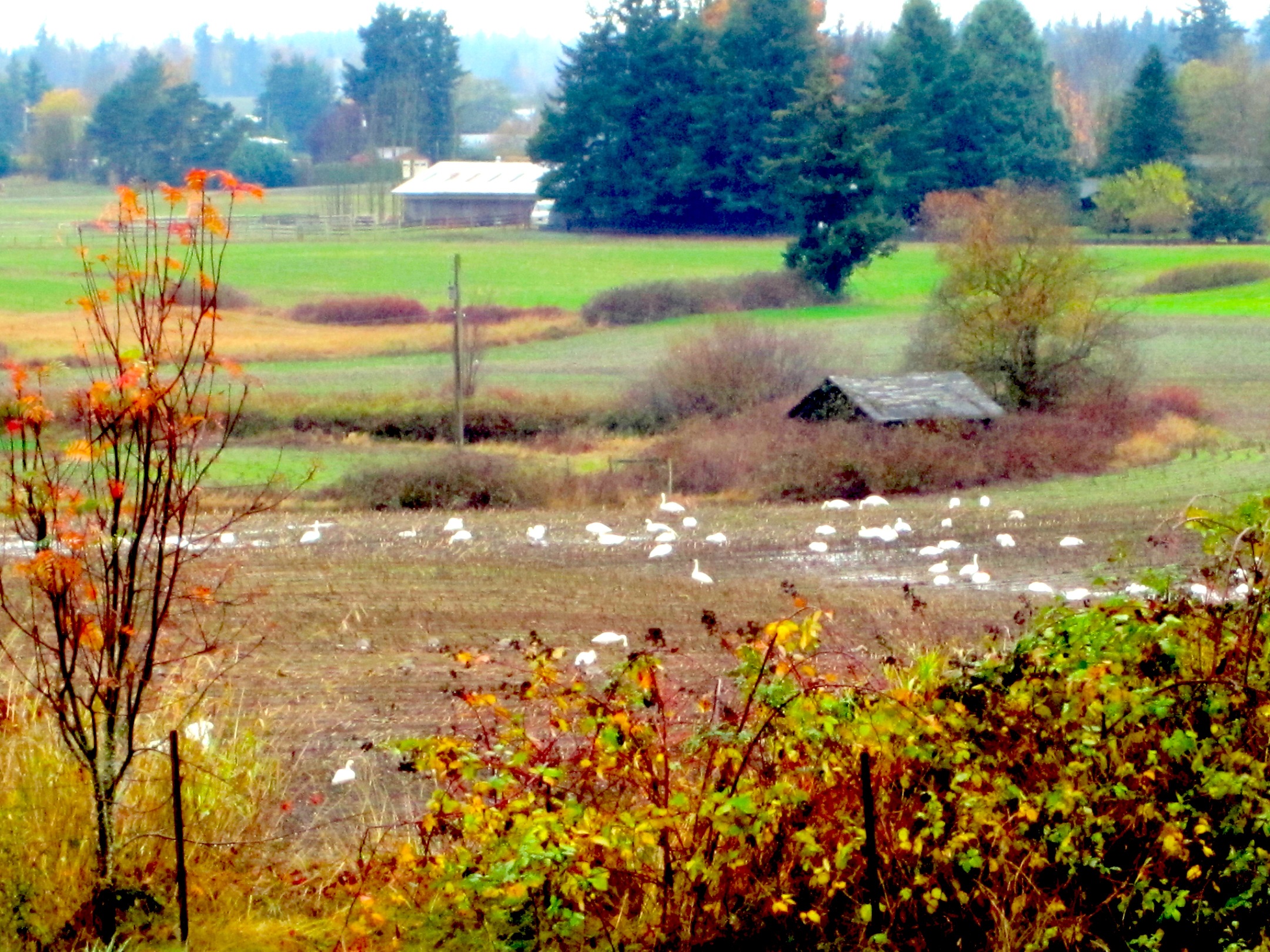
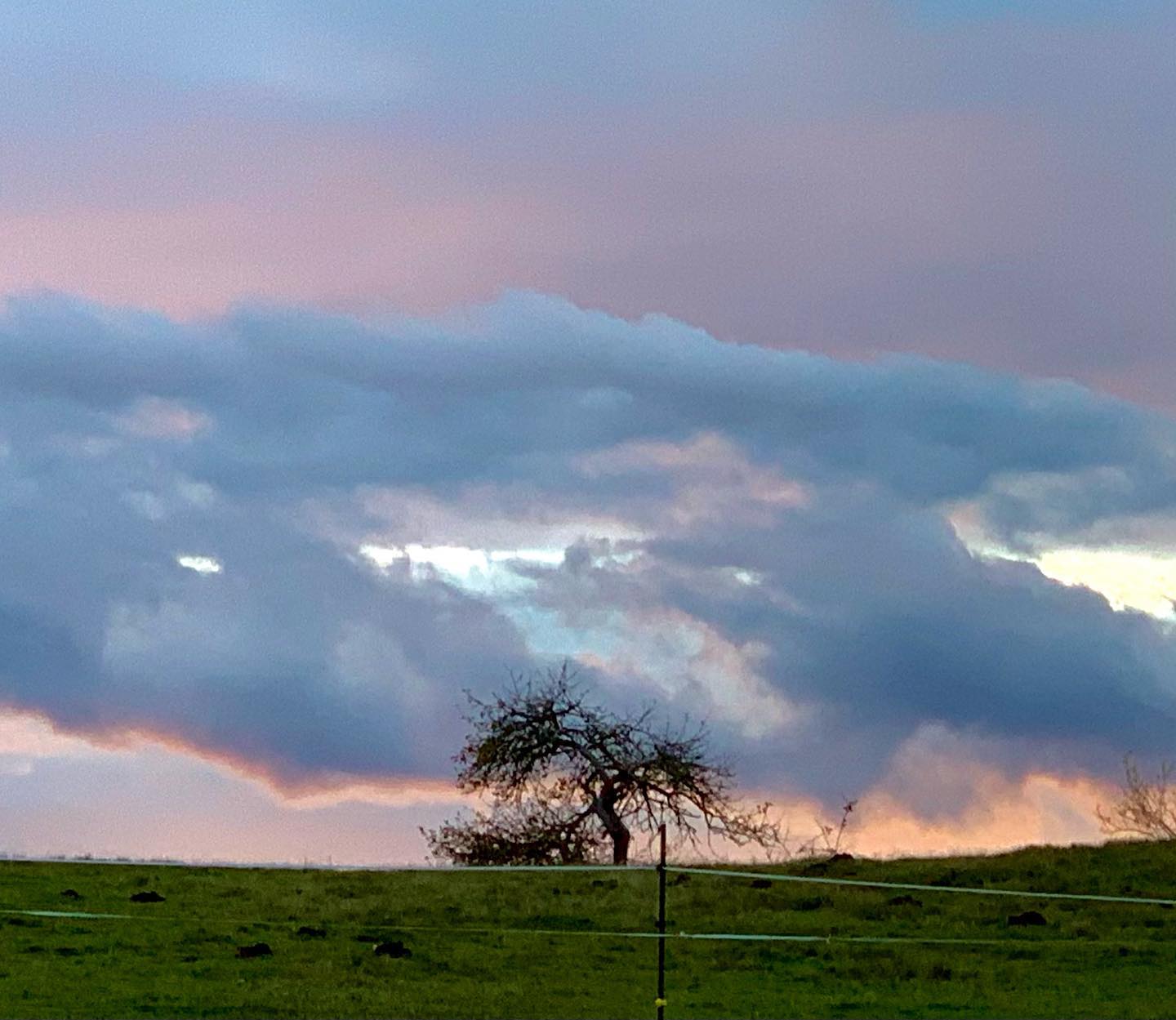
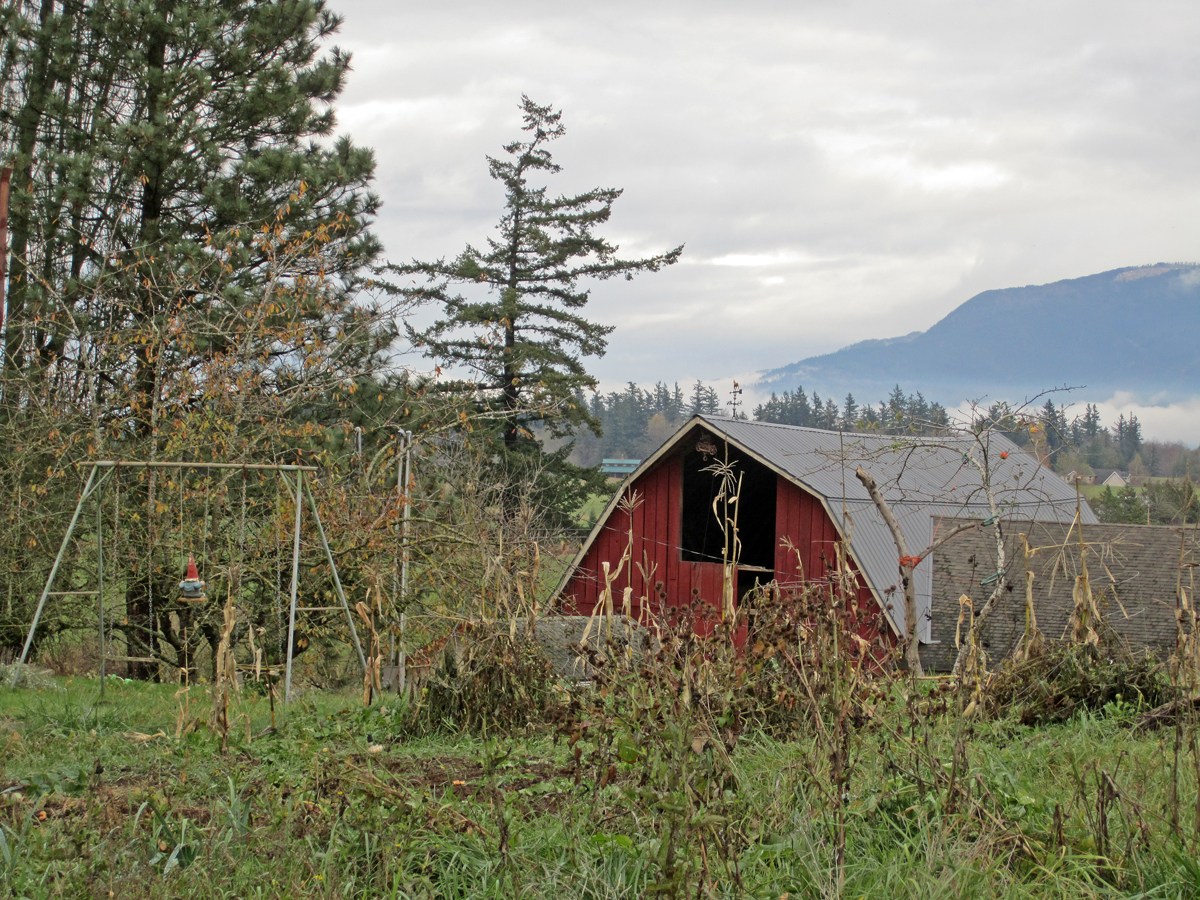
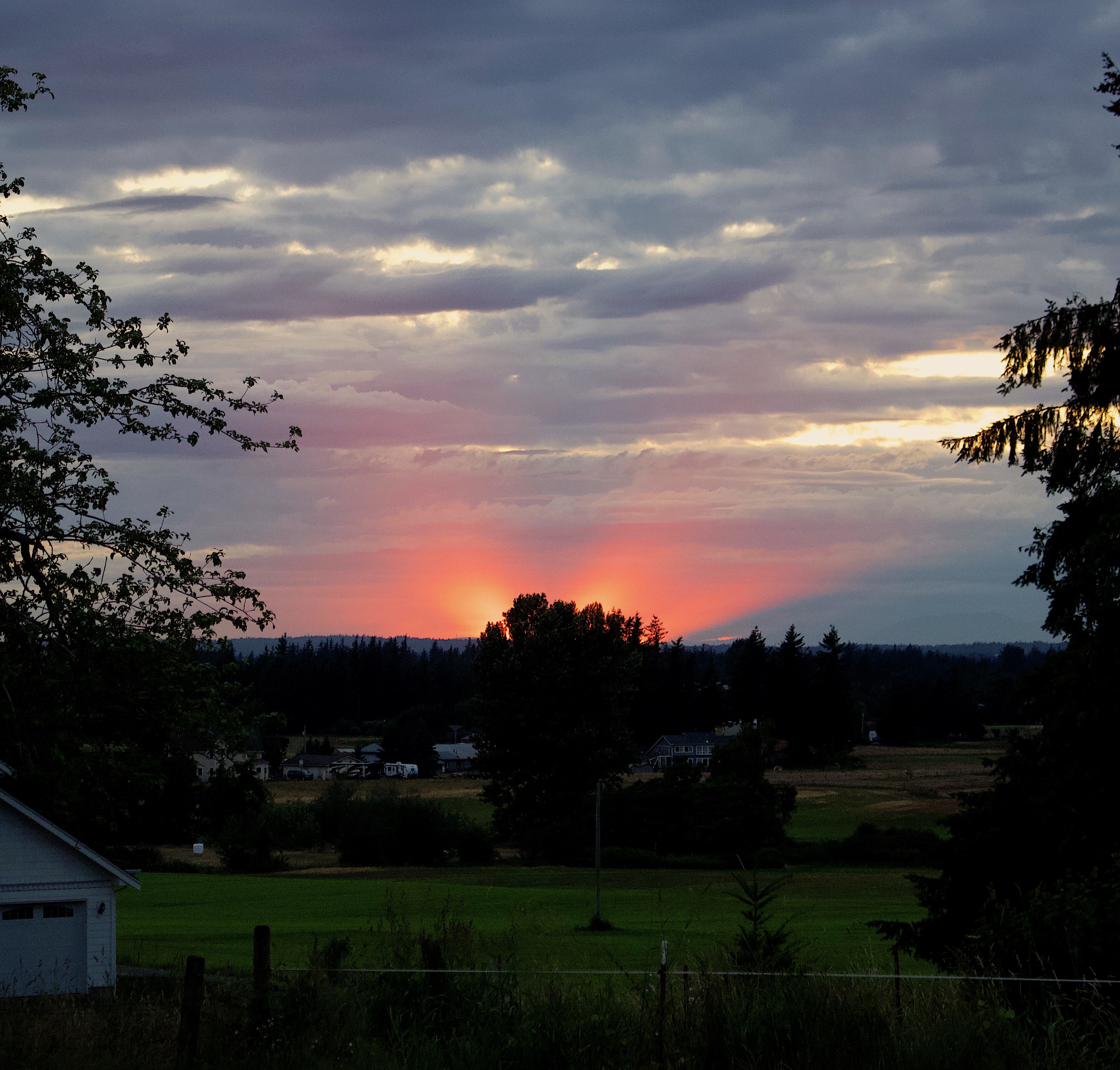
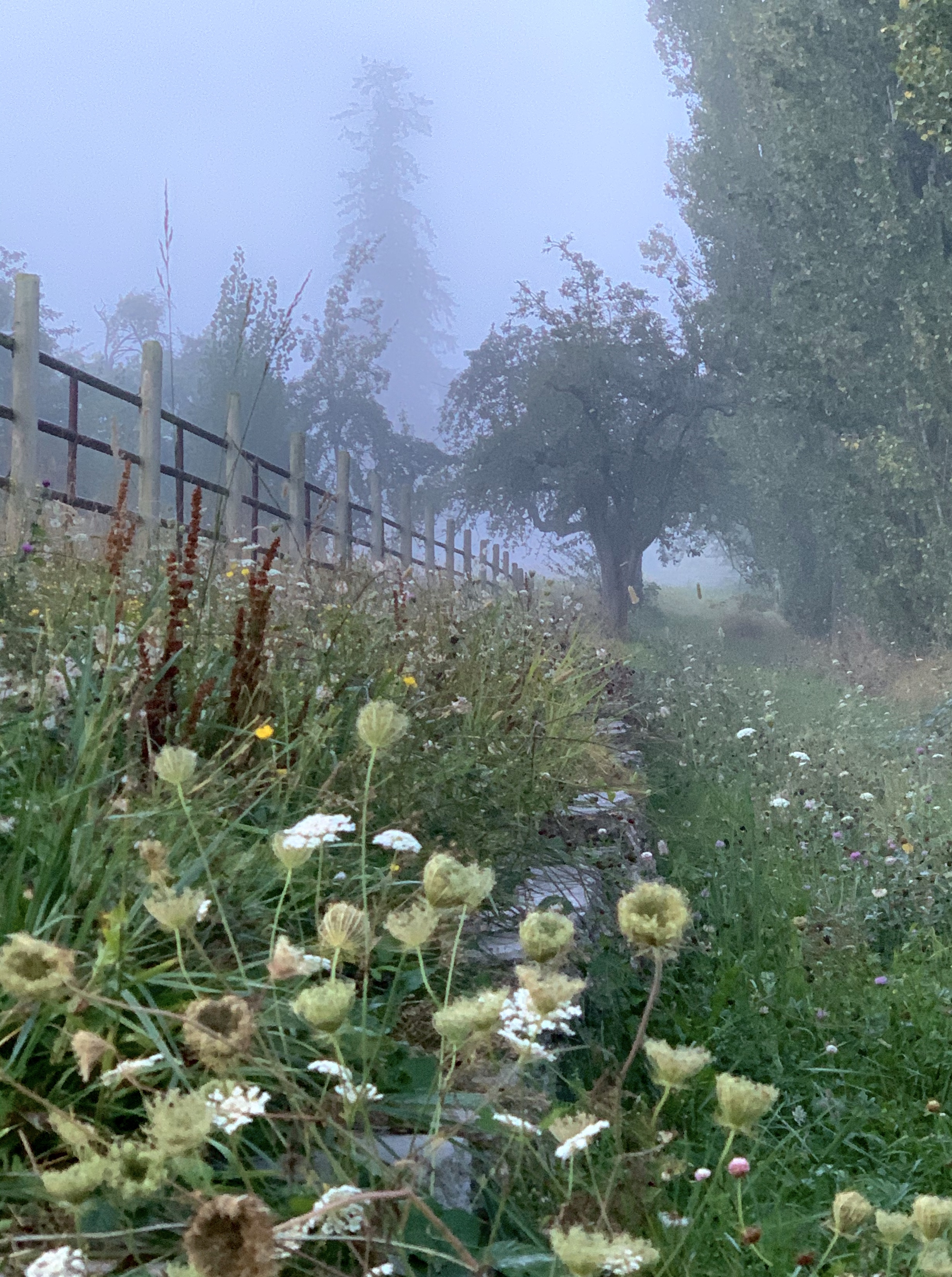
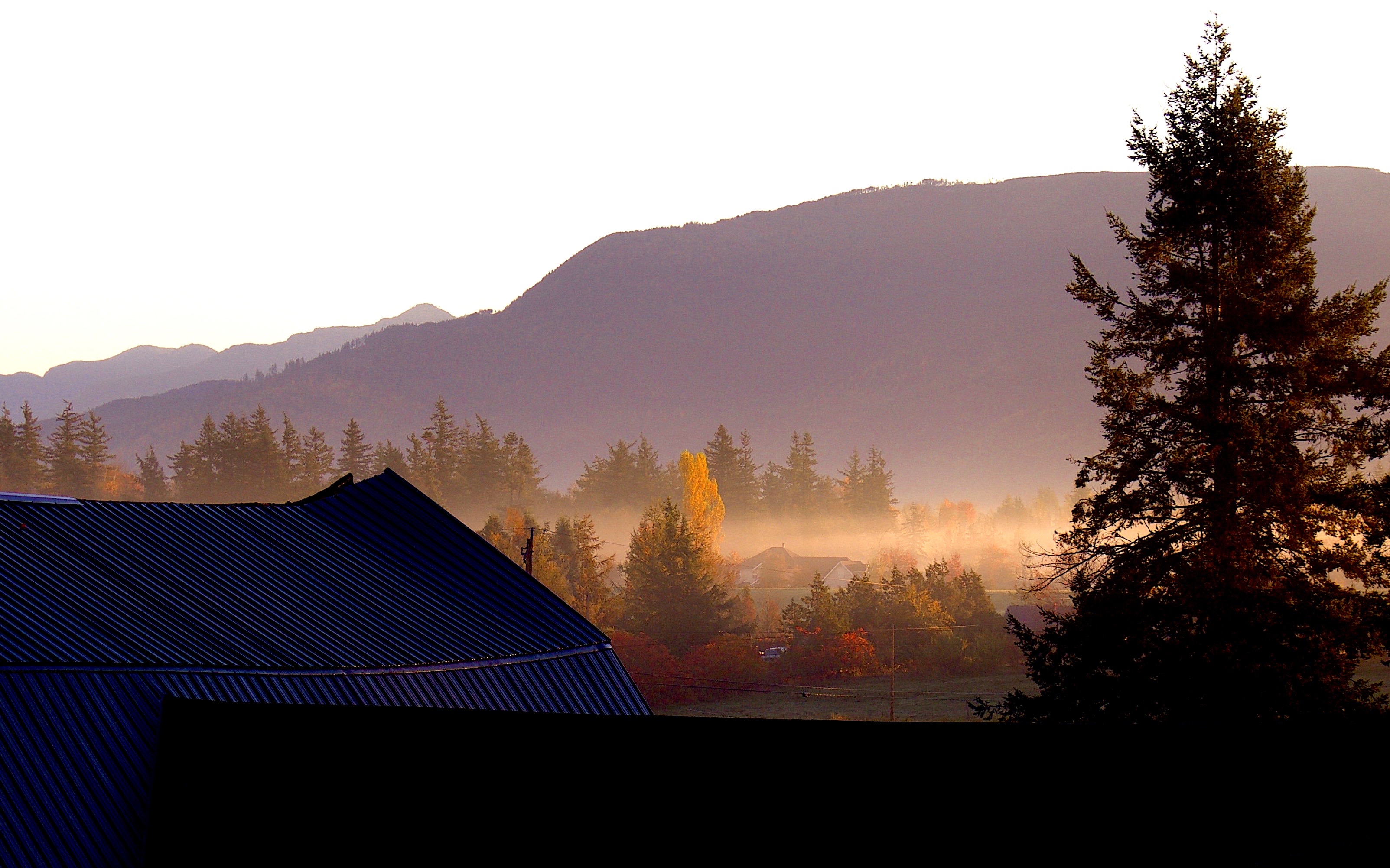
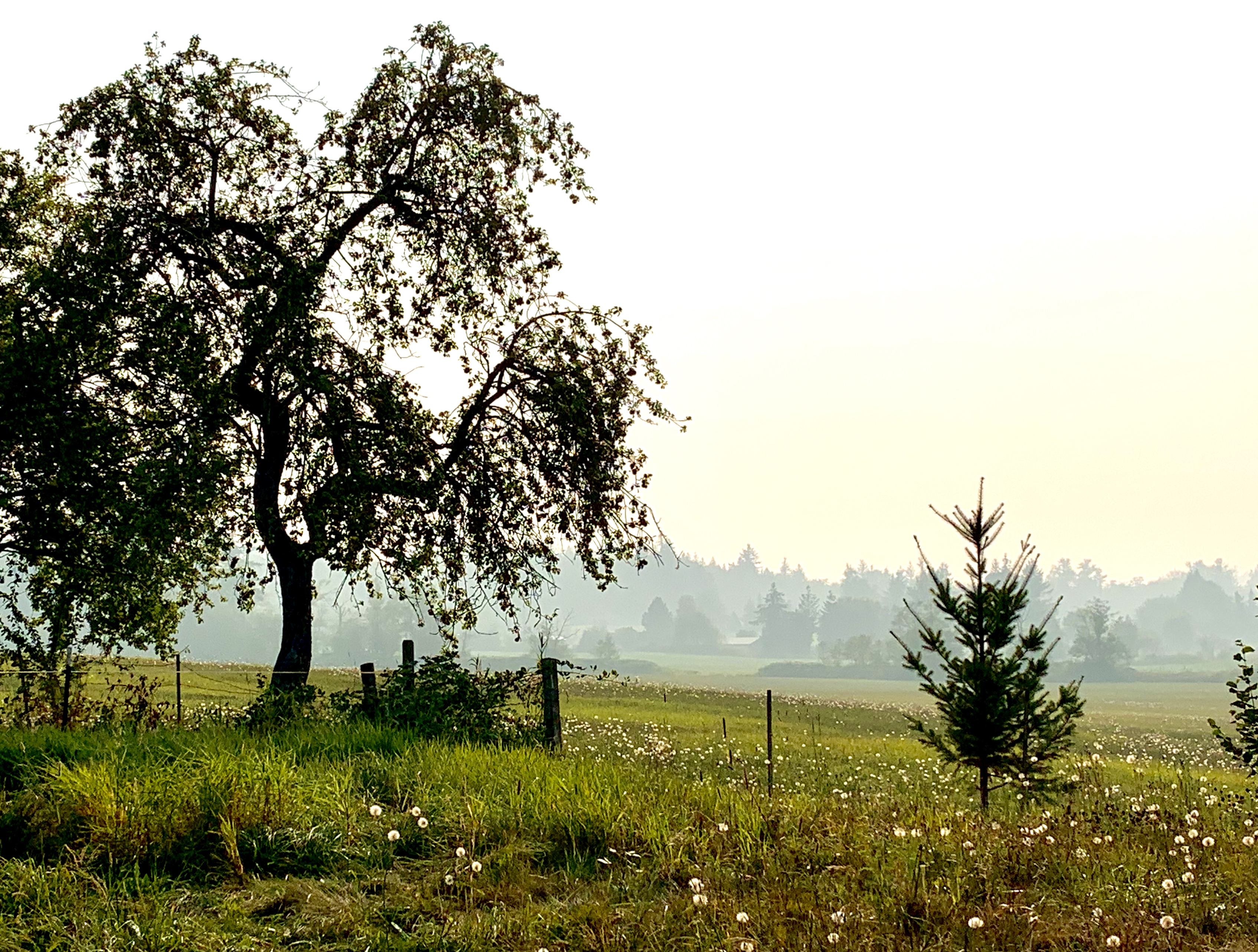
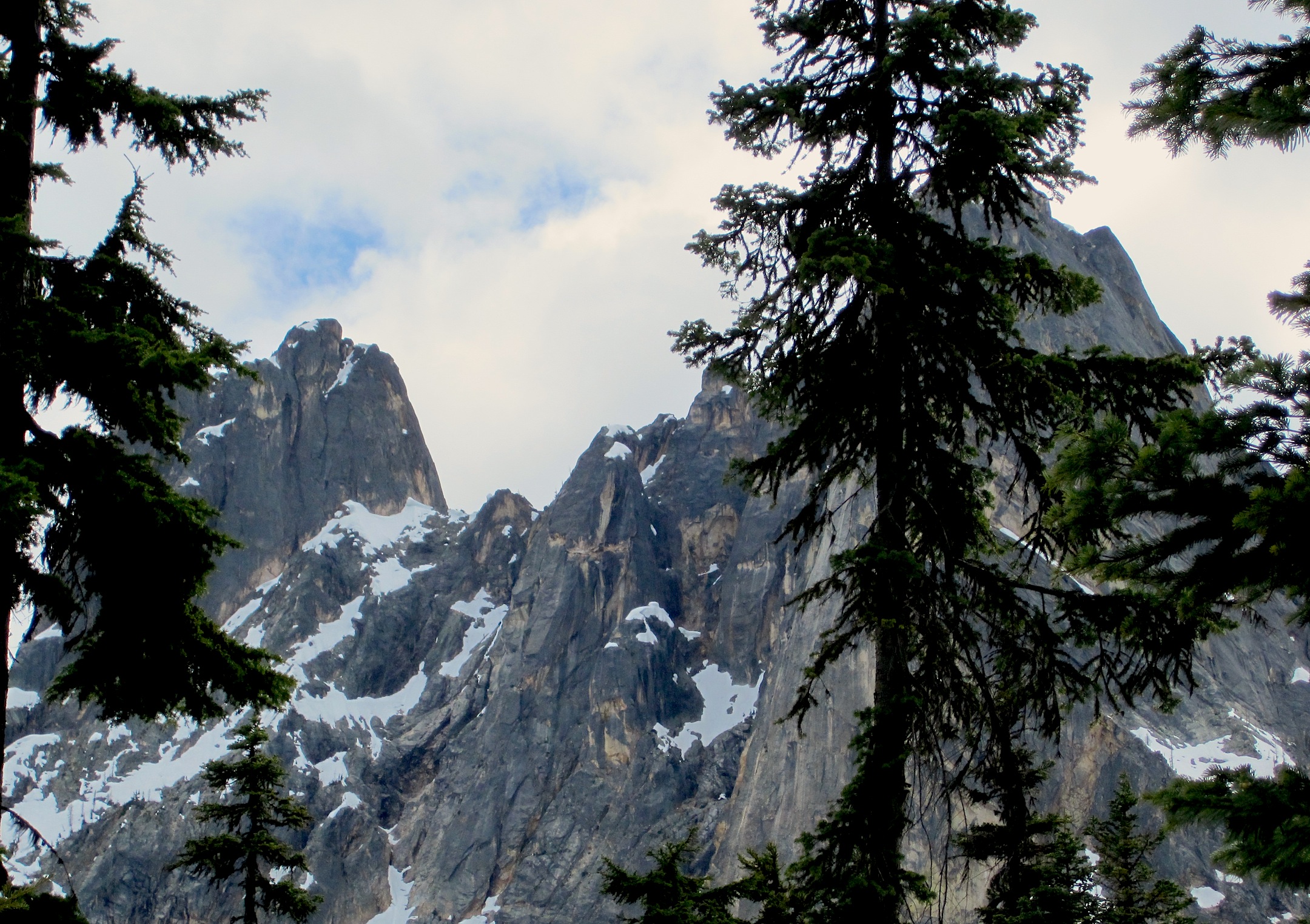
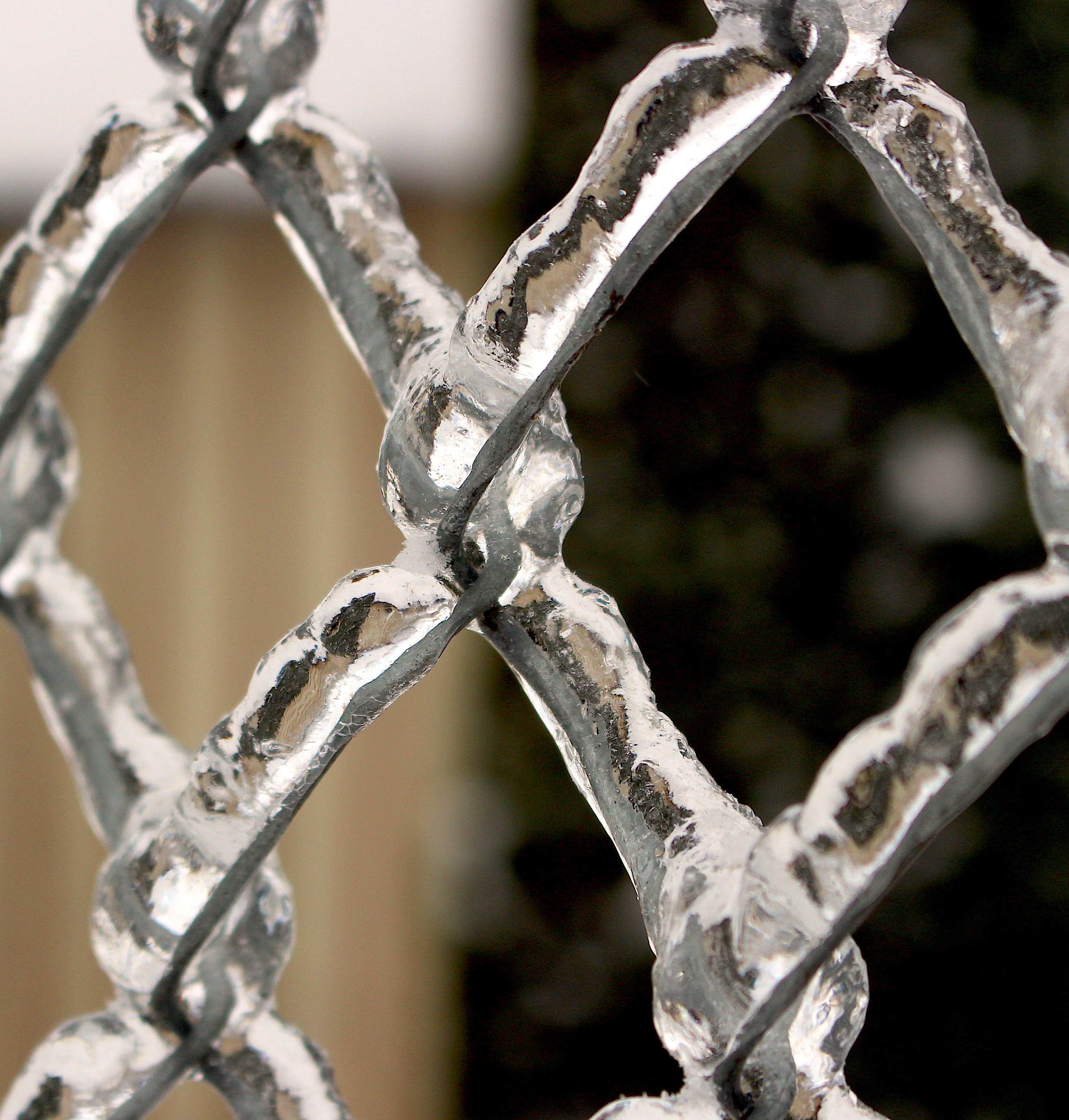
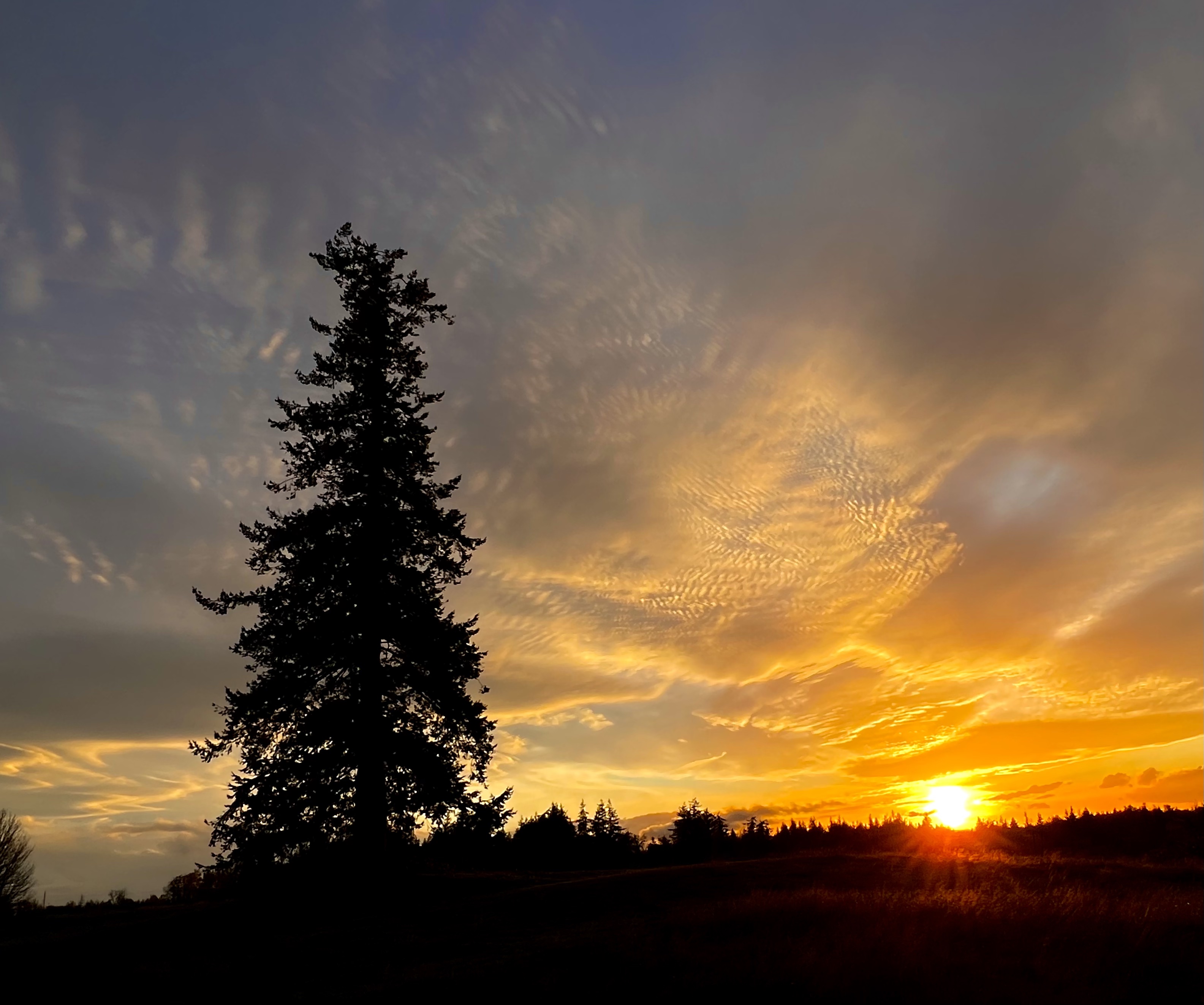
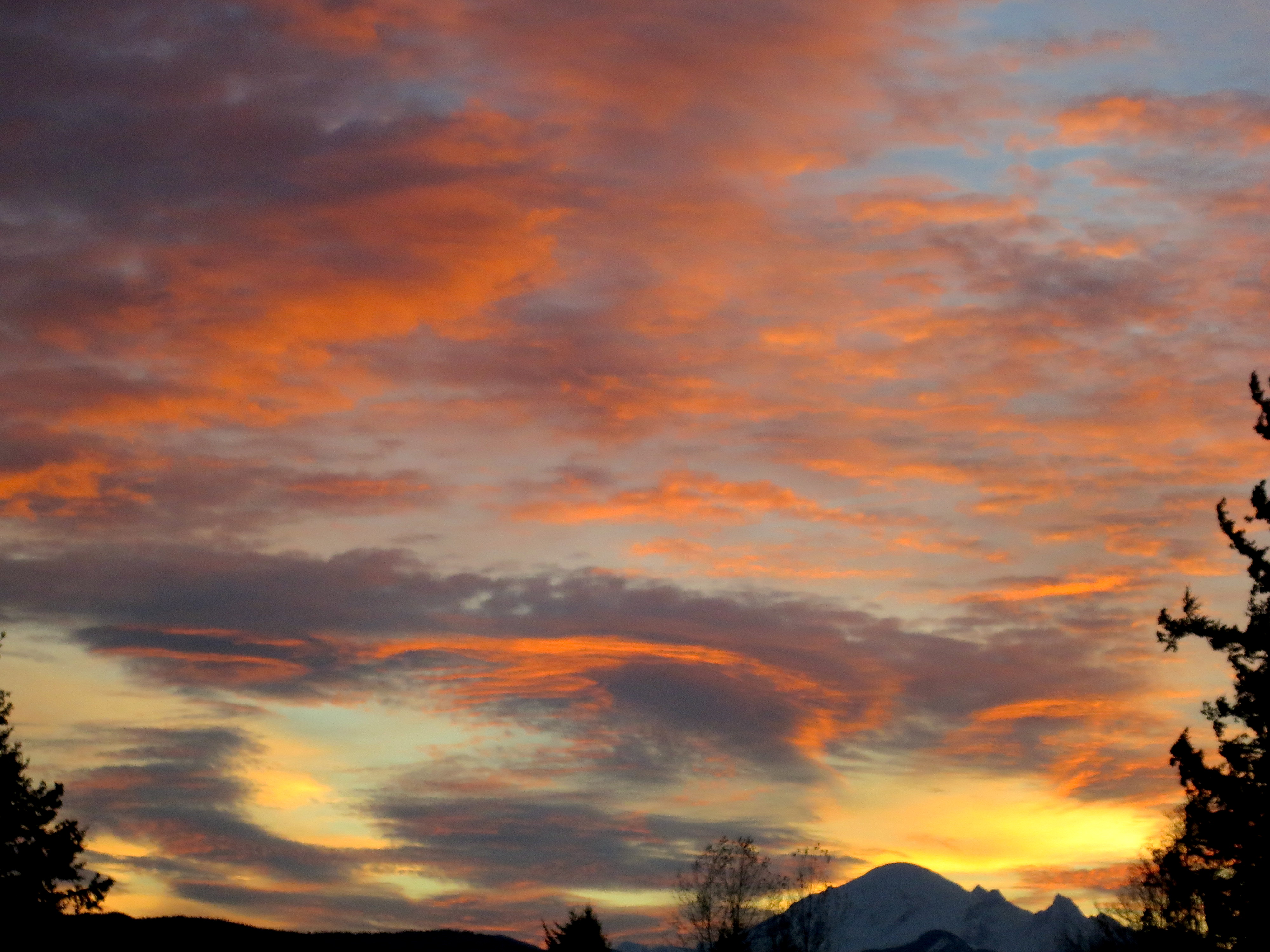
Taken from our farm–cornfield stubble and feeding swans

That country where it is always turning late in the year.
That country where the hills are fog and the rivers are mist;
where noons go quickly,
dusks and twilights linger,
and midnights stay.
That country composed in the main of cellars, sub-cellars, coal-bins, closets, attics, and pantries faced away from the sun.
That country whose people are autumn people,
thinking only autumn thoughts.
Whose people passing at night on the empty walks sound like rain.

~Ray Bradbury from The October Country

Just as a painter needs light
in order to put the finishing touches to his picture,
so I need an inner light,
which I feel I never have enough of in the autumn.
~Leo Tolstoy

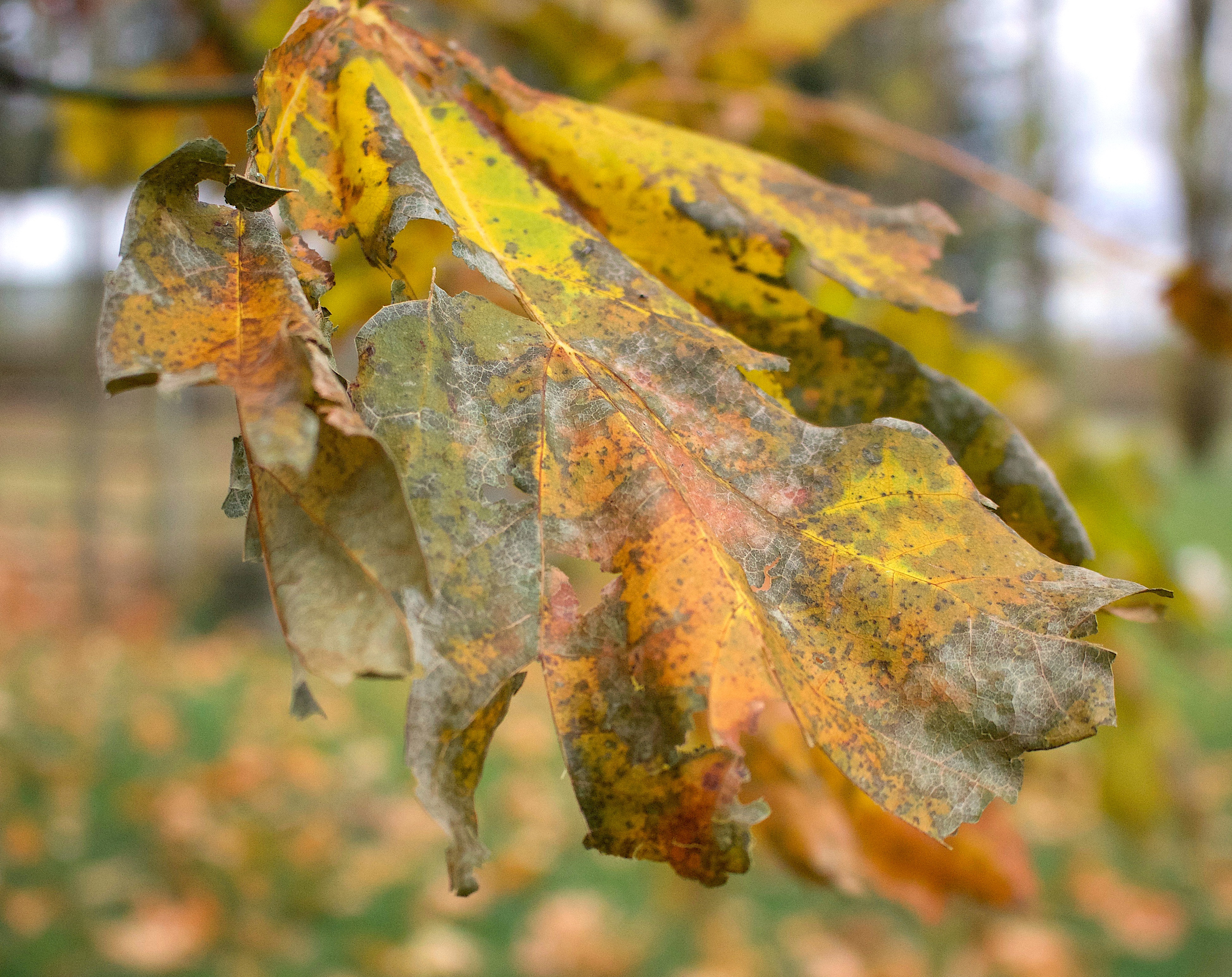
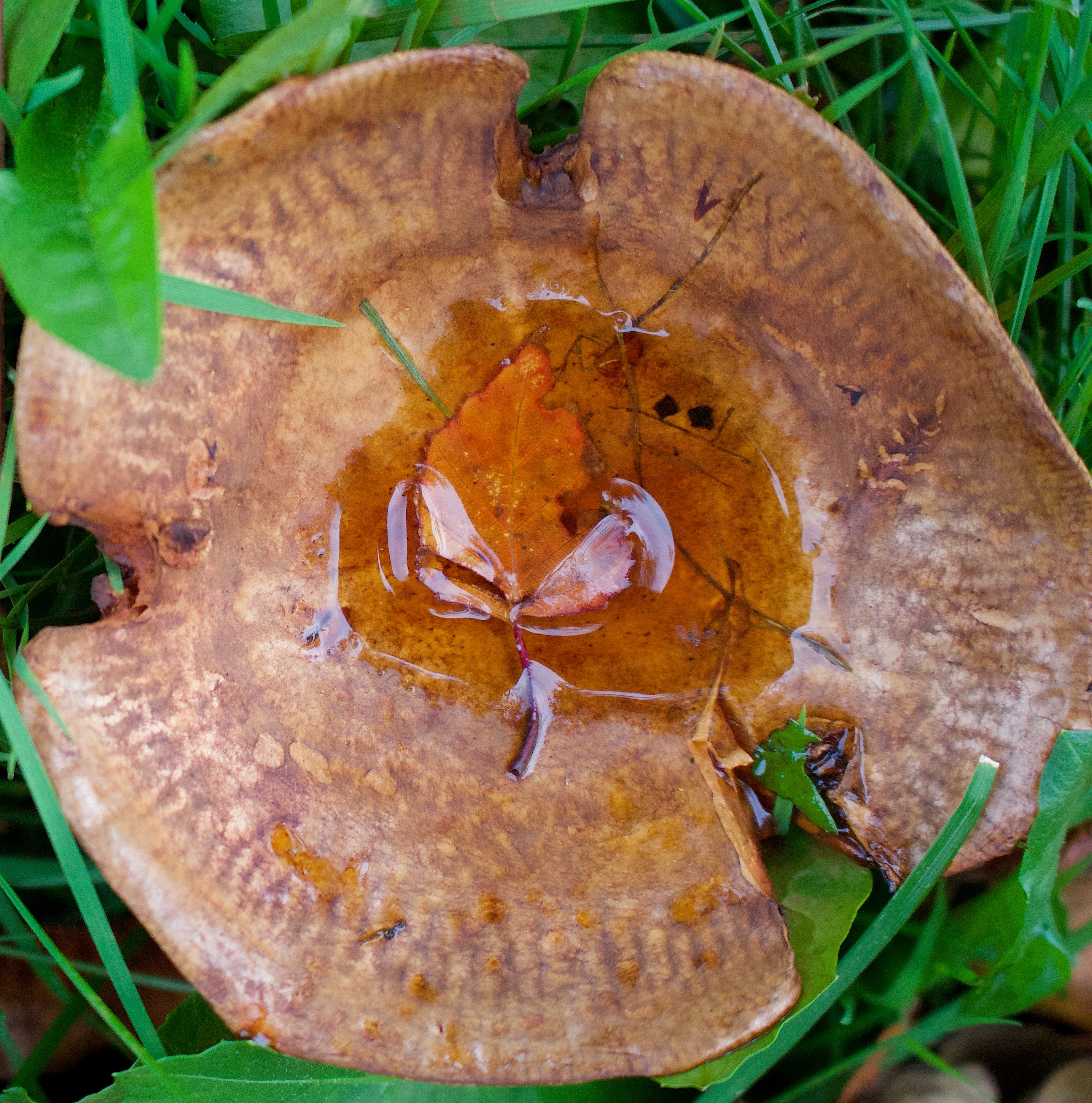
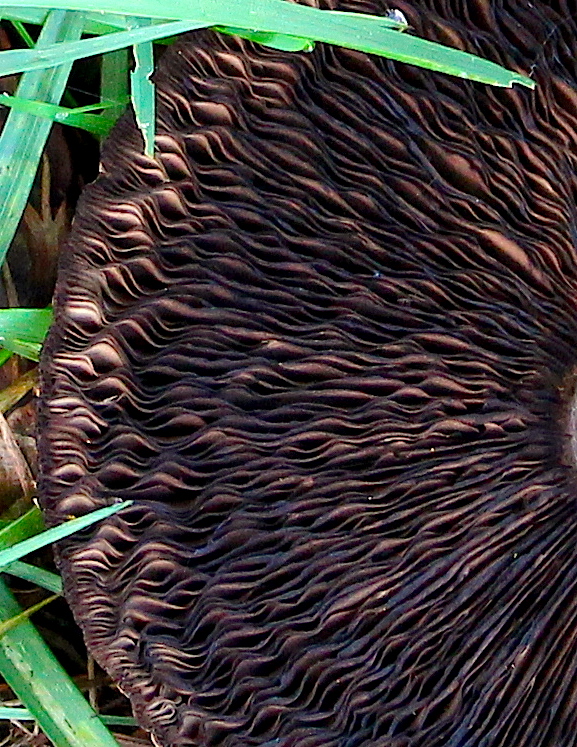
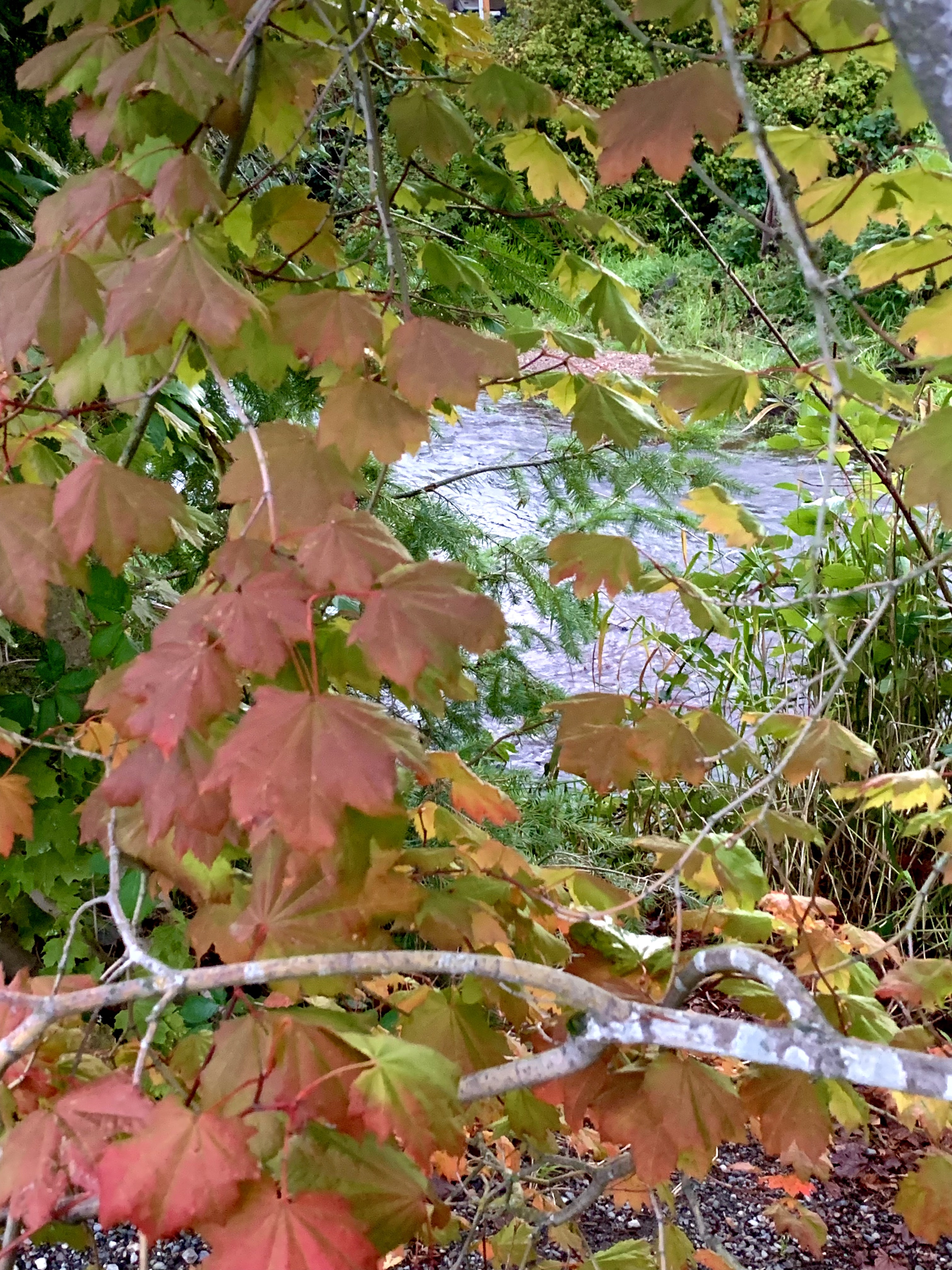
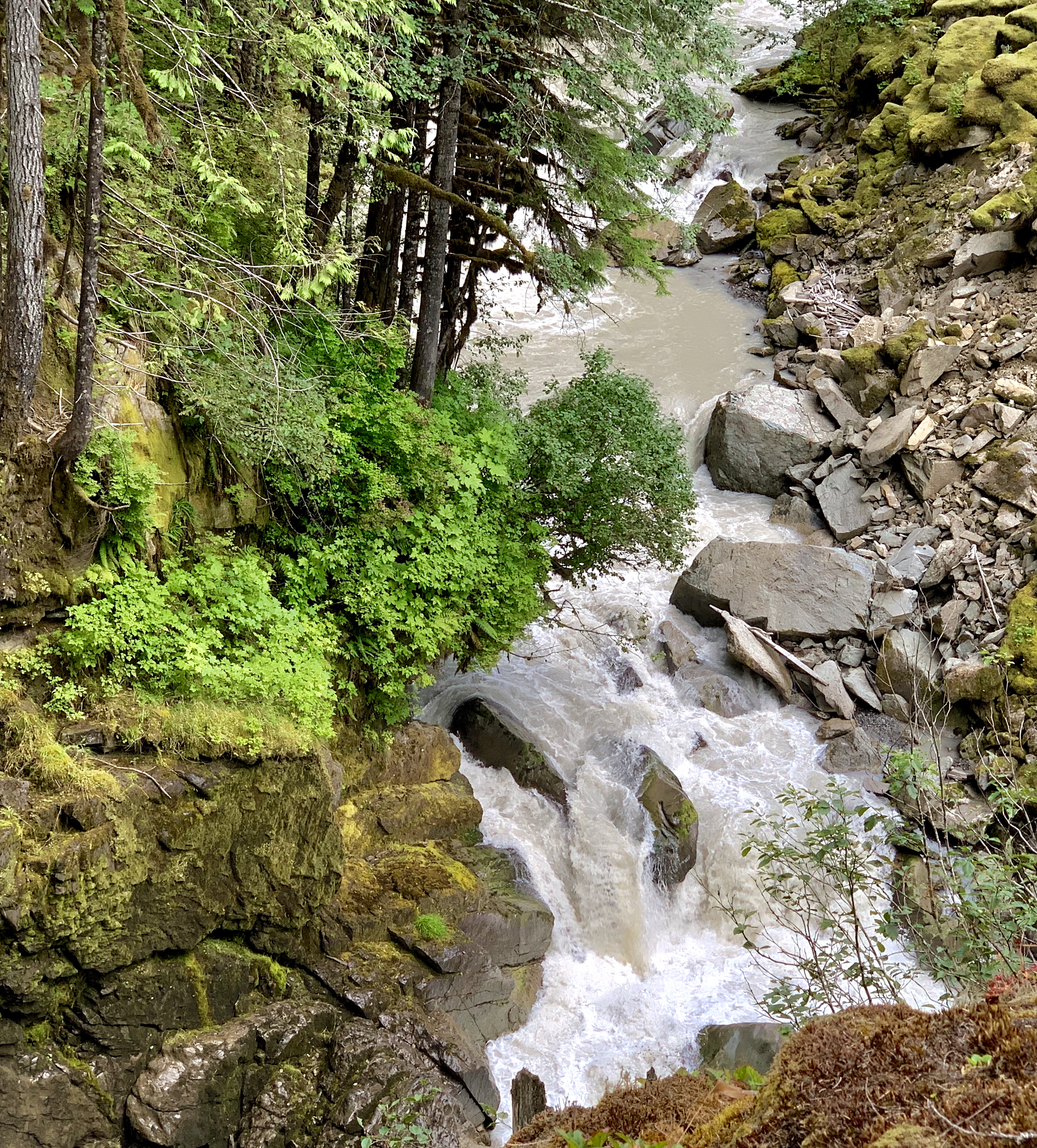
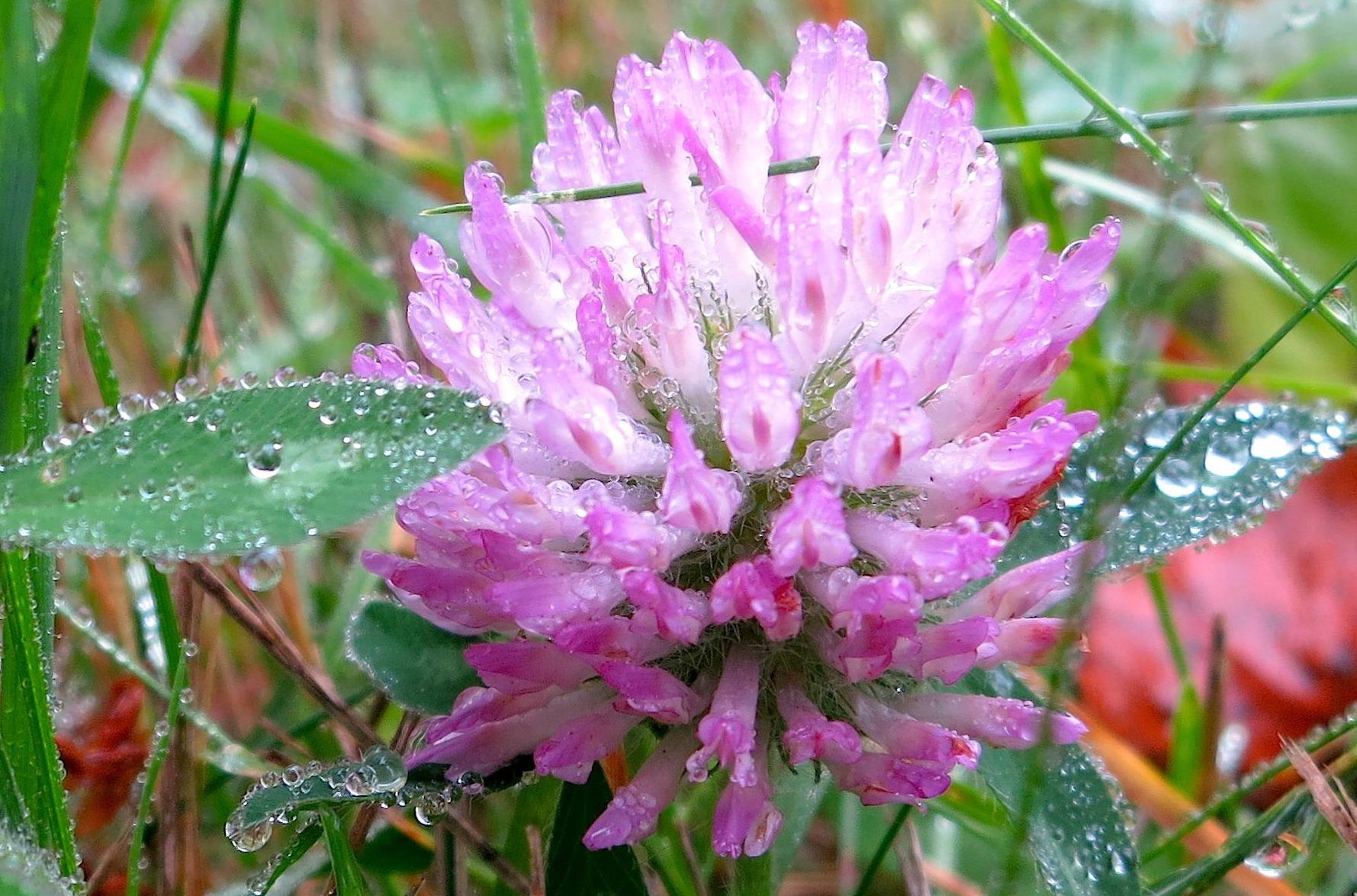
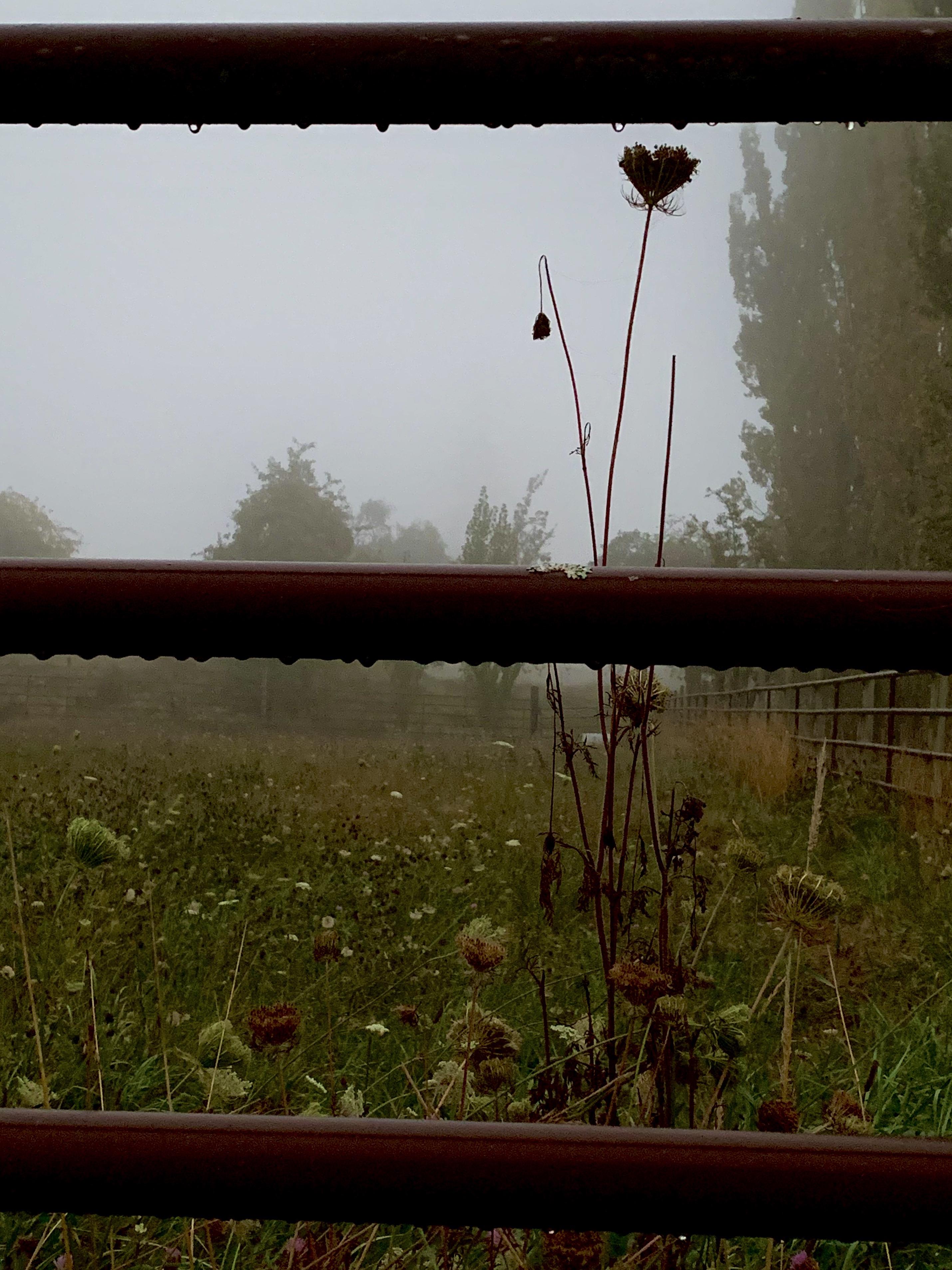
A few days of heavy rain in November transforms our farm to mush. Puddles are everywhere, the ground is saturated and mushrooms are sprouting in the most unlikely places. It’s ideal weather for the trumpeter swans and snow geese who glean in the nearby harvested cornfields, filling up on dropped corn kernels. They fly overhead to head out to the fields, noisily honking, their wings swooshing the air as they pass over.

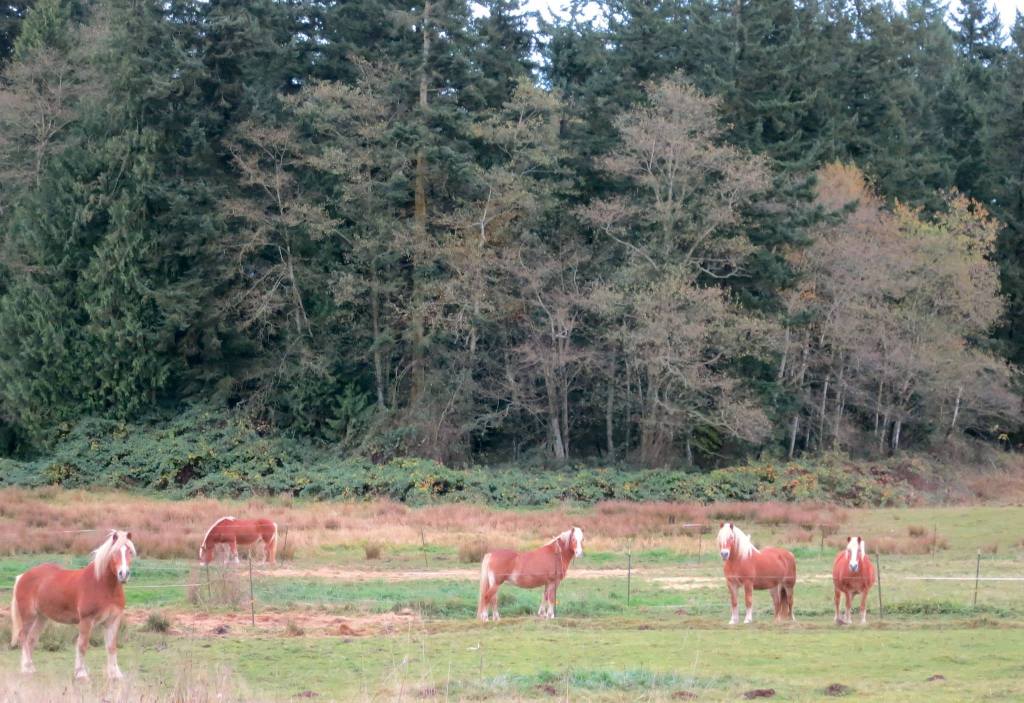
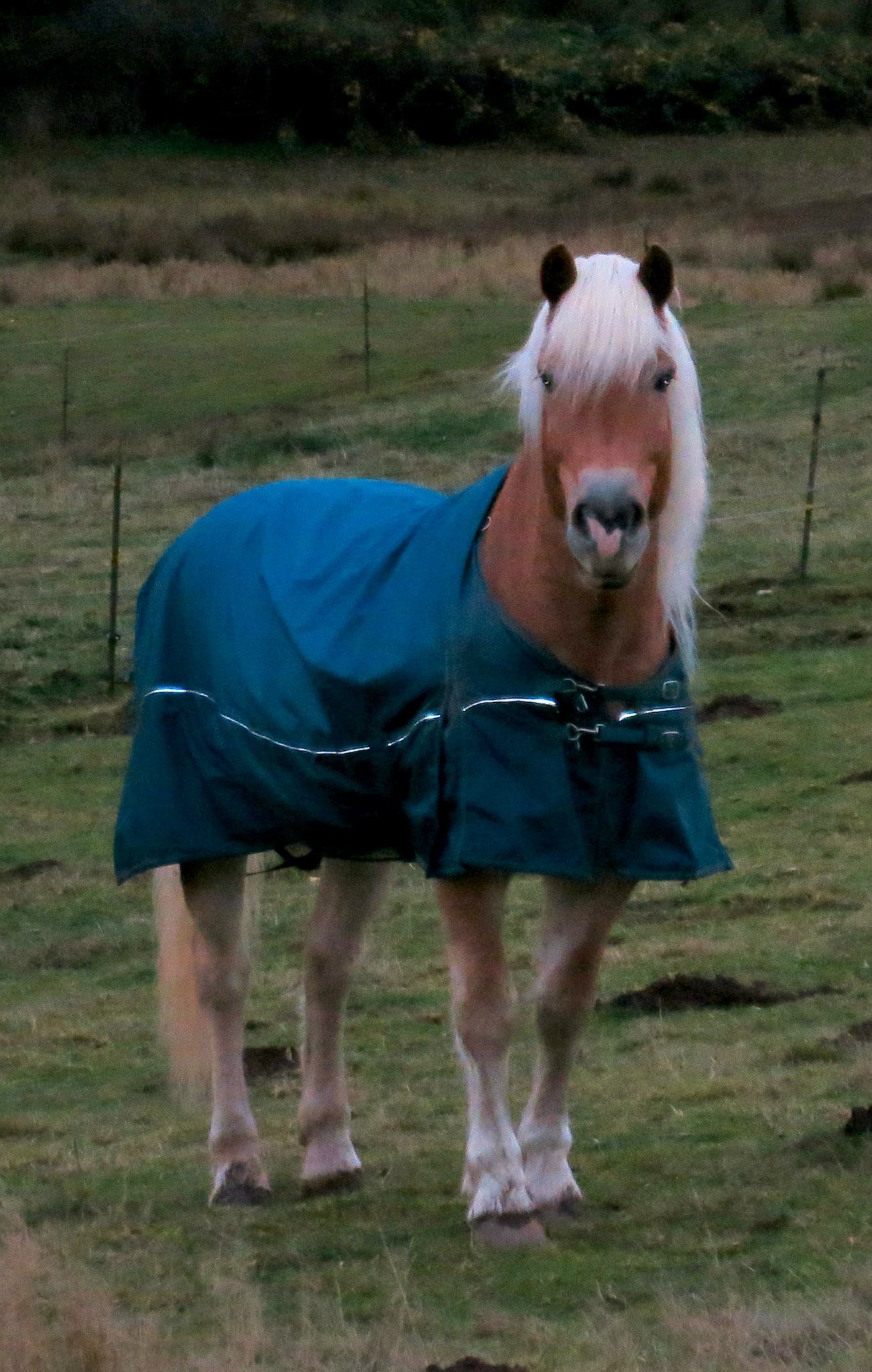
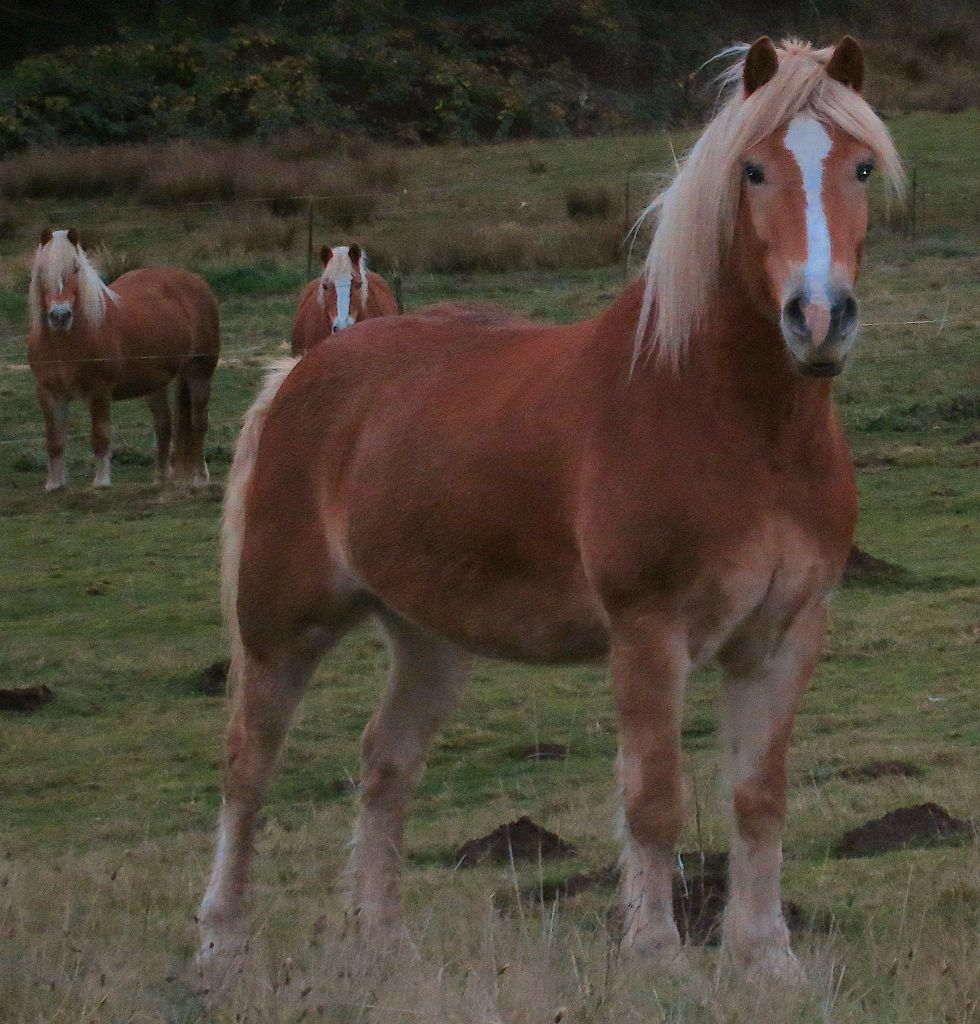
The wet weather means chores are more challenging on our farm. Some of the stalls in the barn have started to get moist from the rising ground water, so the Haflingers appreciate diving into fresh shavings for a good roll and shake. I can appreciate the relief they feel as I like getting back to solid footing too at the end of the day. Much of my day also seems to be spent navigating slippery slopes and muddy terrain, both real and figurative.

It isn’t always apparent what ground is treacherous from appearance alone. The grassy slope heading down to the barn from the house looks pretty benign until I start navigating in a driving rainstorm in the dark, and suddenly the turf becomes a skating rink and I’m finding I’m picking my way carefully with a flashlight. The path I seek is to find the patches of moss, which happily soak up the water like a sponge carpet-like, so not slick to walk on. Even if moss ordinarily is not a welcome addition to lawn or pasture–I appreciate it this time of year.

Another challenge is pushing a wheelbarrow with two 60 pound bales of hay back up that slope to the stalls for the day’s feeding. There is no traction underneath to help my feet stick to the ground for the push uphill. I can feel particularly foolish at this futile effort–my feet sometimes slide out beneath me, landing me on my knees down on the ground, soaked and humiliated, and the wheelbarrow goes skidding right back down to the barn door where it started.

Trusting the footing underneath my feet is crucial day to day. If I am to get work done most efficiently and make progress, I must have solid ground to tread. But the stuff of real life, like our farm’s ground, doesn’t come made to order that way. Some days are slick and treacherous, unpredictable and ready to throw me to my knees, while other days are simple, easy, and smooth sailing. Waking in the morning, I cannot know what I will face that day–whether I need my highest hip boots to wade through the muck or whether I can dash about in comfy house slippers. My attitude has something to do with it too–sometimes my “internal” footing is loose and slippery, tripping up those around me as well as myself. That is when I need most to plant myself in the solid foundation that I know will support me during those treacherous times. I need my faith, my need to forgive and experience forgiveness, my family holding me as I fall, and to help pick them up when they are down. Without those footings every day, I’m nothing more than a muddy soiled mess lying face down on the ground wondering if I’ll ever walk again.

There is good reason I end up on my knees at times. It is the best reminder of where I would be full time if it were not for stronger Hands that lift me up, clean me up and guide my footsteps all my days.

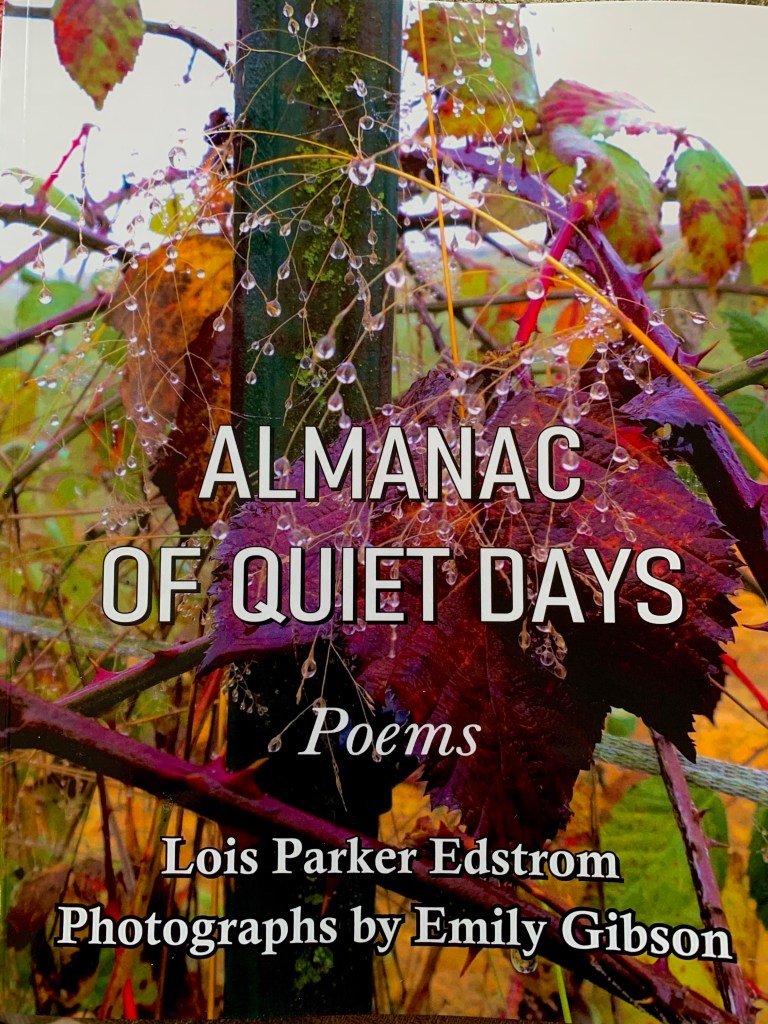
A book of beauty in words and photography, available for order here:

The Impeded Stream

It may be that when we no longer know what to do we have come to our real work and that when we no longer know which way to go we have begun our real journey. The mind that is not baffled is not employed. The impeded stream is the one that sings.The world, the truth, is more abounding, more delightful, more demanding than we thought. What appeared for a time perhaps to be mere dutifulness … suddenly breaks open in sweetness — and we are not where we thought we were, nowhere that we could have expected to be.
~Wendell Berry from “Poetry and Marriage: The Use of Old Forms,” in Standing By Words

Who among us knows with certainty each morning
what we are meant to do that day
or where we are to go?

Or do we make our best guess by
putting one foot ahead of the other as we were taught
until the day is done and it is time to rest?

For me, over four decades,
I woke baffled each day
that I was allowed
to eavesdrop on heartbeats,
touch tender bellies,
sew up broken skin,
set fractured bones,
listen to and through tears.

I woke humbled with commitment and duty
to keep going even when too tired,
to offer care even when rejected.
to keep striving even if impeded.

Doing that work, I learned that
obstacles will slow but cannot stop
the cascade of love and hope over the rocks of life.

My days overflow with the uncertainty
of what comes next:
finding my real work
is to wade in deep,
tumbling over the barriers
and still keep singing.

Simply keep singing.

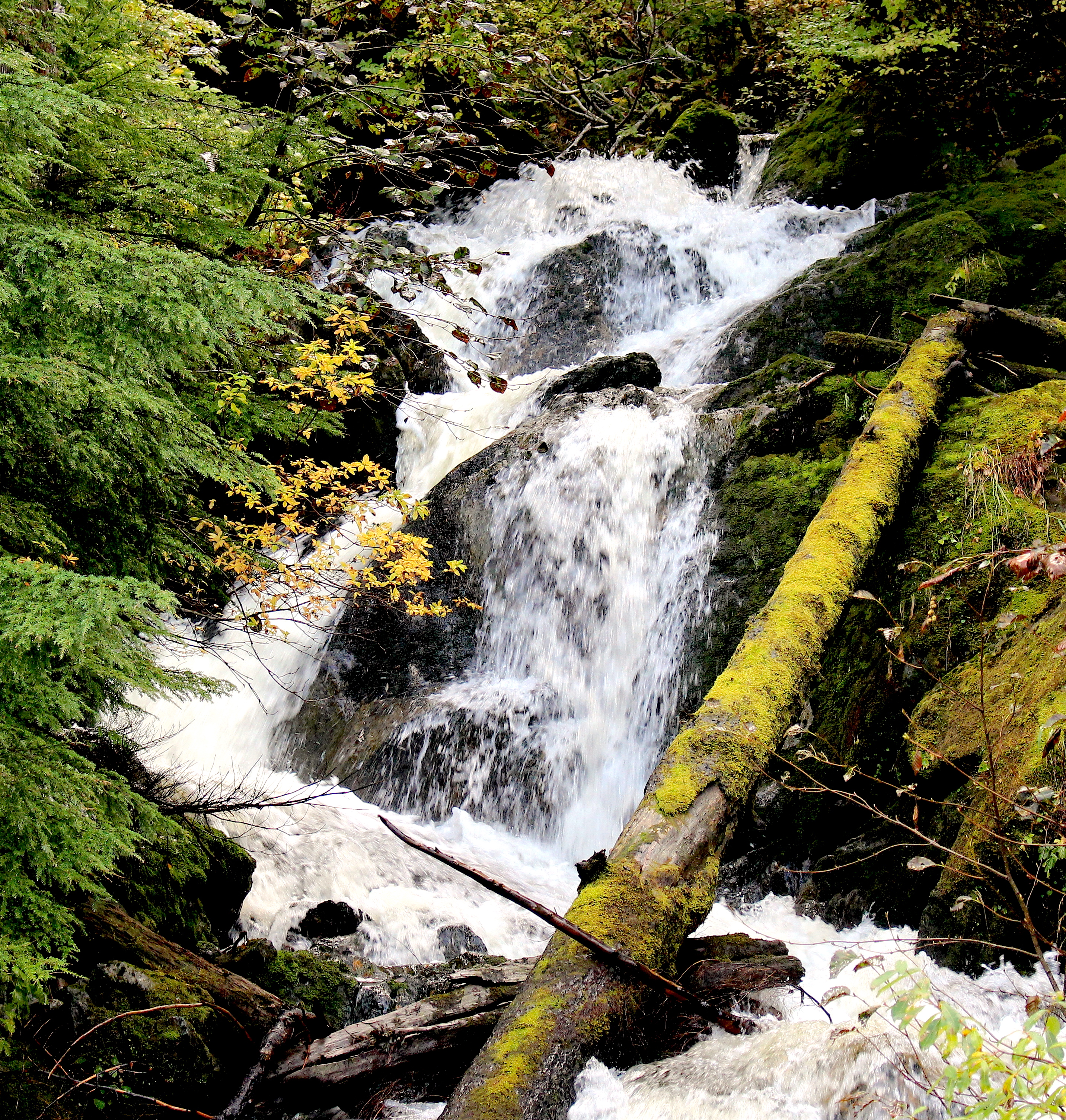
photo by Josh Scholten

Find more beautiful words and photography in this Barnstorming book available for order here:

Full of Mystery

It’s strange to be here. The mystery never leaves you. 
~John O’Donohue from Anam Cara

We must learn to acknowledge
that the creation is full of mystery;
we will never entirely understand it.
We must abandon arrogance
and stand in awe.
We must recover the sense
of the majesty of creation,
and the ability to be worshipful in its presence.
For I do not doubt that it is only
on the condition of humility and reverence before the world
that our species will be able to remain in it.
~Wendell Berry from  The Art of the Commonplace: The Agrarian Essays

How did we come here and how is it we remain?

Even when the wind blows mightily,
the waters rise,
the earth shakes,
the fires rage,
the pandemic persists…

~we are here, granted another day to get it right. And will we?

It is strange to be here,
marveling at the mystery around us –
recognizing we are the ultimate mystery of creation,
placed here as its witnesses,
worshiping in humility, with reverence and obedience.

We don’t own what we see;
we only own our awe.

Looking for a beautiful book to own or give? This is available to order here:

Madly in Love

How is it they live for eons in such harmony
– the billions of stars –
when most men can barely go a minute
without declaring war in their mind

against someone they know.

There are wars where no one marches with a flag,

though that does not keep casualties from mounting.

Our hearts irrigate this earth. 
We are fields before each other.
How can we live in harmony?


First we need to know 

we are all madly in love
with the same God.

O Lord my God, make me
submissive without protest,

poor without discouragement,
chaste without regret,
patient without complaint,
humble without posturing,
cheerful without frivolity,
mature without gloom,
and quick-witted without flippancy.


Grant that I may know
what You require me to do.
Bestow upon me
the power to accomplish Your will,
as is necessary and fitting
for the salvation of my soul.

~St. Thomas Aquinas

I look at headline news through my fingers, cringing.  

Amid the centuries of posturing between governments and every imaginable tribe and faction, the names and faces change but the nature of hatred of the “other” doesn’t.

We’ve seen this all before, over and over through history.  Over 150 years ago it was in the Gettysburg fields that blood of rival armies intermingled and irrigated U.S. soil.  Though now we stand side by side with Germany and Japan, our bitter adversaries a mere eighty years ago, our world continually brews new enemies and ignites new conflicts.

We can barely go a minute without declaring war in our minds even against our neighbor, even those we consider friends and family. There is yelling from the streets in angry protest and screaming at school board meetings. Casualties mount in our bitterness toward one another.

And who am I to point fingers or squint through them at the news of the day?
I am as prone to this as anyone.

Am I myself capable of submission without protest, remaining patient and uncomplaining even when I disagree? Can I embody humility without having a hidden agenda? Can I remain selfless when my true nature is wholly selfish?

How can there ever be harmony? 
How can I overcome my own rancorous heart?

As critical as it seems, It is not love for one another that comes first.
I must first know, love and trust the only God who has loved the unloveable so much He became one with us, overpowering our tendency to hate one another by taking it all upon Himself.

Jesus found us dying in a world desperately drying up; His bleeding heart poured itself out onto our thirsting soil. We have been handed salvation.

It is, in fact, God who is madly in love with us and though we’ve done nothing to deserve it, it is our turn to show love to one another.

A book from Barnstorming is available for order here:

Realizing Who I Have Offended

He is a hard one to write a poem about. Like Napoleon.
Hannibal. Genghis Khan. Already so large in history. To do it
right, I have to sit down with him. At a place of his own
choosing. Probably a steakhouse. We take a table in a corner.
But people still recognize him, come up and slap him on the
back, say how much they enjoyed studying about him in school
and ask for his autograph. After he eats, he leans back and
lights up a cigar and asks me what I want to know. Notebook in
hand, I suggest that we start with the Little Big Horn and work
our way back. But I realize I have offended him. That he
would rather take it the other way around. So he rants on
about the Civil War, the way west, the loyalty of good soldiers
and now and then twists his long yellow hair with his fingers.
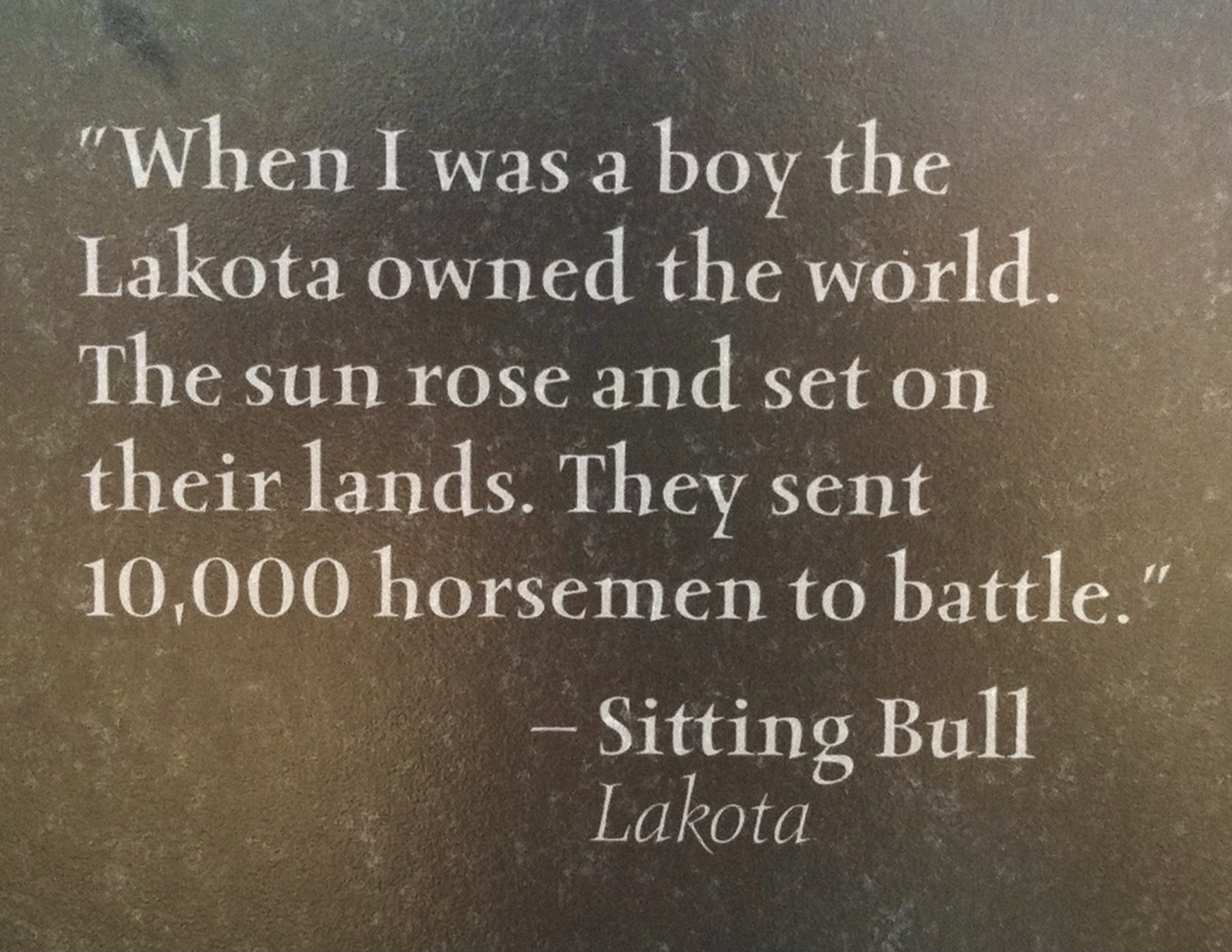
But when he gets to the part about Sitting Bull, about Crazy
Horse, he develops a twitch above his right eye, raises his
finger for the waiter, excuses himself and goes to the restroom
while I sit there along the bluffs with the entire Sioux nation,
awaiting his return.
~David Shumate “Custer” from High Water Mark

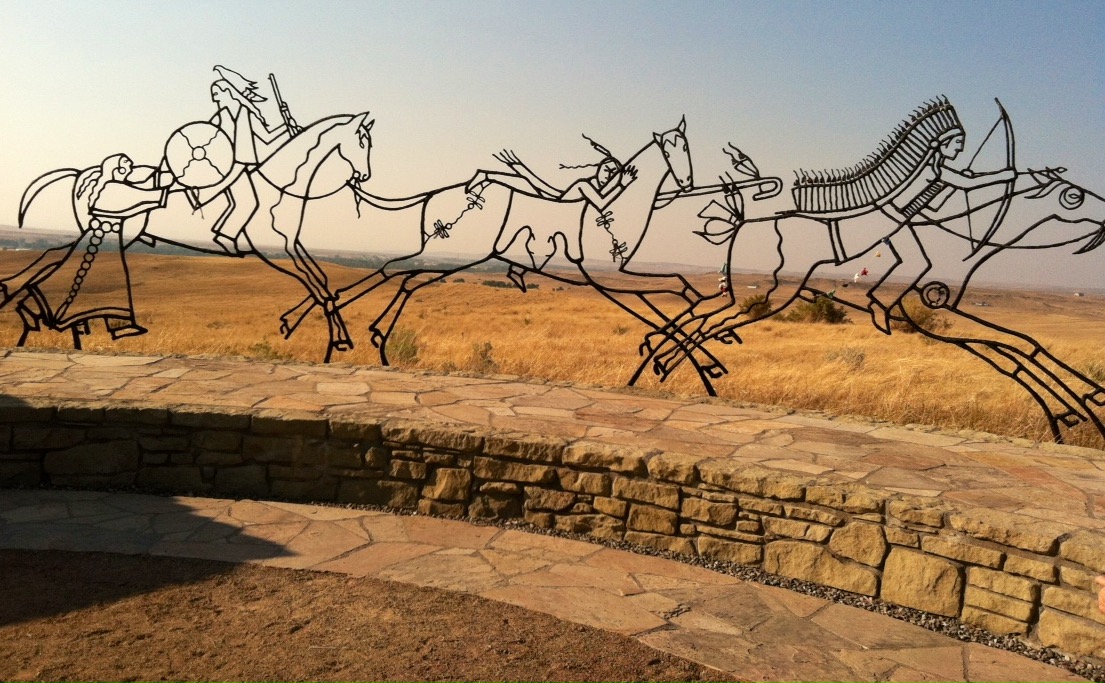
Bighorn Battlefield – National Park Service photo

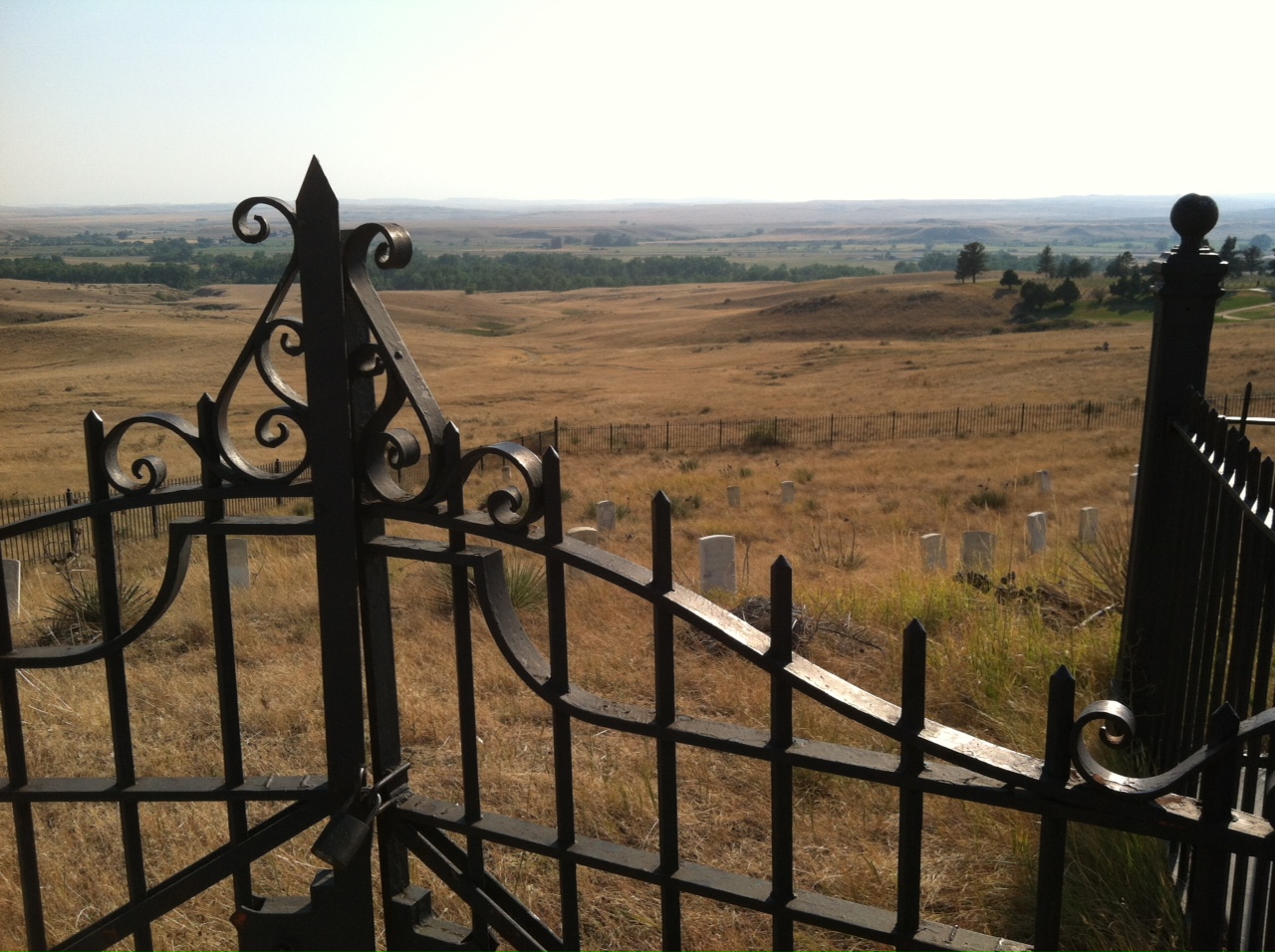
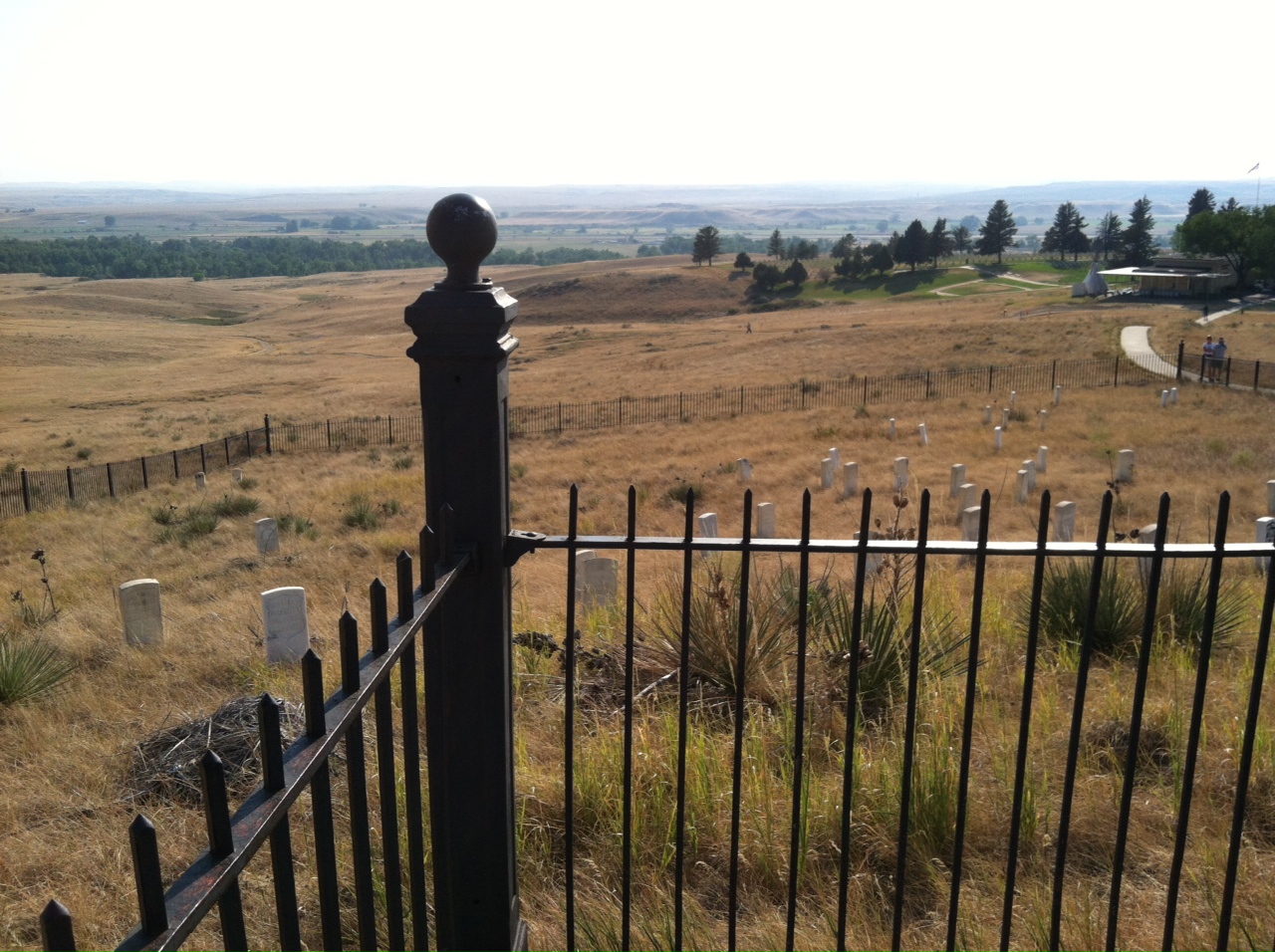
When my family took two cross-country trips by car, once in 1963 and another in 1965, my father, a former officer and battalion leader in the Marines during WWII, was the primary driver and keeper of maps and deadlines. He could be convinced to stop at any number of state and national parks, points of interest and historical markers, but all four times we passed the sign indicating the Battle of the Little Bighorn, he would not stop despite our pleading.

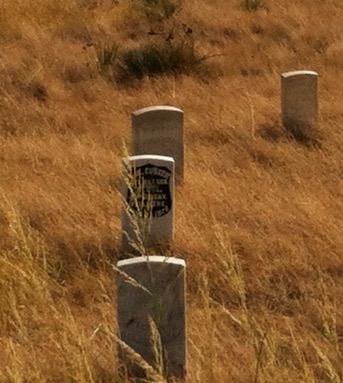
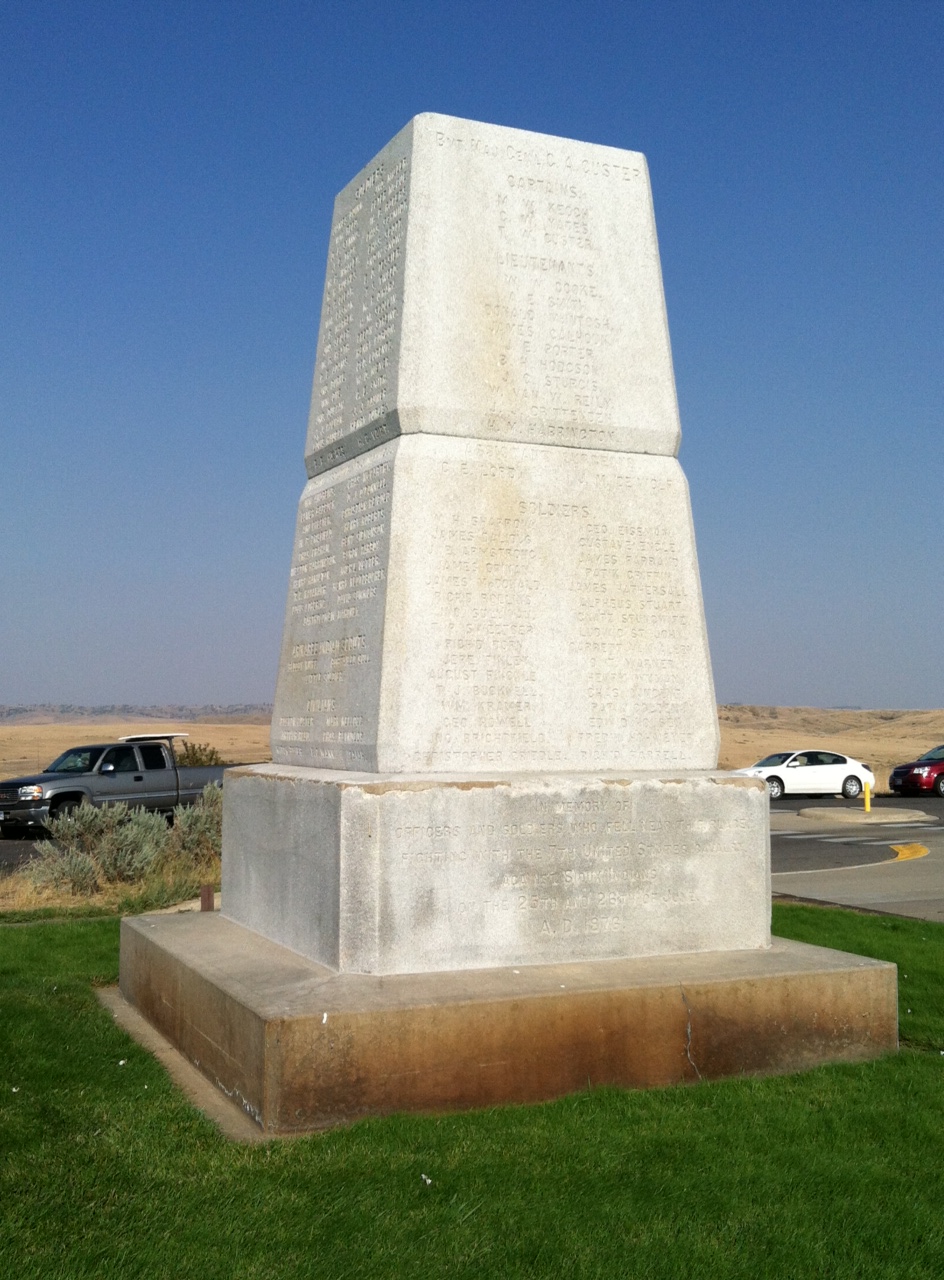
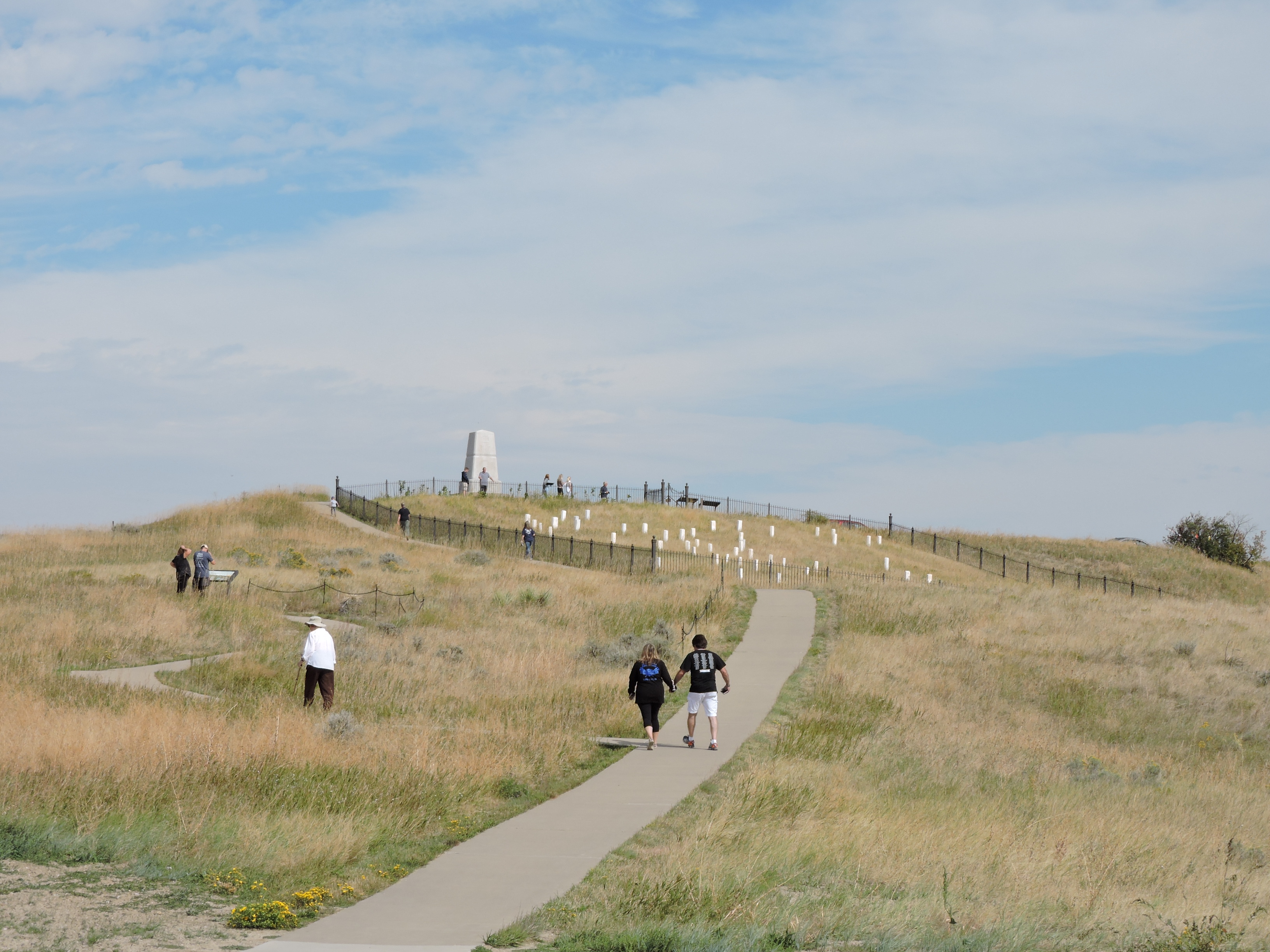
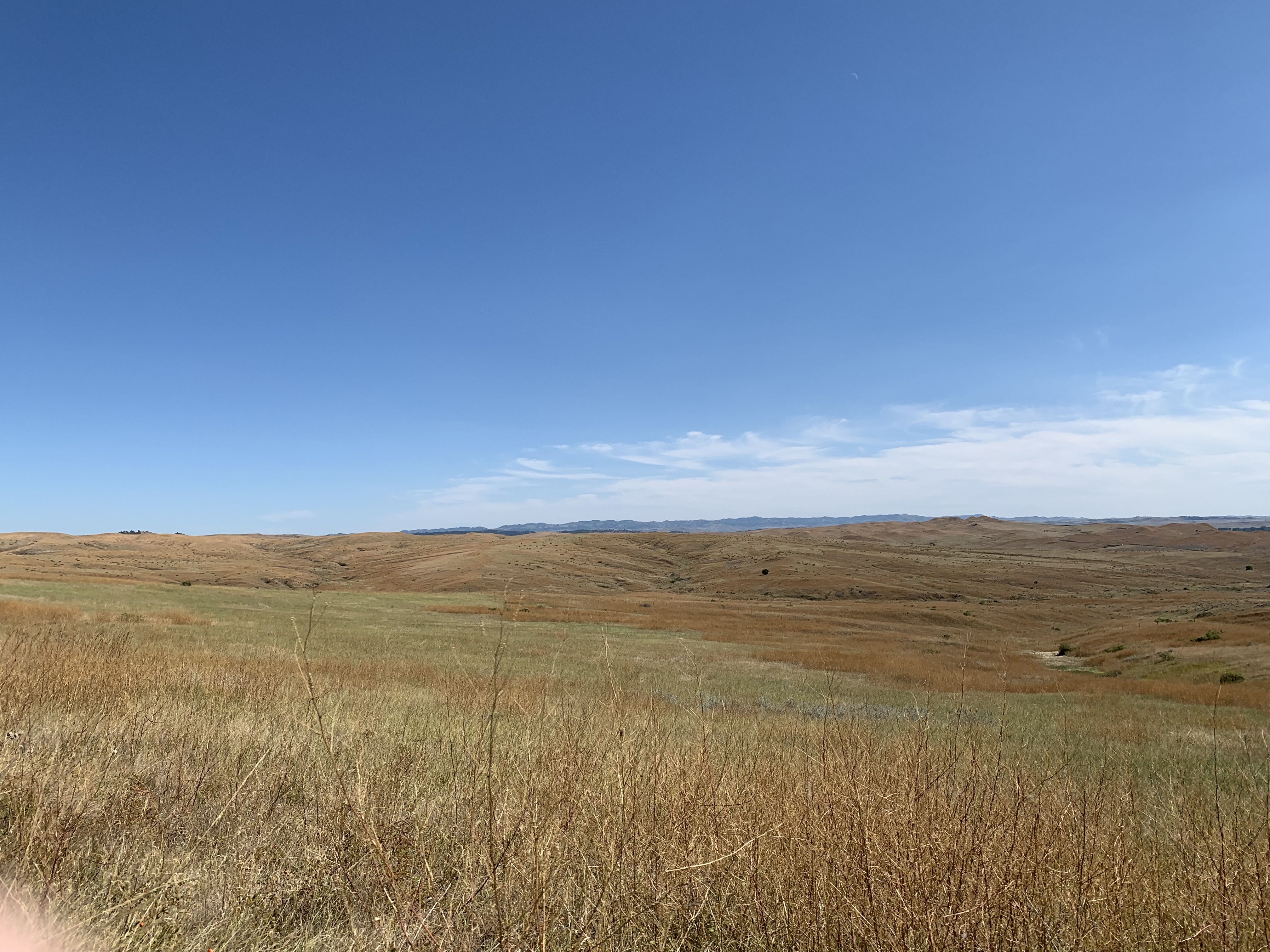
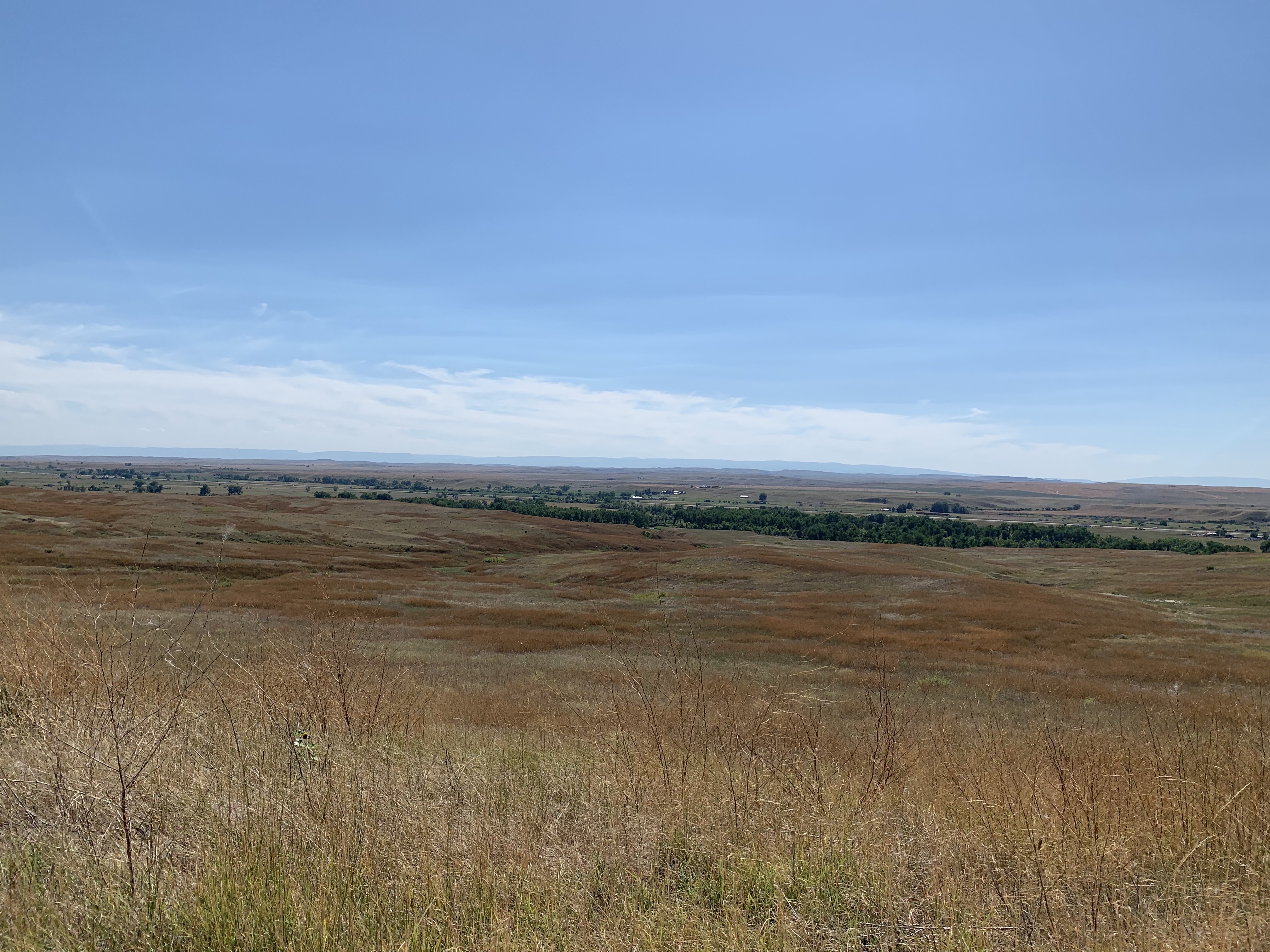
“You’ve seen as much as there is up there,” he would say as we sped past, pointing at the marble monolith at the top of the hill where the battle took place. I would look around at the desolate countryside of brown grass with no trees, in the middle of nowhere, and wonder how this place could ever have warranted a battle to the death.

Then I would get mad at my dad’s refusal to stop to learn more.

I had certainly learned about General George Custer’s Last Stand in my elementary school history lessons. But my interest was primarily driven by a 1958 Disney movie “Tonka Wakan” that I had seen in the theater and then later on Sunday nights on “Walt Disney’s Wonderful World of Color.” I thought I understood the tragedy of that day from the standpoint of the U.S. Calvary and the only surviving horse Comanche, who in the Disney-imagined version of the battle, was raised and trained by a young Indian boy who turned the horse over to the calvary and then later was part of the Little Bighorn Battle in defense of Indian territory.

So I had a very skewed and Disney-fied version of history and my father was not helping me understand more deeply. It wasn’t until much later that I realized the likely reason he was so reluctant to stop and examine the history of the Battle of the Little Bighorn.

My father was ashamed of it. He was a humble man who knew there could be no pride or sense of honor in that place.

He had very likely been trained in his Marine Officer’s Training in 1942 to understand that the poor decision-making of a cocky, overly self-assured General Custer led to the slaughter of five companies of the 7th Calvary Regiment as well as their Indian scouts in addition to dozens of Lakota and Dakota Sioux, Cheyenne and Arapahoe warriors.

My father had lived through three South Pacific island battles where poor decision-making was a death sentence. He didn’t feel the need to rehash the history in this desolate part of Montana.

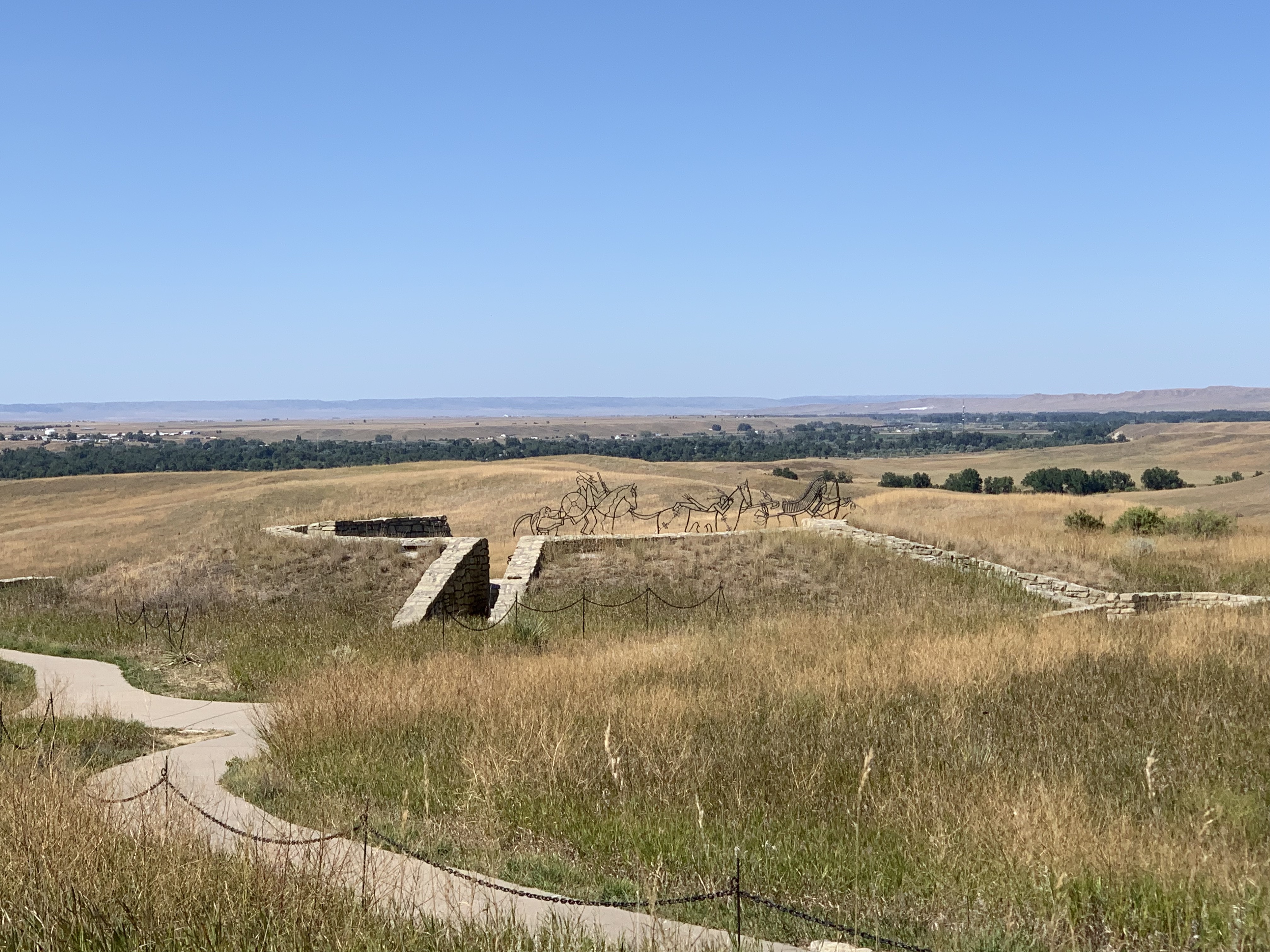
As an adult, I’ve visited the Battlefield with my husband and children several times, have learned more about what led to the battle, what took place that day and how the indigenous people of the region have memorialized the spot from their own perspective. When we approach this spot on our cross-country drives, I’m filled with regret and remorse at the loss of life and the eventual loss of a Native American culture that could never again be as it was, despite the defeat they handed to the cavalry that day. I learned more when our son lived and taught high school math on the Pine Ridge Reservation of the Lakota Sioux people and we visited the site of Wounded Knee, another tear-drenched place in U.S. Cavalry and Native American history.

We, all descendants of immigrant Americans, comprise the U.S. government and military which doesn’t always make the best or wisest decisions. This is haunting us again this week in the miserably managed ending of the twenty-year war in Afghanistan that has cost so many American and Afghan lives – certainly beyond the scale of the horrific one day defeat at the Little Bighorn River. This long drawn-out complicated response to the attacks we suffered on 9/11/01, ended with yet more tragic bloodshed as we left so many vulnerable behind.

War, suffering, loss and death cannot and should not be Disney-fied. History is more complex than a paragraph in a textbook.

We have so much to learn about our shame and our need for greater humility. We need to understand who we have offended, not just how offended we feel. We can’t hide in the bathroom or drive on past the sites of these bloody conflicts, hoping it will all be forgotten.

A book of Barnstorming photography and Lois Edstrom’s poetry is available to order here:

Attention on the Fly

In Sleeping Beauty’s castle
the clock strikes one hundred years
and the girl in the tower returns to the world.
So do the servants in the kitchen,
who don’t even rub their eyes.
The cook’s right hand, lifted
an exact century ago,
completes its downward arc
to the kitchen boy’s left ear;
the boy’s tensed vocal cords
finally let go
the trapped, enduring whimper,
and the fly, arrested mid-plunge
above the strawberry pie,
fulfills its abiding mission
and dives into the sweet, red glaze.

As a child I had a book
with a picture of that scene.
I was too young to notice
how fear persists, and how
the anger that causes fear persists,
that its trajectory can’t be changed
or broken, only interrupted.
My attention was on the fly;
that this slight body
with its transparent wings
and lifespan of one human day
still craved its particular share
of sweetness, a century later.
~Lisel Mueller “Immortality” from Alive Together

Little fly,
Thy summer’s play
My thoughtless hand
Has brushed away.

Am not I
A fly like thee?
Or art not thou
A man like me?

For I dance
And drink and sing,
Till some blind hand
Shall brush my wing.

If thought is life
And strength and breath,
And the want
Of thought is death,

Then am I
A happy fly,
If I live,
Or if I die.

~William Blake “The Fly”

I heard a Fly buzz – when I died –
The Stillness in the Room
Was like the Stillness in the Air –
Between the Heaves of Storm –….
~Emily Dickinson

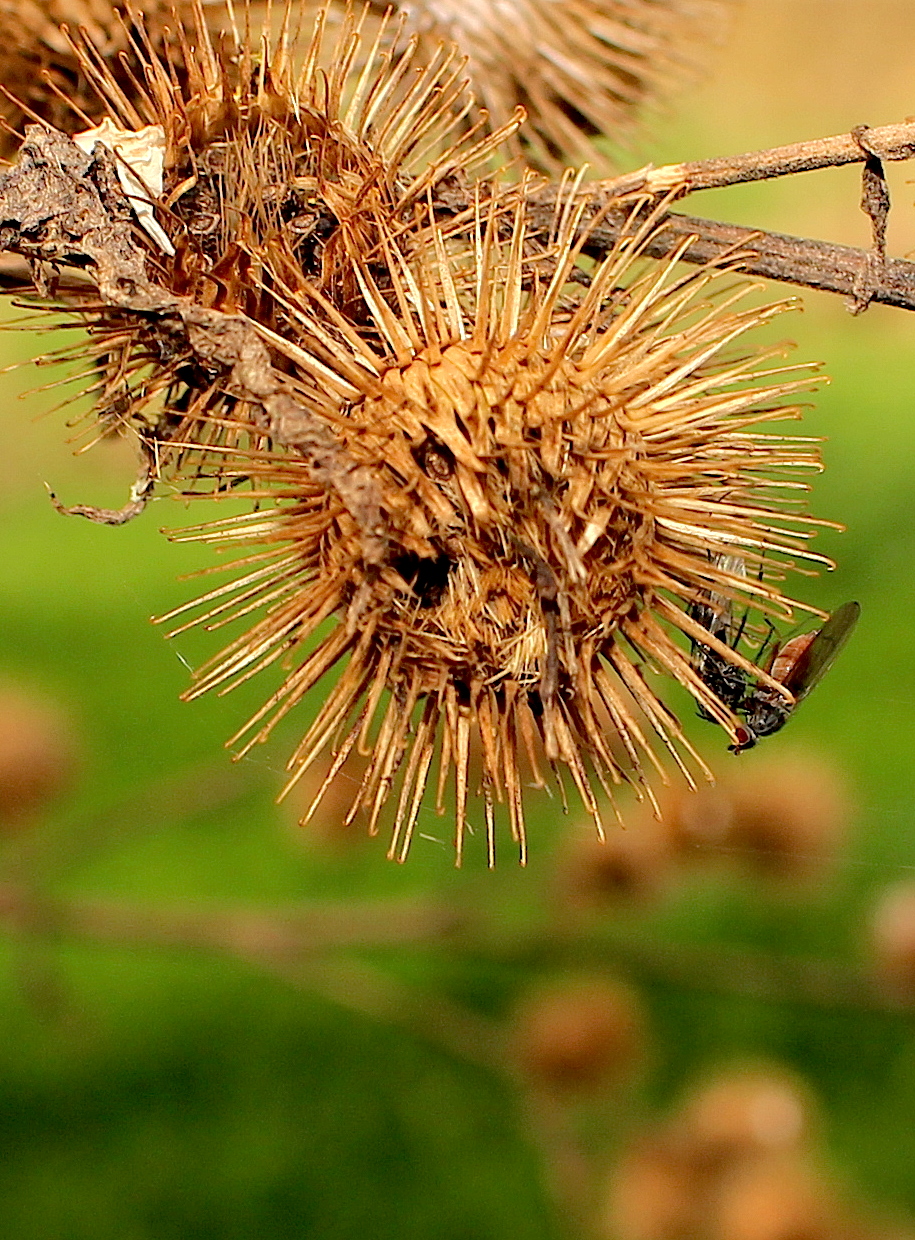
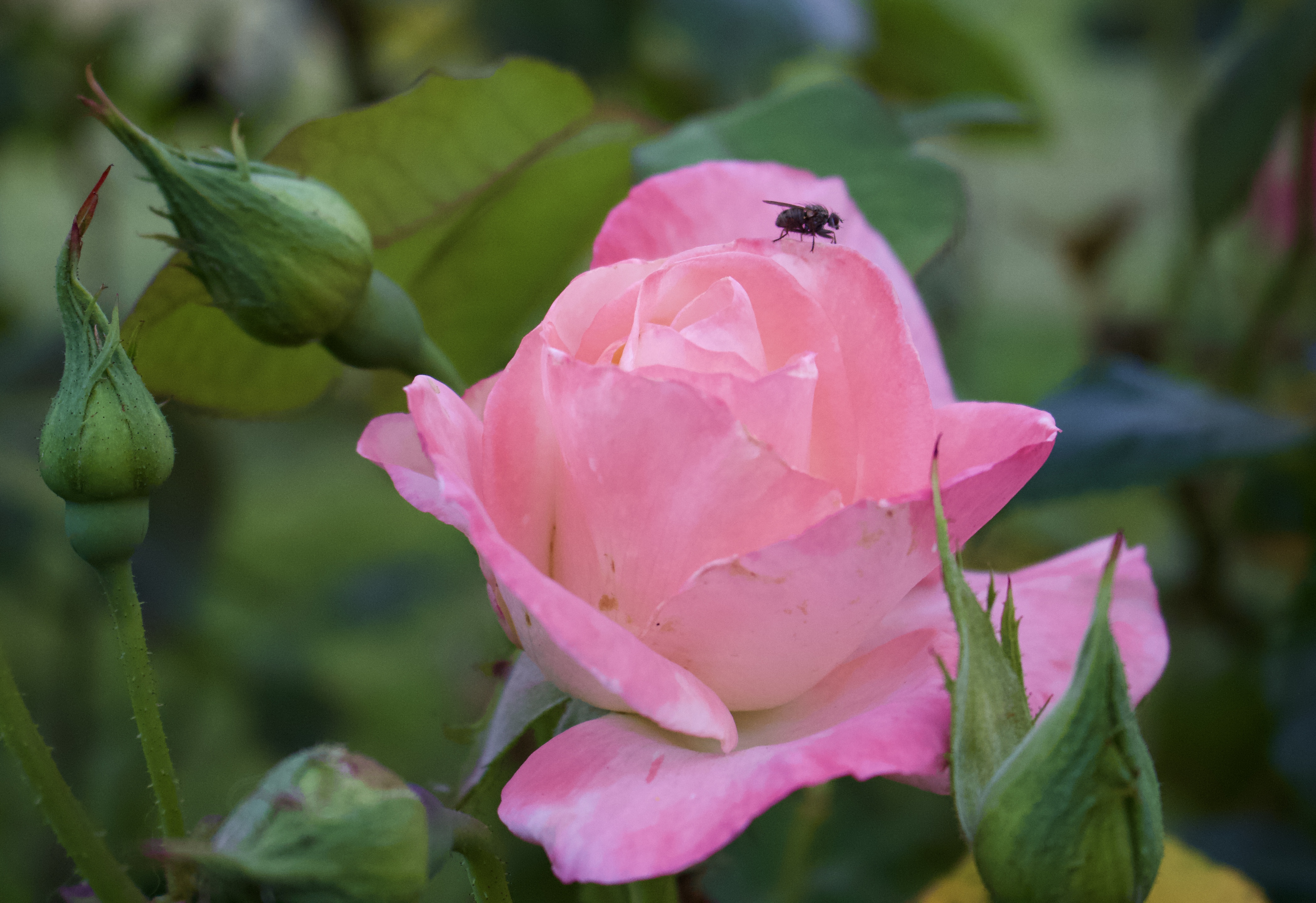
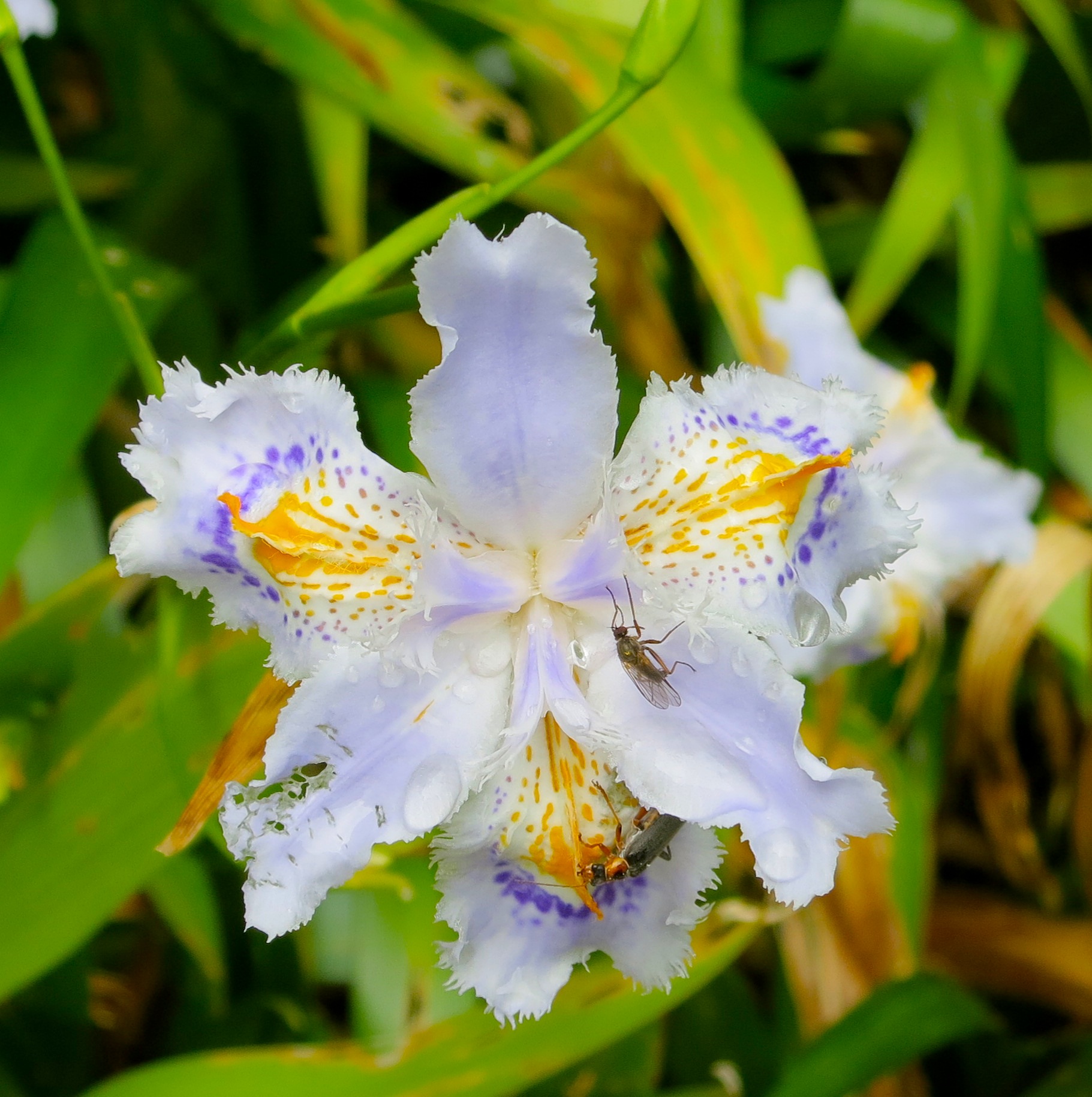
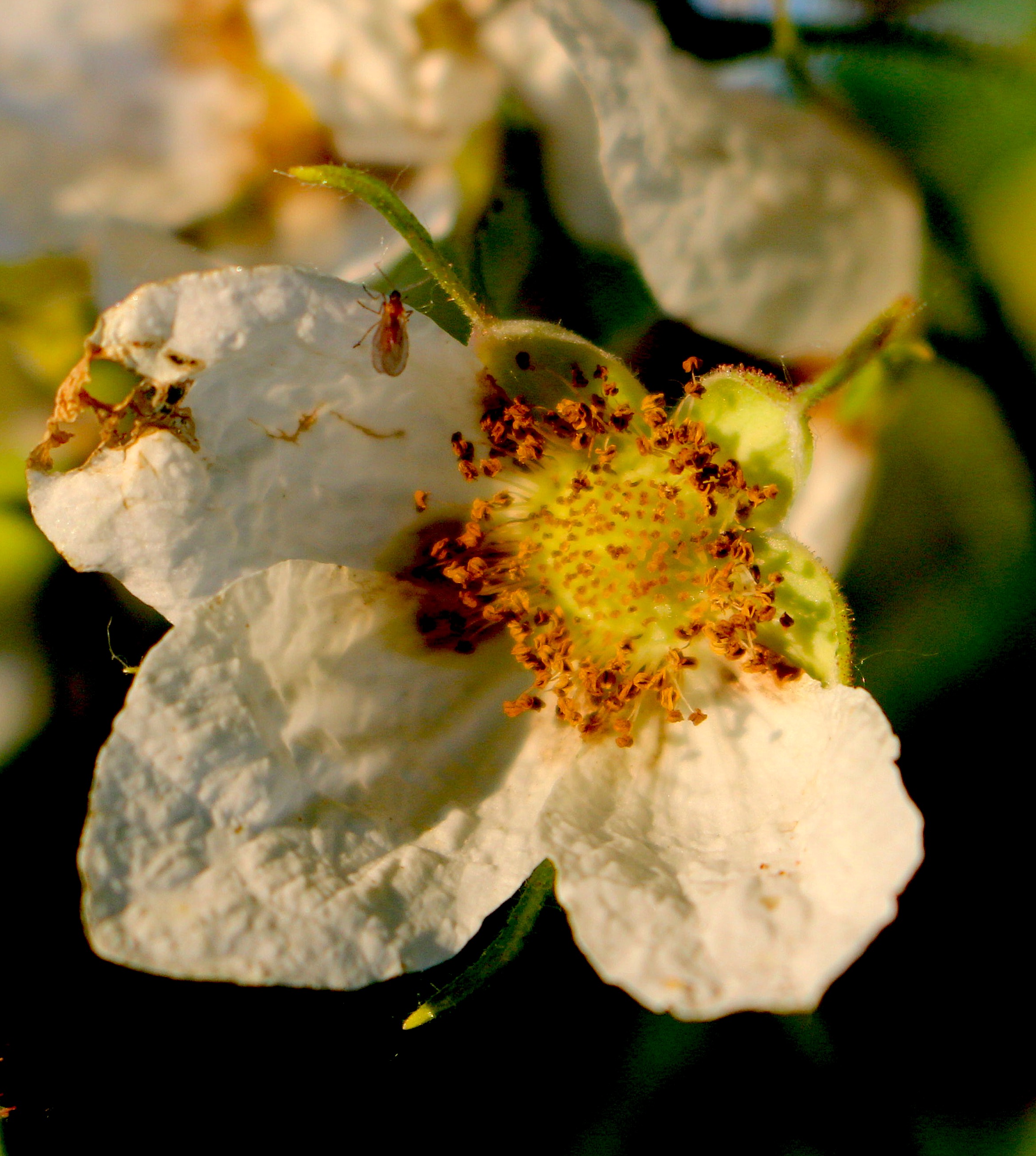
A fly made the news this past week. It became more important than the issues being discussed in the room in which it buzzed and landed. Maybe it has come to symbolize our helplessness in the face of our anger toward one another, which has become just another way for our fear to express itself.

There is nothing more humbling than a wayward fly buzzing in the room or landing uninvited on my head.  No matter whether I live in a slum or a castle, a fly will find its way to me, just because it can.  I must learn to coexist with what I can’t control; this is no time for frustration nor fear nor anger to raise my hand, ready to kill the offender.

When I’m feeling bugged, which happens all too often these days, the buzzing may overwhelm my stillness but I won’t let it overwhelm me.  I will put down the swatter. I will breathe deeply and admire the ingenuity of such a brief life powered miraculously by two transparent wings.

Because You Matter to Me…

If I can stop one heart from breaking,
I shall not live in vain;
If I can ease one life the aching,
Or cool one pain,
Or help one fainting robin
Unto his nest again,
I shall not live in vain.
~Emily Dickinson

So if there is any encouragement in Christ,
any comfort from love,

any participation in the Spirit,
any affection and sympathy,
complete my joy by being of the same mind,
having the same love,
being in full accord and of one mind.
…. in humility count others more significant than yourselves.
Let each of you look not only to his own interests,
but also to the interests of others.
~Philippians 2: 1-4

Walk in a manner worthy of the calling
to which you have been called,
with all humility and gentleness,
with patience,
bearing with one another in love,
eager to maintain the unity of the Spirit in the bond of peace.
Ephesians 4: 1-3

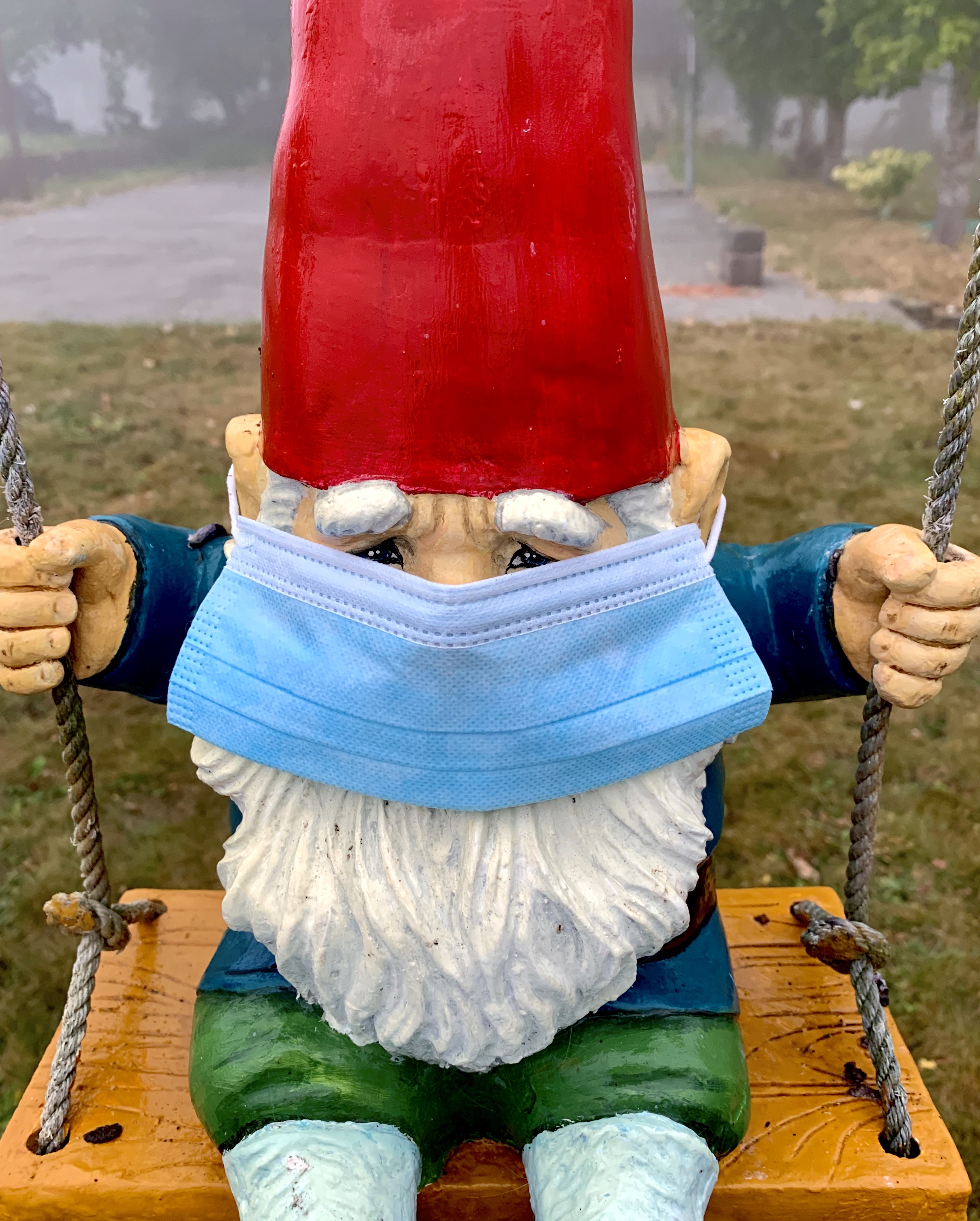
By wearing a mask…

If I can stop one person from infection,
I shall not live in vain;
If I can ease another’s worry,
Though masking goes against the grain,
Or help a divided country be
Restored to health again,
I shall not live in vain.

I wear a mask because you matter to me…

Living Under the Penetrating Gaze of God

To live coram Deo is to live one’s entire life in the presence of God, under the authority of God, to the glory of God. 

To live in the presence of God is to understand

that whatever we are doing and wherever we are doing it,
we are acting under the gaze of God.

There is no place so remote that we can escape His penetrating gaze.

To live all of life coram Deo is to live a life of integrity.
It is a life of wholeness that finds its unity and coherency

in the majesty of God.

Our lives are to be living sacrifices,
oblations offered in a spirit of adoration and gratitude.

A fragmented life is a life of disintegration.
It is marked by inconsistency, disharmony, confusion,
conflict, contradiction, and chaos.

Coram Deo … before the face of God.

…a life that is open before God.
…a life in which all that is done is done as to the Lord.
…a life lived by principle, not expediency; by humility before God,

not defiance.

~R.C. Sproul
from “What Does “coram Deo” mean?”

We cannot escape His gaze. Why is that?

We…all of us, all colors, shapes and sizes…
are created in His image, imago dei, so He looks at us as His reflections in the mirror of the world.

And what would He see this week?
Surely nothing that reflects the heart or face of God.

I cringe to think. I want to hide from His gaze.
All I see around me and within me is:
inconsistency, disharmony, confusion,
conflict, contradiction, and chaos.
And most of all:
defiance.

Surely, surely I know best.

I’m not alone: so many others also each know best, calling hypocrisy on one another, holding fast to moral high ground when the reality is:
we drown together in the mud of our mutual guilt and lack of humility.

It is past time for us to be on our knees pleading for mercy, certainly not on our knees leaning upon the neck of another imago dei, squeezing out their very life breath and right to exist.

We are miserable reflections, each and every one of us, surely not coram Deo.

All that we have done, we have done onto God Himself.
Kind of takes one’s breath away.


Becoming Holy Ground

It can happen like that:
meeting at the market,
buying tires amid the smell
of rubber, the grating sound
of jack hammers and drills,
anywhere we share stories,
and grace flows between us.

  
The tire center waiting room
becomes a healing place
as one speaks of her husband’s
heart valve replacement, bedsores
from complications. A man
speaks of multiple surgeries,
notes his false appearance
as strong and healthy.

 
I share my sister’s death
from breast cancer, her
youngest only seven.
A woman rises, gives
her name, Mrs. Henry,
then takes my hand.
Suddenly an ordinary day
becomes holy ground.
~ Stella Nesanovich, “Everyday Grace,” from Third Wednesday

The only use of a knowledge of the past is to equip us for the present. The present contains all that there is. It is holy ground; for it is the past, and it is the future.
~Alfred North Whitehead

It matters less what has happened or what will happen.  What matters is happening right this very moment – in the tire center waiting room, the grocery store check out line, the exam room of the doctor’s office. Are we living fully in the present and paying attention?

We are sentient creatures with a proclivity to bypass the present to dwell on the past or fret about the future.   This has been true of humans since our creation.   Those observing Buddhist tradition and New Age believers of the “Eternal Now” call our attention to the present moment through the teaching of “mindfulness” to bring a sense of peacefulness and fulfillment.
Mindfulness is all well and good but I don’t believe the present is about our minds.  It is not about us at all.

The present is an ordinary day transformed to holy ground where we are allowed to tread:

We are asked to remove our shoes in an attitude of respect to a loving God who gives us life.
We are to approach each other and each sacred moment with humility. 
We turn aside from the dailiness of our lives to look at what He has promised.
We are connected to one another through our Maker.

There can be no other moment just like this one, so this is no time to waste.  There may be no other beyond this one.  Right now, this moment sorely barefoot, I am simply grateful to be here and connected to each of you.

We Are No Longer Alone: No One is Too Unimportant

…wealth and cleverness were nothing to God — no one is too unimportant to be His friend.
~Dorothy Sayers from “The Man Born to Be King”
No one can celebrate a genuine Christmas without being truly poor. The self-sufficient, the proud, those who, because they have everything, look Down on others, those who have no need even of God – for them there will be no Christmas.
Only the poor, the hungry, those who need someone to come on their behalf, will have that someone. That someone is God, Emmanuel, God-with-us. Without poverty of spirit there can be no abundance of God.
~ Oscar Romero

No one wants to admit to being needy.  It is, after all, allowing someone else to have strength and power to deliver what one is desperate for. 

Relinquishing that control is painful but it is more painful to be so poor that one is hungry without food, thirsty without drink, ill without medicine, cold without shelter, alone without God.

When we are well fed and hydrated, healed, clothed and safe in our homes, it is difficult to be considered “needy”.  Yet most of us are ultimately bereft and spiritually impoverished; we need God even when we can’t admit our emptiness, or we turn away when He offers Himself up to us.

Despite the wealth with which we surround ourselves every day, our need is still overwhelmingly great; we stand empty and ready to be filled with his abundant and lavish gift of Himself.

Helpless and hungry, lowly, afraid
Wrapped in the chill of midwinter;
Comes now among us, born into poverty’s embrace, 
new life for the world
Who is this who lives with the lowly, 
Sharing their sorrows, knowing their hunger?
This is Christ, revealed to the world 
In the eyes of a child, a child of the poor

Who is the stranger here in our midst, 
Looking for shelter among us?
Who is the outcast? Who do we see amid the poor, 
the children of God?
Who is this who lives with the lowly, 
Sharing their sorrows, knowing their hunger?
This is Christ, revealed to the world 
In the eyes of a child, a child of the poor

Bring all the thirst, all who seek peace;
Bring those with nothing to offer.
Strengthen the feeble,
Say to the frightened heart: “Fear not: here is your God!” Who is this who lives with the lowly, 
Sharing their sorrows, knowing their hunger?
This is Christ, revealed to the world 
In the eyes of a child, a child of the poor

~Scott Soper (1994) “A Child of the Poor”