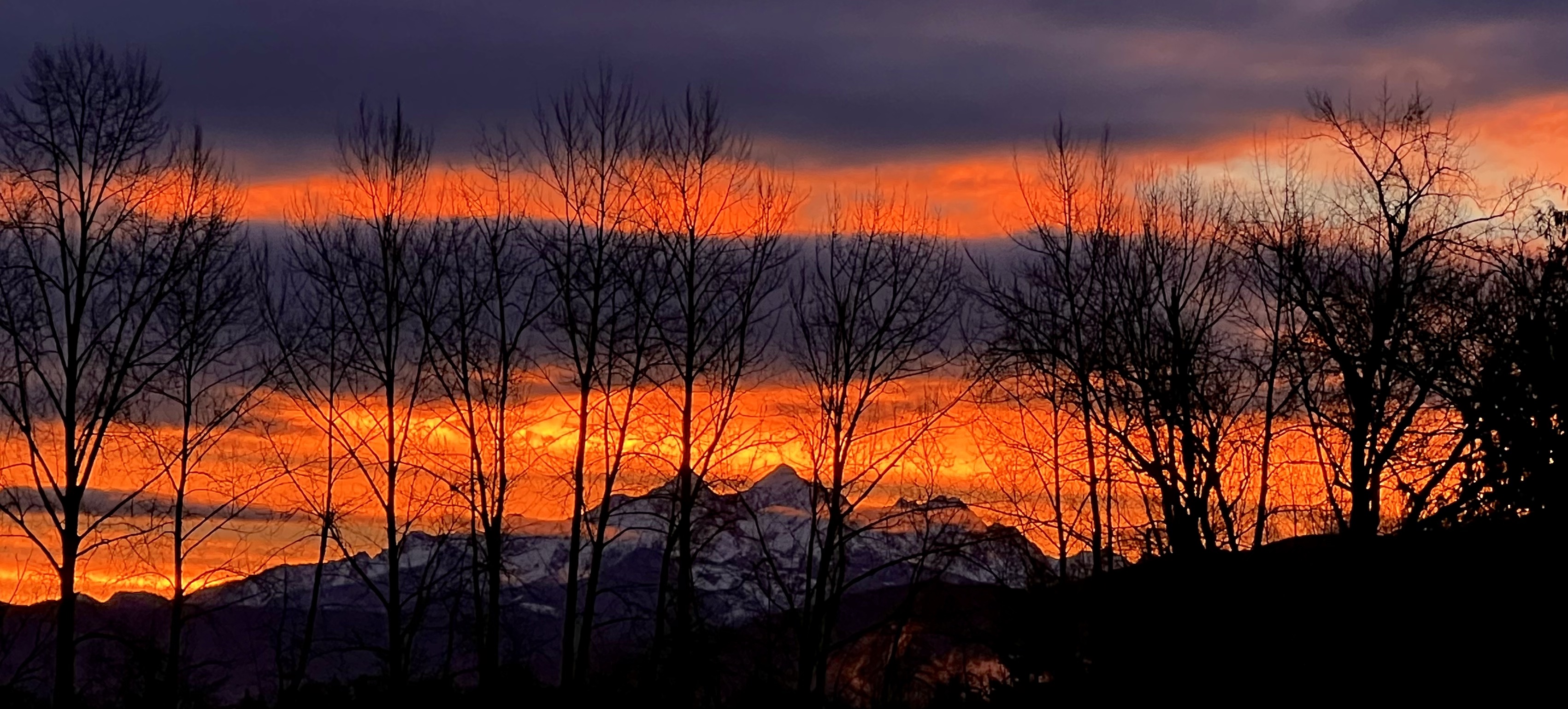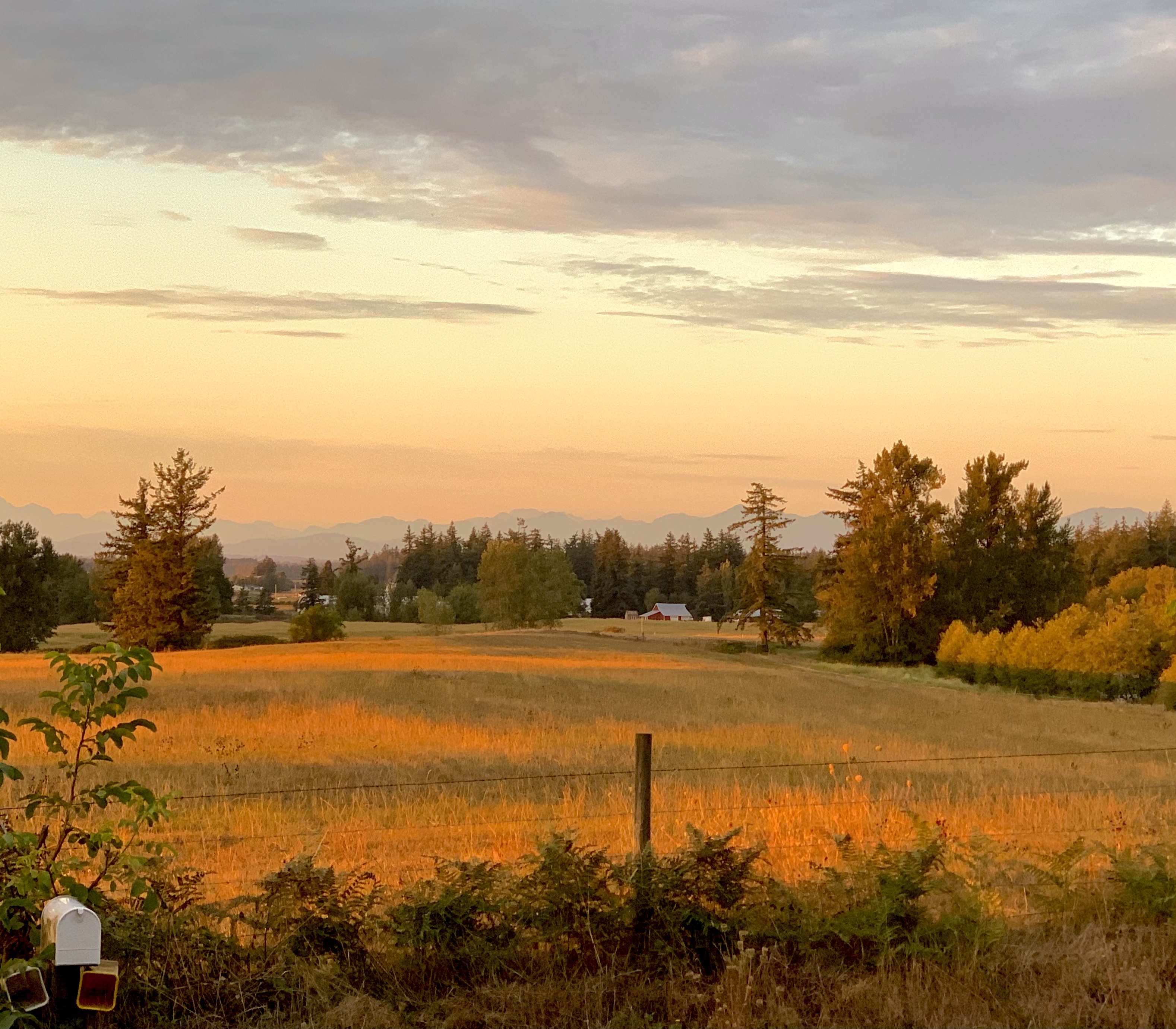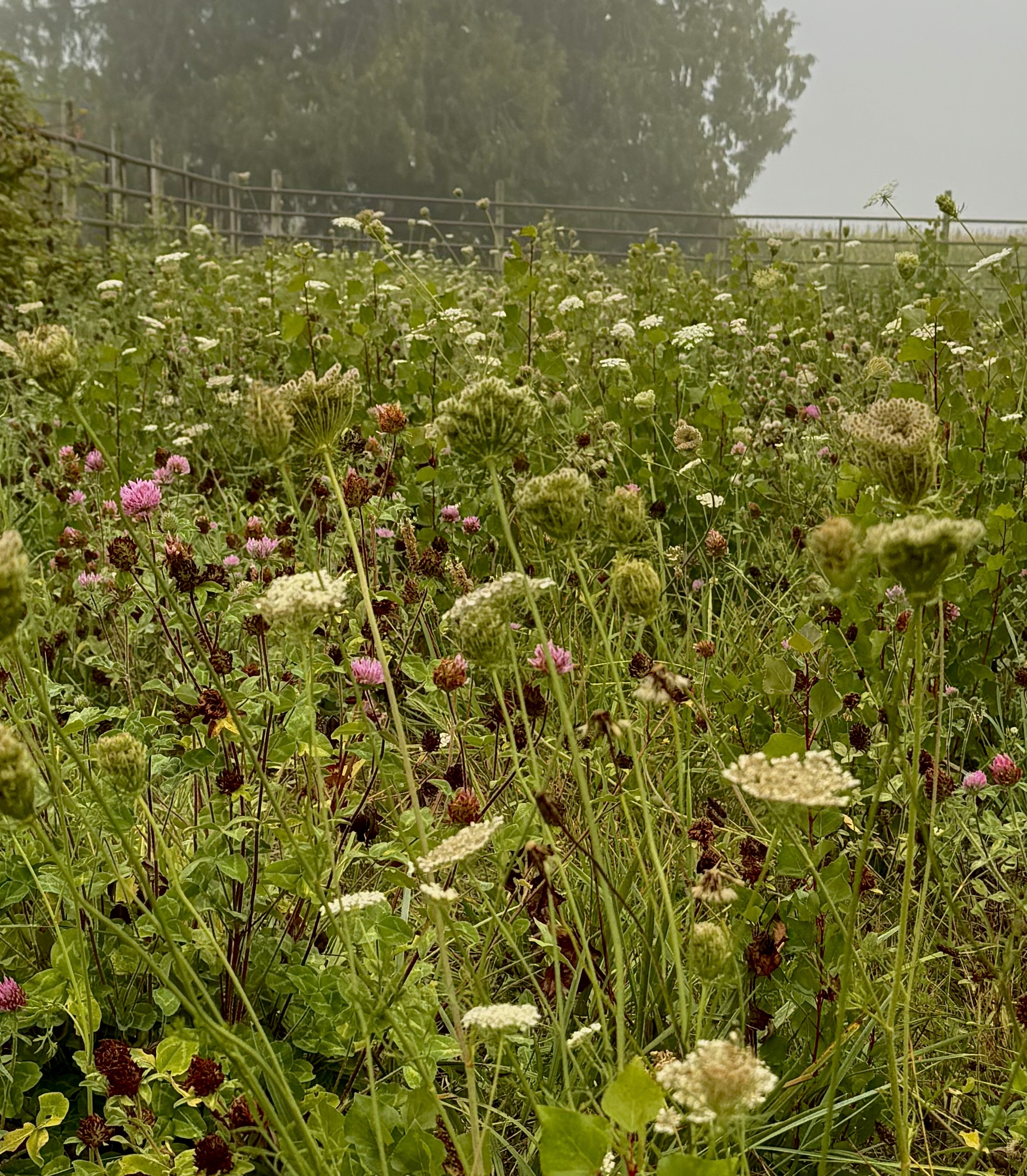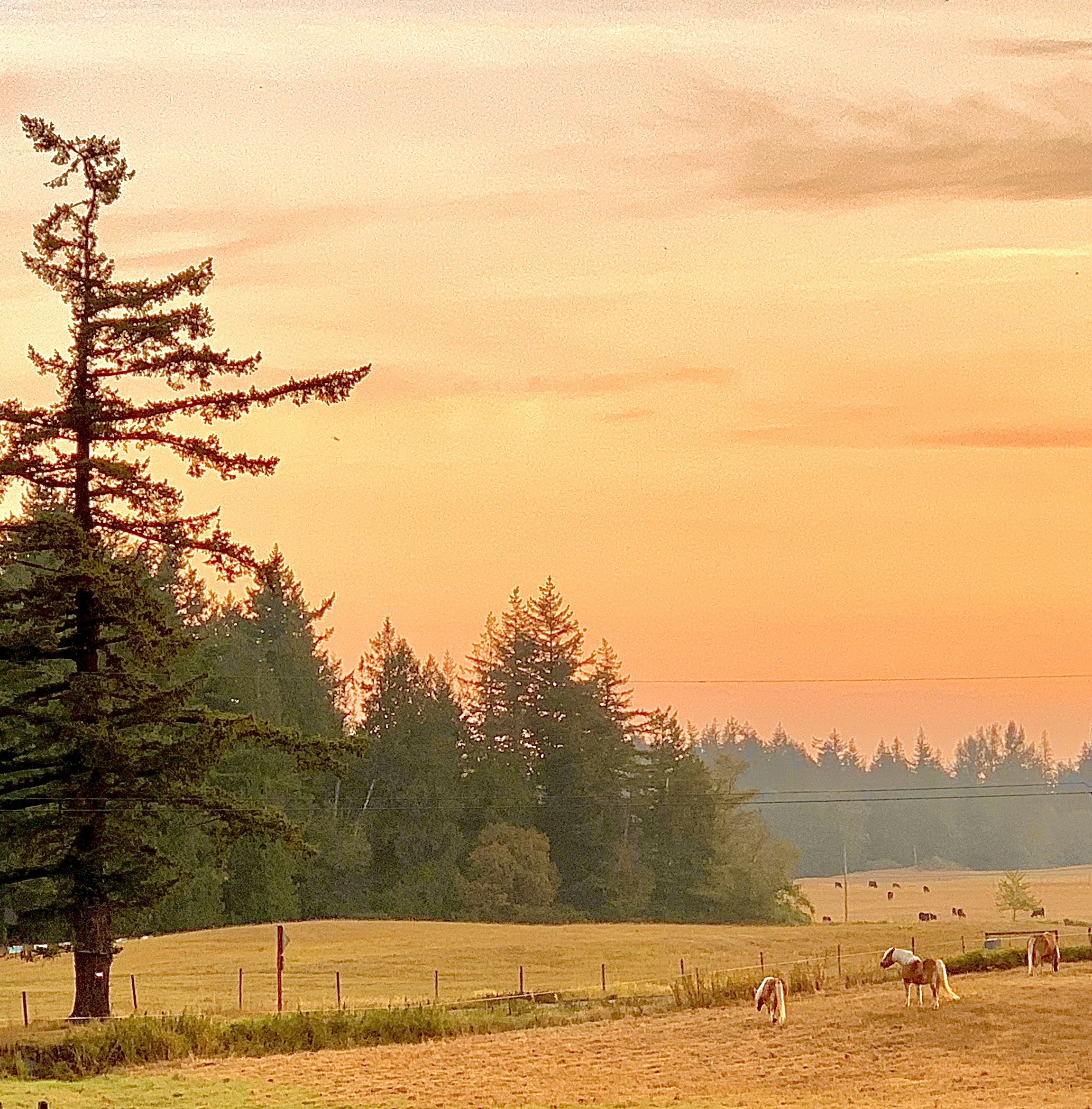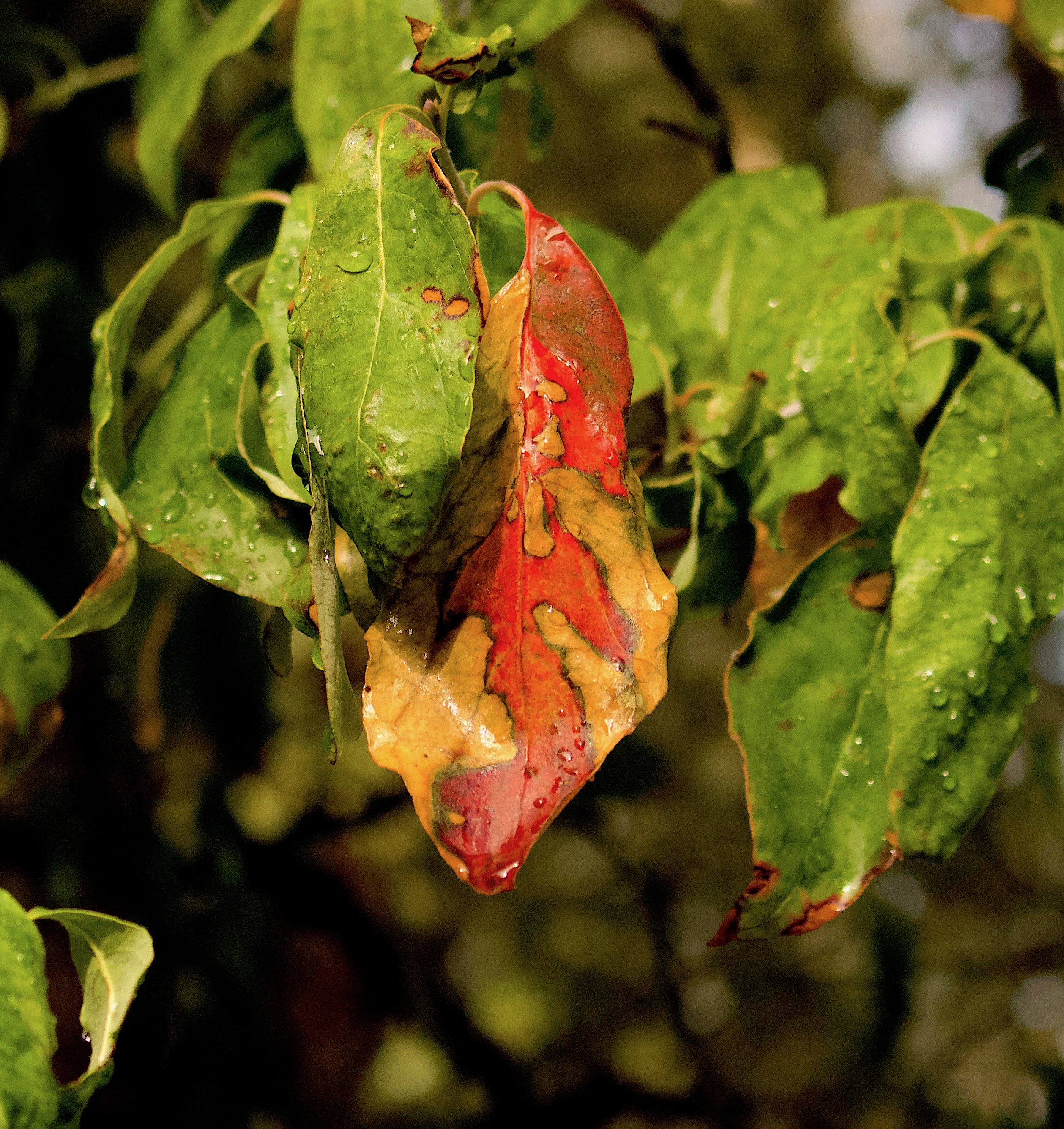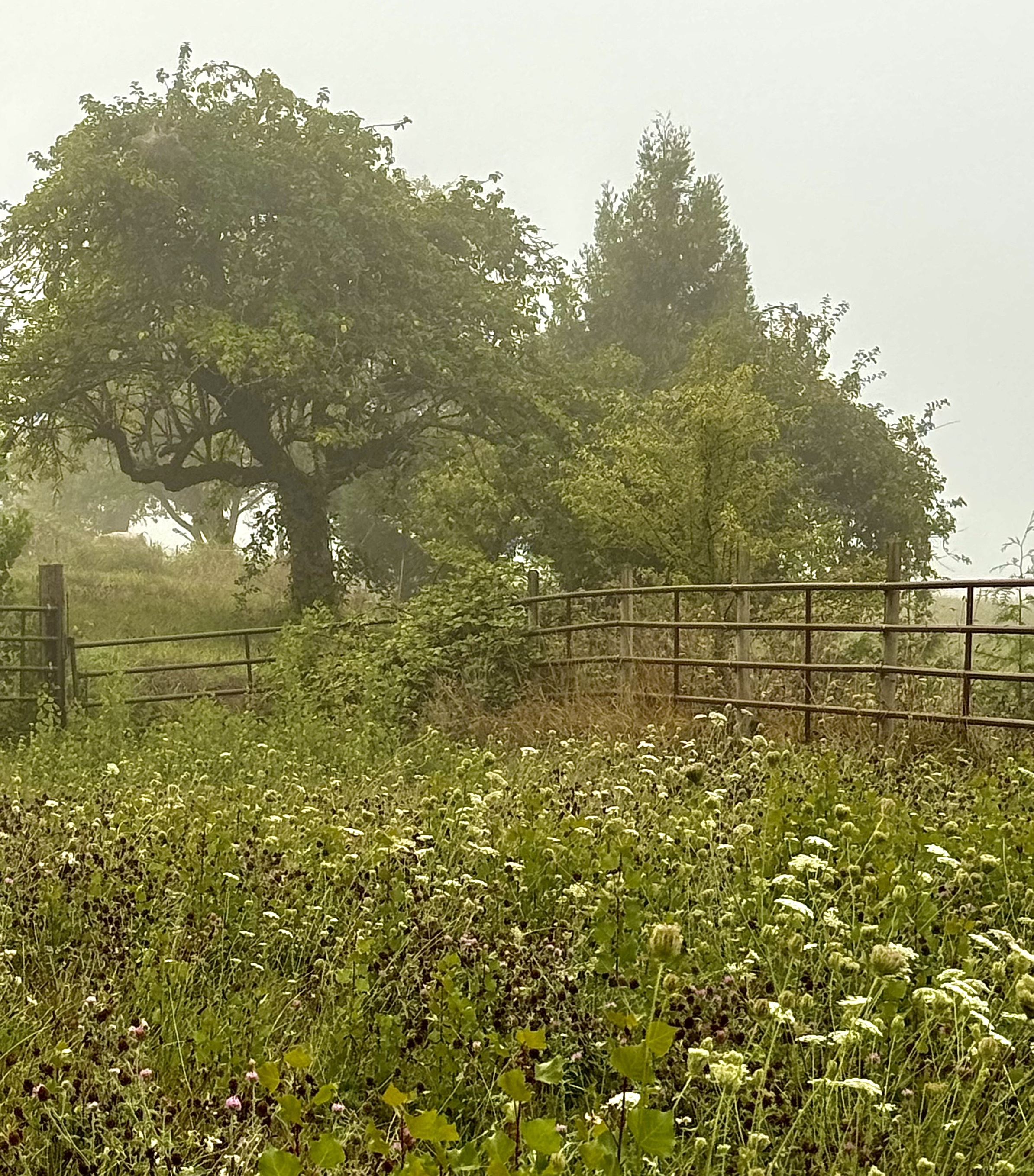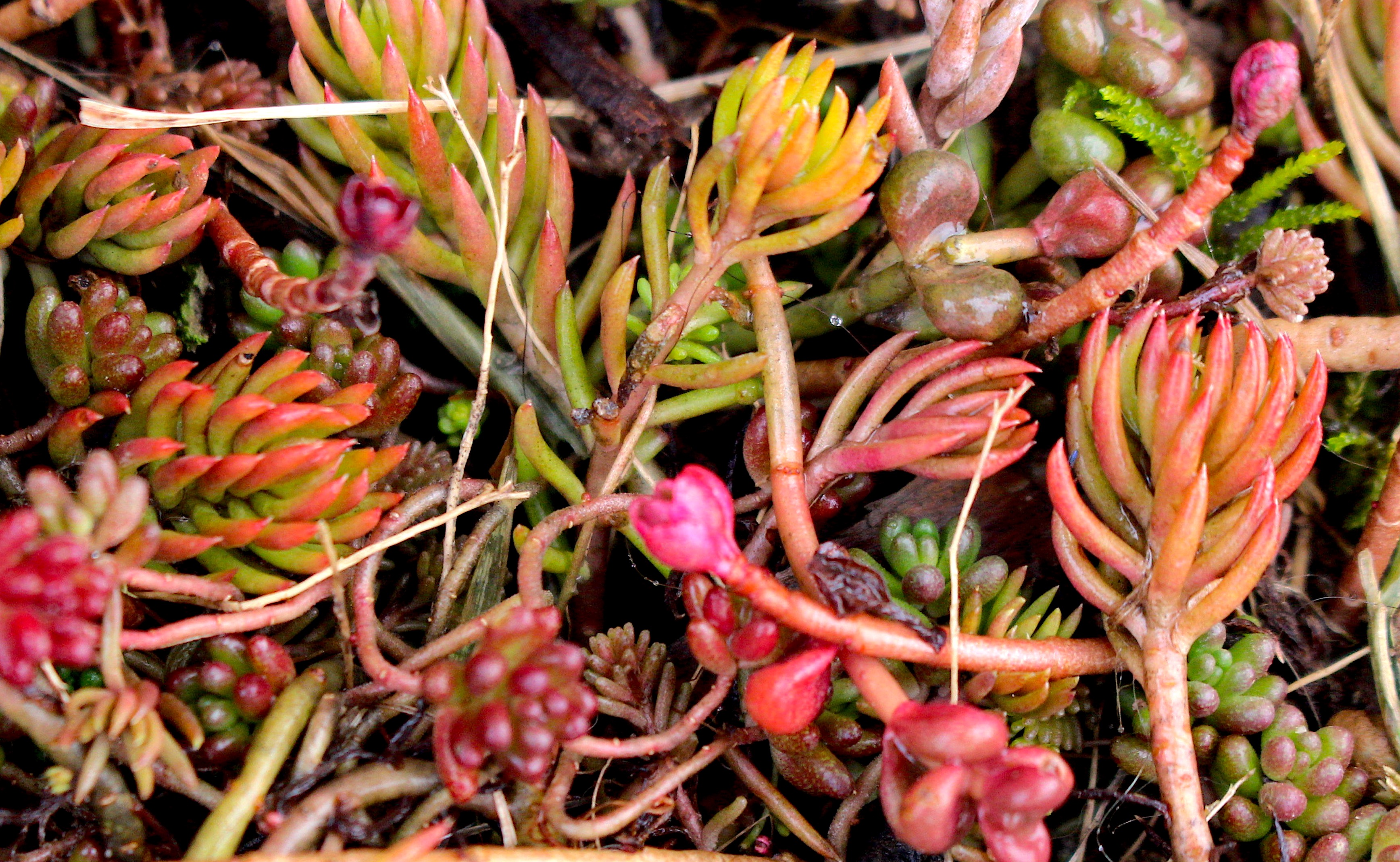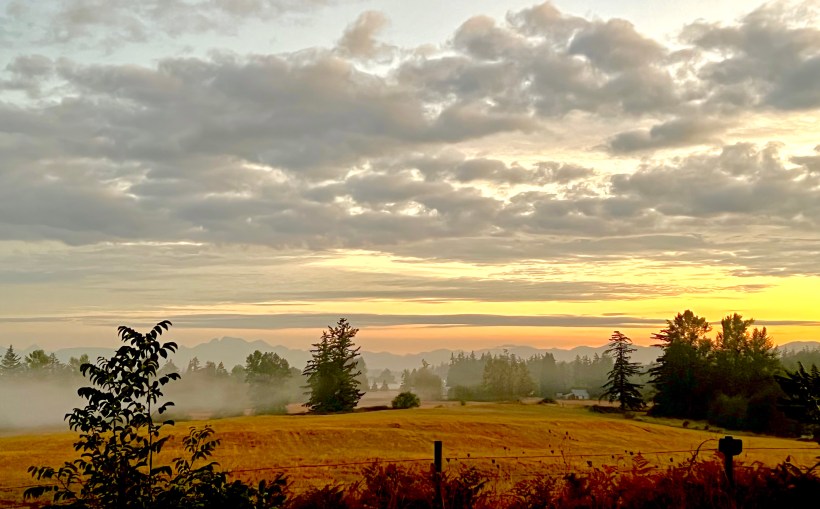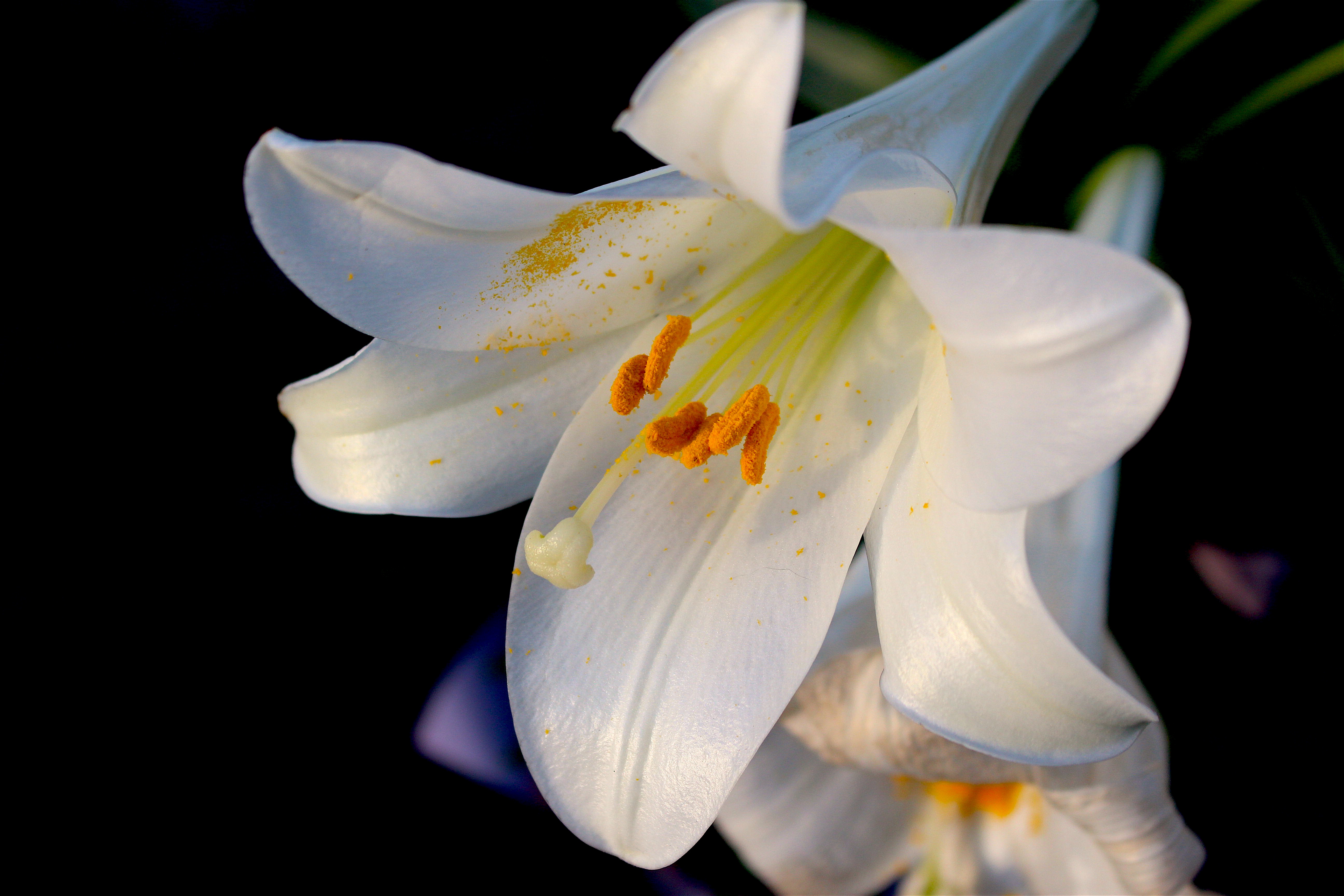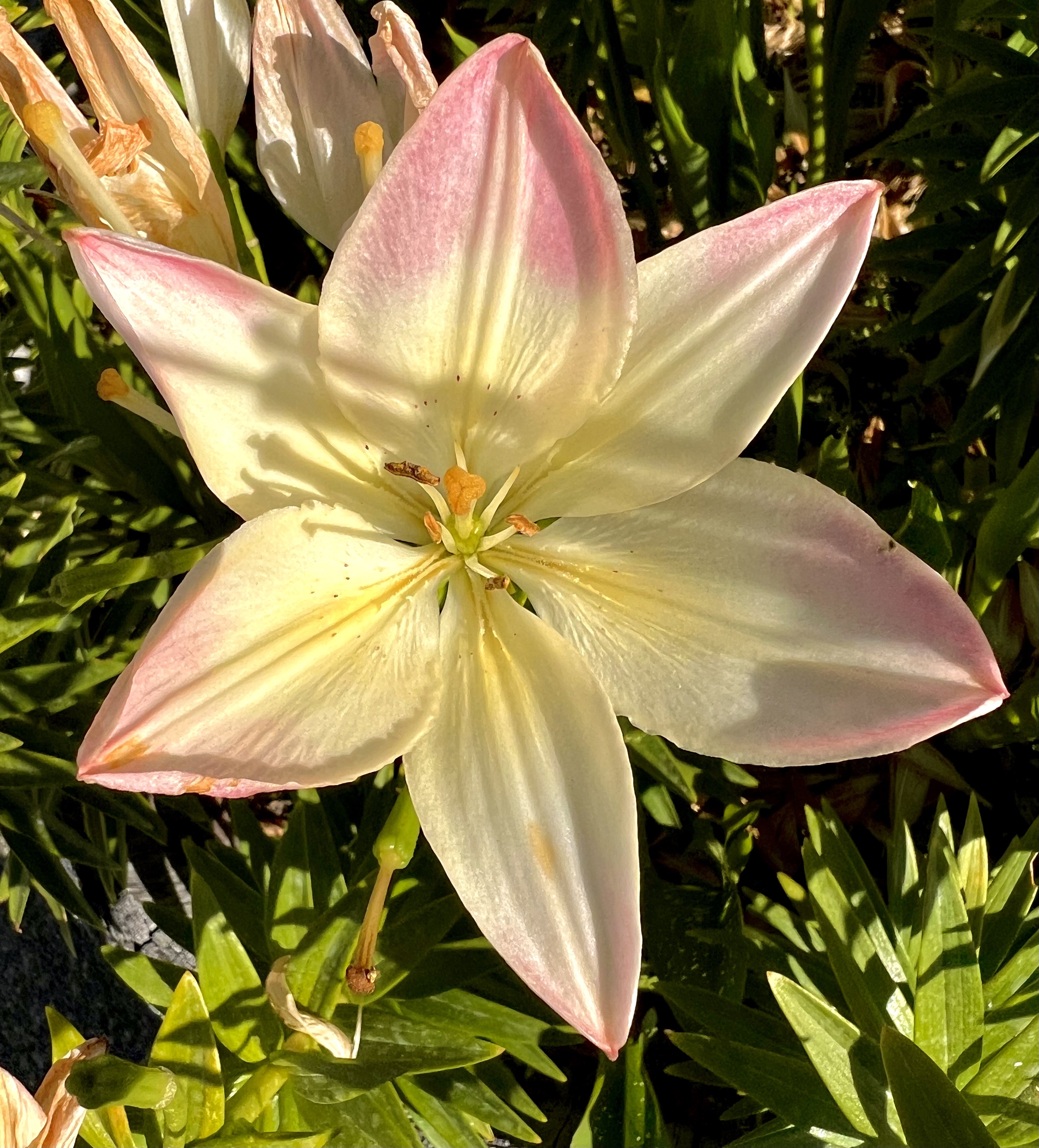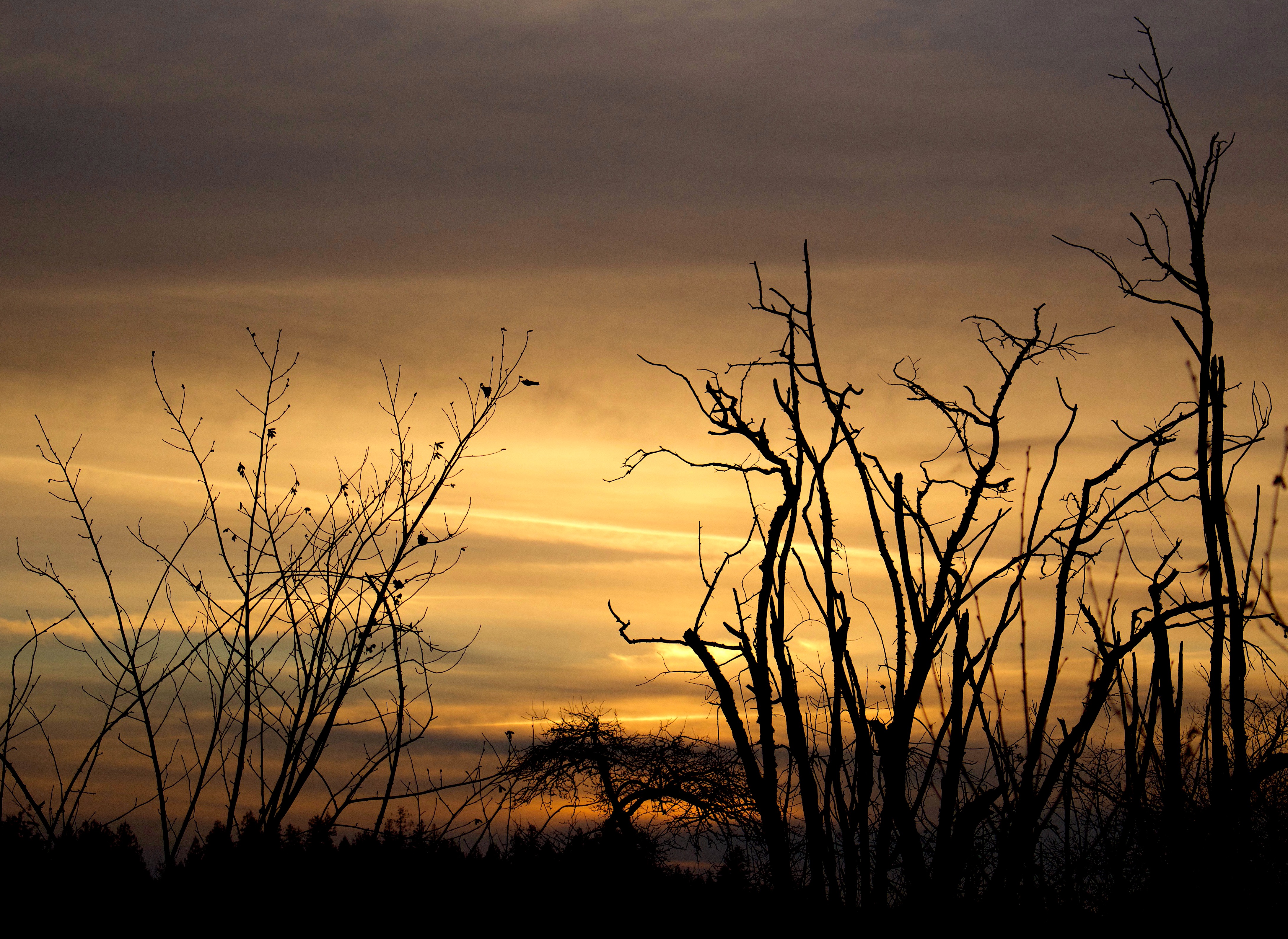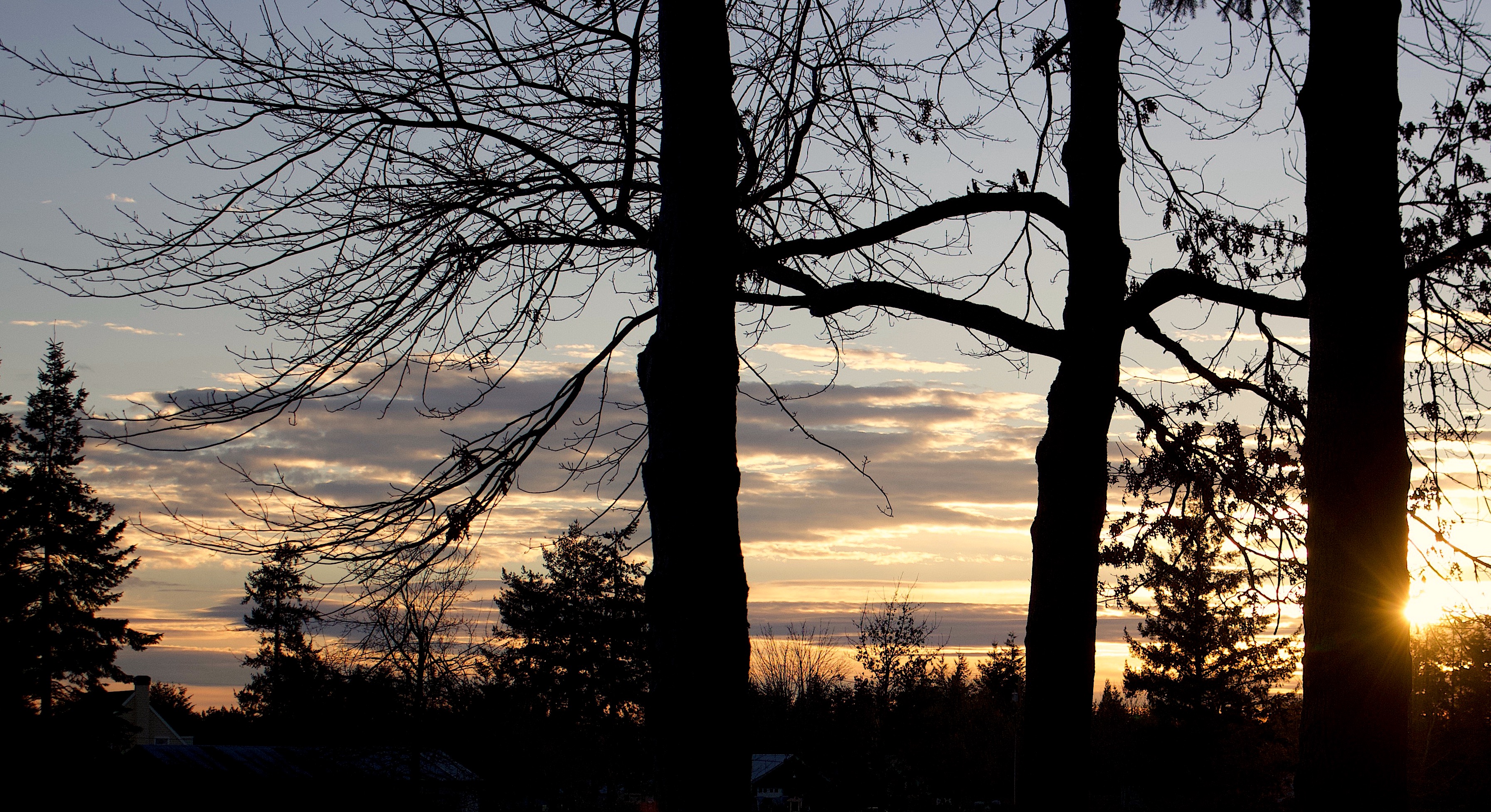
Let me remember you, voices of little insects, Weeds in the moonlight, fields that are tangled with asters, Let me remember, soon will the winter be on us, Snow-hushed and heavy.
Over my soul murmur your mute benediction, While I gaze, O fields that rest after harvest, As those who part look long in the eyes they lean to, Lest they forget them. ~Sara Teasdale from “September Midnight”
The tumult and the shouting dies; The Captains and the Kings depart: Still stands Thine ancient sacrifice, An humble and a contrite heart. Lord God of Hosts, be with us yet, Lest we forget—lest we forget! ~Rudyard Kipling from “Recessional”
If I were called upon to identify briefly the principal trait of the entire twentieth century, here too, I would be unable to find anything more precise and pithy than to repeat once again: Men have forgotten God. ~Aleksandr Solzhenitzyn from his 1983 acceptance speech for the Templeton Prize
Lest I forget…
I look long in the eyes I lean to…
whether a loved one, or the mountains, or summer-weary fields, or the face of God Himself.
I cannot risk forgetting Who must be remembered — He is encased in my heart like a treasured photograph, like a precious gem, like a benediction soothing me quiet when anxious.
It is His ultimate promise: Neither will He forget me – looking long in my eyes that lean in to Him.
[And the Lord answered] Can a woman forget her nursing child, that she should not have compassion on the son of her womb? Yes, they may forget, yet I will not forget you. Isaiah 49:15
One-Time
Monthly
Yearly
Make a one-time or recurring donation to support daily Barnstorming posts
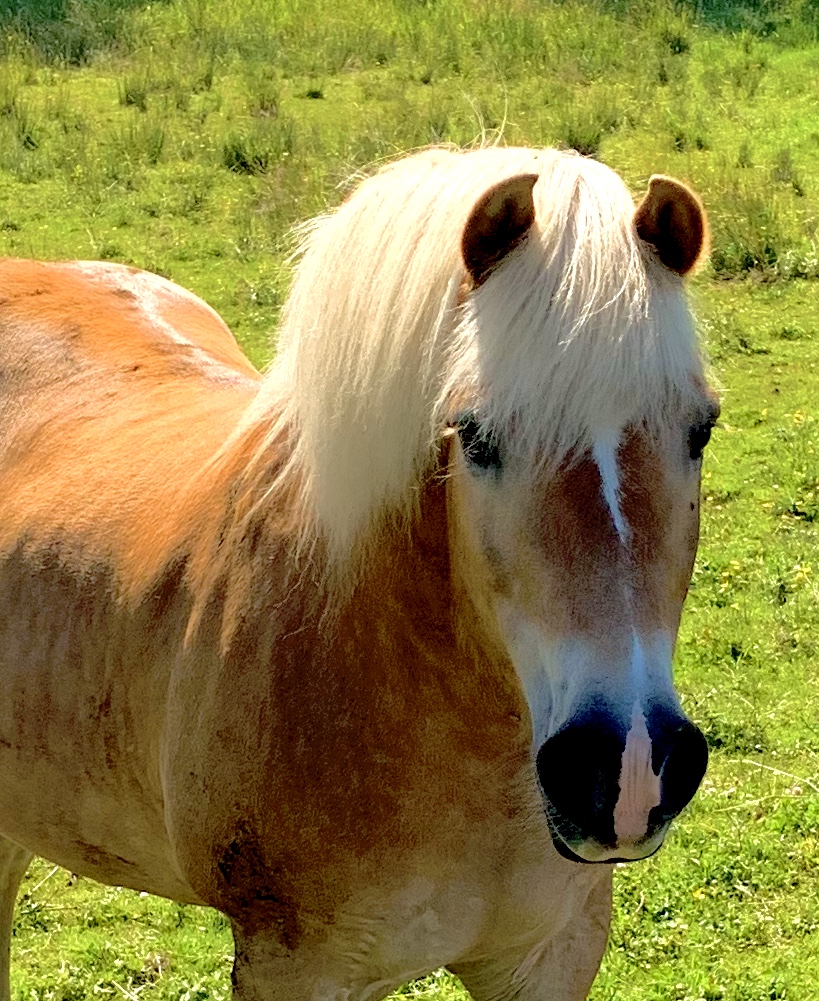
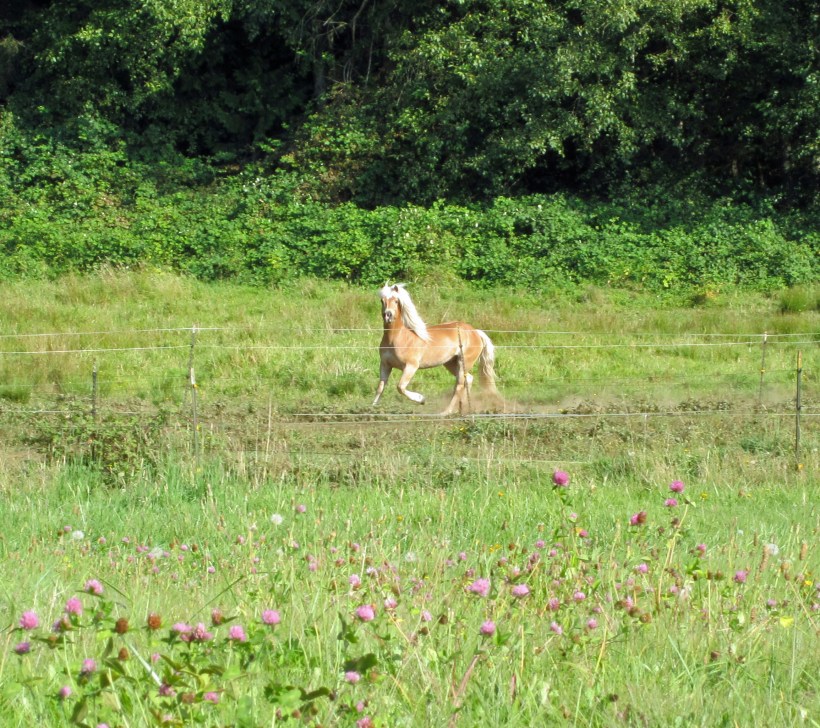
To understand the meek picture a great stallion at full gallop in a meadow, who— at his master’s voice—seizes up to a stunned but instant halt. So with the strain of holding that great power in check, the muscles along the arched neck keep eddying, and only the velvet ears prick forward, awaiting the next order. ~Mary Karr from “Who The Meek Are Not”
Blessed are the meek, for they shall inherit the earth. Matthew 5:5
Let every man be quick to hear, slow to speak, slow to anger, for the anger of man does not work the righteousness of God. James 1: 19-20
I’ve seen meekness like this, first hand.
Our stallion allowed his strength and passion to be under control. He was eager to listen. He wanted to see what we might ask of him. He took instruction eagerly. He never lashed back in anger. He simply wanted to be with us.
Meekness and humility make no sense given the world’s demand now for “strongman” leadership: someone who submits to no one, apologizes to no one, blames others for what goes wrong, feels compassion for no one.
Globally and individually, we have desperate need of meekness. True strength is when someone knows the extent of their power but resists the need to prove it to anyone else.
The meek love this God who shares Himself, who sacrifices for the bereft, and whose great strength is obvious, yet directed completely to our salvation.
Humble and Human, willing to bend You are Fashioned of flesh and the fire of life, You are Not too proud to wear our skin To know this weary world we’re in Humble, humble Jesus
Humble in sorrow, You gladly carried Your cross Never refusing Your life to the weakest of us Not too proud to bear our sin To feel this brokenness we’re in
Humble, humble Jesus We bow our knees We must decrease You must increase We lift You high
Humble in greatness, born in the likeness of man Name above all names, holding our world in Your hands Not too proud to dwell with us, to live in us, to die for us
Humble, humble Jesus We bow our knees We must decrease You must increase We lift You high We bow our knees We must decrease You must increase We lift You high
One-Time
Monthly
Yearly
Make a one-time or recurring donation to support daily Barnstorming posts
…we are faced with the shocking reality: Jesus stands at the door and knocks, in complete reality. He asks you for help in the form of a beggar, in the form of a ruined human being in torn clothing. He confronts you in every person that you meet.
Christ walks on the earth as your neighbor as long as there are people. He walks on the earth as the one through whom God calls you, speaks to you and makes his demands. That is the greatest seriousness and the greatest blessedness of the Advent message. Christ stands at the door. Will you keep the door locked or open it to him? ~Dietrich Bonhoeffer from his Advent Sermon “The Coming of Jesus into our Midst”from God is in the Manger
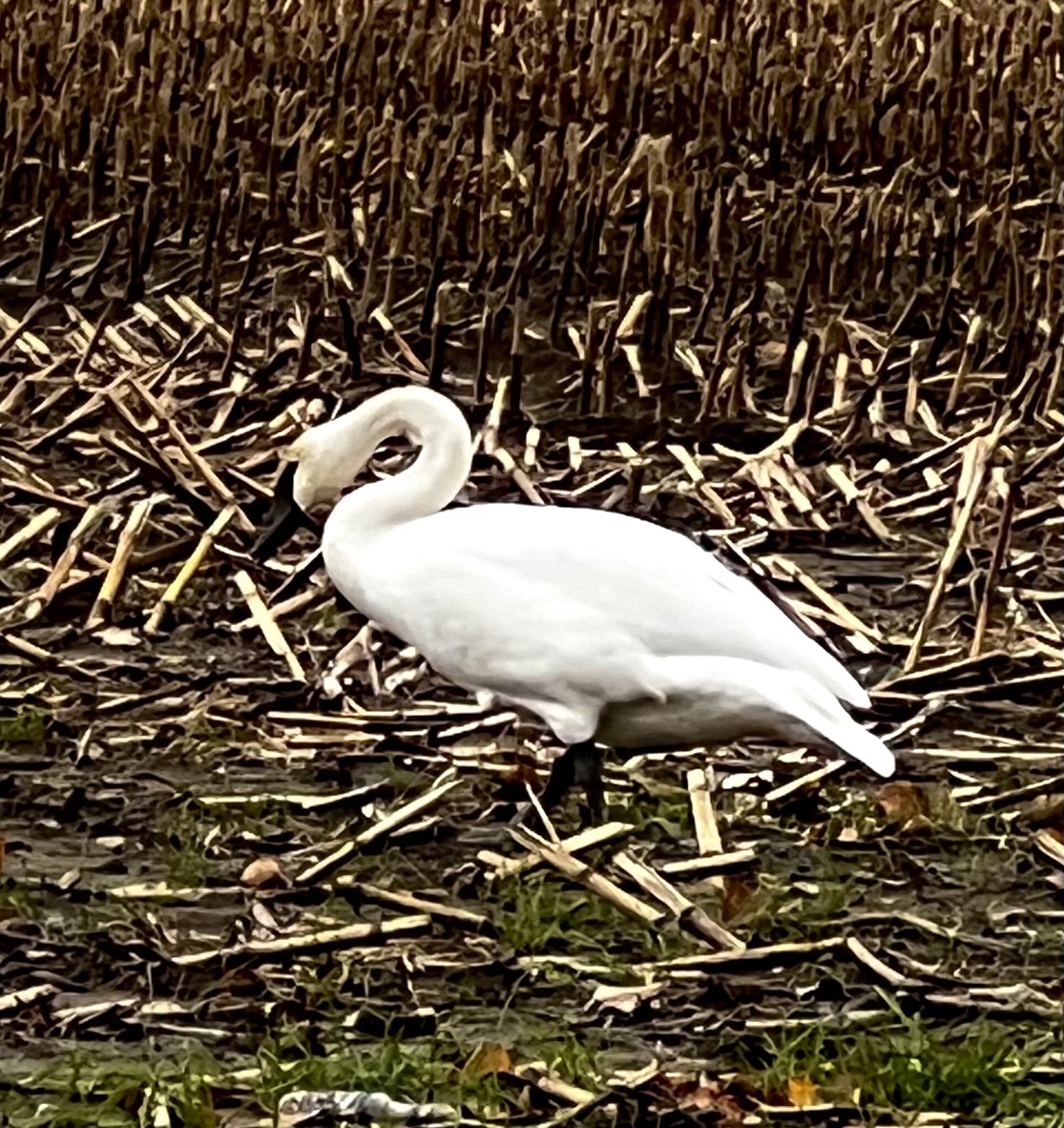
Upon the darkish, thin, half-broken ice There seemed to lie a barrel-sized, heart-shaped snowball, Frozen hard, its white identical with the untrodden white of the lake shore. Closer, its somber face— Mask and beak—came clear, the neck’s Long cylinder, and the splayed feet, balanced, Weary, immobile. Black water traced, behind it, An abandoned gesture. Soft in still air, snowflakes Fell and fell. Silence Deepened, deepened. The short day Suspended itself, endless. ~Denise Levertov “Swan in Falling Snow”
When we witness suffering, when the stranger in ragged clothes approaches and asks for help, how do we respond?
I too easily forget: I am also the least of these, desperate for rescue, suspended, immobile, in a darkening quiet, waiting, waiting.
He patiently stands at the closed door. His tender mercy lifts our deepening state, waits for us to open up, gives us wings to the eternal, endlessly forgiven, endlessly loved, endlessly endless.
Advent 2023 theme …because of the tender mercy of our God, whereby the sunrise shall visit us from on high to give light to those who sit in darkness and in the shadow of death, to guide our feet into the way of peace. Luke 1: 78-79 from Zechariah’s Song
One-Time
Monthly
Yearly
Make a one-time or recurring donation to support daily Barnstorming posts
The essence of America, that which really unites us, is not ethnicity, or nationality or religion. It is an idea, and what an idea it is—that you can come from humble circumstances and do great things.That it doesn’t matter where you came from but where you are going. ~Condoleezza Rice
We have been preserved, these many years, in peace and prosperity. We have grown in numbers, wealth and power, as no other nation has ever grown. But we have forgotten God. We have forgotten the gracious hand which preserved us in peace, and multiplied and enriched and strengthened us; and we have vainly imagined, in the deceitfulness of our hearts, that all these blessings were produced by some superior wisdom and virtue of our own. Intoxicated with unbroken success, we have become too self sufficient to feel the necessity of redeeming and preserving Grace, too proud to pray to the God that made us! ~Abraham Lincolnfrom Proclamation 97 – Appointing a Day of National Humiliation, Fasting and Prayer (March 1863)
Perhaps Independence Day should actually become a day of National Humiliation, Fasting and Prayer, as Lincoln proclaimed in March 1863. Goodness knows, after all we’ve been through as a nation, the U.S.A. still struggles with understanding who we are and how to live out the brilliant idea that began our government nearly 250 years ago.
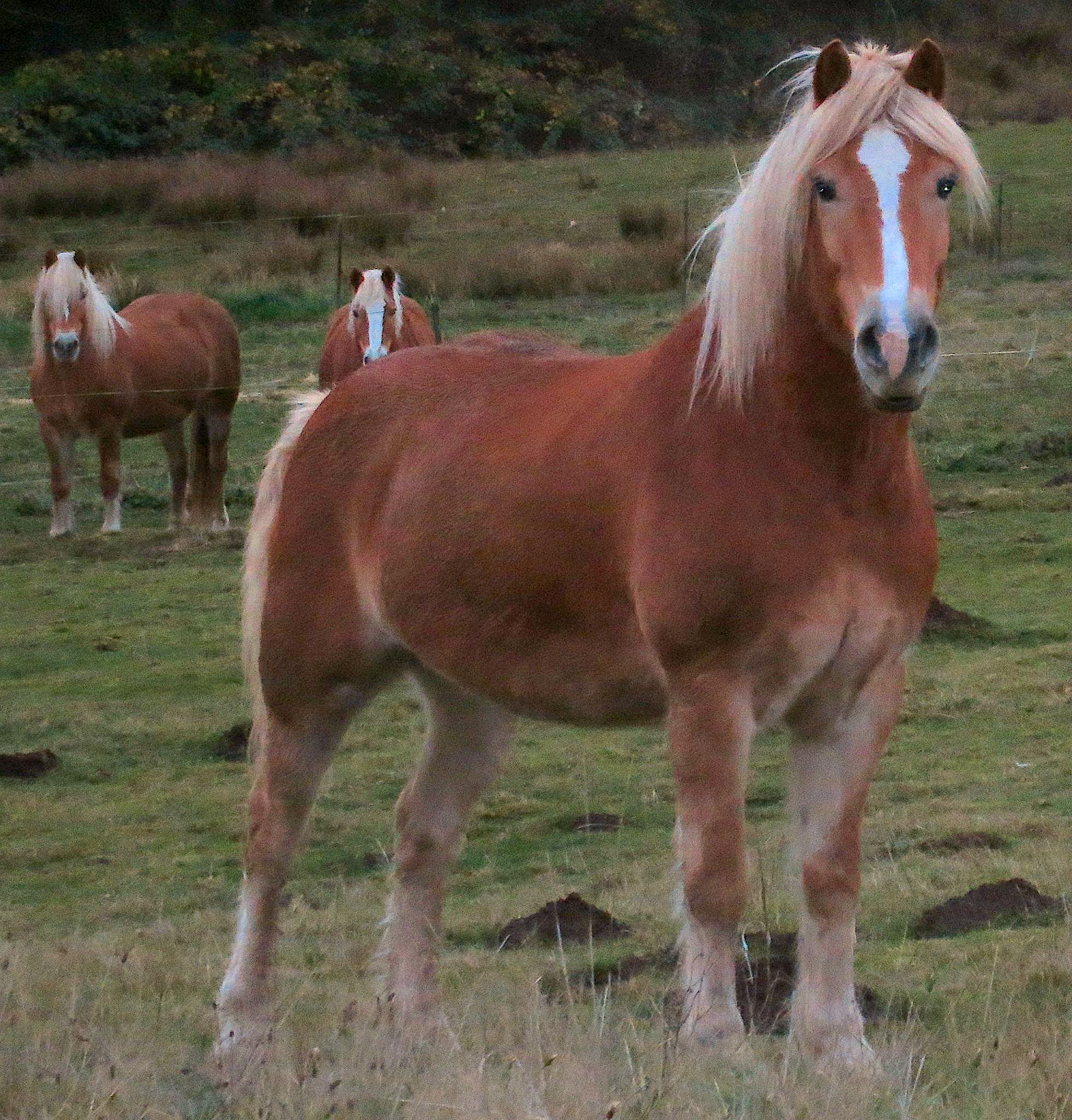
Even for those coming from the most humble of backgrounds, it is possible for any person to do great things here. The key is to never forget the blessings bestowed upon us by the courage and perseverance of our forebears. So much blood has been shed to bring us the freedoms we take for granted.
Today is a day to be grateful and prayerful, not proud. Let us not forget amid the cacophony of fireworks, the overabundant picnic food and unending parades – we the people must vow together that our unity be strengthened by single-minded commitment to peace and harmony rather than be destroyed by division and conflict.
Our God does not abandon the humble in spirit. Let us not forget such a God.
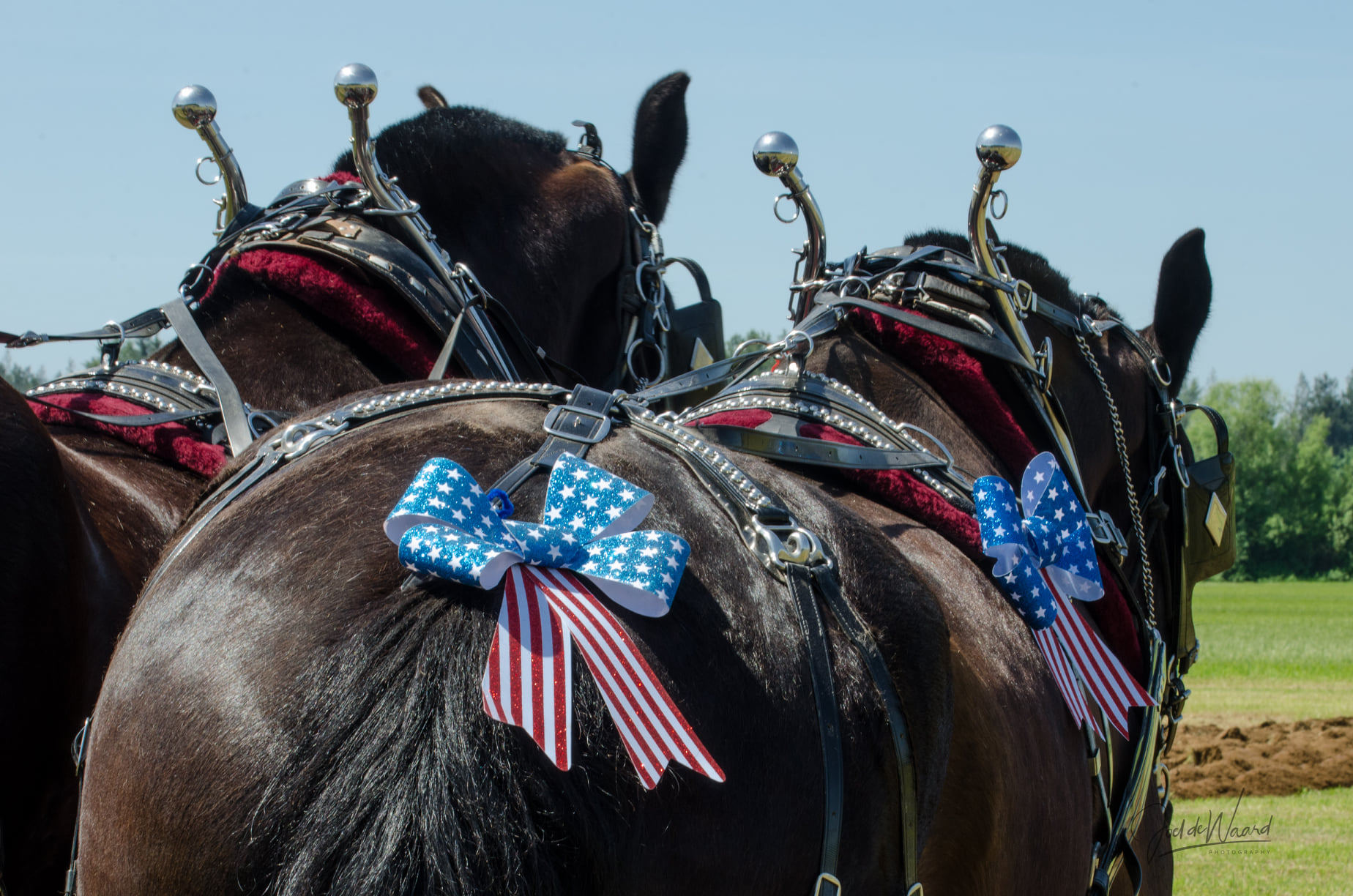
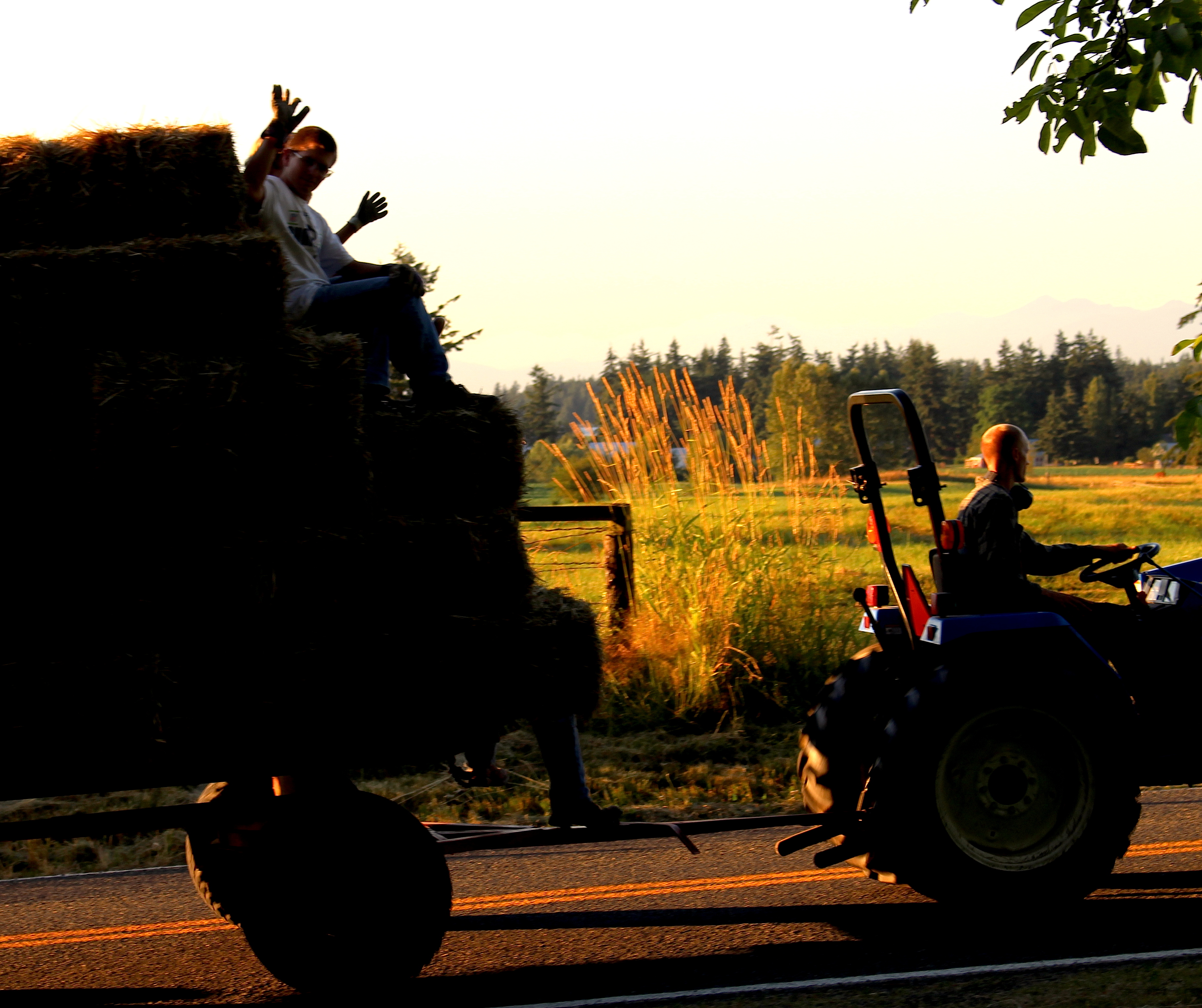
photo by Joel DeWaard
One-Time
Monthly
Yearly
Make a one-time or recurring donation to support daily Barnstorming posts
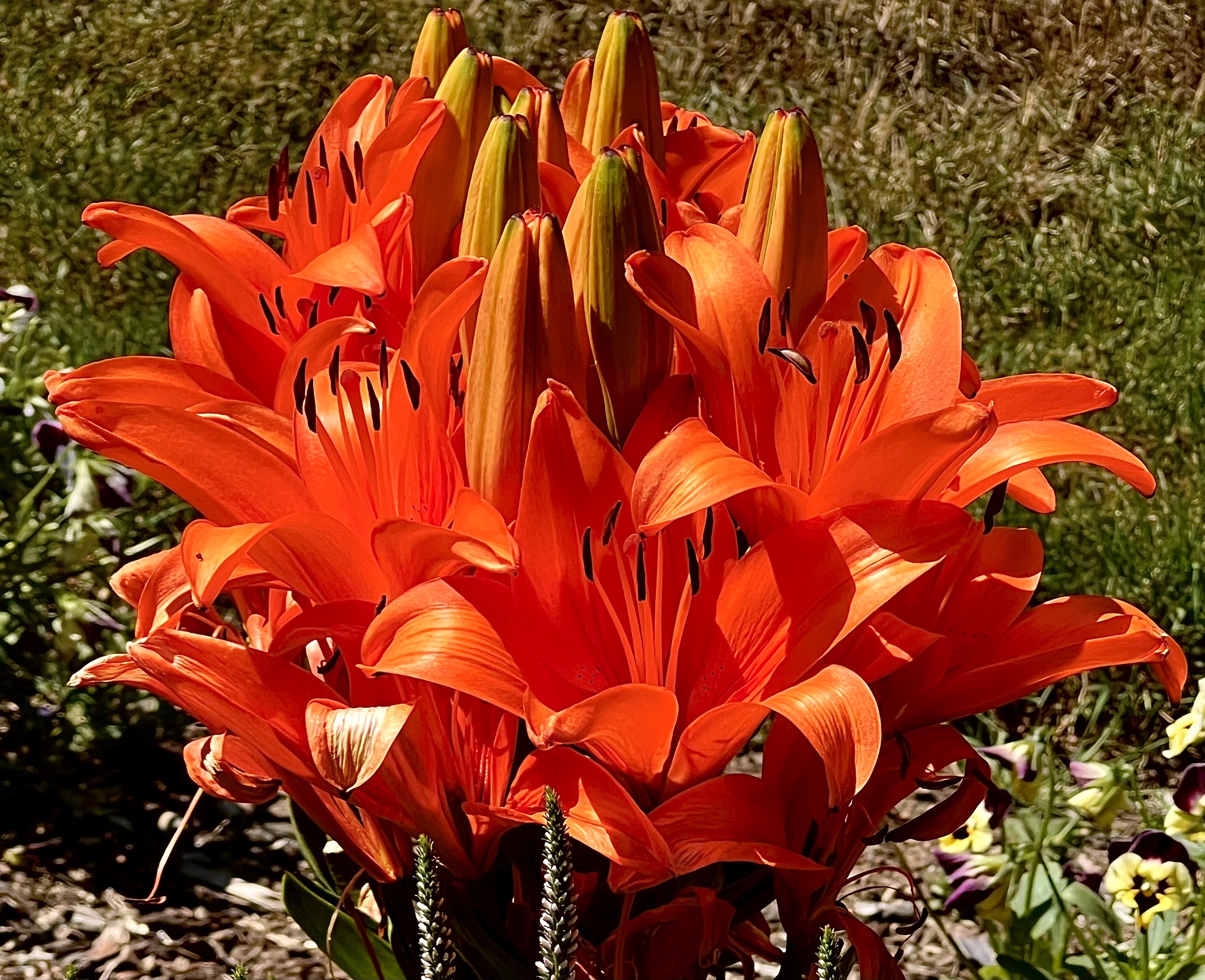
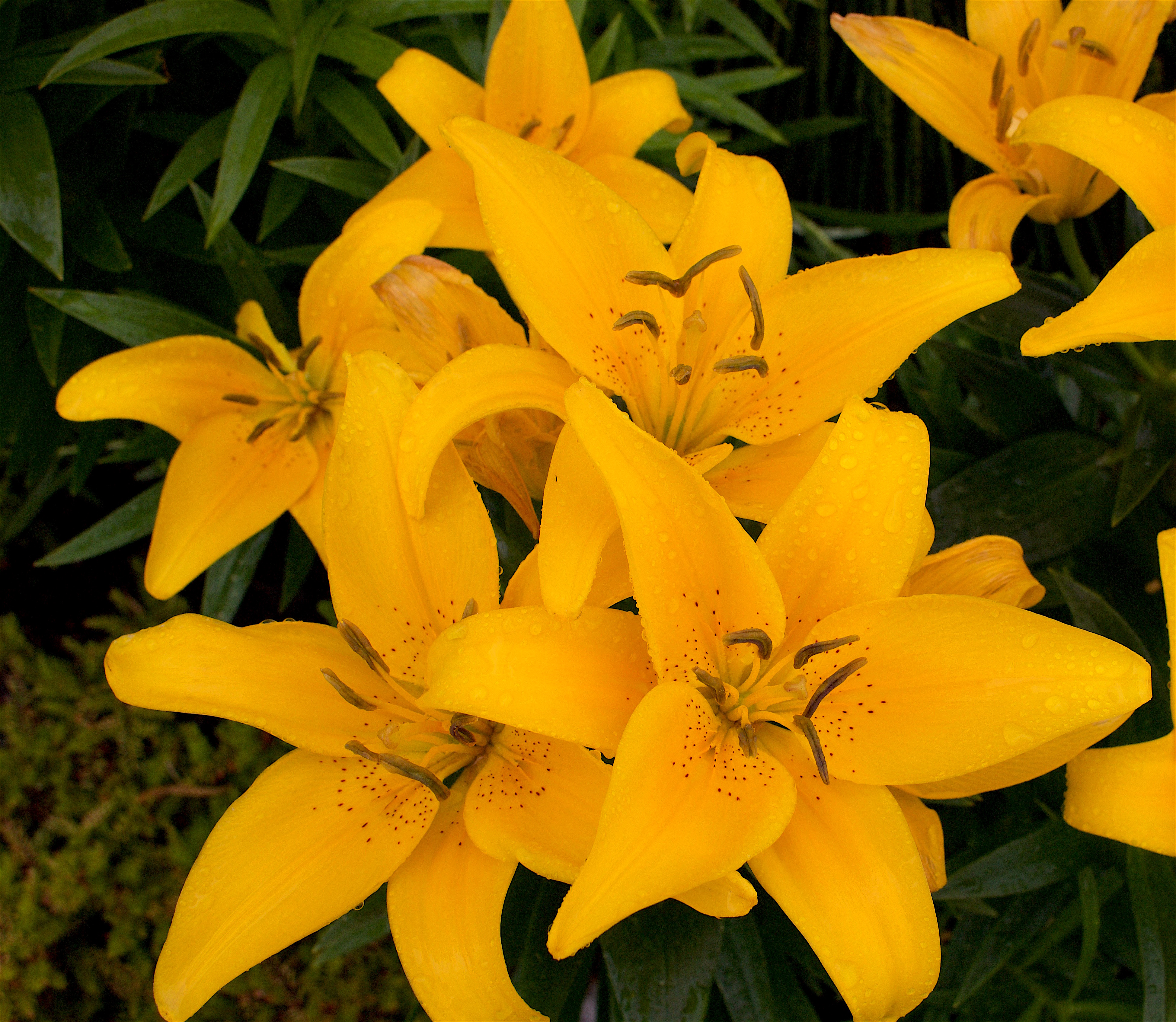
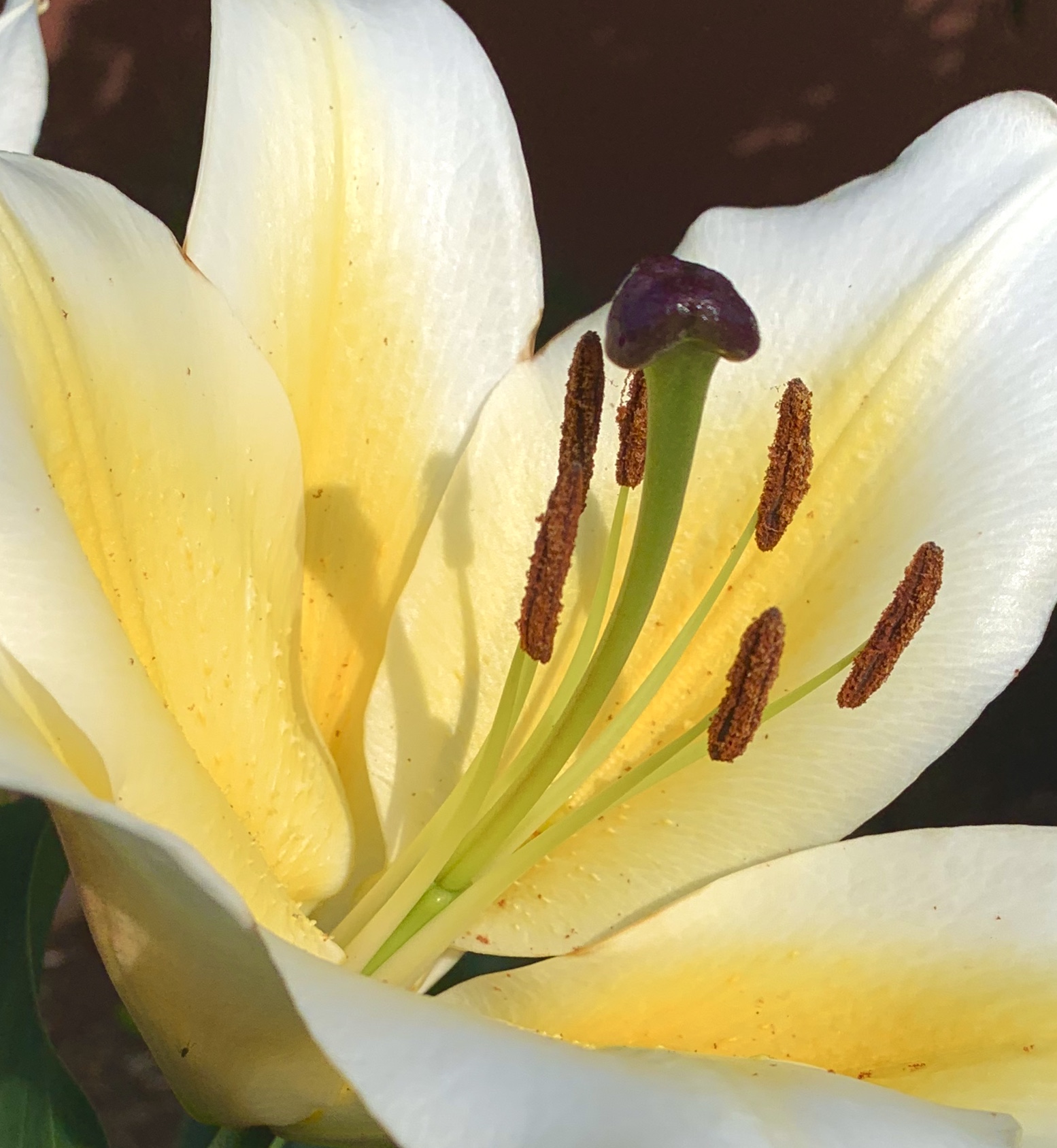
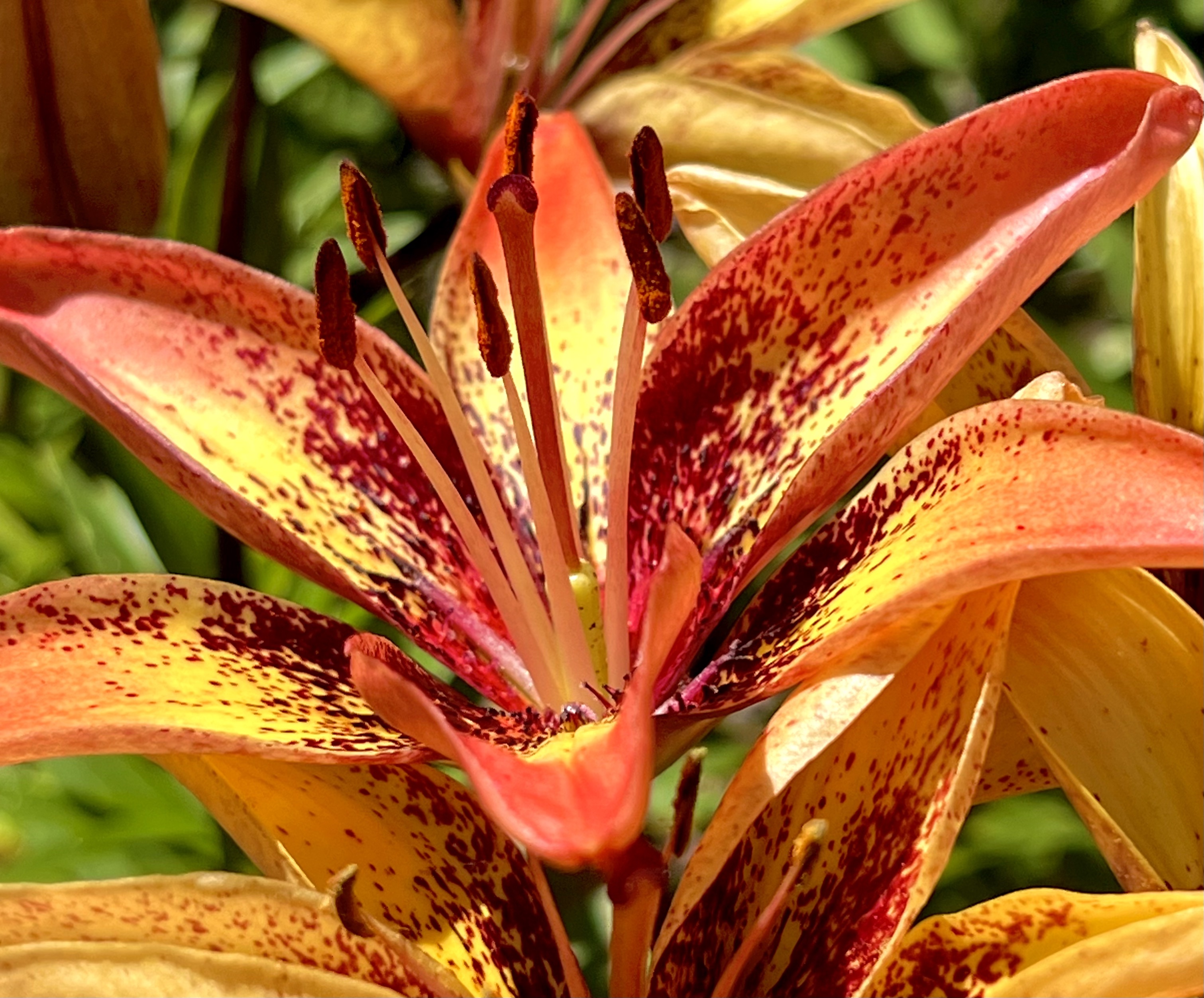
Consider The lilies of the field whose bloom is brief:— We are as they; Like them we fade away, As doth a leaf.
Consider The sparrows of the air of small account: Our God doth view Whether they fall or mount,— He guards us too.
Consider The lilies that do neither spin nor toil, Yet are most fair:— What profits all this care And all this coil?
Consider The birds that have no barn nor harvest-weeks; God gives them food:— Much more our Father seeks To do us good. ~Christina Rossetti from “Consider”
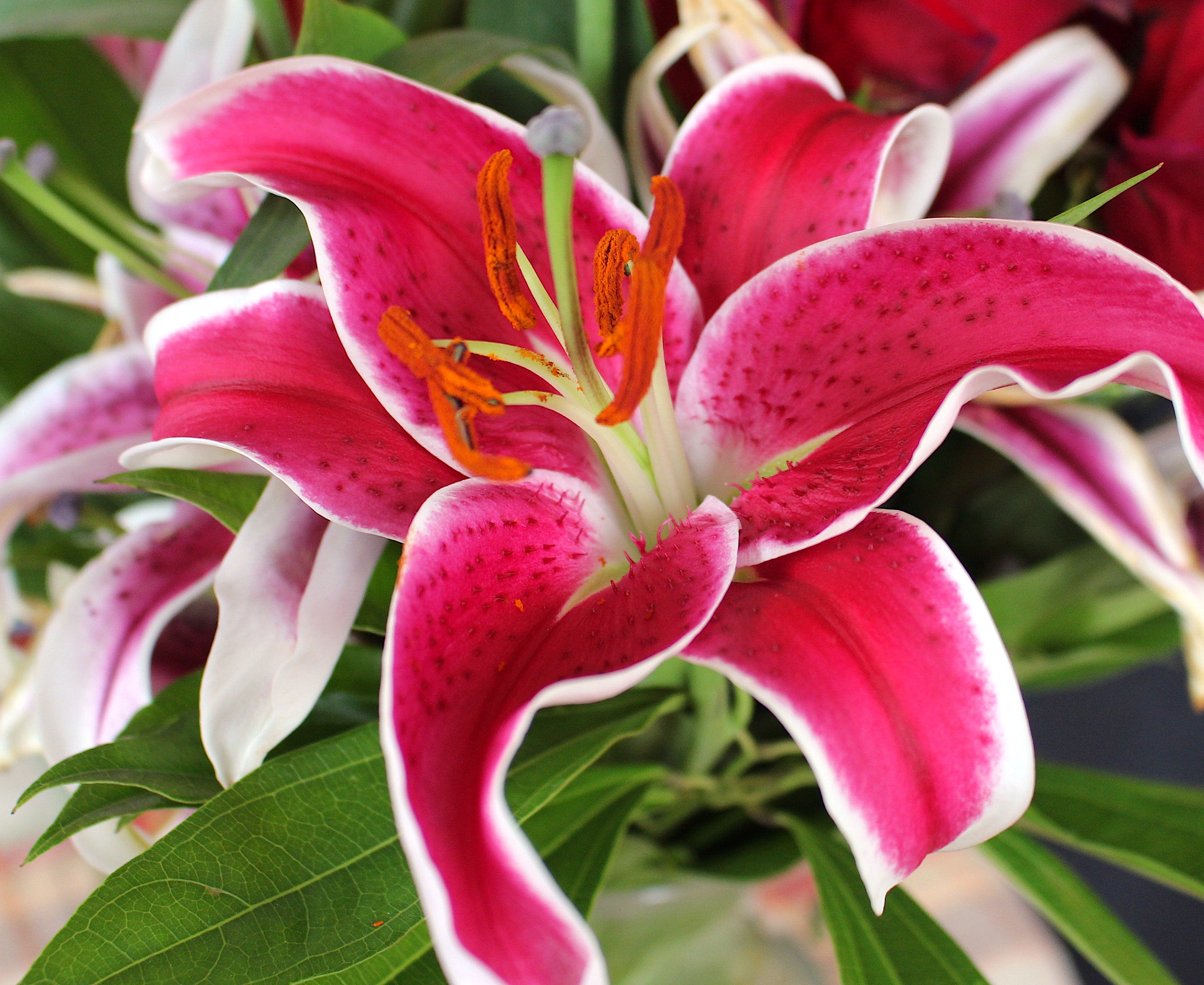
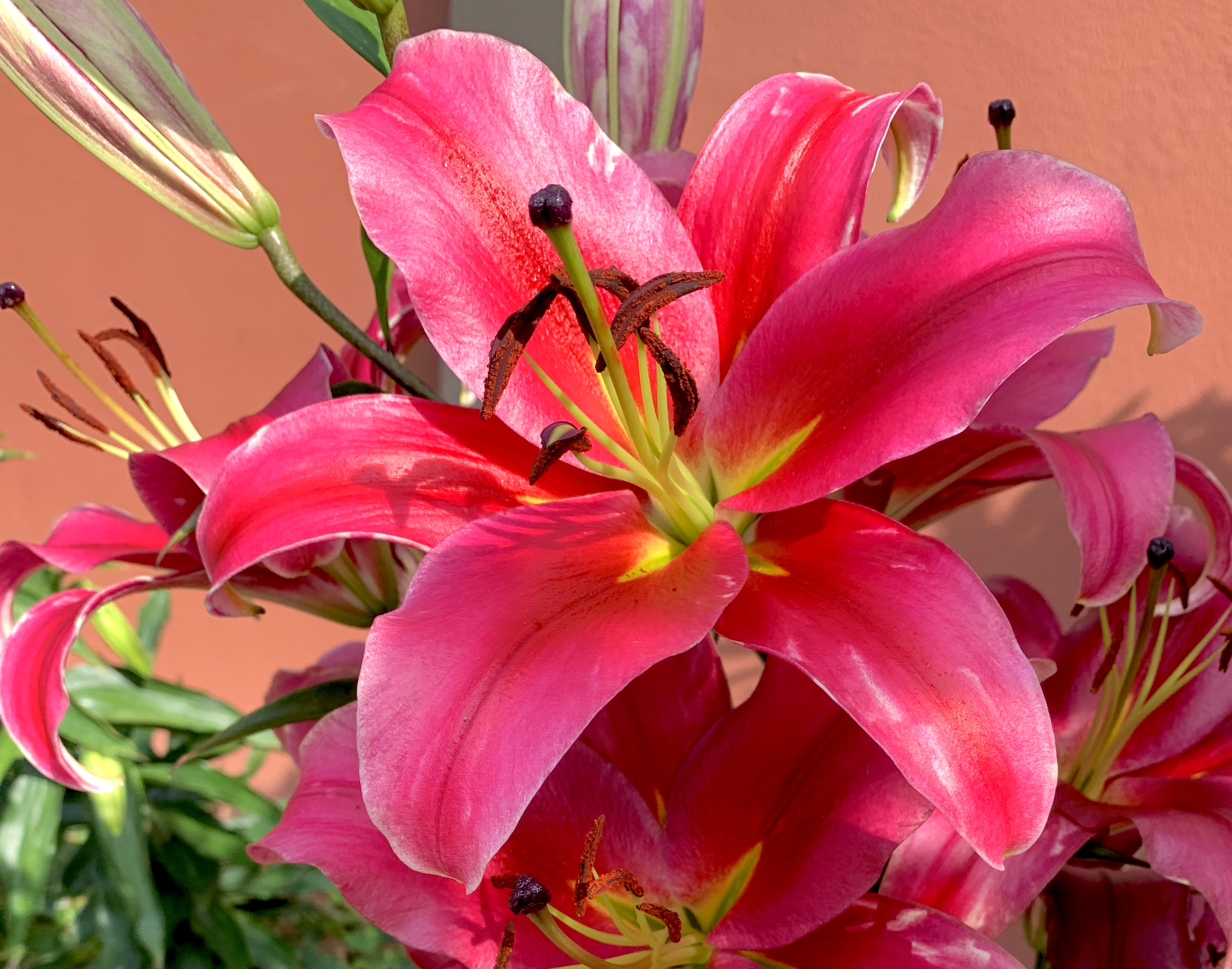
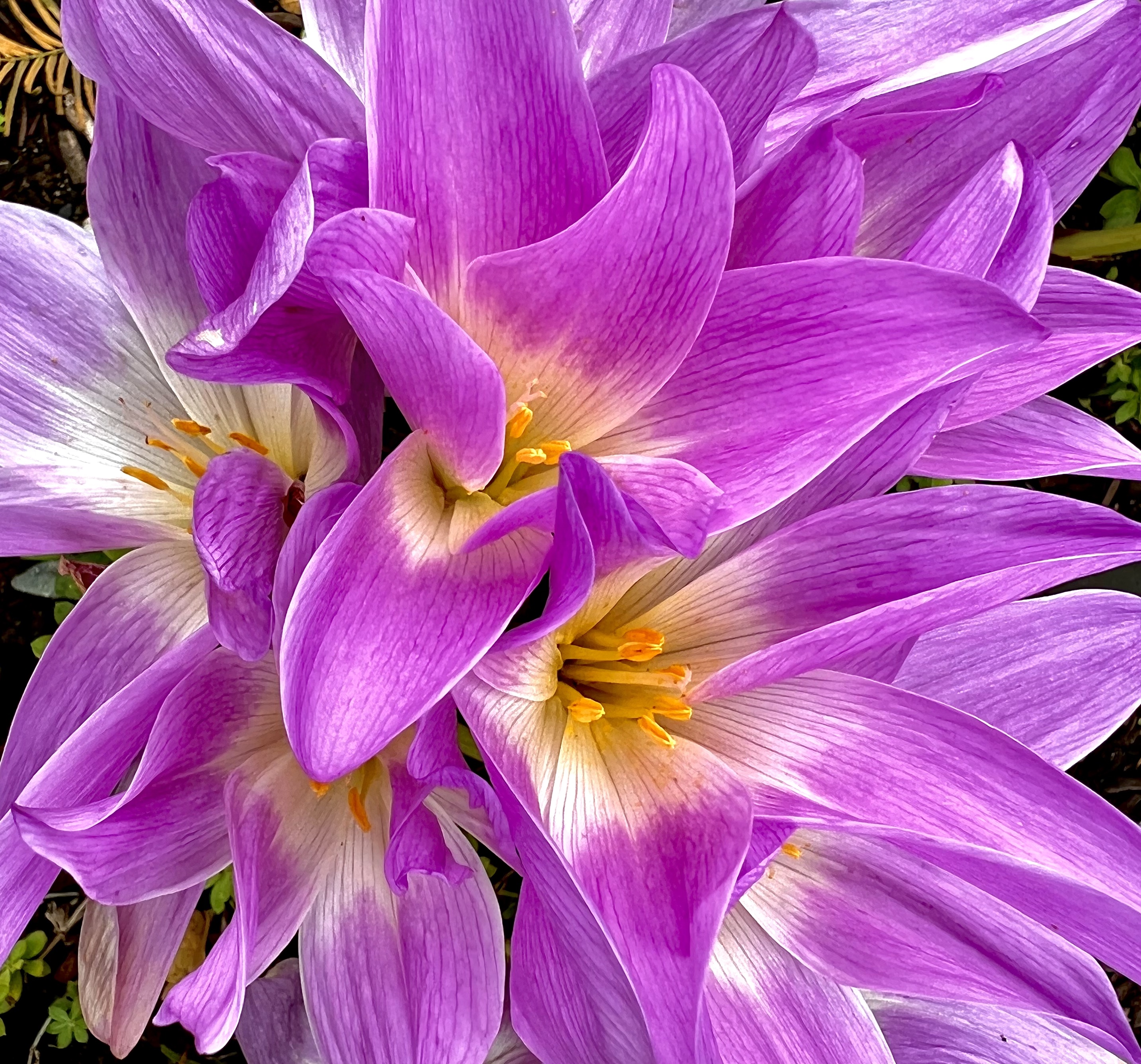
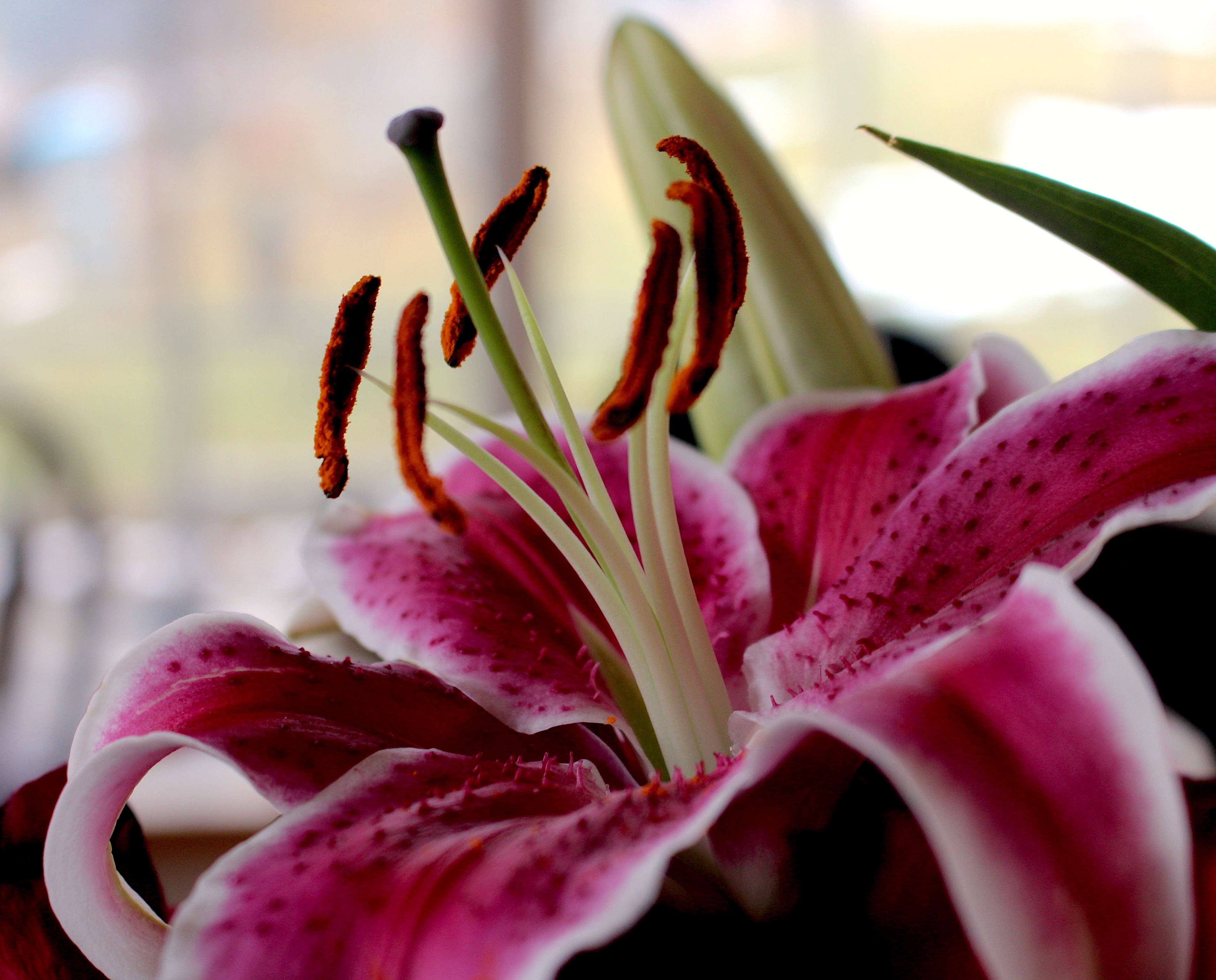
…if I were a lily I think I would wait all day for the green face of the hummingbird to touch me. ~Mary Oliver from “Lilies”
Homer Smith: [the final English lesson] Oh, *I* built a chapel…
All of the sisters: *I* built a chapel.
Homer Smith: *You* built a chapel…
All of the sisters: *You* built a chapel.
Homer Smith: *We” built a chapel…
Mother Maria: [points to heaven] *He* built a chapel.
From the simplest lyric to the most complex novel and densest drama, literature is asking us to pay attention… pay attention to the world and all that dwells therein and thereby learn at last to pay attention to yourself and all that dwells therein.
Literature, painting, music—the most basic lesson that all art teaches us is to stop, look, and listen to life on this planet, including our own lives, as a vastly richer, deeper, more mysterious business than most of the time it ever occurs to us to suspect as we bumble along from day to day on automatic pilot. In a world that for the most part steers clear of the whole idea of holiness, art is one of the few places left where we can speak to each other of holy things.
Is it too much to say that Stop, Look, and Listen is also the most basic lesson that the Judeo-Christian tradition teaches us? Listen to history is the cry of the ancient prophets of Israel. Listen to social injustice, says Amos; to head-in-the-sand religiosity, says Jeremiah; to international treacheries and power-plays, says Isaiah; because it is precisely through them that God speaks his word of judgment and command.
And when Jesus comes along saying that the greatest command of all is to love God and to love our neighbor, he too is asking us to pay attention. If we are to love God, we must first stop, look, and listen for him in what is happening around us and inside us. If we are to love our neighbors, before doing anything else we must see our neighbors. With our imagination as well as our eyes, that is to say like artists, we must see not just their faces but the life behind and within their faces. Here it is love that is the frame we see them in.
In a letter to a friend Emily Dickinson wrote that “Consider the lilies of the field” was the only commandment she never broke. She could have done a lot worse. Consider the lilies. It is the sine qua non of art and religion both. ~Frederick Buechner from Whistling in the Dark
I have broken the Biblical mandate to “consider the lilies” way too many times. In my daily life I am considering almost anything else – my own worries and concerns as I walk past so much beauty and meaning and holiness. My mind dwells within, blind and deaf to what is outside.
It is so necessary to be reminded that I need to pay attention beyond my own bubble, to be reminded to love and care for my neighbor, to remember what history has to teach us, to search for the sacred in all things.
Stop, Look, Listen, Consider: all is grace, all is gift, all is holiness brought to life – stunning, amazing, wondrous.
In the beauty of the lilies Christ was born across the sea, With a glory in His bosom that transfigures you and me. As He died to make men holy, let us die to make men free, While God is marching on.
He is coming like the glory of the morning on the wave, He is Wisdom to the mighty, He is Succour to the brave, So the world shall be His footstool, and the soul of Time His slave, Our God is marching on.
(Chorus) Glory, glory, hallelujah! Glory, glory, hallelujah! Glory, glory, hallelujah! While God is marching on. ~Julia Ward Howe — final original verses of the “Battle Hymn of the Republic”
One-Time
Monthly
Yearly
Make a one-time or recurring donation to support daily Barnstorming posts
On the outskirts of Jerusalem the donkey waited. Not especially brave, or filled with understanding, he stood and waited.
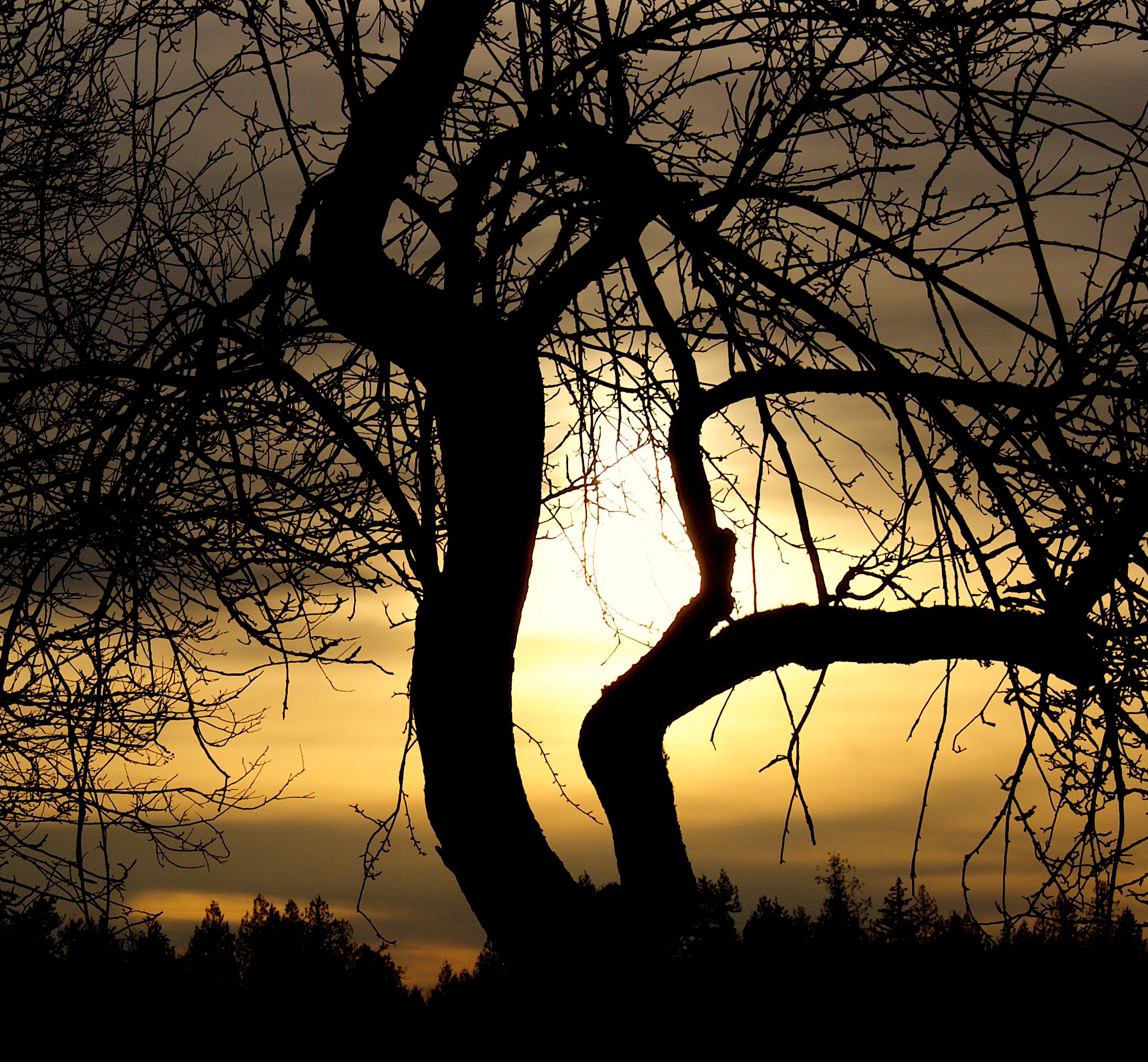
How horses, turned out into the meadow, leap with delight! How doves, released from their cages, clatter away, splashed with sunlight.
But the donkey, tied to a tree as usual, waited. Then he let himself be led away. Then he let the stranger mount.
Never had he seen such crowds! And I wonder if he at all imagined what was to happen. Still, he was what he had always been: small, dark, obedient.
I hope, finally, he felt brave. I hope, finally, he loved the man who rode so lightly upon him, as he lifted one dusty hoof and stepped, as he had to, forward. ~Mary Oliver “The Poet thinks about the donkey” from her book Thirst.
With monstrous head and sickening cry And ears like errant wings…
The tattered outlaw of the earth, Of ancient crooked will; Starve, scourge, deride me: I am dumb, I keep my secret still.
Fools! For I also had my hour; One far fierce hour and sweet: There was a shout about my ears, And palms before my feet. G. K. Chesterton from “The Donkey”
Palm Sunday is a day of dissonance and dichotomy in the church year, very much like the donkey who figured as a central character that day.
Sadly, a donkey gets no respect, then or now – for his plain and awkward hairy looks, for his loud and inharmonious voice, for his apparent lack of strength — yet he was the chosen mode of transportation for a King riding to His death.
There was a motley parade to Jerusalem: cloaks and palms laid at the feet of the donkey bearing the Son of God, disorderly shouts of adoration and blessings, the rebuke of the Pharisees to quiet the people, His response that “even the stones will cry out” knowing what is to come.
But the welcoming crowd waving palm branches, shouting sweet hosannas and laying down their cloaks did not understand the fierce transformation to come, did not know within days they would be a mob shouting words of derision and rejection and condemnation.
The donkey knew because he had been derided, rejected and condemned himself, yet still kept serving. Just as he was given voice and understanding centuries before to protect Balaam from going the wrong way, he could have opened his mouth to tell them, suffering beatings for his effort. Instead, just as he bore the unborn Jesus to Bethlehem and stood over Him sleeping in the manger, just as he bore a mother and child all the way to Egypt to hide from Herod, the donkey would keep his secret well.
Who, after all, would ever listen to a mere donkey?
We would do well to pay attention to this braying wisdom.
The donkey knows – he’s a believer.
He bears the burden we have shirked. He treads with heavy heart over the palms and cloaks we lay down as meaningless symbols of honor. He is the ultimate servant to the Servant.
A day of dichotomy — of honor and glory laid underfoot only to be stepped on, of blessings and praise turning to curses, of the beginning of the end becoming a new beginning for us all.
And so He wept, knowing all this. I suspect the donkey bearing Him wept as well, in his own simple, plain and honest way, and I’m quite sure he kept it as his special secret.
This year’s Lenten theme: So we fix our eyes not on what is seen, but on what is unseen, since what is seen is temporary, but what is unseen is eternal. 2 Corinthians 4: 18
The Palace of Holyroodhouse – The Queen’s residence in Edinburgh, Scotland
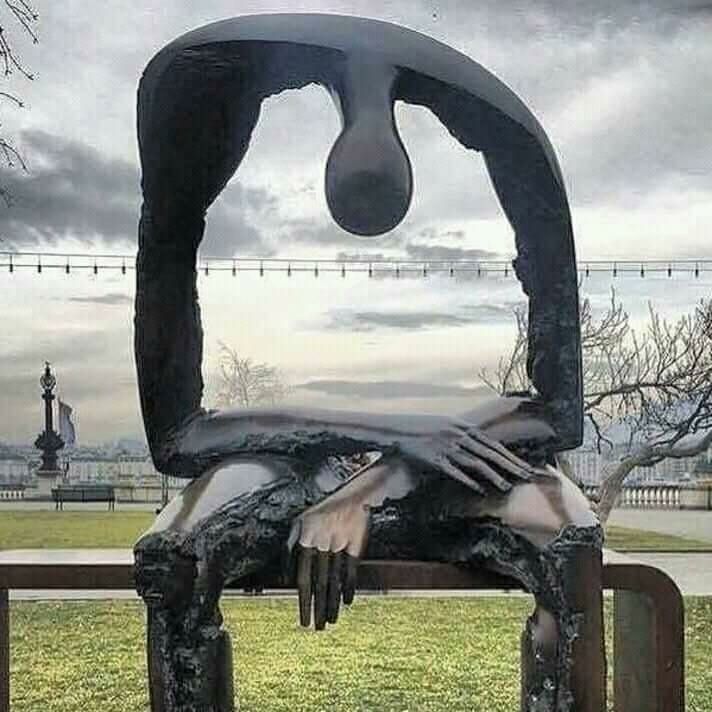
The missing-ness of it all surfaced again I asked, “Grief, do you have anything new?” “No, but you do.”
I suspect this will be our dance You lead; I age. ~Jordan Sleed “Our Dance”
“Melancholie” sculpture by Albert Gyorgy in Switzerland – photo credit unknown
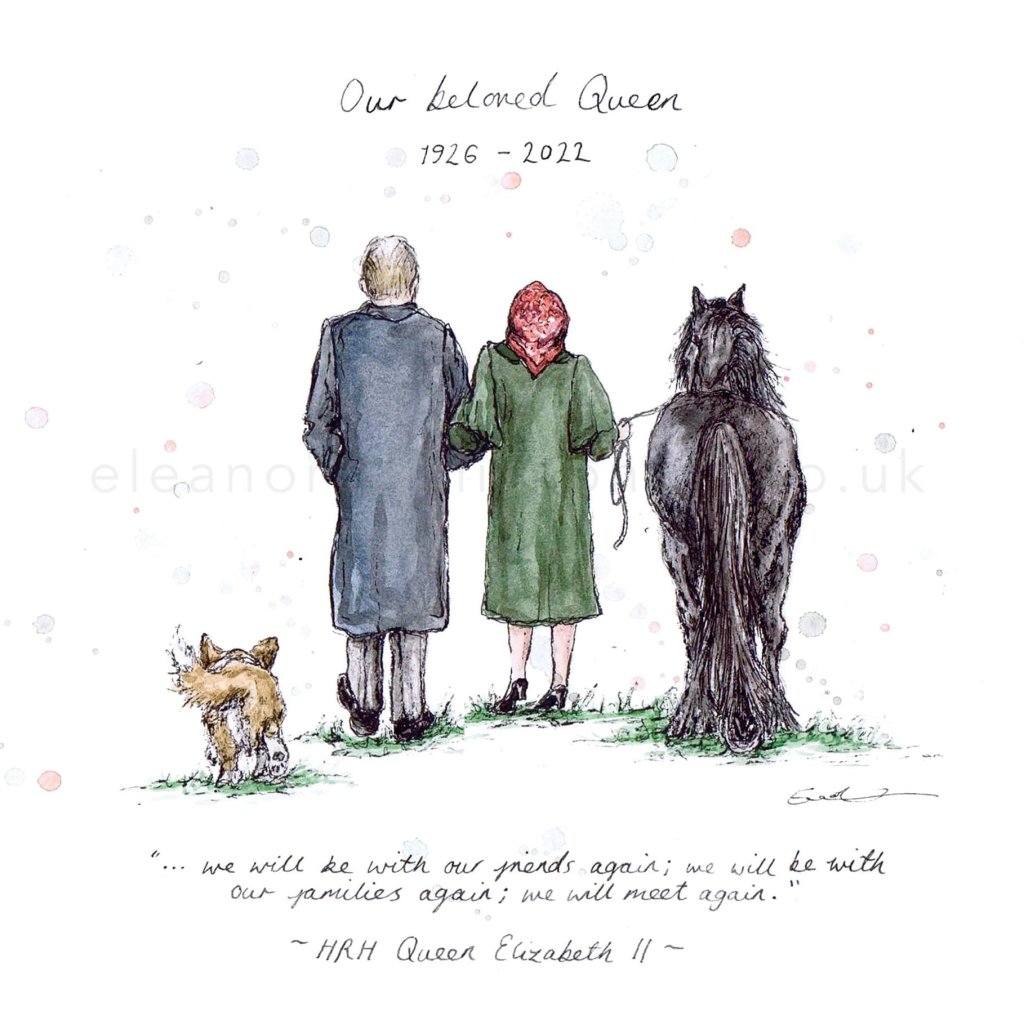
...my whole life, whether it be short or long, will be devoted to your service. ~Elizabeth in a speech on her 21st birthday
I don’t consider myself a monarchist, nor have I carefully tracked the comings and goings of the British Royal Family over my nearly seventy years of life, being a mere youngster compared to the Queen. But like many others around the world yesterday, I was moved to learn of the death of Queen Elizabeth II, only two days after she held an audience (looking very much alive with her broad smile and signature handbag) with the new Prime Minister of the United Kingdom.
Now she has moved on from us, her name and life relegated forever to the history books.
How can I possibly weep and feel grief for the passing of someone I never met, nor could have ever aspired to meet?
This is the strange way of grief — it dances with us throughout our lives, leading us into dark corners we don’t expect to visit. I am grieving for someone who was not born to be queen yet was thrust onto an international stage for 70 years of her life. When she was called to it, she did not shrink from the duty nor did she give up when it became overwhelmingly hard. She made a promise to her people and she delivered on that promise.
I did have an opportunity to speak once with someone who knew the Queen very well and who met with her regularly during her last several decades. He had nothing but great admiration for her character, perseverance, faith and love of family and country.
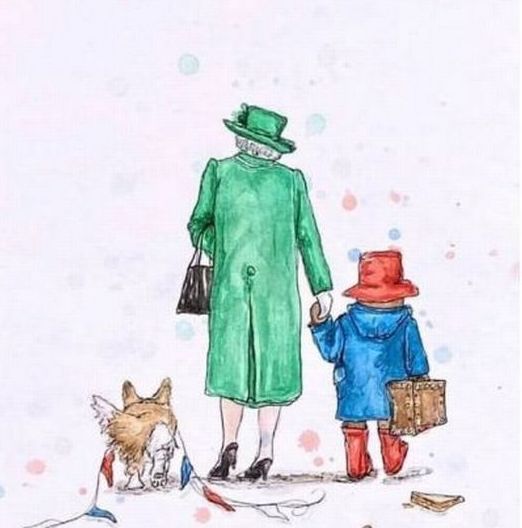
She was the real deal. And anyone who loves corgis and ponies is exactly my cup of tea.
I believe God welcomed her home with open arms just as He embraces the least of us into His Light – to God, we are all royalty, serving with humility and a duty of honor.
Bring us, O Lord God, at our last awakening into the house and gate of heav’n: to enter into that gate and dwell in that house, where there shall be no darkness nor dazzling, but one equal light, no noise nor silence, but one equal music; no fears nor hopes, but one equal possession; no ends nor beginnings, but one equal eternity; in the habitation of thy glory and dominion, world without end. Amen. ~John Donne
One-Time
Monthly
Yearly
Make a one-time or recurring donation to support daily Barnstorming posts
What is this life if, full of care, We have no time to stand and stare?—
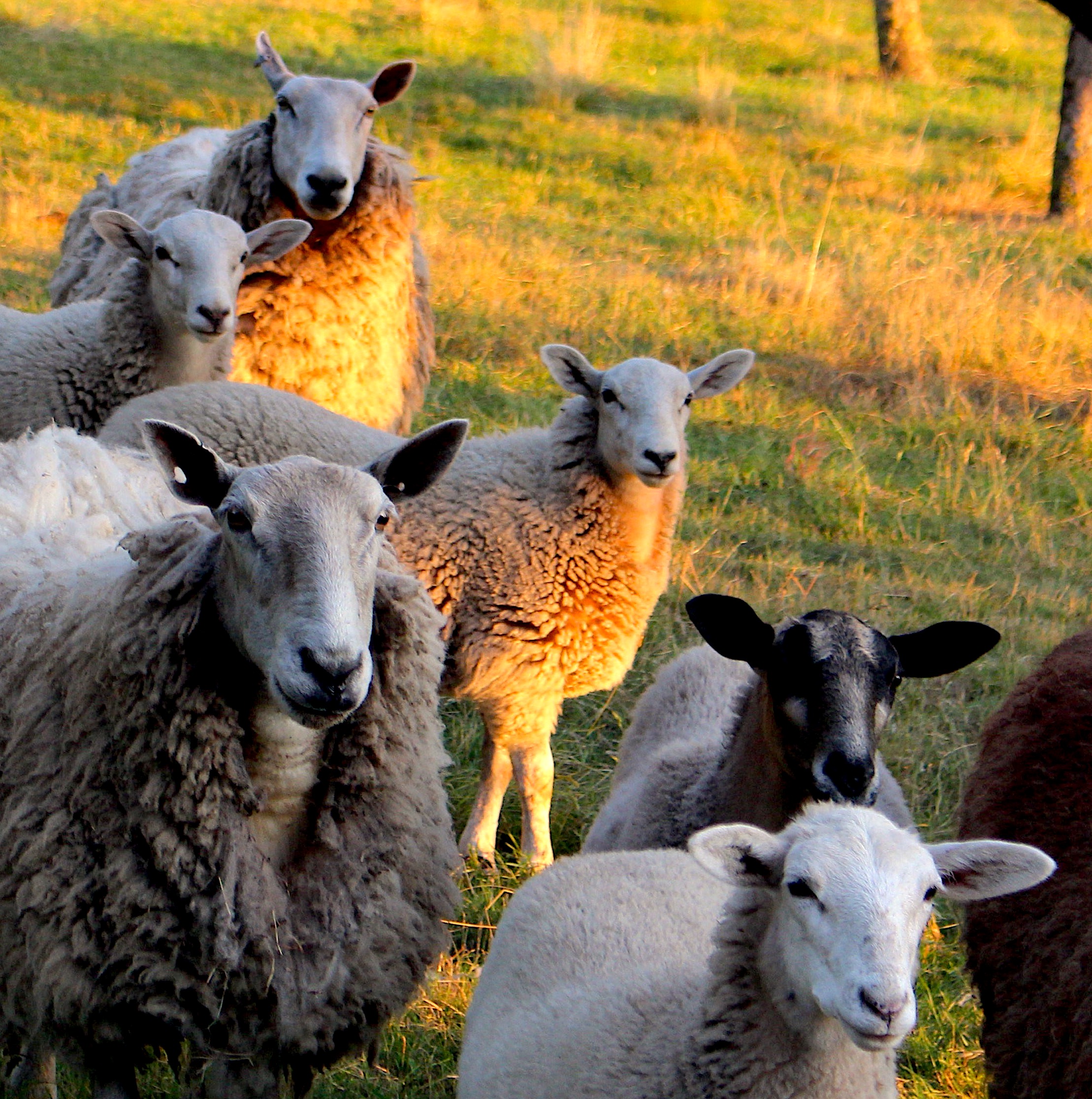
No time to stand beneath the boughs, And stare as long as sheep and cows:
No time to see, when woods we pass, Where squirrels hide their nuts in grass:
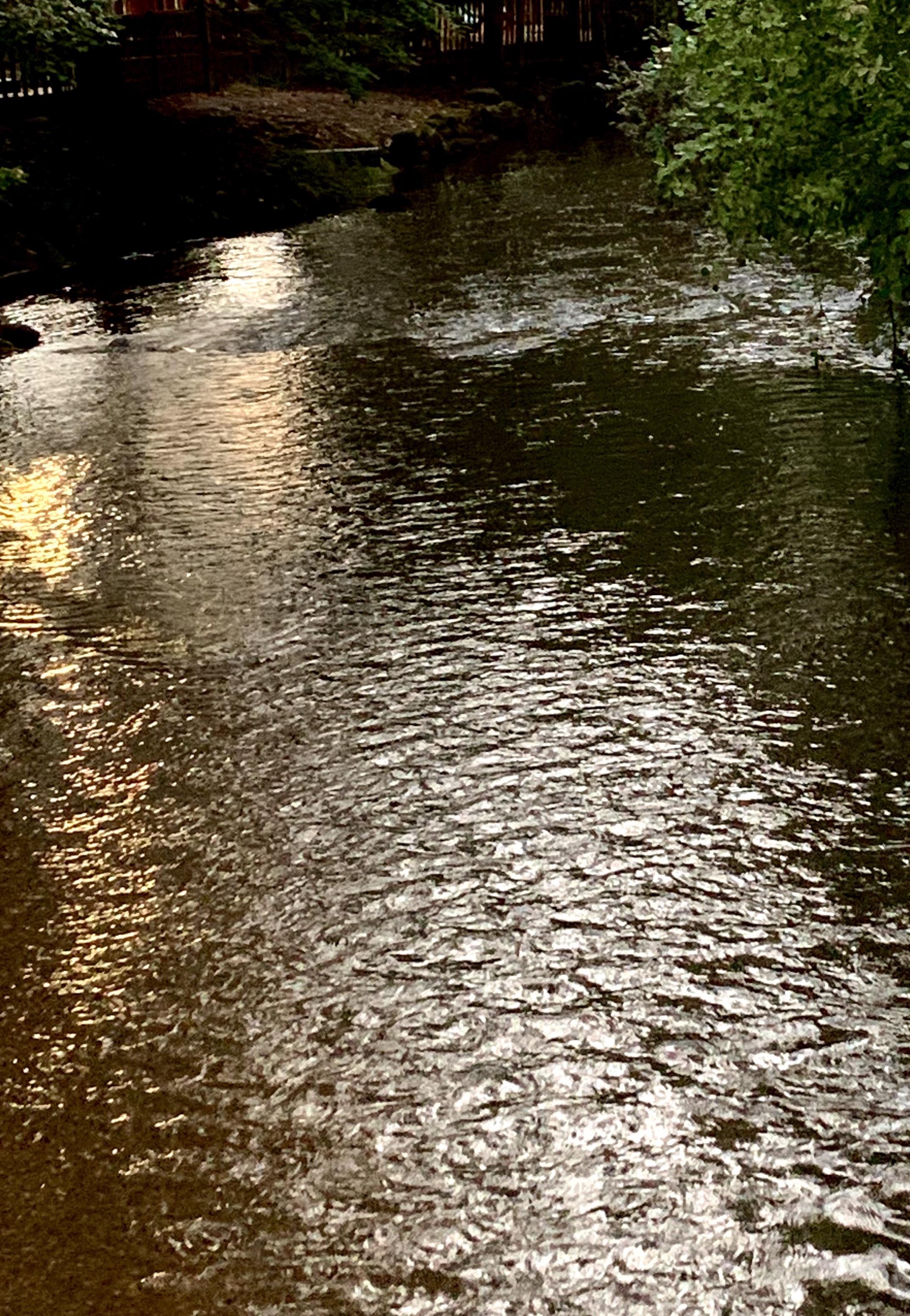
No time to see, in broad daylight, Streams full of stars, like skies at night:
No time to turn at Beauty’s glance, And watch her feet, how they can dance:
No time to wait till her mouth can Enrich that smile her eyes began?
A poor life this if, full of care, We have no time to stand and stare. ~W.H. Davies “Leisure”
…I believe there are certain habits that, if practiced, will stimulate the growth of humble roots in our lives. One of those is a habit of awe and wonder.
By awe and wonder, I mean the regular practice of paying careful attention to the world around us. Not merely seeing but observing. Perceiving. Considering. Asking thoughtful questions about what we see, smell, hear, touch, taste. In other words, attending with love and curiosity to what our senses sense. (How often do we eat without tasting? How often do we look without seeing? Hear without listening?) Admiring, imagining, receiving the beauty of the world around us in a regular, intentional way: this is the habit of a wonder-filled person. And it leads to humility.
A regular habit of awe and wonder de-centers us. It opens a window in our imaginations, beckoning us to climb out of our own opinions and experiences and to consider things greater and beyond our own lives. It strengthens our curiosity, which in turn lowers the volume on our anxieties and grows our ability to empathize. Over time, we become less self-focused and can admit without embarrassment what we don’t know. In short, we grow more humble. ~Kelly Givens from “Teaching Children to See” from Mere Orthodoxy
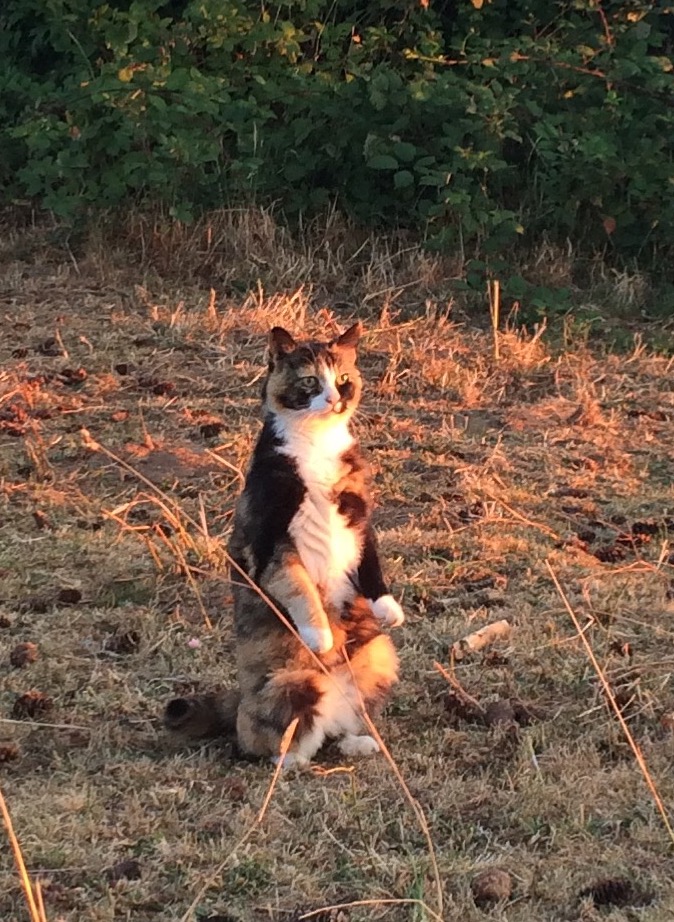
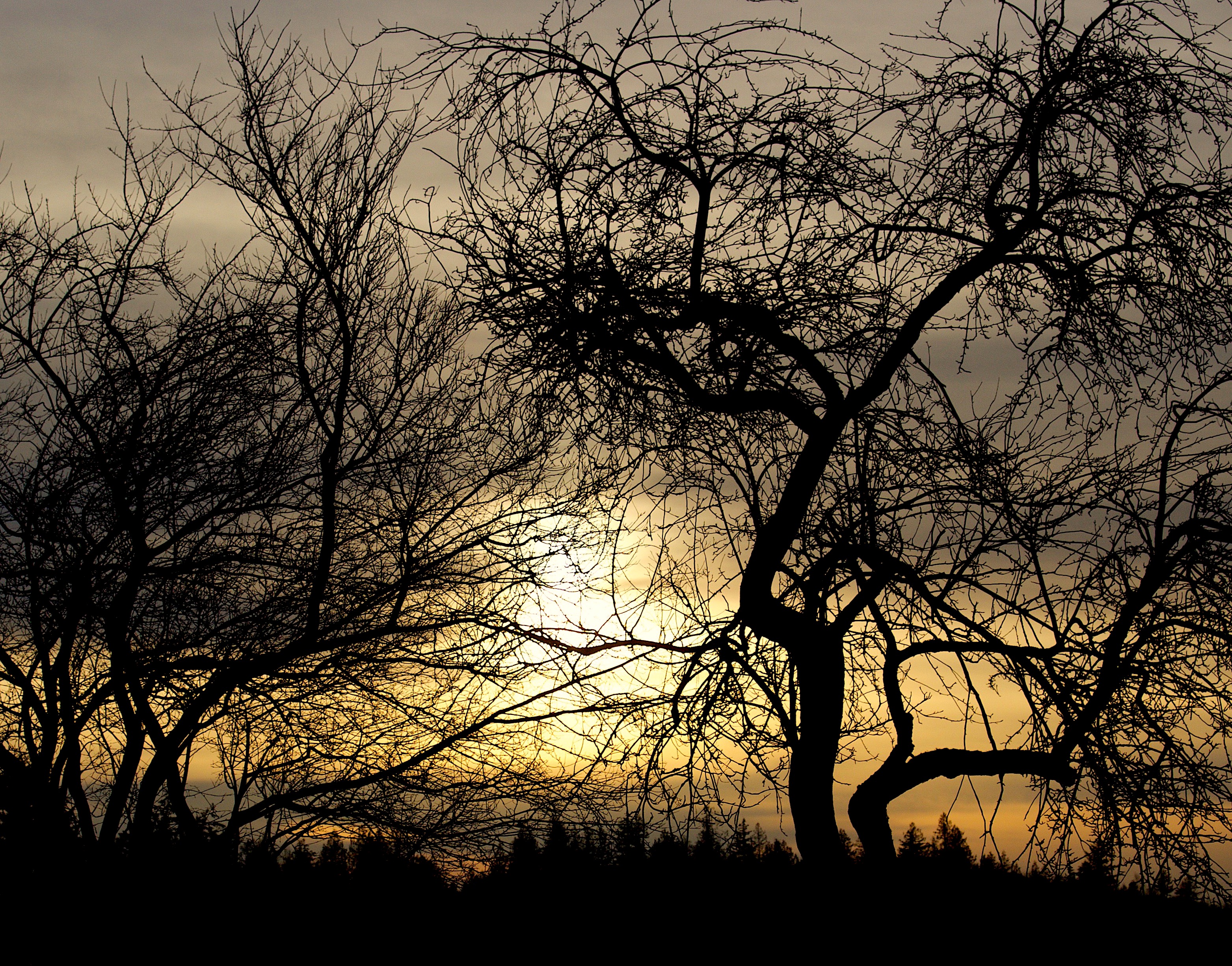
This would be a poor life indeed if we didn’t take time to stand and stare at all that is displayed before us – whether it is the golden cast at the beginning and endings of the days, the light dancing in streams or simply staring at God’s creatures staring back at us.
I need to be a child for a minute, an hour, a day, a week, or forever, just to experience the wonder of what is before me. There is nothing sweeter.
One-Time
Monthly
Yearly
Make a one-time or recurring donation to support daily Barnstorming posts
As nightfall does not come at once, neither does oppression. In both instances, there is a twilight when everything remains seemingly unchanged. And it is in such twilight that we all must be most aware of change in the air – however slight – lest we become unwitting victims of the darkness. ~William O. Douglasin a 1976 letter to Young Lawyers of the Washington State Bar Association
Through our scientific and technological genius, we have made of this world a neighborhood and yet we have not had the ethical commitment to make of it a brotherhood.
We must all learn to live together as brothers or we will all perish together as fools. We are tied together in the single garment of destiny, caught in an inescapable network of mutuality. And whatever affects one directly affects all indirectly.
This is the way God’s universe is made; this is the way it is structured.
John Donne caught it years ago and placed it in graphic terms: “No man is an island entire of itself. Every man is a piece of the continent, a part of the main.” And he goes on toward the end to say, “Any man’s death diminishes me because I am involved in mankind; therefore send not to know for whom the bell tolls; it tolls for thee.”
We must see this, believe this, and live by it… ~Martin Luther King Jr. from a sermon in A Knock At Midnight
Do you know why this world is as bad as it is? It is because people think only about their own business, and won’t trouble themselves to stand up for the oppressed, nor bring the wrong-doers to light. My doctrine is this, that if we see cruelty or wrong that we have the power to stop, and do nothing, we make ourselves sharers in the guilt. ~Anna Sewell from Black Beauty
Dr. King’s words and wisdom still inform us of our shortcomings.
We flounder in brokenness despite our shared global neighborhood, despite an inescapable mutuality and commitment to brotherhood.
We still stand apart from one another; even as the bell tolls, we suffer divisiveness from a lack of humility, grace and love.
Perhaps today, for a day, for a week, for a year, we can unite in our shared tears: shed for continued strife and disagreement, shed for injustice that results in senseless killings, shed for our inability to hold up one another as brothers and sisters holy in God’s eyes.
We weep together as the light dawns on this day, knowing as Dr. King knew: a new day will come when the Lord God wipes tears away from all faces and all colors — a brotherhood created exactly as He intends.
…the little baby, born in such pitiful humility and cut down as a young man in his prime, commands the allegiance of millions of people all over the world. Although they have never seen him, he has become friend and companion to innumerable people. This undeniable fact is, by any measurement, the most astonishing phenomenon in human history.
That is why … we should not try to escape a sense of awe, almost a sense of fright, at what God has done. We must never allow anything to blind us to the true significance of what happened at Bethlehem so long ago. Nothing can alter the fact that we live on a visited planet.
We shall be celebrating no beautiful myth, no lovely piece of traditional folklore, but a solemn fact. God has been here once historically, but, as millions will testify, he will come again with the same silence and the same devastating humility into any human heart ready to receive him. ~J.B. Phillips from “The Dangers of Advent” inWatch for the Light: Readings for Advent and Christmas.
During this month of advent waiting, I am, once again, humbled by the fact of our God not only “visiting” His children within His created world, but becoming one with us. He committed Himself to far more than a brief visit; He came to rescue us from ourselves. That we are valued enough to warrant this – that our spiritual deterioration necessitates His humble sacrifice – is astonishing.
In Philippians 2:Though he was God, he did not think of equality with God as something to cling to. Instead, he gave up his divine privileges; he took the humble position of a slave and was born as a human being. When he appeared in human form, he humbled himself in obedience to God and died a criminal’s death on a cross. (2:6-8)
The story of Christ come to earth is the beginning of His earthly life of humility and obedience, to remind us how our story will conclude at the end of time. He calls us to model humility and obedience throughout the Advent season, and until He comes again.
As in the song below:
Dark and cheerless is the morn Till Your love in me is born Joyless is the evening sun ‘till Emmanuel has come
This is no brief visit. The Light has come to stay put and stay on.
Christ whose glory fills the skies Christ the Everlasting Light Son of Righteousness arise Triumph o’er these shades of night
Come Thou long awaited one In the fullness of Your Love Loose this heart bound up by shame And I will never be the same
So here I wait in hope of You, My soul’s longing through and through Dayspring from on high be near Daystar in my heart appear
Dark and cheerless is the morn ‘Till Your love in me is born Joyless is the evening sun ‘till Emmanuel has come
So here I wait in hope of You, My soul’s longing through and through Dayspring from on high be near Daystar in my heart appear So here I wait in hope of You, My soul’s longing through and through Dayspring from on high be near Daystar in my heart appear ~Christy Nockels “Advent Hymn”
Now may the fragrance of His peace Soar through your heart like the dove released Hide in His wings oh weary, distant soul He’ll guide your spirit home And may His love poured from on high Flow to the depths of your deepest sigh Oh come and drink from the only living stream And on His shoulder lean And may the hope that will not deceive Through every pain bring eternal ease There is no night that can steal the promises His coming brings to us So may His joy rush over you Delight in the path He has called you to May all your steps walk in Heaven’s endless light Beyond this Christmas night (Make your sole purpose Christ) ~Keith and Kristyn Getty
This year’s Barnstorming Advent theme “… the Beginning shall remind us of the End” is taken from the final lines in T.S. Eliot’s poem “The Cultivation of Christmas Trees”