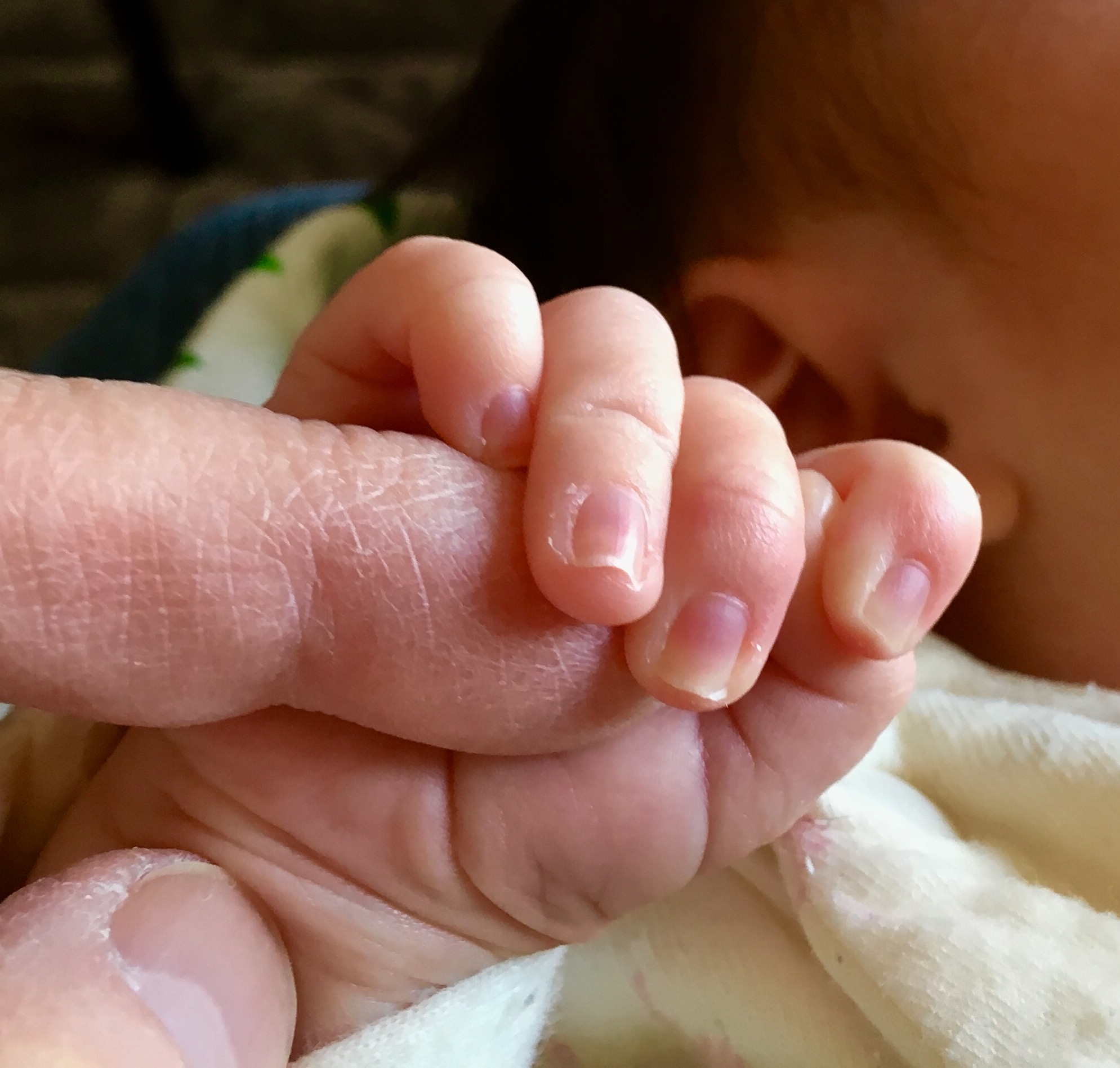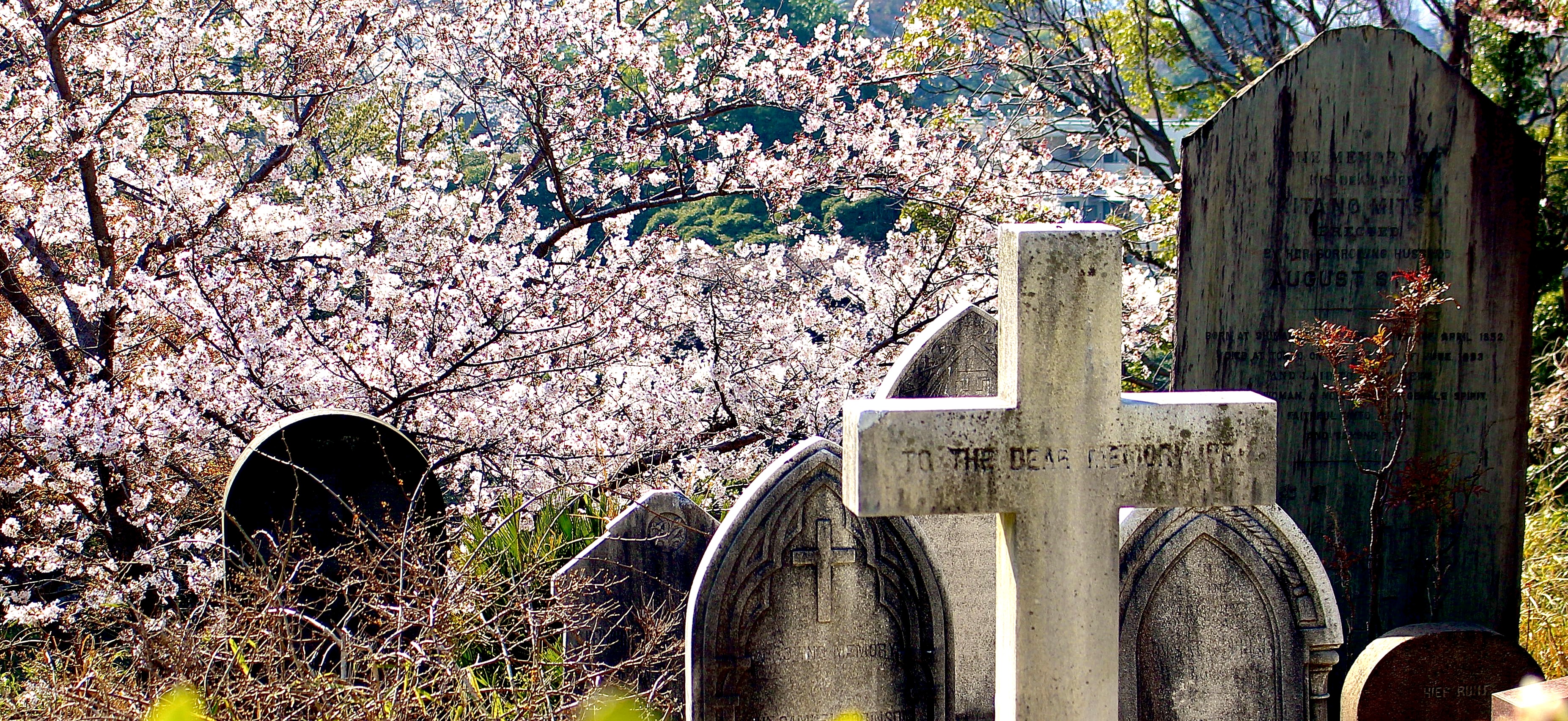
Gathered Here Together

Dearly.
How was it used?
Dearly beloved.
Dearly beloved, we are gathered.
Dearly beloved, we are gathered here
in this forgotten photo album
I came upon recently.

Dearly beloved, gathered here together
in this closed drawer,
fading now, I miss you.
I miss the missing, those who left earlier.
I miss even those who are still here.
I miss you all dearly.
Dearly do I sorrow for you.


Sorrow: that’s another word
you don’t hear much anymore.
I sorrow dearly.
~Margaret Atwood from “Dearly”

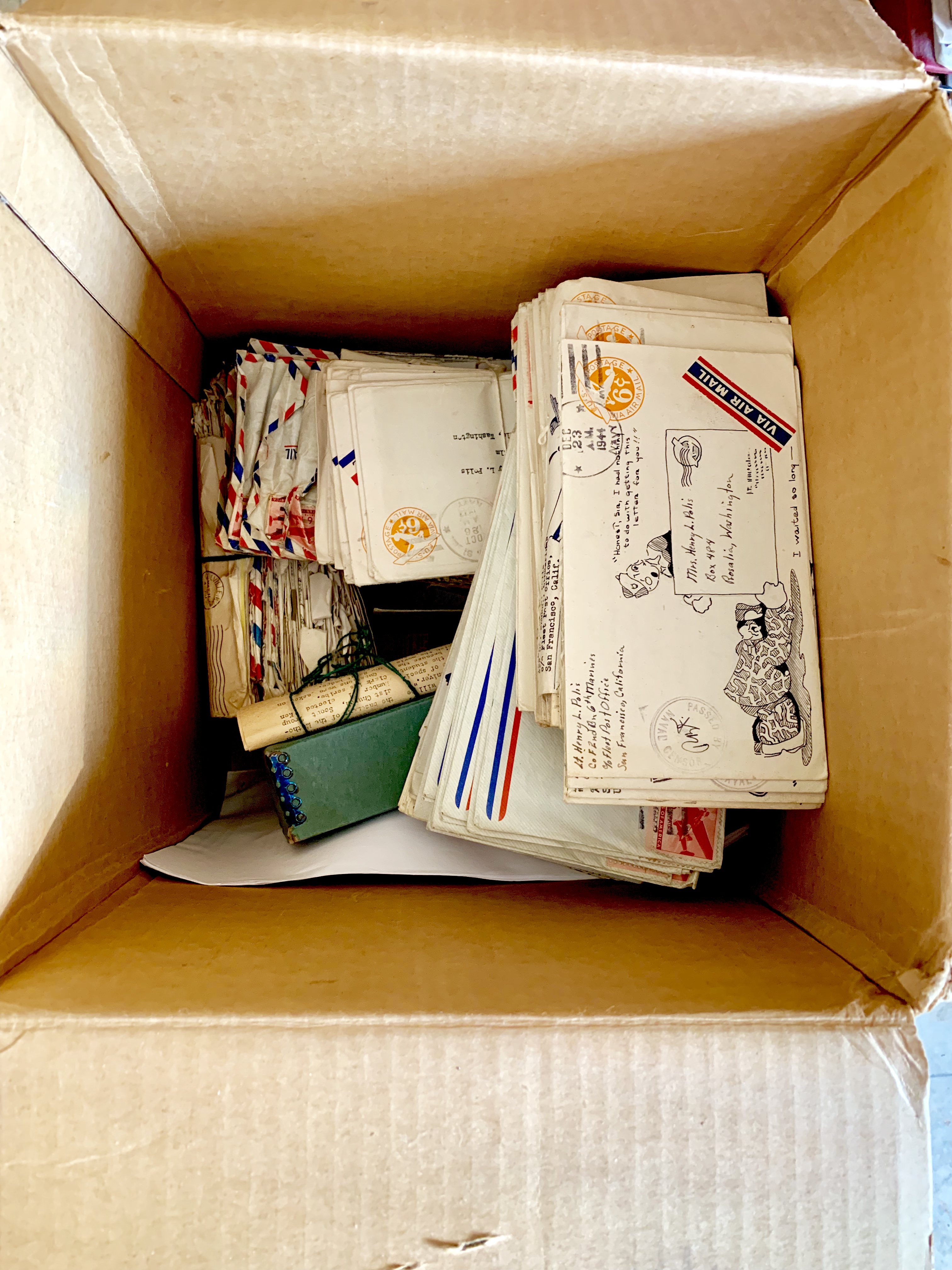
All day we packed boxes.
We read birth and death certificates.
The yellowed telegrams that announced
our births, the cards of congratulations
and condolences, the deeds and debts,
love letters, valentines with a heart
ripped out, the obituaries.
We opened the divorce decree,
a terrible document of division and subtraction.
We leafed through scrapbooks:
corsages, matchbooks, programs to the ballet,
racetrack, theater—joy and frivolity
parceled in one volume—
painstakingly arranged, preserved
and pasted with crusted glue.
We sat in the room in which the beloved
had departed. We remembered her yellow hair
and her mind free of paradox.
We sat together side by side
on the empty floor and did not speak.
There were no words
between us other than the essence
of the words from the correspondences,
our inheritance—plain speak,
bereft of poetry.
~Jill Bialosky “The Guardians” from The Players.

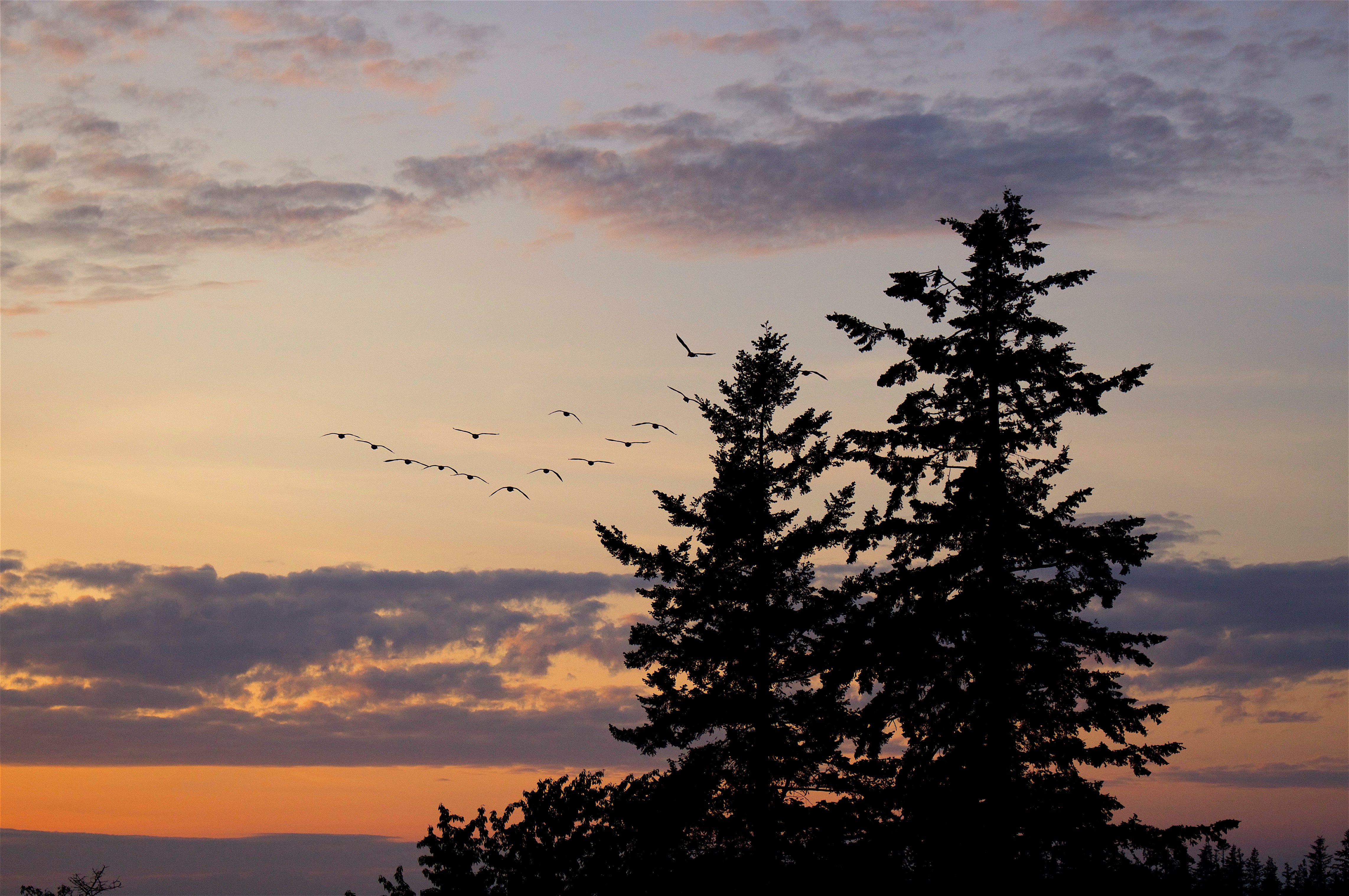
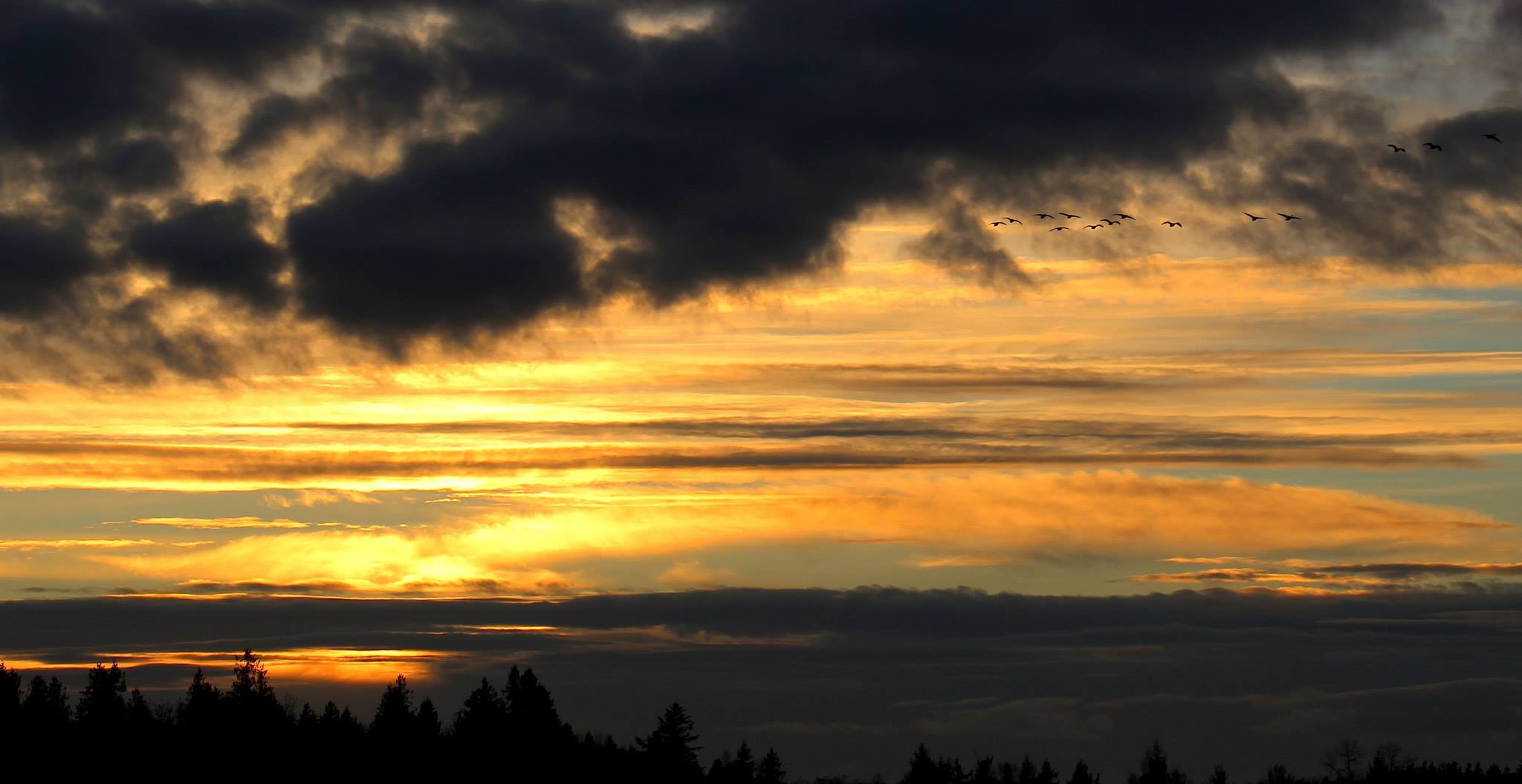
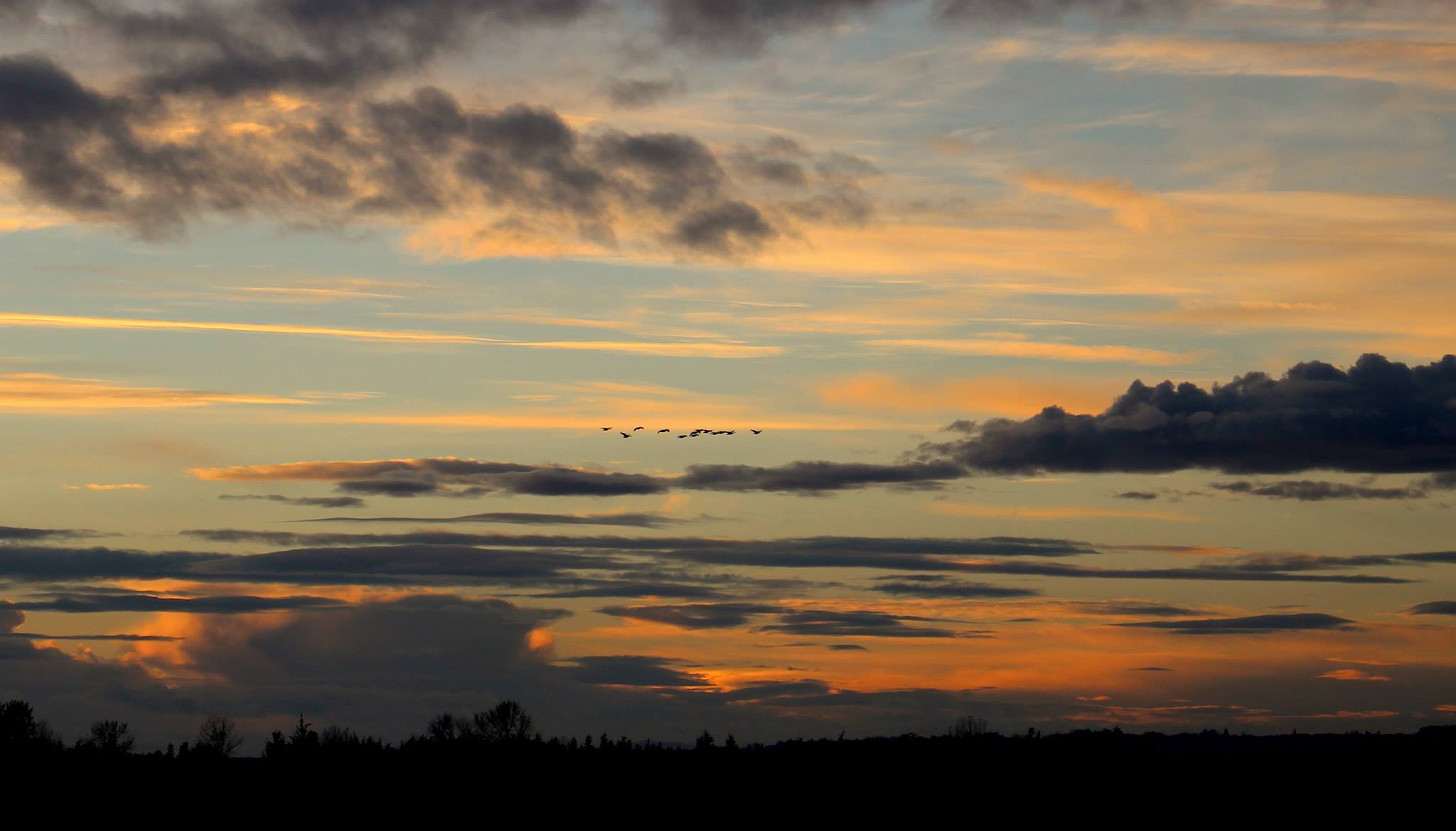
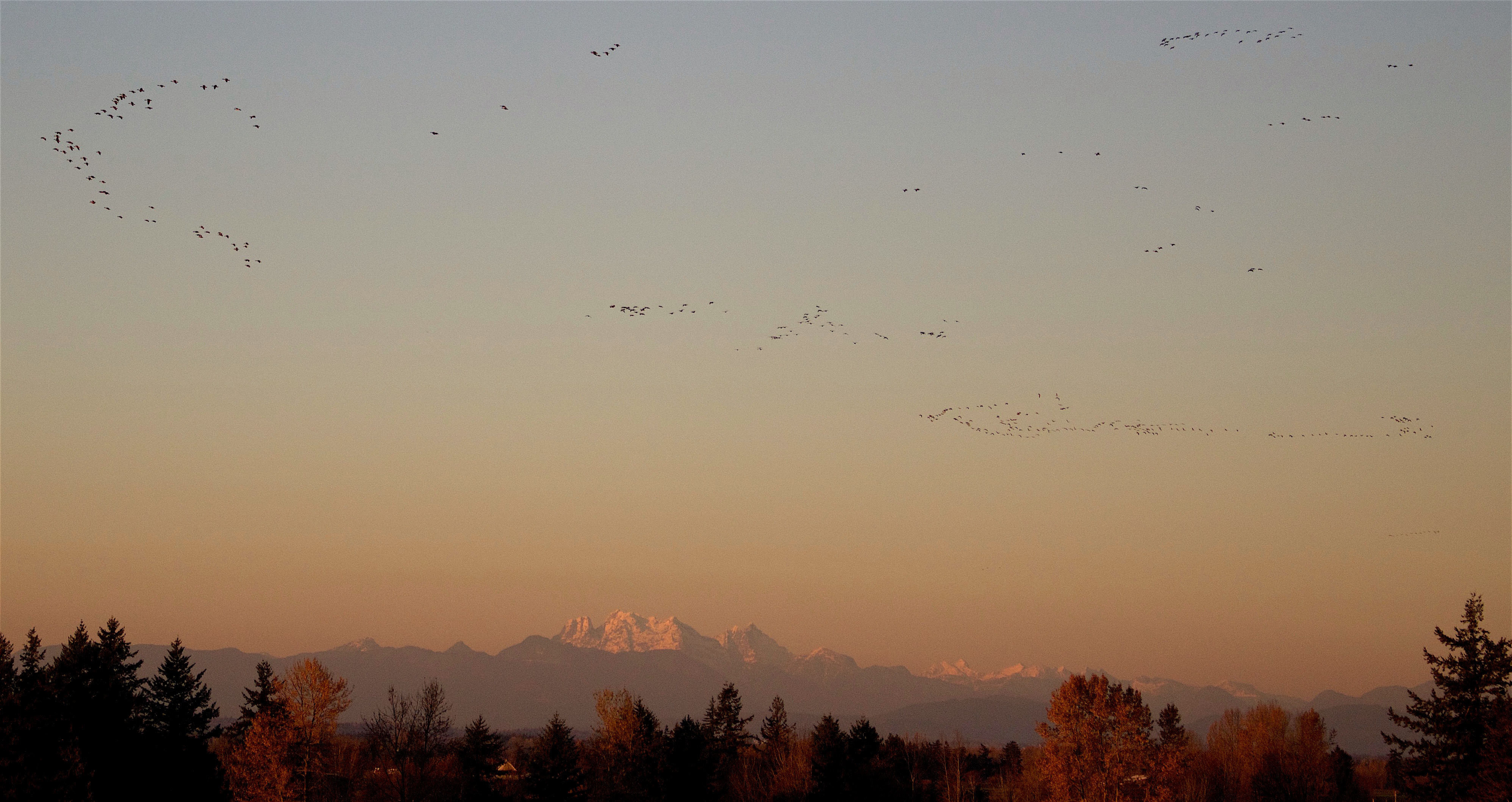
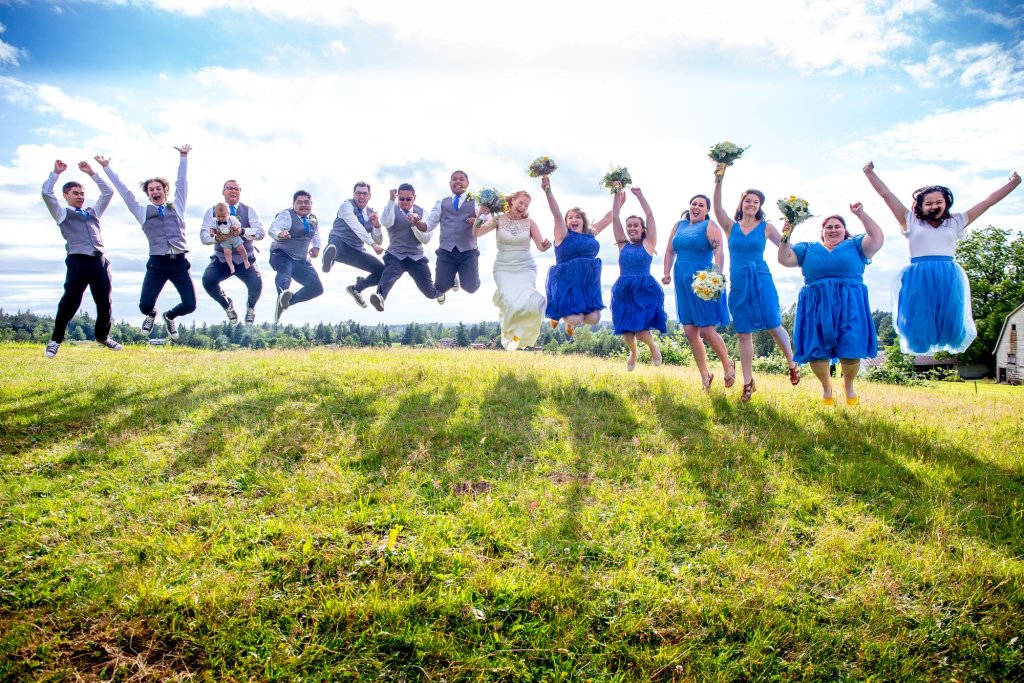
This time of year, huge flocks of migrating birds pass noisily overhead, striving together in their united effort to reach home. I envy their shared instinct to gather together with purpose.

Human families can be far more scattered and far less harmonious, yet still plenty noisy.

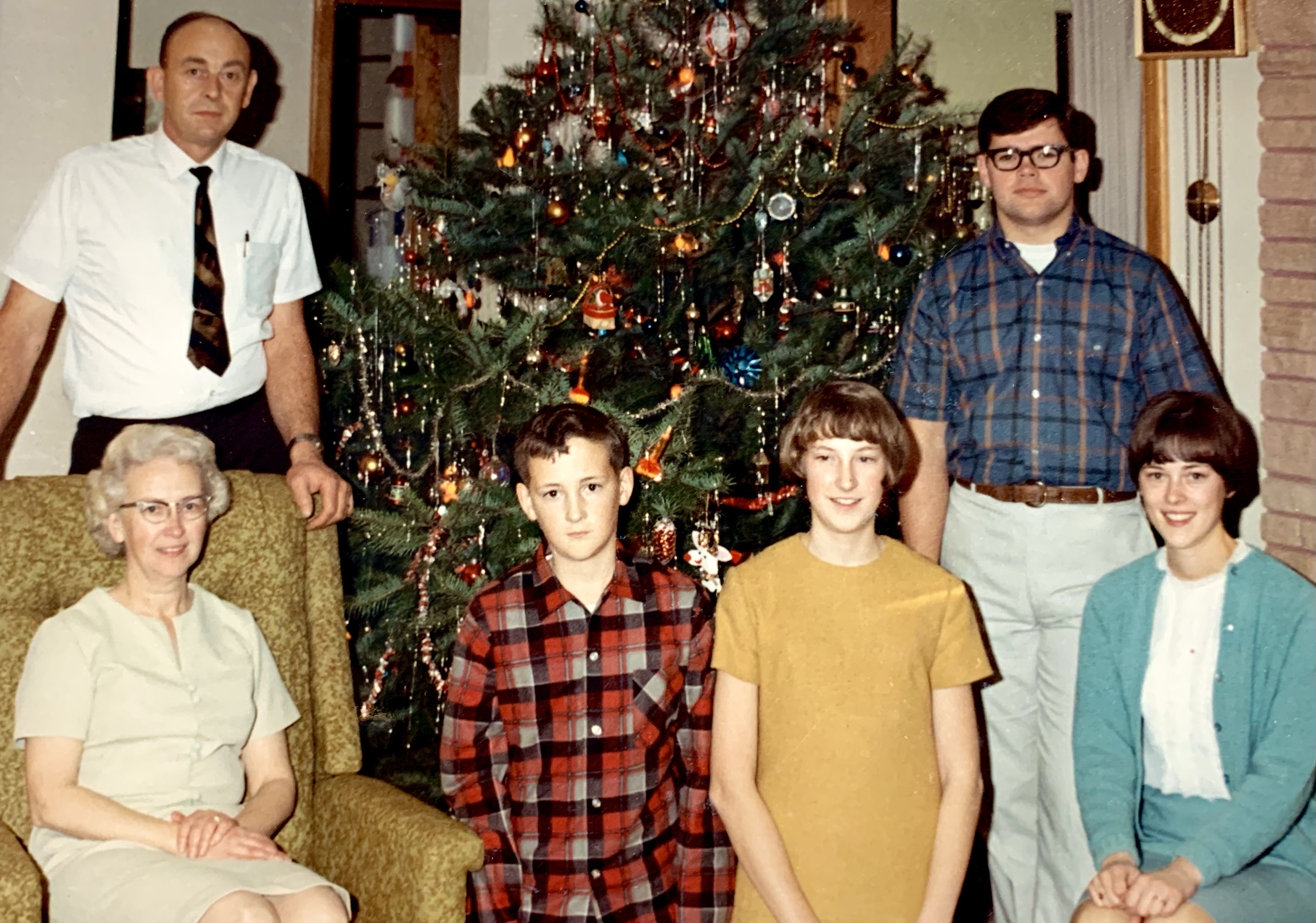
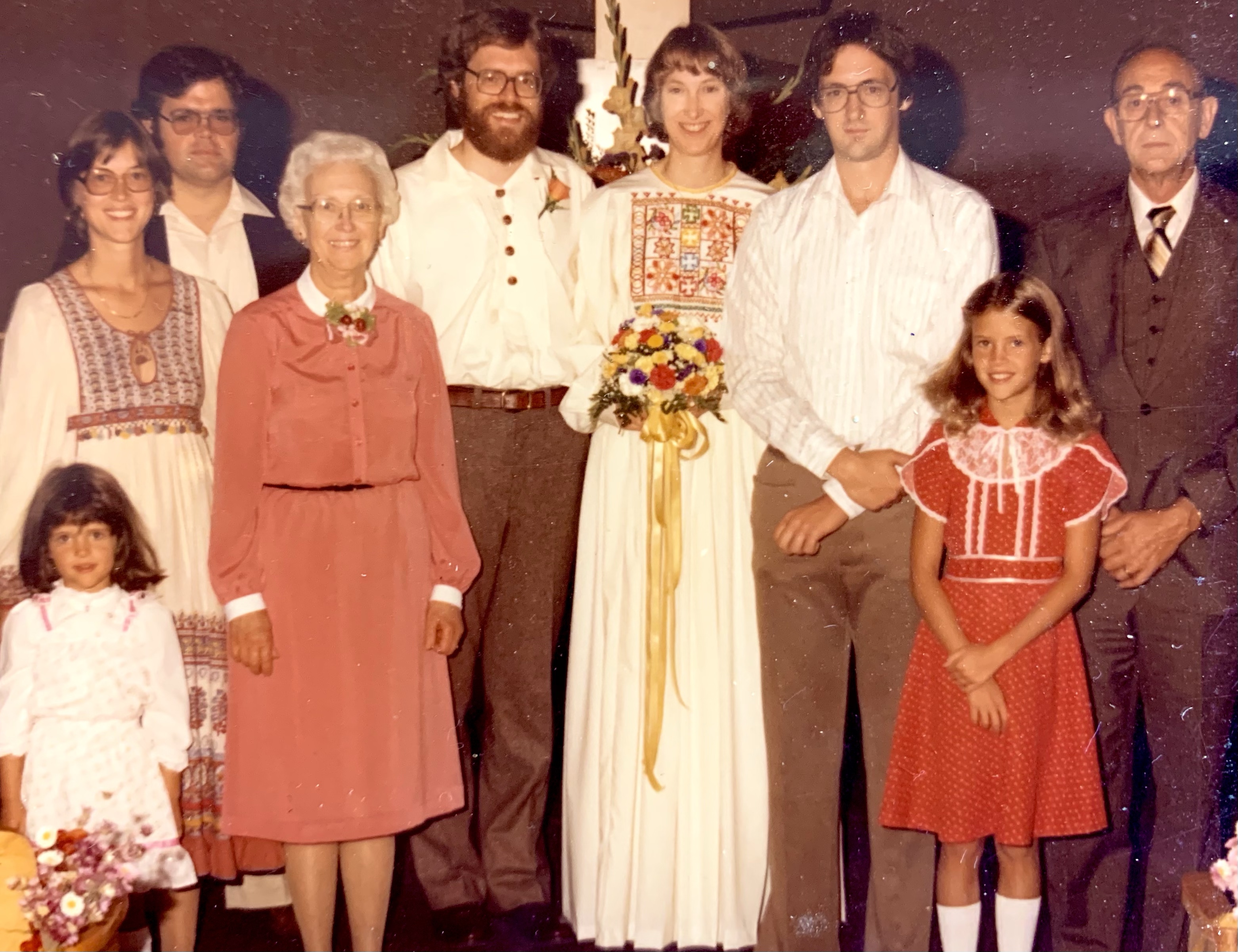
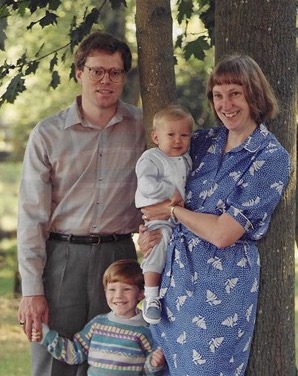
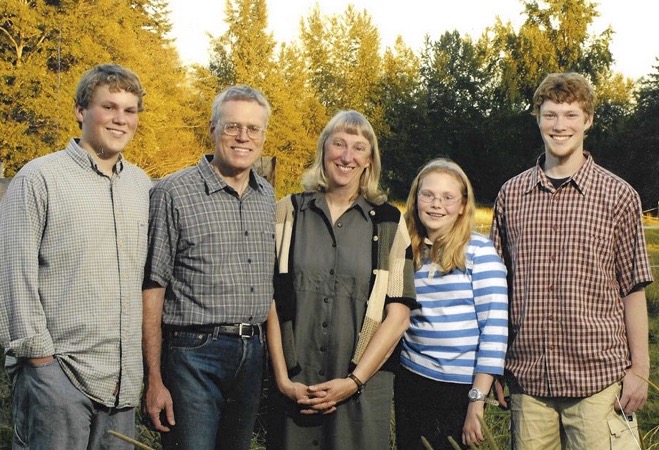
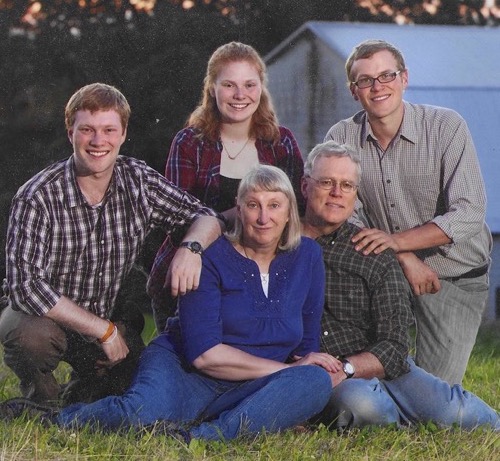
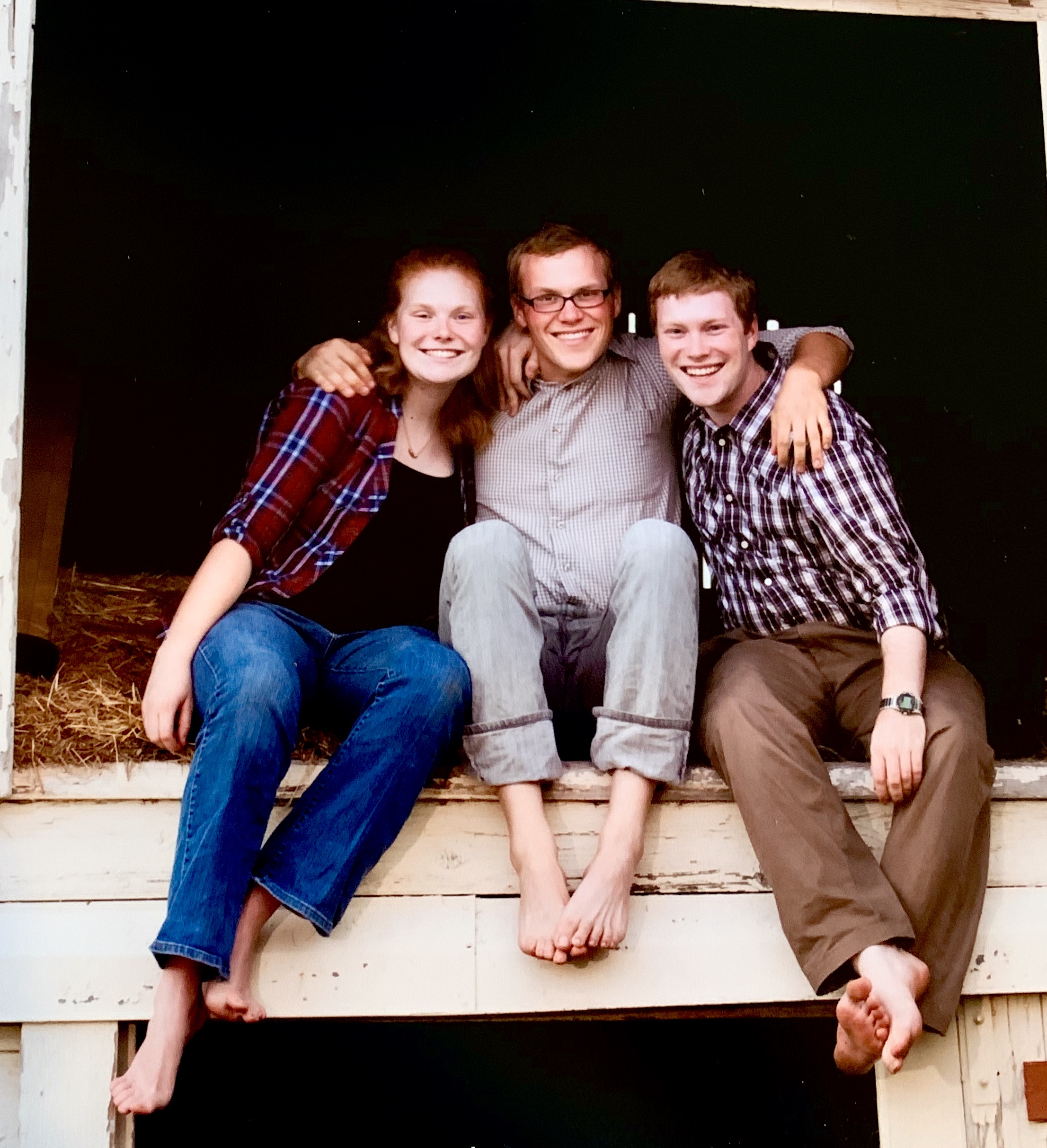
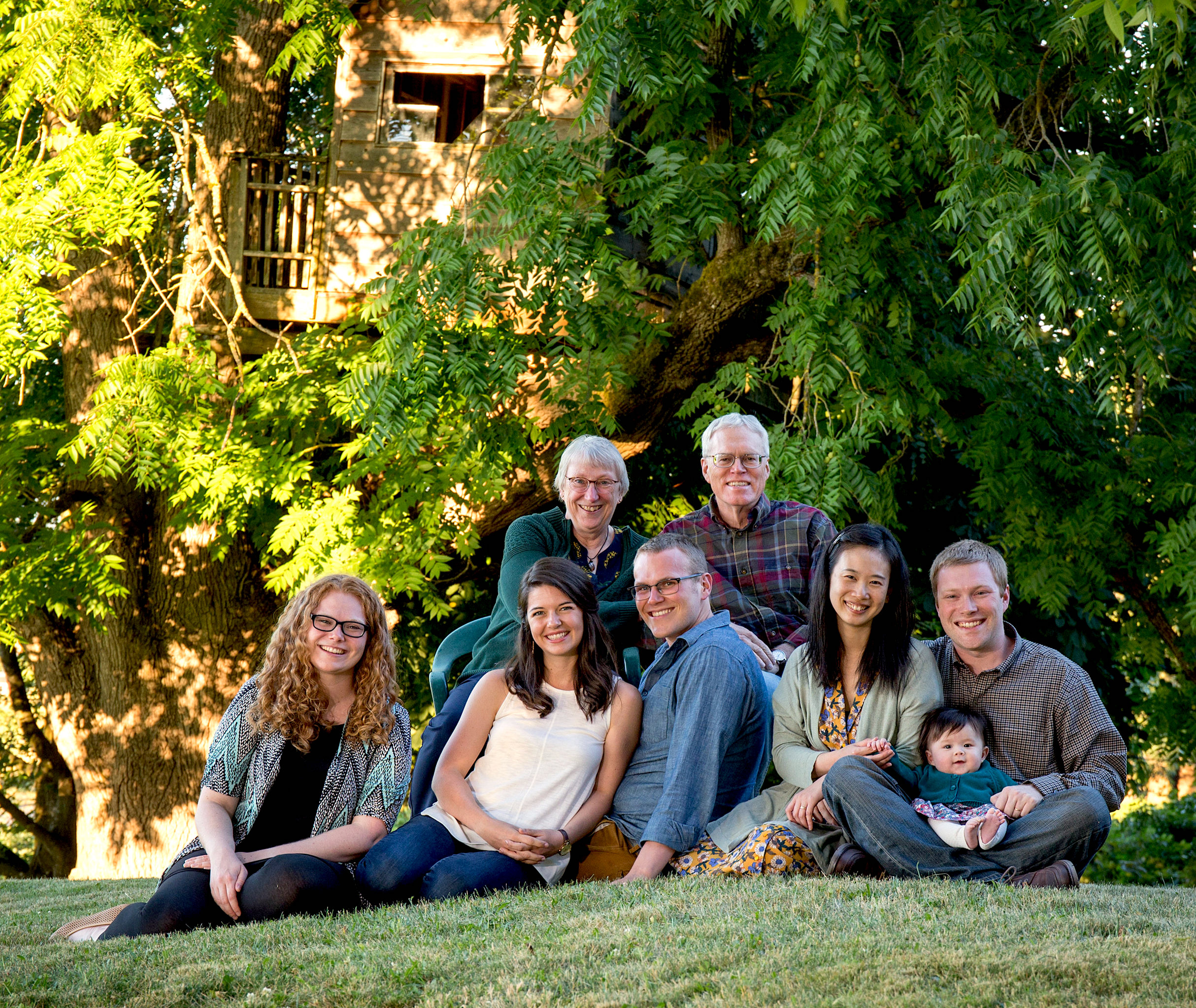
Through these holiday weeks, I take time to remember those who left this life long ago. It is bittersweet to be all together only in a photo album, with youth and smiles preserved indefinitely.

In a flash of time, three generations have passed: children have had children who now have children. Newlyweds have become grandparents, trying valiantly to fit the shoes of those who came before.

In our own eventual leave-taking, we will become the missing to be missed. There will come along new generations – those we will never meet – who will turn the pages of photograph albums and writings and wonder aloud about these unknown people from whom they descend.

Dearly beloved,
we who are missing are right here,
waiting in a drawer or a file or a book on the shelf,
ready to share, in plain words bereft of poetry,
all our love and hopes and sorrows for you,
the future generations to come.

One-Time
Monthly
Yearly

Make a one-time and recurring donation to support daily ad-free Barnstorming posts

Make a monthly donation

Make a yearly donation

Choose an amount

$10.00
$25.00
$50.00
$5.00
$15.00
$100.00
$5.00
$15.00
$100.00

Or enter a custom amount

$

Your contribution is deeply appreciated.

Your contribution is appreciated.

Your contribution is appreciated.

DonateDonate monthlyDonate yearly
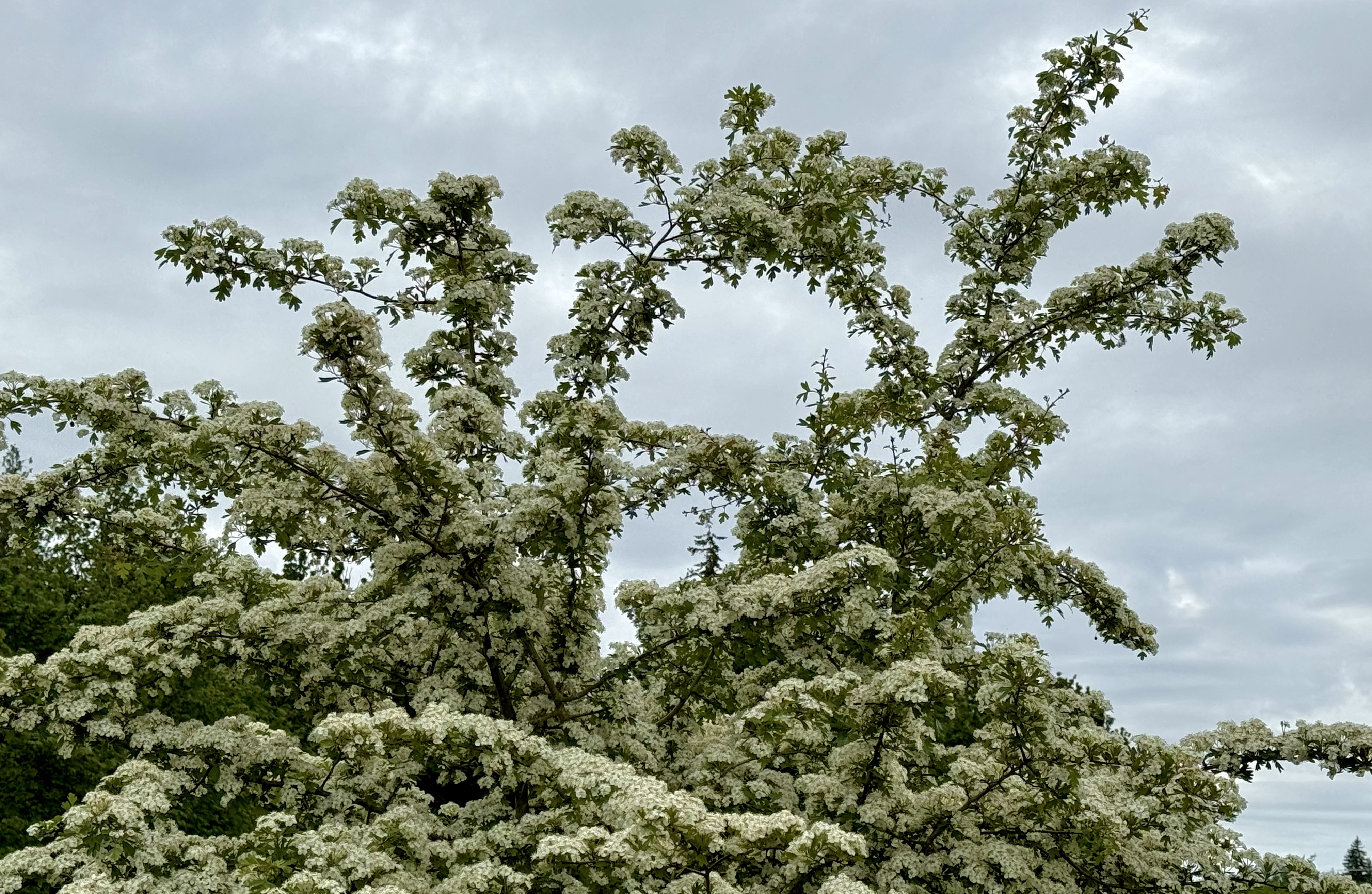
Moments Out of Sight

A neighborhood.
At dusk.

Things are getting ready
to happen
out of sight.

Stars and moths.
And rinds slanting around fruit.

But not yet.

One tree is black.
One window is yellow as butter.

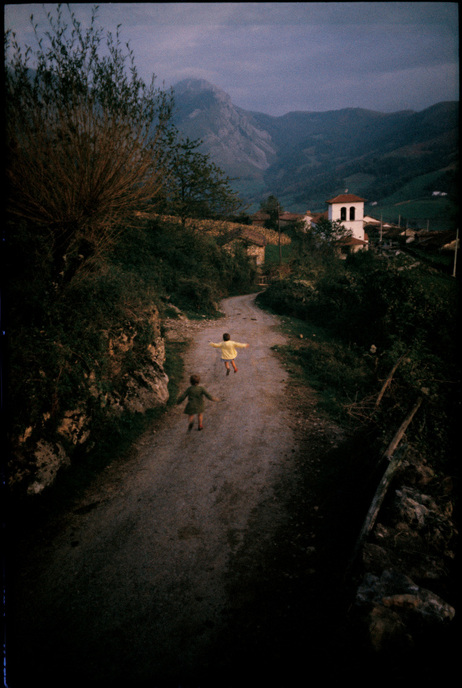
A woman leans down to catch a child
who has run into her arms
this moment.

Stars rise.
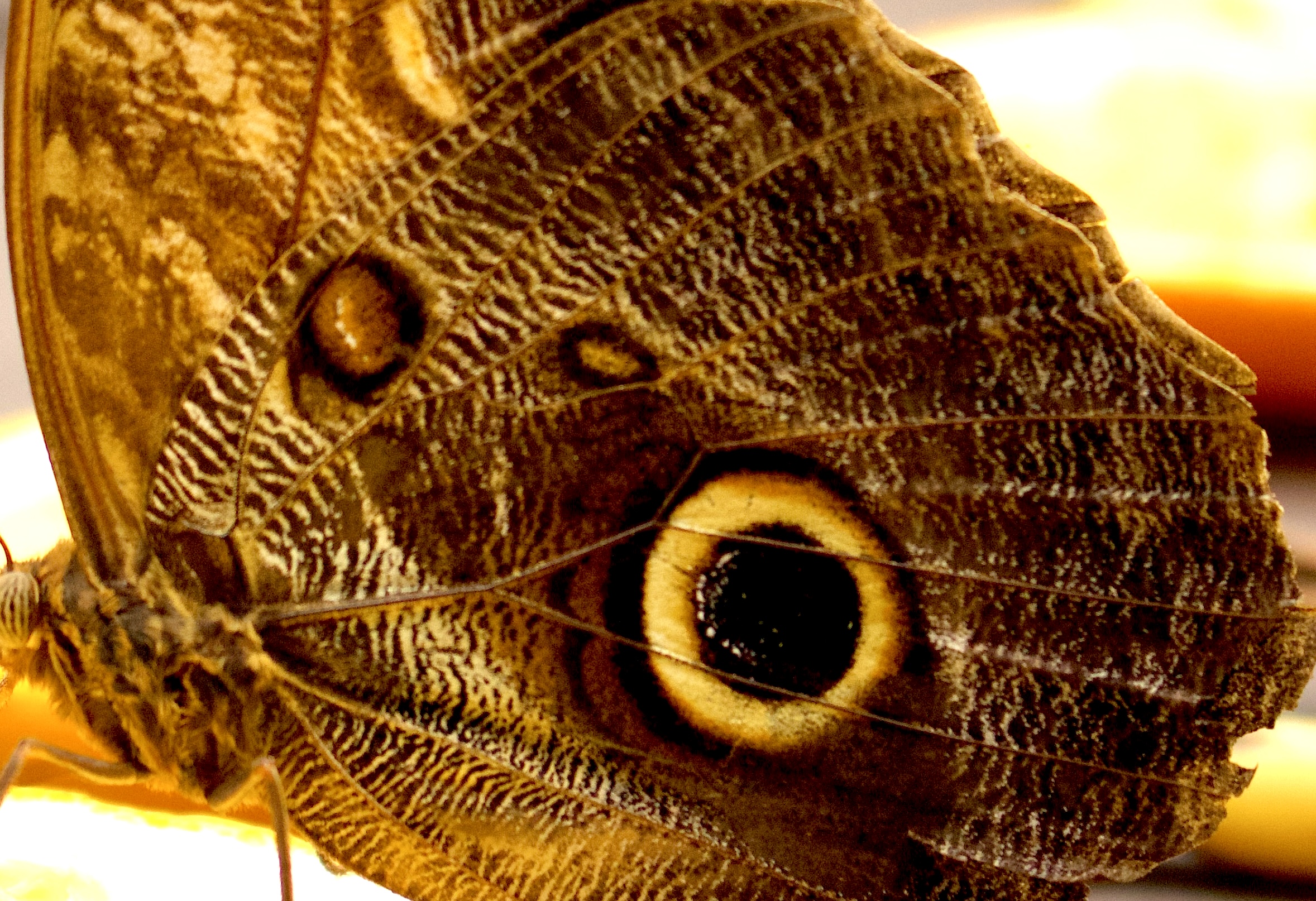
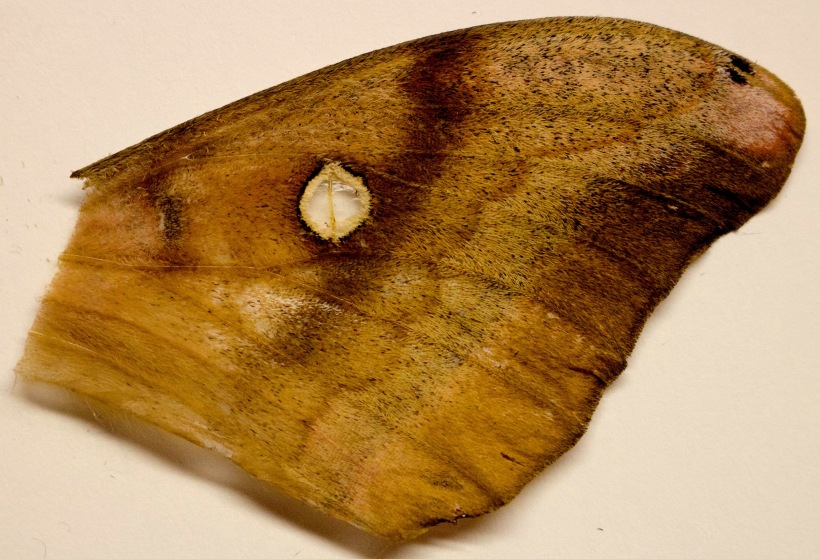
Moths flutter.
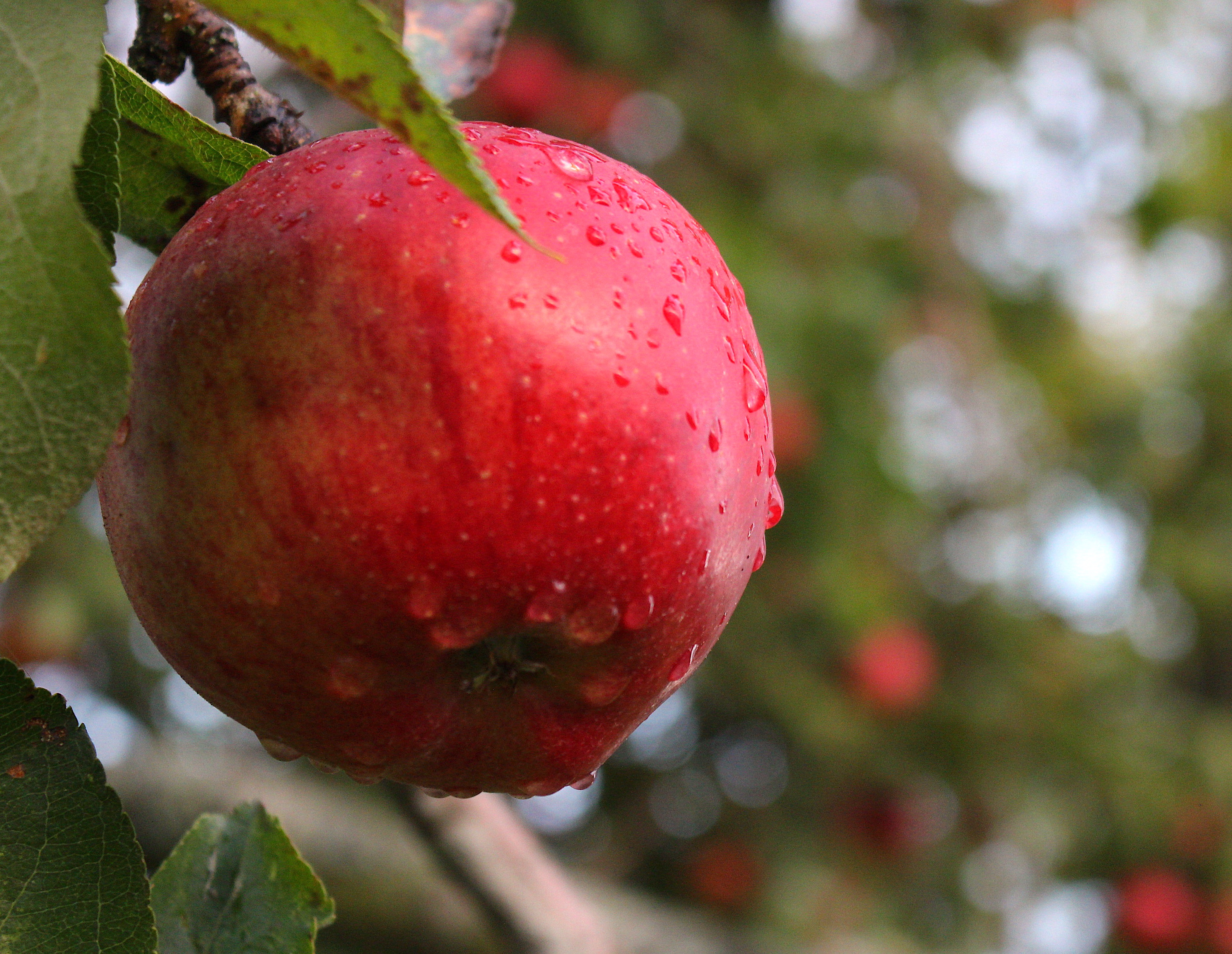
Apples sweeten in the dark.

~Eavan Boland “This Moment” from In a Time of Violence

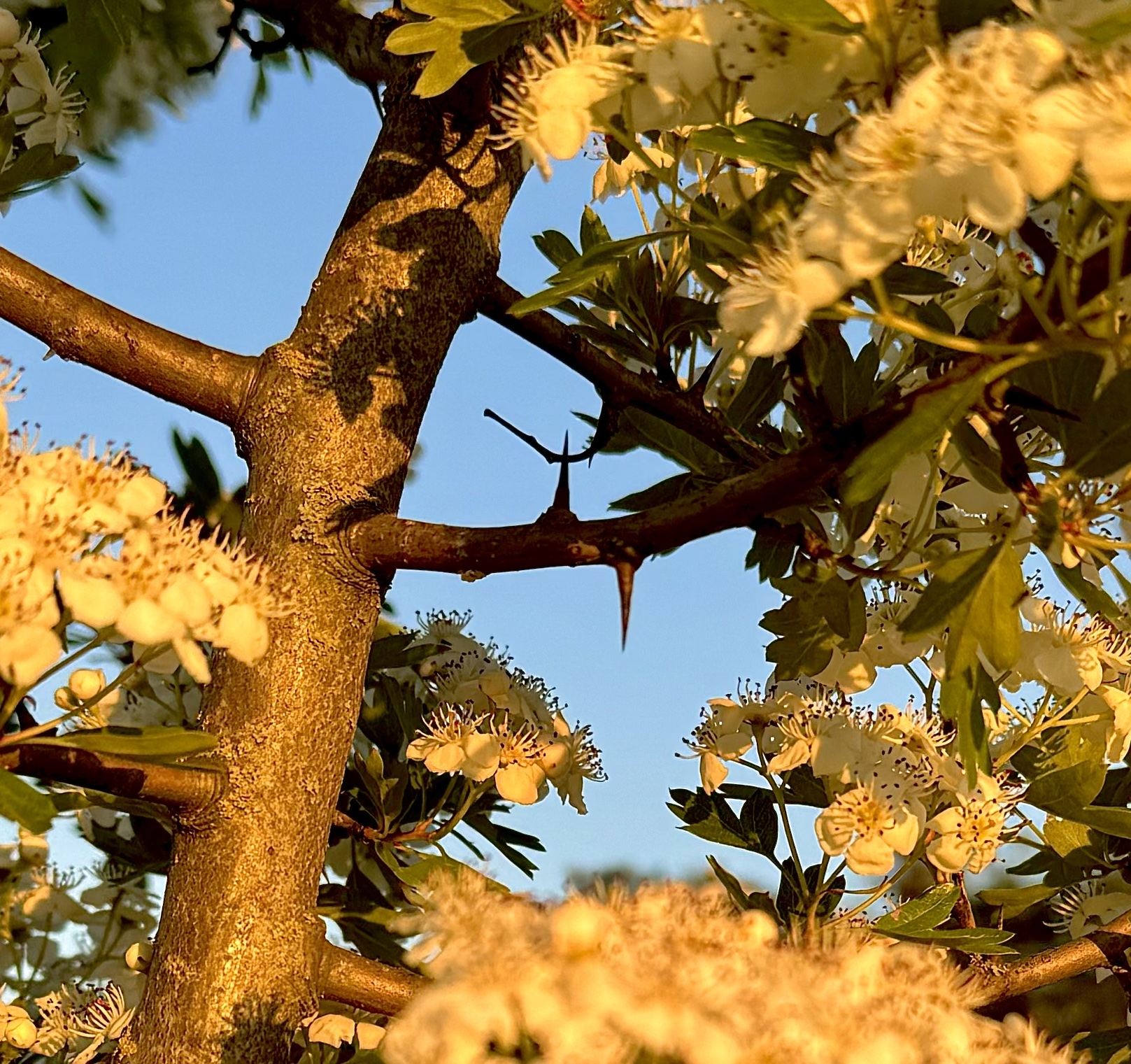
photo by Nate Gibson

At times, particularly at night, I’m keenly aware of all the unknowable and uncountable lives happening behind closed doors and curtained windows, each one living their own sacred moment in time.

So many meals being eaten, baths taken, tears shed, stories told, prayers recited, kisses shared.

These moments are the blessings of a quotidian predictability that we try to pass on to our children. In our routines, we may become oblivious to the mysteries happening all around us: innumerable stars shining, fragile moths fluttering and sweetening apples hanging heavy — yet there is mystery within each of us as well.

In the dark of night, despite our weariness:
We are remarkably loved and loving.
We try our best in difficult times and circumstances.
We grieve losses while struggling to survive sorrows.
We seek purpose and meaning, despite feeling unworthy.

Each passing moment becomes one to cherish.
Each moment mysteriously holy and sweet.

One-Time
Monthly
Yearly

Make a one-time or recurring donation to support daily ad-free Barnstorming posts

Make a monthly donation

Make a yearly donation

Choose an amount

$10.00
$25.00
$50.00
$5.00
$15.00
$100.00
$5.00
$15.00
$100.00

Or enter a custom amount

$

Your contribution is deeply appreciated.

Your contribution is appreciated.

Your contribution is appreciated.

DonateDonate monthlyDonate yearly
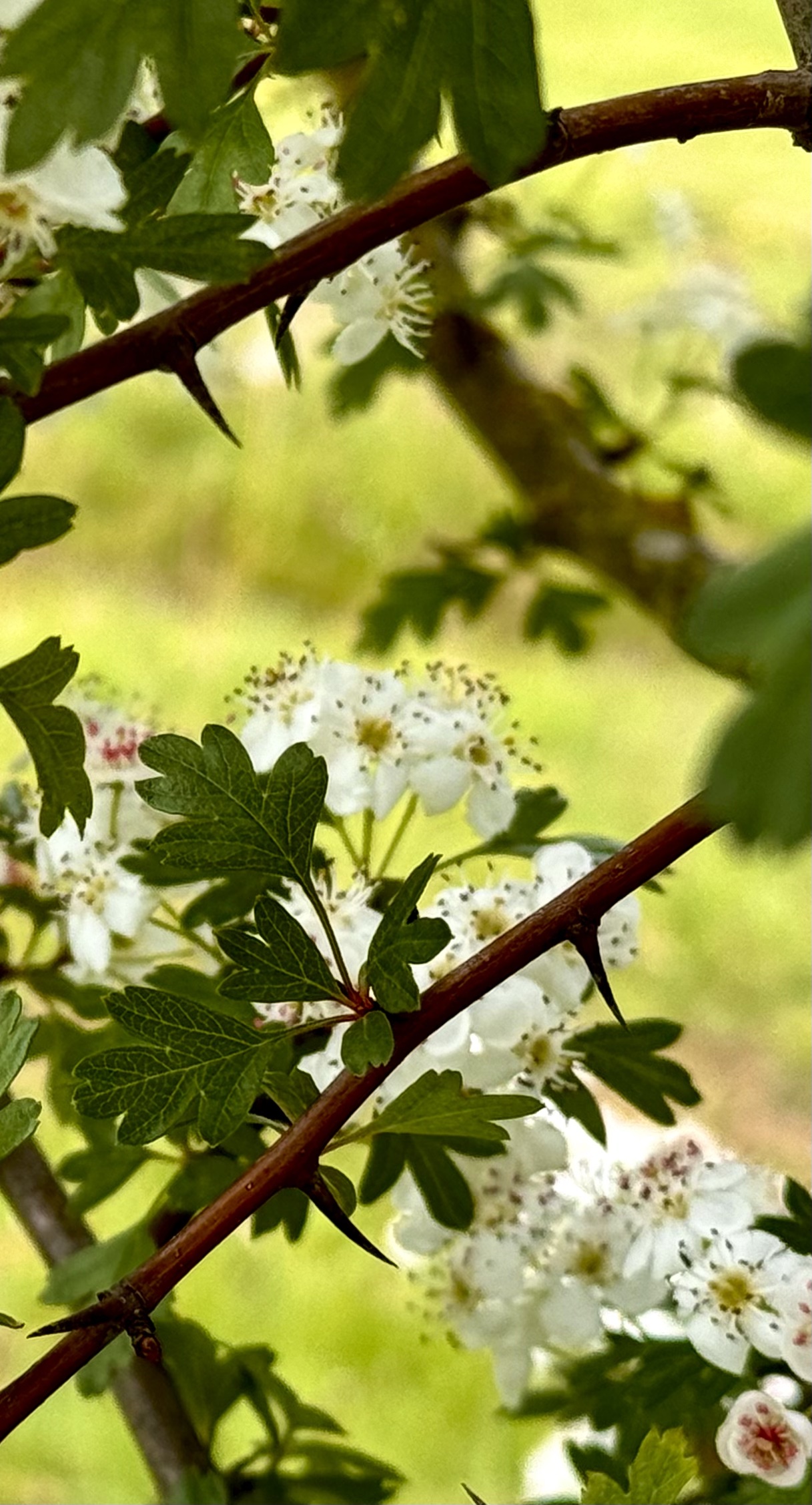
Leaving Deep Tracks

A life should leave
deep tracks:
ruts where she
went out and back
to get the mail
or move the hose
around the yard;
where she used to
stand before the sink,
a worn-out place;
beneath her hand
the china knobs
rubbed down to
white pastilles;
the switch she
used to feel for
in the dark
almost erased.
Her things should
keep her marks.
The passage
of a life should show;
it should abrade.
And when life stops,
a certain space—
however small—
should be left scarred
by the grand and
damaging parade.
Things shouldn’t
be so hard.

~Kay Ryan “Things Shouldn’t Be So Hard” from The Niagra River

“The passage of a life should show…”

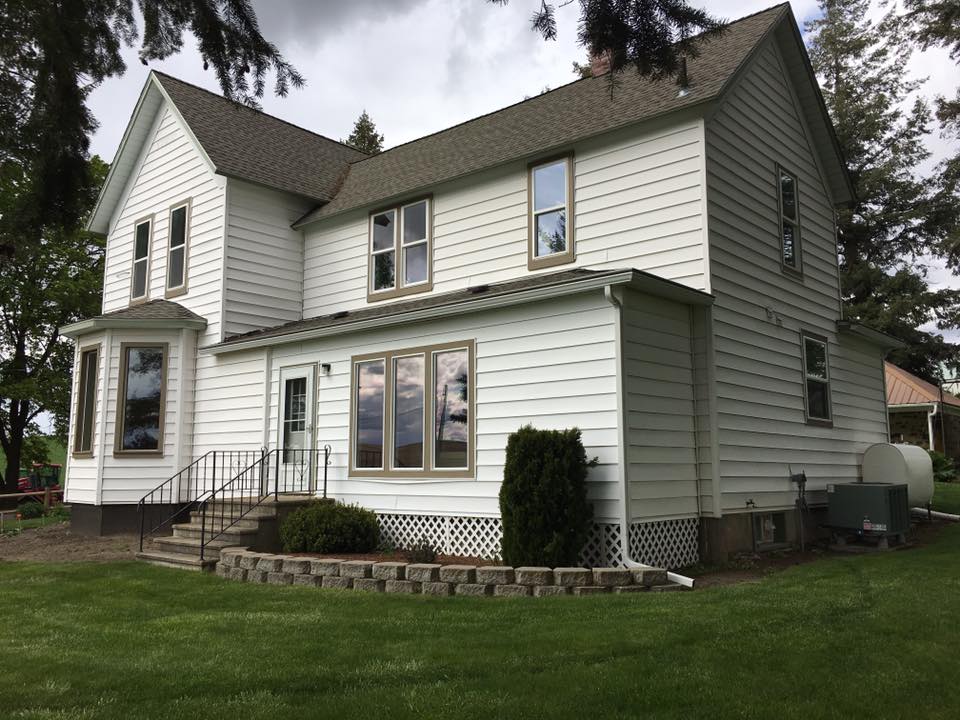
Since losing my friend Sara unexpectedly a month ago, I’ve thought a lot about the deep tracks she left behind. Traces of her life will forever mark her husband and children and grandchildren. They follow her pathways in her large farmhouse kitchen from sink to stove to cupboard to table. Her garden and orchard display her obvious affection for things that bloom and fruit while her wrap-around porch mirrors her love of sitting and witnessing it all.

Most of all her tracks are showing up on so many broken hearts, where we still feel her presence. Although I realize she is truly gone from this world, it is as if the season suddenly changed in response to her leaving. The misty mornings seem weary, the trees are now bare, the frost has been thick and a north wind has started to blow. Before too long, we’ll be remembering her boot steps in the barnyard snow.

No one Sara touched has been left abraded or scarred from her use. She was far too gentle in her touch; she worked hard not to leave traces of where she had been, as determined as she was to avoid attention. Her intention was to always remain in the background so others could shine. Now that she is gone, the background itself has been changed. The passage of her life will not dim the light she focused on her family and friends and the patients who loved her.

She wouldn’t want it to be this hard without her here.
But it is.

When a Great Soul Dies

When great souls die,
the air around us becomes
light, rare, sterile.
We breathe, briefly.
Our eyes, briefly,
see with a hurtful clarity.
Our memory, suddenly sharpened,
examines, gnaws on kind words
unsaid, promised walks
never taken.

Great souls die and
our reality, bound to
them, takes leave of us.
Our souls, dependent upon their
nurture,now shrink, wizened.
Our minds, formed
and informed by their
radiance, fall away.
We are not so much maddened
as reduced to the unutterable ignorance of
dark, cold
caves.

And when great souls die,
after a period peace blooms,
slowly and always
irregularly. Spaces fill
with a kind of
soothing electric vibration.
Our senses, restored, never
to be the same, whisper to us.
They existed. They existed.
We can be. Be and be
better. For they existed.

~Maya Angelou from “When Great Trees Fall”

Sara,
my dear friend of nearly forty years,

When I learned you died this morning, your body overwhelmed by a sudden illness no one anticipated – I sat in stillness, trying once again to remember your soft voice, as if you were still part of this world.

I knew you were gone.

It was God’s timing to collect you back and so you went. We all are poorer without you – you the richer as you settle into a body no longer a burden and a struggle.

As recently as last week, you wondered aloud if you had it in you, after decades of surviving chronic illness and two cancers, to keep going with all your physical challenges. God heard your prayer. Instead of feeling depleted and emptied of purpose, you are now restored. The love and energy you shared during your long life, through your doctoring and farming and mothering and grandmothering, is replenished in the presence of Jesus Christ.

You have left so much of yourself behind:
Your mentoring made me a better doctor.
Your example made me a better mother.
Your gentle compassion made me a better friend.
Your forgiving grace and quiet patience made me a better person.

I wasn’t yet ready to say goodbye to you:
I regret not saying everything I needed to say.
I regret not taking more walks with you.
I regret not letting you know how much you blessed me
and the world simply by existing.

Now there is no doubt you are blessing heaven.
And so we who love you – your husband, children, grandchildren,
your friends, colleagues, former patients –
gratefully share the rare gift of grace that is
Dr. Sara Cuene Watson.

All flesh is grass,
and all its beauty is like the flower of the field.
The grass withers,
the flower fades when the breath of the LORD blows on it;
surely the people are grass.
The grass withers, the flower fades,
but the word of our God will stand forever.
Isaiah 40: 6-8

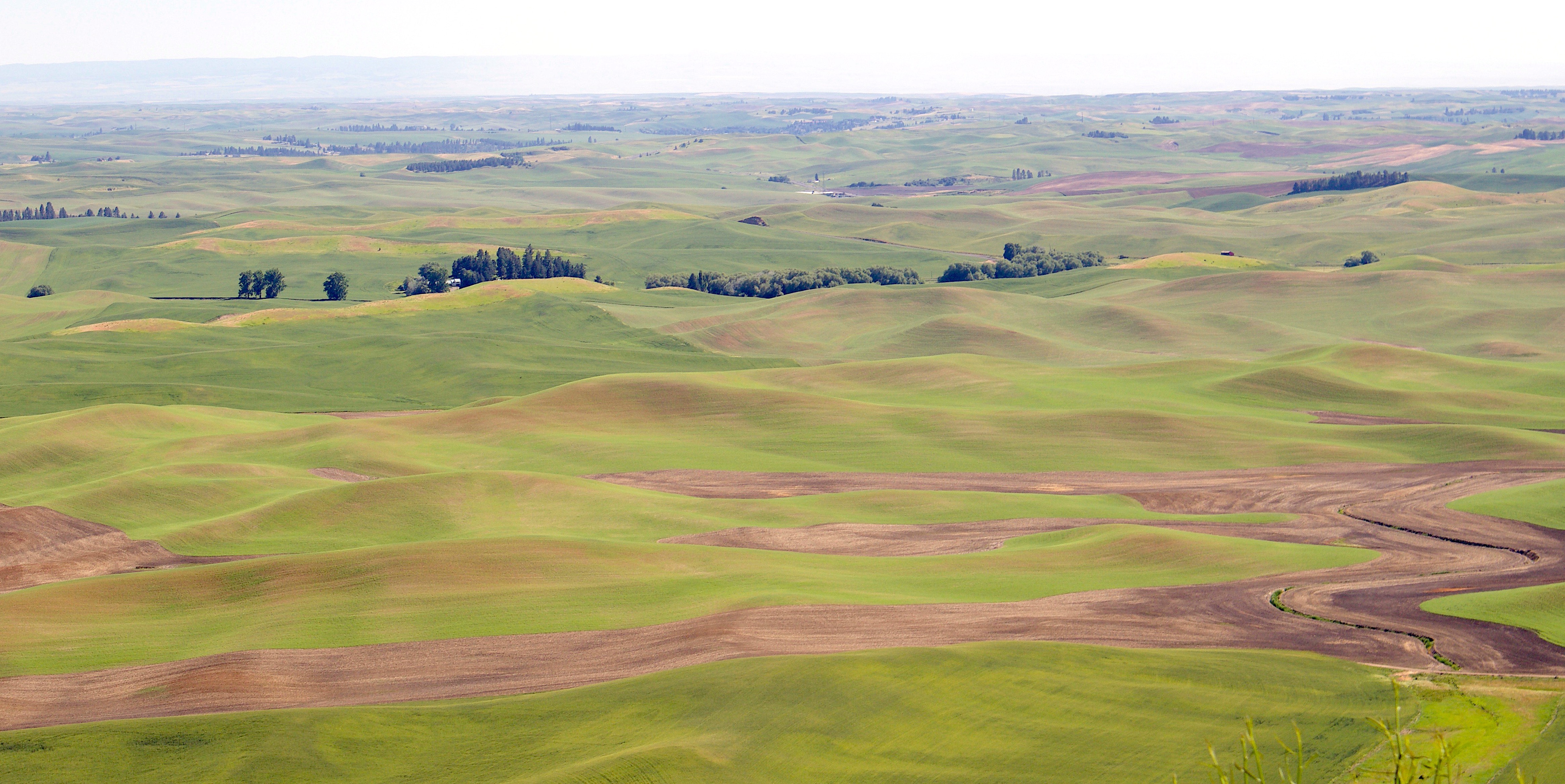
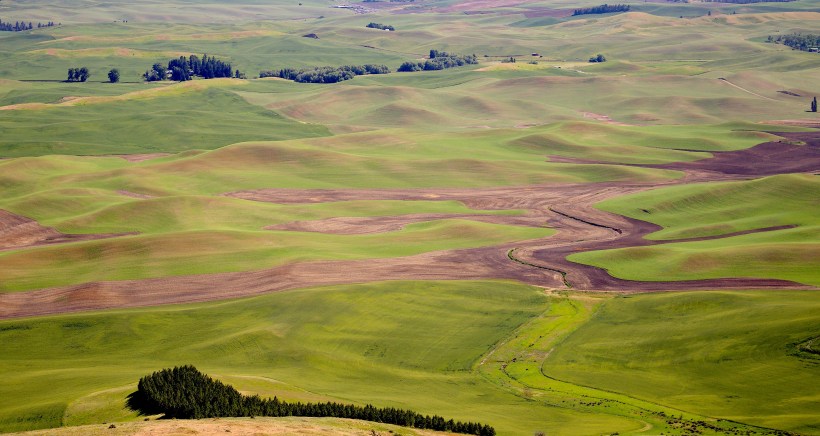
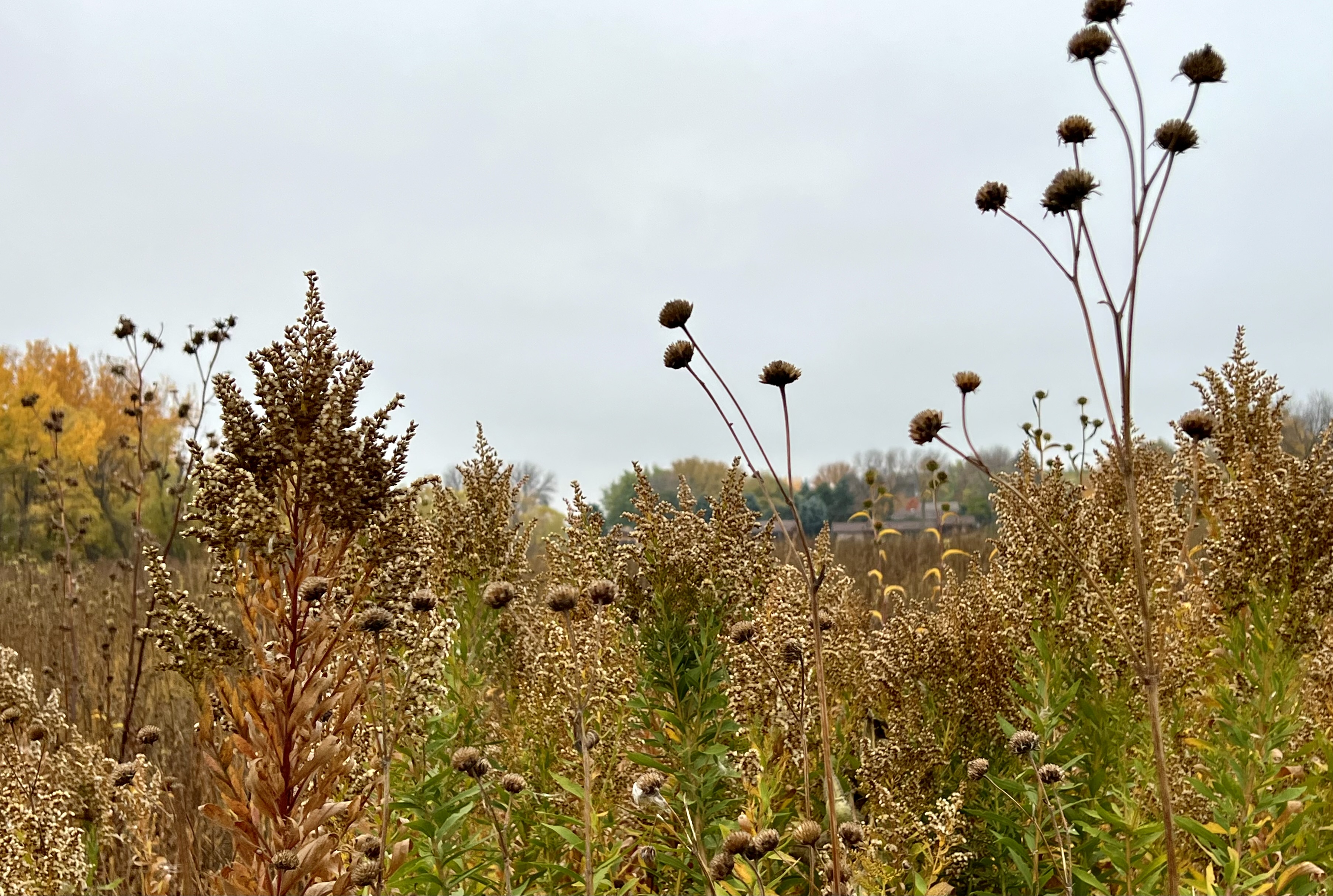
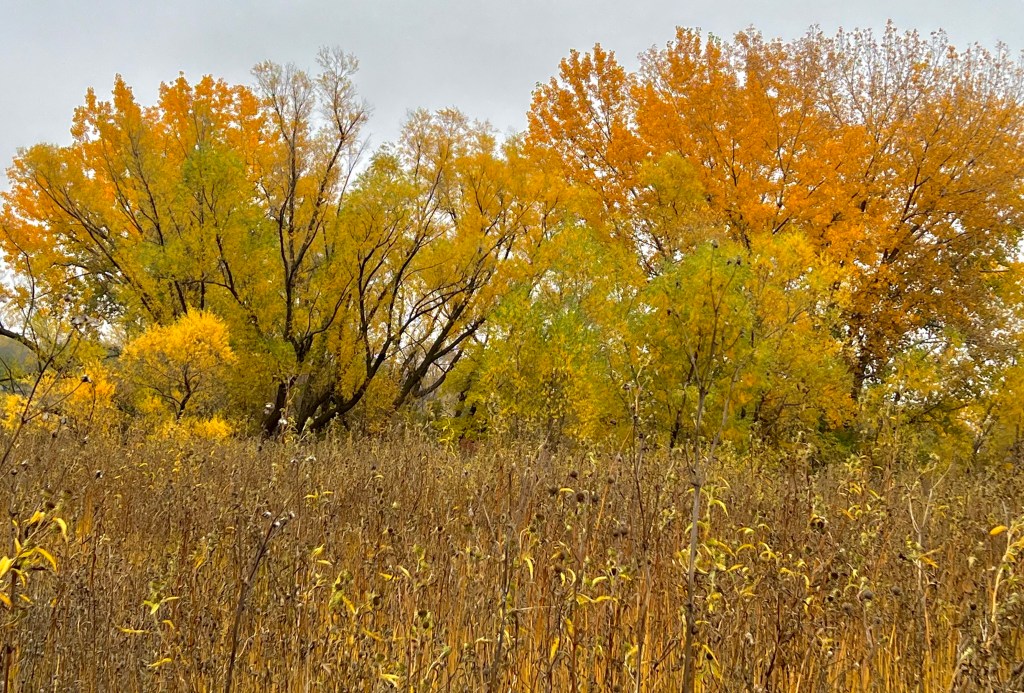
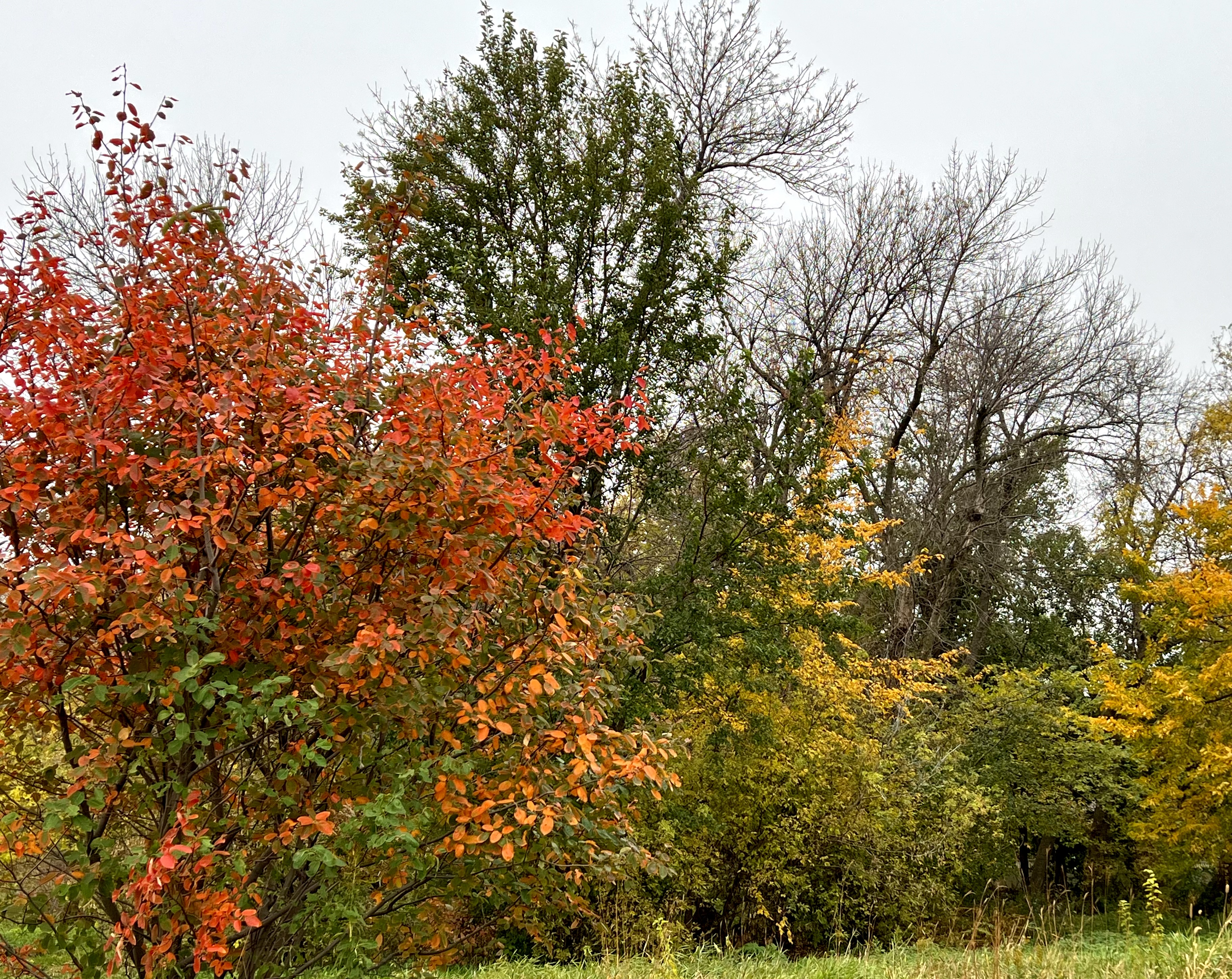
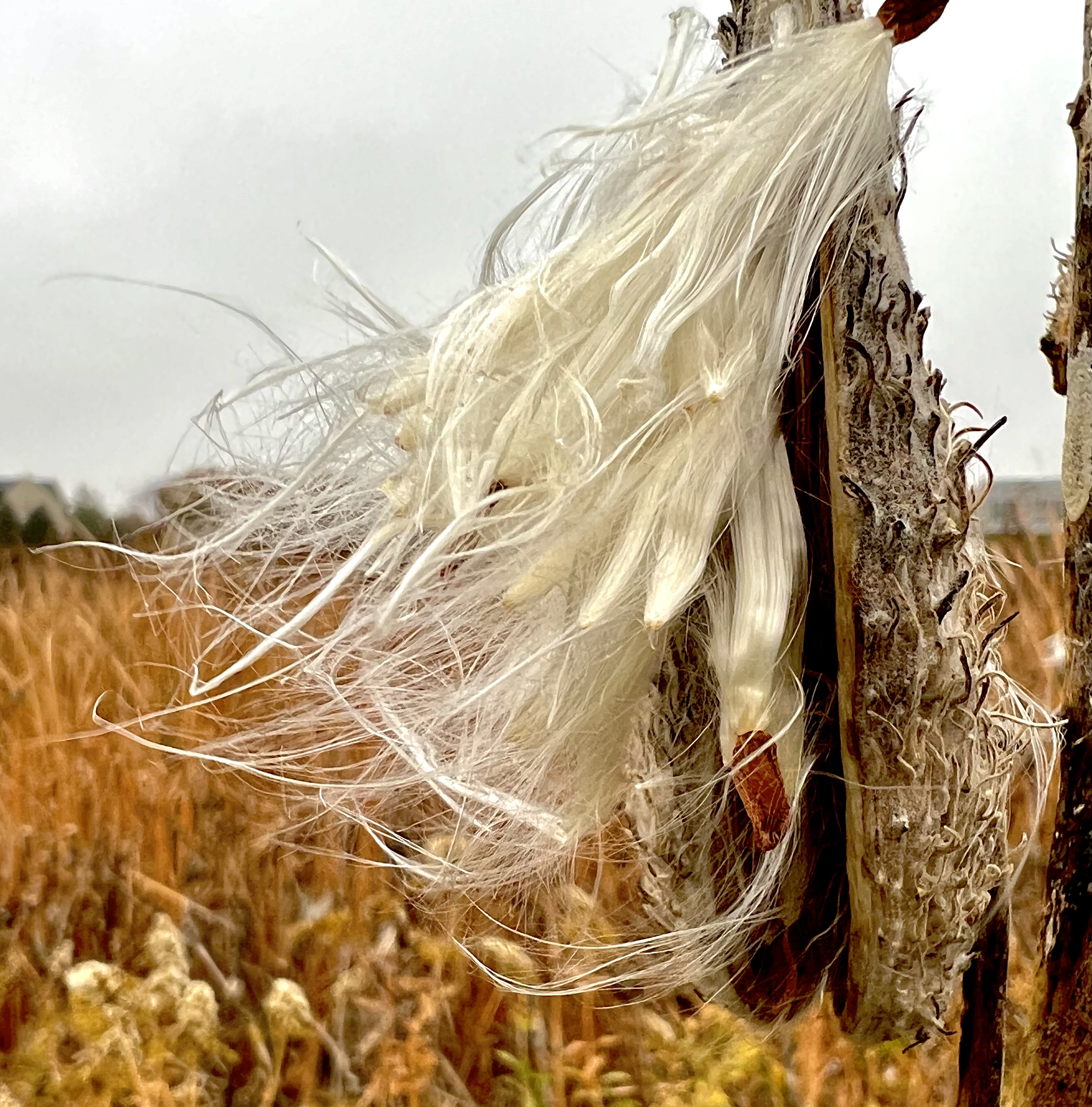
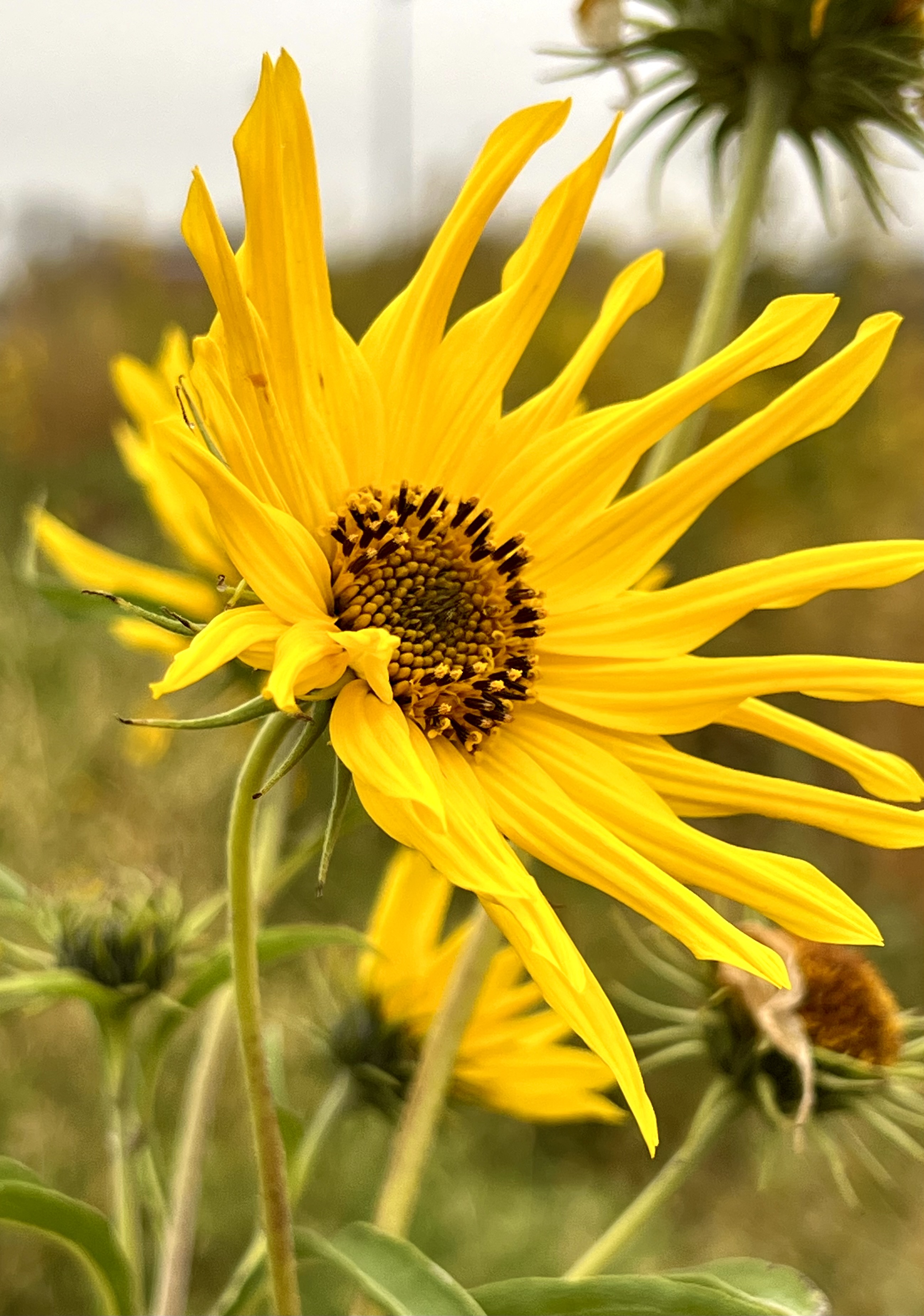
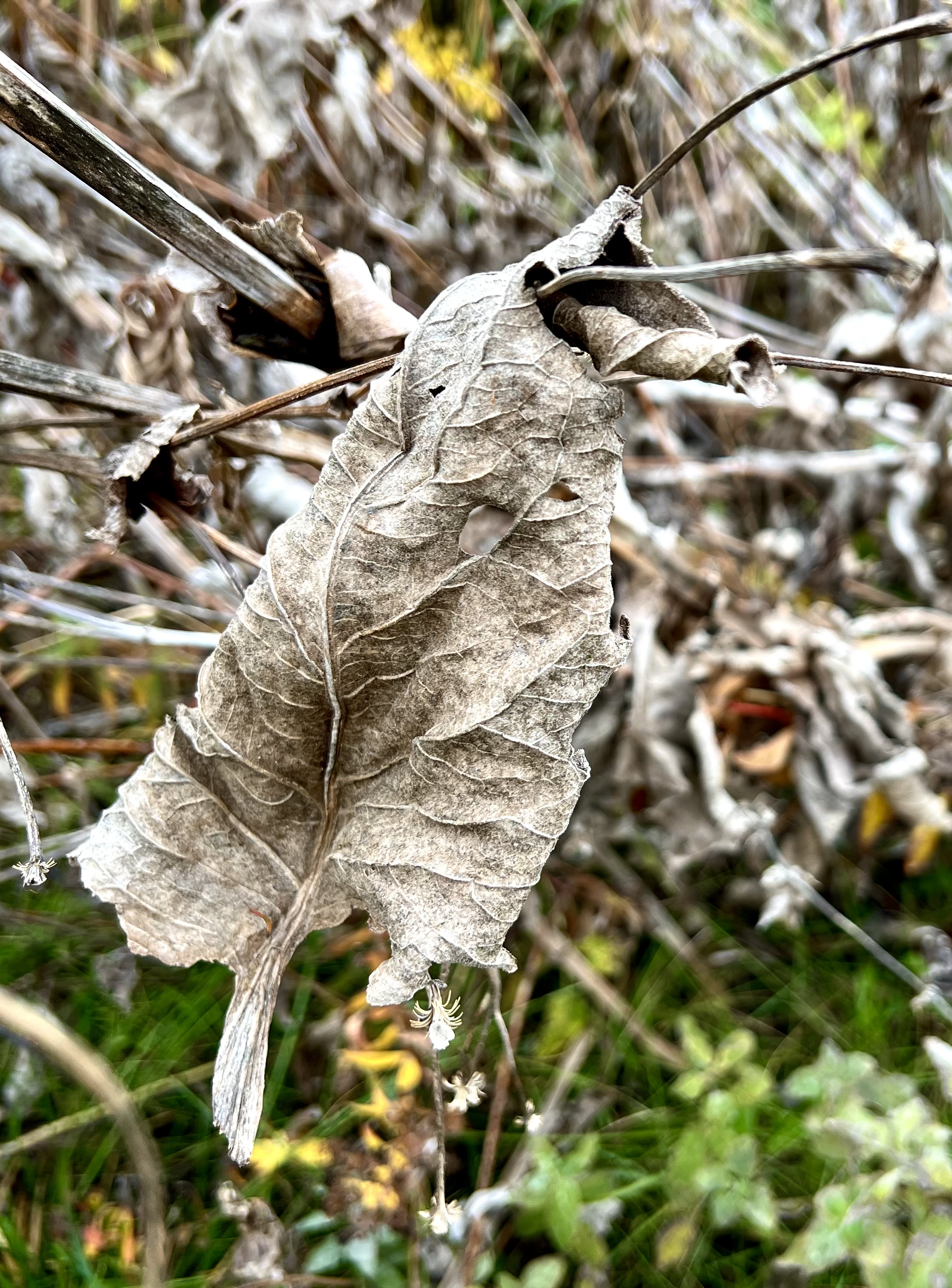
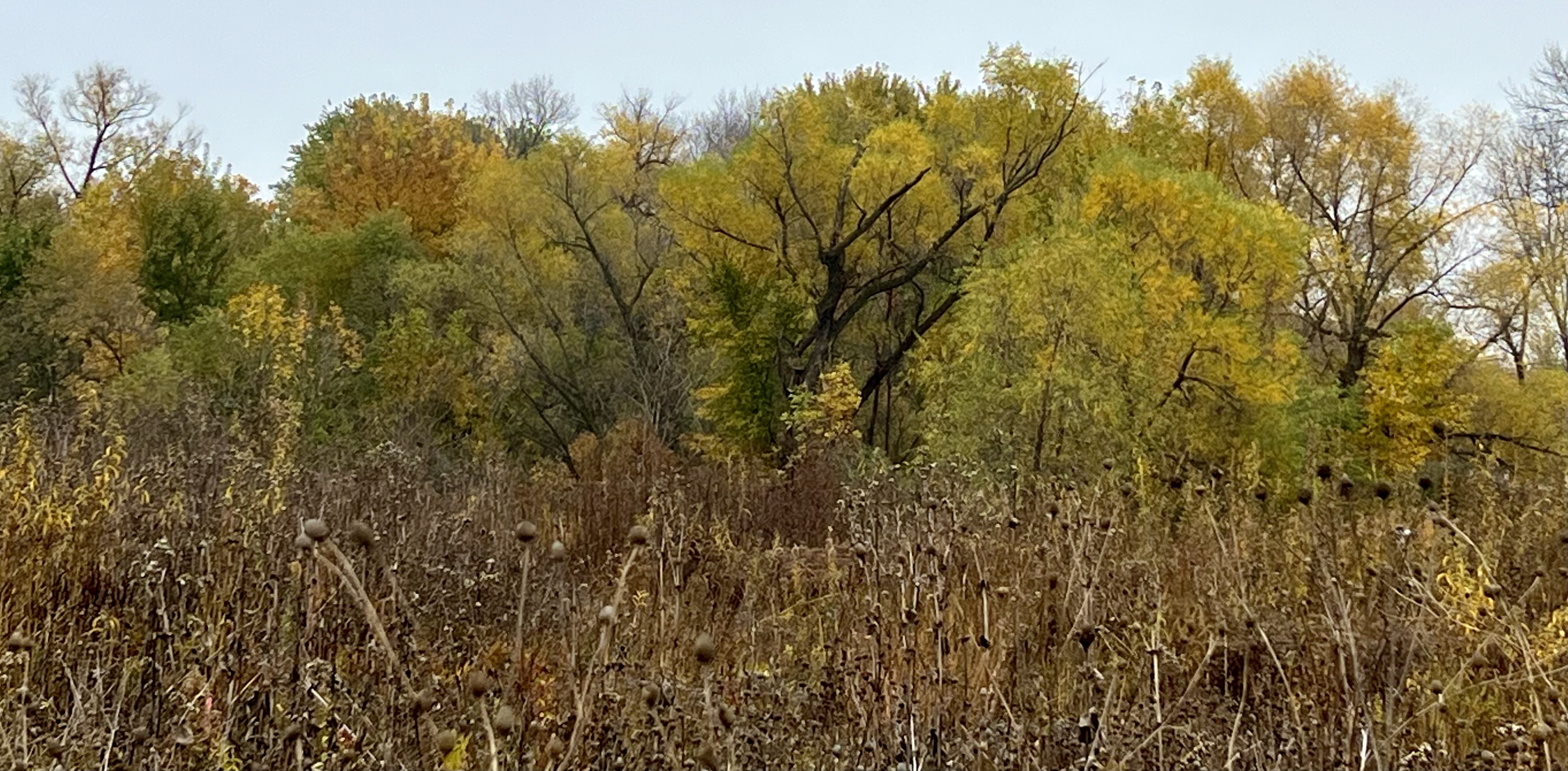
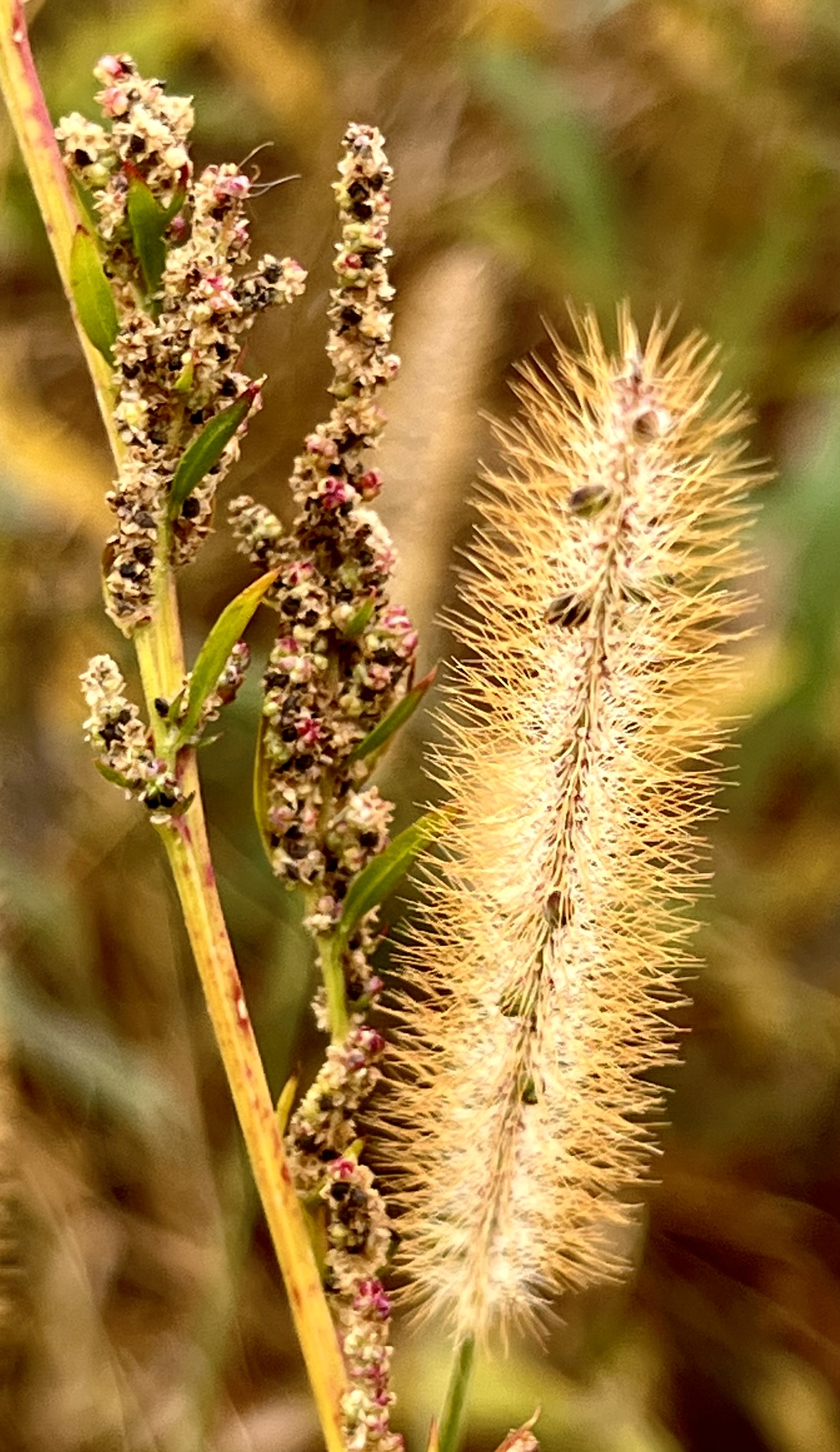
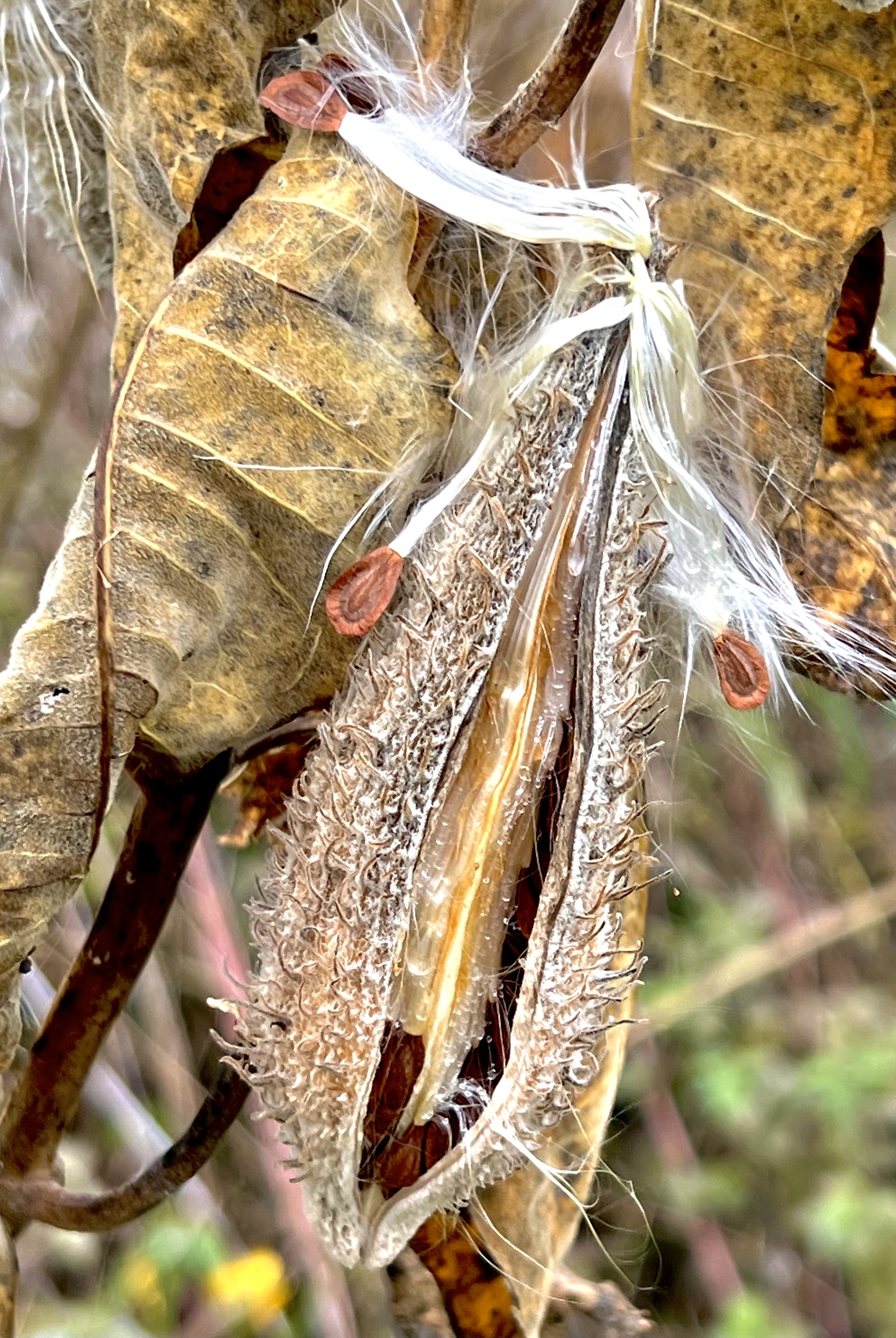
(Photos from Dordt University prairie)

A Common Hand

Because what’s the alternative?
Because of courage.
Because of loved ones lost.
Because no more.
Because it’s a small thing; shaking hands; it happens every day.
Because I heard of one man whose hands

haven’t stopped shaking since a market day in Omagh.
Because it takes a second to say hate, but it takes longer,

much longer, to be a great leader.
Much, much longer.

Because shared space without human touching
doesn’t amount to much.
Because it’s easier to speak to your own

than to hold the hand of someone whose side
has been previously described, proscribed, denied.
Because it is tough.
Because it is meant to be tough, and this is the stuff of memory,

the stuff of hope, the stuff of gesture, and meaning and leading.
Because it has taken so, so long.
Because it has taken land and money and languages

and barrels and barrels of blood.

Because lives have been lost.
Because lives have been taken.

Because to be bereaved is to be troubled by grief.
Because more than two troubled peoples live here.
Because I know a woman whose hand hasn’t been shaken

since she was a man.
Because shaking a hand is only a part of the start.
Because I know a woman whose touch calmed a man

whose heart was breaking.
Because privilege is not to be taken lightly.

Because this just might be good.
Because who said that this would be easy?
Because some people love what you stand for,

and for some, if you can, they can.
Because solidarity means a common hand.
Because a hand is only a hand; so hang onto it.

So join your much discussed hands.
We need this; for one small second.
So touch.
So lead.

~Pádraig Ó Tuama “Shaking Hands”

Nothing is new about conflicts over borders and religion and politics. What is new is the ability of an individual to share the terror and hatred to the rest of the world in mere seconds. We all become unwitting witnesses to human pain and suffering, eager to take sides if we can bear to watch.

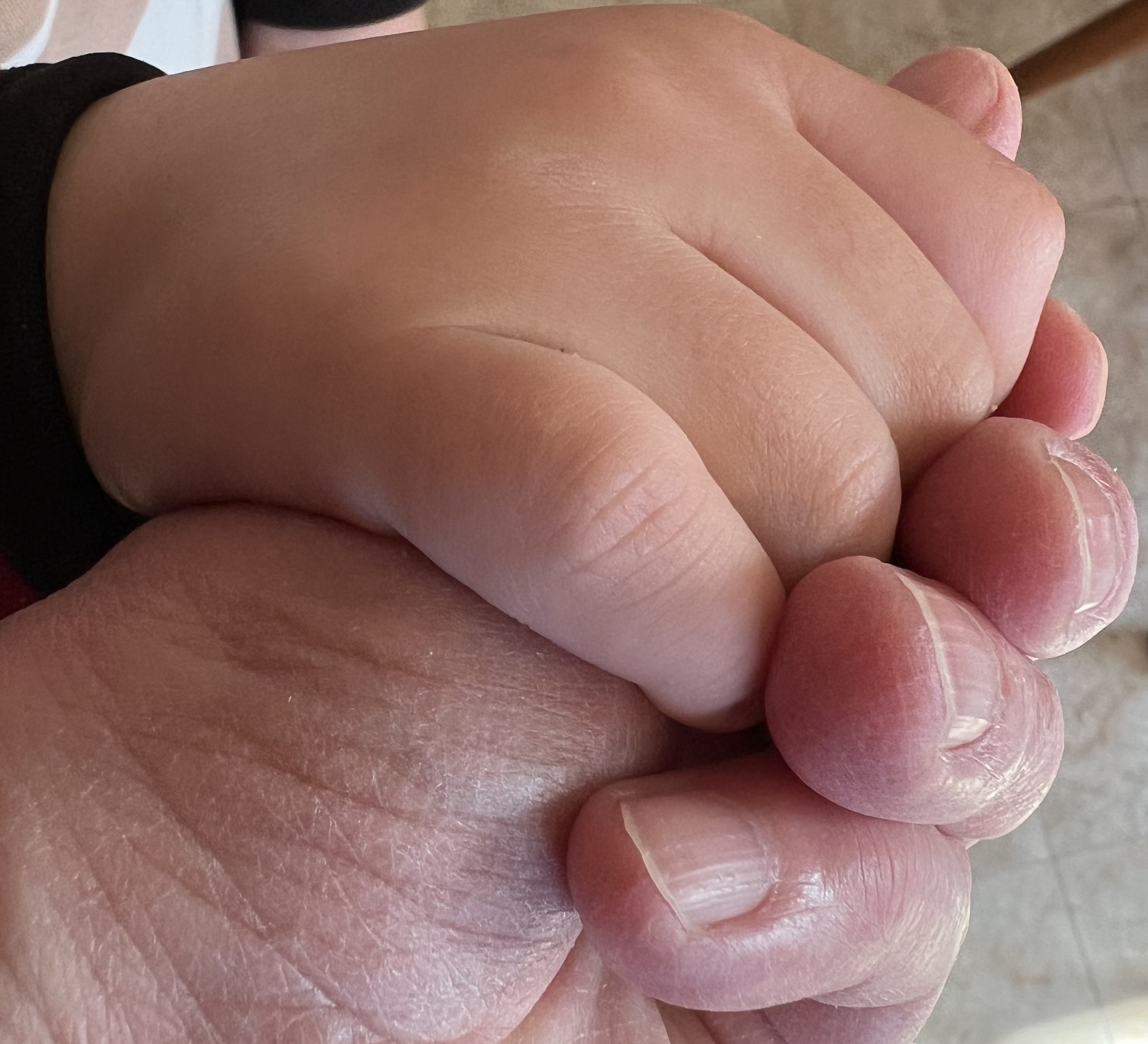
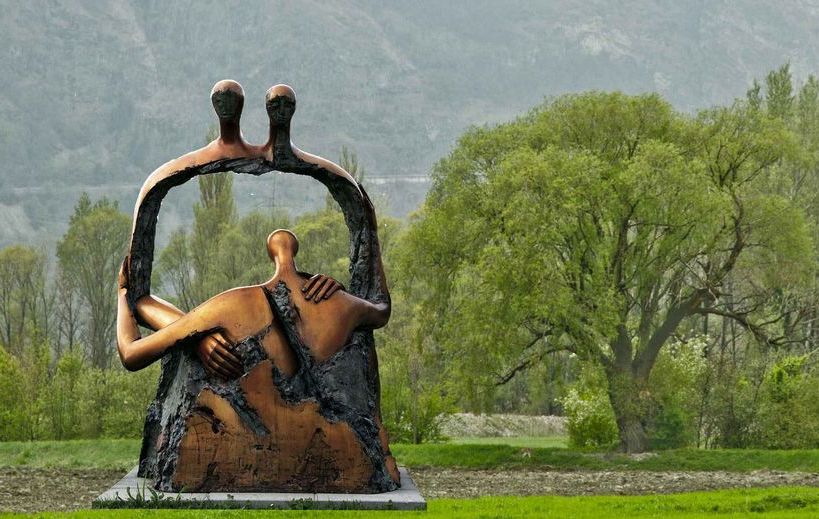
We each share a common hand. We need leaders who reach out to touch one another with more than words. They represent the human beings who lost limbs and lives in the battle for supremacy.

Historic handshakes are never meaningless, but even more vital is a connection between humans steeped in historical hatreds. We need to reach out and help lift each other’s burdens.

Take my hand. Look in my eyes. Even for one small second.

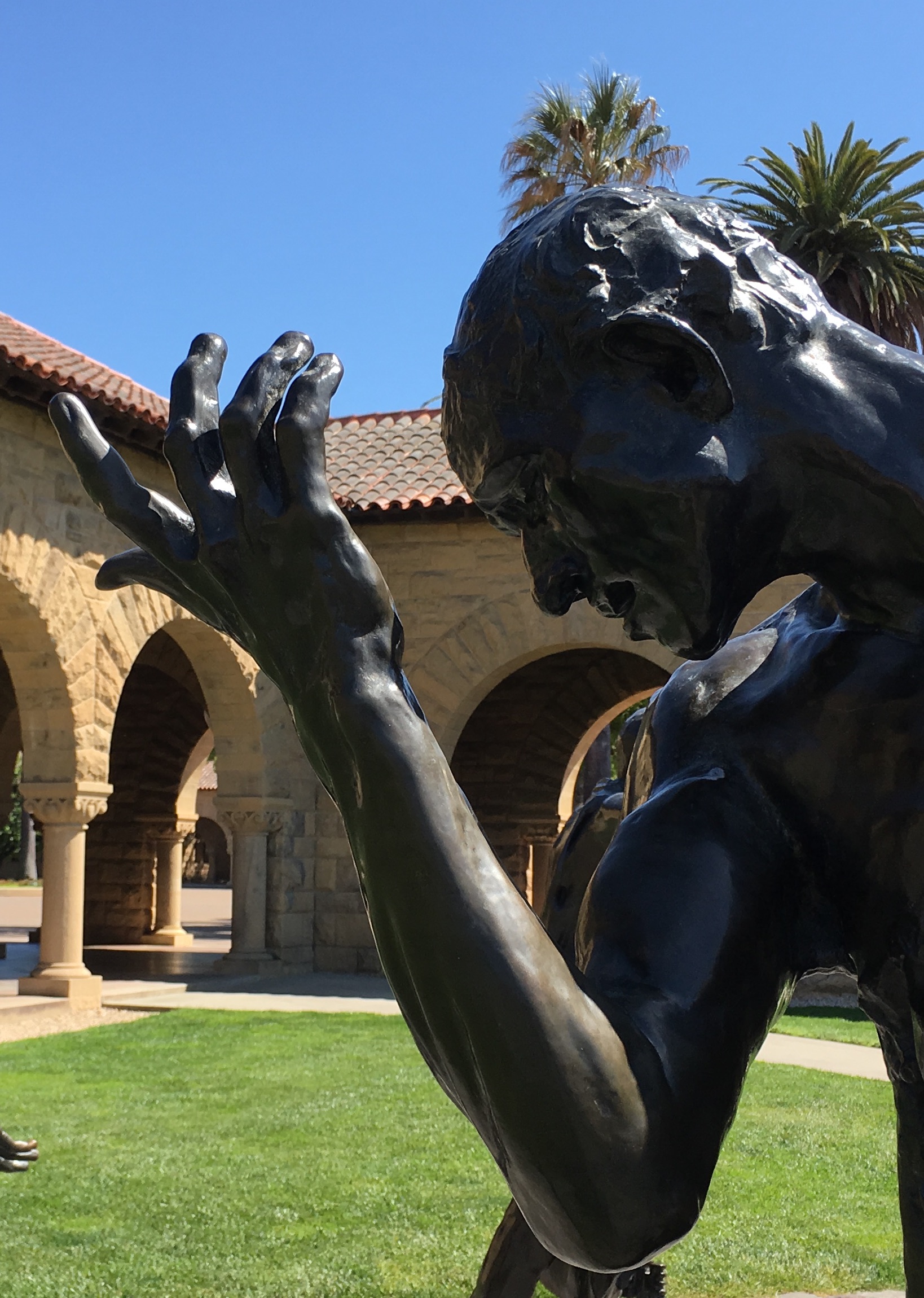
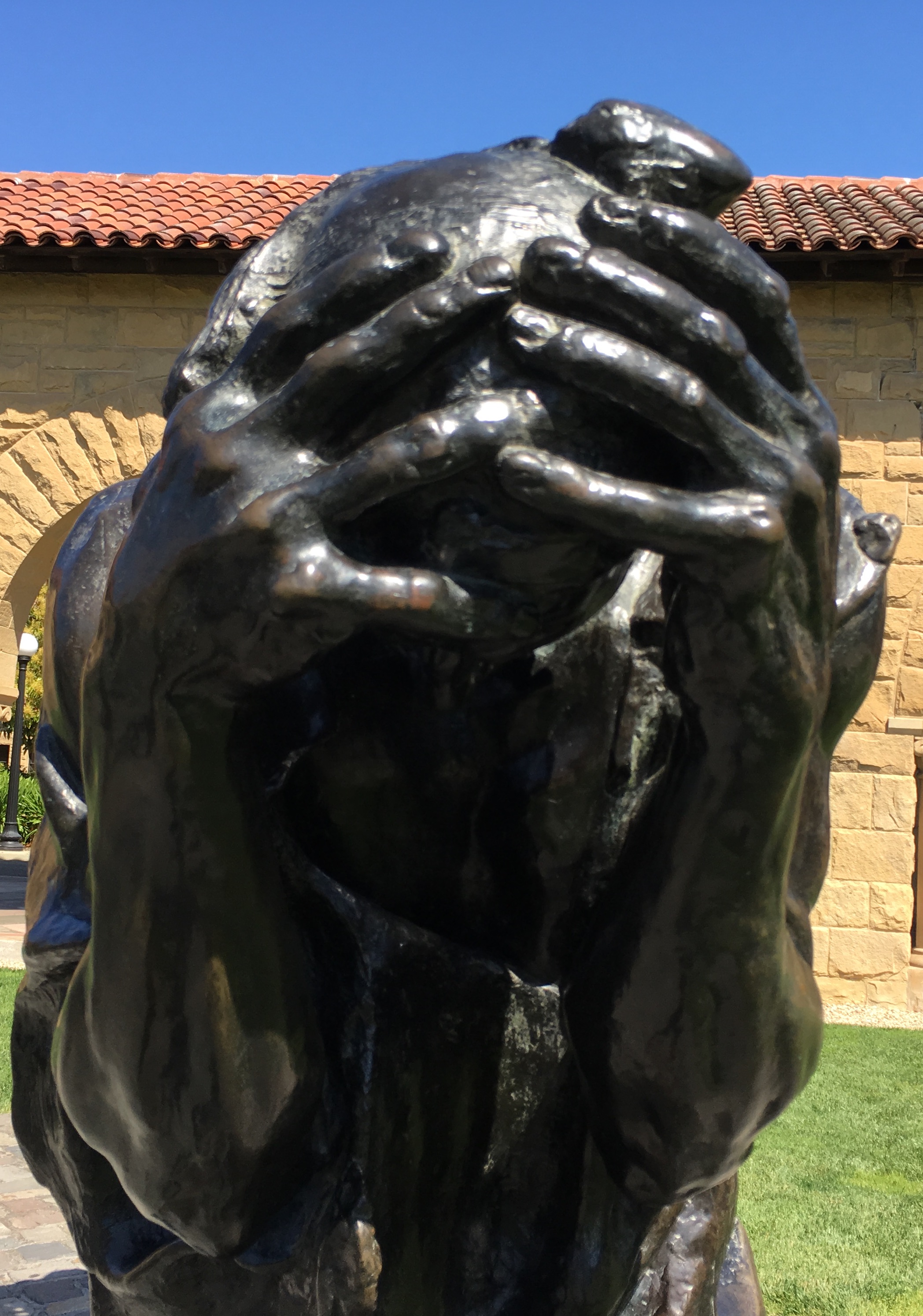
Sculpture by Artist Albert Gyorgy

One-Time
Monthly
Yearly

Make a one-time or recurring donation to support daily Barnstorming posts

Make a monthly donation

Make a yearly donation

Choose an amount

$10.00
$25.00
$50.00
$5.00
$15.00
$100.00
$5.00
$15.00
$100.00

Or enter a custom amount

$

Your contribution is deeply appreciated.

Your contribution is appreciated.

Your contribution is appreciated.

DonateDonate monthlyDonate yearly
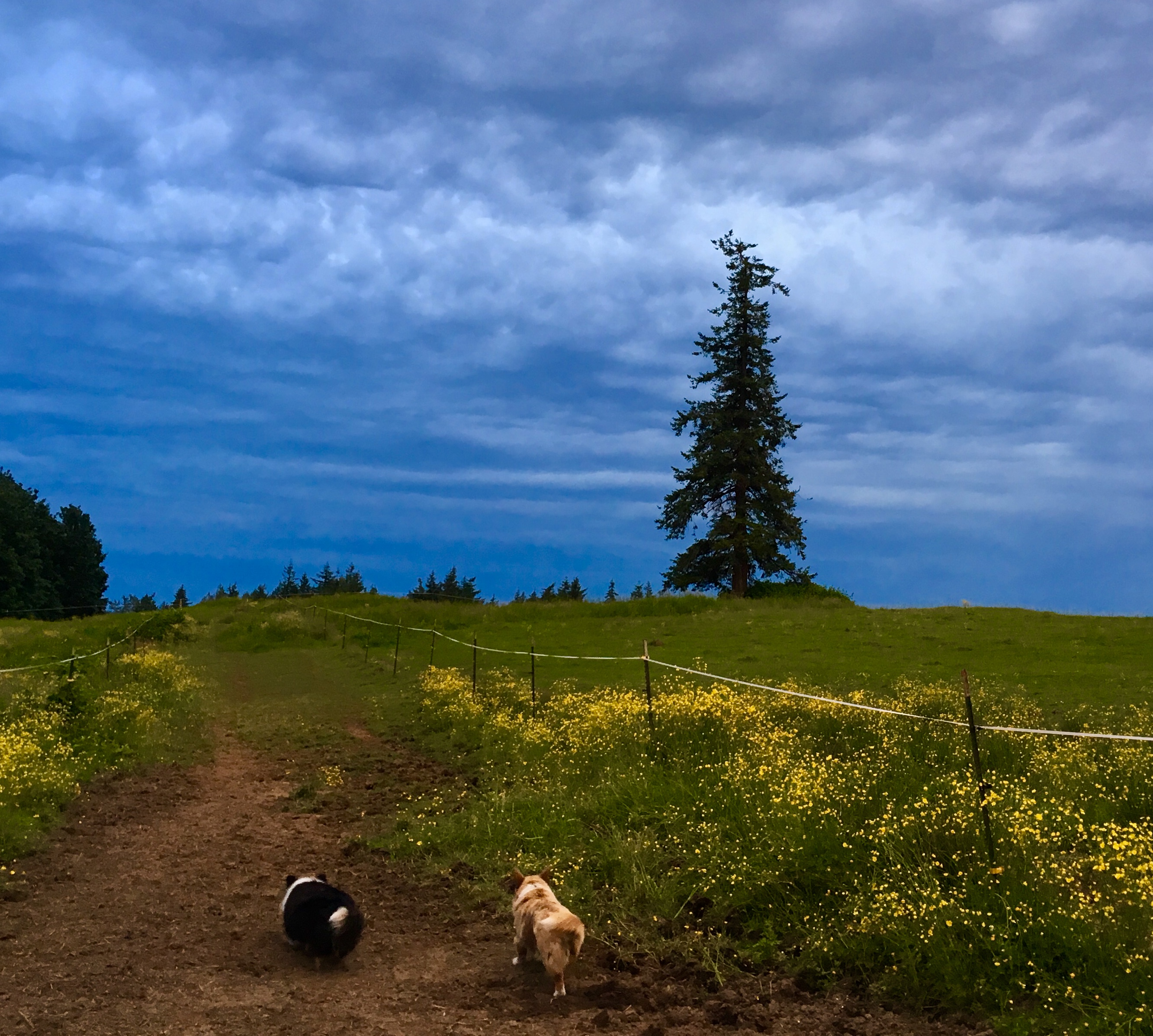
Making a Comment

And that is just the point…
how the world, moist and beautiful,
calls to each of us to make a new and serious response.

That’s the big question,
the one the world throws at you every morning.
“Here you are, alive.
Would you like to make a comment?”
~Mary Oliver

The last few days, it has been impossible to stay
a silent observer of the world when one awakes,
still alive on a morning moist and beautiful,
while on the other side of the earth,
innocents have been brutally butchered in their beds,
whole families murdered,
bodies desecrated and dragged into the street.

It demands a response.

I cannot remain speechless in the face of evil.
Such violence, fed by generations of hatred,
begets more hatred and violence, on and on.
It festers, blusters, rips apart, tortures, buries.
And so it goes, an ongoing human history
of wars and more wars.

And here I am,
alive on a brilliant autumn morning,
while others immeasurably suffer.

Called to make a new and serious response.
Called to comment, as I do every day.
Knowing my voice is only one
in a vast wilderness of voices,
crying out in lament over the dead and dying.

Lord, have mercy, have mercy, have mercy on us.

Consider donations to assist humanitarian aid
to Save the Children or Doctors without Borders

Do Not Look Back

He loved to ask his mother questions. It was the pleasantest thing for him to ask a question and then to hear what answer his mother would give. Bambi was never surprised that question after question should come into his mind continually and without effort. 

Sometimes he felt very sure that his mother was not giving him a complete answer, was intentionally not telling him all she knew.  For then there would remain in him such a lively curiosity, such suspicion, mysteriously and joyously flashing through him, such anticipation, that he would become anxious and happy at the same time, and grow silent.
~Felix Salten from Bambi

A Wounded Deer—leaps highest—
I’ve heard the Hunter tell—
‘Tis but the Ecstasy of death—
And then the Brake is still!
~Emily Dickinson “165″

As the house of a person
in age sometimes grows cluttered
with what is
too loved or too heavy to part with,
the heart may grow cluttered.
And still the house will be emptied,
and still the heart.

Empty and filled,
like the curling half-light of morning,
in which everything is still possible and so why not.

Filled and empty,
like the curling half-light of evening,
in which everything now is finished and so why not.

Beloved, what can be, what was,
will be taken from us.
I have disappointed.
I am sorry. I knew no better.

A root seeks water.
Tenderness only breaks open the earth.
This morning, out the window,
the deer stood like a blessing, then vanished.

~Jane Hirschfield from “The Standing Deer”


My first time ever
seated next to my mother
in a movie theater, just
a skinny four year old girl
practically folded in half
by a large padded chair
whose seat won’t stay down,
bursting with anticipation
to see Disney’s Bambi.

Enthralled with so much color,
motion,  music, songs and fun
characters, I am wholly lost
in this new world of animated
reality when suddenly
Bambi’s mother looks up,
alarmed, from eating
a new clump of spring grass
growing in the snow.

My heart leaps
with worry.
She tells him
to run quickly
for the thicket –
find the safest place where
she has always
kept him warm
next to her.

She follows behind,
urges him to run faster,
not to look back,
don’t ever look back.

Then the gun shot
hits my belly too.

My stomach twists
as he cries out
for his mother,
pleading for her.
I know in my heart
she is lost forever,
sacrificed to save him.

I sob as my mother
reaches out to me,
telling me not to look.
I bury my face
inside her hug,
knowing Bambi
is cold and alone
with no mother
any more.

My mama took me home
before the end.
I could not bear to watch
the rest of the movie 
for years.

Those cries
still echo
in my ears
any time someone hunts and shoots
to kill the innocent.

Now, my own three children are grown,
they have babies of their own,
my mom is gone from this earth.
I can even keep the seat from folding
me in half in a movie theater.

I am nearing my eighth decade, and
there are still places in this world where
mothers and fathers
sons and daughters
grandmothers and grandfathers
sisters and brothers
and babies are hunted down
despite the supposed safety of the thicket~
the sanctuary, the school, the grocery store, the home,
places where we believe we are shielded from violence.

There can be no innocence when any of us may be hunted.

One-Time
Monthly
Yearly

Make a one-time or recurring donation to support daily Barnstorming posts

Make a monthly donation

Make a yearly donation

Choose an amount

$10.00
$25.00
$50.00
$5.00
$15.00
$100.00
$5.00
$15.00
$100.00

Or enter a custom amount

$

Your contribution is deeply appreciated.

Your contribution is appreciated.

Your contribution is appreciated.

DonateDonate monthlyDonate yearly
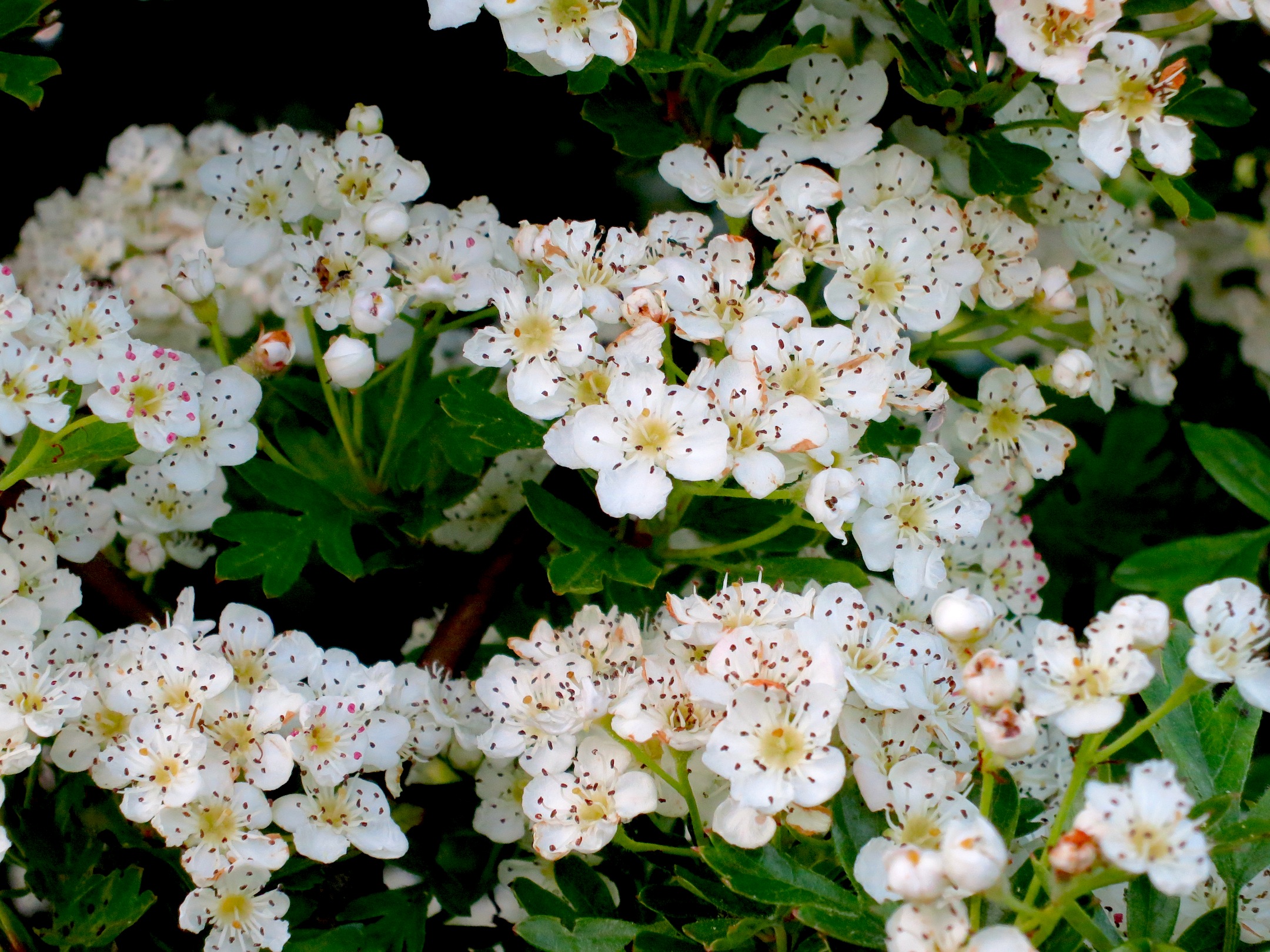
The Fire and Rose Are One

The soul’s sap quivers. There is no earth smell
Or smell of living thing. This is the spring time
But not in time’s covenant. Now the hedgerow
Is blanched for an hour with transitory blossom
Of snow, a bloom more sudden
Than that of summer, neither budding nor fading,
Not in the scheme of generation.
Where is the summer, the unimaginable Zero summer?

We shall not cease from exploration
And the end of all our exploring
Will be to arrive where we started
And know the place for the first time.
Through the unknown, unremembered gate
When the last of earth left to discover
Is that which was the beginning;


And all shall be well and
All manner of thing shall be well
When the tongues of flames are in-folded
Into the crowned knot of fire
And the fire and the rose are one.

~T.S. Eliot – from “Little Gidding” from the Four Quartets

To think that this meaningless thing was ever a rose,
Scentless, colourless, this!
Will it ever be thus (who knows?)
Thus with our bliss,
If we wait till the close?


Though we care not to wait for the end, there comes the end
Sooner, later, at last,
Which nothing can mar, nothing mend:

An end locked fast,
Bent we cannot re-bend.

~Christina Rossetti “Summer is Ended”

As a 3rd grader in November 1963, I learned the import of the U.S. flag being lowered to half mast in response to the shocking and violent death of our President. The lowering of the flag was so rare when I was growing up, it had dramatic effect on all who passed by — 

our soul’s sap quivers

— something very sad had happened to our country, something or someone had tragically ended, warranting our silence, our stillness, and our grief.

For the twenty-two years since 9/11/01, our flag has spent significant time at half mast, most often due to our own home-grown mass shooting terrorism. When I see it flying low, I’m befuddled instead of contemplative, puzzling over what the latest loss might be as there are so many, sometimes all happening in the same time frame. We no longer are silenced by this gesture of honor and respect; we certainly are not stilled when personally and corporately instigating and suffering the same mistakes against humanity over and over again.

We are so bent. Will we ever be mended again?

Eliot wrote these prescient words of the Four Quartets in the midst of the WWII German bombing raids that destroyed so many people and neighborhoods. Perhaps he sensed the destruction he witnessed would not be the last time in history that evil visits the innocent, leaving them in ashes. There would be so many more losses to come, not least being the horror of 9/11/01.

There remains so much more sadness to be borne, such abundance of grief. Our world has become overwhelmed and stricken. Yet Eliot was right: we have yet to live in a Zero summer of endless hope and fruitfulness, of spiritual awakening and understanding. Where is it indeed? When will the summer Rose of beauty and fragrance rise again?

We must return, as people of faith to Eliot’s still point to which we are called on a remembrance day such as today. We must be stilled; we must be silenced. We must grieve the losses of this turning world and pray for release from the suffering we cause and we endure. Only in the asking, only in the kneeling down and pleading, are we surrounded by God’s unbounded grace.

Only then will His Rose bloom, once again recognizable.  

“Zero Summer” imagines the unimaginable horror of Hiroshima and Nagasaki, and yet points to epiphanic awakening that transcend human imagination at the same time. T.S. Eliot, who coined this term in his “Four Quartets,” longed for that eternal summer, birthed out of the “still point,” where imagination is met with grace and truth.
~Makoto Fujimura

“There Are No Words” written on 9/11/2001
by Kitty Donohoe

there are no words there is no song
is there a balm that can heal these wounds

that will last a lifetime long
and when the stars have burned to dust
hand in hand we still will stand because we must

in one single hour in one single day
we were changed forever something taken away
and there is no fire that can melt this heavy stone
that can bring back the voices and the spirits of our own

all the brothers, sisters and lovers all the friends that are gone
all the chairs that will be empty in the lives that will go on
can we ever forgive though we never will forget
can we believe in the milk of human goodness yet

we were forged in freedom we were born in liberty
we came here to stop the twisted arrows cast by tyranny
and we won’t bow down we are strong of heart
we are a chain together that won’t be pulled apart

One-Time
Monthly
Yearly

Make a one-time or recurring donation to support daily Barnstorming posts

Make a monthly donation

Make a yearly donation

Choose an amount

$10.00
$25.00
$50.00
$5.00
$15.00
$100.00
$5.00
$15.00
$100.00

Or enter a custom amount

$

Your contribution is deeply appreciated.

Your contribution is appreciated.

Your contribution is appreciated.

DonateDonate monthlyDonate yearly
Hard to Hide

I saw a deer skeleton
gracing the roadside
and didn’t stop to wonder
where the flesh had gone,
why just a tuft of fur clung,
a bit of tail.
Didn’t pause to ponder
its change from leaping-warmth
to cold, clean bones.
Didn’t stop but glimpsed
crisp, dark lines against snow,
rib cage, long legs, perfect spine—
what we with mounded dirt,
neat lawn, and flowered stones
seek so hard to hide—
I drove quickly by.
~Laura Foley, “Intuition” from  It’s This

I drive a night-darkened country road, white lines sweeping past,
aware of advancing frost in the evening haze,
anxious to return home to fireplace light.

Nearing a familiar corner, a stop sign looms,
to the right, a rural cemetery sits silently expectant.

Open iron gates and tenebrous headstones,
in the middle path, incongruous, a car’s headlights beam bright.
I slow, thinking: lovers or vandals might seek inky cover of night.

Instead, these lights illuminate a lone figure, kneeling graveside,
one hand resting heavily on a stone, head bowed in prayer.

A stark moment of solitary sorrow,
invisible grieving of the heart focused in twin beams,
impossible to hide.

A benediction of mourning; light piercing the heart’s blackness,
as gentle fingertips trace the engraved letters of a beloved name.

As an uneasy witness, I withdraw as if touched myself
and drive on into the night, struggling to see
through the thickening mist of my eyes and the road.

One-Time
Monthly
Yearly

Make a one-time or recurring donation to support daily Barnstorming posts

Make a monthly donation

Make a yearly donation

Choose an amount

$10.00
$25.00
$50.00
$5.00
$15.00
$100.00
$5.00
$15.00
$100.00

Or enter a custom amount

$

Your contribution is deeply appreciated.

Your contribution is appreciated.

Your contribution is appreciated.

DonateDonate monthlyDonate yearly

Seeking What Won’t Be Found

photo of Calypso Bulbosa by Kate Steensma

Though I know well enough
To hunt the Lady’s Slipper now
Is playing blindman’s-buff,
For it was June She put it on
And grey with mist the spider’s lace
Swings in the autumn wind,
Yet through this hill-wood, high and low,
I peer in every place;
Seeking for what I cannot find
I do as I have often done
And shall do while I stay beneath the sun.
~Andrew Young “Lady’s Slipper Orchid”

photo from USNPS

How strange to find you where I did
along a path beside a road,
your legs in graceful green dancing
to music made by wind and woods.

Like ladies from a bygone age,
you left your slippers there to air
in dappled shade, while you, barefoot,
relaxed your stays, let loose your hair.

The treasures of this world might be
as simple as an orchid’s bloom;
how sad that so much time is spent
in filling coffers for the tomb.

If only life could be so fresh
and free as you in serenade,
we might learn we value most those
things found lost in woodland shade.

~Mike Orlock “Lady Slipper Serenade (in 4/4 time)”


My grandmother’s house where my father was born had been torn down. She sold her property on Fidalgo Island near Anacortes, Washington to a lumber company – this was the house where all four of her babies were born, where she and my grandfather loved and fought and separated and finally loved again, and where we spent chaotic and memorable Thanksgiving and Christmas meals. After Grandpa died, Grandma took on boarders, trying to afford to remain there on the homesteaded wooded acreage on Similk Bay, fronted by meadows where her Scottish Highland cattle grazed. Her own health was suffering and she reached a point when it was no longer possible to make it work. A deal was struck with the lumber company and she moved to a small apartment for the few years left to her, remaining bruised by leaving her farm.

My father realized what her selling to a lumber company meant and it was a crushing thought. The old growth woods would soon be stumps on the rocky hill above the bay, opening a view to Mt. Baker to the east, to the San Juan Islands to the north, and presenting an opportunity for development into a subdivision. He woke my brother and me early one Saturday in May and told us we were driving the 120 miles to Anacortes. He was on a mission.

As a boy growing up on that land, he had wandered the woods, explored the hill, and helped his dad farm the rocky soil. There was only one thing he felt he needed from that farm and he had decided to take us with him, to trespass where he had been born and raised to bring home a most prized treasure–his beloved lady slippers (Calypso bulbosa) from the woods.

These dainty flowers enjoy a spring display known for its brevity–a week or two at the most–and they tend to bloom in small little clusters in the leafy duff mulch of the deep woods, preferring only a little indirect sunlight part of the day.  They are not easy to find unless you know where to look. 

My father remembered exactly where to look.

We hauled buckets up the hill along with spades, looking as if we were about to dig for clams at the ocean. Dad led us up a trail into the thickening foliage, until we had to bushwhack our way into the taller trees where the ground was less brush and more hospitable ground cover. He would stop occasionally to get his bearings as things were overgrown.  We reached a small clearing and he knew we were near.  He went straight to a copse of fir trees standing guard over a garden of lady slippers.

There were almost thirty of them blooming, scattered about in an area the size of my small bedroom.  Each orchid-like pink and lavender blossom had a straight backed stem that held it with sturdy confidence. To me, they looked like they could be little shoes for fairies who may have hung them up while they danced about barefoot.  To my father, they represented the last redeeming vestiges of his often traumatic childhood, and were about to be trammeled by bulldozers.  We set to work gently digging them out of their soft bedding, carefully keeping their bulb-like corms from losing a protective covering of soil and leafy mulch. Carrying them in the buckets back to the car, we felt some vindication that even if the trees were to be lost to the saws, these precious flowers would survive.

When we got home, Dad set to work creating a spot where he felt they could thrive in our own woods. He found a place with the ideal amount of shade and light, with the protection of towering trees and the right depth of undisturbed leaf mulch. We carefully placed the lady slippers in their new home, scattered in a pattern similar to how we found them. Then Dad built a four foot split rail fence in an octagon around them, as a protection from our cattle and a horse who wandered the woods, and as a way to demarcate that something special was contained inside.

The next spring, only six lady slippers bloomed from the original thirty.  Dad was disappointed but hoped another year might bring a resurgence as the flowers established themselves in their new home.  The following year there were only three. A decade later, my father left our farm and family, not looking back.

Sometime after the divorce, when my mother had to sell the farm, I visited our lady slipper sanctuary in the woods for the last time in the middle of May, seeking what I hoped might still be there, but I knew was no longer. The split rail fence still stood, guarding nothing but old memories. No lady slippers bloomed. There was not a trace they had ever been there. They had given up and disappeared.

The new owners of the farm surely puzzled over the significance of the small fenced-in area in the middle of our woods. They probably thought it surrounded a graveyard of some sort.

And they would be right – it did.

An embroidery I made for my father after he replanted the lady slippers — on the back I wrote “The miracle of creation recurs each spring in the delicate beauty of the lady slipper – may we ourselves be recreated as well…”

One-Time
Monthly
Yearly

Make a one-time or recurring donation to support daily Barnstorming posts

Make a monthly donation

Make a yearly donation
Choose an amount

¤10.00
¤25.00
¤50.00
¤5.00
¤15.00
¤100.00
¤5.00
¤15.00
¤100.00

Or enter a custom amount

¤

Your contribution is deeply appreciated.
Your contribution is appreciated.

Your contribution is appreciated.

DonateDonate monthlyDonate yearly