I Nearly Said I Loved Him

“Hold on,” she said, “I’ll just run out and get him.
The weather here’s so good, he took the chance
To do a bit of weeding.”

So I saw him
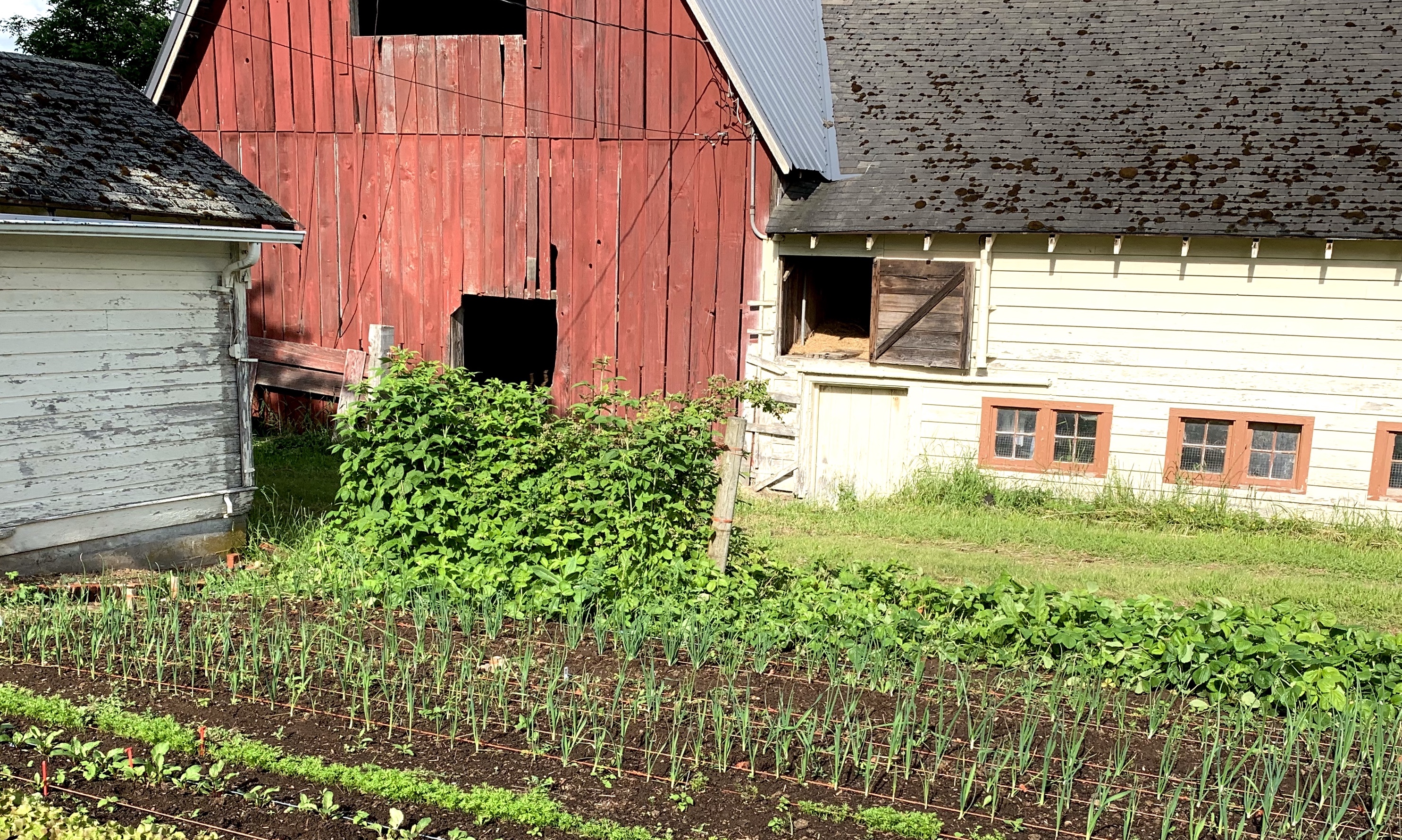
Down on his hands and knees beside the leek rig,
Touching, inspecting, separating one
Stalk from the other, gently pulling up
Everything not tapered, frail and leafless,
Pleased to feel each little weed-root break,
But rueful also . . . 


Then found myself listening to
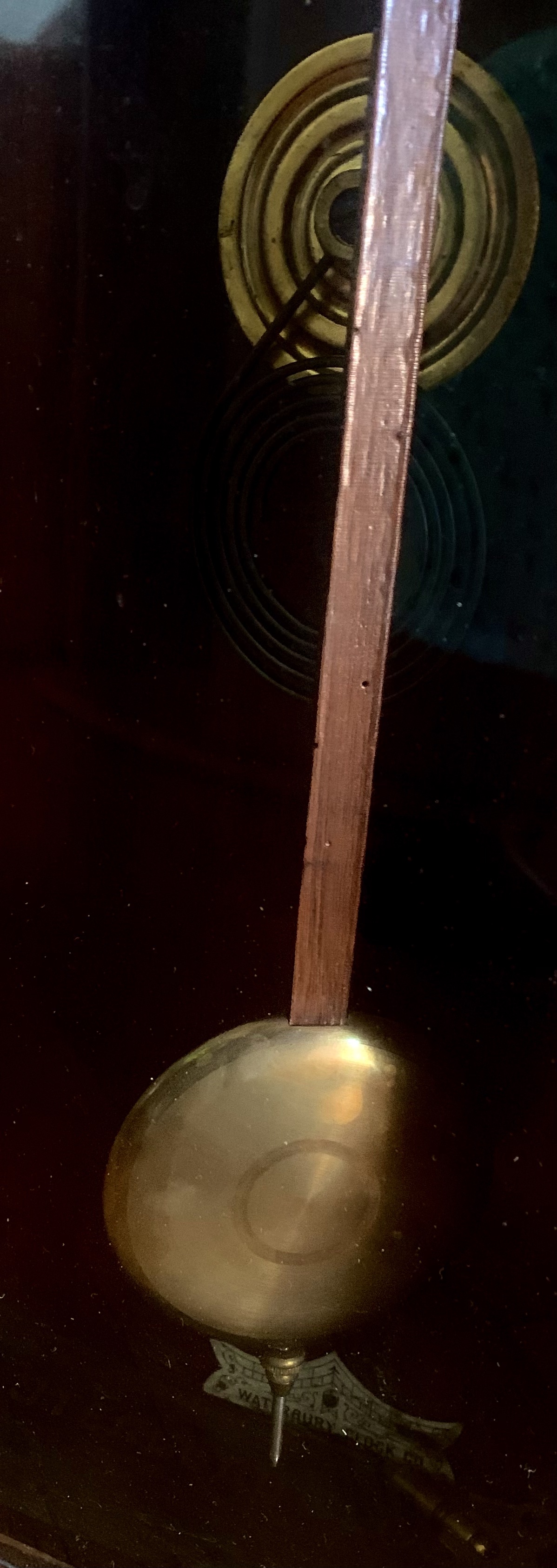
The amplified grave ticking of hall clocks
Where the phone lay unattended in a calm
Of mirror glass and sunstruck pendulums . . . 


And found myself then thinking: if it were nowadays,
This is how Death would summon
Everyman.

Next thing he spoke and I nearly said I loved him.
~Seamus Heaney “A Call” from ‘Poems That Make Grown Men Cry’

My father was a complex man. I understand better now where my own complicated nature comes from.

As inscrutable as he could be, there were things I absolutely understood about him:

he was a man of action
– he never just sat, never took a nap, never wasted a day of his life without accomplishing something tangible.

he was a man of the soil
– he plowed and harrowed and sowed and fertilized and weeded and harvested

he was a man of inventiveness
– he figured out a better way, he transformed tools and buildings, he started from scratch and built the impossible

he didn’t explain himself
– and never felt the need to.

Time keeps ticking on without him here, now 26 years since he took his last breath as the clock pendulum swung in his bedroom. He was taken too young for all the projects he still had in mind.

He handed off a few to me.
Some I have done.
Some still wait, I’m not sure why.

My regret is not understanding how much he needed to hear how loved he was. He seemed fine without it being said.
But he wasn’t.

I wish I had said it when I had the chance.

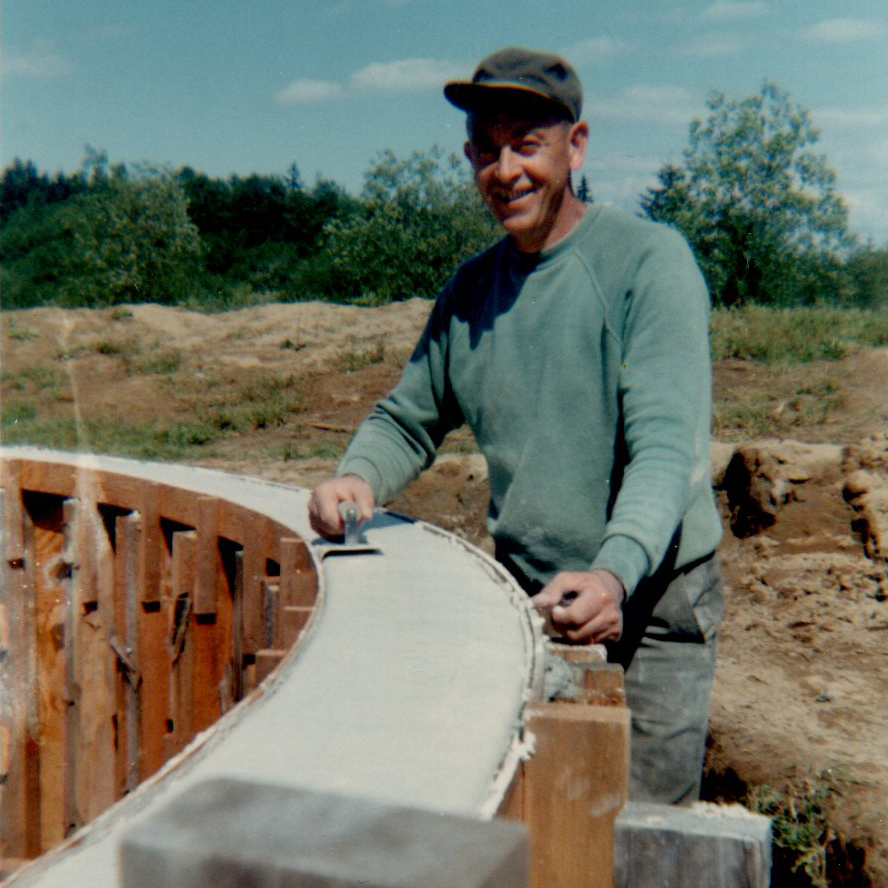
Ben packaged in a paper bag by Grandpa Hank
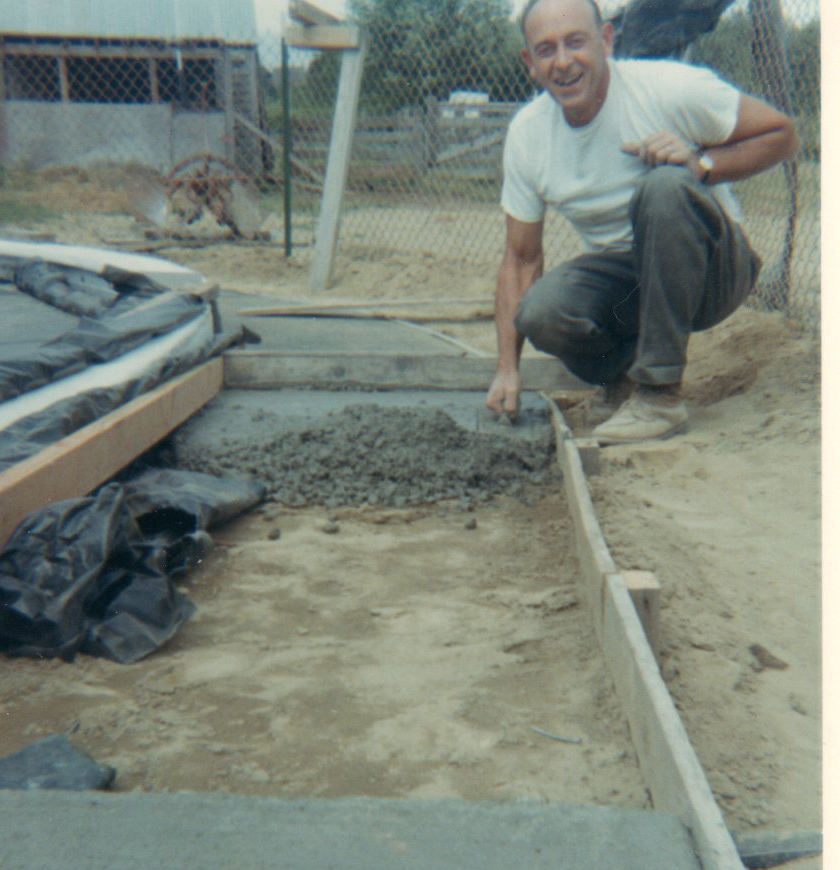
Pouring the sidewalk by hand

The Reddening Light

Near dusk, near a path, near a brook,
we stopped, I in disquiet and dismay
for the suffering of someone I loved,
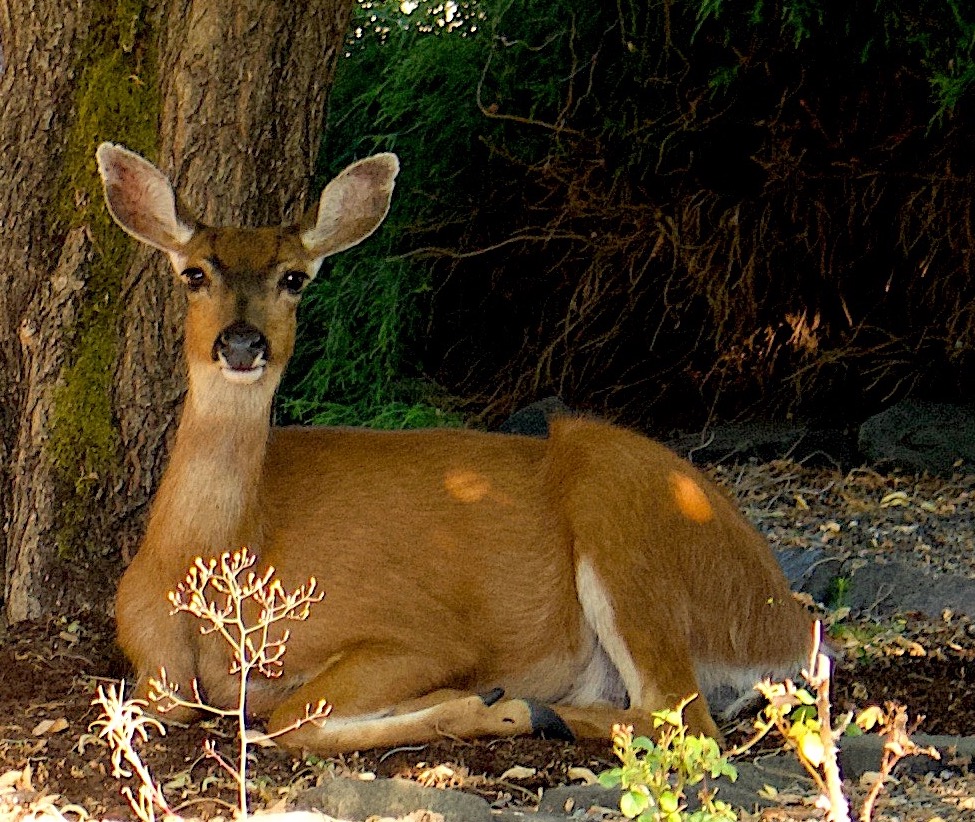
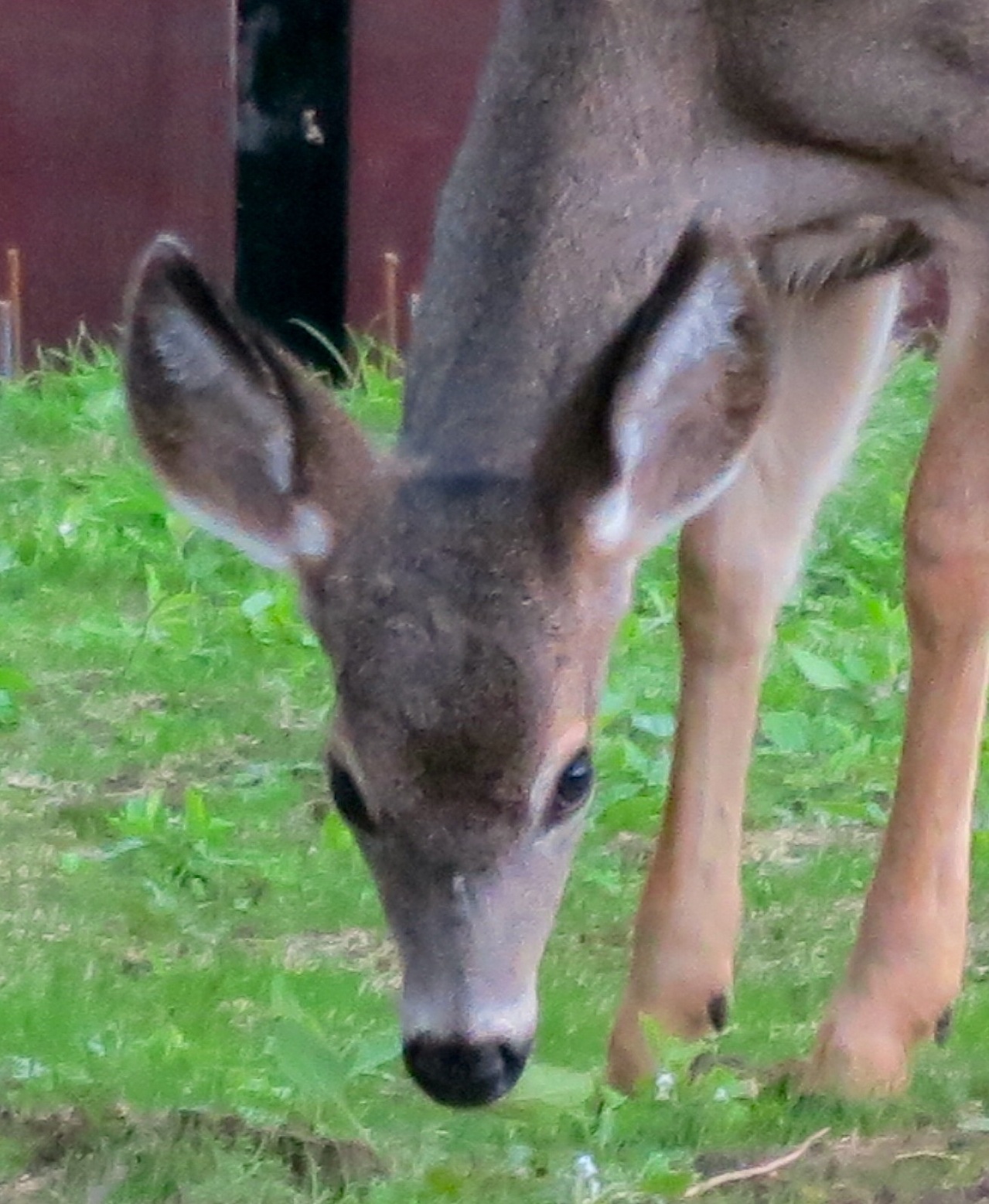
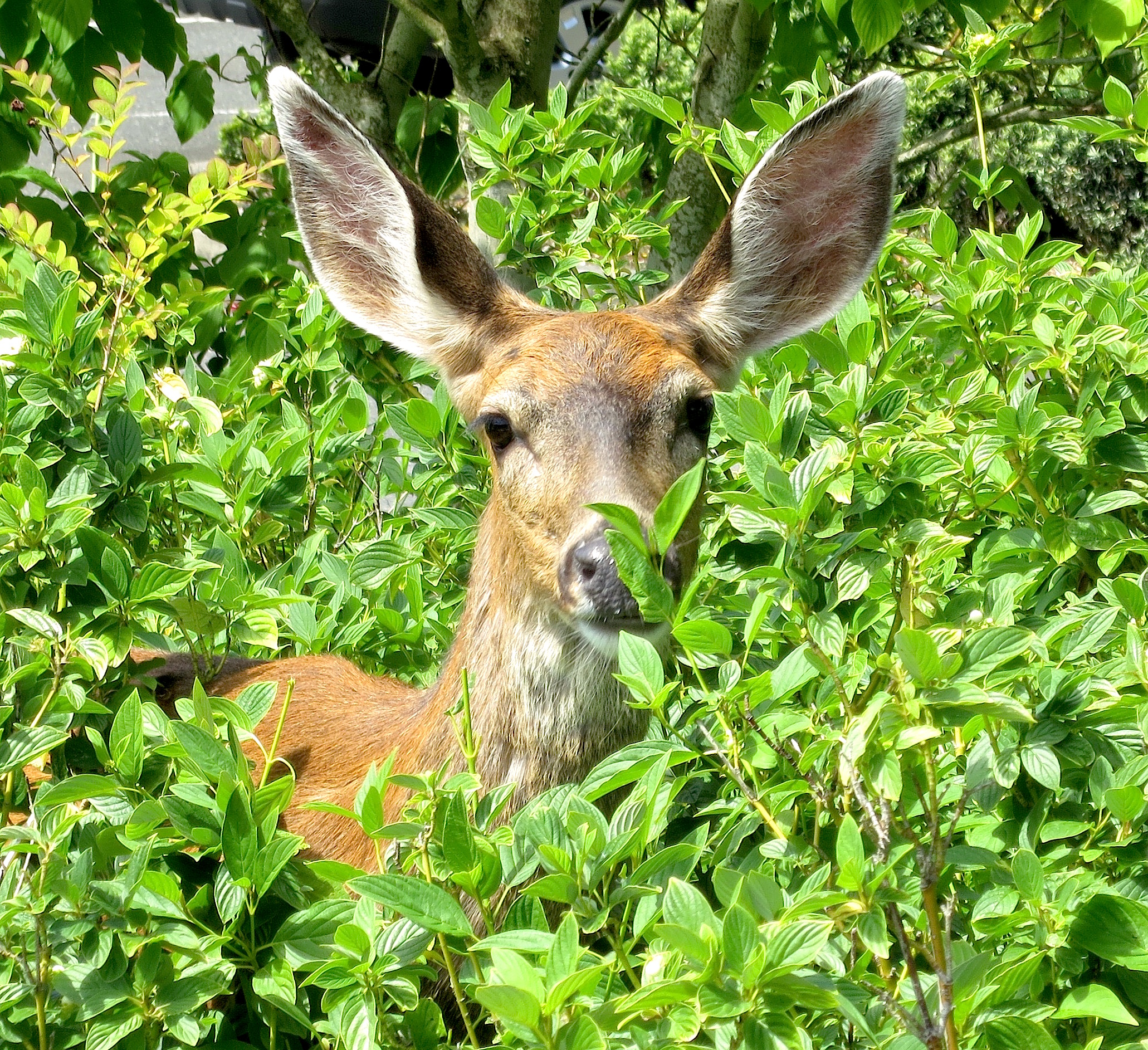
the doe in her always incipient alarm.

All that moved was her pivoting ear
the reddening sun was shining through
transformed to a color I’d only seen
in a photo of a new child in a womb.

Nothing else stirred, not a leaf,
not the air, but she startled and bolted
away from me into the crackling brush.

The part of my pain which sometimes
releases me from it fled with her, the rest,
in the rake of the late light, stayed.
~C. K. Williams  “The Doe”
from The Singing

Oh little one
who was to have been born this week in June
thirty eight years ago~
so wanted
so anticipated
but lost too soon.

Gone as swiftly in a clot of red
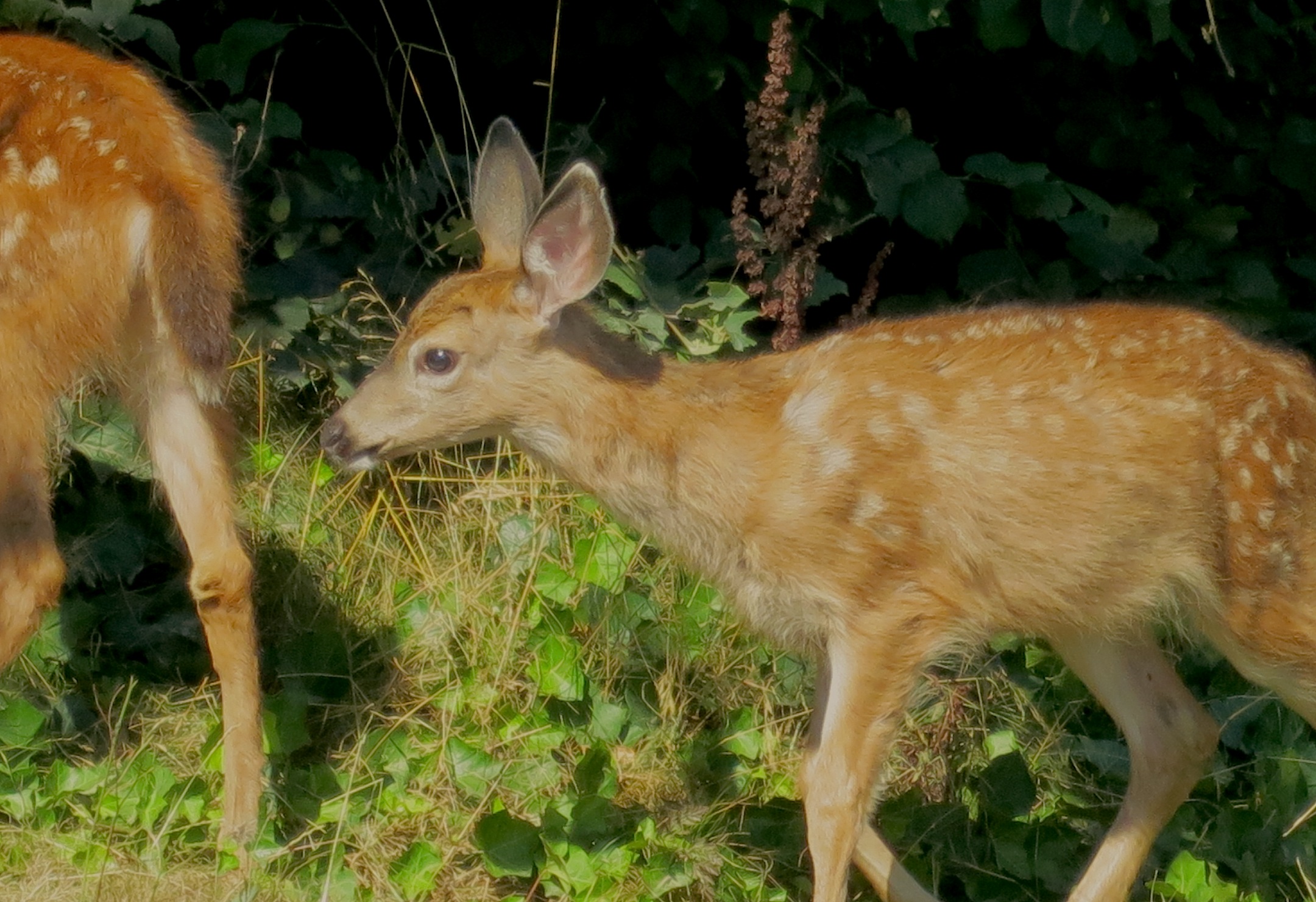
as a doe disappearing soundlessly into a thicket:
so long ago it makes me question
if you were real,
until my heart clenches again at the memory.

But you were
and you are
and someday
I’ll know you when I see you
and curious about who I am,
you won’t flee this time,
but stay to find out.

A new book from Barnstorming is available to order here:

Presences of Absences

The sunlight now lay over the valley perfectly still.
I went over to the graveyard beside the church
and found them under the old cedars…
I am finding it a little hard to say that I felt them resting there, but I did…

I saw that, for me, this country would always be populated
with presences and absences,
presences of absences,
the living and the dead.
The world as it is

would always be a reminder
of the world that was,
and of the world that is to come.
~Wendell Berry in Jayber Crow

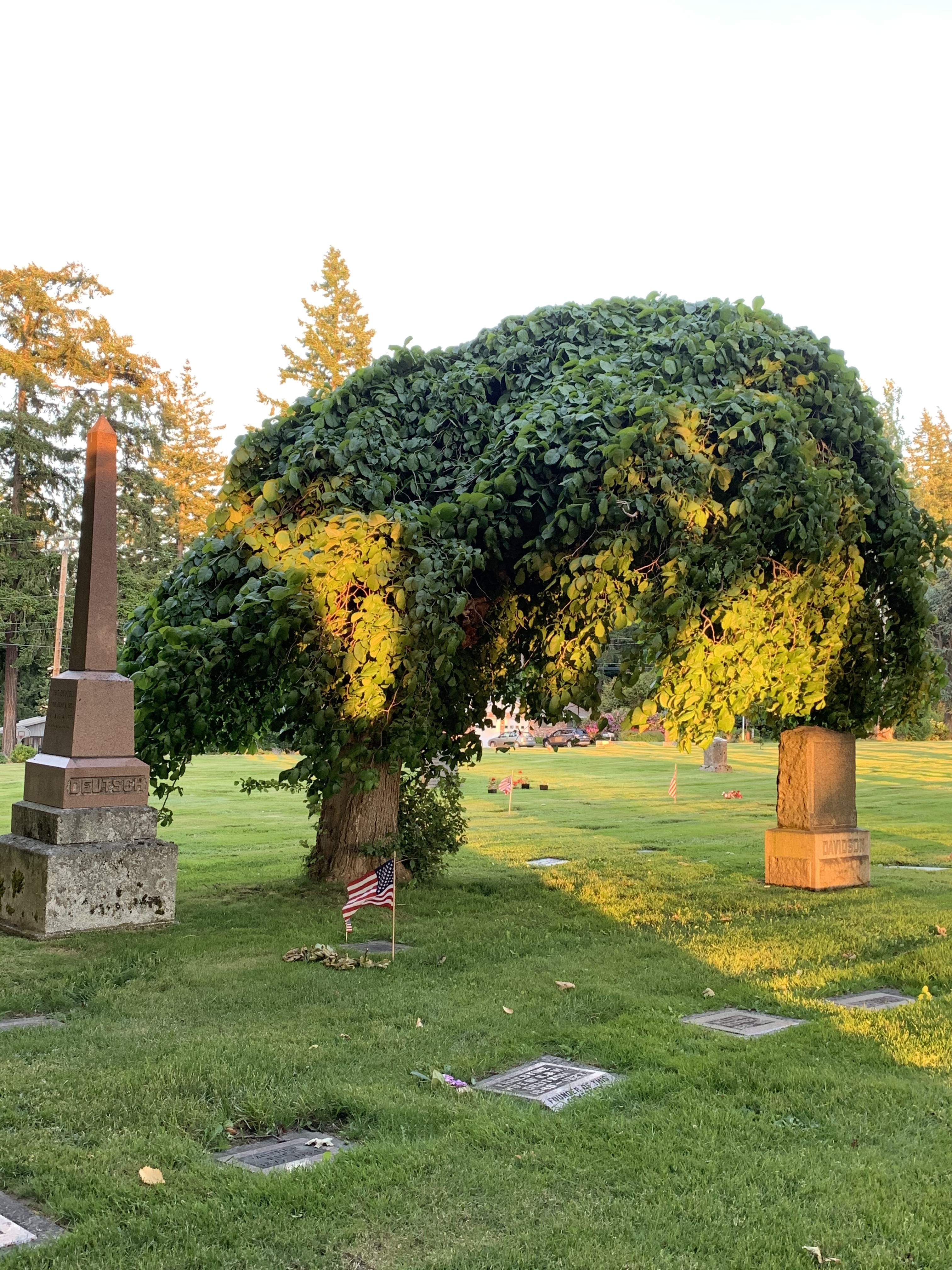
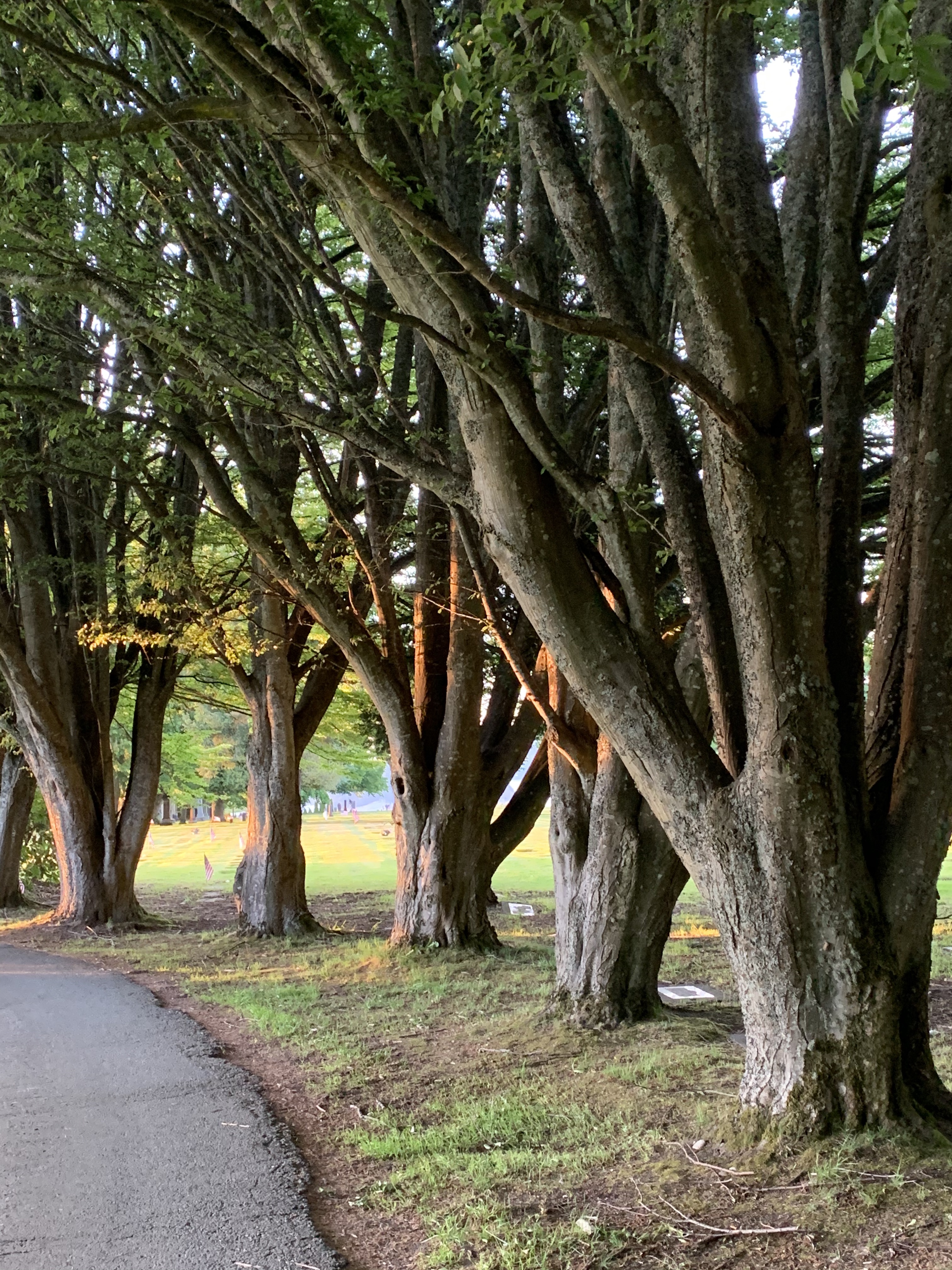
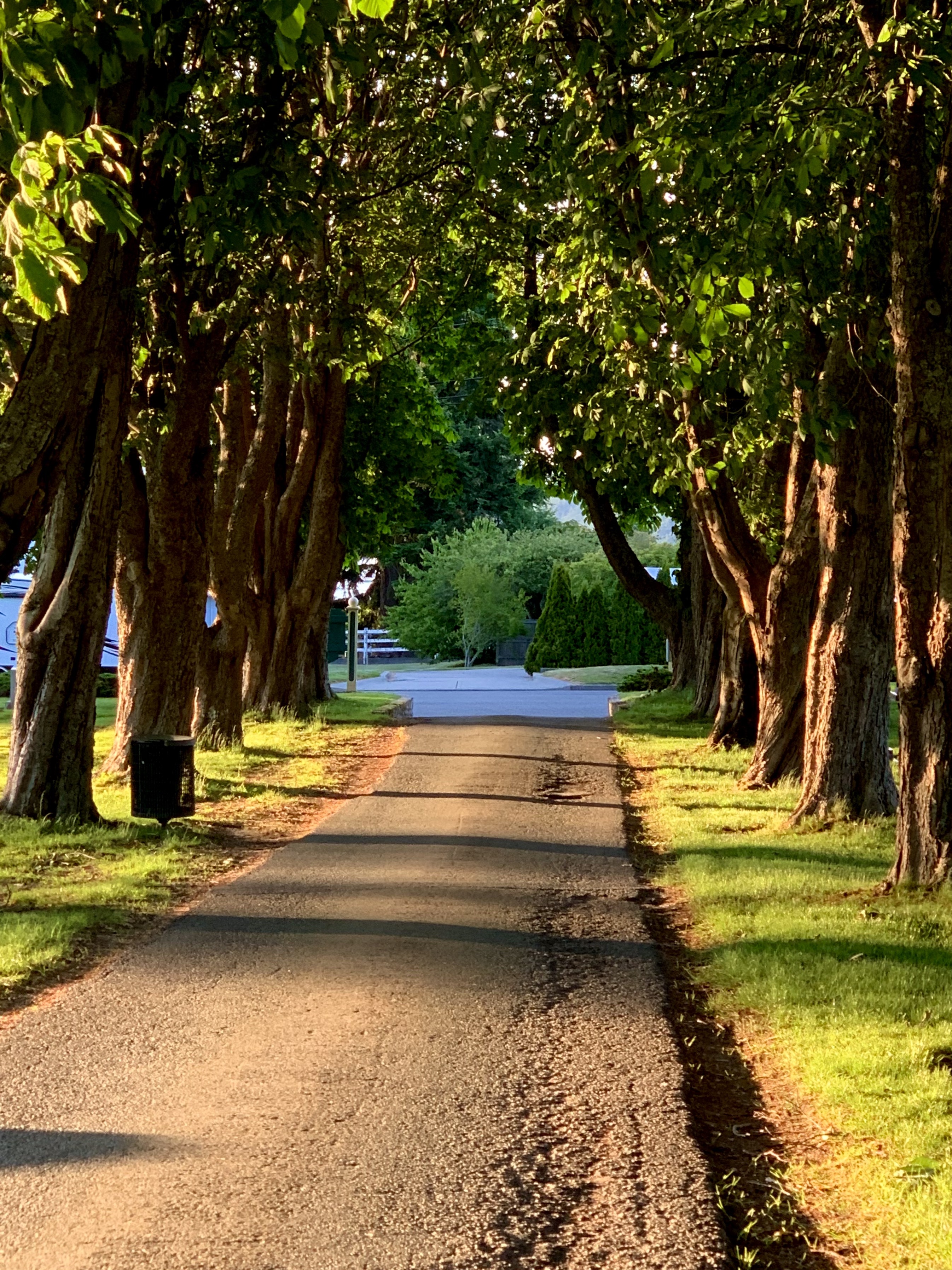
Today, as always during the last weekend of May, we have a family reunion where most turn up missing.  A handful of the living come together with a slew of the no-longer-living. Some, who have been caught napping for a century or more, are no-shows.

It is always on this day of cemetery visiting that I feel keenly the presence of their absence: the great greats I never knew, a great aunt who kept so many secrets, my alcoholic grandfather (who I remember as a very old man) who died of sudden cardiac arrest at the age I am now, my grandmother from whom I inherited inherent messiness and the love of things that bloom, my parents who divorced for ten years late in life, yet reunited long enough for their ashes to rest together for eternity.

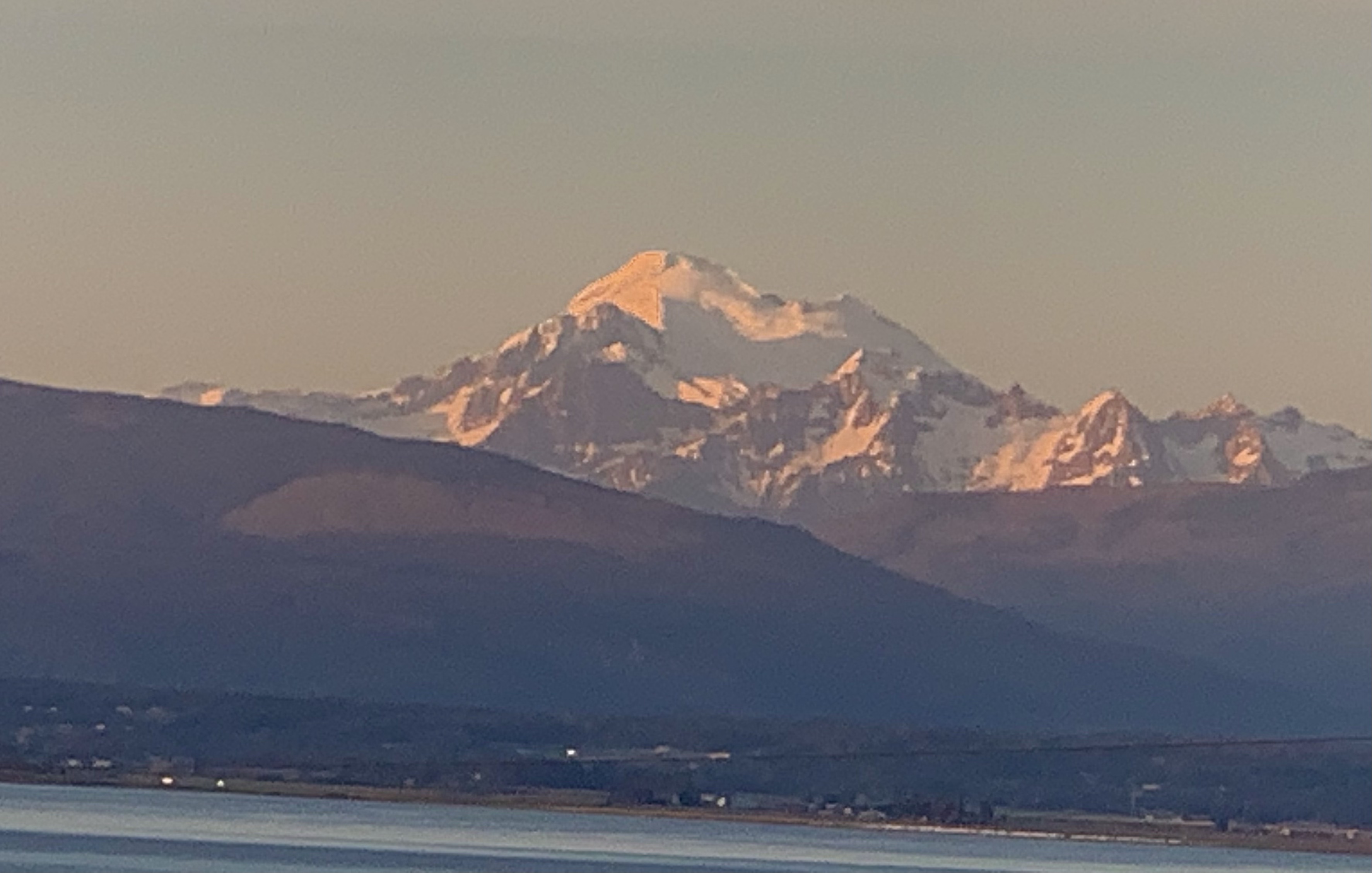
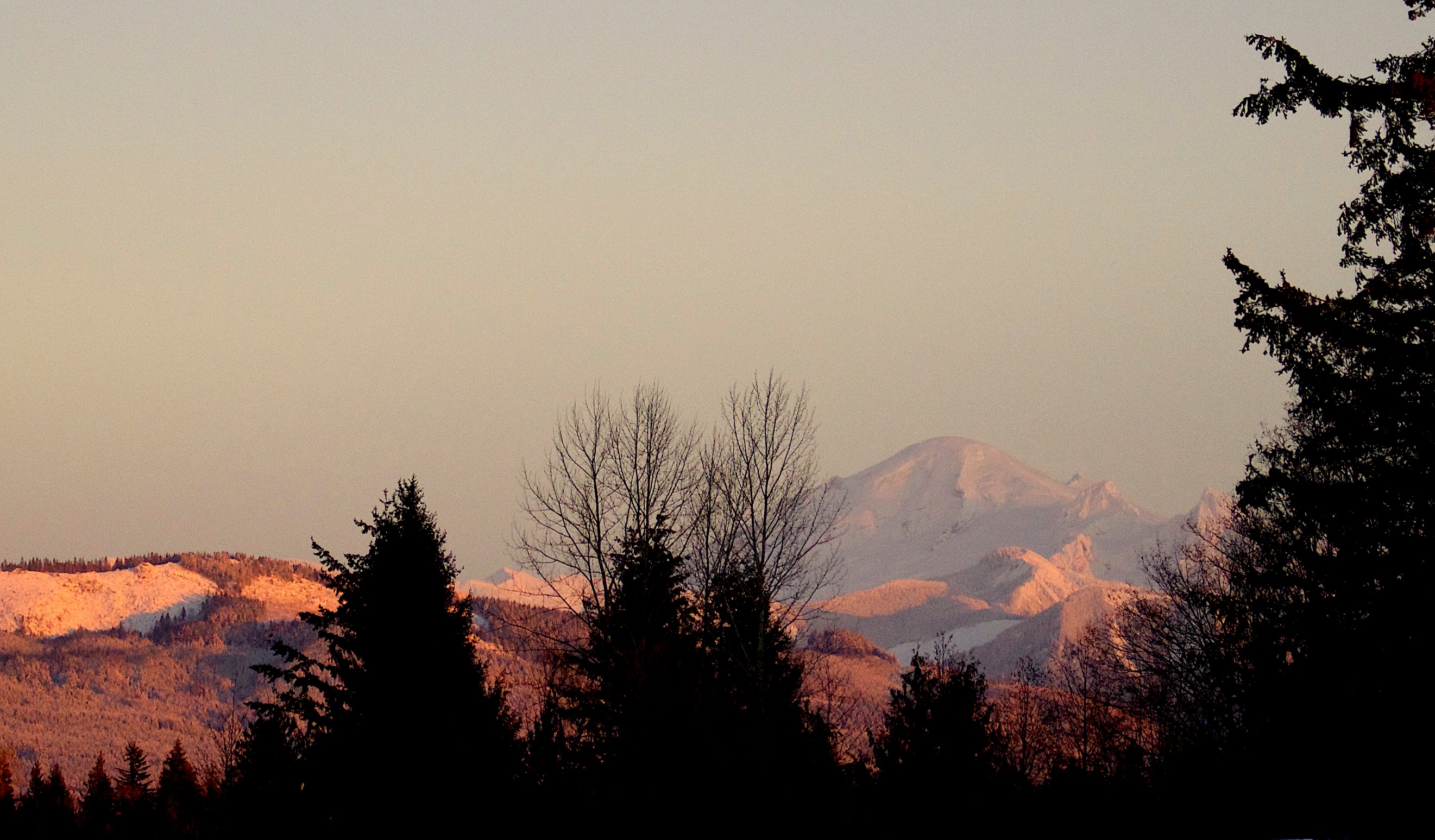
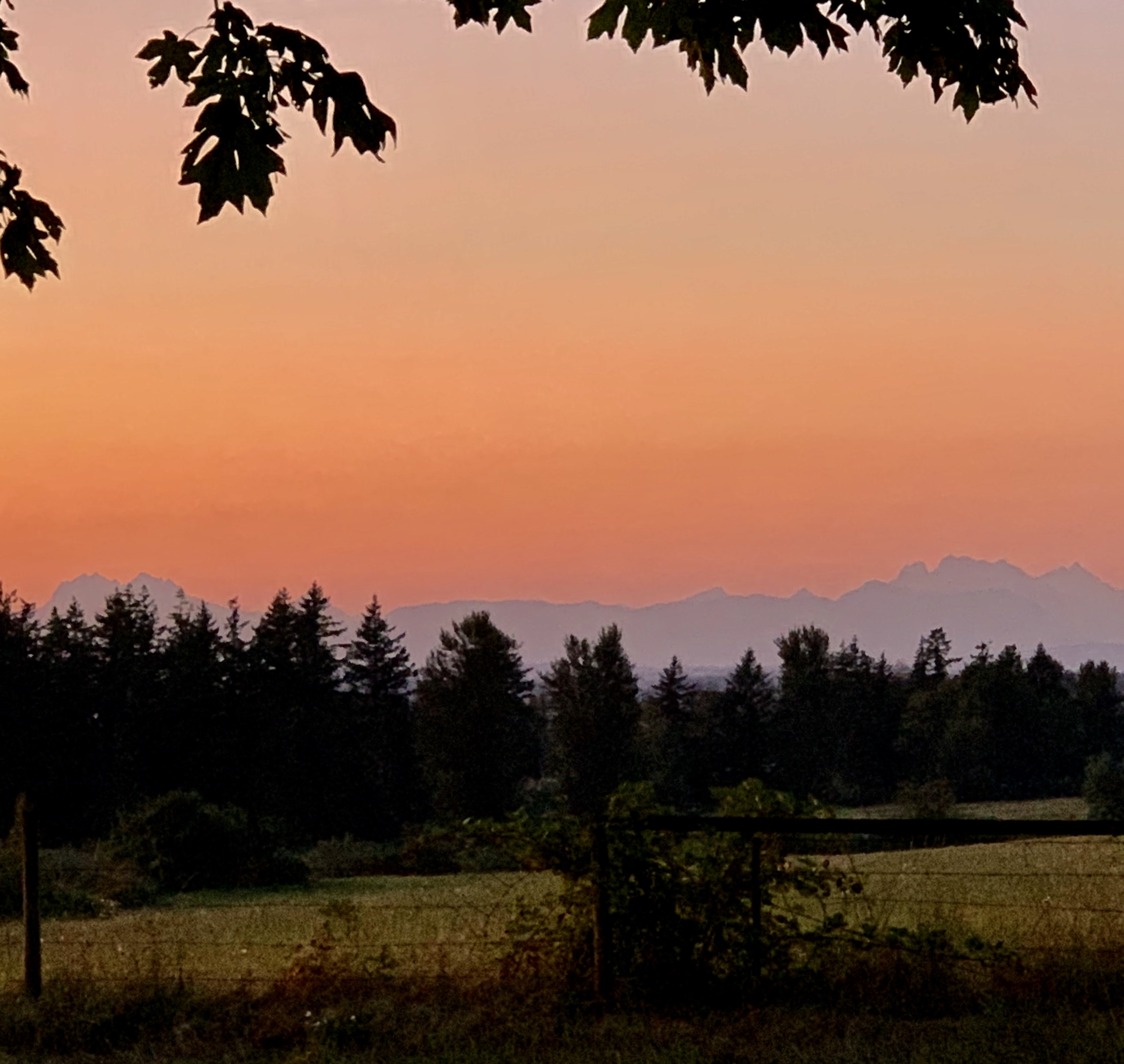
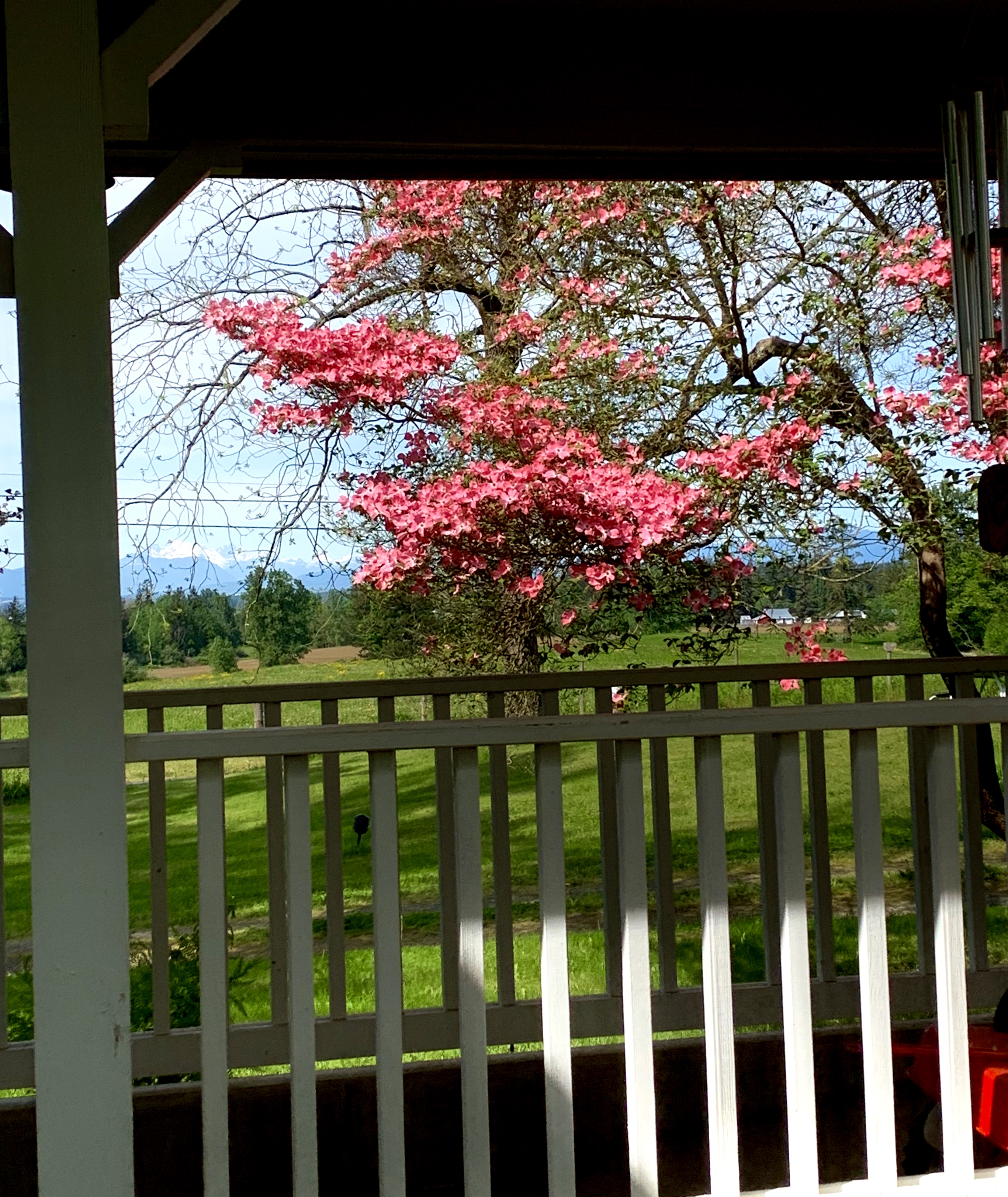
These givers of my genes rest here in this beautiful place above Puget Sound, the Cascade Mountains with shining snow beside them. It is a peaceful spot to lay one’s dust for eternity.

It is good, as one of the still-for-now living, to approach these plots of grass with a wary weariness of the aging.  But for the grace of God, there will I be sooner than I wish to be.  There, thanks to the grace of God, will I one day be an absent presence for my children and grandchildren to ponder if they keep up this annual tradition of the cemetery-visit.

The world as it is…remembers the world that was. 

The world to come calls us home in its time, where we all will be present and accounted for — our reunion celebration where we pray no one is missing.

All in good time. All in good time.

A new book from Barnstorming – available for order here

The Delicate Sadness of Dusk

The talkative guest has gone,
and we sit in the yard
saying nothing. The slender moon
comes over the peak of the barn.

The air is damp, and dense
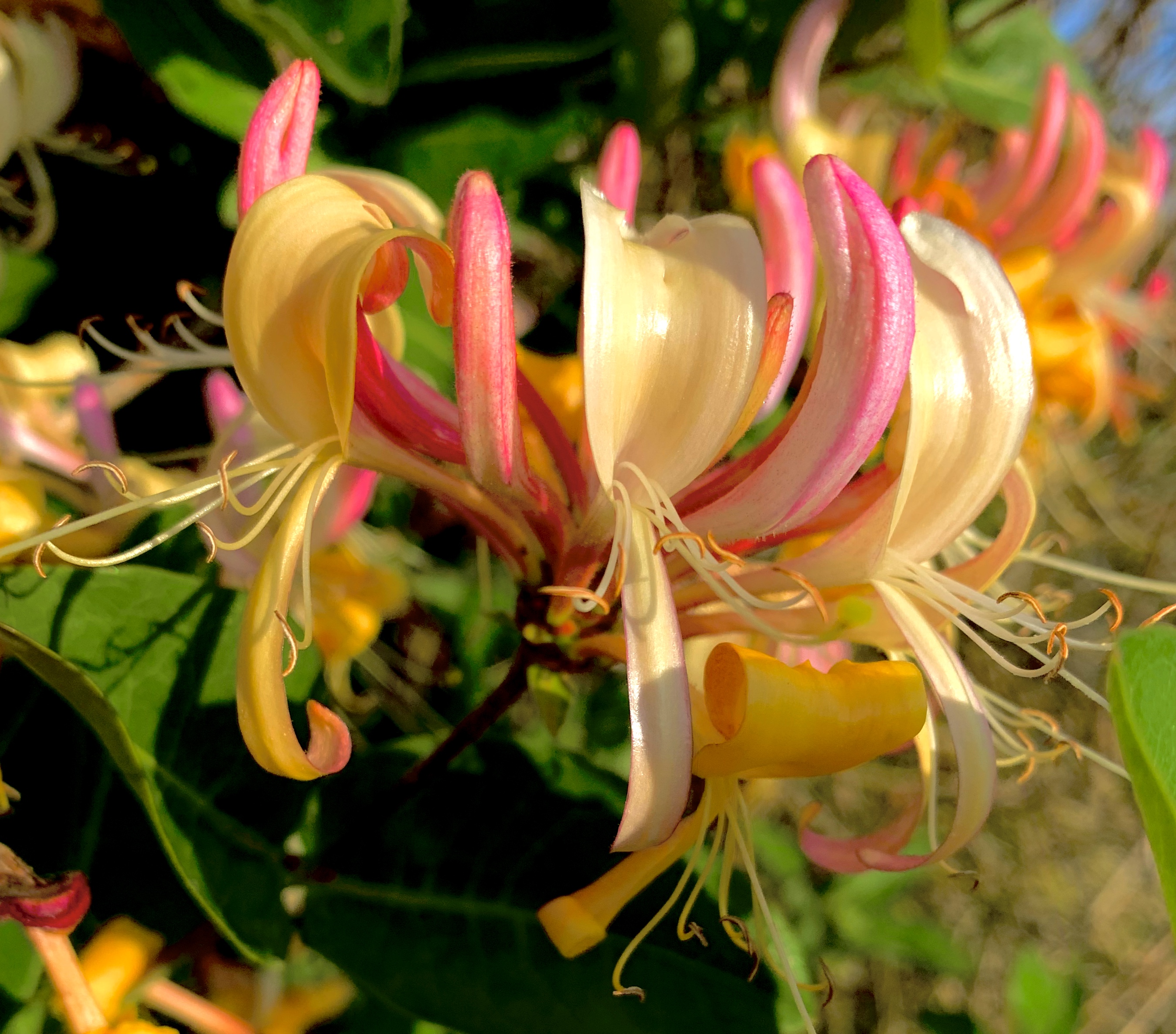
with the scent of honeysuckle. . . .
The last clever story has been told
and answered with laughter.

With my sleeping self I met
my obligations, but now I am aware
of the silence, and your affection,
and the delicate sadness of dusk.
~Jane Kenyon, “The Visit” from Collected Poems

As we slowly adapt to evenings spent with family and friends again, taking off our masks to actually witness the emotion on a familiar, now unveiled, face:

There are smiles and laughter again. We are trying to remember how to be ourselves outside the fearfulness that contagion wrought. More important: there are tears again. And wistfulness. And regret. And longing.

This delicate sadness happened – even to those of us who were never directly touched by sickness. We will never be the same, never so light of heart again, remembering what this past year has cost.

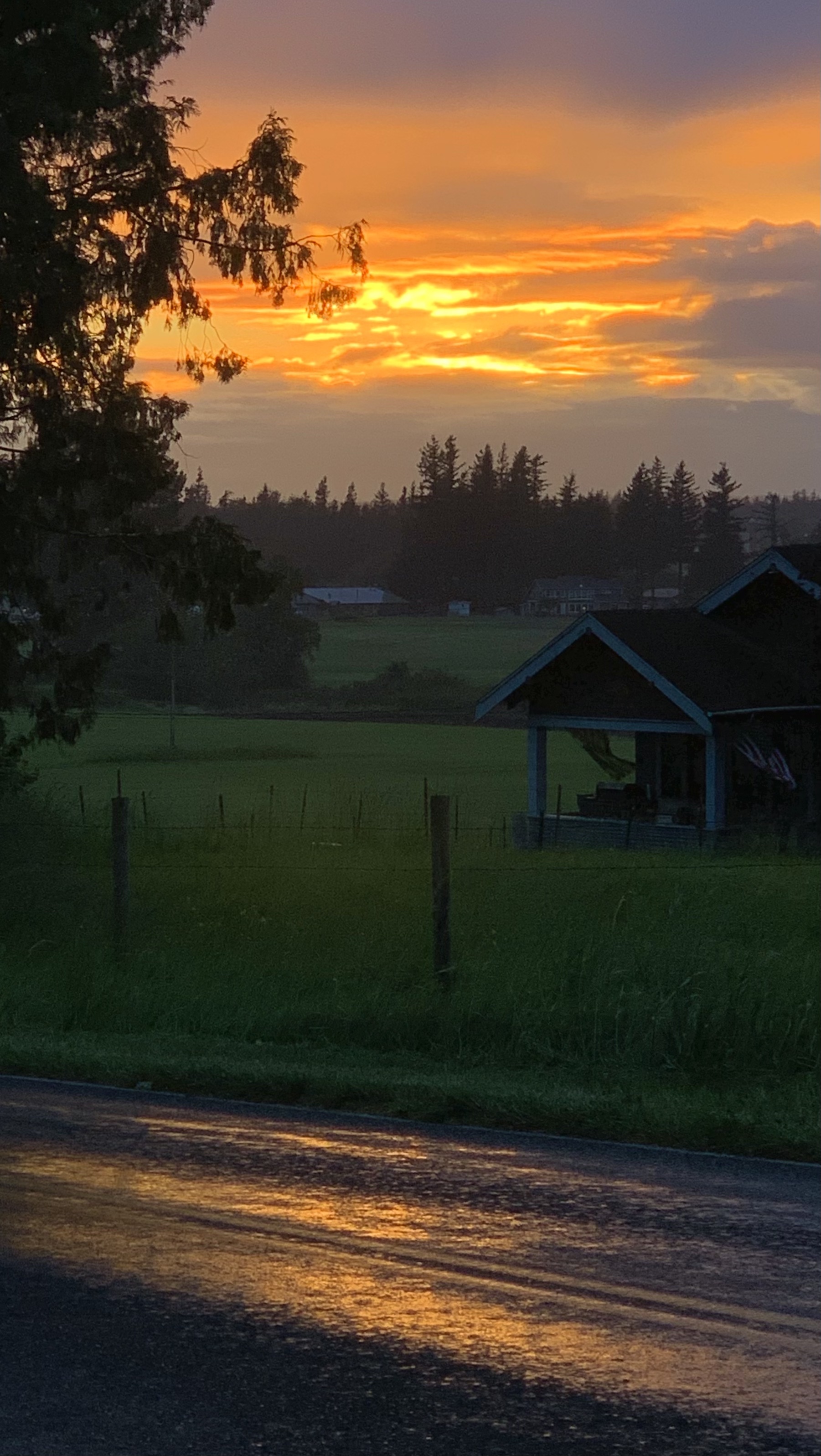
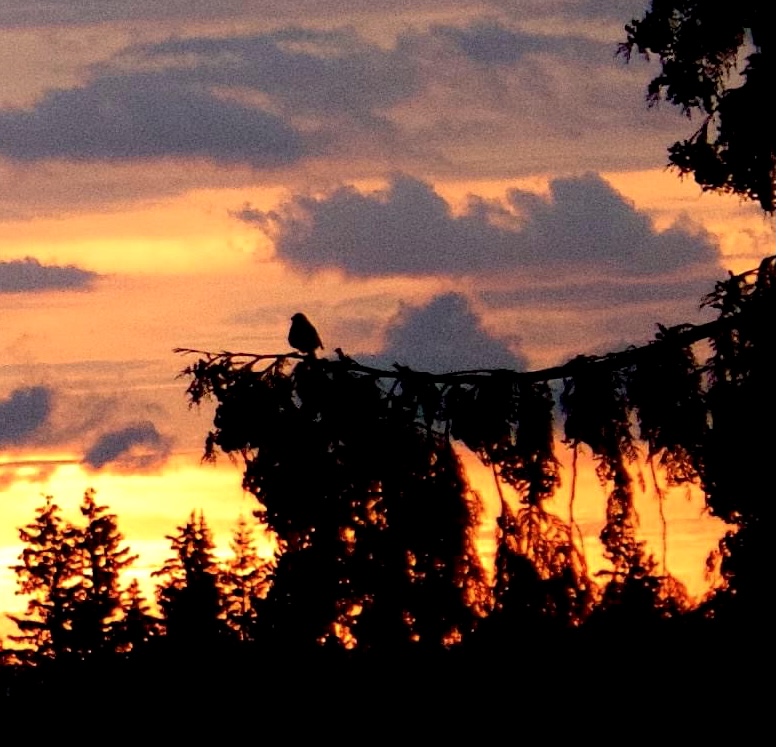
It is a slow transition to dusk. We sit together now and watch it come.

A Girl from the Palouse

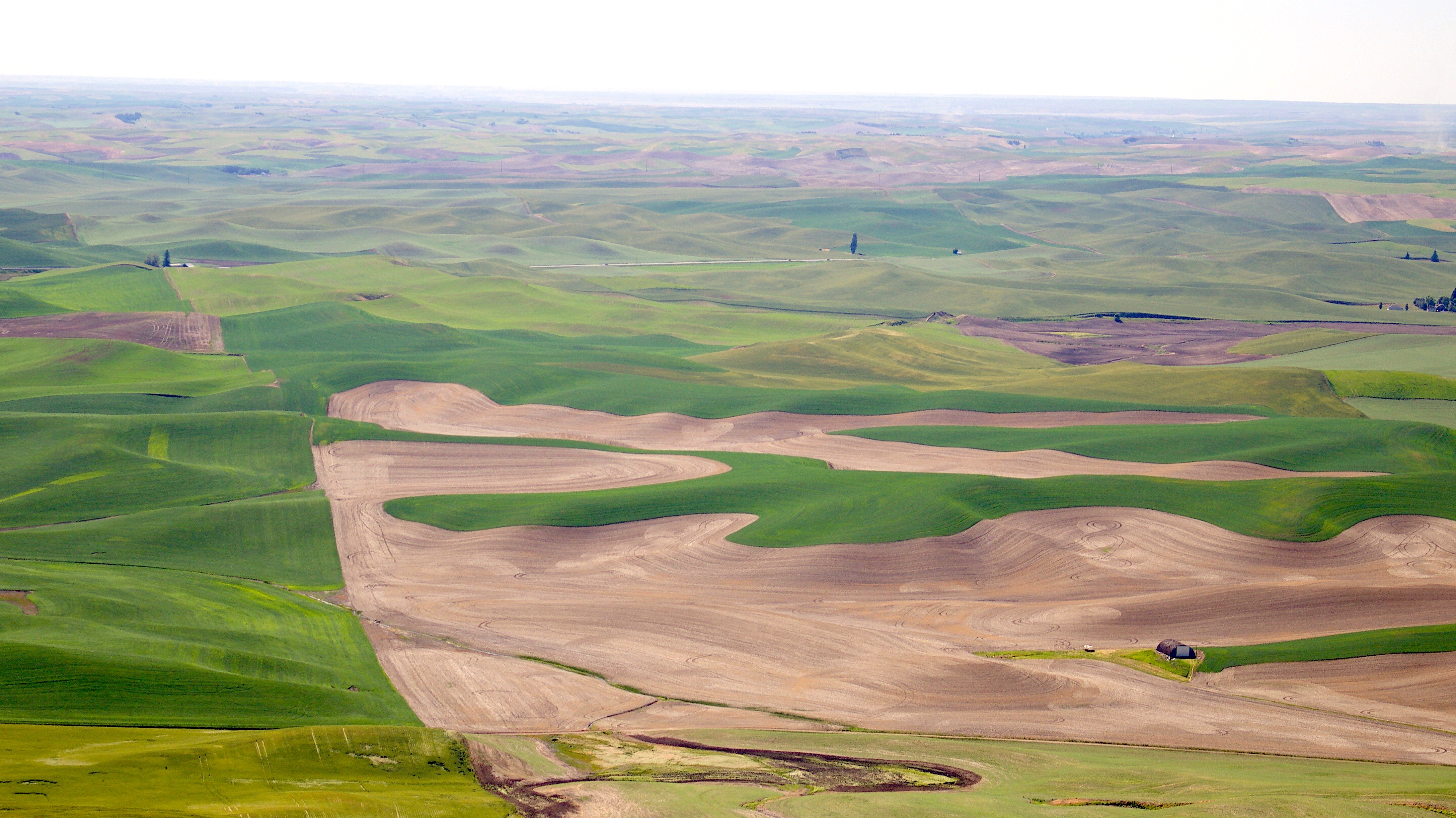
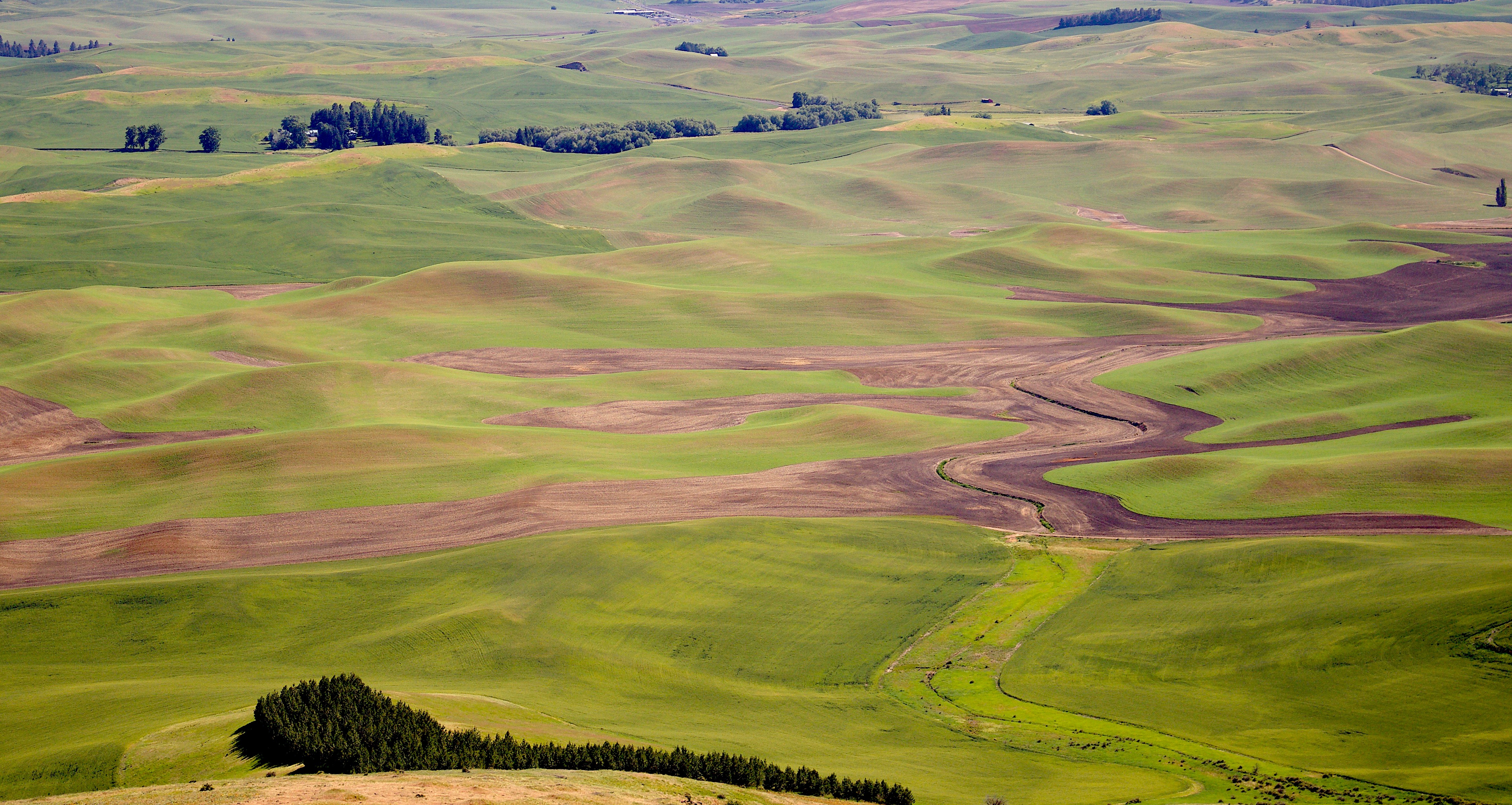
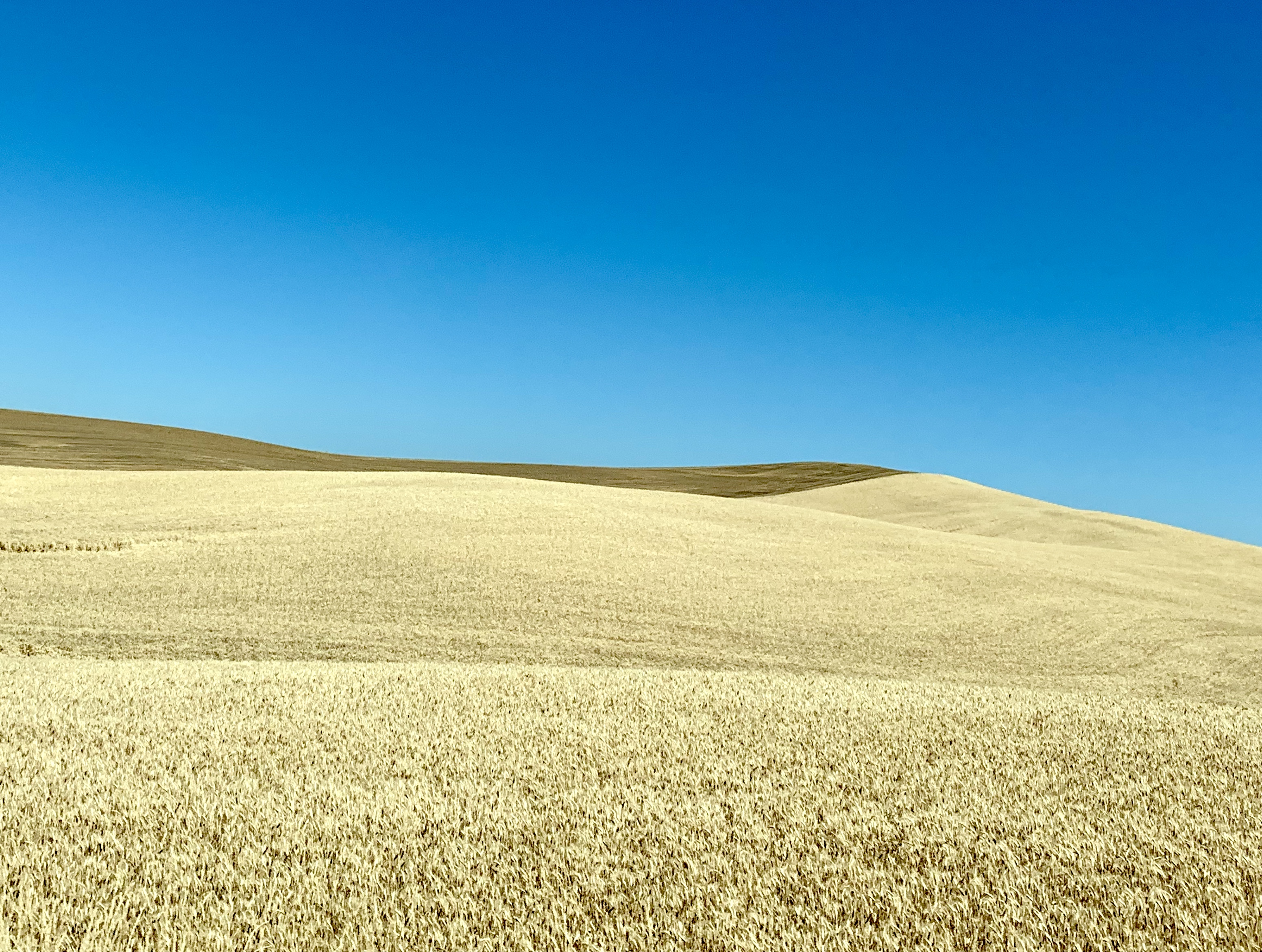
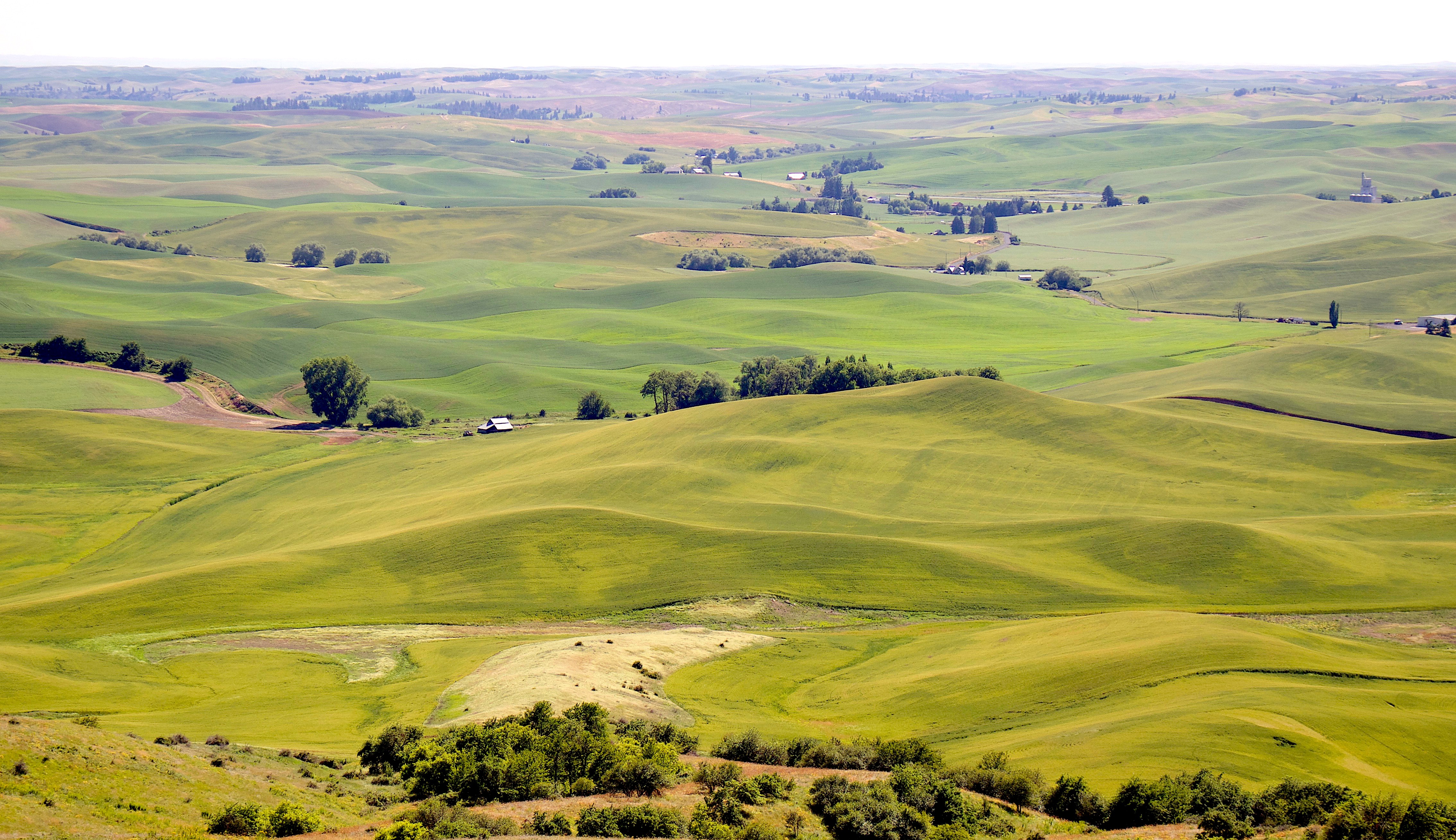
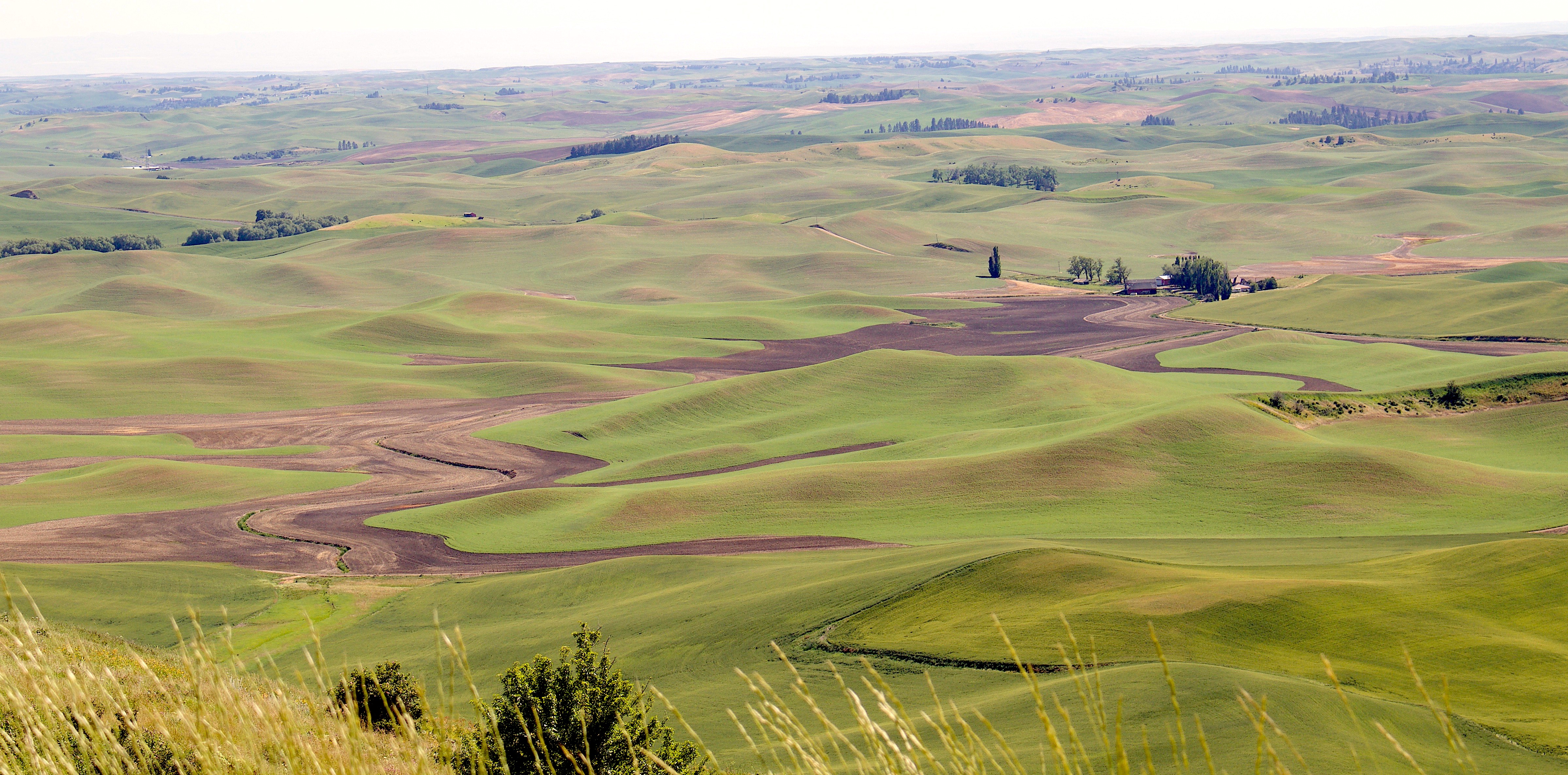
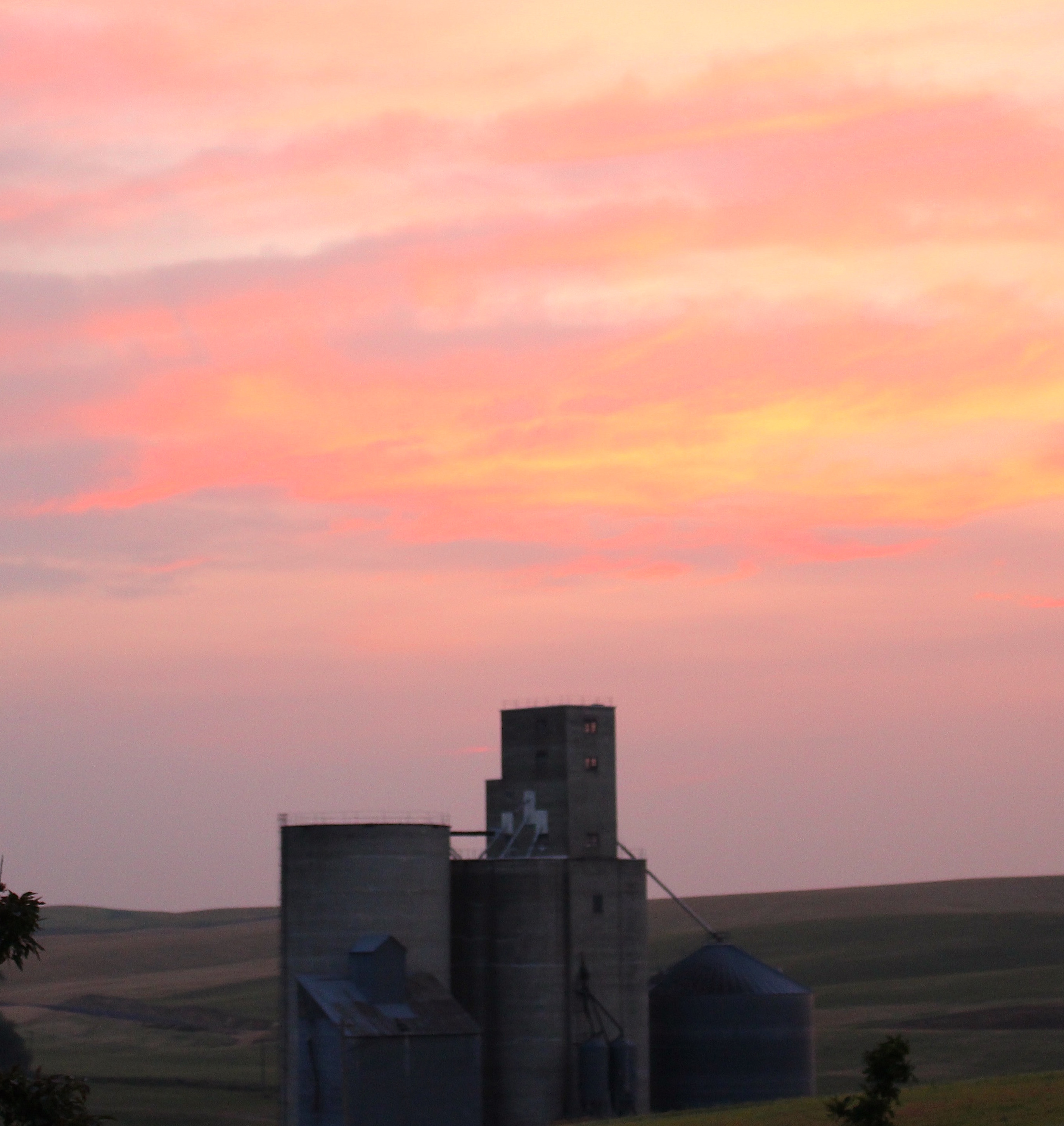
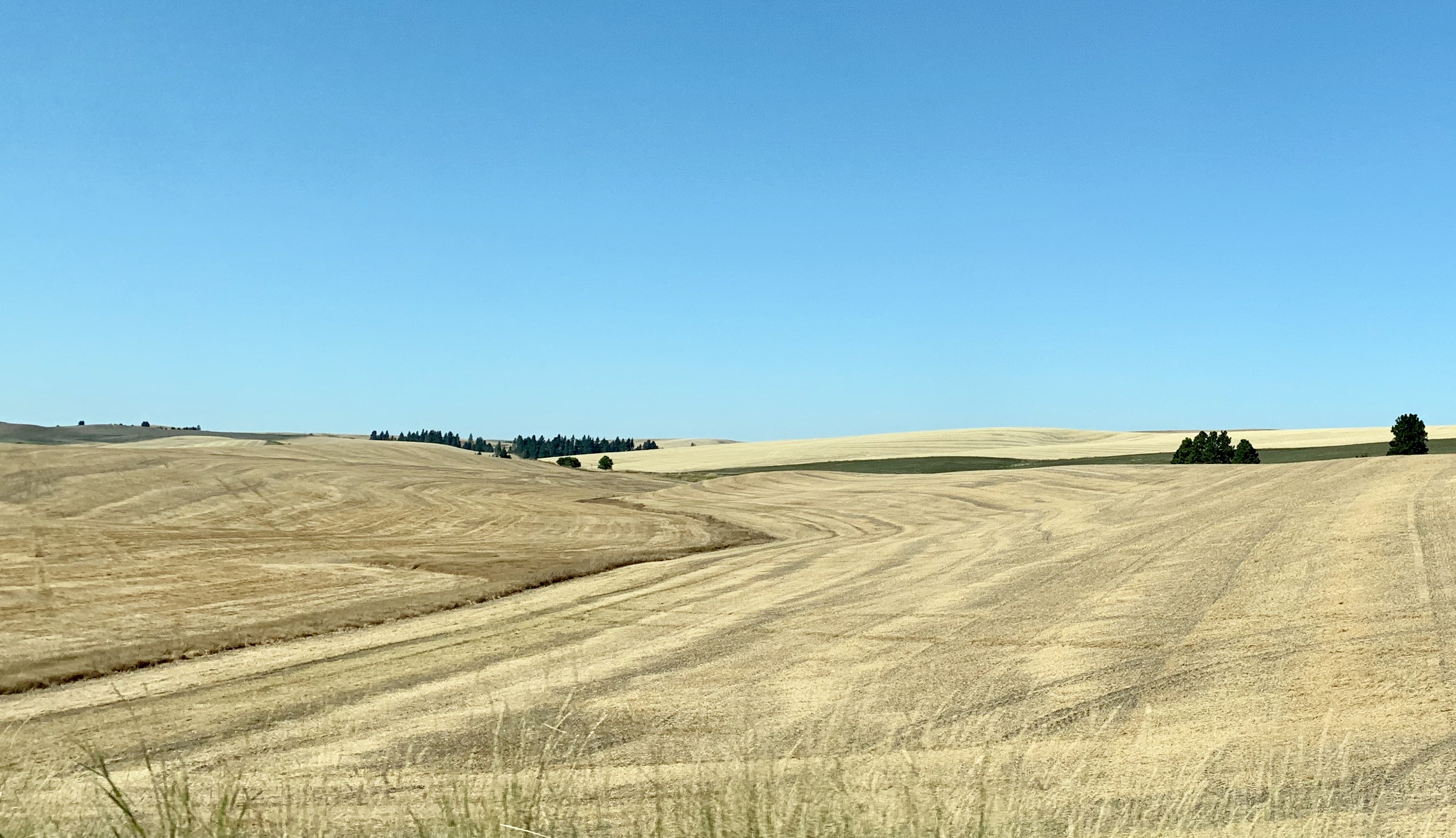
My mother, Elna Schmitz Polis, was born 101 years ago today in the lonely isolation of a Palouse wheat and lentil farm in eastern Washington. She drew her first breath in a two story white house located down a long poplar-lined lane and nestled in a draw between the undulating hills.

She attended a one room school house until 8th grade, located a mile away in the rural countryside, then moved in with her grandmother “in town” in Rosalia to attend high school, seeing her parents only a couple times a month.

It was a childhood which accustomed her to solitude and creative play inside her mind and heart – her only sibling, an older brother, was busy helping their father on the farm. All her life and especially in her later years, she would prefer the quiet of her own thoughts over the bustle of a room full of activities and conversation.

Her childhood was filled with exploration of the rolling hills, the barns and buildings where her father built and repaired farm equipment, and the chilly cellar where the fresh eggs were stored after she reached under cranky hens to gather them. She sat in the cool breeze of the picketed yard, watching the huge windmill turn and creak next to the house. She helped her weary mother feed farm crews who came for harvest time and then settled in the screened porch listening to the adults talk about lentil prices and bushel production. She woke to the mourning dove call in the mornings and heard the coyote yips and howls at night.

She nearly died at the age of 13 from a ruptured appendix, before antibiotics were an option. That near-miss seemed to haunt her life-long, filling her with worry that it was a mistake that she survived that episode at all. Yet she thrived despite the anxiety, and ended up, much to her surprise, living a long life full of family and faith, letting go at age 88 after fracturing a femur, breaking her will to continue to live.

As a young woman, she was ready to leave the wheat farm behind for college, devoting herself to the skills of speech, and the creativity of acting and directing in drama, later teaching rural high school students, including a future Pulitzer Prize winning poet, Carolyn Kizer. She loved words and the power and beauty they wielded.

Marrying my father was a brave and impulsive act, traveling by train to the east coast only a week before he shipped out for almost 3 years to the South Pacific to fight as a Marine in WWII. She must have wondered about the man who returned from war changed and undoubtedly scarred in ways she could not see or touch. They worked it out, as rocky as it must have been at times, and in their reconciliation after their divorce years later, I could see the devotion and mutual respect of life companions who shared purpose and love.

As a wife and mother, she rediscovered her calling as a steward of the land and a steward of her family, gardening and harvesting fruits, vegetables and children tirelessly. When I think of my mother, I most often think of her tending us children in the middle of the night whenever we were ill; her over-vigilance was undoubtedly due to her worry we might die in childhood as she almost did.

She never did stop worrying until the last few months. As she became more dependent on others in her physical decline, she gave up the control she thought she had to maintain through her “worry energy” and became much more accepting about the control the Lord maintains over all we are and will become.

I know from where my shyness comes, my preference for birdsongs rather than radio music, my preference for naps, and my tendency to be serious and straight-laced with a twinkle in my eye. This is my German Palouse side–immersing in the quietness of solitude, thrilling to the sight of the spring wheat flowing like a green ocean wave in the breeze and appreciating the warmth of rich soil held in my hands. From that heritage came my mother and it is the legacy she has left with me. I am forever grateful to her for her unconditional love and her willingness to share the warmth of her nest whenever we felt the need to fly back home and shelter, overprotected at times but safe nonetheless, under her wings.

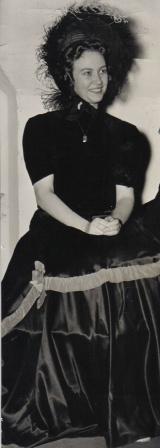
Elna Schmitz playing Elizabeth Barrett Browning

A new book available from Barnstorming — more information here

Each One Knows What the Other Knows

They sit together on the porch, the dark
Almost fallen, the house behind them dark.
Their supper done with, they have washed and dried
The dishes–only two plates now, two glasses,
Two knives, two forks, two spoons–small work for two.
She sits with her hands folded in her lap,
At rest. He smokes his pipe. They do not speak,
And when they speak at last it is to say
What each one knows the other knows. They have
One mind between them, now, that finally
For all its knowing will not exactly know
Which one goes first through the dark doorway, bidding
Goodnight, and which sits on a while alone.
~Wendell Berry “They Sit Together on the Porch”

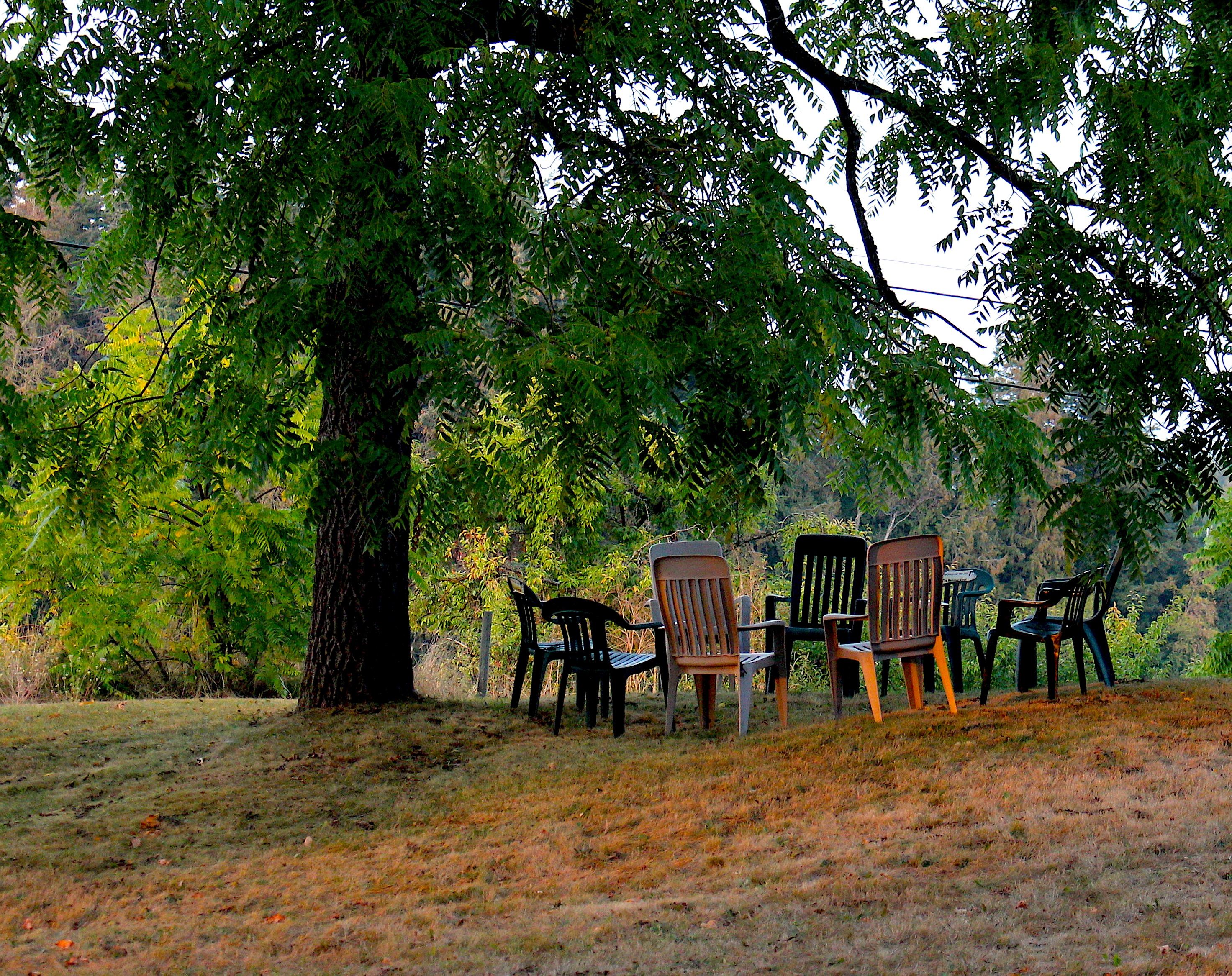
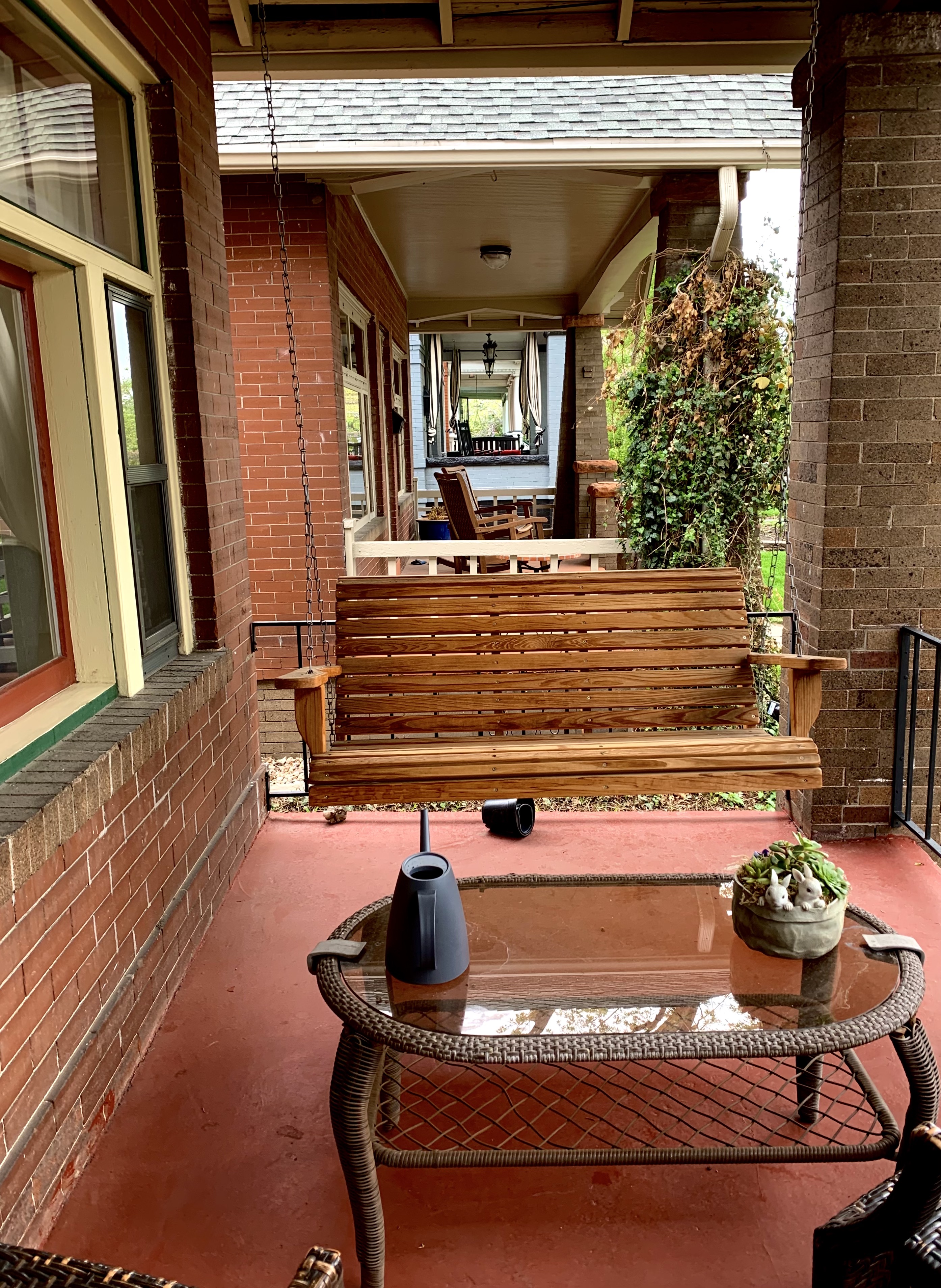
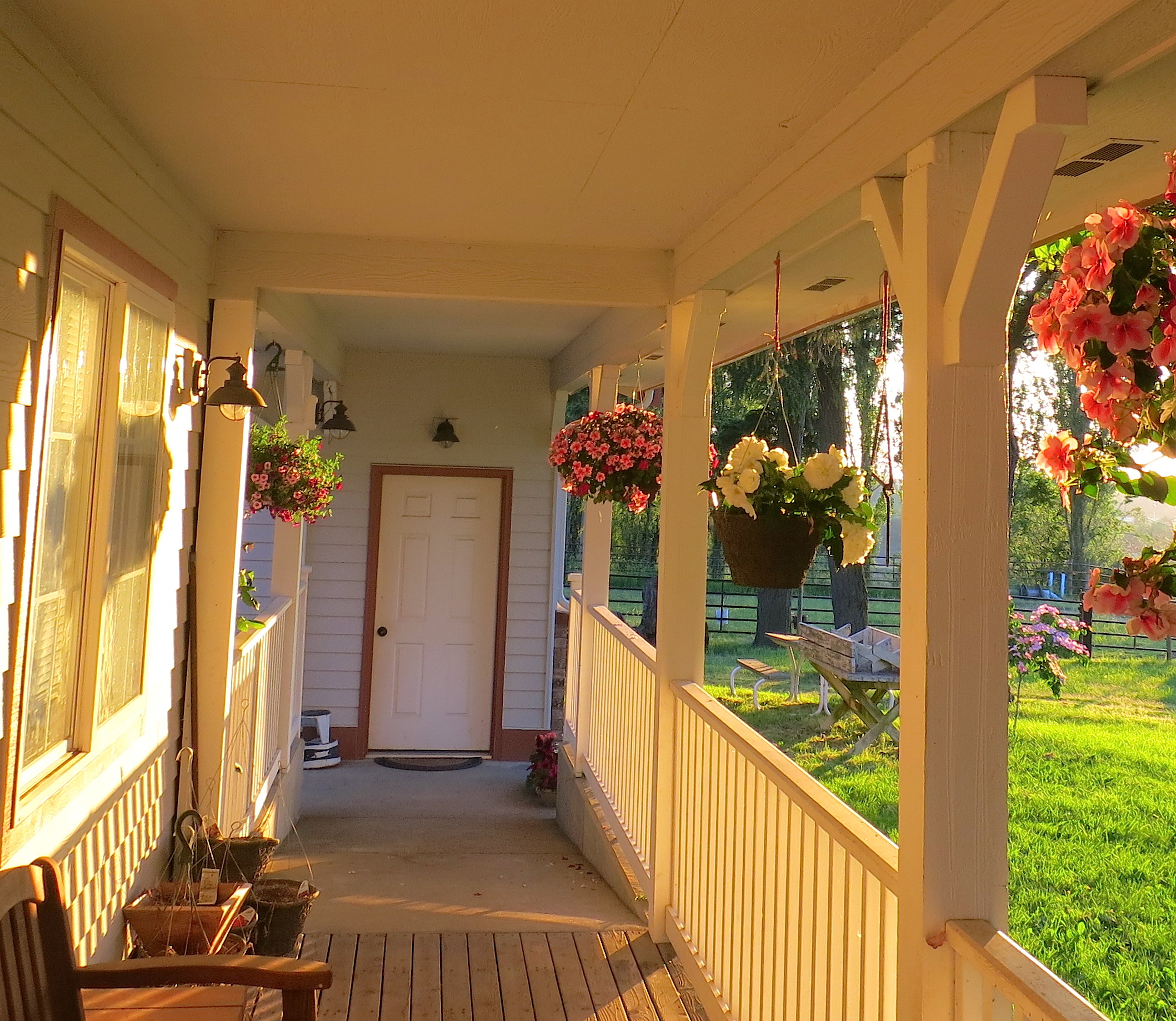
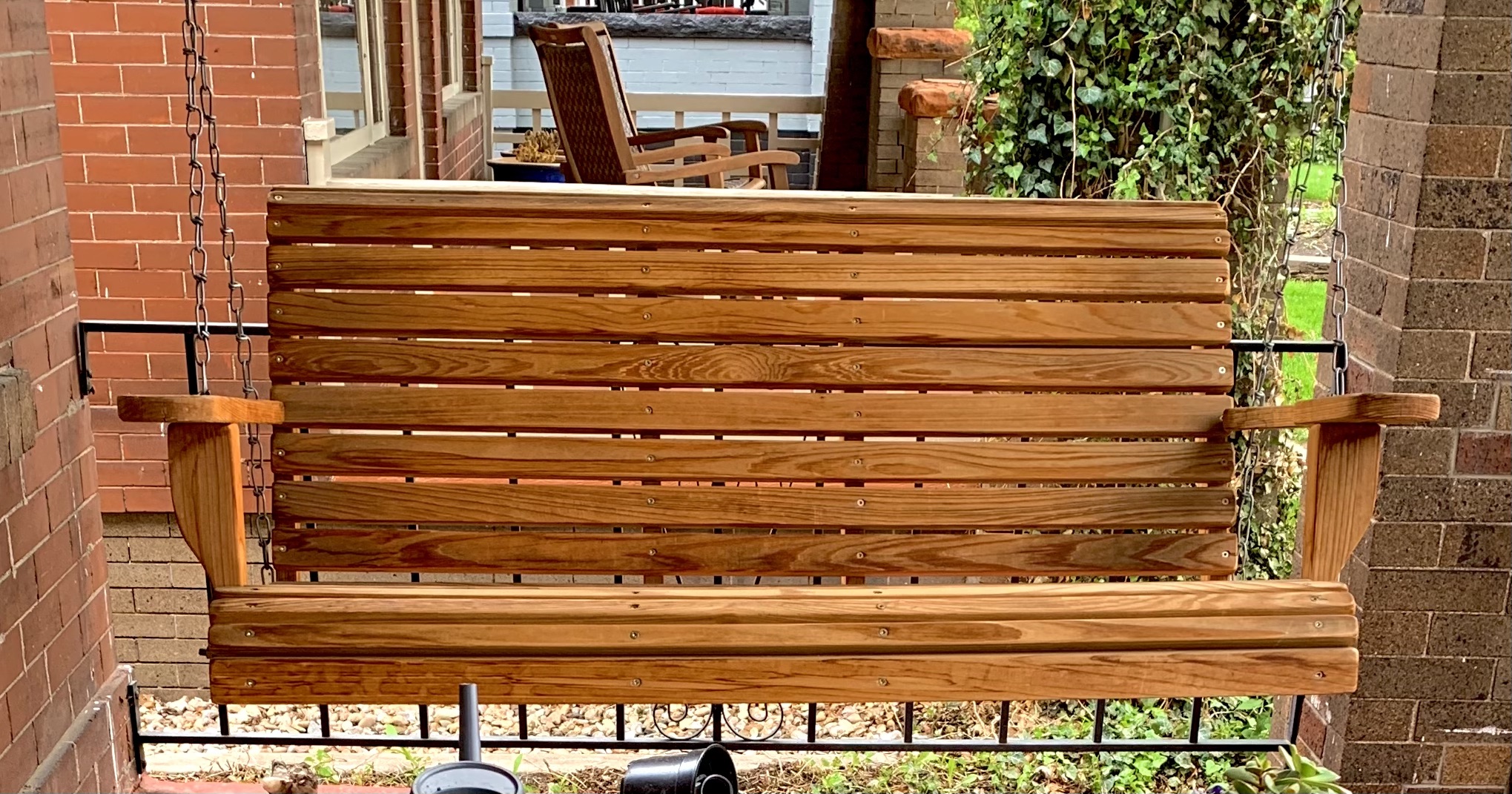
Over our multiple decades together, the more often we see others who sat together on the porches of their lives, and one has now already gone through that darkened doorway, bidding Goodnight.

The other remains sitting alone for a time.

We know what the other knows in our one mind together: we don’t know who will bid Goodnight before the other and who will sit on for awhile.

But we know it is okay either way because this is how it is and how it is meant to be. This is why we treasure up each porch-sitting, breathing the fresh evening air together, sighing wordlessly together, knowing, and not knowing, what will come next.

A new book from Barnstorming, available to order here:

The Clustered Roots of Grace

I have a small grain of hope–
one small crystal that gleams
clear colors out of transparency.

I need more.

I break off a fragment
to send you.

Please take
this grain of a grain of hope
so that mine won’t shrink.

Please share your fragment
so that yours will grow.

Only so, by division,
will hope increase,

like a clump of irises, which will cease to flower
unless you distribute
the clustered roots, unlikely source–
clumsy and earth-covered–
of grace.
~Denise Levertov “For the New Year, 1981”

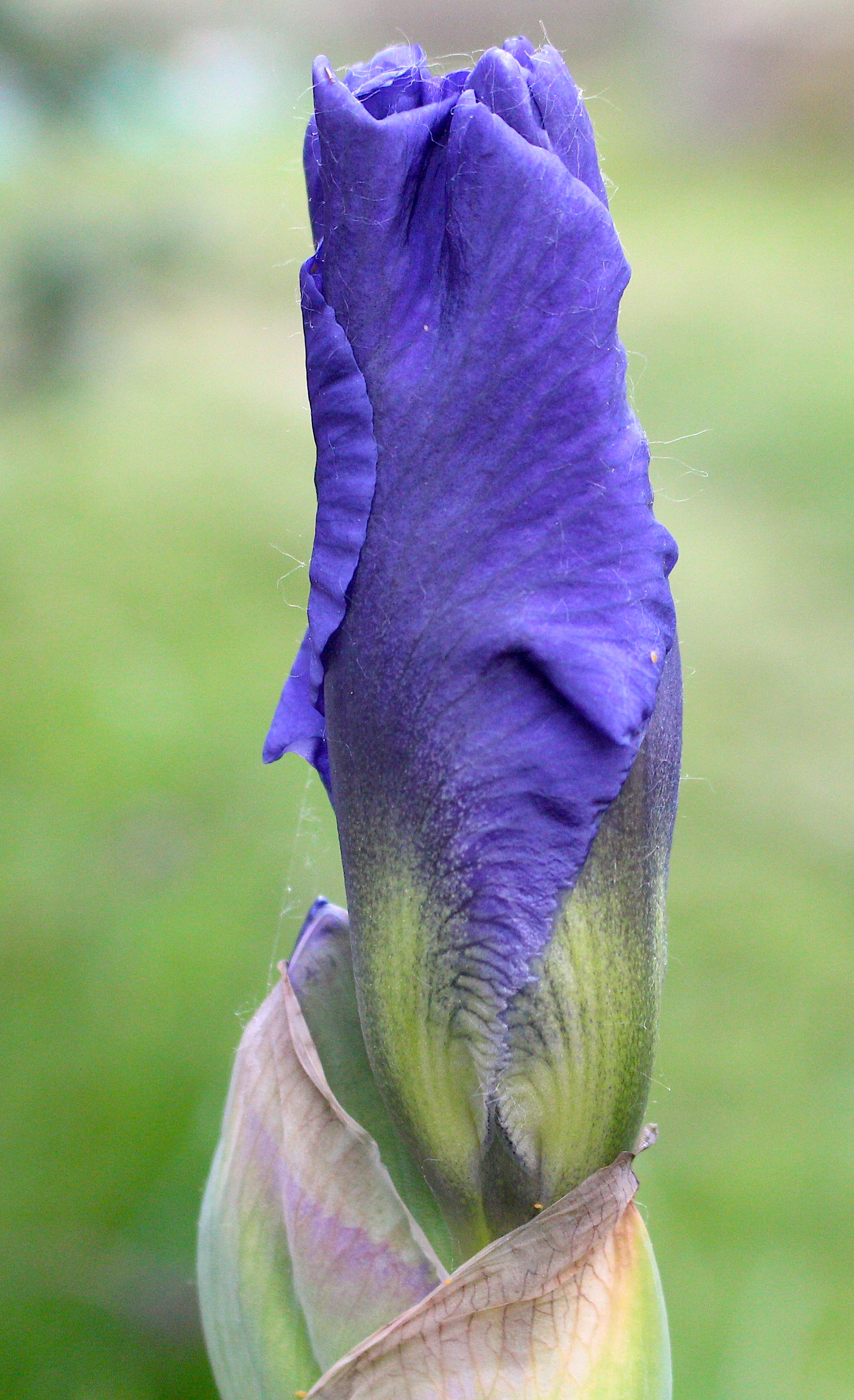
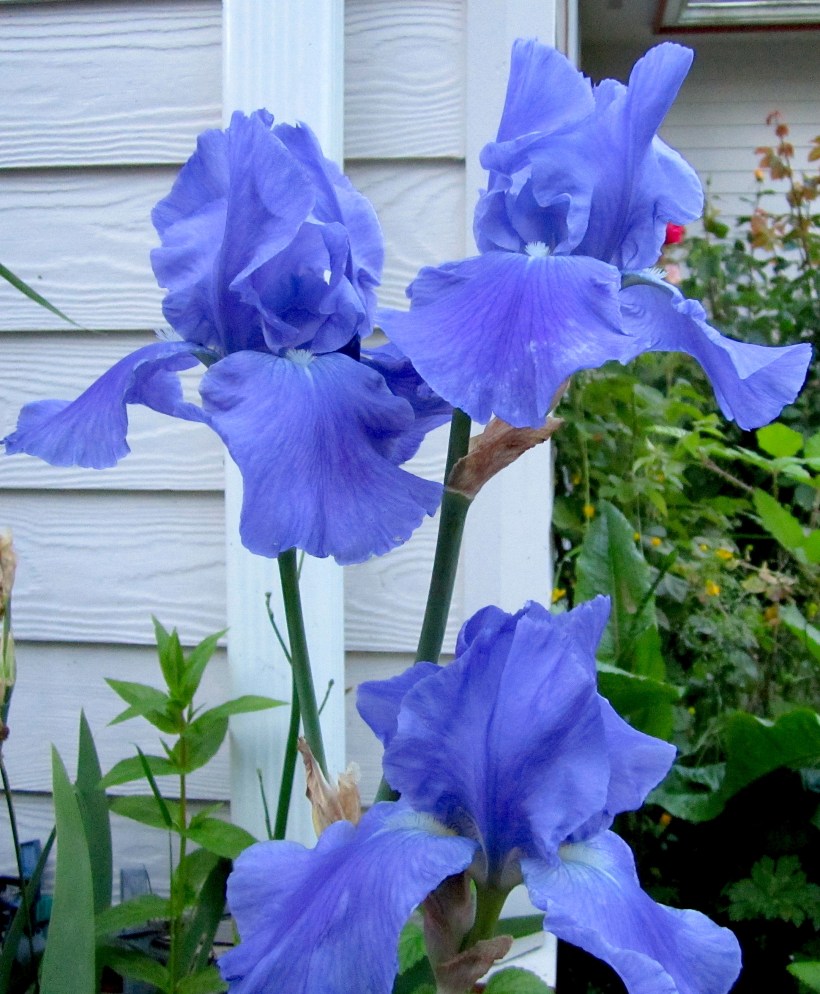
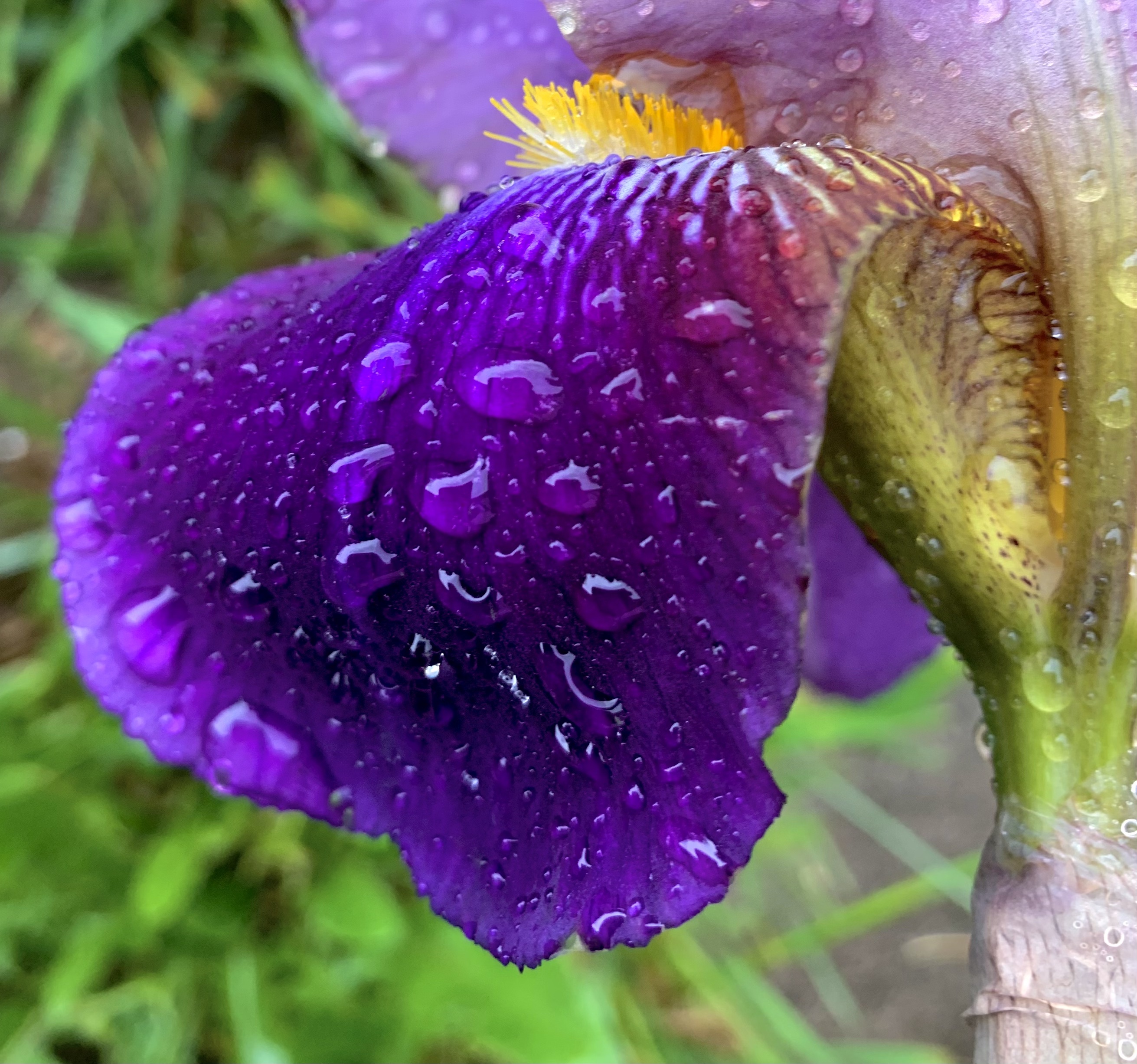
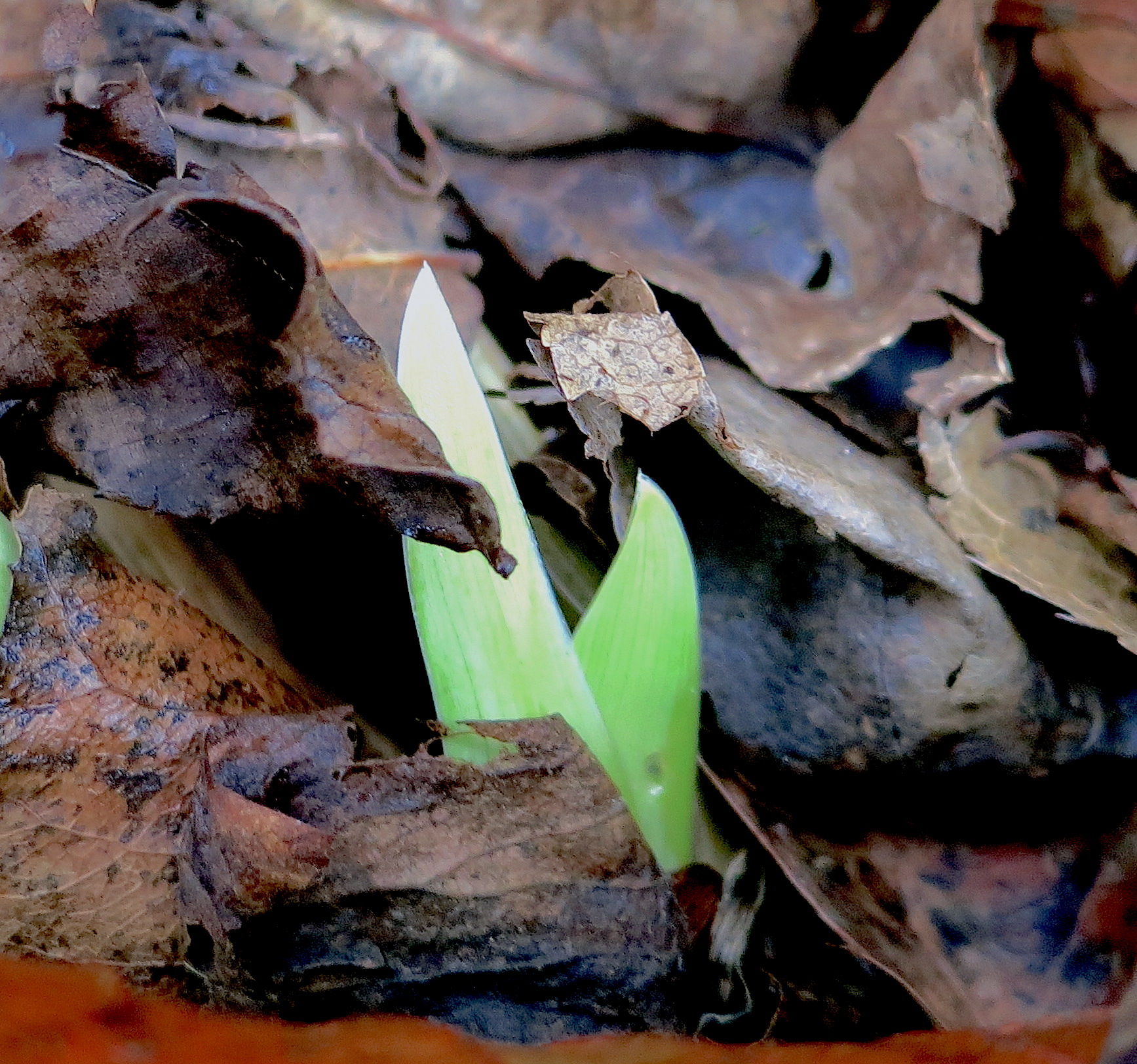
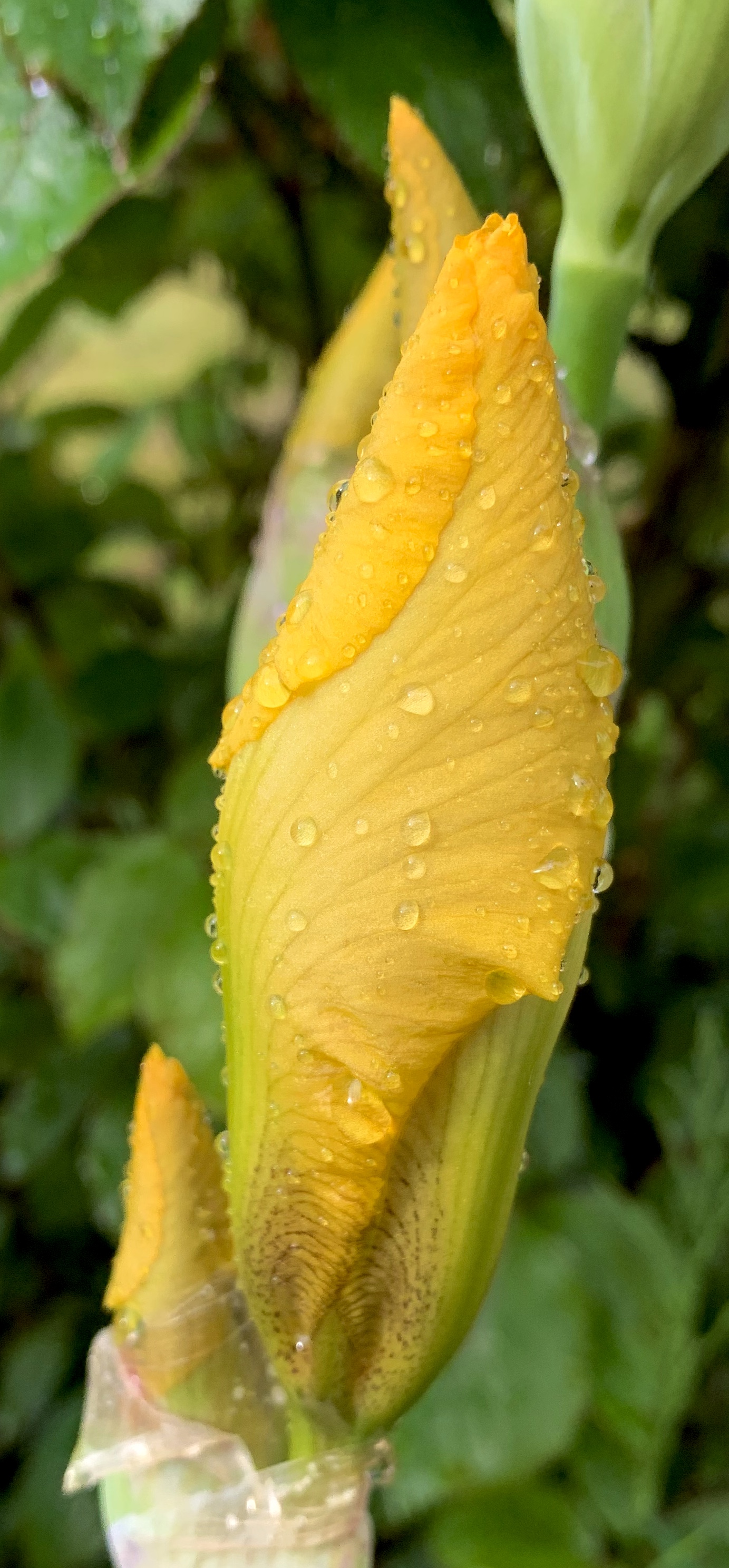
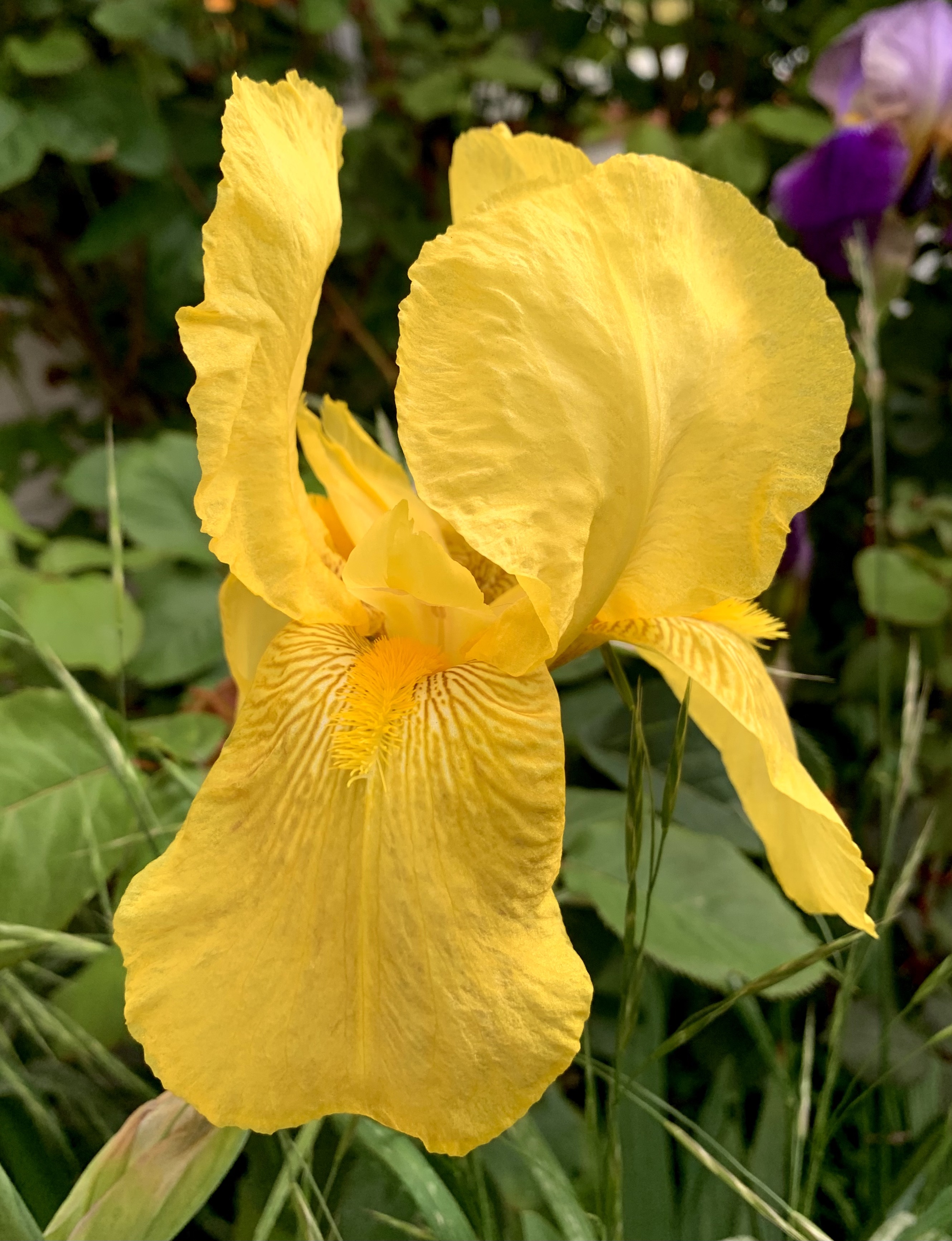
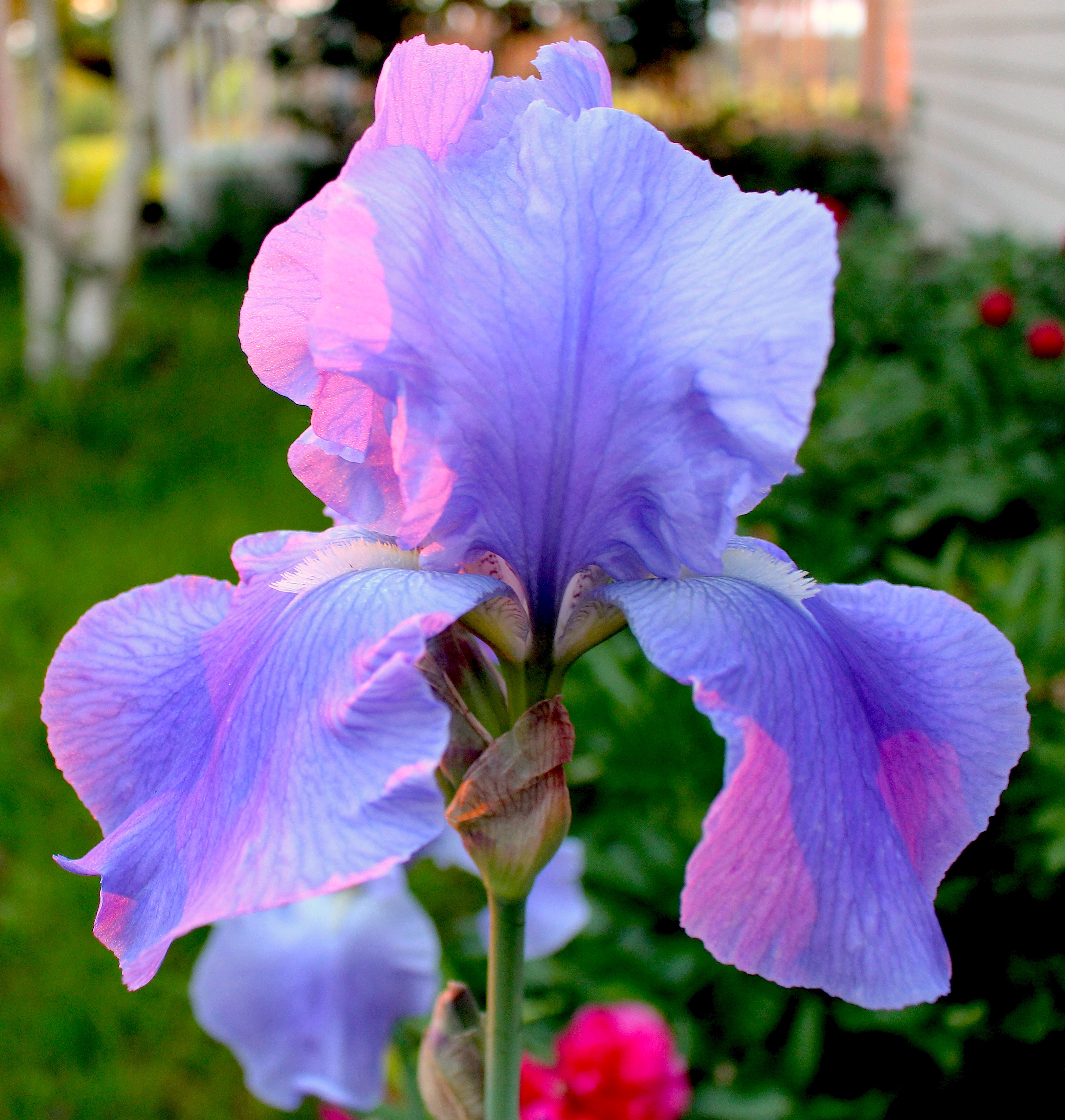
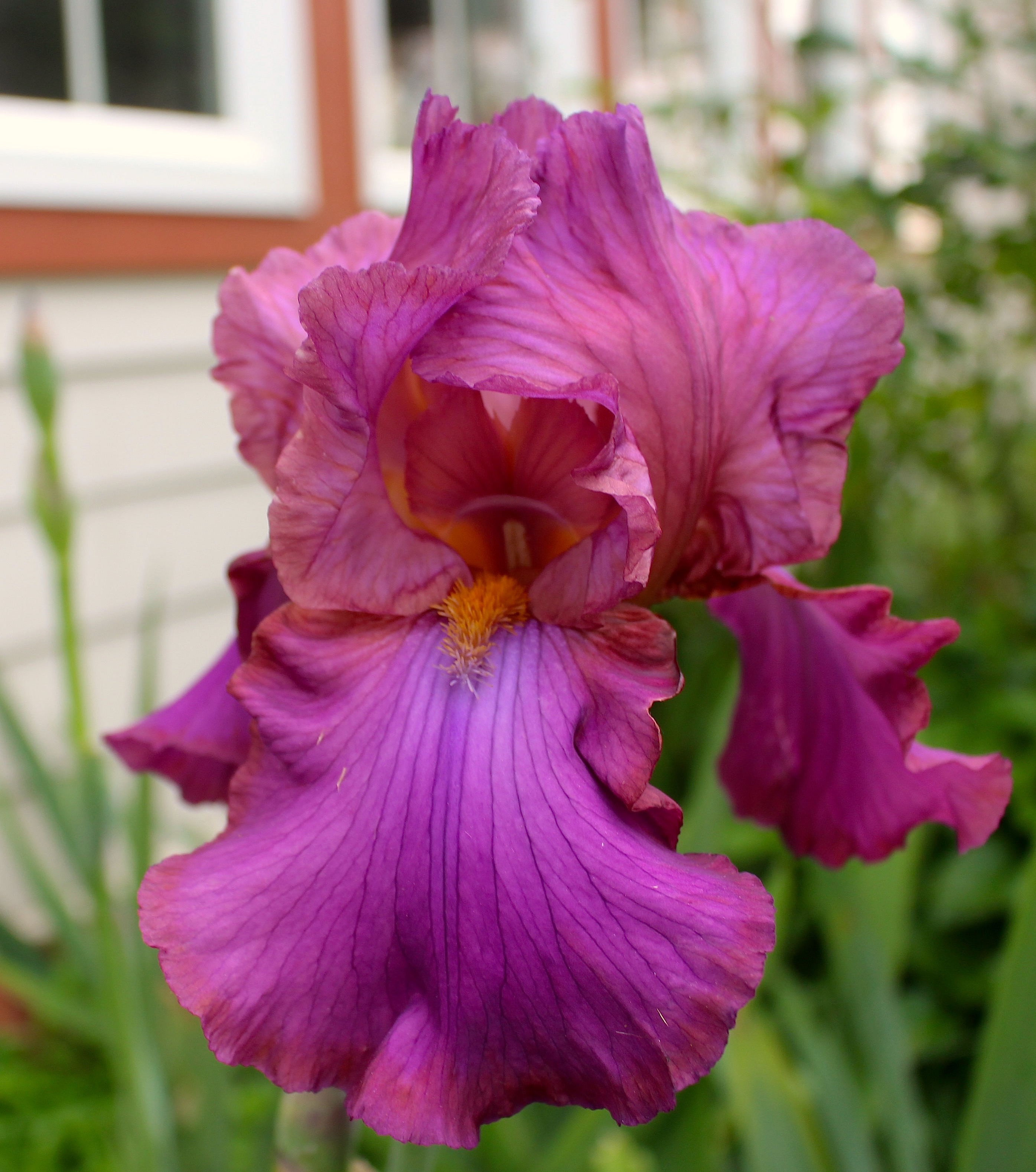
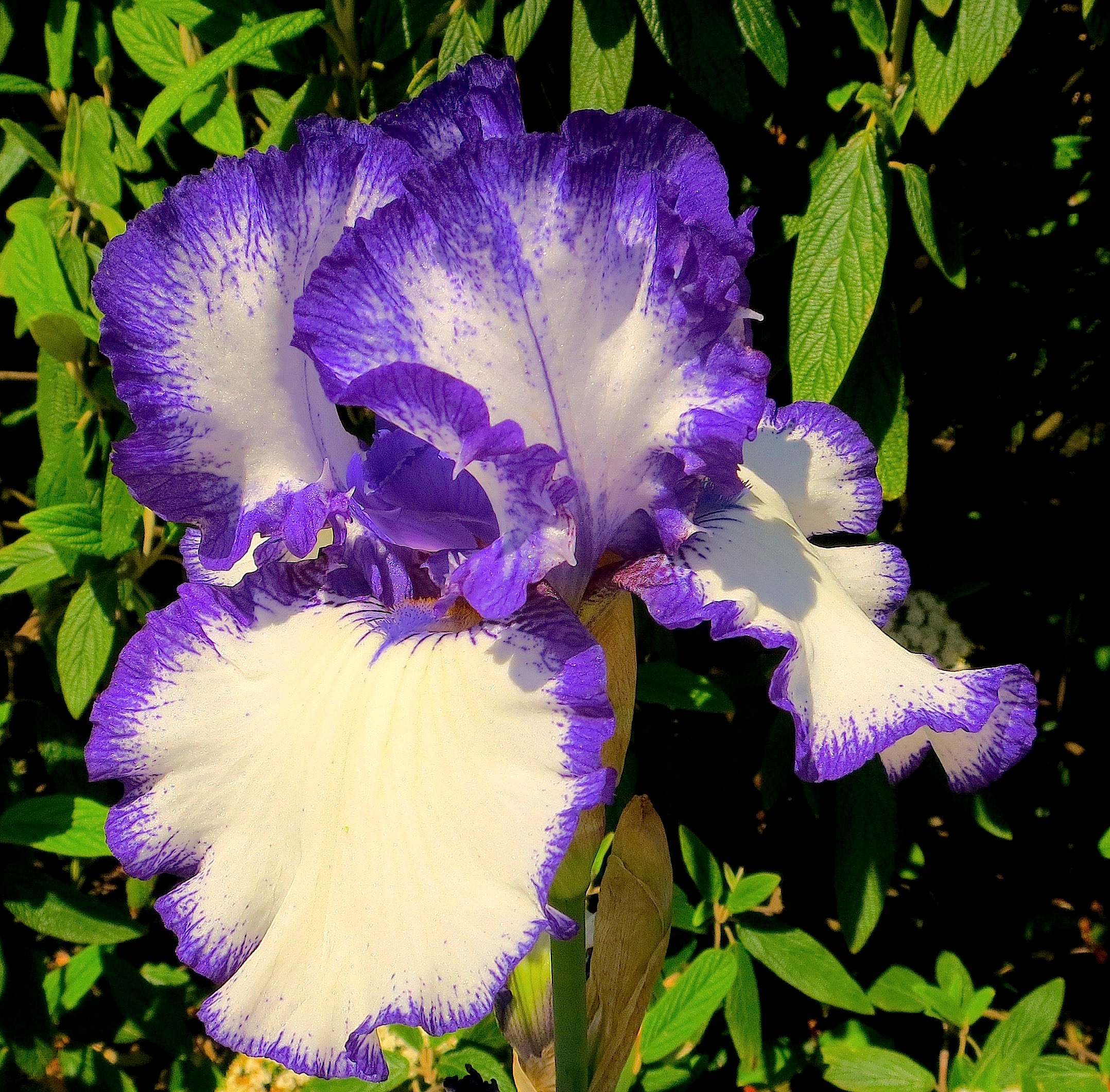
Years ago,  my newly widowed sister-in-law was trying to bring order to her late husband’s large yard and flower garden, overgrown following the shock of his sudden cardiac death.  In her ongoing ebb and flow with her grief, she brought to us several paper bags full of bearded iris roots resting solemnly in clumps of dirt. They appeared to be such unlikely sources of beauty, hope and healing: dry misshapen knobby feet and fingers, crippled-appearing and homely.

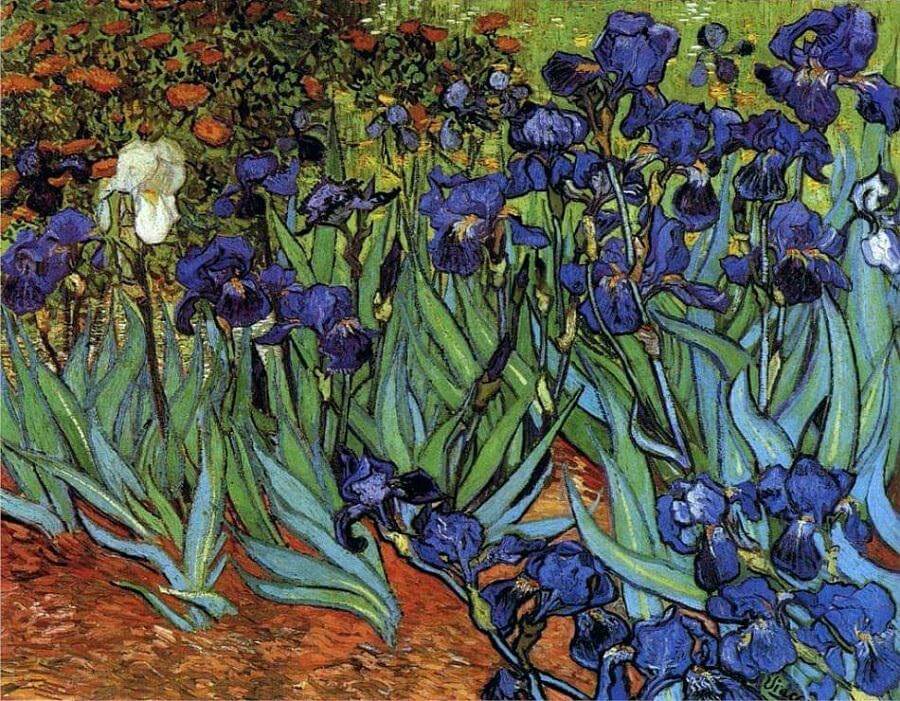
We got them into the ground late in the year yet they rewarded us with immense forgiveness. They took hold in their new space and transformed our little courtyard into a Van Gogh landscape. Over the years they have continued to gladden our hearts until we too must, to save them, divide them to pass on their gift of beauty to another garden.

This act– by division, will hope increase–feels radical yet that is exactly what God did:  sending Himself to become dusty, grime and earth-covered, so plain, so broken, so full of hope ready to bloom.

A part of God put down roots among us to grow, thrive and be divided, over and over and over again to increase the beauty and grace for those of us limited to this soil.

Just so —
our garden blooms so all can see and know:
hope grows here from clustered roots of grace.

Van Gogh “Irises” owned by J. Paul Getty Museum, California

New book from Barnstorming available — to order, click here

Appareled in Celestial Light

There was a time when meadow, grove, and stream,
The earth, and every common sight,
To me did seem
Apparell’d in celestial light,
The glory of a dream.

The rainbow comes and goes,
And lovely is the rose;
The moon doth with delight
Look round her when the heavens are bare;
Waters on a starry night
Are beautiful and fair;
The sunshine is a glorious birth;
But yet I know, where’er I go,
That there hath pass’d away a glory from the earth.

Though nothing can bring back the hour
Of splendour in the grass, of glory in the flower;
We will grieve not, rather find
Strength in what remains behind.
~William Wordsworth from Intimations of Immortality

I woke immersed in sadness;
it doesn’t happen often.
Whether a dream surrounded me in sorrow,
or perhaps the weight of grayness of the morning,
I couldn’t tell.

I felt burdened and weepy,
wondering where hope had fled just overnight.

Even though I know true glory lies beyond this soil,
I still look for it here,
seeking encouragement in midst of trouble.
I set out to find light which clothes the ordinary,
becoming resplendent and shimmering
from celestial illumination.

Though I may sometimes grieve for what is lost,
there is enough,
there is always enough each morning
to remind me God’s gift of grace and strength
transforms this day and every day.

A new book from Barnstorming! More information on how to order here

Hollowed

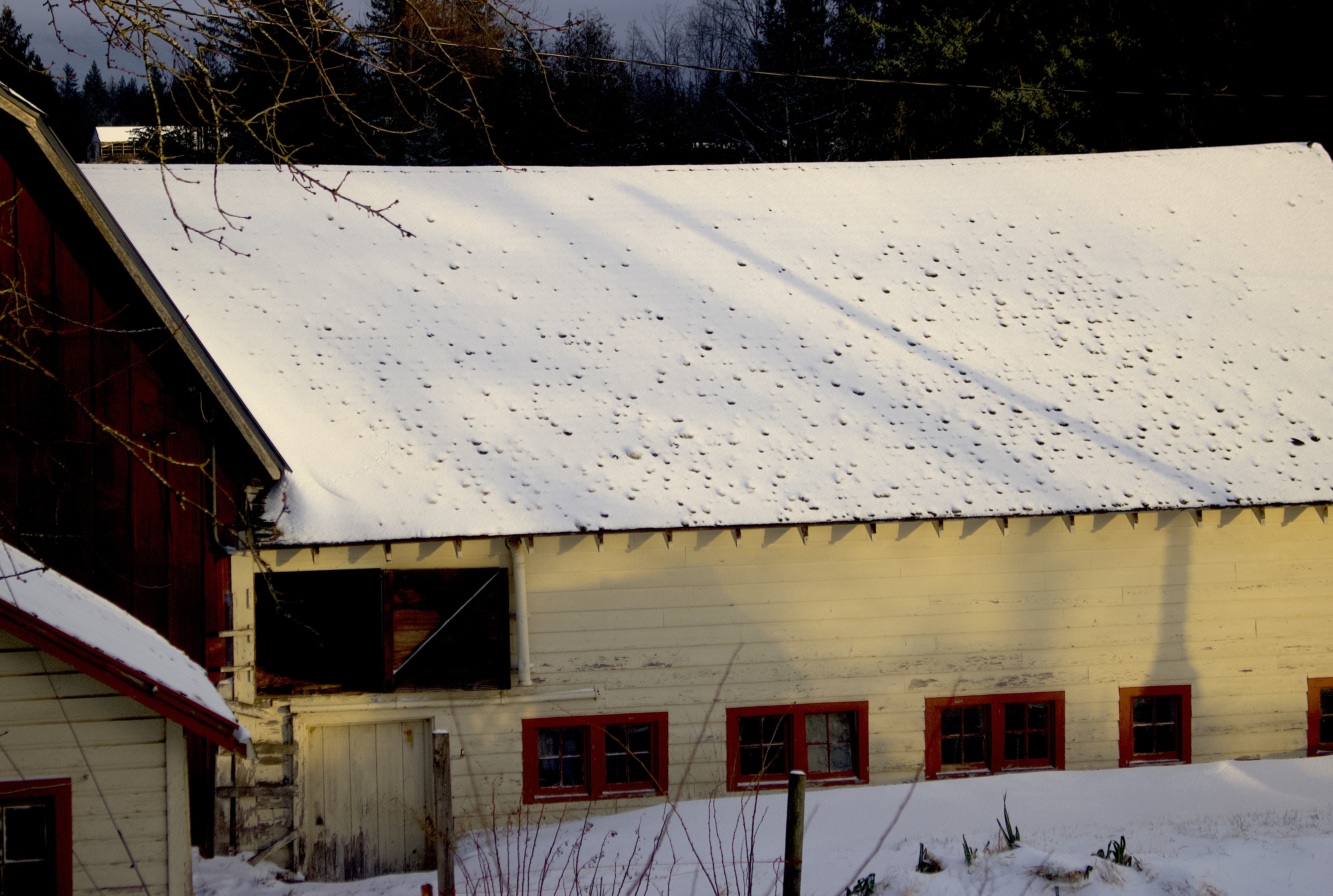
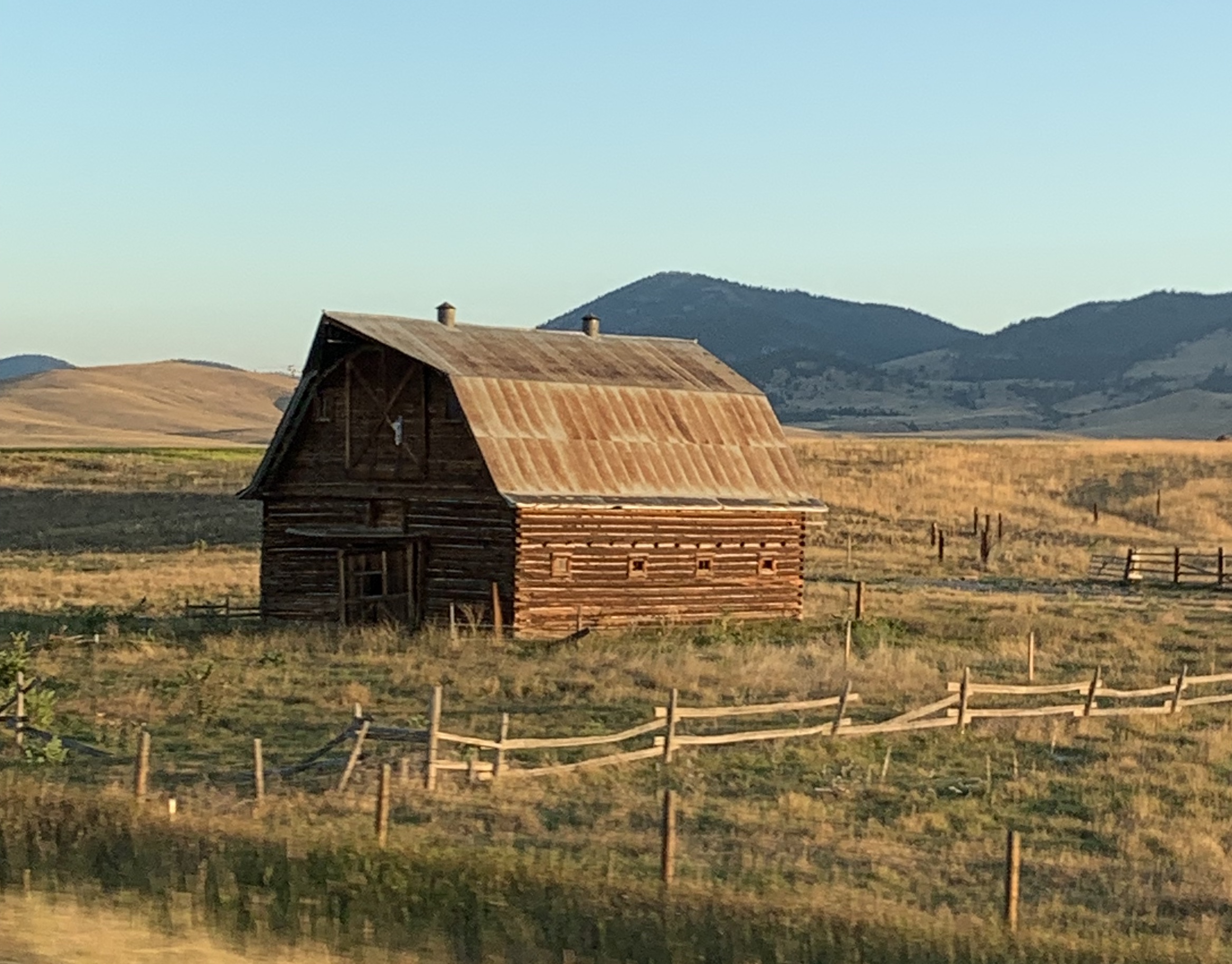
The barn roof sags like an ancient mare’s back.
The field, overgrown, parts of it a marsh
where the pond spills over. No hay or sacks
of grain are stacked for the cold. In the harsh
winters of my youth, Mama, with an axe,
trudged tirelessly each day through deep snow,
balanced on the steep bank, swung down to crack
the ice so horses could drink. With each blow
I feared she would fall, but she never slipped.
Now Mama’s bent and withered, vacant gray
eyes fixed on something I can’t see. I dip
my head when she calls me Mom. What’s to say?
The time we have’s still too short to master
love, and then, the hollow that comes after.
~Kitty Carpenter “Farm Sonnet”

Vigil at my mother’s bedside

Lying still, your mouth gapes open as
I wonder if you breathe your last.
Your hair a white cloud
Your skin baby soft
No washing, digging, planting gardens
Or raising children
Anymore.
Hollowed.

Where do your dreams take you?
At times you wake in your childhood home of
Rolling wheat fields, boundless days of freedom.
Other naps take you to your student and teaching days
Grammar and drama, speech and essays.
Yesterday you were a young mother again
Juggling babies, farm and your wistful dreams.

Today you looked about your empty nest
Disguised as hospital bed,
Wondering aloud about
Children grown, flown.
You still control through worry
and tell me:
Travel safely
Get a good night’s sleep
Take time to eat
Call me when you get there

I dress you as you dressed me
I clean you as you cleaned me
I love you as you loved me
You try my patience as I tried yours.
I wonder if I have the strength to
Mother my mother
For as long as she needs.

When I tell you the truth
Your brow furrows as it used to do
When I disappointed you~
This cannot be
A bed in a room in a sterile place
Waiting for death
Waiting for heaven
Waiting

And I tell you:
Travel safely
Eat, please eat
Sleep well
Call me when you get there.

photo by Andrea Nipges

New book available to order from Barnstorming!

Bones in the Ground

All winter your brute shoulders strained against collars, padding
and steerhide over the ash hames, to haul
sledges of cordwood for drying through spring and summer,
for the Glenwood stove next winter, and for the simmering range.

In April you pulled cartloads of manure to spread on the fields,
dark manure of Holsteins, and knobs of your own clustered with oats.
All summer you mowed the grass in meadow and hayfield, the mowing machine clacketing beside you, while the sun walked high in the morning;

and after noon’s heat, you pulled a clawed rake through the same acres,
gathering stacks, and dragged the wagon from stack to stack,
and the built hayrack back, uphill to the chaffy barn,
three loads of hay a day from standing grass in the morning.

Sundays you trotted the two miles to church with the light load
a leather quartertop buggy, and grazed in the sound of hymns.
Generation on generation, your neck rubbed the windowsill
of the stall, smoothing the wood as the sea smooths glass.

When you were old and lame, when your shoulders hurt bending to graze,
one October the man, who fed you and kept you, and harnessed you every morning, led you through corn stubble to sandy ground above Eagle Pond,
and dug a hole beside you where you stood shuddering in your skin,

and lay the shotgun’s muzzle in the boneless hollow behind your ear,
and fired the slug into your brain, and felled you into your grave,
shoveling sand to cover you, setting goldenrod upright above you,
where by next summer a dent in the ground made your monument.

For a hundred and fifty years, in the Pasture of dead horses,
roots of pine trees pushed through the pale curves of your ribs,
yellow blossoms flourished above you in autumn, and in winter
frost heaved your bones in the ground – old toilers, soil makers:

O Roger, Mackerel, Riley, Ned, Nellie, Chester, Lady Ghost.
~Donald Hall, “Names of Horses”

Photo of Aaron Janicki haying with his Oberlander team in Skagit County courtesy of Tayler Rae

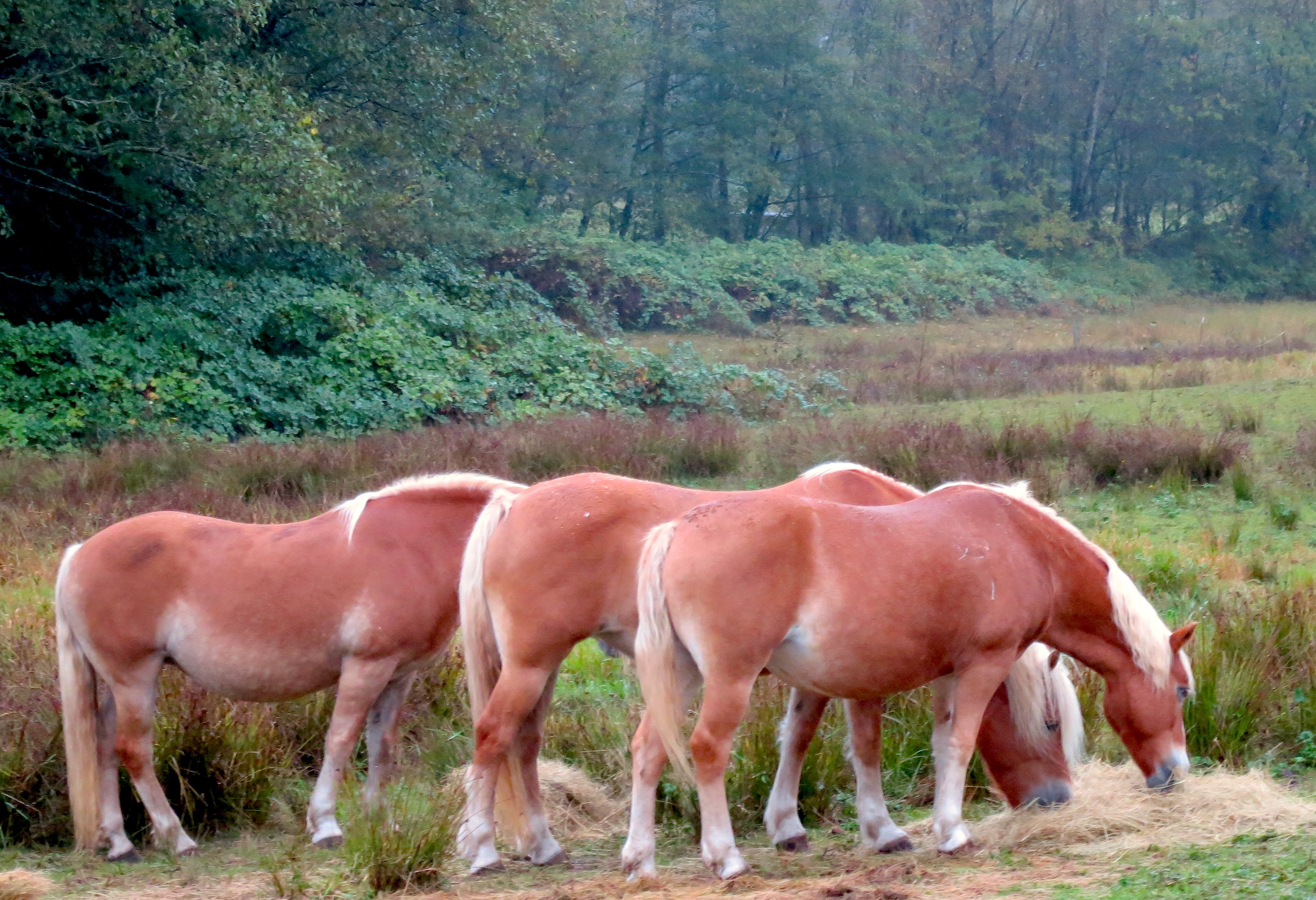
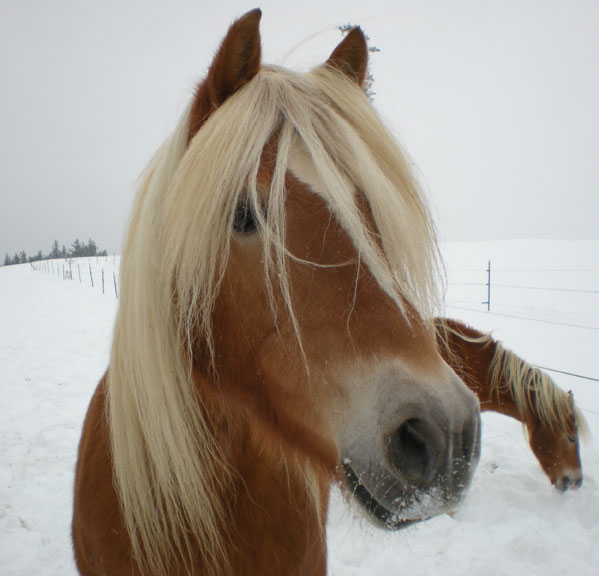
As a child,  I regularly visited the horse grave dug by hand by my father in 1965 in an open clearing of our woods where our little chestnut mare, Dolly, rested in the ground.

She was felled by a vet’s bullet to the head after an agonizing bout with colic. I had returned to the house, unable to watch, but could not help but hear the gunshot as if it had gone through me as well.

At first her grave was a place to cry where no one but the trees and wild flowers could see.

When my tears dried up, it was a place to sing loudly where no one but chipmunks and my dog could hear.

Later it became the sanctuary where I retreated to talk to God when my church no longer was.

Her bones lie there still and no one but me knows where. The dent in the ground will always betray the spot.

No one but me still remembers you.