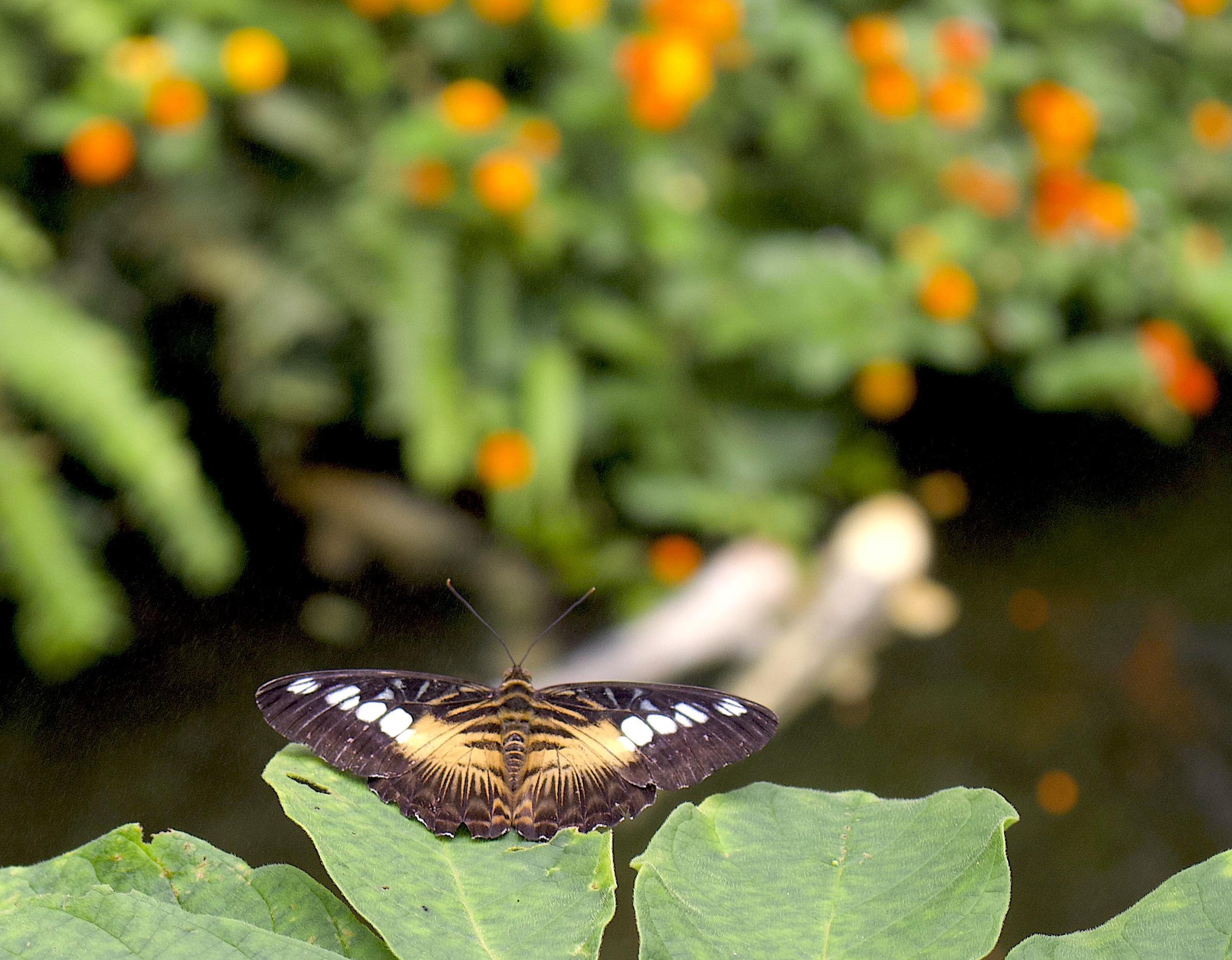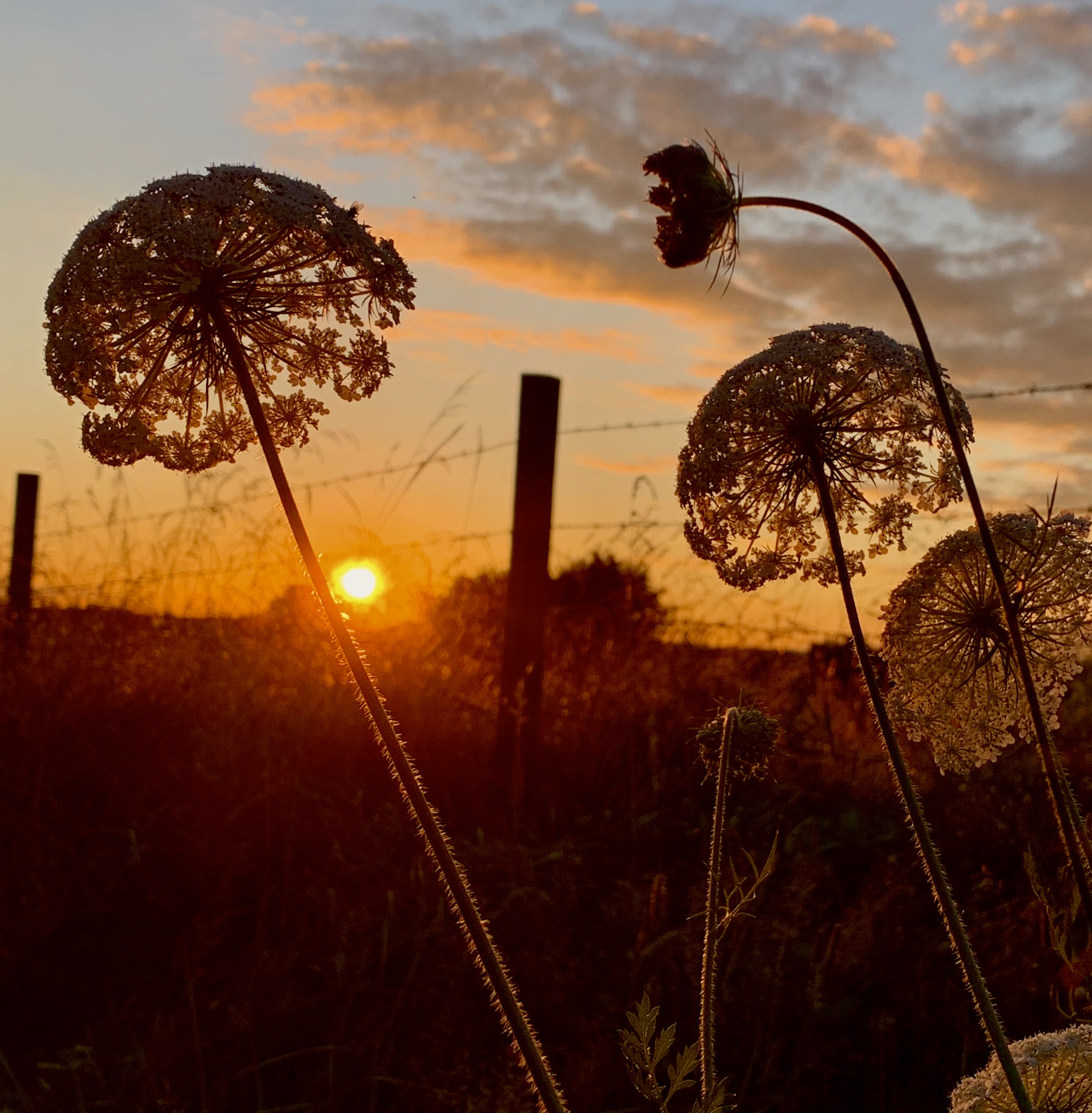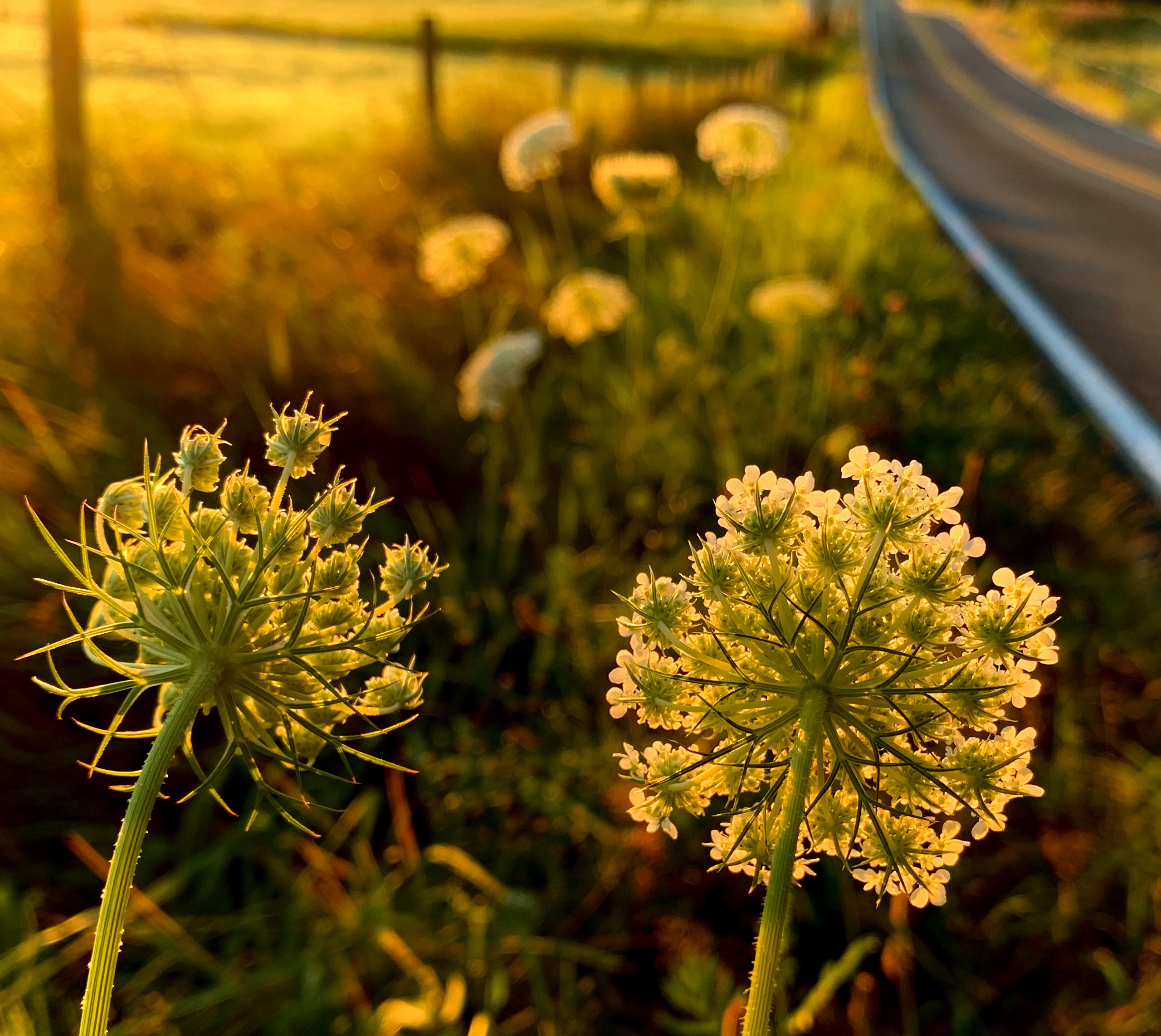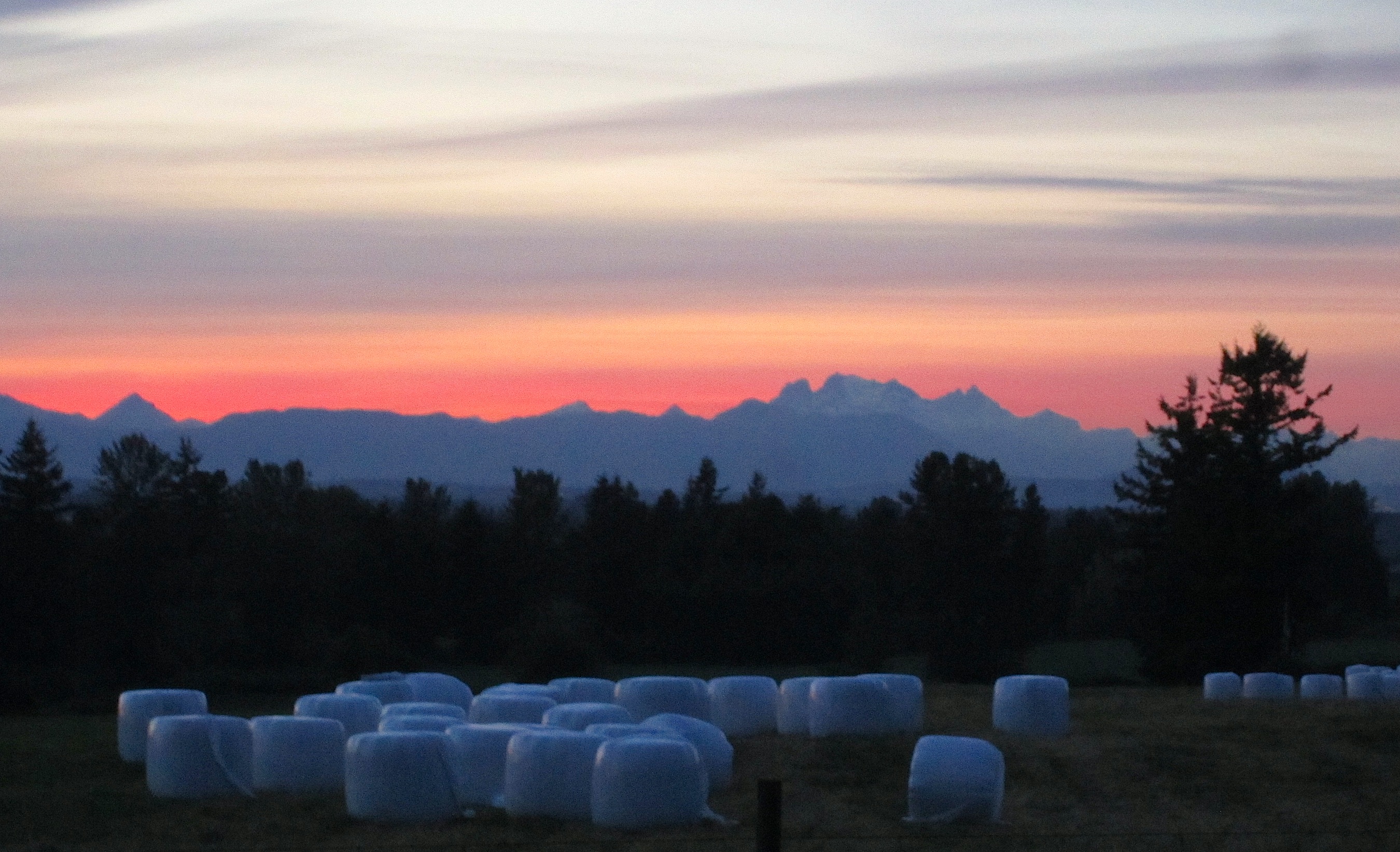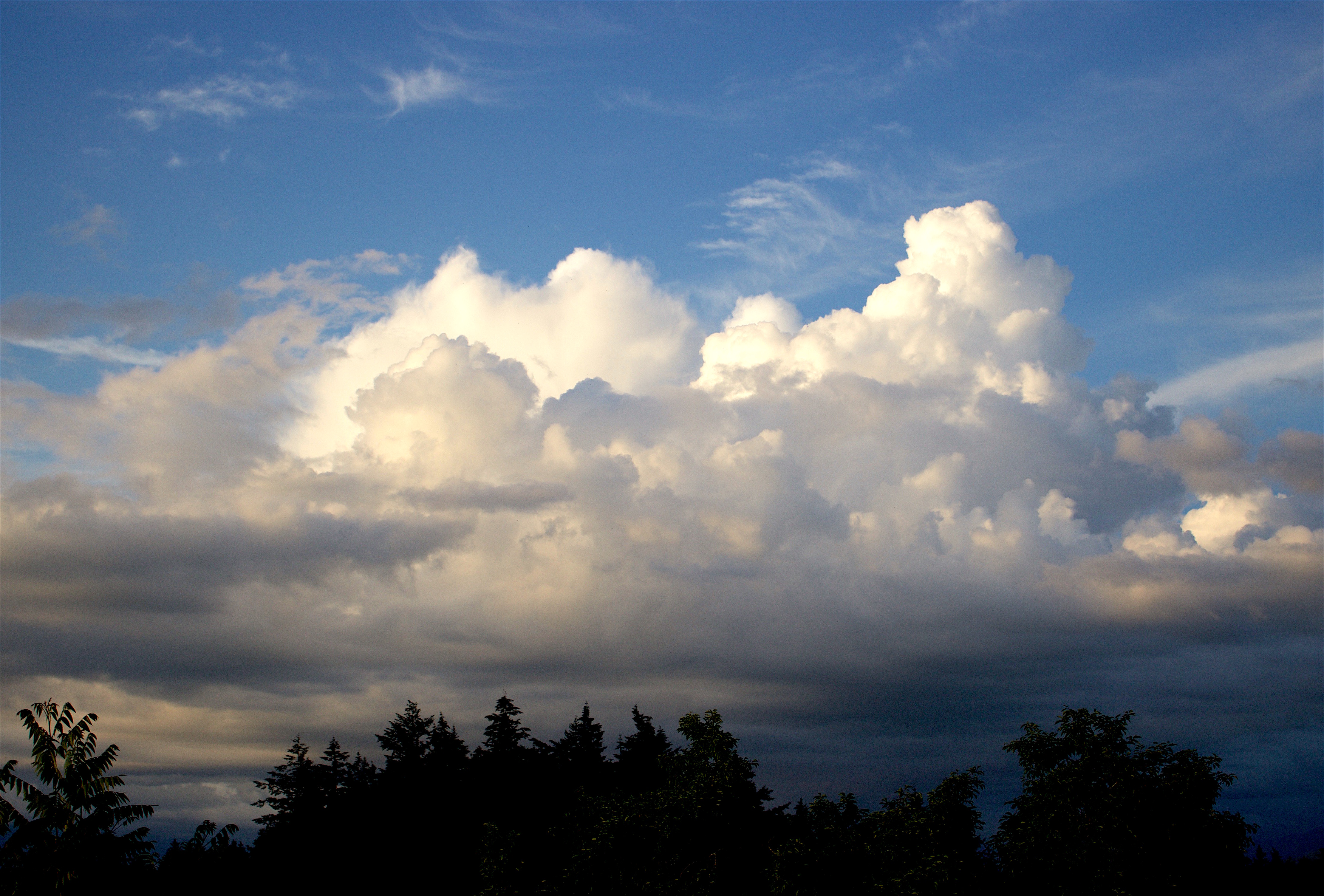
June Trembling Like a Butterfly

Green was the silence, wet was the light
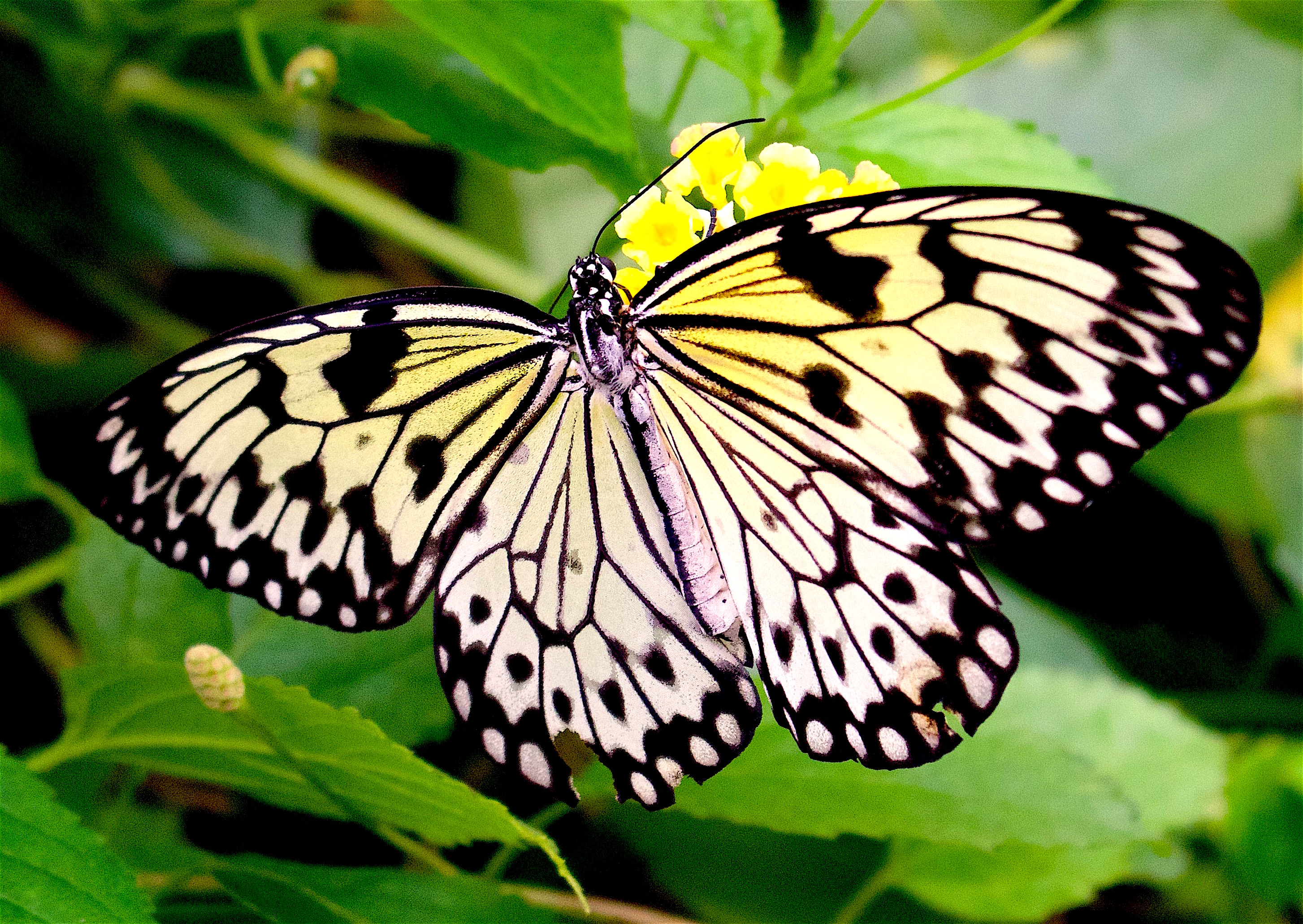
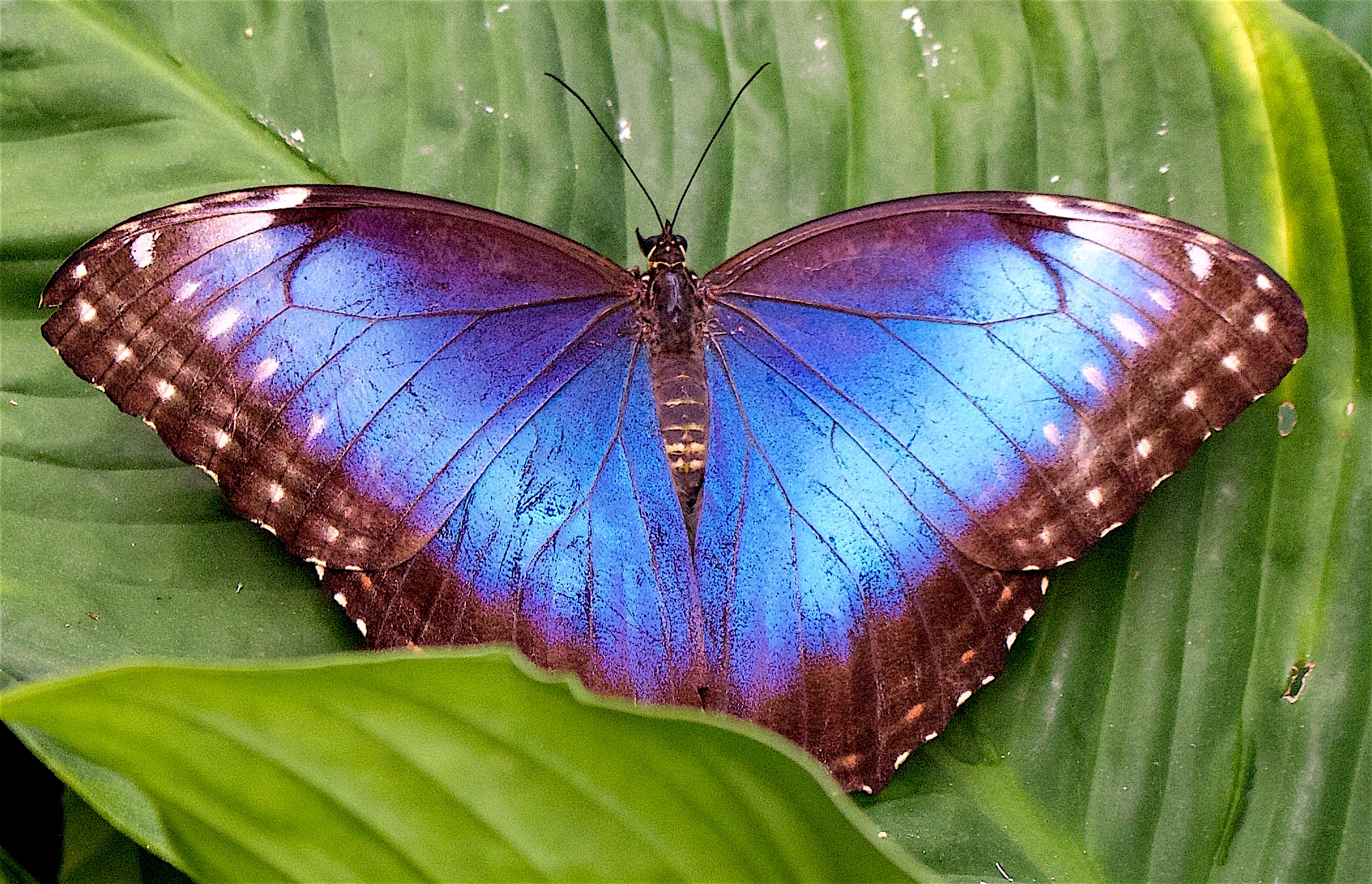
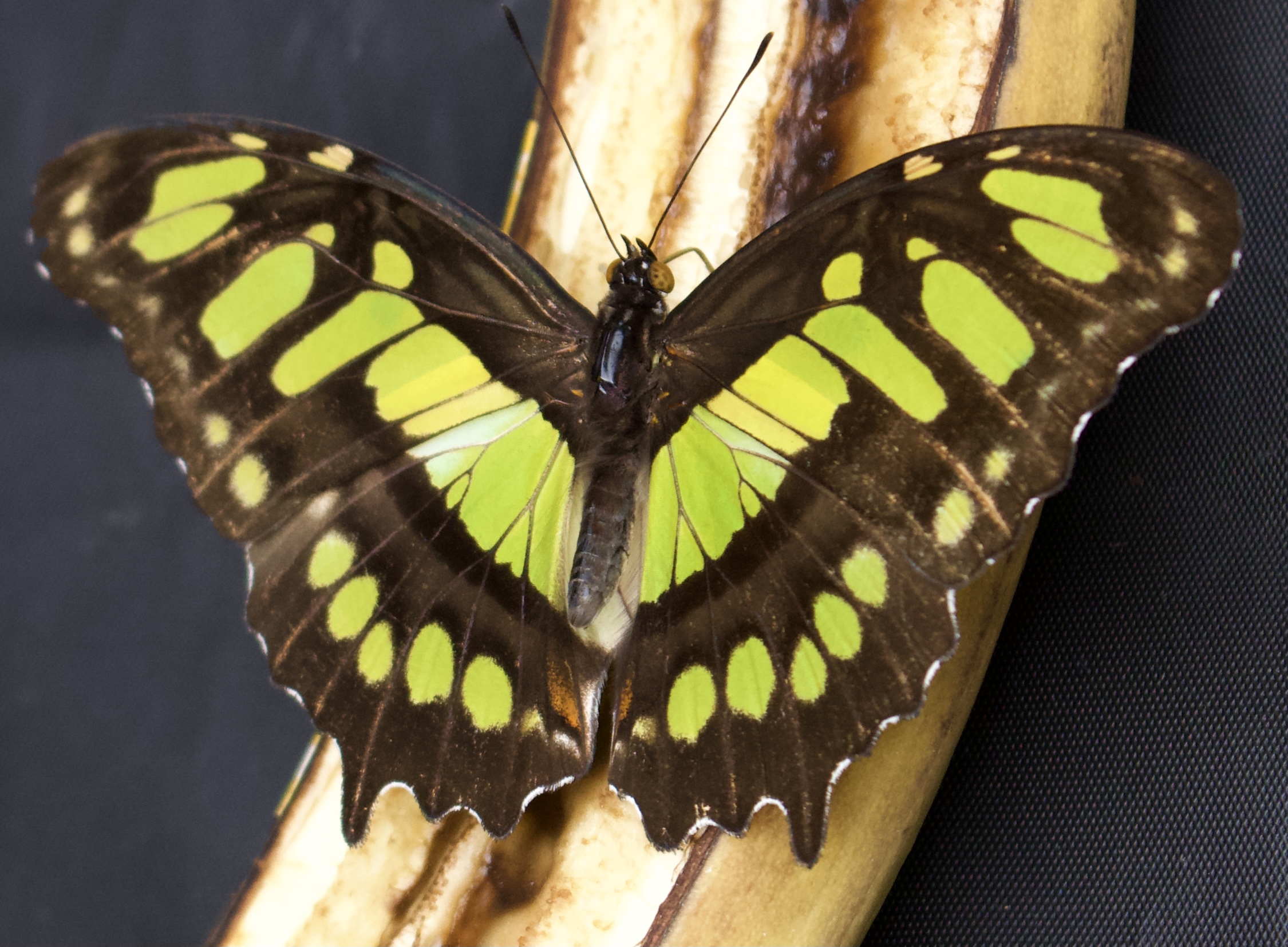
the month of June trembled like a butterfly
~Pablo Neruda from “Sonnet XL”
Why do we bother with the rest of the day,
the swale of the afternoon,
the sudden dip into evening,
then night with his notorious perfumes,
his many-pointed stars?

This is the best—
throwing off the light covers,
feet on the cold floor,
and buzzing around the house on espresso—
maybe a splash of water on the face,
a palmful of vitamins—

but mostly buzzing around the house on espresso,
dictionary and atlas open on the rug,
the typewriter waiting for the key of the head,
a cello on the radio,
and, if necessary, the windows—
trees fifty, a hundred years old
out there,
heavy clouds on the way
and the lawn steaming like a horse
in the early morning.
~Billy Collins “Morning”

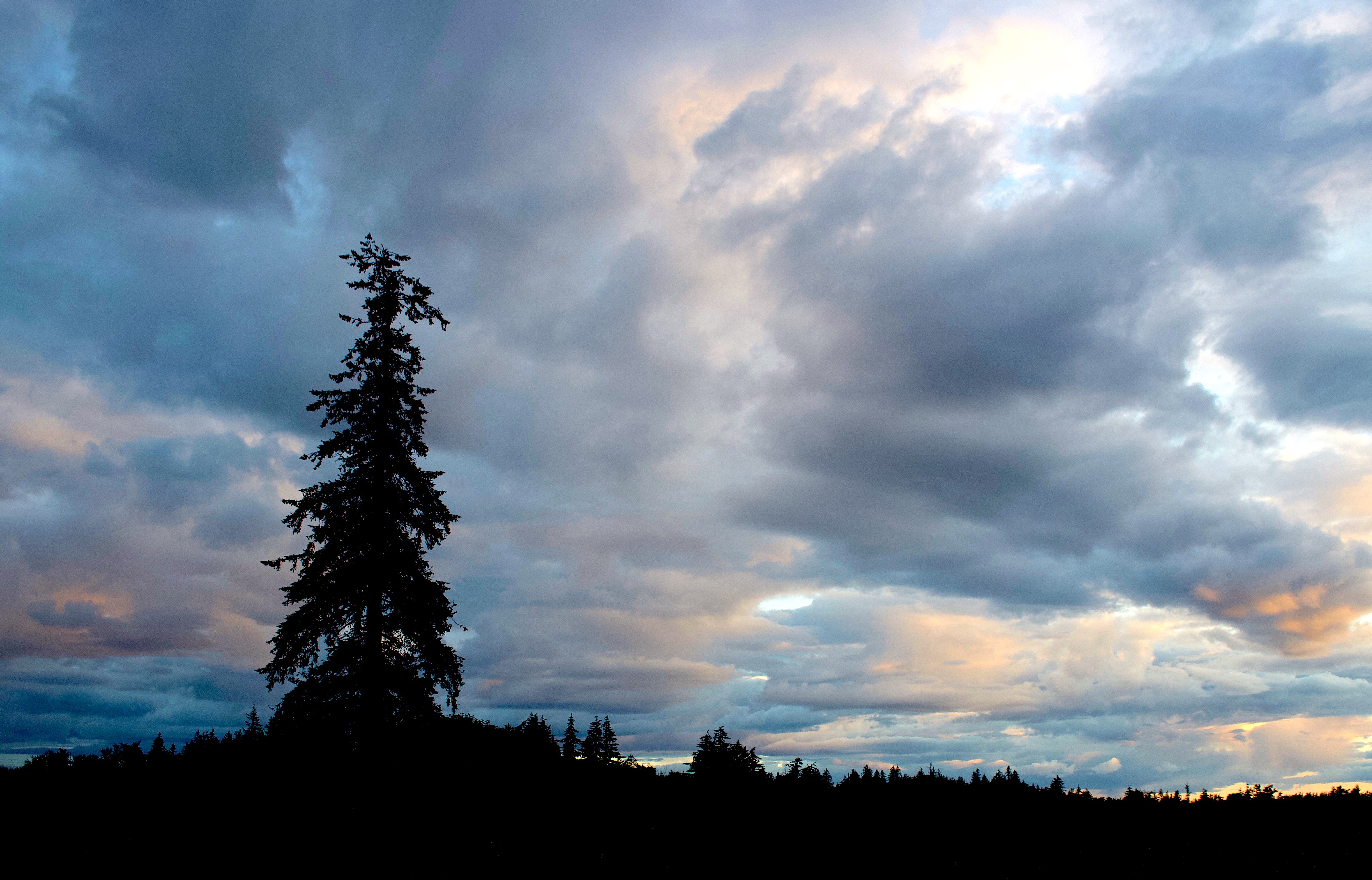
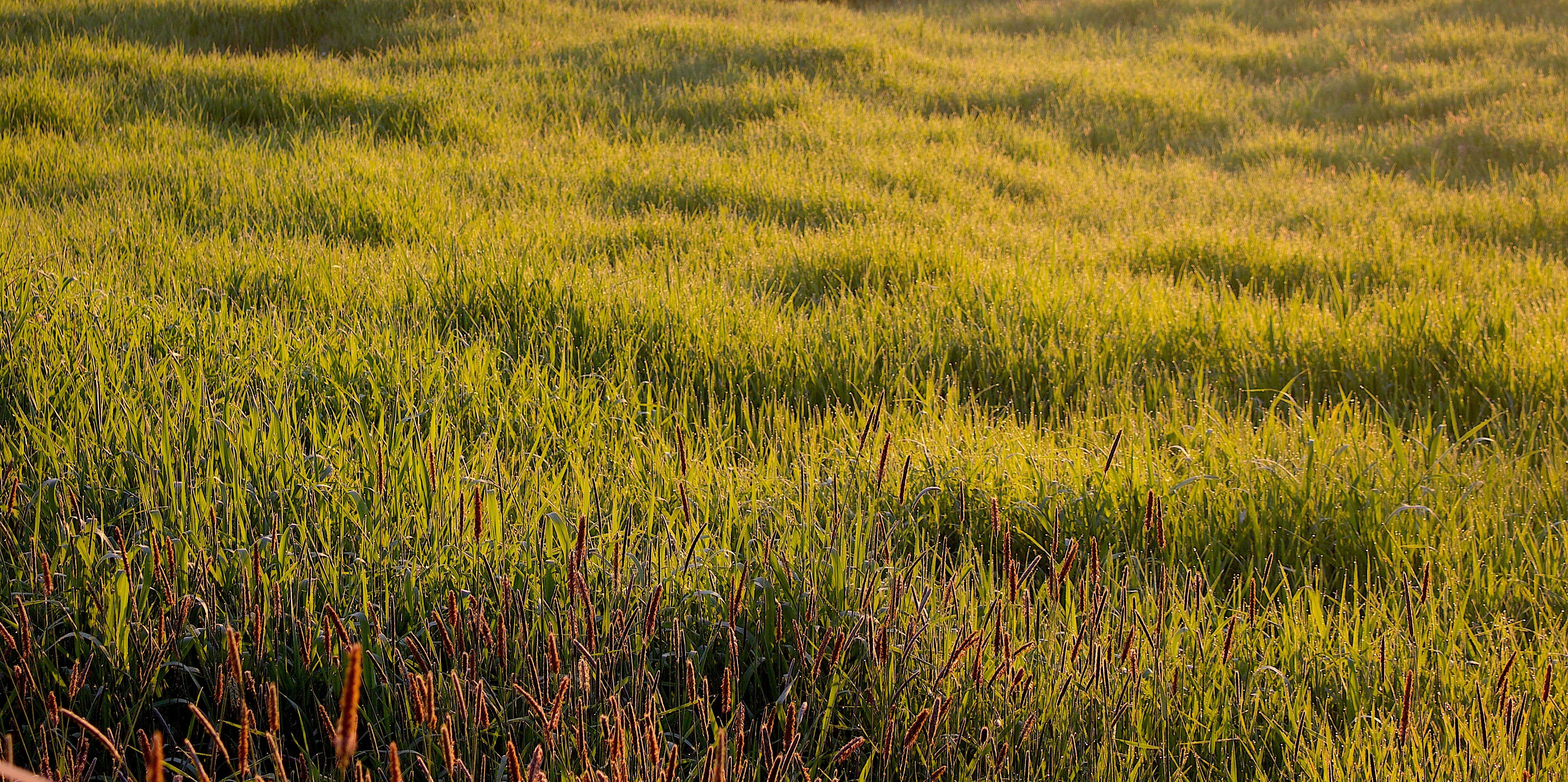
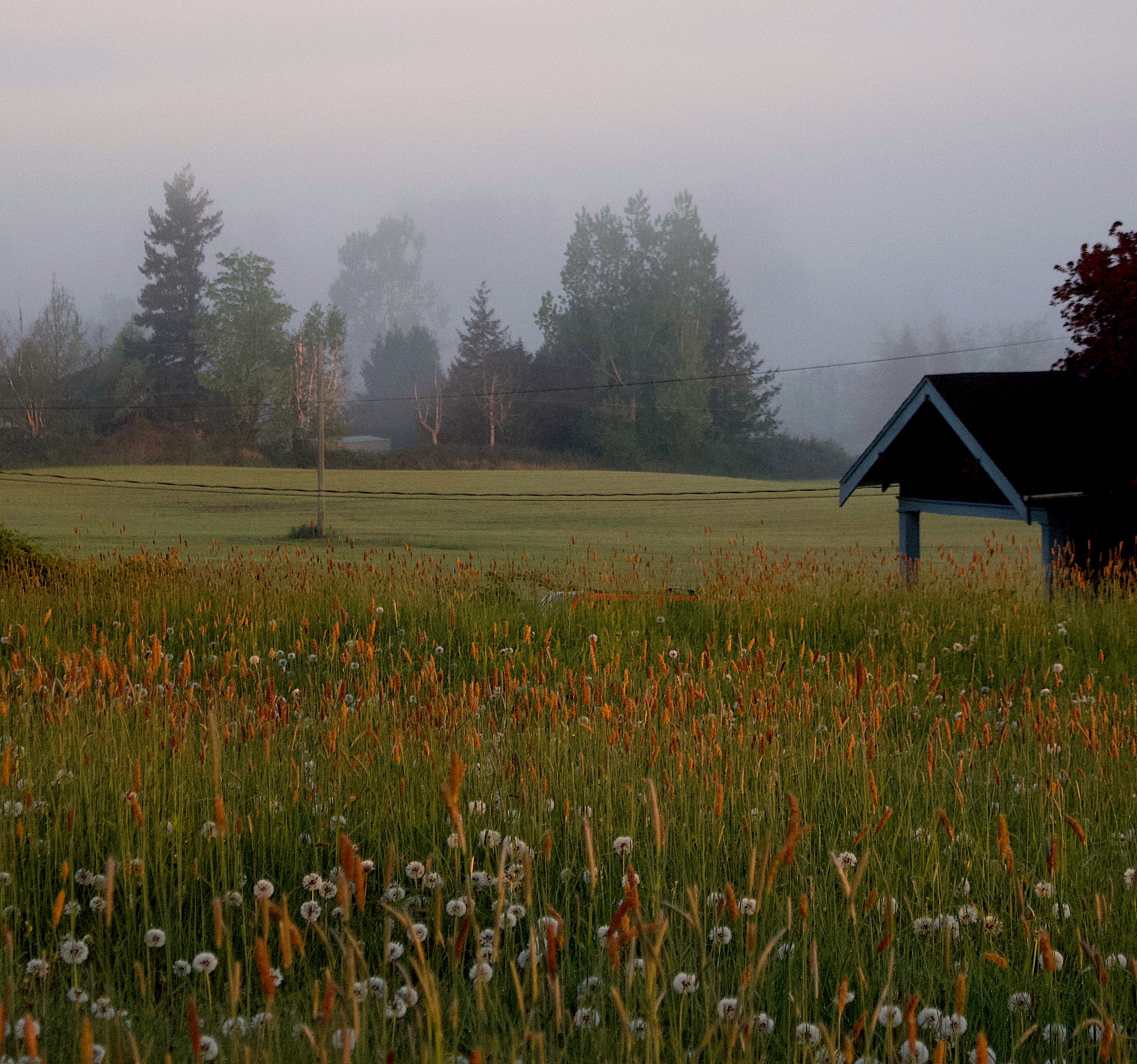
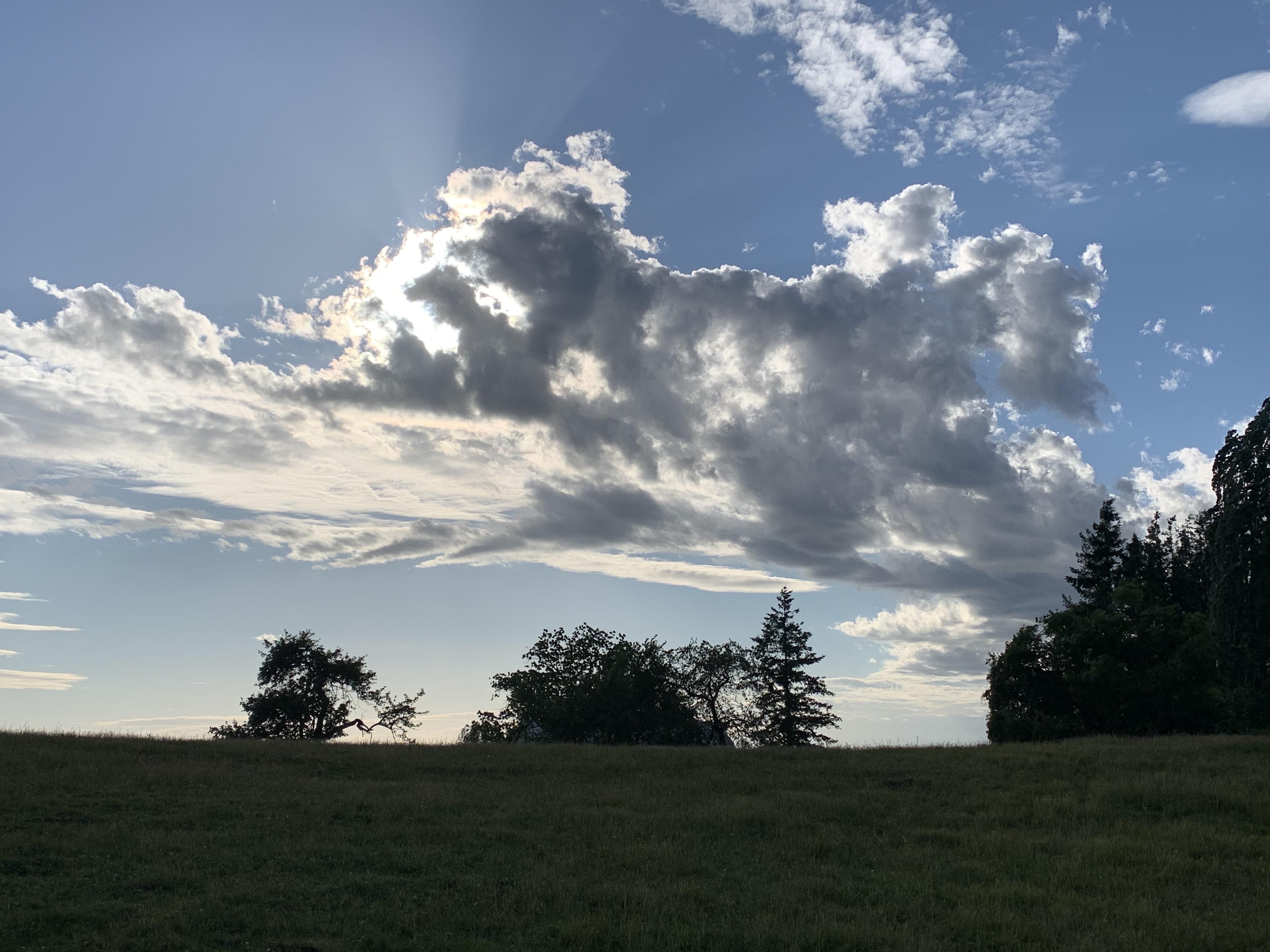
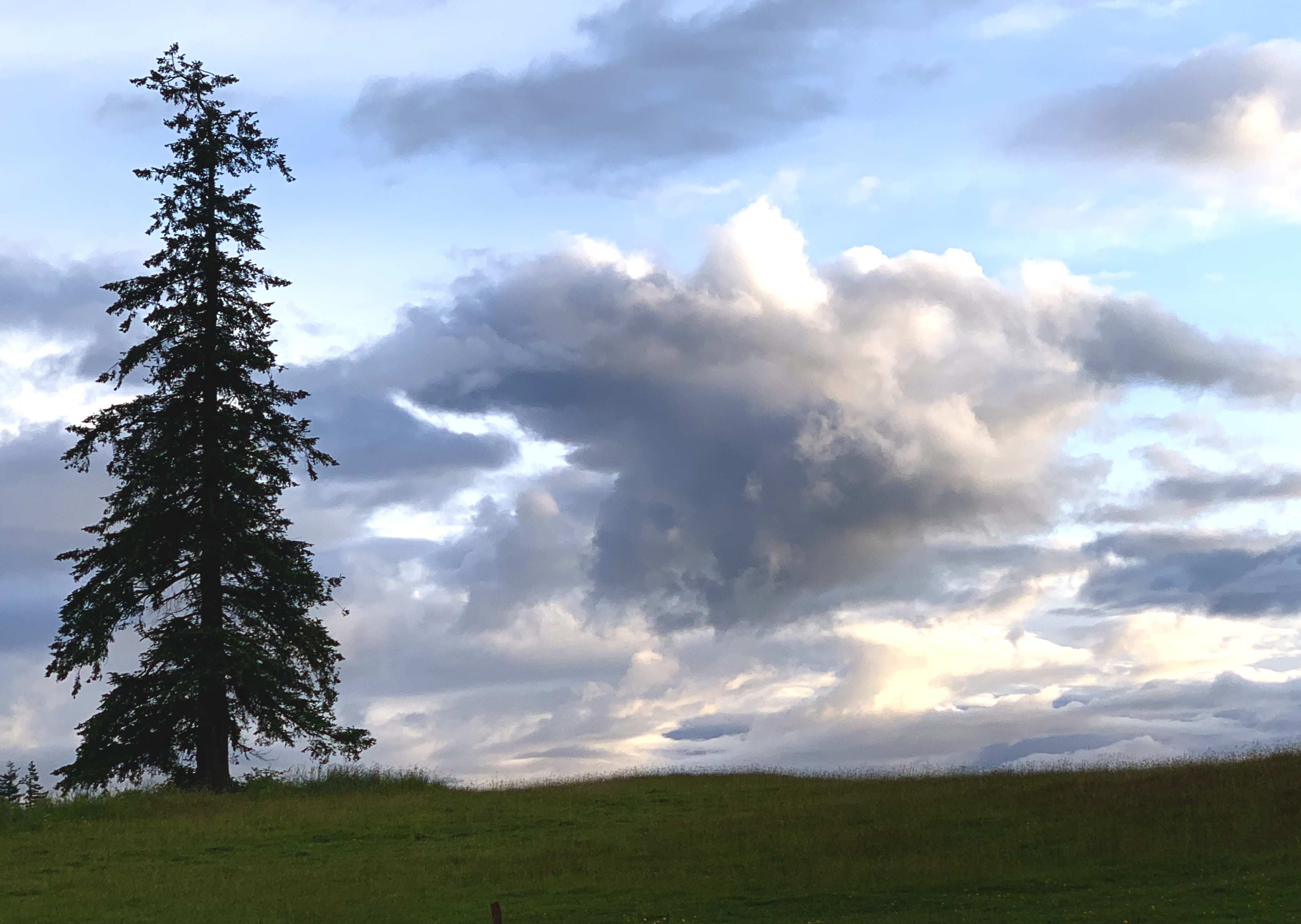
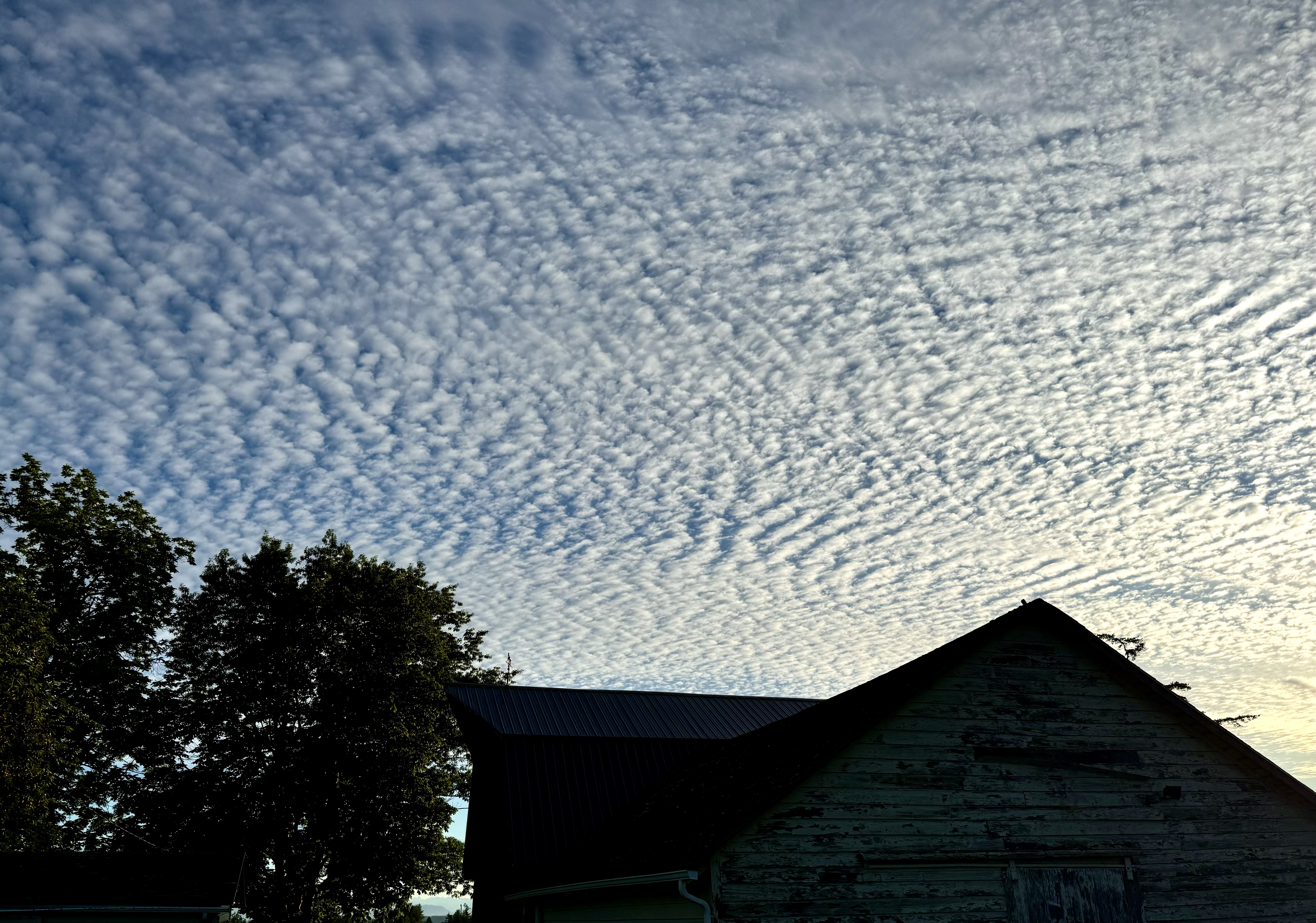
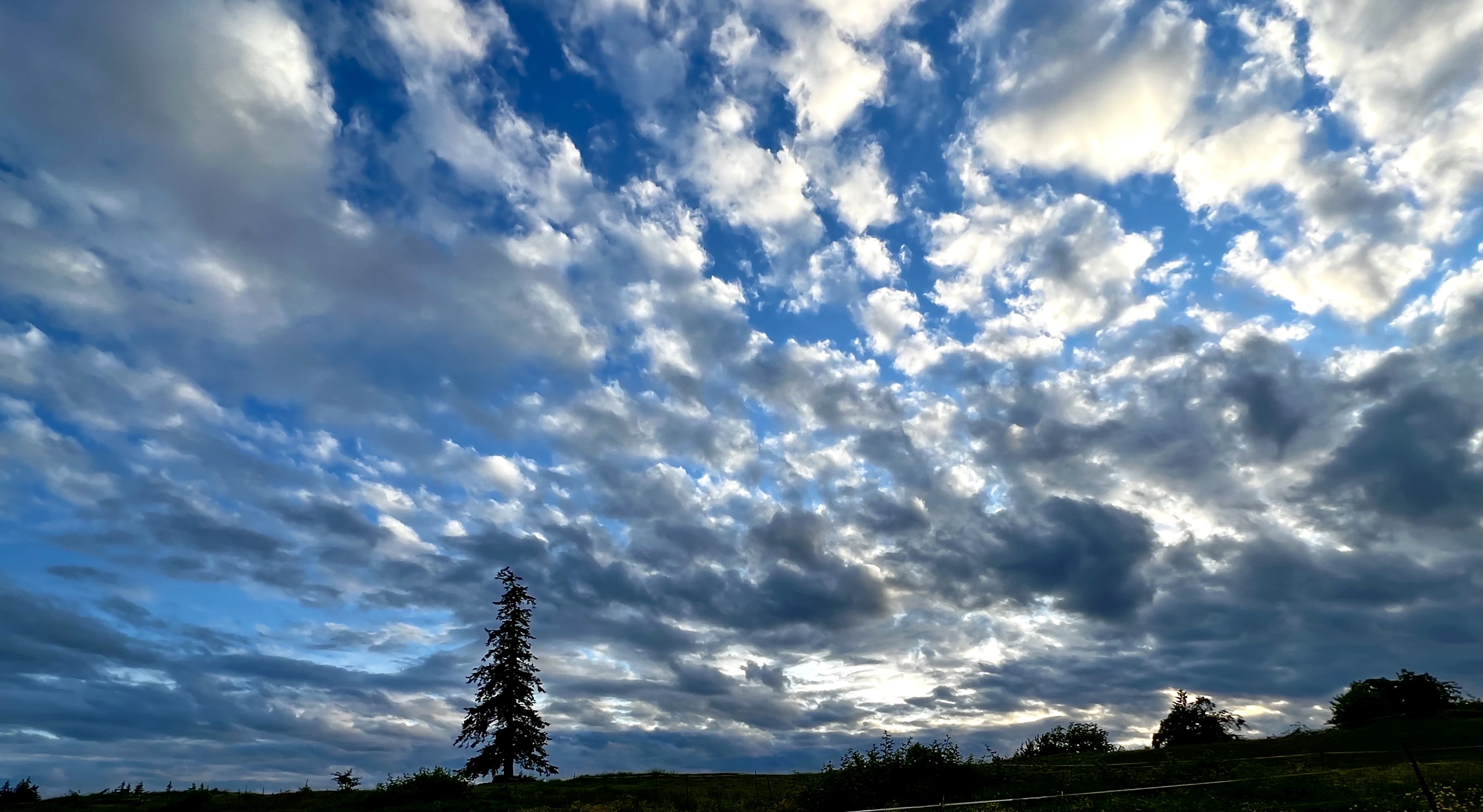
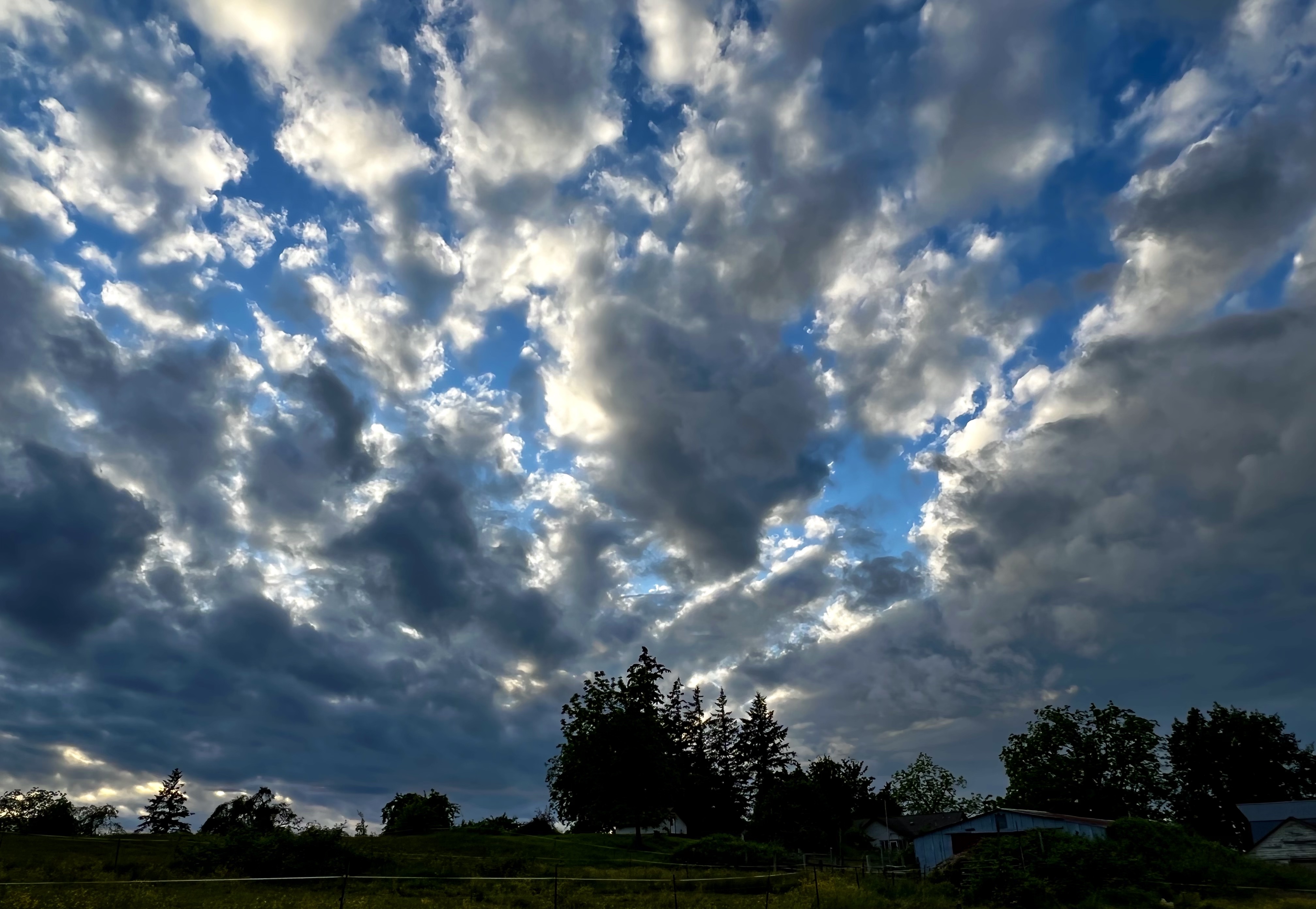
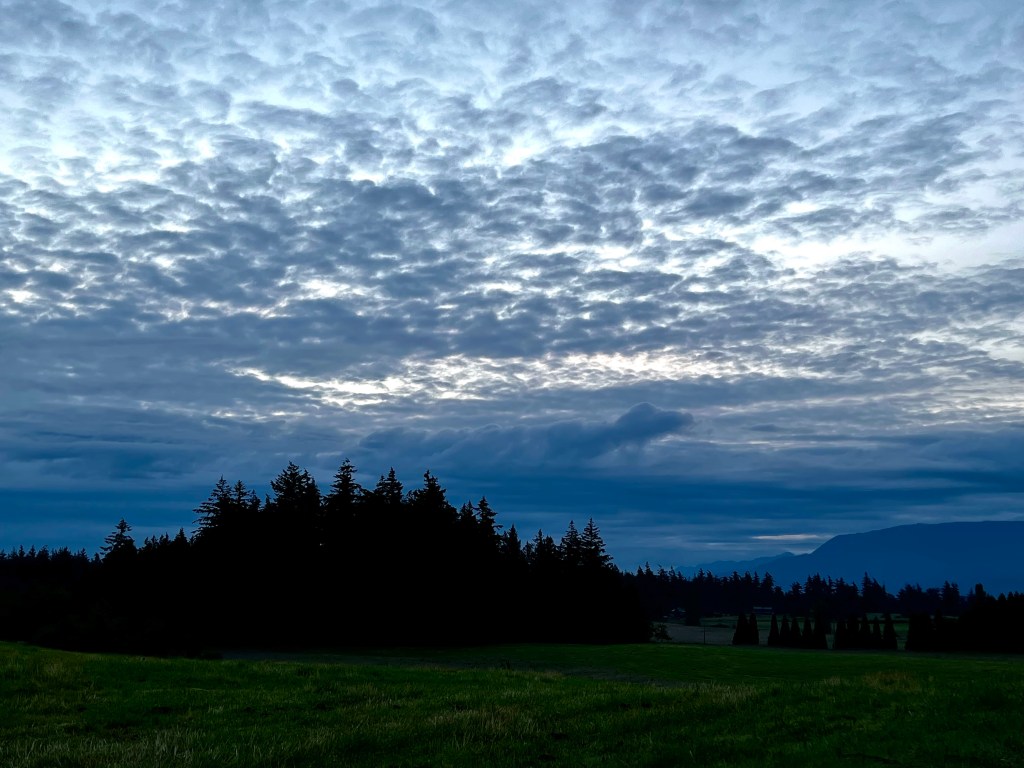
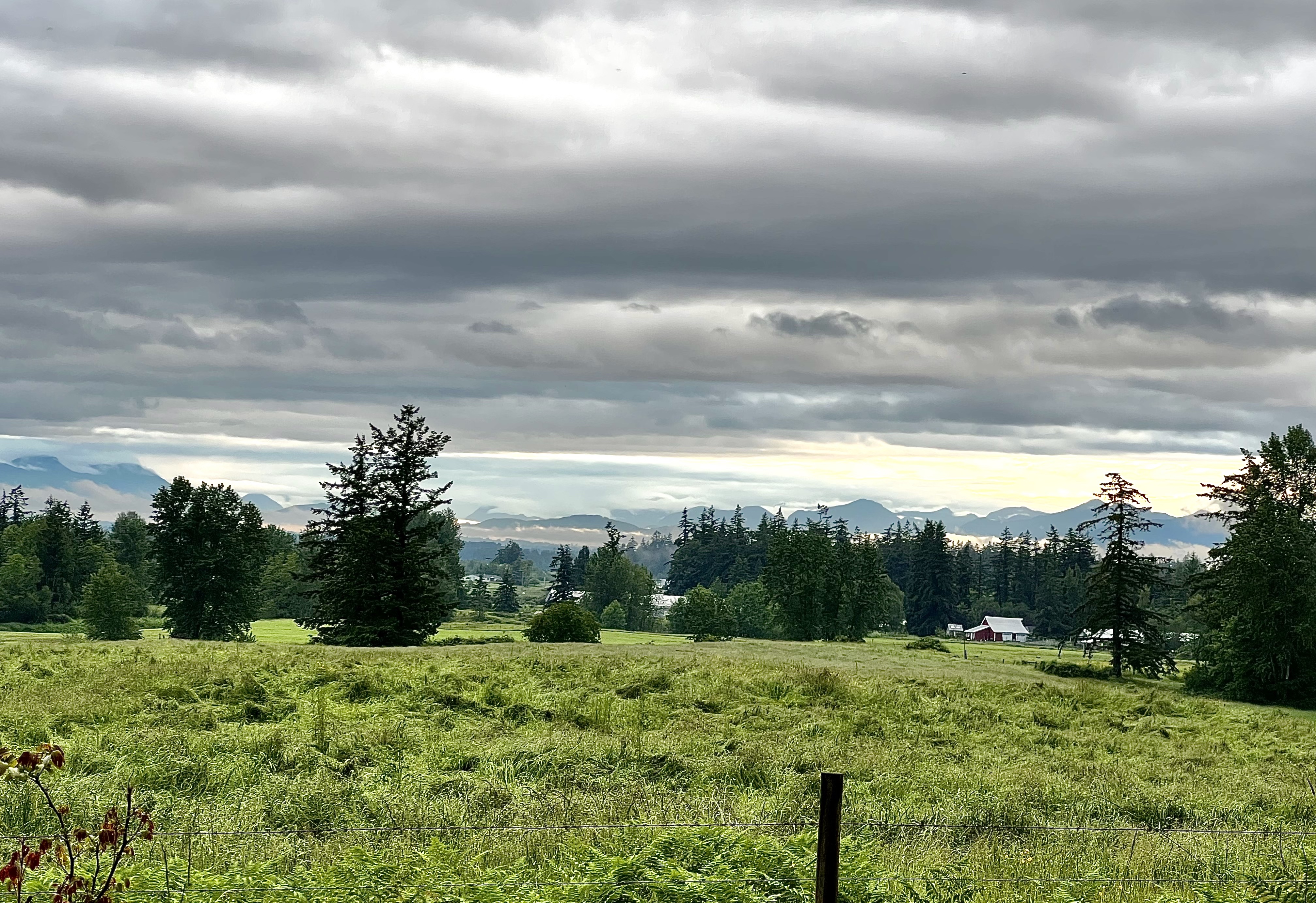
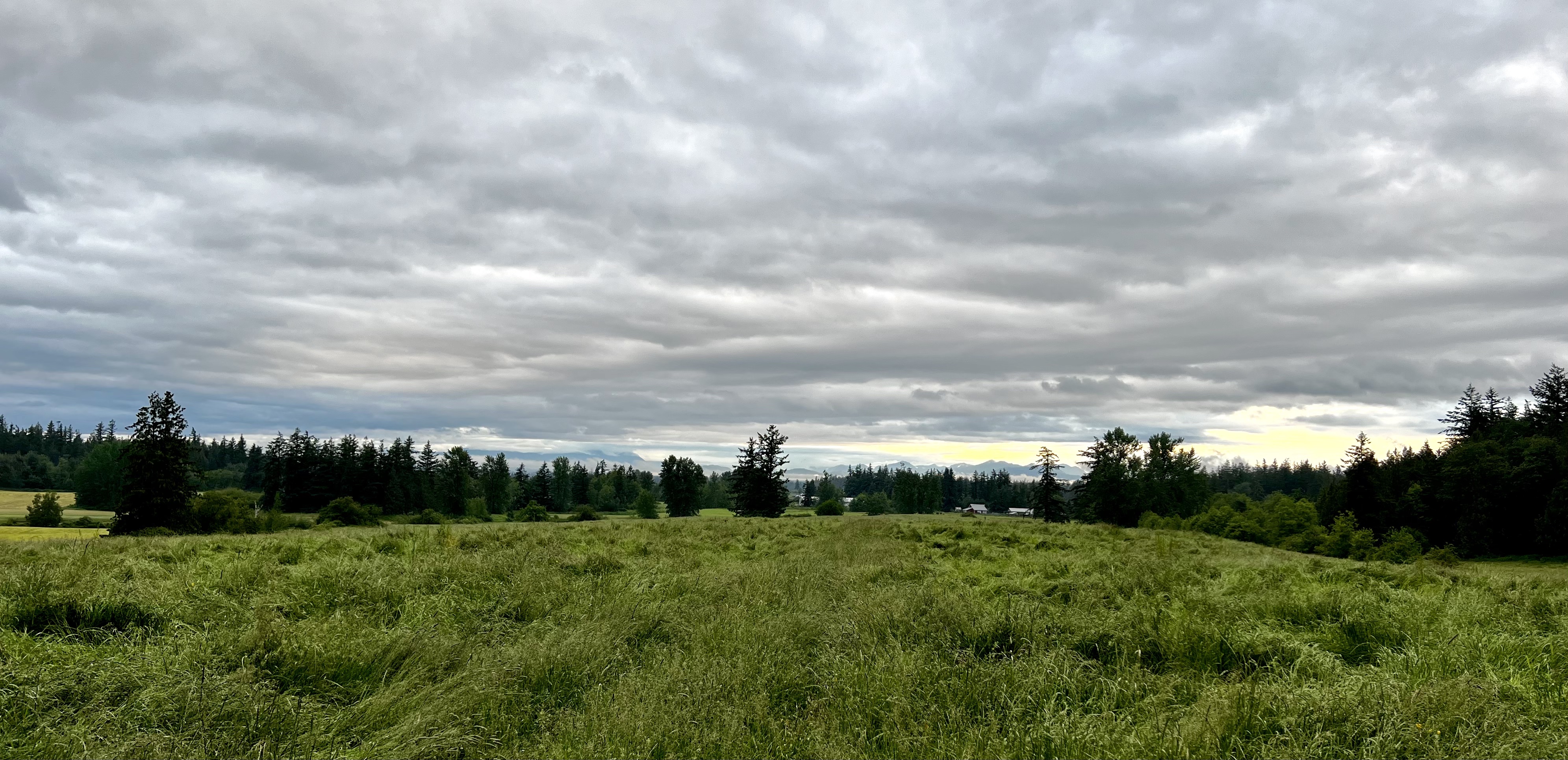
We are now four days into summer but aside from the date on the calendar, it would be difficult to prove otherwise.  After a dry stretch of warm late spring weather, it is now unseasonably cool, the skies stony gray, the rivers running full and fast, the ground peppered with puddles. Rain has fallen at night, hiding behind the cover of darkness as if ashamed of itself.  

As it should be.

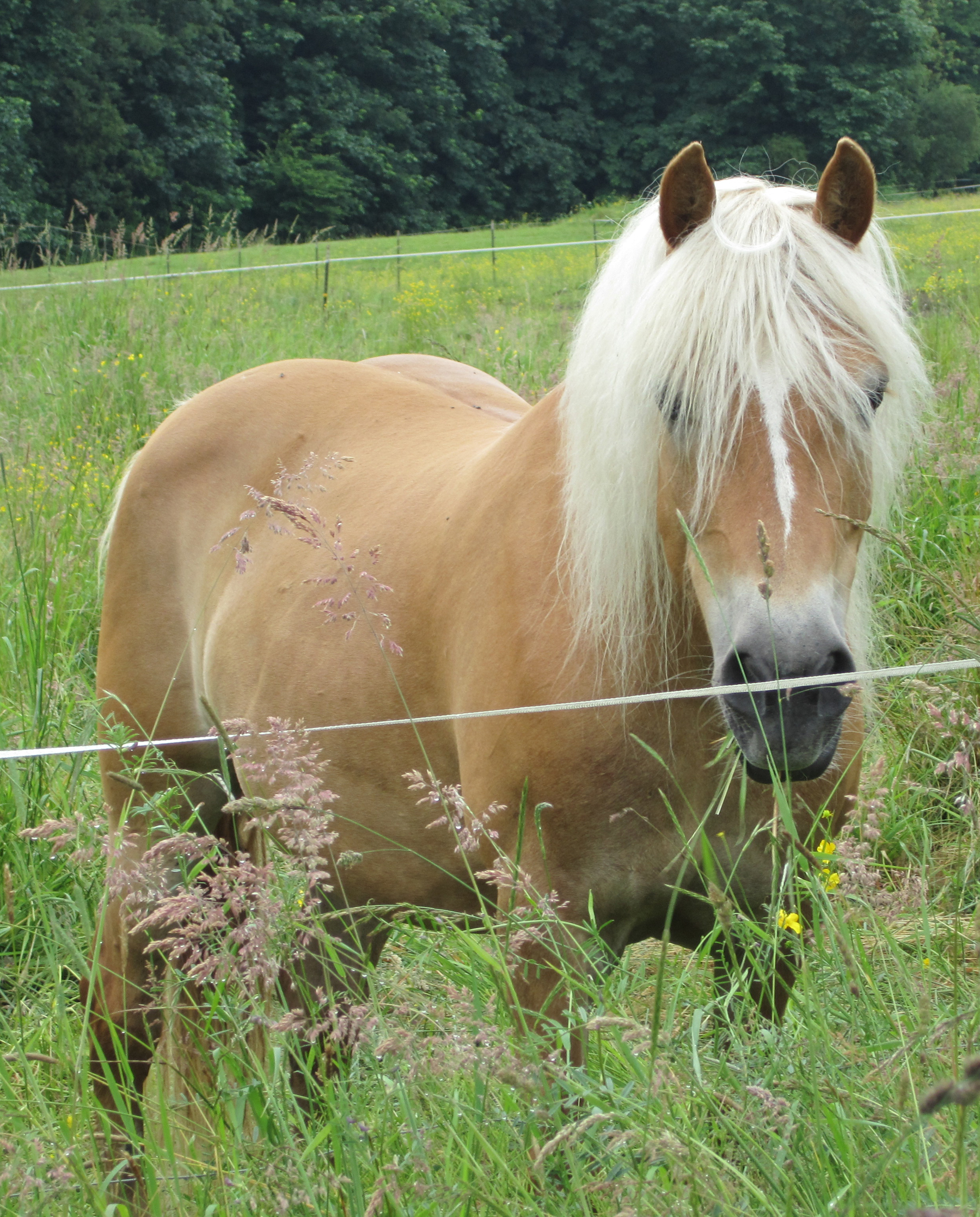
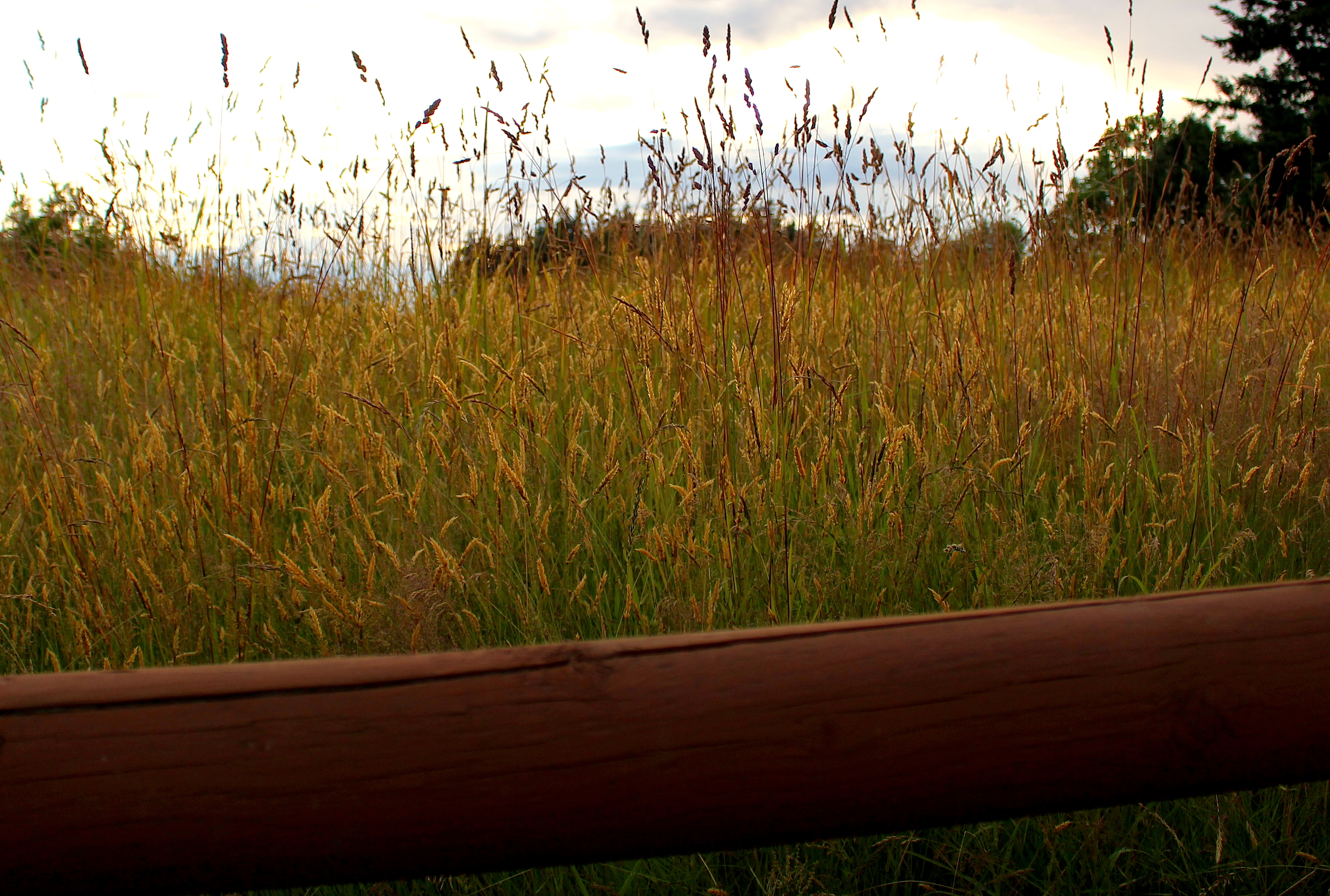
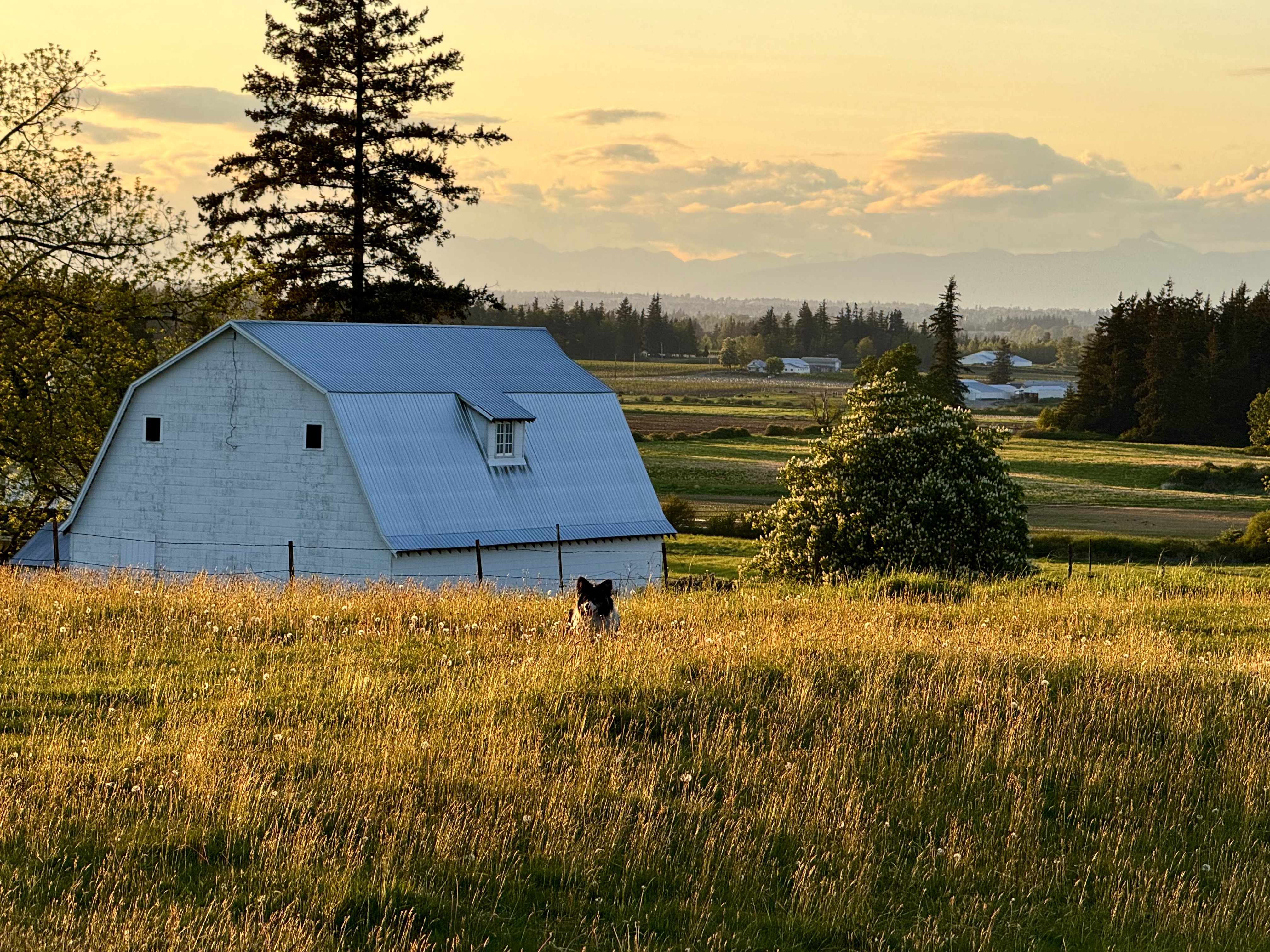
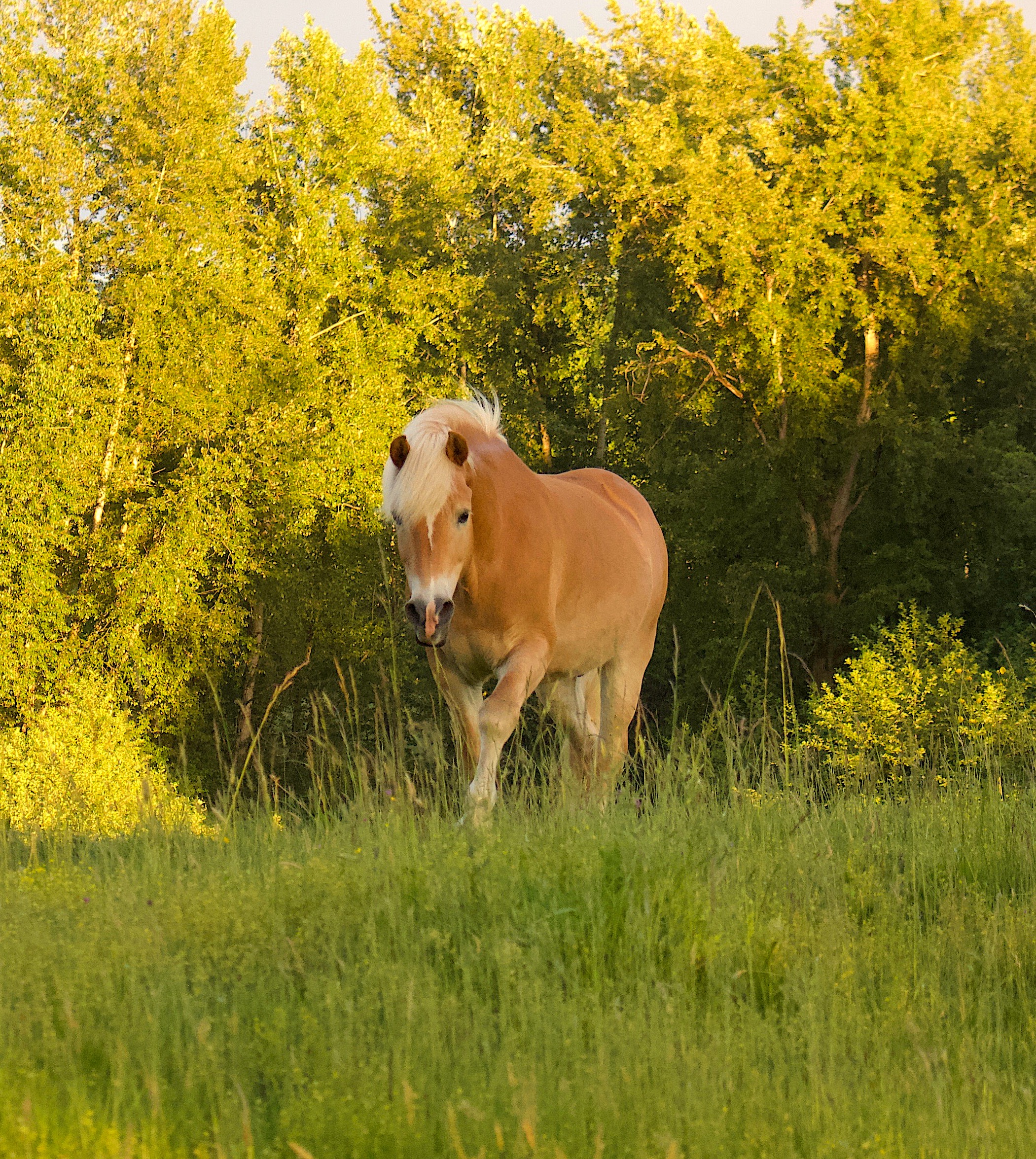
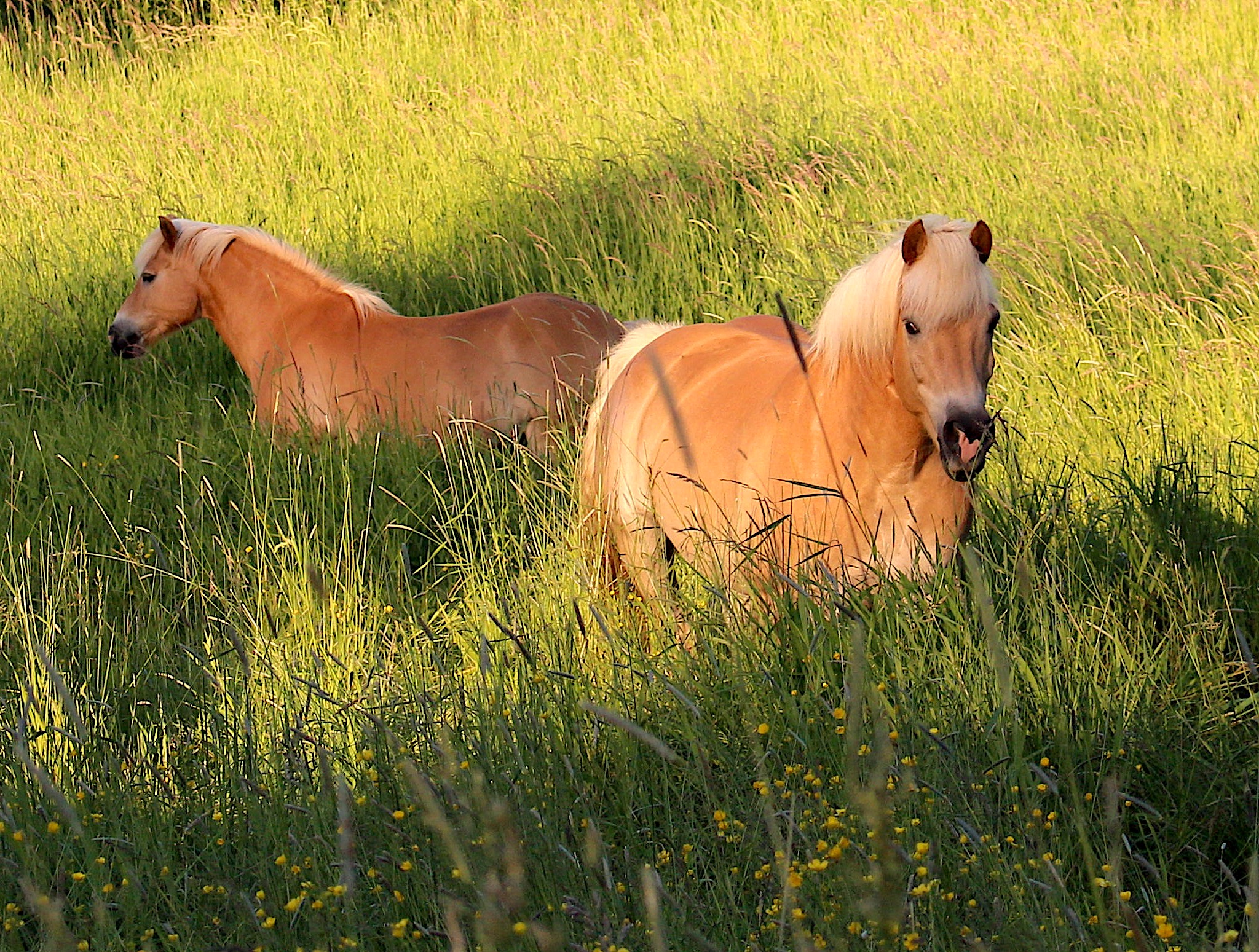
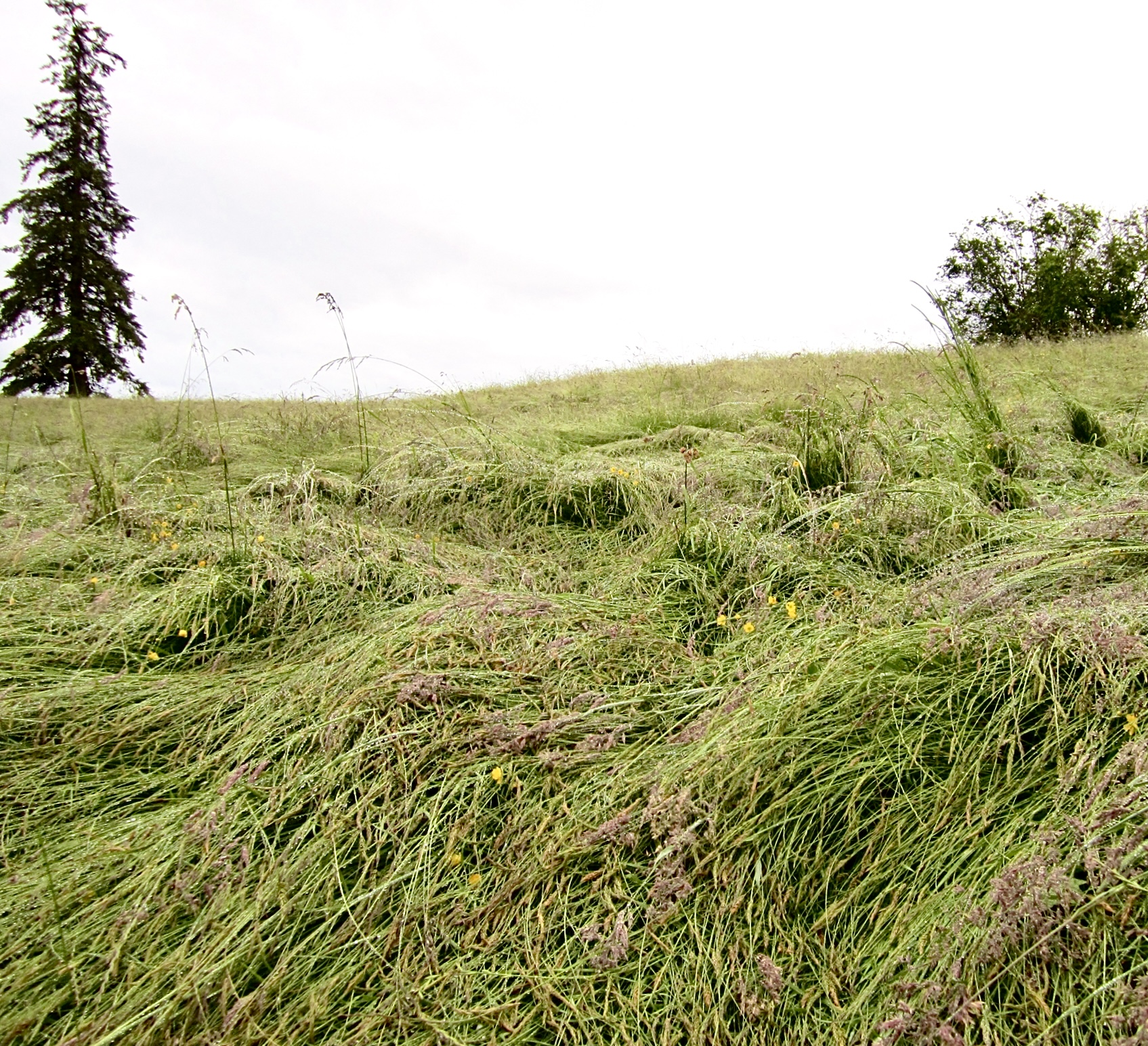
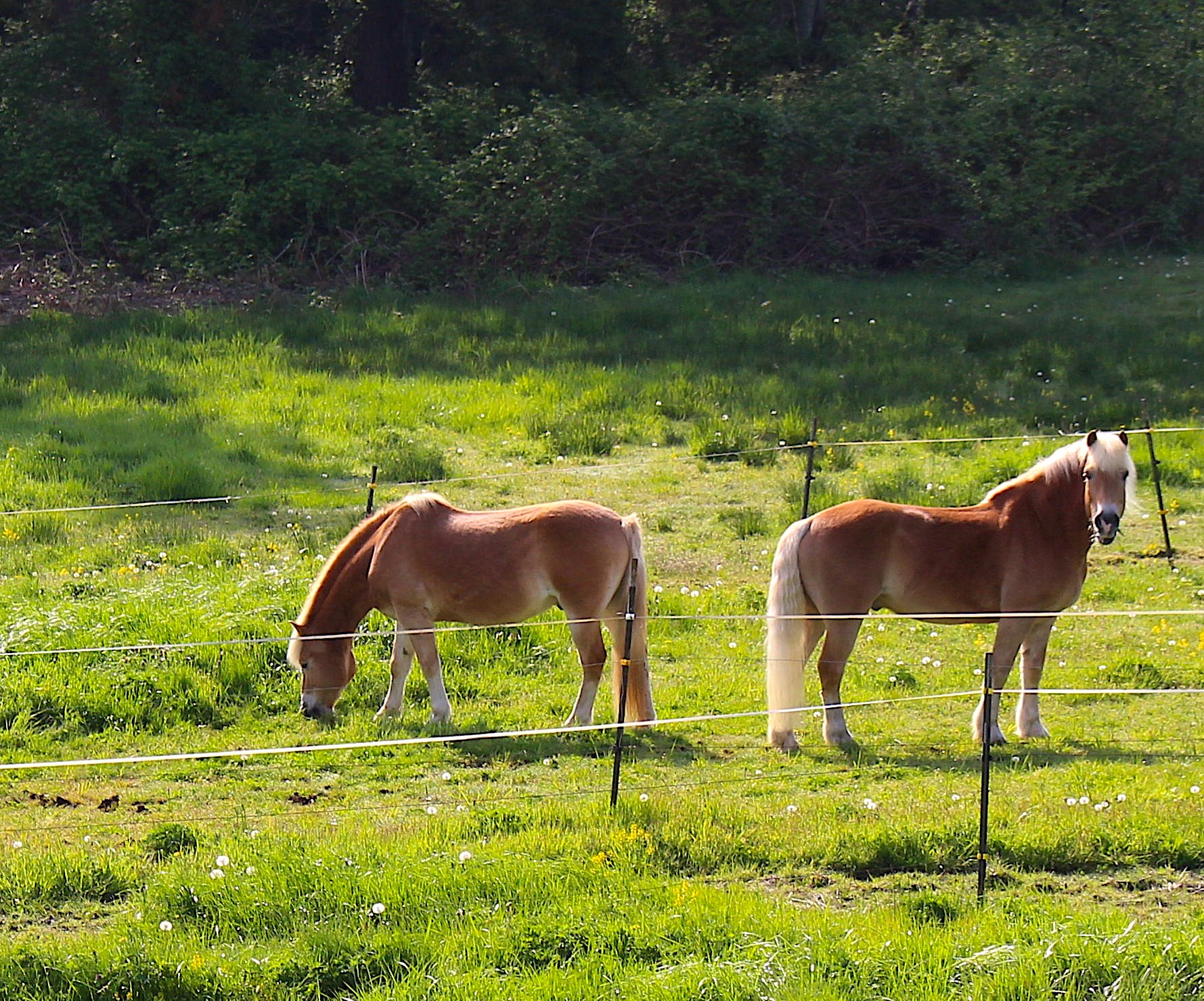
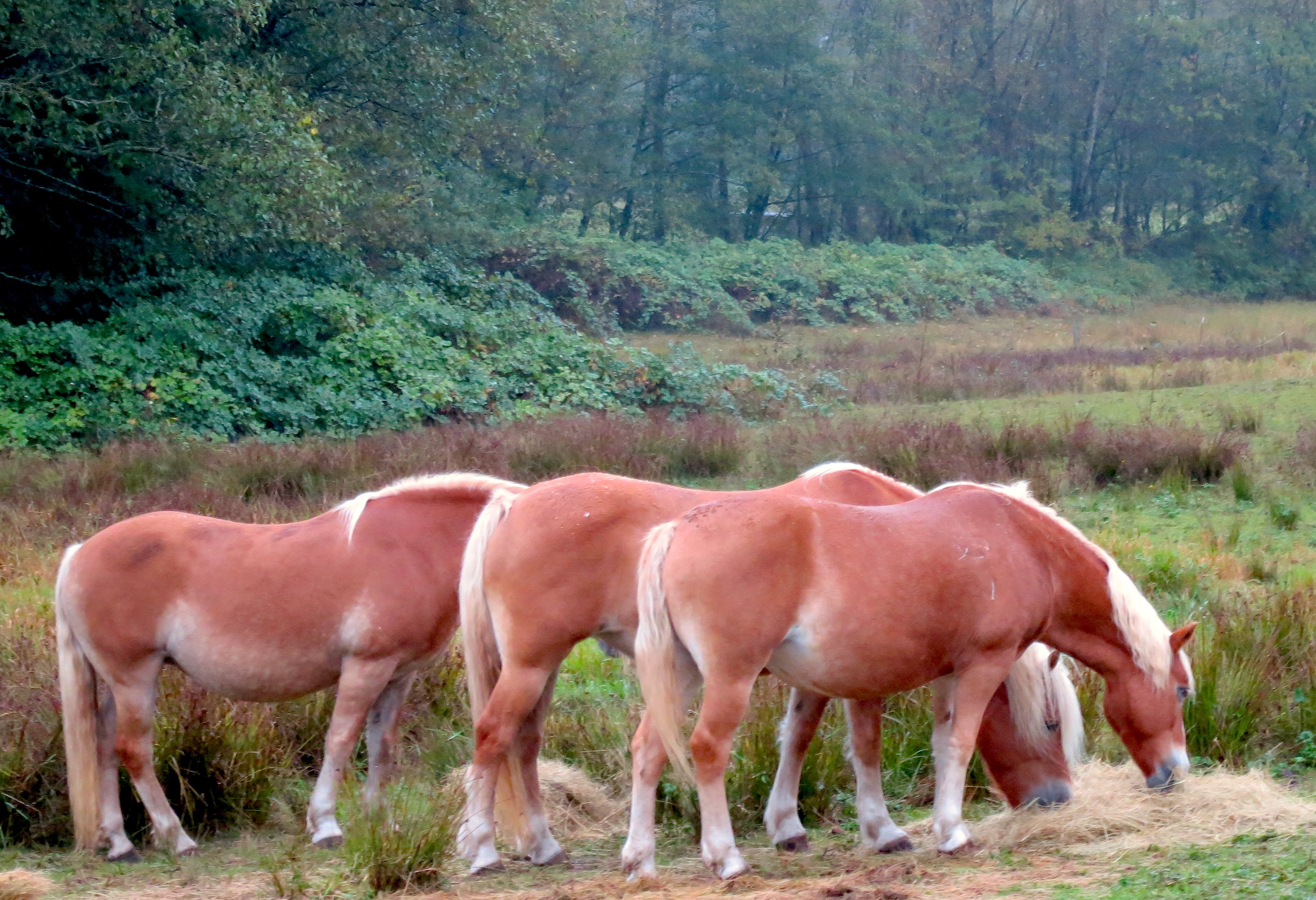
What all this moisture will yield is acres and acres of towering grass growth, more grass than imaginable, more grass than we can keep mowed,  burying the horses up to their backs as they dive head long into the pasture. The Haflingers don’t need to lower their necks to graze,  choosing instead to simply strip off the ripe tops of the grasses as they forge paths through five foot forage. It is like children at a birthday party swiping the frosting off cupcake after cupcake, licking their fingers as they go. Instead of icing, the horses’ muzzles are smeared with dandelion fluff,  grass seed and buttercup petals.

In the northwest, June can tend to shroud its promise of longer days under clouds. Outdoor weddings brace for rain and wind with a supply of umbrellas, graduation potlucks are served in the garage and Fourth of July picnics stay safely under cover. There is a wary anticipation of solstice as it signals the slow inexorable return of darkness from which we have barely recovered.

So I tremble as I too splash through the squishiness of late June,  quivering like a wet butterfly emerging from its cocoon ready to unfurl its wings to dry, but unsure how to fly and uncertain of the new world that awaits.  In fact the dark empty cocoon can look mighty inviting on a rainy June night. If I could manage to squeeze myself back in, it might be worth a try.

After all, there is no place like home.

One-Time
Monthly
Yearly

Make a one-time or recurring donation to support daily Barnstorming posts

Make a monthly donation

Make a yearly donation

Choose an amount

$10.00
$25.00
$50.00
$5.00
$15.00
$100.00
$5.00
$15.00
$100.00

Or enter a custom amount

$

Your contribution is deeply appreciated.

Your contribution is appreciated.

Your contribution is appreciated.

DonateDonate monthlyDonate yearly

Bubble Wrapped

We wove hip-high field grass 
into tunnels 

knotting the tops 
of bunched handfuls the drooping 
heads tied together. 

My seven siblings and I 
sheltered ourselves

inside these labyrinths 
in a galaxy of grasses.
~Heather Cahoon “Shelter”

As a child I enjoyed exploring our hay field to find the tallest patch of grass. There, like a dog turning circles before a nap, I’d trample down the waving stems that stretched up almost to my eyes, and create a grass nest, cozy enough for just me. 

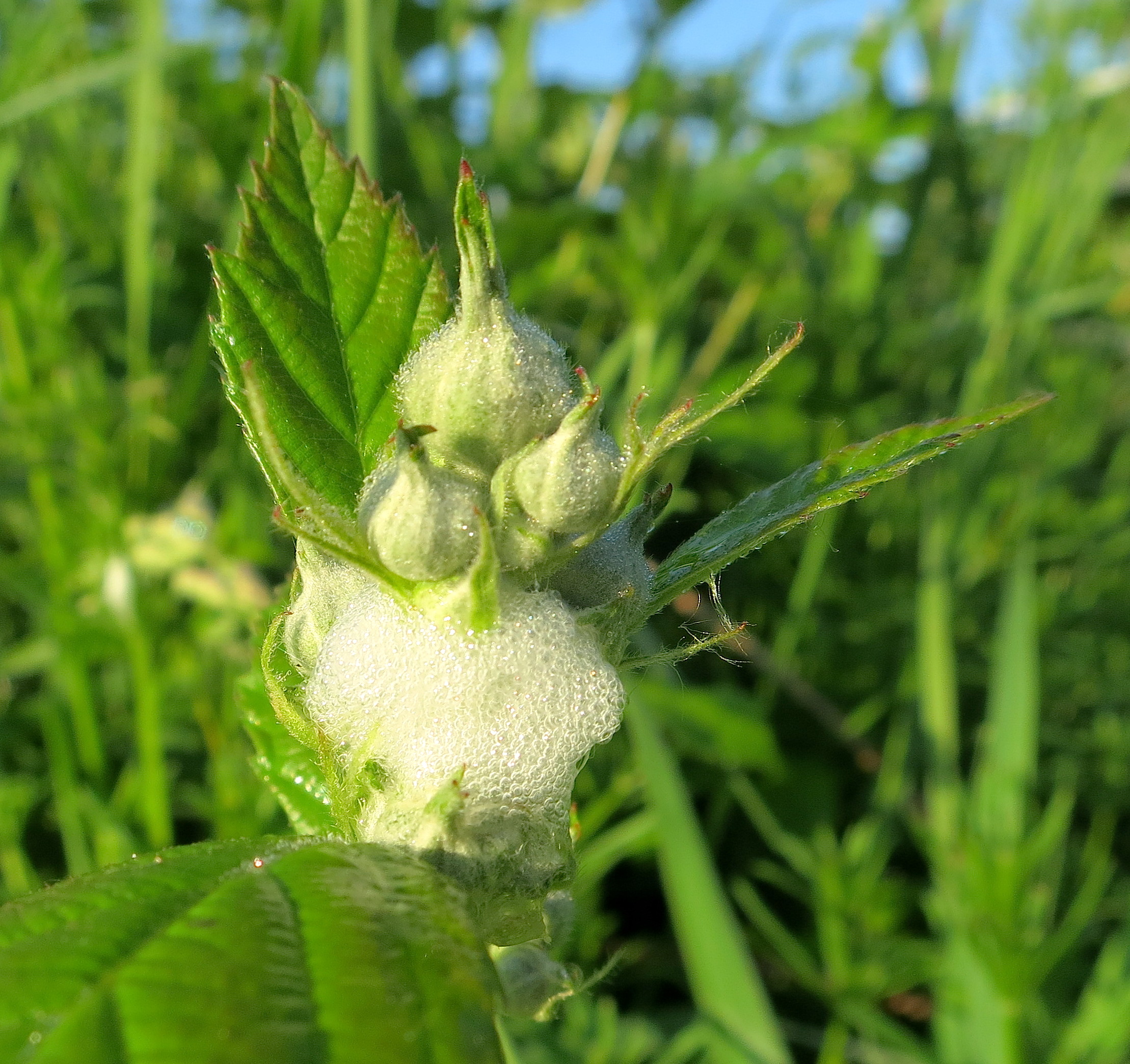
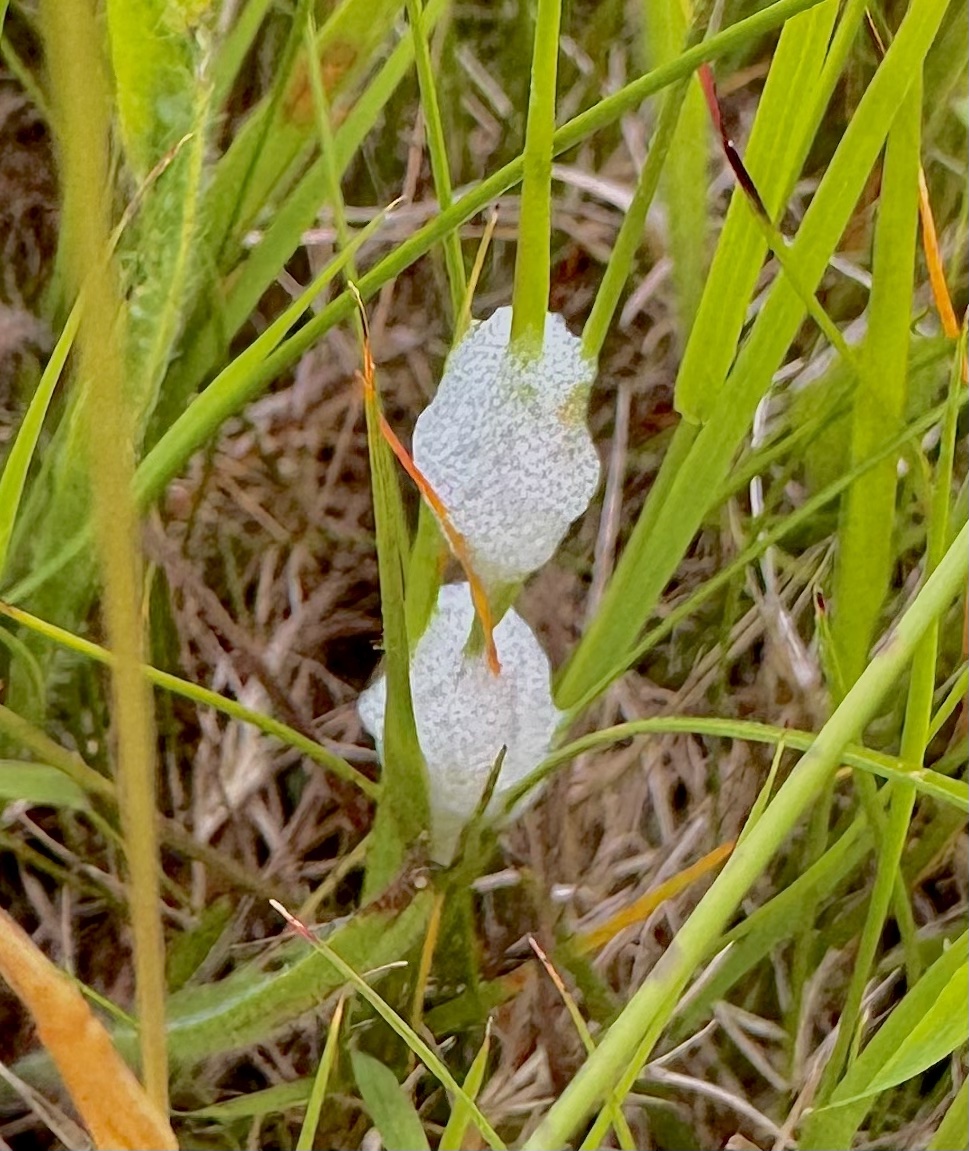
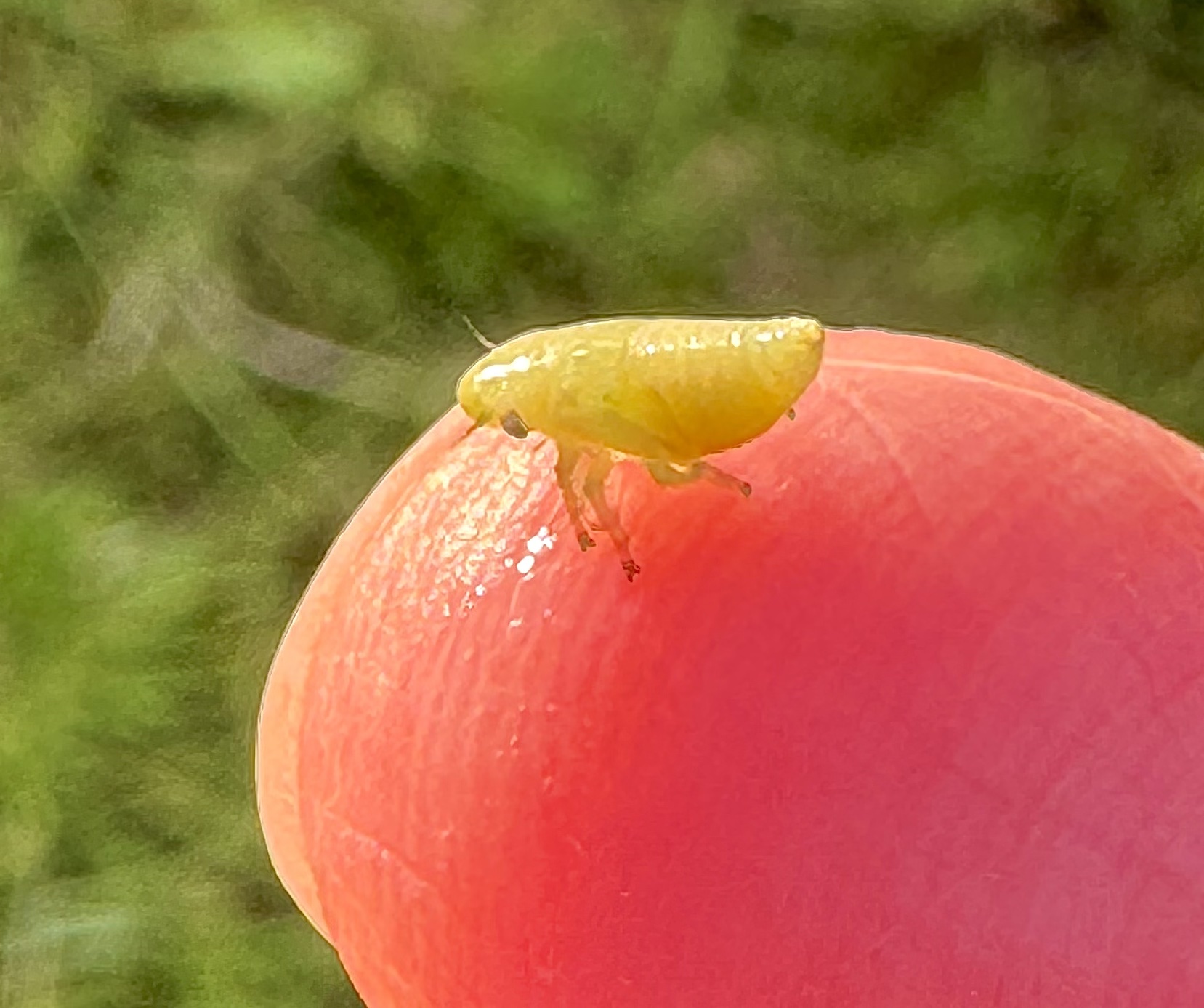
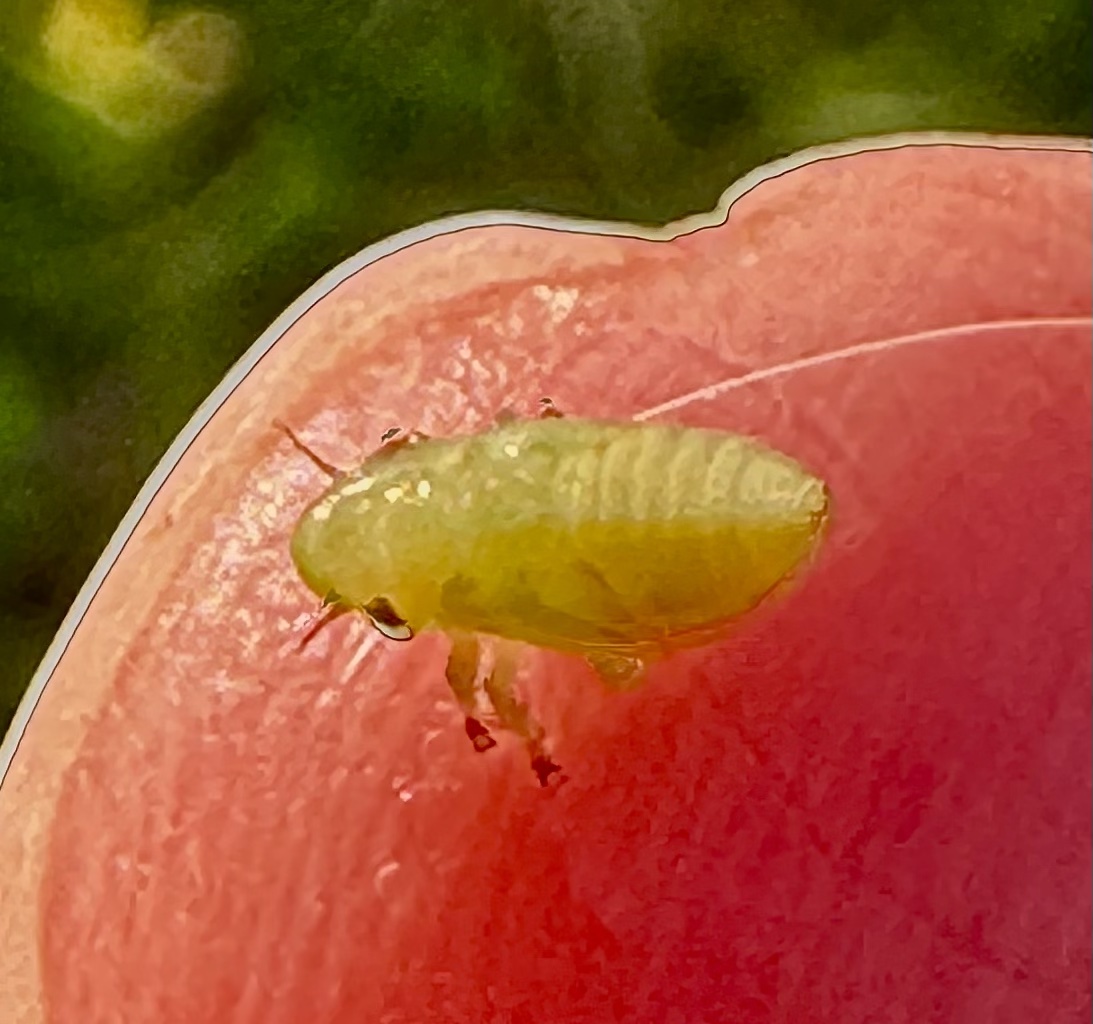
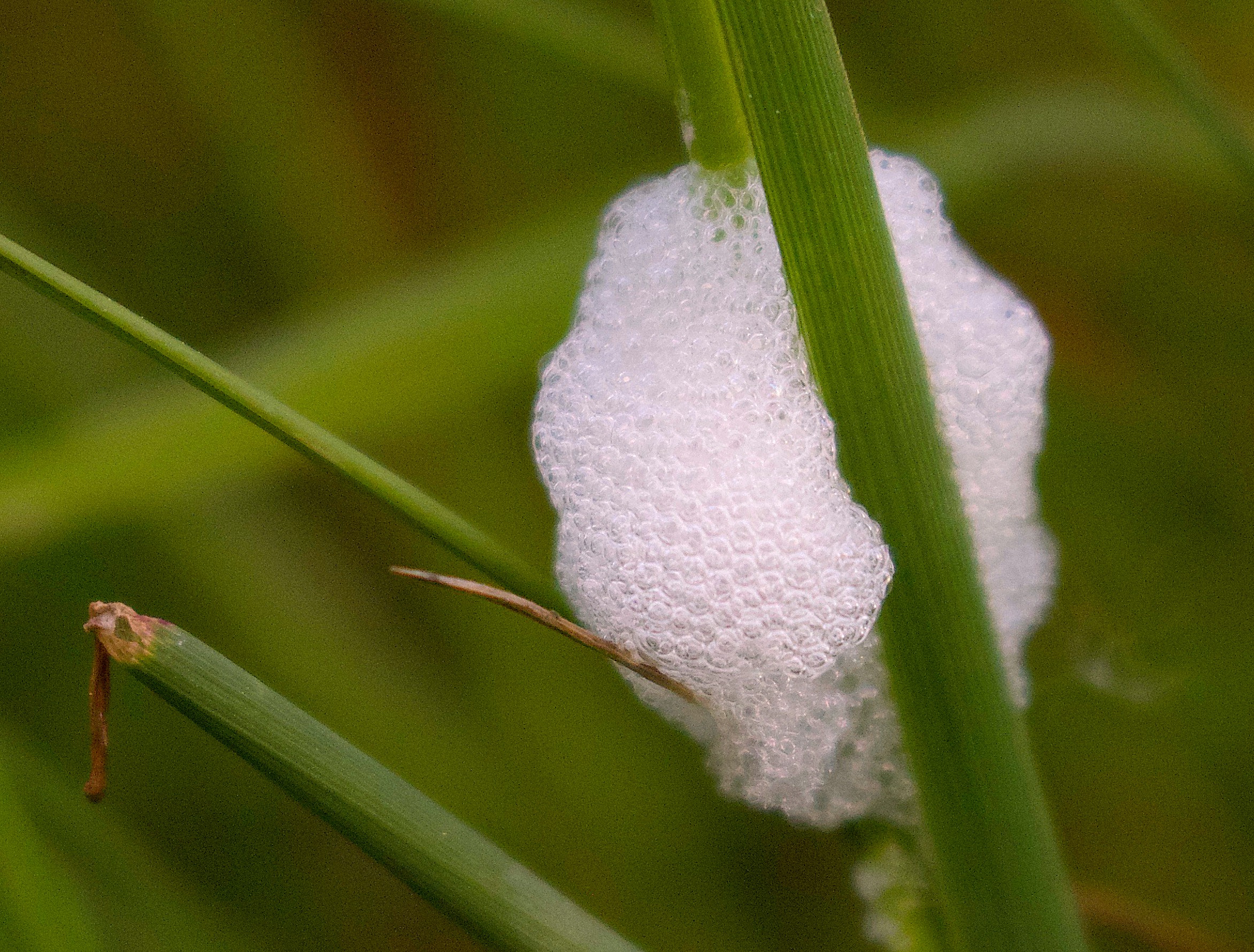
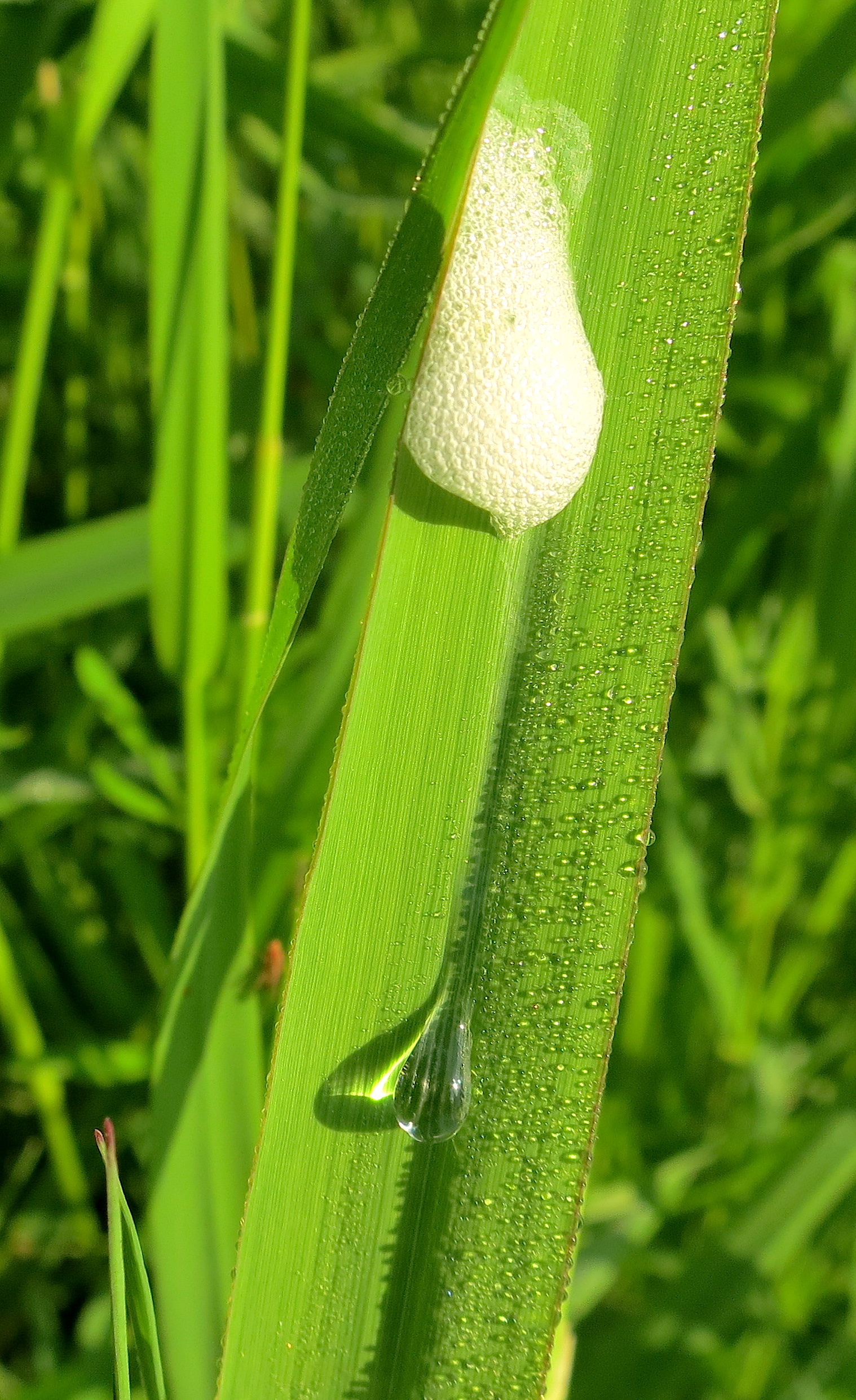
I’d lie down in this green fortress, gazing up at the blue sky, and watch the clouds drift lazily by. I’d suck on a hollow stem or two, to savor the bitter grass juice. Scattered around my grassy cage, attached to the broad grass stems, would be innumerable clumps of white foam. I’d tease out the hidden green spittle bugs with their little black eyes from their white frothy bubble encasement. I hoped to watch them make foam, to actually see them in action doing what they do best, but they would leap away.

The grassy nest was a time of retreat from the world by being buried inside the world. I felt protected, surrounded, encompassed and free –at least until I heard my mother calling for me from the house, or a rain shower started, driving me to run for cover, or my dog found me by sniffing out my green path.

It has been years since I hid in a grass fort or tried to defroth spit bugs. I am overdue, I’m sure.

Over twenty years ago, on a spring morning, I was driving into work on one of our county’s rural two-lane roads, savoring a grumbly mood and wishing I was heading somewhere else on a bright and sunny day. My mind was busy with the anticipation of the workday when I noticed a slight shift to the right over the fog line by the driver in the car ahead of me. Suddenly I realized why, in a moment of stark clarity. 

An empty gravel truck and trailer rig was approaching as it came over a hill, its driver seemingly unaware his huge trailer was starting to whip back and forth behind him. As the huge rig approached me, the trailer was coming back to my side of the road at a nearly ninety degree angle from the truck, filling up the entire lane in front of me. 

I had no choice but to run my car off the road into a grassy field to avoid being hit head-on by the still-attached but runaway trailer. Only by chance were there no deep ditches at that particular point in the road. My car dove right into tall grass, enfolded in a shroud of green, shielding me from a tangle of metal and certain death. 

It was a near miss, but a miss nonetheless.

I sat still for a moment, gathering my wits and picking up what was left of my frayed nerves from where they been strewn about. All I could see in front and around me was grass, just like my little childhood fortresses. 

It was very tempting to stay right there, hidden away in the safety of the grass, as if I had been a spittle bug wrapped in a foam cocoon, my heart racing with the relief of still being alive.

Instead I was able to drive out of the grassy field, and go on to work to do what I had been grumbling about that day, abruptly made aware of the privilege of having a life to live, a job to go to, and a grassy field perfectly situated to swallow me up into safety.

It was only later, as I called my husband about what had taken place, that I wept. Until then, I couldn’t stop smiling. I felt encased in liquid bubble wrap, foam-protected by One bigger and stronger, in whose image I had been made.

AI image created for this post
One-Time
Monthly
Yearly

Make a one-time or recurring donation to support daily Barnstorming posts

Make a monthly donation

Make a yearly donation

Choose an amount

$10.00
$25.00
$50.00
$5.00
$15.00
$100.00
$5.00
$15.00
$100.00

Or enter a custom amount

$

Your contribution is deeply appreciated.

Your contribution is appreciated.

Your contribution is appreciated.

DonateDonate monthlyDonate yearly

The Grass Forgiving the Scythe

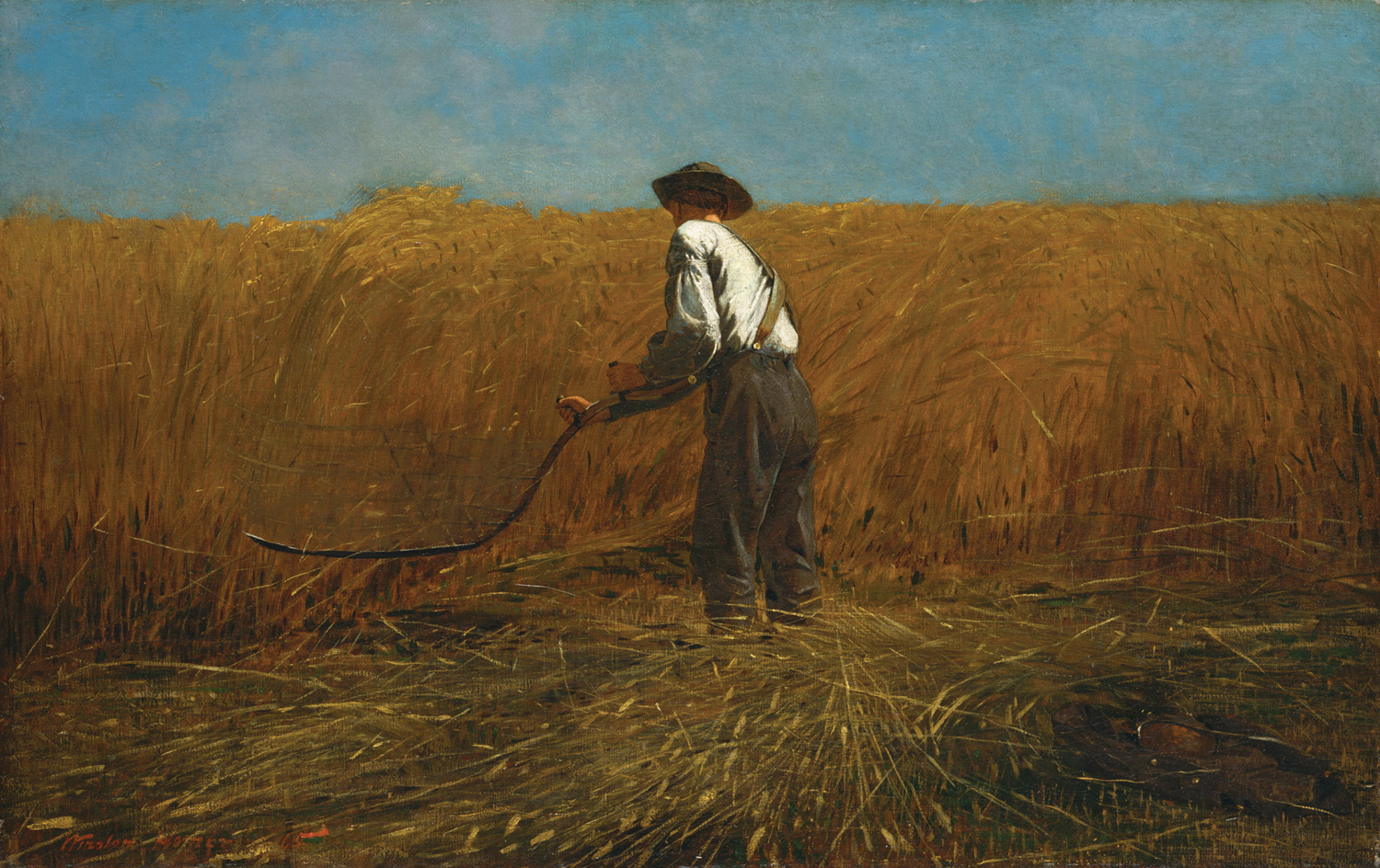
Winslow Homer’s The Veteran in a New Field
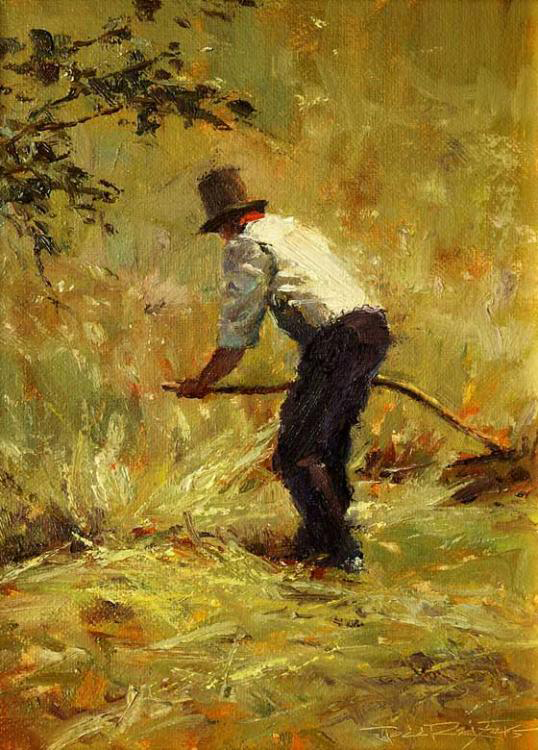
Man Scything Hay by Todd Reifers

There was never a sound beside the wood but one,
And that was my long scythe whispering to the ground.
What was it it whispered? I knew not well myself;
Perhaps it was something about the heat of the sun,
Something, perhaps, about the lack of sound—
And that was why it whispered and did not speak.

To the earnest love that laid the swale in rows,
The fact is the sweetest dream that labor knows.
My long scythe whispered and left the hay to make.
~Robert Frost in “Mowing”

Mowers, weary and brown, and blithe,
What is the word methinks ye know,
Endless over-word that the Scythe
Sings to the blades of the grass below?
Scythes that swing in the grass and clover,
Something still, they say as they pass;
What is the word that, over and over,
Sings the Scythe to the flowers and grass?

Hush, ah hush, the Scythes are saying,
Hush, and heed not, and fall asleep;
Hush, they say to the grasses swaying,
Hush, they sing to the clover deep!
Hush – ’tis the lullaby Time is singing –
Hush, and heed not, for all things pass,
Hush, ah hush! and the Scythes are swinging
Over the clover and over the grass!

~Andrew Lang (1844-1912) “The Scythe Song”

It is blue May. There is work
to be done. The spring’s eye blind
with algae, the stopped water
silent. The garden fills
with nettle and briar.
Dylan drags branches away.
I wade forward with my scythe.

There is stickiness on the blade.
Yolk on my hands. Albumen and blood.
Fragments of shell are baby-bones,
the scythe a scalpel, bloodied and guilty
with crushed feathers, mosses, the cut cords
of the grass. We shout at each other
each hurting with a separate pain.

From the crown of the hawthorn tree
to the ground the willow warbler
drops. All day in silence she repeats
her question. I too return
to the place holding the pieces,
at first still hot from the knife,
recall how warm birth fluids are.

~Gillian Clarke “Scything” from Letter from a Far Country (1982)

The grass around our orchard and yet-to-be-planted garden is now thigh-high. It practically squeaks while it grows. Anything that used to be in plain sight on the ground is rapidly being swallowed up in a sea of green: a ball, a pet dish, a garden gnome, a hose, a tractor implement, a bucket. In an effort to stem this tidal flood of grass, I grab the scythe out of the garden shed and plan my attack.

When the pastures are too wet yet for heavy hooves, I have hungry horses to provide for and there is more than plenty fodder to cut down for them.

I’m not a weed whacker kind of gal. First there is the necessary fuel, the noise necessitating ear plugs, the risk of flying particles requiring goggles–it all seems too much like an act of war to be remotely enjoyable. Instead, I have tried to take scything lessons from my husband.

Emphasis on “tried.”

I grew up watching my father scythe our hay in our field because he couldn’t afford a mower for his tractor. He enjoyed physical labor in the fields and woods–his other favorite hand tool was a brush cutter that he’d take to blackberry bushes. He would head out to the field with the scythe over this shoulder, grim reaper style. Once he was standing on the edge of the grass needing to be mowed, he would then lower the scythe, curved blade to the ground, turn slightly, positioning his hands on the two handles just so, raise the scythe up past his shoulders, and then in a full body twist almost like a golf swing, he’d bring the blade down. It would follow a smooth arc through the base of the standing grass, laying clumps flat in a tidy pile alongside the 2 inch stubble left behind. It was a swift, silky muscle movement — a thing of beauty.

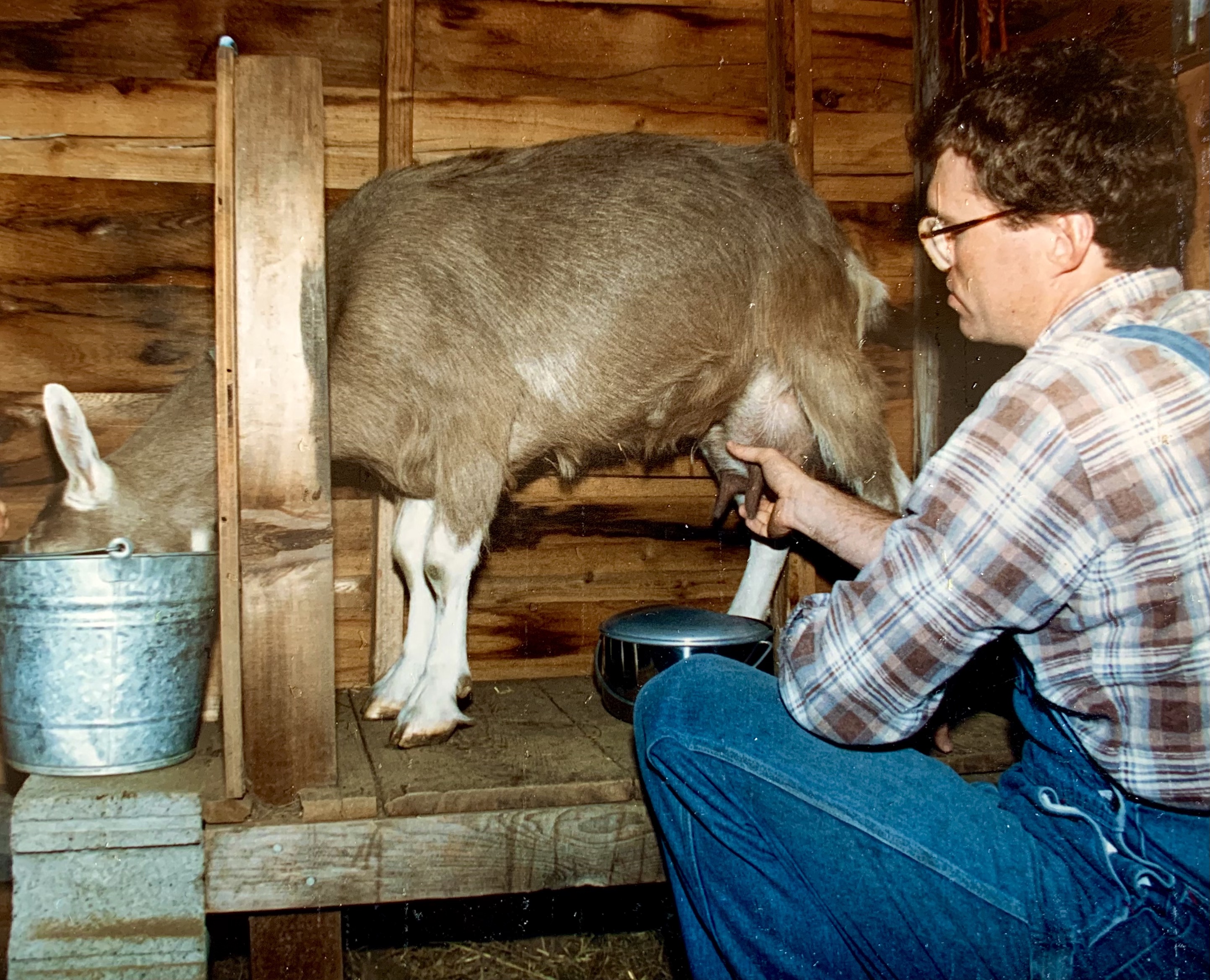
Once, when I was three years old, I quietly approached my dad in the field while he was busily scything grass for our cows, but I didn’t announce my presence. The handle of his scythe connected with me as he swung it, laying me flat with a bleeding eyebrow. I still bear the scar, somewhat proudly, as he abruptly stopped his fieldwork to lift me up as I bawled and bled on his sweaty shirt. He must have felt so badly to have injured his little girl and drove my mom and I to the local doctor who patched my brow with sticky tape rather than stitches.

So I identify a bit with the grass laid low by the scythe. I forgave my father, of course, and learned never again to surprise him when he was working in the field.

Instead of copying my father’s graceful mowing technique, I tended to chop and mangle rather than effect an efficient slicing blow to the stems. I unintentionally trampled the grass I meant to cut. I got blisters from holding the handles too tightly. It felt hopeless that I’d ever perfect that whispery rise and fall of the scythe, with the rhythmic shush sound of the slice that is almost hypnotic.

Not only did I become an ineffective scything human, I also learned what it is like to be the grass laid flat, on the receiving end of a glancing blow. Over a long career, I bore plenty of footprints from the trampling. It can take awhile to stand back up after being cut down.

Sometimes it makes more sense to simply start over as the oozing stubble bleeds green, with deep roots that no one can reach. As I have grown back over the years, singing rather than squeaking or bawling, I realize, I forgave the scythe every time it came down on my head.

photo by Nate Gibson
One-Time
Monthly
Yearly

Make a one-time or recurring donation to support daily Barnstorming posts

Make a monthly donation

Make a yearly donation

Choose an amount

$5.00
$15.00
$100.00
$5.00
$15.00
$100.00
$5.00
$15.00
$100.00

Or enter a custom amount

$

Your contribution is deeply appreciated.

Your contribution is appreciated.

Your contribution is appreciated.

DonateDonate monthlyDonate yearly

Only an Inch Beneath the Grass

He’s not so absorbed in the life around him
That he never looks up on clear nights
To admire the starry face of the sky.
But he’s awed even more by the earth he lives on,
By how much, for instance, its fertility
Depends on the unseen toil of earthworms.
Who would believe that over decades
Every inch of the field behind his house
Passes through their bodies again and again
As they feed on the dirt they tunnel through?
So much tireless turning over of loam,
So much natural harrowing, shredding, and leveling.
Yes, their work has undermined the stone wall
That marks the edge of his garden. But that’s a small price
For soil that nurtures the berries and grains
He enjoys at breakfast. Why turn from the table
To write a lament on the power of time
To undermine human effort when he can describe
How the work of worms helps sustain us?
Not to bother with them because they aren’t aware
Of his existence—how small-minded
That would seem to him in a species that prides itself
On understanding its place in the scheme of things,
As small-minded as thinking less of the stars
Because they aren’t twinkling for his benefit.
But the stars aren’t likely to go unnoticed
By a species quick to admire what’s distant,
Serene, and glittering, as opposed to what’s near,
Busy, and inconspicuous,
Working an inch beneath the grass.

~Carl Dennis “Near Darwin”

Aren’t you glad at least that the earthworms
Under the grass are ignorant, as they eat the earth,
Of the good they confer on us, that their silence
Isn’t a silent reproof for our bad manners,
Our never casting earthward a crumb of thanks
For their keeping the soil from packing so tight
That no root, however determined, could pierce it?

Imagine if they suspected how much we owe them,
How the weight of our debt would crush us
Even if they enjoyed keeping the grass alive,
The garden flowers and vegetables, the clover,
And wanted nothing that we could give them,
Not even the merest nod of acknowledgment.

A debt to angels would be easy in comparison,
Bright, weightless creatures of cloud, who serve
An even brighter and lighter master.


Lucky for us they don’t know what they’re doing,
These puny anonymous creatures of dark and damp
Who eat simply to live, with no more sense of mission
Than nature feels in providing for our survival.

…the tunneling earthworms, tireless, silent,
As they persist, oblivious, in their service.

~Carl Dennis from “Worms”

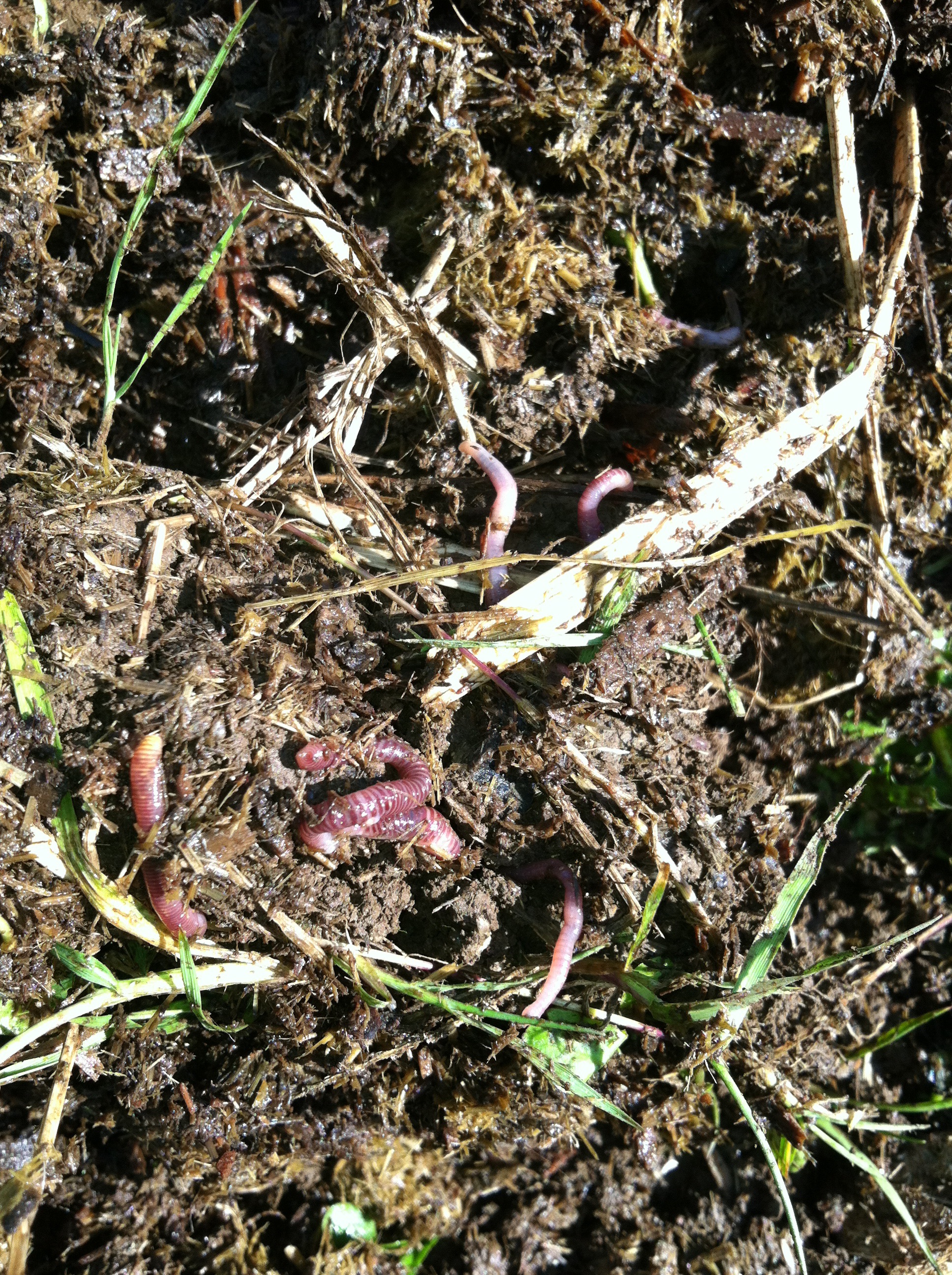
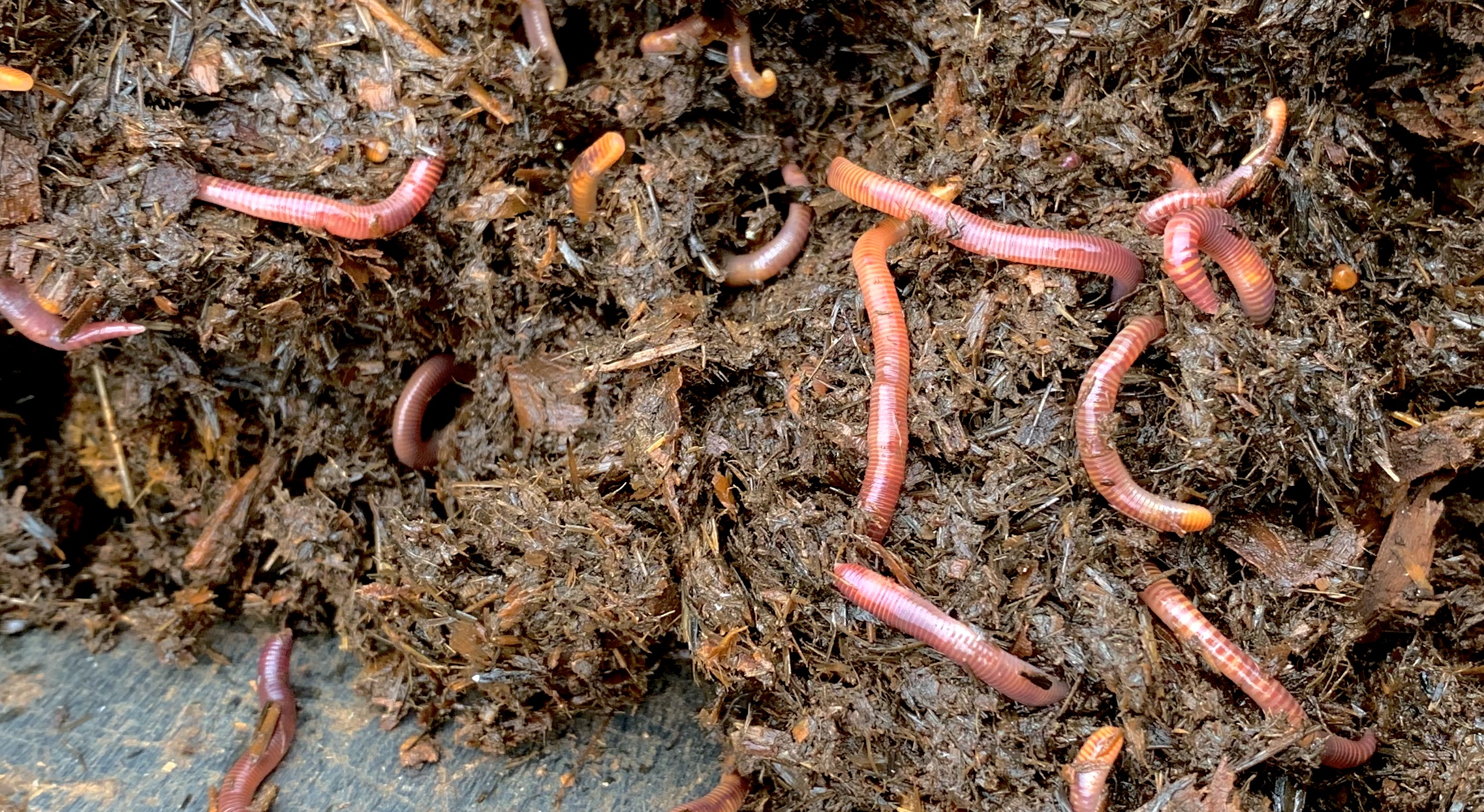
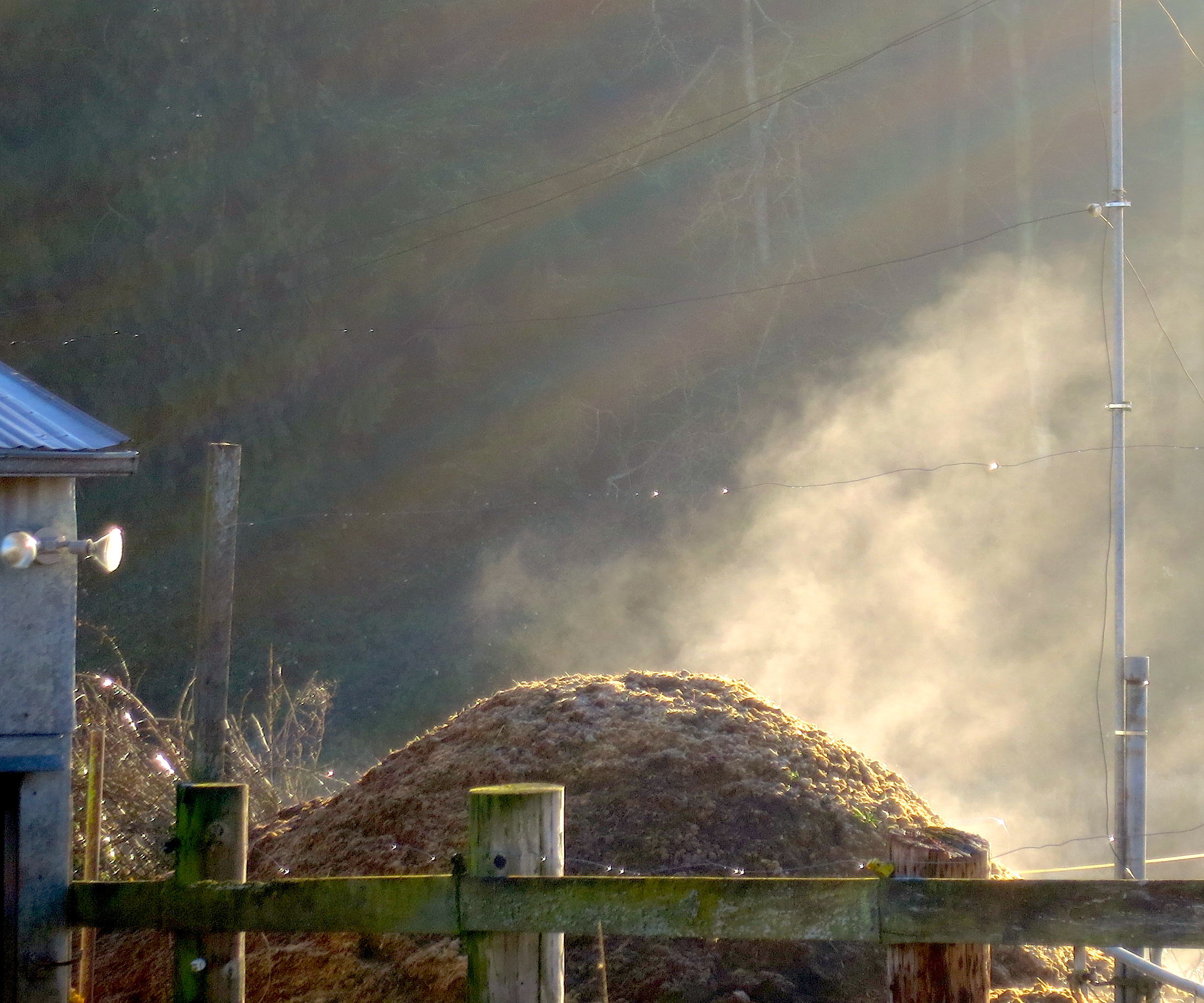
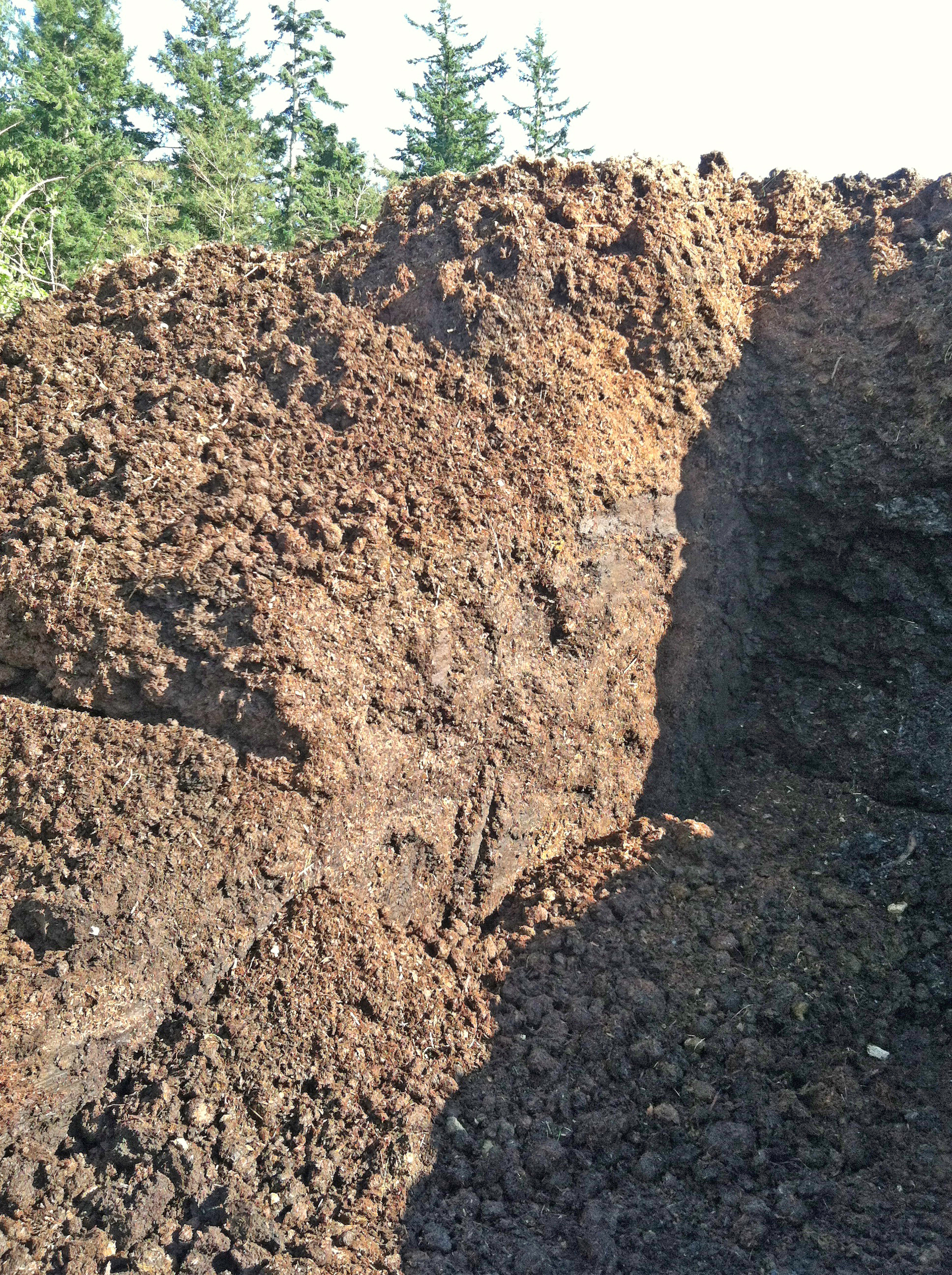
We’ve been composting horse manure for several decades behind the barn, and we dig in to the tall pile to spread on our garden plots. As Dan pushes the tractor’s front loader into the pile, steam rises from its compost innards. As the rich soil is scooped, thousands of newly exposed red wiggler worms immediately dive for cover. Within seconds, thousands of naked little creatures have, well, …wormed their way back into the security of warm dirt, being rudely interrupted from their routine. I can’t say I blame them.

Hundreds of thousands of wigglers end up being forced in the spring to adapt to new quarters, leaving the security of the manure mountain behind. As we smooth the topping of compost over the garden plot, the worms–gracious creatures that they are–tolerate being rolled and raked and lifted and turned over, waving their little bodies expectantly in the cool air before slipping back down into the dark. There they begin their work of digesting, aerating and renewing the soil of the garden, reproducing in their unique hermaphroditic way, leaving voluminous castings behind to further feed future seedlings to be planted.

Worms are unjustly denigrated by humans primarily because we don’t like to be surprised by them. We don’t like to see one in our food, especially only part of one, and are particularly distressed to see them after we’ve digested our food. Once we get past that bit of squeamishness, we can greatly appreciate their role as the ultimate recyclers, leaving the earth under our feet a lot better off once they are finished with their work.

We humans actually suffer by comparison: to be called “a worm” is really not as bad as it sounds at first. It is possible the worm may be offended by the association.

I hope to prove a worthy innkeeper for these new tenants.
May they live long and prosper only an inch beneath the grass,
so much more accessible than the infinite stars in the sky.
May each worm forgive the disruption
perpetrated by our rake and shovel.
May I smile appreciatively the next time
someone calls me a mere worm.

a cross section of 30 months of composted manure
AI image created for this post
One-Time
Monthly
Yearly

Make a one-time or recurring donation to support daily Barnstorming posts

Make a monthly donation

Make a yearly donation

Choose an amount

$10.00
$25.00
$50.00
$5.00
$15.00
$100.00
$5.00
$15.00
$100.00

Or enter a custom amount

$

Your contribution is deeply appreciated.

Your contribution is appreciated.

Your contribution is appreciated.

DonateDonate monthlyDonate yearly

At Summer’s Pace

Light and wind are running
over the headed grass
as though the hill had 
melted and now flowed.
~Wendell Berry “June Wind” from New Collected Poems

Cut grass lies frail:
Brief is the breath
Mown stalks exhale.
Long, long the death

It dies in the white hours
Of young-leafed June
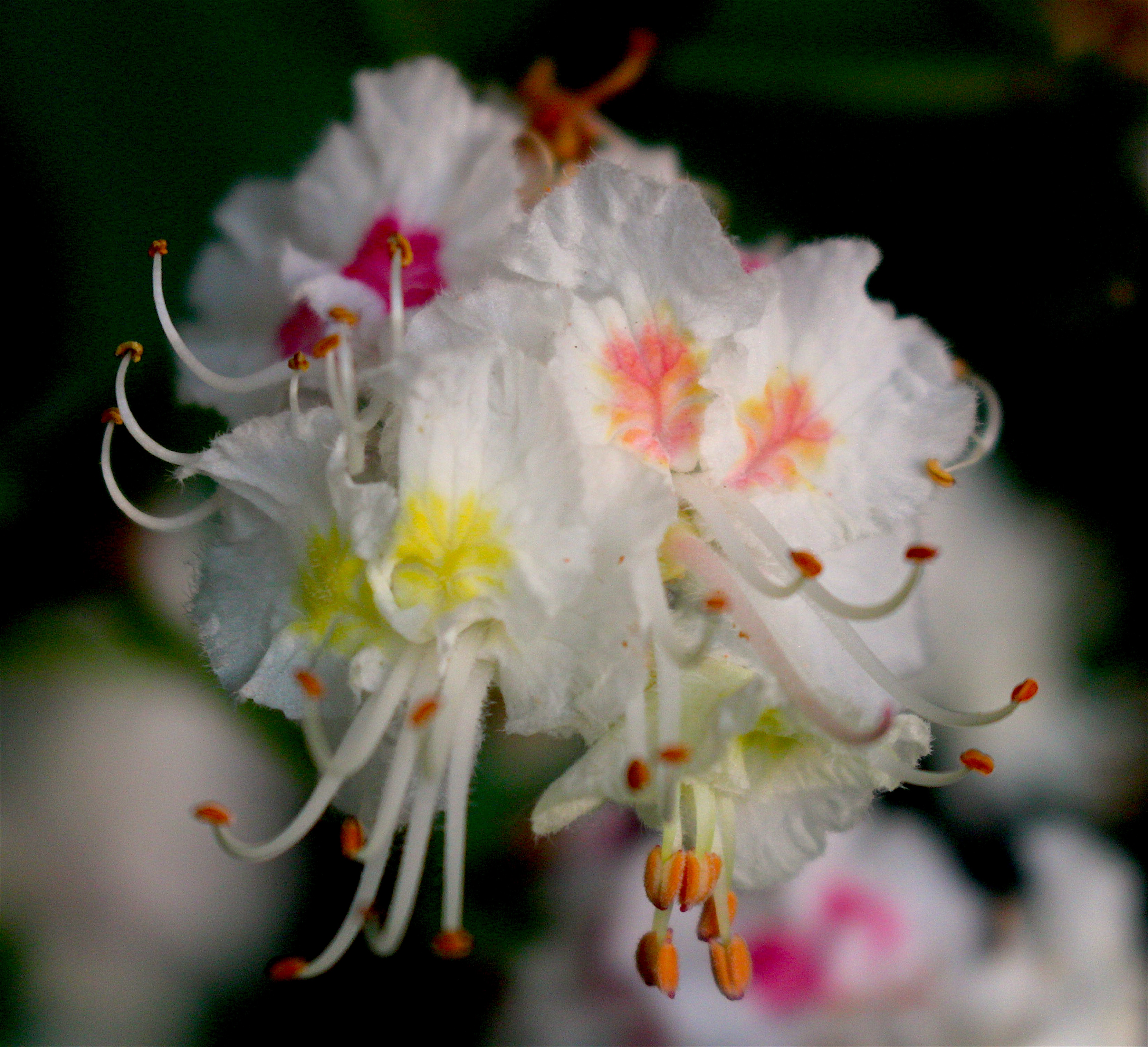
With chestnut flowers,
With hedges snowlike strewn,

White lilac bowed,
Lost lanes of Queen Anne’s lace,
And that high-builded cloud
Moving at summer’s pace.
~Philip Larkin “Cut Grass” from The Complete Poems

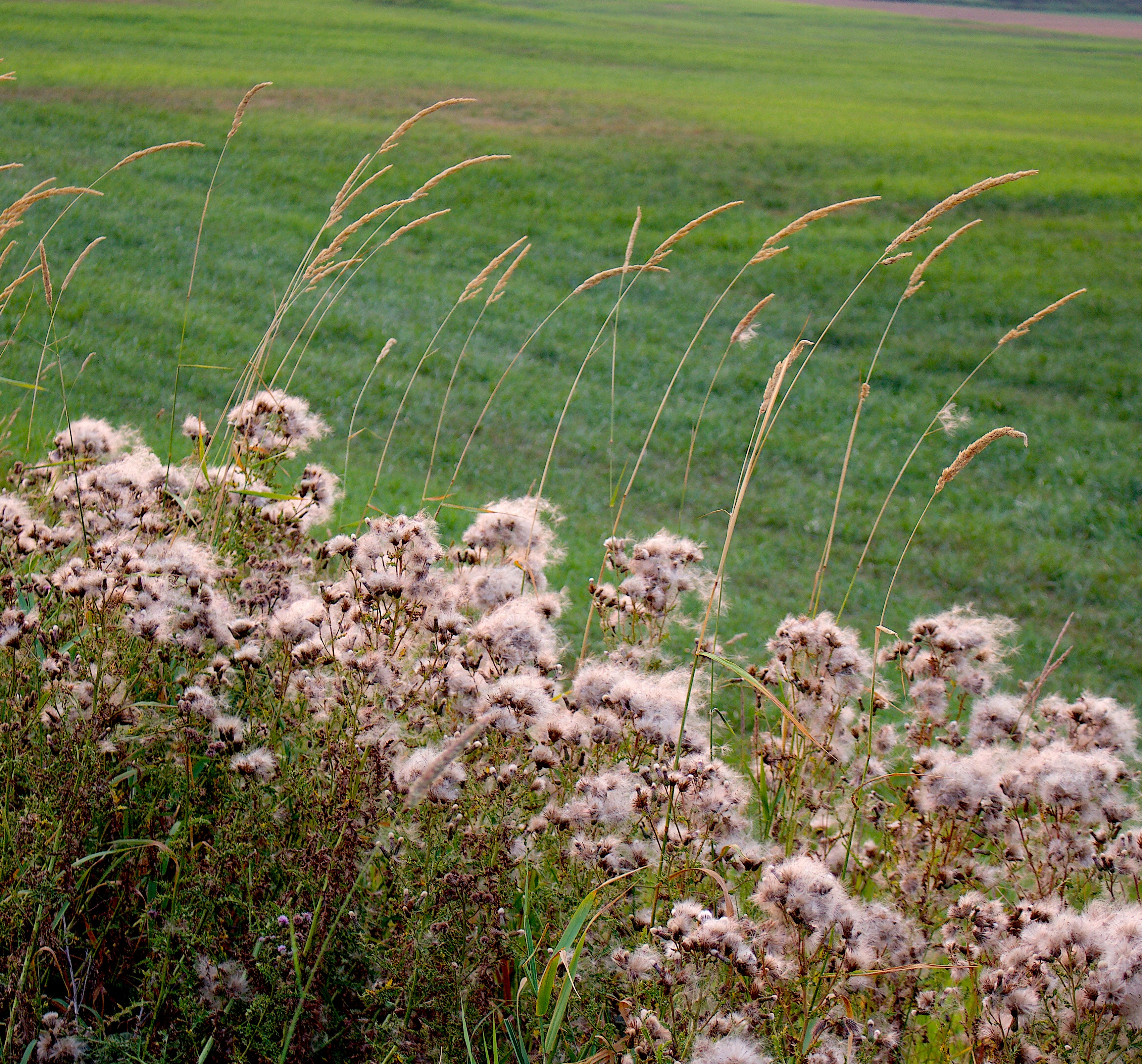
June is the month when grass grows abundantly.

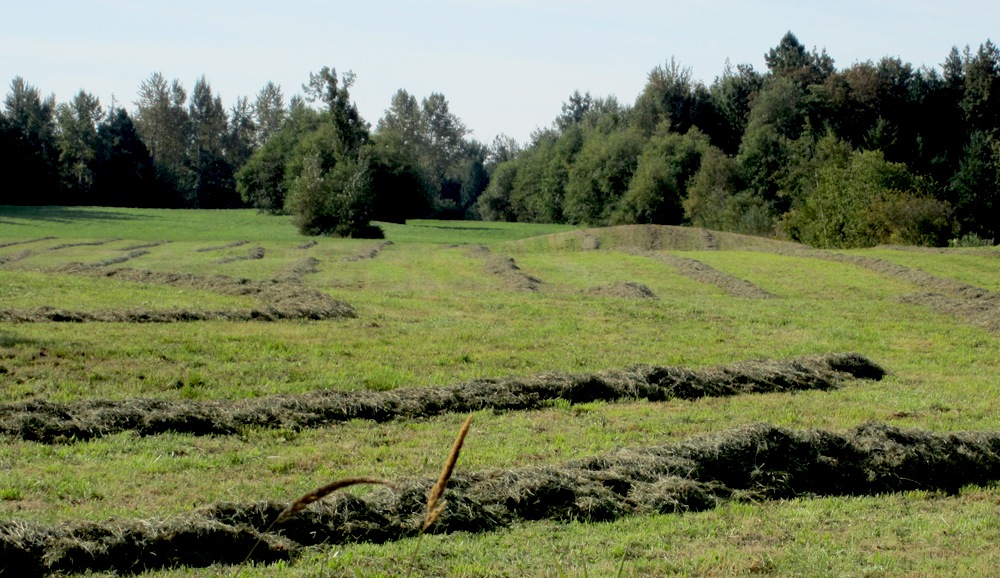
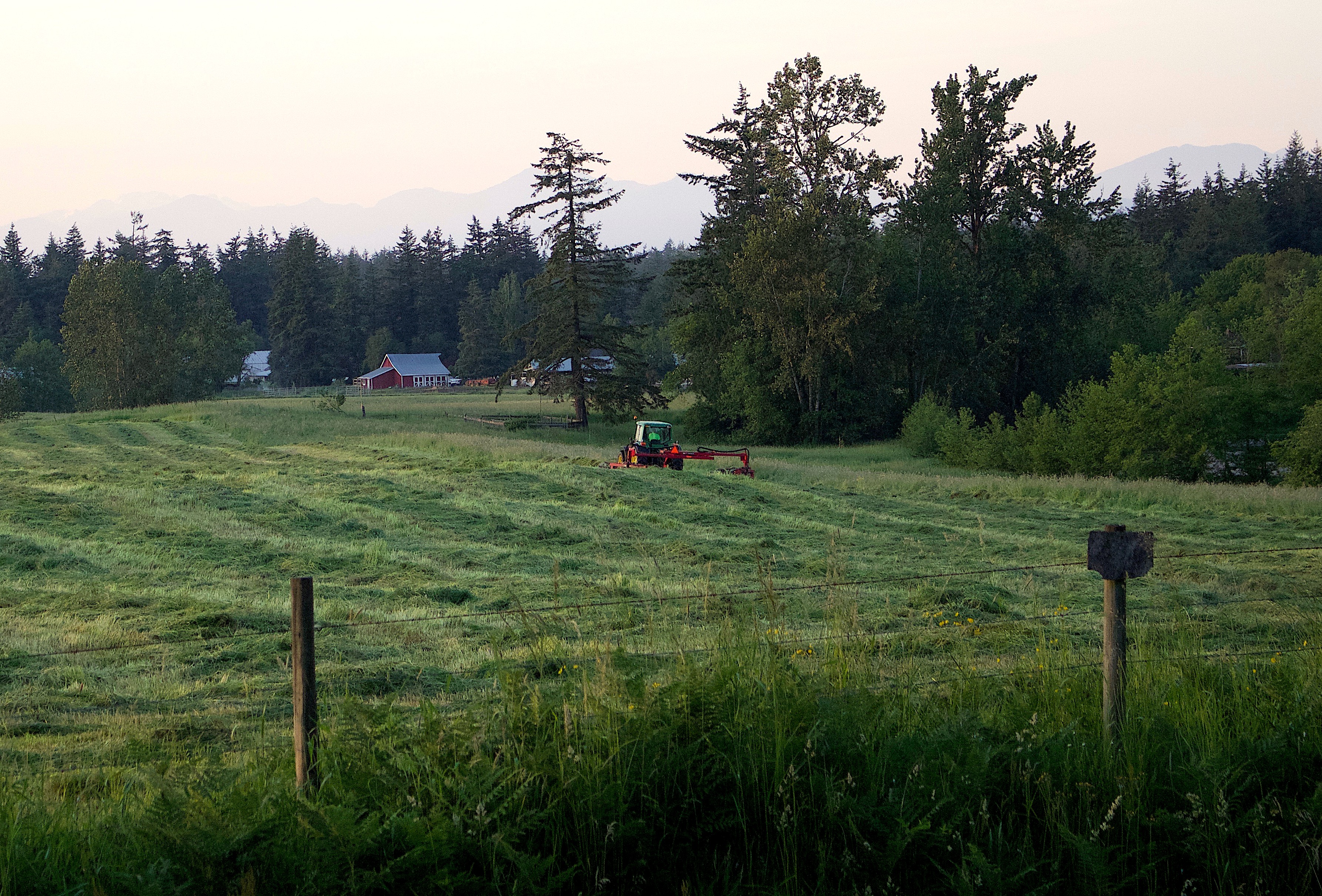
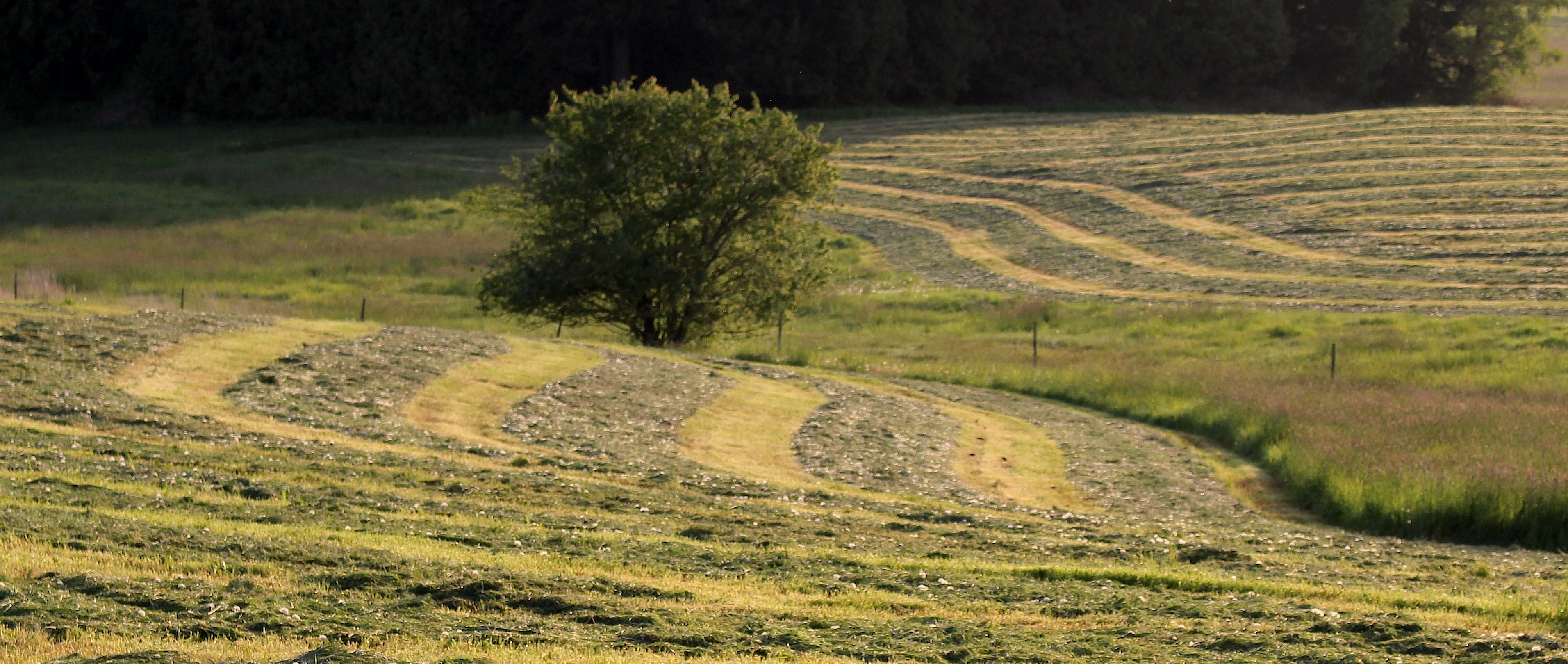
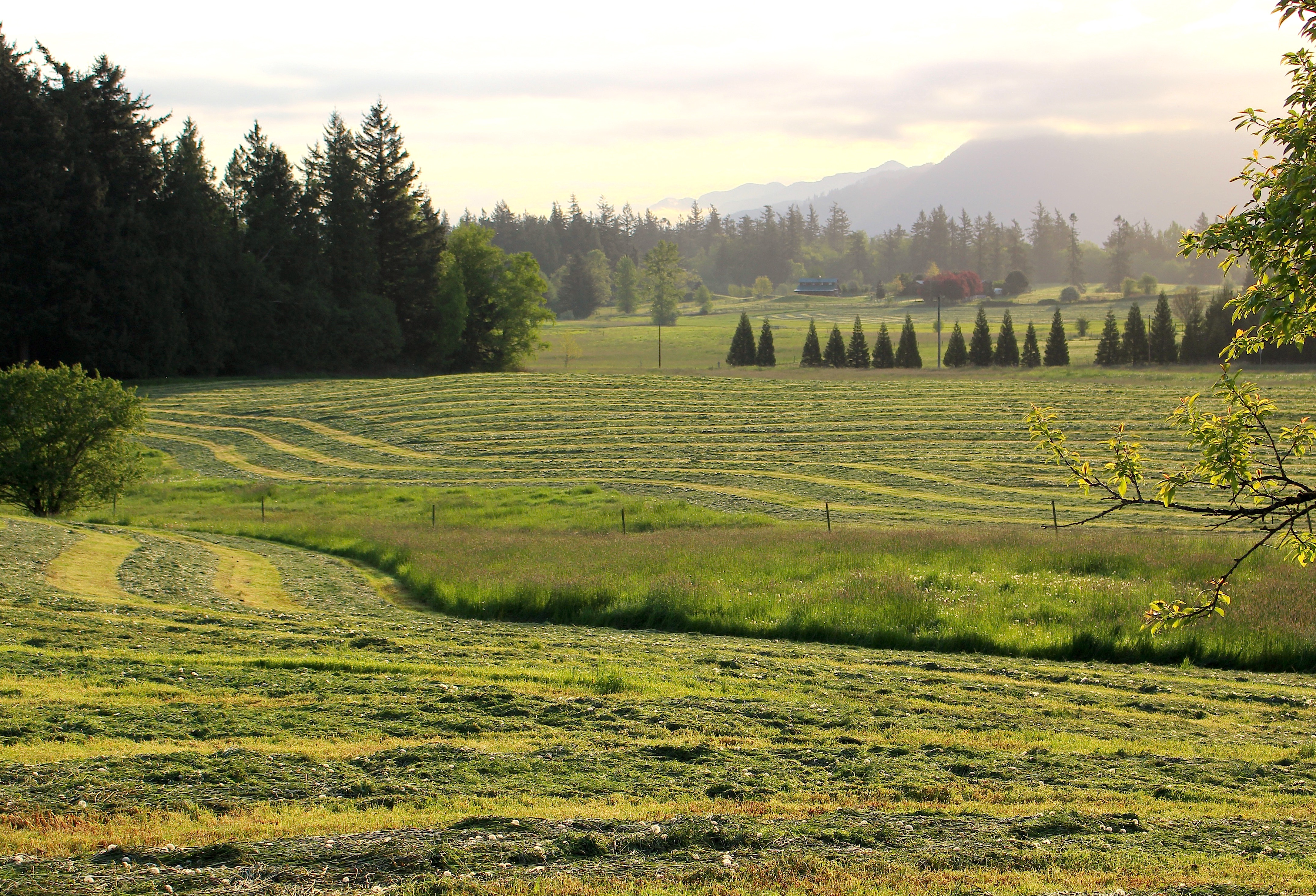
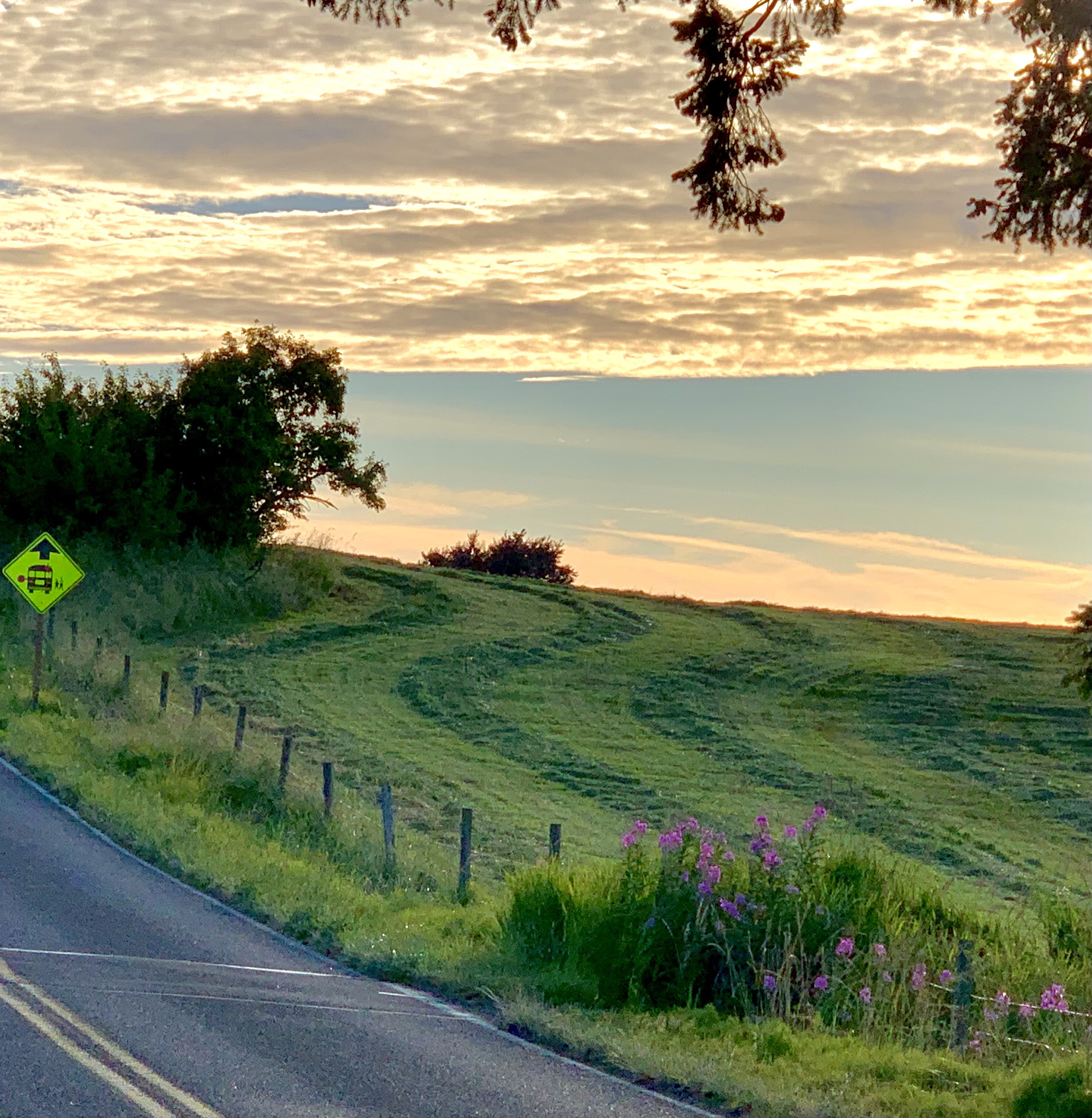
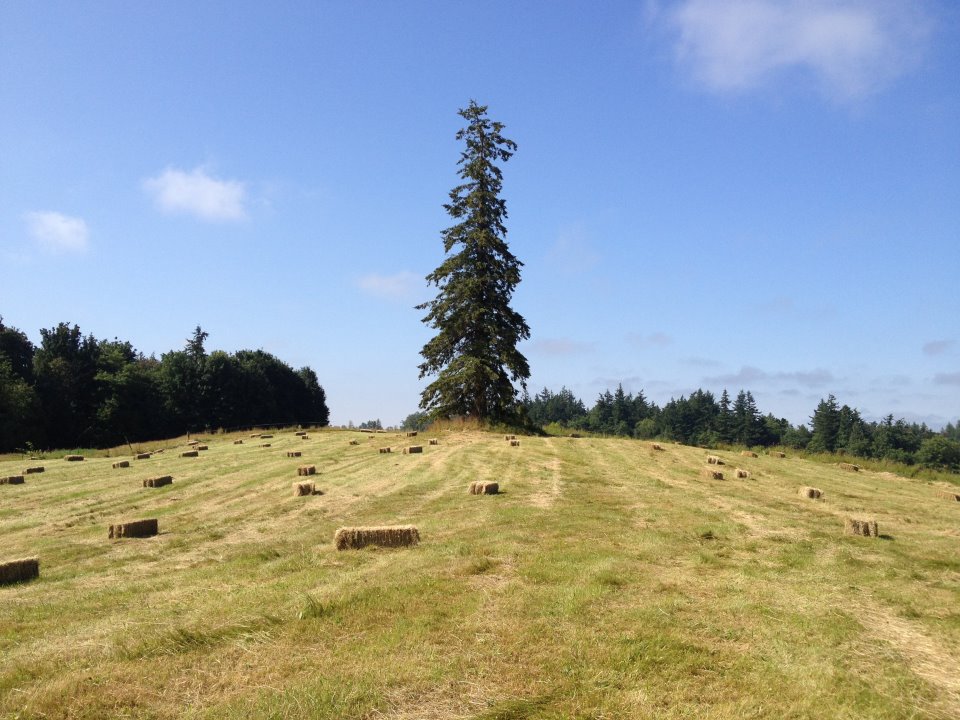
Light and wind work magic on a field of flowing tall grass. The blades of the mower lay it to the ground in green streams that course up and down the slopes. It lies orderly in stoneless cemetery rows.

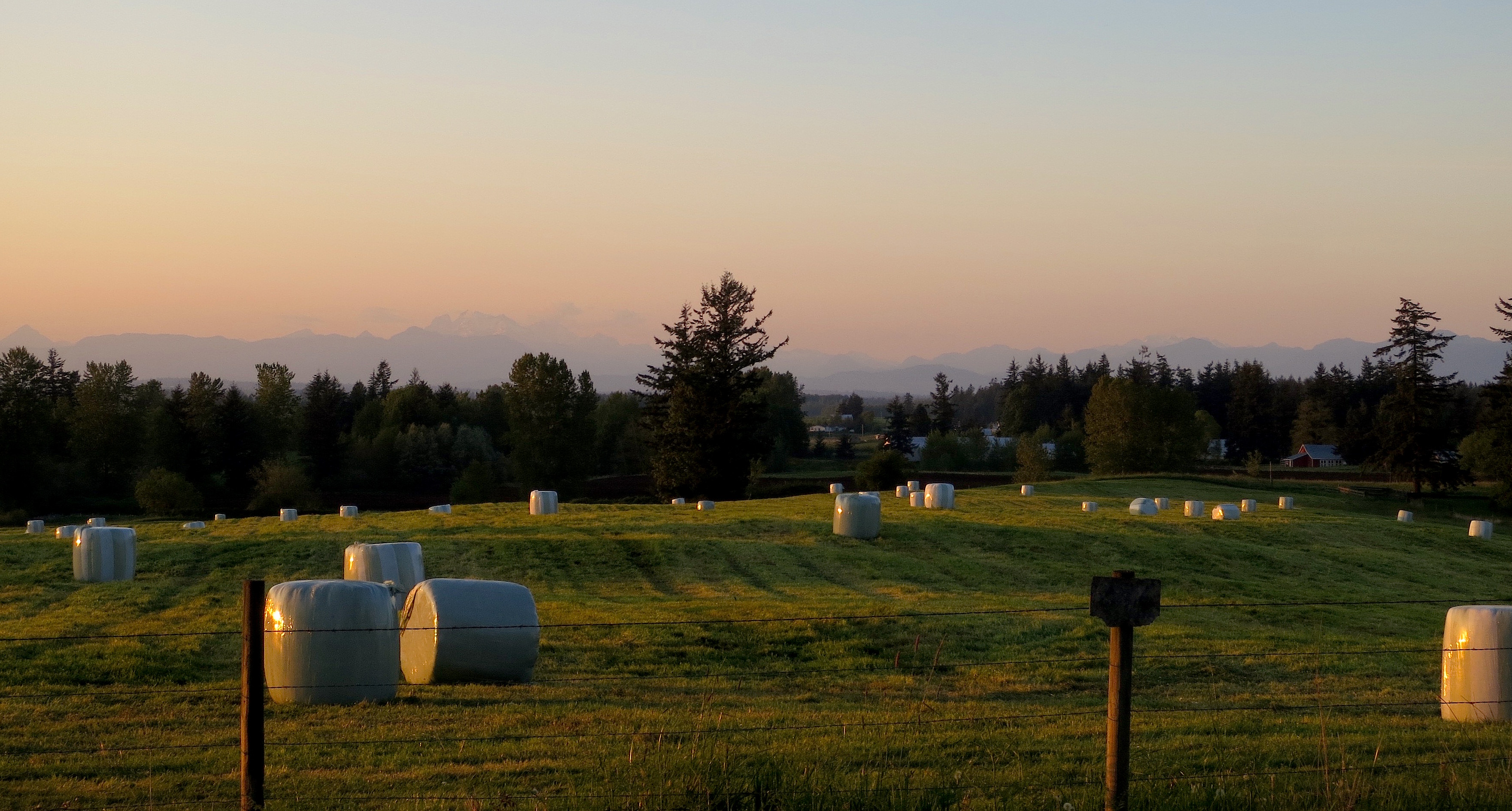
Farmer’s fields are lined with rows of mown grass, a precious commodity to be harvested for the livestock to eat the rest of the year. Some of the green is bagged up like big marshmallows for easy storage and some put in silos for later in the winter.

The grass’ death is critical to the life of the animals we raise.

What was once waving and bowing to the wind is cut and crushed:
no longer bending but bent,
no longer flowing but flown,
no longer growing but mown.

At summer’s pace, while the clouds saunter overhead, the grasses are stored as fodder for the beasts of the farm on those cold nights when the wind beats at the doors.

It will melt in their mouths. As we watch them chew, we’ll remember the overflowing abundance of summer in June.

AI image created by this post

One-Time
Monthly
Yearly

Make a one-time or recurring donation to support daily Barnstorming posts

Make a monthly donation

Make a yearly donation

Choose an amount

$10.00
$25.00
$50.00
$5.00
$15.00
$100.00
$5.00
$15.00
$100.00

Or enter a custom amount

$

Your contribution is deeply appreciated.

Your contribution is appreciated.

Your contribution is appreciated.

DonateDonate monthlyDonate yearly

There Is Not One Blade of Grass…

There is not one blade of grass, there is no color in this world that is not intended to make us rejoice.
~John Calvin – Sermon Number 10 on I Corinthians

We are given the option to notice
or not
We are given reason to rejoice
or not
We are given a rain-bowed promise to witness
or not.

So why ever not?

Original Barnstorming artwork note cards available as a gift to you with a $50 donation to support Barnstorming – information here

A Galaxy of Grasses

О Greater Light, we praise Thee for the less;
The eastern light our spires touch at morning,
The light that slants upon our western doors at evening.
The twilight over stagnant pools at batflight,
Moon light and star light, owl and moth light,
Glow-worm glowlight on a grassblade.
О Light Invisible, we worship Thee!

~T.S. Eliot from “O Light Invisible”

Look, in the early light, 
   Down to the infinite 
   Depths at the deep grass-roots; 
      Where the sun shoots 
In golden veins, as looking through 
   A dear pool one sees it do; 
   Where campion drifts 
Its bladders, iris-brinded, through the rifts 
      Of rising, falling seed
   That the winds lightly scour—
Down to the matted earth where over 
   And over again crow’s-foot and clover
      And pink bindweed
      Dimly, steadily flower.

~Michael Field “The Depths of the Grass”

We wove hip-high field grass 
into tunnels 

knotting the tops 
of bunched handfuls the drooping 
heads tied together. 

My seven siblings and I 
sheltered ourselves

inside these labyrinths 
in a galaxy of grasses.
~Heather Cahoon “Shelter”

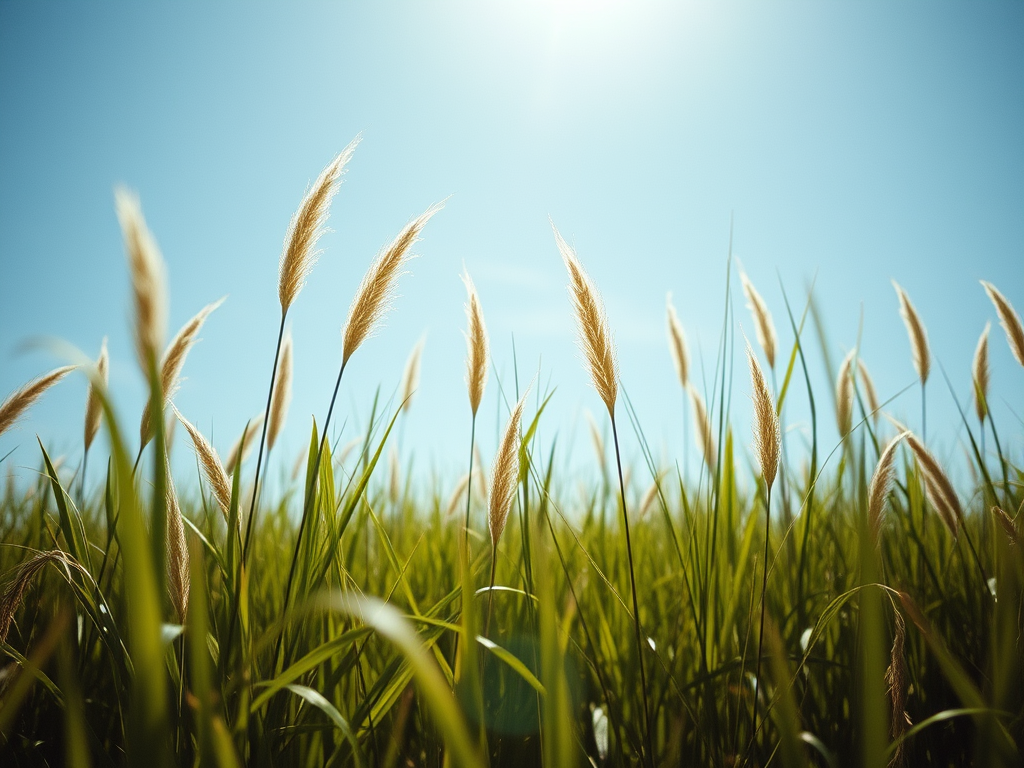
As a child I liked to go out far into our hay field and find the tallest patch of grass. There, like a dog turning circles before a nap,  I’d trample down the tall waving stems that stretched up almost to my eyes, and create a grass nest, just cozy enough for me. I’d sit or lie down in this tall green fortress, gazing up at the blue sky, and watch the clouds lazily drift over top of me.  I’d suck on a hollow stem or two, to savor the bitter grass juice. Time felt suspended.

Scattered around my grassy cage, looking out of place attached to the broad grass stems, would be innumerable clumps of white foam. I’d tease out the hidden green spit bugs with their little black eyes from their white frothy bubble encasement. I too felt “bubble-wrapped” in my green hide-a-way.

My grassy nest was a time of retreat from the world.  I felt protected, surrounded, encompassed and free –at least until I heard my mother calling for me from the house, or a rain shower started, driving me to run for cover, or my dog found me by following my green path.

It has been decades since I hid away in a grass fort trying to defoam spit bugs. Surely, I’m overdue: instead of being determined to mow down and level the grass around me, I long for a galaxy of grassy bubble-wrap.

One-Time
Monthly
Yearly

Make a one-time or recurring donation to support daily Barnstorming posts

Make a monthly donation

Make a yearly donation

Choose an amount

¤5.00
¤10.00
¤20.00
¤5.00
¤15.00
¤100.00
¤5.00
¤15.00
¤100.00

Or enter a custom amount

¤

Your contribution is deeply appreciated.

Your contribution is appreciated.

Your contribution is appreciated.

DonateDonate monthlyDonate yearly

A Wet and Trembling Solstice

The light stretched and tangy, up on its horse
and riding through the ripening meadows,
buzzing the leaves and the
birds who’ve been at it for hours.
Light that in its excess has become something else.
The way you look from a hill’s highest point,
your head full of chlorophyll,
heart shucking winter like a clayload of guilt,
like pollen with its open fire policy
compensating loss. You exceed yourself,
tanked on the light and the birds
who’ve been singing forever.
~Donna Kane from Summer Solstice

Green was the silence, wet was the light
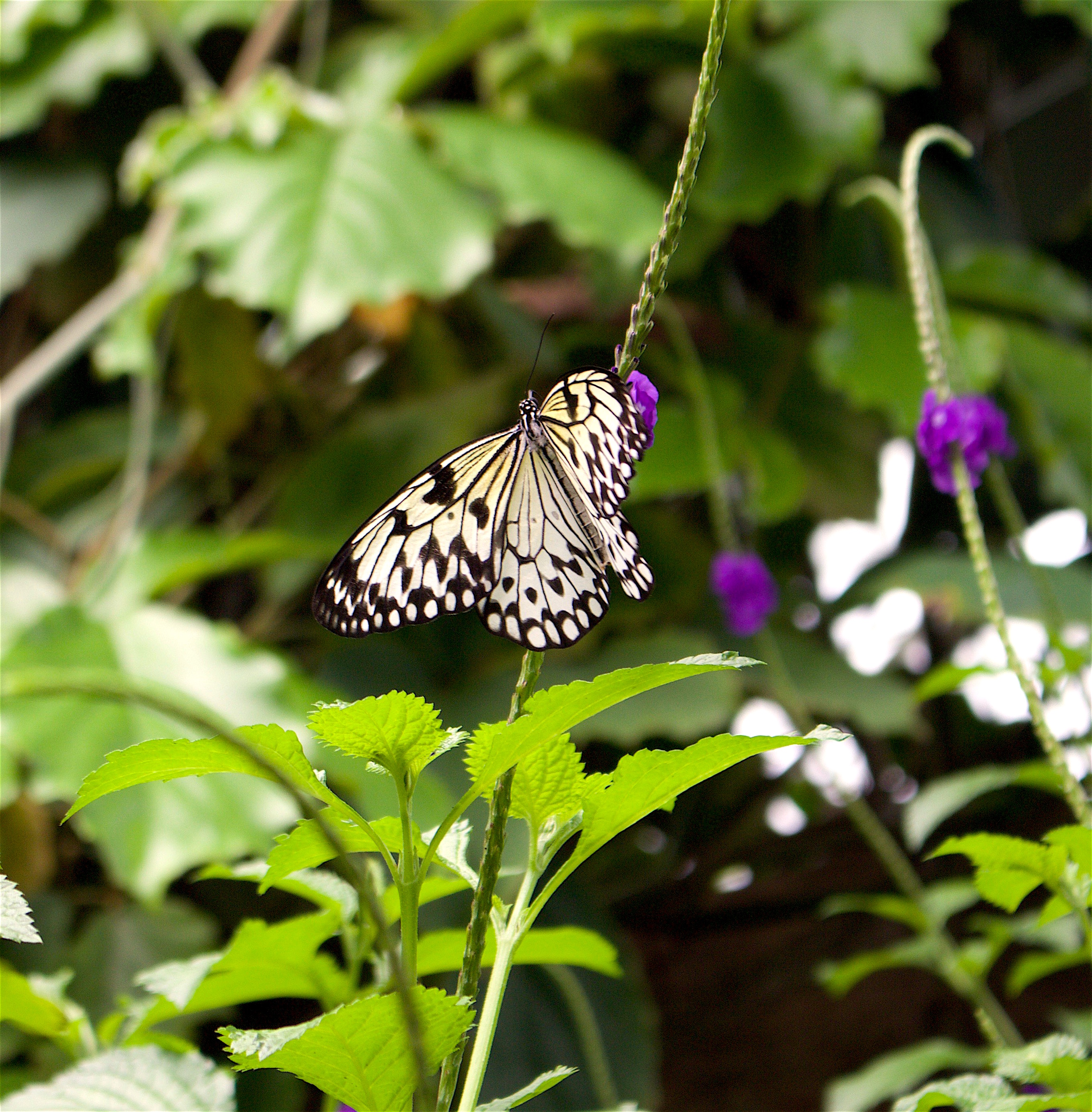
the month of June trembled like a butterfly
~Pablo Neruda from “Sonnet XL”
Why do we bother with the rest of the day,
the swale of the afternoon,
the sudden dip into evening,
then night with his notorious perfumes,
his many-pointed stars?

This is the best—
throwing off the light covers,
feet on the cold floor,
and buzzing around the house on espresso—
maybe a splash of water on the face,
a palmful of vitamins—

but mostly buzzing around the house on espresso,
dictionary and atlas open on the rug,
the typewriter waiting for the key of the head,
a cello on the radio,
and, if necessary, the windows—
trees fifty, a hundred years old
out there,
heavy clouds on the way
and the lawn steaming like a horse
in the early morning.
~Billy Collins “Morning”

Early this morning, the northern hemisphere transitioned to summer, but aside from the date on the calendar, here it would be difficult to prove otherwise.  It has been unseasonably cool and wet, the skies stony gray, the rivers running full and fast, the ground peppered with puddles. Rain has chosen to fall at night, hiding behind the cover of darkness as if ashamed of itself.   As it should be.

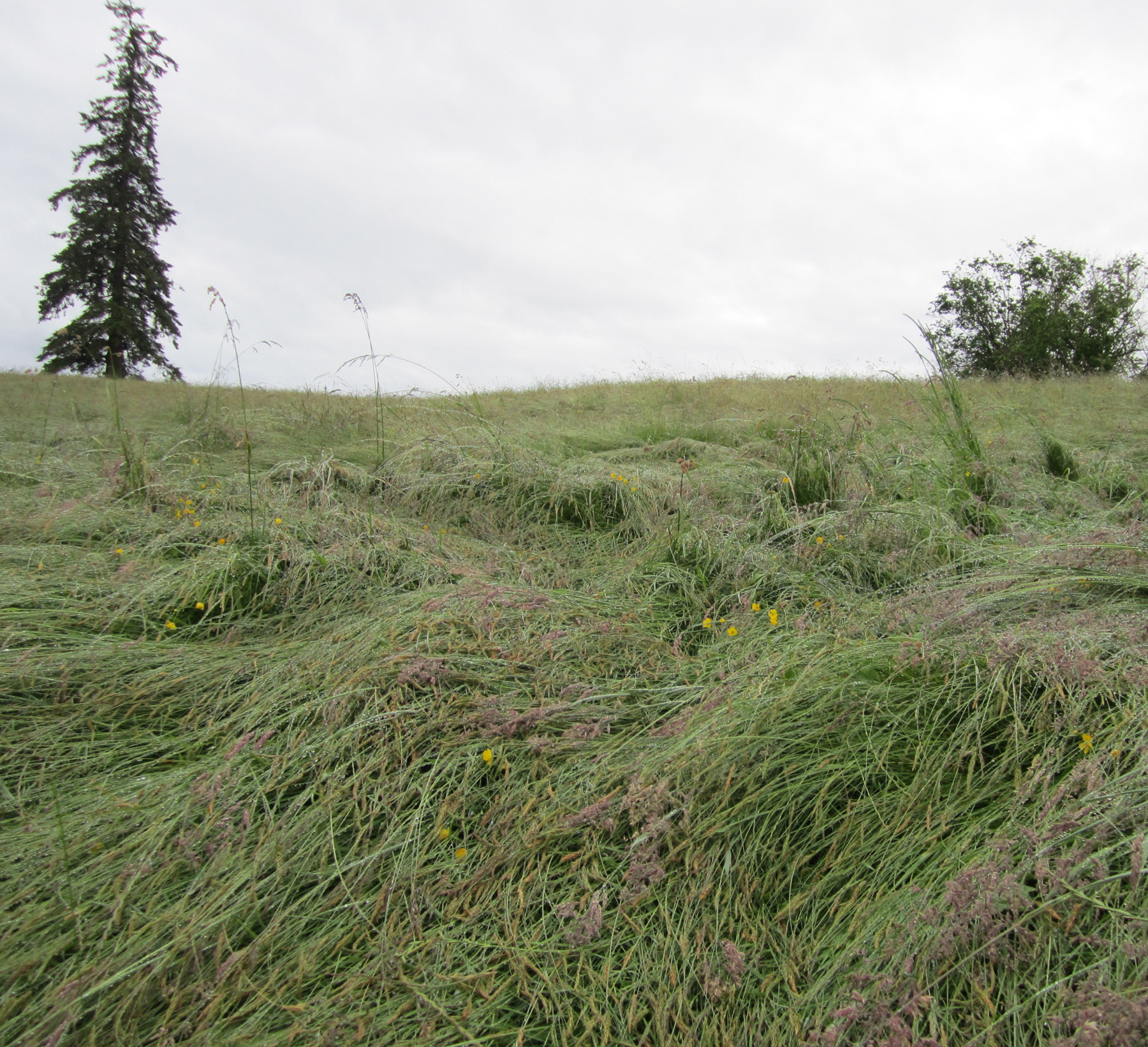
What all this moisture will yield is acres and acres of towering grass growth, more grass than imaginable, more grass than we can keep mowed,  burying the horses up to their backs as they dive head long into the pasture.  The Haflingers don’t need to lower their necks to graze,  choosing instead to simply strip off the ripe tops of the grasses as they forge paths through five foot forage.   It is like children at a birthday party swiping the frosting off cupcake after cupcake, licking their fingers as they go.  Instead of icing, the horses’ muzzles are smeared with dandelion fluff,  grass seed and buttercup petals.

Here in the northwest, June can tend to shroud its promise of longer days under clouds.  Outdoor weddings brace for rain and wind with a supply of umbrellas, graduation potlucks are served on covered porches and Fourth of July picnics stay inside, sheltered and dry. 

Despite the cool and wet, people here still have that universal wary anticipation of solstice as it signals the slow inexorable return of darkness from which we have not yet fully recovered.

I got up early this morning to witness the beginning of summer just to see what might happen. You never know what might be just over the horizon as we round this corner to face the darkening.

Trembling, I splash through this squishy morning, quivering like a wet butterfly emerging from its cocoon ready to unfurl its wings to dry, but unsure how to fly and uncertain of the new world that awaits.  In fact the dark empty cocoon can look mighty inviting on a rainy June night or during a loud mid-day thunderstorm.   If I could manage to squeeze myself back in, it might be worth a try.

After all, there is no place like home, sweet (but damp) home.

Daylight comes and nighttime goes, nighttime falls, day flies
Round and round the cycle goes,
we live and then we die and then we live and then we die.
The seasons of my life go round, the sunshine and the rain
The fallow and the fruitful days,
the joy and then the pain and then the joy and then the pain.
As light below, so light above, so light in all we see

The light is in the act of love, the light that sets us free,
yes, it’s the light that sets free.
Daylight comes…
~Libby Roderick

One-Time
Monthly
Yearly

Make a one-time or recurring donation to support daily Barnstorming posts

Make a monthly donation

Make a yearly donation

Choose an amount

¤5.00
¤10.00
¤20.00
¤5.00
¤15.00
¤100.00
¤5.00
¤15.00
¤100.00

Or enter a custom amount

¤

Your contribution is deeply appreciated.

Your contribution is appreciated.

Your contribution is appreciated.

DonateDonate monthlyDonate yearly
Bowing Low to Wind and Rain

Light and wind are running
over the headed grass
as though the hill had
melted and now flowed.
~Wendell Berry “June Wind” from New Collected Poems

The rain to the wind said,
‘You push and I’ll pelt.’
They so smote the garden bed
That the flowers actually knelt,
And lay lodged–though not dead.
I know how the flowers felt.
~Robert Frost “Lodged”

All that I serve will die, all my delights,
the flesh kindled from my flesh, garden and field,
the silent lilies standing in the woods,
the woods, the hill, the whole earth, all
will burn in man’s evil, or dwindle
in its own age. Let the world bring on me
the sleep of darkness without stars, so I may know
my little light taken from me into the seed
of the beginning and the end, so I may bow
to mystery, and take my stand on the earth
like a tree in a field, passing without haste
or regret toward what will be, my life
a patient willing descent into the grass.
~Wendell Berry “The Wish to be Generous” from Collected Poems

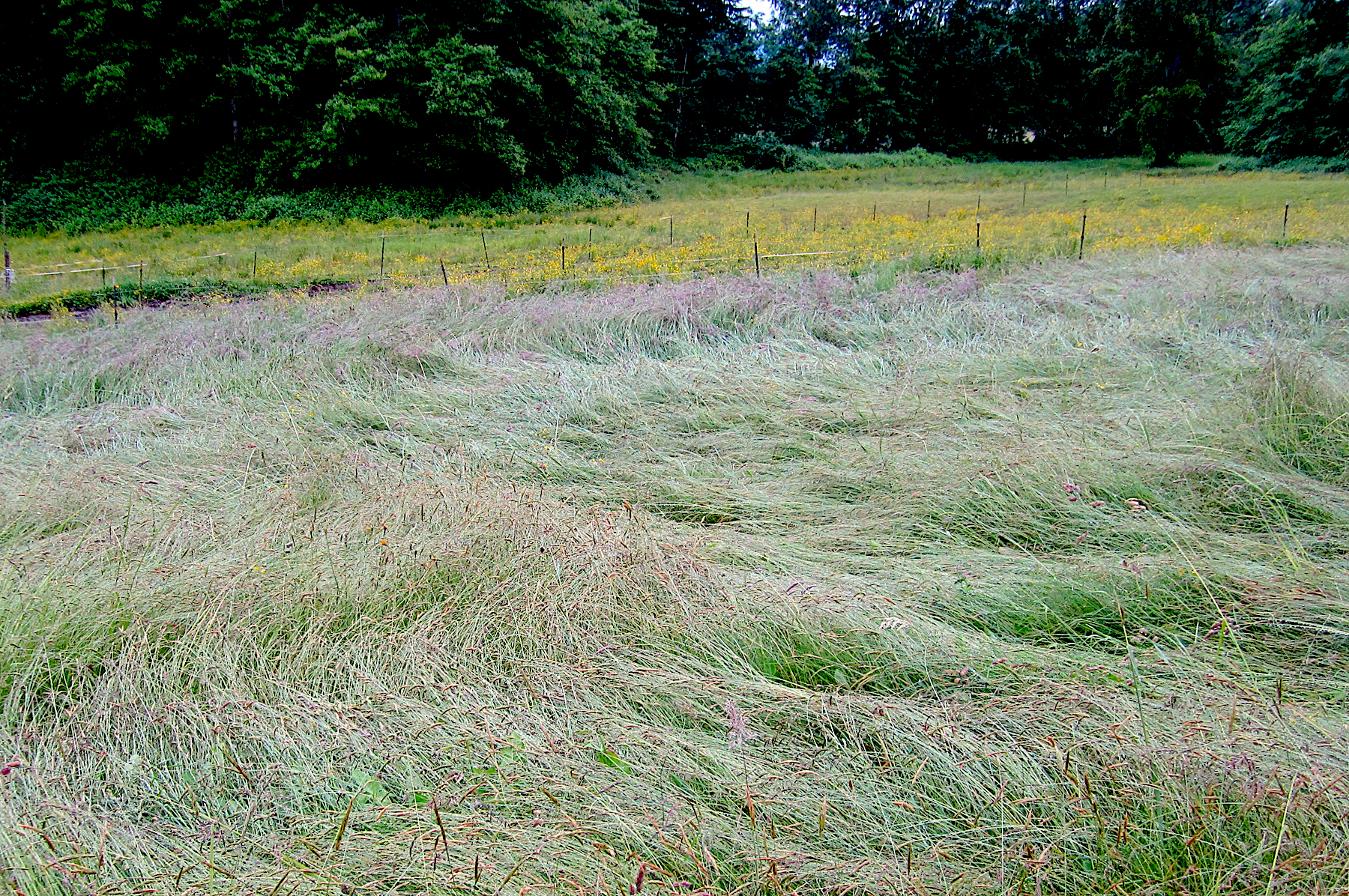
The abundant grasses in the surrounding hay fields were hit hard with heavy rainfall and wind yesterday, collapsing under the weight of the pelting moisture.  Countless four foot tall tender stems are now lodged and flattened in undulating bent-over waves of green, embracing the earth from which they arose.  If the rain continues as predicted over the next several days, the grass may not recover, unable to dry out enough to stand upright again, nor are the fields dry enough to bring tractors and equipment to the rescue. 

It is ironic to lose a crop from too much of a good thing– lush growth demands, but often cannot withstand, quenching rains.  It has matured too fast, rising up too lush, too overcome with itself so that it can no longer stand. The grass keels over in community, broken and crumpled, likely now unsuitable for cutting or baling into hay, and unless chopped quickly into silage to ferment for winter cattle feed, it must melt back into the soil again.

However–if there are dry spells amid the showers over the next few days, with a breeze to lift the soaked heads and squeeze out the wet sponge created by layered forage–the lodged crop may survive and rise back up. It may be raised and lifted again, pushing up to meet the sun, its stems strengthening and straightening.

What once was so heavy laden and down-trodden might lighten;
what was silent could once again move and sing and wave with the wind.

The hill pasture, an open place among the trees,
tilts into the valley. The clovers and tall grasses
are in bloom. Along the foot of the hill
dark floodwater moves down the river.
The sun sets. Ahead of nightfall the birds sing.
I have climbed up to water the horses
and now sit and rest, high on the hillside,
letting the day gather and pass. Below me
cattle graze out across the wide fields of the bottomlands,
slow and preoccupied as stars. In this world
men are making plans, wearing themselves out,
spending their lives, in order to kill each other.

~Wendell Berry “In This World” from Farming: A Handbook

What stood will stand, though all be fallen,
The good return that time has stolen.
Though creatures groan in misery,
Their flesh prefigures liberty
To end travail and bring to birth
Their new perfection in new earth.
At word of that enlivening
Let the trees of the woods all sing
And every field rejoice, let praise
Rise up out of the ground like grass.
What stood, whole in every piecemeal
Thing that stood, will stand though all
Fall–field and woods and all in them
Rejoin the primal Sabbath’s hymn.
~Wendell Berry, from “Sabbaths” (North Point Press, 1987)
.

From The Nicene Creed

Et expecto resurrectionem motuorum.
Et vitam venturi saeculi. Amen. Alleluia. 

And I look for the resurrection of the dead,
And the life of the world to come. Amen. Alleluia

One-Time
Monthly
Yearly

Make a one-time or recurring donation to support daily Barnstorming posts

Make a monthly donation

Make a yearly donation

Choose an amount

¤5.00
¤10.00
¤20.00
¤5.00
¤15.00
¤100.00
¤5.00
¤15.00
¤100.00

Or enter a custom amount

¤

Your contribution is deeply appreciated.

Your contribution is appreciated.

Your contribution is appreciated.

DonateDonate monthlyDonate yearly
Sweating Under the High Arc of Midsummer

What is the hayfield in late afternoon
that it can fly in the face of time,
and light can be centuries old, and even
the rusted black truck I am driving

can seem to be an implement born
of some ancient harvest,

and the rhythmic baler, which spits out
massive bricks tied up in twine,

can seem part of a time before now
because light glitters on the hay dust,
because the sun is sinking and we sweat
under the high arc of mid-summer,

because our bodies cast such long shadows–
Rebecca, with the baby strapped to her back,

the men who throw impossible weight
to the top of the truck, the black and white

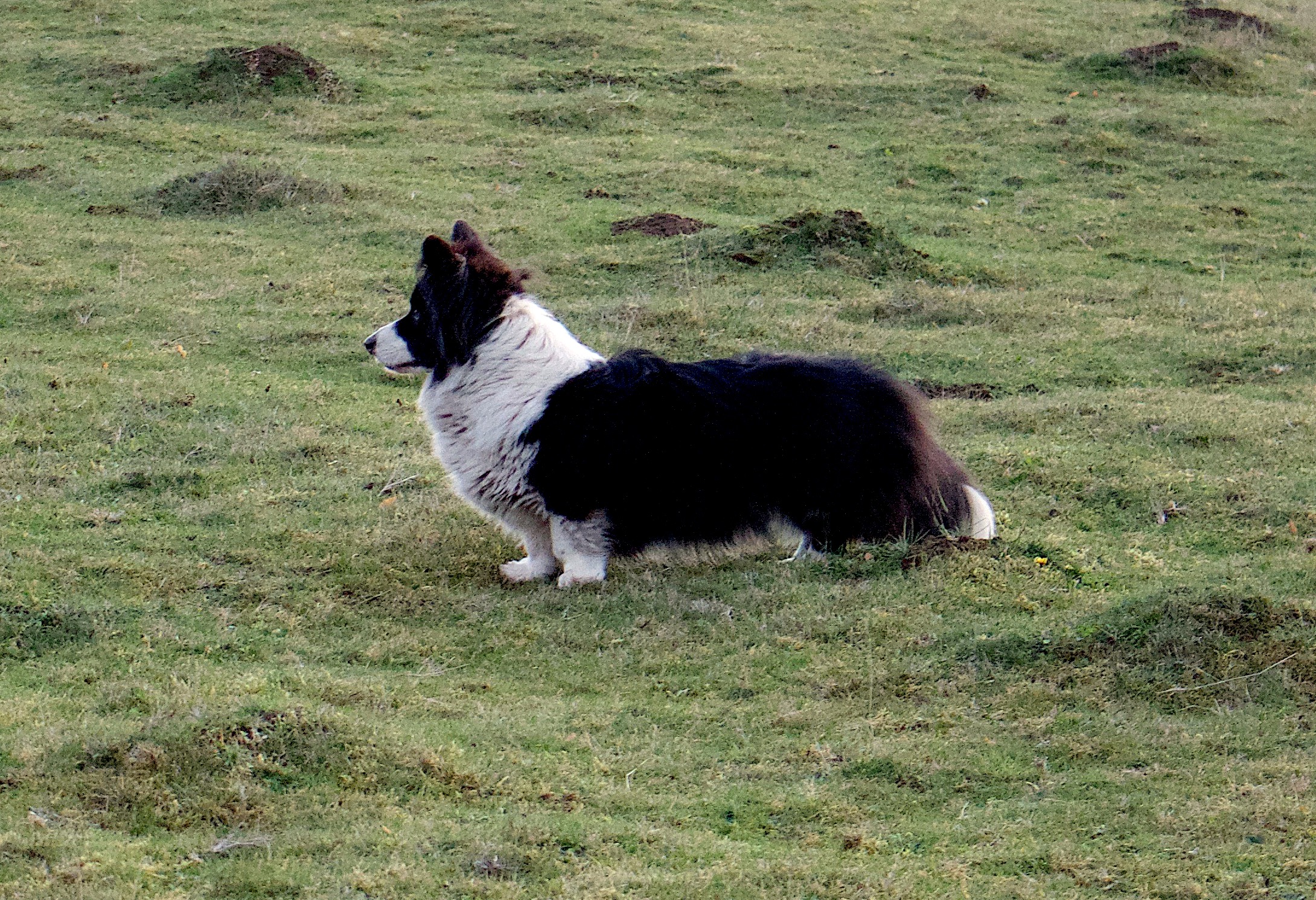
dog that races after mice or moles
whose lives have been suddenly exposed.
How does the taste of my sweat take me
down through the gate of childhood,

spinning backwards to land in a field
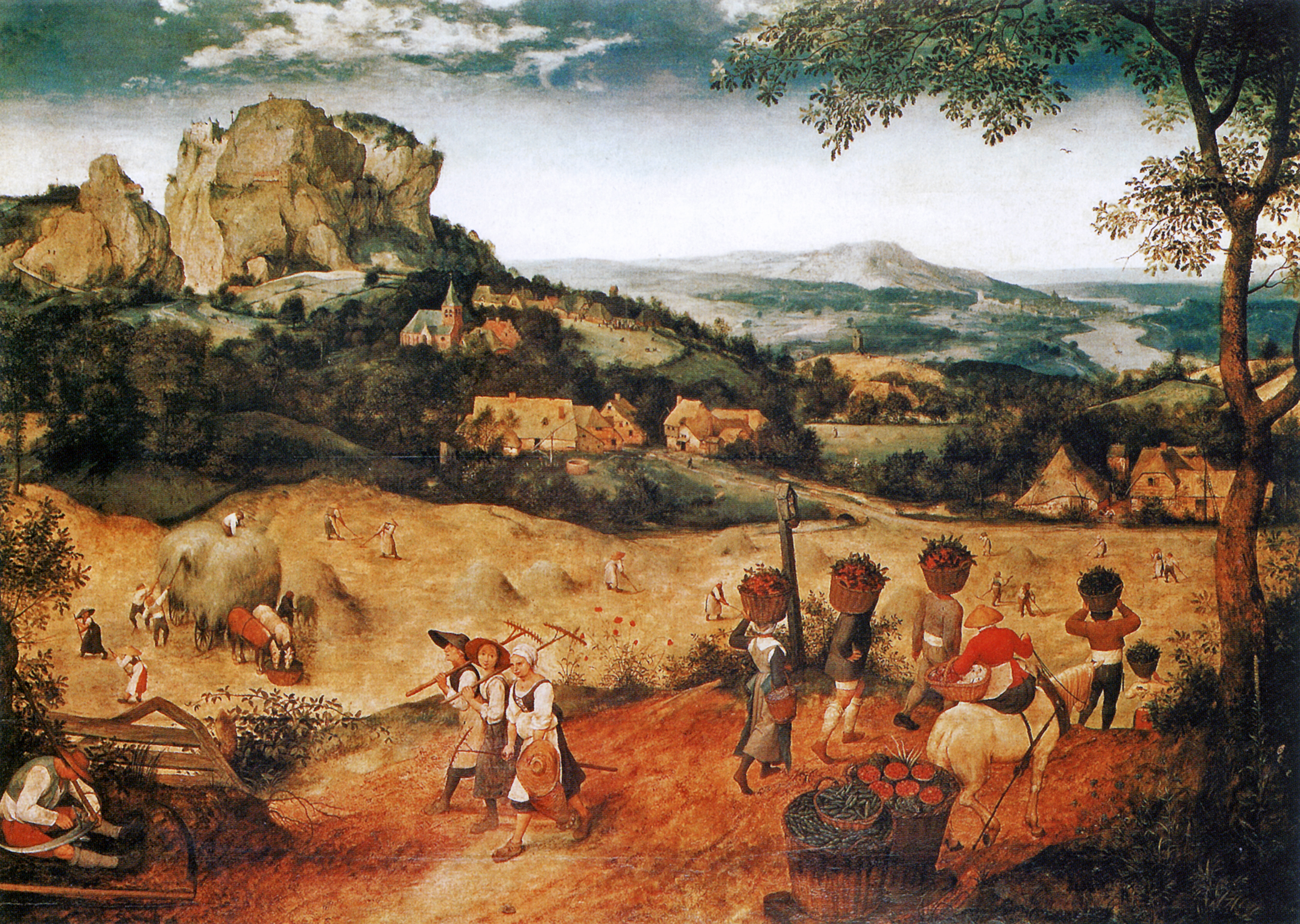
painted by Bruigel, where the taste of salt

is the same, and the same heat
rises in waves off a newly flattened field.

In the duskiness of slanted light, we laugh
just as we laughed then, because there is

joy in what the earth gives, allowing
our bodies to mingle with it, our voices

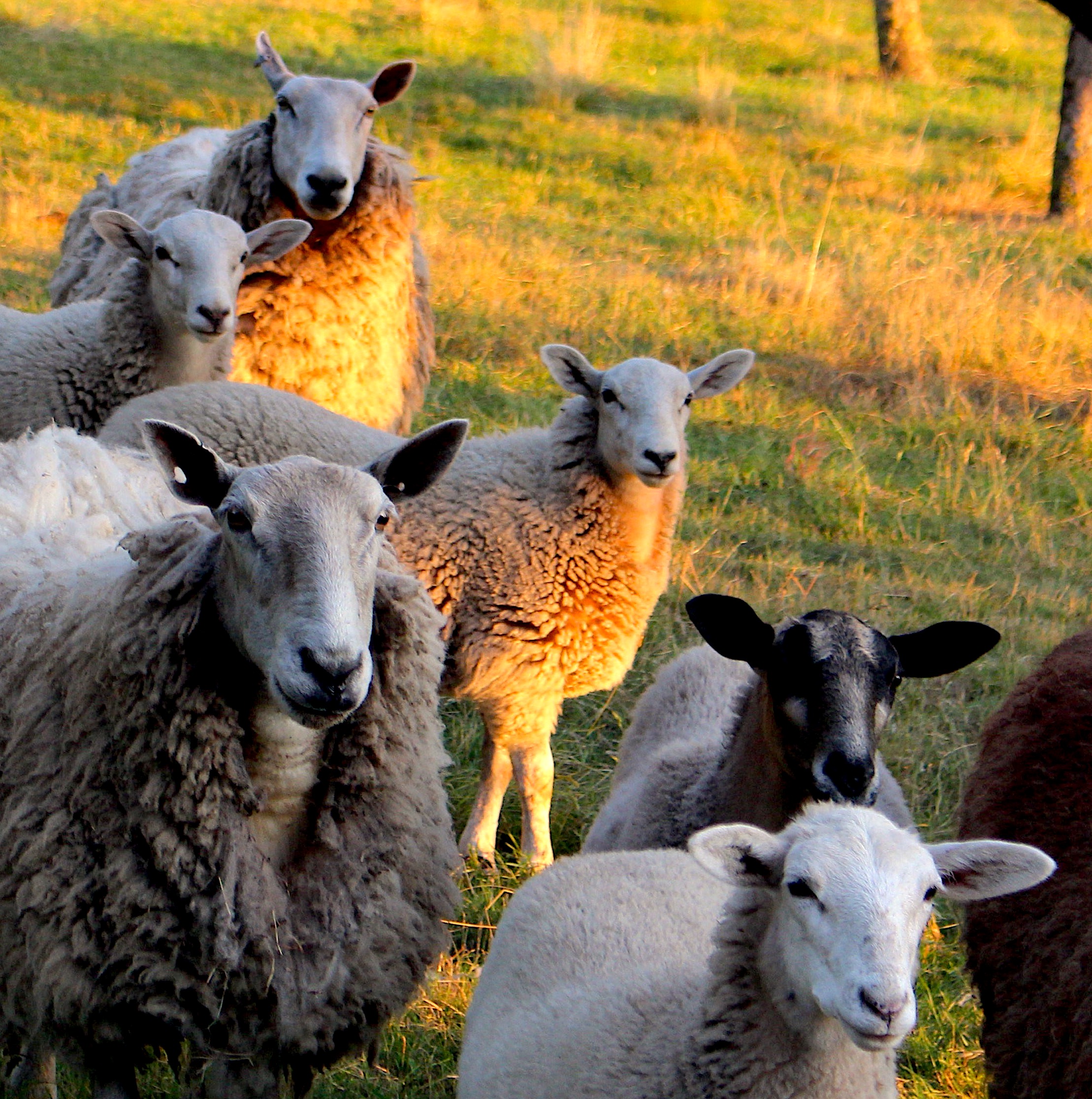
small on the field, our work assuring the goats
can give milk, the sheep can grow wool,

and we will have in our bones the taste
of something so old it travels in light.
~Susie Patlove “First Cutting” from Quickening

photo by Nate Gibson
1994
2005
2011

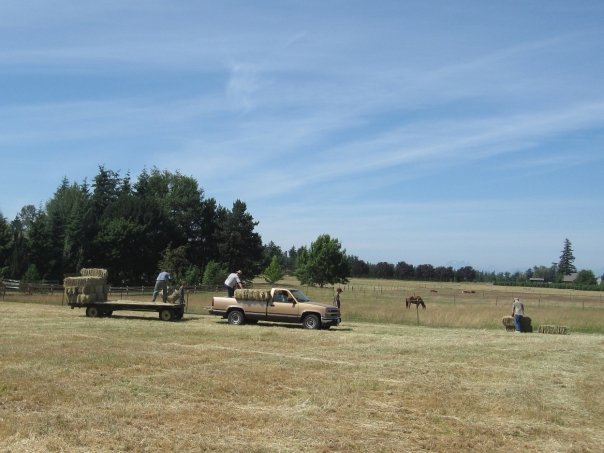
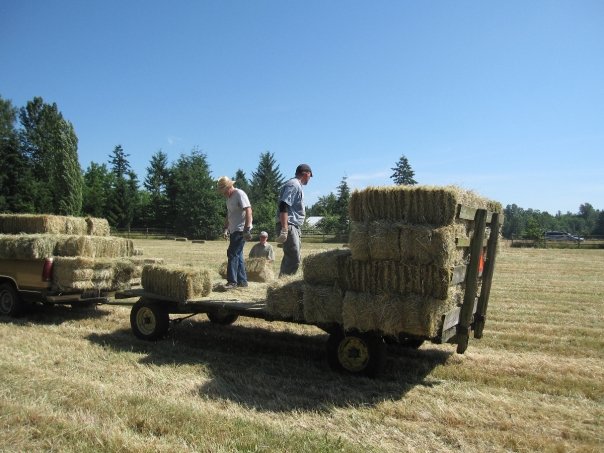
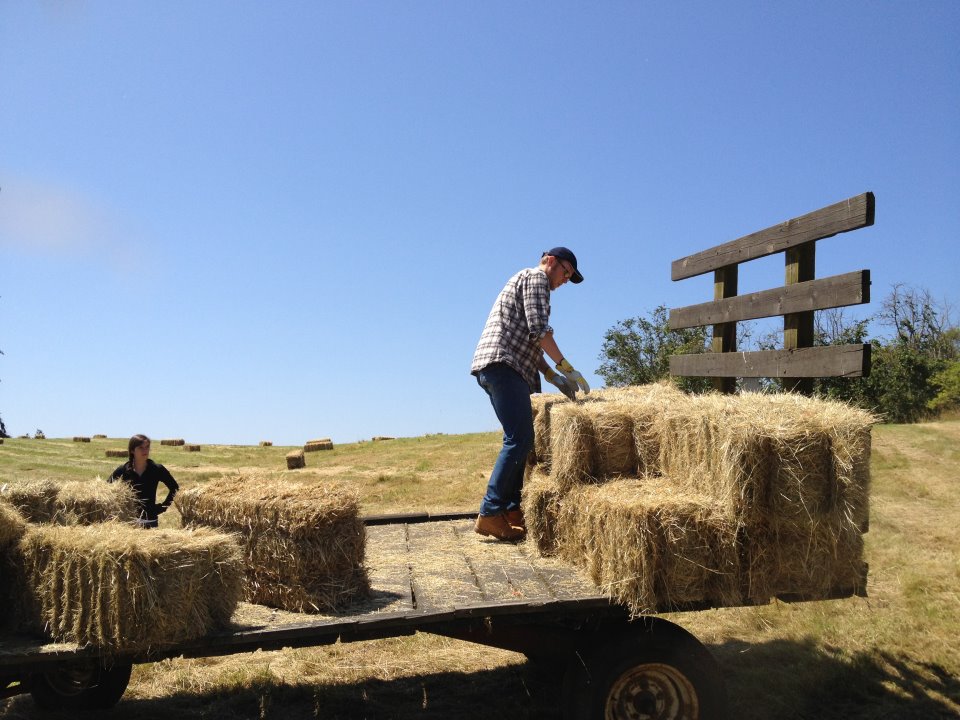
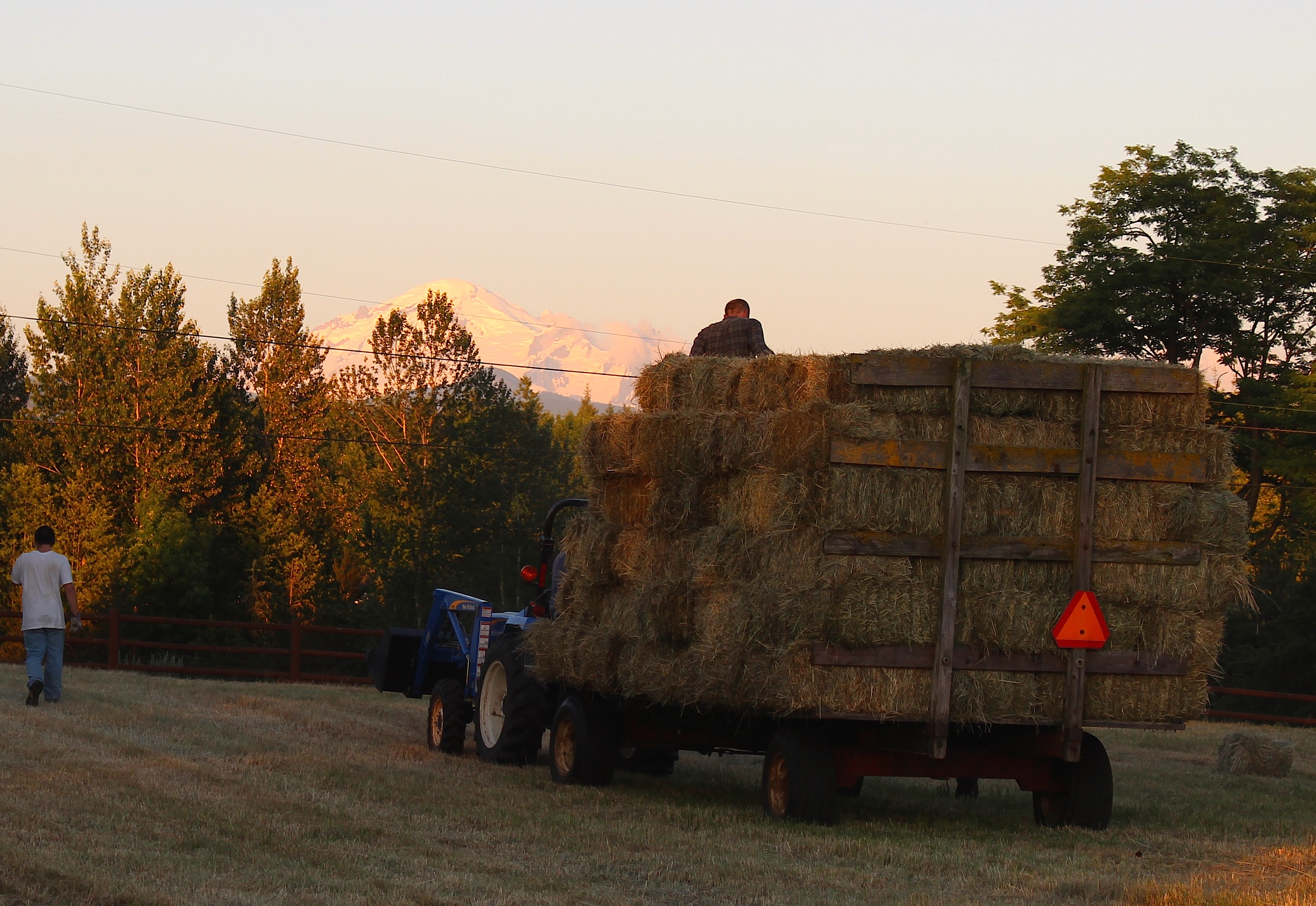
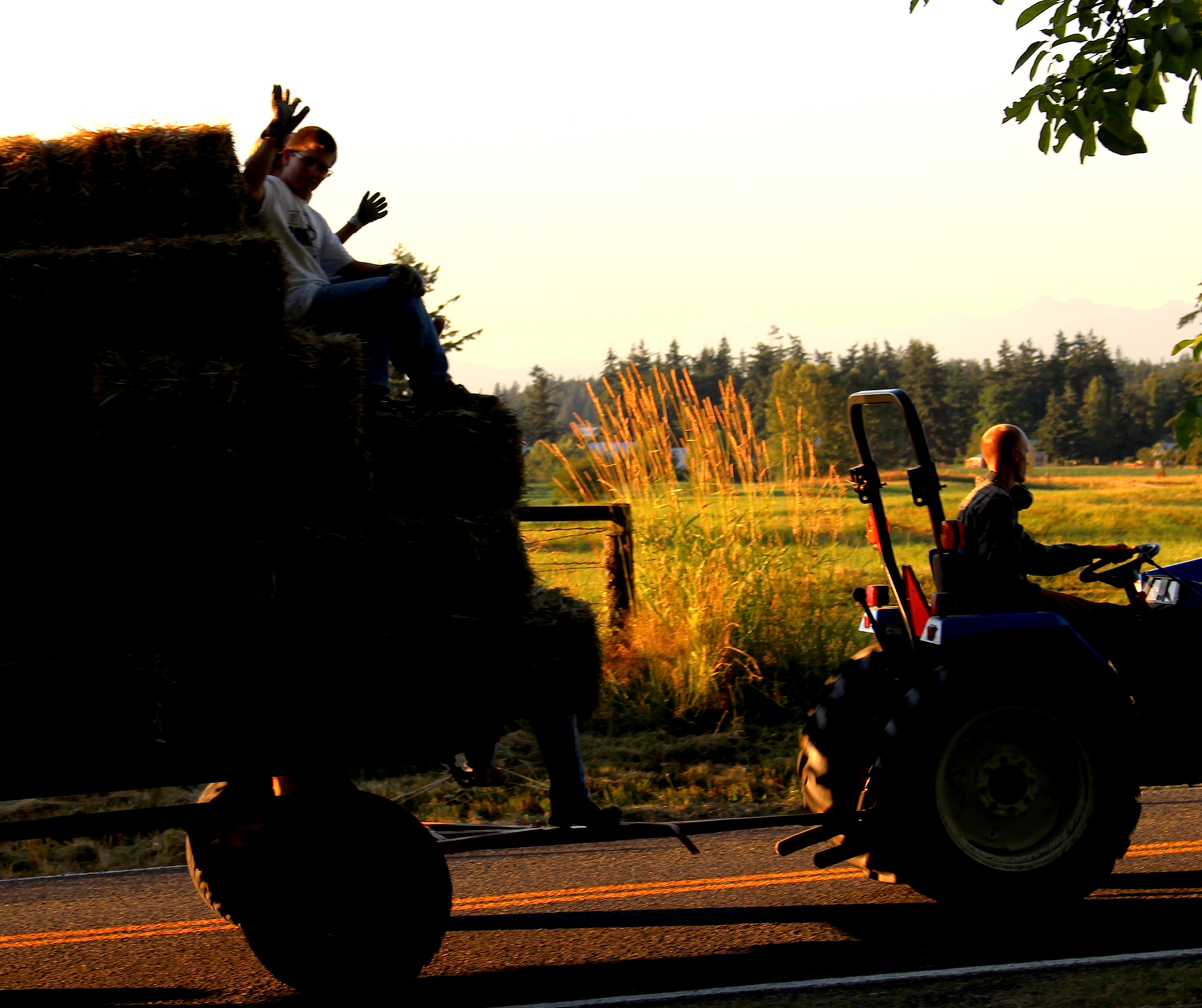
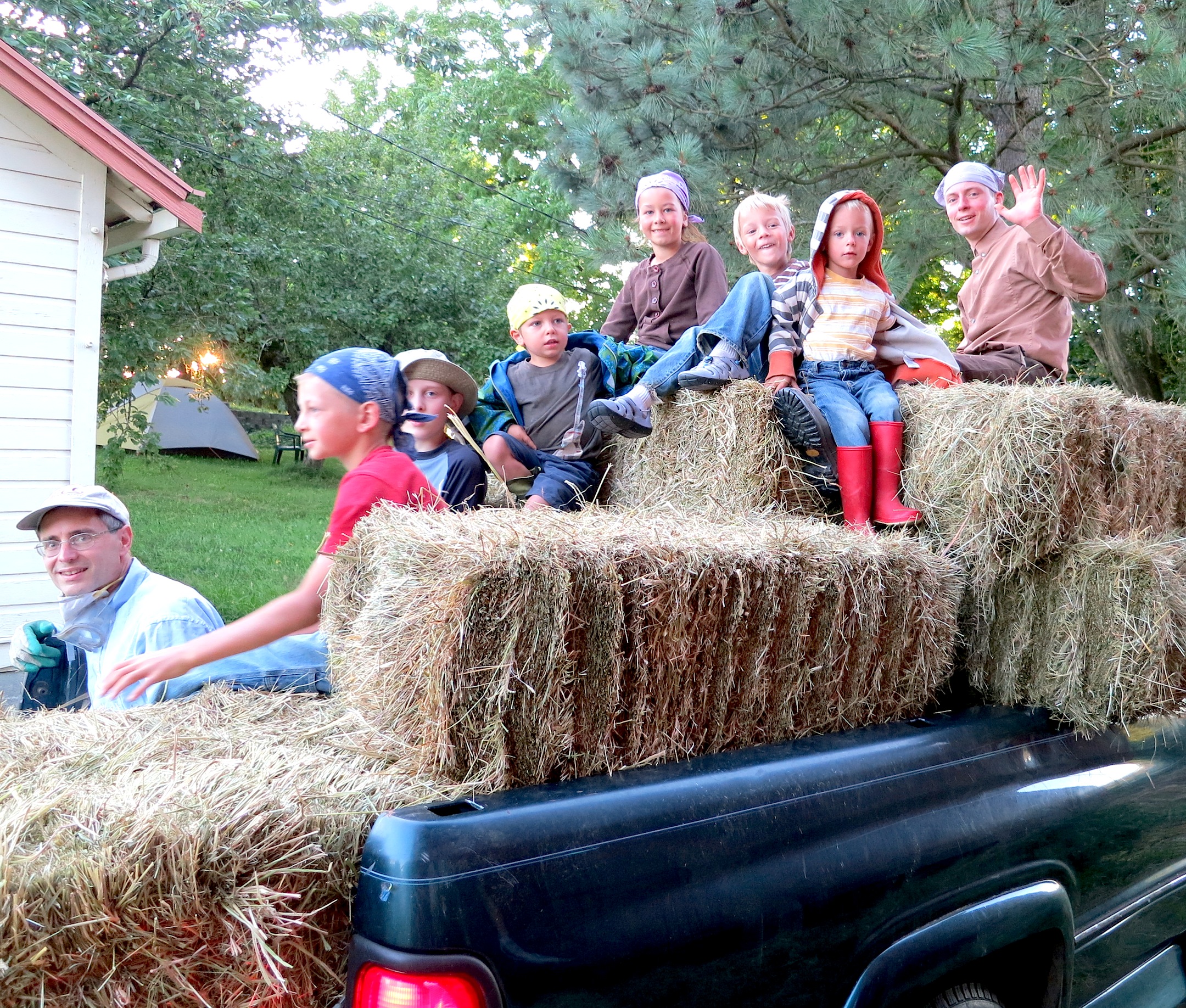
There is a timelessness to mid-summer hay harvest that goes back generations on both sides of our family. The cutting, raking and gathering of hay has evolved from horse-drawn implements and gathering loose shocks of hay to 100+ horse power air-conditioned tractors and huge round bales wrapped and stored in plastic sheathing rather than in barns.

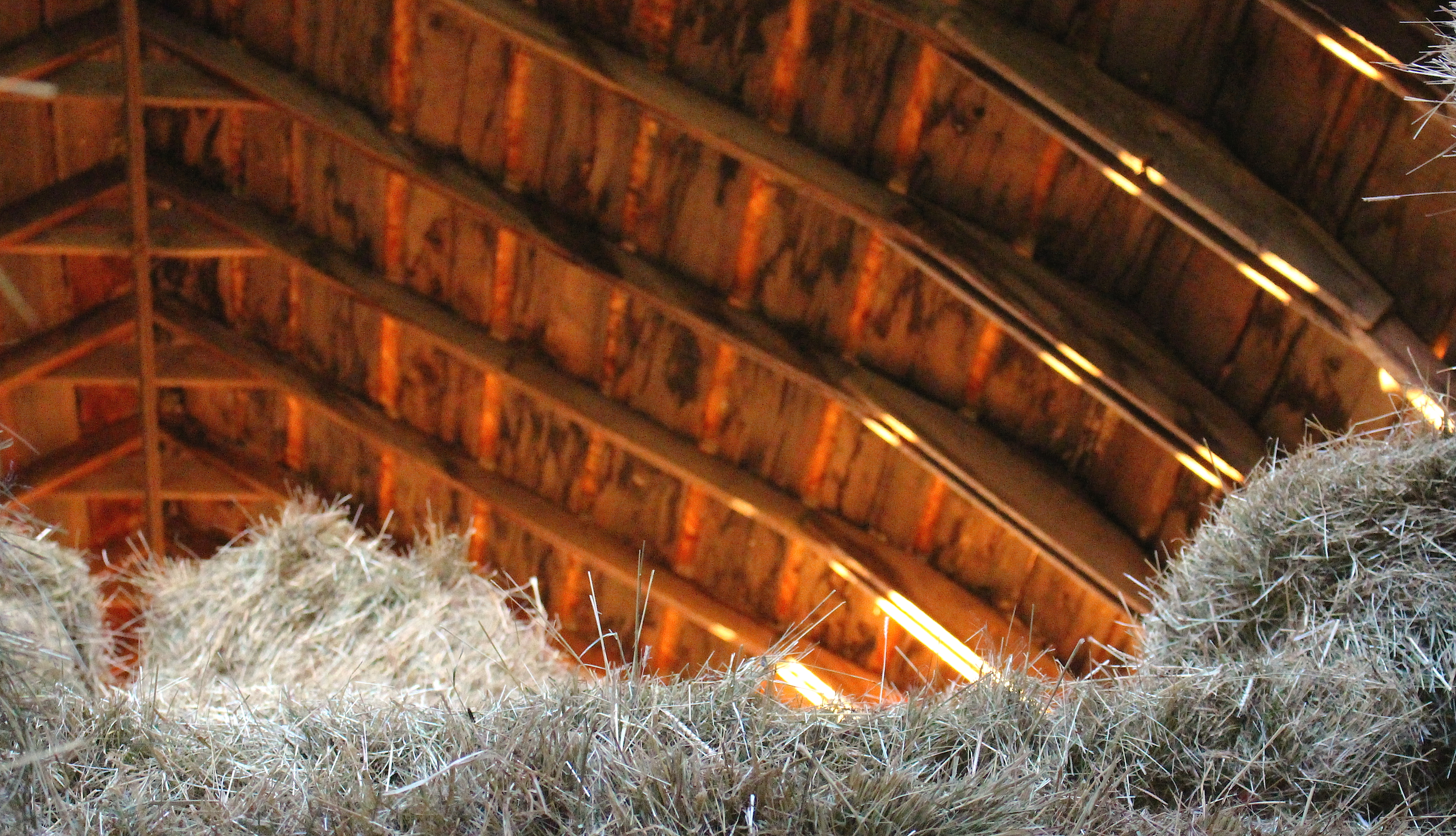
Our farm is happily stuck somewhere in-between: we still prefer filling the haybarn with bales that I can still lift and move myself to feed our animals. True hay harvest involves sweat and dust and a neighborhood coming together to preserve summer in tangible form.

I grew up on a farm with a hayfield – I still have the scar over my eyebrow where I collided with the handle of my father’s scythe when, as a toddler, I came too close behind him as he was taking a swing at cutting a field of grass one swath at a time. I remember the huge claws of the hay hook reaching down onto loose hay piled up on our wagon. The hook would gather up a huge load, lift it high in the air to be moved by pulley on a track into our spacious hay loft. It was the perfect place to play and jump freely into the fragrant memories of a summer day, even in the dark of winter.

But these days it is the slanted light of summer I remember most:
-the weightlessness of dust motes swirling down sun rays coming through the slats of the barn walls as the hay bales are stacked
-the long shadows and distant alpenglow in the mountains
-the dusk that goes on and on as owls and bats come out to hunt above us

Most of all, I will remember the sweaty days of mid-summer as I open the bales of hay in mid-winter – the light and fragrance of those grassy fields spilling forth into the chill and darkness, in communion of blessing for our animals.

photo by Tayler Rae
Pieter Bruegel “Hay Harvest”
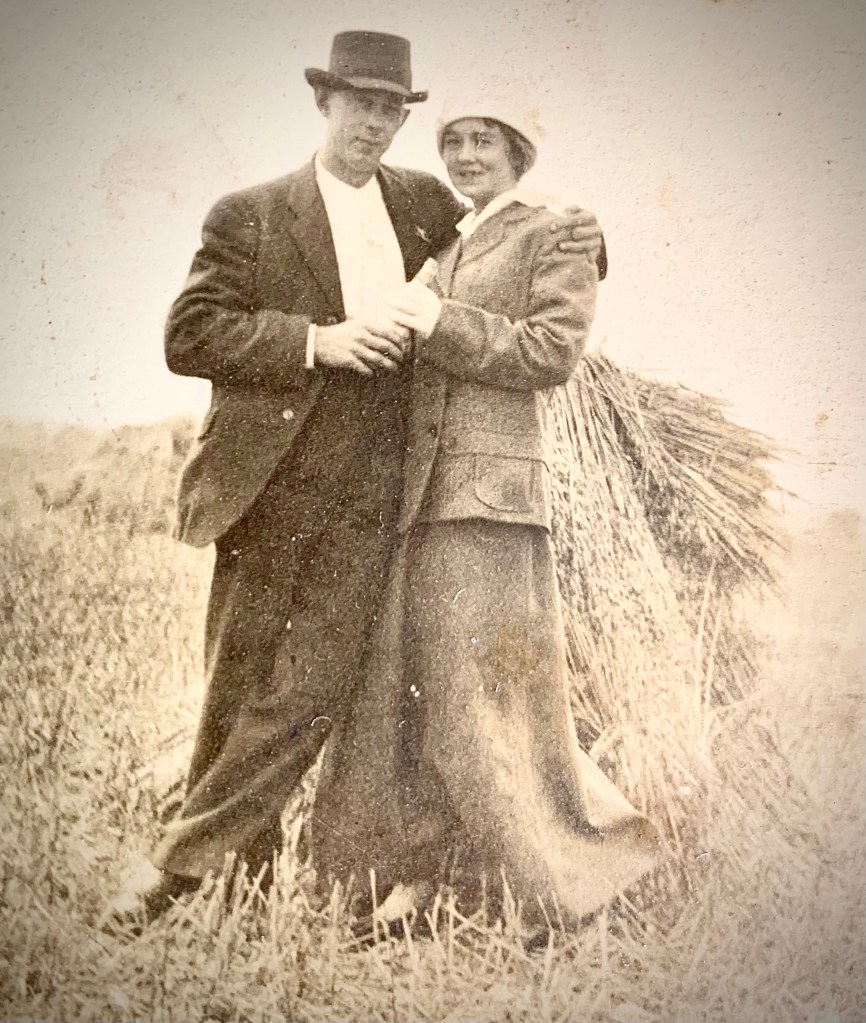
My grandparents Leslie Polis and Kittie Lovelace standing in a hayfield with loose hay shocks — 1915

Enjoy this blog post? A new book from Barnstorming is available to order here: