Rippling of the Land

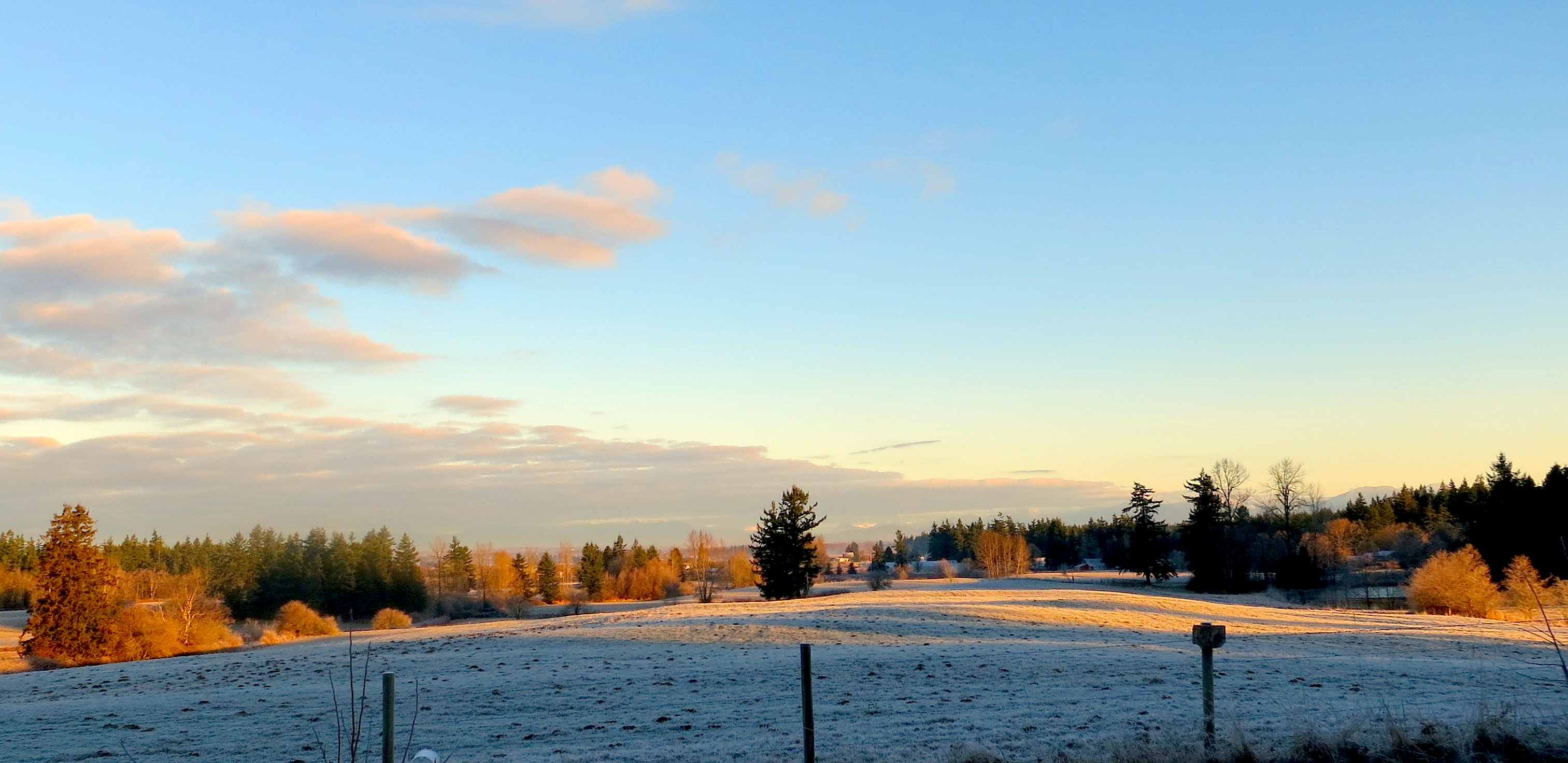
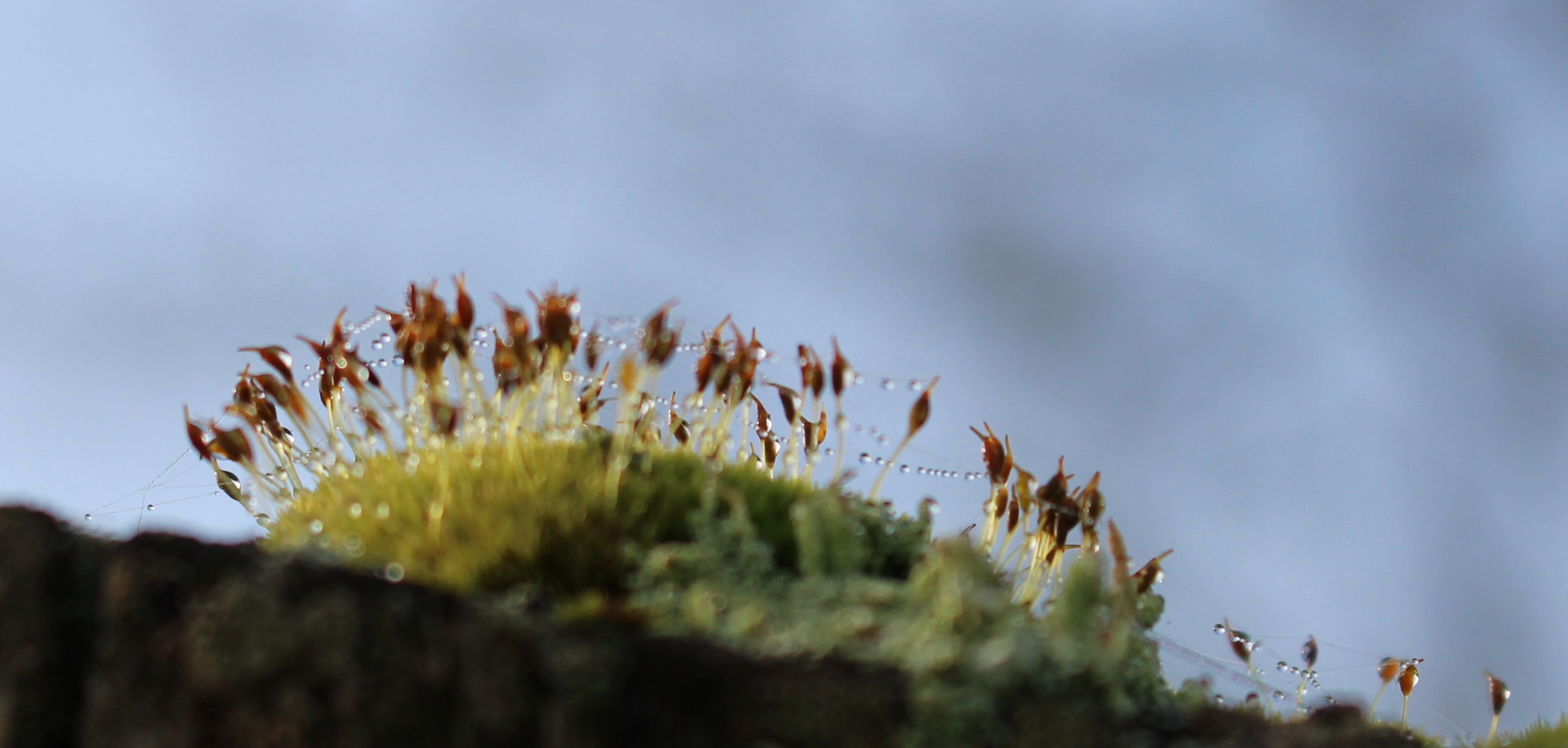
The air was soft, the ground still cold.
In the dull pasture where I strolled
Was something I could not believe.
Dead grass appeared to slide and heave,
Though still too frozen-flat to stir,
And rocks to twitch and all to blur.
What was this rippling of the land?
Was matter getting out of hand
And making free with natural law,
I stopped and blinked, and then I saw
A fact as eerie as a dream.
There was a subtle flood of steam
Moving upon the face of things.
It came from standing pools and springs
And what of snow was still around;
It came of winter’s giving ground
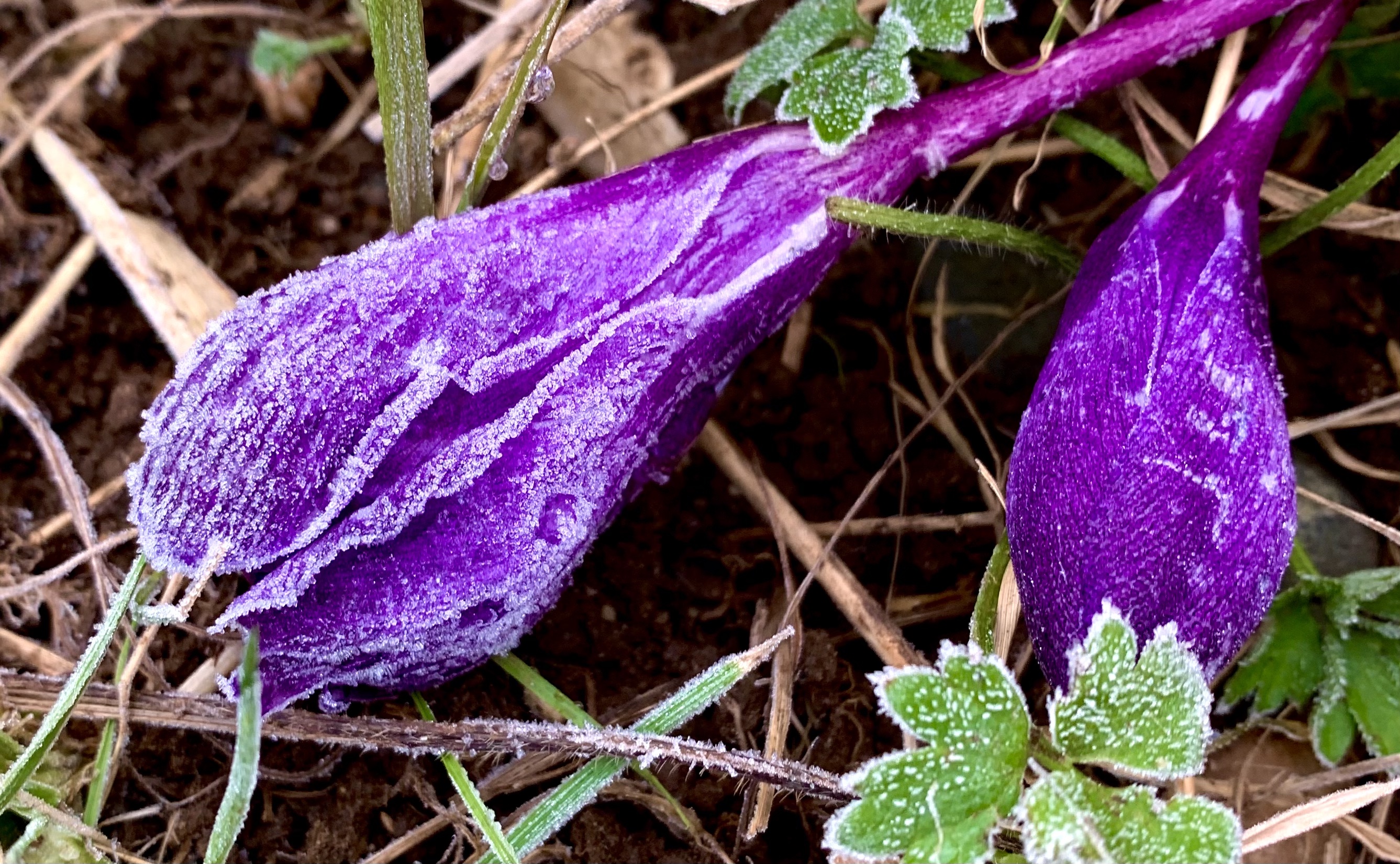
So that the freeze was coming out,
As when a set mind, blessed by doubt,
Relaxes into mother-wit.
Flowers, I said, will come of it.
~Richard Wilbur “April 5, 1974”
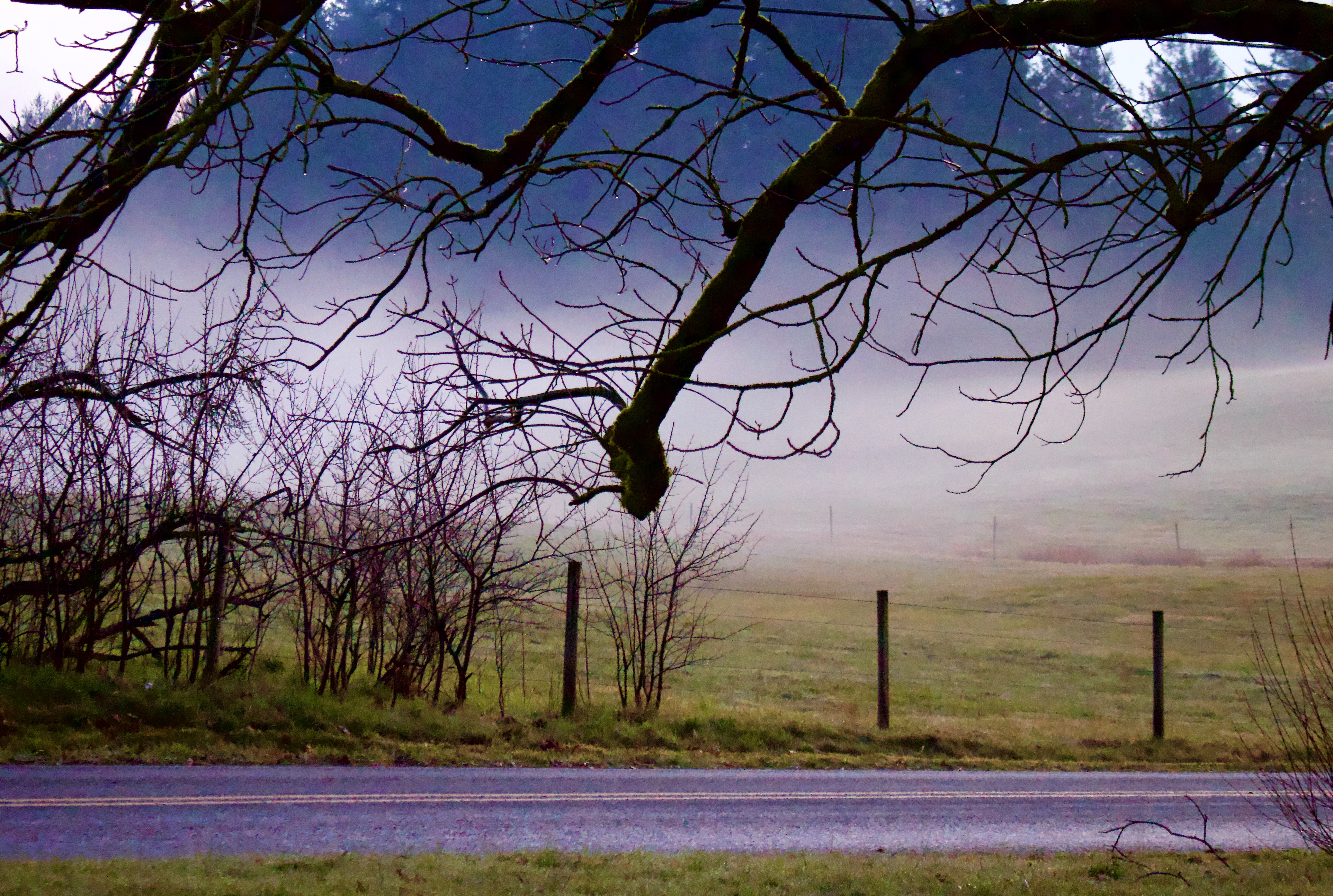
As the ground softens with the warming sun,
so do I.
Winter freeze was comforting
as nothing appeared to change, day after day.

Neither did I,
staying stolid and fixed and frozen.

But now the fixed is flexing its muscles,
steaming in its labor,
greening and growing transformed.

So must I,
giving ground
and birth
to blooms.

Leaving the Wilderness: The Worst We Can Do

In a daring and beautiful creative reversal,
God takes the worse we can do to Him
and turns it into the very best He can do for us.
~Malcolm Guite from The Word in the Wilderness

See, my servant will act wisely;
    he will be raised and lifted up and highly exalted.
14 Just as there were many who were appalled at him—
    his appearance was so disfigured beyond that of any human being
    and his form marred beyond human likeness—
15 so he will sprinkle many nations,
    and kings will shut their mouths because of him.
For what they were not told, they will see,
    and what they have not heard, they will understand.
Isaiah 52: 13-15

When I was wounded
whether by God, the devil, or myself
—I don’t know yet which—
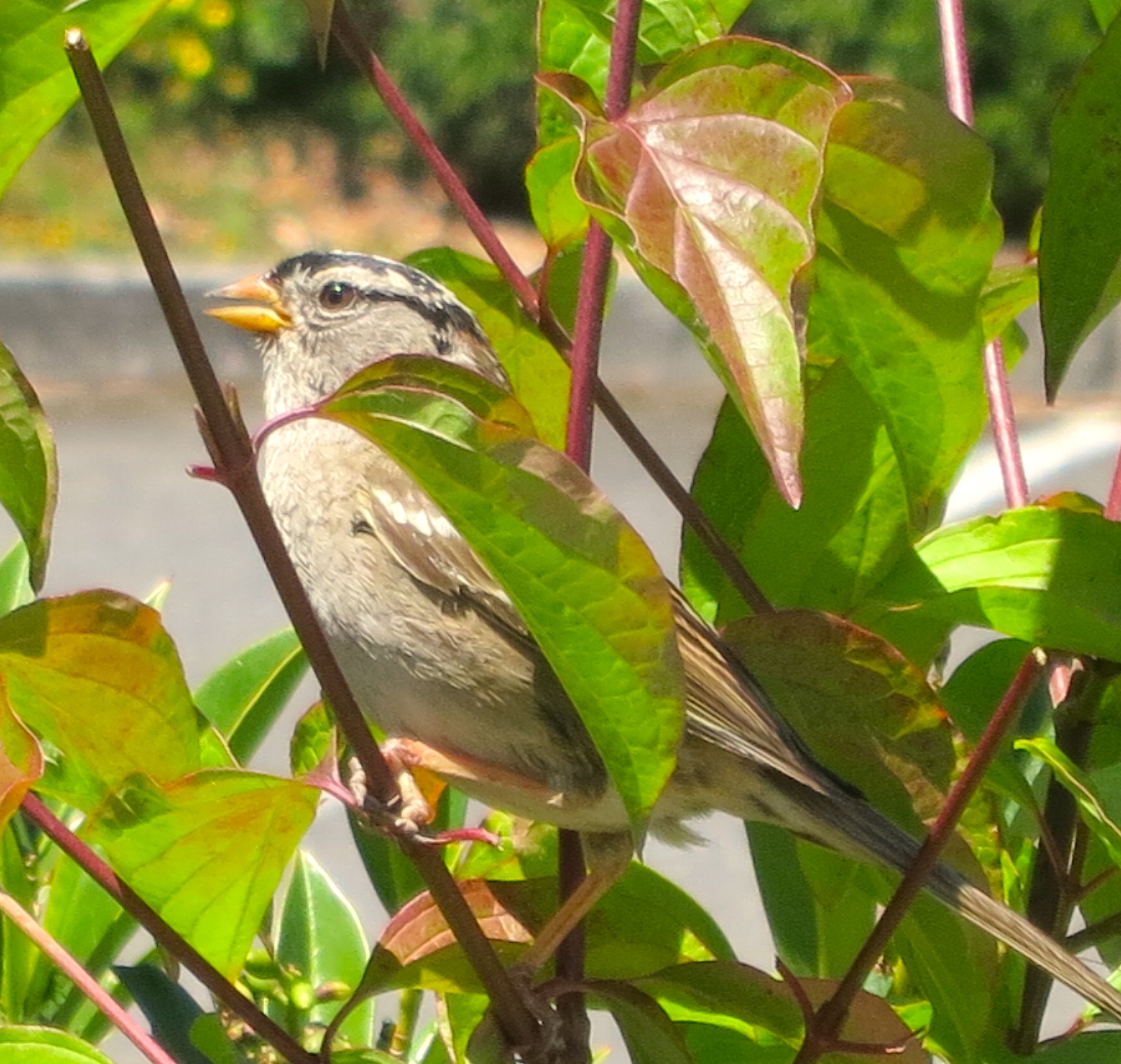
it was seeing the sparrows again
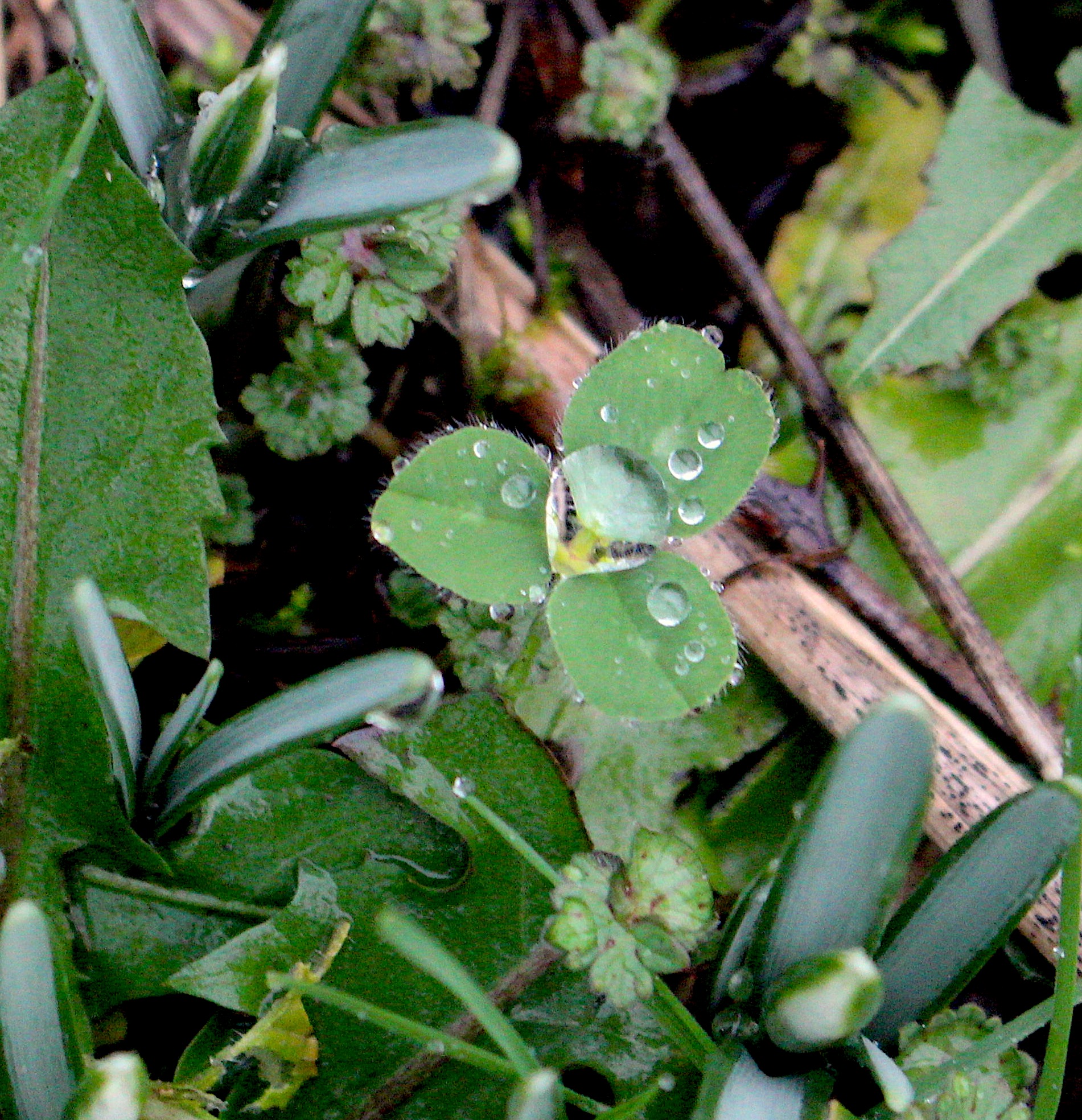
and clumps of clover, after three days,
that told me I hadn’t died.
When I was young,
all it took were those sparrows,
those lush little leaves,
for me to sing praises,
dedicate operas to the Lord.
But a dog who’s been beaten
is slow to go back to barking
and making a fuss over his owner
—an animal, not a person
like me who can ask:
Why do you beat me?
Which is why, despite the sparrows and the clover,
a subtle shadow still hovers over my spirit.
May whoever hurt me, forgive me.
~Adelia Prado “Divine Wrath” translated from Brazilian Portuguese by Ellen Doré Watson

Emmet Till’s mother
speaking over the radio

She tells in a comforting voice
what it was like to touch her dead boy’s face,

how she’d lingered and traced
the broken jaw, the crushed eyes–

the face that badly beaten, disfigured—
before confirming his identity.

And then she compares his face to
the face of Jesus, dying on the cross.

This mother says no, she’d not recognize
her Lord, for he was beaten far, far worse

than the son she loved with all her heart.
For, she said, she could still discern her son’s curved earlobe,

but the face of Christ
was beaten to death by the whole world.
~Richard Jones “The Face” from Between Midnight and Dawn

Too many people today continue to be crushed, disfigured, beaten and left for dead–

for taking a stand, or being the wrong color, the wrong faith, the wrong tribe, or simply being different enough to trigger distrust and hatred.

And so it was with our Lord. He walked into the hornet’s nest of Jerusalem fully knowing such an overwhelming attack was coming.

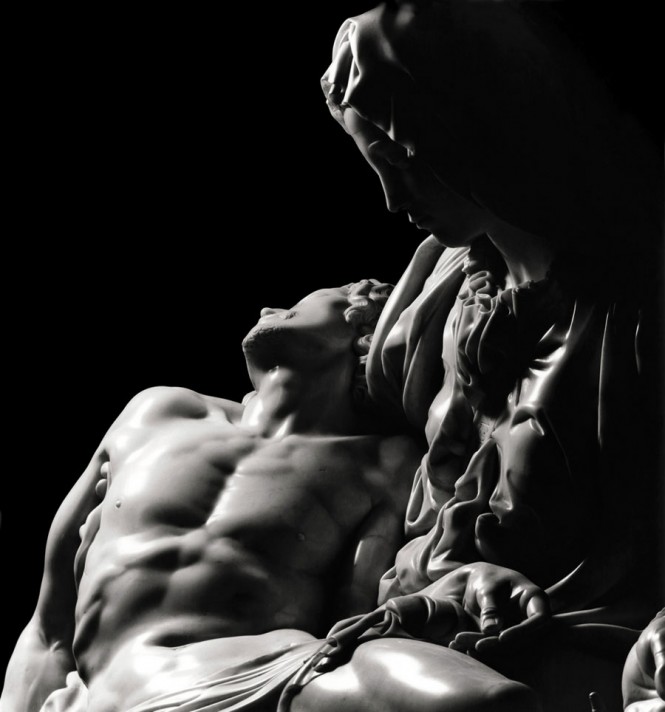
Crushed, broken and delivered into His Father’s arms as His mother wept over Him.

Yet He took the worst that could be done to Him and turned it into the best that He could do for us. We are stung forever by His Love.

Waiting in Wilderness: God Will See Us Through

My Lord, my Lord,
Long have I cried out to Thee
In the heat of the sun,
The cool of the moon,
My screams searched the heavens for Thee.
My God,
When my blanket was nothing but dew,
Rags and bones
Were all I owned,
I chanted Your name
Just like Job.

Father, Father,
My life give I gladly to Thee
Deep rivers ahead
High mountains above
My soul wants only Your love
But fears gather round like wolves in the dark.
Have You forgotten my name?
O Lord, come to Your child.
O Lord, forget me not.

You said to lean on Your arm
And I’m leaning
You said to trust in Your love
And I’m trusting
You said to call on Your name
And I’m calling
I’m stepping out on Your word.

Into the alleys
Into the byways
Into the streets
And the roads
And the highways
Past rumor mongers
And midnight ramblers
Past the liars and the cheaters and the gamblers.
On Your word
On Your word.
On the wonderful word of the Son of God.
I’m stepping out on Your word.

~Maya Angelou from “Just Like Job”

Once again — and again and again — bullets have been fired out of evil intent by disturbed and hate-filled men, striking down people who look (and are) just like us. 

Weeping never needs translation or interpretation, no matter what color cheeks they moisten.

Distrust and fear continue to impact us daily, settling like a shroud over the most routine activities – going to school, going grocery shopping, going to church. It isn’t just a virus that threatens us; it is being targeted in someone’s gun sight.

In order to even walk out the door in the morning, we must fall back on what we are told, each and every day, in 365 different verses in God’s Word itself:

Fear not.

Do not be overwhelmed with evil but overcome evil with good.

We shall overcome despite evil and our fear of each other.

The goal of this life is to live for others, to live in such a way that death cannot erase the meaning and significance of a life.  We are called to give up our selfish agendas in order to consider the dignity of others and their greater good. We are called to keep weapons out of the hands of those who would use them to harm themselves or others, which means better screening, longer waiting periods, improved tracking of ownership.

It is crystal clear from Christ’s example as we observe His journey to the cross over the next week: we are to cherish life, all lives, born and unborn, even unto death. Christ forgave those who hated and murdered Him.

Our only defense against the evil we witness is God’s offense. Only God can lead us to Tolkien’s “where everything sad will come untrue”, where we shall live in peace, walk hand in hand, no longer alone, no longer afraid, no longer shedding tears of grief and sorrow, but tears of relief and joy.

We shall all be free. We shall overcome because God does.

We shall overcome

We shall live in peace

We’ll walk hand in hand

We shall all be free

We are not afraid

We are not alone

God will see us through

We shall overcome

Oh, deep in my heart
I do believe
We shall overcome some day

The ultimate weakness of violence is that it is a descending spiral
begetting the very thing it seeks to destroy.
Instead of diminishing evil, it multiplies it.
Through violence you may murder the liar,
but you cannot murder the lie, nor establish the truth.
Through violence you may murder the hater,
but you do not murder hate.
In fact, violence merely increases hate.
So it goes.
Returning violence for violence multiplies violence,
adding deeper darkness to a night already devoid of stars.
Darkness cannot drive out darkness:
only light can do that.
Hate cannot drive out hate: only love can do that.
Hate multiplies hate,
violence multiplies violence,
and toughness multiplies toughness
in a descending spiral of destruction….
The chain reaction of evil —
hate begetting hate,
wars producing more wars —
must be broken,
or we shall be plunged
into the dark abyss of annihilation.
~Dr. Martin Luther King, Jr. from Strength to Love

Waiting in Wilderness: The Voice of Morning Crowed

because we are all
betrayers, taking
silver and eating
body and blood and asking
(guilty) is it I and hearing
him say yes
it would be simple for us all
to rush out
and hang ourselves

but if we find grace
to cry and wait
after the voice of morning
has crowed in our ears
clearly enough
to break out hearts
he will be there
to ask us each again
do you love me?

~Luci Shaw “Judas, Peter” from Polishing the Petoskey Stone

Like Peter, I know the guilt of denying Him
when questioned by those who would hurt me too.
Like Judas, I think I know a better way
because His way costs so much.

The morning crows the truth.

Like any one of us capable of betrayal,
He knows my breaking heart better than I know myself:
He knows everything about me
including how much
I love Him despite my brokenness.


The Pang of Salt

What a person desires in life
    is a properly boiled egg.
This isn’t as easy as it seems.
There must be gas and a stove,
    the gas requires pipelines, mastodon drills,
    banks that dispense the lozenge of capital.
There must be a pot, the product of mines
    and furnaces and factories,
    of dim early mornings and night-owl shifts,
    of women in kerchiefs and men with
    sweat-soaked hair.
Then water, the stuff of clouds and skies
    and God knows what causes it to happen.
There seems always too much or too little
    of it and more pipelines, meters, pumping
    stations, towers, tanks.
And salt-a miracle of the first order,
    the ace in any argument for God.
Only God could have imagined from
    nothingness the pang of salt.
Political peace too. It should be quiet
    when one eats an egg. No political hoodlums
    knocking down doors…
It should be quiet, so quiet you can hear
    the chicken, a creature usually mocked as a type
    of fool, a cluck chained to the chore of her body.
Listen, she is there, pecking at a bit of grain
    that came from nowhere.

~Baron Wormser, from “A Quiet Life” from Scattered Chapters.

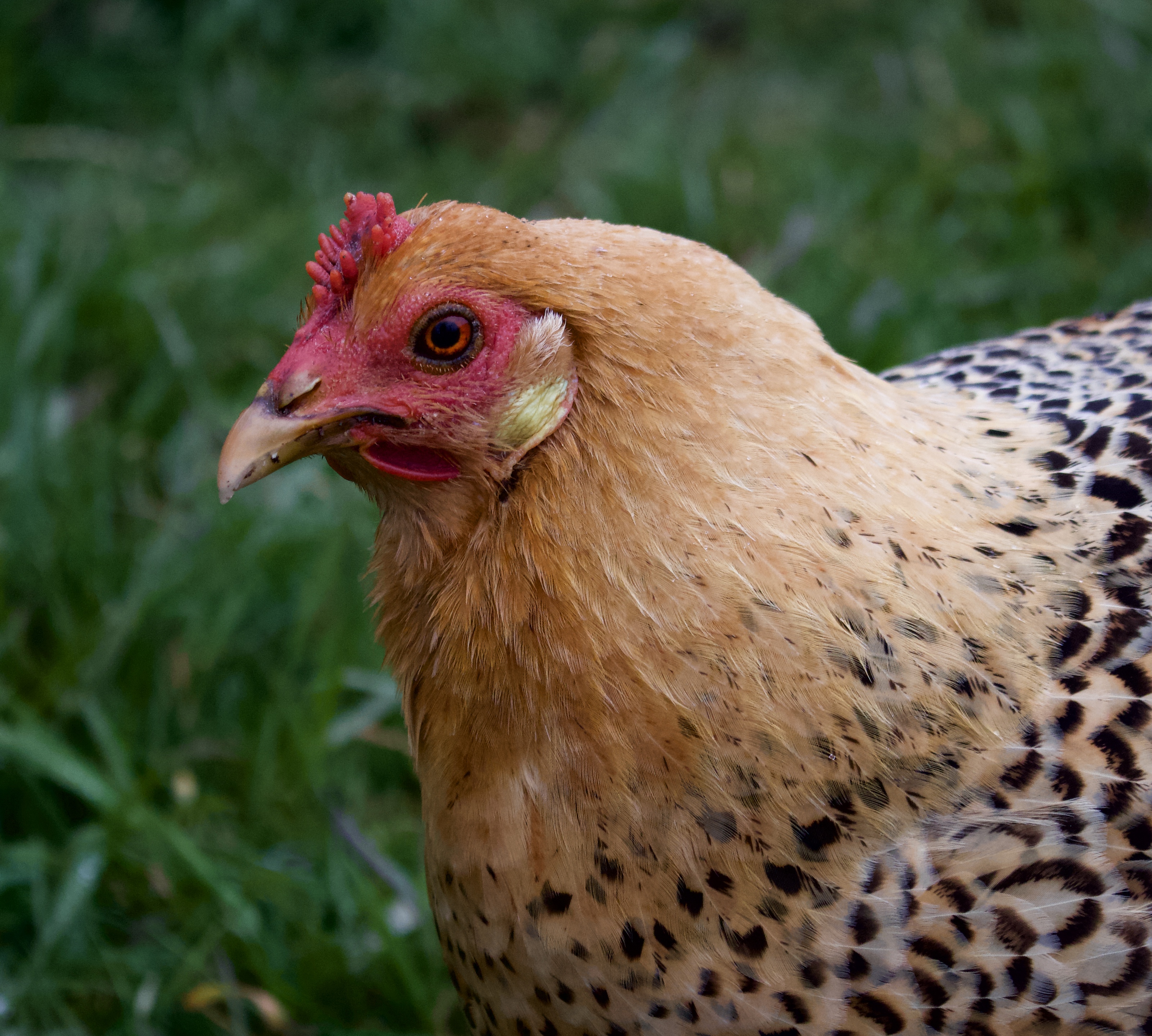
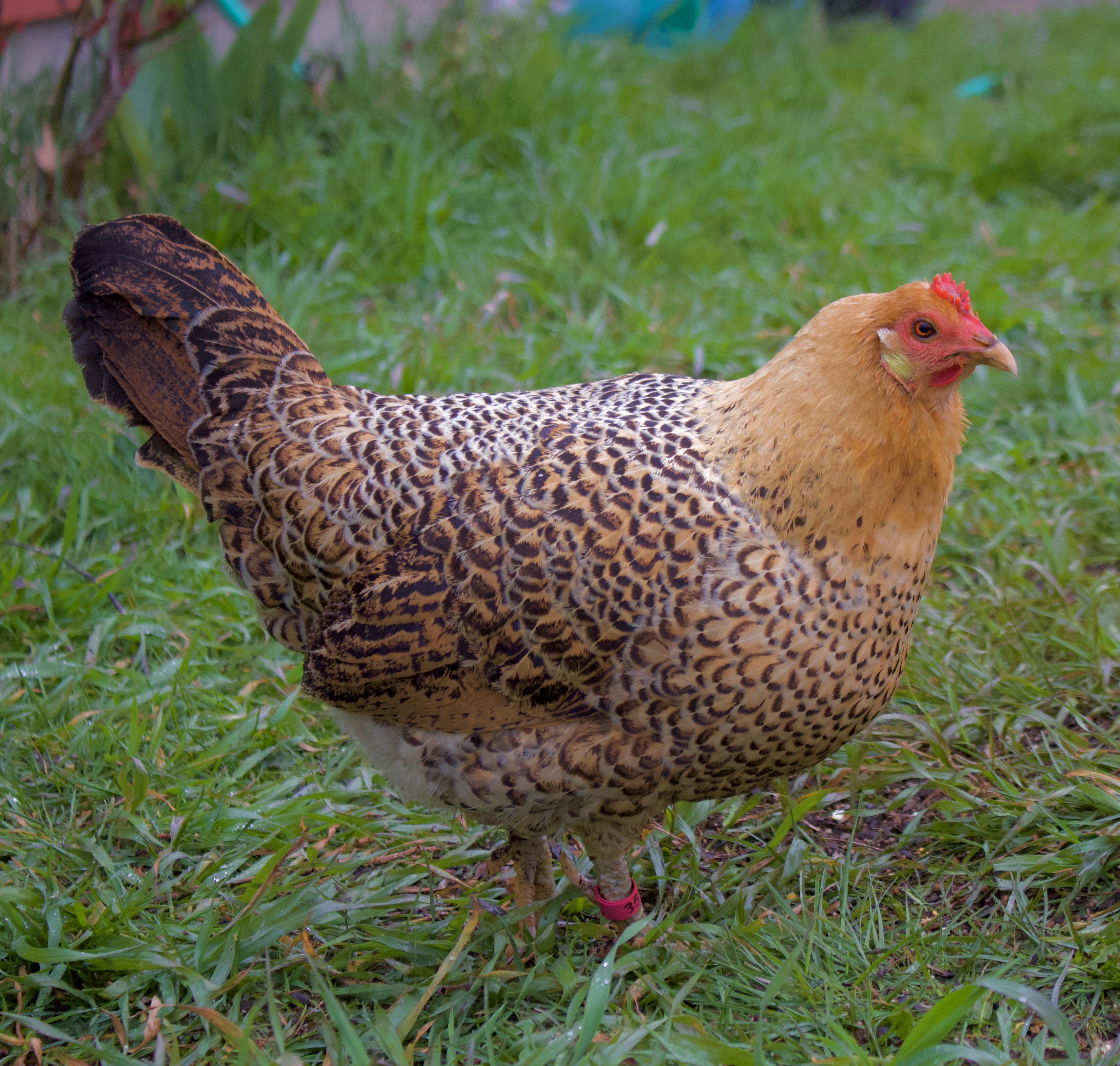
So much depends on the cluck of a chicken, on her self-satisfied cackle when she releases her perfect egg into the nest.

I wish I could be so flawless as her egg but am far from it.
The simple things in life season me with meaning and flavor,
all God-given mercy making it possible that I am here at all:
walking this earth for the time I am granted,
talking with those who listen intently,
healing those who seek my help,
writing for those who read kindly,
loving those who, like me, thrive
solely on being fed God’s gentle grace
salted over my forgiven flaws:
I’m a boiled egg peeled imperfectly
with divets and bits of shell still attached,
yet formed from a clucking chicken fed generously
from His holy hand.

Hold Life Like a Face

The thing is
to love life, to love it even
when you have no stomach for it
and everything you’ve held dear
crumbles like burnt paper in your hands,
your throat filled with the silt of it.
When grief sits with you, its tropical heat
thickening the air, heavy as water
more fit for gills than lungs;
when grief weights you like your own flesh
only more of it, an obesity of grief,
you think, How can a body withstand this?
Then you hold life like a face
between your palms, a plain face,
no charming smile, no violet eyes,
and you say, yes, I will take you
I will love you, again.
~Ellen Bass, “The Thing Is” from Mules of Love

There is so much grief these days
so much loss of life
so much weeping.

How can we withstand this?
How can we know, now,
when we are barely able to breathe
that we might know – at some point –
we might love life again?

The Thirsty One

God has a use for you.

I am the vessel.
The draught is God’s.

And God is the thirsty one.
Not I.  But God in me.

Do not seek death.
Death will find you.
But seek the road which makes death a fulfillment.

The road, You shall follow it.
The cup, You shall empty it.
The pain, You shall conceal it.
The truth, You shall be told it.

The end, You shall endure it.
~Dag Hammarskjöld in writings from his 1953 journal

Today,
after the wind storm of yesterday,
when rain fell in unrelenting
torrents from heaven,
we are caught in a rising current so swift
we must cling fast
or be swept away.

Drenched
beyond capacity to absorb any more,
we are ready, Lord,
to empty ourselves into
your thirstiness
so we are useful for your purposes.

A Hammer and a Nail

I’d rather be a hammer than a nail
Yes, I would, if I could, I surely would…
~Simon and Garfunkel from “El Condor Pasa”

If I had a hammer,
I’d hammer in the morning,
I’d hammer in the evening,
All over this land,
I’d hammer out danger,
I’d hammer out a warning,
I’d hammer out love between,
My brothers and my sisters,
All over this land.
~Lee Hays, Pete Seeger

Strangely enough~
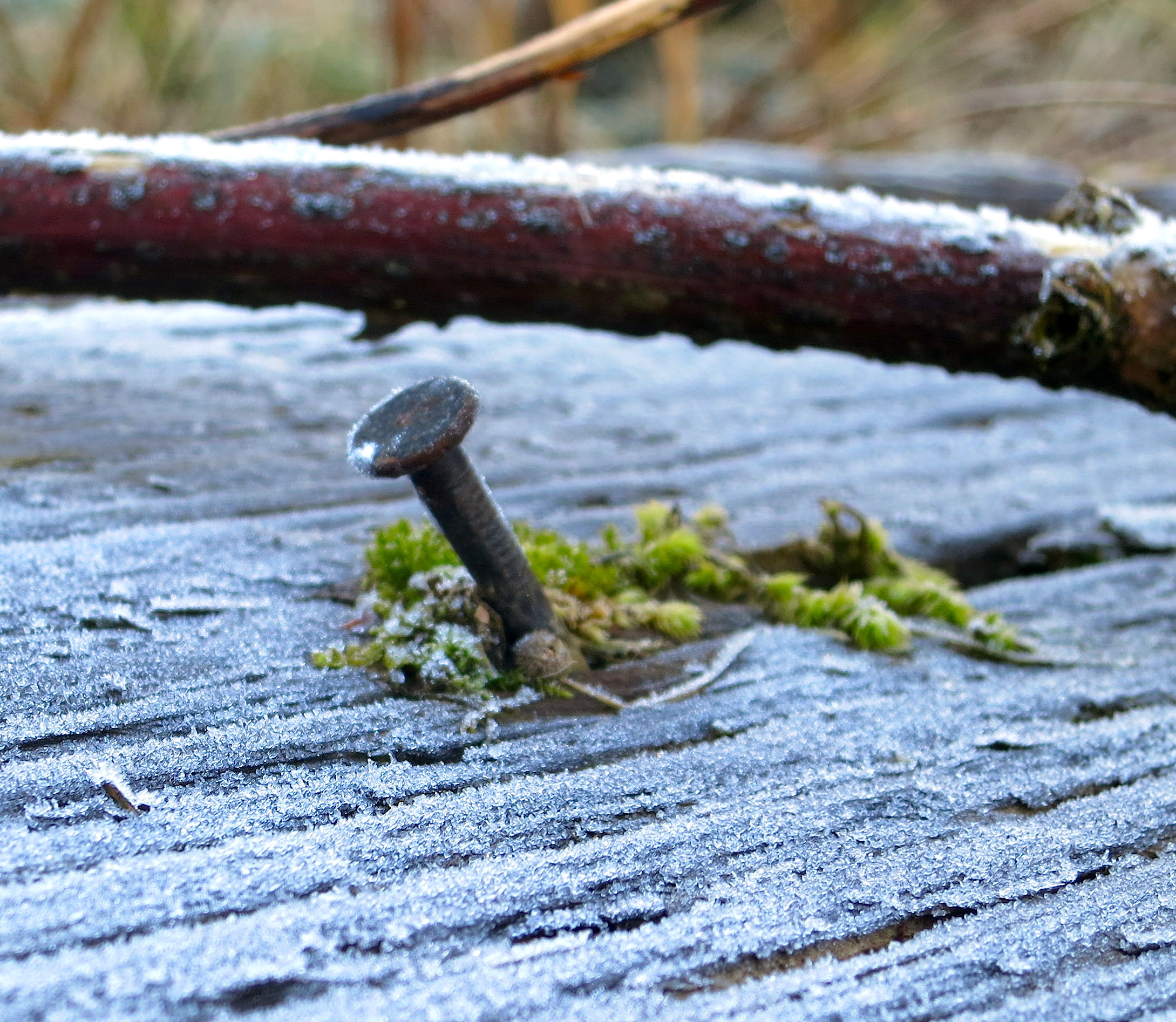
it is the pointed and piercing nail,
rather than our blunt hammer,
that binds together,
forming the strength,
the safety,
the permanence
of corners, foundation,
walls and roof
until the battering winds
threaten to pull them apart.

Yet the nail is useless
without the hammer.

The hammer
pounds the nail in
where it is most needed
where it won’t be forgotten
where, if ever removed,
the hole it leaves behind
is a forever reminder
of what our hammers have wrought
and how we are forgiven.

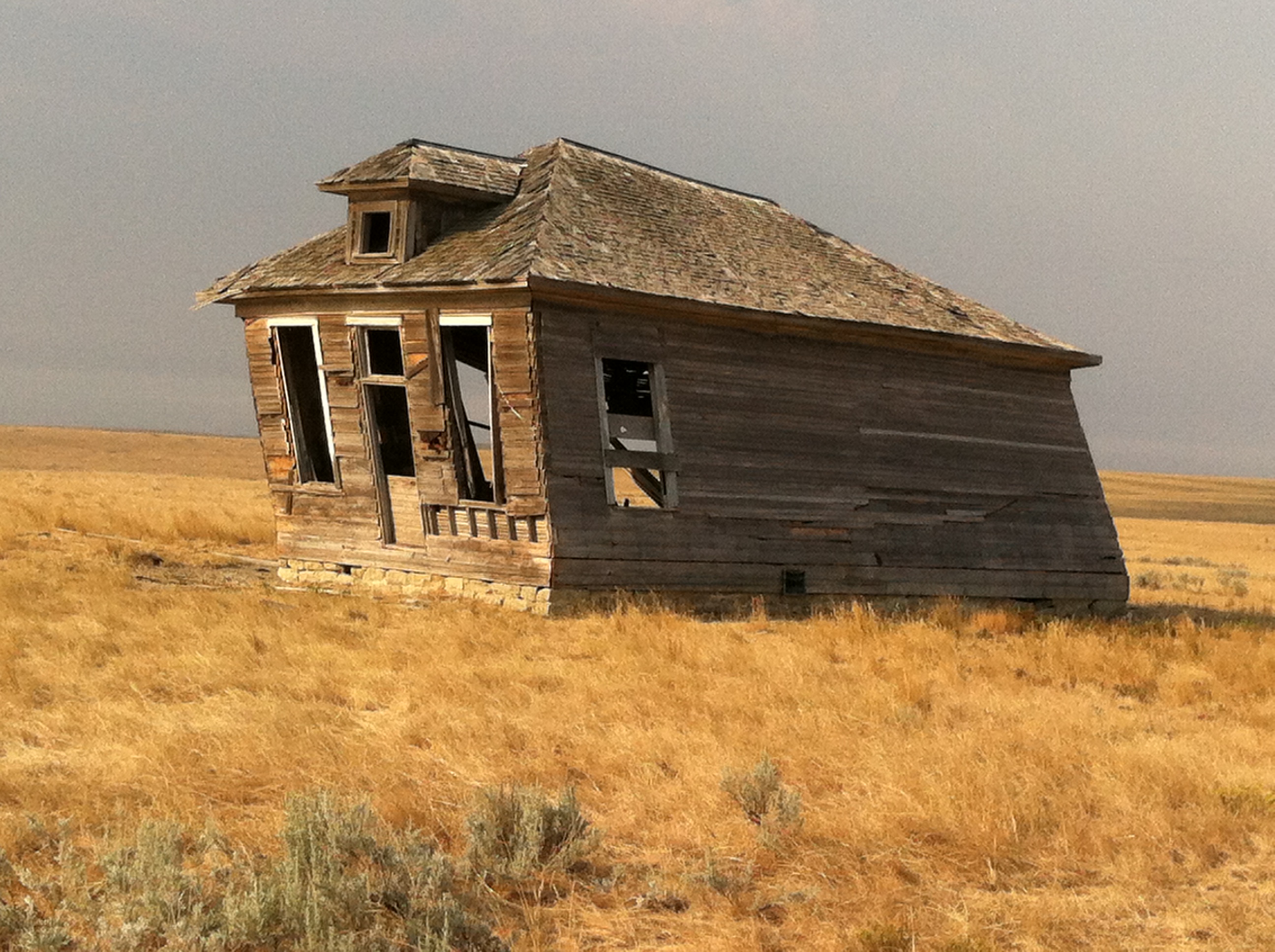
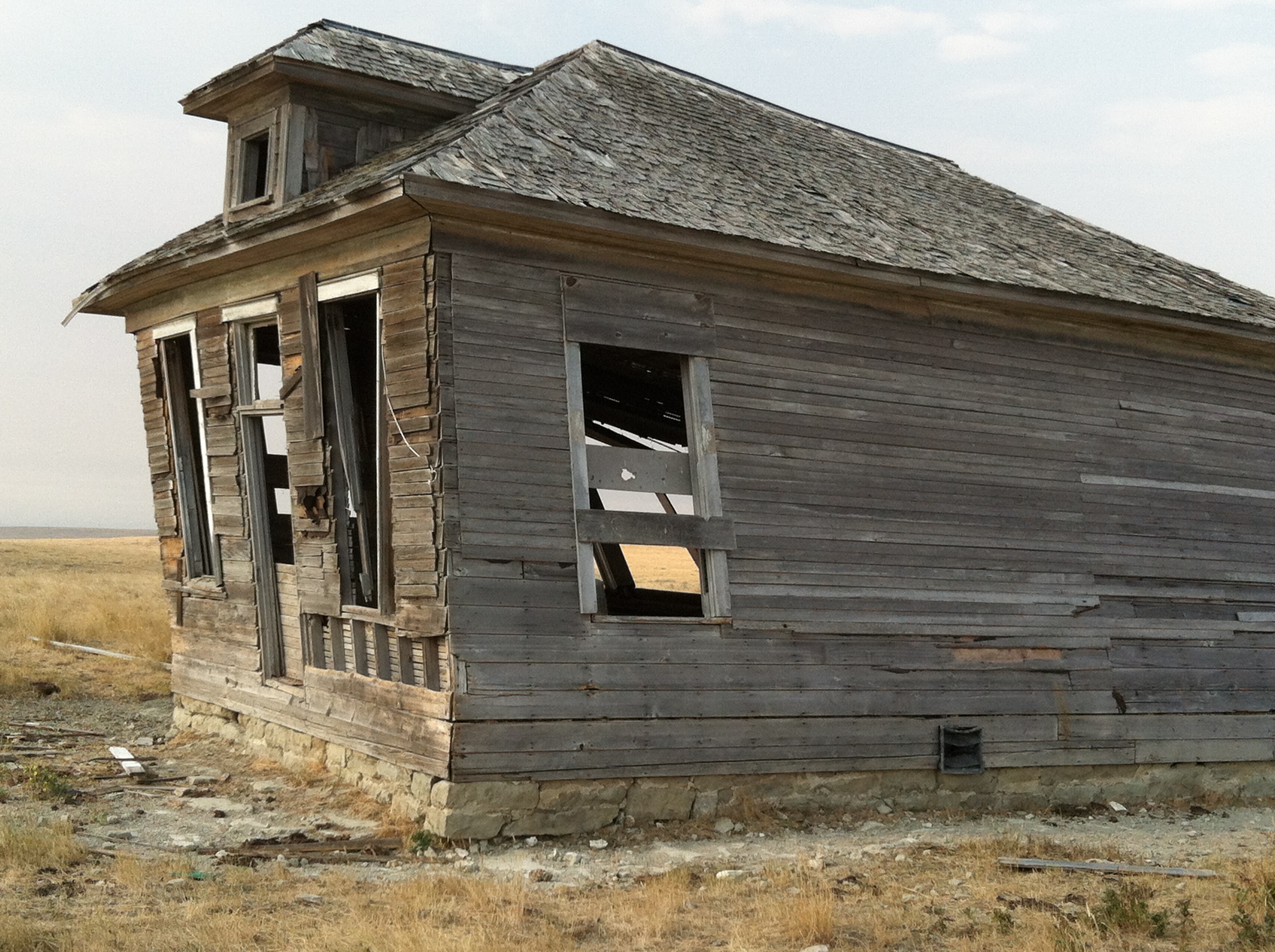
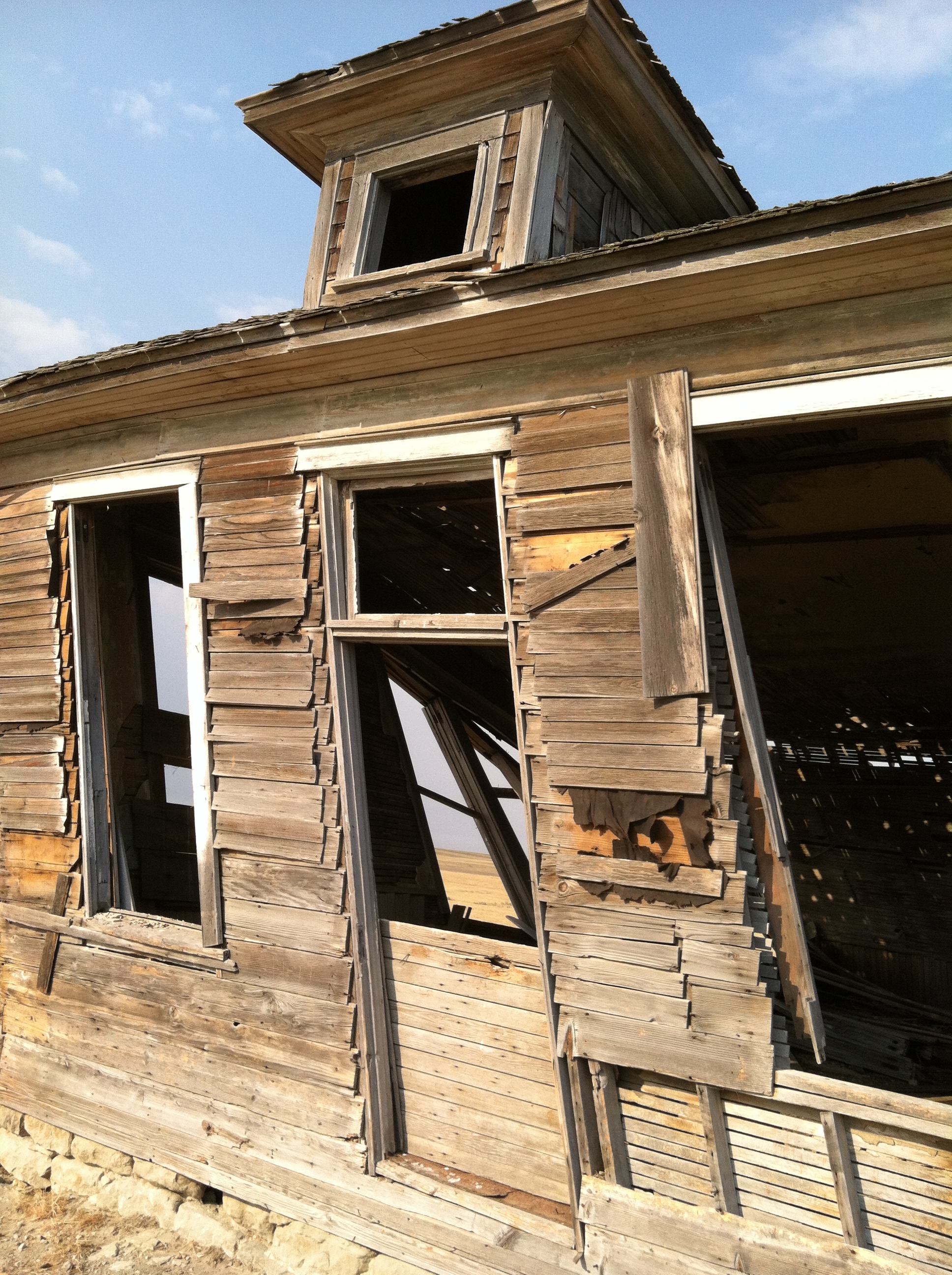
abandoned schoolhouse near Rapalje, Montana

Tender December

From the tawny light
from the rainy nights
from the imagination finding
itself and more than itself
alone and more than alone
at the bottom of the well where the moon lives,   
can you pull me

into December? a lowland
of space, perception of space
towering of shadows of clouds blown upon
clouds over
                  new ground, new made
under heavy December footsteps? the only
way to live?

The flawed moon
acts on the truth, and makes   
an autumn of tentative
silences.
You lived, but somewhere else,
your presence touched others, ring upon ring,
and changed. Did you think   
I would not change?

                              The black moon
turns away, its work done. A tenderness,
unspoken autumn.   
We are faithful
only to the imagination. What the
imagination
             seizes
as beauty must be truth
. What holds you
to what you see of me is
that grasp alone.

~Denise Levertov “Everything that Acts is Actual”

Within these days of early winter
is disappearance of our familiar world,
of all that grows and thrives,
of new life and freshness,
of hope slipping away
in a scurry for survival.

Then there comes this moment of softness amid the bleak,
a gift of grace and beauty,
a glance of sunlight on a snowy hillside,
a covering of low misty puffs in the valley,
a moon lit landscape,
a startling sunrise, clouds upon clouds
and then I know the actual world is seized with Your Truth
because You have grasped hold of it
and won’t let go.

Turning Darkness Into Light: Word Became Flesh

14 The Word became flesh and made his dwelling among us.
We have seen his glory, the glory of the one and only Son, who came from the Father, full of grace and truth.

John 1:14

For me it is the virgin birth,
the Incarnation,
the resurrection
which are the true laws of the flesh and the physical.
Death, decay, destruction are the suspension of these laws.
I am always astonished at the emphasis the Church puts on the body.
It is not the soul she says that will rise
but the body, glorified.

~Flannery O’Connor in a letter written in 1955

Good is the flesh that the Word has become,
good is the birthing, the milk in the breast,
good is the feeding, caressing and rest,
good is the body for knowing the world,
Good is the flesh that the Word has become.

Good is the body for knowing the world,
sensing the sunlight, the tug of the ground,
feeling, perceiving, within and around,
good is the body, from cradle to grave,
Good is the flesh that the Word has become.

Good is the body, from cradle to grave,
growing and aging, arousing, impaired,
happy in clothing, or lovingly bared,
good is the pleasure of God in our flesh,
Good is the flesh that the Word has become.

Good is the pleasure of God in our flesh,
longing in all, as in Jesus, to dwell,
glad of embracing, and tasting, and smell,
good is the body, for good and for God,
Good is the flesh that the Word has become.
~Brian Wren Good is the Flesh: Body, Soul, and Christian Faith

The Word was made flesh.
This one verse in John is the crux,
the heart, the center point of the Gospel.
Without God putting on flesh to become like us,
He is not one of us.  He is fully God and fully man — both.

He comes from the body of a mother,
born a baby frail and weak, just like us.
He hurts, He thirsts, He hungers, He stumbles, He falls, He weeps.
And He dies as we do.

Yet this God, our God, rises again to walk, speak, eat, and be touched so that we too may rise as He does.
The Word was made flesh so our flesh,
weak and frail though we are,  becomes His body glorified.

The word was made flesh, and dwelt among us.
We beheld the glory of the Father, full of grace and truth.
In the beginning was the Word, The Word was with God.
In Him was life; and the life was the light of men.
He came to his own, and his own received him not.