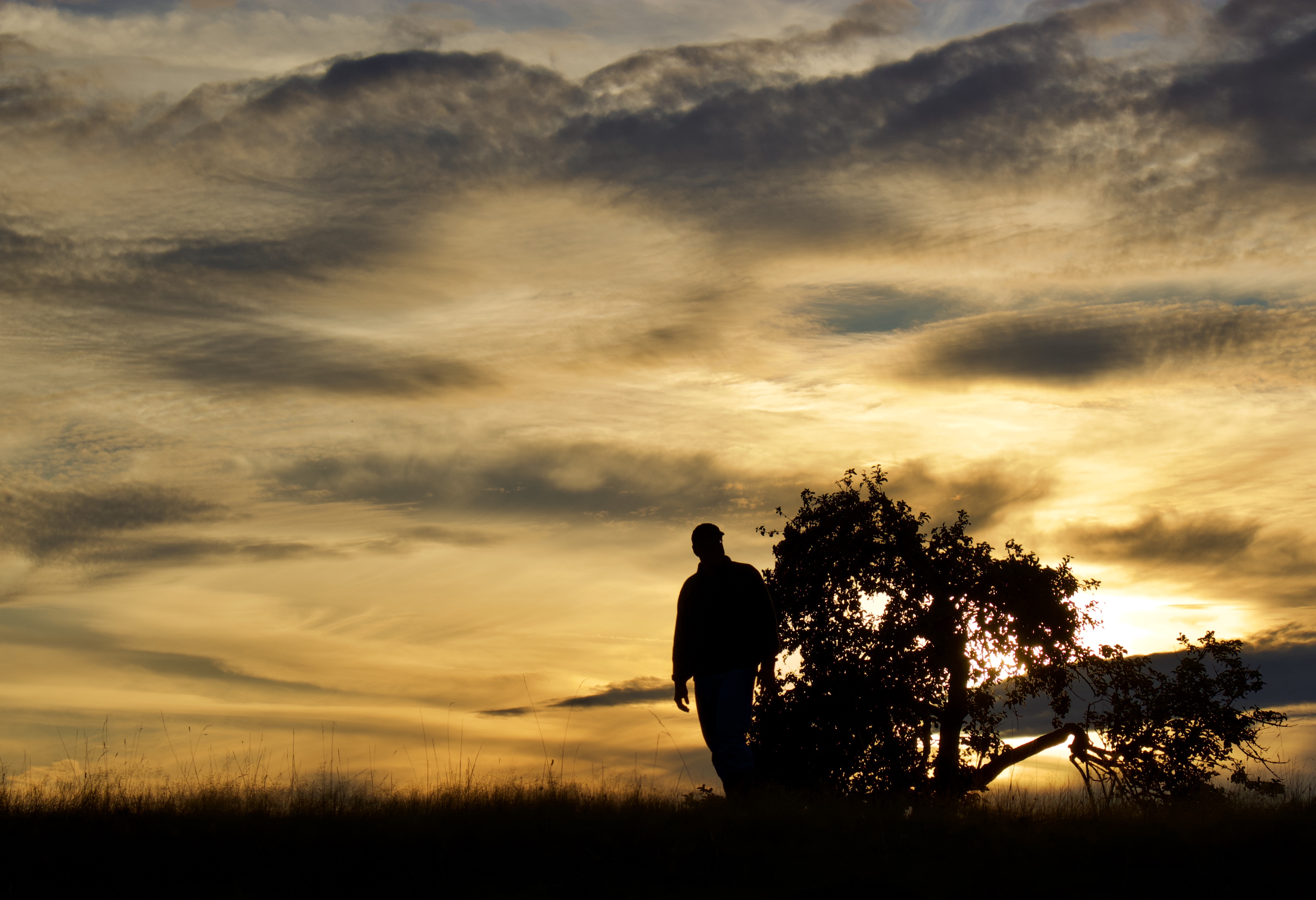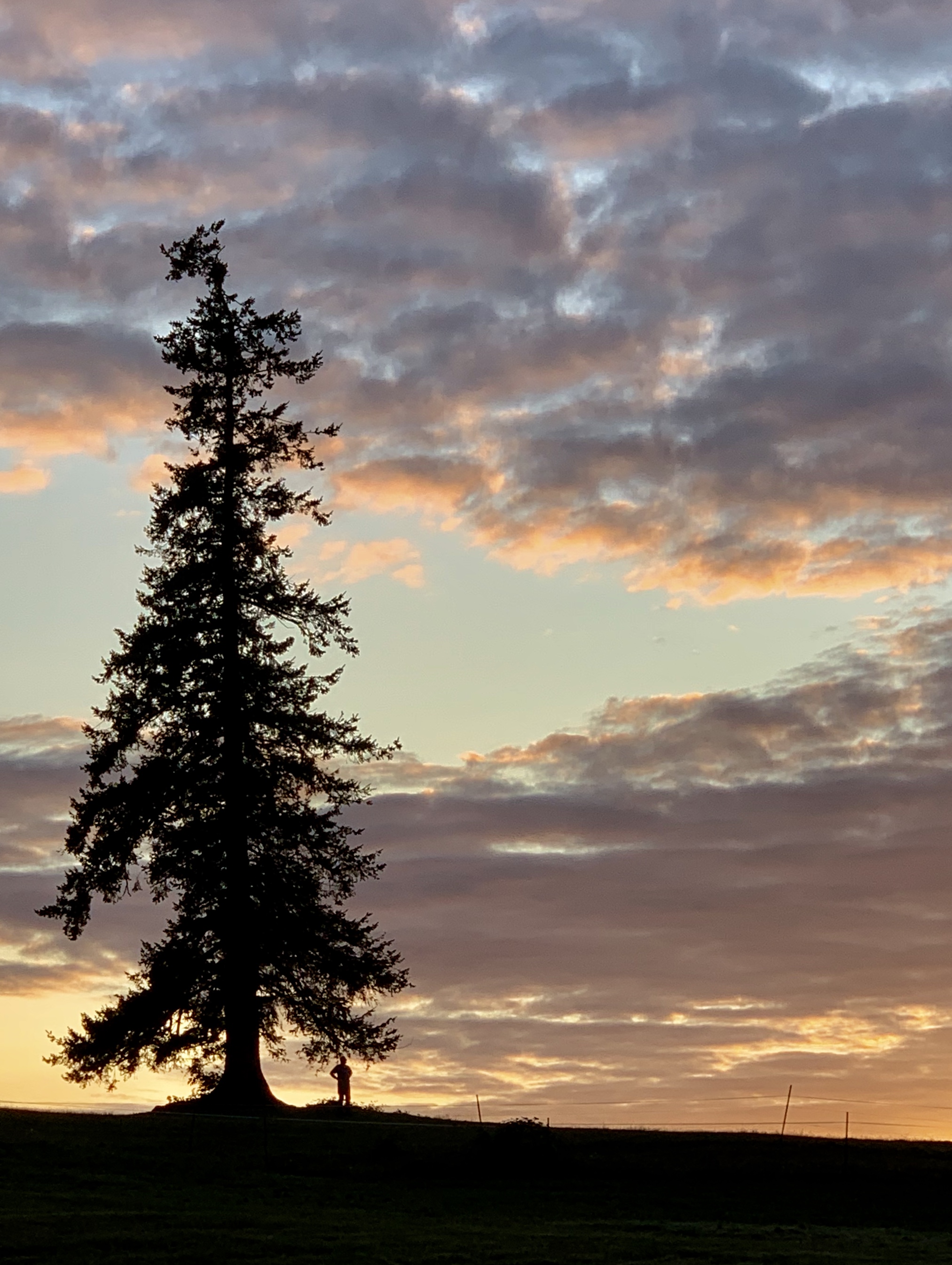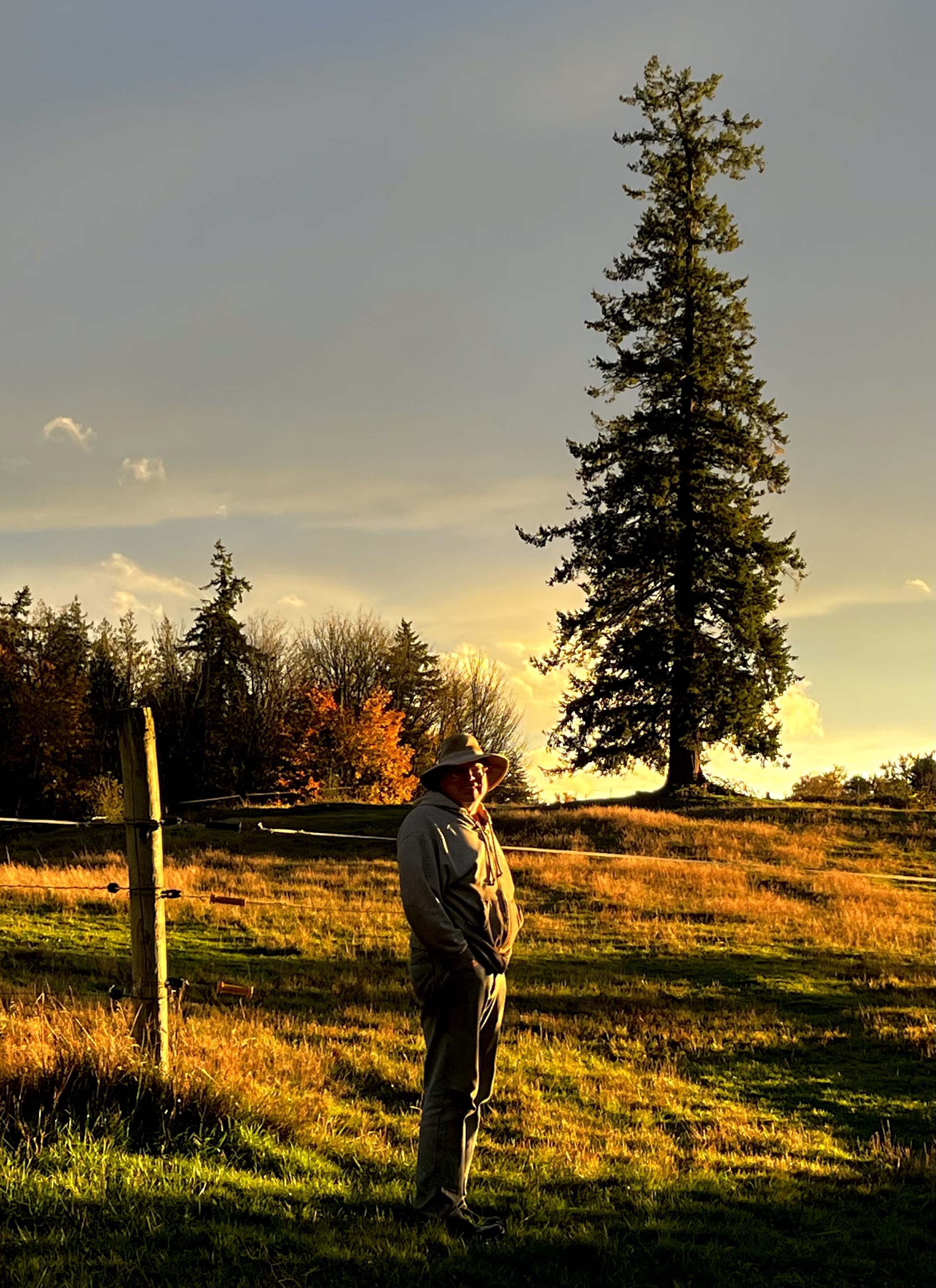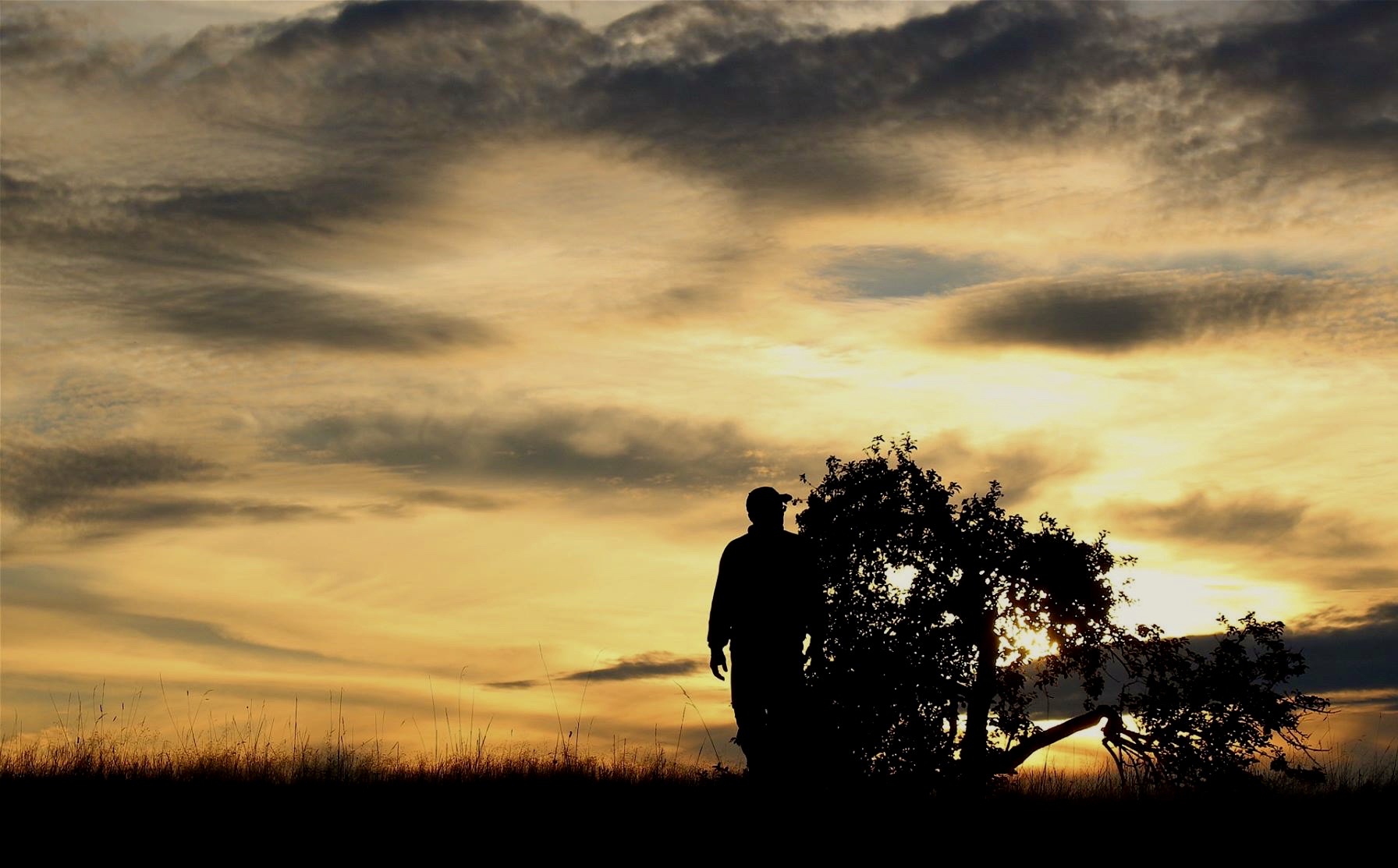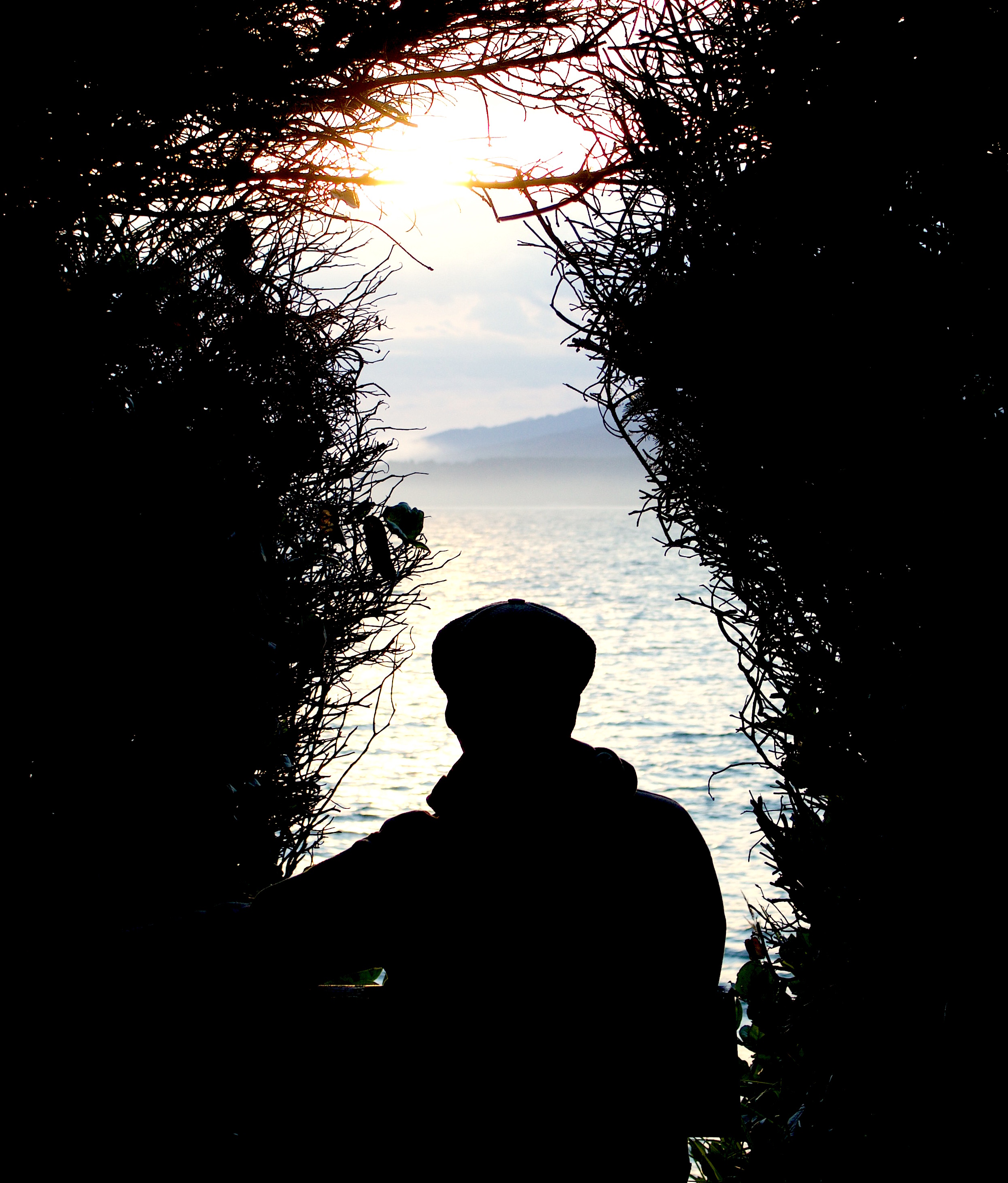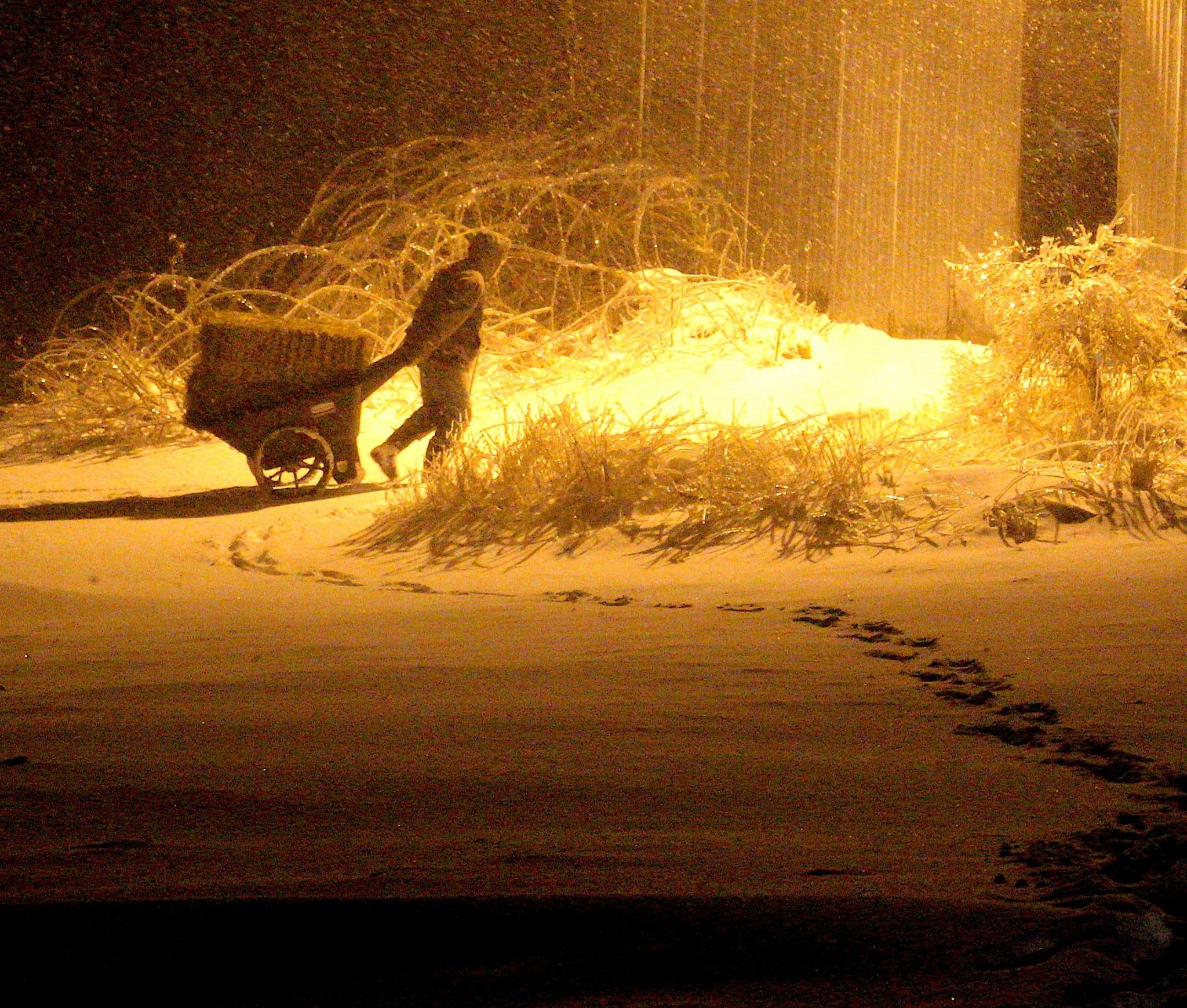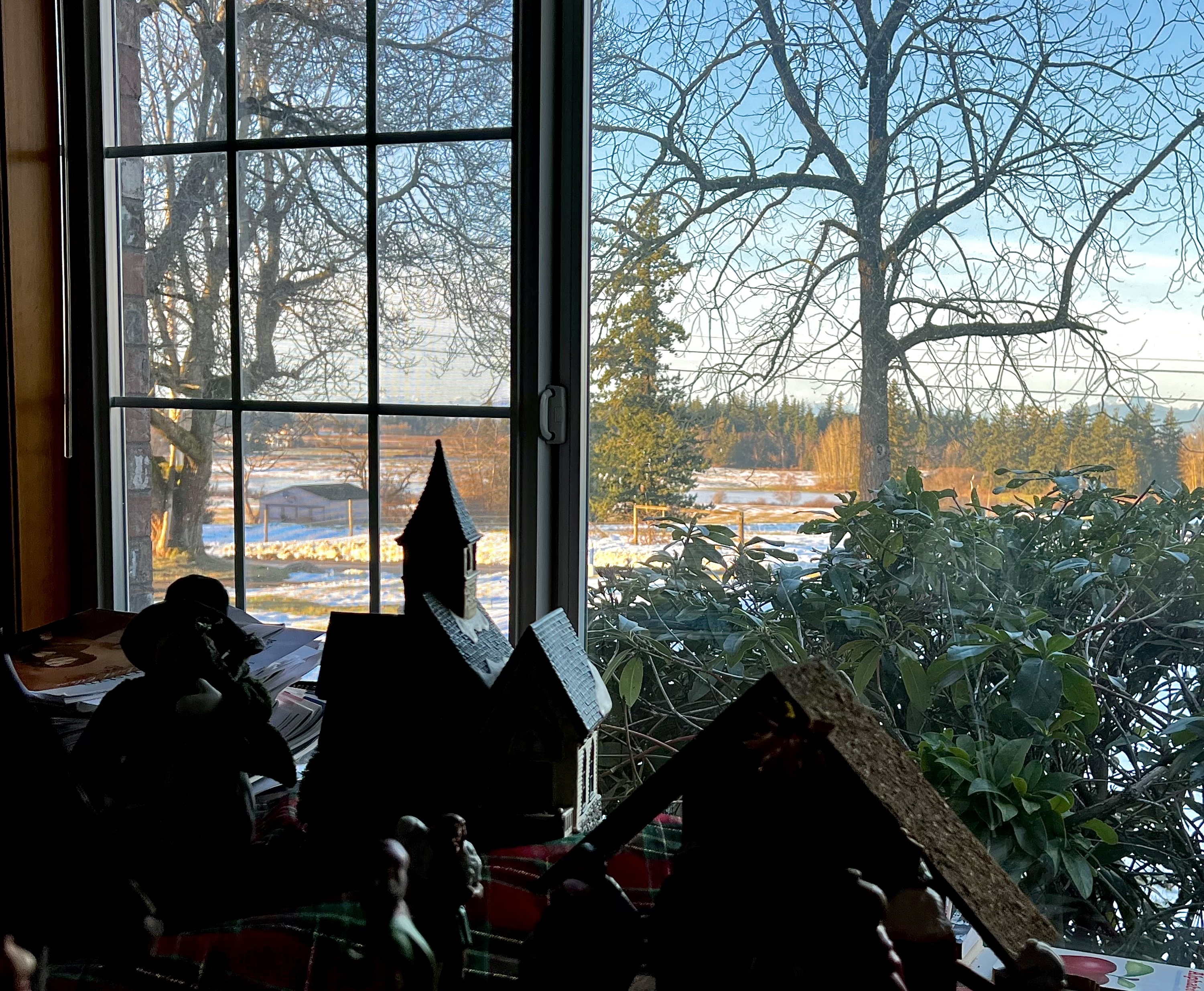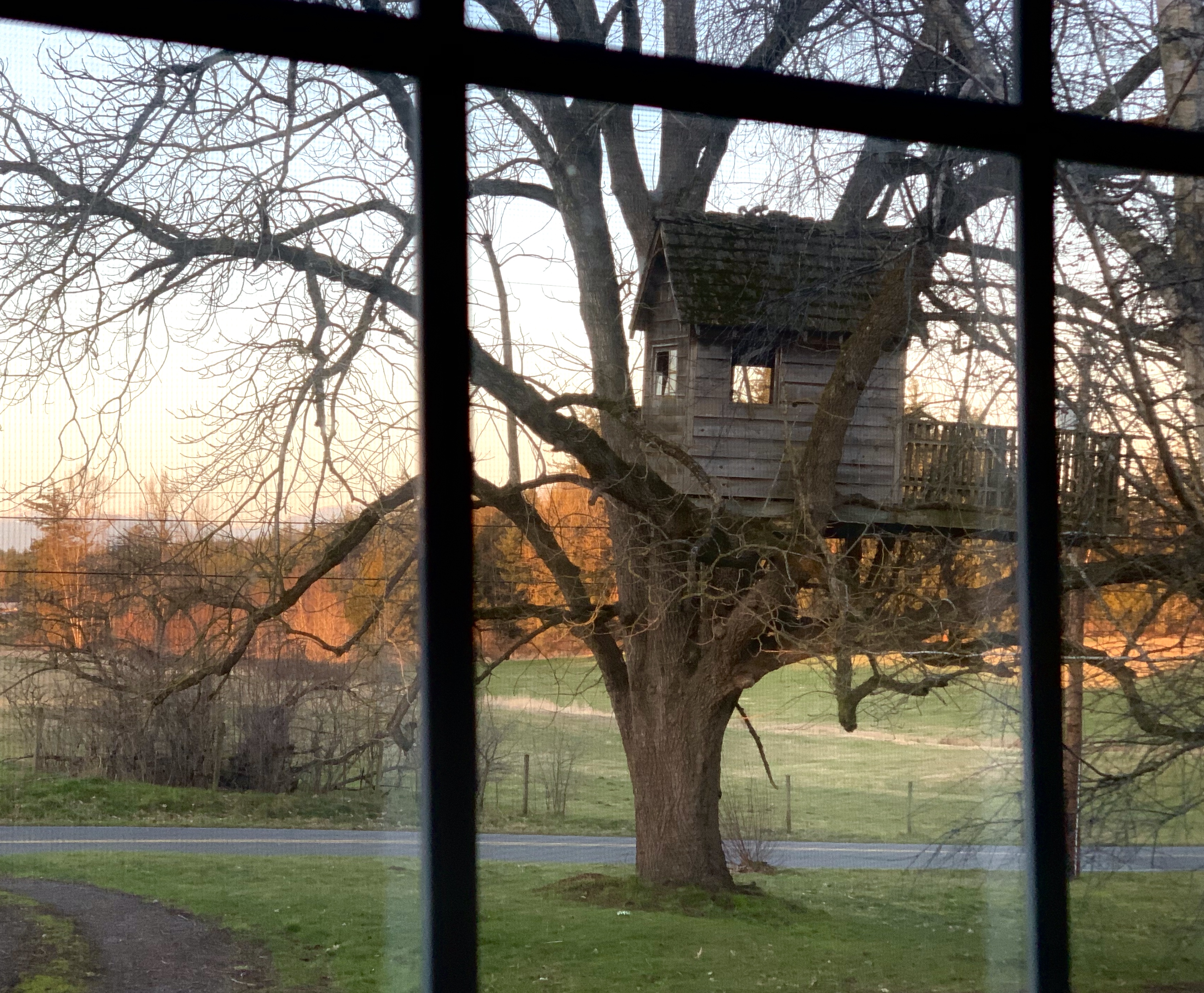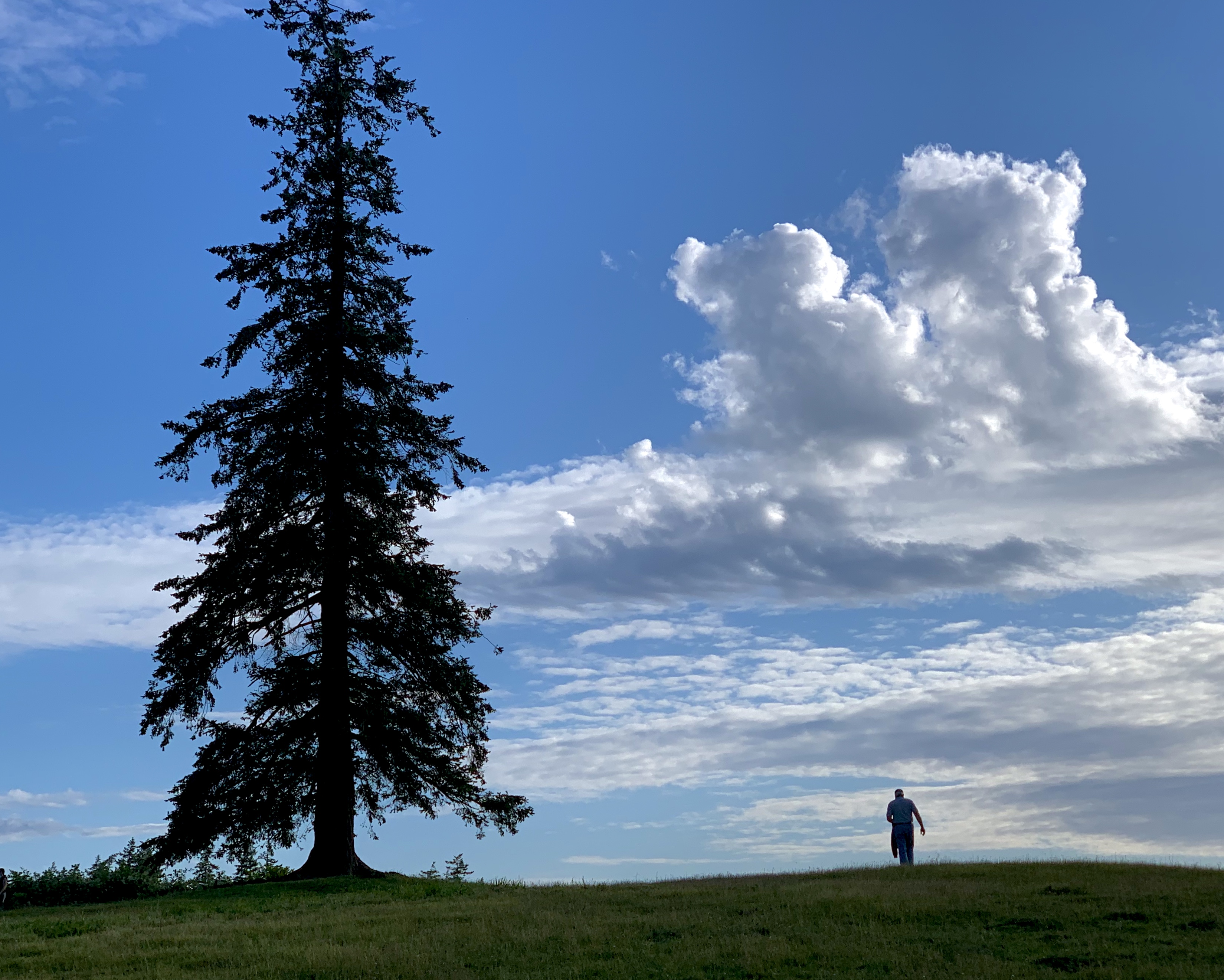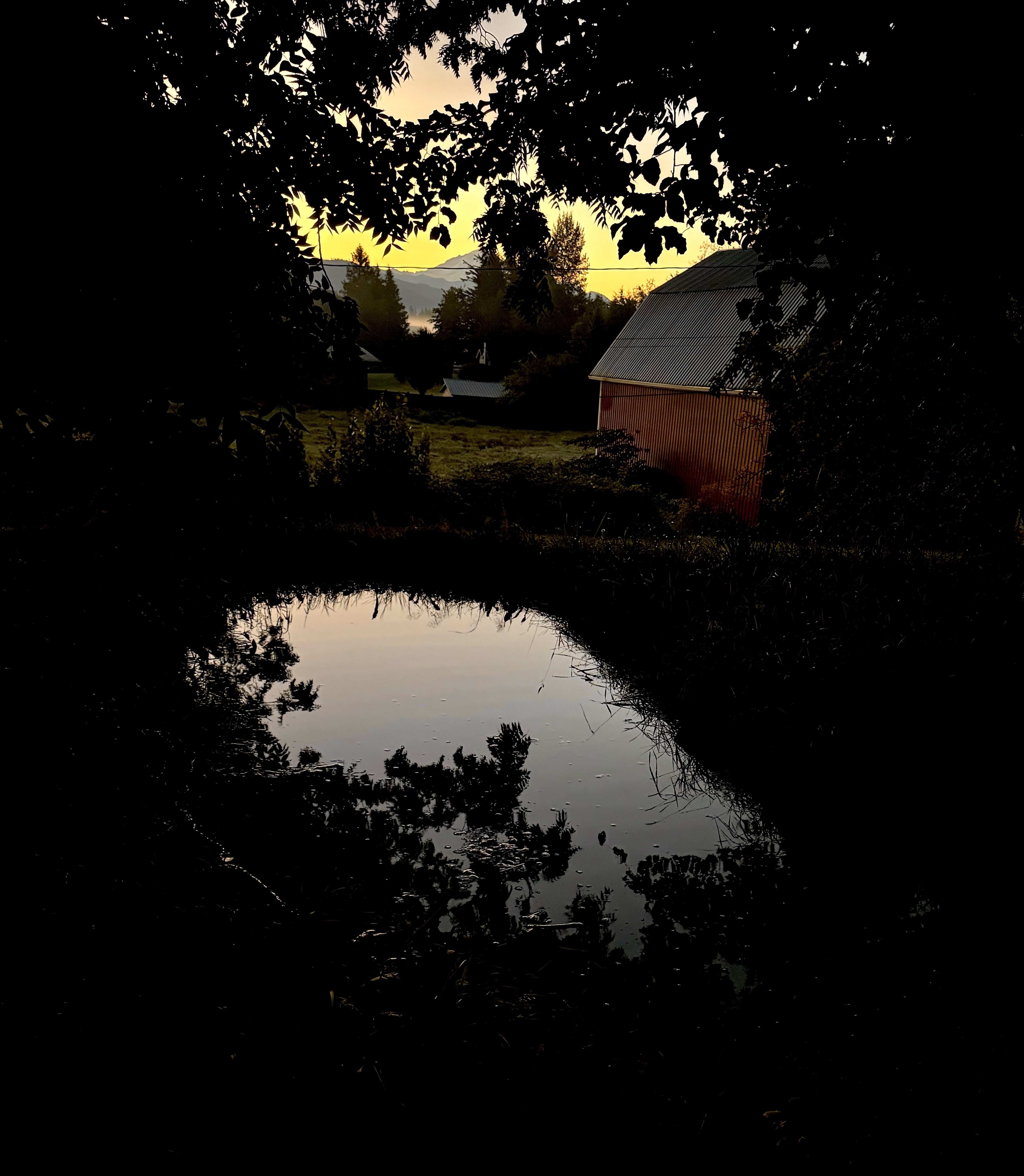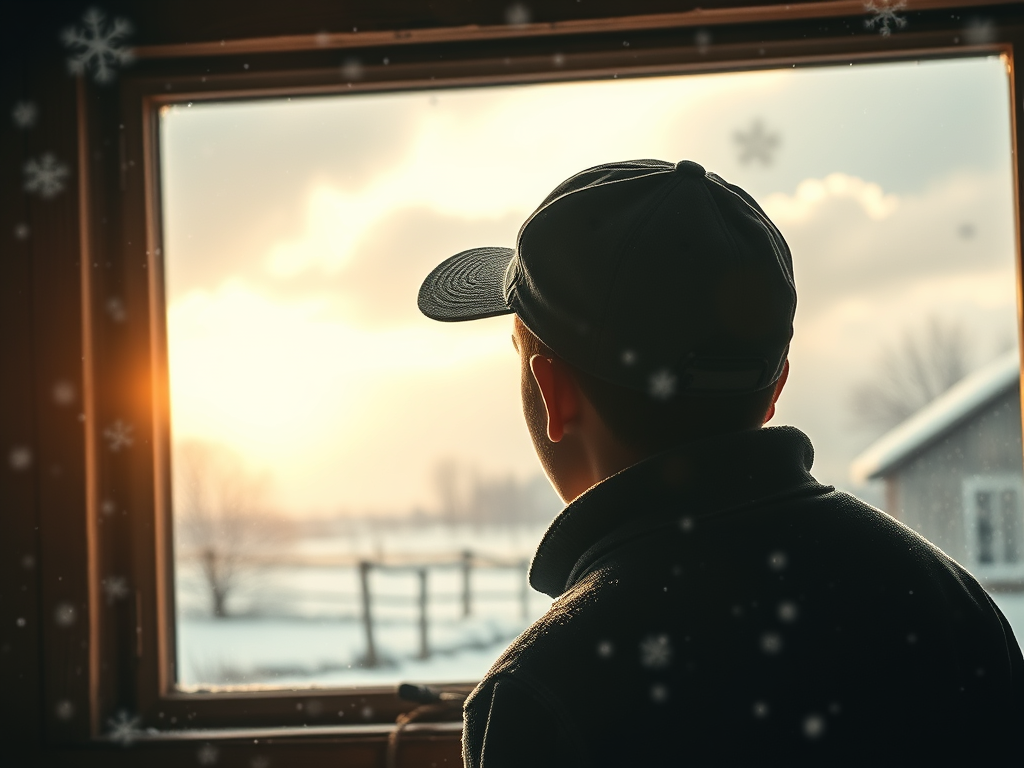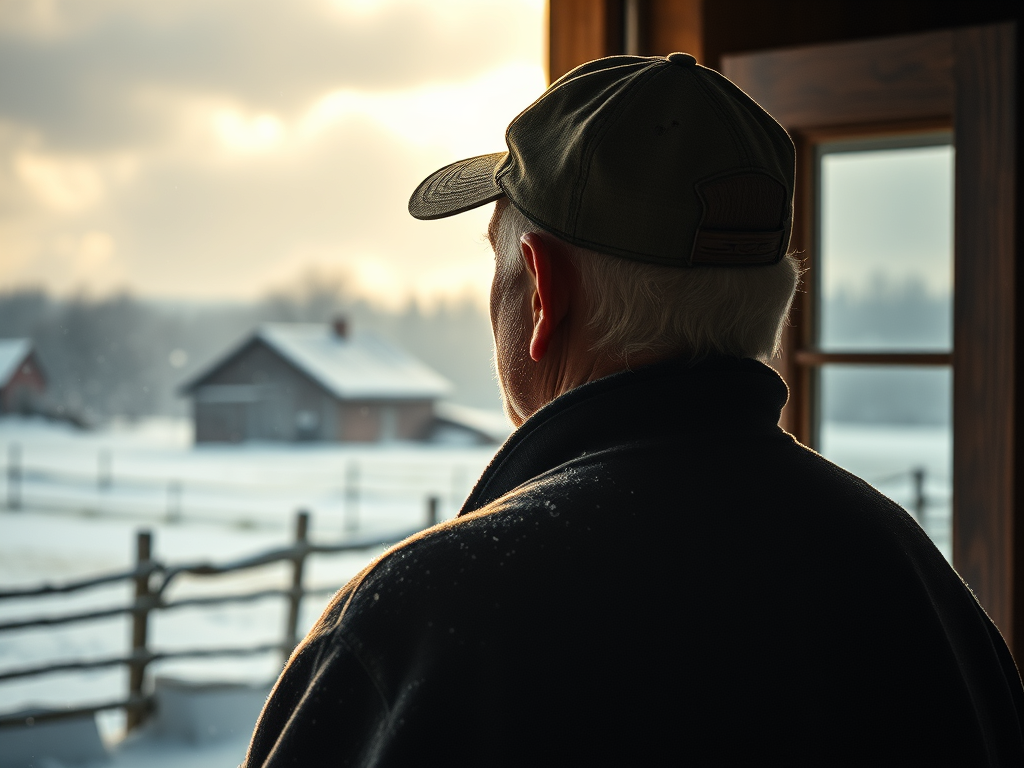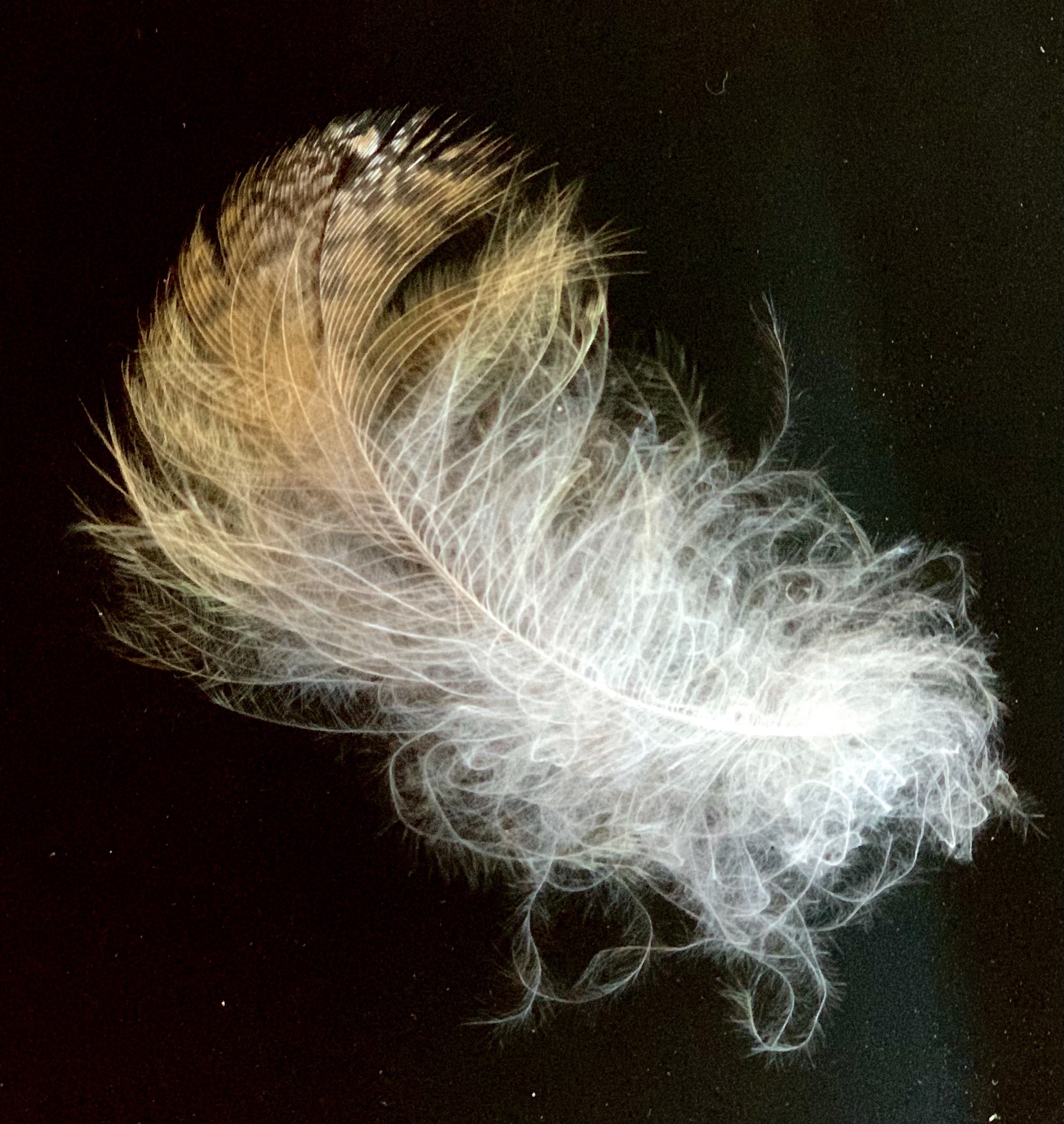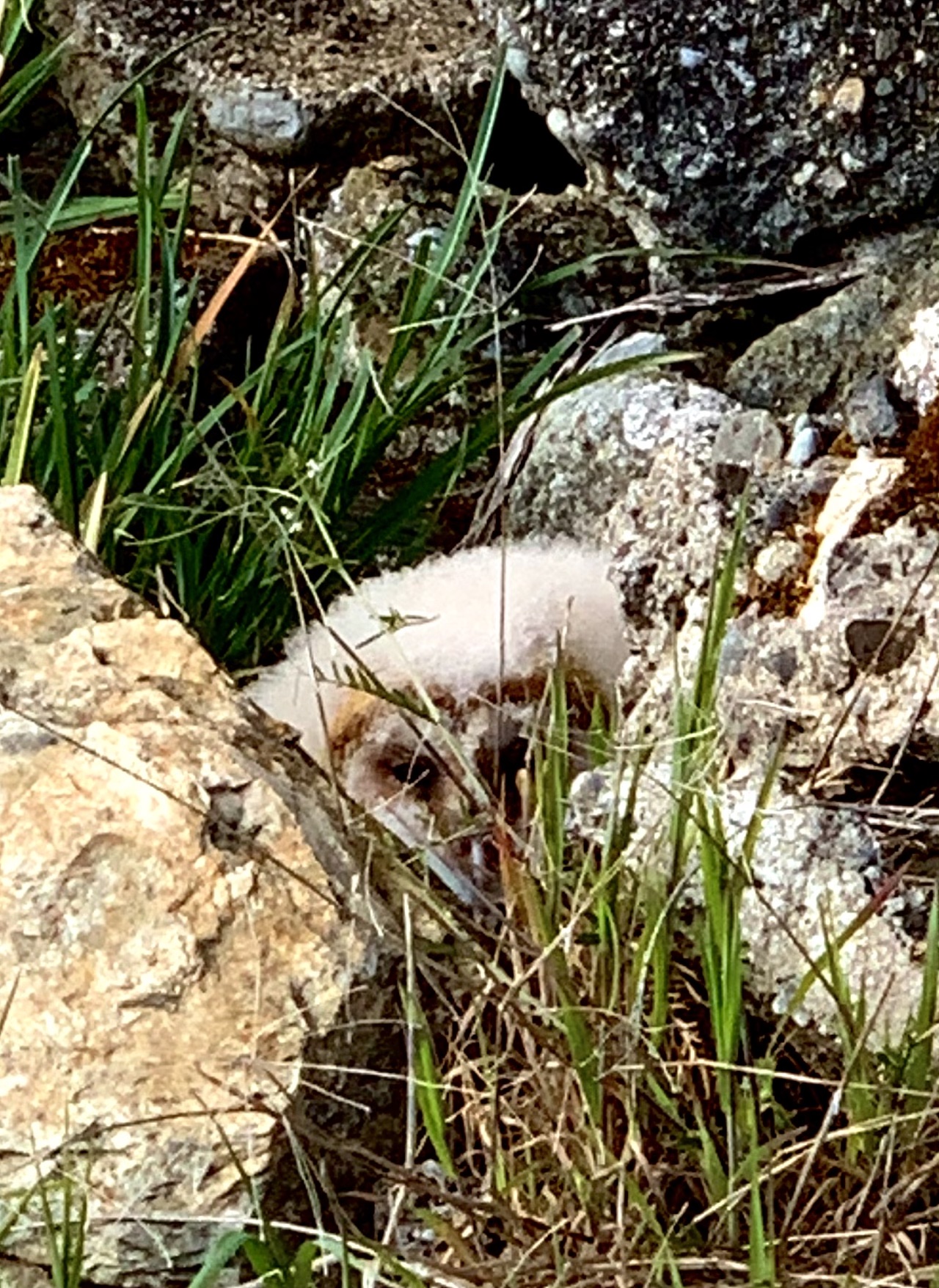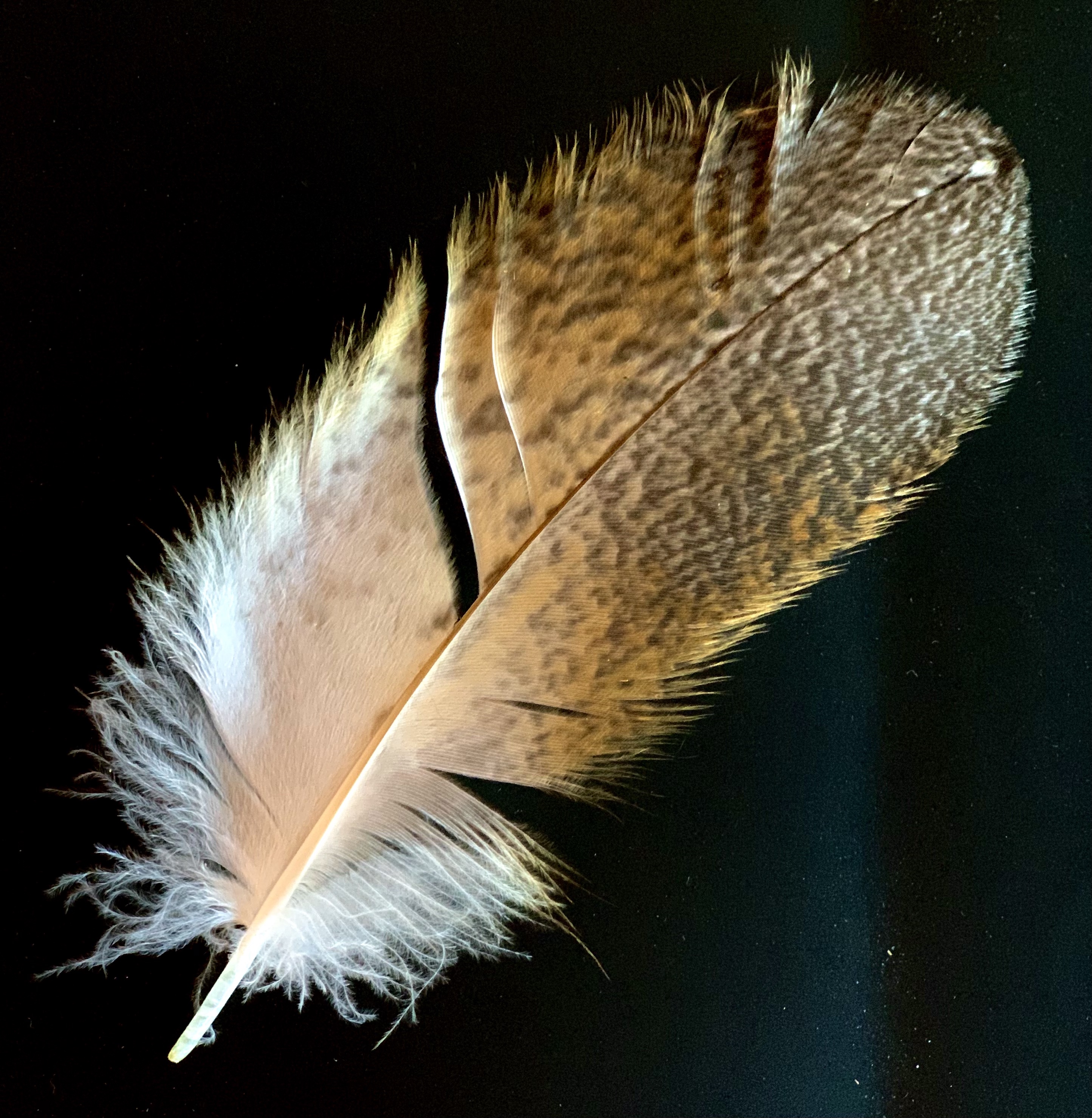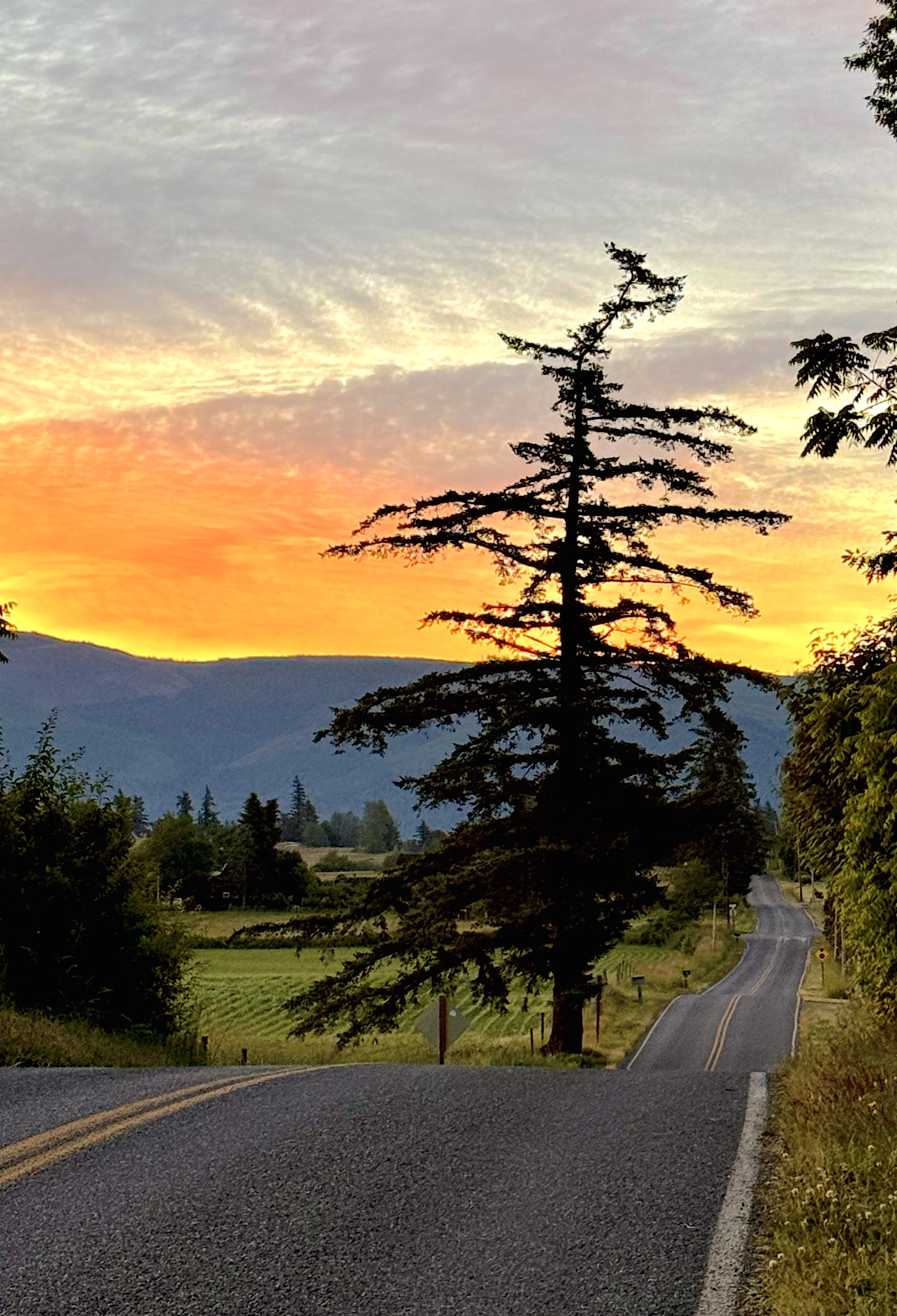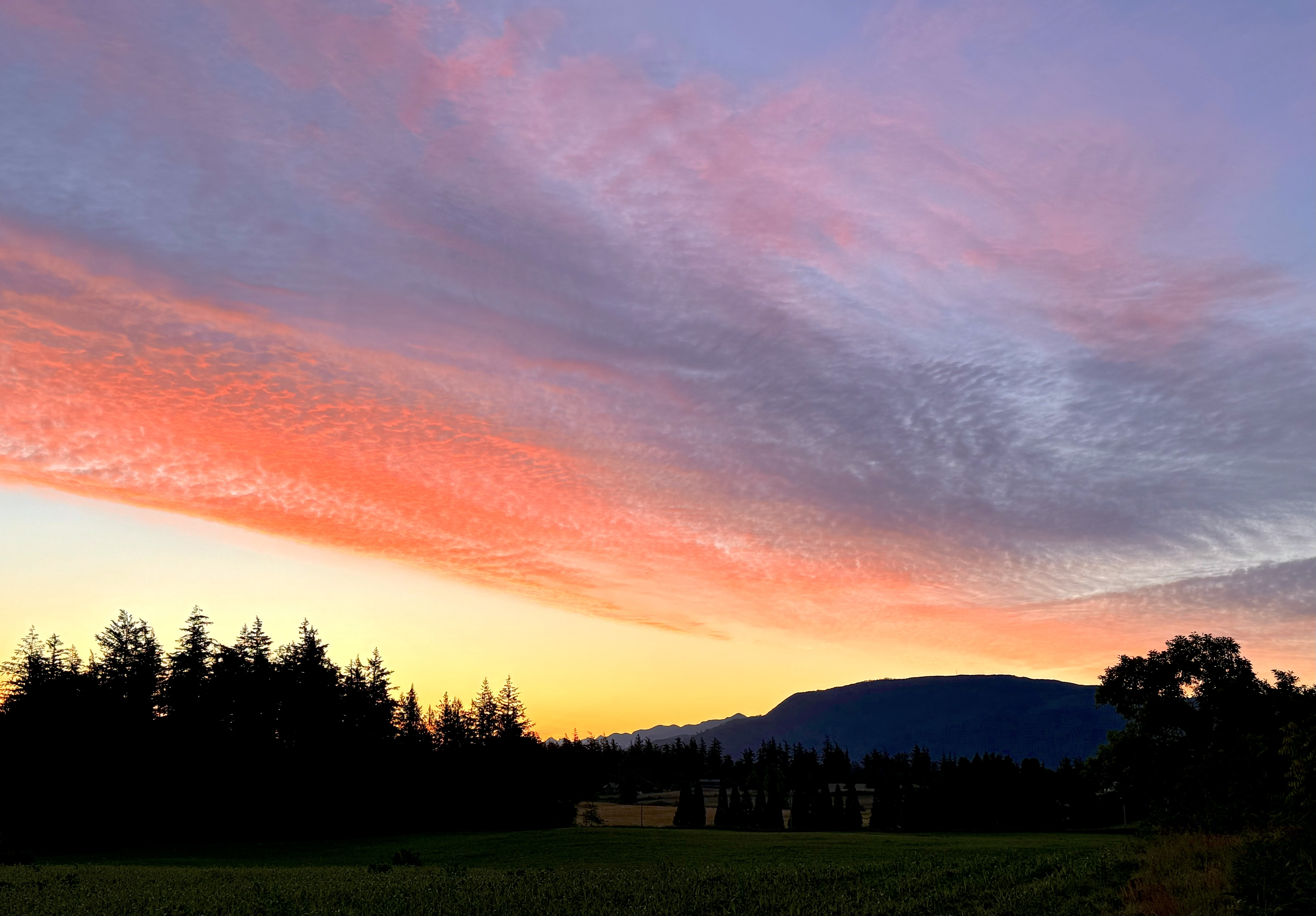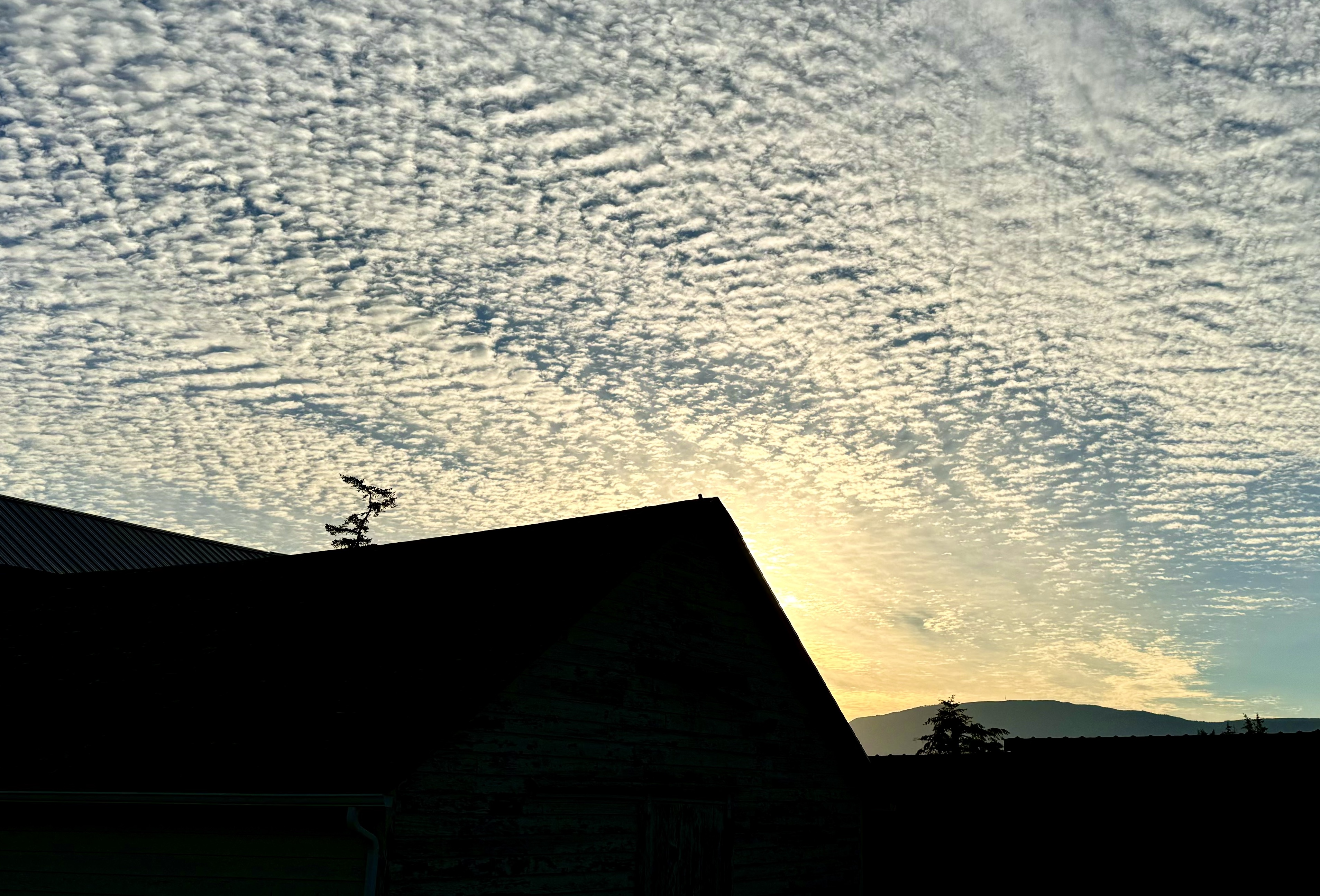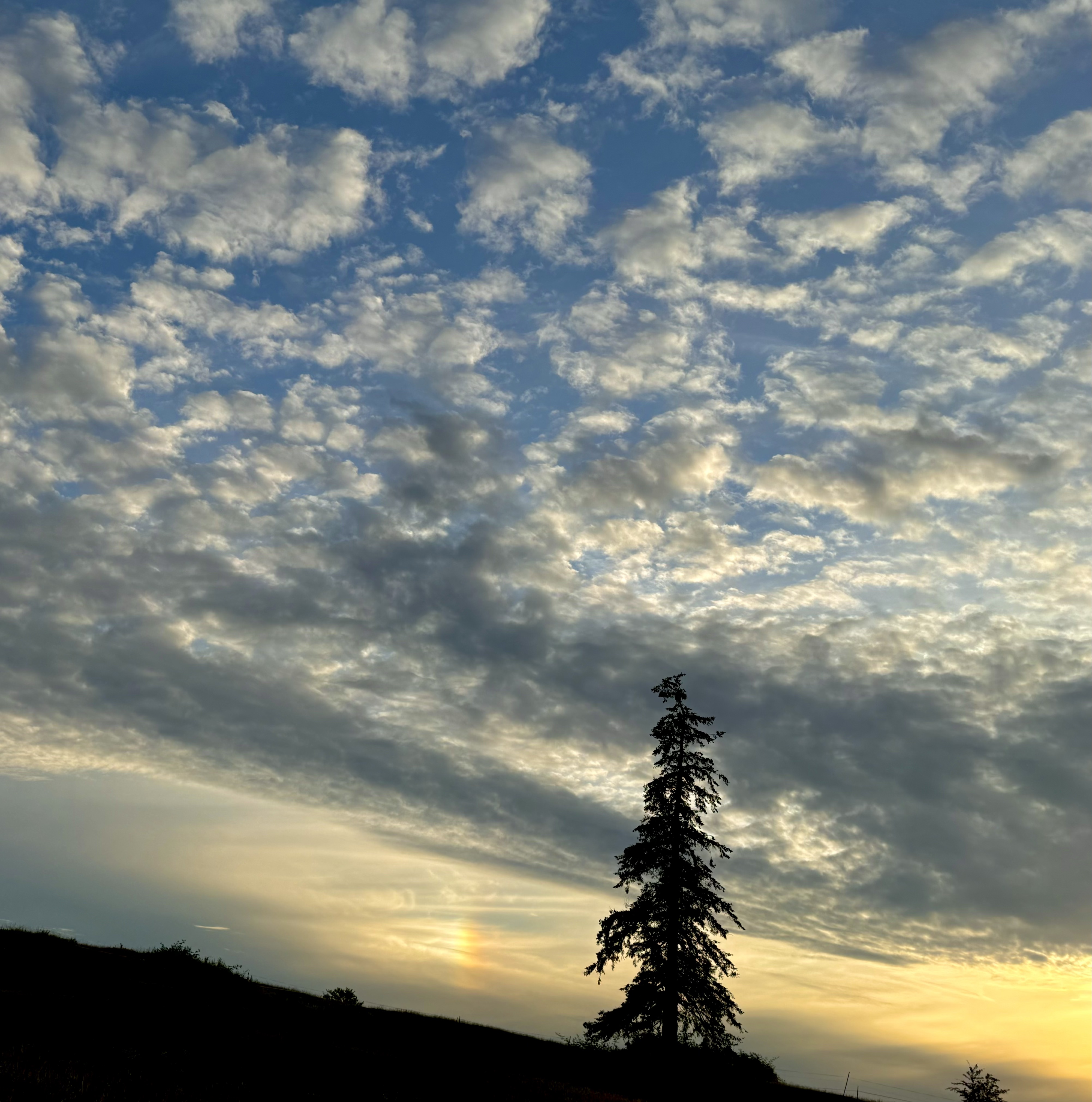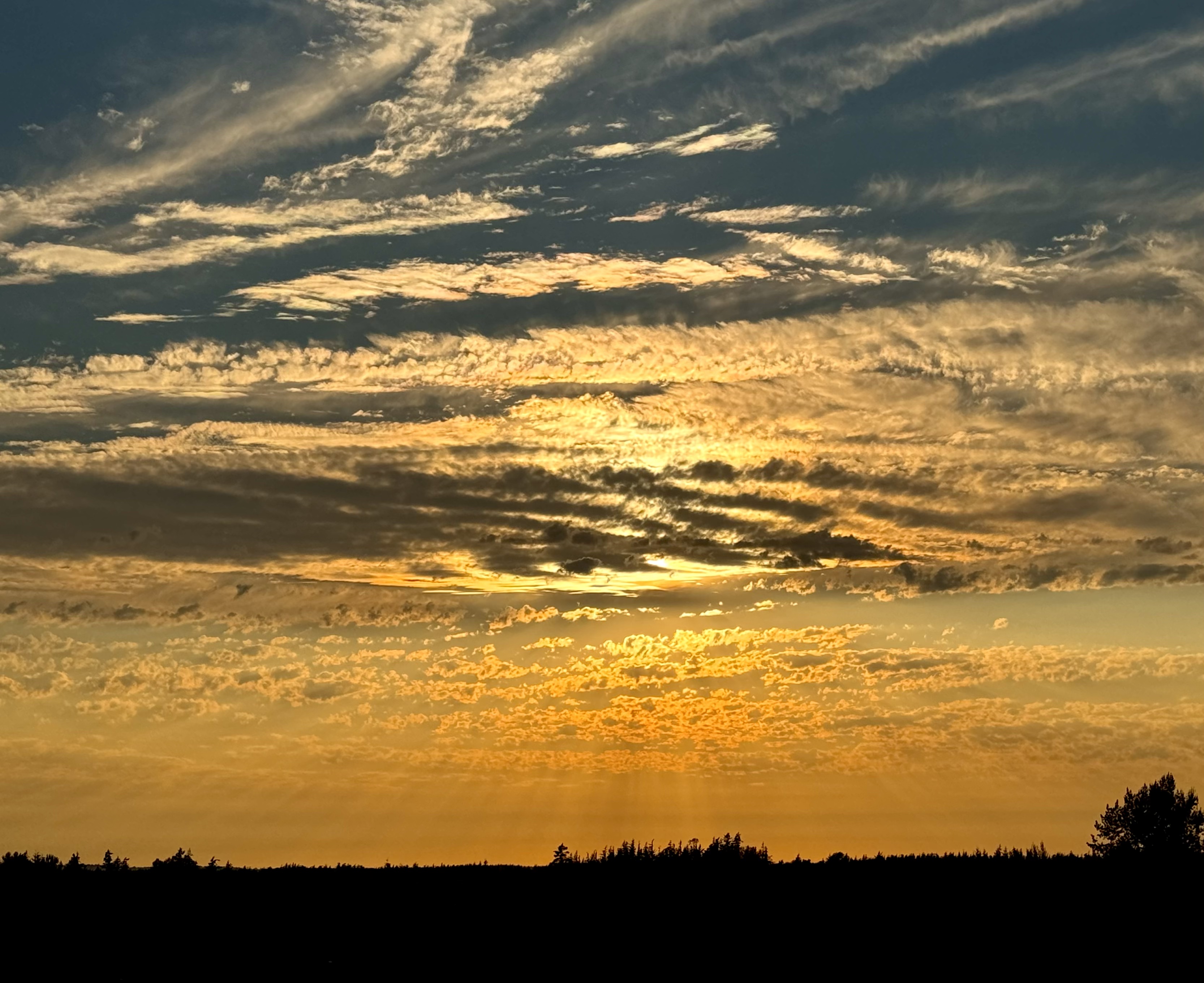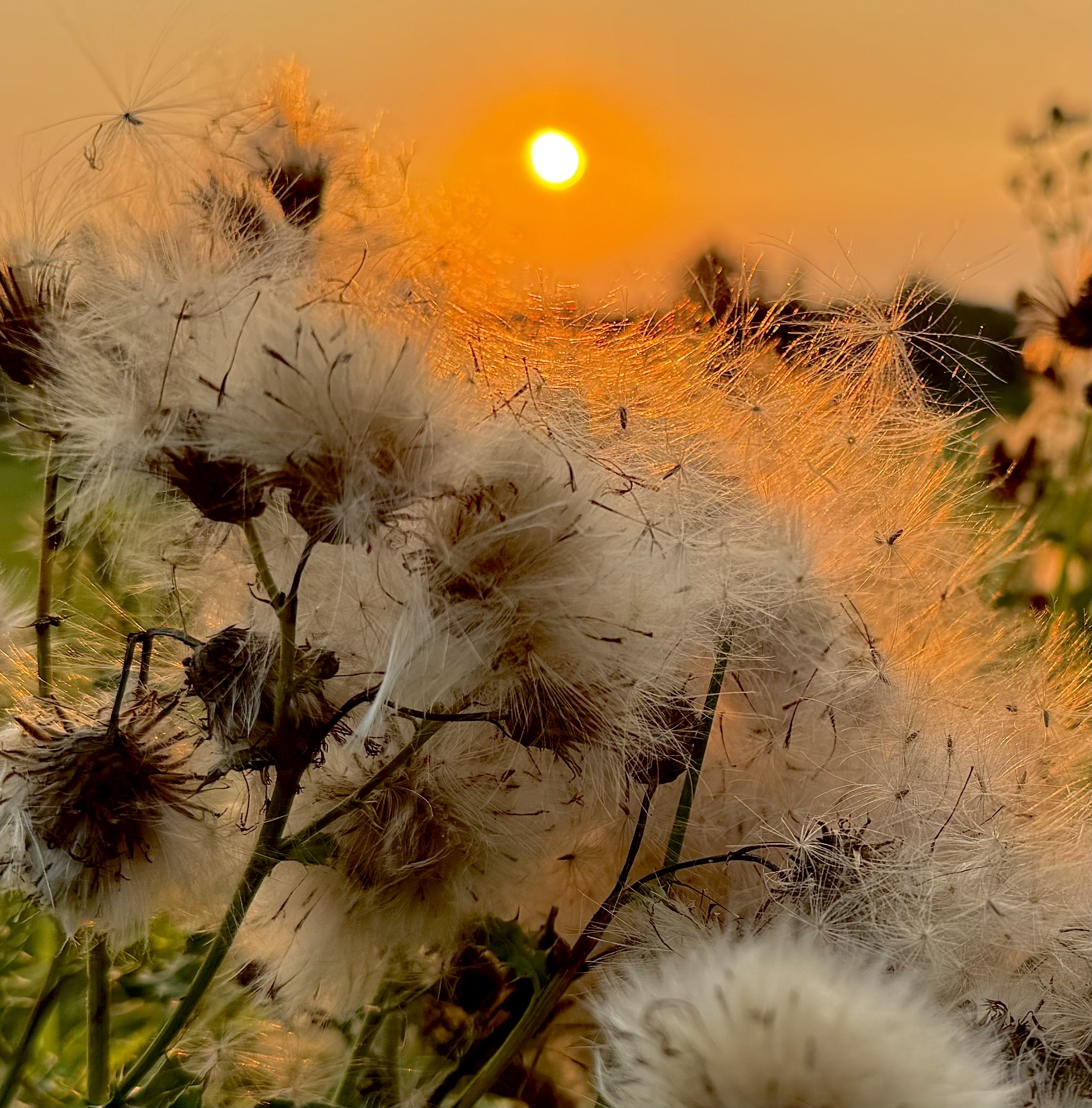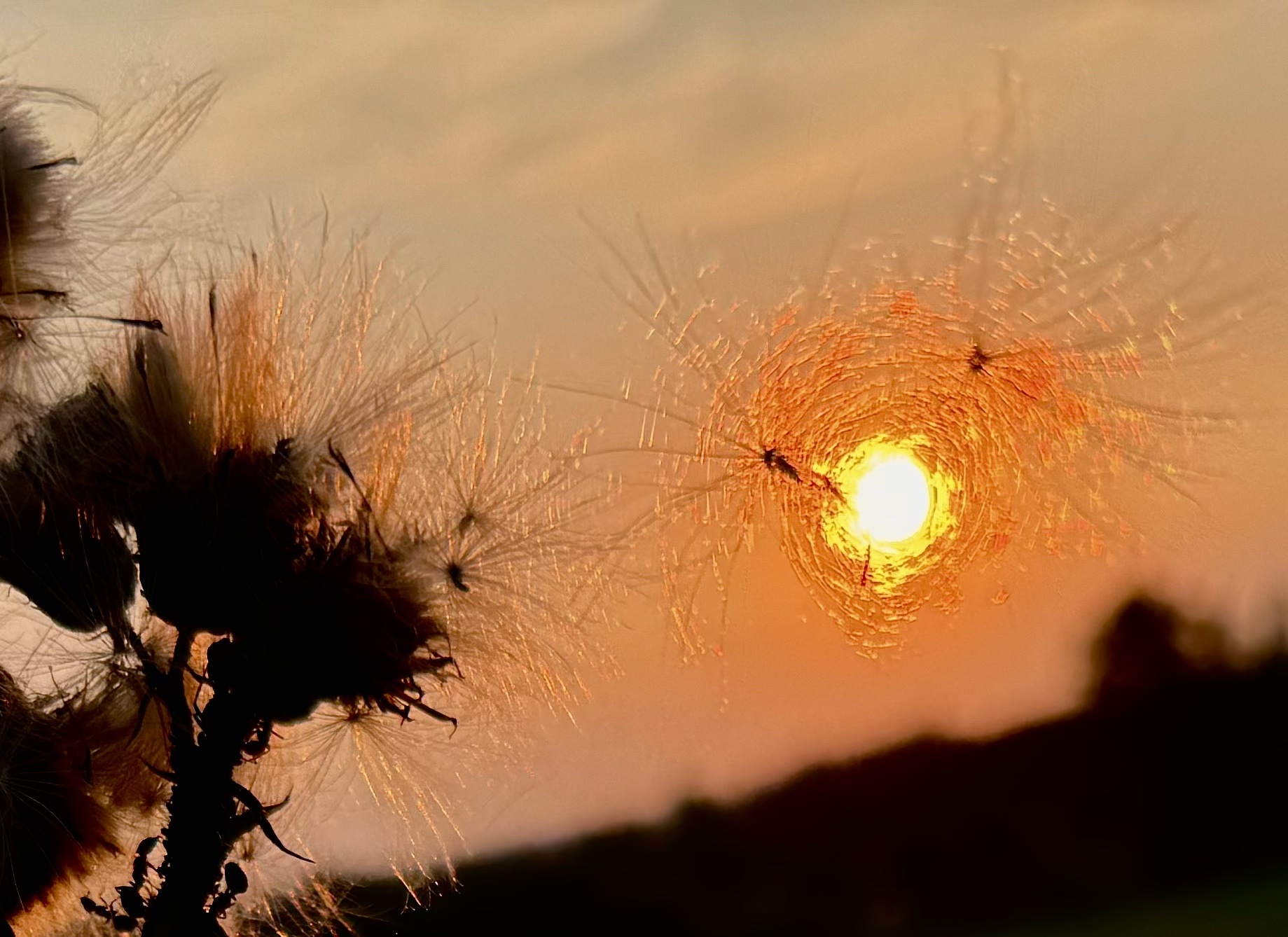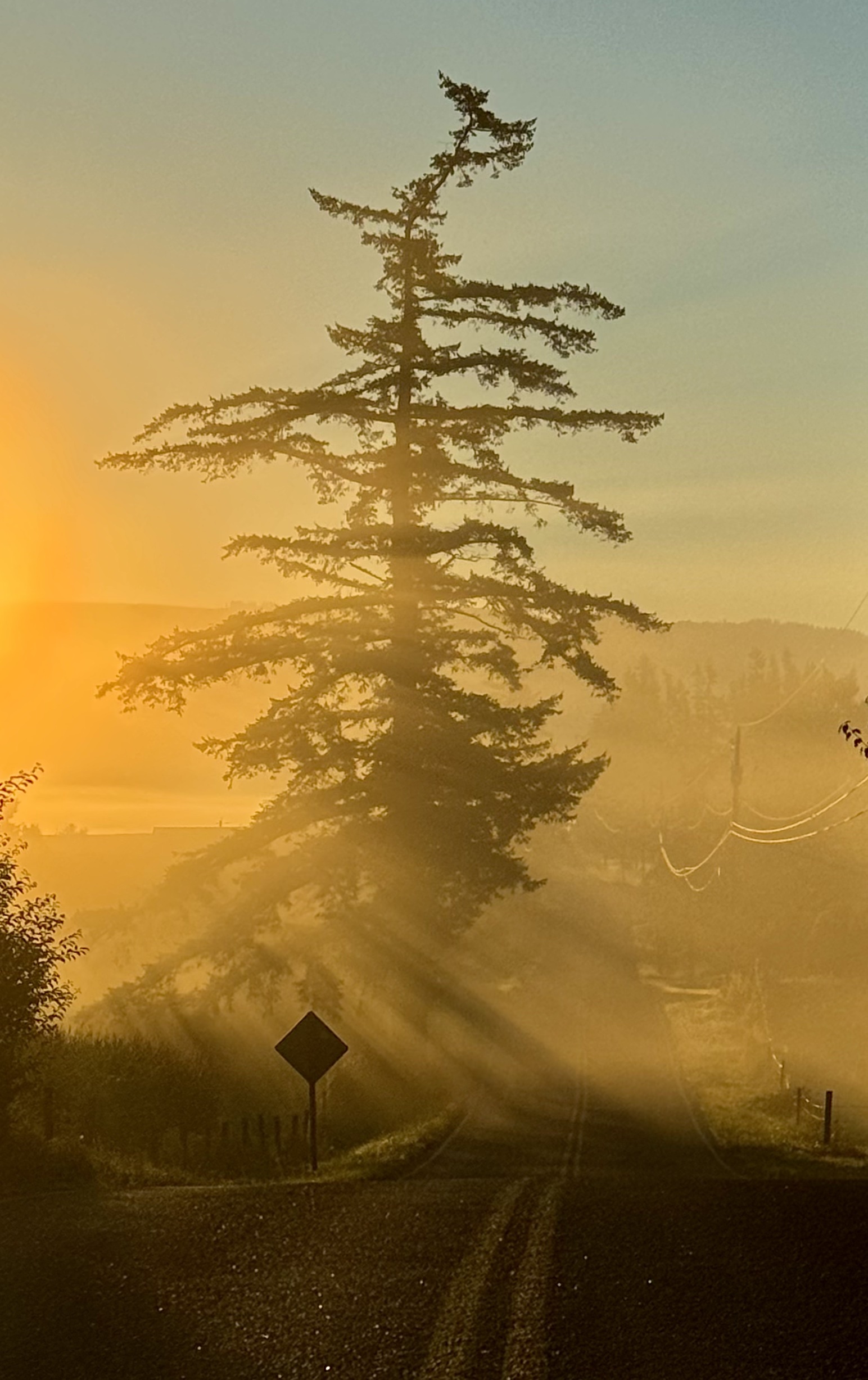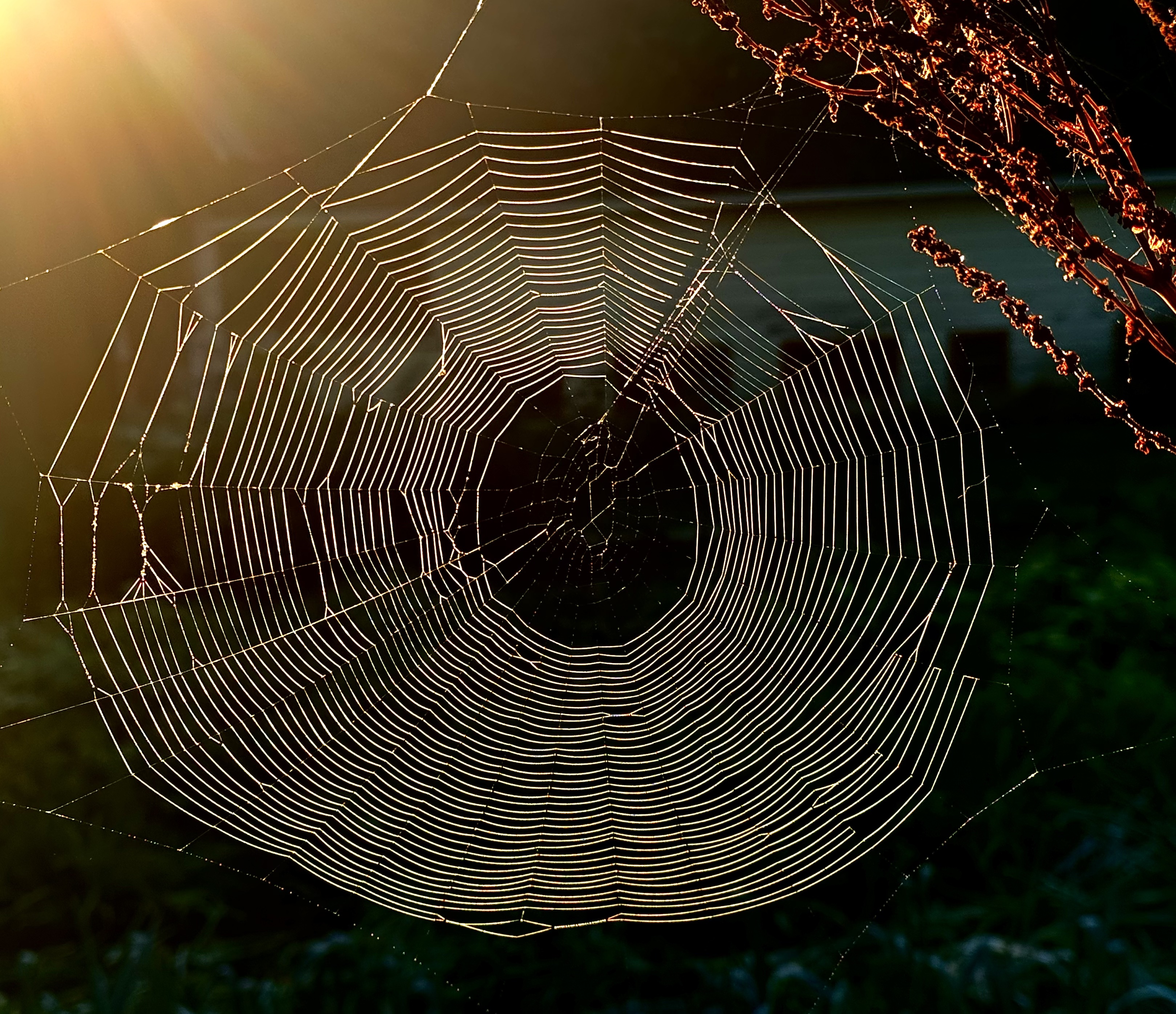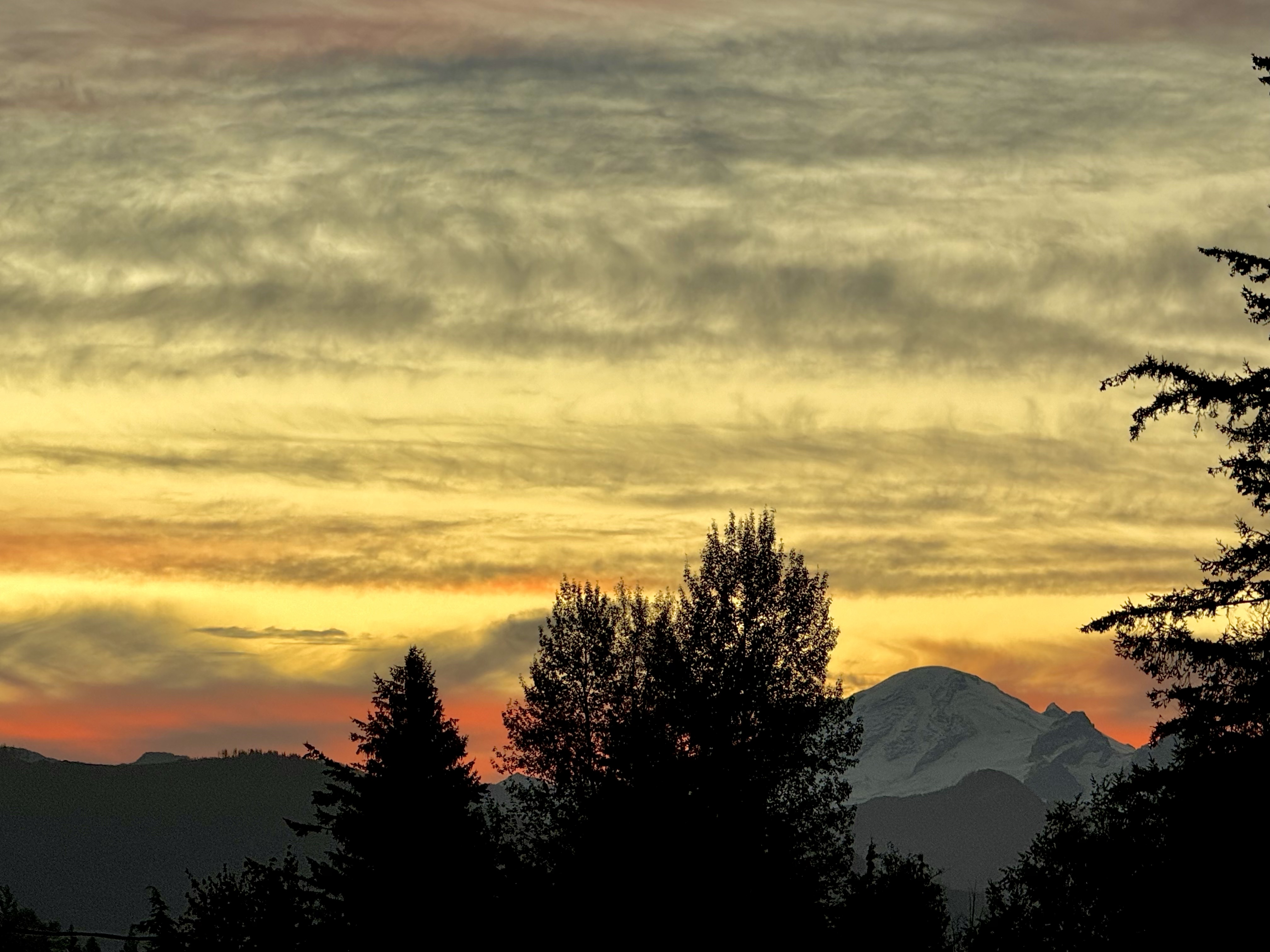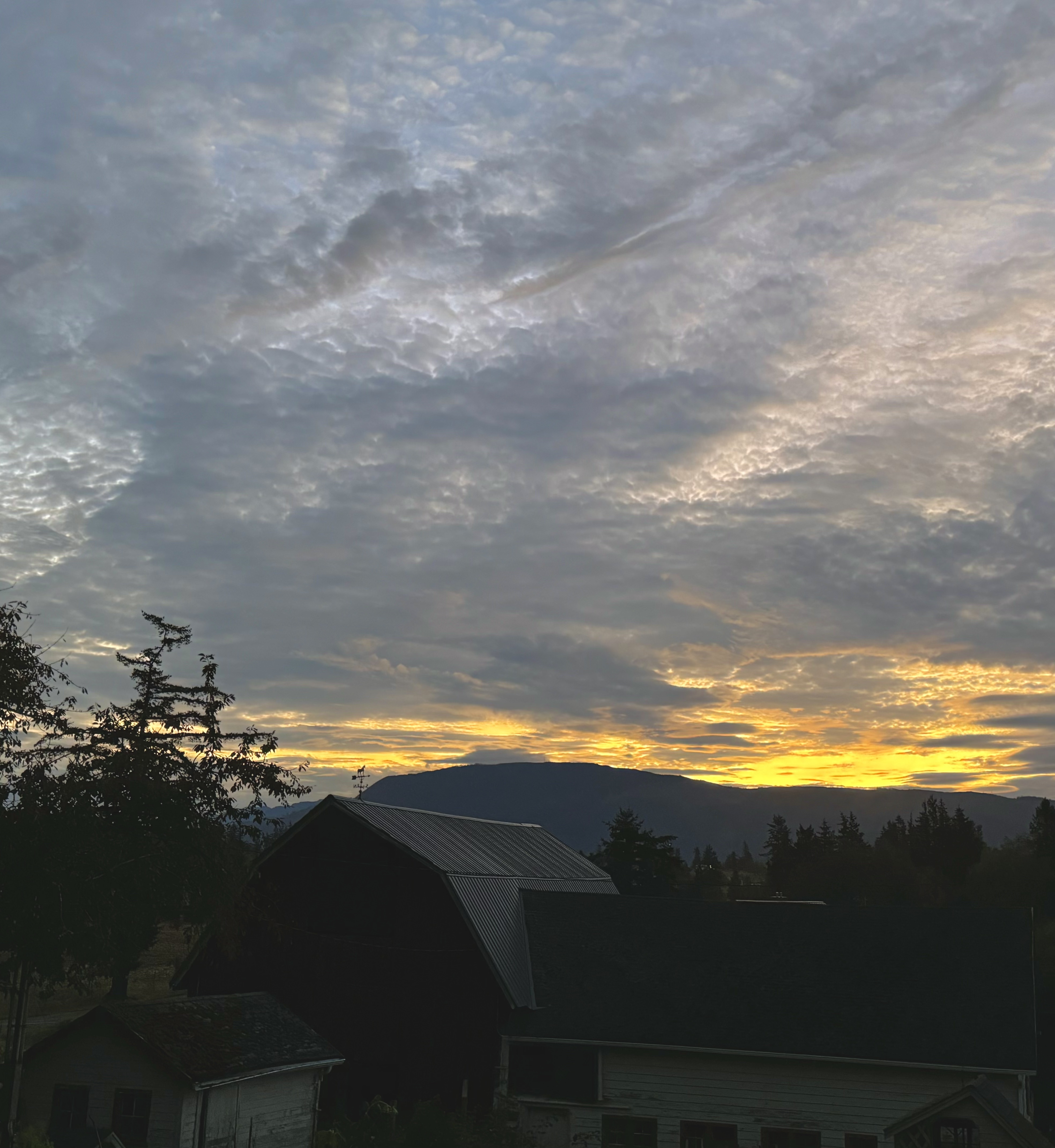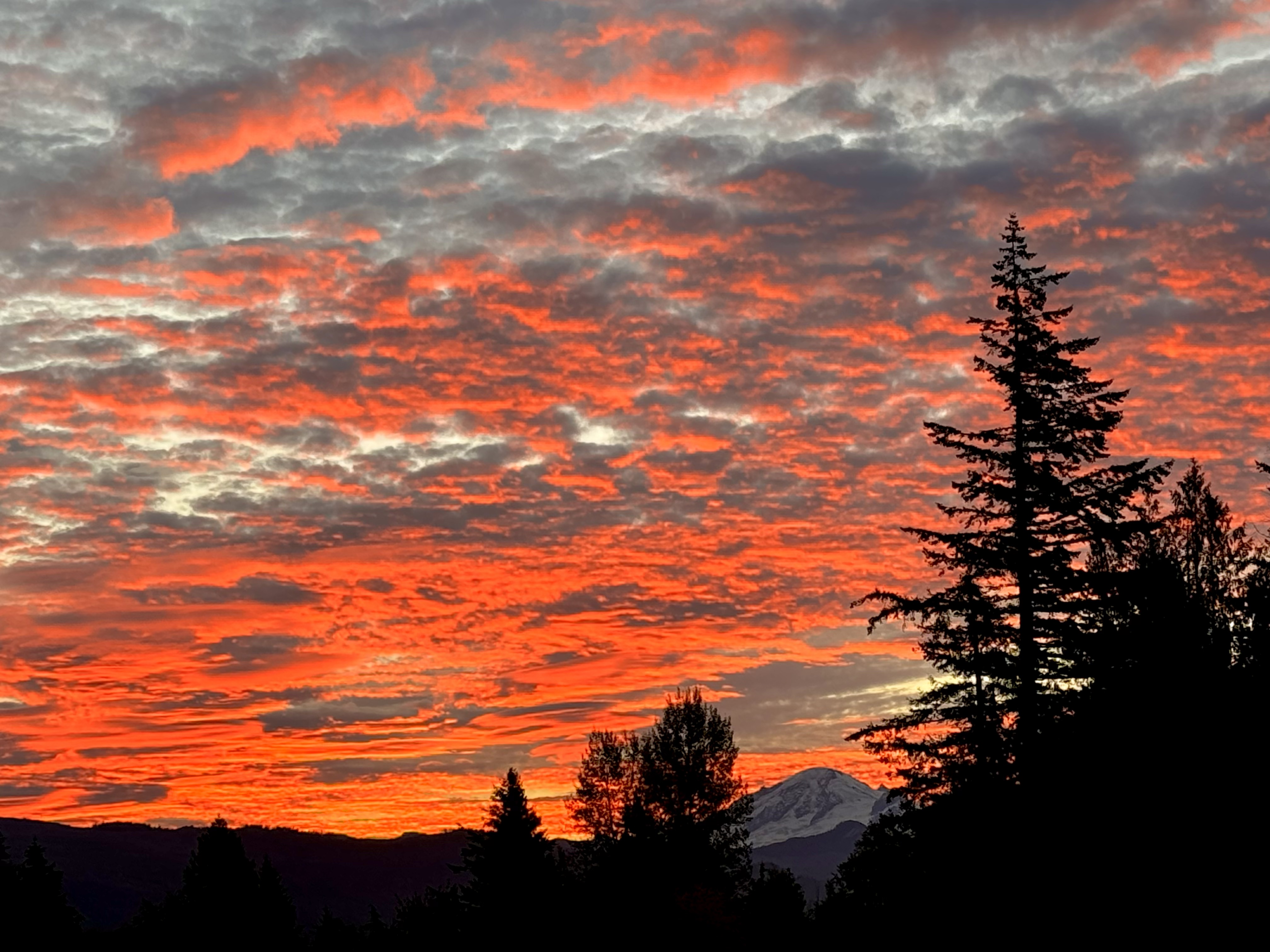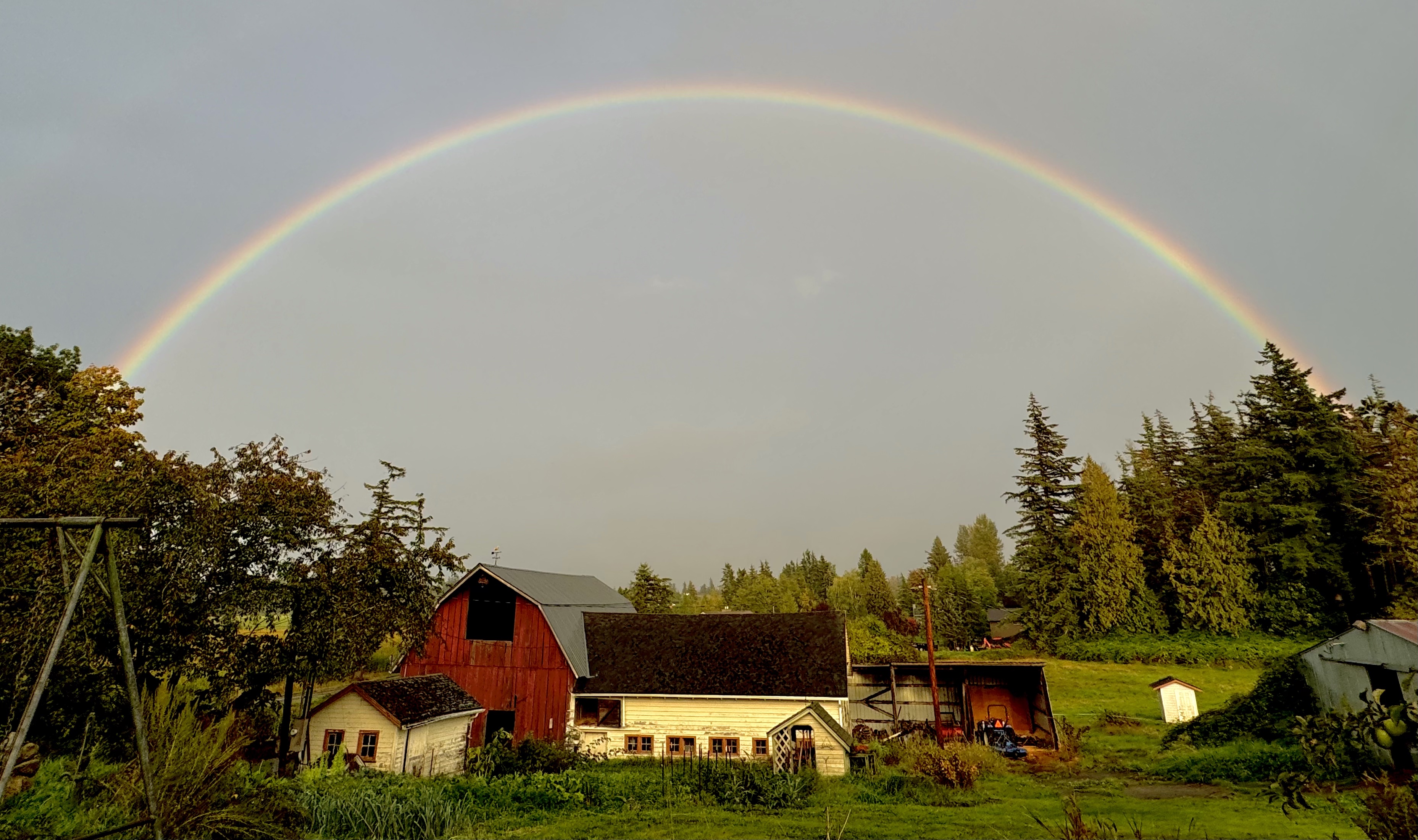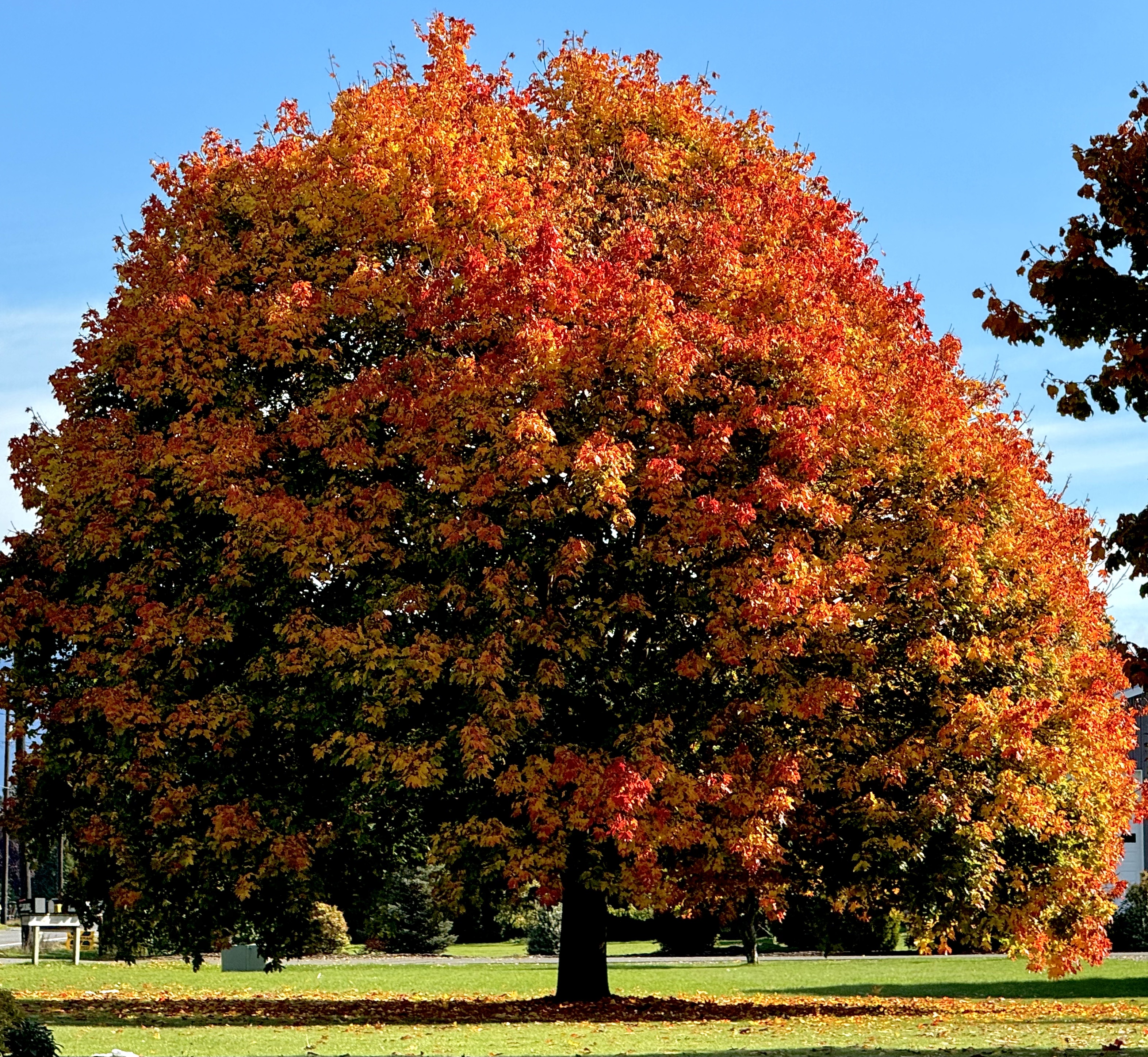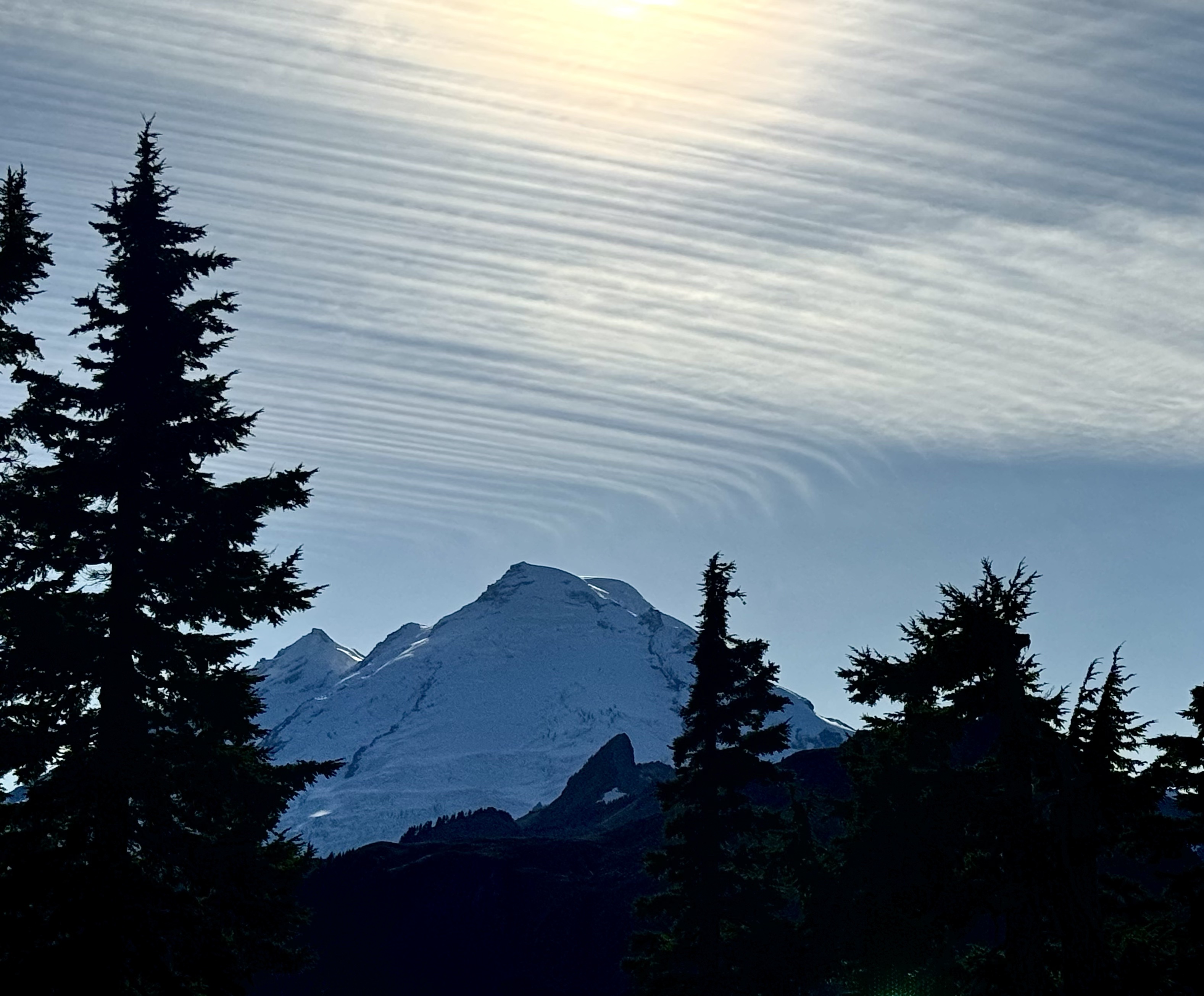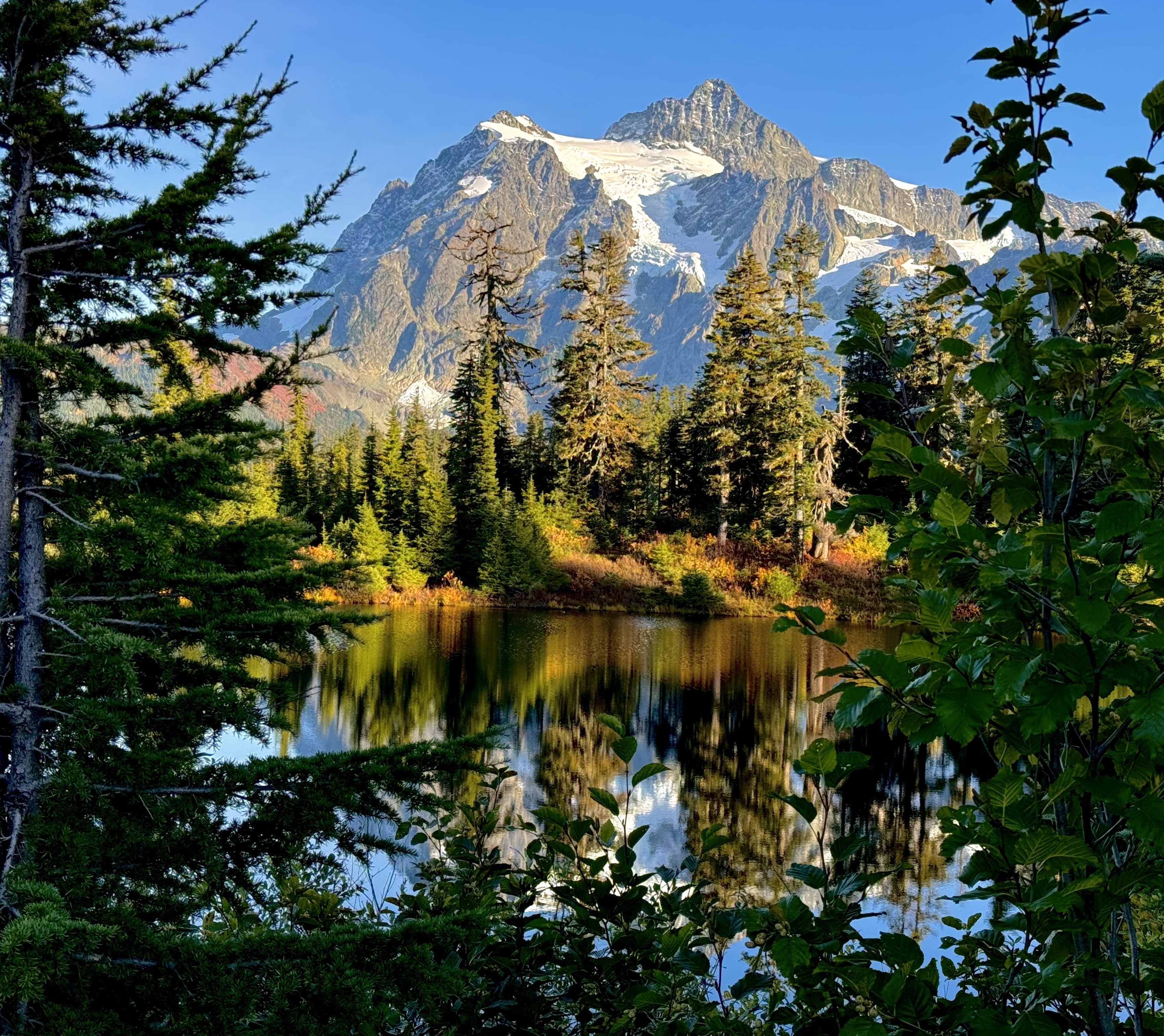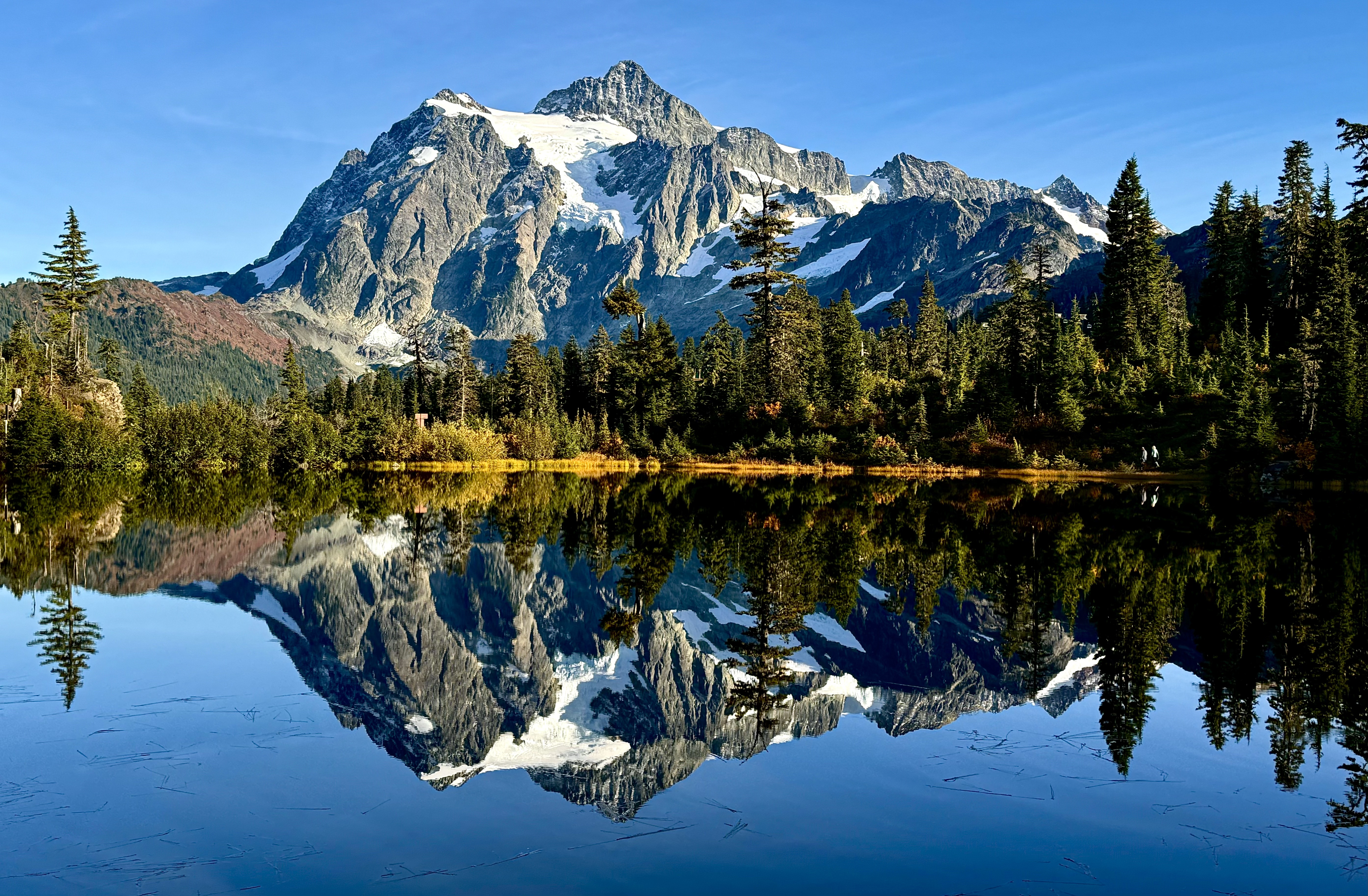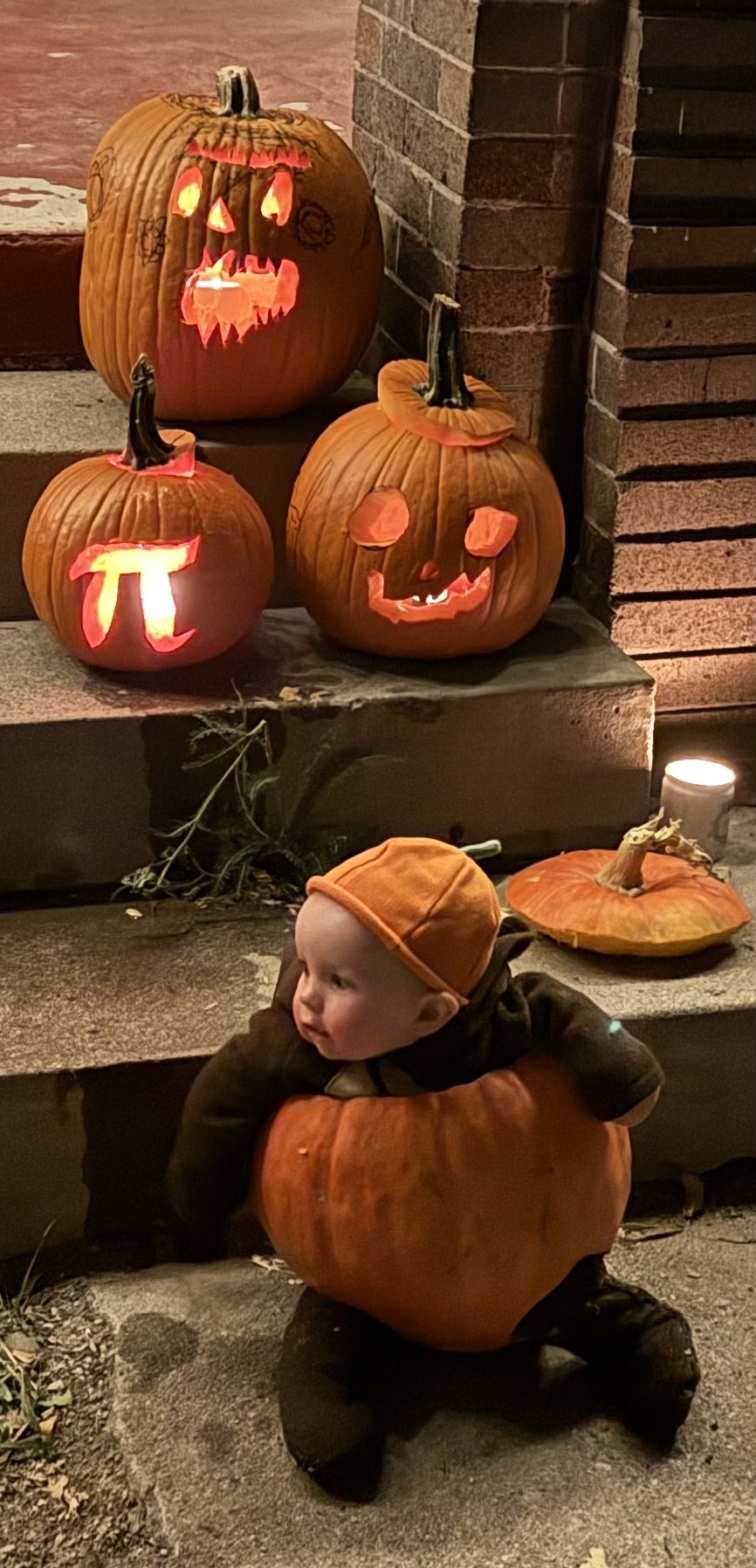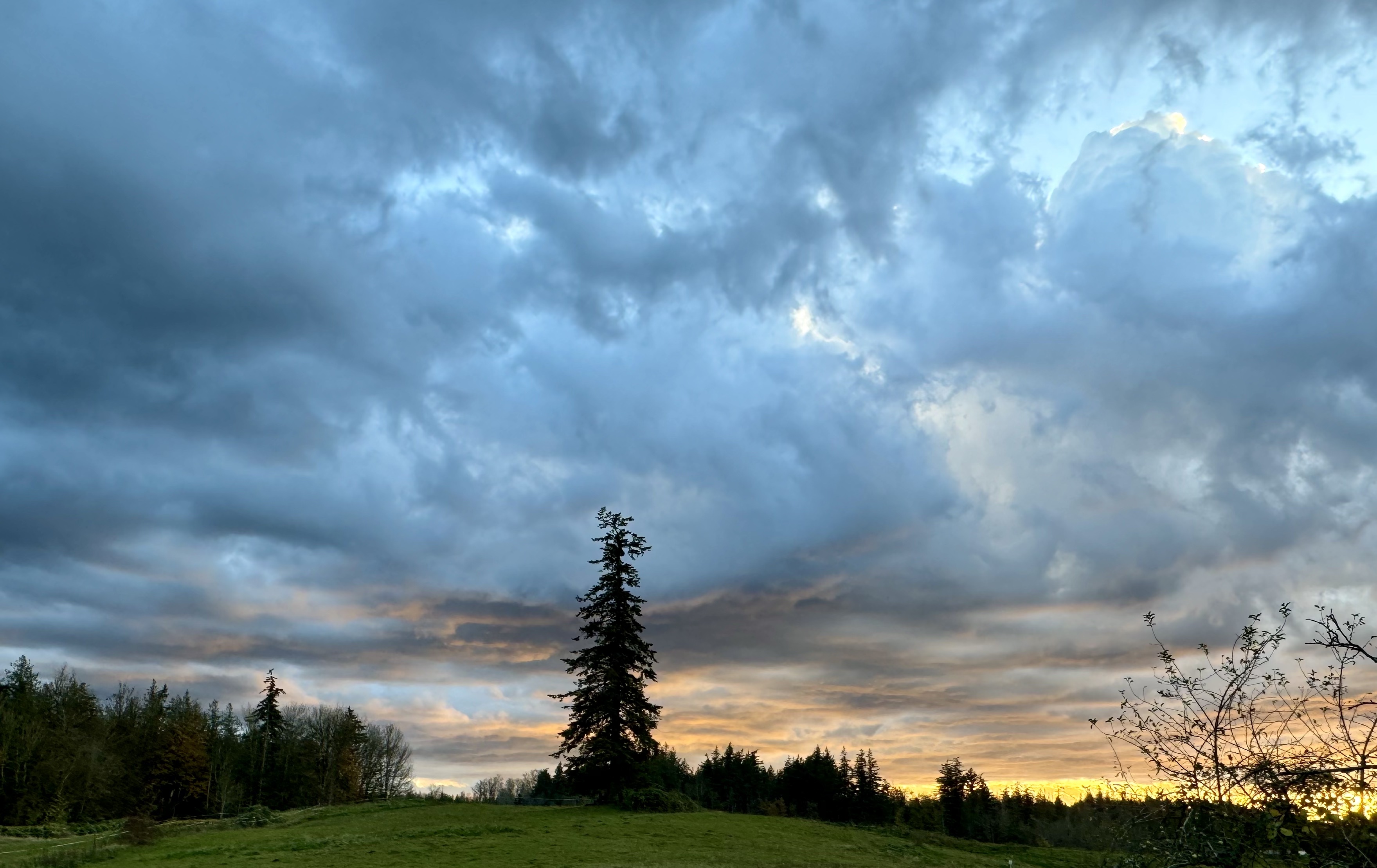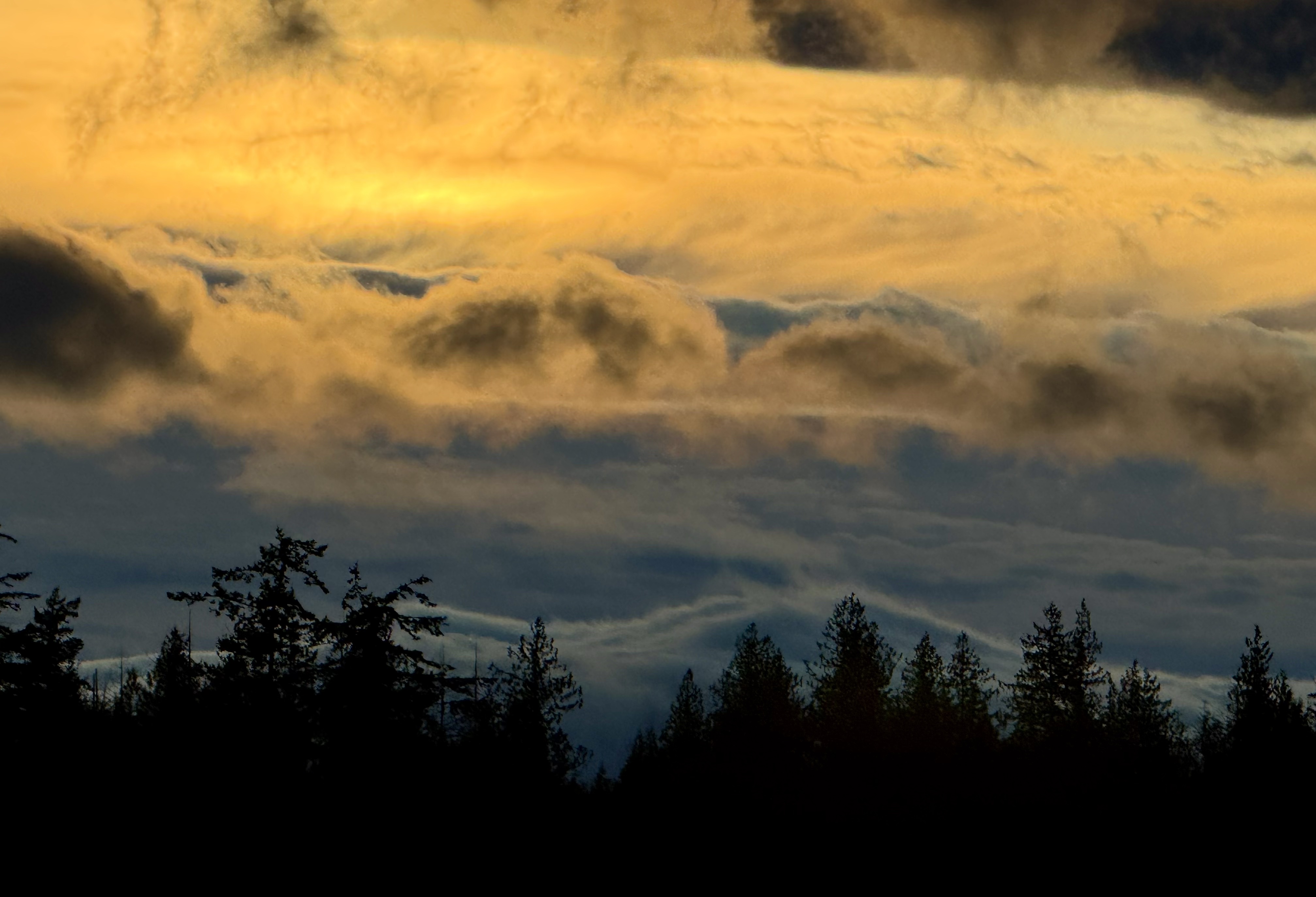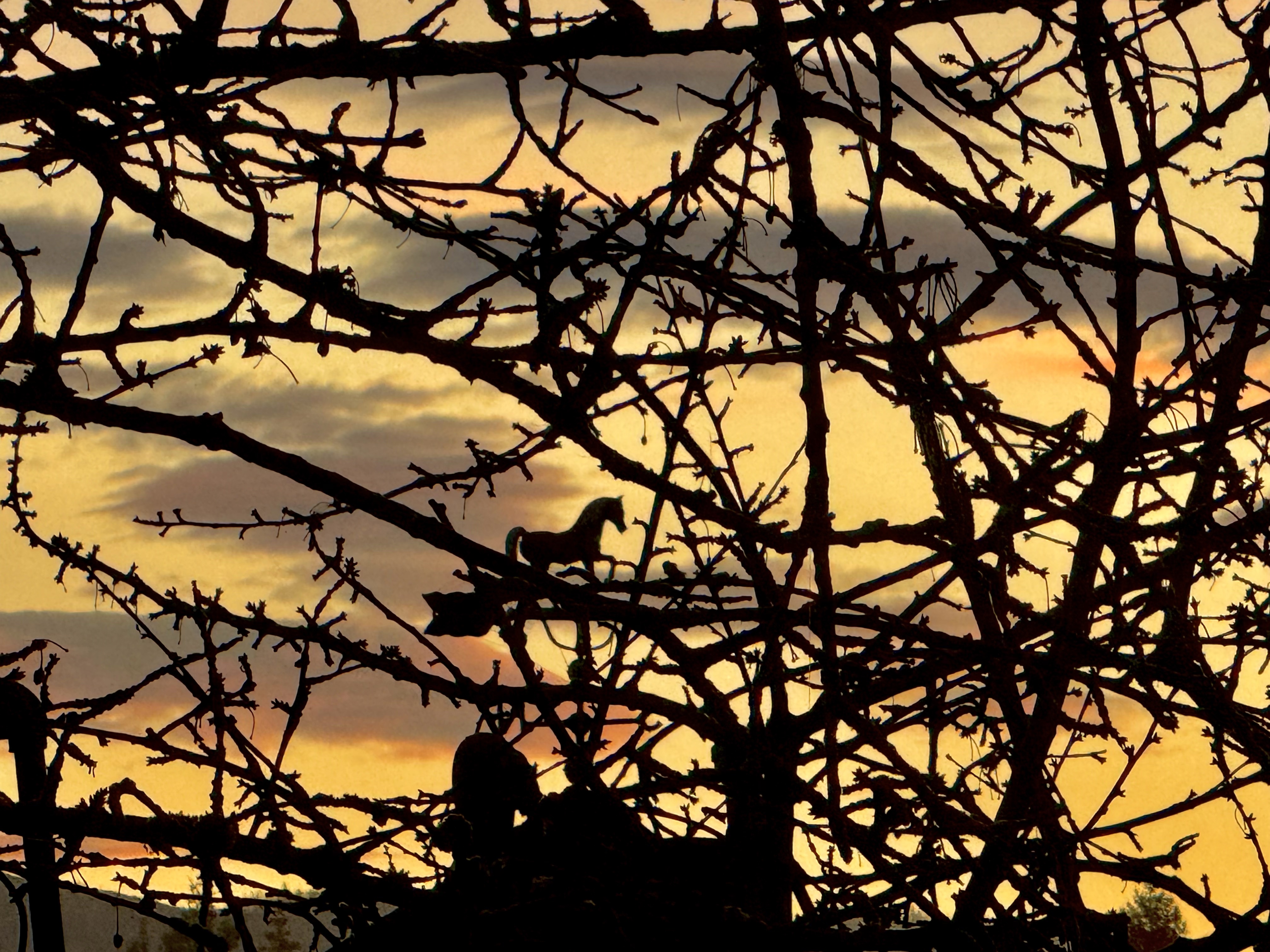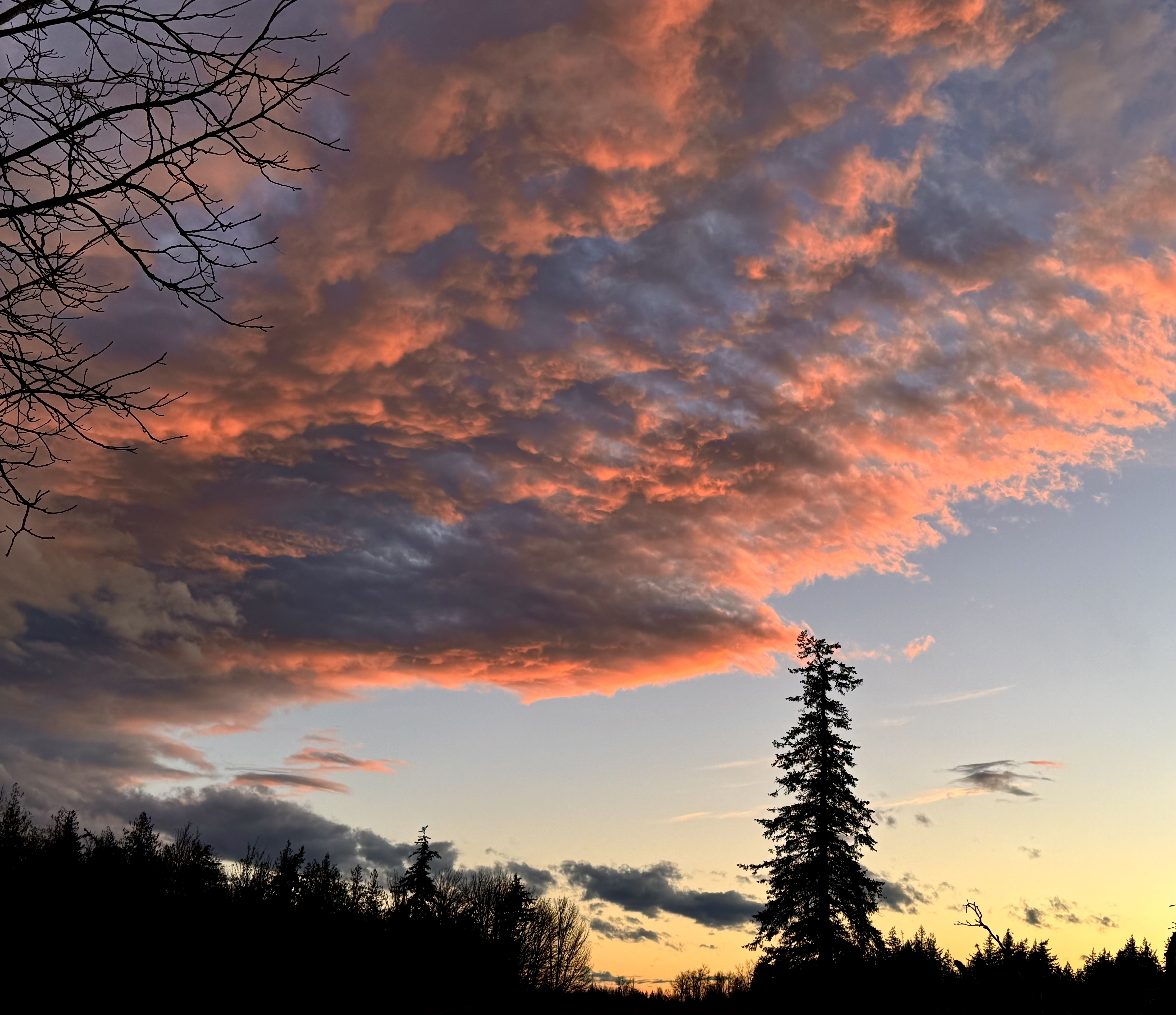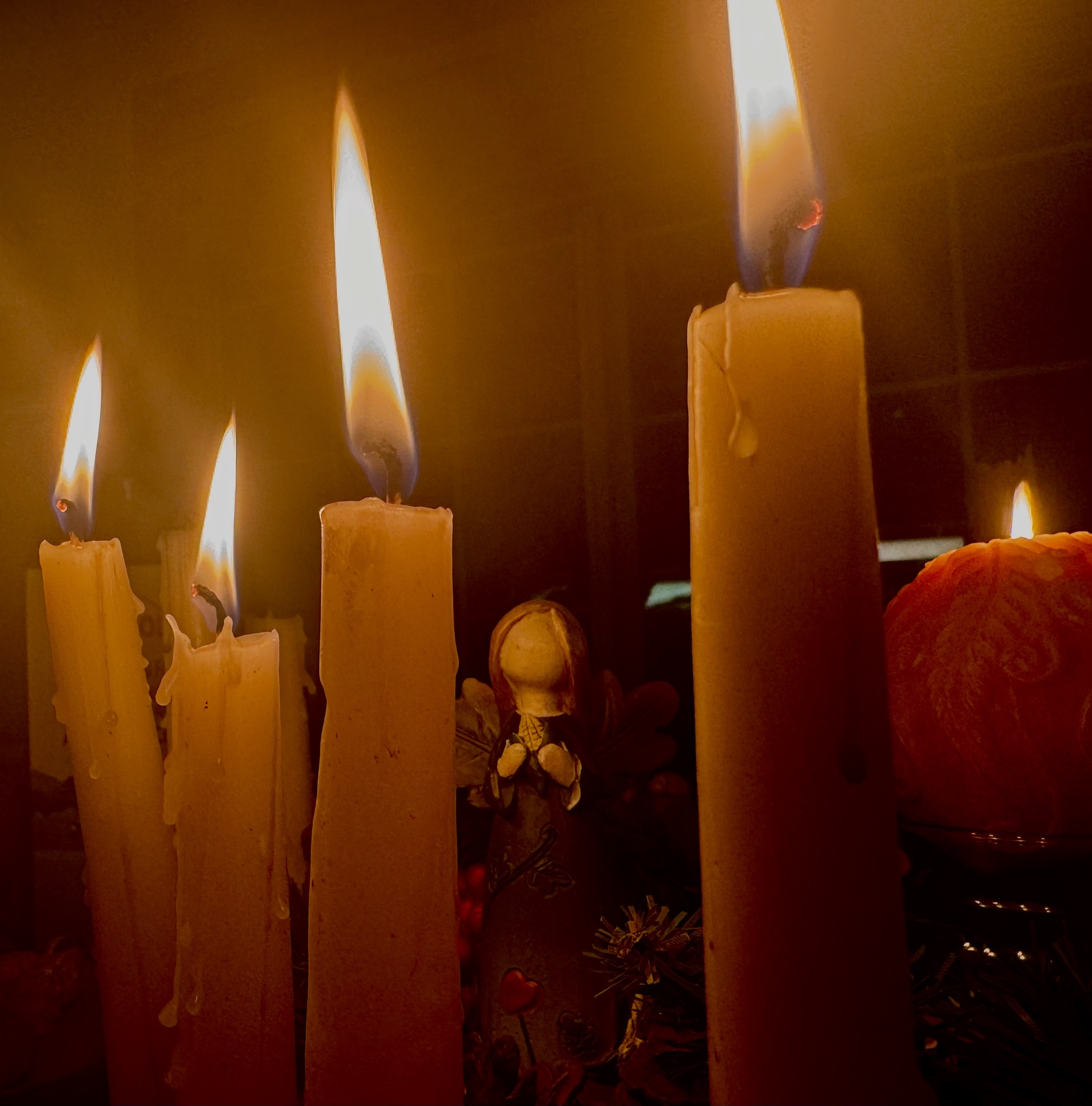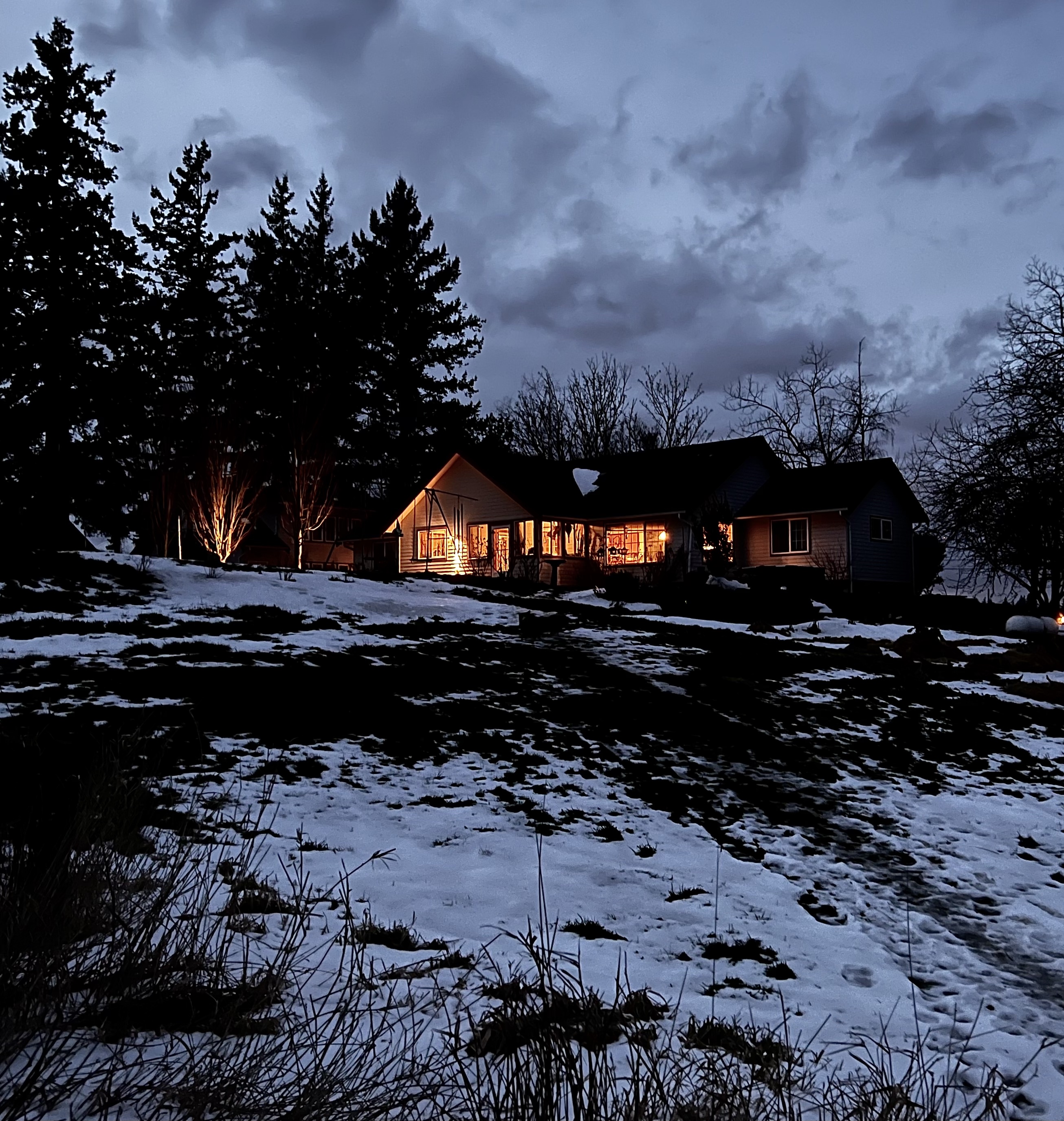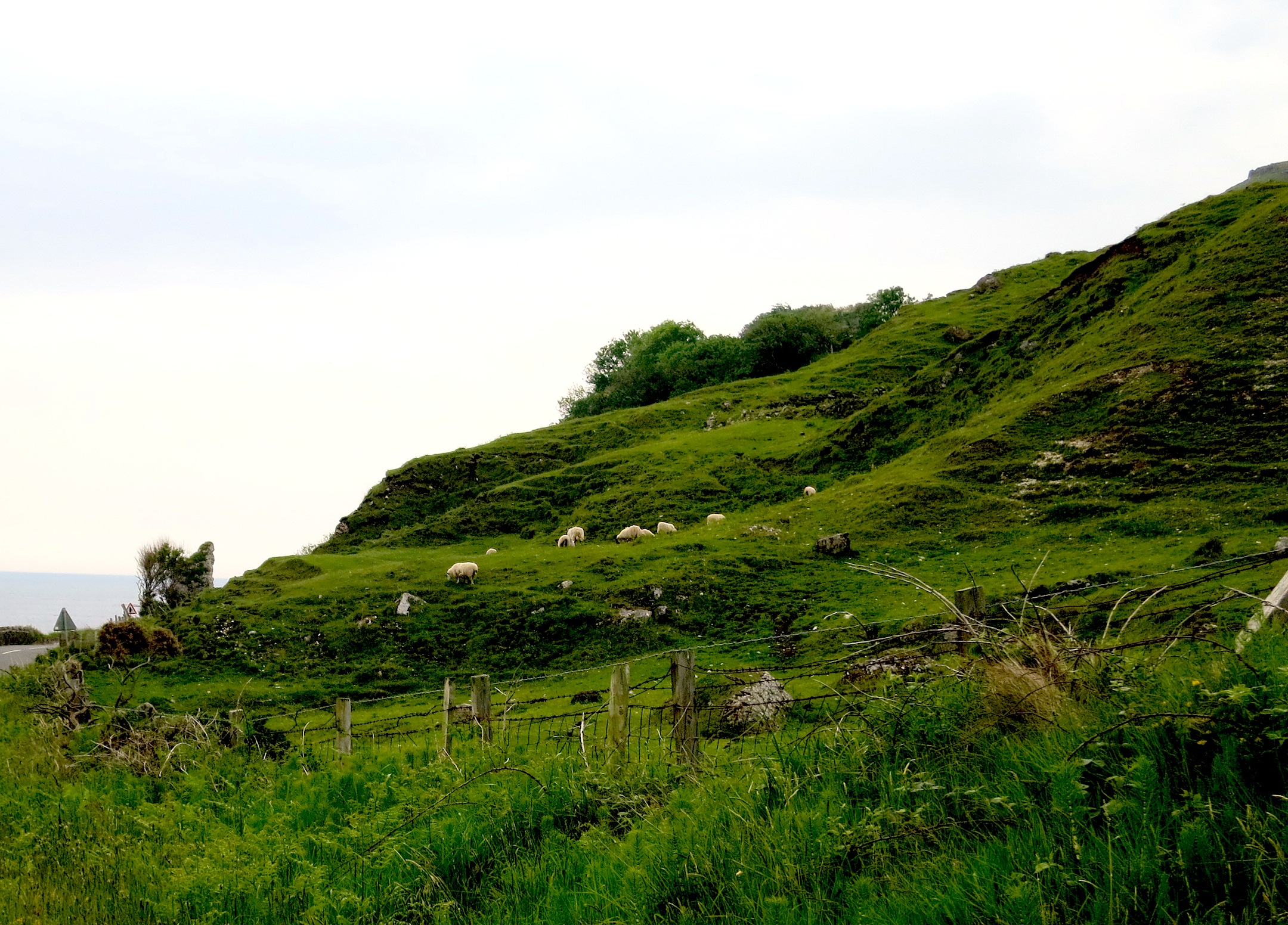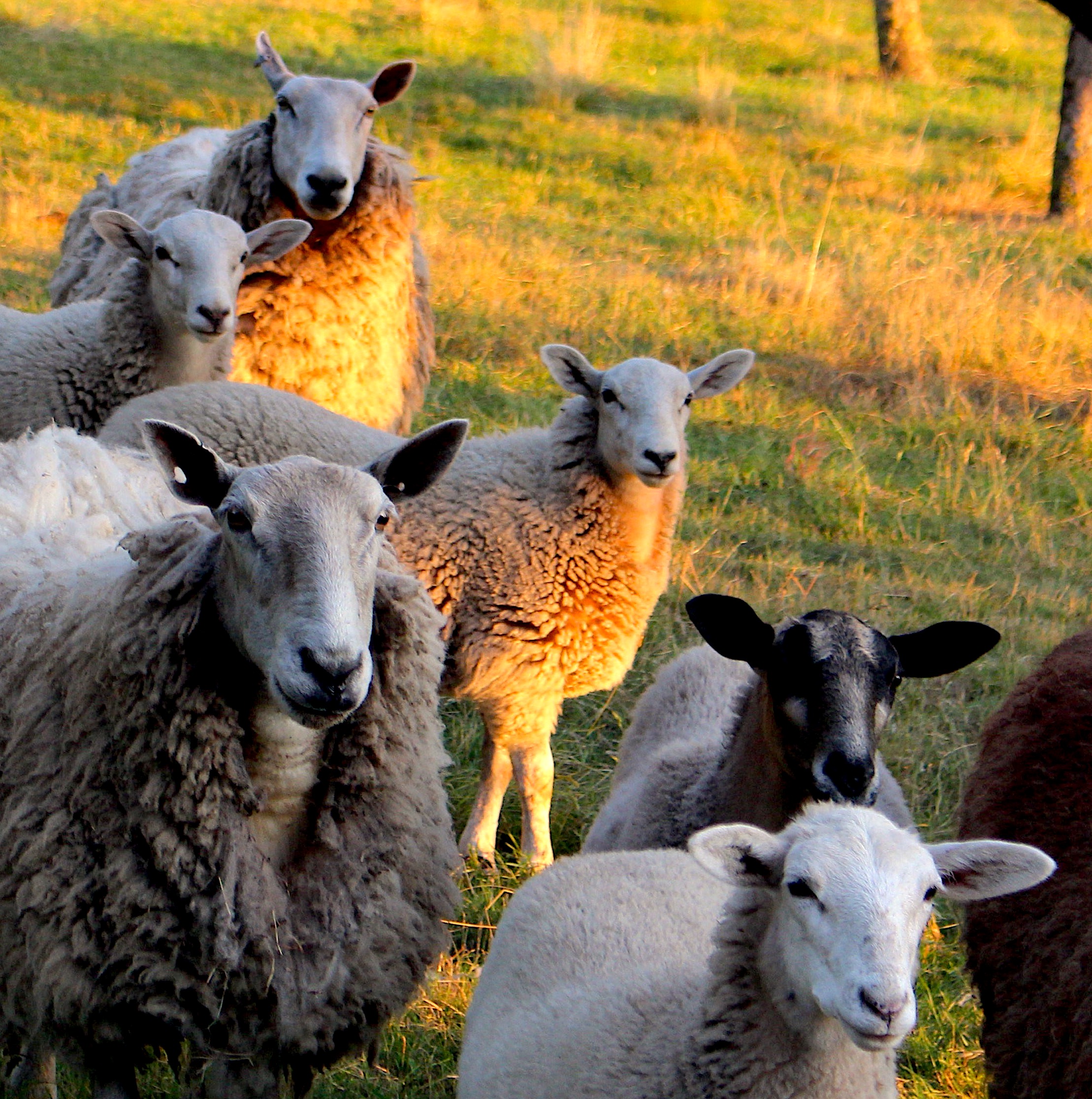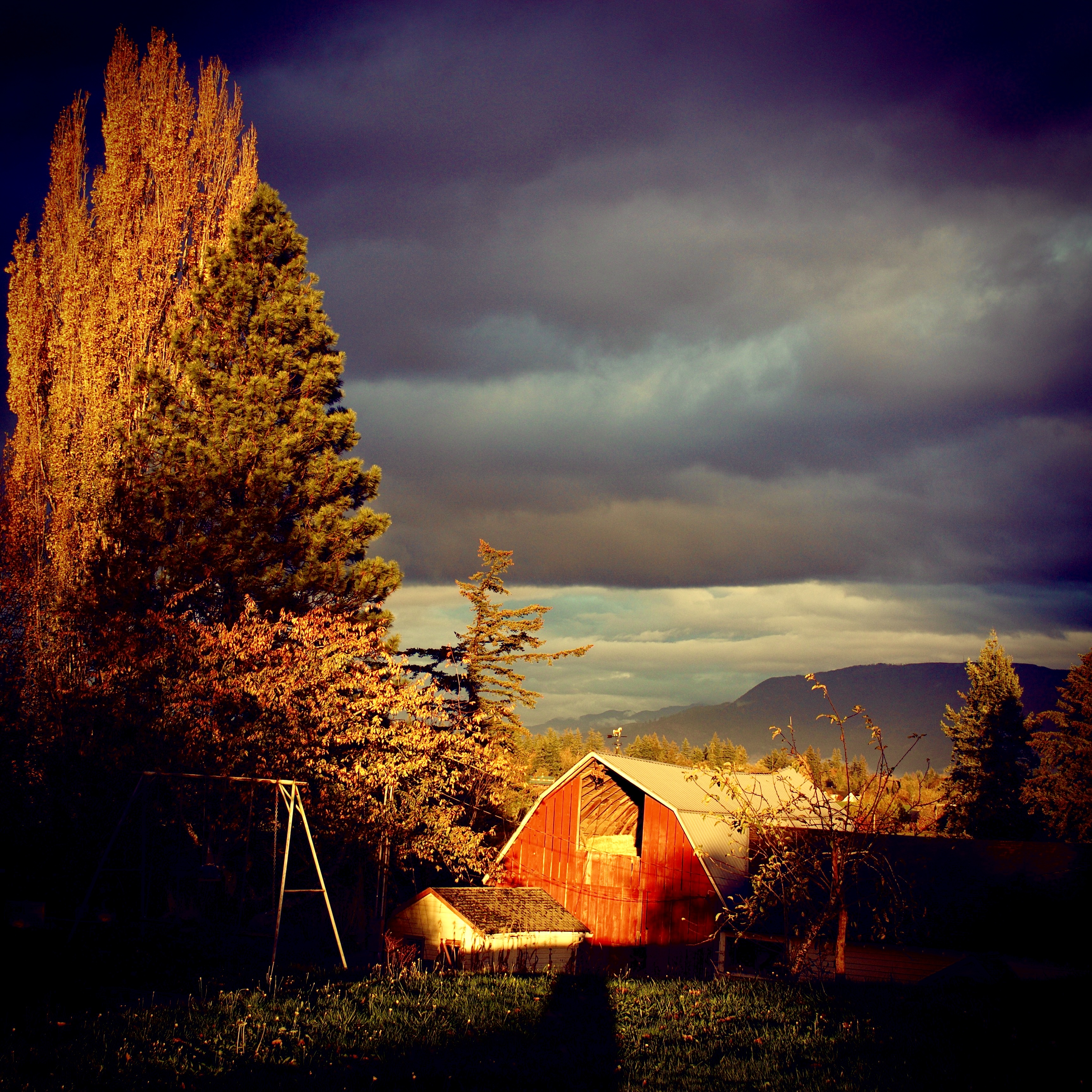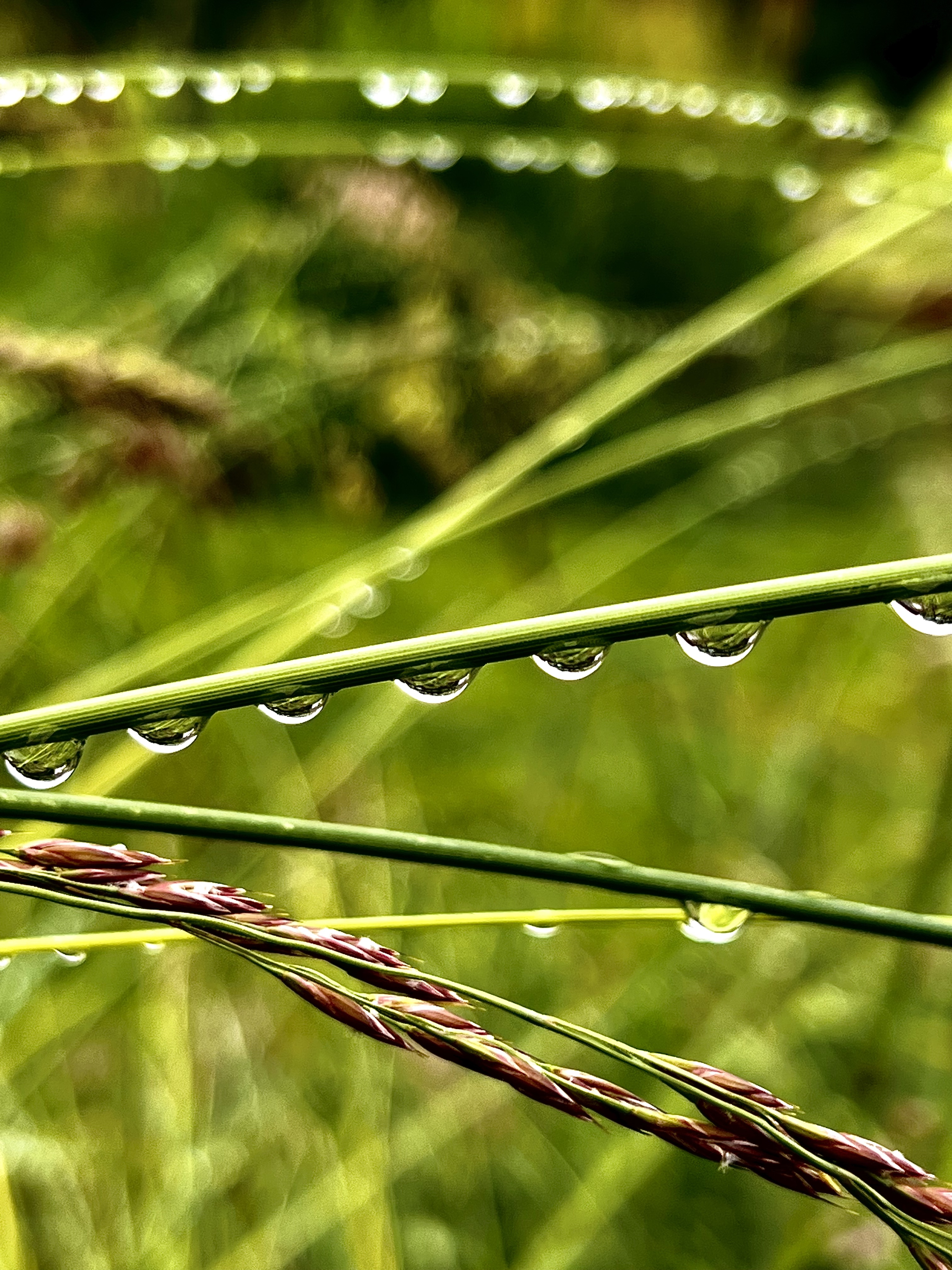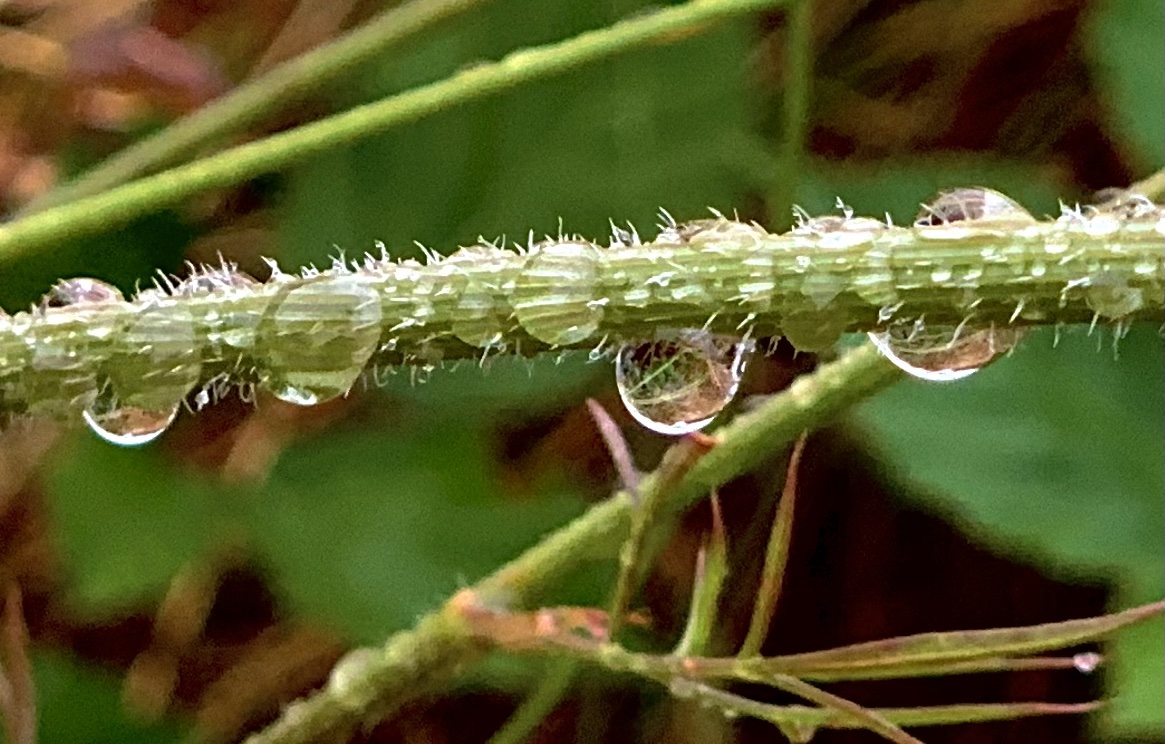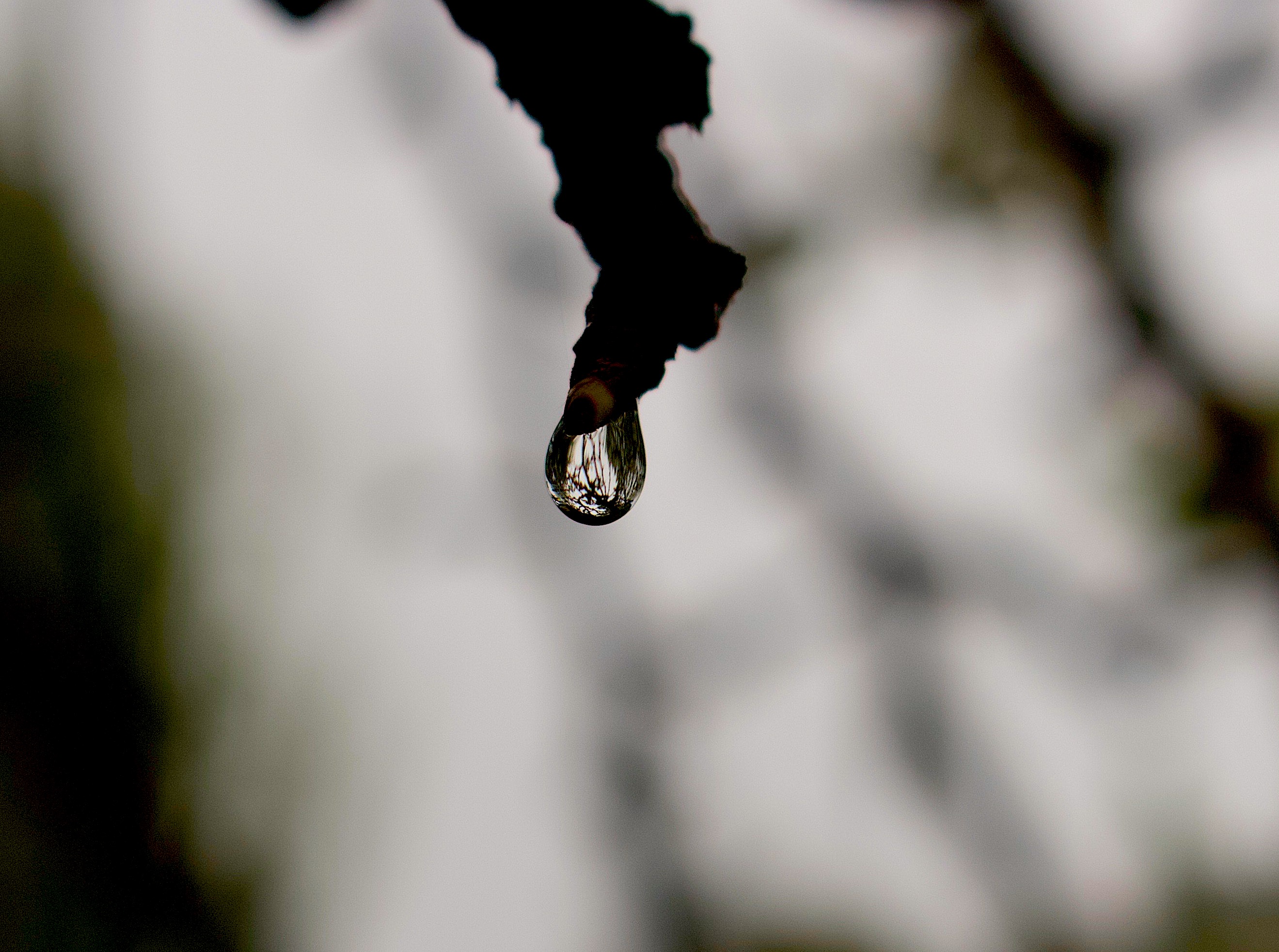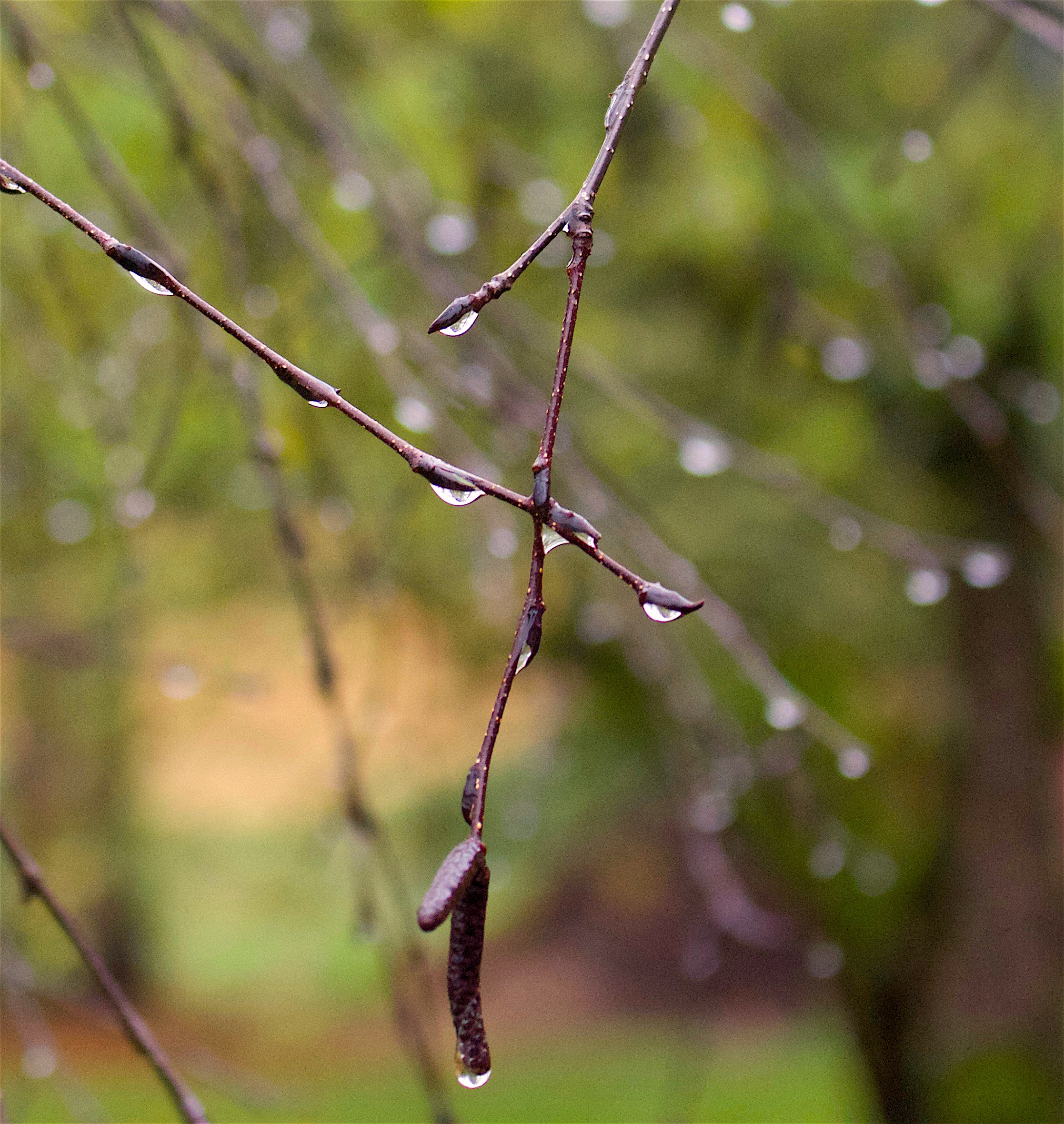
I like the slants of light; I’m a collector. That’s a good one, I say… ~Annie Dillard from Pilgrim at Tinker Creek
How valuable it is in these short days, threading through empty maple branches, the lacy-needled sugar pines.
Its glint off sheets of ice tells the story of Death’s brightness, her bitter cold.
We can make do with so little, just the hint of warmth, the slanted light... ~Molly Fisk, “Winter Sun” from The More Difficult Beauty
There’s a certain Slant of light On winter afternoons — That oppresses, like the Heft of cathedral tunes. When it comes, the Landscape listens — Shadows hold their breath — When it goes, ’tis like the Distance On the look of Death. ~Emily Dickinson
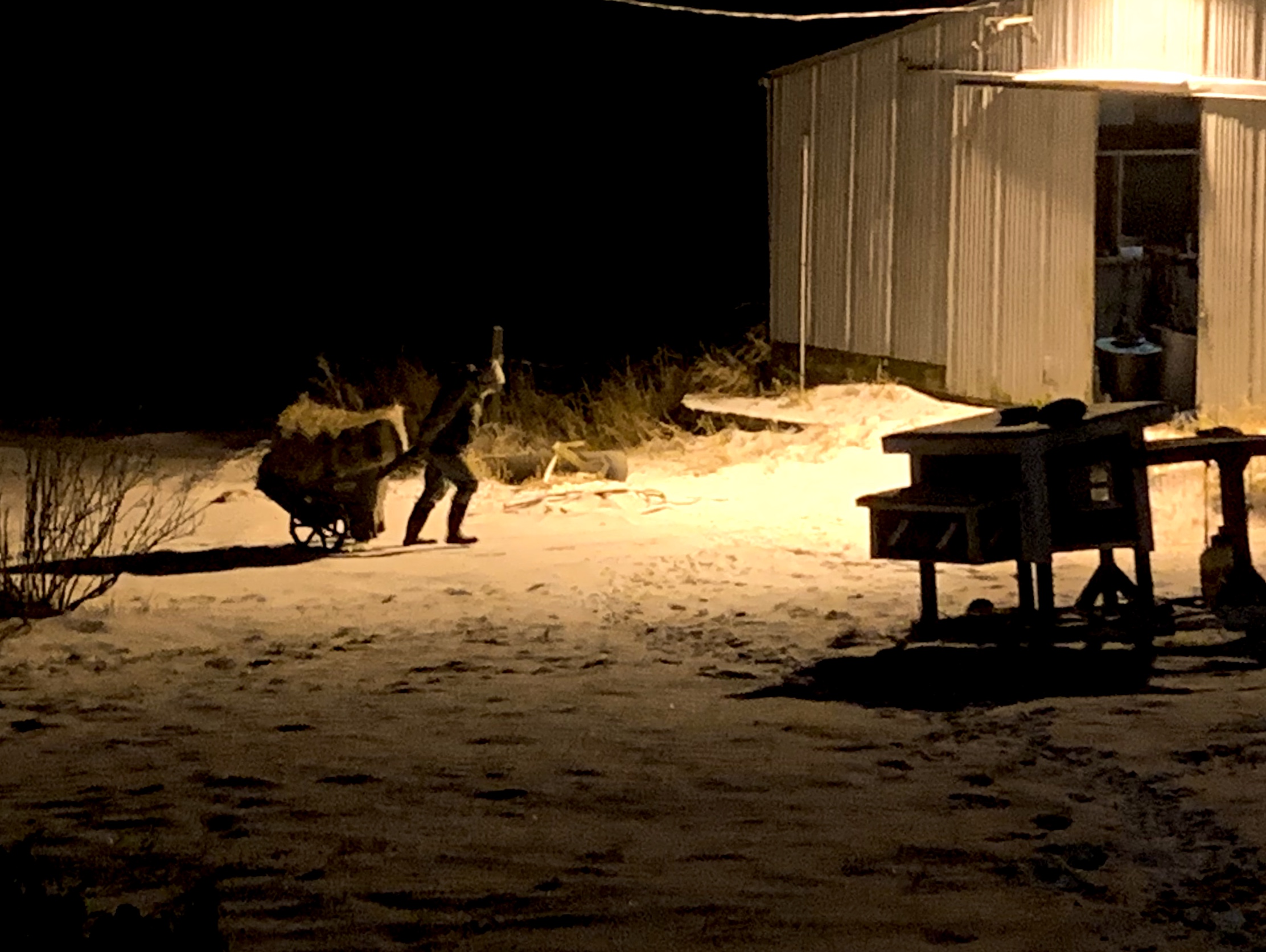
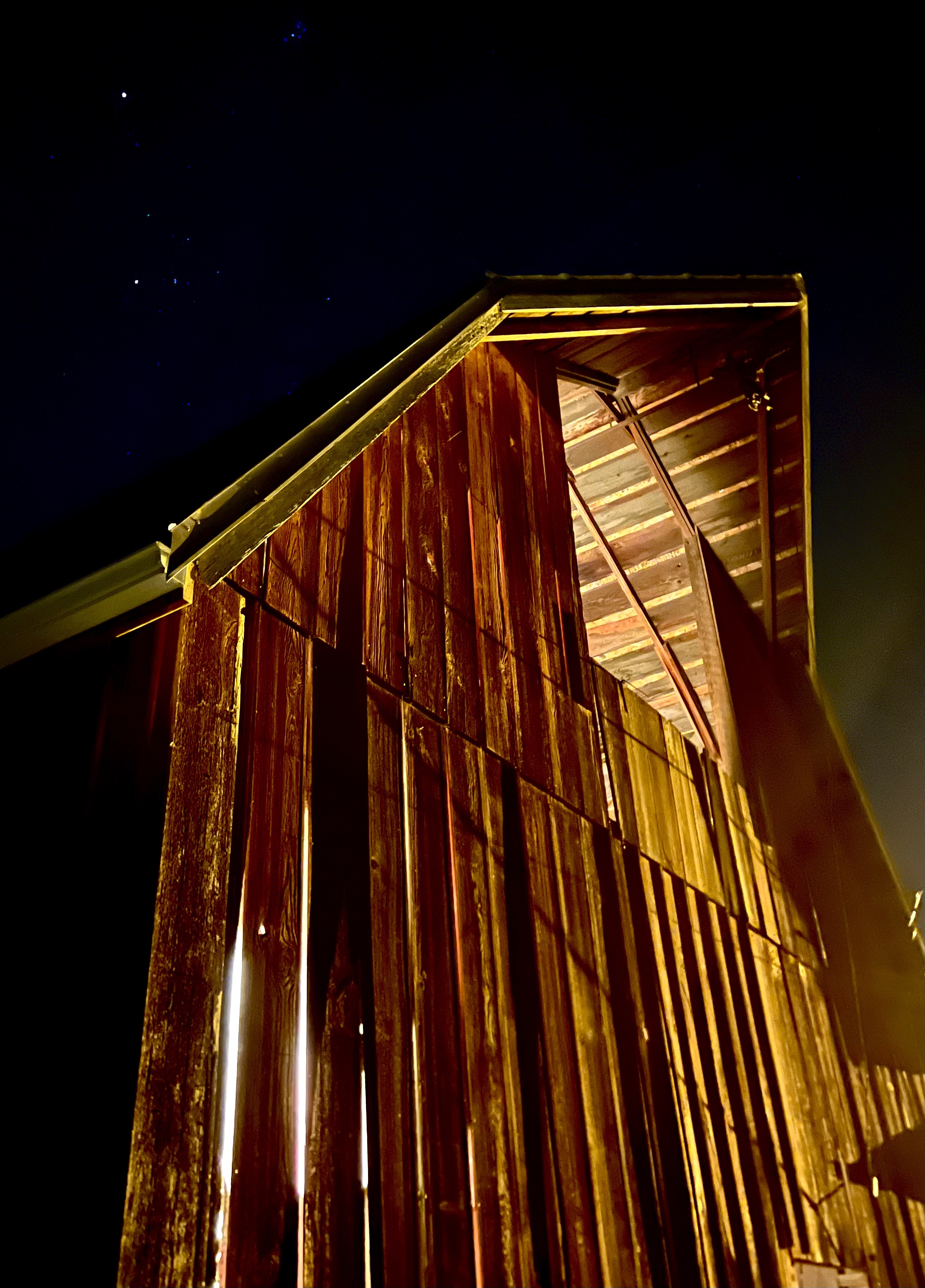
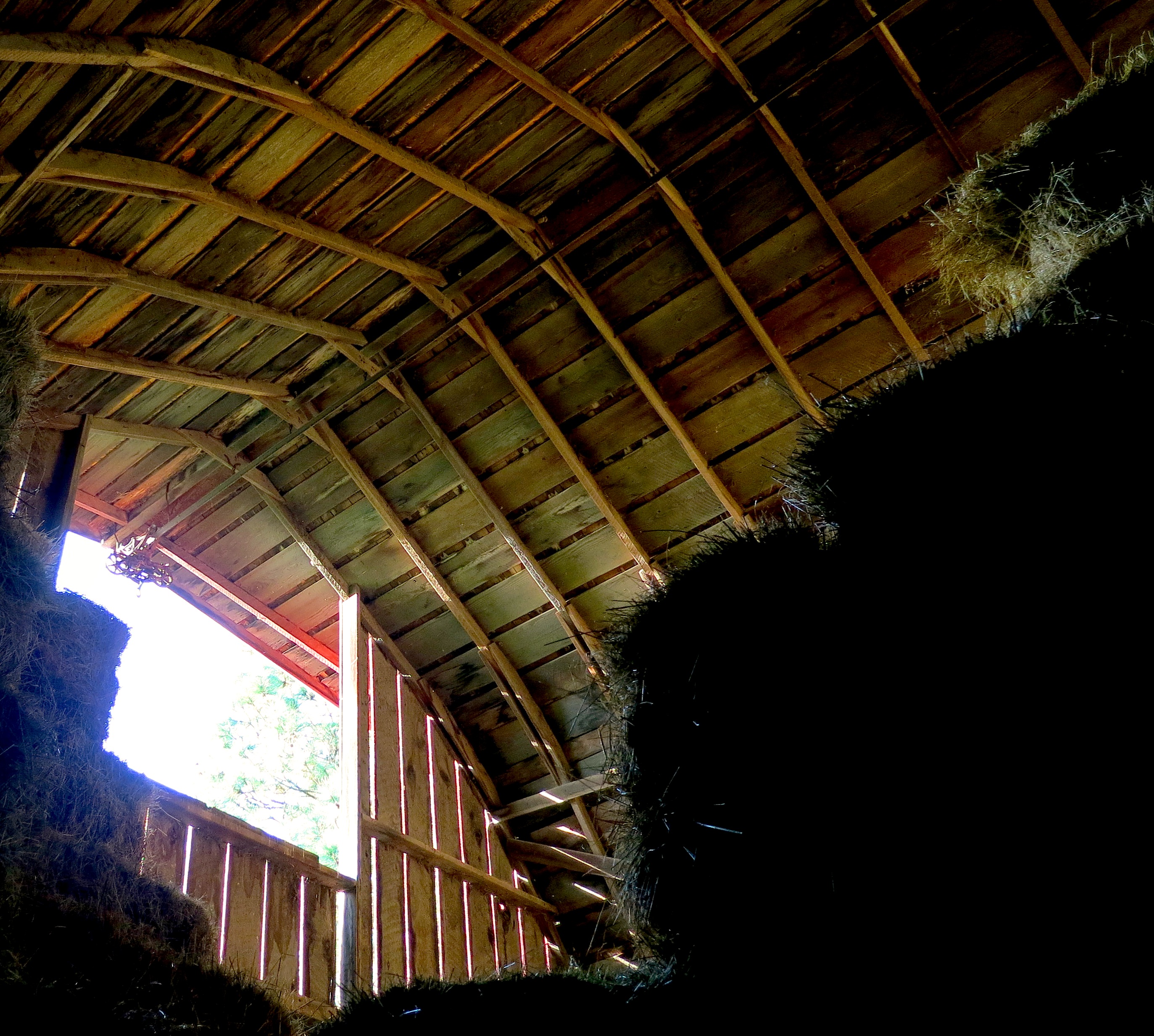
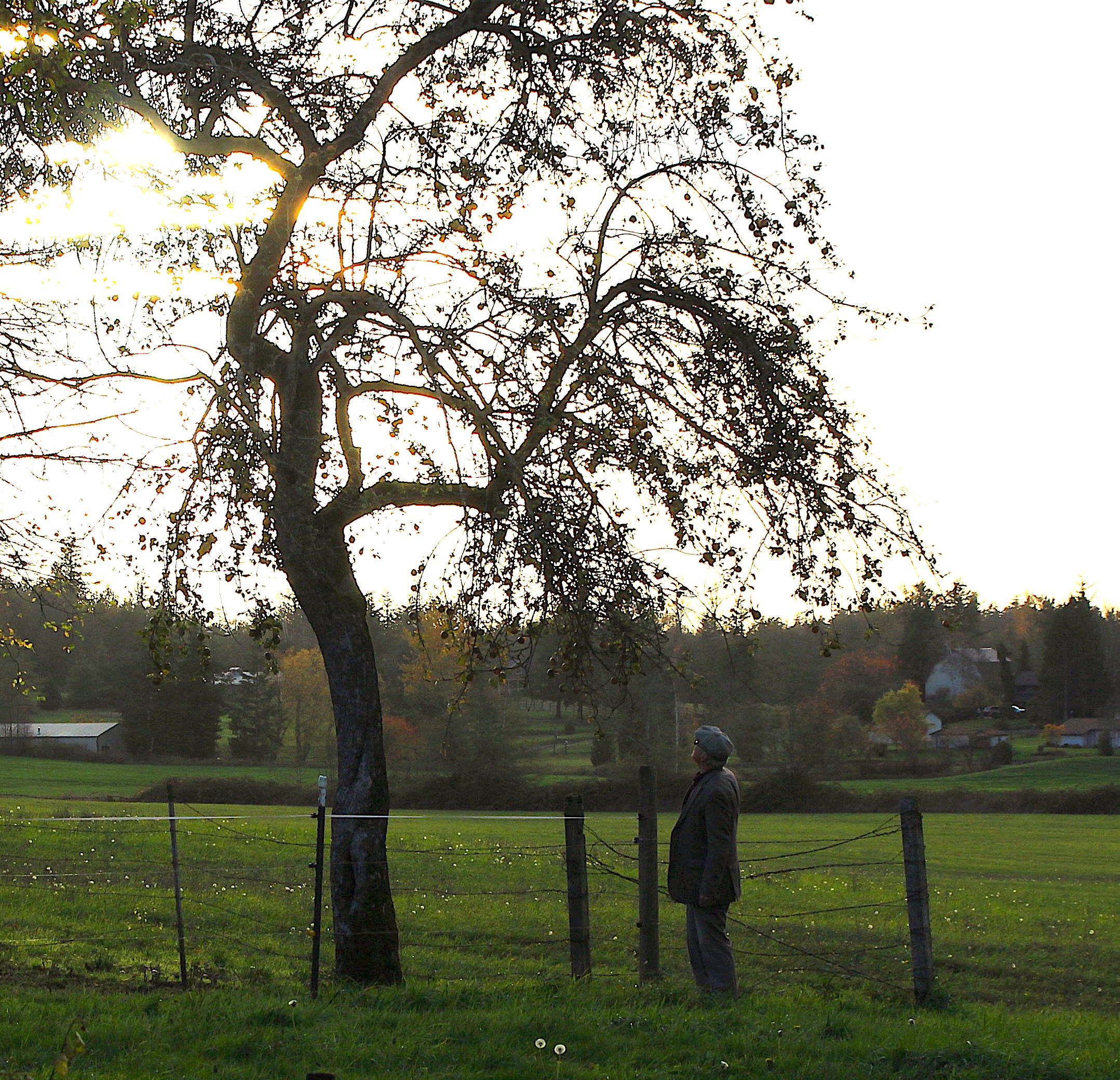
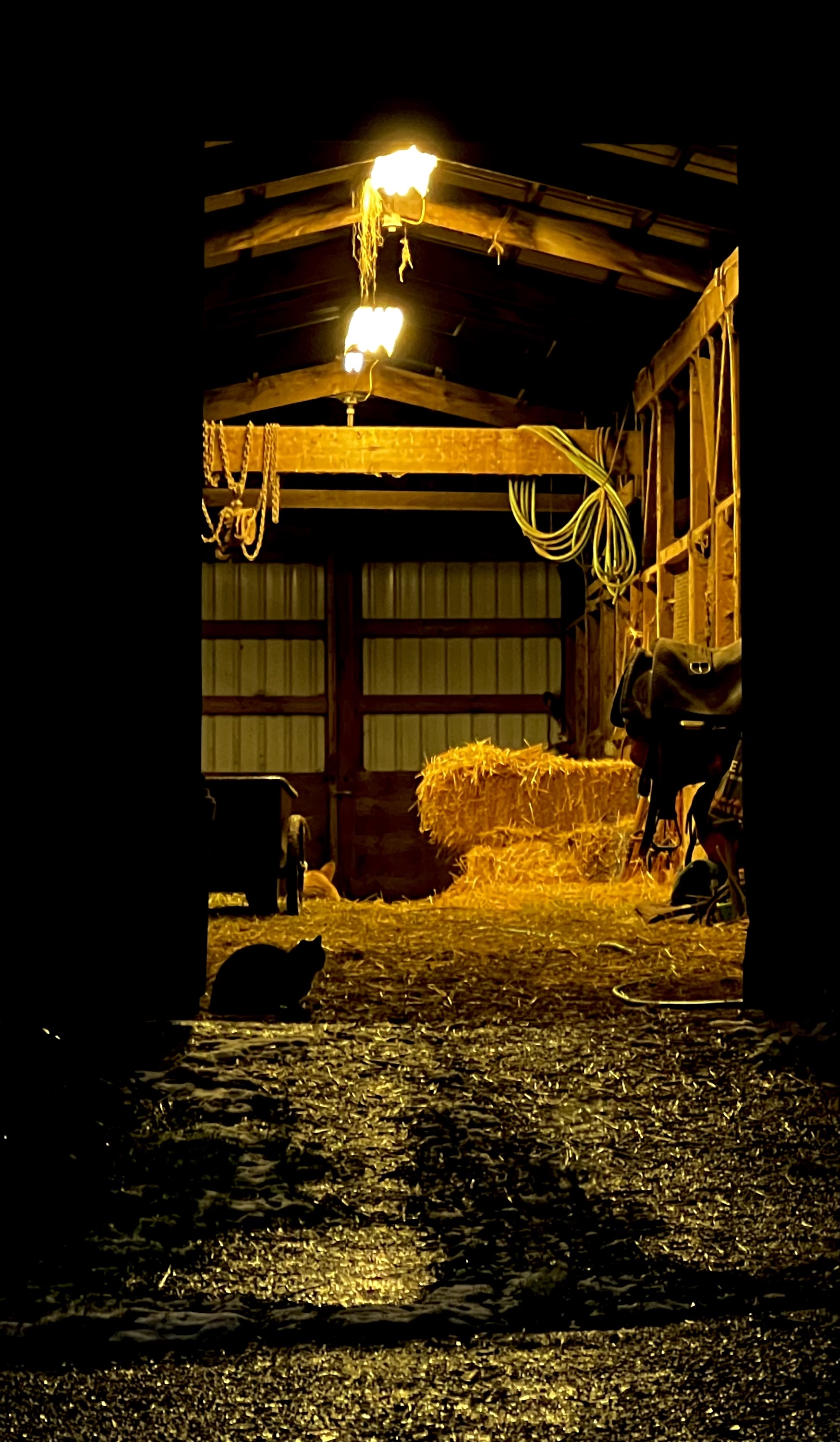
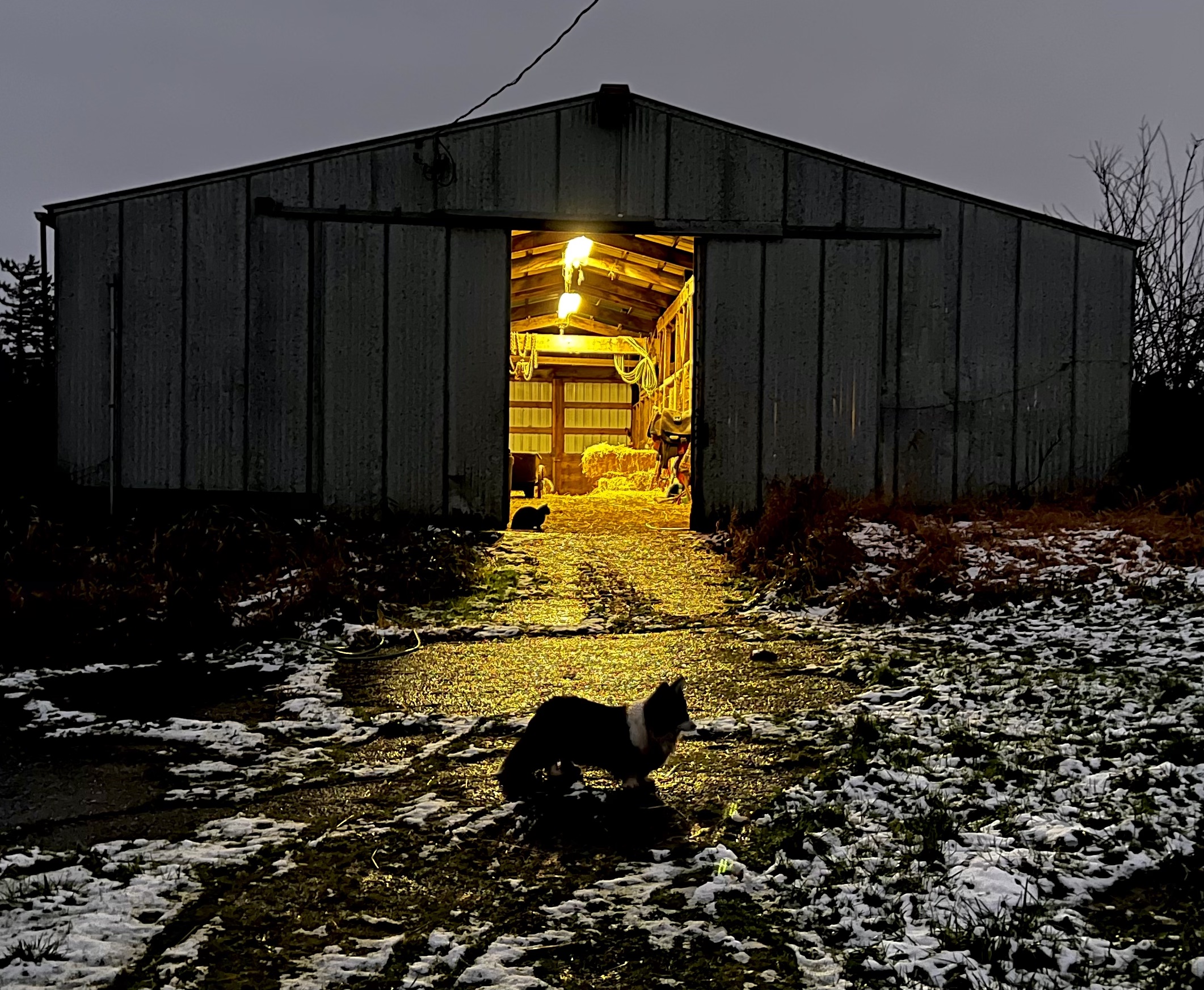
During our northwest winters, there is usually so little sunlight on gray cloudy days that I routinely turn on the two light bulbs in the big hay barn any time I need to fetch hay bales for the horses. This is so I avoid falling into the holes that inevitably develop in the hay stack between bales. Winter murky lighting tends to hide the dark shadows of the leg-swallowing pits among the bales, something that is particularly hazardous when attempting to move a 60 pound hay bale.
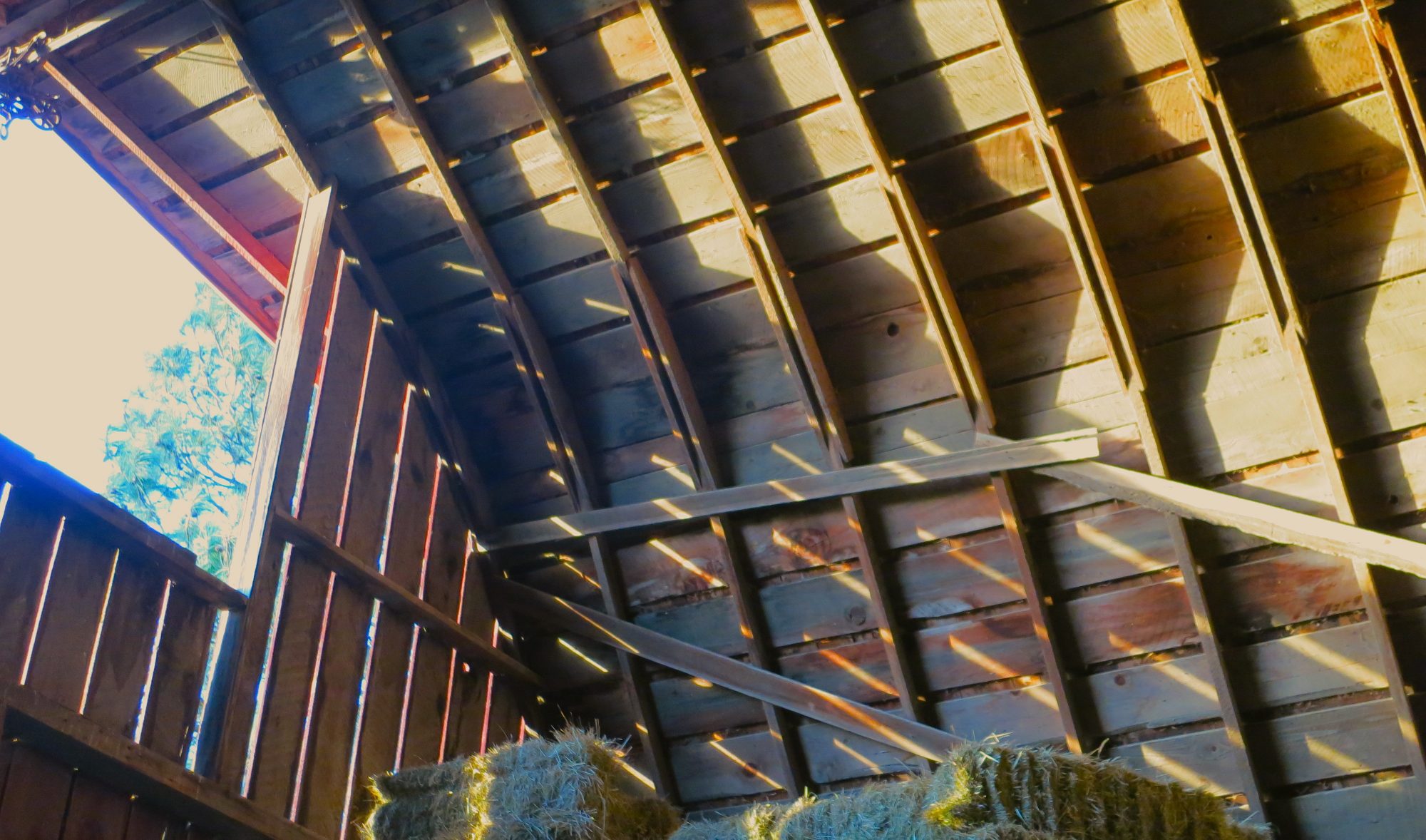
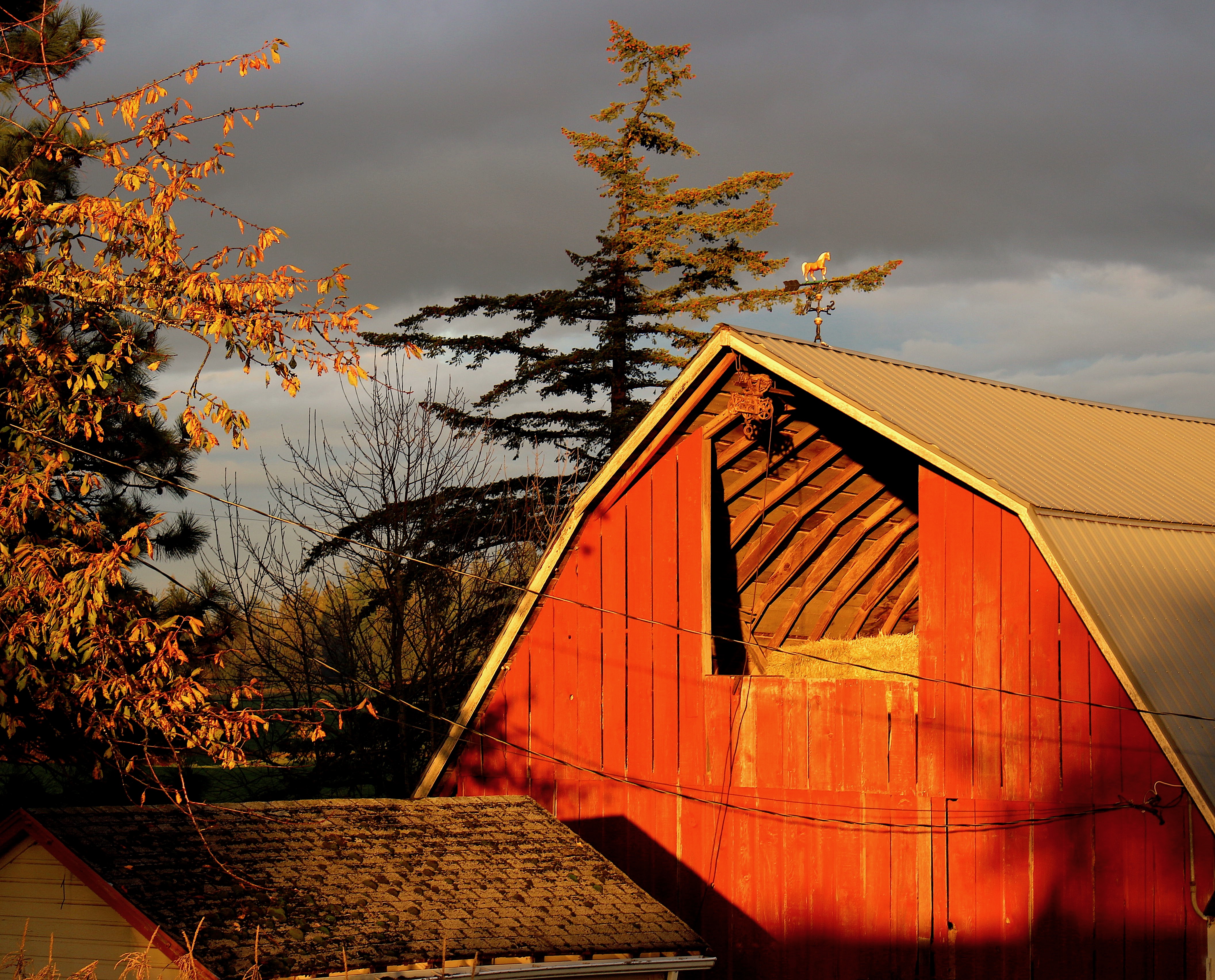
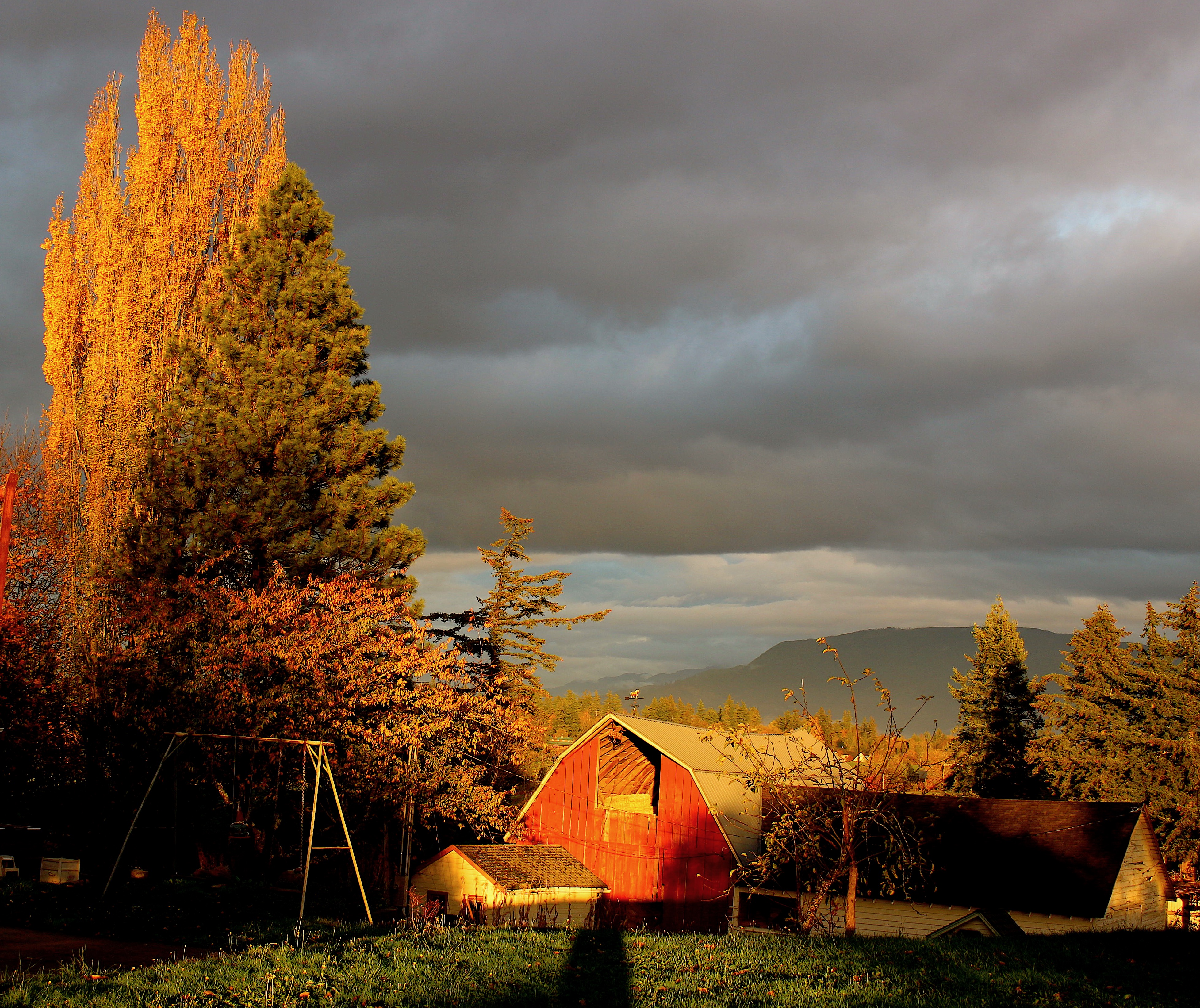
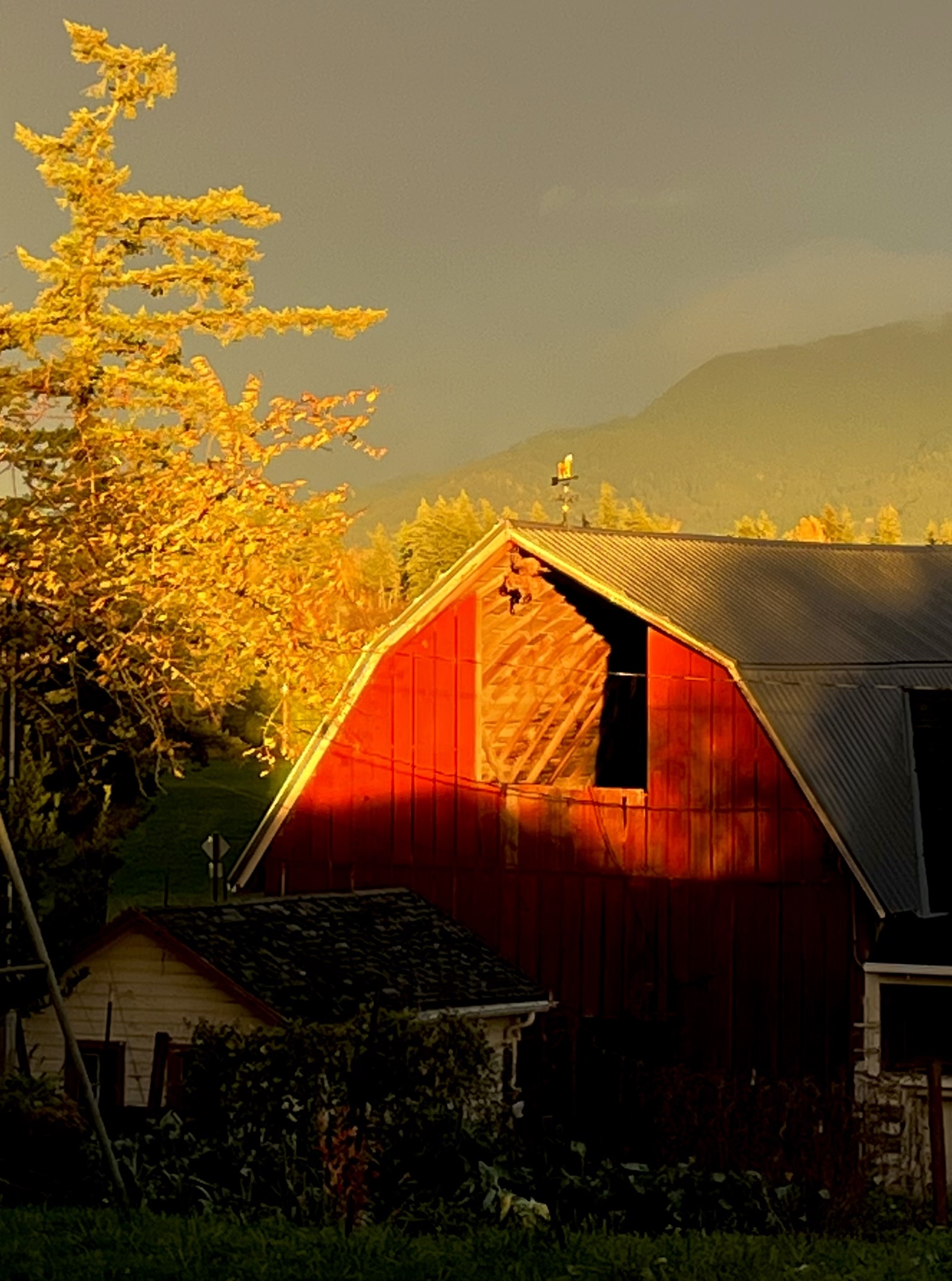
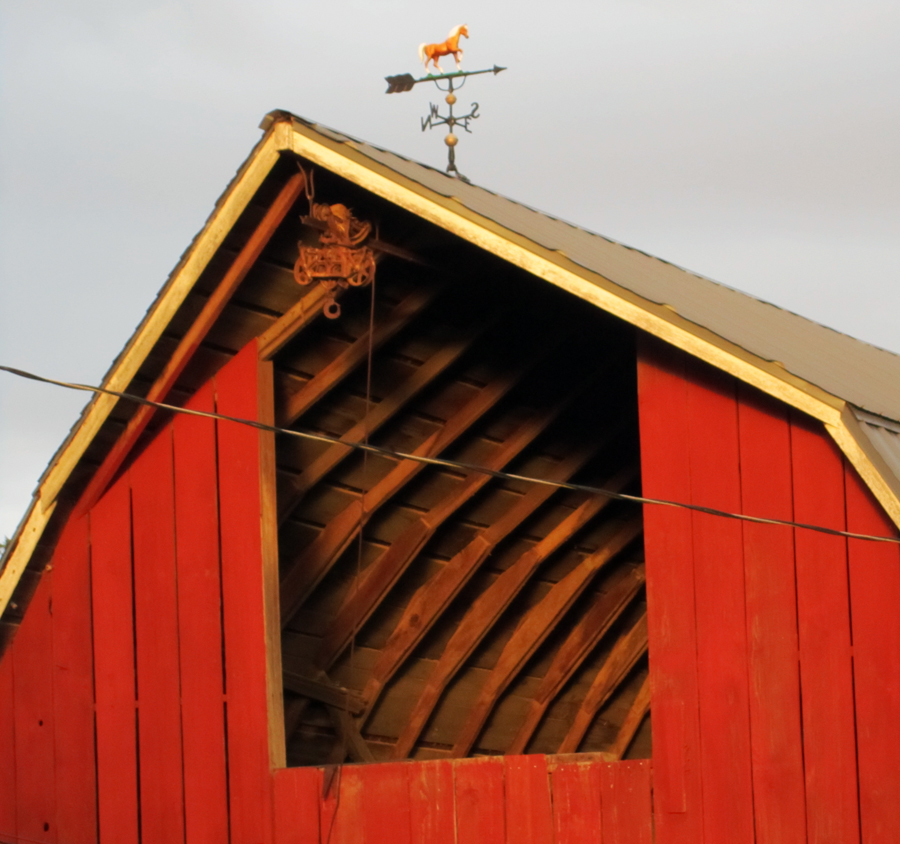
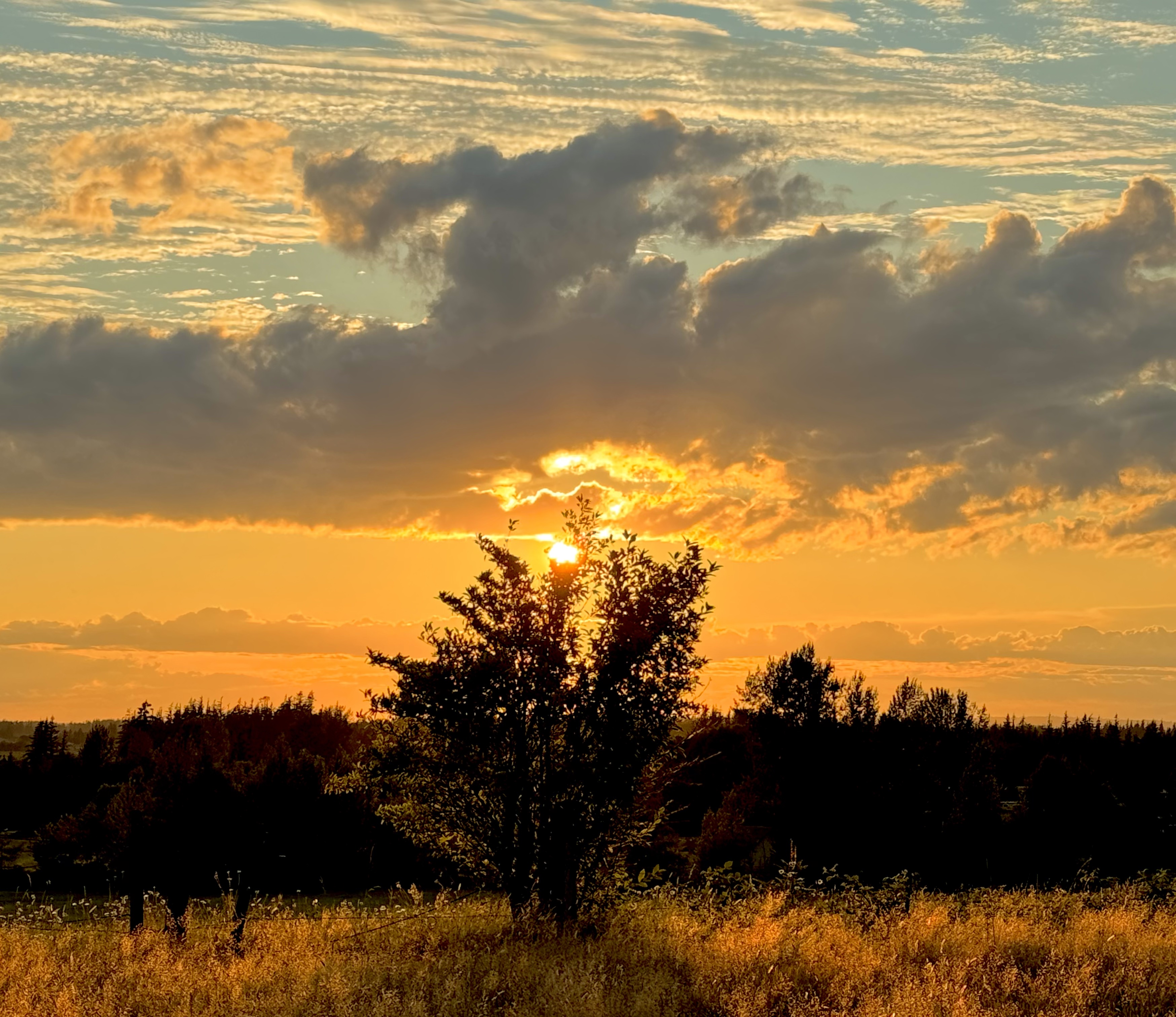
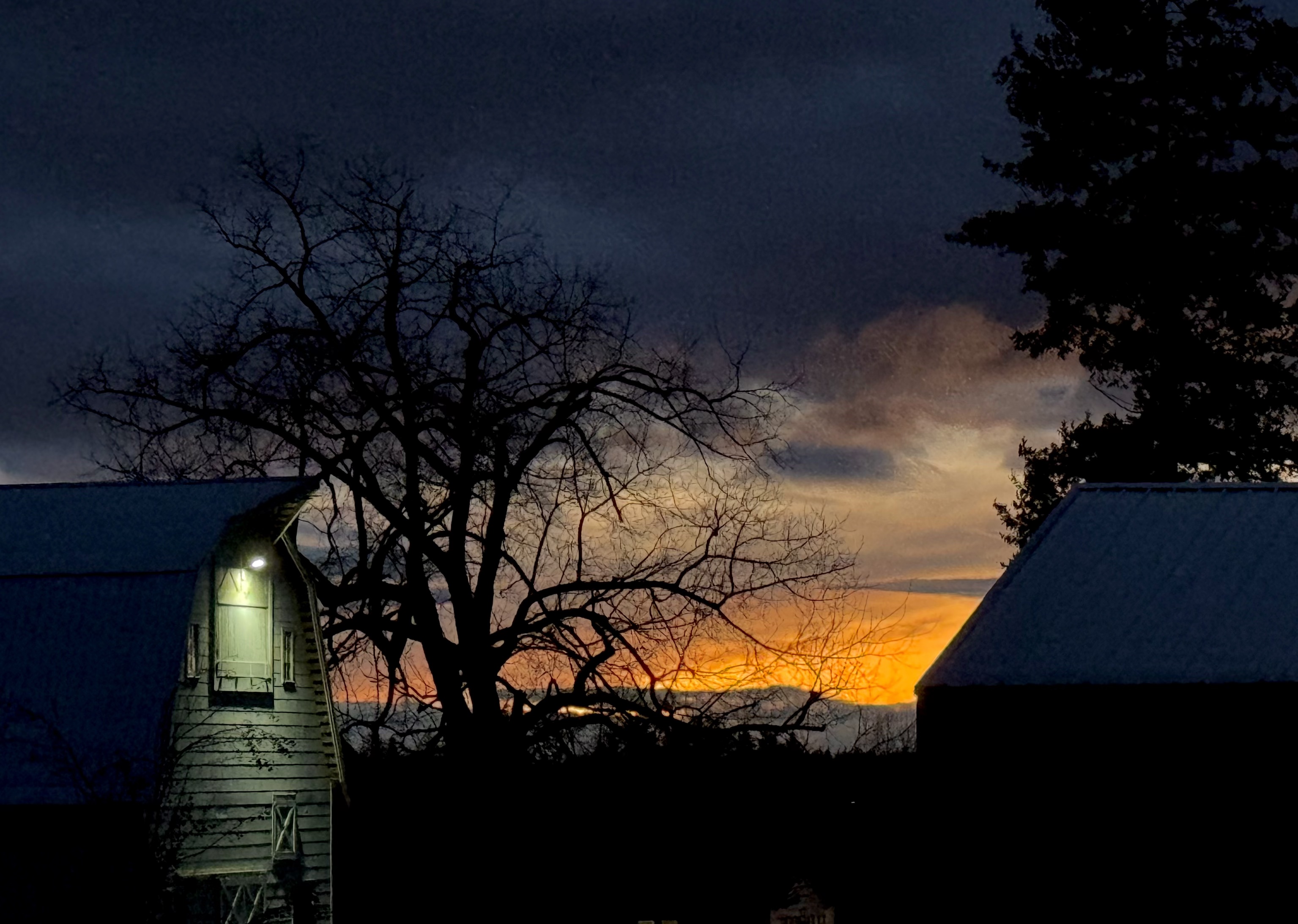
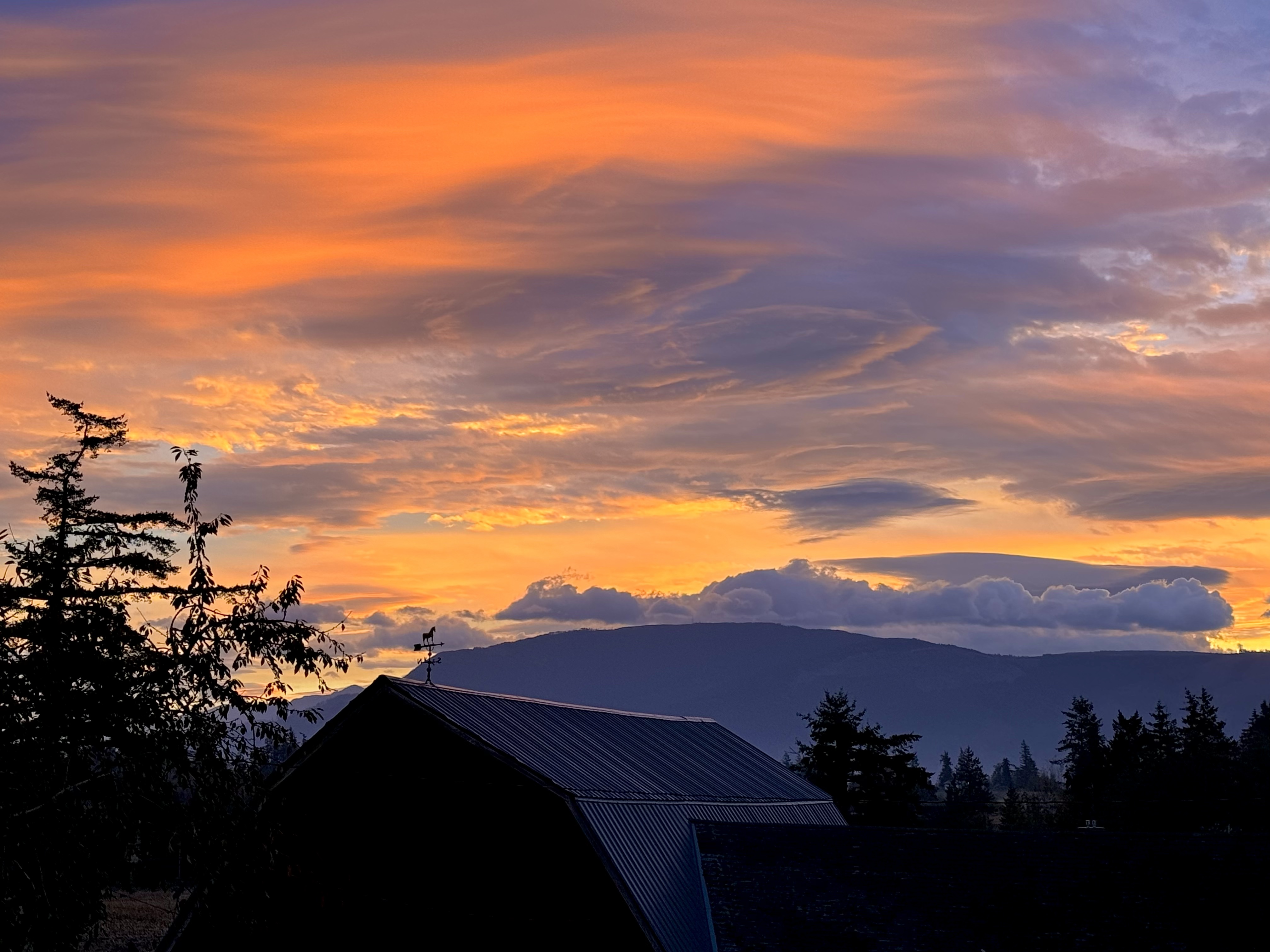
Sometimes in mid-winter, when I go to grab hay bales for the horses at sunset, before I flip the light switch, I can see light already blazing in the big barn. The last of the day’s sun rays are at a precise winter slant, streaming through the barn slat openings, ricocheting off the roof timbers onto the bales, casting an almost fiery glow onto the hay. The barn is ignited and ablaze without fire and smoke — the last things one would ever want in a hay barn.
Thanks to occasional late afternoon winter light, I can scramble among the bales without worry.
It seems as I age I have been running into more dark holes. Even when I know where they lie and how deep they are, some days I will manage to step right in anyway. Each time it knocks the breath out of me, makes me cry out, makes me want to quit trying to lift the loads which need carrying. It leaves me fearful to venture where the footing is uncertain.
Then, on the darkest of days, light comes from the most unexpected of places, blazing a trail to help me see where to step, what to avoid, how to navigate the hazards to avoid collapsing on my face. I’m redirected, inspired anew, granted grace, gratefully calmed and comforted amid my fears.
For many Americans, tomorrow represents the dark holes getting even darker. But we know — love, respect, and kindness will eventually reignite again.
The Light always returns so we can climb out of any dark holes that try to swallow us whole.
Yet another slant of Light for our collection…
Tell all the truth but tell it slant — Success in Circuit lies Too bright for our infirm Delight The Truth’s superb surprise As Lightning to the Children eased With explanation kind The Truth must dazzle gradually Or every man be blind — ~Emily Dickinson
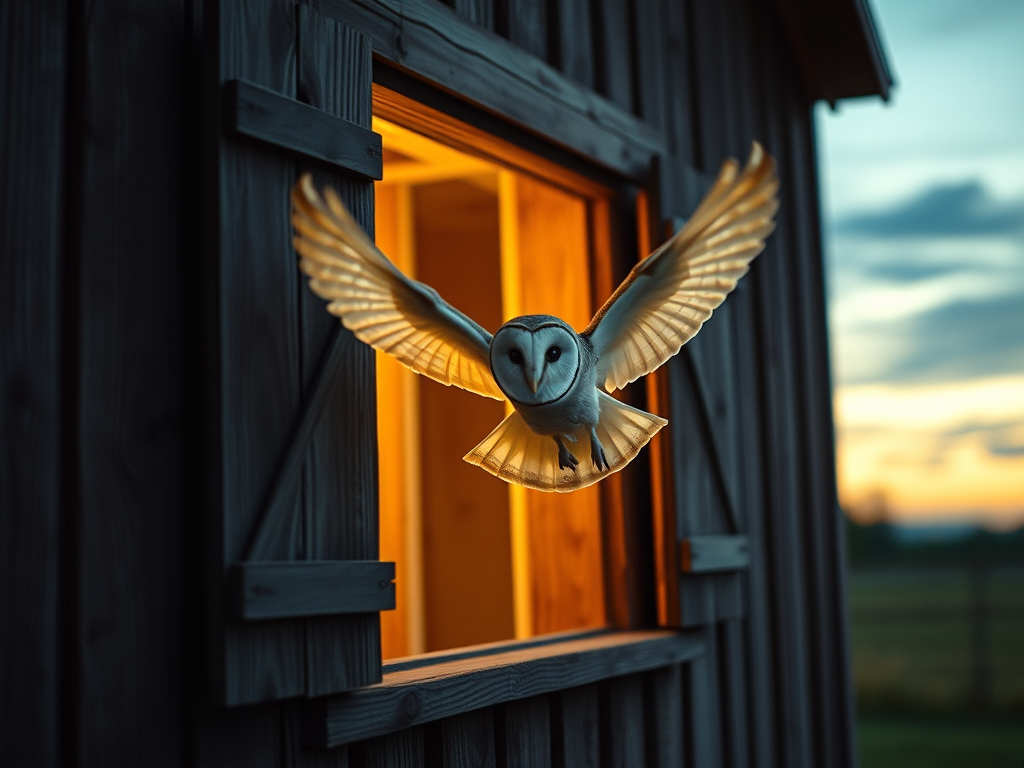
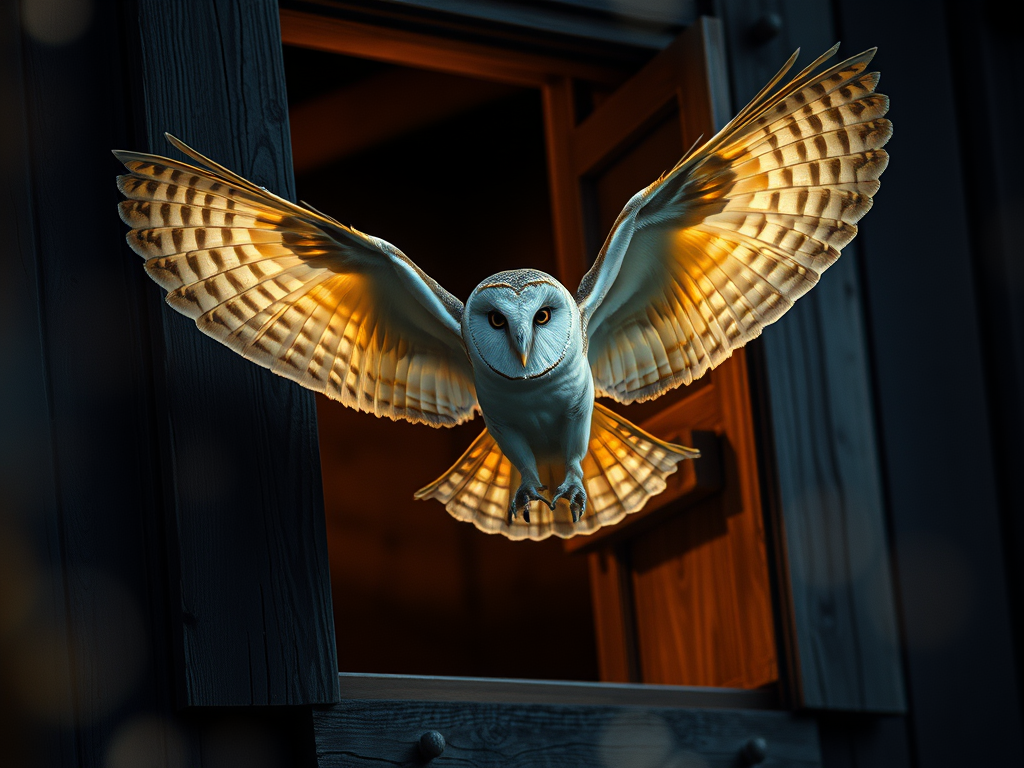
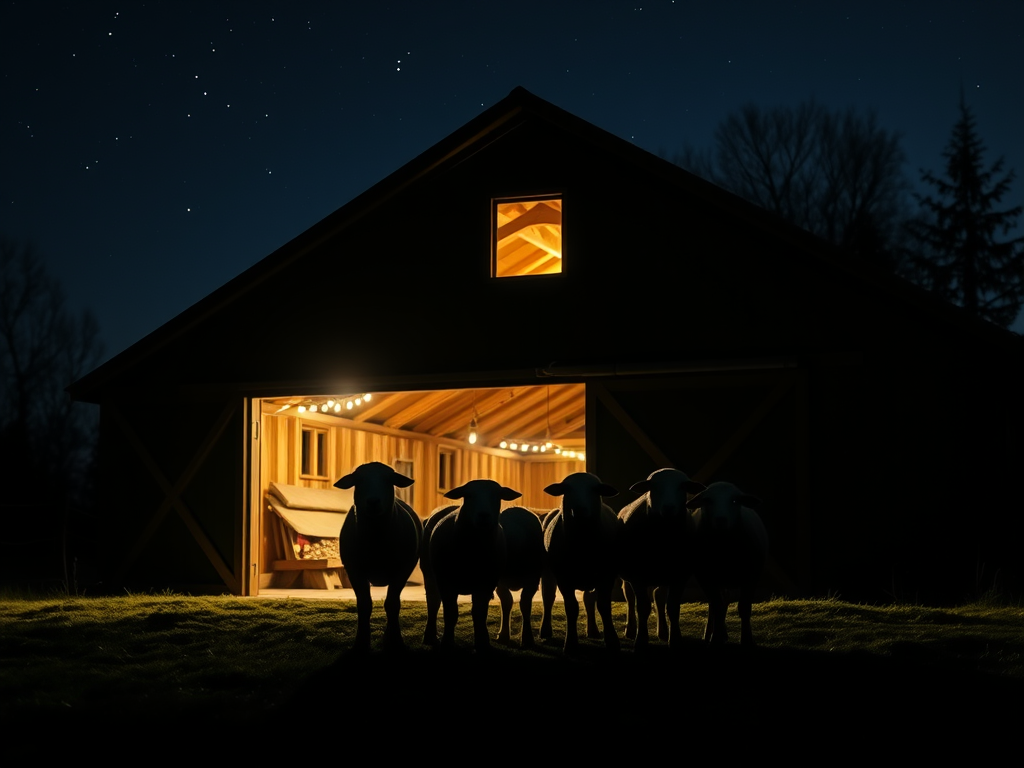
AI image created for this post
One-Time
Monthly
Yearly
Make a one-time or recurring donation to support daily Barnstorming posts
This saying good-by on the edge of the dark And the cold to an orchard so young in the bark Reminds me of all that can happen to harm An orchard away at the end of the farm All winter, cut off by a hill from the house.
I wish I could promise to lie in the night And think of an orchard’s arboreal plight When slowly (and nobody comes with a light) Its heart sinks lower under the sod. But something has to be left to God. ~Robert Frost from “Good-bye and Keep Cold”
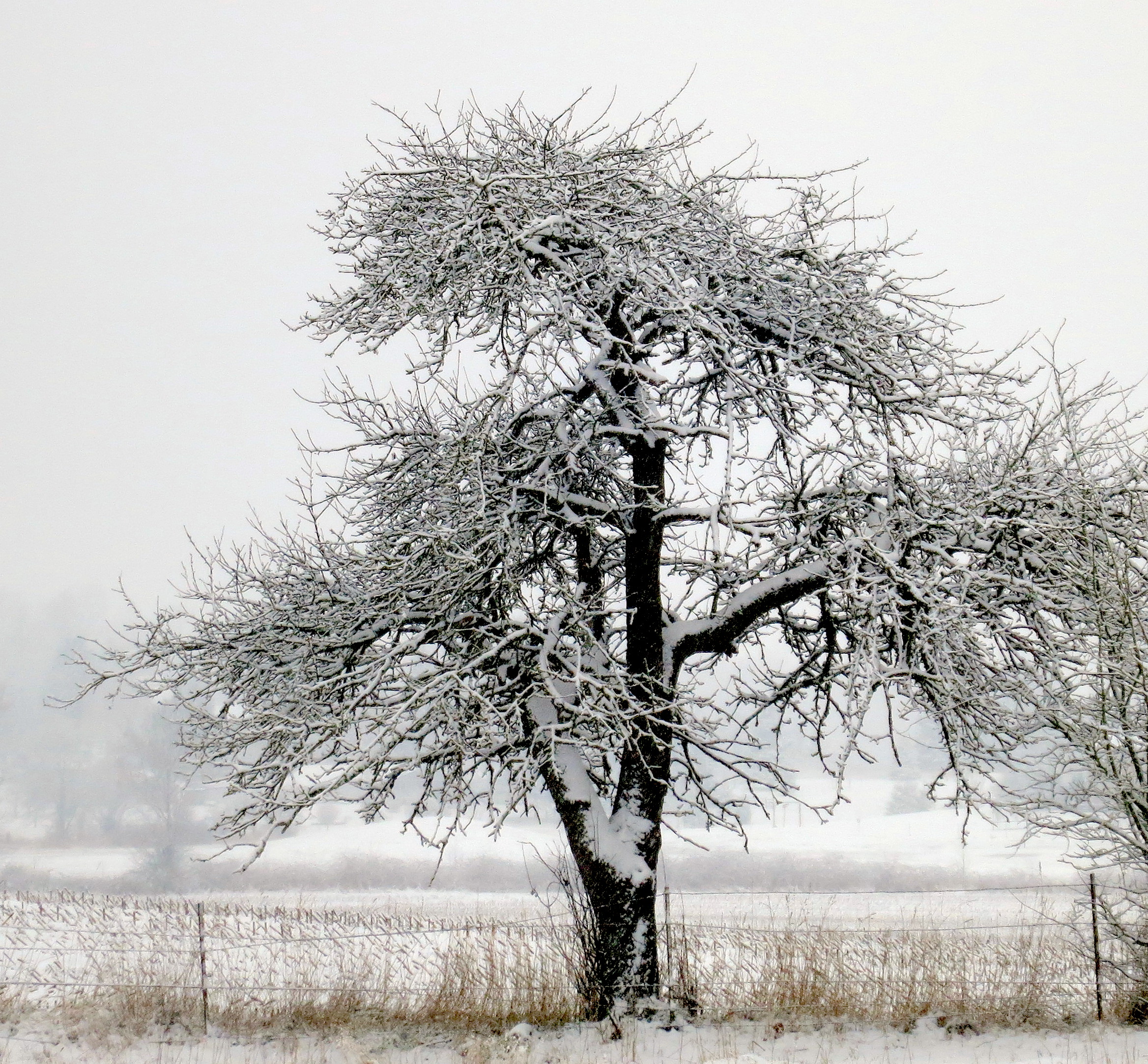
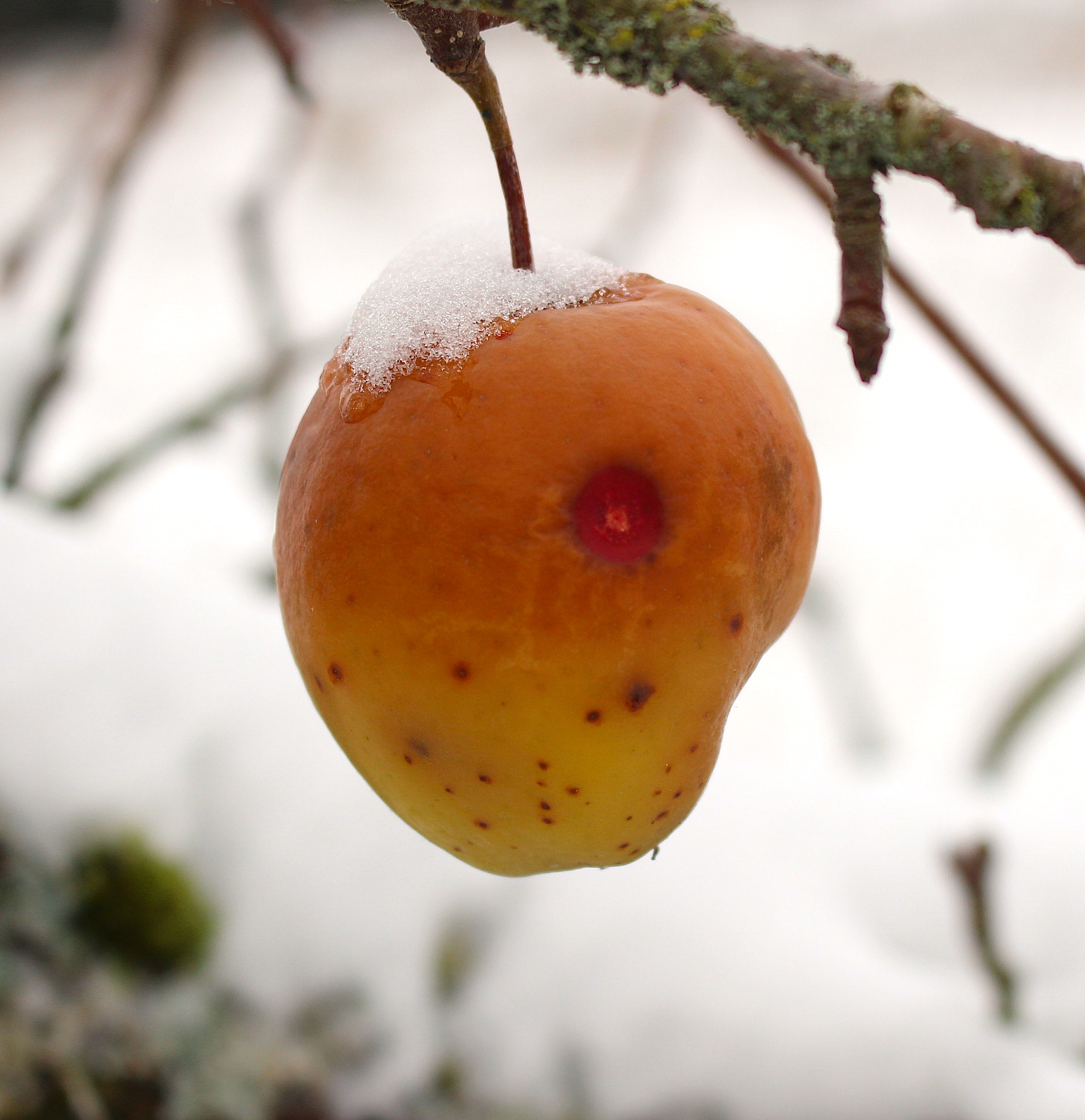
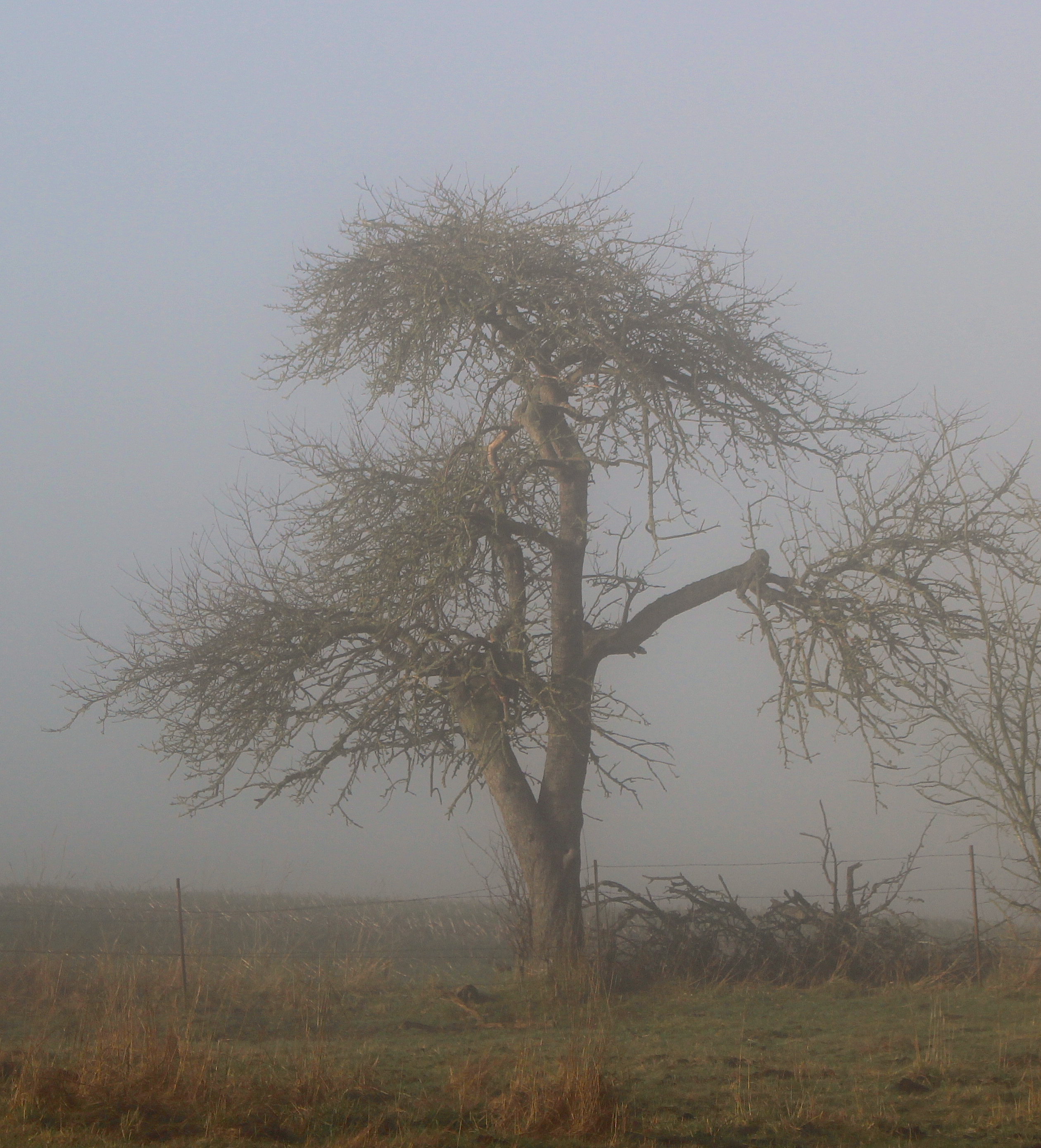
The winter orchard looks cold and silent yet I know plenty is happening beneath the sod.
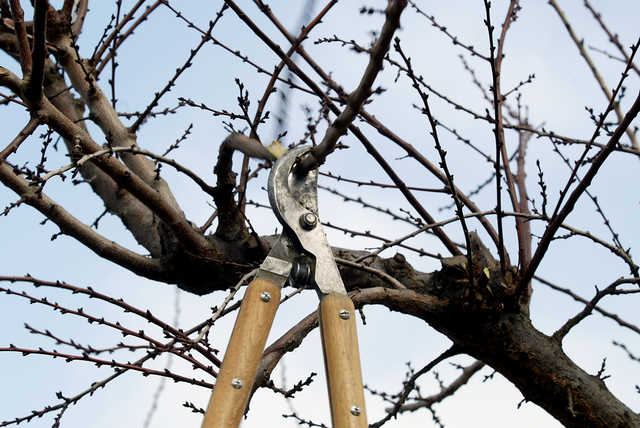
There isn’t much to be done this time of year until the pruning hook comes out. Ideally, now is the time the trees should be shaped and shorn.
Pruning is one of those tasks that is immensely satisfying–after it’s done – way after. Several years after in some cases. In the case of our fruit trees, which all have an average age of 90 years or more, it is a matter of prune or lose them forever. We set to work, trying to gently retrain wild and chaotic apple, cherry, plum, and pear trees, but our consistency was lacking. The trees remained on the wild side, defying us, and several have toppled over in windstorms due to their weakened frame.
We hired additional help, hoping to get ahead of the new growth, but our helper had the “chain saw” approach to pruning and literally scalped several trees into dormancy before we saw what was happening and stopped the savaging.
Instead, the process of retraining a wild tree is slow, meticulous, thoughtful, and expectant. We must study the tree, the setting, know the fruit it is supposed to bear, and begin making decisions before making cuts. The dead stuff goes first–that’s easy. It’s not useful, it’s taking up space, it’s outta here. It’s the removal of viable branches that takes courage. Like thinning healthy vegetable plants in a garden, I can almost hear the plant utter a little scream as we choose it to be the next one to go. Gardening is not for the faint of heart. So ideally, we choose to trim about a third of the superfluous branches, rather than taking them all at once. In three years, we have the hoped-for tree, bearing fruit that is larger, healthier and hardier.
Then we’re in maintenance mode. That takes patience, vision, dedication, and love. That’s the ideal world.
The reality is we skip years of pruning work, sometimes several years in a row. Or we make a really dumb error and prune in a way that is counter productive, and it takes several years for the tree to recover. Or, in the case of the scalping, those trees took years to ever bear fruit again–standing embarrassed and naked among their peers.
Then there is the clean up process after pruning–if it was just lopping off stuff, I’d be out there doing it right now, but the process of picking up all those discarded branches off the ground, carrying them to a brush pile and burning them takes much more time and effort. That’s where kids come in very handy.
Our three children tolerated our shaping, trimming and pruning for years, grew tall and strong and ready to meet the world, to give it all they’ve got. In our hopes and dreams for them, there were times we probably pruned a bit in haste, or sometimes neglected to prune enough, but even so, they’re all bearing great fruit, now grown up with few “scars” to show for our mistakes.
I’m still pruned regularly by the Master Gardener, often painfully. Sometimes I see the pruning hook coming, knowing the dead branches that I’ve needlessly hung onto must go, and sometimes it comes as a complete surprise, cutting me at my most vulnerable spots. Some years I bear better fruit than other years. Some years, it seems, hardly any at all. I can be cold and dormant, unfruitful and at times desolate.
Yet, I’m still rooted, still fed when hungry and watered when thirsty, and still, amazingly enough, loved. I’ll continue to hang on to the root that chose to feed me and hold me fast through the windstorms of life. Even when my trunk is leaning, my branches broken, my fruit withered, I will know that God’s love sustains me, no matter what.
I am the true vine, and my Father is the gardener. He cuts off every branch in me that bears no fruit, while every branch that does bear fruit he prunes so that it will be even more fruitful. John 15: 1-2
AI image created for this post
One-Time
Monthly
Yearly
Make a one-time or recurring donation to support daily Barnstorming posts
Make a monthly donation
Make a yearly donation
Choose an amount
$10.00
$25.00
$50.00
$5.00
$15.00
$100.00
$5.00
$15.00
$100.00
Or enter a custom amount
$
Your contribution is deeply appreciated to help offset the costs of maintaining an ad-free website.
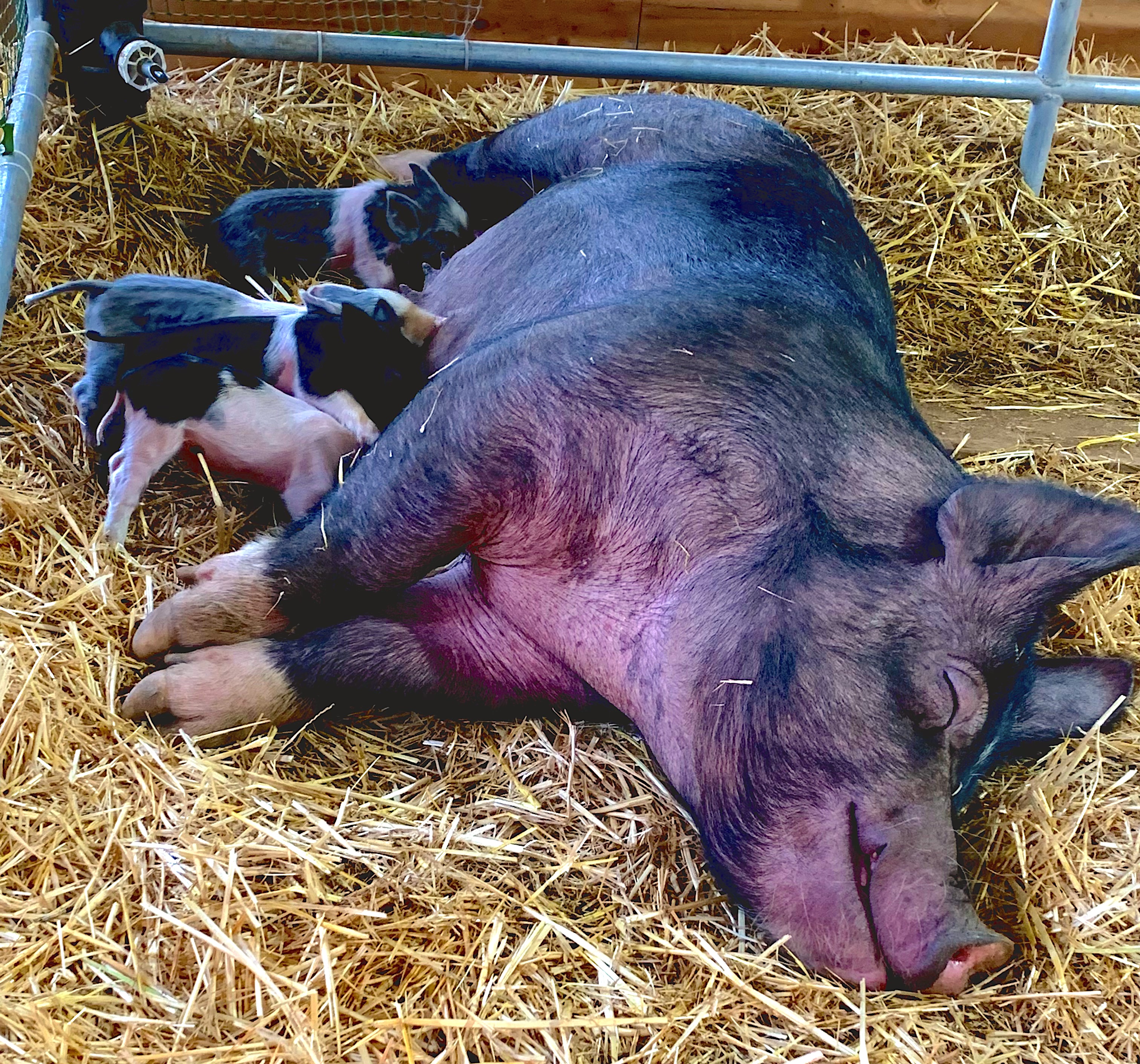
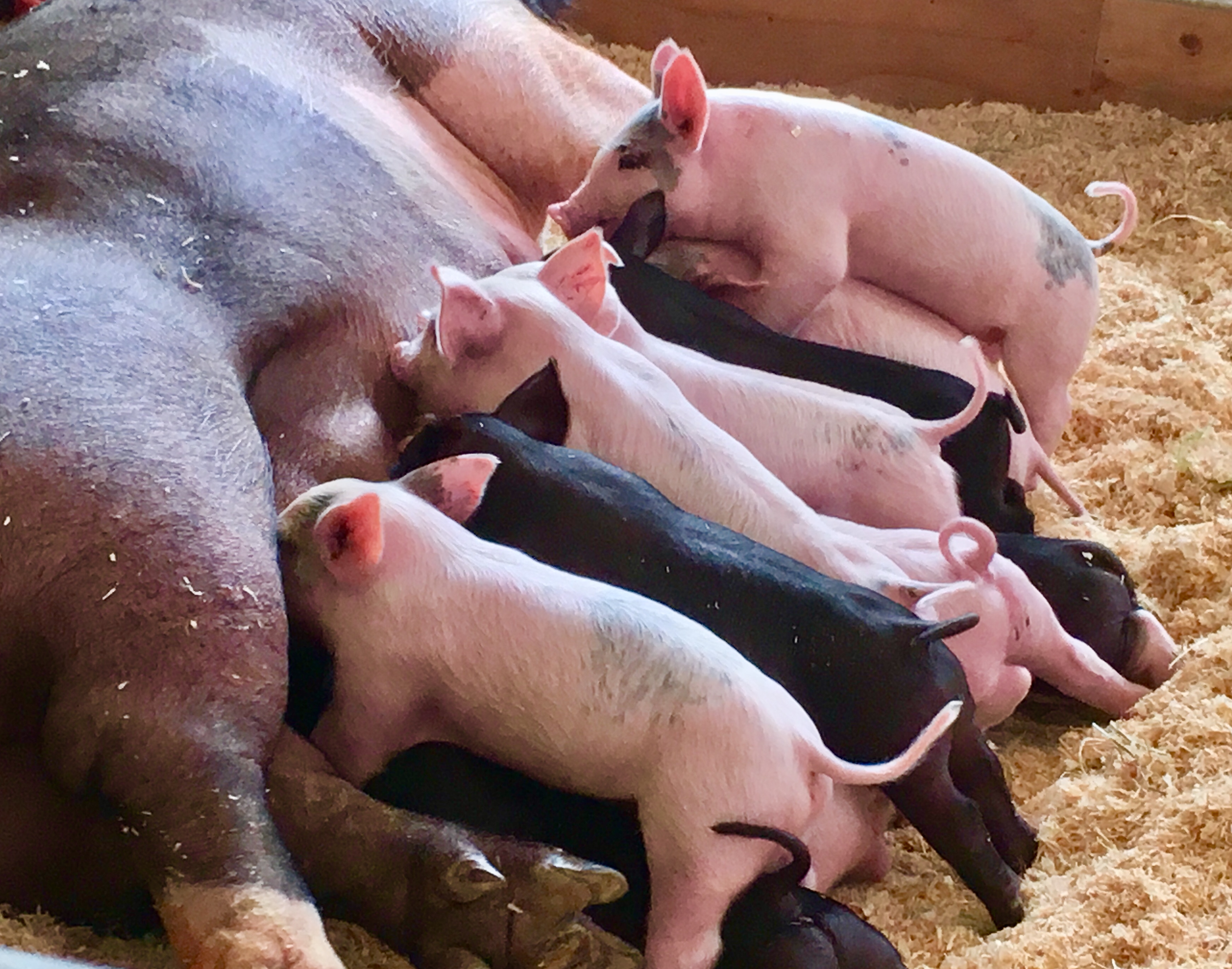
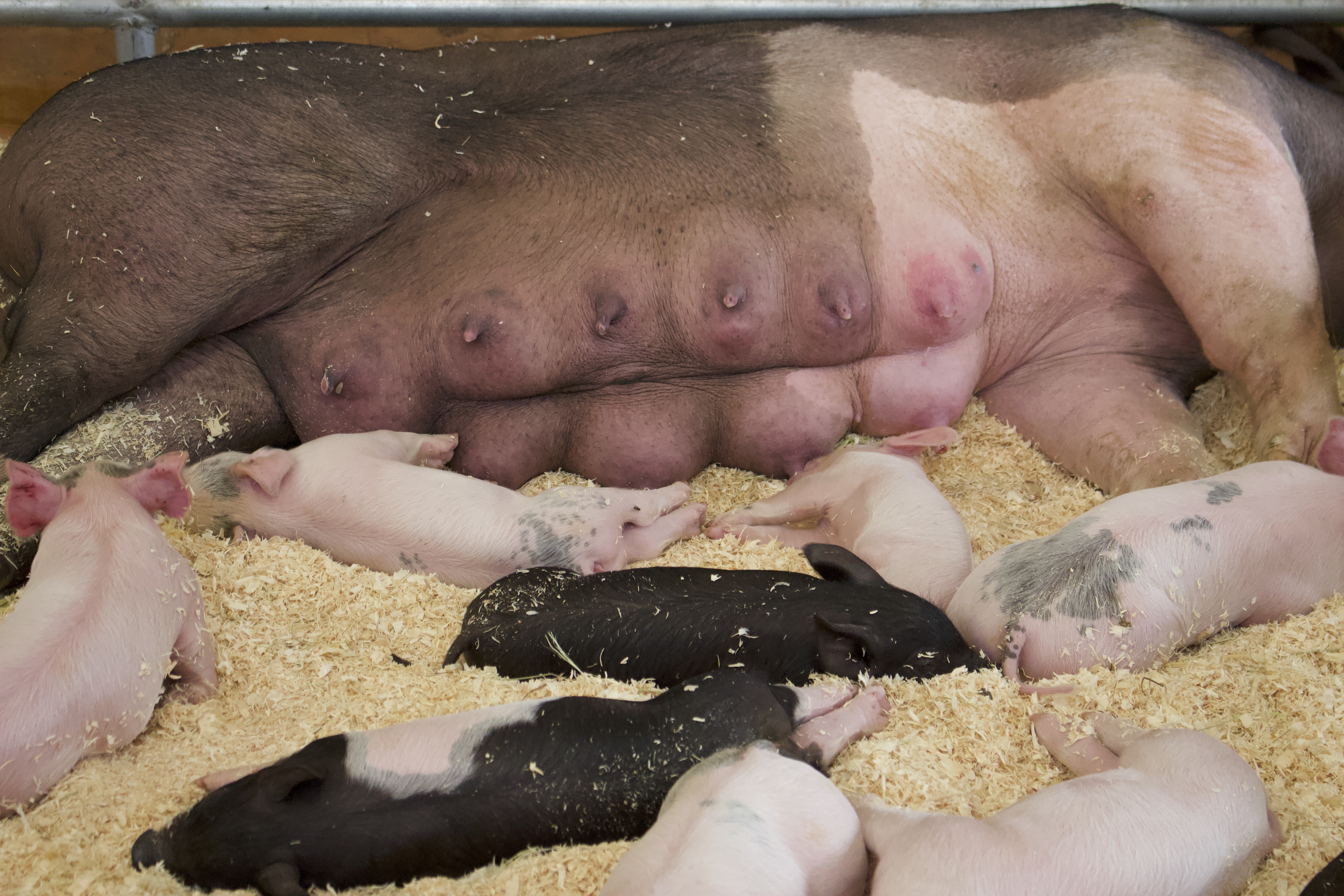
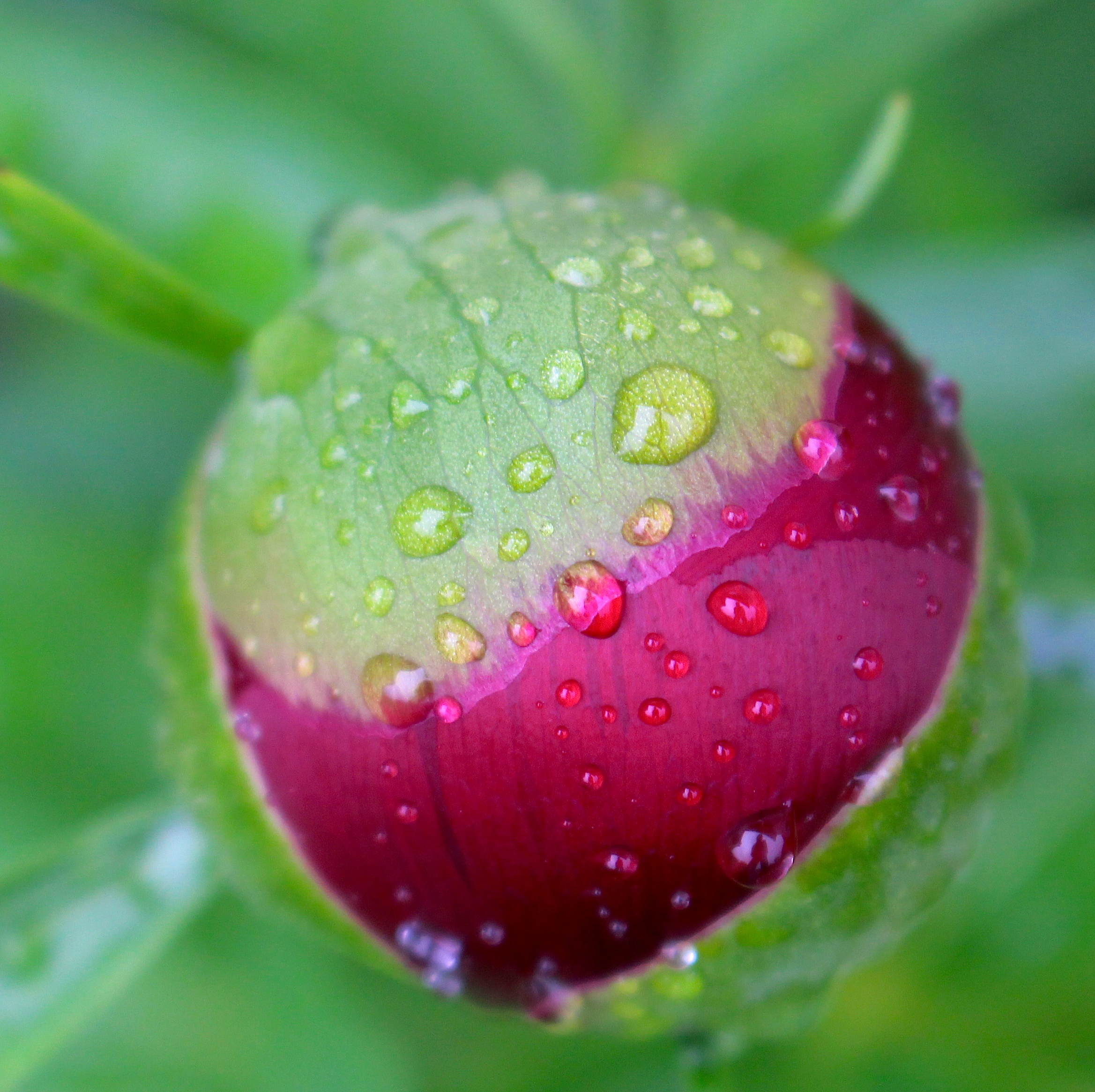
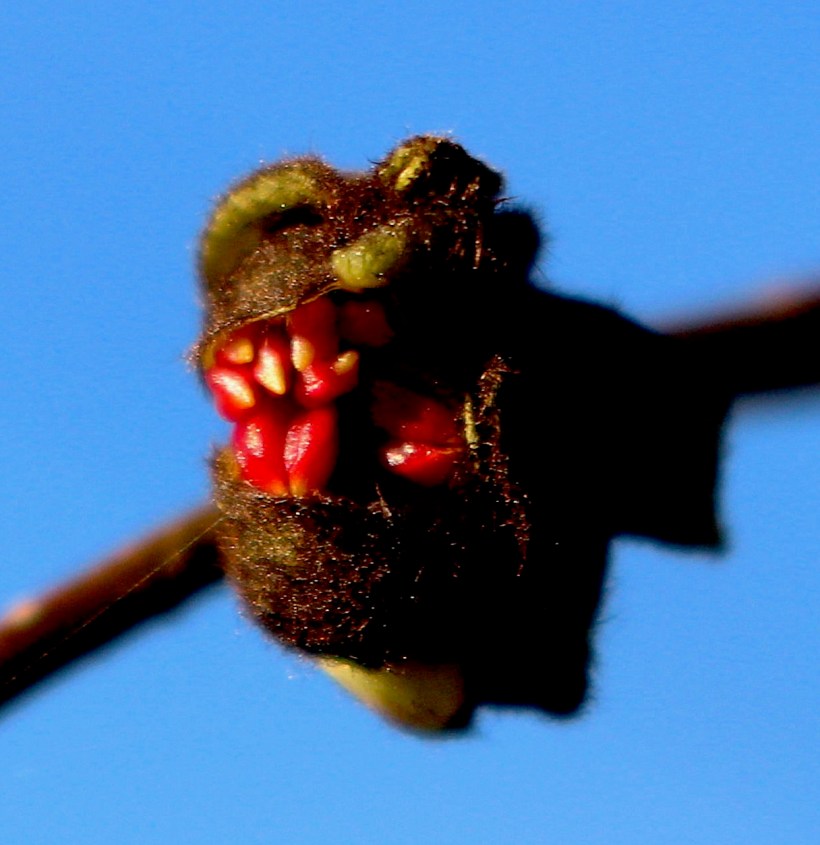
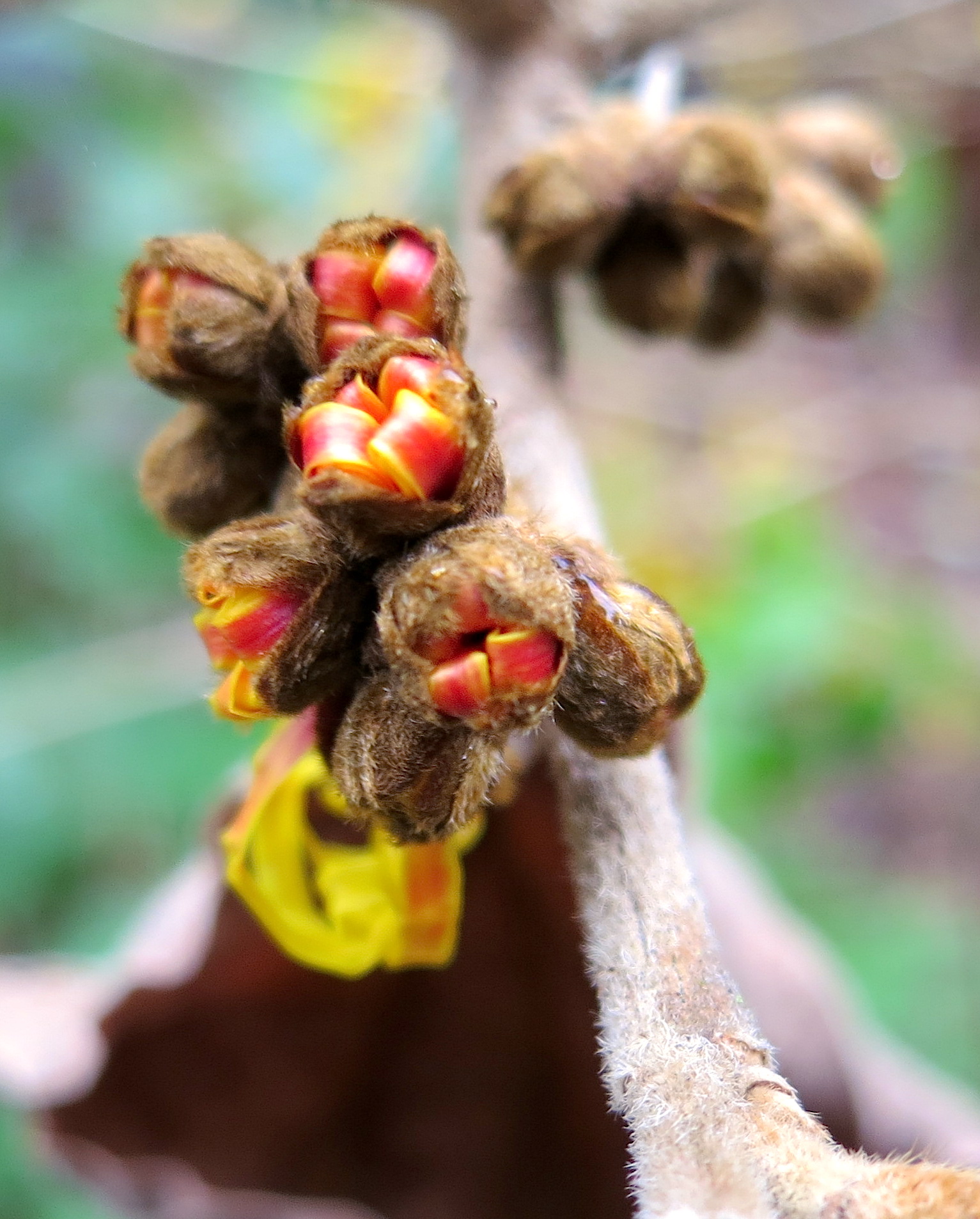
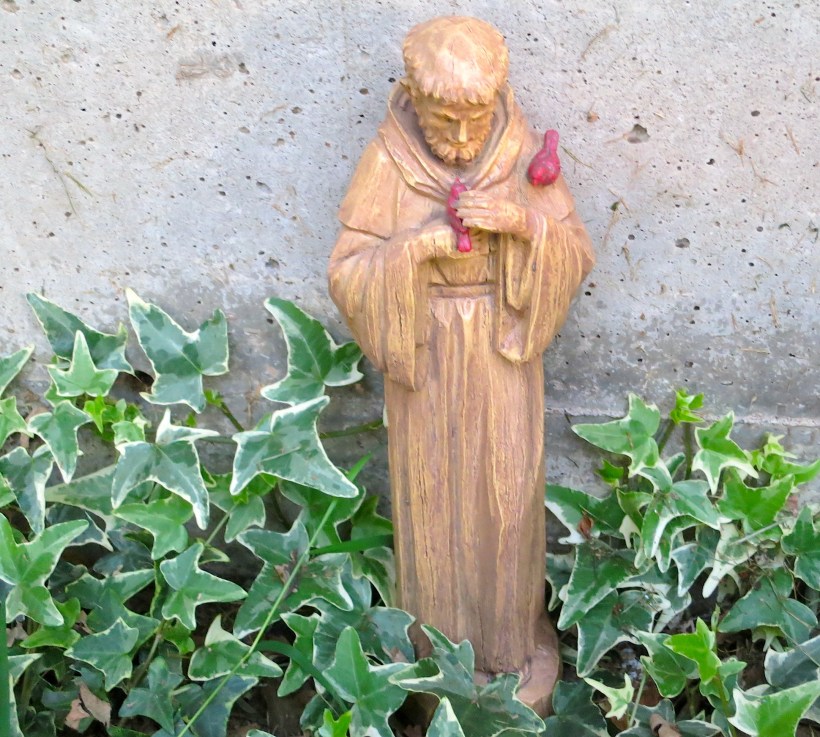
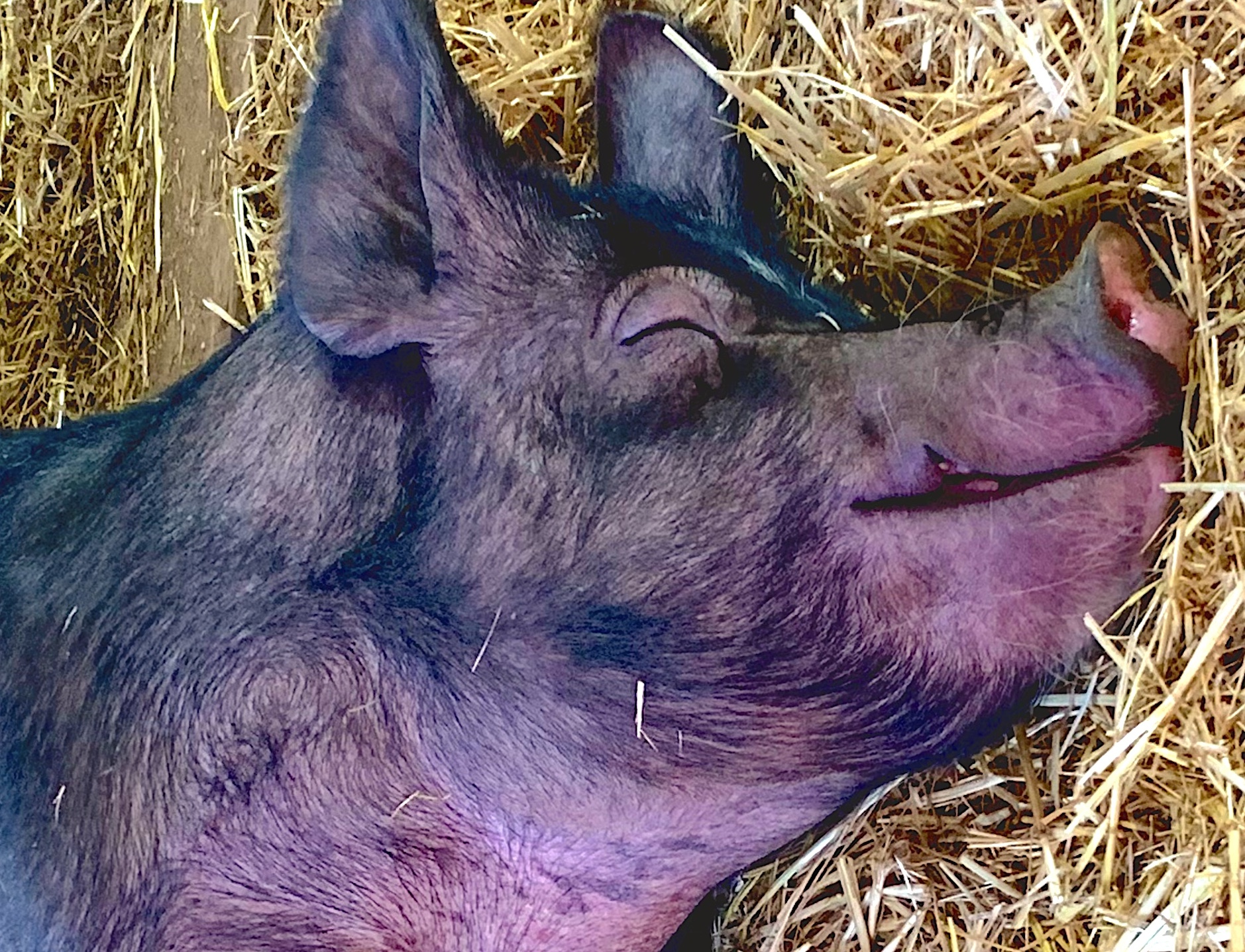
The bud stands for all things, even for those things that don’t flower, for everything flowers, from within, of self-blessing; though sometimes it is necessary to reteach a thing its loveliness, to put a hand on its brow of the flower and retell it in words and in touch it is lovely until it flowers again from within, of self-blessing; as Saint Francis put his hand on the creased forehead of the sow, and told her in words and in touch blessings of earth on the sow, and the sow began remembering all down her thick length, from the earthen snout all the way through the fodder and slops to the spiritual curl of the tail, from the hard spininess spiked out from the spine down through the great broken heart to the sheer blue milken dreaminess spurting and shuddering from the fourteen teats into the fourteen mouths sucking and blowing beneath them: the long, perfect loveliness of sow. ~Galway Kinnell “Saint Francis and the Sow”
None of us trust our own loveliness; we who are concerned with a blemish or an unusual shape of toe or nose.
Yet we are made as we are as an image of our Maker.
If we consider the purpose for which we’re created, then we are just as we should be – blessed with exact shape and size and spirit with which we serve and bring joy to others.
Our loveliness must be retold so we believe it thoroughly – as a bud is all about blossoming, a mother pours her love into the empty, a father leads and guides the lost.
One-Time
Monthly
Yearly
Make a one-time or recurring donation to support daily Barnstorming posts
Make a monthly donation
Make a yearly donation
Choose an amount
$10.00
$25.00
$50.00
$5.00
$15.00
$100.00
$5.00
$15.00
$100.00
Or enter a custom amount
$
Your contribution is deeply appreciated to help offset the cost of maintaining an ad-free website.
And a few favorite AI images created for my Barnstorming posts – I like to see whether computers are understanding, through an artistic interpretation, what I’m trying to say.
AI image created for BarnstormingAI image created for BarnstormingAI image created for BarnstormingAI image created for BarnstormingAI image created for this post
One-Time
Monthly
Yearly
Make a one-time or recurring donation to support daily Barnstorming posts
Make a monthly donation
Make a yearly donation
Choose an amount
$10.00
$25.00
$50.00
$5.00
$15.00
$100.00
$5.00
$15.00
$100.00
Or enter a custom amount
$
Your contribution is deeply appreciated to help cover the cost of maintaining an ad-free blog.
Usually, after turning out that forgotten barn light, I sit on the edge of the tractor bucket for a few minutes and let my eyes adjust to the night outside. City people always notice the darkness here, but it’s never very dark if you wait till your eyes owl out a little….
I’m always glad to have to walk down to the barn in the night, and I always forget that it makes me glad. I heave on my coat, stomp into my barn boots and trudge down toward the barn light, muttering at myself. But then I sit in the dark, and I remember this gladness, and I walk back up to the gleaming house, listening for the horses. ~Verlyn Klinkenborg from A Light in the Barn
…all who heard it wondered at what the shepherds told them. But Mary treasured up all these things, pondering them in her heart.. ~Luke 2:18-19
Inside the barn the sheep were standing, pushed close to one another. Some were dozing, some had eyes wide open listening in the dark. Some had no doubt heard of wolves. They looked weary with all the burdens they had to carry, like being thought of as stupid and cowardly, disliked by cowboys for the way they eat grass about an inch into the dirt, the silly look they have just after shearing, of being one of the symbols of the Christian religion. In the darkness of the barn their woolly backs were full of light gathered on summer pastures. Above them their white breath was suspended, while far off in the pine woods, night was deep in silence. The owl and rabbit were wondering, along with the trees, if the air would soon fill with snowflakes, but the power that moves through the world and makes our hair stand on end was keeping the answer to itself. ~Tom Hennen “Sheep in the Winter Night” from Darkness Sticks to Everything: Collected and New Poems.
Yet another school shooting takes hold of my heart and breaks it: two of our children are school teachers, our grandchildren are students.
there is so much about this world I don’t understand – the news of each day causes more questions and a sense of ever deeper despair.
There are times when I feel my hair stand on end, wondering where it all leads.
Half a lifetime ago, I was far more confident after so many years in school and training; now I am well aware there is much I can never know or understand.
To accept the mystery and power that moves through this world is an awe-filled load to carry.
All shall be revealed in the fullness of time. Yet shortening time is gets emptier by the minute.
I want to know why too many are taken from us too young, why there is persisting darkness and evil causing fear and suffering, why we stumble and fall and fail again and again, why we don’t trust one another or trust God when there are simply things that can’t be known or understood yet.
Most of all I need faith that God has my life and your life in His hands. His power moving through our hearts is real and true and trustworthy even if we don’t know all the answers to myriad questions yet.
So like sheep, huddled and frightened, we wait for our Shepherd’s voice to tell us where to go and what comes next.
He leaves the light on for us because, like sheep, like children, the darkness and the unknown can feel overwhelming.
AI image created for this post
This year’s Advent theme is from Dietrich Bonhoeffer’s sermon on the First Sunday in Advent, December 2, 1928:
The celebration of Advent is possible only to those who are troubled in soul, who know themselves to be poor and imperfect, and who look forward to something greater to come. For these, it is enough to wait in humble fear until the Holy One himself comes down to us, God in the child in the manager.
God comes.
He is, and always will be now, with us in our sin, in our suffering, and at our death. We are no longer alone. God is with us and we are no longer homeless. ~Dietrich Bonhoeffer – from Christmas Sermons
…the low is lifted high; the stars shall bend their voices, and every stone shall cry.
And every stone shall cry in praises of the child by whose descent among us the worlds are reconciled. ~Richard Wilburfrom “A Christmas Hymn”
Gentlemen, I have lived a long time and am convinced that God governs in the affairs of men.
If a sparrow cannot fall to the ground without His notice, is it probable that an empire can rise without His aid?
I move that prayer imploring the assistance of Heaven be held every morning before we proceed to business. – Benjamin Franklin at the Constitutional Convention of 1787
We are therefore Christ’s ambassadors, as though God were making his appeal through us. We implore you on Christ’s behalf: Be reconciled to God. – 2 Corinthians 5:20
Come, let us now resolve at last To live and love in quiet; We’ll tie the knot so very fast That Time shall ne’er untie it.
The truest joys they seldom prove Who free from quarrels live: ‘Tis the most tender part of love Each other to forgive.
When least I seem’d concern’d, I took No pleasure nor no rest; And when I feign’d an angry look, Alas! I loved you best.
Own but the same to me—you’ll find How blest will be our fate. O to be happy—to be kind— Sure never is too late! ~John Sheffield “The Reconciliation”
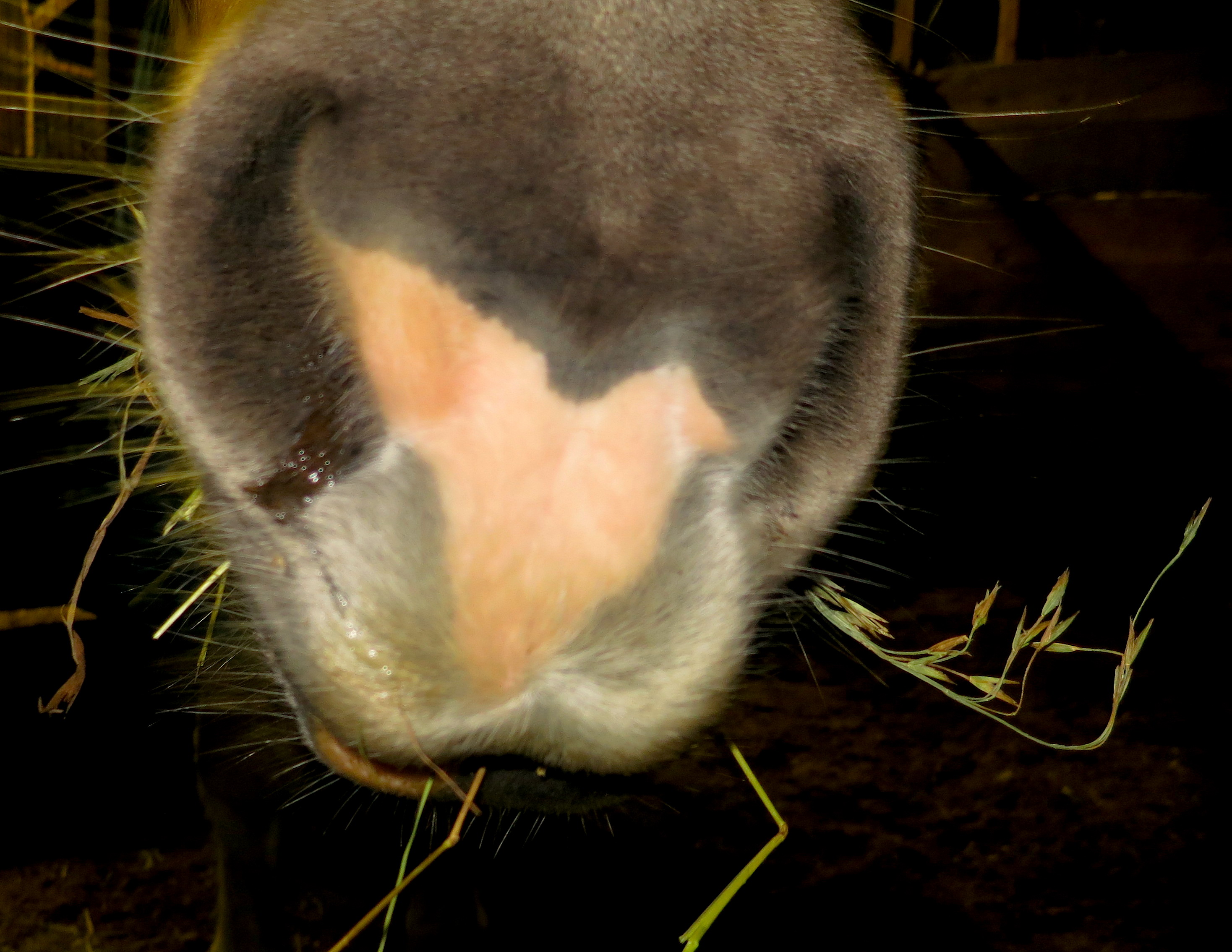
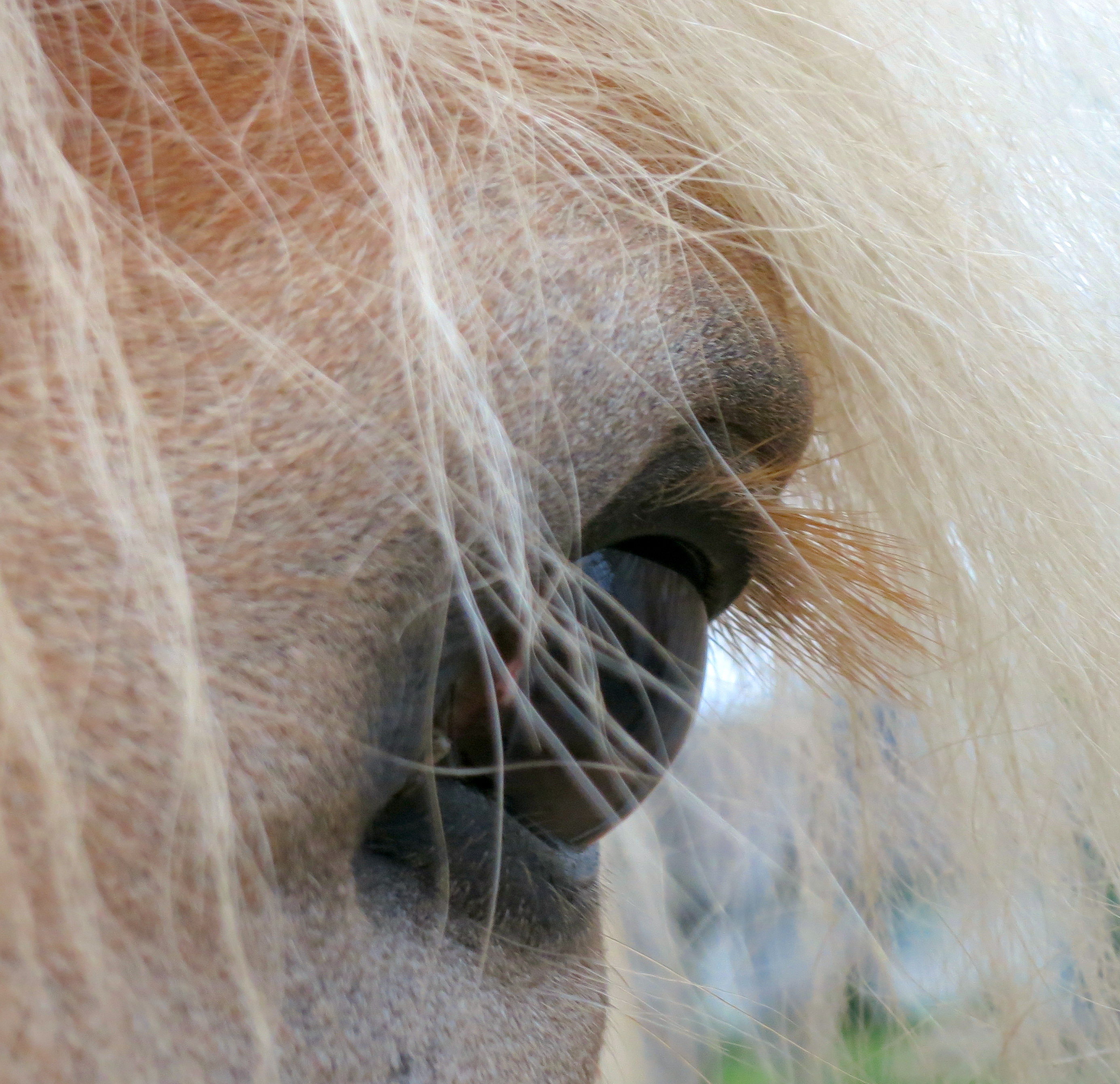
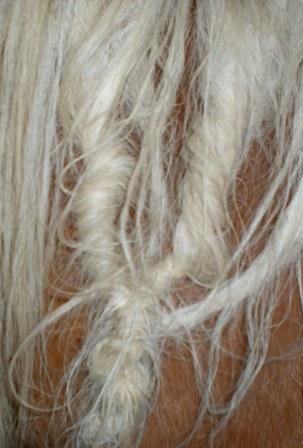
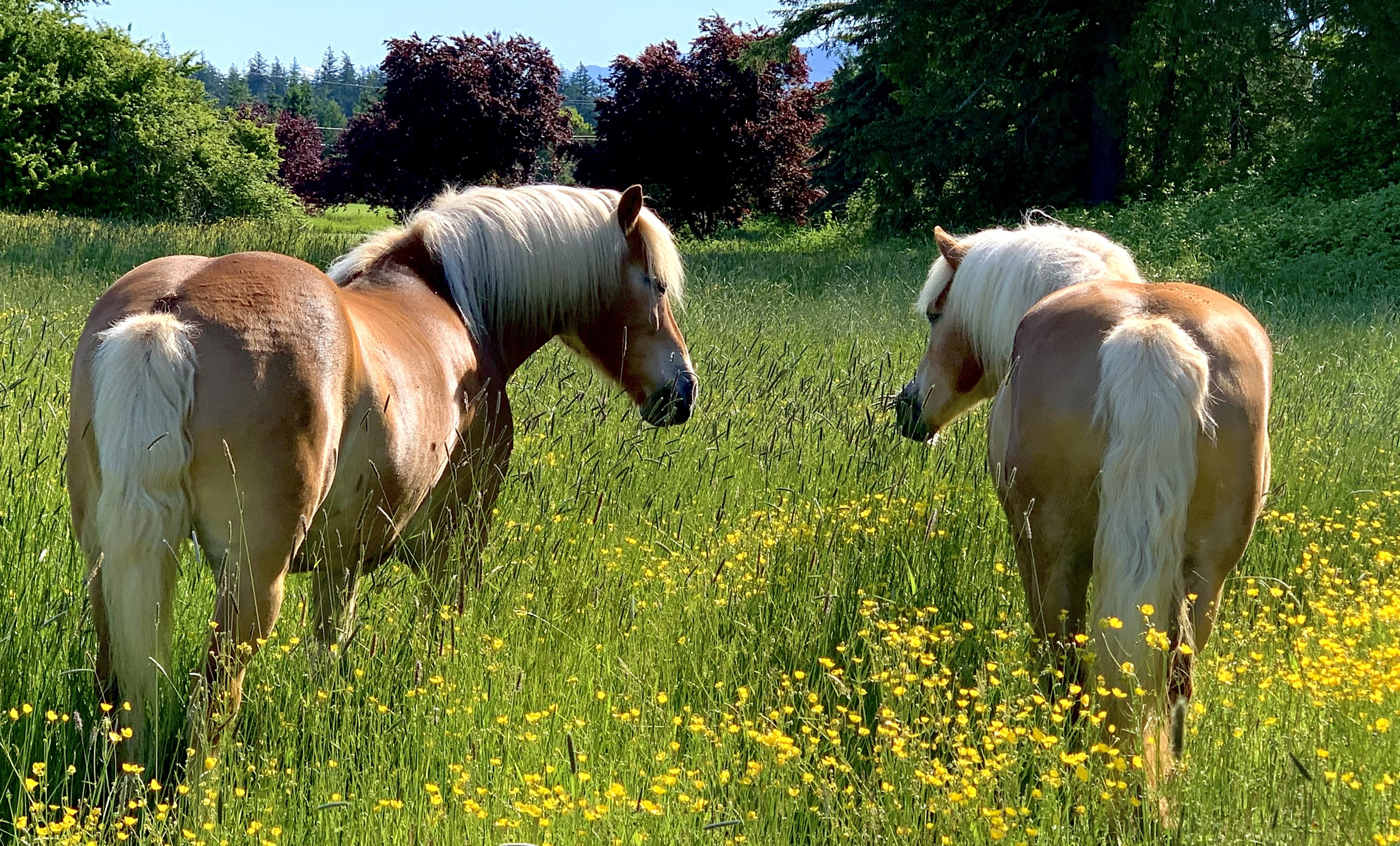
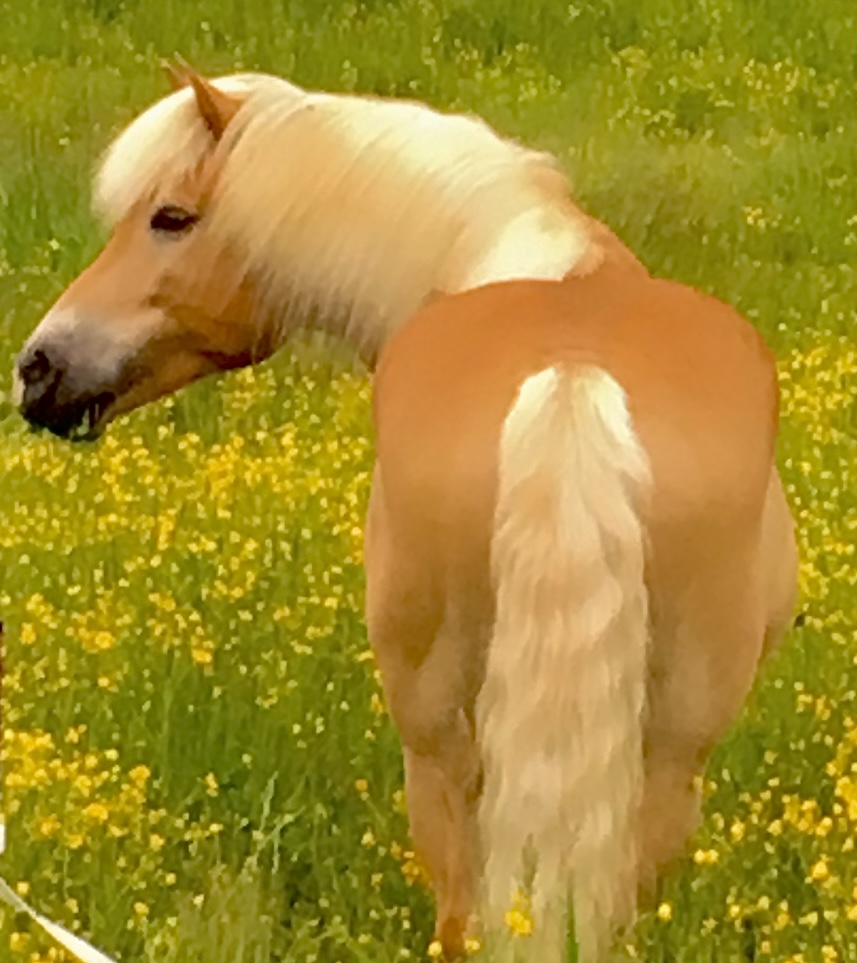
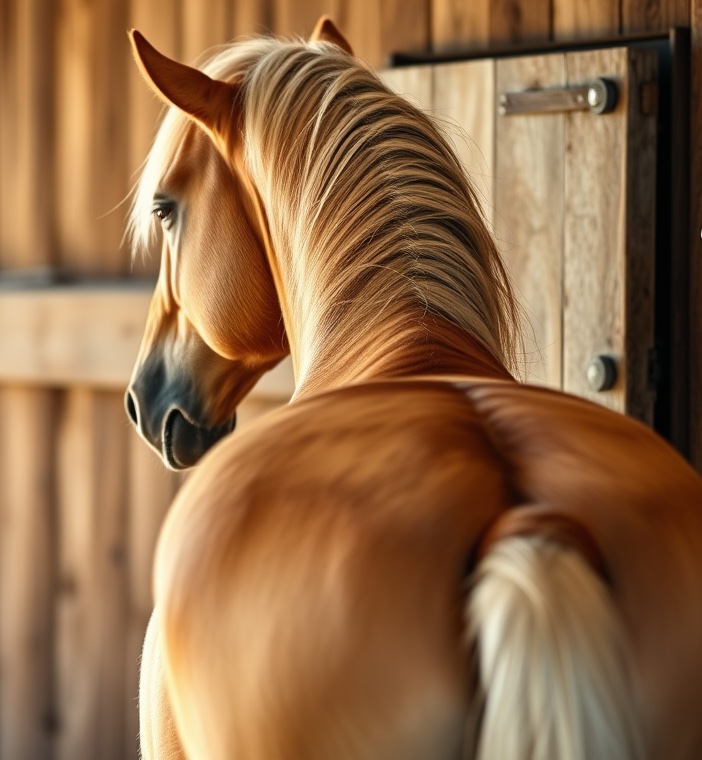
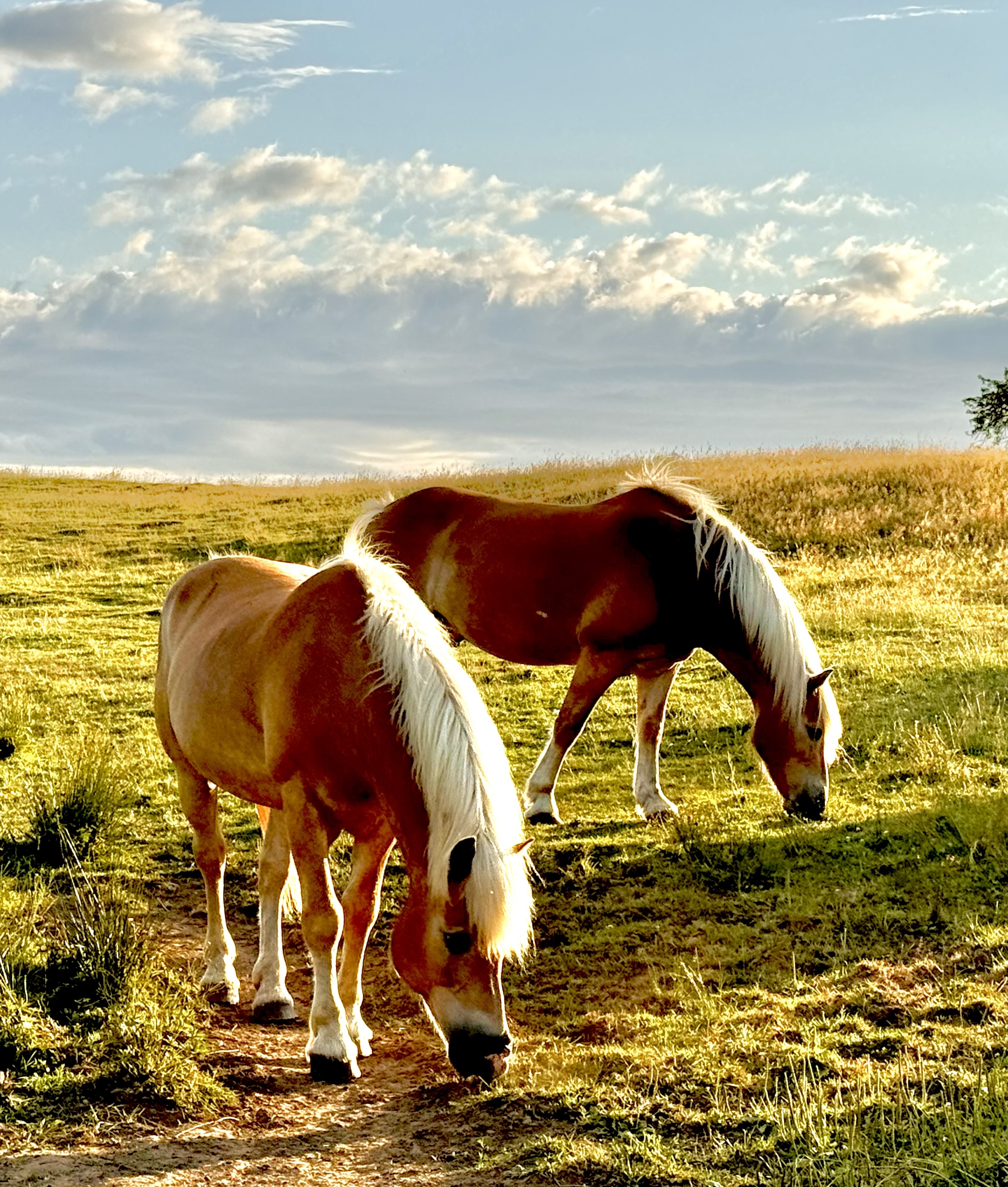
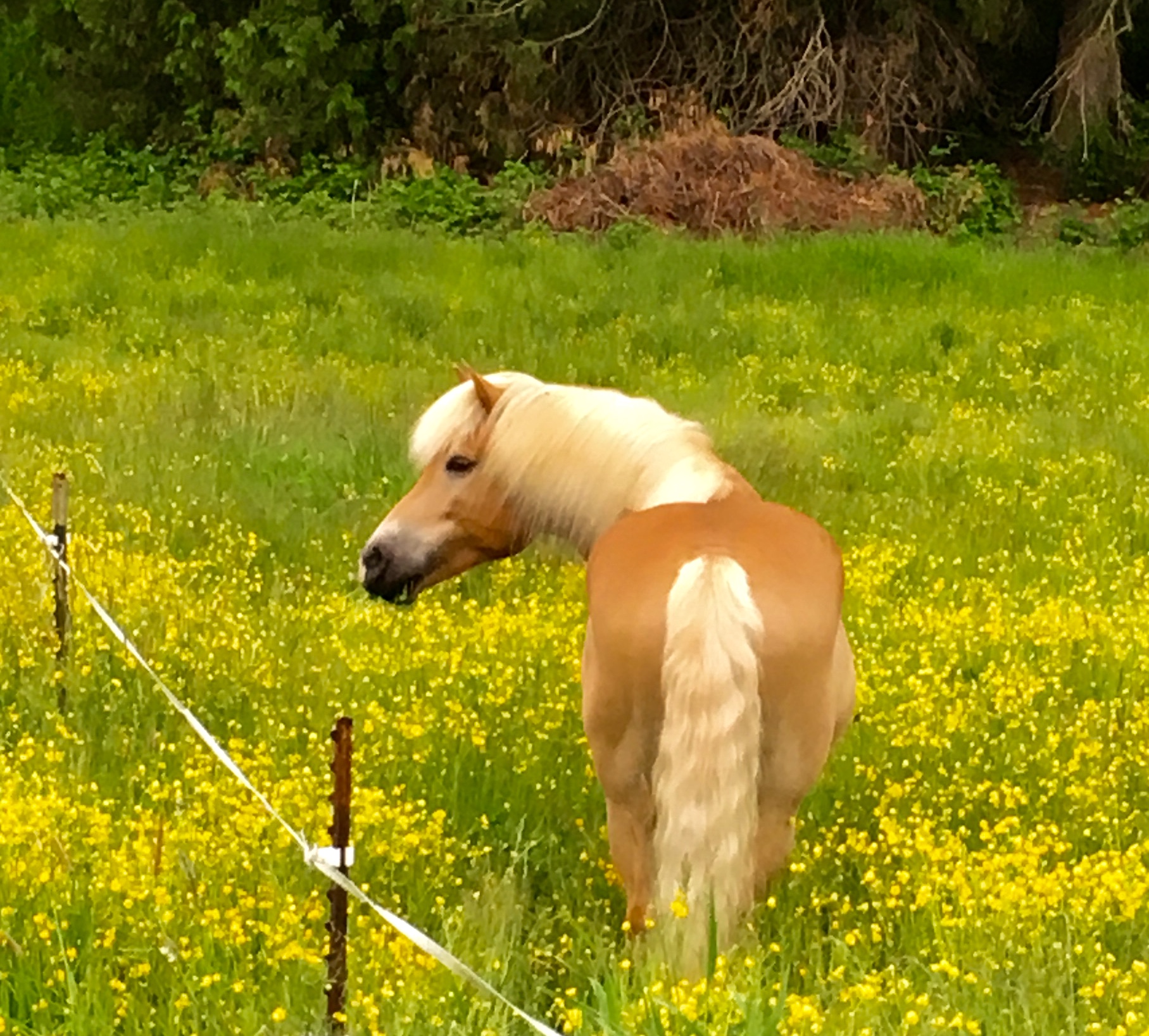
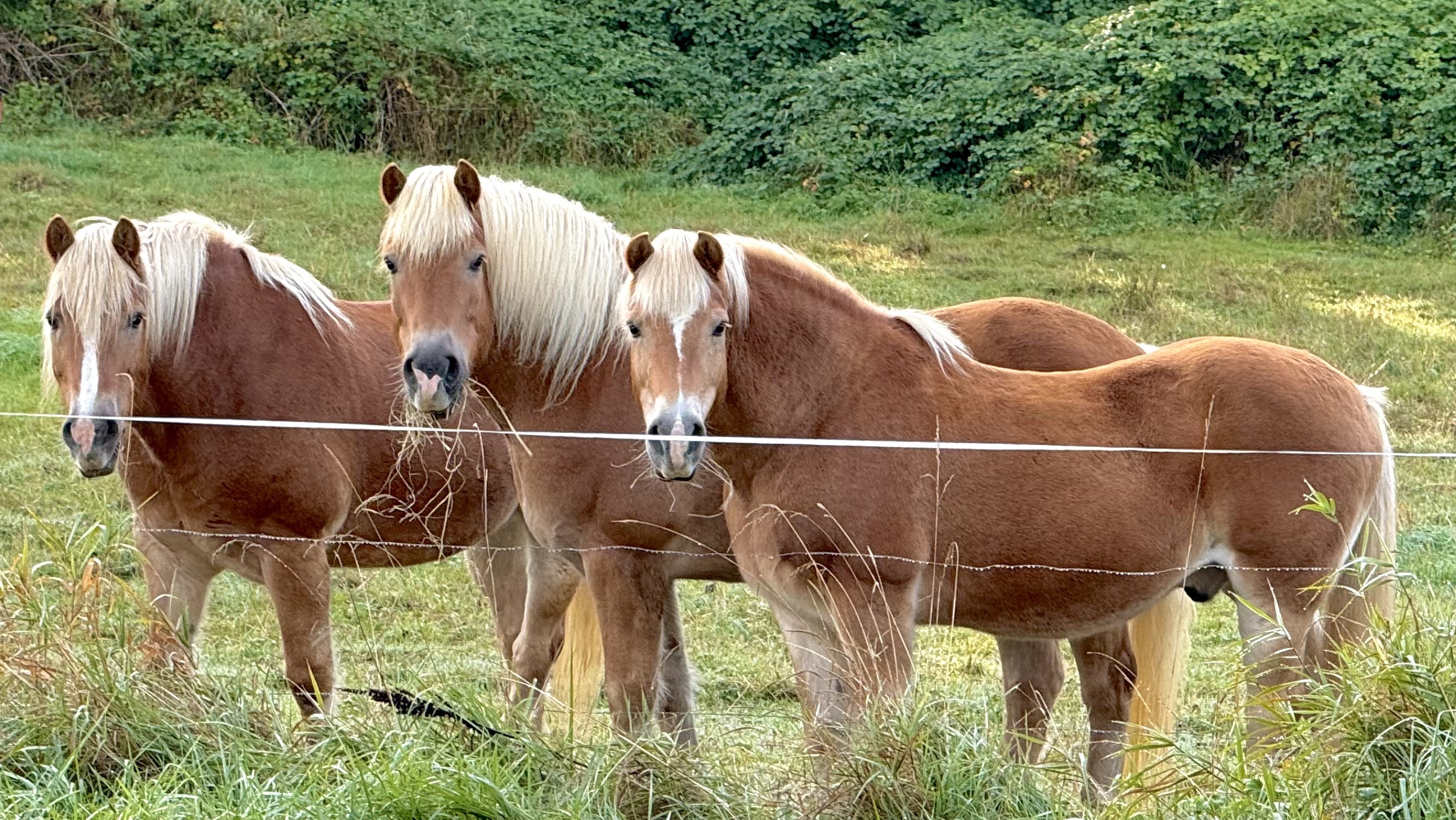
It did seem odd this morning during my barn chores that our Haflinger gelding stood facing the back wall as I opened his stall door to give him his hay. For a moment I wondered if there was a problem with his appetite as he usually would dive right into his hay as soon as I threw it to him. A closer look told me the problem was with his hind end, not his front end: his heavy white tail was wrapped snugly around a J hook hanging on the stall wall meant to hold his water bucket. Instead now it held him — and wasn’t letting go. He had apparently been itching his butt back and forth, round and round on the handy hook and managed to wrap his tail into such tight knots on the hook that he was literally tethered to the wall. He was very calm about the whole thing; maybe just a little embarrassed.
He turned his head to look at me, appearing a wee bit pitiful. How long he’d been standing there like that through the night was anyone’s guess. I bet he no longer felt itchy.
I started to work at untying the tail knots to free him and found them wound so tight that loosening them required significant cooperation from my 1200 pound buddy. Unfortunately, any time I managed to almost unloop a knot over the hook end, he would pull forward, snugging it even tighter.
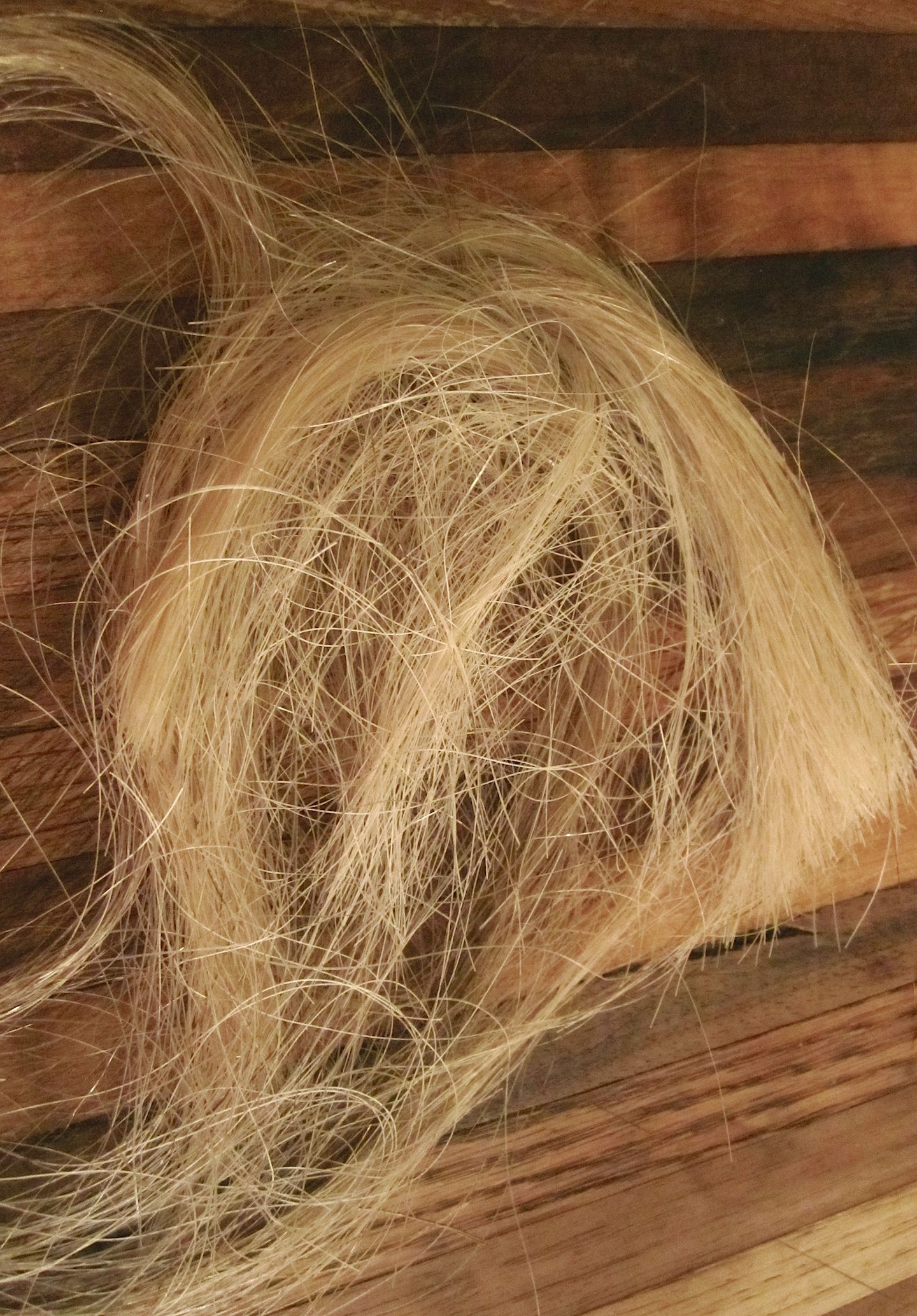
Out of desperation I pulled out the scissors I keep in my barnjacket pocket. I cut one knot hoping that would be sufficient. Then I cut through another knot. Still not enough. I cut a third big knot and thank God Almighty, he was free at last. He sauntered over to his hay now with a chunk of his tail in my hand and a big gap in what was still left hanging on him. It may take a year to grow that missing hair back out. But hey, it is only hair and at least someone kind and caring came along with a set of shears to release him painlessly from his captivity.
I know what it is like to get tangled up in things I should give wide berth. I have a tendency, like my horse, to butt in where I best not be and then become so bound I can’t get loose again. It can take forever to free myself, sometimes painfully leaving parts of my hide behind.
So when I inevitably get tied up in knots again, or when I fall out of my comfortable, secure nest, I pray someone will come along to save me. Better yet, I hope someone might warn me away from the things that hook me before I foolishly back right into them.
I’ve got to loosen up and quit pulling the knots tighter.
I am humbled in my need. I am humbled by my helplessness.
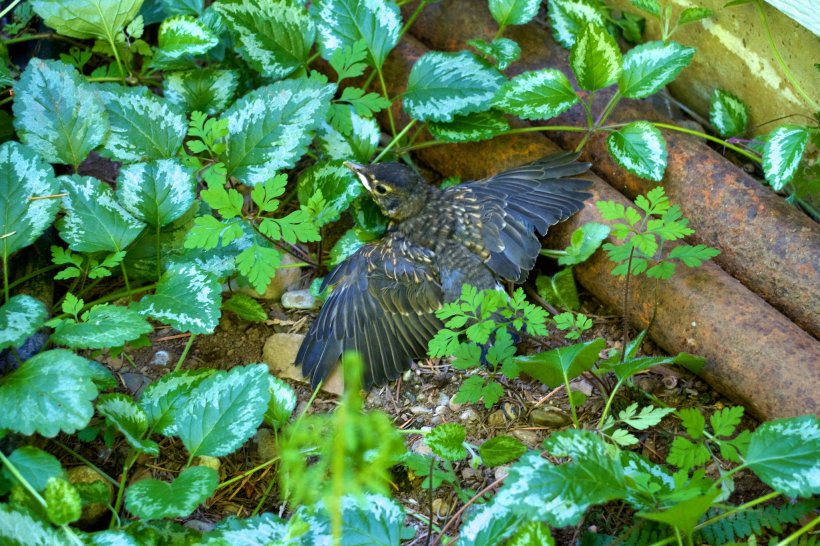
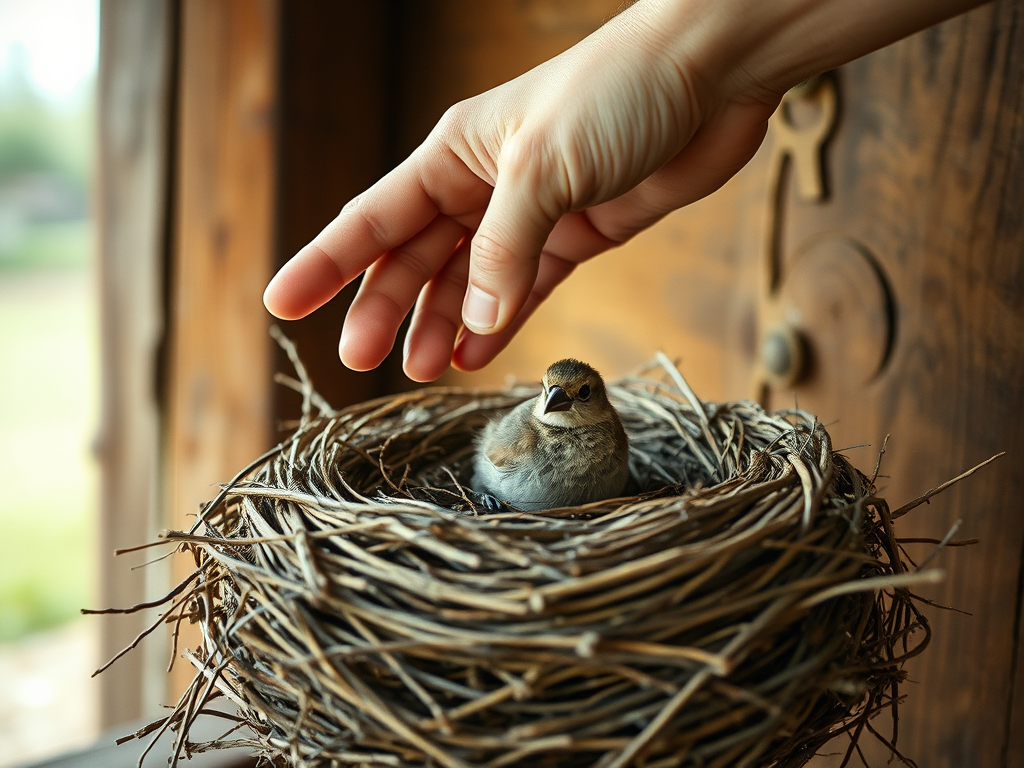
So I implore God for His steadfast, reconciling assistance – as the sparrow on the ground, fallen from the nest, as the horse bound by his knotted tail to the wall.
I trust God’s protecting, rescuing, forgiving Hand.
AI image created for this post
This year’s Advent theme is from Dietrich Bonhoeffer’s sermon on the First Sunday in Advent, December 2, 1928:
The celebration of Advent is possible only to those who are troubled in soul, who know themselves to be poor and imperfect, and who look forward to something greater to come. For these, it is enough to wait in humble fear until the Holy One himself comes down to us, God in the child in the manager.
God comes.
He is, and always will be now, with us in our sin, in our suffering, and at our death. We are no longer alone. God is with us and we are no longer homeless. ~Dietrich Bonhoeffer – from Christmas Sermons
One-Time
Monthly
Yearly
Make a one-time or recurring donation to support daily Barnstorming posts
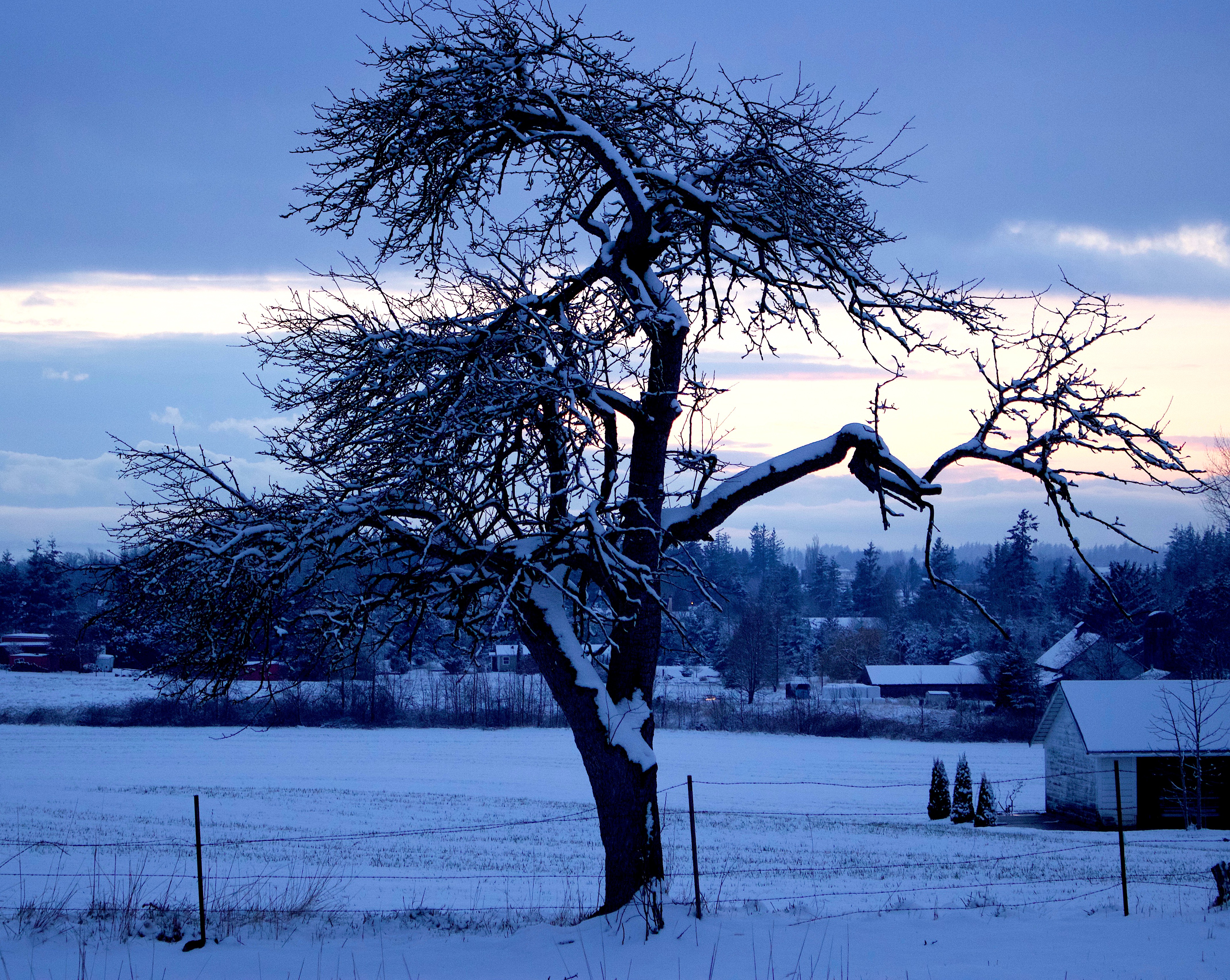
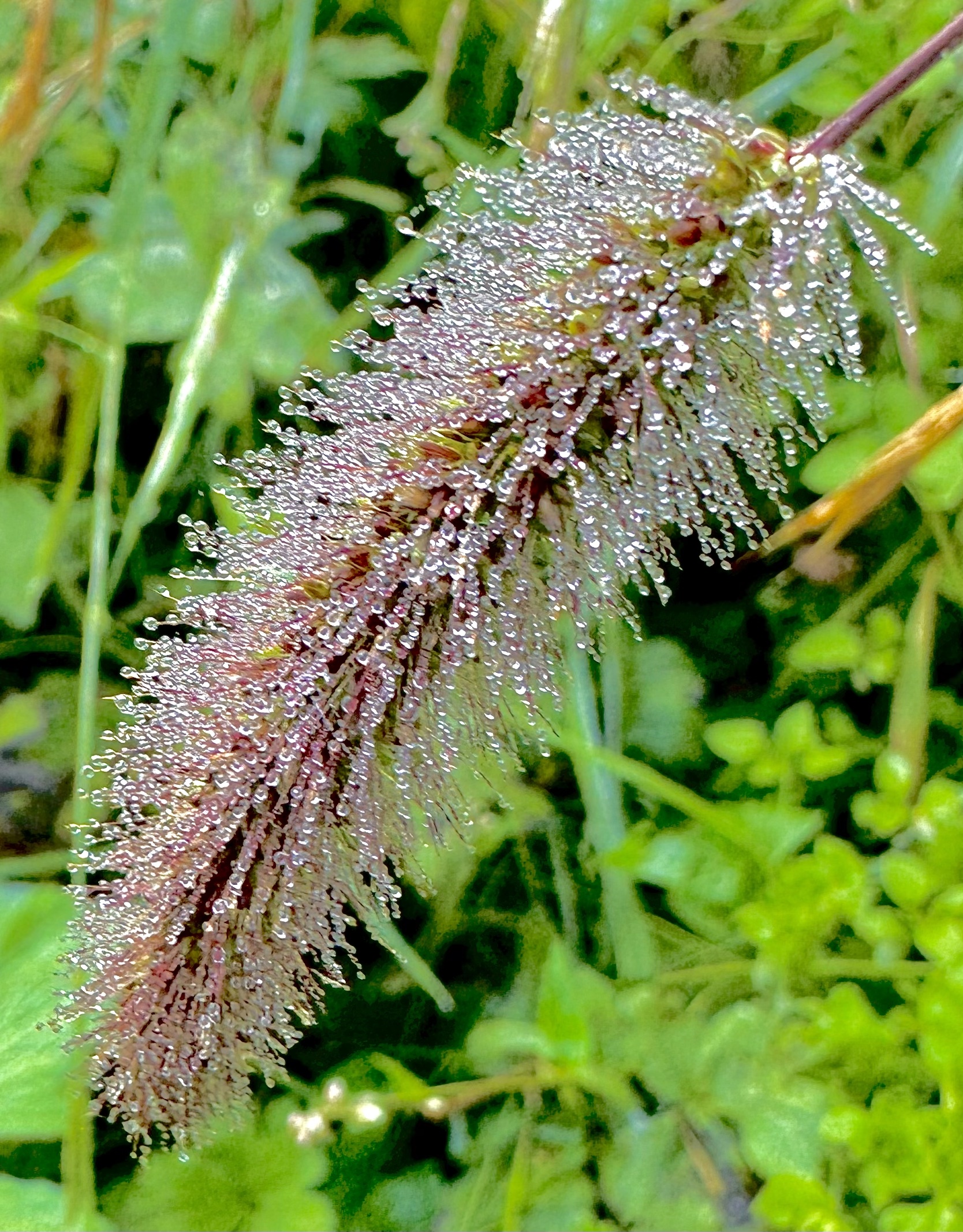
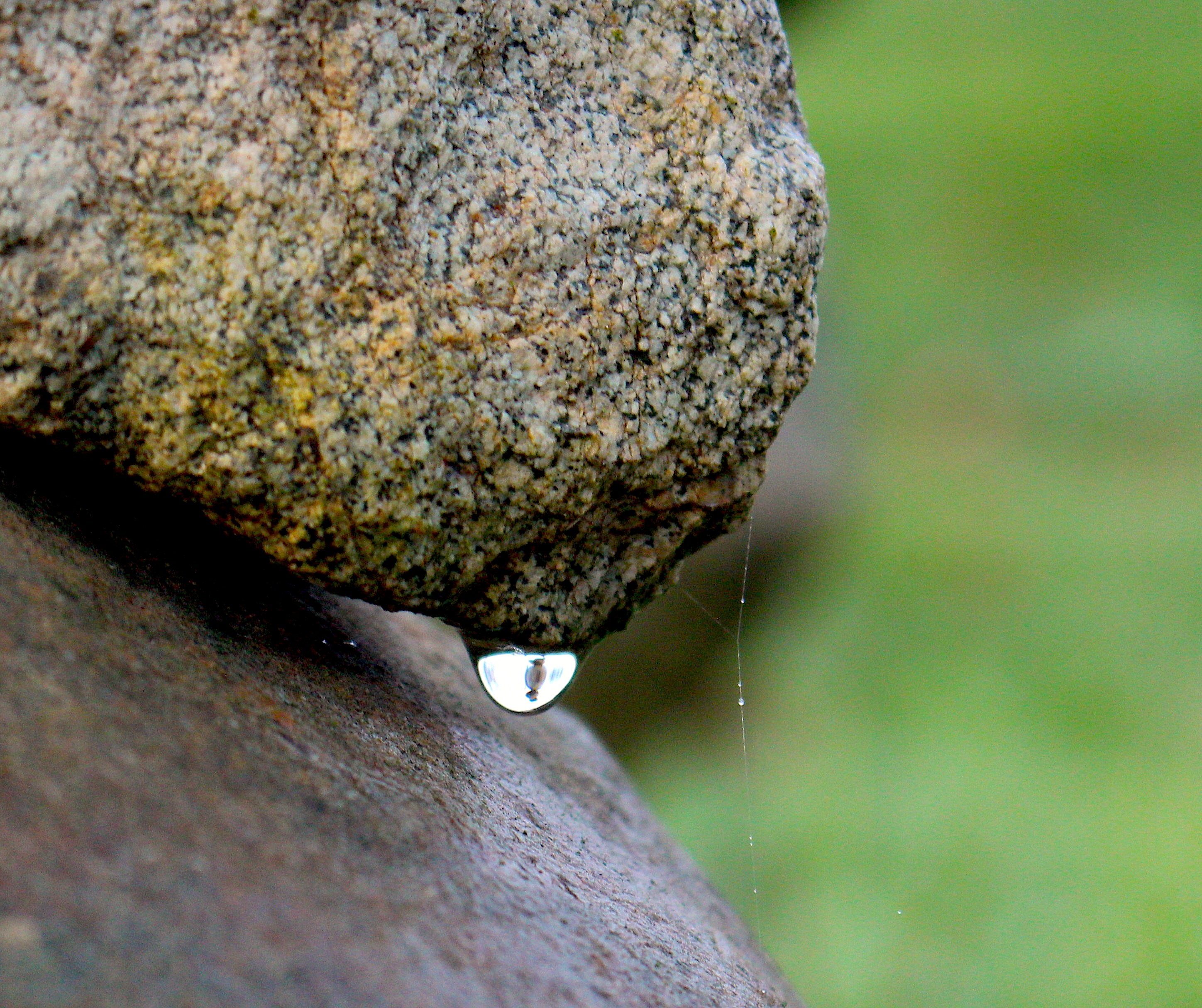
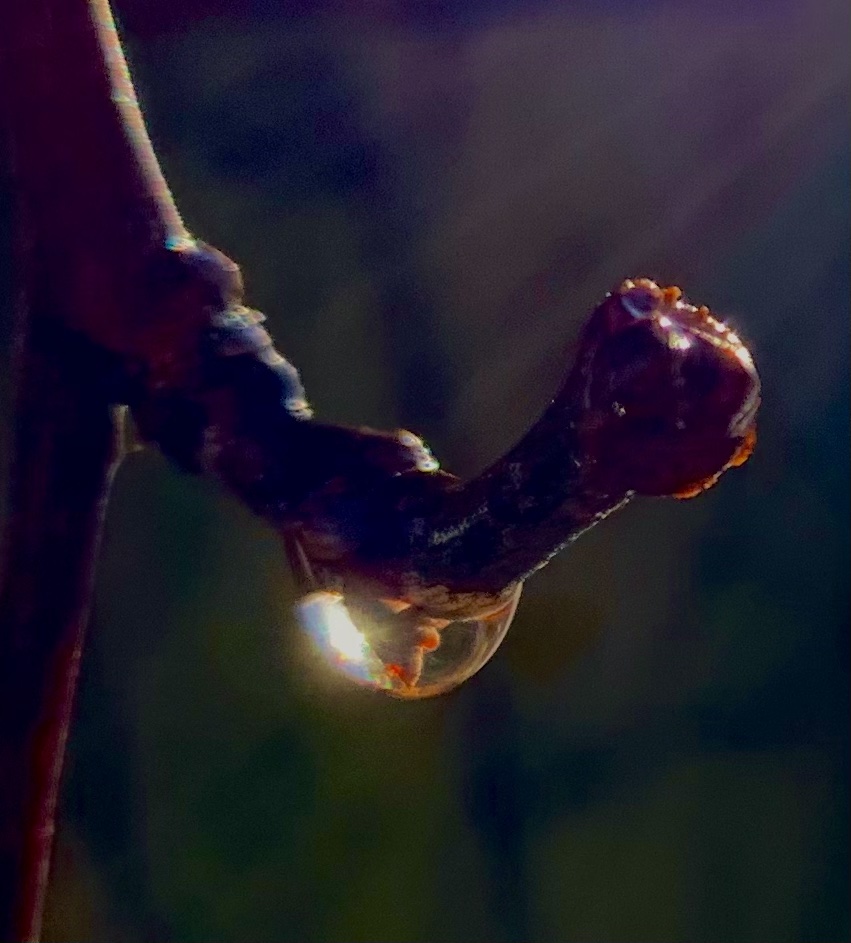
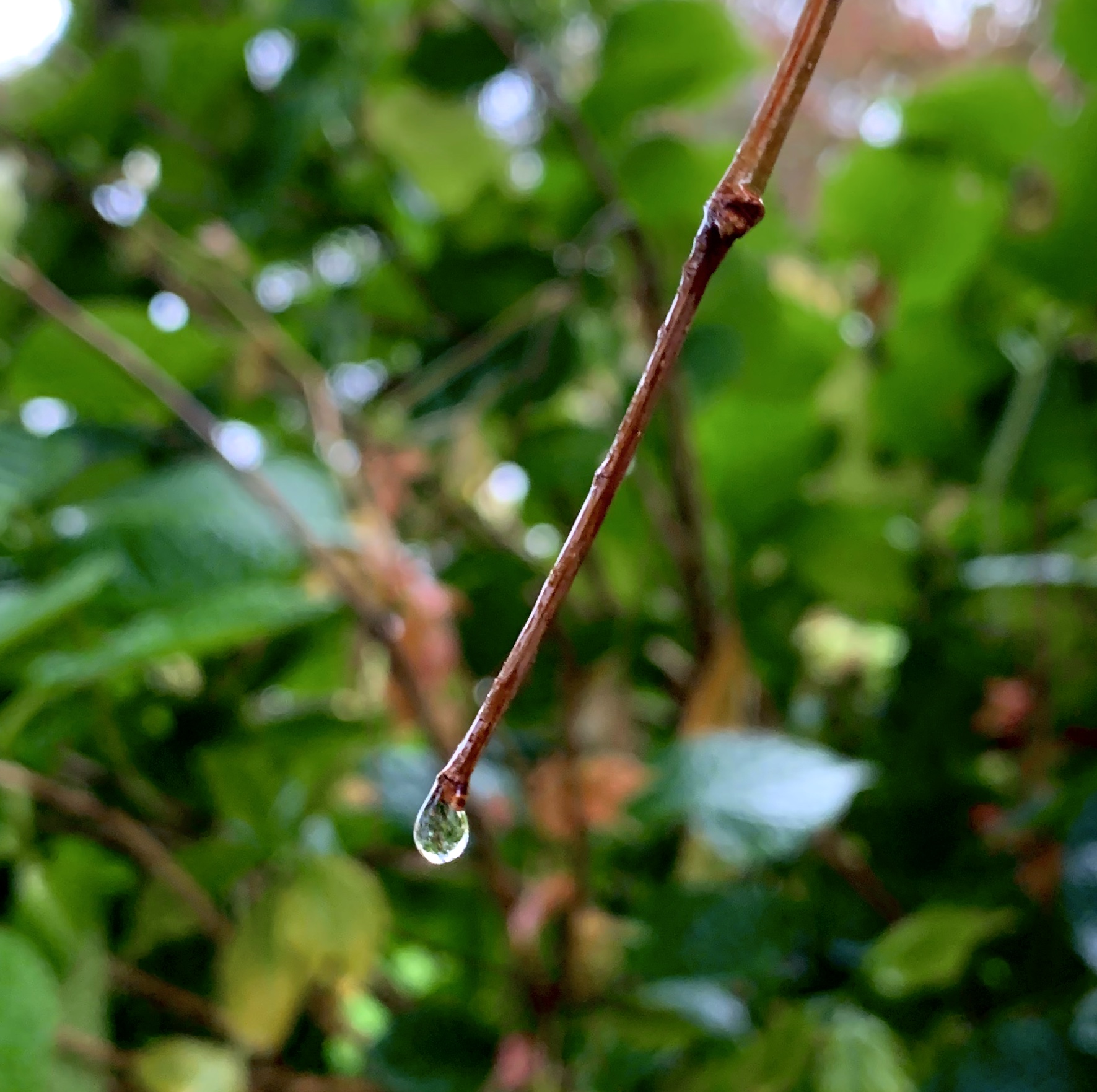
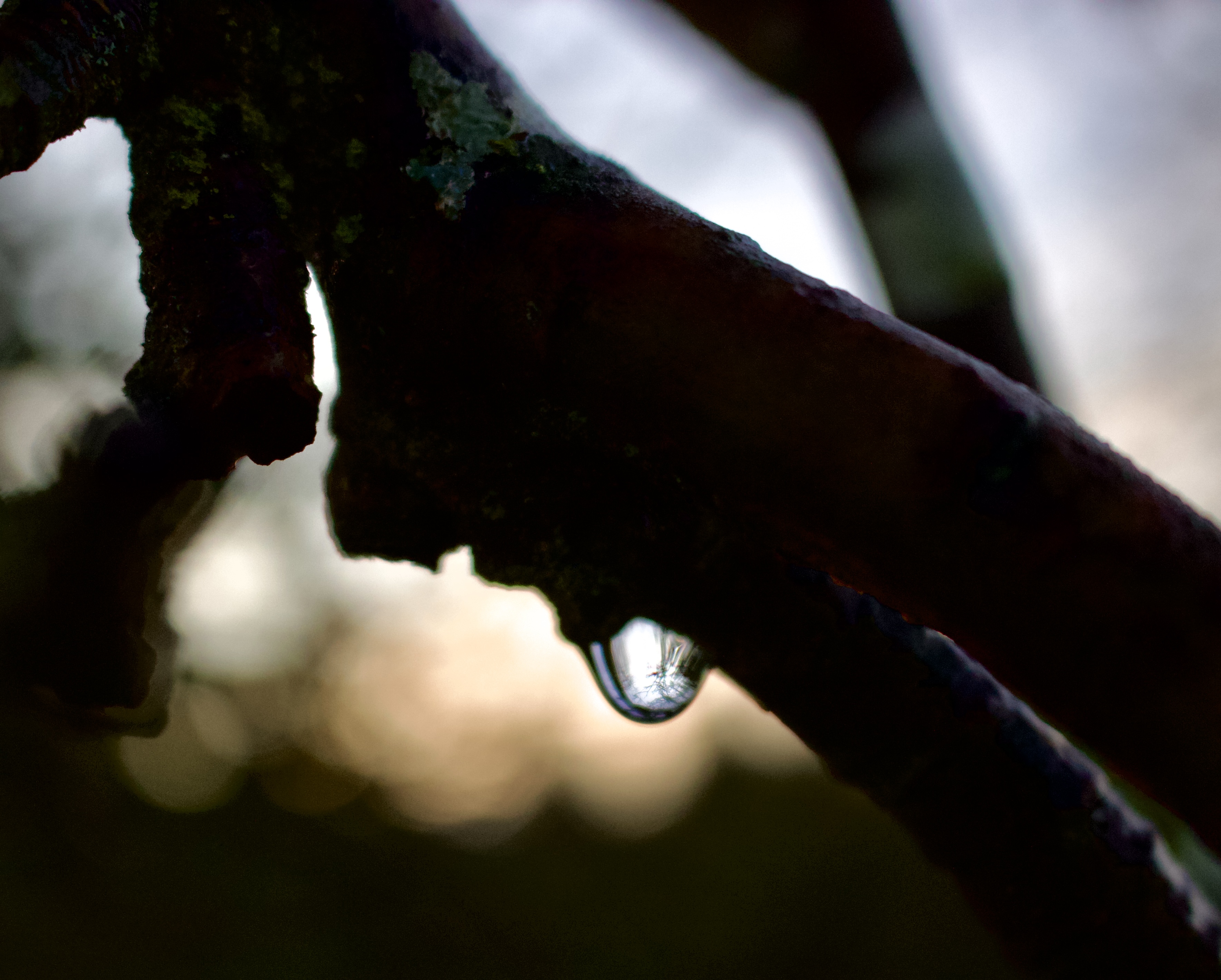
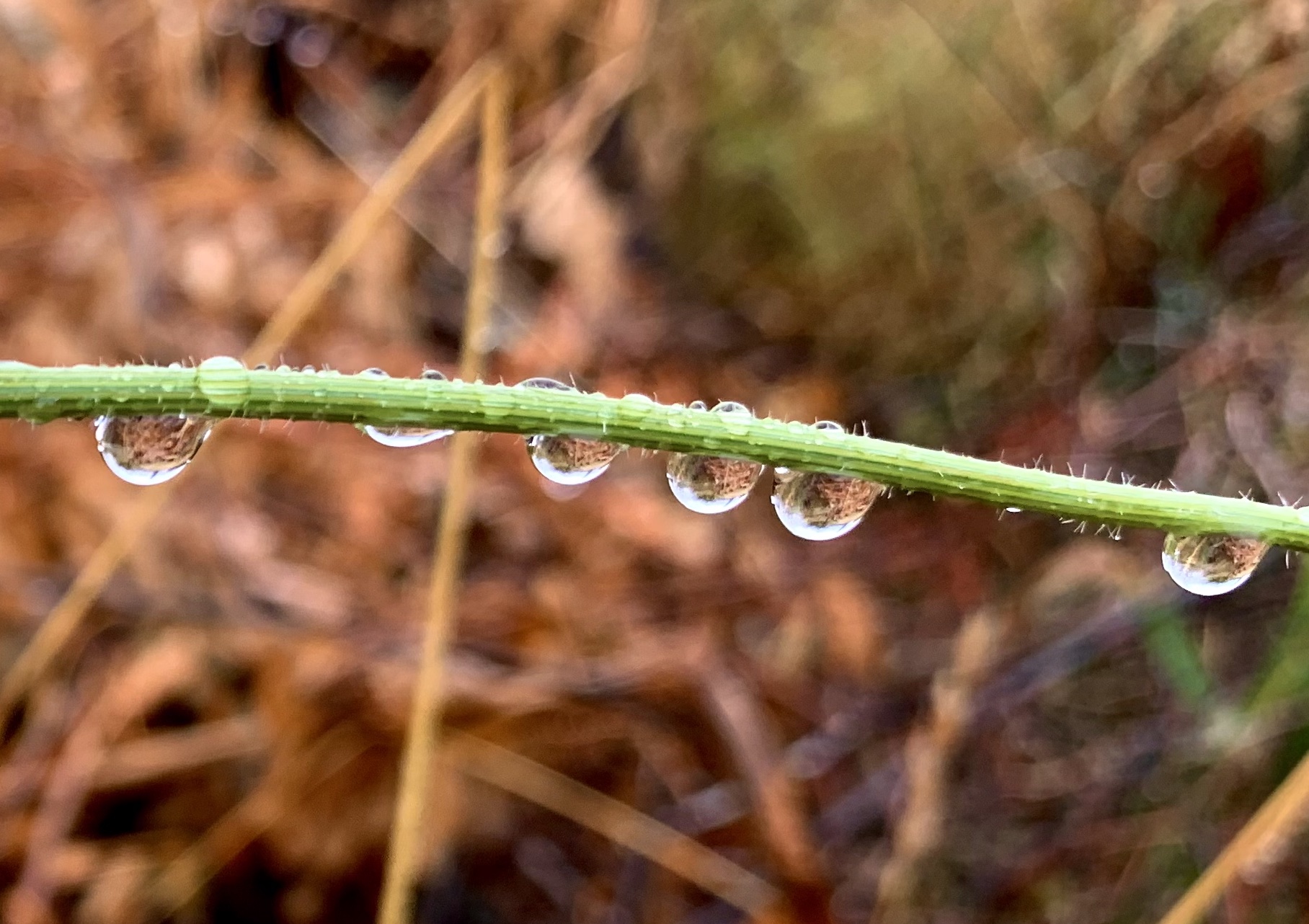
Find a quiet rain. Then a green spruce tree. You will notice that nearly every needle has been decorated with a tiny raindrop ornament. Look closely inside the drop and there you are. In color. Upside down. Raindrops have been collecting snapshots since objects and people were placed, to their surprise, here and there on earth.
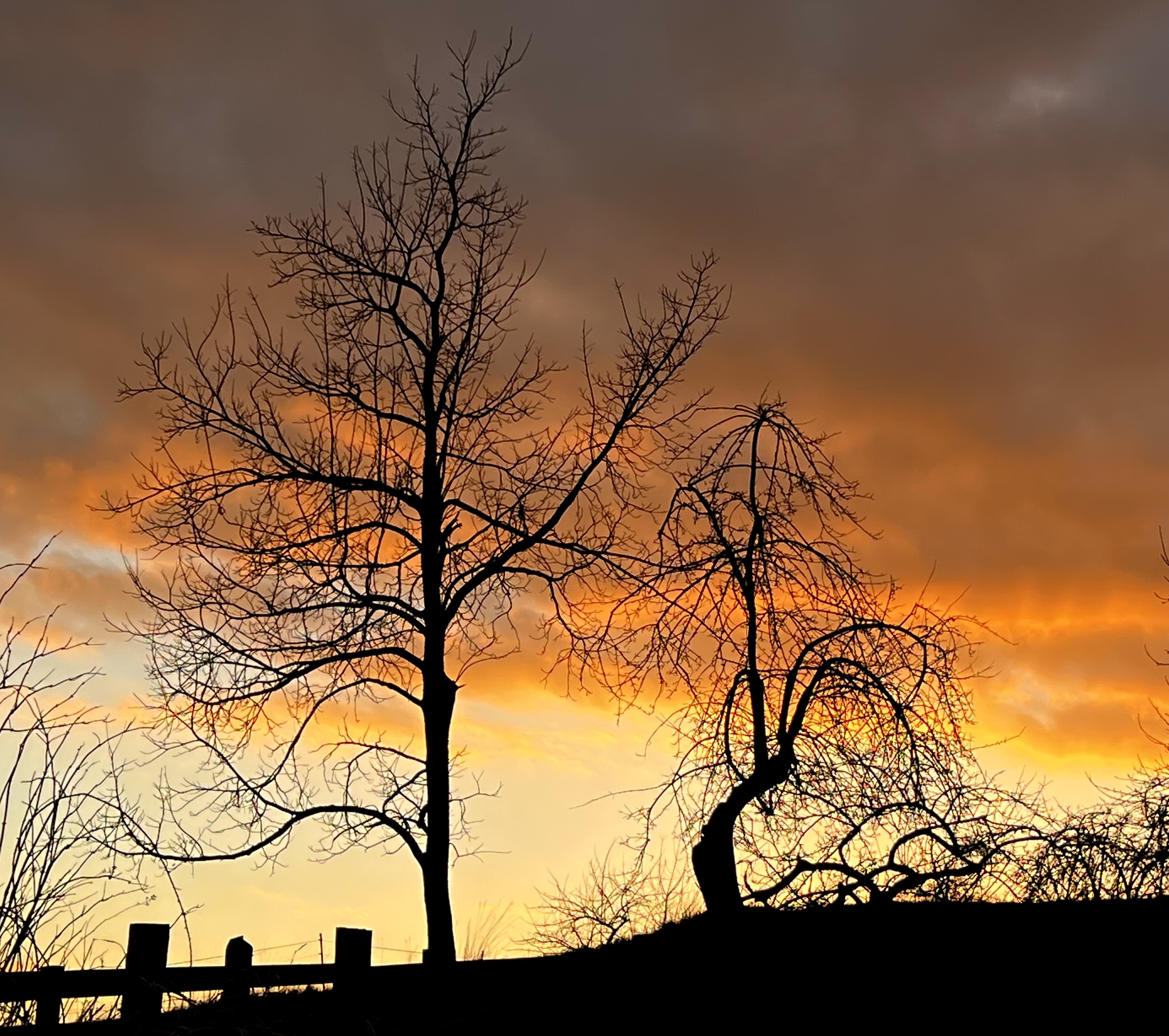
…even if we are only on display for a moment in a water drop as it clings to a pine needle, it is expected that we be on our best behavior, hair combed, jacket buttoned, no vulgar language. Smiling is not necessary, but a pleasant attitude is helpful, and would be, I think, appreciated. ~Tom Hennen from “Outdoor Photos”in Darkness Sticks to Everything
… We are, as we have always been, dangerous creatures, the enemies of our own happiness. But the only help we have ever found for this, the only melioration, is in mutual reverence.
God’s grace comes to us unmerited, the theologians say. But the grace we could extend to one another we consider it best to withhold in very many cases, presumptively, or in the absence of what we consider true or sufficient merit (we being more particular than God), or because few gracious acts, if they really deserve the name, would stand up to a cost-benefit analysis.
This is not the consequence of a new atheism, or a systemic materialism that afflicts our age more than others. It is good old human meanness, which finds its terms and pretexts in every age. The best argument against human grandeur is the meagerness of our response to it, paradoxically enough.
And yet, the beautiful persists, and so do eloquence and depth of thought, and they belong to all of us because they are the most pregnant evidence we can have of what is possible in us. ~ Marilynne Robinson from “What Are We Doing Here?”
These past three weeks I’ve been trudging along feeling cranky – each step an effort, each thought a burden, taking every opportunity to grump about myself, the state of the weather, politics, and of course, death and taxes.
It has been raining and gray here most of the past month with raindrops hanging from every branch. I am preserved in the camera eye of the raindrops I pass, if only for an instant – each drip snapping an instagram selfie photo of my upside-down piss-poor attitude.
It wouldn’t hurt me to stop rolling my eyes and cringing at the world. I might even try on a smile in a spirit of grace and forgiveness, even if the events of the day may not call for it. At least those smiles, reflected in the lens of each raindrop, will soak the soil when let go to fall earthward.
Planting smiles drop by drop: this inundating rain is a gift of grace to heal my grumbles – pregnant evidence of the beauty possible if I let it shine forth.
One-Time
Monthly
Yearly
Make a one-time or recurring donation to support daily Barnstorming posts
I wanted a horse. This was long after we sold the work horses, and I was feeling
restless on the farm. I got up early to help my father milk the cows, talking
a blue streak about TV cowboys he never had time to see and trying to
convince him that a horse wouldn’t cost so much and that I’d do all the work.
He listened while he leaned his head against the flank of a Holstein, pulling
the last line of warm milk into the stainless bucket. He kept listening
while the milk-machine pumped like an engine, and the black and silver cups fell off and
dangled down, clanging like bells when he stepped away, balancing the heavy milker
against the vacuum hose and the leather belt. I knew he didn’t want the trouble
of a horse, but I also knew there was nothing else I wanted the way I wanted a horse—
another way of saying I wanted to ride into the sunset and (maybe)
never come back—I think he knew that too. We’ll see, he said, we’ll see what we can do. Joyce Sutphen – “What Every Girl Wants”
I once was a skinny freckled eleven year old girl who wanted nothing more than to have her own horse. Every inch of my bedroom wall had posters of horses, all my shelves were filled with horse books and horse figurines and my bed was piled with stuffed horses.
I suffered an extremely serious case of horse fever.
I had learned to ride my big sister’s horse while my sister was off to college, but the little mare had pushed down a hot wire to get into a field of spring oats which resulted in a terrible case of colic and had to be put down. I was inconsolable until I set my mind to buy another horse. We had only a small shed, not a real barn, and no actual fences other than the electric hot wire. Though I was earning money as best I could picking berries and babysitting, I was a long way away from the $150 it would take to buy a trained horse back in 1965.
I pestered my father about my dreams of another horse, and since he was the one to dig the hole for my sister’s horse to be buried, he was not enthusiastic. “We’ll see,” he said. “We will see what we can do.”
So I dreamed my horsey dreams, mostly about golden horses with long white manes, hoping one day those dreams might come true.
In fall 1965, the local radio station KGY’s Saturday morning horse news program announced their “Win a Horse” contest. I knew I had to try. The prize was a weanling bay colt, part Appaloosa, part Thoroughbred, and the contest was only open to youth ages 9 to 16 years old. All I had to do was write a 250 word or less essay on “Why I Should Have a Horse”.
I worked and worked on my essay, crafting the right words and putting all my heart into it, hoping the judges would see me as a worthy potential owner. My parents took me to visit the five month old colt named “Prankster”, a fuzzy engaging little fellow who was getting plenty of attention from all the children coming to visit him, and that visit made me even more determined.
When I read these words now, I realize there is nothing quite like the passion of an eleven year old girl:
“Why I Should Have a Horse”
When God created the horse, He made one of the best creatures in the world. Horses are a part of me. I love them and want to win Prankster for the reasons which follow:
To begin with, I’m young enough to have the time to spend with the colt. My older sister had a horse when she was in high school and her school activities kept her too busy to really enjoy the horse. I’ll have time to give Prankster the love and training needed.
Another reason is that I’m shy. When I was younger I found it hard to talk to anybody except my family. When my sister got the horse I soon became a more friendly person. When her horse recently died (about when Prankster was born), I became very sad. If I could win that colt, I couldn’t begin to describe my happiness.
Also I believe I should have a horse because it would be a good experience to learn how to be patient and responsible while teaching Prankster the same thing.
When we went to see Prankster, I was invited into the stall to brush him. I was never so thrilled in my life! The way he stood there so majestically, it told me he would be a wonderful horse.
If I should win him, I would be the happiest girl alive. I would work hard to train him with love and understanding. If I could only get the wonderful smell and joy of horses back in our barn!
I mailed in my essay and waited.
Fifty nine years ago on this day, November 27, 1965, my mother and I listened to the local horse program that was always featured on the radio at 8 AM on Saturday mornings. They said they had over 300 essays to choose from, and it was very difficult for them to decide who the colt should go to. I knew then I didn’t have a chance. They had several consolation prizes for 2nd through 4th place, so they read several clever poems and heartfelt essays, all written by teenagers. My heart was sinking by the minute.
The winning essay was next. The first sentence sounded very familiar to me, but it wasn’t until several sentences later that we realized they were reading my essay, not someone else’s. My mom was speechless, trying to absorb the hazards of her little girl owning a young untrained horse.
I woke up my dad, who was sick in bed with an early season flu bug. He opened one eye, looked at me, and said, “I guess I better get a fence up today, right?” Somehow, fueled by the excitement of a daughter whose one wish had just come true, he pulled himself together and put up a wood corral that afternoon, despite feeling so miserable.
That little bay colt came home to live with me the next day. Over the next few months he and I did learn together, as I checked out horse training books from the library, and joined a 4H group with helpful leaders to guide me. I made plenty of mistakes along the way, learning from each one, including those that left behind scars I still bear.
Prankster was a typical adolescent gelding who lived up to his name — full of mischief with a sense of humor and a penchant for finding trouble, but he was mine and that was all that mattered.
…that and a dad who saw what he needed to do for his passionate kid. I’ll never forget how he showed his love for me by doing what was needed in that moment.
AI image created for this post
One-Time
Monthly
Yearly
Make a one-time or recurring donation to support daily Barnstorming posts
There was an entire aspect to my life that I had been blind to — the small, good things that came in abundance. ~Mary Karr from The Art of Memoir
We can only be said to be alive in those moments when our hearts are conscious of our treasures. ~Thornton Wilder, quotes from “Our Town”
The smell of baking bread, smooth floured hands, butter waiting to be spread with blackberry jam, and I realize, this is no small thing. These days spent confined, I am drawn to life’s ordinary details, the largeness of all we can do alongside what we cannot. The list of allowances far outweighs my complaints. I am fortunate to have flour and yeast, a source of heat, not to mention soft butter, the tartness of blackberries harvested on a cold back road. A kitchen, a home, two working hands to stir and knead, a clear enough head to gather it all. Even the big toothy knife feels miraculous as it grabs hold and cracks the crust. ~Ellen Rowland “No Small Thing”
The words from “Our Town” written over 80 years ago still ring true: our country a Great Depression of the economy then – now we stagger under a Great Depression of the spirit.
Despite being more connected electronically, we are actually more divisive than ever, many feeling estranged from family, friends, faith.
Some less economically secure, yet many emotionally bankrupt.
May we be more conscious of our abundance – our small daily treasures.
God knows we need Him. He cares for us, even when we turn our faces away from Him.
I search the soil of this life, this farm, this faith to find what still yearns to grow, to bloom, to fruit, to be harvested to share with others.
My deep gratitude goes to you who visit here once in awhile, or daily. Thank you to those who let me know the small and the good I share with you makes a difference.
I’m right here, alongside you in joint Thanksgiving to our Creator and Preserver.
Many blessings today and always, Emily
Let it go my love my truest Let it sail on silver wings Life’s a twinkling and that’s for certain But it’s such a fine thing
CHORUS:There’s a gathering of spirits There’s a festival of friends And we’ll take up where we left off When we all meet again
I can’t explain it I couldn’t if I tried How the only things we carry Are the things we hold inside
Like a day in the open Like the love we won’t forget Like the laughter that we started And it hasn’t died down yet
Oh let it go my love my truest Let it sail on silver wings Life’s a twinkling and that’s for certain But it’s such a fine thing
Oh yeah now didn’t we And don’t we make it shine Aren’t we standing in the center of Something rare and fine
Some glow like embers Like a light through colored glass Some give it all in one great flame
Throwing kisses as they pass
So let it go my love my truest Let it sail on silver wings Life’s a twinkling and that’s for certain But it’s such a fine thing
East of eden But there’s heaven in our midst And we’re never really all that far From those we love and miss Wade out in the water There’s a glory all around And the wisest say there’s a thousand ways To kneel and kiss the ground
Oh let it go my love my truest Let it sail on silver wings Life’s a twinkling and that’s for certain But it’s such a fine thing
One-Time
Monthly
Yearly
Make a one-time or recurring donation to support daily Barnstorming posts
A dim veil hangs over the landscape and flood, And the hills are all mellowed in haze, While Fall, creeping on like a monk ‘neath his hood, Plucks the thick-rustling wealth of the maize.
And long for this manna that springs from the sod Shall we gratefully give Him the praise, The source of all bounty, our Father and God, Who sent us from heaven the maize! ~William Fosdick “The Maize”
Come, boys, sing!— Sing of the yellow corn, Sing, boys, sing, Sing of the yellow corn! He springeth up from the fallow soil, With the blade so green and tall, And he payeth well the reaper’s toil, When the husks in the autumn fall. The pointed leaves, And the golden ear, The rustling sheaves, In the ripened year— Sing, boys, sing! Sing of the yellow corn, Sing, boys, sing, Sing of the yellow corn.
He drinks the rain in the summer long, And he loves the streams that run, And he sends the stalk so stout and strong, To bask in the summer sun. The pointed leaves, And the golden ear, The rustling sheaves, In the ripened year— Sing, boys, sing! Sing of the yellow corn, Sing, boys, sing, Sing of the yellow corn.
He loves the dews of the starry night, And the breathing wind that plays With his tassels green, when the mellow light Of the moon on the meadow stays. The pointed leaves, And the golden ear, The rustling sheaves, In the ripened year— Sing, boys, sing! Sing of the yellow corn, Sing, boys, sing, Sing of the yellow corn.
A glorious thing is the yellow corn, With the blade so green and tall, A blessed thing is the yellow corn, When the husks in the autumn fall. Then, sing, boys, sing! Sing of the yellow corn, Sing, boys, sing, Sing of the yellow corn! The pointed leaves, And the golden ear, The rustling sheaves, In the ripened year— Come, sing, boys, sing! Sing of the yellow corn, Sing, boys, sing, Sing of the yellow corn. ~Charles Eastman “The Yellow Corn”
The dying autumn garden can feel like a treasure hunt as we pull out and sort through the dead and dying vines and stalks: a giant zucchini growing undetected under leaves, a rotting pumpkin collapsing into itself, fat hollowed beans ready to burst with seed.
Everything is dry and rustling in the north winds.
The greatest Easter Egg of all hidden away in husk and cornsilk is glass gem corn. It grew on stunted stalks with few apparent ears, so pitiful next to our robust sweet corn crop.
It fooled us; this corn is pure gold in a kaleidoscope Thanksgiving display – purely ornamental since it doesn’t grow prolific like a sweet yellow corn. Yet these meager ears glow like stained glass, colorful quilt swatches on a stalk.
God has a palette of heaven-sent color and imagination. People come in all colors too, thanks to His artistry, but not nearly so varied as these kernels of colored glass.
One-Time
Monthly
Yearly
Make a one-time and recurring donation to support daily Barnstorming posts