Burned Up With Beauty

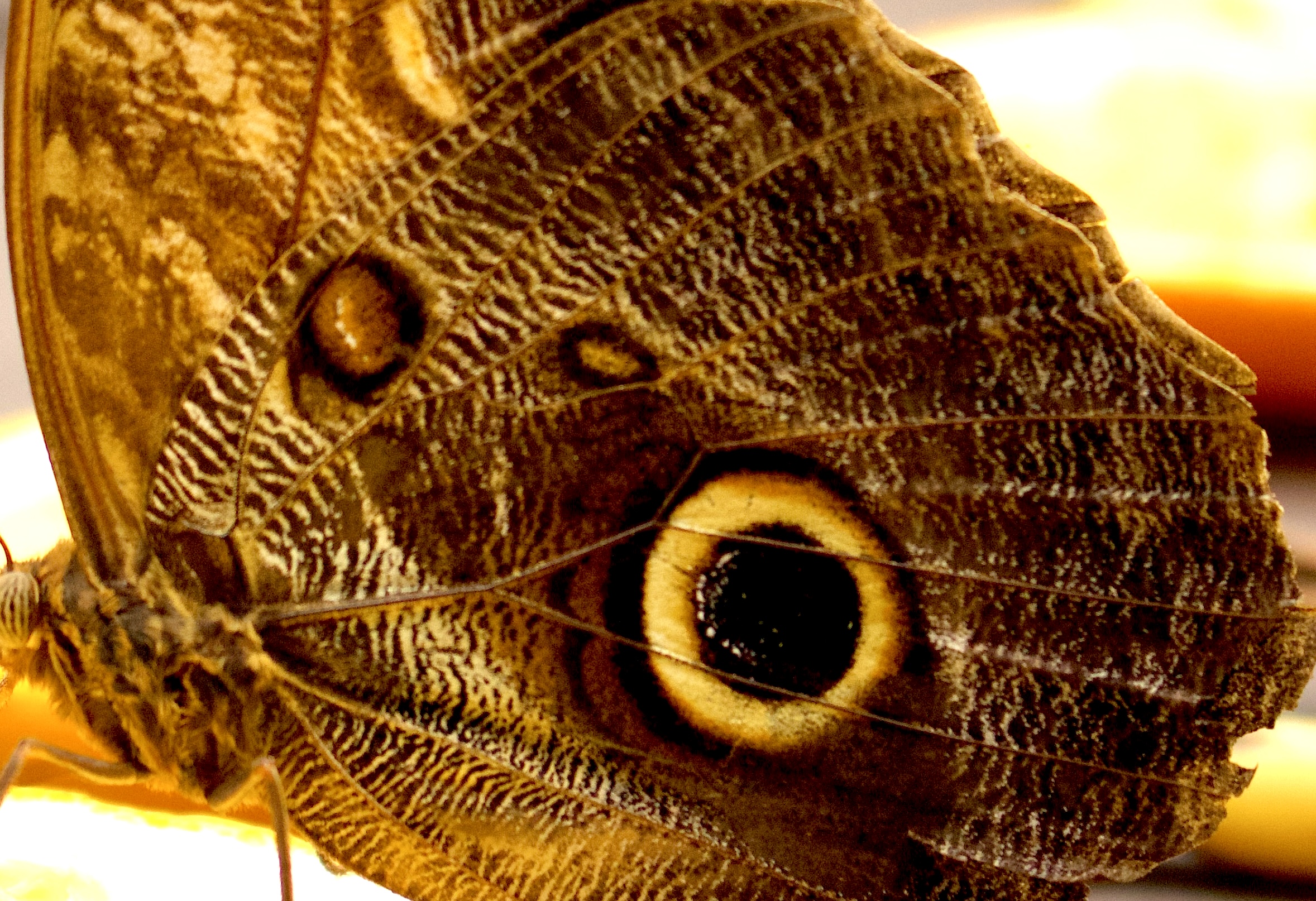
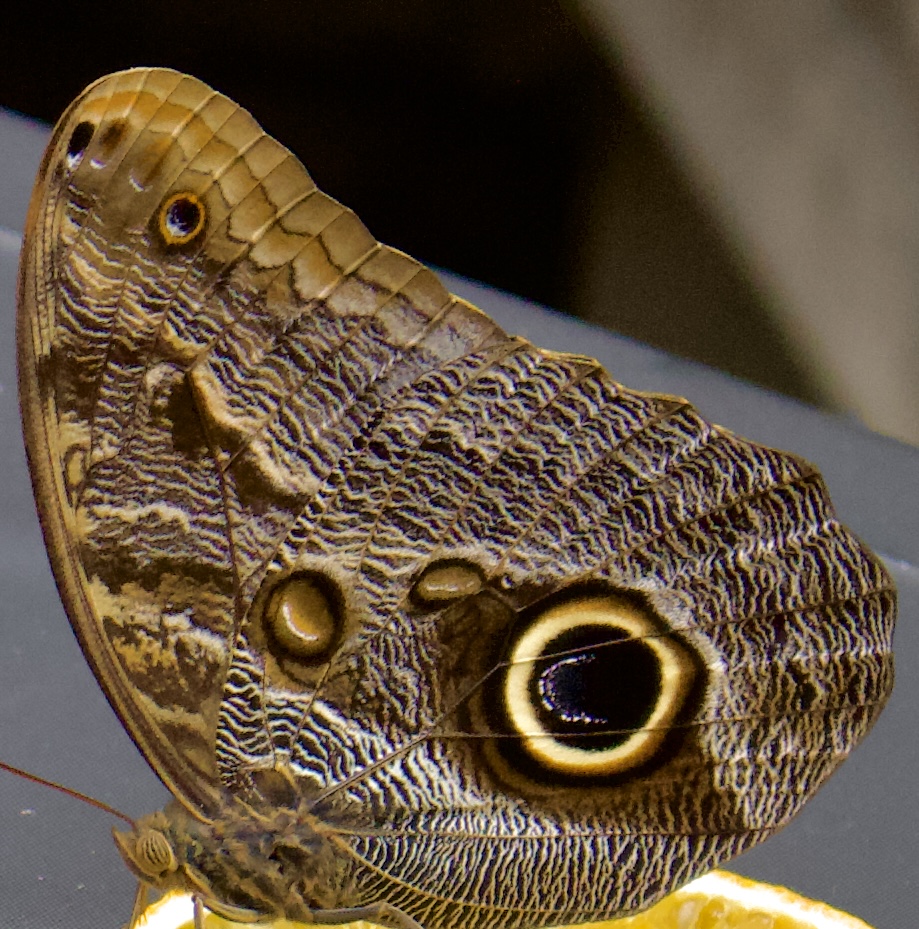
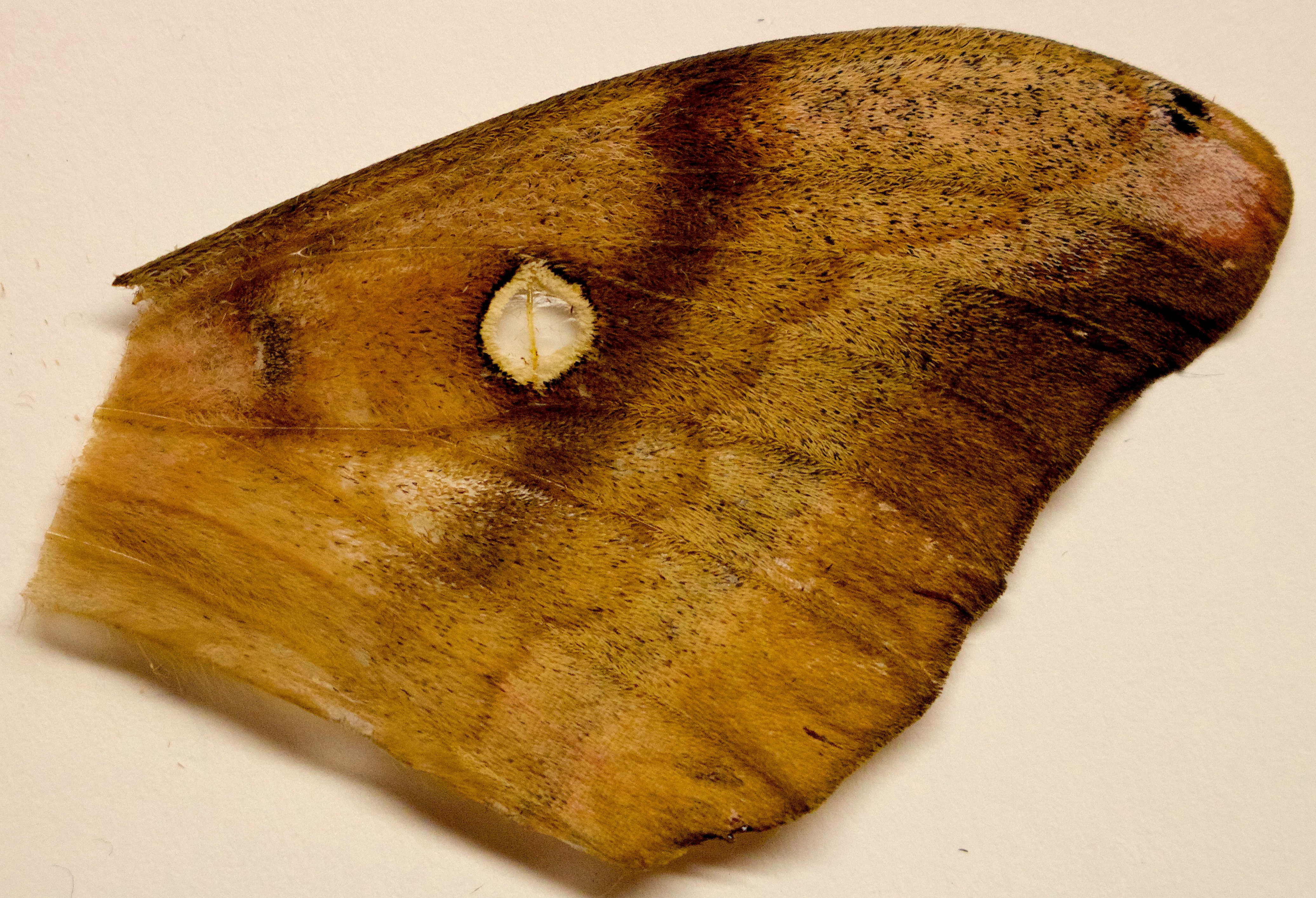
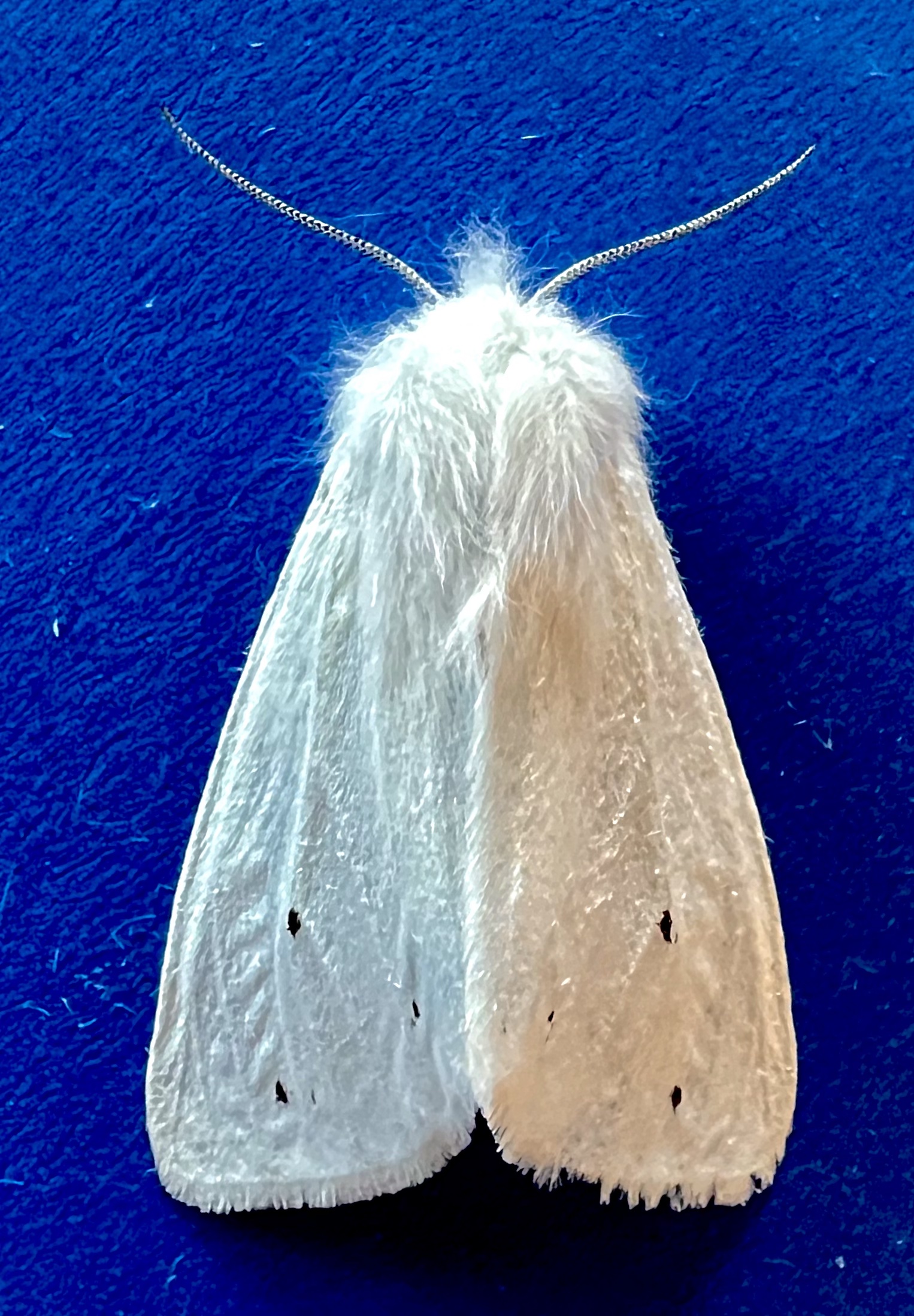
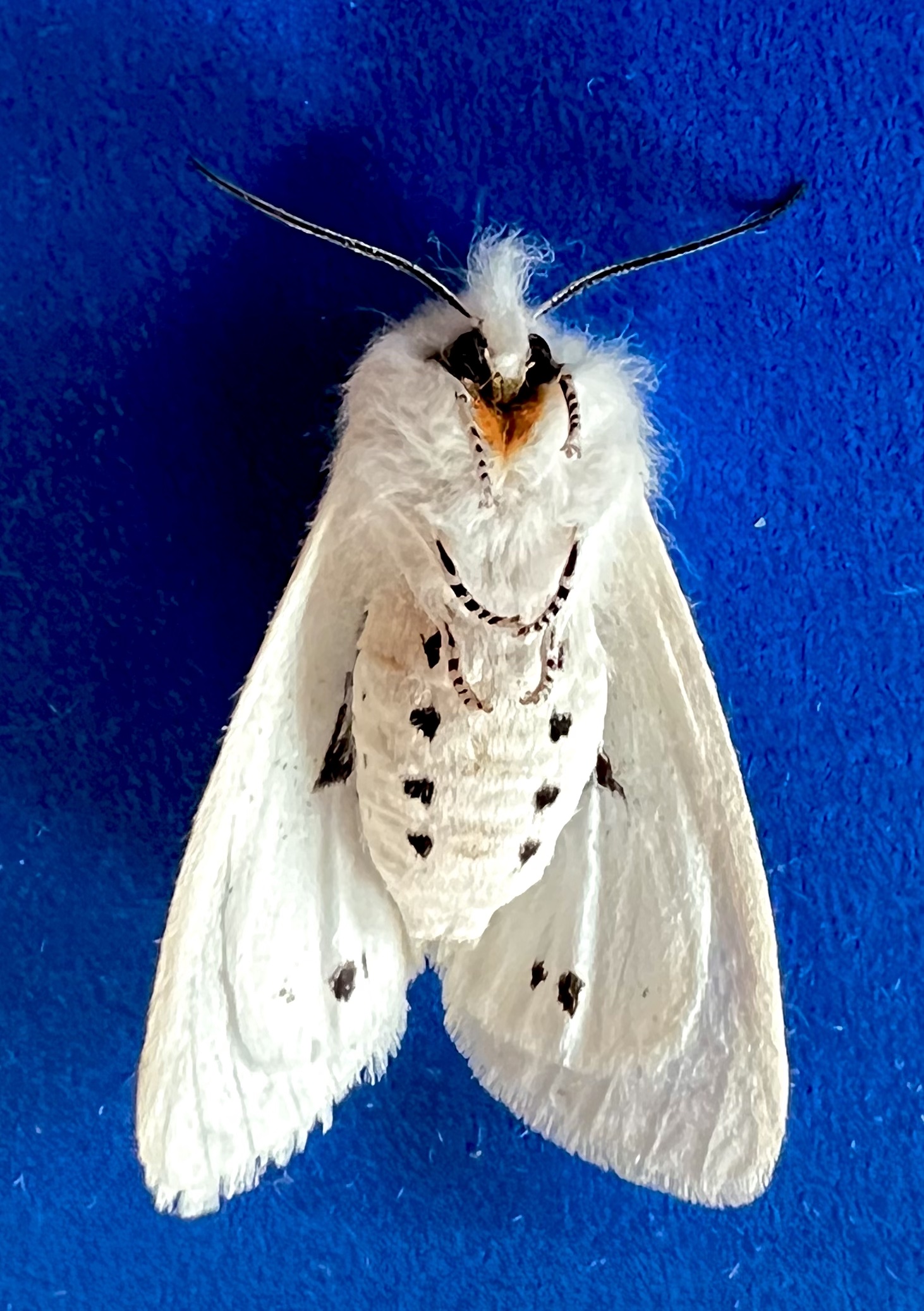
i was talking to a moth
the other evening
he was trying to break into
an electric light bulb
and fry himself on the wires

why do you fellows
pull this stunt i asked him
because it is the conventional
thing for moths or why
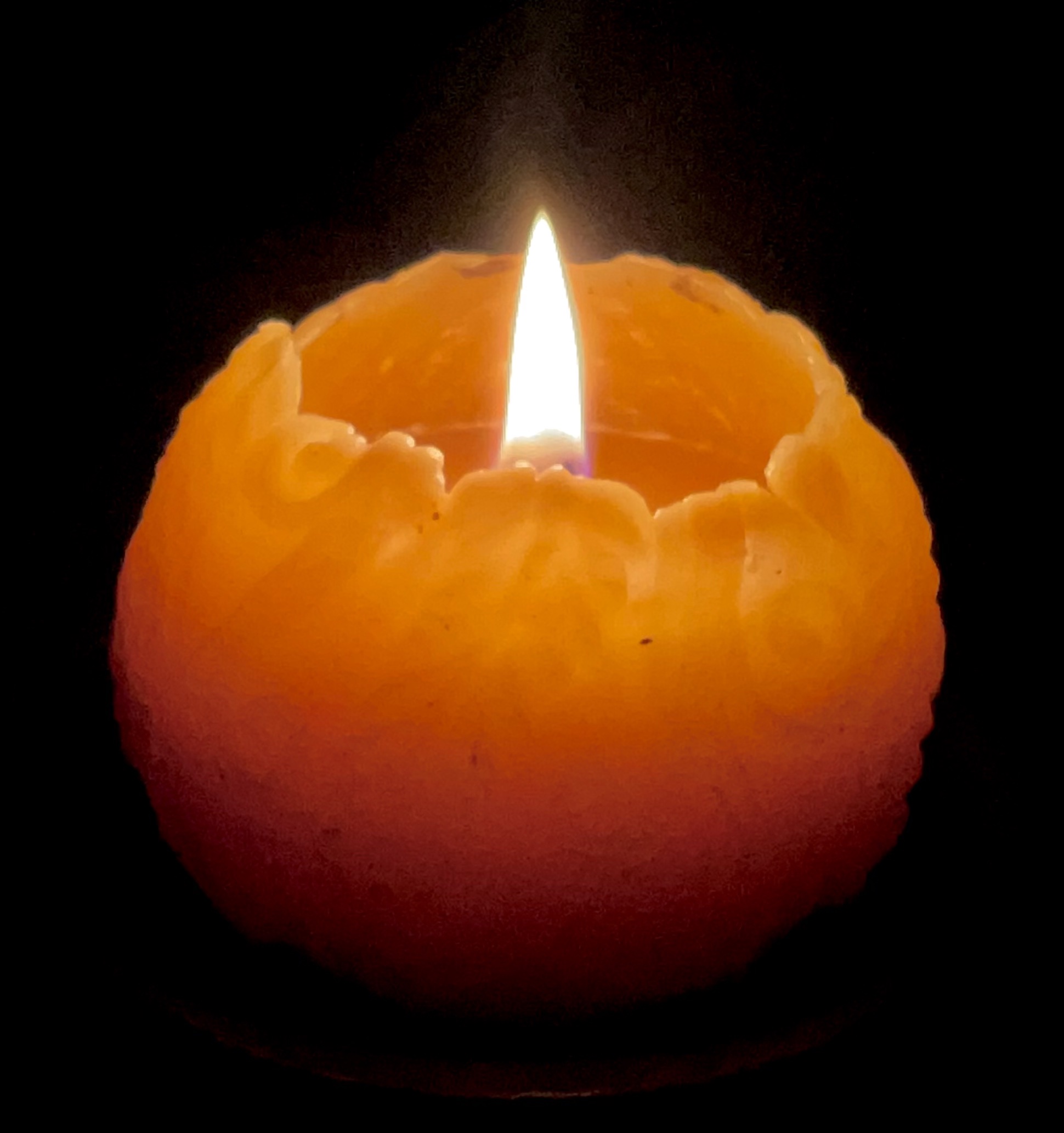
if that had been an uncovered
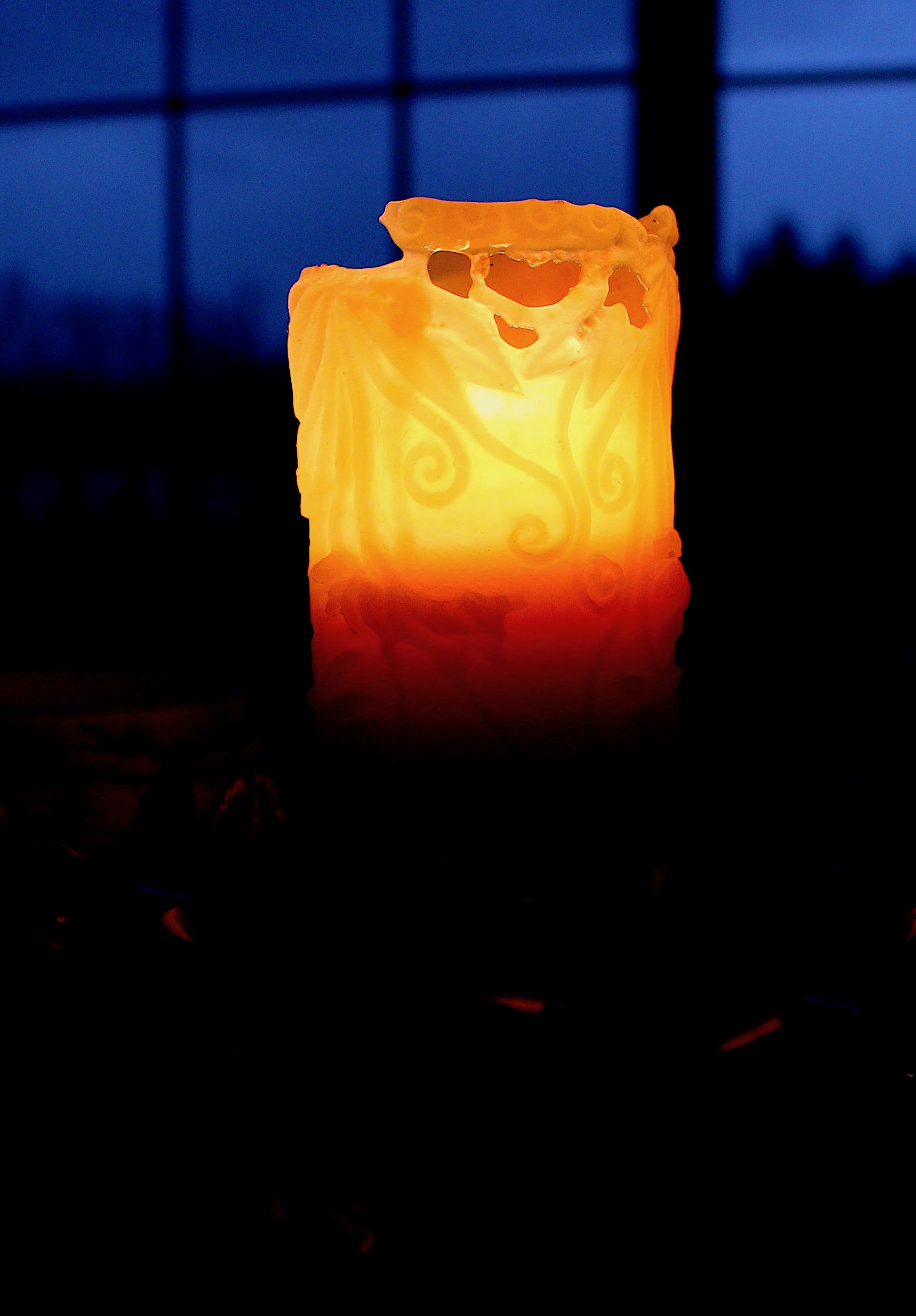
candle instead of an electric
light bulb you would
now be a small unsightly cinder
have you no sense

plenty of it he answered
but at times we get tired
of using it
we get bored with the routine
and crave beauty
and excitement
fire is beautiful
and we know that if we get
too close it will kill us
but what does that matter
it is better to be happy
for a moment
and be burned up with beauty
than to live a long time
and be bored all the while
so we wad all our life up

into one little roll
and then we shoot the roll
that is what life is for
it is better to be a part of beauty
for one instant and then cease to
exist than to exist forever
and never be a part of beauty
our attitude toward life
is come easy go easy
we are like human beings
used to be before they became
too civilized to enjoy themselves

and before i could argue him
out of his philosophy
he went and immolated himself
on a patent cigar lighter
i do not agree with him
myself i would rather have
half the happiness and twice
the longevity
but at the same time i wish
there was something i wanted
as badly as he wanted to fry himself

archy (the cockroach)

~Don Marquis “The Lesson of the Moth”

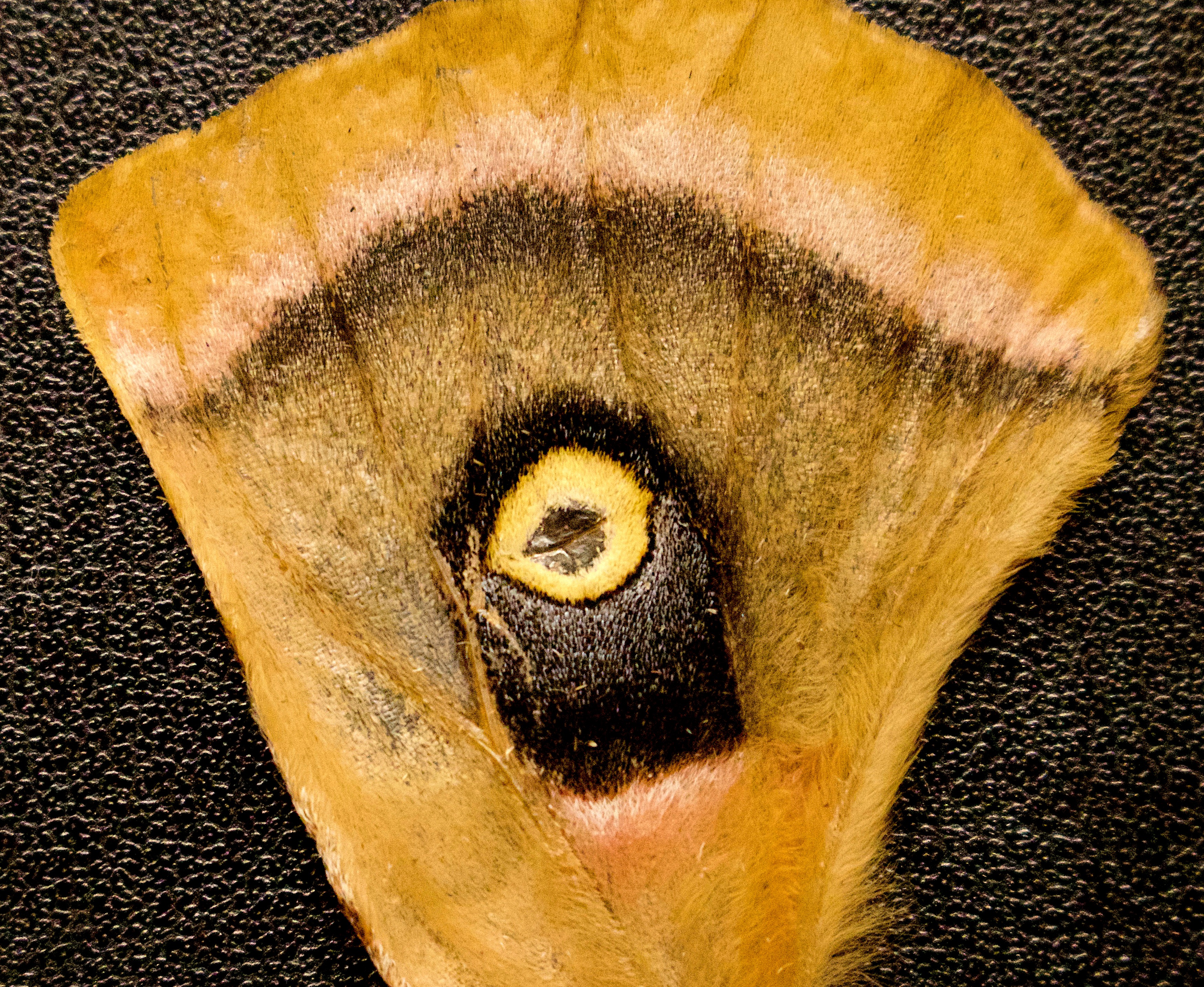
One night a moth flew into the candle, was caught, burned dry, and held. I must have been staring at the candle, or maybe I looked up when a shadow crossed my page; at any rate, I saw it all…

Her moving wings ignited like tissue paper…

And then this moth essence, this spectacular skeleton, began to act as a wick. She kept burning. The wax rose in the moth’s body from her soaking abdomen to her thorax to the jagged hole where her head should be, and widened into flame, a saffron-yellow flame that robed her to the ground like any immolating monk. That candle had two wicks, two flames of identical height, side by side. The moth’s head was fire. She burned for two hours, until I blew her out.
~Annie Dillard from “The Death of the Moth” from Holy the Firm

The struggle was over.

The insignificant little creature now knew death. As I looked at the dead moth, this minute wayside triumph of so great a force over so mean an antagonist filled me with wonder. Just as life had been strange a few minutes before, so death was now as strange.

The moth having righted himself now lay most decently and uncomplainingly composed. O yes, he seemed to say, death is stronger than I am.
~Virginia Woolf from “The Death of a Moth”

I too would take half the happiness and twice the longevity over one moment of ecstasy.

But I admire the blind passion of a tiny creature who will beat itself senseless on a light bulb, or fly into a flame to become cinders, or struggle so hard to live upright rather than upside down, that it dies in the struggle.

Why are famous poets and essayists fascinated by the tiny deaths they witness on their front porches, in their kitchens or at their writing desk?

Death is never tiny at all.
Nevertheless, death is ceasing to be,
after a unique and intentional creation,
whether a moth, a mother, or ourselves.

We live today. Look for a moment of beauty to enjoy.
Let’s be sensible about what we want so badly.
As one tiny part of matter, we matter.
And when we die, it is never a tiny death.

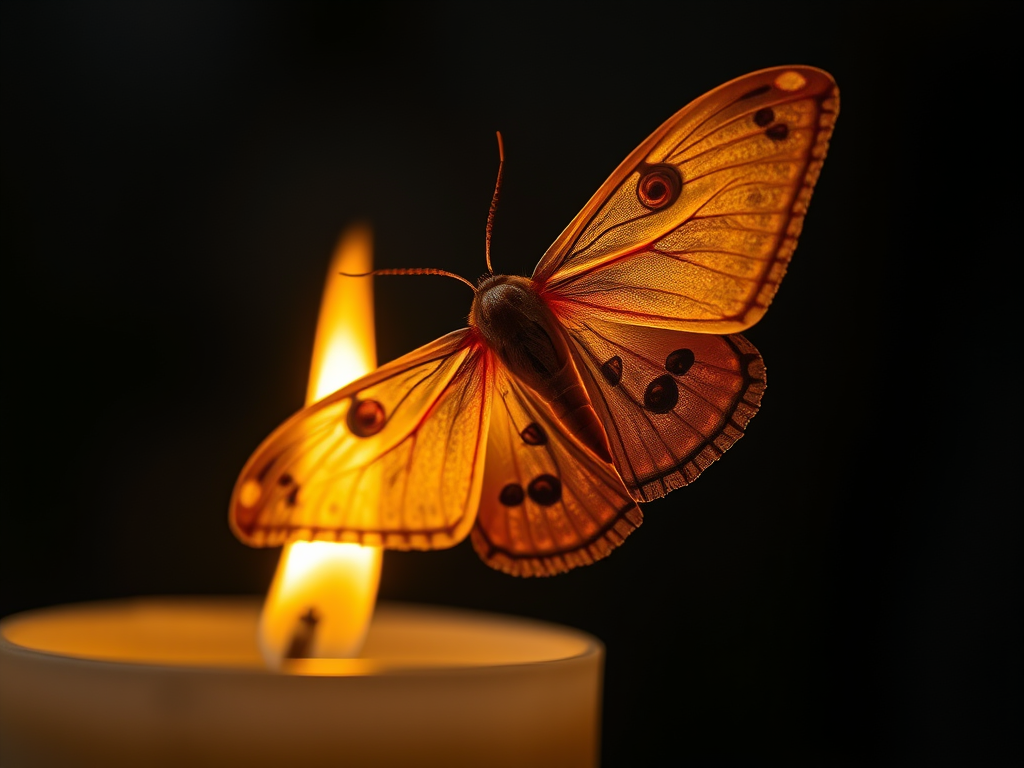
AI image created for this post

Lyrics:
A day may come that asks of us all we have to give:
a day we never would have sought and yet we have to live.
If it should be our destiny to live in such a day,
let our faith and love be worthy of the ones who showed the way.
The ones we now call heroes
The ones we say their memory will not die –
they were no different in their day than you or I.
They were no different in their day. than you or I.
~Grahame Davies

One-Time
Monthly
Yearly

Make a one-time or recurring donation to support daily Barnstorming posts

Make a monthly donation

Make a yearly donation

Choose an amount

$5.00
$15.00
$100.00
$5.00
$15.00
$100.00
$5.00
$15.00
$100.00

Or enter a custom amount

$

Your contribution is deeply appreciated.

Your contribution is appreciated.

Your contribution is appreciated.

DonateDonate monthlyDonate yearly
Merging with the Shadows

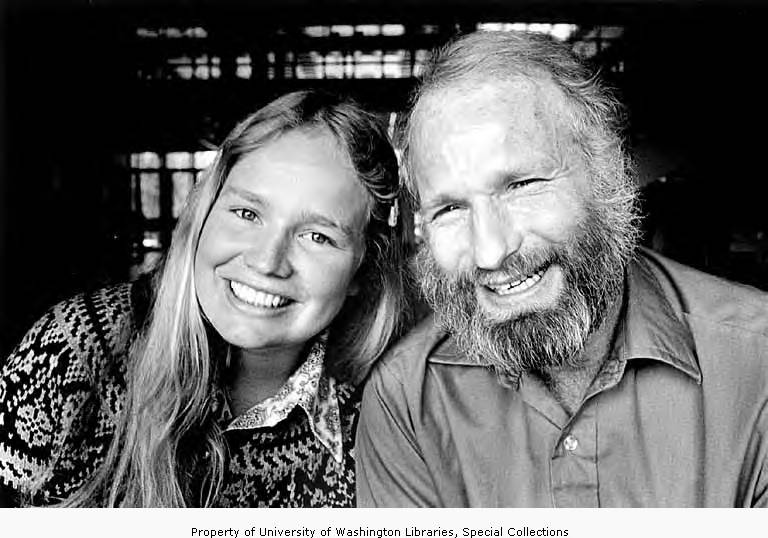
For Nanda Devi Unsoeld: 1954–1976

Before the second summit party began the ascent
of the princess of mountains, an ominous black cloud
settled slowly around the summit block, persuading
us to take a rest day, but morale was good.
The next day at seven in the evening, my daughter
Devi was on her last pitch, and it took her until
midnight to haul up over the final lip. A long day.

Two days later, a blizzard kept us in our tents, but
the next morning, Devi was stricken, saying calmly,
“She is calling me. I am going to die,” before
she fell into unconsciousness.
I tried to revive her, mouth-to-mouth,
but felt her lips grow cold against mine.
We had lost her. My daughter was gone.
I and the other climbers wept.

Her fiancé Andy and I bundled her in her sleeping
bag and slipped her off the precipice of the North-
East face. I said we had committed her to the deep.
She had been the driving force behind this expedition,
as she was inexorably drawn to her namesake.
The Bliss-Giving Goddess had claimed her own.
An excerpt from her last diary is inscribed
on a stone placed in a high-altitude meadow of Patai:

“I stand on a windswept ridge at night with the stars
bright above and I am no longer alone but I waver
and merge with all the shadows that surround me.
I am part of the whole and I am content.”
~Eleanor Swanson, Last Light on the West Face of Nanda Devi
from Non Finito

Nanda Devi peak, courtesy of Stanford Alpine Club

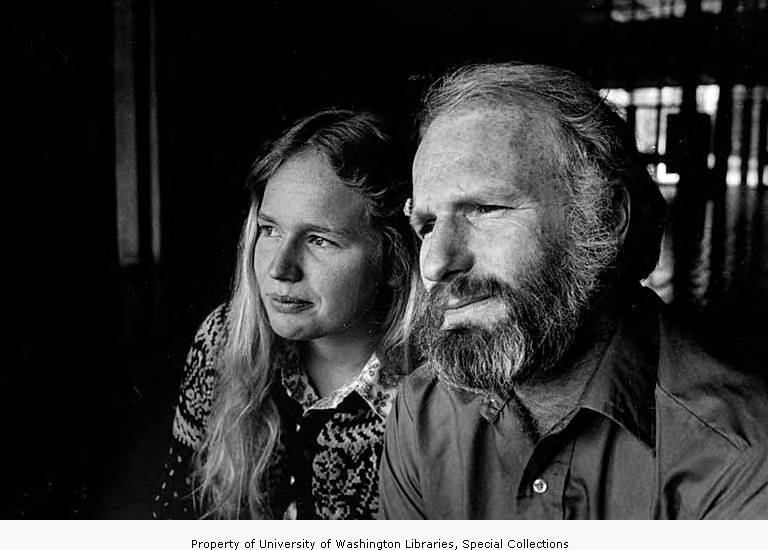
The ripple effect from Nanda Devi Unsoeld’s arrival as a new junior in Olympia High School in 1970 reached me within minutes, as I felt the impact of her presence on campus immediately. One of my friends elbowed me, pointing out a new girl being escorted down the hall by the assistant principal. Students stared at the wake she left behind: Devi had wildly flowing wavy long blonde hair, a friendly smile and bold curious eyes greeting everyone she met.

From the neck up, she fit right in with the standard appearance at the time: as the younger sisters of the 60’s generation of free thinking flower children, we tried to emulate them in our dress and style, going braless and choosing bright colors and usually skirts that were too short and tight. There was the pretense we didn’t really care how we looked, but of course we did care very much, with hours spent daily preparing the “casual carefree” look that would perfectly express our freedom from fashion trends amid our feminist longings.

Practicing careful nonconformity perfectly fit our peers’ expectations and aggravated our parents.

But Devi never looked like she cared what anyone else thought of her.  The high school girls honestly weren’t sure what to make of her, speculating together whether she was “for real” and viewed her somewhat suspiciously, as if she was putting on an act.

The high school boys were mesmerized.

She preferred baggy torn khaki shorts or peasant skirts with uneven hems, loose fitting faded T shirts and ripped tennis shoes without shoelaces. Her bare legs were covered with long blonde hair, as were her armpits which she showed off while wearing tank tops. She pulled whole cucumbers from her backpack in class and ate them like cobs of corn, rind and all. She smelled like she had been camping without a shower for three days, but then riding her bike to school from her home 11 miles away in all kinds of weather accounted for that. One memorable day she arrived a bit late to school, pushing her bike through 6 inches of snow in soaking tennis shoes, wearing her usual broad smile of satisfaction.

As a daughter of two Peace Corps workers who had just moved back to the U.S. after years of service in Nepal, Devi had lived very little of her life in the United States. Her father Willi Unsoeld, one of the first American climbers to reach the summit of Mt. Everest up the difficult west face, had recently accepted a professorship in comparative religion at new local Evergreen College. He moved his wife and family back to the northwest to be near his beloved snowy peaks, suddenly immersing four children in an affluent culture that seemed foreign and wasteful.

Devi recycled before there was a word for it simply by never buying anything new and never throwing anything useful away, involved herself in social justice issues before anyone had coined the phrase, and was an activist behind the scenes more often than a leader, facilitating and encouraging others to speak out at anti-war rallies, organizing sit-ins for world hunger and volunteering in the local soup kitchen. She mentored adolescent peers to get beyond their self-consciousness and self-absorption to explore the world beyond the security of high school walls.

Regretfully, few of us followed her lead. We preferred the relative security and camaraderie of hanging out at the local drive-in to taking a shift at the local 24-hour crisis line. We showed up for our graduation ceremony in caps and gowns while the rumor was that Devi stood at the top of Mt. Rainier with her father that day.

I never saw Devi after high school but heard of her plans in 1976 to climb with an expedition to the summit of Nanda Devi, the peak in India for which she was named. She never returned, dying in her father’s arms as she suffered severe abdominal pain and irreversible high altitude sickness just below the summit. She lies forever buried in the ice on that faraway peak in India. 

Her father died in an avalanche only a few years later, as he led an expedition of Evergreen students on a climb on Mt. Rainier, only 60 miles from home. Her mother, Jolene, later served in Congress from our district in Washington state.

Had Devi lived these last 50 years, I have no doubt she would have led our generation with her combination of charismatic boldness and excitement about each day’s new adventure. She lived without pretense, without hiding behind a mask of fad and fashion and conformity and without any desire for wealth or comfort.

I wish I had learned what she had to teach me when she sat beside me in class, encouraging me by her example to become someone more than the dictates of societal expectations. I secretly admired the freedom she embodied in not being concerned in the least about fitting in. Instead, I still mourn her loss all these years later, having to be content with the legacy she has now left behind on a snowy mountain peak that called her by name.

Mt. Shuksan, Washington state
One-Time
Monthly
Yearly

Make a one-time or recurring donation to support daily Barnstorming posts

Make a monthly donation

Make a yearly donation

Choose an amount

$10.00
$25.00
$50.00
$5.00
$15.00
$100.00
$5.00
$15.00
$100.00

Or enter a custom amount

$

Your contribution is deeply appreciated.

Your contribution is appreciated.

Your contribution is appreciated.

DonateDonate monthlyDonate yearly
Where You Go, I Will Go: Beaten to Death by the Whole World

frost125143

My God, my God, why have you forsaken me?
    Why are you so far from saving me,
    so far from my cries of anguish?
My God, I cry out by day, but you do not answer,
    by night, but I find no rest.

I am poured out like water,
    and all my bones are out of joint.
My heart has turned to wax;
    it has melted within me.
15 My mouth is dried up like a potsherd,
    and my tongue sticks to the roof of my mouth;
    you lay me in the dust of death.

16 Dogs surround me,
    a pack of villains encircles me;
    they pierce my hands and my feet.
17 All my bones are on display;
    people stare and gloat over me.
18 They divide my clothes among them
    and cast lots for my garment.

19 But you, Lord, do not be far from me.
    You are my strength; come quickly to help me.
~Psalm 22: 1-2, 14-19


  his appearance was so disfigured beyond that of any human being
    and his form marred beyond human likeness—
 so he will sprinkle many nations,
    and kings will shut their mouths because of him.
For what they were not told, they will see,
    and what they have not heard, they will understand.
Isaiah 52: 13-15

When I was wounded
whether by God, the devil, or myself
—I don’t know yet which—
it was seeing the sparrows again
and clumps of clover, after three days,
that told me I hadn’t died.
When I was young,
all it took were those sparrows,
those lush little leaves,
for me to sing praises,
dedicate operas to the Lord.
But a dog who’s been beaten
is slow to go back to barking
and making a fuss over his owner
—an animal, not a person
like me who can ask:
Why do you beat me?
Which is why, despite the sparrows and the clover,
a subtle shadow still hovers over my spirit.
May whoever hurt me, forgive me.
~Adelia Prado “Divine Wrath” translated from Brazilian Portuguese by Ellen Doré Watson

*************************************

“My God, My God,” goes Psalm 22, “hear me, why have you forsaken me?”  

This is the anguish all we of Godforsaken heart know well. But hear the revelation to which Christ directs us, further in the same psalm:

For He has not despised nor scorned the beggar’s supplication,
Nor has He turned away His face from me;
And when I cried out to Him, He heard me.

He hears us, and he knows, because he has suffered as one Godforsaken. Which means that you and I, even in our darkest hours, are not forsaken. Though we may hear nothing, feel nothing, believe nothing, we are not forsaken, and so we need not despair.

And that is everything.

That is Good Friday and it is hope, it is life in this darkened age, and it is the life of the world to come.
~Tony Woodlief from “We are Not Forsaken”

*******************************

Emmett Till’s mother
speaking over the radio

She tells in a comforting voice
what it was like to touch her dead boy’s face,

how she’d lingered and traced
the broken jaw, the crushed eyes

the face that badly beaten, disfigured—
before confirming his identity.

And then she compares his face to
the face of Jesus, dying on the cross.

This mother says no, she’d not recognize
her Lord, for he was beaten far, far worse

than the son she loved with all her heart.
For, she said, she could still discern her son’s curved earlobe,

but the face of Christ
was beaten to death by the whole world.
~Richard Jones “The Face” from Between Midnight and Dawn

******************************

In a daring and beautiful creative reversal,
God takes the worse we can do to Him
and turns it into the very best He can do for us.
~Malcolm Guite from The Word in the Wilderness

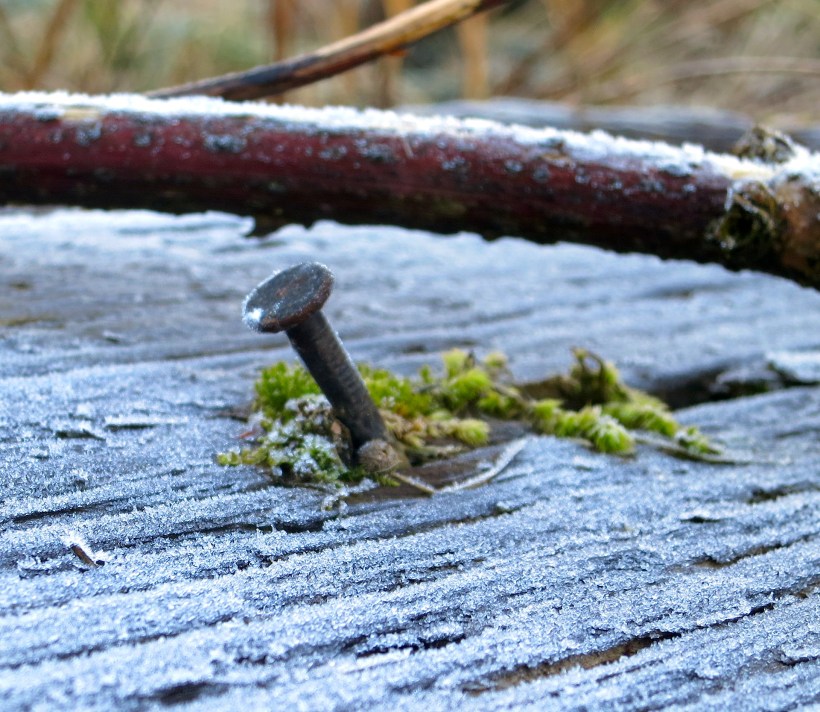
IMG_6229

Strangely enough~
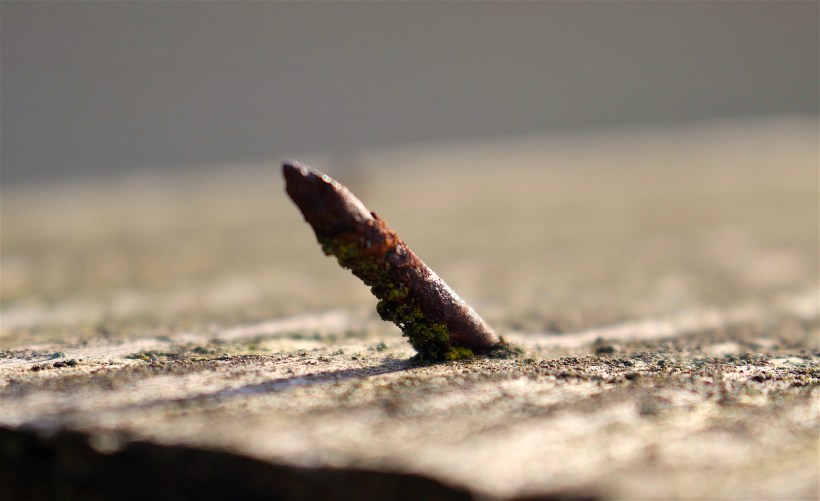
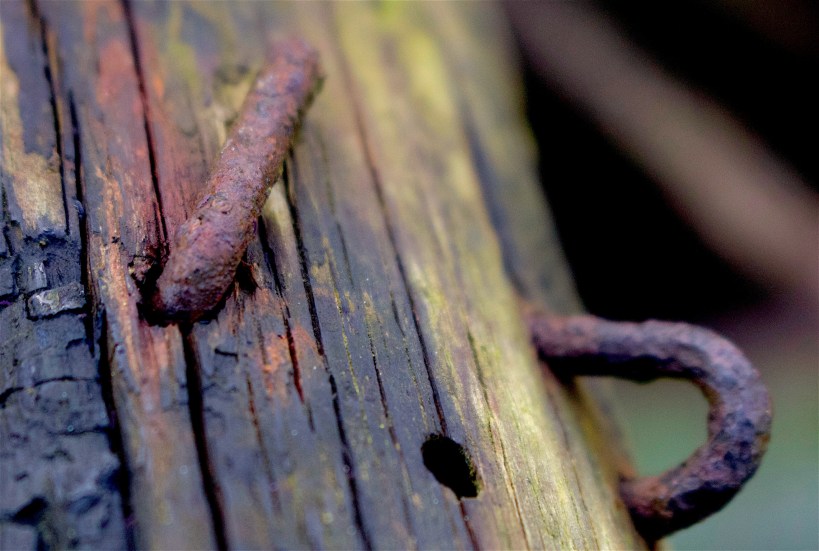
it is the nail,
not the hammer,
that fastens us together~
becoming the glue,
the security,
the permanence of
solid foundation
and strong supports,
or protecting roof.

The hammer is only a tool
to pound in the nail
to where it binds so tightly;
the nail can’t blend in or be forgotten,
where the hole it leaves behind
is a forever wounded reminder
of what the hammer has done,
yet, how thoroughly
the hammer, and we, are forgiven.

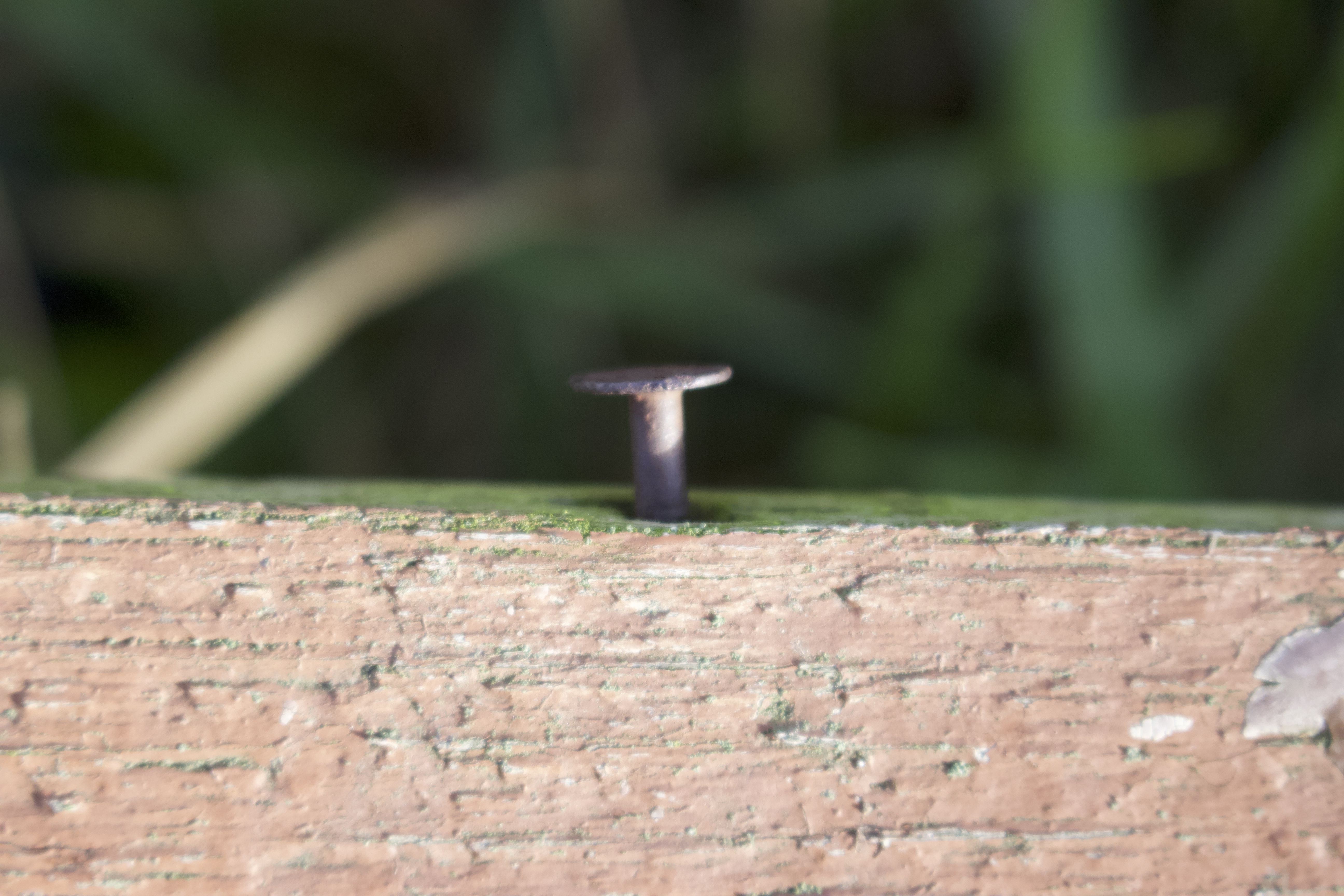
nailhole

This year’s Lenten theme:

…where you go I will go…
Ruth 1:16

One-Time
Monthly
Yearly

Make a one-time or recurring donation to support daily Barnstorming posts

Make a monthly donation

Make a yearly donation

Choose an amount

$10.00
$25.00
$50.00
$5.00
$15.00
$100.00
$5.00
$15.00
$100.00

Or enter a custom amount

$

Your contribution is deeply appreciated.

Your contribution is appreciated.

Your contribution is appreciated.

DonateDonate monthlyDonate yearly
Where You Go, I Will Go: Waiting To Be Filled

Oh! hush thee, my baby, the night is behind us,
And black are the waters that sparkled so green.
The moon, o’er the combers, looks downward to find us
At rest in the hollows that rustle between.
Where billow meets billow, there soft be thy pillow;
Ah, weary wee flipperling, curl at thy ease!
The storm shall not wake thee, nor shark overtake thee,
Asleep in the arms of the slow-swinging seas.
~Rudyard Kipling “Seal Lullaby”

For you created my inmost being;
    you knit me together in my mother’s womb.
14 I praise you because I am fearfully and wonderfully made;
    your works are wonderful,
    I know that full well.
15 My frame was not hidden from you
    when I was made in the secret place,
    when I was woven together in the depths of the earth.
16 Your eyes saw my unformed body;
    all the days ordained for me were written in your book
    before one of them came to be.
17 How precious to me are your thoughts,[a] God!
    How vast is the sum of them!
18 Were I to count them,
    they would outnumber the grains of sand—
    when I awake, I am still with you.

Psalm 139: 13-18

The call came in the middle of a busy night
as we worked on a floppy baby with high fever,
a croupy toddler whose breathing squeezed and squeaked,
a pale adolescent transfusing due to leukemia bleeding.

It was an anencephalic baby just born, unexpected, unwanted
in a hospital across town, and she needed a place to die.

Our team of three puzzled how to manage a baby without a brain–
simply put her in a room, swaddled, kept warm but alone?
Hydrate her with a dropper of water to moisten her mouth?
Offer her a taste of milk?

She arrived by ambulance, the somber attendants
leaving quickly, unnerved by her mewing cries.

I took the wrapped bundle and peeled away the layers
to find a plump full term baby, her hands gripping, arms waving
once freed;  just another newborn until I pulled off her stocking cap
and looked into an empty crater — only a brainstem lumped at the base.

No textbook pictures had prepared me
for the wholeness, the holiness of this living, breathing child.

Her forehead quit above the eyebrows with the entire skull missing,
tufts of soft brown hair fringed her perfect ears,
around the back of her neck.
Her eyelids puffy, squinting tight, seemingly too big
above a button nose and rosebud pink lips.

She squirmed under my fingers, her muscles strong, breaths coming steady despite no awareness of light or touch or noise.

Yet she cried in little whimpers, mouth working, seeking,
lips tentatively gripping my fingertip. A bottle warmed,
nipple offered, a tentative suck allowing tiny flow,
then, amazing,  a gurgling swallow.

Returning every two hours, more for me than for her, I picked her up
to smell the salty sweet scent of amnion still on her skin as she grew dusky.

Her breathing weakened, her muscles loosened, giving up her grip
on a world she would never see or hear or feel to behold
something far more glorious, as I gazed
into her emptiness, waiting to be filled.

(this poem has been published in Sarah Arthur‘s wonderful Lenten and Eastertide anthology Between Midnight and Dawn)

This year’s Lenten theme:

…where you go I will go…
Ruth 1:16

One-Time
Monthly
Yearly

Make a one-time or recurring donation to support daily Barnstorming posts

Make a monthly donation

Make a yearly donation

Choose an amount

$10.00
$25.00
$50.00
$5.00
$15.00
$100.00
$5.00
$15.00
$100.00

Or enter a custom amount

$

Your contribution is deeply appreciated.

Your contribution is appreciated.

Your contribution is appreciated.

DonateDonate monthlyDonate yearly
Where You Go, I Will Go: The Mourning Bench

…we all suffer.
For we all prize and love;
and in this present existence of ours,
prizing and loving yield suffering.
Love in our world is suffering love.


Some do not suffer much, though,
for they do not love much.
Suffering is for the loving.
This, said Jesus, is the command of the Holy One:
“You shall love your neighbor as yourself.”
In commanding us to love, God invites us to suffer
.

Over there, you are of no help.
What I need to hear from you is that you recognize how painful it is.
I need to hear from you that you are with me in my desperation.


To comfort me, you have to come close.
Come sit beside me on my mourning bench.
~Nicholas Wolterstorff from Lament for a Son

I wondered if 7:30 AM was too early to call her. As a sleep-deprived fourth year medical student finishing a long night admitting patients in the hospital, I selfishly needed to hear her voice.

I wanted to know how Margy was doing with the latest round of chemotherapy for breast cancer; I knew she was not sleeping well these days. She was wearing a new halo brace—a metal contraption that wrapped around her head like a scaffolding to secure her degenerating cervical spine from collapsing from metastatic tumor growths in her bones.

She knew, we all knew, she was trying to buy more time from a life of rapidly diminishing days.

Each patient I had seen the previous 24 hours while working in the Emergency Room benefited from the interviewing skills Margy had taught each medical student in our class. She reminded us that each patient had an important story to tell, and no matter how pressured our time, we needed to ask questions that gave permission for that story to be told. As a former nun now married with two teenage children, Margy had become our de facto therapist at a time no medical school hired supportive counselors.

She insisted physicians-in-training remember the suffering soul thriving inside the broken body.

“Just let the patient know with certainty, through your eyes, your body language, your words, that you want to hear what they have to say. You can heal so much hurt simply by sitting beside them and caring enough to listen…”

After her diagnosis with stage 4 cancer, Margy herself became the broken vessel who needed the glue of a good listener. She continued to teach, often from her bed at home. I planned to visit her that day, maybe help out by cleaning her house, or take her for a drive as a diversion.

Her phone rang only once after I dialed her number. There was a long pause; I could hear a clearing of her throat. A deep dam of tears welled behind a muffled “Hello?”

“Margy?”

“Yes? Emily? ”

“Margy? What is it? What’s wrong?”

Her voice shattered like glass into fragments, strangling on words that struggled to form.

“Gordy’s gone, Emily. He’s gone. He’s gone forever…”

“What? What are you saying?”

“A policeman just left. He told us our boy is dead.”

I sat in stunned silence, listening to her sobs, completely unequipped to know how to respond.

None of this made sense. I knew her son was on college spring break, heading to Mexico for a missions trip.

“I’m here, what’s happened?”

“The doorbell rang about an hour ago. Larry got up to answer it. I heard him talking to someone downstairs, so I decided to try to get up and go see what was going on. There was a policeman sitting with Larry on the couch. I knew it had to be about Gordy.”

She paused and took in a shuddering breath.

“The group was driving through the night in California. He was asleep in the back of the camper. They think he was sleepwalking and walked right out of the back of the moving camper and was hit by another car.”

Silence.  A strangling choking silence.

“They’ll bring him home to me, won’t they? I need to know I can see my boy again. I need to tell him how much I love him.”

“They’ll bring him home to you, Margy.
I’m on my way to help you get ready…

God is not only the God of the sufferers
but the God who suffers. …
It is said of God that no one can behold his face and live.
I always thought this meant
that no one could see his splendor and live.
A friend said perhaps it meant
that no one could see his sorrow and live.
Or perhaps his sorrow is splendor. …
Instead of explaining our suffering, God shares it.

~Nicholas Wolterstorff from Lament for a Son

This year’s Lenten theme:

…where you go I will go…
Ruth 1:16

One-Time
Monthly
Yearly

Make a one-time or recurring donation to support daily Barnstorming posts

Make a monthly donation

Make a yearly donation

Choose an amount

$10.00
$25.00
$50.00
$5.00
$15.00
$100.00
$5.00
$15.00
$100.00

Or enter a custom amount

$

Your contribution is deeply appreciated.

Your contribution is appreciated.

Your contribution is appreciated.

DonateDonate monthlyDonate yearly
Where You Go, I Will Go: What is this Quintessence of Dust?

What a piece of work is a man!
And yet, to me, what is this quintessence of dust?
~ William Shakespeare – Hamlet’s soliloquy

God –
the God who made the dust,
who made the stars,
who made the elements of which we are composed –
that same God chooses from the beginning to make his dwelling among us,

to live for all time like us,
as a servant of the soil.
I am the dust of the earth,
but God declares that he is not too good,
not too proud,
for my dustiness.
~Daniel Stulac from
 Plough Quarterly No. 4: Earth

What I know for sure is this:
We come from mystery and we return to mystery.
I arrived here with no bad memories of wherever I’d come from,
so I have no good reason to fear the place to which I’ll return.
And I know this, too:

Standing closer to the reality of death
awakens my awe at the gift of life.
~Parker Palmer “On the Brink of Everything

 …I do nothing, I give You
nothing. Yet You hold me

minute by minute
from falling.

~Denise Levertov from Psalm Fragments (Schnittke String Trio), in The Stream and the Sapphire

This dust left of man:
earth, air, water and fire
prove inadequate
to quell the significance of how,
in spoken words at the beginning,
this dust became us, and
how, forevermore,
this is holy dust we leave behind.

We are held secure from falling
by transcendent hope
of eternal life,
restored by a glory
breathed into us –
such a piece of work we are
the plainest of ash.

This year’s Lenten theme:

…where you go I will go…
Ruth 1:16

AI image created for this post
One-Time
Monthly
Yearly

Make a one-time or recurring donation to support daily Barnstorming posts

Make a monthly donation

Make a yearly donation

Choose an amount

$10.00
$25.00
$50.00
$5.00
$15.00
$100.00
$5.00
$15.00
$100.00

Or enter a custom amount

$

Your contribution is deeply appreciated.

Your contribution is appreciated.

Your contribution is appreciated.

DonateDonate monthlyDonate yearly
Fresh Tears

When we have died,
and arms long empty of our memories,
reach to know love’s pure and sacred touch,
and to embrace a long sought, long anticipated place

when we have gone the way of all the earth,
and pain and sorrow are no more, not seen or heard or found,
no more the discontent of place or time or any lesser haste,
but only One whose love transcends our harsh and wearied days,

when we have died and gone and fallen fast asleep,
and found the settled light and our so much a sweeter sacral rest,
forever held in caring arms, yes,

held now everlasting in a wonder of it all,
then we have not gone down empty, we have not died alone.

~Henry Lewis from “When”

This event happened in 1975 while I was an undergraduate student researcher in Tanzania, East Africa, working alongside other researchers assisting Dr. Jane Goodall in her study of wild chimpanzees and baboons.

Several metal buildings were scattered along the shore at Gombe National Park, having been built over the years since Jane Goodall and her mother Vanne arrived on a bare beach in 1960. From the very beginning, one of the most powerful connections between these two British women and the Tanzanian villagers who lived up and down Lake Tanganyika was their provision of basic medical supplies and services when needed. Initially, under the cover of the camp tents, they tended to wounds, provided a few medications, and assisted whenever they were needed for help. 

Later, an actual dispensary was built as part of the park buildings, with storage for first aid supplies and medications, many of which were traditional Chinese medications, in little boxes with Chinese characters, and no translation. All we had was a sheet of paper explaining if a medication was to be used for headaches, fevers,  bleeding problems or infections.

There were “open” times in the dispensary and each of the research assistants took turns to see villagers as they came by to be seen for medical issues. We saw injuries that had never healed properly, some people with permanently crippled limbs, centipede bites that swelled legs, babies who were malnourished, malarial fevers.

It felt like so little to offer. None of us had medical training beyond first aid and CPR, but what small service we could provide was met with incredible gratitude. 

So it wasn’t a surprise when a villager arrived one afternoon, running and out of breath, asking that we come right away to help. There had been a terrible accident up the beach when a water taxi engine exploded while transporting two dozen villagers, along with their provisions, including goats and chickens. As people rushed to get away from the engine fire, the roofed boat overturned, with everyone trapped among the boxes, unable to escape. 

Even more tragic, Tanzanians were never taught to swim, so no one on shore could help in the rescue effort.

We dropped everything and six of us ran up the beach for a mile, and could see an overturned water taxi just off shore. The best swimmers went out and started searching for people who had been too long in the deep water. They began to pull the bloated bodies to shore, one by one, the lake water pouring from lifeless mouths and noses.  All we could do was line them up side by side on the beach, trying to keep the biting flies from covering them,  trying to make sense of what was so senseless. There were eight children of various ages, including two small babies, several older women, one pregnant woman, the rest men of all ages–twenty four souls in all, not a single survivor.

As a nurses’ aide, I had cared for the dying and helped to bathe their bodies after death, but I had never before seen so much death at once, and never a dead child.

Before long, relatives started arriving, their grief-stricken wails of loss filling the air on this remote African lakeshore. Husbands and wives wept, keening over a spouse. Children crouched, in shock, by a dead parent. Grandmothers clutched their dead children and grandchildren and would not let go. 

We had saved no one. We had no power to bring them back to life. 

We could only bear witness to the loss and grief with deep compassion for our neighbors who had come to depend on us to help. It became even clearer to me, in a way I had never understood before, how deep our need is for the mercy of God who is our only comfort when terrible things happen.

I have not forgotten those who were lost to the world that day fifty years ago. Still, all these years later, when I see photos of senseless violence and death, whether war or other disasters, I grieve for them anew with fresh tears, all over again.

Psalm 51:
Have mercy, O God…
according to your great compassion…

AI image created for this post
One-Time
Monthly
Yearly

Make a one-time or recurring donation to support daily Barnstorming posts

Make a monthly donation

Make a yearly donation

Choose an amount

$10.00
$25.00
$50.00
$5.00
$15.00
$100.00
$5.00
$15.00
$100.00

Or enter a custom amount

$

Your contribution is deeply appreciated.

Your contribution is appreciated.

Your contribution is appreciated.

DonateDonate monthlyDonate yearly

A-Sighing and A-Sobbing

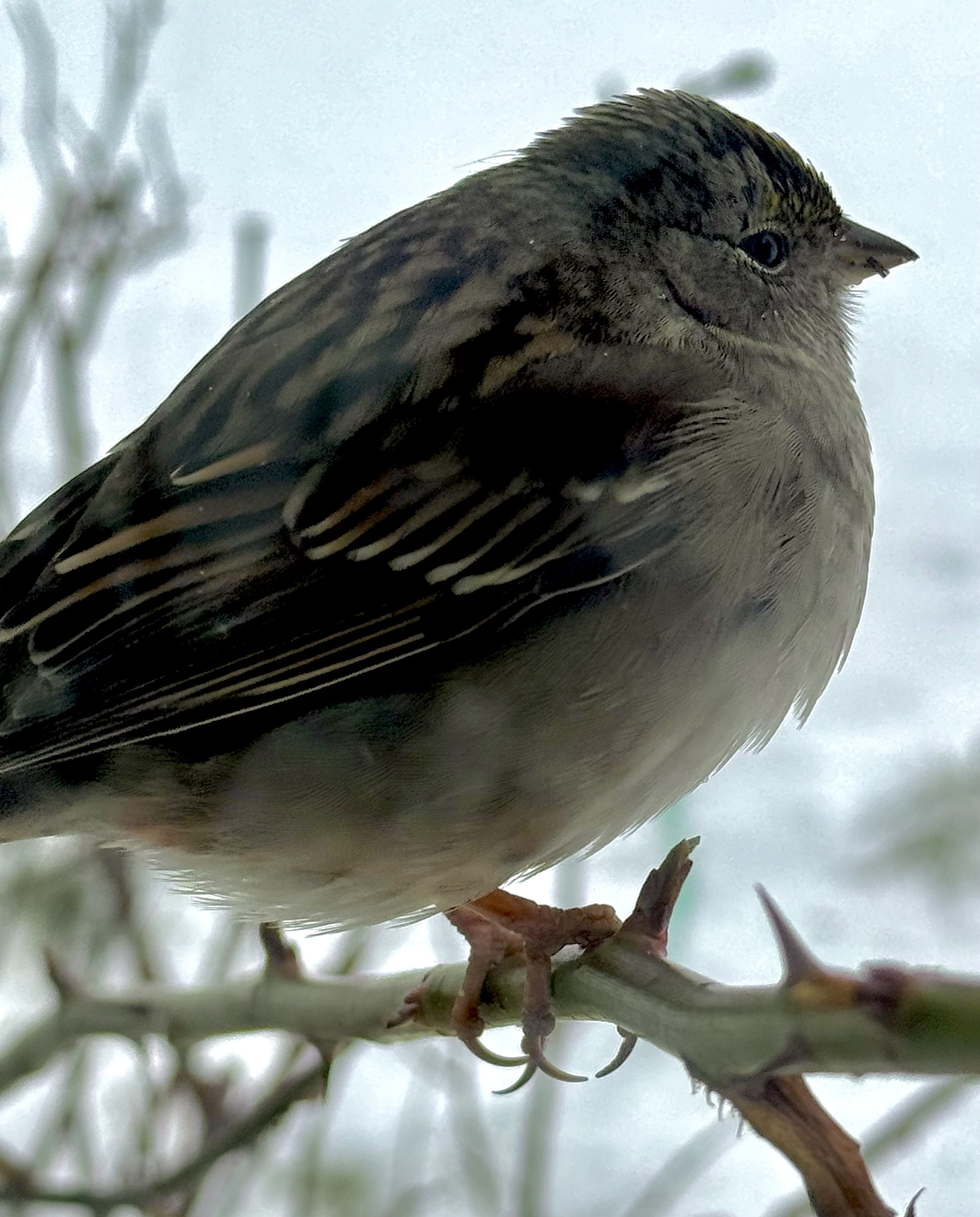
“Who killed Cock Robin?” “I,” said the Sparrow,
“With my bow and arrow, I killed Cock Robin.”
“Who saw him die?” “I,” said the Fly,
“With my little eye, I saw him die.”
“Who caught his blood?” “I,” said the Fish,
“With my little dish, I caught his blood.”
“Who’ll make the shroud?” “I,” said the Beetle,
“With my thread and needle, I’ll make the shroud.”
“Who’ll dig his grave?” “I,” said the Owl,
“With my pick and shovel, I’ll dig his grave.”
“Who’ll be the parson?” “I,” said the Rook,
“With my little book, I’ll be the parson.”
“Who’ll be the clerk?” “I,” said the Lark,
“If it’s not in the dark, I’ll be the clerk.”
“Who’ll carry the link?” “I,” said the Linnet,
“I’ll fetch it in a minute, I’ll carry the link.”
“Who’ll be chief mourner?” “I,” said the Dove,
“I mourn for my love, I’ll be chief mourner.”
“Who’ll carry the coffin?” “I,” said the Kite,
“If it’s not through the night, I’ll carry the coffin.”
“Who’ll bear the pall?” “We,” said the Wren,
“Both the cock and the hen, we’ll bear the pall.”
“Who’ll sing a psalm?” “I,” said the Thrush,
“As she sat on a bush, I’ll sing a psalm.”
“Who’ll toll the bell?” “I,” said the bull,
“Because I can pull, I’ll toll the bell.”
All the birds of the air fell a-sighing and a-sobbing,
When they heard the bell toll for poor Cock Robin.

~Anonymous “Who Killed Cock Robin”

photo by Kate Steensma of Steensma Creamery
photo by Harry Rodenberger

Sighing and sobbing…

The times we live in now are surreal as this dark nursery tale rhyme about the killing of a robin by a smaller bird.

What do we do with the sparrow’s proud confession in the first stanza? Whatever happened to instigate such destructive violence?
Self-defense? Vengeance? Accident? Just for sport?
Or simple random cruelty?

Such boasting about a killing makes about as much sense as our being witness to the overt destruction of the rule of law taking place right under our noses in the U.S.

Hear the bell toll.
We are each diminished as citizens.
Let the mourning begin.
It is our own death we grieve…

Medieval Stained Glass of a robin shot by an arrow in Buckland Rectory, Gloucester, UK

No man is an island,
Entire of itself.

Each is a piece of the continent,
A part of the main.
Each man’s death diminishes me,
For I am involved in mankind.
Therefore, send not to know
For Whom the bell tolls,

It tolls for thee…
~John Donne from “For Whom the Bell Tolls”

AI image created for this post
One-Time
Monthly
Yearly

Make a one-time or recurring donation to support daily Barnstorming posts

Make a monthly donation

Make a yearly donation

Choose an amount

$10.00
$25.00
$50.00
$5.00
$15.00
$100.00
$5.00
$15.00
$100.00

Or enter a custom amount

$

Your contribution is deeply appreciated.

Your contribution is appreciated.

Your contribution is appreciated.

DonateDonate monthlyDonate yearly
Soon Enough

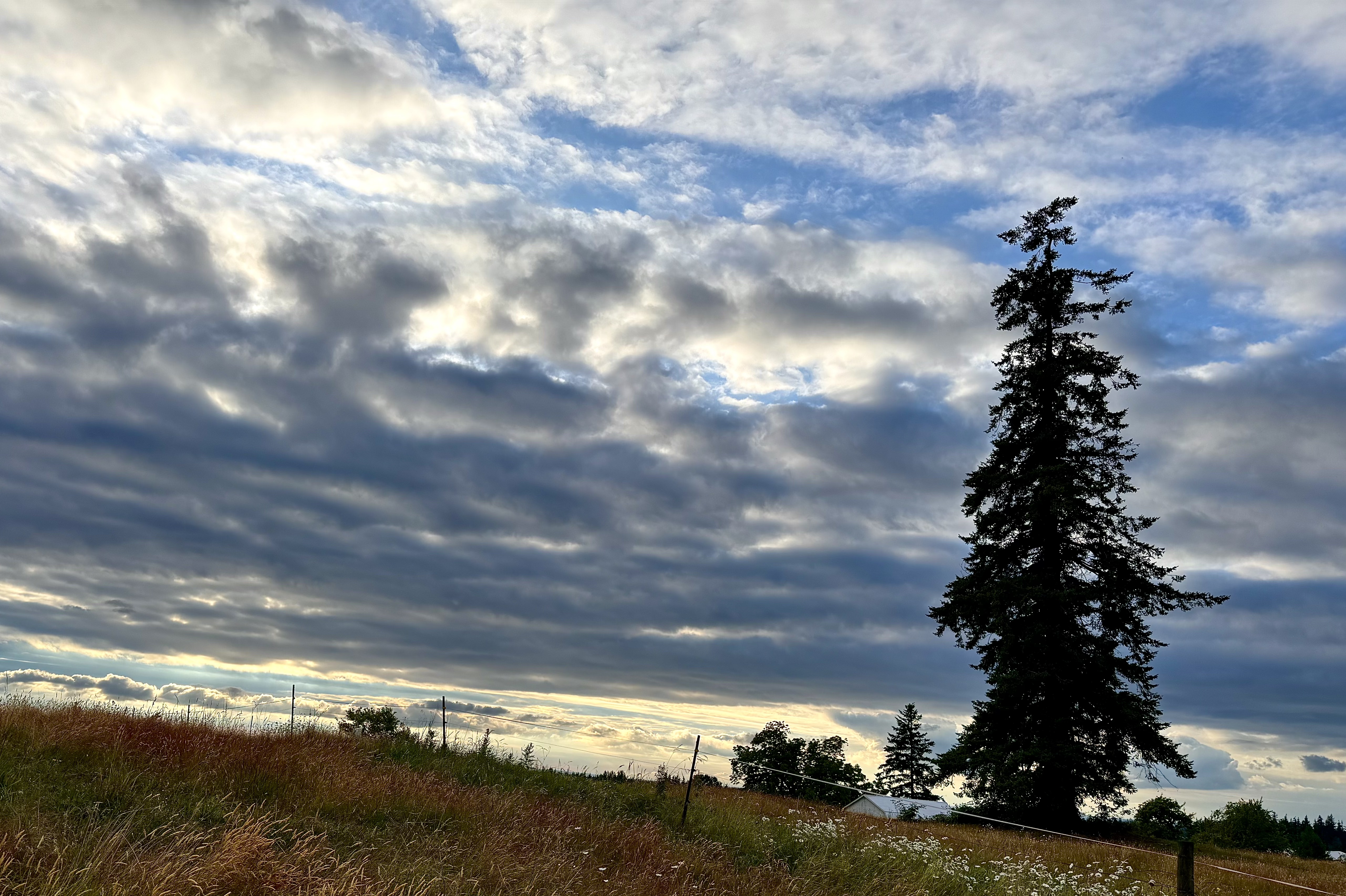
When I was young, I cut the bigger, older trees for firewood, the ones with heart rot, dead and broken branches, the crippled and deformed ones,

because, I reasoned, they were going to fall soon anyway, and therefore, I should give the younger trees more light and room to grow.

Now I’m older and I cut the younger, strong and sturdy, solid
and beautiful trees, and I let the older ones have a few more years

of light and water and leaf in the forest they have known so long.
Soon enough they will be prostrate on the ground.

~David Budbill “The Woodcutter Changes His Mind” from While We’ve Still Got Feet

we are fallen like the trees, our peace
Broken, and so we must
Love where we cannot trust,
Trust where we cannot know,
And must await the wayward-coming grace
That joins living and dead,
Taking us where we would not go–
Into the boundless dark.
When what was made has been unmade
The Maker comes to His work.

~Wendell Berry from  “Sabbaths, II”

Things: simply lasting, then
failing to last:

into light all things
must fall, glad at last to have fallen.
~Jane Kenyon, from “Things”
 in Collected Poems

I know I am brief and finite,
leaning more and more from the prevailing winds,
wobbly through each storm that comes.

Things I wish would last
don’t, so I hold them lightly in love.

I must trust God’s Light passes
through the darkness,
an illuminated pathway
I follow,
even when falling,
even when finite and failing
until I am part of the Light myself.

AI image created for this post
One-Time
Monthly
Yearly

Make a one-time or recurring donation to support daily Barnstorming posts

Make a monthly donation

Make a yearly donation

Choose an amount

$10.00
$25.00
$50.00
$5.00
$15.00
$100.00
$5.00
$15.00
$100.00

Or enter a custom amount

$

Your contribution is deeply appreciated.

Your contribution is appreciated.

Your contribution is appreciated.

DonateDonate monthlyDonate yearly
We Are No Longer Alone: Facing the Unknown

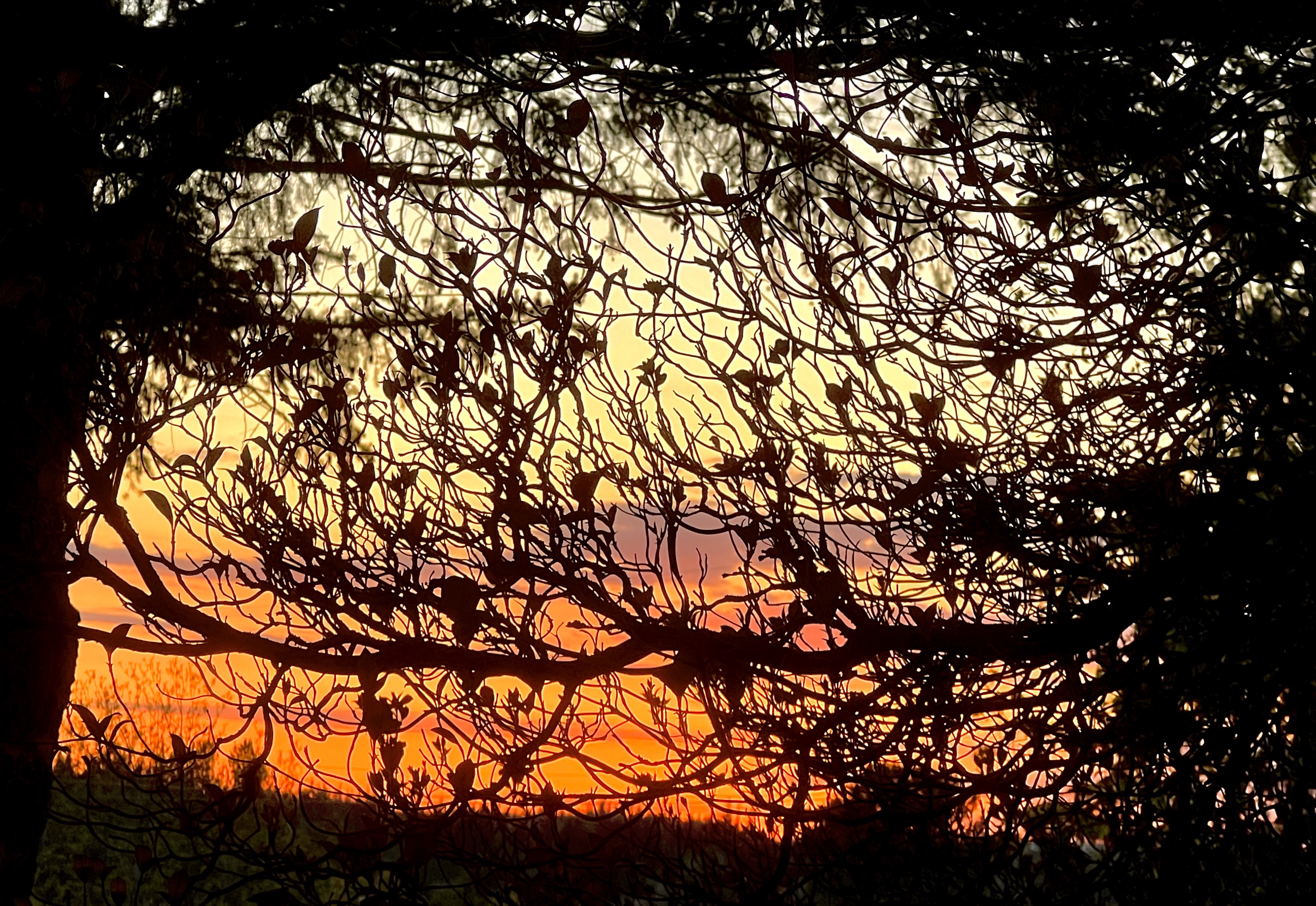
Usually, after turning out that forgotten barn light, I sit on the edge of the tractor bucket for a few minutes and let my eyes adjust to the night outside. City people always notice the darkness here, but it’s never very dark if you wait till your eyes owl out a little….

I’m always glad to have to walk down to the barn in the night, and I always forget that it makes me glad. I heave on my coat, stomp into my barn boots and trudge down toward the barn light, muttering at myself. But then I sit in the dark, and I remember this gladness, and I walk back up to the gleaming house, listening for the horses.
~Verlyn Klinkenborg from A Light in the Barn

…all who heard it wondered at what the shepherds told them. But Mary treasured up all these things, pondering them in her heart..
~Luke 2:18-19

Inside the barn the sheep were standing, pushed close to one
another. Some were dozing, some had eyes wide open listening
in the dark. Some had no doubt heard of wolves. They looked
weary with all the burdens they had to carry, like being thought
of as stupid and cowardly, disliked by cowboys for the way they
eat grass about an inch into the dirt, the silly look they have
just after shearing, of being one of the symbols of the Christian
religion. In the darkness of the barn their woolly backs were
full of light gathered on summer pastures. Above them their
white breath was suspended, while far off in the pine woods,
night was deep in silence. The owl and rabbit were wondering,
along with the trees, if the air would soon fill with snowflakes,
but the power that moves through the world and makes our
hair stand on end was keeping the answer to itself.
~Tom Hennen “Sheep in the Winter Night” from Darkness Sticks to Everything: Collected and New Poems.

Yet another school shooting takes hold of my heart and breaks it:
two of our children are school teachers, our grandchildren are students.

there is so much about this world I don’t understand –
the news of each day causes more questions
and a sense of ever deeper despair.

There are times when I feel my hair stand on end,
wondering where it all leads.

Half a lifetime ago, I was far more confident after so many years in school and training; now I am well aware there is much I can never know or understand.

To accept the mystery and power that moves through this world
is an awe-filled load to carry.

All shall be revealed in the fullness of time.
Yet shortening time is gets emptier by the minute.

I want to know why too many are taken from us too young,
why there is persisting darkness and evil causing fear and suffering, why we stumble and fall and fail again and again,
why we don’t trust one another or trust God
when there are simply things that can’t be known or understood yet.

Most of all I need faith that God has my life and your life in His hands. His power moving through our hearts is real and true and trustworthy even if we don’t know all the answers to myriad questions yet.

So like sheep, huddled and frightened, we wait for our Shepherd’s voice to tell us where to go and what comes next.

He leaves the light on for us because, like sheep, like children,
the darkness and the unknown can feel overwhelming.

AI image created for this post

This year’s Advent theme is from Dietrich Bonhoeffer’s sermon on the First Sunday in Advent, December 2, 1928:

The celebration of Advent is possible only to those who are troubled in soul, who know themselves to be poor and imperfect, and who look forward to something greater to come. For these, it is enough to wait in humble fear until the Holy One himself comes down to us, God in the child in the manager.

God comes.

He is, and always will be now, with us in our sin, in our suffering, and at our death. We are no longer alone. God is with us and we are no longer homeless.
~Dietrich Bonhoeffer – from Christmas Sermons

Click to Listen: He Will Carry the Weight of the World by The City Choir

One-Time
Monthly
Yearly

Make a one-time or recurring donation to support daily Barnstorming posts

Make a monthly donation

Make a yearly donation
Choose an amount

$10.00
$25.00
$50.00
$5.00
$15.00
$100.00
$5.00
$15.00
$100.00

Or enter a custom amount

$

Your contribution is deeply appreciated.
Your contribution is appreciated.

Your contribution is appreciated.

DonateDonate monthlyDonate yearly