I don’t know half of you half as well as I should like; and I like less than half of you half as well as you deserve. ~ J.R.R. Tolkien, The Fellowship of the Ring
To love means loving the unlovable. To forgive means pardoning the unpardonable. Faith means believing the unbelievable. Hope means hoping when everything seems hopeless. ~G.K. Chesterton
I can grumble along with the best of the them, especially over the last year of nothing being as it was. There can be camaraderie in shared grumbling, as well as an exponential increase in dissatisfaction. Everyone shares their frustrations over how we have come to this — how people we thought we knew, and thought we loved, can be so obstinate and hard-headed.
You undoubtedly feel the same about me.
And I know better. I’ve seen where grousing and grumbling leads. It aches in my bones when I’m steeped in it. The sky is grayer, the clouds are thicker, the night is darker – on and on to an overwhelming suffocating conclusion that hey, life sucks.
Turning away from the vacuum of discouragement, I am reminded:
I have been loved even when unlovable. I have been forgiven even when I’ve done the unforgivable.
I have the privilege to choose hope and joy, turning away from being bleak and disgruntled and simply seek and bathe in the warmth and wonder of each new day.
This is not putting on a “happy face” — instead — in a true welcoming hospitality, joy finds me, adopts me, holds me close in the tough times and won’t abandon me.
Joy is always within my reach because hope has chosen me despite my hopelessness. How welcoming is that?
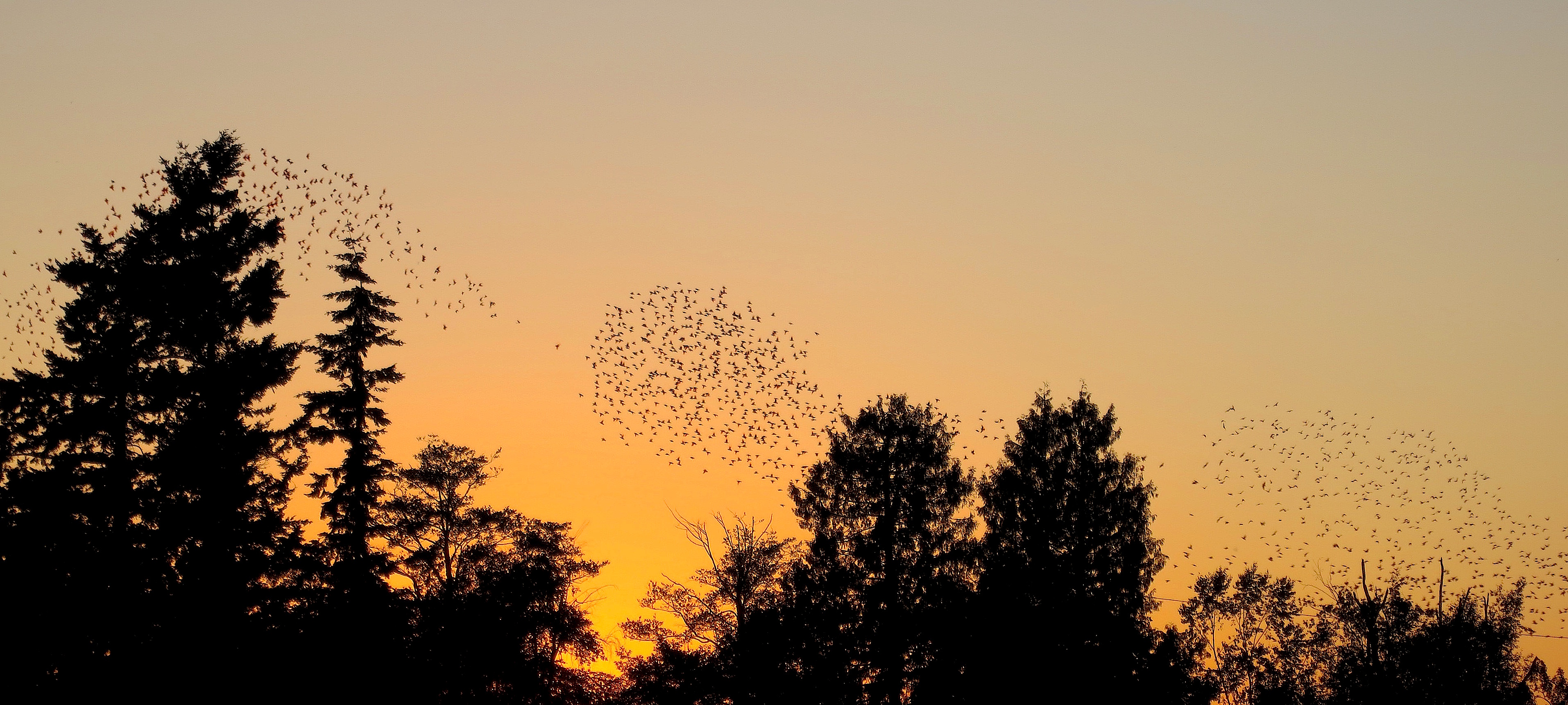
Chunky and noisy, but with stars in their black feathers, they spring from the telephone wire and instantly
they are acrobats in the freezing wind. And now, in the theater of air, they swing over buildings,
dipping and rising; they float like one stippled star that opens, becomes for a moment fragmented,
then closes again; and you watch and you try but you simply can’t imagine
how they do it with no articulated instruction, no pause, only the silent confirmation that they are this notable thing,
this wheel of many parts, that can rise and spin over and over again, full of gorgeous life.
Ah, world, what lessons you prepare for us, even in the leafless winter, even in the ashy city. I am thinking now of grief, and of getting past it;
I feel my boots trying to leave the ground, I feel my heart pumping hard. I want
to think again of dangerous and noble things. I want to be light and frolicsome. I want to be improbable beautiful and afraid of nothing, as though I had wings. ~Mary Oliver “Starlings in Winter” from Owls and Other Fantasies: Poems and Essays
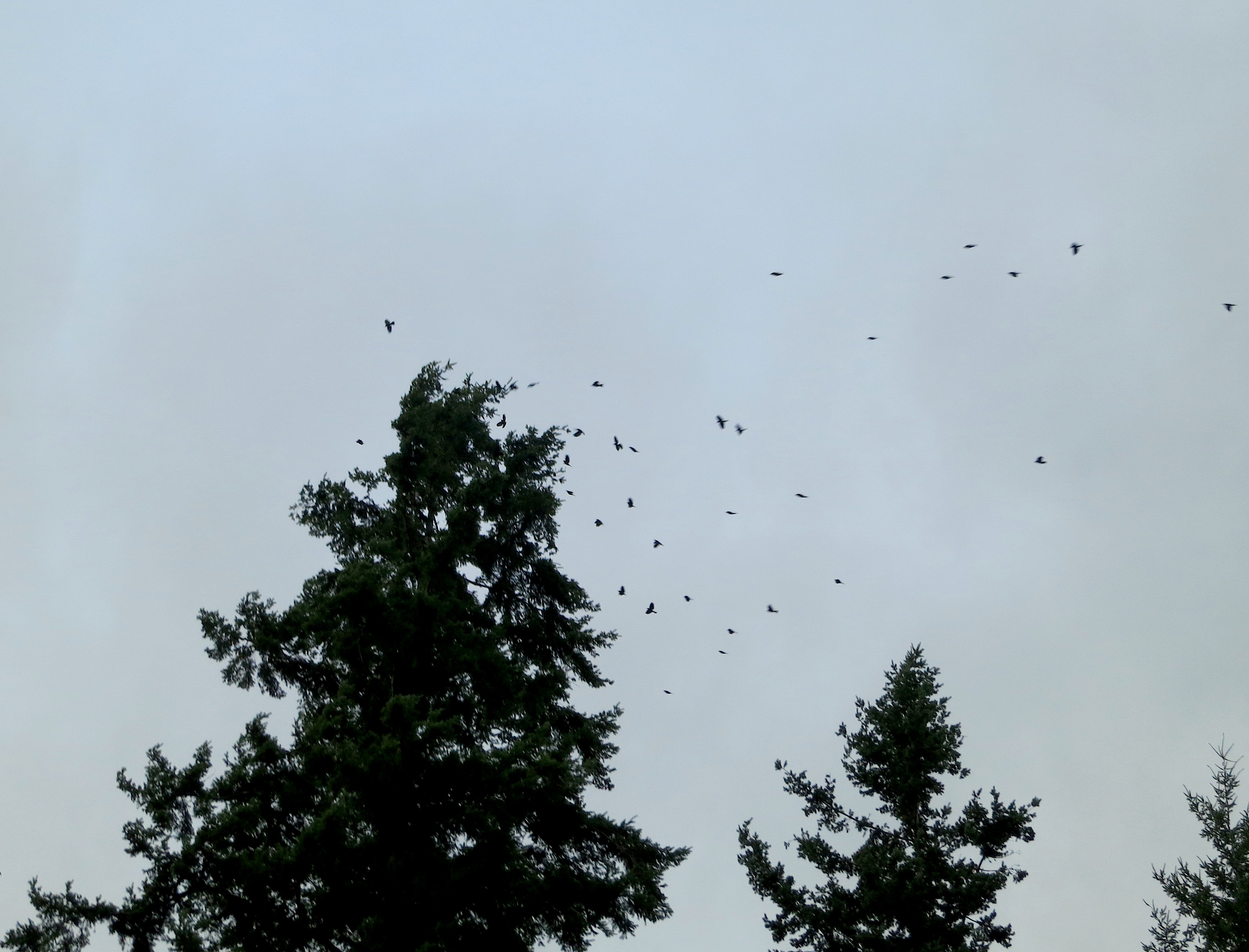
Out of the dimming sky a speck appeared, then another, and another. It was the starlings going to roost. They gathered deep in the distance, flock sifting into flock, and strayed towards me, transparent and whirling, like smoke. They seemed to unravel as they flew, lengthening in curves, like a loosened skein. I didn’t move;they flew directly over my head for half an hour.
Each individual bird bobbed and knitted up and down in the flight at apparent random, for no known reason except that that’s how starlings fly, yet all remained perfectly spaced. The flocks each tapered at either end from a rounded middle, like an eye. Overhead I heard a sound of beaten air, like a million shook rugs, a muffled whuff. Into the woods they sifted without shifting a twig, right through the crowns of trees, intricate and rushing, like wind.
Could tiny birds be sifting through me right now, birds winging through the gaps between my cells, touching nothing, but quickening in my tissues, fleet? ~Annie Dillard from Pilgrim at Tinker Creek
…yesterday I heard a new sound above my head a rustling, ruffling quietness in the spring air
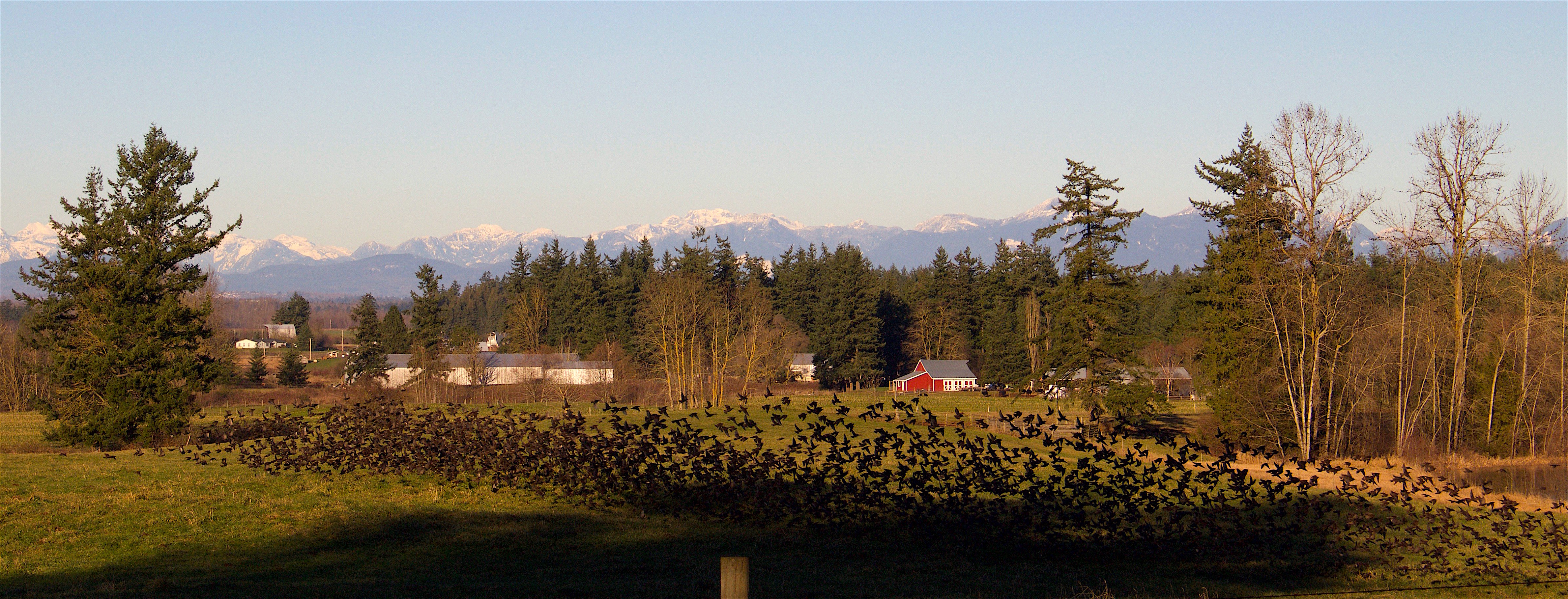
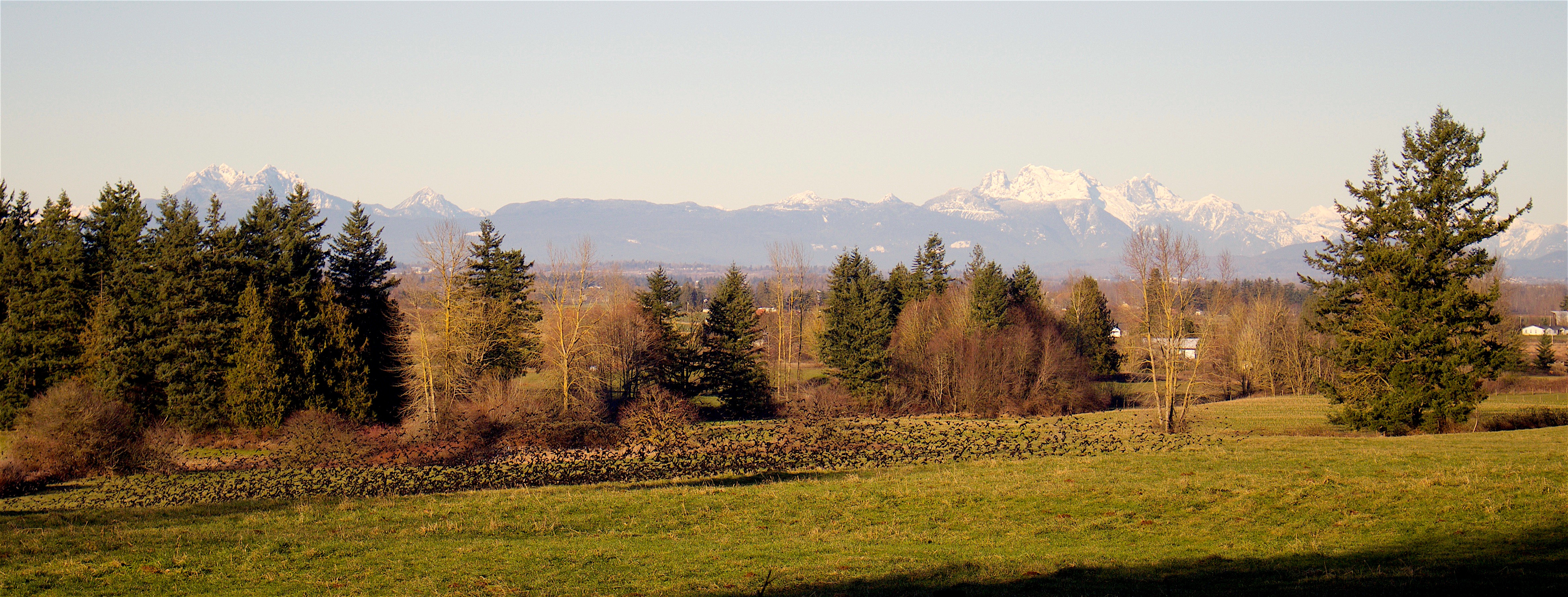
and when I turned my face upward I saw a flock of blackbirds rounding a curve I didn’t know was there and the sound was simply all those wings, all those feathers against air, against gravity and such a beautiful winning: the whole flock taking a long, wide turn as if of one body and one mind.
How do they do that?
If we lived only in human society what a puny existence that would be
but instead we live and move and have our being here, in this curving and soaring world that is not our own so when mercy and tenderness triumph in our lives and when, even more rarely, we unite and move together toward a common good,
we can think to ourselves:
ah yes, this is how it’s meant to be. ~Julie Cadwallader Staub from “Blackbirds” from Wing Over Wing
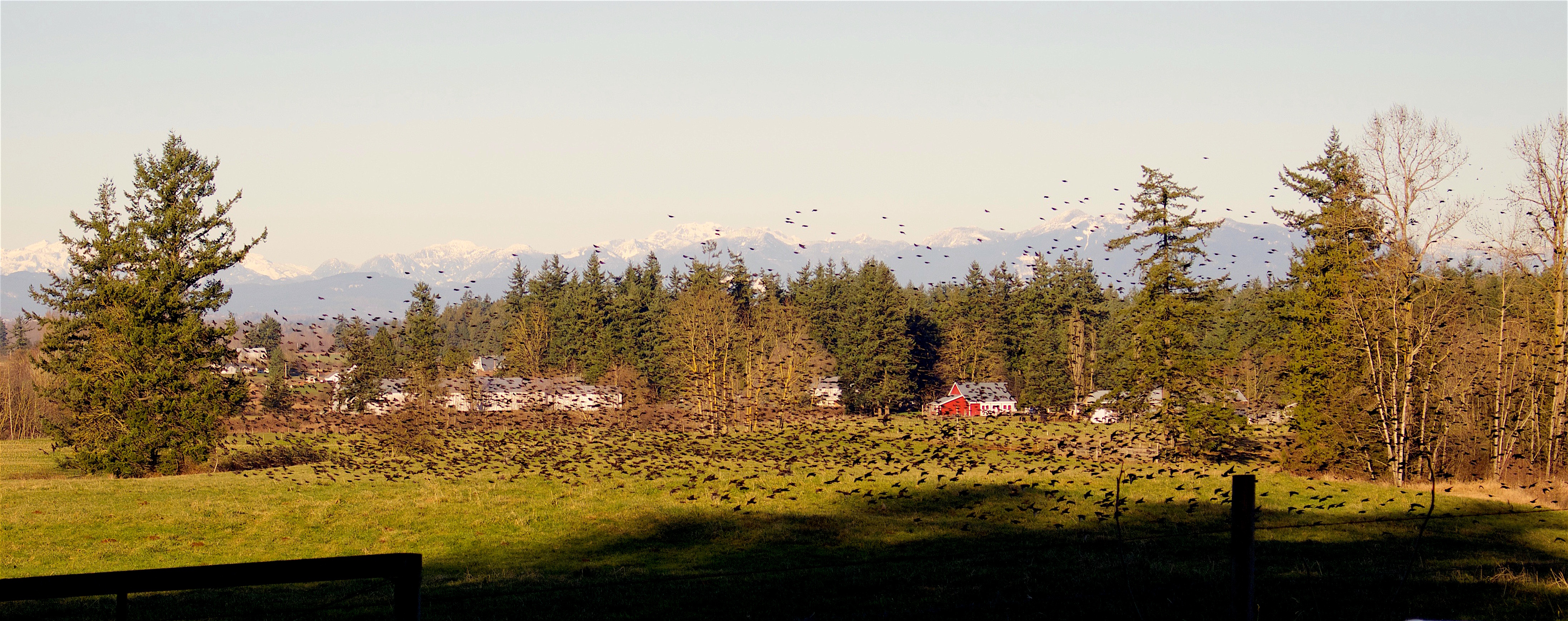
Watching a winter starlings’ murmuration is a visceral experience – my heart leaps to see it happen above me. I can get queasy following its looping amoebic folding and unfolding path.
Thousands of individual birds move in sync with one another to form one massive organism existing solely because each tiny component anticipates and cooperates to avoid mid-air collisions. It could explode into chaos but it doesn’t. It could result in massive casualties but it doesn’t. They could avoid each other altogether but they don’t – they come together with a purpose and reasoning beyond our imagining. Even the silence of their movement has a discernible sound.
We humans are made up of just such cooperating component parts, that which is deep in our tissues, programmed in our DNA. Yet we don’t exercise such unity from our designed and carefully constructed building blocks. We are frighteningly disparate and independent creatures, going our own way bumping and crashing without care, leaving so much body and spiritual wreckage behind.
To where has flown our mercy and tenderness? We have corporately lost our internal moral compass.
We figuratively and literally shoot each other in the back, trampling over and suffocating one another, in a reach for justice that seems right in our own eyes.
We even watch the daily death count rise in ever-increasing numbers, and still some resist doing what it takes to protect themselves and one another.
The sound of silence is muffled weeping.
There comes a time in every fall before the leaves begin to turn when blackbirds group and flock and gather choosing a tree, a branch, together to click and call and chorus and clamor announcing the season has come for travel.
Then comes a time when all those birds without a sound or backward glance pour from every branch and limb into the air, as if on a whim but it’s a dynamic, choreographed mass a swoop, a swerve, a mystery, a dance
and now the tree stands breathless, amazed at how it was chosen, how it was changed. ~Julie Cadwallader Staub “Turning” from Wing Over Wing
There are three kinds of men. The ones that learn by reading. The few who learn by observation. The rest of them have to pee on the electric fence for themselves. ~Will Rogers
Learning is a universal human experience from the moment we take our first breath. It is never finished until the last breath is given up. With a lifetime of learning, one would think eventually we should get it right.
But we don’t. We tend to learn the hard way especially when it comes to matters having to do with our (or others’) health.
As physicians in training, we “see one, do one, teach one.” That kind of approach doesn’t always go so well for the patient. As patients, we like to eat, drink, and live how we wish, demanding what interventions we want only when we want them – this also doesn’t go so well for the patient. You’d think we’d know better, but as fallible human beings, we may impulsively make decisions about our health without actually using our heads (is it evidence-based or simply an anecdotal story about what “worked” for someone else?).
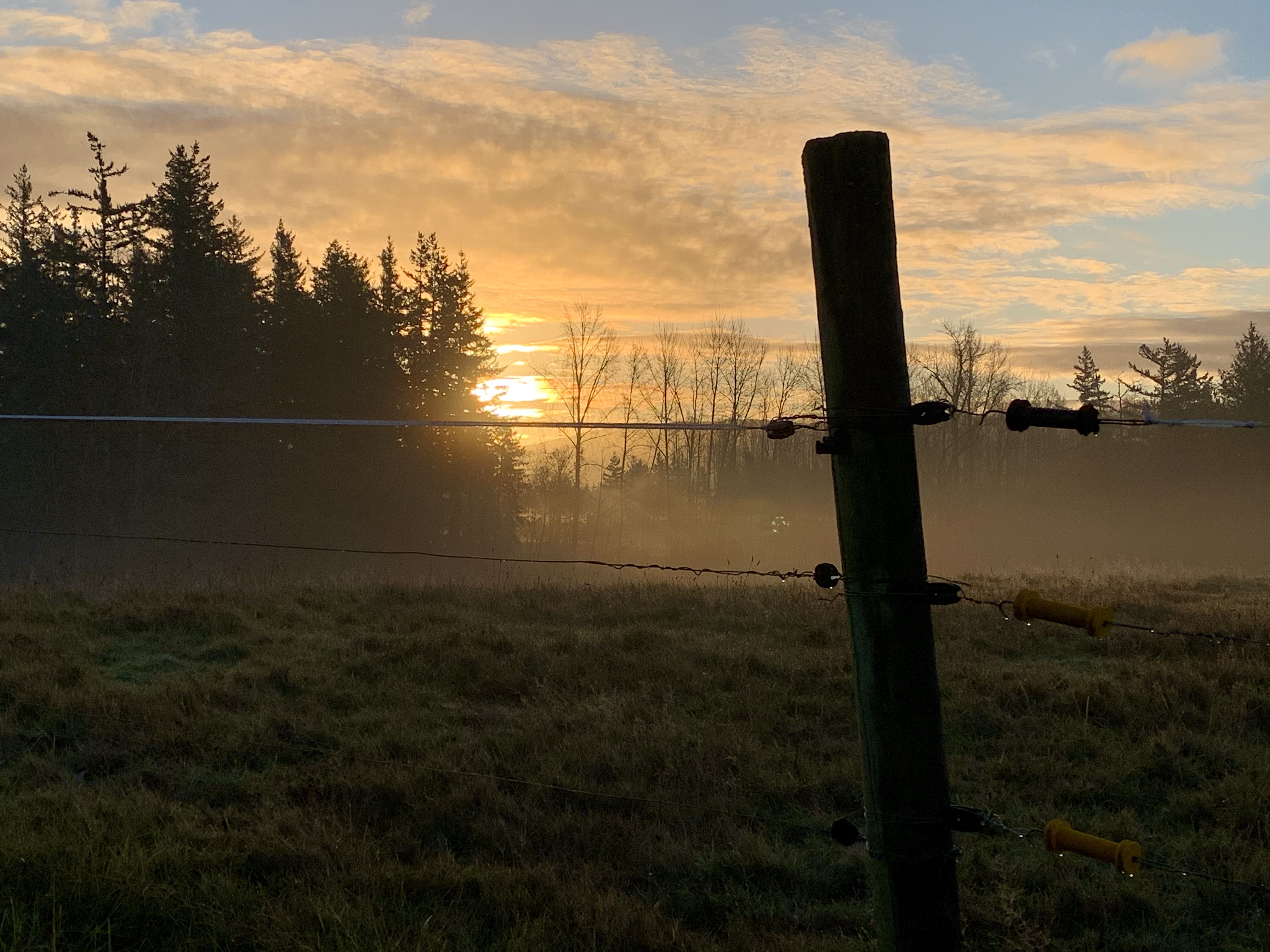
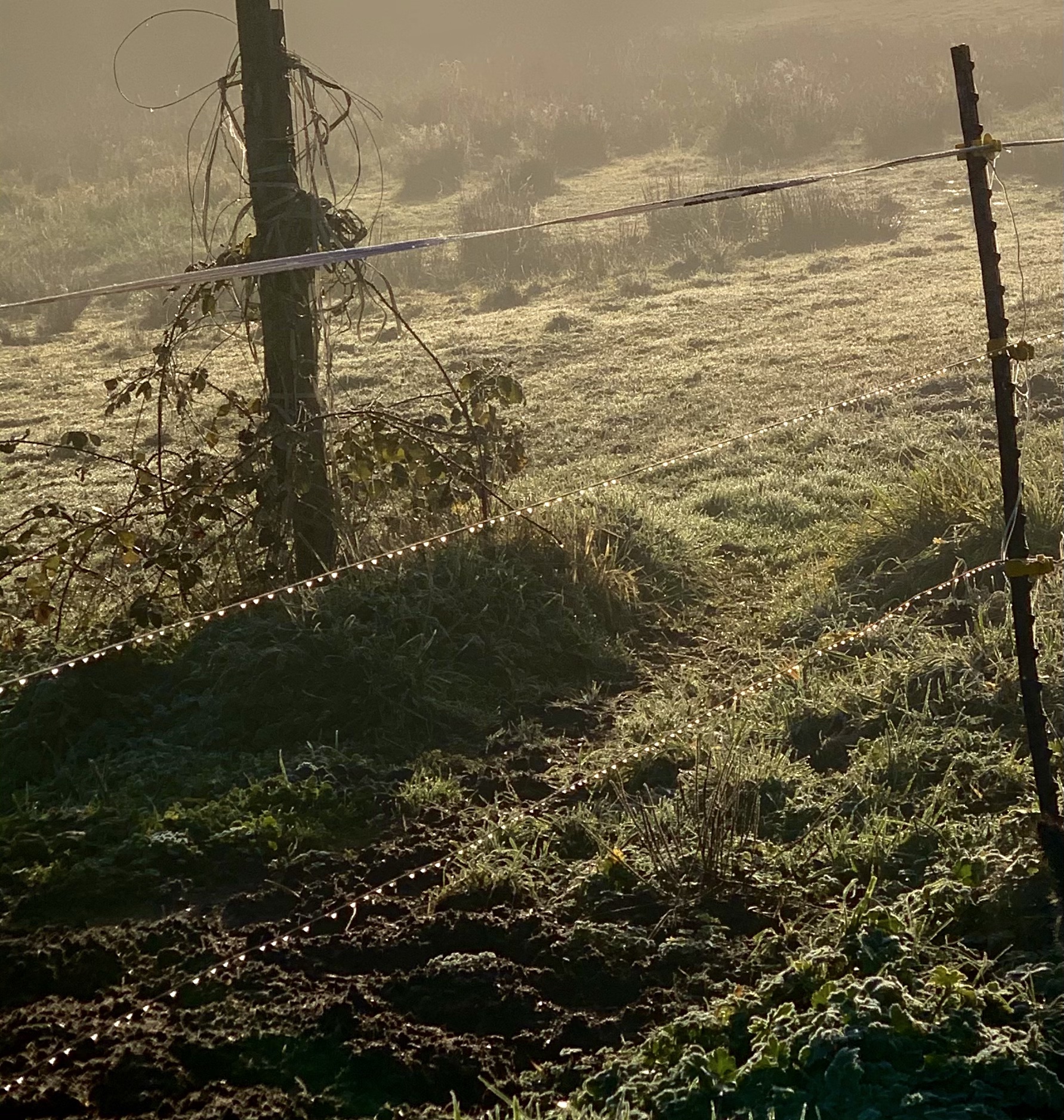
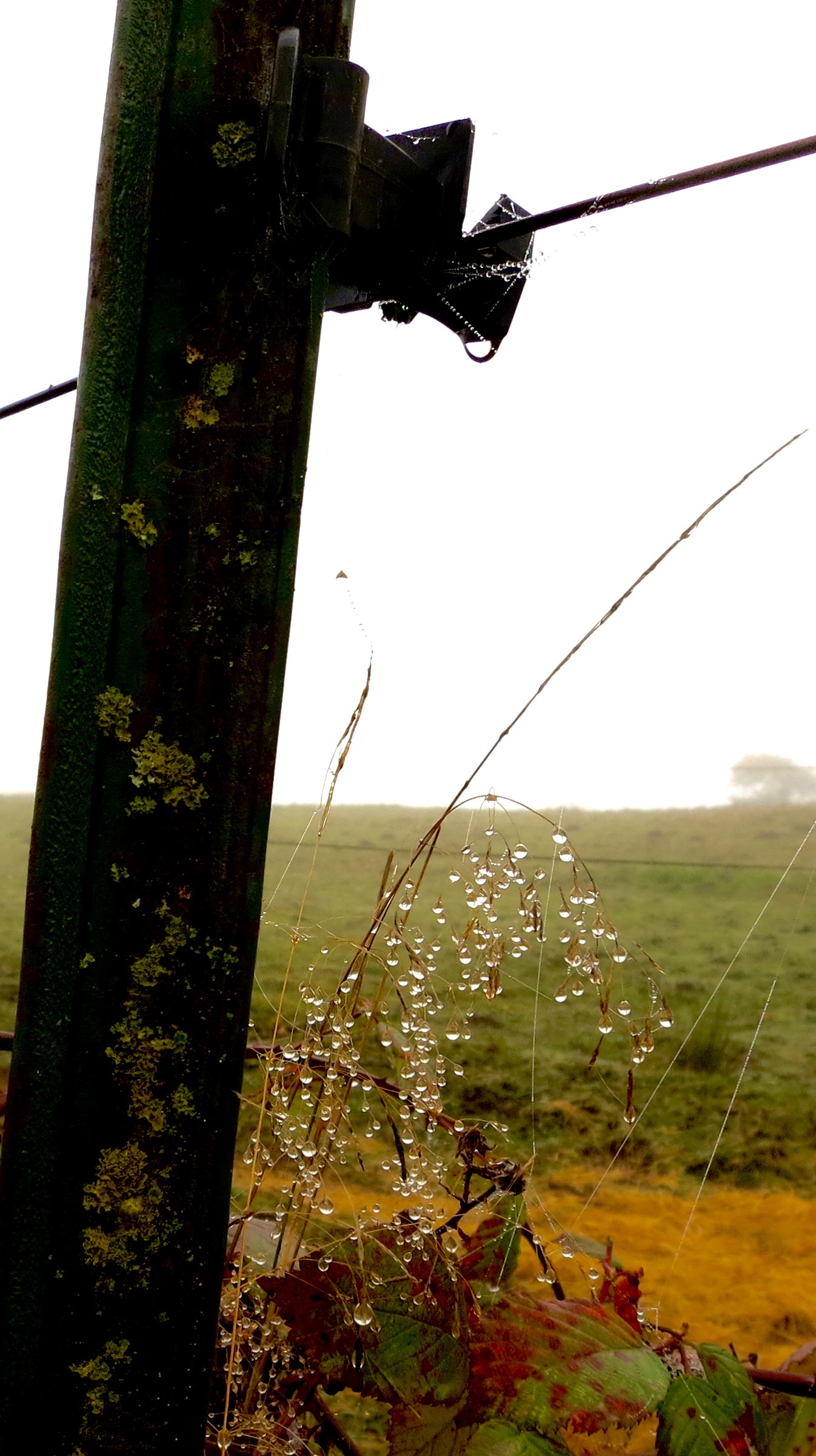
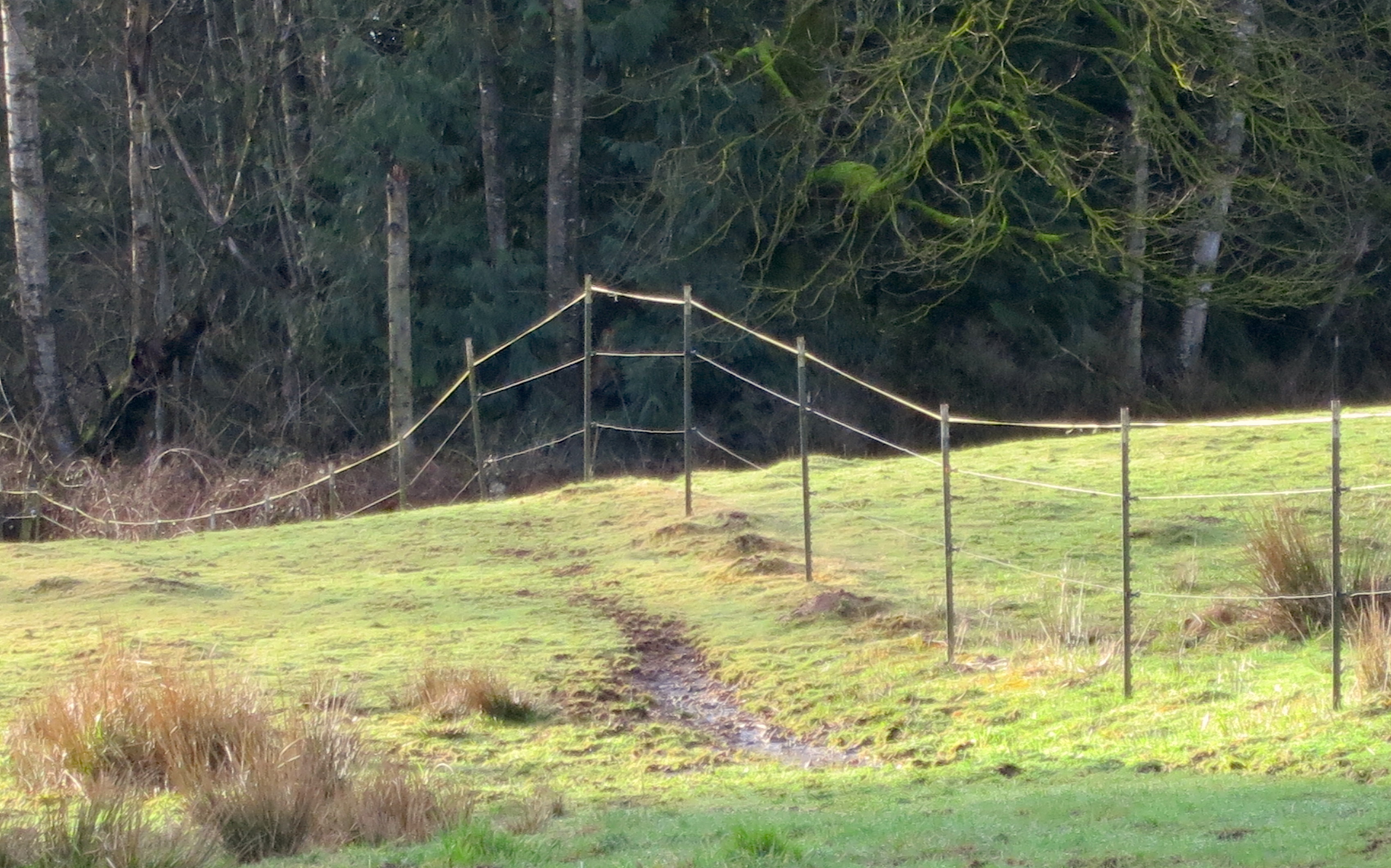
The cows and horses on our farm need to touch an electric fence only once when reaching for greener grass on the other side. That moment provides a sufficient learning curve for them to make an important decision. They won’t try testing it again no matter how alluring the world appears on the other side. Humans are smarter sentient beings who should learn as quickly as animals but unfortunately don’t. I know all too well what a shock feels like and I want to avoid repeating that experience. Even so, in unguarded careless moments of feeling invulnerable (it can’t happen to me!), and yearning to have what I don’t necessarily need, I may find myself reaching for the greener grass (or another cookie) even though I know better. I suspect I’m not alone in my surprise when I’m jolted back to reality when I continually indulge myself and climb on the scale to see the results.
Many great minds have worked out various theories of effective learning, but, great mind or not, Will Rogers confirms a common sense suspicion: an adverse experience, like a “bolt out of the blue,” can be a powerful teacher. As clinicians, we call it “a teachable moment.” None of us want to experience a teachable moment — none of us, and we resent it when someone points it out to us.
When physicians and patients learn the hard way, we need to come along aside one another rather than work at cross-purposes.
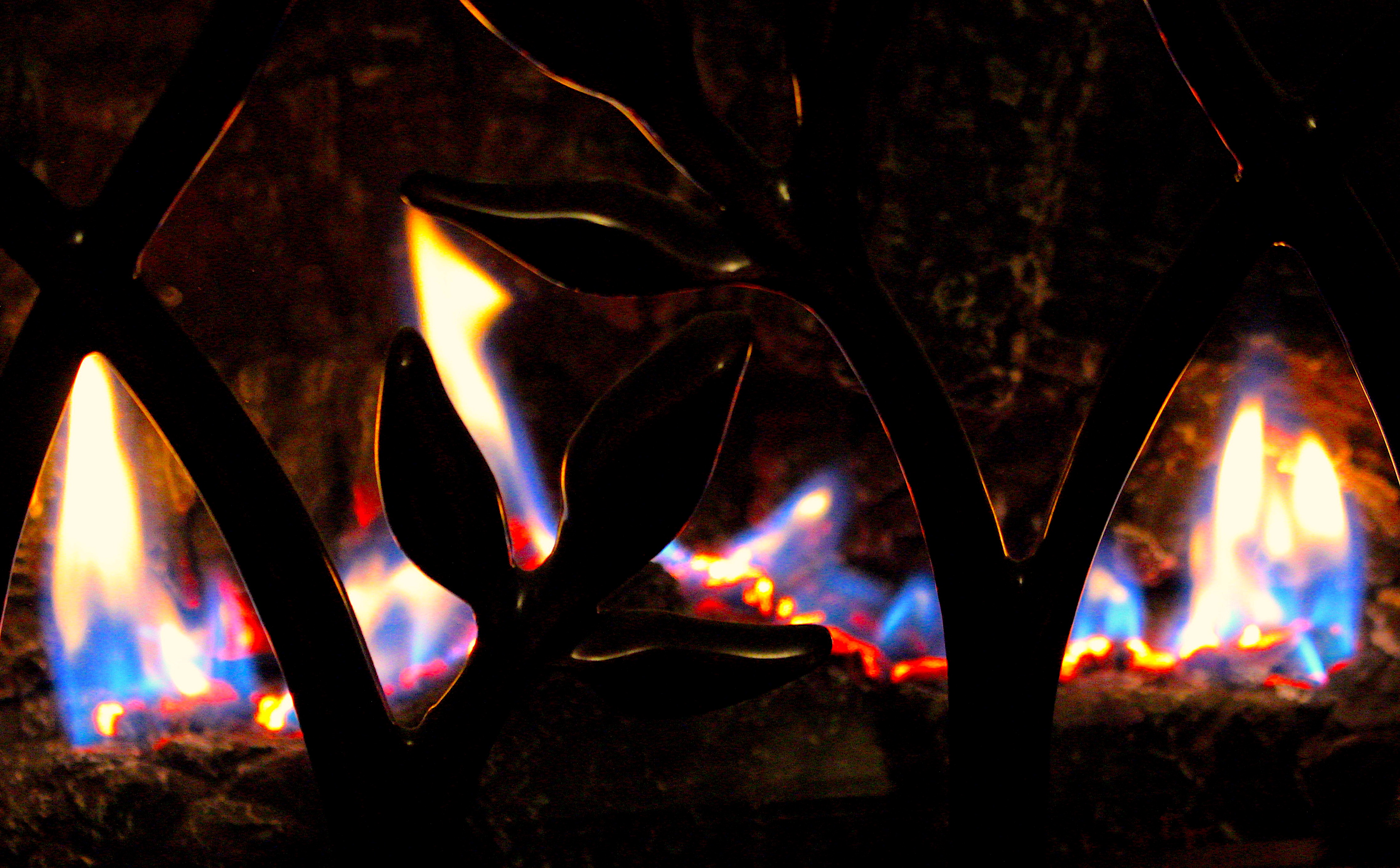
When the cold air comes on in, it kicks the furnace on, and the furnace overwhelms the cold. As the sorrow comes into the heart of a Christian, it kicks on more of the joy. It gets you closer to him, it helps you dig down deeper into him, and the joy kicks up, you might say, like a furnace, and overwhelms the sorrow. That is a picture of a solid Christian. Not a sorrow-less person who is happy, happy, happy, all the time. That’s not the picture. A picture of a real Christian is a person who has a furnace of joy in there that kicks up as the sorrow comes in and overwhelms the sorrow. But the sorrow is there. It is there. ~Pastor Tim Keller (1990), now in treatment for pancreatic cancer
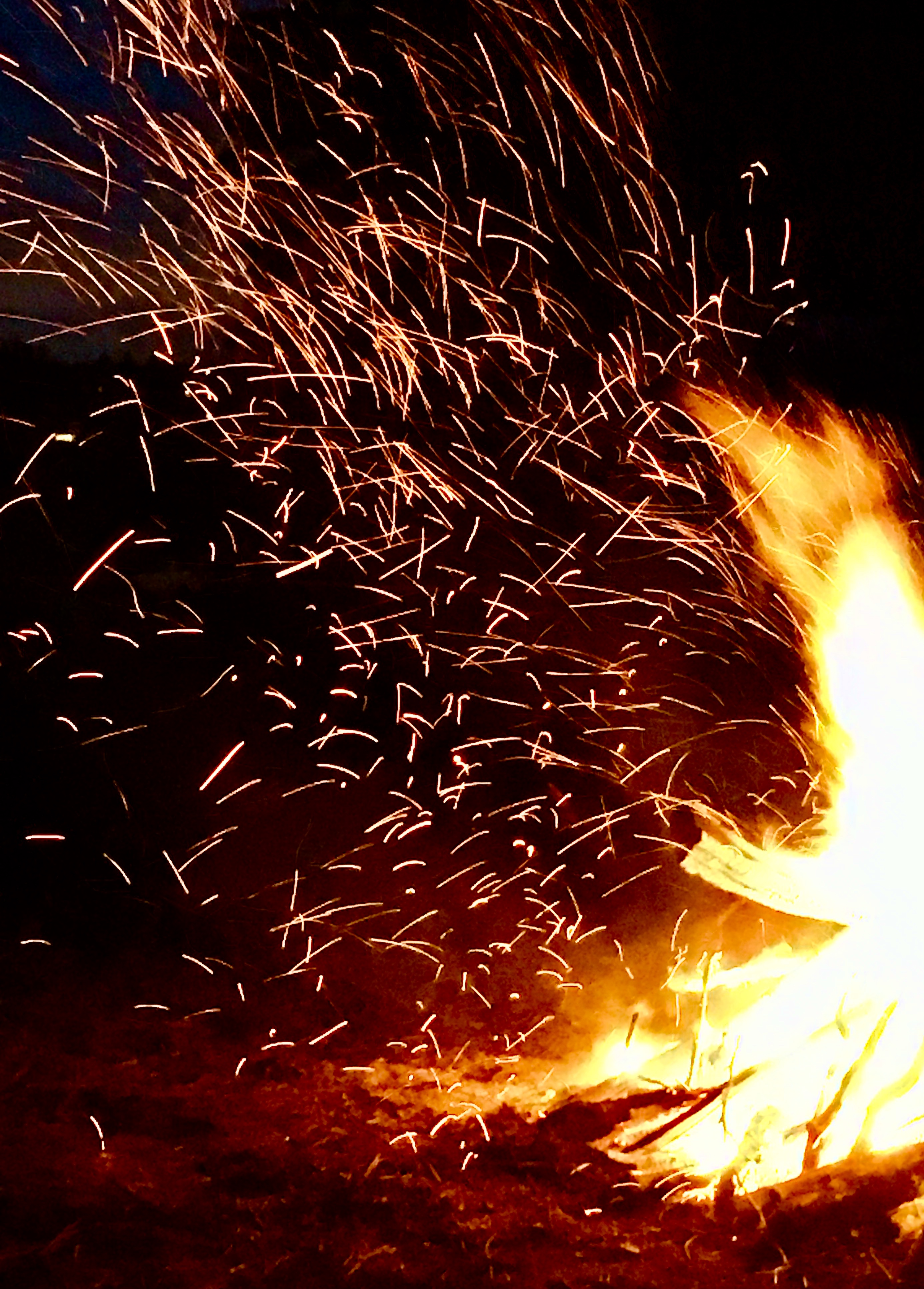
The Cross is the blazing fire at which the flame of our love is kindled, but we have to get near enough for its sparks to fall on us. ~John Stott
I have listened to criticism at times in my faith life that I don’t exhibit enough joy and happiness in my Christian walk. It is true that I tend toward lamenting the state of the world and the state of my own soul. I could use more balance in my expressions of gratitude. So what I hear from others is fair feedback.
My faith furnace thermostat is now set so high that it rarely kicks on and I dwell too much in the cold.
Especially in the last year of COVID-time, I have been especially feeling the chill as I watch so many dealing with immense sorrow and loss. So much has changed, particularly in how we can safely gather and worship together, resulting in finger pointing among Christians about who is showing more righteous dedication to the Word of God.
So the nit-picking begins.
If we don’t sing together in worship as commanded by our Lord but temporarily restricted by state regulations, do we lack conviction in our faith, allowing fear and earthly authorities to rule over us? If we sing outside, even in the cold dark rain and snow, is that sufficient compromise and does it truly “turn on” the furnace of our joy?
Or wearing a mask shows fear and a lack of faith that God is ultimately in charge as only He determines how many days we dwell on this earth. Yet by wearing a mask at all times when together we are showing compassion for others by loving them enough to try to protect them from any infection we may unknowingly harbor.
These feel like irreconcilable differences in perspective among people who purportedly love one another in the name of Christ. So we all end up in the cold, waiting on the furnace of our love and joy to kick on.
In my self-absorption, I tend to forget that the fire has always been there, lit by Christ’s sacrifice, despite His own mortal fear and hesitation and tears, yet fueled solely by His divine desire to save His children. I need to come closer to feel the heat of His love, and feel those sparks landing on my earthly skin to remind me there can be no love without pain.
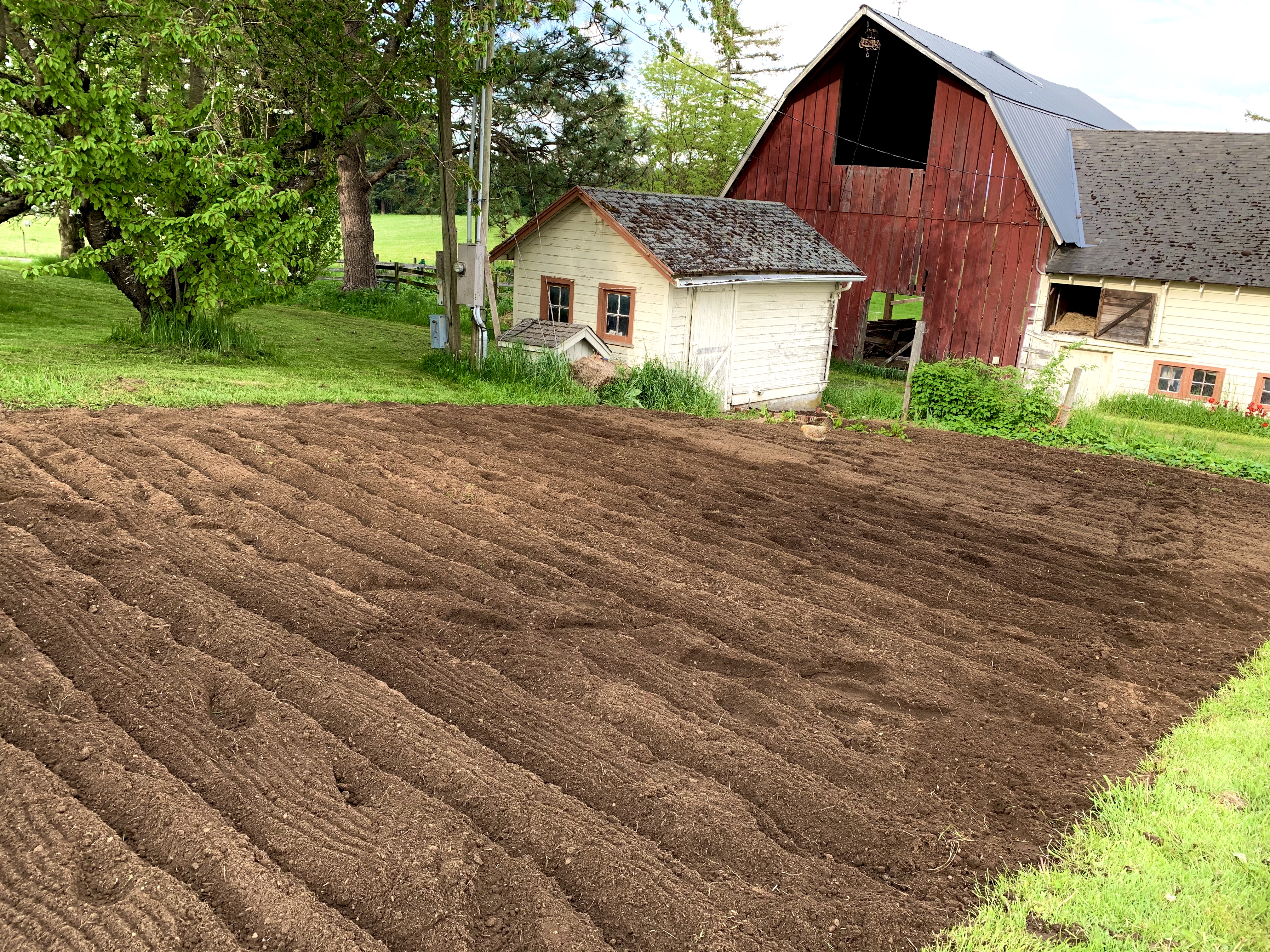
All morning, doing the hard, root-wrestling work of turning a yard from the wild to a gardener’s will, I heard a bird singing from a hidden, though not distant, perch; a song of swift, syncopated syllables sounding like, Can you believe this, believe this, believe? Can you believe this, believe this, believe? And all morning, I did believe. All morning, between break-even bouts with the unwanted, I wanted to see that bird, and looked up so I might later recognize it in a guide, and know and call its name, but even more, I wanted to join its church. For all morning, and many a time in my life, I have wondered who, beyond this plot I work, has called the order of being, that givers of food are deemed lesser than are the receivers. All morning, muscling my will against that of the wild, to claim a place in the bounty of earth, seed, root, sun and rain, I offered my labor as a kind of grace, and gave thanks even for the aching in my body, which reached beyond this work and this gift of struggle. ~Richard Levine “Believe This” from That Country’s Soul
North Brooklin, Maine 30 March 1973
Dear Mr. Nadeau: As long as there is one upright man, as long as there is one compassionate woman, the contagion may spread and the scene is not desolate. Hope is the thing that is left to us, in a bad time. I shall get up in the morning and wind the clock, as a contribution to order and steadfastness.
Sailors have an expression about the weather: they say, the weather is a great bluffer. I guess the same is true of our human society—things can look dark, then a break shows in the clouds, and all is changed, sometimes rather suddenly. It is quite obvious that the human race has made a queer mess of life on this planet. But as a people we probably harbor seeds of goodness that have lain for a long time waiting to sprout when the conditions are right. Man’s curiosity, his relentlessness, his inventiveness, his ingenuity have led him into deep trouble. We can only hope that these same traits will enable him to claw his way out.
Hang on to your hat. Hang on to your hope. And wind the clock, for tomorrow is another day. Sincerely, [Signed, ‘E. B. White’] from Letters of Note
Today yet another era begins and another ends. However, the struggle continues: there is anguish on one side and relief on the other– just the reverse of four years ago.
I want to believe things will be different and the messes cleaned up without creating new messes. I realize, thanks to human nature, that is a futile hope.
I want to believe that goodness and compassion will thrive again.
So I will pull out the weeds that have taken over in my on back yard and clear the ground for a clean start. I will rewind the clock to help create order out of chaos and experience steadfastness instead of uncertainty.
May we hang on to hope that our dis-united states may once again survive a leader with many human flaws and failings, just as we’ve survived countless other imperfect leaders.
It is up to we the people to keep our own yards weed-free, and not allow them to take over — ever again.
…if I respond to hate with a reciprocal hate I do nothing but intensify the cleavage in broken community. I can only close the gap in broken community by meeting hate with love. If I meet hate with hate, I become depersonalized, because creation is so designed that my personality can only be fulfilled in the context of community. Booker T. Washington was right: “Let no man pull you so low as to make you hate him.” ~Dr. Martin Luther King, Jr. from Stride Toward Freedom
Do you know why this world is as bad as it is? It is because people think only about their own business, and won’t trouble themselves to stand up for the oppressed, nor bring the wrong-doers to light. My doctrine is this: that if we see cruelty or wrong that we have the power to stop, and do nothing, we make ourselves sharers in the guilt. ~Anna Sewell from Black Beauty
As nightfall does not come at once, neither does oppression. In both instances, there is a twilight when everything remains seemingly unchanged. And it is in such twilight that we all must be most aware of change in the air – however slight – lest we become unwitting victims of the darkness. ~William O. Douglasin a 1976 letter to Young Lawyers of the Washington State Bar Association
We live in a time where the groaning need and dividedness of humankind is especially to be felt and recognized. Countless people are subjected to hatred, violence and oppression which go unchecked. The injustice and corruption which exist today are causing many voices to be raised to protest and cry out that something be done. Many men and women are being moved to sacrifice much in the struggle for justice, freedom, and peace. There is a movement afoot in our time, a movement which is growing, awakening.
We must recognize that we as individuals are to blame for every social injustice, every oppression, the downgrading of others and the injury that man does to man, whether personal or on a broader plane.… God must intervene with his spirit and his justice and his truth. The present misery, need, and decay must pass away and the new day of the Son of Man must dawn. This is the advent of God’s coming. ~Dwight Blough from the introduction to When the Time was Fulfilled (1965)
No matter how big a nation is, it is no stronger that its weakest people, and as long as you keep a person down, some part of you has to be down there to hold him down, so it means you cannot soar as you might otherwise. ~Marian Anderson, American opera singer at two presidential inaugurals, Presidential Medal of Freedom recipient and US State Dept. Goodwill Ambassador
We have a new definition of greatness: it means that everybody can be great, because everybody can serve. You don’t have to have a college degree to serve. You don’t have to make your subject and your verb agree to serve. You don’t have to know about Plato and Aristotle to serve. You don’t have to know Einstein’s theory of relativity to serve. You don’t have to know the second theory of thermodynamics in physics to serve.
You only need a heart full of grace, a soul generated by love. And you can be that servant. ~Martin Luther King, Jr. in a February 1968 sermon: “The Drum Major Instinct”, A Knock At Midnight: Inspiration from the Great Sermons of Reverend Martin Luther King, Jr.
Dr. King’s words and wisdom in his sermons and letters written over fifty years ago continue to inform us of our shortcomings as a society.
We flounder in our flaws and brokenness, persisting in our resistance to serve one another out of humility, grace and love.
Perhaps this week, we can be forgiven and start afresh.
Instead of spewing lies, profanity and hatred, can we unite despite our fear of one another? -to no longer be divided by strife and disagreements, -to no longer support actions that result in senseless killings, whether in the streets or in the womb, -to finally be able to hold up one another, born and unborn, as a holy and equal in God’s eyes.
May we join together as the light dawns on this day knowing, as Dr. King knew, a new day will come when the Lord God wipes tears away from all faces, all colors, all people, created in His image.
Sundays too my father got up early And put his clothes on in the blueback cold, then with cracked hands that ached from labor in the weekday weather made banked fires blaze. No one ever thanked him.
I’d wake and hear the cold splintering, breaking. When the rooms were warm, he’d call, and slowly I would rise and dress, fearing the chronic angers of that house,
Speaking indifferently to him, who had driven out the cold and polished my good shoes as well. What did I know, what did I know of love’s austere and lonely offices? – Robert Hayden, Those Winter Sundays
As a child growing up, I was oblivious to the sacrifices my parents made to keep the house warm, place food on the table, to teach us the importance of faith and belief, to crack the door of opportunity open, so we could walk through to a better life.
It was no small offering to keep dry seasoned fire and stove wood always at the doorstep, to milk the cows twice a day, to grow and preserve fruits and vegetables months in advance, to raise and butcher meat animals, to read books together every night, to sit with us over homework and drive us to 4H, Cub Scouts and Camp Fire, to music lessons and sports, to sit together, never missing a Sunday morning, to worship God.
This was their love, so often invisible, too often imperfect, even when they were angry with one another– yet its encompassing warmth splintered and broke the grip of cold and loneliness that too often overwhelms and freezes a child’s heart and soul.
What did I know? Too little then, maybe a little more now.
This afternoon was the colour of water falling through sunlight; The trees glittered with the tumbling of leaves; The sidewalks shone like alleys of dropped maple leaves, And the houses ran along them laughing out of square, open windows. Under a tree in the park, Two little boys, lying flat on their faces, Were carefully gathering red berries To put in a pasteboard box. Some day there will be no war, Then I shall take out this afternoon And turn it in my fingers, And remark the sweet taste of it upon my palate, And note the crisp variety of its flights of leaves. To-day I can only gather it And put it into my lunch-box, For I have time for nothing But the endeavour to balance myself Upon a broken world. ~Amy Lowell, “September, 1918” fromThe Complete Poetical Works of Amy Lowell
Am I the only one who awakes this morning with a prayer asking that today be the start of healing rather than conflict and hostility and pain, that the barbaric destruction of yesterday transform to reconciliation and understanding–
no more angry mobs, no more inciting speeches, no more windows bashed, no more doors breached, no more explosives hidden away, no more conspiracies hatched, no more untruths believed as gospel…
no more rising infection counts no more overflowing ICUs no more mounting deaths…
Am I the only one who awakes this morning with a prayer to seek only to celebrate the sunrise to watch the clouds glide past to praise God in His heaven to watch His Light slowly replenish itself after weeks – no, months – no, years – no, decades of darkness,
to take out this one day and taste it and find that it is good, especially in the midst of deprivation then put it away for self-keeping to share when and if I find someone else as hungry for grace and mercy as I am,
so as to balance myself somehow in the beauty of this world while teetering on its brokenness?
So if there is any encouragement in Christ, any comfort from love, any participation in the Spirit, any affection and sympathy, complete my joy by being of the same mind, having the same love, being in full accord and of one mind. …. in humility count others more significant than yourselves. Let each of you look not only to his own interests, but also to the interests of others. ~Philippians 2: 1-4
Walk in a manner worthy of the calling to which you have been called, with all humility and gentleness, with patience, bearing with one another in love, eager to maintain the unity of the Spirit in the bond of peace. Ephesians 4: 1-3
Everyone did what was right in his own eyes. Judges 21:25
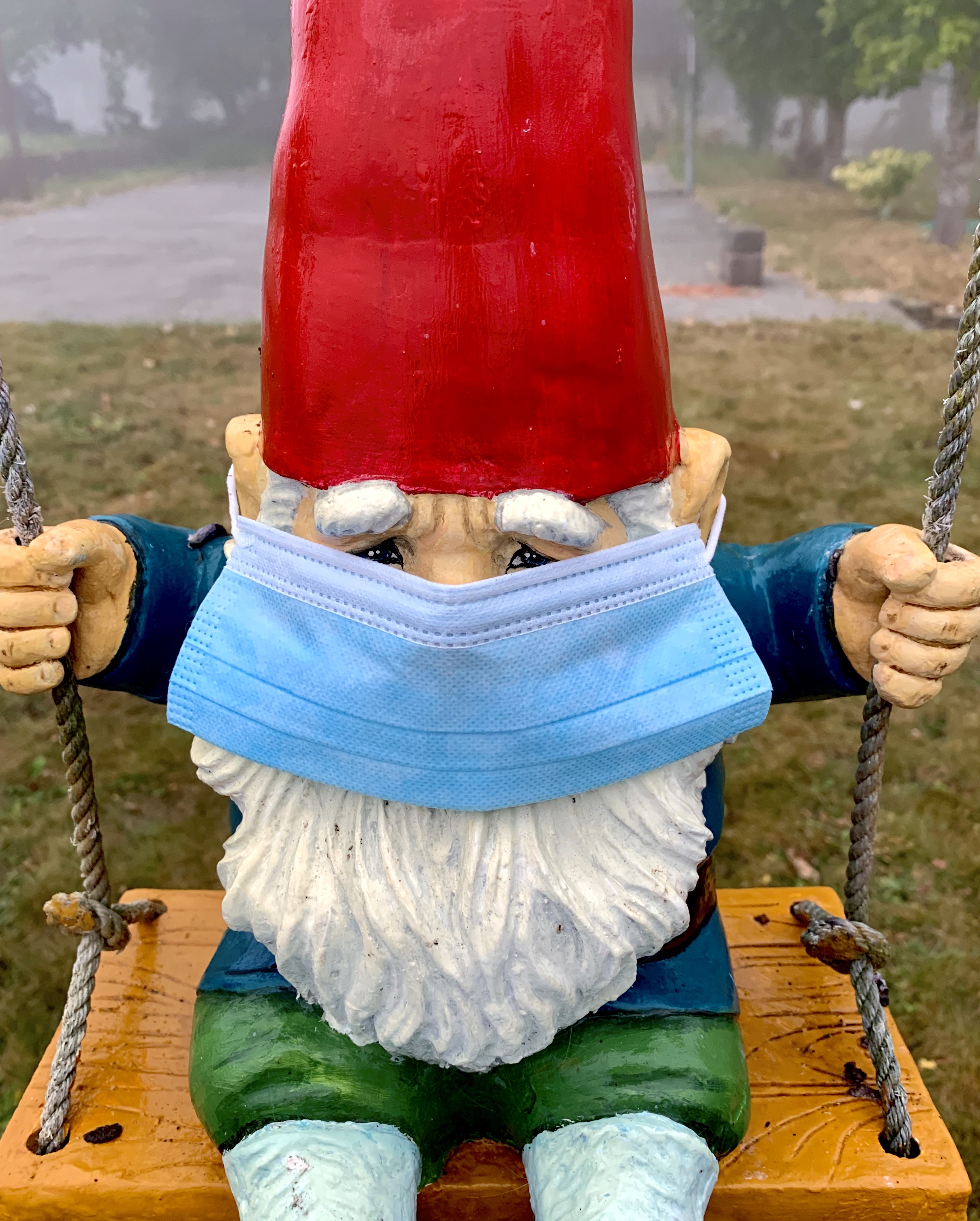
By my wearing a mask during these difficult times, it conveys the message that your well-being matters to me; it tells our children and grandchildren they must look out for others even when it is uncomfortable, teaching the next generation following rules and regulations matters as everyone doing what is right in their own eyes never turns out well as we become blind to others.
If I can stop one person from being infected, I shall not have lived in vain~ If I can ease another’s risk, though masking goes against the grain~ If I can help a divided church suffering from resistance, judgment and shaming be restored to spiritual health again~
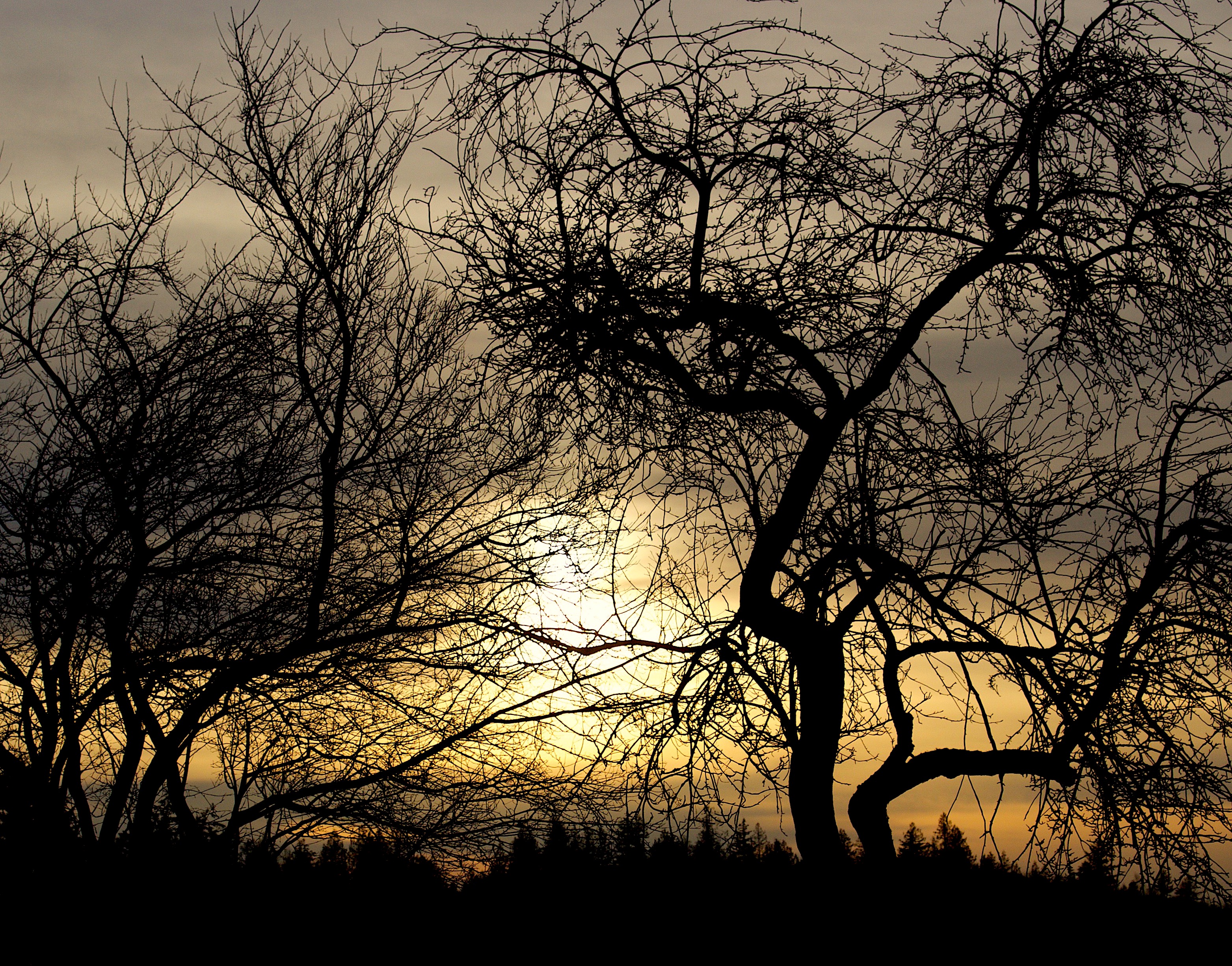
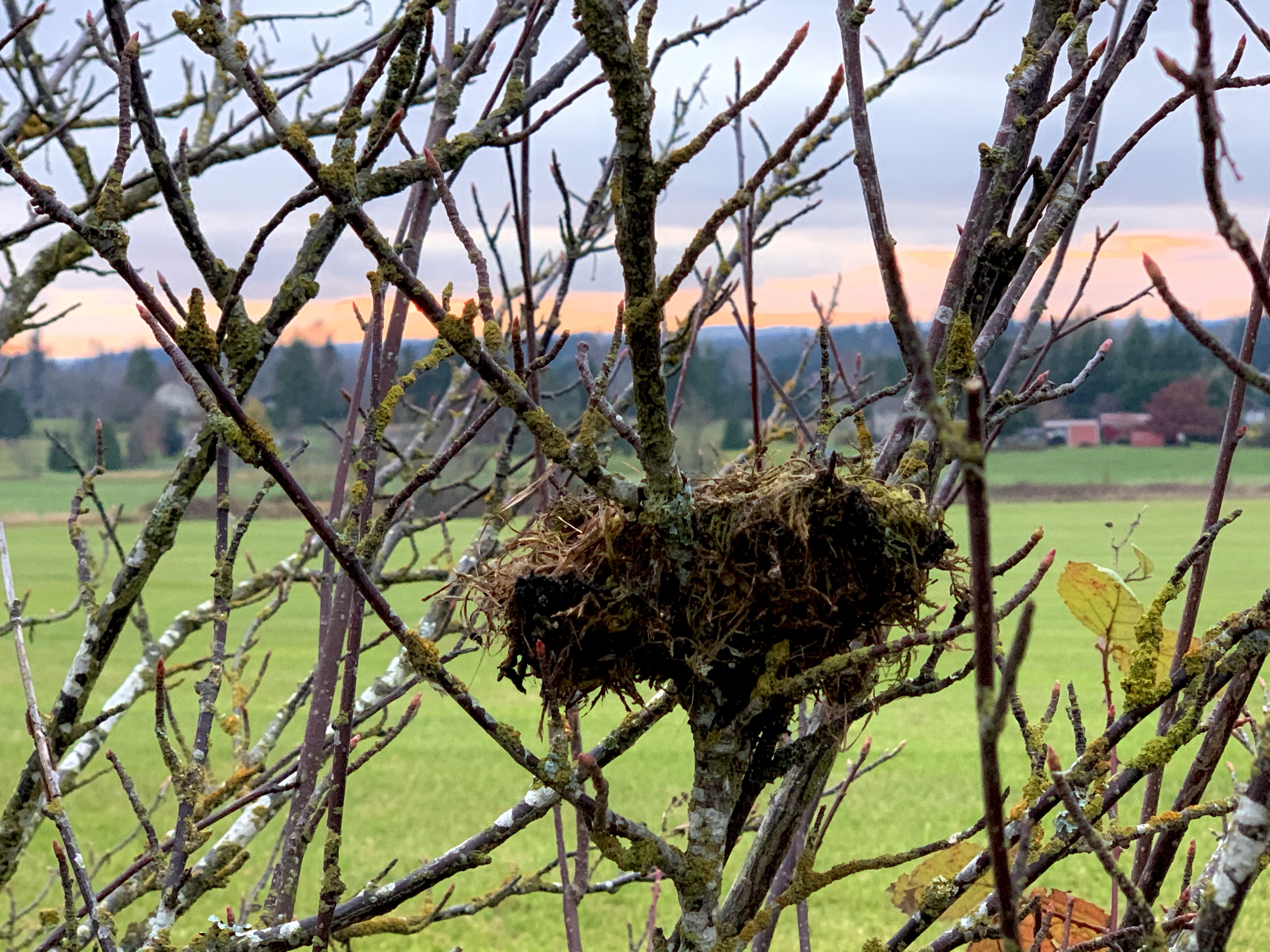
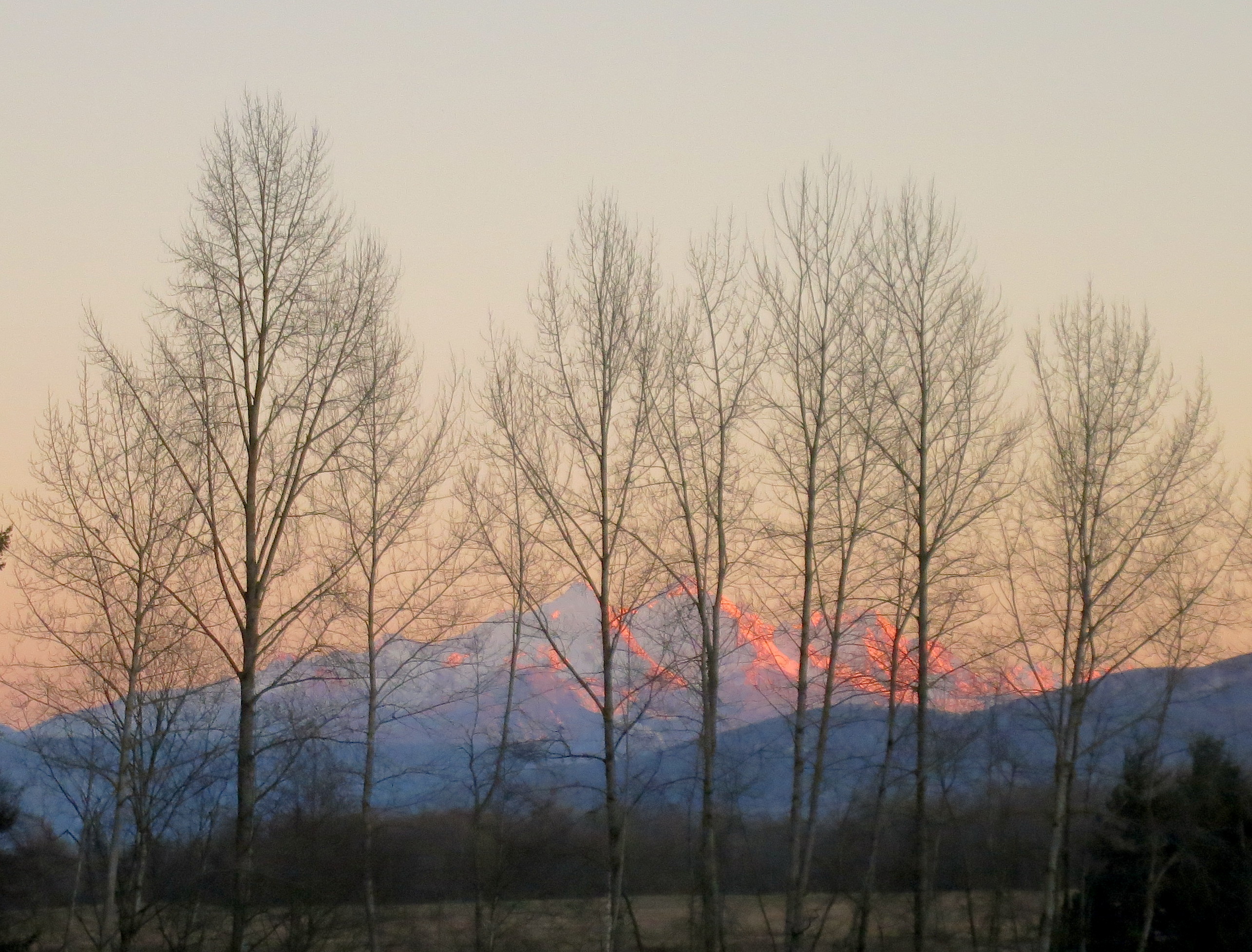
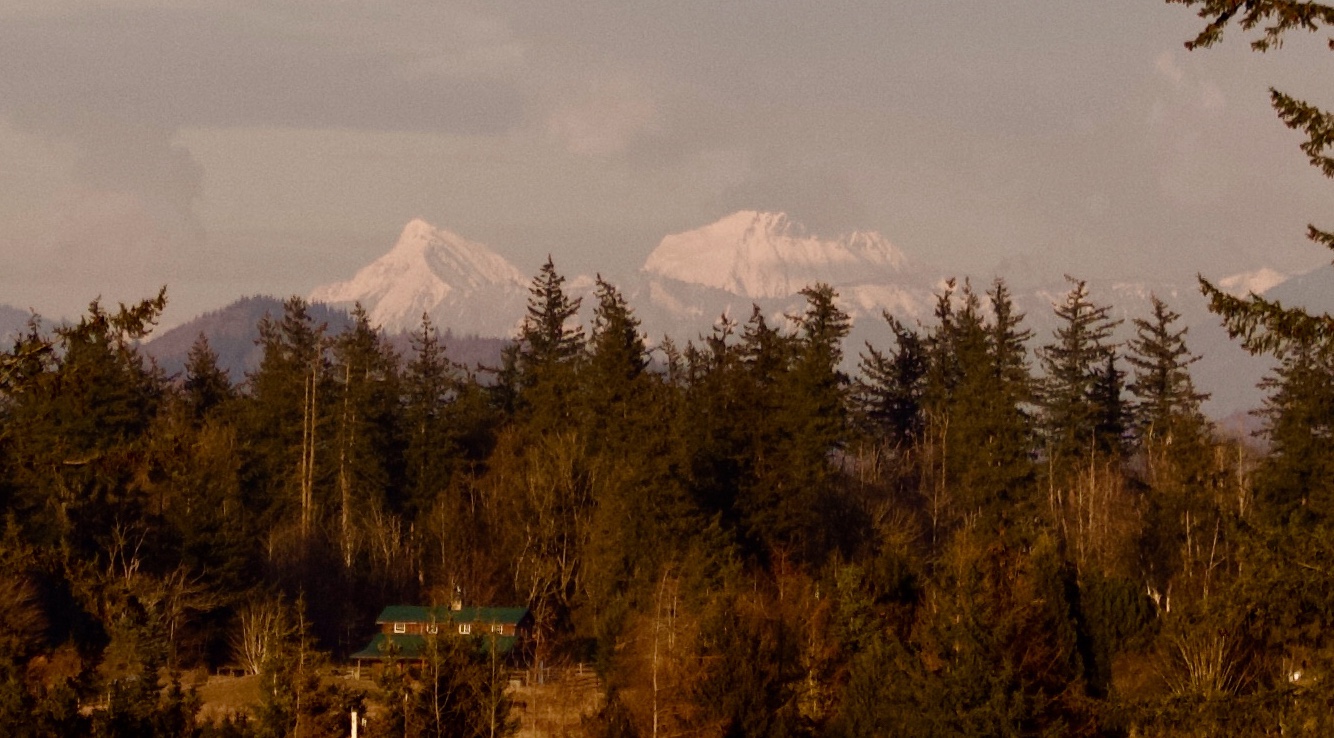
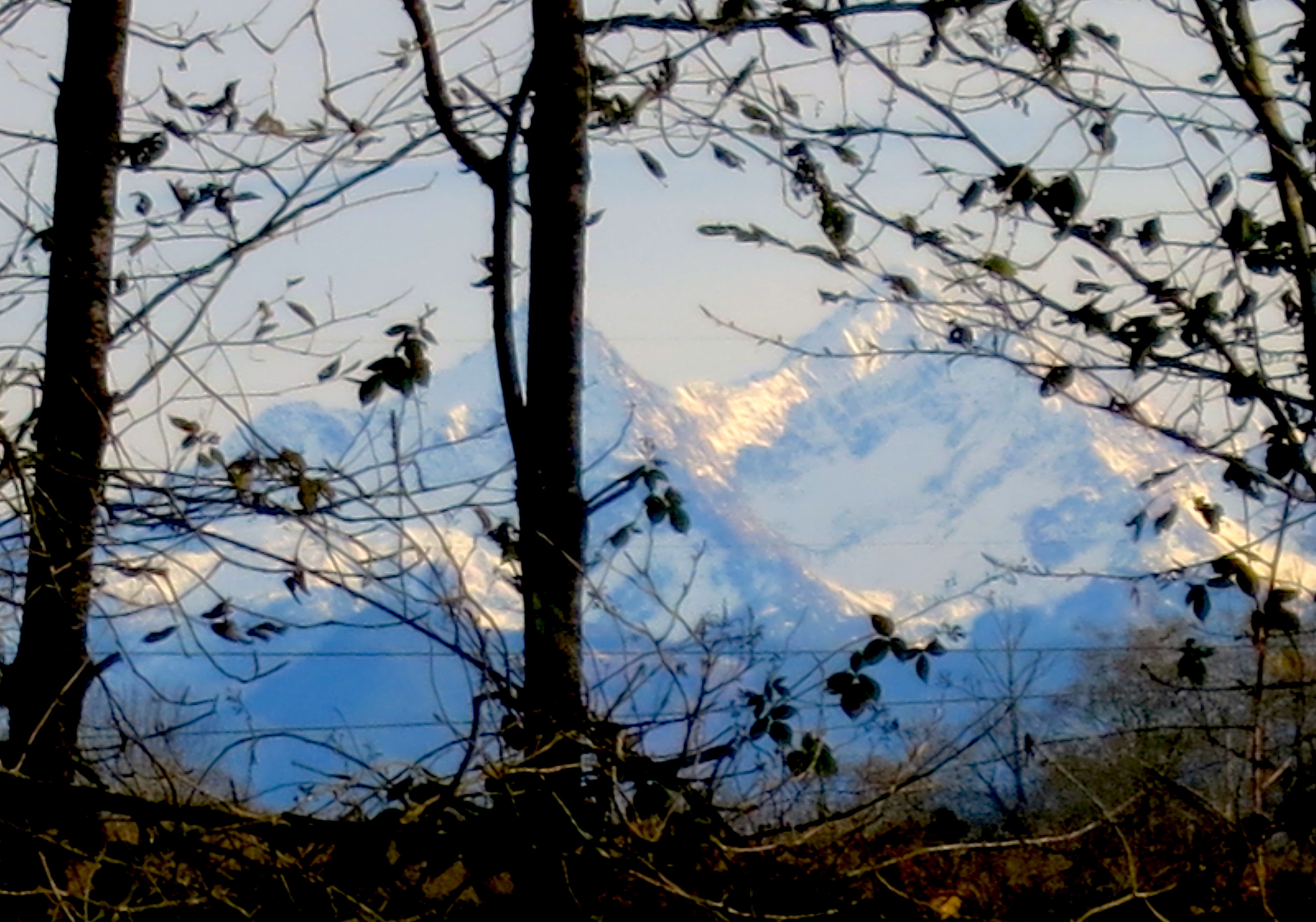
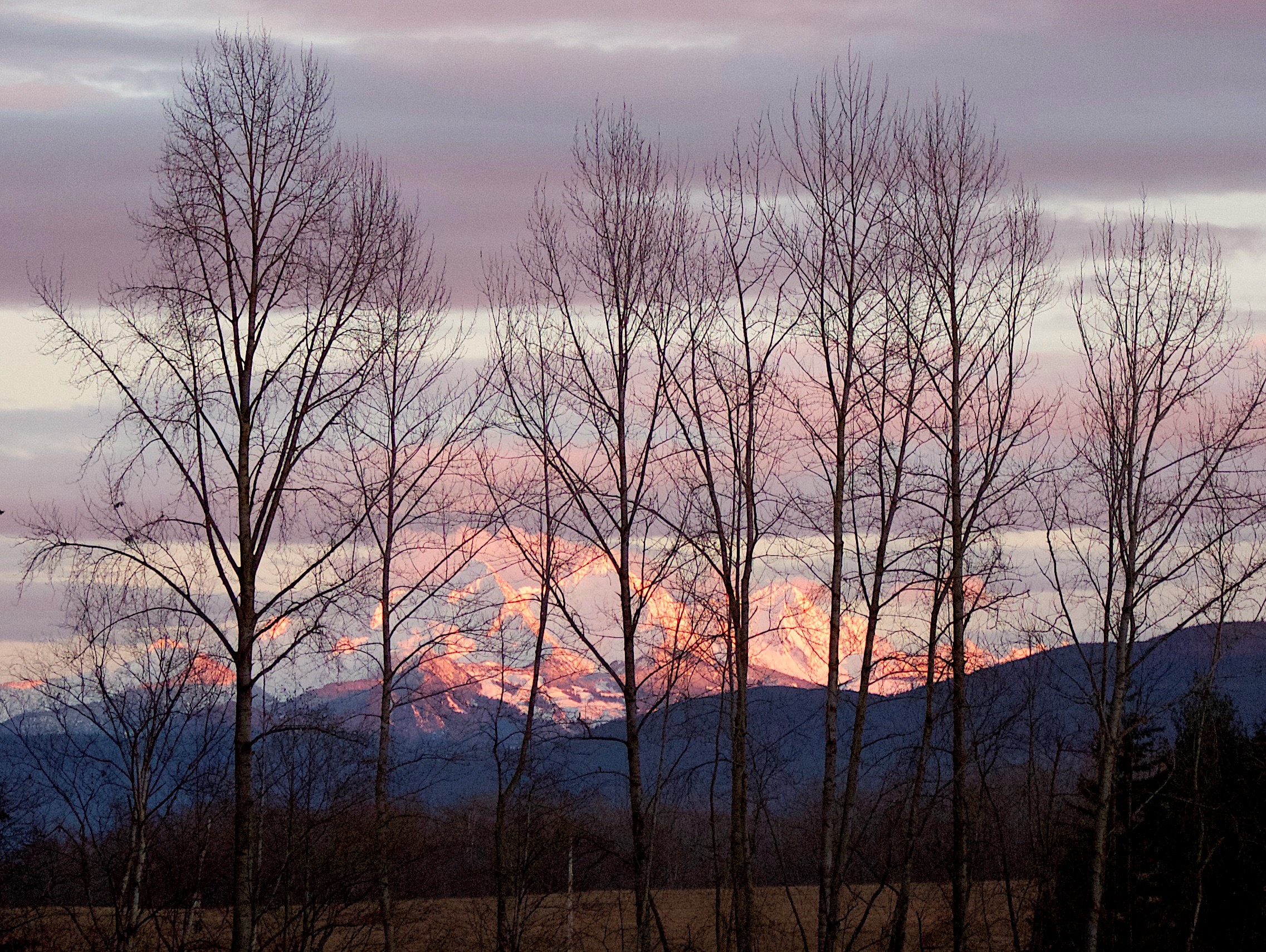
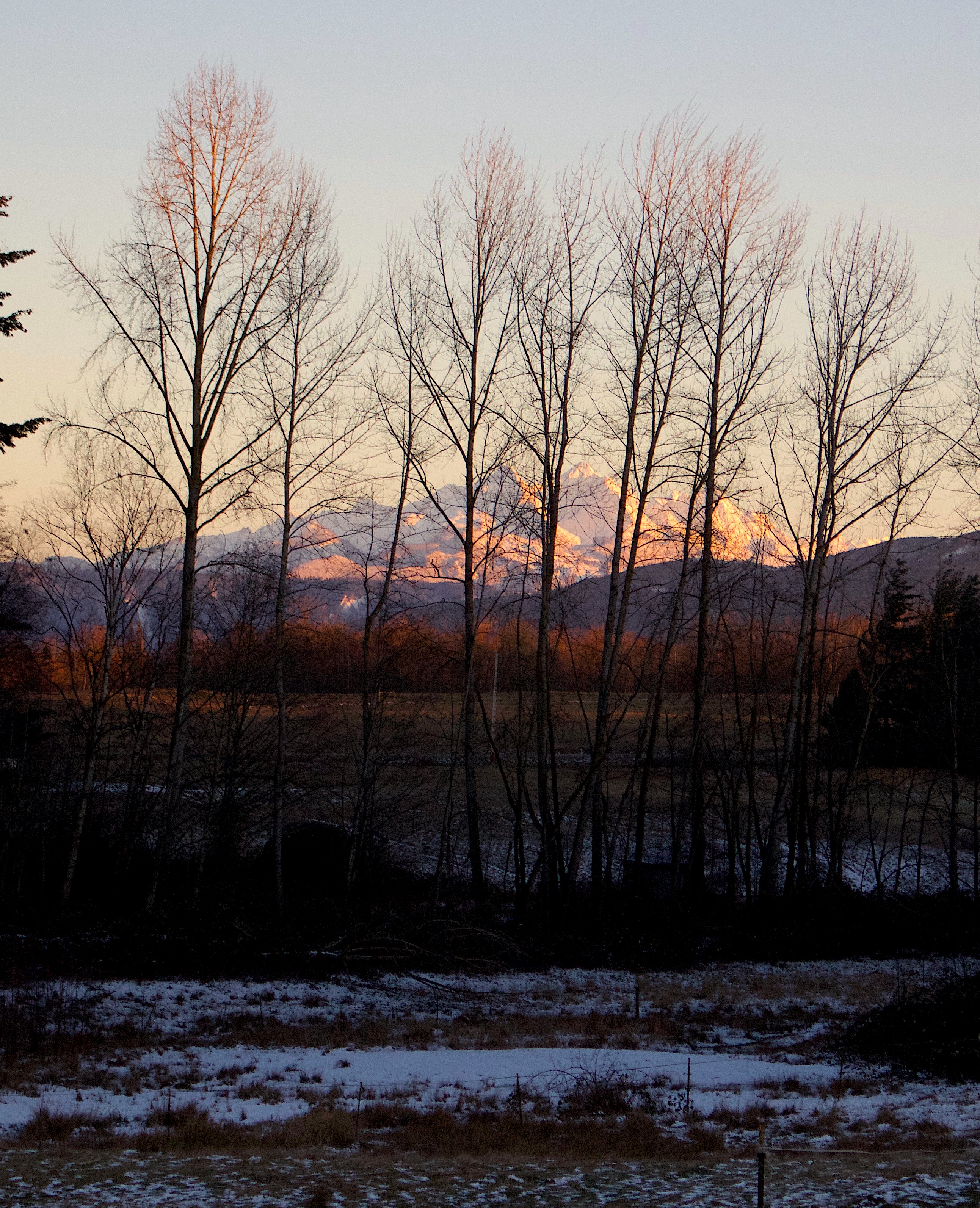
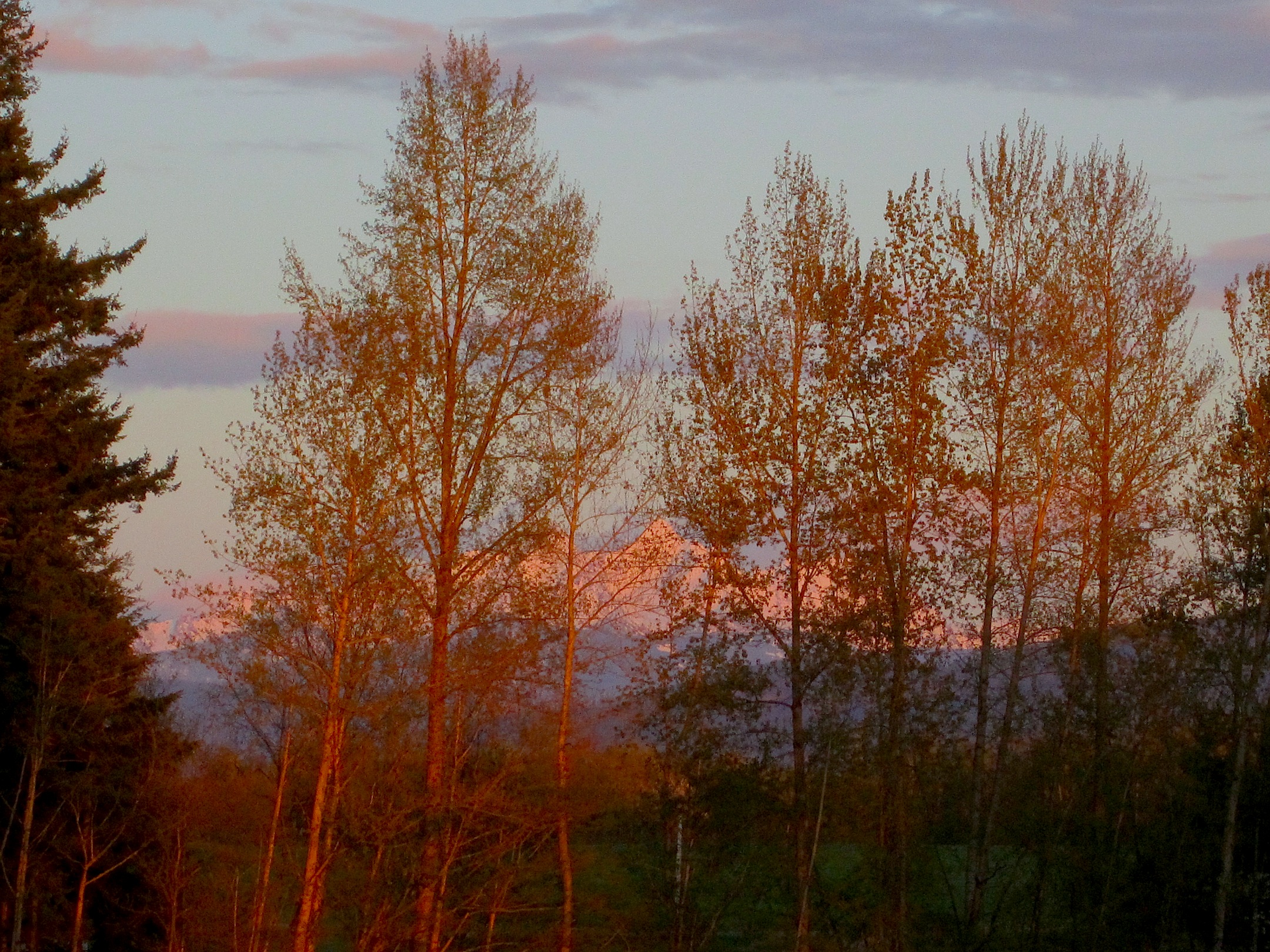
I go to the mountain side of the house to cut saplings, and clear a view to snow on the mountain. But when I look up, saw in hand, I see a nest clutched in the uppermost branches. I don’t cut that one. I don’t cut the others either. Suddenly, in every tree, an unseen nest where a mountain would be. ~Tess Gallagher “Choices” from Midnight Lantern: New and Selected Poems.
Am I capable of such tenderness, such recognition of the well-being of others, by saving the nest and all future potential nests rather than exercise my freedom to have an unimpeded world view when and where I want it?
I must not forget: my right to choose can only mean choosing to do right by those who have no choice.






 Barnstorming