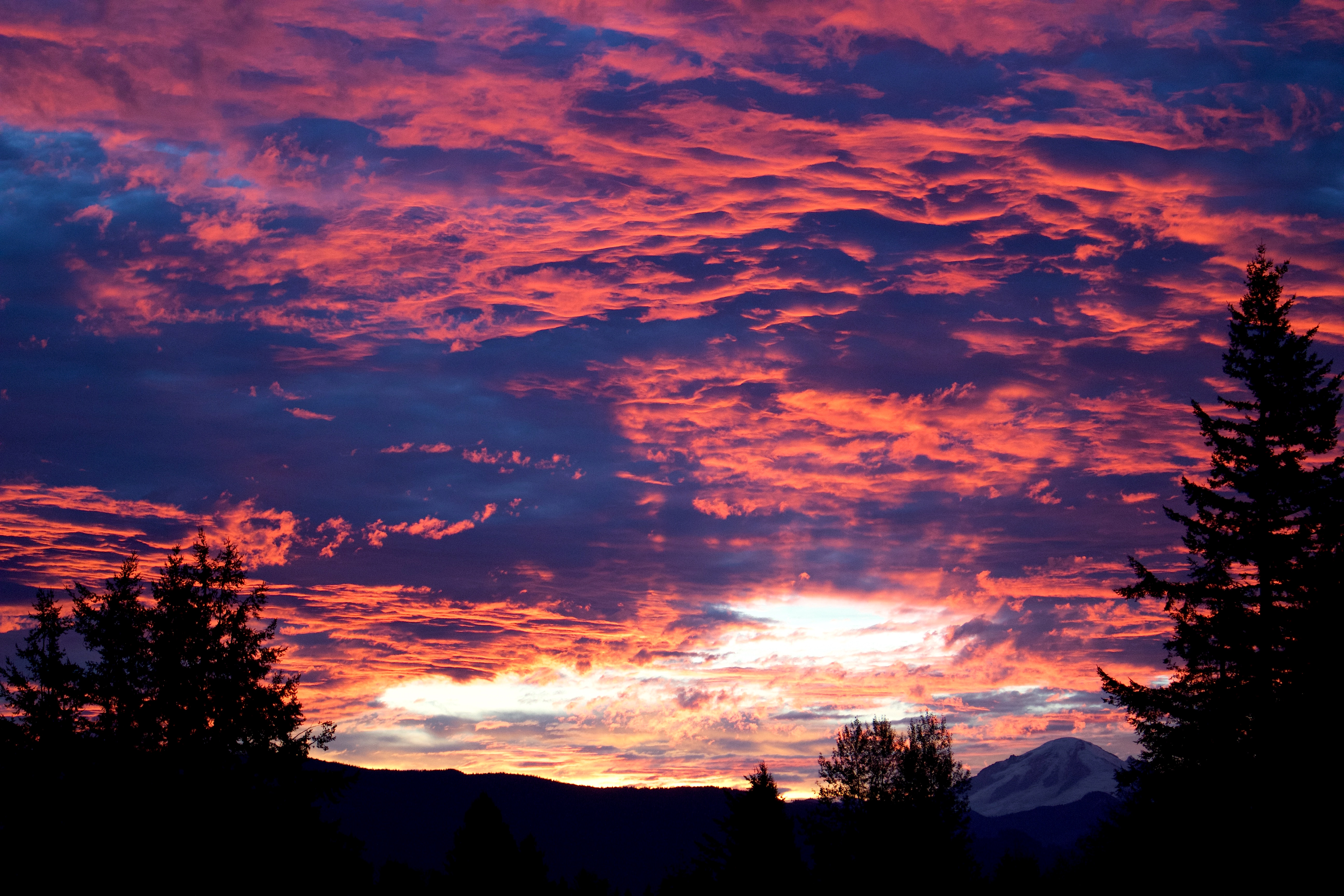
The rain and the wind, the wind and the rain — They are with us like a disease: They worry the heart, they work the brain, As they shoulder and clutch at the shrieking pane, And savage the helpless trees. What does it profit a man to know These tattered and tumbling skies A million stately stars will show, And the ruining grace of the after-glow And the rush of the wild sunrise? ~William Ernest Henley from “The Rain and the Wind”
The rain to the wind said, ‘You push and I’ll pelt.’ They so smote the garden bed That the flowers actually knelt, And lay lodged – though not dead. I know how the flowers felt. ~Robert Frost “Lodged”
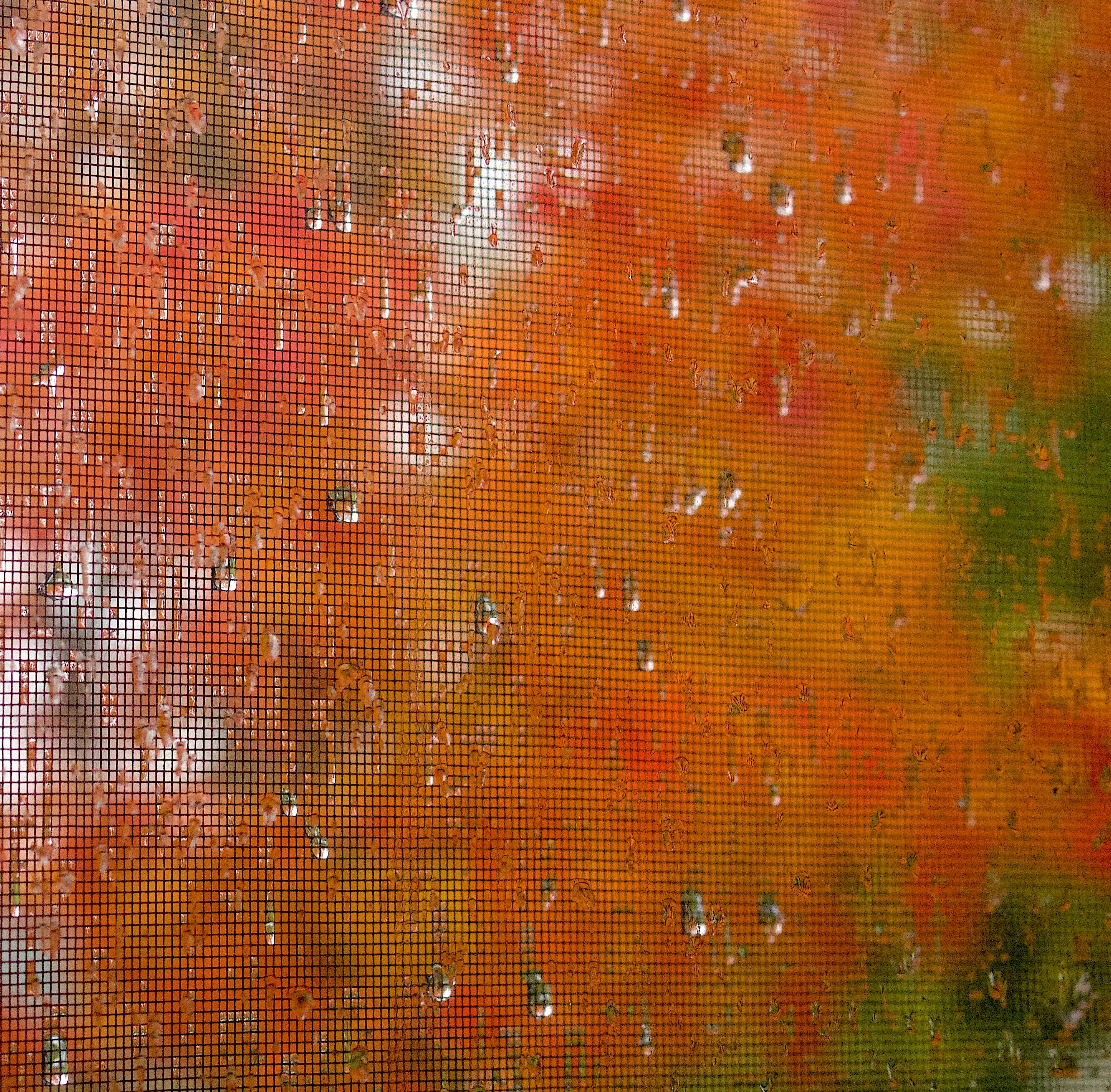
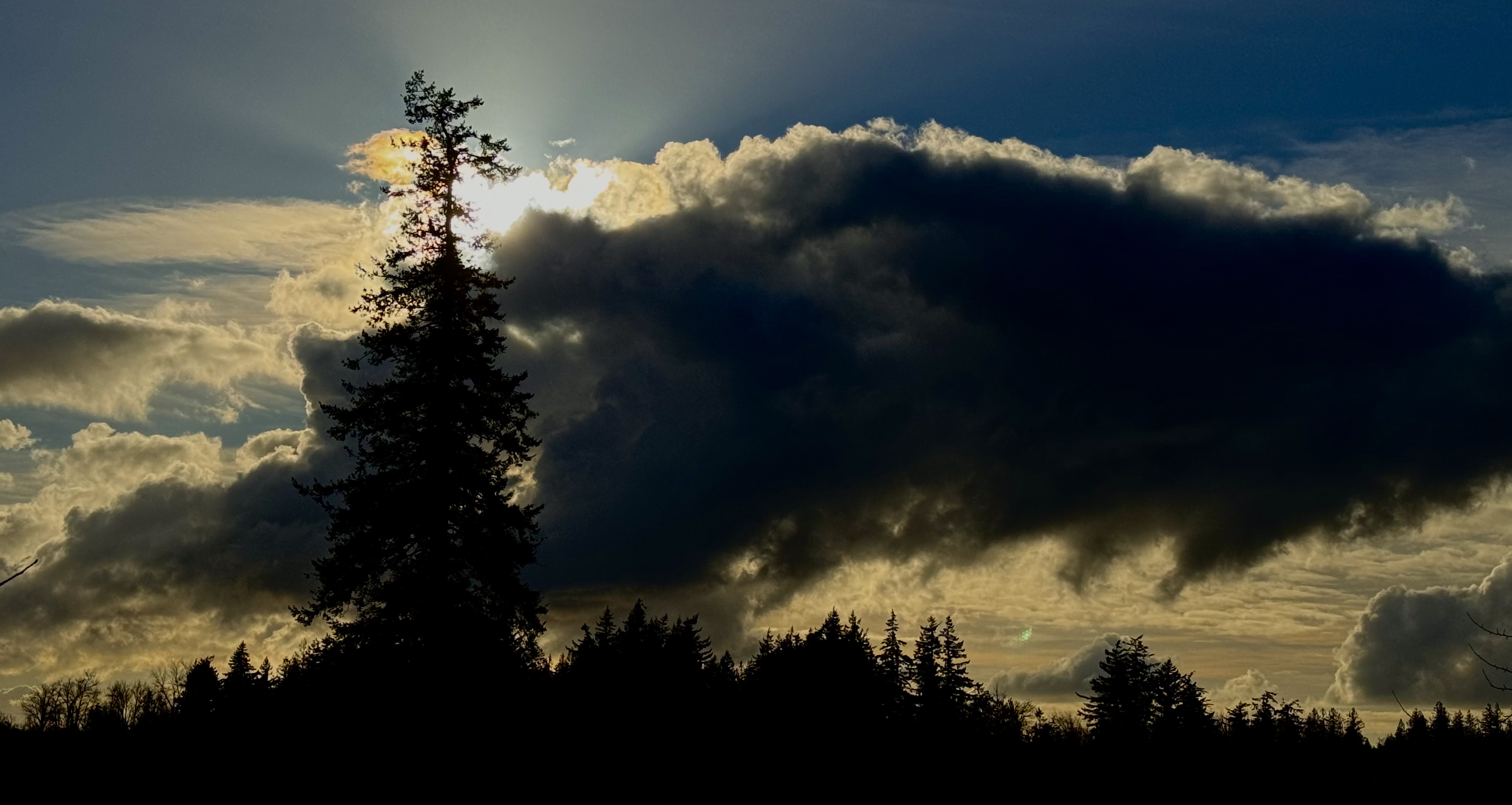
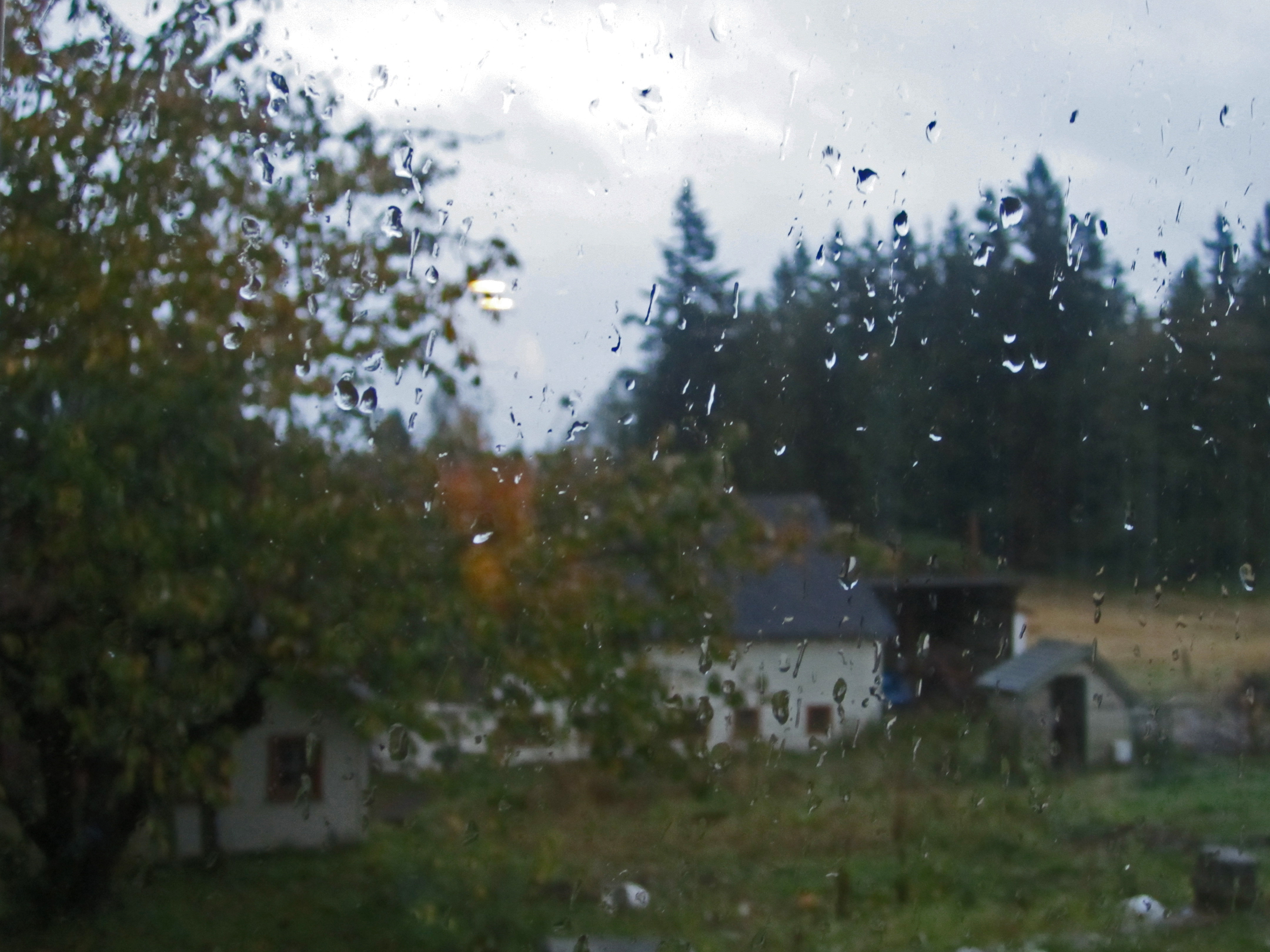
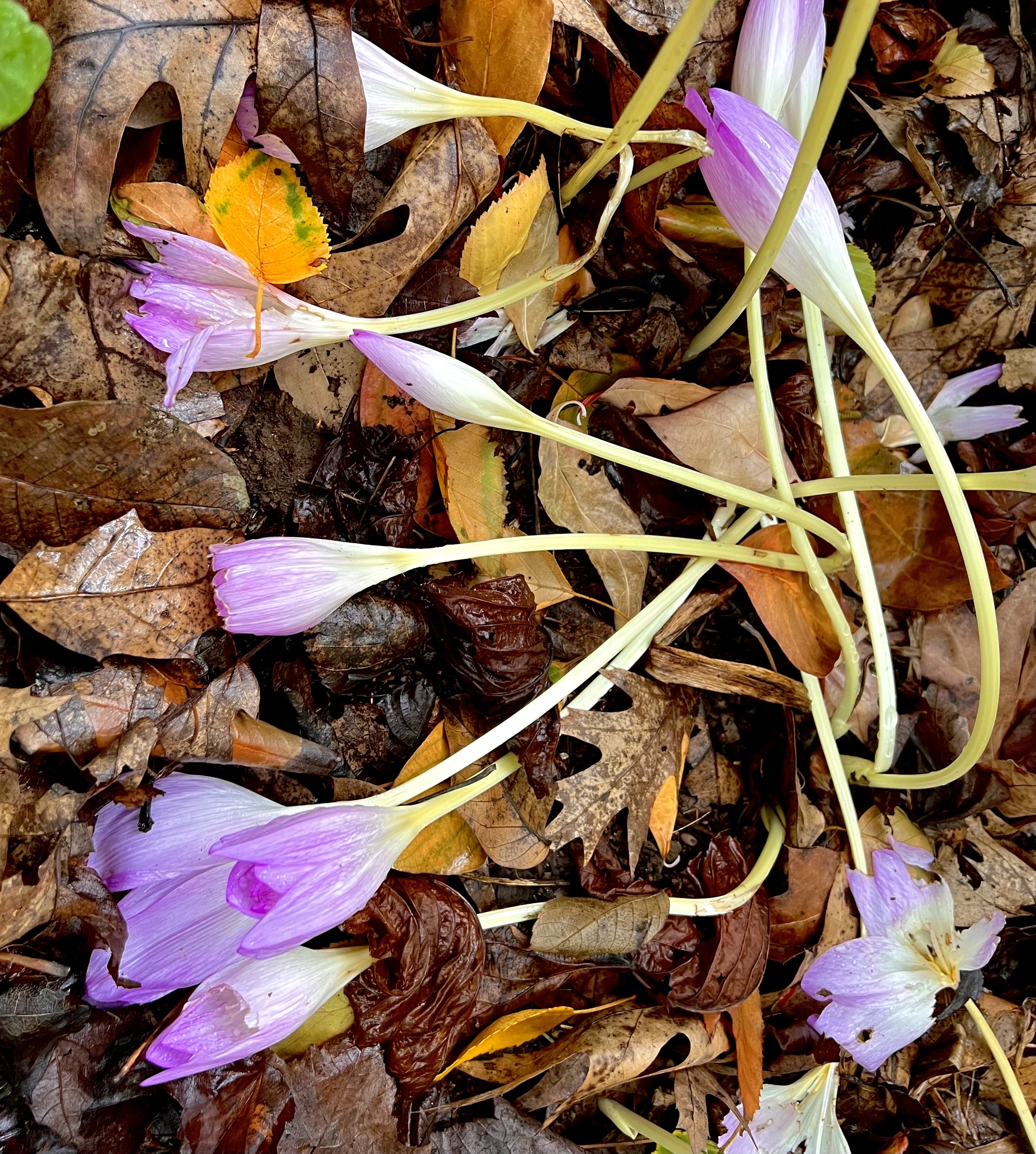
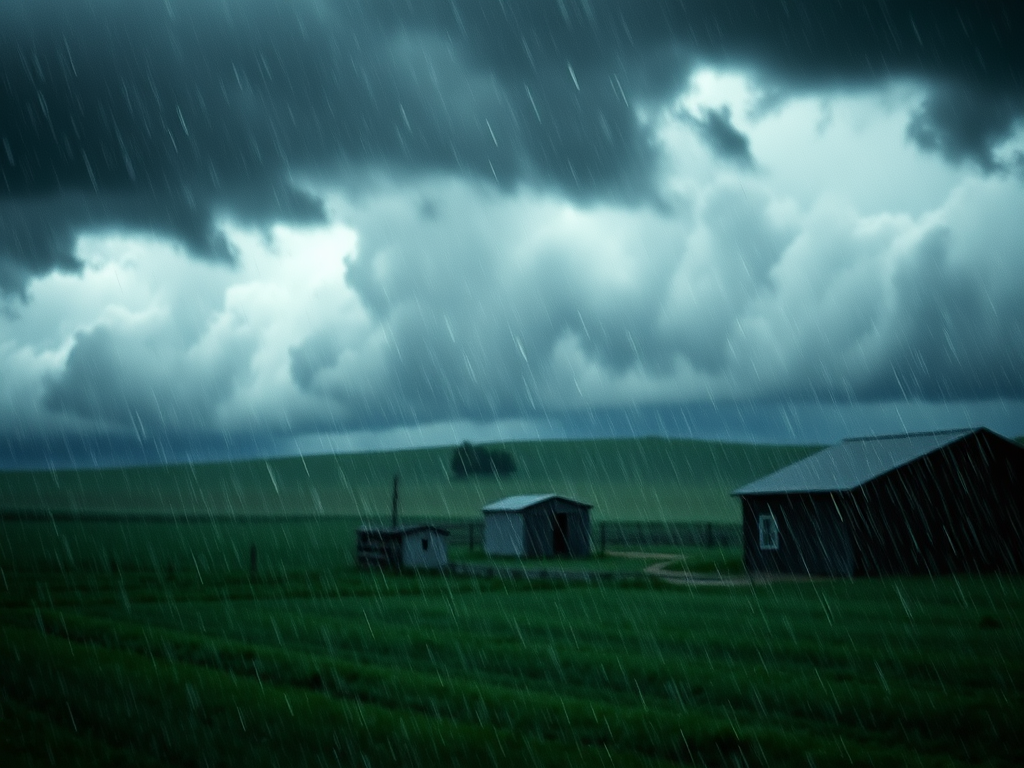
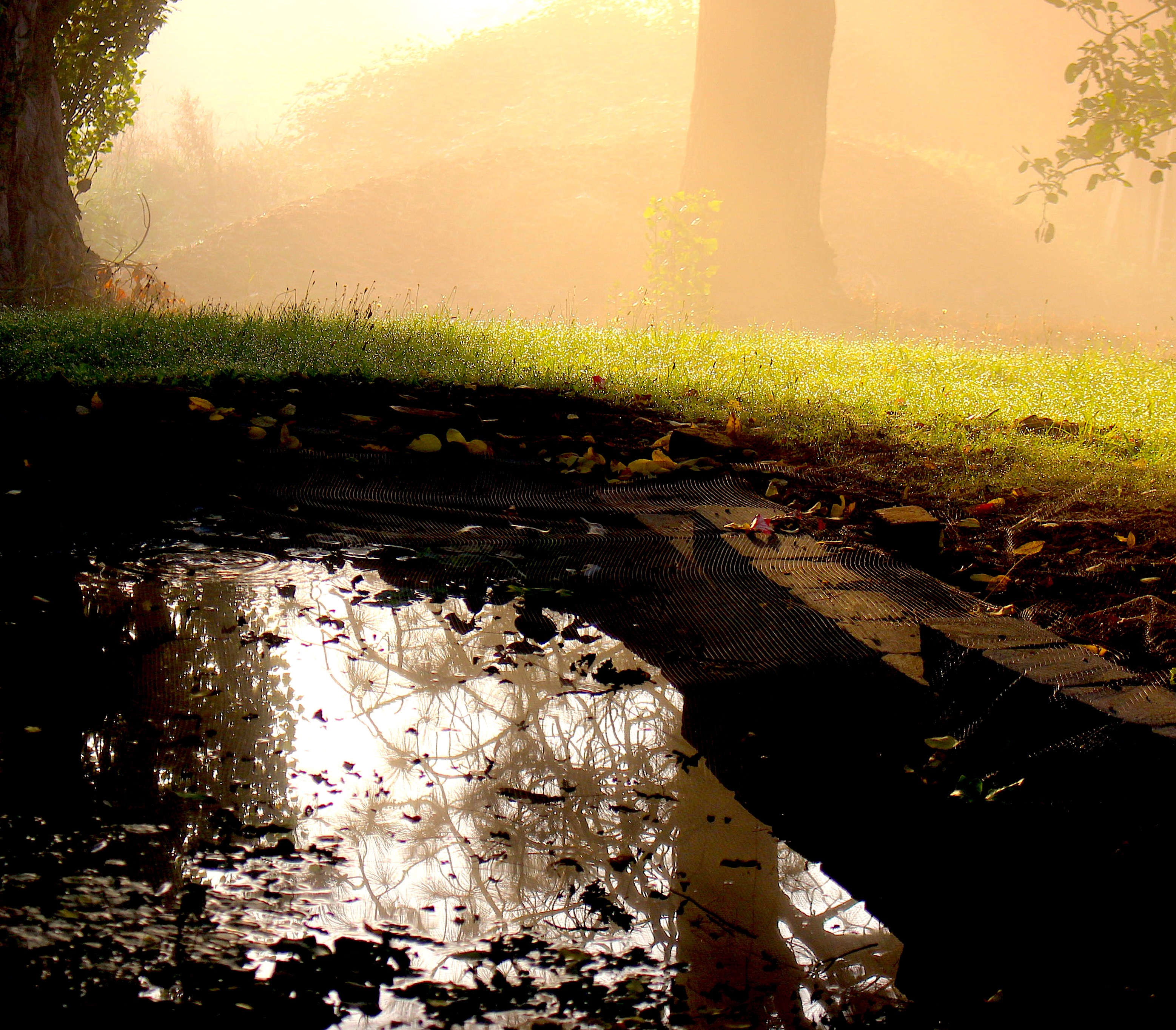
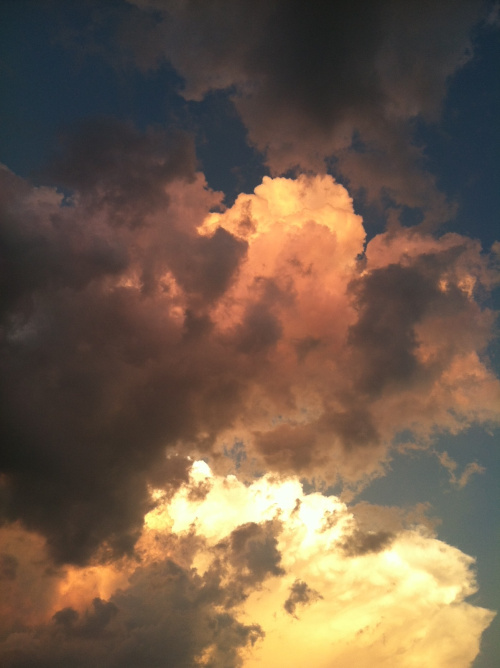
A heavy rain darkened a sodden gray dawn when suddenly unbidden, gusts ripped loose remaining leaves and sent them spinning, swirling earthbound in yellow clouds.
The battering of rain and wind leaves no doubt this is a day of decision – we are resigned to our fate.
I hunker down in the turbulence, tattered and tumbling, and wait for a clear night to empty itself into a fragile crystalline dawn.
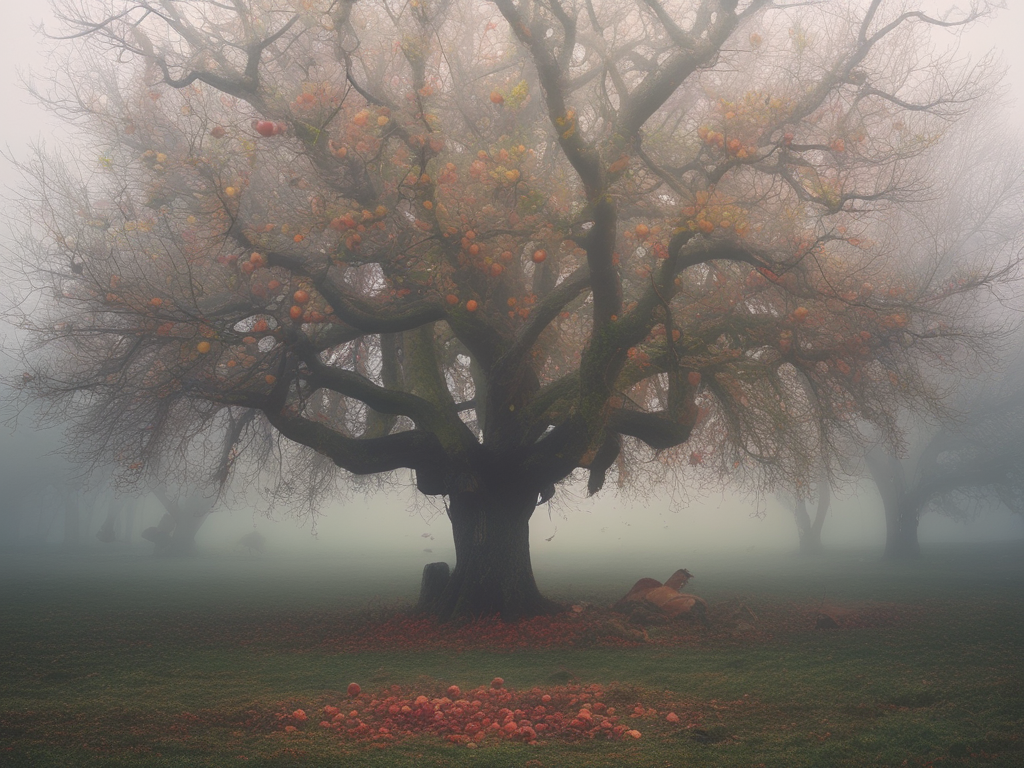
AI image created for this post
One-Time
Monthly
Yearly
Make a one-time or recurring donation to support daily Barnstorming posts
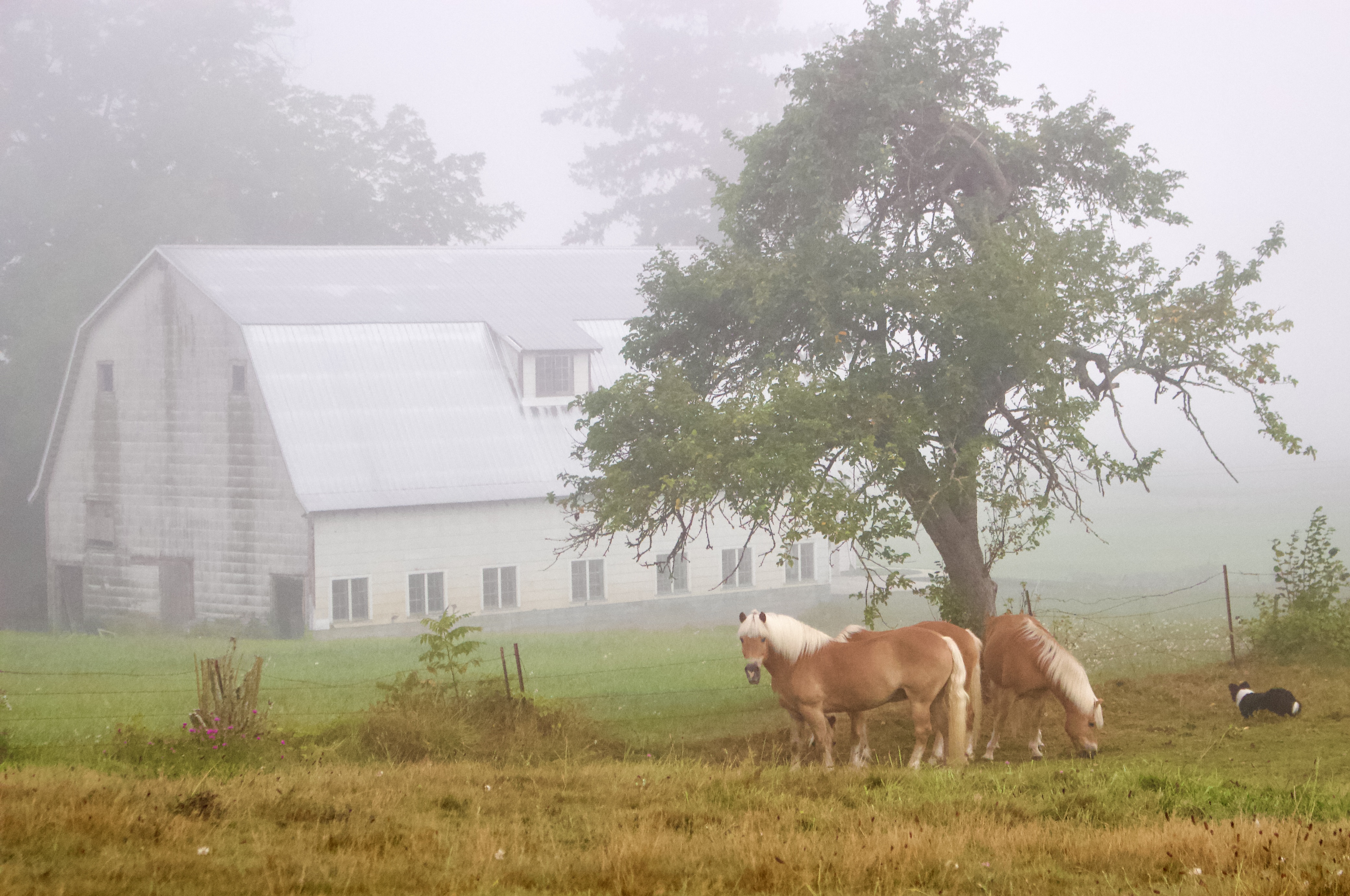
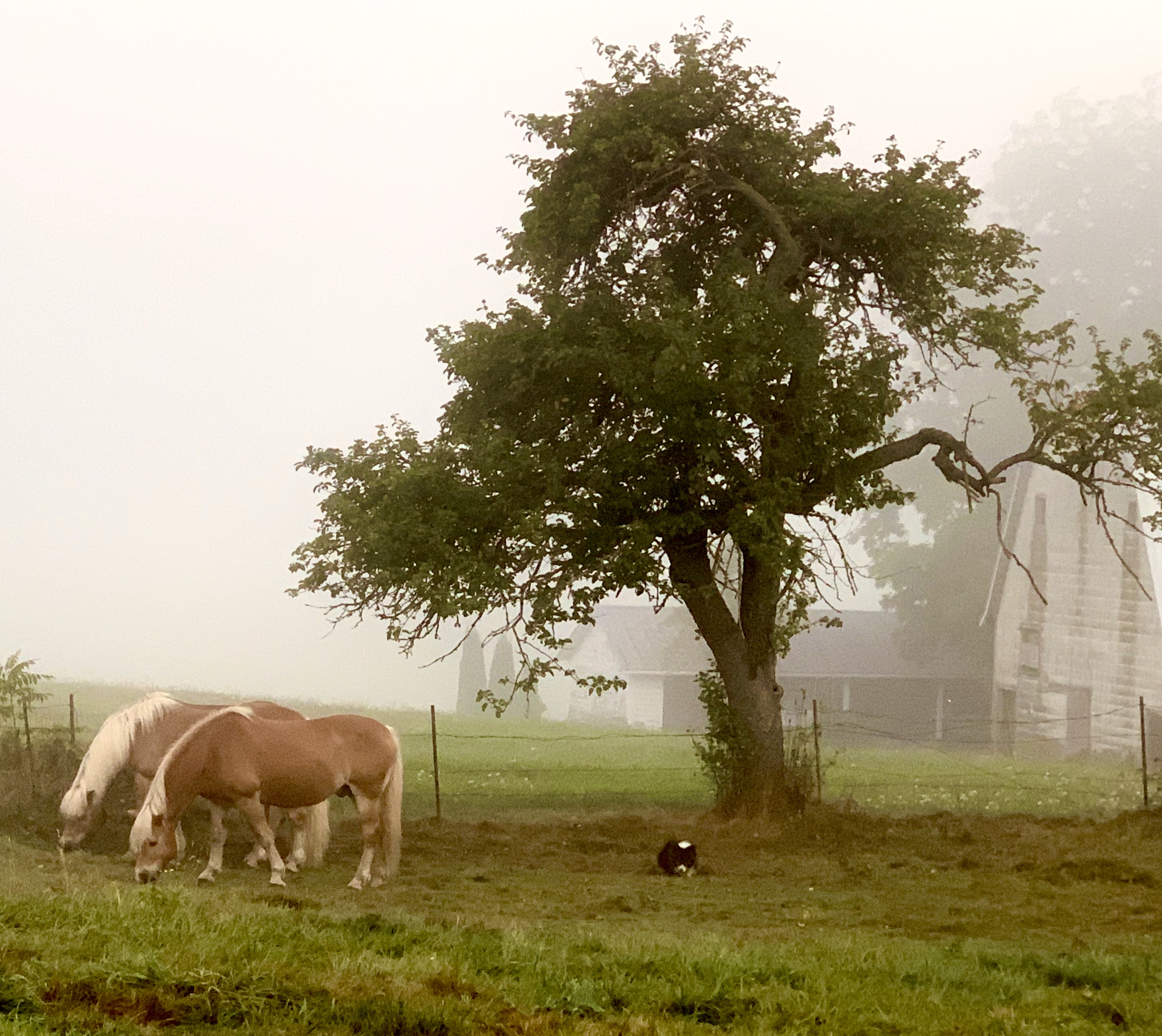
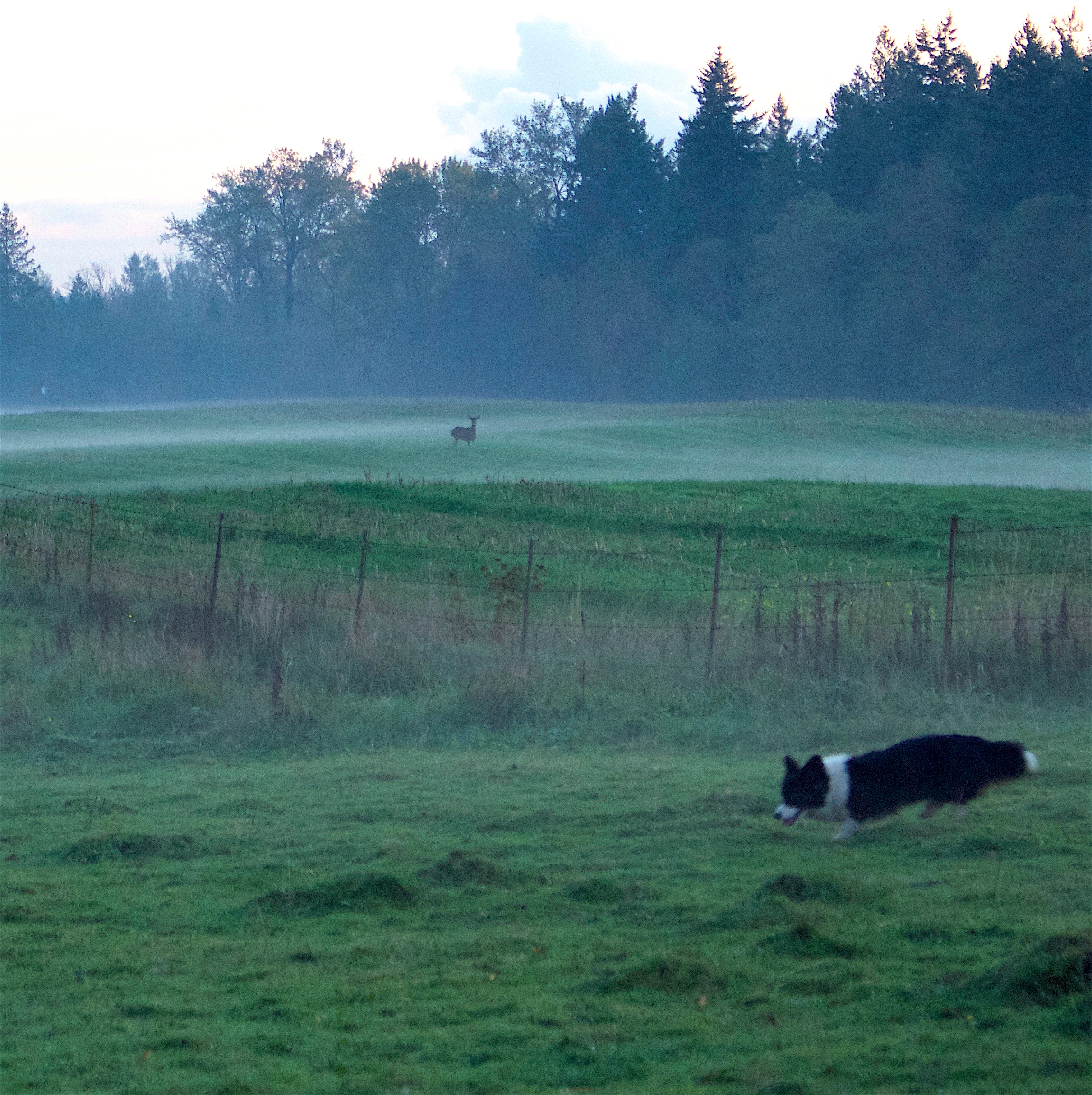
On the second day of fog, she goes to meet it sits on the broad root of a broken down apple tree, remembers being a child in such fog, searching for fairy houses. She hears movement in the grass, keeps very still while the veil of haze rises to treetops bronzed by the burn of the sun. Slowly horses and deer appear all around her, they graze close together, nosing fallen apples, until she forgets this is still a fallen world. ~Lonnie Hull DuPont, “On the Second Day of Fog” from She Calls the Moon by Its Name
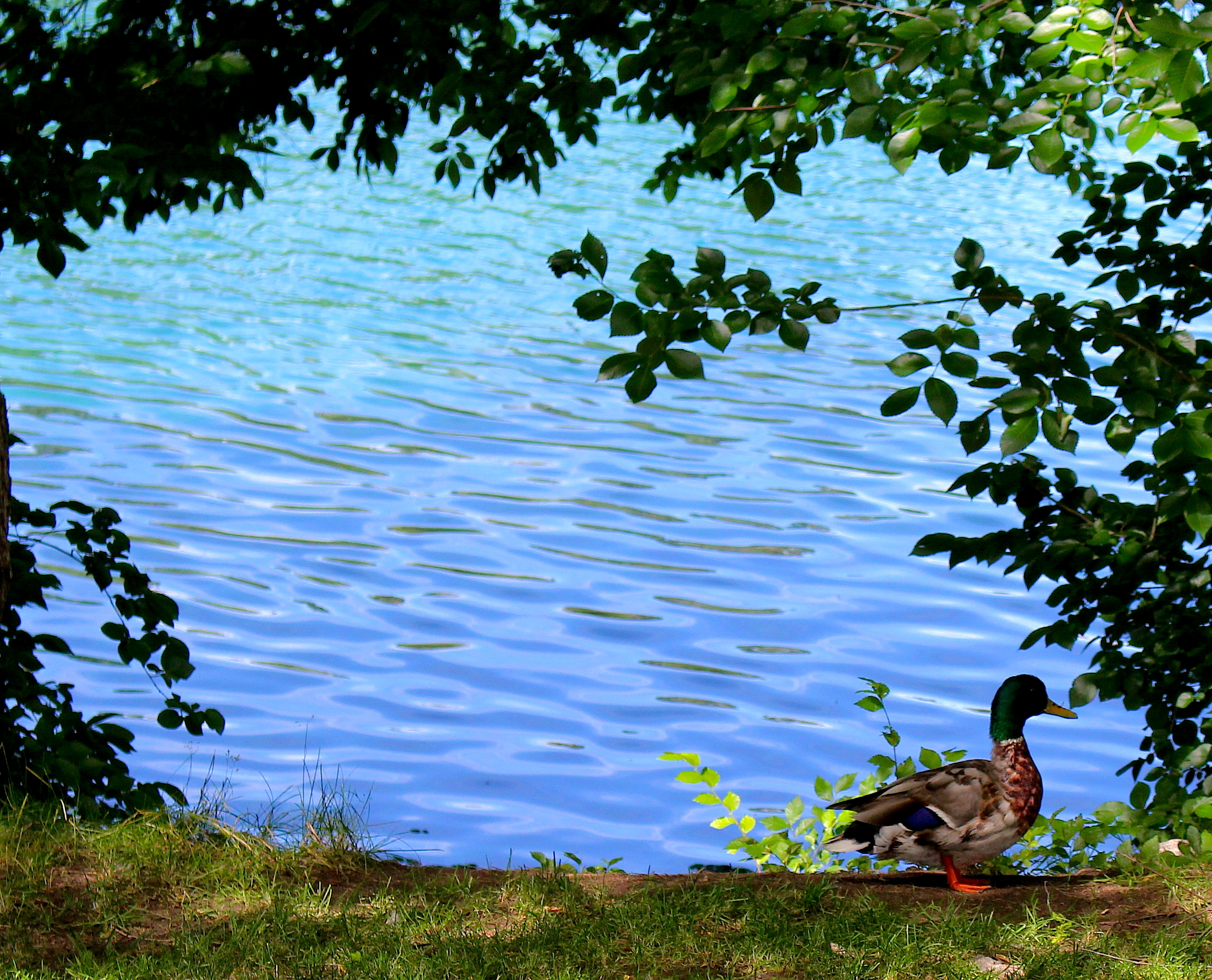
When despair for the world grows in me and I wake in the night at the least sound in fear of what my life and my children’s lives may be, I go and lie down where the wood drake rests in his beauty on the water, and the great heron feeds. I come into the peace of wild things who do not tax their lives with forethought of grief. I come into the presence of still water. And I feel above me the day-blind stars waiting with their light. For a time I rest in the grace of the world, and am free. ~Wendell Berry “The Peace of Wild Things“
When our grandchildren come to visit, I watch as yet another generation rediscovers the mystery of what we know about the joys and sorrows of this fallen but redeemed world.
I am reminded there is light beyond the fearsome darkness, there is peace amid the chaos, there is a smile behind the tears, there is stillness within the noisiness there is rest despite the restlessness, there is grace – ah, there is grace as inevitably the old gives way to the new.
One-Time
Monthly
Yearly
Make a one-time or recurring donation to support daily Barnstorming posts
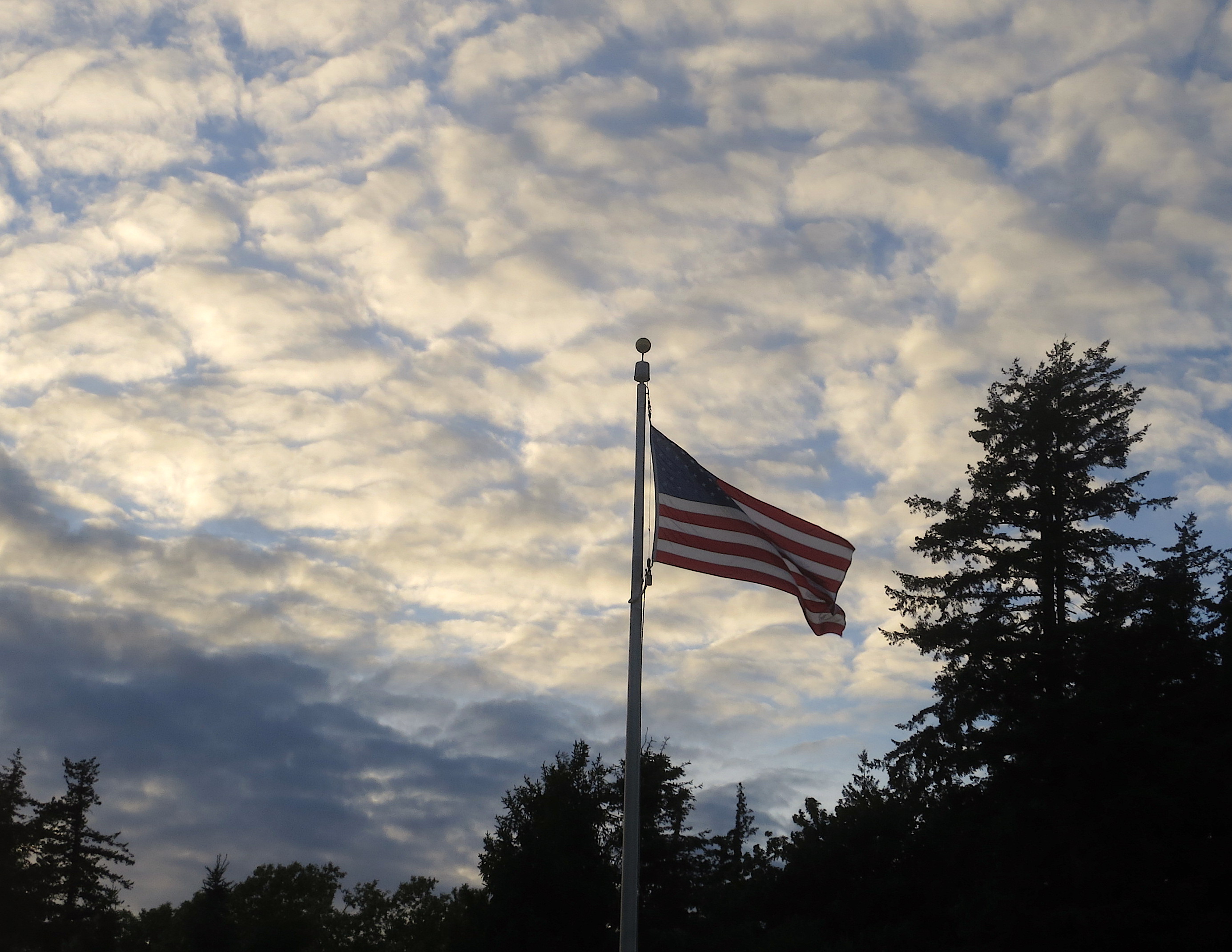
I am what you make me; nothing more. I swing before your eyes as a bright gleam of color, a symbol of yourself. ~Franklin K. Lane, Secretary of the Interior, 1914 Flag Day address
Sometimes, as a child, when I was bored, I’d grab a step ladder, pull it into our hallway, climb half way up and carefully lift the plywood hatch that was the portal to our dark attic. It took some effort to climb up into the attic from the ladder, juggling a flashlight at the same time, but once seated safely on the beams above our ceiling, being careful not to put my foot through the carpet of insulation, I could explore what was stowed and normally inaccessible to me.
All the usual attic-type things were put up there: Christmas ornaments and lights, baby cribs and high chairs, lamps and toys no longer used. Secrets to my parents’ past were stored away there too. It was difficult imagining them as young children growing up on opposite sides of the state of Washington, in very different circumstances, or as attractive college students who met at a dance, or as young marrieds unencumbered by the daily responsibilities of a family. The attic held those images and memories like a three dimensional photo album.
My father’s dark green Marine Corps cargo trunk was up there, the one that followed him from Officer Training in Quantico, Virginia, to beach and mountain battles on Tarawa, Tinian and Saipan in the South Pacific, and three years later back home again. It had his name and rank stenciled on the side in dark black lettering. The buckles were stiff but could be opened with effort, and in the dark attic, there was always the thrill of unlatching the lid, and shining the flashlight across the contents. His Marine Corps dress uniform lay inside underneath his stiff brimmed cap. There were books about protocol, and a photo album which contained pictures of “his men” that he led in his battalion, and the collection of photos my mother sent of herself as she worked as a teacher of high school students back home.
Most fascinating was a folded Japanese flag inside a small drawstring bag, made of thin white see-through cloth with the bold red sun in the middle. Surrounding the red sun were the delicate inked characters of many Japanese hands as if painted by artists, each wishing a soldier well in his fight for the empire. Yet there it was, a symbol of that soldier’s demise, itself buried in an American attic, being gently and curiously held by an American daughter of a Marine Corps captain. It would occur to me in the 1960s that some of the people who wrote on this flag might still be living, and certainly members of the soldier’s family would still be living. I asked my father once about how he obtained the flag, and he, protecting both me and himself, waved me away, saying he couldn’t remember. I know better now. He knew but could not possibly tell me the truth.
These flags, charms of good luck for the departing Japanese soldier as he left his neighborhood or village for war, are called Hinomaru Yosegaki (日の丸寄せ書き). Tens of thousands of these flags came home with American soldiers; it is clear they were not the talisman hoped for. A few of these flags are now finding their way back to their home country, to the original villages, to descendants of the lost soldiers. So now has this flag.
Eighty years ago doesn’t seem that long, a mere drop in the river of time. There are more than mere mementos that have flowed from the broken dam of WWII, flooding subsequent generations of Americans, Japanese, Europeans with memories that are now lost as the oldest surviving soldiers pass, scores of them daily, taking their stories of pain and loss and heroism with them. My father could never talk with a person of Asian descent, Japanese or not, without being visibly uneasy. As a child, I saw and felt this from him, but heard little from his mouth.
When he was twenty two years old, pressed flat against the rocks of Tarawa, trying to melt into the ground to become invisible to the bullets whizzing overhead, he could not have conceived that sixty-five years later his twenty two year old grandson would disembark from a jumbo jet at Narita in Tokyo, making his way to an international school to teach Japanese children. My father would have been shocked that his grandson would settle happily into a culture so foreign, so seemingly threatening, so apparently abhorrent. Yet this irony is the direct result of the horrors of that too-long horrible bloody war of devastation: Americans and Japanese, despite so many differences, have become the strongest of allies, happily exchanging the grandchildren of those bitterly warring soldiers back and forth across the Pacific. It too was my privilege to care for Japanese exchange students daily in my University health clinic, peering intently into their open faces and never once seeing the enemy that my father feared.
Now all these decades later, our son taught for 13 years in Tokyo, with deep admiration and appreciation for each of his students, some of whom were great-grandchildren of WWII Japanese soldiers. He married a granddaughter of those my father fought. Their two children are the perfect amalgam of once warring, yet now peaceful, cultures; a symbol of blended and blending peoples overcoming the hatred of past generations, creating a new world.
Our son and daughter-in-law, having now settled their family in the States, are adapting to a different language, culture and flag. I pray our son – having devoted part of his life as teacher and missionary to the land of the rising sun – has redeemed his grandfather, the soldier-warrior of the past century.
(U.S. Air Force photo by Staff Sgt. Peter Reft)
One-Time
Monthly
Yearly
Make a one-time or recurring donation to support daily Barnstorming posts
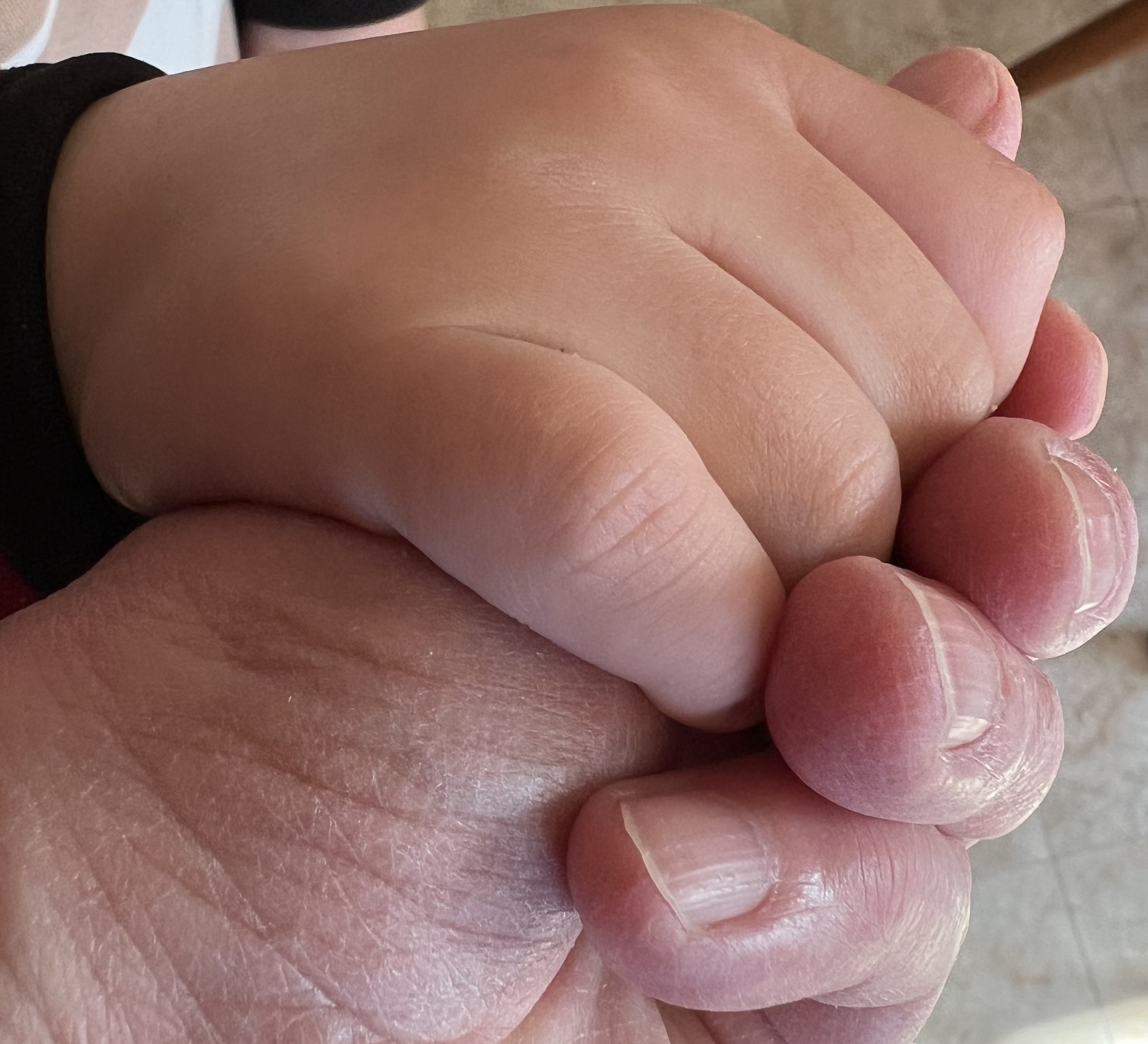
To clasp the hands in prayer is the beginning of an uprising against the disorder of the world. ~Karl Barth
Ah — a resting place, where we come to understand it is not required of us to wrestle constantly and passionately with our God — nor pursue relentlessly all God’s decrees as we understand them, but only that we listen and wonder and hope and pray, that we might, perhaps, make just a little difference, one quiet grey day. ~Edwina Gateley “Just a Little Difference”
There is much shouting and gnashing of teeth going on in our country in the midst of a bitter “rerun” election battle ahead. Some of the noise is coming from political rallies, some from computer keyboards and TV screens, and some from the hallowed halls of courthouses and legislative buildings.
If only the nastiness could cease. Instead, it is time to clasp hands together in prayer.
Prayer is always easier for the youngest among us. It is amazingly spontaneous for kids — an outright exclamation of joy, a crying plea for help, a word of unprompted gratitude. As a child I can remember making up my own songs and monologues to God as I wandered alone in our farm’s woods, enjoying His company in my semi-solitude. I’m not sure when I began to silence myself out of self-conscious embarrassment, but I stayed silent for many years, unwilling to put voice to the prayers that rattled in my head. In my childhood, prayer in public schools had been hushed into a mere and meaningless moment of silence, and intuitively I knew silence never changed anything. The world became more and more disorderly in the 60’s and 70’s and in my increasingly indoctrinated mind, there was no prayer I could say that could possibly make a difference.
How wrong could I and my education be? Nothing can right the world until we are right with God through talking to Him from our depth of need and fear. Nothing can right the world until we submit ourselves wholly, bowed low, hands clasped, eyes closed, articulating the joy, the thanks, and the petitions weighing on our hearts.
An uprising is only possible when our voices come alive, unashamed, unselfconscious, rising up from within us, uttering words that beseech and thank and praise. To rise up with hands clasped together calls upon a power that claims no political party affiliation ~ only the Word ~ to overcome and overwhelm the shambles left of our world.
Nothing can be more victorious than the Amen, our Amen, at the end.
So be it and so shall it be.
Amen, and Amen again.
Whatever happens. Whatever what is is is what I want. Only that. But that. ~Galway Kinnell “Prayer”
One-Time
Monthly
Yearly
Make a one-time or recurring donation to support daily Barnstorming posts
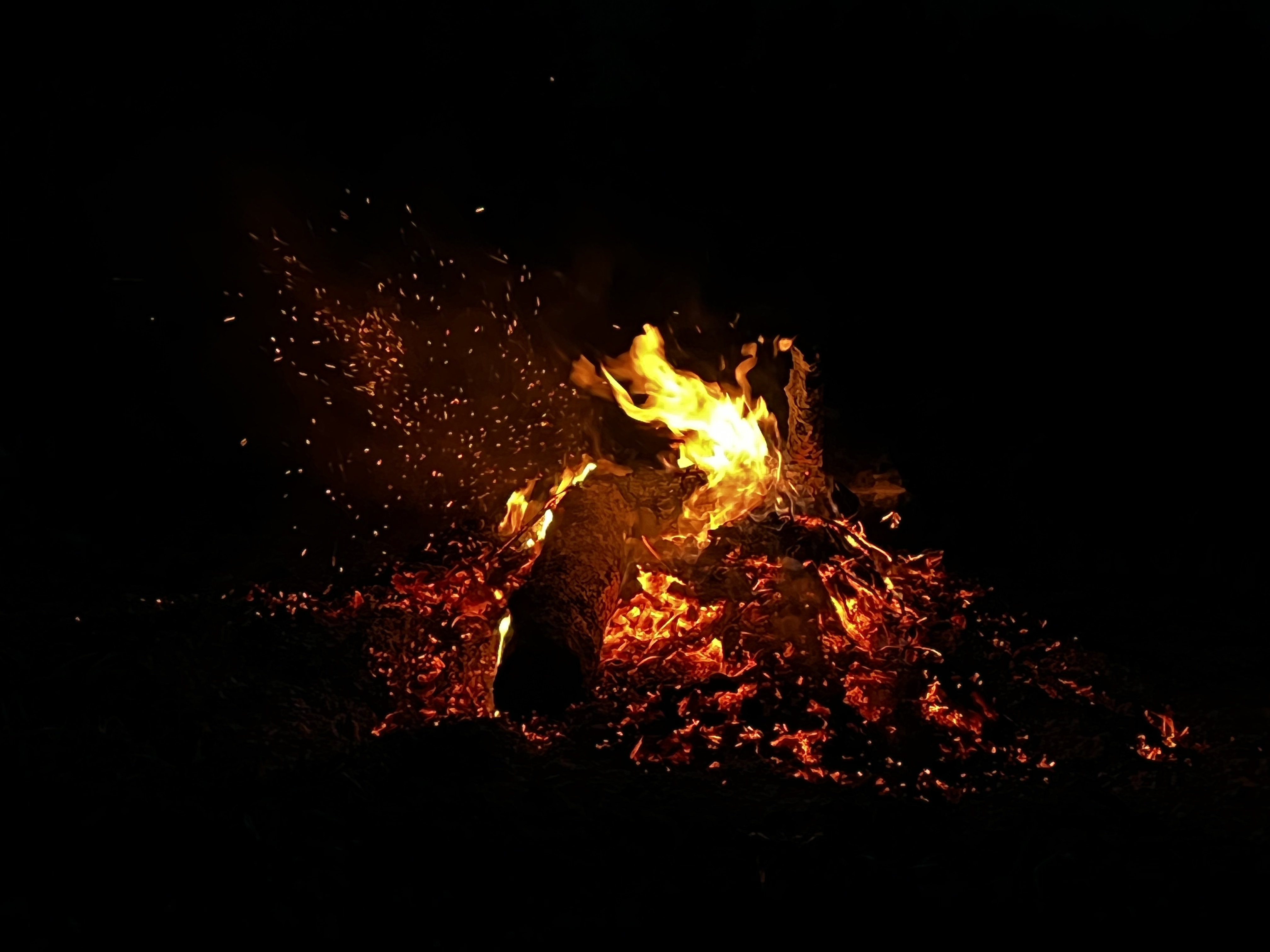
The cold has the philosophical value of reminding men that the universe does not love us…cold is our ancient companion. To return back indoors after exposure to the bitter, inimical, implacable cold is to experience gratitude for the shelters of civilization, for the islands of warmth that life creates. ~John Updike from “The Cold”in Winter: A Spiritual Biography of the Season
Some say the world will end in fire, Some say in ice. From what I’ve tasted of desire I hold with those who favor fire. But if it had to perish twice, I think I know enough of hate To say that for destruction ice Is also great And would suffice. ~Robert Frost “Fire and Ice“
One day, the scientists tell us, every star in the universe will burn out, the galaxies gradually blackening until
The last light flares and falls returning all to darkness where it will remain until the end of what we have come
to think of as time. But even in the dark, time would go on, bold in its black cloak, no shade, no shadow,
only the onward motion of movement, which is what time, if it exists at all, really is: the absence of reversal, the sheer
impossibility of that final fire dying into itself, dragging the day deep into what it no longer is,
bowing only to rise into the other, into a shining the heavens were commanded to host, the entire
always poised between the gravity of upward and downward, like the energy of a star itself constantly balanced between
its weight straining to crush its core and the heat of that same core heaving it outward, as though what destroys
redeems, what collapses also radiates, not unlike this life, Love, which we are traveling through at such
an astonishing speed, entire galaxies racing past, universes, it as if we are watching time itself drift
into the cosmos, like a spinning wall of images alrealdy gone, and I realize most of what we know
we can’t see, like the birdsong overheard or the women in China building iPhones or the men picking
strawberries in the early dawn or even sleeping sons in the other room who will wake up and ask
for their light sabers. Death will come for us so fast we will never be able to outrun it,
no matter how fast we travel or how heavily we arm ourselves against the invisible,
which is what I’m thinking, Love, even though the iron in the blood that keeps you alive was born from a hard
star-death somewhere in the past that is also the future, and what I mean is to say that I am so lucky
to be living with you in this brief moment of light before everything goes dark. ~Dean Rader“Still Life with Gratitude”
This week has been a good reminder of our helplessness and need for one another in the face of single digit temperatures with sub-zero windchills.
This is the kind of cold that tries men’s souls and frail bodies. This is “kill the bugs and the allergens” cold tries to balance out the ecosystem as well as our internal emotional and physical thermostats.
Chill like this descends unbidden from the Arctic, blasting through the thickest layers of clothing, sneaking through drafty doors and windows, and freezing pipes not left dripping. It leaves no one untouched and unbitten with universal freezer burn.
A bitter cold snap ensures even the most determined unhoused “living in the woods” individualists must become companionable or freeze to death, necessitating temporary shelter indoors with others for survival.
It sometimes means forced companionship with those we would ordinarily avoid, with whom we have little in common, with whom we disagree and even quarrel, with whom sharing a hug or snuggling for warmth would be unimaginable.
Our whole nation is in just such a temperamental and political cold snap today, so terribly and bitterly divided. If we don’t come in out of the cold, we each will perish alone. It is time to be grateful we have each other during these difficult times, ancient and uneasy companions that we are.
At least we might generate some heat by civilly discussing the issues we all face. The risk is letting disagreements get so out of control that nothing is left but smoke and ashes from the incineration.
Somewhere there must be middle ground: perhaps we can share sanctuary from the bitter cold through the warmth of a mutually well-tended and companionable hearth.
One-Time
Monthly
Yearly
Make a one-time or recurring donation to support daily Barnstorming posts
Because what’s the alternative? Because of courage. Because of loved ones lost. Because no more. Because it’s a small thing; shaking hands; it happens every day. Because I heard of one man whose hands haven’t stopped shaking since a market day in Omagh. Because it takes a second to say hate, but it takes longer, much longer, to be a great leader. Much, much longer.
Because shared space without human touching doesn’t amount to much. Because it’s easier to speak to your own than to hold the hand of someone whose side has been previously described, proscribed, denied. Because it is tough. Because it is tough. Because it is meant to be tough, and this is the stuff of memory, the stuff of hope, the stuff of gesture, and meaning and leading. Because it has taken so, so long. Because it has taken land and money and languages and barrels and barrels of blood.
Because lives have been lost. Because lives have been taken.
Because to be bereaved is to be troubled by grief. Because more than two troubled peoples live here. Because I know a woman whose hand hasn’t been shaken since she was a man. Because shaking a hand is only a part of the start. Because I know a woman whose touch calmed a man whose heart was breaking. Because privilege is not to be taken lightly.
Because this just might be good. Because who said that this would be easy? Because some people love what you stand for, and for some, if you can, they can. Because solidarity means a common hand. Because a hand is only a hand; so hang onto it.
Nothing is new about conflicts over borders and religion and politics. What is new is the ability of an individual to share the terror and hatred to the rest of the world in mere seconds. We all become unwitting witnesses to human pain and suffering, eager to take sides if we can bear to watch.
We each share a common hand. We need leaders who reach out to touch one another with more than words. They represent the human beings who lost limbs and lives in the battle for supremacy.
Historic handshakes are never meaningless, but even more vital is a connection between humans steeped in historical hatreds. We need to reach out and help lift each other’s burdens.
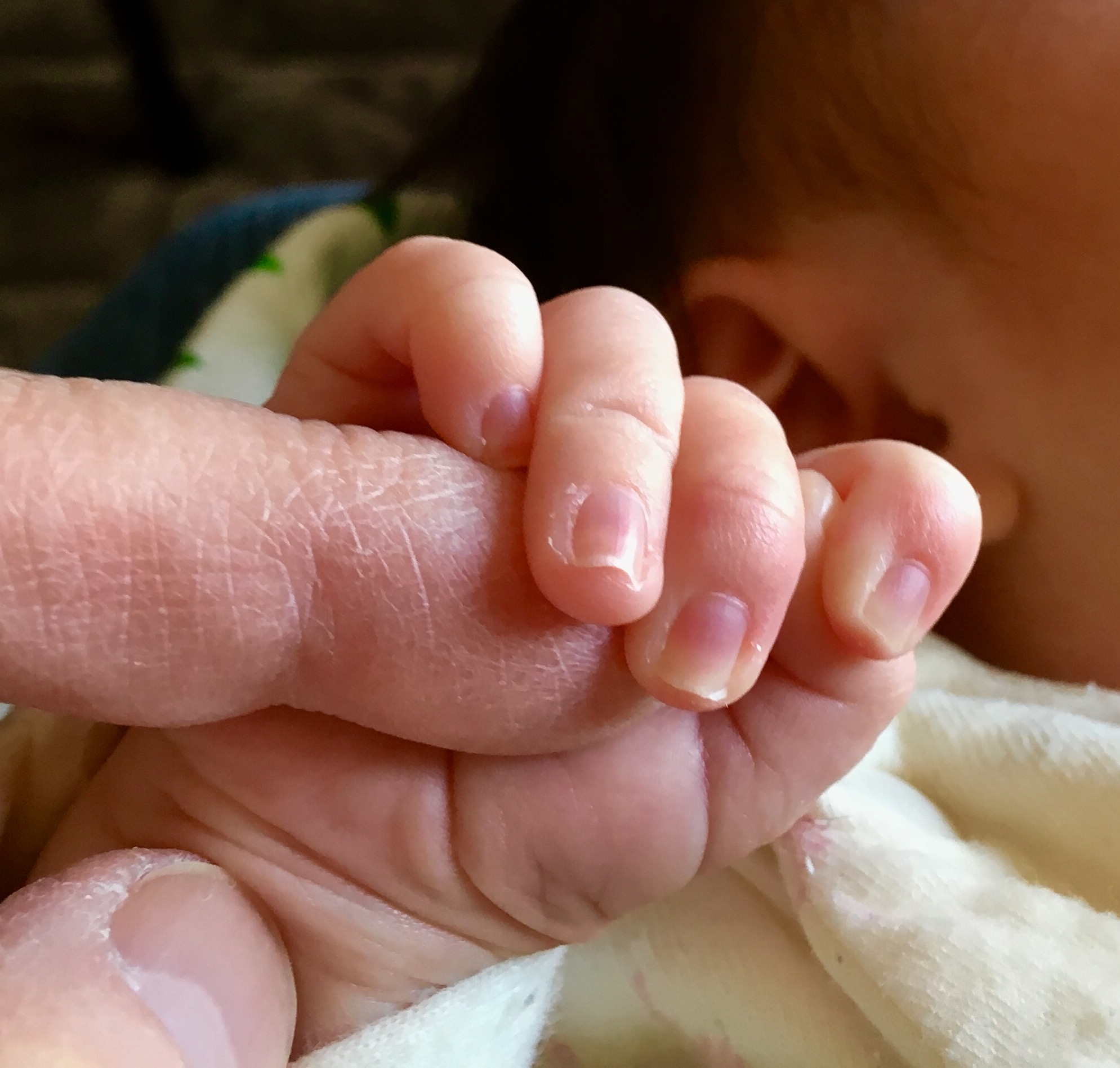
Take my hand. Look in my eyes. Even for one small second.
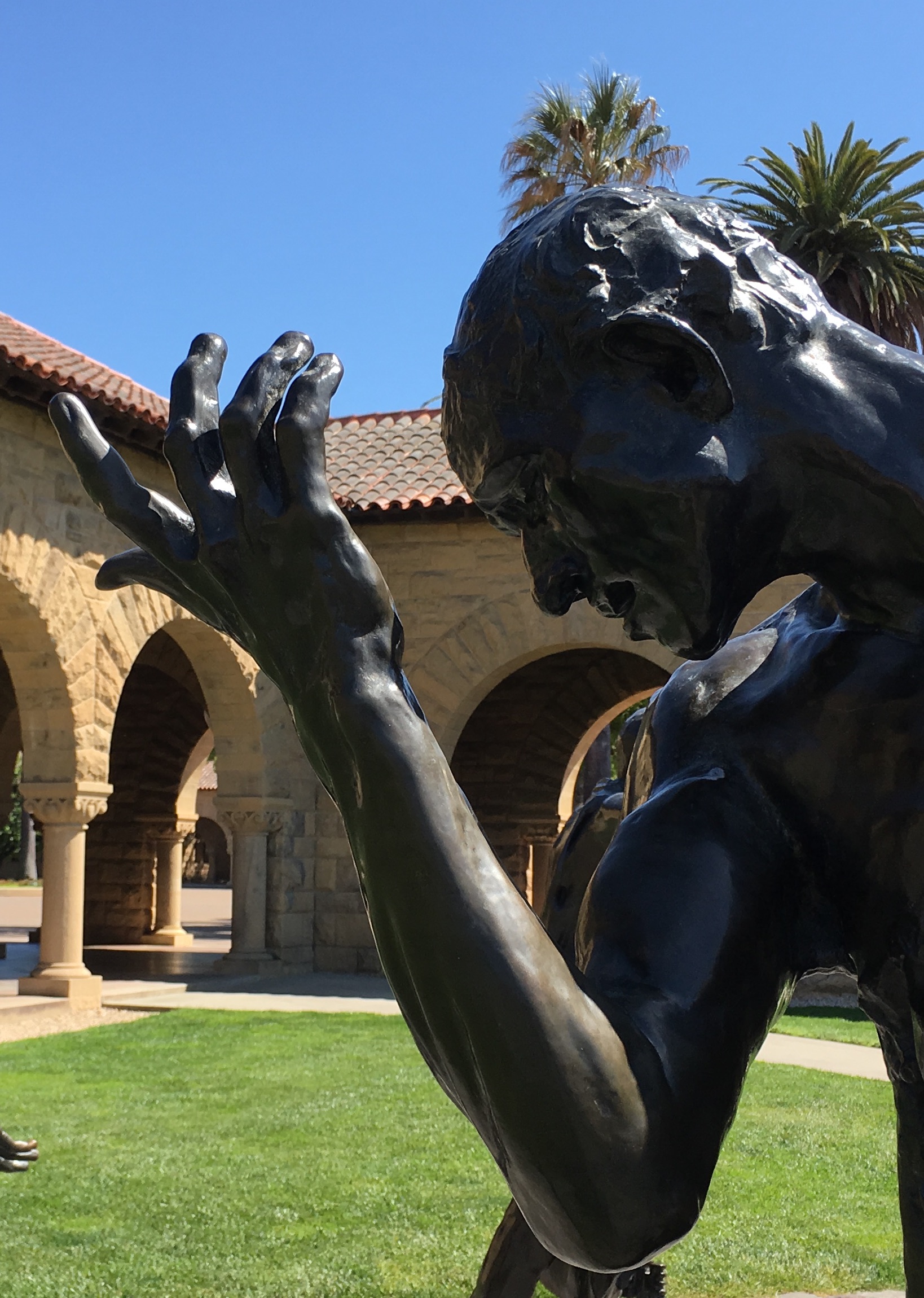
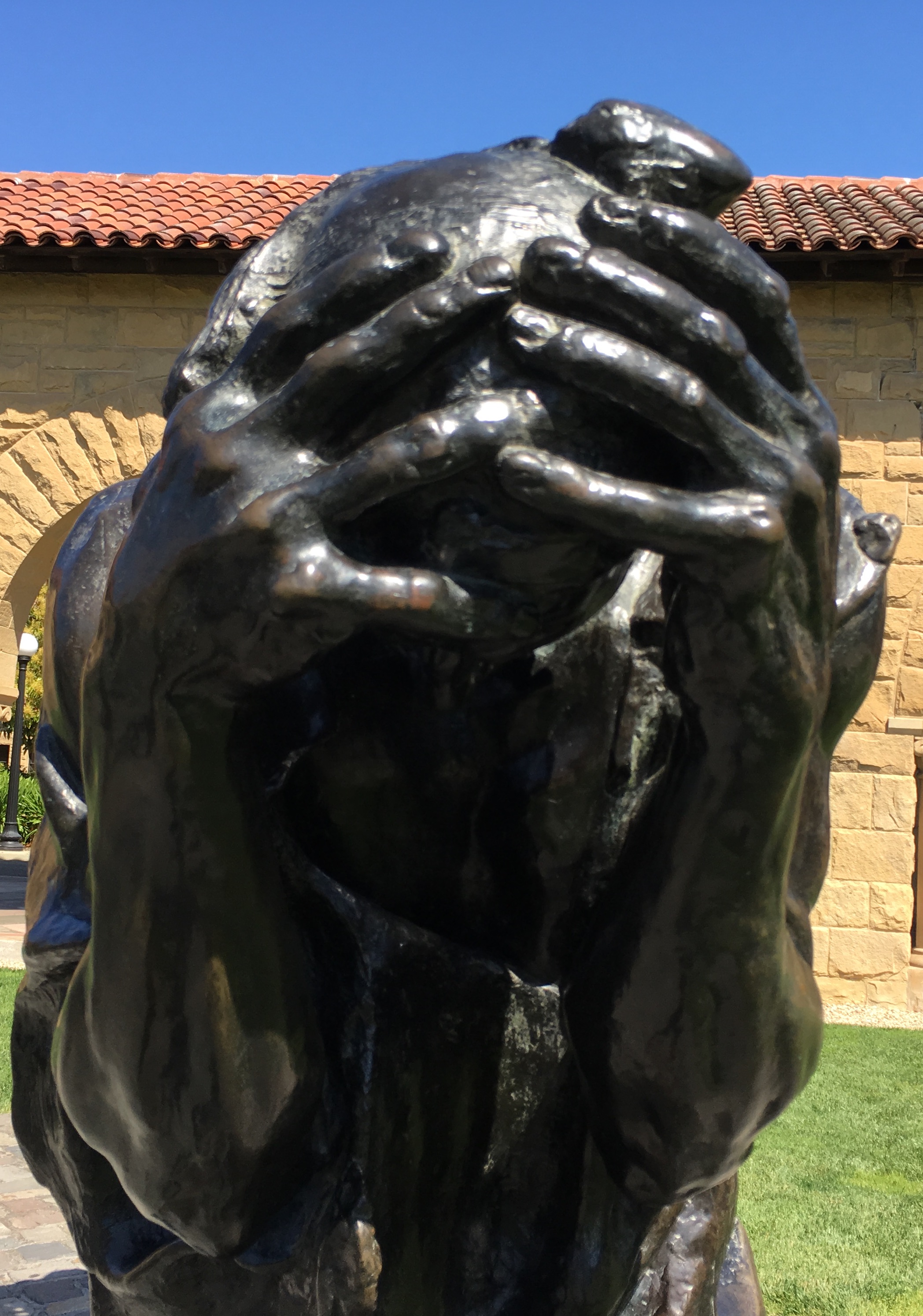
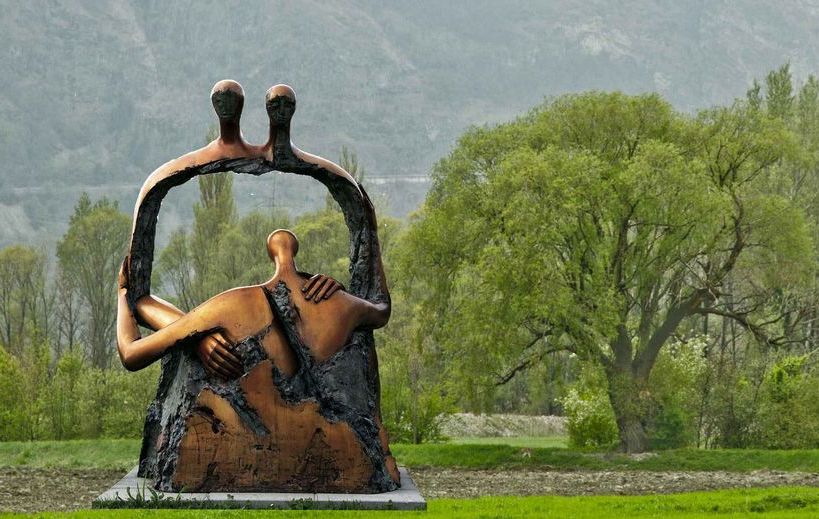
Sculpture by Artist Albert Gyorgy
One-Time
Monthly
Yearly
Make a one-time or recurring donation to support daily Barnstorming posts
I spent this morning adjusting to this change in season by occupying myself with the familiar task of moving manure. Cleaning barn is a comforting chore, allowing me to transform tangible benefit from something objectionable and just plain stinky to the nurturing fertilizer of the future. It feels like I’ve actually accomplished something.
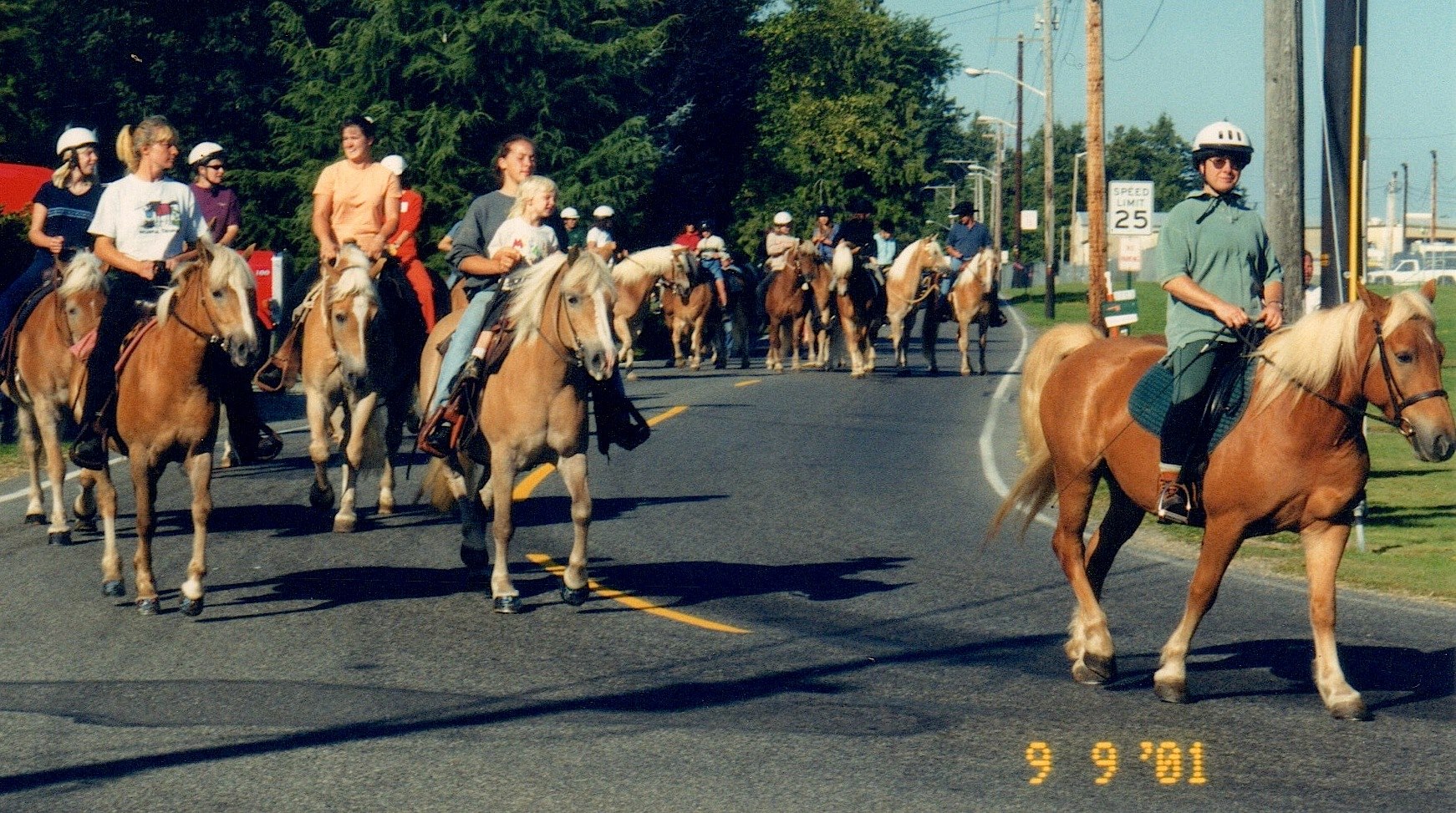
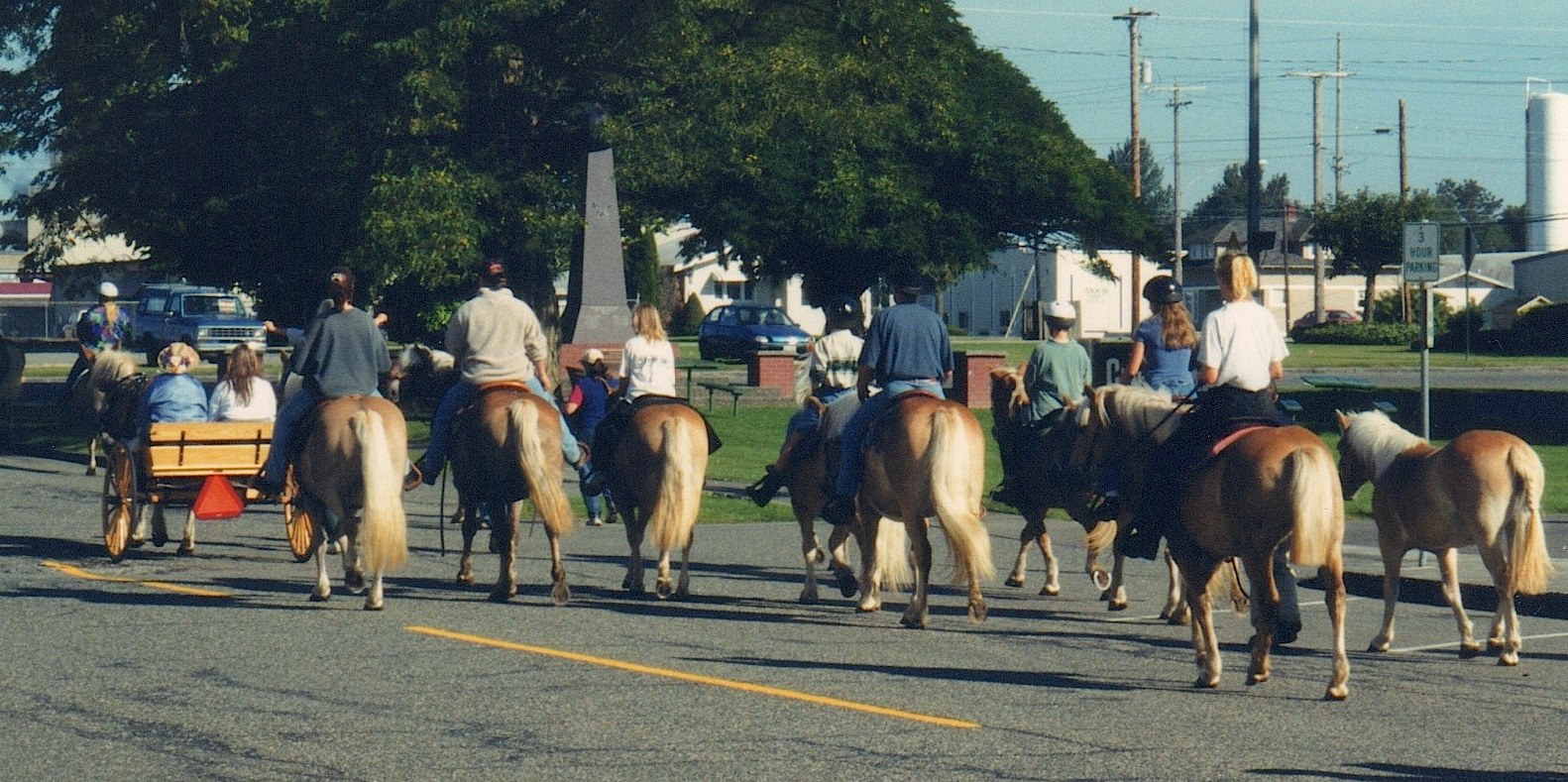
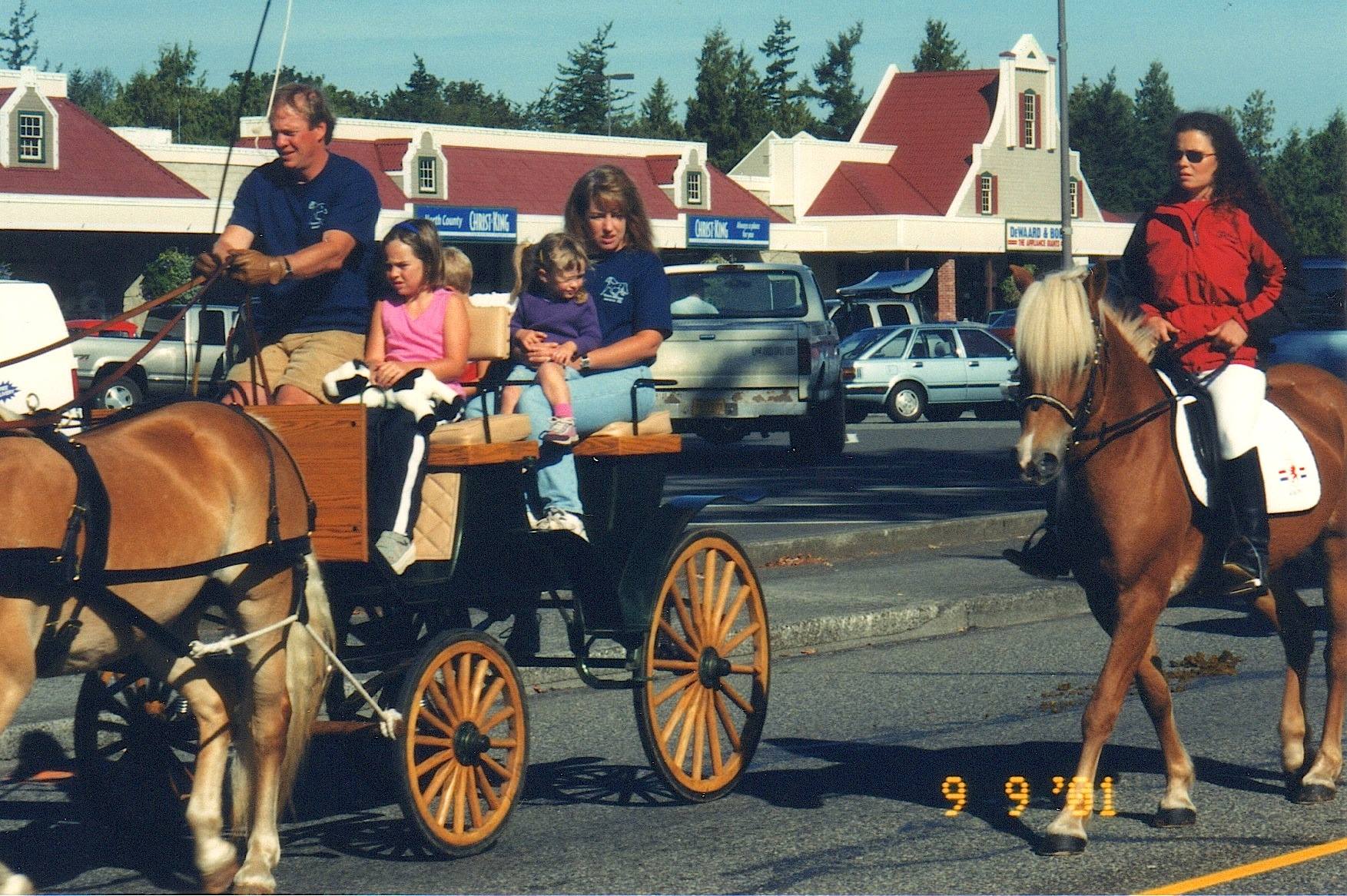
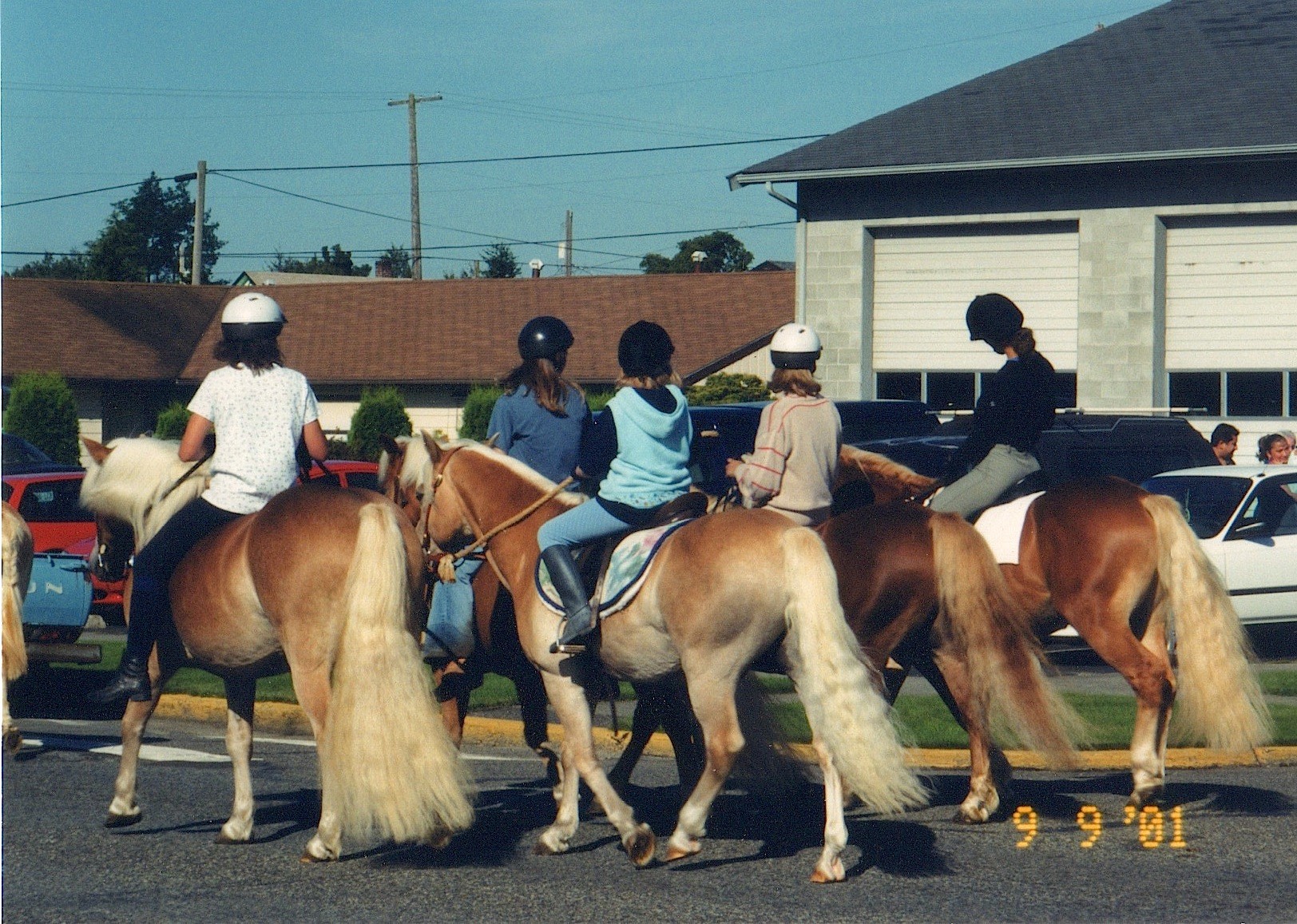
As I scooped and pushed the wheelbarrow, I remembered another barn cleaning over twenty years ago, when I was one of three or four friends left cleaning over ninety stalls after a Haflinger horse event that I had organized at our local fairgrounds. Some people had brought their horses from over 1000 miles away to participate for several days. Whenever horse people gather, there were personality clashes and harsh words among some participants along with criticism directed at me that I had taken very personally. As I struggled with the umpteenth wheelbarrow load of manure, tears stung my eyes and my heart. I was miserable with regrets over people not getting along. After going without sleep and making personal sacrifices over many months planning and preparing for the benefit of our group, my work did not feel worth the pain I was feeling.
My friend Jenny Rausch had stayed behind with her family to help clean up the large facility and she could see I was struggling to keep my composure. Jenny put herself right in front of my wheelbarrow and looked me in the eye, insisting I stop for a moment and listen.
“You know, none of these troubles and conflicts will amount to a hill of beans years from now. People will remember a fun event in a beautiful part of the country, a wonderful time with their horses, their friends and family, and they’ll be all nostalgic about it, not giving a thought to the infighting or the sour attitudes or who said what to whom. So don’t make this about you and whether you did or didn’t make everyone happy. You loved us all enough to make it possible to meet here and the rest was up to us. So quit being upset about what you can’t change. There’s too much you can still do for us.”
And then she gave me a hug that I will always cherish.
During tough times which have come often in my professional life, including the difficult and controversial decisions I had to make during the COVID pandemic, Jenny’s advice replays in my mind, reminding me to stop seeking appreciation from others, or feeling hurt when harsh words come my way. She was right about the balm found in the tincture of time. She was right about giving up being upset in order to die to myself and my self-absorption, to keep focusing outward rather than inward.
Jenny, I have remembered what you said even though at times I emotionally relapse and forget.
A few years after that day in the barn, Jenny herself spent six years slowly dying, while still vigorously living her life every day treating a relentless cancer. The tumor spread was initially slowed in the face of her faith and intense drive to live. Over time though, she became a rusting leaf, fading imperceptibly, crumbling at the edges until she finally let go. Her dying on this day twelve years ago did not flash brilliance, nor draw attention at the end. Her intense focus during the years of her illness had always been outward to others, to her family and friends, to the numerous healers she spent so much time with in medical offices, to her belief in the plan God had written for her and others.
Despite her intense love for her husband and young children, she let go her hold on life here. And we all had to let her go.
Brilliance cloaks you as your focus is now on things eternal.
You were so right, Jenny. Conflicts from over twenty years ago haven’t amounted to a hill of beans; all is remembered fondly by those who were part of the gathering. I especially treasure the words you wisely spoke to me as they have helped me through other tough times when I tend to inwardly focus on my own hurt feelings.
And I’m no longer upset that I can’t change the fact that you have left us. There is still so much you continue to do for us by staying alive in our memories.
I know we’ll catch up later.
For some of the wit and wisdom of Jenny’s writings about her horses and life – go here
Jenny R –photo by Ginger Kathleen Coombs
One-Time
Monthly
Yearly
Make a one-time or recurring donation to support daily Barnstorming posts
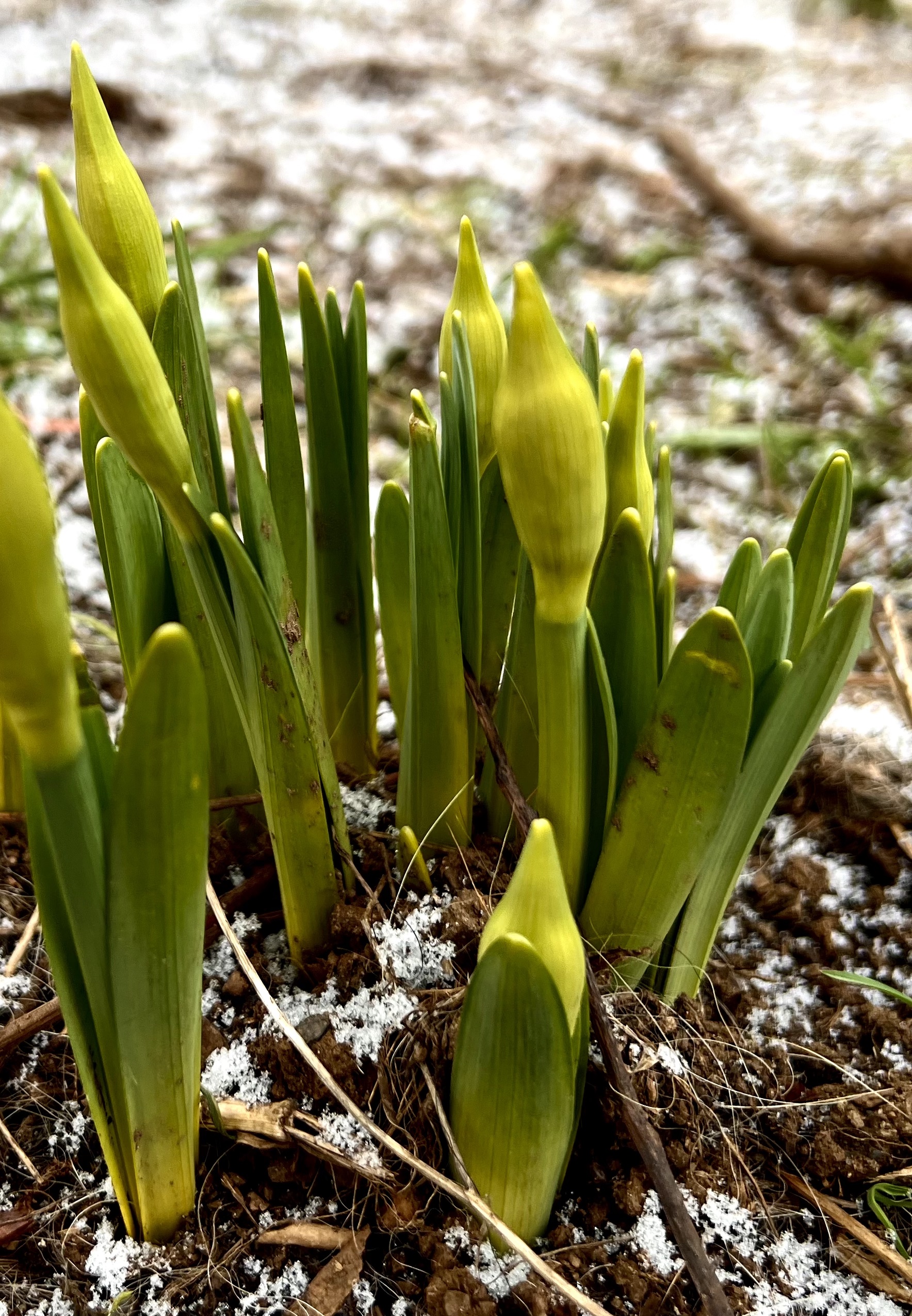
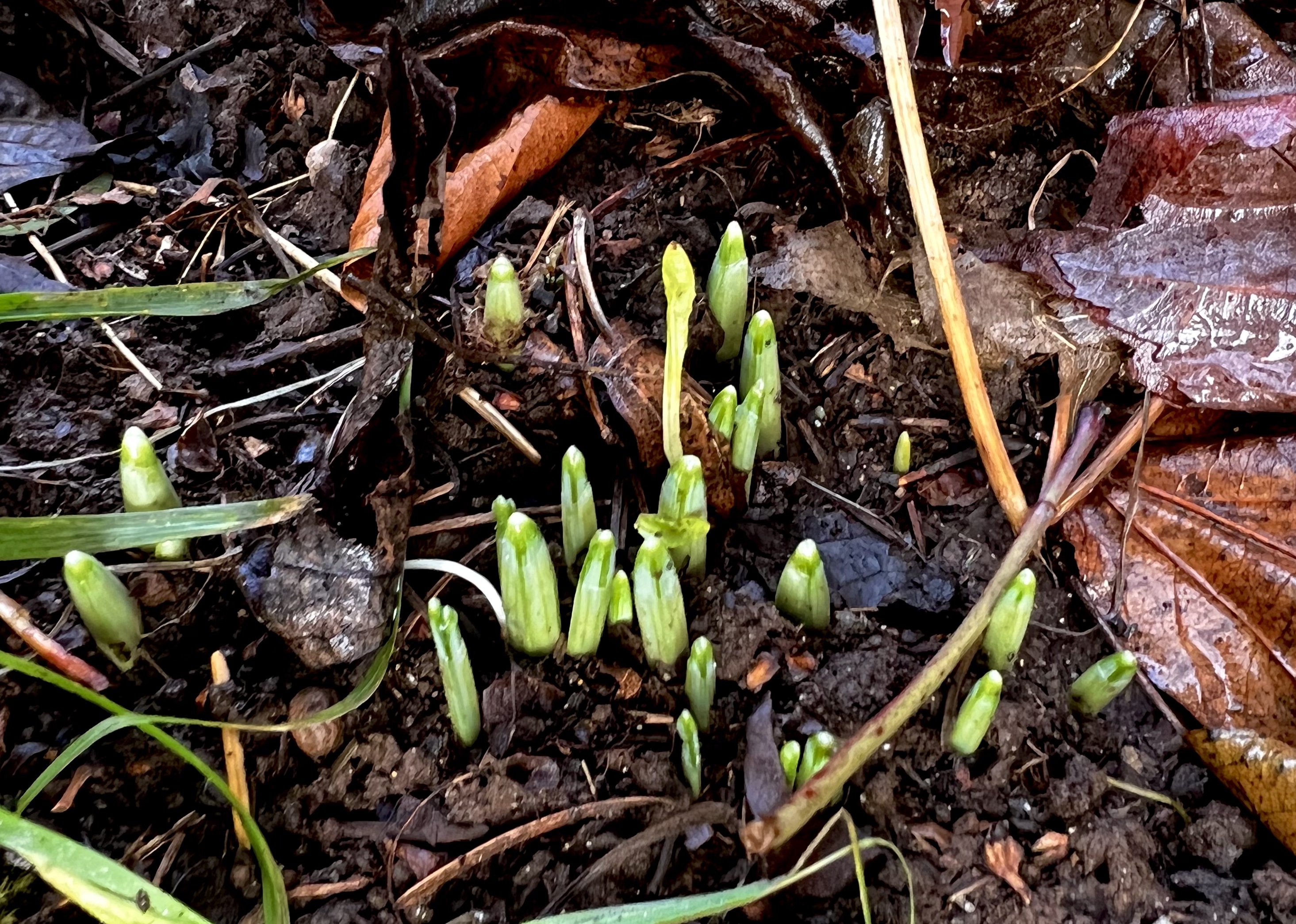
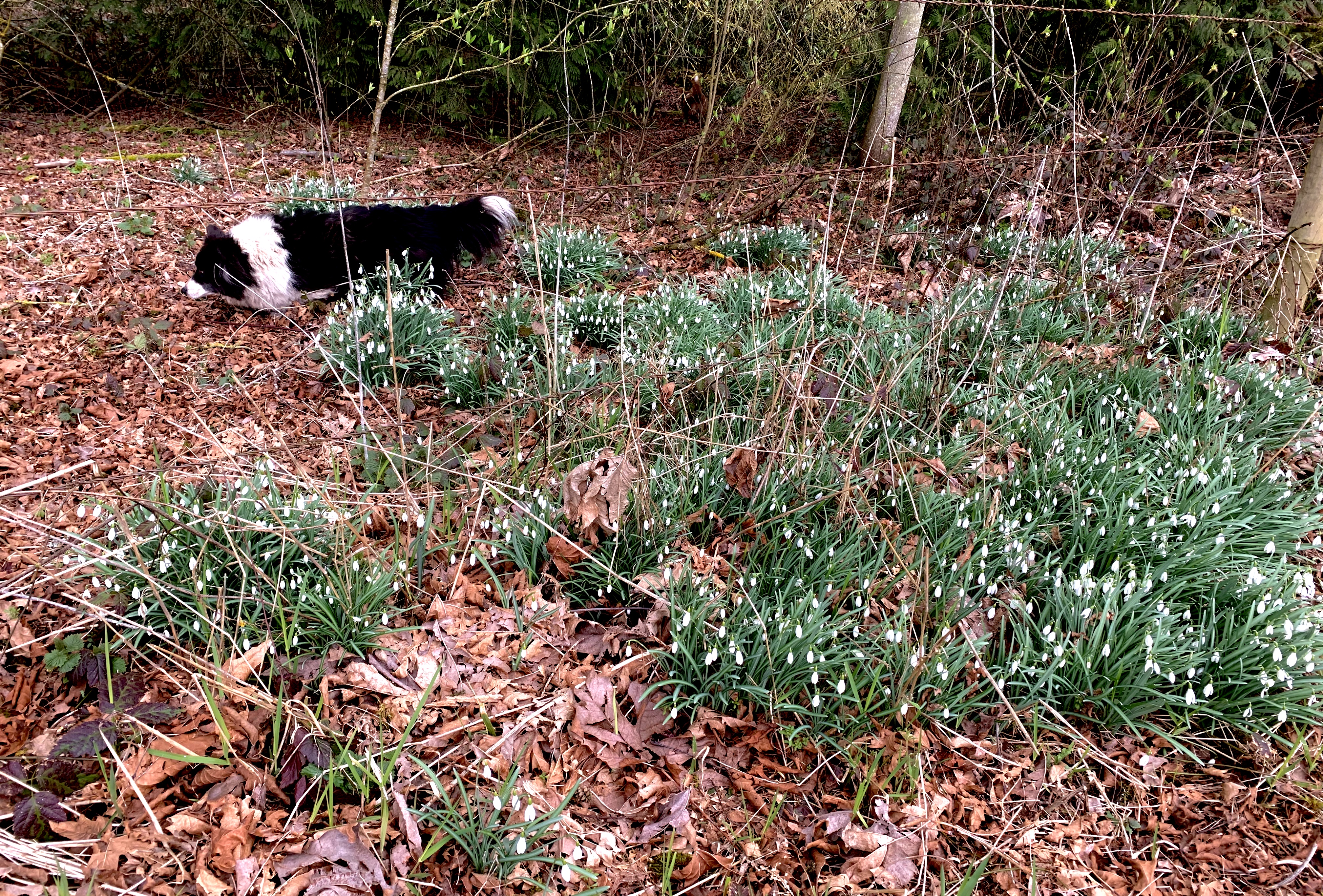
From the place where we are right Flowers will never grow In the spring.
The place where we are right Is hard and trampled Like a yard.
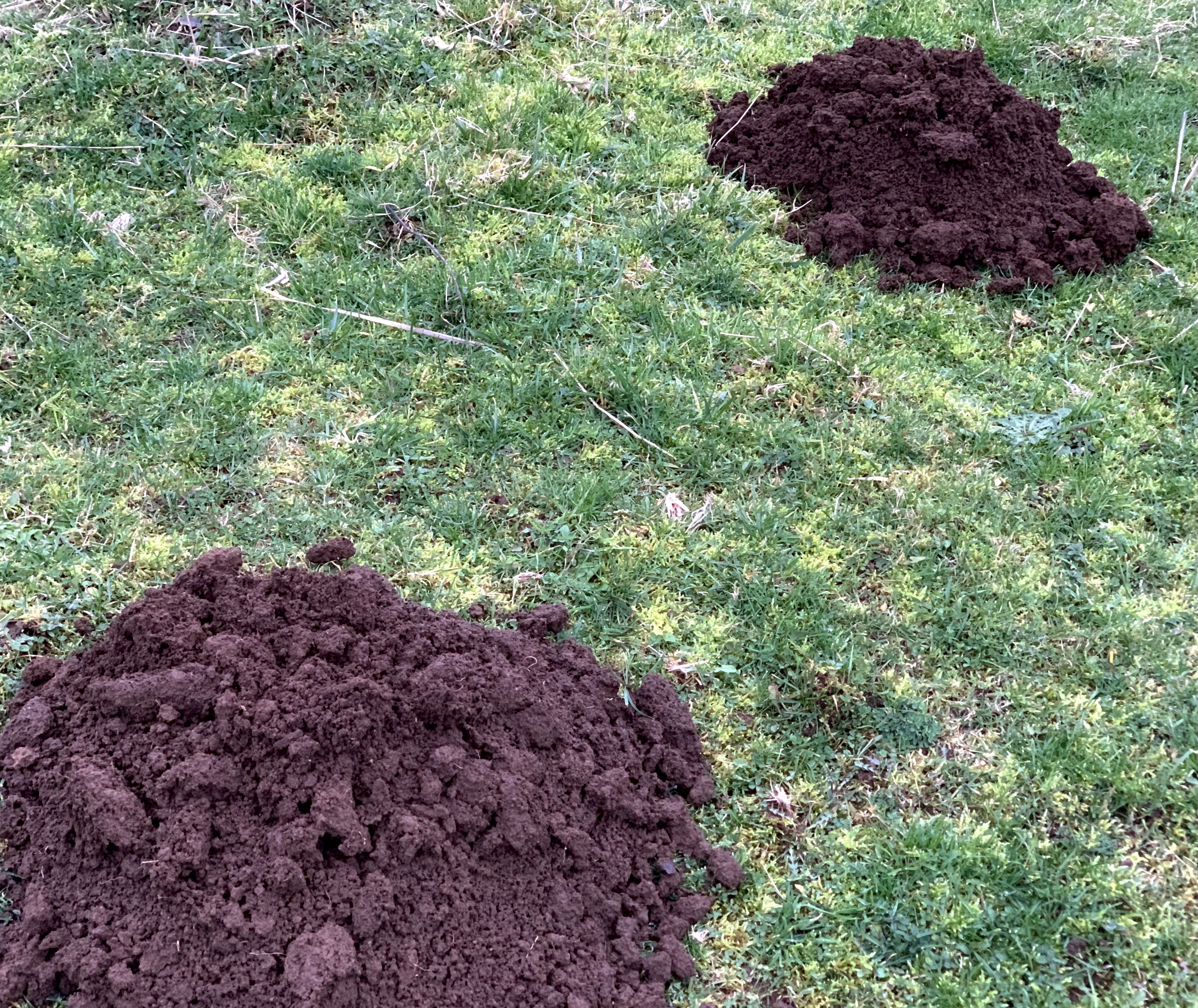
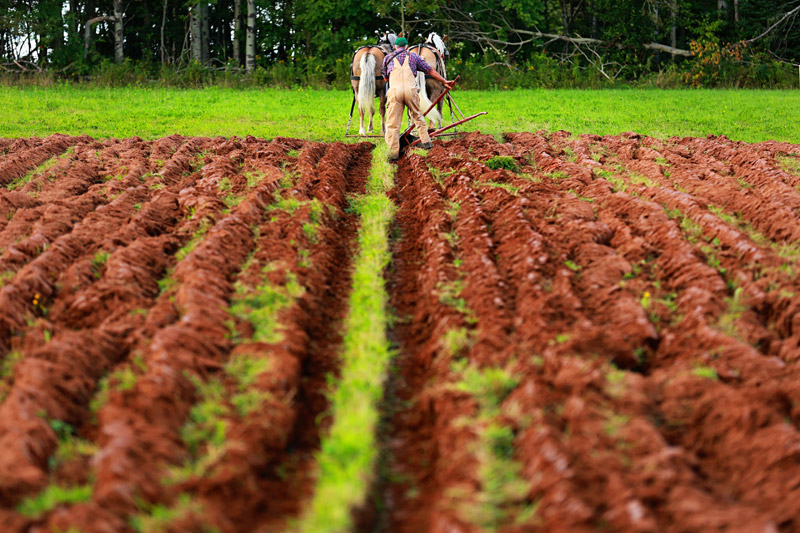
But doubts and loves Dig up the world Like a mole, a plow. And a whisper will be heard in the place Where the ruined House once stood. ~Yehuda Amichai “The Place Where We are Right”
I’ve learned the hard way that my being “right” may discourage whatever sprouts and grows and blooms. Rather than find their way through my crustiness, they remain underground, safe from my strenuous protests and insistence. If they bravely try to surface, they might be trampled and broken.
Instead of being right, I need to turn over that hard ground, revealing my doubts and worries, exposed to new light and warmth.
Instead of being right, I need to love and listen and be open to the whispering of that still small voice telling the truth.
Instead of insisting on being right, I rebuild what I have ruined.
Then we may all have a chance to bloom.
This year’s Lenten theme: So we fix our eyes not on what is seen, but on what is unseen, since what is seen is temporary, but what is unseen is eternal. 2 Corinthians 4: 18
November pierces with its bleak remembrance Of all the bitterness and waste of war. Our silence tries but fails to make a semblance Of that lost peace they thought worth fighting for. Our silence seethes instead with wraiths and whispers, And all the restless rumour of new wars, The shells are falling all around our vespers, No moment is unscarred, there is no pause, In every instant bloodied innocence Falls to the weary earth ,and whilst we stand Quiescence ends again in acquiescence, And Abel’s blood still cries in every land One silence only might redeem that blood Only the silence of a dying God. ~Malcolm Guite “Silence: a Sonnet for Remembrance Day”
So, when old hopes that earth was bettering slowly Were dead and damned, there sounded ‘War is done!’ One morrow. Said the bereft, and meek, and lowly, ‘Will men some day be given to grace? yea, wholly, And in good sooth, as our dreams used to run?‘
Aye; all was hushed. The about-to-fire fired not, The aimed-at moved away in trance-lipped song.
Calm fell. From Heaven distilled a clemency; There was peace on earth, and silence in the sky;
Some could, some could not, shake off misery… ~Thomas Hardy from “And There Was a Great Calm” (On the Signing of the Armistice, 11 Nov. 1918)
When you go home tell them of us and say – “For your tomorrow we gave our today” ~John Maxwell Edmonds from “The Kohima Epitaph”
I’m unsure why the United States does not call November 11 Remembrance Day as the Commonwealth nations did 99 years ago at the Armistice. This is a day that demands so much more than the more passive name Veterans’ Day represents.
This day calls all citizens who appreciate their freedoms to stop what they are doing and disrupt the routine rhythm of their lives. We are to remember in humble thankfulness the generations of military veterans who sacrificed time, resources, sometimes health and well being, and too often their lives in answering the call to defend their countries.
Remembrance means ~never forgetting what it costs to defend freedom. ~acknowledging the millions who have given of themselves and continue to do so on our behalf. ~never ceasing to care. ~a commitment to provide resources needed for the military to remain strong and supported. ~unending prayers for safe return home to family. ~we hold these men and women close in our hearts, always teaching the next generation about the sacrifices they made.
Most of all, it means being willing ourselves to become the sacrifice when called.
In the ordinary weather of summer with storms rumbling from west to east like so many freight trains hauling their cargo of heat and rain, the dogs sprawl on the back steps, panting, insects assemble at every window, and we quarrel again, bombarding each other with small grievances, our tempers flashing on and off in bursts of heat lightning. In the cooler air of morning, we drink our coffee amicably enough and walk down to the sea which seems to tremble with meaning and into which we plunge again and again. The days continue hot. At dusk the shadows are as blue as the lips of the children stained with berries or with the chill of too much swimming. So we move another summer closer to our last summer together— a time as real and implacable as the sea out of which we come walking on wobbly legs as if for the first time, drying ourselves with rough towels, shaking the water out of our blinded eyes. ~Linda Pastan, “The Ordinary Weather of Summer” from Carnival Evening: New and Select Poems 1968-1998
I grew up near Puget Sound and only a couple hours from the Washington Pacific Ocean coastline. Our annual trips to the ocean were early morning clamming harvests, usually returning home by noon to process the bounty we had dug up at the shore. Vacations at the beach were a few days spent in a rented cabin at Birch Bay on Puget Sound (now Salish Sea) or on Camano Island. These were short stays, usually no more than two or three nights but it gave our family a chance to live together in a different way.
It wasn’t easy for a family of five to sleep in a tiny two bedroom cabin with very little privacy – we siblings easily got on each other’s nerves as we teased each other or played hyper-competitive card or board games or futilely tried to distance ourselves from one another. We didn’t understand that these few summers in the 60’s were the last opportunities we would spend time together simply to “play”. Storms were on the horizon, our tempers flared when the weather was hot and humid. We had no awareness time was slipping through our fingers.
How this family time at the beach affected my parents is something I can only guess. Their marriage was on shaky ground ten years prior to their separation and divorce, even though we children were oblivious to it at the time. Whether being forced out of their routine was helpful or made their tensions worse, I don’t know. I do know quarreling children, small living quarters and sweaty temperatures can be a challenging combination.
Something about our current heat wave this week places me back to those hot nights in the beach cabins, unable to fall asleep due to a combination of itchy sweat and the world pressing down on me. The crankiness of those family vacations tends to infect my words and attitudes all these decades later.
Although the literal and figurative storms of those years have long since blown over, I still remember the musty smell of those beach cabins that had seen so many different families come and go over the decades, some thriving while others were wobbly and struggling to stay glued together. To the cabins that housed them, they looked all alike. But they weren’t. Only time would tell how well they weathered the storm.
One-Time
Monthly
Yearly
Make a one-time or recurring donation to support daily Barnstorming posts






















 Barnstorming