Why Another?

Here dies another day
During which I have had eyes, ears, hands
And the great world round me;
And with tomorrow begins another.
Why am I allowed two?
~G.K. Chesterton “Evening”

Even on a Monday,
despite so much of the world
suffering,
there is work
that must be done;
I’ve been allowed
this day
to do my best
and maybe as this day dies
there will come, just as miraculous,
another.

How It’s Meant to Be


There comes a time in every fall
before the leaves begin to turn
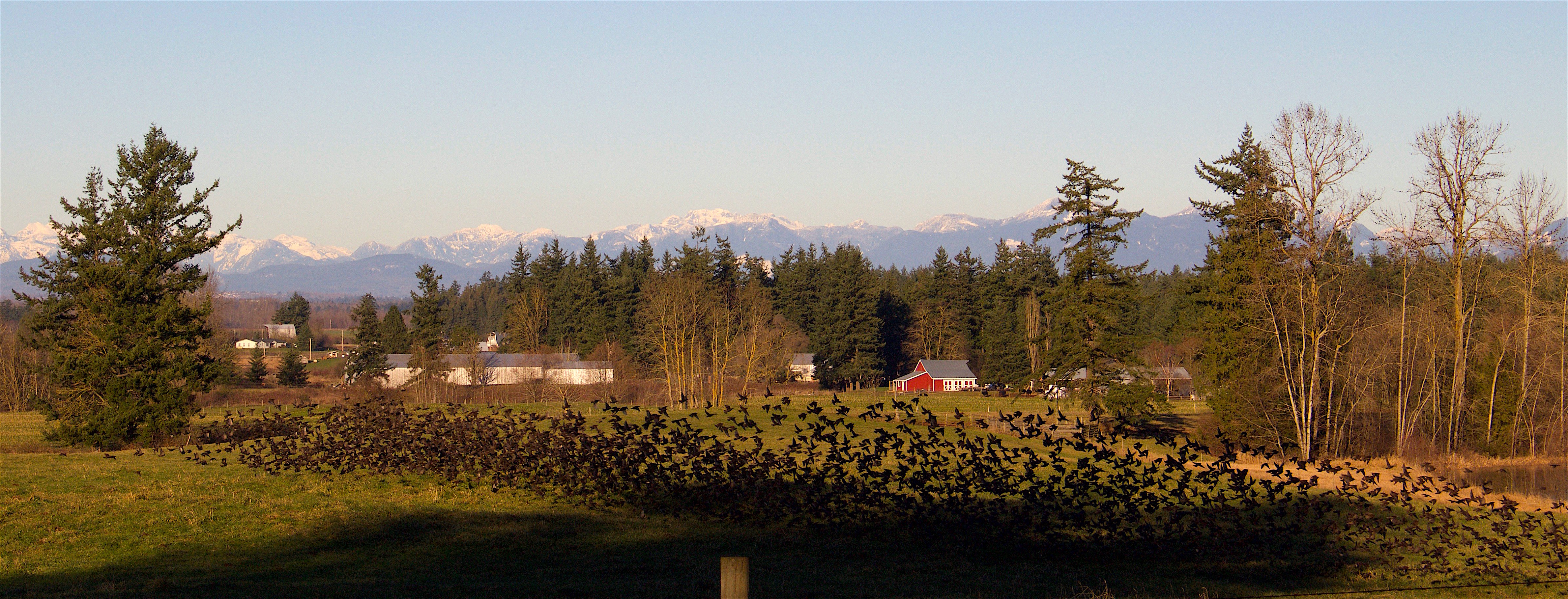
when blackbirds group and flock and gather
choosing a tree, a branch, together
to click and call and chorus and clamor
announcing the season has come for travel.

Then comes a time when all those birds
without a sound or backward glance
pour from every branch and limb
into the air, as if on a whim
but it’s a dynamic, choreographed mass
a swoop, a swerve, a mystery, a dance

and now the tree stands breathless, amazed
at how it was chosen, how it was changed.
~Julie Cadwallader Staub “Turning” from Wing Over Wing

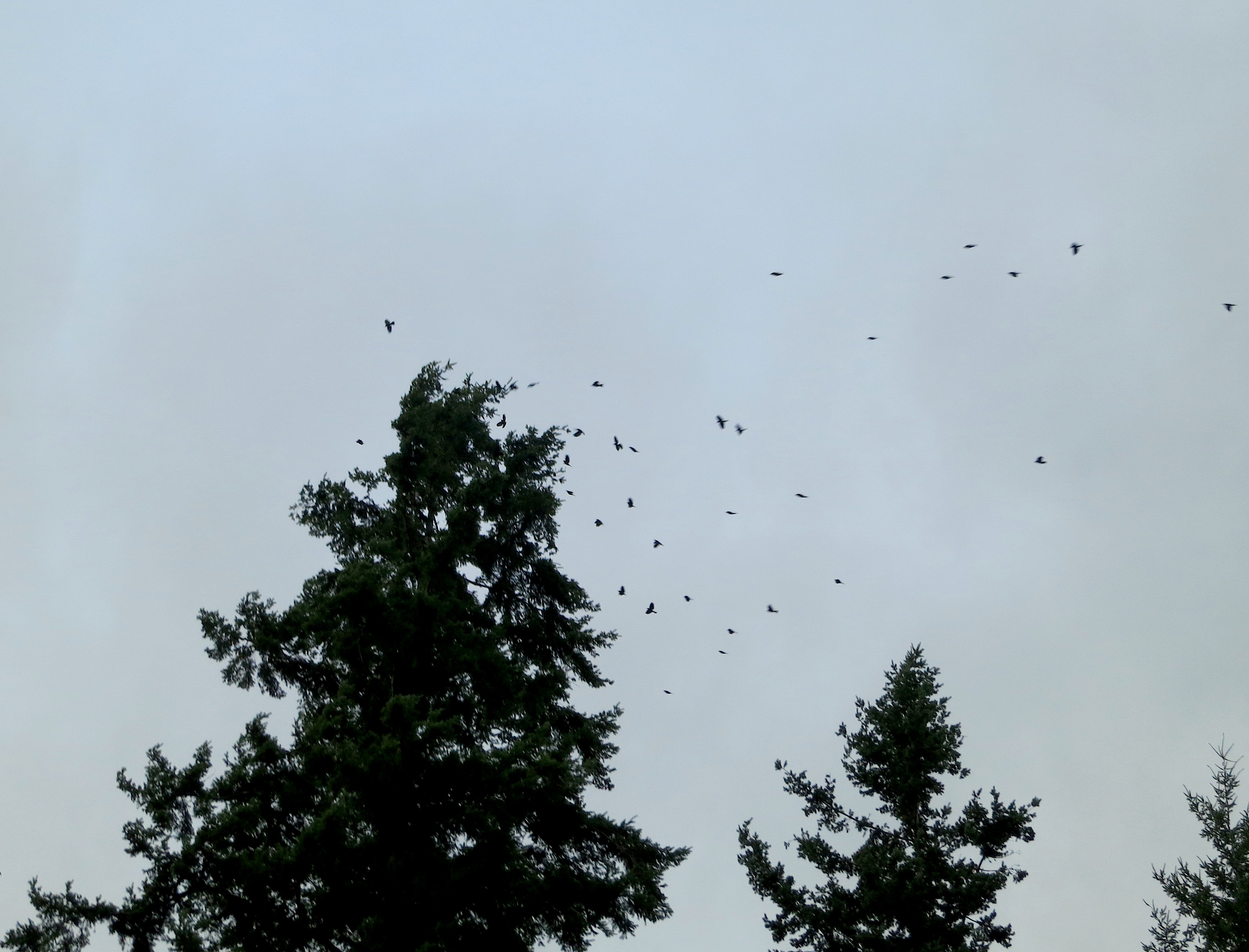
…yesterday I heard a new sound above my head
a rustling, ruffling quietness in the spring air

and when I turned my face upward
I saw a flock of blackbirds
rounding a curve I didn’t know was there
and the sound was simply all those wings,
all those feathers against air, against gravity
and such a beautiful winning:
the whole flock taking a long, wide turn
as if of one body and one mind.

How do they do that?

If we lived only in human society
what a puny existence that would be

but instead we live and move and have our being
here, in this curving and soaring world
that is not our own
so when mercy and tenderness triumph in our lives
and when, even more rarely, we unite and move together
toward a common good,

we can think to ourselves:

ah yes, this is how it’s meant to be.
~Julie Cadwallader Staub from “Blackbirds” from Wing Over Wing

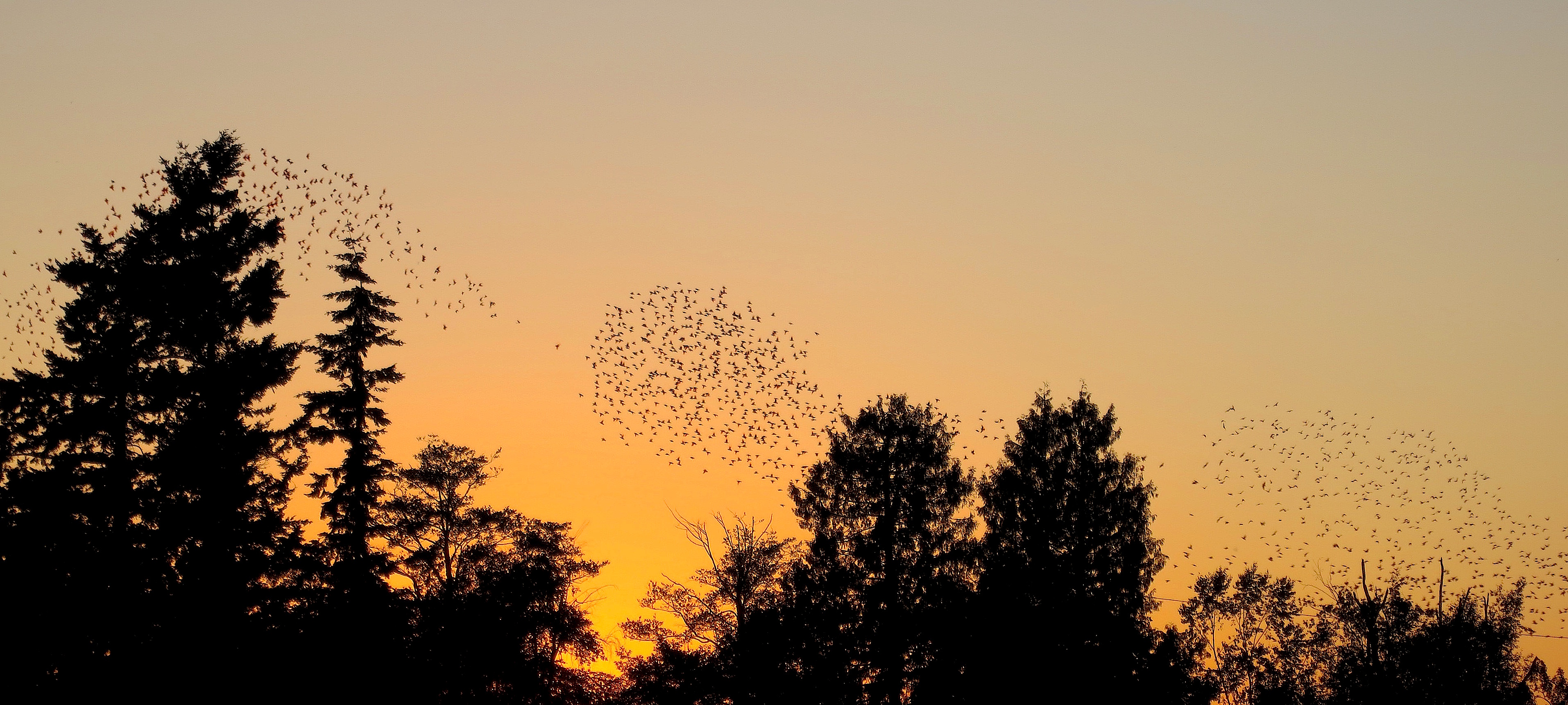
Out of the dimming sky a speck appeared,
then another, and another.
It was the starlings going to roost. 
They gathered deep in the distance,  flock sifting into flock,
and strayed towards me, transparent and whirling, like smoke.
They seemed to unravel as they flew,
lengthening in curves, like a loosened skein. 
I didn’t move;
they flew directly over my head for half an hour. 

Each individual bird bobbed and knitted up and down
in the flight at apparent random, for no known reason except
that that’s how starlings fly, yet all remained perfectly spaced.
The flocks each tapered at either end from a rounded middle, like an eye.
Overhead I heard a sound of beaten air, like a million shook rugs, a muffled whuff.
Into the woods they sifted without shifting a twig,
right through the crowns of trees, intricate and rushing, like wind.

Could tiny birds be sifting through me right now,
birds winging through the gaps between my cells,
touching nothing, but quickening in my tissues, fleet?
~Annie Dillard from Pilgrim at Tinker Creek

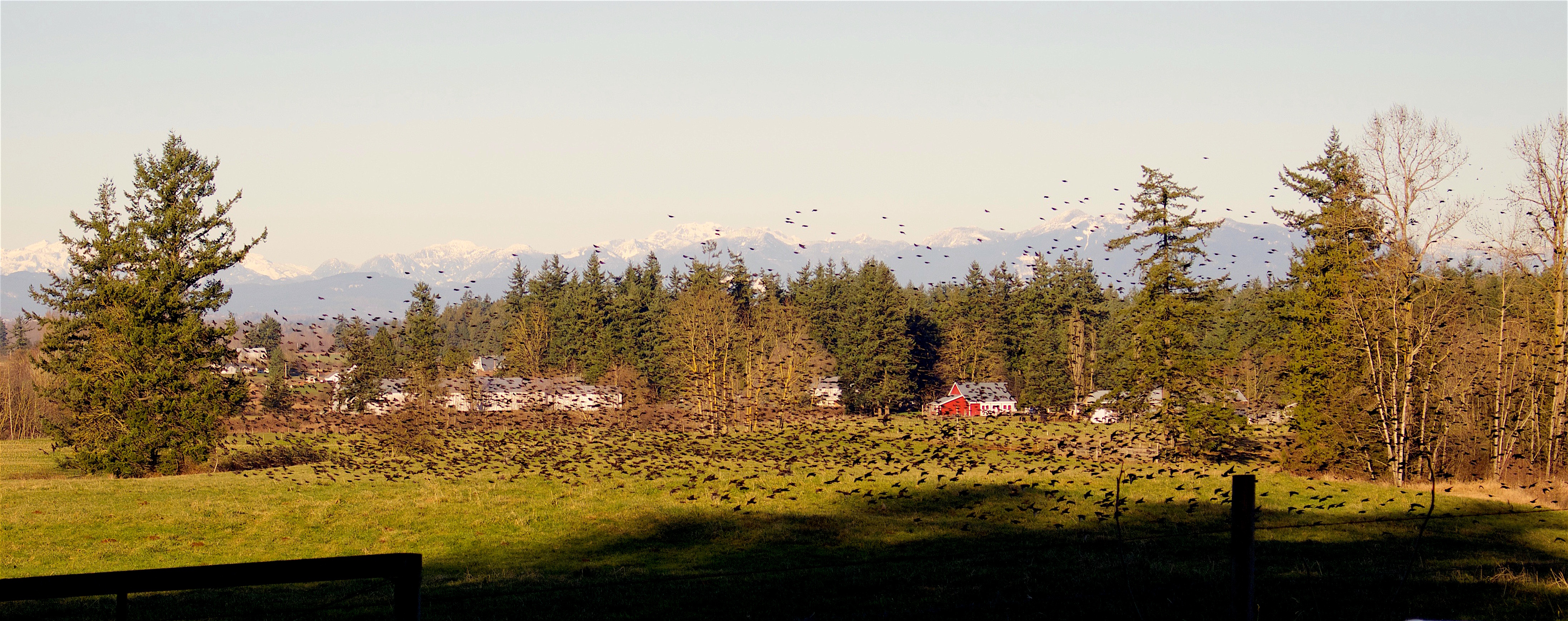
Watching the starlings’ murmuration is a visceral experience – my heart leaps to see it happen above me.  I feel queasy following its looping amoebic folding and unfolding path.

Thousands of individual birds move in sync with one another to form one massive organism existing solely because each tiny component anticipates and cooperates to avoid mid-air collisions.  It could explode into chaos but it doesn’t.  It could result in massive casualties but it doesn’t.  They could avoid each other altogether but they don’t – they come together with a purpose and reasoning beyond our imagining. Even the silence of their movement has a discernible sound of air rushing past wings.

We humans are made up of just such cooperating component parts, that which is deep in our tissues, programmed in our DNA.  Yet we don’t learn from our designed and carefully constructed building blocks.  We have become frighteningly disparate and independent creatures, each going our own way bumping and crashing without care.

We have lost our internal moral compass for how it is meant to be.

The rustling ruffling quiet of wings in the air is actually muffled weeping.

Falling Toward Each Other

We are waiting for snow
the way we might wait
for permission
to breathe again.

For only the snow
will release us, only the snow
will be a letting go, a blind falling
towards the body of earth
and towards each other.
~Linda Pastan from “Interlude”

I wish one
could press snowflakes
in a book
like flowers.
~James Schuyler from “February 13, 1975”

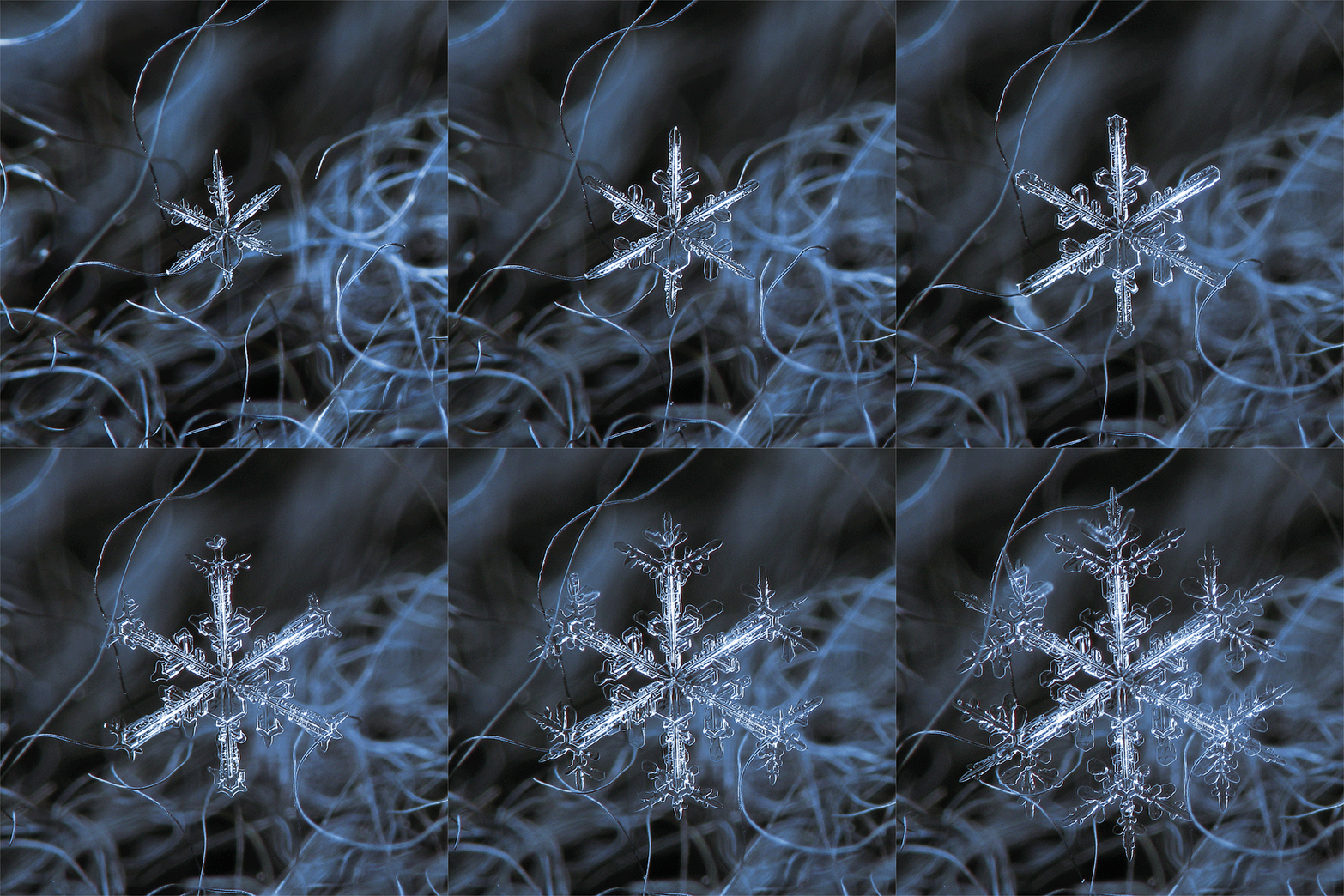
I wait with bated breath, wondrous at today’s snowfall, to see the landscape transformed. Each snowflake falls alone, settling in together in communal effort. And each is created as a singular masterpiece itself.

We, the created, are like each snowflake. Together we change the world, sometimes for better, too often for worse. But each of us have come from heaven uniquely designed and purposed, preciously preserved for eternity through God’s loving sacrifice.

Without Him, we melt between the pages of history.

photo by Alexay Kljatov, pbs.org

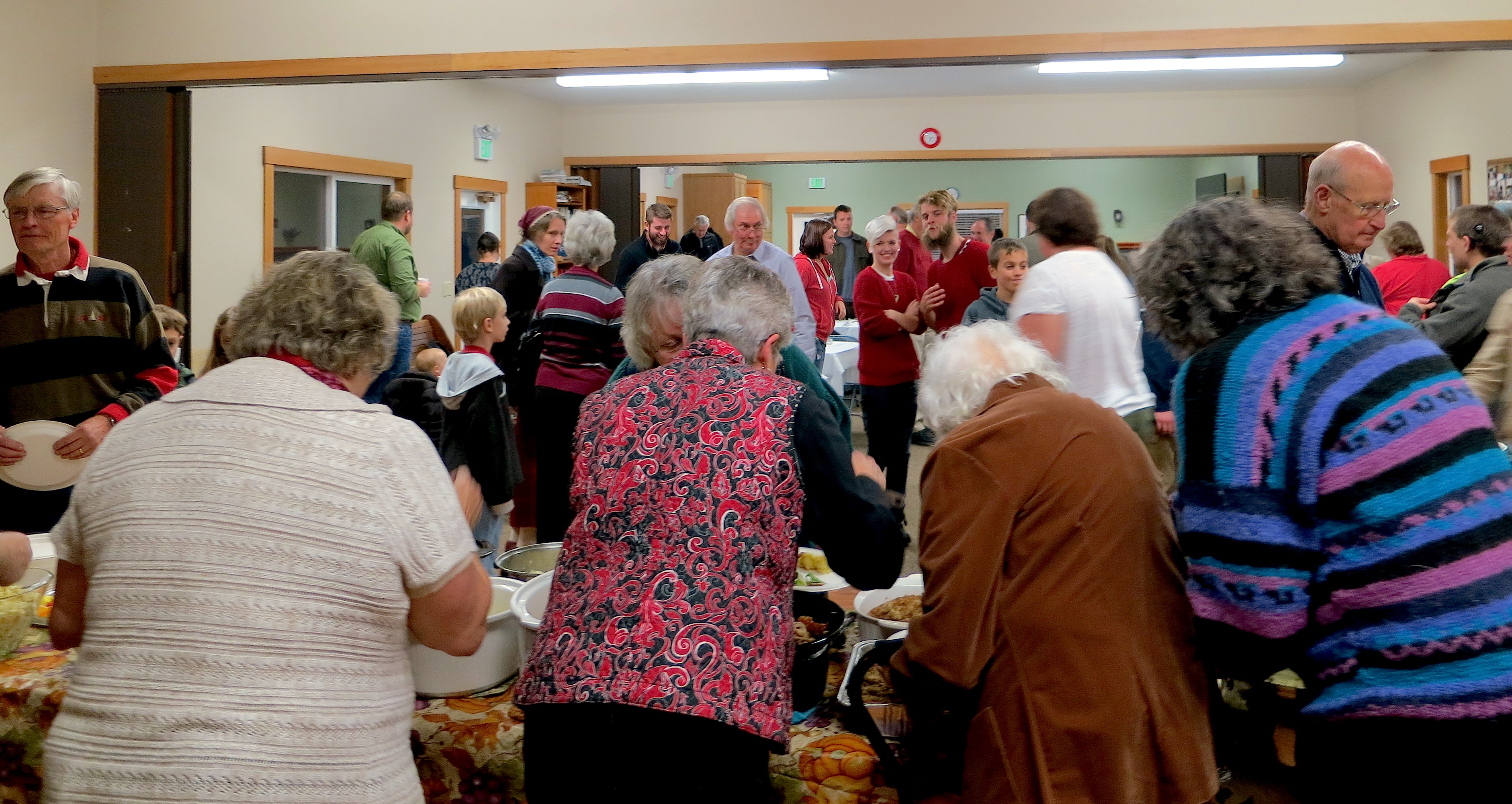
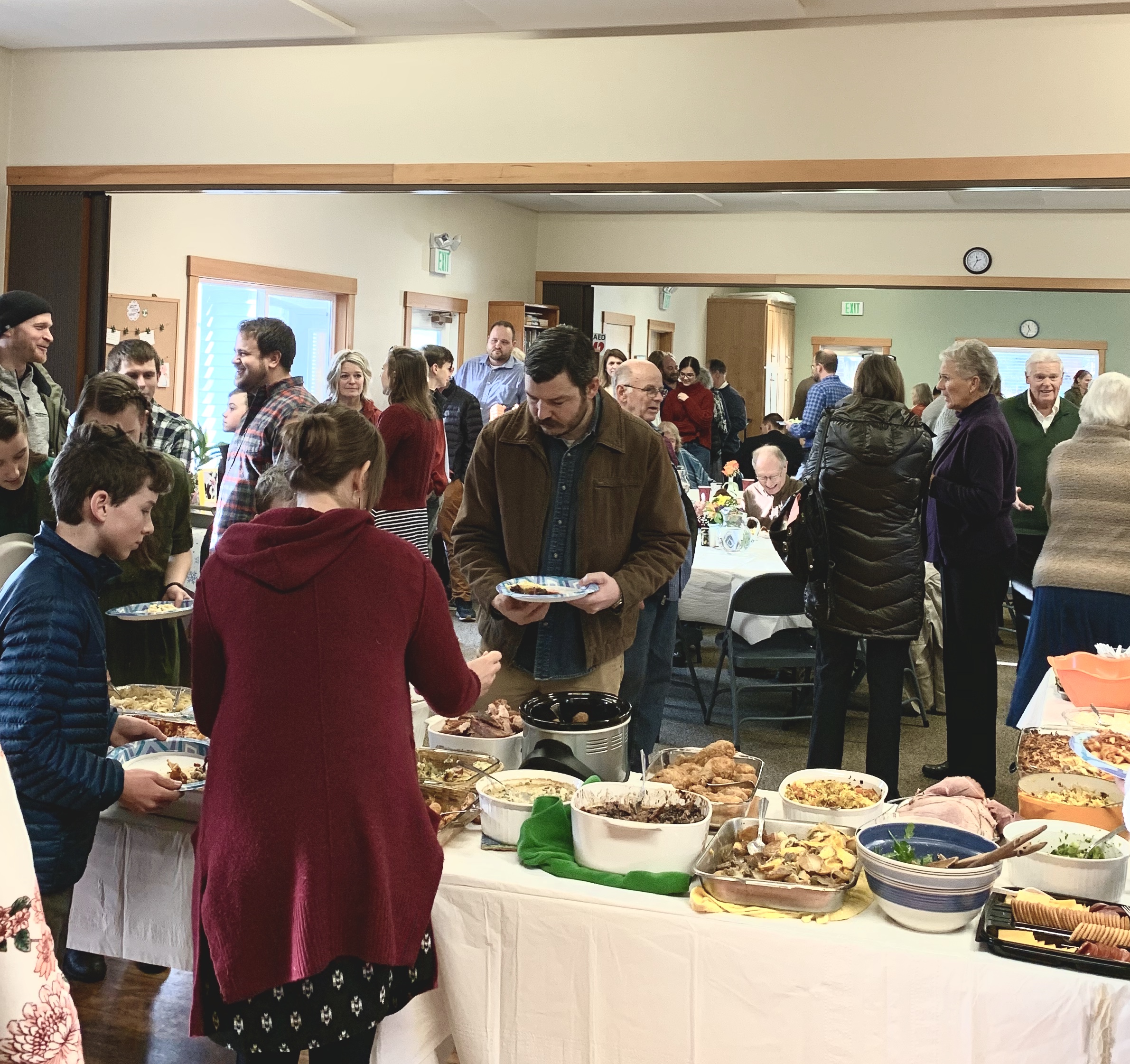
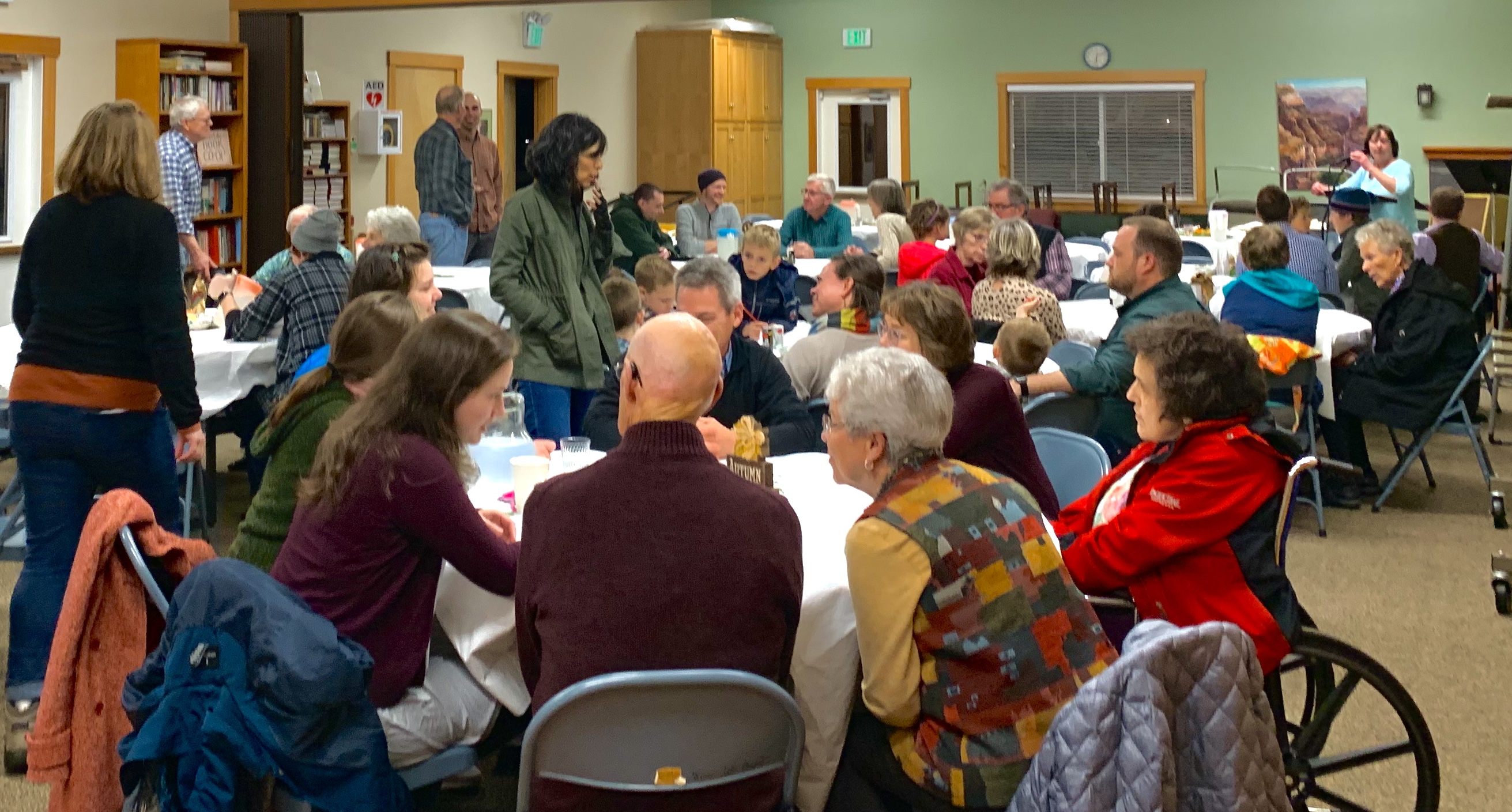
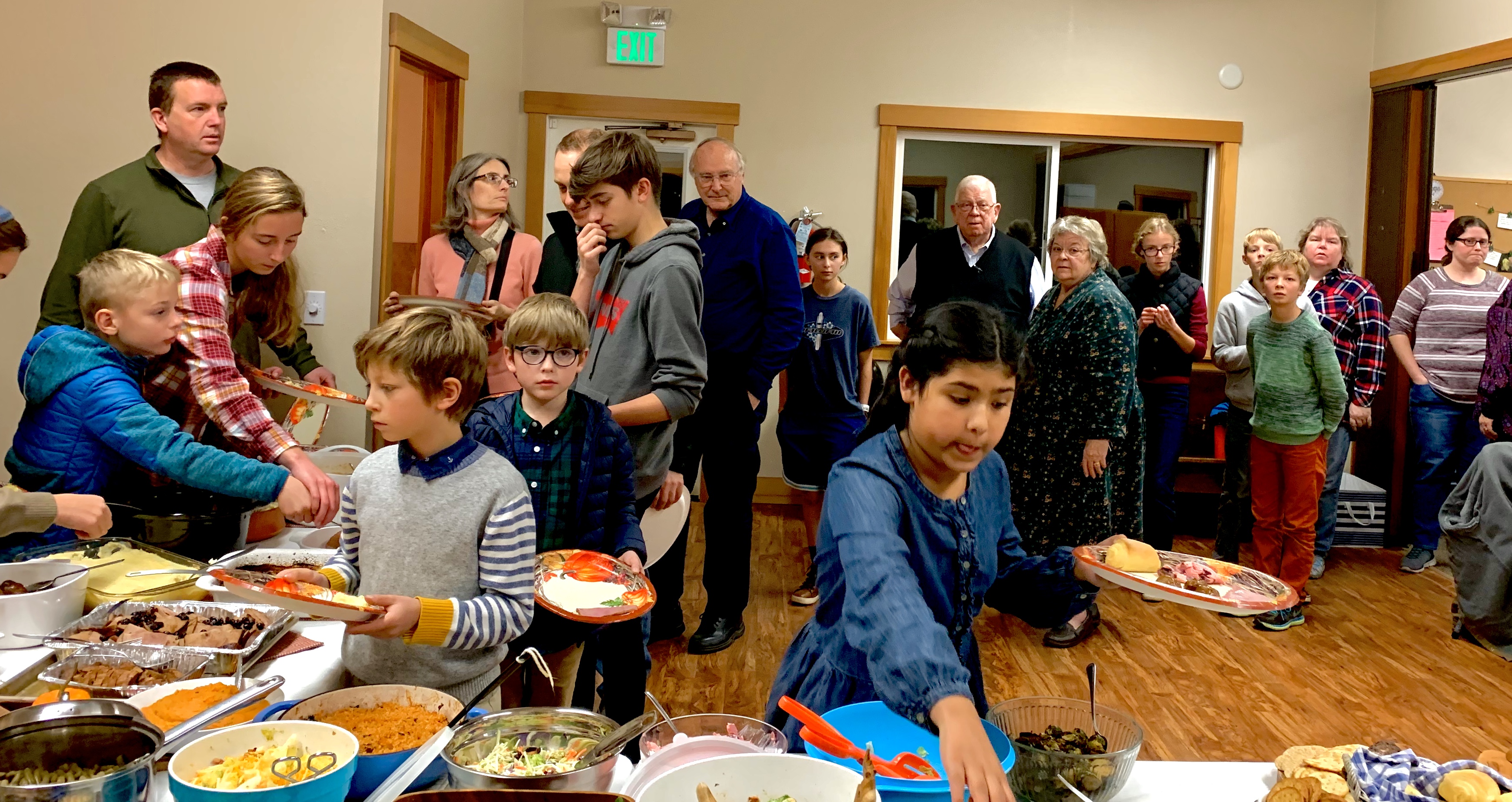
The Healing Power of a Church Potluck

The church, I think, is God’s way of saying,
“What I have in the pot is yours,
and what I have is a group of misfits
whom you need more than you know
and who need you more than they know.” 

“Take, and eat,” he says,
“and take, and eat,
until the day, and it is coming,
that you knock on my door.
I will open it, and you will see me face to face.”

He is preparing a table.
He will welcome us in.
Jesus will be there, smiling and holy,
holding out a green bean casserole.
And at that moment, what we say, what we think, and what we believe will be the same:
“I didn’t know how badly I needed this.”
~Jeremy Clive Huggins from “The Church Potluck”

Perhaps a celebration at the end of a long cold winter month
Possibly a need of respite from a month of dieting
Likely a response to bad headline news day after day:
A potlatch, a potluck, a communion of comfort food.

What to bring? What soothes stomach and heart?

Macaroni and cheese, with drizzled bread cubes on top
Beef stew chuck-a-block with vegetables and potatoes
Buckets of fried chicken
Greenbean casserole
Meat loaf topped with ketchup
Tossed Caesar salad
Tator tots drizzled with cheese
Jello and ham buns

Home made bread, steaming, soft
Whole chocolate milk
And ice cream sundaes

Nothing expensive
Or extravagant
Or requiring going into debt to pay.

A fitting ending to a Sabbath of worship,
After meeting for prayer and hymns and the Word;
When times get tough, when we feel all alone,
When we drown in discouragement.

This is time for connecting congregation and community,
For huddling against life’s storm
Forgetting our worries for a time
And sharing God’s comfort food, all together, misfits that we are,
Smiling to know — we all badly needed this.

There Are No Gradations

The whole concept of the Imago Dei (or)…the ‘Image of God’ is the idea that all men have something within them that God injected…

This gives him a uniqueness, it gives him worth, it gives him dignity.
And we must never forget this…there are no gradations in the Image of God.

Every man from a treble white to a bass black
is significant on God’s keyboard,
precisely because every man is made in the Image of God.

One day we will learn that.

We will know one day that God made us to live together as brothers
and to respect the dignity and worth of every man.
– Martin Luther King, Jr. from his “The American Dream” sermon, July 4, 1965

photo by Lea Gibson

Next to the Blessed Sacrament itself, your neighbor is the holiest object presented to your senses.
~C. S. Lewis from The Weight of Glory

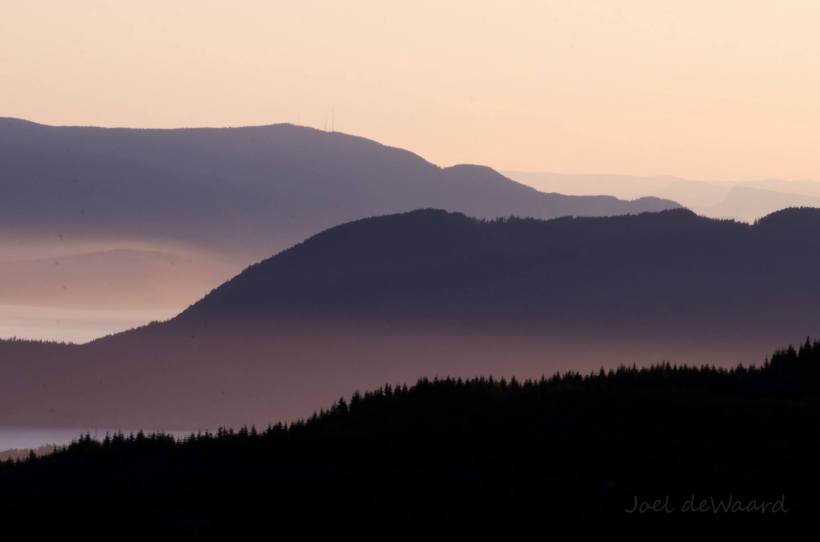
photo of San Juan Islands by Joel DeWaard

We are united by our joint creation as the Image of God.  Not one of us reflects God more than another but together form His body and His kingdom on earth.

Dr. King’s words and wisdom continue to inform us of our shortcomings more than 50 years later as we flounder in our flaws and brokenness;  so many question not only the validity of equality of all people of all shades, but even doubt the existence of a God who would create a world that includes the crippled body, the troubled mind, the questioned gender, the genetically challenged, the human beings never allowed to draw a breath.

Yet we are all one, a composition made up of white and black keys too often discordant, sometimes dancing to different tempos, on rare occasions a symphony.  The potential is there for harmony, and Dr. King would see and hear that in his time on earth.

Perhaps today we unite only in our shared tears, shed for the continued strife and disagreements, shed for the injustice that results in senseless killings, shed for our inability to hold up one another as holy in God’s eyes as His intended creation, no matter our color, our origin, our defects, our differences and similarities.

We can weep together on this day, knowing, as Dr. King knew, a day will come when the Lord God will wipe tears away from all faces — all colors just as they are. 

There are no longer gradations in who God is nor who He made us to be.

Little Life Safe

He calls the honeybees his girls although
he tells me they’re ungendered workers
who never produce offspring. Some hour drops,
the bees shut off. In the long, cool slant of sun,
spent flowers fold into cups. He asks me if I’ve ever
seen a Solitary Bee where it sleeps. I say I’ve not.
The nearest bud’s a long-throated peach hollyhock.
He cradles it in his palm, holds it up so I spy
the intimacy of the sleeping bee. Little life safe in a petal,
little girl, your few furious buzzings as you stir
stay with me all winter, remind me of my work undone.
~Heid E. Erdrich, from “Intimate Detail” from The Mother’s Tongue

The barn’s brown gable, the vine by the door,—    
Nothing changed but the hives of bees. 
Before them, under the garden wall,    
Forward and back, 
Went drearily singing the chore-girl small,    
Draping each hive with a shred of black. 
Trembling, I listened: the summer sun    
Had the chill of snow; 
For I knew she was telling the bees of one    
Gone on the journey we all must go! 
~John Greenleaf Whittier from “Telling the Bees”

An old Celtic tradition necessitates sharing any news from the household with the farm’s bee hives, whether cheery like a new birth or a wedding celebration or sad like a family death.  This ensures the hives’ well-being and continued connection to home and community – the bees are kept in the loop, so to speak, so they stay at home, not swarm and move on to a more hospitable place.

Each little life safe at home, each little life with work undone.

Good news seems always easy to share; we tend to keep bad news to ourselves so this tradition helps remind us that what affects one of us, affects us all.

These days, with instant news at our fingertips at any moment, bad news is constantly bombarding us. Like the bees in the hives of the field, we want to flee from it and find a more hospitable home.

I hope the Beekeeper, our Creator, comes personally to each of us to say:
“Here is what has happened. All will be well, dear one. We will navigate your little life together.”

Reaching For Air

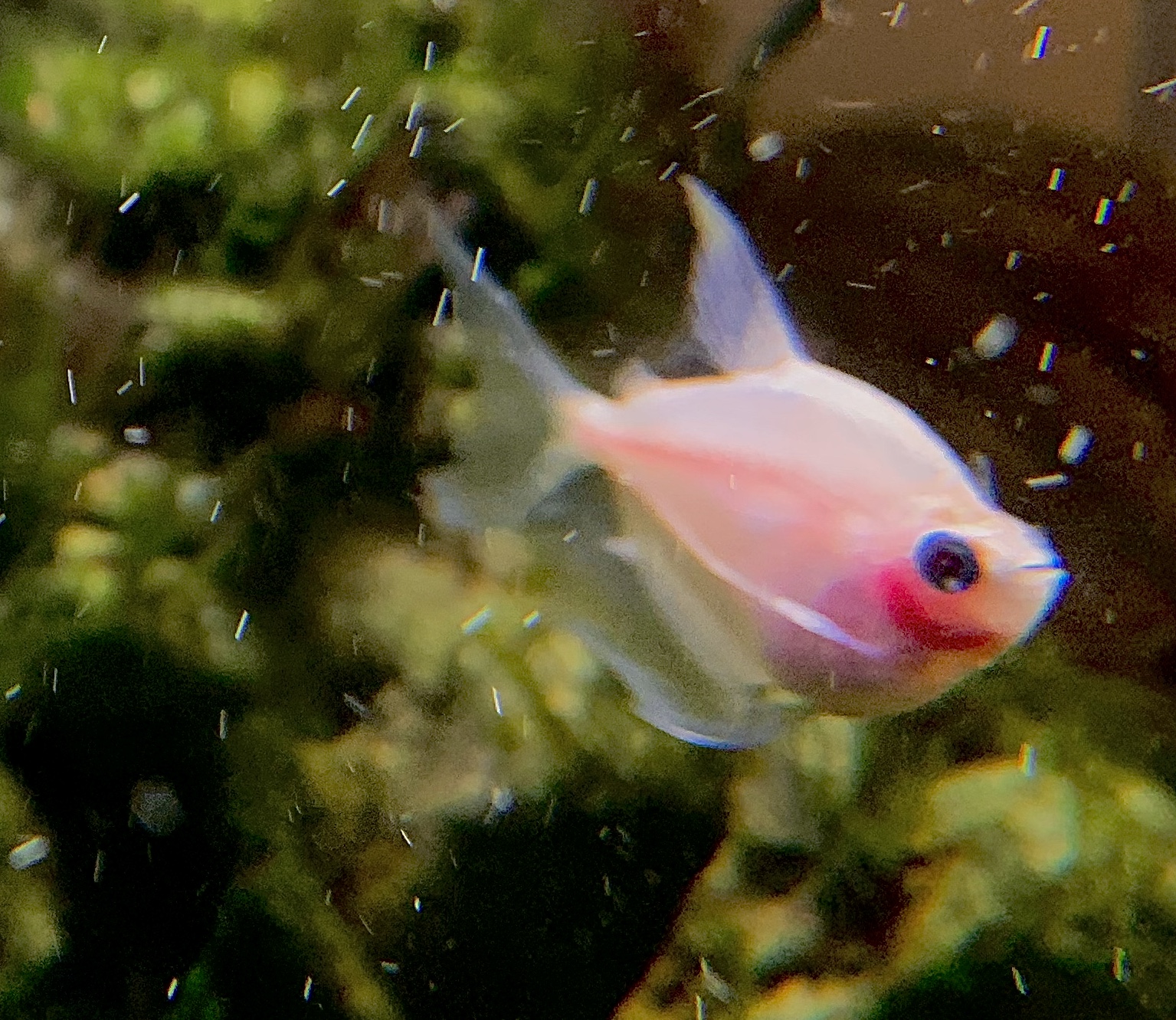
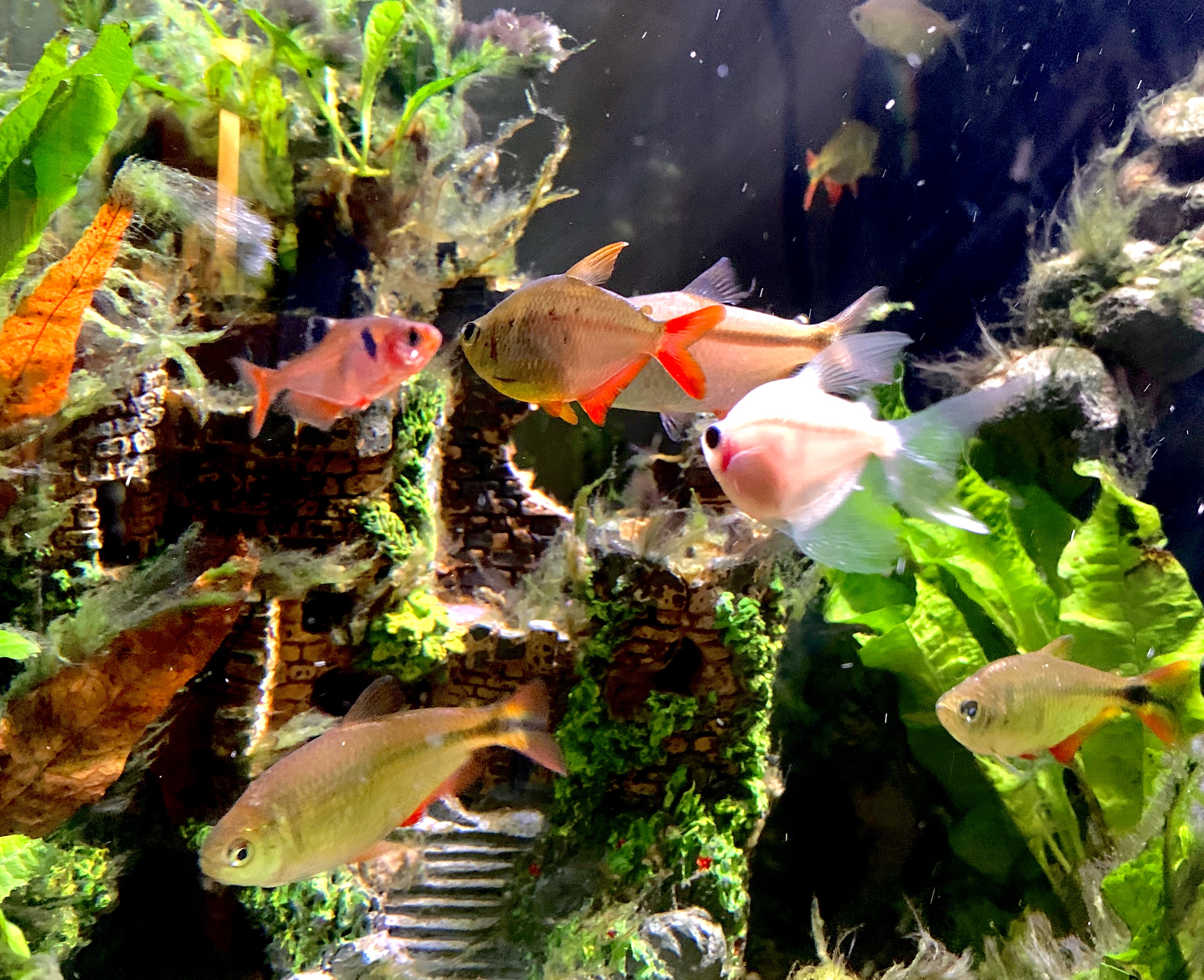
The fish are drifting calmly in their tank
between the green reeds, lit by a white glow
that passes for the sun. Blindly, the blank
glass that holds them in displays their slow
progress from end to end, familiar rocks
set into the gravel, murmuring rows
of filters, a universe the flying fox
and glass cats, Congo tetras, bristle-nose
pleocostemus all take for granted. Yet
the platys, gold and red, persist in leaping
occasionally, as if they can’t quite let
alone a possibility—of wings,
maybe, once they reach the air? They die
on the rug. We find them there, eyes open in surprise.
~Kim Addonizio “Aquarium,” from The Philosopher’s Club

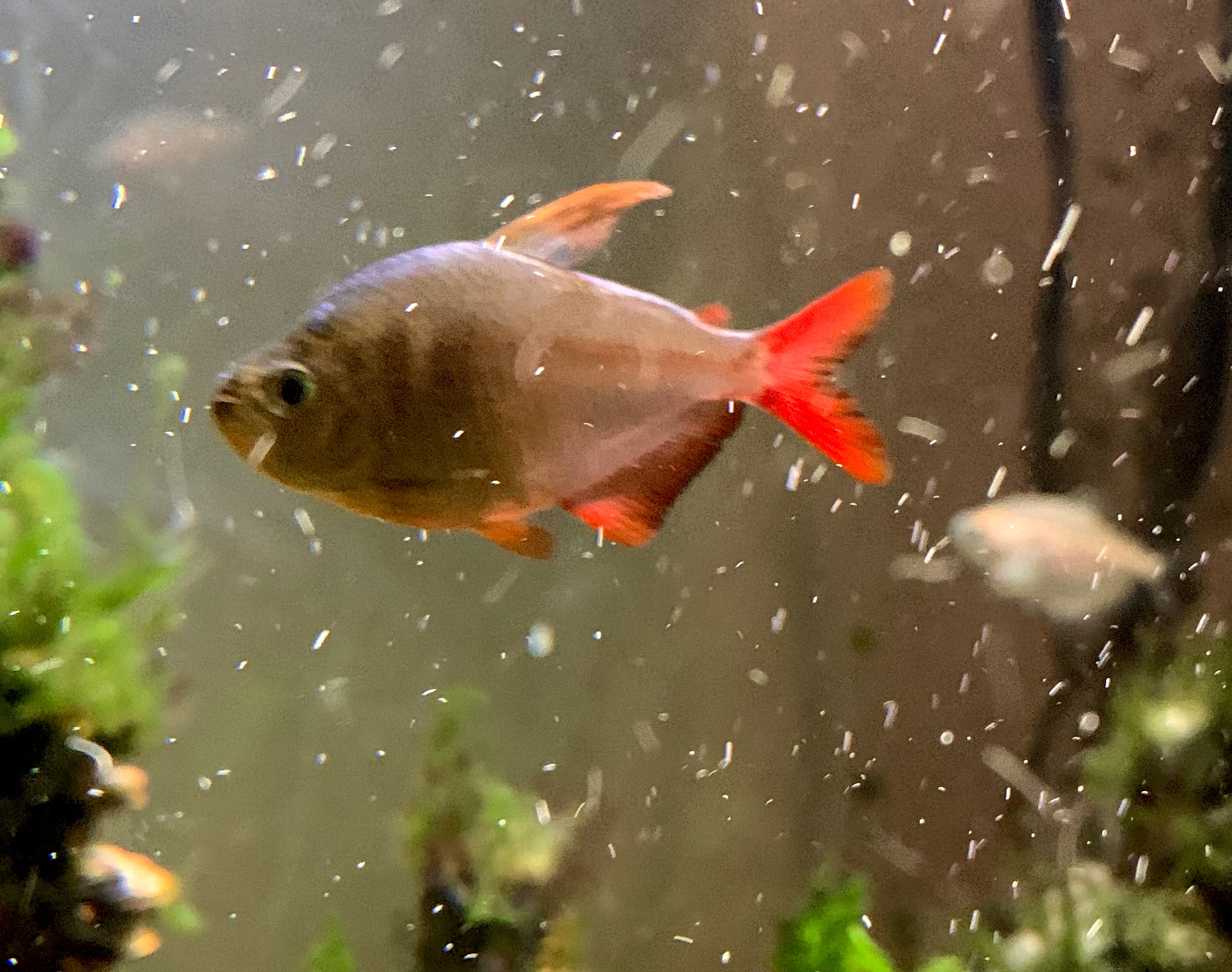
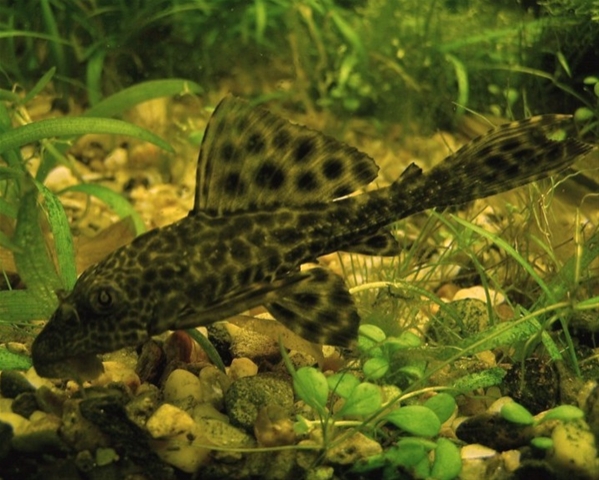
My plecostamus is dead.  Belly up on the bottom of the tank, no pulsing mouth or breathing gills. He had been official tank custodian.  Almost a foot long, with a face that only a mother could love.  I tried for ten years, I really did.  I just could not love that face.

His spiny armor and rolling eyes unnerved me. For ten long years.  He was a throwback to the dinosaur age, swimming shark-like in our living room, reminding me that mere millennia ago, creatures like him controlled the earth.  And then they were gone.  But the plecostamus remembers those days and controlled his little watery kingdom.

It was a rather pleasant relationship with him at first, when my tank was new and he was an under two inch soft little sucker fish, diligent and unobtrusive.  He alone survived two tanks springing leaks, complete with temporary quarters for a few days in 5 gallon buckets.  He survived winter storms with no electricity, so the water temperature dropped way below a level any sensible South American river fish would tolerate.  Yet he did.  He kept growing.  His fins got sharper and pokier.  He watched many other fish come and go over the years, and when they went, he helped clean up the remains so I was never sure what had happened to the missing party.  Unnerving indeed.

He was an efficient glass cleaner with his sucking lips, so I rarely had to erase the algae, like chalk from a board. When I did reach in, way past my elbow, to clean house underwater, I’d sometimes startle him from his hiding place behind the rocks or the fairy tale castle. He’d sweep by my arm with a wave of his spikey fins scratching my skin, and roll his eyes at me, indignant at the disturbance, and the implication he was not doing his job.

As he aged, I wondered a number of times if he had died, as he lay still on the bottom of the tank, rather than hiding as usual.  I would reach in tentatively with a net and brush his fins and he’d dart out from under my touch.  In his old age weariness, he began leaving algae behind on the glass, and couldn’t keep up with the house cleaning without occasional help.  I know the feeling.

And now today, after all those years, through all those tribulations, including all those times I inwardly cringed when I gazed at his homely face, he is gone, buried deep in the compost pile.   I cannot say that I will miss him.

I’m not sure I’m ready to commit to another baby plecostamus, almost cute in a soft and pliant way, if it means a long term commitment like this last one.

But then, who can I count on to do the cleaning?

Edging Closer for Company

The trees are coming into their winter bareness,
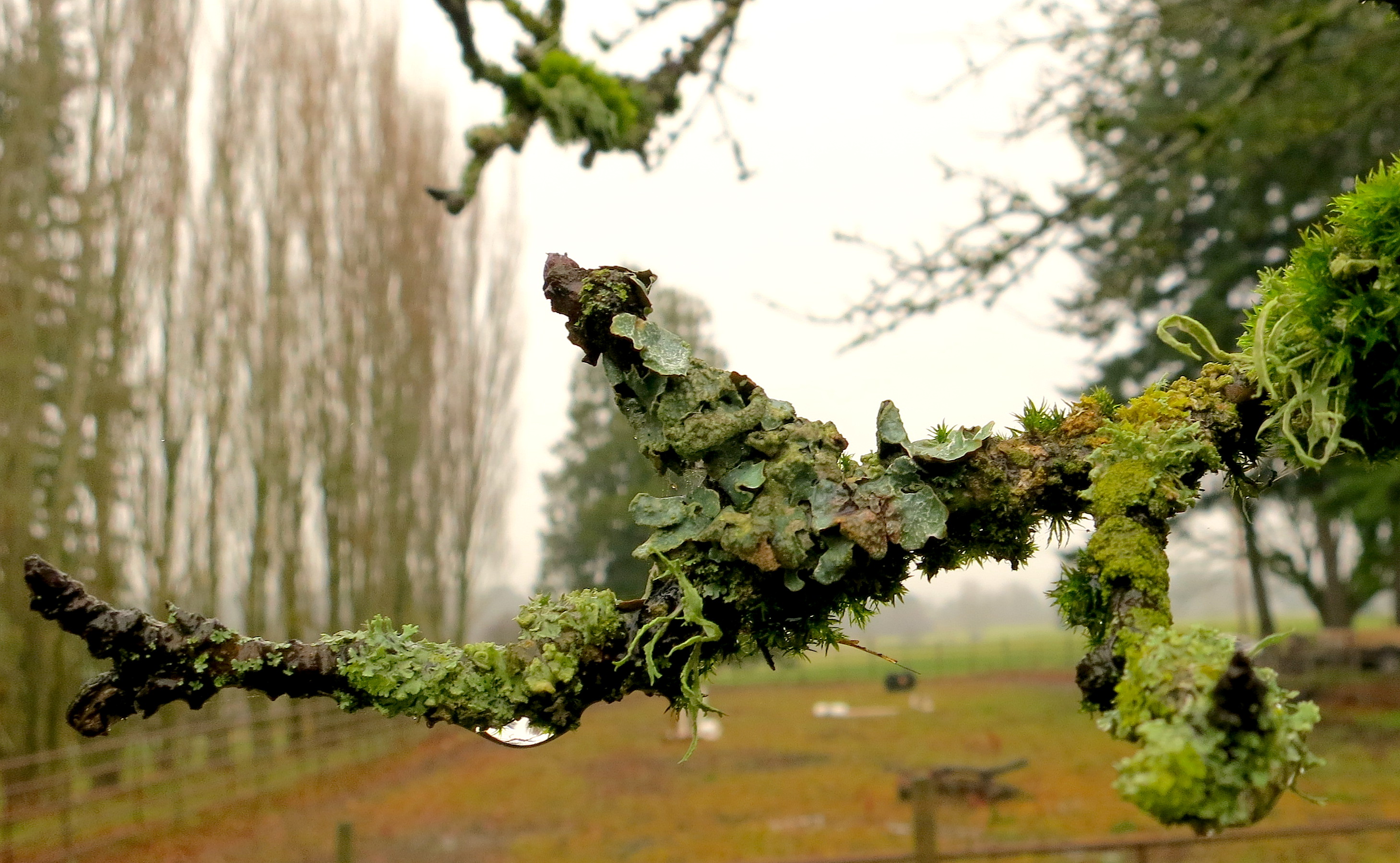
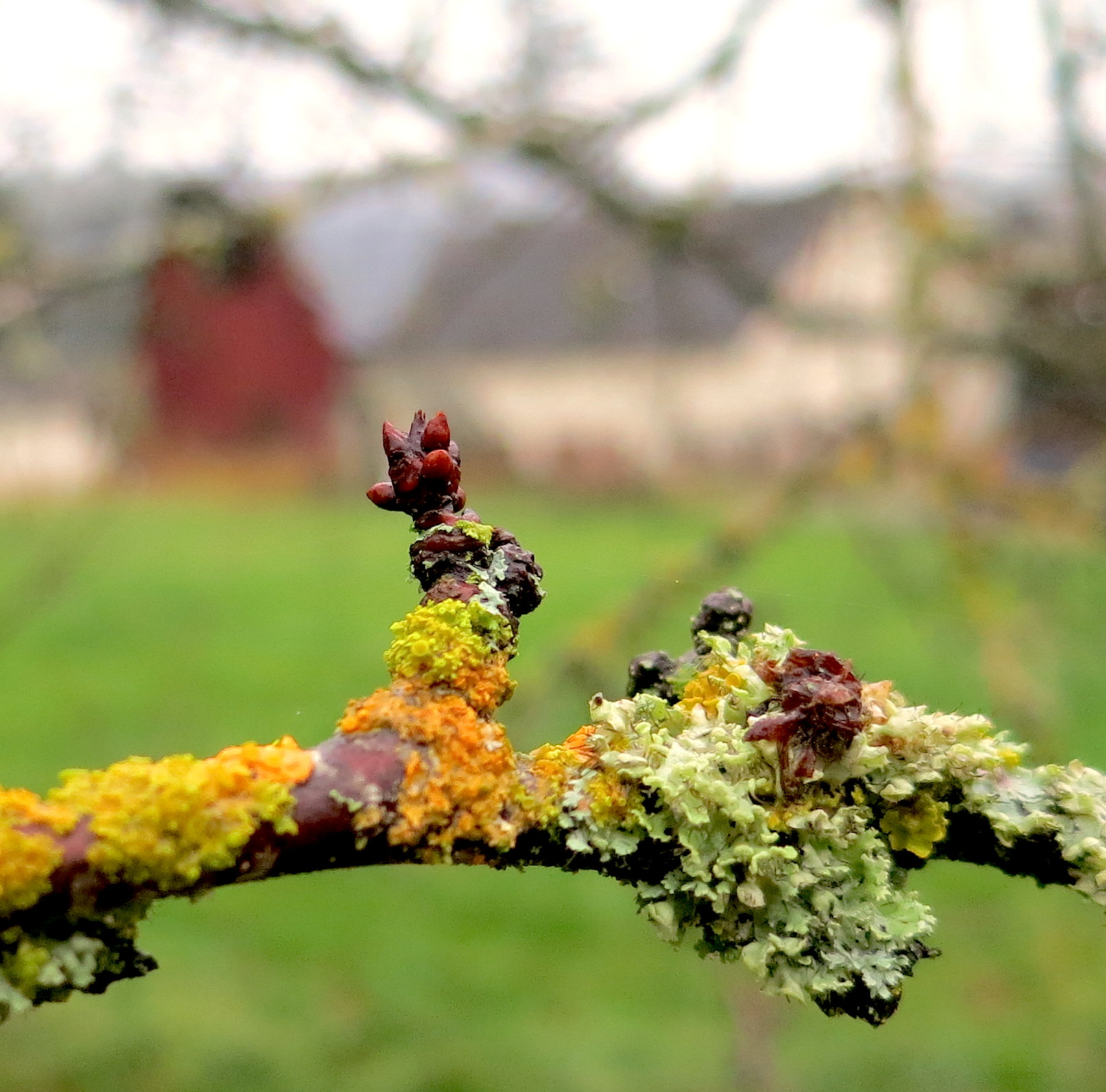
the only green is the lichen on their branches.
Against the hemlocks, the rain is falling in dim, straight lines…
This is the time of year when all the houses have come out of the woods, edging closer to the roads as if for company.
~Verlyn Klinkenborg “The Rain It Raineth”

The deciduous trees in our part of the country have all been stripped bare, having come through rain and gusty winds in the last week.  It forces typically leaf-hidden homes out of camouflage and I’m once again startled at the actual proximity of our neighbors.  It isn’t as obvious in the summer given the tree buffer everyone has carefully planted.  Now we’re reminded once again we are not alone and actually never have been.

Even the mountains that surround us from the northwest to the southeast seem closer when the trees are bare and new snow has settled on their steep shoulders.

We think we have autonomy all wrapped up but it takes the storms of autumn to remind us we are unwrapped and vulnerable, stark naked, in desperate need of company when darkness comes early, the snow flies and the lights are flickering.

photo by Nate Gibson

If you appreciate reading Barnstorming daily, consider a contribution to keep it going ad-free.

Reading This For Life

Starting here, what do you want to remember?
How sunlight creeps along a shining floor?
What scent of old wood hovers, what softened
sound from outside fills the air?

Will you ever bring a better gift for the world
than the breathing respect that you carry
wherever you go right now? Are you waiting
for time to show you some better thoughts?

When you turn around, starting here, lift this
new glimpse that you found; carry into evening
all that you want from this day. This interval you spent
reading or hearing this, keep it for life –

What can anyone give you greater than now,
starting here, right in this room, when you turn around?
~William Stafford, “You Reading This, Be Ready” from Ask Me

Nearly ten years of daily writing here in this spot:

I have met many people who I will never meet face to face but who share with me
their love of the land,
their family,
their animals
and most of all —
our Lord.

What do I want to remember?

Mostly, I want to remember your light and love as it finds its way through the darkest and thorniest corners of my life:

a kind word, a silent tear, a crooked smile, a whispered prayer.

What do I want you to remember having visited here?

I want you to remember
there is warmth in these words
and colors in these photos
that don’t come close to what it is like for real.

Mostly, I want you to know that each morning,
I send out this love to hundreds I’ll never meet,
but who are nevertheless my Barnstorming brothers and sisters.

Carry me with you and pass the light forward.
You never know where it might end up.

This Momentous Giving

To be amazed by love is not to be blinded but
to let the flare of wonder fill you
like air filling a sail.


Isn’t this the voice of God at work?

Even his silence breathes life into you, a golden sigh as fresh
as Eden. To love someone is not to lose anything,
but to gain it in giving it all away.
~Luci Shaw from “Amazed by Love” in Water Lines

Lovers must not live for themselves alone. 
They must finally turn their gaze at one another
back toward the community. 
If they had only themselves to consider,
lovers would not need to marry,
but they must think of others and of other things. 
They say their vows to the community as much as to one another,
and the community gathers around them
to hear and to wish them well, on their behalf and on its own. 


It gathers around them because it understands how necessary,
how joyful, and how fearful this joining is. 
These lovers, pledging themselves to one another “until death,”
are giving themselves away… 
Lovers, then, “die” into their union with one another
as a soul “dies” into its union with God. 


And so, here, at the very heart of community life,
we find … this momentous giving. 
If the community cannot protect this giving,
it can protect nothing—and our time is proving that this is so.
~Wendell Berry from Sex, Economy, Freedom & Community

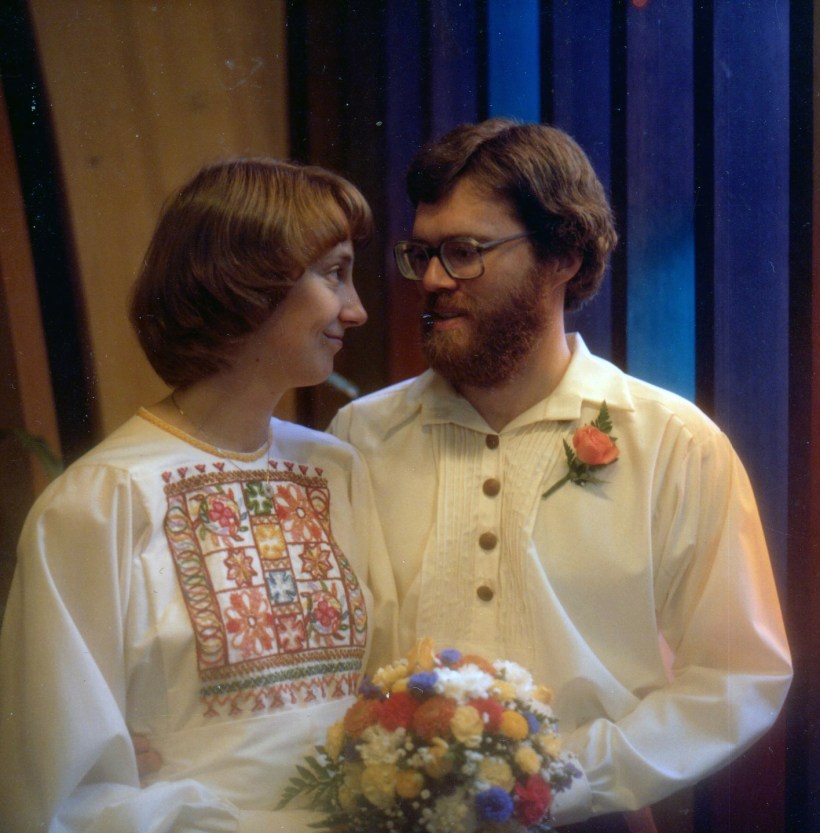
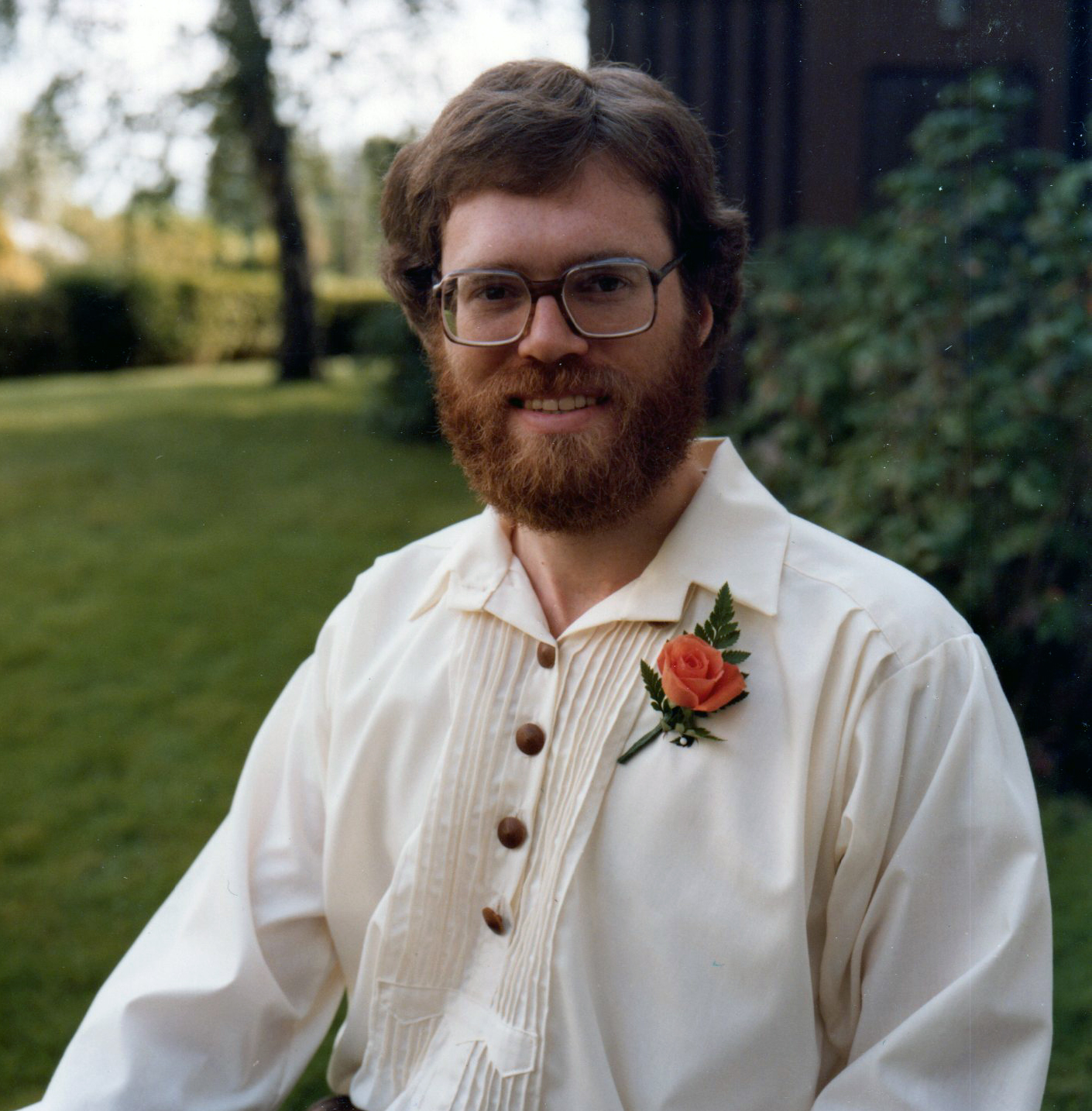
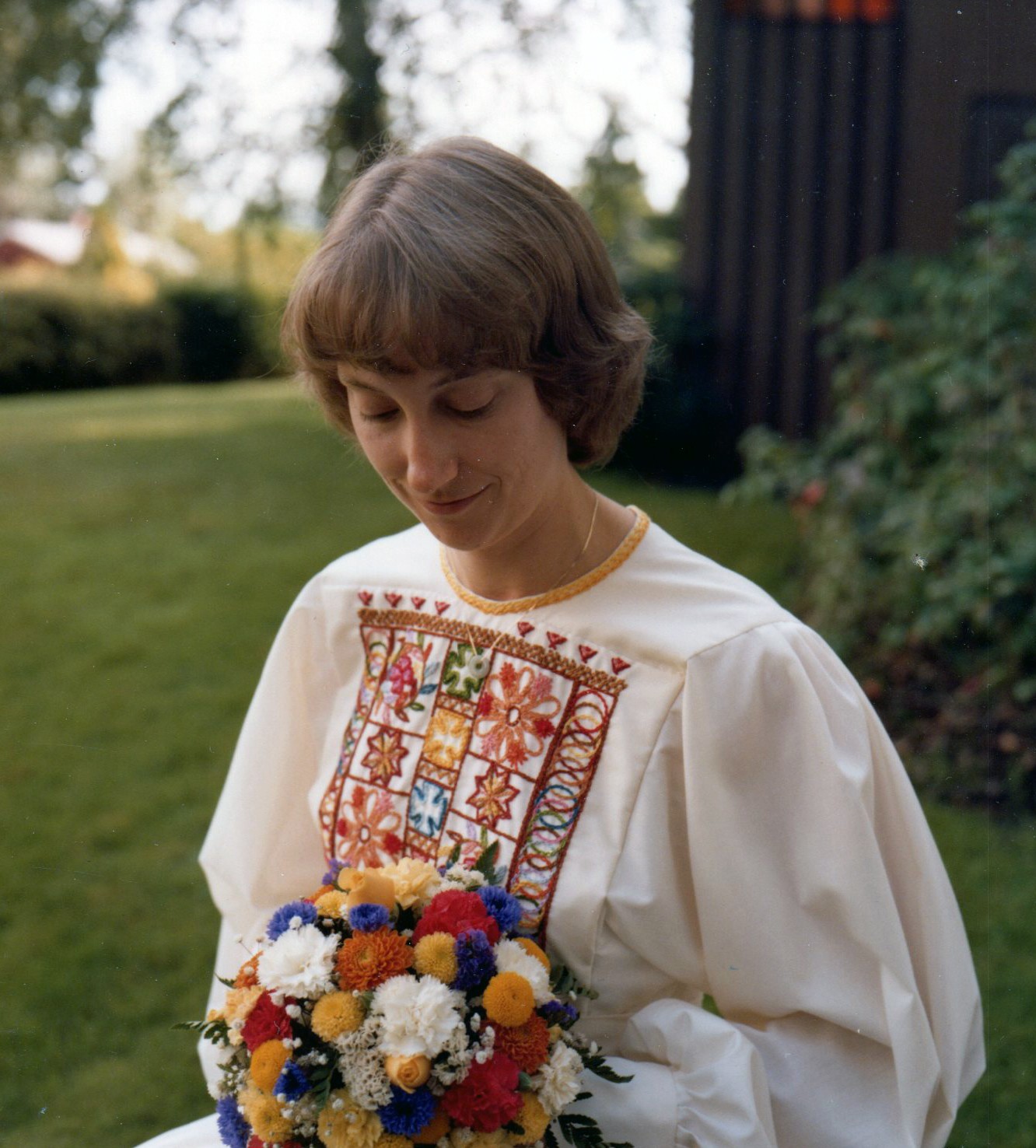
Before God and this gathering, I vow from my heart and spirit that I will be your wife/husband for as long as we both shall live.

I will love you with faithfulness, knowing its importance in sustaining us through good times and bad.

I will love you with respect, serving your greatest good and supporting your continued growth.

I will love you with compassion, knowing the strength and power of forgiveness.

I will love you with hope, remembering our shared belief in the grace of God and His guidance of our marriage.

“And at home, by the fire, whenever you look up, there I shall be–and whenever I look up, there will be you.”

(our wedding vows for our September 19, 1981 wedding at First Seattle Christian Reformed Church — the last line adapted from Thomas Hardy’s  “Far From the Madding Crowd”)