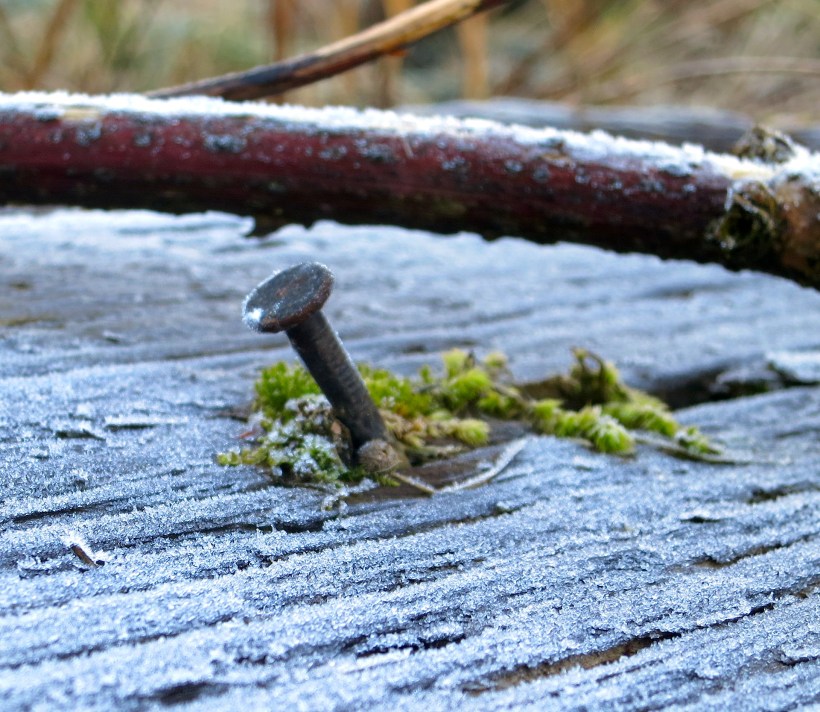
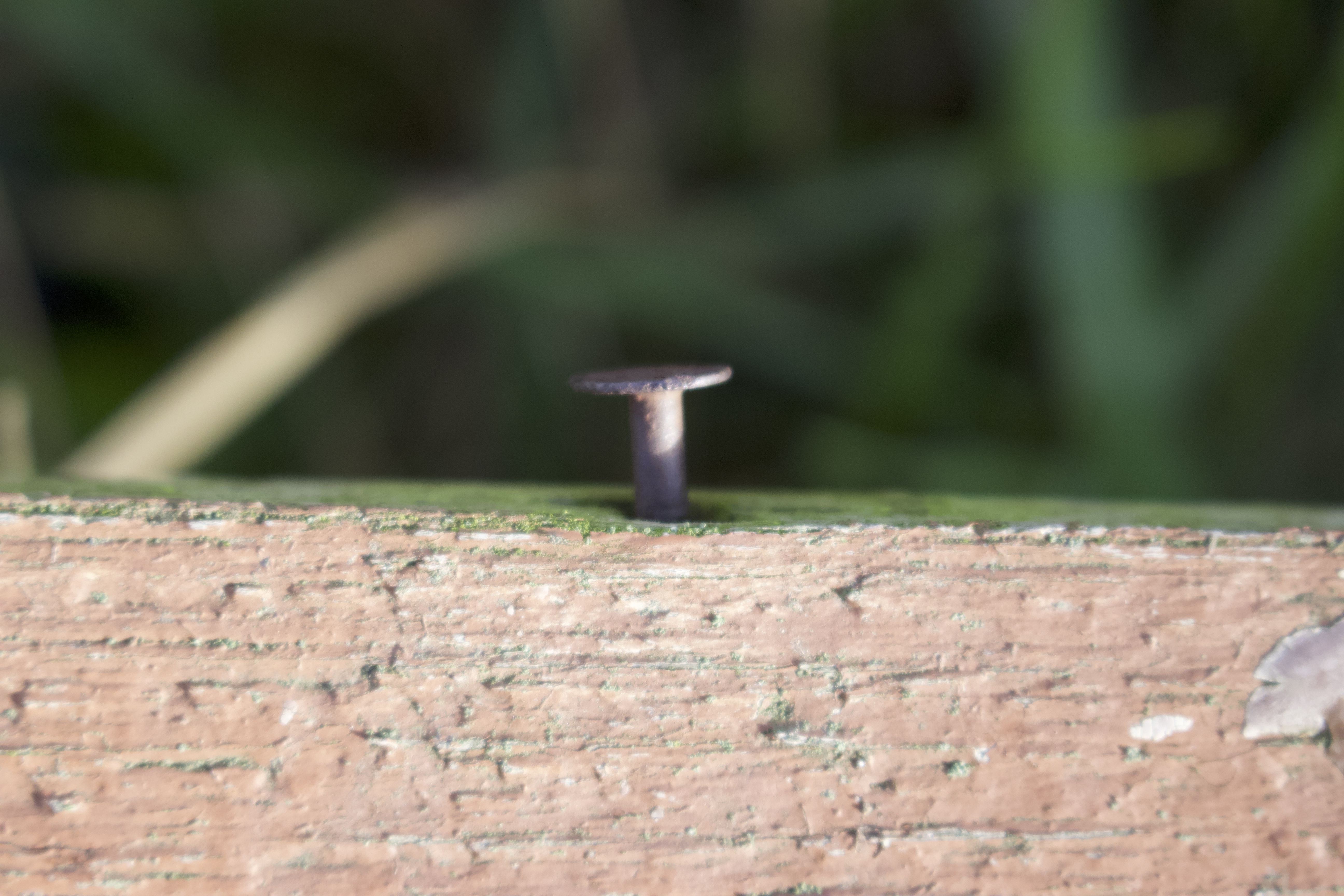
Where You Go, I Will Go: The Mourning Bench

…we all suffer.
For we all prize and love;
and in this present existence of ours,
prizing and loving yield suffering.
Love in our world is suffering love.


Some do not suffer much, though,
for they do not love much.
Suffering is for the loving.
This, said Jesus, is the command of the Holy One:
“You shall love your neighbor as yourself.”
In commanding us to love, God invites us to suffer
.

Over there, you are of no help.
What I need to hear from you is that you recognize how painful it is.
I need to hear from you that you are with me in my desperation.


To comfort me, you have to come close.
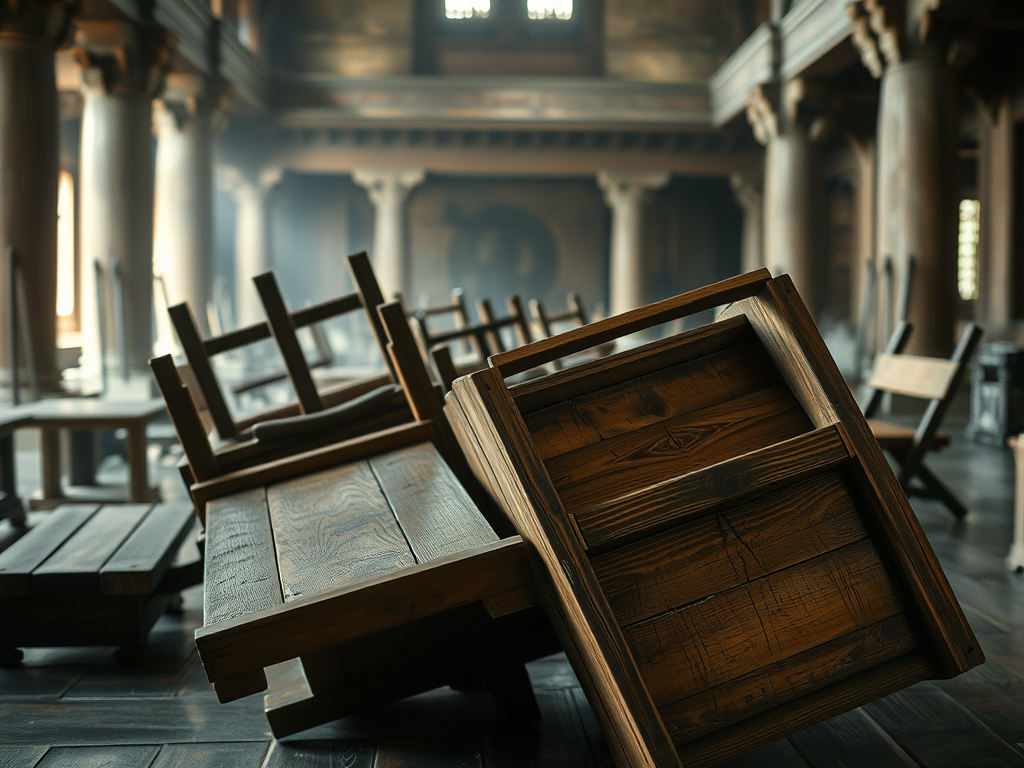
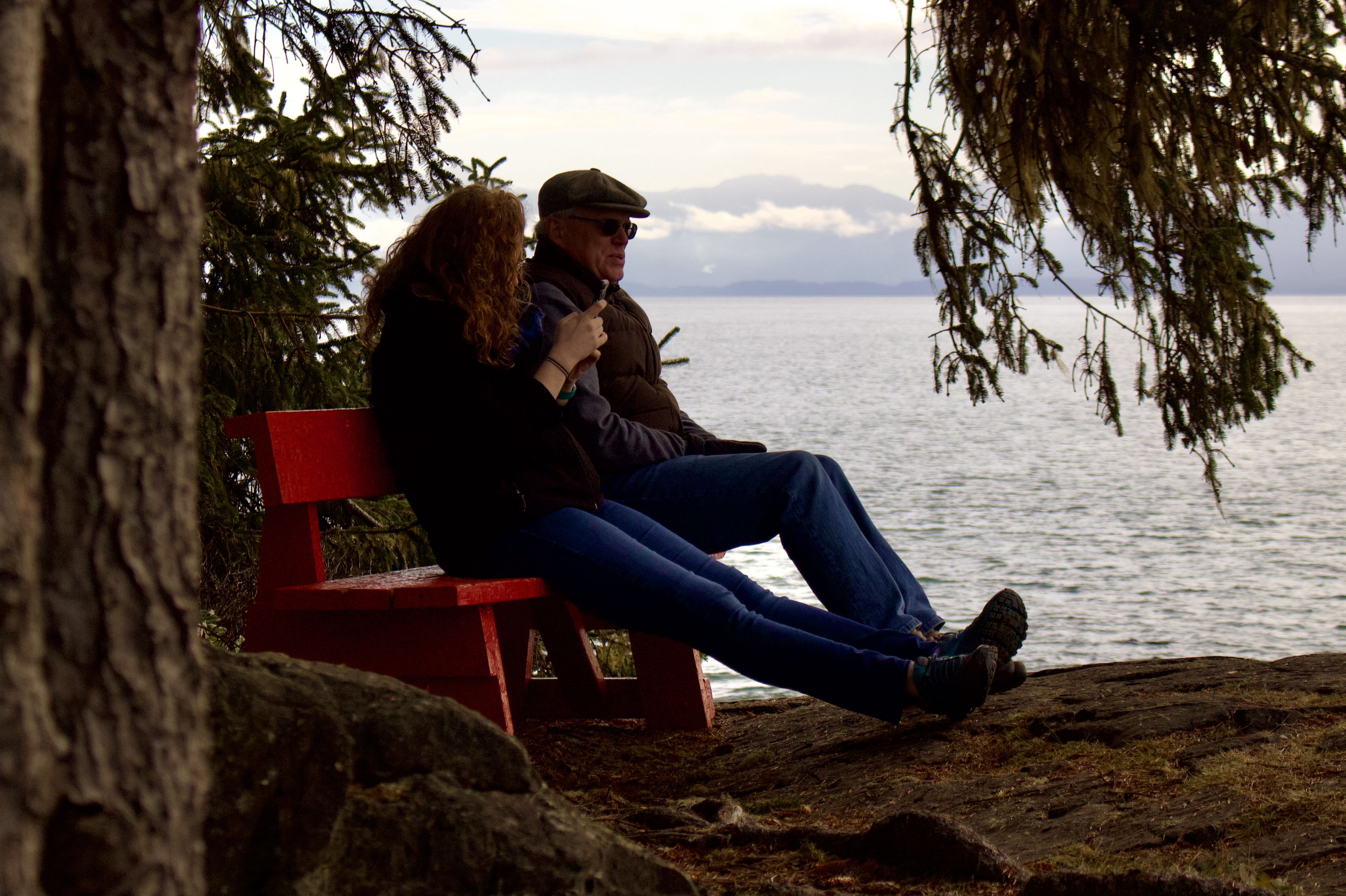
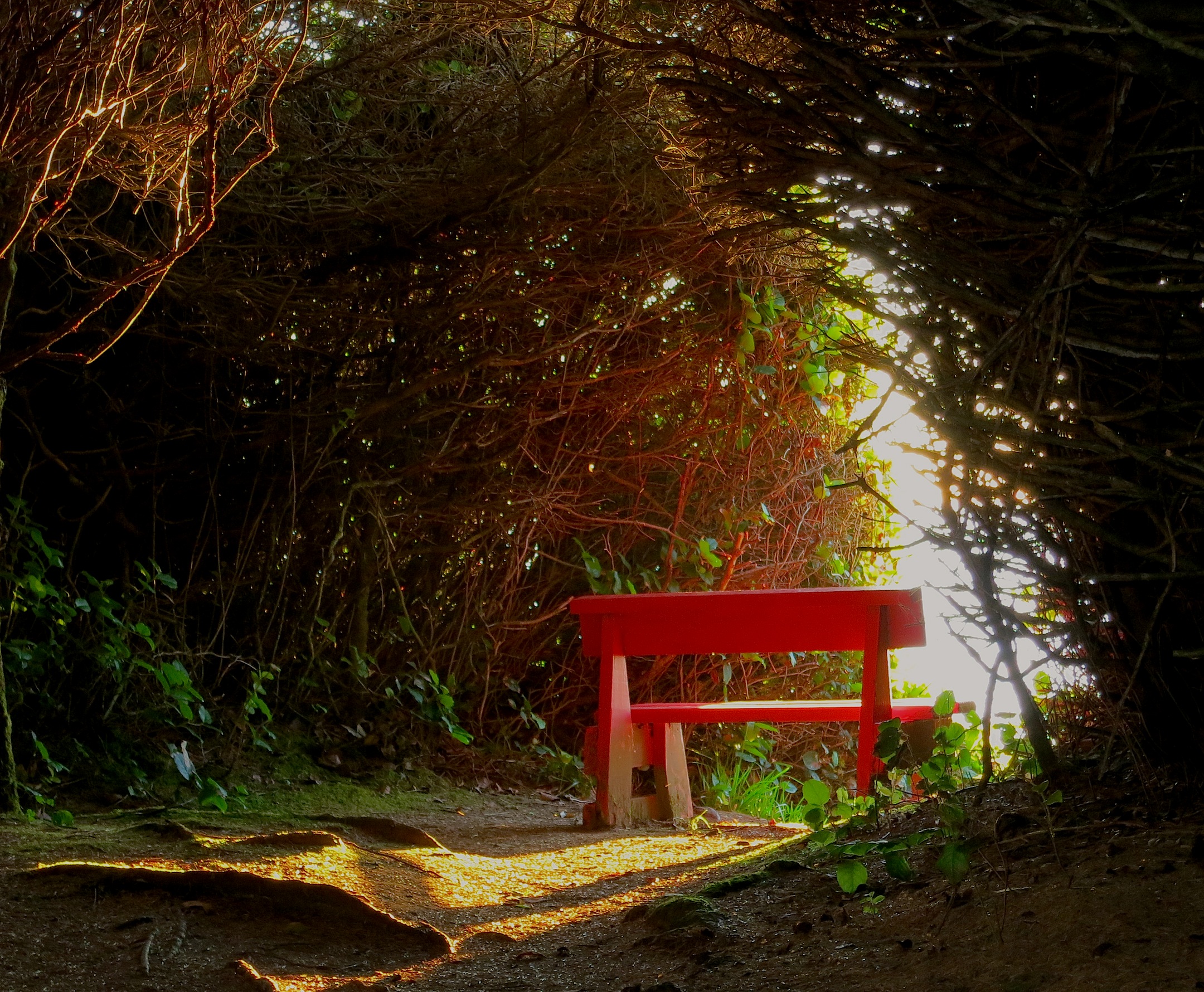
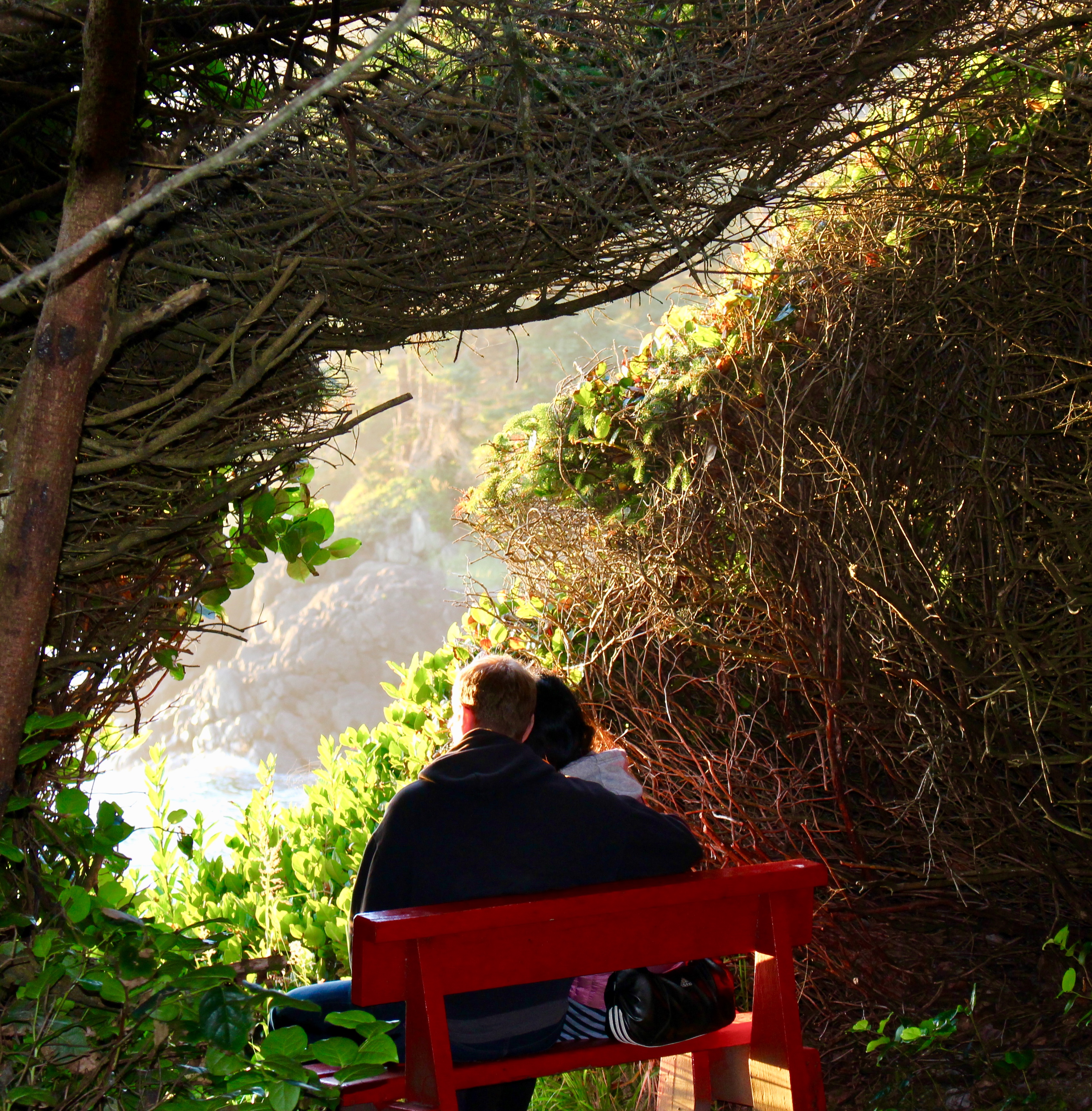
Come sit beside me on my mourning bench.
~Nicholas Wolterstorff from Lament for a Son

I wondered if 7:30 AM was too early to call her. As a sleep-deprived fourth year medical student finishing a long night admitting patients in the hospital, I selfishly needed to hear her voice.

I wanted to know how Margy was doing with the latest round of chemotherapy for breast cancer; I knew she was not sleeping well these days. She was wearing a new halo brace—a metal contraption that wrapped around her head like a scaffolding to secure her degenerating cervical spine from collapsing from metastatic tumor growths in her bones.

She knew, we all knew, she was trying to buy more time from a life of rapidly diminishing days.

Each patient I had seen the previous 24 hours while working in the Emergency Room benefited from the interviewing skills Margy had taught each medical student in our class. She reminded us that each patient had an important story to tell, and no matter how pressured our time, we needed to ask questions that gave permission for that story to be told. As a former nun now married with two teenage children, Margy had become our de facto therapist at a time no medical school hired supportive counselors.

She insisted physicians-in-training remember the suffering soul thriving inside the broken body.

“Just let the patient know with certainty, through your eyes, your body language, your words, that you want to hear what they have to say. You can heal so much hurt simply by sitting beside them and caring enough to listen…”

After her diagnosis with stage 4 cancer, Margy herself became the broken vessel who needed the glue of a good listener. She continued to teach, often from her bed at home. I planned to visit her that day, maybe help out by cleaning her house, or take her for a drive as a diversion.

Her phone rang only once after I dialed her number. There was a long pause; I could hear a clearing of her throat. A deep dam of tears welled behind a muffled “Hello?”

“Margy?”

“Yes? Emily? ”

“Margy? What is it? What’s wrong?”

Her voice shattered like glass into fragments, strangling on words that struggled to form.

“Gordy’s gone, Emily. He’s gone. He’s gone forever…”

“What? What are you saying?”

“A policeman just left. He told us our boy is dead.”

I sat in stunned silence, listening to her sobs, completely unequipped to know how to respond.

None of this made sense. I knew her son was on college spring break, heading to Mexico for a missions trip.

“I’m here, what’s happened?”

“The doorbell rang about an hour ago. Larry got up to answer it. I heard him talking to someone downstairs, so I decided to try to get up and go see what was going on. There was a policeman sitting with Larry on the couch. I knew it had to be about Gordy.”

She paused and took in a shuddering breath.

“The group was driving through the night in California. He was asleep in the back of the camper. They think he was sleepwalking and walked right out of the back of the moving camper and was hit by another car.”

Silence.  A strangling choking silence.

“They’ll bring him home to me, won’t they? I need to know I can see my boy again. I need to tell him how much I love him.”

“They’ll bring him home to you, Margy.
I’m on my way to help you get ready…

God is not only the God of the sufferers
but the God who suffers. …
It is said of God that no one can behold his face and live.
I always thought this meant
that no one could see his splendor and live.
A friend said perhaps it meant
that no one could see his sorrow and live.
Or perhaps his sorrow is splendor. …
Instead of explaining our suffering, God shares it.

~Nicholas Wolterstorff from Lament for a Son

This year’s Lenten theme:

…where you go I will go…
Ruth 1:16

One-Time
Monthly
Yearly

Make a one-time or recurring donation to support daily Barnstorming posts

Make a monthly donation

Make a yearly donation

Choose an amount

$10.00
$25.00
$50.00
$5.00
$15.00
$100.00
$5.00
$15.00
$100.00

Or enter a custom amount

$

Your contribution is deeply appreciated.

Your contribution is appreciated.

Your contribution is appreciated.

DonateDonate monthlyDonate yearly
Where You Go, I Will Go: An Ache Like Homesickness

When I was a child
I once sat sobbing on the floor
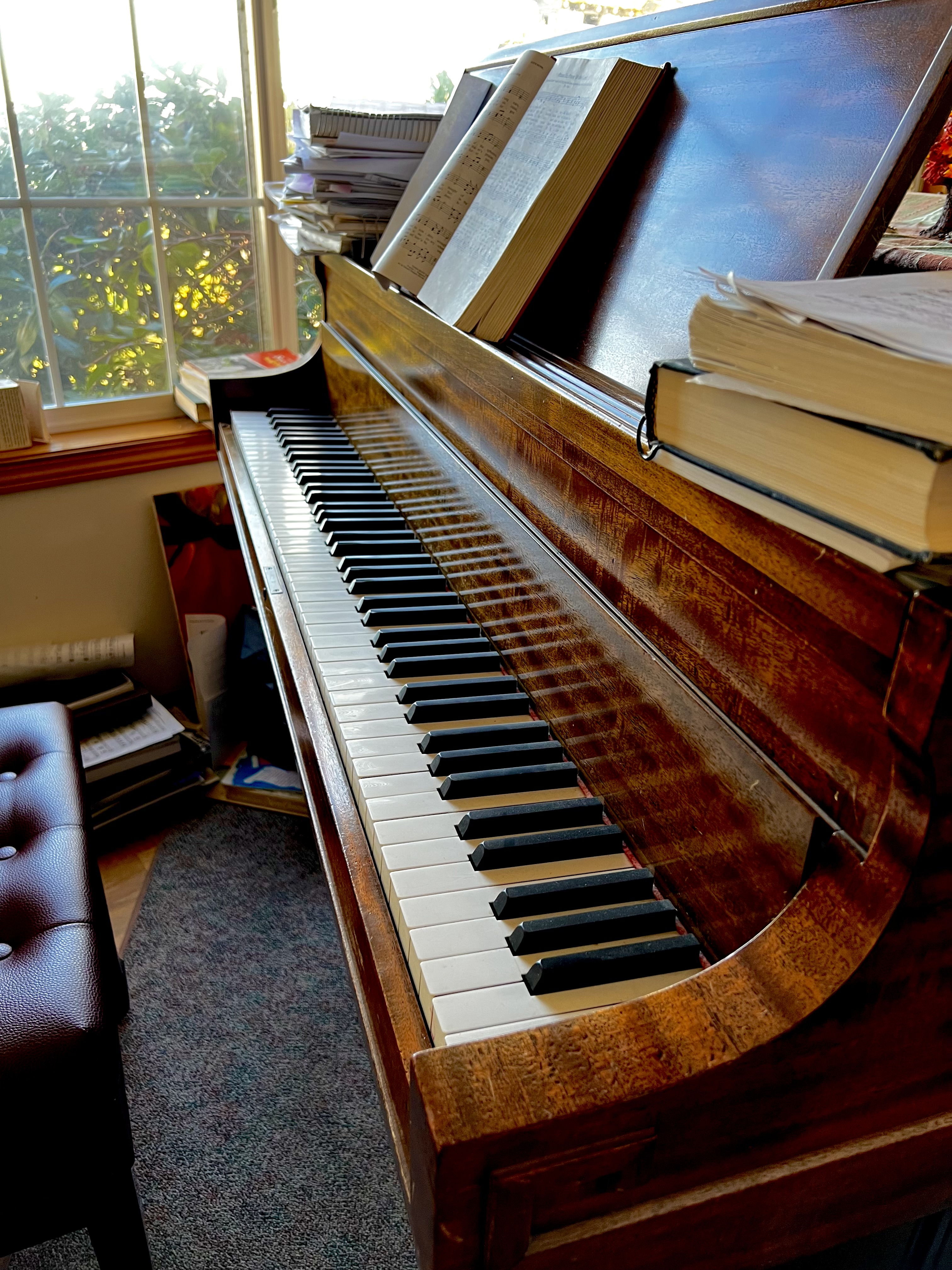
Beside my mother’s piano
As she played and sang
For there was in her singing
A shy yet solemn glory
My smallness could not hold

And when I was asked
Why I was crying
I had no words for it
I only shook my head
And went on crying

Why is it that music
At its most beautiful
Opens a wound in us
An ache a desolation
Deep as a homesickness
For some far-off
And half-forgotten country

I’ve never understood
Why this is so

But there’s an ancient legend
From the other side of the world
That gives away the secret
Of this mysterious sorrow

For centuries on centuries
We have been wandering
But we were made for Paradise
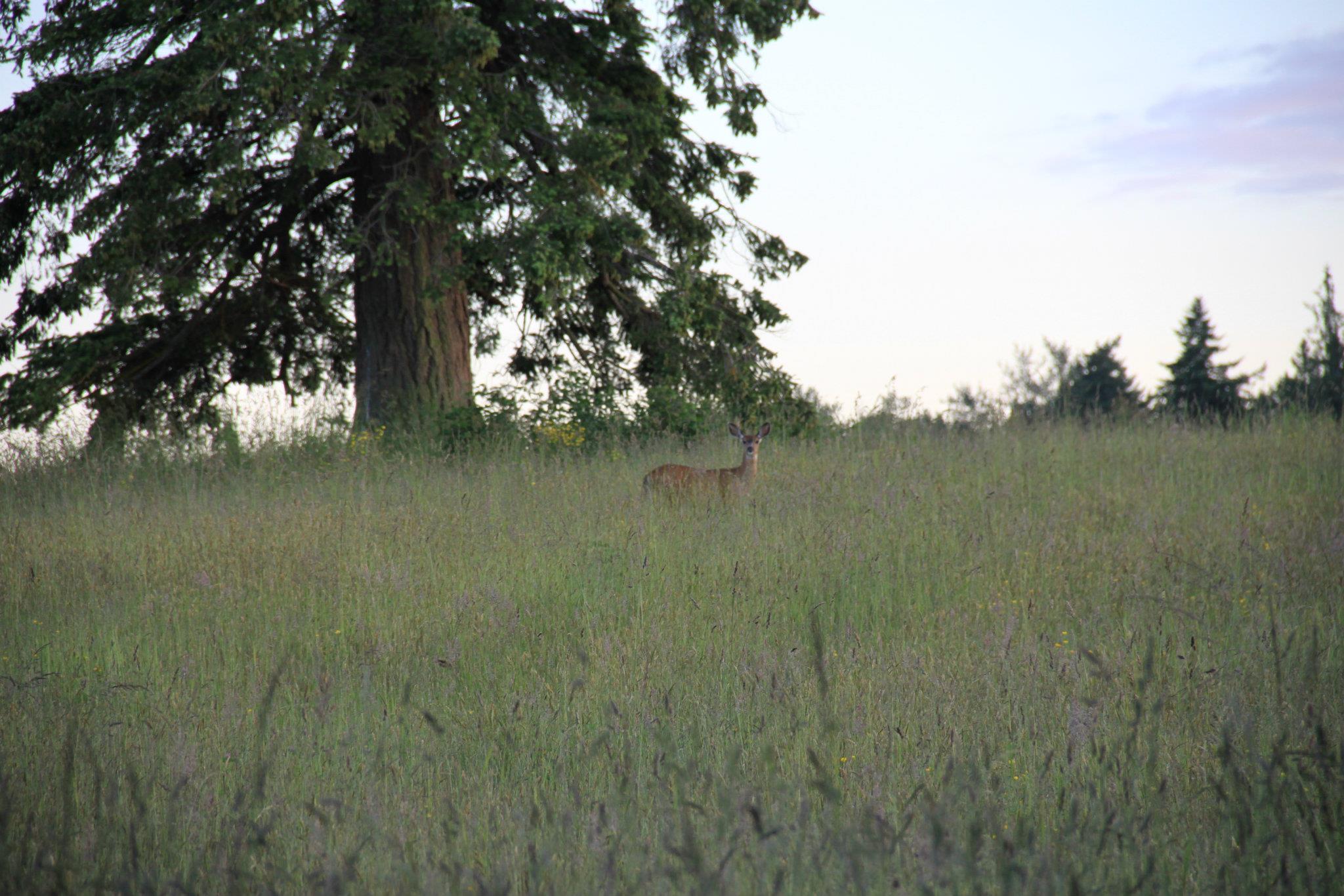
As deer for the forest

And when music comes to us
With its heavenly beauty
It brings us desolation
For when we hear it
We half remember
That lost native country

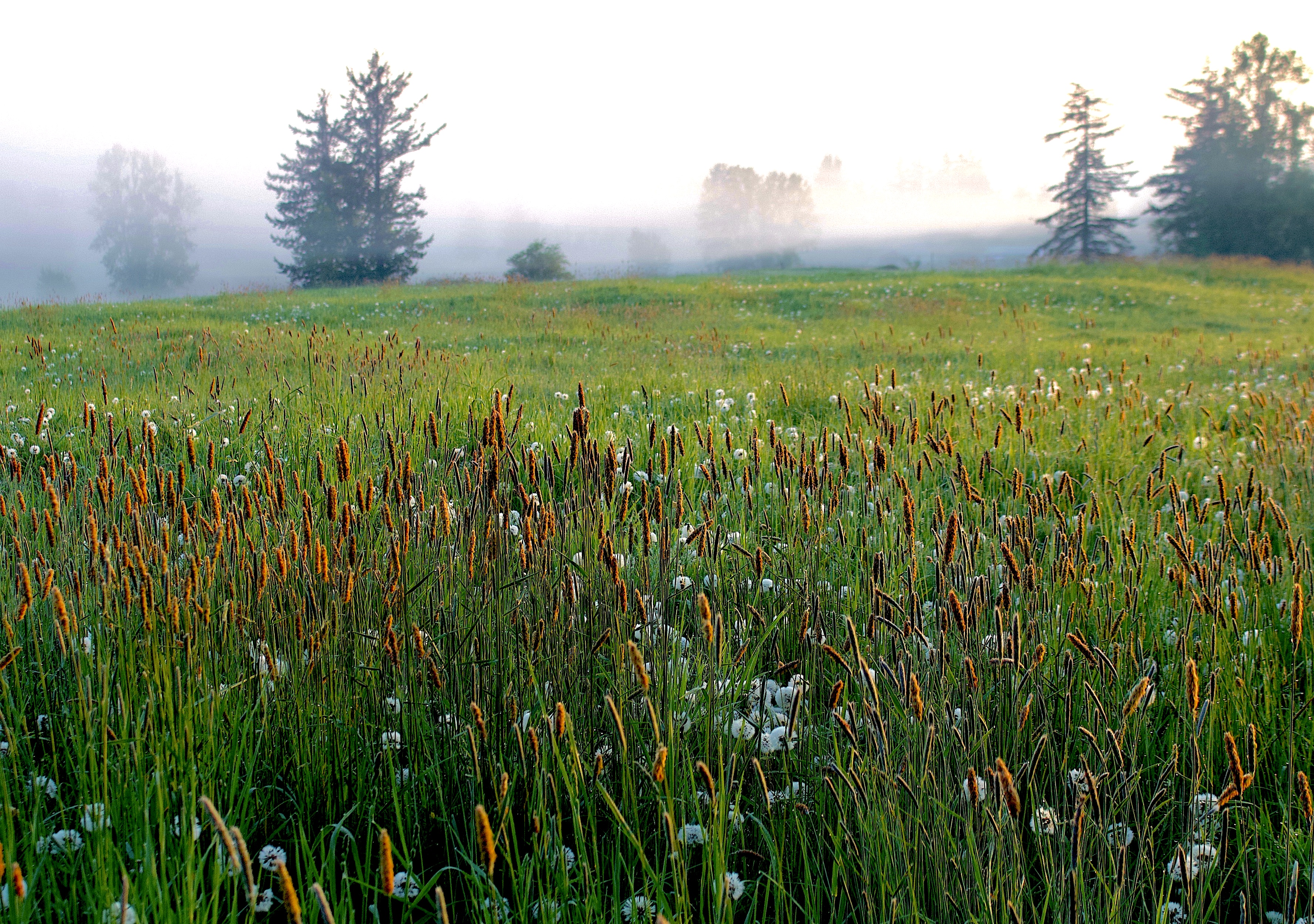
We dimly remember the fields
Their fragrant windswept clover
The birdsongs in the orchards
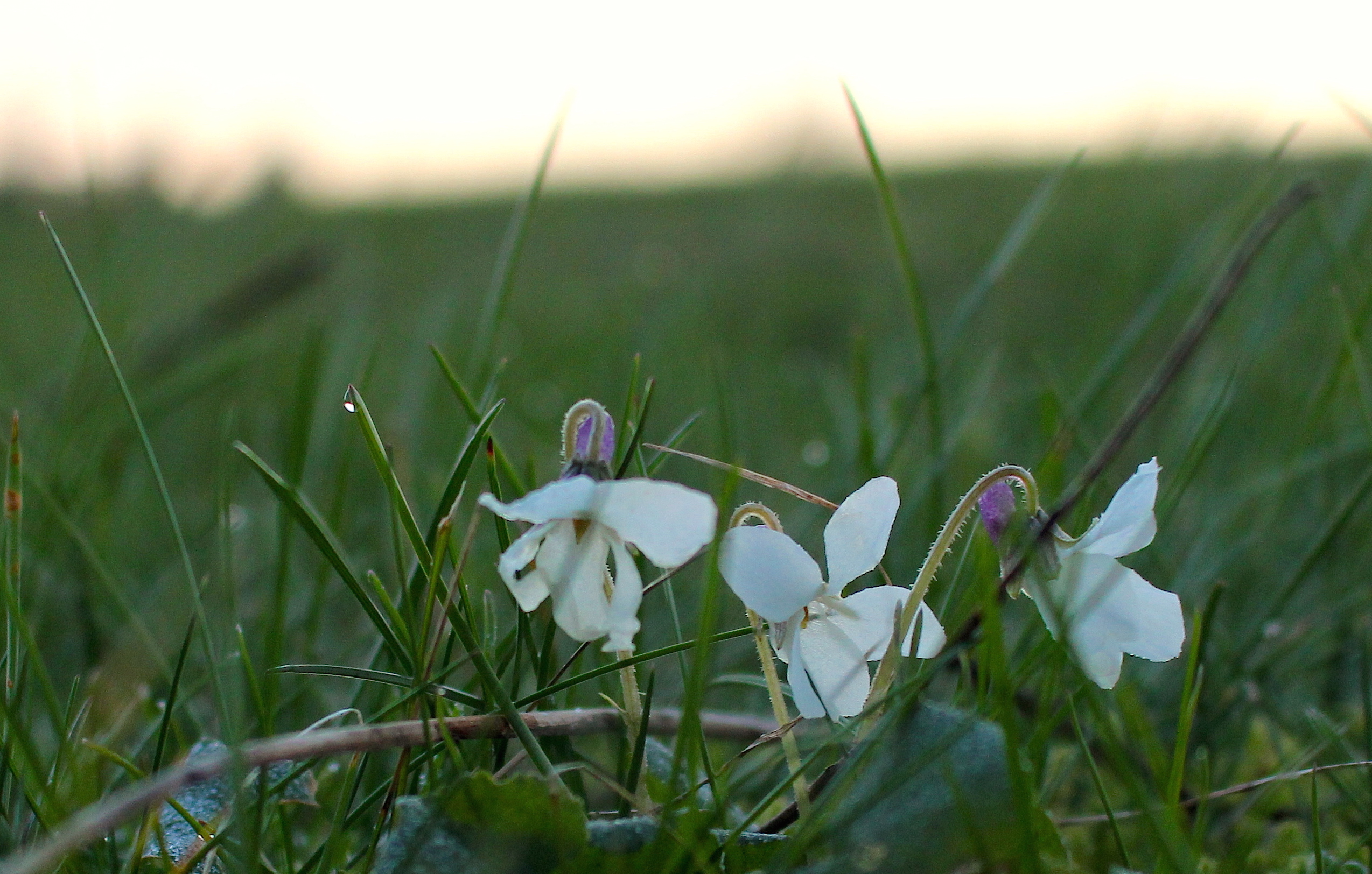
The wild white violets in the moss
By the transparent streams

And shining at the heart of it
Is the longed-for beauty
Of the One who waits for us
Who will always wait for us
In those radiant meadows

Yet also came to live with us
And wanders where we wander.
~Anne Porter “Music” from Living Things

One evening, when our daughter was only a toddler,
just learning the words to tell us what she needed,
I was preparing dinner, humming to
a choral music piece playing in the background.

She sat on the kitchen floor, looking up at me,
her eyes welling full with tears
like pools of reflected light spilling over
from some deep-remembered reservoir.

At first I thought she was hurt or upset
but then could see she was feeling
an ache a desolation
deep as a homesickness
as she wept for wonder
at the sad beauty of the music
that spoke for her
the words she could not express:

Of the One who waits for us
Who will always wait for us
In those radiant meadows

Yet also came to live with us
And wandered where we wander.

For our present troubles are small and won’t last very long. Yet they produce for us a glory that vastly outweighs them and will last forever! So we don’t look at the troubles we can see now; rather, we fix our gaze on things that cannot be seen. For the things we see now will soon be gone, but the things we cannot see will last forever
2Corinthians 4:17-18

This year’s Lenten theme:

…where you go I will go…
Ruth 1:16

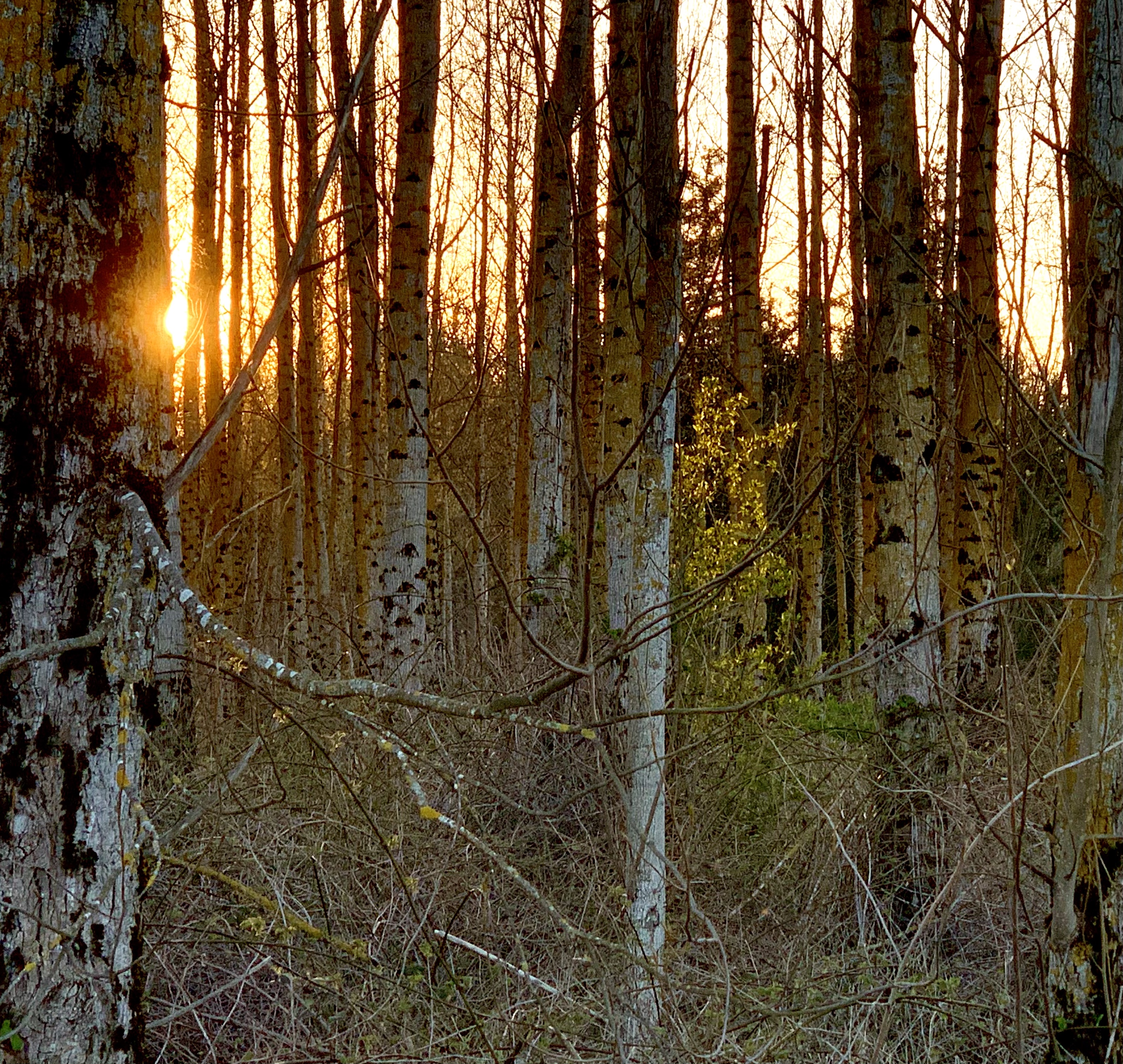
AI image created for this post
One-Time
Monthly
Yearly

Make a one-time or recurring donation to support daily Barnstorming posts

Make a monthly donation

Make a yearly donation

Choose an amount

$10.00
$25.00
$50.00
$5.00
$15.00
$100.00
$5.00
$15.00
$100.00

Or enter a custom amount

$

Your contribution is deeply appreciated.

Your contribution is appreciated.

Your contribution is appreciated.

DonateDonate monthlyDonate yearly
Where You Go, I Will Go: What is this Quintessence of Dust?

What a piece of work is a man!
And yet, to me, what is this quintessence of dust?
~ William Shakespeare – Hamlet’s soliloquy

God –
the God who made the dust,
who made the stars,
who made the elements of which we are composed –
that same God chooses from the beginning to make his dwelling among us,

to live for all time like us,
as a servant of the soil.
I am the dust of the earth,
but God declares that he is not too good,
not too proud,
for my dustiness.
~Daniel Stulac from
 Plough Quarterly No. 4: Earth

What I know for sure is this:
We come from mystery and we return to mystery.
I arrived here with no bad memories of wherever I’d come from,
so I have no good reason to fear the place to which I’ll return.
And I know this, too:

Standing closer to the reality of death
awakens my awe at the gift of life.
~Parker Palmer “On the Brink of Everything

 …I do nothing, I give You
nothing. Yet You hold me

minute by minute
from falling.

~Denise Levertov from Psalm Fragments (Schnittke String Trio), in The Stream and the Sapphire

This dust left of man:
earth, air, water and fire
prove inadequate
to quell the significance of how,
in spoken words at the beginning,
this dust became us, and
how, forevermore,
this is holy dust we leave behind.

We are held secure from falling
by transcendent hope
of eternal life,
restored by a glory
breathed into us –
such a piece of work we are
the plainest of ash.

This year’s Lenten theme:

…where you go I will go…
Ruth 1:16

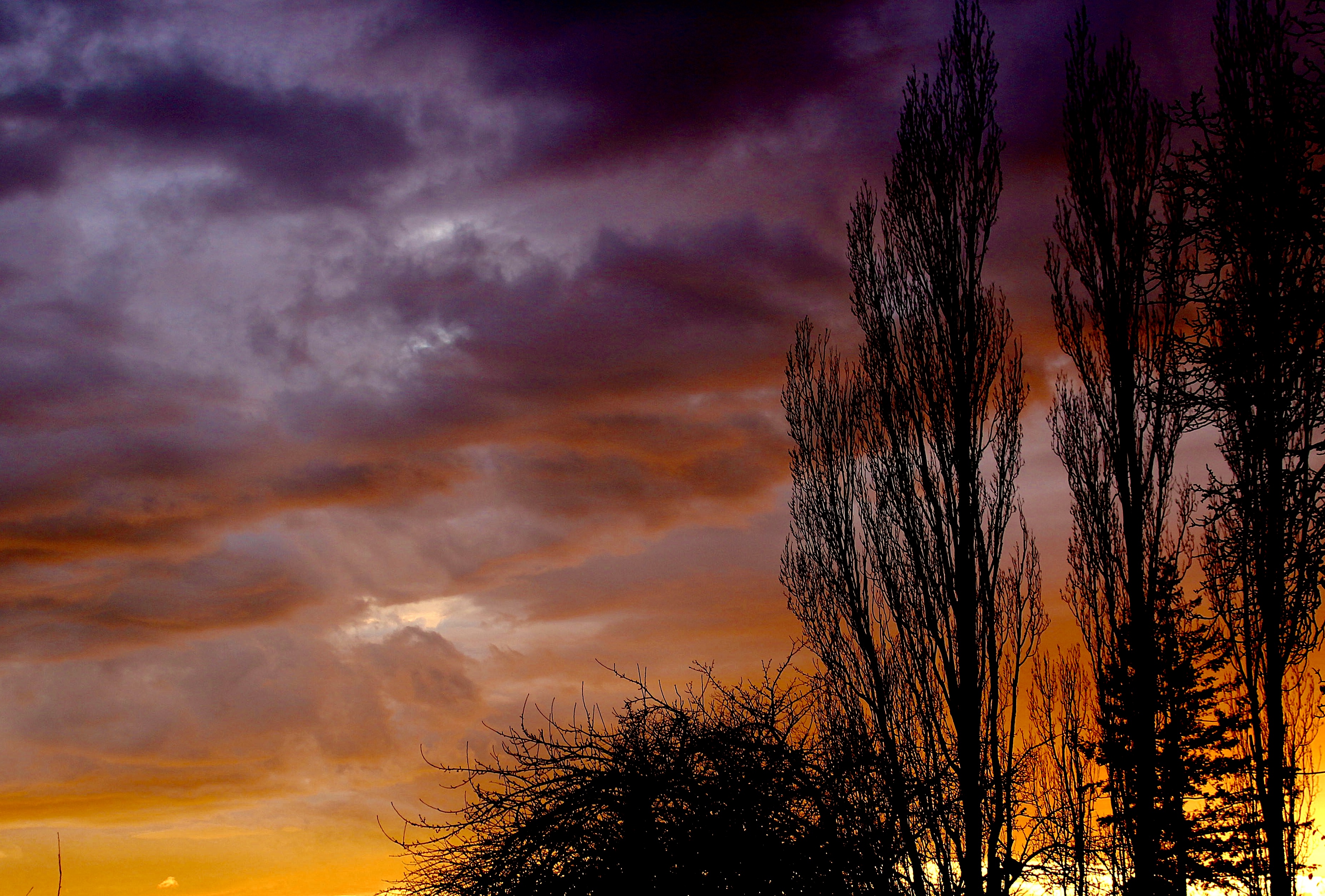
AI image created for this post
One-Time
Monthly
Yearly

Make a one-time or recurring donation to support daily Barnstorming posts

Make a monthly donation

Make a yearly donation

Choose an amount

$10.00
$25.00
$50.00
$5.00
$15.00
$100.00
$5.00
$15.00
$100.00

Or enter a custom amount

$

Your contribution is deeply appreciated.

Your contribution is appreciated.

Your contribution is appreciated.

DonateDonate monthlyDonate yearly

Inviting Back the Killers of Yesteryear

Texas has been in the news as the origin of the most recent rubeola measles outbreak, continuing to spread with over 124 cases recorded and one child’s death.  This morning, travelers are informed they were exposed to measles earlier this month at LAX after an international flight brought an infected person to the U.S. Later today, there was a Seattle area case announced.

The potential exponential climb of more rubeola cases is anticipated over the next weeks due to the growing percentage of unvaccinated children due to the “anti-vaccine” movement.

Mr. Kennedy, our new HHS secretary, has a great deal to do with that change in vaccination rates, but I’m not writing about the politics of his views which are popular among a strident minority of citizens.

He does not speak or act in concert with the world’s public health scientists and experts. They have worked tirelessly for decades to develop safe life-saving preventive medical care that has significantly dropped infant and child mortality rates, as well as all-age hospitalizations and deaths from infectious diseases.

It started with the small pox vaccine, routine in the U.S. 175 years ago. It’s now been almost seventy years since effective vaccinations became standard for childhood killers like polio, measles, mumps and whooping cough. People my age and older had no choice but to suffer through childhood infectious diseases, given how quickly they spread through a non-immune community. 

Yes, most of us survived, harboring life-long natural immunity. A significant number did not survive or have suffered life-long complications from the effects of those diseases.

People living in privileged first world countries have forgotten the harsh reality of morbidity and mortality statistics, and too many turn their backs on vaccinations, considering them “too risky” for themselves and their children as these diseases become less common in a mostly vaccinated society. In contrast, millions of people without easy and affordable access to vaccines in third world countries have not forgotten the devastation of these infections. They gladly walk miles to get their children vaccinated to give them a better chance at a long life.

As most measles cases in the U.S. originate from overseas travel, it’s especially critical that Americans be vaccinated when traveling outside the U.S., even to Europe. Those who serve in third world countries and mission fields are particularly vulnerable, and I’ve found it interesting that previously unvaccinated Christians are usually more than willing to accept immunizations when they know the risk of exposure is high where medical care may be minimal.

As a society, we simply don’t think about immunizations in the same way as we did in the 1940s and 50s. When I received my first DPT vaccination at the age of 4 months, my mother wrote in my baby book: “Up most of the night with fever 104.5 degrees,  considered a good ‘take’ for the vaccine.”  She truly was relieved that it had made me so sick, as it meant that I would be safe if exposed to those common killer diseases. Now a febrile reaction like that might be considered grounds for a law suit. Our vaccines have vastly improved with ongoing research to improve their effectiveness and reduce their side effects.

When measles or mumps or pertussis outbreaks reemerge within our borders,  we act surprised when it becomes a major media event — but we shouldn’t be. Diseases that were nearly nonexistent a few years ago are occurring with greater frequency again in modern societies due to misguided and misinformed anti-vaccination campaigns.

As a college health physician, I helped enforce vaccination requirements for a public university. A week didn’t go by without my having a discussion with a prospective student (or more likely the student’s parent) about the necessity for our requirement for proof of mumps, measles, rubella vaccination immunity. 

I am accused of being a pawn (or, absurdly, a financial beneficiary??) of the pharmaceutical industry because I believe in undeniable evidence of the efficacy of modern vaccines to help keep a community free of infectious disease outbreaks that can kill healthy people. 

I helped coordinate a public health response at our university in 1995 when we had a rubeola outbreak of eleven confirmed cases over a three week period, necessitating the mass vaccinations of over 8000 students and staff over three days so our institution could safely remain open.  

Having experienced first hand what the effort and resources it takes to respond to a potentially lethal contagious disease outbreak, I am so discouraged it is now happening again and again, due to a “MAHA – Make America Healthy Again” misinformation campaign swallowed whole without questions by thousands of concerned parents.

These families are banking that everyone else will be vaccinated, which puts their own child at lower risk. The problem is: guess again.  There are too many deciding that they are the ones who can remain vaccine-free.

I don’t think any one of these parents would deny the life-saving miracle of injectable insulin for their child diagnosed with diabetes, nor would they fail to strap their child into a car seat for the rare but real possibility of a life-threatening collision on even the shortest car ride.

Vaccines are miracles and instruments of prevention too, but the rub is that we have to give them to healthy youngsters in order to keep them healthy.

I’m an old enough physician to have seen deaths from these diseases as well as the ravages of post-polio paralysis and post-polio syndrome, the sterility from mumps, and deafness from congenital rubella. My father nearly died from the mumps that I brought home from school when I was eight and he was in his early forties. My sister-in-law almost didn’t pull through when she was an infant and contracted pertussis. I’ve seen healthy people develop encephalitis and pneumonia from chicken pox. 

I’ve seen an otherwise healthy college student die of influenza within a week of getting ill despite everything modern medicine could offer him.

If only there were a shot for irrational fears and conspiratorial distrust.  When I’ve written about my stance on vaccinations over the years, I’m astonished at the vehemence of the angry responses coming from individuals who have no trust whatsoever in the advances of modern medicine to prevent the killers that have devastated mankind for centuries, but will spend resources on unproven prevention strategies.

Sure, I wish vaccines were perfect with no side effects and conferring 100% immunity — but as yet they aren’t.

I wish medications that are developed for treatment of a few of these illnesses were perfect but we can’t depend on a 100% guarantee of cure once sickened.

I wish our immune systems were perfectly able to respond to infectious diseases, but they too fail and people do die.

There will always be a new plague on the horizon – history has demonstrated that over and over with the appearance of COVID, HIV, SARS, Ebola or multidrug resistant tuberculosis, and now new strains of Avian flu are in our farmyards. There will be plenty to keep our immune systems at the ready because we don’t yet or may never have effective vaccines widely available for all diseases.

But there is simply no good reason to invite the old plagues back into our homes, our schools,  our blood streams, and onto our death certificates. They deserve to be merely a chapter in the history books as the killers of yesteryear, now wholly overcome by modern medicine.

It takes a united front against these killers to prevent them from leaping from the pages of history to once again wreak devastation upon us all.

One-Time
Monthly
Yearly

Make a one-time or recurring donation to support daily Barnstorming posts

Make a monthly donation

Make a yearly donation

Choose an amount

$10.00
$25.00
$50.00
$5.00
$15.00
$100.00
$5.00
$15.00
$100.00

Or enter a custom amount

$

Your contribution is deeply appreciated.

Your contribution is appreciated.

Your contribution is appreciated.

DonateDonate monthlyDonate yearly
Fresh Tears

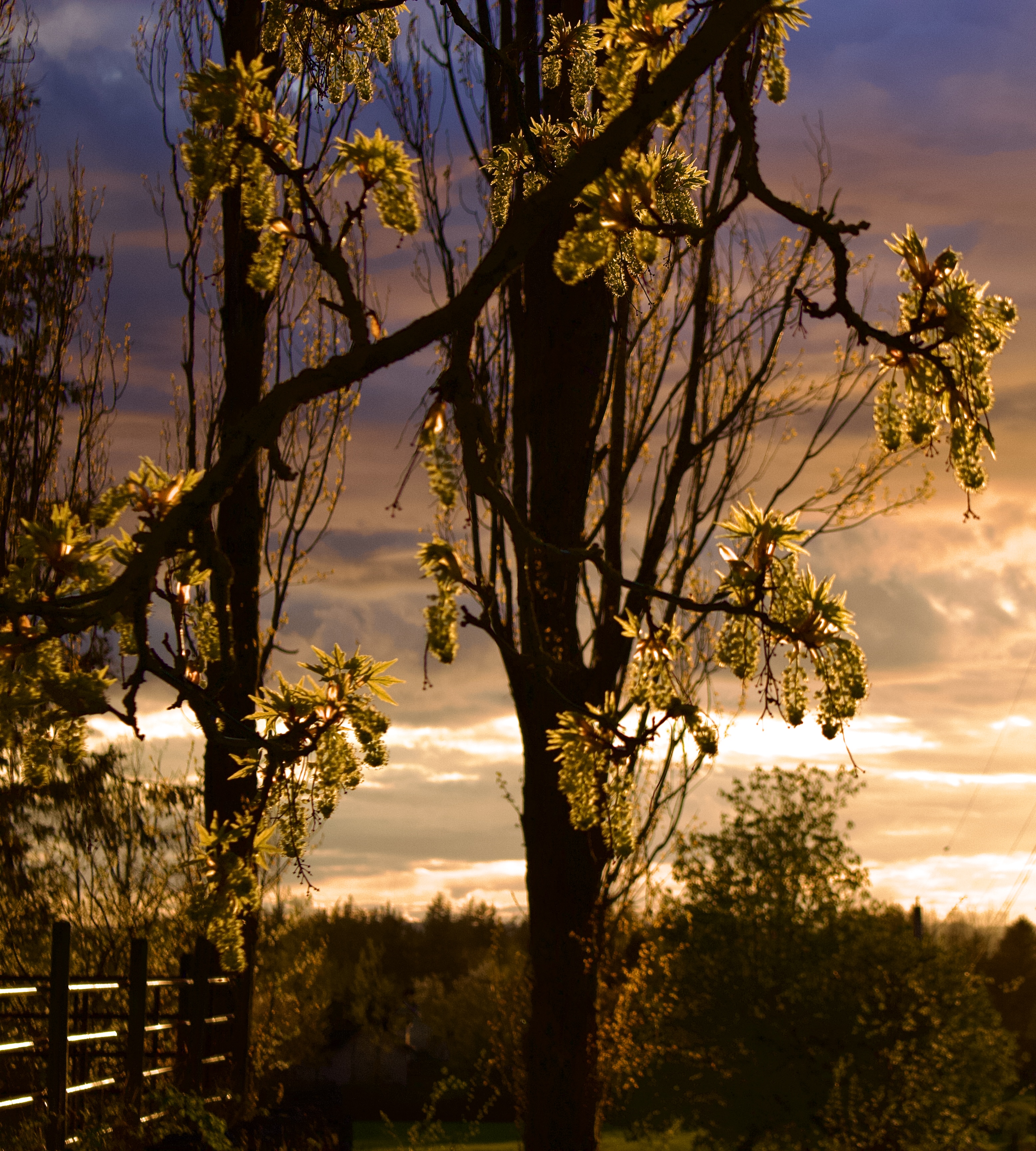
When we have died,
and arms long empty of our memories,
reach to know love’s pure and sacred touch,
and to embrace a long sought, long anticipated place

when we have gone the way of all the earth,
and pain and sorrow are no more, not seen or heard or found,
no more the discontent of place or time or any lesser haste,
but only One whose love transcends our harsh and wearied days,

when we have died and gone and fallen fast asleep,
and found the settled light and our so much a sweeter sacral rest,
forever held in caring arms, yes,

held now everlasting in a wonder of it all,
then we have not gone down empty, we have not died alone.

~Henry Lewis from “When”

This event happened in 1975 while I was an undergraduate student researcher in Tanzania, East Africa, working alongside other researchers assisting Dr. Jane Goodall in her study of wild chimpanzees and baboons.

Several metal buildings were scattered along the shore at Gombe National Park, having been built over the years since Jane Goodall and her mother Vanne arrived on a bare beach in 1960. From the very beginning, one of the most powerful connections between these two British women and the Tanzanian villagers who lived up and down Lake Tanganyika was their provision of basic medical supplies and services when needed. Initially, under the cover of the camp tents, they tended to wounds, provided a few medications, and assisted whenever they were needed for help. 

Later, an actual dispensary was built as part of the park buildings, with storage for first aid supplies and medications, many of which were traditional Chinese medications, in little boxes with Chinese characters, and no translation. All we had was a sheet of paper explaining if a medication was to be used for headaches, fevers,  bleeding problems or infections.

There were “open” times in the dispensary and each of the research assistants took turns to see villagers as they came by to be seen for medical issues. We saw injuries that had never healed properly, some people with permanently crippled limbs, centipede bites that swelled legs, babies who were malnourished, malarial fevers.

It felt like so little to offer. None of us had medical training beyond first aid and CPR, but what small service we could provide was met with incredible gratitude. 

So it wasn’t a surprise when a villager arrived one afternoon, running and out of breath, asking that we come right away to help. There had been a terrible accident up the beach when a water taxi engine exploded while transporting two dozen villagers, along with their provisions, including goats and chickens. As people rushed to get away from the engine fire, the roofed boat overturned, with everyone trapped among the boxes, unable to escape. 

Even more tragic, Tanzanians were never taught to swim, so no one on shore could help in the rescue effort.

We dropped everything and six of us ran up the beach for a mile, and could see an overturned water taxi just off shore. The best swimmers went out and started searching for people who had been too long in the deep water. They began to pull the bloated bodies to shore, one by one, the lake water pouring from lifeless mouths and noses.  All we could do was line them up side by side on the beach, trying to keep the biting flies from covering them,  trying to make sense of what was so senseless. There were eight children of various ages, including two small babies, several older women, one pregnant woman, the rest men of all ages–twenty four souls in all, not a single survivor.

As a nurses’ aide, I had cared for the dying and helped to bathe their bodies after death, but I had never before seen so much death at once, and never a dead child.

Before long, relatives started arriving, their grief-stricken wails of loss filling the air on this remote African lakeshore. Husbands and wives wept, keening over a spouse. Children crouched, in shock, by a dead parent. Grandmothers clutched their dead children and grandchildren and would not let go. 

We had saved no one. We had no power to bring them back to life. 

We could only bear witness to the loss and grief with deep compassion for our neighbors who had come to depend on us to help. It became even clearer to me, in a way I had never understood before, how deep our need is for the mercy of God who is our only comfort when terrible things happen.

I have not forgotten those who were lost to the world that day fifty years ago. Still, all these years later, when I see photos of senseless violence and death, whether war or other disasters, I grieve for them anew with fresh tears, all over again.

Psalm 51:
Have mercy, O God…
according to your great compassion…

AI image created for this post
One-Time
Monthly
Yearly

Make a one-time or recurring donation to support daily Barnstorming posts

Make a monthly donation

Make a yearly donation

Choose an amount

$10.00
$25.00
$50.00
$5.00
$15.00
$100.00
$5.00
$15.00
$100.00

Or enter a custom amount

$

Your contribution is deeply appreciated.

Your contribution is appreciated.

Your contribution is appreciated.

DonateDonate monthlyDonate yearly
A-Sighing and A-Sobbing

“Who killed Cock Robin?” “I,” said the Sparrow,
“With my bow and arrow, I killed Cock Robin.”
“Who saw him die?” “I,” said the Fly,
“With my little eye, I saw him die.”
“Who caught his blood?” “I,” said the Fish,
“With my little dish, I caught his blood.”
“Who’ll make the shroud?” “I,” said the Beetle,
“With my thread and needle, I’ll make the shroud.”
“Who’ll dig his grave?” “I,” said the Owl,
“With my pick and shovel, I’ll dig his grave.”
“Who’ll be the parson?” “I,” said the Rook,
“With my little book, I’ll be the parson.”
“Who’ll be the clerk?” “I,” said the Lark,
“If it’s not in the dark, I’ll be the clerk.”
“Who’ll carry the link?” “I,” said the Linnet,
“I’ll fetch it in a minute, I’ll carry the link.”
“Who’ll be chief mourner?” “I,” said the Dove,
“I mourn for my love, I’ll be chief mourner.”
“Who’ll carry the coffin?” “I,” said the Kite,
“If it’s not through the night, I’ll carry the coffin.”
“Who’ll bear the pall?” “We,” said the Wren,
“Both the cock and the hen, we’ll bear the pall.”
“Who’ll sing a psalm?” “I,” said the Thrush,
“As she sat on a bush, I’ll sing a psalm.”
“Who’ll toll the bell?” “I,” said the bull,
“Because I can pull, I’ll toll the bell.”
All the birds of the air fell a-sighing and a-sobbing,
When they heard the bell toll for poor Cock Robin.

~Anonymous “Who Killed Cock Robin”

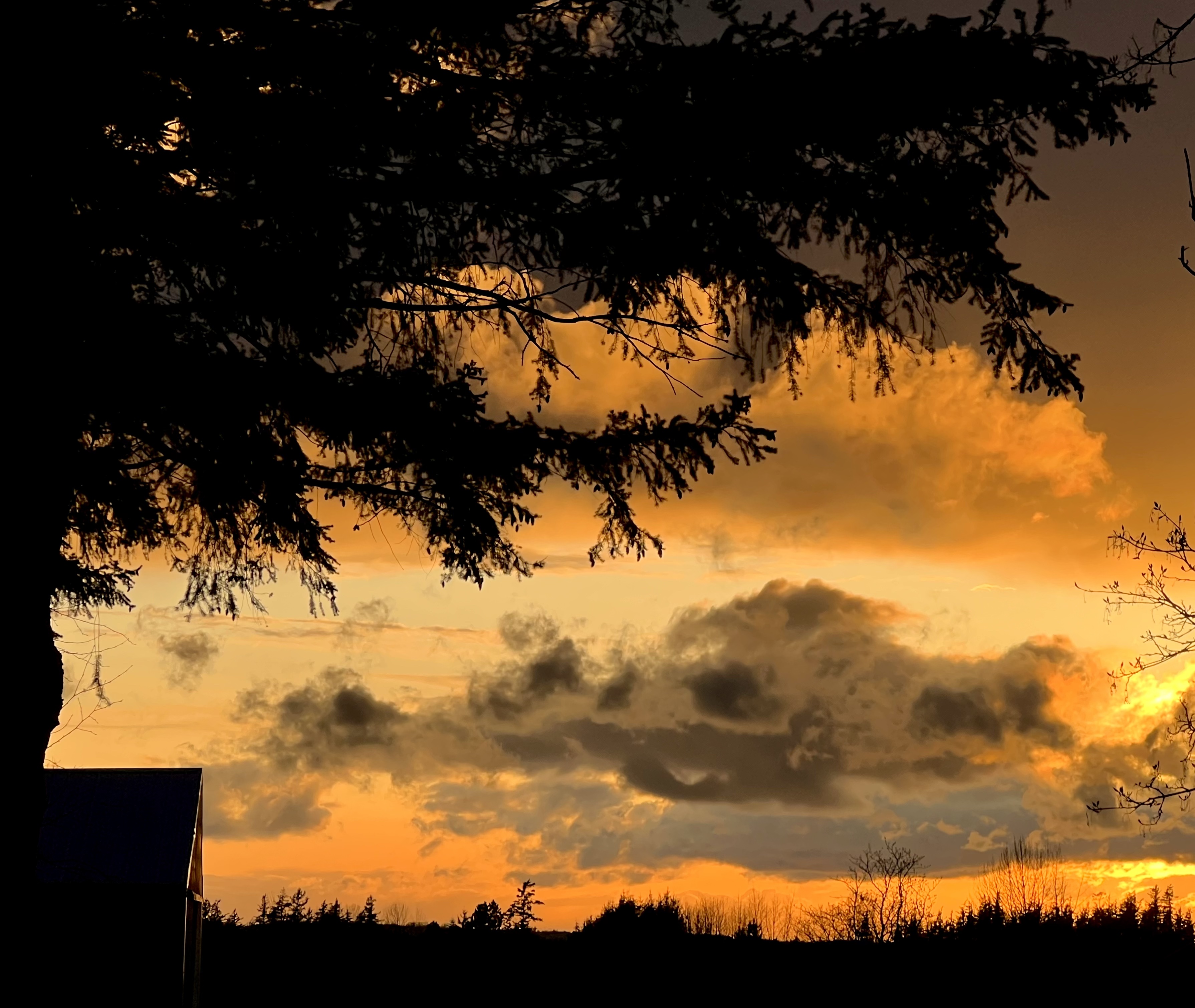
photo by Kate Steensma of Steensma Creamery
photo by Harry Rodenberger

Sighing and sobbing…

The times we live in now are surreal as this dark nursery tale rhyme about the killing of a robin by a smaller bird.

What do we do with the sparrow’s proud confession in the first stanza? Whatever happened to instigate such destructive violence?
Self-defense? Vengeance? Accident? Just for sport?
Or simple random cruelty?

Such boasting about a killing makes about as much sense as our being witness to the overt destruction of the rule of law taking place right under our noses in the U.S.

Hear the bell toll.
We are each diminished as citizens.
Let the mourning begin.
It is our own death we grieve…

Medieval Stained Glass of a robin shot by an arrow in Buckland Rectory, Gloucester, UK

No man is an island,
Entire of itself.

Each is a piece of the continent,
A part of the main.
Each man’s death diminishes me,
For I am involved in mankind.
Therefore, send not to know
For Whom the bell tolls,

It tolls for thee…
~John Donne from “For Whom the Bell Tolls”

AI image created for this post
One-Time
Monthly
Yearly

Make a one-time or recurring donation to support daily Barnstorming posts

Make a monthly donation

Make a yearly donation

Choose an amount

$10.00
$25.00
$50.00
$5.00
$15.00
$100.00
$5.00
$15.00
$100.00

Or enter a custom amount

$

Your contribution is deeply appreciated.

Your contribution is appreciated.

Your contribution is appreciated.

DonateDonate monthlyDonate yearly
Breaking Through

Walking in February
A warm day after a long freeze
On an old logging road
Below Sumas Mountain
Cut a walking stick of alder,
Looked down through clouds
On wet fields of the Nooksack—
And stepped on the ice
Of a frozen pool across the road.
It creaked
The white air under
Sprang away, long cracks
Shot out in the black,
My cleated mountain boots
Slipped on the hard slick
—like thin ice—the sudden
Feel of an old phrase made real—
Instant of frozen leaf,
Icewater, and staff in hand.
“Like walking on thin ice—”
I yelled back to a friend,
It broke and I dropped
Eight inches in
~Gary Snyder “Thin Ice”
from No Nature

Everyone is treading on thin ice right now, unsure where to go next.

The trouble with overheated action and rhetoric in the middle of winter is that we all end up at risk of breaking through, no matter where we try to tread.

When we allow ourselves to be put in such peril, when we hear the creak with each step as a warning, we deserve to be doused by the chilly waters beneath our feet.

Lord, have mercy on us as we call your name in our fear and distress.
Help us recognize the cracks forming with each step we take.

Put us on our knees before you and lead us to safety.
Only you know where we need to be rather than where we are.
You’ll be there to pull us out of the mess we’re in.

AI image created for this post
One-Time
Monthly
Yearly

Make a one-time or recurring donation to support daily Barnstorming posts

Make a monthly donation

Make a yearly donation

Choose an amount

$10.00
$25.00
$50.00
$5.00
$15.00
$100.00
$5.00
$15.00
$100.00

Or enter a custom amount

$

Your contribution is deeply appreciated.

Your contribution is appreciated.

Your contribution is appreciated.

DonateDonate monthlyDonate yearly
Preparing Their Buds

All the complicated details
of the attiring and
the disattiring are completed!
A liquid moon
moves gently among
the long branches.
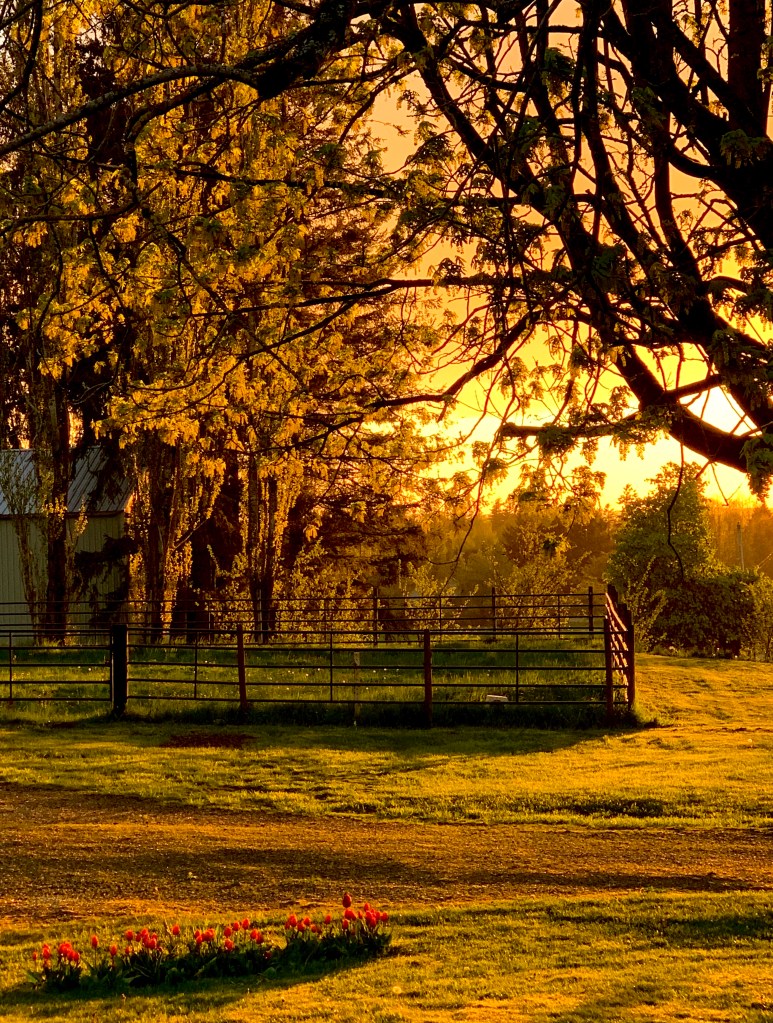
Thus having prepared their buds
against a sure winter
the wise trees
stand sleeping in the cold.

~William Carlos Williams “Winter Trees”

Winter – a quiet, still time for trees,
a time for preparation for new attire,
a time for root-stretching and branch-reaching.

Unless there are windstorms
Unless there is frozen rain
Unless there is heavy burden of snowfall

A tree might be taken unawares in the night,
branches breaking like popping gunshots,
as if innocent prey is hunted.

Remnants lie waiting on the ground,
unaware of their brokenness,
still budding, hopeful for yet another spring.

AI image created for this post
One-Time
Monthly
Yearly

Make a one-time or recurring donation to support daily Barnstorming posts

Make a monthly donation

Make a yearly donation

Choose an amount

$10.00
$25.00
$50.00
$5.00
$15.00
$100.00
$5.00
$15.00
$100.00

Or enter a custom amount

$

Your contribution is deeply appreciated.

Your contribution is appreciated.

Your contribution is appreciated.

DonateDonate monthlyDonate yearly
A Steady Center Holds

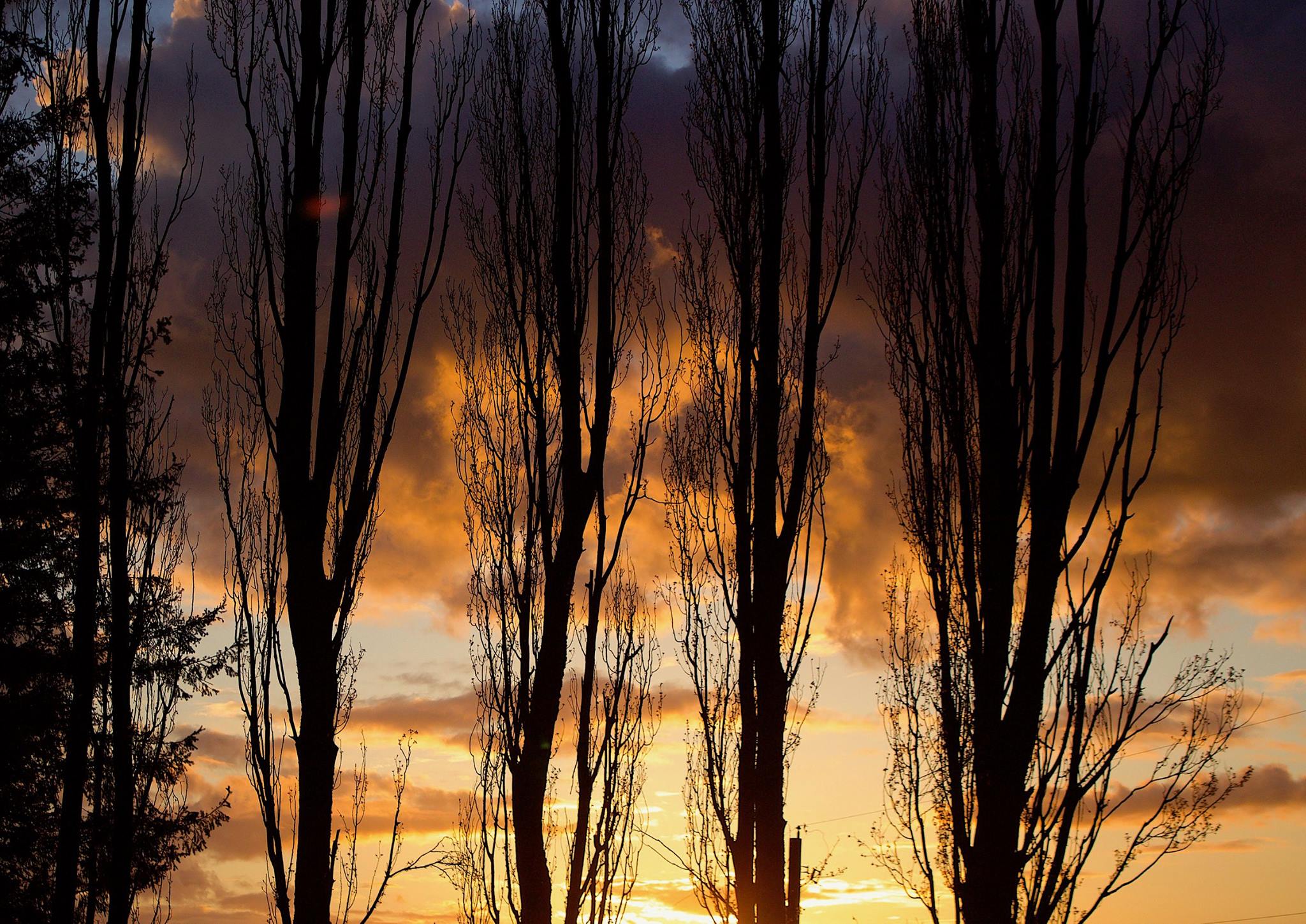
Sometimes from sorrow, for no reason,
you sing. For no reason, you accept
the way of being lost, cutting loose
from all else and electing a world
where you go where you want to.

Arbitrary, a sound comes, a reminder
that a steady center is holding
all else. If you listen, that sound
will tell you where it is and you
can slide your way past trouble.

Certain twisted monsters
always bar the path—but that’s when
you get going best, glad to be lost,
learning how real it is
here on earth, again and again.

~William Stafford “Cutting Loose” from Dancing with Joy: 99 Poems

Things fall apart; the centre cannot hold;
Mere anarchy is loosed upon the world,
The blood-dimmed tide is loosed, and everywhere   
The ceremony of innocence is drowned;
The best lack all conviction, while the worst   
Are full of passionate intensity.

~William Butler Yeats from The Second Coming

Life is a hard battle anyway. If we laugh and sing a little as we fight the good fight of freedom, it makes it all go easier. I will not allow my life’s light to be determined by the darkness around me.
~Sojourner Truth

There are so many twists and turns in this life, we lose sight of the Center of all things. We don’t always know what is around the next corner. It can feel like things are falling apart, and we could be swallowed up.

Getting lost, tripping on rocks and falling into holes is part of reality. Bruises and scrapes remind us where we have been and what we have been through, yet we keep going.

We do not honor the arbitrary whims of bullies,
nor dim ourselves within the darkness where they dwell.

So we sing:

We shall overcome.
We’ll walk hand in hand.
We are not alone.
We are not afraid.
We shall all be free.
We shall live in peace.
Someday.


God will see us through.

Thank you to Parker Palmer and Carrie Newcomer who spoke about the Stafford poem “Cutting Loose” here

AI image created for this post

Oh, deep in my heart
I do believe
We shall overcome some day

One-Time
Monthly
Yearly

Make a one-time or recurring donation to support daily Barnstorming posts

Make a monthly donation

Make a yearly donation

Choose an amount

$10.00
$25.00
$50.00
$5.00
$15.00
$100.00
$5.00
$15.00
$100.00

Or enter a custom amount

$

Your contribution is deeply appreciated.

Your contribution is appreciated.

Your contribution is appreciated.

DonateDonate monthlyDonate yearly
Peace Rising in the Dark

In winter, the earth remembers its hidden life;
a silence deepens that is not emptiness but preparation.
~Rowan Williams

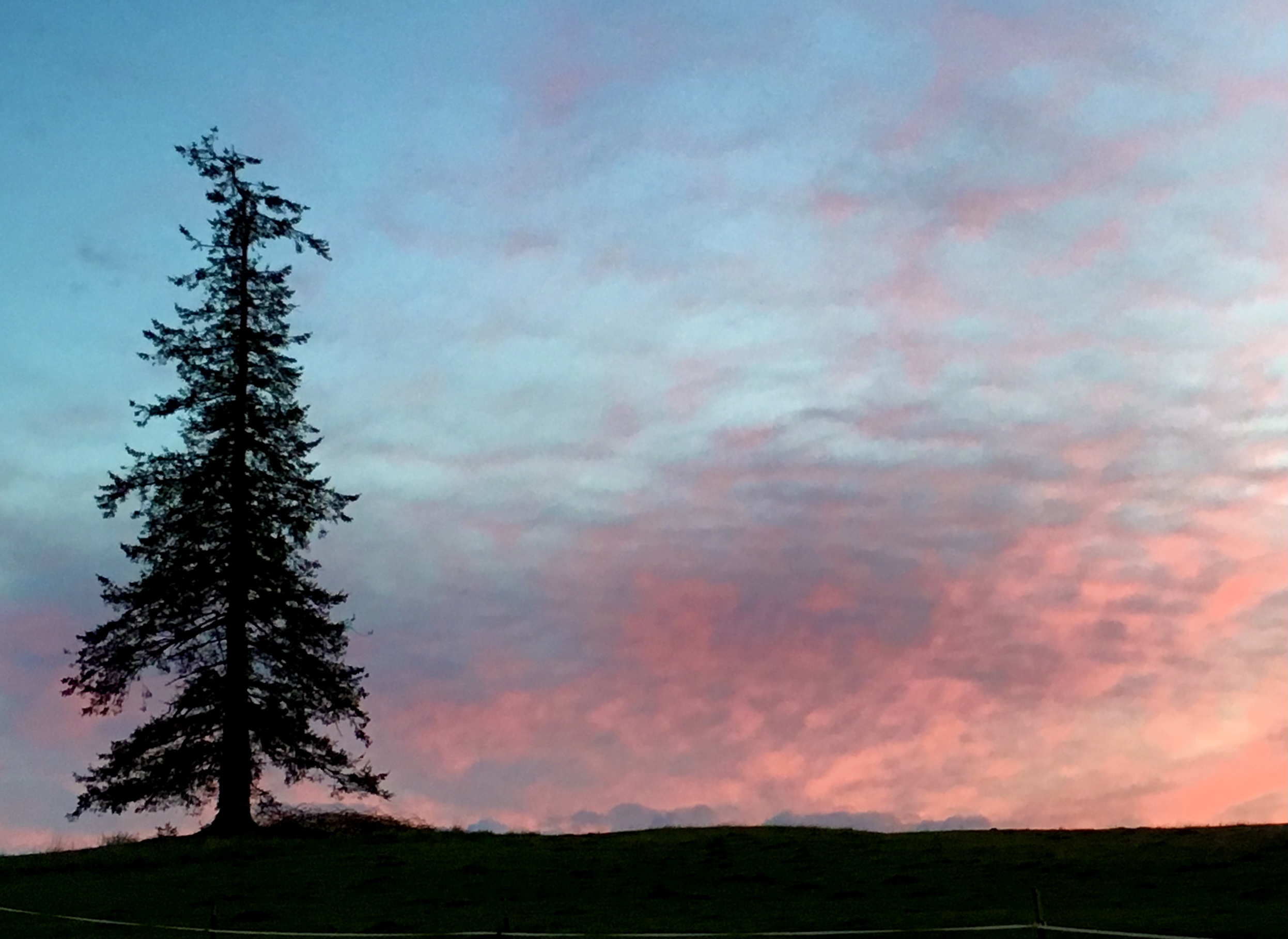
When, in the middle of the night,
you wake with the certainty you’ve
done it all wrong, when you wake
and see clearly all the places you’ve failed,
in that moment, when dreams will not return,
this is the chance for your most gentle voice—
the one you reserve for those you love most—
to say to you quietly, oh sweetheart,
this is not yet the end of the story.
Sleep will not come, but somehow,
in that wide-awake moment there is peace—
the kind that does not need
everything to be right before it arrives.
The kind that comes from not fighting
what is real. The peace that rises
in the dark on its sure dark wings
and flies true with no moon, no stars.

~Rosemerry Wahtola Trommer “With Astonishing Tenderness” from The Unfolding

Peaceful sleep has been elusive over the last 10 nights.

I realize a significant number of people are resting more easily. They celebrate an overwhelming number of rapid changes instituted by a new government administration over a few days.

I’m not among them.

Sweetheart, this is not yet the end of the story.
It never is.

AI image created for this post
One-Time
Monthly
Yearly

Make a one-time or recurring donation to support daily Barnstorming posts

Make a monthly donation

Make a yearly donation
Choose an amount

$10.00
$25.00
$50.00
$5.00
$15.00
$100.00
$5.00
$15.00
$100.00

Or enter a custom amount

$

Your contribution is deeply appreciated.

Your contribution is appreciated.

Your contribution is appreciated.

DonateDonate monthlyDonate yearly