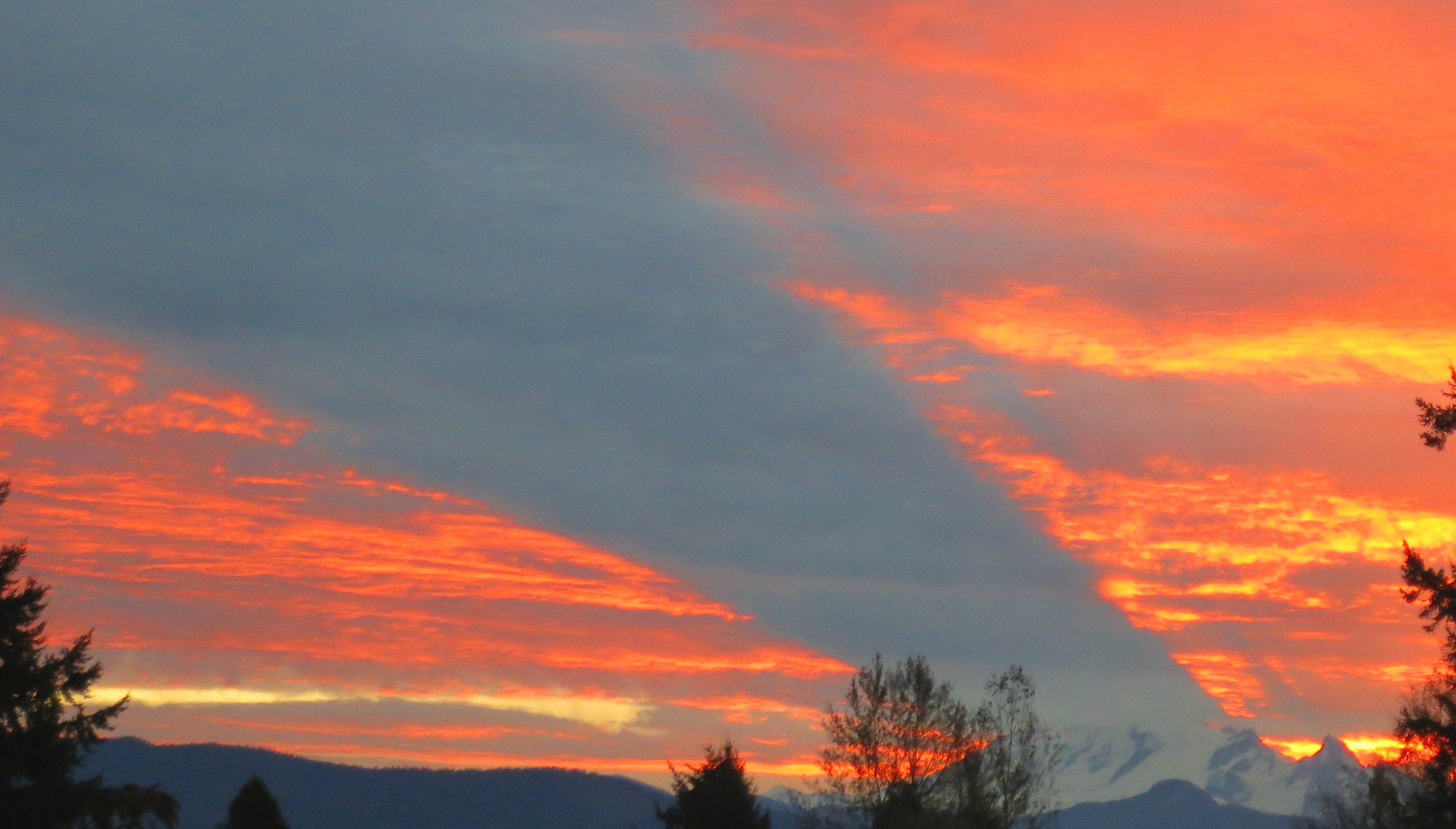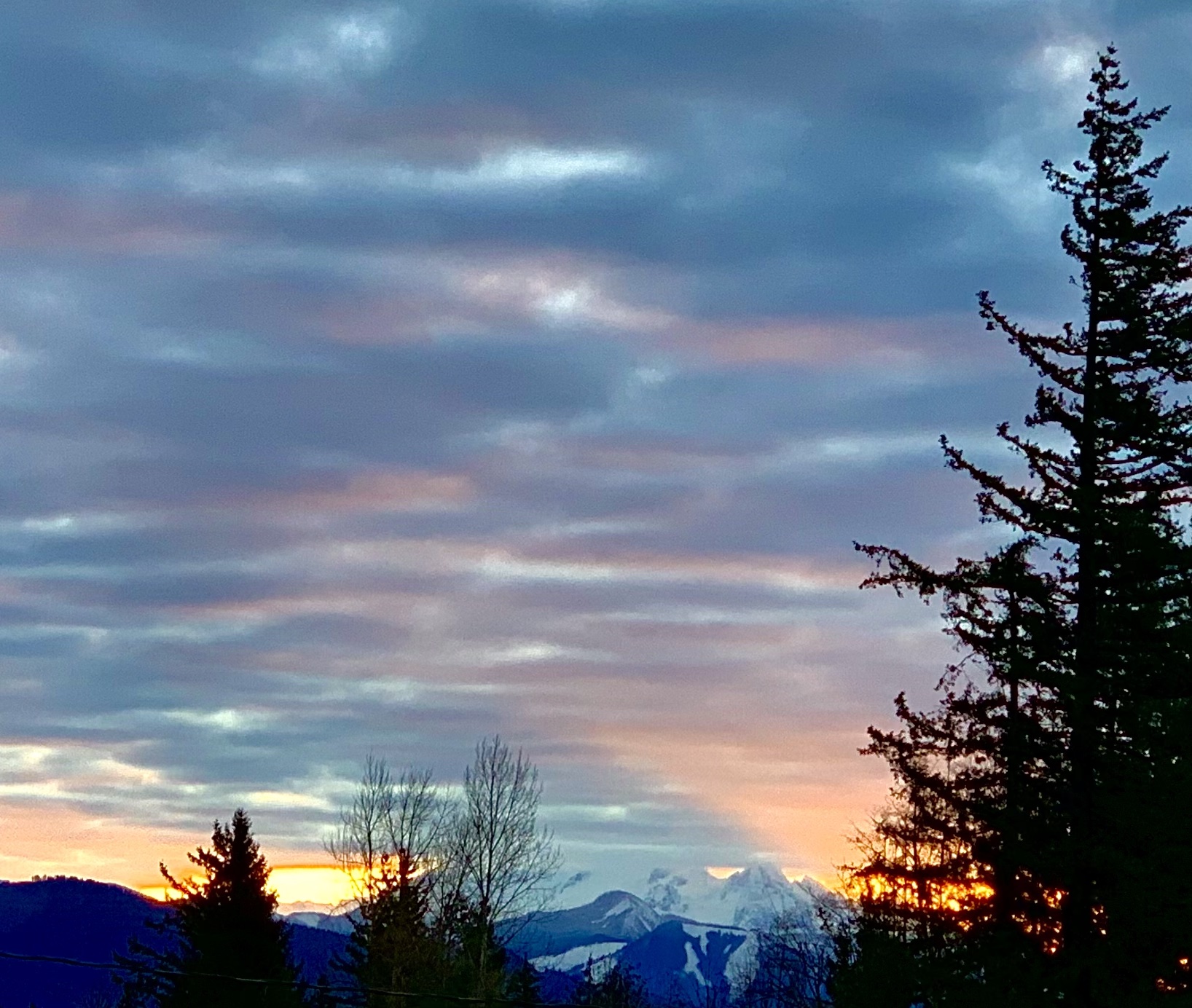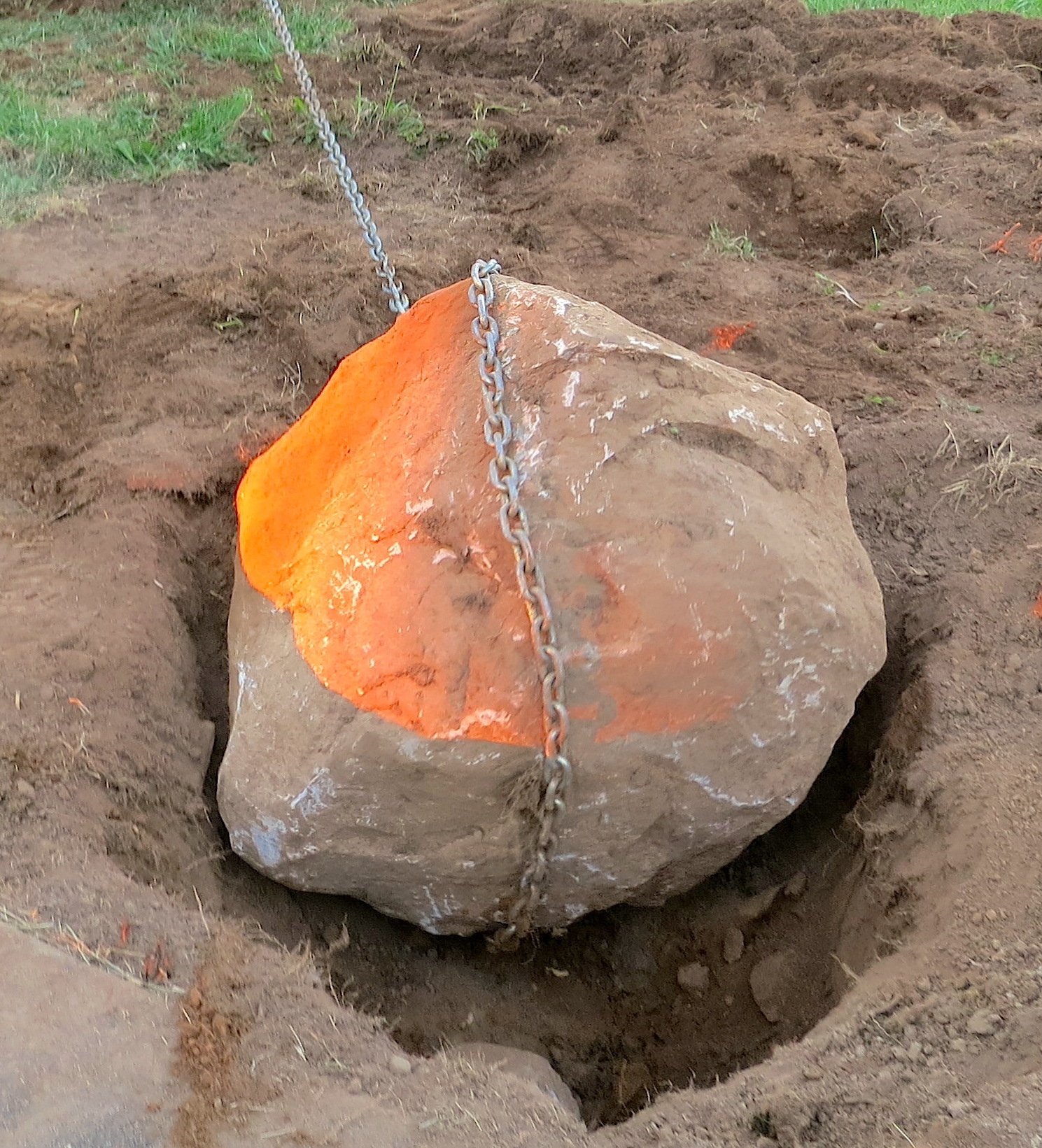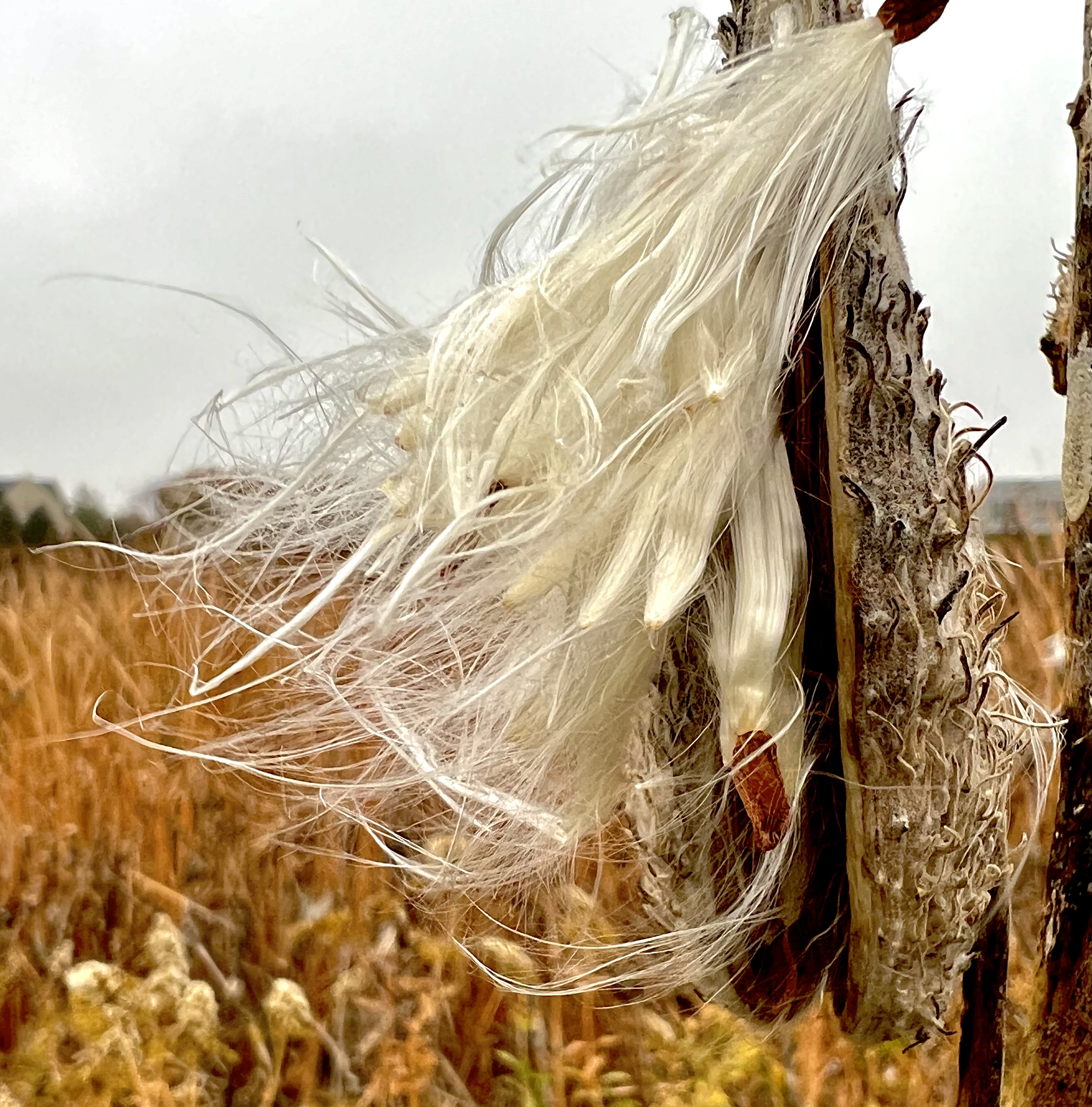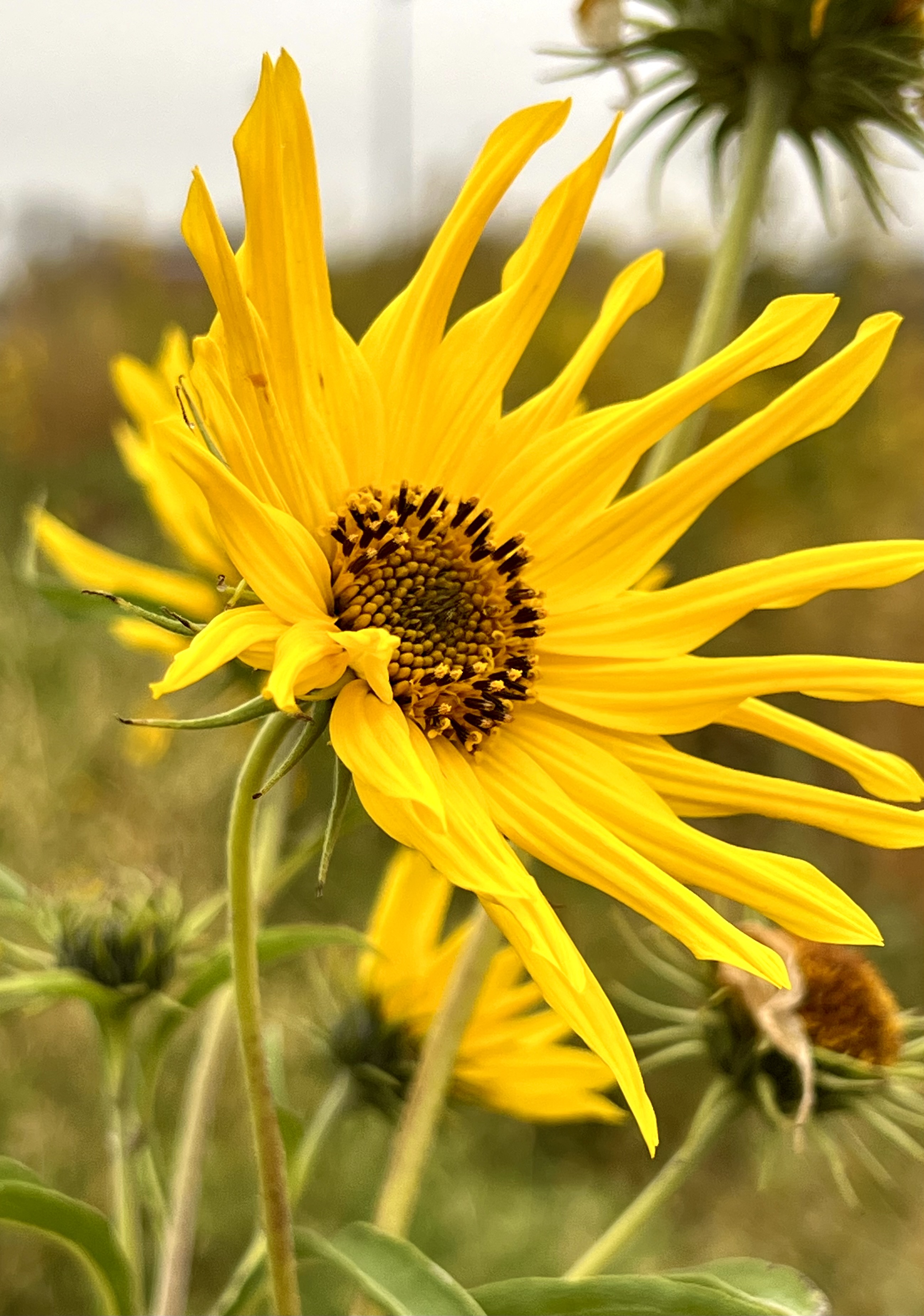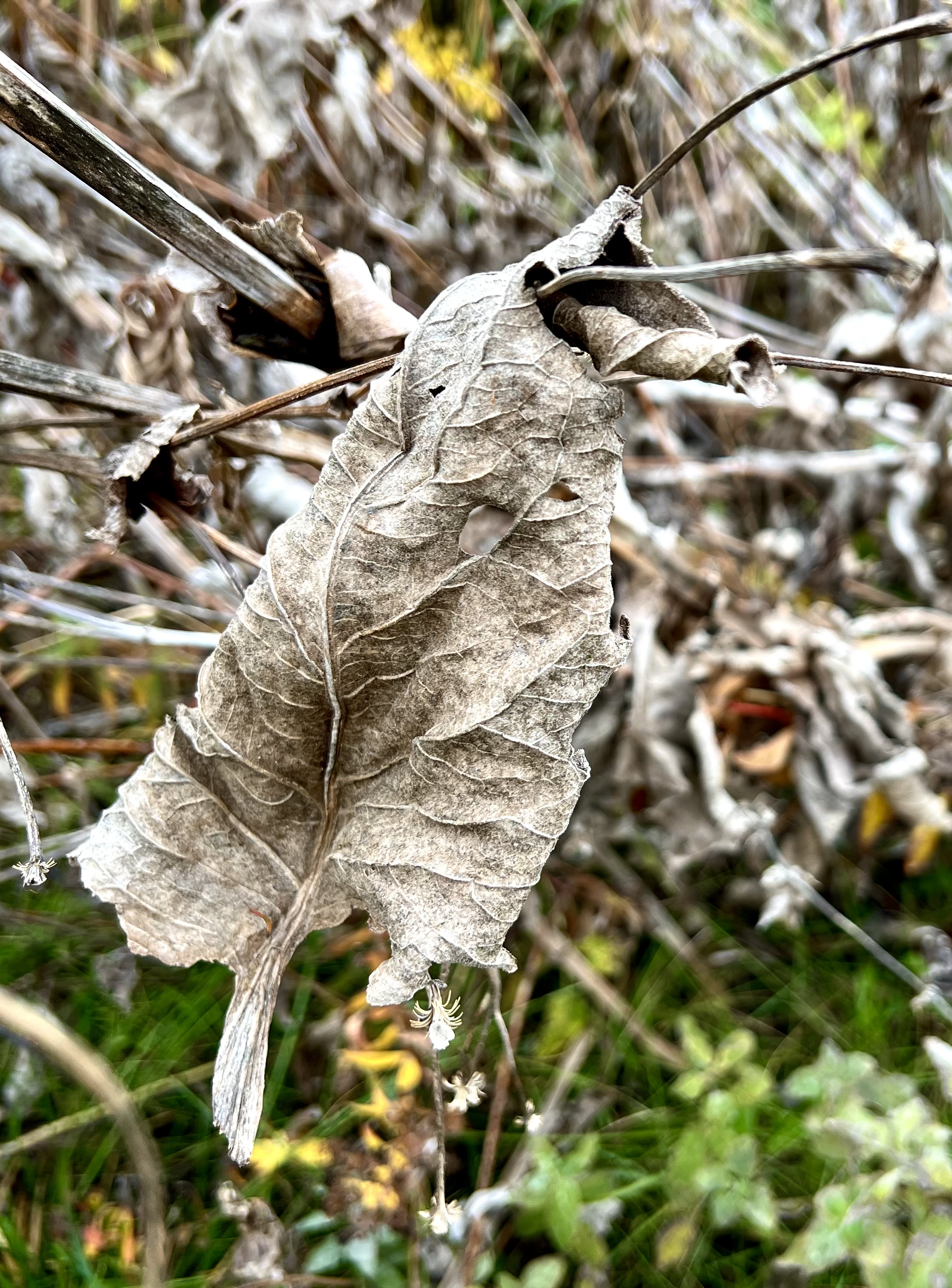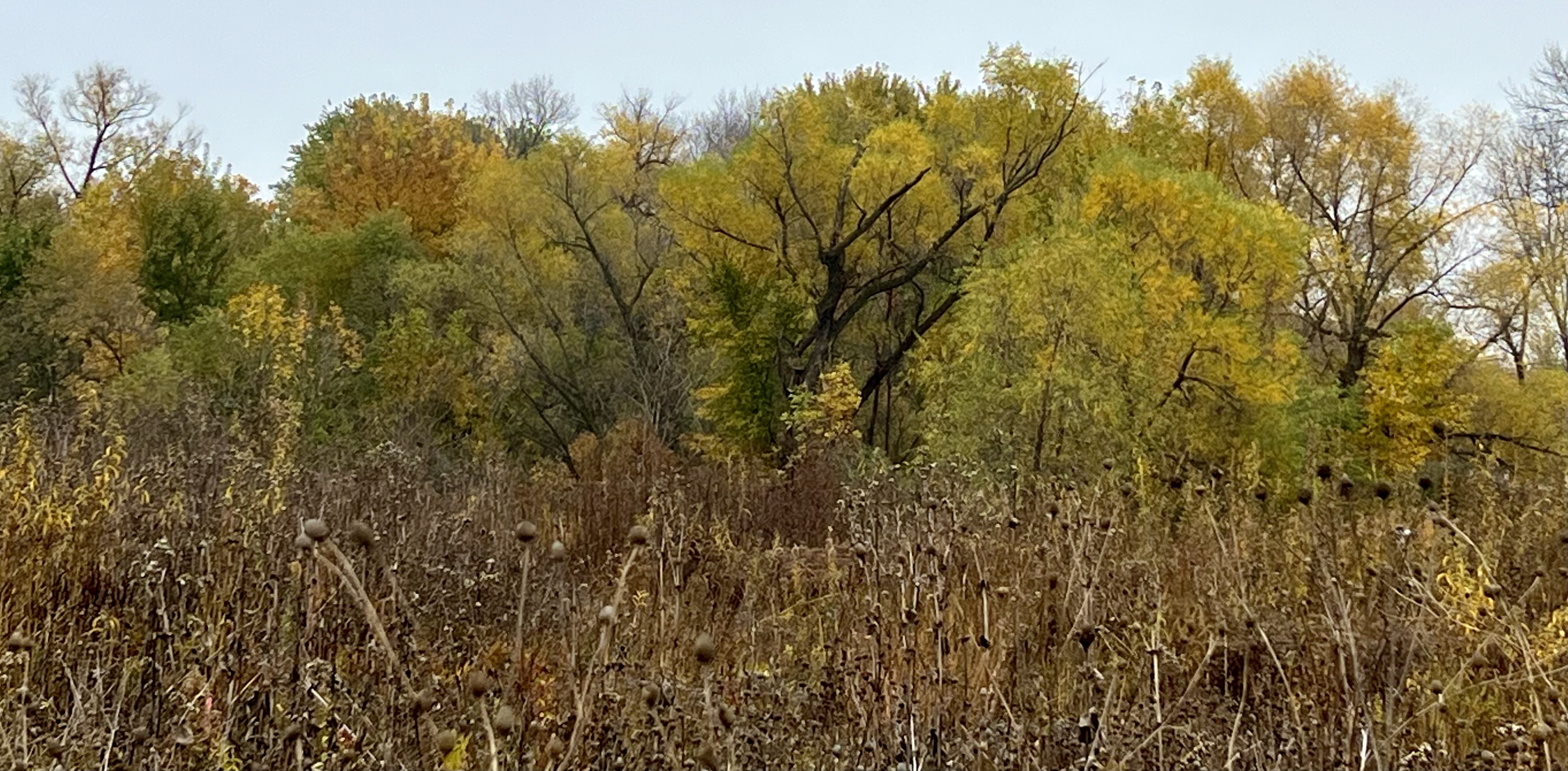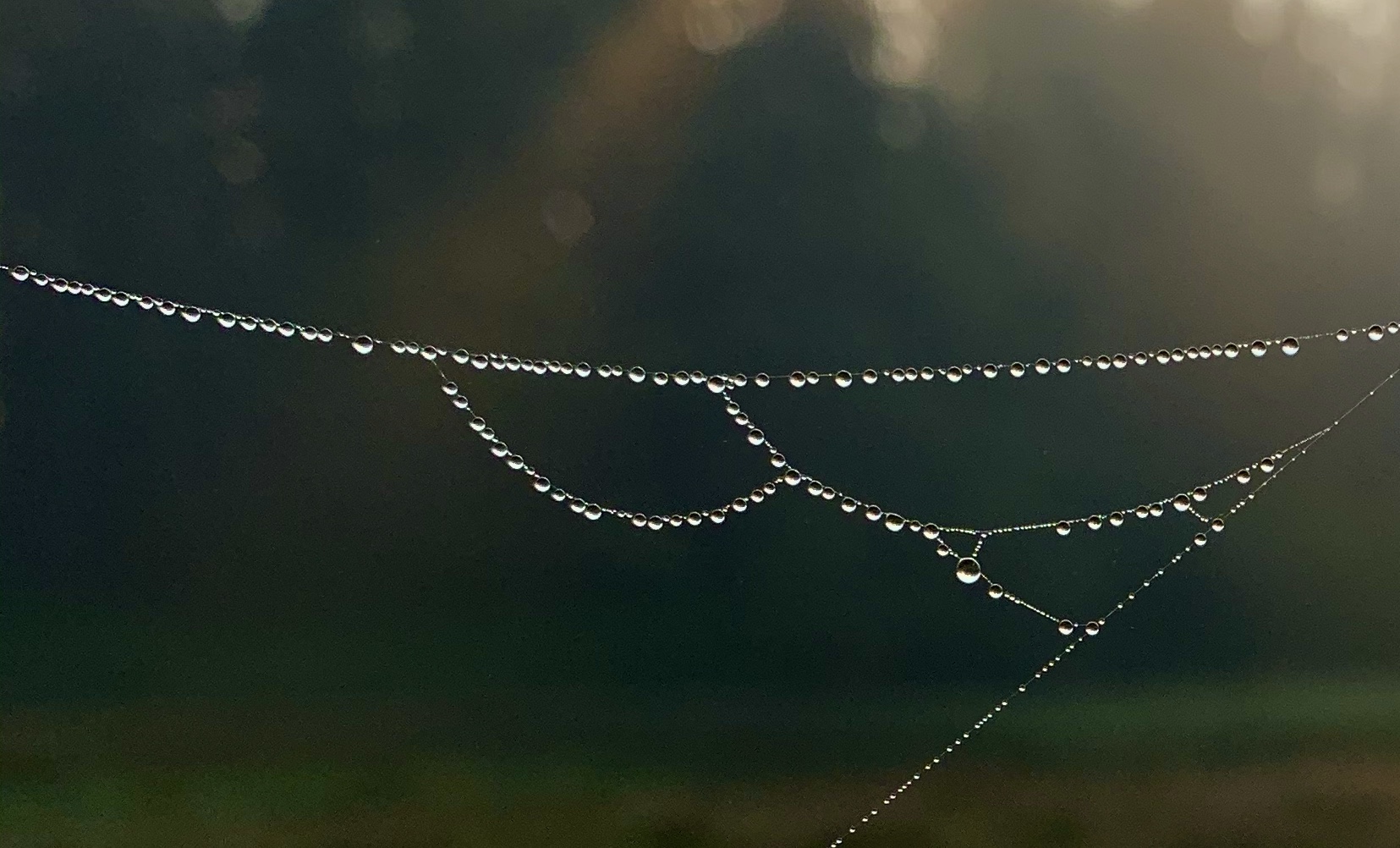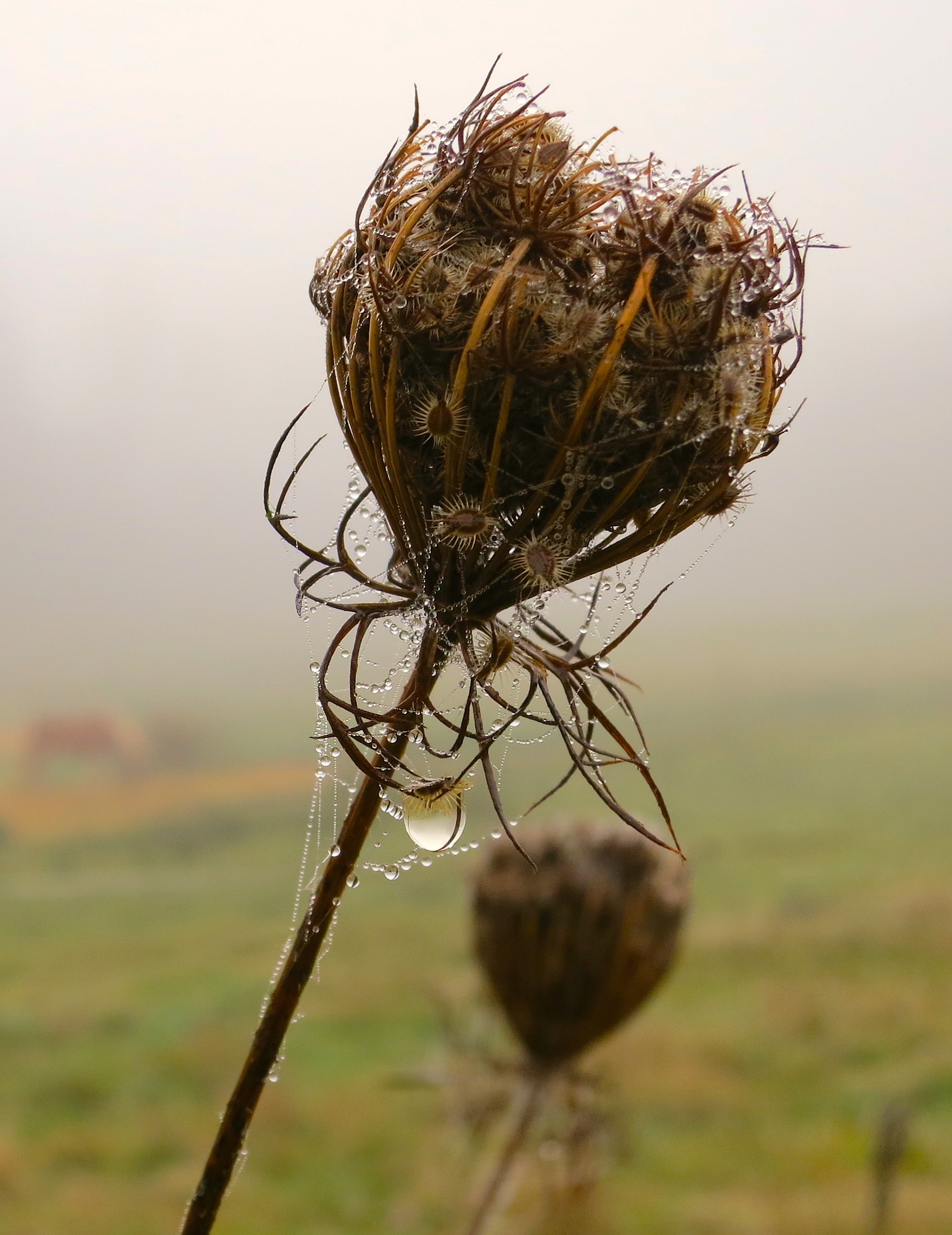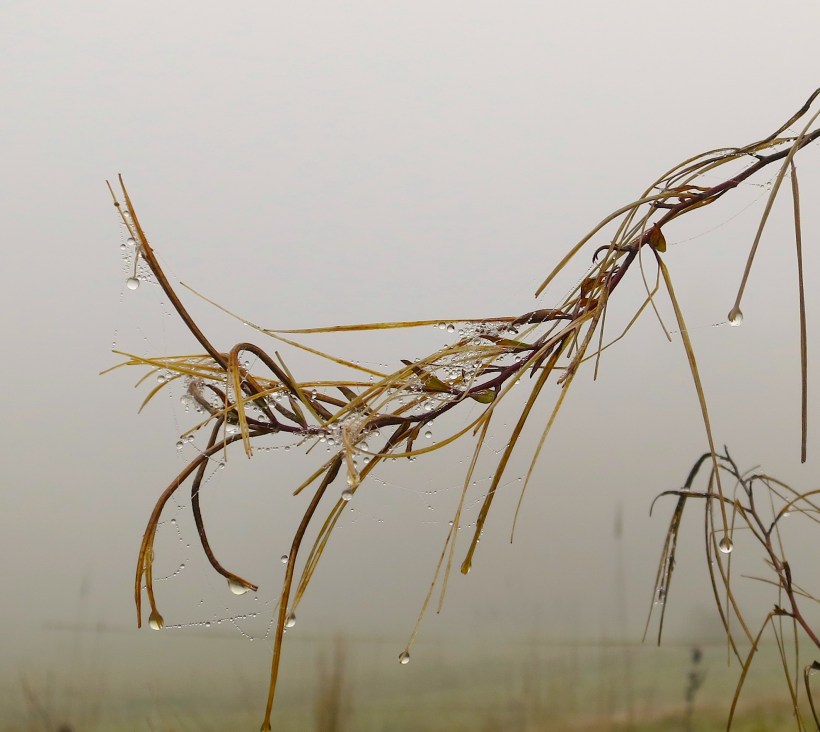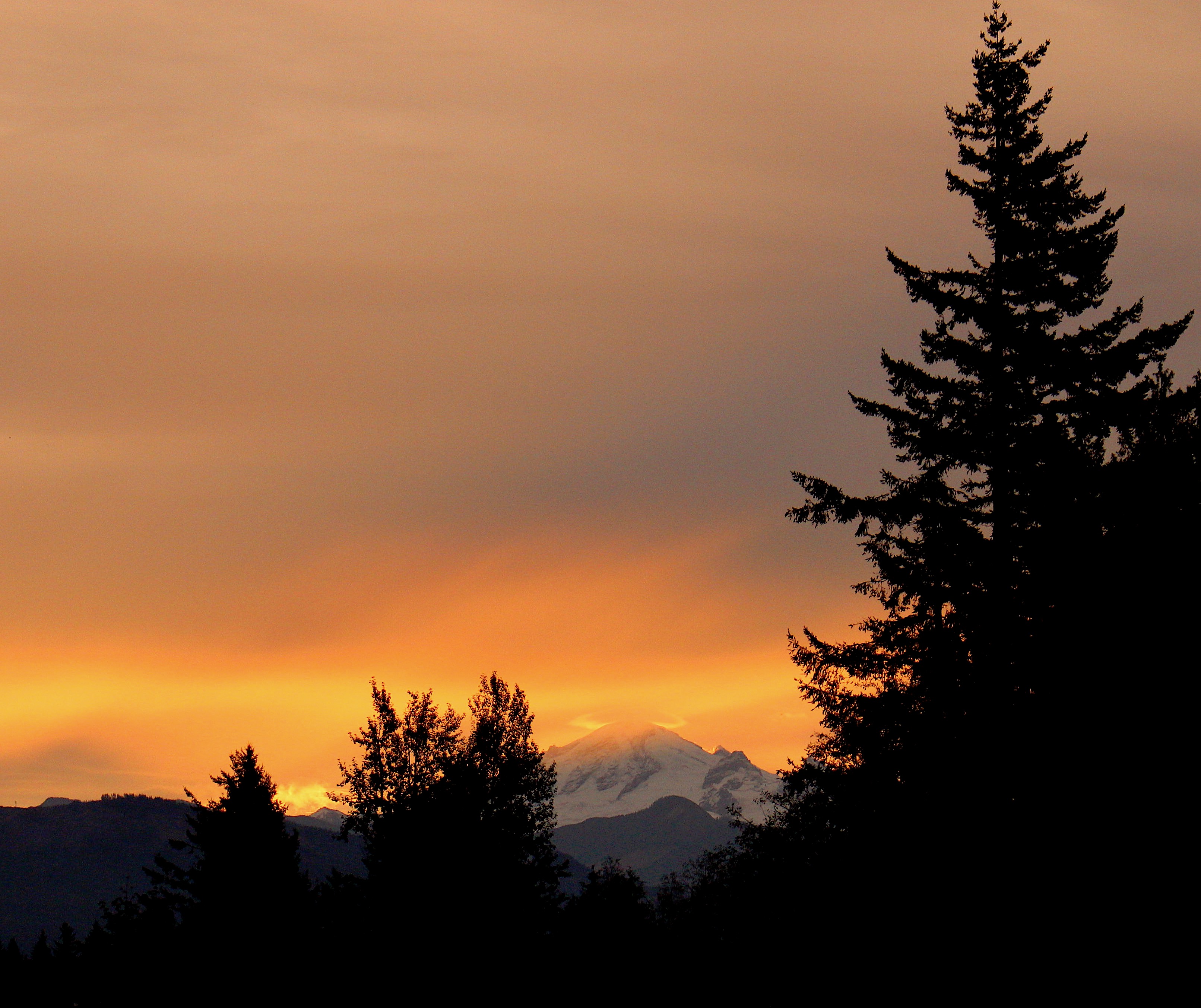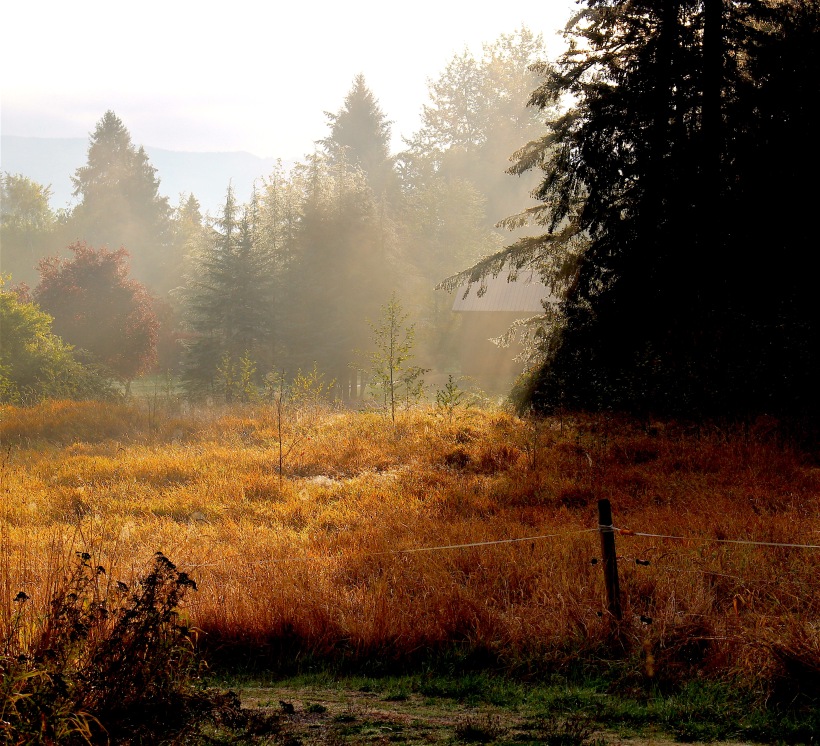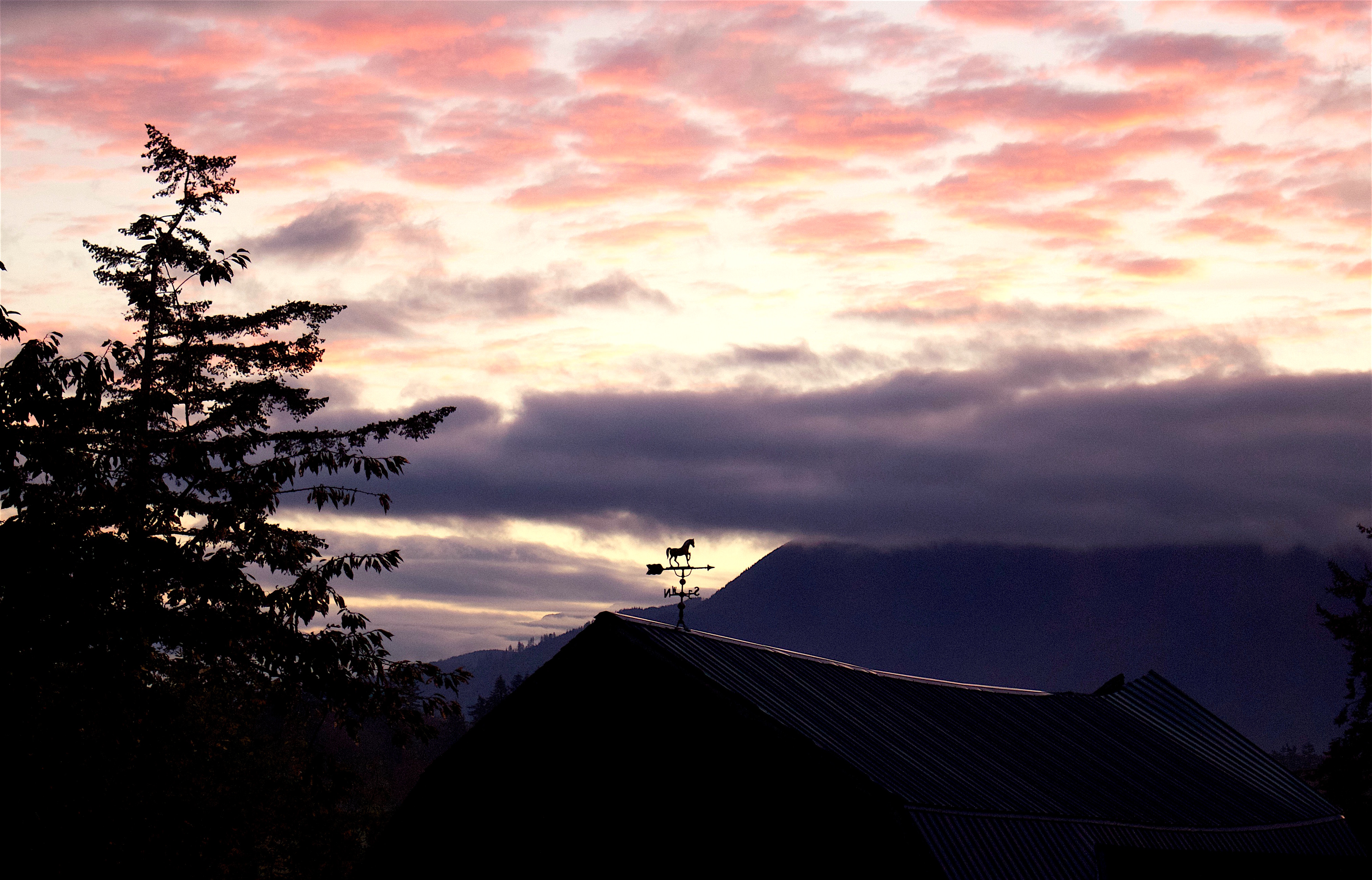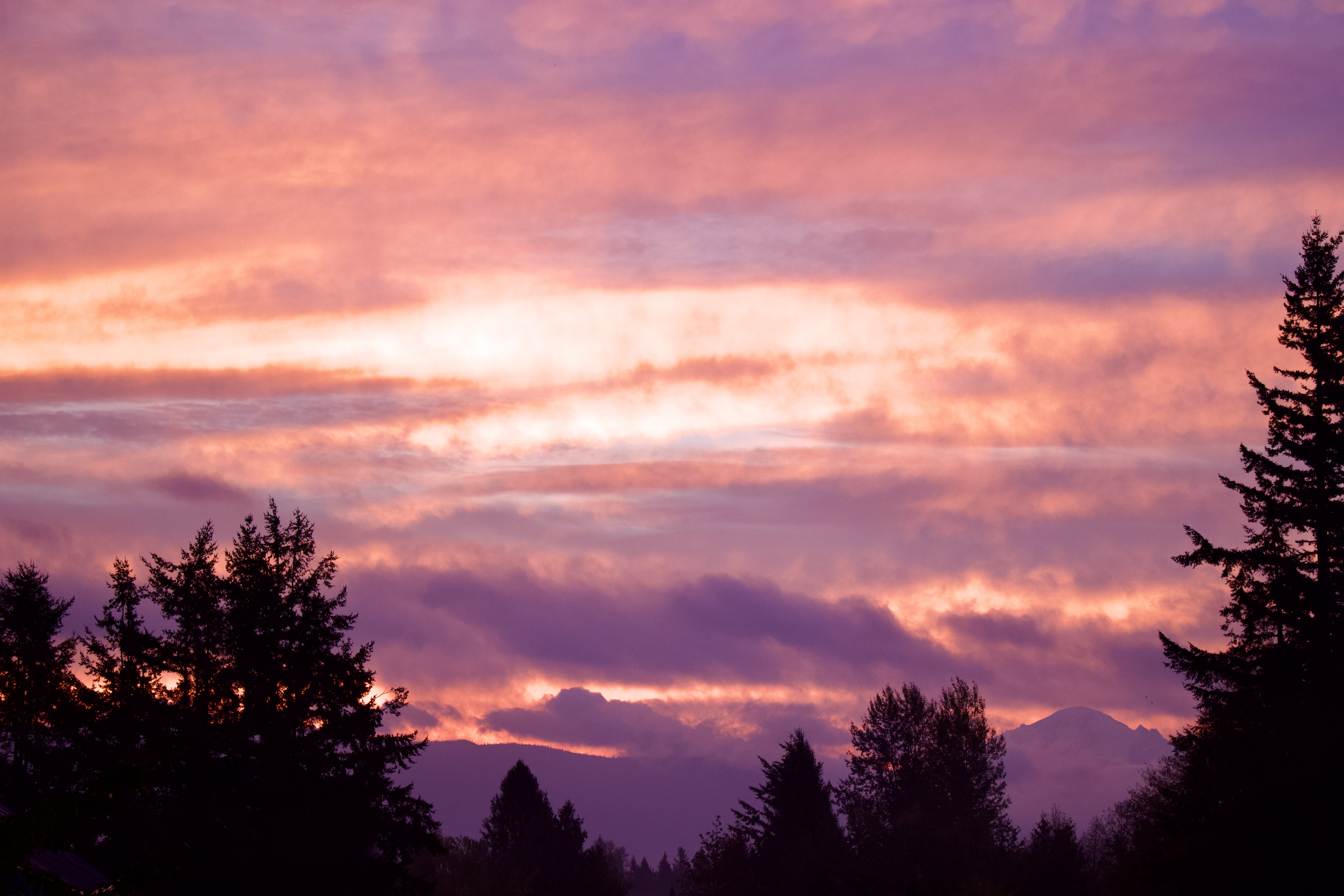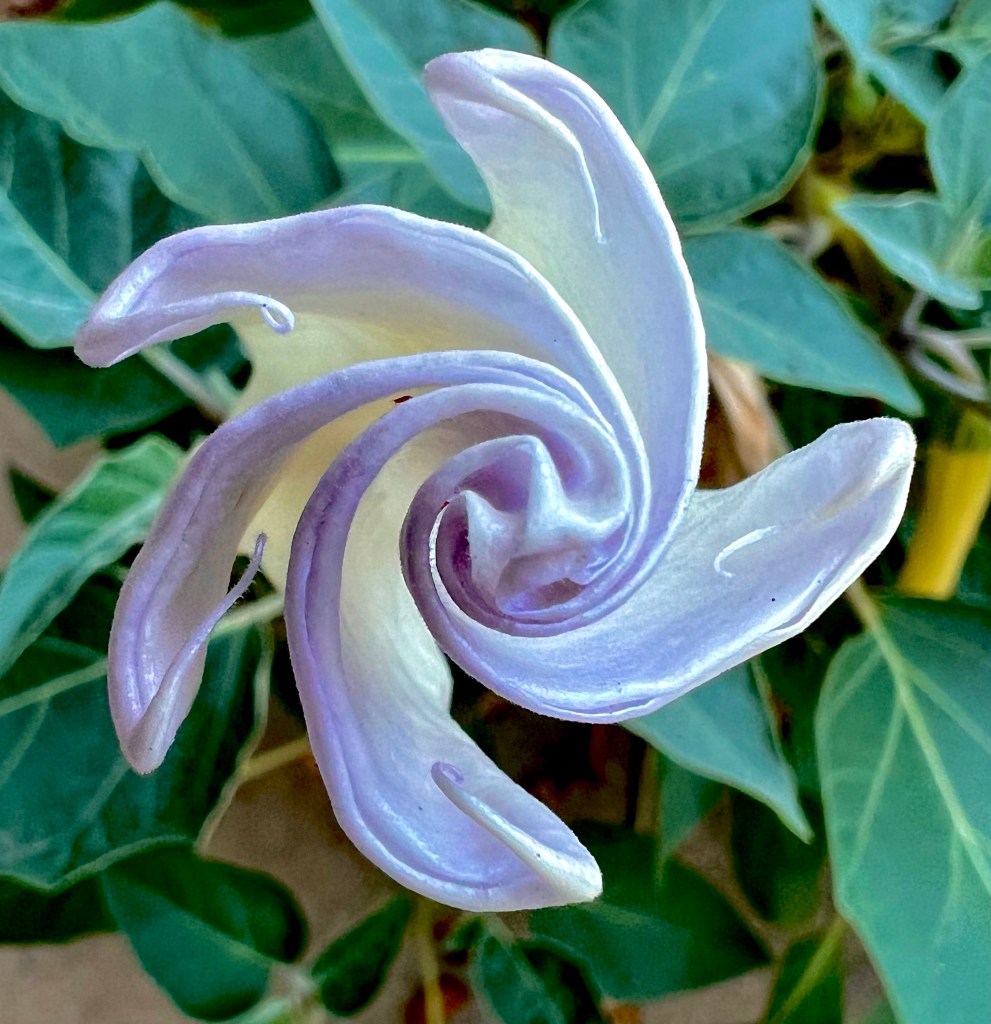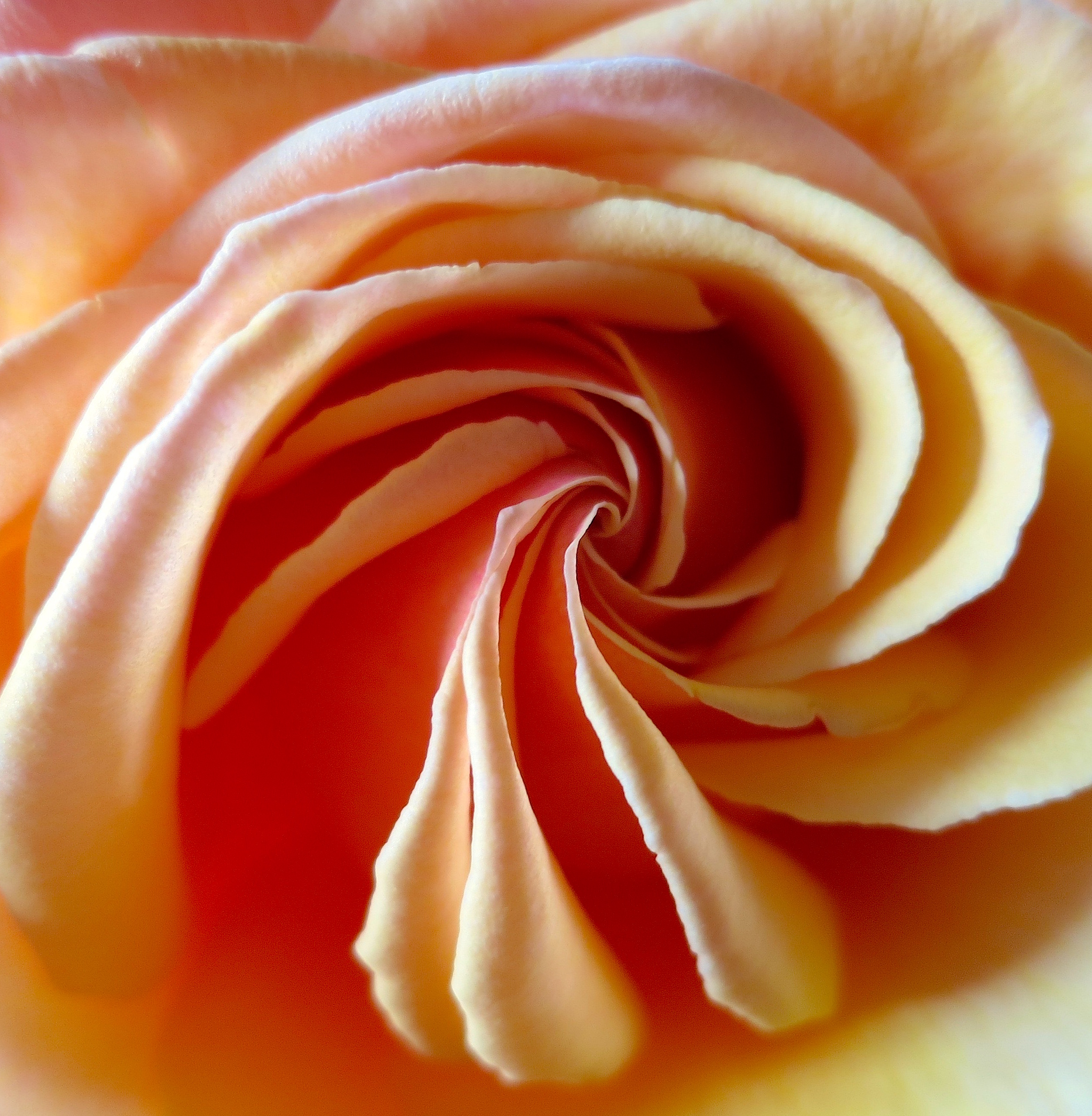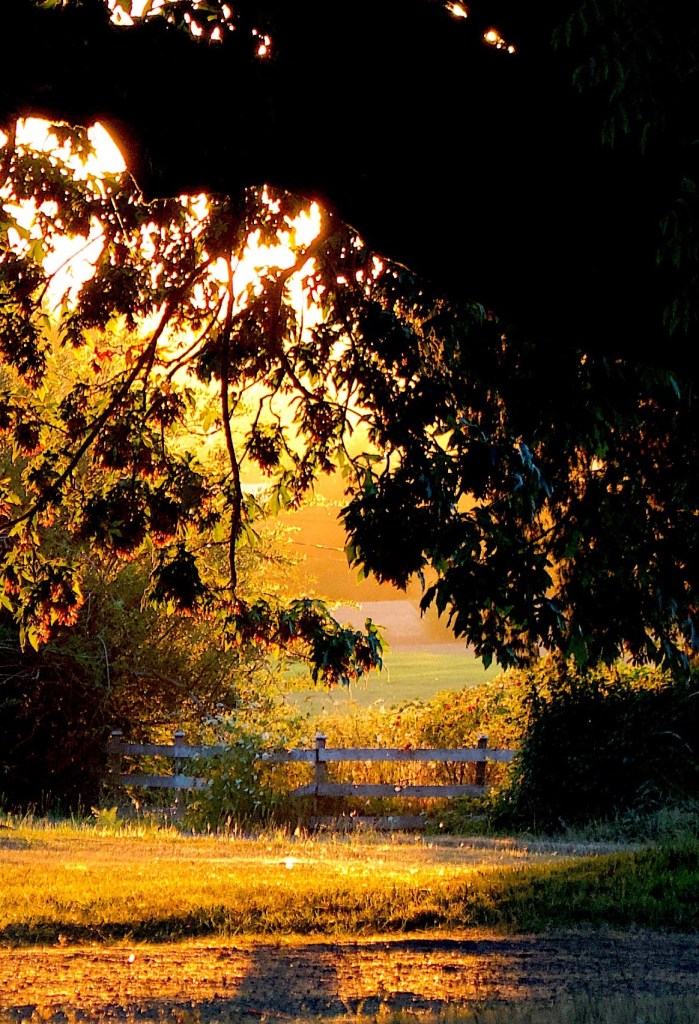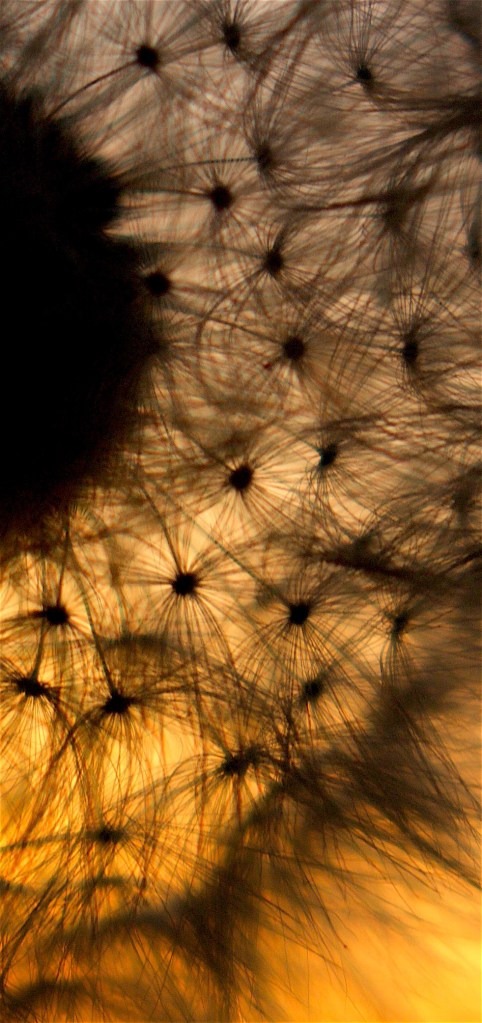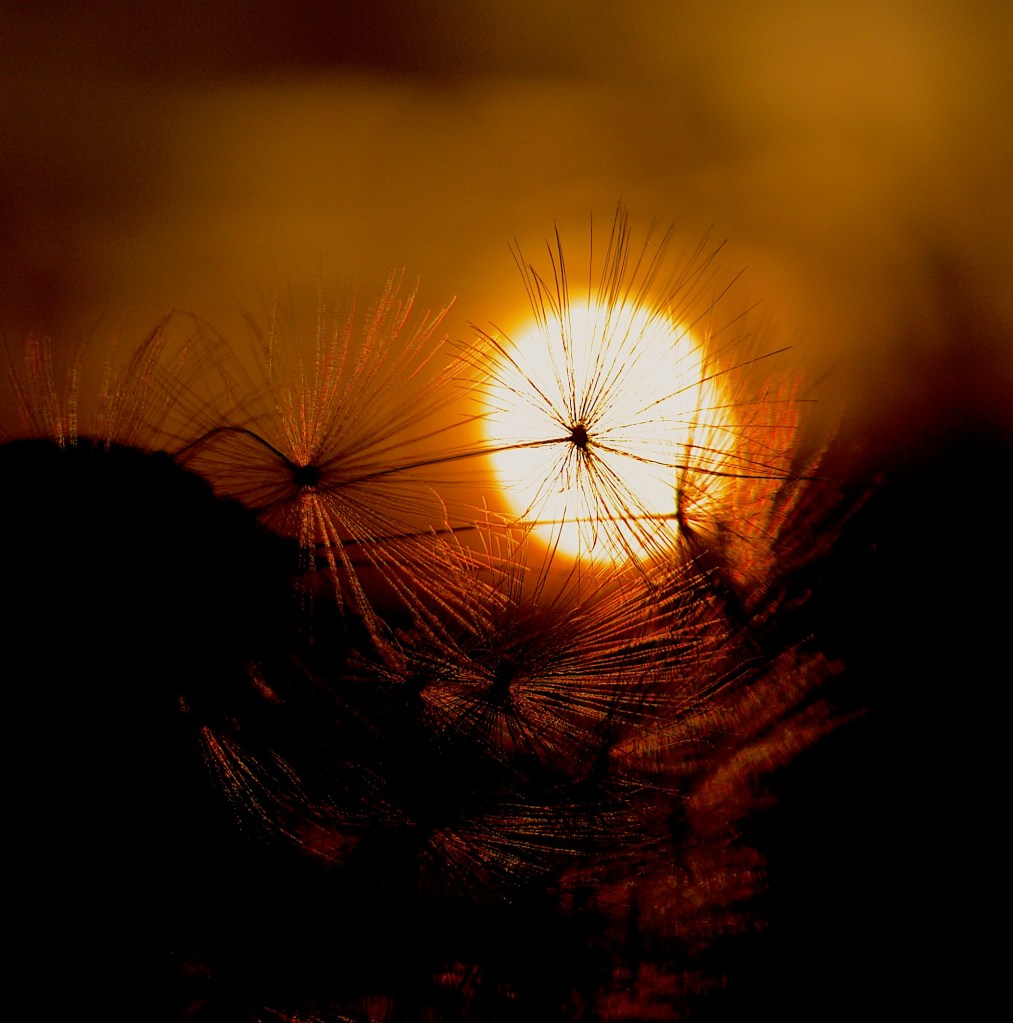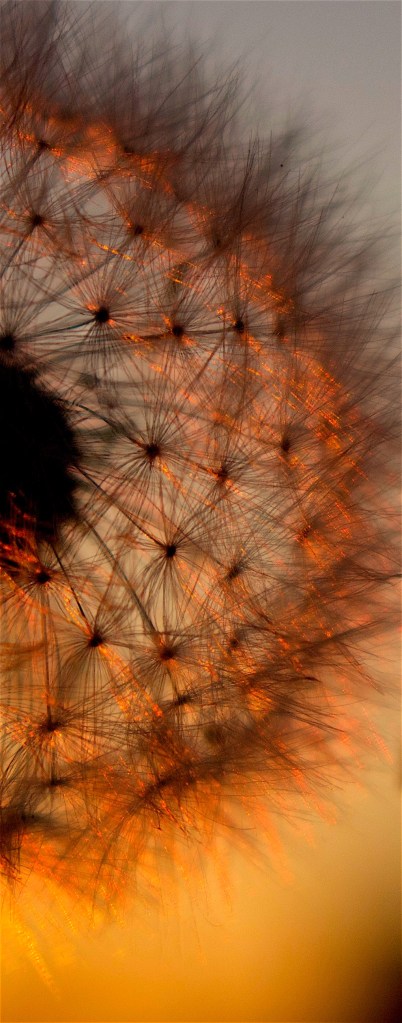
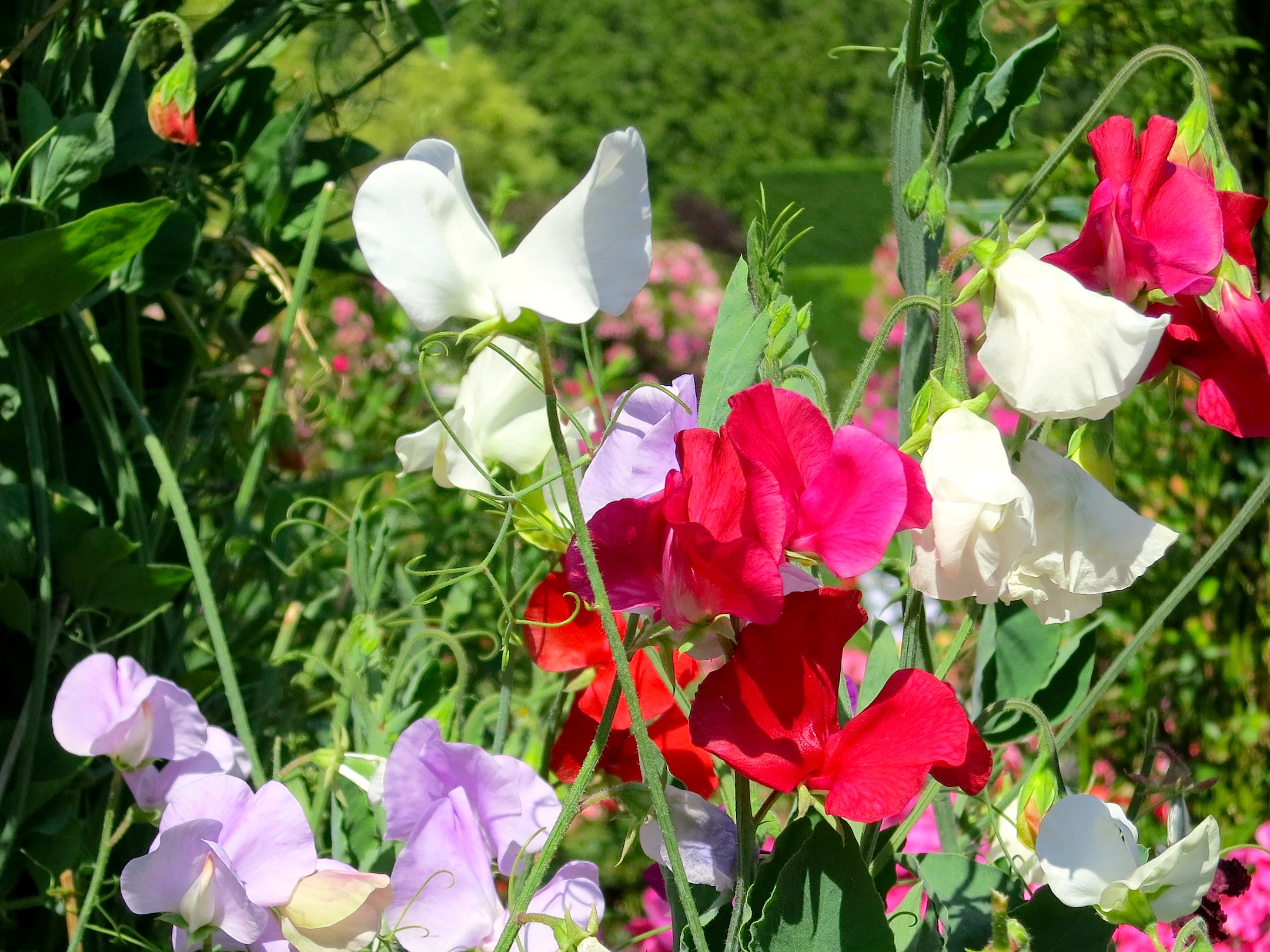
To Be Willing to Be Dazzled

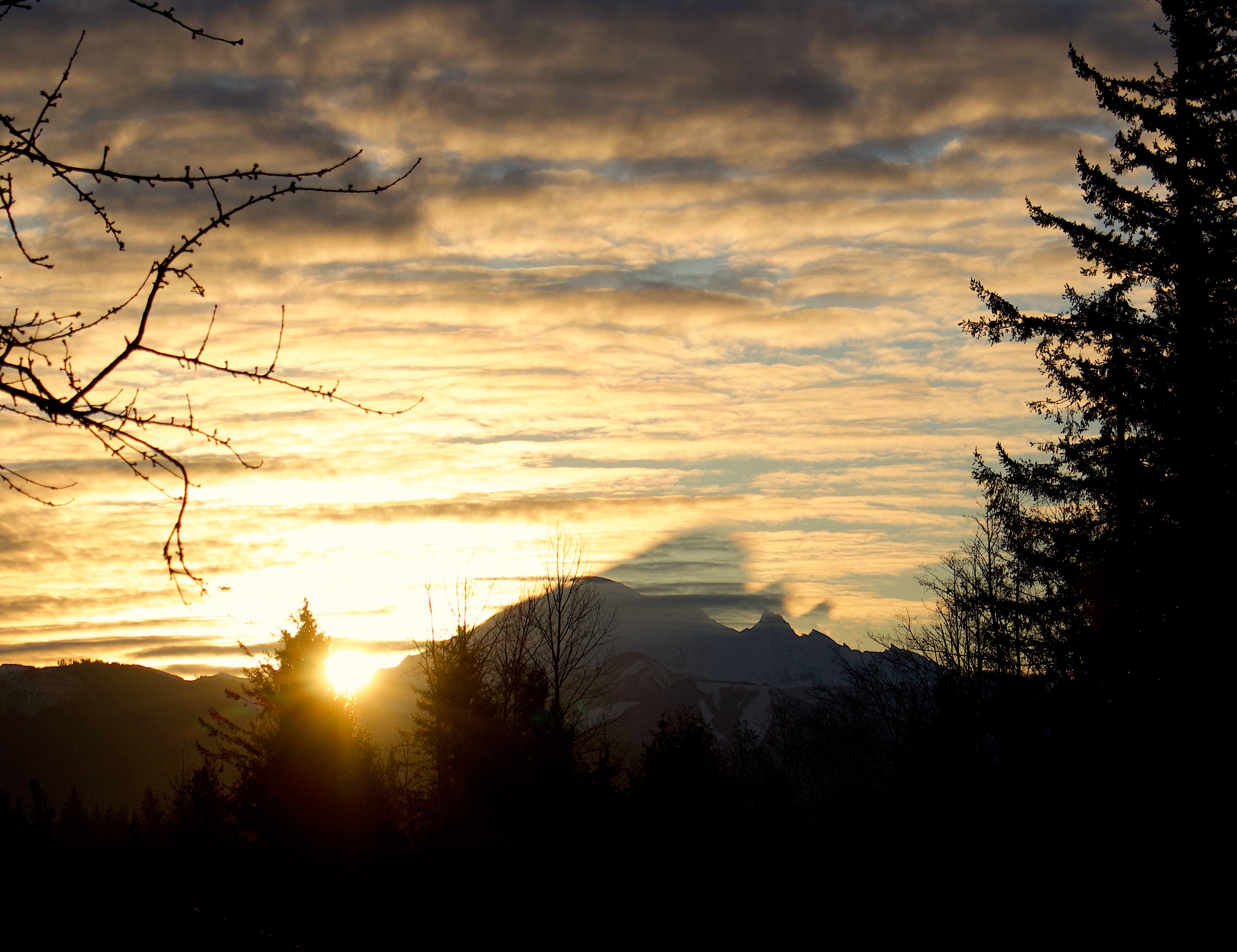
Still, what I want in my life
Is to be willing
To be dazzled-
To cast aside the weight of facts

And maybe even
To float a little
Above this difficult world.
I want to believe I am looking 

Into the white fire of a great mystery.
I want to believe that the imperfections
are nothing —
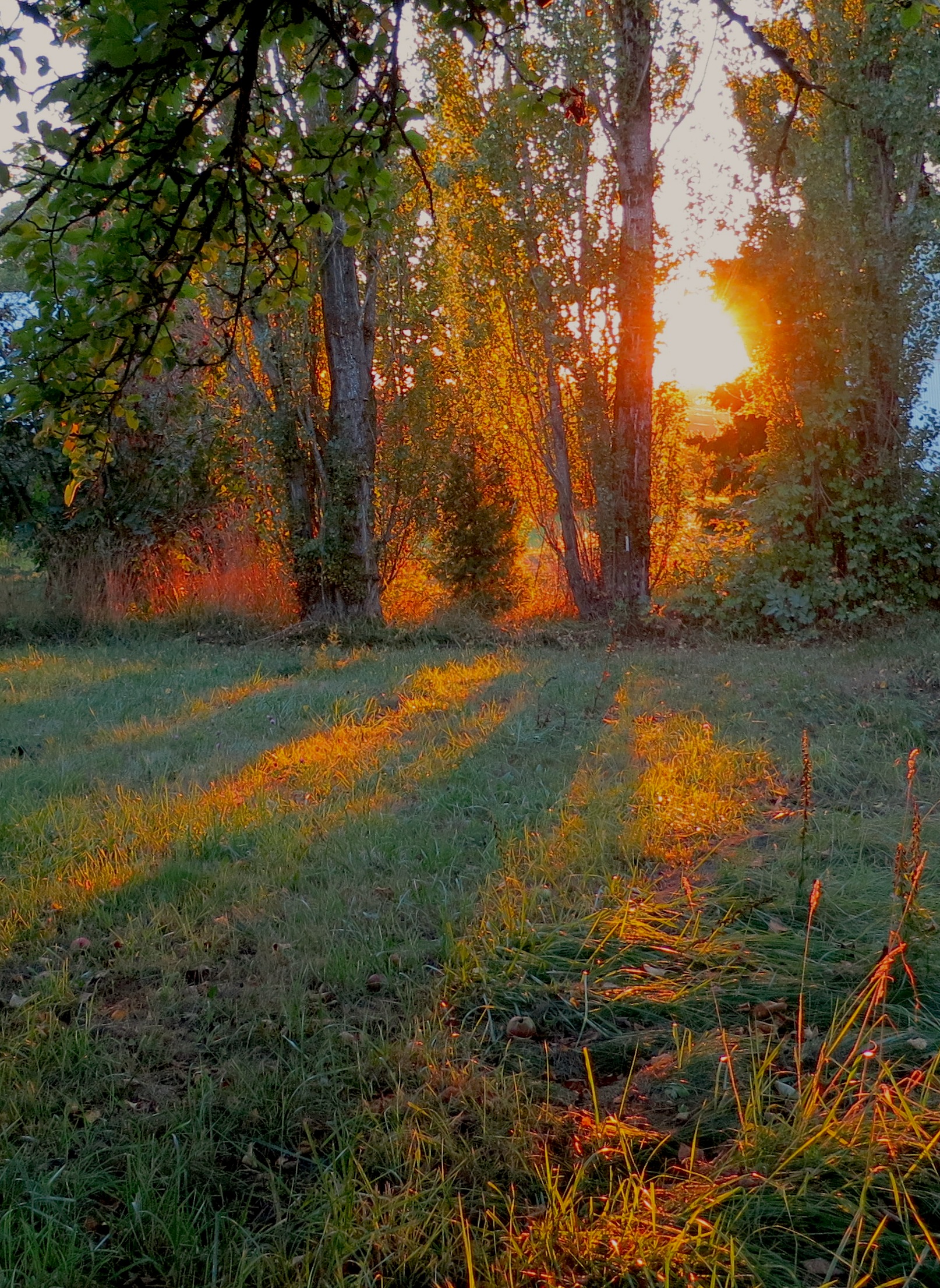
that the light is everything —
that it is more than the sum
of each flawed blossom rising and fading. And I do.

~Mary Oliver from “The Pond” from House of Light

Tell all the truth but tell it slant —
Success in Circuit lies
Too bright for our infirm Delight
The Truth’s superb surprise
As Lightning to the Children eased
With explanation kind
The Truth must dazzle gradually
Or every man be blind —
~Emily Dickinson

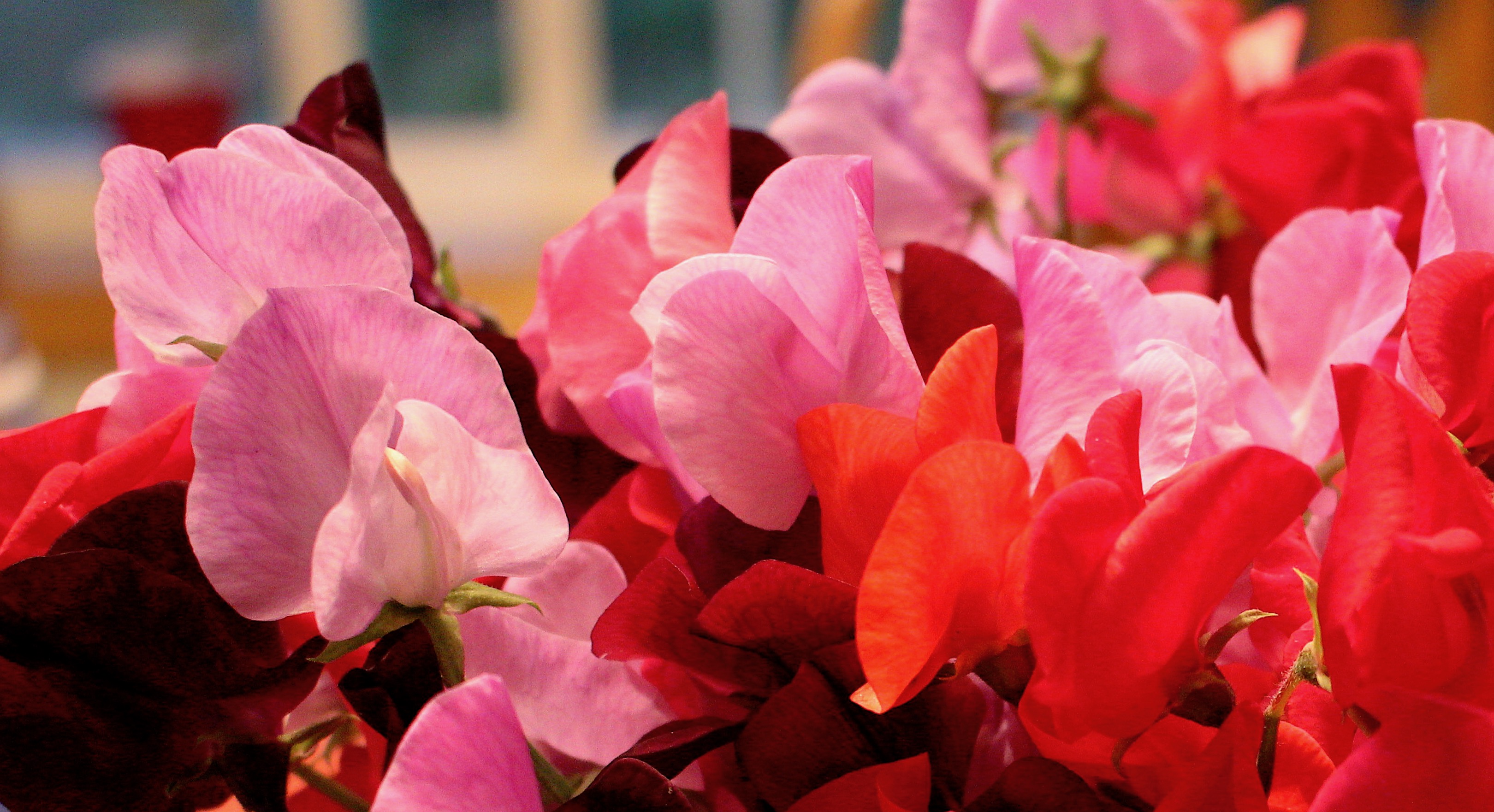
Who would have thought it possible that a tiny little flower could preoccupy a person so completely that there simply wasn’t room for any other thought?
~ Sophie Scholl 
from At the Heart of the White Rose

There are days we live⠀
as if death were nowhere⠀
in the background; from joy⠀
to joy to joy, from wing to wing,⠀
from blossom to blossom to⠀
impossible blossom, to sweet impossible blossom.⠀

~Li-Young Lee from “From Blossoms”

I can’t always handle all the truth all at once, especially when it might hurt. 

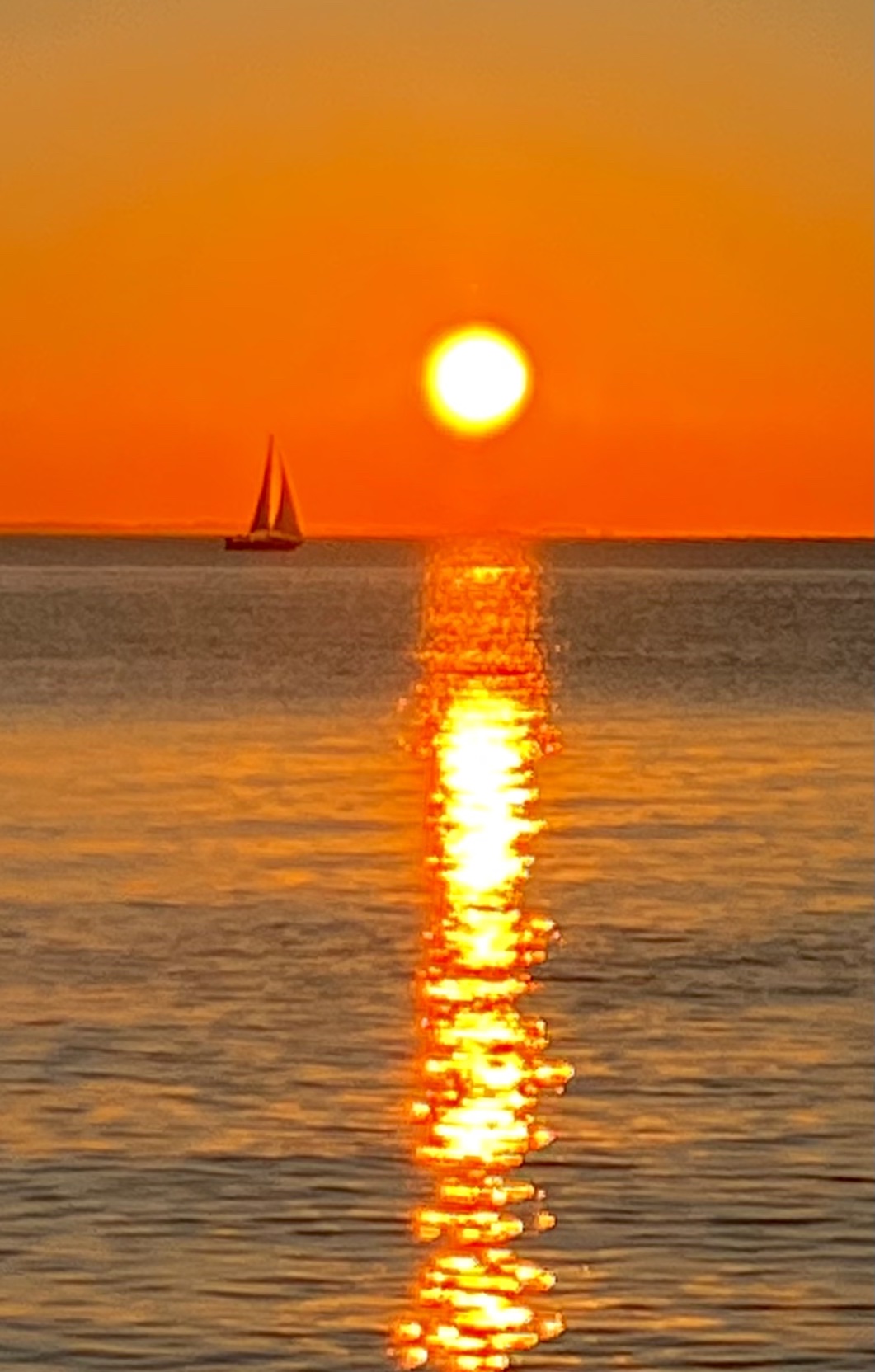
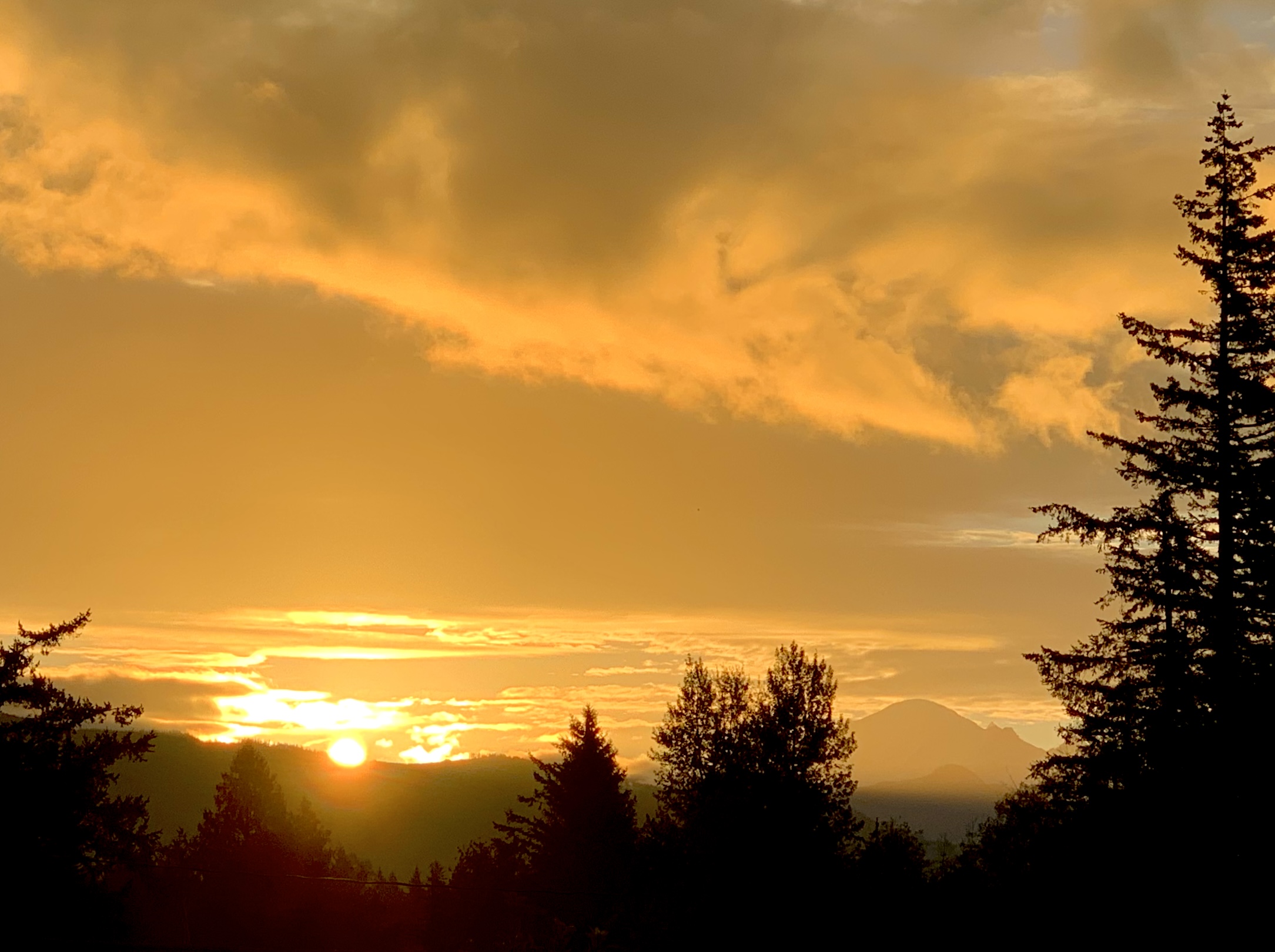
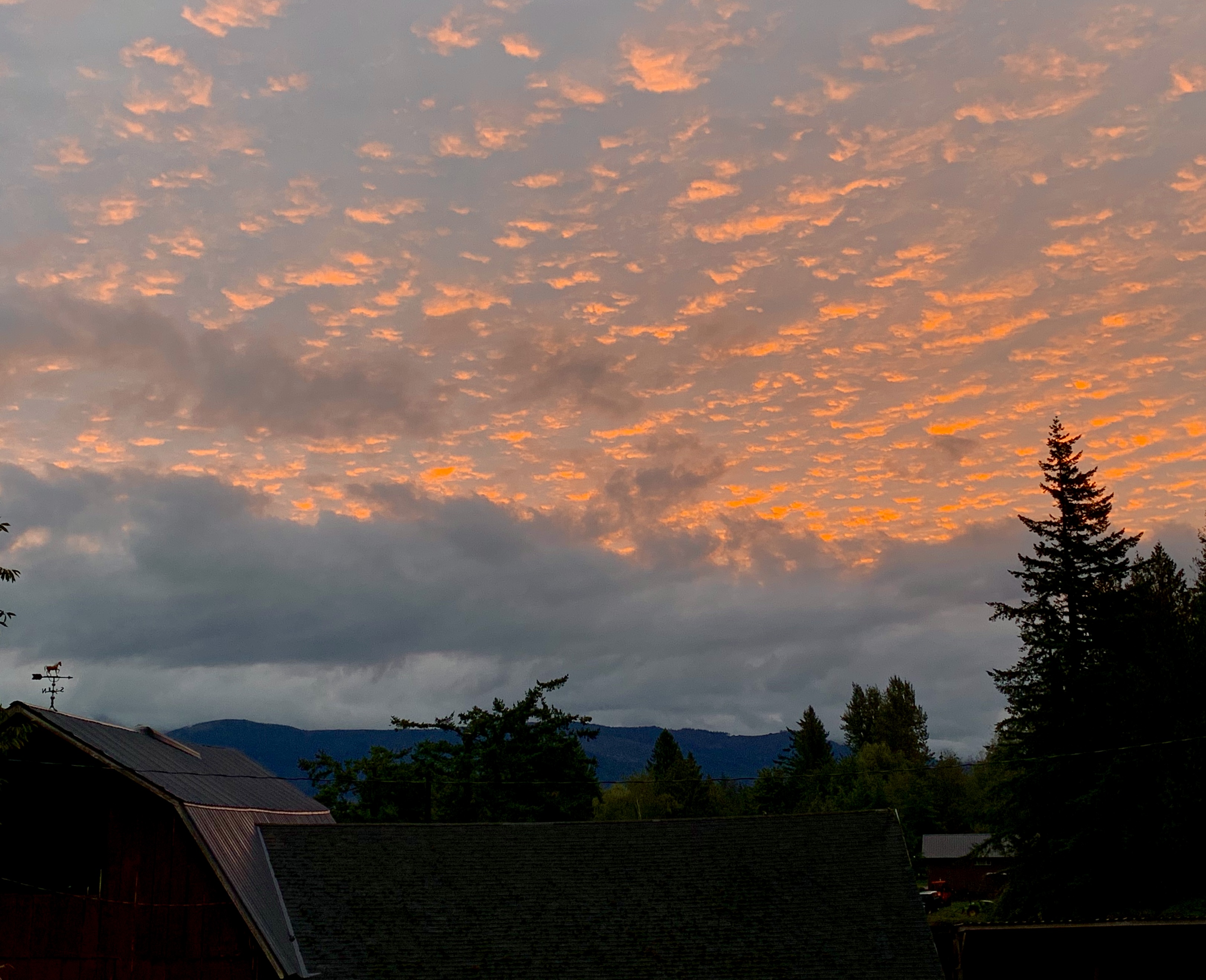
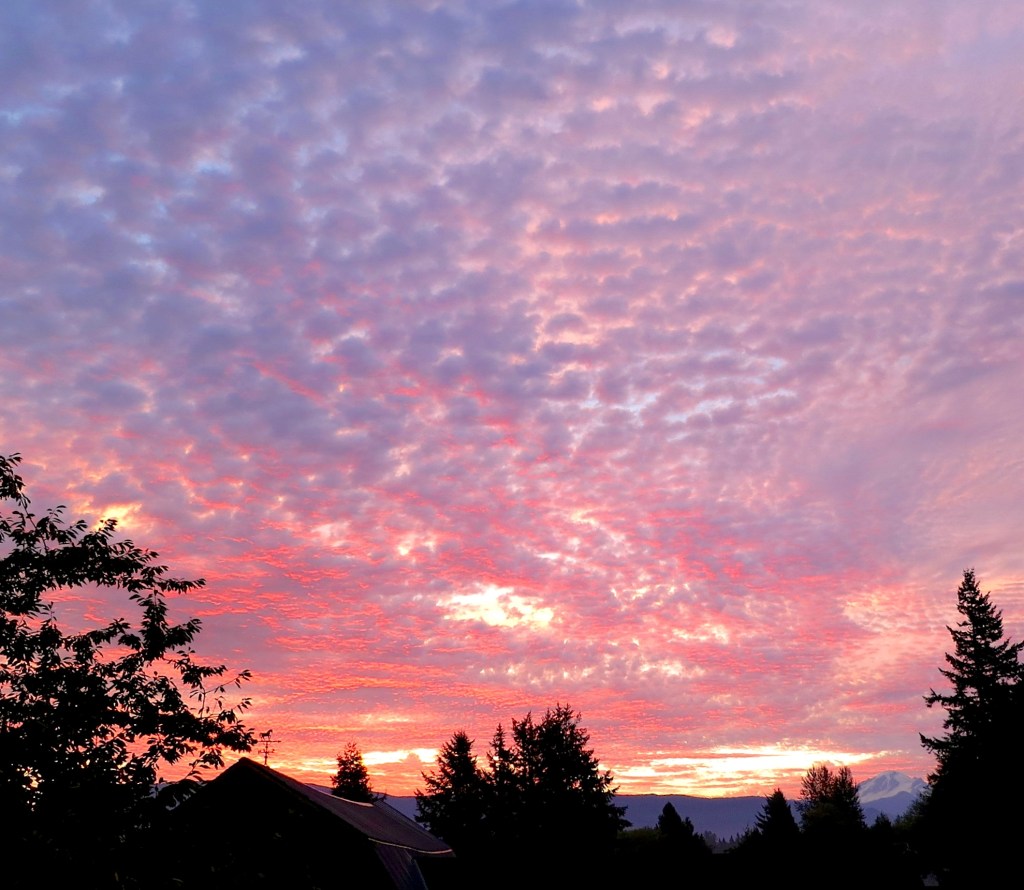
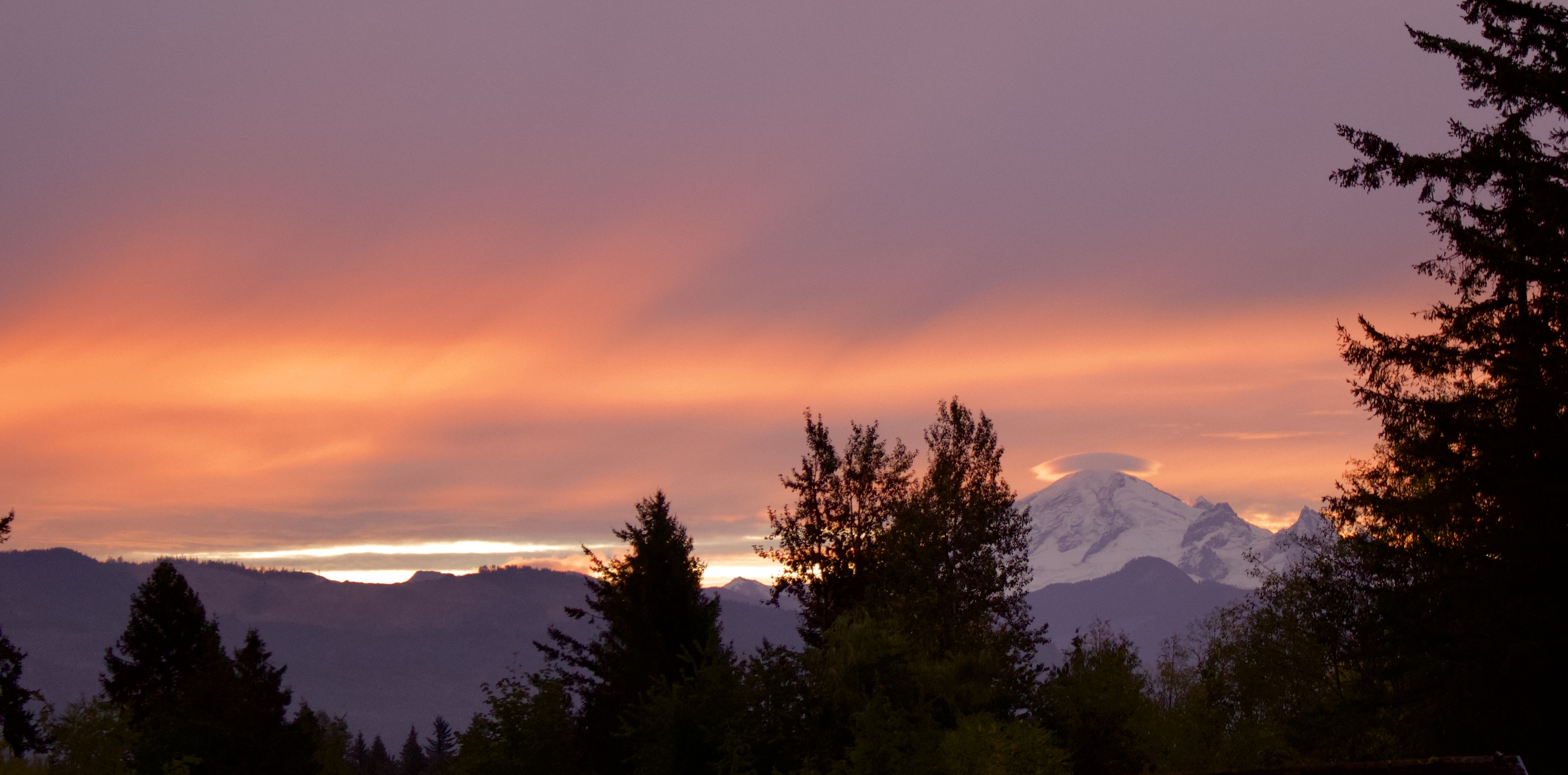
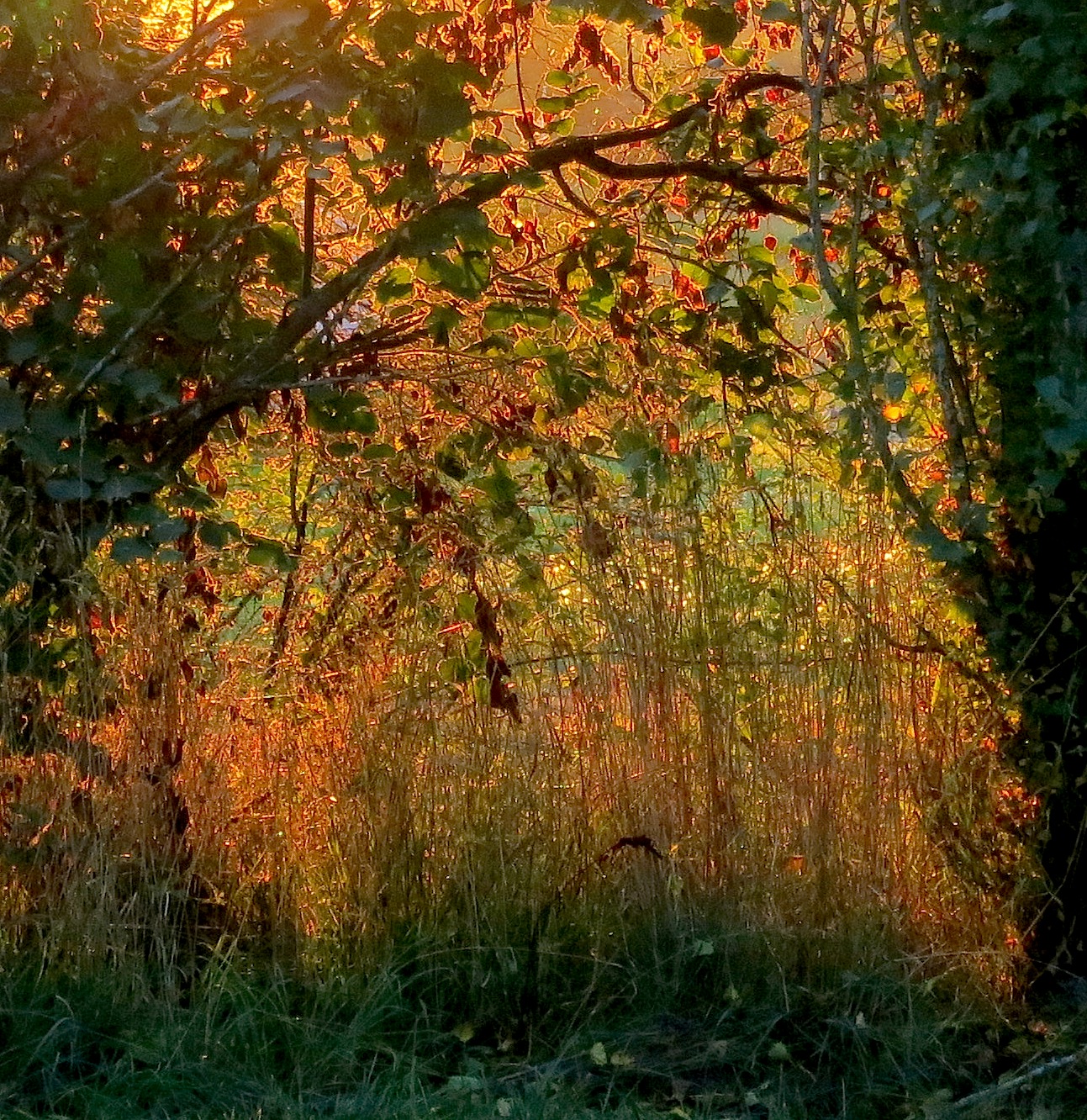
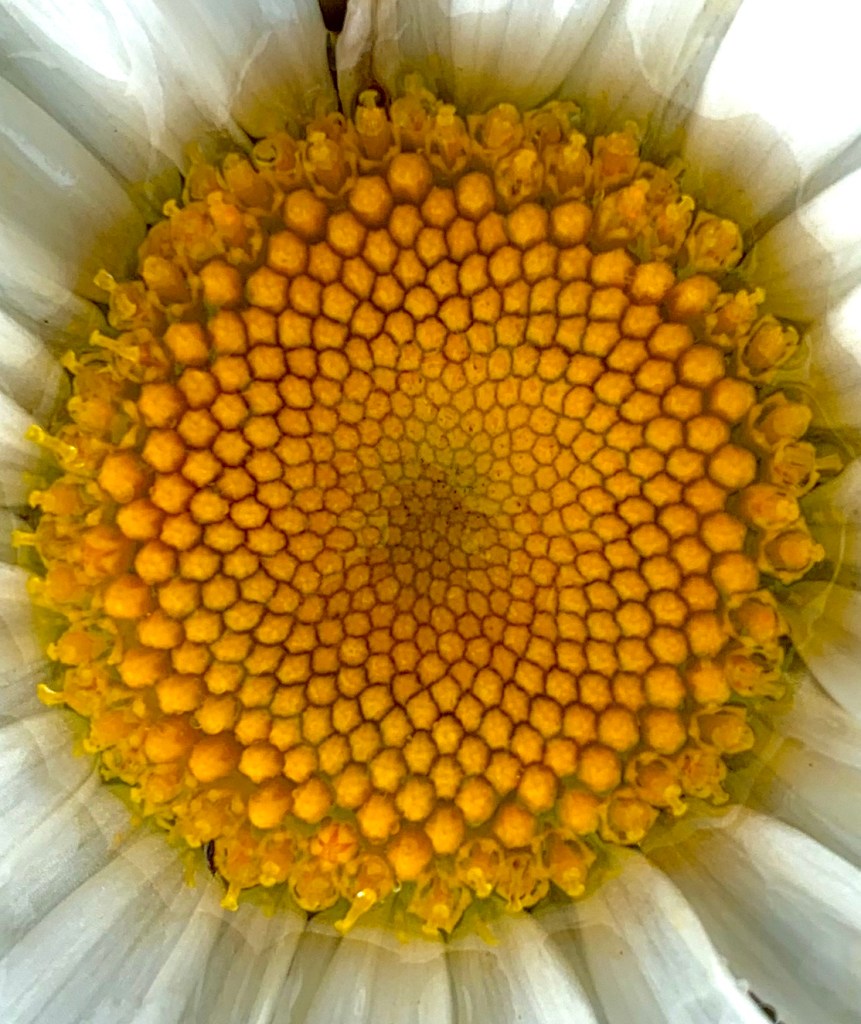
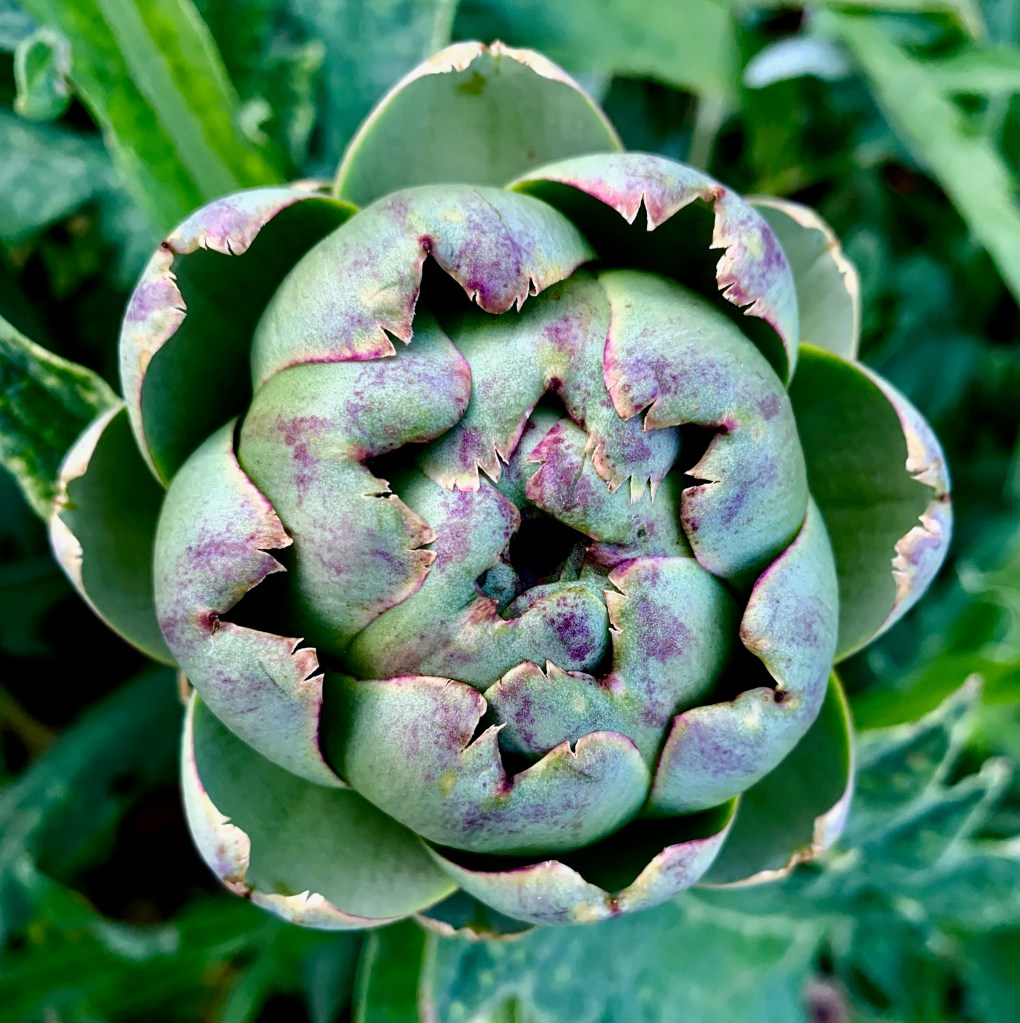
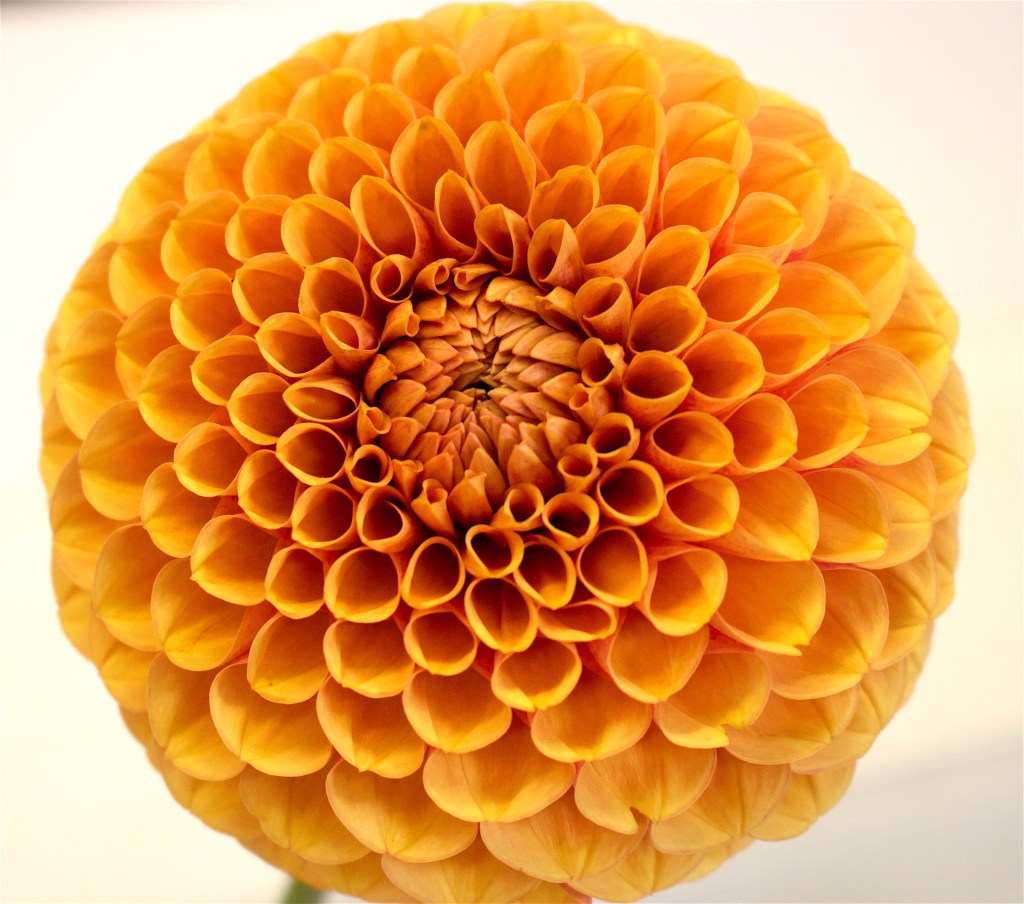
It is best for the truth to slowly bring me out of the shadows where I like to hunker down, a tight little bud refusing to open. Truth told slant becomes an illuminating back drop, encouraging me to open up and transform, willing to be dazzled by the light.

And then, perhaps, just maybe, I too may be
dazzling to behold.

One-Time
Monthly
Yearly

Make a one-time or recurring donation to support daily Barnstorming posts

Make a monthly donation

Make a yearly donation

Choose an amount

¤10.00
¤25.00
¤50.00
¤5.00
¤15.00
¤100.00
¤5.00
¤15.00
¤100.00

Or enter a custom amount

¤

Your contribution is deeply appreciated.

Your contribution is appreciated.

Your contribution is appreciated.

DonateDonate monthlyDonate yearly
Wind Hymning Through the Pines

Sunday mornings I would reach
high into his dark closet while standing
on a chair and tiptoeing reach
higher, touching, sometimes fumbling
the soft crowns and imagine
I was in a forest, wind hymning
through pines, where the musky scent
of rain clinging to damp earth was
his scent I loved, lingering on
bands, leather, and on the inner silk
crowns where I would smell his
hair and almost think I was being
held, or climbing a tree, touching
the yellow fruit, leaves whose scent
was that of a clove in the godsome
air, as now, thinking of his fabulous
sleep, I stand on this canyon floor
and watch light slowly close
on water I’m not sure is there.
~Mark Irwin “My Father’s Hats”

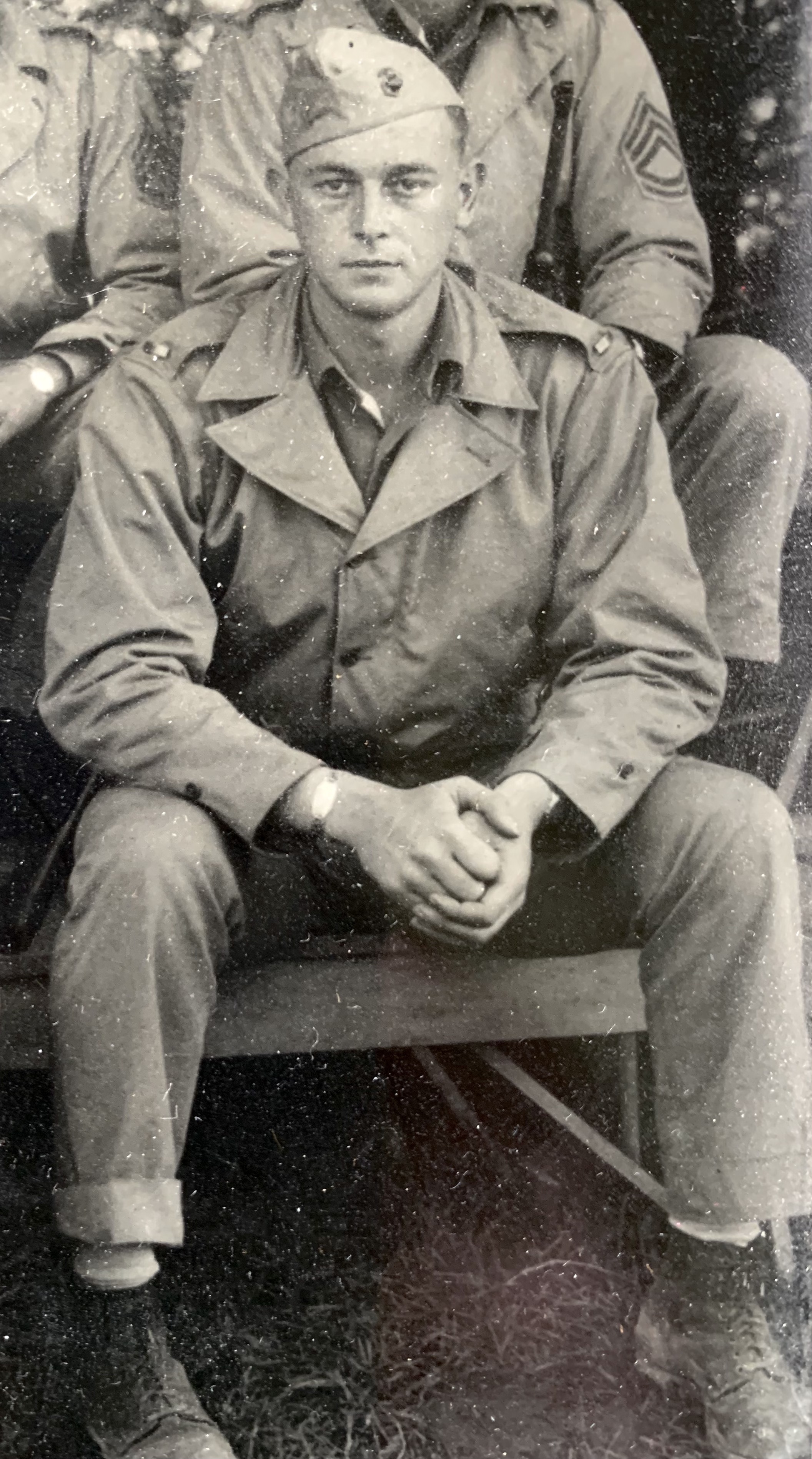
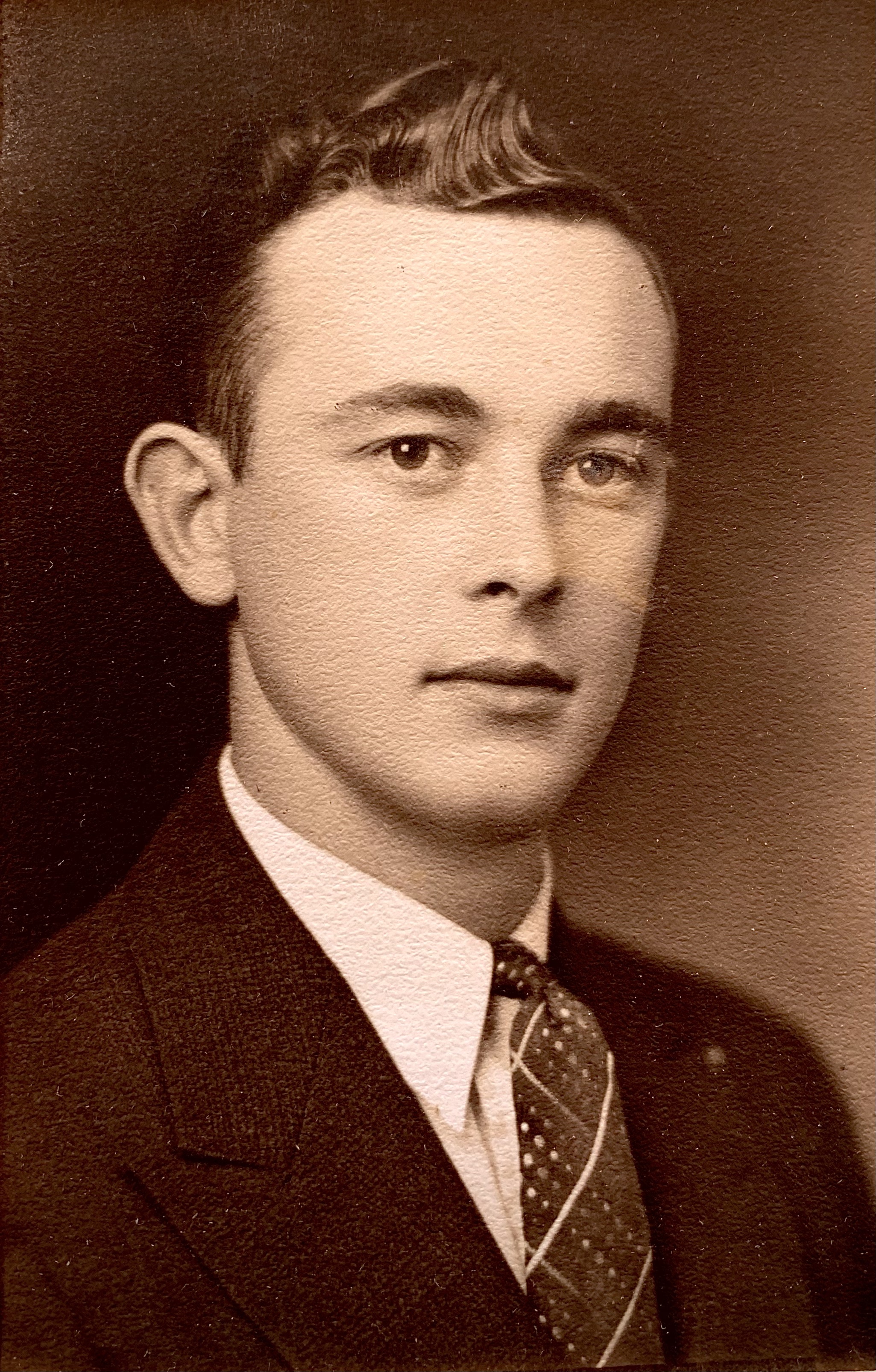
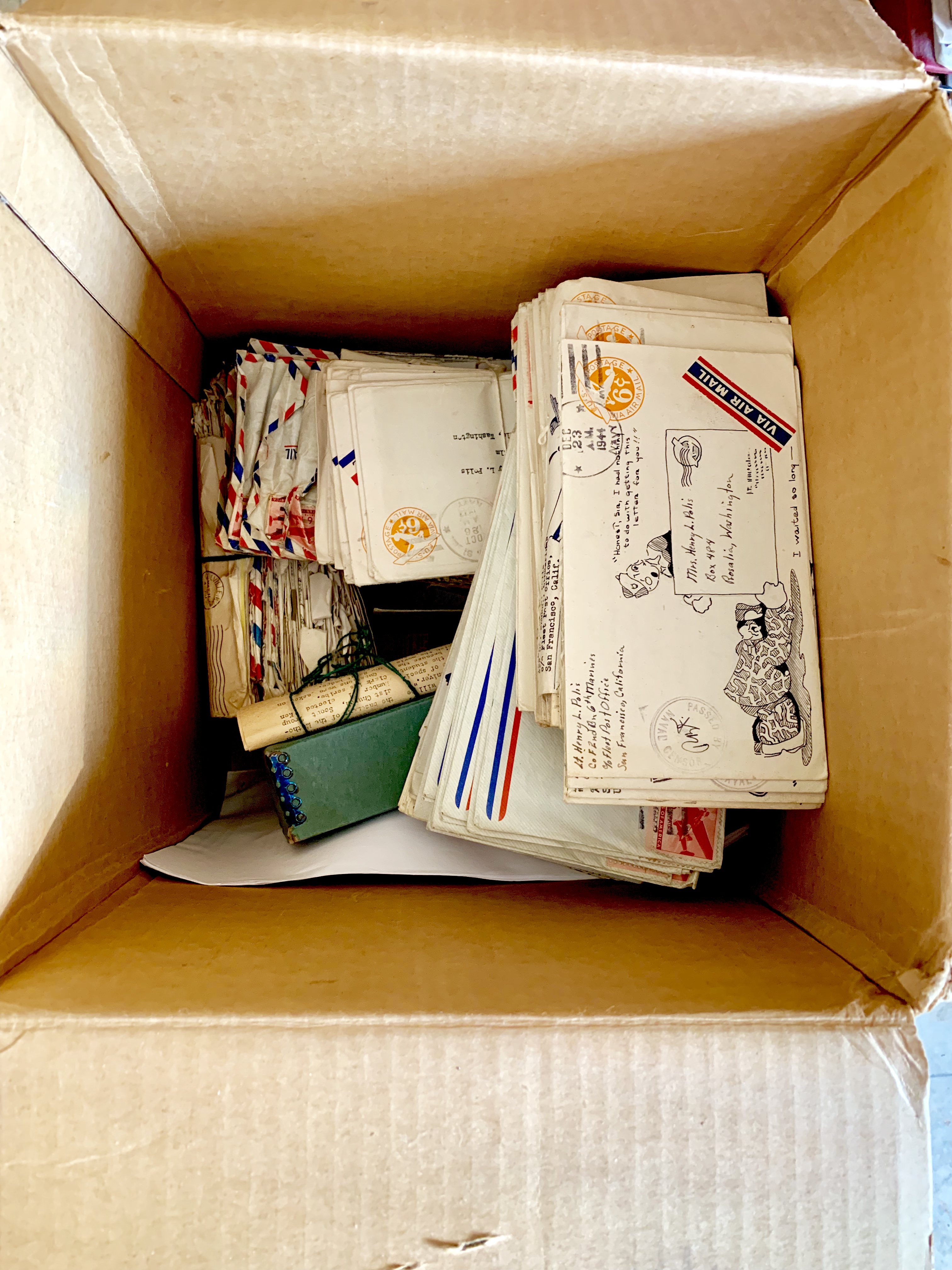
Henry Polis 1968

My father was always more comfortable working outdoors rather than at a desk. He had a nice felt hat for going to church along with the requisite suit and tie, but at home he wore a work cap with a tattered bill and a farm shop logo on the front. It hung on a hook in our breezeway, always sweat-stained from his laboring in full sun on projects on our small farm. I think he could wring it out at the end of the day.

My dad was not one for wearing aftershave or cologne, even to his office job. He had to scrub hard on Sunday mornings as his fingernails contained soil from the garden and grease from the car engines. He smelled like the woods where he slashed and piled brush, like the smoke from the burn piles he lit, like the cement he was always mixing to create his latest walkway, foundation, or support structure. And he always smelled of tobacco – his chosen vice – but never of alcohol which ruined not only his own father’s life and those around him.

I don’t think my father lost his faith even when he suffered at the end, dying of a second cancer after the first was defeated. He wasn’t one to speak of God or salvation so I simply assumed, just as I did during those decades of Sunday morning hat and suits, worshiping in church.

His light shone, even during the hard times when I wasn’t sure it was still there.

One-Time
Monthly
Yearly

Make a one-time or recurring donation to support daily Barnstorming posts

Make a monthly donation

Make a yearly donation

Choose an amount

¤10.00
¤25.00
¤50.00
¤5.00
¤15.00
¤100.00
¤5.00
¤15.00
¤100.00

Or enter a custom amount

¤

Your contribution is deeply appreciated.

Your contribution is appreciated.

Your contribution is appreciated.

DonateDonate monthlyDonate yearly
Reconsidering the Meaning of Flag Day

I am what you make me; nothing more. I swing before your eyes as a bright gleam of color, a symbol of yourself.
~Franklin K. Lane, Secretary of the Interior, 1914 Flag Day address

Sometimes, as a child,  when I was bored, I’d grab a step ladder, pull it into our hallway, climb half way up and carefully lift the plywood hatch that was the portal to our unlit attic.  It took some effort to climb up into the attic from the ladder, juggling a flashlight at the same time, but once seated safely on the beams above our ceiling, being careful not to put my foot through the carpet of insulation, I could explore what was stowed and normally inaccessible to me.

All the usual attic-type things were put up there:  Christmas ornaments and lights,  baby cribs and high chairs,  lamps and toys no longer used.  Secrets to my parents’ past were stored away there too.  It was difficult imagining them as young children growing up on opposite sides of the state of Washington, in very different circumstances, or as attractive college students who met at a dance, or as young marrieds unencumbered by the daily responsibilities of a family.  The attic held those images and memories like a three dimensional photo album.

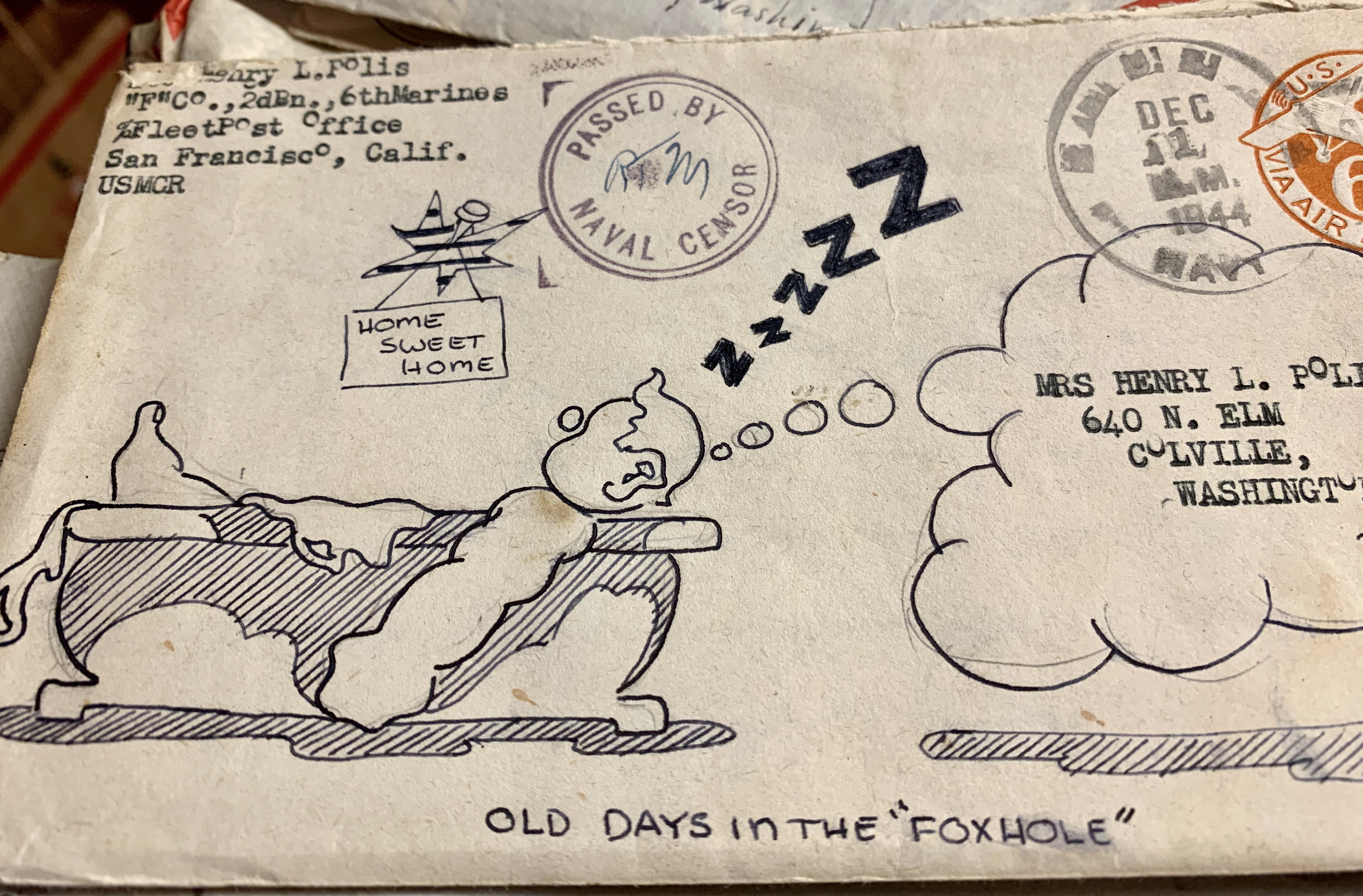
My father’s dark green Marine Corps cargo trunk was up there, the one that followed him from Officer Training in Quantico, Virginia, to beach and mountain battles on Tarawa, Tinian and Saipan in the South Pacific, and three years later back home again.  It had his name and rank stenciled on the side in dark black lettering.  The buckles were stiff but could be opened with effort, and in the dark attic, there was always the thrill of unlatching the lid, and shining the flashlight across the contents.  His Marine Corps dress uniform lay inside underneath his stiff brimmed cap.  There were books about protocol, and a photo album which contained pictures of “his men” that he led in his battalion, and the collection of photos my mother sent of herself as she worked as a teacher of high school students back home.

Most fascinating was a folded Japanese flag inside a small drawstring bag, made of thin white see-through cloth with the bold red sun in the middle.  Surrounding the red sun were the delicate inked characters of many Japanese hands as if painted by artists, each wishing a soldier well in his fight for the empire.  Yet there it was, a symbol of that soldier’s demise, itself buried in an American attic, being gently and curiously held by an American daughter of a Marine Corps captain.  It would occur to me in the 1960s that some of the people who wrote on this flag might still be living, and certainly members of the soldier’s family would still be living.  I asked my father once about how he obtained the flag, and he, protecting both me and himself, waved me away, saying he couldn’t remember.  I know better now.  He knew but could not possibly tell me the truth.

These flags, charms of good luck for the departing Japanese soldier as he left his neighborhood or village for war, are called Hinomaru Yosegaki (日の丸寄せ書き).  Tens of thousands of these flags came home with American soldiers; it is clear they were not the talisman hoped for.  A few of these flags are now finding their way back to their home country, to the original villages, to descendants of the lost soldiers.  So now has this flag.

Eighty years ago doesn’t seem that long, a mere drop in the river of time.  There is more than mere mementos that have flowed from the broken dam of WWII, flooding subsequent generations of Americans, Japanese, Europeans with memories that are now lost as the oldest surviving soldiers in their 90’s pass, scores of them daily, taking their stories of pain and loss and heroism with them.   My father could never talk with a person of Asian descent, Japanese or not, without being visibly uneasy. As a child, I saw and felt this from him, but heard little from his mouth.

When he was twenty two years old,  pressed flat against the rocks of Tarawa, trying to melt into the ground to become invisible to the bullets whizzing overhead, he could not have conceived that sixty five years later his twenty two year old grandson would disembark from a jumbo jet at Narita in Tokyo, making his way to an international school to teach Japanese children.  My father would have been shocked that his grandson would settle happily into a culture so foreign, so seemingly threatening, so apparently abhorrent. Yet this irony is the direct result of the horrors of that too-long horrible bloody war of devastation: Americans and Japanese, despite so many differences, have become the strongest of allies, happily exchanging the grandchildren of those bitterly warring soldiers back and forth across the Pacific.  It too was my privilege to care for Japanese exchange students daily in my University health clinic, peering intently into their open faces and never once seeing the enemy that my father feared.

Now all these decades later, our son taught for 13 years in Tokyo, with deep admiration and appreciation for each of his students, some of whom were great-grandchildren of WWII Japanese soldiers. He married a granddaughter of those my father fought. Their two children are the perfect amalgam of once warring, yet now peaceful, cultures; a symbol of blended and blending peoples overcoming the hatred of past generations, creating a new world.

Our son and daughter-in-law, having settled their family in the States, are adapting to a different language, culture and flag. I pray our son having devoted part of his life as teacher and missionary to the land of the rising sun has redeemed his grandfather, the soldier-warrior of the past century.

(U.S. Air Force photo by Staff Sgt. Peter Reft)
One-Time
Monthly
Yearly

Make a one-time or recurring donation to support daily Barnstorming posts

Make a monthly donation

Make a yearly donation

Choose an amount

¤10.00
¤25.00
¤50.00
¤5.00
¤15.00
¤100.00
¤5.00
¤15.00
¤100.00

Or enter a custom amount

¤

Your contribution is appreciated.

Your contribution is appreciated.

Your contribution is appreciated.

DonateDonate monthlyDonate yearly
Born to Witness What I Can

(Laryx lyallis)

A few weeks after my mother died,
I dreamed that she was waiting for me
in a ravine of spring-green larches.
There was no worry in her eyes, and
she sat there with her knees drawn up,
content to be in the filtered sunlight.
Funny, because she never lived
among larch trees–my mom grew up
on an orange grove and raised us
in the Douglas fir. I do not live
among them either, apart from my rare
visits to the North Cascades. But when
I’m there, as now I am, sitting barefoot
on Cutthroat Pass among amber larches
bathing every bowl and basin,
I have a sense that she’s okay,
and that I am too, born to witness what
I can within this green and golden world
which still persists, with or without us,
but mostly with us, I’ve come to believe.
Things and people pass away–
but that’s when they become themselves.
There’s a new heaven, a new earth,
around and about us–and not much
different from the better parts of the old.
We don’t live there very often,
but when we do, eternity
ignites in a moment, light in the larches
that shines. And shines.

~Paul J. Willis “Sustainability” from Between Midnight and Dawn

We are promised all will be new.

When I imagine a new heaven and a new earth, I can only think of the moments in my life when eternity has been ignited momentarily – the light shining just so – when I realize what it will be like forever, not just for a moment.

Forever is more than I can fathom; we were put here to witness this green and golden world, while being loved by its infinite eternal Creator.

He will wipe every tear from their eyes. 
And there shall be no more death neither sorrow nor crying,
Neither shall there be any more pain,
For the former things are passed away. (Revelation 21:4)

One-Time
Monthly
Yearly

Make a one-time or recurring donation to support daily Barnstorming posts

Make a monthly donation

Make a yearly donation

Choose an amount

¤10.00
¤25.00
¤50.00
¤5.00
¤15.00
¤100.00
¤5.00
¤15.00
¤100.00

Or enter a custom amount

¤

Your contribution is deeply appreciated.

Your contribution is appreciated.

Your contribution is appreciated.

DonateDonate monthlyDonate yearly
Timeless Sense of Time

I thought of happiness, how it is woven
Out of the silence in the empty house each day
And how it is not sudden and it is not given
But is creation itself like the growth of a tree.
No one has seen it happen, but inside the bark
Another circle is growing in the expanding ring.
No one has heard the root go deeper in the dark,
But the tree is lifted by this inward work
And its plumes shine, and its leaves are glittering.

So happiness is woven out of the peace of hours
And strikes its roots deep in the house alone:
The old chest in the corner, cool waxed floors,
White curtains softly and continually blown
As the free air moves quietly about the room;
A shelf of books, a table, and the white-washed wall—
These are the dear familiar gods of home,
And here the work of faith can best be done,
The growing tree is green and musical.

For what is happiness but growth in peace,
The timeless sense of time when furniture
Has stood a life’s span in a single place,
And as the air moves, so the old dreams stir
The shining leaves of present happiness?
No one has heard thought or listened to a mind,
But where people have lived in inwardness
The air is charged with blessing and does bless;
Windows look out on mountains and the walls are kind.

~May Sarton “The Work of Happiness”

Andrew Wyeth – Wind from the Sea, 1947
Andrew Wyeth -Her Room

Some are eager to travel and roam, experiencing new places and unfamiliar scenery.

I leave home reluctantly now. Having settled in during the COVID years, I find happiness forming concentric rings around the core of this farm with my roots growing deeper in this fertile soil. It is where I belong.

Certainly, I have belonged to other places during my life. Each built a new ring in my history, growing me taller and stronger over the years. As I have moved, I have carried along furniture from my grandparents’ homes – a rocking chair, a round top antique trunk. My great aunt’s baby grand piano followed me through three moves. My parents’ things are scattered throughout this house, storing their memories in the wood and polish and fabric.

There is peace to be found in this inwardness. When I open our windows, I sense in every way how the air is charged with blessing. There is kindness here. There is happiness woven out of time and memory and love.

No matter where I shall roam, I will always find the road home.

Tell me where is the road I can call my own,
That I left, that I lost, so long ago.
All these years I have wondered,
oh when will I know,
There’s a way, there’s a road that will lead me home.

After wind, After rain, when the dark is done,
As I wake from a dream, in the gold of day,
Through the air there’s a calling from far away,
There’s a voice I can hear that will lead me home.

Rise up, follow me, come away is the call
With (the) love in your heart as the only song
There is no such beauty as where you belong
Rise up, follow me, I will lead you home.

~Michael Dennis Browne

One-Time
Monthly
Yearly

Make a one-time or recurring donation to support daily Barnstorming posts

Make a monthly donation

Make a yearly donation

Choose an amount

¤10.00
¤25.00
¤50.00
¤5.00
¤15.00
¤100.00
¤5.00
¤15.00
¤100.00

Or enter a custom amount

¤

Your contribution is deeply appreciated.

Your contribution is appreciated.

Your contribution is appreciated.

DonateDonate monthlyDonate yearly

Springing Out of the Rock

Don’t say, don’t say there is no water
to solace the dryness at our hearts.
I have seen

the fountain springing out of the rock wall
and you drinking there. And I too
before your eyes

found footholds and climbed
to drink the cool water.

Don’t say, don’t say there is no water.
That fountain is there among its scalloped
green and gray stones,

it is still there and always there
with its quiet song and strange power
to spring in us,

up and out through the rock.
~Denise Levertov from “The Fountain”

photo by Josh Scholten

It may be that when we no longer know what to do
we have come to our real work and that
when we no longer know which way to go
we have begun our real journey.
The mind that is not baffled is not employed.
The impeded stream is the one that sings.
The world, the truth, is more abounding,
more delightful, more demanding than we thought.
What appeared for a time perhaps to be mere dutifulness …
suddenly breaks open in sweetness —
and we are not where we thought we were,
nowhere that we could have expected to be.
~Wendell Berry from “Poetry and Marriage: The Use of Old Forms,” in Standing By Words

Who among us knows with certainty each morning
what we are meant to do that day
or where we will be asked to go?

Or do we make our best guess by
putting one foot ahead of the other as we were taught
until the day is done and it is time to rest?

For me, over four decades,
I woke baffled each day
that I was allowed
to eavesdrop on heartbeats,
touch tender bellies,
sew up broken skin,
set fractured bones,
listen to and through tears.

I woke humbled with commitment and duty
to keep going even when too tired,
my heart sometimes too dry,
though to offer care even when rejected
and keep striving even if impeded.

Doing that work, I learned that
obstacles will slow but cannot stop
the cascade of love and hope
spilling over and through the rocks of life.

My days still overflow with the uncertainty
of what comes next:
finding my real work in this time of life
is to wade in deep, tumbling over the barriers
and still keep singing.

Simply keep singing.

photo by Josh Scholten
One-Time
Monthly
Yearly

Support daily Barnstorming posts through a one-time or recurring donation

Make a monthly donation

Make a yearly donation

Choose an amount

¤10.00
¤25.00
¤50.00
¤5.00
¤15.00
¤100.00
¤5.00
¤15.00
¤100.00

Or enter a custom amount

¤

Your contribution is deeply appreciated.

Your contribution is appreciated.

Your contribution is appreciated.

DonateDonate monthlyDonate yearly
Fixing Eyes on the Unseen – Like a Pair of Wings

The clouds had given their all –
two days of rain and then a break
in which we walked,


the waterlogged earth
gulping for breath at our feet
as we skirted the lake, silent and apart,


until the swans came and stopped us
with a show of tipping in unison.
As if rolling weights down their bodies to their heads

they halved themselves in the dark water,
icebergs of white feather, paused before returning again
like boats righting in rough weather.

‘They mate for life’ you said as they left,
porcelain over the stilling water. I didn’t reply
but as we moved on through the afternoon light,

slow-stepping in the lake’s shingle and sand,
I noticed our hands, that had, somehow,
swum the distance between us

and folded, one over the other,
like a pair of wings settling after flight.
~Owen Sheers “Winter Swans”

We are created to be folded together to one another – bound to our God and Savior.

We belong here in tandem, even when there is temptation to fly –
away from what is painful and difficult
away from the cold, the dark, the storm

We are called home
folding our fingers and wings together
as a kept promise of unity
not just for now, but for ever.

This year’s Lenten theme:
So we fix our eyes not on what is seen, but on what is unseen, since what is seen is temporary, but what is unseen is eternal.
2 Corinthians 4: 18

Fixing Eyes on the Unseen – We Need More Cowbells

We come across a ridge and hear
a cowbell in the cove beyond,
a tinkle sweetening the air
with vague rubato as the breeze
erases tones and then the notes
resume like echoes from the past
or from a cave inside the cliff,
a still, calm voice in dialect
and keeping its own company,
both out of time and long as time,
both here and from a higher sphere,
as if the voice of history
were intimate as memory.

~Robert Morgan “Cowbell”

Over my head, I see the bronze butterfly,   
Asleep on the black trunk,
Blowing like a leaf in green shadow.   
Down the ravine behind the empty house,   
The cowbells follow one another   
Into the distances of the afternoon.   
To my right,
In a field of sunlight between two pines,   
The droppings of last year’s horses   
Blaze up into golden stones.
I lean back, as the evening darkens and comes on.   
A chicken hawk floats over, looking for home.
I have wasted my life.
~James Wright “Lying in a Hammock at William Duffy’s Farm in Pine Island, Minnesota”

photo by Kate Steensma from Steensma Creamery

One of the lullabies I remember hearing as a youngster were cowbells in the pasture outside my bedroom window on our family farm. Each of our three milking Guernsey cows wore a bell on her neck so my dad could tell where they were in our wooded field. He’d whistle and call “Come Bossy!” and they would walk single file into the barn, ringing and tinkling with each step, for their twice daily grain and hand-milking.

When I was old enough, I liked to perch on top of their bony backs while my dad leaned his head into their flank, whistling a tune while he milked them, the steaming stream of milk hitting the metal bucket with a high-pitched whine. The bells on their necks still chimed as the cows chewed, moving their heads up and down to finish their meal.

This was divine music that soothed and reassured me. All was right with the world, thanks to the cows and their intrinsic tunes created by their movements, as if they were created to charm their keepers. There are moments when I believe we are hearing what heaven must sound like.

Now, sixty five years later, the soft harmony of cowbells has been replaced by the random chords of wind chimes hanging outside our house. The memory of cowbell music remains a reminder: I have not wasted my life if I can taste heaven through such simple things and magical moments.

But I still need more cowbell…

This year’s Lenten theme:
So we fix our eyes not on what is seen, but on what is unseen, since what is seen is temporary, but what is unseen is eternal.
2 Corinthians 4: 18

and because there is always a need for more cowbell…

Fixing Eyes on the Unseen – Realizing the Snow is Melting…

Our heart wanders lost in the dark woods.
Our dream wrestles in the castle of doubt.
But there’s music in us. Hope is pushed down
but the angel flies up again taking us with her.
The summer mornings begin inch by inch
while we sleep, and walk with us later
as long-legged beauty through
the dirty streets. It is no surprise 
that danger and suffering surround us.
What astonishes is the singing.
We know the horses are there in the dark
meadow because we can smell them,
can hear them breathing. 
Our spirit persists like a man struggling 
through the frozen valley
who suddenly smells flowers
and realizes the snow is melting
out of sight on top of the mountain,
knows that spring has begun.

~Jack Gilbert “Horses at Midnight Without a Moon”

As if —
we are walking through the darkest valley, still stuck in the throes of winter, and catch a whiff of a floral scent, or a hint of green grass, or hear the early jingle bells song of peeper frogs in the wetlands, or feel the warm breath of horses puffing steam at night.
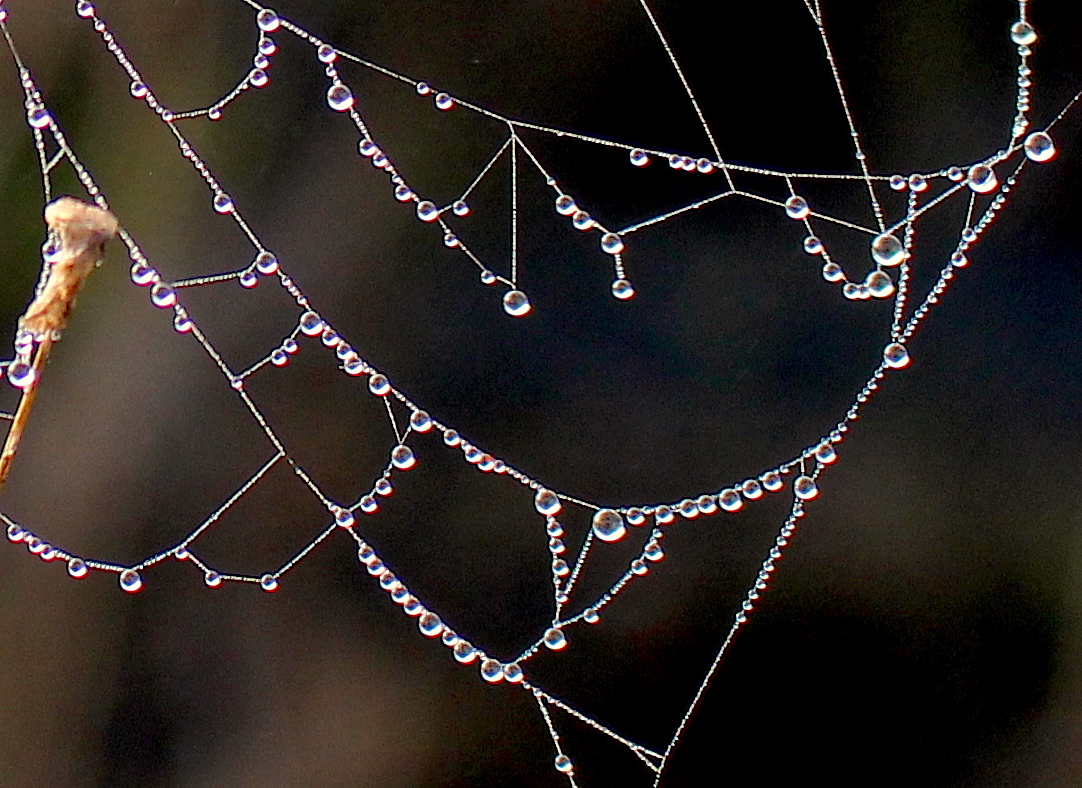
As if —
there is hope on the other side, refreshment and renewal and rejoicing only around the corner.

As if —
things won’t always be frozen or muddy or barren, that something is coming behind the snowdrops and crocus.

The snow is melting, imperceptibly, but melting nonetheless.
And that, in turn, melts me…

This year’s Lenten theme:
So we fix our eyes not on what is seen, but on what is unseen, since what is seen is temporary, but what is unseen is eternal.
2 Corinthians 4: 18

Fixing Eyes on the Unseen – Wounds to be Healed

The earth invalid, dropsied, bruised, wheeled
Out in the sun,
After frightful operation.
She lies back, wounds undressed to the sun,
To be healed,
Sheltered from the sneapy chill creeping North wind,
Leans back, eyes closed, exhausted, smiling
Into the sun. Perhaps dozing a little.
While we sit, and smile, and wait, and know
She is not going to die. 
~Ted Hughes from ” A March Morning Unlike Others” from Ted Hughes. Collected Poems

March. I am beginning
to anticipate a thaw. Early mornings
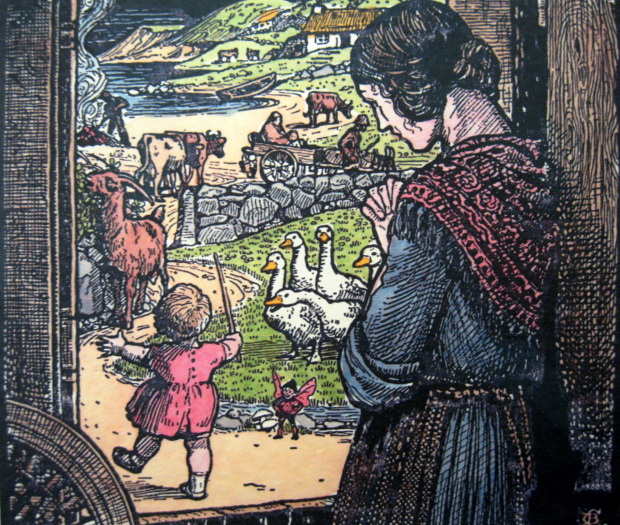
the earth, old unbeliever, is still crusted with frost
where the moles have nosed up their
cold castings, and the ground cover
in shadow under the cedars hasn’t softened
for months, fogs layering their slow, complicated ice
around foliage and stem
night by night,

but as the light lengthens, preacher
of good news, evangelizing leaves and branches,
his large gestures beckon green
out of gray. Pinpricks of coral bursting
from the cotoneasters. A single bee
finding the white heather. Eager lemon-yellow
aconites glowing, low to the ground like
little uplifted faces. A crocus shooting up
a purple hand here, there, as I stand
on my doorstep, my own face drinking in heat
and light like a bud welcoming resurrection,
and my hand up, too, ready to sign on
for conversion.

~Luci Shaw “Revival” from What the Light Was Like.

Spring is emerging slowly this year from an exceptionally haggard and droopy winter. All growing things are a month behind the usual budding blooming schedule when, like the old “Wizard of Oz” movie, the landscape will suddenly turn from monochrome to technicolor, the soundtrack from forlorn to glorious birdsong.

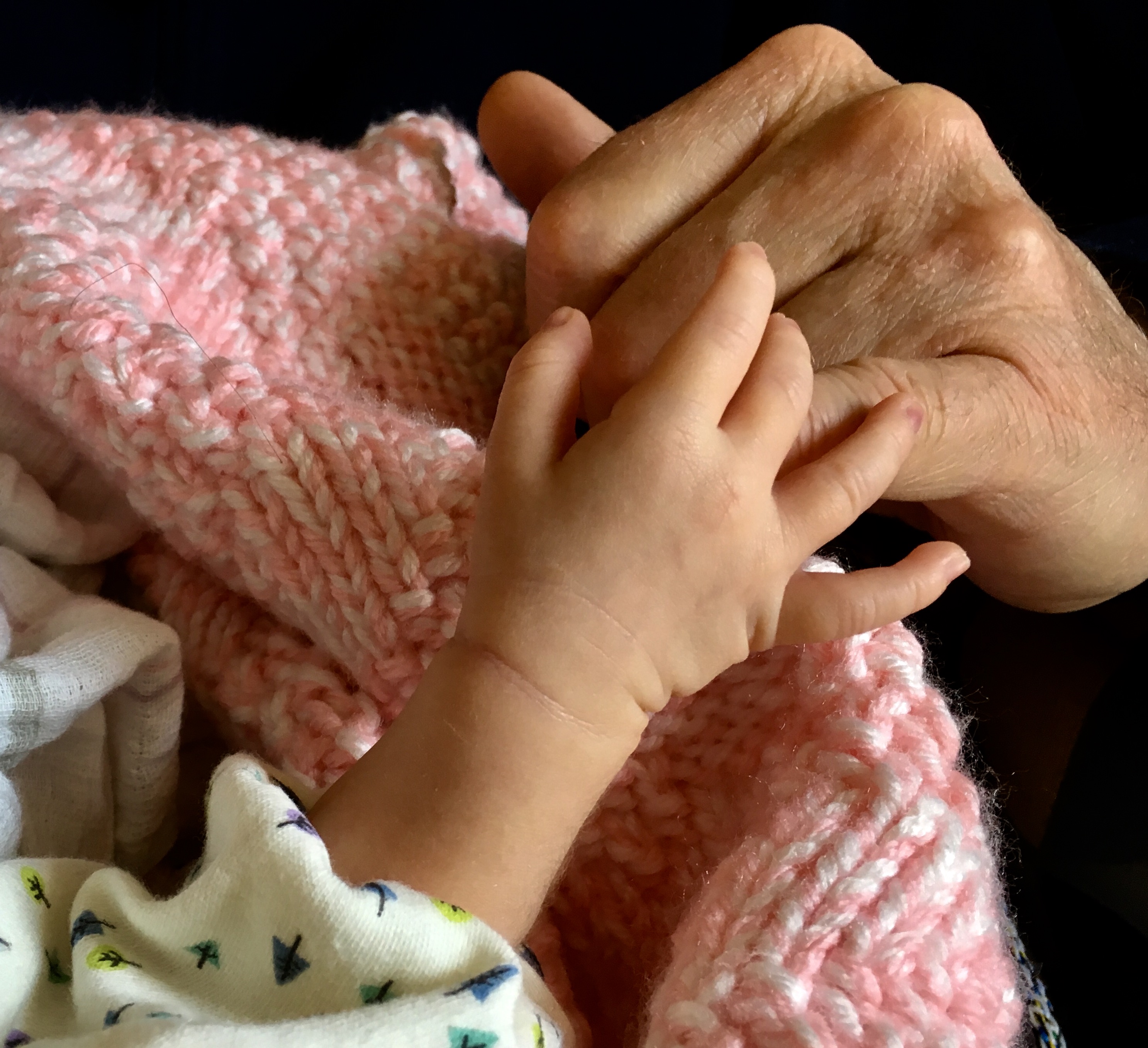
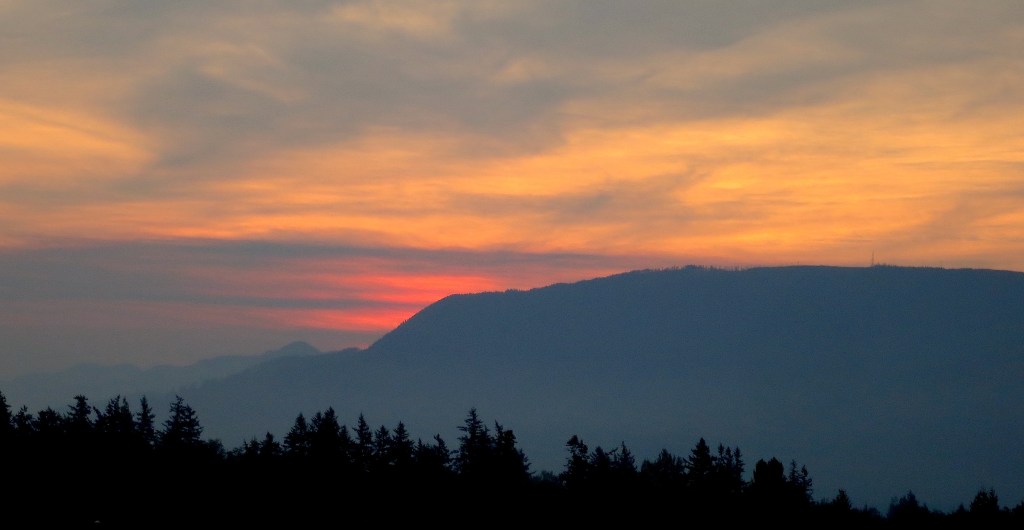
Yearning for spring to commence, I tap my foot impatiently as if owed a timely seasonal transformation from dormant to verdant.  We all have been waiting for the Physician’s announcement that this patient survived some intricate life-changing procedure: “I’m happy to say the Earth is alive after all and restored, wounded but healing, breathing on her own but too sedated for a visit just yet.”

I wait impatiently to celebrate her healing, yet I know Creation is very much alive- this temporary home of ours. No invalid this patient.
She lives, she breathes, she thrives,
she will bloom and sing with everything she’s got
and soon, so will I.

This year’s Lenten theme:
So we fix our eyes not on what is seen, but on what is unseen, since what is seen is temporary, but what is unseen is eternal.
2 Corinthians 4: 18