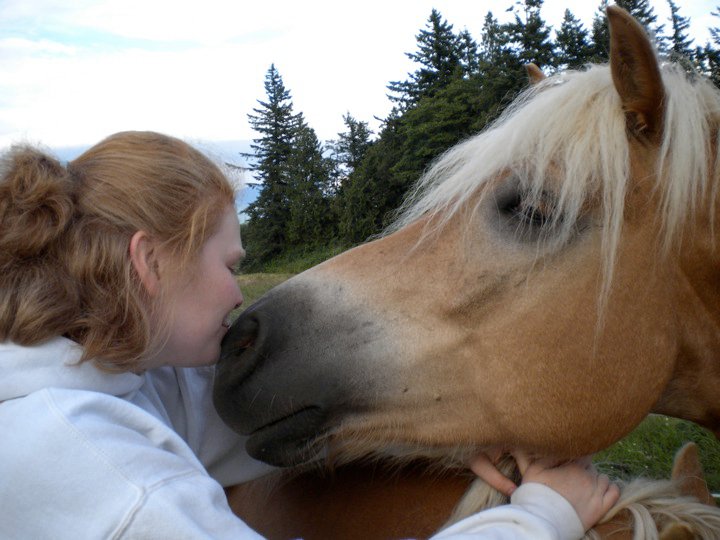
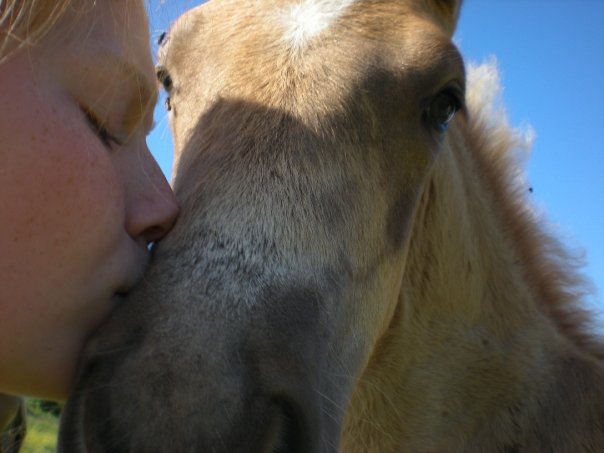
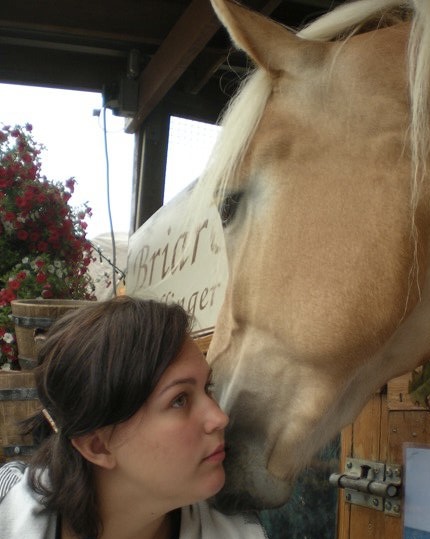
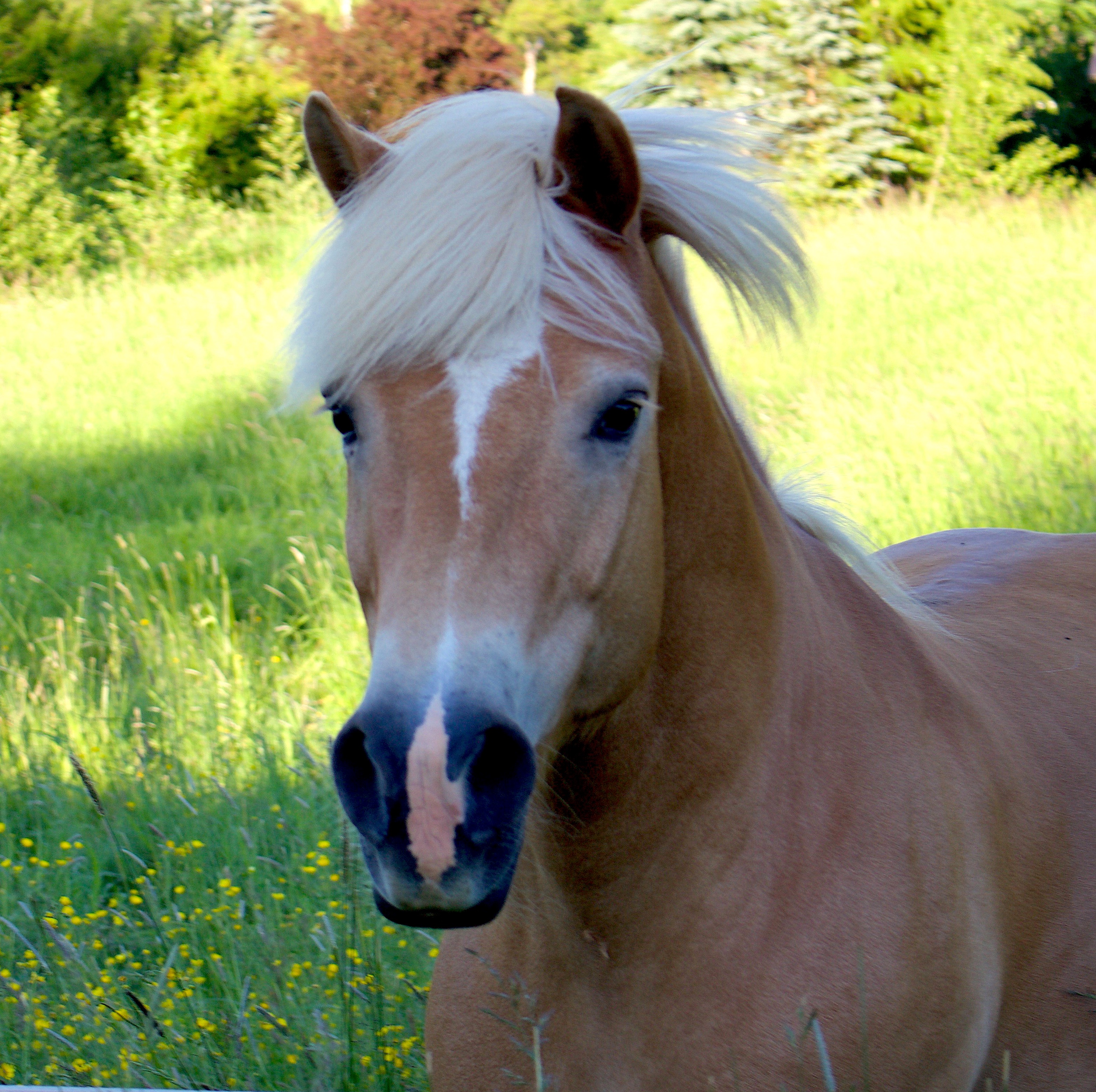
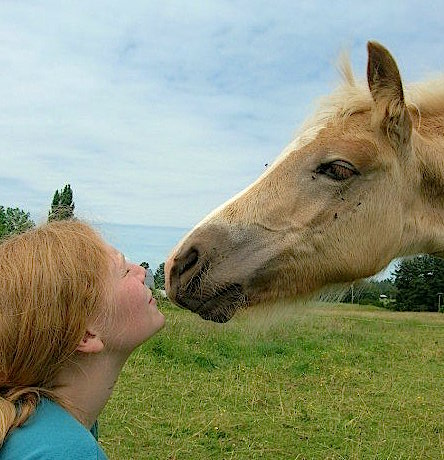
…and there was once, oh wonderful, a new horse in the pasture, a tall, slim being–a neighbor was keeping her there– and she put her face against my face, put her muzzle, her nostrils, soft as violets, against my mouth and my nose, and breathed me, to see who I was, a long quiet minute–minutes– then she stamped her feet and whisked tail and danced deliciously into the grass away, and came back. She was saying, so plainly, that I was good, or good enough. ~Mary Oliver from “The Poet Goes to Indiana”
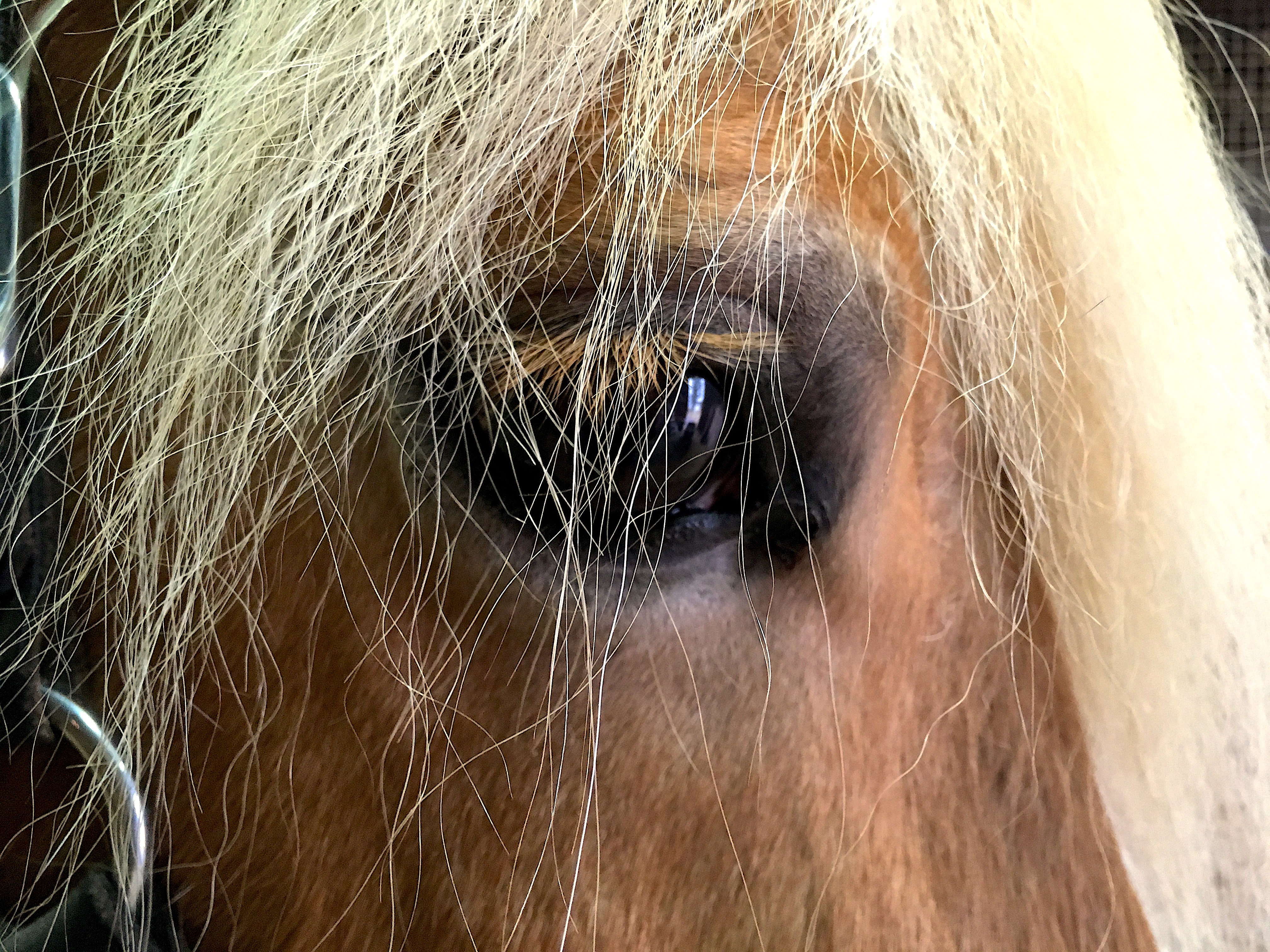
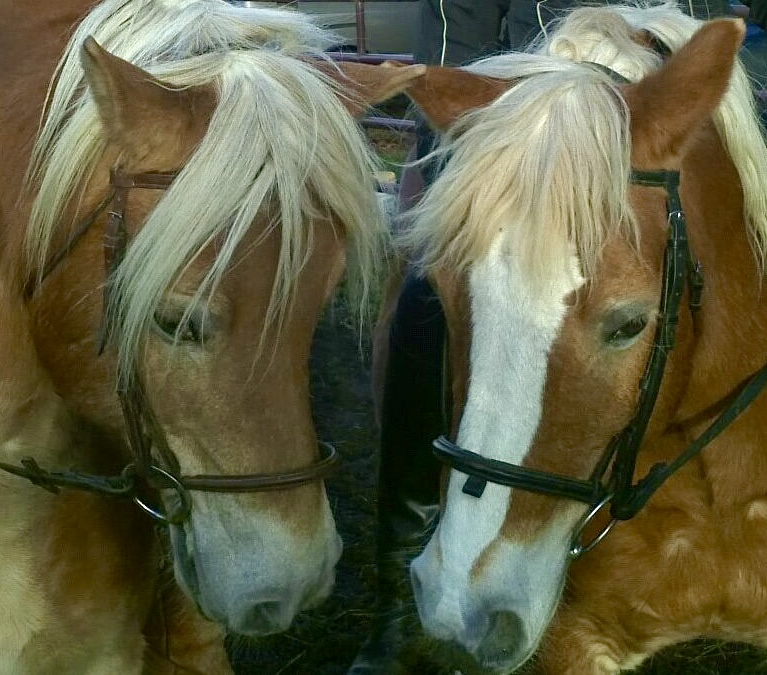
photo by Lea Gibson
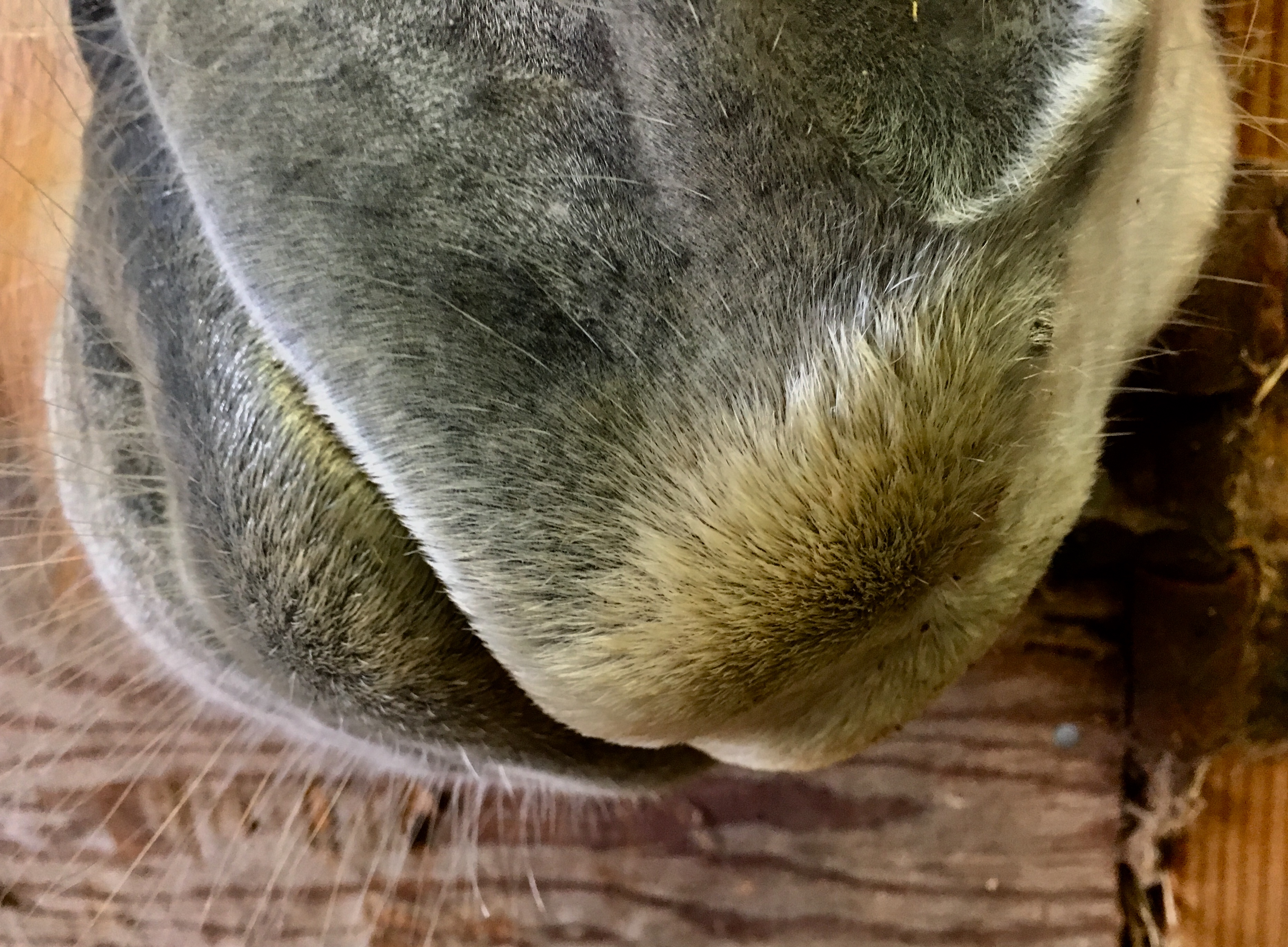
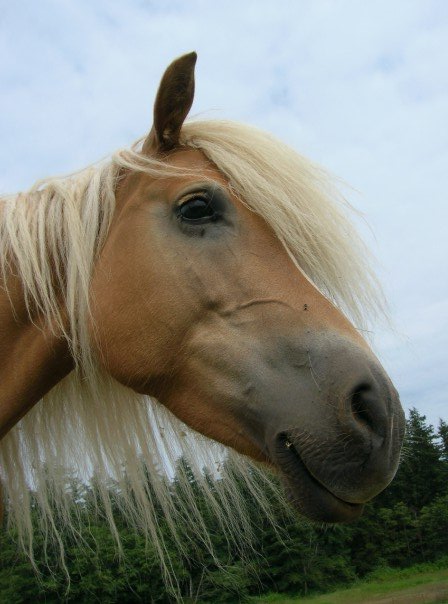
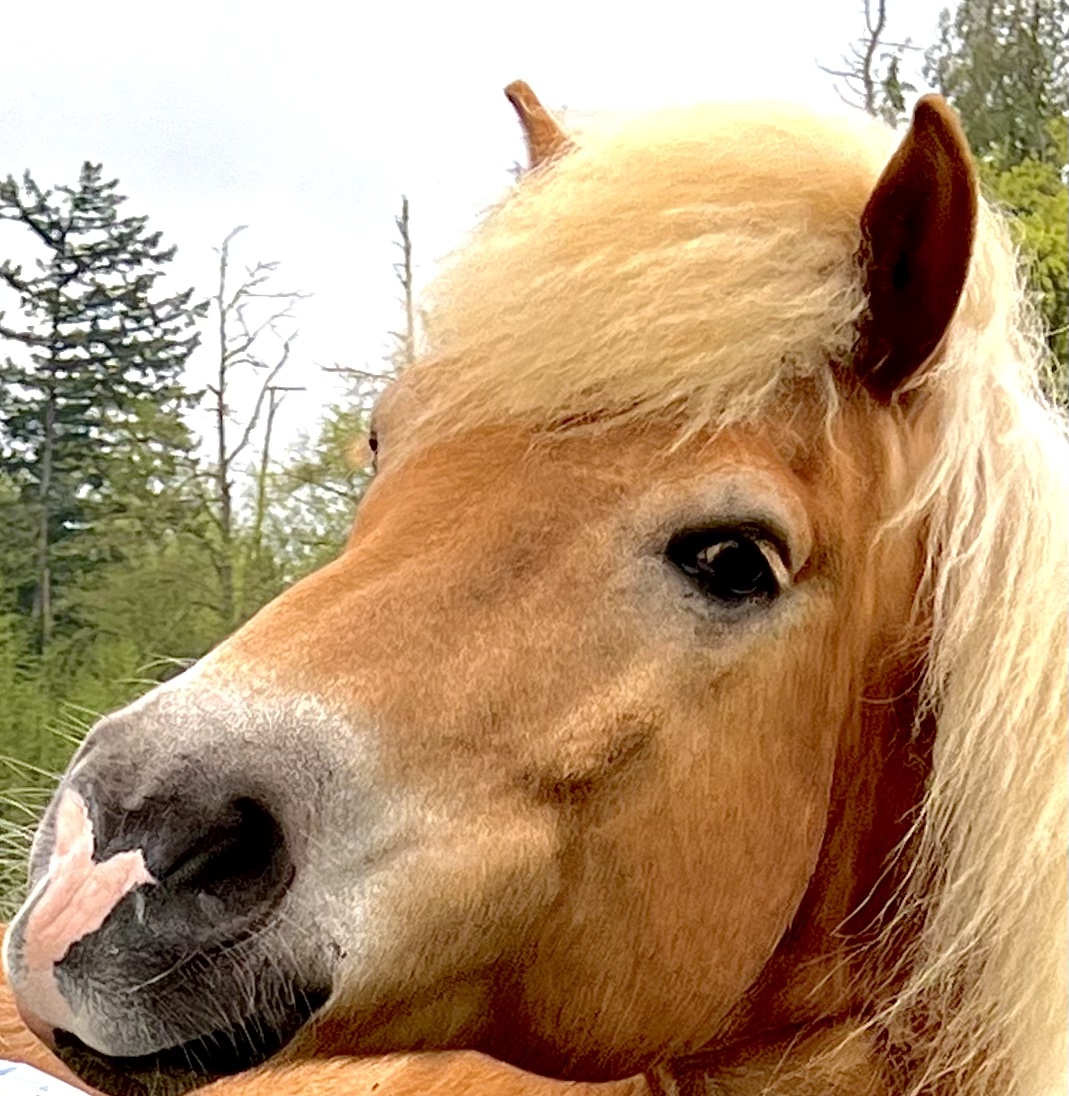
photo by Emily Vander Haak
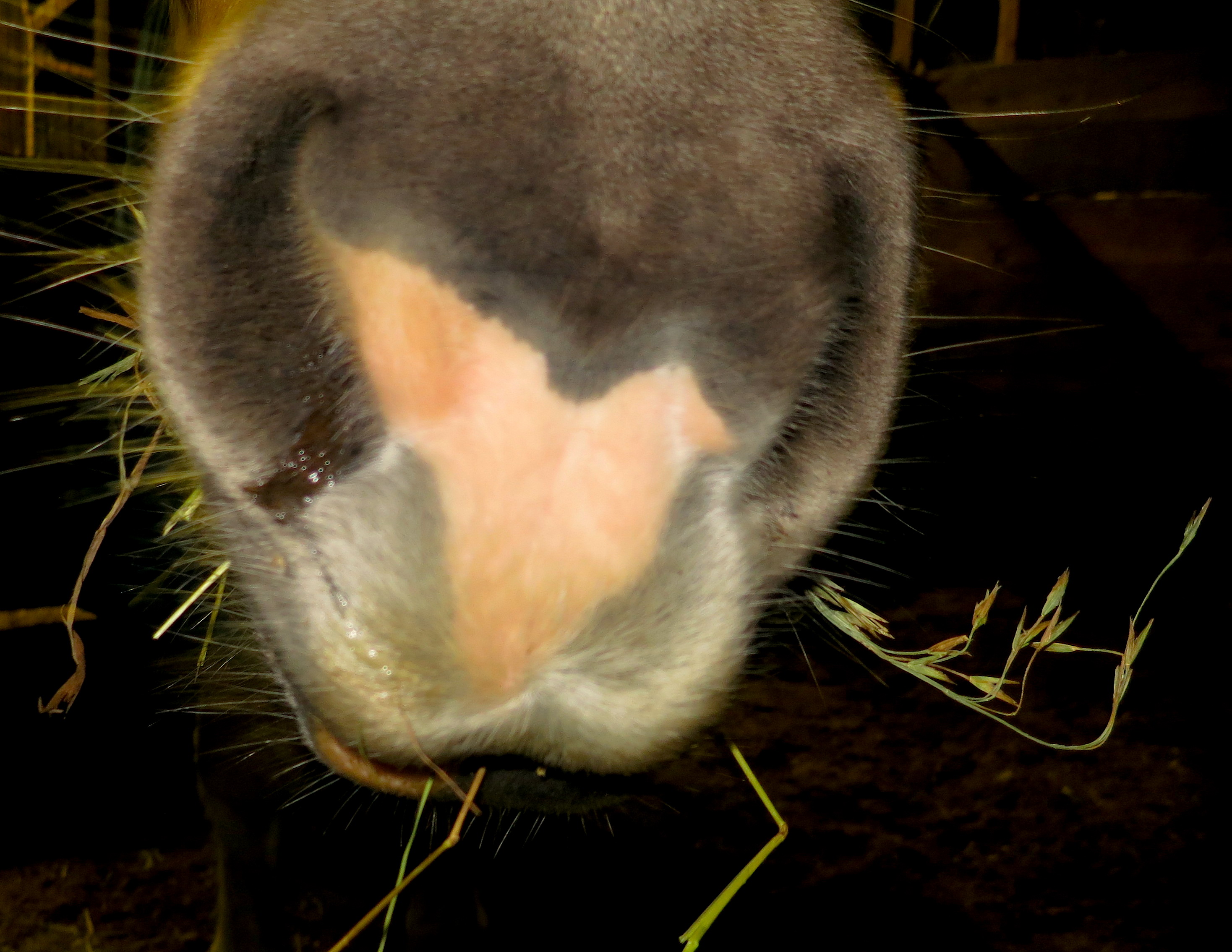
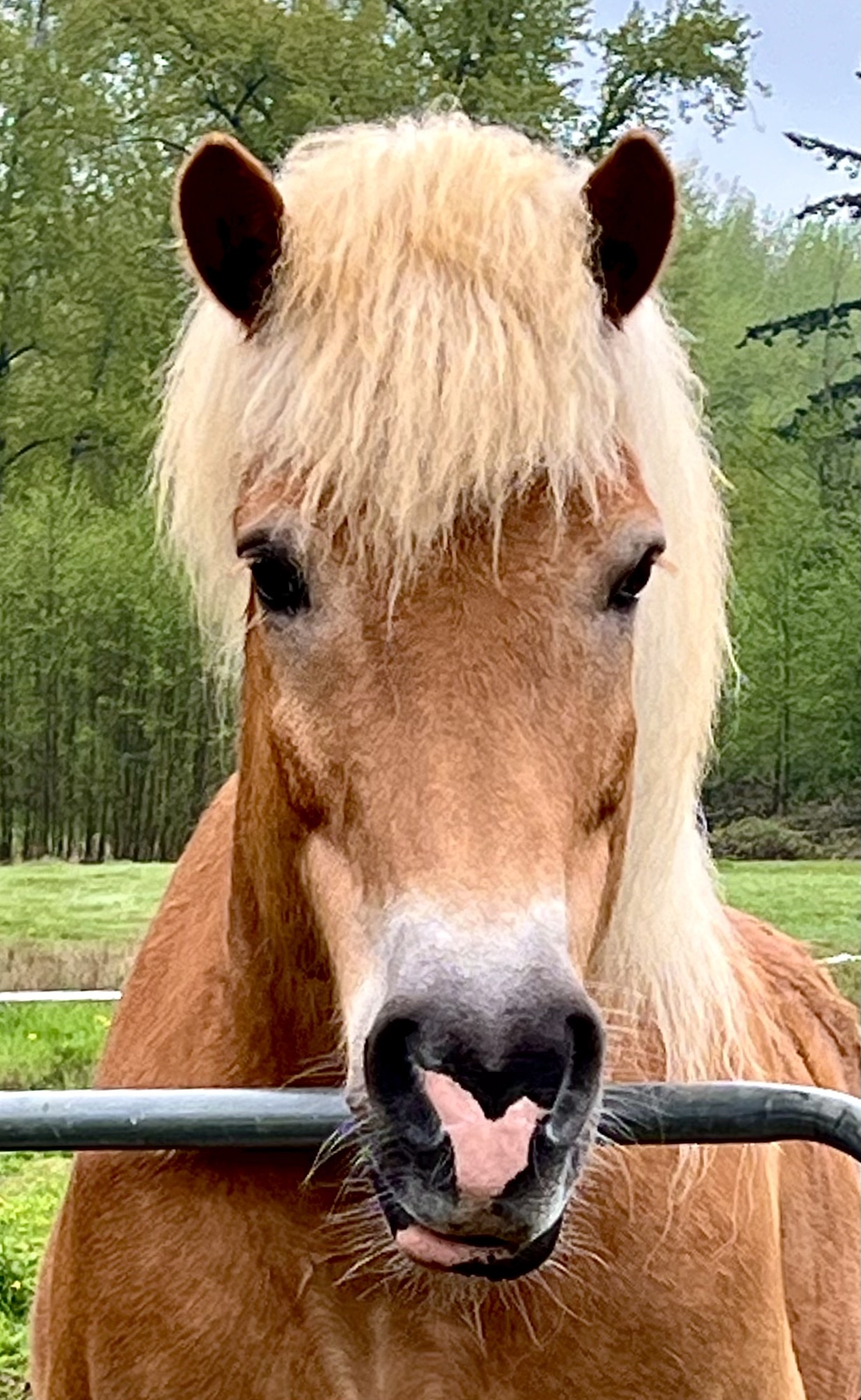
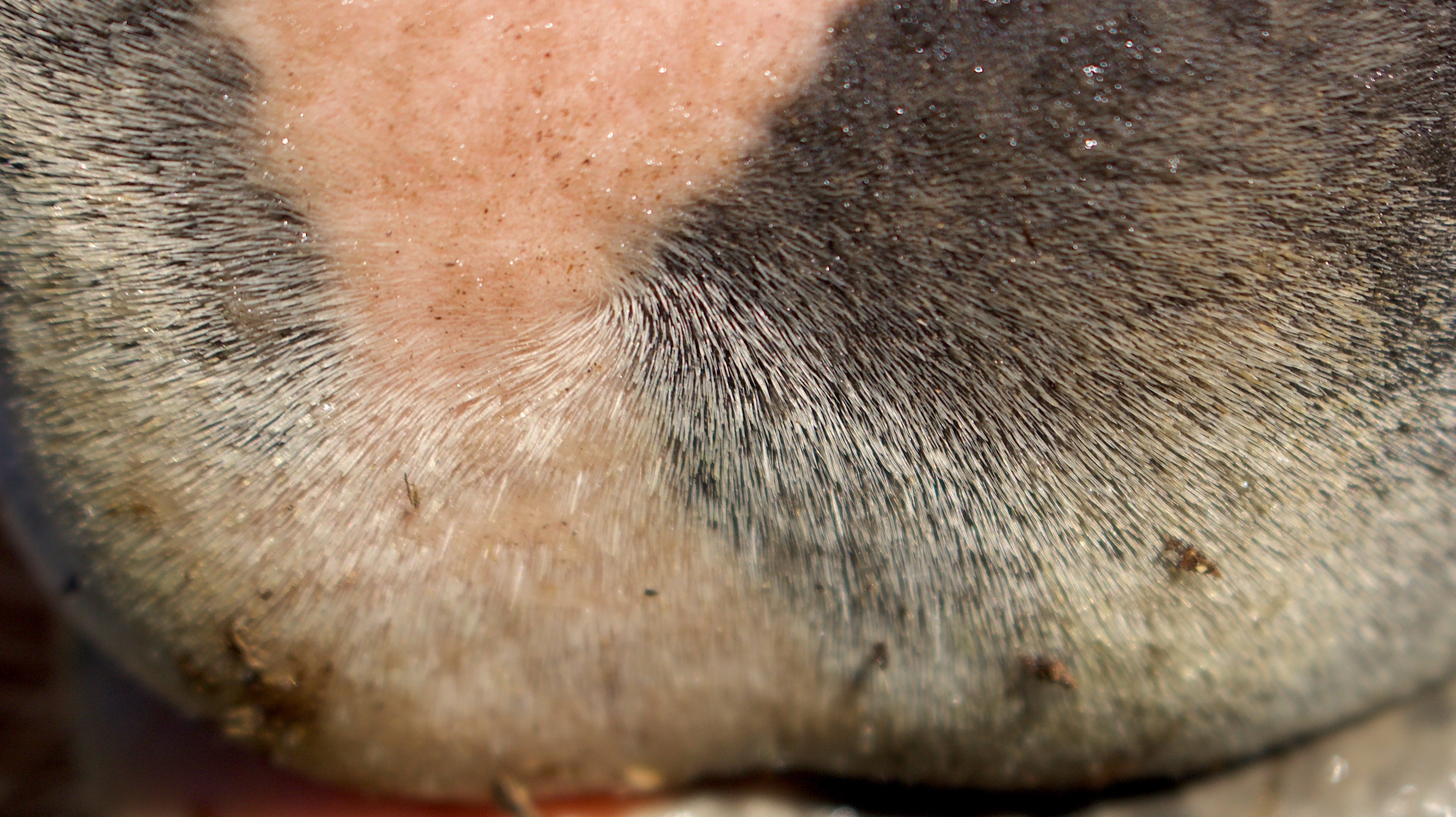
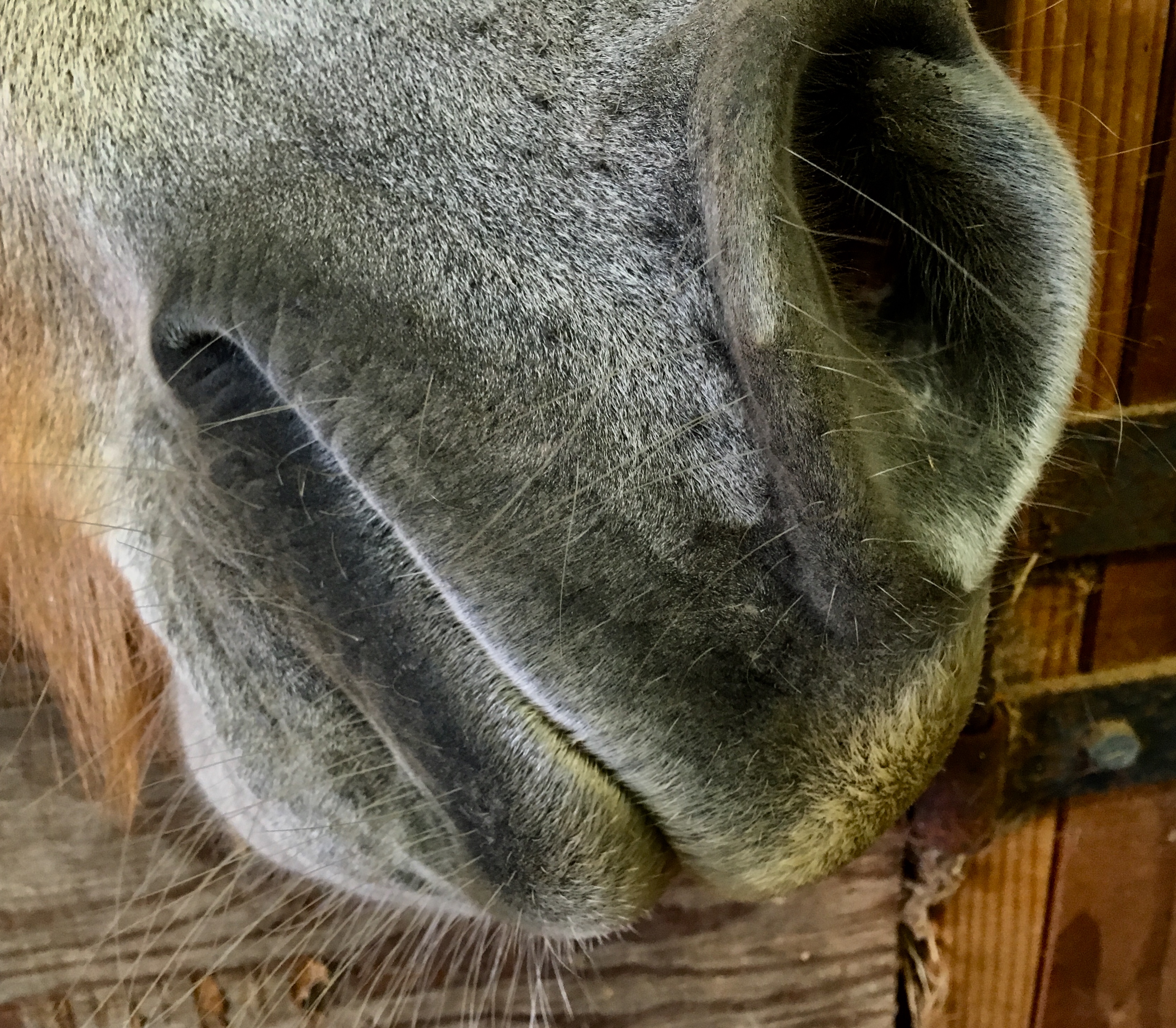
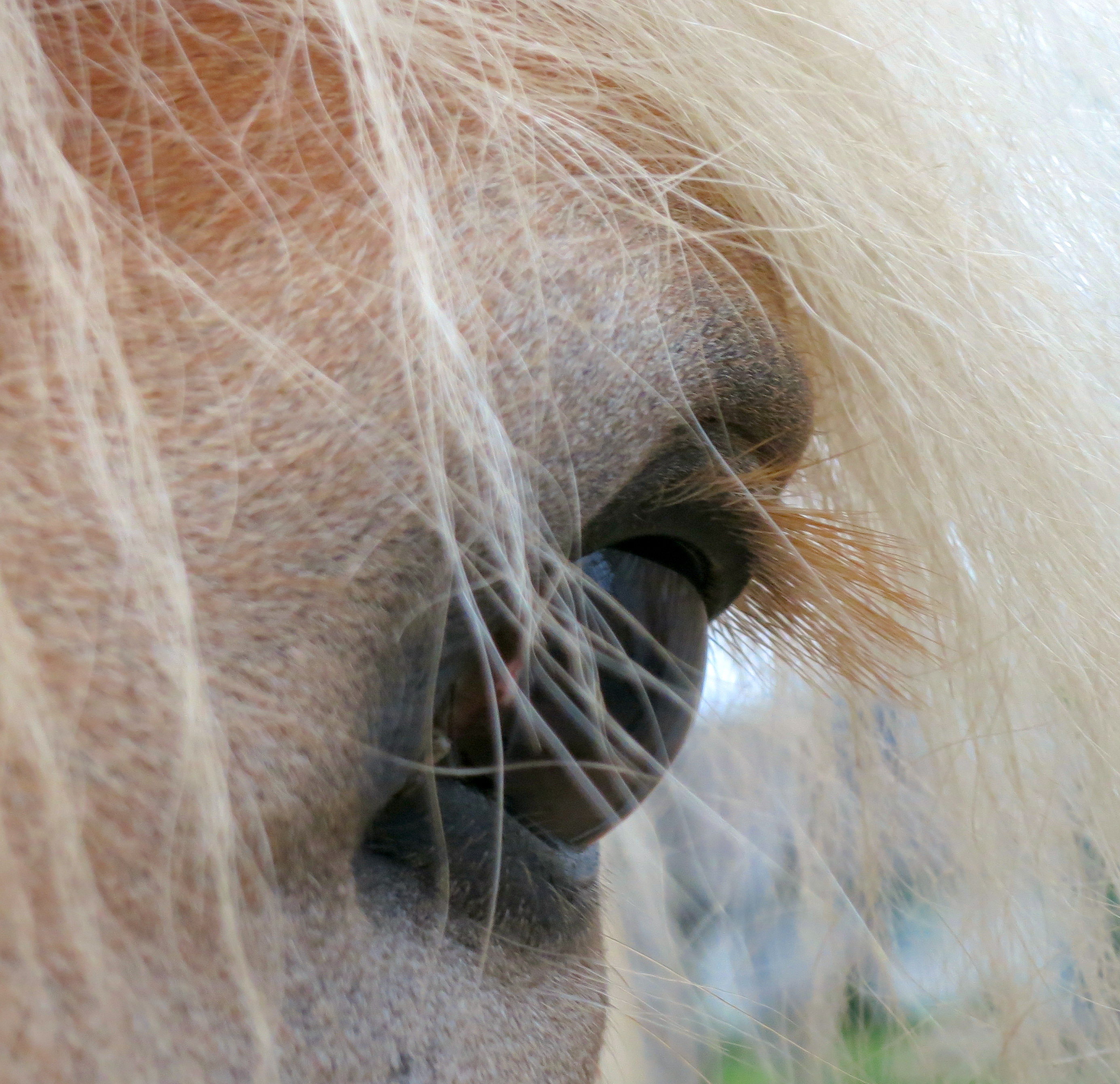
Our farm has had many nuzzling muzzles here over the years–
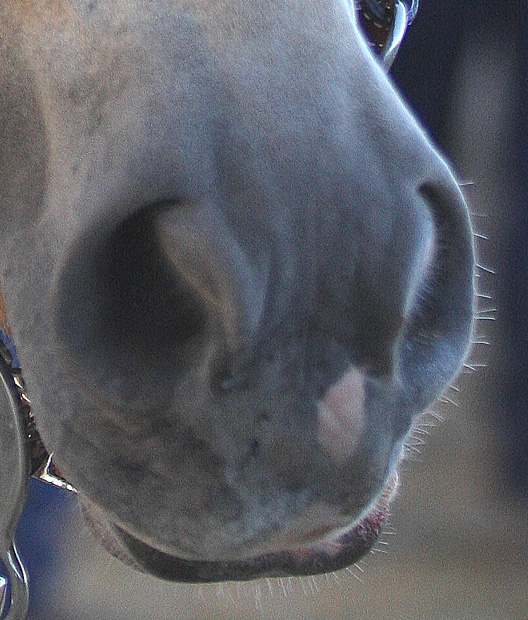
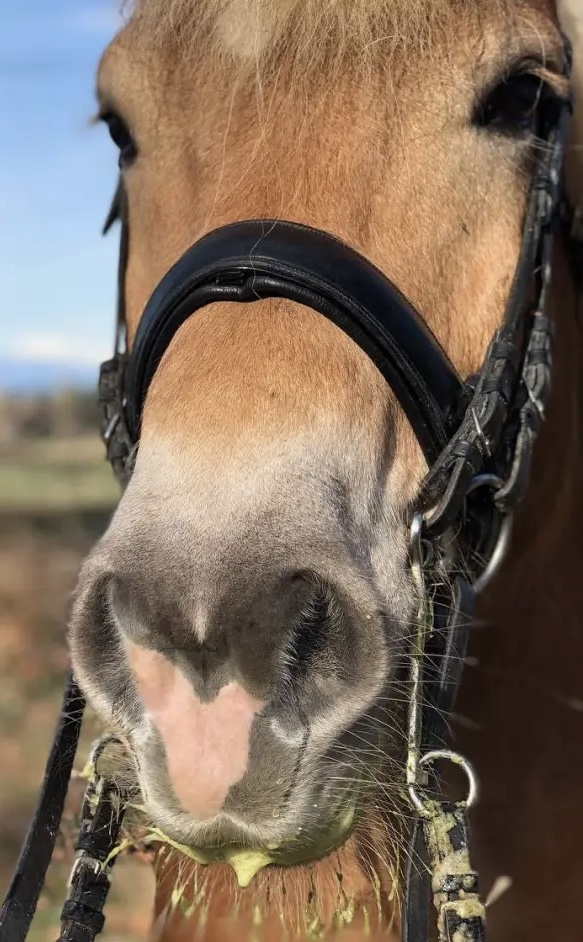
Pink noses, gray noses, nondescript not-sure-what-color noses, noses that have white stripes, diamonds, hearts, triangles, or absolutely no marks at all.
Hot breath that exudes warm grassy fragrance better than any pricey perfume, lips softer than the most elegant velvet.
Noses that reach out in greeting to: blow, sniff, caress, push, search, breathe me in and breathe for me, to see who I am, or who I will become,
smudge my face and shower snot.
I guess I’m just good enough to be blessed by a nuzzling baptism of grace.
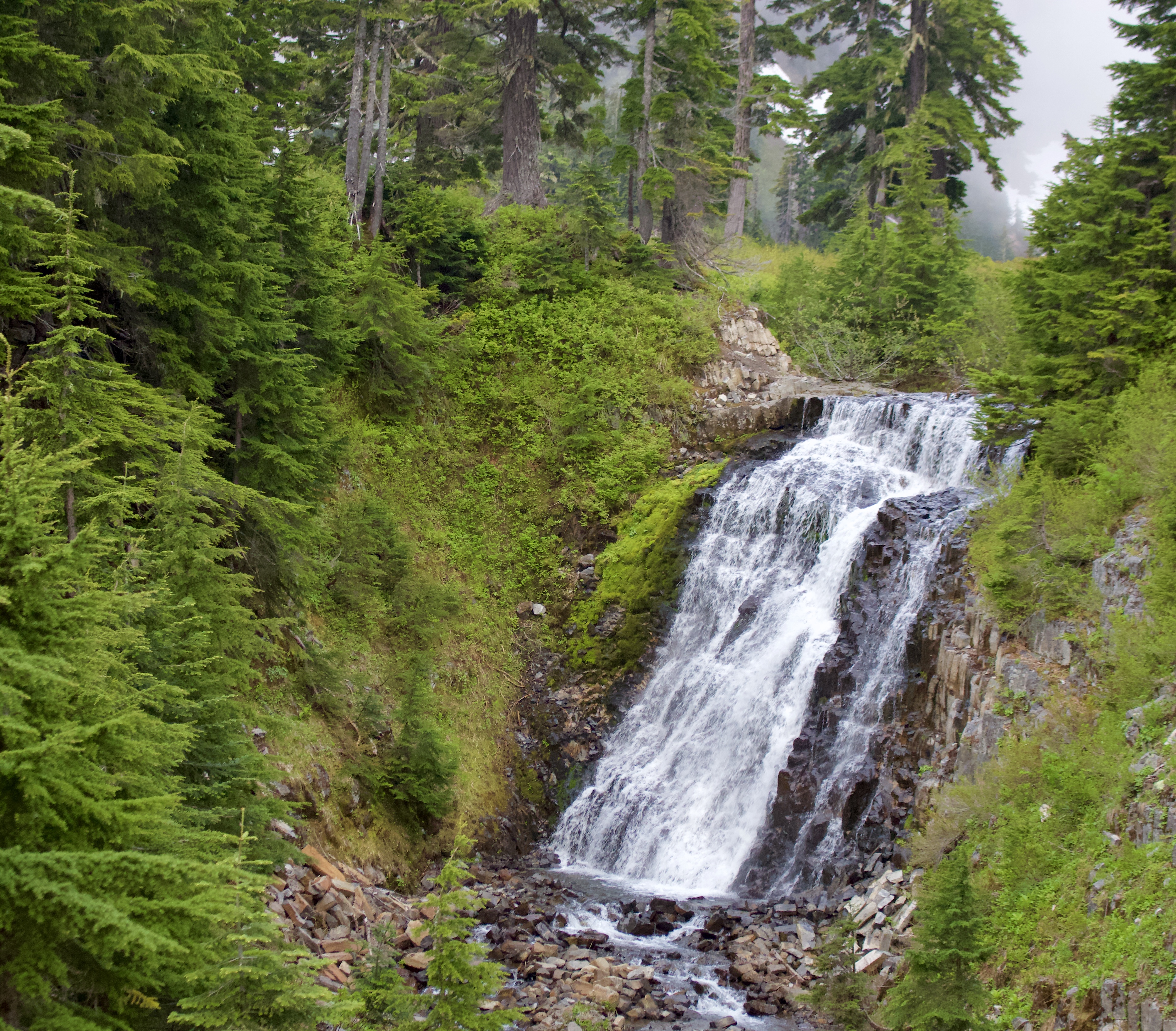
I miss the friendship with the pine tree and the birds that I had when I was ten. And it has been forever since I pushed my head under the wild silk skirt of the waterfall.
The big rock on the shore was the skull of a dead king whose name we could almost remember. Under the rooty bank you could dimly see the bunk beds of the turtles.
Nobody I know mentions these things anymore. It’s as if their memories have been seized, erased, and relocated among flowcharts and complex dinner-party calendars.
Now I want to turn and run back the other way, barefoot into the underbrush, getting raked by thorns, being slapped in the face by branches.
Down to the muddy bed of the little stream where my cupped hands make a house, and
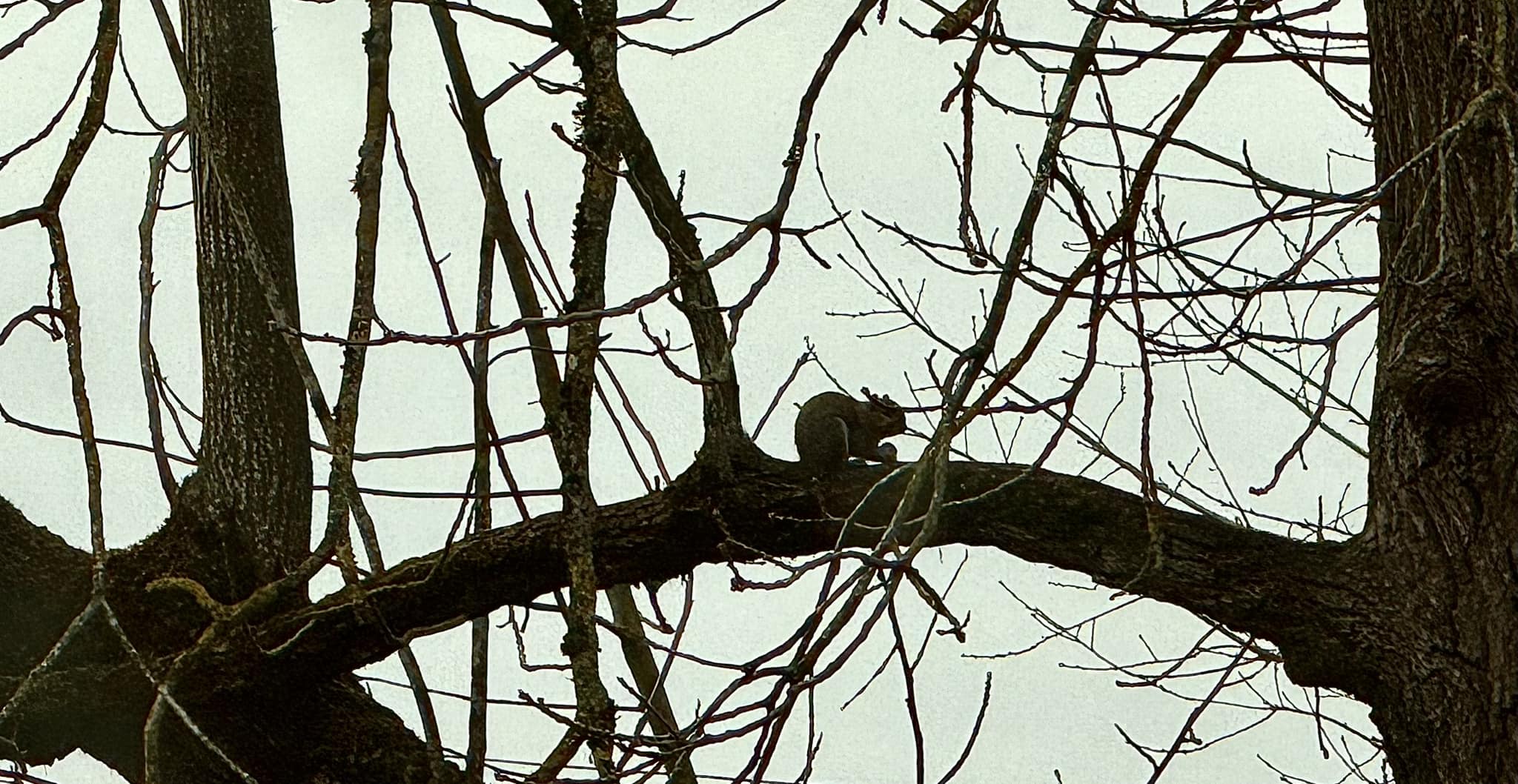
I grew up on a small farm with several acres of woodland. It was my retreat until I left for college; I walked among twittering birds, skittering wild bunnies, squirrels and chipmunks, busy ant hills and trails, blowing leaves, swimming tadpoles, falling nuts, waving wildflowers, large firs, pines, cottonwoods, maples and alder trees.
I had a favorite “secret” spot sitting perched on a stump where a large rock provided a favorite sunning spot for salamanders. They and I would make eye contact, pondering our common Creator.
At college I longed for a place as private, as serene, but nothing could match the woods and creatures of my childhood home. After living a decade in the city, I nearly forgot what a familiar woods felt like.
On this farm we’ve stewarded for nearly forty years, I’ve longed for a similar sanctuary, yet my distractions are so much greater than when I was a child. Filled with greater worries, I can’t empty my head and heart as completely to receive the varied gifts to be found around me.
In my ever-shortening timeline to accomplish what I’ve been placed here to do, I need to study the faces of creation, knowing those eyes reflect the face of God.
One-Time
Monthly
Yearly
Make a one-time or recurring donation to support daily Barnstorming posts
Morning without you is a dwindled dawn. ~Emily Dickinsonin a letter to a friend April 1885
Over the years, the most common search term bringing new readers to my Barnstorming blog is “dwindled dawn.”
I had written about Emily Dickinson’s “dwindles” on a number of occasions – missing a house full of our three children, who have their own homes with families. Yet I had not felt afflicted with a serious case of dwindles myself until the ongoing isolation during COVID-time.
I was clearly not the only one. “Dwindles” spread across the globe during the pandemic more quickly than the virus.
There really isn’t a pill that works well for dwindling. One of the most effective treatments is breaking bread with friends and family all in the same room, at the same table, playing games, lingering over conversation or singing together in harmony.
Just being together becomes the ultimate cure for dwindles.
Maybe experiencing friend and family deficiency during the pandemic helped us all understand how crucial we are to one another. It’s high time to replenish the reservoir so we don’t dwindle away to nothing.
If you are visiting these words for the first time because you too searched for “dwindled dawn” — welcome to Barnstorming. We can stave off the dwindles by joining together each day for encouragement and a bit of beauty.
Because mornings without you all diminishes me. I just want you to know.
One-Time
Monthly
Yearly
Make a one-time or recurring donation to support daily Barnstorming posts
After this, Jesus and his disciples went out into the Judean countryside, where he spent some time with them, and baptized. Now John also was baptizing at Aenon near Salim, because there was plenty of water, and people were coming and being baptized. (This was before John was put in prison.) An argument developed between some of John’s disciples and a certain Jew over the matter of ceremonial washing.They came to John and said to him, “Rabbi, that man who was with you on the other side of the Jordan—the one you testified about—look, he is baptizing, and everyone is going to him.”
To this John replied, “A person can receive only what is given them from heaven. You yourselves can testify that I said, ‘I am not the Messiah but am sent ahead of him.’The bride belongs to the bridegroom. The friend who attends the bridegroom waits and listens for him, and is full of joy when he hears the bridegroom’s voice. That joy is mine, and it is now complete.He must become greater; I must become less.”
The one who comes from above is above all; the one who is from the earth belongs to the earth, and speaks as one from the earth. The one who comes from heaven is above all.He testifies to what he has seen and heard, but no one accepts his testimony.Whoever has accepted it has certified that God is truthful.For the one whom God has sent speaks the words of God, for God gives the Spirit without limit. The Father loves the Son and has placed everything in his hands. Whoever believes in the Son has eternal life, but whoever rejects the Son will not see life, for God’s wrath remains on them. John 3: 22-36
Christ with me, Christ before me, Christ behind me, Christ in me, Christ beneath me, Christ above me, Christ on my right, Christ on my left, Christ when I lie down, Christ when I sit down, Christ when I arise, Christ in the heart of every man who thinks of me, Christ in the mouth of everyone who speaks of me, Christ in every eye that sees me, Christ in every ear that hears me. ~St. Patrick
To come down and wear our skin is for you to know our frailty: our bruises and callouses, our sunburns and warts, our tears and our bleeding, our spasming backs, and toothaches.
To come down to pulse within our hearts, is for you to know our temptation for self-promotion, and our desire to fill our own emptiness before first loving and serving others.
To inhabit our souls you humbled yourself to pull together our millions of broken pieces, feeding us with yourself, your spirit becoming the adhesive to glue us back wholly, God loving us by becoming us, so we don’t simply crumble to dust.
I am reading slowly through the words in the Book of John over the next year. Once a week, I will invite you to “come and see” what those words might mean as we explore His promises together.
Humble and Human, willing to bend You are Fashioned of flesh and the fire of life, You are Not too proud to wear our skin To know this weary world we’re in Humble, humble Jesus
Humble in sorrow, You gladly carried Your cross Never refusing Your life to the weakest of us Not too proud to bear our sin To feel this brokenness we’re in Humble, humble Jesus
We bow our knees We must decrease You must increase We lift You high
Humble in greatness, born in the likeness of man Name above all names, holding our world in Your hands Not too proud to dwell with us, to live in us, to die for us Humble, humble Jesus
I arise today through the strength of heaven Light of sun, radiance of moon Splendor of fire, speed of lightning Swiftness of wind, depth of the sea Stability of earth, firmness of rock
I arise today through God’s strength to pilot me God’s eye to look before me God’s wisdom to guide me God’s way to lie before me God’s shield to protect me
From all who shall wish me ill Afar and a-near Alone and in a multitude Against every cruel, merciless power That may oppose my body and soul
Christ with me, Christ before me Christ behind me, Christ in me Christ beneath me, Christ above me Christ on my right, Christ on my left Christ when I lie down, Christ when I sit down Christ when I arise, Christ to shield me
Christ in the heart of everyone who thinks of me Christ in the mouth of everyone who speaks of me
I arise today. ~St. Patrick’s Breastplate
One-Time
Monthly
Yearly
Make a one-time or recurring donation to support daily Barnstorming posts
How can I feel so warm Here in the dead center of January? I can Scarcely believe it, and yet I have to, this is The only life I have. ~James Wright from “A Winter Daybreak above Vence”
to the northwestto the north
To-day I shall be strong, No more shall yield to wrong, Shall squander life no more; Days lost, I know not how, I shall retrieve them now; Now I shall keep the vow I never kept before. Ensanguining the skies How heavily it dies Into the west away; Past touch and sight and sound Not further to be found, How hopeless under ground Falls the remorseful day. ~A.E. Houseman from “How Clear, How Lovely Bright”
to the northeastto the eastto the southeast
It was like a church to me. I entered it on soft foot, Breath held like a cap in the hand. It was quiet. What God there was made himself felt, Not listened to, in clean colours That brought a moistening of the eye, In a movement of the wind over grass. There were no prayers said. But stillness Of the heart’s passions — that was praise Enough; and the mind’s cession Of its kingdom. I walked on, Simple and poor, while the air crumbled And broke on me generously as bread. ~R.S. Thomas “The Moor”
to the southto the southwest
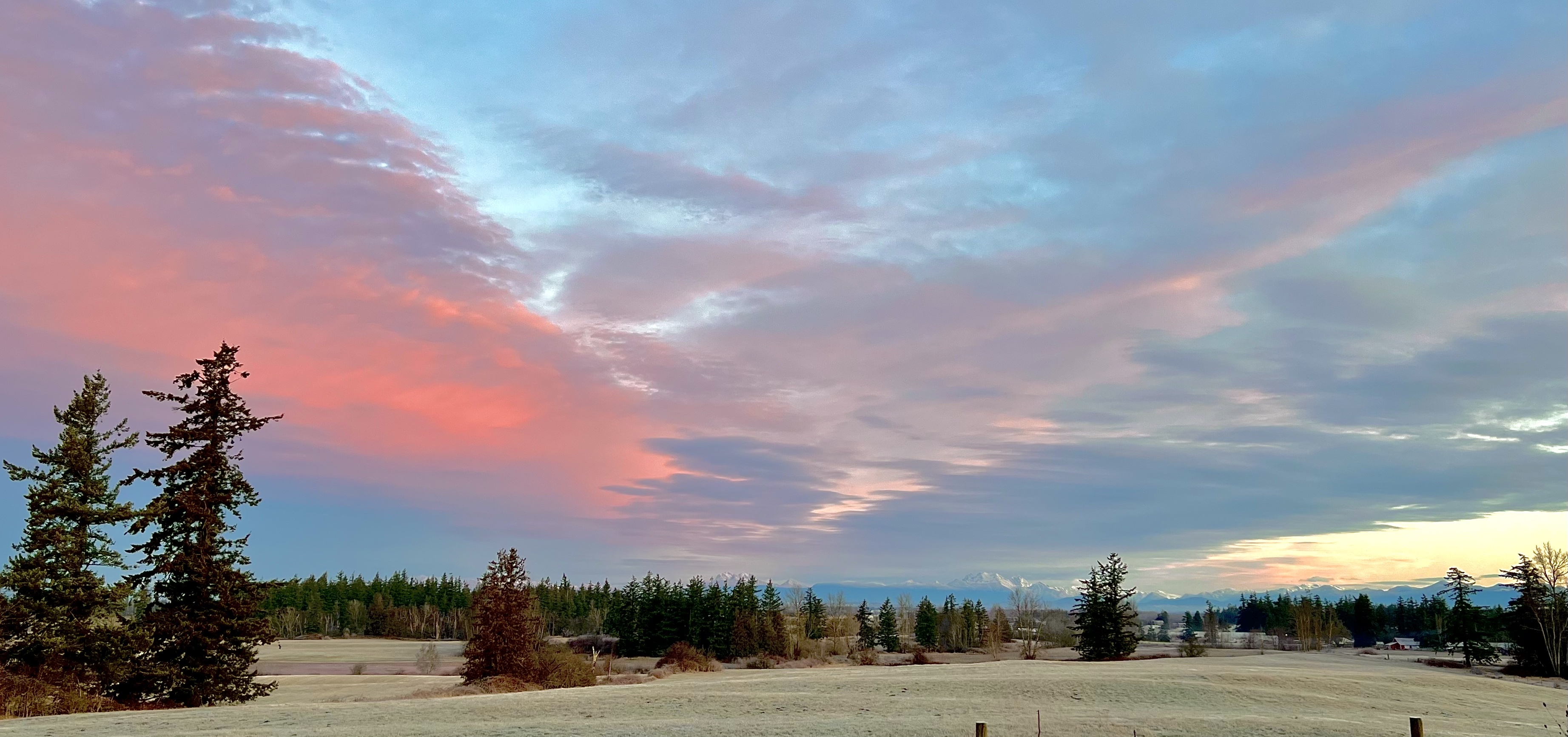
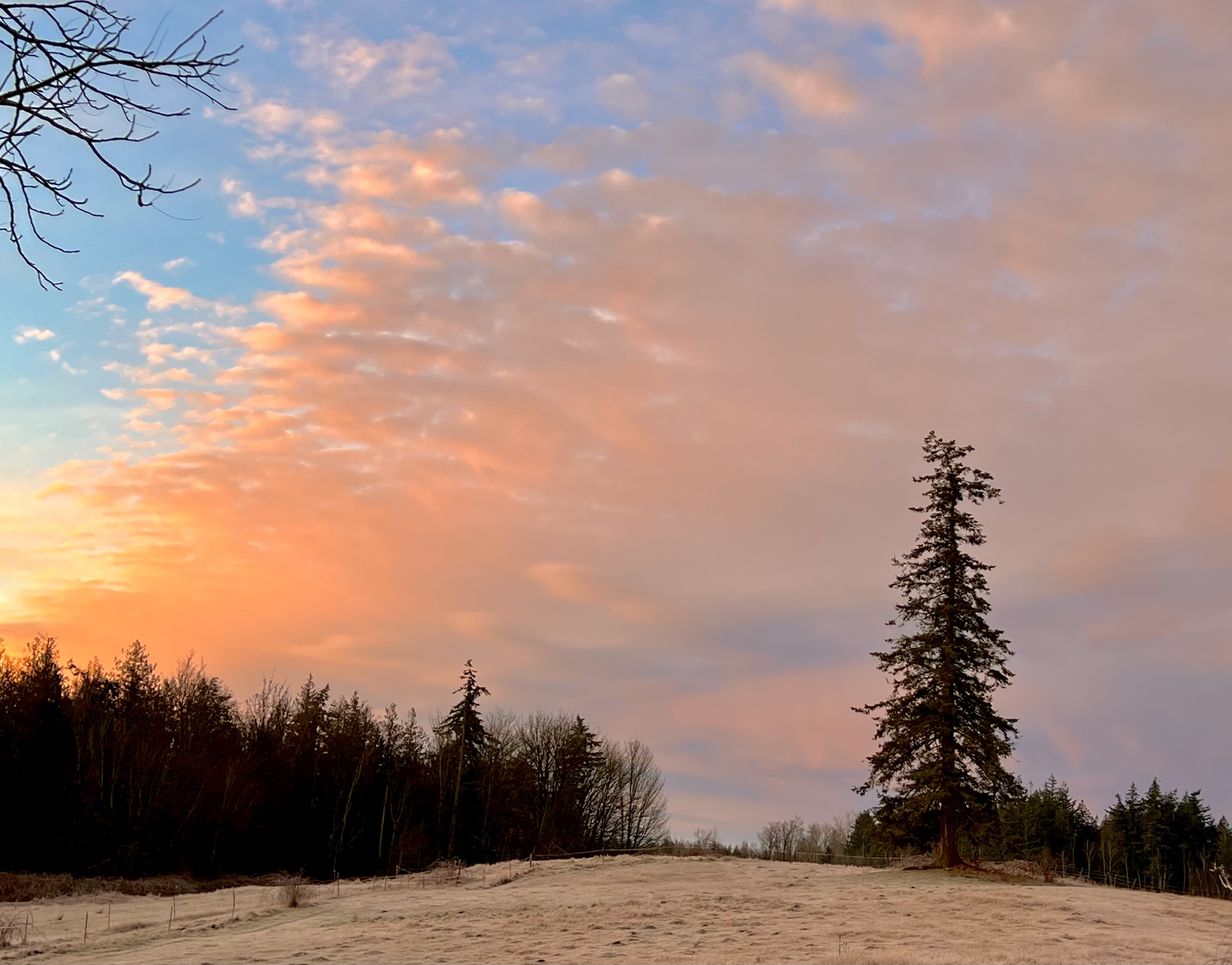
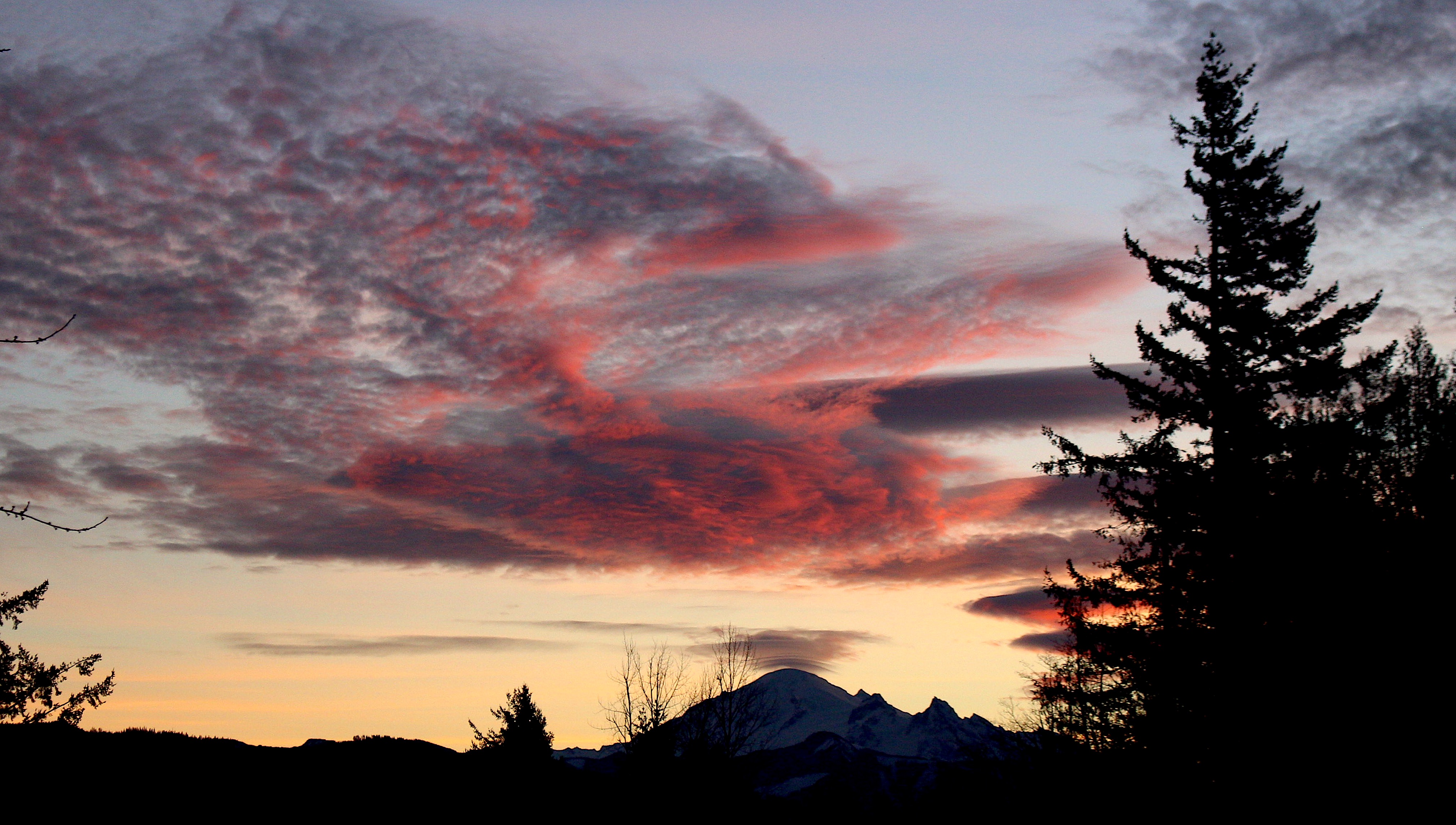
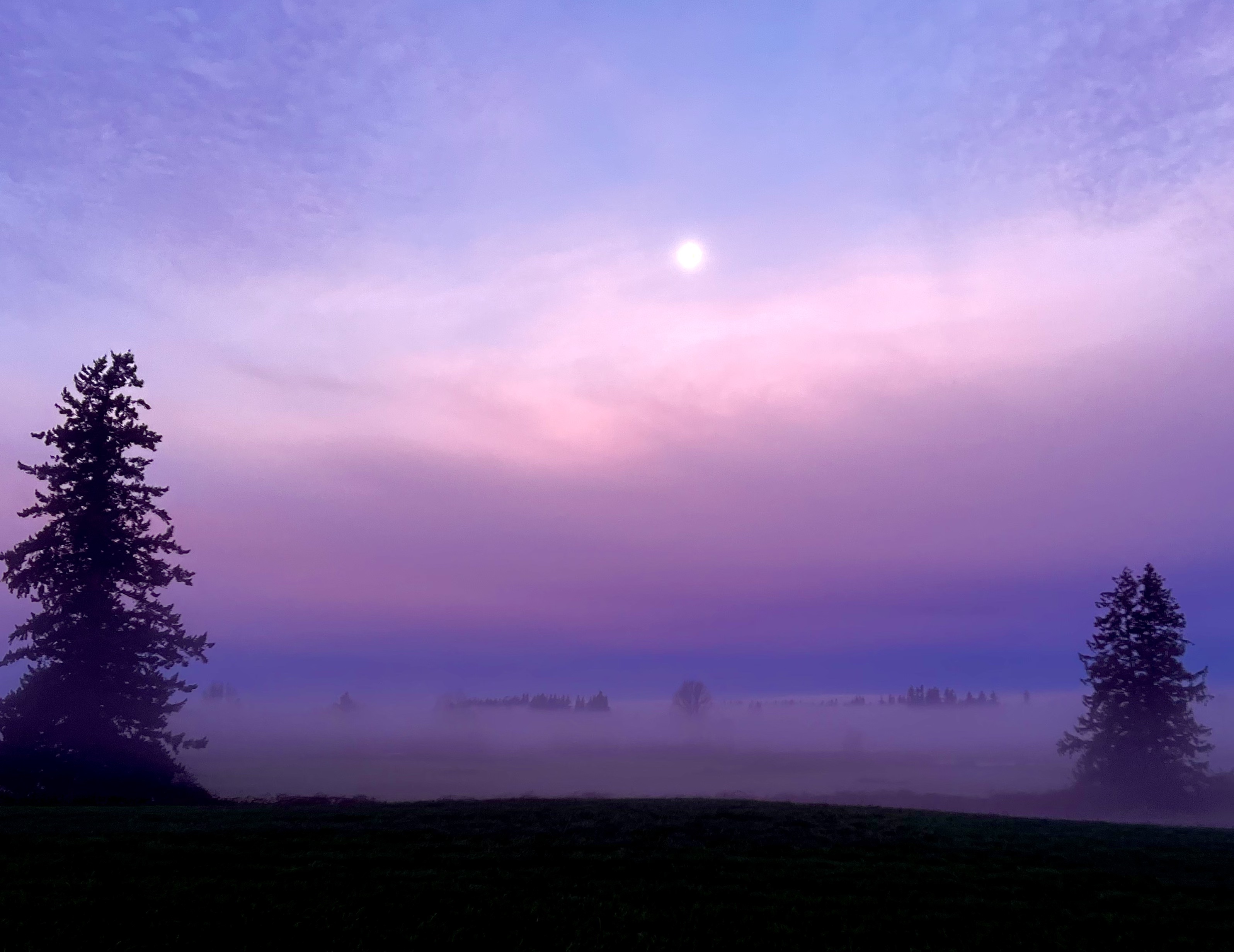
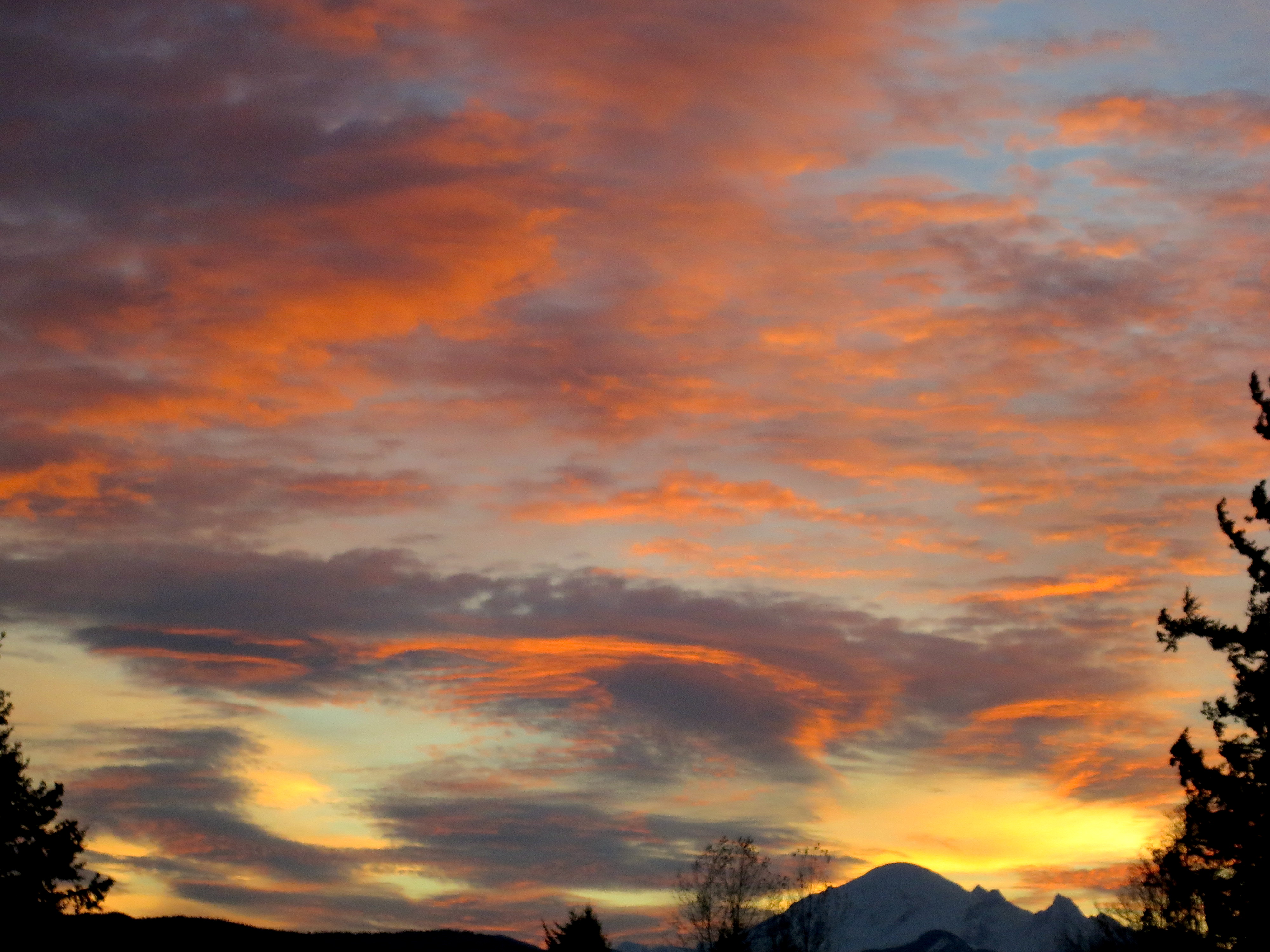
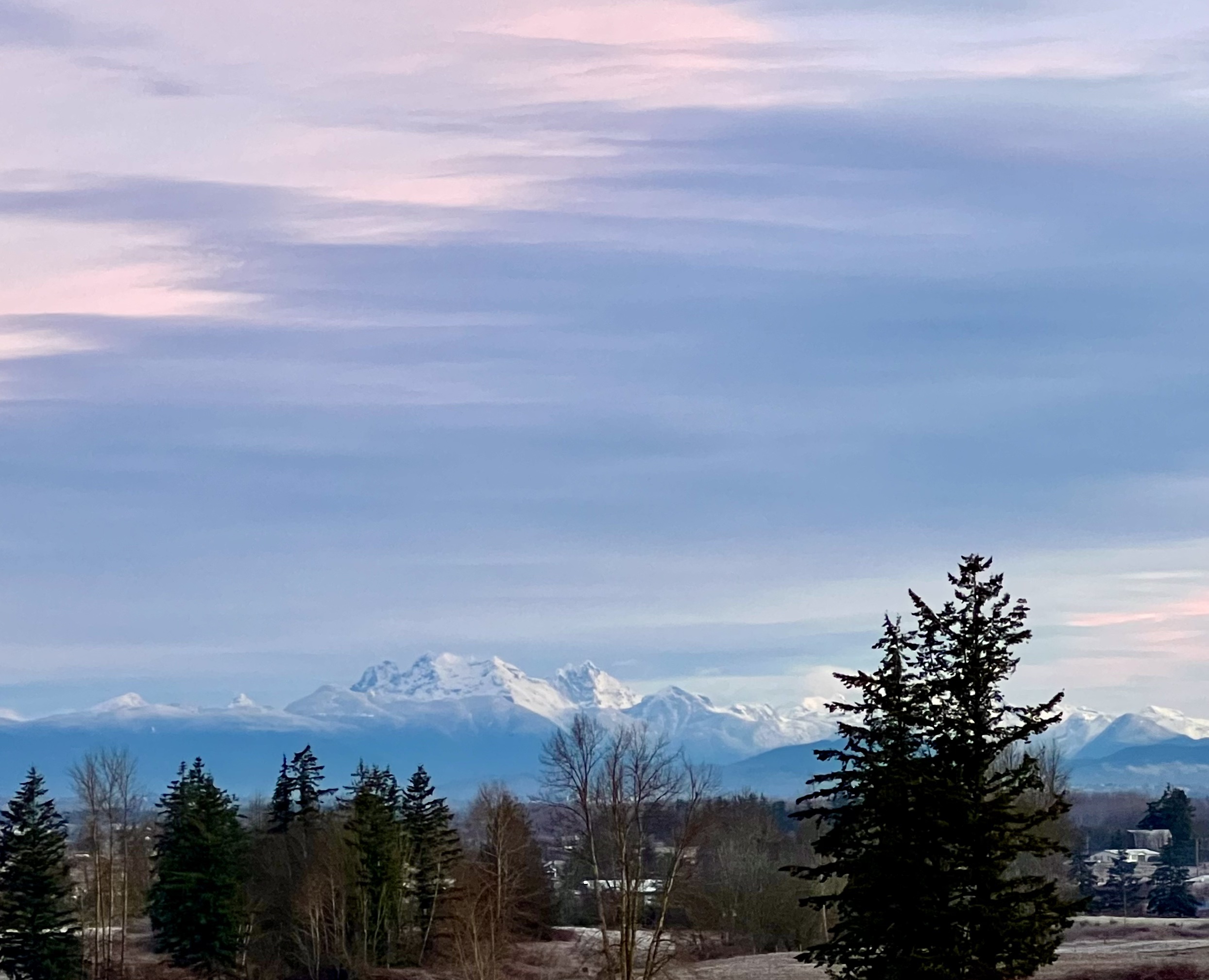
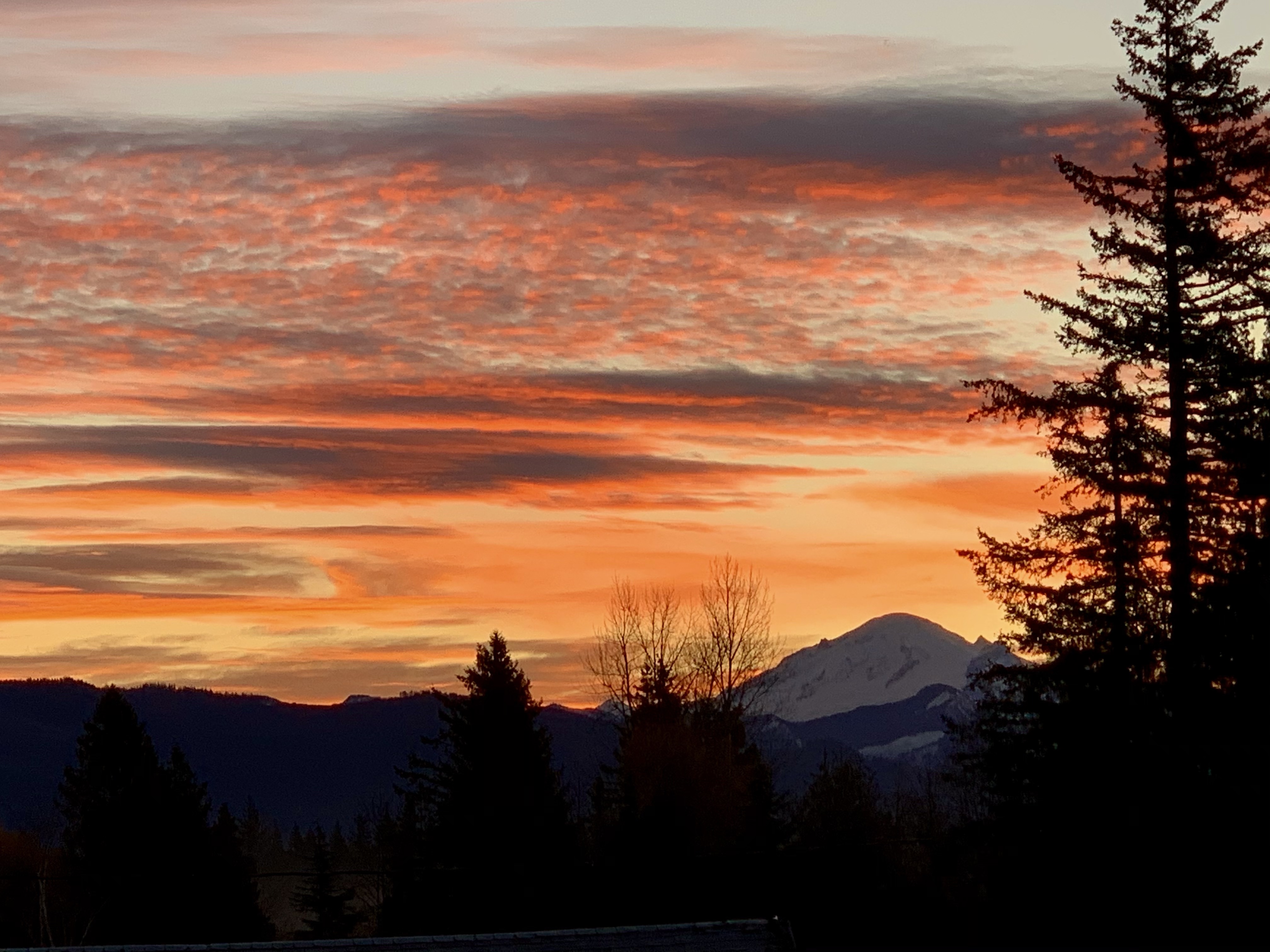
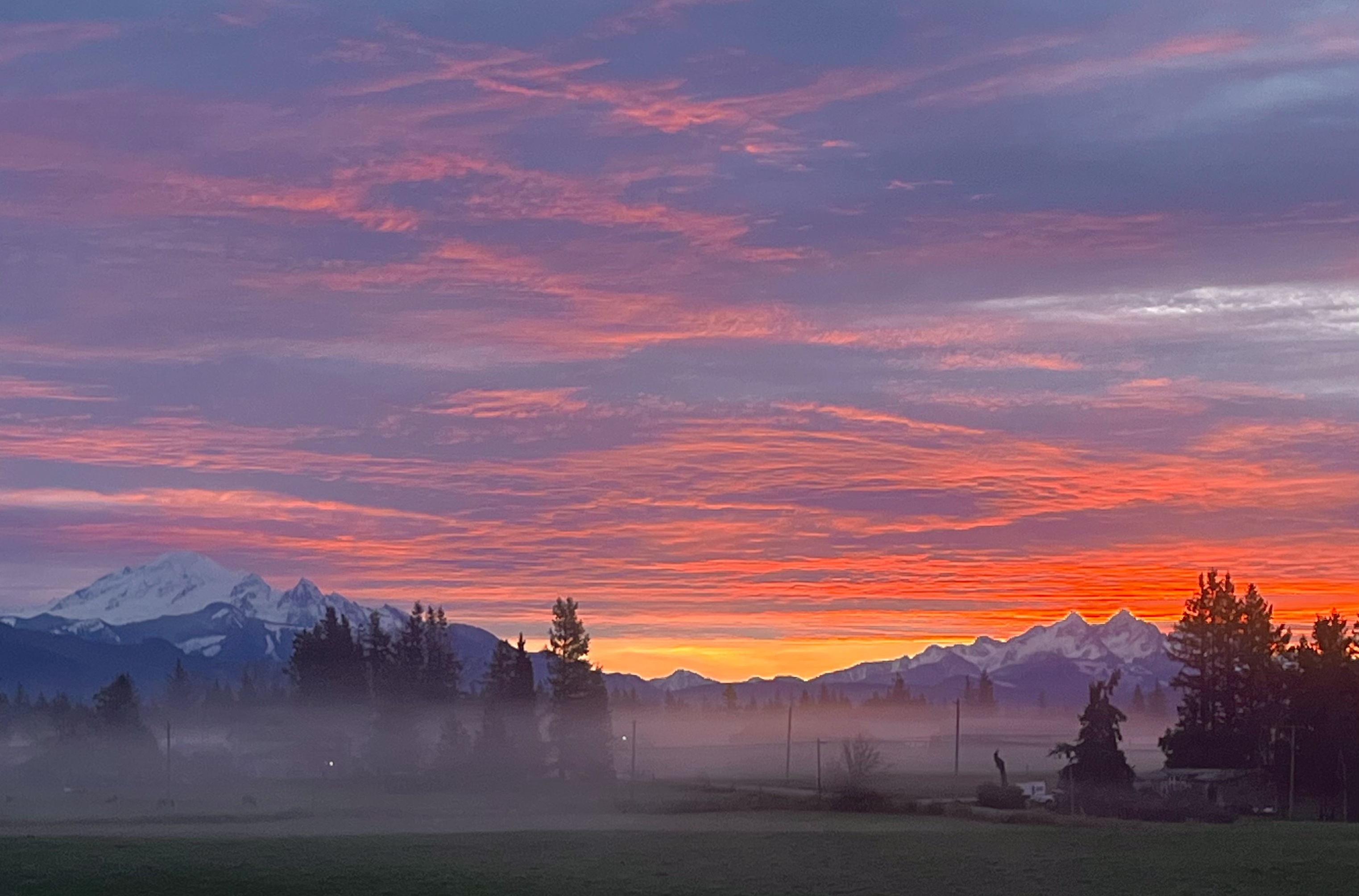
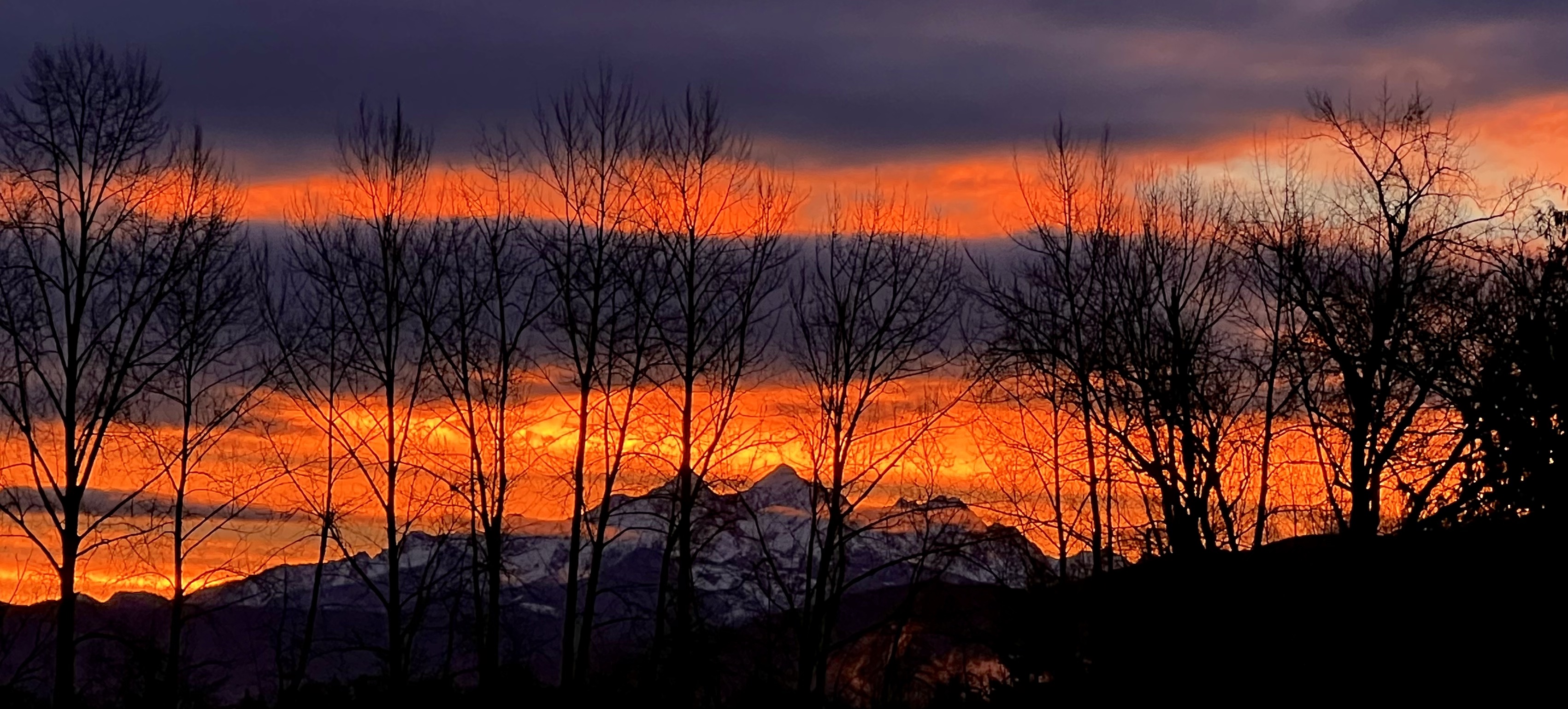
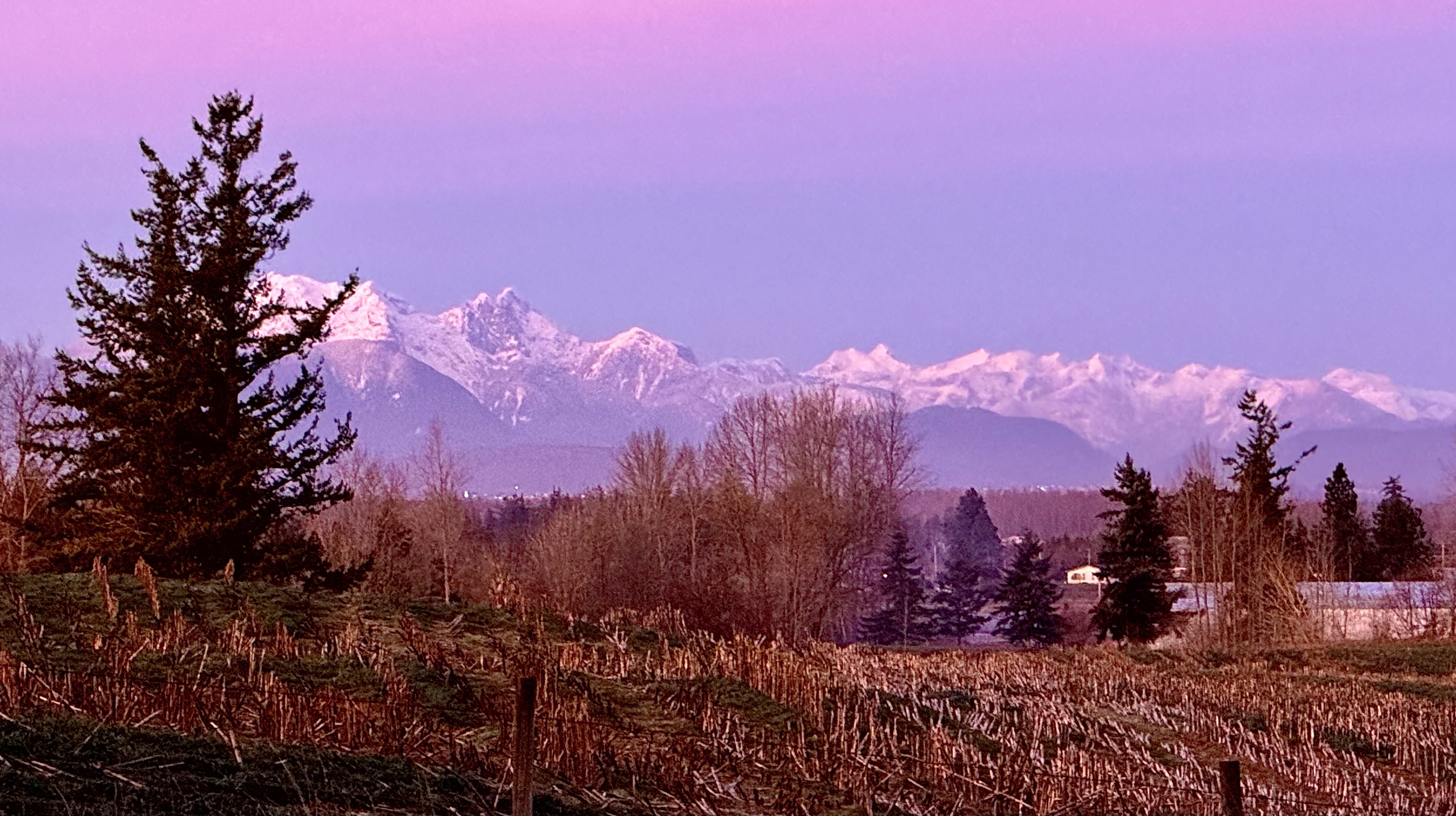
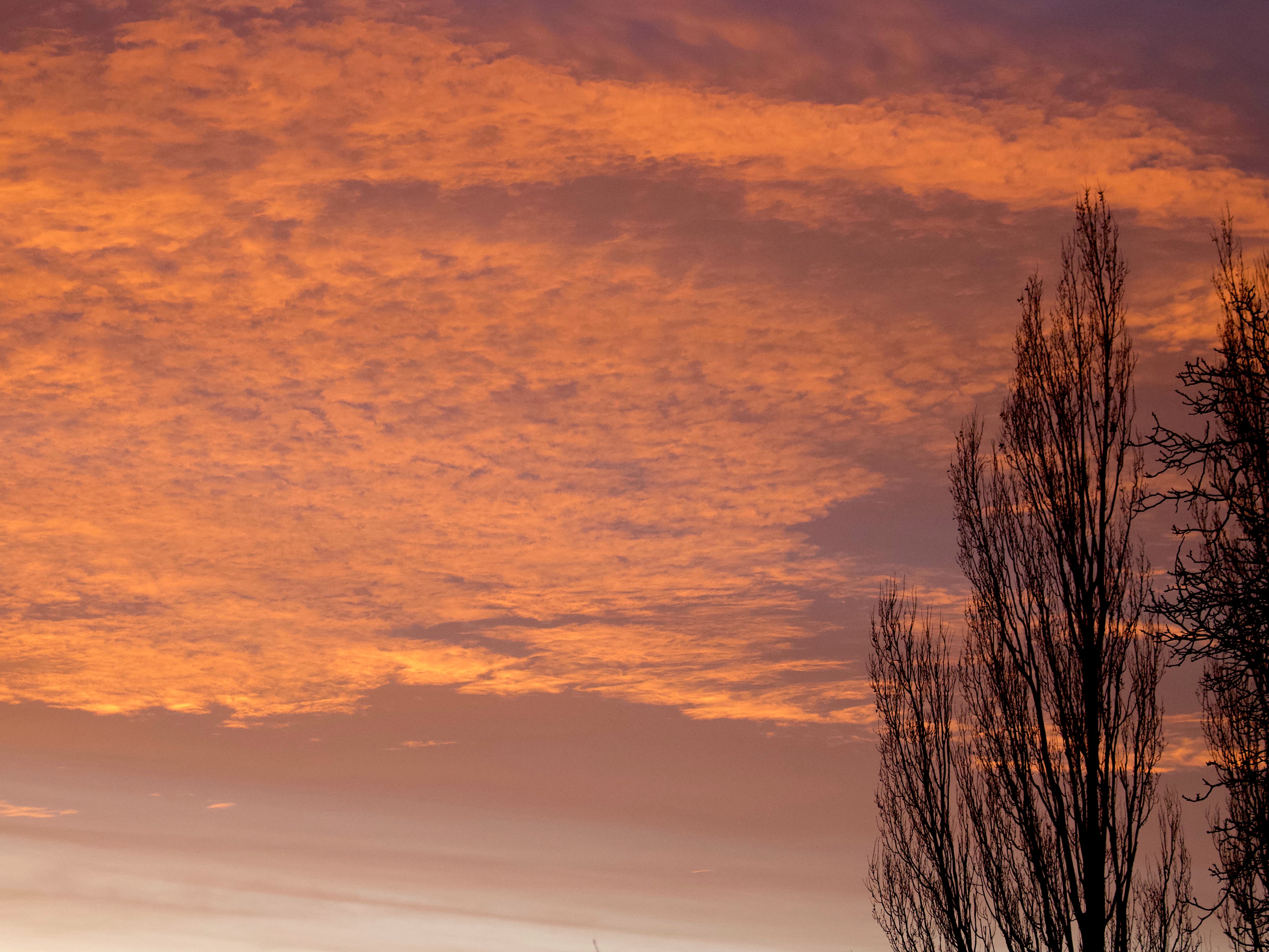
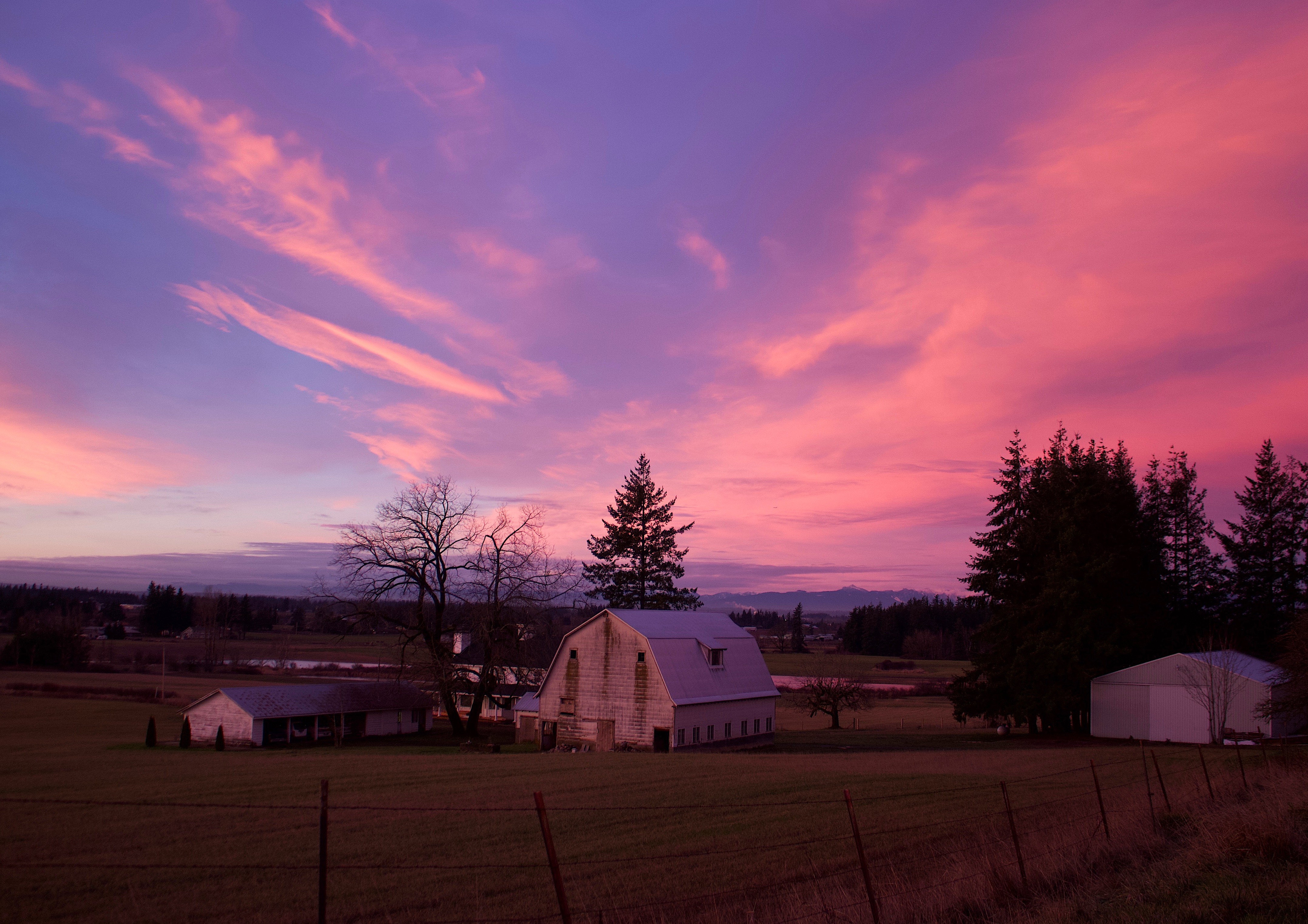
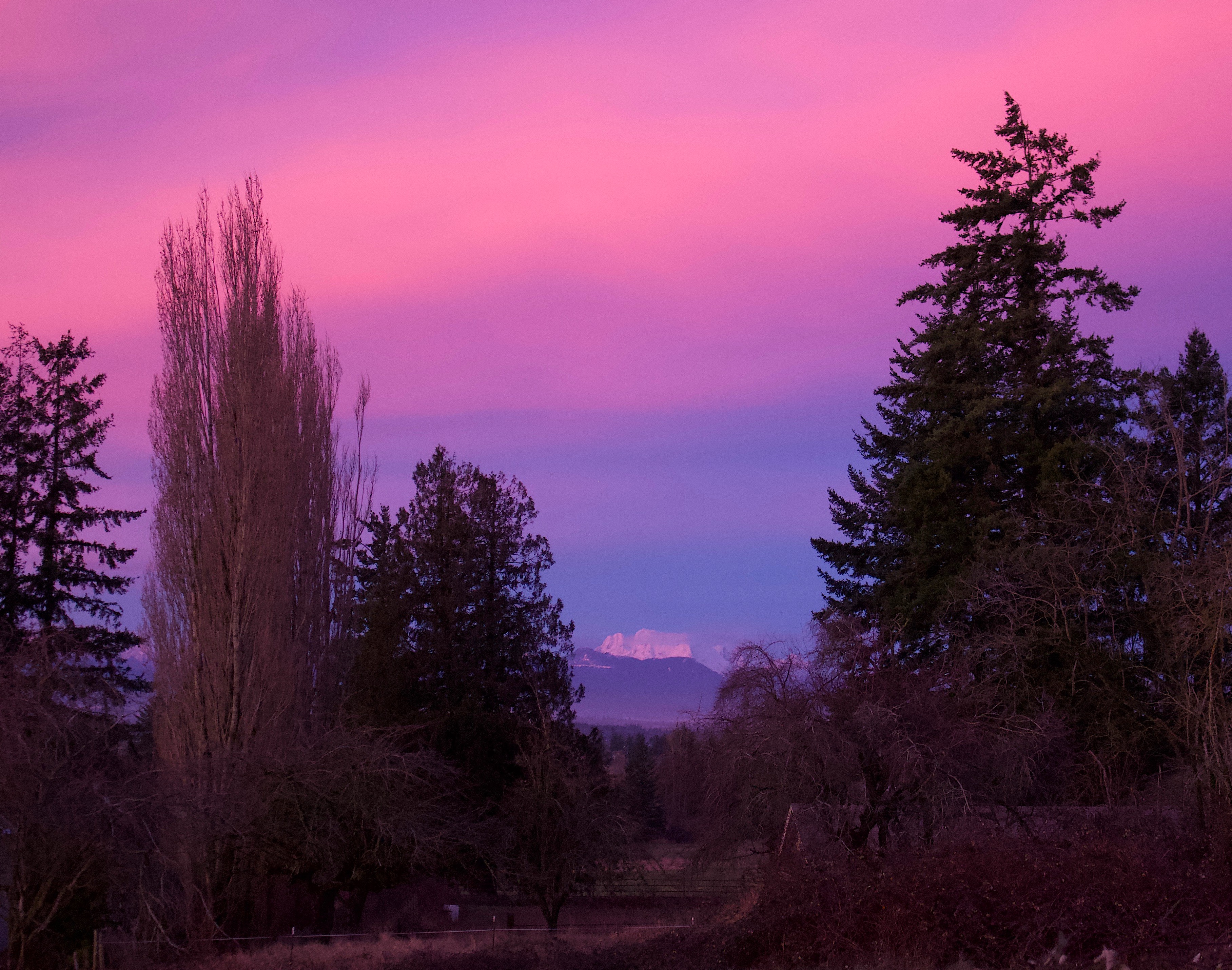
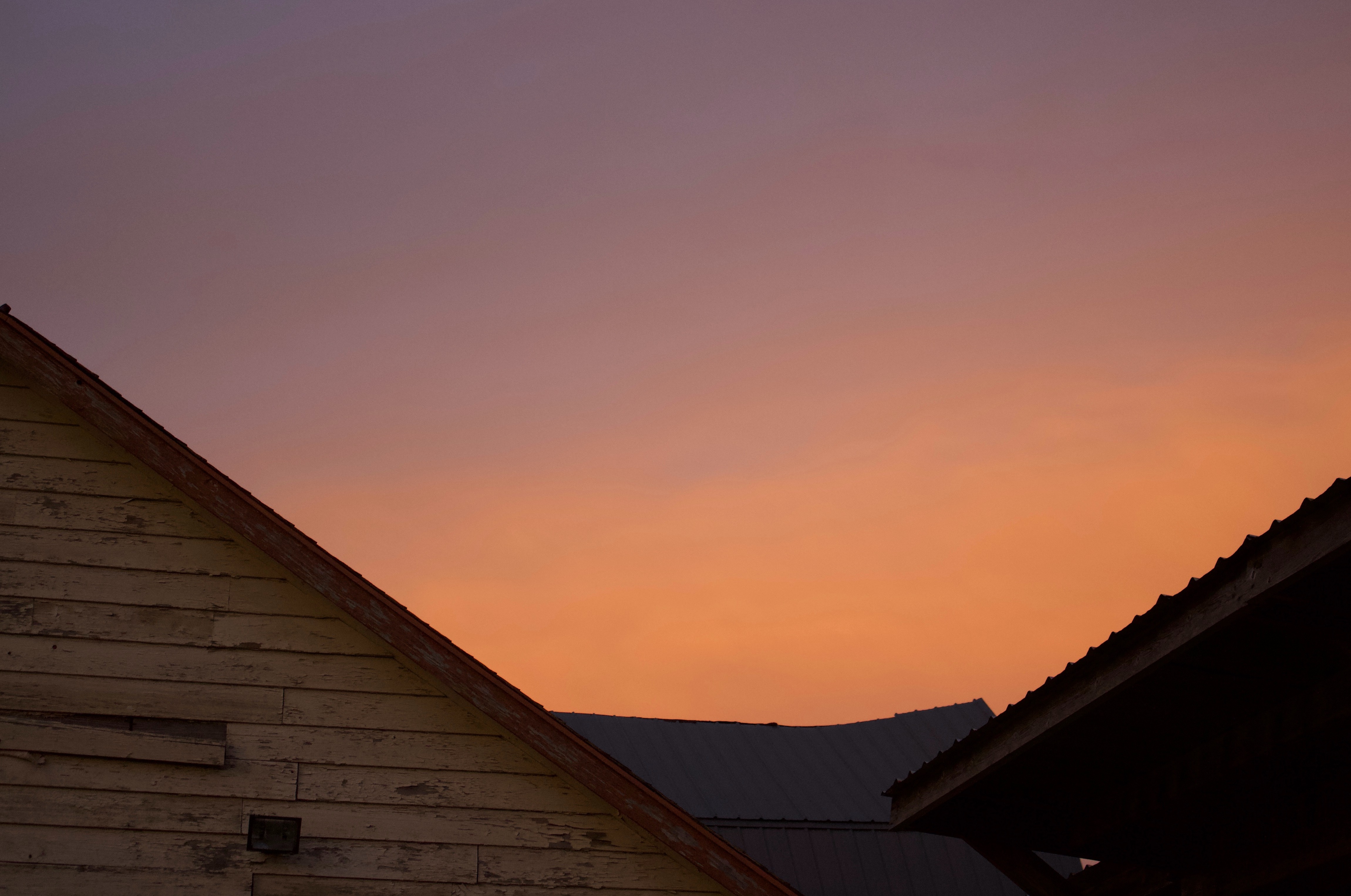
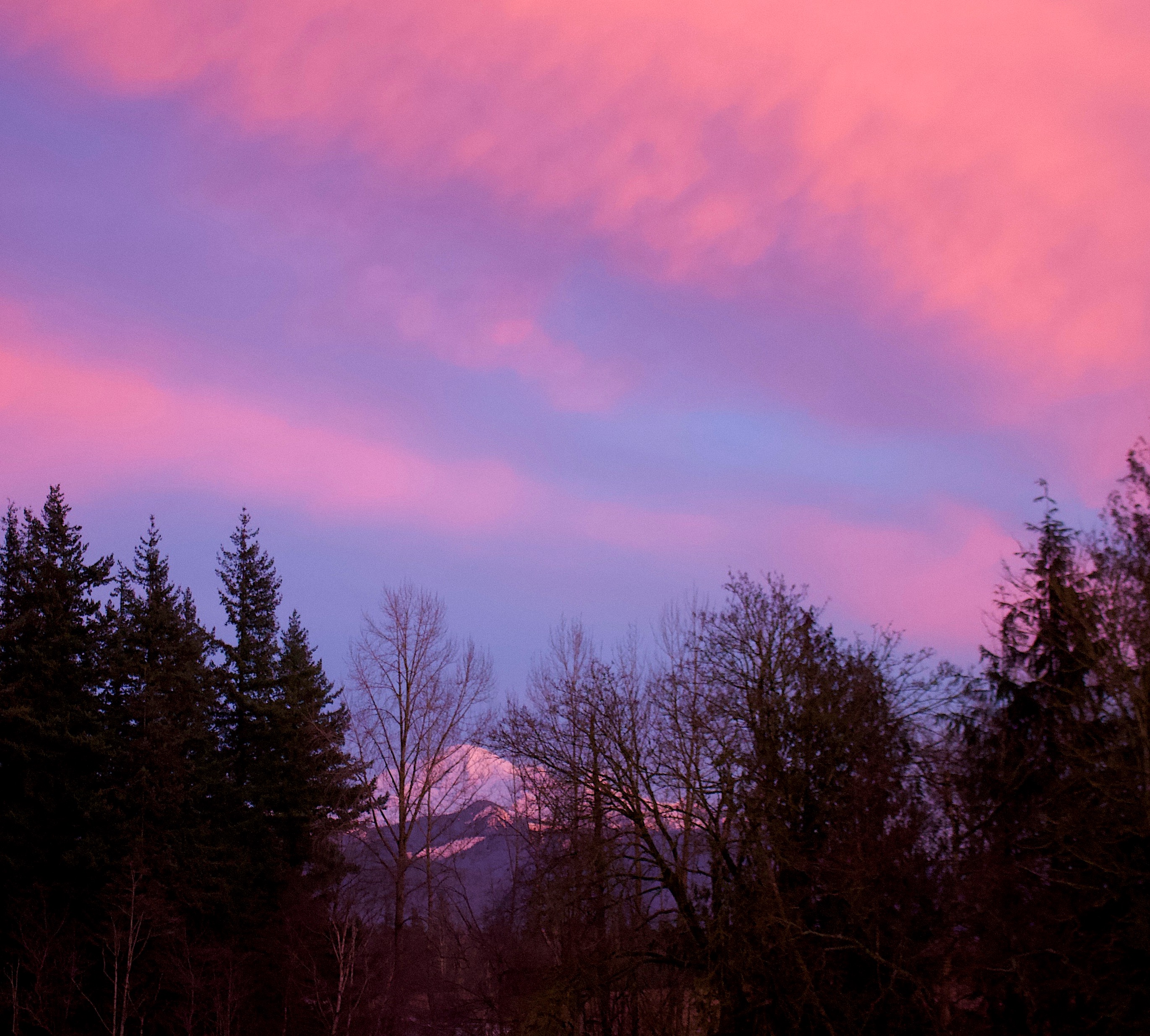
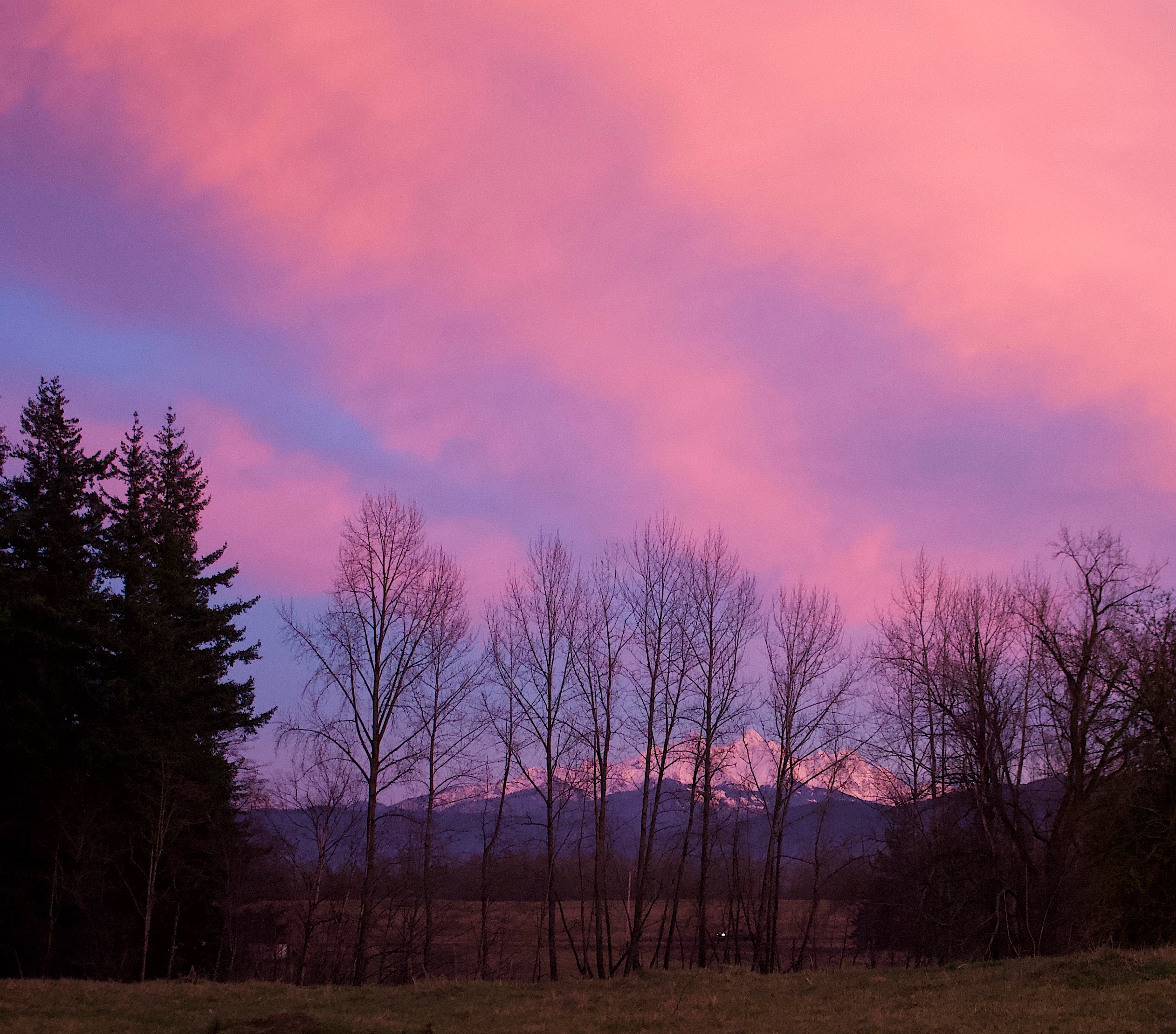
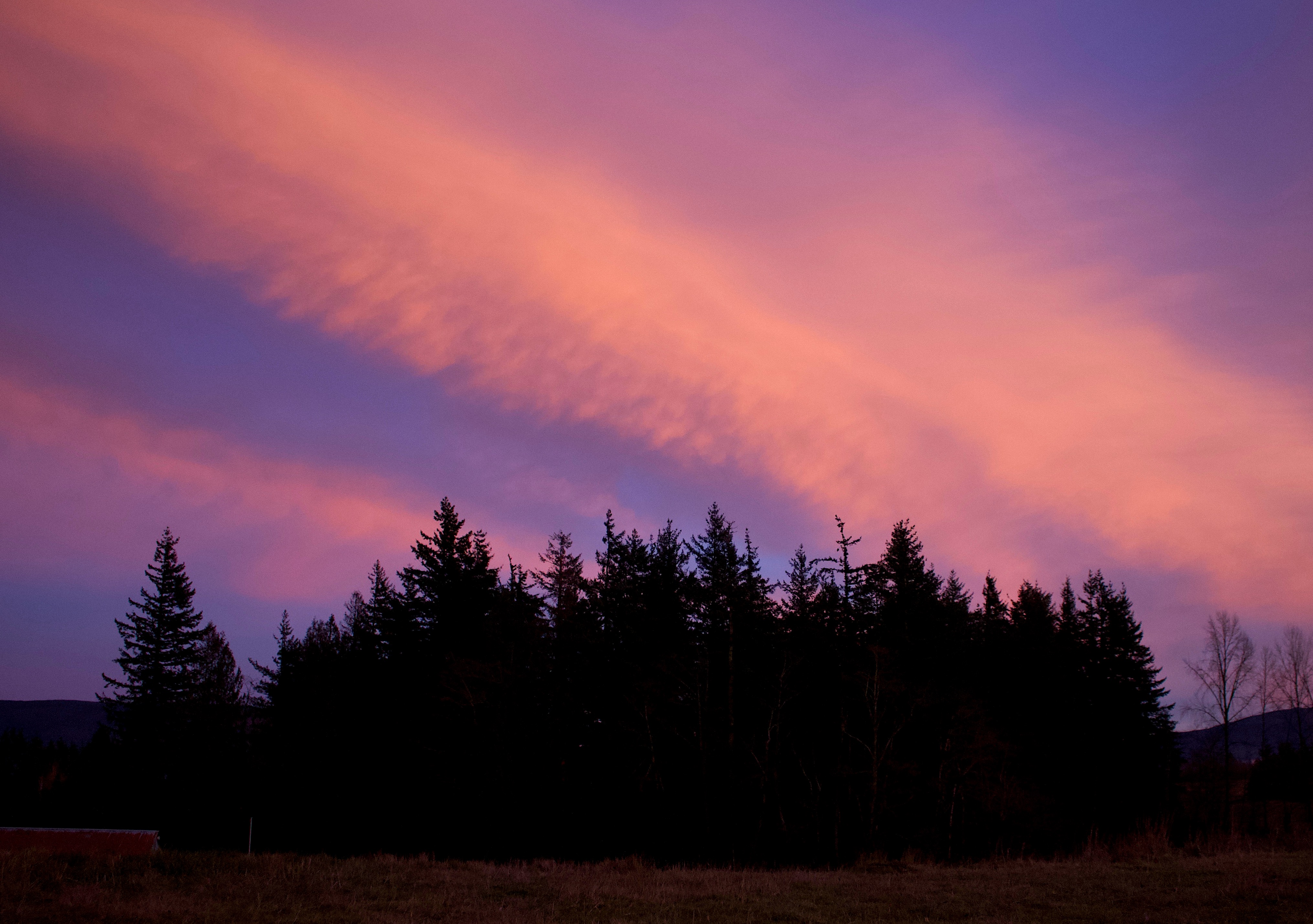
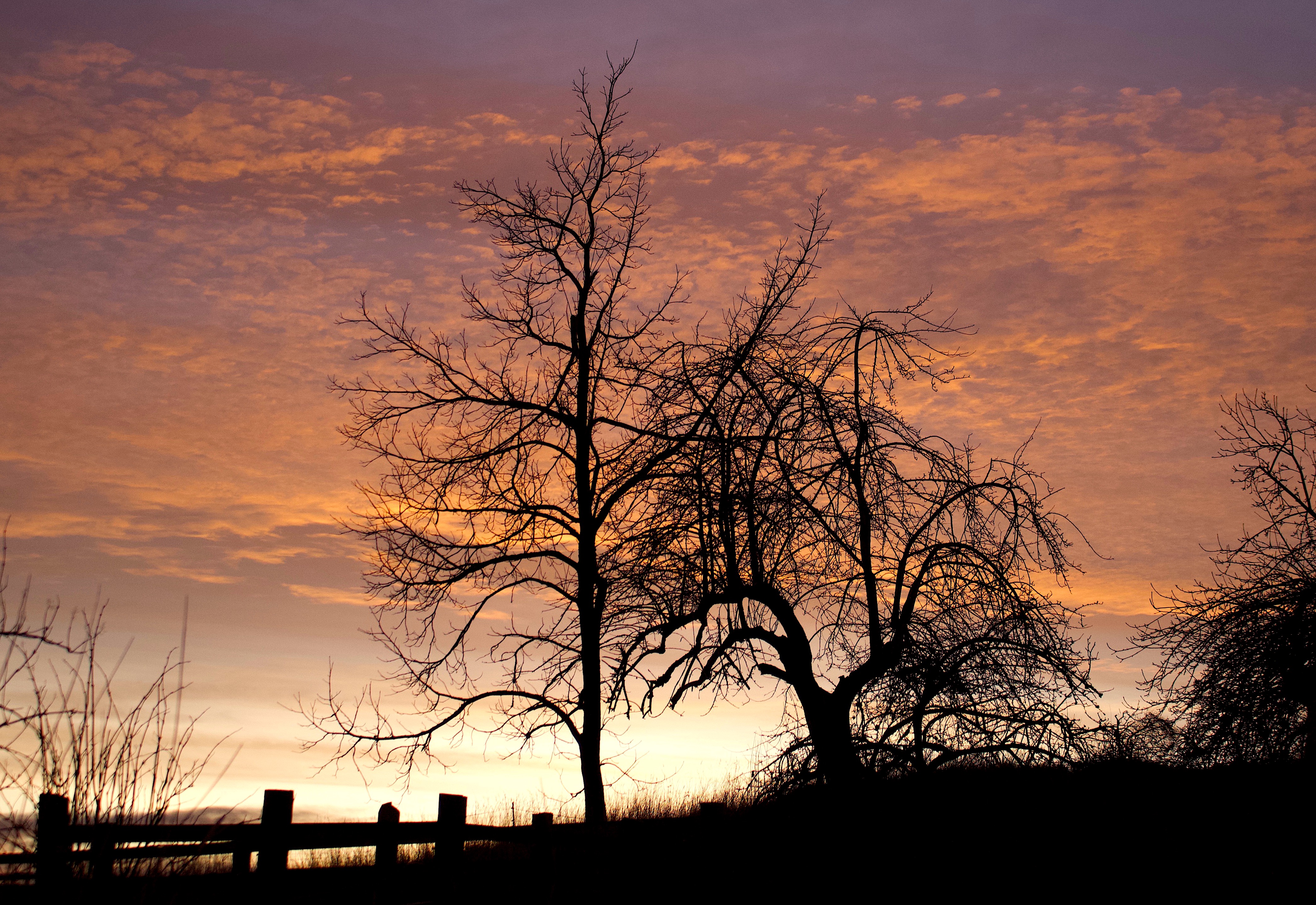
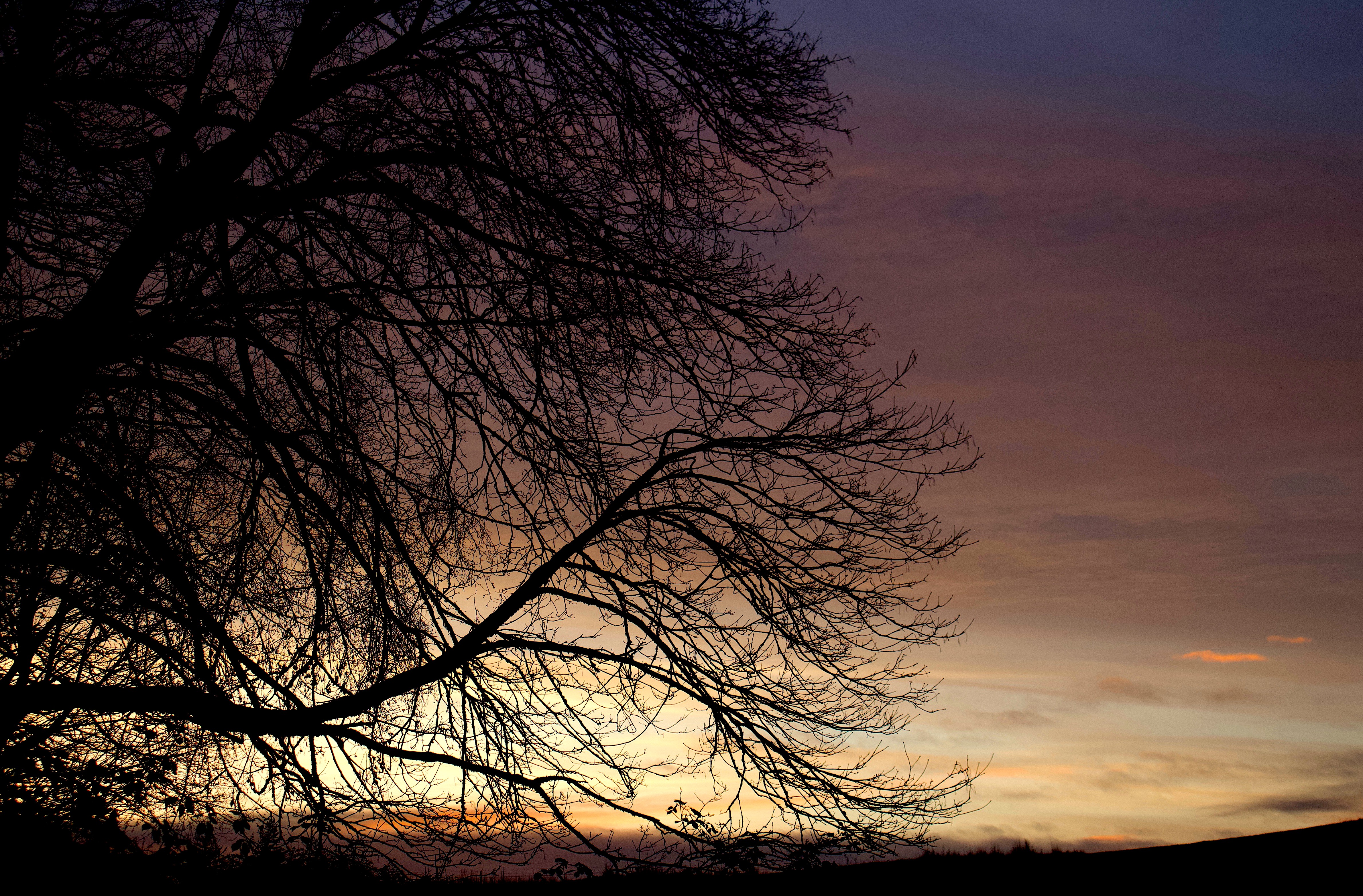
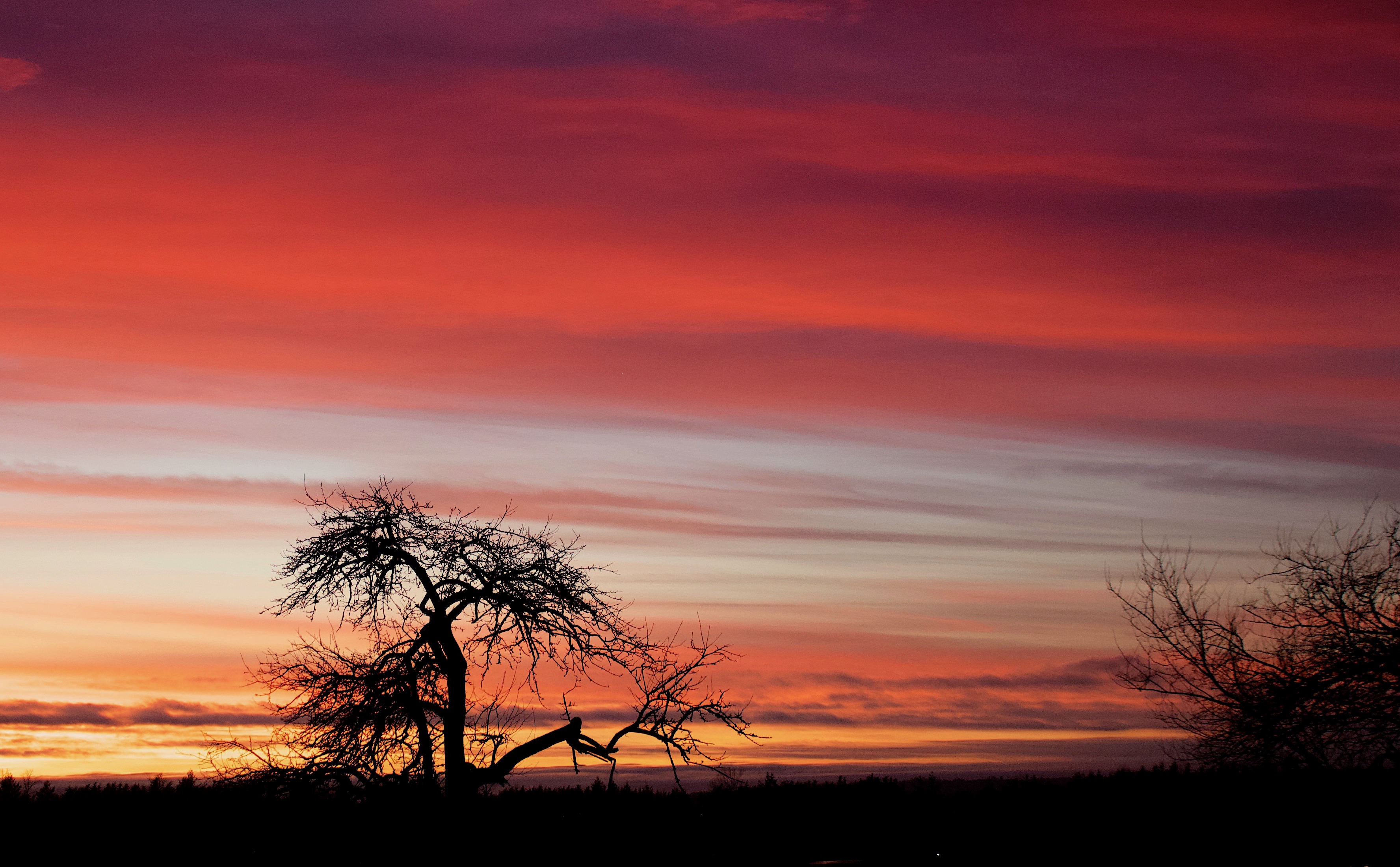
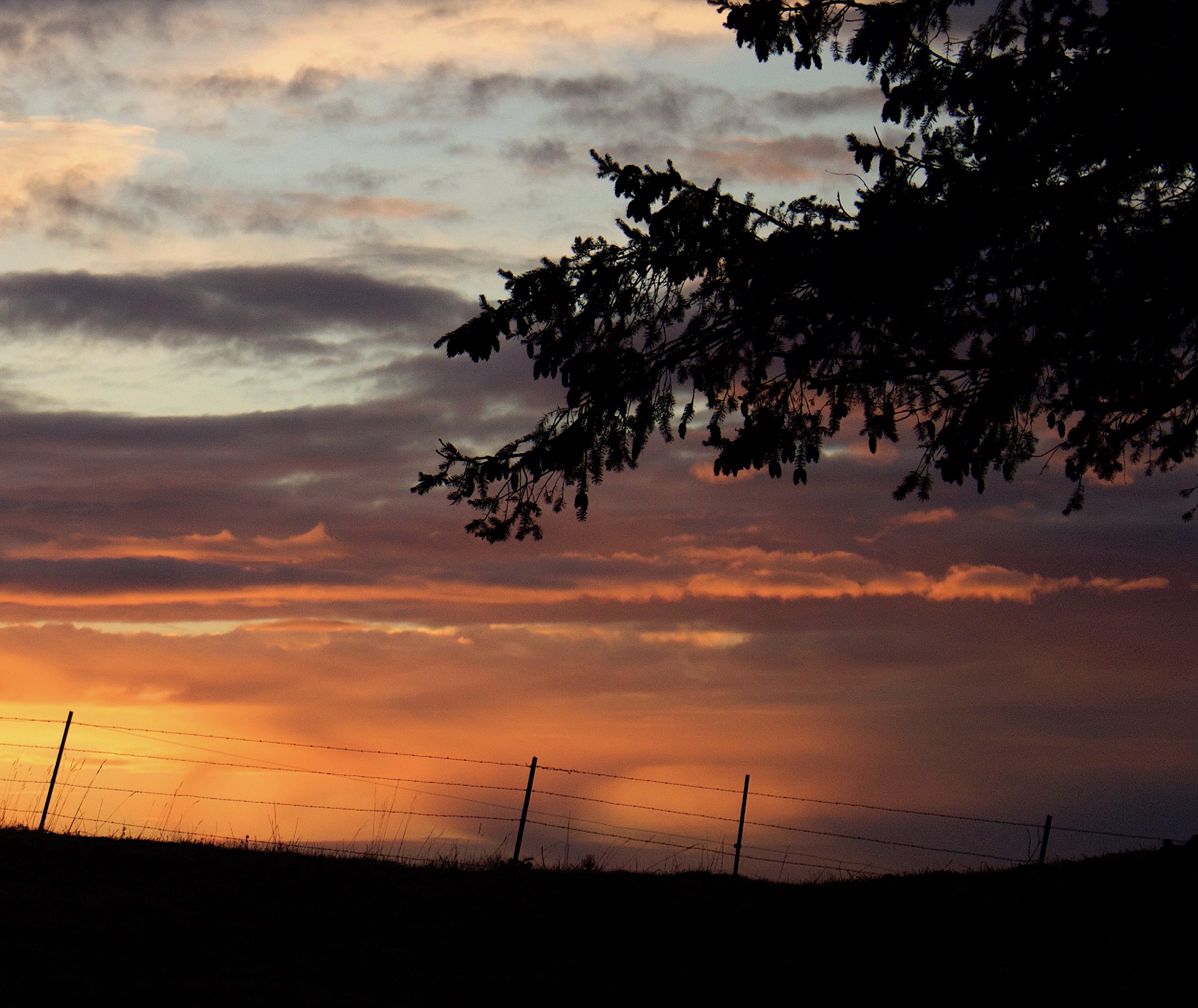
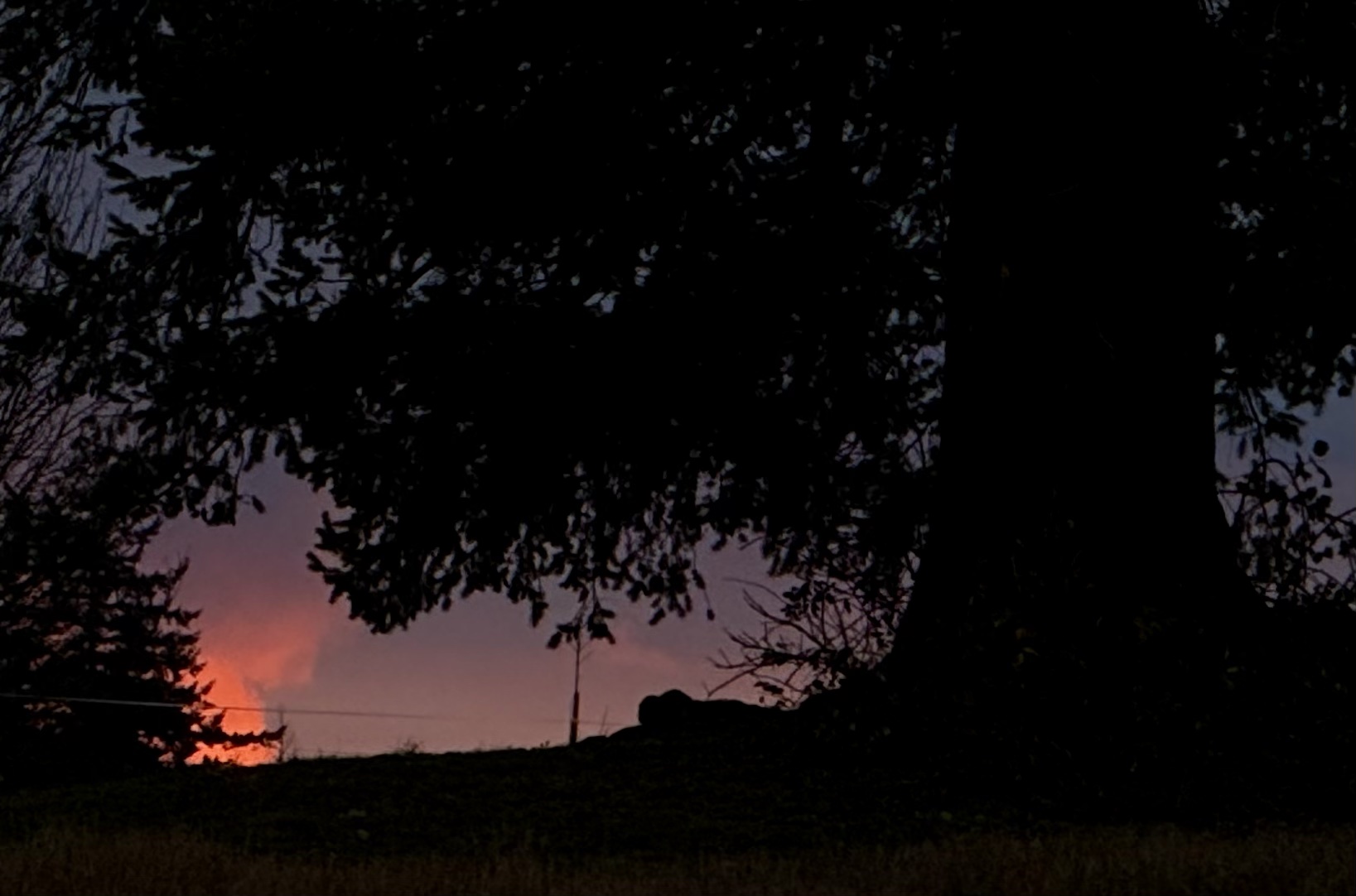
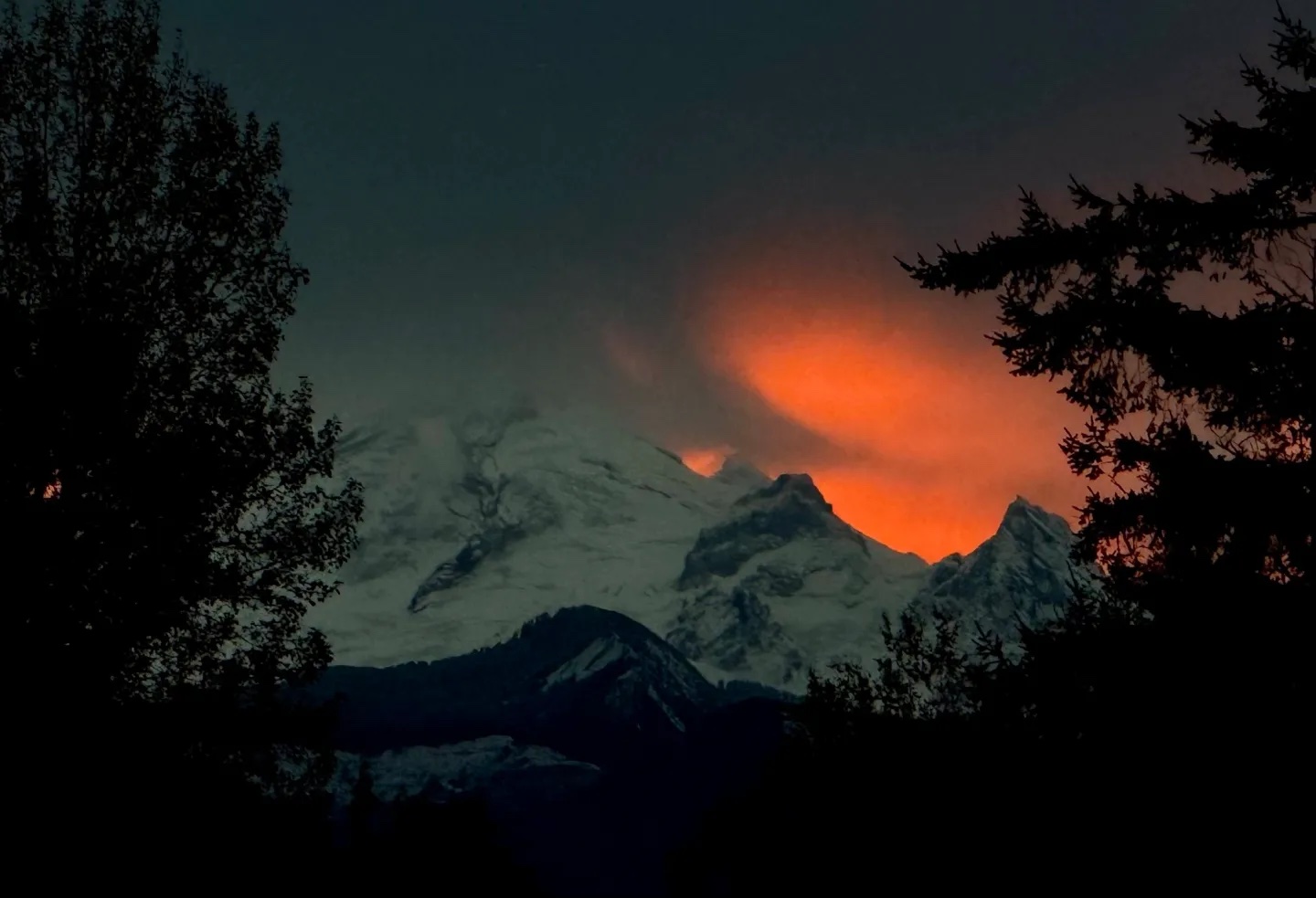
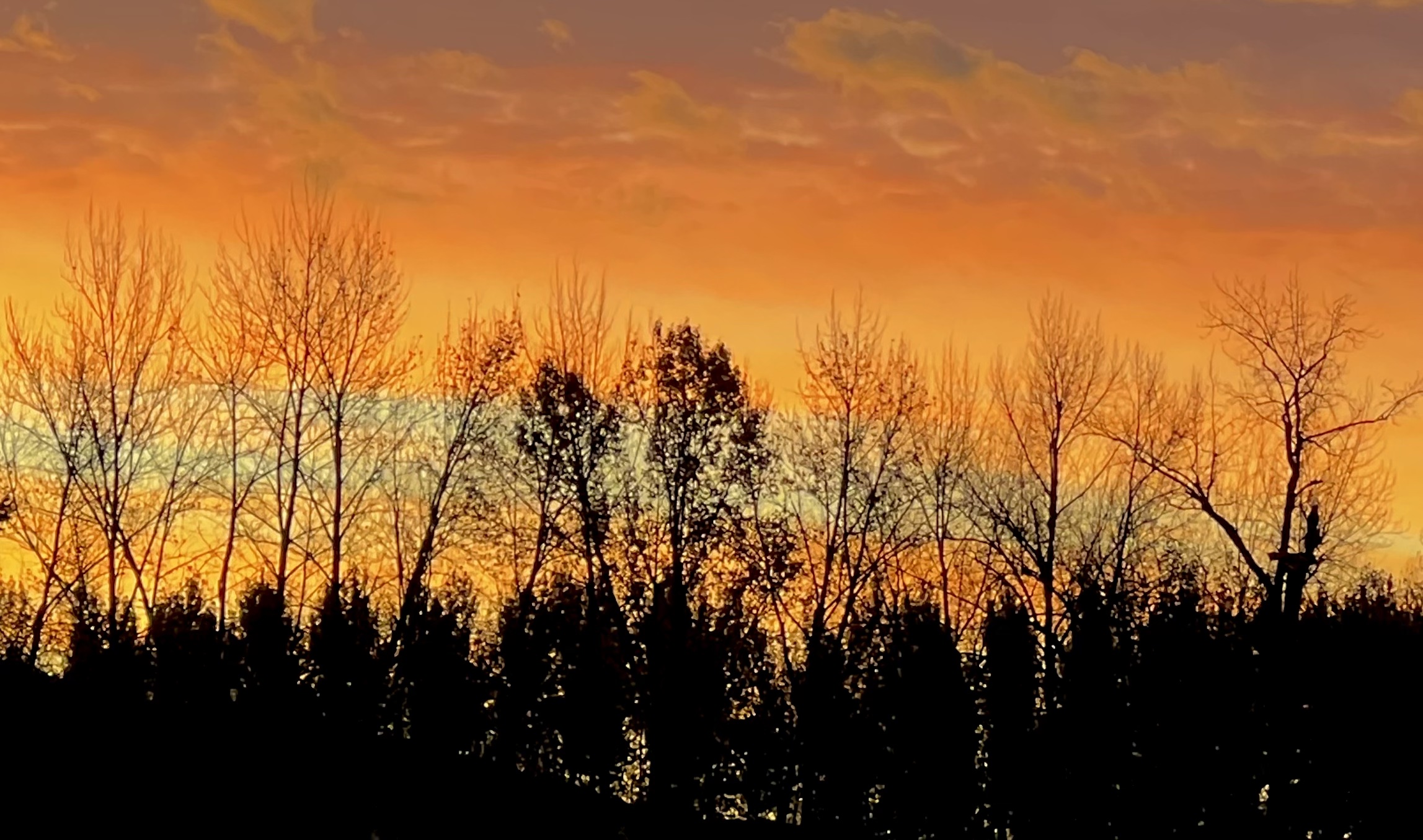
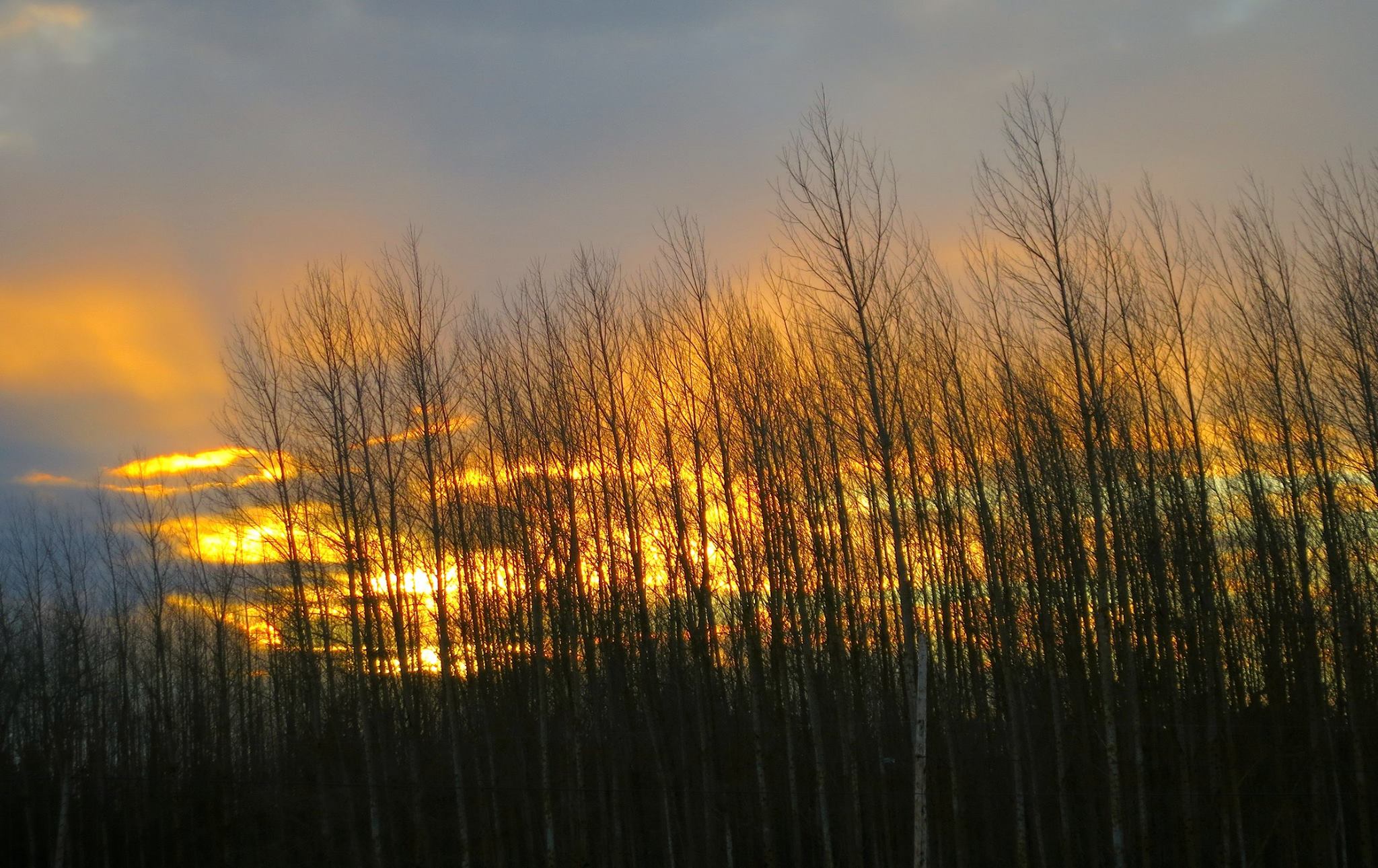
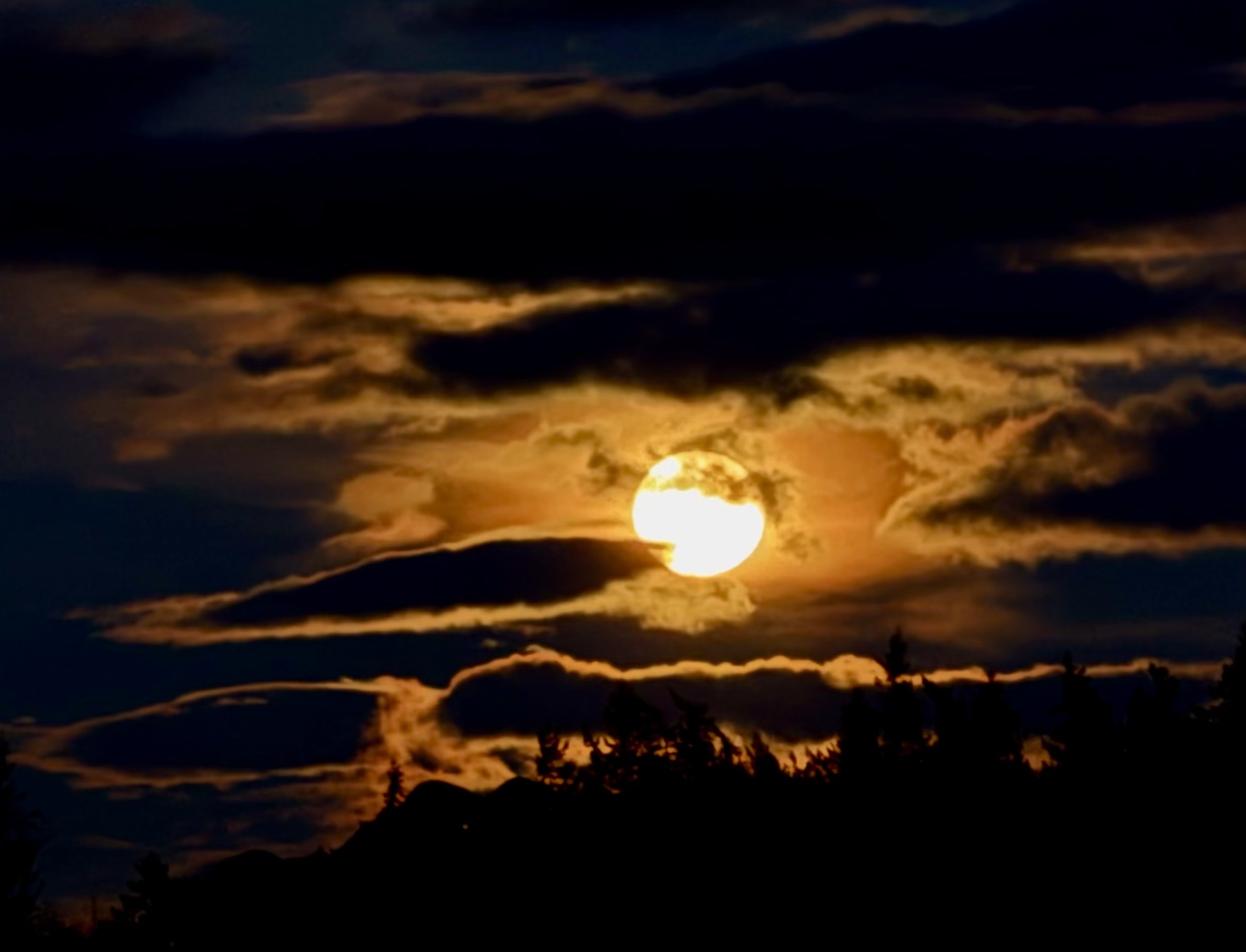
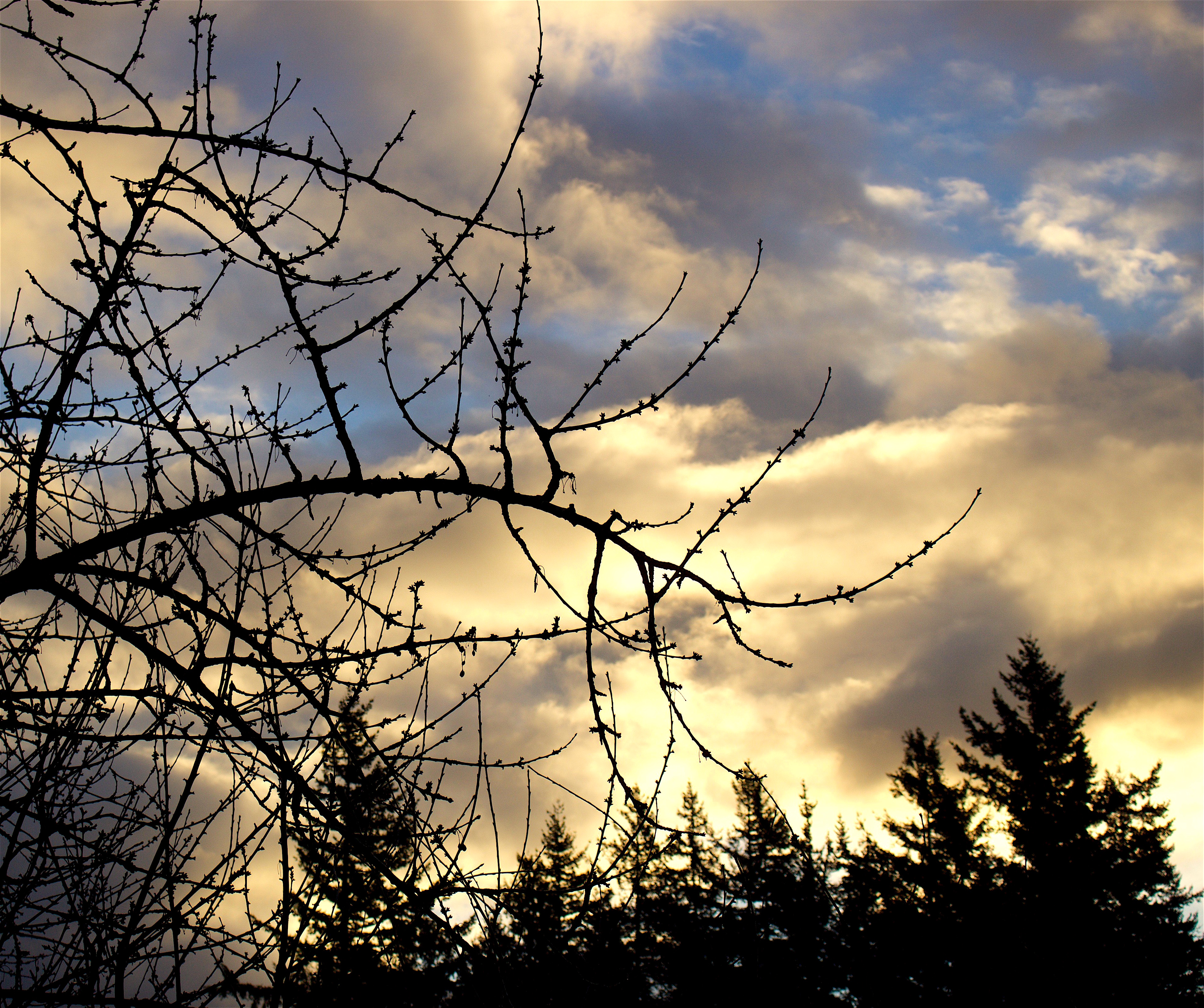
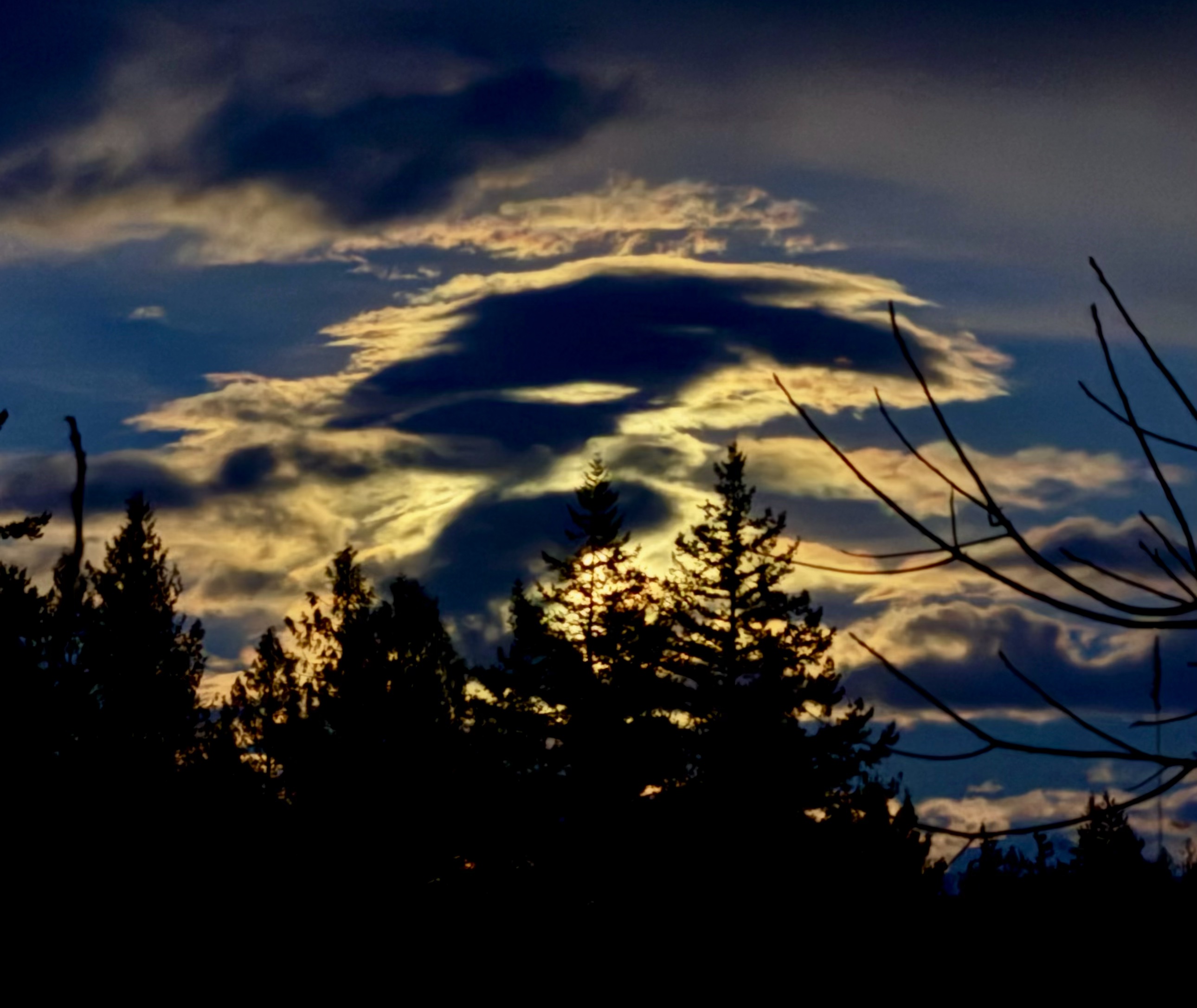
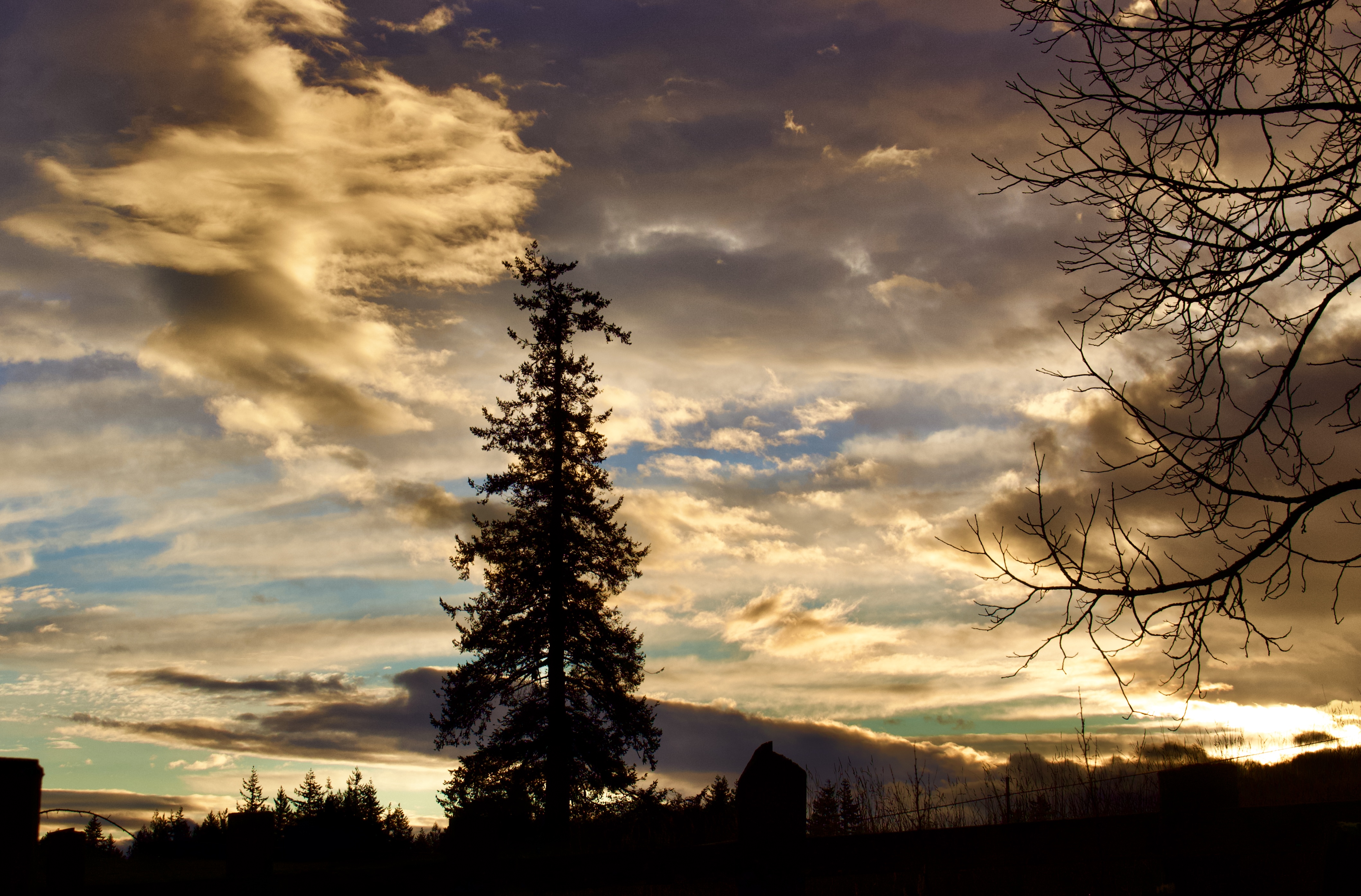
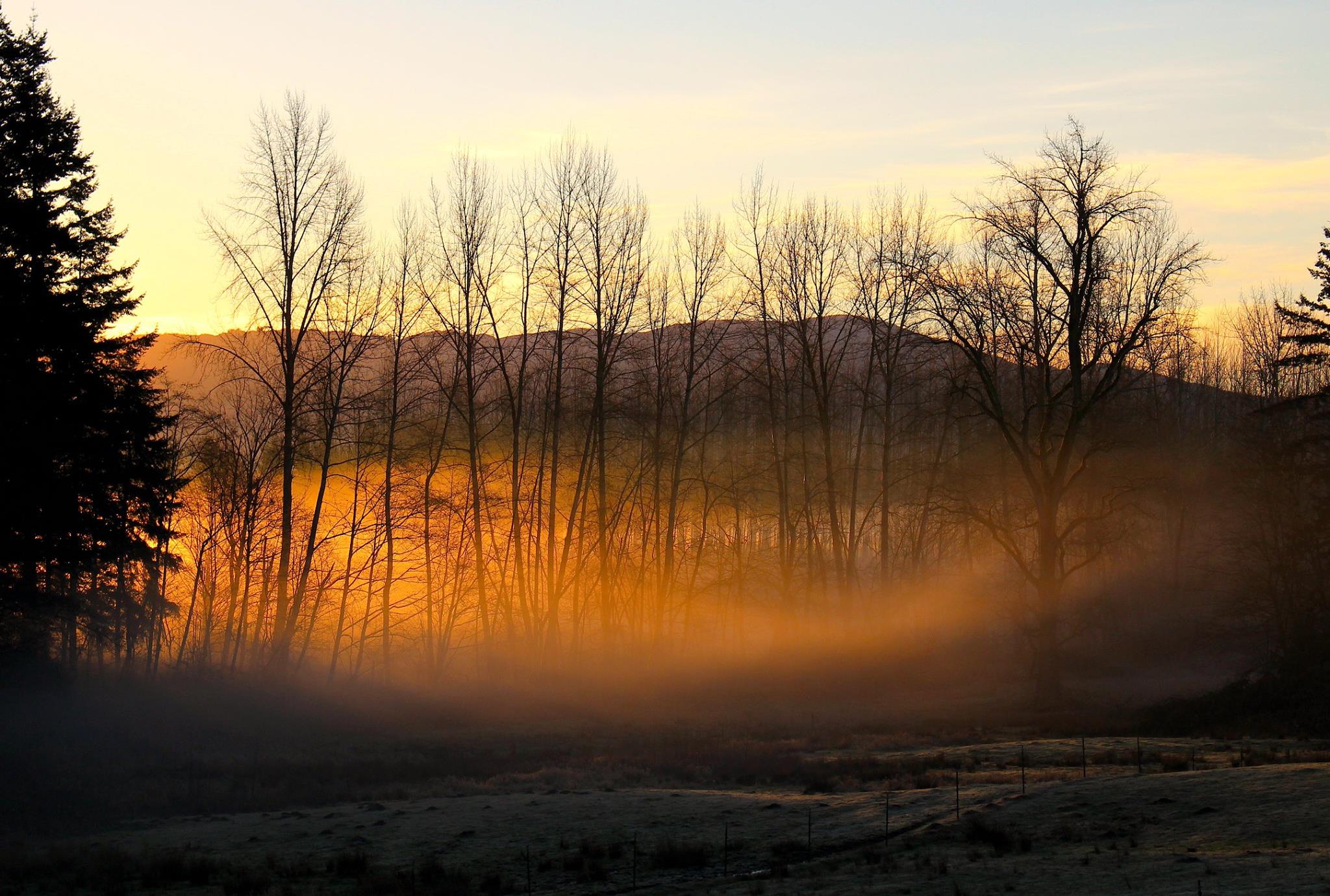
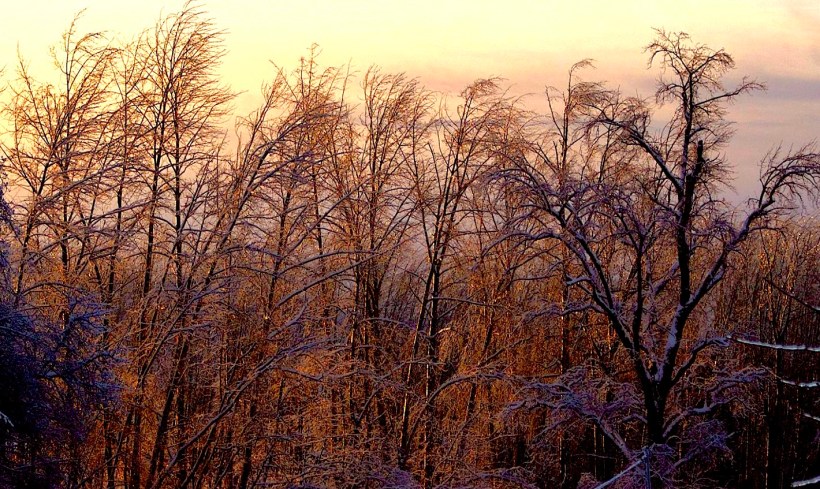
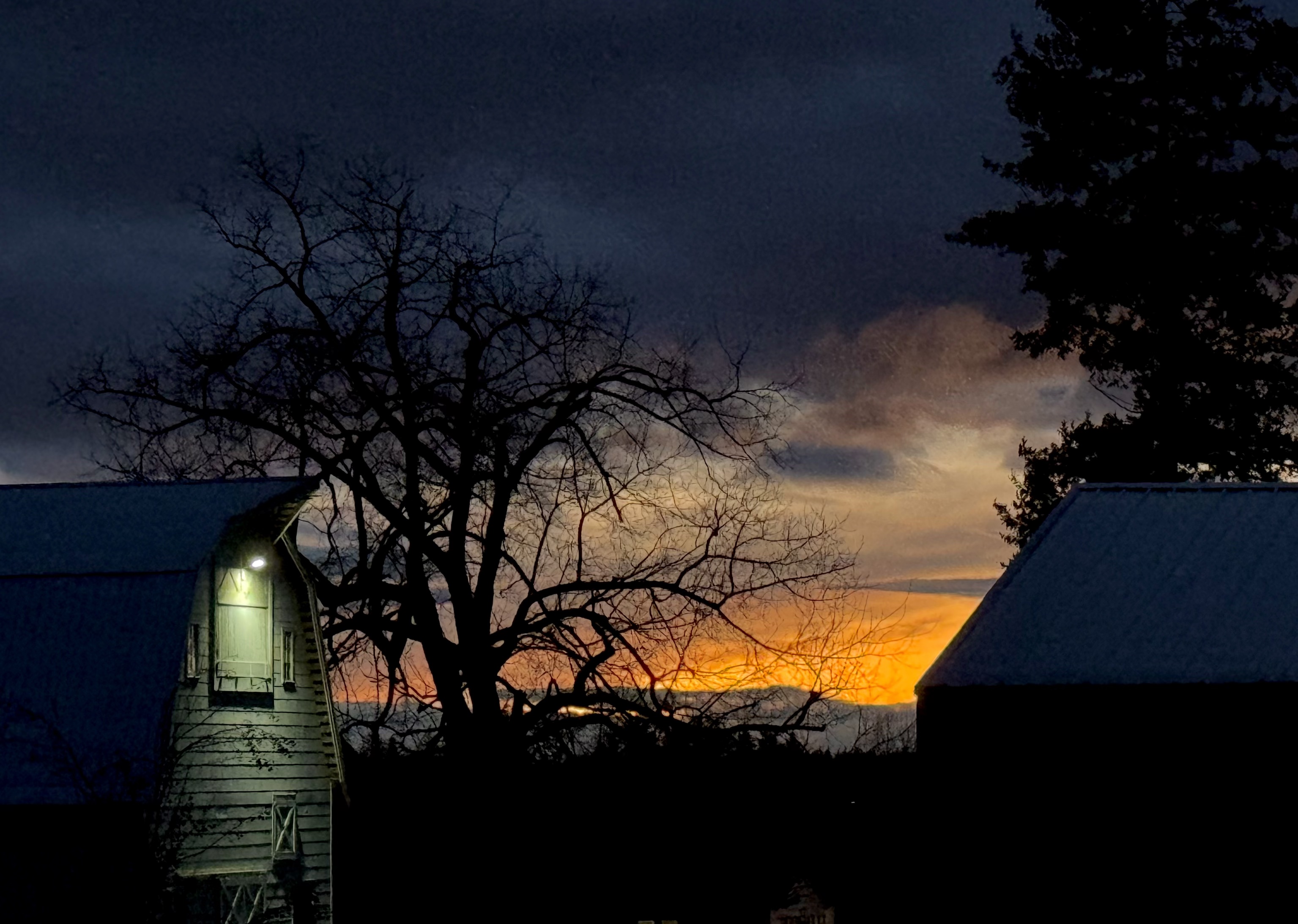
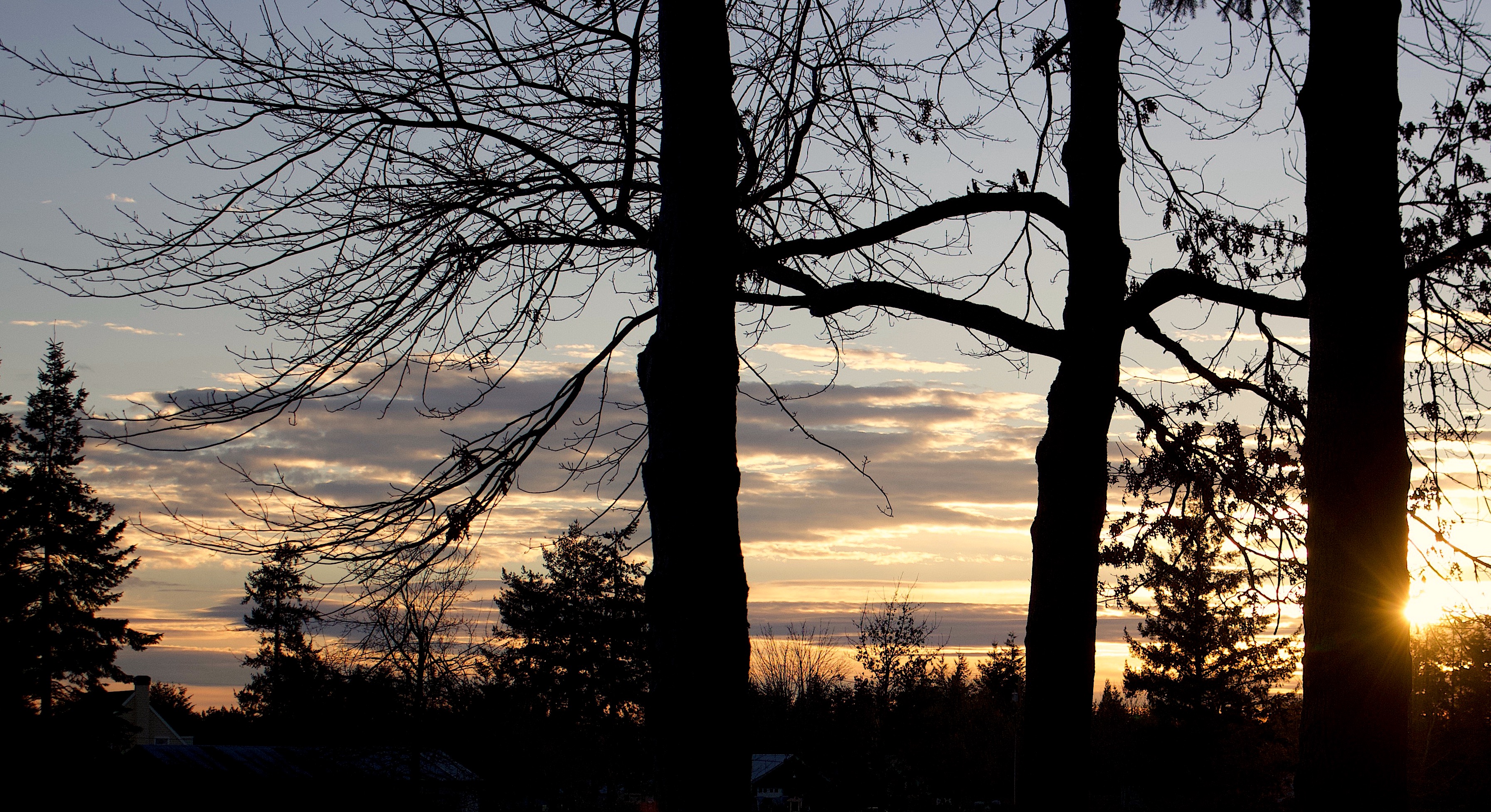
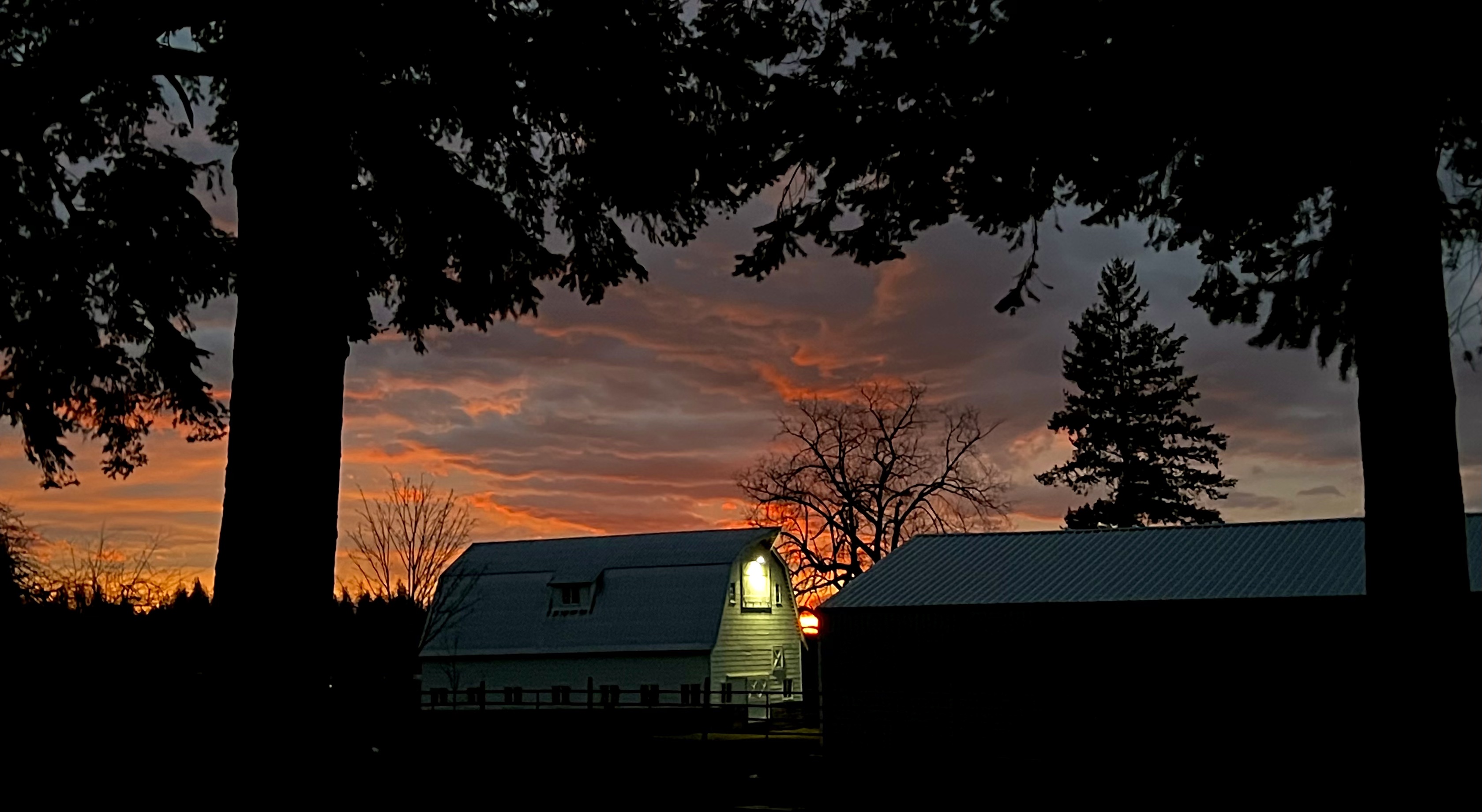
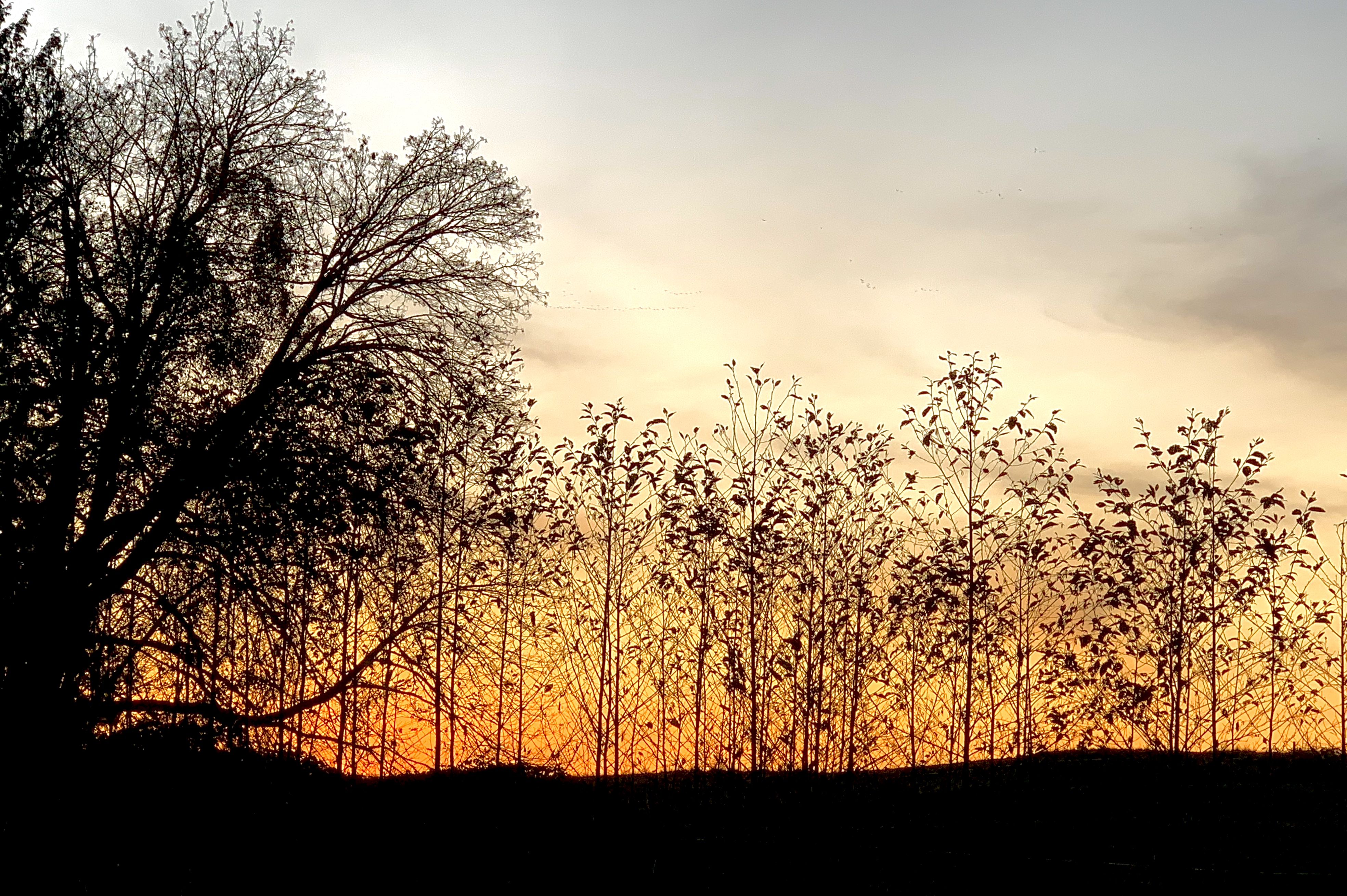
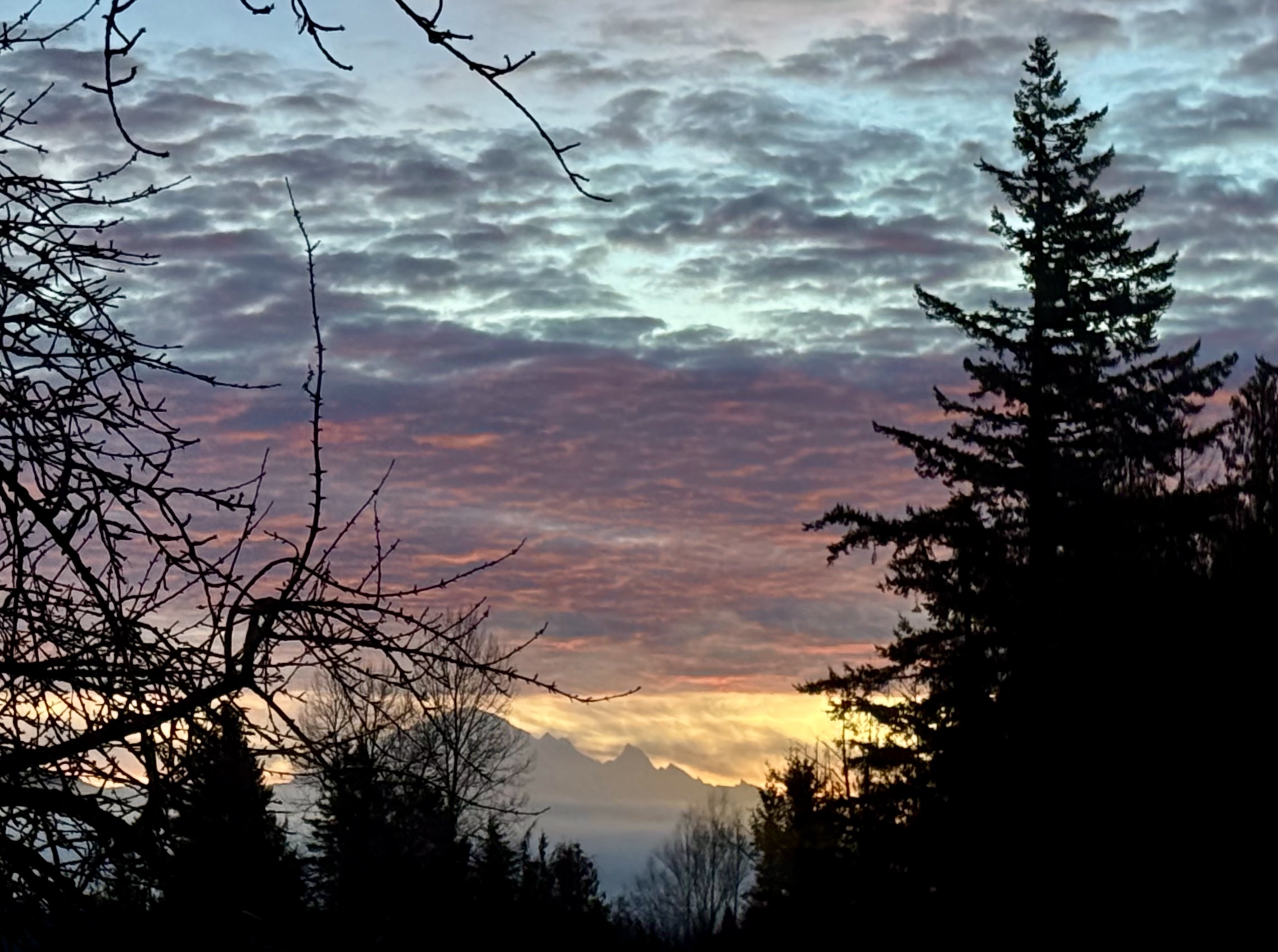
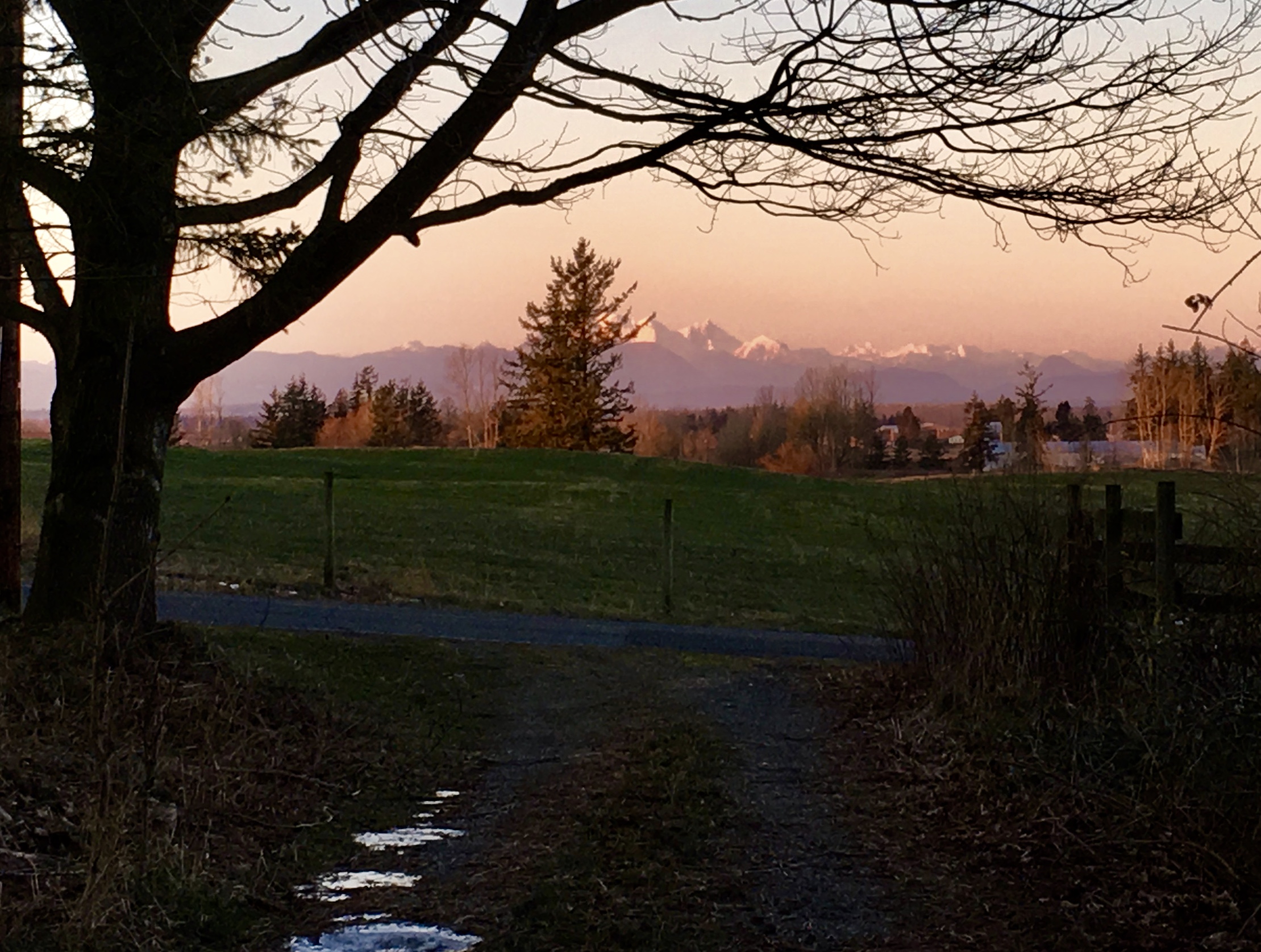
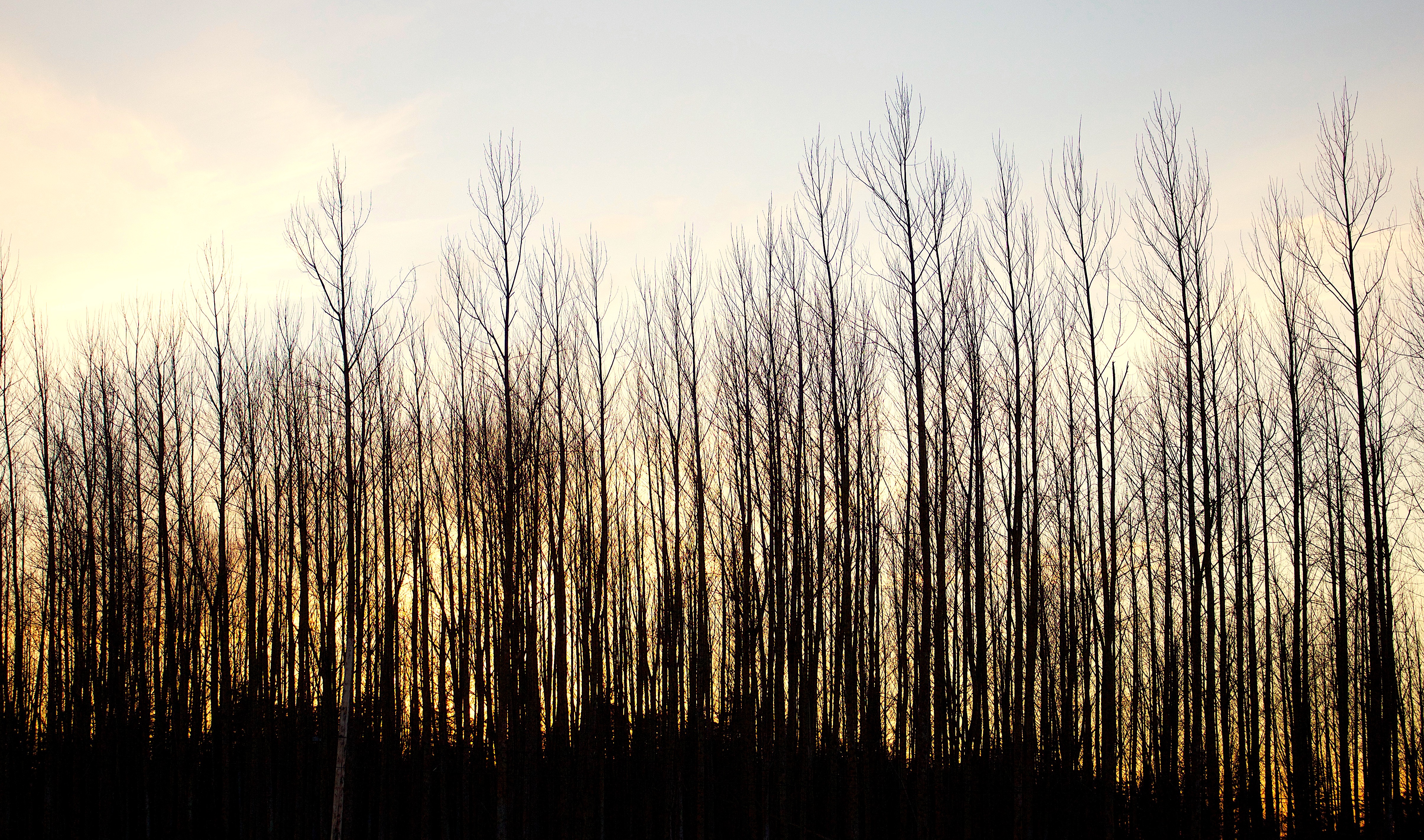
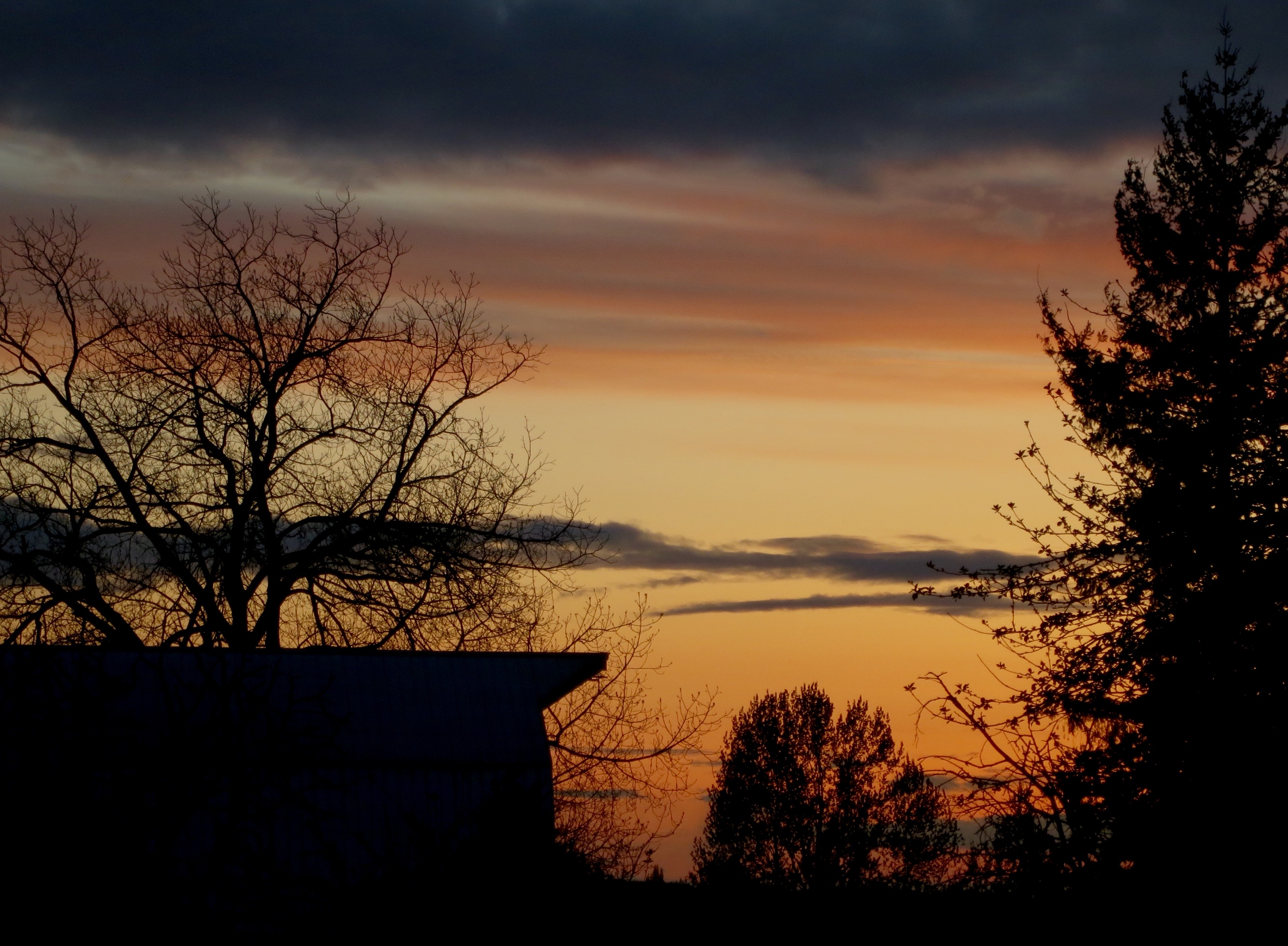
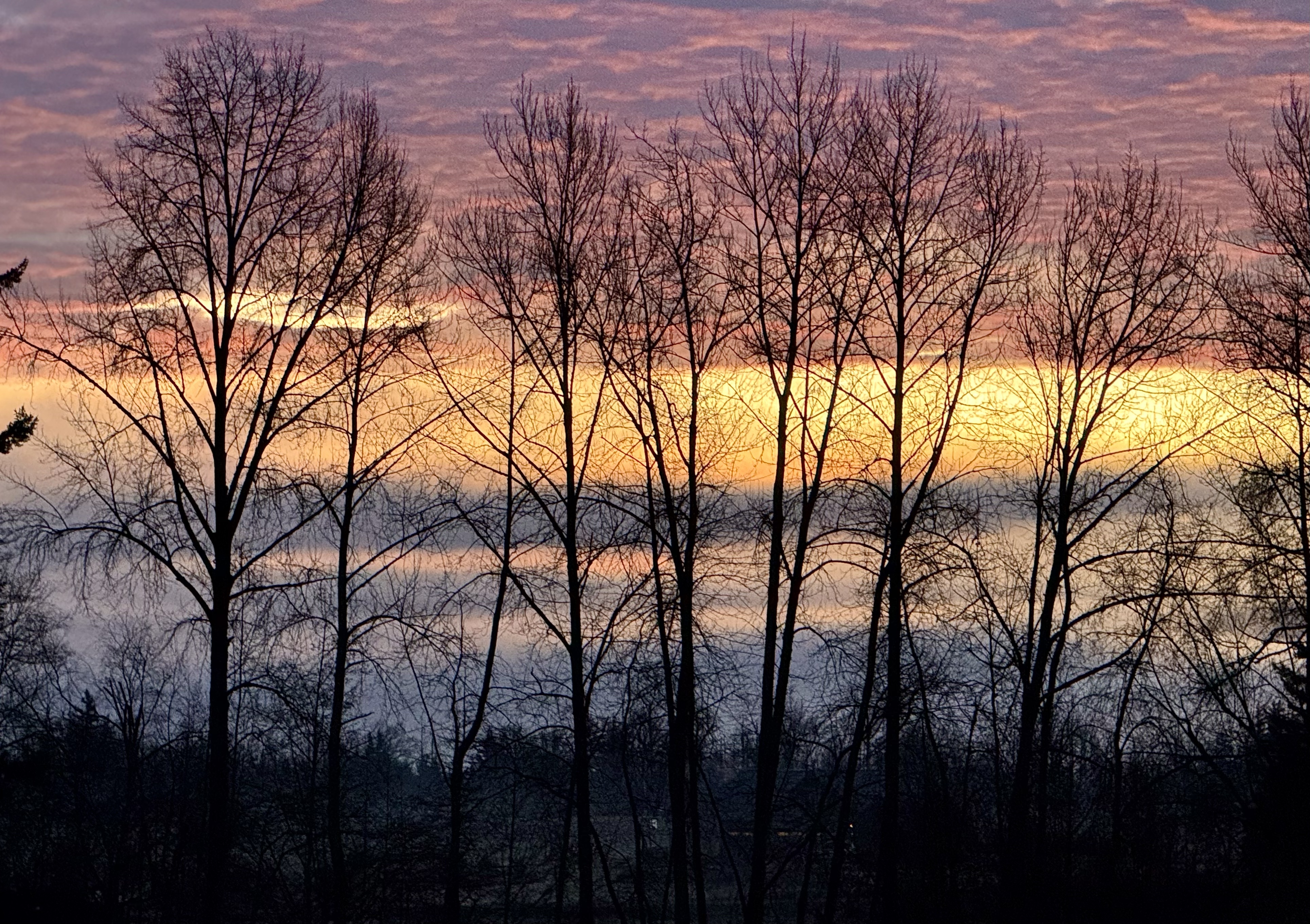
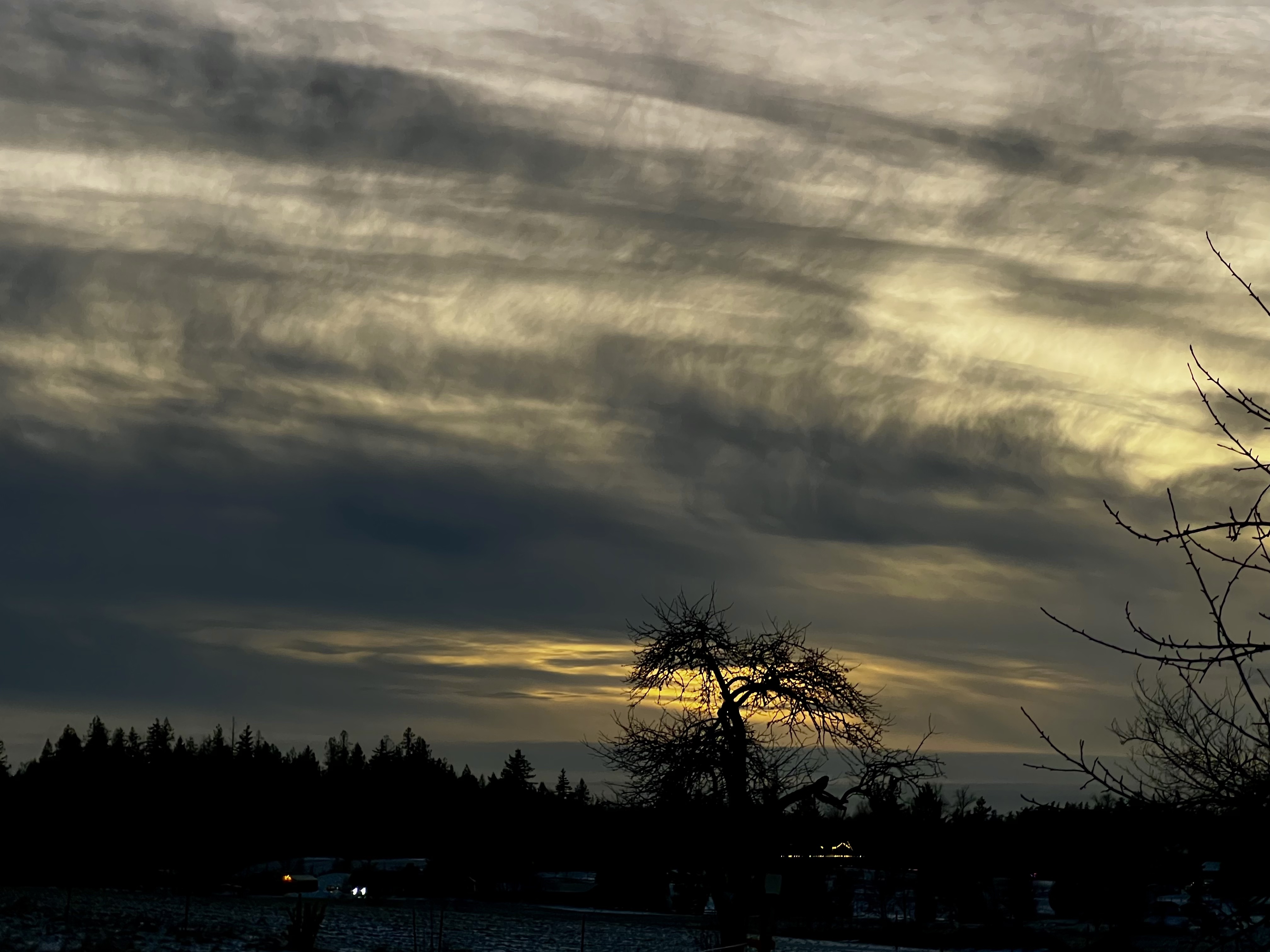
So welcome in the dead center of January: a surround-sunset experience on our farm – 360 degrees of evolving color and patterns, streaks and swirls, gradation and gradual decline.
All is silent. No bird song, no wind, no spoken prayer. Yet communion takes place with the air breaking and feeding me like manna from heaven.
Witnessing the light bleeding out all around me:
I will squander my days no more, treasuring each as sheer gift. I will seek to serve my God, church, family, friends, and community. I will be warmed on this chilly winter day even as it descends to darkness, knowing light and hope will return.
to the westto the westto the west
One-Time
Monthly
Yearly
Make a one-time or recurring donation to support daily Barnstorming posts
I have left my wife at the airport, flying out to help our daughter whose baby will not eat. And I am driving on to Kent to hear some poets read tonight.
I don’t know what to do with myself when she leaves me like this. An old friend has decided to end our friendship. Another is breaking it off with his wife.
I don’t know what to say to any of this-Life’s hard. And I say it aloud to myself, Living is hard, and drive further into the darkness, my headlights only going so far.
I sense my own tense breath, this fear we call stress, making it something else, hiding from all that is real.
As I glide past Twin Lakes, flat bodies of water under stars, I hold the wheel gently, slowing my body to the road, and know again that this is just living, not a trauma nor dying, but a lingering pain reminding us that we are alive. ~Larry Smith “Following the Road” from A River Remains
The grace of God means something like: Here is your life. You might never have been, but you are because the party wouldn’t have been complete without you. Here is the world. Beautiful and terrible things will happen. Don’t be afraid. I am with you. Nothing can ever separate us. It’s for you I created the universe. I love you. There’s only one catch. Like any other gift, the gift of grace can be yours only if you’ll reach out and take it. Maybe being able to reach out and take it is a gift too. ~Frederich Buechner from Wishful Thinking
You get out of bed, wash and dress; eat breakfast, say goodbye and go away never maybe, to return for all you know, to work, talk, lust, pray, dawdle and do, and at the end of the day, if your luck holds, you come home again, home again. Then night again. Bed. The little death of sleep, sleep of death. Morning, afternoon, evening— the hours of the day, of any day, of your day and my day. The alphabet of grace. If there is a God who speaks anywhere, surely he speaks here: through waking up and working, through going away and coming back again, through people you read and books you meet, through falling asleep in the dark. Life is grace. Sleep is forgiveness. The night absolves. Darkness wipes the slate clean, not spotless to be sure, but clean enough for another day’s chalking. ~Frederich Buechner from “The Alphabet of Grace
Our six year old grandson, hoping to calm his older sister’s melt-down: “Life is life – it’ll be okay tomorrow…“
So tomorrow – move forward to leave a mark on a new day after tonight’s erasing rest.
No matter what took place this day, no matter the misgivings, no matter what should have been left unsaid, no matter how hard the heart, no matter the lingering pain, there is another day to make it right.
Forgiveness finds a foothold in the dark, when eyelids close, thoughts quietly open, voices hush in prayers of praise, petition and gratitude.
And so now simply sleep on it knowing his grace abounds in blameless dreams.
Morning will come awash in new light, another chance freely given.
One-Time
Monthly
Yearly
Make a one-time or recurring donation to support daily Barnstorming posts
I dwell in Possibility – A fairer House than Prose – More numerous of Windows – Superior – for Doors –
Of Chambers as the Cedars – Impregnable of eye – And for an everlasting Roof The Gambrels of the Sky –
Of Visitors – the fairest – For Occupation – This – The spreading wide my narrow Hands To gather Paradise – ~Emily Dickinson
When I dwell in Emily D’s poetic possibilities, full of mysterious capitalizations, inscrutable dashes and sideways rhymes, I feel blinded, get easily lost, stumbling over this and that, and end up wondering where she is leading me and how far I’m willing to go.
Yet she tells me
– This – to get my attention, hold it fast, to look up and out, beyond, and into forever.
-This- is what I must do when I read her carefully chosen words and dashes
-This- is what I ask of a reader who opens my own words here
-This- is dwelling in possibility for a moment or an eternity, all eyes and windows and doors wide open to grasp a glimpse of Paradise.
-This- is our hands holding the seeds of potential for the future, to gather, to embrace, to pray, to prepare us for Whatever it is which Comes Next…
-This- we do it together…
One-Time
Monthly
Yearly
Make a one-time or recurring donation to support daily Barnstorming posts
Deep midwinter, the dark center of the year, Wake, O earth, awake, Out of the hills a star appears, Here lies the way for pilgrim kings, Three magi on an ancient path, Black hours begin their journeyings.
Their star has risen in our hearts, Empty thrones, abandoning fears, Out on the hills their journey starts, In dazzling darkness God appears. ~Judith Bingham “Epiphany”
It might have been just someone else’s story, Some chosen people get a special king. We leave them to their own peculiar glory, We don’t belong, it doesn’t mean a thing. But when these three arrive they bring us with them, Gentiles like us, their wisdom might be ours; A steady step that finds an inner rhythm, A pilgrim’s eye that sees beyond the stars. They did not know his name but still they sought him, They came from otherwhere but still they found; In temples they found those who sold and bought him, But in the filthy stable, hallowed ground. Their courage gives our questing hearts a voice To seek, to find, to worship, to rejoice. ~Malcolm Guite “Epiphany”
…the scent of frankincense and myrrh arrives on the wind, and I long to breathe deeply, to divine its trail. But I know their uses and cannot bring myself to breathe deeply enough to know whether what comes is the fragrant welcoming of birth or simply covers the stench of death. These hands coming toward me, is it swaddling they carry or shroud? ~Jan Richardson from Night Visions –searching the shadows of Advent and Christmas
Unclench your fists Hold out your hands. Take mine. Let us hold each other. Thus is his Glory Manifest. ~Madeleine L’Engle “Epiphany” from the Weather of the Heart
All this was a long time ago, I remember, And I would do it again, but set down This set down This: were we led all that way for Birth or Death? There was a Birth, certainly We had evidence and no doubt. I had seen birth and death, But had thought they were different; this Birth was Hard and bitter agony for us, like Death, our death. ~T.S. Eliot from “Journey of the Magi”
The Christmas season is a wrap, put away for another year. However, our hearts are not so easily boxed up and stored as the lights and decorations and ornaments of the season.
Our troubles and concerns go on; our frailty a daily reality. We can be distracted with holidays for a few weeks, but our time here slips away ever more quickly.
The Christmas story is not just about light and birth and joy to the world. It is about how swaddling clothes became a shroud that wrapped Him tight. There is not one without the other.
God came to be with us; Delivered so He could deliver. Planted on and in the earth. Born so He could die in our place To leave the linen strips behind, neatly folded.
Christmas: a dazzling unwrapping of glory to free us from darkness. Epiphany: the Seed of His Spirit takes root in our hearts.
One-Time
Monthly
Yearly
Make a one-time or recurring donation to support daily Barnstorming posts
Now there was a man of the Pharisees named Nicodemus, a ruler of the Jews.This man came to Jesus by night and said to him, “Rabbi, we know that you are a teacher come from God, for no one can do these signs that you do unless God is with him.”
Jesus answered him, “Truly, truly, I say to you, unless one is born again he cannot see the kingdom of God.”
Nicodemus said to him, “How can a man be born when he is old? Can he enter a second time into his mother’s womb and be born?”
Jesus answered, “Truly, truly, I say to you, unless one is born of water and the Spirit, he cannot enter the kingdom of God. That which is born of the flesh is flesh, and that which is born of the Spirit is spirit. Do not marvel that I said to you, ‘You must be born again.’ The wind blows where it wishes, and you hear its sound, but you do not know where it comes from or where it goes. So it is with everyone who is born of the Spirit.”
Nicodemus said to him, “How can these things be?”
Jesus answered him, “Are you the teacher of Israel and yet you do not understand these things?Truly, truly, I say to you, we speak of what we know, and bear witness to what we have seen, but you do not receive our testimony. If I have told you earthly things and you do not believe, how can you believe if I tell you heavenly things? No one has ascended into heaven except he who descended from heaven, the Son of Man. And as Moses lifted up the serpent in the wilderness, so must the Son of Man be lifted up, that whoever believes in him may have eternal life. John 3: 1-15
When I lay these questions before God I get no answer. But a rather special sort of “No answer.”
It is not the locked door. It is more like a silent, certainly not uncompassionate, gaze.
As though he shook his head not in refusal but waiving the question.Like, “Peace, child; you don’t understand.”
Can a mortal ask questions which God finds unanswerable? Quite easily, I should think. All nonsense questions are unanswerable.
How many hours are there in a mile? Is yellow square or round?
Probably half the questions we ask – half our great theological and metaphysical problems – are like that. ~C.S. Lewis from A Grief Observed
I know now, Lord, why you utter no answer. You are yourself the answer. Before your face questions die away. ~C.S. Lewis from Till We Have Faces
At present we are on the outside of the world, the wrong side of the door. We discern the freshness and purity of morning, but they do not make us fresh and pure. We cannot mingle with the splendors we see. But all the leaves of the New Testament are rustling with the rumor that it will not always be so. Someday, God willing, we shall get in. ~C.S. Lewis from The Weight of Glory
And now brothers, I will ask you a terrible question, and God knows I ask it also of myself. Is the truth beyond all truths, beyond the stars, just this: that to live without him is the real death, that to die with him the only life? ~Frederich Buechner from The Magnificent Defeat
And that is just the point… how the world, moist and beautiful, calls to each of us to make a new and serious response. That’s the big question, the one the world throws at you every morning. “Here you are, alive. Would you like to make a comment?” ~Mary Oliver from Long Life
Some days, it is impossible to be a silent observer of the world. I ask so many unanswerable questions.
When the wind and rain pulls down nearly every leaf, the ground is carpeted with the dying evidence of last spring’s rebirth, there can be no complacency in witnessing life in progress.
It blusters, rips, drenches, encompasses, buries. Nothing remains as it was. And neither do we.
And yet here I am, alive. Awed. Born to be a witness to all this. Called to comment. Dying to hear a response.
I am reading slowly through the words in the Book of John over the next year. Once a week, I will invite you to “come and see” what those words might mean as we explore His promises together.
One-Time
Monthly
Yearly
Make a one-time or recurring donation to support daily Barnstorming posts
Whatever harm I may have done In all my life in all your wide creation If I cannot repair it I beg you to repair it,
And then there are all the wounded The poor the deaf the lonely and the old Whom I have roughly dismissed As if I were not one of them. Where I have wronged them by it And cannot make amends I ask you To comfort them to overflowing,
And where there are lives I may have withered around me, Or lives of strangers far or near That I’ve destroyed in blind complicity, And if I cannot find them Or have no way to serve them,
Remember them. I beg you to remember them
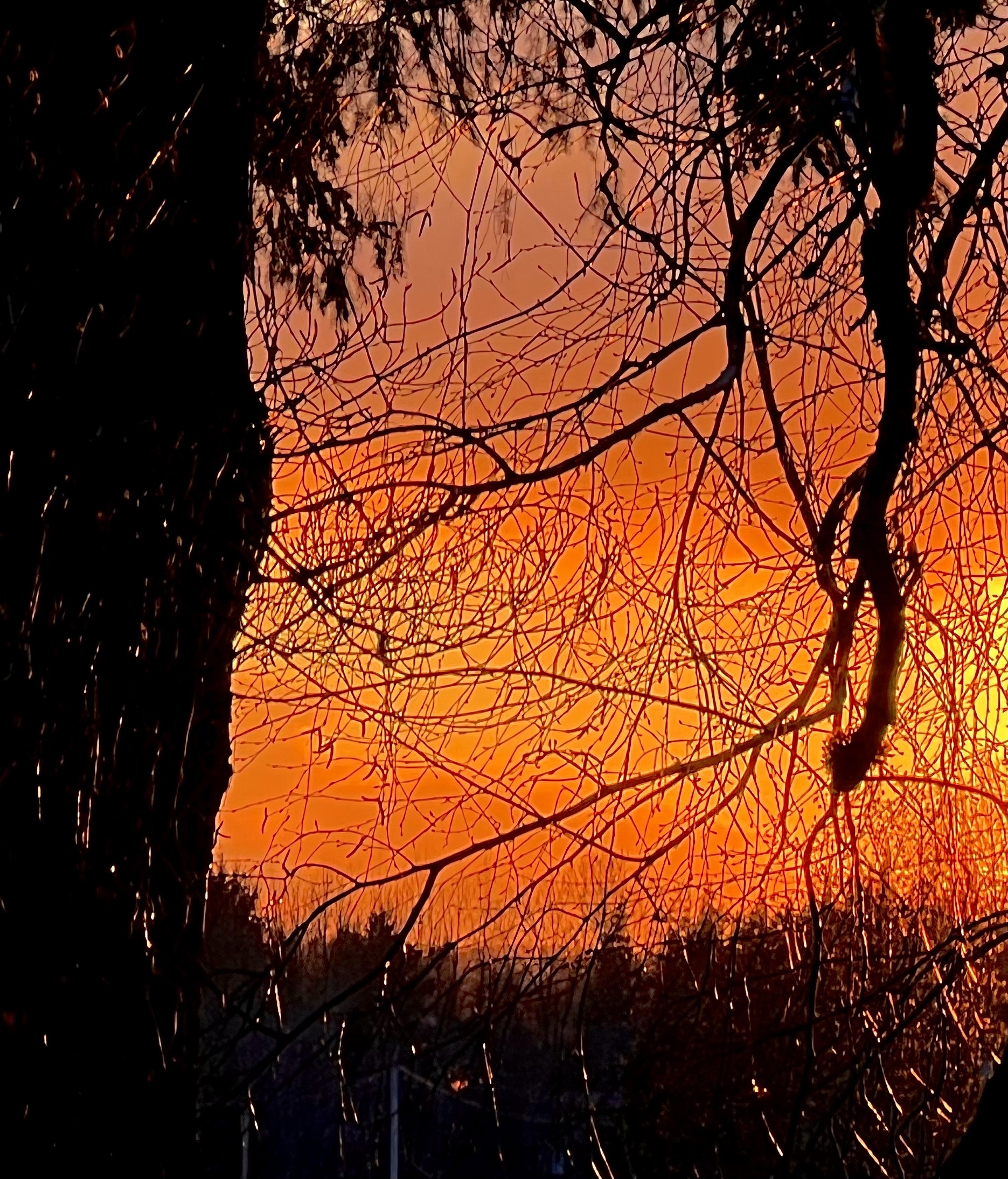
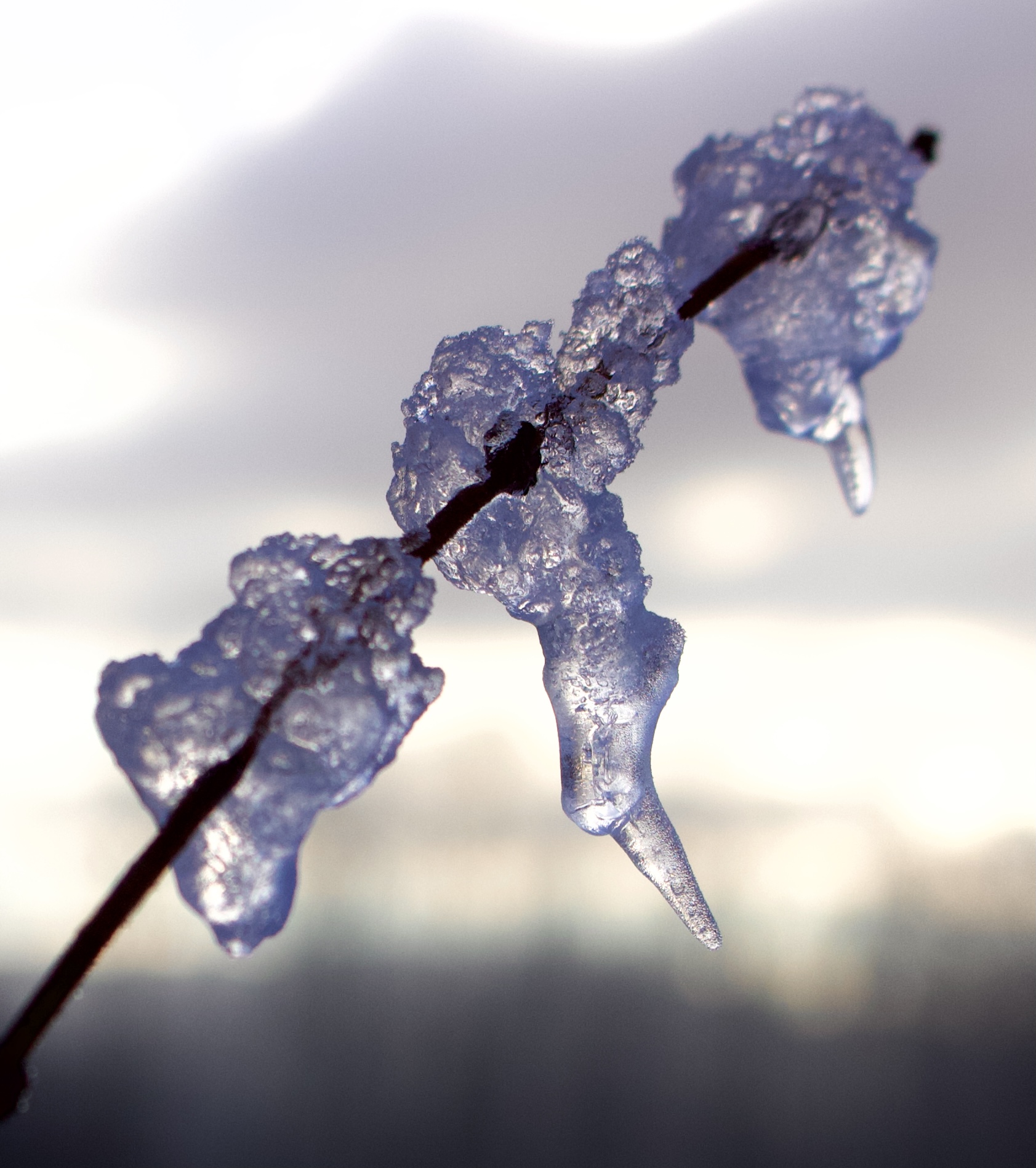
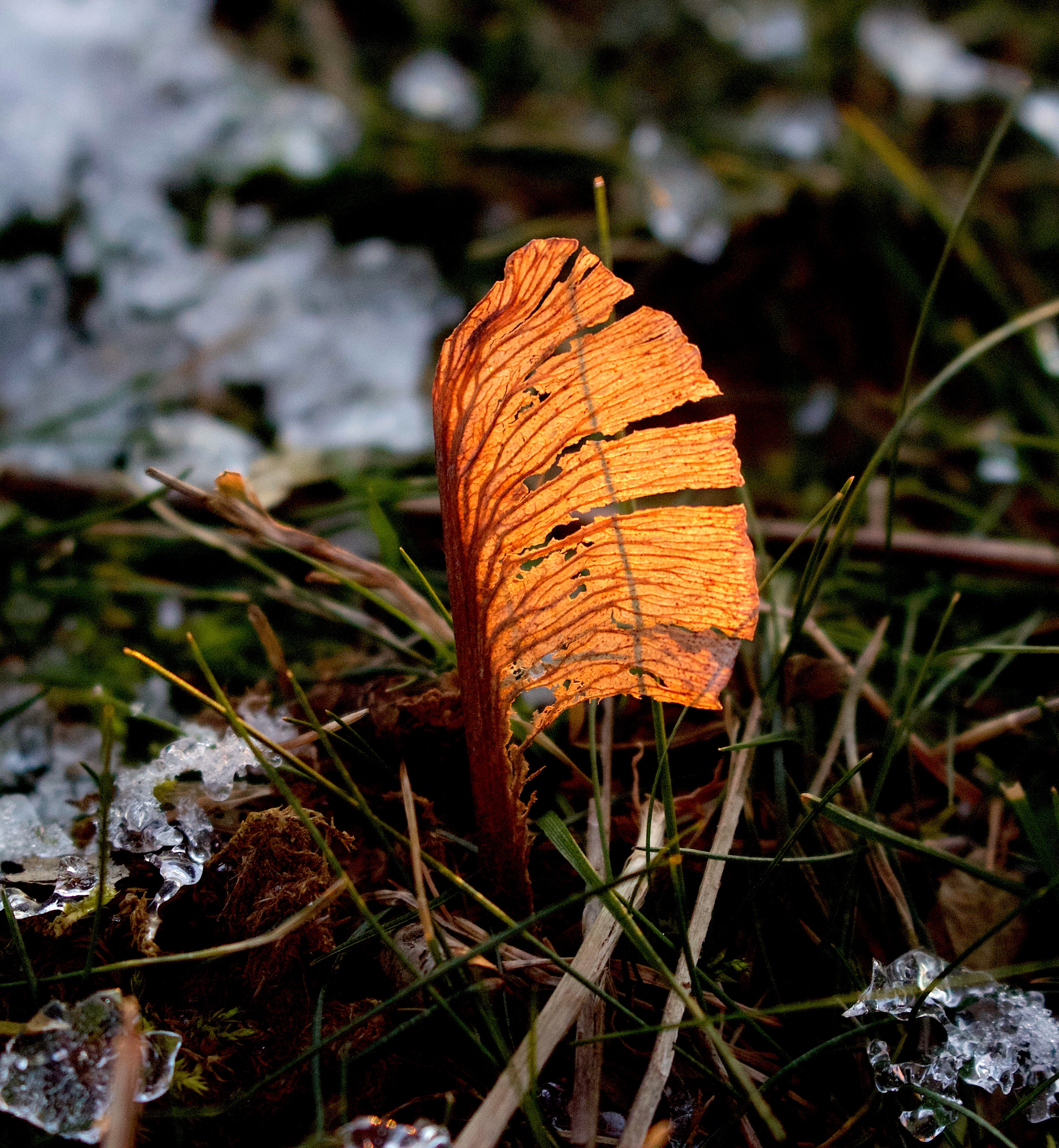
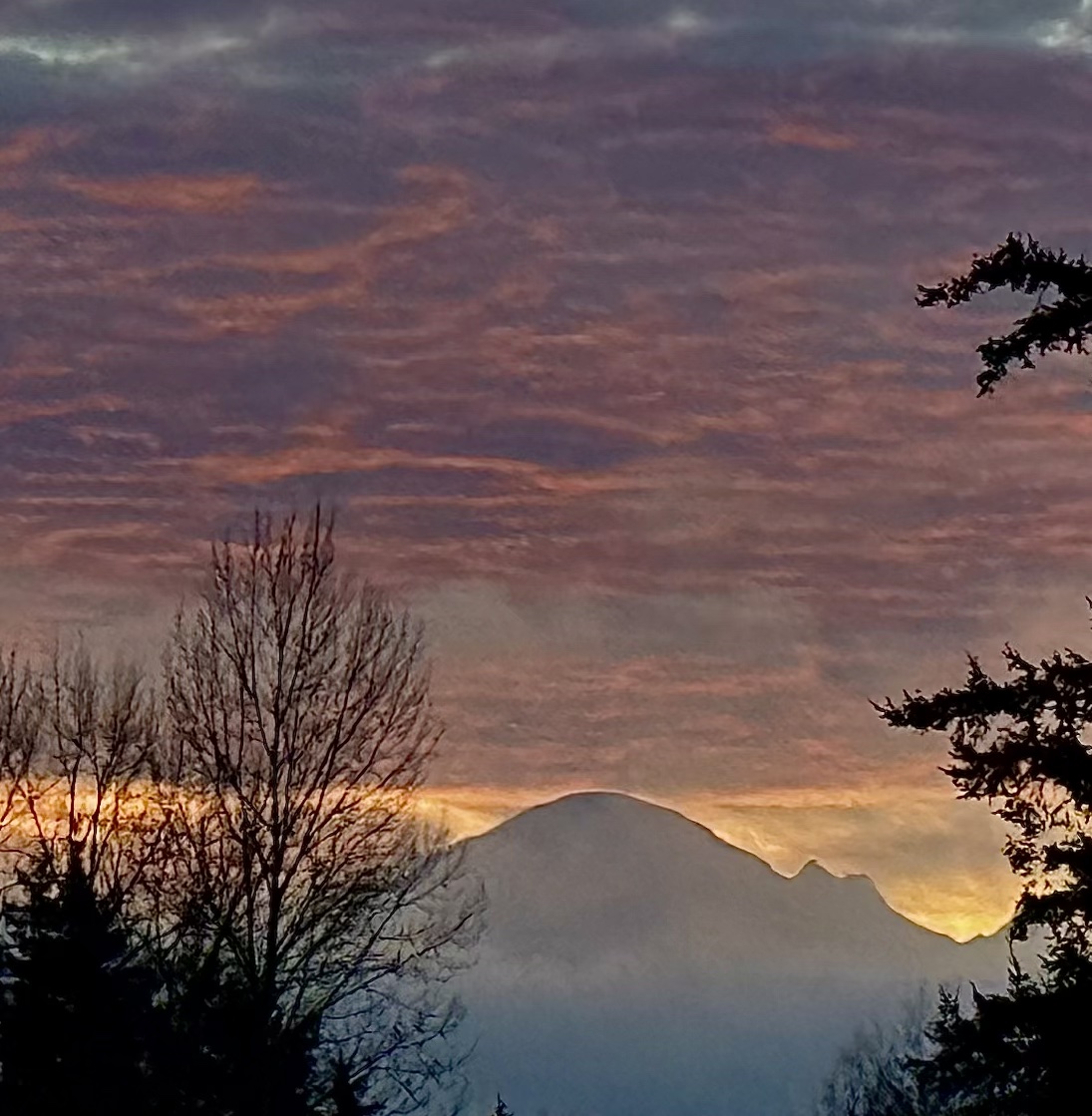
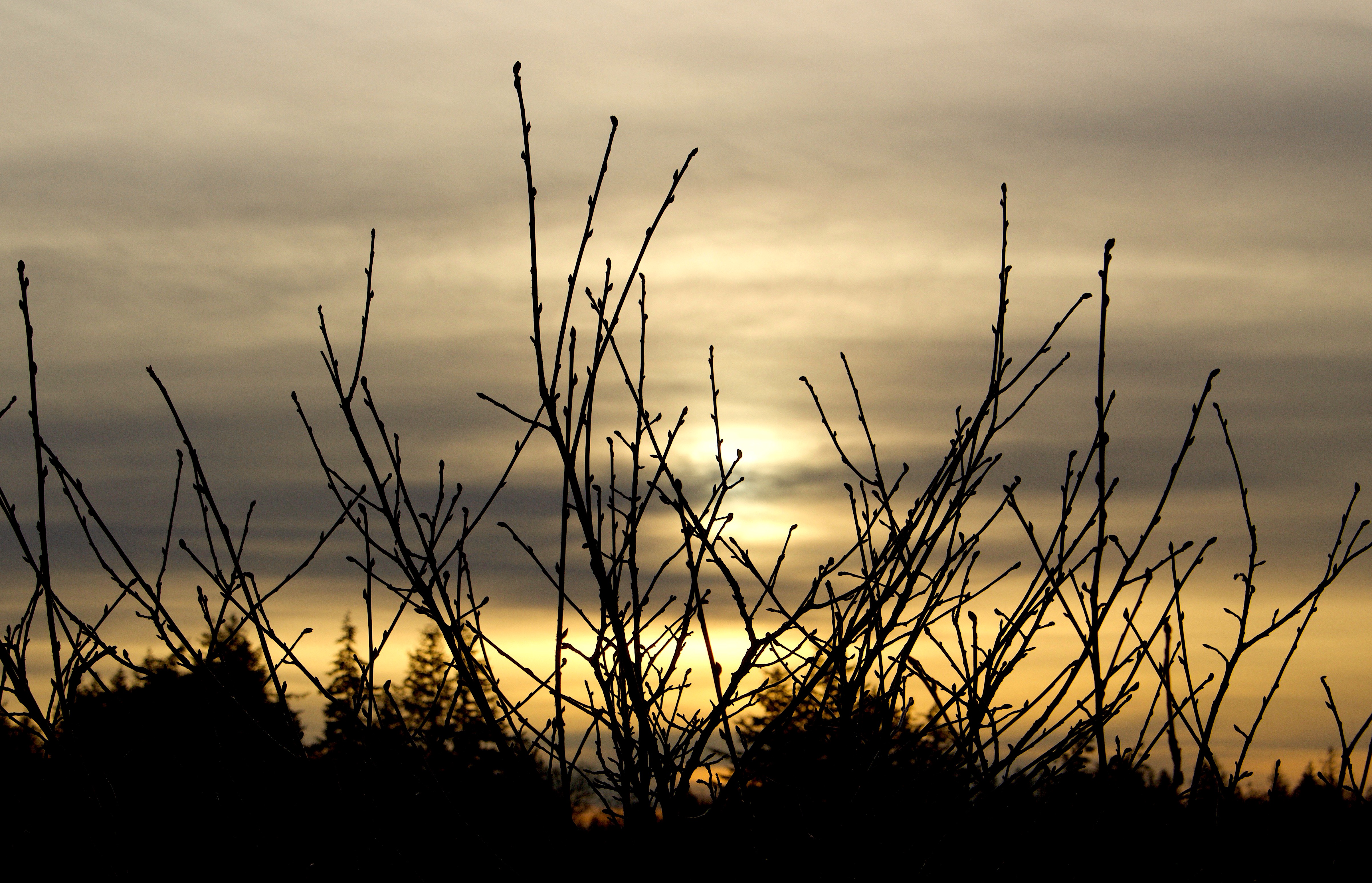
When winter is over And all your unimaginable promises Burst into song on death’s bare branches. ~Anne Porter “A Short Testament” from Living Things.
Never be afraid to trust an unknown future to a known God. ~Corrie ten Boom from Clippings from My Notebook
Whenever you find tears in your eyes, especially unexpected tears, it is well to pay the closest attention. They are not only telling you something about the secret of who you are, but more often than not God is speaking to you through them of the mystery of where you have come from and is summoning you to where, if your soul is to be saved, you should go next. ~Frederick Buechnerfrom Beyond Words
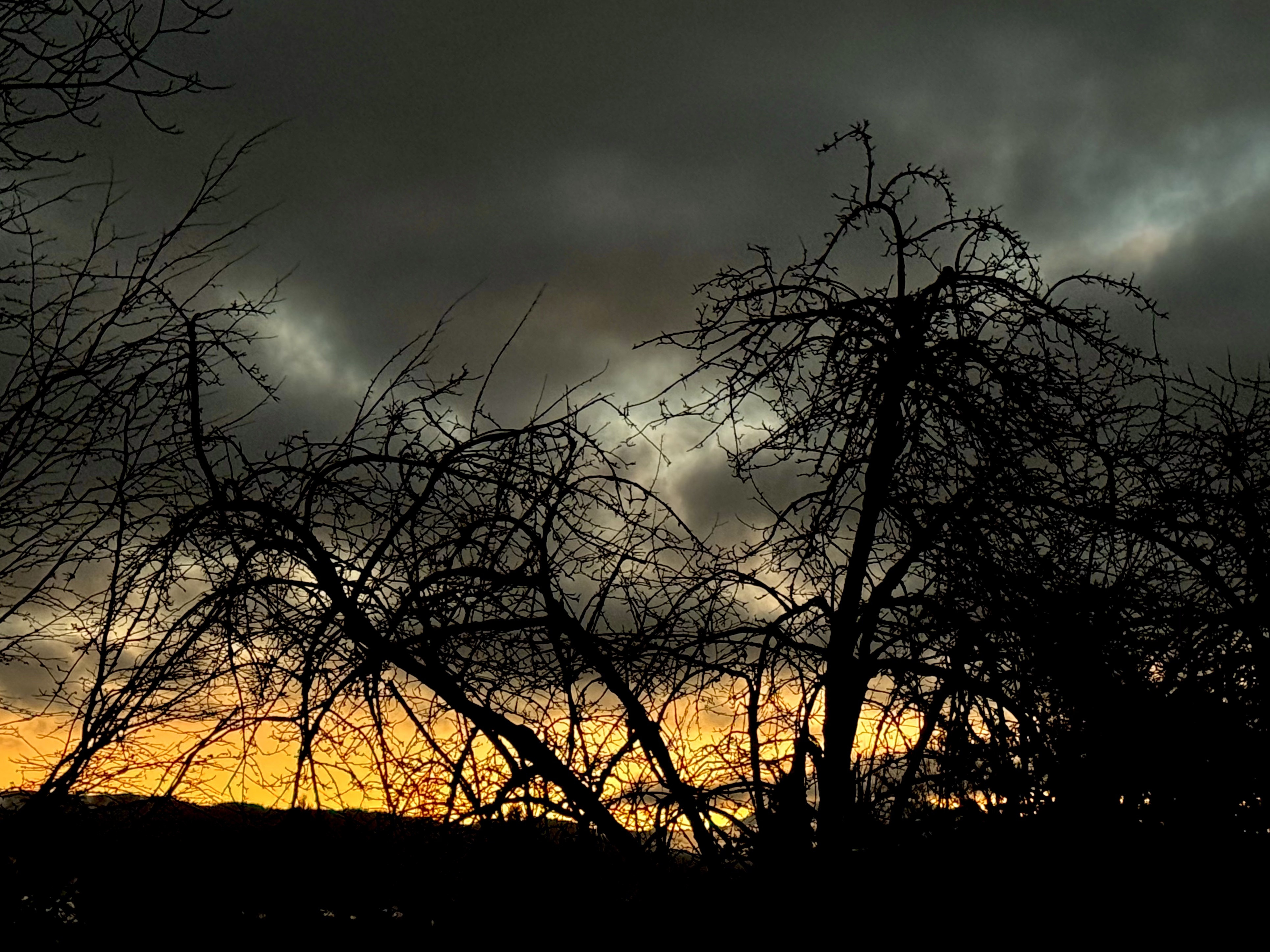
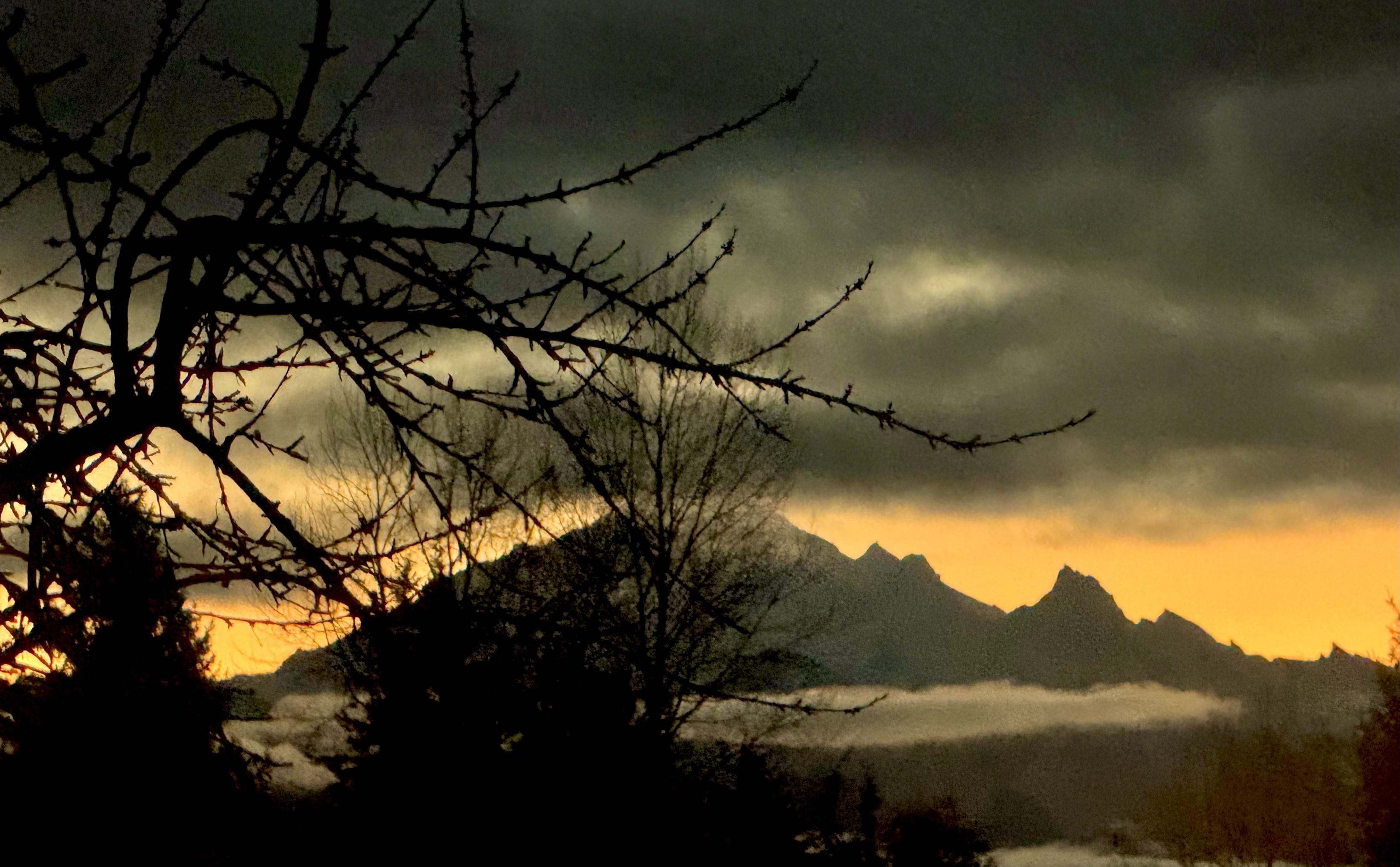
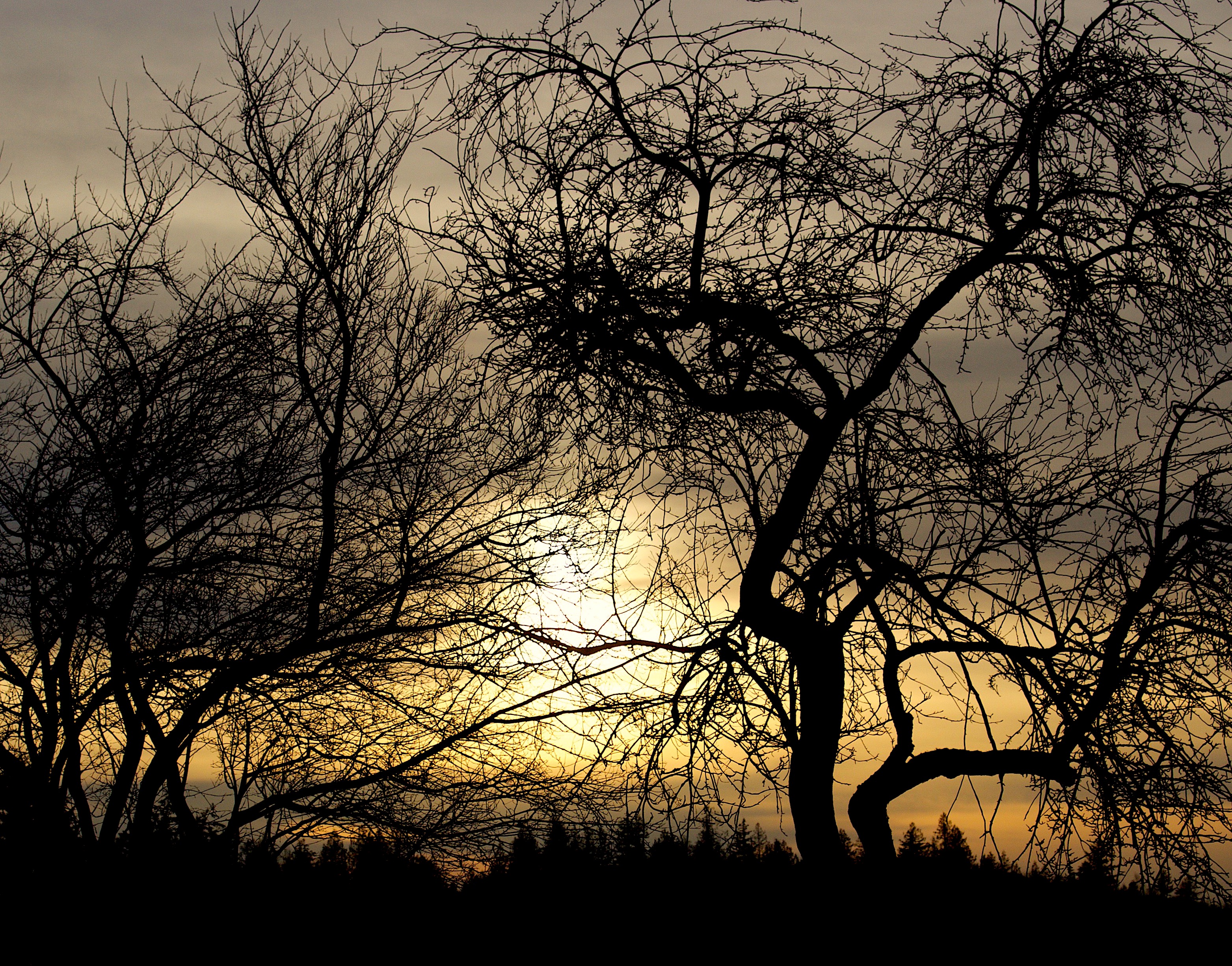
While this end of the year’s darkness lingers, beginning too early and lasting too late, I find myself hiding in my own wintry soul, knowing I have too often failed to do what is needed when it is needed.
I tend to look inward when I need to focus outside myself. I muffle my ears to stifle supplicating voices. I turn away rather than meet a stranger’s gaze.
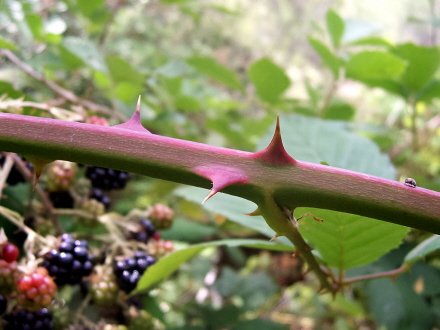
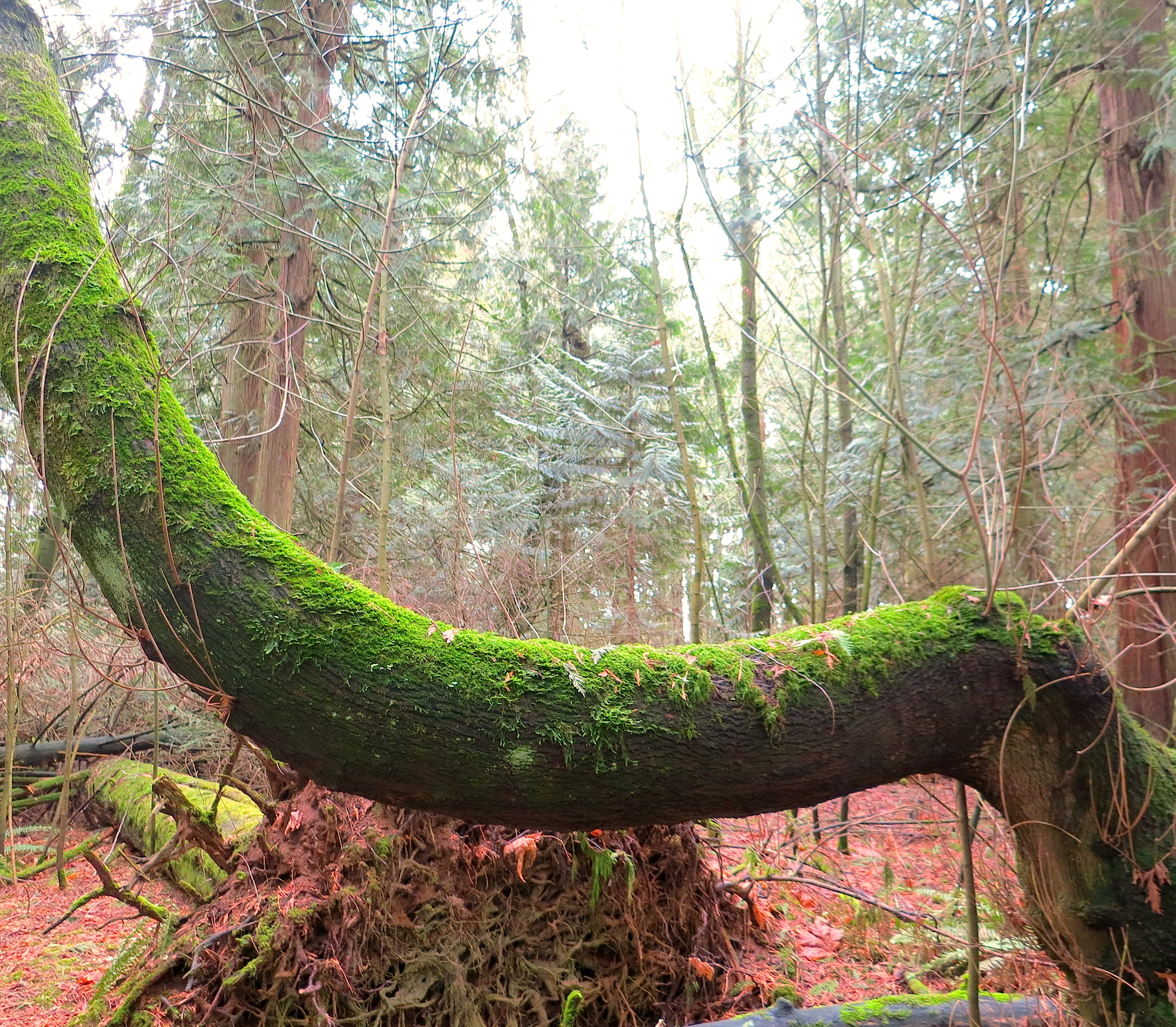
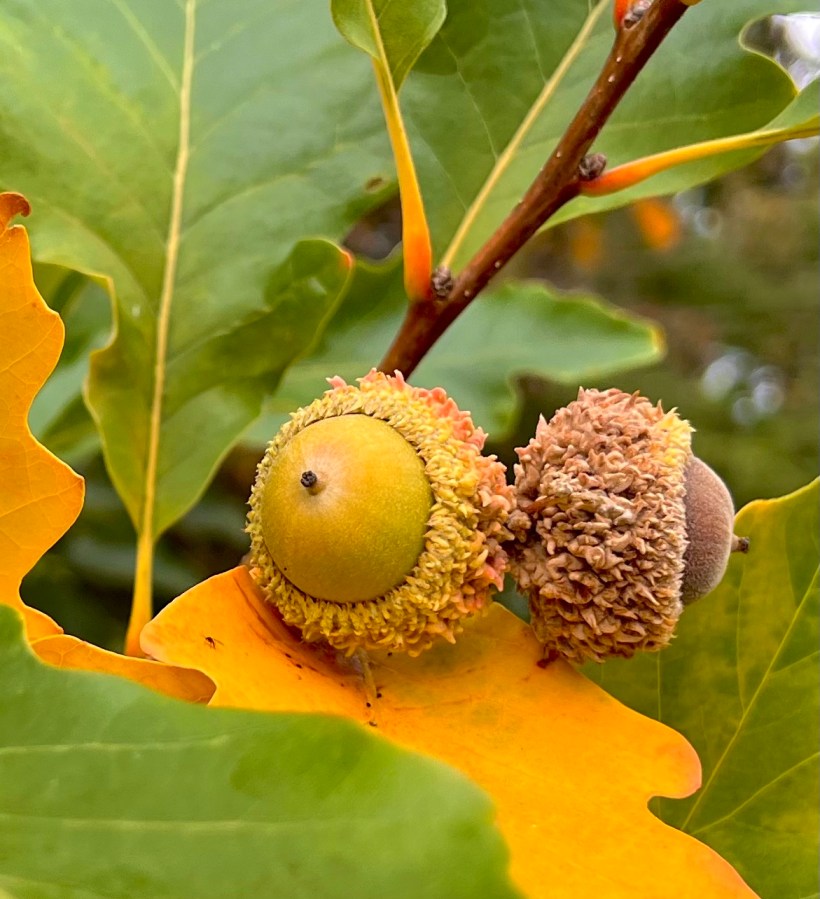
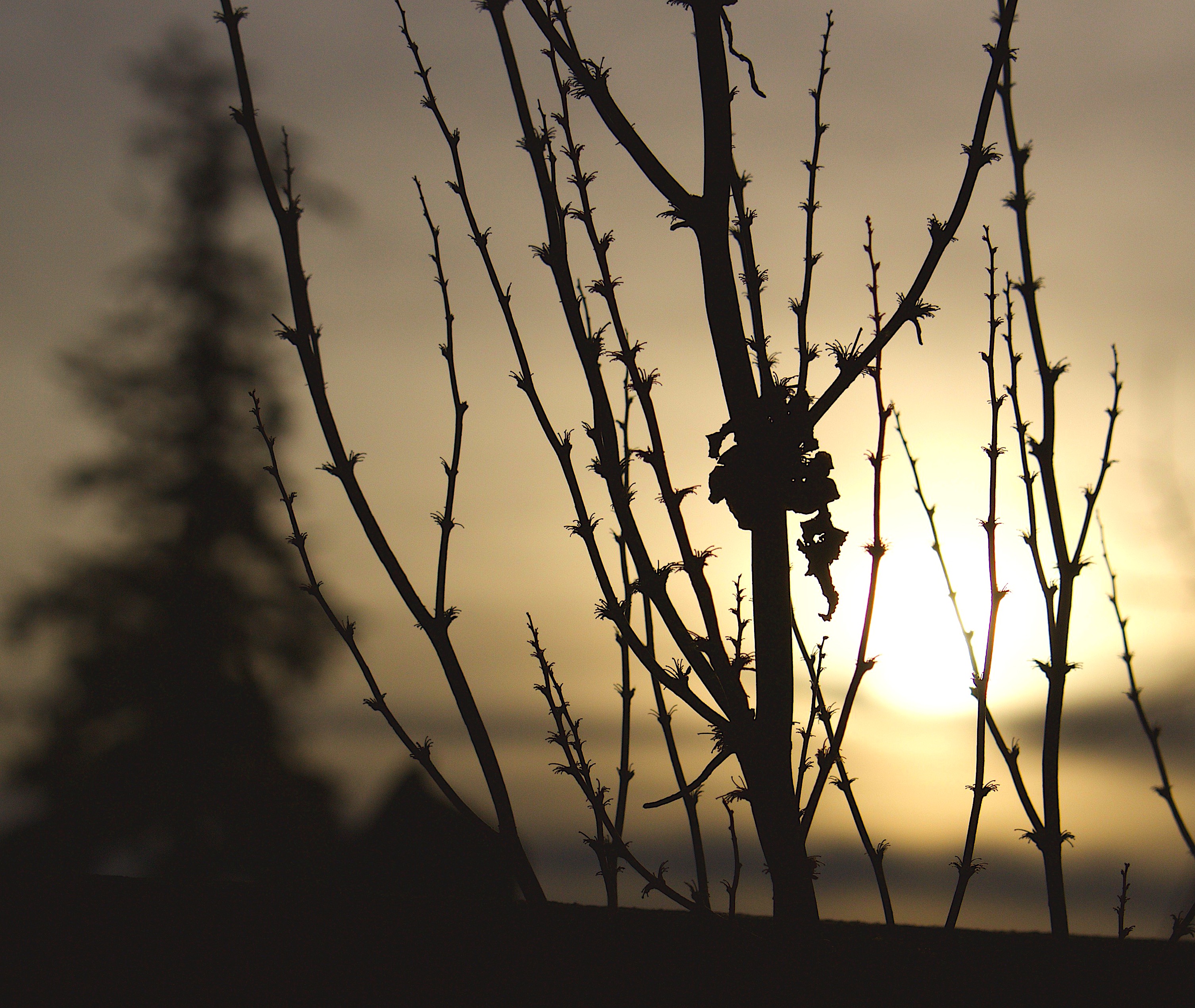
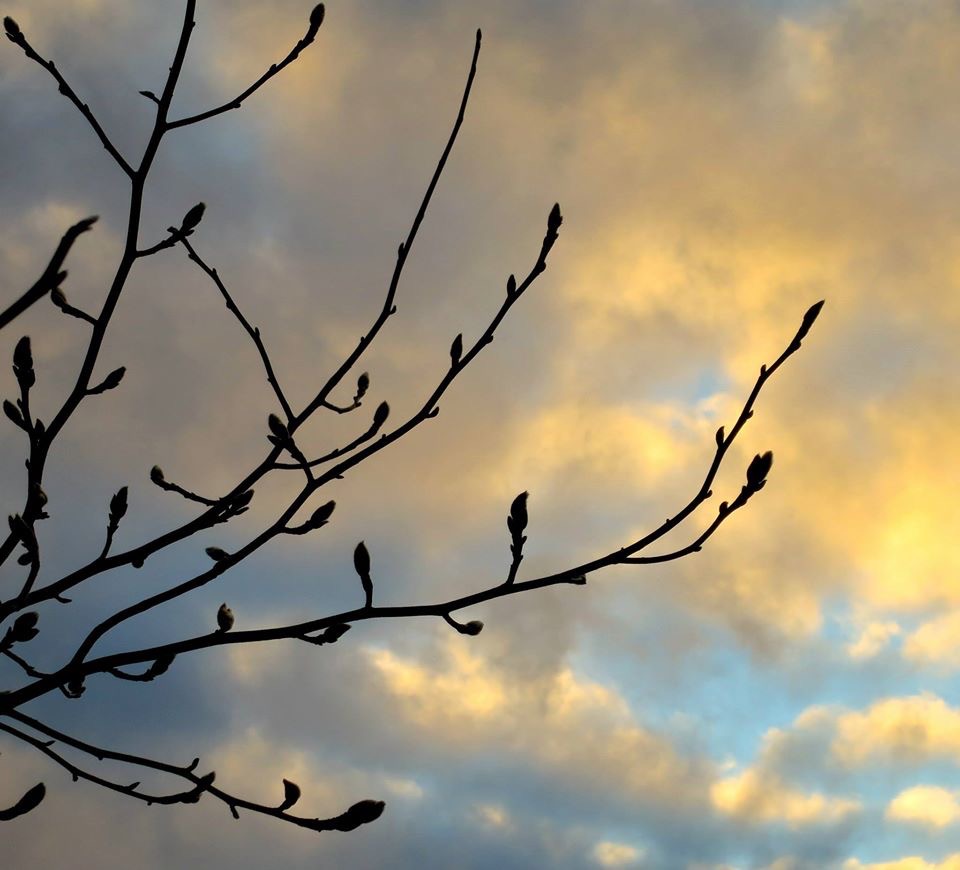
I appeal to our known God when facing the unknown: He knows my darkness needs His Light. He unimaginably promises buds of hope and warmth and color and fruit will arise from my barest branches.
He brings me forth out of hiding, to be impossibly transformed.
One-Time
Monthly
Yearly
Make a one-time or recurring donation to support daily Barnstorming posts





















 Barnstorming