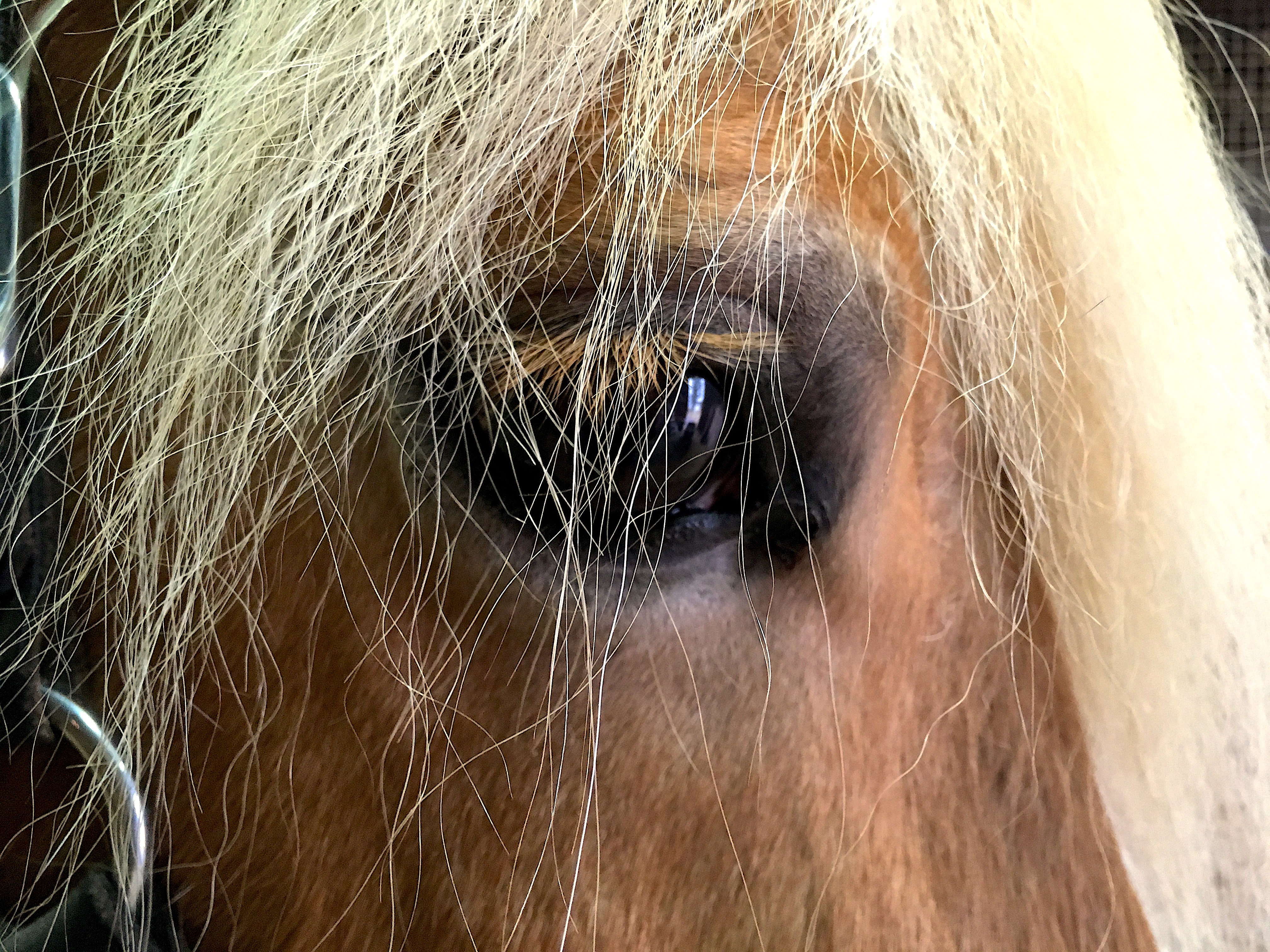
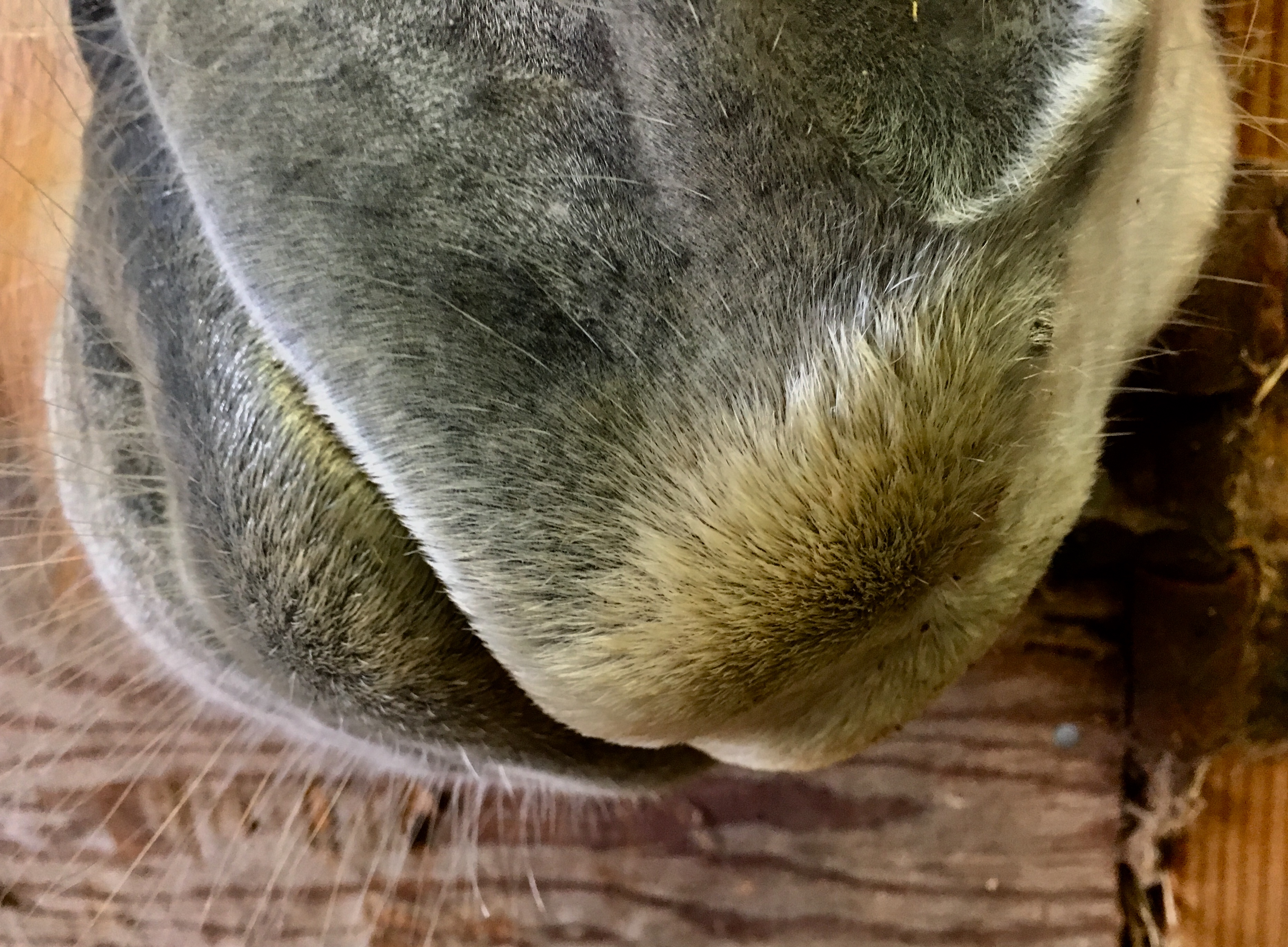
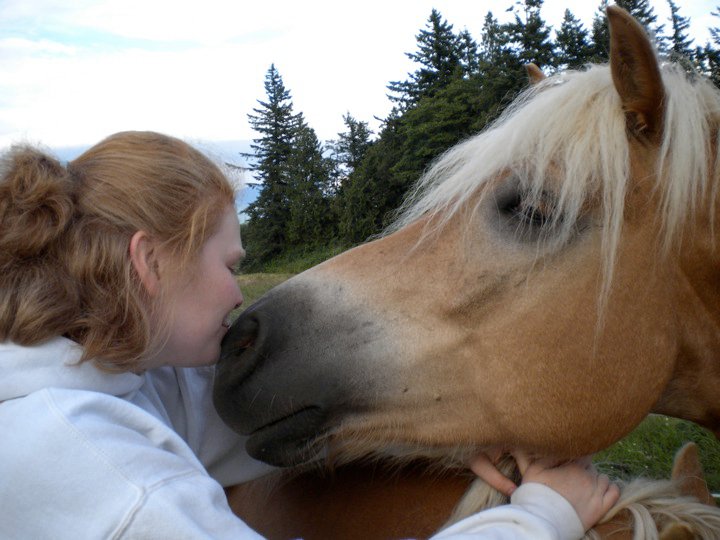
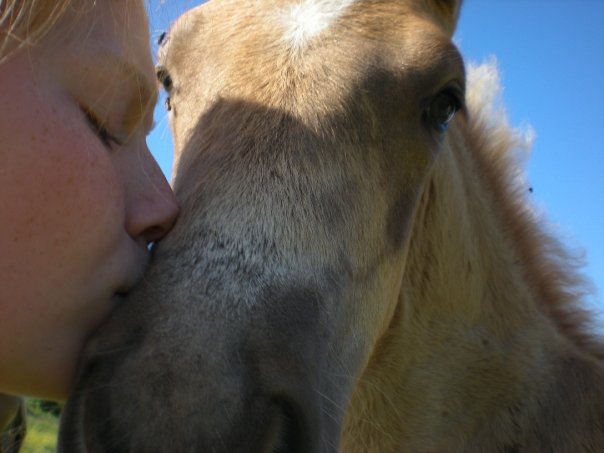
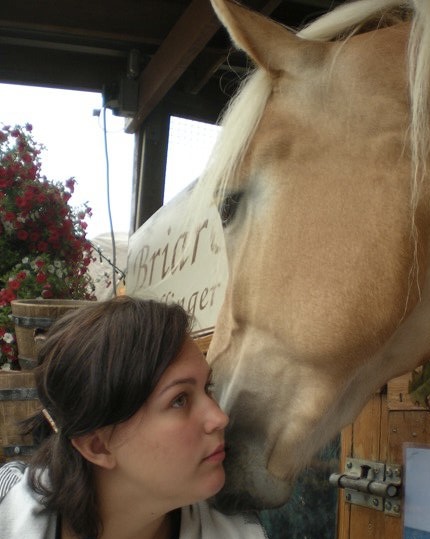
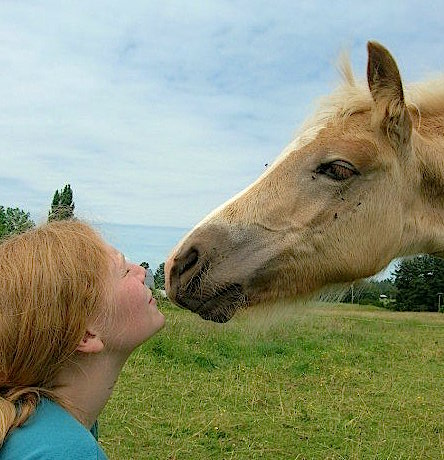
…and there was once, oh wonderful, a new horse in the pasture, a tall, slim being–a neighbor was keeping her there– and she put her face against my face, put her muzzle, her nostrils, soft as violets, against my mouth and my nose, and breathed me, to see who I was, a long quiet minute–minutes– then she stamped her feet and whisked tail and danced deliciously into the grass away, and came back. She was saying, so plainly, that I was good, or good enough. ~Mary Oliver from “The Poet Goes to Indiana”
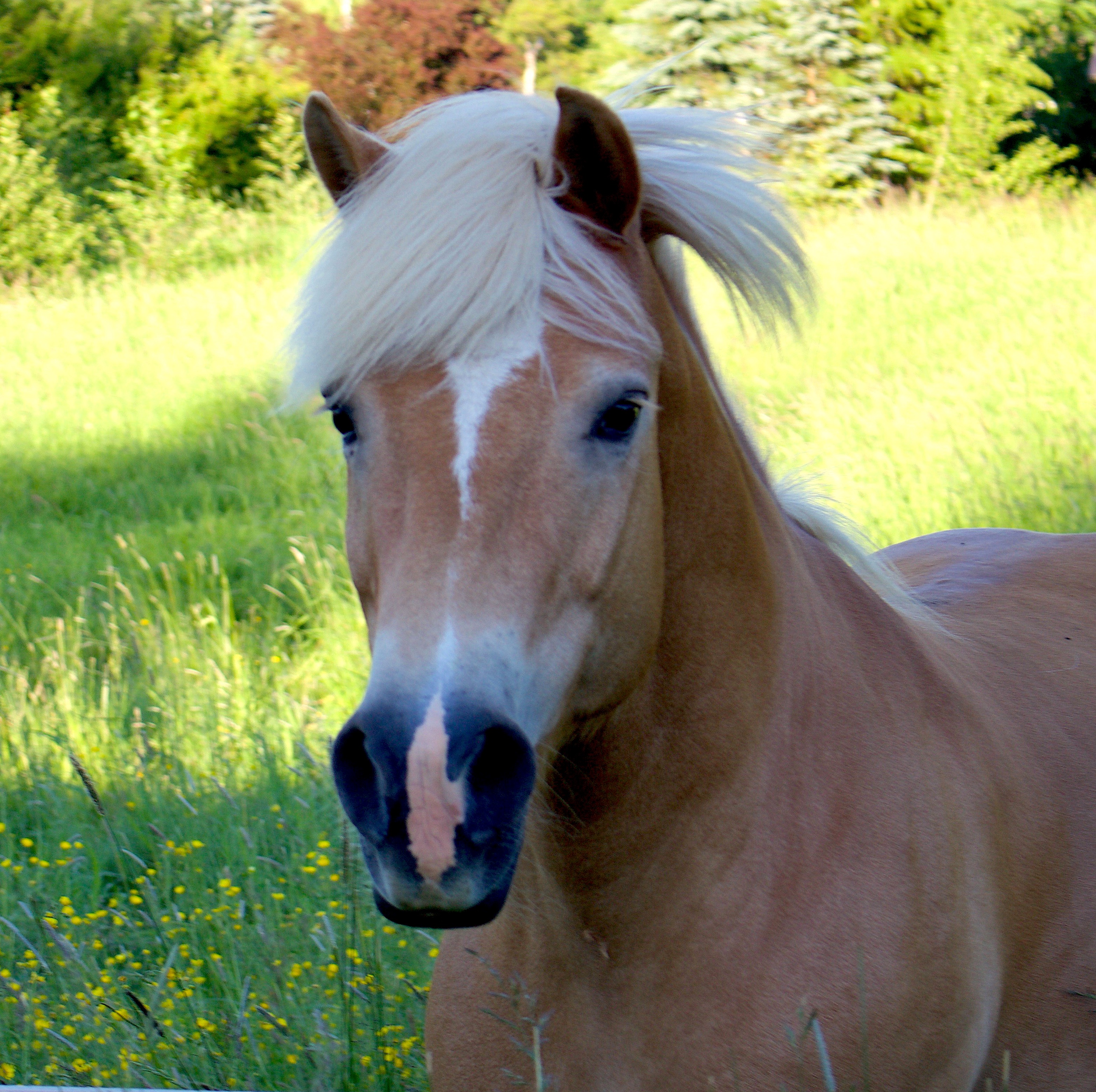
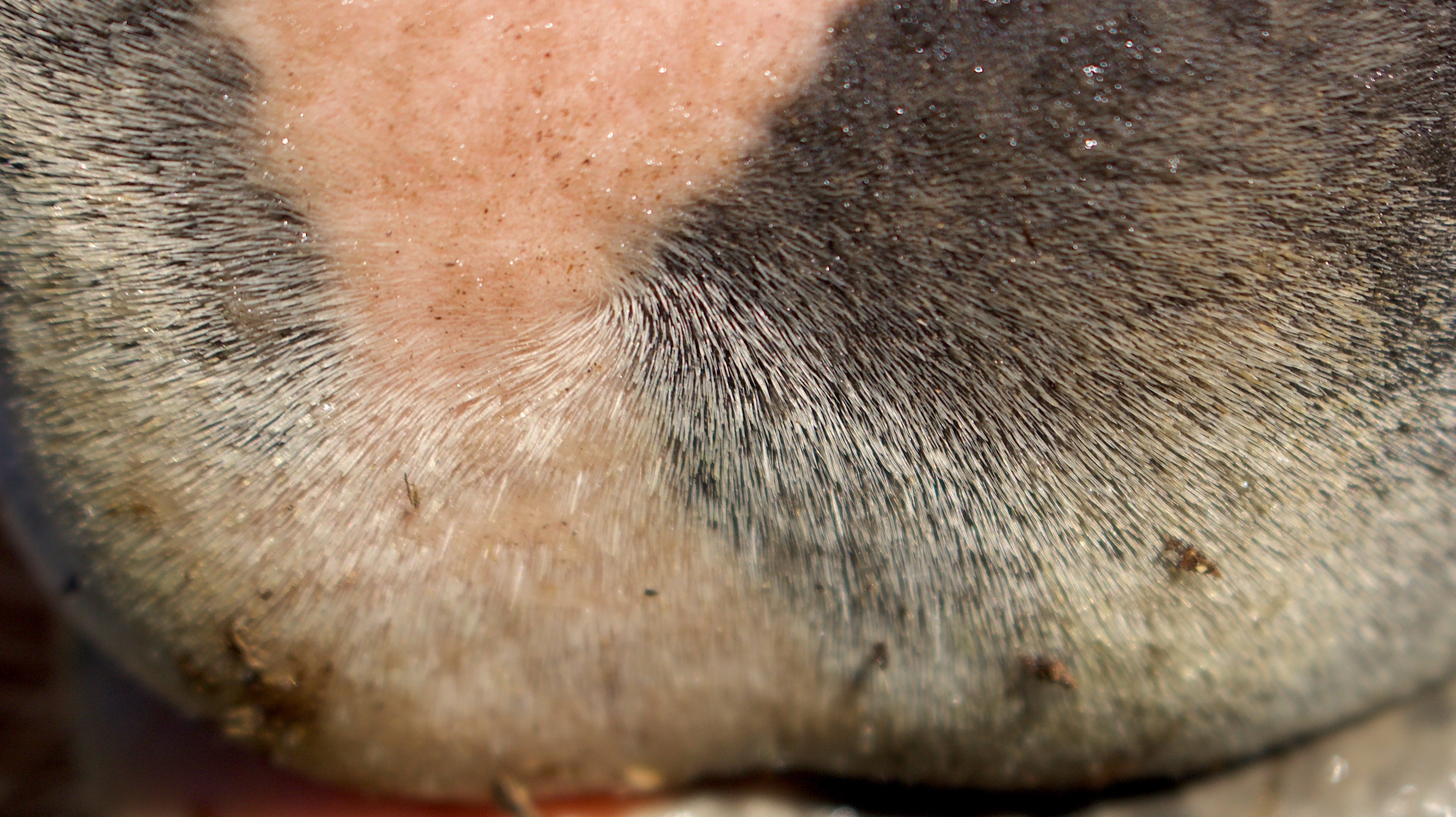
photo by Lea Gibson
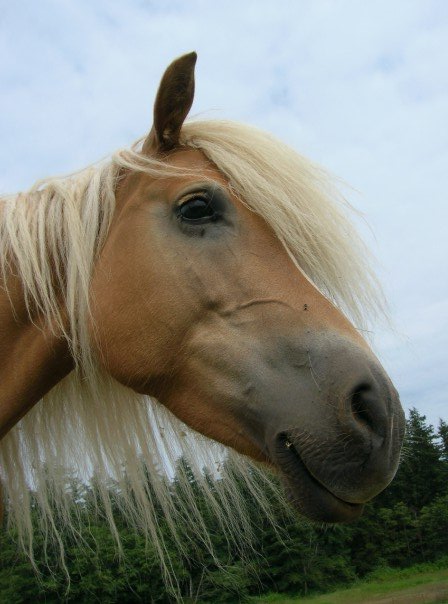
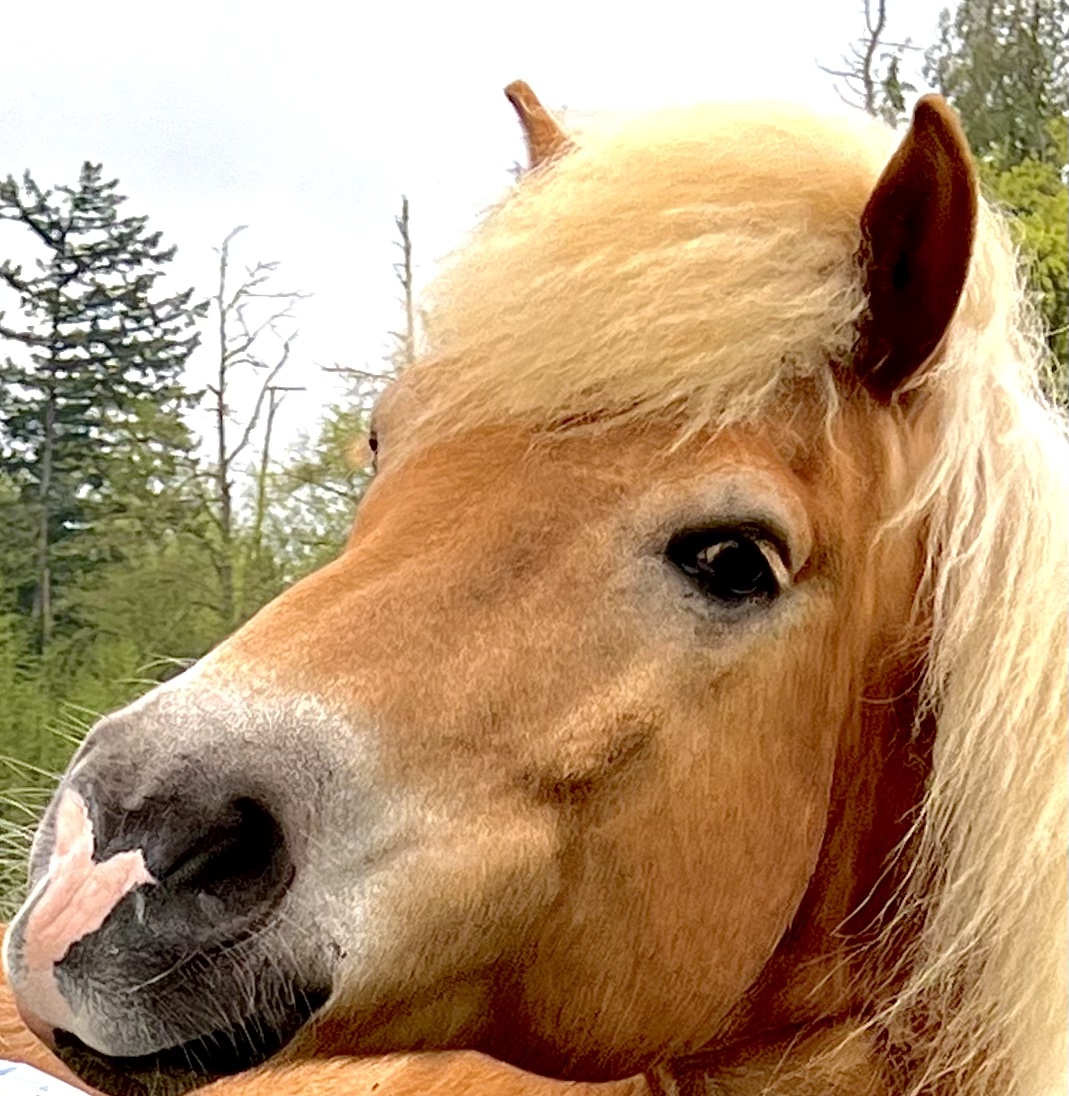
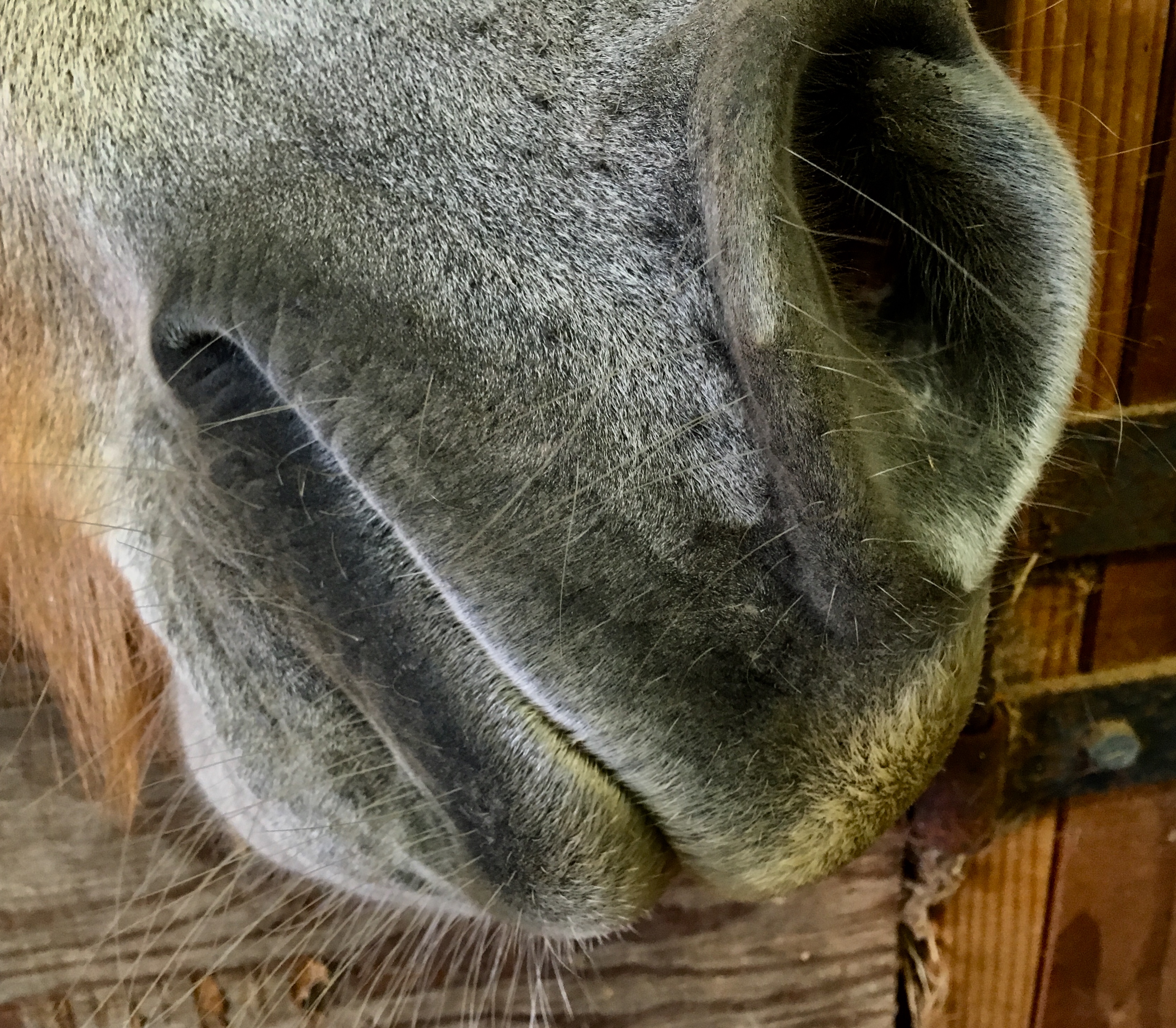
photo by Emily Vander Haak
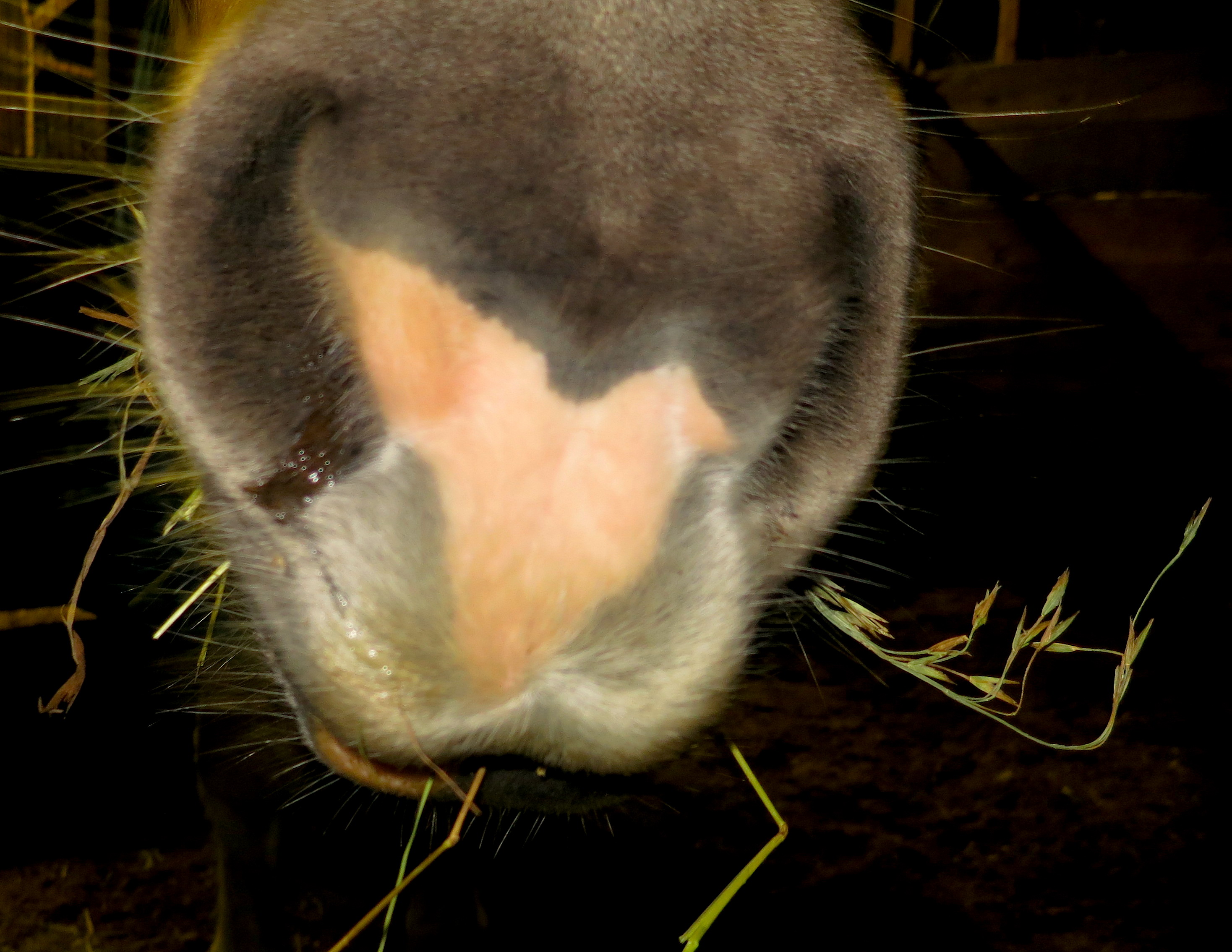
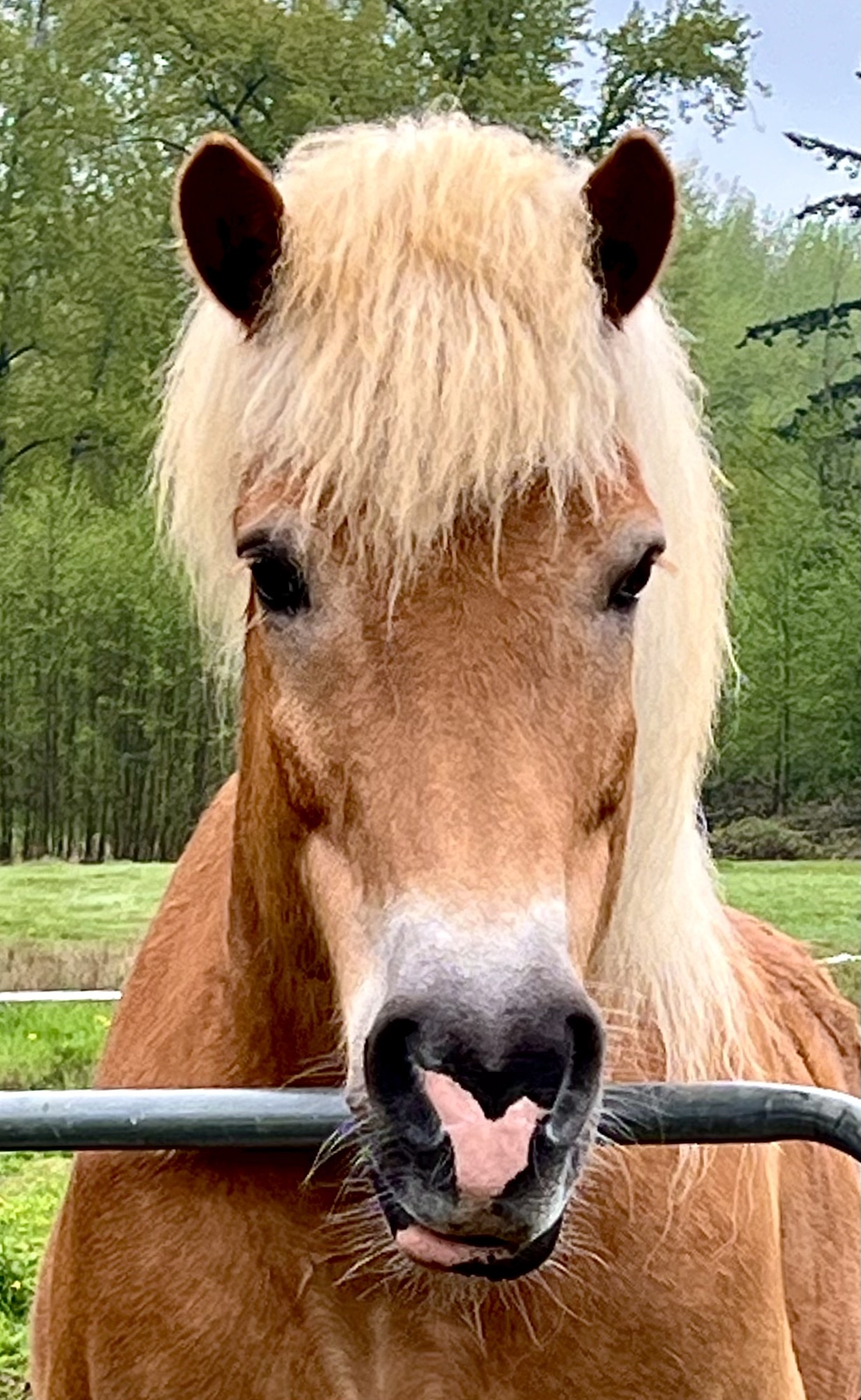
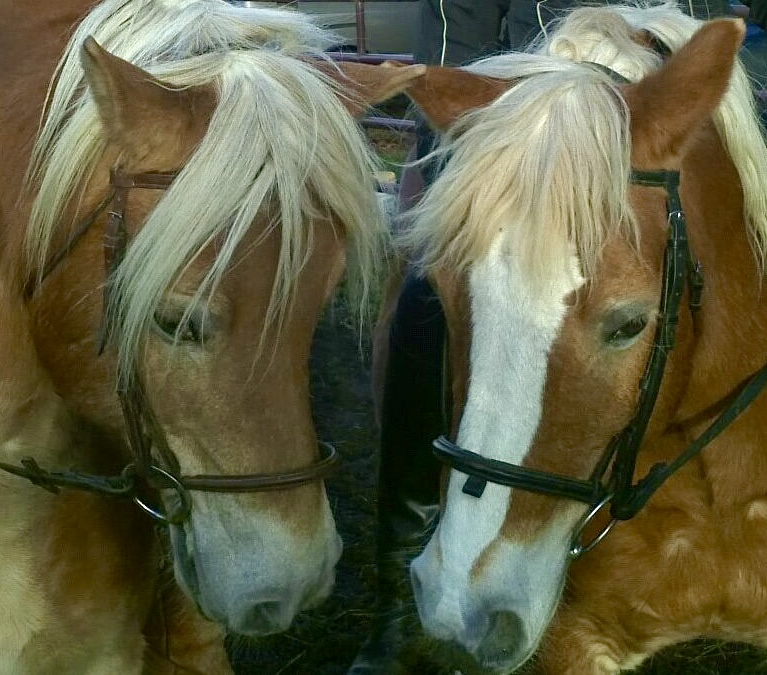
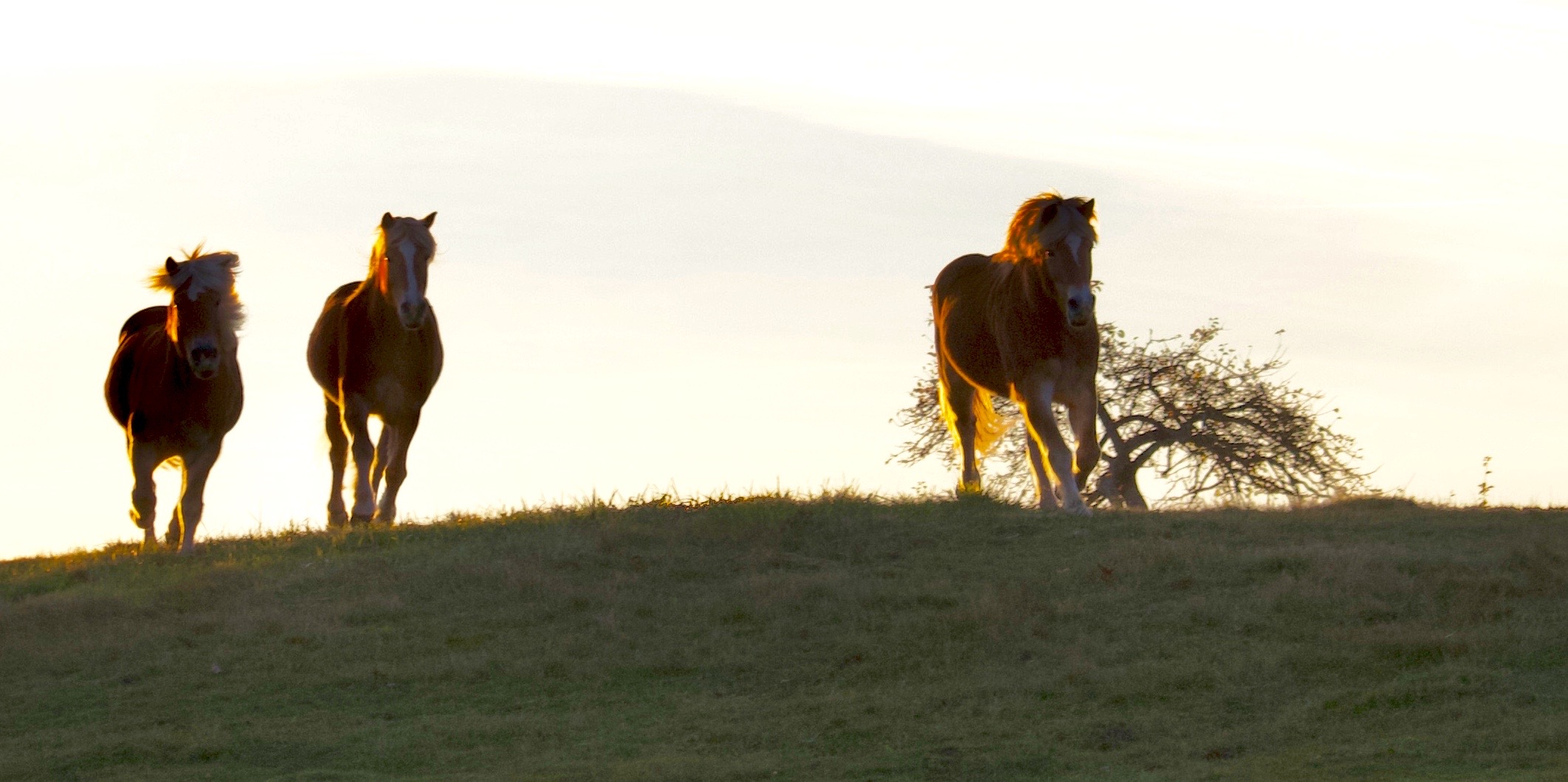
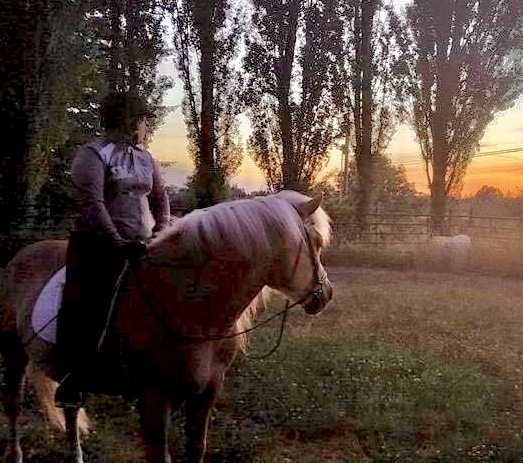
Our farm has had many nuzzling muzzles here over the years–
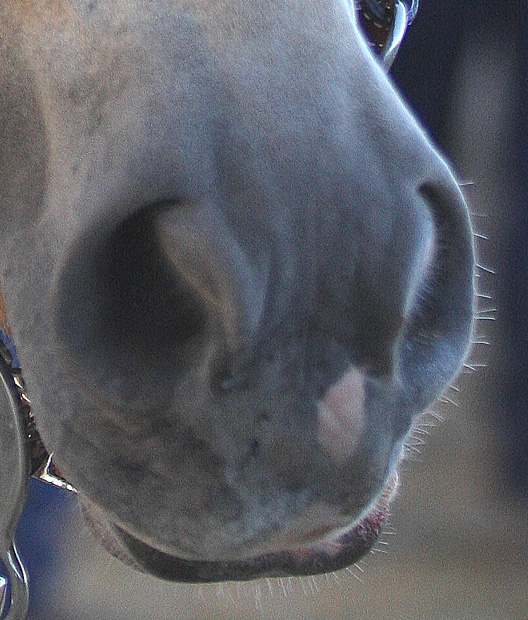
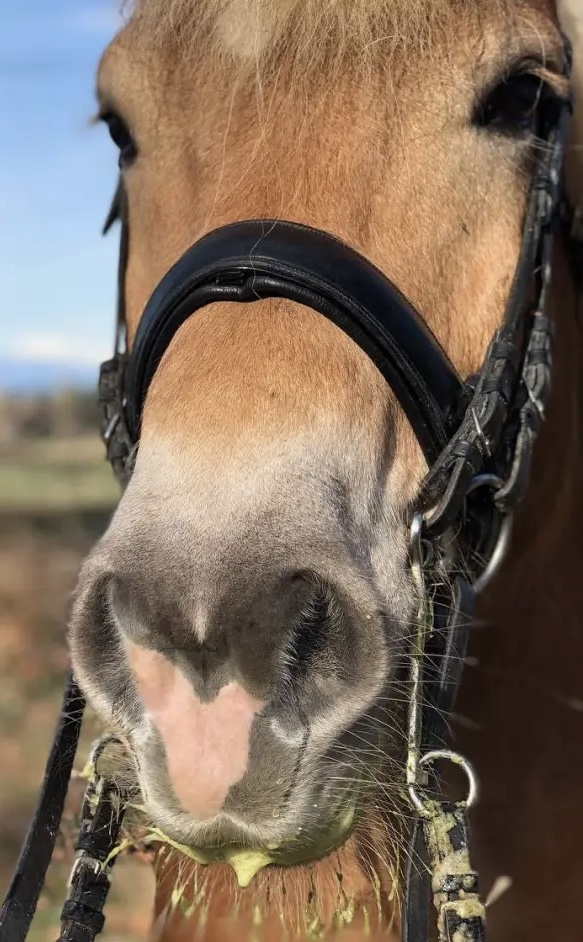
Pink noses, gray noses, nondescript not-sure-what-color noses, noses that have white stripes, diamonds, hearts, triangles, or absolutely no marks at all.
Hot breath that exudes warm grassy fragrance better than any pricey perfume, lips softer than the most elegant velvet.
Noses that reach out in greeting to: blow, sniff, caress, push, search, breathe me in and breathe for me, to see who I am, or who I will become,
smudge my face and shower snot.
I guess I’m just good enough to be blessed by a nuzzling baptism of grace.
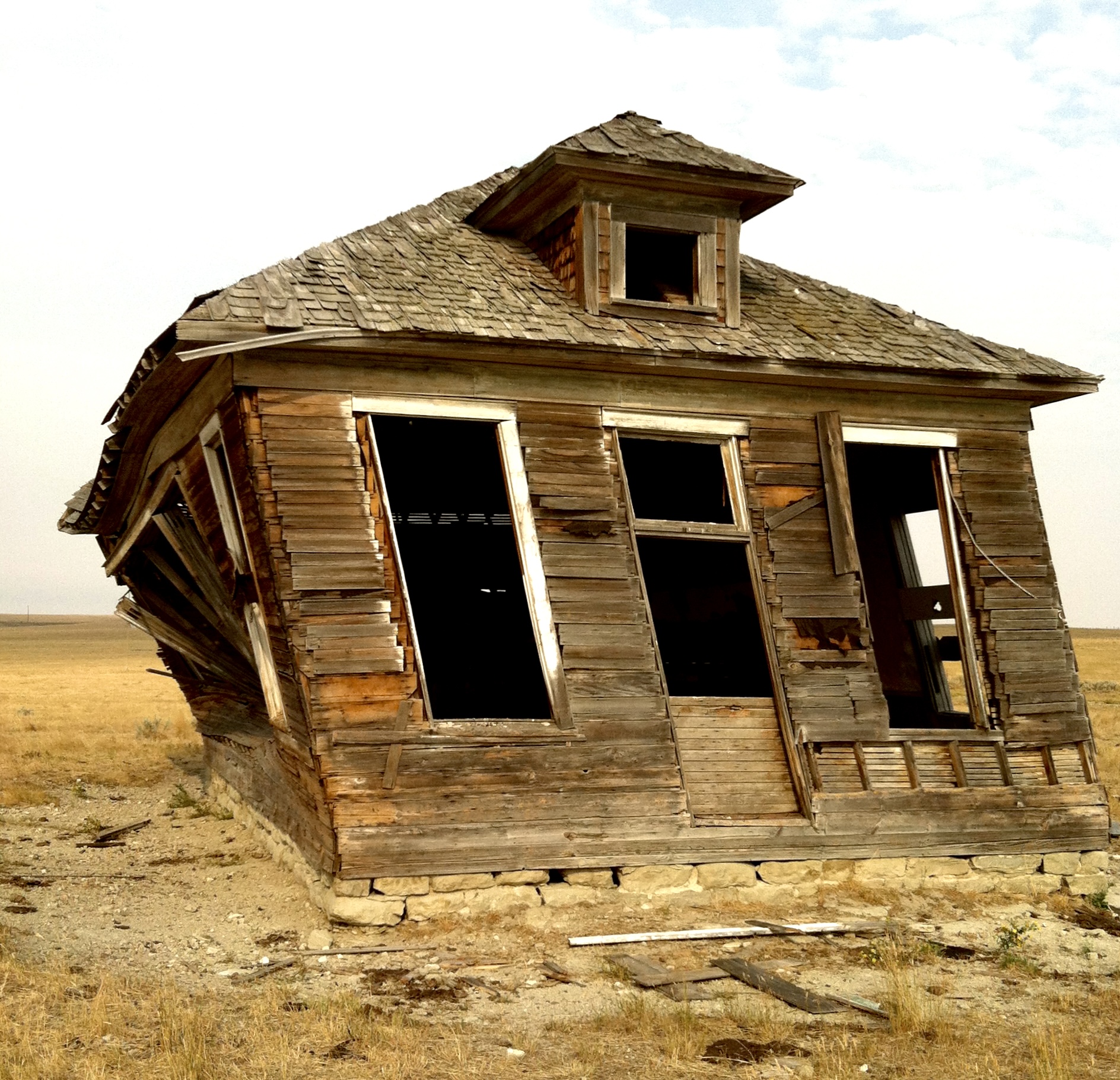
The house had gone to bring again To the midnight sky a sunset glow. Now the chimney was all of the house that stood, Like a pistil after the petals go.
The barn opposed across the way, That would have joined the house in flame Had it been the will of the wind, was left To bear forsaken the place’s name.
No more it opened with all one end For teams that came by the stony road To drum on the floor with scurrying hoofs And brush the mow with the summer load.
The birds that came to it through the air At broken windows flew out and in, Their murmur more like the sigh we sigh From too much dwelling on what has been.
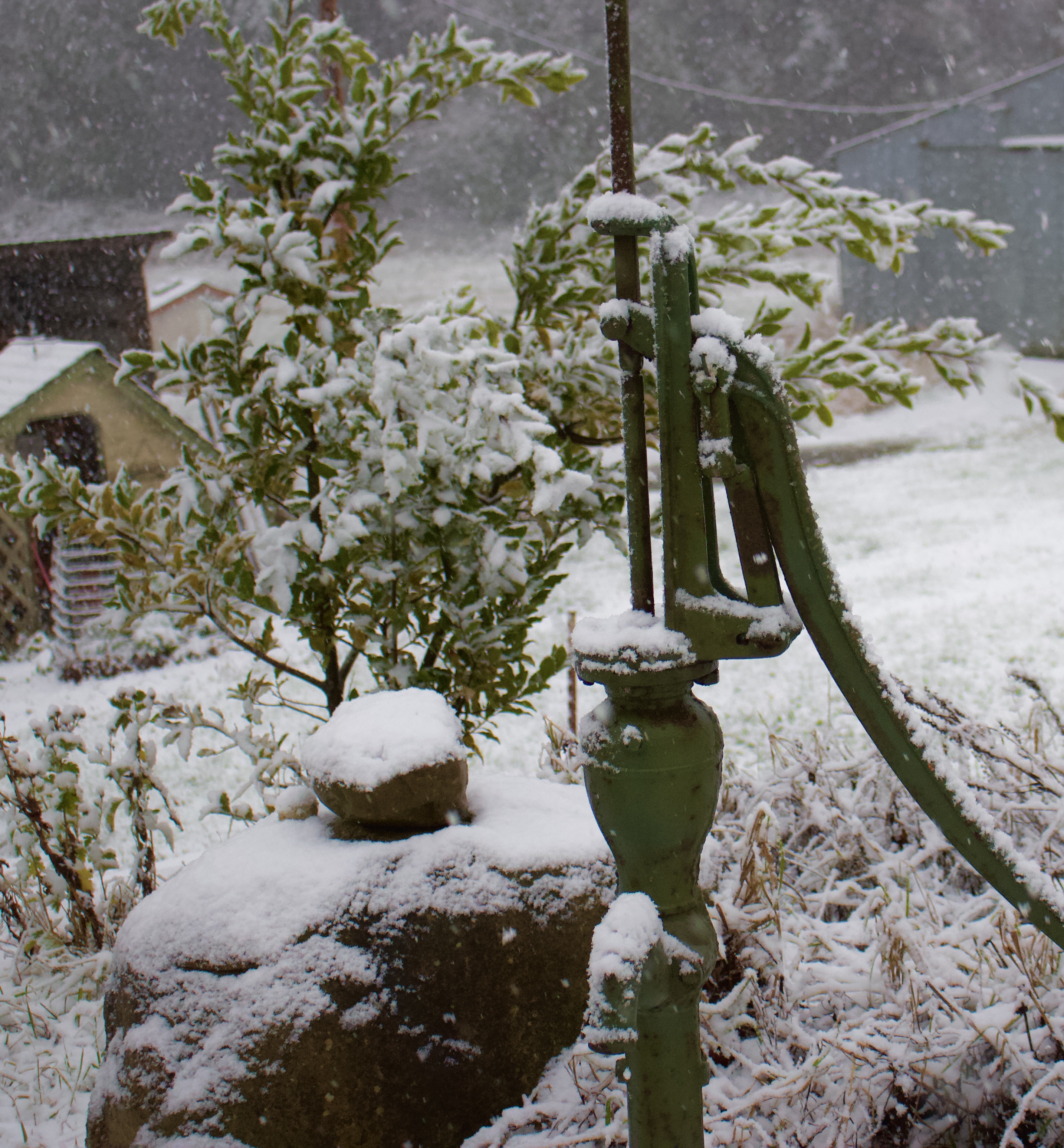
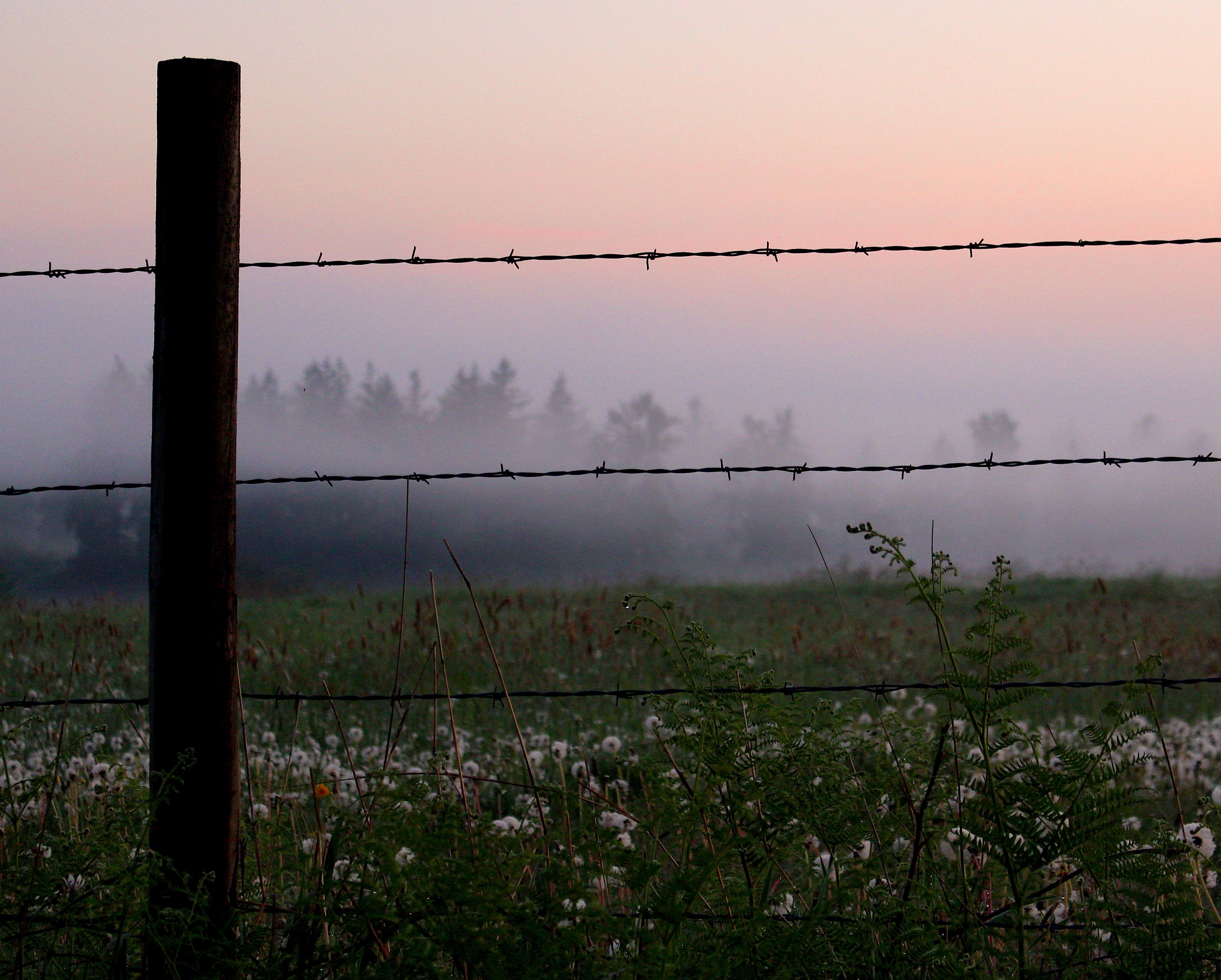
Yet for them the lilac renewed its leaf, And the aged elm, though touched with fire; And the dry pump flung up an awkward arm: And the fence post carried a strand of wire.
For them there was really nothing sad. But though they rejoiced in the nest they kept, One had to be versed in country things Not to believe the phoebes wept. ~Robert Frost “The Need of Being Versed in Country Things”
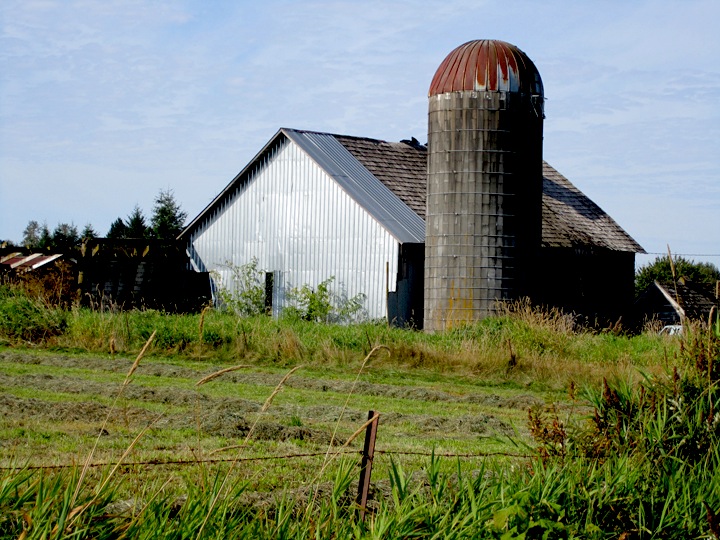
Photo of Aaron Janicki haying with his Oberlander team in Skagit County – courtesy of Tayler RaeThe field of my childhood farm (1954-59) with the red barn visible on the right. The house was destroyed by fire in the mid-60s but the barn was sparedphoto by Harry Rodenberger
My family sold our first farm in East Stanwood, Washington, when my father took a job working for the state in Olympia, moving to supervising high school agriculture teachers rather than being an ag teacher himself.
It was a difficult transition for us all: we moved to a smaller home and a few acres, selling the large two story house, a huge hay barn and chicken coop as well as fields and a woods where our dairy cows had grazed.
Only a few years later, that old farmhouse burned down but the rest of the buildings were spared. It passed through a few hands and when we had occasion to drive by, we were dismayed to see how nature was taking over the place. The barn still stood but unused it was weathering and withering. Windows were broken, birds flew in and out, the former flower garden had grown wild and unruly.
This was the place I was conceived, where I learned to walk and talk, developing a love for wandering in the fields among the farm animals we depended upon. I remember as a child of four sitting at the kitchen table looking out the window at the sunrise rising over the woods and making the misty fields turn golden.
This land returned to its essence before the ground was ever plowed or buildings were constructed. It no longer belonged to our family (as if it ever did) but it forever belongs to our memories.
I am overly prone to nostalgia, dwelling more on what has been than what is now or what I hope is to come. It is easy to weep over the losses when time and circumstances reap something unrecognizable.
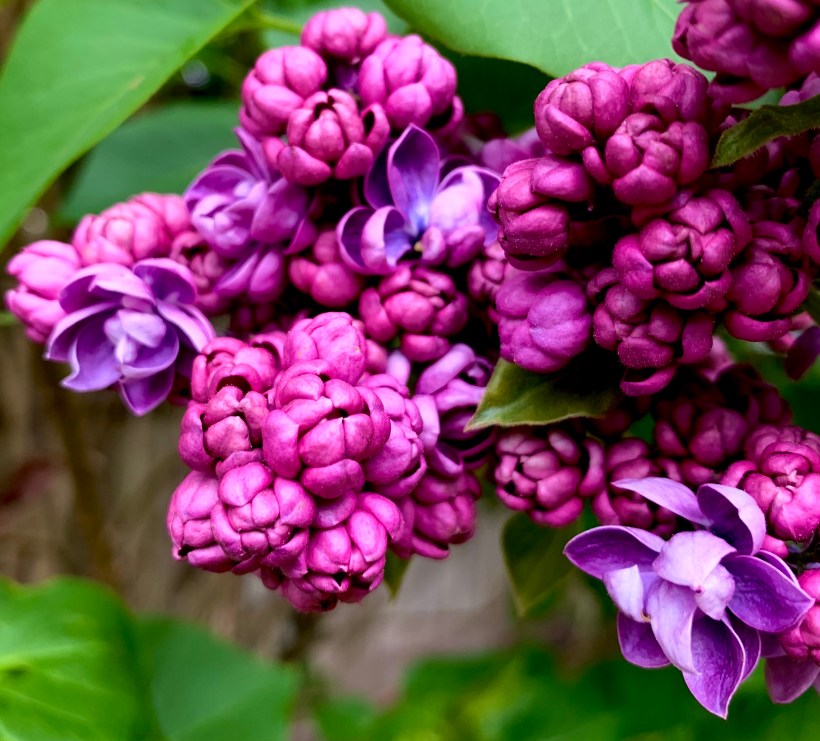
I may weep, but nature does not. The sun continues to rise over the fields, the birds continue to build nests, the lilacs grow taller with outrageous blooms, and each day ends with a promise of another to come.
So I must dwell on what lies ahead, not what has perished in the ashes.
photo by Harry Rodenberger
Tell me, where is the road I can call my own That I left, that I lost So long ago? All these years I have wandered Oh, when will I know There’s a way, there’s a road That will lead me home After wind, after rain When the dark is done As I wake from a dream In the gold of day Through the air there’s a calling From far away There’s a voice I can hear That will lead me home Rise up, follow me Come away, is the call With the love in your heart As the only song There is no such beauty As where you belong Rise up, follow me I will lead you home
One-Time
Monthly
Yearly
Make a one-time or recurring donation to support daily Barnstorming posts
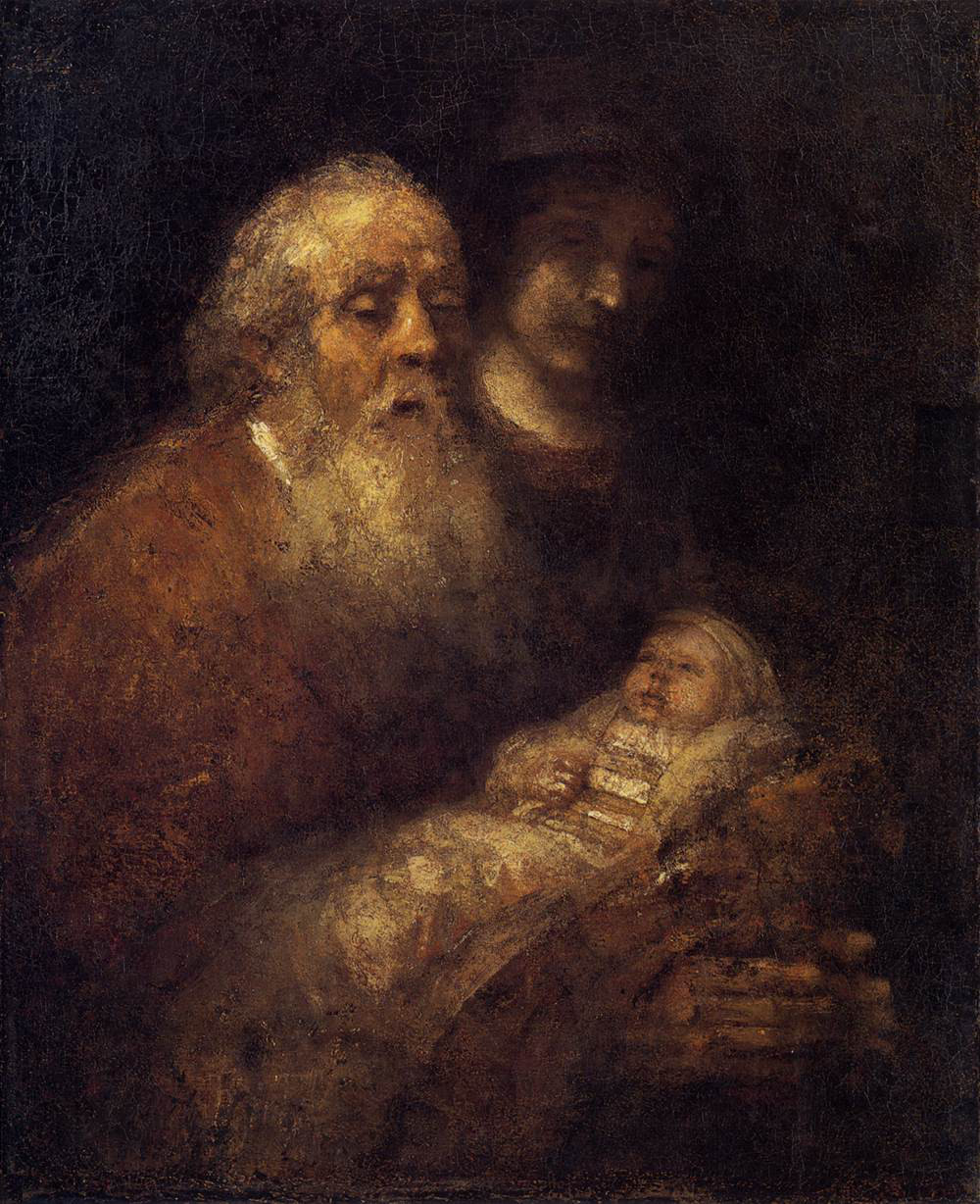
Lord, now You are letting Your servant depart in peace, according to Your word; For my eyes have seen Your salvation. Luke 2:29-30 (Simeon’s Song)
The Song of Simeon by Rembrandt
Cards in each mailbox, angel, manger, star and lamb, as the rural carrier, driving the snowy roads, hears from her bundles the plaintive bleating of sheep, the shuffle of sandals, the clopping of camels. At stop after stop, she opens the little tin door and places deep in the shadows the shepherds and wise men, the donkeys lank and weary, the cow who chews and muses. And from her Styrofoam cup, white as a star and perched on the dashboard, leading her ever into the distance, there is a hint of hazelnut, and then a touch of myrrh. ~Ted Kooser “Christmas Mail”
the utterly unexpected a star, a light, a voice shakes us awake opens our sleepy eyes interrupts familiar routines as
our hearts tremble, muscles tighten; do we run to prepare for battle or do we freeze in place?
the animals also rustle and stand up- confused like us
they see the exploding sky and yet they sense no threat but instead merely listen,
huddled together for warmth as unearthly music fills their ears.
we quickly make plans to see this great thing, a revelation- word has become flesh and we have been invited to catch the first glimpse. ~Steve Bell “First Glimpse”
…Grant us thy peace. Before the stations of the mountain of desolation, Before the certain hour of maternal sorrow, Now at this birth season of decease, Let the Infant, the still unspeaking and unspoken Word, Grant Israel’s consolation To one who has eighty years and no to-morrow. According to thy word. They shall praise Thee and suffer in every generation With glory and derision, Light upon light, mounting the saints’ stair. Not for me the martyrdom, the ecstasy of thought and prayer, Not for me the ultimate vision. Grant me thy peace. (And a sword shall pierce thy heart, Thine also). ~T.S. Eliot from “A Song for Simeon”
Simeon had waited and waited for this promised “first glimpse” moment of meeting the Son of God face to face, not knowing when or how, not knowing he would be able to hold him fast in his arms, not knowing he would be able to personally bless the parents of this holy child.
He certainly could not know this child would be the cause of so much joy and sorrow for those who love Him deeply.
That sword of painful truth pierces into our soul, opening us with the precision of a surgeon under high beam lights in the operating room where nothing is left unilluminated. We are, by the birth of Jesus, bared completely, our darkness thrust into dawn, our hearts revealed as never before, no matter who we are, our place of origin, our faith or lack thereof.
God is an equal opportunity heart surgeon.
It is terrifying, this mountain of desolation, all cracks and crevices thrust into the light. And it should be, given what we are, every one of us.
We wait for this incarnate God, longing and hungry for His peace. We are tired, too tired to continue to hide within the darkness of our troubles and conflict of our sin. We, like Simeon, are desperate for a first glimpse of the promise of His appearance dwelling with us, when we can gather Him into our arms and He gathers us into His, when all becomes known and understood and forgiven.
His birth is the end of our death, the beginning of the outward radiance of His peace, and wide open to all who open themselves to Him.
Light upon Light.
One-Time
Monthly
Yearly
Make a one-time or recurring donation to support daily Barnstorming posts
… Oh the heretics! Not to remember Bethlehem, or the star as bright as a sun, or the child born on a bed of straw! To know only of the dissolving Now!
Still they drowsed on – citizens of the pure, the physical world, they loomed in the dark: powerful of body, peaceful of mind, innocent of history.
Brothers! I whispered. It is Christmas! And you are no heretics, but a miracle, immaculate still as when you thundered forth on the morning of creation! ~Mary Oliver from Goodness and Light
Christmas hath a darkness Brighter than the blazing noon, Christmas hath a chillness Warmer than the heat of June, Christmas hath a beauty Lovelier than the world can show: For Christmas bringeth Jesus, Brought for us so low.
Earth, strike up your music, Birds that sing and bells that ring; Heaven hath answering music For all Angels soon to sing: Earth, put on your whitest Bridal robe of spotless snow: For Christmas bringeth Jesus, Brought for us so low. ~Christina Rossetti “Christmas Eve”
…the deepest darkness is the place where God comes to us. In the womb, in the night, in the dreaming; when we are lost, when our world has come undone, when we cannot see the next step on the path; in all the darkness that attends our life, whether hopeful darkness or horrendous, God meets us. God’s first priority is not to do away with the dark but to be present to us in it. ~Jan Richardson
You will go out in joy and be led forth in peace; the mountains and hills will burst into song before you, and all the trees of the field will clap their hands. Isaiah 55:12
God crossed the threshold, bringing Light down low into our darkness.
God is with us, God is for us. Let’s open the door for Him.
Traditional Austrian Lullaby lyrics Still, still, still, One can hear the falling snow. For all is hushed, The world is sleeping, Holy Star its vigil keeping. Still, still, still, One can hear the falling snow.
Sleep, sleep, sleep, ‘Tis the eve of our Saviour’s birth. The night is peaceful all around you, Close your eyes, Let sleep surround you. Sleep, sleep, sleep, ‘Tis the eve of our Saviour’s birth.
Dream, dream, dream, Of the joyous day to come. While guardian angels without number, Watch you as you sweetly slumber. Dream, dream, dream, Of the joyous day to come.
One-Time
Monthly
Yearly
Make a one-time or recurring donation to support daily Barnstorming posts
The Word became flesh. Ultimate Mystery born with a skull you could crush one-handed. Incarnation. It is not tame. It is not beautiful. It is uninhabitable terror. It is unthinkable darkness riven with unbearable light.
Agonized laboring led to it, vast upheavals of intergalactic space, time split apart, a wrenching and tearing of the very sinews of reality itself. You can only cover your eyes and shudder before it, before this: “God of God, Light of Light, very God of very God… who for us and for our salvation,” as the Nicene Creed puts it, “came down from heaven.” Came down. Only then do we dare uncover our eyes and see what we can see. It is the Resurrection and the Life she holds in her arms. It is the bitterness of death he takes at her breast. ~Frederick Buechner from Whistling in the Dark
Down he came from up, and in from out, and here from there. A long leap, an incandescent fall from magnificent to naked, frail, small, through space, between stars, into our chill night air, shrunk, in infant grace, to our damp, cramped earthy place among all the shivering sheep.
And now, after all, there he lies, fast asleep. ~Luci Shaw “Descent” from Accompanied By Angels
[The Incarnation is like] a wave of the sea which, rushing up on the flat beach, runs out, even thinner and more transparent, and does not return to its source but sinks into the sand and disappears. ~Hans Urs von Balthasar from Origen: Spirit and Fire
Perhaps it is the mystery of the thing that brings us back, again and again, to read the story of how God came down and disappeared into us.
How can this be? God appearing on earth first to animals, then the most humble of humans.
How can He be? Through the will of the Father and the breath of the Spirit, the Son was, and is and yet to be.
O great mystery beyond all understanding.
O magnum mysterium, et admirabile sacramentum, ut animalia viderent Dominum natum, jacentem in praesepio! Beata Virgo, cujus viscera meruerunt portare Dominum Christum. Alleluia!
O great mystery and wondrous sacrament, that animals should see the new-born Lord lying in their Manger! Blessed is the Virgin whose womb was worthy to bear the Lord Jesus Christ. Alleluia!
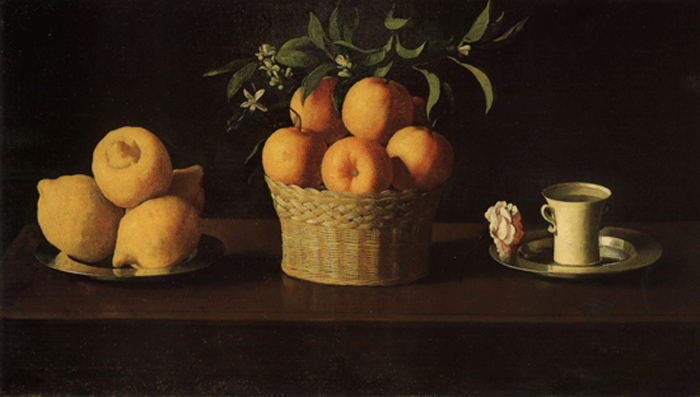
The composer Morten Lauridsen, is a Washington state native who was born only a few miles from where my mother grew up in the wheat fields of the Palouse, and now lives in retirement in the San Juan Islands. He wrote about his inspiration, wanting to compose something that honored the words as much as the Still Life painted by Zurbaran (above) honored the Virgin Mary.
“Zurbarán (1598-1664) is the painter of “Still Life with Lemons, Oranges and a Rose.” The objects in this work are symbolic offerings to the Virgin Mary. Her love, purity and chastity are signified by the rose and the cup of water. The lemons are an Easter fruit that, along with the oranges with blossoms, indicate renewed life. The table is a symbolic altar. The objects on it are set off in sharp contrast to the dark, blurred backdrop and radiate with clarity and luminosity against the shadows.
In composing music to these inspirational words about Christ’s birth and the veneration of the Virgin Mary, I sought to impart, as Zurbarán did before me, a transforming spiritual experience within what I call “a quiet song of profound inner joy.” I wanted this piece to resonate immediately and deeply into the core of the listener, to illumine through sound.
The most challenging part of this piece for me was the second line of text having to do with the Virgin Mary. She above all was chosen to bear the Christ child and then she endured the horror and sorrow of his death on the cross. How can her significance and suffering be portrayed musically?
After exploring several paths, I decided to depict this by a single note. On the word “Virgo,” the altos sing a dissonant appoggiatura G-sharp. It’s the only tone in the entire work that is foreign to the main key of D. That note stands out against a consonant backdrop as if a sonic light has suddenly been focused upon it, edifying its meaning. It is the most important note in the piece.
A scholarly essay about Lauridsen’s composition is here.
Another version by a different composer:
One-Time
Monthly
Yearly
Make a one-time or recurring donation to support daily Barnstorming posts
There is a basic lesson that all young horses must learn (and a fewer older horses must relearn) on our farm. It is to stand still when asked and move only when asked. This does not come naturally to a young horse–they tend to be impatient and fidgety and fretful and full of energy. If they are hungry, they want food now and if they are bored, they want something different to do and if they are fearful, they want to be outta there.
Teaching a horse to be still is actually a greater lesson in persistence and consistency for the human handler, which means I don’t always do well in teaching this to my horses and they (and I) lapse frequently–wiggly pushy horses and a weary frustrated handler. It means correcting each little transgression the horse makes, asking them to move back to their original spot, even if there is hay waiting just beyond their nose, asking them to focus not on their hunger, their boredom, their fear, but asking them to focus only on me and where they are in relationship to me. It means they must forget about themselves and recognize something outside of themselves that is in control–even if I move away from them to do other things.
The greatest trust is when I can stand a horse in one spot, ask them to be still, walk away from them, briefly go out of sight, and return to find them as I left them, still focused on me even when I was not visible.
I was reminded of this during our pastor’s sermon on the book of Exodus when he preached on the moments before Moses parted the Red Sea, allowing the Hebrews an escape route away from Pharoah and the Egyptian chariots and soldiers. In those moments beforehand, the Hebrews were pressed up against the Sea with the Egyptians bearing down on them and they lamented they should never have left Egypt in the first place, and that generations of bondage in slavery would have been preferable to dying in the desert at the hands of the soldiers or drowning in the Sea.
Moses told them to “be still”. Or as our pastor said, he told them to “shut up”. Stay focused, be obedient, trust in the Lord’s plan. And the next thing that happened was the Sea opened up. Then the Hebrews rejoiced in thanksgiving for their freedom.
Thanksgiving, as it has developed over the years from the first historical observance of a meal shared jointly between the Pilgrims and their patient and generous Native American hosts, is just such a moment to “be still and know” about the gifts from our God. Yet in our hurried and harried culture, Thanksgiving is about buying the best bargain turkey, creating the most memorable recipes, decorating in perfect Martha Stewart style, eating together in Norman Rockwell style extended family gatherings, watching football and parades on the biggest flat screen TV, while preparing for the mad dash out the door the next day to start the Christmas shopping season.
Instead of all that fol de rol – be still.
Like my horses, I need correction when I start to agitate out of “hunger”–wanting to literally stuff myself full, or out of my boredom– seeking the latest in entertainment or satisfaction, or out of my fear– feeling the threats that surround us all in the world today. I need to be reminded continually that my focus must be outside myself and my perceived needs, and to be still long enough to know God is with us even though we cannot see Him every moment.
I do not do well at this.
My horses learn much faster than I do. I am restless, rarely taking the time to be still and acknowledge God who continually watches, waiting for me to settle down and focus on Him.
May this Thanksgiving remind me of my need for God, and my gratitude for His patient persistence in moving me back into place when I wiggle and fret and stuff myself even when I’m really not hungry.
May I remember that to be still and know God is the greatest gift I can give and that I can receive.
And may His Stillness be with you today as well.
One-Time
Monthly
Yearly
Make a one-time or recurring donation to support daily Barnstorming posts
We all know that something is eternal. And it ain’t houses and it ain’t names, and it ain’t earth, and it ain’t even the stars . . . everybody knows in their bones that something is eternal, and that something has to do with human beings. All the greatest people ever lived have been telling us that for five thousand years and yet you’d be surprised how people are always losing hold of it. There’s something way down deep that’s eternal about every human being. We can only be said to be alive in those moments when our hearts are conscious of our treasures. Do any human beings ever realize life while they live it – every, every minute? ~Thornton Wilder, quotes from “Our Town”
The words from the stage play “Our Town”, written nearly 90 years ago still ring true: at that time our country was crushed under the Great Depression. Though now most people are more economically secure than the 1930’s, many of us are emotionally bankrupt.
Our country staggers under a Great Depression of the spirit~ despite greater connection electronically (often too much…), many of us are more isolated from community, family, and faith.
We need reminding to be conscious of our many treasures and abundance, never forgetting to care of others in greater need.
God, in His everlasting recognition of our eternal need of Him, cares for us, even as we turn our faces away from Him.
We all feel His Love, deep in our bones.
So I search the soil of this life, this farm, this faith to find what yearns to grow, to bloom, to fruit, to be harvested to share with others.
My deep gratitude goes to you who visit here and to those who let me know the small and the good I share with you makes a difference in your day. I am beyond thankful you are here, listening.
Many blessings in your own thanksgiving this week, Emily
One-Time
Monthly
Yearly
Make a one-time or recurring donation to support daily Barnstorming posts
Here is a new light on the intricate texture of things in the world…: the way we the living are nibbled and nibbling — not held aloft on a cloud in the air but bumbling pitted and scarred and broken through a frayed and beautiful land. ~Annie Dillard in Pilgrim at Tinker Creek
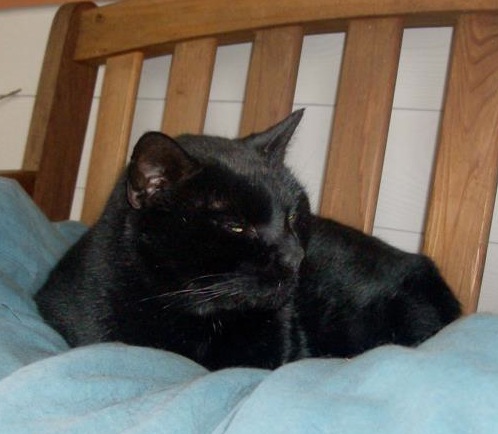
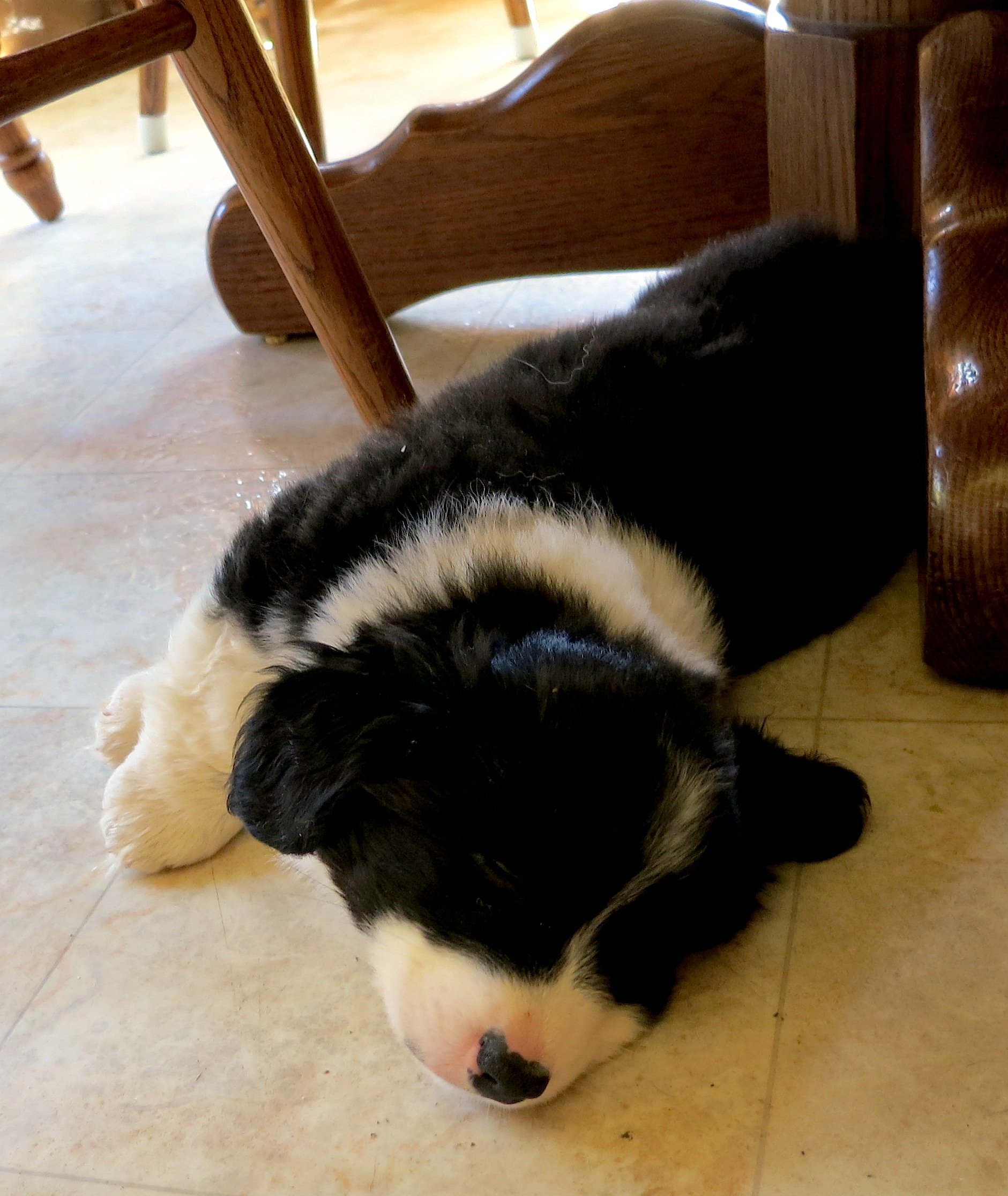
The weather is getting brisker so the outdoor critters, some invited, some not, are starting to move inside. The cats scoot between our legs as we open the front door, heading straight for the fireplace to bask in the warmth rather than a cold wind. The pup comes in from the yard for a nightly snack and chew bone, and stretches out on the rug, acting every bit like a piece of furry furniture. And today there was another mouse in the trap under the sink. I almost thought we were mouse-free with three weeks of none sighted and none trapped, but there he was waiting for me in the morning, well fed and quite dead. He became an opportune meal for a cat too lazy to go get himself a living breathing mouse.
From nibbling to nibbled. It is a tough world, inside and out.
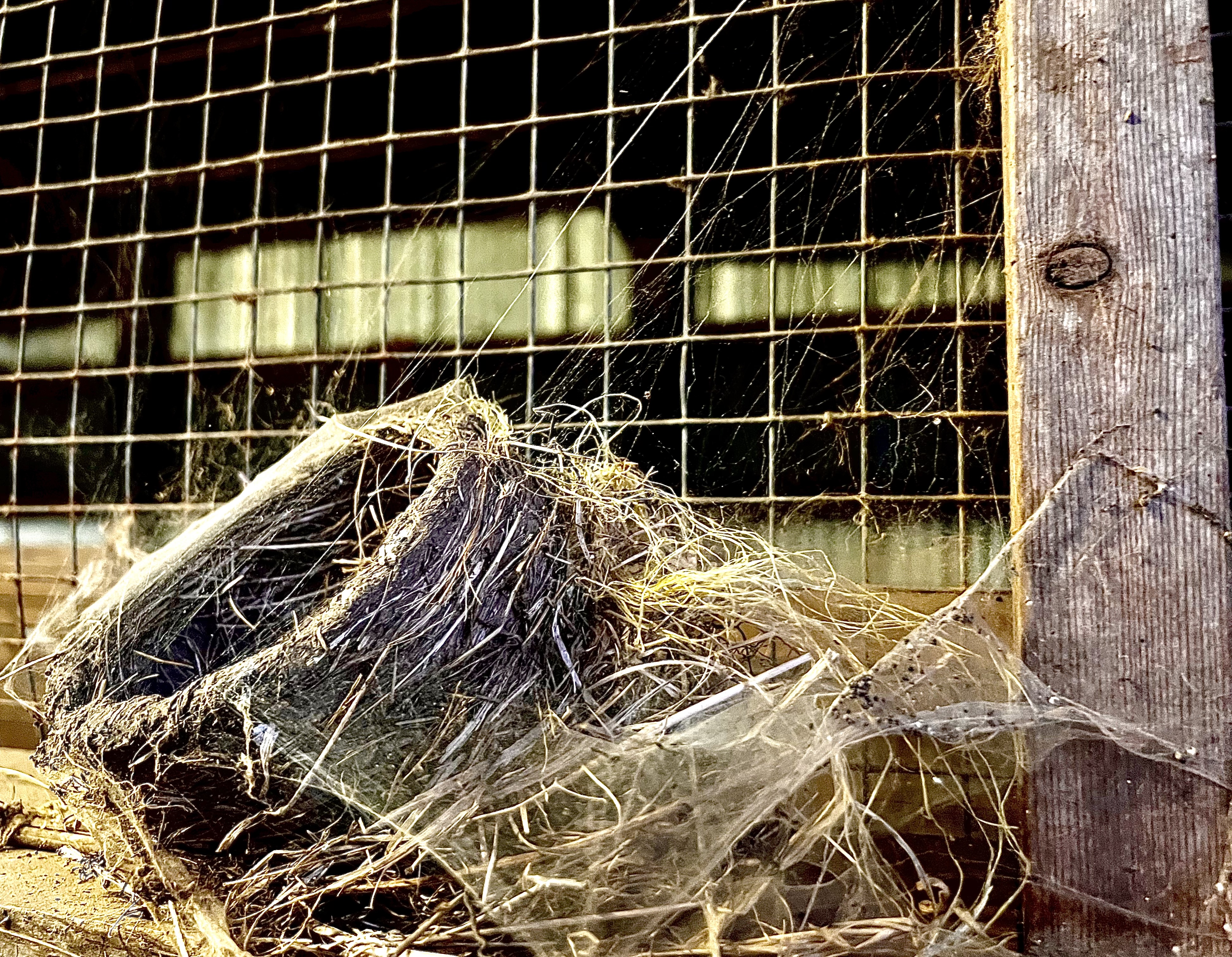
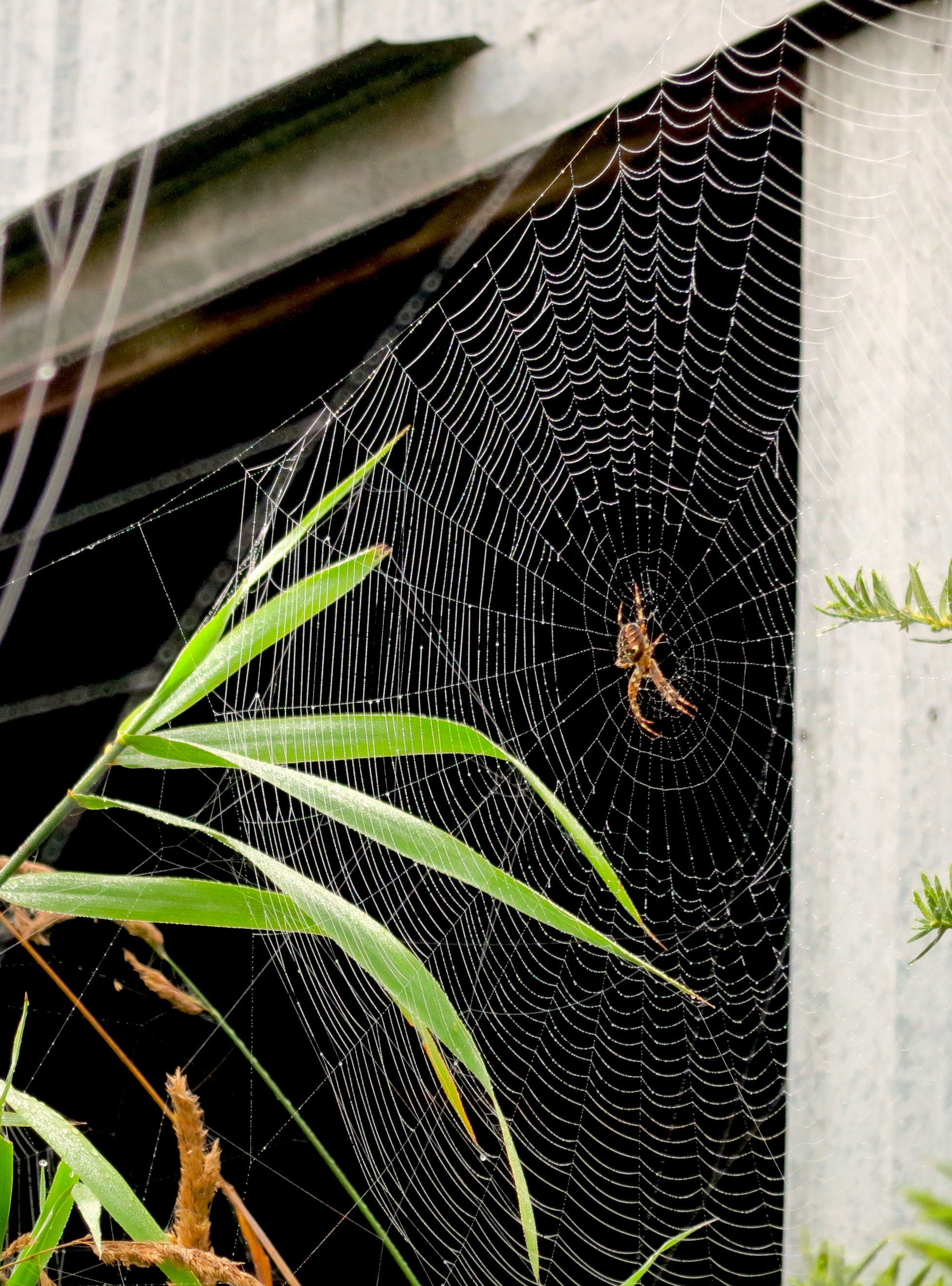
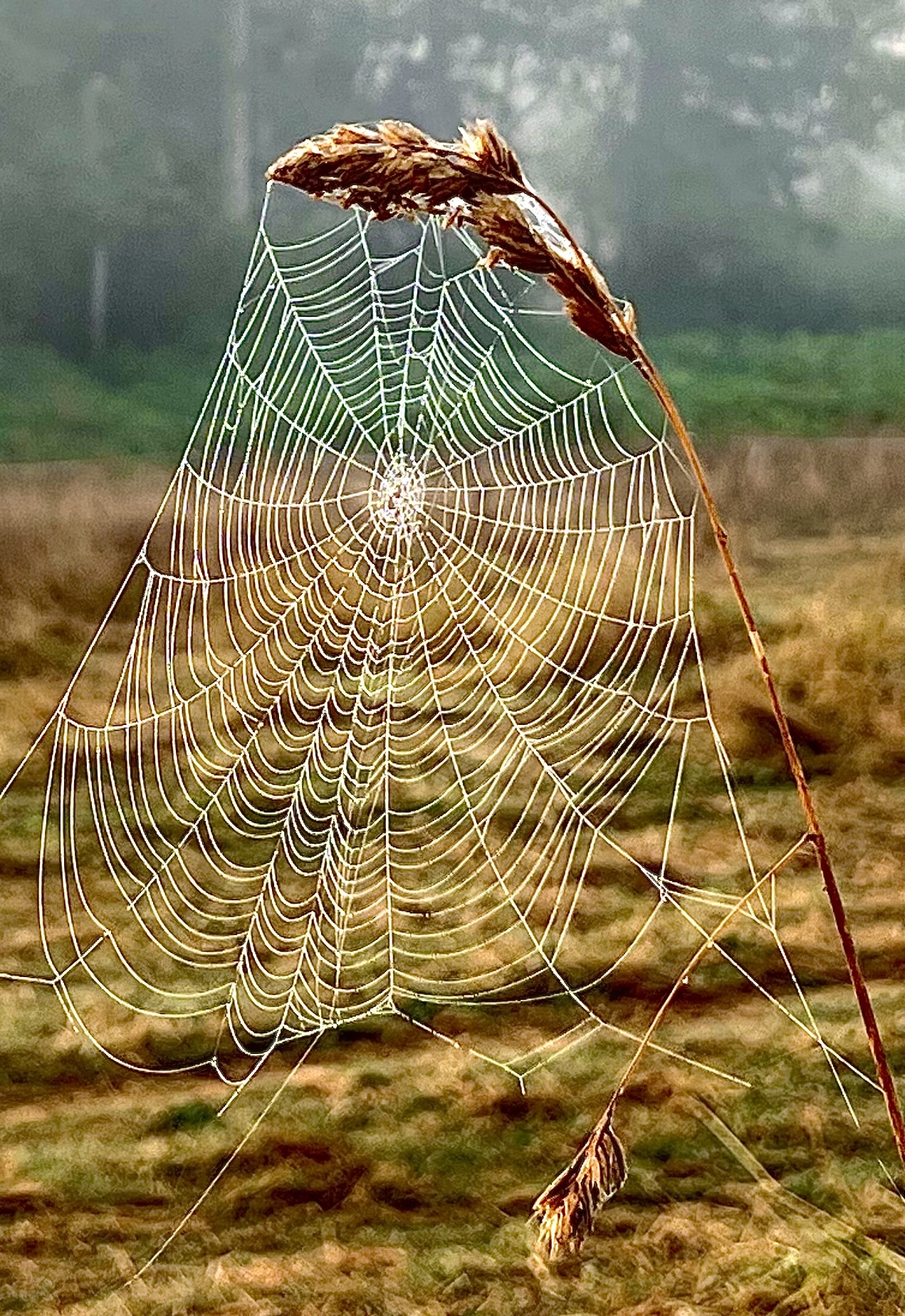
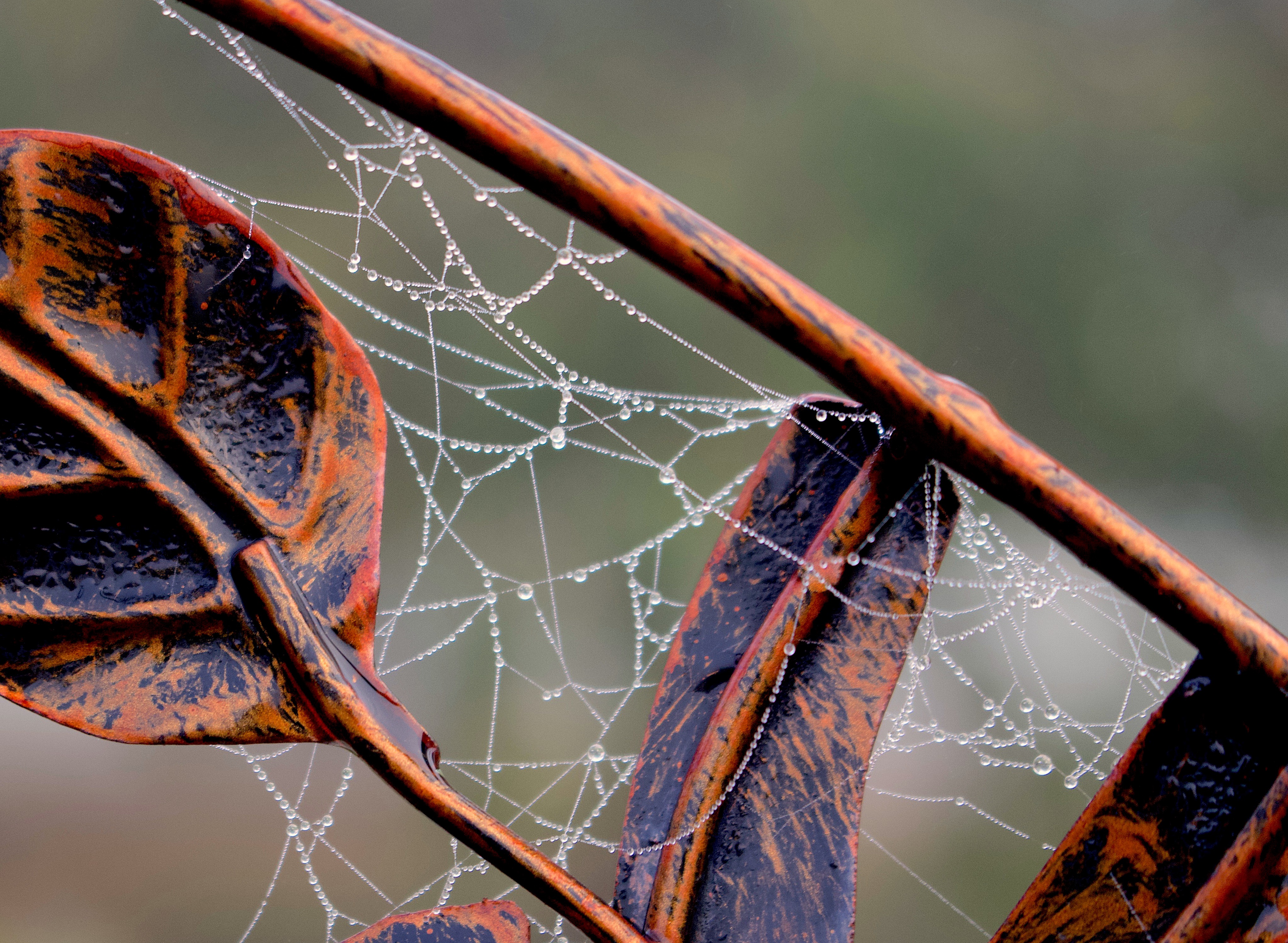
Our most numerous and ambitious visitors from outside are the spiders, appearing miraculously crawling futilely up the sides in the bathtub, or scurrying across the kitchen floor, or webbing themselves into a corner of the ceiling with little hope of catching anything but a stray house moth or two this time of year. Arachnids are certainly determined yet stationary predators, rebuilding their sticky traps as needed to ensure their victims won’t rip away, thereby destroying the web.
I don’t really mind sharing living quarters with another of God’s creatures, but I do prefer the ones that are officially invited into our space and not surprise guests. The rest are interlopers that I tolerate with grudging admiration for their instinctive ingenuity. I admit I’m much too large, inept, and bumbling to find my way into someone else’s abode through a barely perceptible crack, and I’m certainly incapable of weaving the intricate beauty of a symmetrical web placed just so in a high corner.
After all, I am just another creature in the same boat. There is something quite humbling about being actually invited into this frayed and beautiful, complex and broken world, “pitted and scarred” as I am. I’m grateful I’ve so far escaped capture in the various insidious traps of life, not just the spring-loaded kind and the sticky filament kind.
So it is okay that I’m settled in, cozy in front of the fireplace, just a piece of the furniture. Just so long as I don’t startle anyone or nibble too much of what I shouldn’t, I just might be invited to stay awhile.
One-Time
Monthly
Yearly
Make a one-time or recurring donation to support daily Barnstorming posts
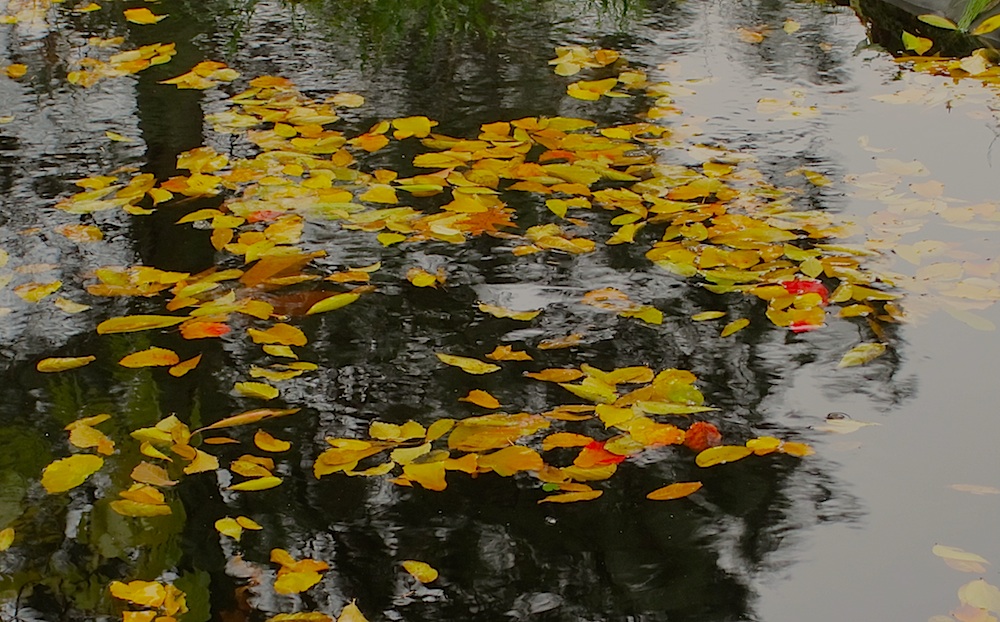
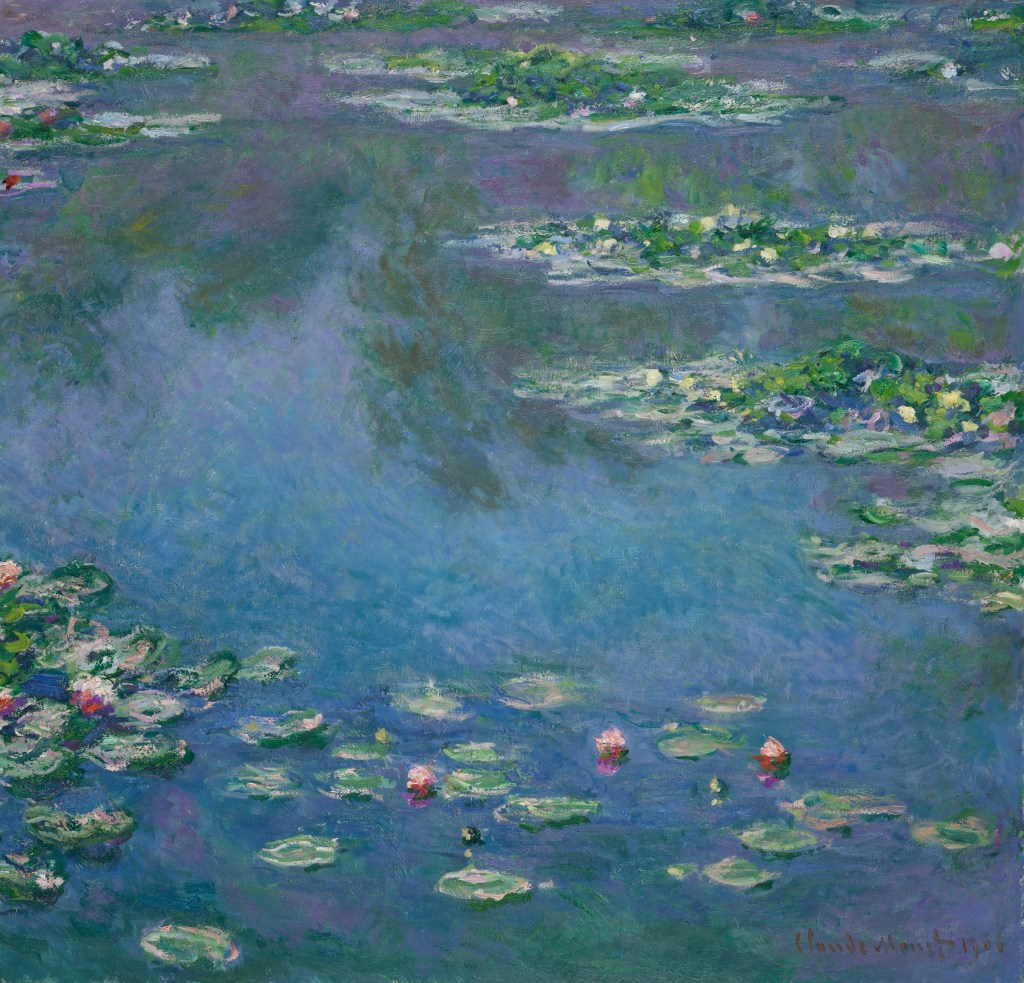
Today as the news from Selma and Saigon poisons the air like fallout, I come again to see the serene great picture that I love.
Here space and time exist in light the eye like the eye of faith believes. The seen, the known dissolve in iridescence, become illusive flesh of light that was not, was, forever is.
O light beheld as through refracting tears. Here is the aura of that world each of us has lost. Here is the shadow of its joy. ~Robert Hayden “Monet’s Waterlilies”
…The world is flux, and light becomes what it touches, becomes water, lilies on water, above and below water, becomes lilac and mauve and yellow and white and cerulean lamps, small fists passing sunlight so quickly to one another that it would take long, streaming hair inside my brush to catch it. To paint the speed of light! Our weighted shapes, these verticals, burn to mix with air and change our bones, skin, clothes to gases. Doctor, if only you could see how heaven pulls earth into its arms and how infinitely the heart expands to claim this world, blue vapor without end. ~Lisel Mueller, “Monet Refuses the Operation” from Second Language
We see things differently, don’t we? What seems ordinary to one person is extraordinary to another.
How might I learn to adjust my focus to see things as you do? How might I help others to see the world as I do?
The world is flux; my delight and dismay flows from moment to moment, from object to absence, from light to darkness, from color to gray. Perhaps the blur from the figurative (or real) cataract impeding my vision creates a deeper understanding, as I use my imagination to fill in what I can’t discern.
My heart and mind expands to claim this world and all that beauty has to offer, while heaven – all this while – is pulling me into its arms.
In heaven, my focus will be clear. It will all be extraordinarily holy.
One-Time
Monthly
Yearly
Make a one-time or recurring donation to support daily Barnstorming posts
In the quiet misty morning When the moon has gone to bed When the sparrows stop their singing And the sky is clear and red When the summer ceased it’s gleaming When the corn is past its prime When adventures lost its meaning I’ll be homeward-bound in time ~Marta Keen from “Homeward Bound”
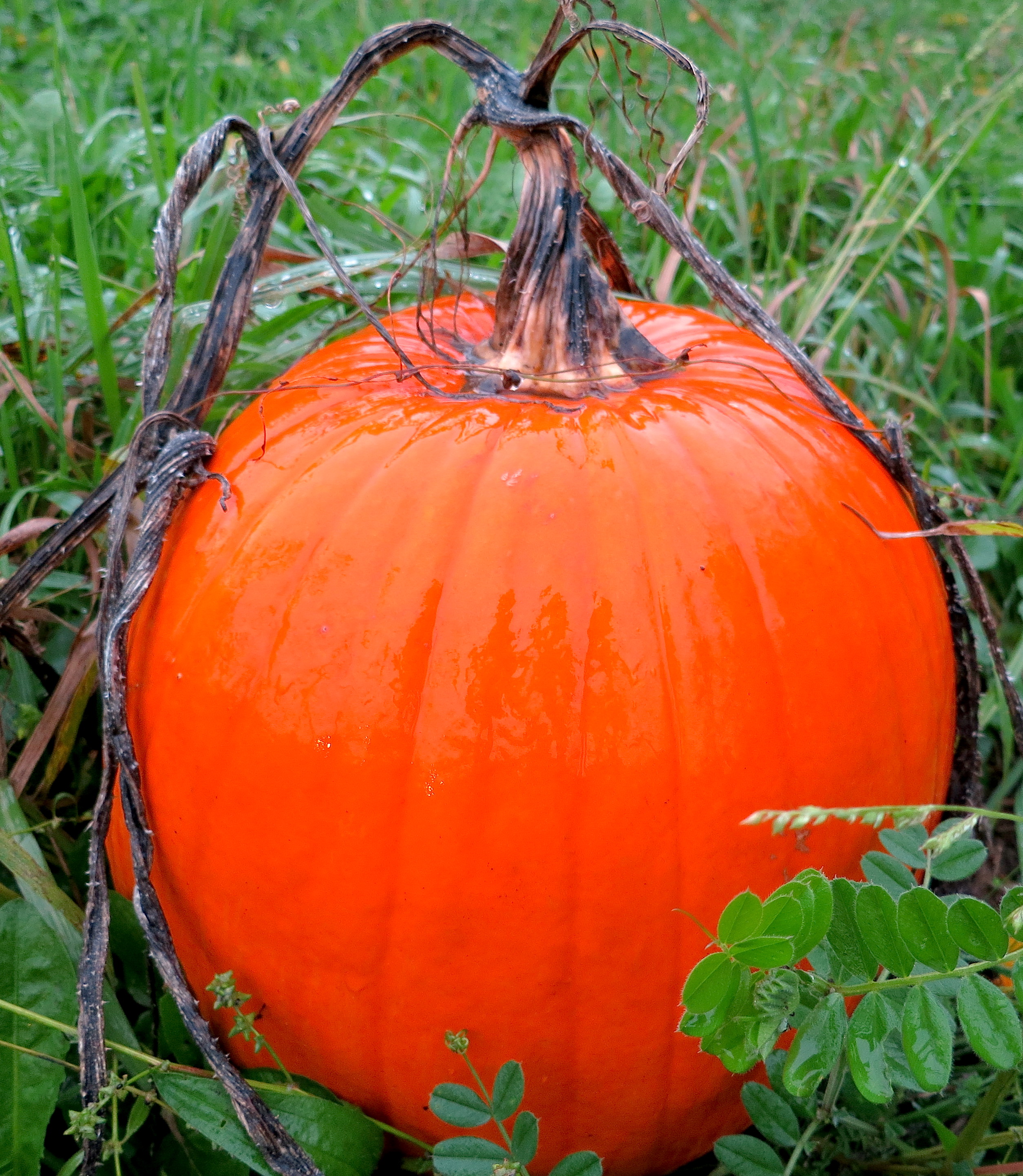
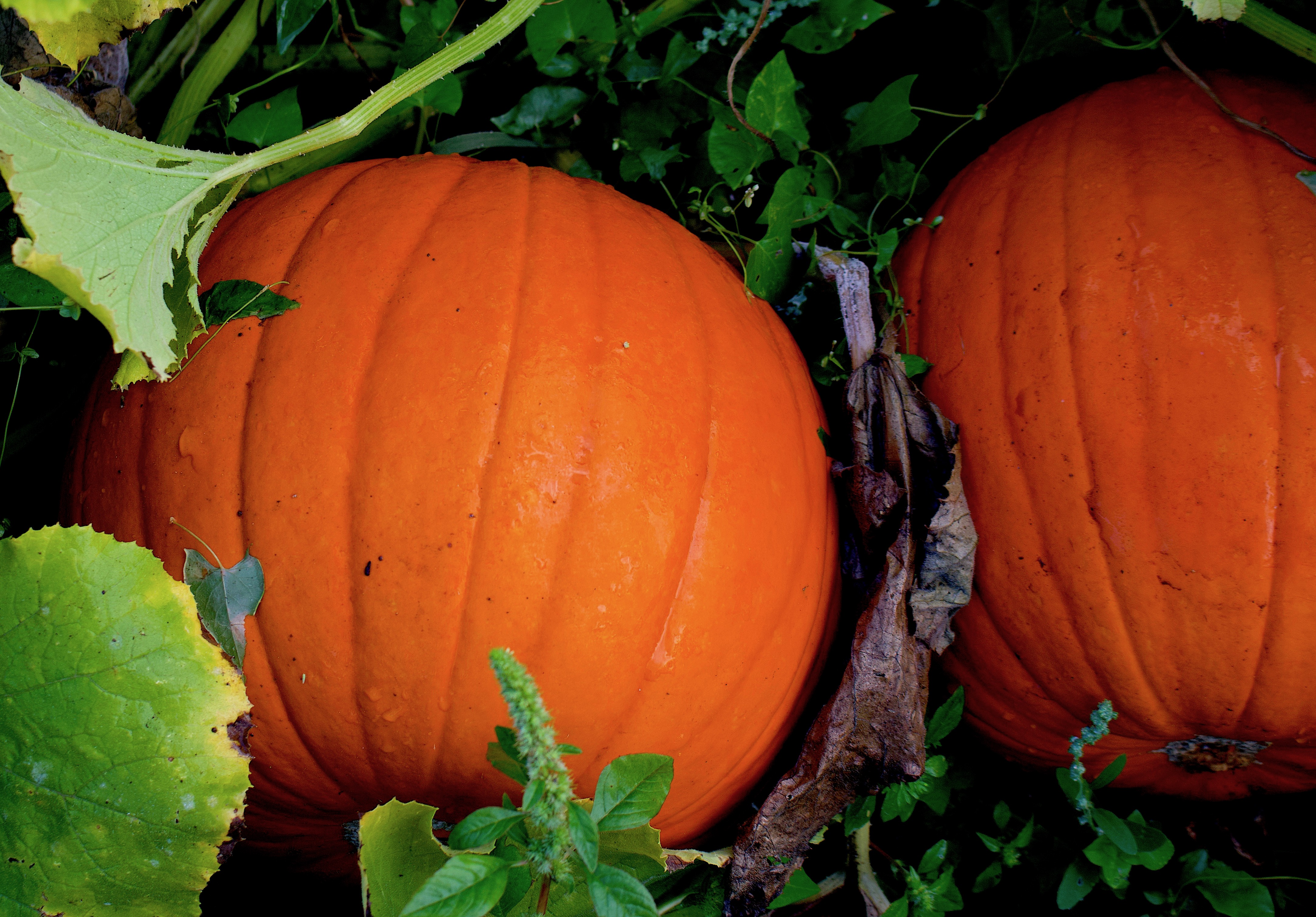
On Halloween day in 1985, I packed up a roll-up mattress pad, grabbed one lonely pumpkin from our small garden, locked our rental house door for the last time, then climbed in my car to head two hours north out of Seattle.
I don’t recall looking back in the rear view mirror at the skyline after nine years living in the city. My husband had moved to Whatcom County two months earlier to start his new job. I had stayed behind to wrap up my Group Health family practice in the Rainier Valley of central Seattle.
I was leaving the city for our new rural home and a very uncertain professional future.
I knew two things for sure: I was finally several months pregnant after a miscarriage and two years of trying to conceive, so our family was on its way, and we were going to live in our own house with a few acres and a barn.
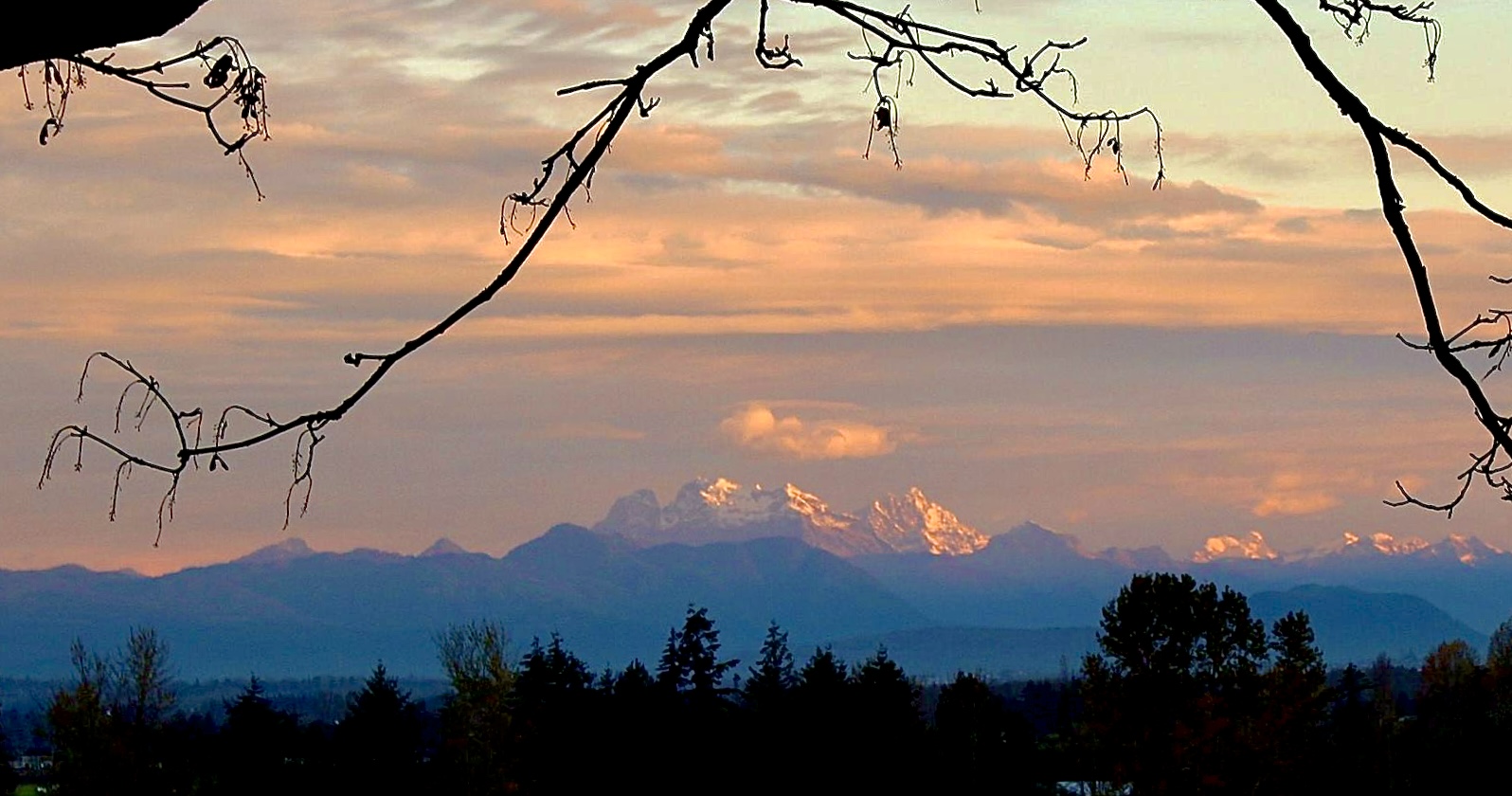
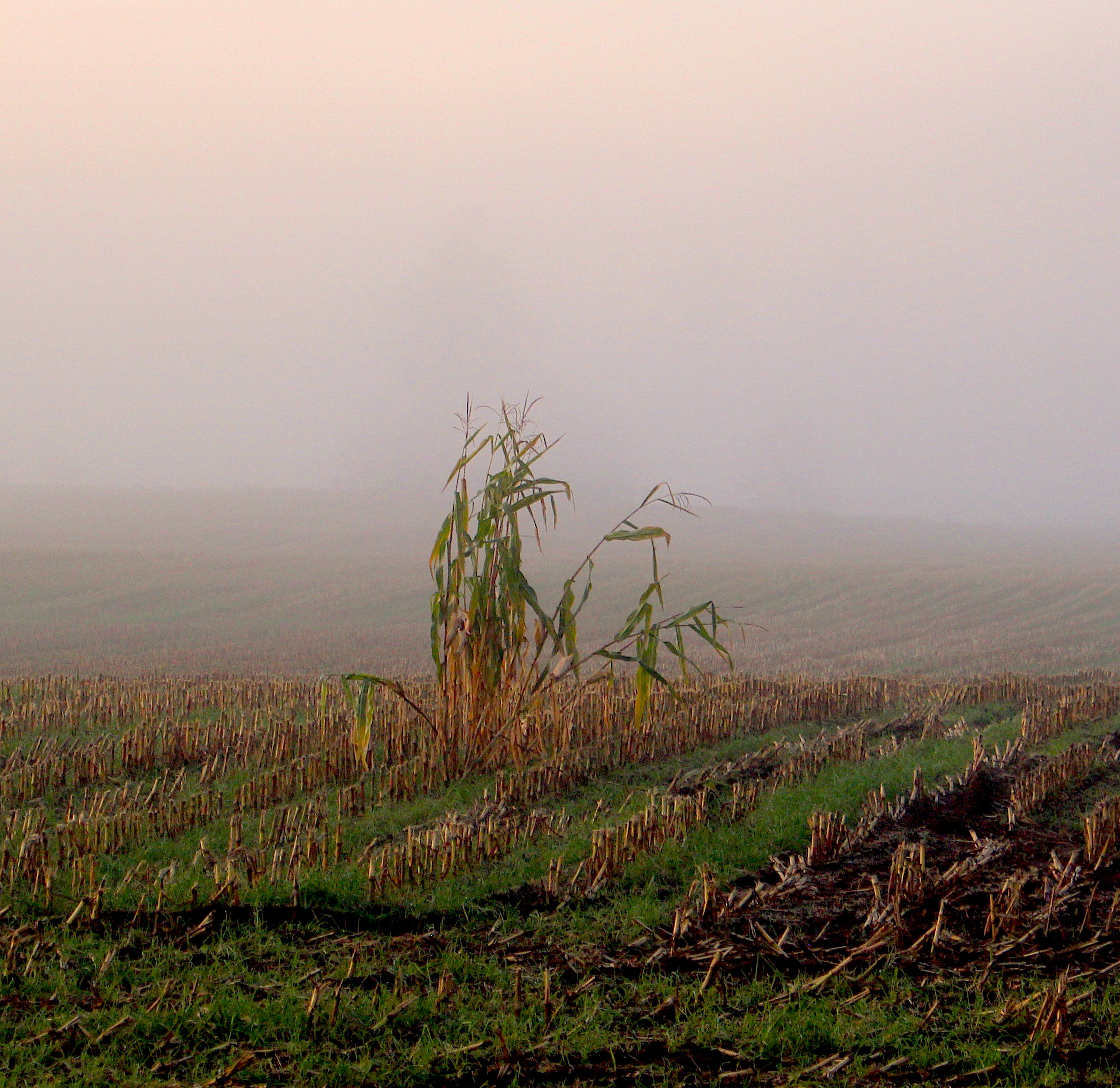
A real (sort of) starter farm and starter family, a dream we both shared. Our home sits in the midst of woods and corn fields, with deer strolling through the fields at dawn, coyotes howling at night, Canadian geese and trumpeter swans calling from overhead and salmon thriving in nearby streams. The snowy Cascades greet us in the morning to the east, the Canadian Coastal range majestic to the north and not far to the west, the Salish Sea/Puget Sound.
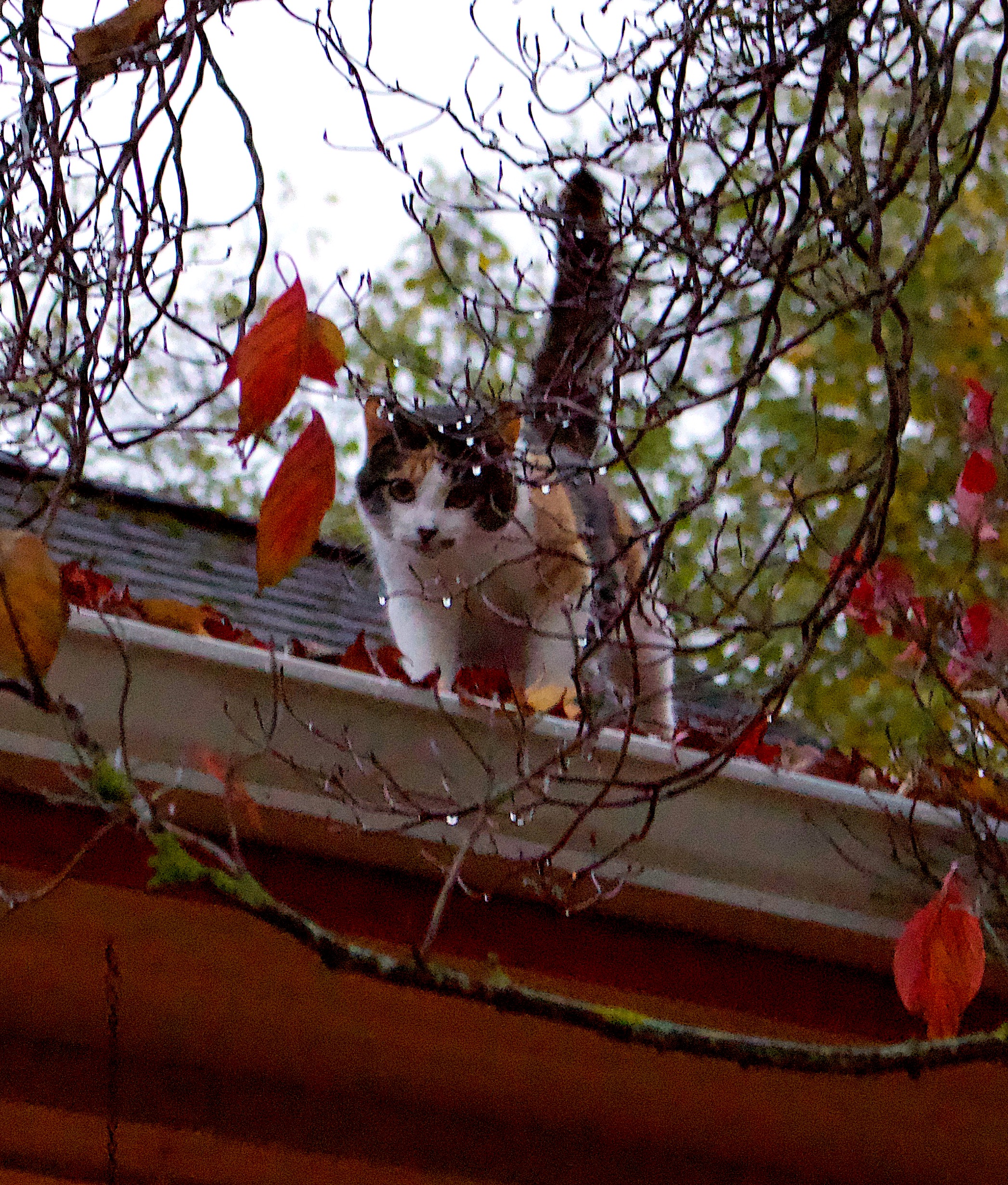
Since it wouldn’t be a farm without animals, I stopped at the first pet store I drove past and found two tortoise shell calico kitten sisters peering up at me, just waiting for new adventures in farmland. Their box was packed into the one spot left beside me in my little Mazda.
With that simple commitment to raise and nurture those kittens alongside the life growing inside me, life seemed very complete.
I will never forget the freedom I felt on that drive north. The highway seemed more open, the fall colors more vibrant, the wind more energizing, our baby kicking my belly, the kittens mewing from their box. There seemed so much potential even though I had just left behind the greatest family practice found in any urban setting (at the time, it was the most ethnically diverse zip code in the United States) with patients from all over the world: alongside the multi-racial inner city population living in subsidized housing developments, my patients included Muslim immigrants from the Middle East and Indonesia, Orthodox Jews, Italian Catholics, and refugees from Cambodia, Laos, and Vietnam.
I will never know so much variety of ethnic background and perspective again. If I could have packed them all into my little car and driven them north with me, I would have.
Despite what I was leaving behind, there was certainly a feeling of freedom that rainy Halloween day as the big city disappeared in the rear view mirror.
No longer would I sit captive in freeway rush-hour bumper to bumper traffic jams. I traded that for a new rural commute winding through farm fields while watching eagles fly overhead. I could become part of a community in a way I never could manage in the city, visiting with friends at the grocery store, playing piano and teaching Sunday School at church and serving on various community boards.
After the new kittens, dubbed Nutmeg and Oregano, arrived on our farm, we added even more diversity: a Belgian Tervuren dog Tango, a Haflinger horse Greta, Toggenburg goats Tamsin and her kids, a few Toulouse geese, Araucana chickens, Fiona the Scottish Highland cow, then another Haflinger Hans and another, Tamara. I worked as a fill-in doctor in four different clinics before our first baby was born, then settled into part-time practice in several different clinics for most of my career.
With those new commitments, life was fulfilling and busy – we soon added a little brother and seven years later, a sister. Then it felt like our family was complete.
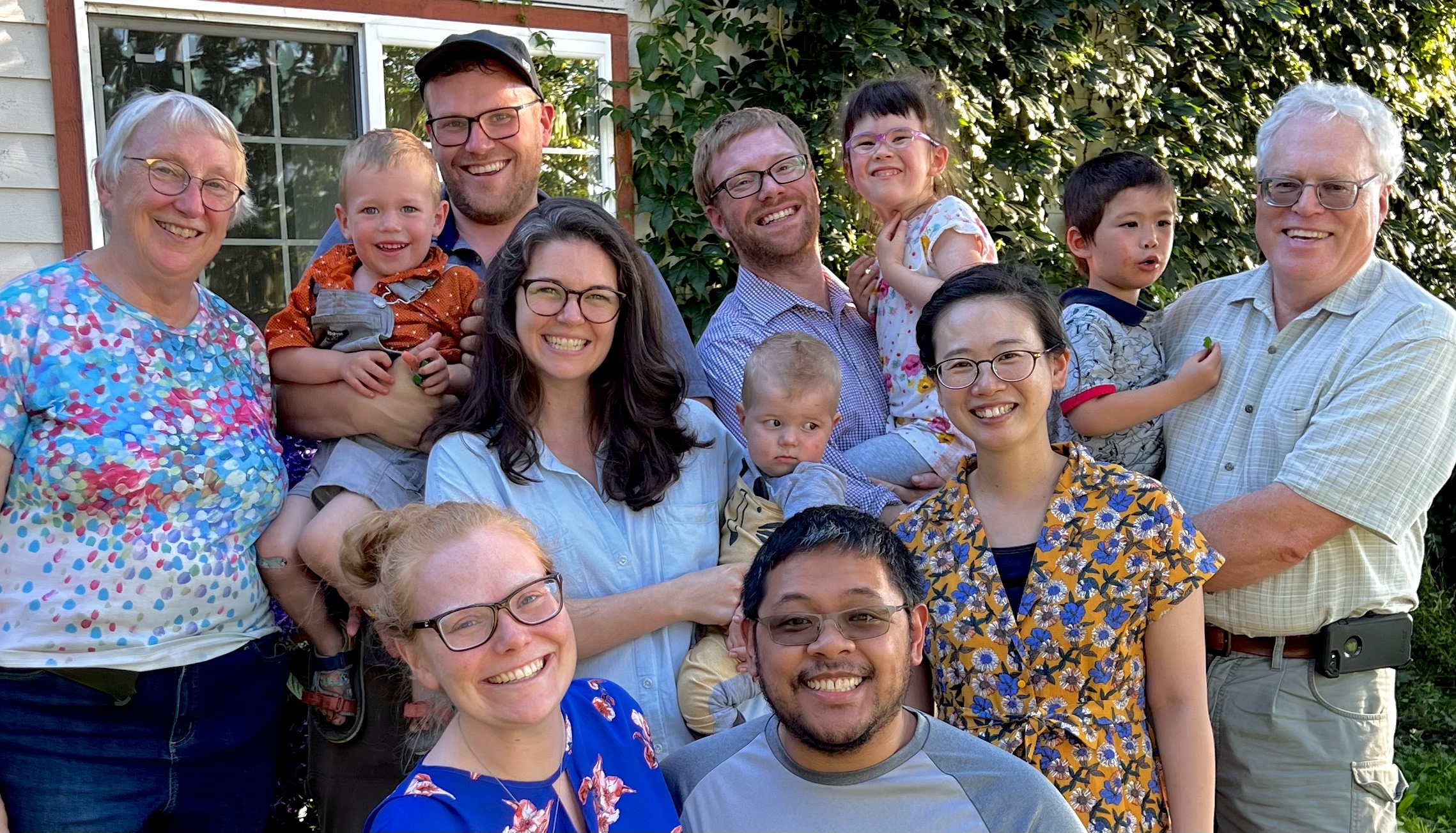
Forty years later, our children have grown and gone to homes of their own, all married to wonderful spouses, raising six delightful children for us to lavish love on.
Somehow life now feels even more complete.
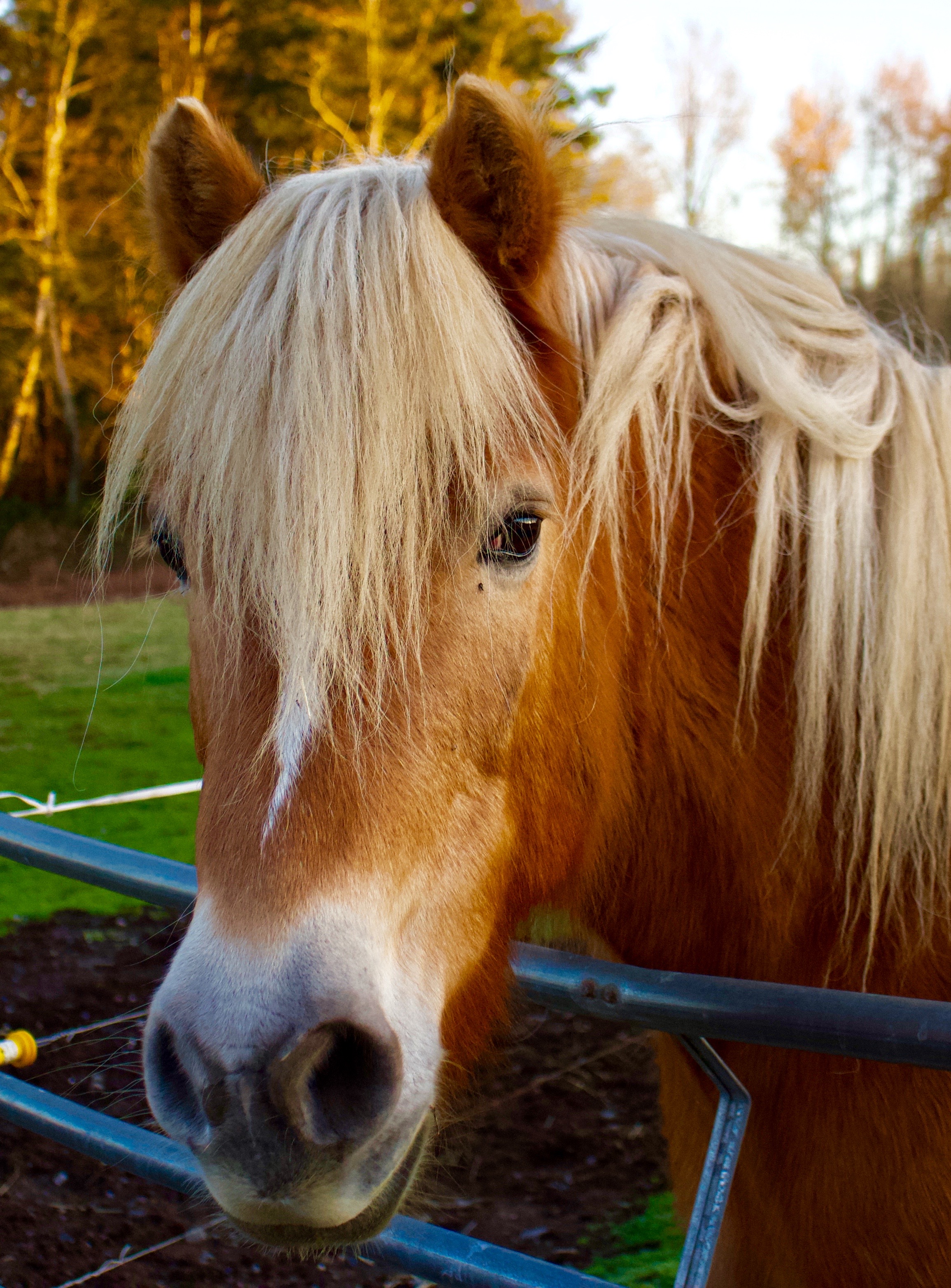
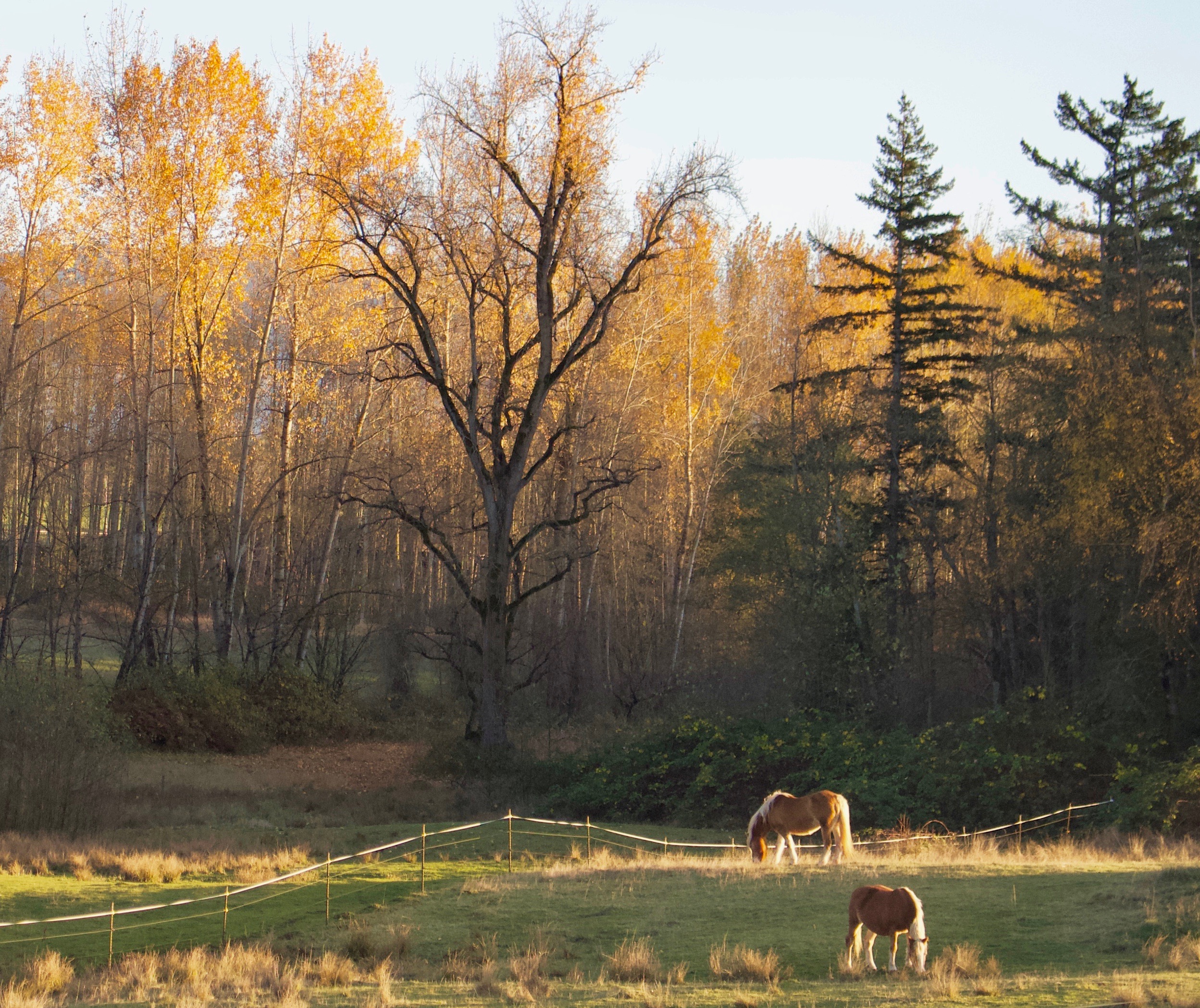
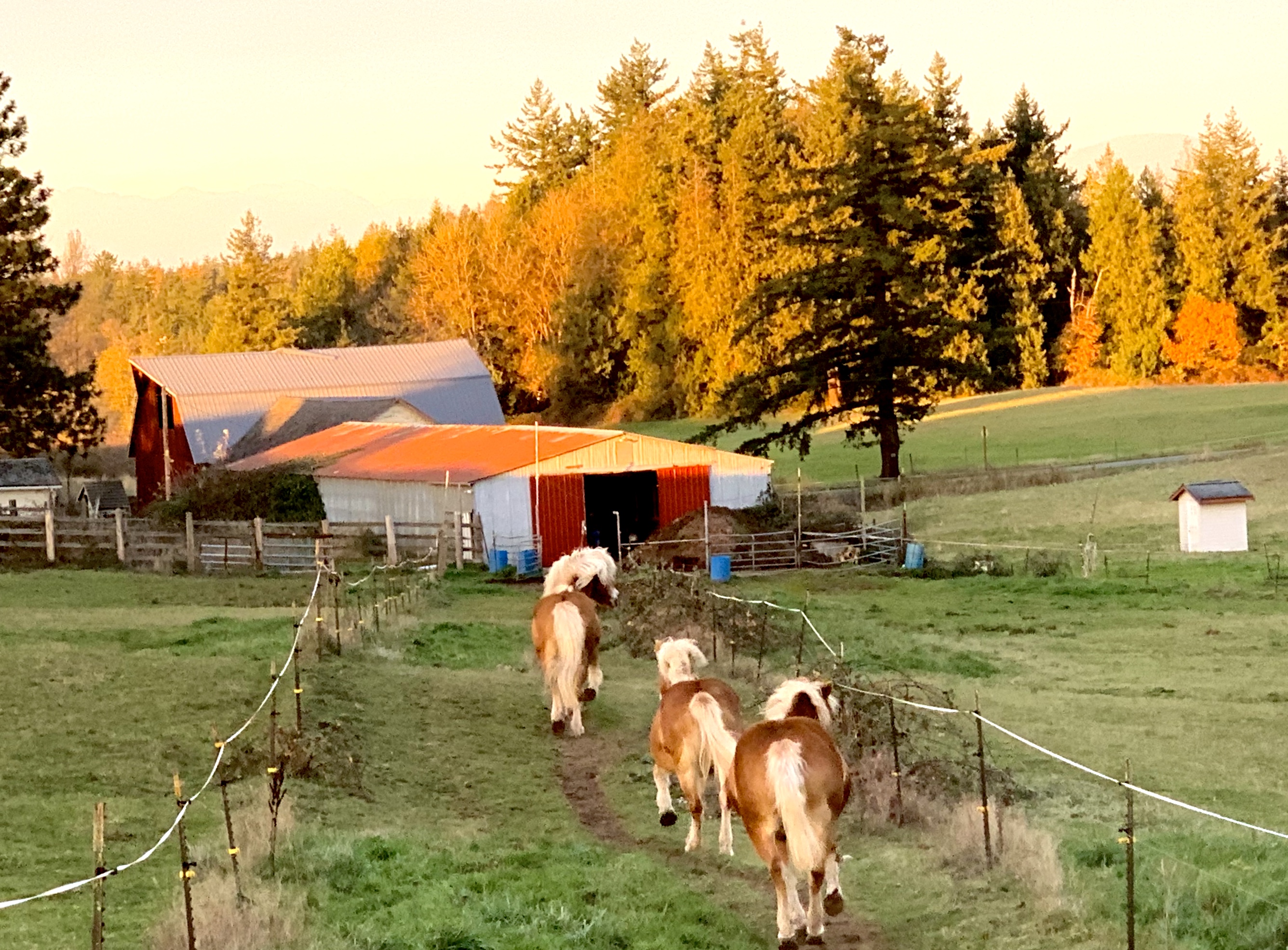
A few cats, a Cardigan Corgi, and three ponies still live at the farm with us. Now retired from our professional lives “in town”, we enjoy the freedom of slower and quieter days, nurtured and nurturing.
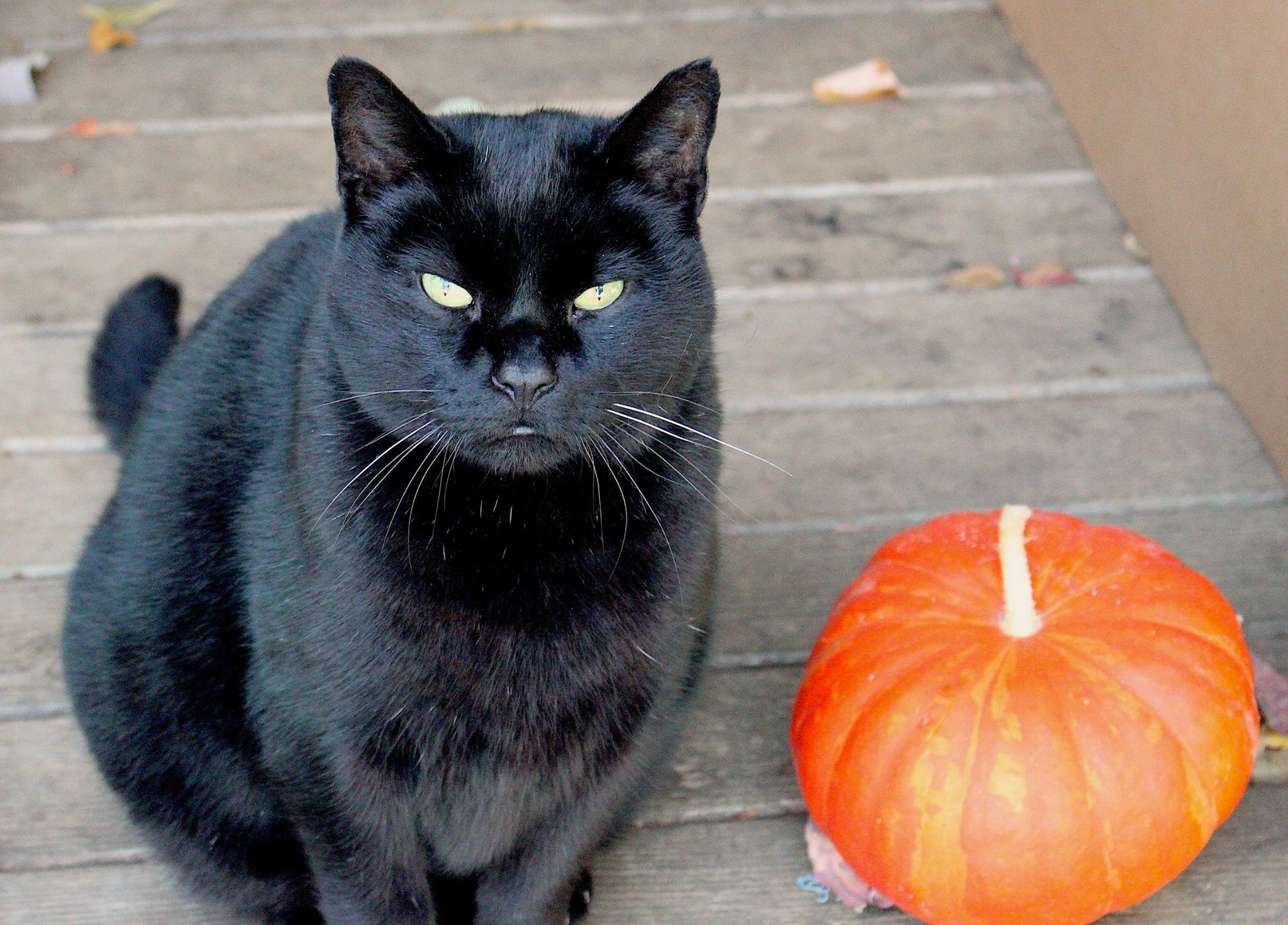
It all started October 31, 1985 with two orange and black kittens and a pumpkin sitting beside me in a little Mazda, my husband awaiting my homecoming 100 miles north. Now, forty years later, we celebrate this Halloween anniversary of farm and family, still pregnant with the possibility that life is never truly complete when there is always a new day just around the corner.
One-Time
Monthly
Yearly
Make a one-time or recurring donation to support daily Barnstorming posts
















 Barnstorming