Until There’s Nothing Left

Walk noisily to declare your presence.
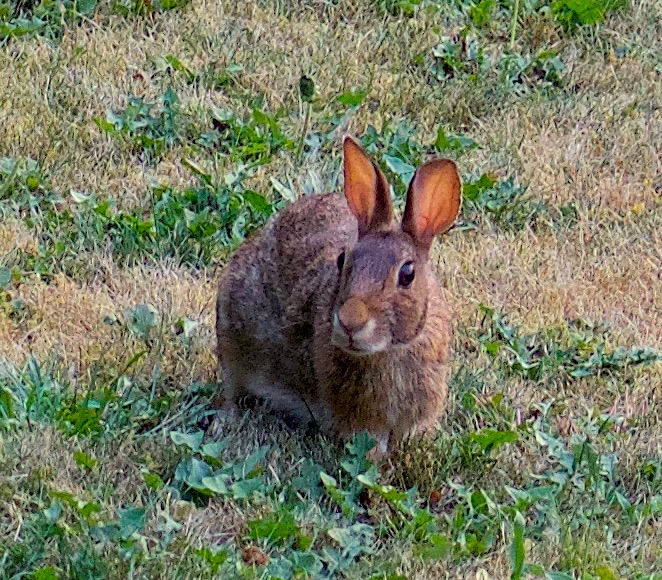
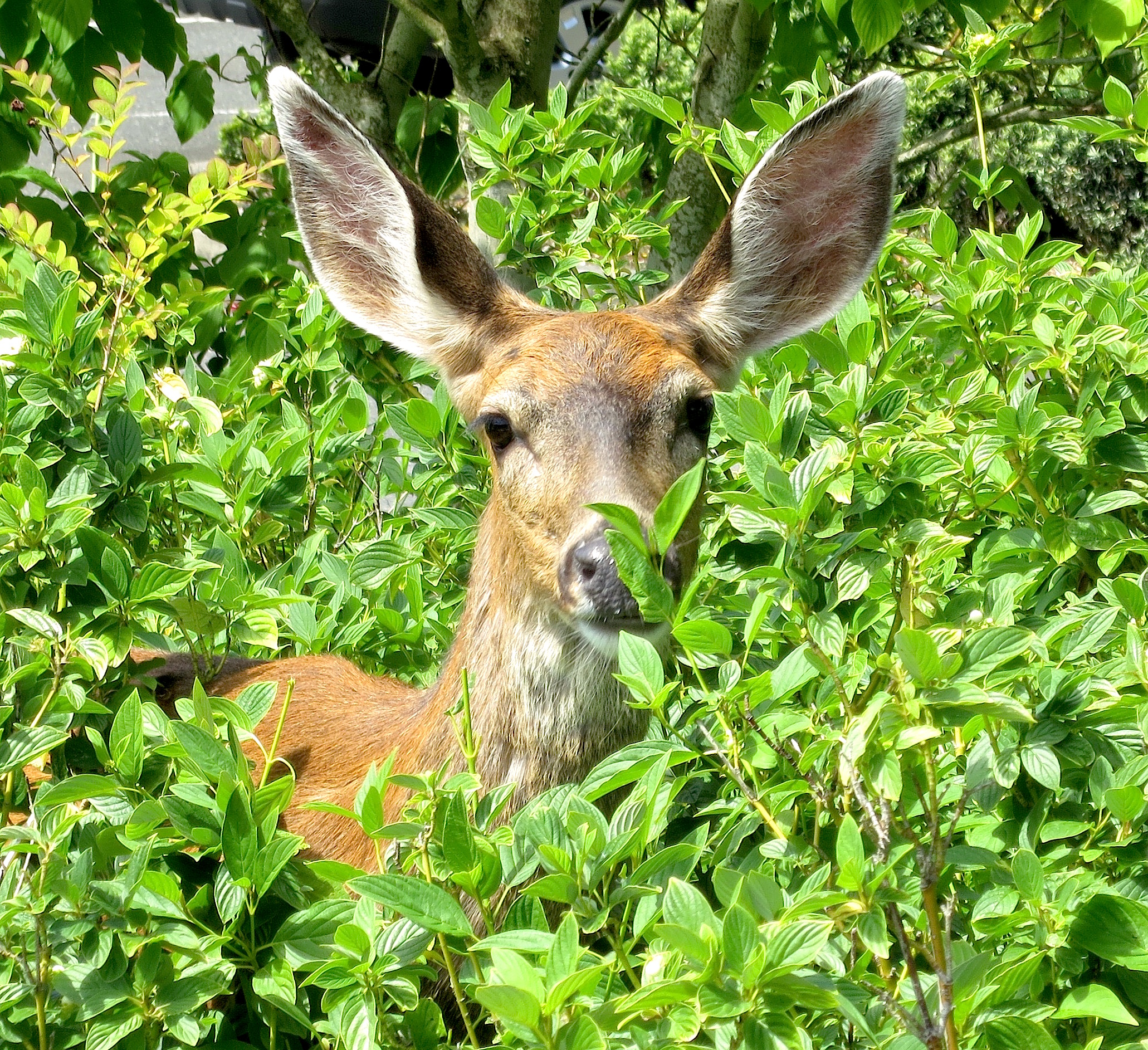
The rabbits and deer will leave
as soon as they hear you coming,
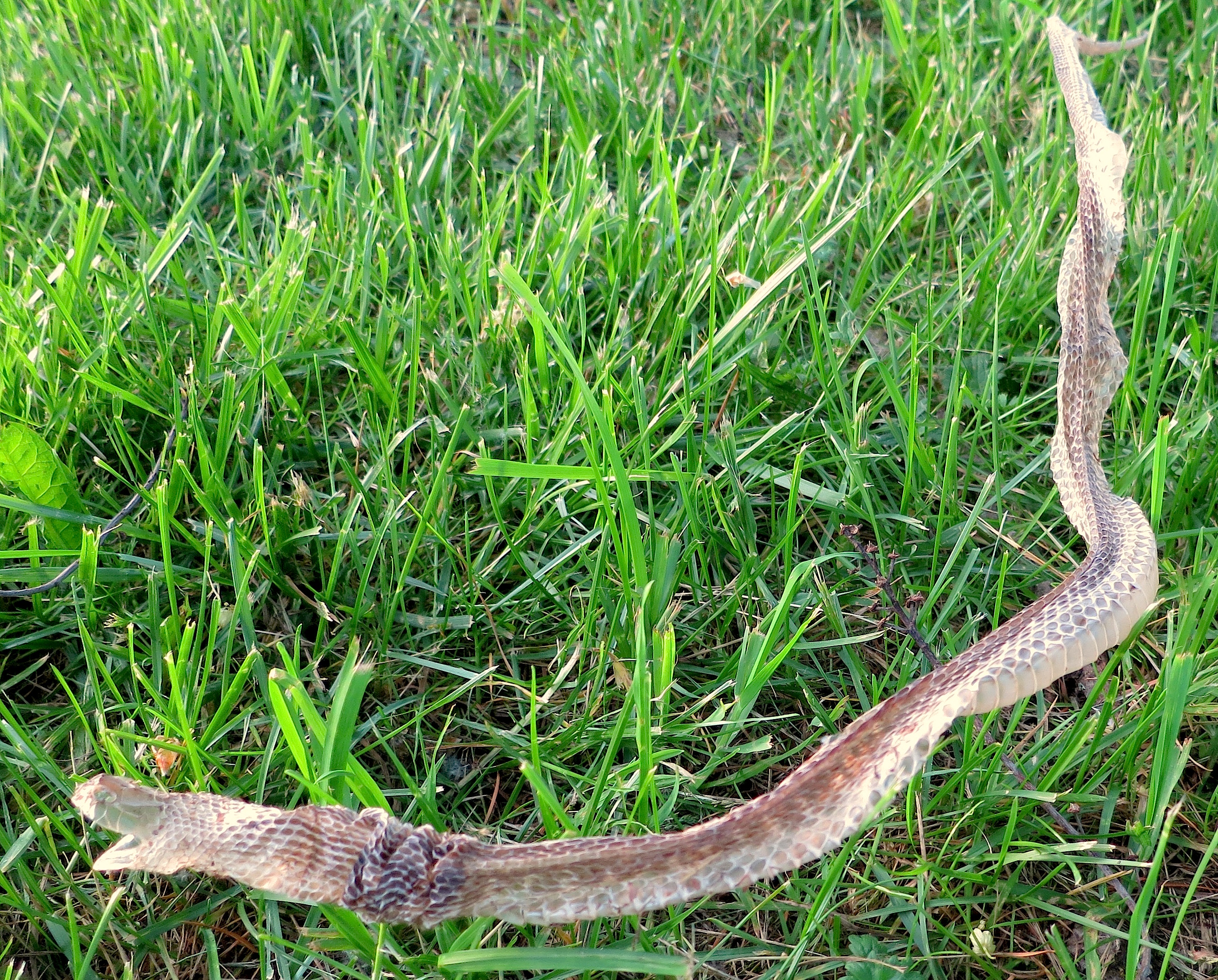
but the snakes need time
to process your intentions.

Take a moment to be certain
of what you’re cutting.
Many stems look alike
down close to the ground,
especially when they’re young.
Look up occasionally.

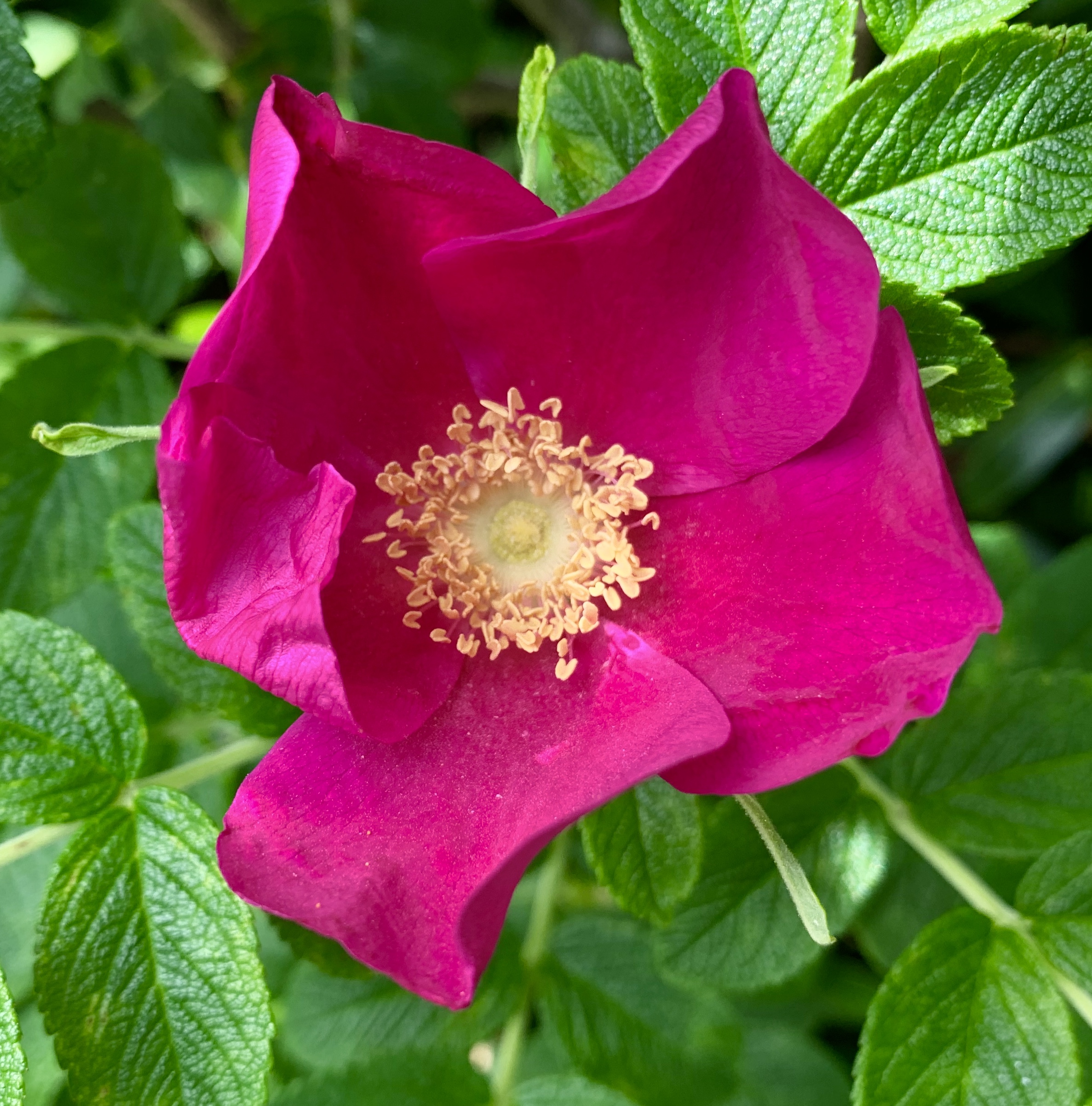
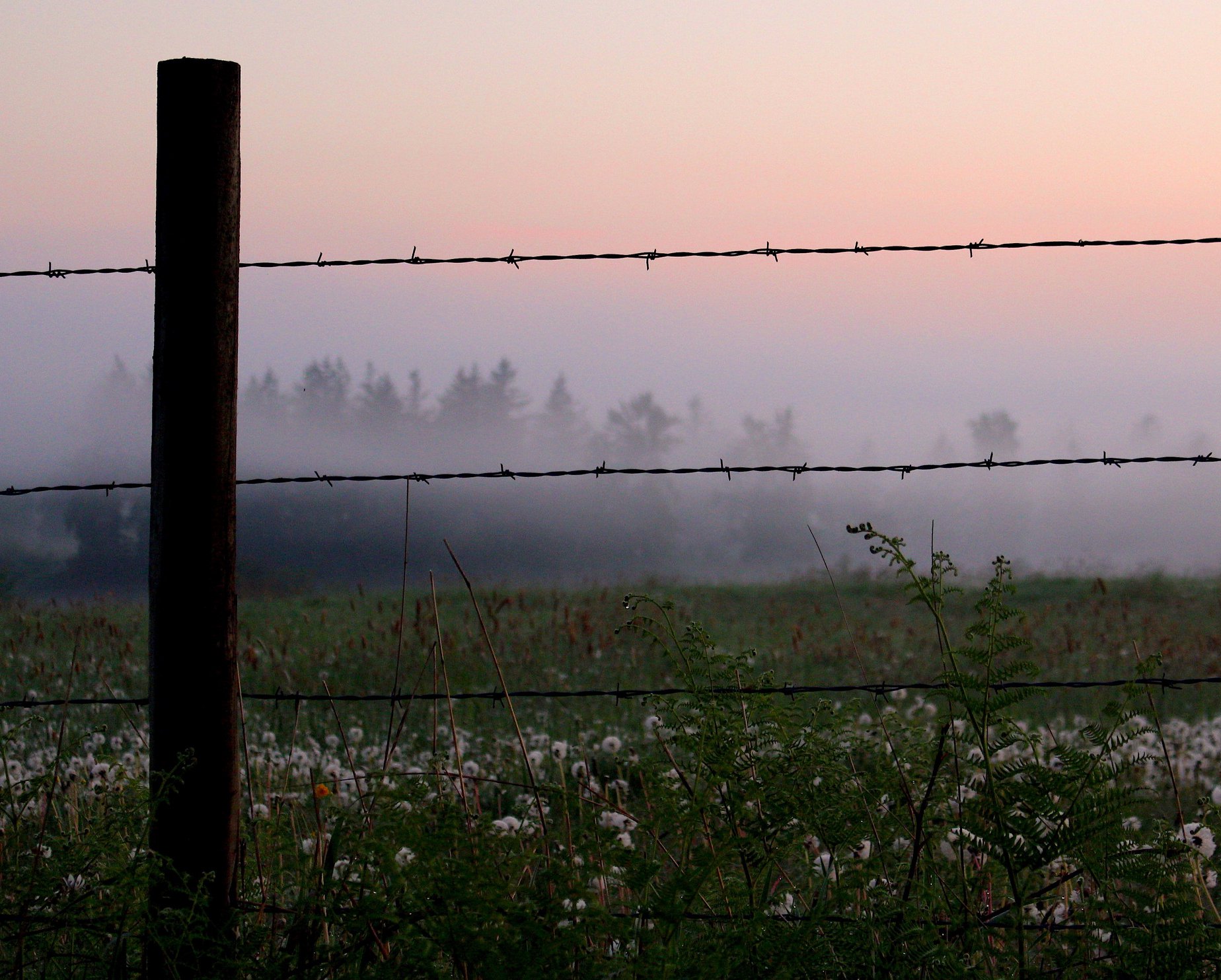
Don’t begrudge the wild roses
for whipping thorns across
your face and arms,
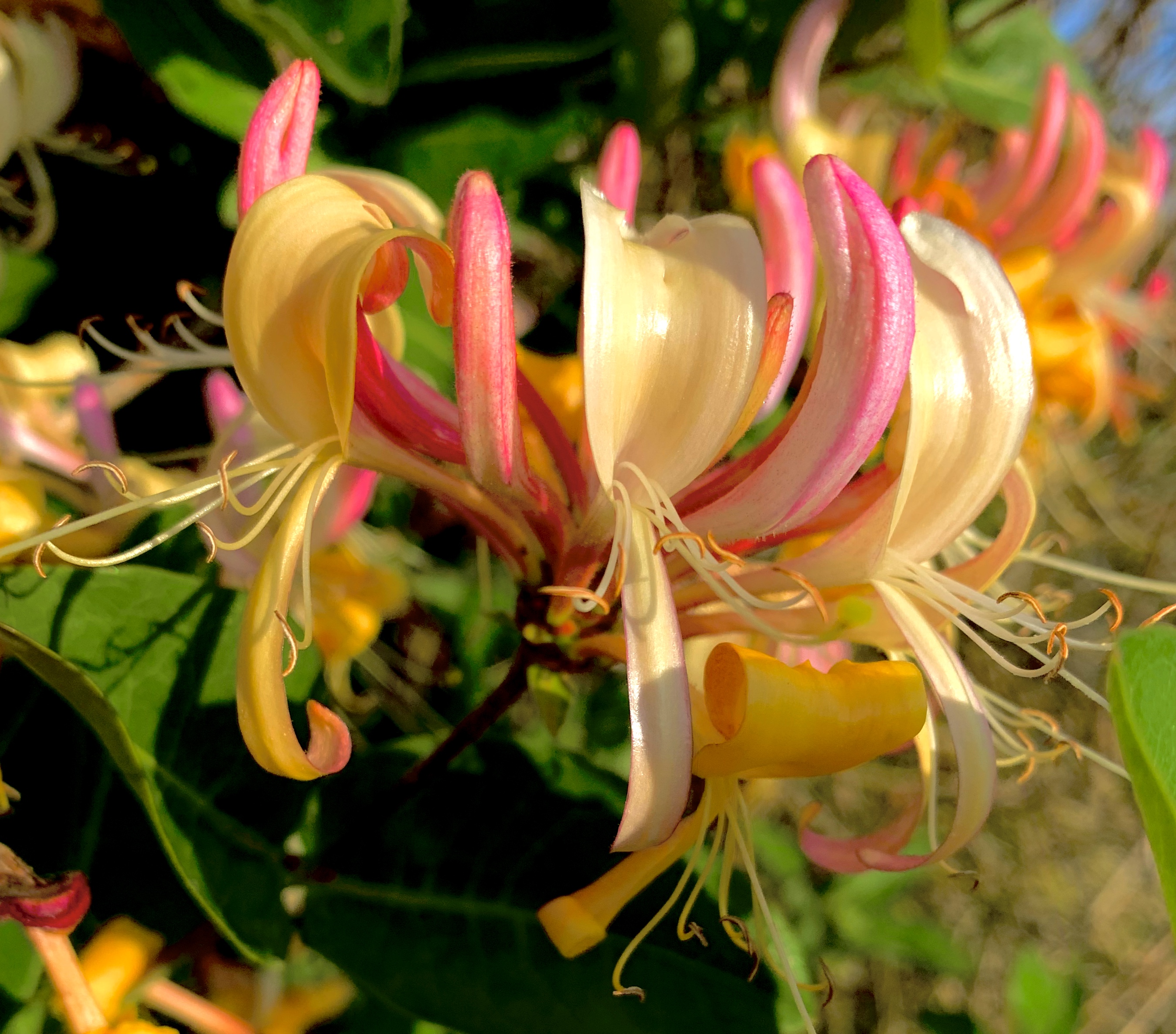
or the honeysuckle
for tangling your feet
and pulling the pruners
from your hands. You’d do
the same in their place.
Honor them with a clean cut.

Never begin when you’re angry
or you might not stop
until there’s nothing left
to hold the soil.

Always wear gloves
and keep your eye
on the blade.
~Jeff Coomer “Some Advice for Clearing Brush” from 
A Potentially Quite Remarkable Thursday.

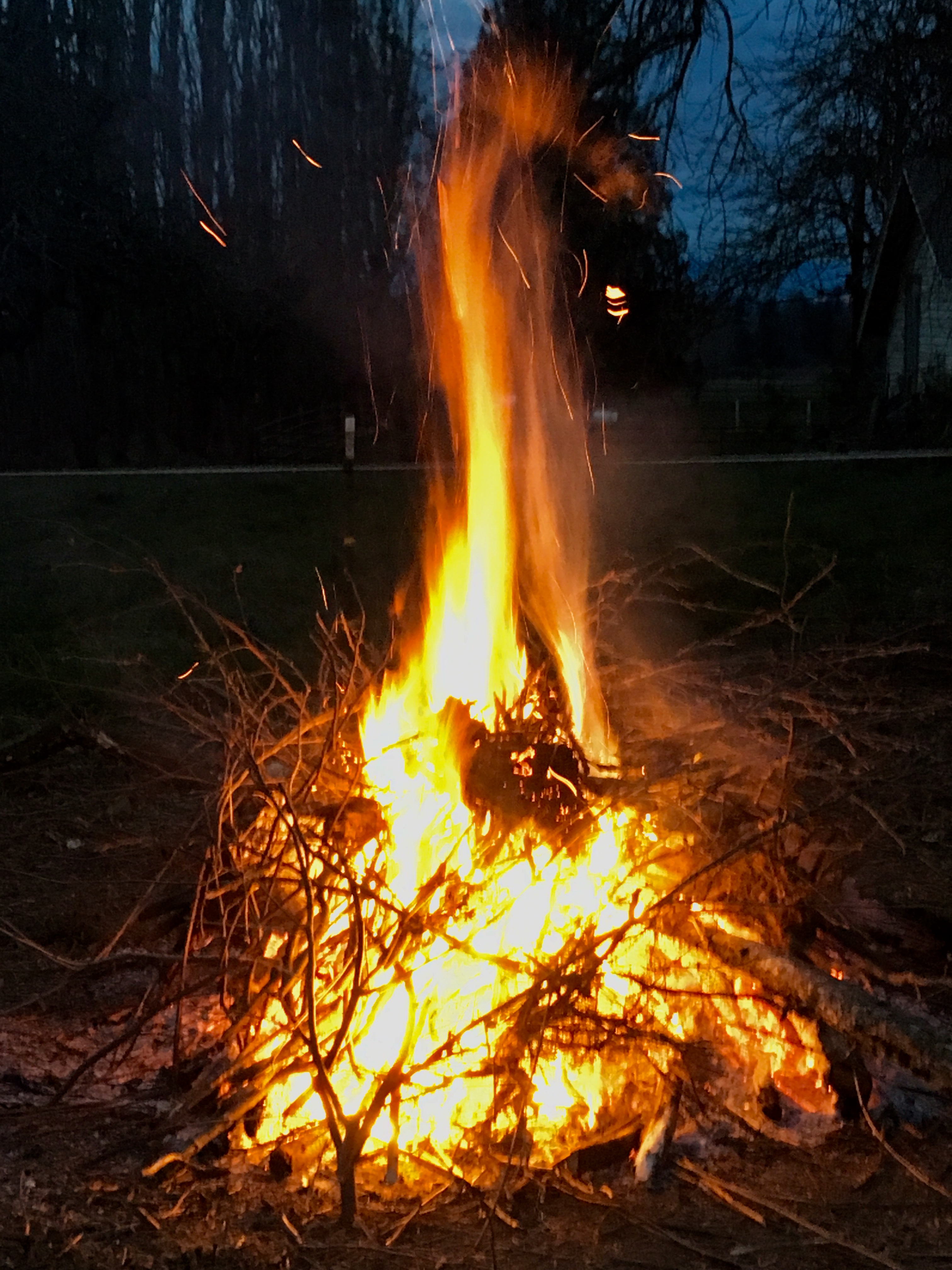
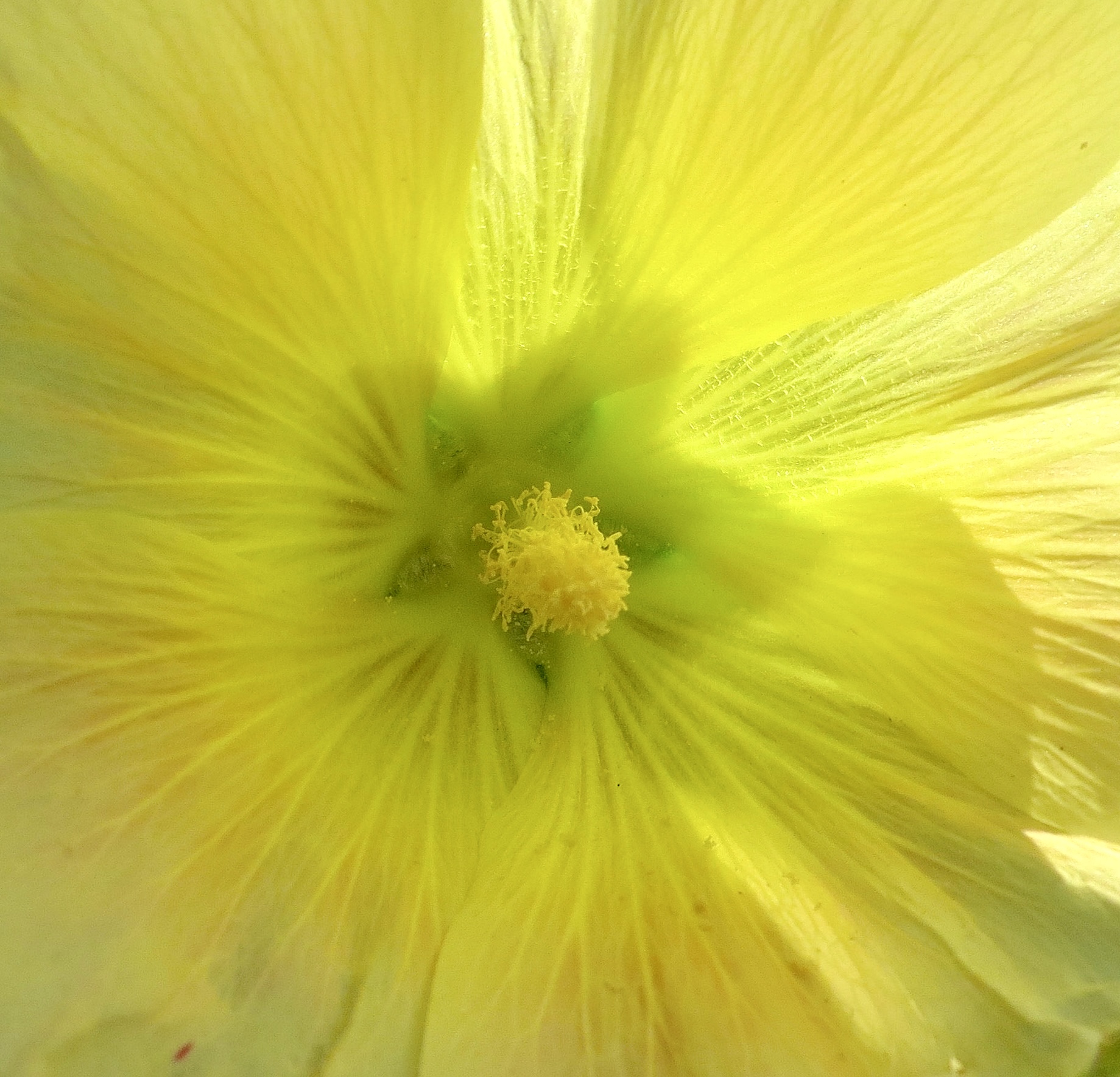
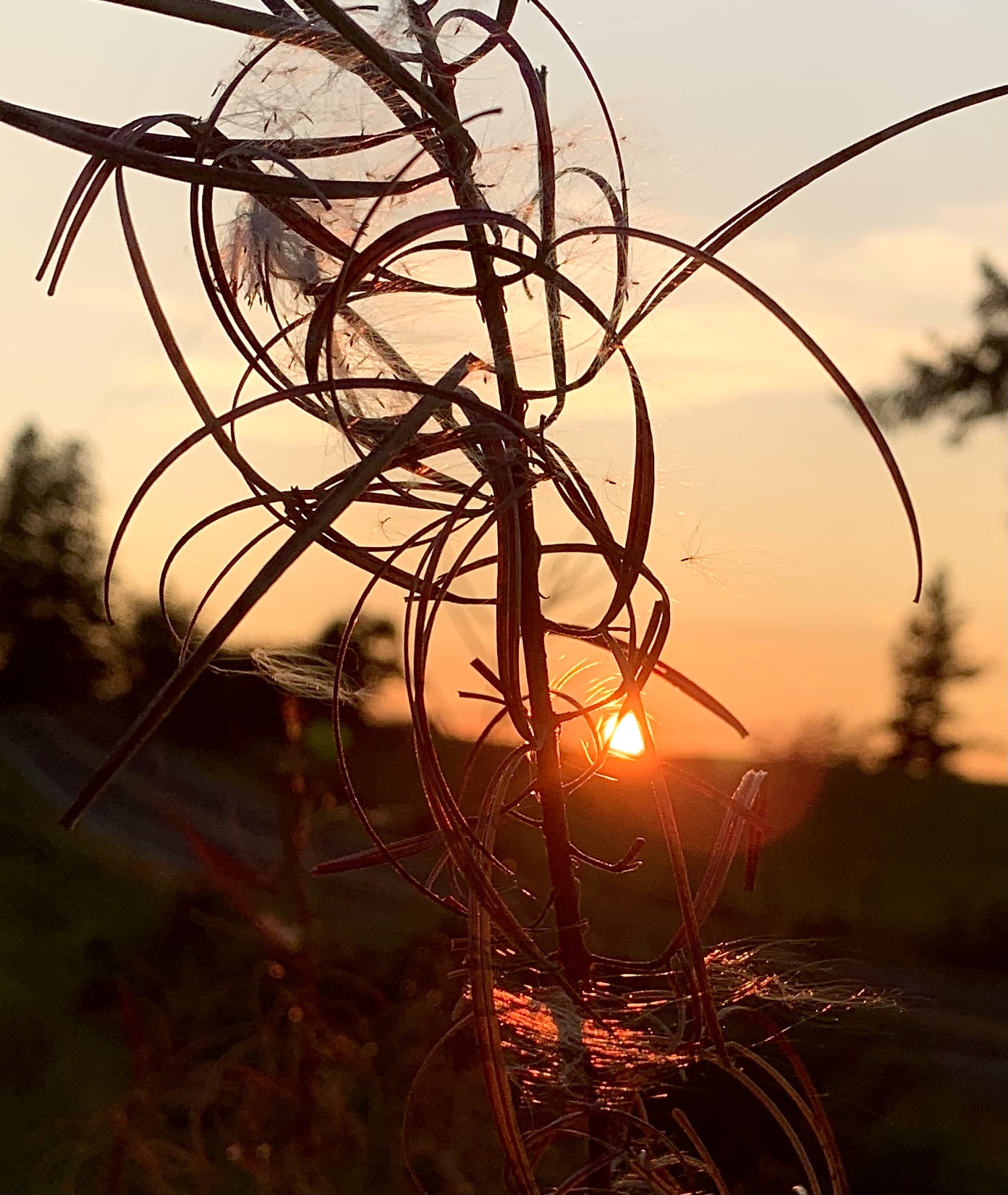
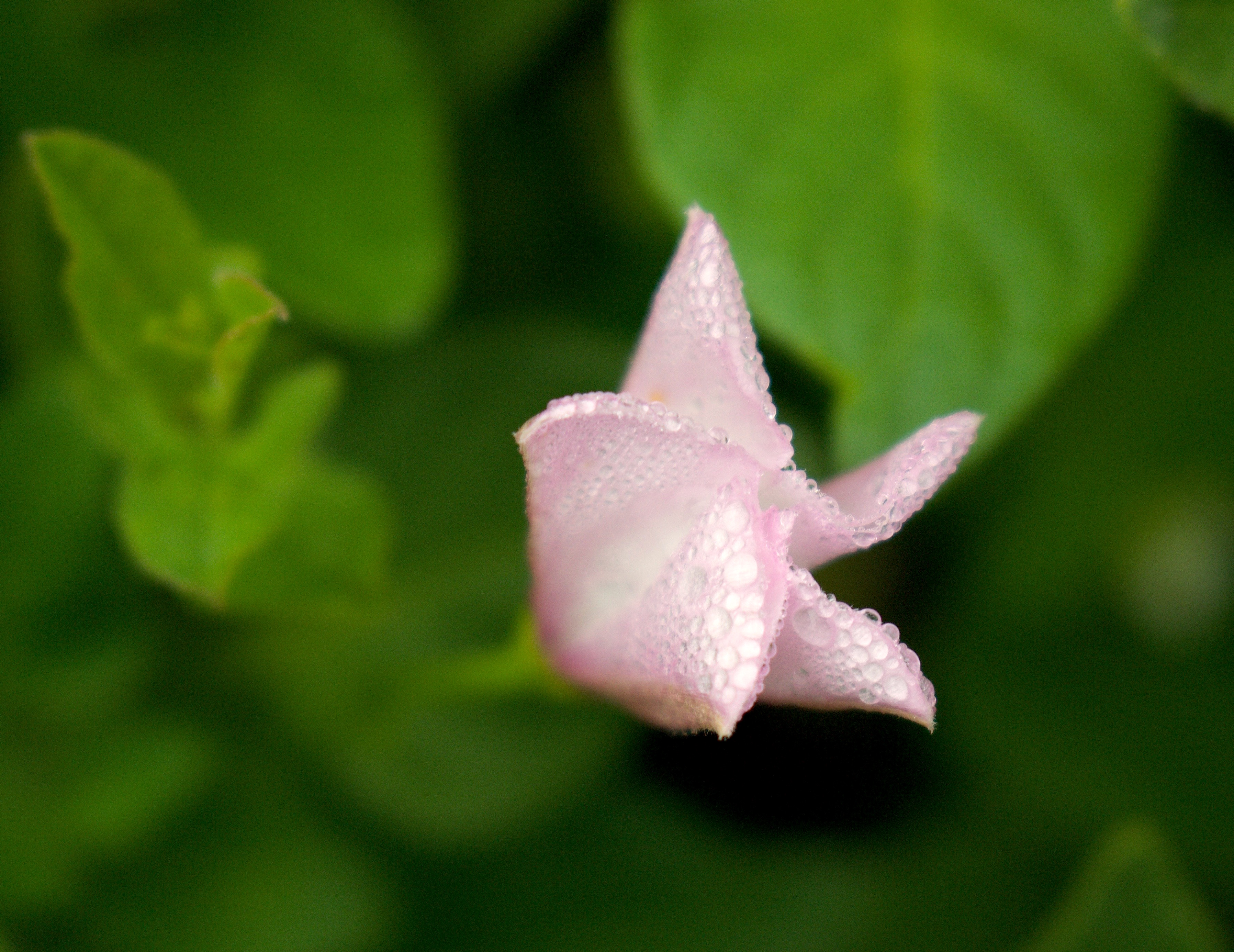
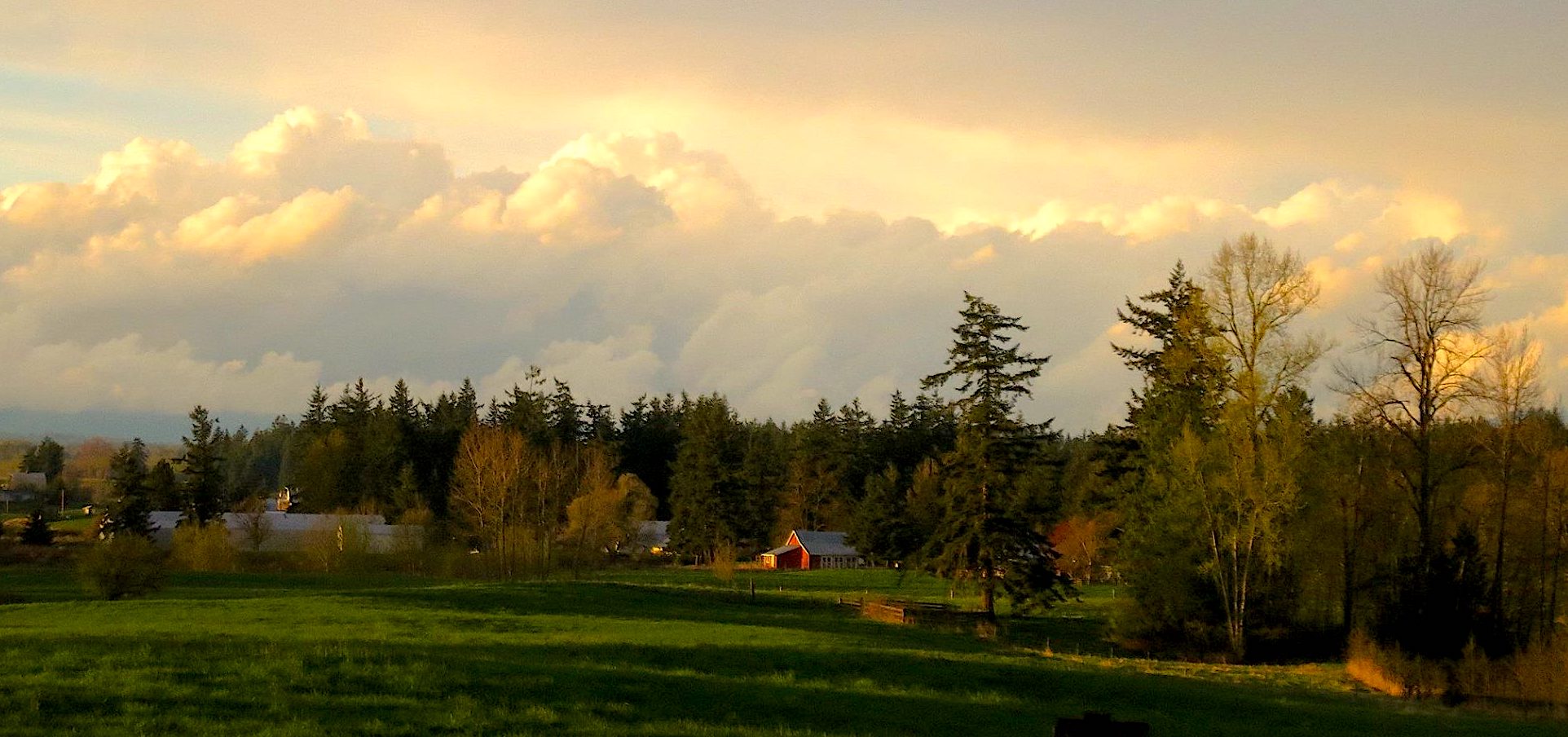
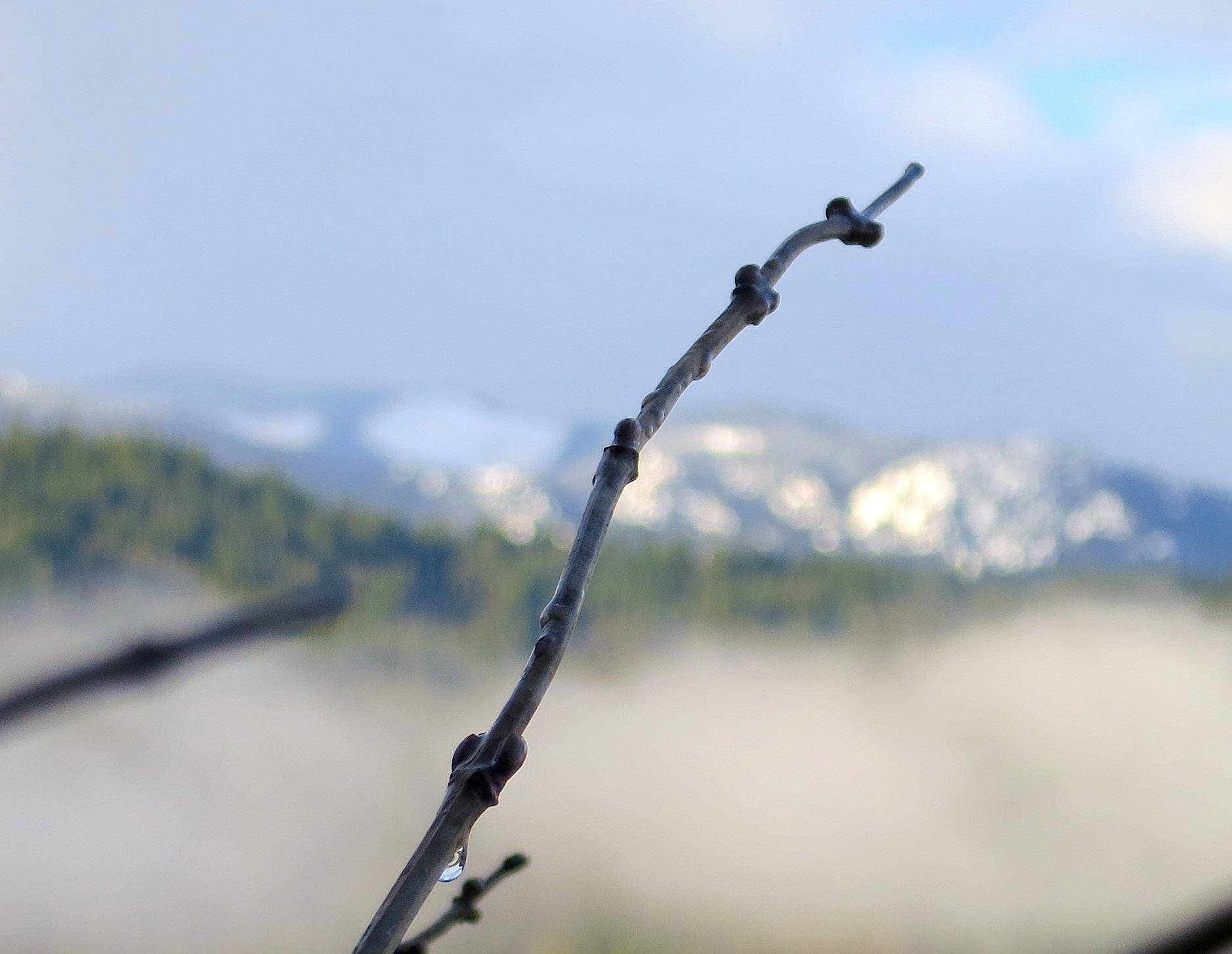
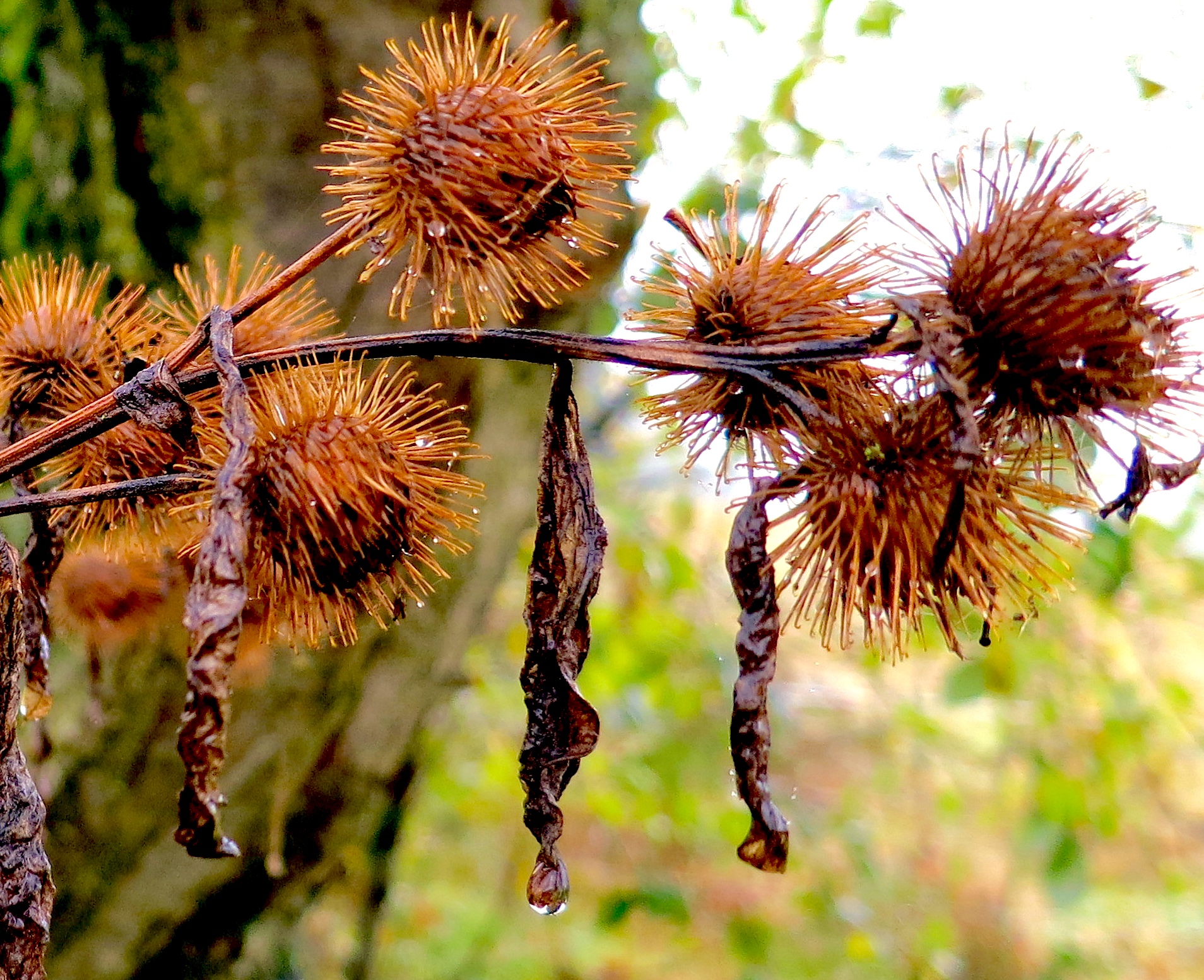
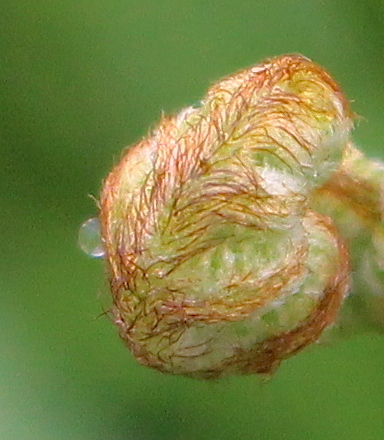
photo by Josh Scholten

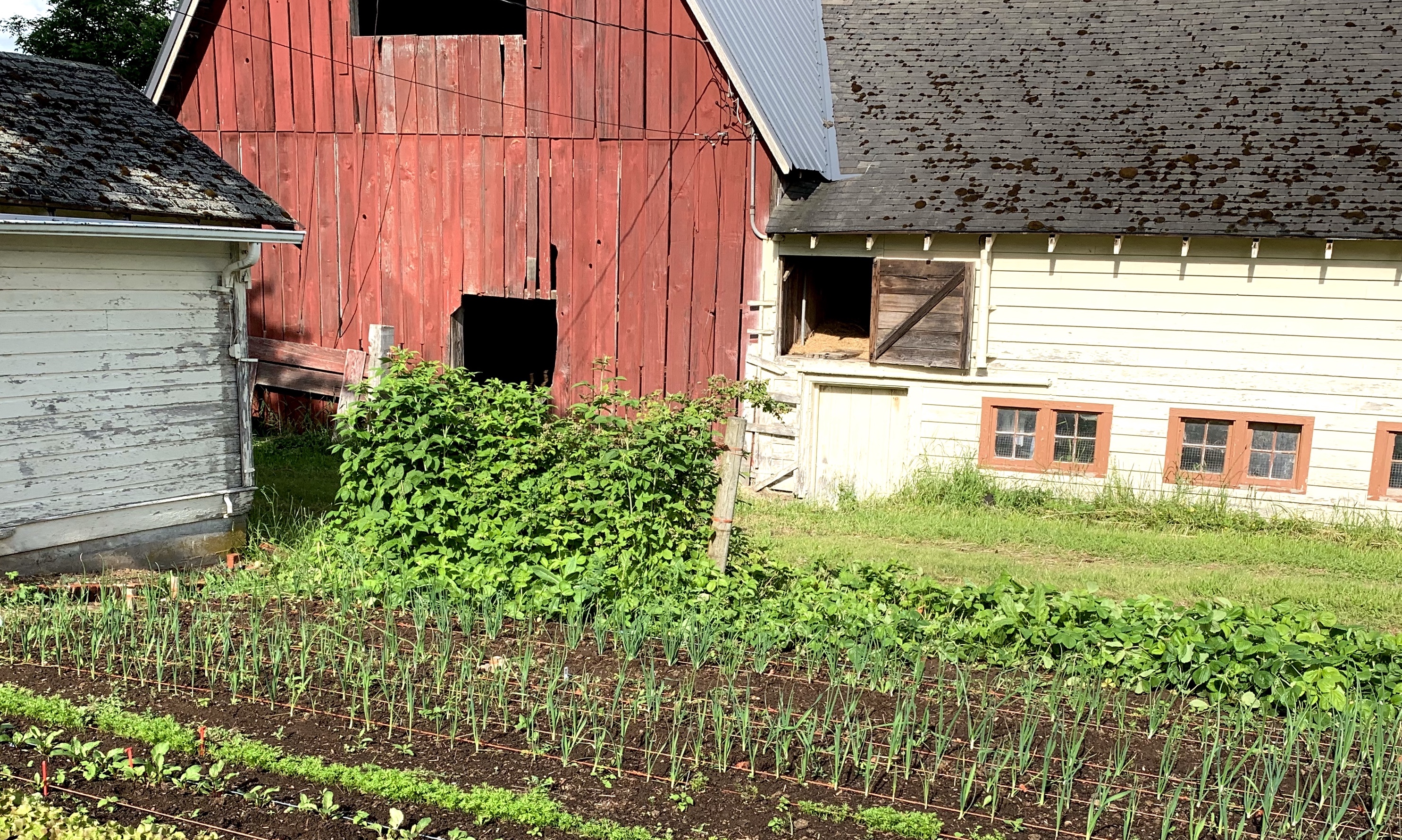
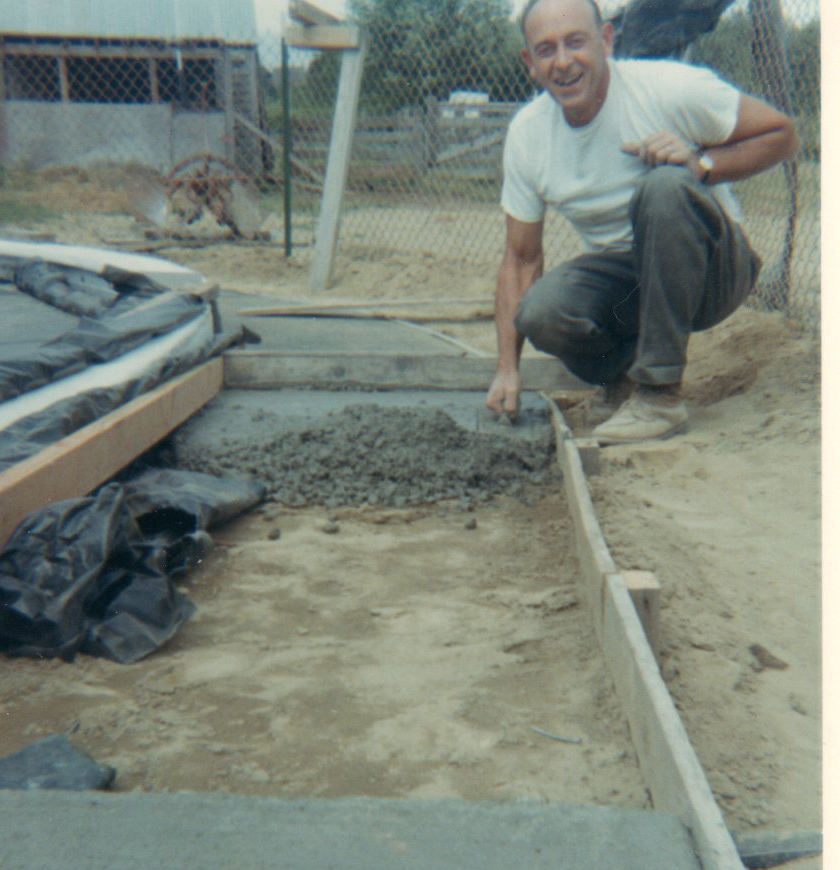
My father never quite adapted to his administrative desk job mid-career, working in a state job as a supervisor. He was a man of action, a former Marine and before that, a teenager whose young muscles were needed to tame the brush that grew out of control on his parents’ failing farm land. He learned young to swing a brush hook and later in life found it helped manage his desk-bound frustration to slash away at the vines and thorns and branches that stood between him and a sense of order on the land.

He would have been bemused, but impressed, that not just one, but two modern U.S. Presidents, Reagan and George W., found brush clearing to be therapeutic physical activity. Perhaps it helped them manage their anger impulses as well.

As soon as my dad got home from work, I remember him changing into denim overhauls and heavy duty gloves and boots. As long as there was daylight, he would head to our field and woods to battle back the brush thickets. He would swing his trusty brush hook, bringing down all manner of thick obstructing and unwanted plant life, then create numerous “brush piles” which he would let dry out and then burn in huge bonfires down to ashes in autumn until nothing was left but dust.

It was no small irony that he sometimes had to return in a few years to the same spot to clear it once again. It was a Sisyphean task, but yet somehow necessary for his general well-being.

I should have known there was something amiss when one year when I returned from college on a break, I found he had stopped clearing brush and chose instead to exercise on a stationary bicycle. Something in him had given up trying to make our fields and woods more habitable and useable. I figured he simply grew weary of perpetually ridding the land of thorn-bearing vines, thistles and weeds which had impeded his personal vision of the perfect park-like farmland.

Instead, he gave up and walked away from his marriage and his brush hook which he left hanging up in the barn. With nothing left to hold him there, he left, in search of something he felt was missing in his life.

We, my mom and his grown children, were left sifting through the ashes of what was left behind. It didn’t take long for the woods to become impenetrable in his absence.

We could not have known he would return a decade later, arising forgiven from the ashes he had left behind.

After all, there was more brush to clear and he was back to take care of it.

One-Time
Monthly
Yearly

Make a one-time or recurring donation to support daily ad-free Barnstorming posts

Make a monthly donation

Make a yearly donation

Choose an amount

$10.00
$25.00
$50.00
$5.00
$15.00
$100.00
$5.00
$15.00
$100.00

Or enter a custom amount

$

Your contribution is deeply appreciated.

Your contribution is appreciated.

Your contribution is appreciated.

DonateDonate monthlyDonate yearly

Blossoming with Loss

I let her garden go.
let it go, let it go
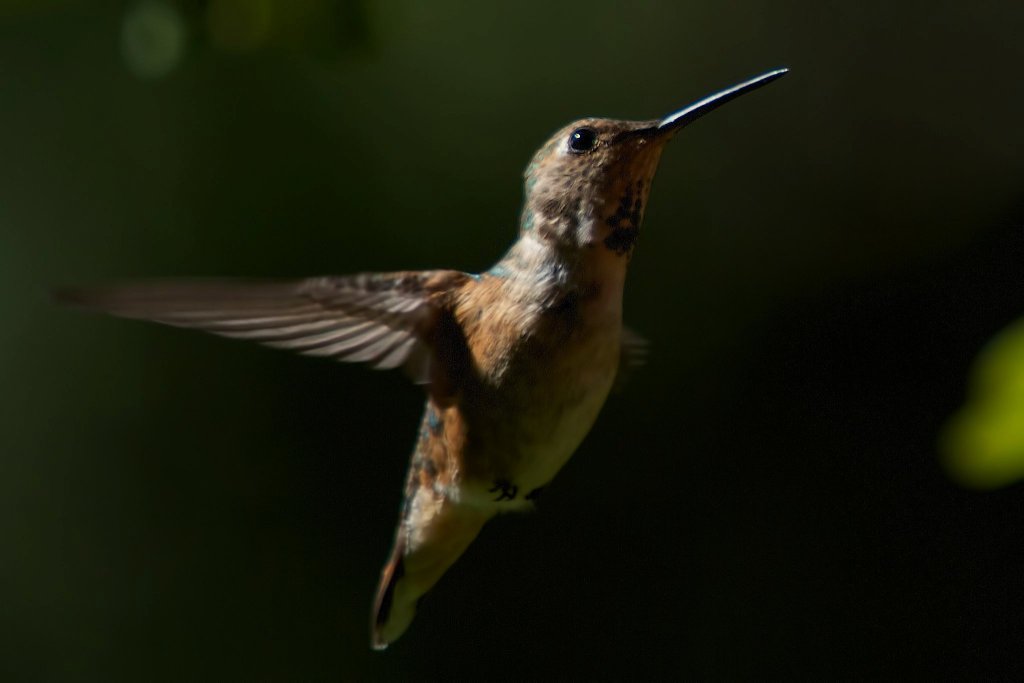
How can I watch the hummingbird
Hover to sip
With its beak’s tip
The purple bee balm—whirring as we heard

It years ago?
The weeds rise rank and thick
let it go, let it go

Where annuals grew and burdock grows,
Where standing she
At once could see

The peony, the lily, and the rose
Rise over brick

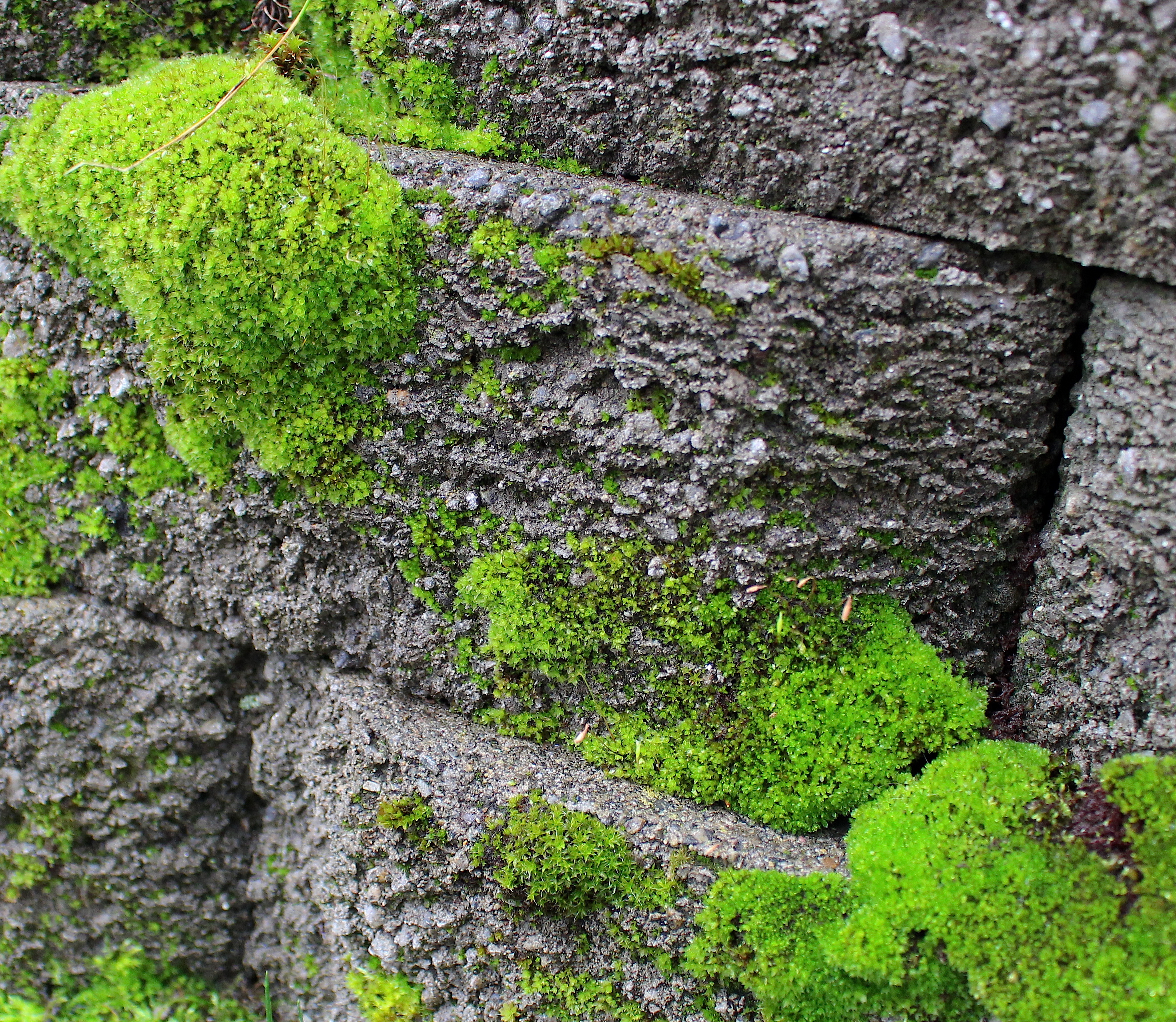
She’d laid in patterns. Moss
    let it go, let it go
Turns the bricks green, softening them
By the gray rocks
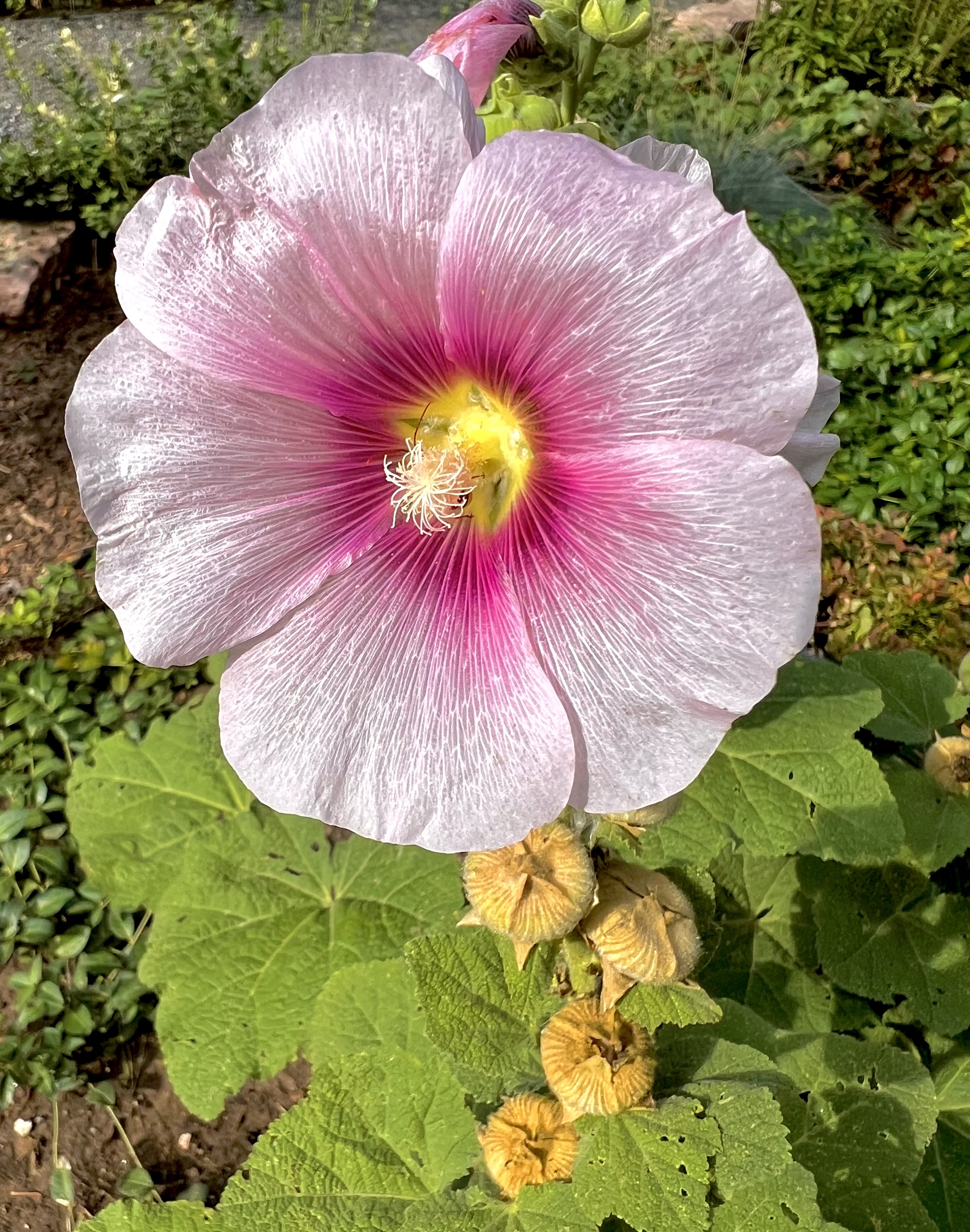
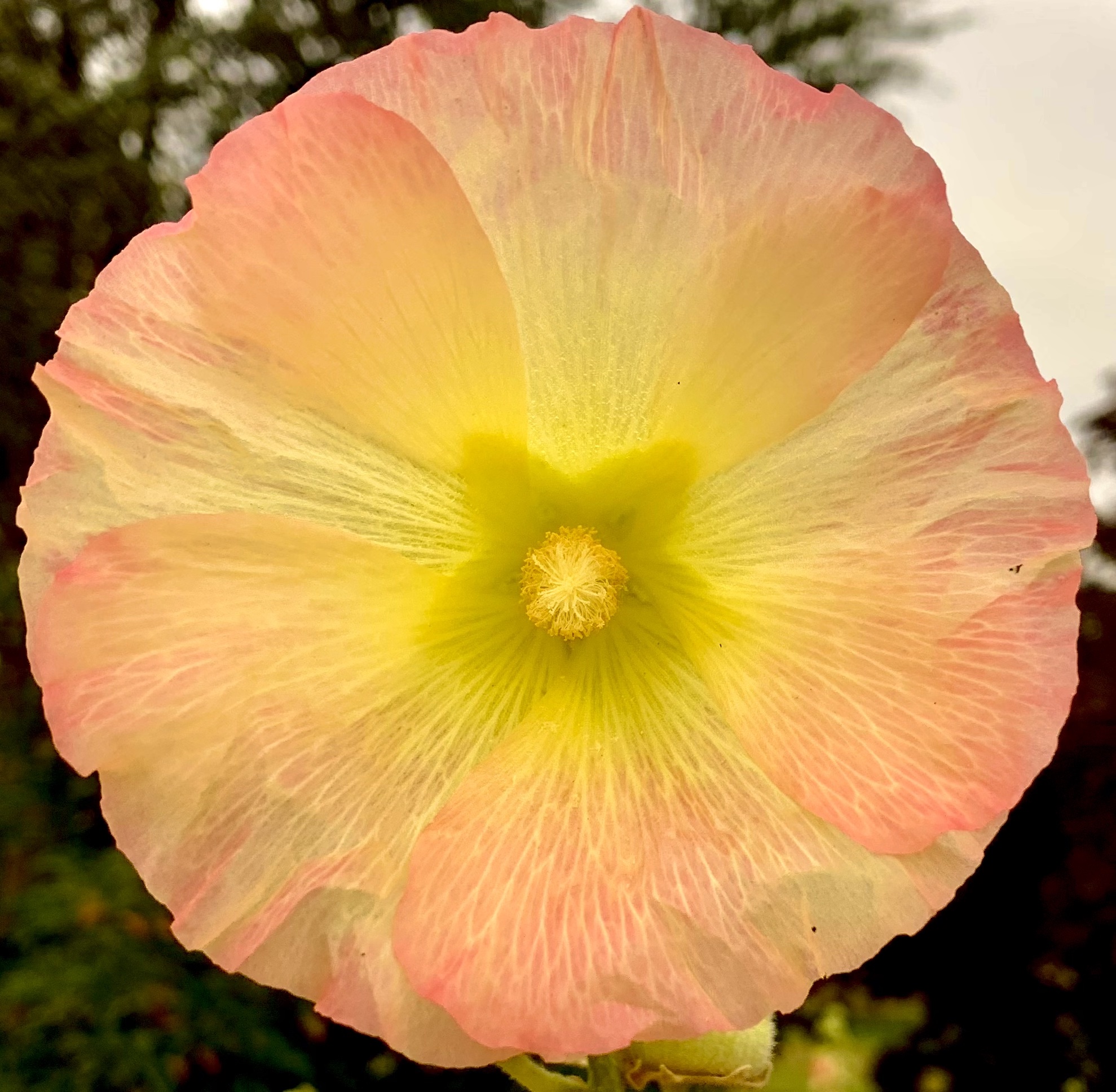
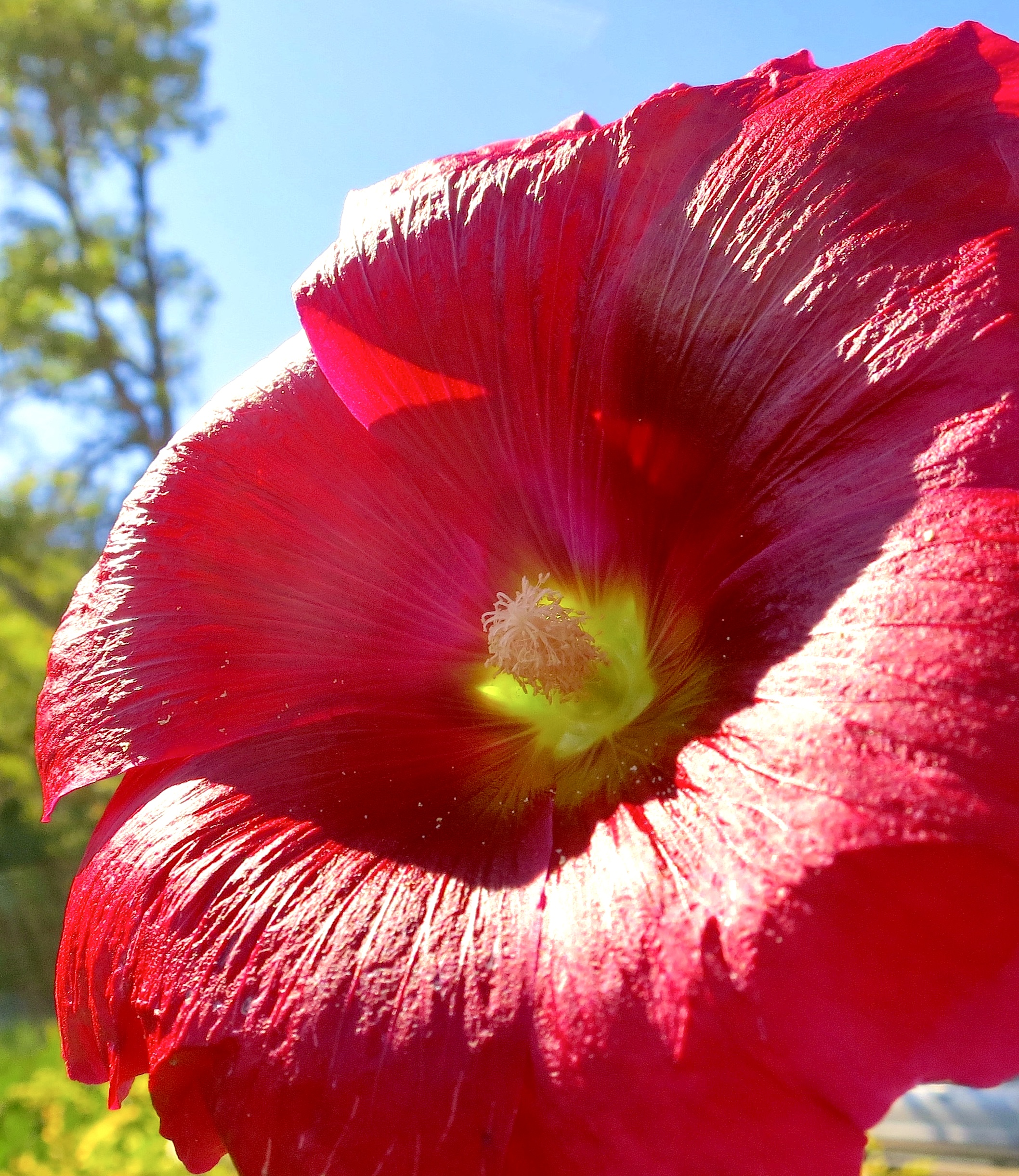
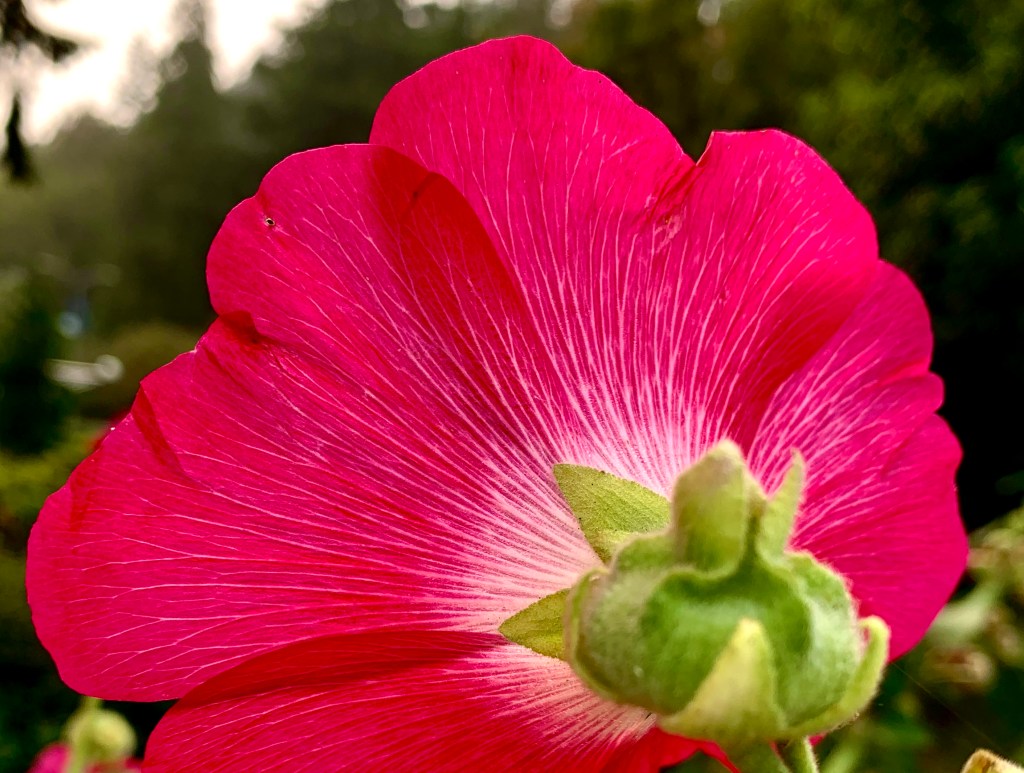
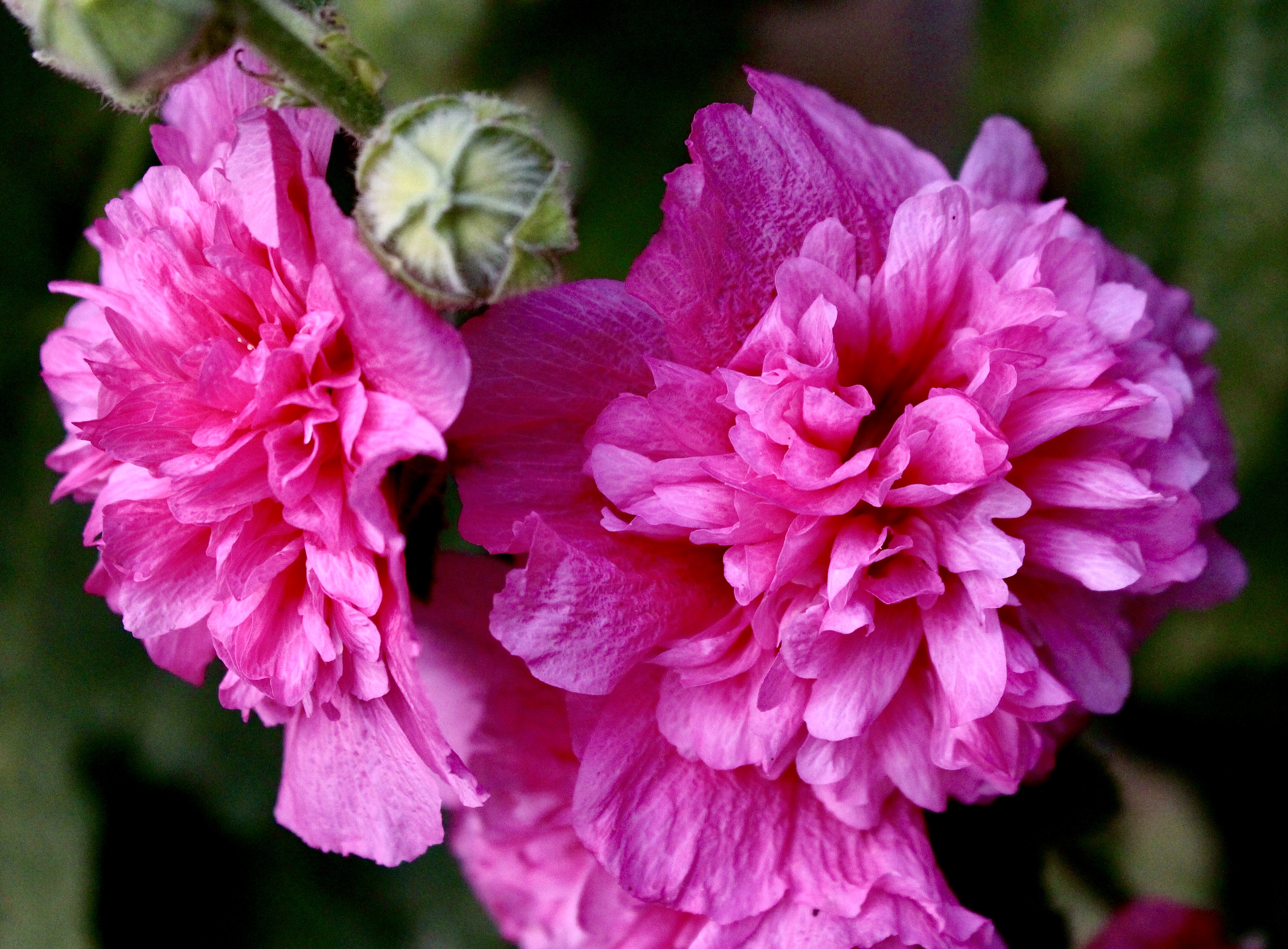
Where hollyhocks
That lofted while she lived, stem by tall stem,
Blossom with loss.

~Donald Hall, “Her Garden” from White Apples and the Taste of Stone

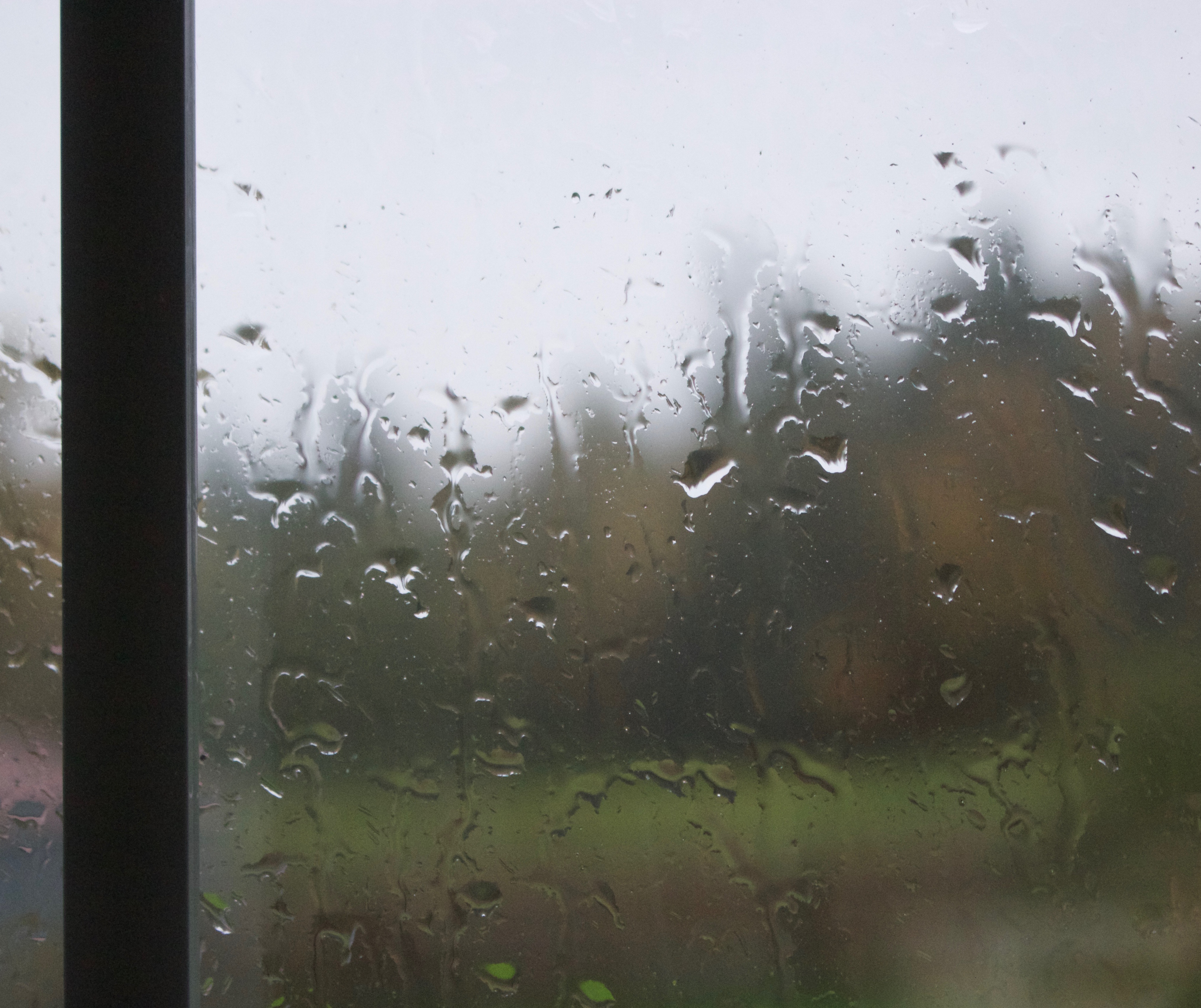
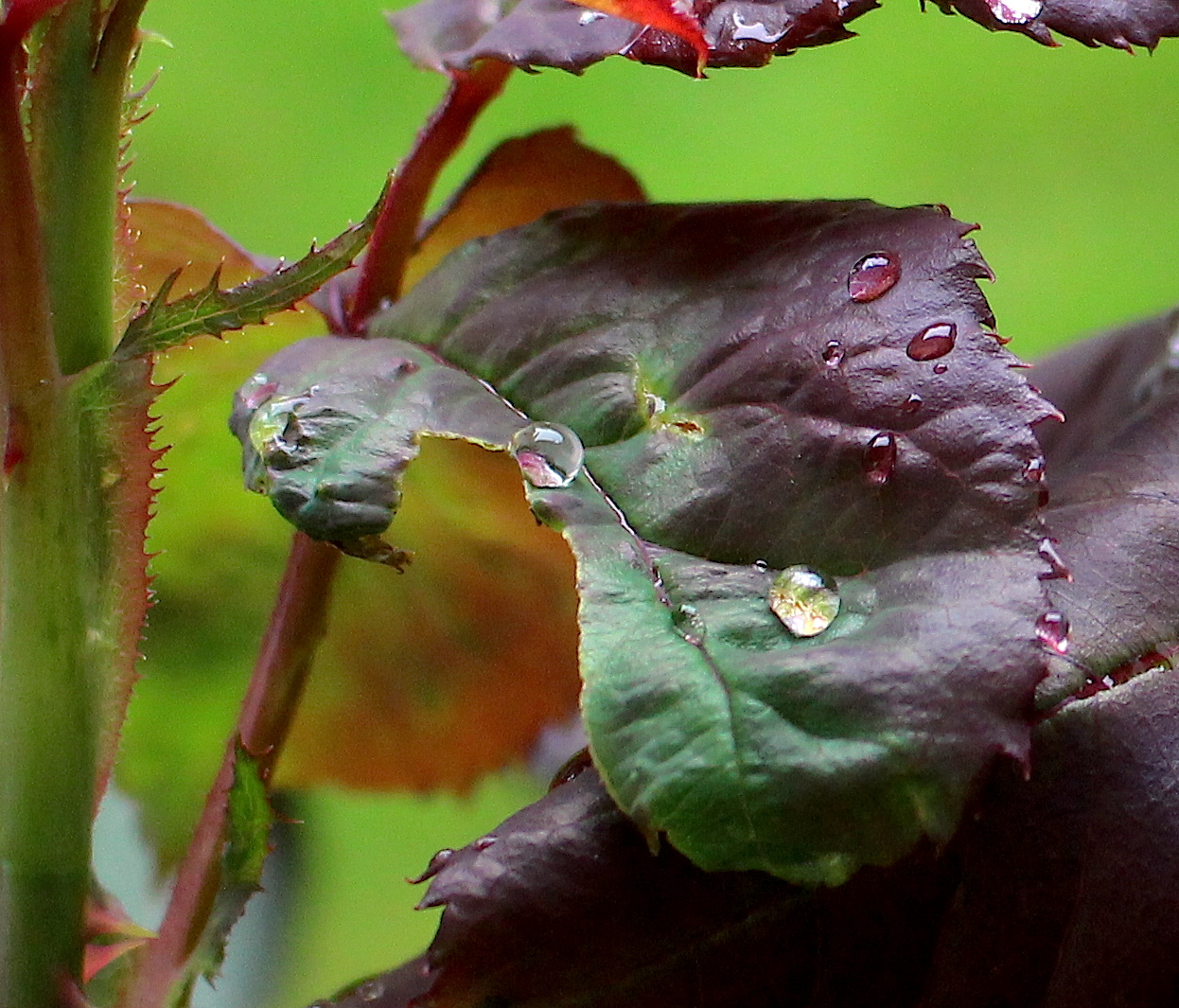
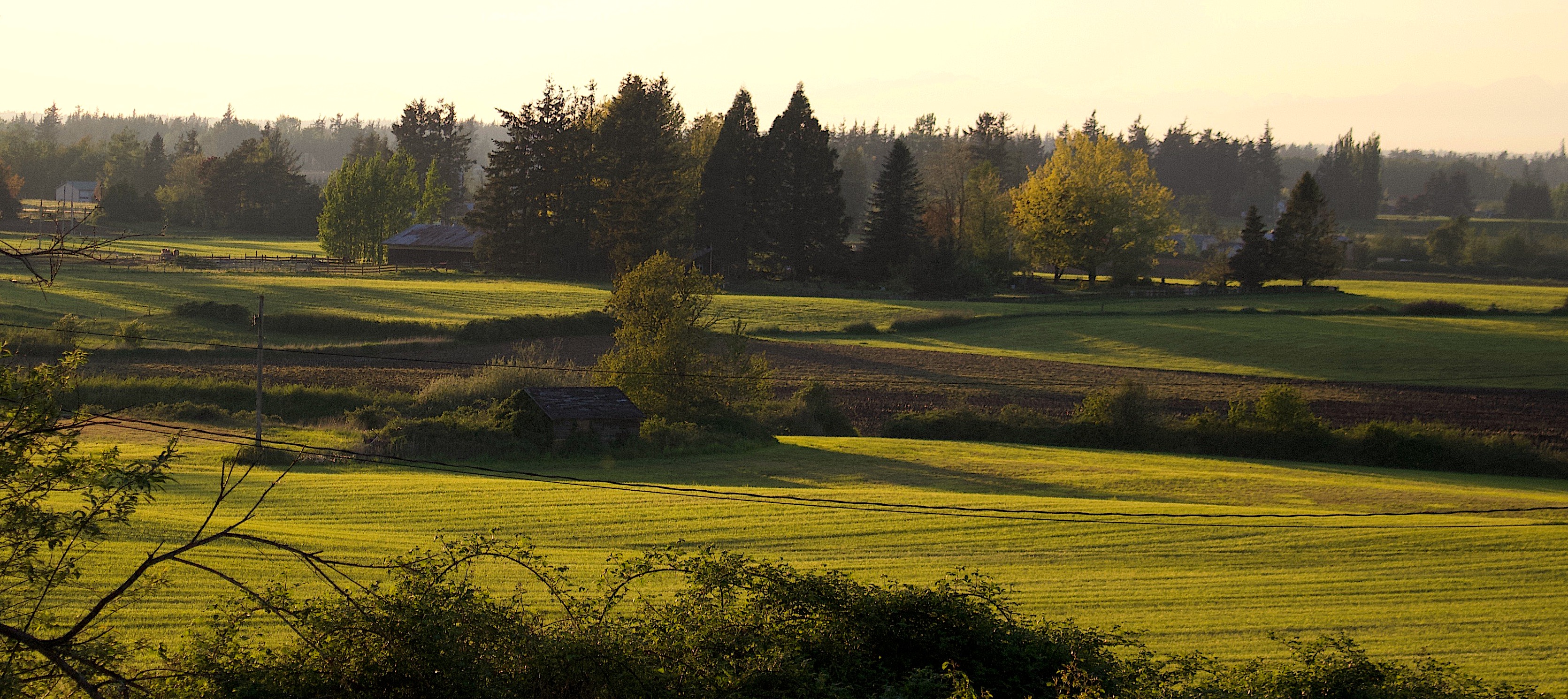
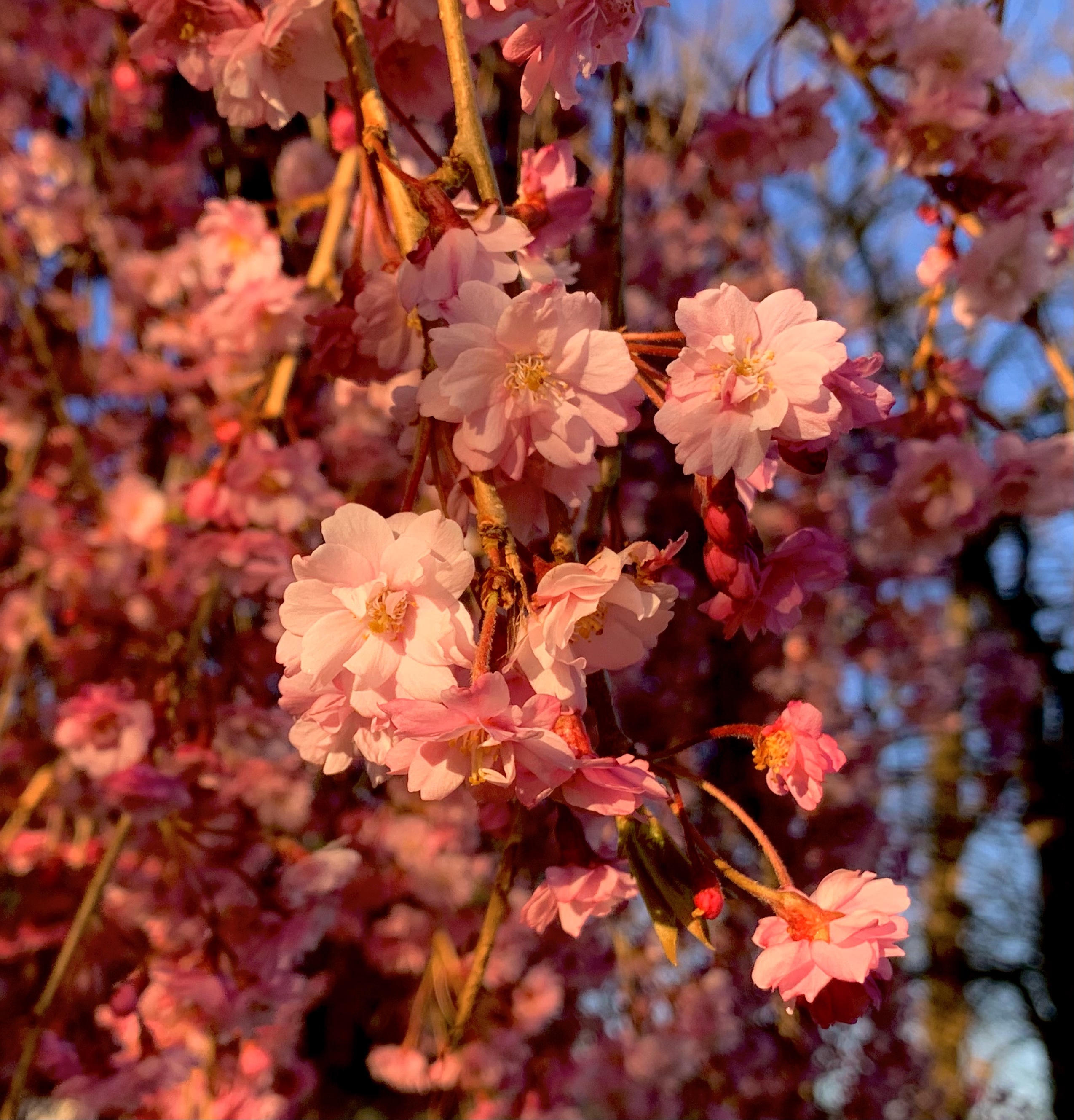
photo by Josh Scholten

As fall now brings gray mornings
heavy with clouds
and tear-streaked windows,
I pause, melancholy
at the passage of time.

Whether to grieve over
another hour passed
another breath exhaled
another broken heart beat

Or to climb my way
out of deepless dolor
by starting the work of
planting next spring’s garden

It takes sweat
and dirty hands
and yes,
tears from heaven
to make it flourish,
but even so
– just maybe –
my memories
so carefully planted like seeds
might blossom fully
from the soil of loss.

One-Time
Monthly
Yearly

Make a one-time or recurring donation to support daily Barnstorming posts

Make a monthly donation

Make a yearly donation

Choose an amount

$10.00
$25.00
$50.00
$5.00
$15.00
$100.00
$5.00
$15.00
$100.00

Or enter a custom amount

$

Your contribution is deeply appreciated.

Your contribution is appreciated.

Your contribution is appreciated.

DonateDonate monthlyDonate yearly

A Purple Blemish

Her body is not so white as
anemone petals nor so smooth—nor
so remote a thing. It is a field
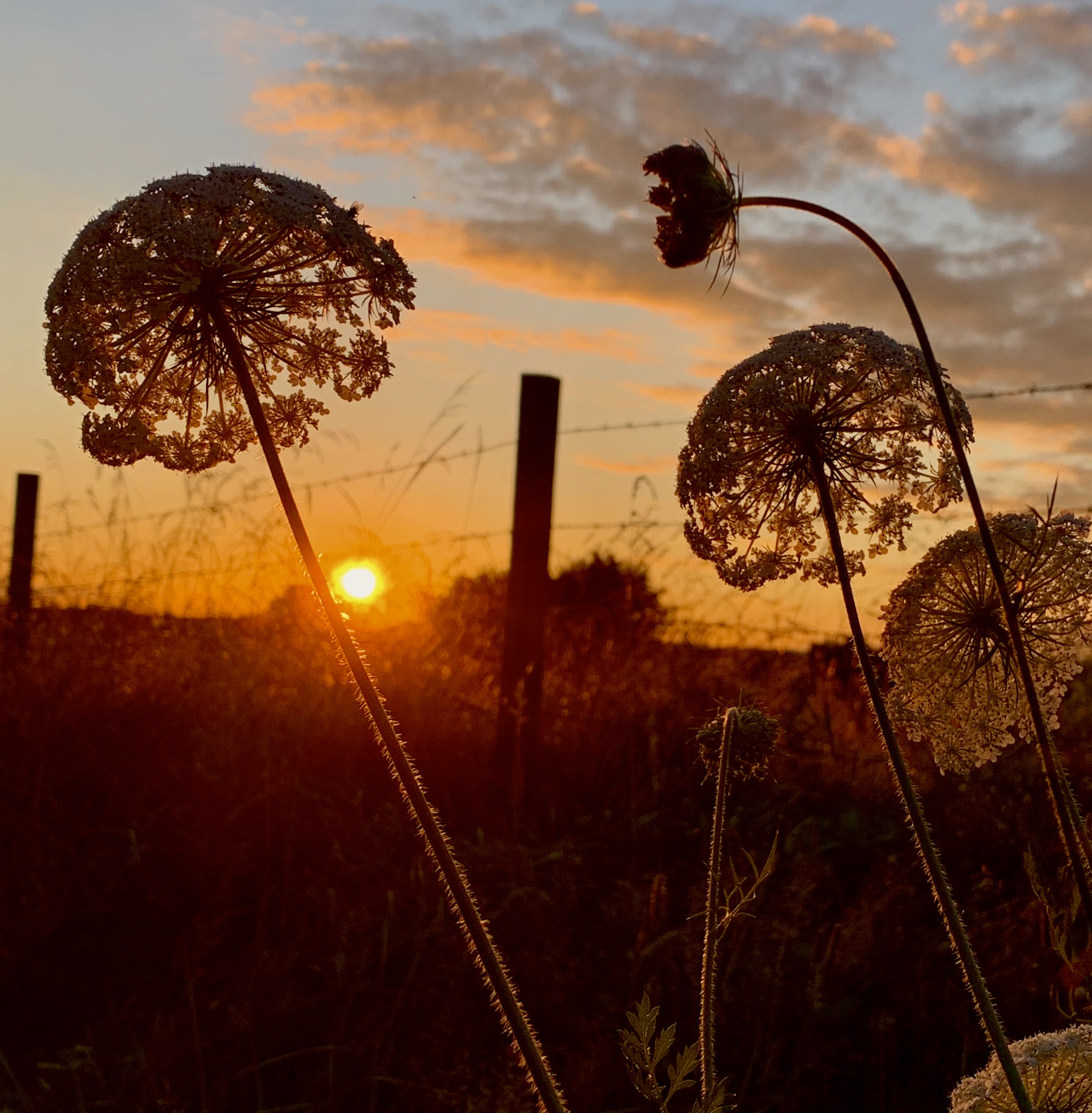
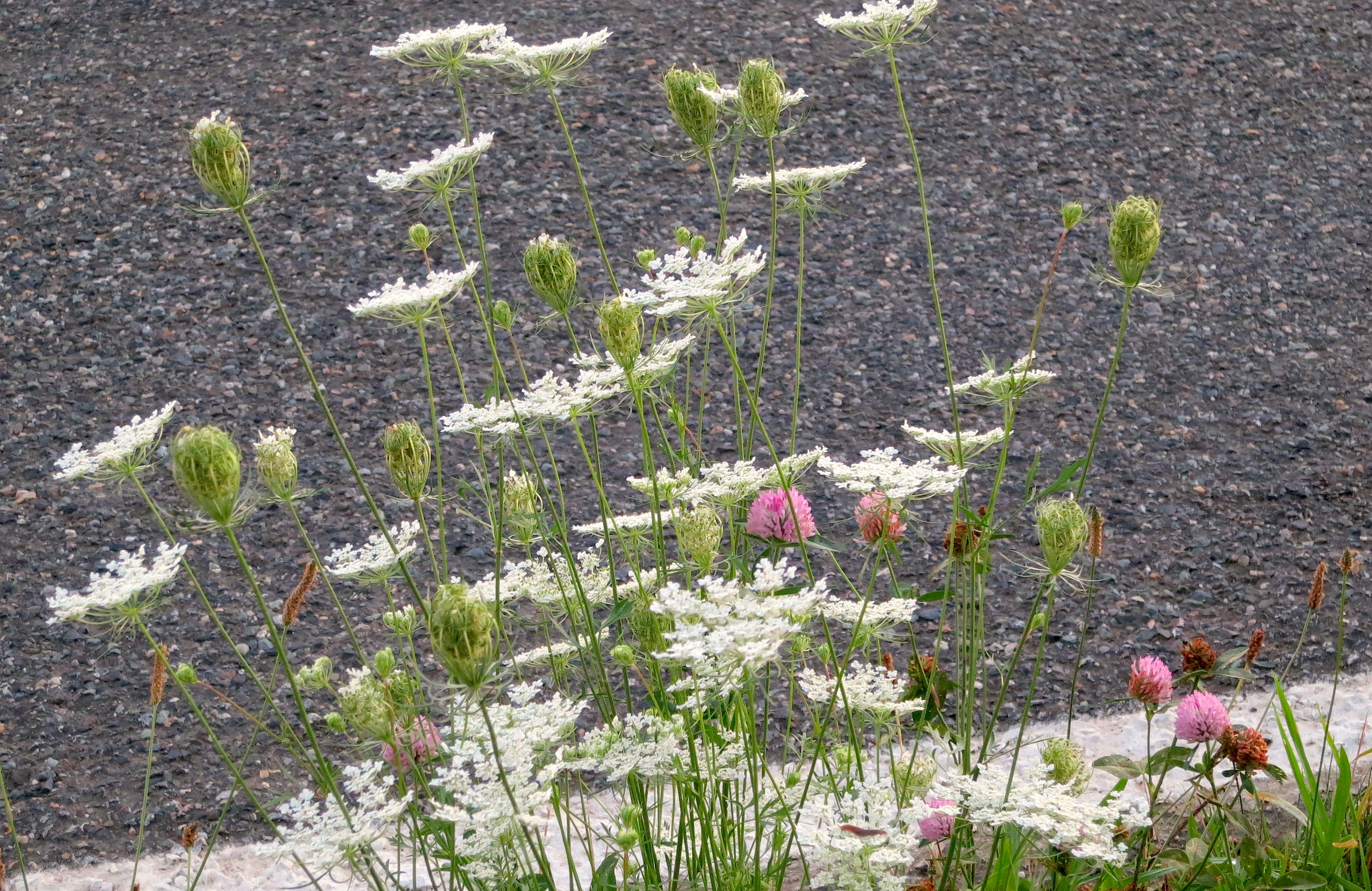
of the wild carrot taking
the field by force; the grass
does not raise above it.
Here is no question of whiteness,
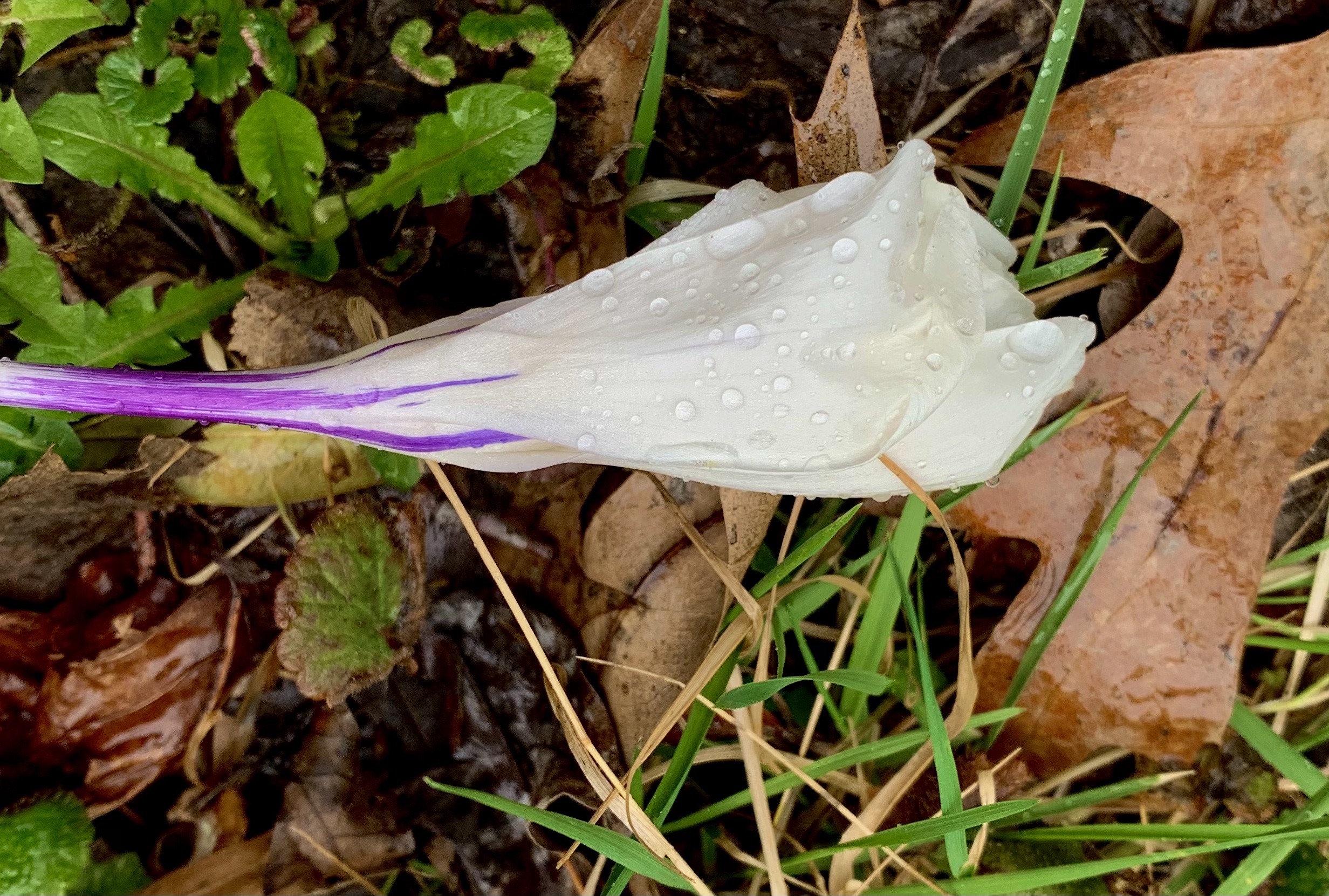
white as can be, with a purple mole
at the center of each flower.

Each flower is a hand’s span
of her whiteness.  Wherever
his hand has lain there is
a tiny purple blemish.  Each part
is a blossom under his touch
to which the fibres of her being
stem one by one, each to its end,
until the whole field is a
white desire, empty, a single stem,
a cluster, flower by flower,
a pious wish to whiteness gone over —
or nothing.
~William Carlos Williams — “Queen Anne’s Lace” (1919)

We all arise from a single stem, branching off in countless directions, a thousand million hues and shapes and types.

We reflect the sun’s light and the Light of the Son.

There can be no question of whiteness nor a pious wish for purity – we are all purple-blemished right at the heart.

We bleed together, my friends, as He did for us.

We bleed together.

One-Time
Monthly
Yearly

Make a one-time or recurring donation to support daily Barnstorming posts

Make a monthly donation

Make a yearly donation

Choose an amount

$10.00
$25.00
$50.00
$5.00
$15.00
$100.00
$5.00
$15.00
$100.00

Or enter a custom amount

$

Your contribution is deeply appreciated.

Your contribution is appreciated.

Your contribution is appreciated.

DonateDonate monthlyDonate yearly

Let Them Be Left…

Weeds are flowers too, once you get to know them…
~A.A.Milne from Winnie the Pooh (Eeyore)

What would the world be, once bereft
Of wet and wildness? Let them be left,
O let them be left, wildness and wet;
Long live the weeds and the wilderness yet.
~Gerard Manley Hopkins from “Inversnaid”

A weed is a plant whose virtues have not yet been discovered.
~Ralph Waldo Emerson, Fortune of the Republic   

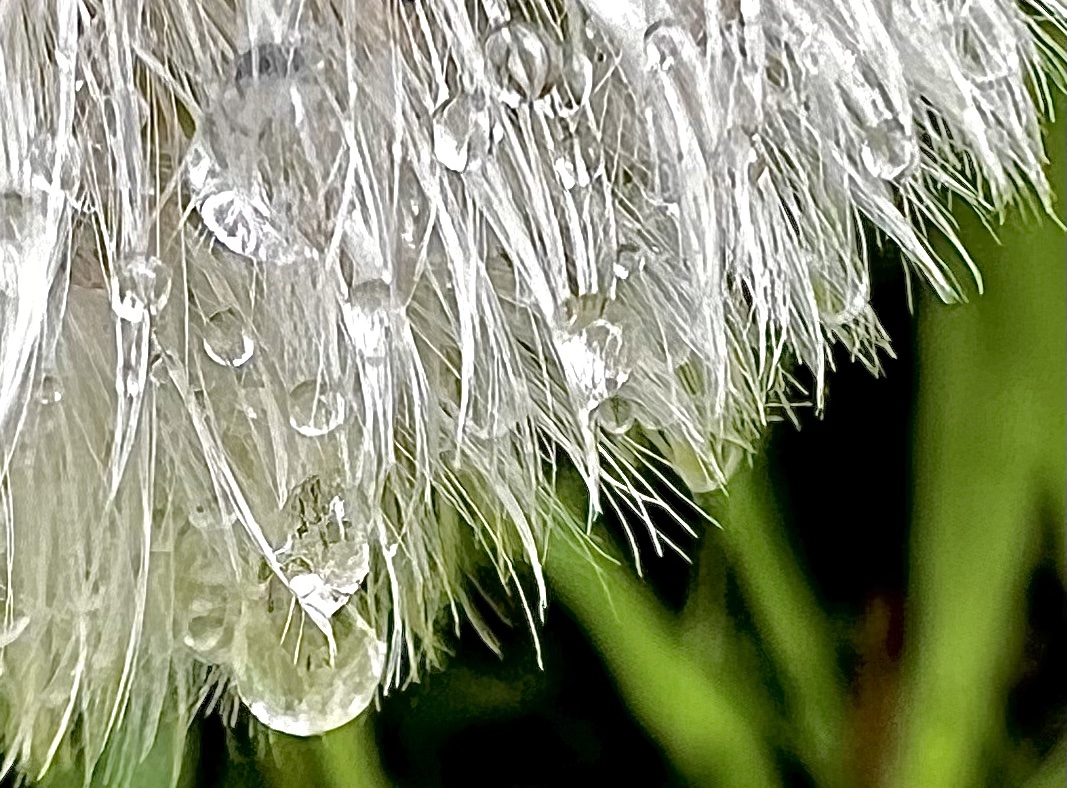
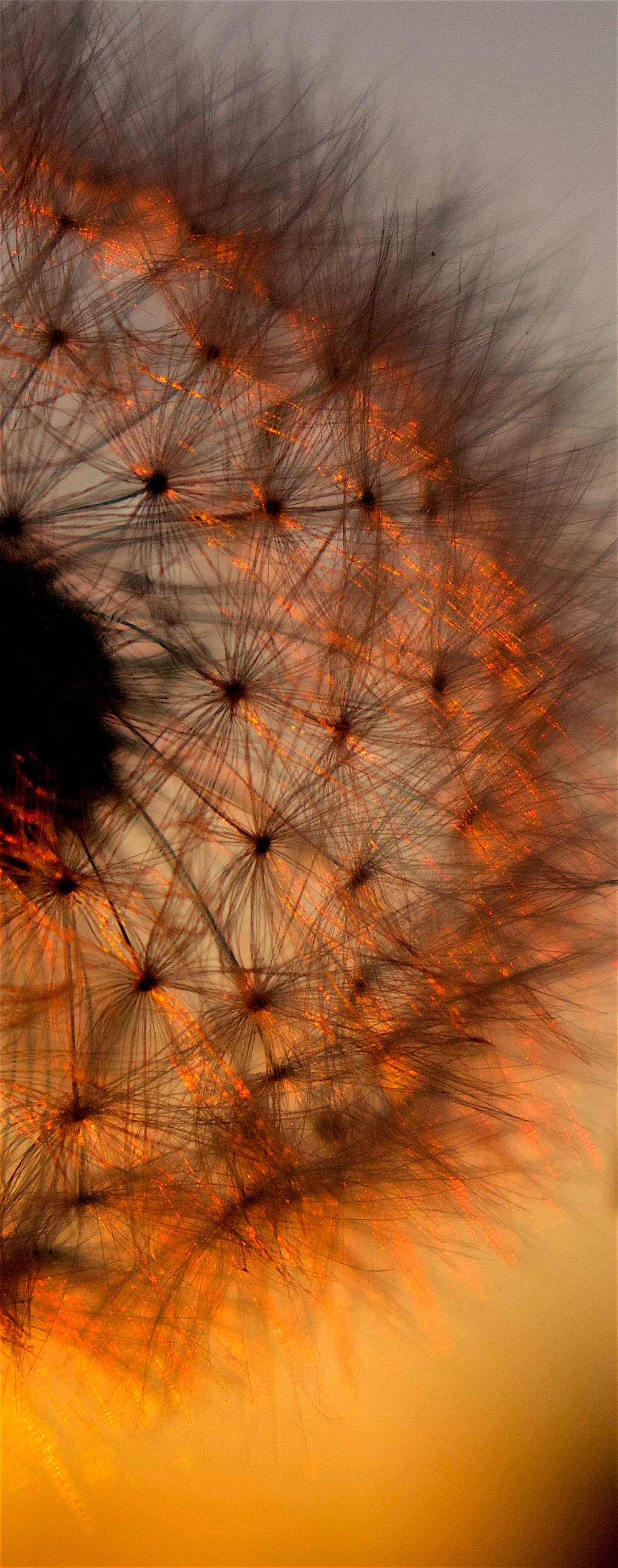
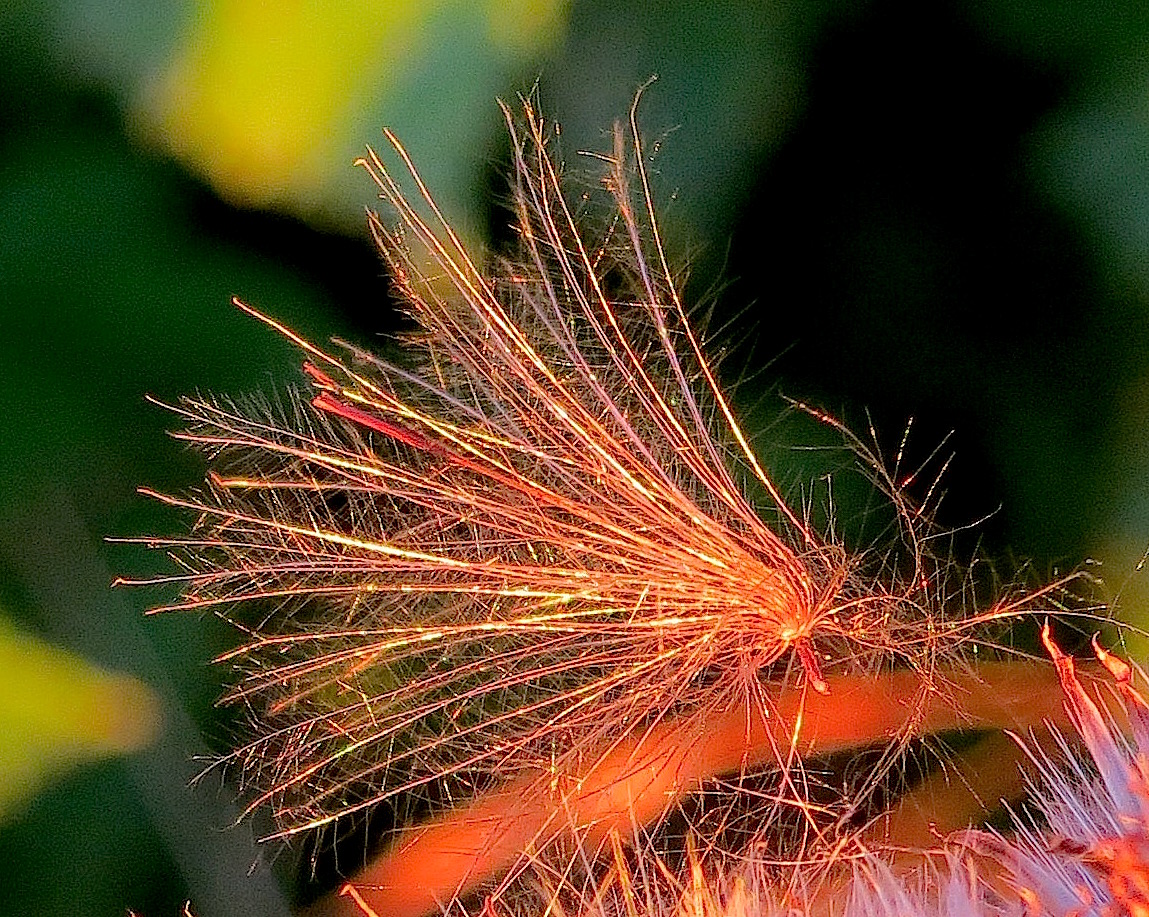
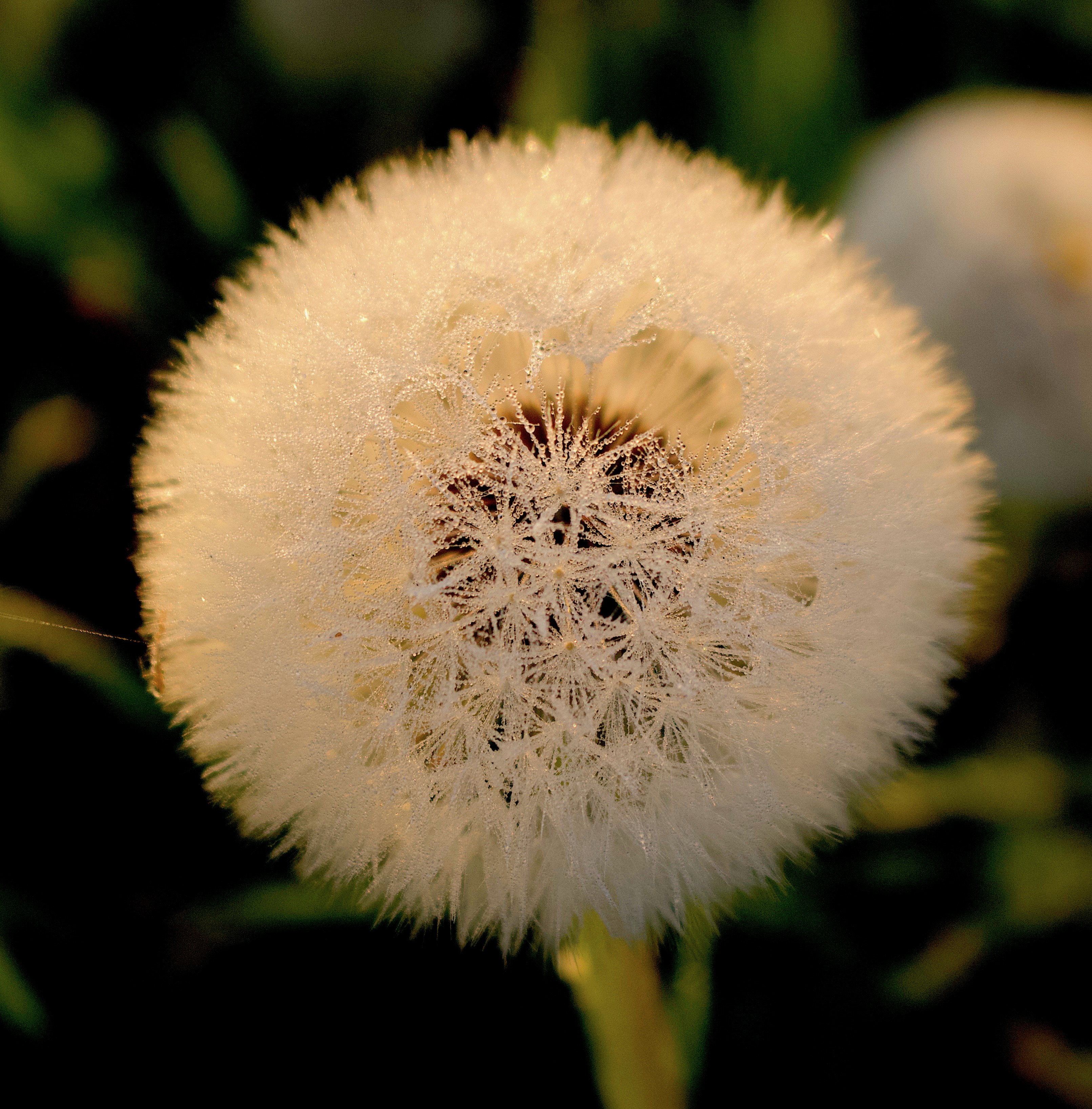
I’ve always identified with weeds more than cultivated blooms.  I too have undiscovered virtues – I’m fluffy, I thrive where I’m not necessarily wanted or needed, and tend to be resilient through frost, drought or flood.  

The persistence of weeds inspires me to just let them be. 
As their weedy wildness lies just beneath the surface,
I too flourish, a witness to a world bereft of softness.

O let them be left.
Let me be left.

One-Time
Monthly
Yearly

Make a one-time or recurring donation to support daily Barnstorming posts

Make a monthly donation

Make a yearly donation

Choose an amount

¤5.00
¤10.00
¤20.00
¤5.00
¤15.00
¤100.00
¤5.00
¤15.00
¤100.00

Or enter a custom amount

¤

Your contribution is deeply appreciated.

Your contribution is appreciated.

Your contribution is appreciated.

DonateDonate monthlyDonate yearly

Dialogue With the Invisible

All day I try to say nothing but thank you,
breathe the syllables in and out with every step I
take through the rooms of my house and outside into
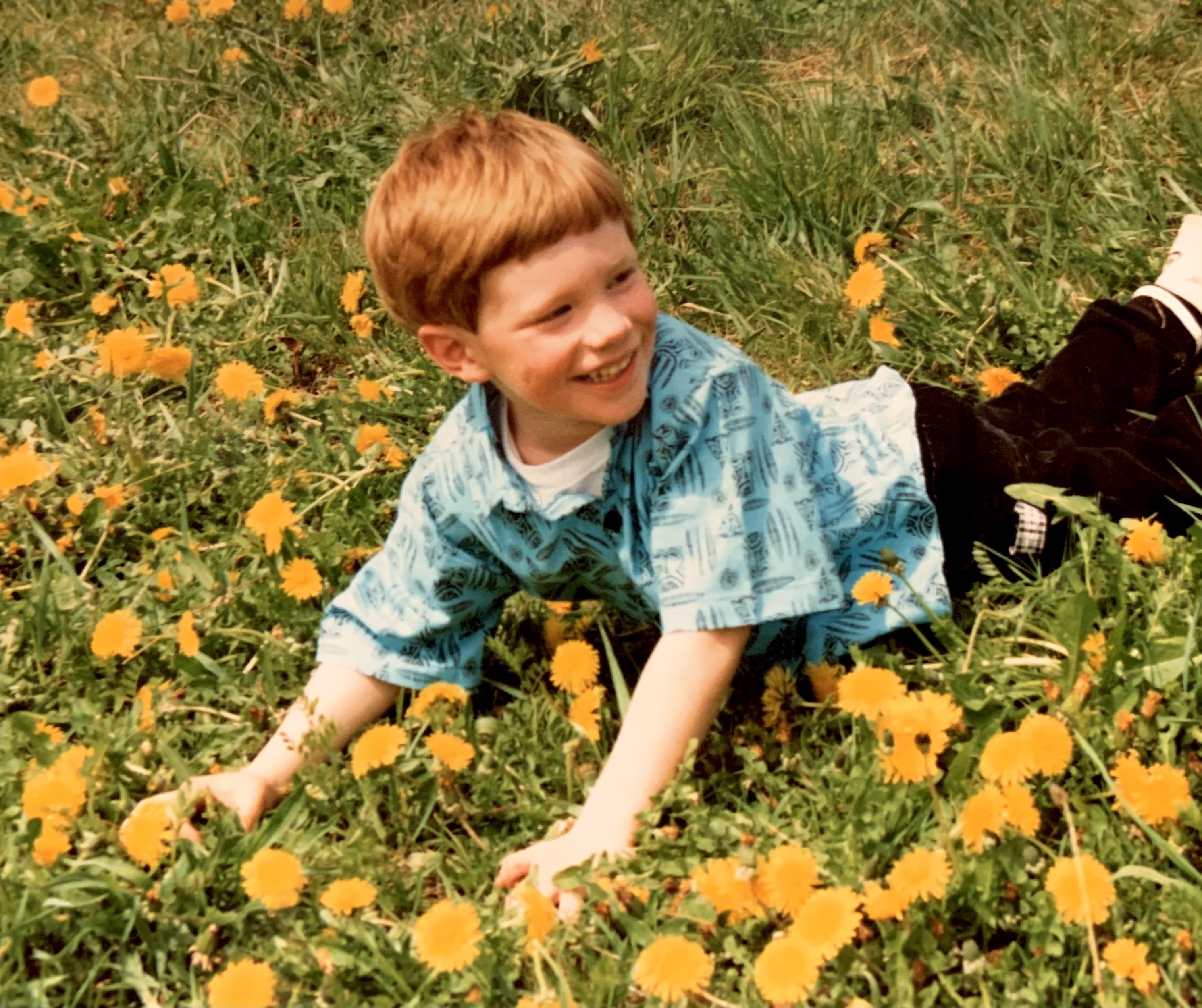
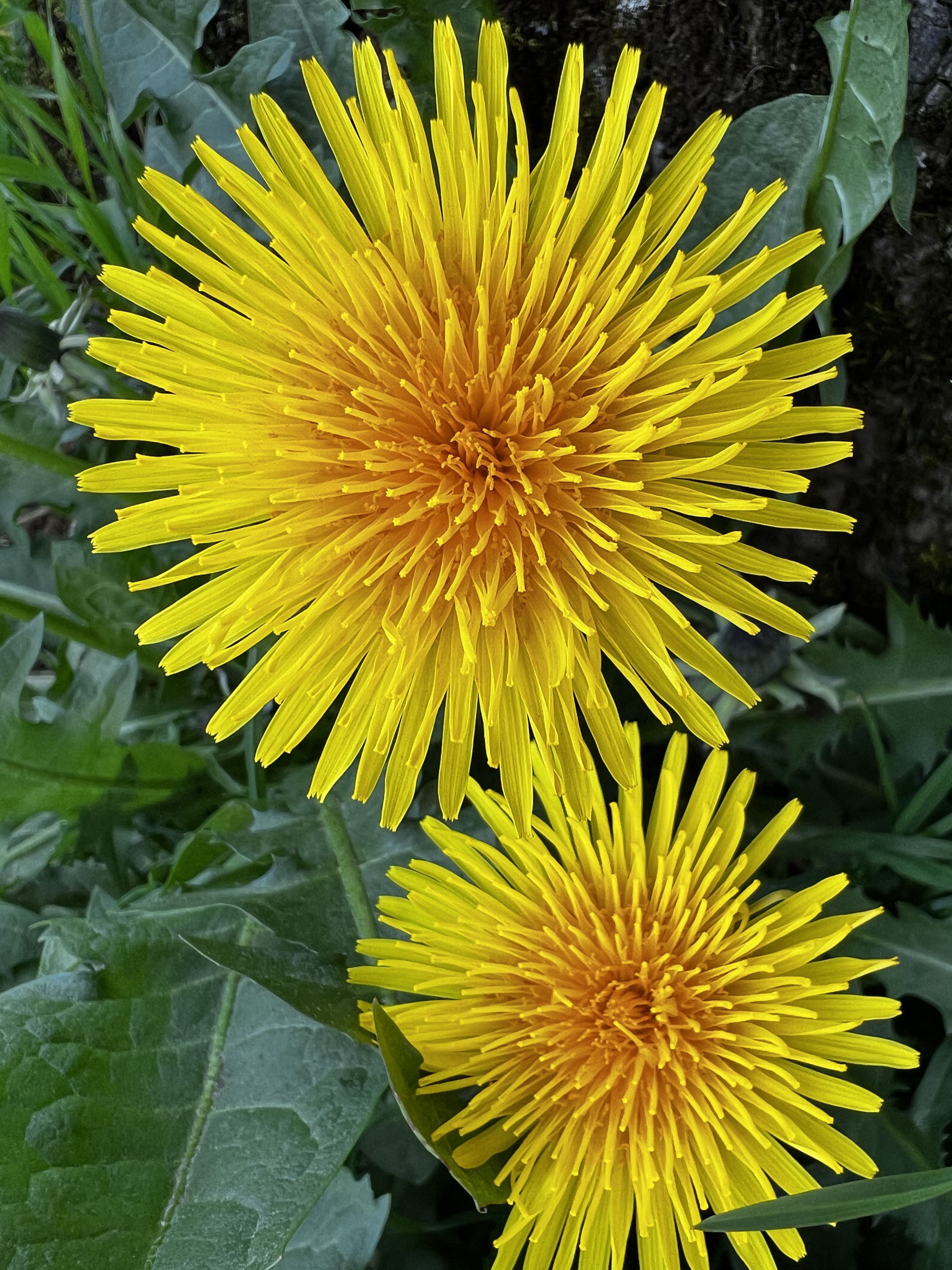
a profusion of shaggy-headed dandelions in the garden
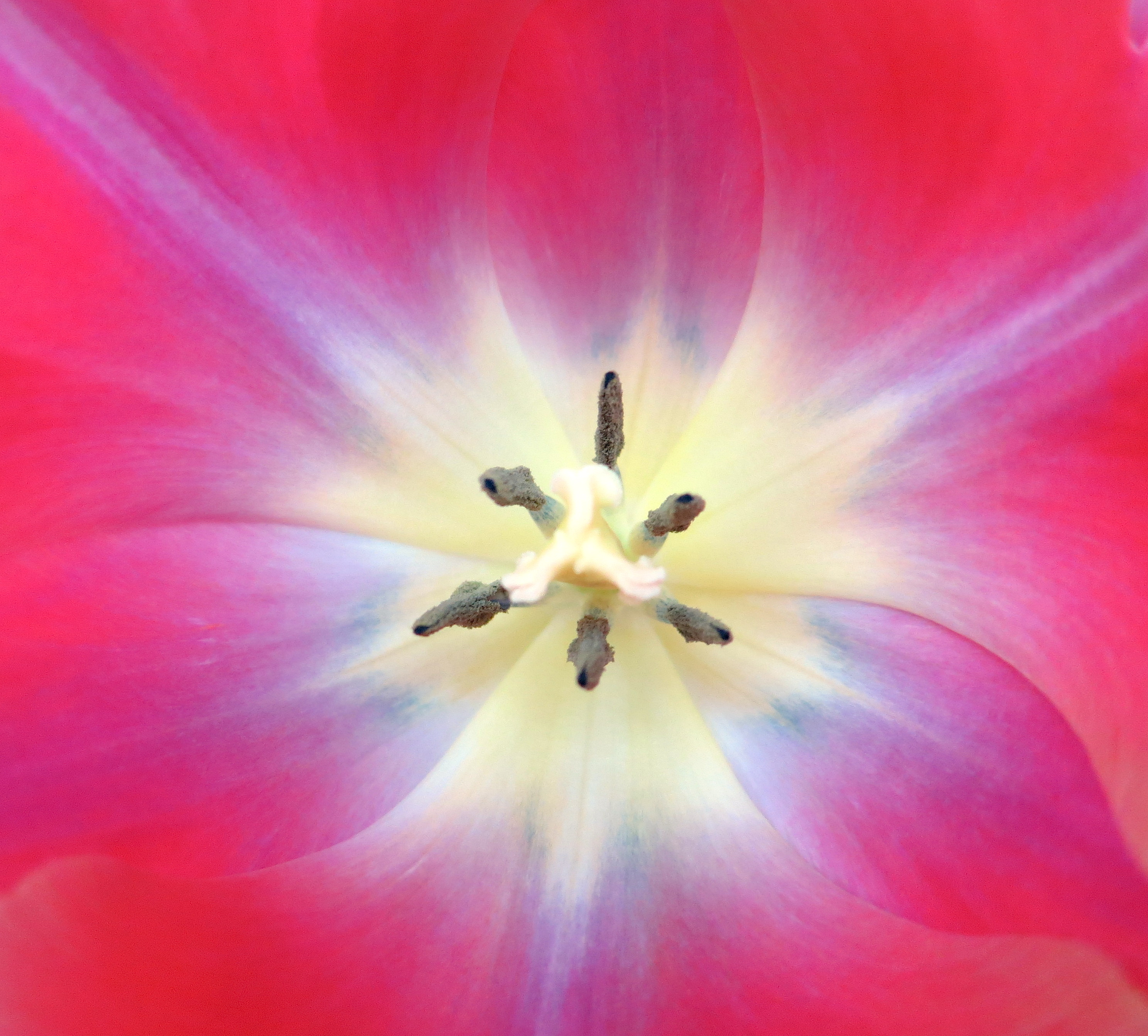
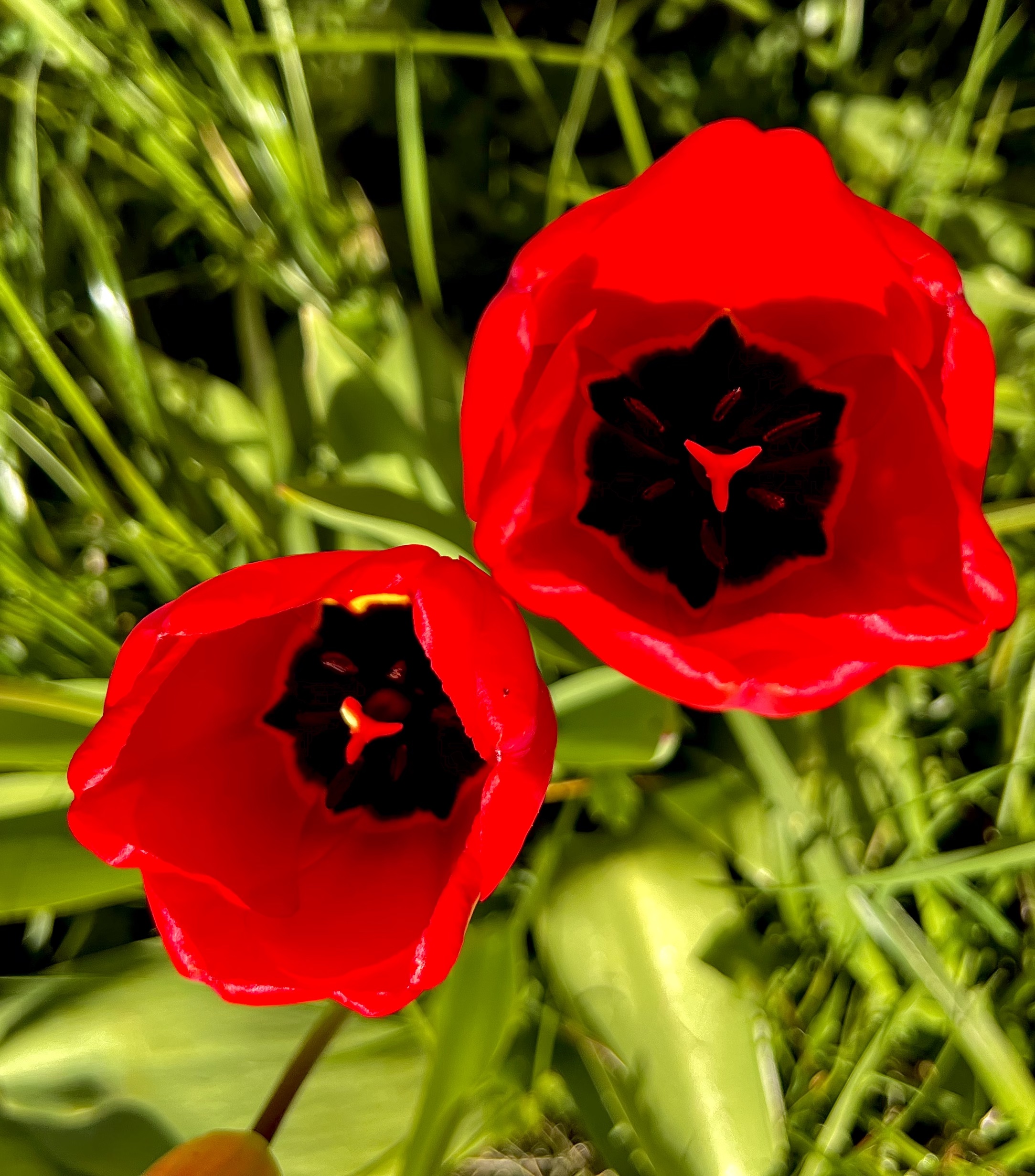
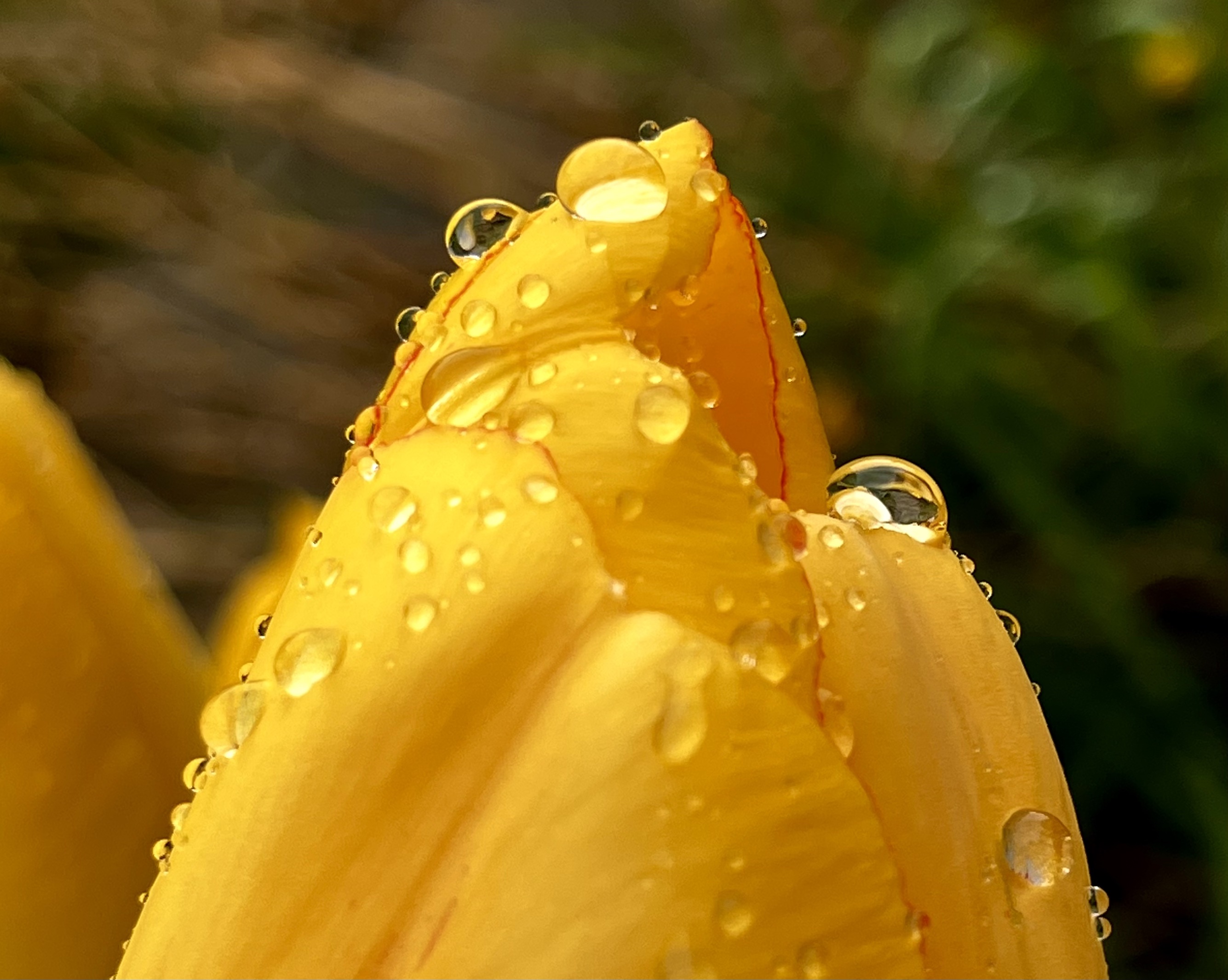
where the tulips’ black stamens shake in their crimson cups.

I am saying thank you, yes, to this burgeoning spring
and to the cold wind of its changes.
Gratitude comes easy after a hot shower,
when loosened muscles work,
when eyes and mind begin to clear
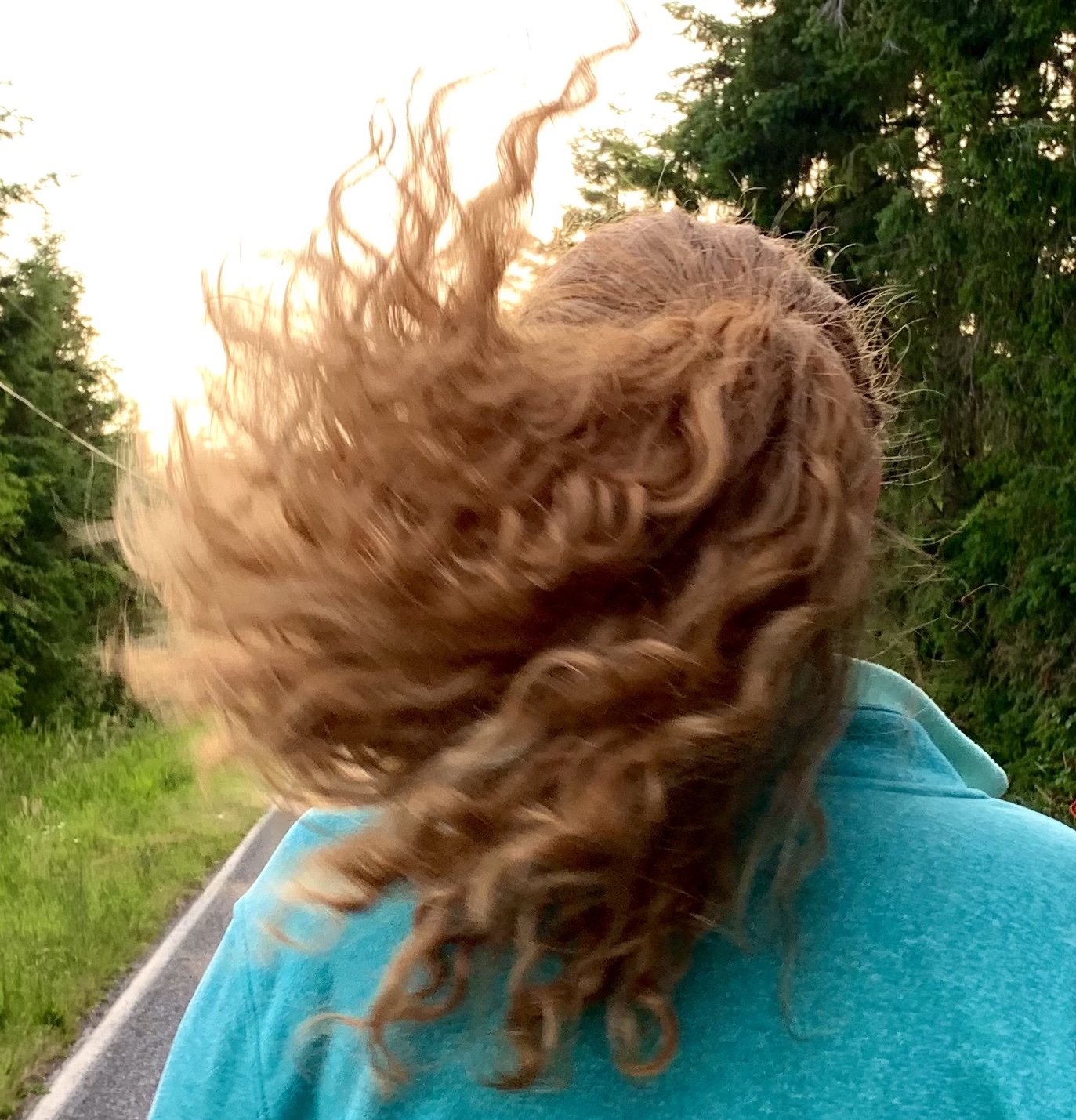
and even unruly hair combs into place.

Dialogue with the invisible can go on every minute,
and with surprising gaiety I am saying thank you as
I remember who I am, a woman learning to praise something
as small as dandelion petals floating
on the steaming surface of this bowl of vegetable soup,
my happy savoring tongue.
~Jeanne Lohmann “To Say Nothing But Thank You”

It doesn’t have to be
the blue iris, it could be
weeds in a vacant lot, or a few
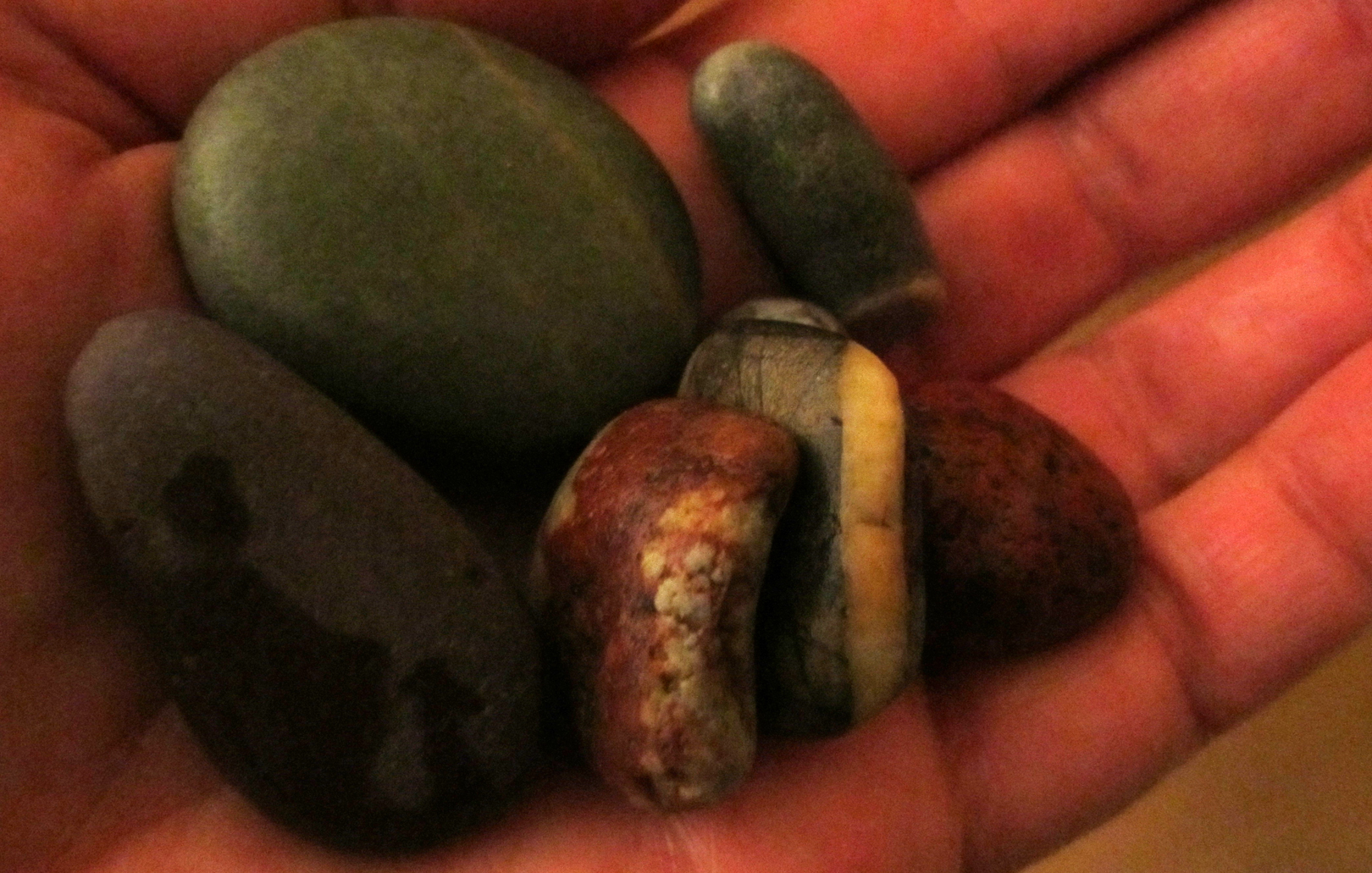
small stones; just
pay attention, then patch

a few words together and don’t try
to make them elaborate, this isn’t
a contest but the doorway

into thanks, and a silence in which
another voice may speak.
~Mary Oliver “Praying”

As this long winter has finally given way to spring, I am grateful to pay attention to the small things around me, to breathe my silent thanks for this privilege of being witness to the soil of this life, this farm, this faith. More days than not, I savor it as someone who is hungry and thirsty for beauty and meaning.

In my thankfulness, I must pay attention to who I am: I still yearn to grow, to bloom and fruit, harvesting what I can to share with others.

It often feels like a dialogue with the invisible.

With deep gratitude to all who come here daily to read these words and enjoy my pictures and who let me know how it makes a difference in your day.

You and I may never meet in this life yet your generous comments always make a difference to me!

One-Time
Monthly
Yearly

Make a one-time or recurring donation to support daily Barnstorming posts

Make a monthly donation

Make a yearly donation

Choose an amount

¤5.00
¤10.00
¤20.00
¤5.00
¤15.00
¤100.00
¤5.00
¤15.00
¤100.00

Or enter a custom amount

¤

Your contribution is deeply appreciated.

Your contribution is appreciated.

Your contribution is appreciated.

DonateDonate monthlyDonate yearly

I Nearly Said I Loved Him

“Hold on,” she said, “I’ll just run out and get him.
The weather here’s so good, he took the chance
To do a bit of weeding.”


So I saw him
Down on his hands and knees beside the leek rig,
Touching, inspecting, separating one
Stalk from the other, gently pulling up
Everything not tapered, frail and leafless,
Pleased to feel each little weed-root break,
But rueful also . . . 


Then found myself listening to
The amplified grave ticking of hall clocks
Where the phone lay unattended in a calm
Of mirror glass and sunstruck pendulums . . . 


And found myself then thinking: if it were nowadays,
This is how Death would summon
Everyman.

Next thing he spoke and I nearly said I loved him.

~Seamus Heaney “A Call” from ‘Poems That Make Grown Men Cry’

My father was a complex man. I understand better now where my own complicated nature comes from.

As inscrutable as he could be, there were things I absolutely understood about him:

he was a man of action
– he never just sat, never took a nap, never wasted a day of his life without accomplishing something tangible.

he was a man of the soil
– he plowed and harrowed and sowed and fertilized and weeded and harvested

he was a man of inventiveness
– he figured out a better way, he transformed tools and buildings, he started from scratch and built the impossible

he didn’t explain himself
– and never felt the need to.

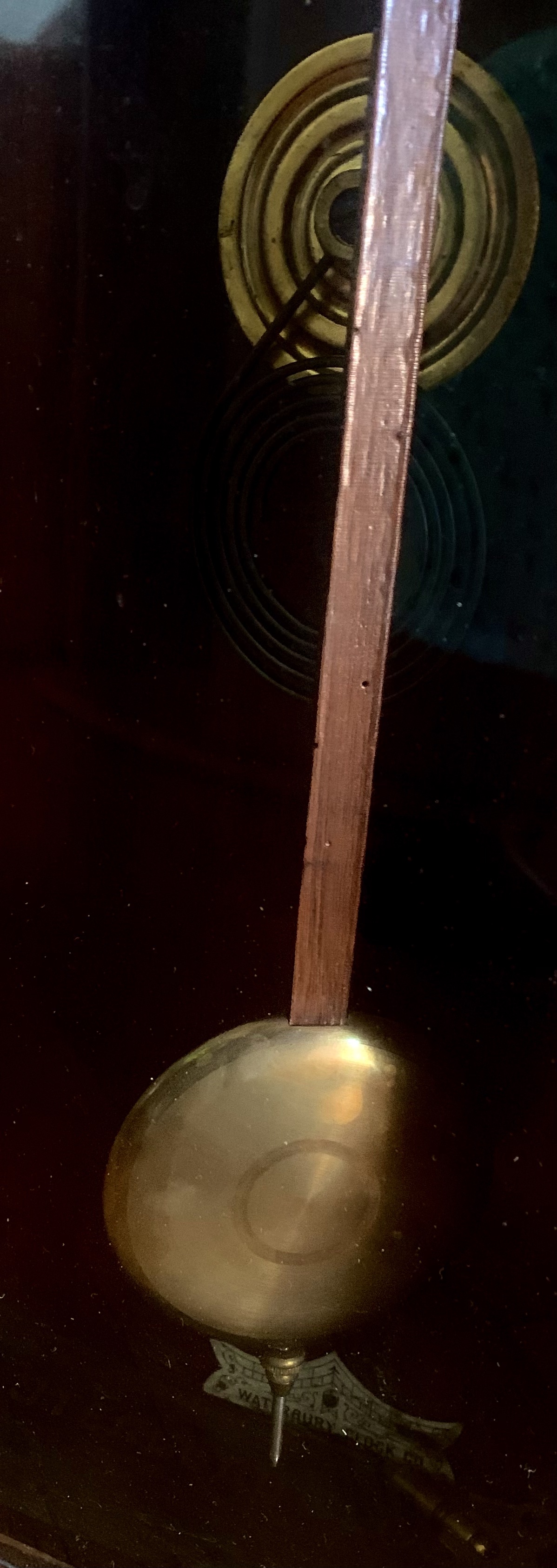
Time keeps ticking on without him here, now 26 years since he took his last breath as the clock pendulum swung in his bedroom. He was taken too young for all the projects he still had in mind.

He handed off a few to me.
Some I have done.
Some still wait, I’m not sure why.

My regret is not understanding how much he needed to hear how loved he was. He seemed fine without it being said.
But he wasn’t.
I wish I had said it when I had the chance.

Ben packaged in a paper bag by Grandpa Hank
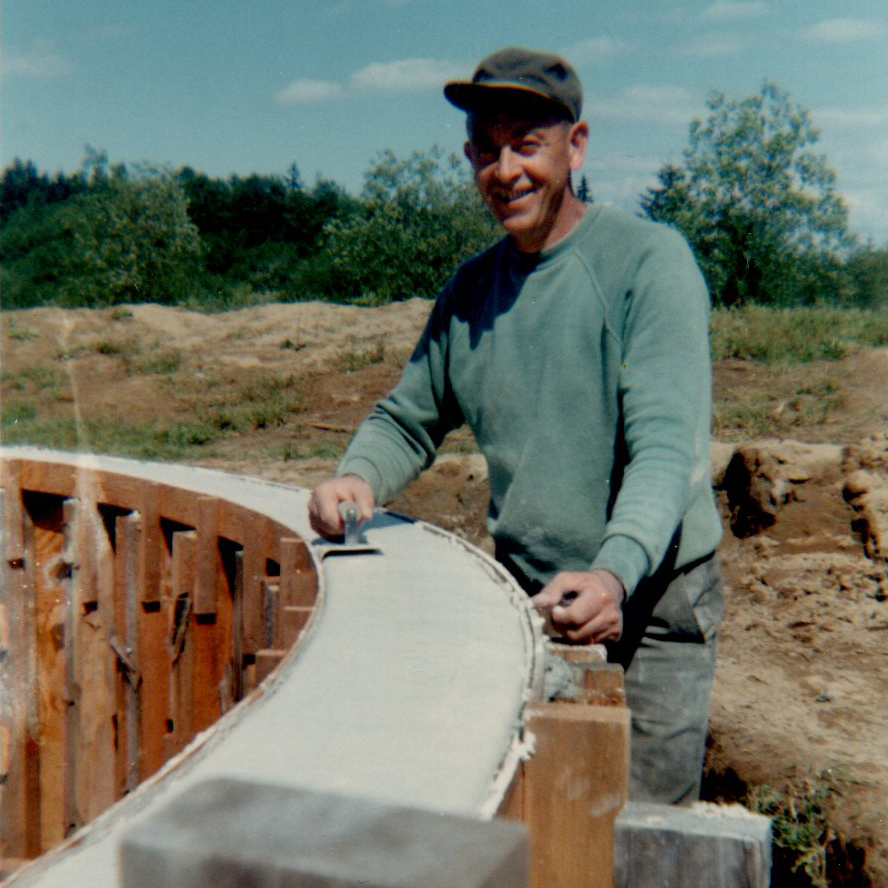
Pouring the sidewalk by hand

The Earth’s Sweet Being

Nothing is so beautiful as Spring –         
   When weeds, in wheels, shoot long and lovely and lush;         
   Thrush’s eggs look little low heavens, and thrush         
Through the echoing timber does so rinse and wring         
The ear, it strikes like lightnings to hear him sing;
   The glassy peartree leaves and blooms, they brush         
   The descending blue; that blue is all in a rush         
With richness; the racing lambs too have fair their fling.   
      

What is all this juice and all this joy?         
   A strain of the earth’s sweet being in the beginning
In Eden garden. – Have, get, before it cloy,         
   Before it cloud, Christ, lord, and sour with sinning,         
Innocent mind and Mayday in girl and boy,         
   Most, O maid’s child, thy choice and worthy the winning. 

~Gerard Manley Hopkins “Spring”

Once, we were innocent,
now, no longer.
Cloyed and clouded by sin.
Given a choice,
we chose sour over the sweetness we were born to,
giving up walks together in the cool of the day
to feed our appetite that could never be sated.

God made a choice to win us back with His own blood
as if we are worthy of Him.
He says we are.
He dies to prove it.
Every day I try to believe
our earth can be sweet and beautiful again.

Waiting in Wilderness: A Whisper Will Be Heard

From the place where we are right
Flowers will never grow
In the spring.

The place where we are right
Is hard and trampled
Like a yard.

But doubts and loves
Dig up the world
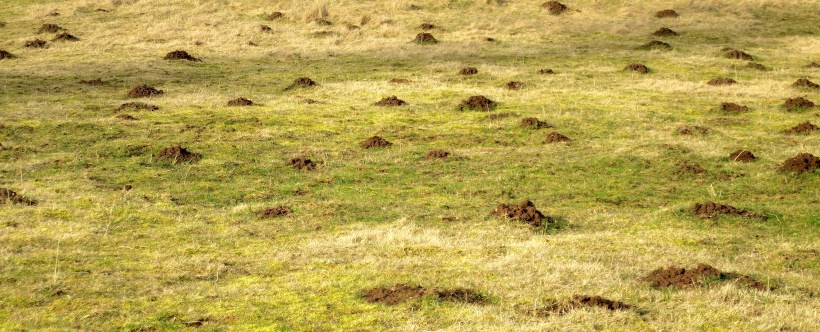
Like a mole, a plow.
And a whisper will be heard in the place
Where the ruined
House once stood.

~Yehuda Amichai “The Place Where We Are RIght” from A Touch of Grace

Field with Plowing Farmers by Vincent Van Gogh
Painting “Plowing the Field” by Joyce Lapp

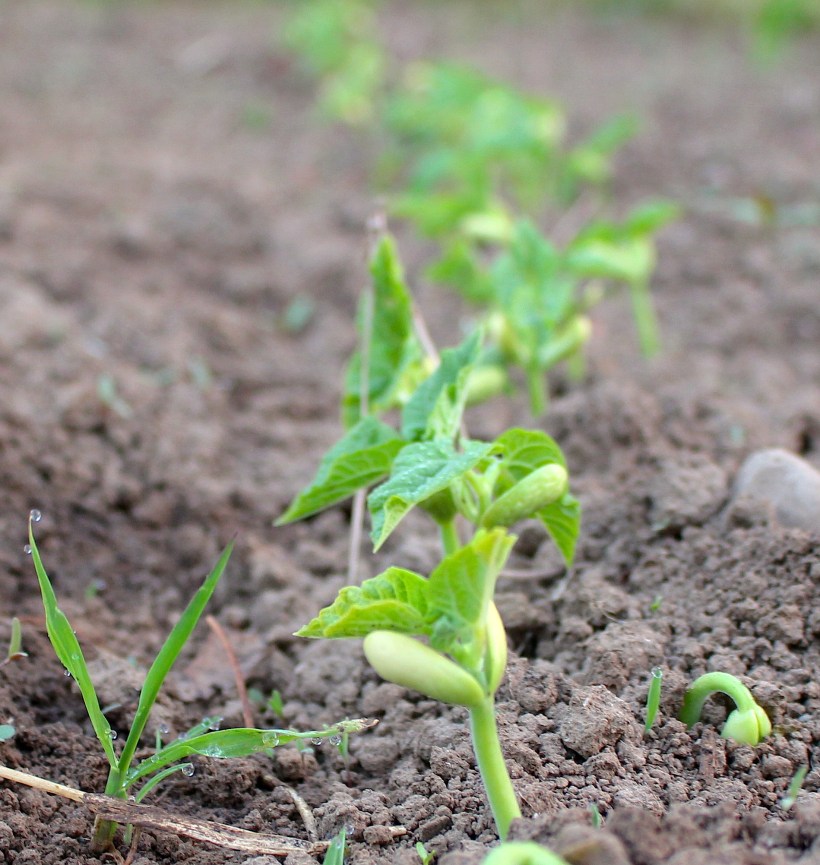
Sometimes I am so certain I am right, remaining firm in my convictions no matter what. Yet when there is no movement, the ground beneath my feet hardens with my stubborn trampling. Nothing new can grow without my crushing it underfoot; any possibility becomes impossible.

Sometimes I harbor doubts and uncertainties, digging and churning up the ground upon which I stand. When things are turned over, again and again, new weeds and seeds will take root. Sorting them out becomes my challenge, determining what to nurture and what is worthless.

As I look ahead to this coming week, treading the familiar ground of the events of Holy Week, I cannot help but question and wonder: how can this impossible Love save those, who like me, feel dry and hard and devoid of possibility or who unwittingly allow weeds to proliferate?

Then I hear it, like a whisper. Yes, it is true. Loved despite sometimes being hard ground, or growing weeds or lying fallow as a rocky path.

I too will rise again from the ruins. I too will arise.

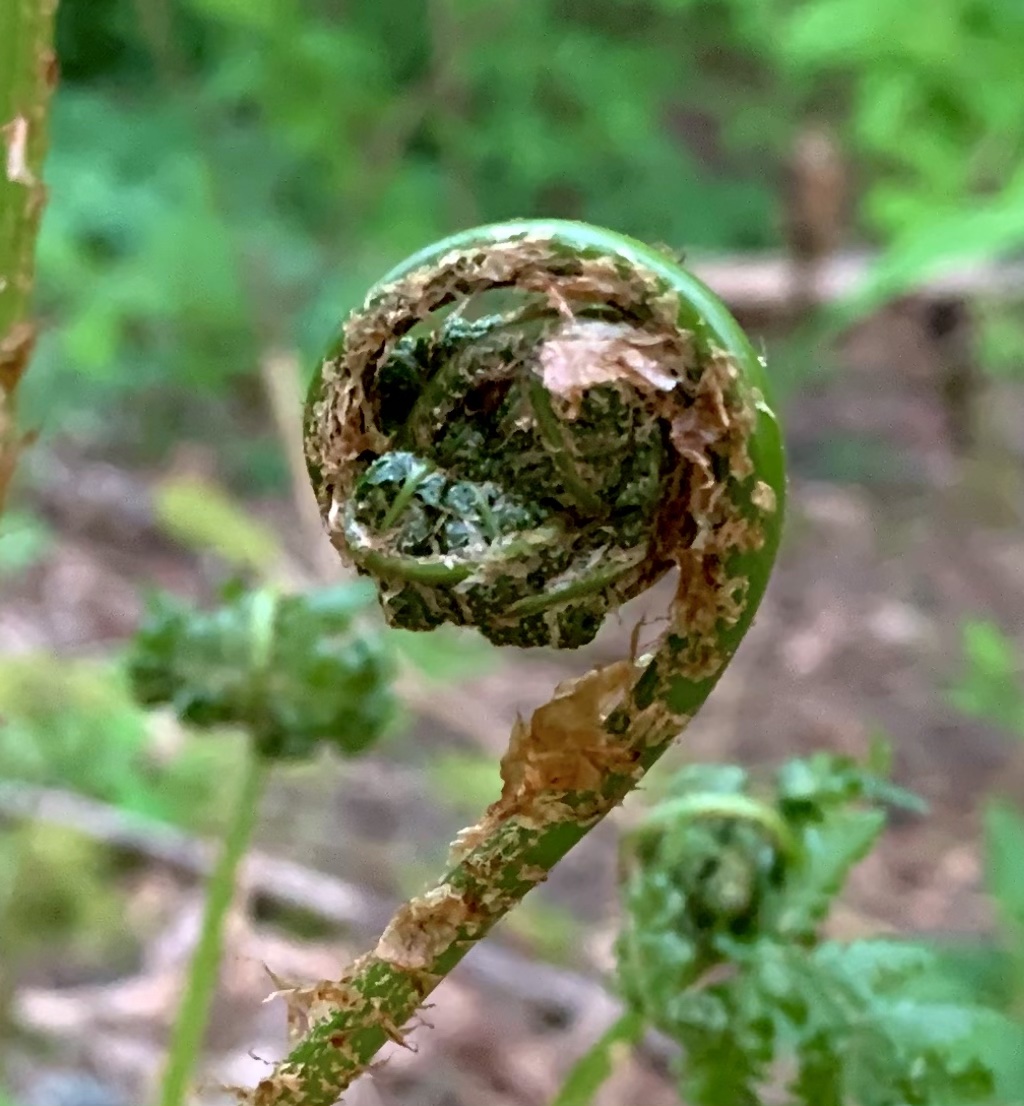
photo by Joel DeWaard

This Gift of Struggle

All morning, doing the hard, root-wrestling
work of turning a yard from the wild
to a gardener’s will, I heard a bird singing
from a hidden, though not distant, perch;
a song of swift, syncopated syllables sounding
like, Can you believe this, believe this, believe?
Can you believe this, believe this, believe?
And all morning, I did believe. All morning,
between break-even bouts with the unwanted,
I wanted to see that bird, and looked up so
I might later recognize it in a guide, and know
and call its name, but even more, I wanted
to join its church. For all morning, and many
a time in my life, I have wondered who, beyond
this plot I work, has called the order of being,
that givers of food are deemed lesser
than are the receivers. All morning,
muscling my will against that of the wild,
to claim a place in the bounty of earth,
seed, root, sun and rain, I offered my labor
as a kind of grace, and gave thanks even
for the aching in my body, which reached
beyond this work and this gift of struggle.
~Richard Levine “Believe This” from That Country’s Soul

North Brooklin, Maine
30 March 1973

Dear Mr. Nadeau:
As long as there is one upright man, as long as there is one compassionate woman, the contagion may spread and the scene is not desolate. Hope is the thing that is left to us, in a bad time. I shall get up in the morning and wind the clock, as a contribution to order and steadfastness.

Sailors have an expression about the weather: they say, the weather is a great bluffer. I guess the same is true of our human society—things can look dark, then a break shows in the clouds, and all is changed, sometimes rather suddenly. It is quite obvious that the human race has made a queer mess of life on this planet. But as a people we probably harbor seeds of goodness that have lain for a long time waiting to sprout when the conditions are right. Man’s curiosity, his relentlessness, his inventiveness, his ingenuity have led him into deep trouble. We can only hope that these same traits will enable him to claw his way out.

Hang on to your hat. Hang on to your hope. And wind the clock, for tomorrow is another day.
Sincerely,
[Signed, ‘E. B. White’] from Letters of Note

Today yet another era begins and another ends. However, the struggle continues: there is anguish on one side and relief on the other– just the reverse of four years ago.

I want to believe things will be different and the messes cleaned up without creating new messes. I realize, thanks to human nature, that is a futile hope.

I want to believe that goodness and compassion will thrive again.

So I will pull out the weeds that have taken over in my on back yard and clear the ground for a clean start. I will rewind the clock to help create order out of chaos and experience steadfastness instead of uncertainty.

May we hang on to hope that our dis-united states may once again survive a leader with many human flaws and failings, just as we’ve survived countless other imperfect leaders.

It is up to we the people to keep our own yards weed-free, and not allow them to take over — ever again.

Everything Dies Too Soon

Who made the world?
Who made the swan, and the black bear?
Who made the grasshopper?

I don’t know exactly what a prayer is.
I do know how to pay attention, how to fall down
into the grass, how to kneel down in the grass,
how to be idle and blessed, how to stroll through the fields,
which is what I have been doing all day.
Tell me, what else should I have done?
Doesn’t everything die at last, and too soon?
Tell me, what is it you plan to do
with your one wild and precious life?

~Mary Oliver from “A Summer Day”

It doesn’t take much to remind me
what a mayfly I am,
what a soap bubble floating over the children’s party.

Standing under the bones of a dinosaur
in a museum does the trick every time
or confronting in a vitrine a rock from the moon…

And the realization that no one
who ever breasted the waters of time
has figured out a way to avoid dying

always pulls me up by the reins and settles me down
by a roadside, grateful for the sweet weeds
and the mouthfuls of colorful wild flowers.

~Billy Collins from “Memento Mori“

I’m reminded daily of how short our time on earth is – the evidence is everywhere. Yesterday it was the stark finality of discovering a beetle-cleaned bighorn sheep skull in the woods, in addition to the bold reality of a black bear paw print on the car sitting next to our cabin.

Each day I receive an email from the local hospital where I’ve had clinical privileges for 35 years – it innumerates the number of admitted COVID-19 cases and deaths, the number of ICU beds filled and the number of ventilators in use. Reading those numbers is like scanning the obituaries for names and ages and causes of death in the newspaper, the only consistent thing I read in the paper anymore. The deaths are reported dispassionately, as if they are inevitable, which they are, yet each happens too soon.

Much too soon.

So the admonition is to pay attention to each living thing and witness each moment, falling onto the grass in worship of this “wild and precious life” I’ve been given rather than dwell on the future when I’ll be buried under the grass.

I shall celebrate being a consumer of this precious life, overjoyed by these sweet weeds and colorful wildflowers. There is still much that awaits me on this earth before, inevitably, I too become the consumed.