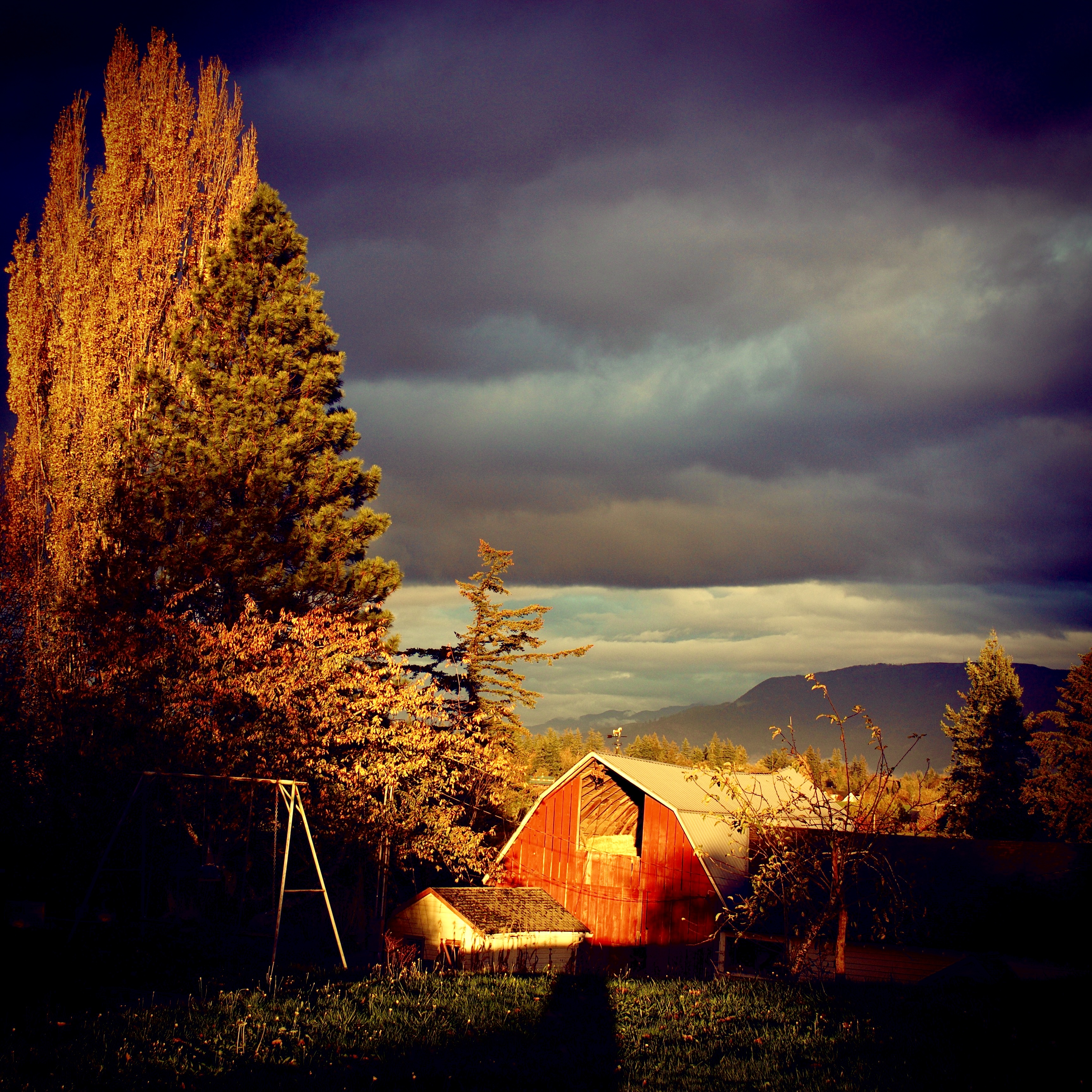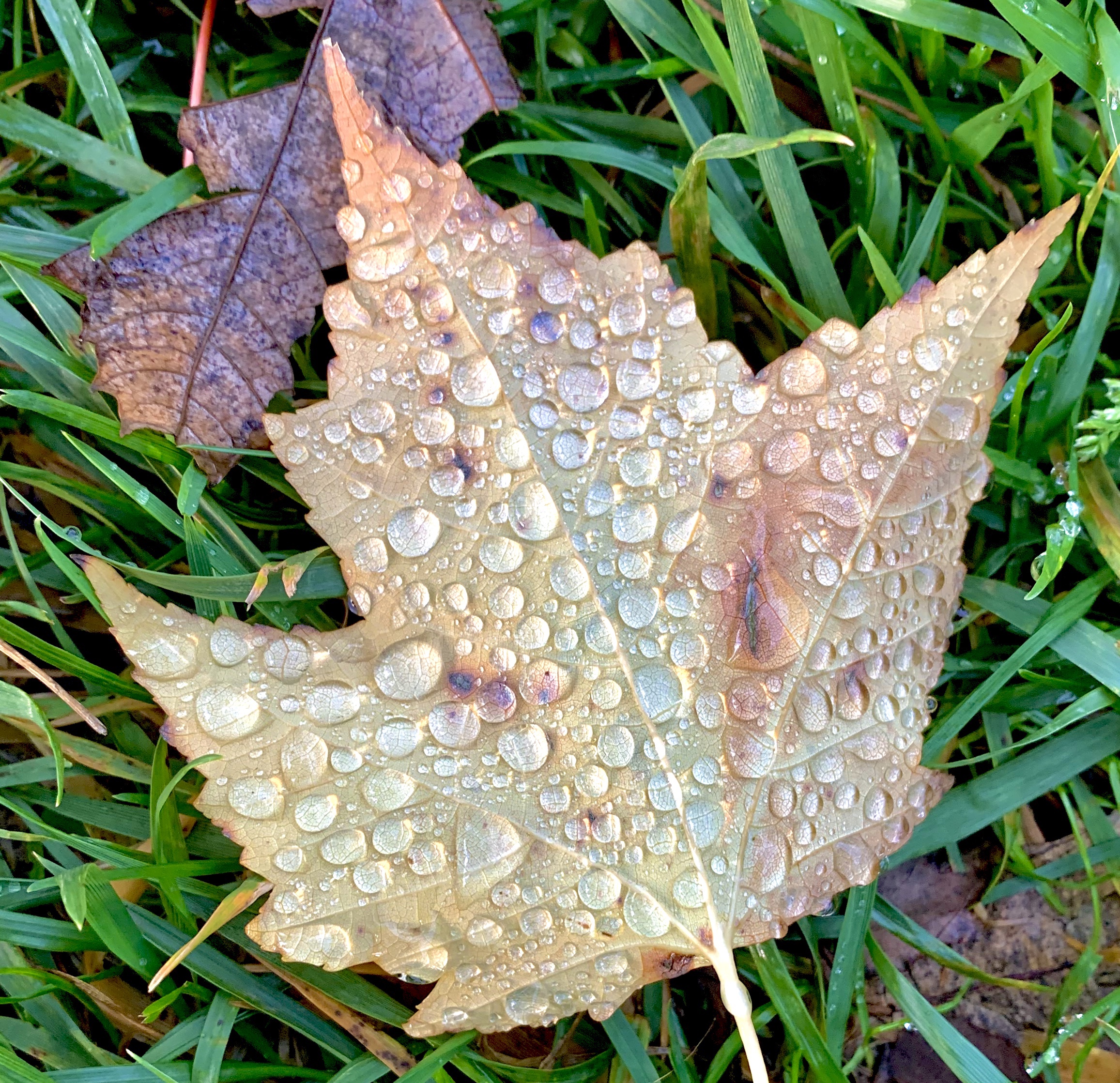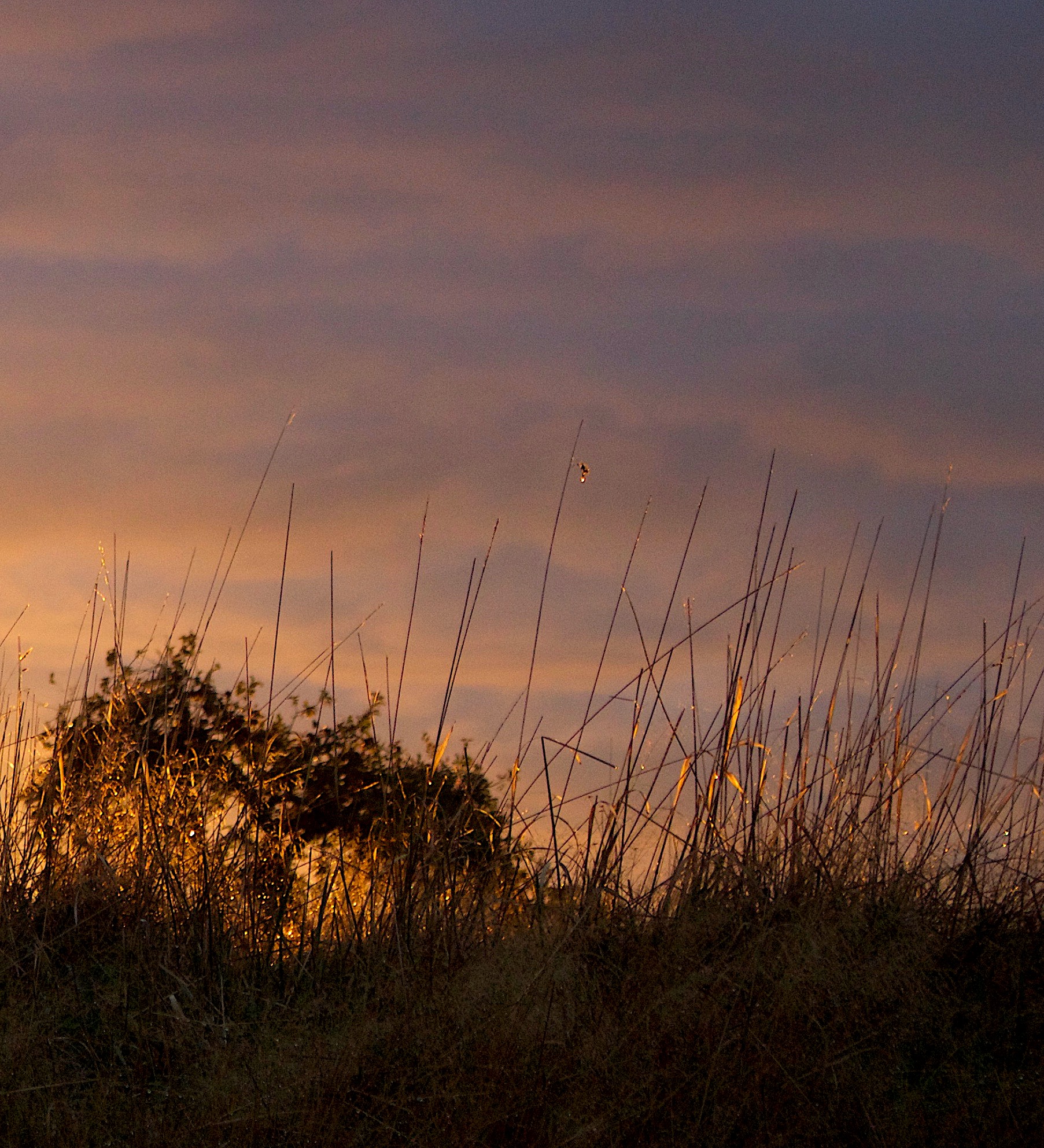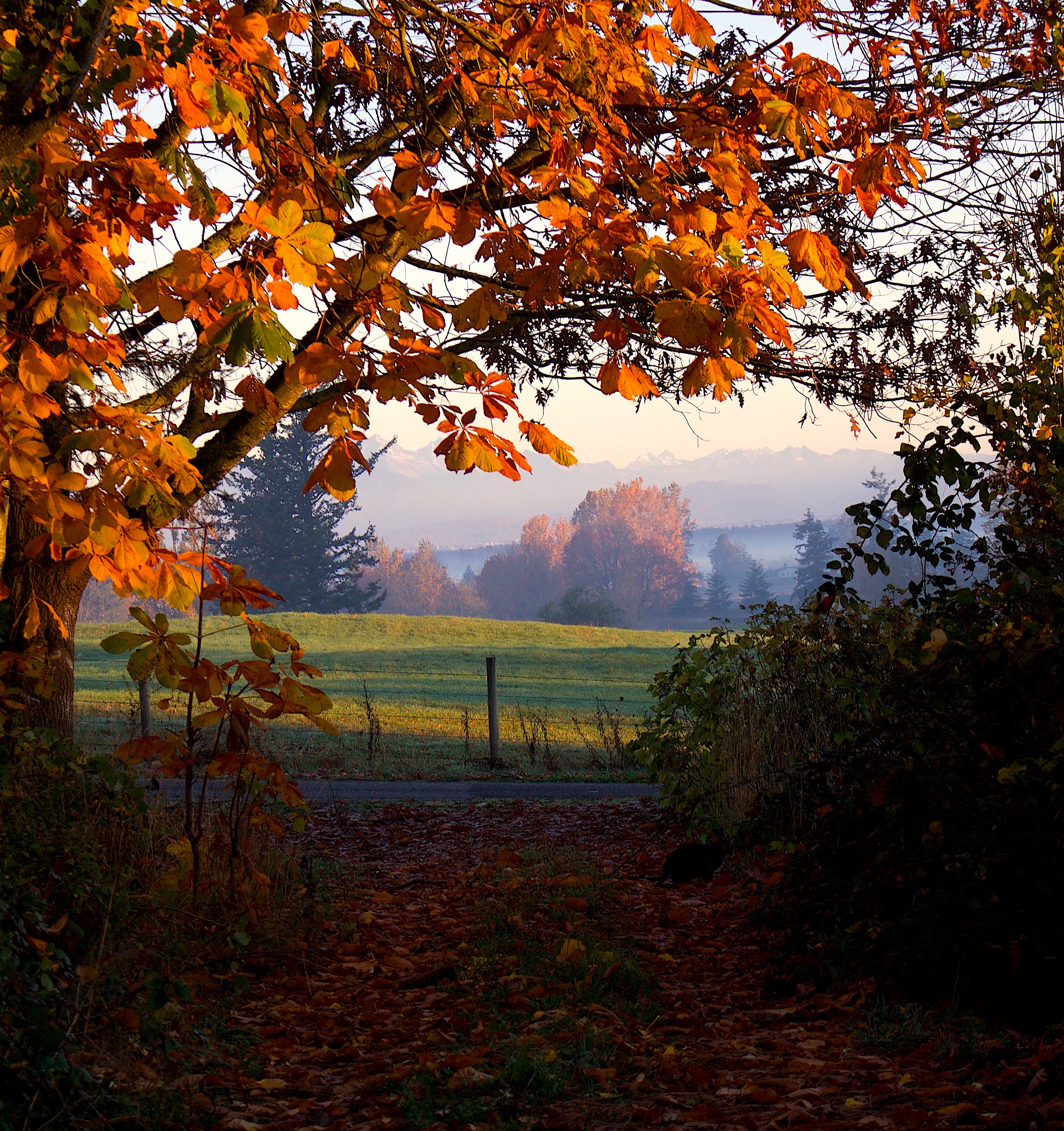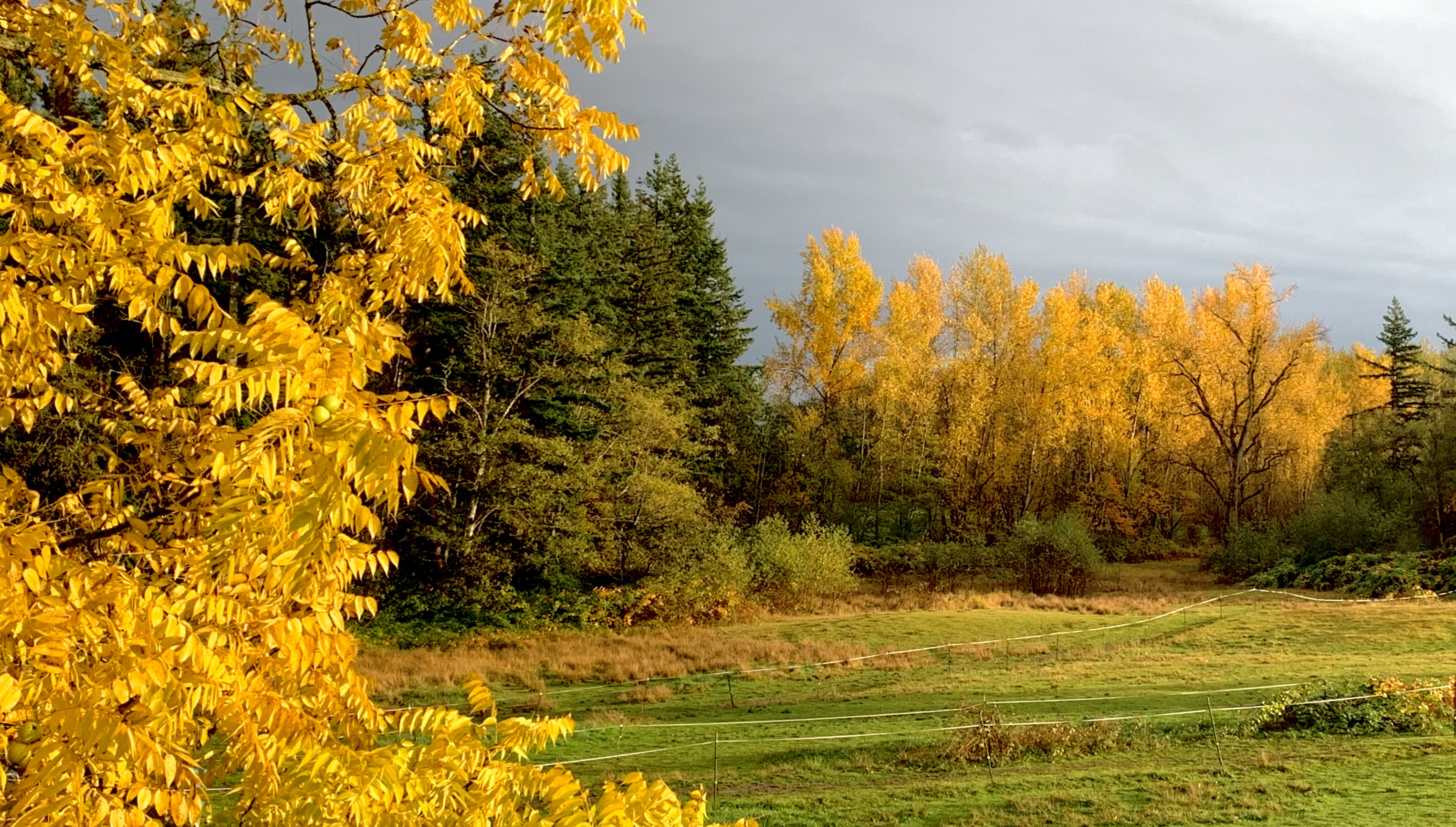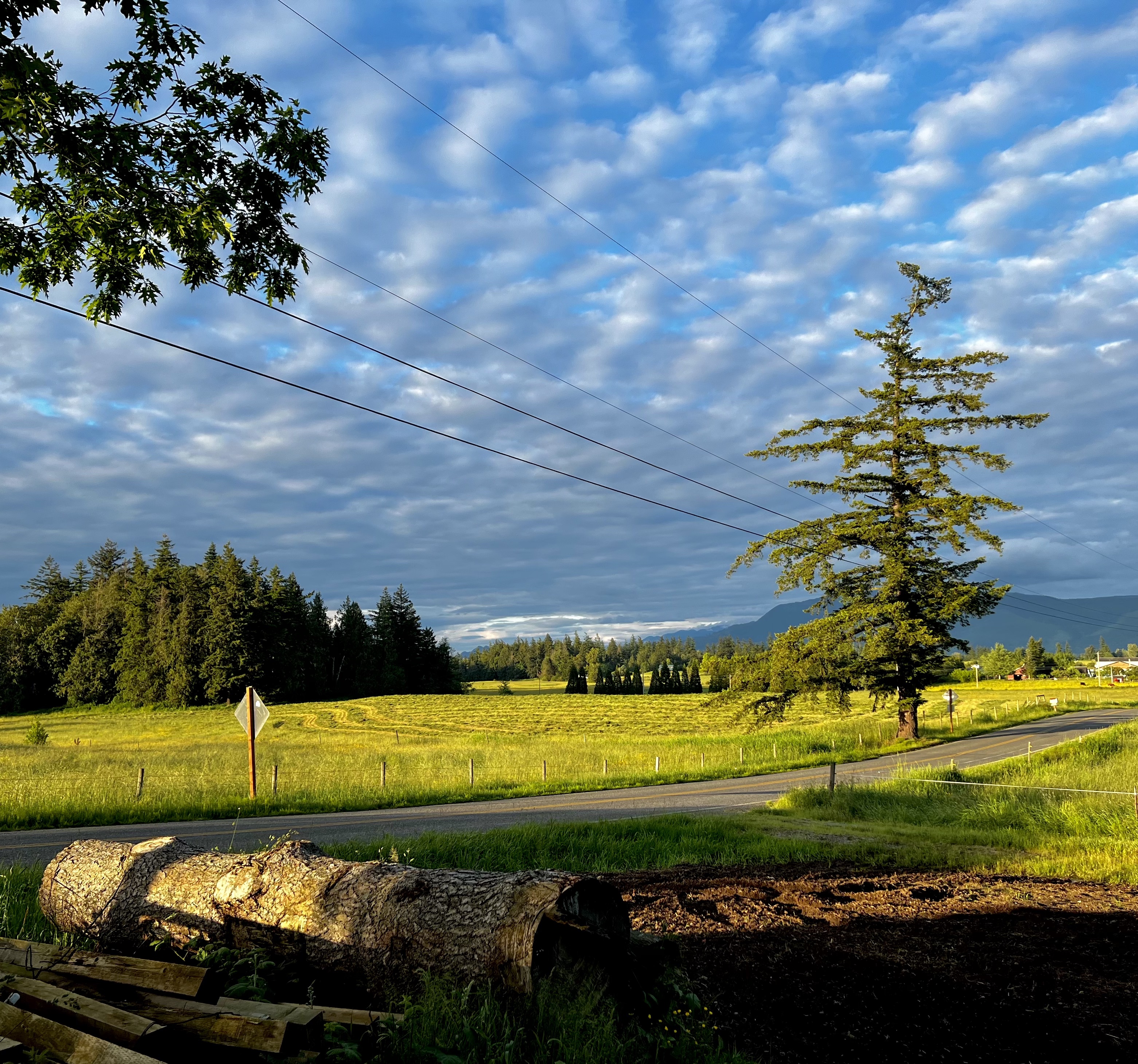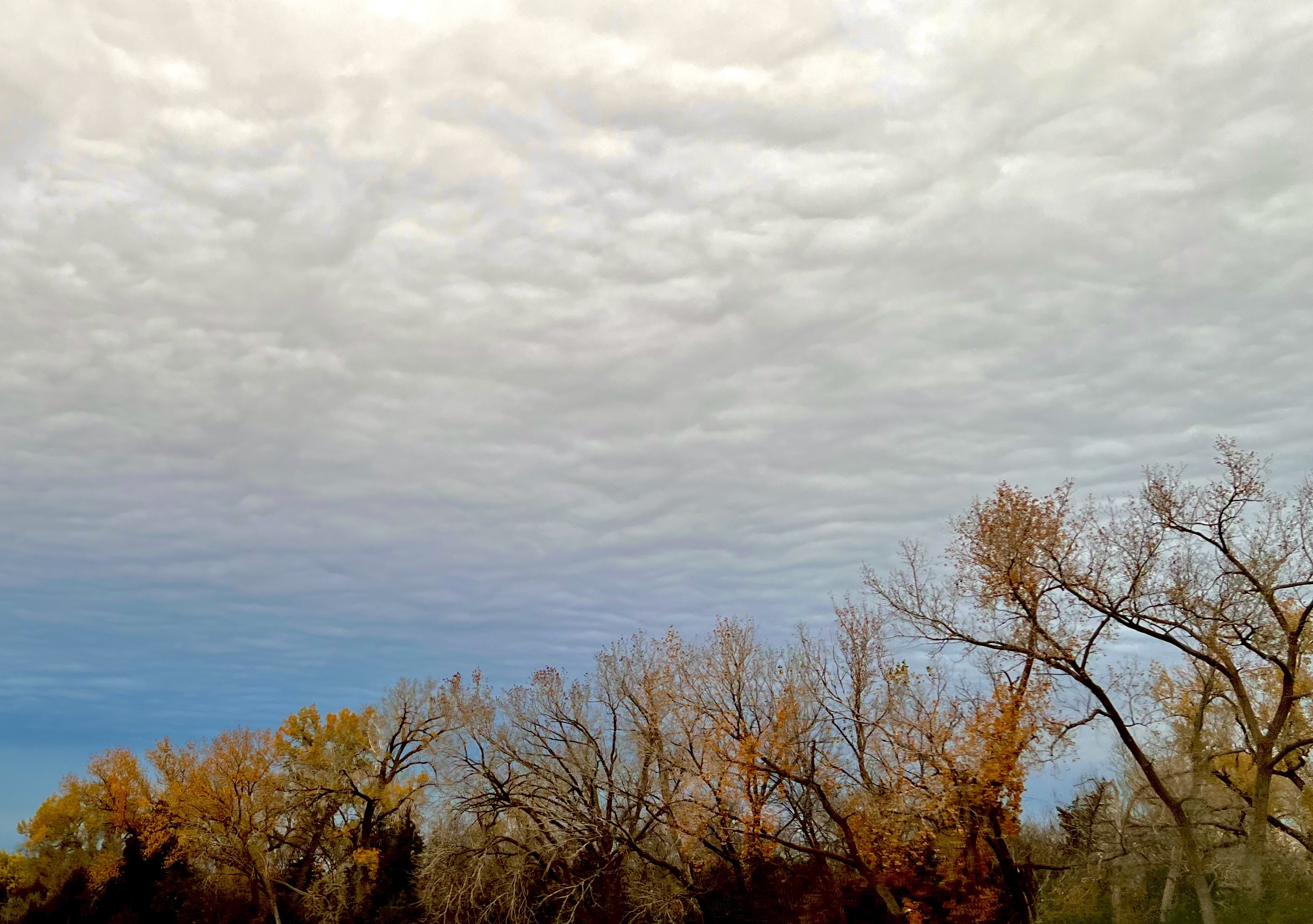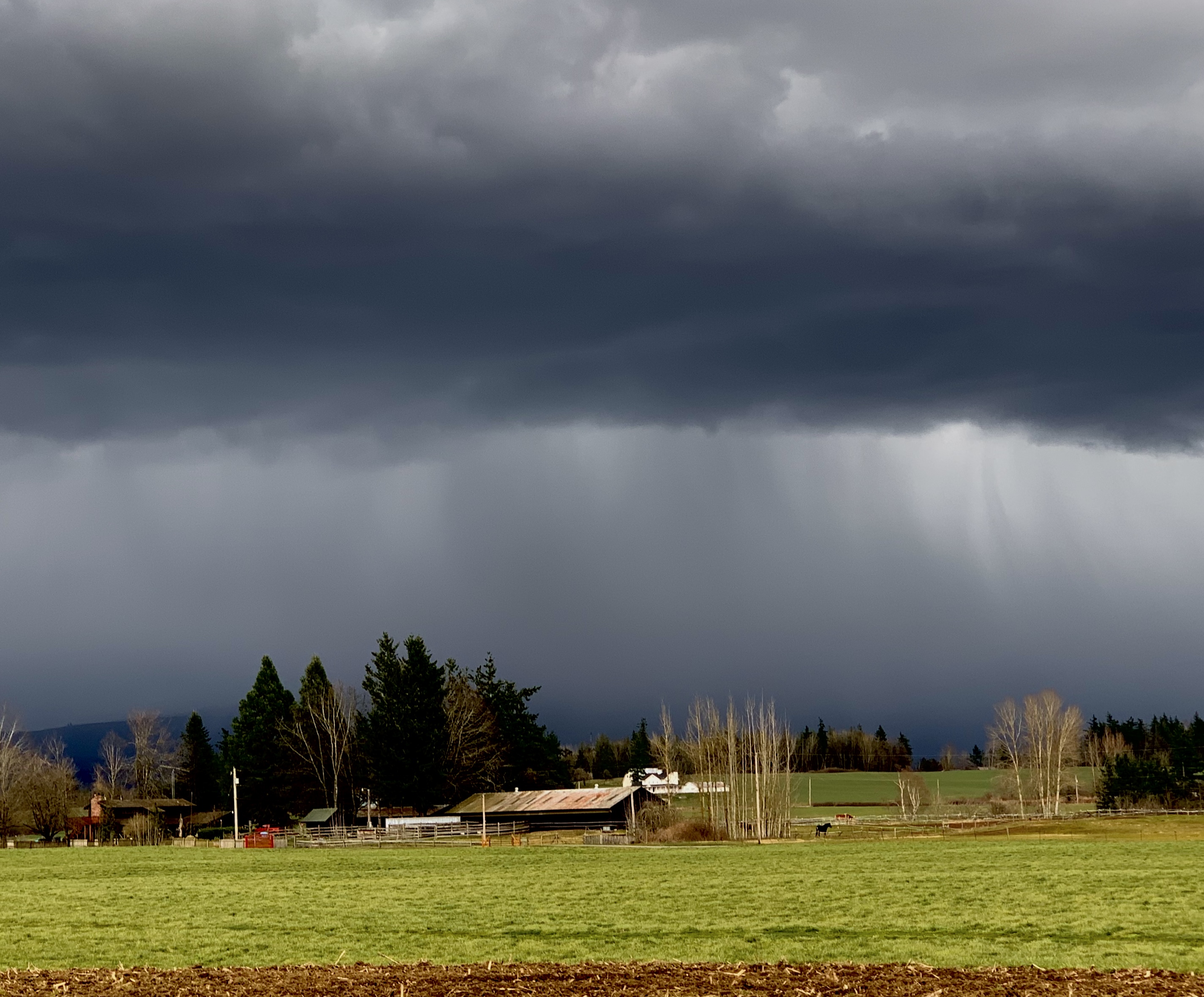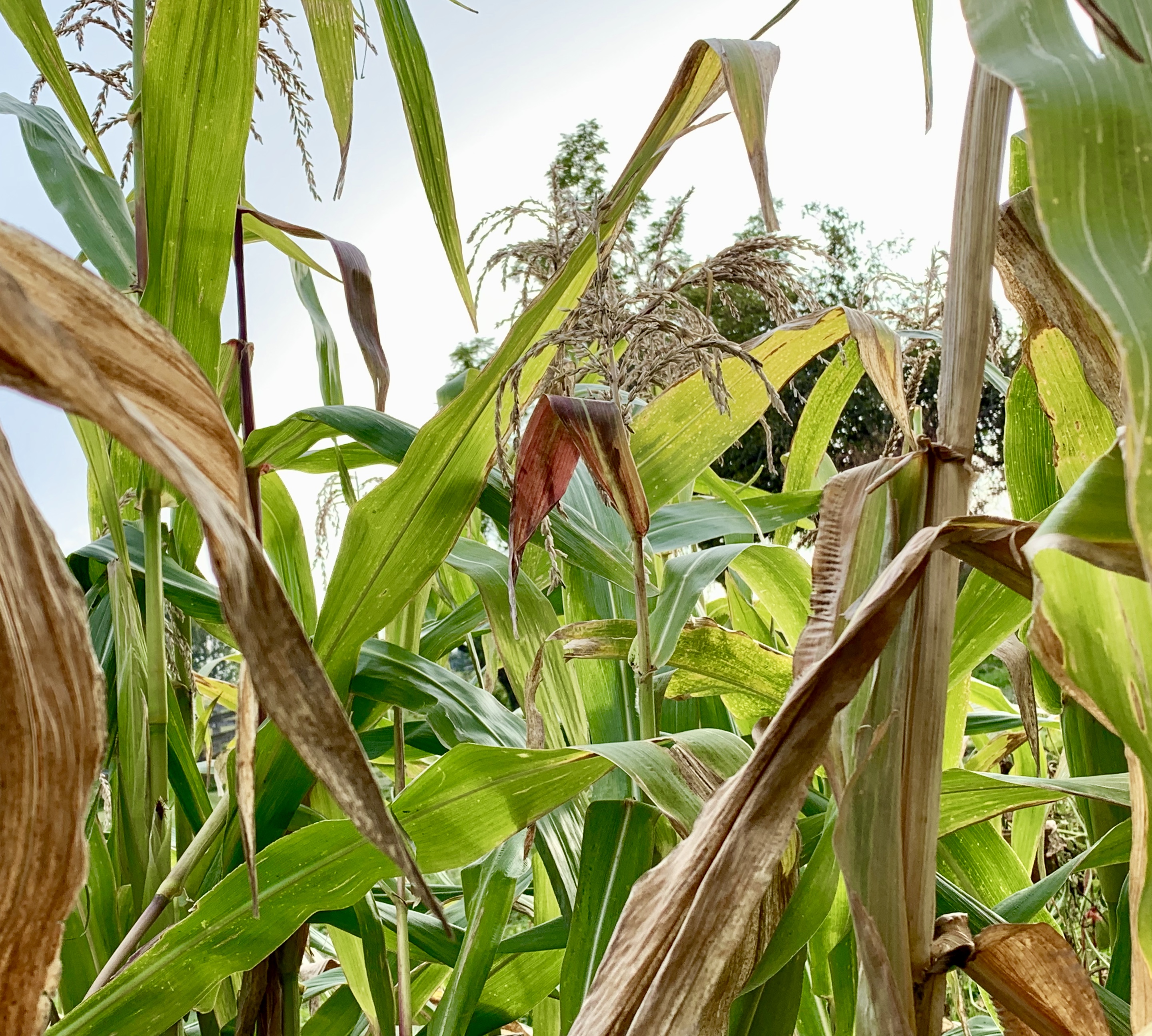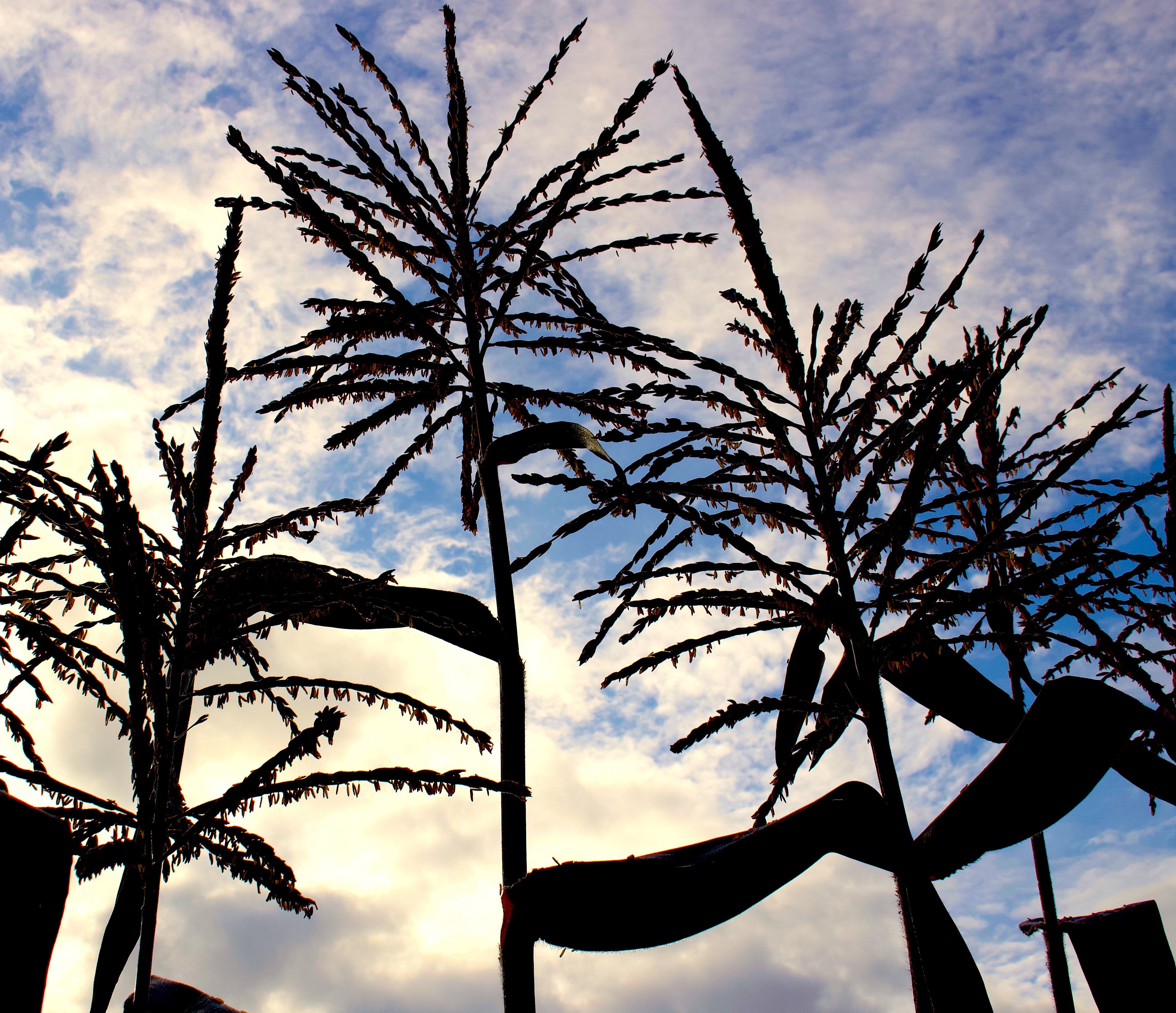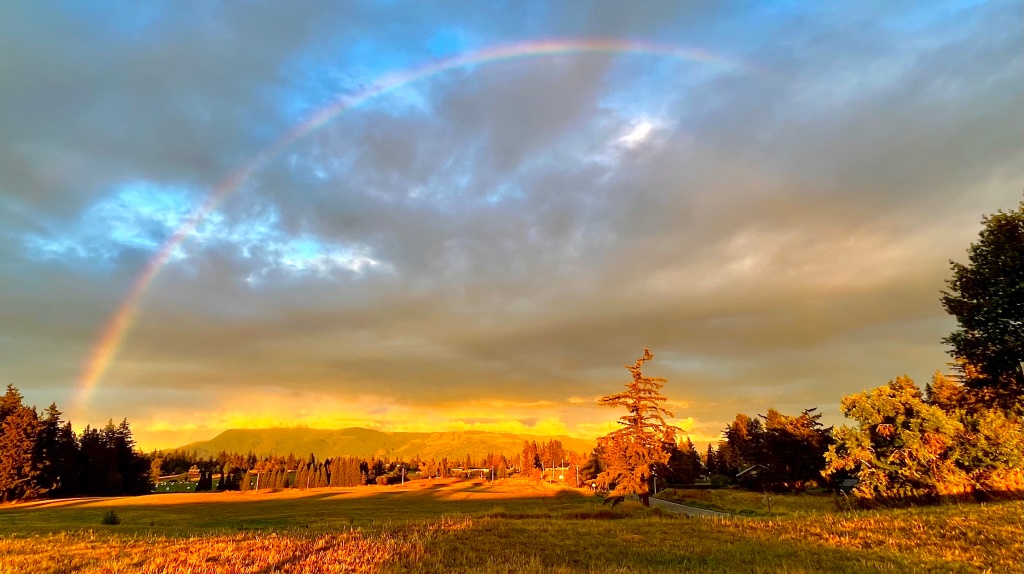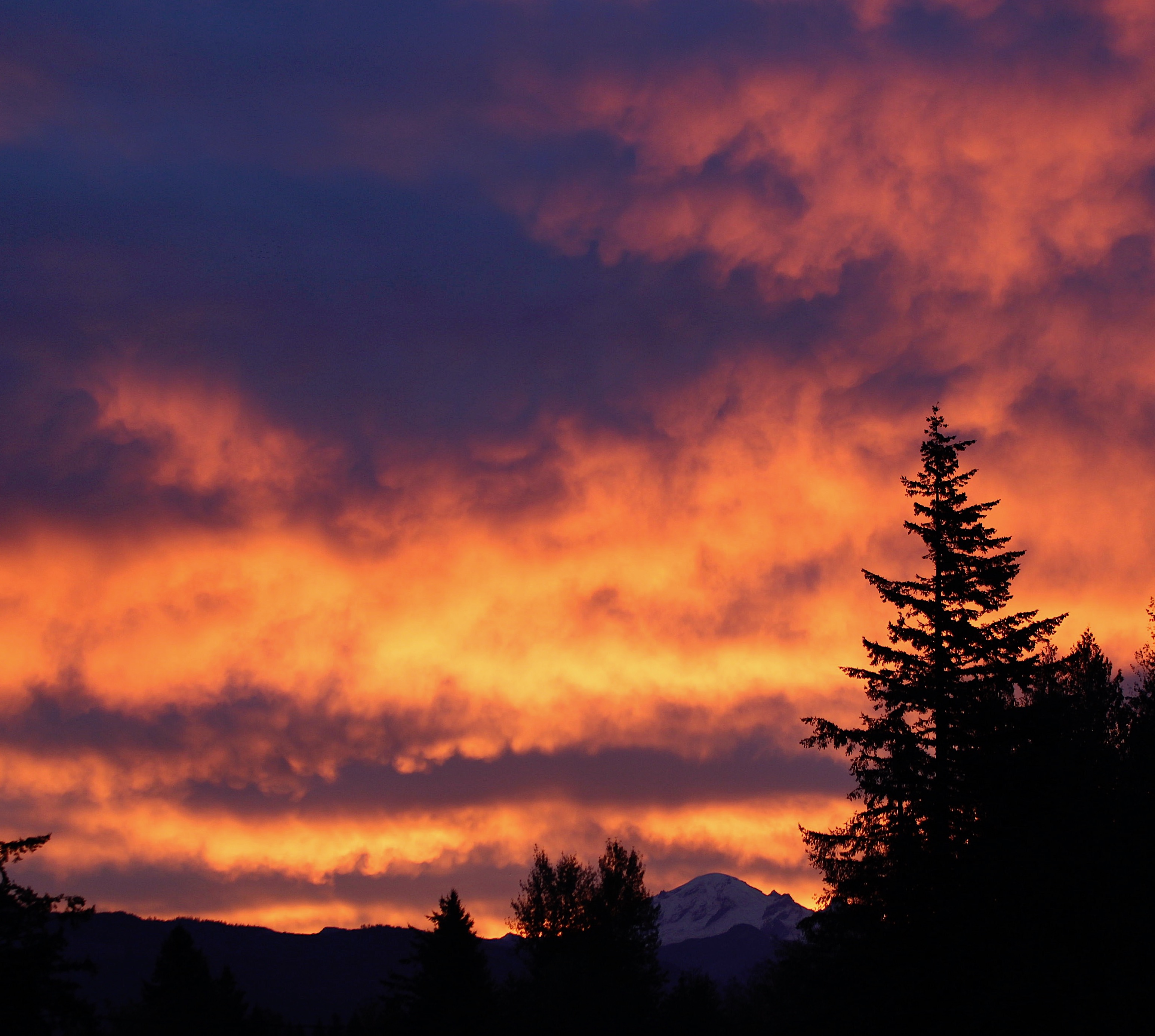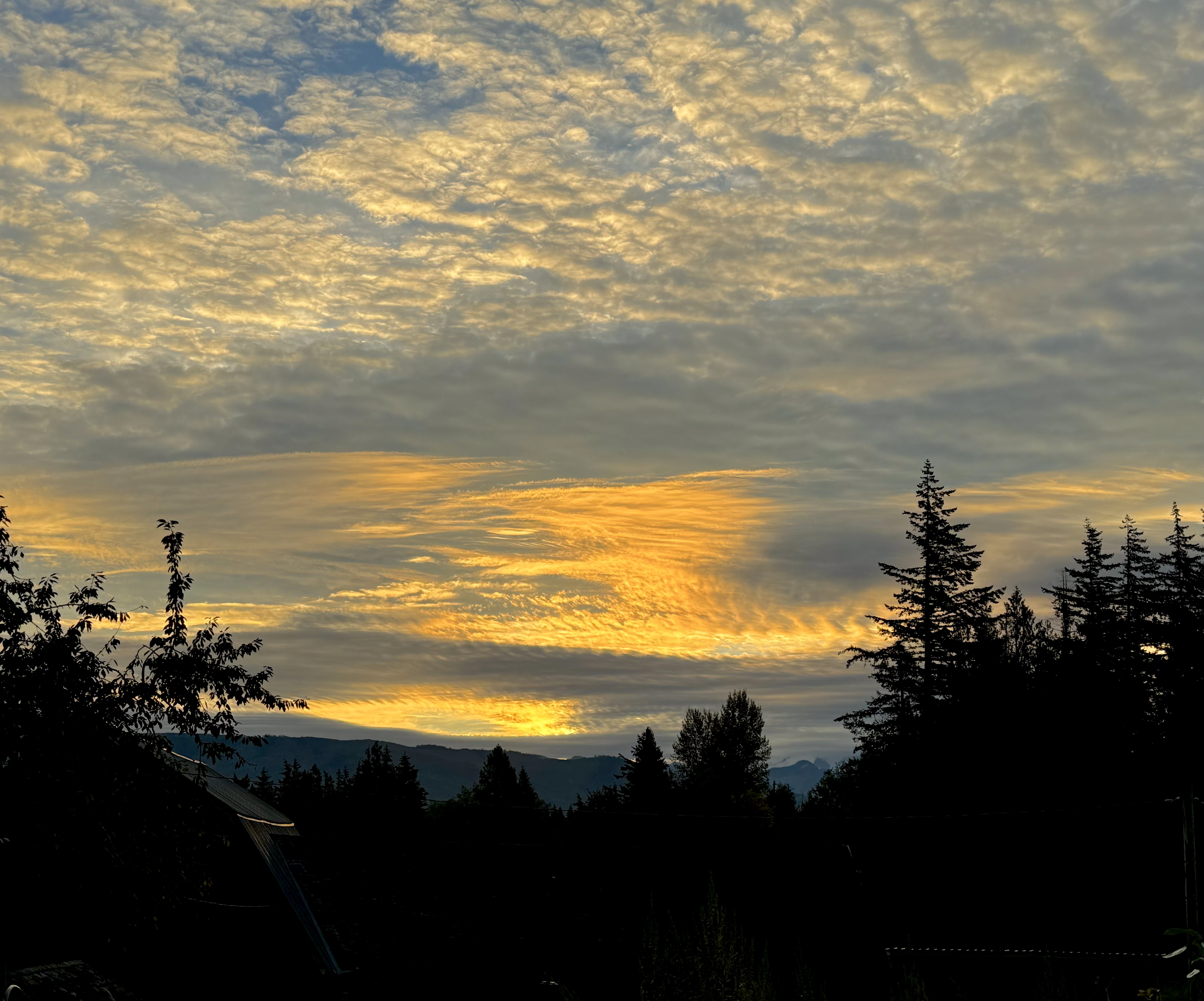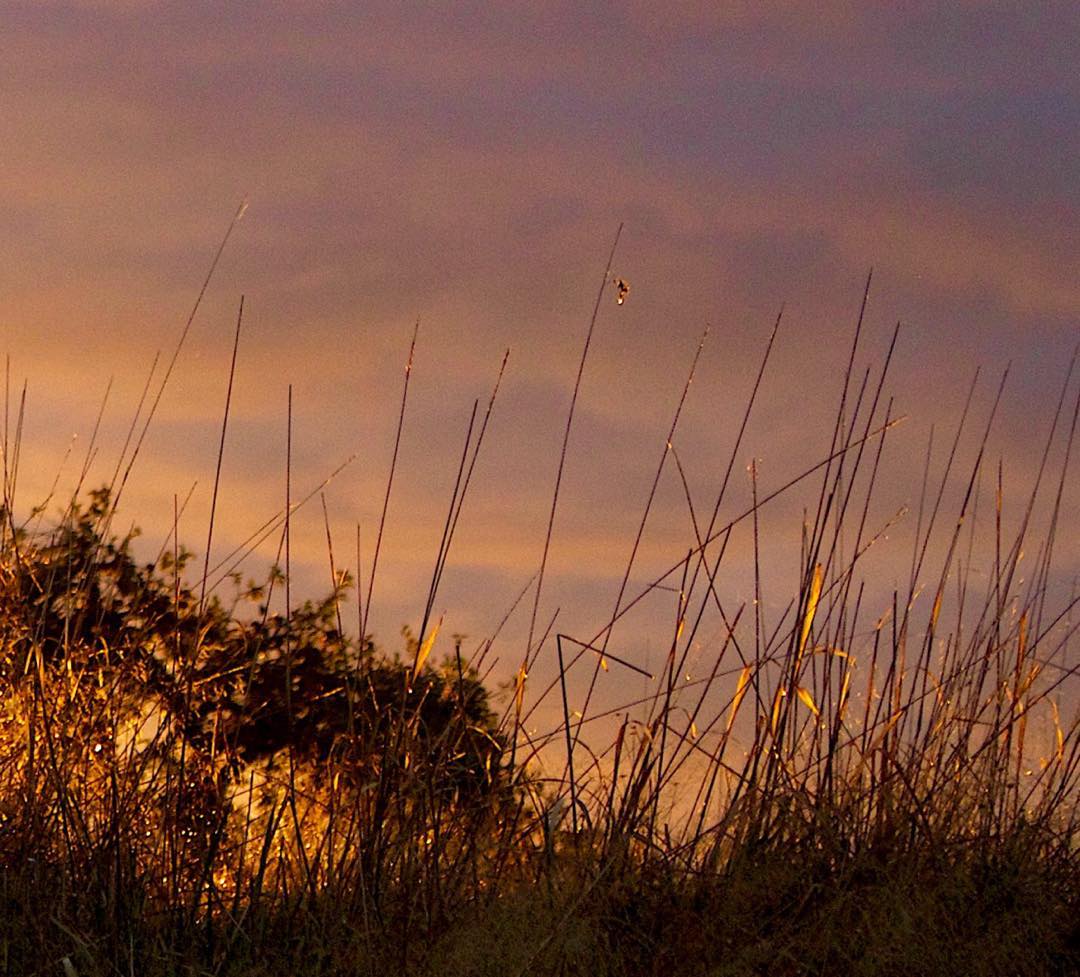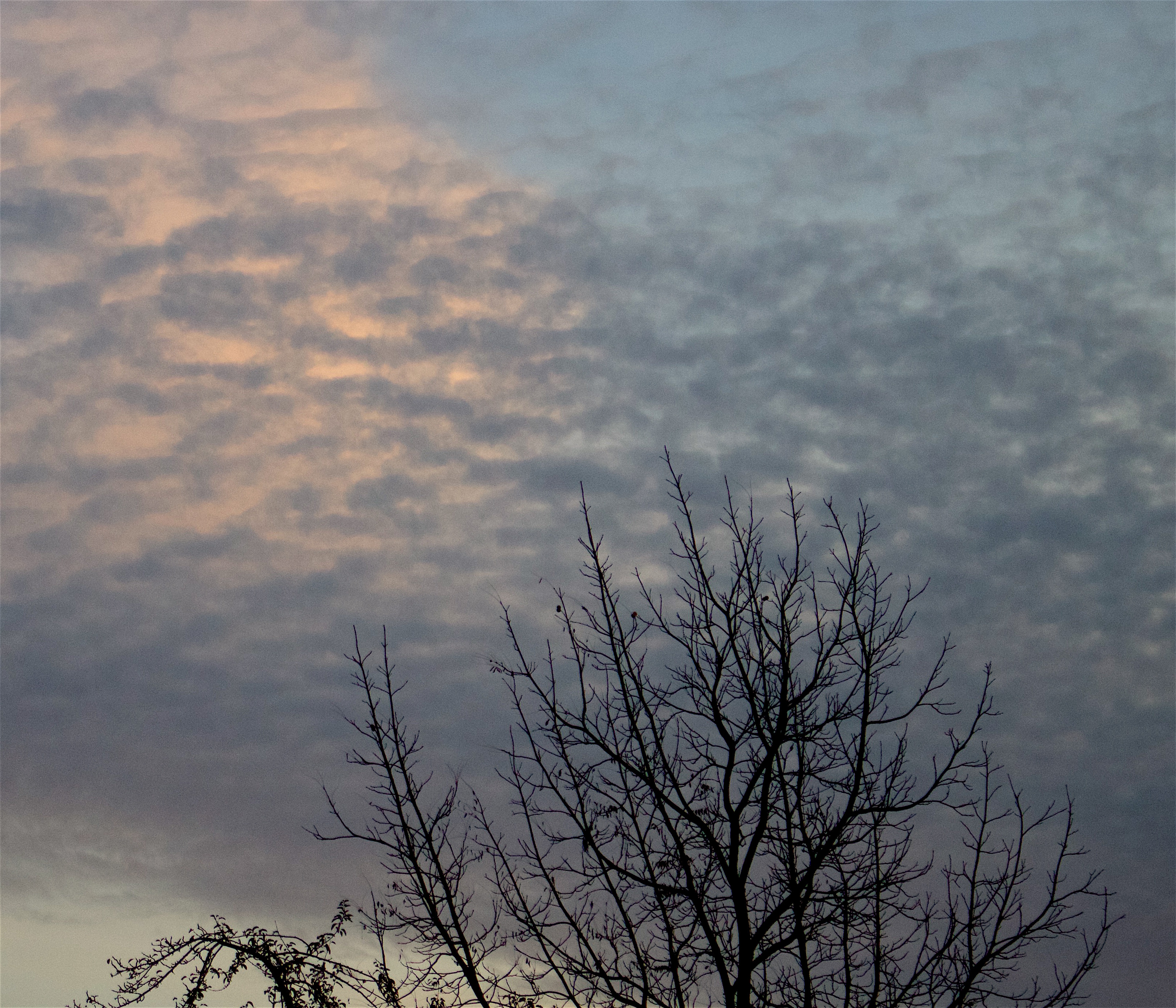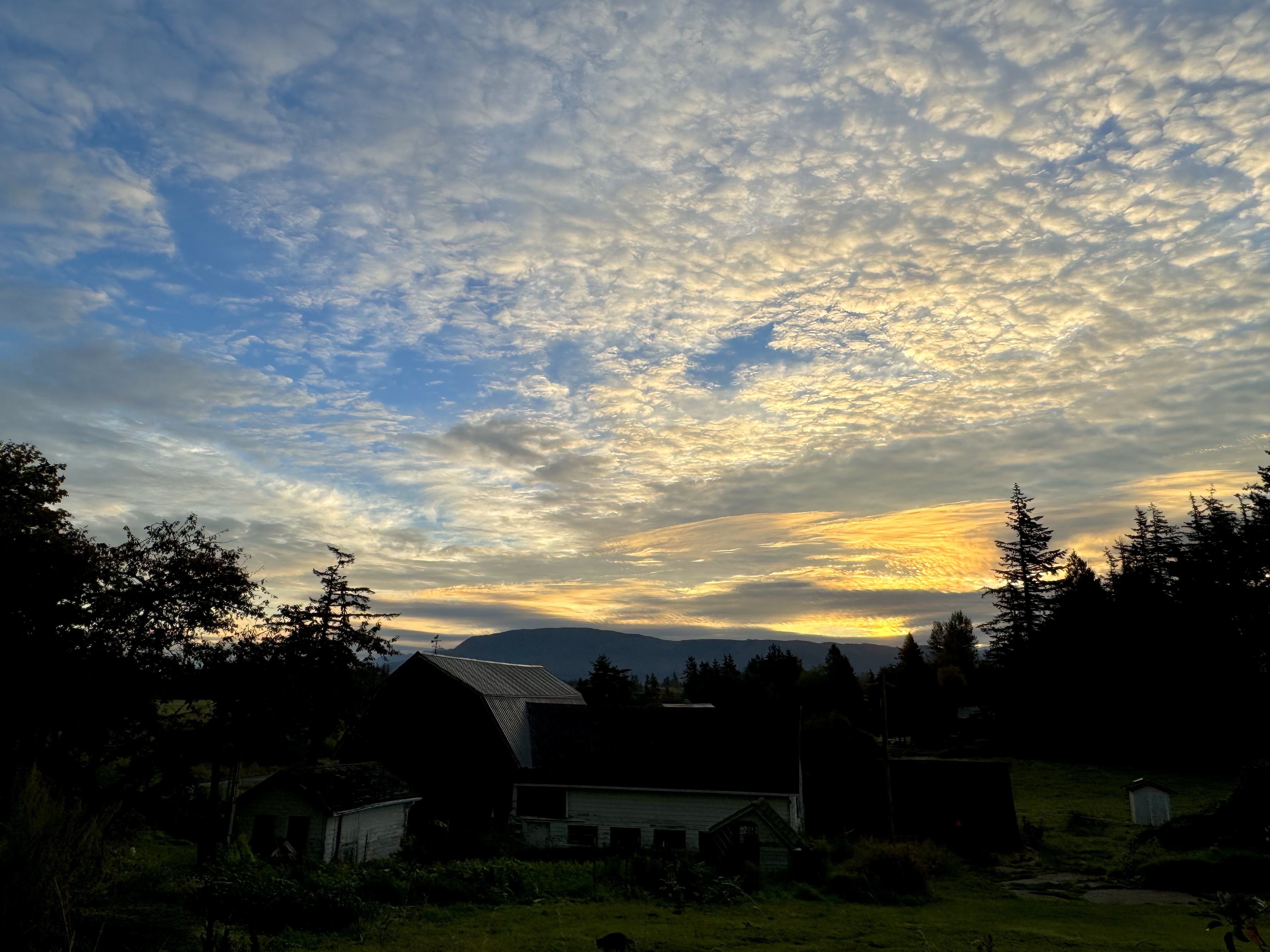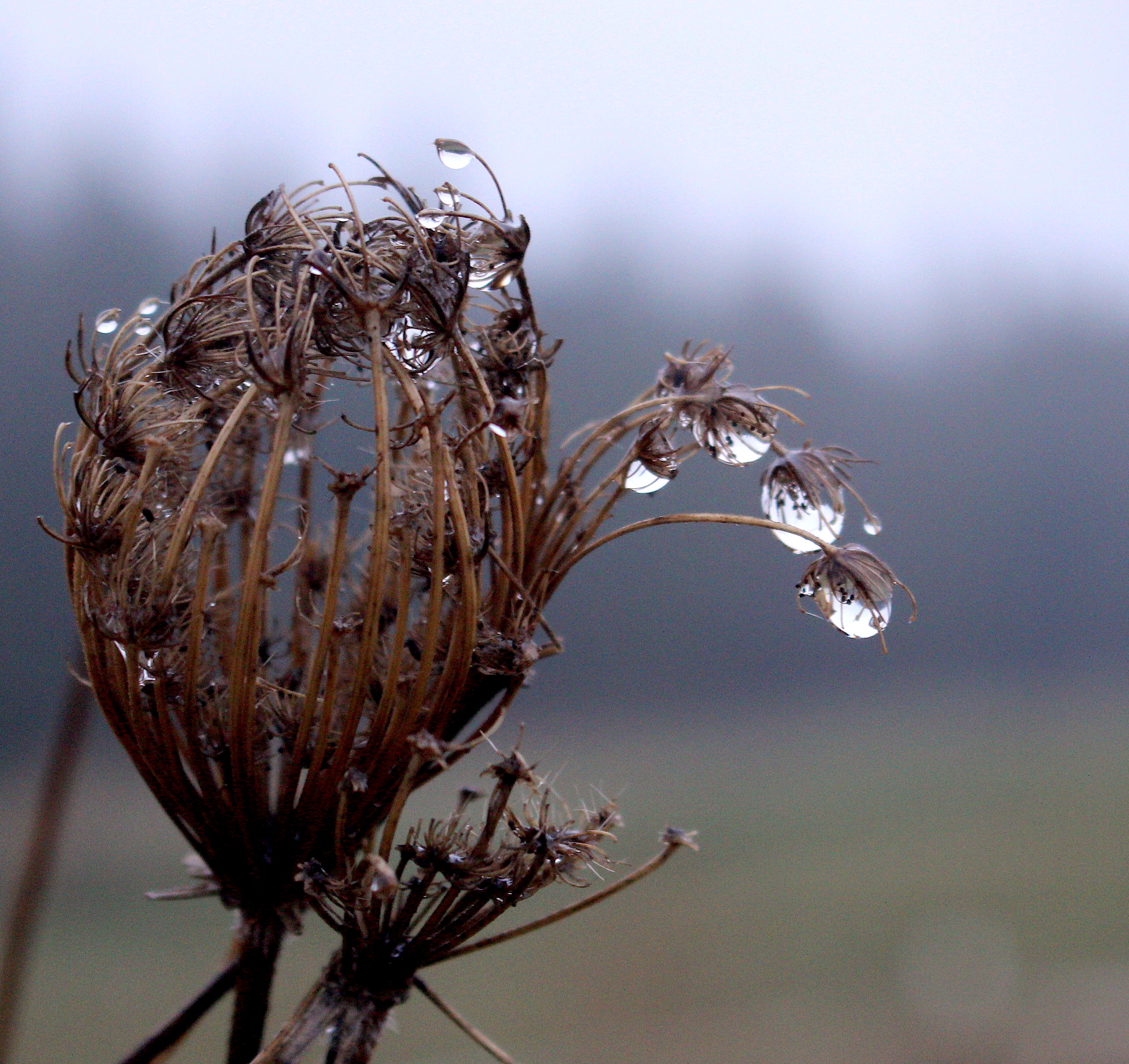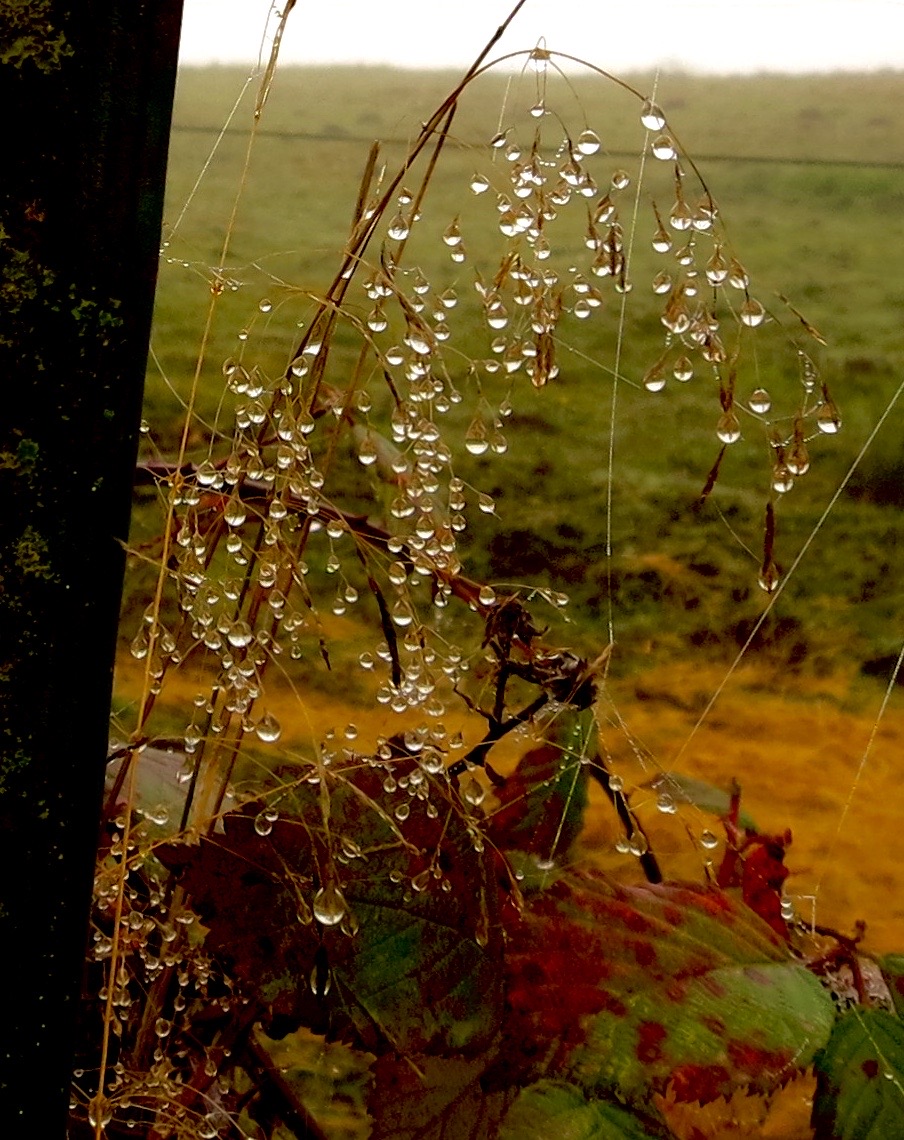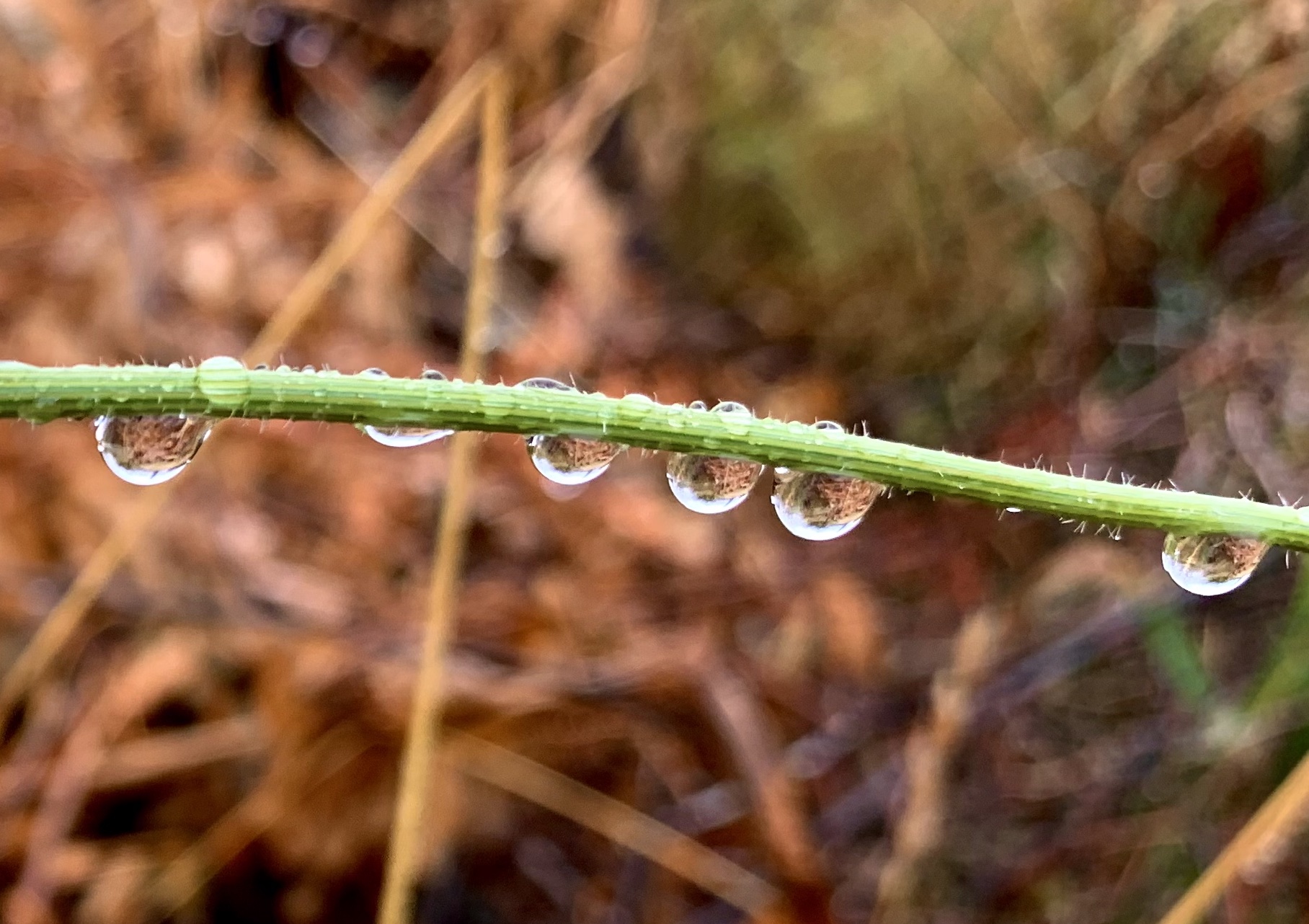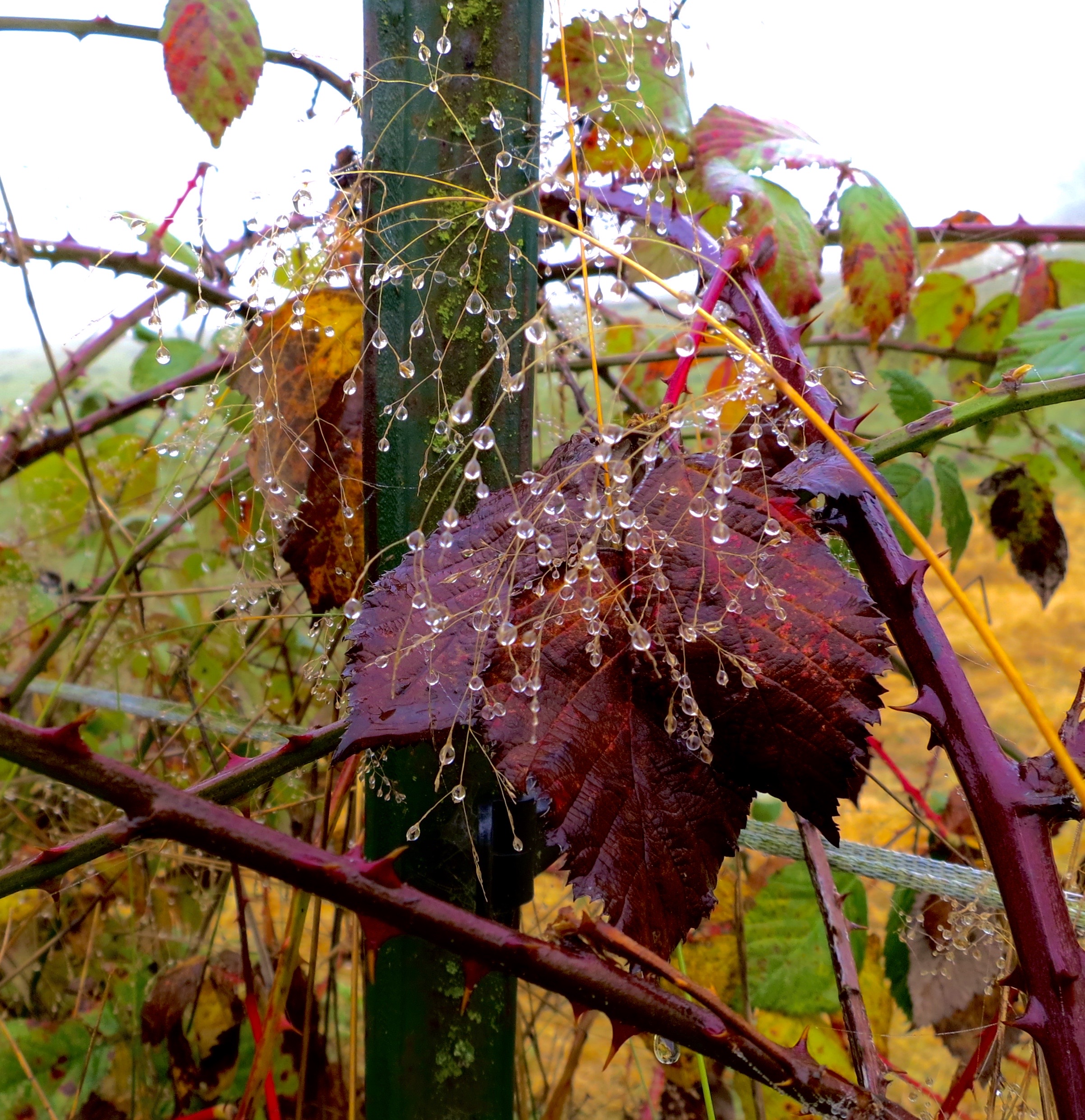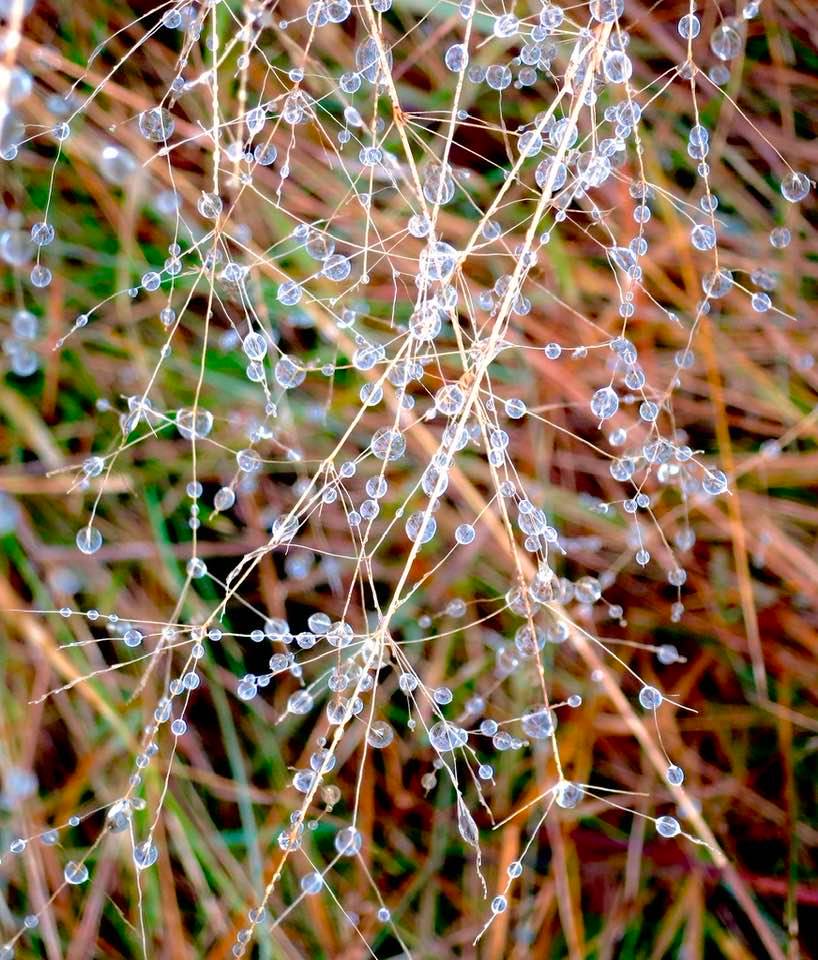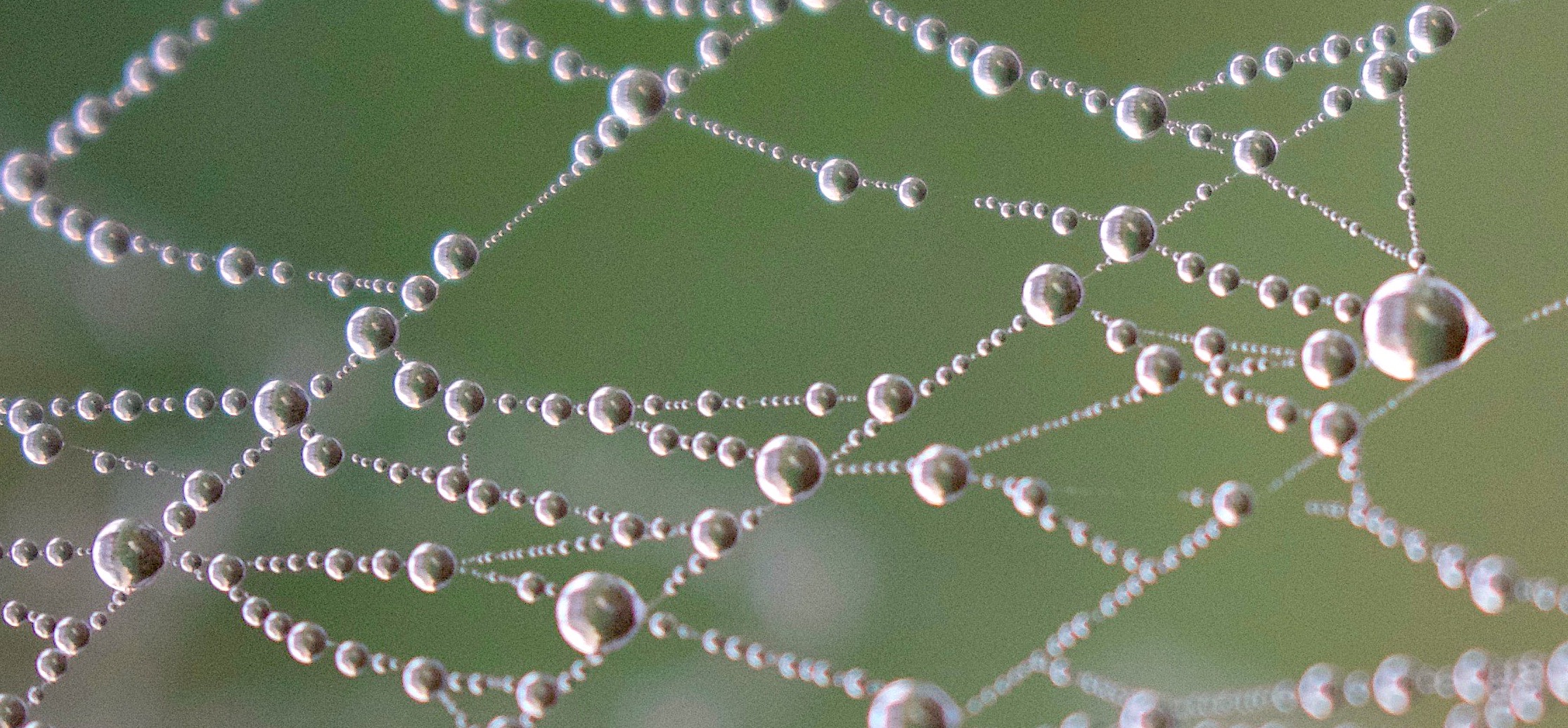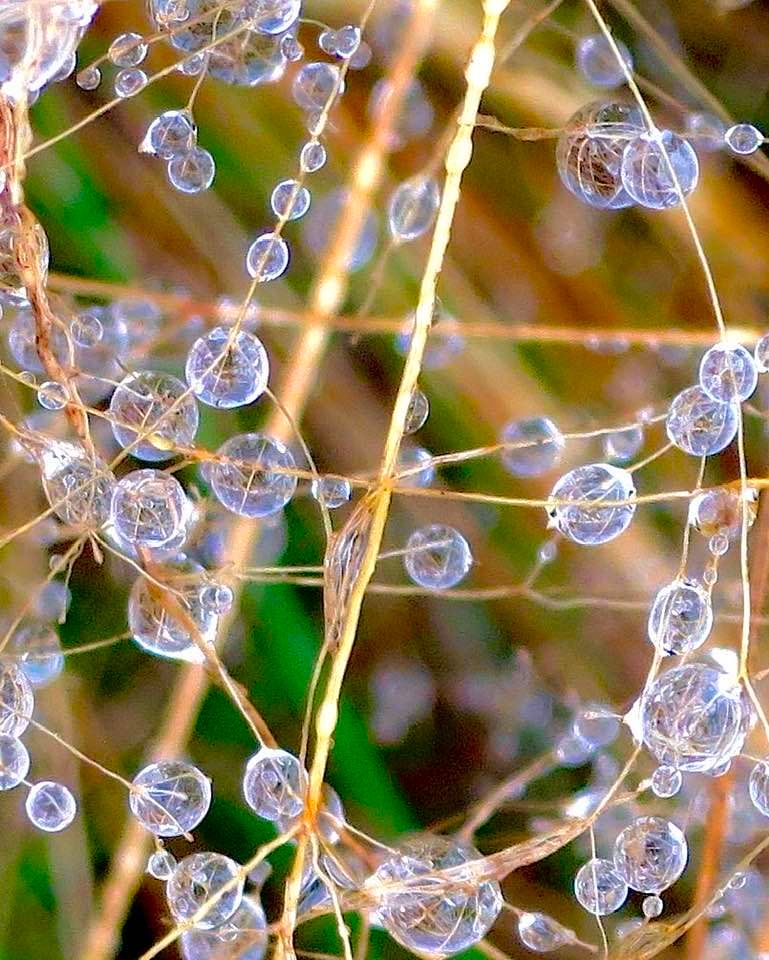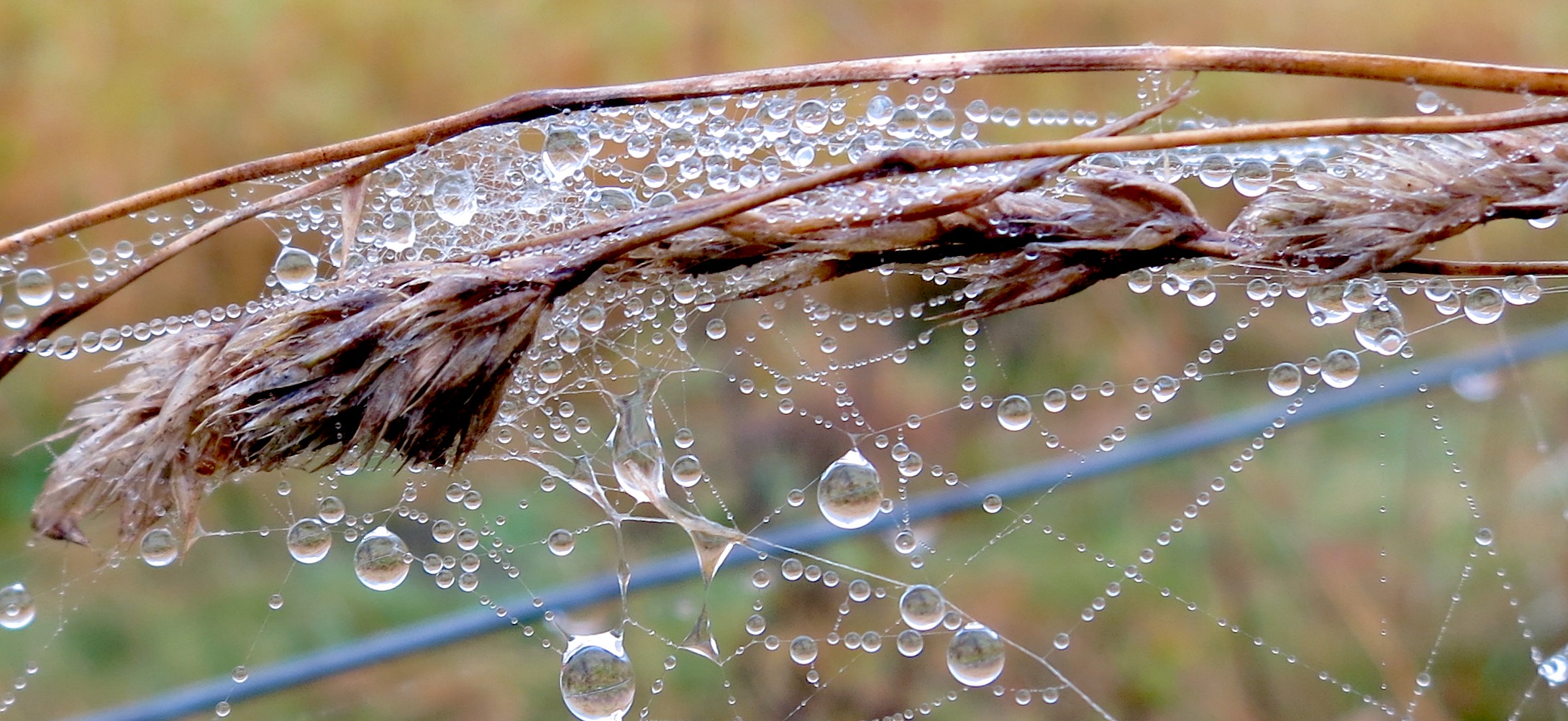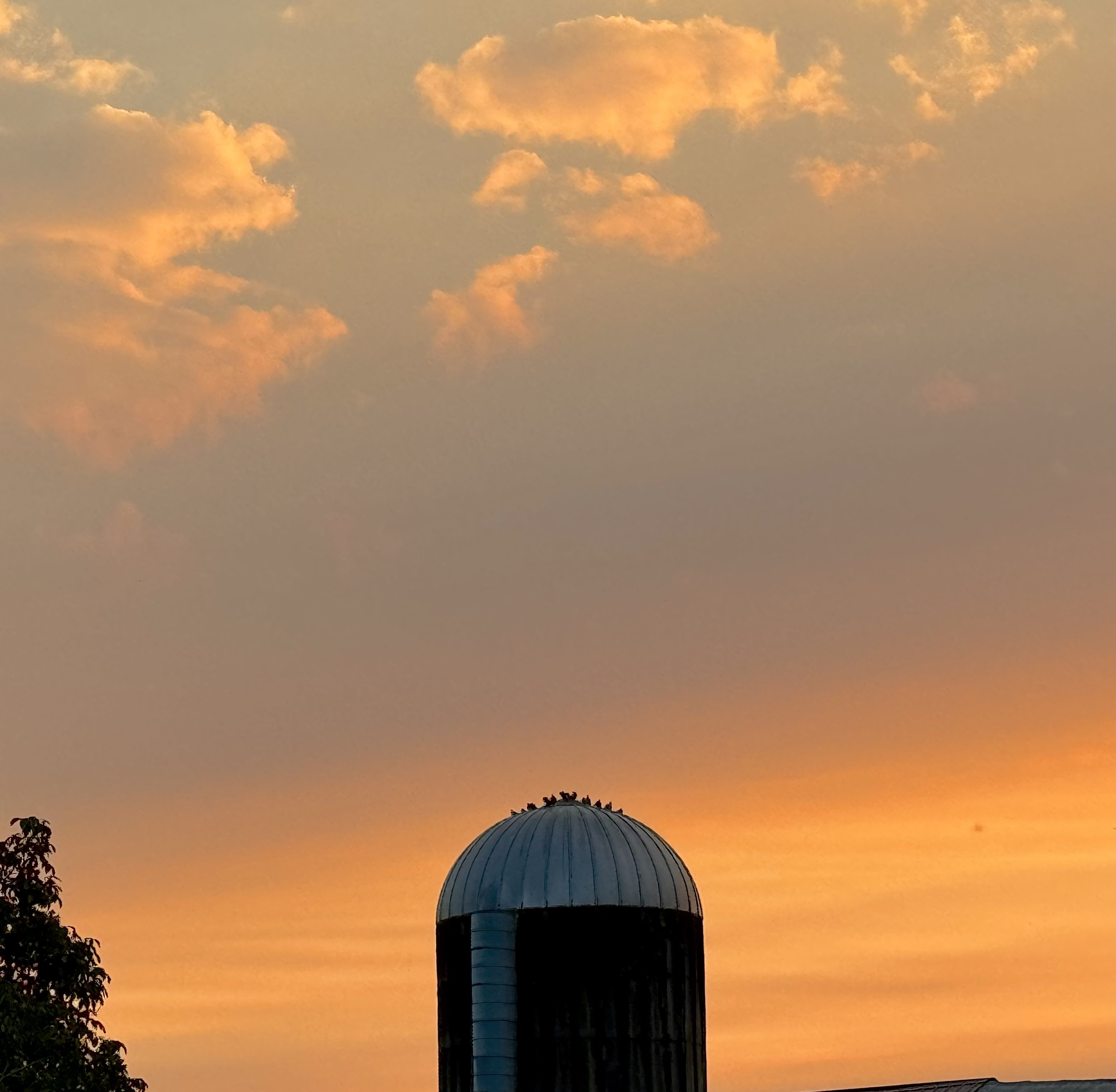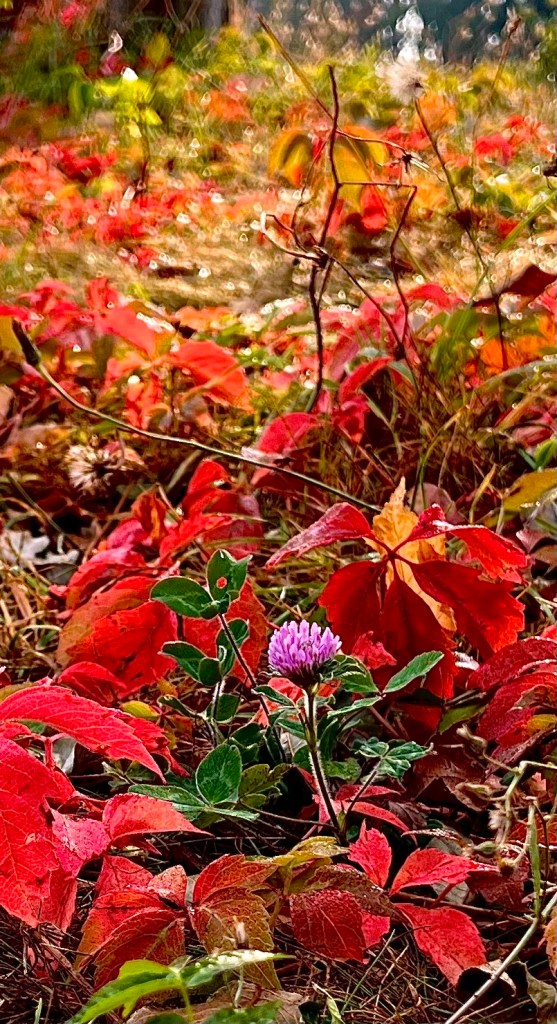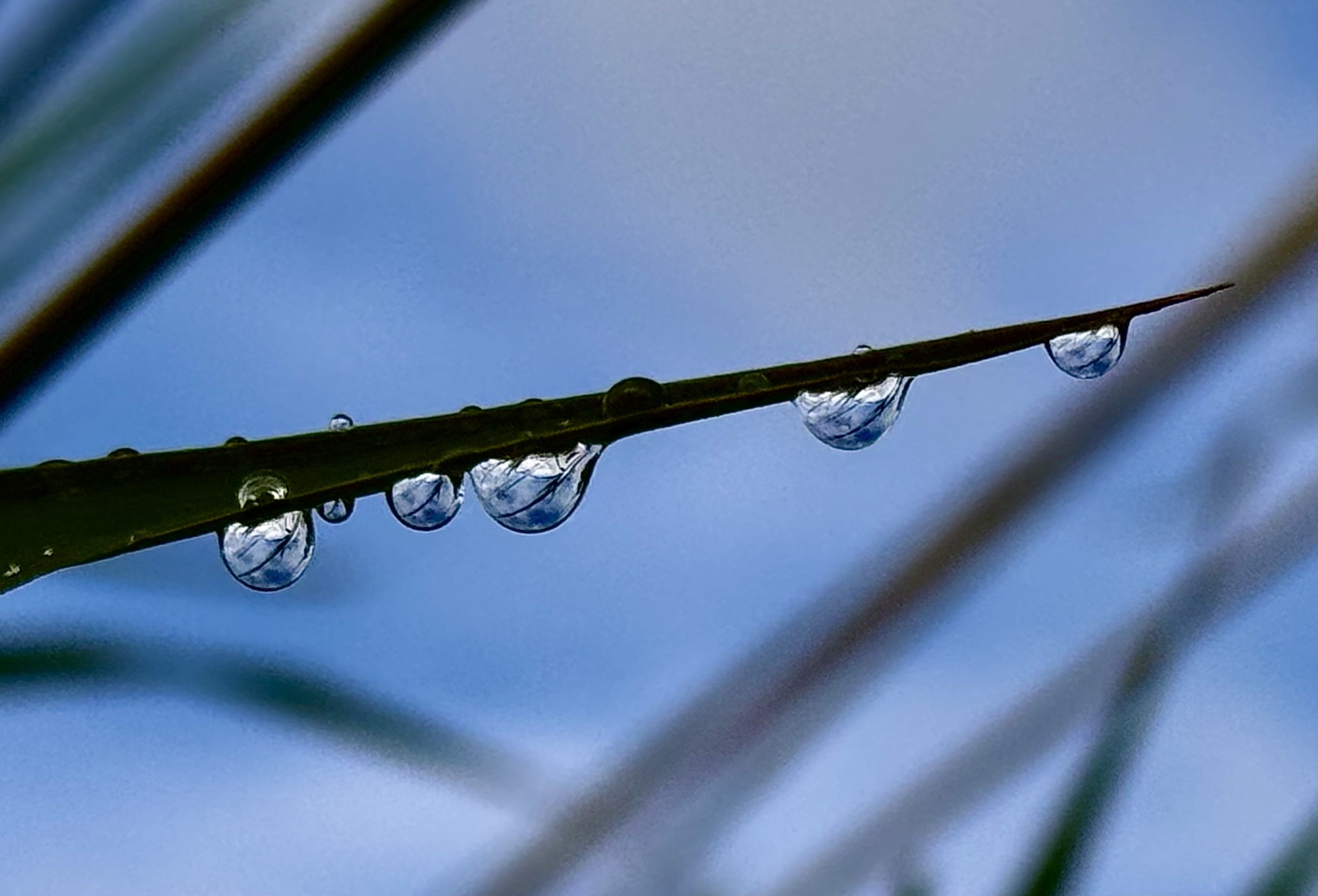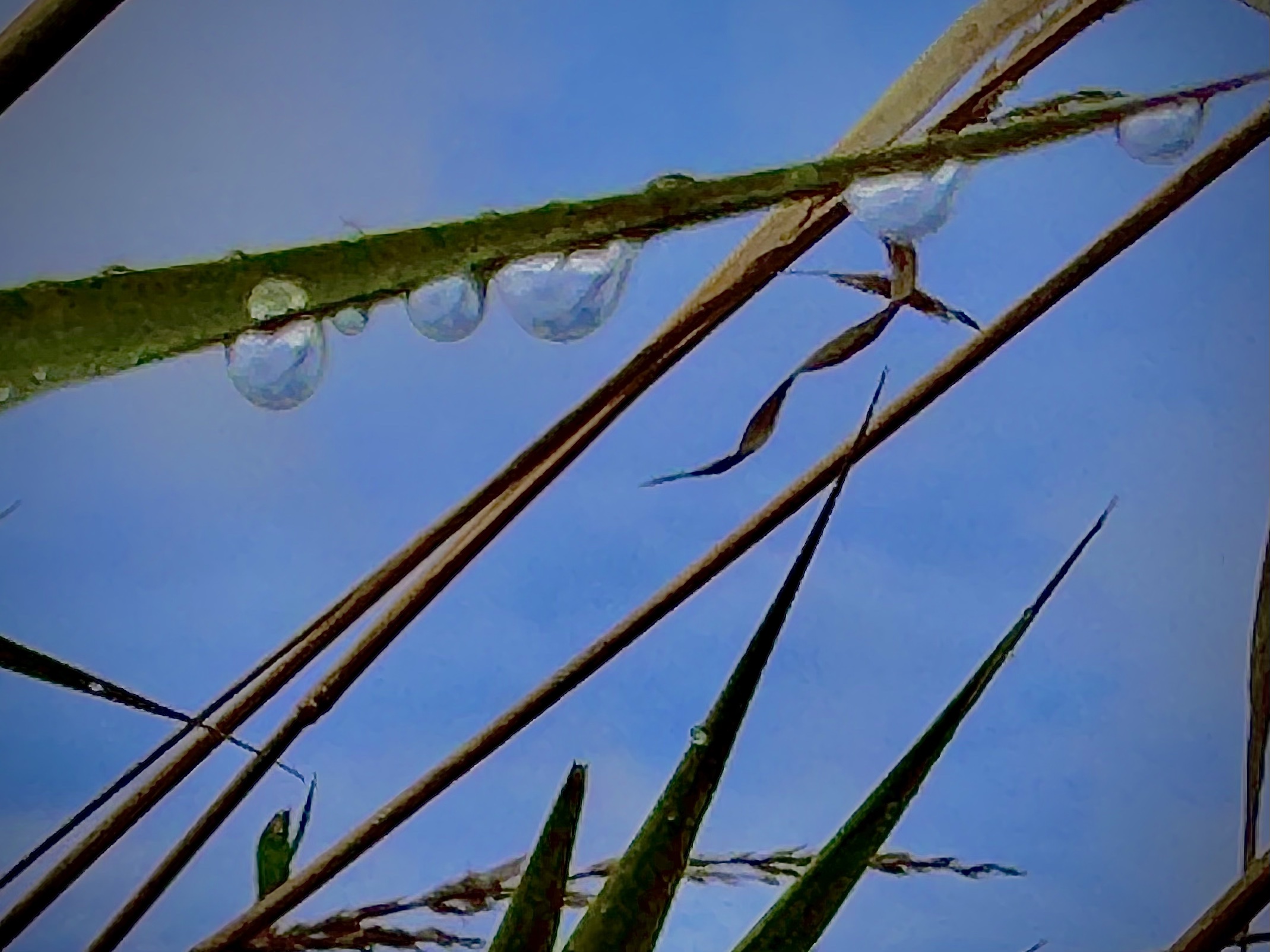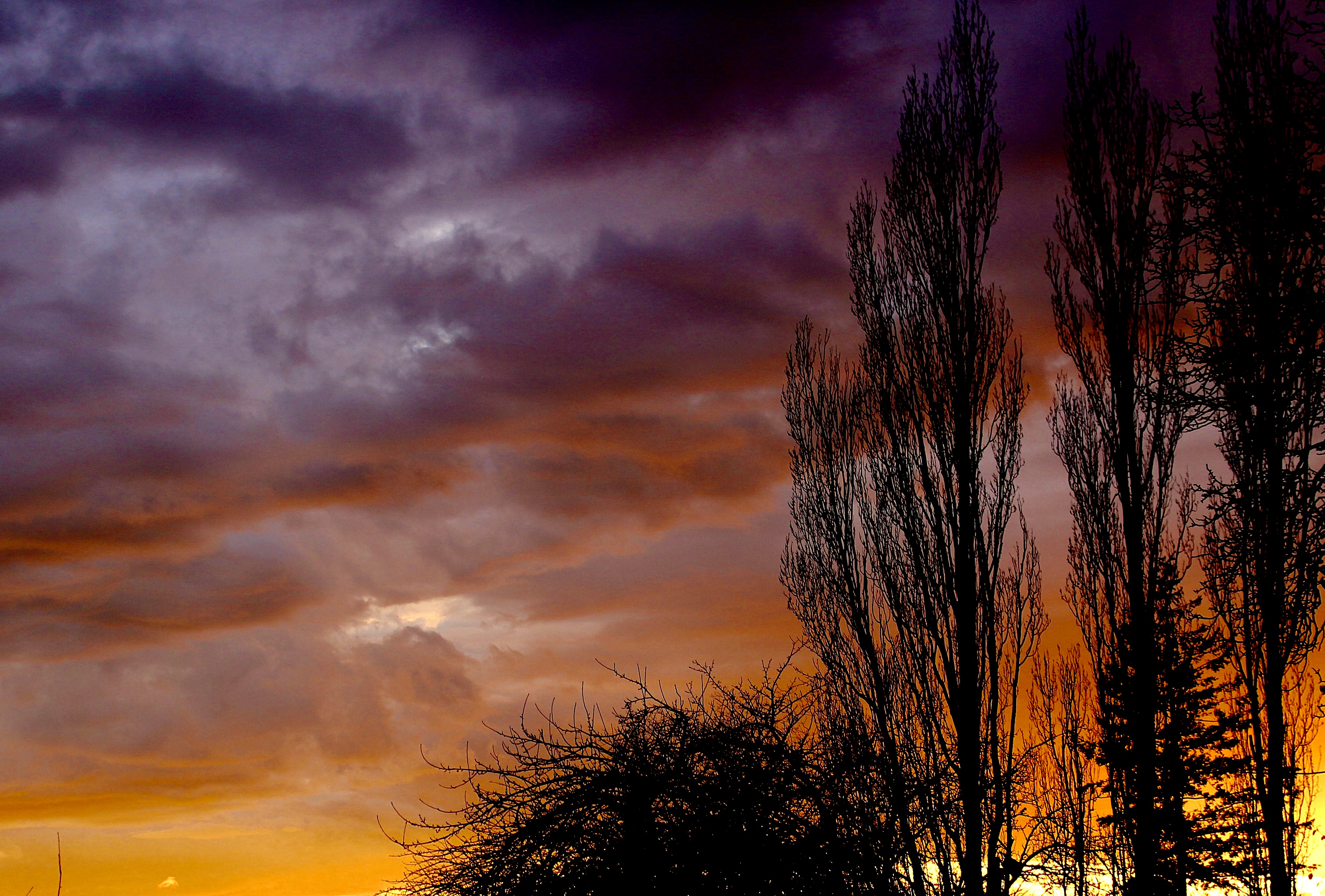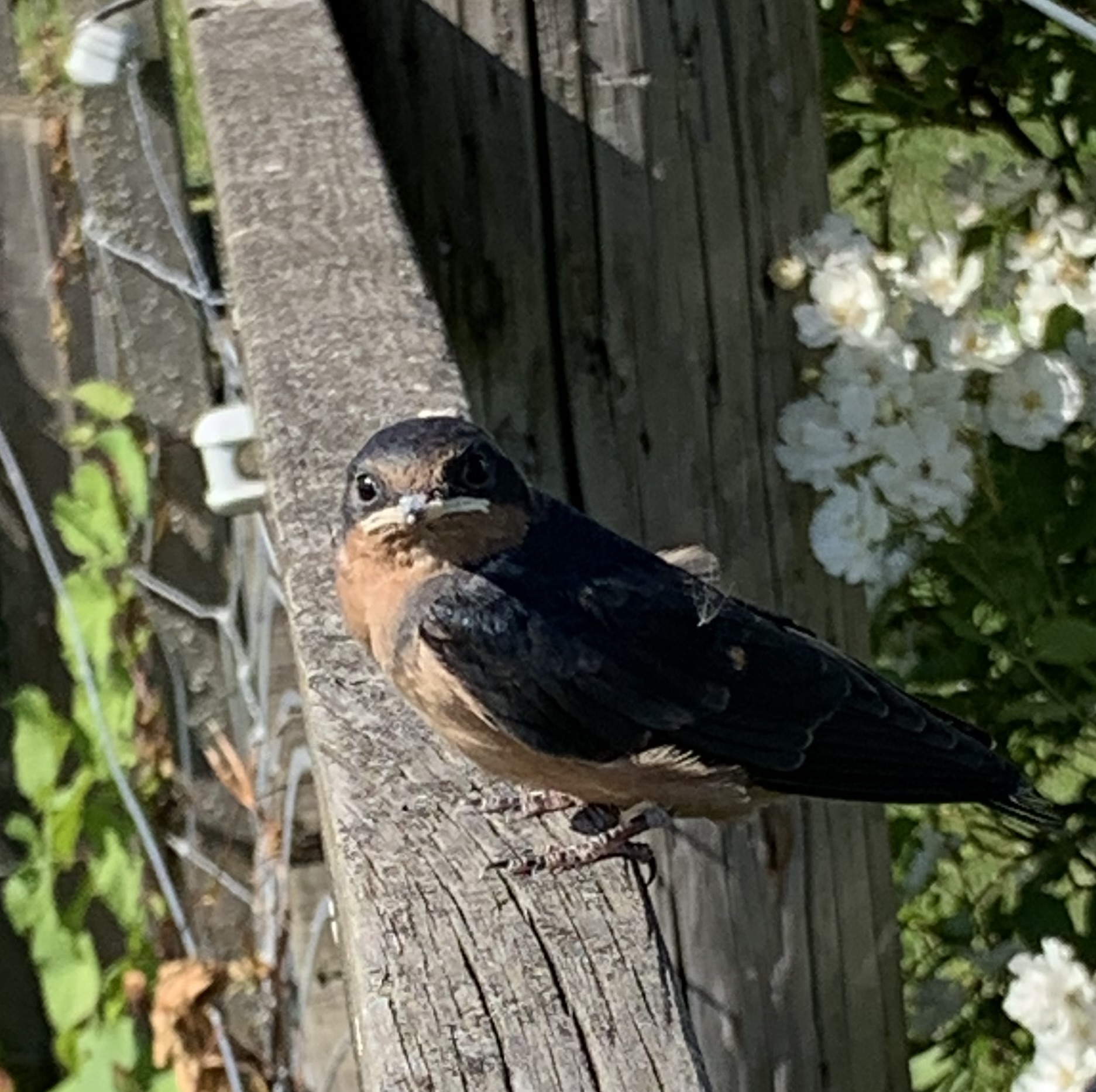
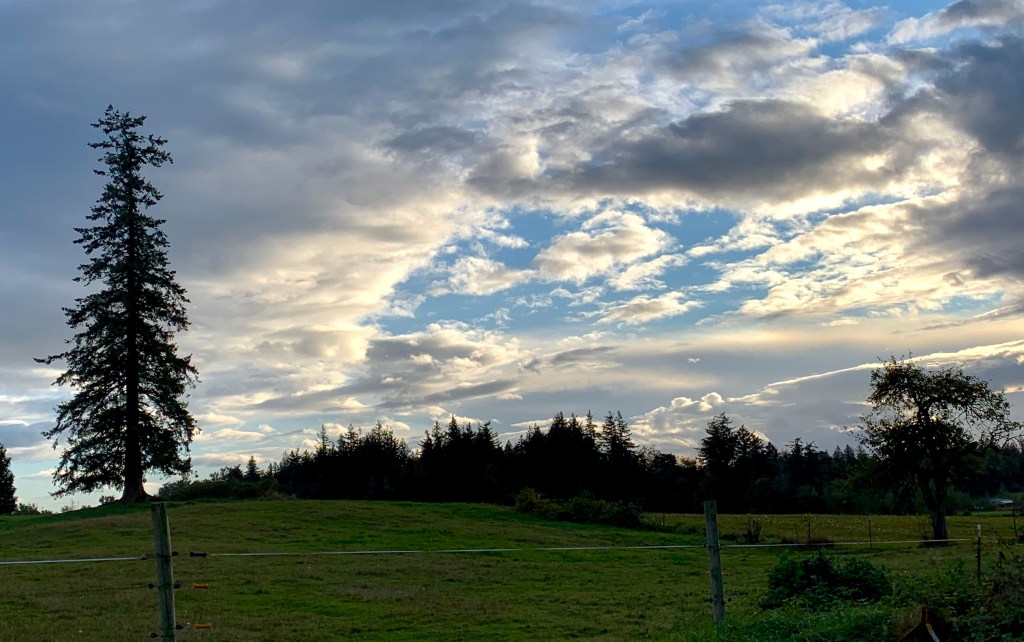
I went out to cut a last batch of zinnias this morning from the back fencerow and got my shanks chilled for sure: furrowy dark gray clouds with separating fringes of blue sky-grass: and the dew
beaded up heavier than the left-overs of the rain: in the zinnias, in each of two, a bumblebee stirring in slow motion. Trying to unwind the webbed drug of cold, buzzing occasionally but
with a dry rattle: bees die with the burnt honey at their mouths, at least: the fact’s established: it is not summer now and the simmering buzz is out of heat: the zucchini blossoms falling show squash
overgreen with stunted growth: the snapdragons have suckered down into a blossom or so: we passed into dark last week the even mark of day and night and what we hoped would stay we yield to change. ~A.R. Ammons “Equinox” from Complete Poems
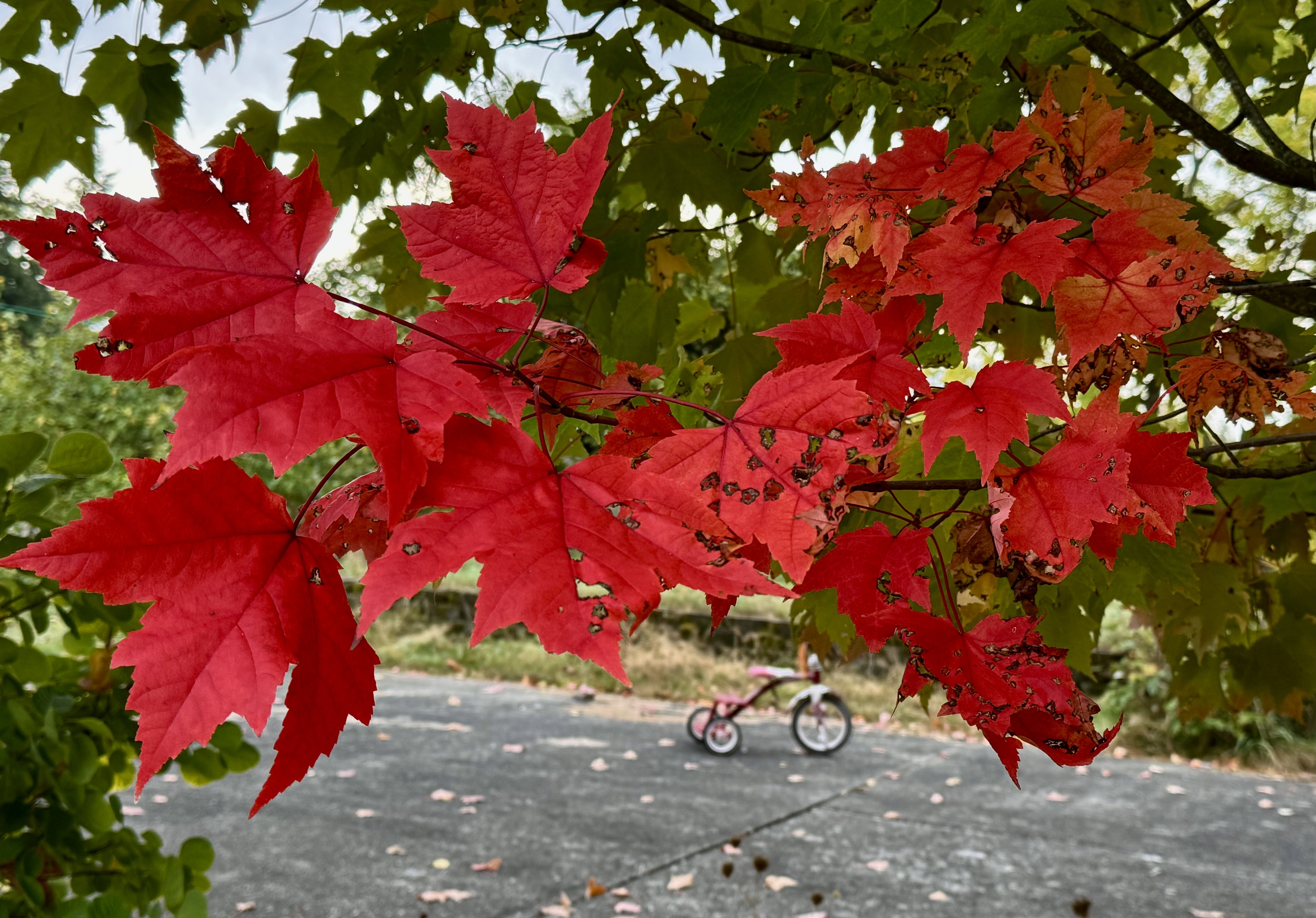
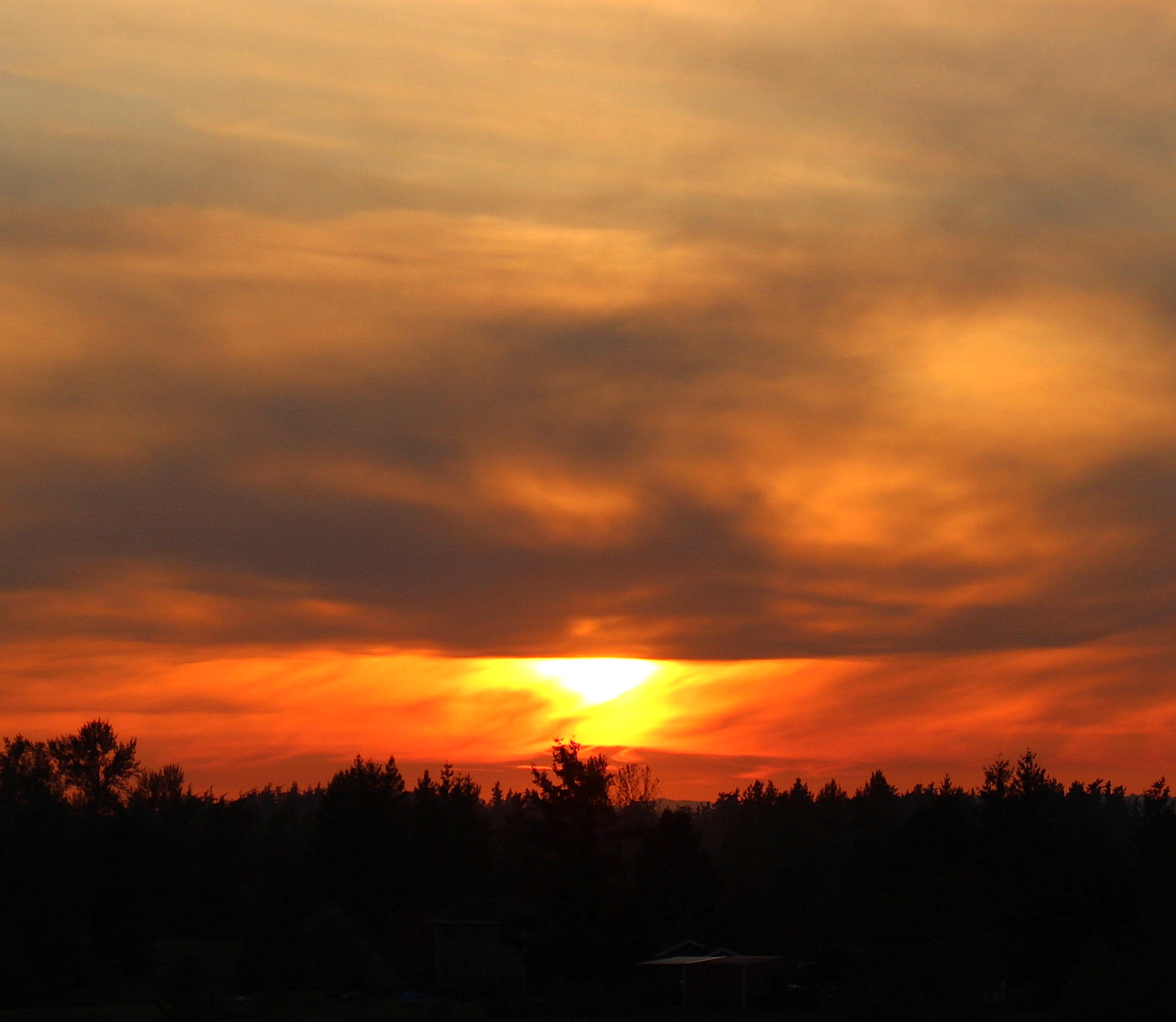
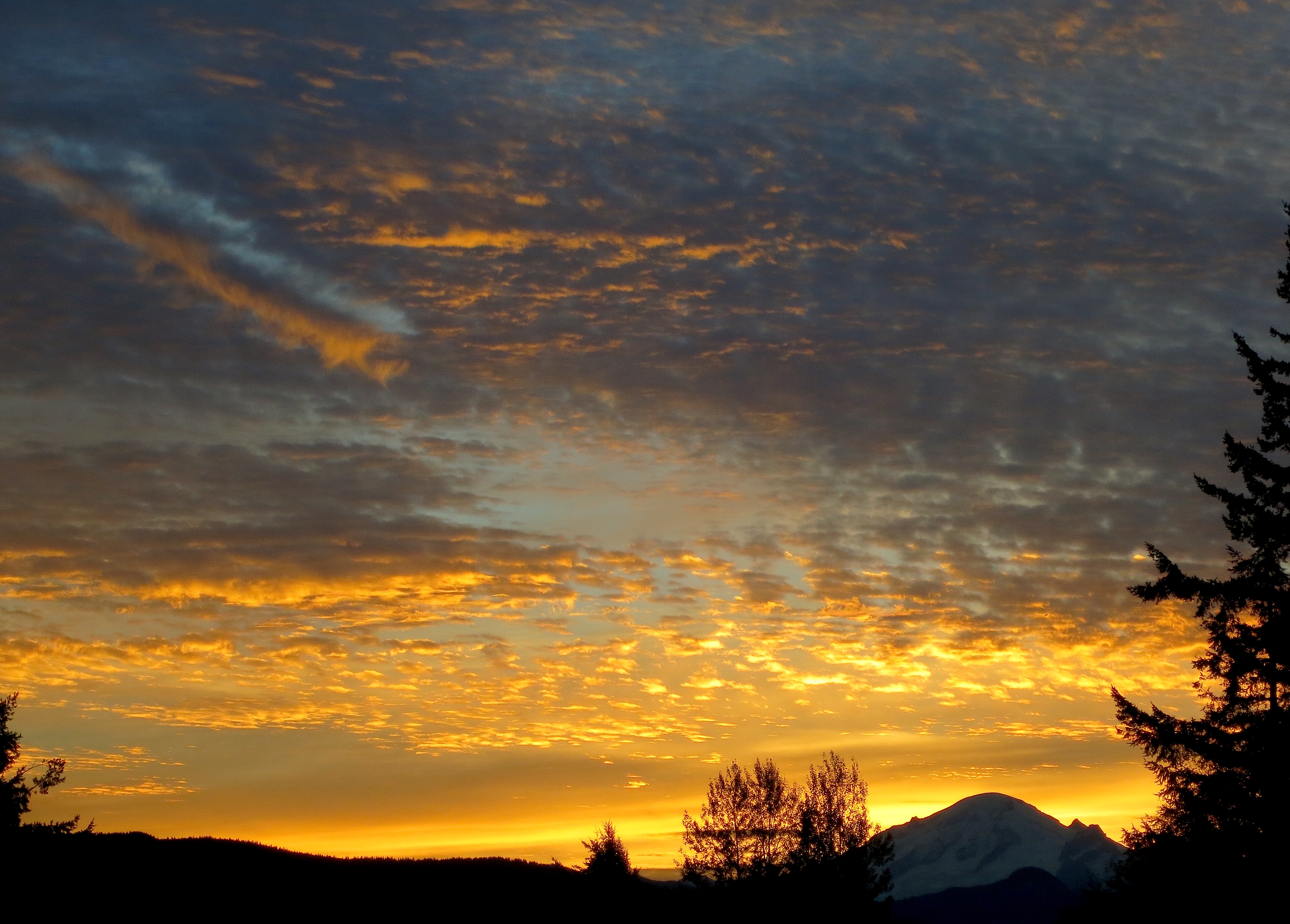
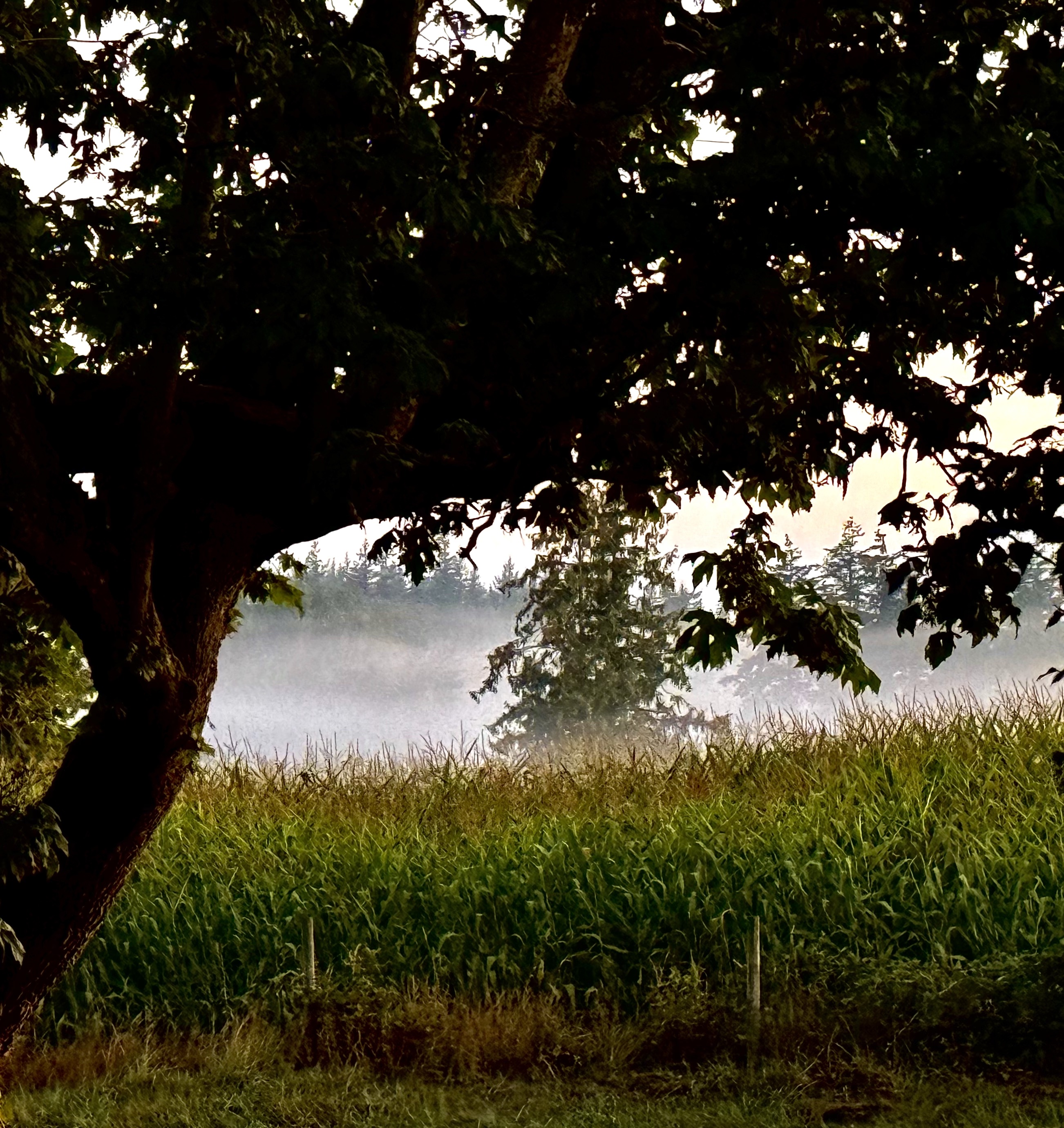
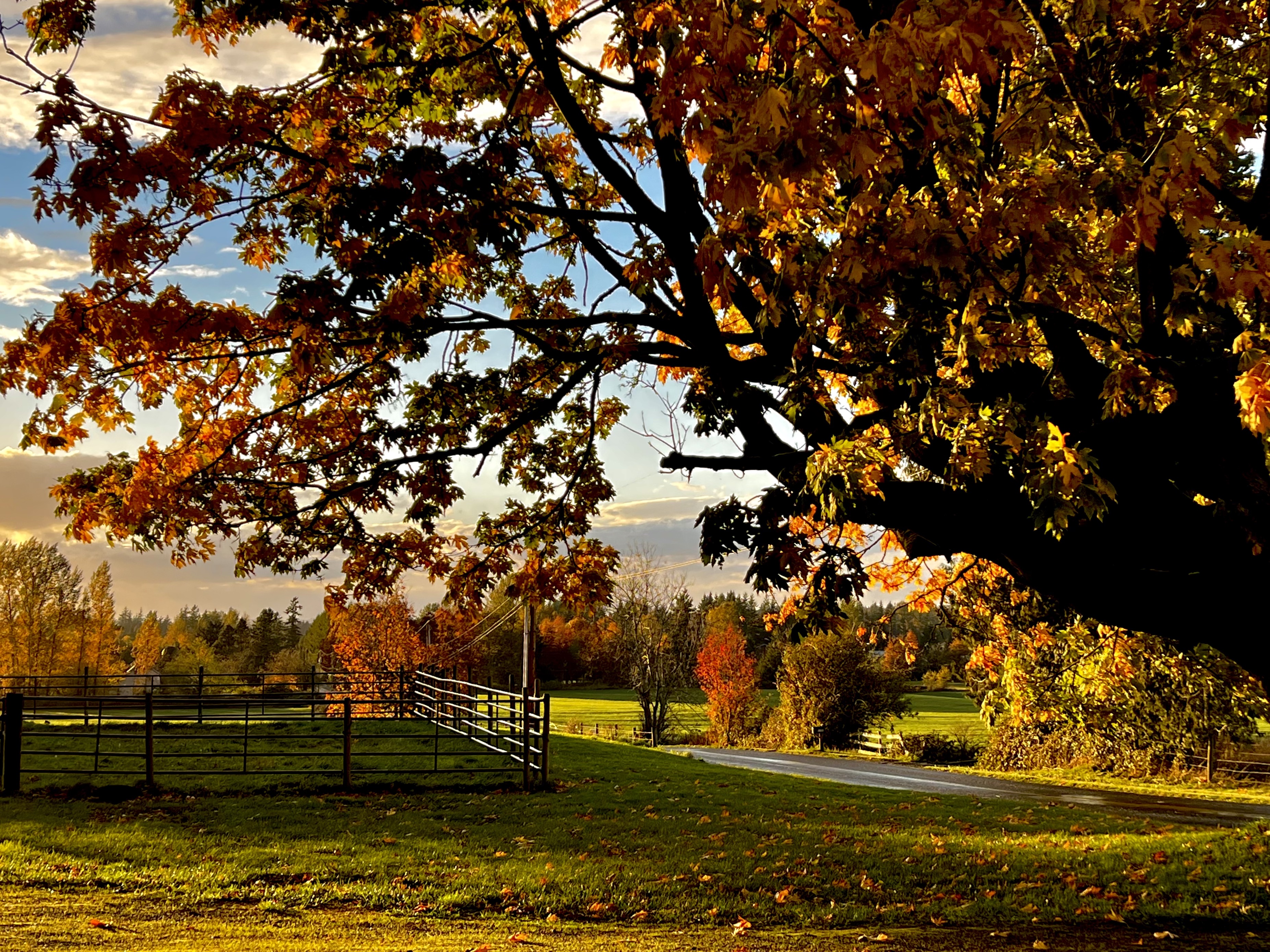
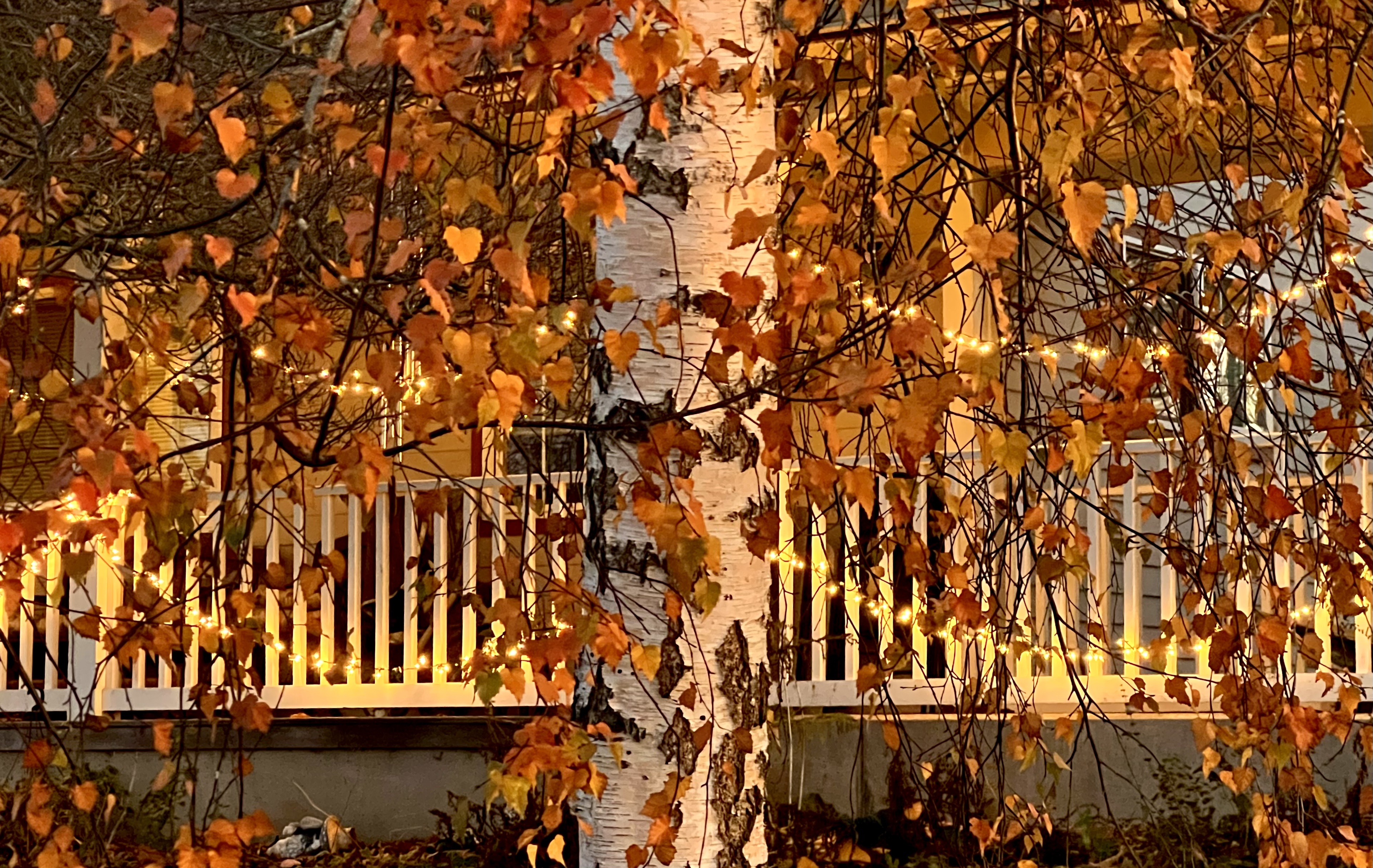
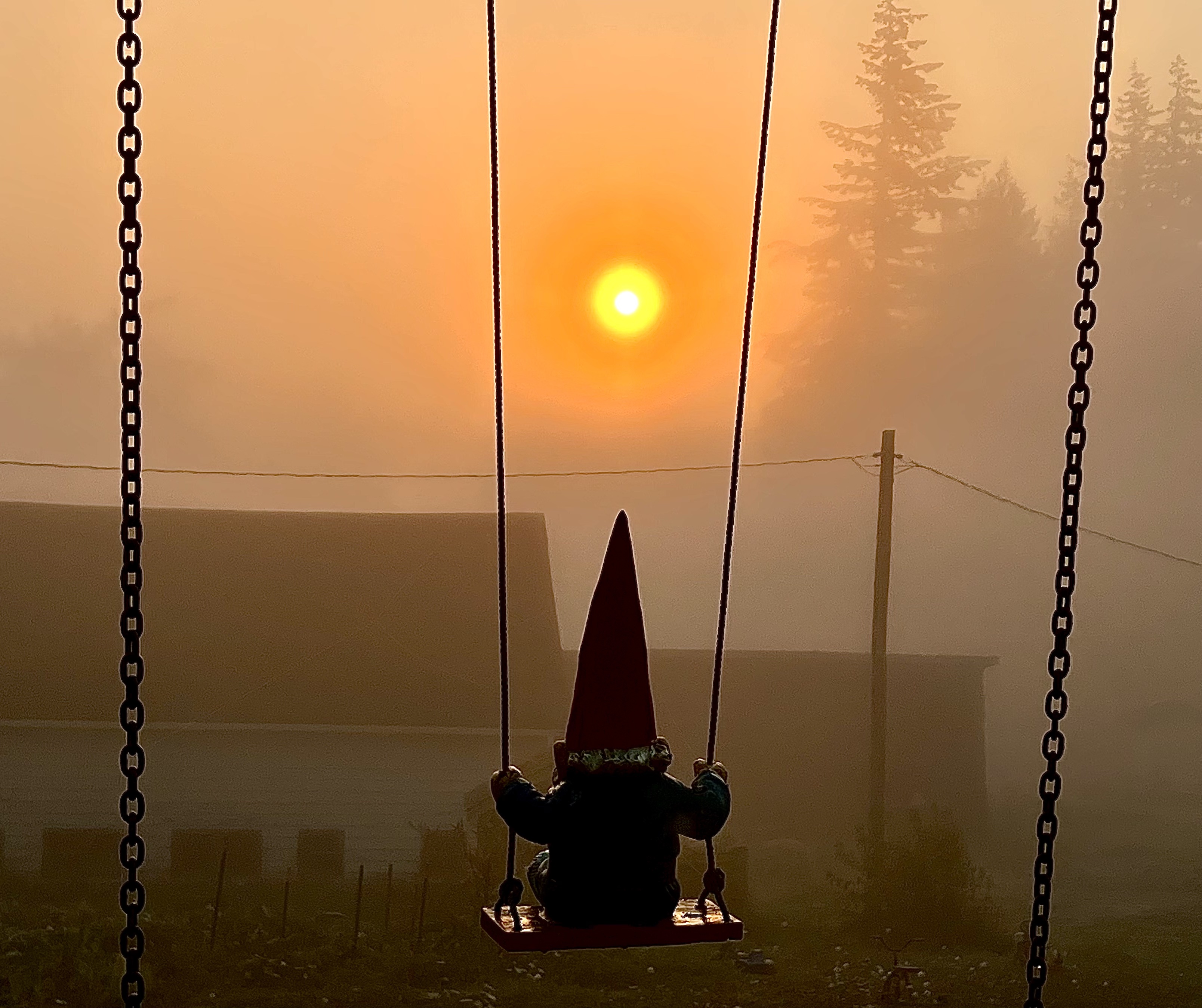
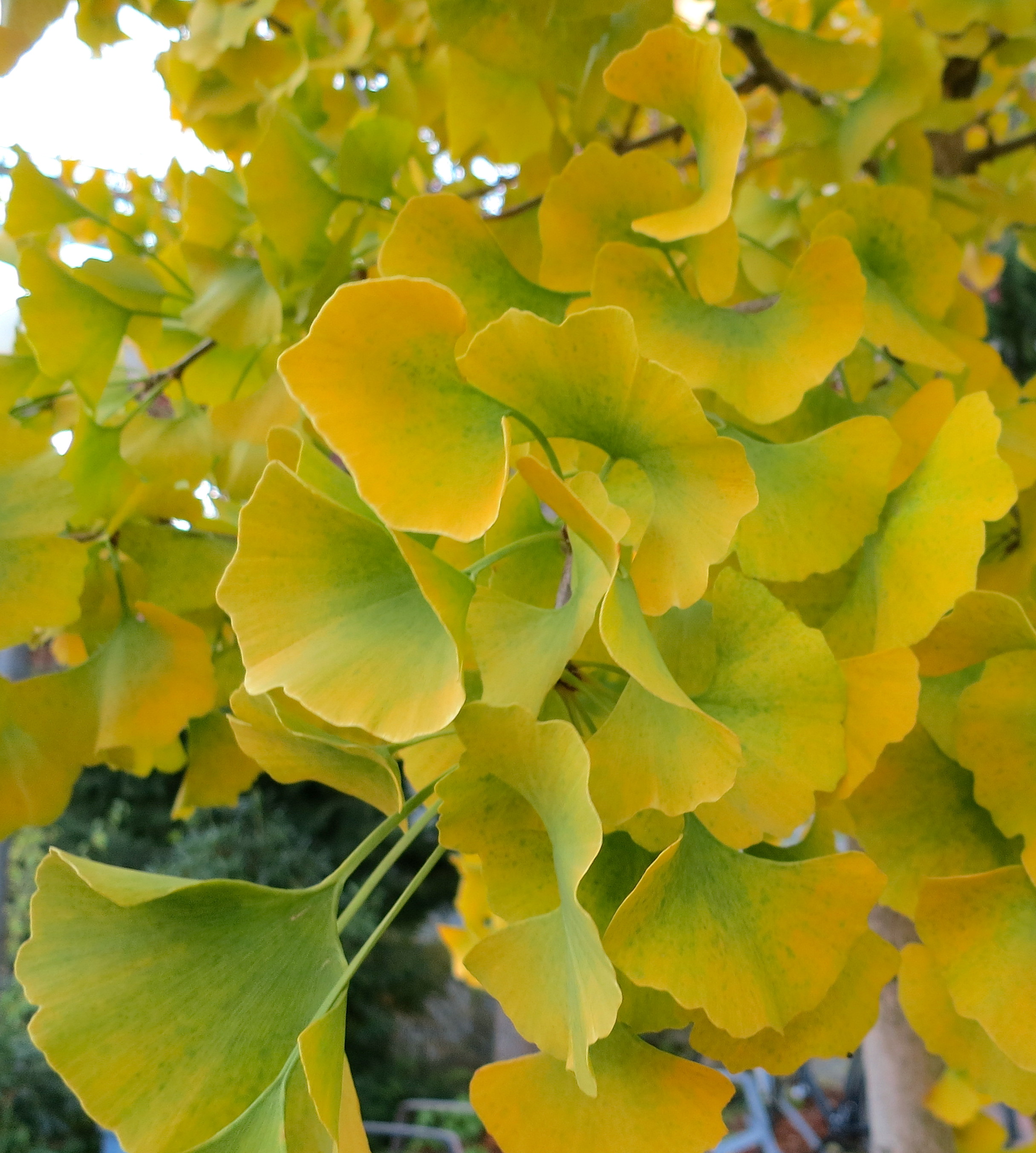
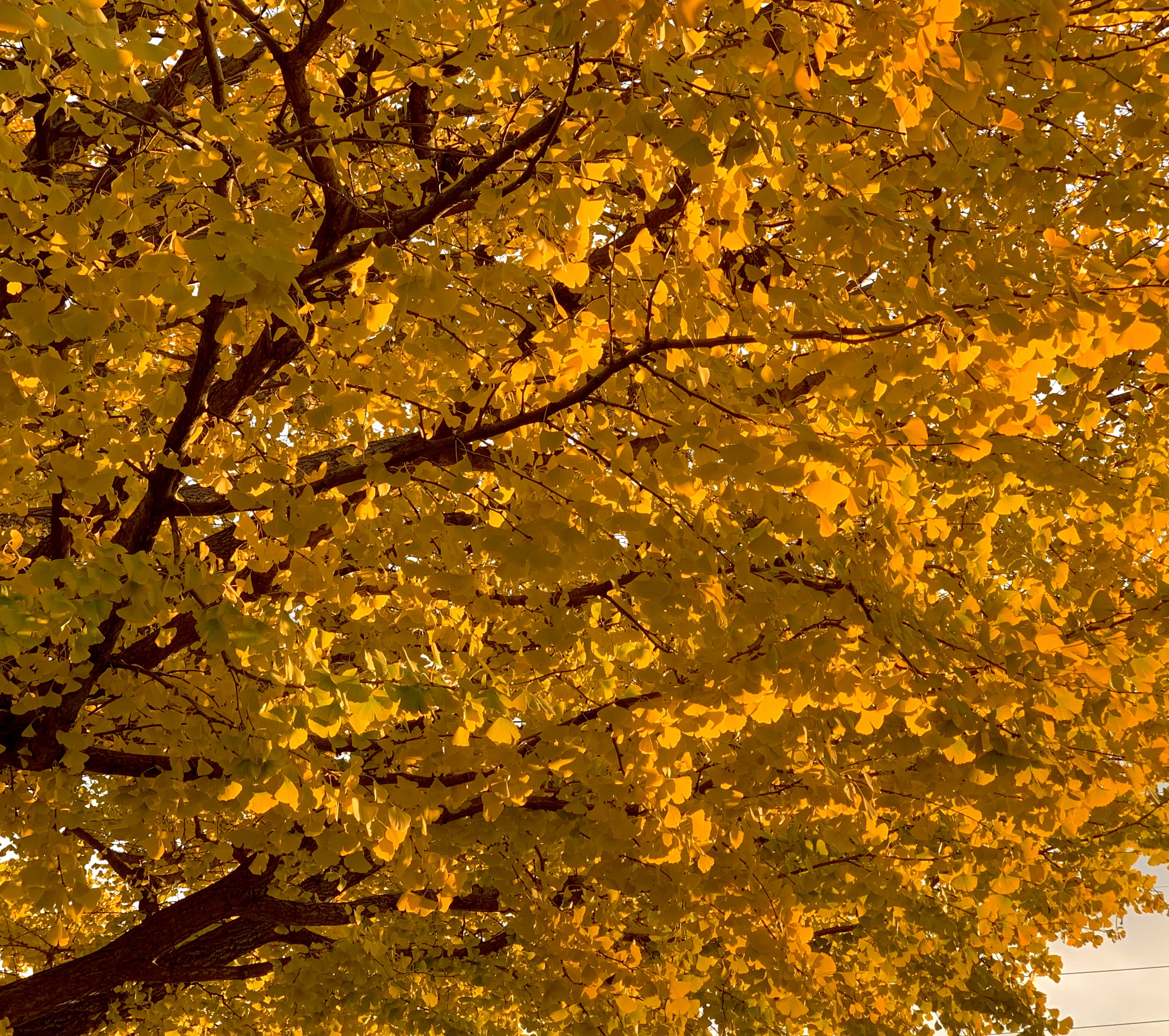
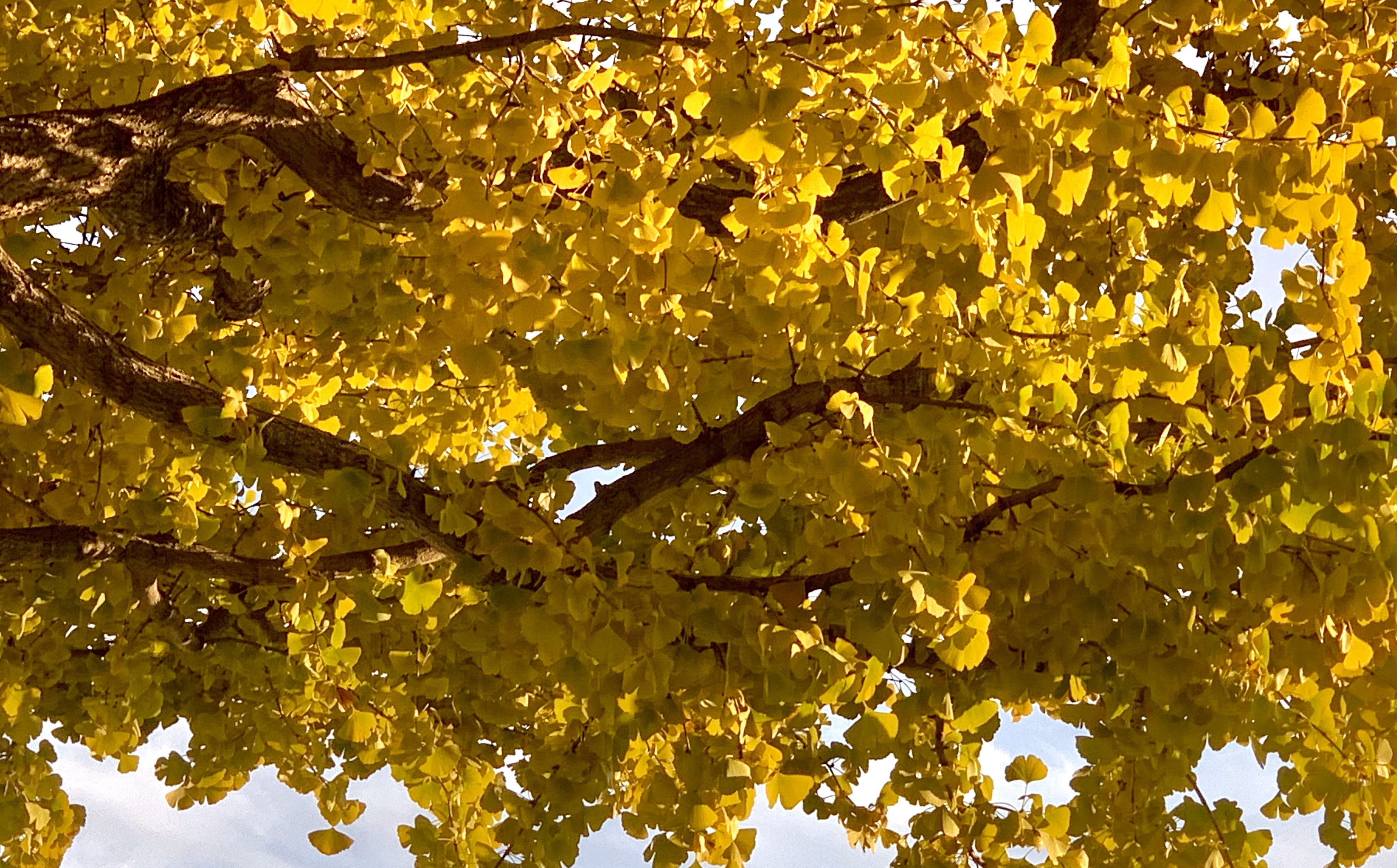
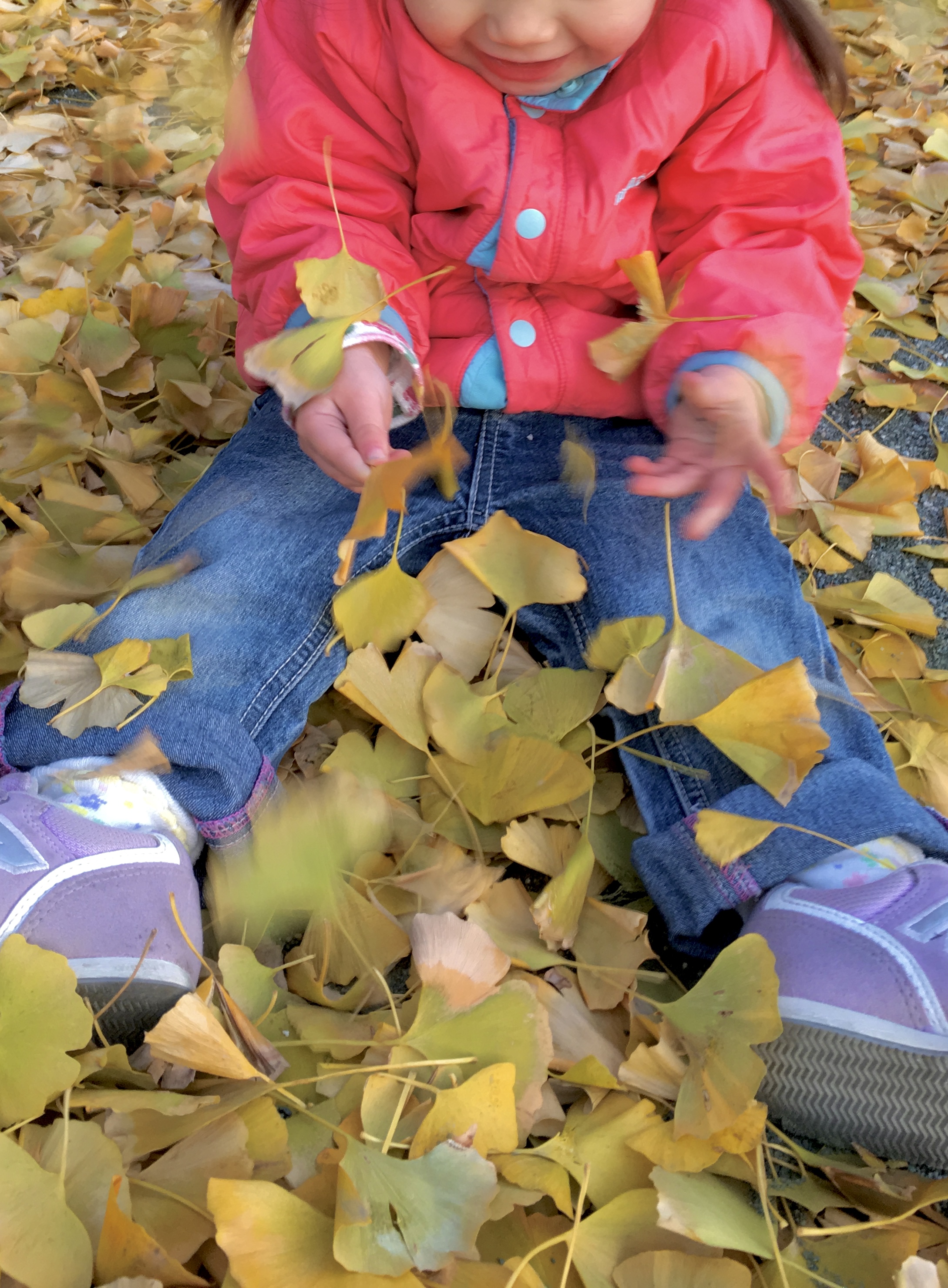
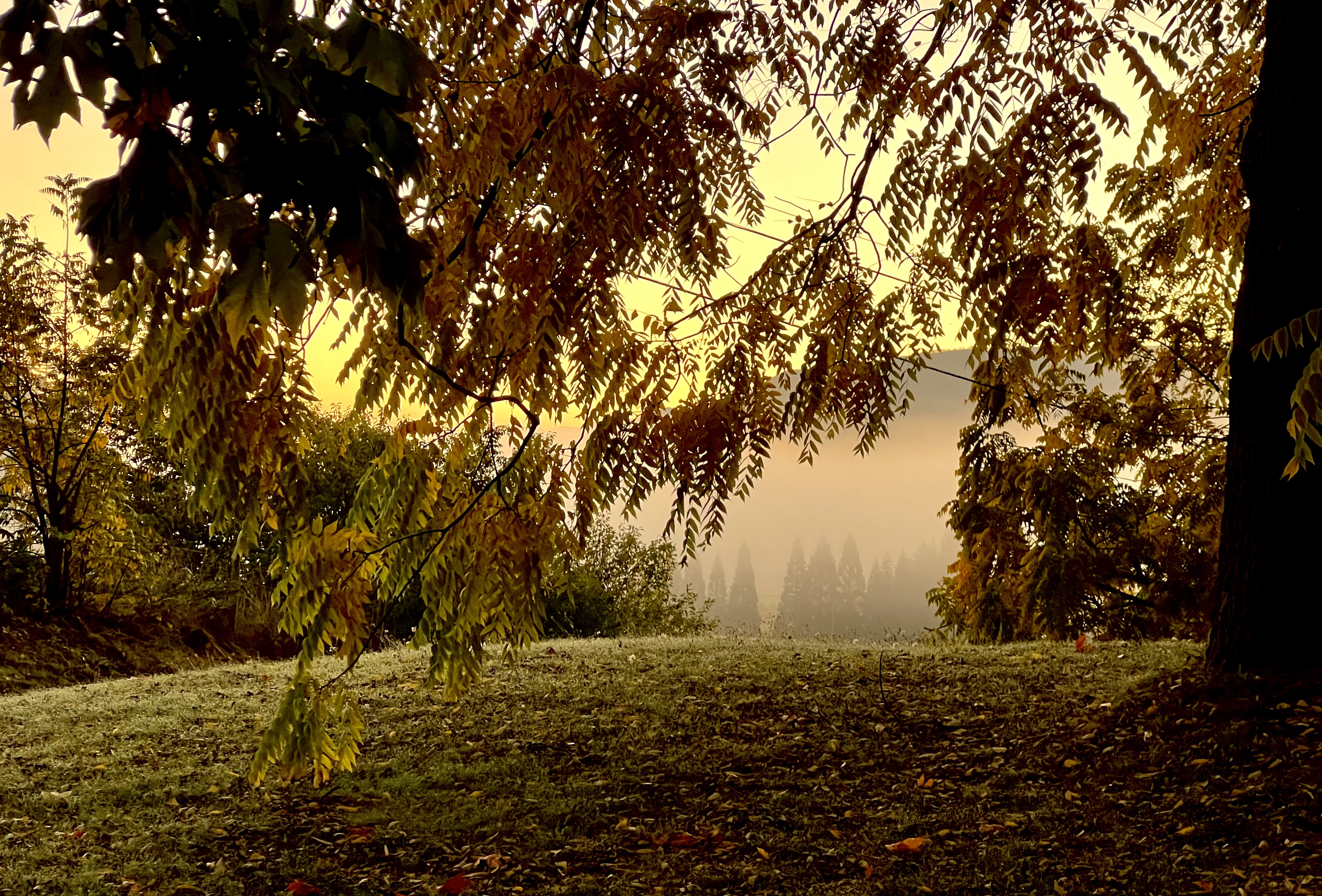
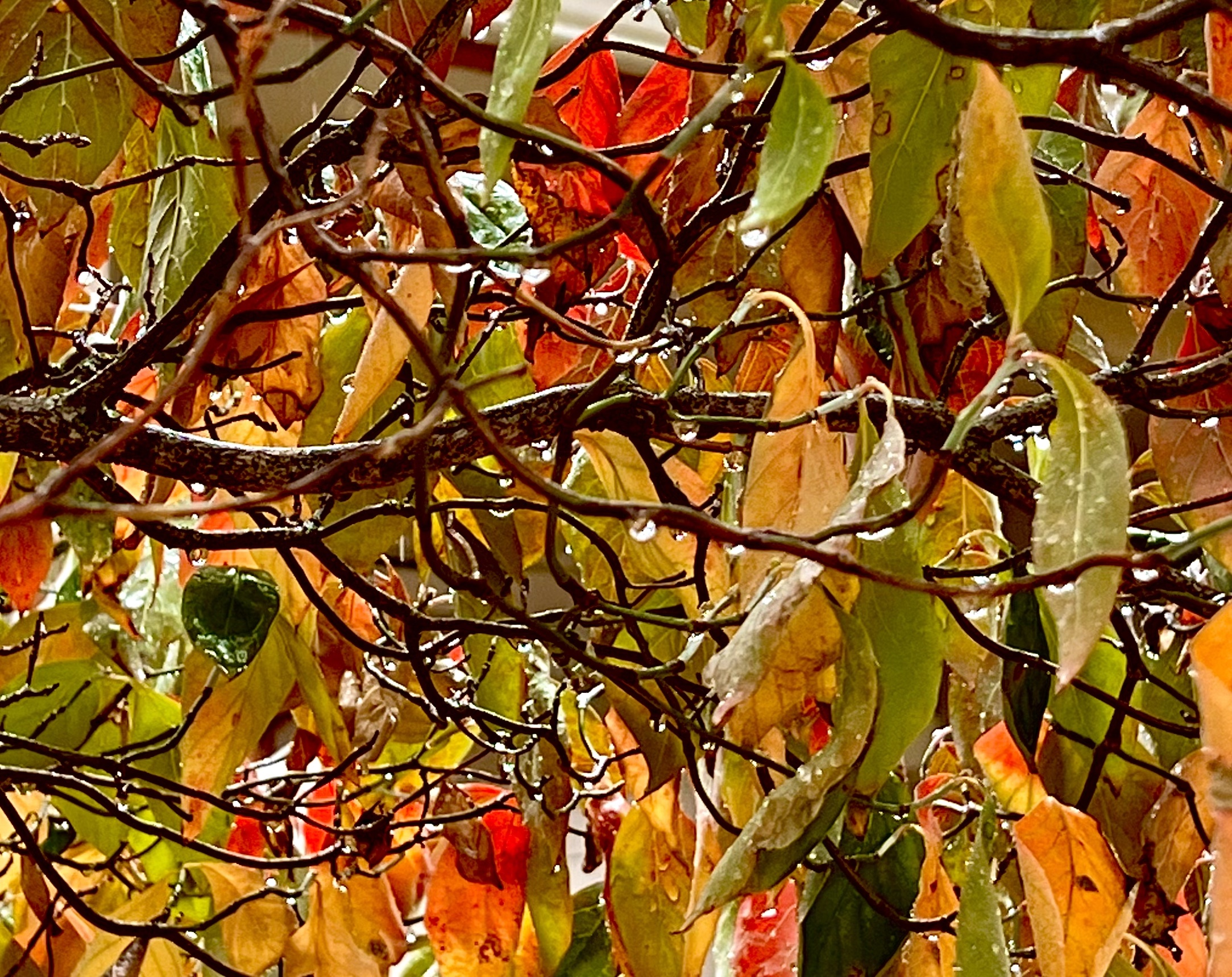
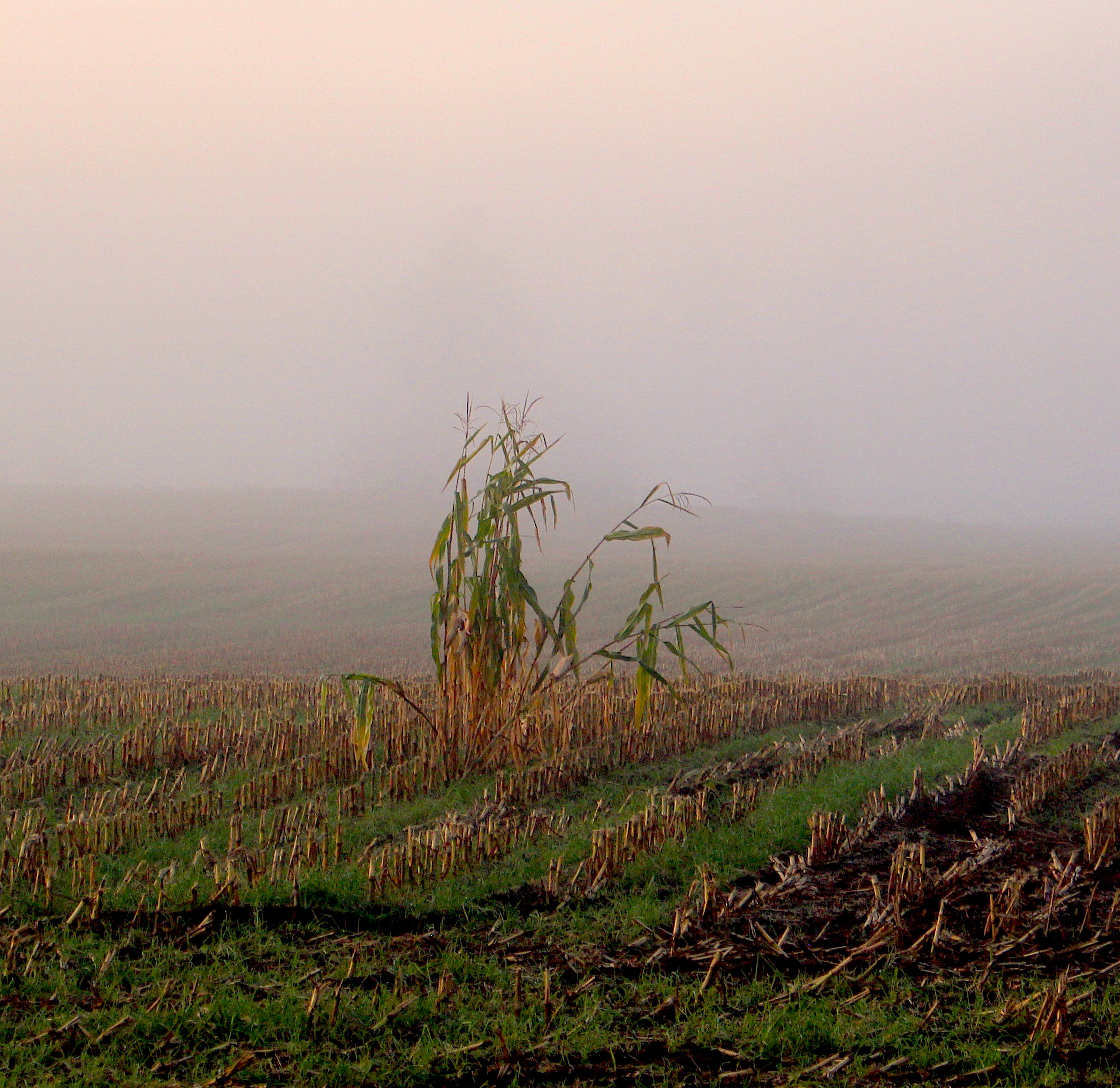
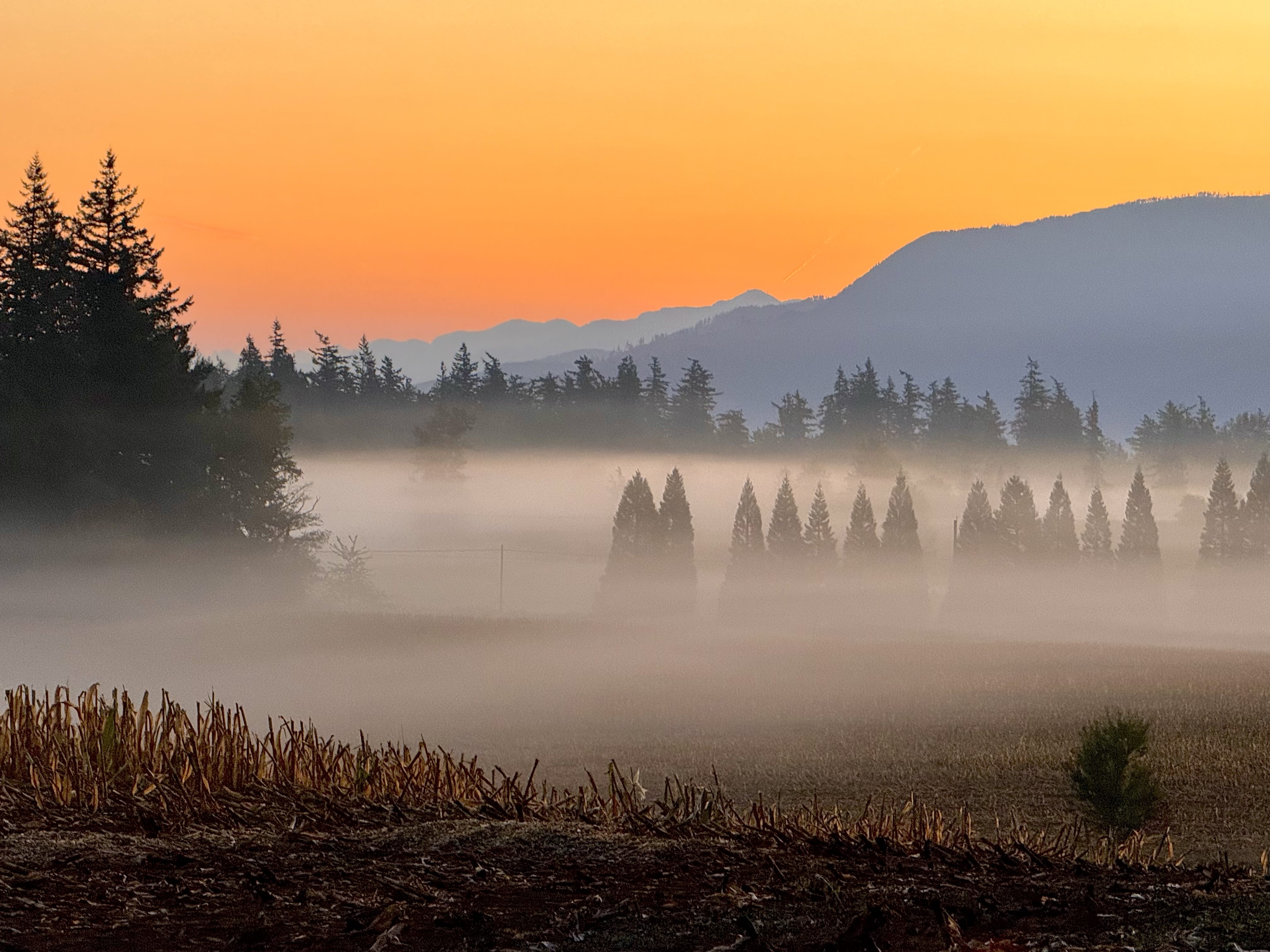
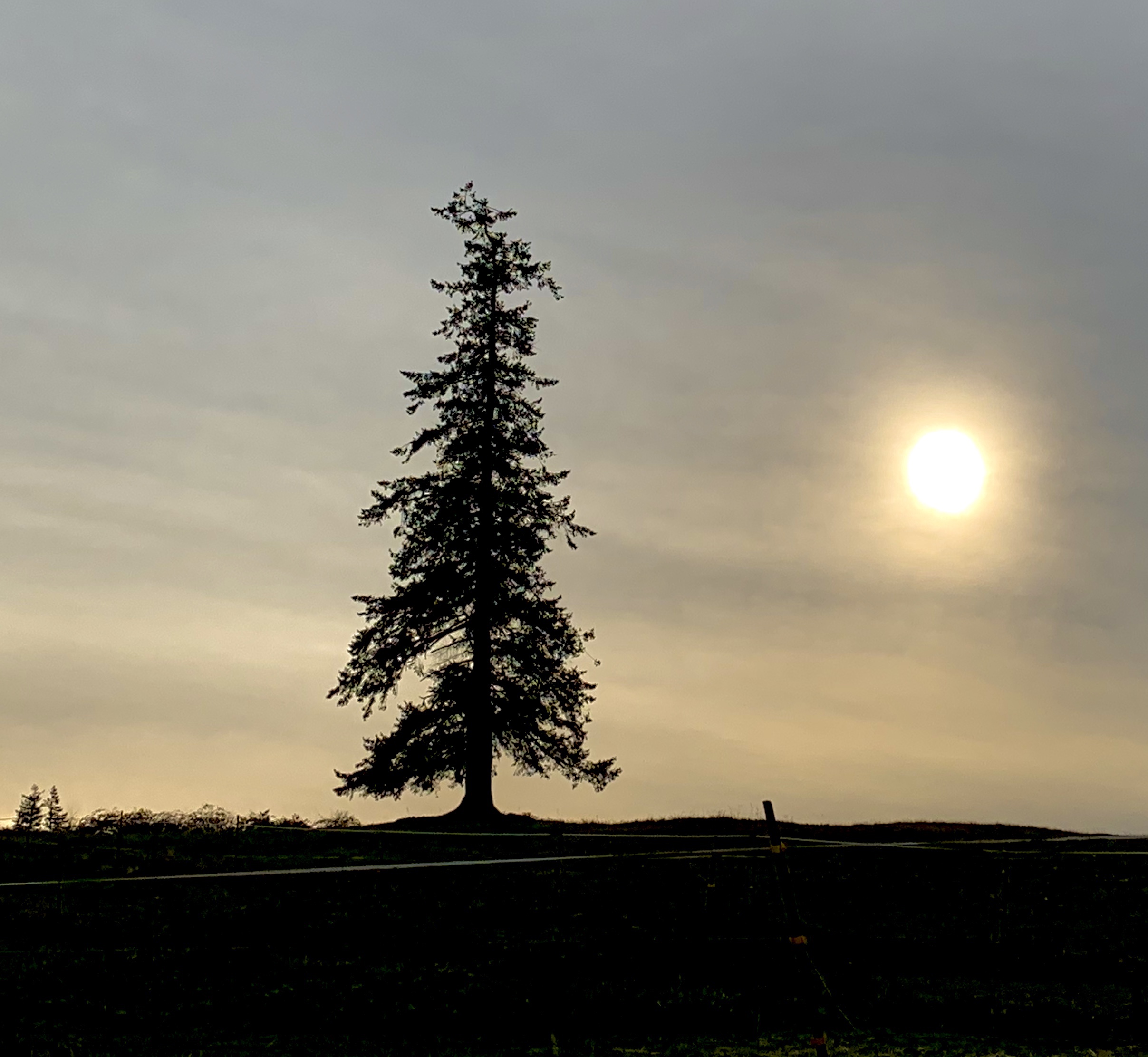
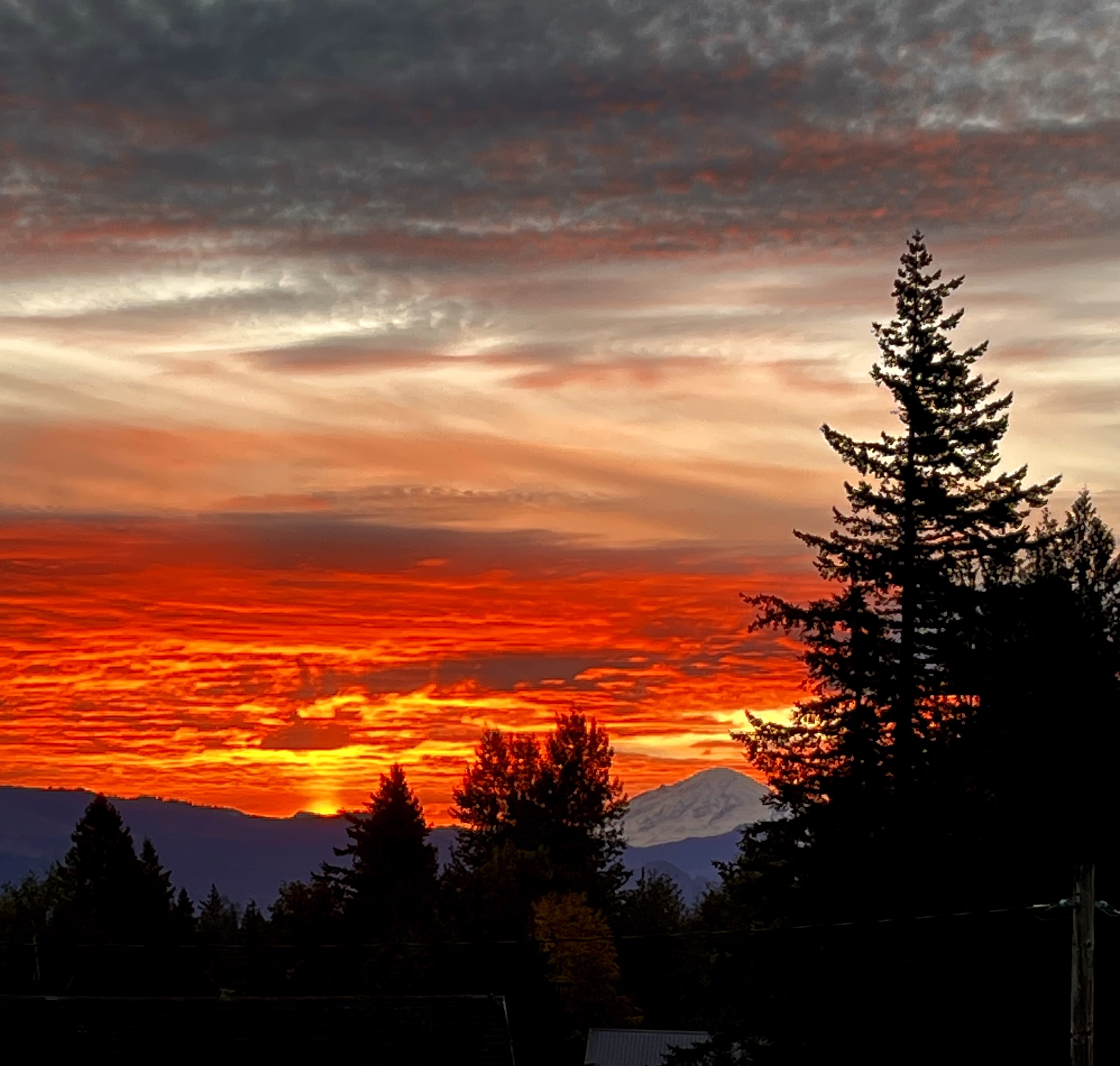
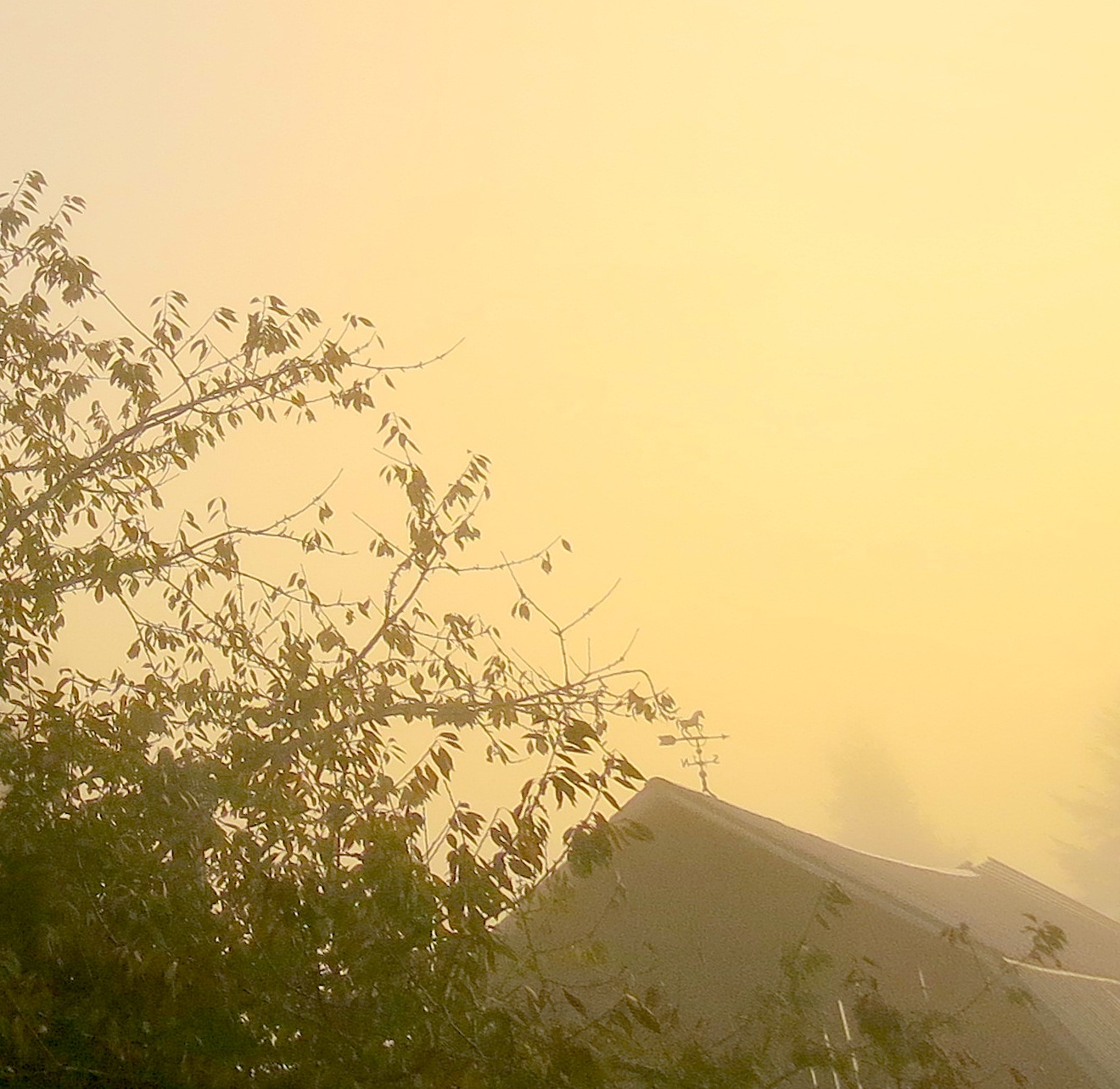
I yield now to the heaviness of transition from summer to autumn – the soaking morning fog, with dew clinging like teardrops, a chill in the air means I sweater-wrap my days.
It is time for change, reluctant as I may be; both day and night now compete equally for my time and each will win.
One-Time
Monthly
Yearly
Make a one-time or recurring donation to support daily Barnstorming posts
Summer is over, the old cow said, And they’ll shut me up in a draughty shed To milk me by lamplight in the cold, But I won’t give much for I am old. It’s long ago that I came here Gay and slim as a woodland deer; It’s long ago that I heard the roar Of Smith’s white bull by the sycamore. And now there are bones where my flesh should be; My backbone sags like an old roof tree, And an apple snatched in a moment’s frolic Is just so many days of colic.
I’m neither a Jersey nor Holstein now But only a faded sort of cow. My calves are veal and I had as lief That I could lay me down as beef; Somehow, they always kill by halves, — Why not take me when they take my calves? Birch turns yellow and sumac red, I’ve seen this all before, she said, I’m tired of the field and tired of the shed. There’s no more grass, there’s no more clover; Summer is over, summer is over. ~Robert Hillyer “Moo!”
Something inspires the only cow of late To make no more of a wall than an open gate, And think no more of wall-builders than fools. Her face is flecked with pomace and she drools A cider syrup. Having tasted fruit, She scorns a pasture withering to the root. She runs from tree to tree where lie and sweeten The windfalls spiked with stubble and worm-eaten. She leaves them bitten when she has to fly. She bellows on a knoll against the sky. Her udder shrivels and the milk goes dry. ~Robert Frost “The Cow in Apple Time”
I have lived among cows, our own and our neighbors’, dairy and beef, most of my life. Given their status as a food source, cows aren’t always granted a long life, but I do envy those who spend much of the year chewing cud outside in pastoral settings.
We’ve owned some aged cows. They can be set in their ways and don’t particularly like a change in routine. They prefer a communal life, bearing calves, surrendering their milk, and ensuring the herd hierarchy is maintained with a minimum of fuss.
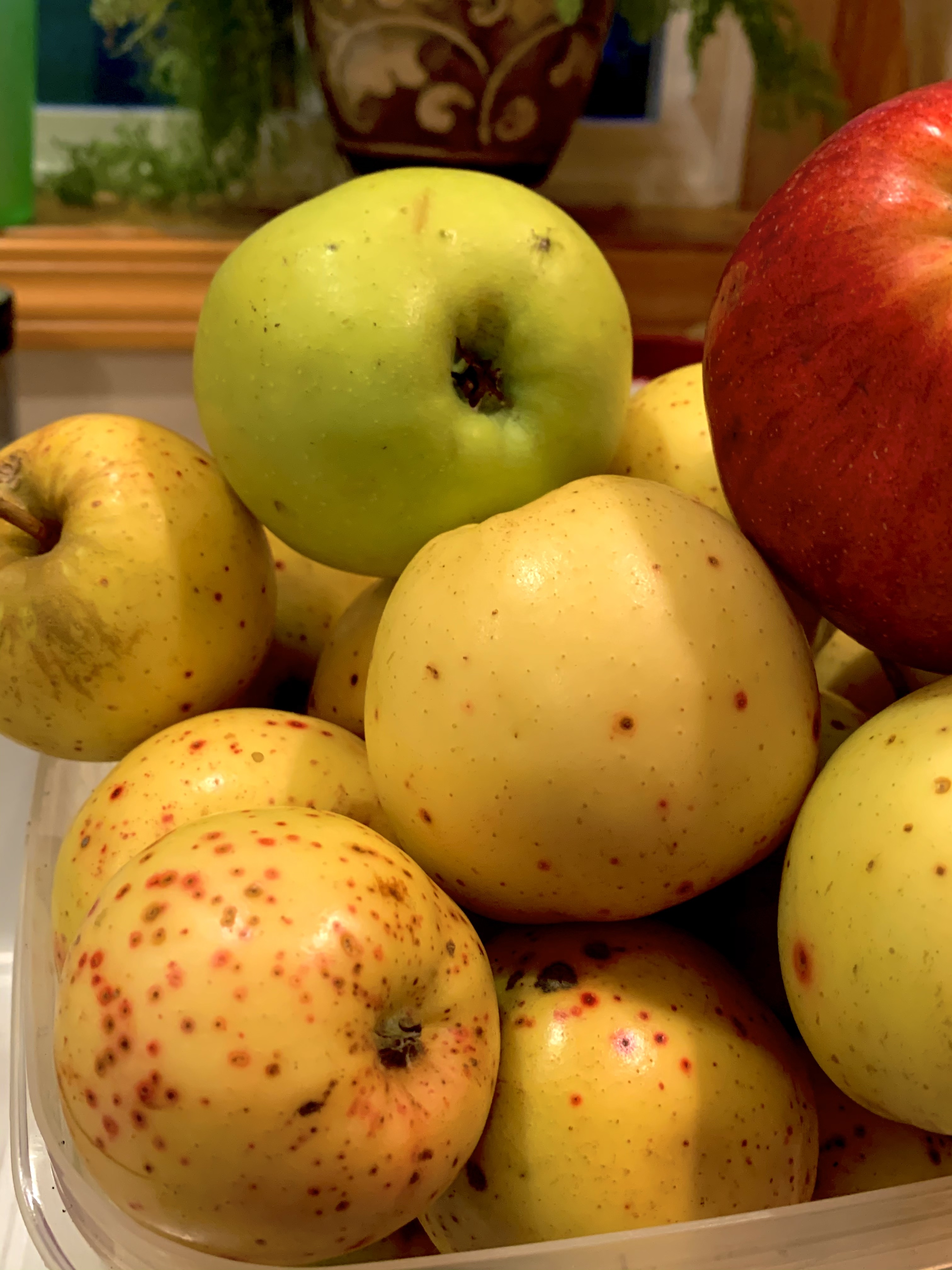
I remember my dad curing a cow’s habit of eating apples directly from a tree branch. She had the apple lodged in her esophagus as it had slipped down her throat unchewed, but too large to pass through to her rumen. She was foaming at the mouth, breathing fine, but the apple was a visible lump palpable mid-way down her neck. My dad grabbed a short two by four board and a hammer, placed the board on one side of her neck lump, and with the hammer, hit her neck precisely over the apple, crushing it. She was immediately cured and sauntered over to grab more apples, off the ground rather than the branch.
Cows can experience various health issues, sometimes relating to infections in their udders, but not infrequently, trouble with their hooves. They can get abscesses which are quite painful until emptied, as well as sharp rocks or gravel wedged into their foot. This sometimes necessitates hoof work done by a specialist who visits dairy farms on a regular basis.
I confess I (along with a million or so other folks) spend an inordinate amount of time watching YouTube channels of cow hoof trimming. I have no desire to do the job myself, but restoring a limping cow to a comfortably walking cow is a skill that must be very gratifying.
As an aging female myself, I know all about aches and pains. I too feel the sadness of summer coming to an end, when the grass and clover grows sparse in the field, and when chilly nights are best spent in the shelter of the barn.
But I’m not yet ready to give up on this sweet pastoral life. There are still some days left, and apples to pick up off the ground, for this fading old cow…
One-Time
Monthly
Yearly
Make a one-time or recurring donation to support daily Barnstorming posts
When I saw the figure on the crown of the hill, high above the city, standing perfectly still
against a sky so saturated with the late- afternoon, late-summer Pacific light
that granules of it seemed to have come out of solution, like a fine precipitate
of crystals hanging in the brightened air, I thought whoever it was standing up there
must be experiencing some heightened state of being, or thinking—or its opposite,
thoughtlessly enraptured by the view. Or maybe, looking again, it was a statue
of Jesus or a saint, placed there to bestow a ceaseless blessing on the city below.
Only after a good five minutes did I see that the figure was actually a tree—
some kind of cypress, probably, or cedar. I was both amused and let down by my error. Not only had I made the tree a person, but I’d also given it a vision,
which seemed to linger in the light-charged air around the tree’s green flame, then disappear. ~Jeffrey Harrison “The Figure on the Hill” from Into Daylight
Who was it who suggested that the opposite of war Is not so much peace as civilisation? He knew Our assassinated Catholic greengrocer who died At Christmas in the arms of our Methodist minister, And our ice-cream man whose continuing requiem Is the twenty-one flavours children have by heart. Our cobbler mends shoes for everybody; our butcher Blends into his best sausages leeks, garlic, honey; Our cornershop sells everything from bread to kindling. Who can bring peace to people who are not civilised? All of these people, alive or dead, are civilised. ~Michael Longley “All of These People” from Collected Poems
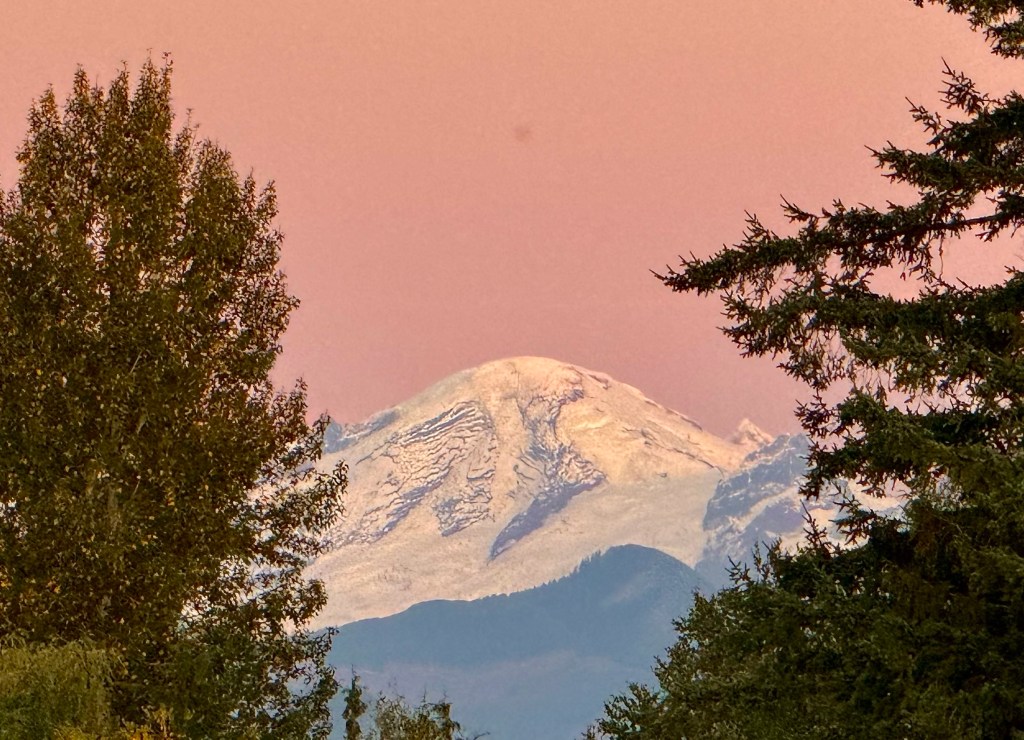
Who among us appear in the light-charged air, visible on the crown of the hill of life – who might be mistaken for a martyr or a saint or a visionary, when each one of us is merely a person responsible to a family, committed to help friends, dedicated to serve a community, placed in this world to steady a broken civilization.
There is the simple truth that we need a person with roots deep in the ground, branches that reach up and out, bearing fruit to share with those around us.
But surely not this misery, not this blight, not this trouble, certainly not these murders, which only bears and shares a heart-rending, horrible grief.
One-Time
Monthly
Yearly
Make a one-time or recurring donation to support daily Barnstorming posts
The thing is to love life, to love it even when you have no stomach for it and everything you’ve held dear crumbles like burnt paper in your hands, your throat filled with the silt of it. When grief sits with you, its tropical heat thickening the air, heavy as water more fit for gills than lungs; when grief weights you like your own flesh only more of it, an obesity of grief, you think, How can a body withstand this? Then you hold life like a face between your palms, a plain face, no charming smile, no violet eyes, and you say, yes, I will take you I will love you, again. ~Ellen Bass, “The Thing Is” from Mules of Love
...everything here seems to need us —Rainer Maria Rilke
It’s a hard time to be human. We know too much and too little. Does the breeze need us? If you’ve managed to do one good thing, the ocean doesn’t care. But when Newton’s apple fell toward the earth, the earth, ever so slightly, fell toward the apple. ~Ellen Bass from “The World Has Need of You” from Like a Beggar
Fallen leaves will climb back into trees. Shards of the shattered vase will rise and reassemble on the table. Plastic raincoats will refold into their flat envelopes. The egg, bald yolk and its transparent halo, slide back in the thin, calcium shell. Curses will pour back into mouths, letters un-write themselves, words siphoned up into the pen. My gray hair will darken and become the feathers of a black swan. Bullets will snap back into their chambers, the powder tamped tight in brass casings. Borders will disappear from maps. Rust revert to oxygen and time. The fire return to the log, the log to the tree, the white root curled up in the un-split seed. Birdsong will fly into the lark’s lungs, answers become questions again. When you return, sweaters will unravel and wool grow on the sheep. Rock will go home to mountain, gold to vein. Wine crushed into the grape, oil pressed into the olive. Silk reeled in to the spider’s belly. Night moths tucked close into cocoons, ink drained from the indigo tattoo. Diamonds will be returned to coal, coal to rotting ferns, rain to clouds, light to stars sucked back and back into one timeless point, the way it was before the world was born, that fresh, that whole, nothing broken, nothing torn apart. ~Ellen Bass “When You Return” from Like a Beggar
There is so much grief these days so much anger, so much loss of life, so much weeping.
How can we withstand this? How can we know, now, when we are barely able to breathe that we might know – at some point – we might have the stomach to love life again?
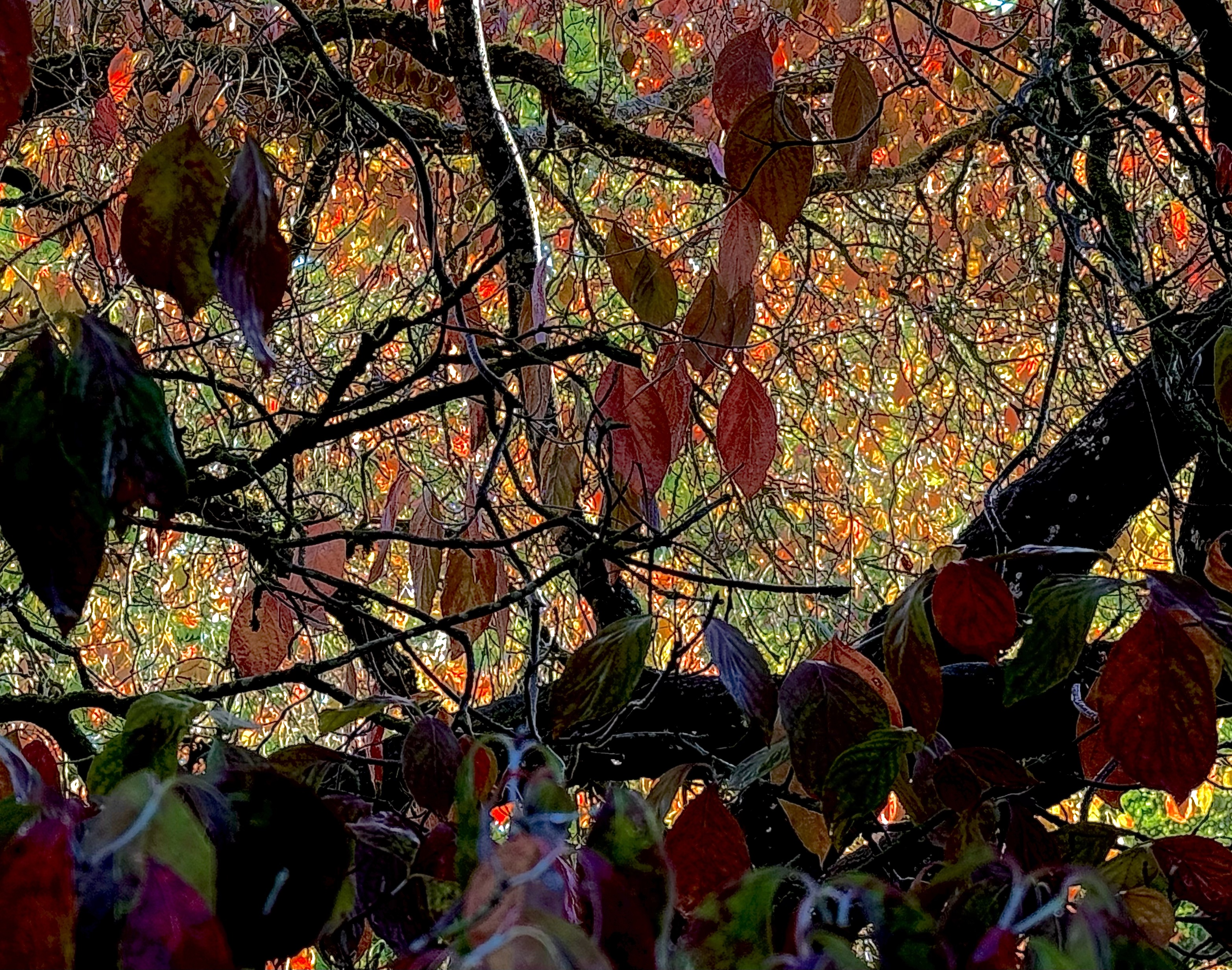
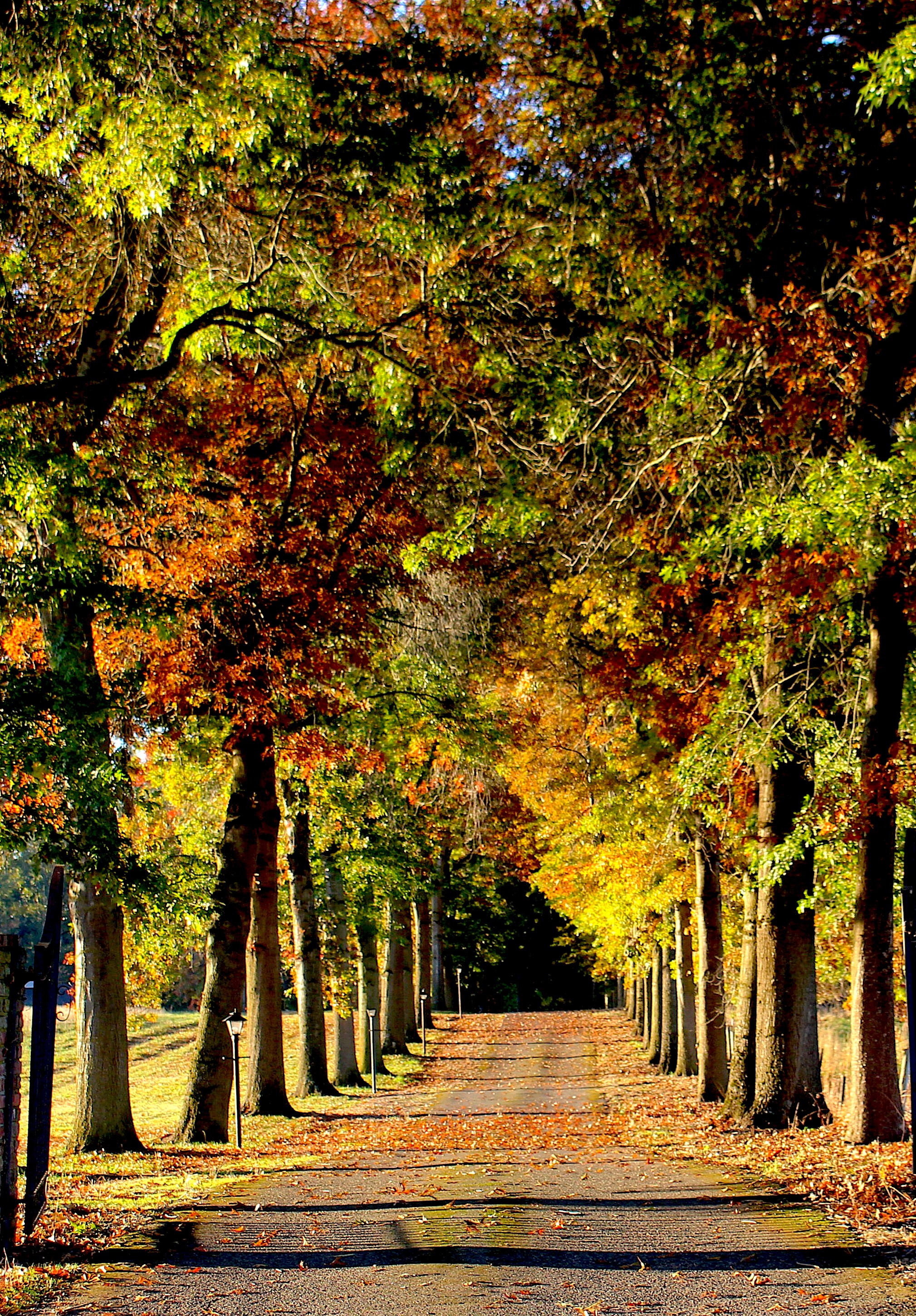
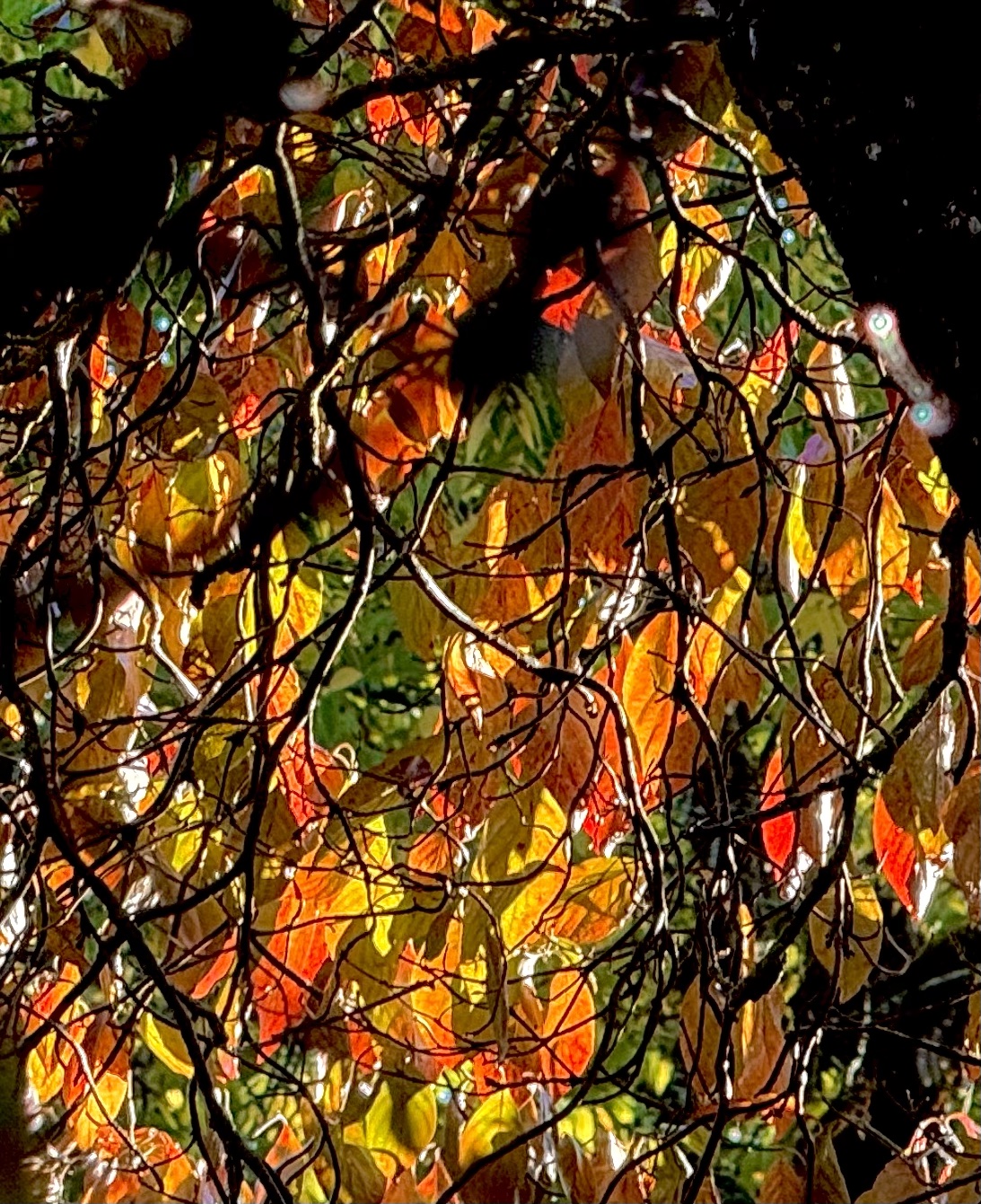
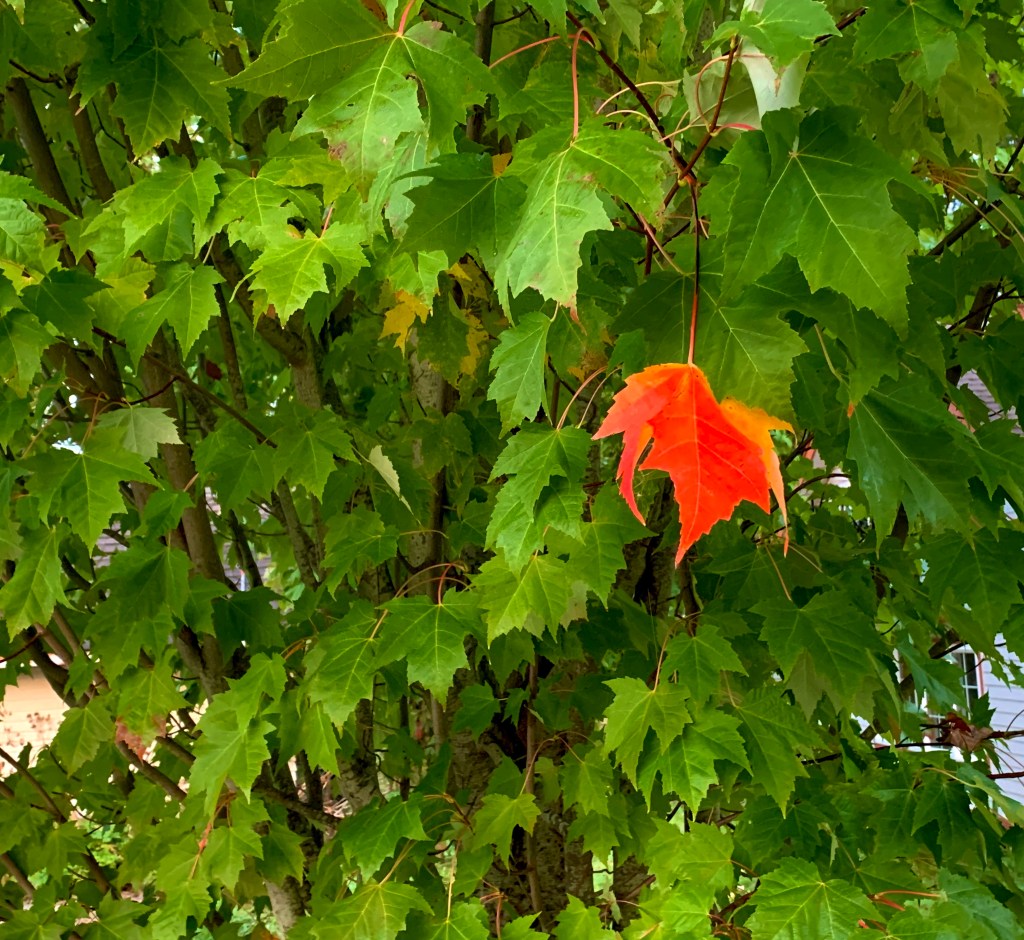
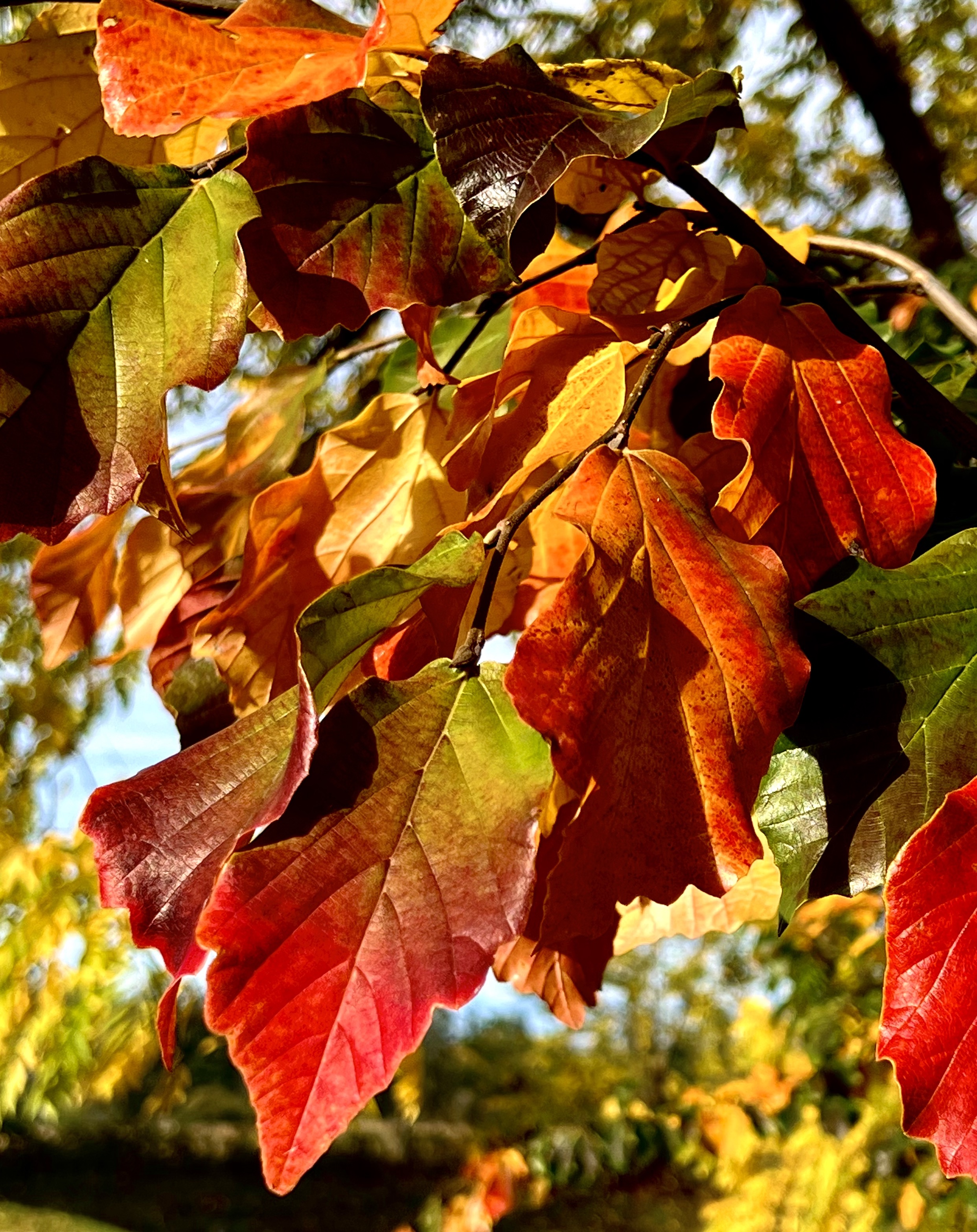
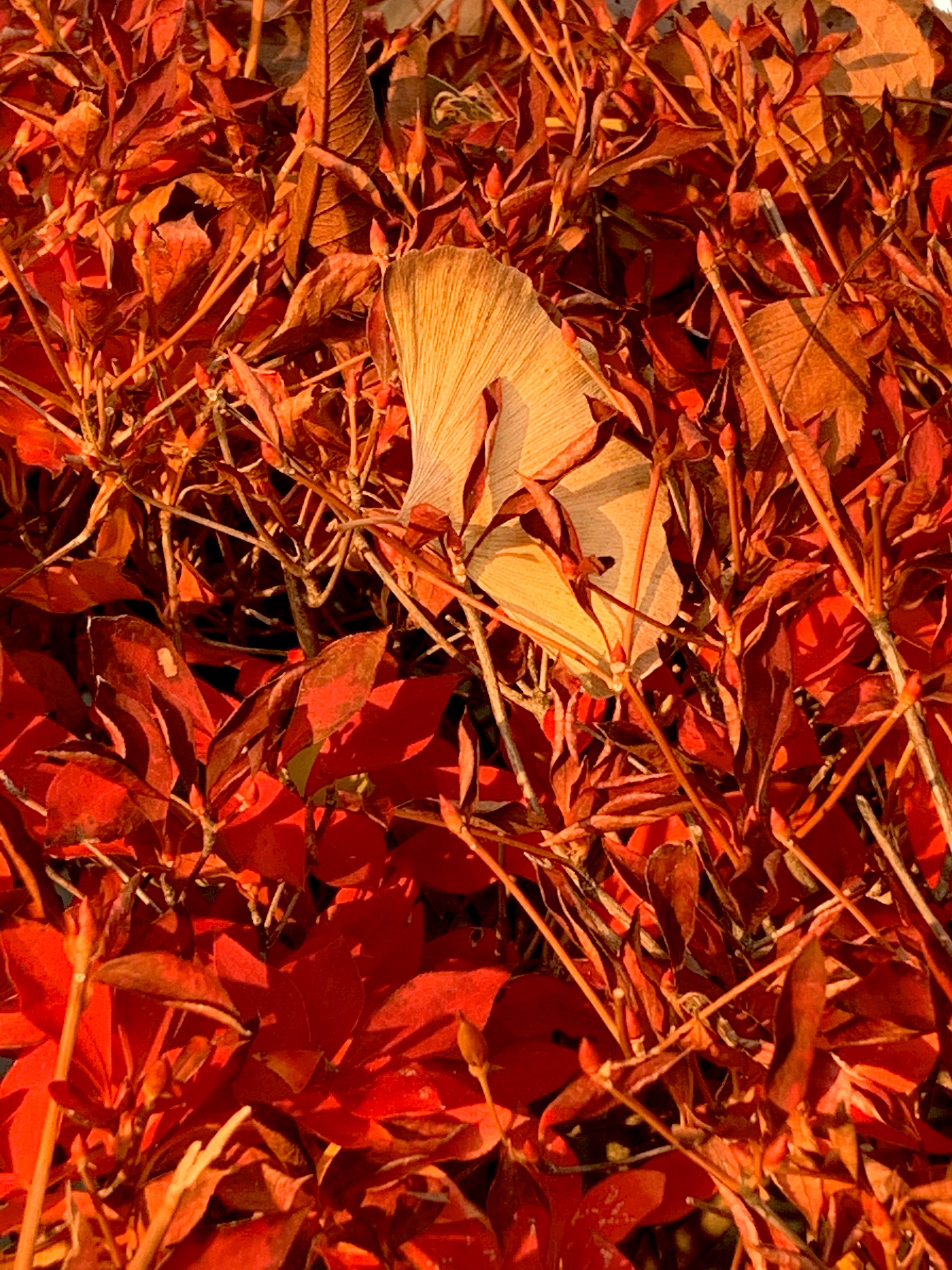
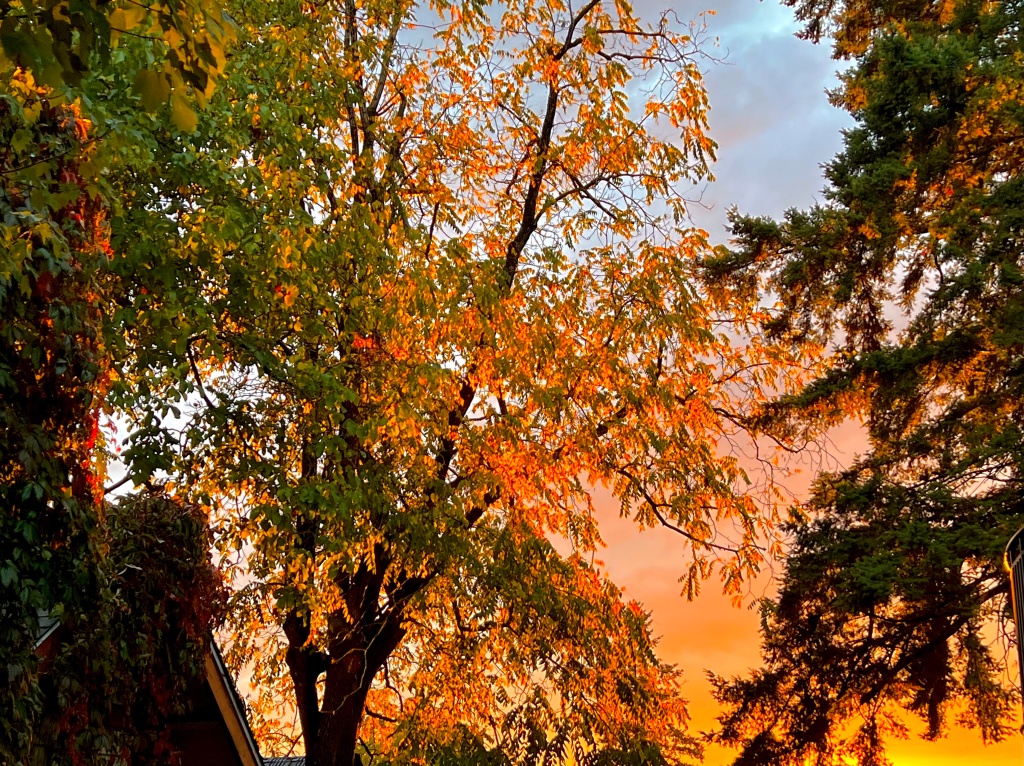
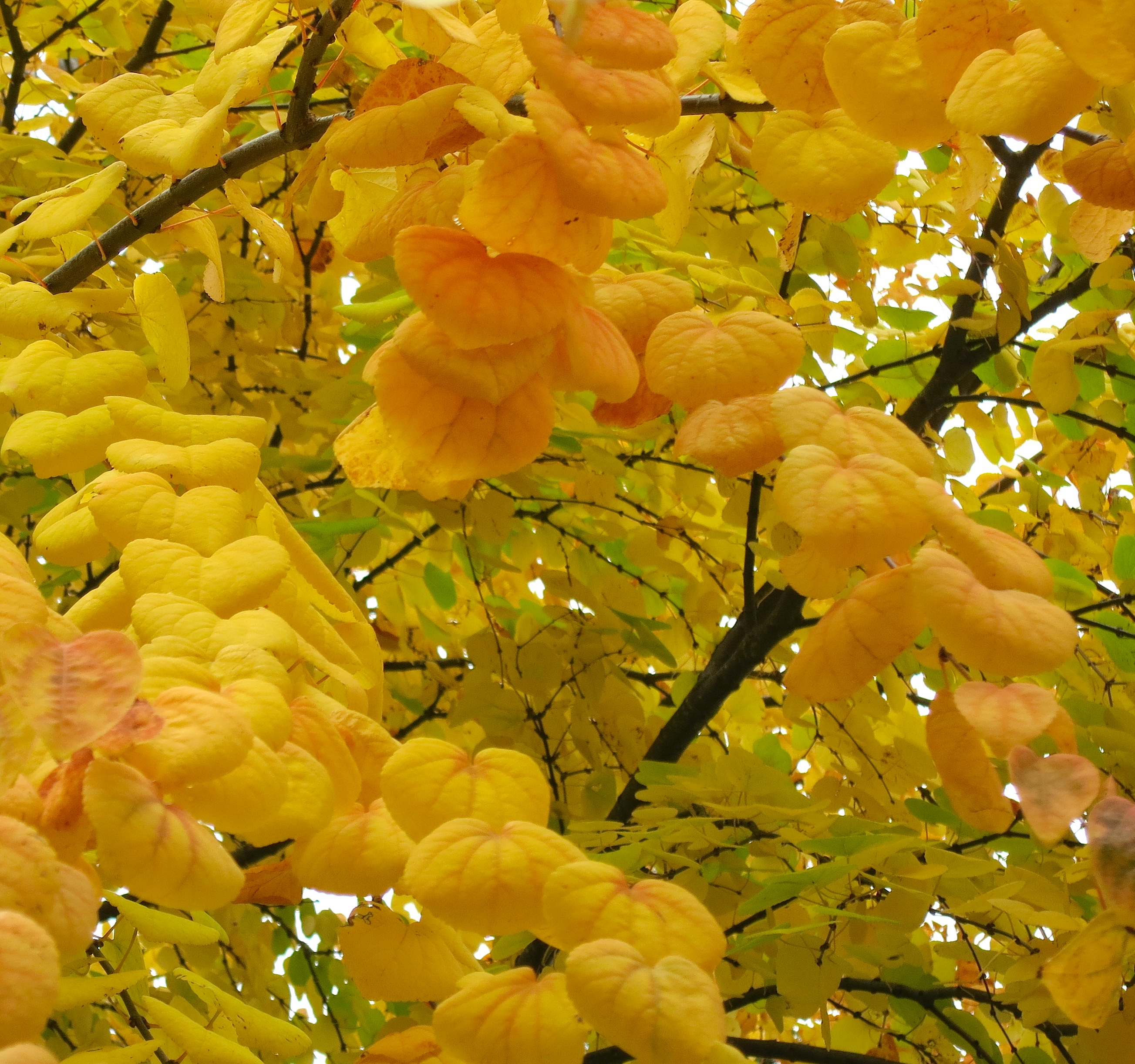
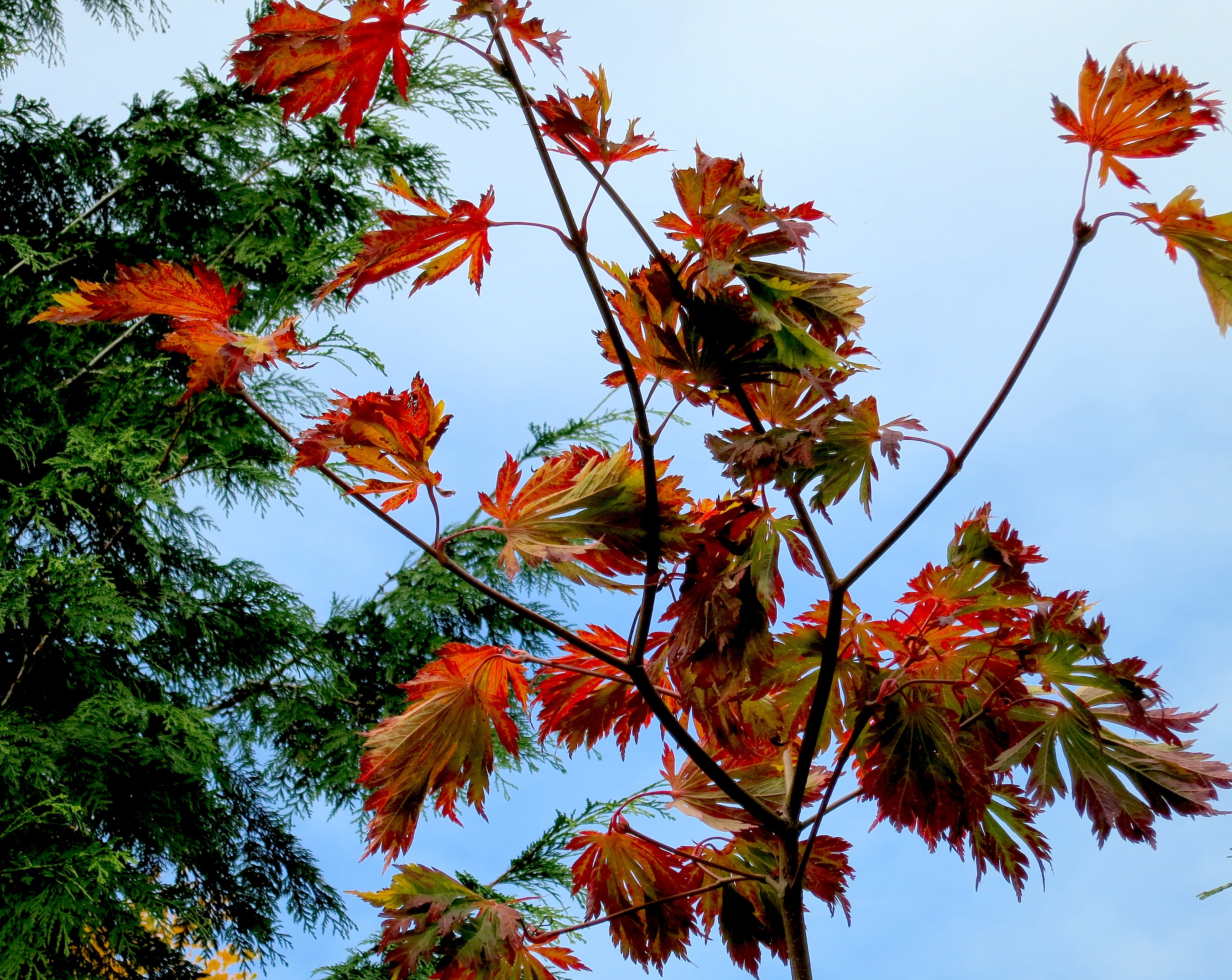
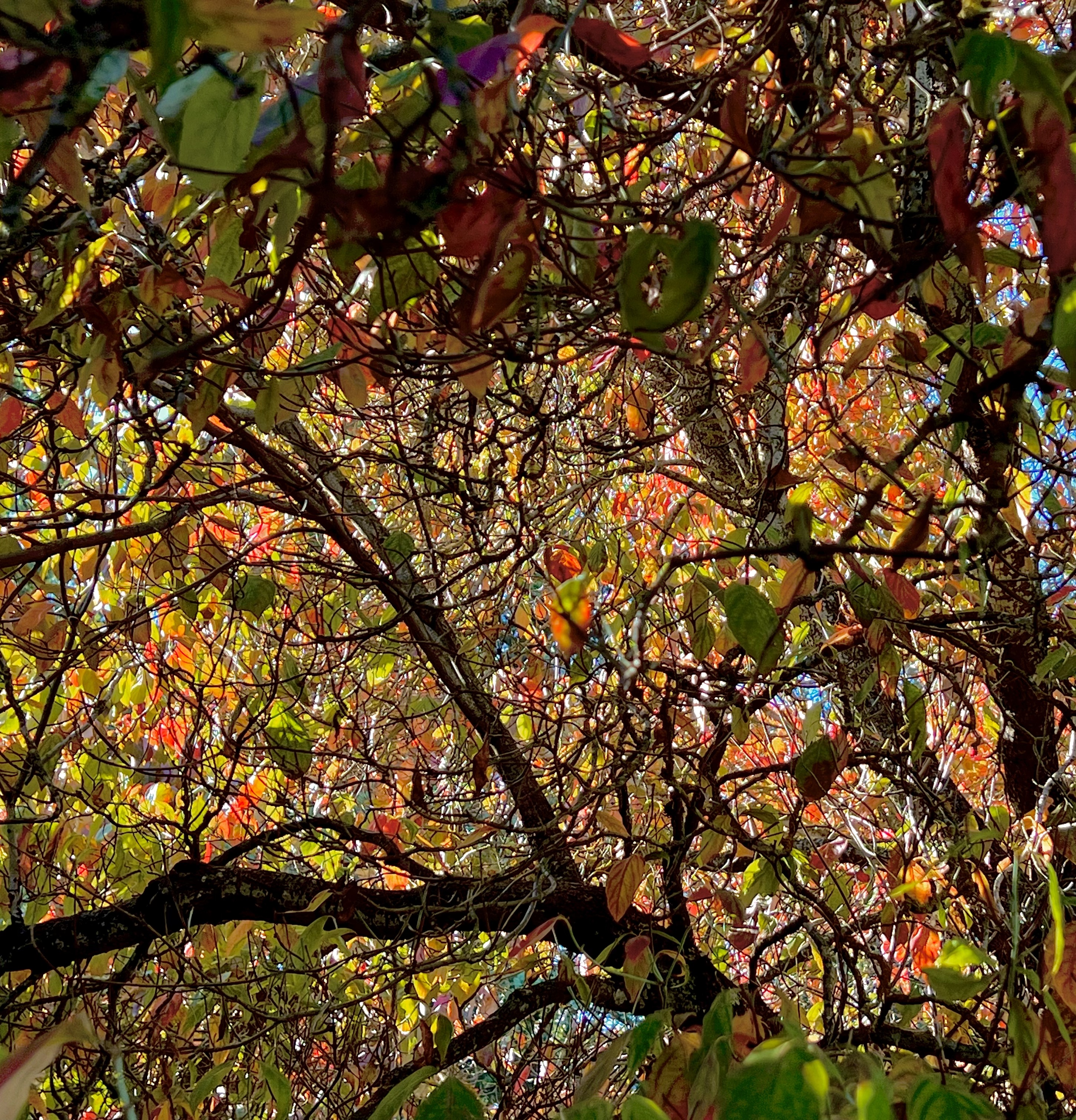
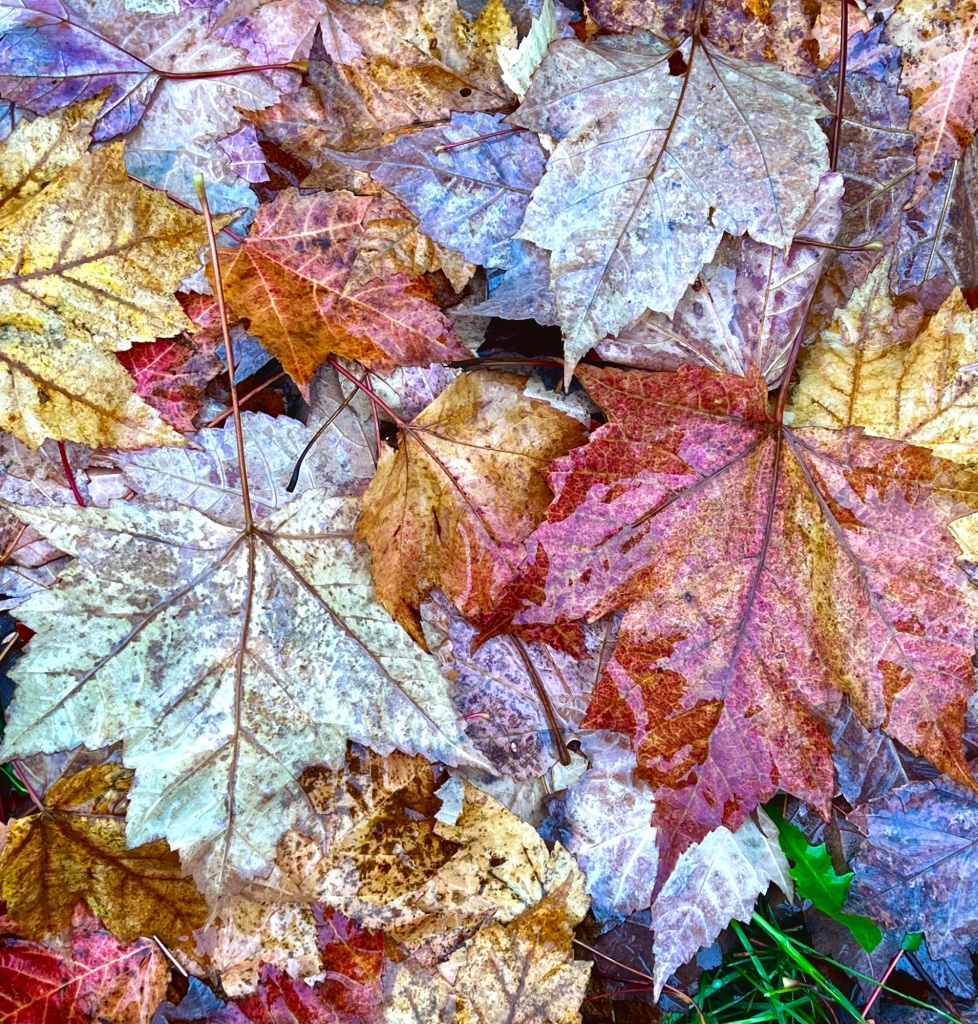
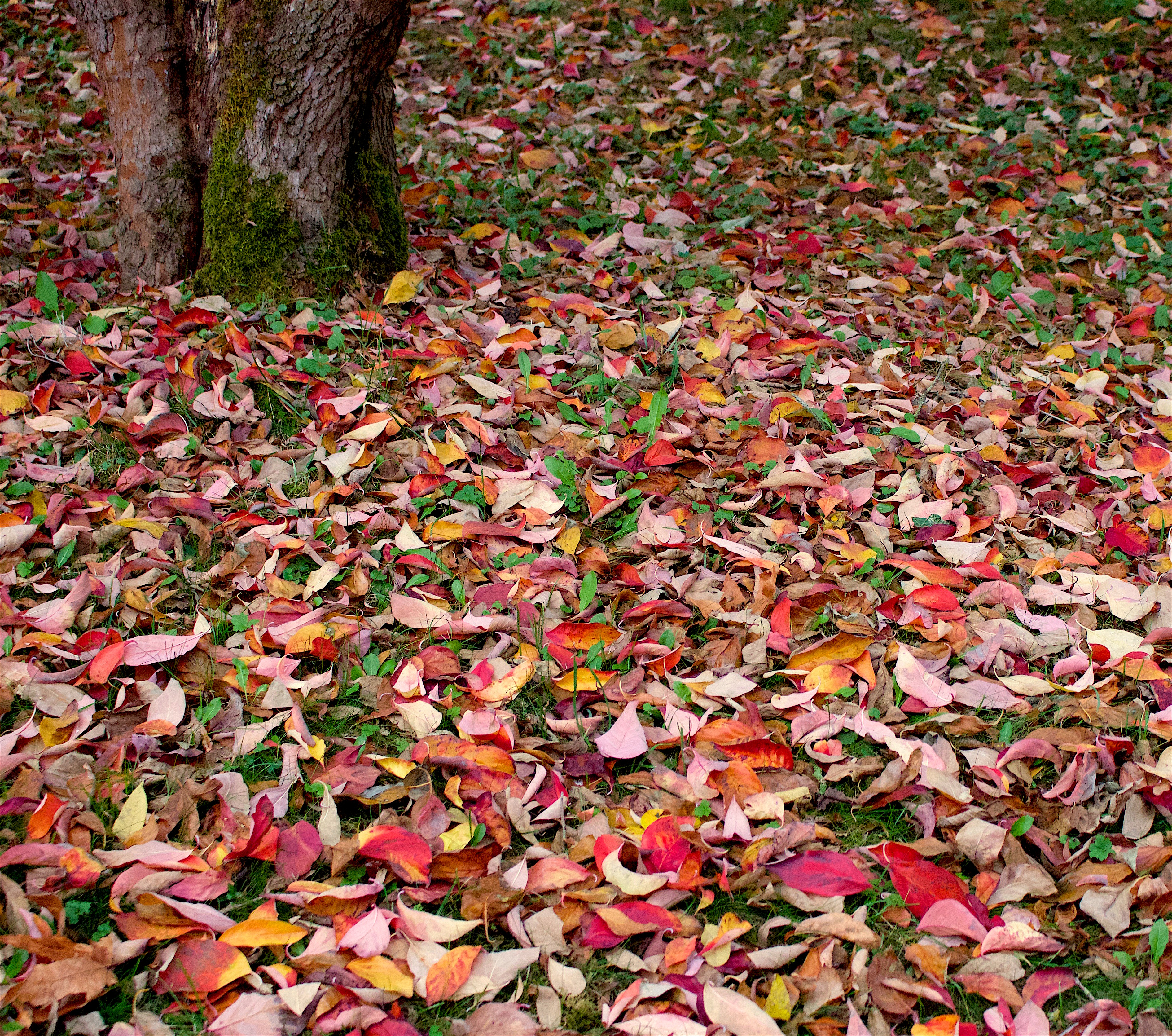
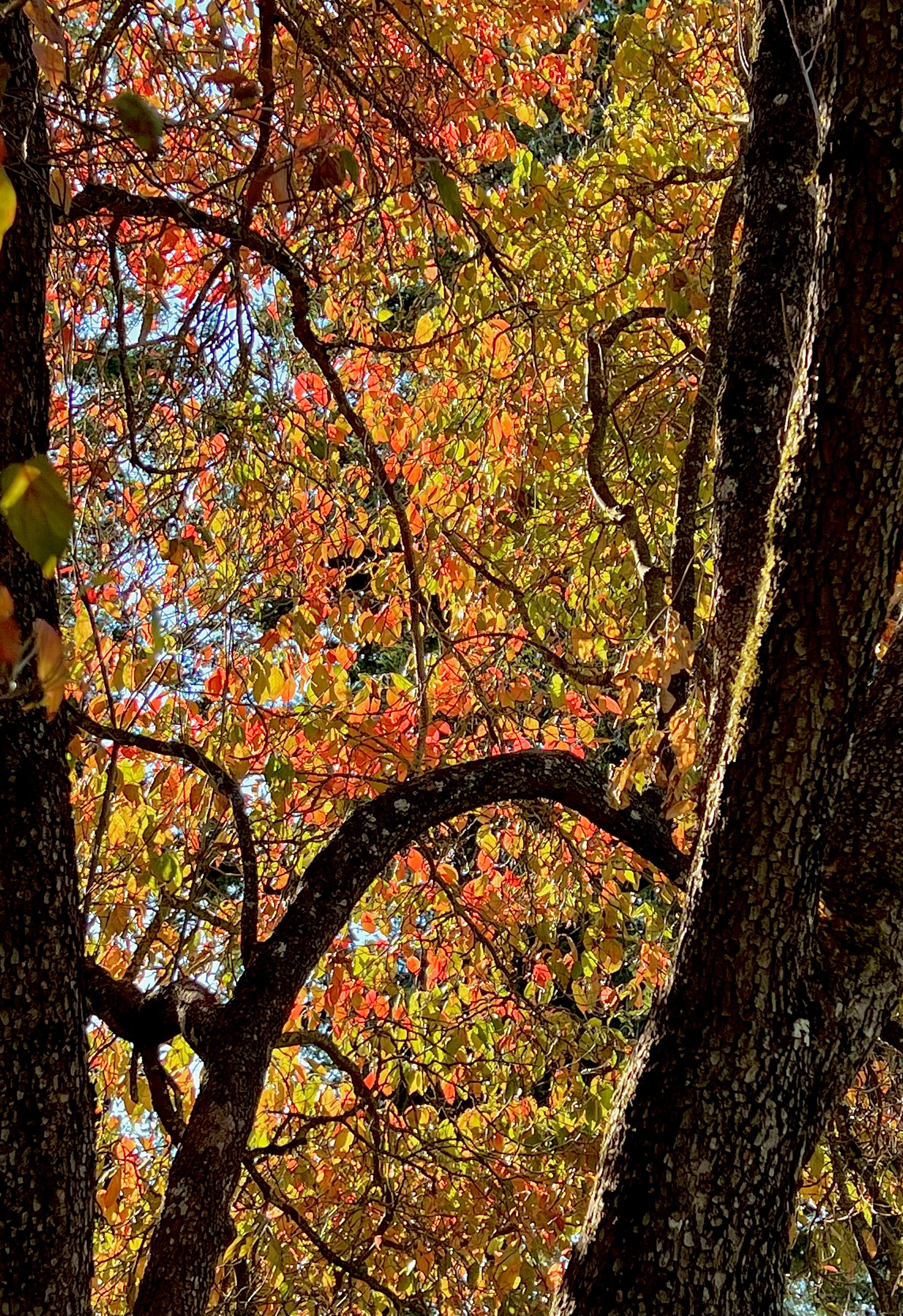
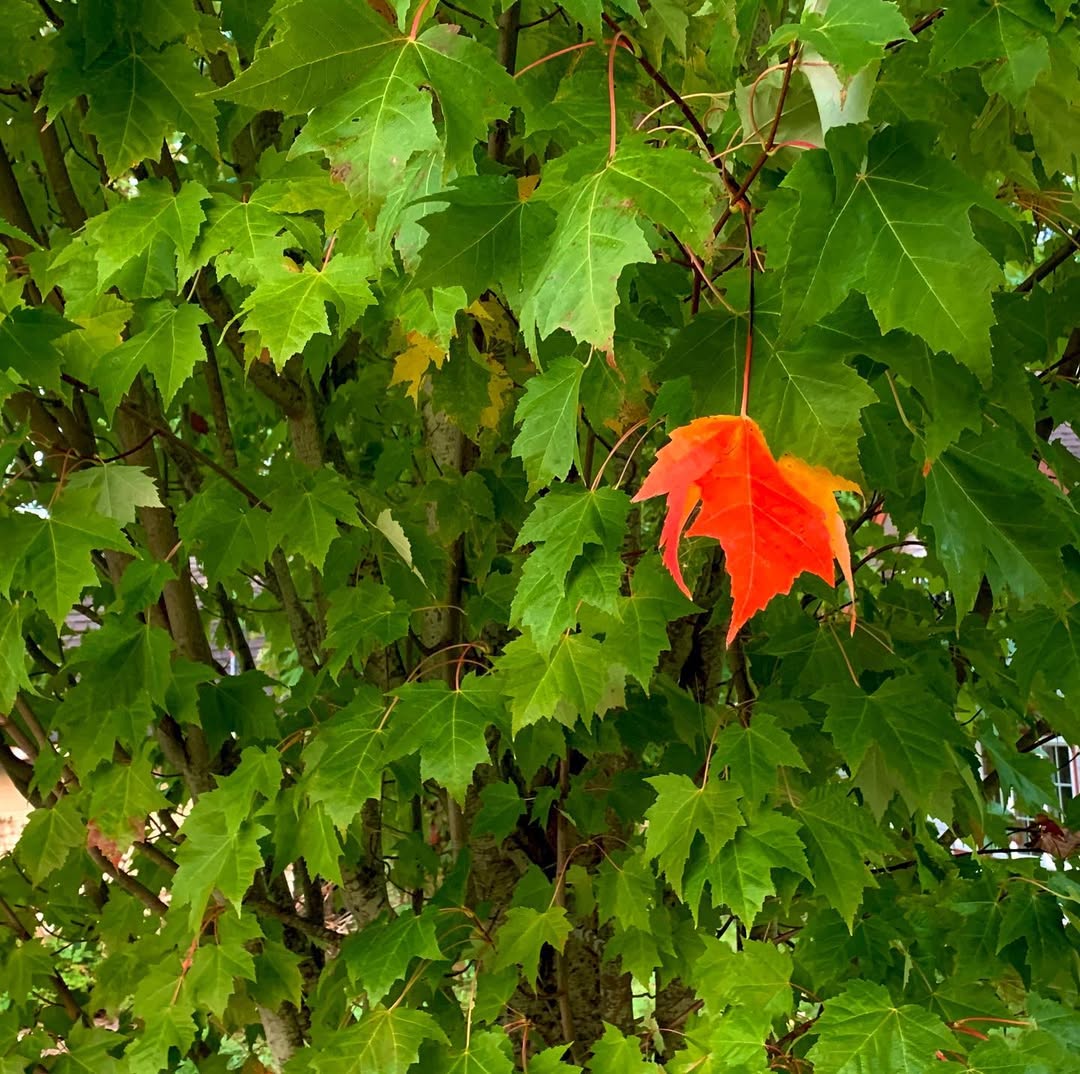
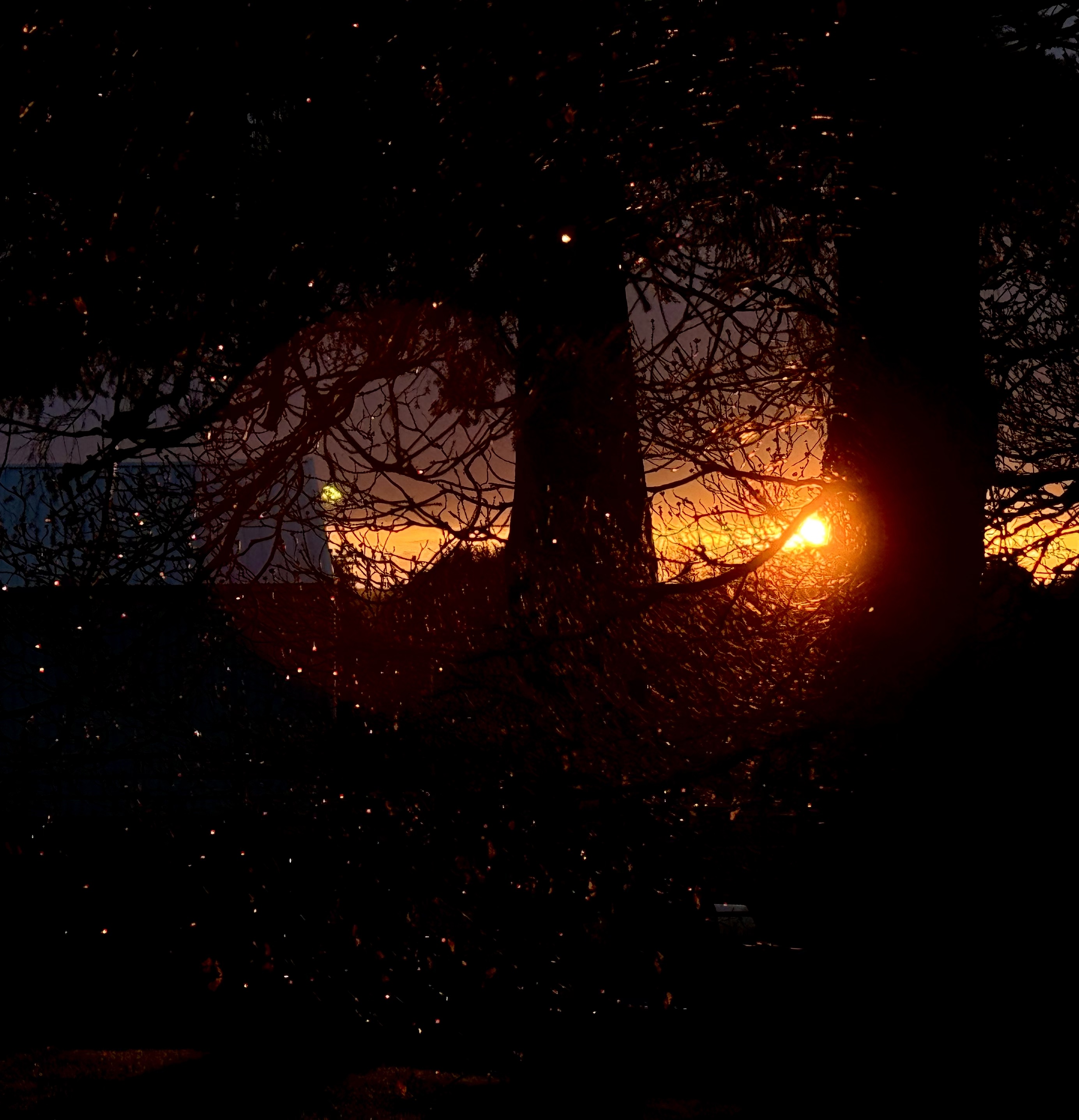
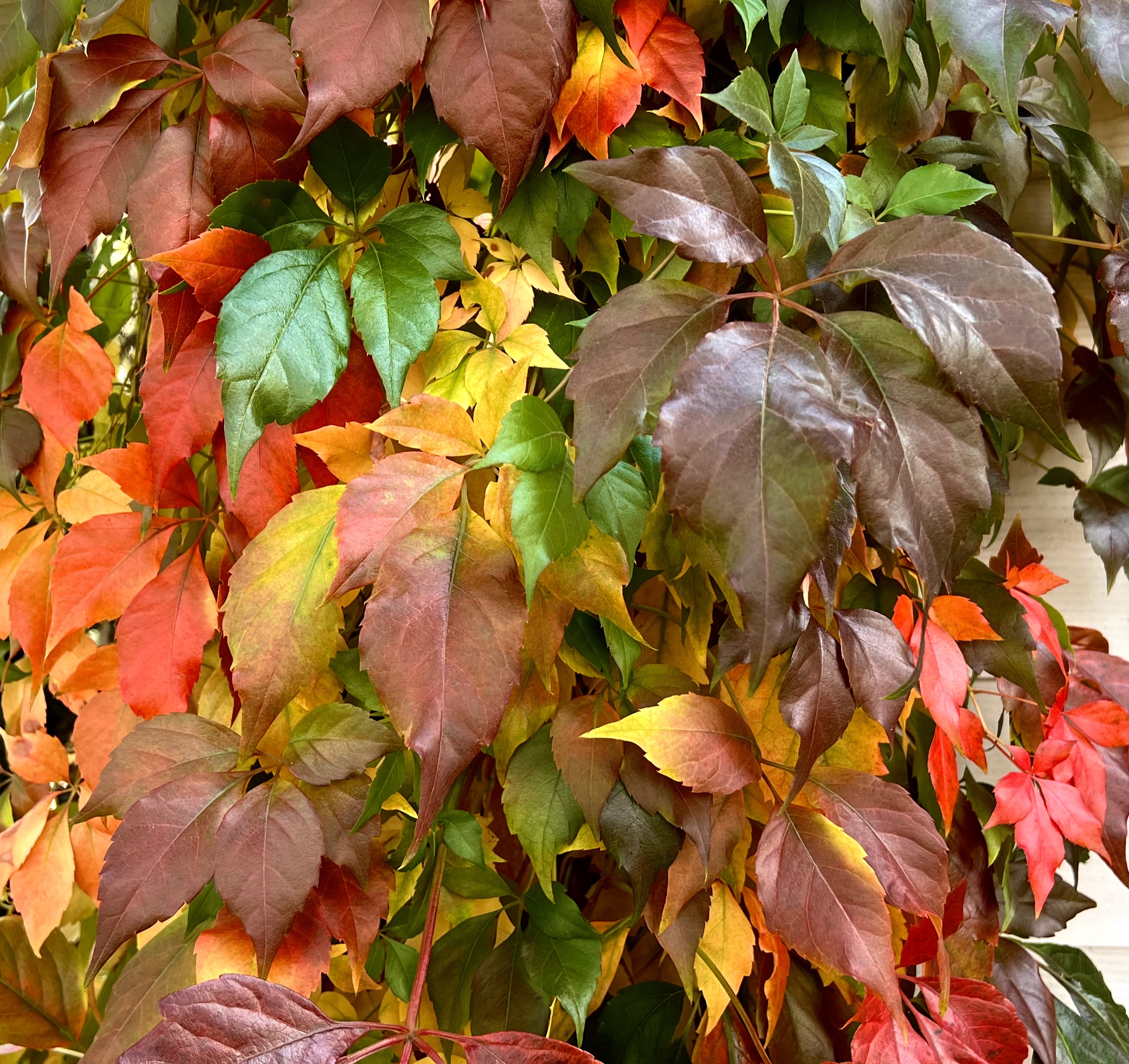
This time of year, no matter which way I turn, autumn’s kaleidoscope displays new patterns, new colors, new empty spaces as I watch the world die into itself once again.
Some dying is flashy, brilliant, blazing – a calling out for attention. Then there is the hidden dying that happens without anyone taking notice: just a plain, tired, rusting away letting go.
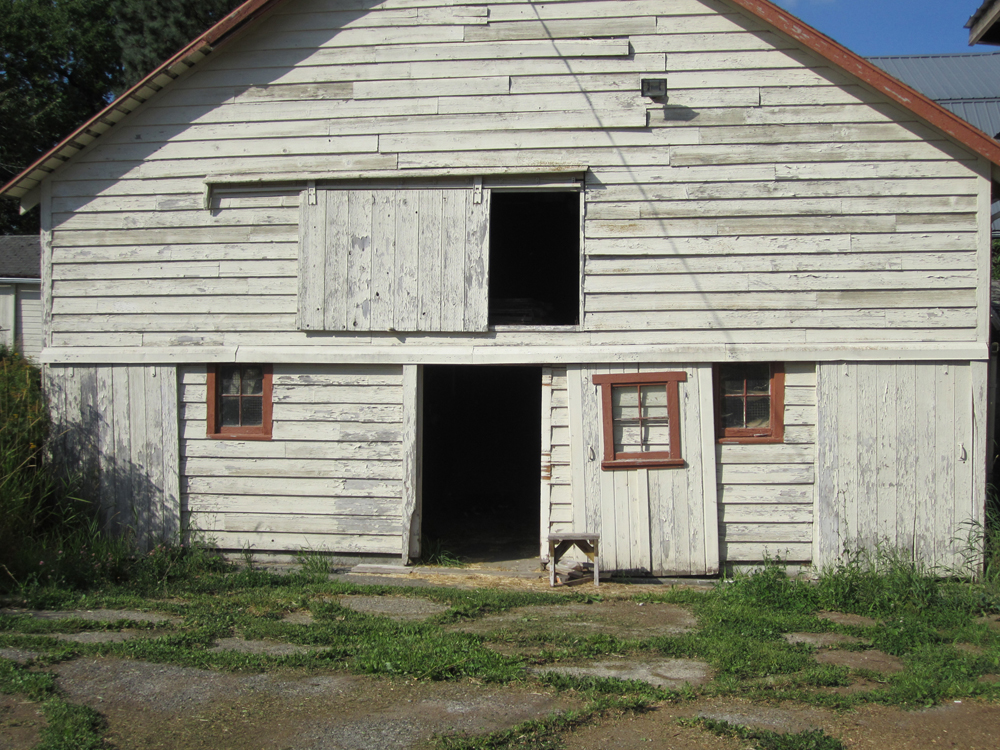
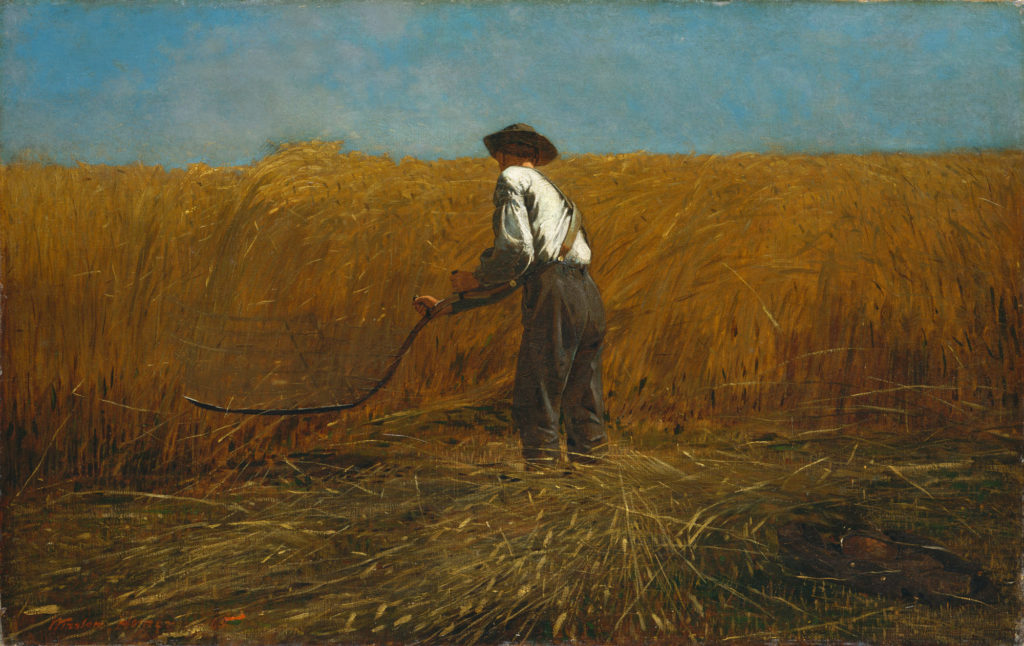
I spent this morning adjusting to the change in season by occupying myself with the familiar task of moving manure. Cleaning barn is a comforting chore, allowing me to transform tangible benefit from something objectionable and just plain stinky to the nurturing fertilizer of the future.
It feels like I’ve actually accomplished something.
As I scoop and push the wheelbarrow, I recalled another barn cleaning 24 years ago, just days before the world changed on 9/11/01.
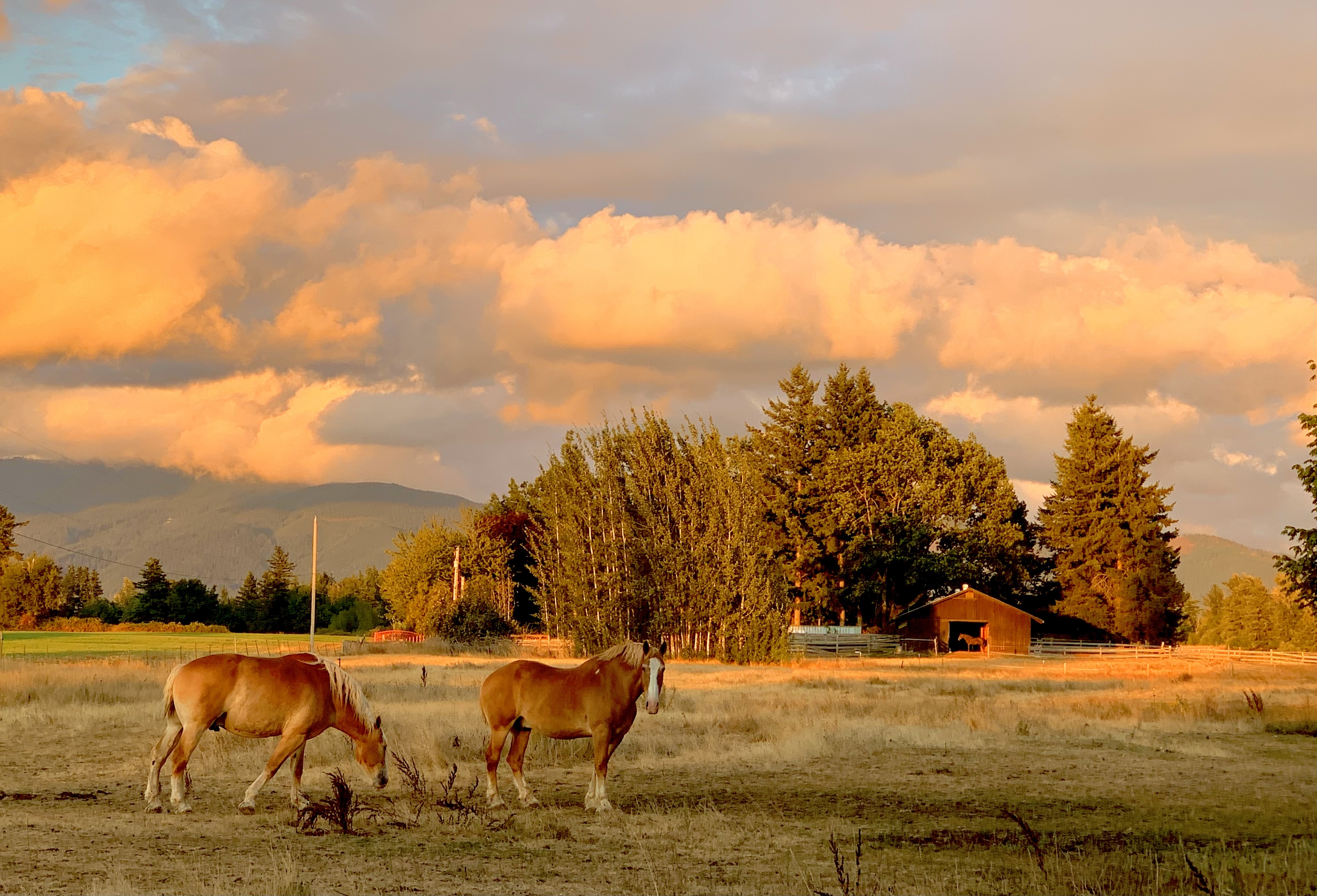
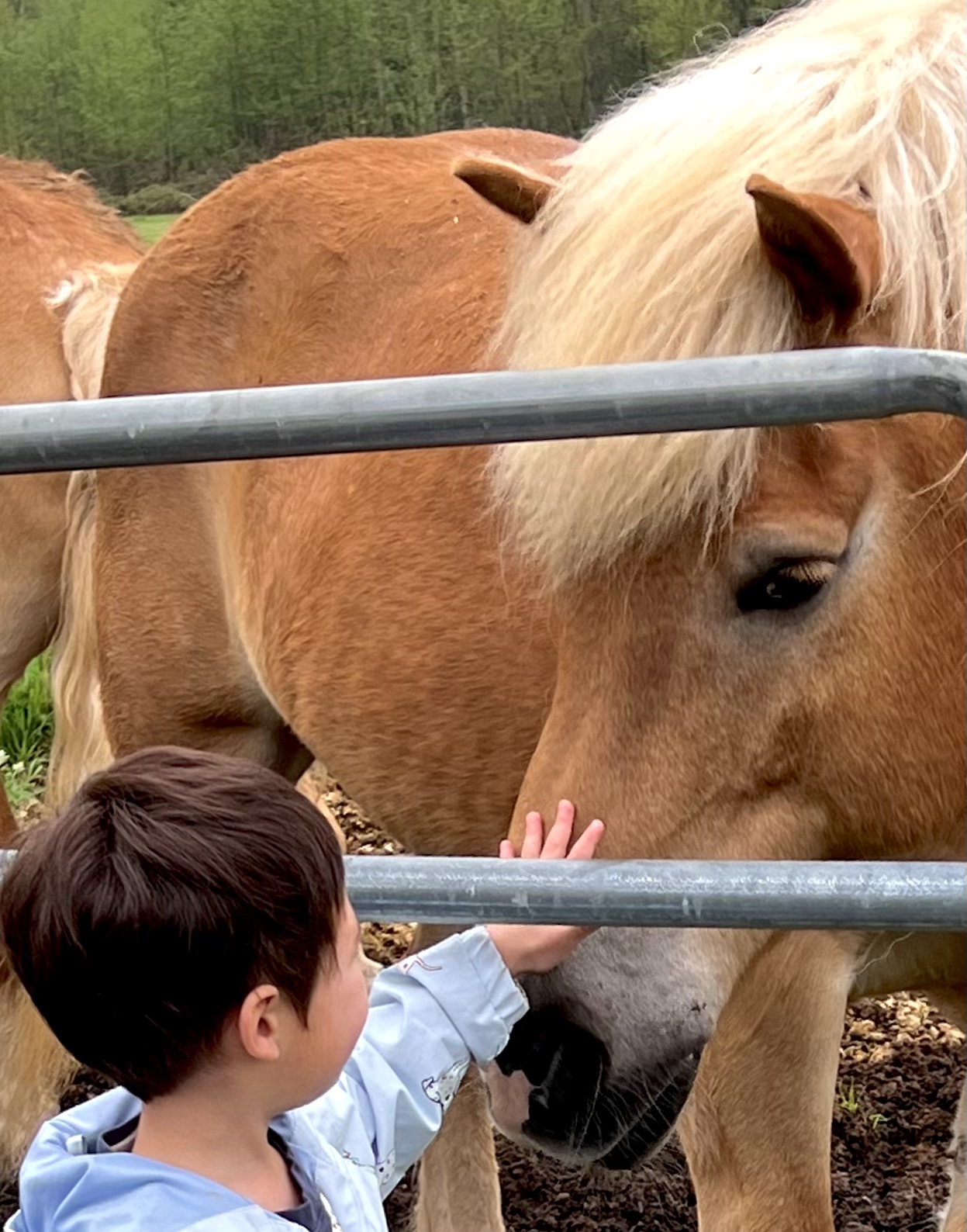
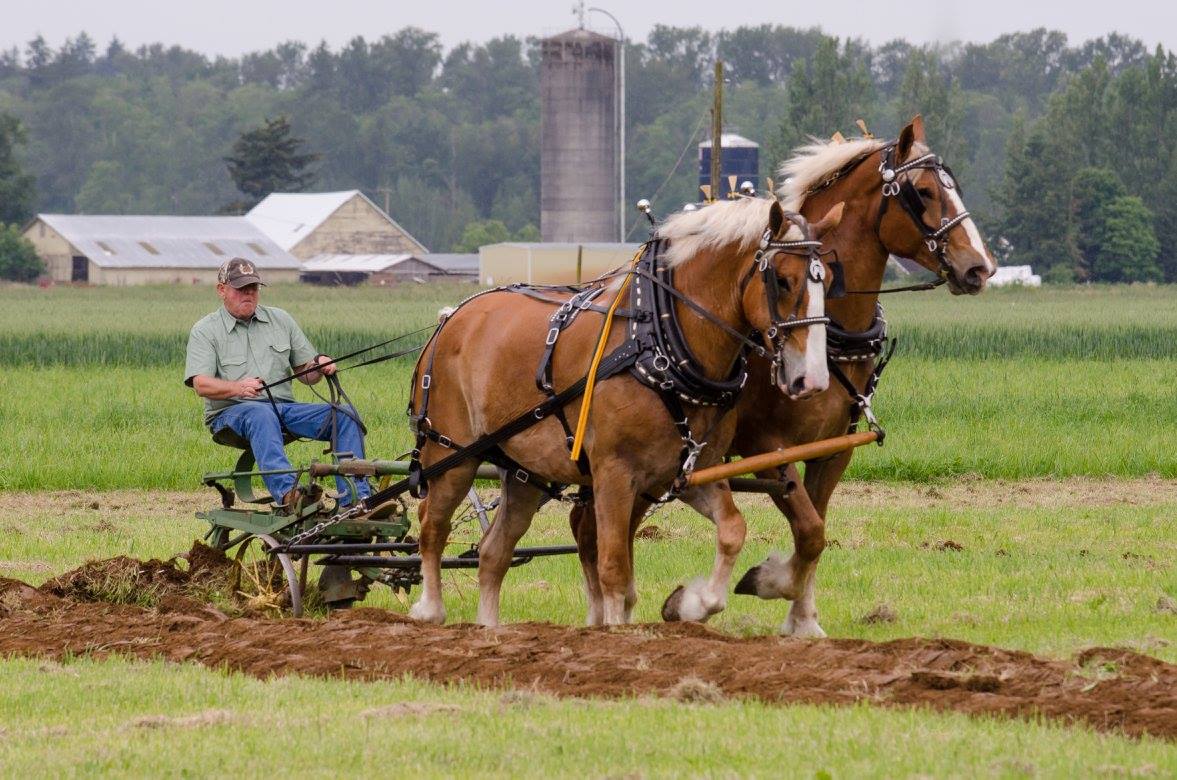
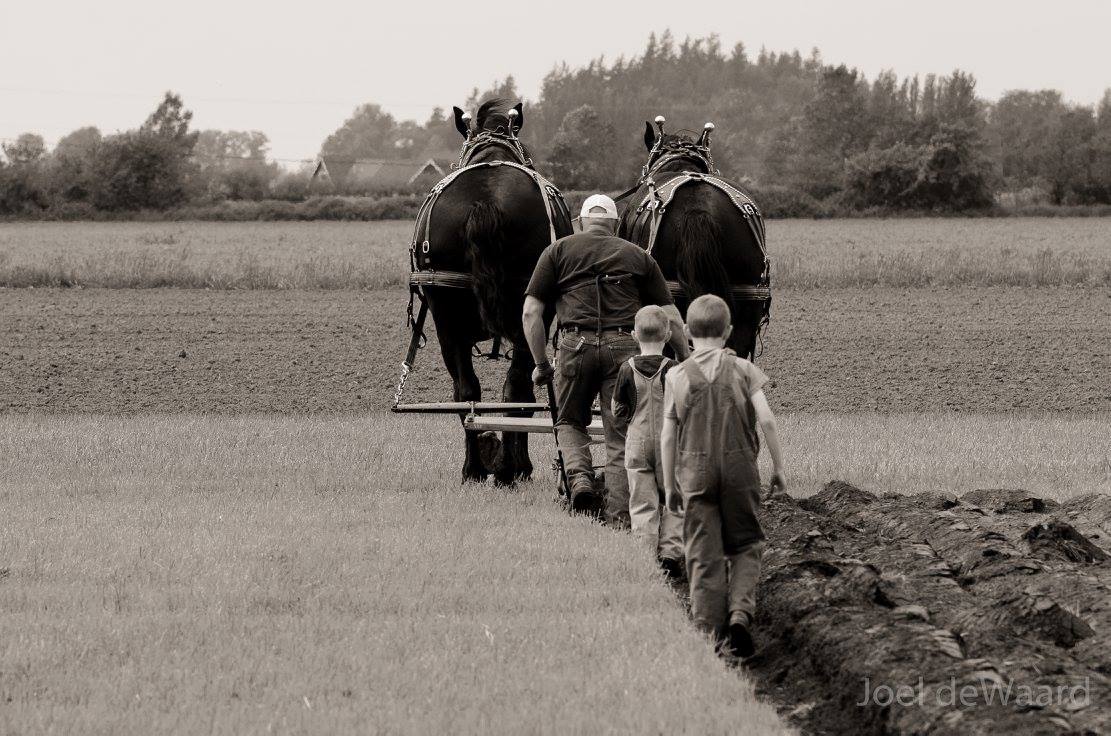
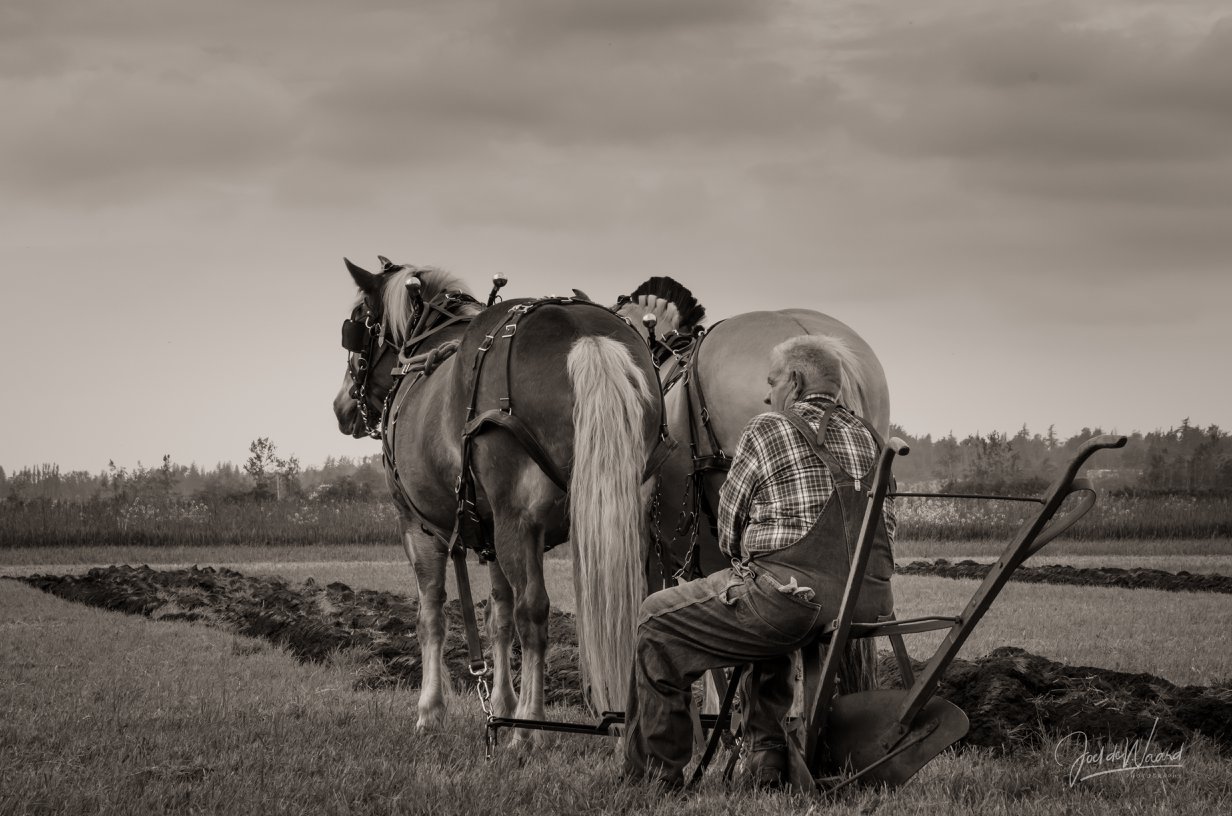
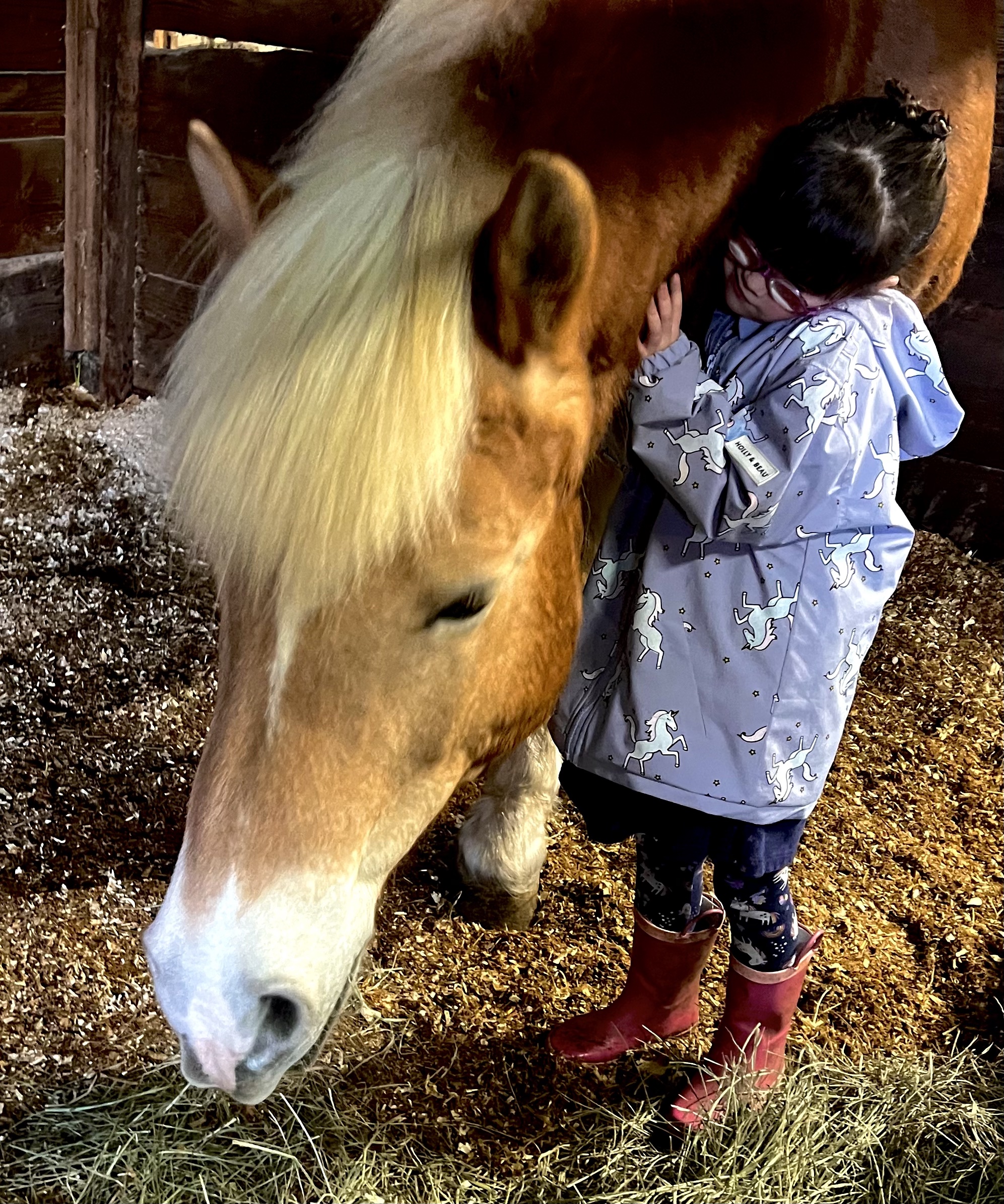
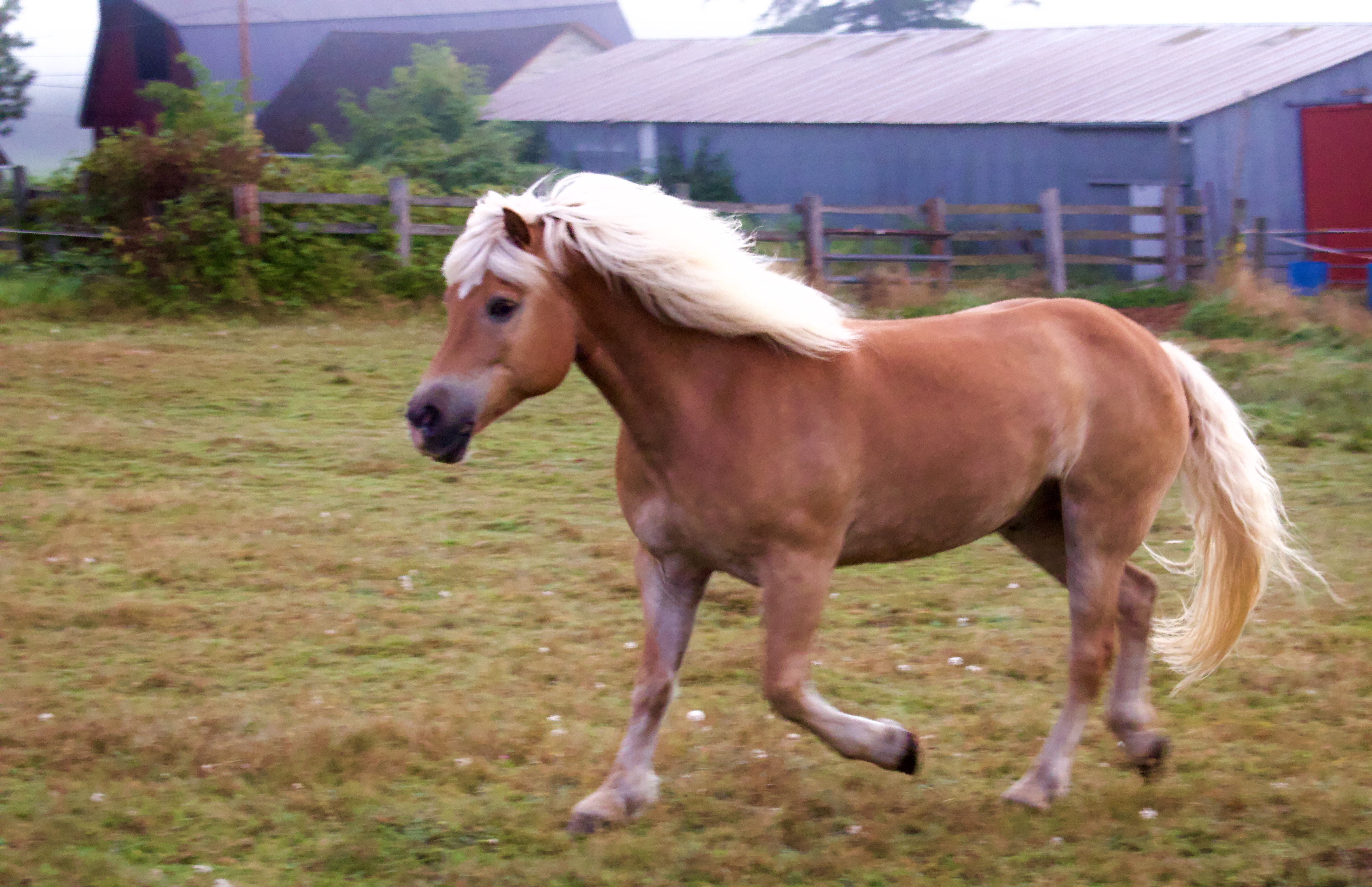
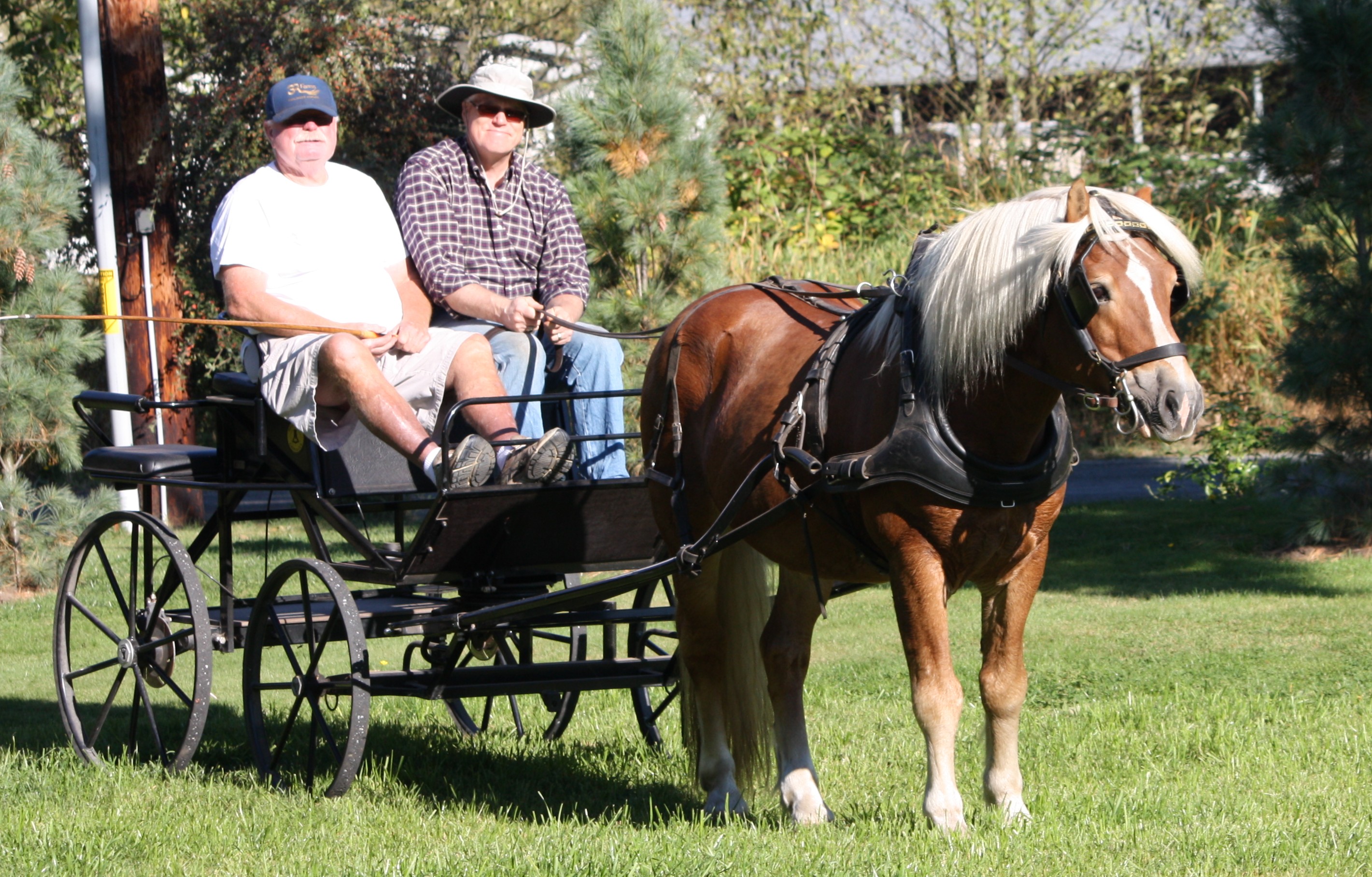
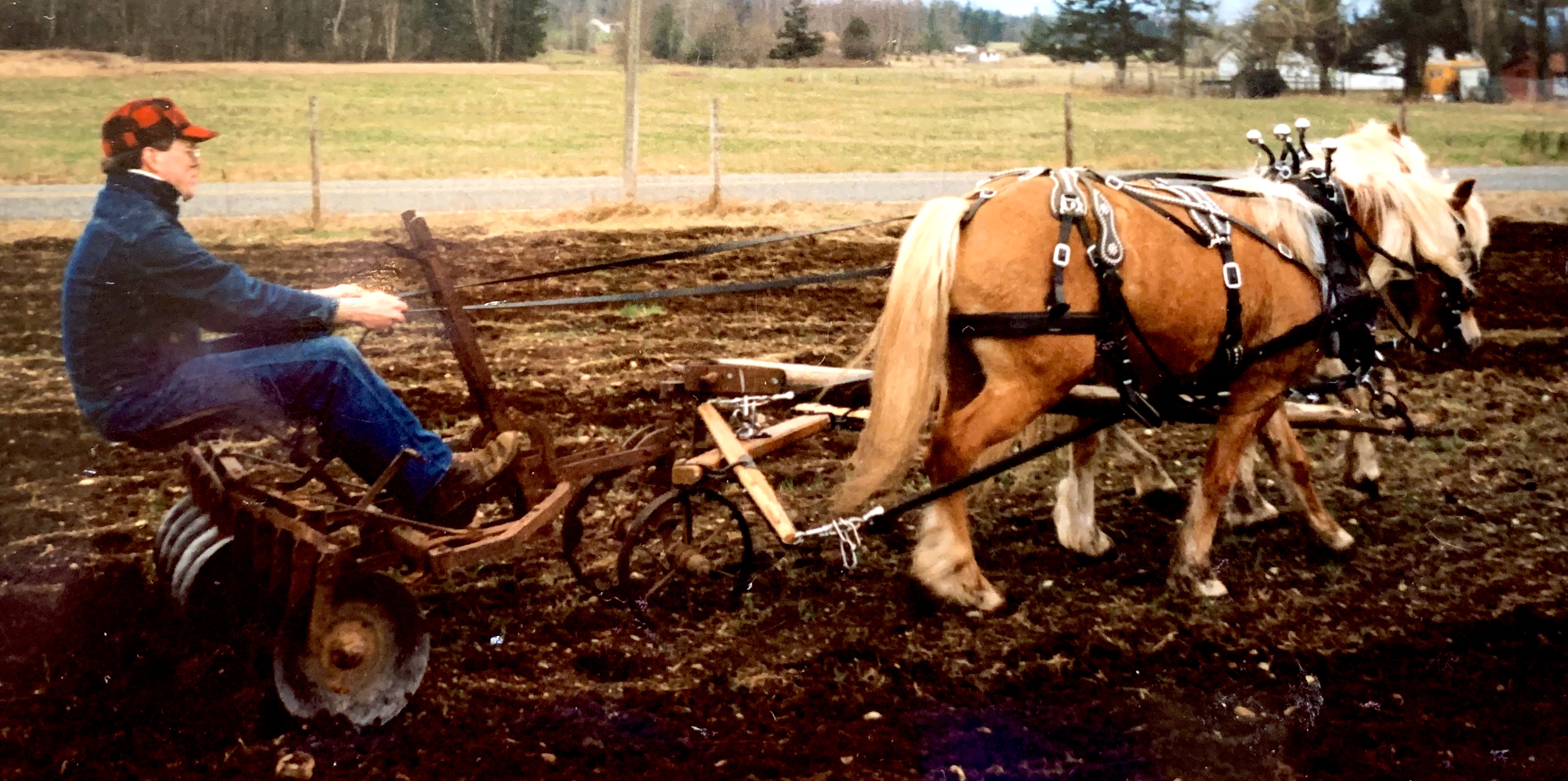
I was one of three or four friends left cleaning over ninety stalls after a Haflinger horse event that I had organized at our local fairgrounds. Some people had brought their horses from over 1000 miles away to participate for several days, including a Haflinger parade through our town on a quiet Sunday morning.
There had been personality clashes and harsh words among some participants along with criticism directed at me as the organizer that I had taken very personally. As I struggled with the umpteenth wheelbarrow load of manure, tears stung my eyes and my heart.
I was miserable with regret, feeling my work had been futile and unappreciated.
One friend had stayed behind with her young family to help clean up the large facility and she could see I was struggling to keep my composure. Jenny put herself right in front of my wheelbarrow and looked me in the eye, insisting I stop for a moment and listen:
“You know, none of these troubles and conflicts will amount to a hill of beans years from now. People will remember a fun event in a beautiful part of the country, a wonderful time with their Haflingers, their friends and family, and they’ll be all nostalgic about it, not giving a thought to the infighting or the sour attitudes or who said what to whom. So don’t make this about you and whether you did or didn’t make everyone happy. You loved us all enough to make it possible to meet here and the rest was up to us. So quit being upset about what you can’t change. There’s too much you can still do for us.”
Jenny had no idea how wise her words were, even two days later, on 9/11.
During tough times since (and there have been plenty), Jenny’s advice replays, reminding me to cease seeking appreciation from others or feeling hurt when harsh words come my way.
She was right about the balm found in the tincture of time. She was right about giving up the upset in order to die to self and self absorption, and instead to focus outward.
I have remembered.
Jenny herself did not know that day she would subsequently spend six years dying while still loving life every day, fighting a relentless cancer that was only slowed in the face of her faith and intense drive to live.
She became a rusting leaf gone holy, fading imperceptibly over time, crumbling at the edges until she finally had to let go. Her dying did not flash brilliance, nor draw attention at the end. Her intense focus during the years of her illness had always been outward to others, to her family and friends, to the healers she spent so much time with in medical offices, to her firm belief in the plan God had written for her and those who loved her.
So Jenny let go her hold on life here. And we reluctantly let her go. Brilliance cloaks her as her focus is now on things eternal.
You were so right, Jenny. The hard feelings from a quarter century ago don’t amount to a hill of beans now. The words you spoke to me that day taught me to love life even when I have no stomach for it.
All of us did have a great time together a few days before the world changed. And manure transforms over time to rich, nurturing compost.
I promise I am no longer upset that I can’t change what is past nor the fact that you and so many others have now left us.
But we’ll catch up later.
One-Time
Monthly
Yearly
Make a one-time or recurring donation to support daily Barnstorming posts
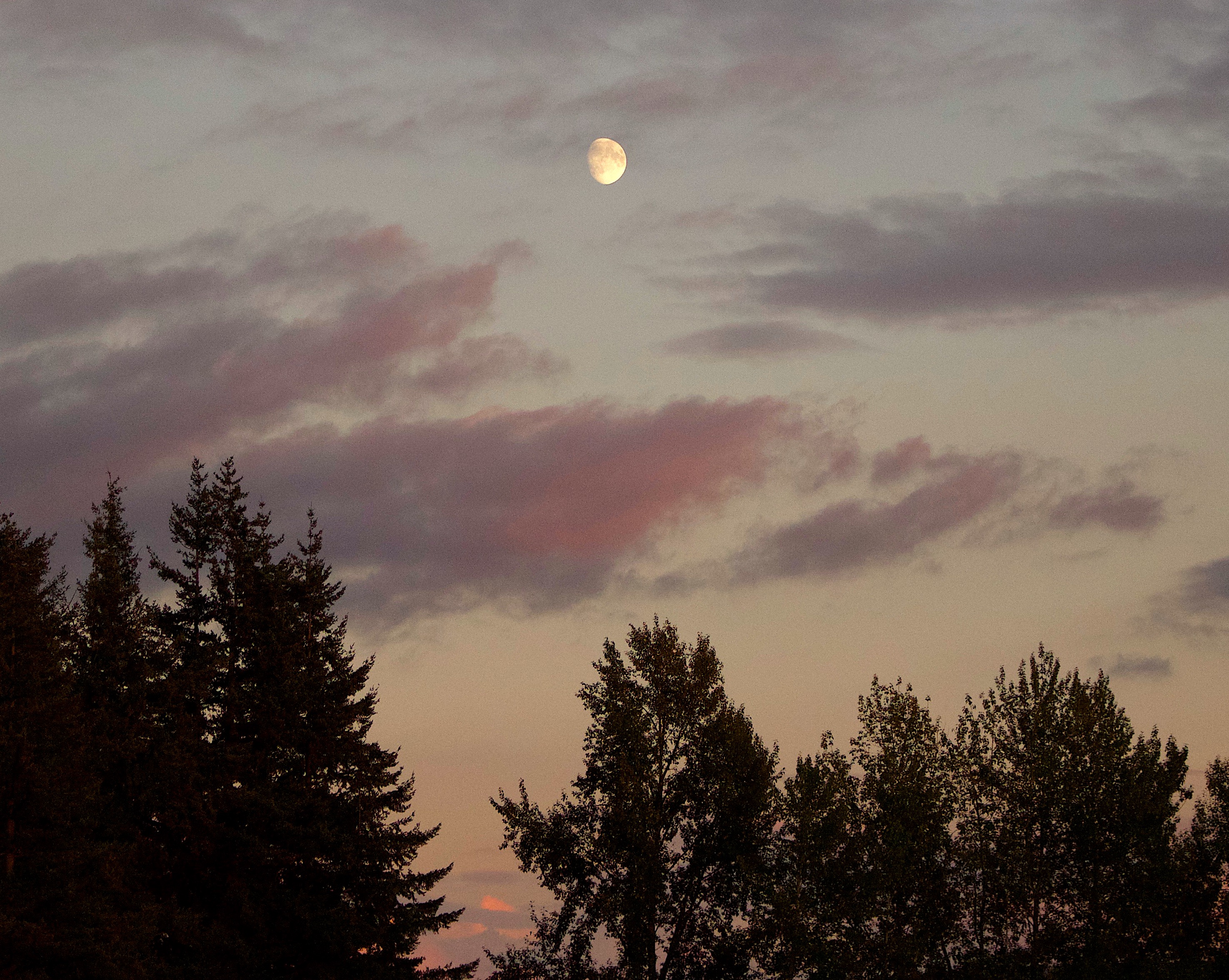
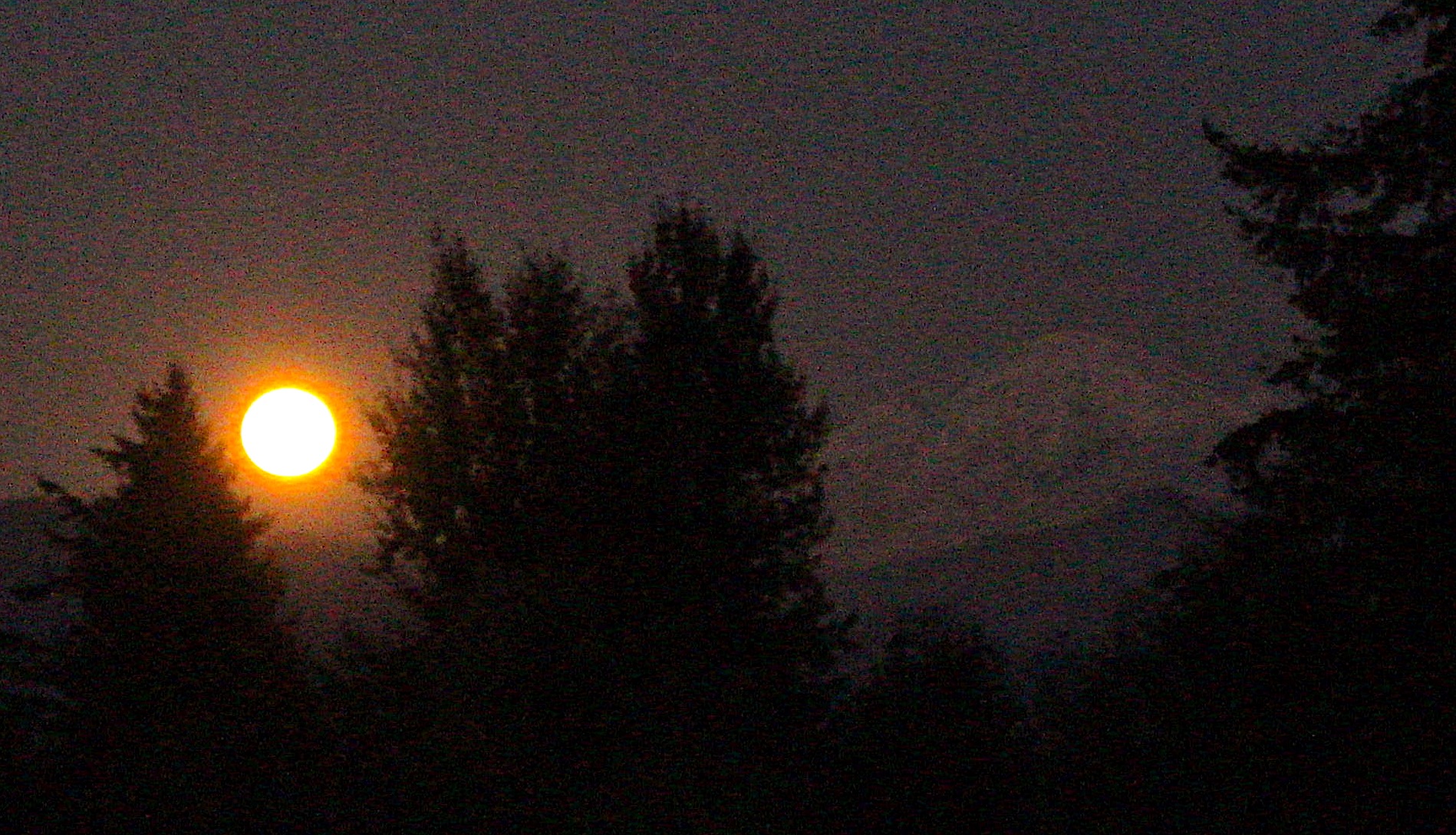
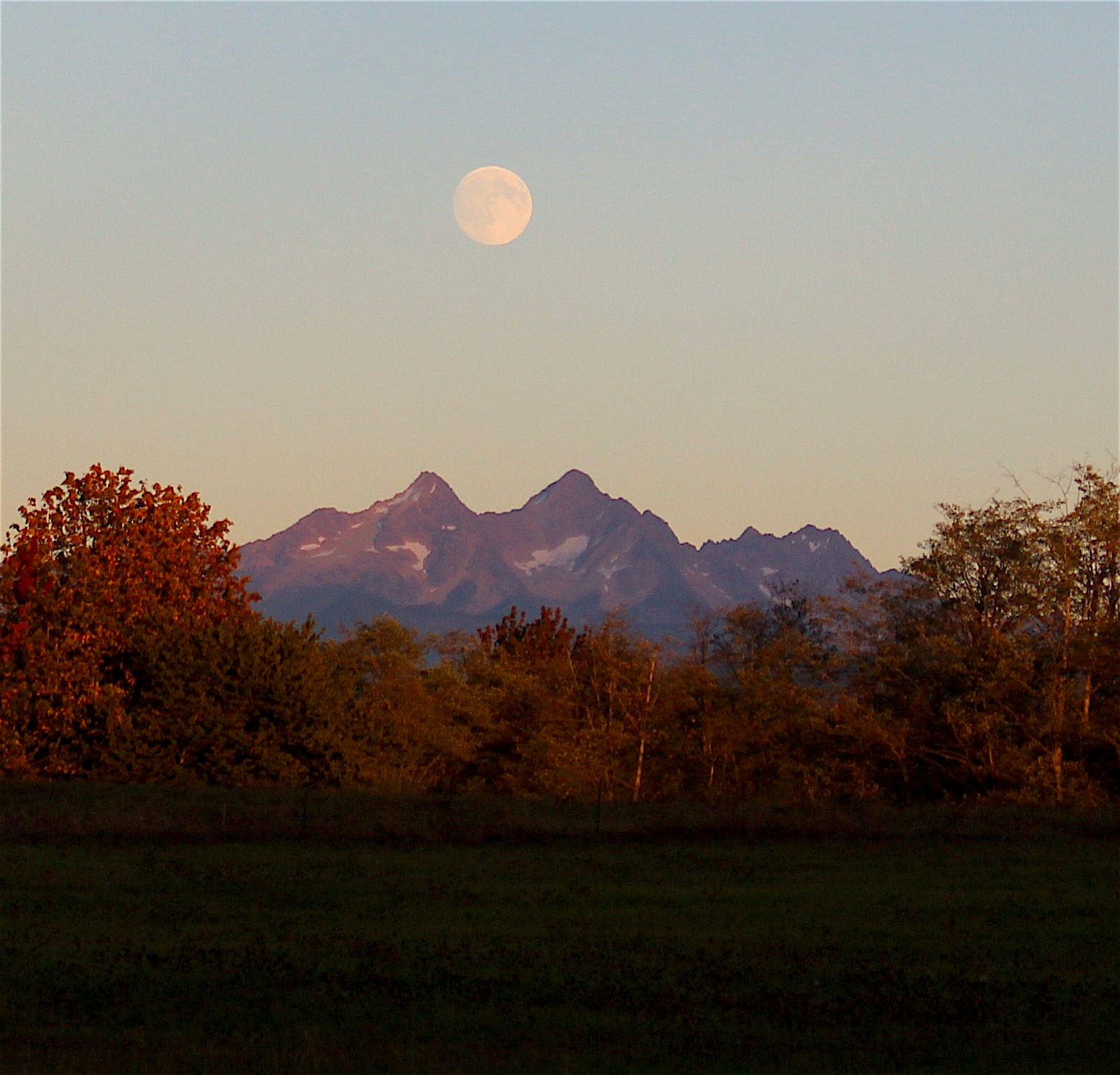
Let me remember you, voices of little insects, Weeds in the moonlight, fields that are tangled with asters, Let me remember, soon will the winter be on us, Snow-hushed and heavy.
Over my soul murmur your mute benediction, While I gaze, O fields that rest after harvest, As those who part look long in the eyes they lean to, Lest they forget them. ~Sara Teasdale from “September Midnight”
The tumult and the shouting dies; The Captains and the Kings depart: Still stands Thine ancient sacrifice, An humble and a contrite heart. Lord God of Hosts, be with us yet, Lest we forget—lest we forget! ~Rudyard Kipling from “Recessional”
If I were called upon to identify briefly the principal trait of the entire twentieth century, here too, I would be unable to find anything more precise and pithy than to repeat once again: Men have forgotten God. ~Aleksandr Solzhenitzyn from his 1983 acceptance speech for the Templeton Prize
Lest I forget…
I look long in the eyes I lean to…
whether a loved one, or the mountains, or summer-weary fields, or the face of God Himself.
I cannot risk forgetting Who must be remembered — He is encased in my heart like a treasured photograph, like a precious gem, like a benediction soothing me quiet when anxious.
It is His ultimate promise: Neither will He forget me – looking long in my eyes that lean in to Him.
[And the Lord answered] Can a woman forget her nursing child, that she should not have compassion on the son of her womb? Yes, they may forget, yet I will not forget you. Isaiah 49:15
One-Time
Monthly
Yearly
Make a one-time or recurring donation to support daily Barnstorming posts
Cork, Ireland Poetry in small language is like a church bell in some remote village tolling mutely in the evening through the musty provincial air self-obliviously and quite self-sufficiently —one might add— if it weren’t for the pair of those ragged sheep huddled before the rain on the empty lot in front of a stone barn bobbing their whitish little heads here and there just to let you know that regardless of medium the message will always arrive at the destination. ~Damir Šodan“Poetry in Small Language” translated from the Croatian by James Meetze
Sometimes poetry needs no words. It might be bells ringing from a church belfry, or raindrops streaming like tears on my face. It is how the light plays across the clouds, or watching new lambs leap together. Unless I’m watching or listening for it, I might miss the poetry in the air altogether. Yet somewhere, someone does, sometime. It finds just the person who needs it at that moment.
One-Time
Monthly
Yearly
Make a one-time or recurring donation to support daily Barnstorming posts
It’s not like losing a child where you just sit there and the child just sits there but you’re the only one doing the talking. It’s more like a placenta out of sticks and mud in the driveway, a former home where something was born and left, or maybe was born and never got to leave or was swept away by the wind that came through here last night, maybe more like having a house burn to the ground, no big deal if you have wings to take you somewhere else. ~Casey Killingsworth “A Nest Blew Down” from Freak Show
Every one of us knows loss. At times, lost things are replaceable; most are not.
When what we love is swept away, so are we. Who we were is no longer who we become in that instant of loss.
All things change; we become strangers in a new land, toppled over, empty, and gasping.
Wings won’t carry us away from ourselves. No matter where our wings take us, we depend on a God who refills our hollowed-out hearts.
AI image created for this post
One-Time
Monthly
Yearly
Make a one-time or recurring donation to support daily Barnstorming posts
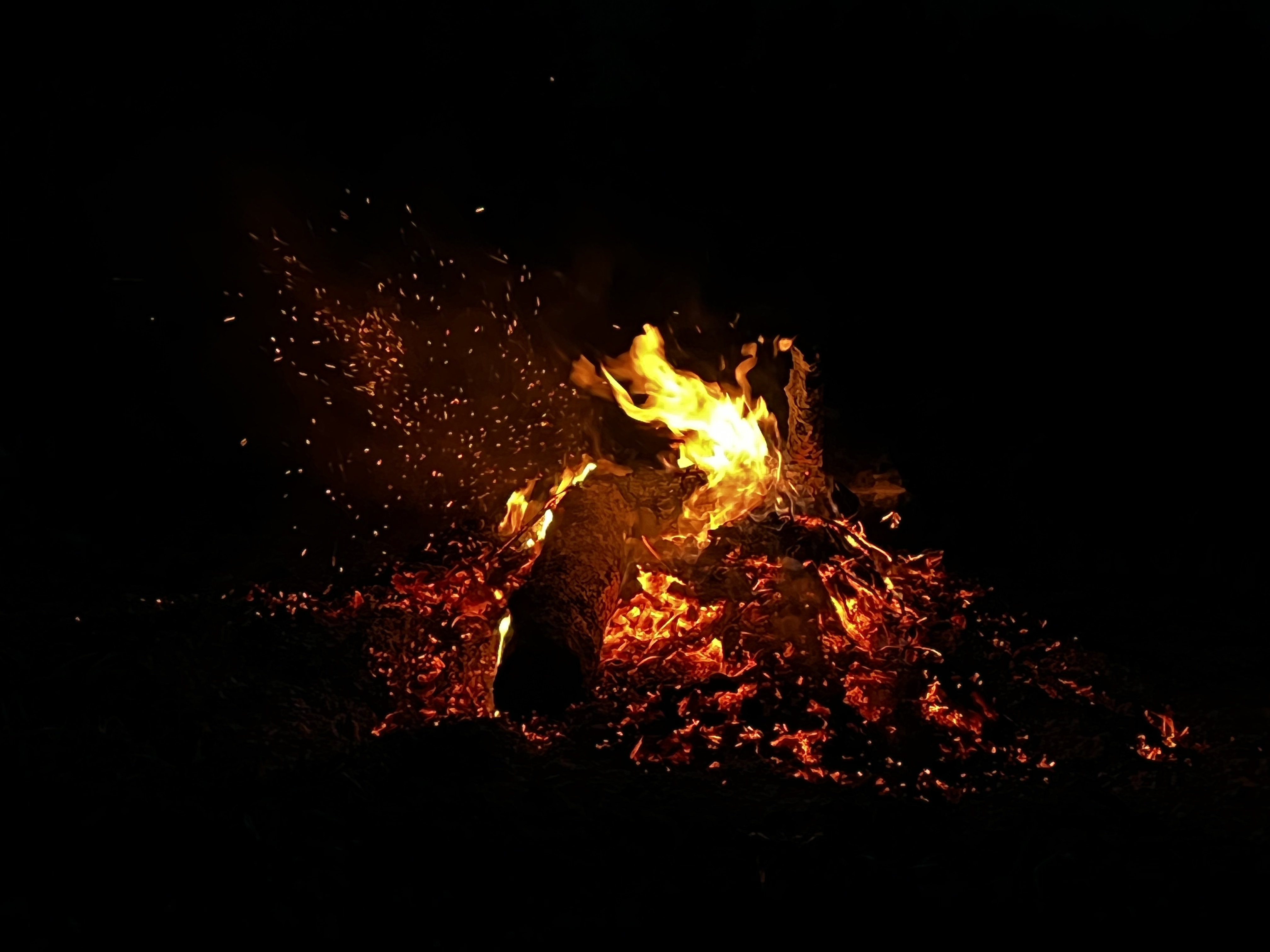
How much better it is to carry wood to the fire than to moan about your life. How much better to throw the garbage onto the compost, or to pin the clean sheet on the line, With a gray-brown wooden clothes pin. ~Jane Kenyon “The Clothespin”
Queen of my tub, I merrily sing, While the white foam rises high, And sturdily wash, and rinse, and wring, And fasten the clothes to dry; Then out in the free fresh air they swing, Under the sunny sky.
I wish we could wash from our hearts and our souls The stains of the week away, And let water and air by their magic make Ourselves as pure as they; Then on the earth there would be indeed A glorious washing-day!
Along the path of a useful life Will heart’s-ease ever bloom; The busy mind has no time to think Of sorrow, or care, or gloom; And anxious thoughts may be swept away As we busily wield a broom.
I am glad a task to me is given To labor at day by day; For it brings me health, and strength, and hope, And I cheerfully learn to say,— “Head, you may think; heart, you may feel; But hand, you shall work alway!” ~Louisa May Alcott “A Song from the Suds”
Silken web undulates, a lady’s private wash upon the wind. ~L.L. Barkat
All day the blanket snapped and swelled on the line, roused by a hot spring wind…. From there it witnessed the first sparrow, early flies lifting their sticky feet, and a green haze on the south-sloping hills. Clouds rose over the mountain….At dusk I took the blanket in, and we slept, restless, under its fragrant weight. ~Jane Kenyon “Wash”
We have a clothesline that I use several times a week to take advantage of sunlight, breezes, fresh air fragrance – all at no cost but the time it takes to carry laundry outside, hang it up with my ancient clothespins, and then pull it back down at the end of the day.
It is well worth the effort; I have been fortunate to always live where there is a line and clothespins.
This morning, I found someone had been very busy during the night, securing the clothespins to the line to make sure the pins could not escape. Each pin and hinge were laced to the line with silken threads clinging tightly, just in case a pin might consider escaping.
I looked for this industrious spider, as it had trekked down a long line, working its webby magic through numerous clothespins, yet it had descended and snuck away on this foggy Labor Day, not even waiting to see what might happen to all its work.
The old and weathered clothespins patiently wait for their next job, to pinch together what I give them to hold on to tomorrow while blowing in the wind. In the meantime, they cling to fresh life, gaily festooned with gossamer silk.
One-Time
Monthly
Yearly
Make a one-time or recurring donation to support daily Barnstorming posts
You have brains in your head. You have feet in your shoes. You can steer yourself any direction you choose. ~ Dr. Seuss
You give the appearance of listening To my thoughts, O trees, Bent over the road I am walking On a late summer evening When every one of you is a steep staircase The night is slowly descending.
The high leaves like my mother’s lips Forever trembling, unable to decide, For there’s a bit of wind, And it’s like hearing voices, Or a mouth full of muffled laughter, A huge dark mouth we can all fit in Suddenly covered by a hand.
Everything quiet.
The sky at the road’s end cloudless and blue. The night birds like children Who won’t come to dinner. Lost children in the darkening woods. ~Charles Simic from “Evening Walk” in The Voice at 3 A.M.”
I wonder about the trees.
My feet tug at the floor And my head sways to my shoulder Sometimes when I watch trees sway, From the window or the door. I shall set forth for somewhere, I shall make the reckless choice Some day when they are in voice And tossing so as to scare The white clouds over them on. I shall have less to say, But I shall be gone. ~Robert Frost from “The Sound of Trees”
The voice of the trees urges me to move my feet while they stay rooted in place.
I am propelled forward by winds that strip away leaves, bend branches.
Tempted to simply stand and watch their motion, instead I walk among the rooted ones, grateful for my legs.
They clap their hands and wave as I pass by.
One-Time
Monthly
Yearly
Make a one-time or recurring donation to support daily Barnstorming posts
…today, the unseen was everything. The unknown, the only real fact of life. All this he saw, for one moment breathless and intense, vivid on the morning sky; and still, as he looked, he lived; and still, as he lived, he wondered. ~Kenneth Grahame, The Wind in the Willows
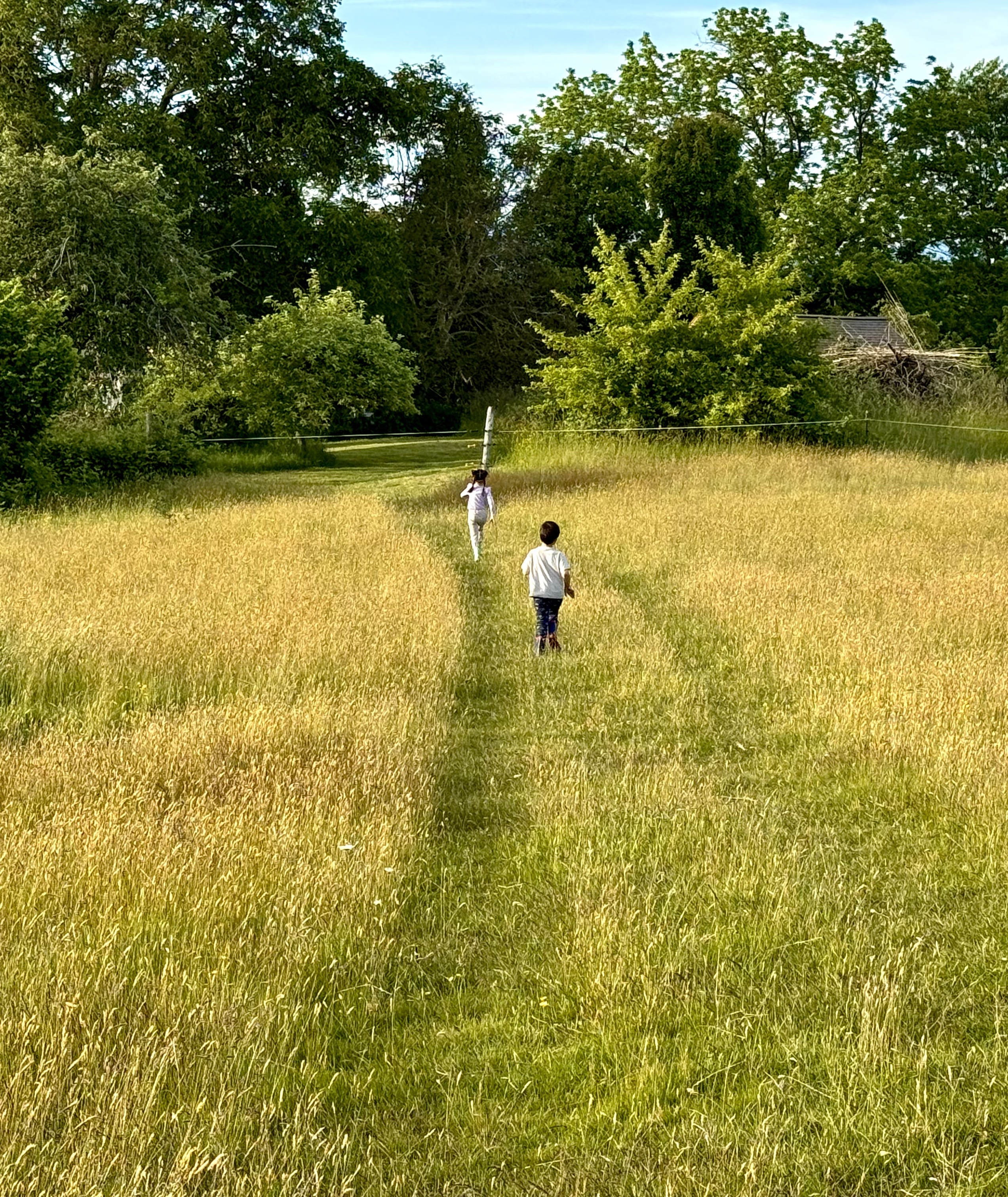
Purposefully lost in the willow stillness of a late summer meadow in the deer-filled dusk—a silver evening following a blue and amber day. ~Tim Hawkins “Purposefully Lost” from West of the Backstory
I search for the unseen, purposely lost, hoping to find meaning in the unknown.
I am bewildered by this life much of the time. Anyone looking at what I share here sees my struggle each day to discern how to make this sad and suffering world a little bit better place.
I have little to offer you other than my own wrestling match with the mysteries we all face.
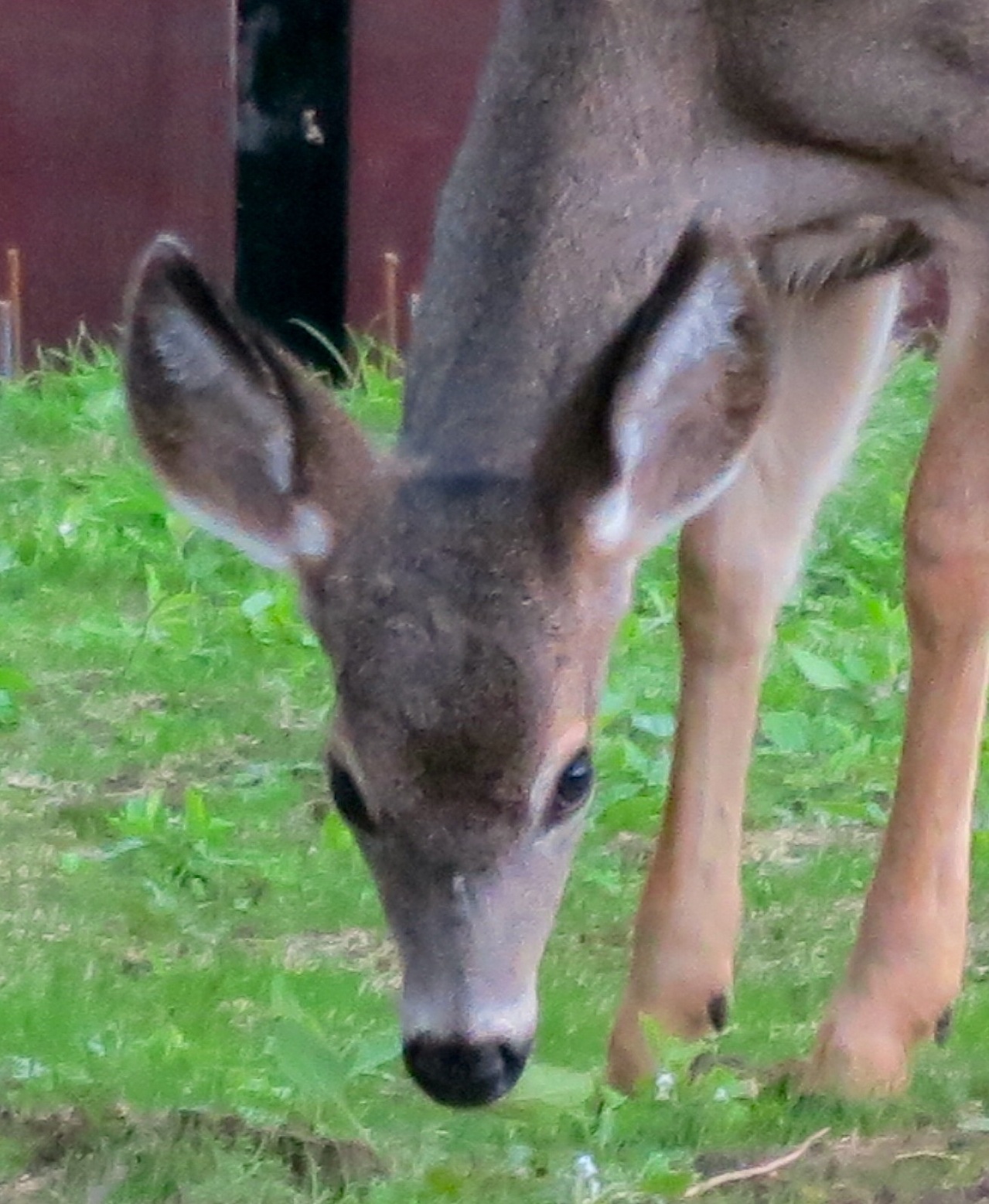
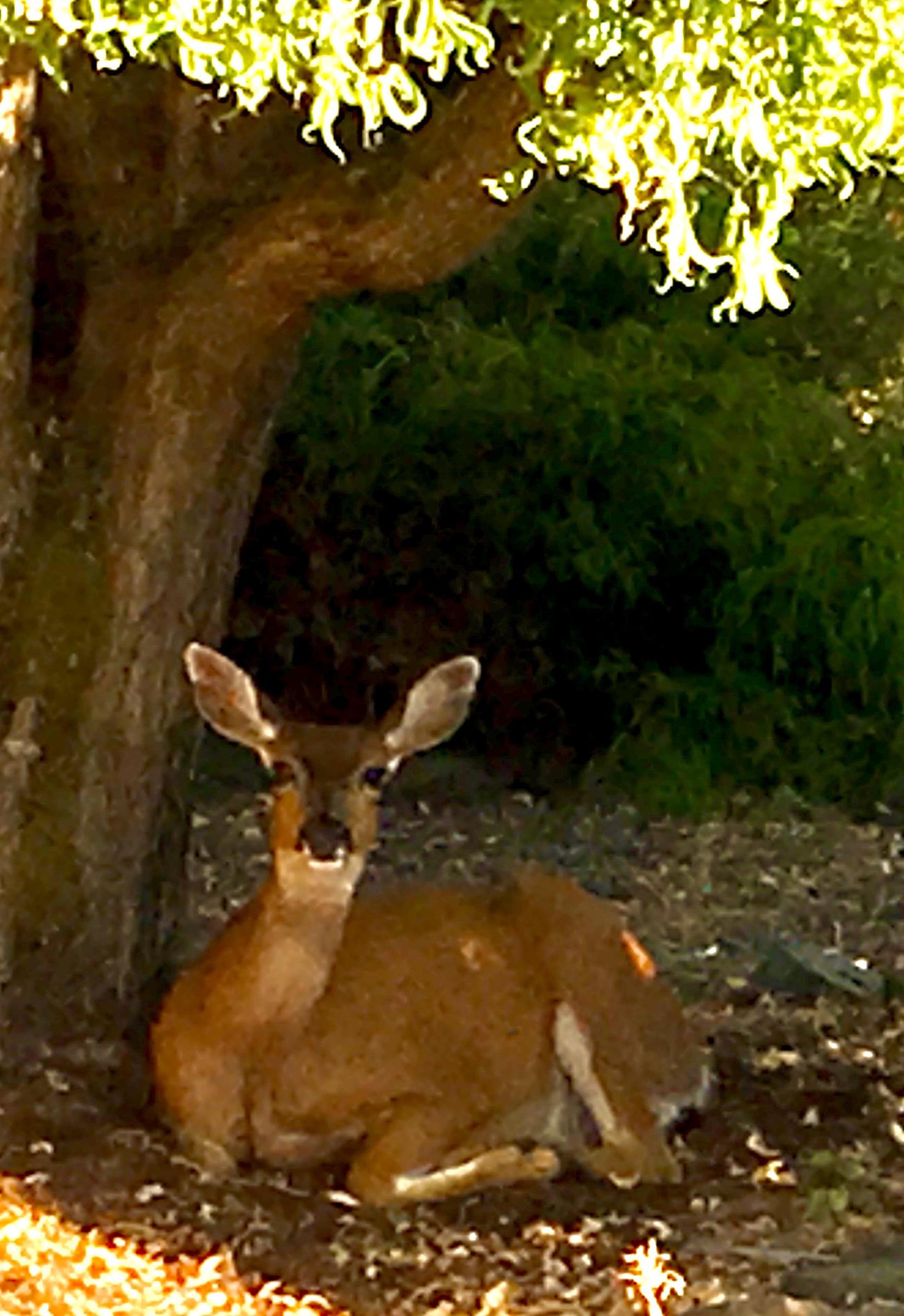
Then, when a light does shine out through darkness, when a deer steps out of the woods into the meadow, I am not surprised.
I simply need to pay attention. Illumination was there all the time, but I needed the eyes to see its beauty laid bare, brave enough to show itself even brighter in the light of day.
One-Time
Monthly
Yearly
Make a one-time or recurring donation to support daily Barnstorming posts