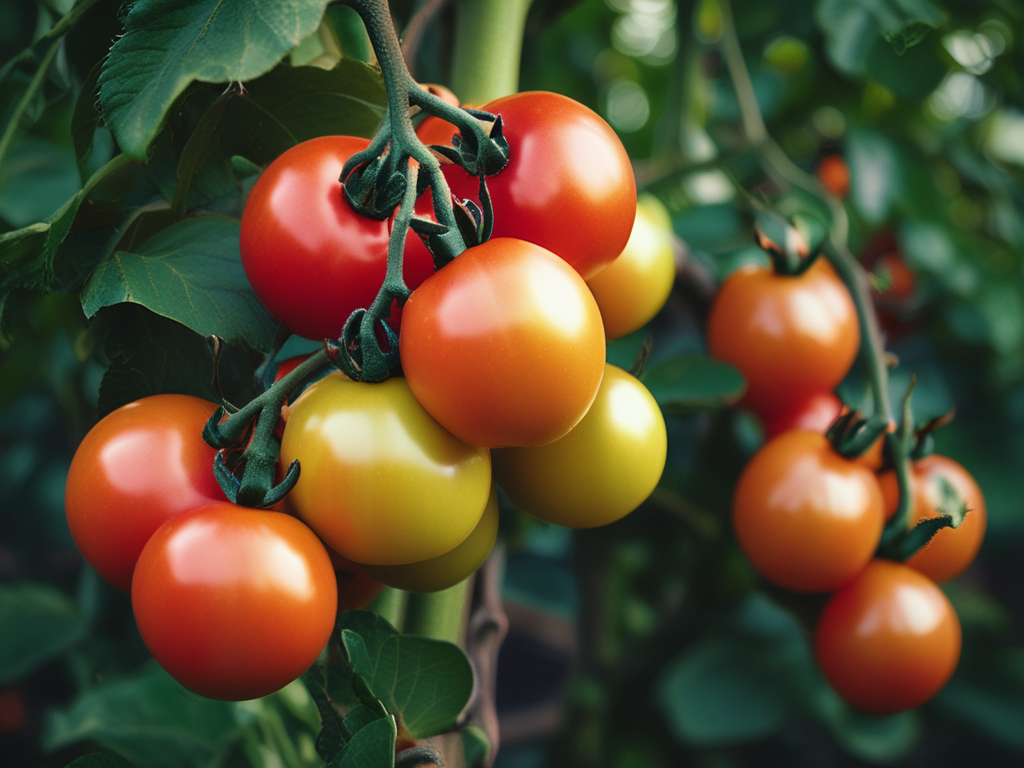
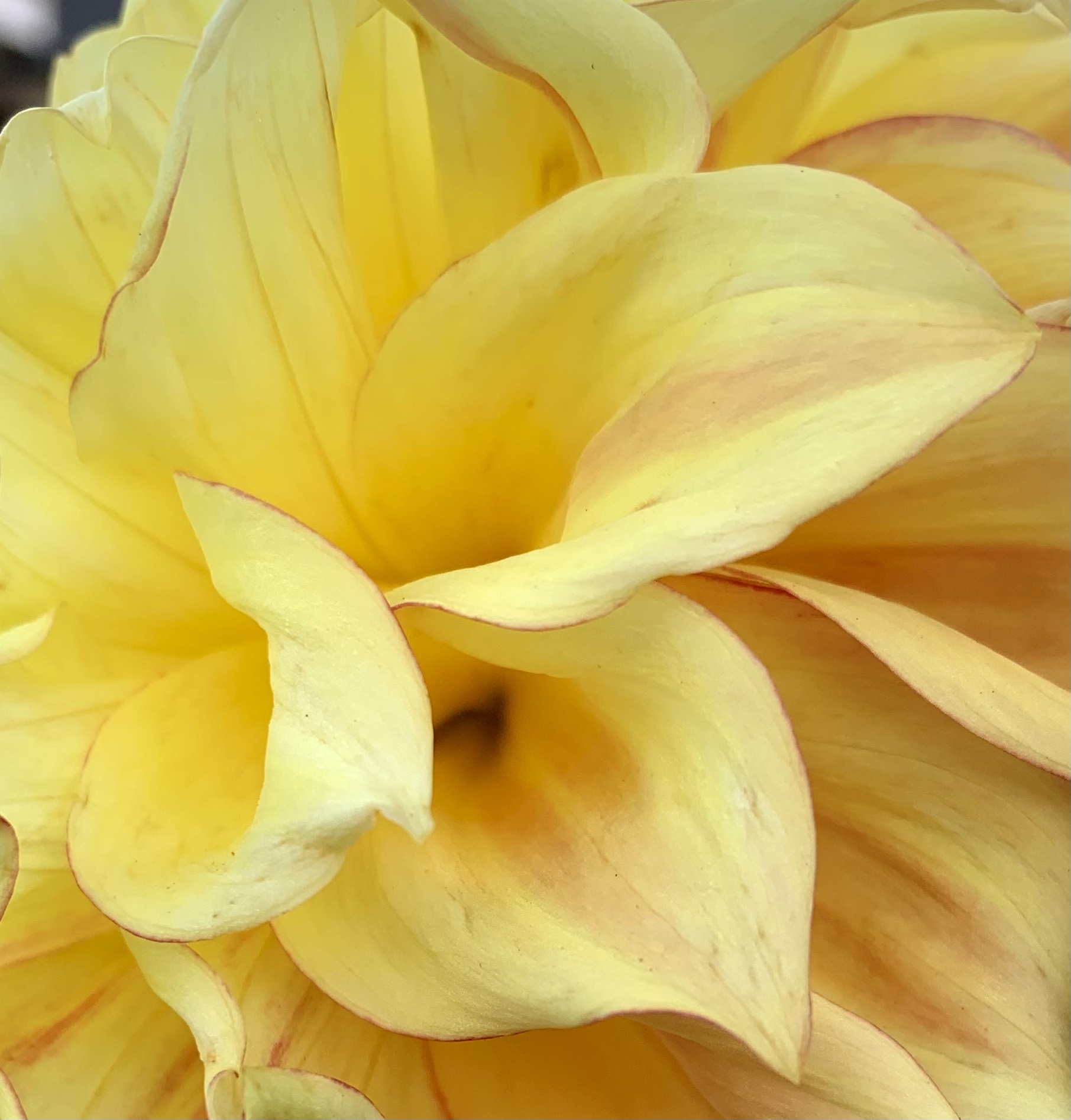
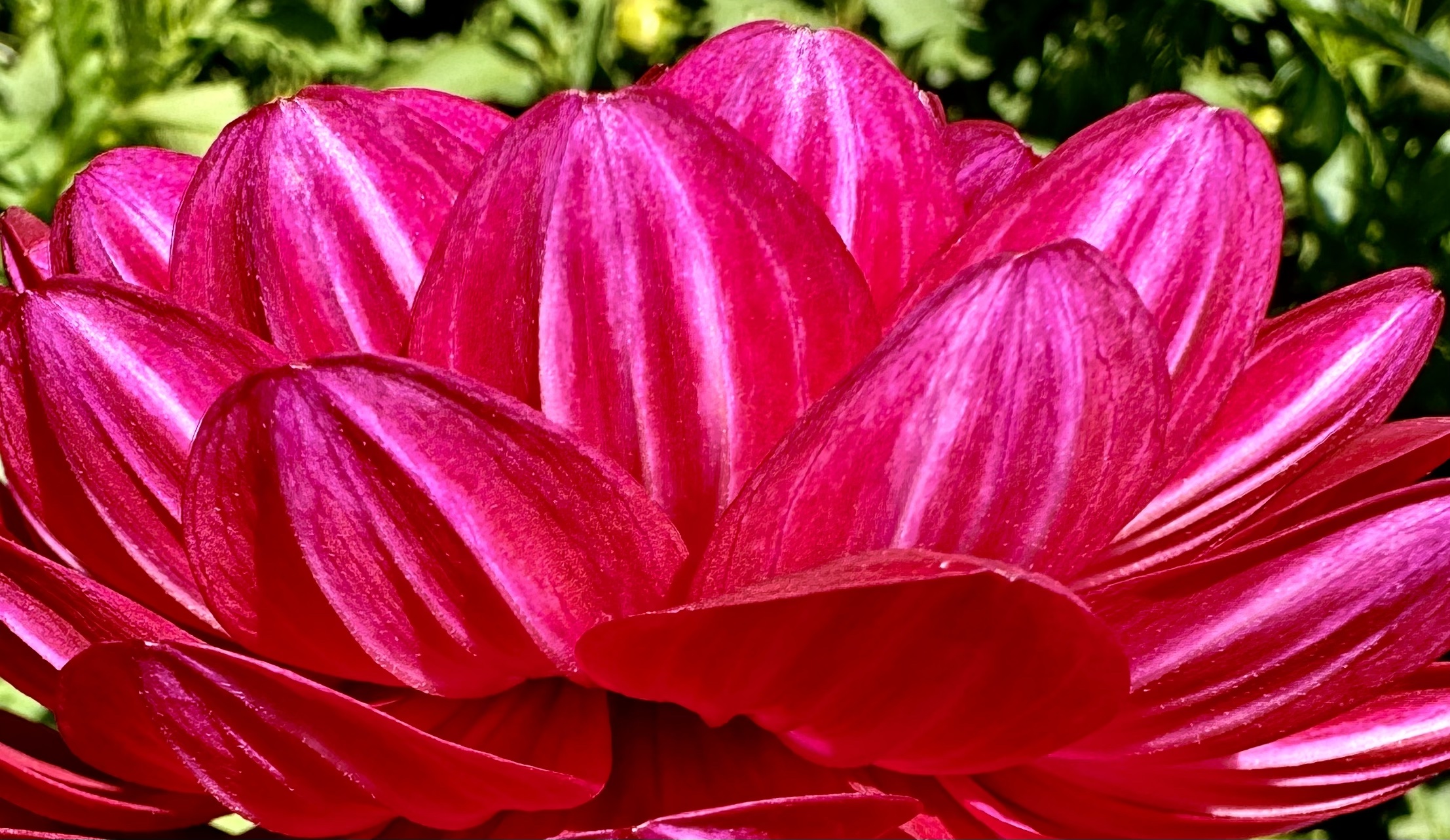
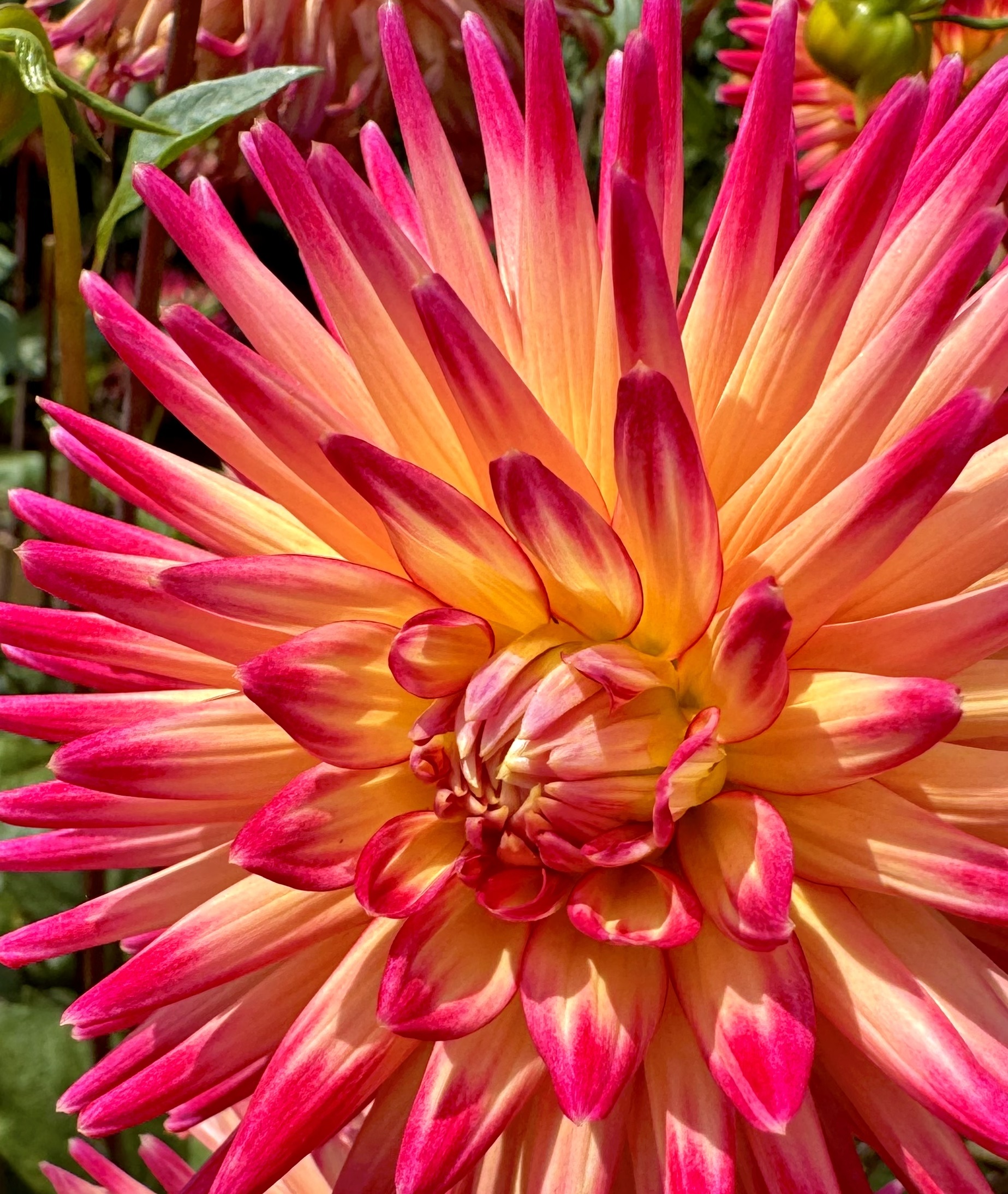
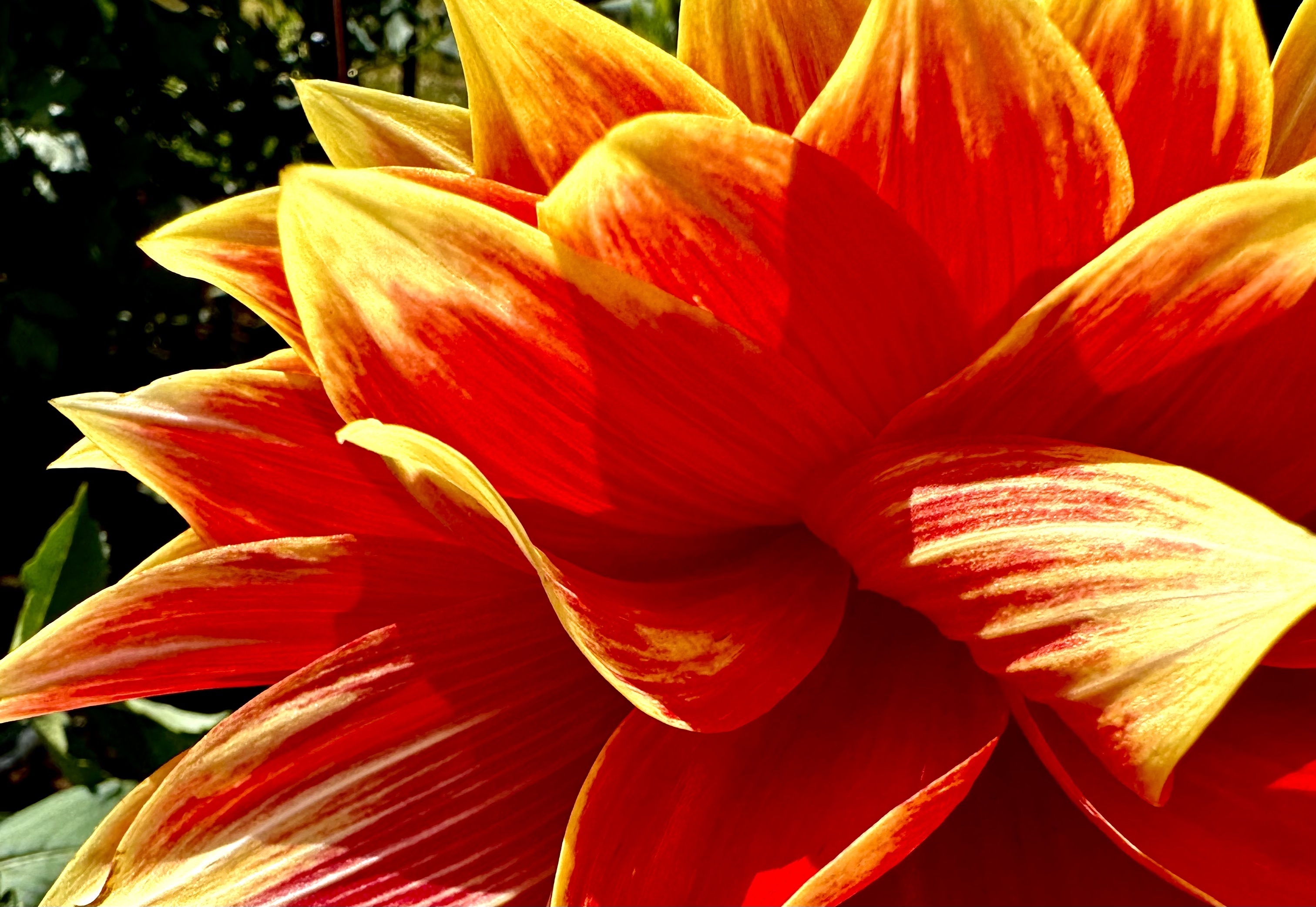
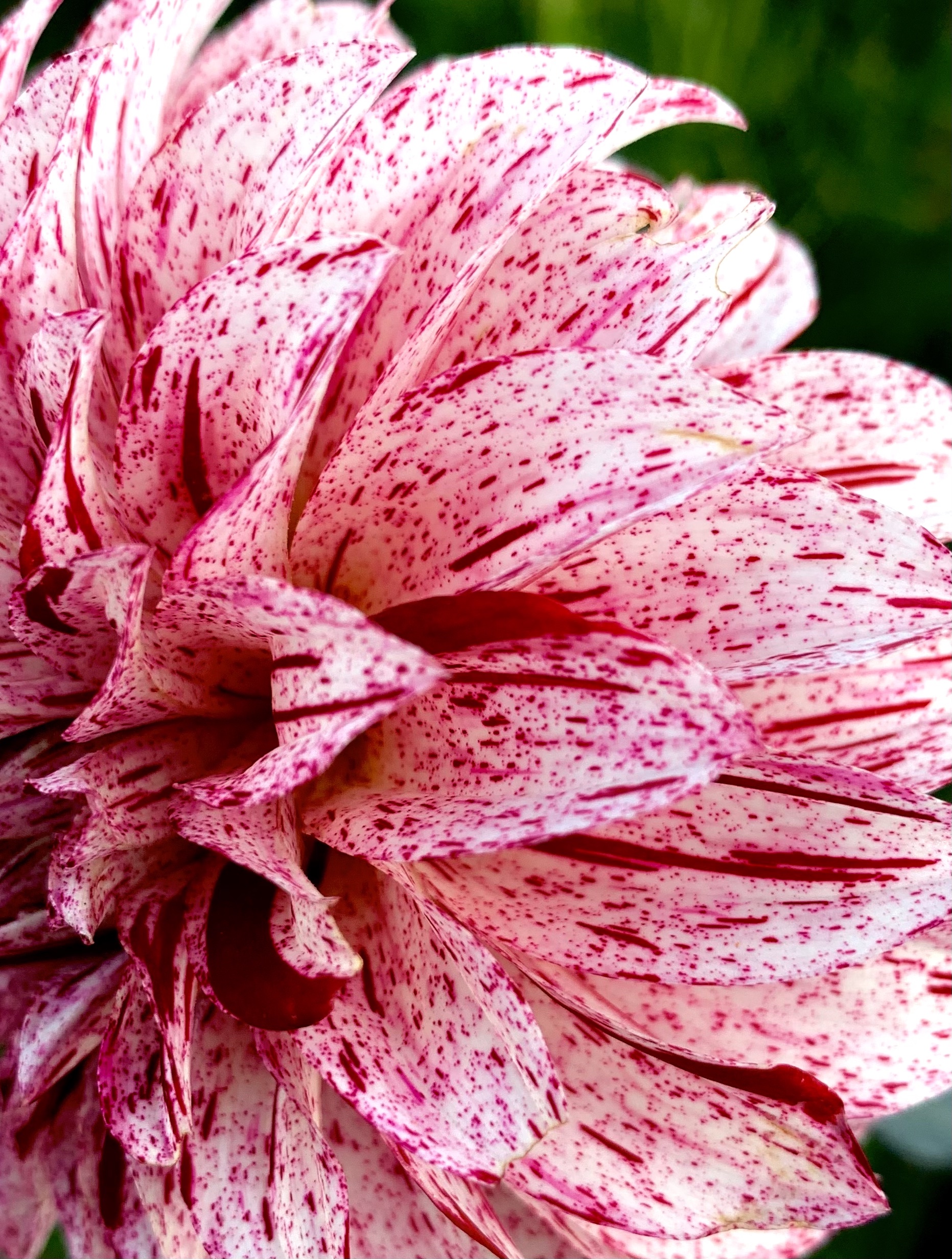
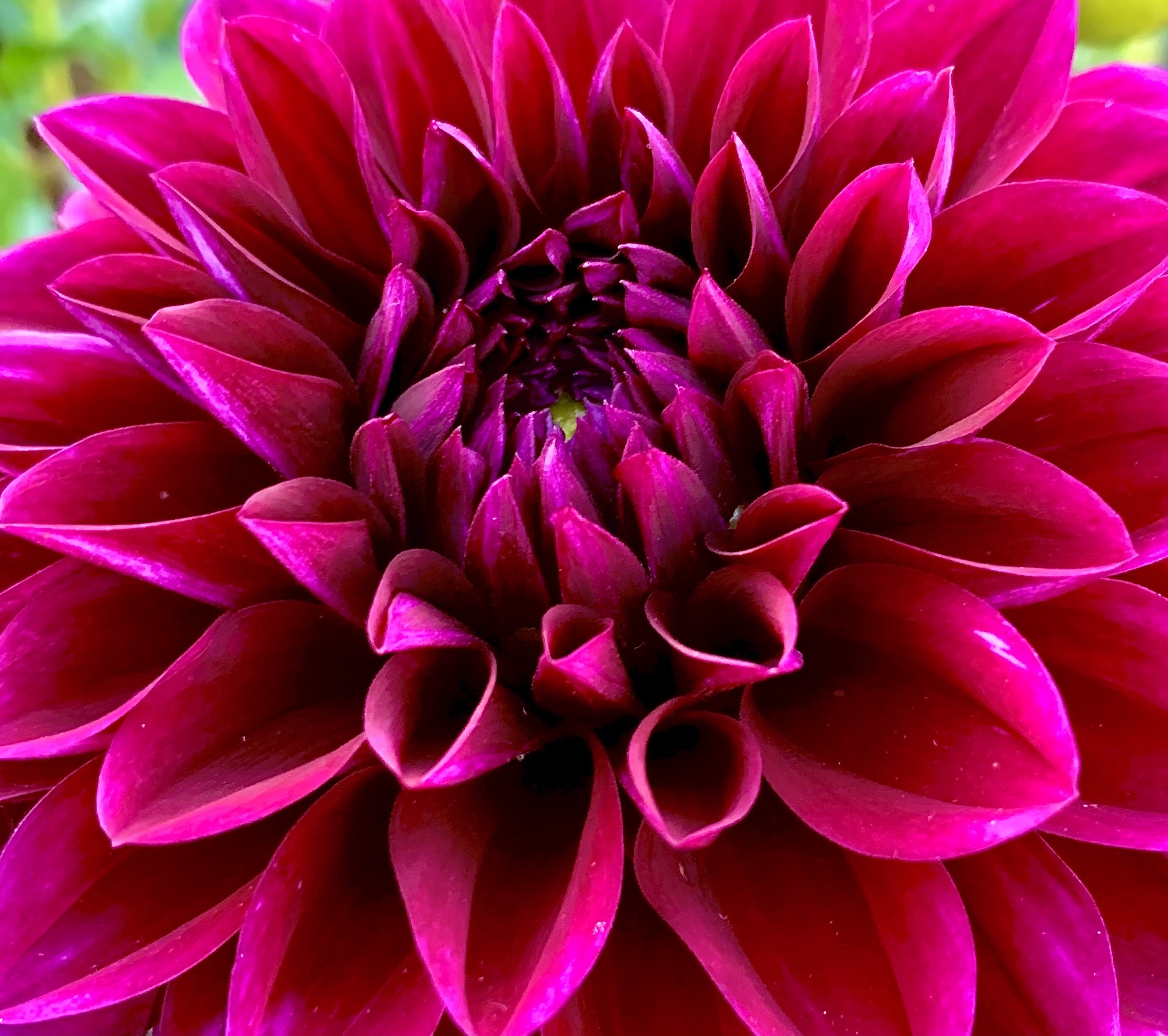
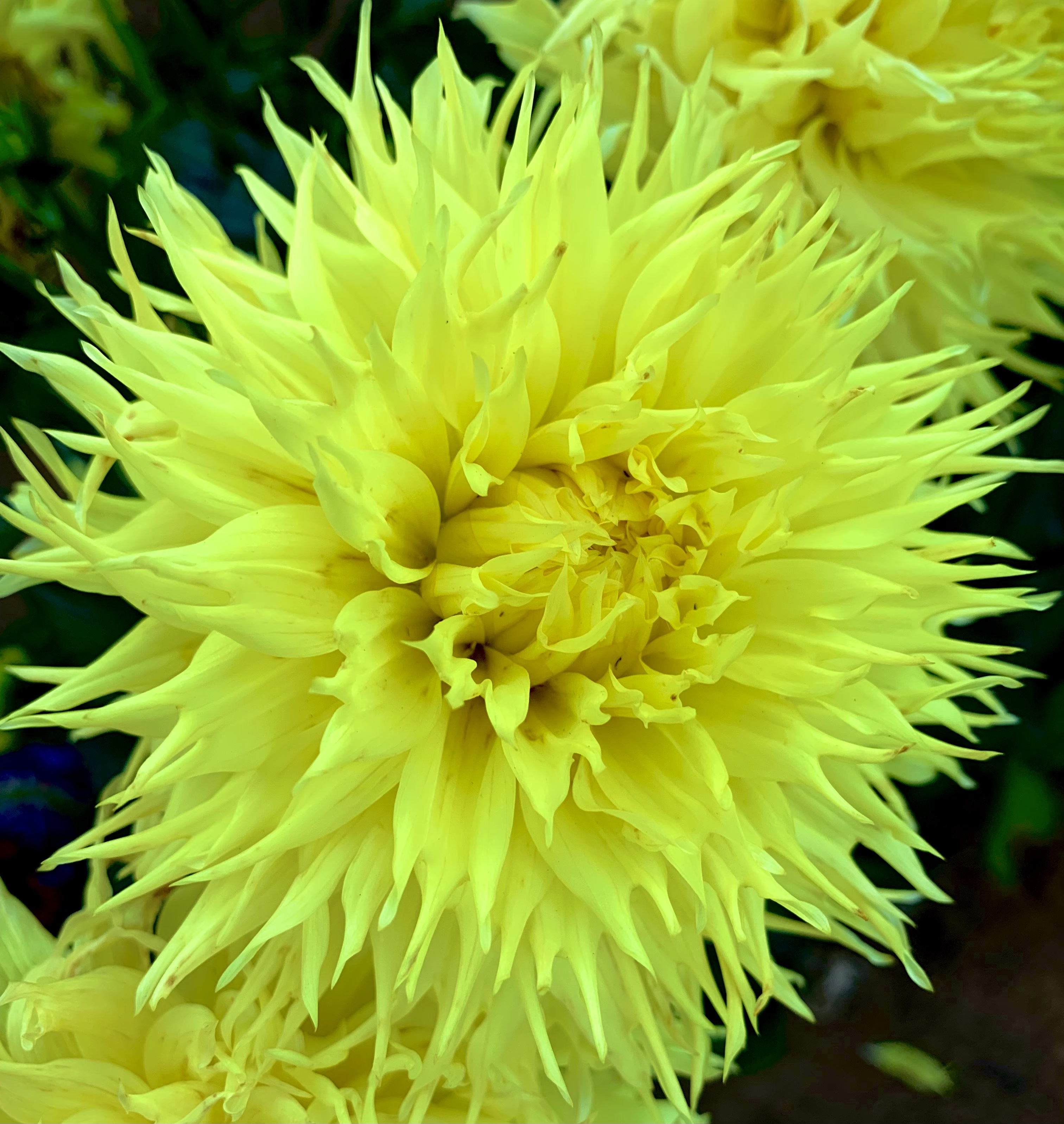
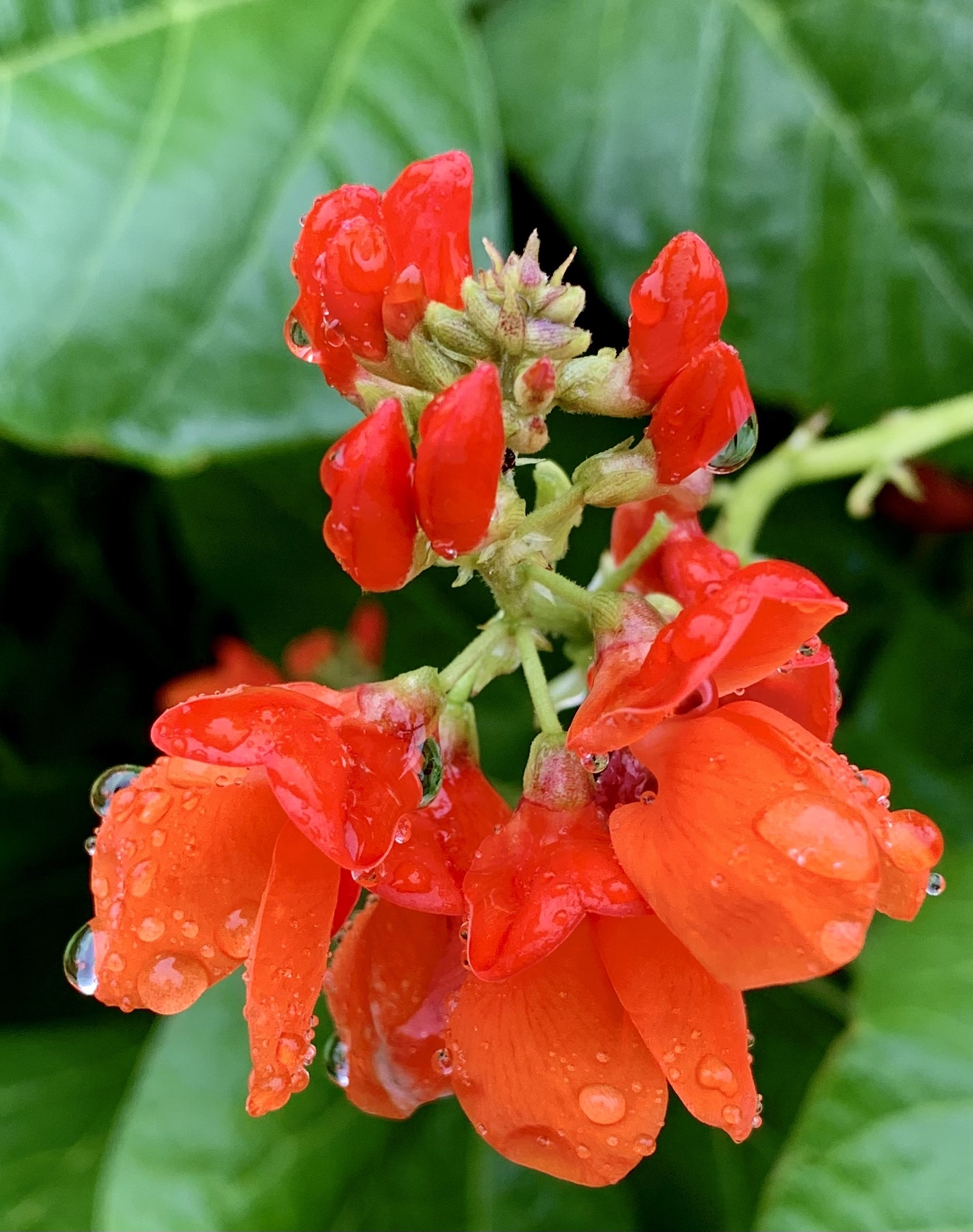
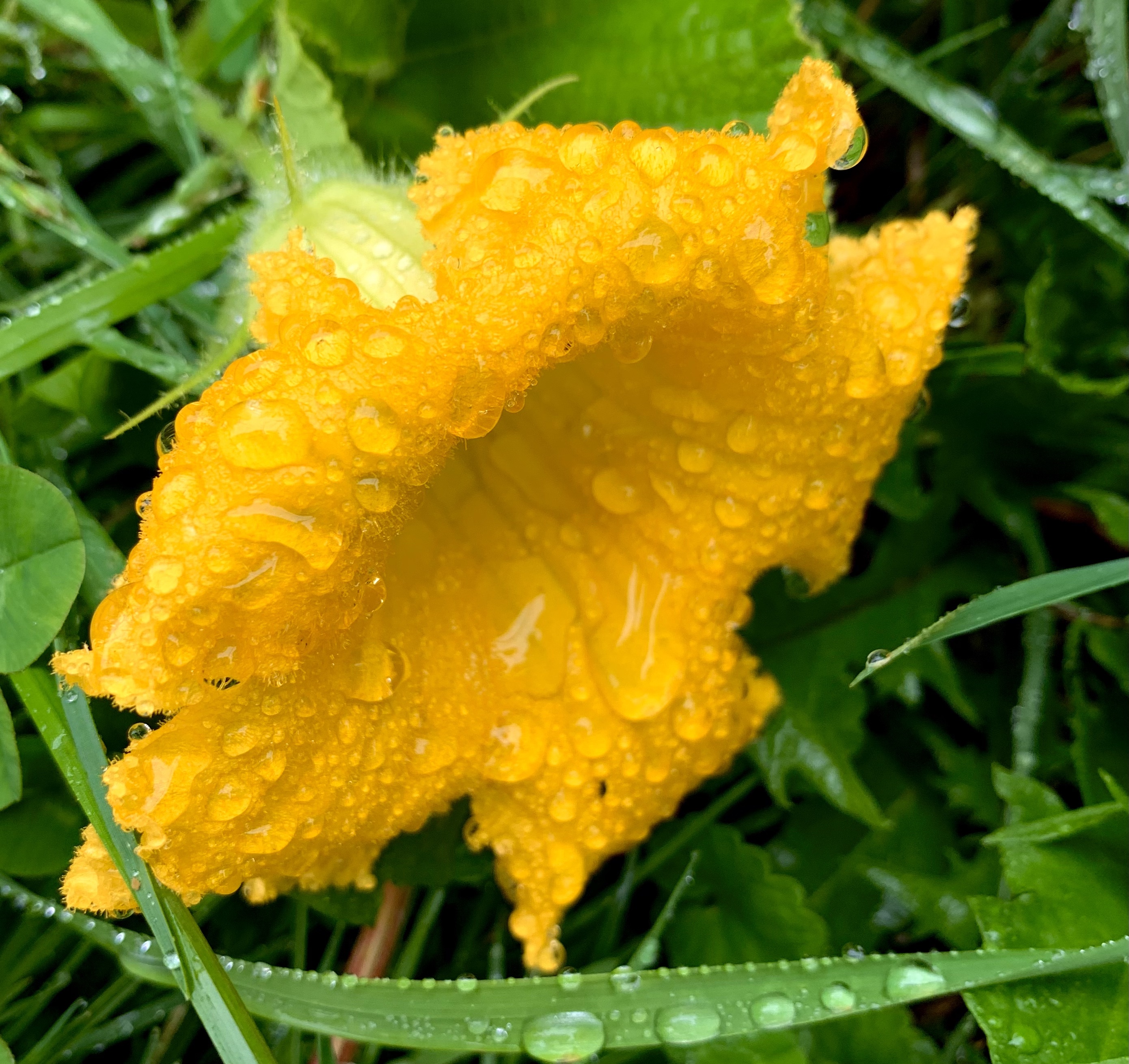
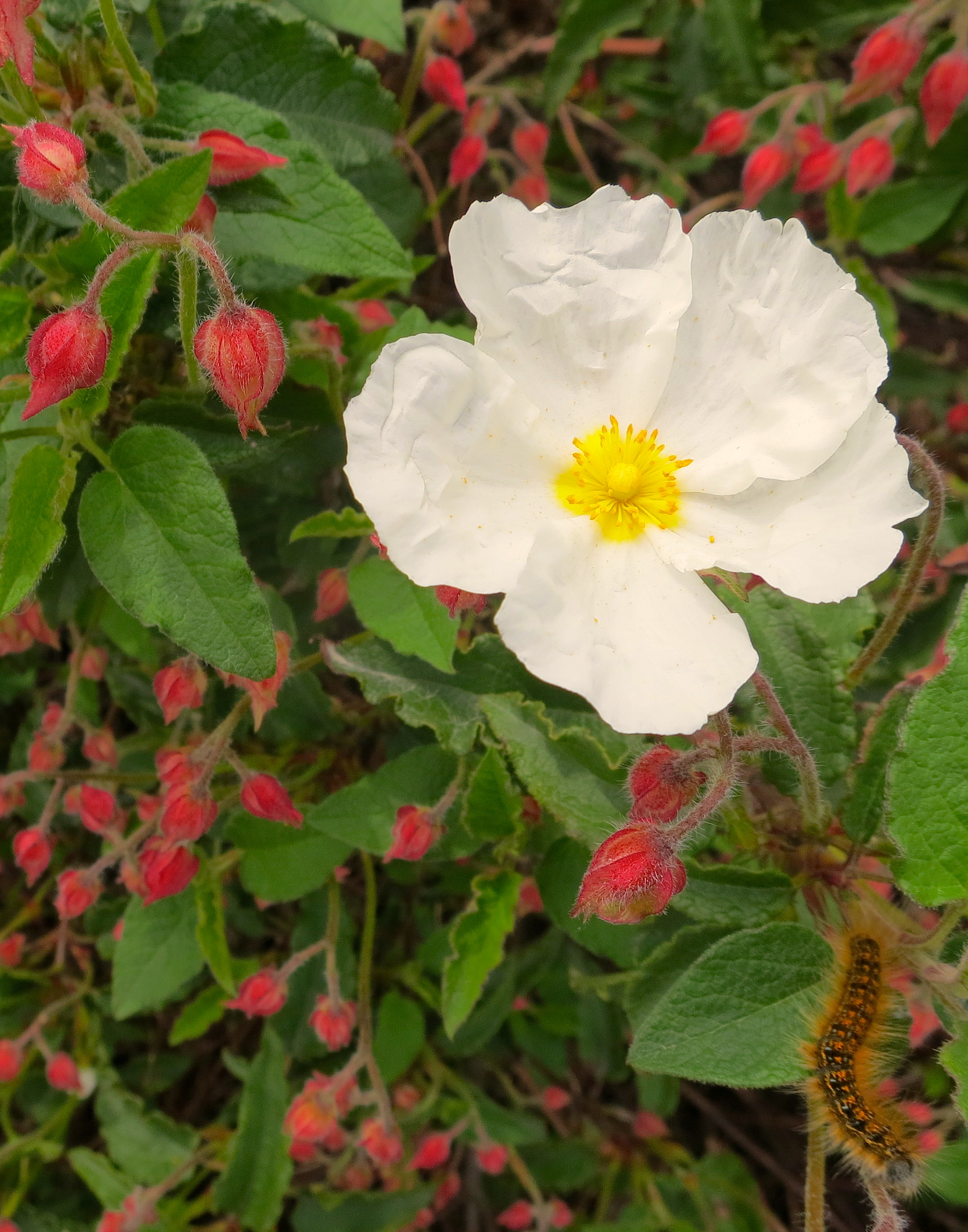
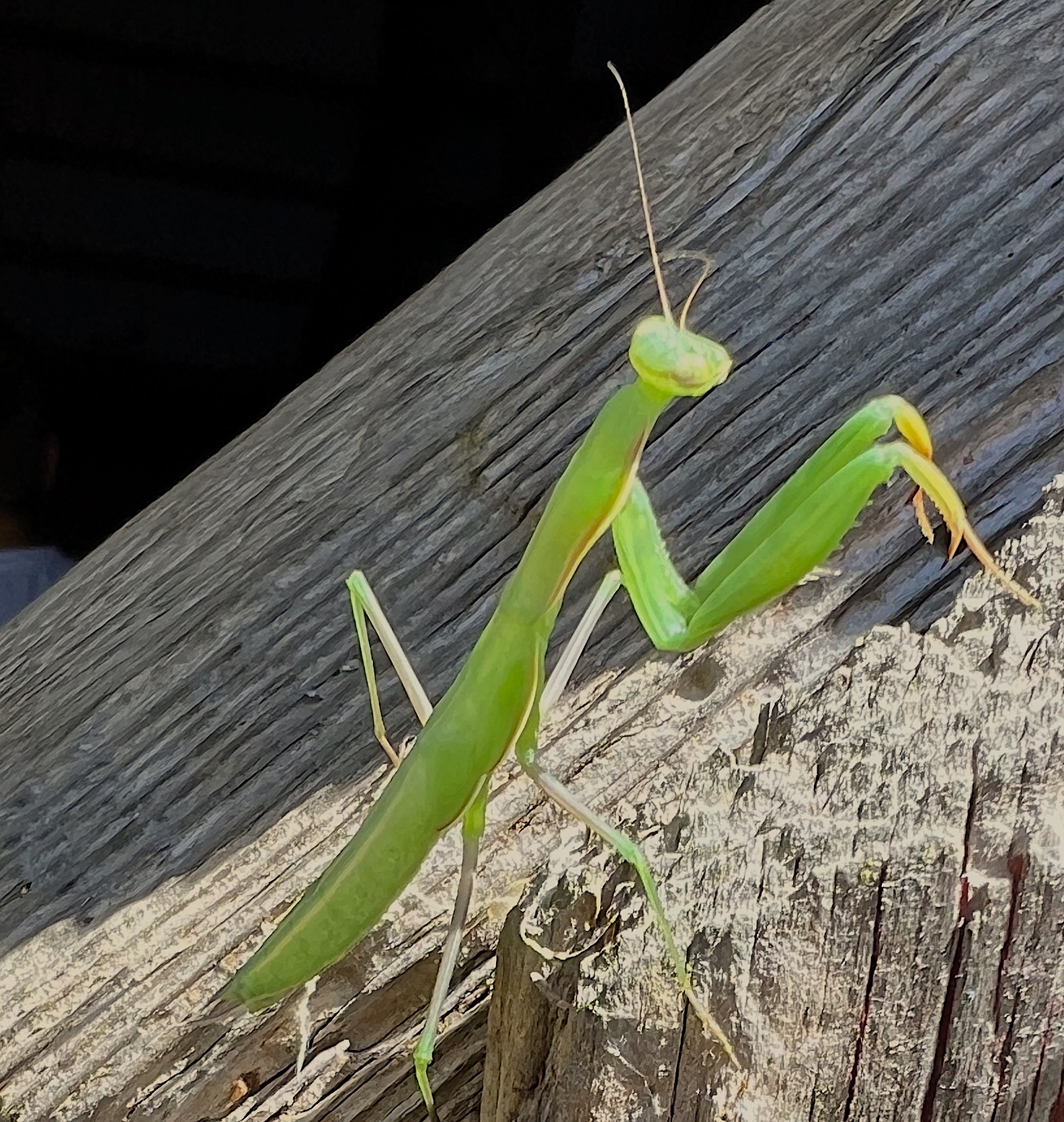
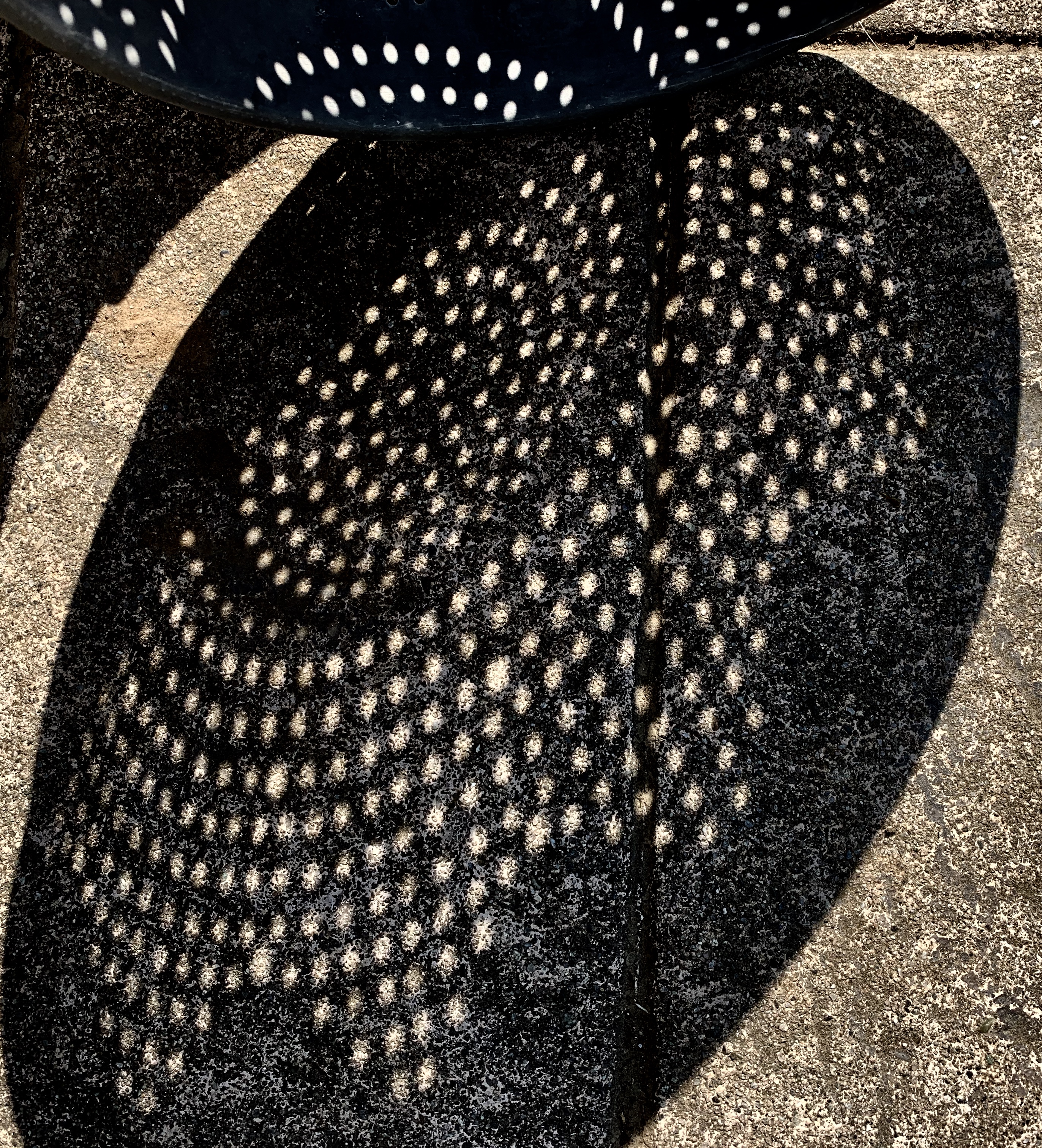
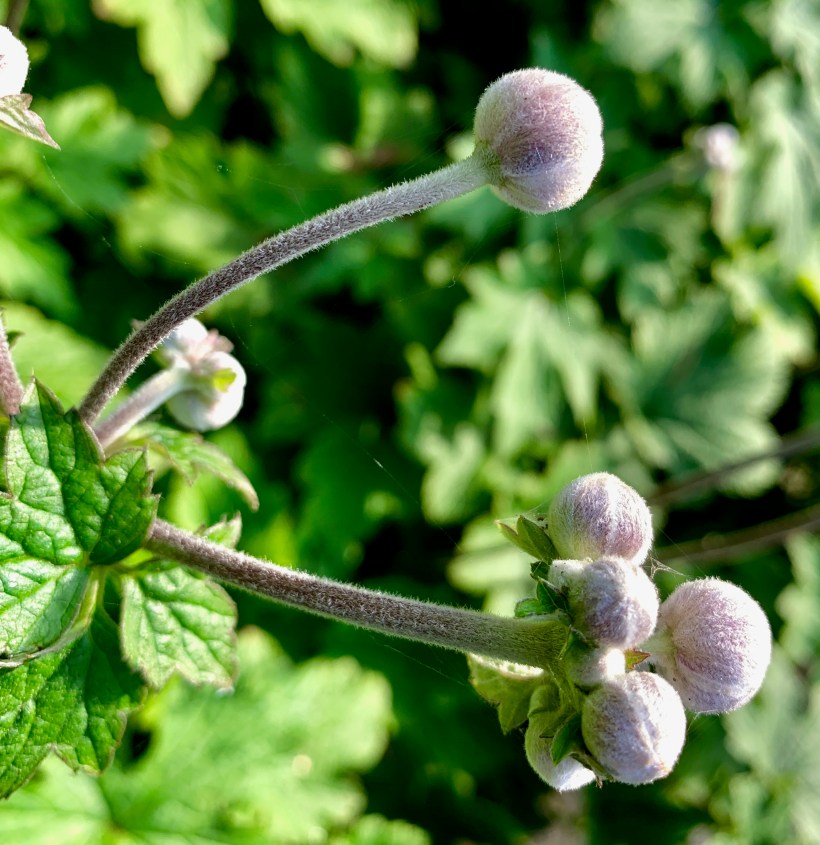
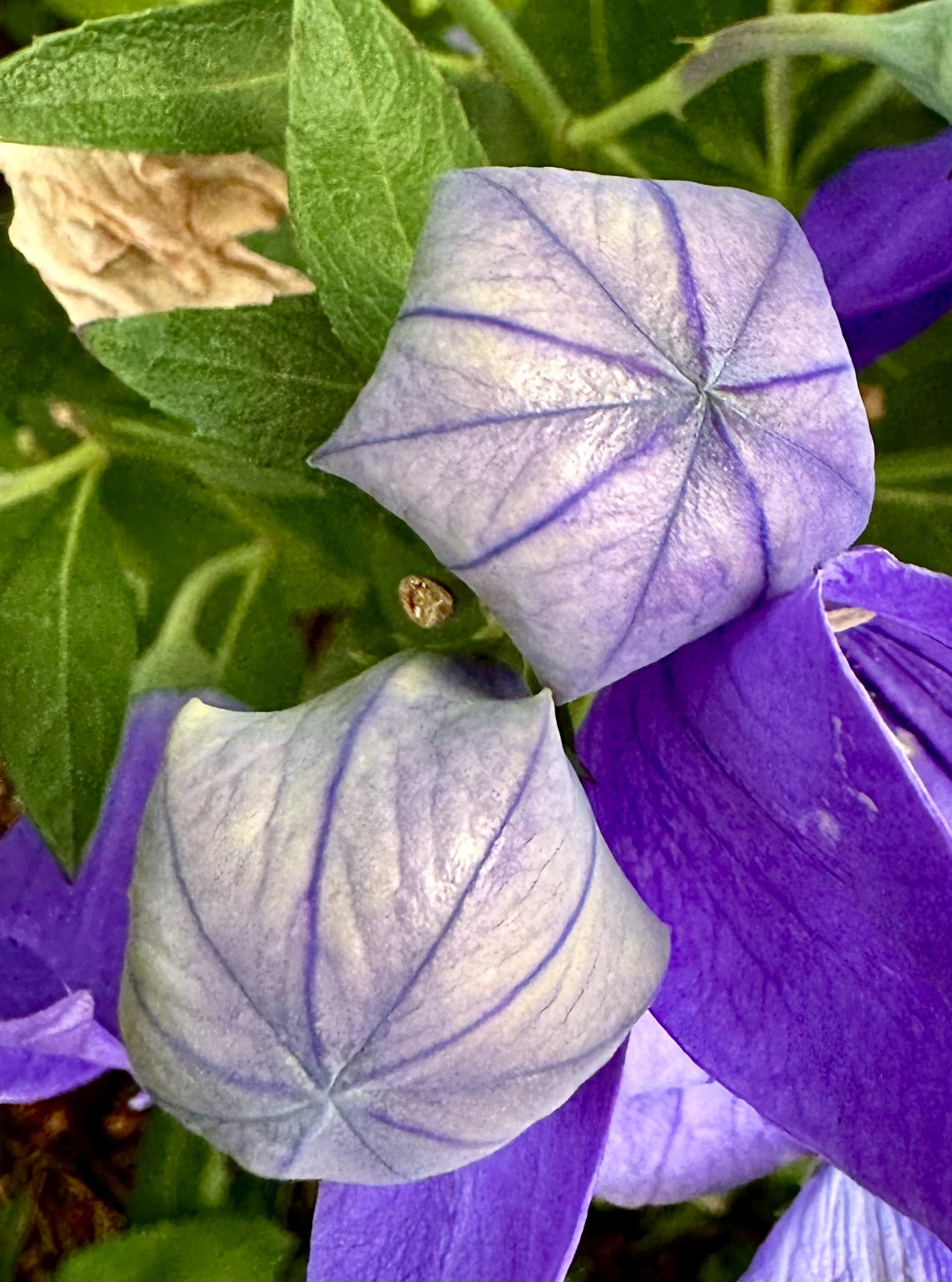
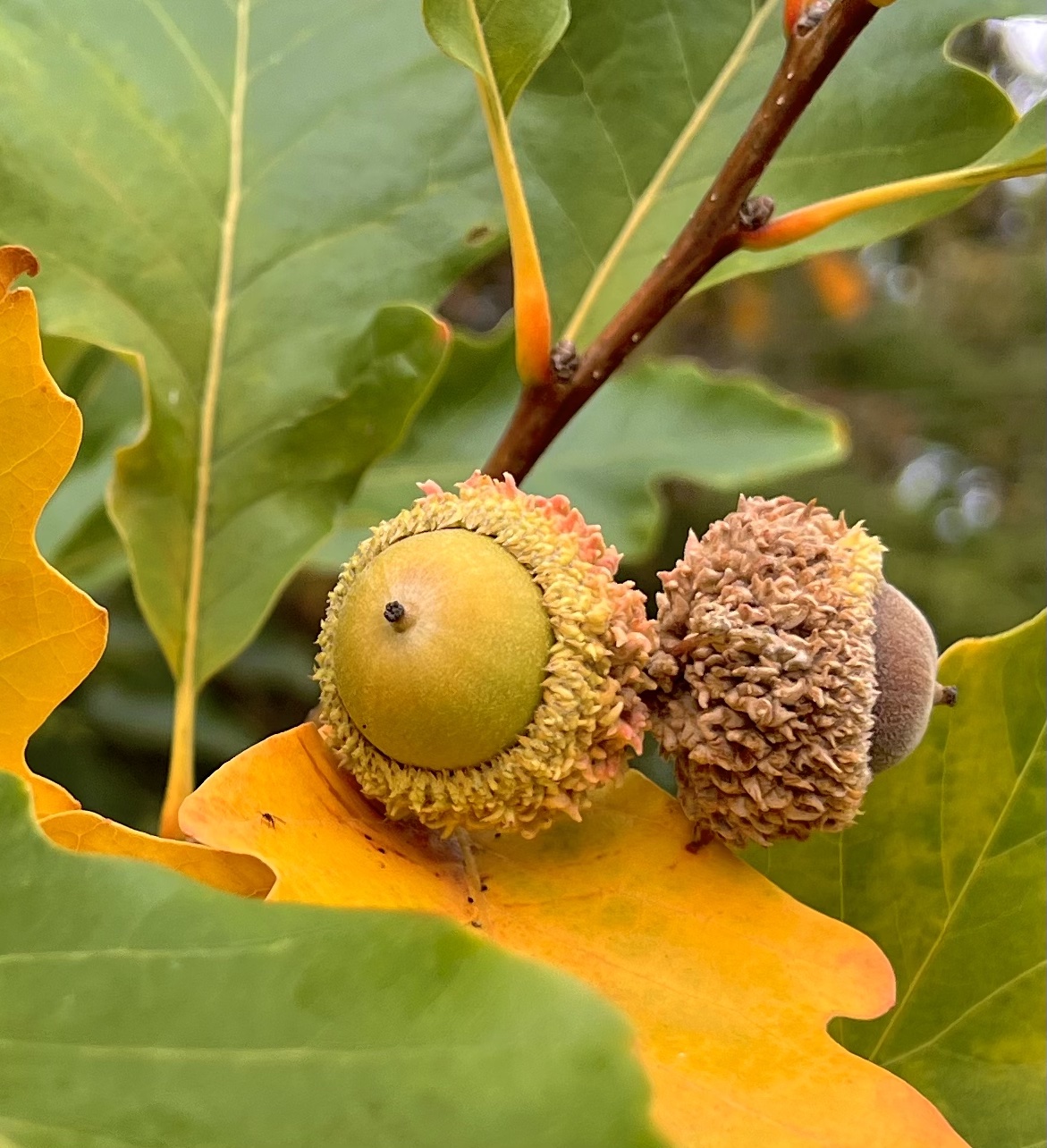
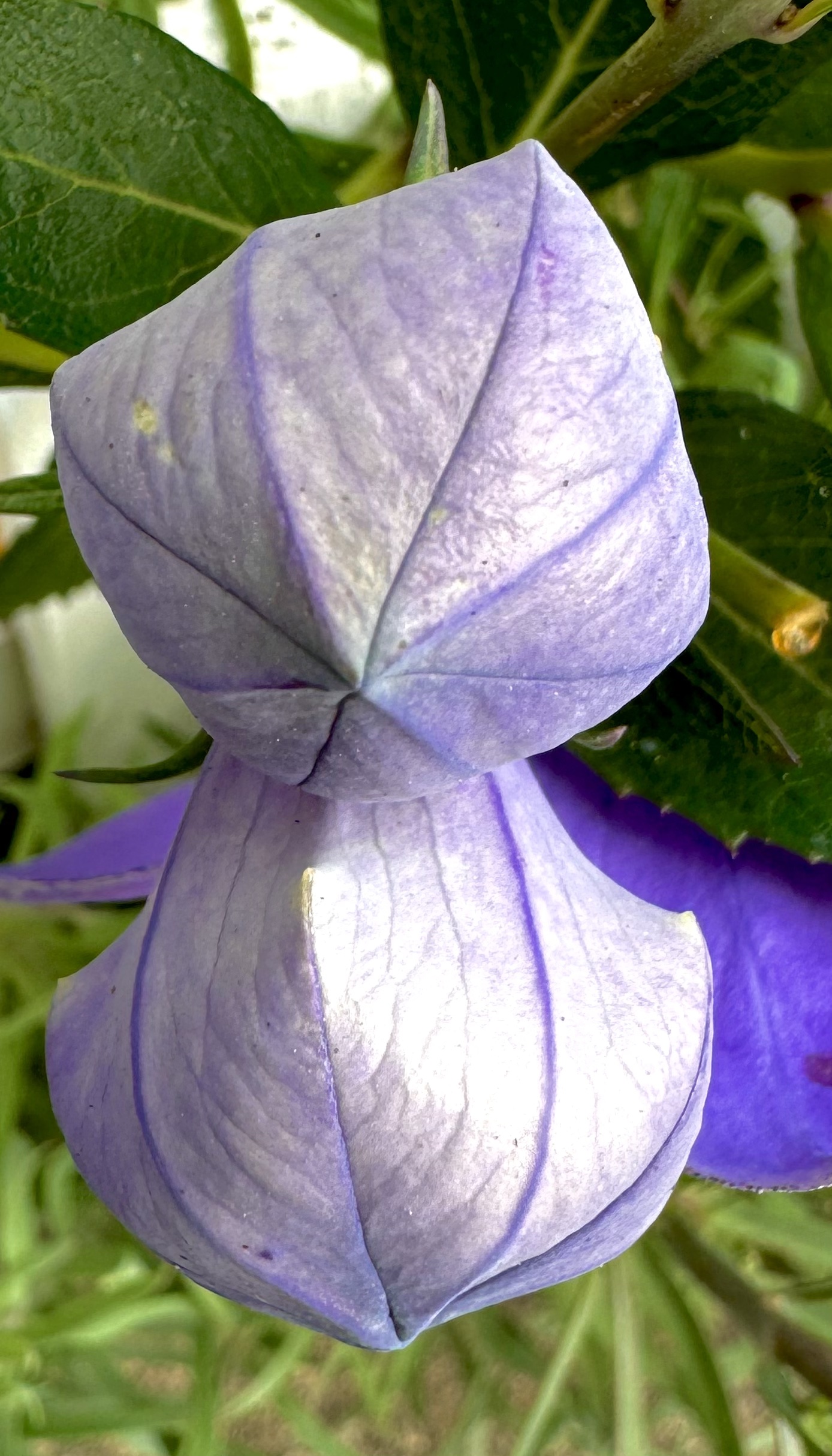
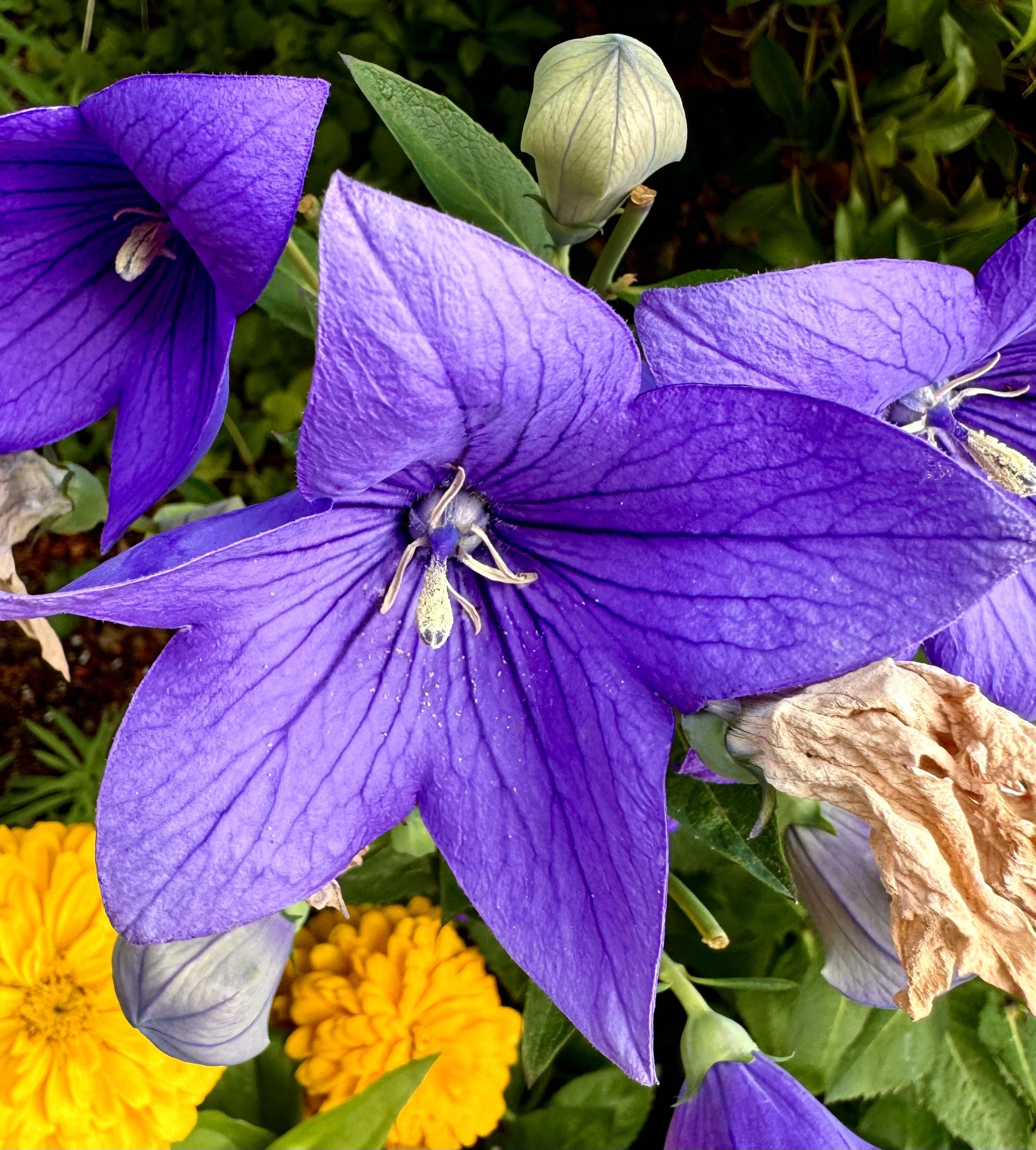
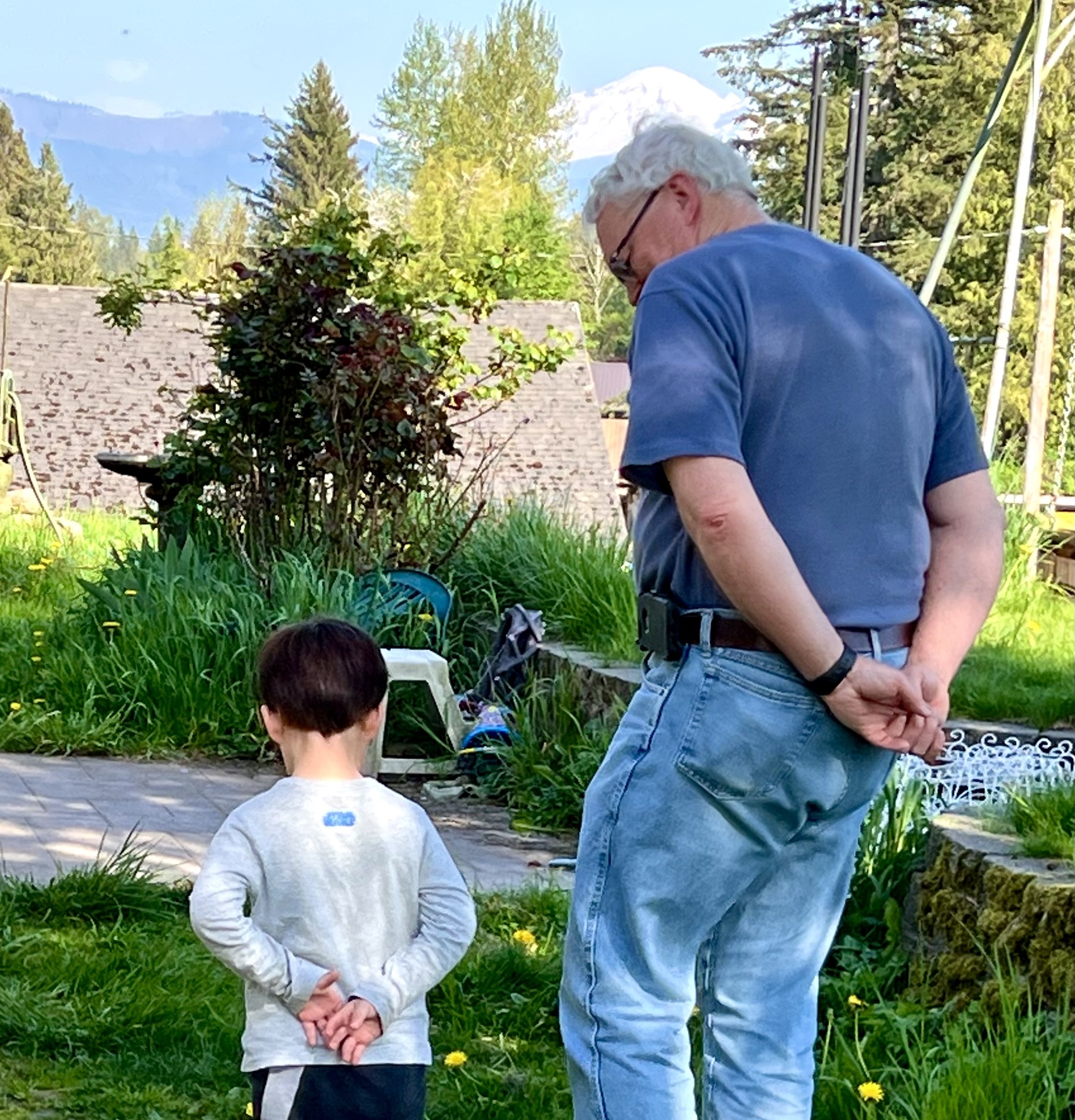
My mother, who hates thunder storms, Holds up each summer day and shakes It out suspiciously, lest swarms Of grape-dark clouds are lurking there; But when the August weather breaks And rains begin, and brittle frost Sharpens the bird-abandoned air, Her worried summer look is lost,
And I her son, though summer-born And summer-loving, none the less Am easier when the leaves are gone Too often summer days appear Emblems of perfect happiness I can’t confront: I must await A time less bold, less rich, less clear: An autumn more appropriate. ~Philip Larkin “Mother, Summer, I”
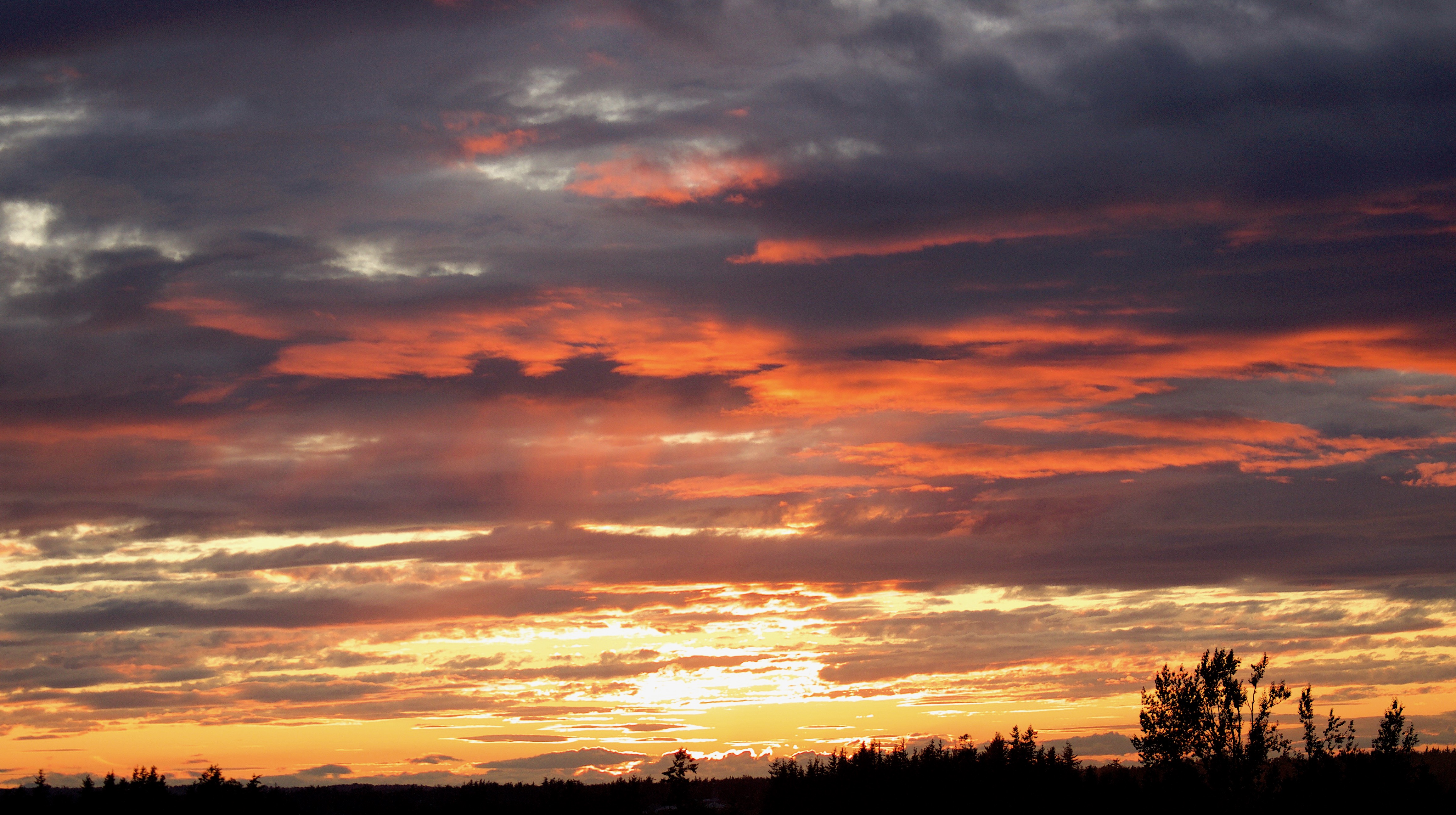
August rushes by like desert rainfall, A flood of frenzied upheaval, Expected, But still catching me unprepared. Like a match flame Bursting on the scene, Heat and haze of crimson sunsets. Like a dream Of moon and dark barely recalled, A moment, Shadows caught in a blink. Like a quick kiss; One wishes for more But it suddenly turns to leave, Dragging summer away. – Elizabeth Maua Taylor“August”
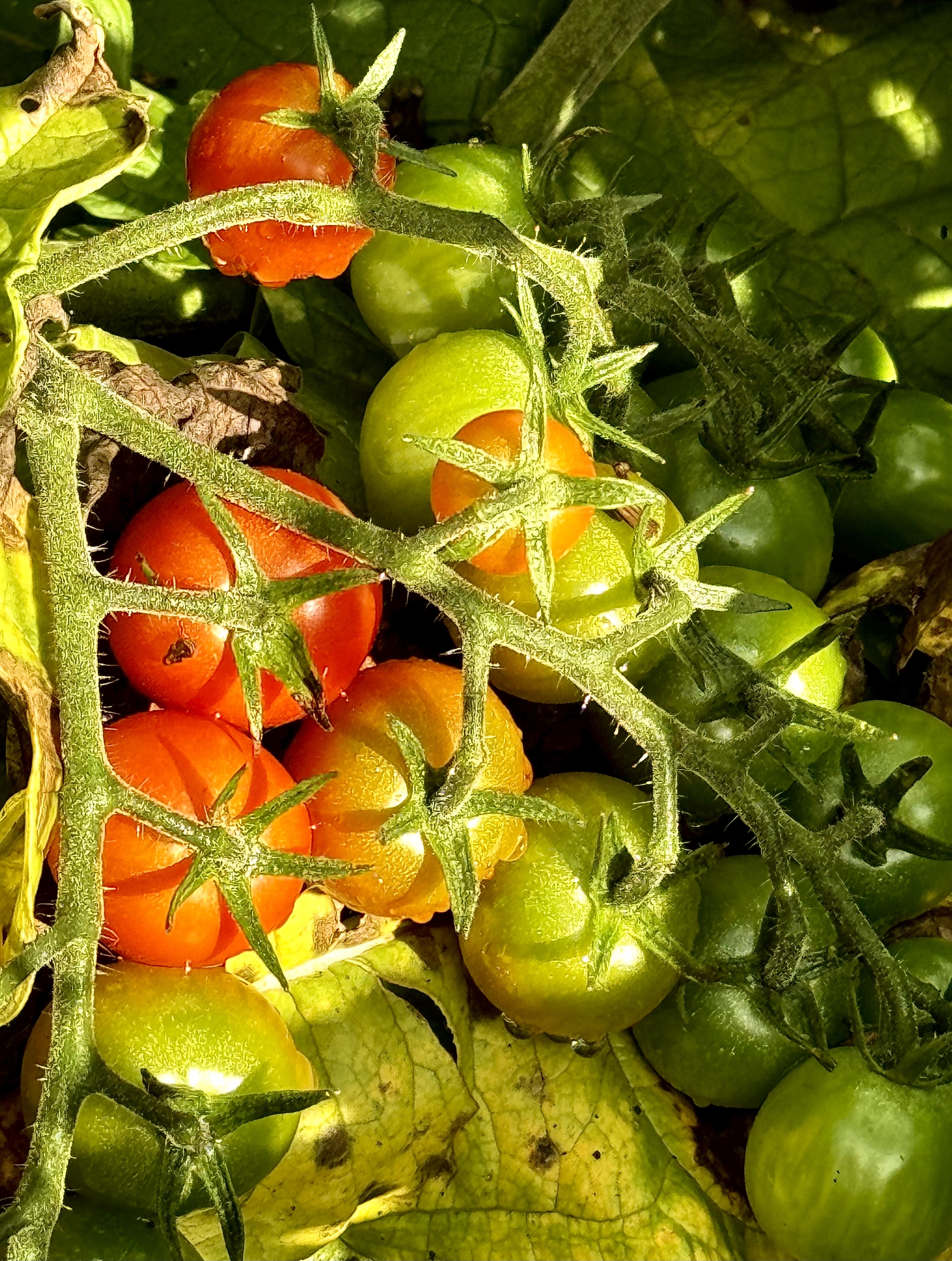
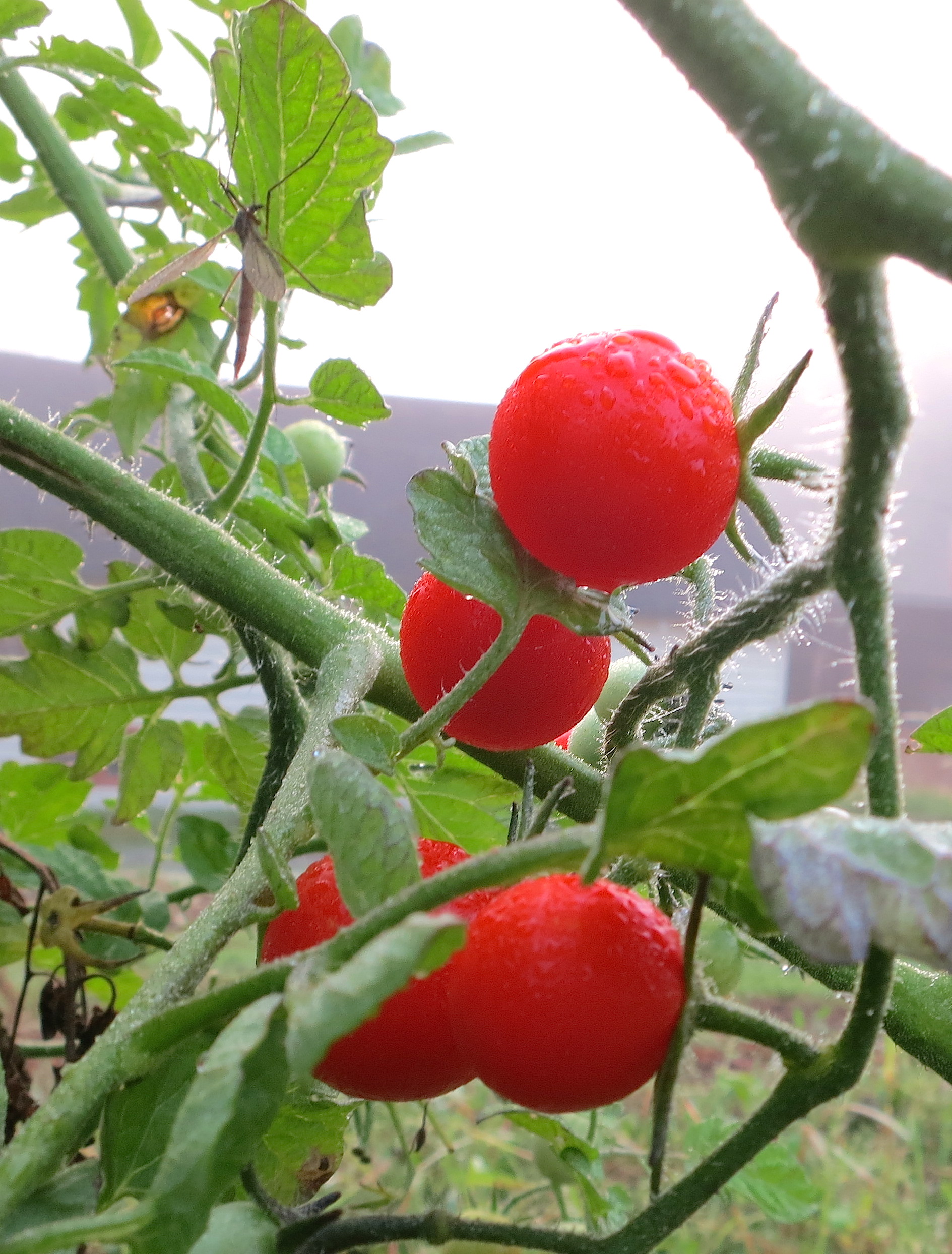
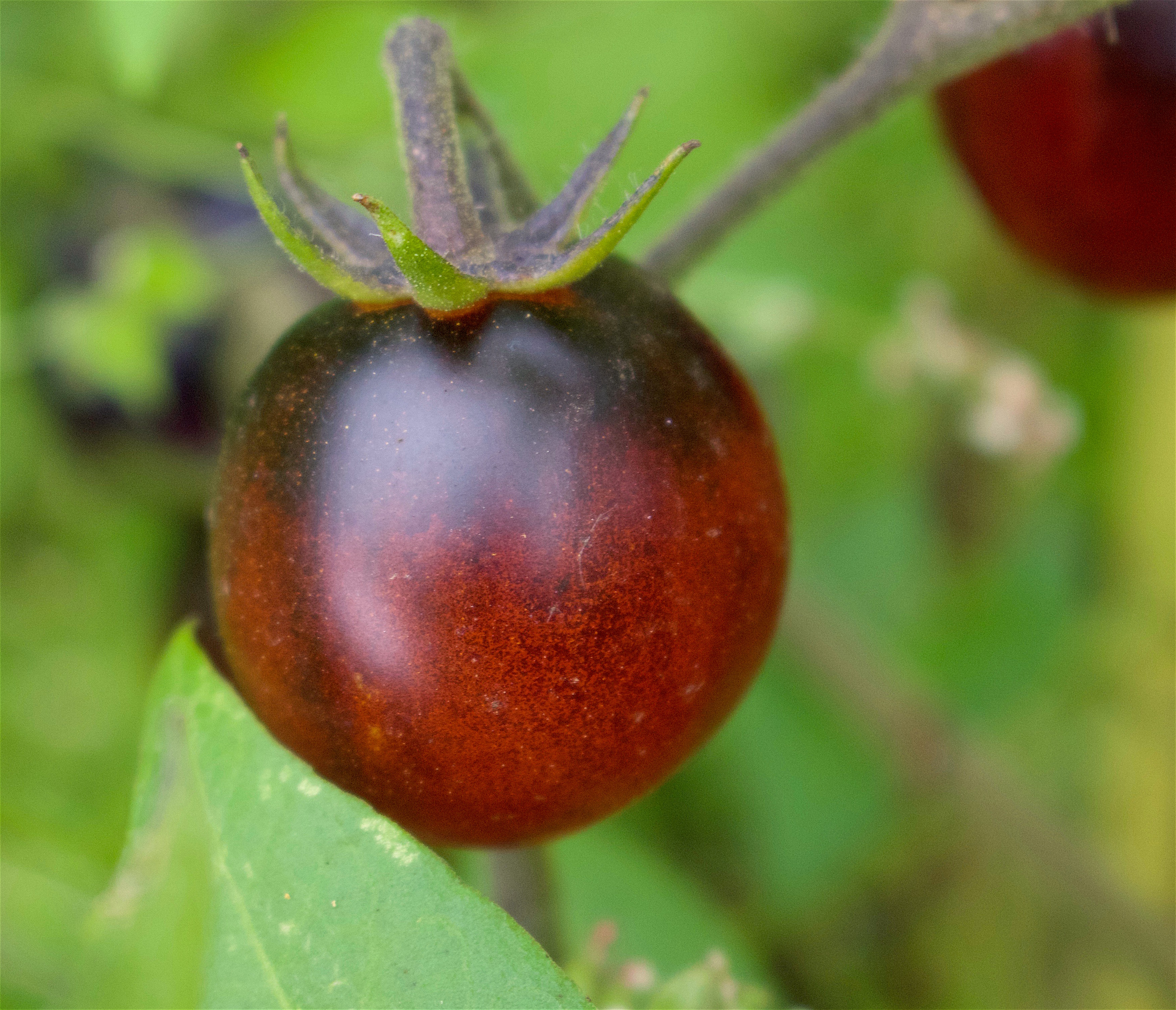
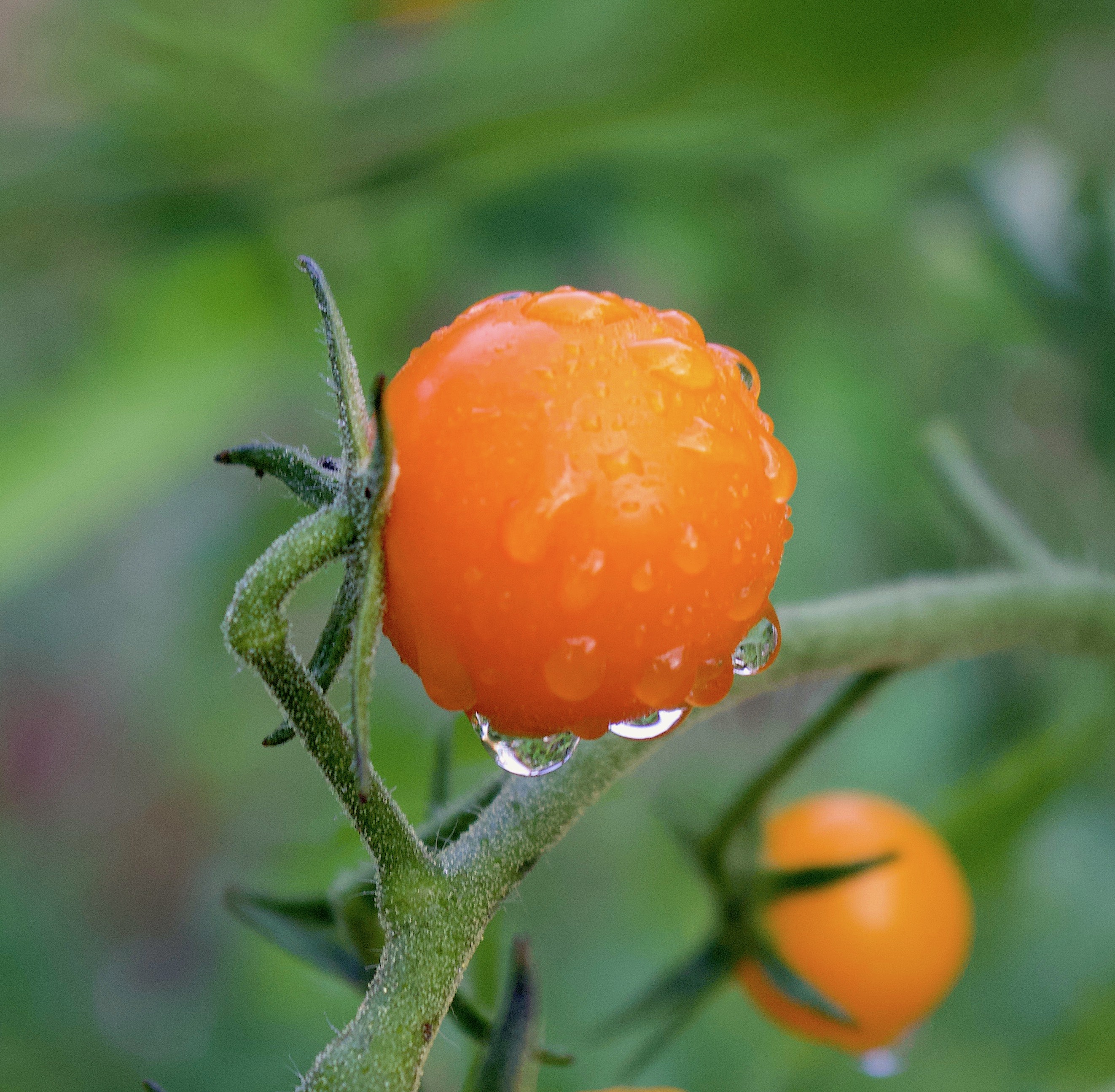
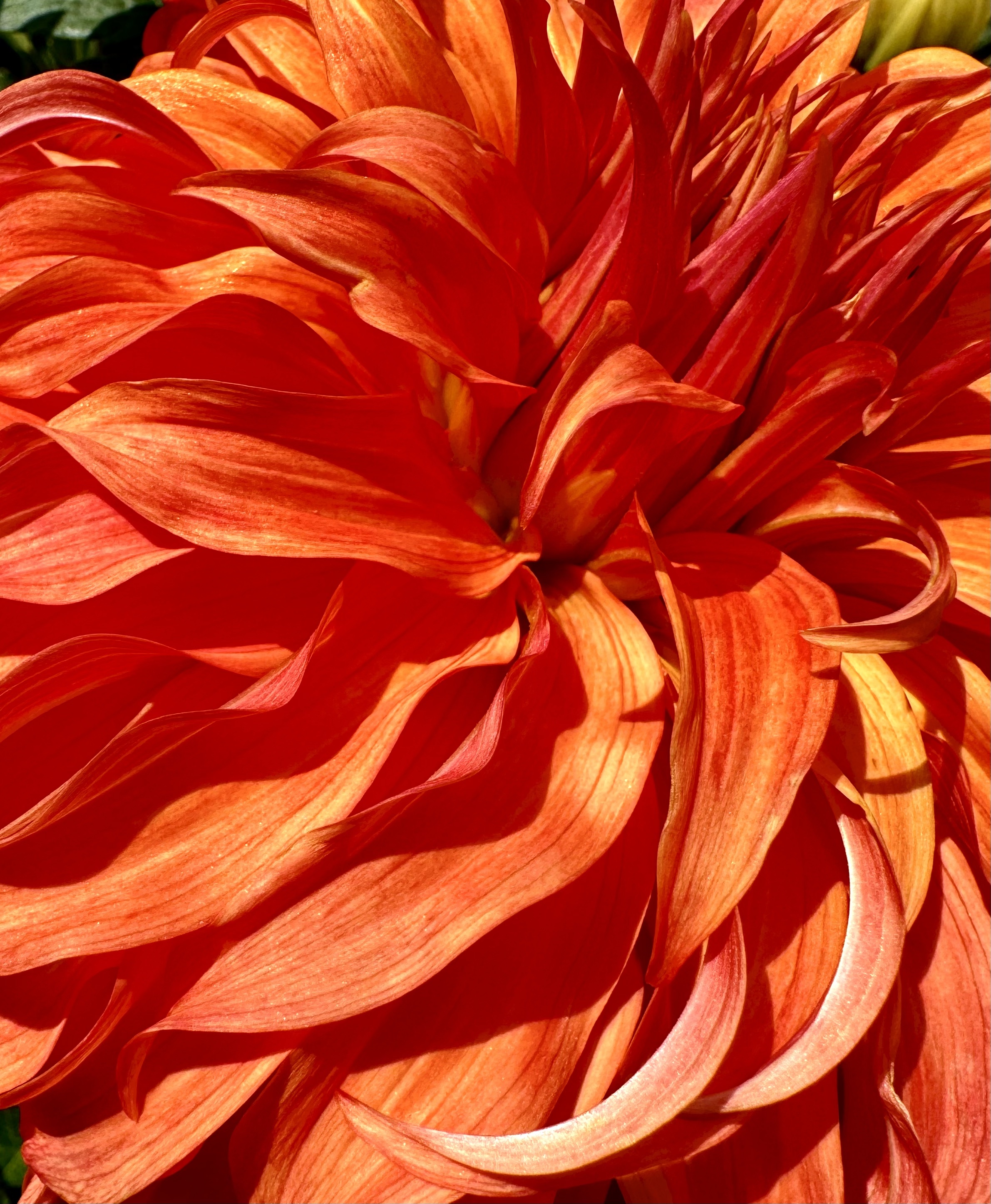
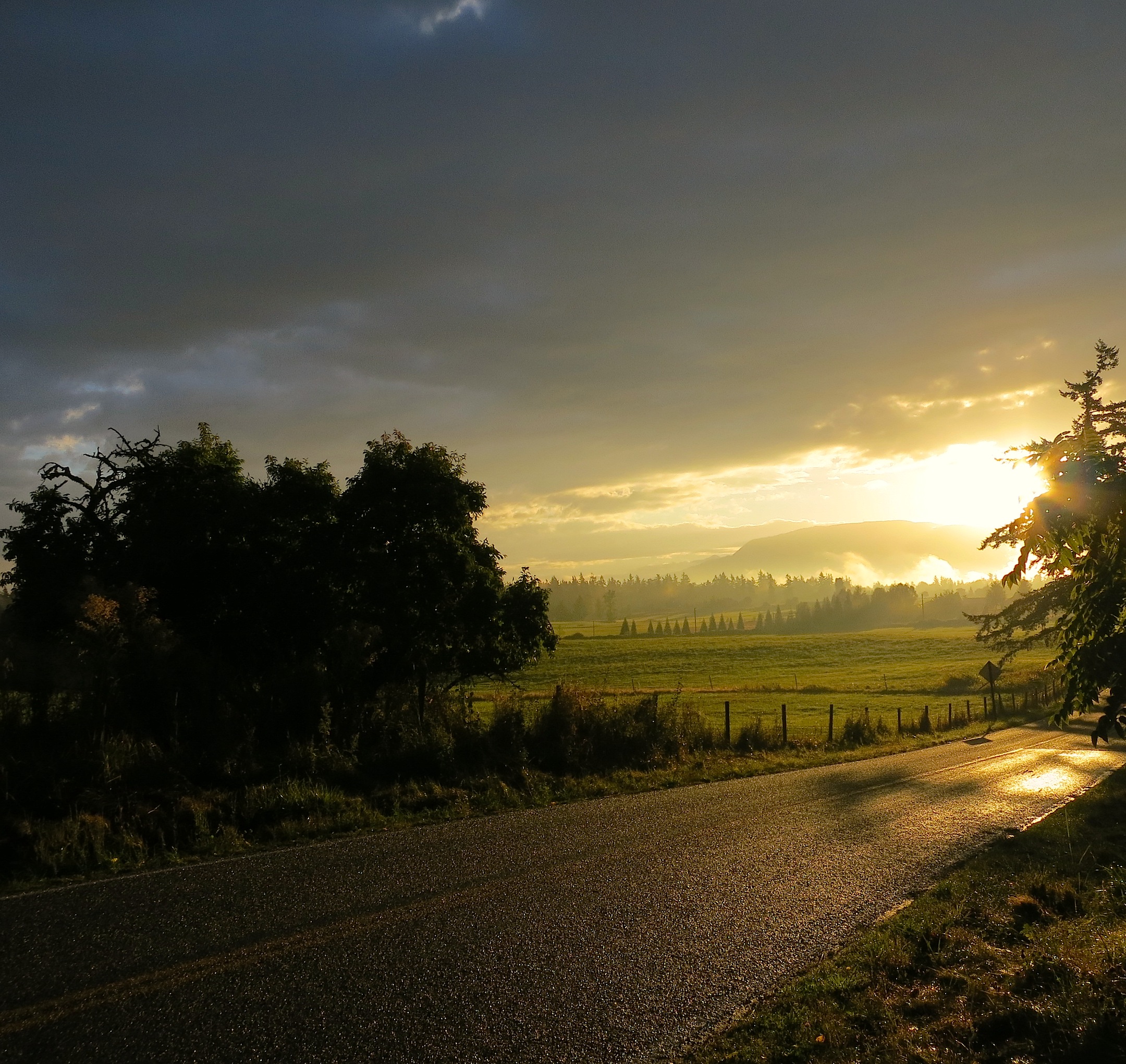
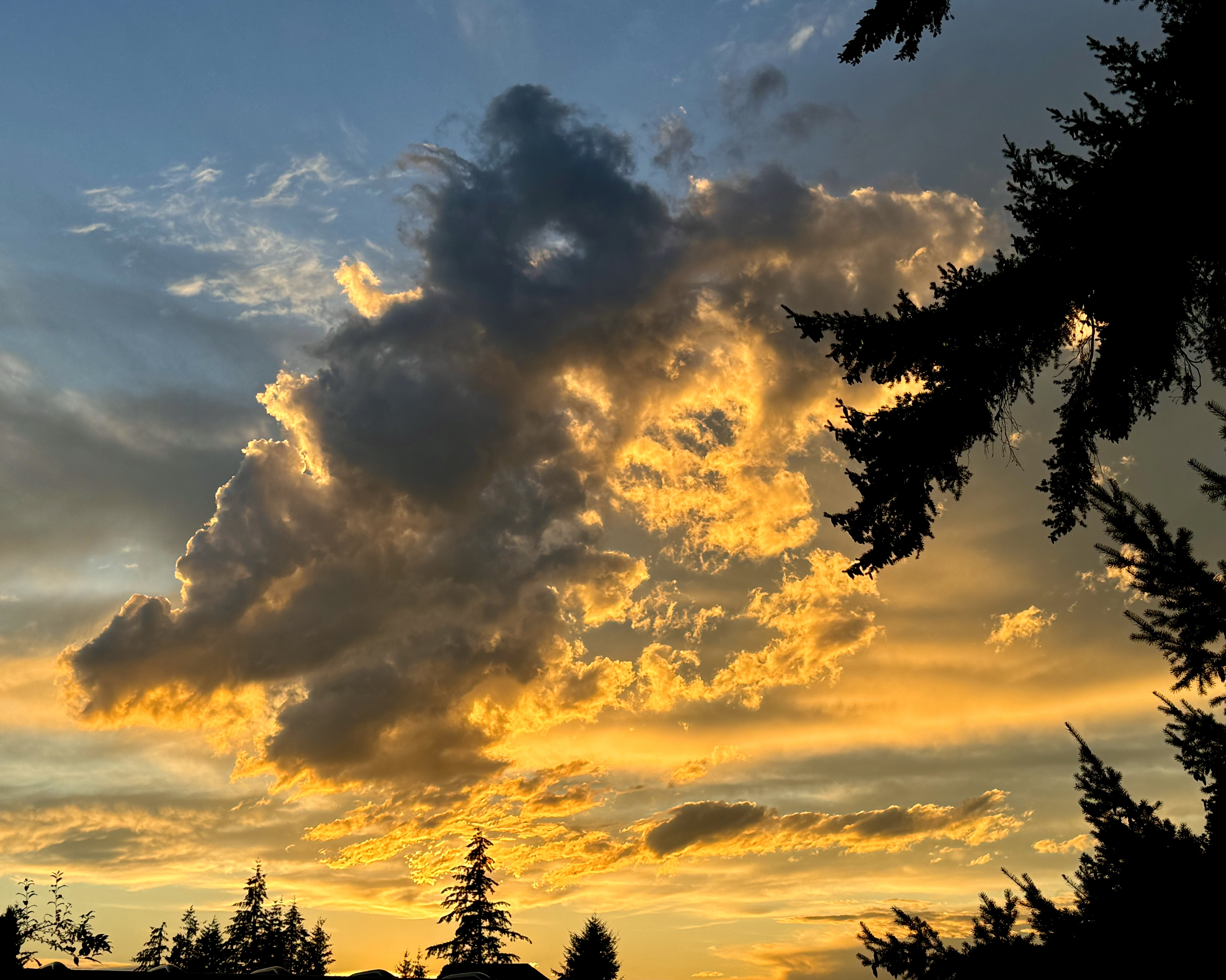
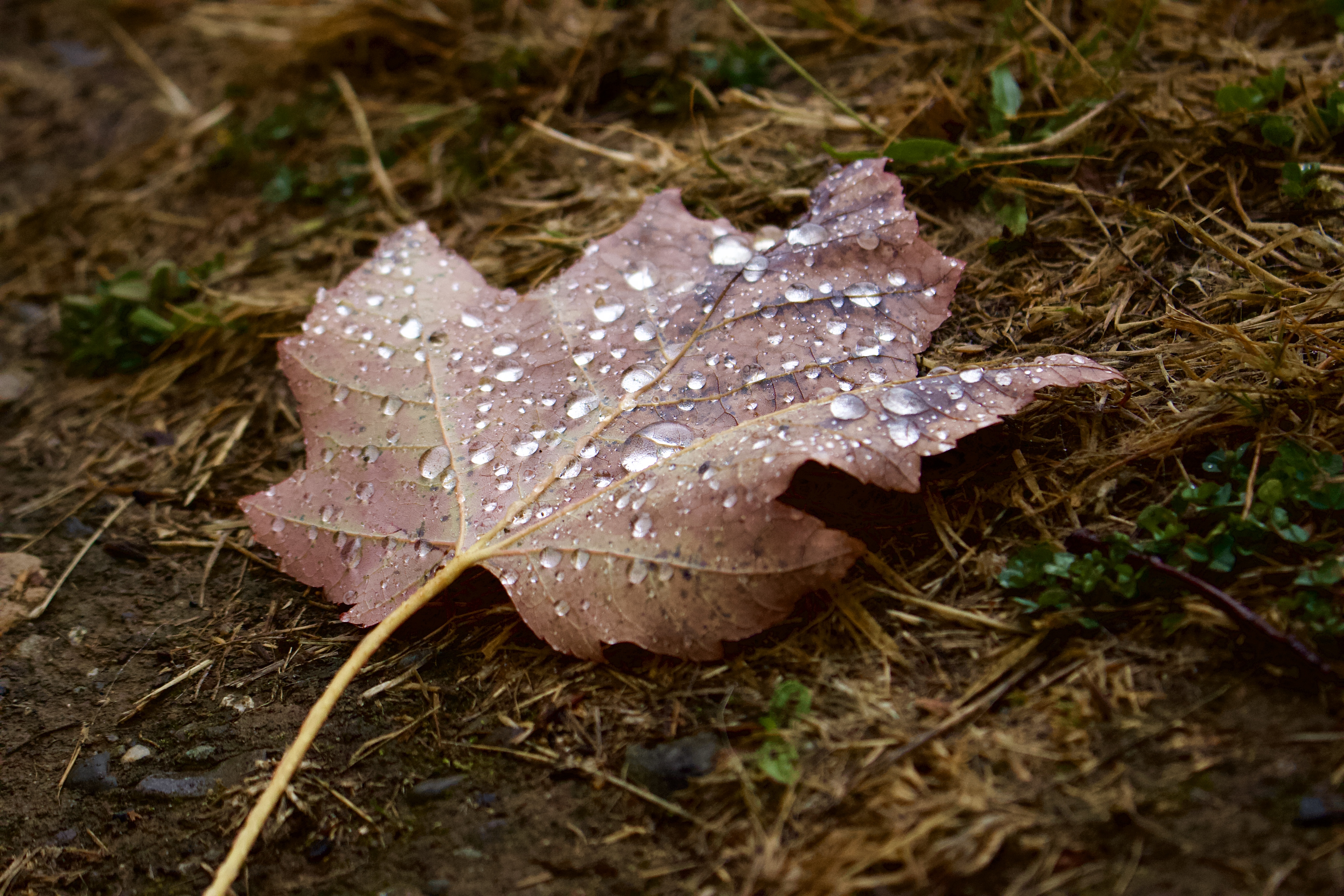
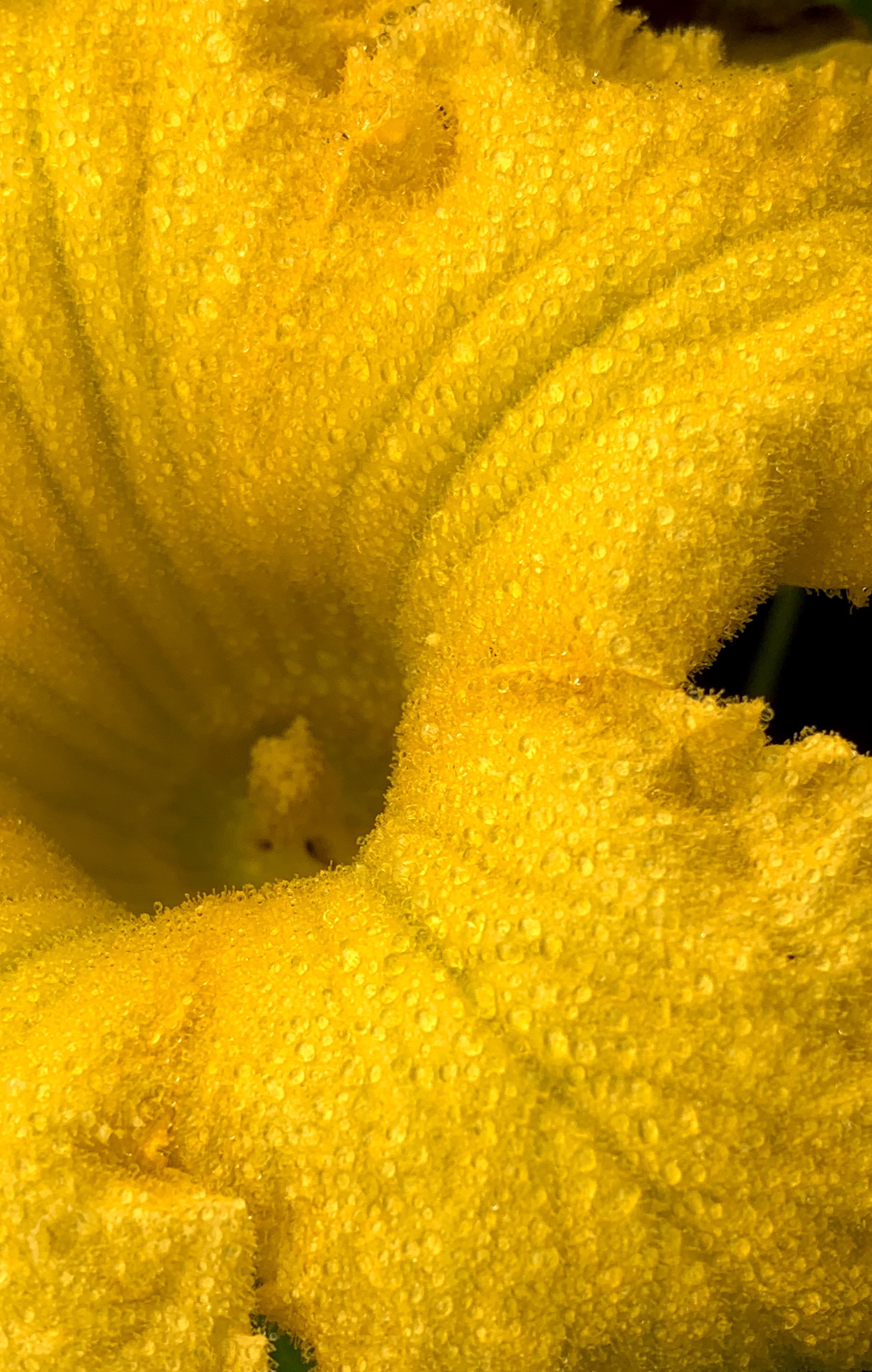
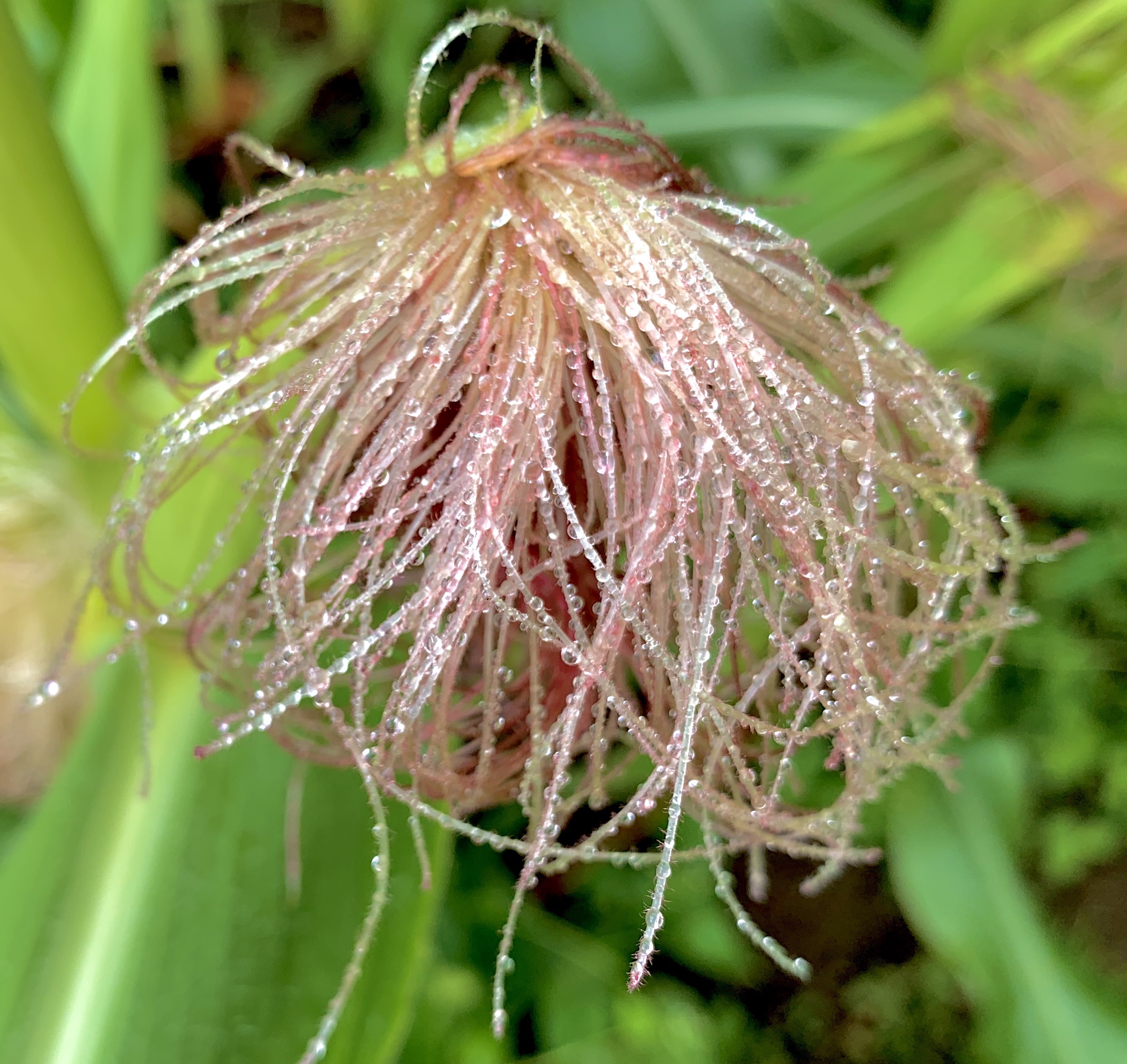
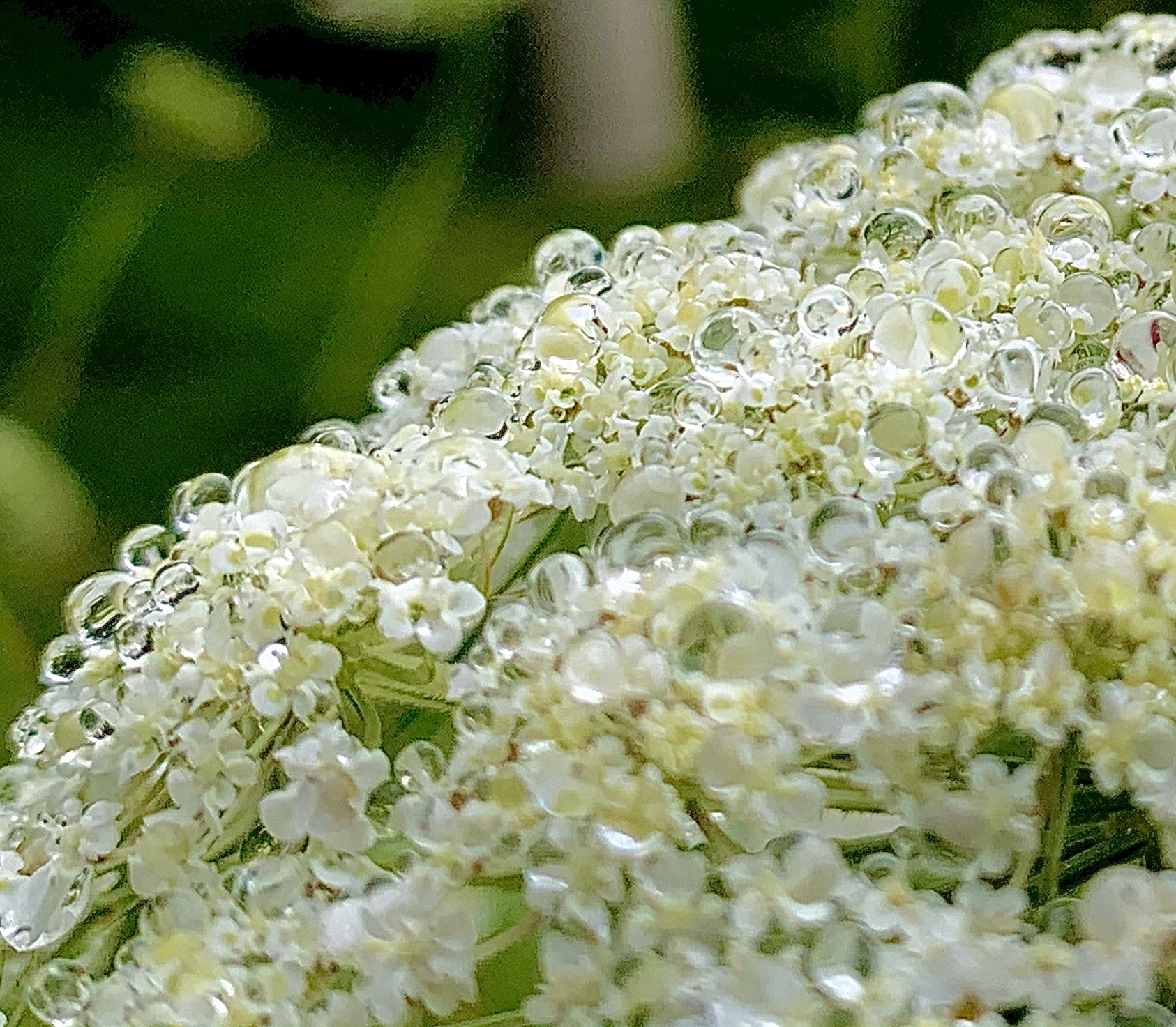
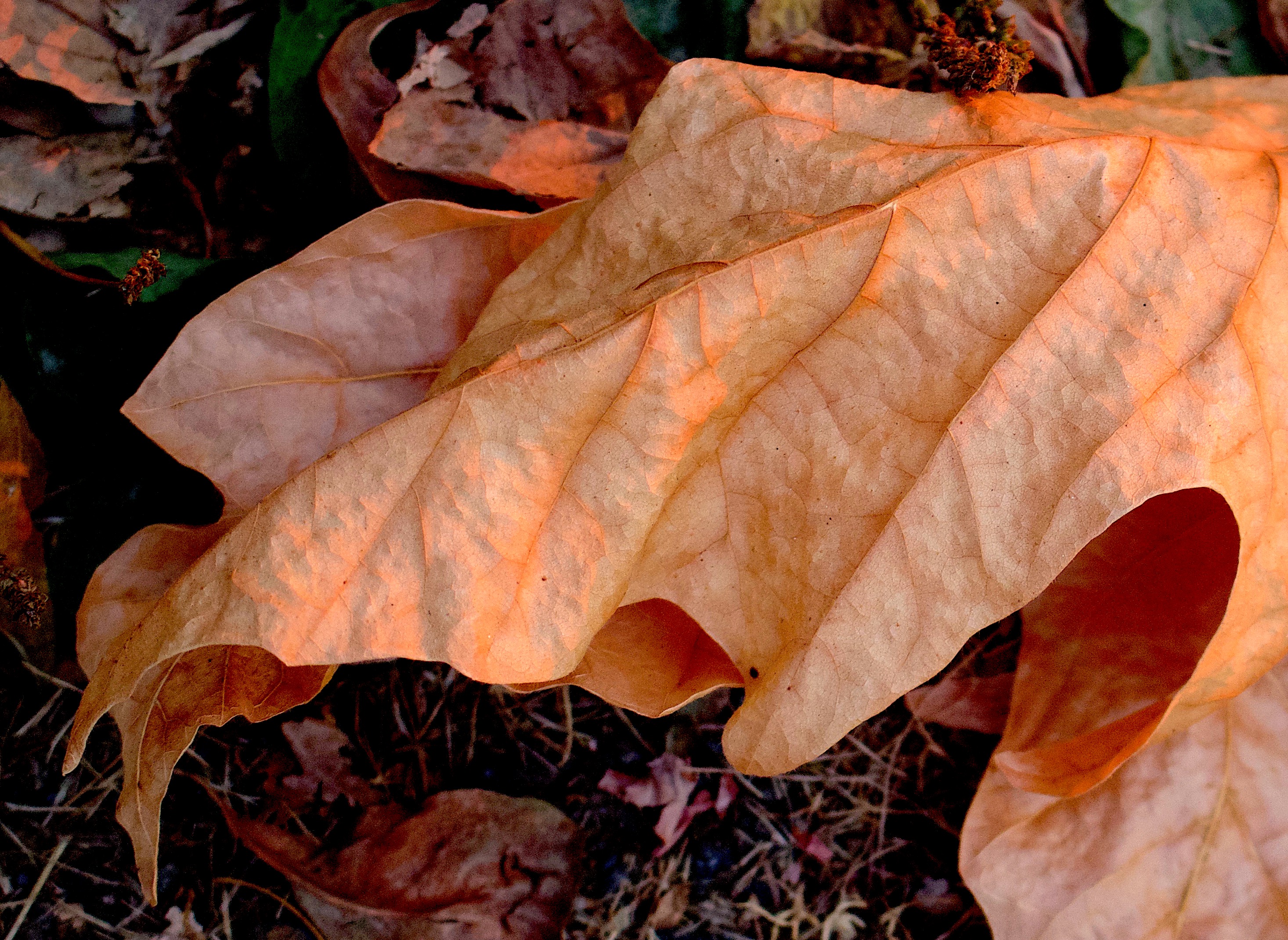
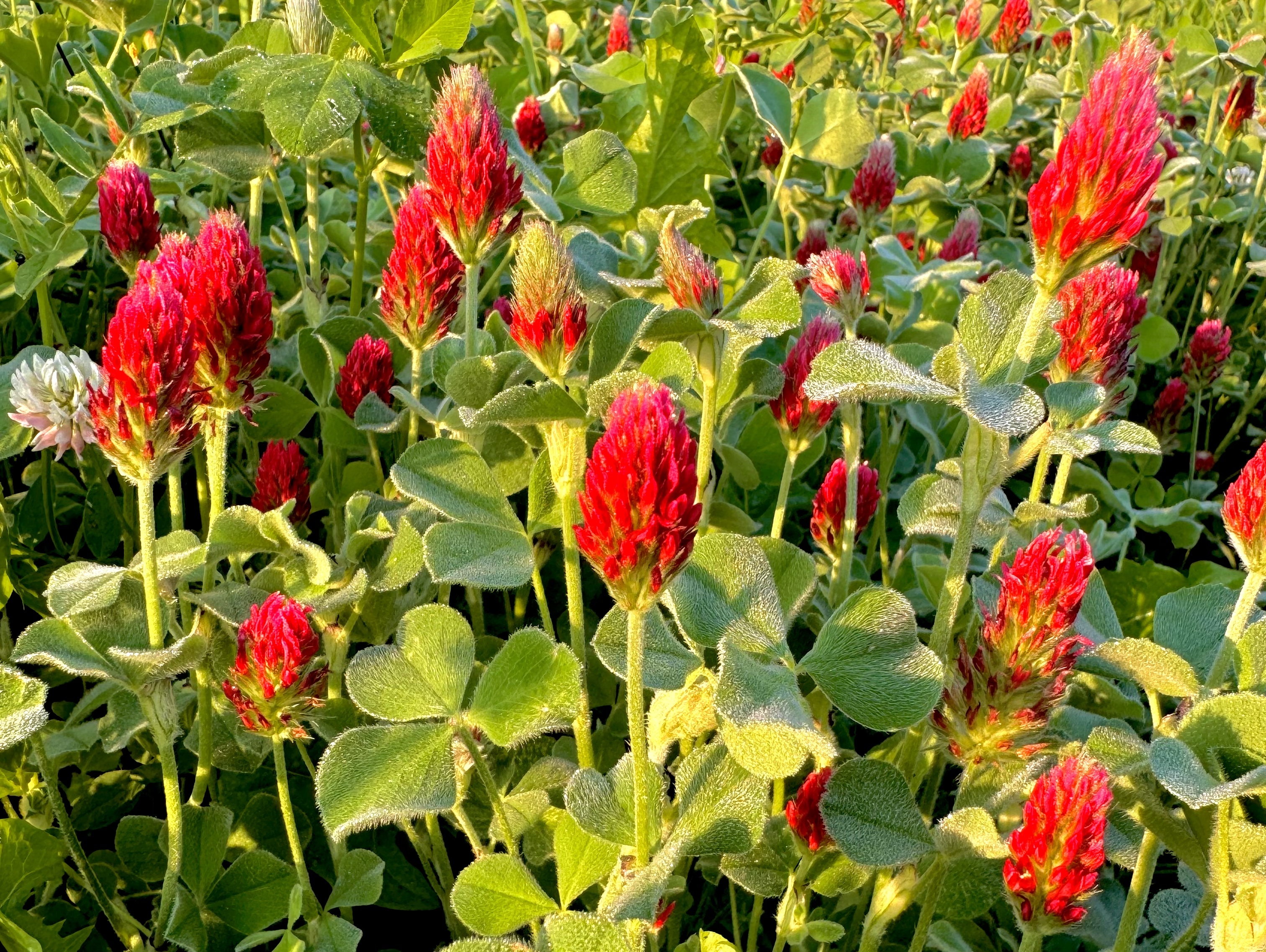
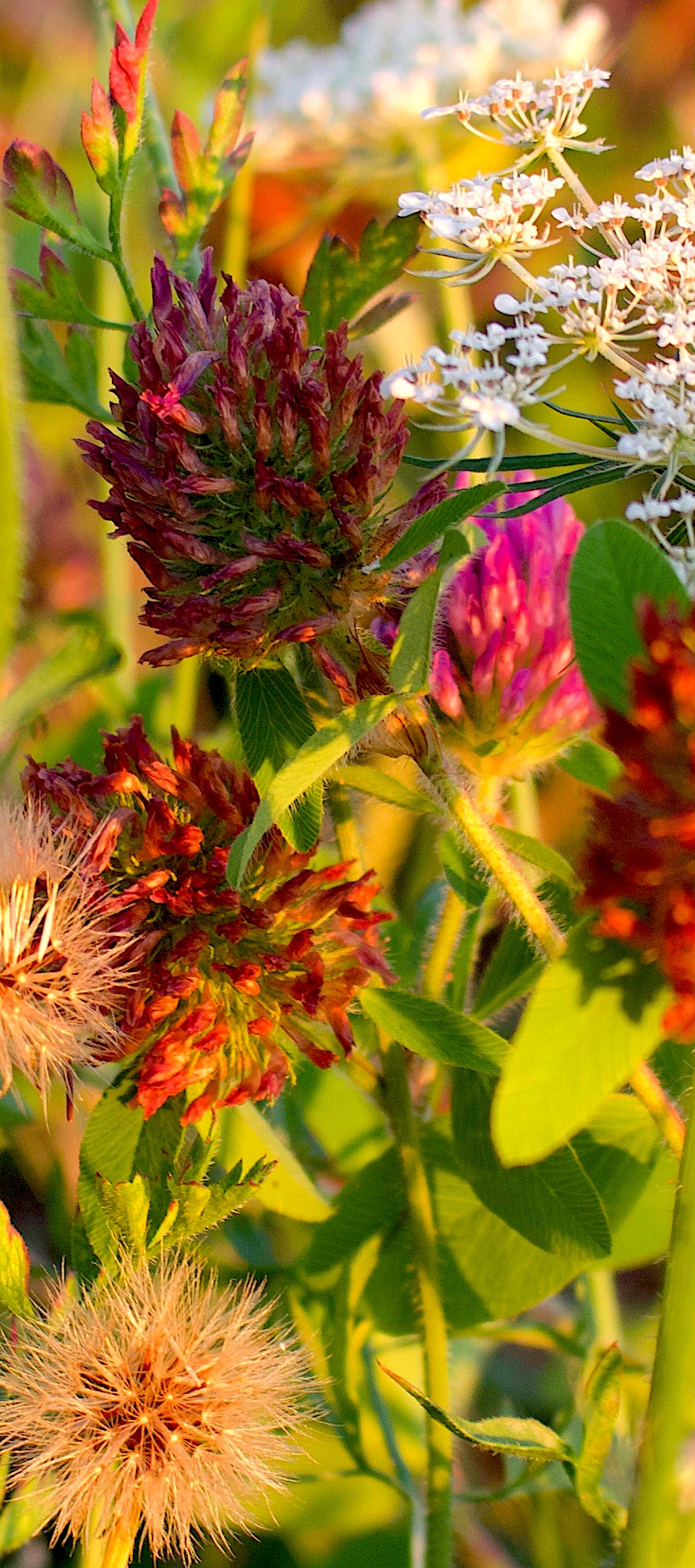
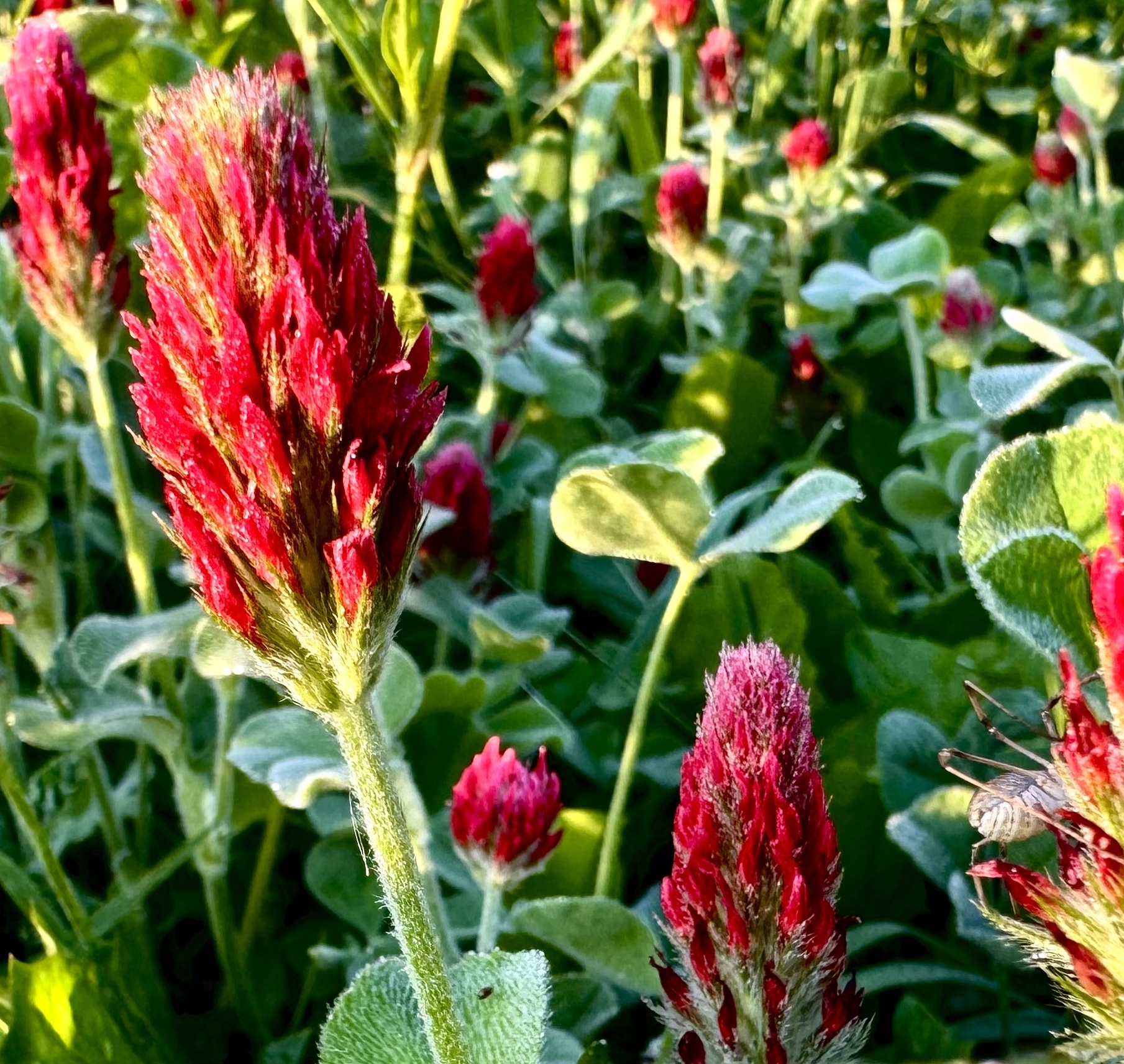
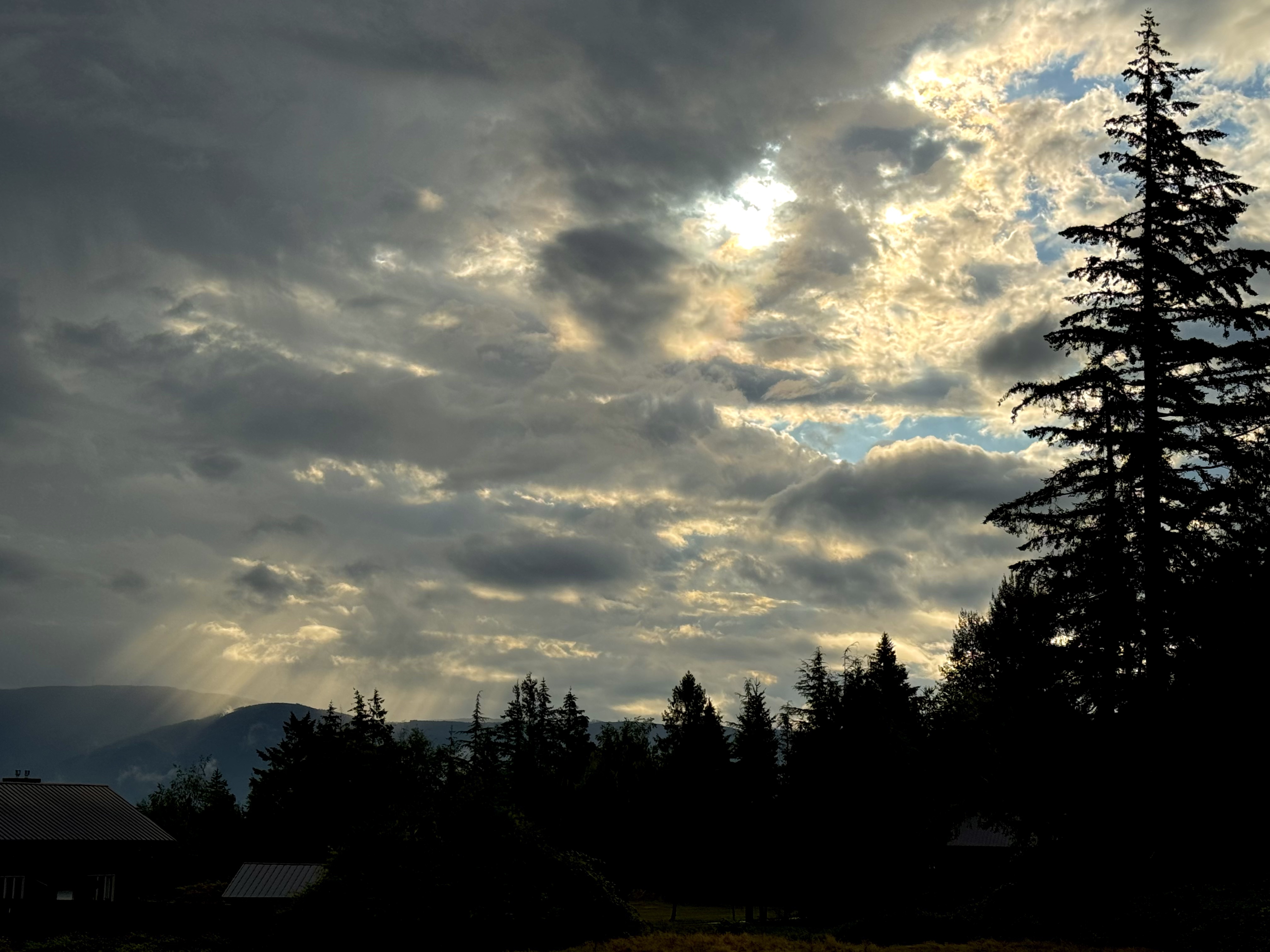
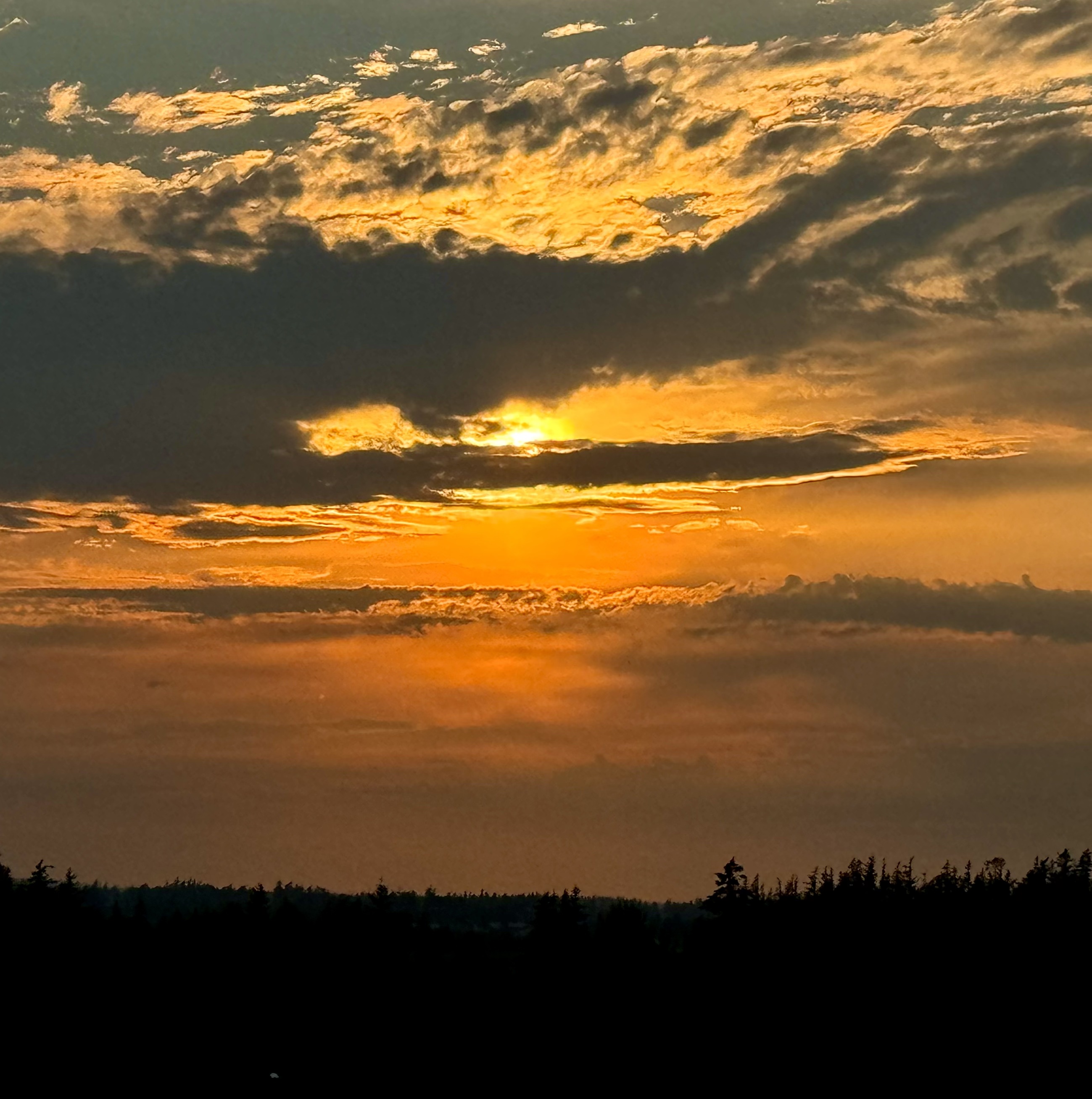
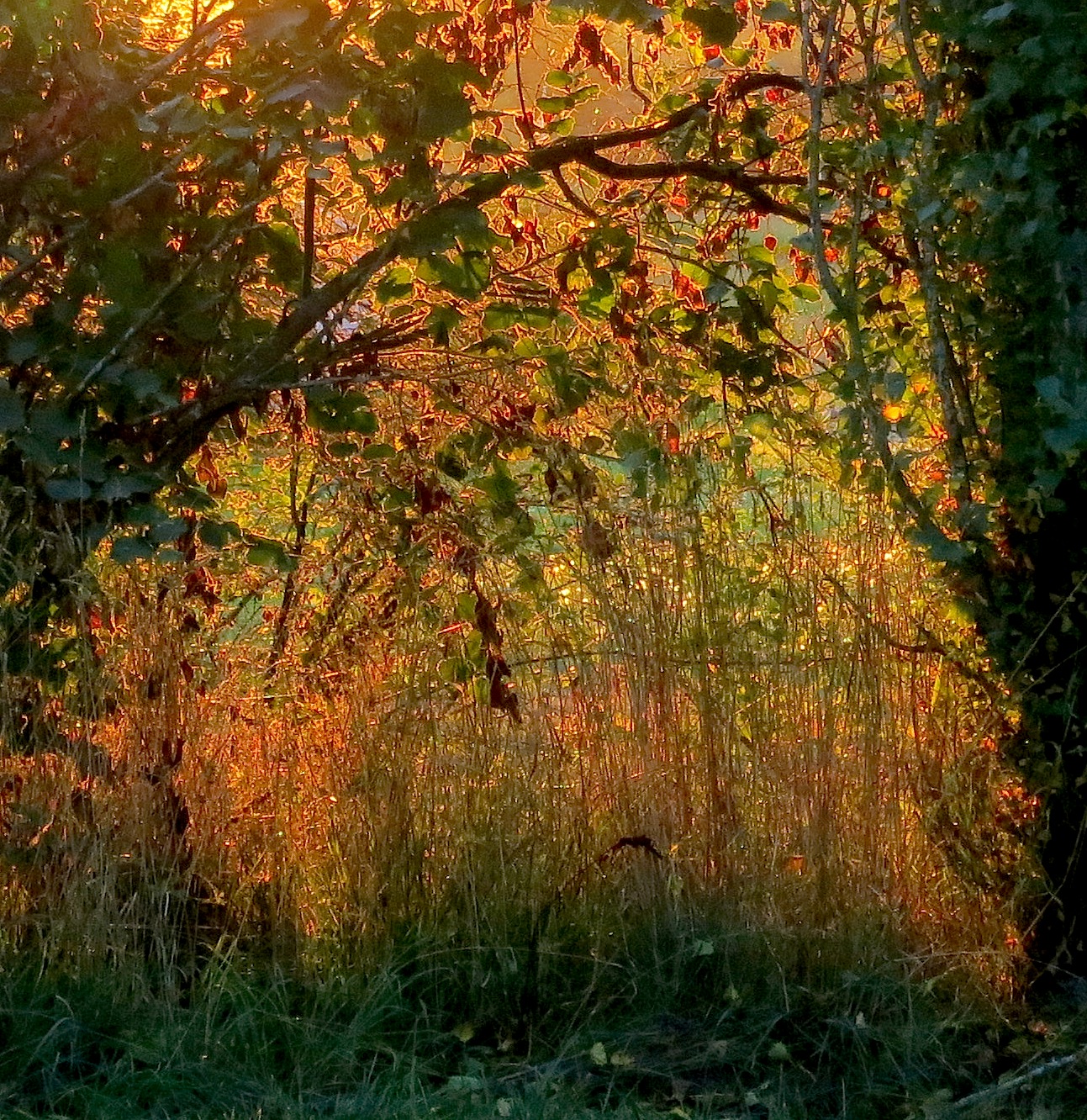
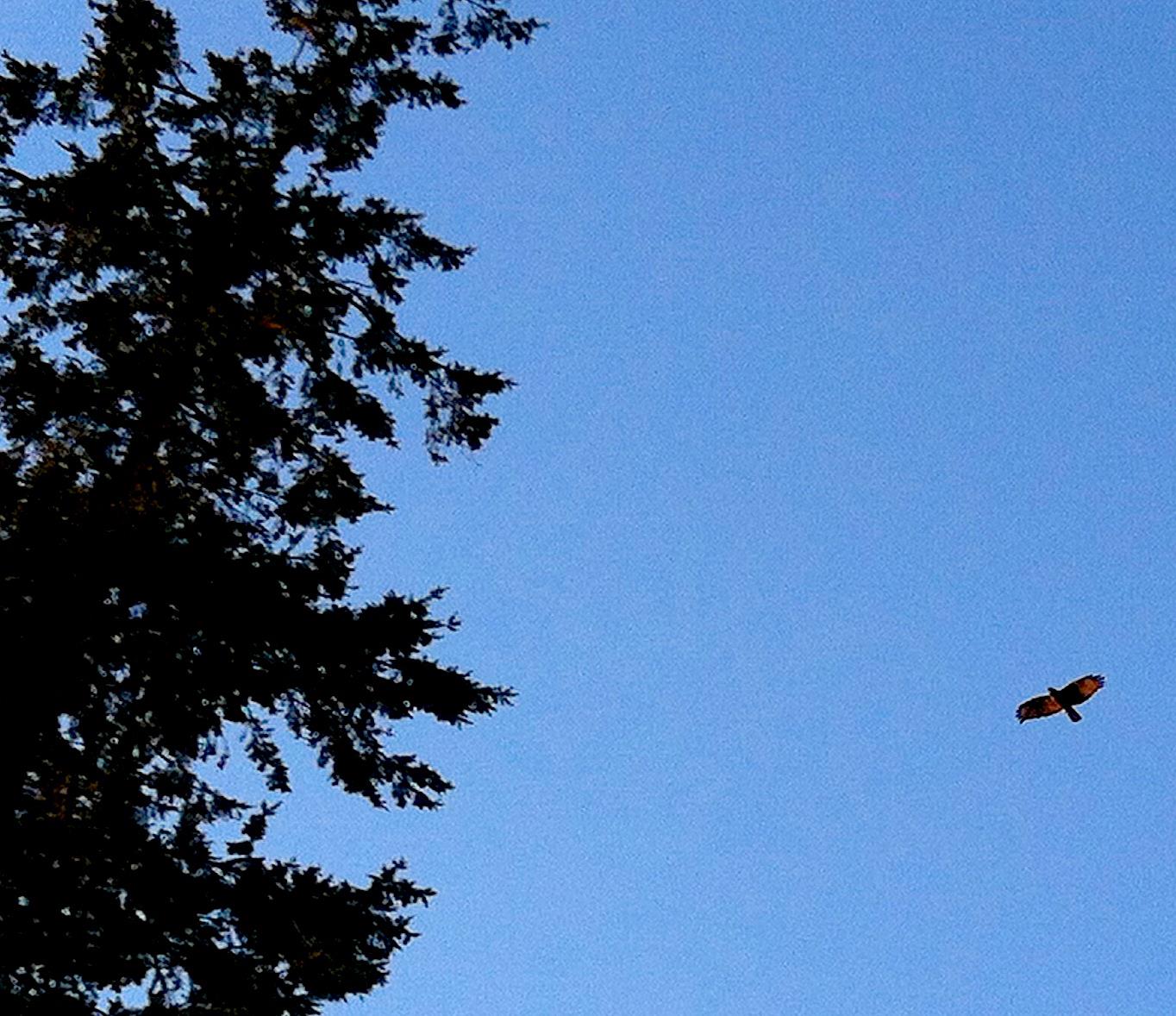
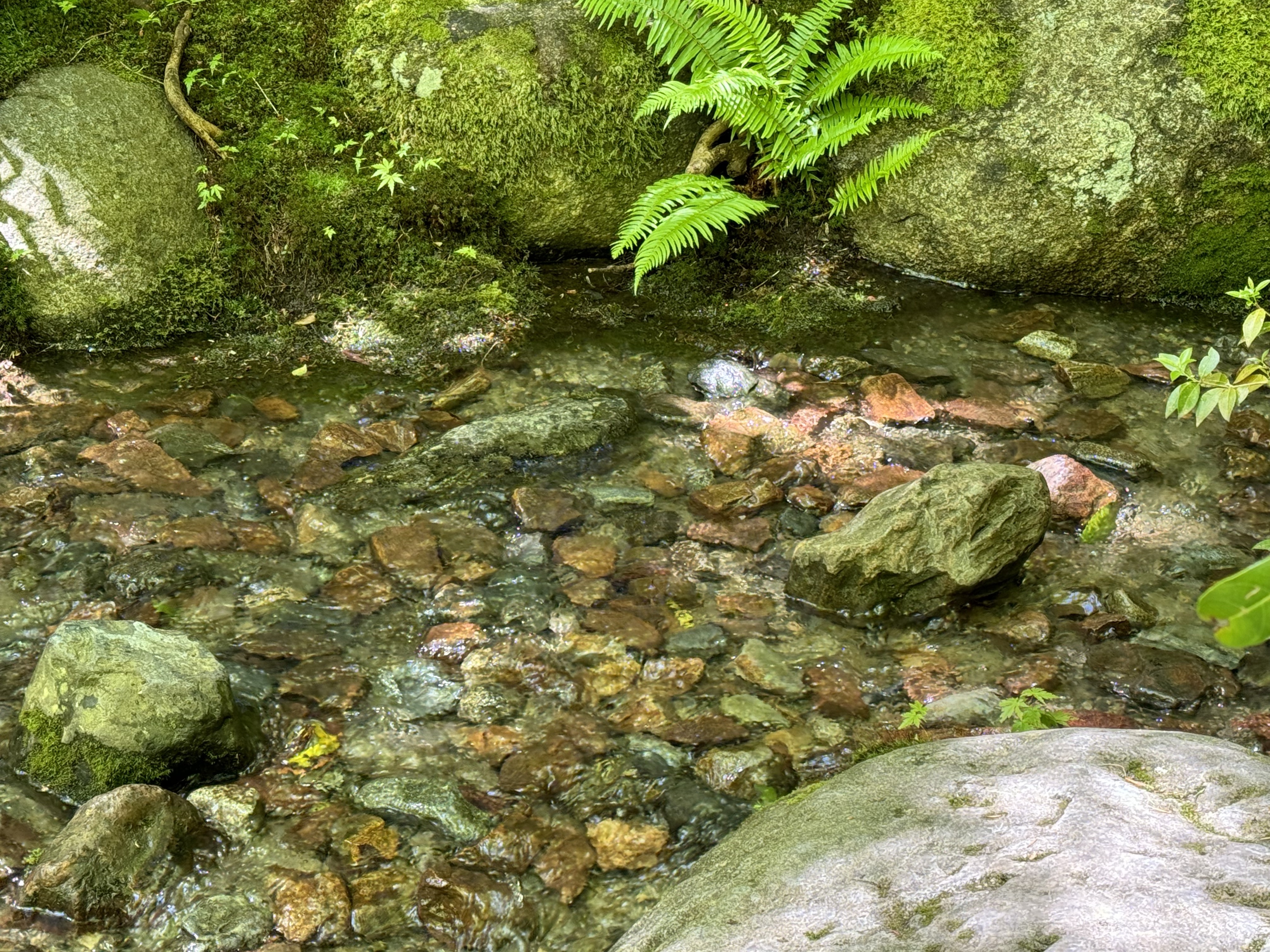
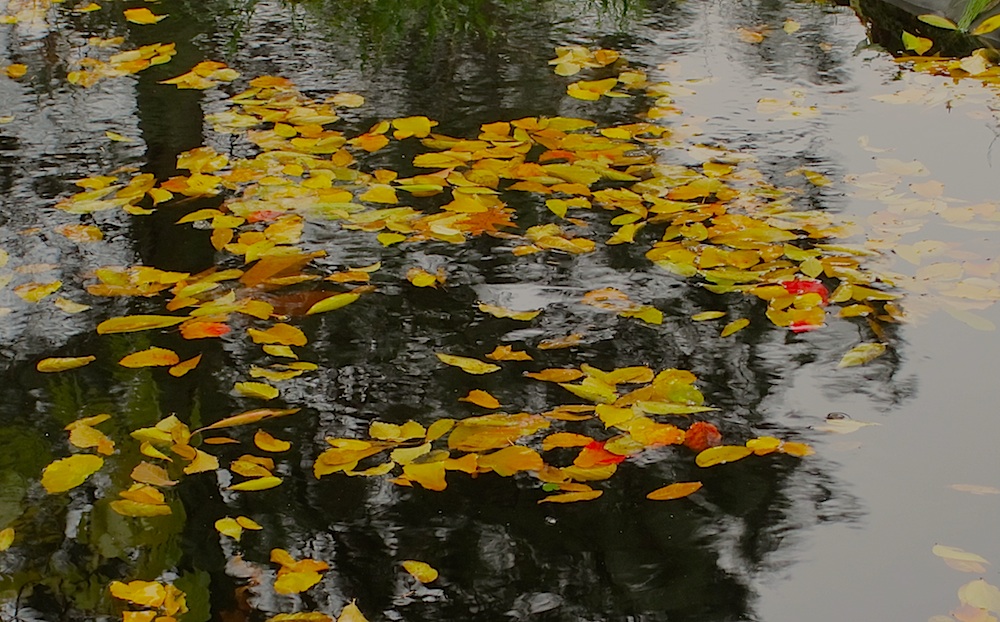
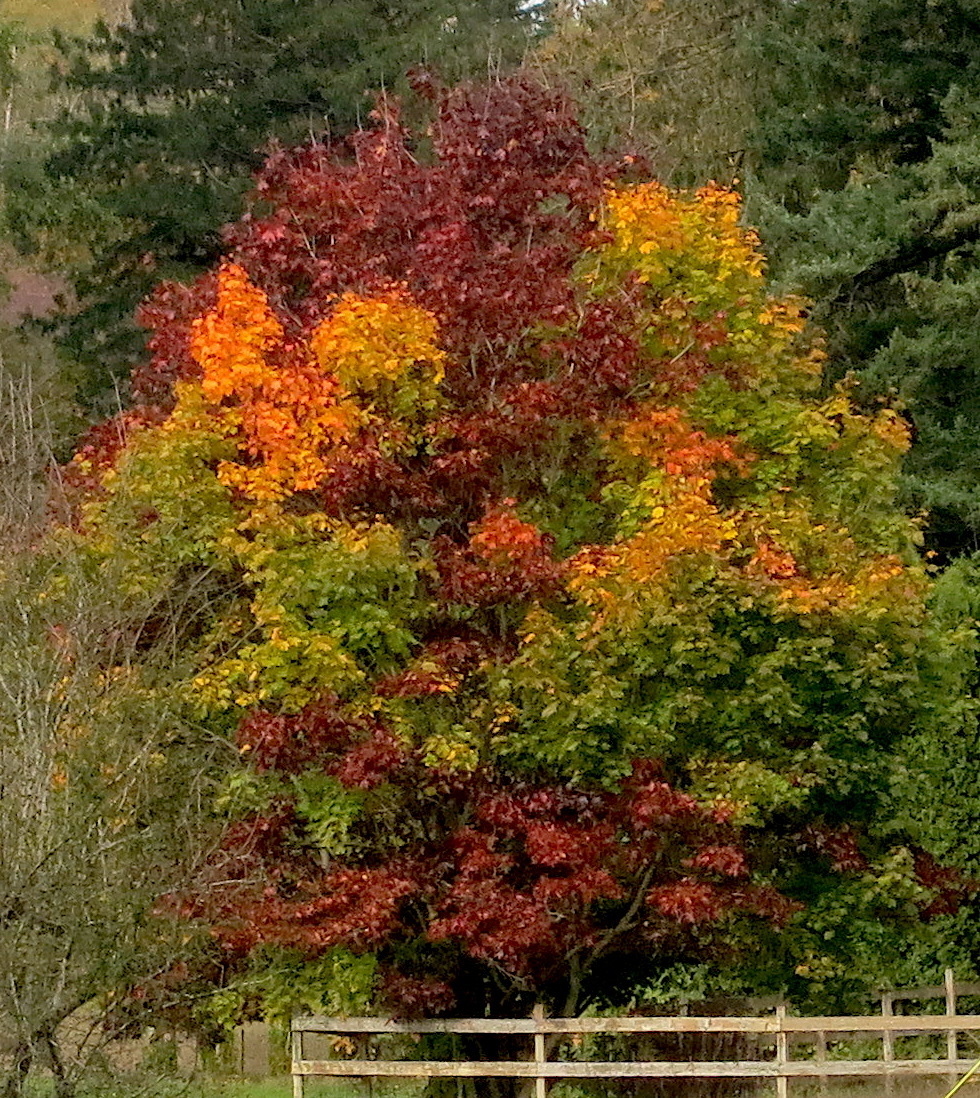
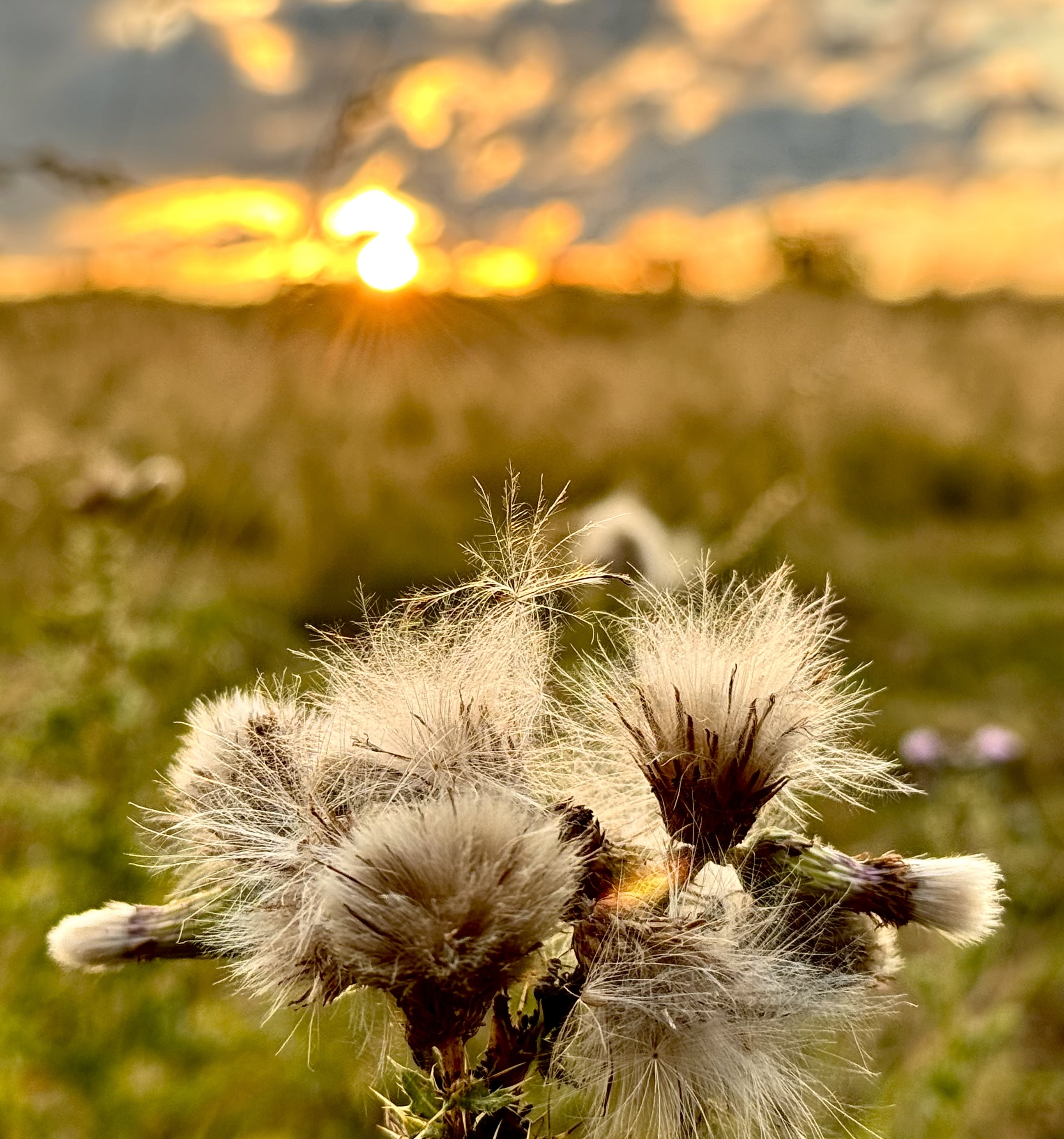
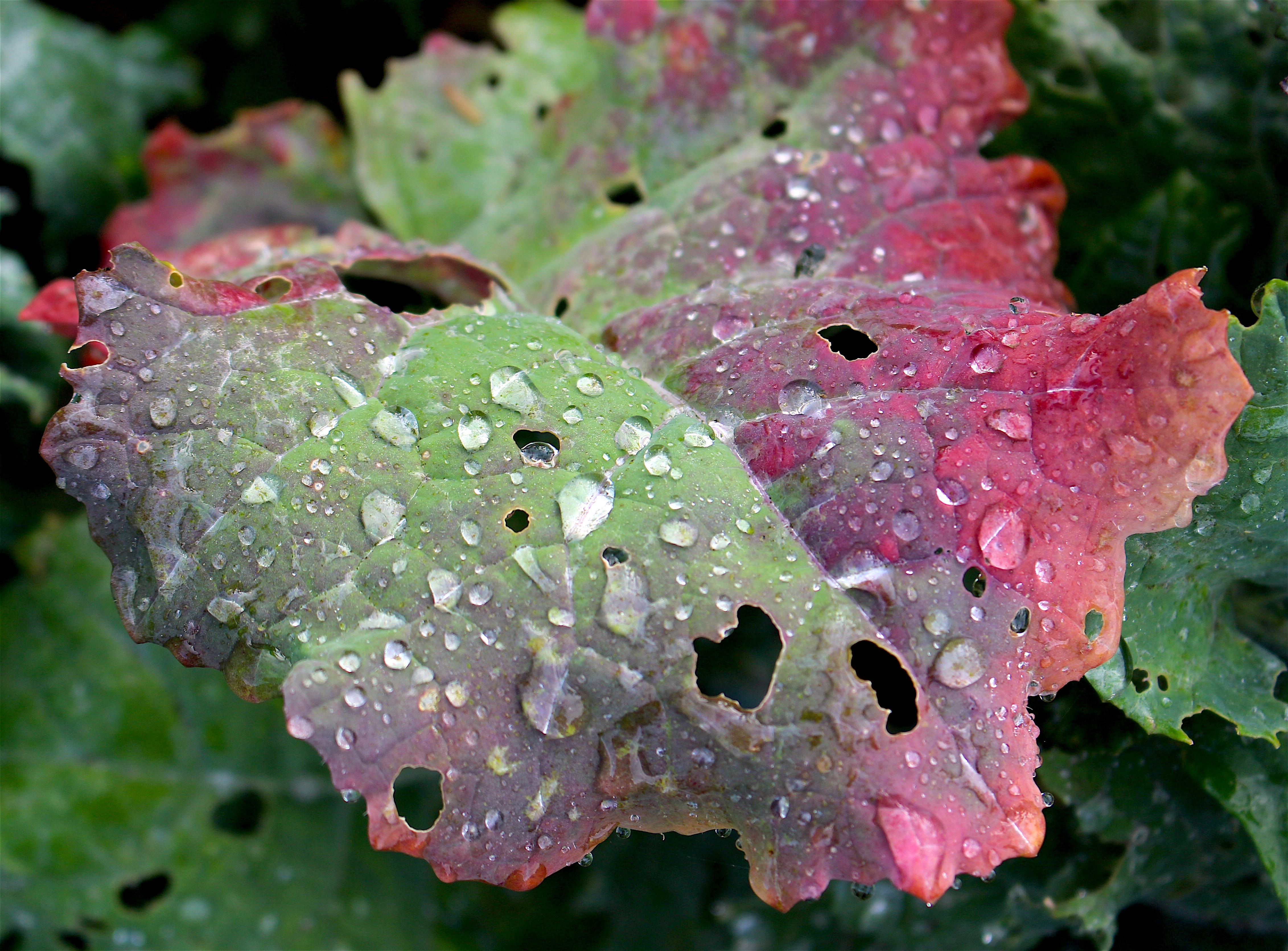
The endless clear skies of August have been broken with clouds, rain falling in warm gusts, leaves landing on browned ground.
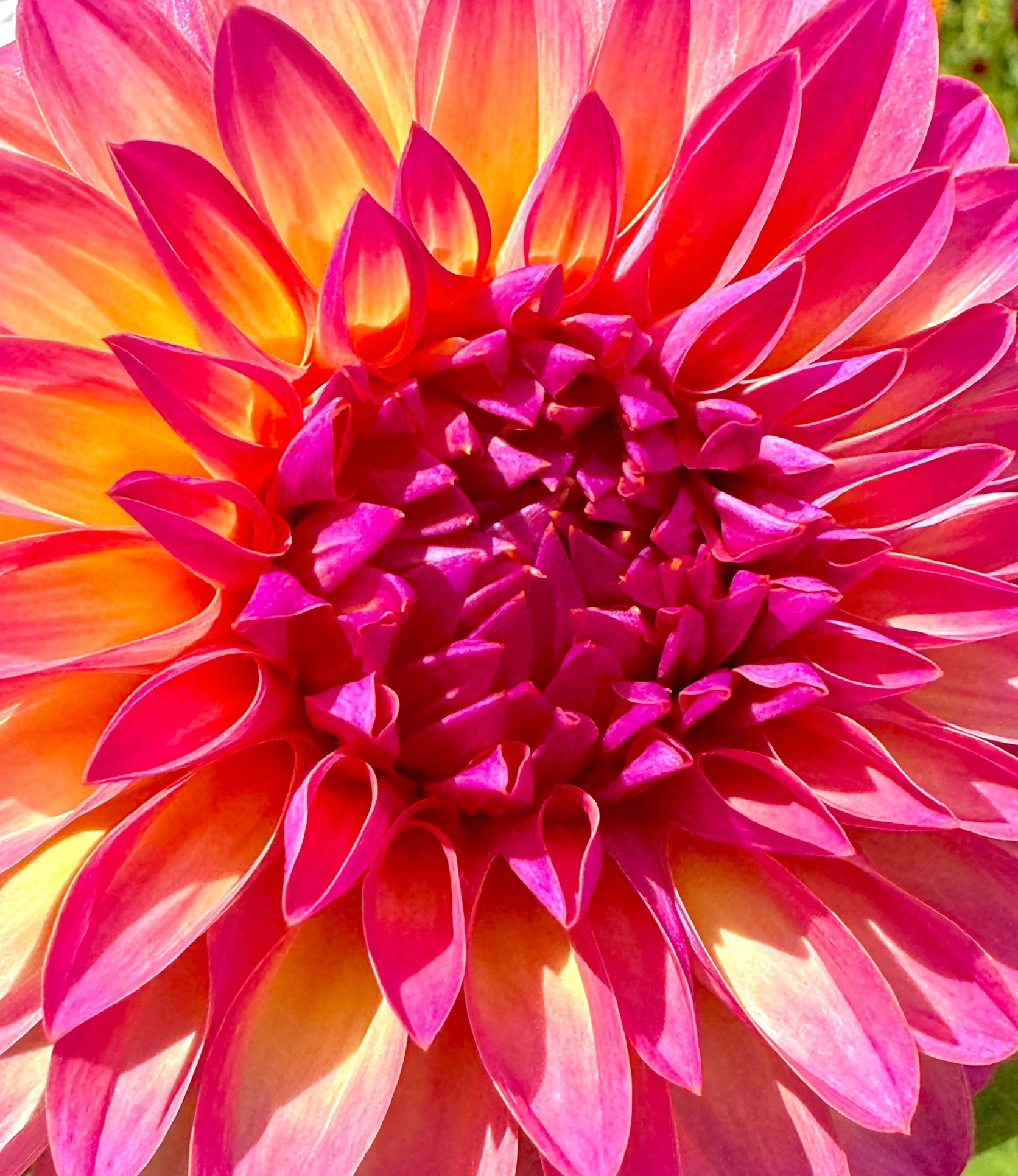
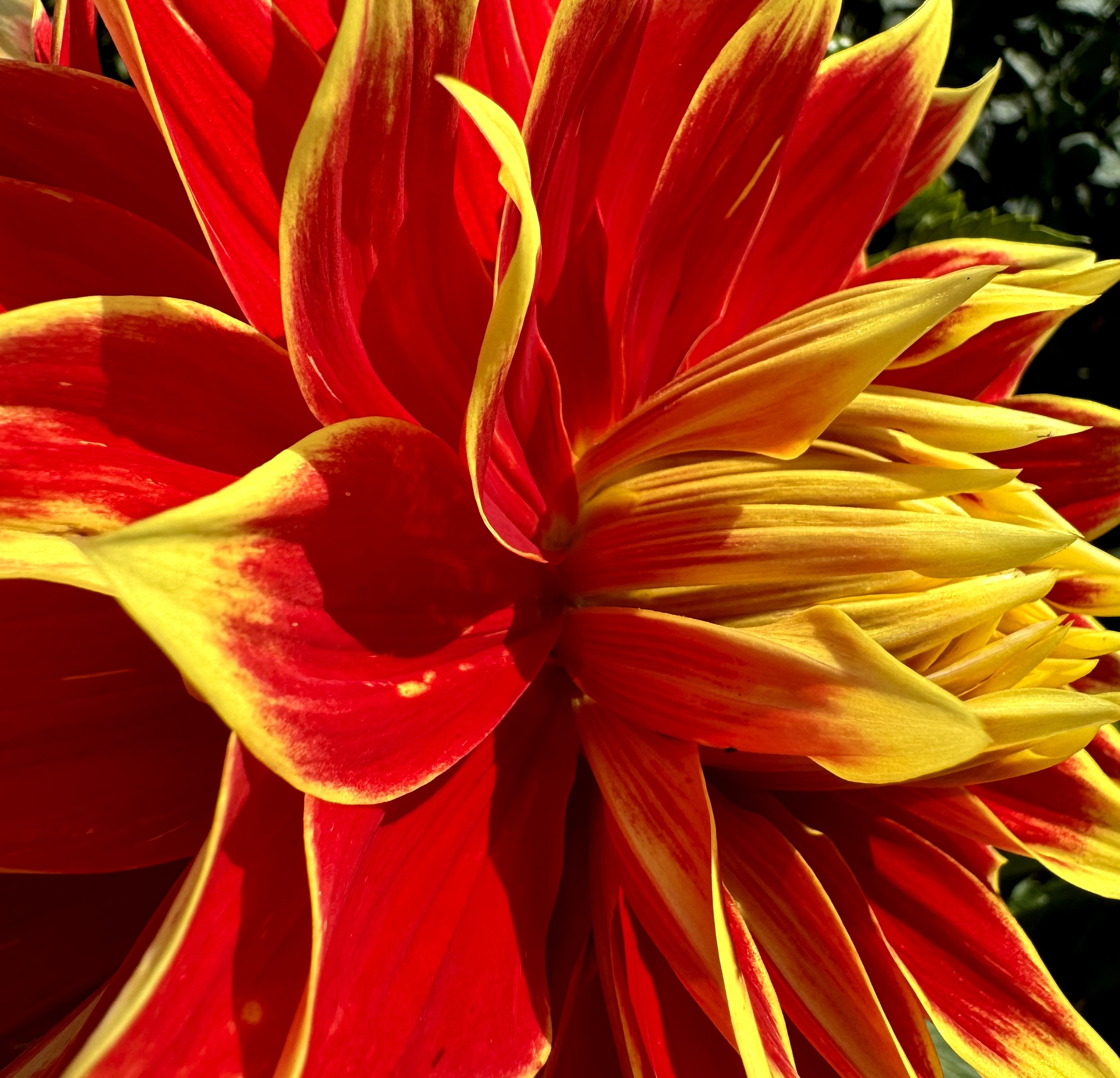
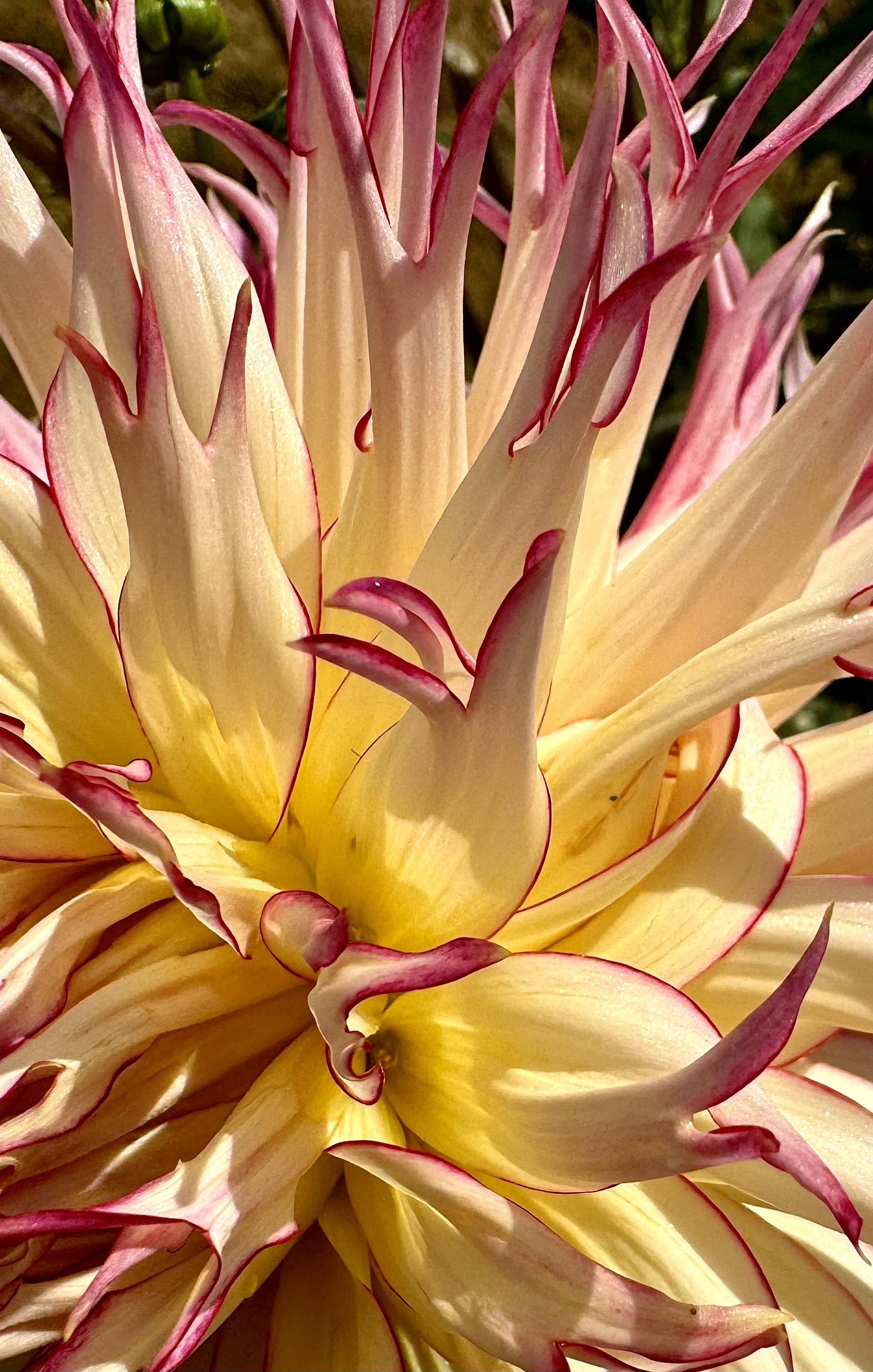
This summer ended up being simply too much – an excess of everything bright and beautiful, meant to make us joyful yet bold and exhausting in its riches.
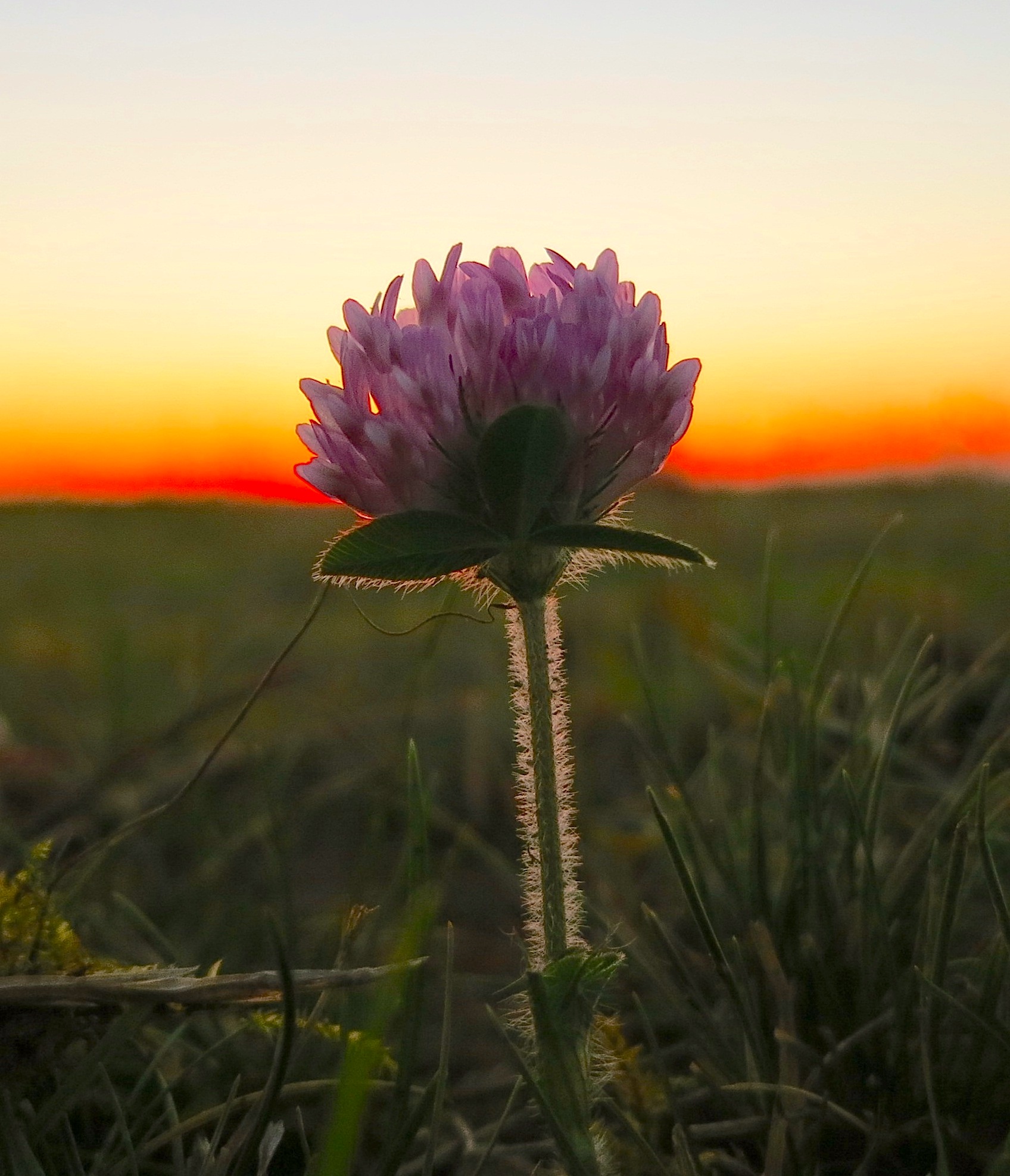
From endless hours of daylight, to high rising temperatures, to palettes of exuberant clouds to fruitfulness and abundant blooms.
While summer always fills an empty void after enduring cold spare dark days the rest of the year, I still depend on autumn returning.
I welcome darkening times back, knowing how much I miss those drear twilight months of longing for the overwhelming fullness of summer.
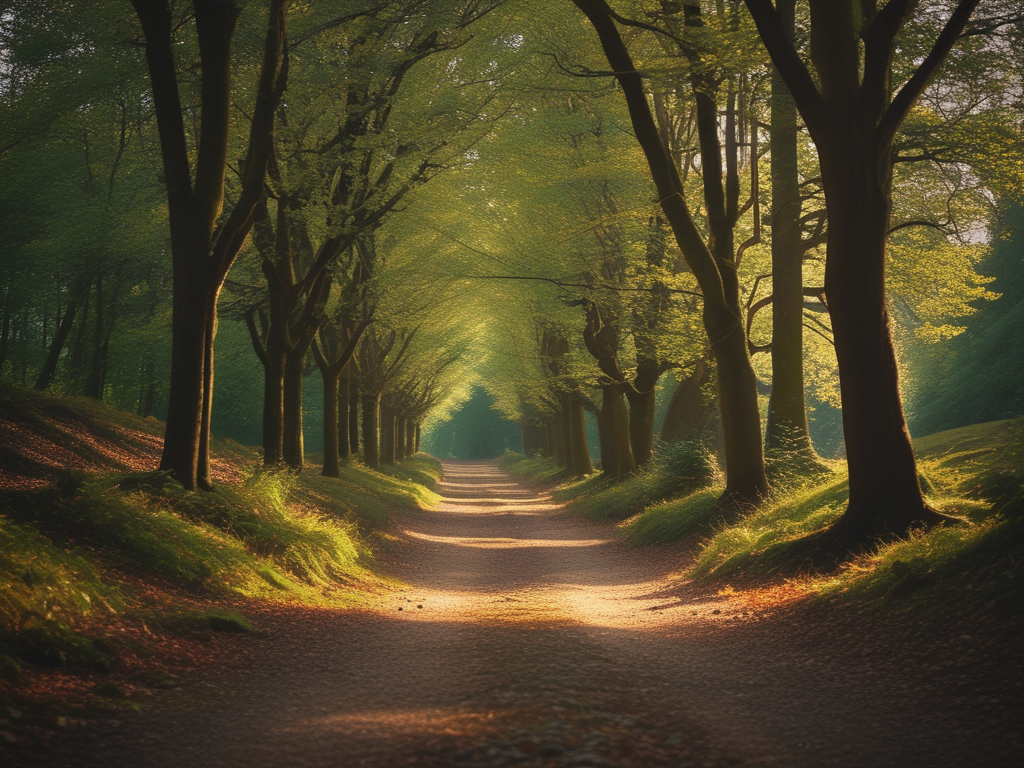
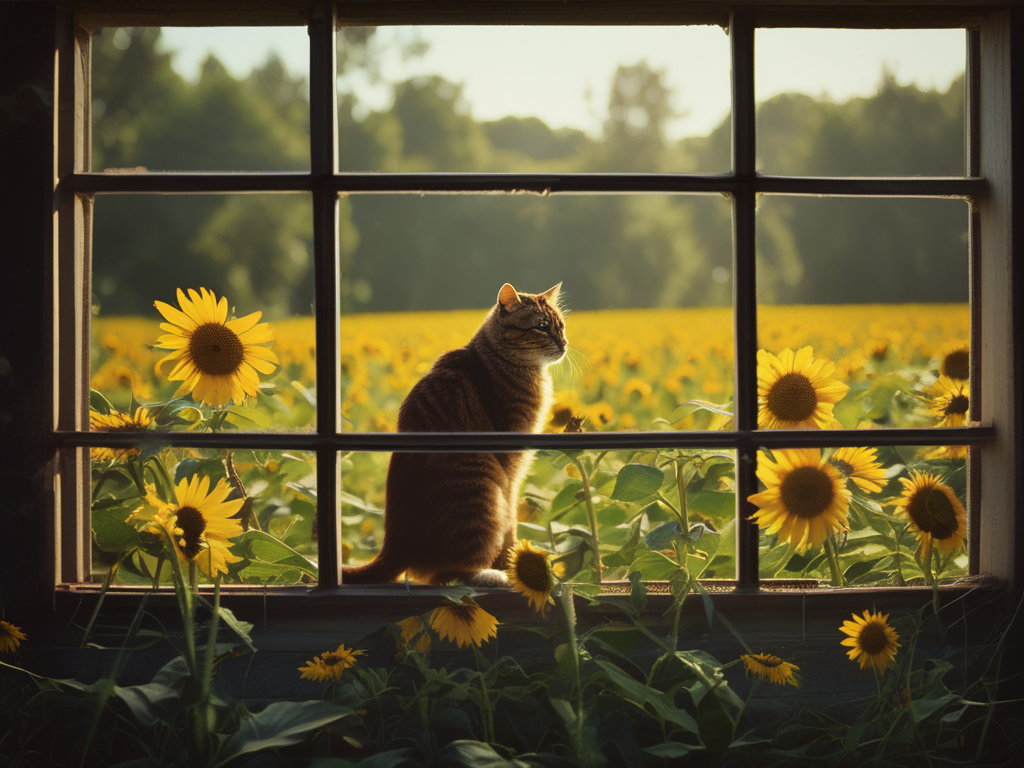
AI image created for this post
This song and video fits so well today – maybe a little weepy…
One-Time
Monthly
Yearly
Make a one-time or recurring donation to support daily Barnstorming posts
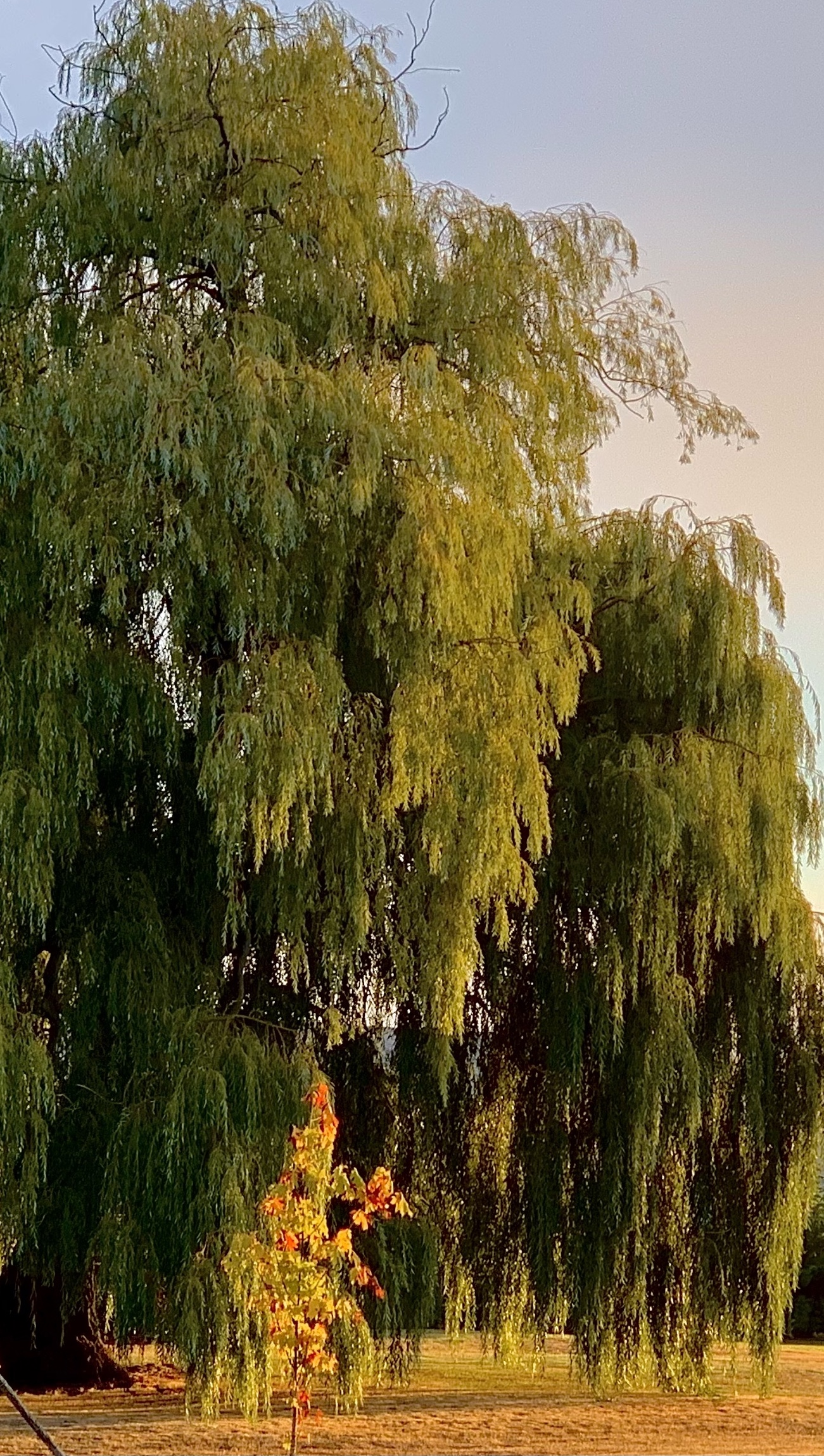
A gang of crows was chasing off a hawk. The little stream was laughing and shushing itself. The hawk’s reflection briefly blurred a pool of water and then the pool went back to waiting for nothing or the next reflection. The maple trees were yellow and red, but redder farther up the stream. I wanted especially to share the cloud of redder leaves upstream with the little girl I had with me, but she was sleeping. Walking home, I thought the willow trees around the pond were standing up like brooms to sweep the sky. That was the voice in my head describing the willow trees as brooms, a thought to stop the world for a moment’s moment. She might have thought the willows looked like lashes winking around a deep-green eye, but as I say, she was asleep for this excursion in the world. And she hasn’t told me yet about the voice inside her head. For the moment that voice is learning how to listen to its own mysterious silence. I expect it’s like a sanctuary in there with a candle glowing at the back of the room and violets dotting the grass outside. ~Maurice Manning “Violets in the Fall” from Snakedoctor
My internal voice remains a mystery.
Although I know the silent words I perceive are my own thoughts, there are times when I wonder it that voice is coming from a place deeper than my own brain’s meanderings. Mostly it feels like running commentary about what is happening around me.
I can be surprised though.
A word I seldom use will pop up in my thoughts, with wonder or puzzlement – where did that come from and why now? Perhaps my voice is not just mine alone…
I do aim for an expectant inner stillness. without being asleep to the world. Quieting a busy brain isn’t easy. We need to retreat often to an internal sanctuary of calm, with gentleness and self-kindness, and just enough illumination to light the way to a bit of insight and a wisp of wisdom.
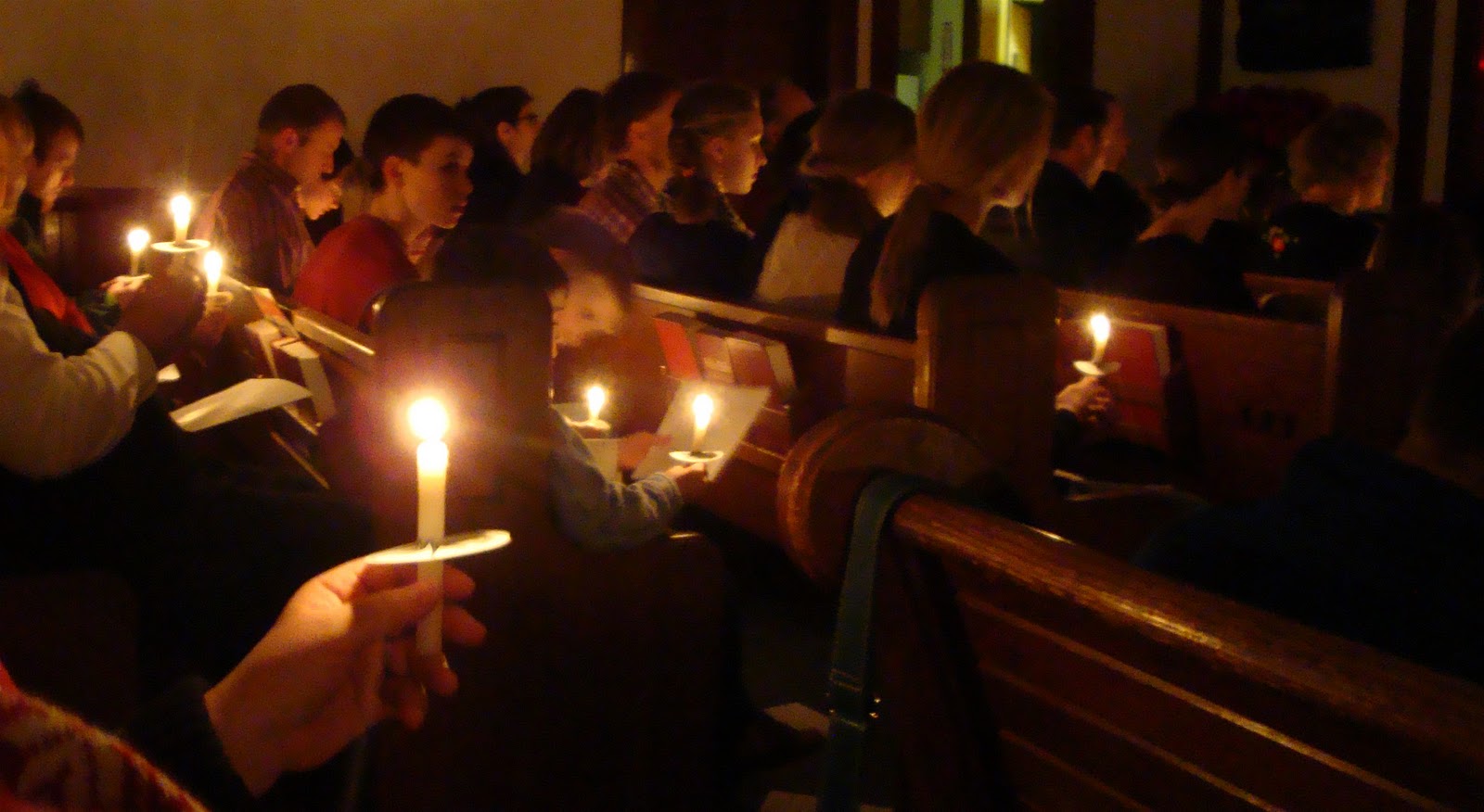
I’ll keep the candle glowing in the back.
AI image created for this post
One-Time
Monthly
Yearly
Make a one-time or recurring donation to support daily Barnstorming posts
He’s not so absorbed in the life around him That he never looks up on clear nights To admire the starry face of the sky. But he’s awed even more by the earth he lives on, By how much, for instance, its fertility Depends on the unseen toil of earthworms. Who would believe that over decades Every inch of the field behind his house Passes through their bodies again and again As they feed on the dirt they tunnel through? So much tireless turning over of loam, So much natural harrowing, shredding, and leveling. Yes, their work has undermined the stone wall That marks the edge of his garden. But that’s a small price For soil that nurtures the berries and grains He enjoys at breakfast. Why turn from the table To write a lament on the power of time To undermine human effort when he can describe How the work of worms helps sustain us? Not to bother with them because they aren’t aware Of his existence—how small-minded That would seem to him in a species that prides itself On understanding its place in the scheme of things, As small-minded as thinking less of the stars Because they aren’t twinkling for his benefit. But the stars aren’t likely to go unnoticed By a species quick to admire what’s distant, Serene, and glittering, as opposed to what’s near, Busy, and inconspicuous, Working an inch beneath the grass. ~Carl Dennis “Near Darwin”
Aren’t you glad at least that the earthworms Under the grass are ignorant, as they eat the earth, Of the good they confer on us, that their silence Isn’t a silent reproof for our bad manners, Our never casting earthward a crumb of thanks For their keeping the soil from packing so tight That no root, however determined, could pierce it?
Imagine if they suspected how much we owe them, How the weight of our debt would crush us Even if they enjoyed keeping the grass alive, The garden flowers and vegetables, the clover, And wanted nothing that we could give them, Not even the merest nod of acknowledgment.
A debt to angels would be easy in comparison, Bright, weightless creatures of cloud, who serve An even brighter and lighter master. Lucky for us they don’t know what they’re doing, These puny anonymous creatures of dark and damp Who eat simply to live, with no more sense of mission Than nature feels in providing for our survival. …the tunneling earthworms, tireless, silent, As they persist, oblivious, in their service. ~Carl Dennis from “Worms”
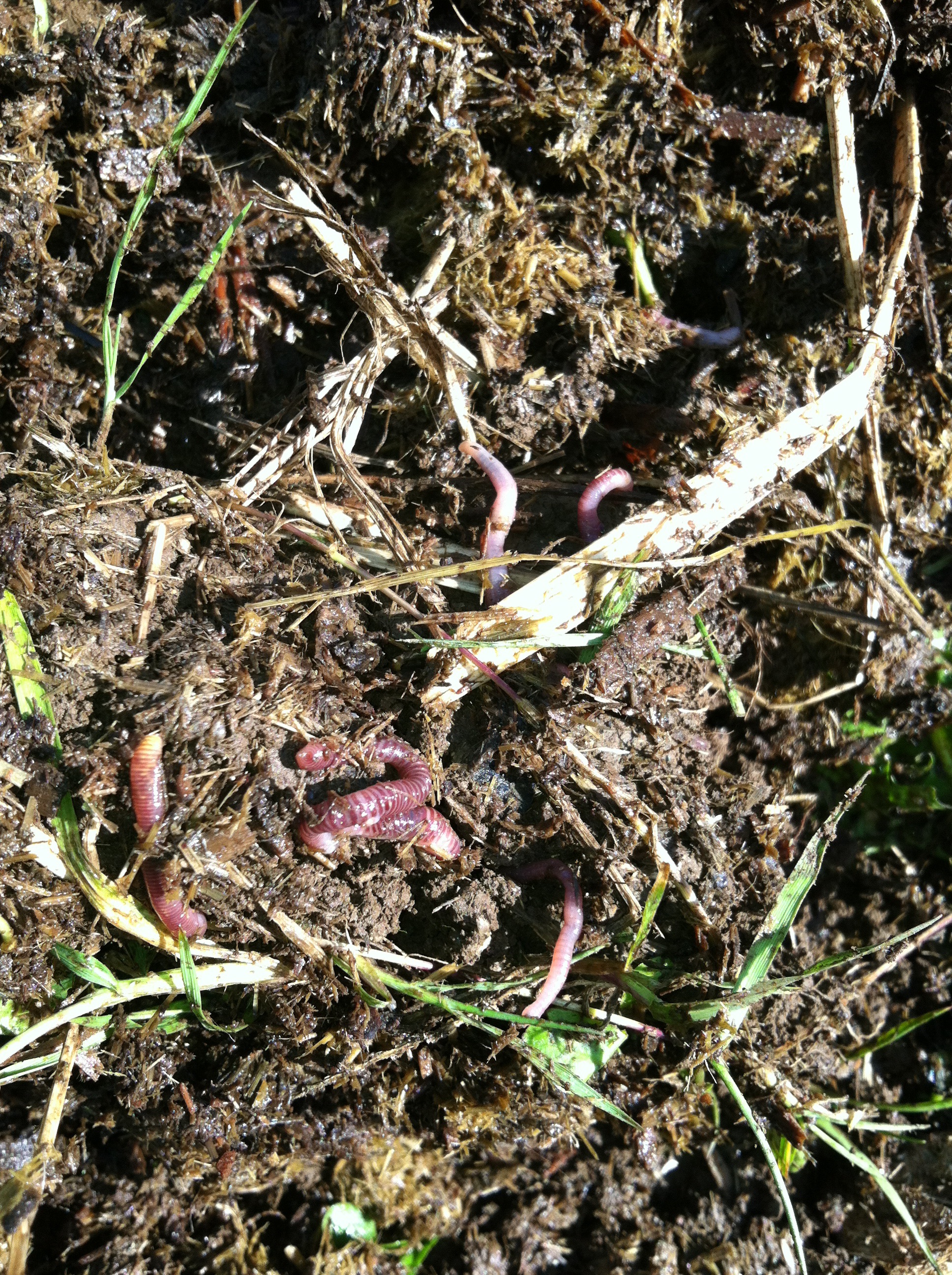
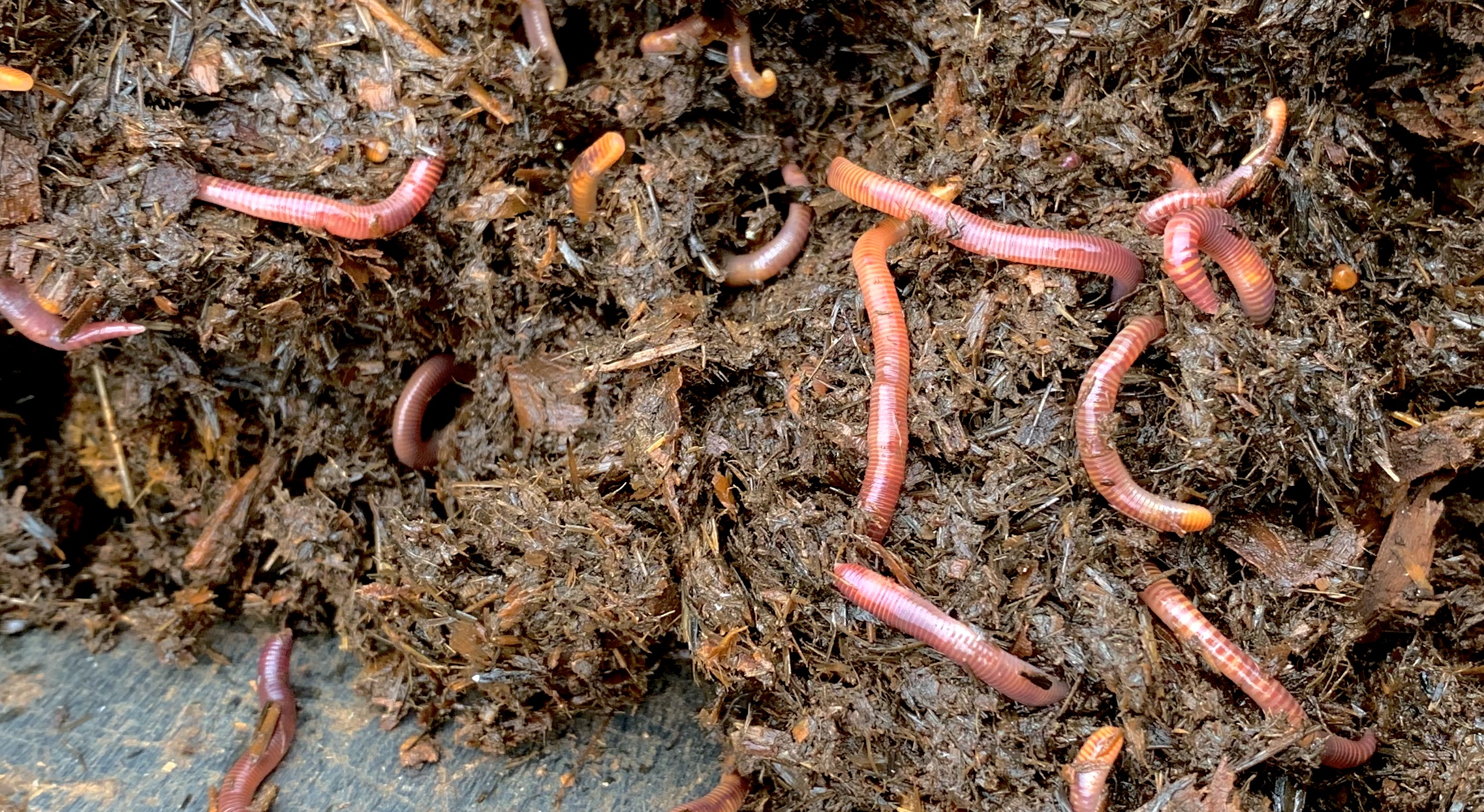
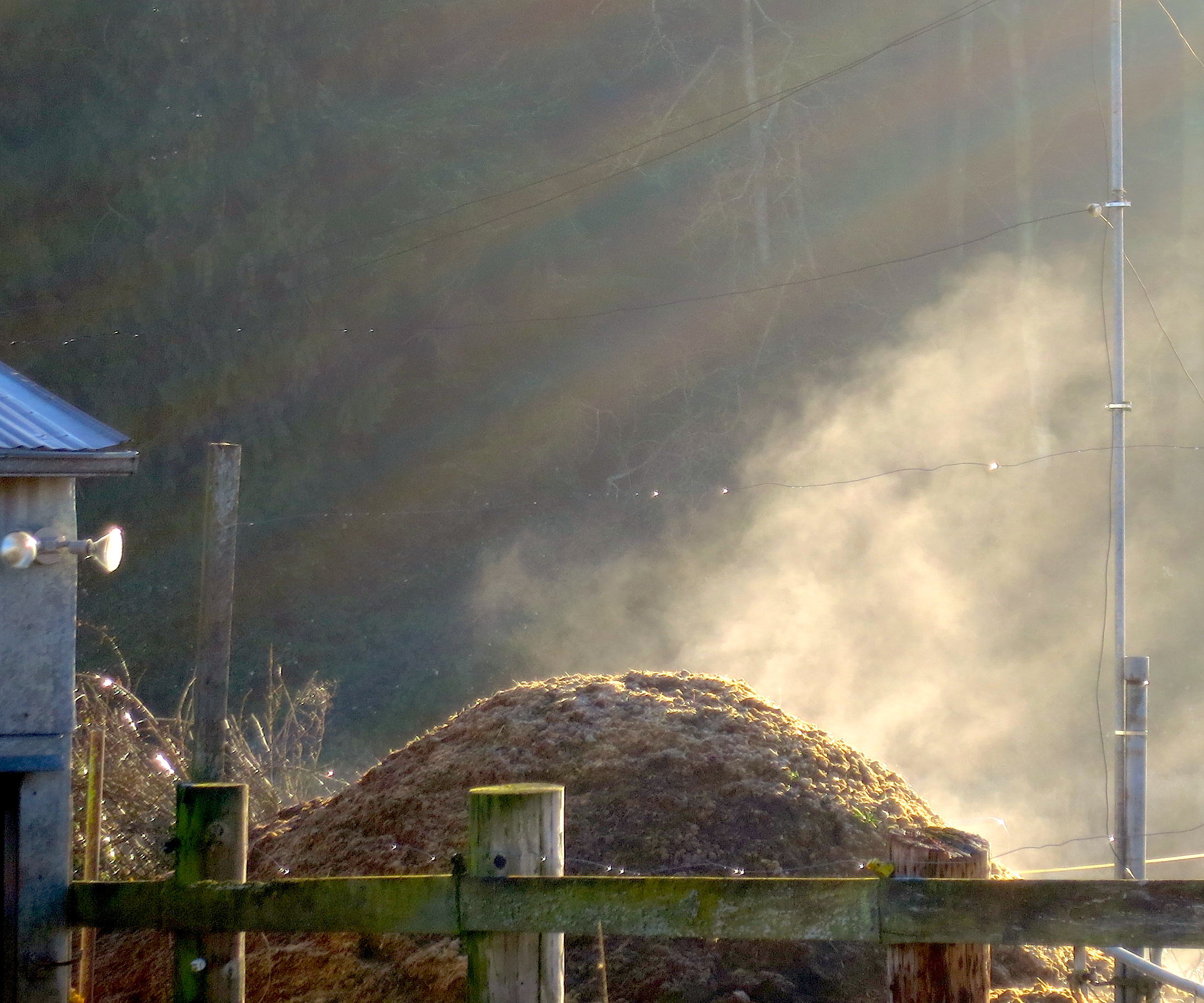
We’ve been composting horse manure for several decades behind the barn, and we dig in to the tall pile to spread on our garden plots. As Dan pushes the tractor’s front loader into the pile, steam rises from its compost innards. As the rich soil is scooped, thousands of newly exposed red wiggler worms immediately dive for cover. Within seconds, thousands of naked little creatures have, well, …wormed their way back into the security of warm dirt, being rudely interrupted from their routine. I can’t say I blame them.
Hundreds of thousands of wigglers end up being forced in the spring to adapt to new quarters, leaving the security of the manure mountain behind. As we smooth the topping of compost over the garden plot, the worms–gracious creatures that they are–tolerate being rolled and raked and lifted and turned over, waving their little bodies expectantly in the cool air before slipping back down into the dark. There they begin their work of digesting, aerating and renewing the soil of the garden, reproducing in their unique hermaphroditic way, leaving voluminous castings behind to further feed future seedlings to be planted.
Worms are unjustly denigrated by humans primarily because we don’t like to be surprised by them. We don’t like to see one in our food, especially only part of one, and are particularly distressed to see them after we’ve digested our food. Once we get past that bit of squeamishness, we can greatly appreciate their role as the ultimate recyclers, leaving the earth under our feet a lot better off once they are finished with their work.
We humans actually suffer by comparison: to be called “a worm” is really not as bad as it sounds at first. It is possible the worm may be offended by the association.
I hope to prove a worthy innkeeper for these new tenants. May they live long and prosper only an inch beneath the grass, so much more accessible than the infinite stars in the sky. May each worm forgive the disruption perpetrated by our rake and shovel. May I smile appreciatively the next time someone calls me a mere worm.
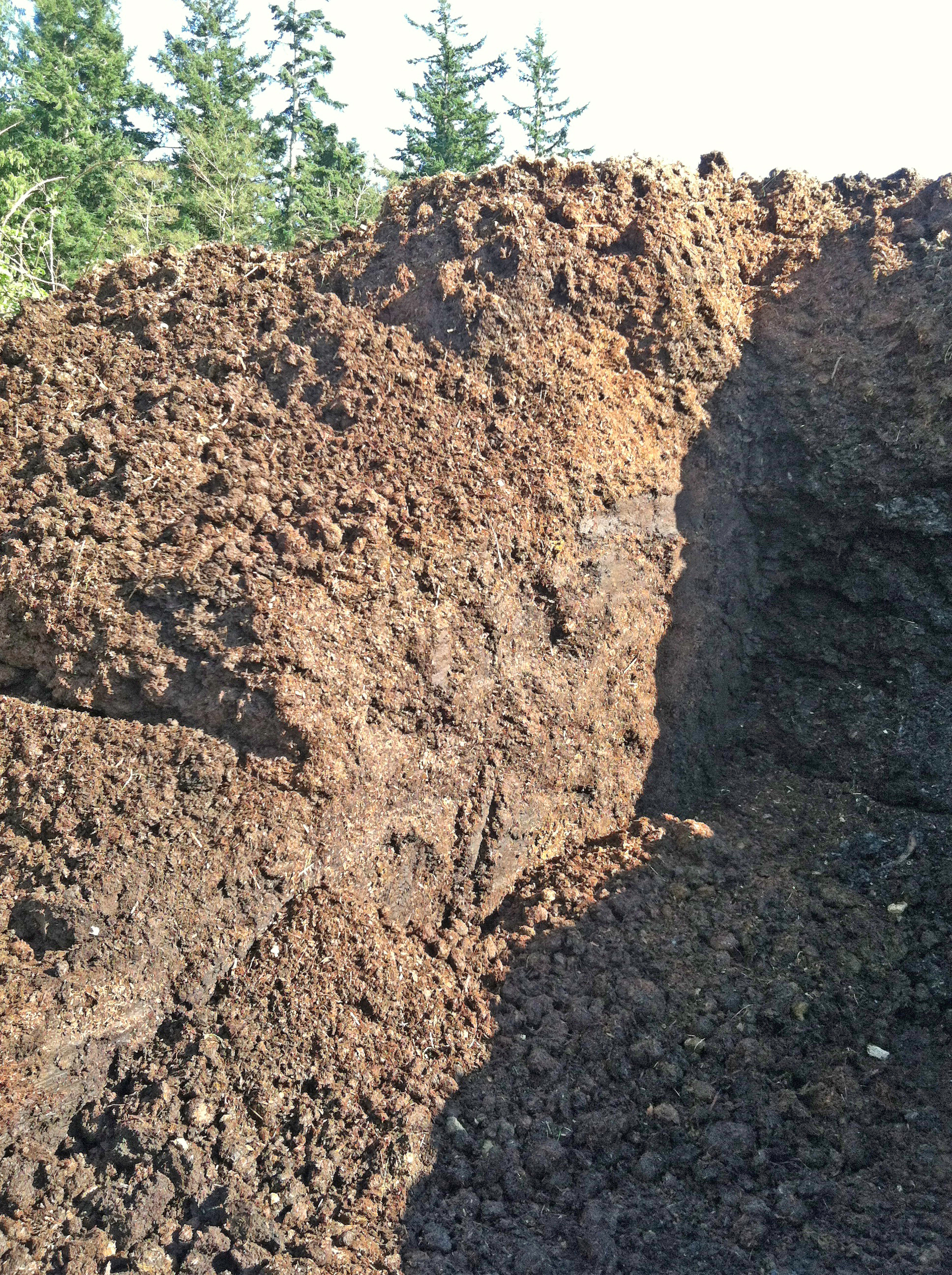
a cross section of 30 months of composted manure
AI image created for this post
One-Time
Monthly
Yearly
Make a one-time or recurring donation to support daily Barnstorming posts
Under a sky the color of pea soup she is looking at her work growing away there actively, thickly like grapevines or pole beans as things grow in the real world, slowly enough. If you tend them properly, if you mulch, if you water, if you provide birds that eat insects a home and winter food, if the sun shines and you pick off caterpillars, if the praying mantis comes and the ladybugs and the bees, then the plants flourish, but at their own internal clock.
Connections are made slowly, sometimes they grow underground. You cannot tell always by looking what is happening. More than half the tree is spread out in the soil under your feet. Penetrate quietly as the earthworm that blows no trumpet. Fight persistently as the creeper that brings down the tree. Spread like the squash plant that overruns the garden. Gnaw in the dark and use the sun to make sugar.
Weave real connections, create real nodes, build real houses. Live a life you can endure: Make love that is loving. Keep tangling and interweaving and taking more in, a thicket and bramble wilderness to the outside but to us interconnected with rabbit runs and burrows and lairs.
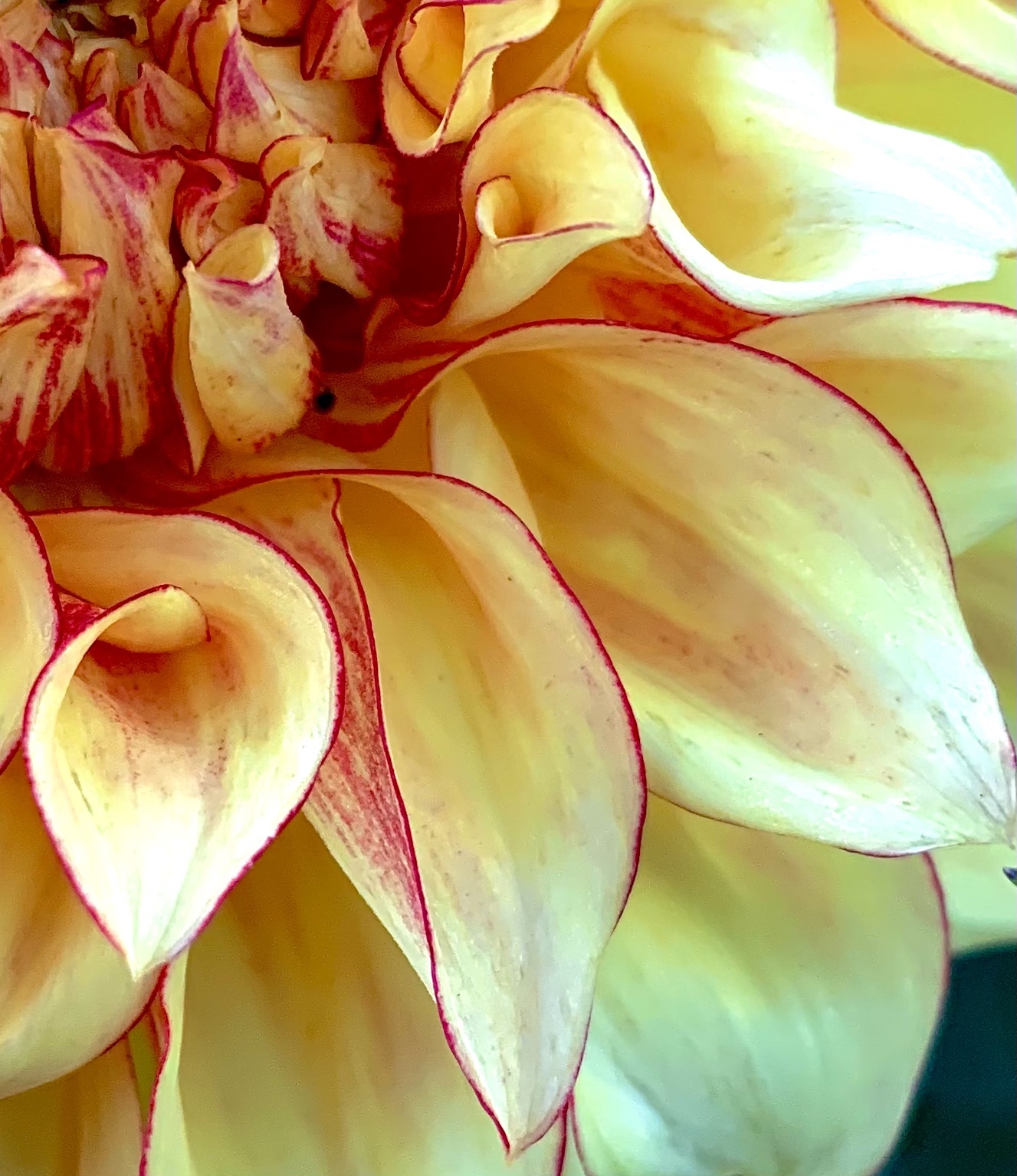
Live as if you liked yourself, and it may happen: reach out, keep reaching out, keep bringing in. This is how we are going to live for a long time: not always, for every gardener knows that after the digging, after the planting, after the long season of tending and growth, the harvest comes. ~Marge Piercy “The Seven of Pentacles”
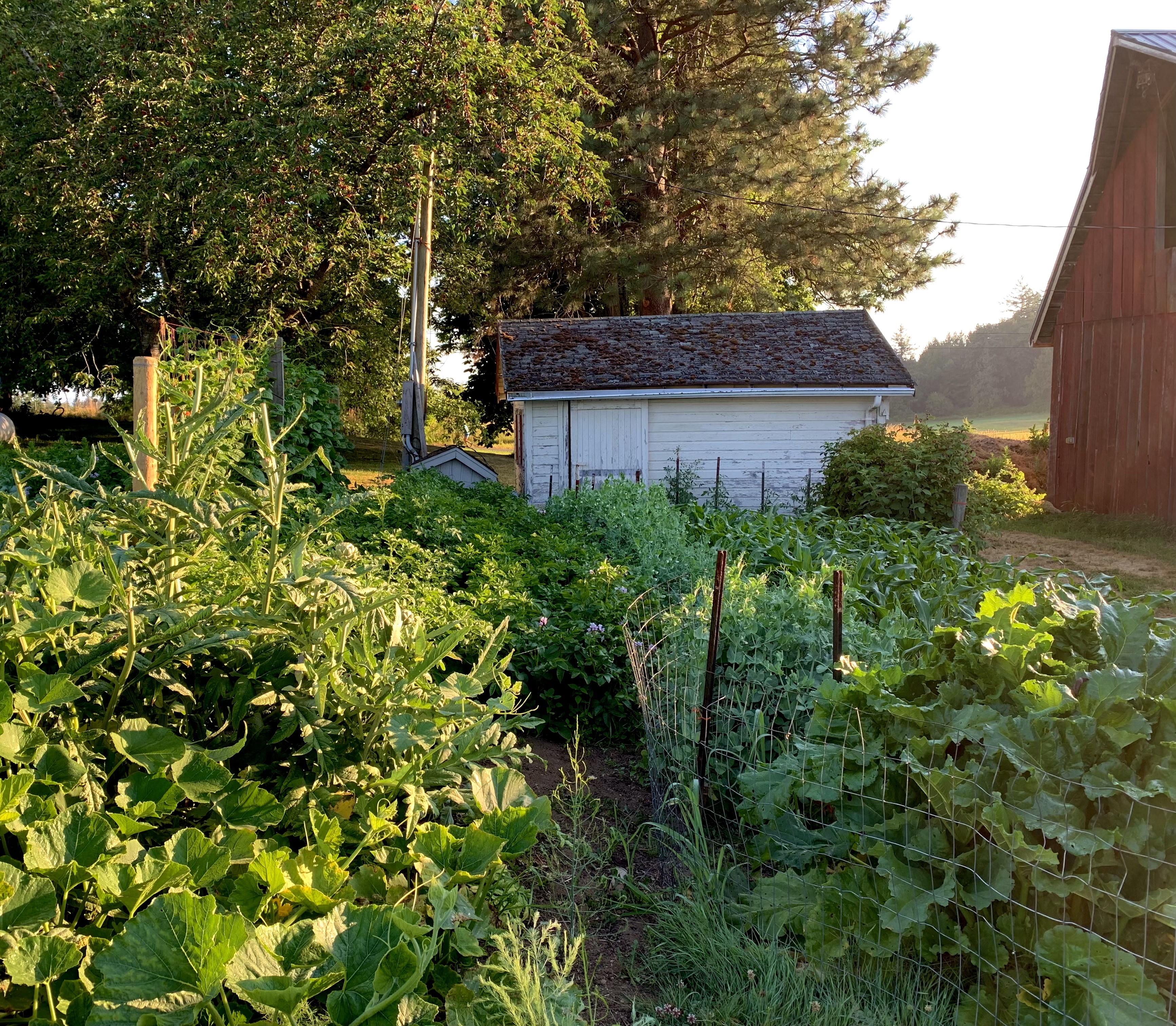
Our garden teaches us all kinds of life lessons, thanks to my husband’s hours of hard work preparing the soil, planting carefully and nurturing the emerging seedlings.
No garden tends itself – the growing plants reach out for connection to one another, for stability and companionship. The gardener nurtures, defends and harvests with an eye to preparing for the next growing season.
We who have been planted here need one another, interwoven and linked, both visibly and invisibly. I am woven around you and you around me; together we grow and thrive when tended, and as intended.
But more than anything else, we need our Gardener…
AI image created for this post
One-Time
Monthly
Yearly
Make a one-time or recurring donation to support daily Barnstorming posts
The clouds are low as a blanket. Even the air is tangible, and the steam from the kettle thickens the air like wool. Harvest is full on us; the pressure to preserve builds like a thunderhead.
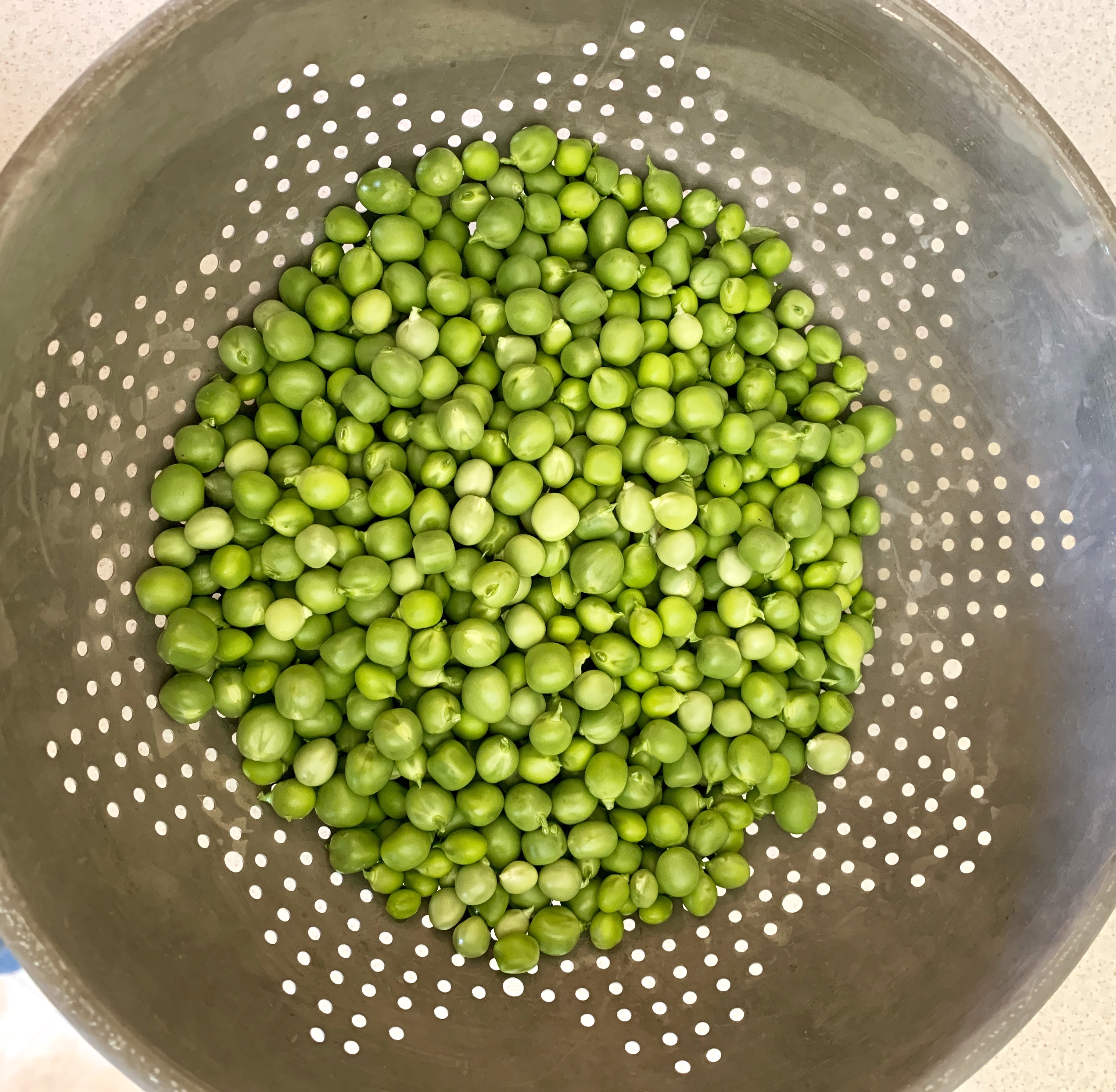
Shelling peas is fun at first, slitting open the perfect pods, working in rhythm to the pelter of peas ringing in the pot. But then our arms and shoulders ache, the seeds rattle, hollow as bones, and though we should rejoice, another bushel groans before us.
But there in the blancher, the new peas shine fresh and wet, green as emeralds; summer’s sweetness, to be shelved with the long ripe days, eaten with relish, as the butter and juice run in our mouths rare as dandelion wine. ~Barbara Crooker “Putting Up”
My earliest childhood memories include the taste and smell of fresh peas. We lived in farming country north of Seattle where 50 years ago hundreds of acres of peas were grown for canning and freezing. During the harvest, large pea harvesting machines would arrive for several days and travel down the road in caravans of 10 or 12, going from farm to farm to farm. They worked 24 hours a day to harvest as quickly as possible and traveled the roads late at night because they were so huge, they would take up both lanes of the country roads. Inevitably a string of cars would form behind the pea harvesters, unable to pass, so it became a grand annual parade celebrating the humble pea.
The smell in the air when the fields were harvested was indescribable except to say it was most definitely a “green” and deliciously fresh smell. The vines and pods would end up as silage for cattle and the peas would be separated to go to the cannery. I figured those peas were destined for the city dwellers because in our back yard garden, we grew plenty of our own.
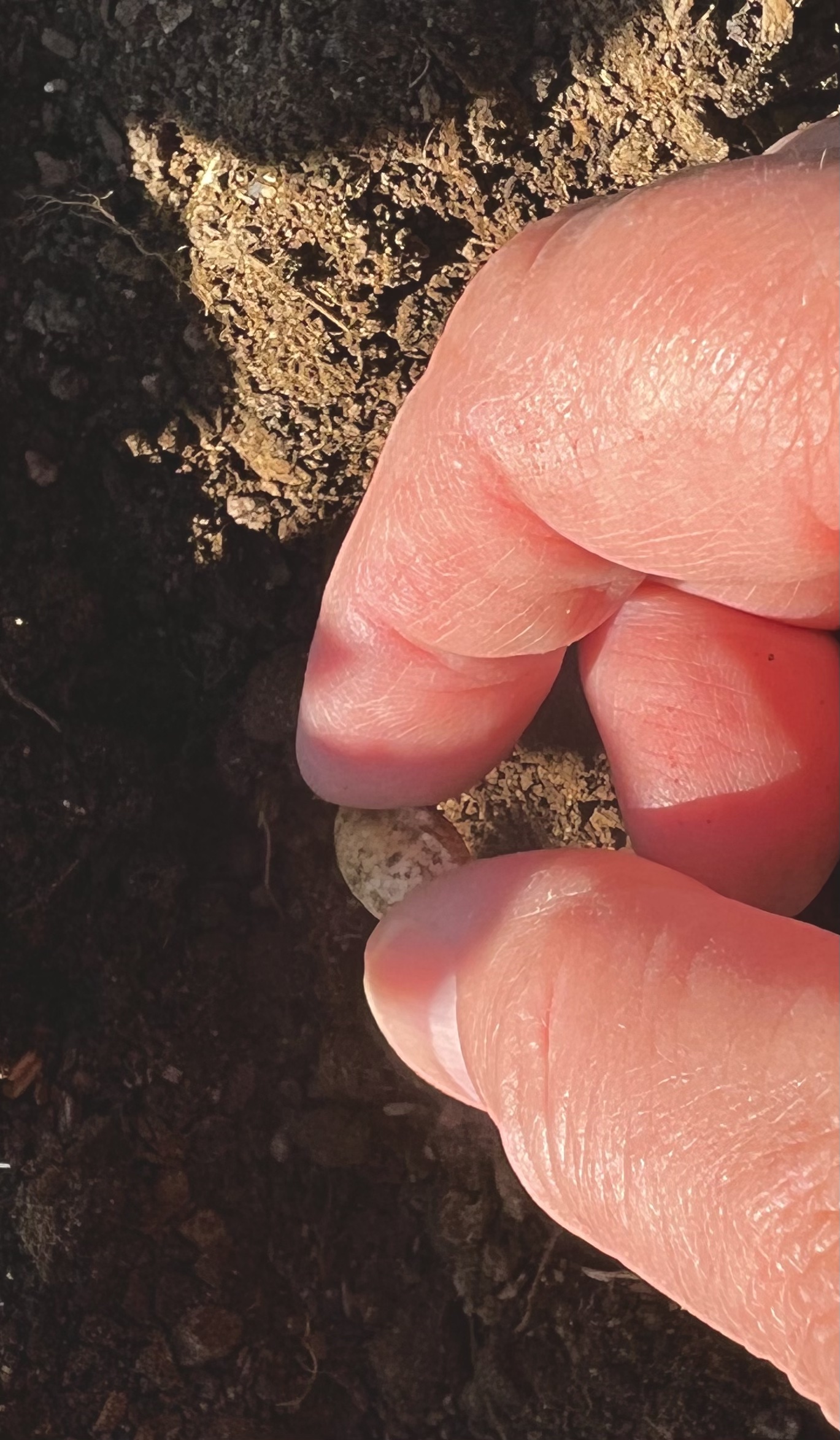
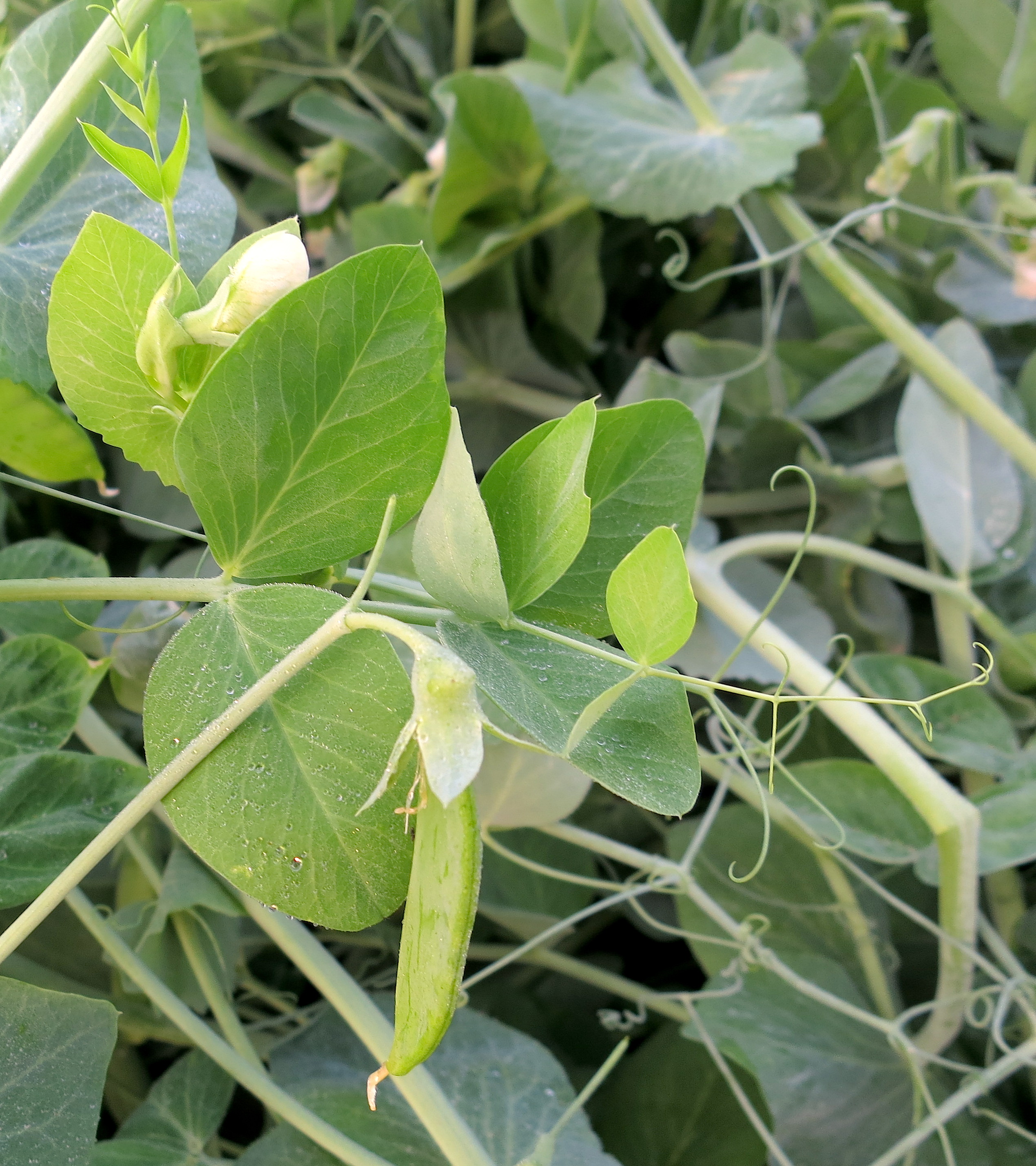
Pea seeds, wrinkled and frankly a little boring, could be planted even before the last frost was done with us in March, or even sometimes on Washington’s birthday in February. The soil needed to not be frozen and not be sopping. True, the seeds might sit still for a few weeks, unwilling to risk germination until the coast was clear and soil warmed a bit, but once they were up out of the ground, there was no stopping them. We would generally have several rotations growing, in the hope of a 6 week pea eating season if we were fortunate, before the heat and worms claimed the vines and the pods.
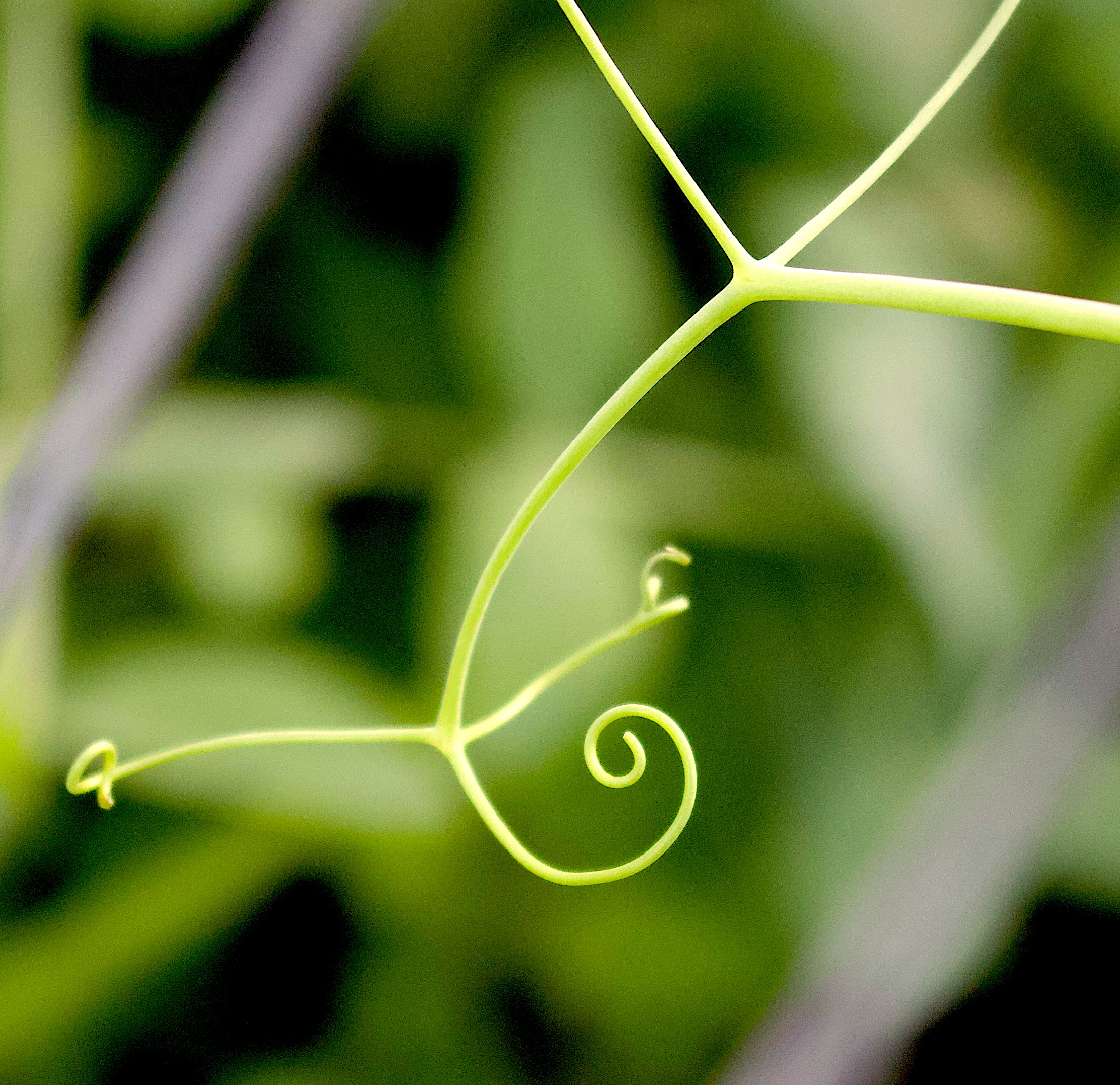
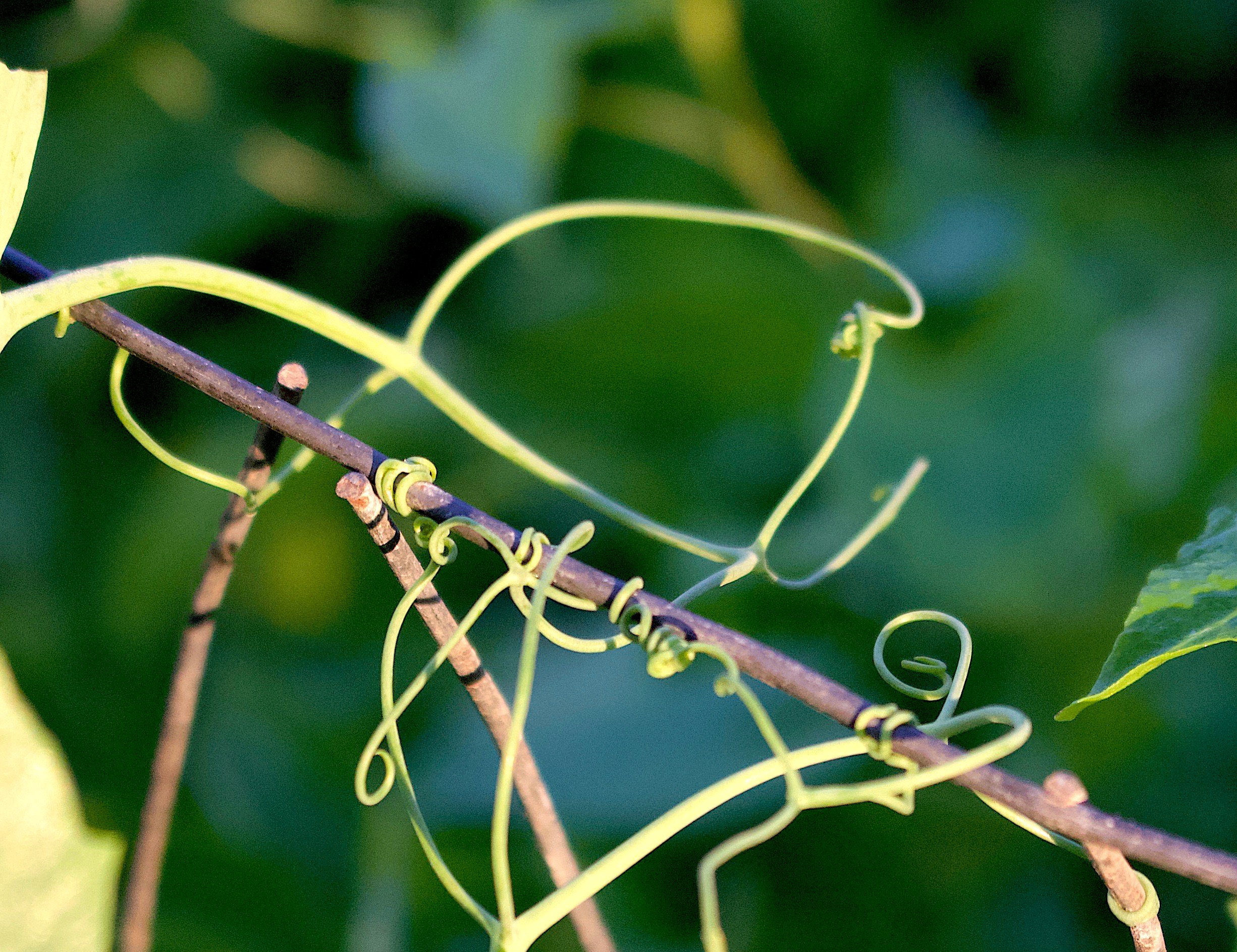
We always planted telephone peas, so the support of the vines was crucial–we used hay twine run up and down between two taut smooth wires attached high and low between two wooden posts. The vines could climb 6 feet tall or better and it was fascinating to almost literally watch the pea tendrils wind their way around the strings (and each other), erotically clinging and wrapping themselves in their enthusiasm.
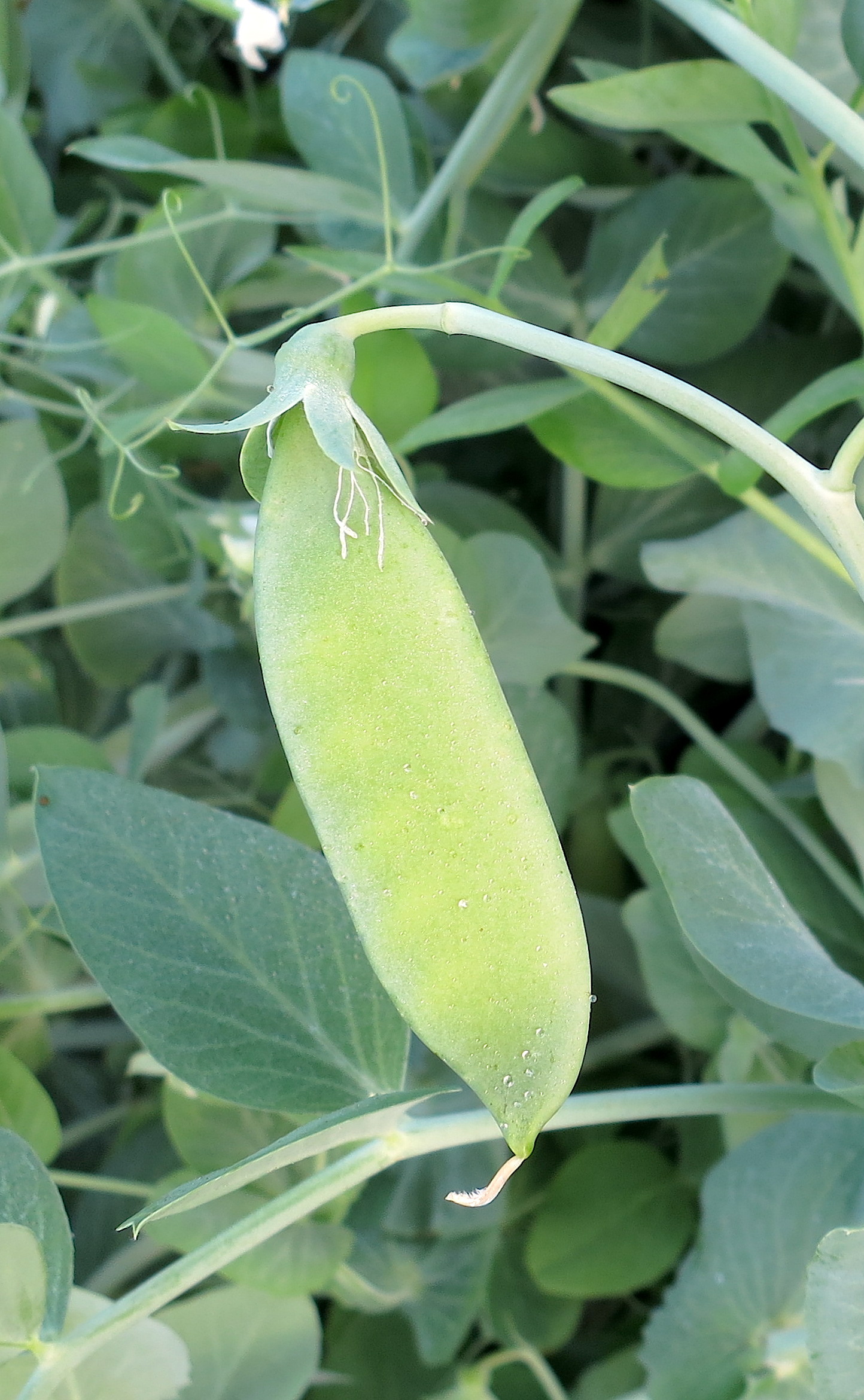
Once the pods start to form, impatience begins. I’d be out in the garden every day copping feels, looking for that first plump pod to pick and pop open. It never failed that I would pick too soon, and open a pod to find only weenie little peas, barely with enough substance to taste. Within a day or two, however, the harvest would be overwhelming, so we’d have to pick early in the morning while the peas were still cool from the night dew.
Then it was shelling time, which involved several siblings on a back porch, one mother supervising from a distance to make sure there weren’t too many peas being pelted in pique at an annoying little brother, and lots of bowls to catch the peas and the pods. A big paper sack of intact pods would yield only a few cups of peas, so this was great labor for small yield. Opening a pod of peas is extremely satisfying though; there is a tiny audible “pop” when the pod is pressed at the bottom, and then as your thumb runs down the inner seam of the pod loosening all the peas, they make a dozen little “pings” in the bowl when they fall. A symphony of pea shelling often was accompanied by the Beach Boys and the Beatles.
Once the weather got hot, the pea worms would be at work in the pods, so then one encountered wiggly white larvae with little black heads and their webs inside the pods. We actually had a “Wormie” song we sung when we found one, even in the 60’s recognizing that our organic garden meant sharing the harvest with crawling protein critters. The peas would be bored through, like a hollowed out jack o’lantern, so those got dumped in the discard bowl.
The dull green coat of the raw pea turns bright green during the several minutes of blanching in boiling water, then they are plunged into ice water until cool and packed in ziplock bags. Those peas are welcomed to the table during the other 11 months out of the year, sometimes mixed with carrots, sometimes with mushrooms, sometimes chased with a little fresh garlic. They are simply the most lovely food there is other than chocolate.
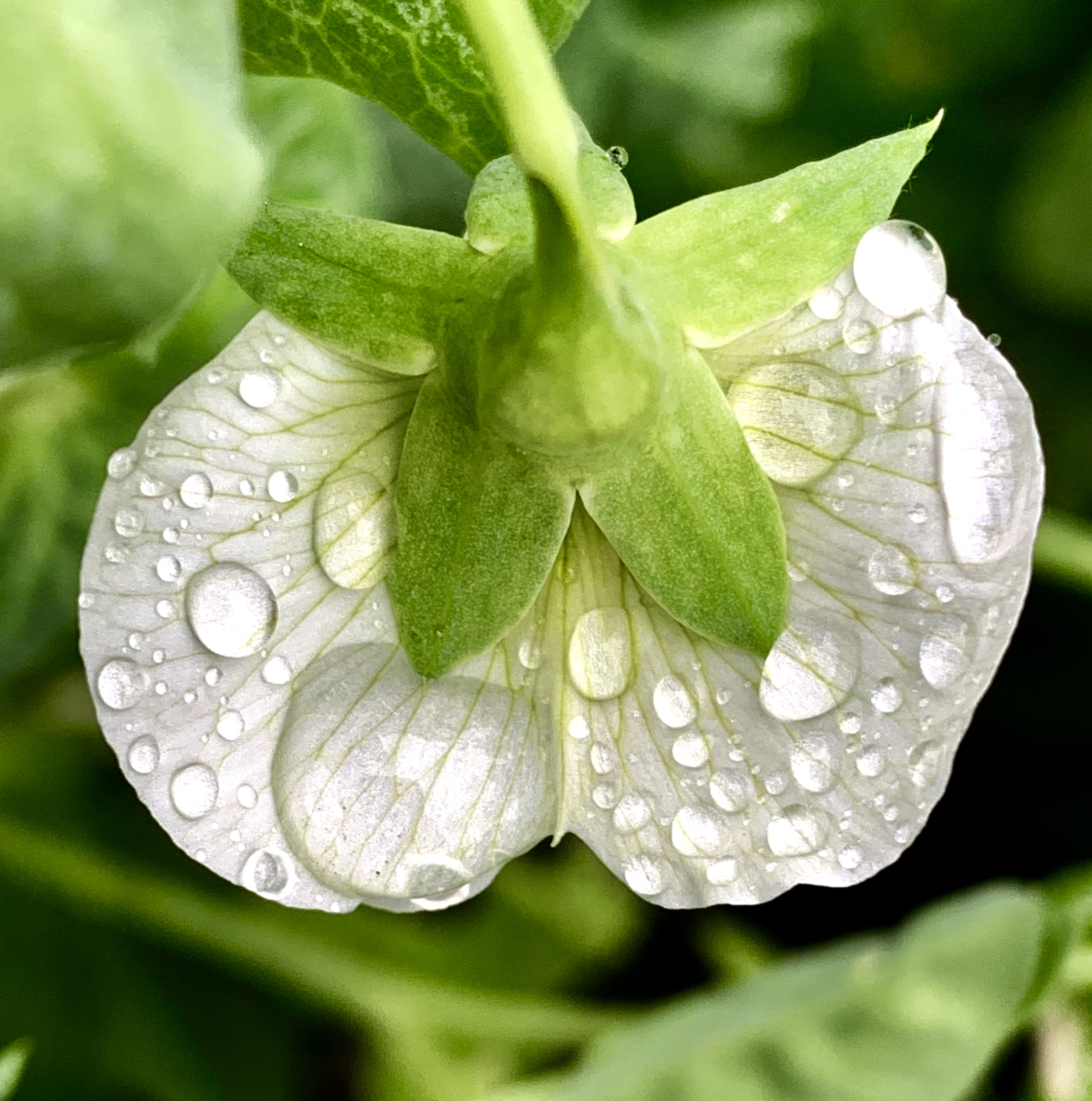
From an undistinguished pea seed to intricate vines and coiling tendrils–from pregnant pods bursting at the seams to a bounty at meals: the humble pea does indeed deserve a grand parade in the middle of the night.
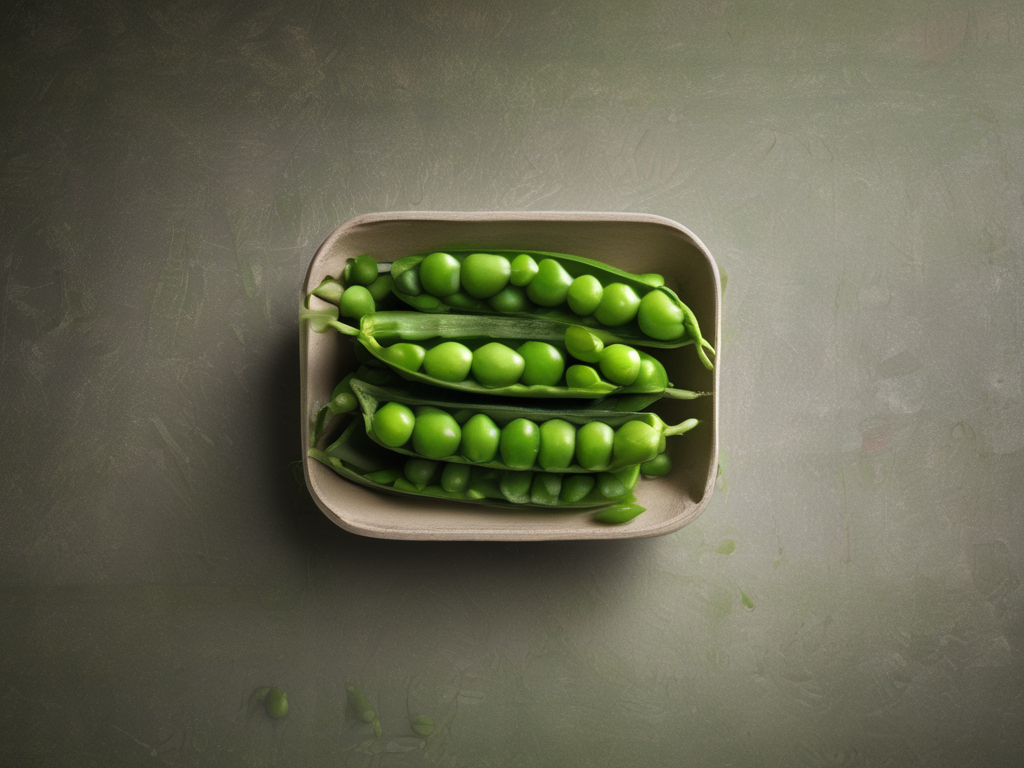
AI image generated for this post
One-Time
Monthly
Yearly
Make a one-time or recurring donation to support daily Barnstorming posts
There comes the strangest moment in your life, when everything you thought before breaks free— what you relied upon, as ground-rule and as rite looks upside down from how it used to be.
Your heart’s in retrograde. You simply have no choice. Things people told you turn out to be true. You have to hold that body, hear that voice. You’d have sworn no one knew you more than you.
This disease of being “busy” (and let’s call it what it is, the dis-ease of being busy, when we are never at ease) is spiritually destructive to our health and wellbeing.
It saps our ability to be fully present with those we love the most in our families, and keeps us from forming the kind of community that we all so desperately crave.
Tell me you remember you are still a human being, not just a human doing. Tell me you’re more than just a machine, checking off items from your to-do list. Have that conversation, that glance, that touch. Be a healing conversation, one filled with grace and presence.
Put your hand on my arm, look me in the eye, and connect with me for one second. Tell me something about your heart, and awaken my heart. Help me remember that I too am a full and complete human being… ~Omid Safi from The Disease of Being Busy
It has been nearly three years since I hung up my stethoscope. I’m no longer paid to be very busy. It isn’t feeling strange to wake up with no “job” to go to.
I still am vigorously treading water but with no destination in mind other than to stay afloat. It’s enough to just move and breathe in this new and strangely unfamiliar territory.
It was scary at first, backing off from all-consuming clinic responsibilities, yet knowing I was becoming less effective due to my diminishing passion and energy for the work. I’d been working in some capacity for over fifty years, starting in high school.
I could barely remember who I was before I became a physician.
So here I am — changed and changing — volunteering here and there, budding and blooming in new colors and shapes, exercising a different part of my brain, and simply praying I make good use of the time left to me, being something as worthwhile as what I had been doing.
So, once again, my days have become… strangely beautiful… in ways I could never have imagined.
AI image created for this post
One-Time
Monthly
Yearly
Make a one-time or recurring donation to support daily Barnstorming posts
He has made everything beautiful in its time. He has also set eternity in the human heart; yet no one can fathom what God has done from beginning to end. Ecclesiastes 3:11
Now all the doors and windows are open, and we move so easily through the rooms. Cats roll on the sunny rugs, and a clumsy wasp climbs the pane, pausing to rub a leg over her head.
All around physical life reconvenes. The molecules of our bodies must love to exist: they whirl in circles and seem to begrudge us nothing. Heat, Horatio, heat makes them put this antic disposition on!
This year’s brown spider sways over the door as I come and go. A single poppy shouts from the far field, and the crow, beyond alarm, goes right on pulling up the corn. ~Jane Kenyon “Philosophy in Warm Weather” from The Boat of Quiet Hours
Whether weather is very hot or very cold, so go our molecules — our atoms are awhirl in order to keep us upright whether we sweat or whether we shiver.
Our doors and windows are flung wide open for fresh air; I’m seeing and hearing and feeling all that I can absorb, to never forget I am a human witness to nothing new under the sun.
Like a dog trying to catch its tail, I’m whirling in circles, round and round, trying to grab hold to a part of me that always manages to elude me.
All things are wearisome, more than one can say. The eye never has enough of seeing, nor the ear its fill of hearing. What has been will be again, what has been done will be done again; there is nothing new under the sun. Ecclesiastes 1: 8-9
AI image created for this post
One-Time
Monthly
Yearly
Make a one-time or recurring donation to support daily Barnstorming posts
Who loves the rain And loves his home, And looks on life with quiet eyes, Him will I follow through the storm; And at his hearth-fire keep me warm; Nor hell nor heaven shall that soul surprise, Who loves the rain, And loves his home, And looks on life with quiet eyes. ~Frances Shaw, “Who loves the rain” from Look To the Rainbow of Grace
Now more than ever you can be generous toward each day that comes, young, to disappear forever, and yet remain unaging in the mind. Every day you have less reason not to give yourself away. ~Wendell Berry from “There is no going back”
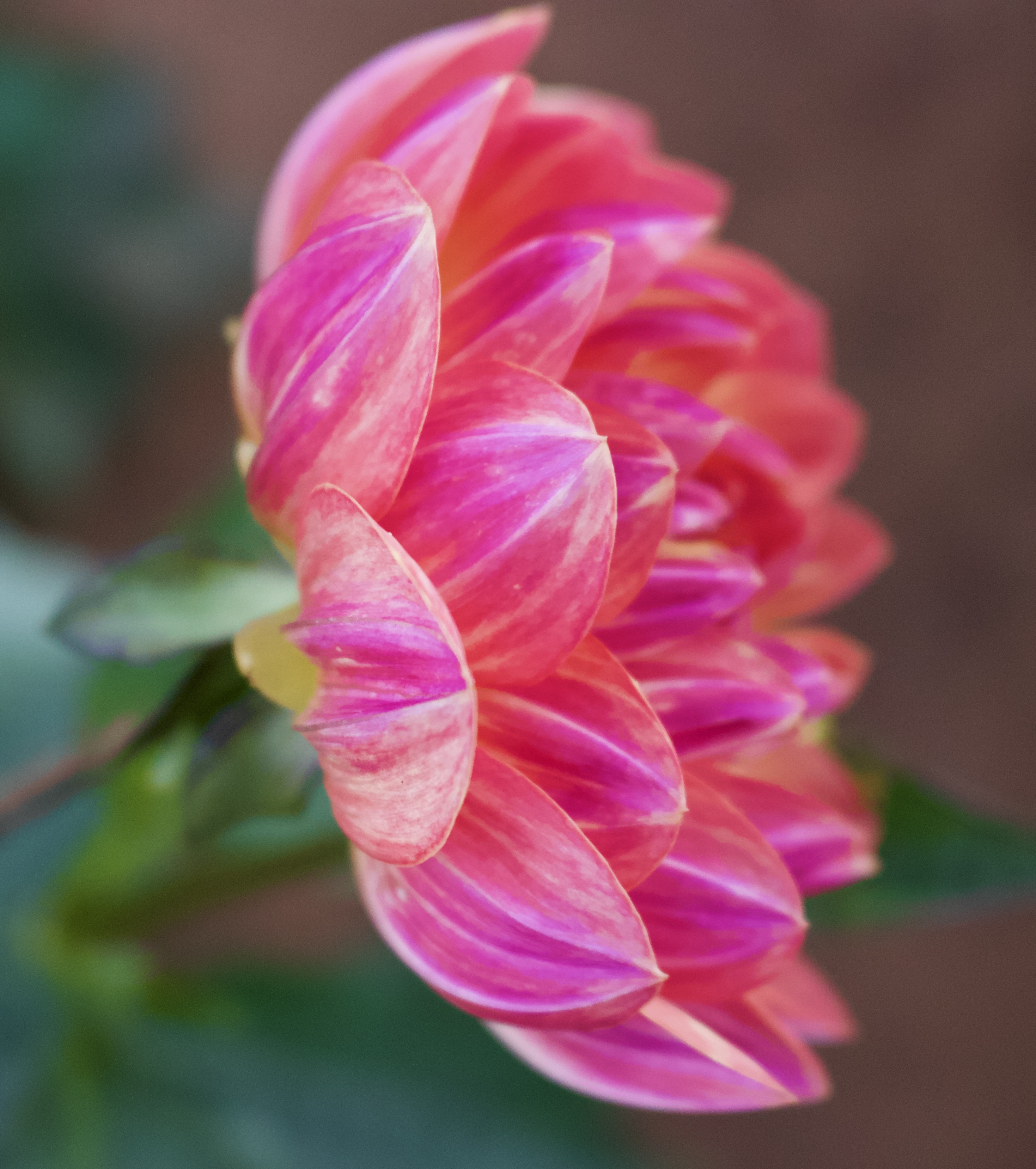
Thinking out loud on this day you were born, I thank God yet again for bringing you to earth so we could meet, raise three amazing children, and walk this journey together with pulse and breath and dreams.
The boy you were became the man you are: so blessed by God, needed by your family, church and community.
You give yourself away every day with such grace, loved by your children and grandchildren.
It was your quiet brown eyes I trusted first and just knew I’d follow you anywhere and I have.
In this journey together, we inhabit each other, however long may be the road we travel; you have become the air I breathe, refreshing, renewing, restoring~~ you are that necessary to me, and that beloved.
One-Time
Monthly
Yearly
Make a one-time or recurring donation to support daily Barnstorming posts
When I was with the green hummingbird, it became the company I didn’t know I needed. We spent our mornings together, and after it went its way, I read and wrote.
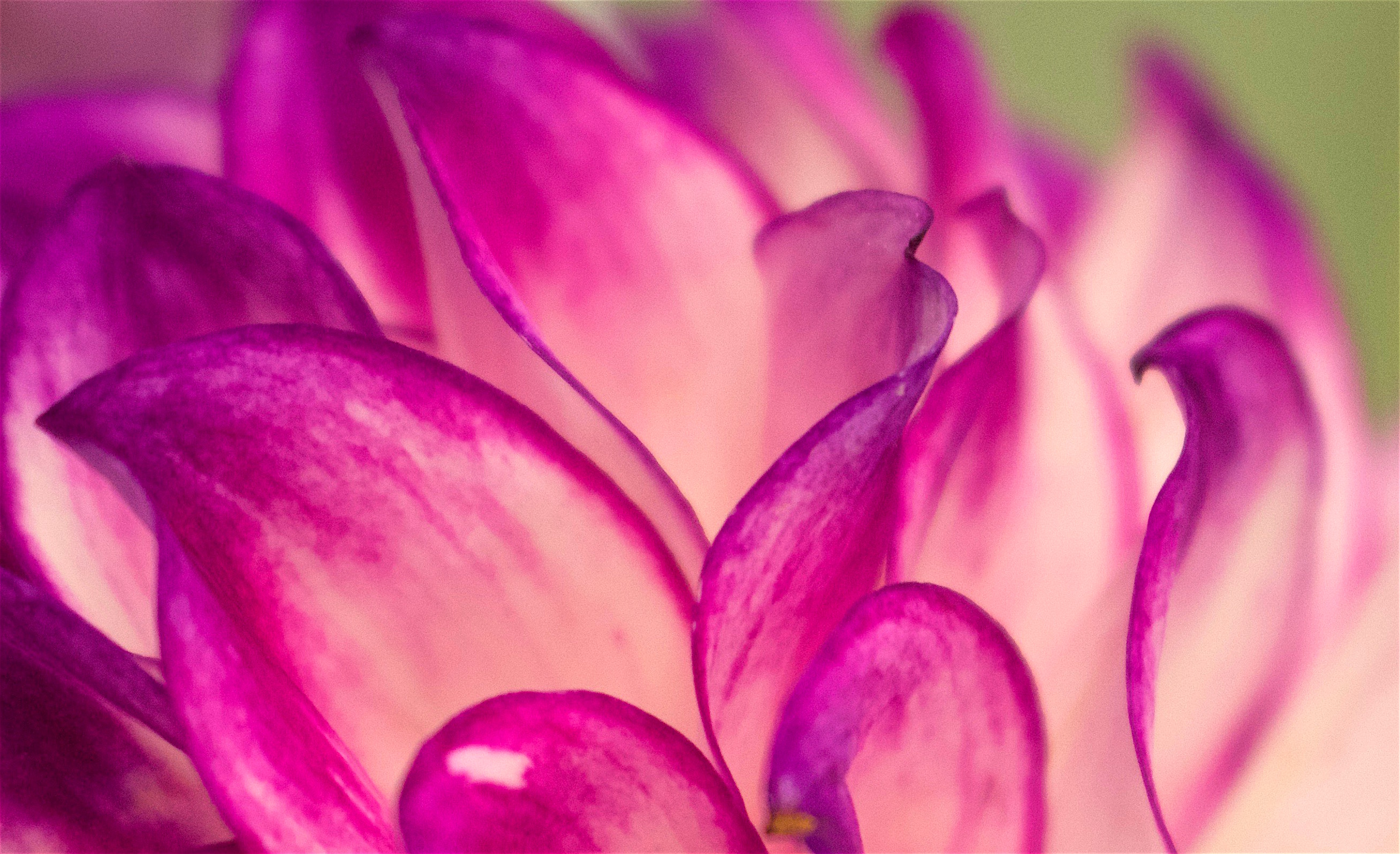
…a hummingbird, essential company in the endless journey through dead-ends, restarts, and new beginnings – as well as a reminder of the beauty of the world, the power of the sun, the rain, love, and life, all packed inside the body of a creature that weighs less than an ounce. A sign that within the smallest detail, the whole world is present, and just as the gravity and magnificence of life is present in the mountains, oceans, stars, and everything larger than life, it is also brilliantly present in its smallest bird. ~Zito Madu from “Hummingbirds are Wondrous” in Plough
(I wrote this 15 years ago on July 6 and have updated it with an addendum)
I remember childhood summers as 3 months of full-out celebration– long lazy days stretching into nights that didn’t seem to really darken until 11 PM and bright birdsong mornings starting out at 4:30 AM. Not only were there the brief family vacations at the beach or to visit cousins, but there was the Fourth of July, Daily Vacation Bible School, the county fair, family reunions, and of course and most importantly, my July birthday. Yes, there were mundane chores to be done, a garden to tend, a barn to clean, berries to pick, a lawn to mow and all that stuff, but my memories of summer are mostly about fluff and frolic.
So where are the summer parties now? Who is out there celebrating without me? Nothing seems to be spontaneous as it was when I was a child. Instead, most grown-ups have to go to work most days in the summer.
I’m finding myself in the midst of my 55th summer and I have to create celebrations if they are going to happen in my life. Without that perspective, the bird song at 4:30 AM can feel more irritant than blessing and the long days often mean I fall asleep nodding over a book at 9 PM. I want to treasure every, every minute of this precious time yet they flow through my fingers like so much water, faster and faster.
I realize there will be very few “family” summers left as I watch my children grow into adults and spread their wings. They will be on to new adventures in future summers. So each family ritual and experience together takes on special meaning and needs to be appreciated and remembered.
So….for this summer my family has crammed as much in as we can in celebration of the season:
We just spent some time in the hayfields bringing in the bales with friends–our little crew of seven–sweating and itchy and exhausted, but the sight and smell of several hundred hay bales, grown on our own land, harvested without being rained on and piled in the barn is sweet indeed. Weekly we are out on the softball field in church league, yelling encouragement and high-fiving each other, hooting at the good hits and the bad, the great catches and the near misses, and getting dirty and sprained, and as happy to lose as to win. We had a wonderful July 4 barbeque with good friends culminating in the fireworks show on our farm’s hill overlooking miles of valley around us, appreciating everyone else’s backyard displays as well as our own.
We are now able to sing hymns in church in four part harmony, and last night our children helped lead the singing last night in an evening “campfire church” for over fifty fellow worshipers on our hill. In a couple weeks, we’ll take to the beach for three days of playing in the sand, roasting hot dogs. reading good books, and playing board games. We’ll try to make the trek down to Seattle by train to spend the day watching the Mariners play (and likely lose).
One change after seventeen years of hosting a display of our horses at the Lynden Fair: due to “off the farm” work and school schedules, we can’t muster the necessary round-the-clock crew of being there for our little part of small town agricultural pursuits.
Yet the real party happens right here every day in small ways without any special planning. It doesn’t require money or special food or traveling beyond our own soil. It is the smiles and good laughs we share together, and the hugs for kids taller than I am. It’s adult conversations with the new adults in our family–no longer adolescents.
It’s finding delight in fresh cherries from our own trees, currants and berries from our own bushes, greens from the garden, flowers for the table from the yard.
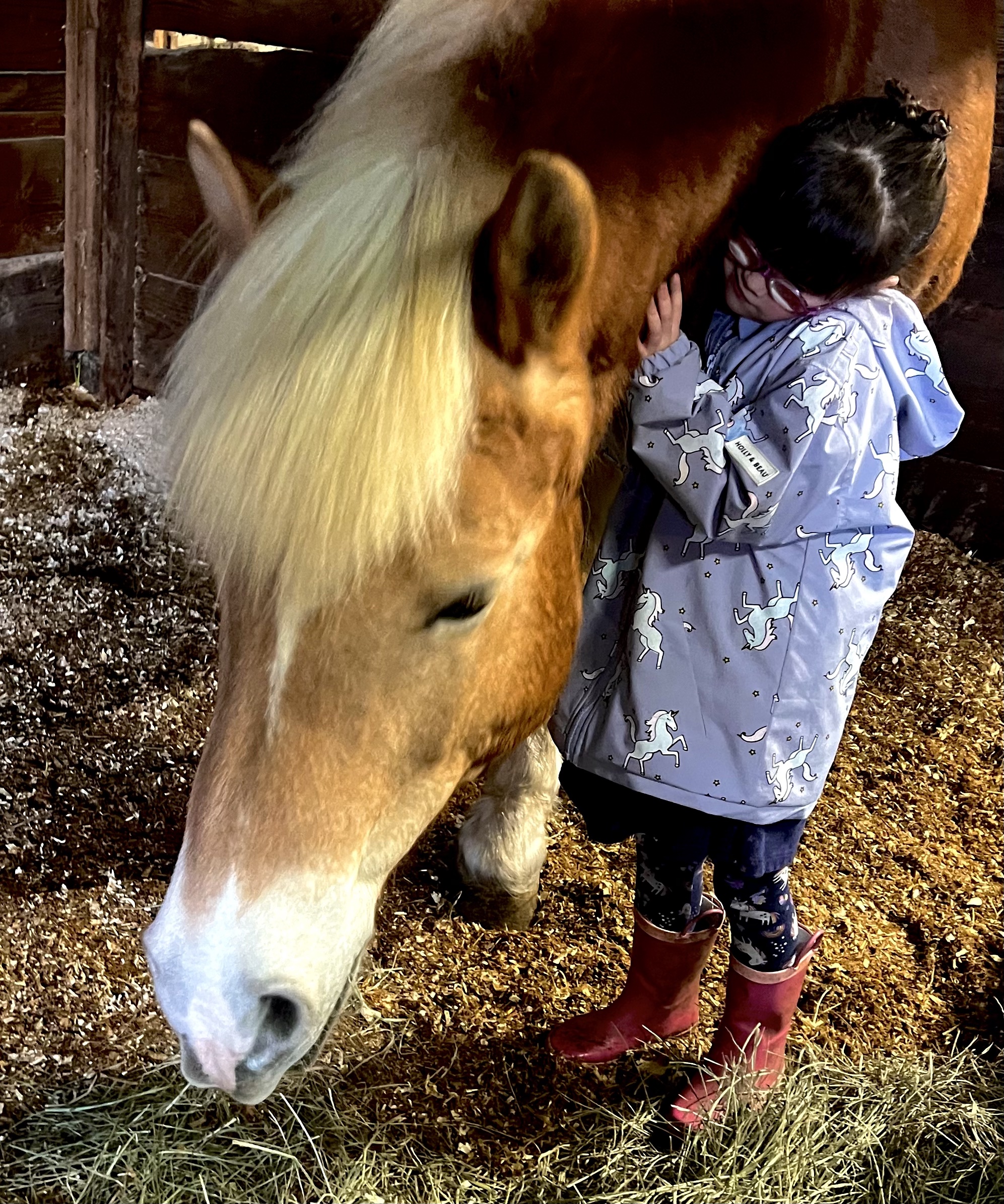
It is the Haflingers in the field that come right up to us to enjoy rubs and scratches and follow us like puppies. It is babysitting for neighborhood toddlers who remind us of the old days of having small children, and who give us a glimpse of future grandparenthood. It is good friends coming from far away to ride our horses and learn farm skills.
It is an early morning walk in the woods or a late evening stroll over the hills. It is daily contact with aging parents who no longer hear well or feel well but nevertheless share of themselves in the ways they are able. It is the awesome power of an evening sunset filled with hope and the calming promise of a new day somewhere else in this world of ours.
Some days may not look or feel like there’s a summer party happening, but that is only because I haven’t searched hard enough. The party is here, sparklers and all, even if only in my own mind.
Addendum: Fifteen years have passed since this was written and I’m glad I can look back and be reminded how full of life those family summers were. We seldom have the full-meal-deal of everyone together at one time, and since our parents have passed on to eternal summers in heaven, we have now the blessings of six grandchildren. Freckles abound!
We still can make a party happen, if only in our own minds.
AI image created for this post
One-Time
Monthly
Yearly
Make a one-time or recurring donation to support daily Barnstorming posts