No Stomach For It…

The thing is
to love life, to love it even
when you have no stomach for it
and everything you’ve held dear
crumbles like burnt paper in your hands,
your throat filled with the silt of it.
When grief sits with you, its tropical heat
thickening the air, heavy as water
more fit for gills than lungs;
when grief weights you like your own flesh
only more of it, an obesity of grief,
you think, How can a body withstand this?
Then you hold life like a face
between your palms, a plain face,
no charming smile, no violet eyes,
and you say, yes, I will take you
I will love you, again.
~Ellen Bass, “The Thing Is” from Mules of Love
...everything here
seems to need us
—Rainer Maria Rilke

It’s a hard time to be human. We know too much
and too little. Does the breeze need us?
If you’ve managed to do one good thing,
the ocean doesn’t care.
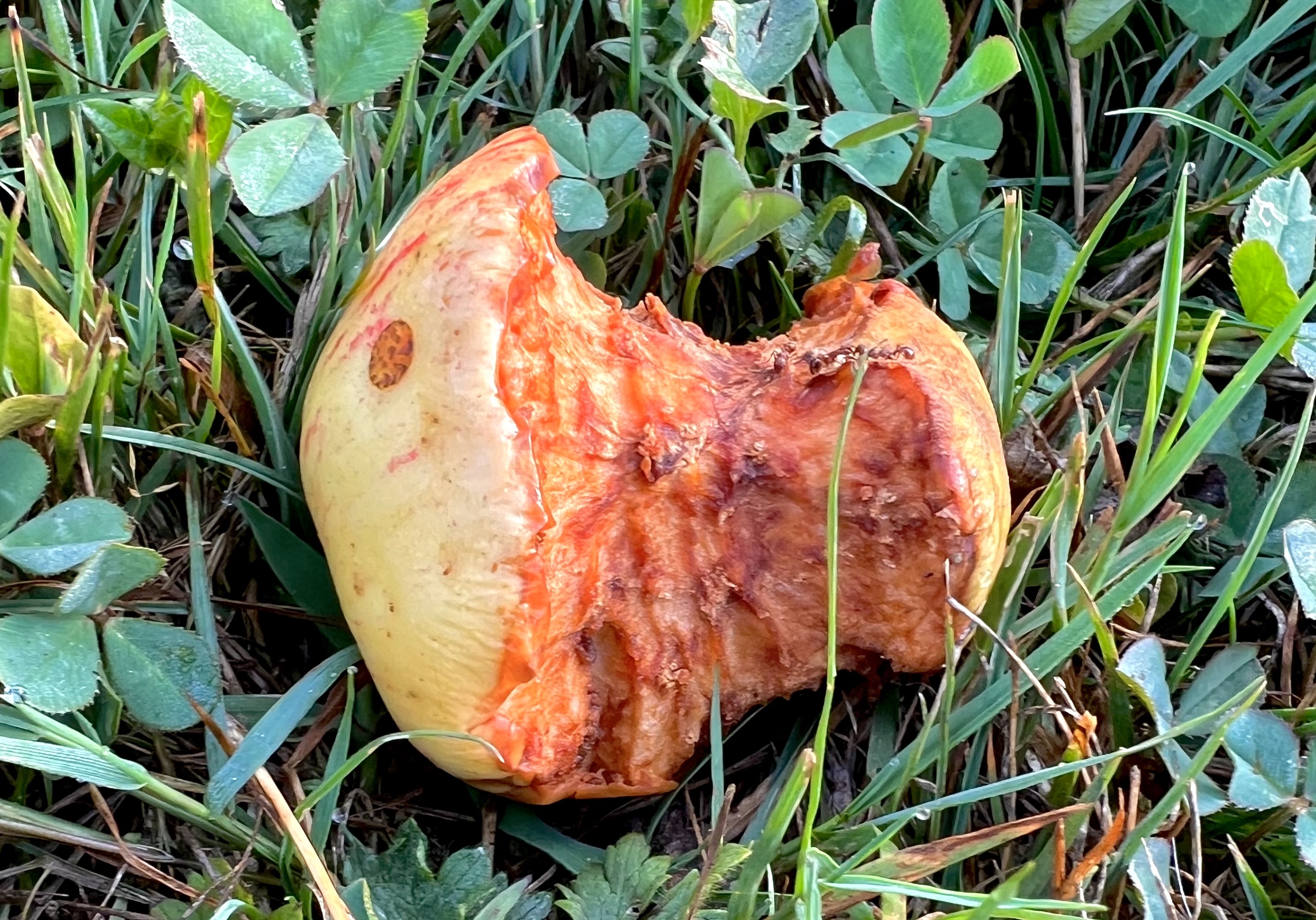
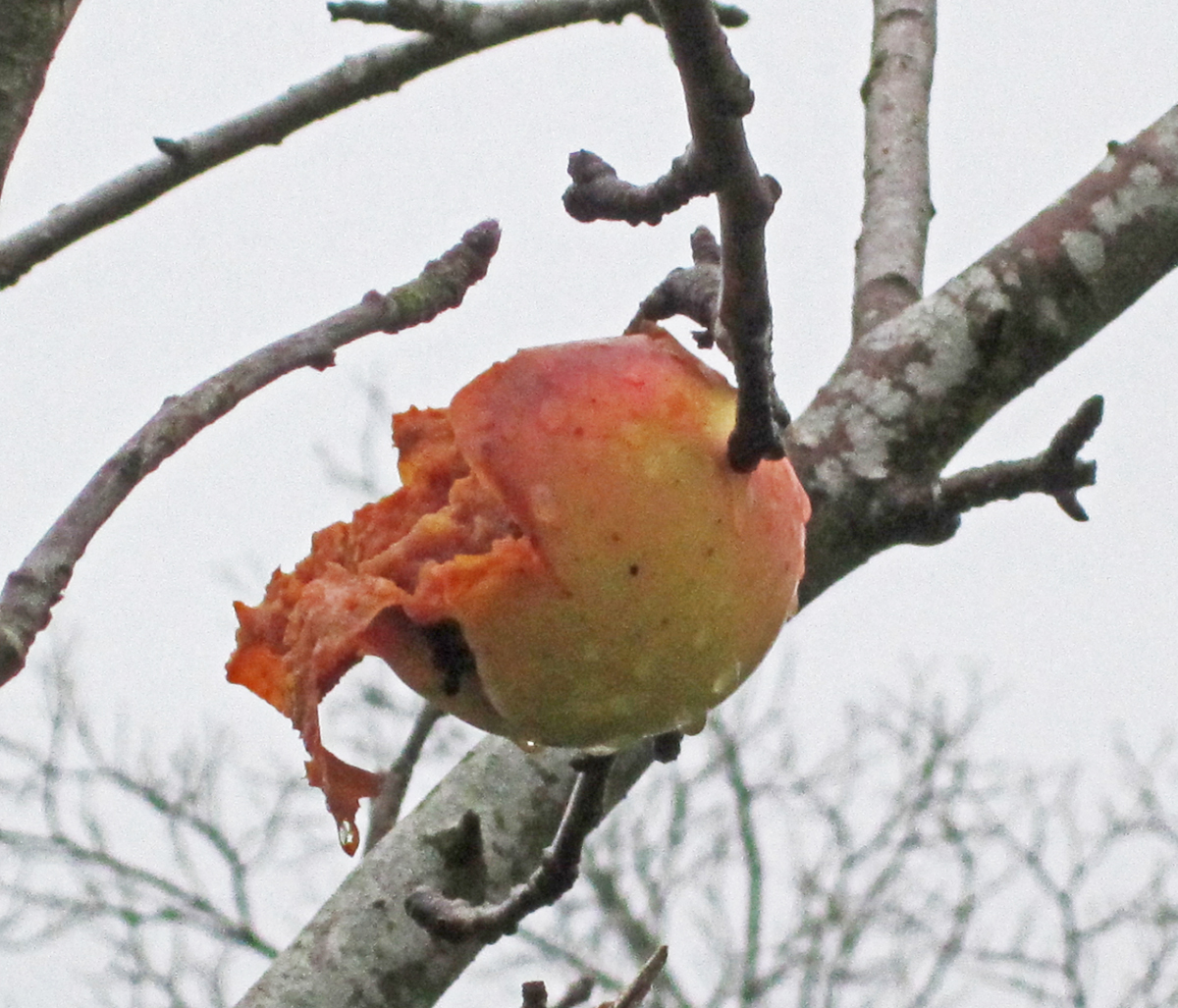
But when Newton’s apple fell toward the earth,
the earth, ever so slightly, fell
toward the apple.

~Ellen Bass from “The World Has Need of You” from Like a Beggar
Fallen leaves will climb back into trees.
Shards of the shattered vase will rise
and reassemble on the table.
Plastic raincoats will refold
into their flat envelopes. The egg,
bald yolk and its transparent halo,
slide back in the thin, calcium shell.
Curses will pour back into mouths,
letters un-write themselves, words
siphoned up into the pen. My gray hair
will darken and become the feathers
of a black swan. Bullets will snap
back into their chambers, the powder
tamped tight in brass casings. Borders
will disappear from maps. Rust
revert to oxygen and time. The fire
return to the log, the log to the tree,
the white root curled up
in the un-split seed. Birdsong will fly
into the lark’s lungs, answers
become questions again.
When you return, sweaters will unravel
and wool grow on the sheep.
Rock will go home to mountain, gold
to vein. Wine crushed into the grape,
oil pressed into the olive. Silk reeled in
to the spider’s belly. Night moths
tucked close into cocoons, ink drained
from the indigo tattoo. Diamonds
will be returned to coal, coal
to rotting ferns, rain to clouds, light
to stars sucked back and back
into one timeless point, the way it was
before the world was born,
that fresh, that whole, nothing
broken, nothing torn apart.

~Ellen Bass “When You Return” from Like a Beggar
There is so much grief these days
so much anger,
so much loss of life,
so much weeping.

How can we withstand this?
How can we know, now,
when we are barely able to breathe
that we might know – at some point –
we might have the stomach to love life again?

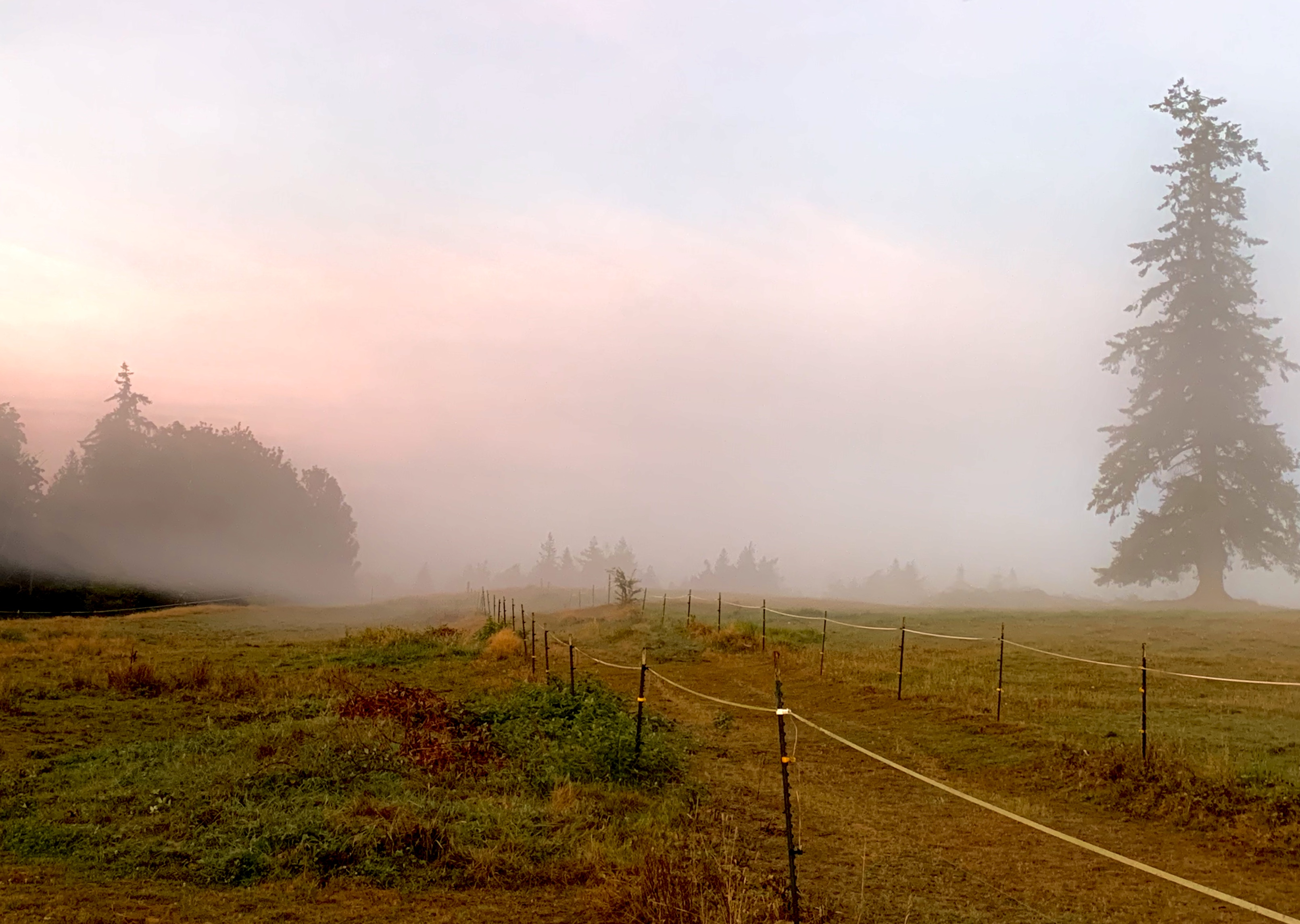
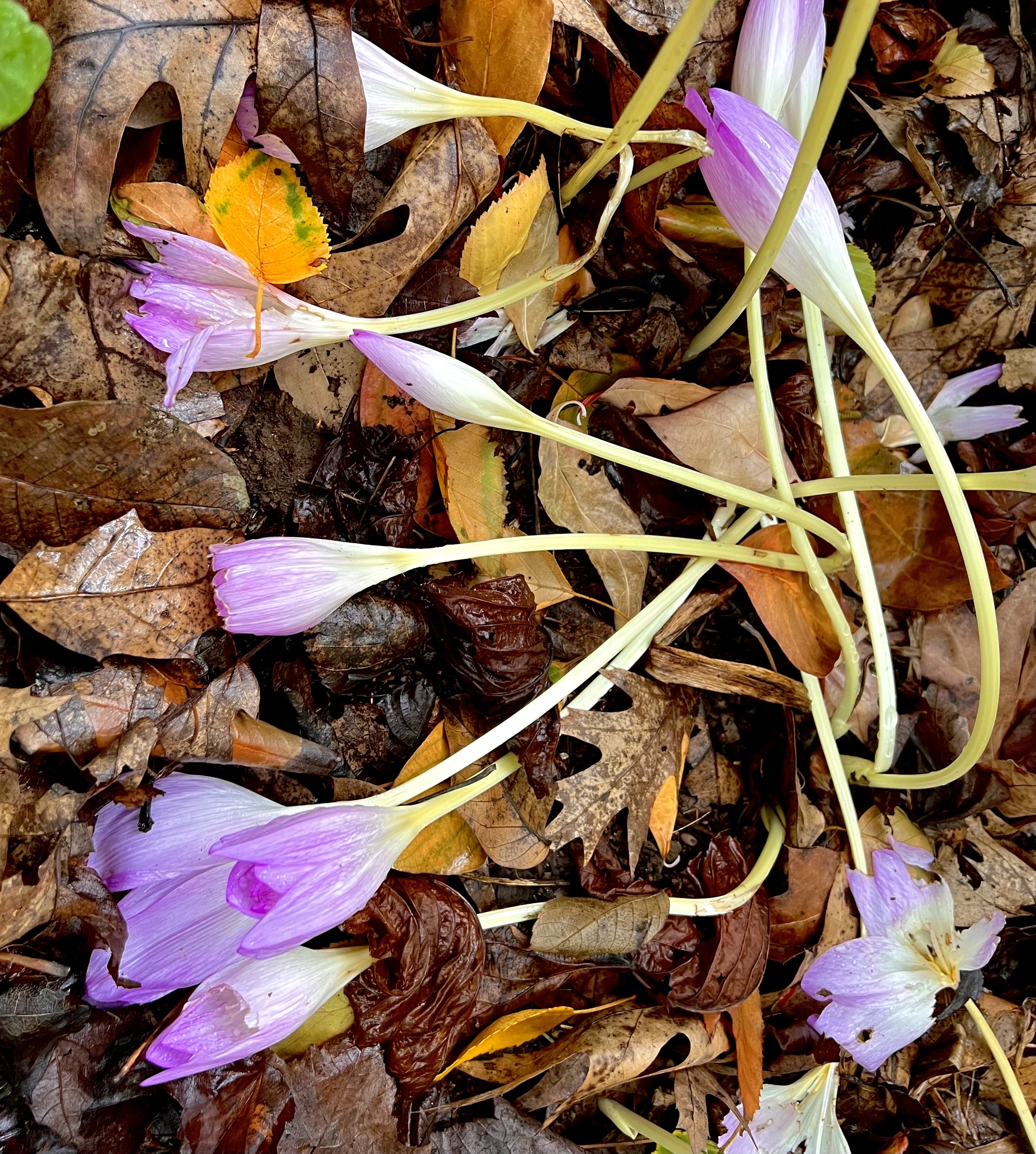
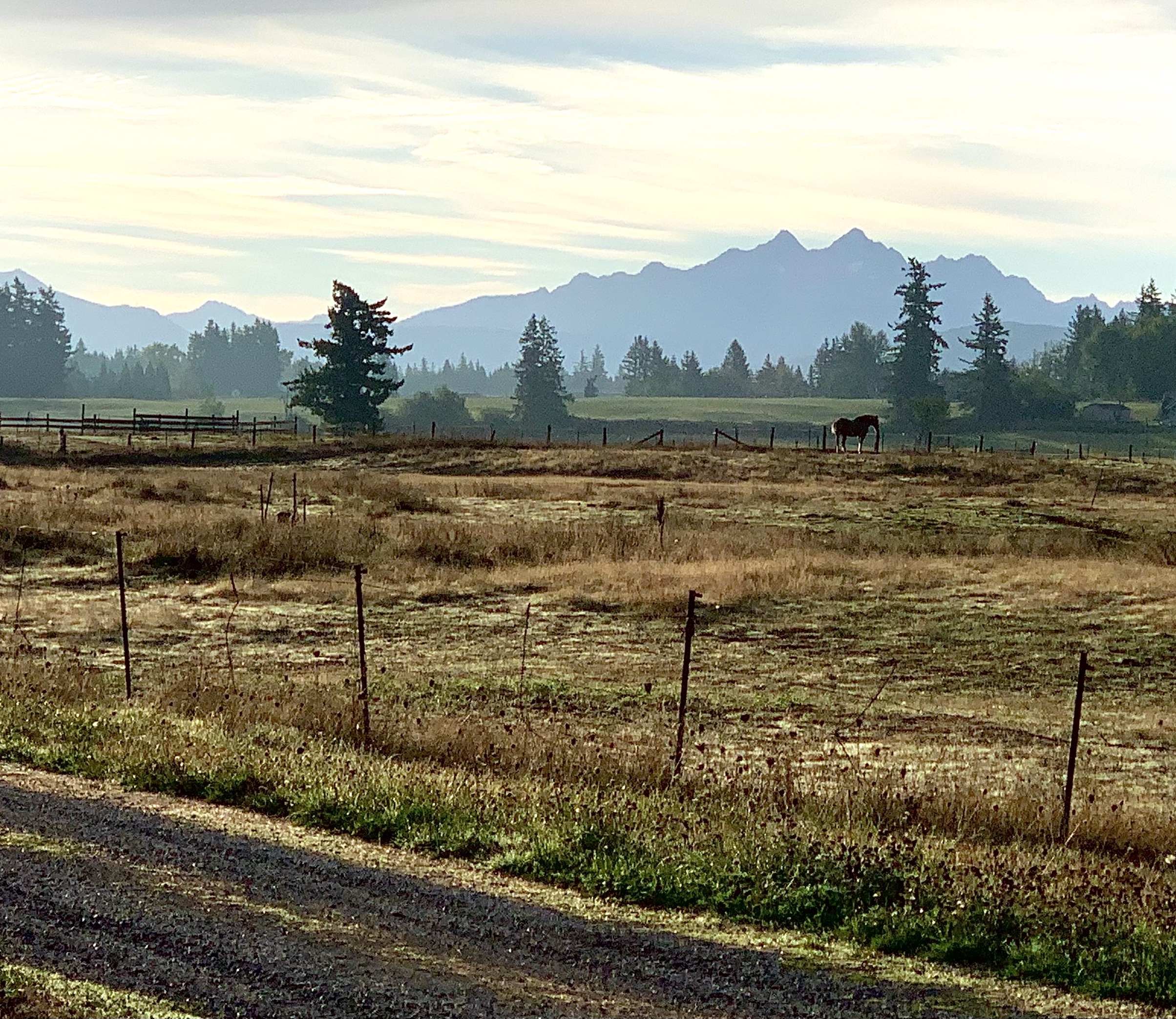
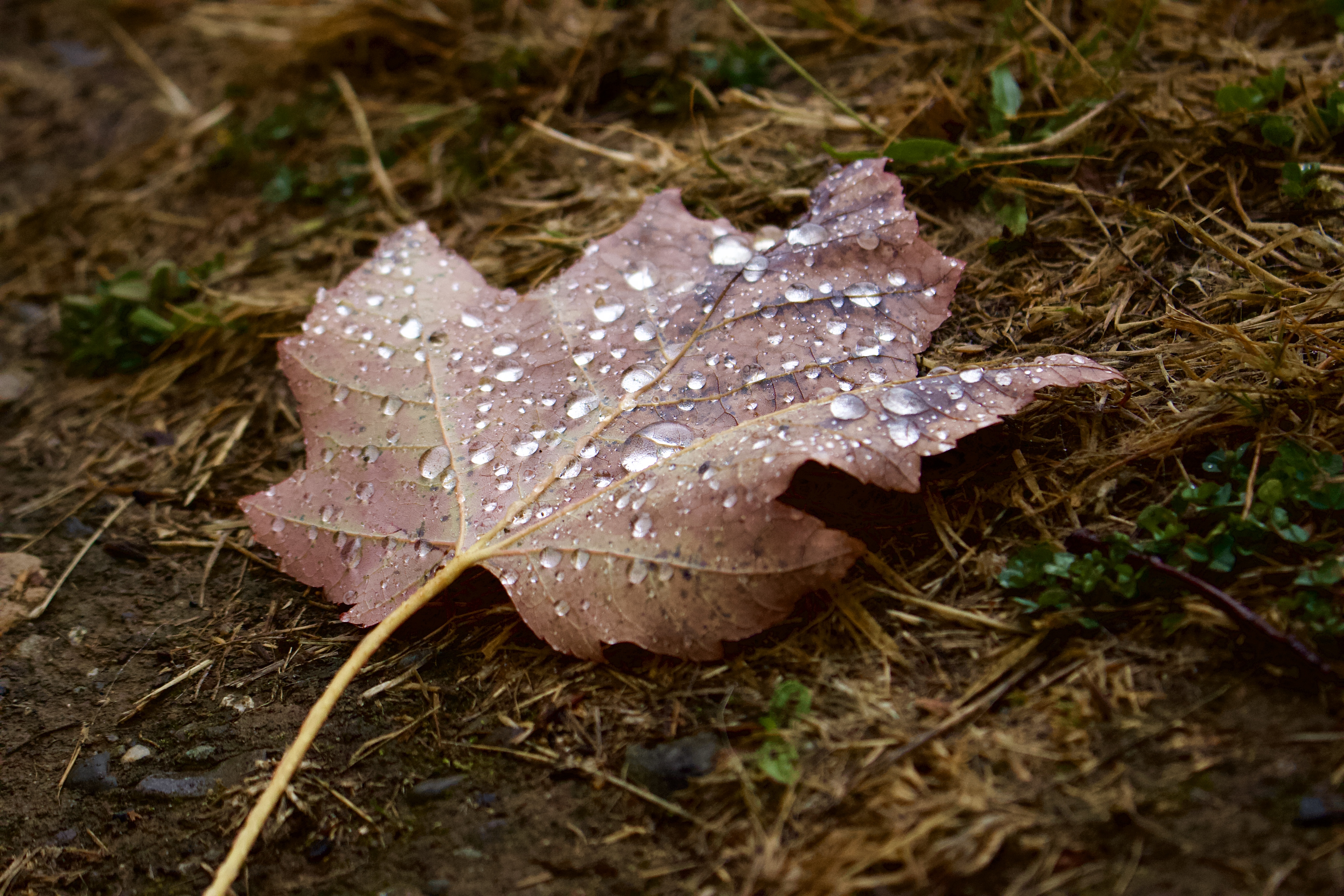
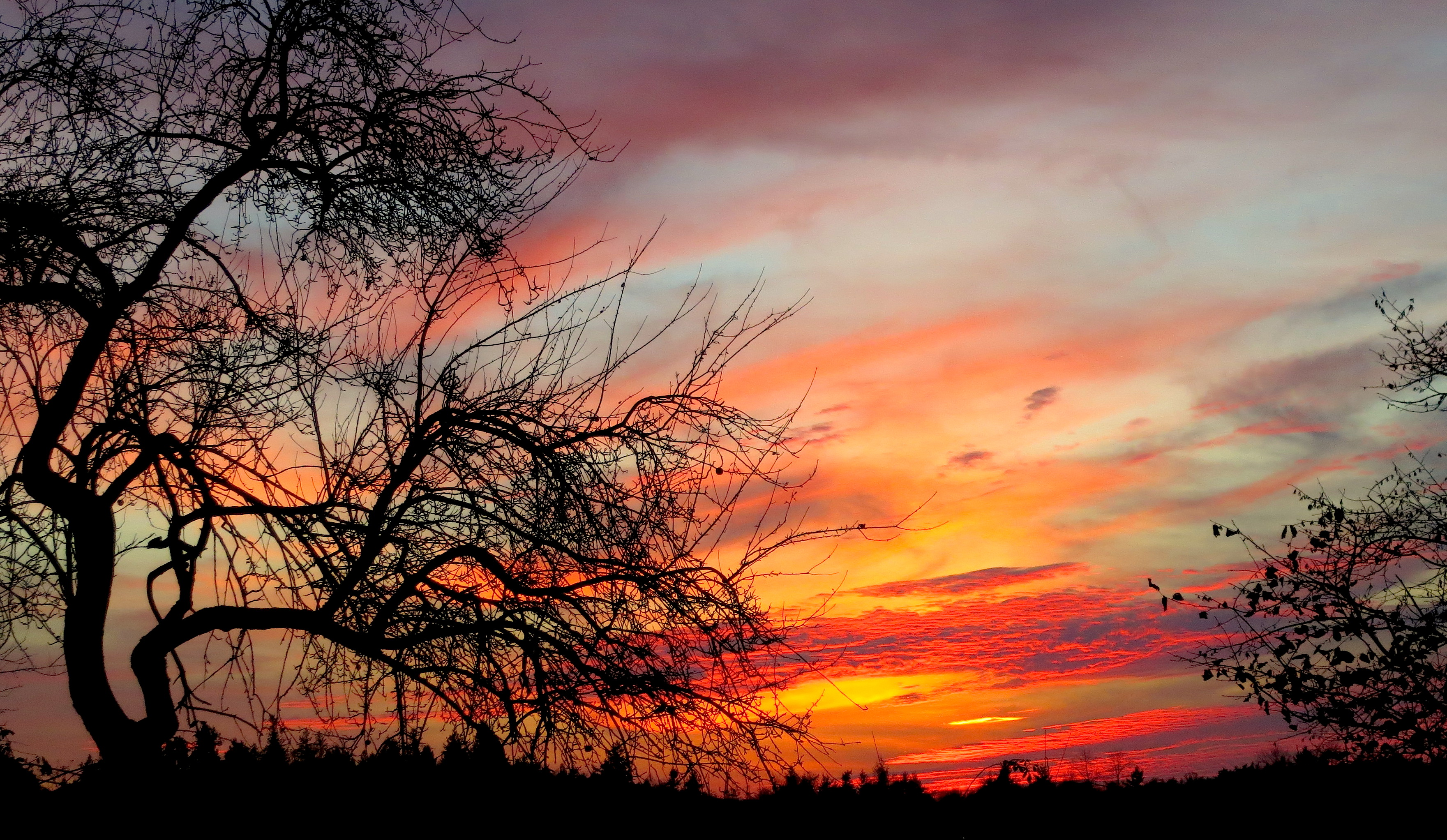
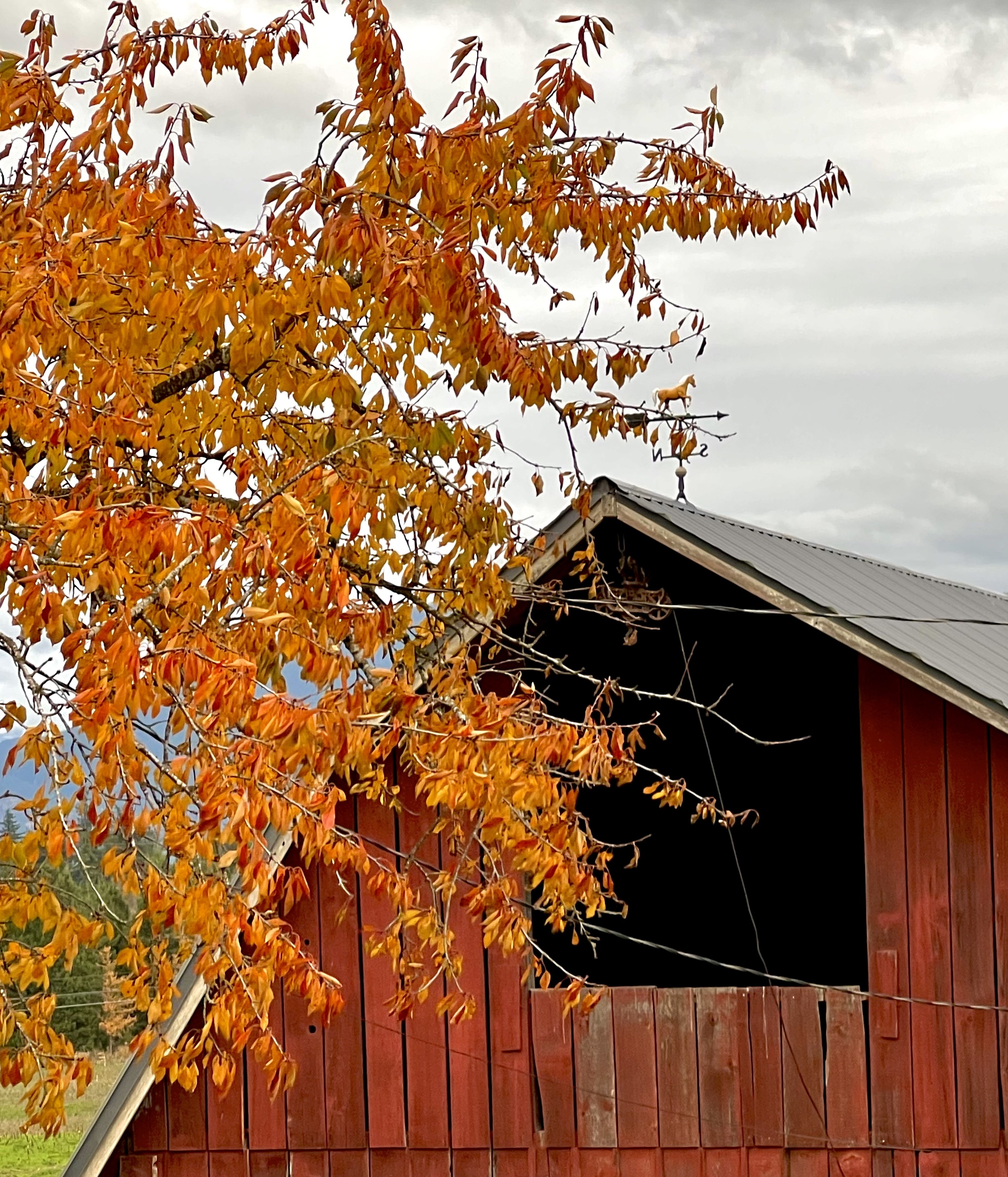
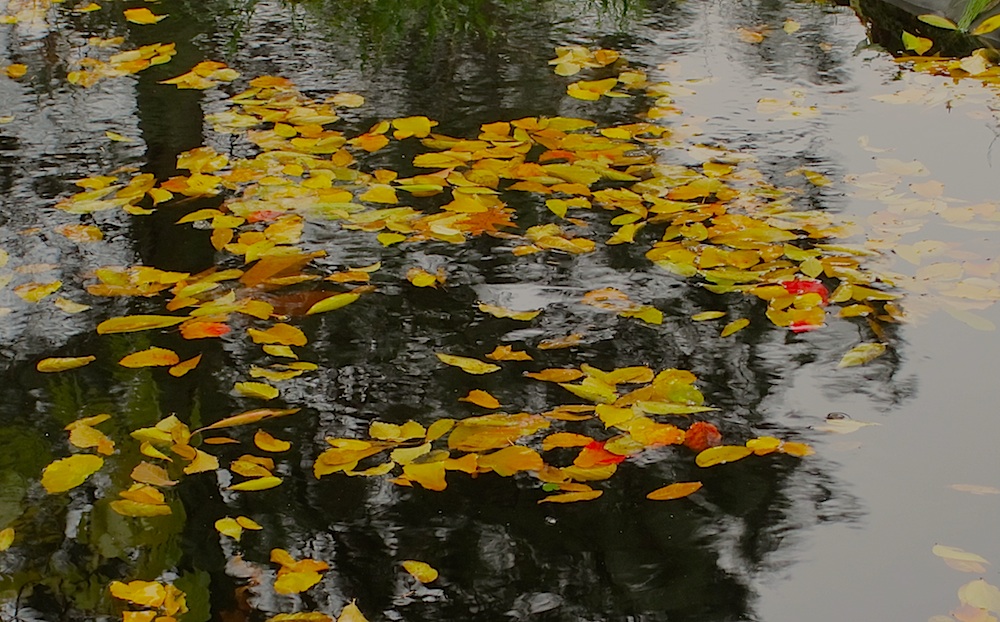
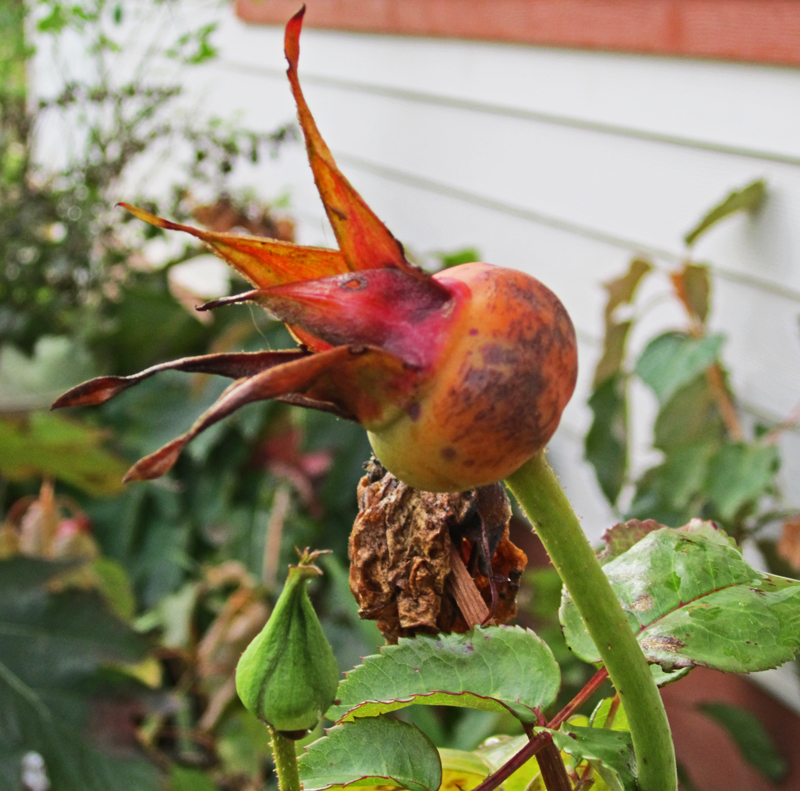
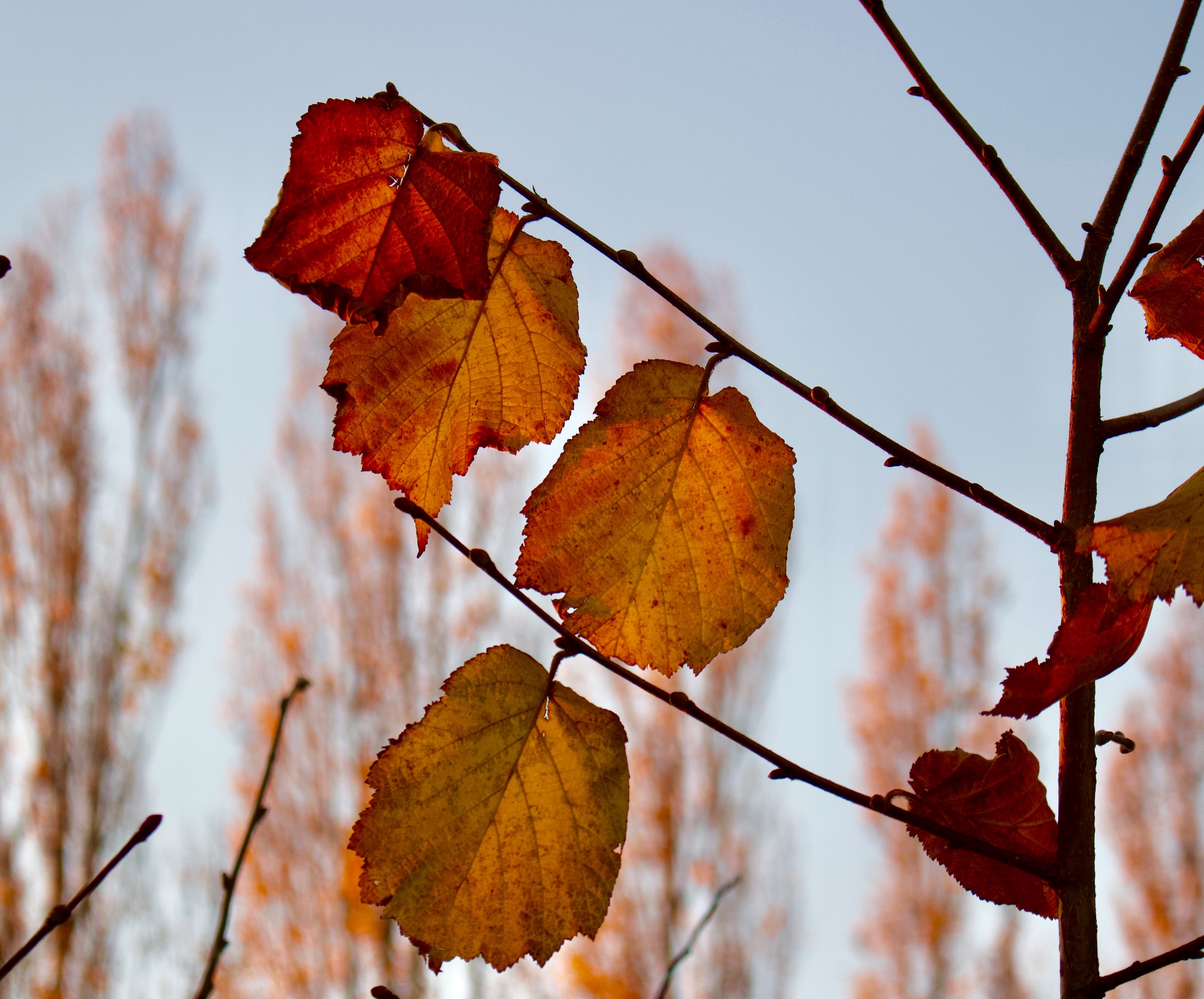
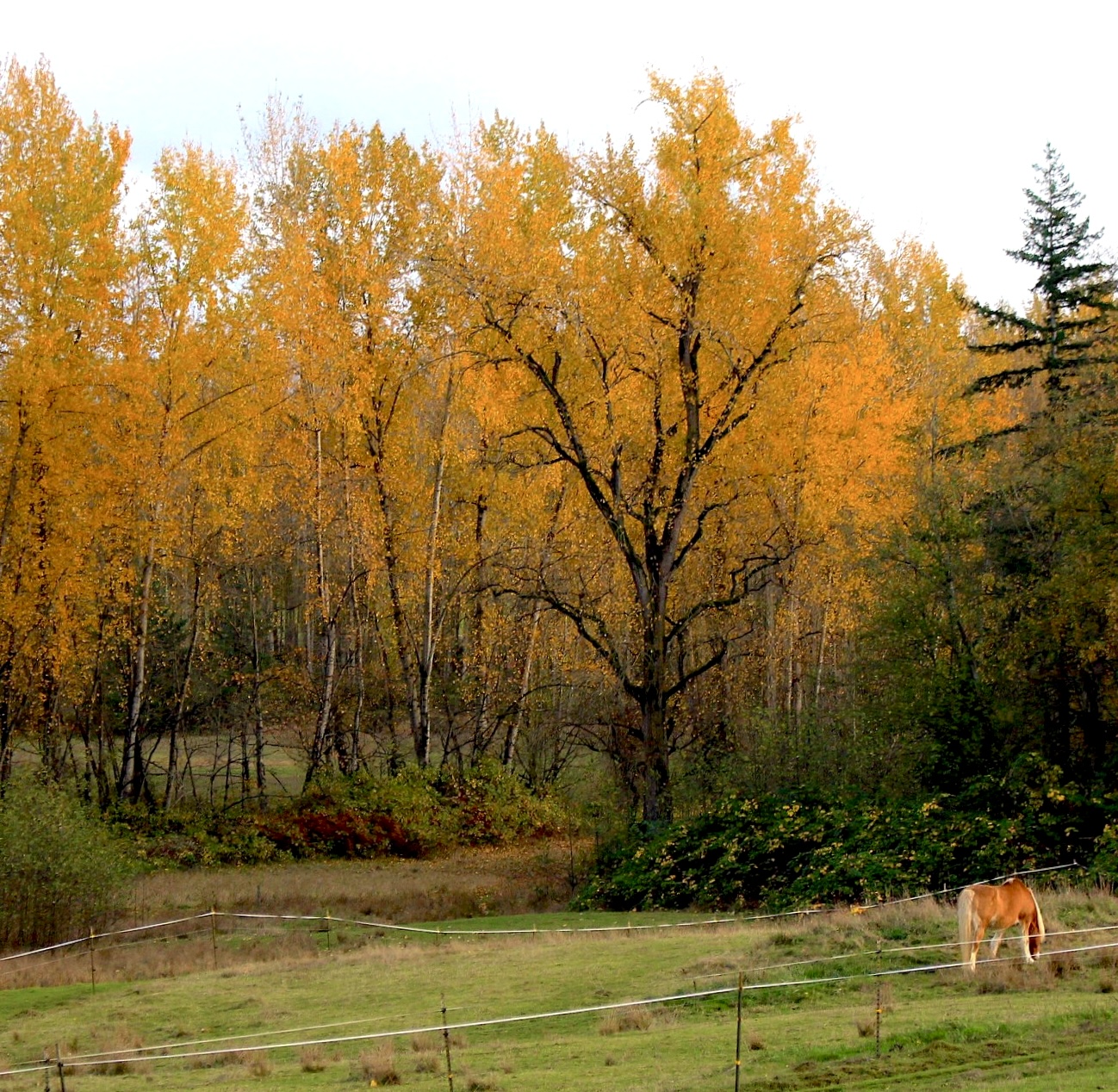
This time of year, no matter which way I turn,  autumn’s kaleidoscope displays new patterns, new colors, new empty spaces as I watch the world die into itself once again. 

Some dying is flashy, brilliant, blazing – a calling out for attention. Then there is the hidden dying that happens without anyone taking notice: just a plain, tired, rusting away letting go.

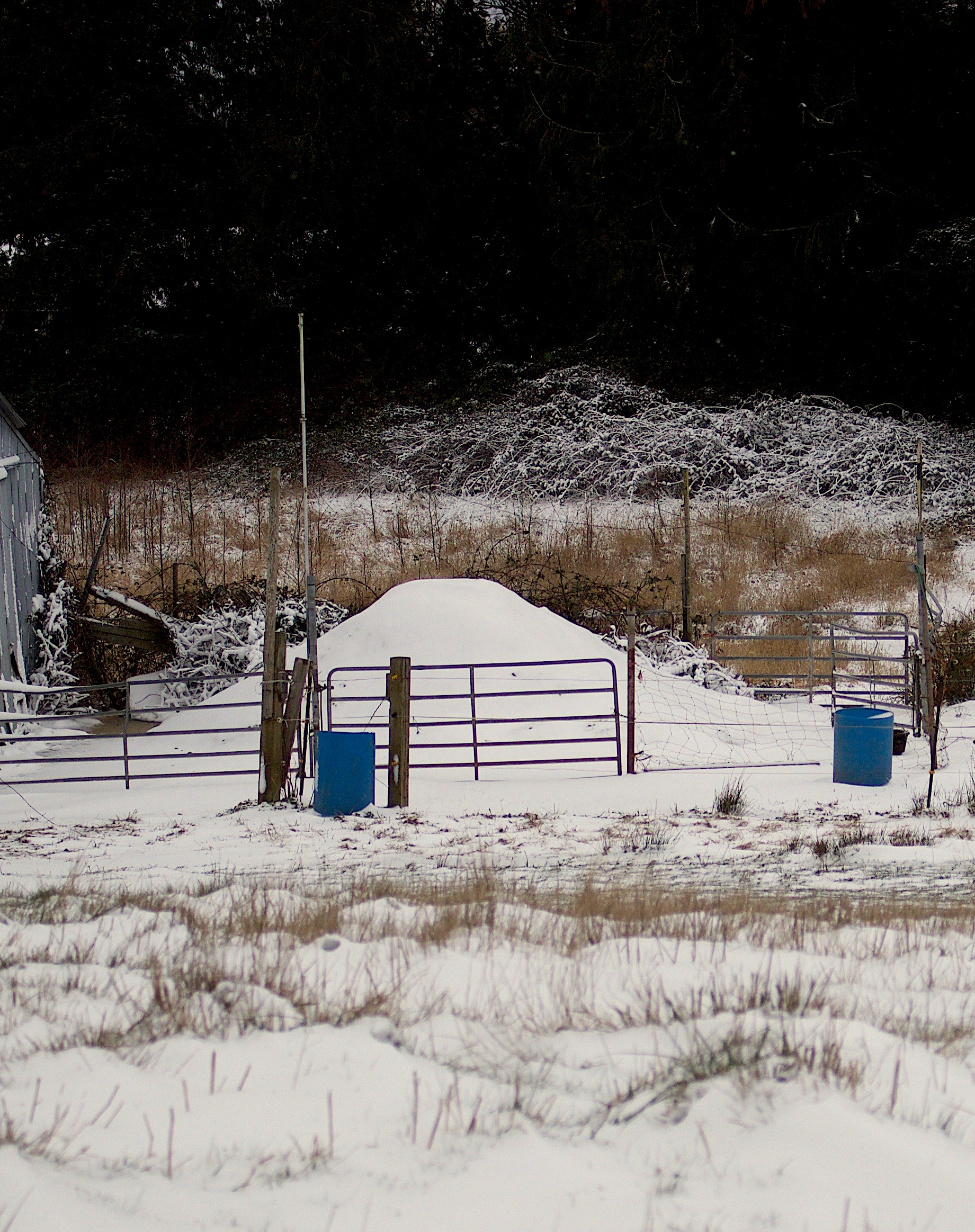
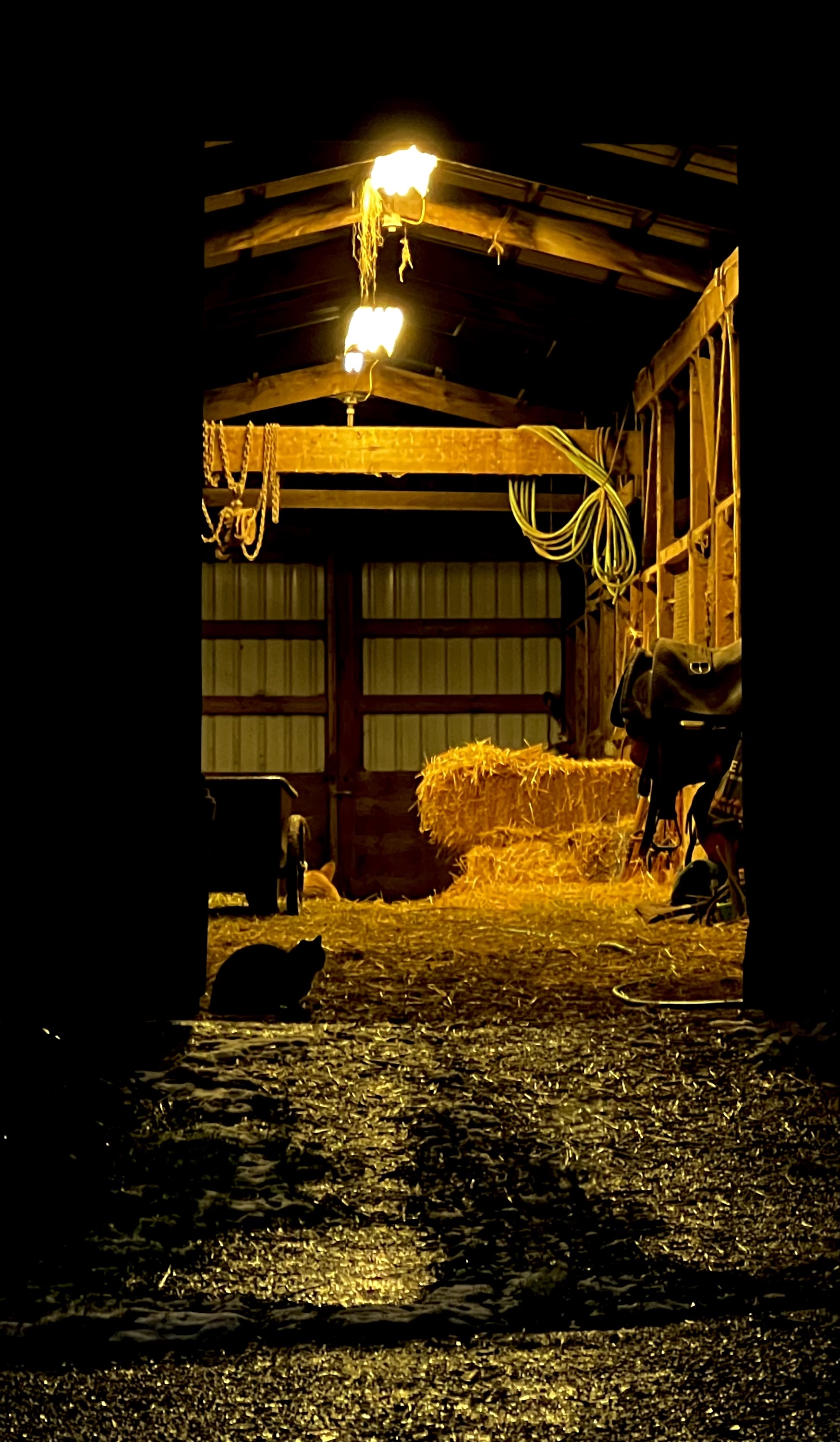
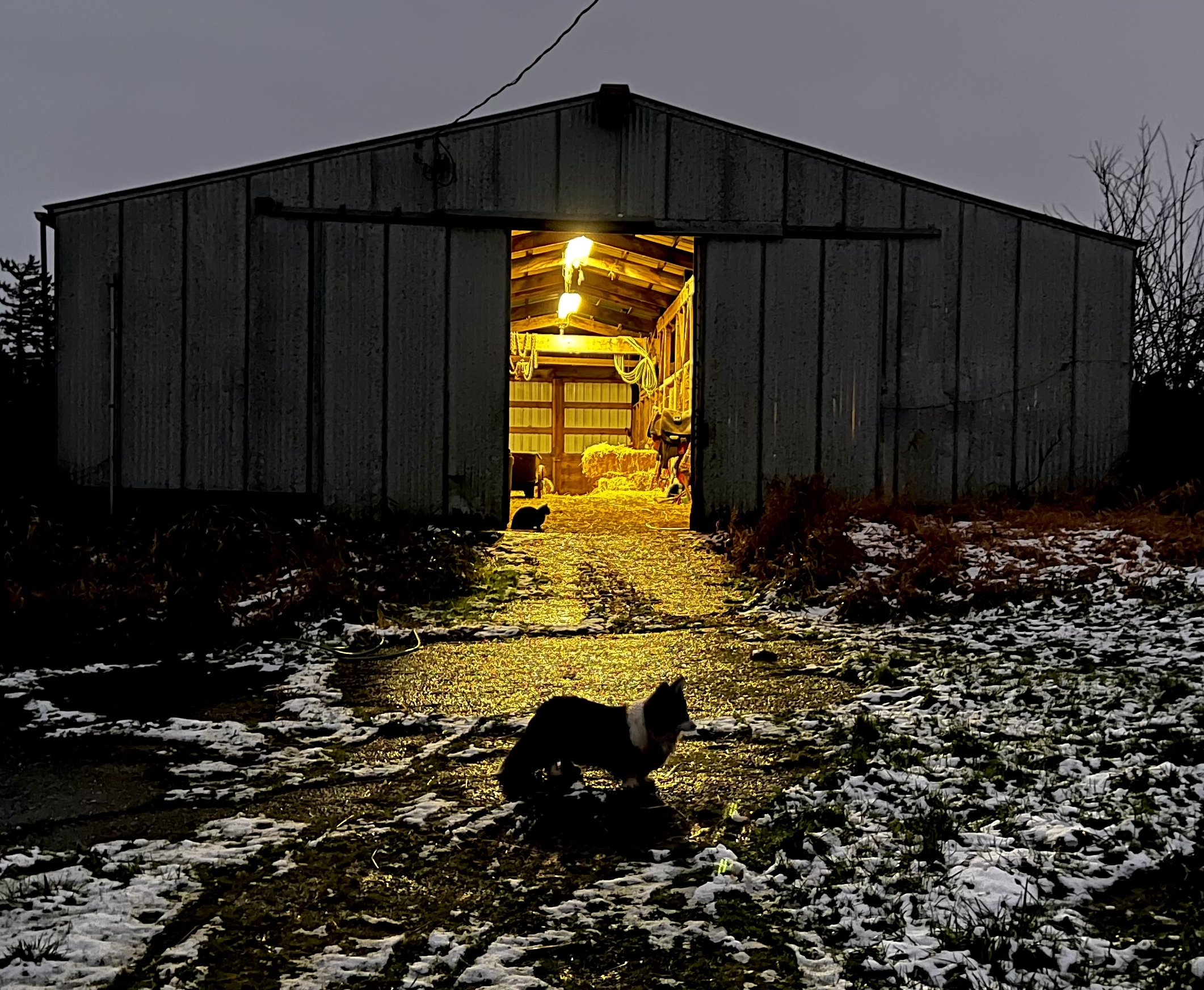
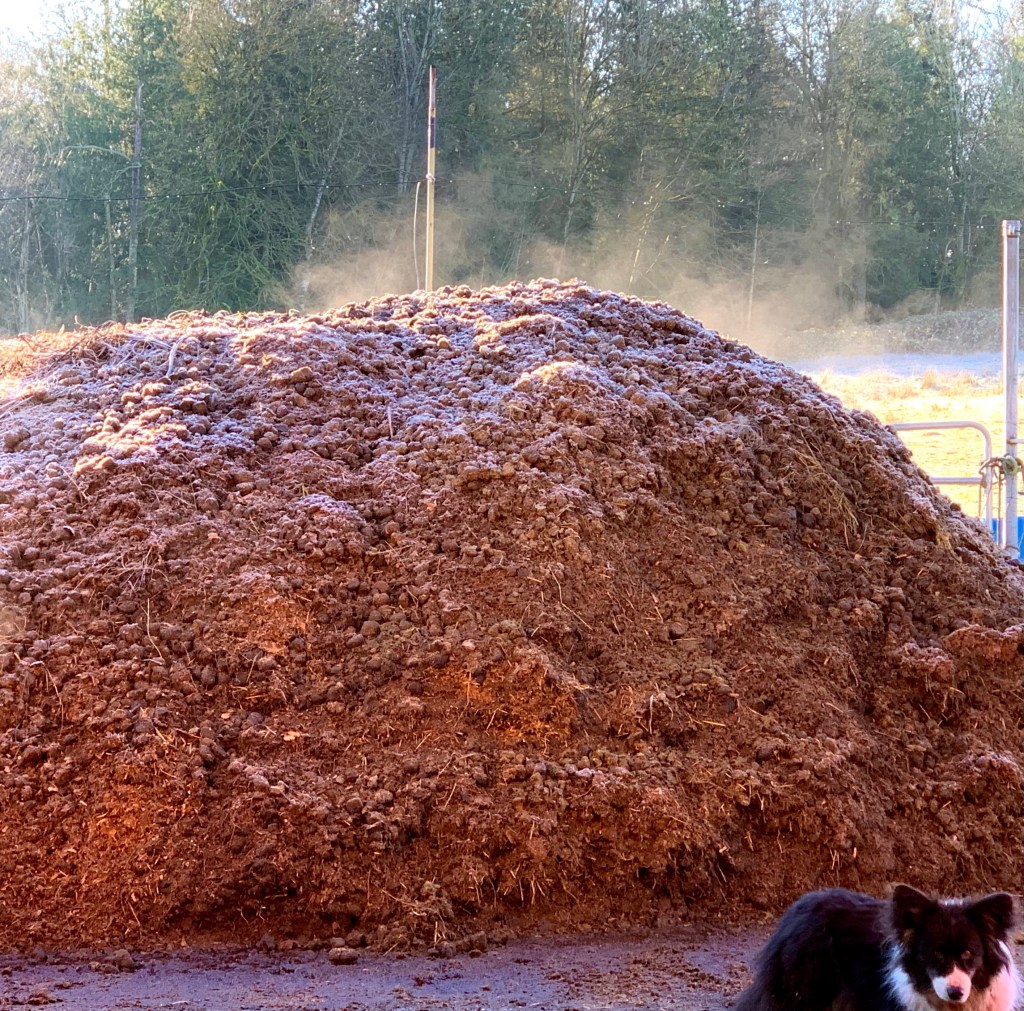
I spent this morning adjusting to the change in season by occupying myself with the familiar task of moving manure. Cleaning barn is a comforting chore, allowing me to transform tangible benefit from something objectionable and just plain stinky to the nurturing fertilizer of the future.

It feels like I’ve actually accomplished something.

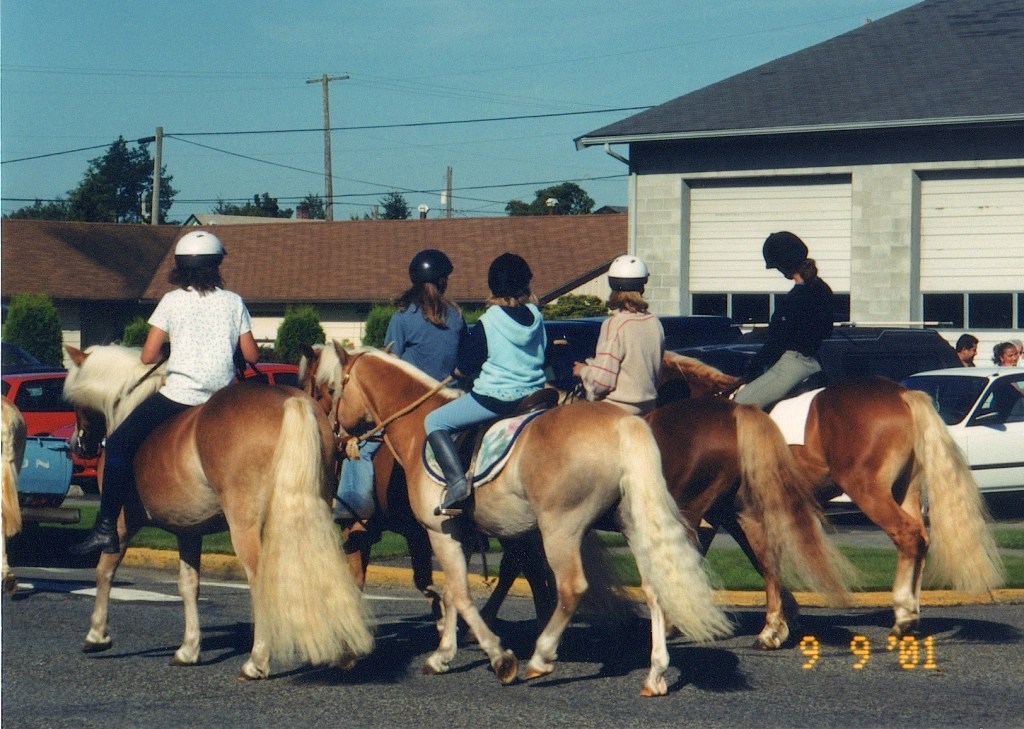
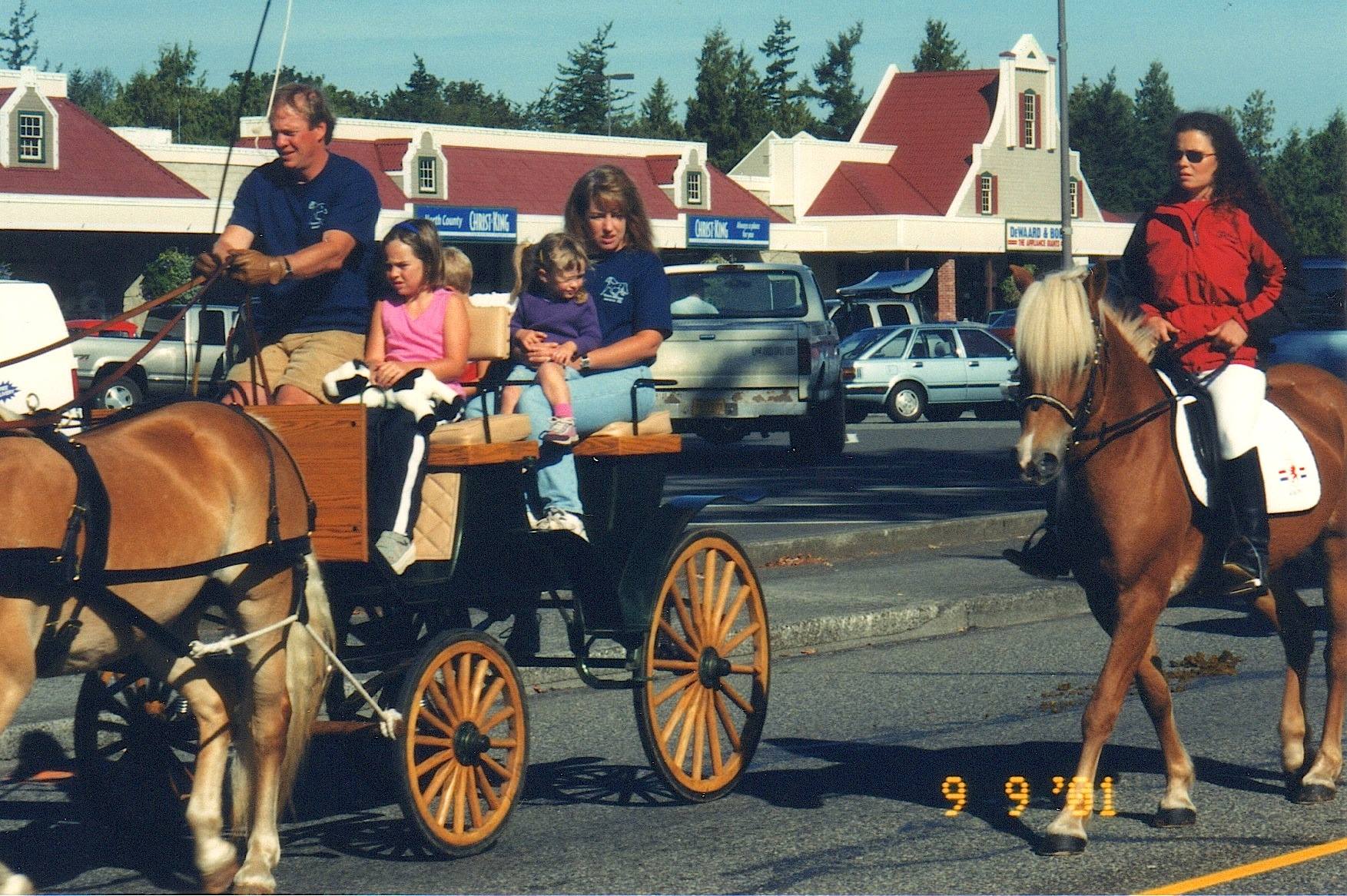
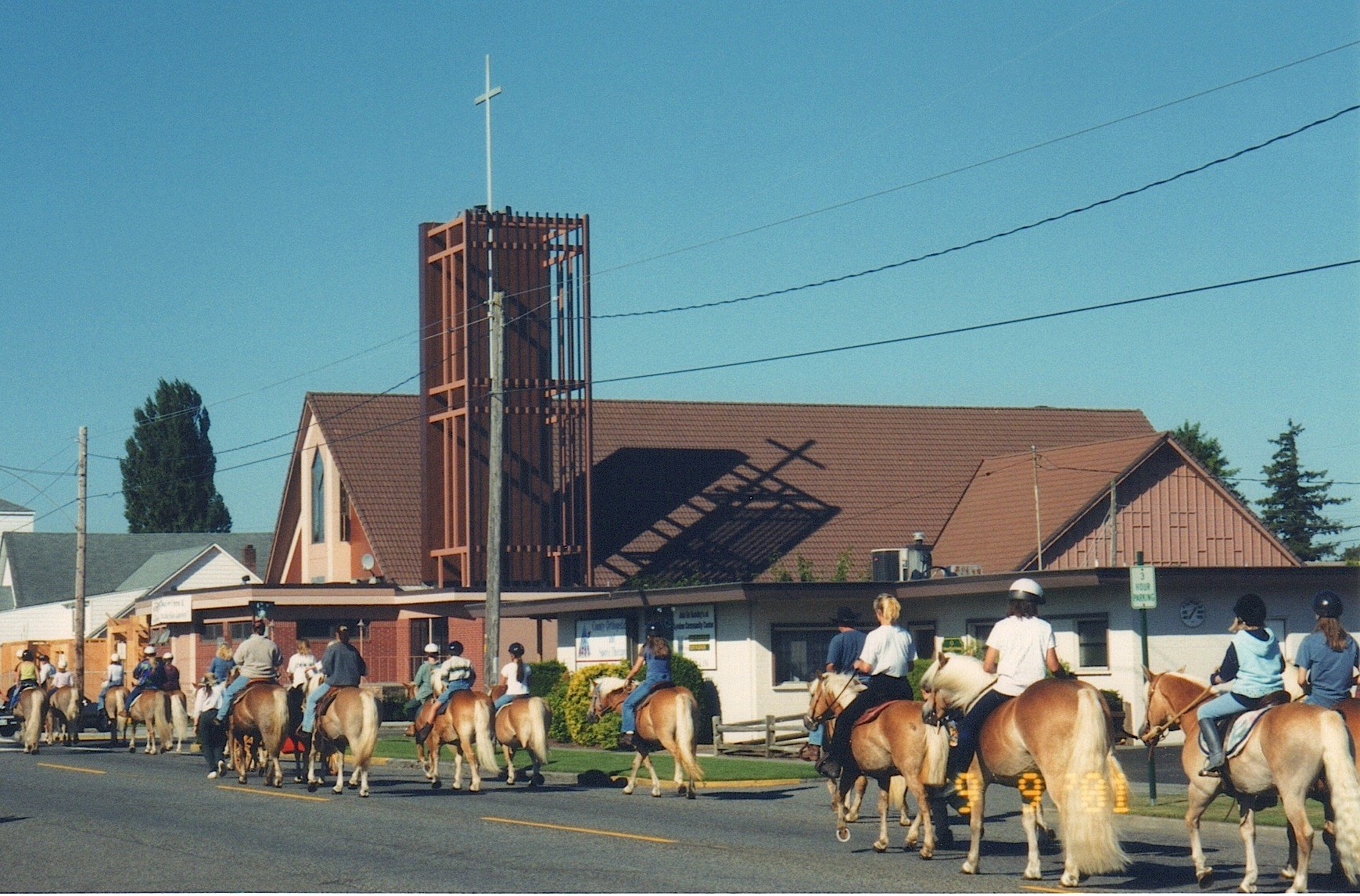
As I scoop and push the wheelbarrow, I recalled another barn cleaning 24 years ago, just days before the world changed on 9/11/01.

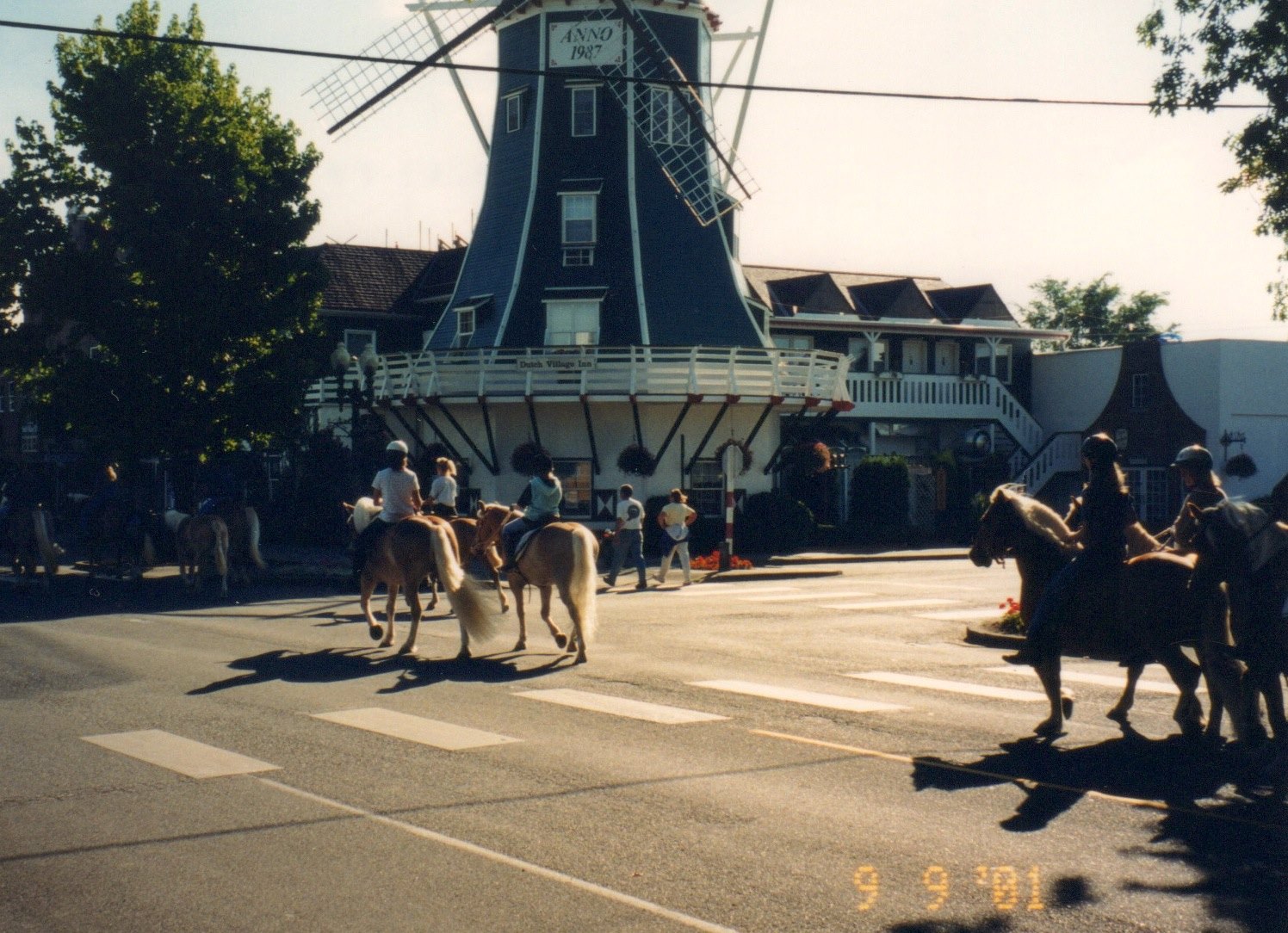
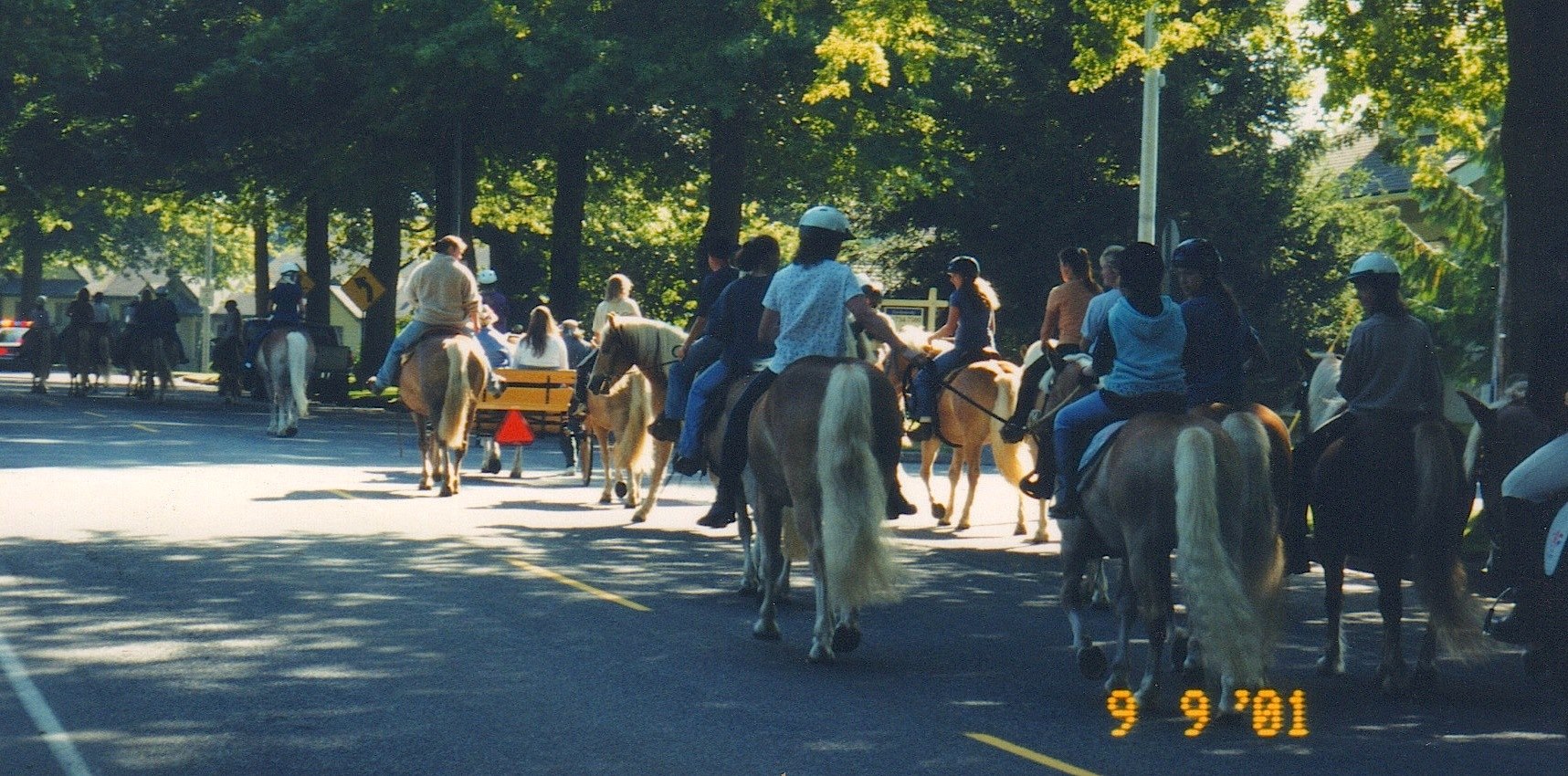
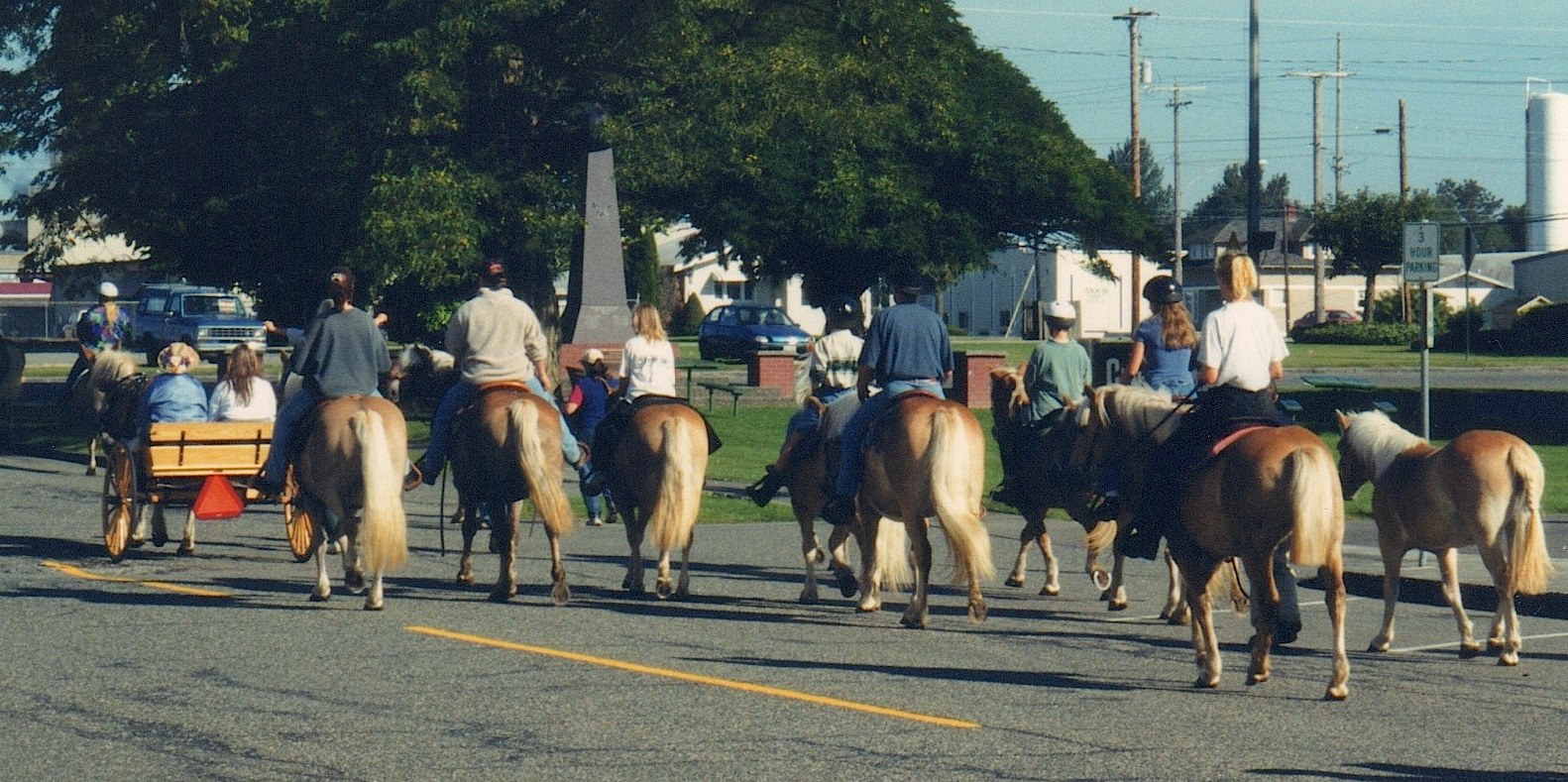
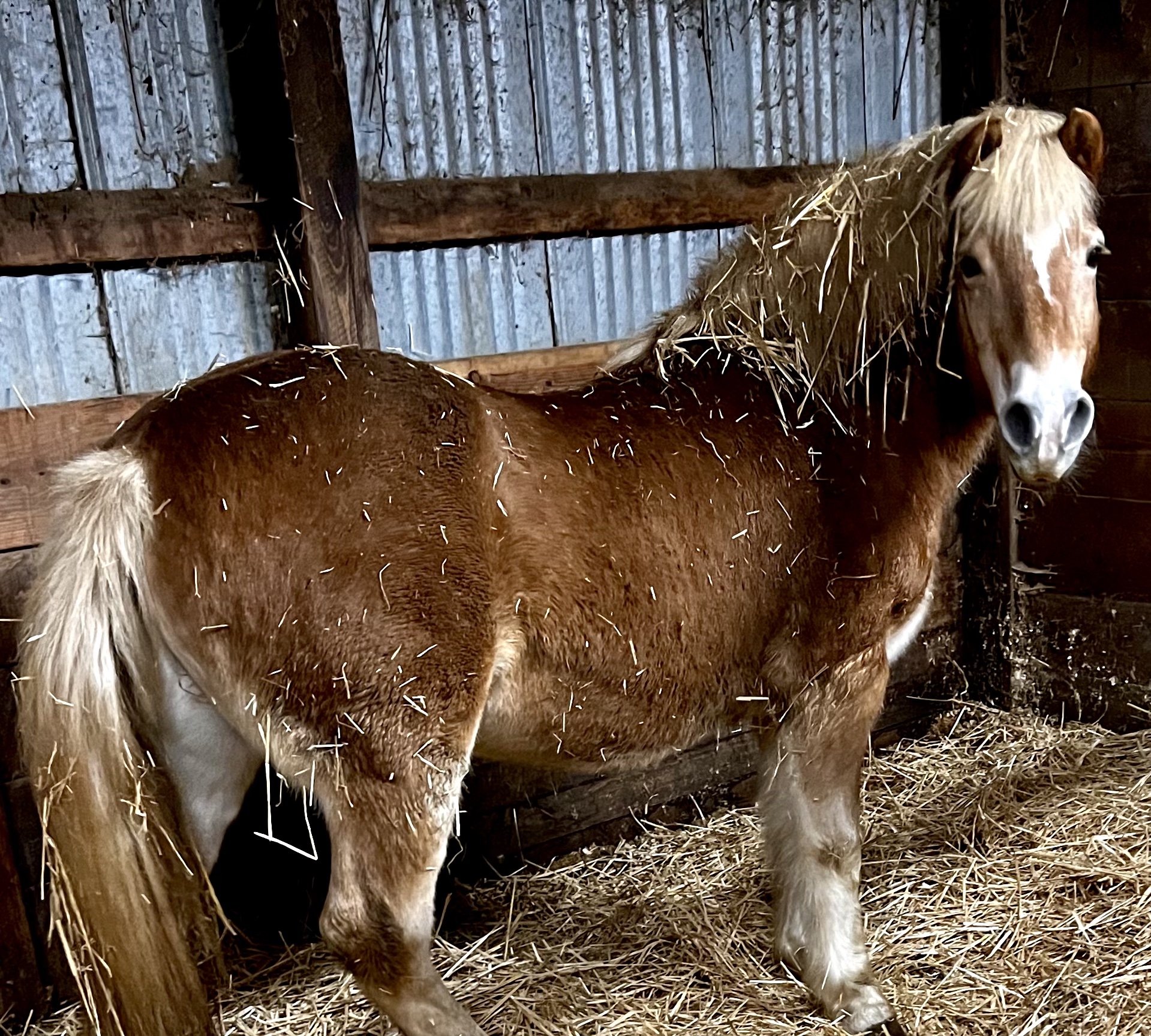
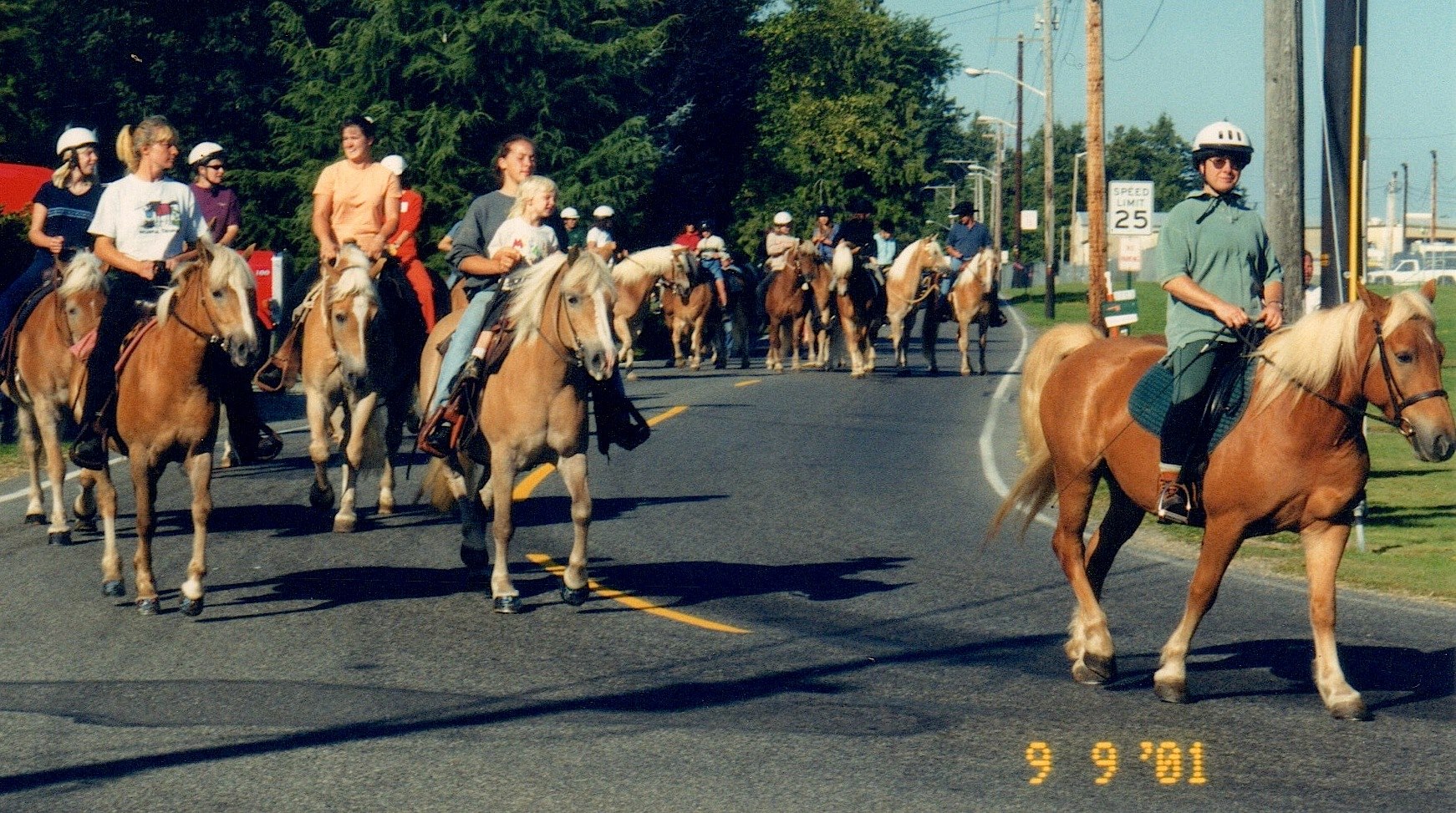
I was one of three or four friends left cleaning over ninety stalls after a Haflinger horse event that I had organized at our local fairgrounds. Some people had brought their horses from over 1000 miles away to participate for several days, including a Haflinger parade through our town on a quiet Sunday morning.

There had been personality clashes and harsh words among some participants along with criticism directed at me as the organizer that I had taken very personally. As I struggled with the umpteenth wheelbarrow load of manure, tears stung my eyes and my heart. 

I was miserable with regret, feeling my work had been futile and unappreciated.

One friend had stayed behind with her young family to help clean up the large facility and she could see I was struggling to keep my composure. Jenny put herself right in front of my wheelbarrow and looked me in the eye, insisting I stop for a moment and listen:

“You know,  none of these troubles and conflicts will amount to a hill of beans years from now. People will remember a fun event in a beautiful part of the country, a wonderful time with their Haflingers, their friends and family, and they’ll be all nostalgic about it, not giving a thought to the infighting or the sour attitudes or who said what to whom. So don’t make this about you and whether you did or didn’t make everyone happy. You loved us all enough to make it possible to meet here and the rest was up to us. So quit being upset about what you can’t change. There’s too much you can still do for us.”

Jenny had no idea how wise her words were, even two days later, on 9/11.

During tough times since (and there have been plenty), Jenny’s advice replays, reminding me to cease seeking appreciation from others or feeling hurt when harsh words come my way. 

She was right about the balm found in the tincture of time. She was right about giving up the upset in order to die to self and self absorption, and instead to focus outward.

I have remembered.

Jenny herself did not know that day she would subsequently spend six years dying while still loving life every day, fighting a relentless cancer that was only slowed in the face of her faith and intense drive to live.

She became a rusting leaf gone holy, fading imperceptibly over time, crumbling at the edges until she finally had to let go. Her dying did not flash brilliance, nor draw attention at the end. Her intense focus during the years of her illness had always been outward to others, to her family and friends, to the healers she spent so much time with in medical offices, to her firm belief in the plan God had written for her and those who loved her.

So Jenny let go her hold on life here. And we reluctantly let her go.   Brilliance cloaks her as her focus is now on things eternal.

You were so right, Jenny. The hard feelings from a quarter century ago don’t amount to a hill of beans now. The words you spoke to me that day taught me to love life even when I have no stomach for it.

All of us did have a great time together a few days before the world changed. And manure transforms over time to rich, nurturing compost.

I promise I am no longer upset that I can’t change what is past nor the fact that you and so many others have now left us.

But we’ll catch up later.
One-Time
Monthly
Yearly

Make a one-time or recurring donation to support daily Barnstorming posts

Make a monthly donation

Make a yearly donation

Choose an amount

$10.00
$25.00
$50.00
$5.00
$15.00
$100.00
$5.00
$15.00
$100.00

Or enter a custom amount

$

Your contribution is deeply appreciated.

Your contribution is appreciated.

Your contribution is appreciated.

DonateDonate monthlyDonate yearly
Worthy of a Hot Bath

You can change the world with a hot bath,
if you sink into it from a place of knowing
you are worth profound care,
even when you are dirty and rattled.
Who knew?
~Anne Lamott from Small Victories: Spotting Improbable Moments of Grace

As a farmer, I spend at least a part of every day muddy and up to my knees and elbows in muck, especially now that the fall rains have arrived, turning beast and barnyard to mush. 

I call my barn life “the real stuff” as the rest of the hours of the day are spent dealing with “virtual stuff ” which nonetheless leaves me dirty and rattled.  Frankly, I prefer the real over virtual muck even though it smells worse, leaves my fingernails hopelessly grimy and is obvious to everyone where I’ve been.

The stains of the rest of my day are largely invisible to all but me and far harder to scrub away. But even virtual grime can become overwhelming.

It is so much easier for me to deal with what is produced in the barnyard over the mess of political lack of integrity and moral standing. What soils me can be washed off and I’m restored for another day of wallowing in my muck boots. There is true grace in drawing up clean warm water, soaping with the suds that truly cleanse by sinking down into a deep tub of renewal.

God knows how badly we all could use a good scrubbing right now.

AI image created for this post
One-Time
Monthly
Yearly

Make a one-time or recurring donation to support daily Barnstorming posts

Make a monthly donation

Make a yearly donation

Choose an amount

$10.00
$25.00
$50.00
$5.00
$15.00
$100.00
$5.00
$15.00
$100.00

Or enter a custom amount

$

Your contribution is deeply appreciated.

Your contribution is appreciated.

Your contribution is appreciated.

DonateDonate monthlyDonate yearly
Richly Spiced Residue

Another year gone, leaving everywhere
its rich spiced residues: vines, leaves,

the uneaten fruits crumbling damply
in the shadows…

I try to remember when time’s measure
painfully chafes, for instance when autumn

flares out at the last, boisterous and like us longing
to stay – how everything lives, shifting

from one bright vision to another, forever
in these momentary pastures.

~Mary Oliver from Fall Song

To let your body
love this world
that gave itself to your care
in all of its ripeness,
with ease,
and will take itself from you
in equal ripeness and ease,
is also harvest.
And however sharply
you are tested –
this sorrow, that great love –
it too will leave on that clean knife.
~Jane Hirshfield from “Ripeness” from “The October Palace”

What is left in the trees in November
is crumbling away:
bright while fading,
dimpling and softening,
composted in the rain.

Perhaps this describes me too.

More than just spicy residue dangling by a stem,
let me still feed whoever is hungry,
to thrive on what little I have left to offer.

Might I ripen a bit at harvest
before the inevitable drop,
to sleep enveloped by the ground.

AI image created for this post

One-Time
Monthly
Yearly

Make a one-time or recurring donation to support daily Barnstorming posts

Make a monthly donation

Make a yearly donation

Choose an amount

$10.00
$25.00
$50.00
$5.00
$15.00
$100.00
$5.00
$15.00
$100.00

Or enter a custom amount

$

Your contribution is deeply appreciated.

Your contribution is appreciated.

Your contribution is appreciated.

DonateDonate monthlyDonate yearly
Only an Inch Beneath the Grass

He’s not so absorbed in the life around him
That he never looks up on clear nights
To admire the starry face of the sky.
But he’s awed even more by the earth he lives on,
By how much, for instance, its fertility
Depends on the unseen toil of earthworms.
Who would believe that over decades
Every inch of the field behind his house
Passes through their bodies again and again
As they feed on the dirt they tunnel through?
So much tireless turning over of loam,
So much natural harrowing, shredding, and leveling.
Yes, their work has undermined the stone wall
That marks the edge of his garden. But that’s a small price
For soil that nurtures the berries and grains
He enjoys at breakfast. Why turn from the table
To write a lament on the power of time
To undermine human effort when he can describe
How the work of worms helps sustain us?
Not to bother with them because they aren’t aware
Of his existence—how small-minded
That would seem to him in a species that prides itself
On understanding its place in the scheme of things,
As small-minded as thinking less of the stars
Because they aren’t twinkling for his benefit.
But the stars aren’t likely to go unnoticed
By a species quick to admire what’s distant,
Serene, and glittering, as opposed to what’s near,
Busy, and inconspicuous,
Working an inch beneath the grass.

~Carl Dennis “Near Darwin”

Aren’t you glad at least that the earthworms
Under the grass are ignorant, as they eat the earth,
Of the good they confer on us, that their silence
Isn’t a silent reproof for our bad manners,
Our never casting earthward a crumb of thanks
For their keeping the soil from packing so tight
That no root, however determined, could pierce it?

Imagine if they suspected how much we owe them,
How the weight of our debt would crush us
Even if they enjoyed keeping the grass alive,
The garden flowers and vegetables, the clover,
And wanted nothing that we could give them,
Not even the merest nod of acknowledgment.

A debt to angels would be easy in comparison,
Bright, weightless creatures of cloud, who serve
An even brighter and lighter master.


Lucky for us they don’t know what they’re doing,
These puny anonymous creatures of dark and damp
Who eat simply to live, with no more sense of mission
Than nature feels in providing for our survival.

…the tunneling earthworms, tireless, silent,
As they persist, oblivious, in their service.

~Carl Dennis from “Worms”

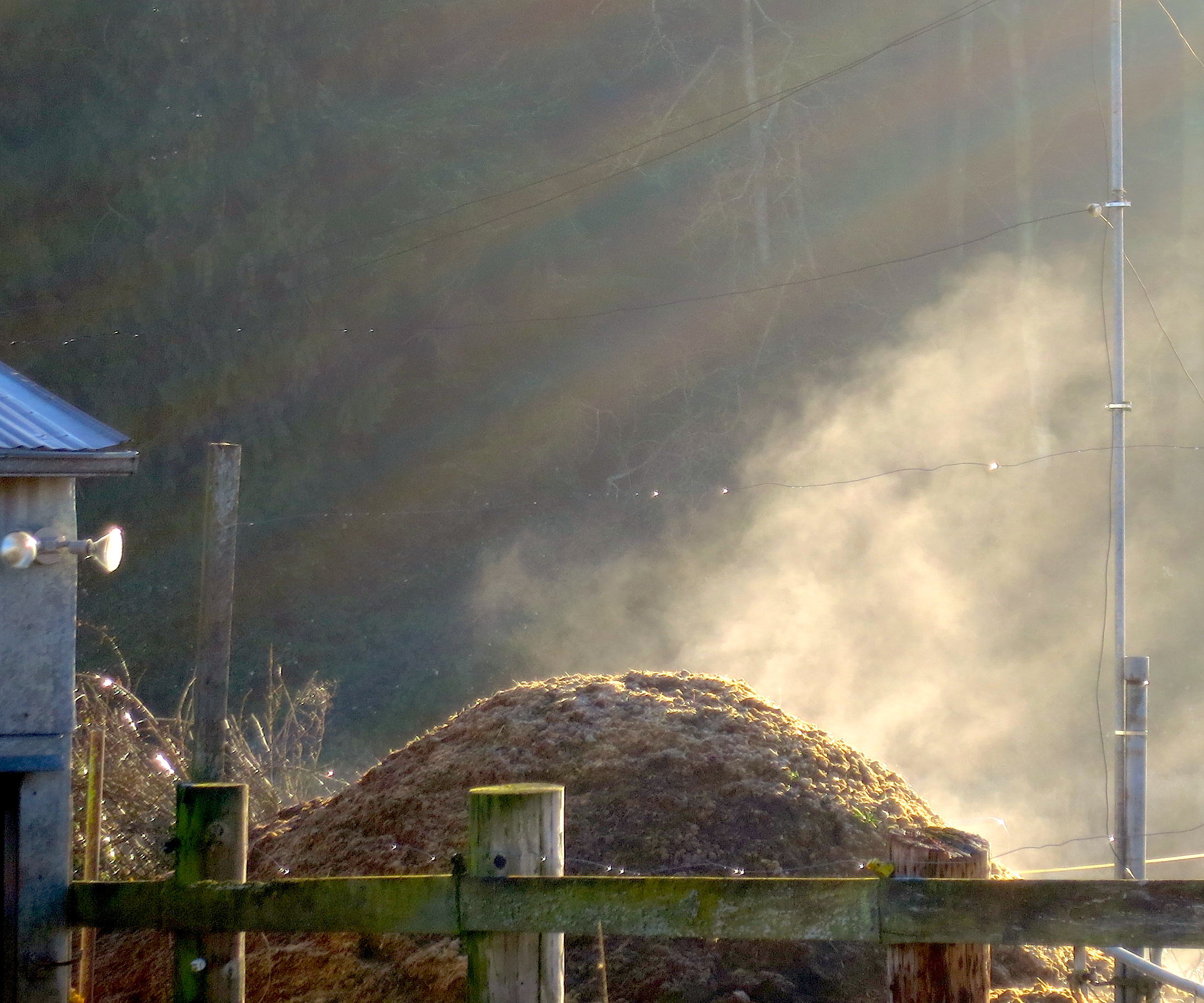
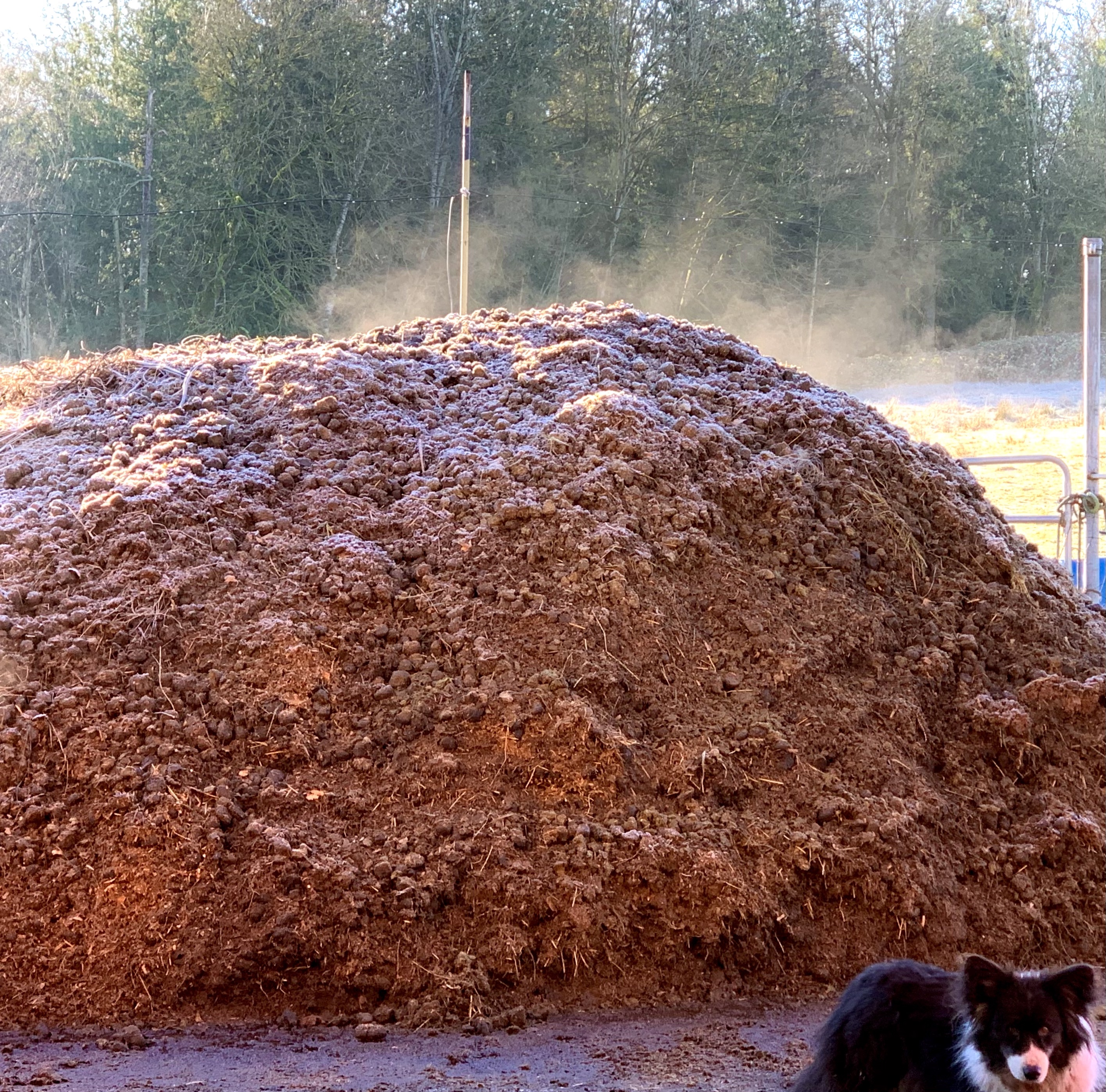
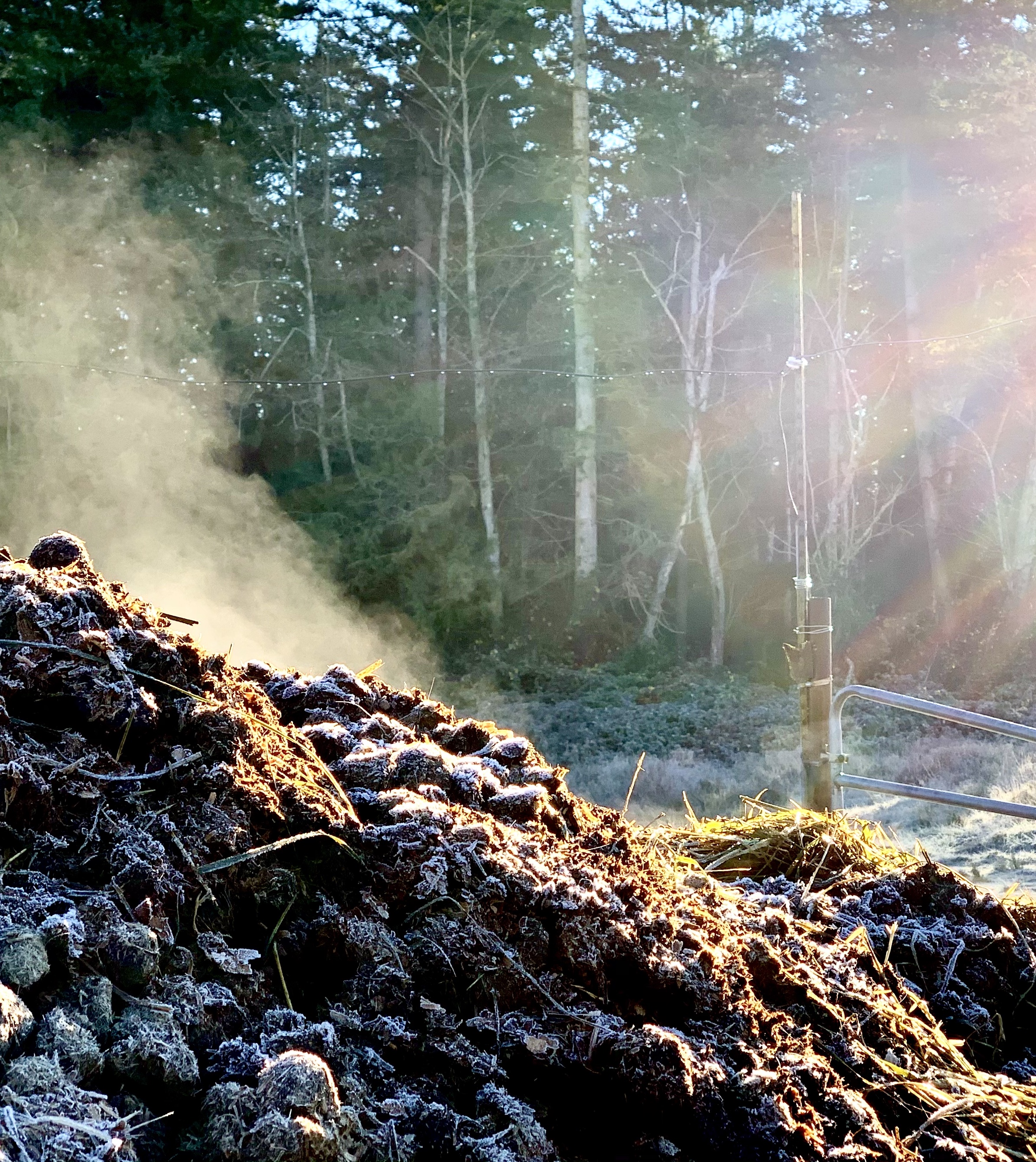
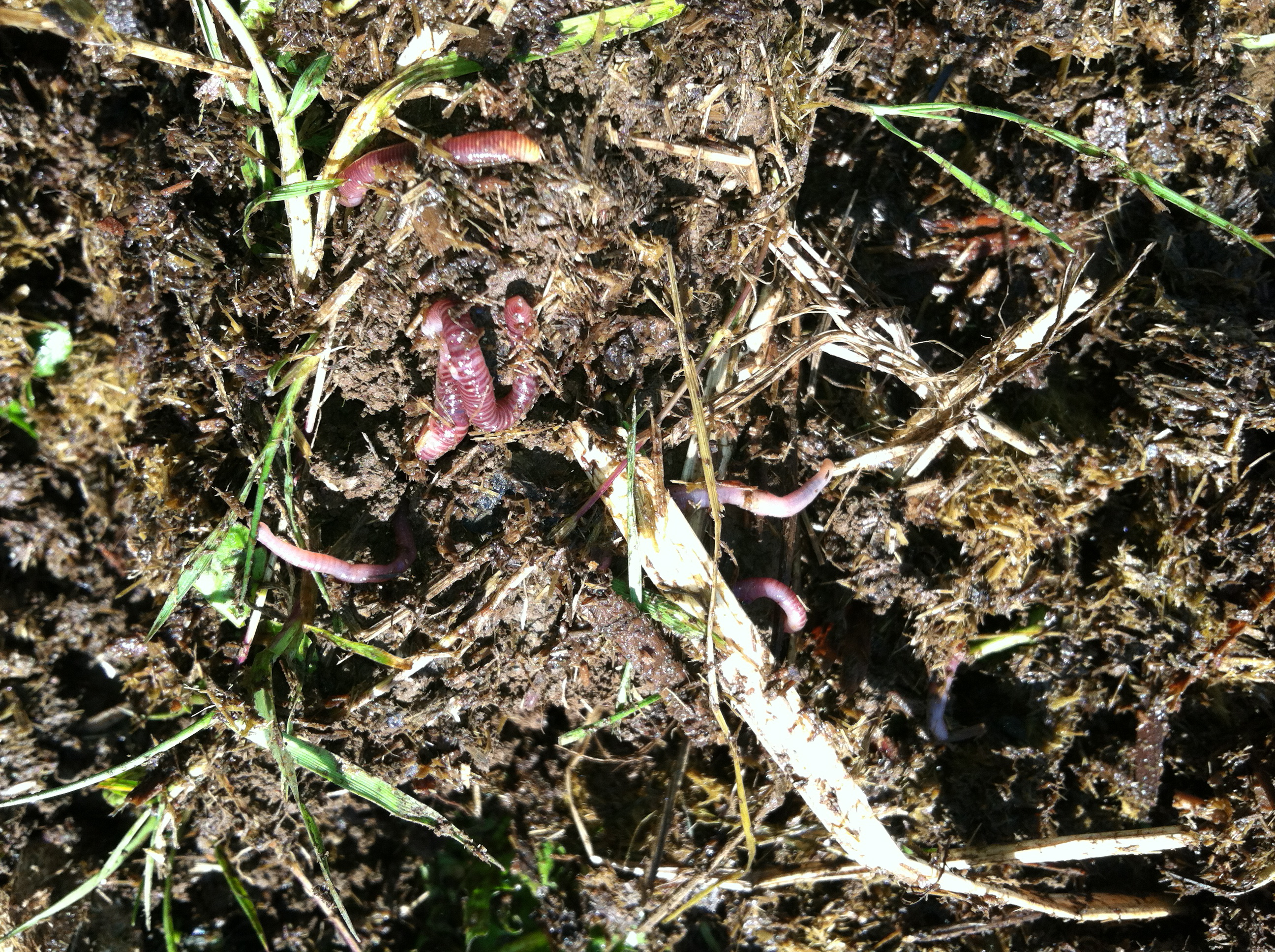
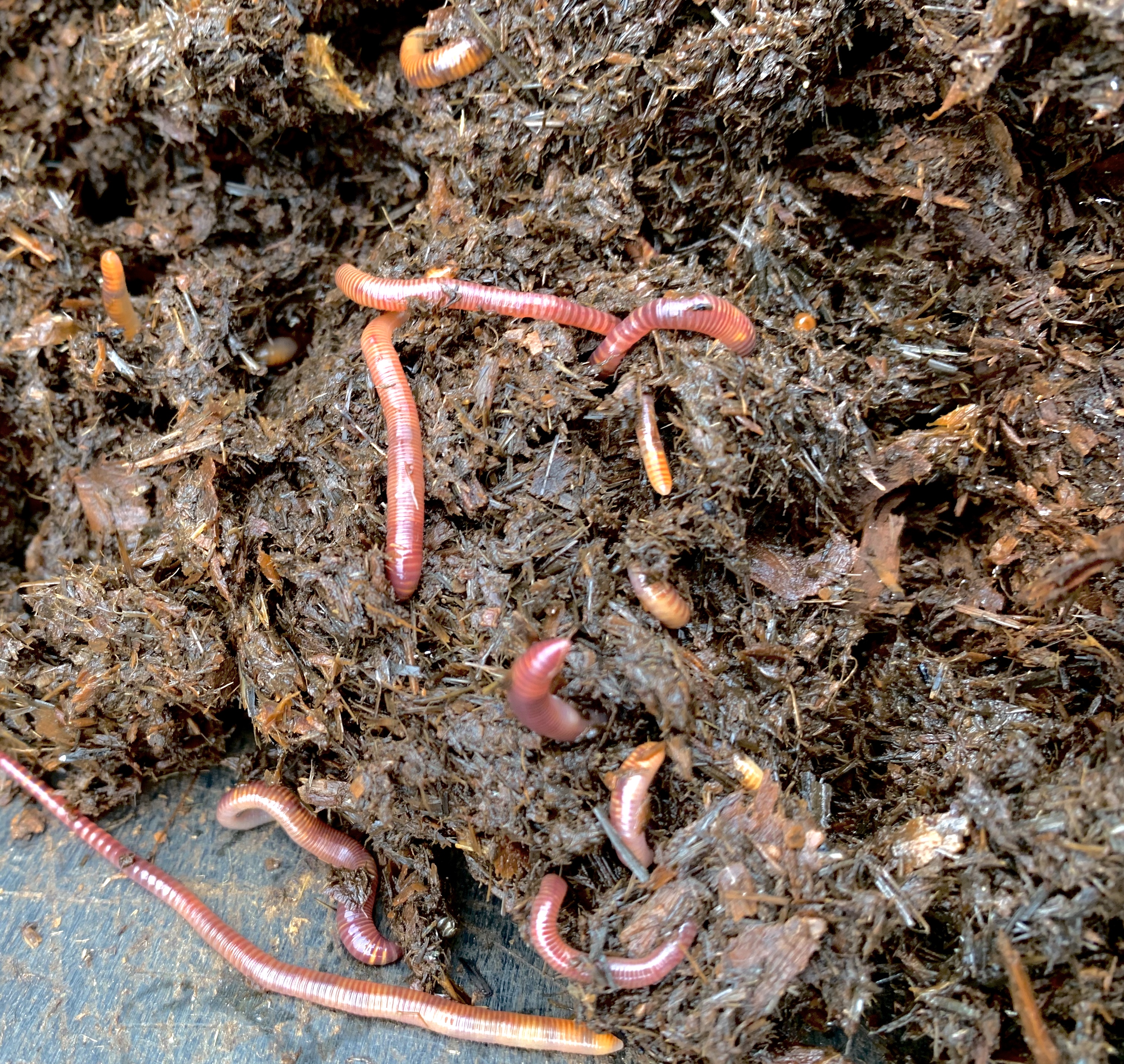
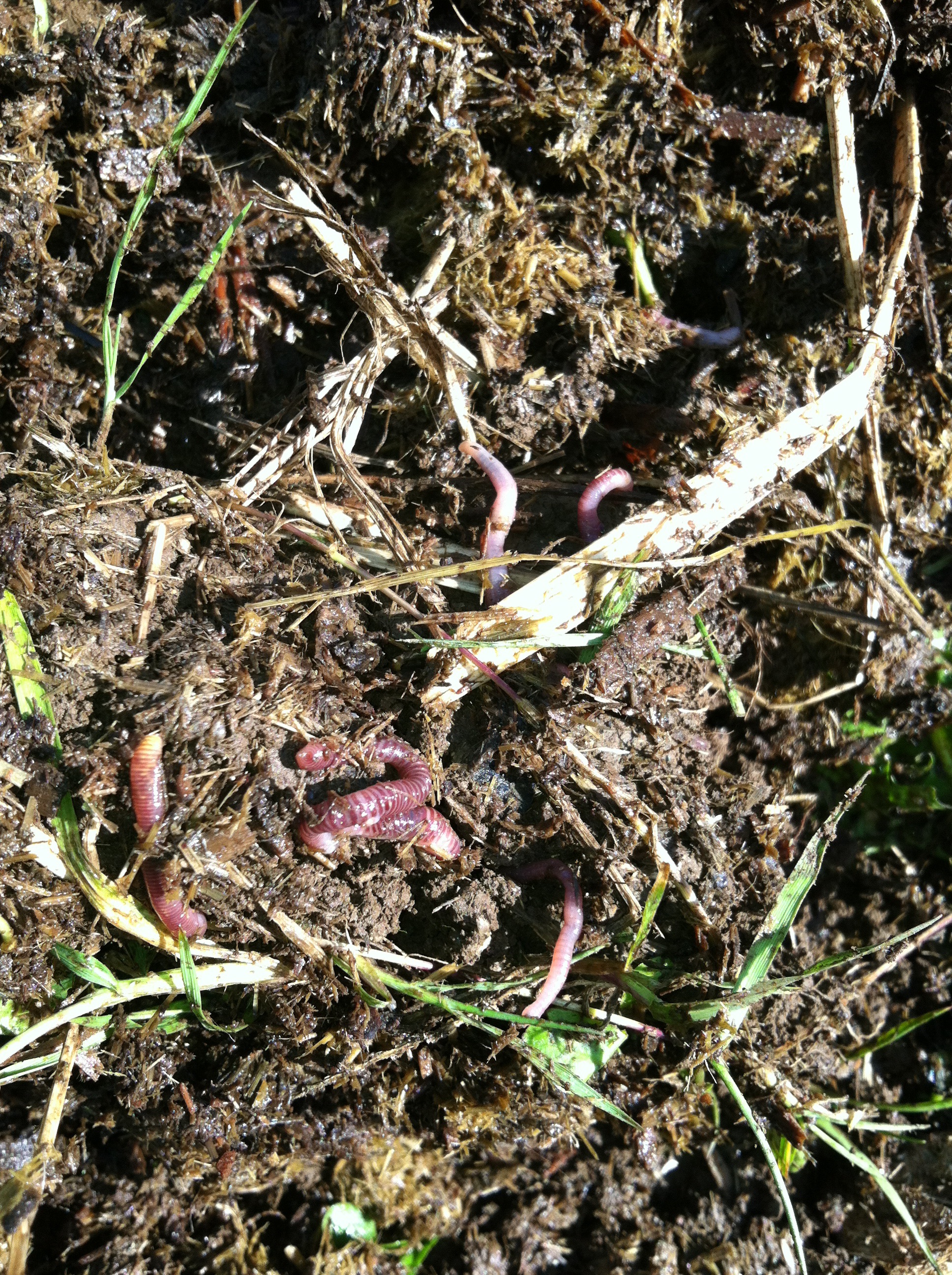
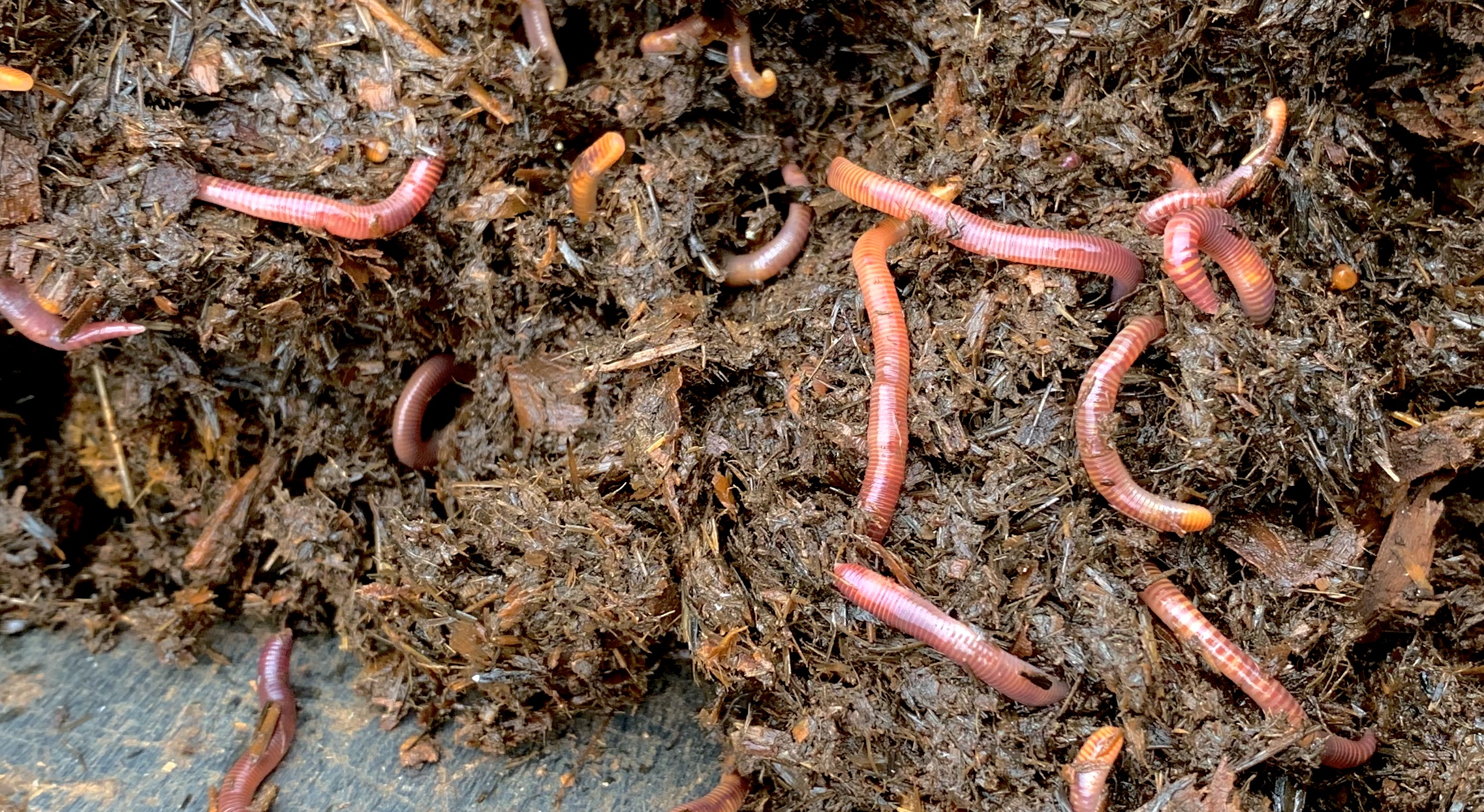
We’ve been composting horse manure for several decades behind the barn, and we dig in to the tall pile to spread on our garden plots. As Dan pushes the tractor’s front loader into the pile, steam rises from its compost innards. As the rich soil is scooped, thousands of newly exposed red wiggler worms immediately dive for cover. Within seconds, thousands of naked little creatures have, well, …wormed their way back into the security of warm dirt, being rudely interrupted from their routine. I can’t say I blame them.

Hundreds of thousands of wigglers end up being forced in the spring to adapt to new quarters, leaving the security of the manure mountain behind. As we smooth the topping of compost over the garden plot, the worms–gracious creatures that they are–tolerate being rolled and raked and lifted and turned over, waving their little bodies expectantly in the cool air before slipping back down into the dark. There they begin their work of digesting, aerating and renewing the soil of the garden, reproducing in their unique hermaphroditic way, leaving voluminous castings behind to further feed future seedlings to be planted.

Worms are unjustly denigrated by humans primarily because we don’t like to be surprised by them. We don’t like to see one in our food, especially only part of one, and are particularly distressed to see them after we’ve digested our food. Once we get past that bit of squeamishness, we can greatly appreciate their role as the ultimate recyclers, leaving the earth under our feet a lot better off once they are finished with their work.

We humans actually suffer by comparison: to be called “a worm” is really not as bad as it sounds at first. It is possible the worm may be offended by the association.

I hope to prove a worthy innkeeper for these new tenants.
May they live long and prosper only an inch beneath the grass,
so much more accessible than the infinite stars in the sky.
May each worm forgive the disruption
perpetrated by our rake and shovel.
May I smile appreciatively the next time
someone calls me a mere worm.

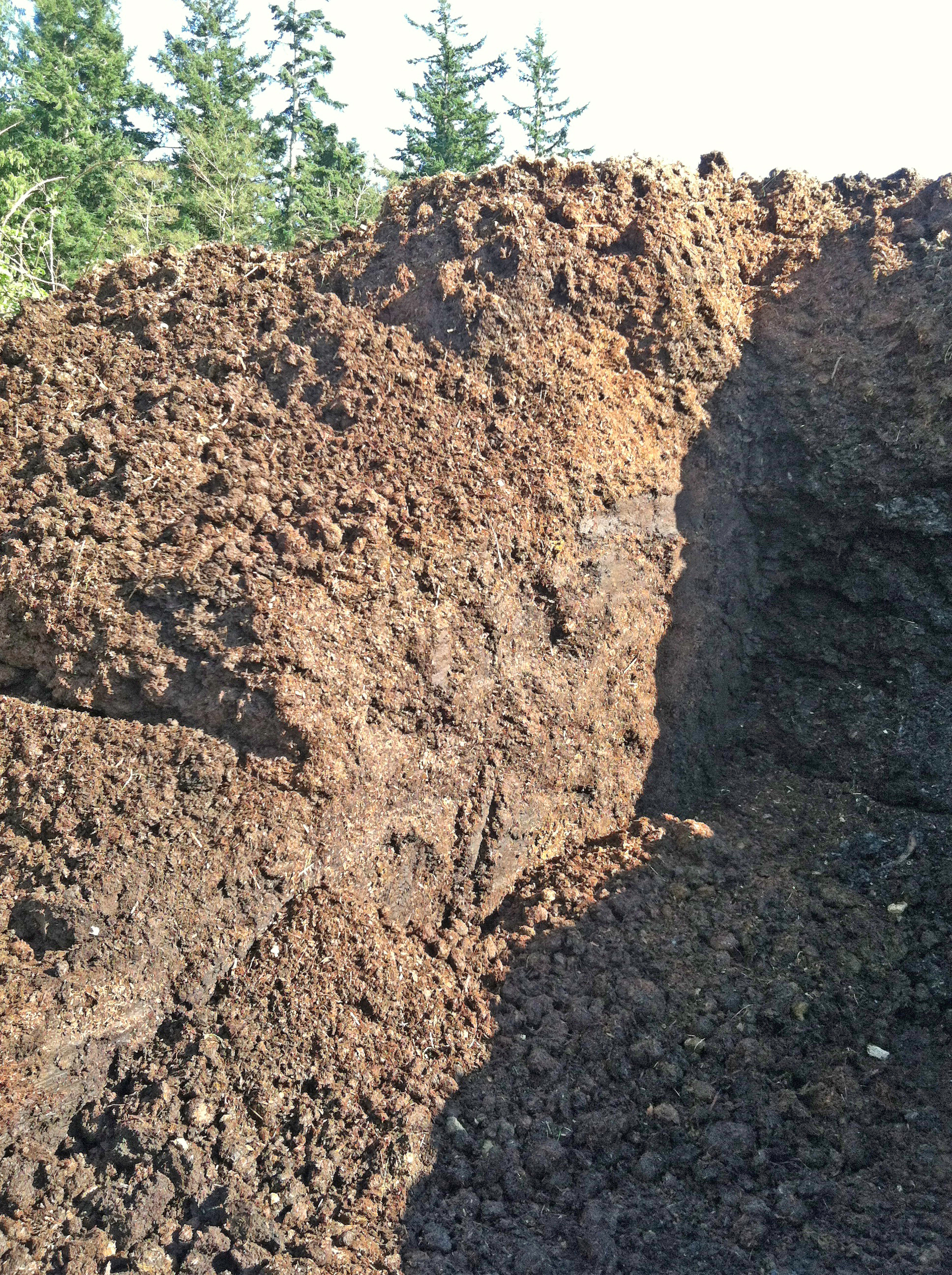
a cross section of 30 months of composted manure
AI image created for this post
One-Time
Monthly
Yearly

Make a one-time or recurring donation to support daily Barnstorming posts

Make a monthly donation

Make a yearly donation

Choose an amount

$10.00
$25.00
$50.00
$5.00
$15.00
$100.00
$5.00
$15.00
$100.00

Or enter a custom amount

$

Your contribution is deeply appreciated.

Your contribution is appreciated.

Your contribution is appreciated.

DonateDonate monthlyDonate yearly
Everything is a Parable

Every happening, great and small,
is a parable whereby God speaks to us,
and the art of life is to get the message.
~Malcolm Muggeridge

I’ve banked nothing, or everything.
Every day

the chores need doing again.
Early in the morning,

I clean the horse barn with a manure fork.
Every morning,

it feels as though it could be
the day before or a year ago
or a year before that.

With every pass, I give the fork one final upward flick
to keep the manure from falling out,
and every day I remember

where I learned to do that and from whom.

Time all but stops.

But then I dump the cart on the compost pile.
I bring out the tractor and turn the pile,

once every three or four days.
The bucket bites and lifts, and steam comes billowing out of the heap.
It’s my assurance that time is really moving forward,
decomposing us all in the process.
~Verlyn Klinkenborg from More Scenes from the Rural Life

He <the professor> asked
what I made of the other Oxford students
so I told him:
They were okay, but they were all very similar…
they’d never failed at anything or been nobodies,
and they thought they would always win.
But this isn’t most people’s experience of life.

He asked me what could be done about it.
I told him the answer was to send them all out for a year
to do some dead-end job
like working in a chicken processing plant
or spreading muck with a tractor.
It would do more good than a gap year in Peru. 

He laughed and thought this was tremendously witty.
It wasn’t meant to be funny.

~James Rebanks from The Shepherd’s Life
(how a sheep farmer succeeds at Oxford and then goes back to the farm)

It is done by us all, as God disposes, from
the least cast of worm to what must have been
in the case of the brontosaur, say, spoor
of considerable heft, something awesome.

We eat, we evacuate, survivors that we are.
I think these things each morning with shovel
and rake, drawing the risen brown buns
toward me, fresh from the horse oven, as it were,
or culling the alfalfa-green ones, expelled
in a state of ooze, through the sawdust bed
to take a serviceable form, as putty does,
so as to lift out entire from the stall.

And wheeling to it, storming up the slope,
I think of the angle of repose the manure
pile assumes, how sparrows come to pick
the redelivered grain, how inky-cap
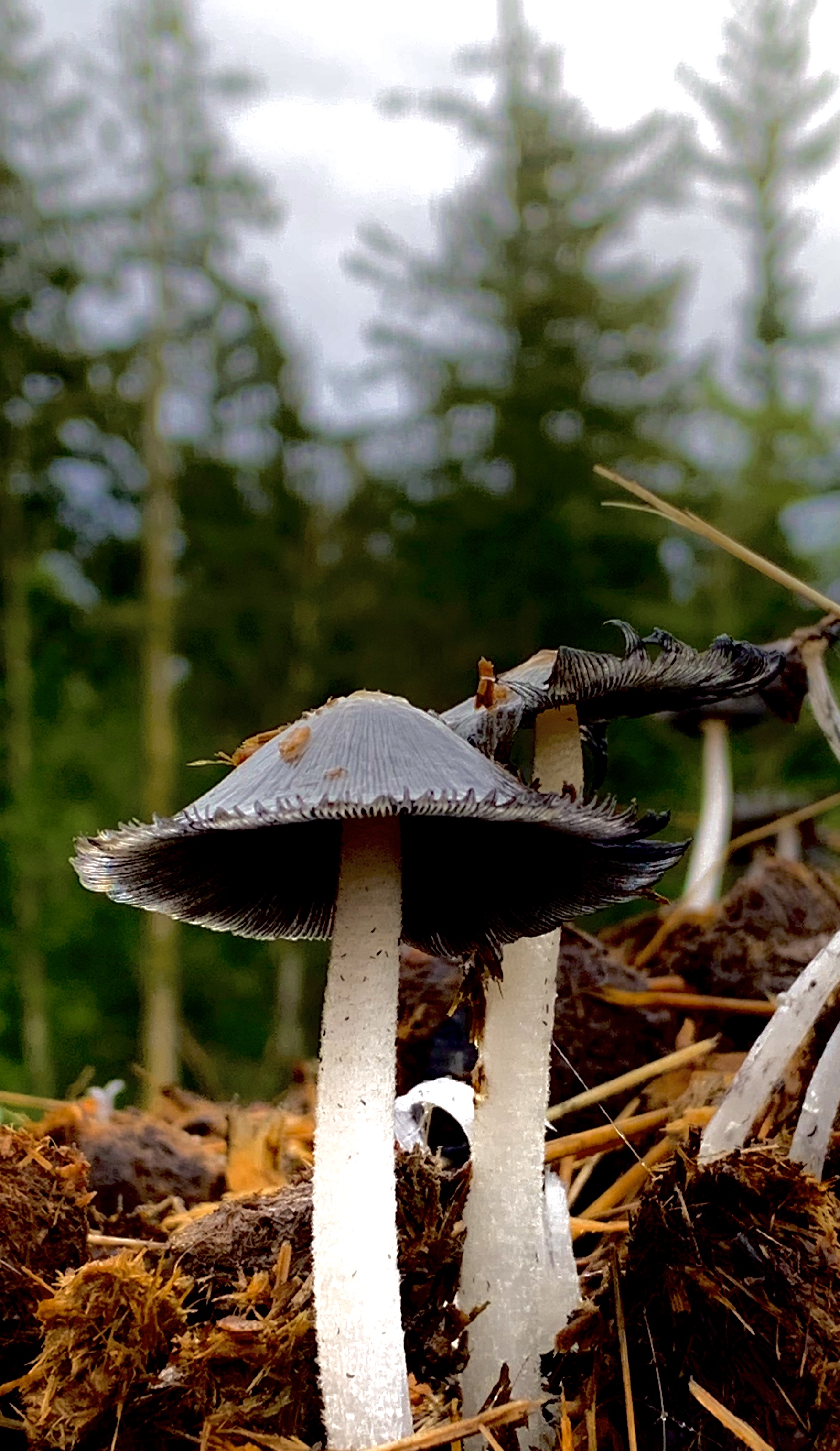
coprinus mushrooms spring up in a downpour.

I think of what drops from us and must then
be moved to make way for the next and next.
However much we stain the world, spatter
it with our leavings, make stenches, defile
the great formal oceans with what leaks down,
trundling off today’s last barrow-full,
I honor shit for saying: We go on.

~Maxine Kumin “The Excrement Poem”

For well over thirty years, my husband and I have spent over an hour a day shoveling manure out of numerous horse stalls and I’m a better person for it. Wintertime chores are always a character-building experience. It feels like everything, myself included, is in a process of decomposition.

Everyone should spend time simply mucking out every day; I think the world would generally be a better place. I enlist any young person who happens to visit our farm as an object lesson in better living through composting the stinky stuff in our lives.

Wheeled to a mountainous pile in our barnyard,  our daily collection of manure happily composts year round, becoming rich fertilizer in a matter of months through a crucible-like heating process of organic chemistry, bacteria and earthworms.  Nothing mankind has achieved quite matches the drama of useless and basically disgusting stuff transforming into the essential elements needed for productive growth and survival.   This is a metaphor I can <ahem> happily muck about in.

I’m in awe, every day, at being part of this process — in many ways a far more tangible improvement to the state of the world than anything else I manage to accomplish every day.  The horses, major contributors that they are, act underwhelmed by my enthusiasm.  I guess some miracles are relative, depending on one’s perspective, but if the horses understood that the grass they contentedly eat in the pasture, or the hay they munch on during the winter months, was grown thanks to their carefully recycled waste products, they might be more impressed.

Their nonchalance about the daily mucking routine is understandable.  If they are outside, they probably don’t notice their beds are clean when they return to the stalls at night.  If they are inside during the heavy rain and frozen winter days, they feel duty-bound to be in our faces as we move about their stall, toting a pitchfork and pushing a wheelbarrow.  I’m a source of constant amusement as they nose my jacket pockets for treats that I never carry, as they beg for scratches on their unreachable itchy spots, and as they attempt to overturn an almost full load, just to see balls of manure roll to all corners of the stall like breaking a rack of billiard balls in a game of pool.

Wally, our former stallion, now gelded, discovered a way to make my life easier rather than complicating it.  He hauled a rubber tub into his stall from his paddock, by tossing it into the air with his teeth and throwing it, and it finally settled against one wall.  Then he began to consistently pile his manure, with precise aim, right in the tub.  I didn’t ask him to do this.  It had never occurred to me.  I hadn’t even thought it was possible for a horse to house train himself.  But there it is, proof that some horses prefer neat and tidy rather than the whirlwind eggbeater approach to manure distribution.  After a day of his manure pile plopping, it is actually too heavy for me to pick up and dump into the wheelbarrow all in one tub load, but it takes 1/4 of the time to clean his stall than the others, and he spares all this bedding.

What a guy.  He provides me unending inspiration in how to keep my own personal muck concentrated rather than spattering it about, contaminating the rest of the world.

Now, once I teach him to put the seat back down when he’s done, he’s welcome to move into the house.

One-Time
Monthly
Yearly

Make a one-time or recurring donation to support daily Barnstorming posts

Make a monthly donation

Make a yearly donation

Choose an amount

$10.00
$25.00
$50.00
$5.00
$15.00
$100.00
$5.00
$15.00
$100.00

Or enter a custom amount

$

Your contribution is deeply appreciated.

Your contribution is appreciated.

Your contribution is appreciated.

DonateDonate monthlyDonate yearly
Our Foot in the Door

Overnight, very
Whitely, discreetly
Very quietly

Our toes, our noses
Take hold on the loam
Acquire the air

Nobody sees us
Stops us, betrays us
The small grains make room

Soft fists insist on
Heaving the needles
The leafy bedding

Even the paving.
Our hammers, our rams,
Earless and eyeless,

Perfectly voiceless,
Widen the crannies,
Shoulder through holes. We

Diet on water,
On crumbs of shadow,
Bland-mannered, asking

Little or nothing.
So many of us!
So many of us!

We are shelves, we are
Tables, we are meek,
We are edible,

Nudgers and shovers
In spite of ourselves
Our kind multiplies

We shall by morning
Inherit the earth. 
Our foot’s in the door.
~Sylvia Plath from “Mushroom”

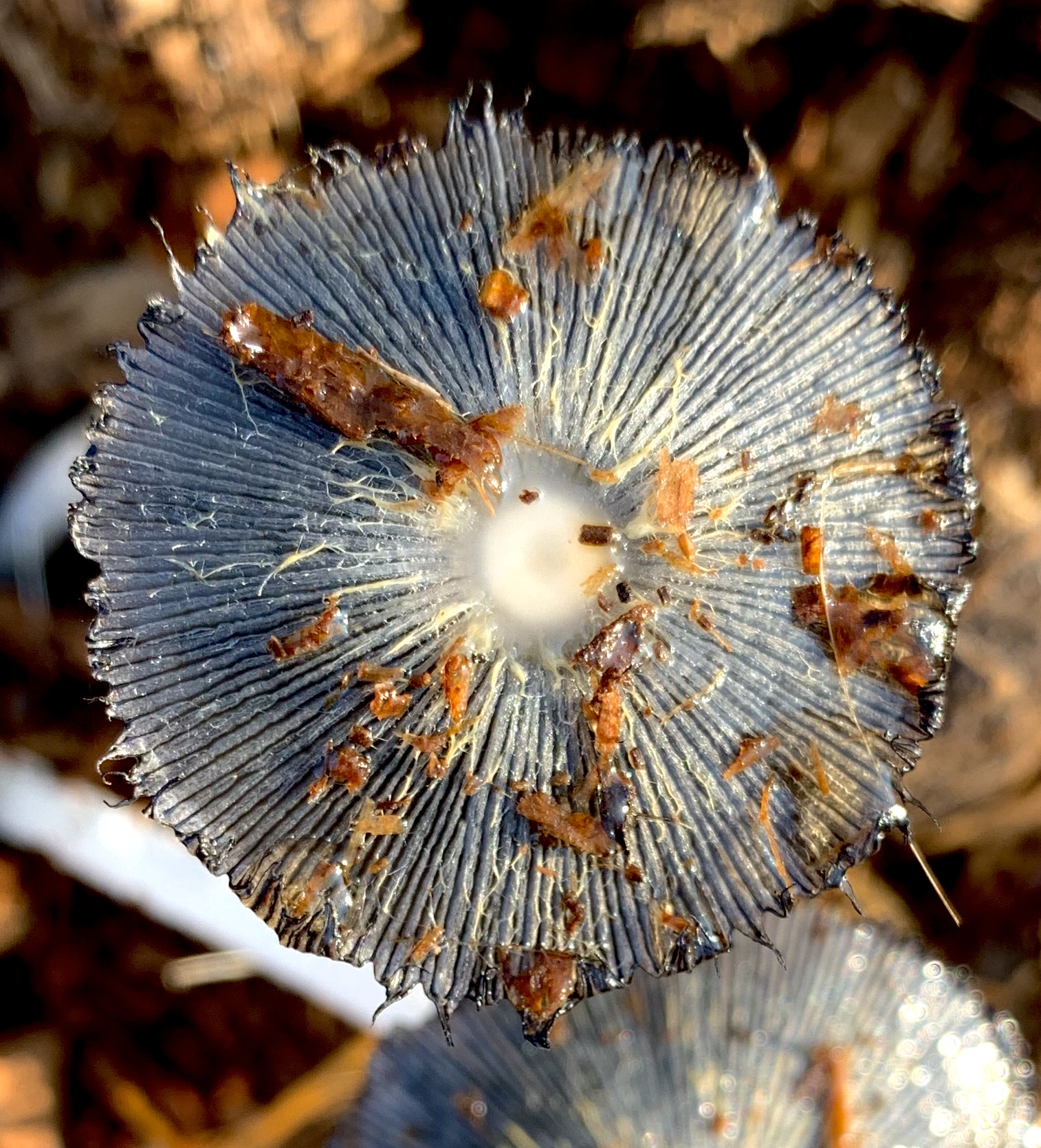
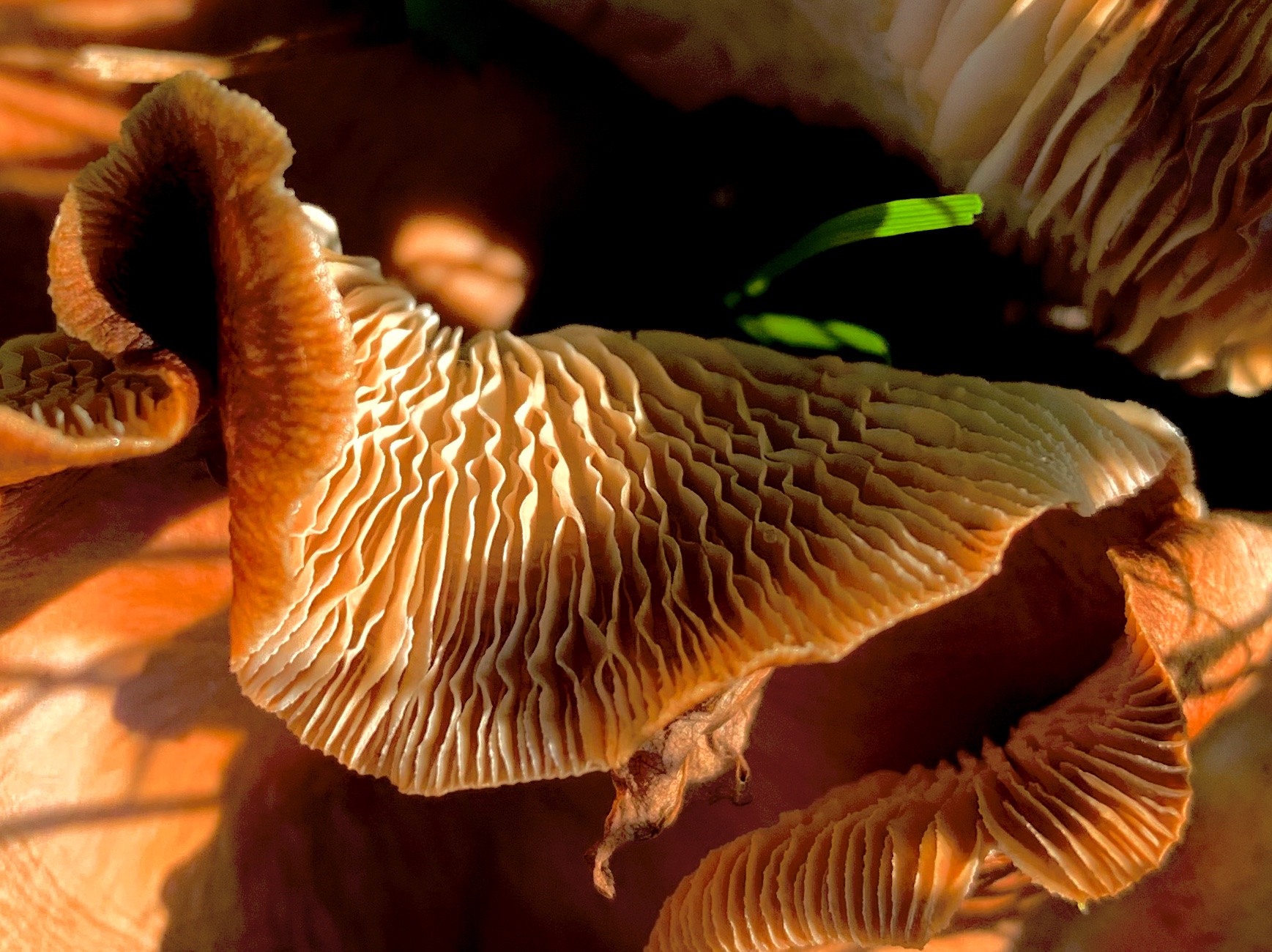
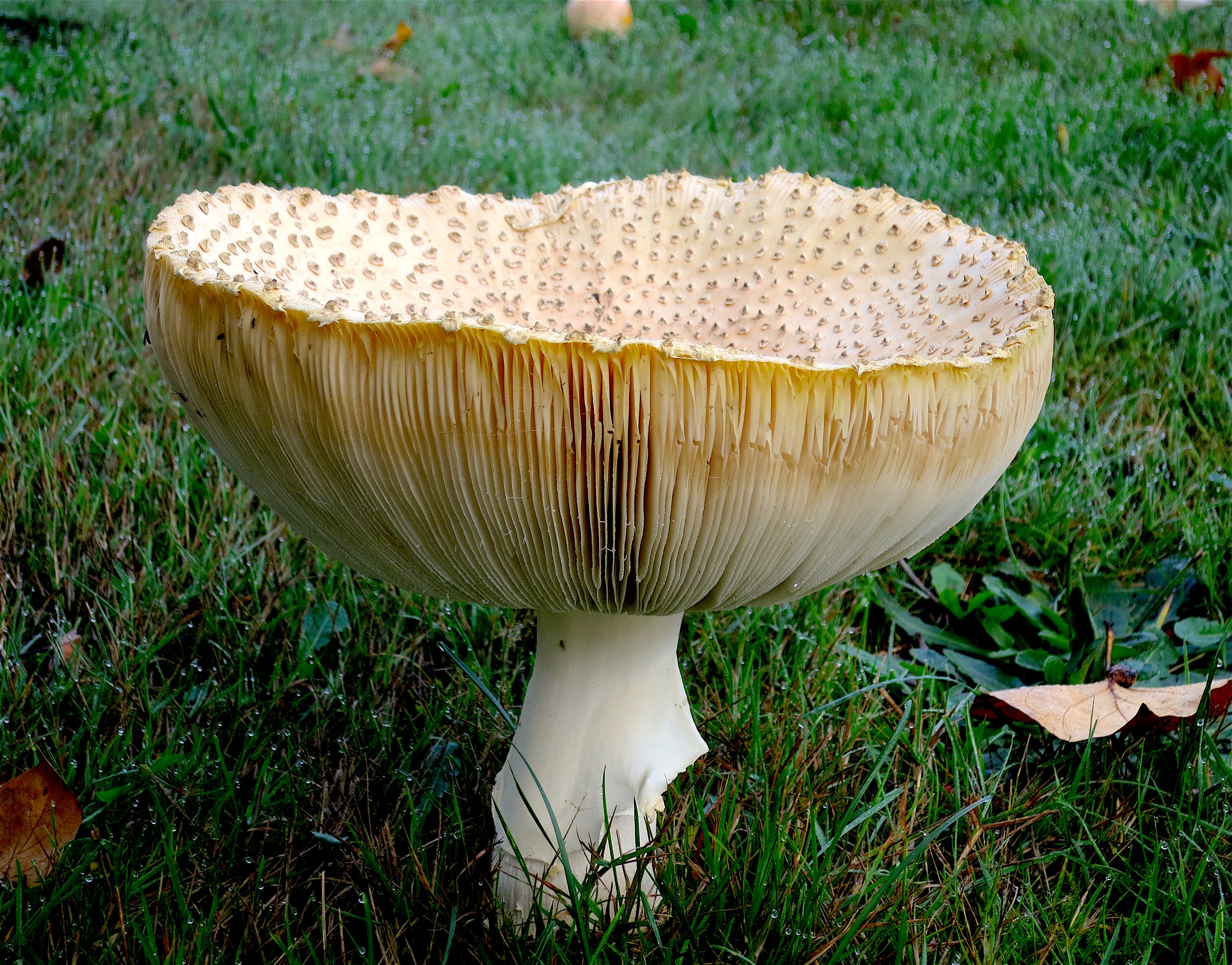
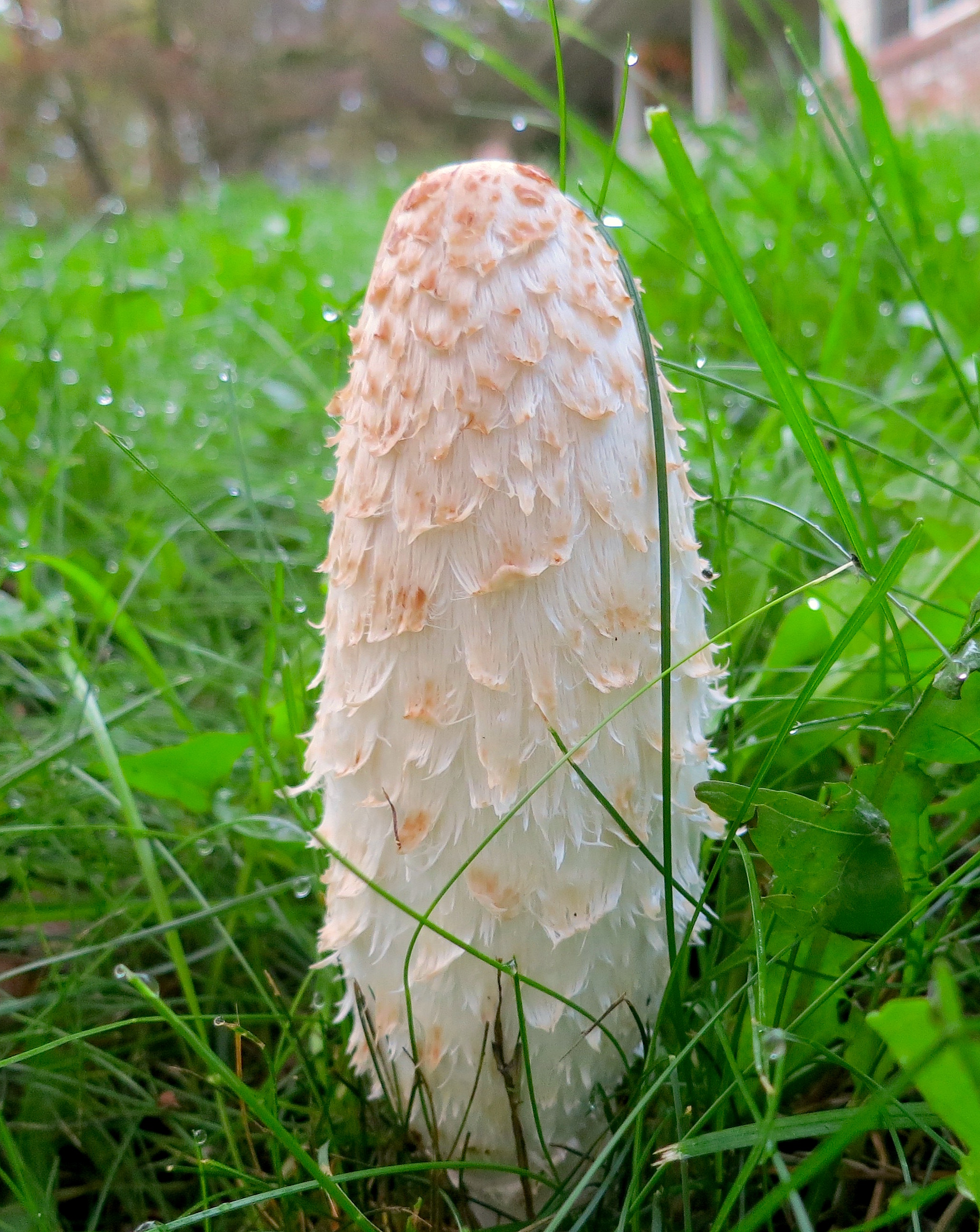
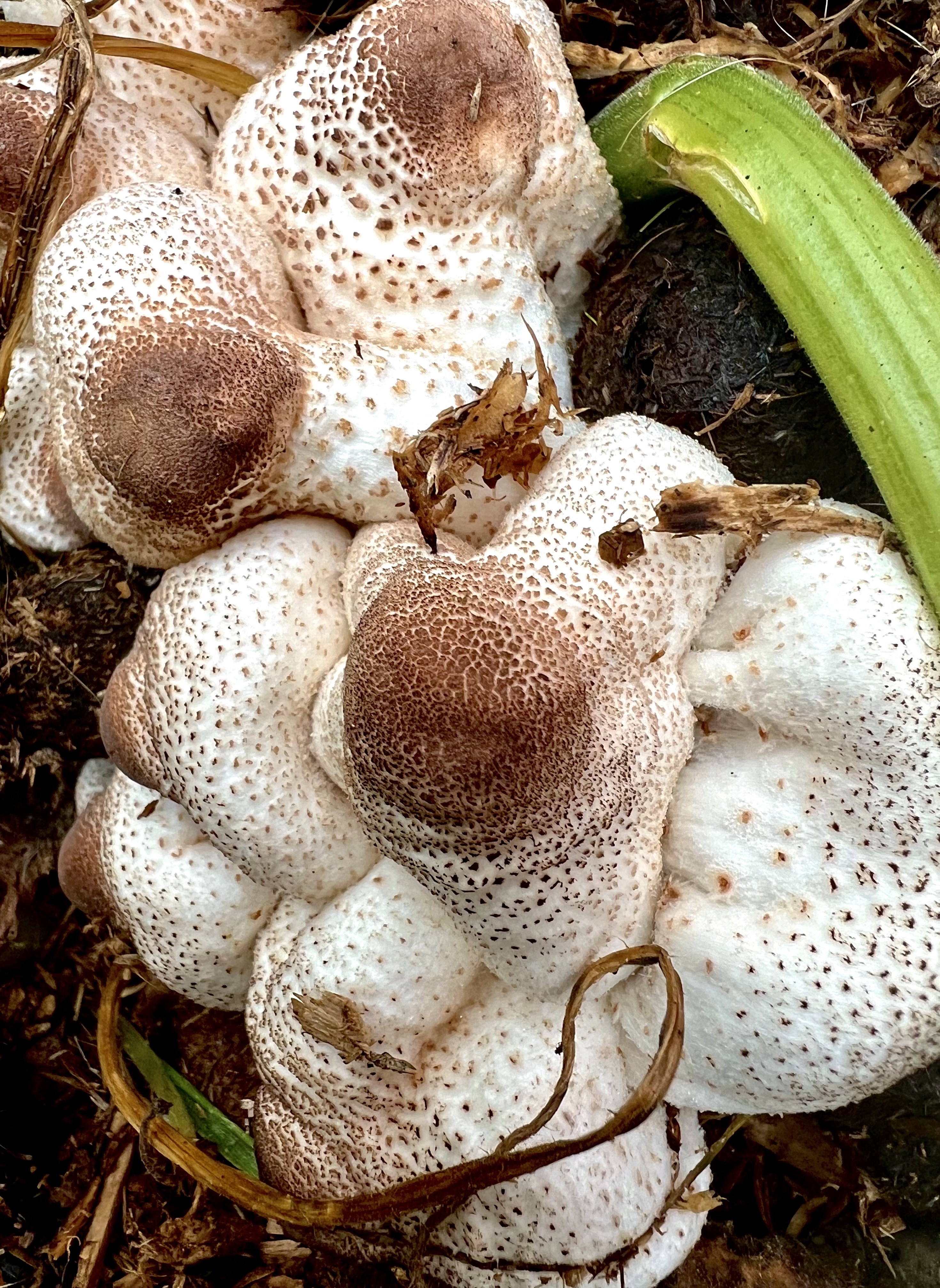
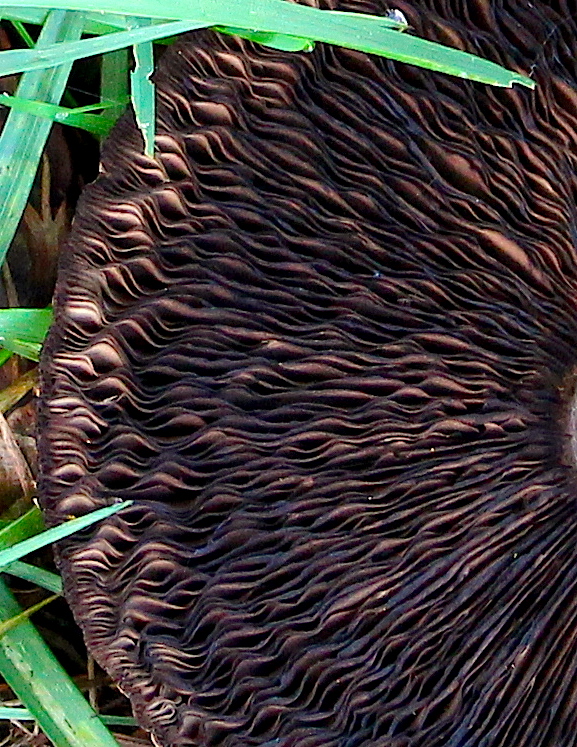
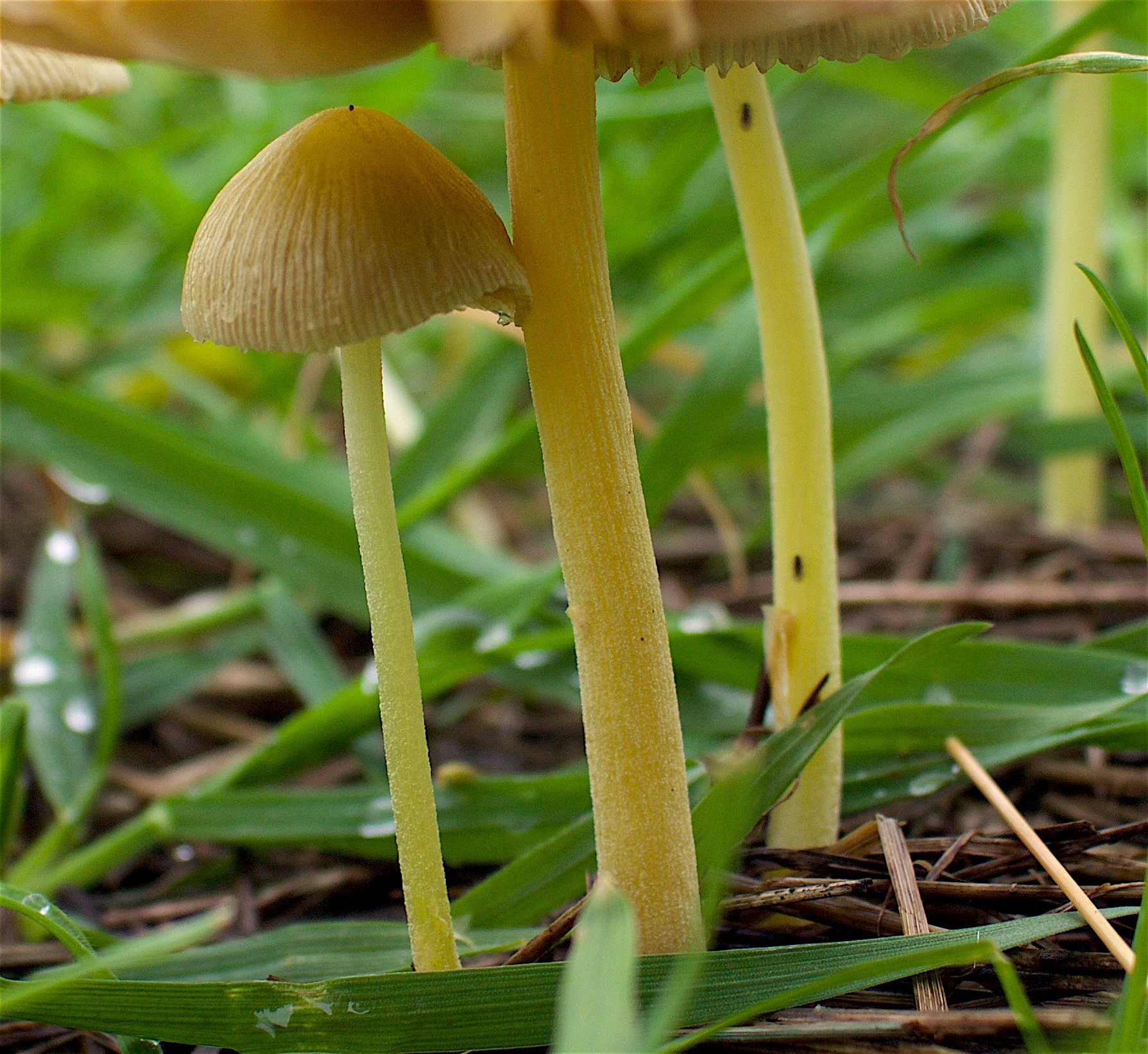
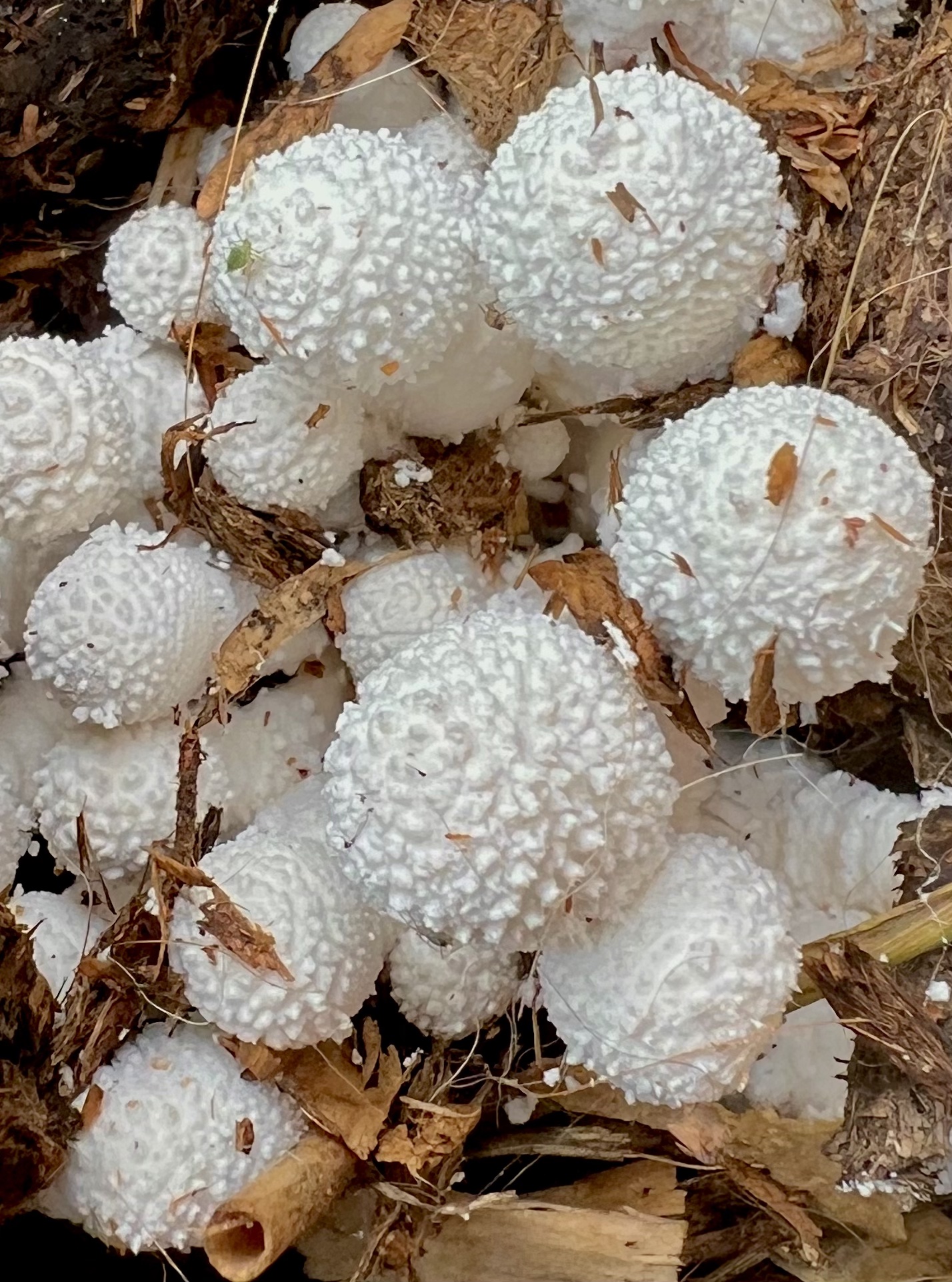
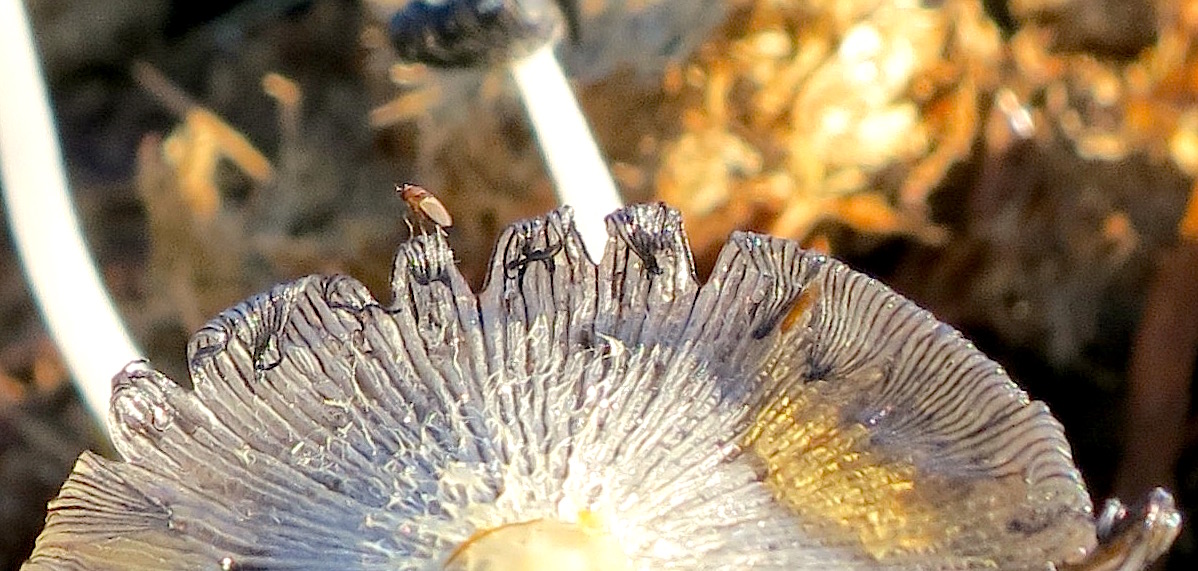
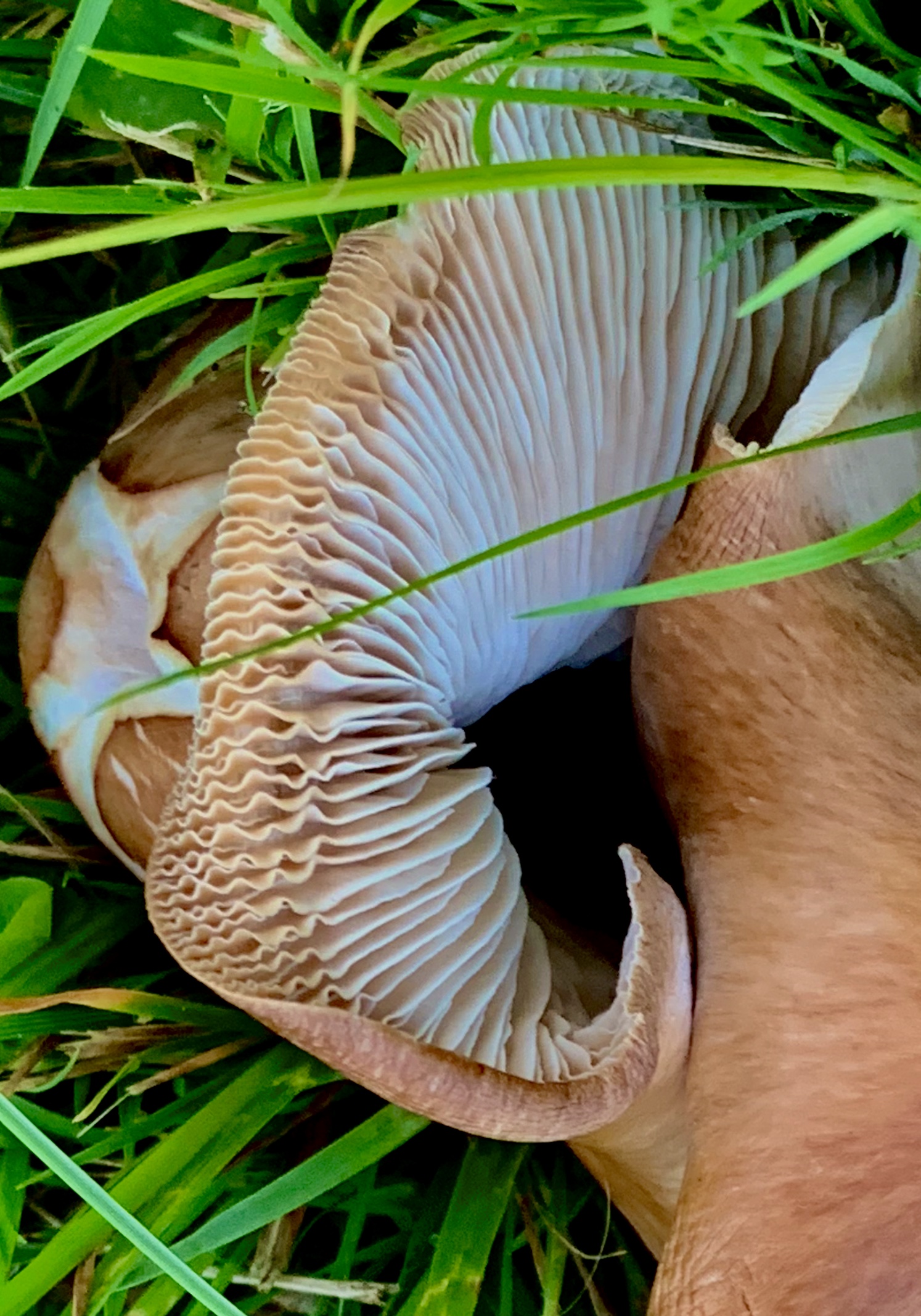
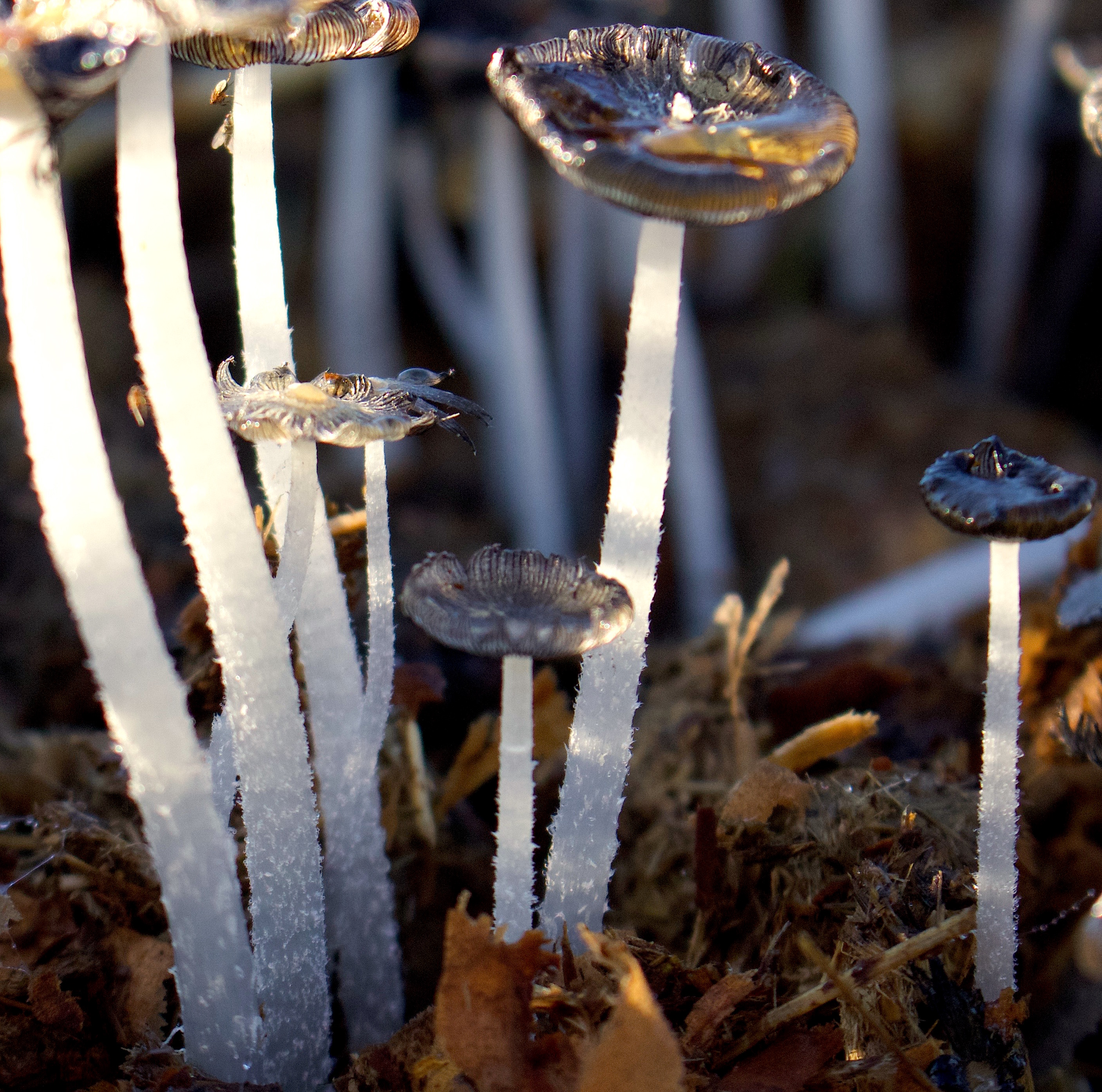
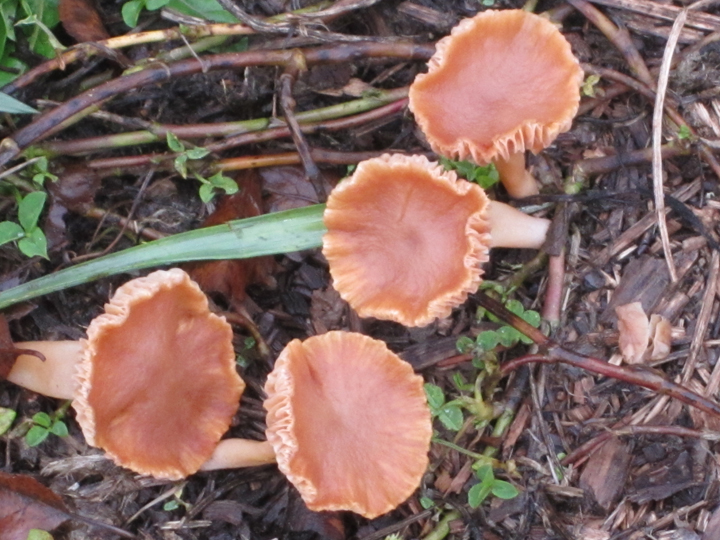
This overnight overture into the light,
the birthing of toadstools after a shower.
As if seed had been sprinkled on the compost pile,
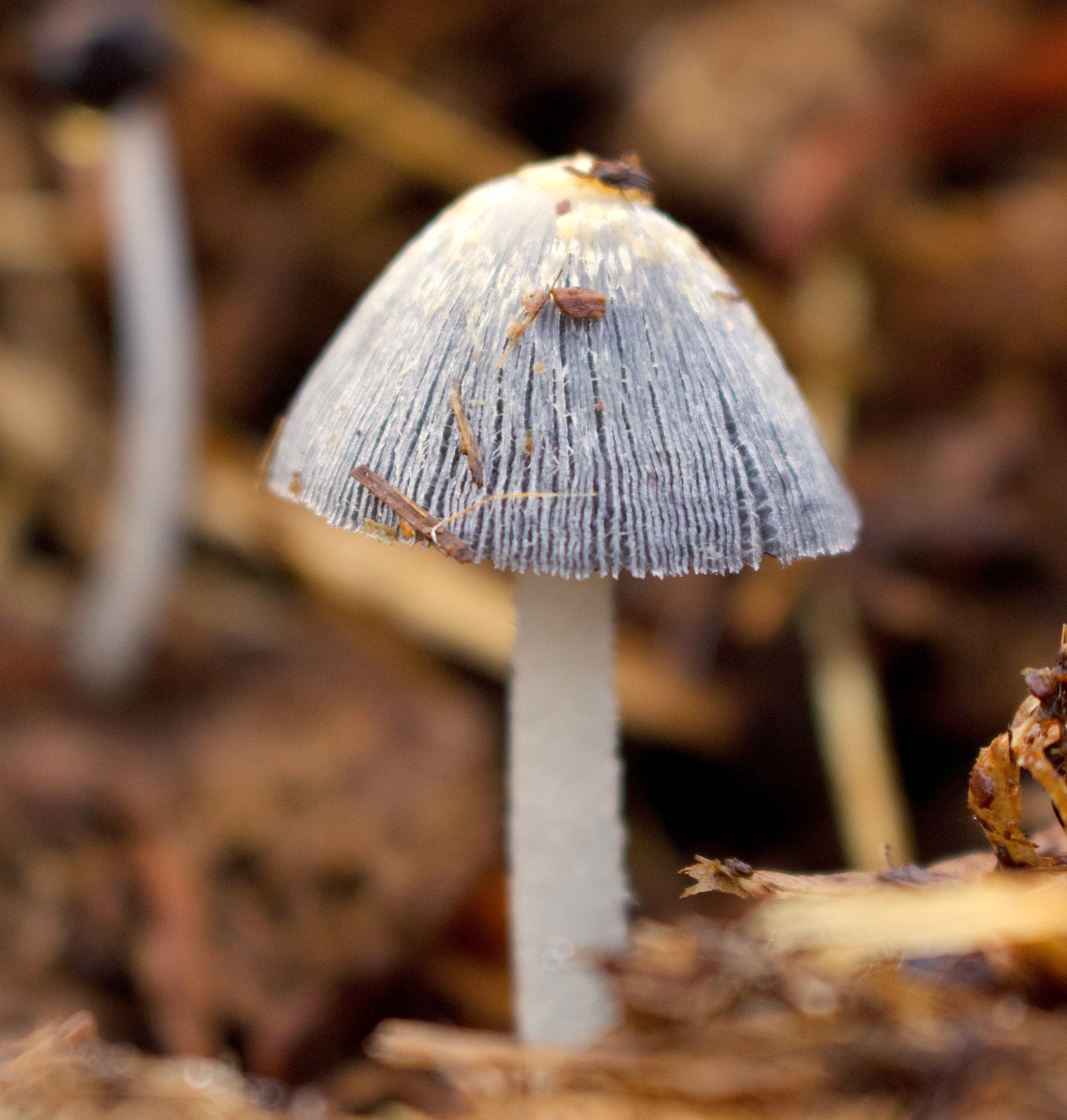
they sprout three inch stalks
as they stretch up at dawn,
topped by dew-catching caps and umbrellas.

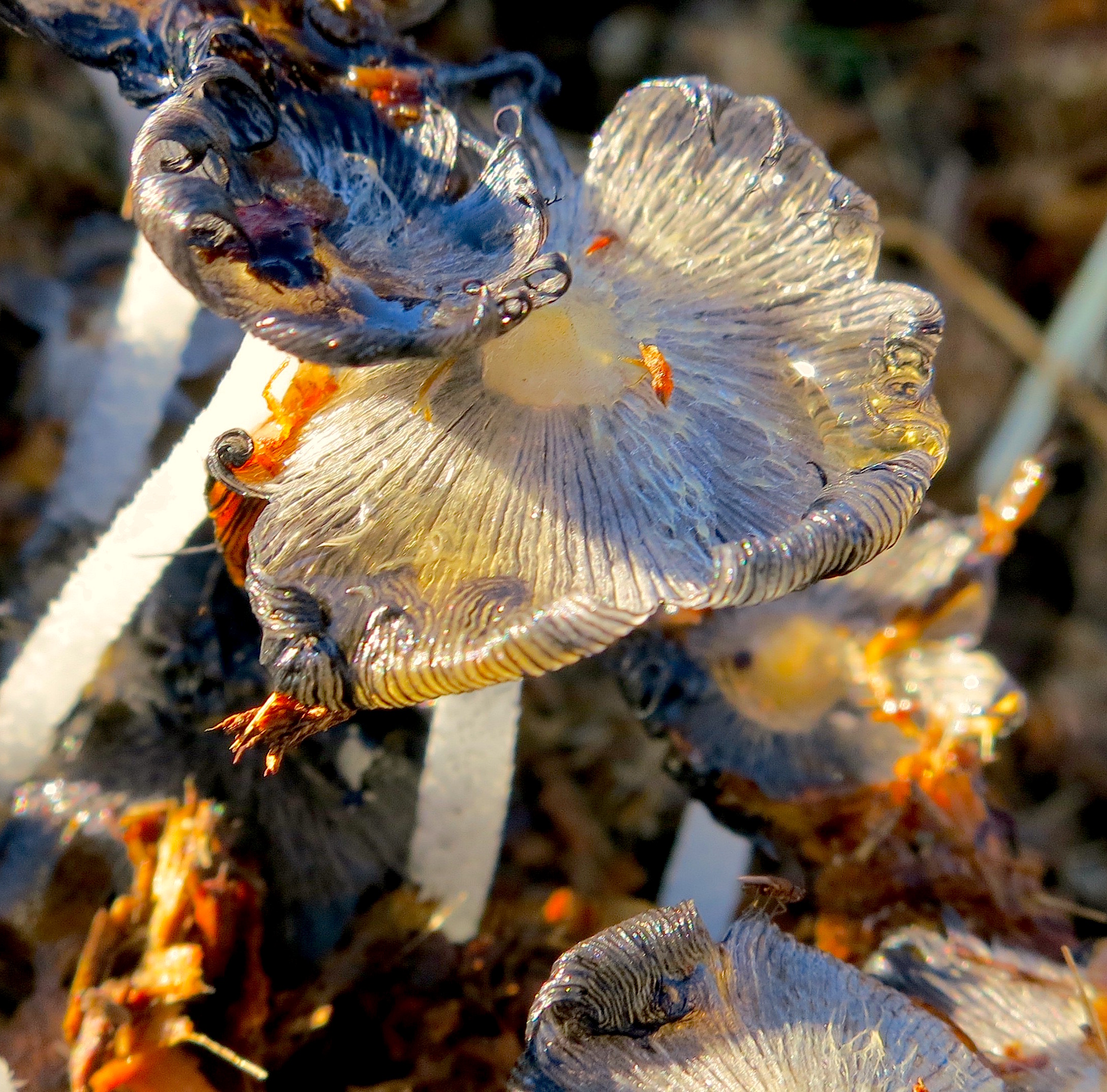
Some translucent as glass,
already curling at the edges in the morning light,
by noon melting into ooze
by evening, a complete deliquescence,
withered and curling back
into the humus
which birthed them hours before.

It shall be repeated
again and again,
this birth from unworthy soil,
this brief and shining life in the sun,
this folding, curling and collapse
to die back to dust and dung.

Most inedible and dangerous,
yet they rise beautiful
and worthy,
as is the way of things
that never give up
once a foot’s in the door.

One-Time
Monthly
Yearly

Make a one-time or recurring donation to support daily Barnstorming posts

Make a monthly donation

Make a yearly donation

Choose an amount

$10.00
$25.00
$50.00
$5.00
$15.00
$100.00
$5.00
$15.00
$100.00

Or enter a custom amount

$

Your contribution is deeply appreciated.

Your contribution is appreciated.

Your contribution is appreciated.

DonateDonate monthlyDonate yearly

To Clean Up Our Messes

It is not only prayer that gives God glory but work.
Smiting on an anvil, sawing a beam, whitewashing a wall,
driving horses, sweeping, scouring,
everything gives God some glory if being in his grace
you do it as your duty.

To go to communion worthily gives God great glory,
but to take food in thankfulness and temperance gives him glory too.
To lift up the hands in prayer gives God glory,
but a man with a dung fork in his hand,
a woman with a slop pail,
give him glory too.

He is so great that all things give him glory
if you mean they should.

So then, my brethren, live.
~Gerard Manley Hopkins from Seeking Peace

On Earth Day, I am reminded that thanks in large part to how messily we humans live, this world is grimy.  

So it is an act of worship as well as respect for our nest to work at cleaning up after ourselves.  Hands that clean toilets, scrub floors, carry bedpans, pick up garbage might as well be clasped in prayer – within such everyday necessary tasks, God is glorified.

I spend time every day carrying buckets and wielding a pitchfork because it is my way of restoring order to the disorder inherent in my little corner of the planet.  It is with gratitude that I’m able to put things to rights, making stall beds tidier for our farm animals by mucking up their messes and in so doing, I’m cleaning up a piece of me at the same time.

I never want to forget the mess I’m in and the mess I am.  I never want to forget to clean up after myself.  I never want to feel it is a mere and mundane chore to worship with dungfork and slop pail.

It is my privilege in winter, spring, summer or fall, not just on Earth Day.  This is His gift to me. It is His Grace that comes alongside me, to help pitch the muck and carry the slop when I think I am too weary to do it myself.

In so doing, I live and breathe in a place made a little cleaner.

photo from Emily Vander Haak
One-Time
Monthly
Yearly

Make a one-time or recurring donation to support daily Barnstorming posts

Make a monthly donation

Make a yearly donation

Choose an amount

¤10.00
¤25.00
¤50.00
¤5.00
¤15.00
¤100.00
¤5.00
¤15.00
¤100.00

Or enter a custom amount

¤

Your contribution is deeply appreciated.

Your contribution is appreciated.

Your contribution is appreciated.

DonateDonate monthlyDonate yearly

A Crumb of Thanks

Aren’t you glad at least that the earthworms
Under the grass are ignorant, as they eat the earth,
Of the good they confer on us, that their silence
Isn’t a silent reproof for our bad manners,
Our never casting earthward a crumb of thanks
For their keeping the soil from packing so tight
That no root, however determined, could pierce it?

Imagine if they suspected how much we owe them,
How the weight of our debt would crush us
Even if they enjoyed keeping the grass alive,
The garden flowers and vegetables, the clover,
And wanted nothing that we could give them,
Not even the merest nod of acknowledgment.

A debt to angels would be easy in comparison,
Bright, weightless creatures of cloud, who serve
An even brighter and lighter master.


Lucky for us they don’t know what they’re doing,
These puny anonymous creatures of dark and damp
Who eat simply to live, with no more sense of mission
Than nature feels in providing for our survival.

…the tunneling earthworms, tireless, silent,
As they persist, oblivious, in their service.

~Carl Dennis from “Worms”

We’ve been carefully composting horse manure for years behind the barn, and we dig in to the 10 foot tall pile to spread on our garden plots. As Dan pushed the tractor’s front loader into the pile, steam rose from its compost innards. As the rich soil was scooped, thousands of newly exposed red wiggler worms immediately dove for cover. Within seconds, thousands of naked little creatures had, well, …wormed their way back into the security of warm dirt, rudely interrupted from their routine. I can’t say I blamed them.

Hundreds of thousands of wigglers ended up being forced to adapt to new quarters, leaving the security of the manure mountain behind. As I smoothed the topping of compost over the garden plot, the worms–gracious creatures that they are–tolerated being rolled and raked and lifted and turned over, waving their little bodies expectantly in the cool air before slipping back down into the dark. There they will begin their work of digesting and aerating the tired soil of the garden, reproducing in their unique hermaphroditic way, leaving voluminous castings behind to further feed future seedlings to be planted.

Worms are unjustly denigrated by humans primarily because we don’t like to be surprised by them. We don’t like to see one in our food, especially only part of one, and are particularly distressed to see them after we’ve digested our food. Once we get past that bit of squeamishness, we can greatly appreciate their role as the ultimate recyclers, leaving the earth a lot better off once they are finished with their work. We humans actually suffer by comparison; to be called “a worm” is really not as bad as it sounds at first. However, the worm may be offended by the association.

I hope to prove a worthy innkeeper for these new tenants.
May they live long and prosper.
May the worm forgive the disruption of my rake and shovel.
May I smile appreciatively the next time someone calls me a mere worm.

One-Time
Monthly
Yearly

Make a one-time or recurring donation to support daily Barnstorming posts

Make a monthly donation

Make a yearly donation

Choose an amount

¤10.00
¤20.00
¤50.00
¤5.00
¤15.00
¤100.00
¤5.00
¤15.00
¤100.00

Or enter a custom amount

¤

Your contribution is deeply appreciated.

Your contribution is appreciated.

Your contribution is appreciated.

DonateDonate monthlyDonate yearly
Mucking About

I’ve banked nothing, or everything.
Every day
the chores need doing again.
Early in the morning,

I clean the horse barn with a manure fork.
Every morning, it feels as though it could be

the day before or a year ago or a year before that.
With every pass, I give the fork one final upward flick
to keep the manure from falling out, and every day I remember

where I learned to do that and from whom.
Time all but stops.
But then I dump the cart on the compost pile.
I bring out the tractor and turn the pile,

once every three or four days.
The bucket bites and lifts,

and steam comes billowing out of the heap.
It’s my assurance that time is really moving forward,
decomposing us all in the process.
~Verlyn Klinkenborg from More Scenes from the Rural Life

He <the professor> asked
what I made of the other Oxford students
so I told him:
They were okay, but they were all very similar…
they’d never failed at anything or been nobodies,
and they thought they would always win.
But this isn’t most people’s experience of life.

He asked me what could be done about it.
I told him the answer was to send them all out for a year
to do some dead-end job
like working in a chicken processing plant
or spreading muck with a tractor.
It would do more good than a gap year in Peru. 

He laughed and thought this was tremendously witty.
It wasn’t meant to be funny.

~James Rebanks from The Shepherd’s Life
(how a sheep farmer succeeds at Oxford and then goes back to the farm)

For well over thirty years, my husband and I have spent about an hour a day shoveling manure out of numerous horse stalls and I’m a better person for it. The last few weeks of sub-freezing snow/icy weather while running low on trucked-in supplies of shavings and straw bedding has been a particular character-building experience. It feels like everything, myself included, is in a process of decomposition.

Wheeled to a mountainous pile in our barnyard,  our daily collection of manure happily composts year round, becoming rich fertilizer in a matter of months through a crucible-like heating process of organic chemistry, bacteria and earthworms.  Nothing mankind has achieved quite matches the drama of useless and basically disgusting stuff transforming into the essential elements needed for productive growth and survival.   This is a metaphor I can <ahem> happily muck about in.

I’m in awe, every day, at being part of this process — in many ways a far more tangible improvement to the state of the world than anything else I manage to accomplish every day.  The horses, major contributors that they are, act underwhelmed by my enthusiasm.  I guess some miracles are relative, depending on one’s perspective, but if the horses understood that the grass they contentedly eat in the pasture, or the hay they munch on during the winter months, was grown thanks to their carefully recycled waste products, they might be more impressed.

Their nonchalance about the daily mucking routine is understandable.  If they are outside, they probably don’t notice their beds are clean when they return to the stalls at night.  If they are inside during the heavy rain days, they feel duty-bound to be in our faces as we move about their stall, toting a pitchfork and pushing a wheelbarrow.  I’m a source of constant amusement as they nose my jacket pockets for treats that I never carry, as they beg for scratches on their unreachable itchy spots, and as they attempt to overturn an almost full load, just to see balls of manure roll to all corners of the stall like breaking a rack of billiard balls in a game of pool.

Good thing I’m a patient person always seeking an object lesson in whatever I see or do ~ mucking out stalls every day helps me tolerate the proverbial muck I encounter every day off the farm.  And spending an hour a day getting dirty in the real stuff somehow makes the virtual manure less noxious. 

Everyone should be spending time daily mucking out;
I think the world would generally be a better place.

Wally, our former stallion, now gelded, discovered a way to make my life easier rather than complicating it.  He hauled a rubber tub into his stall from his paddock, by tossing it into the air with his teeth and throwing it, and it finally settled against one wall.  Then he began to consistently pile his manure, with precise aim, right in the tub.  I didn’t ask him to do this.  It had never occurred to me.  I hadn’t even thought it was possible for a horse to house train himself.  But there it is, proof that some horses prefer neat and tidy rather than the whirlwind eggbeater approach to manure distribution.  After a day of his manure pile plopping, it is actually too heavy for me to pick up and dump into the wheelbarrow all in one tub load, but it takes 1/4 of the time to clean his stall than the others, and he spares all this bedding.

What a guy.  He provides me unending inspiration in how to keep my own personal muck concentrated rather than spreading it about,  contaminating the rest of the world.

Now, once I teach him to put the seat back down when he’s done, he’s welcome to move into the house…

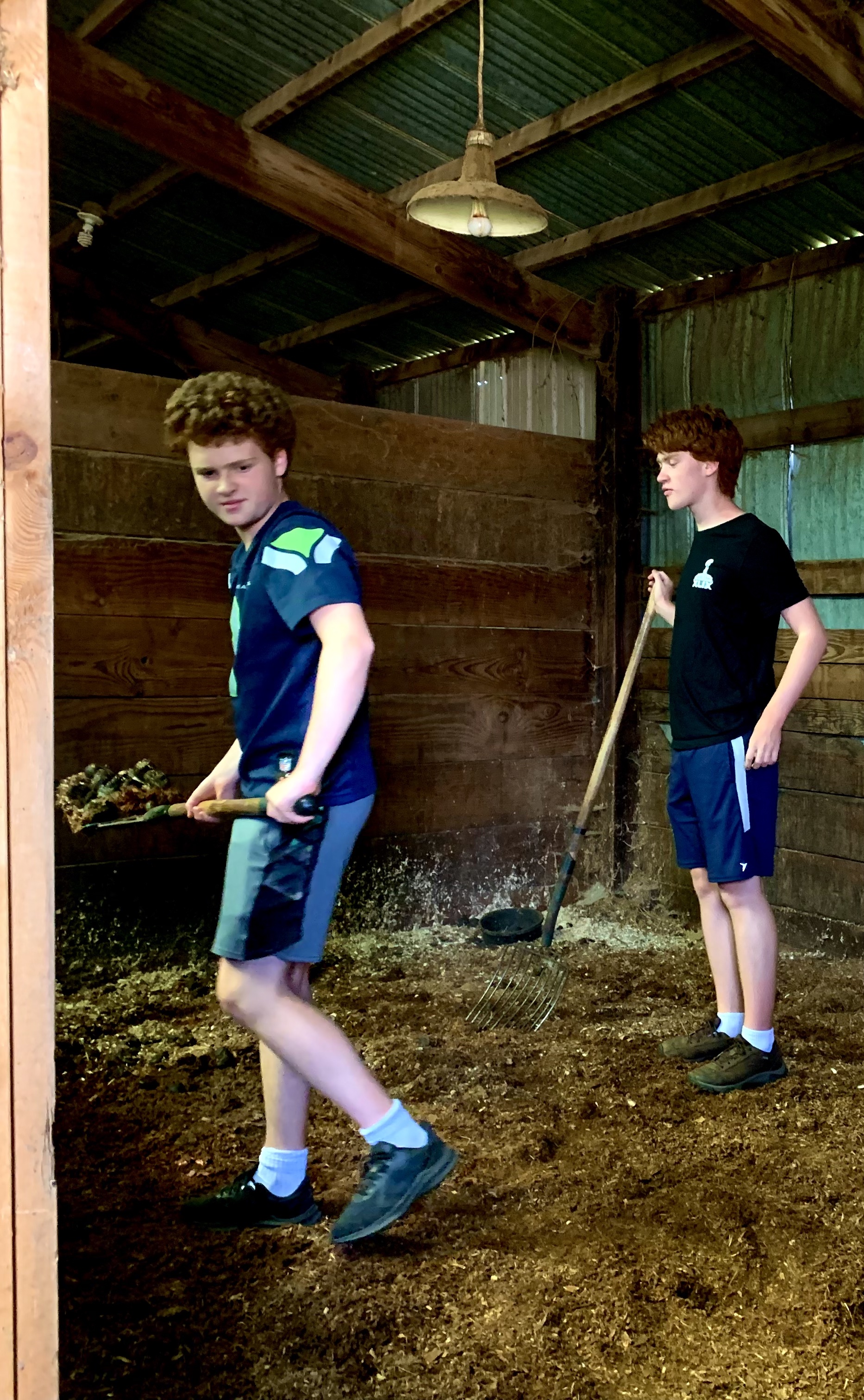
teaching my city nephews how to muck out a stall
Wally’s purposeful pile

One-Time
Monthly
Yearly

Make a one-time or recurring donation to support Barnstorming

Make a monthly donation

Make a yearly donation

Choose an amount

¤5.00
¤10.00
¤20.00
¤5.00
¤15.00
¤100.00
¤5.00
¤15.00
¤100.00

Or enter a custom amount

¤

Your contribution is deeply appreciated.

Your contribution is appreciated.

Your contribution is appreciated.

DonateDonate monthlyDonate yearly
A Zone of Stink

Like a piece of rotten meat
which not only stinks right on its own surface
but also surrounds itself
with a stinking molecular cloud of stink,
so, too, each island of the archipelago
created and supported a zone of stink around itself.

~ Aleksandr Solzhenitsyn, The Gulag Archipelago, 1918-1956: An Experiment in Literary Investigation, Books III-IV

If you’re looking for sympathy
you’ll find it between shit and syphilis in the dictionary.
— David Sedaris (Barrel Fever: Stories and Essays)

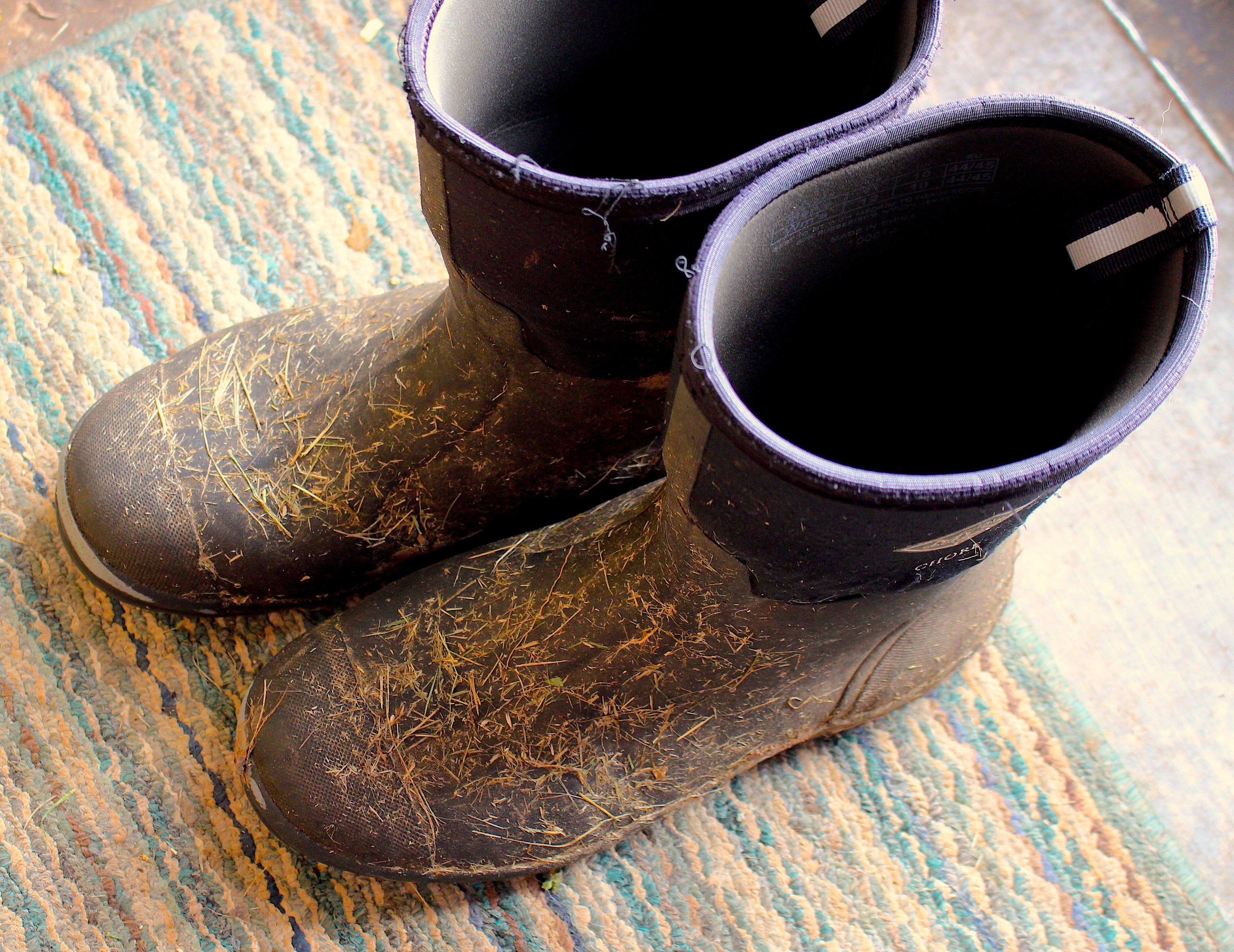
As I’ve written elsewhere, I spend over an hour a day dealing with the excrement of my farm critters. This is therapeutic time for me as I have deep respect for the necessity to clean up and compost what is smelly/stinky/yucky and biblically objectionable. (Deuteronomy 23:12-14) None of us, including God, want to take a walk having to pick our way around poop.

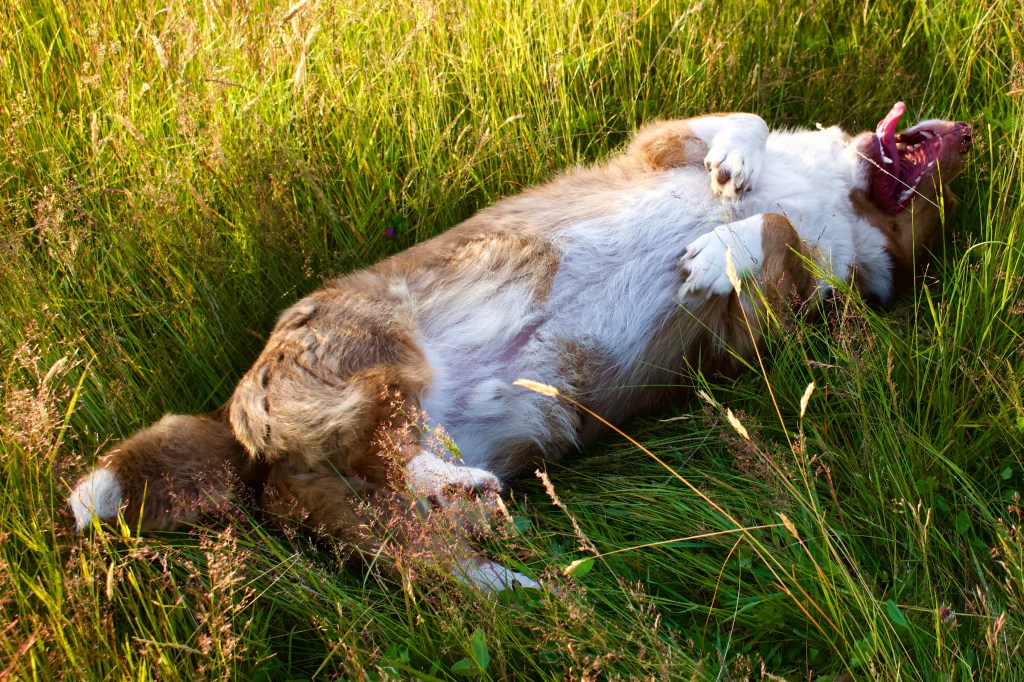
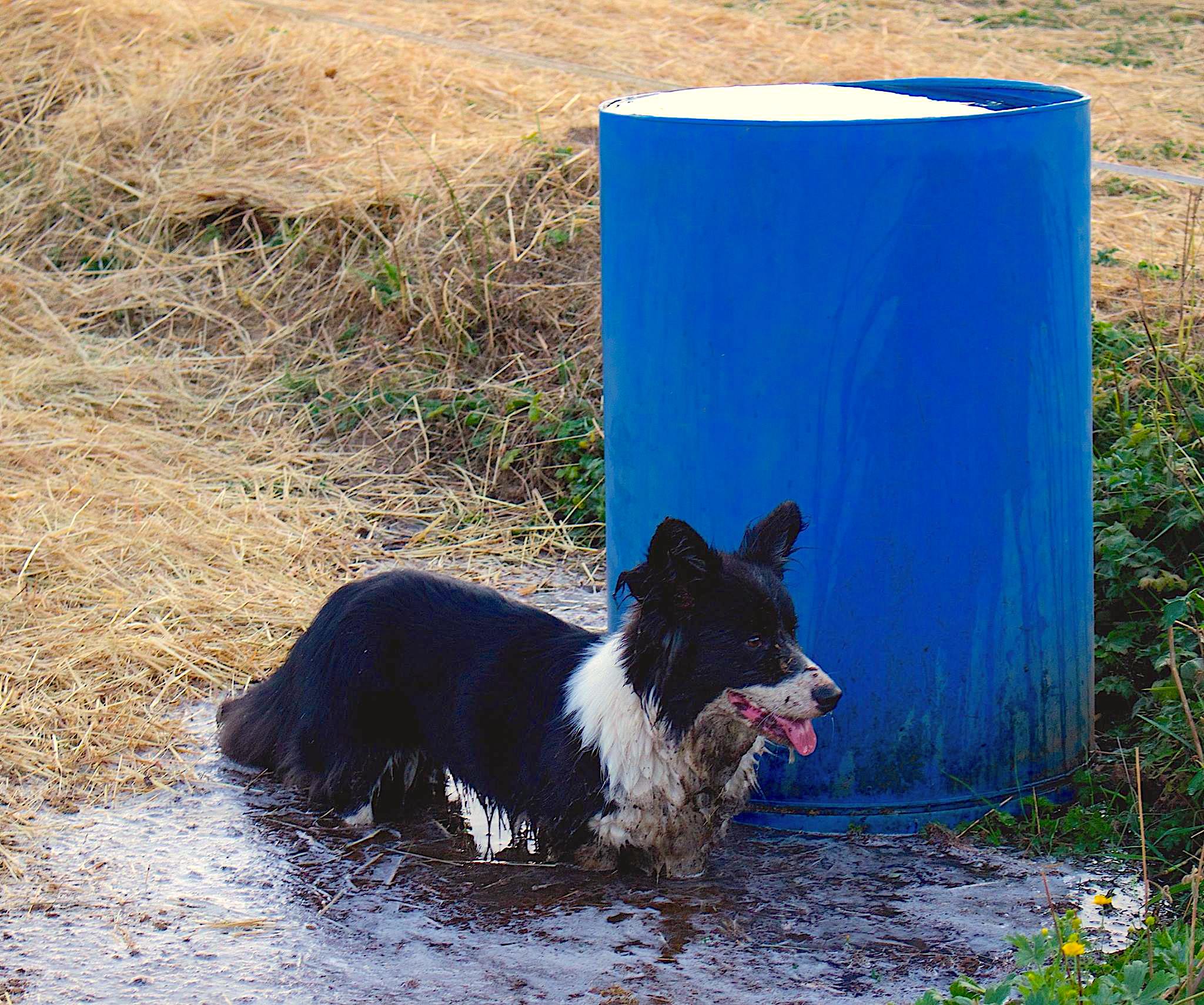
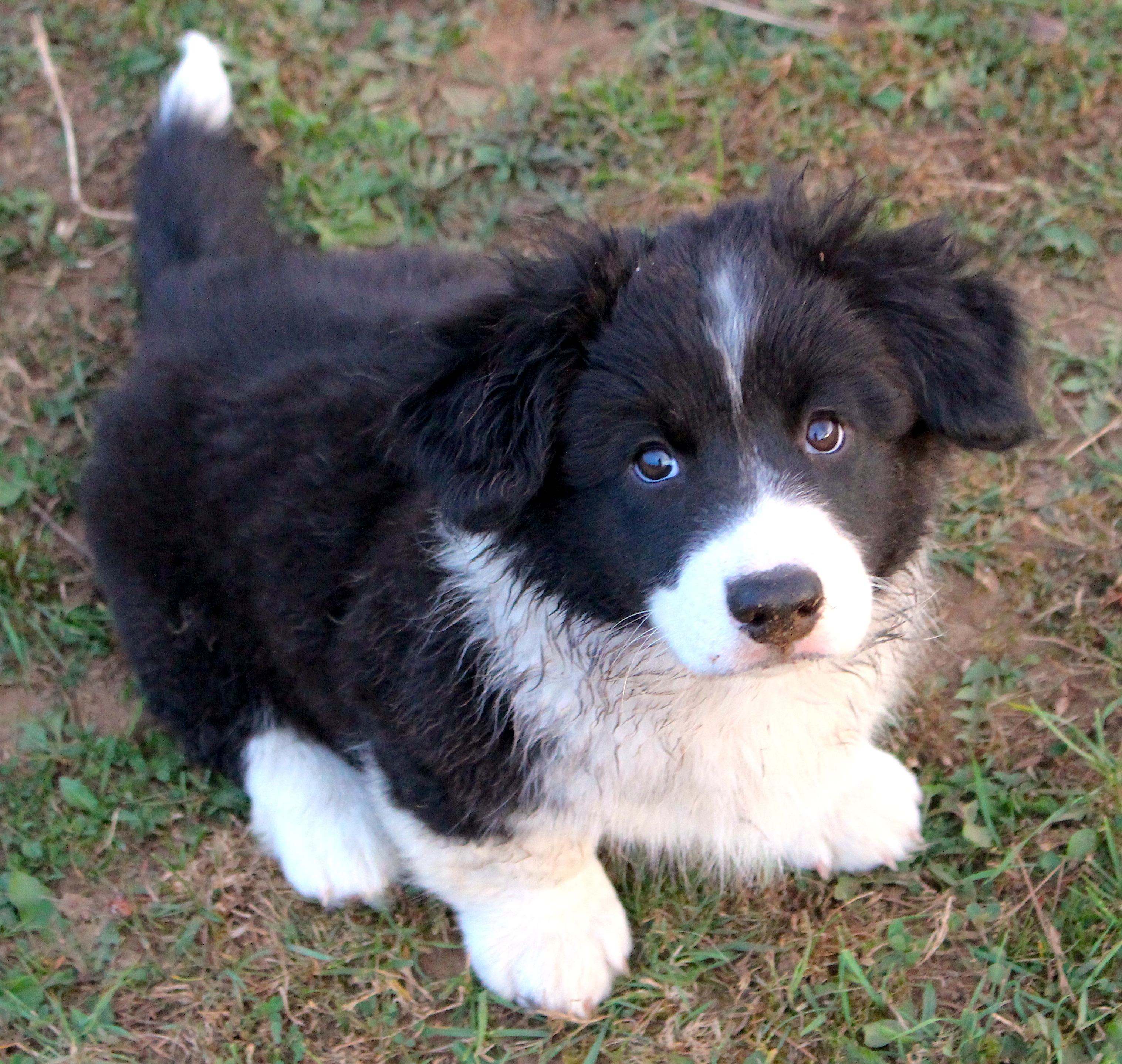
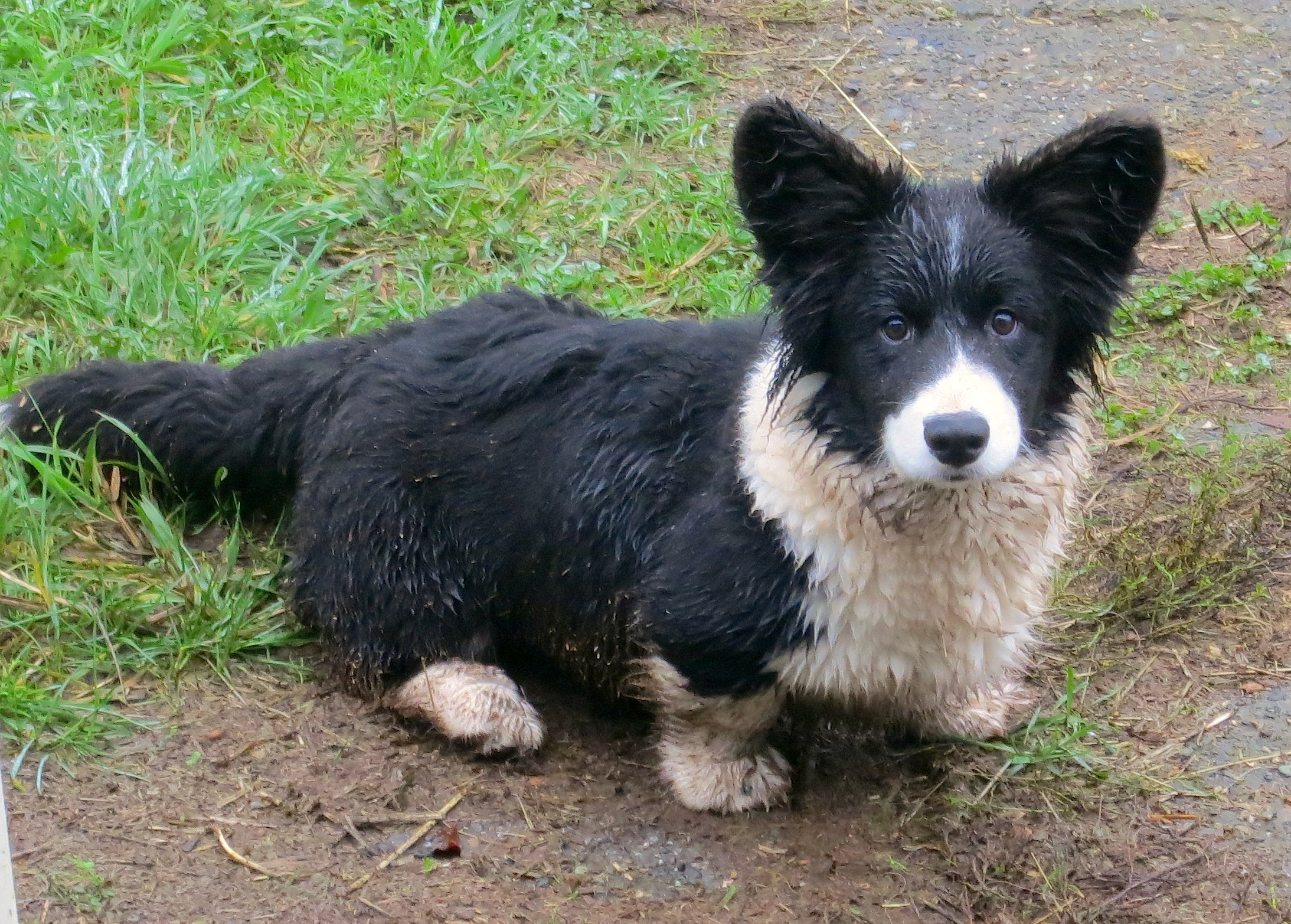
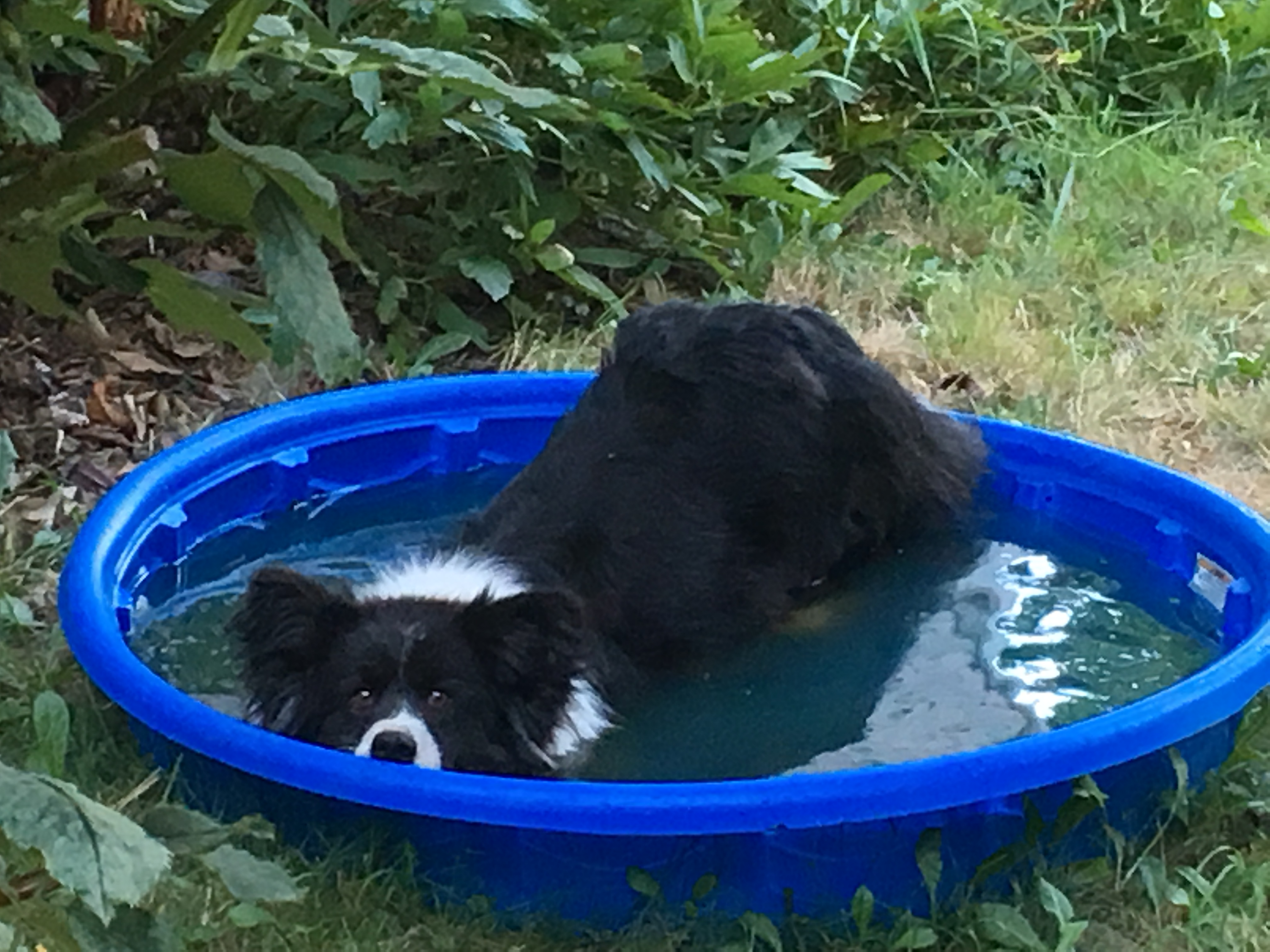
As I’m busy picking up manure, I watch our dogs seek out the smelliest, most vile things they can find in the barn or field (preferably dead) and roll themselves around in it one after another until they are just as stinky as the stuff they found. They are clearly joyous about it, especially when they do it together. It is curious throw-back behavior that I’ve assumed, wearing my animal behaviorist hat, was about a wild predator covering up their scent in order to stalk and capture prey more effectively without being detected – except they are really truly so smelly that any prey could sense them coming from a mile away and would learn quickly that a moving creature that smells like poop or a dead carcass is bad news and to be avoided.
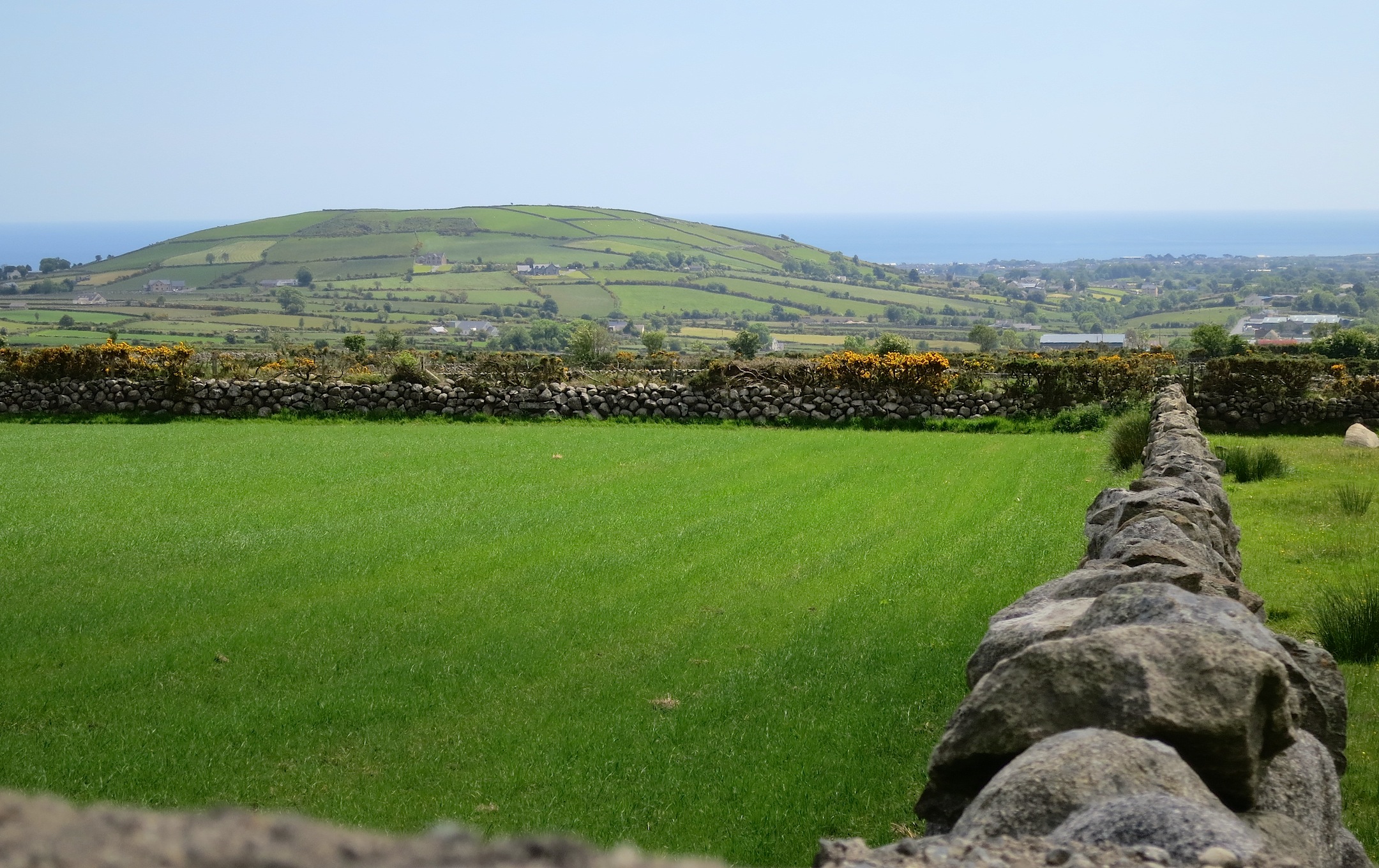
This is the main reason our farm dogs live full time outdoors. We prefer to avoid stinky dirty creatures too. So I’ve tried to understand this behavior for what adaptive purpose it may have.

Here are some interesting theories at this link.

What makes the most sense to me is the “pack mentality” that suggests that once one dog/wolf rolls in something objectionable, that the rest of the pack does too. This is a unifying theme for anxious individuals – they aren’t really on their own if they smell and blend in with the rest of the pack. So they spread the “wealth”, so to speak. Stink up one, stink up all. Like team spirit, it seems to improve morale – until it doesn’t anymore.

I’ve been feeling covered with stink myself lately as I’ve searched for those sympathetic around me and found myself stuck between shit and syphilis. There are so many divisive opinions right now about a variety of current issues; vile nonsense has been flying right and left on social media as well as face to face. The theory is if all stink the same from rolling in piles of misinformation, we are then no longer alone.

Yet our destiny does not have to include believing, sharing and “flinging” the stuff that stinks to see who it will stick to. I no longer want to be a target.

Time for a bath.
Time for soap and cleansing and some serious self-examination.
Time to stop joyously rolling around in it.
Time to bury the excrement so we’re not staring at the ground, picking our way around the piles and can actually hold our heads up to see where we’re heading.

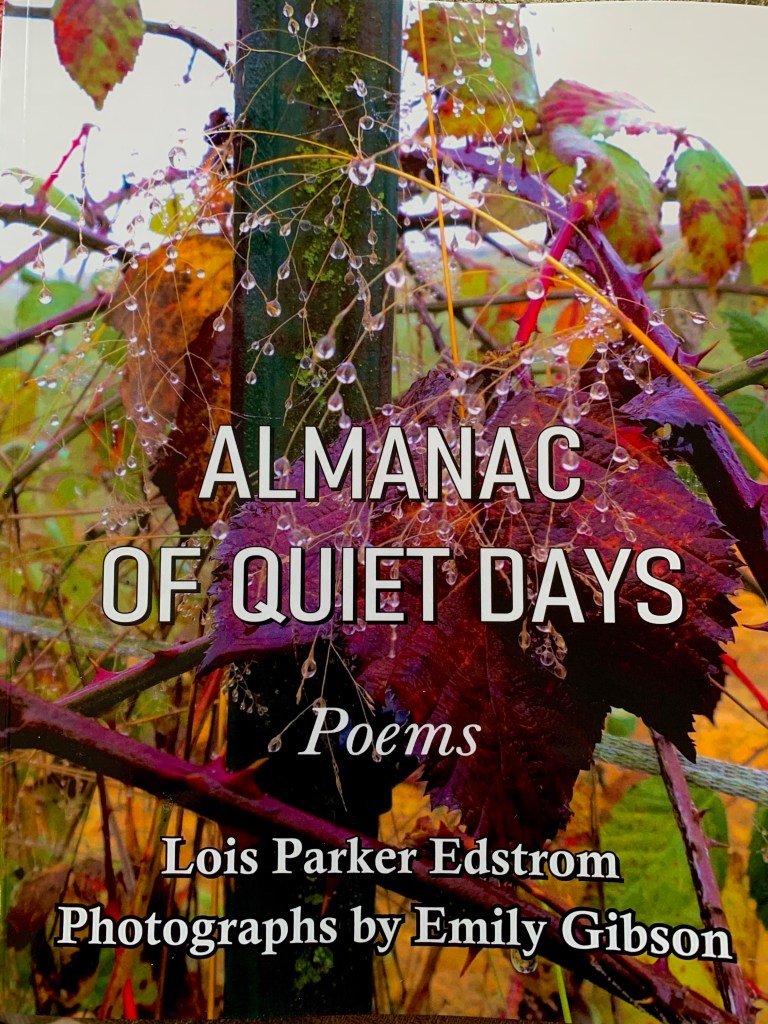
A new book from Barnstorming is available to order here: