The Reddening Light

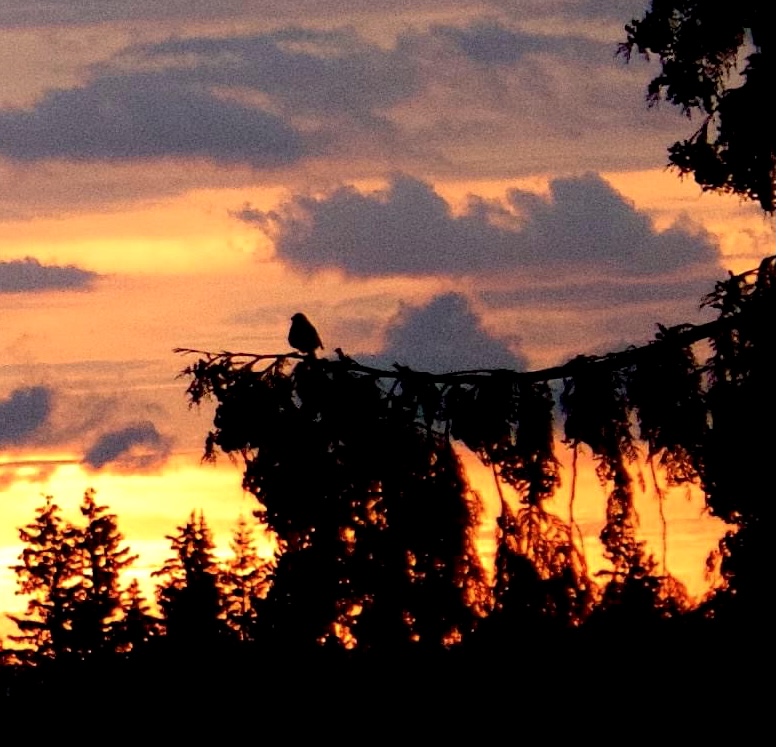
Near dusk, near a path, near a brook,
we stopped, I in disquiet and dismay
for the suffering of someone I loved,
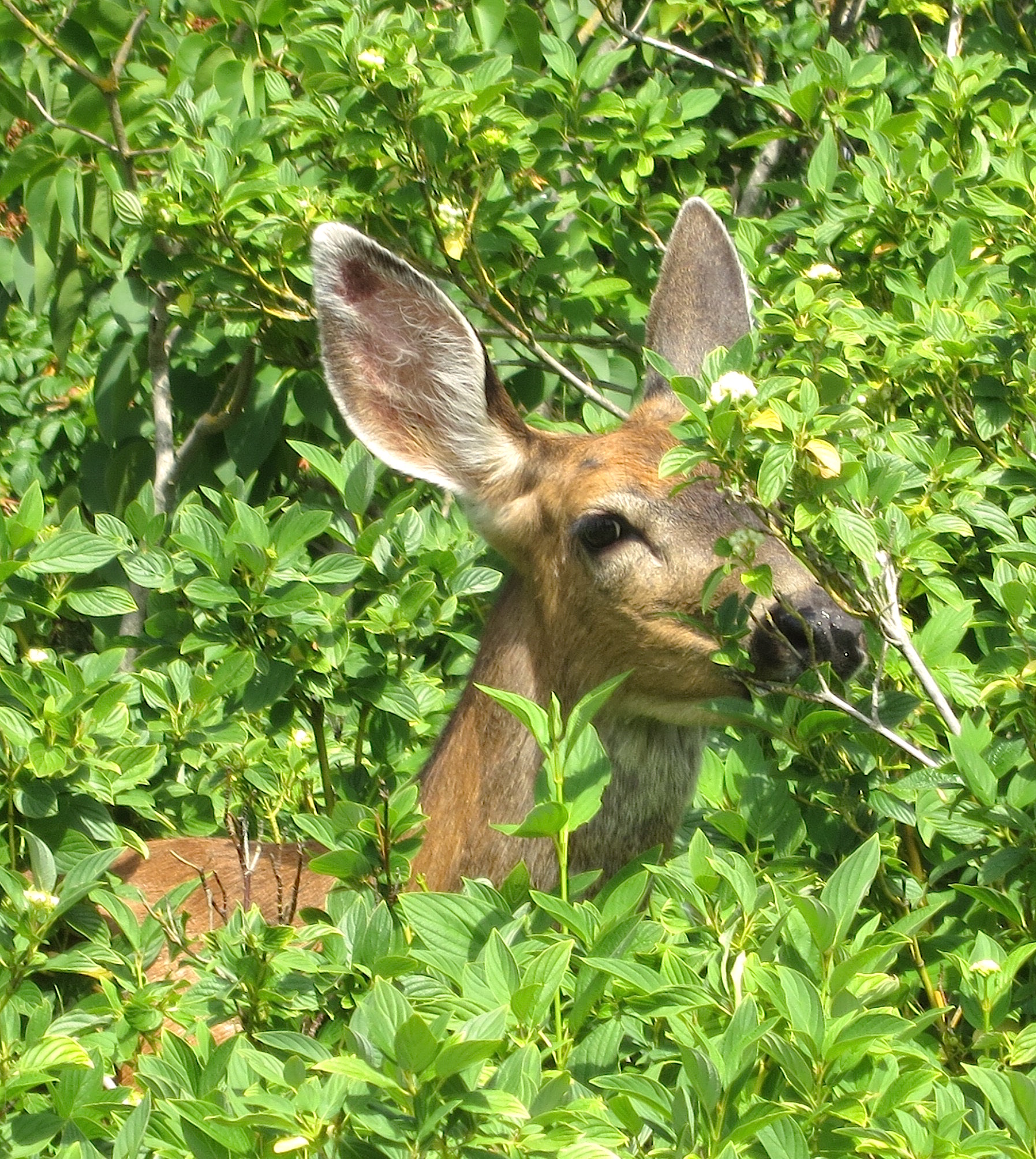
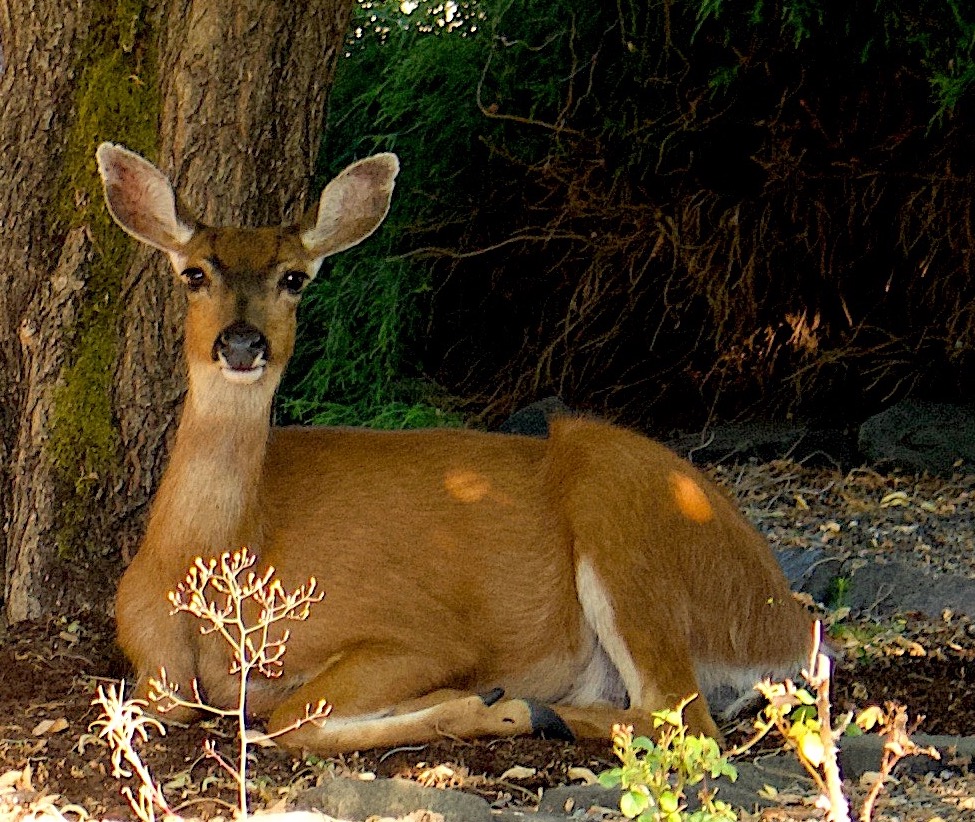
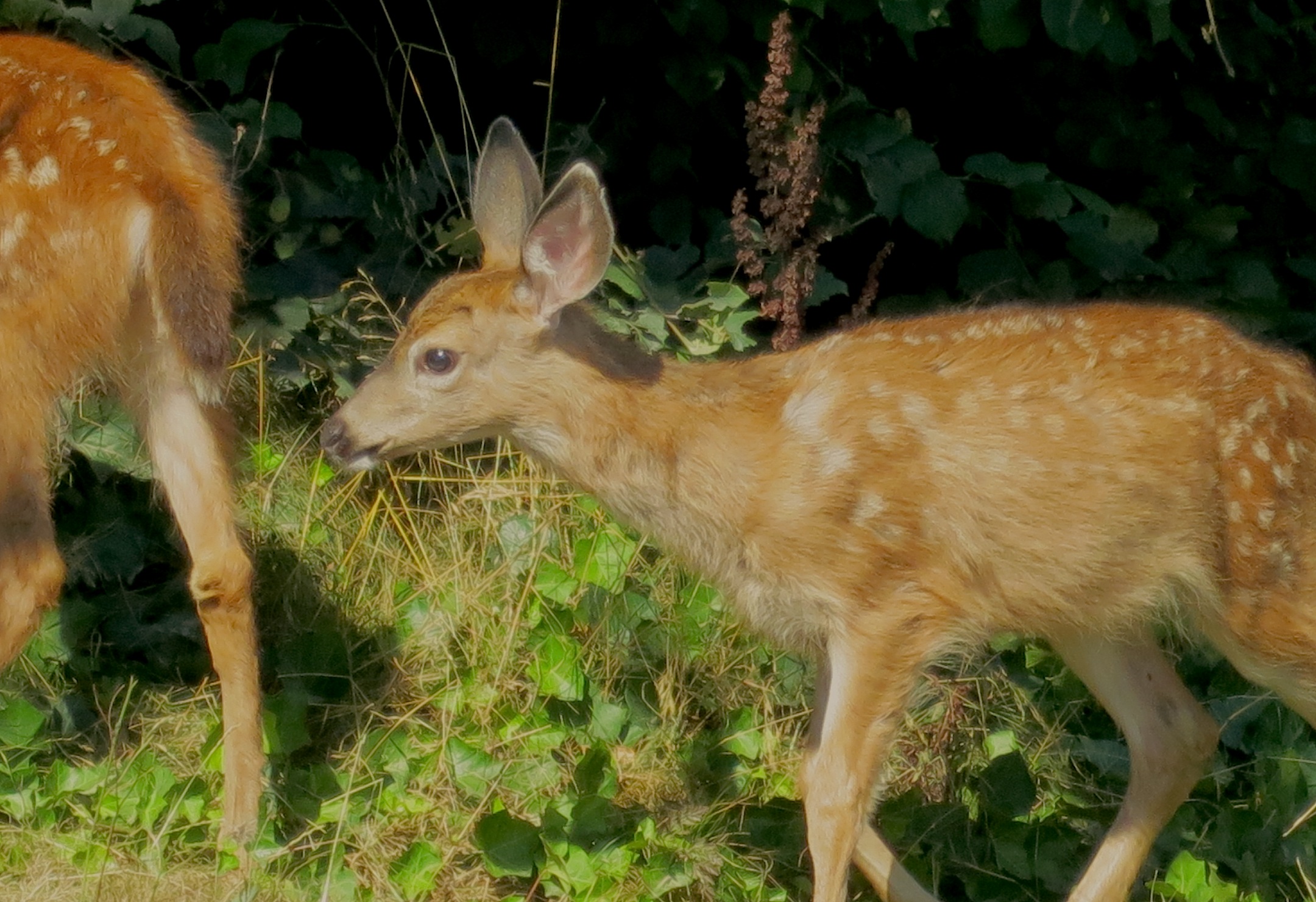
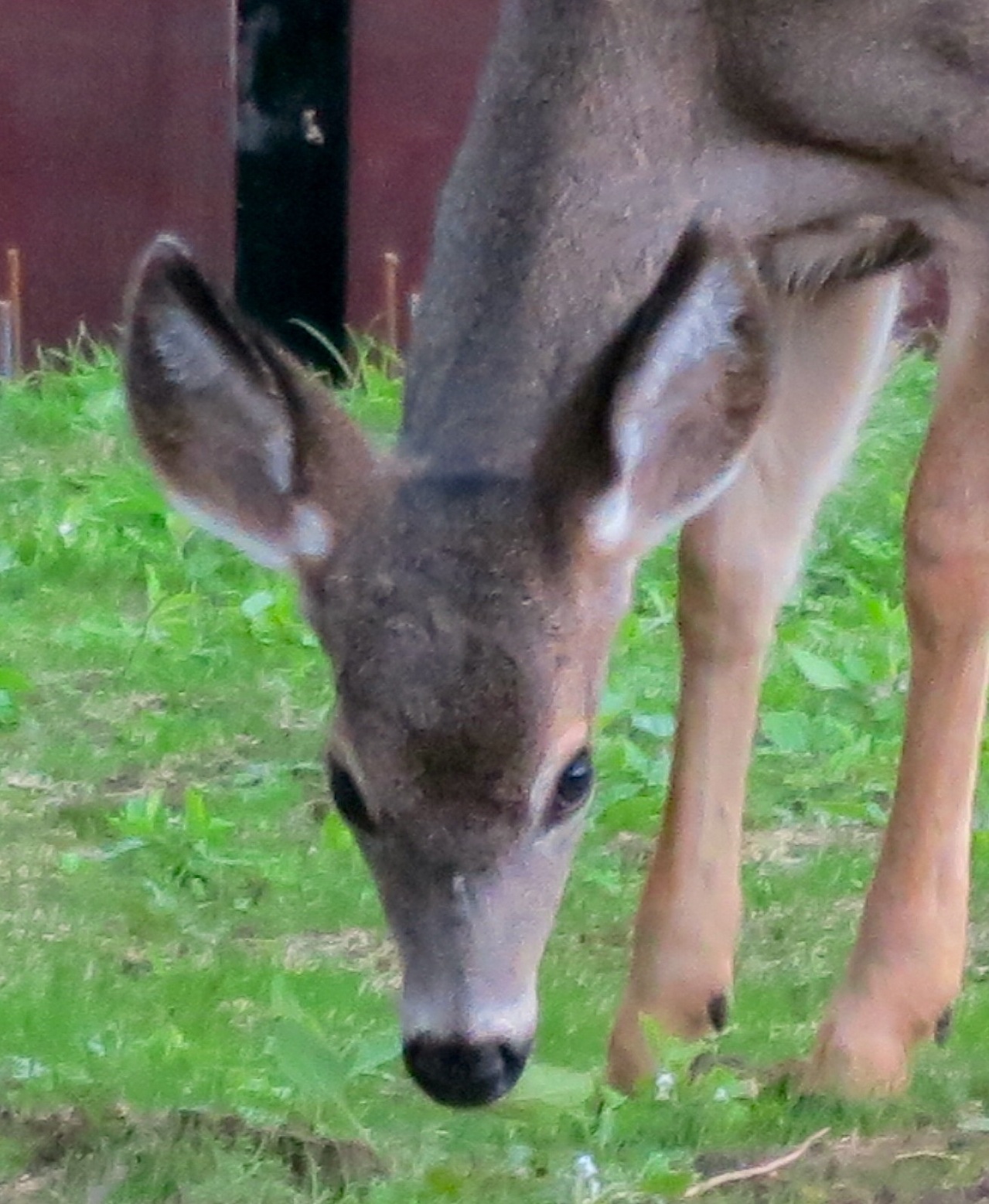
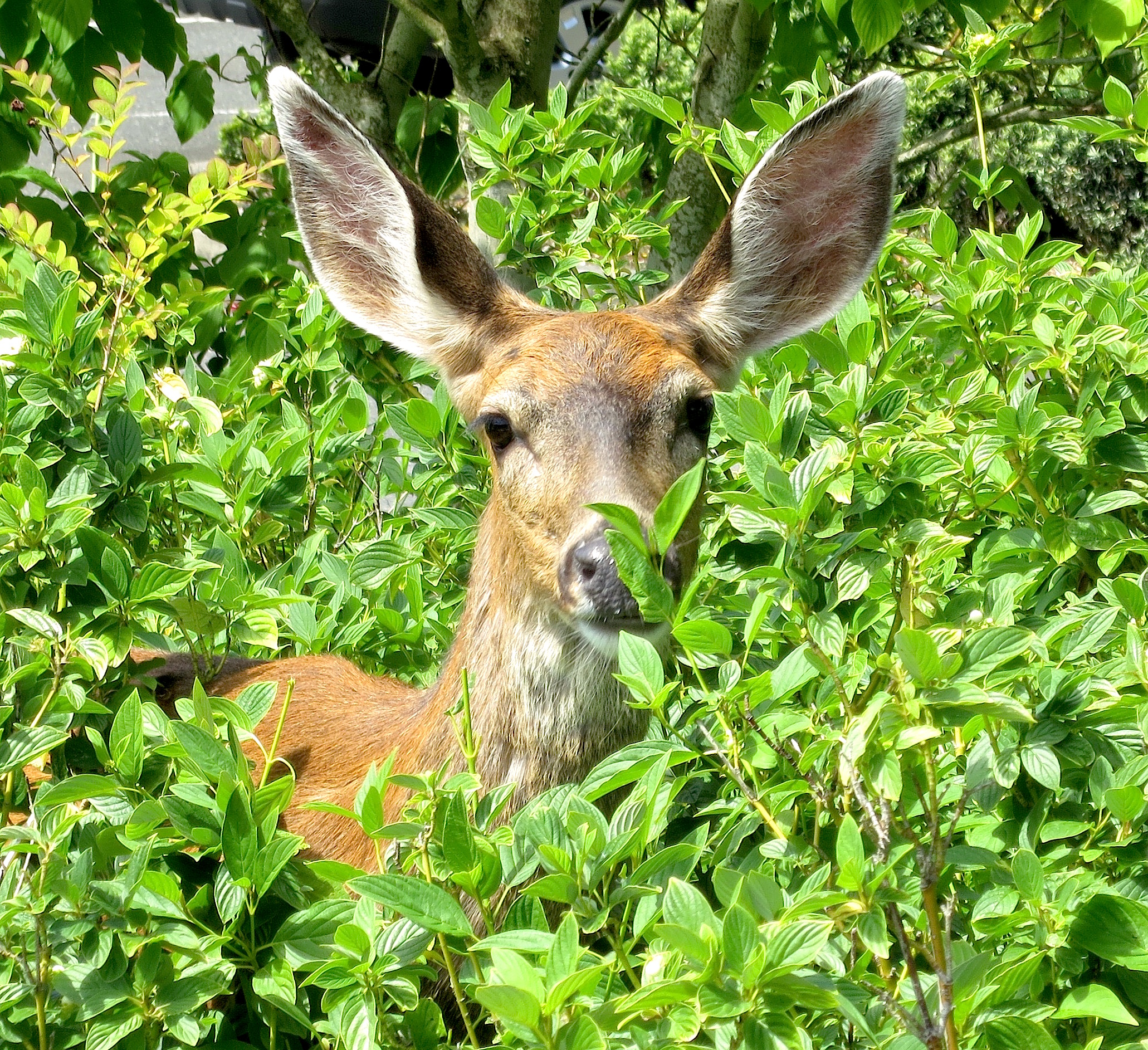
the doe in her always incipient alarm.

All that moved was her pivoting ear
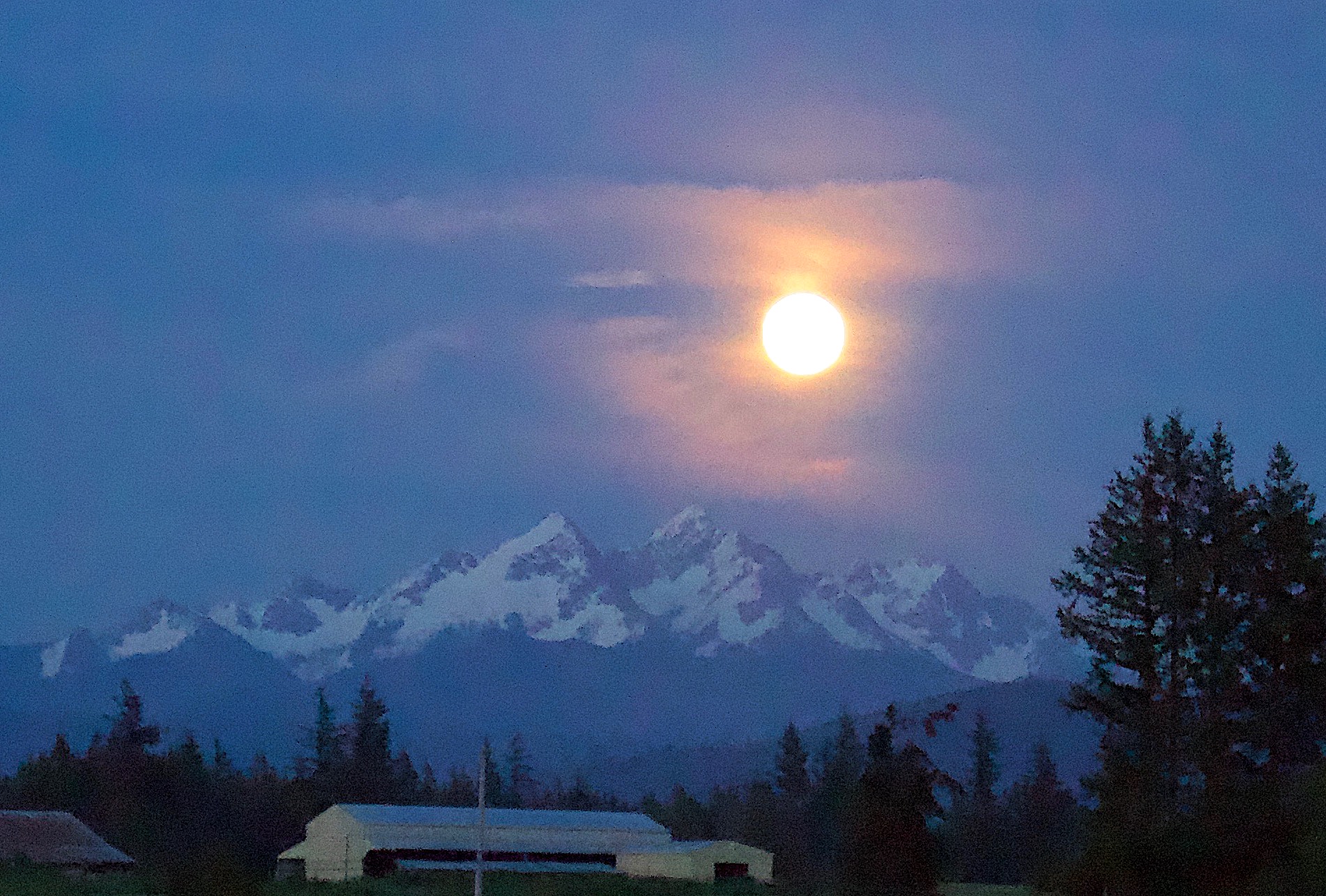
the reddening sun was shining through
transformed to a color I’d only seen
in a photo of a new child in a womb.

Nothing else stirred, not a leaf,
not the air, but she startled and bolted
away from me into the crackling brush.

The part of my pain which sometimes
releases me from it fled with her, the rest,
in the rake of the late light, stayed.
~C. K. Williams  “The Doe”
from The Singing

Oh little one
who was to have been born this week in June
thirty eight years ago~
so wanted
so anticipated
but lost too soon.

Gone as swiftly in a clot of red
as a doe disappearing soundlessly into a thicket:
so long ago it makes me question
if you were real,
until my heart clenches again at the memory.

But you were
and you are
and someday
I’ll know you when I see you
and curious about who I am,
you won’t flee this time,
but stay to find out.

A new book from Barnstorming is available to order here:

This Garden Entrusted to Me

The wind, one brilliant day, called
to my soul with an odor of jasmine.

“In return for the odor of my jasmine,
I’d like all the odor of your roses.”

“I have no roses; all the flowers
in my garden are dead.”

“Well then, I’ll take the withered petals
and the yellowed leaves and the waters of the fountain.”

The wind left.  And I wept. And I said to myself:
“What have you done with the garden that was entrusted to you?”
~Antonio Machado “The Wind, One Brilliant Day” translated by Robert Bly

This garden bloomed with potential,
entrusted to me for 32 years:
the health and well-being of 16,000 students,
most thriving and flourishing,
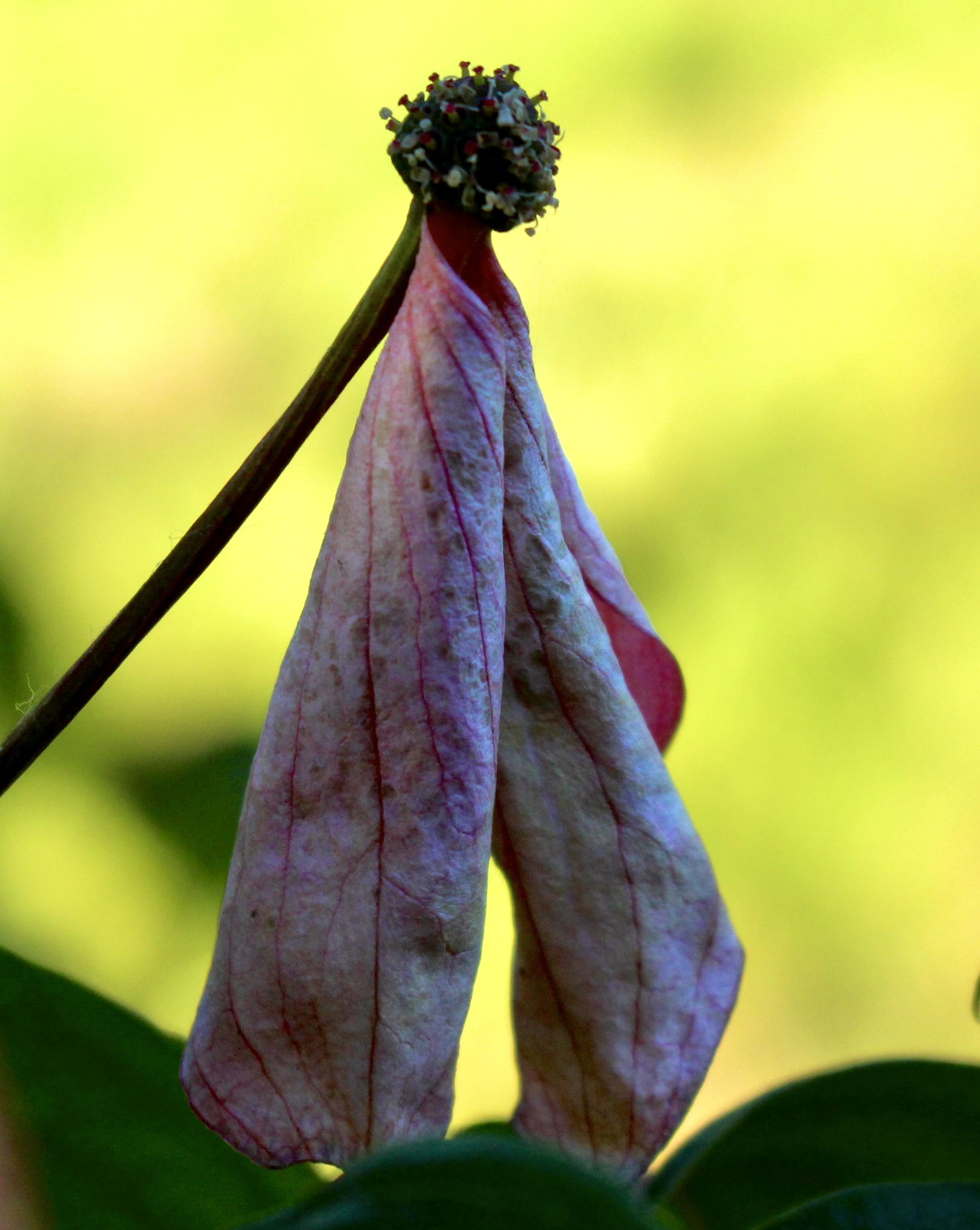
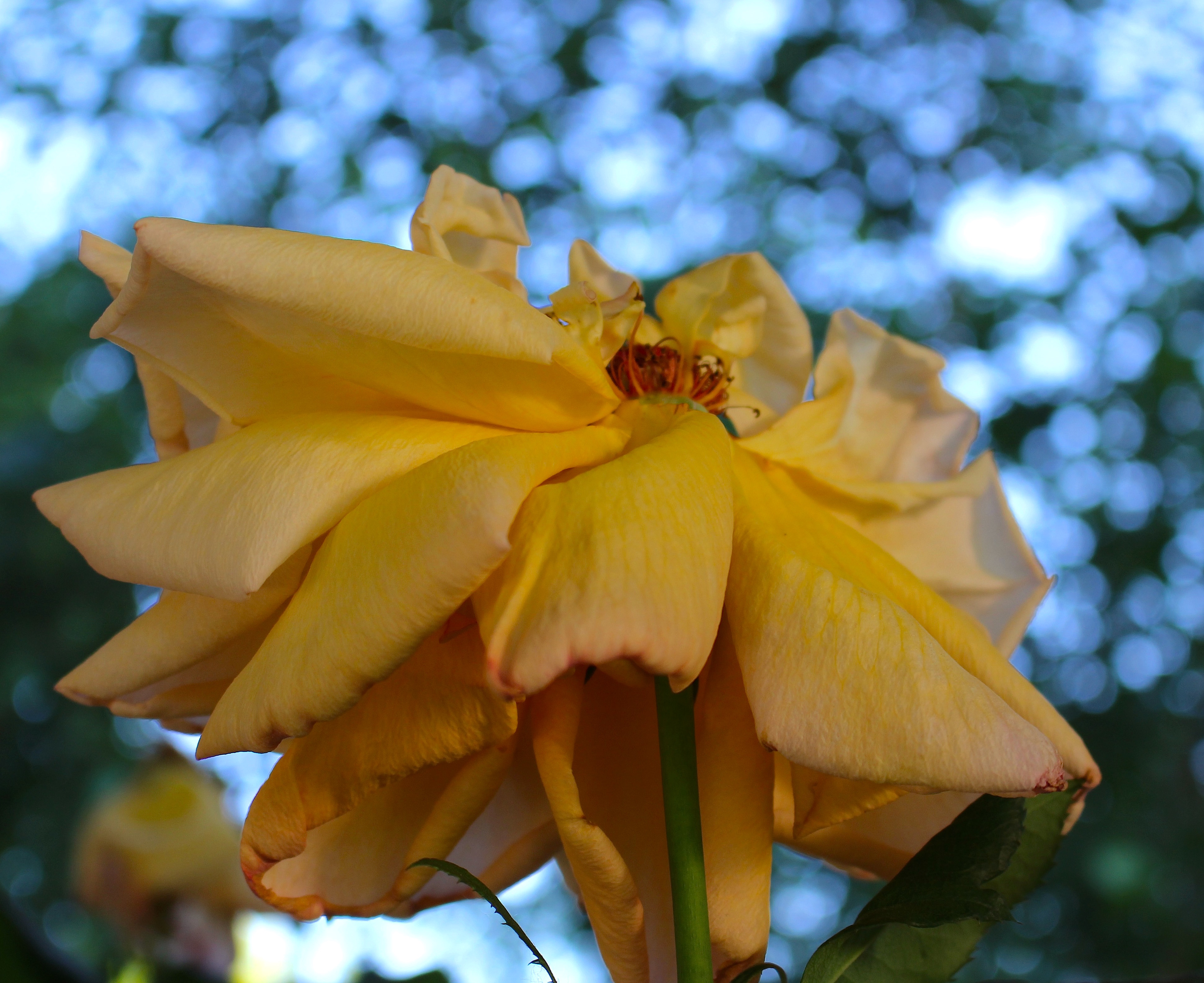
some withering, their petals falling,
a few have been lost altogether.

As the winds of time sweep away
another group of graduates from my care,
to be blown to places unknown,
their beauty and fragrance gone from here.

I marvel at their growth,
but also weary weep for those who left too soon,
wondering if I failed to water them enough –
or is it I who am parched in this garden
with a thirst unceasing, my roots reaching deep
into drought-stricken soil,
ever so slowly drying out?

A new book from Barnstorming available for order here:


The Delicate Sadness of Dusk

The talkative guest has gone,
and we sit in the yard
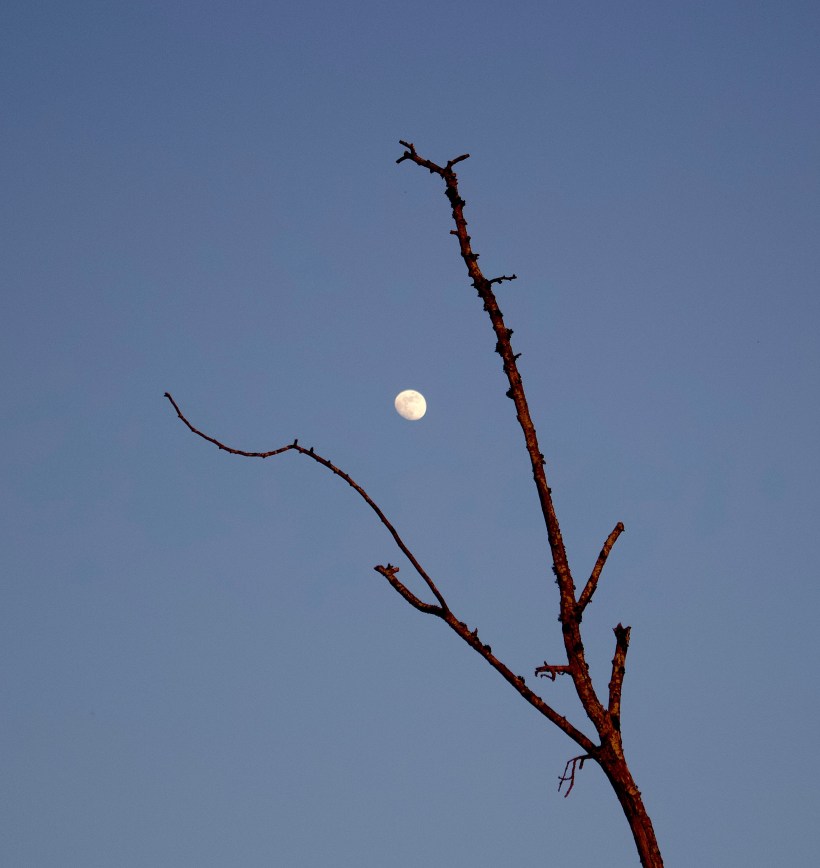
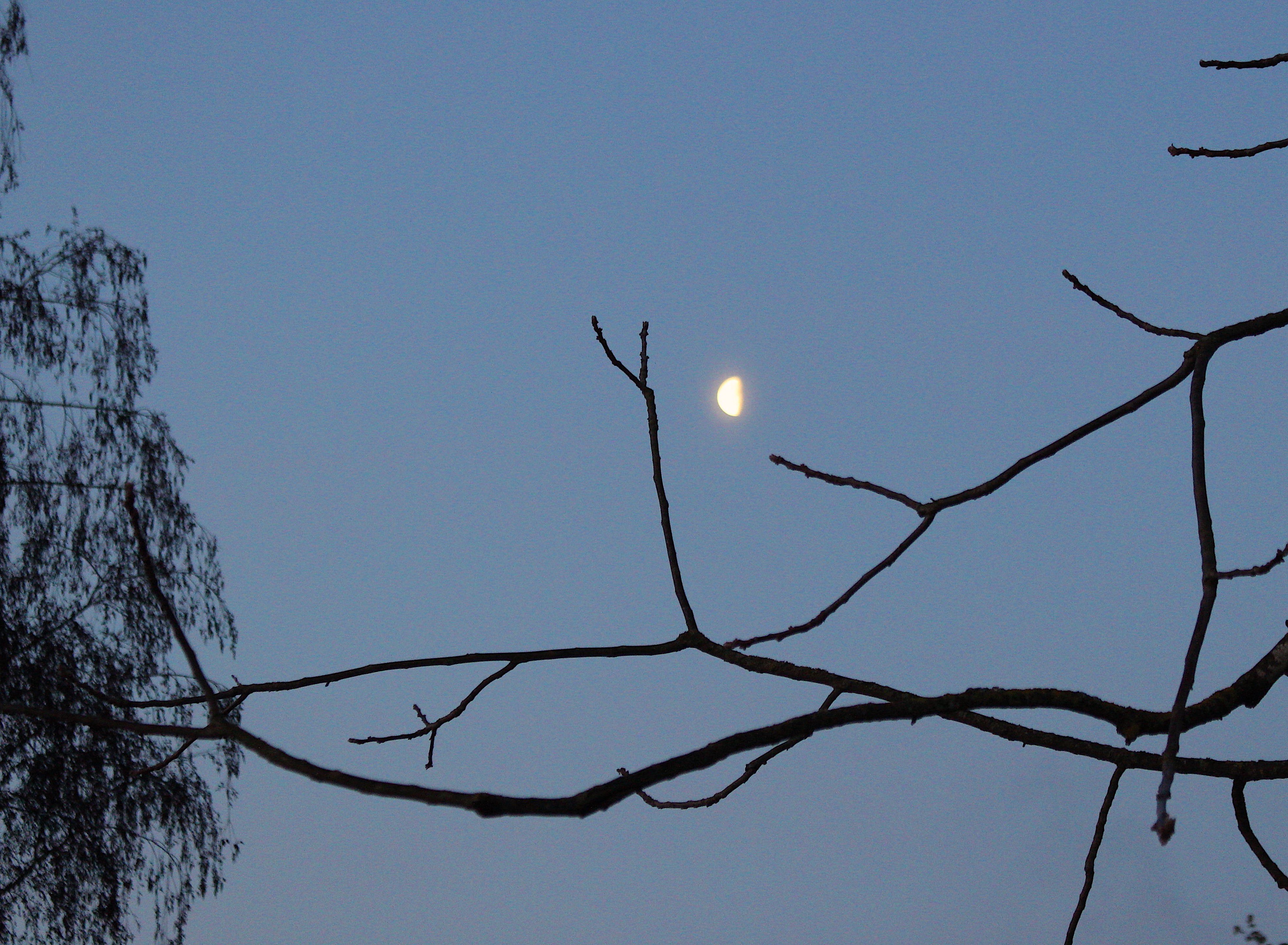
saying nothing. The slender moon
comes over the peak of the barn.

The air is damp, and dense
with the scent of honeysuckle. . . .
The last clever story has been told
and answered with laughter.

With my sleeping self I met
my obligations, but now I am aware
of the silence, and your affection,
and the delicate sadness of dusk.
~Jane Kenyon, “The Visit” from Collected Poems

As we slowly adapt to evenings spent with family and friends again, taking off our masks to actually witness the emotion on a familiar, now unveiled, face:

There are smiles and laughter again. We are trying to remember how to be ourselves outside the fearfulness that contagion wrought. More important: there are tears again. And wistfulness. And regret. And longing.

This delicate sadness happened – even to those of us who were never directly touched by sickness. We will never be the same, never so light of heart again, remembering what this past year has cost.

It is a slow transition to dusk. We sit together now and watch it come.

There Be Dragons

Fairy tales do not tell children the dragons exist.
Children already know that dragons exist.
Fairy tales tell children the dragons can be killed.
~G.K. Chesterton from Tremendous Trifles

But a dragon lies in ambush for the traveler;
take care he does not bite you and inject you his poison of unbelief.
Seeing this numerous company winning salvation,
he selects and stalks his prey.
In your journey to the Father of souls,
your way lies past that dragon.
How shall you pass him?
You must have “your feet stoutly with the gospel of peace,”
so that, even if he does bite you,
he may not hurt you.
~St. Cyril of Jerusalem


<regarding St. Cyrus’s story>:
No matter what form the dragon may take,
it is of this mysterious passage past him, or into his jaws,
that stories of any depth will always be concerned to tell,
and this being the case, it requires considerable courage
at any time, in any country, not to turn away from the storyteller.

~Flannery O’Connor from A Good Man is Hard to Find

<Here be dragons>
was any place on the ancient maps
that was unknown and unexplored-
a place to avoid at all costs,
or — for the daring and carefree,
exactly the place to explore.

Here be dragons
marks the remainder of our days
that dwell at the edge of life’s roadmap
~ unknown and unexplored ~
and too often full of peril.

So many dragons to pass by,
ready to swallow us whole if we make a wrong turn,
or singe our britches if we stray off the map.

So many dark valleys and impenetrable forests to pass through.
so many mysteries unsolved,
so many stories of fateful journeys told,
and above all,
we must listen to what they have to teach us:
try not to stray from the well-worn lighted path of the faithful
who have managed to stay out of the jaws of the dragons
just so they could tell their story and save our souls.

A new book available from Barnstorming! To order, click here

Finding the Real Thing

I am hardly ever able
to sort through my memories
and come away whole
or untroubled.
It is difficult
to sift through the stones,
the weighty moments and know
which is rare gem,
which raw coal,
which worthless shale or slate.
So, one by one,
I drag them across the page
and when one cuts into the white,
leaves a trail of blood,
no matter how narrow the stream,
then I know
I’ve found the real thing,
the diamond,
one of the priceless gems
my pain produced.
“There! There,” I say,
“is a memory worth keeping.”
~Nikki Grimes “Poems”

I have tucked-away memories that still scratch my tender skin:
when they surface, I tend to bleed at the recollection,
feeling the familiar sting behind my eyelids and upside-down stomach.

Some people work hard to completely bury painful history,
unwilling to allow it back into the daylight to inflict even more harm.

I don’t welcome overwhelming memories back,
but when they come unbidden,
I grant them access only because I know,
as this happened to me long ago,
I will feel the sharp ache of sorrow
when I witness bleeding in another.

I was there too.
I am there with you now.
What happened was real but done.
Its healing leaves behind only
a thin line where the bleeding was.

Cure for Every Hurt

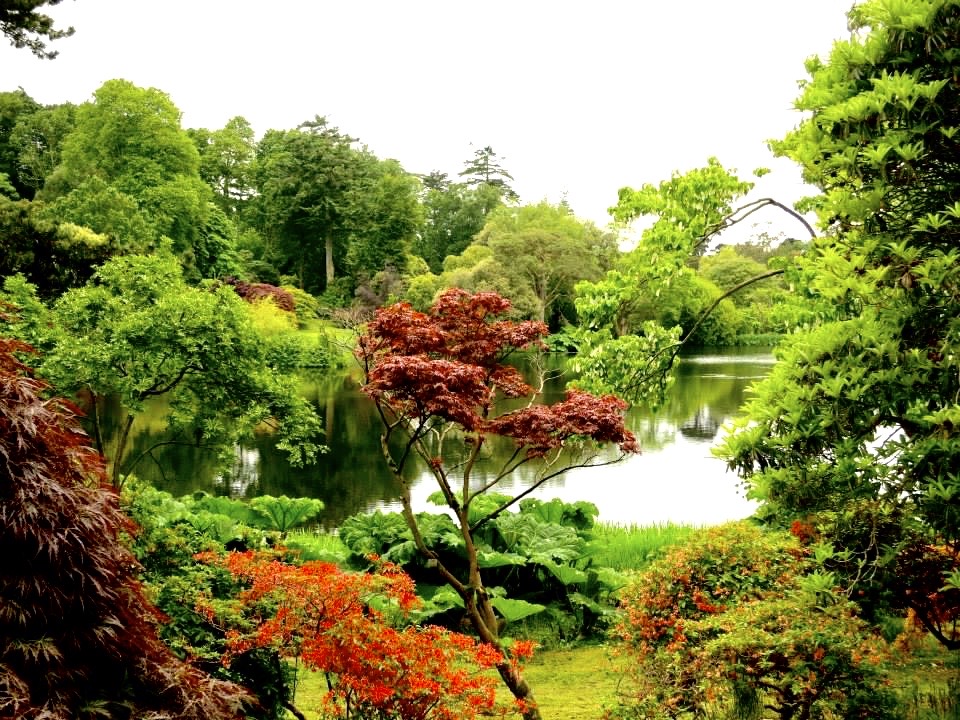
hankerchief tree (Ireland)
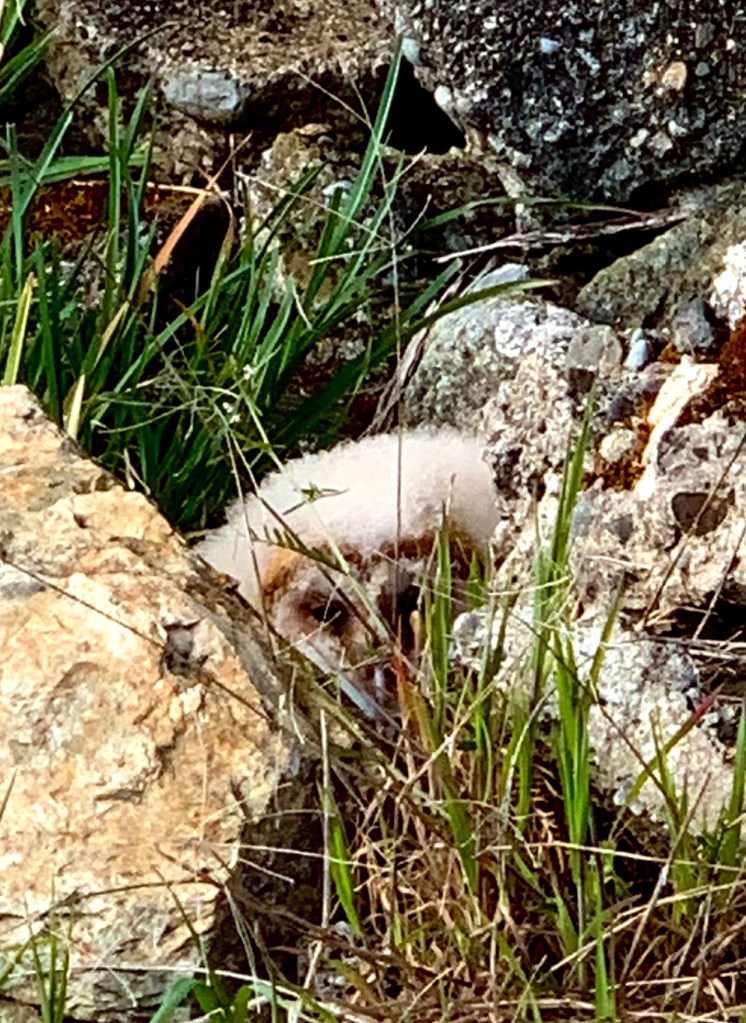
Baby Barn Owlet hiding in the rocks and grass
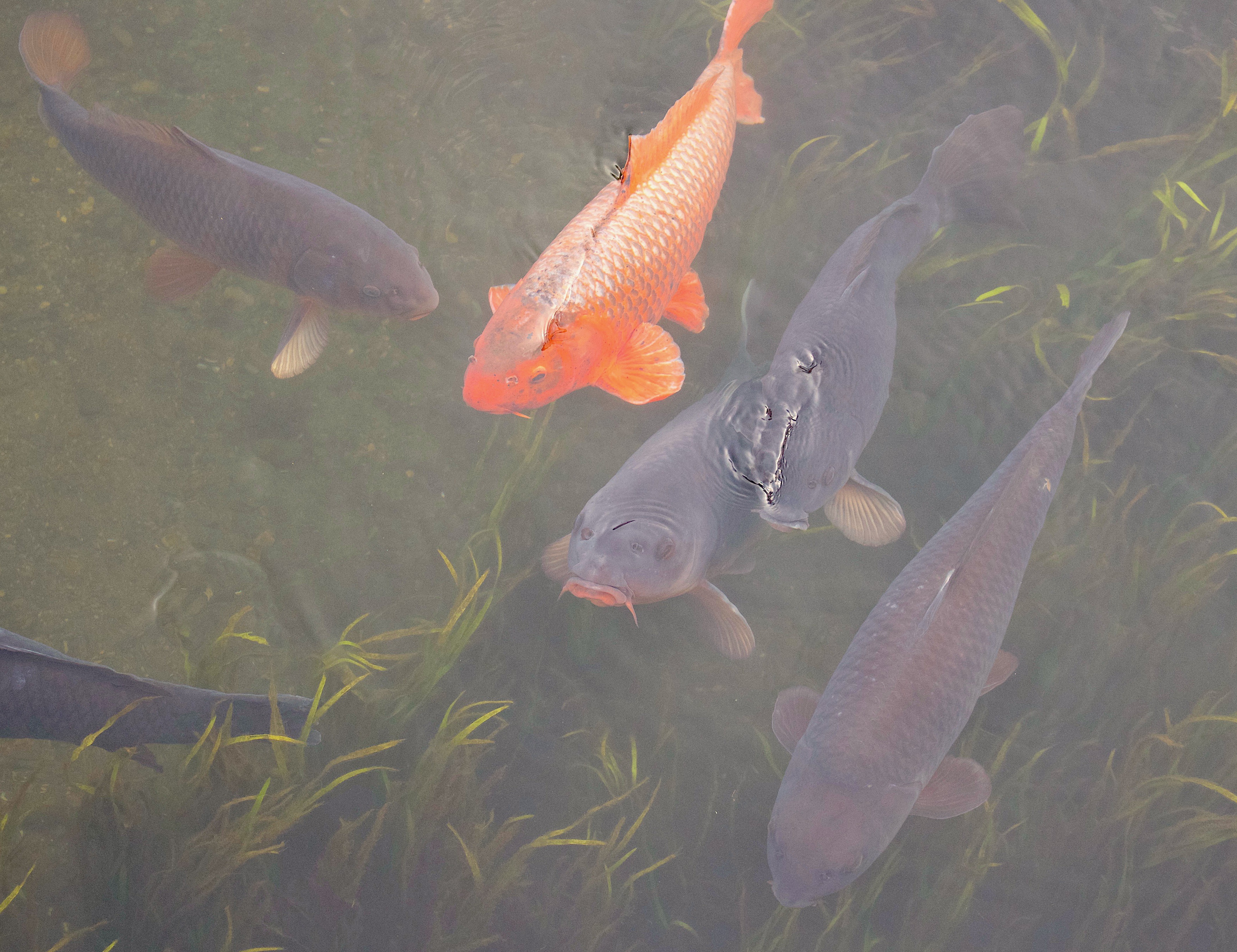
River carp (2-3 feet long) in Higashi-Kurume, Tokyo

Gardens are also good places
to sulk. You pass beds of
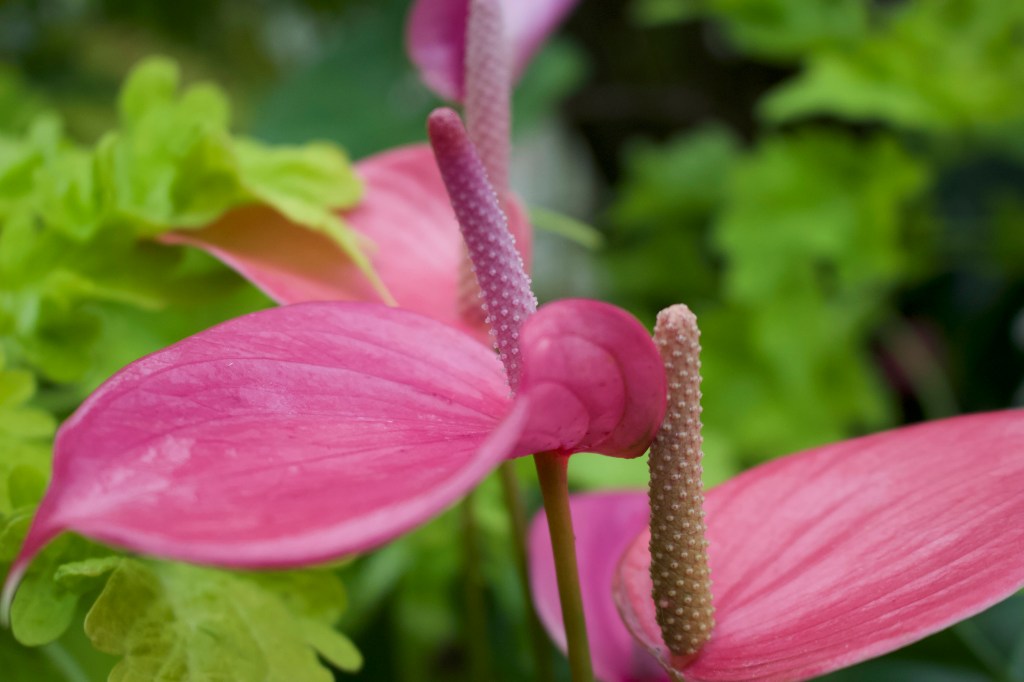
spiky voodoo lilies   
and trip over the roots   
of a sweet gum tree,   
in search of medieval   
plants whose leaves,   
when they drop off   
turn into birds
if they fall on land,
and colored carp if they   
plop into water.

Suddenly the archetypal   
human desire for peace   
with every other species   
wells up in you. The lion   
and the lamb cuddling up.
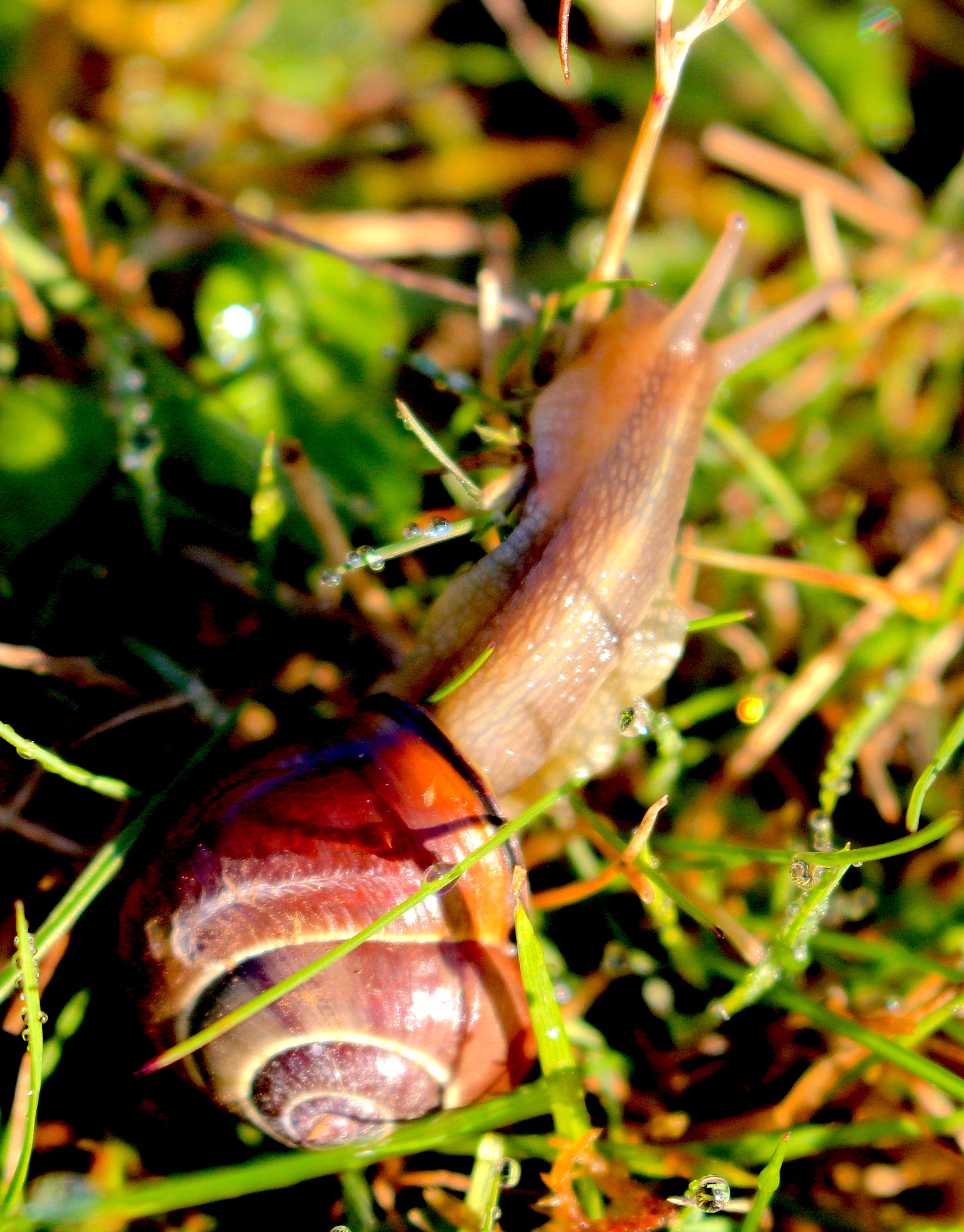
The snake and the snail, kissing.
Even the prick of the thistle,   
queen of the weeds, revives   
your secret belief
in perpetual spring,
your faith that for every hurt   
there is a leaf to cure it.

~Amy Gerstler “Perpetual Spring” from Bitter Angel

photo by Tomomi Gibson

We all want to fix what ails us: that was the point of my many years of medical training and over 40 years “practicing” that art. We want to know there is a cure for every hurt, an answer for every question, a resolution to every mystery, or peace for every conflict.

And there is. It just isn’t always on our timeline, nor is it always the answer we expect, nor the conflict magically dissolved. The mystery shall remain mystery until every tear is dried, as we stand before the Face of our Holy God who both loves and judges our hearts.

Sometimes this life hurts – a lot – but I believe in the perpetual Spring and Resurrection that guarantees our complete healing.

Soli Deo Gloria

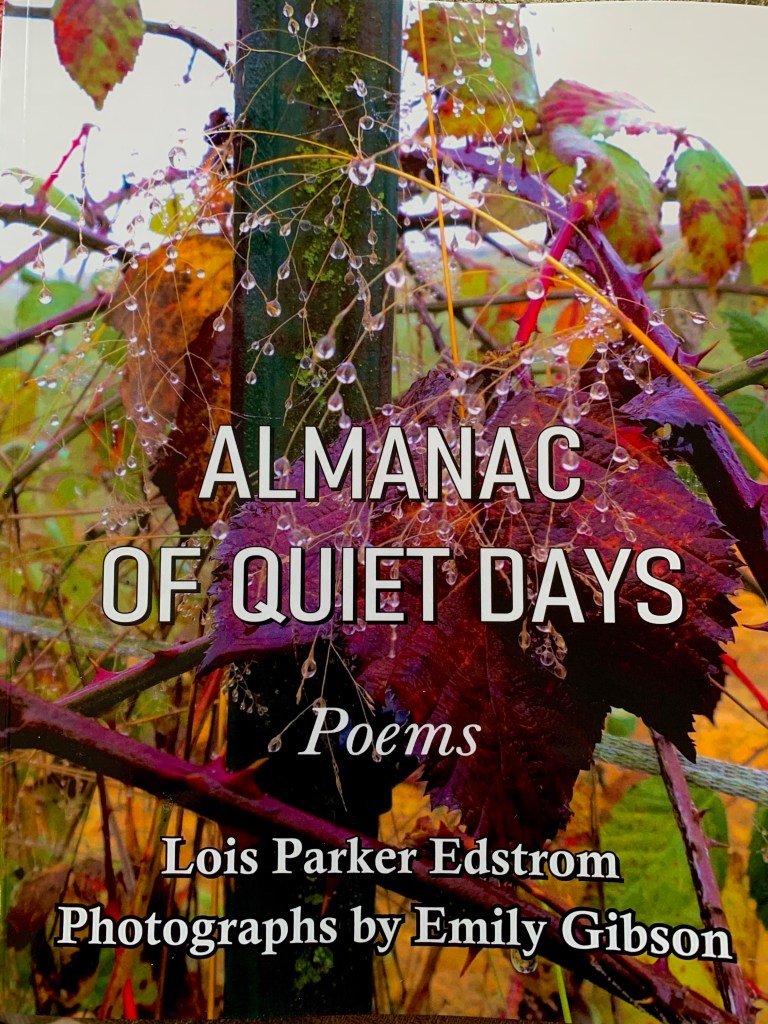
A new book available to order https://barnstorming.blog/new-book-available-almanac-of-quiet-days/from Barnstorming and poet Lois Edstrom!

To Embrace a Universe

Love, we are in God’s hand.
How strange now, looks the life he makes us lead;
So free we seem, so fettered fast we are!

Ah, but a man’s reach should exceed his grasp,
Or what’s a heaven for? 

~Robert Browning from “Andrea del Sarto”

We have had names for you:
The Thunderer, the Almighty
Hunter, Lord of the snowflake
and the sabre-toothed tiger.
One name we have held back
unable to reconcile it
with the mosquito, the tidal wave,
the black hole into which
time will fall. You have answered
us with the image of yourself
on a hewn tree, suffering
injustice, pardoning it;
pointing as though in either
direction; horrifying us
with the possibility of dislocation.
Ah, love, with your arms out
wide, tell us how much more
they must still be stretched
to embrace a universe drawing
away from us at the speed of light.
~R.S.Thomas “Tell Us”

photo by our next door neighbor Bob Tjoelker

Ah, Love
You the Incarnate,
stretched and fettered to a tree

arms out wide
embracing us
who try to grasp
a heaven which eludes us

this heaven, Your heaven
brought down to us
within your wounded grip
and simply handed over.

Singing Between Two Great Rests

When I lay my head in my mother’s lap
I think how day hides the stars,
the way I lay hidden once, waiting
inside my mother’s singing to herself. And I remember
how she carried me on her back
between home and the kindergarten,
once each morning and once each afternoon.

I don’t know what my mother’s thinking.

When my son lays his head in my lap, I wonder:
Do his father’s kisses keep his father’s worries
from becoming his? I think Dear God, and remember
there are stars we haven’t heard from yet:
They have so far to arrive. Amen,
I think, and I feel almost comforted.


I’ve no idea what my child is thinking.

Between two unknowns, I live my life.
Between my mother’s hopes, older than I am
by coming before me. And my child’s wishes,

older than I am by outliving me. And what’s it like?
Is it a door, and a good-bye on either side?
A window, and eternity on either side?
Yes, and a little singing between two great rests.
~Li-Young Lee The Hammock

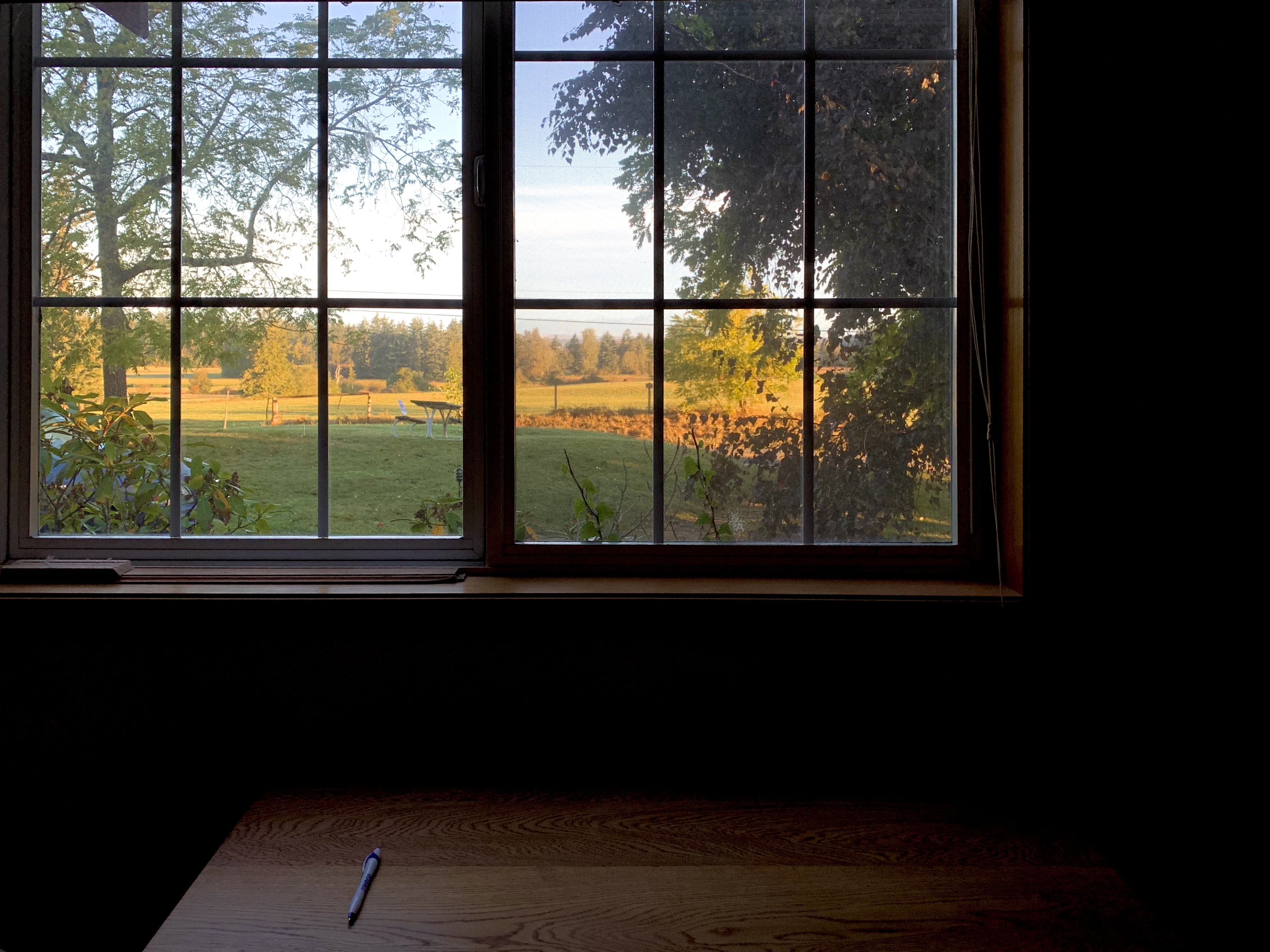
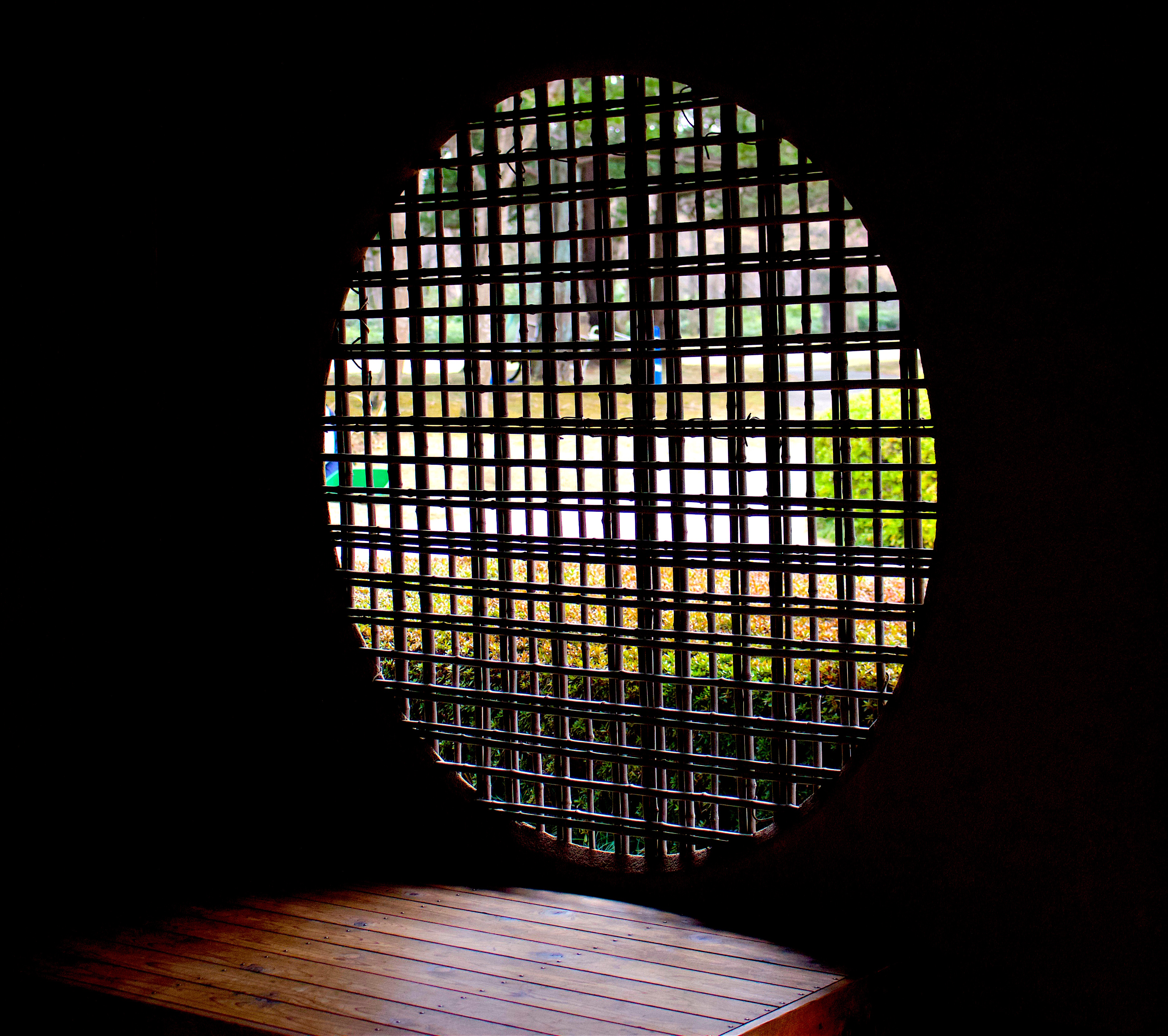
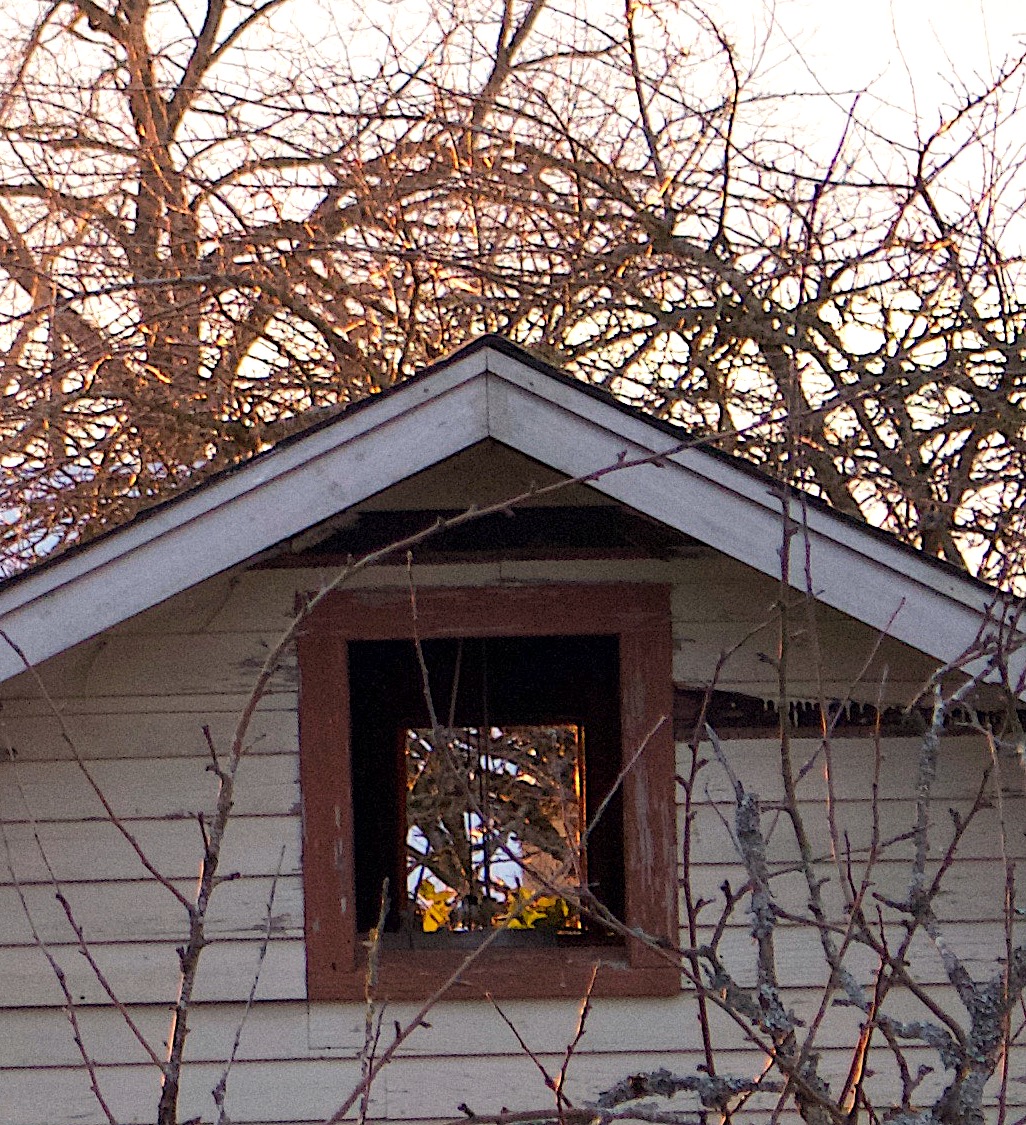
I’ve become the window bridging four generations, waiting for the door to reopen:


I remember my grandmother’s soft hands smoothing my hair when I was upset.
I still see her tears when she said goodbye.

I remember my father carrying me on his shoulders when my legs grew weary and my patience short.
I still feel his final breath as he finally gave up his struggle.

I remember my children needing me for nearly everything.
Now, living so far away, I give so little as they soothe and comfort my grandchildren when I cannot.

I wonder what my grandmother, my father, my children, my grandchildren were thinking. I can only imagine, stuck as I am between the closed pandemic door and the someday-open window.

Once again I am the one in need: praying life and hugs might happen again.

Soon. Soon and very soon. I can almost hear the singing between us.

Bones in the Ground

All winter your brute shoulders strained against collars, padding
and steerhide over the ash hames, to haul
sledges of cordwood for drying through spring and summer,
for the Glenwood stove next winter, and for the simmering range.

In April you pulled cartloads of manure to spread on the fields,
dark manure of Holsteins, and knobs of your own clustered with oats.
All summer you mowed the grass in meadow and hayfield, the mowing machine clacketing beside you, while the sun walked high in the morning;

and after noon’s heat, you pulled a clawed rake through the same acres,
gathering stacks, and dragged the wagon from stack to stack,
and the built hayrack back, uphill to the chaffy barn,
three loads of hay a day from standing grass in the morning.

Sundays you trotted the two miles to church with the light load
a leather quartertop buggy, and grazed in the sound of hymns.
Generation on generation, your neck rubbed the windowsill
of the stall, smoothing the wood as the sea smooths glass.

When you were old and lame, when your shoulders hurt bending to graze,
one October the man, who fed you and kept you, and harnessed you every morning, led you through corn stubble to sandy ground above Eagle Pond,
and dug a hole beside you where you stood shuddering in your skin,

and lay the shotgun’s muzzle in the boneless hollow behind your ear,
and fired the slug into your brain, and felled you into your grave,
shoveling sand to cover you, setting goldenrod upright above you,
where by next summer a dent in the ground made your monument.

For a hundred and fifty years, in the Pasture of dead horses,
roots of pine trees pushed through the pale curves of your ribs,
yellow blossoms flourished above you in autumn, and in winter
frost heaved your bones in the ground – old toilers, soil makers:

O Roger, Mackerel, Riley, Ned, Nellie, Chester, Lady Ghost.
~Donald Hall, “Names of Horses”

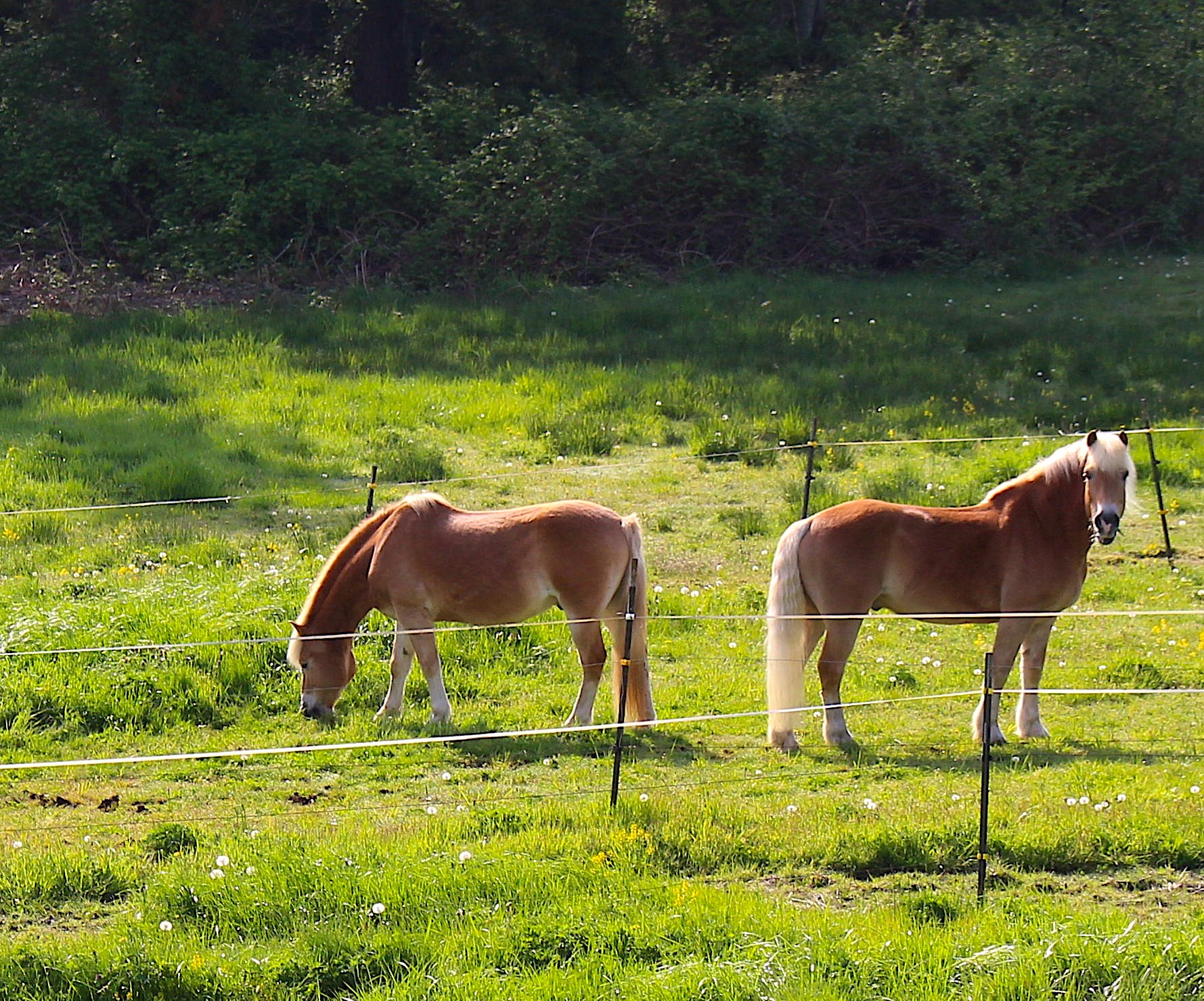
Photo of Aaron Janicki haying with his Oberlander team in Skagit County courtesy of Tayler Rae

As a child,  I regularly visited the horse grave dug by hand by my father in 1965 in an open clearing of our woods where our little chestnut mare, Dolly, rested in the ground.

She was felled by a vet’s bullet to the head after an agonizing bout with colic. I had returned to the house, unable to watch, but could not help but hear the gunshot as if it had gone through me as well.

At first her grave was a place to cry where no one but the trees and wild flowers could see.

When my tears dried up, it was a place to sing loudly where no one but chipmunks and my dog could hear.

Later it became the sanctuary where I retreated to talk to God when my church no longer was.

Her bones lie there still and no one but me knows where. The dent in the ground will always betray the spot.

No one but me still remembers you.

No Longer in Wilderness: The Day In-Between

I see his blood upon the rose
And in the stars the glory of his eyes,
His body gleams amid eternal snows,
His tears fall from the skies.

I see his face in every flower;
The thunder and the singing of the birds
Are but his voice-and carven by his power
Rocks are his written words.

All pathways by his feet are worn,
His strong heart stirs the ever-beating sea,
His crown of thorns is twined with every thorn,
His cross is every tree.

~Joseph Plunkett “I See His Blood Upon the Rose”

…to break through earth and stone of the faithless world
back to the cold sepulchre, tearstained
stifling shroud; to break from them
back into breath and heartbeat, and walk
the world again, closed into days and weeks again,
wounds of His anguish open, and Spirit
streaming through every cell of flesh
so that if mortal sight could bear
to perceive it, it would be seen
His mortal flesh was lit from within, now,
and aching for home. He must return,
first, In Divine patience, and know
hunger again, and give
to humble friends the joy
of giving Him food – fish and a honeycomb.
~Denise Levertov “Ikon: The Harrowing of Hell” from A Door in the Hive

The Holy Saturday of our life must be the preparation for Easter,
the persistent hope for the final glory of God.

The virtue of our daily life is the hope which does what is possible
and expects God to do the impossible.

To express it somewhat paradoxically, but nevertheless seriously:
the worst has actually already happened;
we exist, and even death cannot deprive us of this.
Now is the Holy Saturday of our ordinary life,
but there will also be Easter, our true and eternal life.
~Karl Rahner “Holy Saturday” in The Great Church Year

This in-between day
after all had gone so wrong:
the rejection, the denials,
the trumped-up charges,
the beatings, the burden,
the jeering, the thorns,
the nails, the thirst,
the despair of being forsaken.

This in-between day
before all will go so right:
the forgiveness and compassion,
the grace and sacrifice,
the debt paid in full,
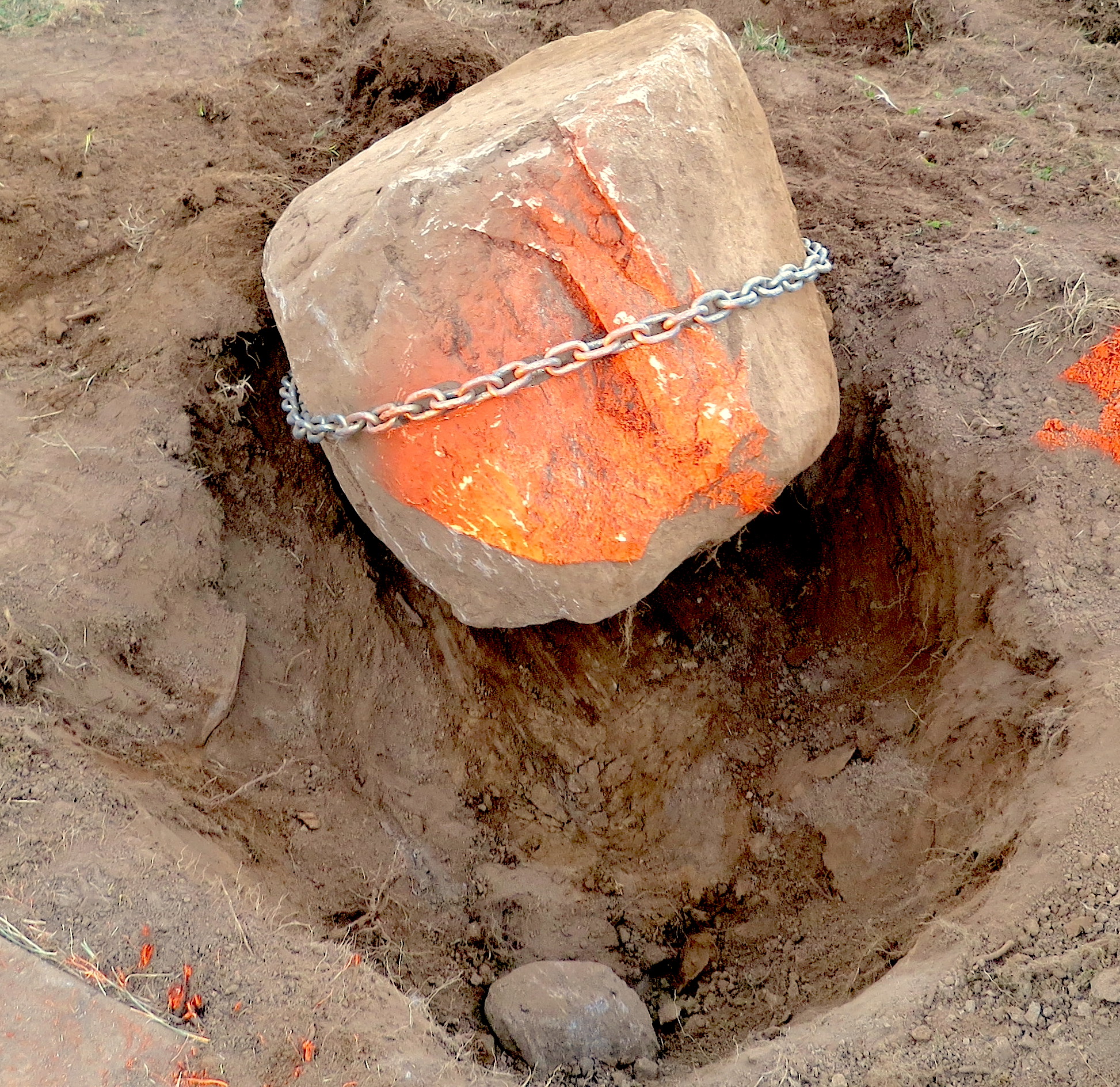
the immovable stone rolled away,
our name on His lips,
our hearts burning
to hear His words.

What does it take to move the stone?
When it is an effort to till the untillable,
creating a place where simple seed
can drop, be covered and sprout and thrive,
it takes muscle and sweat and blisters and tears.

What does it take to move the stone?
When it is a day when no one will speak out of fear,
the silent will be moved to cry out
the truth, heard and known and never forgotten.

What does it take to move the stone?
When it is a day when all had given up,
gone behind locked doors in grief.
When two came to tend the dead,
there would be no dead to tend.

Only a gaping hole left
Only an empty tomb
Only a weeping weary silence
broken by Love calling our name
and we turn to greet Him
as if hearing it for the first time.

We cannot imagine what is to come
in the dawn tomorrow as
the stone lifted and rolled,
giving way so our separation is bridged,
darkness overwhelmed by light,
the crushed and broken rising to dance,
and inexplicably,
from the waiting stillness He stirs
and we, finding death emptied,
greet Him with trembling
and are forever moved,
just like the stone.