In the real world of pain, how could one worship a God who was immune to it? ~John Stott from “The Cross of Christ”
With all that happens daily in this disordered world, in order to even walk out the door in the morning, I fall back on what we are told in God’s Word, in 365 different scripture verses for each and every day of the year:
Fear not.
Do not be overwhelmed with evil but overcome evil with good.
And so – we must overcome — despite our fears in this world of pain.
As demonstrated by the anointing of Jesus’ feet by Mary of Bethany, we must do what we can to sacrifice for others, to live in such a way that death cannot erase the meaning and significance of a life. We are called to give up our own selfish agendas in order to consider the needs of others.
It is crystal clear from Christ’s example as we observe His journey to the cross next week: we are to cherish life -all lives- even unto death. As Christ Himself forgave those who hated and murdered Him, He forgives us as well.
Our only defense against the evil we witness is God’s offense through His Love. Only God can lead us to Tolkien’s “where everything sad will come untrue”, where we shall live in peace, walk hand in hand, no longer alone, no longer afraid, no longer shedding tears of grief and sorrow, but tears of relief and joy.
No longer overcome by evil but overcome with goodness, all to God’s glory.
This Lenten season I reflect on the words of the 19th century southern spiritual hymn “What Wondrous Love is This”
The Lord our God is good The Lord our God is good Full of kindness and compassion Merciful and just The Lord our God is good Who else knows our deepest pain Bears it as his own Finds us in our naked shame, Clothes and brings us home Who takes his inheritance And gives it all away Welcomes guests to feast with him Who never can repay
One-Time
Monthly
Yearly
Make a one-time or recurring donation to support daily Barnstorming posts
With wide-embracing love Thy spirit animates eternal years Pervades and broods above, Changes, sustains, dissolves, creates and rears
Though earth and moon were gone And suns and universes ceased to be And Thou wert left alone Every Existence would exist in thee
There is not room for Death Nor atom that his might could render void Since thou art Being and Breath And what thou art may never be destroyed. ~Emily Bronte from “No Coward Soul is Mine”The Complete Poems of Emily Jane Bronte
There is nothing else apart from God, There is nothing apart from His Breath and Being.
Not even death sets us apart in the already, but not yet.
Why then do we struggle to know Him and to be known?
Our DNA pulses His image~ our very atoms designed to celebrate and worship Him.
So let us listen for a change, to our atoms blossoming richly with the Breath of His Spirit.
It’s time already.
Again Jesus said, “Peace be with you! As the Father has sent me, I am sending you.” And with that he breathed on them and said, “Receive the Holy Spirit…” John 20: 21-22
This Lenten season I reflect on the words of the 19th century southern spiritual hymn “What Wondrous Love is This”
One-Time
Monthly
Yearly
Make a one-time or recurring donation to support daily Barnstorming posts
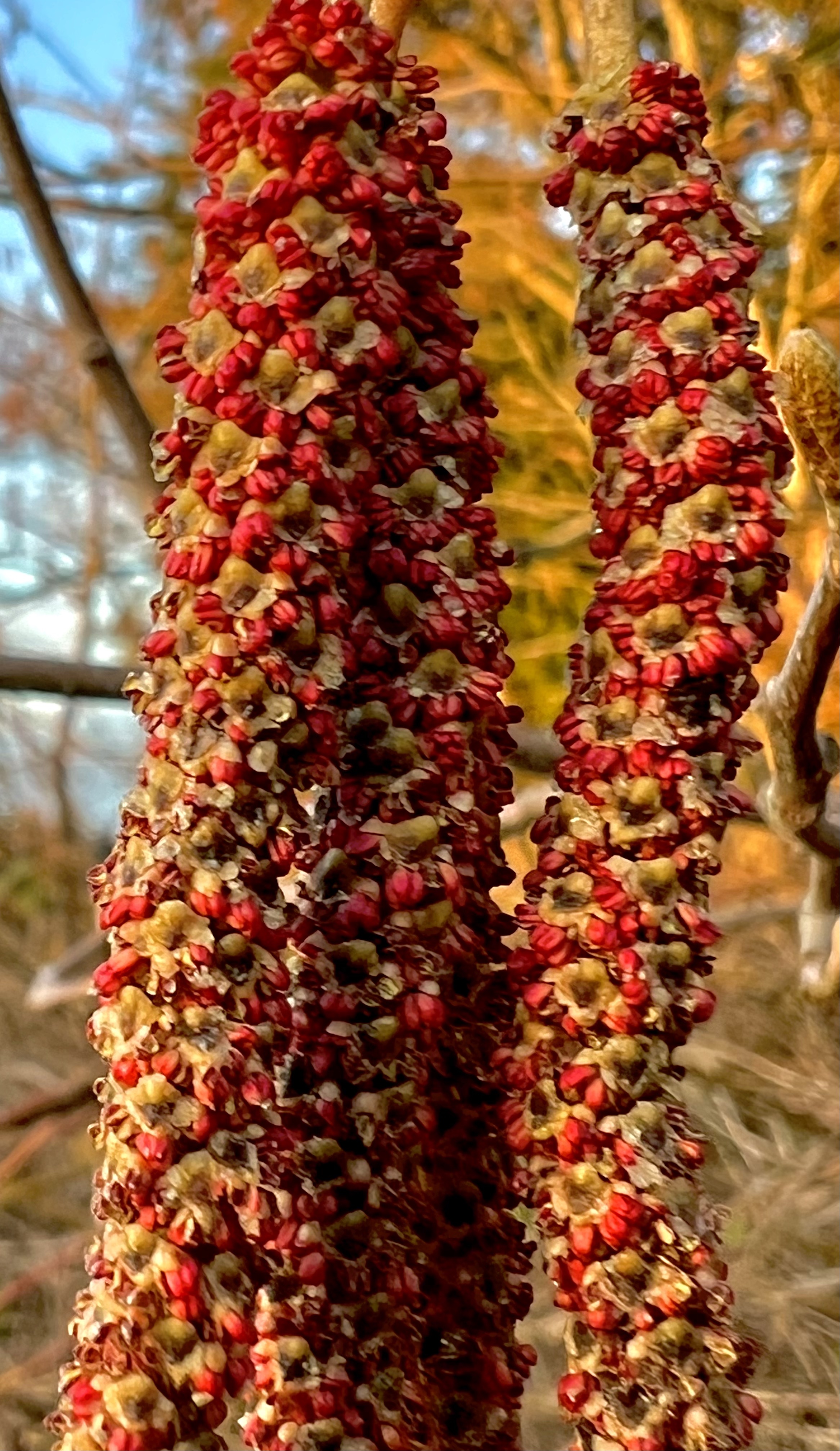
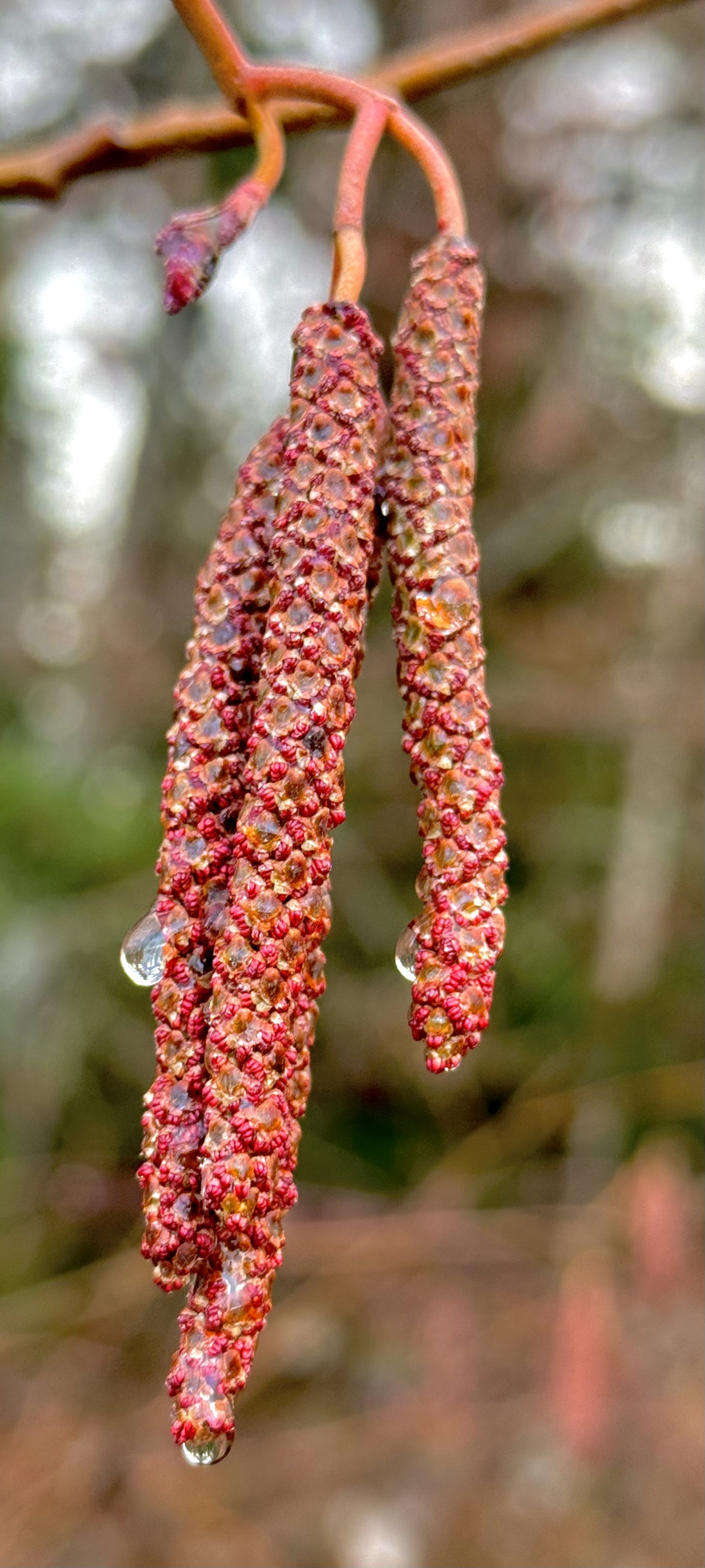
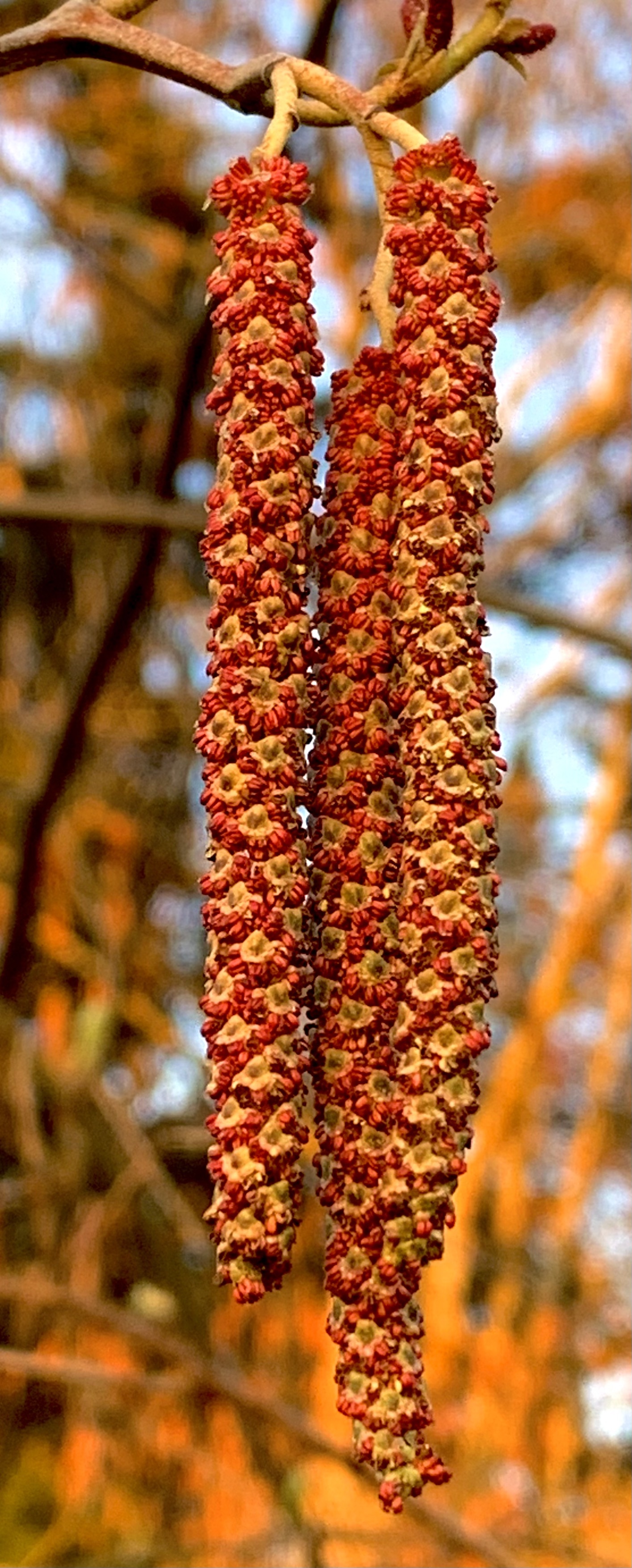
For the bark, dulled argent, roundly wrapped And pigeon-collared.
For the splitter-splatter, guttering Rain-flirt leaves.
For the snub and clot of the first green cones, Smelted emerald, chlorophyll.
For the scut and scat of cones in winter, So rattle-skinned, so fossil-brittle.
For the alder-wood, flame-red when torn Branch from branch.
But mostly for the swinging locks Of yellow catkins.
Plant it, plant it, Streel-head in the rain. ~Seamus Heaney “Planting the Alder”with an explanation of some of the poet’s poetic words here
I’ve worked in many medical settings, and have seen lots of illnesses and injuries over 40+ years of doctoring. Despite all that experience, I really don’t do well with badly broken bones. Basic wrists and fingers and ankles are no problem but open compound and comminuted fractures (i.e. “crushed bones”) are downright terrifying. It appears to me they can never be pieced back together. Even looking at the xrays makes me cringe. I avoided doing a surgical orthopedic rotation during my training because I knew I’d have issues with the saws and the smells involved in fixing bad fractures. And witnessing the pain is unforgettable – there are few things that hurt more.
In early spring 2008, my 87 year old mother shattered her lower femur trying to stand up after getting down on her hands and knees to retrieve a pill that had dropped to the floor and rolled under her desk. The pain was overwhelming until the paramedics managed to immobilize her leg in an air cast for transport to the ER. As long as her leg wasn’t moved, she was quite comfortable– in fact overjoyed to see me in the middle of a workday when I arrived at the hospital. She was so chatty that when she was asked by the ER doctor “how did this happen?” she launched into a long description of just how she had dropped the pill, where it had rolled, and what pill it was, what color it was, why she was taking it, etc etc. I started to get antsy, knowing how busy the Doc was and said, with just a *wee bit* of irritation, “Mom, he doesn’t need to know all that. Just tell him what happened when you tried to stand up.”
That did it.
Now it wasn’t just her leg that hurt, it was her feelings too, including her own sense of responsibility for what had happened, and her tears started to flow. The ER doc shot me a sideways glance that clearly said “now look what you’ve done” and then took my Mom’s hand tenderly, looking her straight in the eye and said, “That’s all right, these things happen despite our best intentions—you go right ahead and tell me the whole story, right from the beginning…”
So she did, completely reaffirmed and feeling absolved of her guilt that she had somehow done this to herself. Having been shown a caring and healing grace from a total stranger after her cherished physician daughter had totally blown Bedside Manners 101, she never really complained about the pain in her leg again.
Then it was my turn to feel guilty. Instead of planting the compassion she so badly needed in that moment, I guttered all her fear and pain together. It crushed her.
Her leg was quickly fixed with a rod and with physical therapy, she took a few steps with assistance. Sadly, she never again lived independently, and as happens so often with immobilized older people despite healed fractures, she died only eight months later. Bones heal but the spirit doesn’t. That spring day really was the beginning of the end for her, and in my heart, I knew that was likely to be the case. My irritation was about what I suspected was coming, and for what I knew it meant for her, but mostly for me.
What I had forgotten out of selfish self-concern and what I will not forget again: even the most horrendous pain can be relieved by compassionate grace. The crushed will stand, and walk, and thrive again with a gentle touch and a lot of love.
Let me hear joy and gladness; let the bones you have crushed rejoice. Psalm 51:8
This Lenten season I reflect on the words of the 19th century southern spiritual hymn “What Wondrous Love is This”
One-Time
Monthly
Yearly
Make a one-time or recurring donation to support daily Barnstorming posts
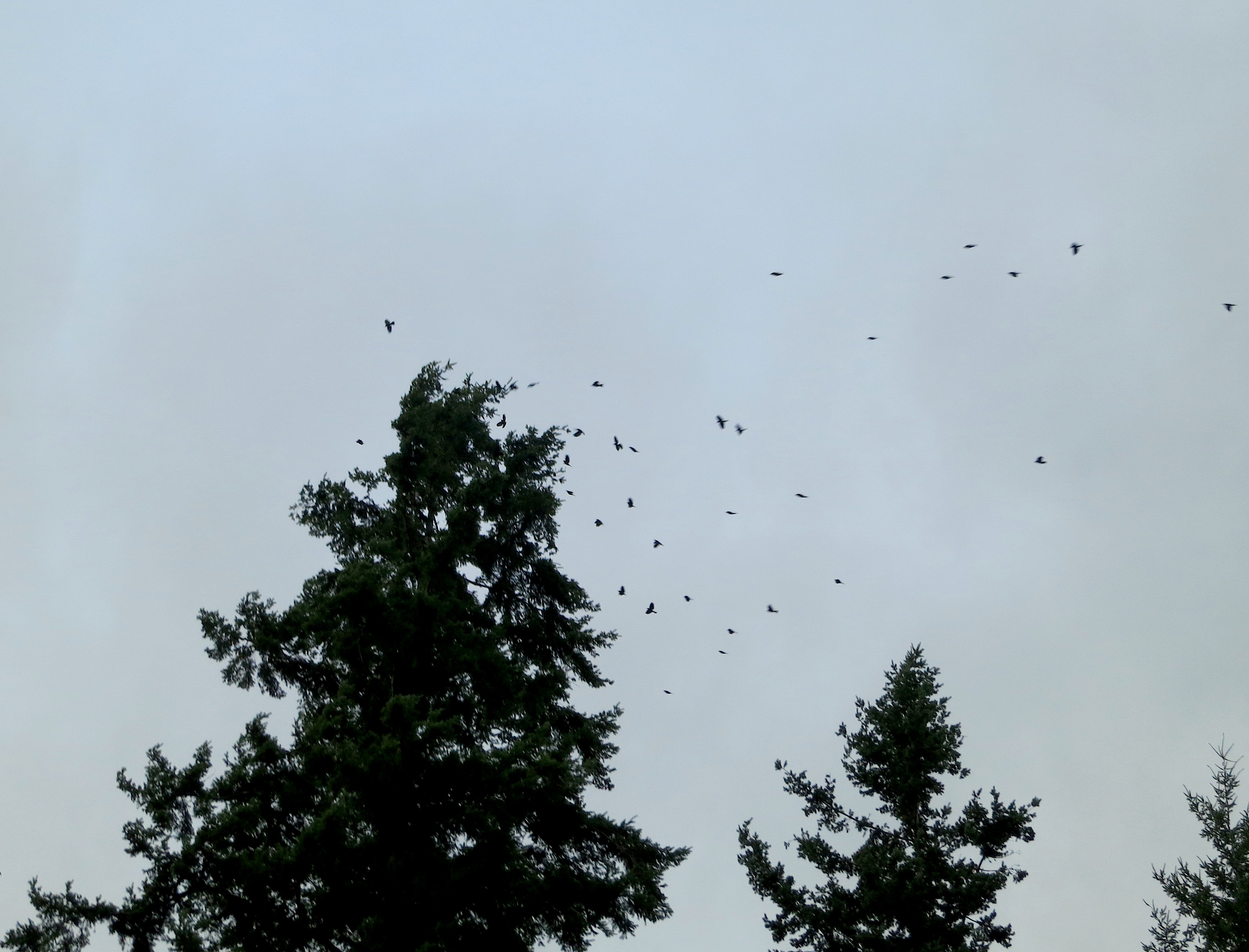
…yesterday I heard a new sound above my head a rustling, ruffling quietness in the spring air
and when I turned my face upward I saw a flock of blackbirds rounding a curve I didn’t know was there and the sound was simply all those wings, all those feathers against air, against gravity and such a beautiful winning: the whole flock taking a long, wide turn as if of one body and one mind.
How do they do that?
If we lived only in human society what a puny existence that would be
but instead we live and move and have our being here, in this curving and soaring world that is not our own so when mercy and tenderness triumph in our lives and when, even more rarely, we unite and move together toward a common good,
we can think to ourselves:
ah yes, this is how it’s meant to be. ~Julie Cadwallader Staub from “Blackbirds” from Wing Over Wing
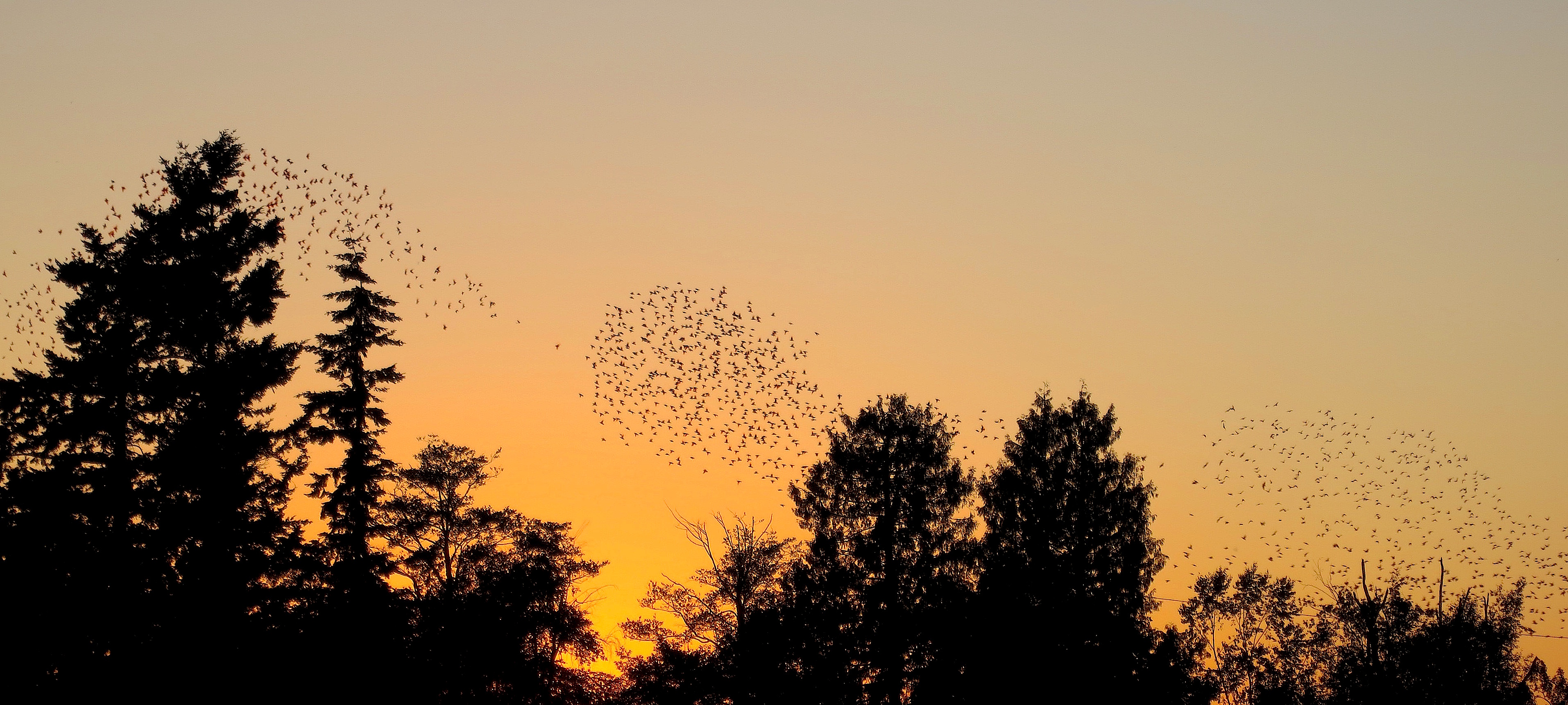
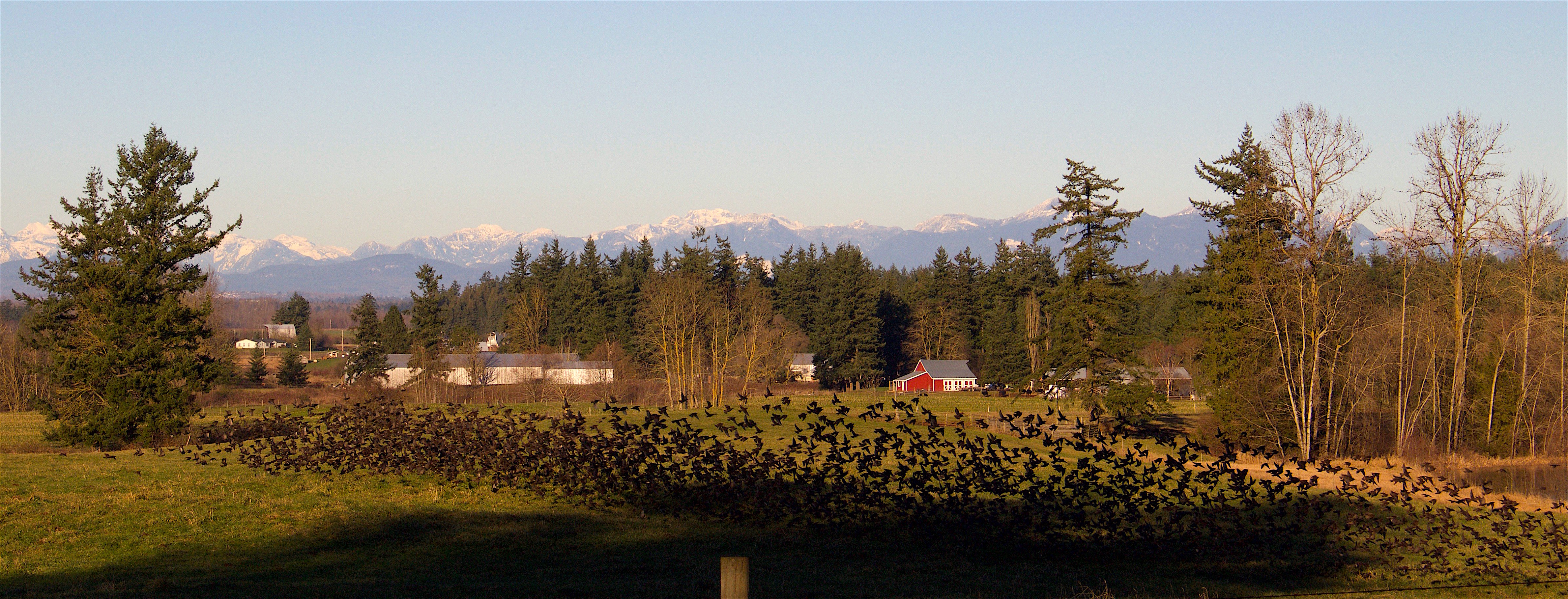
Out of the dimming sky a speck appeared, then another, and another. It was the starlings going to roost. They gathered deep in the distance, flock sifting into flock, and strayed towards me, transparent and whirling, like smoke. They seemed to unravel as they flew, lengthening in curves, like a loosened skein. I didn’t move;they flew directly over my head for half an hour.
Each individual bird bobbed and knitted up and down in the flight at apparent random, for no known reason except that that’s how starlings fly, yet all remained perfectly spaced. The flocks each tapered at either end from a rounded middle, like an eye. Overhead I heard a sound of beaten air, like a million shook rugs, a muffled whuff. Into the woods they sifted without shifting a twig, right through the crowns of trees, intricate and rushing, like wind.
Could tiny birds be sifting through me right now, birds winging through the gaps between my cells, touching nothing, but quickening in my tissues, fleet? ~Annie Dillard from Pilgrim at Tinker Creek
Chunky and noisy, but with stars in their black feathers, they spring from the telephone wire and instantly
they are acrobats in the freezing wind. And now, in the theater of air, they swing over buildings,
dipping and rising; they float like one stippled star that opens, becomes for a moment fragmented,
then closes again; and you watch and you try but you simply can’t imagine
how they do it with no articulated instruction, no pause, only the silent confirmation that they are this notable thing,
this wheel of many parts, that can rise and spin over and over again, full of gorgeous life.
Ah, world, what lessons you prepare for us, even in the leafless winter, even in the ashy city. I am thinking now of grief, and of getting past it;
I feel my boots trying to leave the ground, I feel my heart pumping hard. I want
to think again of dangerous and noble things. I want to be light and frolicsome. I want to be improbable beautiful and afraid of nothing, as though I had wings. ~Mary Oliver “Starlings in Winter” from Owls and Other Fantasies: Poems and Essays
Watching a winter starlings’ murmuration is a visceral experience – my heart leaps to see the looping amoebic folding and unfolding path.
Thousands of individual birds move in sync with one another to form one massive organism existing solely because each tiny component anticipates and cooperates to avoid mid-air collisions.
It could explode into chaos but it doesn’t. It could result in massive casualties but it doesn’t. They could avoid each other altogether but they don’t – they come together with a purpose and reasoning beyond our imagining.
Even the whooshing of their wing movements is exhilarating.
We humans are made up of similar cooperating component parts, deep in our tissues, programmed in our DNA. Yet we don’t exercise such unity from our designed and carefully constructed building blocks. We are frighteningly disparate and independent creatures, going our own way, bumping and crashing without care, leaving so much bodily and spiritual wreckage behind.
What has happened to our place in this curving, soaring world? To where has flown our mercy and tenderness, our compassion and caring for the position of others?
We have corporately lost our internal moral compass. Indeed, the sound of our movements is muffled weeping.
Therefore I tell you, do not be anxious about your life, what you will eat or what you will drink, nor about your body, what you will put on. Is not life more than food, and the body more than clothing?Look at the birds of the air: they neither sow nor reap nor gather into barns, and yet your heavenly Father feeds them. Are you not of more value than they? Matthew 6: 25-26
This Lenten season I reflect on the words of the 19th century southern spiritual hymn “What Wondrous Love is This”
One-Time
Monthly
Yearly
Make a one-time or recurring donation to support daily Barnstorming posts
September. Second-year medical student. An early patient interview at the Massachusetts General Hospital Routine hernia repair planned, not done. Abdomen opened and closed. Filled with disease, cancer.
The patient is fifty-six, a workingman, Irish I sit with him, notice the St. Christopher medal around his neck. Can’t hurt, can it? he laughs. I have become his friend.
I bring him a coloring book picture that shows this thing, this unfamiliar organ that melted beneath our hands at dissection: Pancreas.
Leaving his room, crying, avoiding classmates, I take the back stairs. I find myself locked, coatless in the courtyard outside. ~Kelley Jean White “Pandora”
At seventeen years old, I thought I had things figured out. I had graduated near the top of my senior class, was heading off to college, and felt confident about who I was becoming. I had attended church all my life but my commitment to my faith was actually waning rather than strengthening.
In anticipation of college tuition bills, I took a summer job at a local nursing home for $1.25 an hour as a nurses’ aide. My total training was two days following a more experienced aide on her rounds of feeding, pottying, dressing and undressing, and bathing her elderly patients. Then I was assigned patients of my own and during a typical shift I carried a load of 13 patients. It didn’t take long for me to learn the rhythm of caretaking, and I enjoyed the work and my patients.
One woman in particular remains vivid in my memory 52 years later. Irene was in her 80’s with no nearby family, bedridden with a painful bone disease that had crippled her for a decade or more. She was unable to do any of her own self care but her mind remained sharp and her eyes bright. Her hearty greeting cheered me when I’d come in her room several times a shift to turn her on her egg-crate mattress bed to prevent pressure sores on her hips and shoulders.
The simple act of turning her in her bed was an ordeal beyond imagining – it always hurt her. I felt as though I was impaling her on hundreds of sharp needles.
I would prepare her for the turn by cushioning her little body with pads and pillows, but no matter how careful I was, her brittle bones would crackle and crunch like Rice Crispies cereal with every movement. Tears would flow from her eyes and she’d always call out “Oh Oh Oh Oh” during the process but then once settled in her new position, she’d look up at me and say “thank you, dear, for making that so much easier for me.”
I would nearly weep in gratitude at her graciousness when I could do so little to alleviate her suffering.
Before I’d leave the room, Irene would grab my hand and ask when I would be returning. Then she’d say “I know the Lord prepared you to take care of me” and she would murmur a prayer to herself.
As difficult as each “turning” was for both of us, I started to look forward to it. I knew she prayed not only for herself, but I knew she prayed for me as well. I felt her blessing each time I walked into her room knowing she was waiting for me. She trusted me to do my best.
One evening I came to work and was told Irene was running a high fever, and struggling to breathe. She was being given oxygen and was having difficulty taking fluids. The nurse I worked under asked that I check Irene more frequently than my usual routine.
As I approached her bed, Irene reached out and held my hand. She was still alert but very weak. She looked me in the eye and said “You know the Lord is coming for me today?” All I could say was “I know you have waited for Him a long time.” She murmured “Come back soon” and closed her eyes.
I returned to her room as often as I could and found her becoming less responsive, yet still breathing, sometimes short shallow breaths and sometimes long and deep. Near the end of my shift, as morning was dawning, when I entered the room, I knew He had come for her.
She lay silent and relaxed for the first time since I had met her. Her little body, so tight with pain only hours before, seemed at ease. It was my job to prepare her for the mortuary workers who would soon come for her. Her body still warm to touch, I washed and dried her skin and brushed her hair and wrapped her in a fresh sheet, wondering at how I could now turn her easily with no pain and no tears. I could see a trace of a smile at the corners of her mouth. I knew then the Lord had lifted her soul from her imprisonment. He had rewarded her faithful perseverance.
I rejoice in the hope of the glory of the Lord, thanks to Irene. She showed me what it means to watch for the morning when He will come. Though immobile in bed, crippled and wracked with pain, her perseverance led to loving a young teenager uncertain in her faith, and helped point me to my future profession in medicine.
Irene brought the Lord home to me when she went home to Him.
And werejoice in the hope of the glory of God. Not only so, but we also rejoice in our sufferings, because we know that suffering produces perseverance Romans 5:2b-3
This Lenten season I reflect on the words of the 19th century southern spiritual hymn “What Wondrous Love is This”
One-Time
Monthly
Yearly
Make a one-time or recurring donation to support daily Barnstorming posts
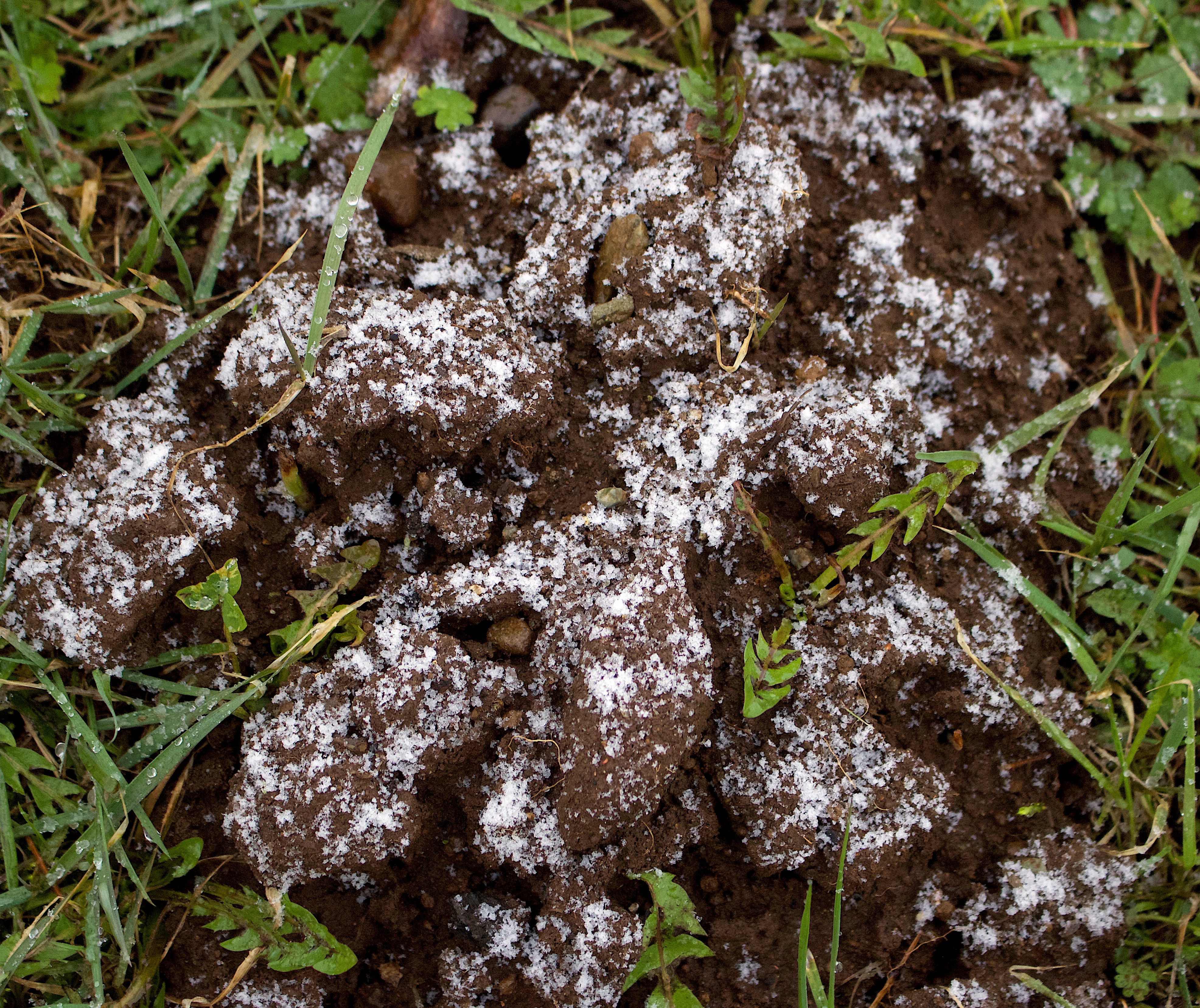
March. I am beginning to anticipate a thaw. Early mornings the earth, old unbeliever, is still crusted with frost where the moles have nosed up their cold castings, and the ground cover in shadow under the cedars hasn’t softened for months, fogs layering their slow, complicated ice around foliage and stem night by night,
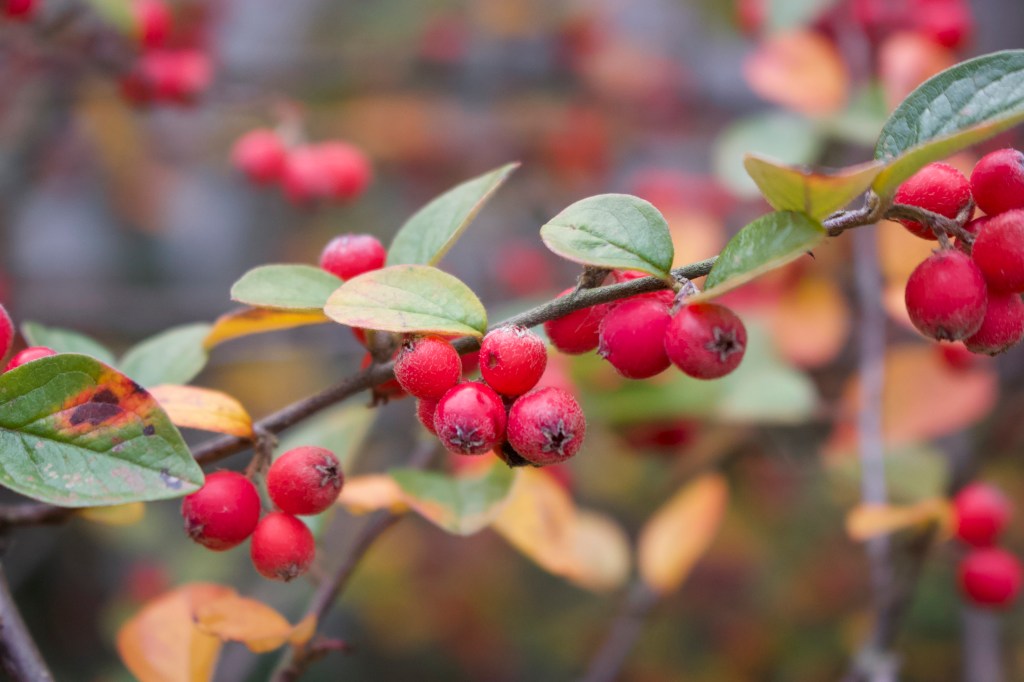
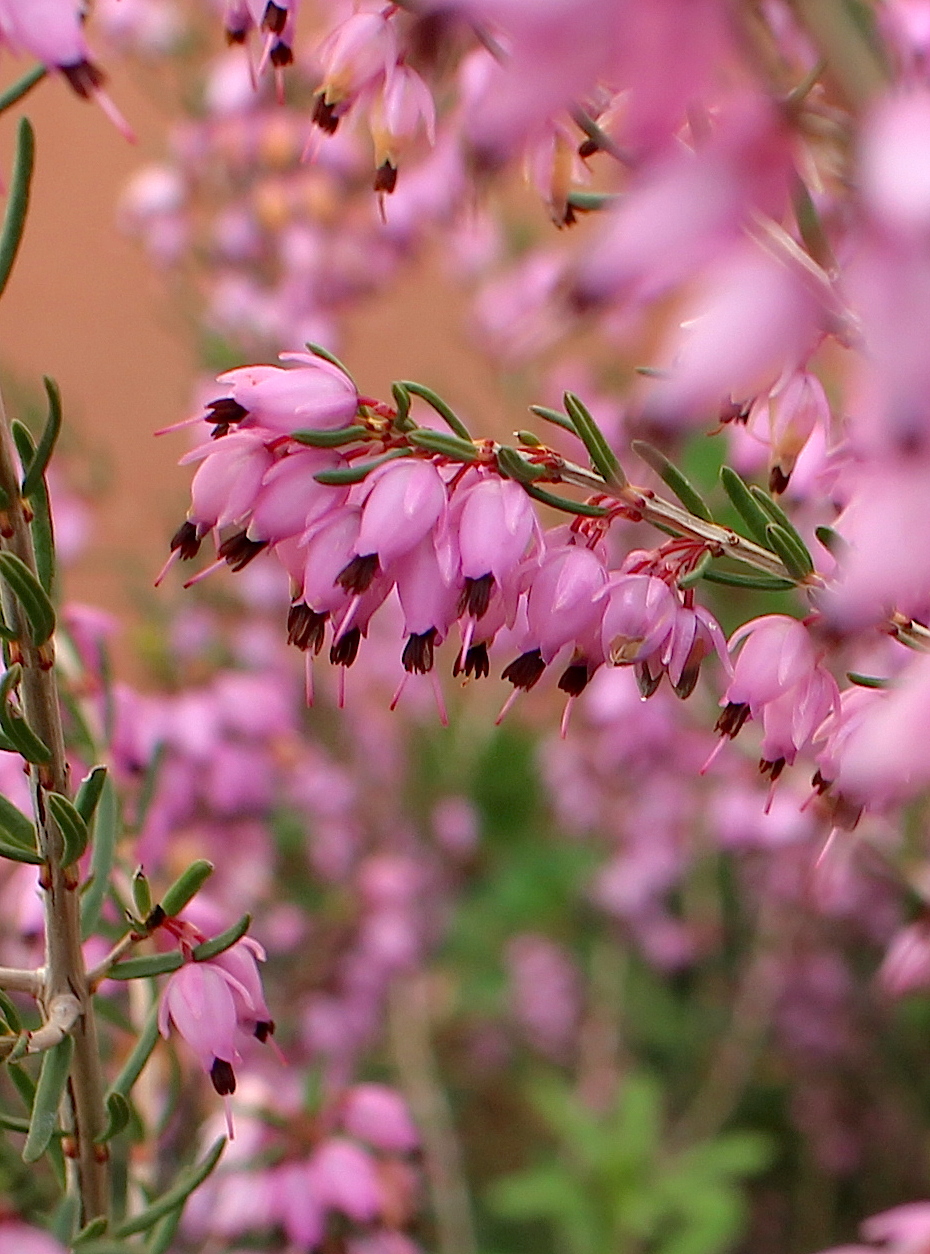
but as the light lengthens, preacher of good news, evangelizing leaves and branches, his large gestures beckon green out of gray. Pinpricks of coral bursting from the cotoneasters. A single bee finding the white heather. Eager lemon-yellow aconites glowing, low to the ground like little uplifted faces. A crocus shooting up a purple hand here, there, as I stand on my doorstep, my own face drinking in heat and light like a bud welcoming resurrection, and my hand up, too, ready to sign on for conversion. ~Luci Shaw “Revival” from What the Light was Like
The earth invalid, dropsied, bruised, wheeled Out in the sun, After frightful operation. She lies back, wounds undressed to the sun, To be healed, Sheltered from the sneapy chill creeping North wind, Leans back, eyes closed, exhausted, smiling Into the sun. Perhaps dozing a little. While we sit, and smile, and wait, and know She is not going to die. ~Ted Hughes from ” A March Morning Unlike Others” from Ted Hughes. Collected Poems
Spring is emerging slowly from this haggard and droopy winter. All growing things are still stuck in morning frost for another week at least. Then, like the old “Wizard of Oz” movie, the landscape will suddenly turn from monochrome to technicolor, the soundtrack from forlorn to glorious birdsong.
Yearning for spring to commence, I tap my foot impatiently as if owed a timely seasonal transformation from dormant to verdant. We all have been waiting for the Physician’s announcement that this patient survived some intricate life-changing procedure: “I’m happy to say the Earth is alive after all, now revived and restored, wounded but healing, breathing on her own but too sedated for a visit just yet.”
I wait impatiently to celebrate her return to health, knowing this temporary home of ours is still very much alive. She breathes, she thrives, blooming and singing with everything she’s got. And so will I.
He sends his command to the earth; his word runs swiftly. 16 He spreads the snow like wool and scatters the frost like ashes. 17 He hurls down his hail like pebbles. Who can withstand his icy blast? 18 He sends his word and melts them; he stirs up his breezes, and the waters flow. Psalm 147: 15-18
This Lenten season I reflect on the words of the 19th century southern spiritual hymn “What Wondrous Love is This”
One-Time
Monthly
Yearly
Make a one-time or recurrent donation to support daily Barnstorming posts
A front of thunderstorms had sought you out. It vowed to run a diabolical black line through all that you were sure about— the ordinary, sane, the sensible. You raced to get the loose stuff off the lawn, with purpose rearranged and stacked the chairs, relieved, almost, when the phenomenon of gray-green storm clouds simplified your cares. And though it couldn’t miss, it kind of did. Darkness at noon gave way to sun at one. Catastrophe and doom had been short-lived. Embarrassed that your fears were overblown, you faced your mundane day-to-day concerns, vaguely upset that normalcy returns. ~Robert Crawford “Squall”
Beneath our clothes, our reputations, our pretensions, beneath our religion or lack of it, we are all vulnerable both to the storm without and to the storm within. ~Frederick Buechner – from Telling the Truth
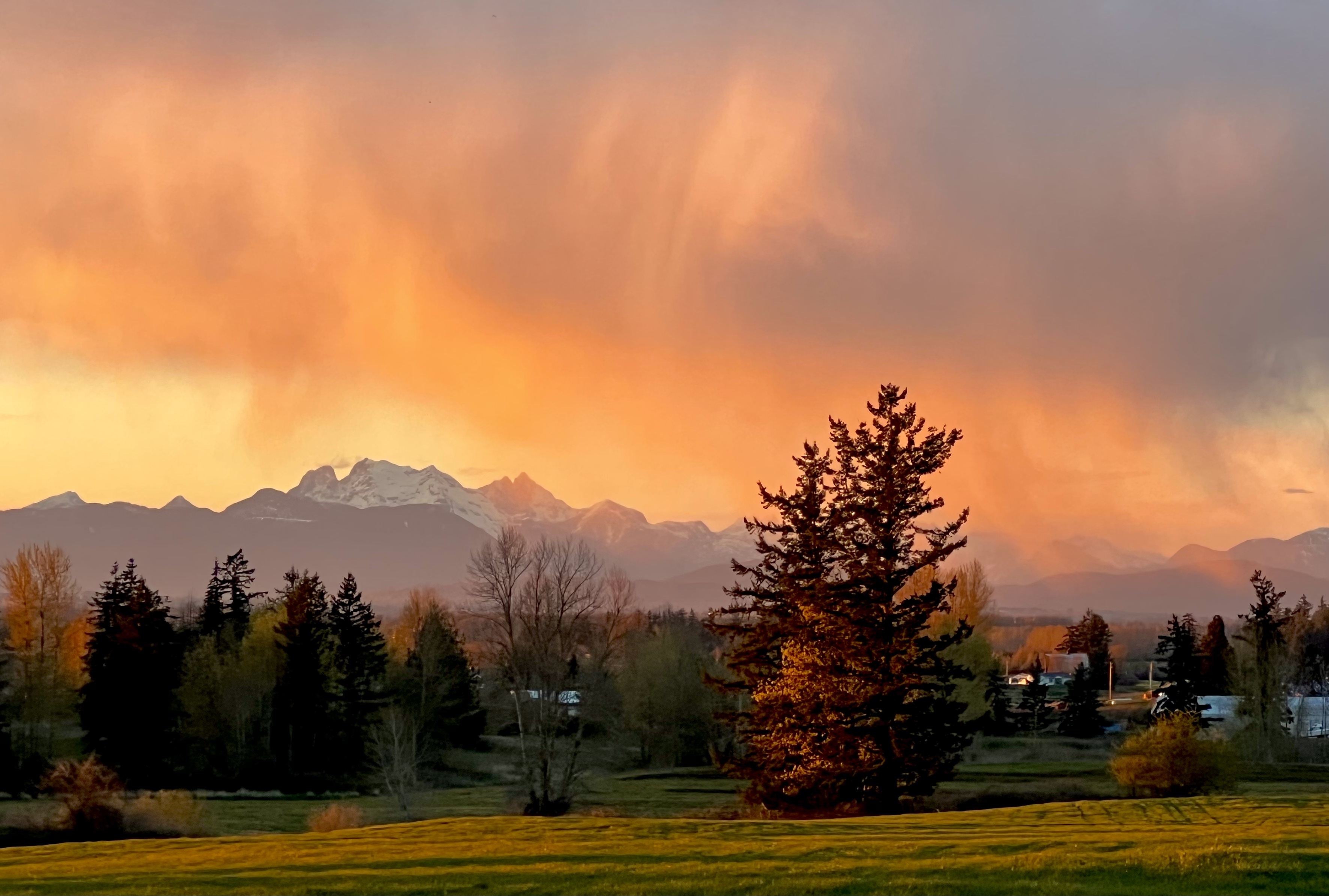
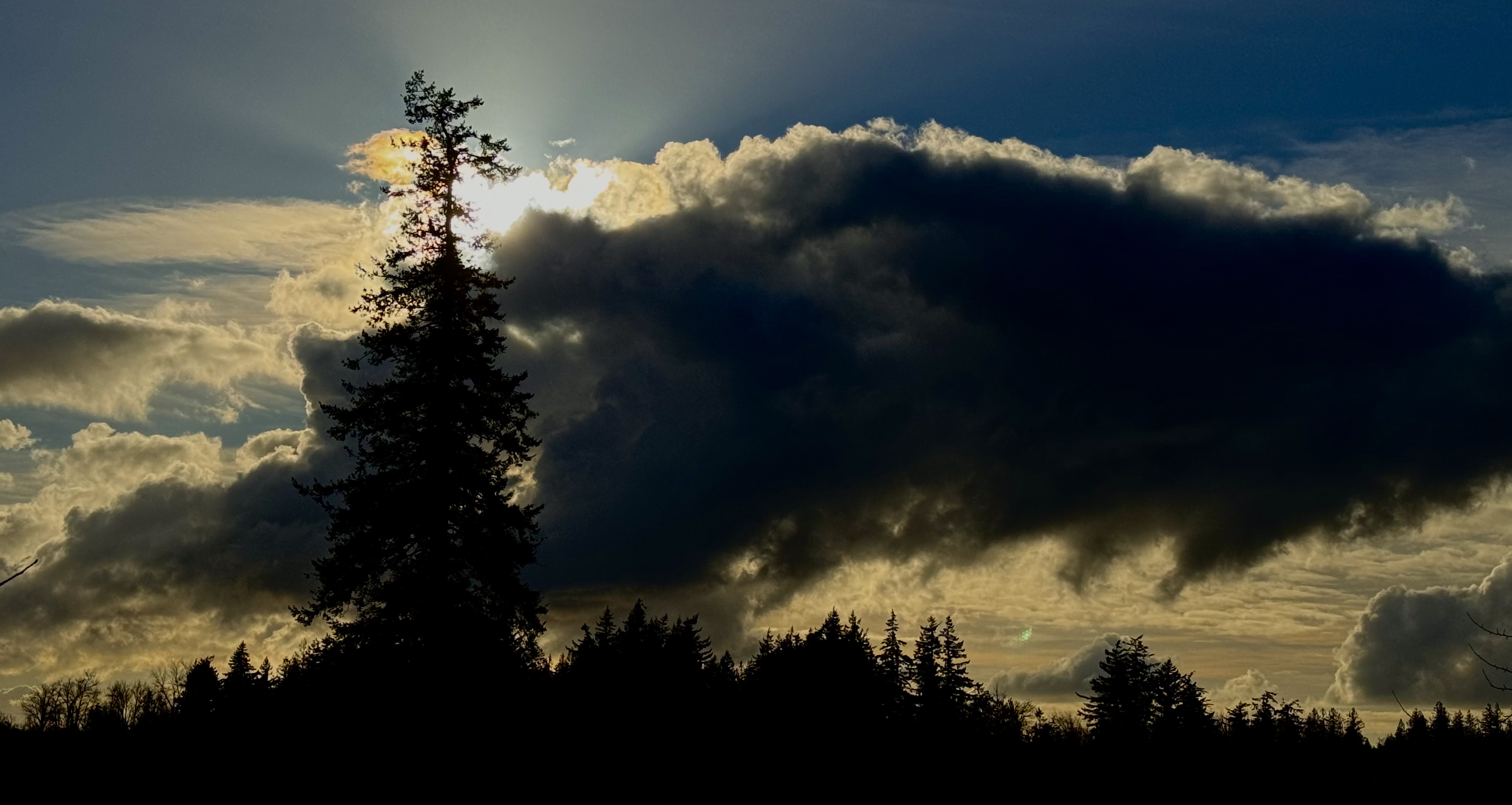
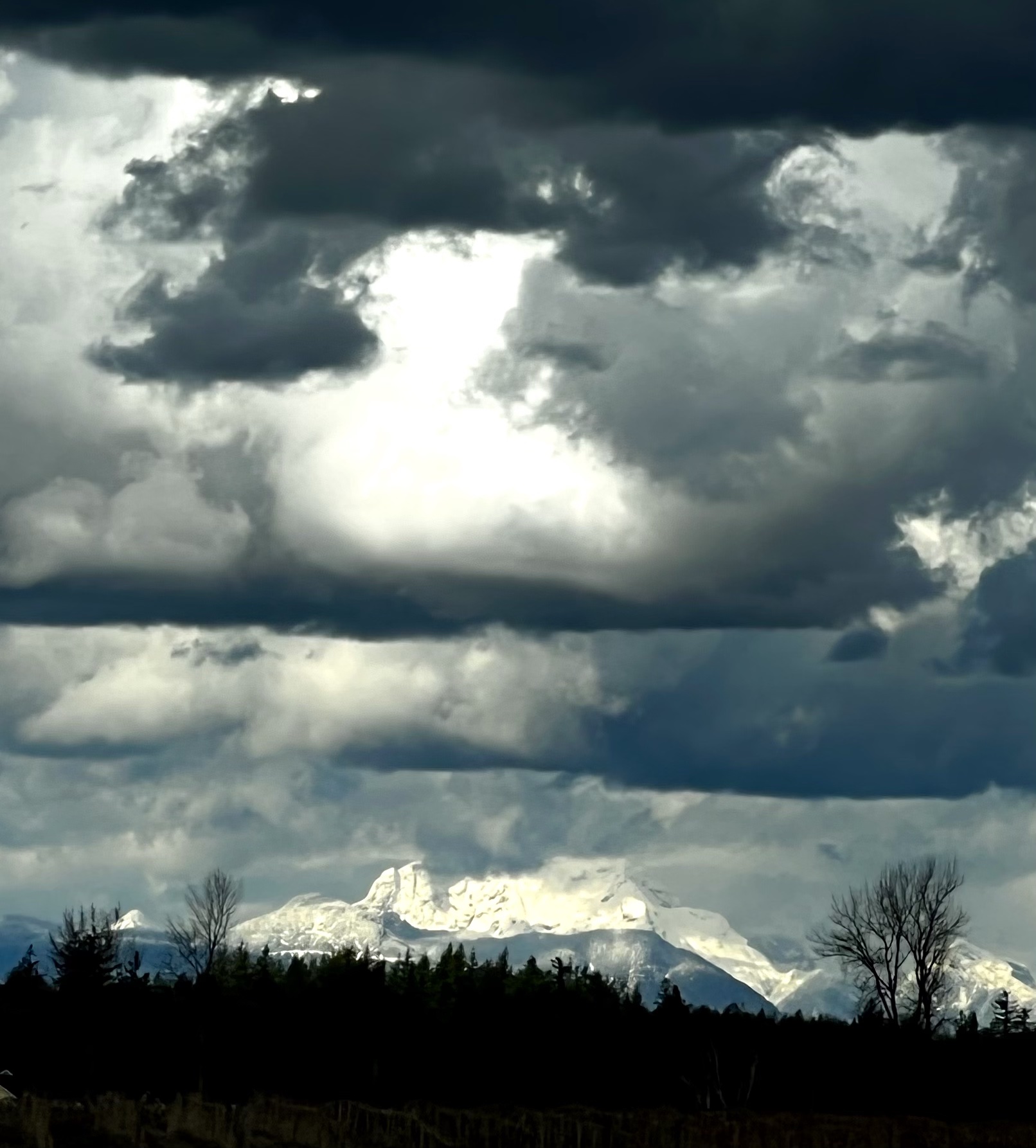
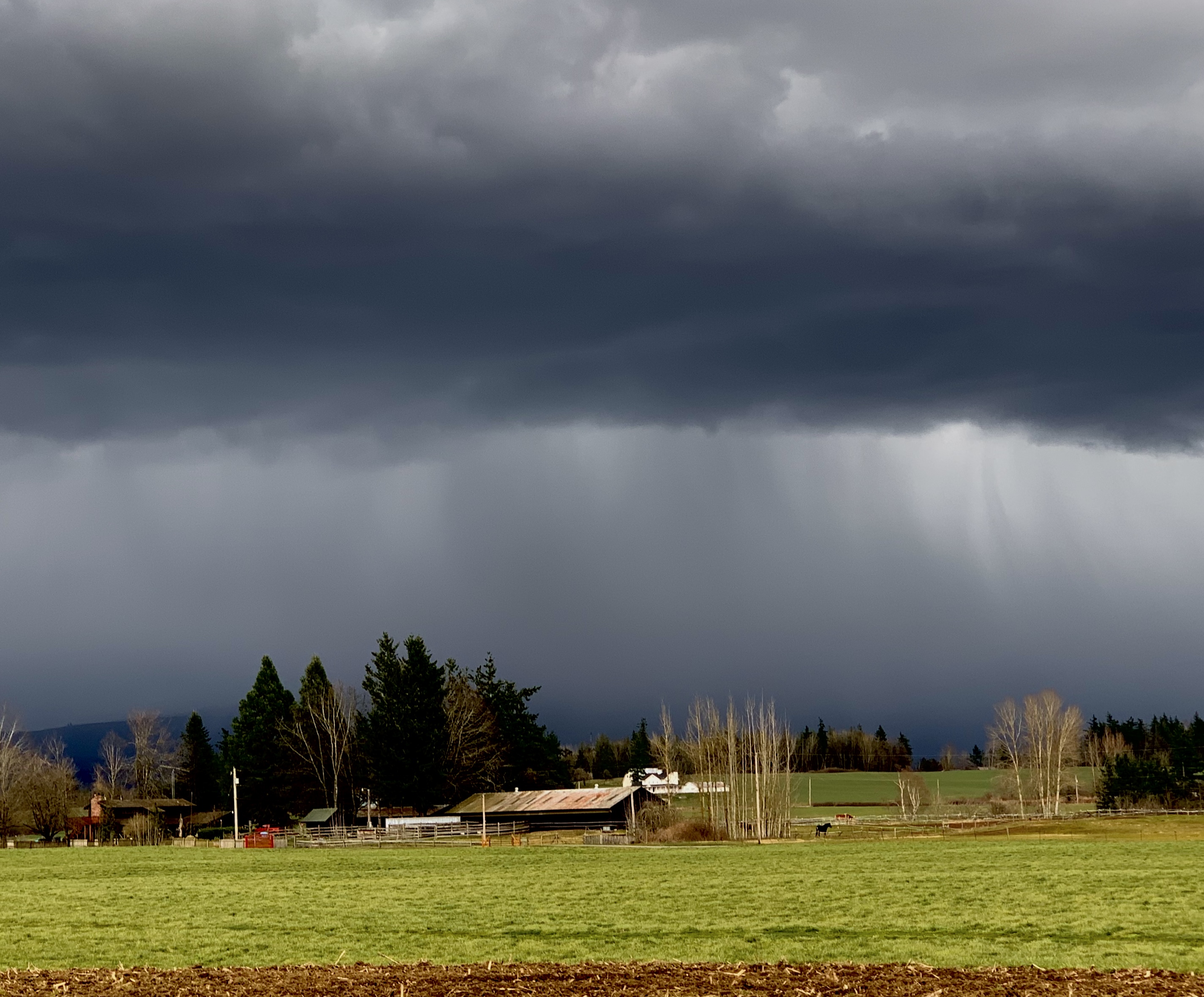
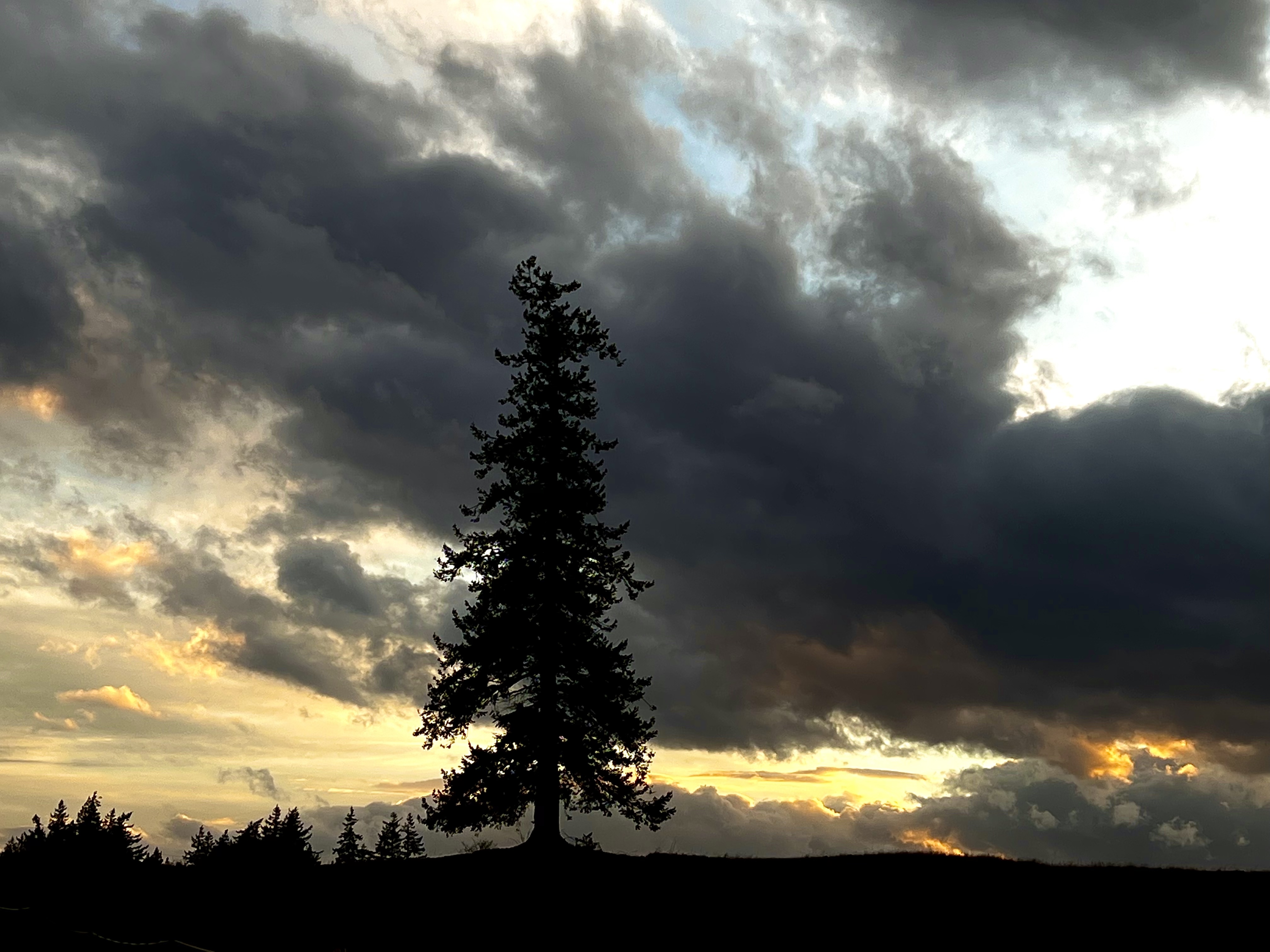
I watch the storm fronts roll in, threatening my outside and inside: heavy damaging winds, thunder and lightning, torrential unpredictable rains, mudslides, horrible forest fires destroying what is familiar and routine.
Inside my own head, the storm clouds of news headlines overpower day-to-day mundane concerns: devastating wars and violence, crime and protests, homelessness, rampant starvation and disease, man’s ongoing inhumanity to man.
I want to hide under a rock until the storms inside and outside blow over.
In the midst of the tempest — while wars rage on the planet, while a bitter election season is underway — a miracle may be wrought. Brilliant light exposes how heaven weeps from heavy clouds. A rainbow touches the earth in holy promise.
God assures His people: this storm too will pass, even the storms of our own making. Darkness is overcome by Light.
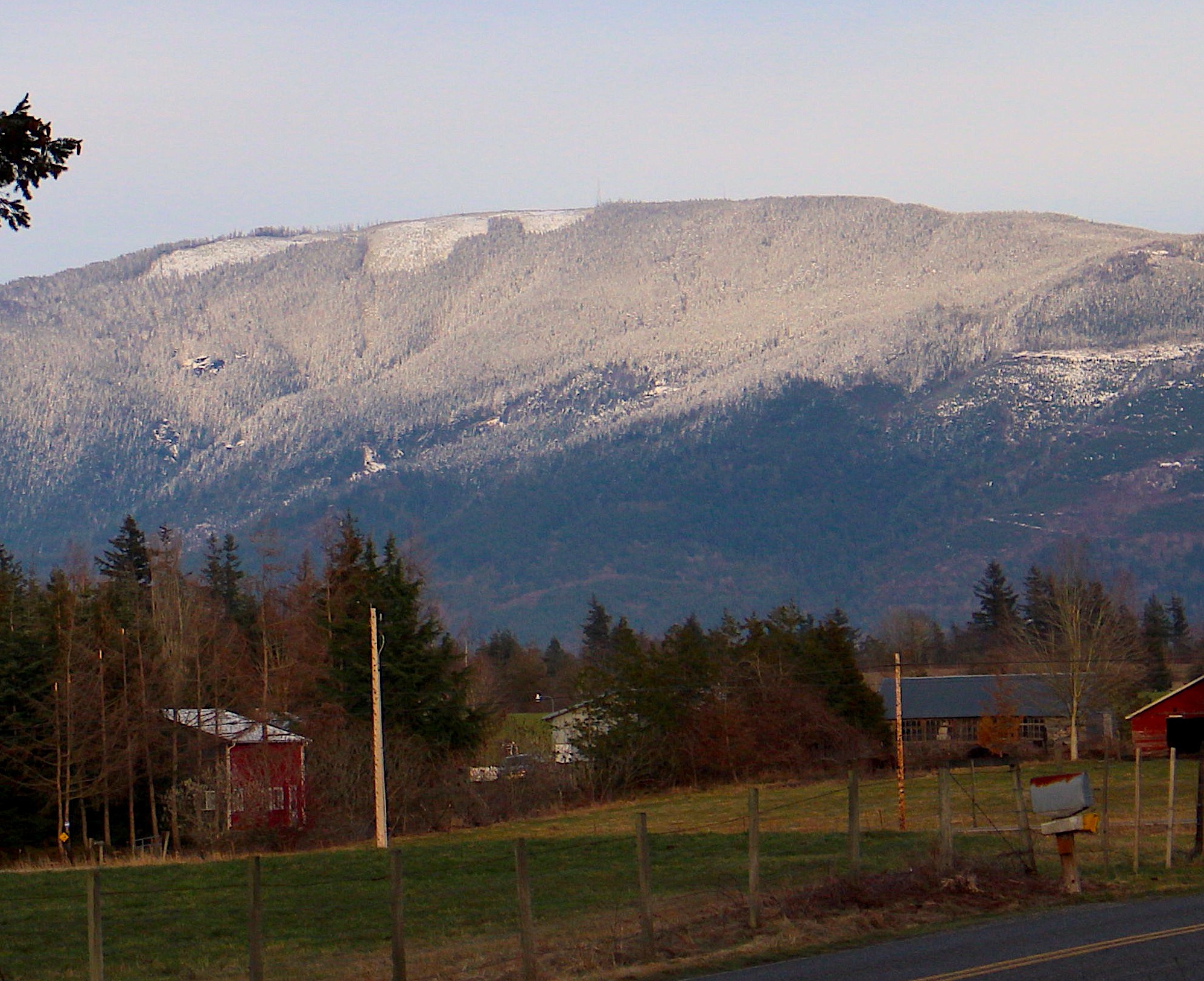
Painting of snowy Cascades by John Hoyte
He stilled the storm to a whisper; the waves of the sea were hushed. They were glad when it grew calm, and he guided them to their desired haven. Psalm 107:29-30
This Lenten season I reflect on the words of the 19th century southern spiritual hymn “What Wondrous Love is This”
One-Time
Monthly
Yearly
Make a one-time or recurring donation to support daily Barnstorming posts
The darksome burn, horseback brown, His rollrock highroad roaring down, In coop and in comb the fleece of his foam Flutes and low to the lake falls home.
A windpuff-bonnet of fáwn-fróth Turns and twindles over the broth Of a pool so pitchblack, féll-frówning, It rounds and rounds Despair to drowning. Degged with dew, dappled with dew, Are the groins of the braes that the brook treads through, Wiry heathpacks, flitches of fern, And the beadbonny ash that sits over the burn. What would the world be, once bereft Of wet and wildness? Let them be left, O let them be left, wildness and wet; Long live the weeds and the wilderness yet. ~Gerard Manley Hopkins “Inversnaid”
There is despair in untamed hearts lost in the wilderness. Wildness lies just beneath the surface; it spills over, swirls round and round, spins out of reach.
Our world feels that way right now.
How are we spared drowning in its pitch black pool? Can we thrill to beauty surrounding us without being tempted into darkness?
Christ came not to tame creation’s wildness, but to pull us gasping people from its unforgiving clutches before we sink ever deeper in despair.
We are mere weeds trying to survive this wild world, to grow, to flourish, to witness to those who are bereft. O Lord, let us be left to live long in your Light.
Let us be left.
Because of your great compassion you did not abandon them in the wilderness. By day the pillar of cloud did not fail to guide them on their path, nor the pillar of fire by night to shine on the way they were to take. You gave your good Spirit to instruct them. Nehemiah 9: 19-20
This Lenten season I reflect on the words of the 19th century southern spiritual hymn “What Wondrous Love is This”
One-Time
Monthly
Yearly
Make a one-time or recurring donation to support daily Barnstorming posts
I lift mine eyes, but dimm’d with grief No everlasting hills I see; My life is in the fallen leaf: O Jesus, quicken me.
My life is like a frozen thing, No bud nor greenness can I see: Yet rise it shall–the sap of Spring; O Jesus, rise in me. ~Christina Rossetti from “A Better Resurrection”
It dawned on me that perhaps the first thing the risen Lord did after he defeated death, as his heart once again began to beat, was to fold his grave clothes.
This seemed to me to be good news for laundry doers everywhere—and especially to moms who probably still carry out the bulk of this mundane chore.
The risen Christ folded his laundry.
I suppose the angels could have done it but angels probably don’t have much experience with laundry. ~Doug Basler from “The Poetry of a Pastor” from Ekstasis Magazine
<Peter> saw the linen cloths lying there,and the face cloth, which had been on Jesus’ head, not lying with the linen cloths but folded up in a place by itself. John 20: 6-7
I remember panicking as a child when my mother would help me take off a sweatshirt with a particularly tight neck opening, as my head would get “stuck” momentarily until she could free me. It caused an intense feeling of being unable to breathe or see – literally being shrouded. I was trapped and held captive by something as innocuous as a piece of cloth, but the panic was real. That same feeling still overwhelms me at times when I find myself stuck in my mistakes and sins, anxious and struggling to get free.
My impulse, once free of what smothers me, is to toss it as far away from me as possible. I want to be rid of it and never touch it again. I certainly don’t take time to fold it up for all to see.
Jesus took the time to carefully fold His facial death cloth and leave it where all who entered the tomb would recognize it as proof that His body wasn’t stolen. He had risen, leaving a clear message that all was in good order, as He said it would be.
So I now find folding laundry more meaningful, not as mundane – a reminder that a tidy and empty tomb is something to celebrate: new life quickens like spring sap rising from a fallen leaf.
This Lenten season I reflect on the words of the 19th century southern spiritual hymn “What Wondrous Love is This”
One-Time
Monthly
Yearly
Make a one-time or recurring donation to support daily Barnstorming posts
Suddenly I knew, when we stood in a circle holding hands; suddenly I knew, that because of the circle, because of friendship, because of love— yes, and because of the brokenness, and the need— I have been in heaven all my life. ~Carol Bialock “I Used to Think Heaven was Future” from Coral Castles
The church, I think, is God’s way of saying, “What I have in the pot is yours, and what I have is a group of misfits whom you need more than you know and who need you more than they know.”
“Take, and eat,” he says, “and take, and eat, until the day, and it is coming, that you knock on my door. I will open it, and you will see me face to face.”
He is preparing a table. He will welcome us in. Jesus will be there, smiling and holy, holding out a green bean casserole. And at that moment, what we say, what we think, and what we believe will be the same: “I didn’t know how badly I needed this.” ~Jeremy Clive Huggins from “The Church Potluck”
…when I experienced the warm, unpretentious reception of those who have nothing to boast about, and experienced a loving embrace from people who didn’t ask any questions, I began to discover that a true spiritual homecoming means a return to the poor in spirit to whom the kingdom of heaven belongs. ~Henri Nouwen from The Return of the Prodigal Son
The journey begins when Christians leave their homes and beds. They leave, indeed, their life in this present and concrete world, and whether they have to drive 15 miles or walk a few blocks, a sacramental act is already taking place…
For they are now on their way to constitute the Church, or to be more exact, to be transformed into the Church of God. They have been individuals, some white, some black, some poor, some rich, they have been the ‘natural’ world and a natural community. And now they have been called to “come together in one place,” to bring their lives, their very world with them and to be more than what they were: a new community with a new life.
We are already far beyond the categories of common worship and prayer. The purpose of this ‘coming together’ is not simply to add a religious dimension to the natural community, to make it ‘better’ – more responsible, more Christian. The purpose is to fulfill the Church, and that means to make present the One in whom all things are at their end, and all things are at their beginning. ~ Father Alexander Schmemann from For the Life of the World
We’ve been through fire, we’ve been through pain We’ve been refined by the power of Your name We’ve fallen deeper in love with You You’ve burned the truth on our lips
Rise up church with broken wings Fill this place with songs again Of our God who reigns on high By his grace again we’ll fly ~Robin Mark from “Shout to the North and the South”
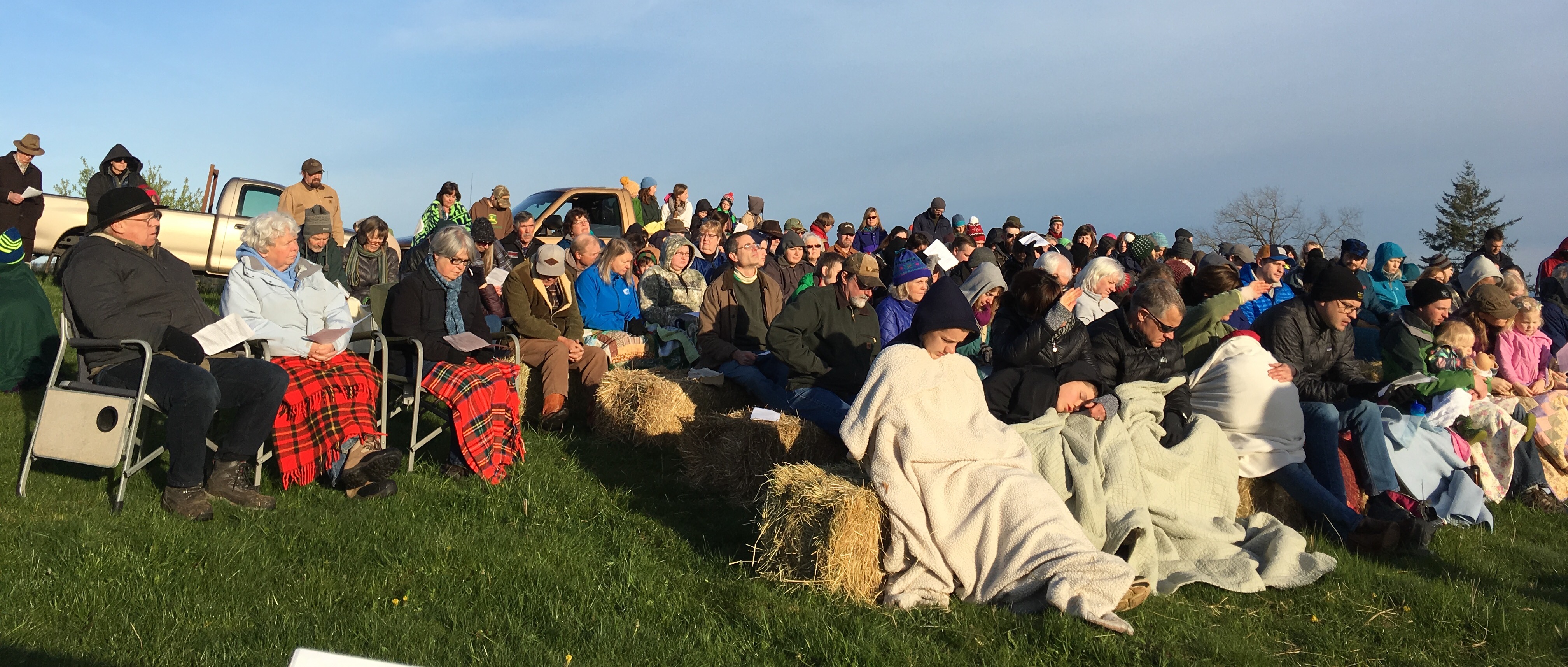
photo by Barb Hoelle
There is so much wrong with the modern church, comprised as it is of fallen people with broken wings determined to find flaws in each other in doctrine, tradition, beliefs.
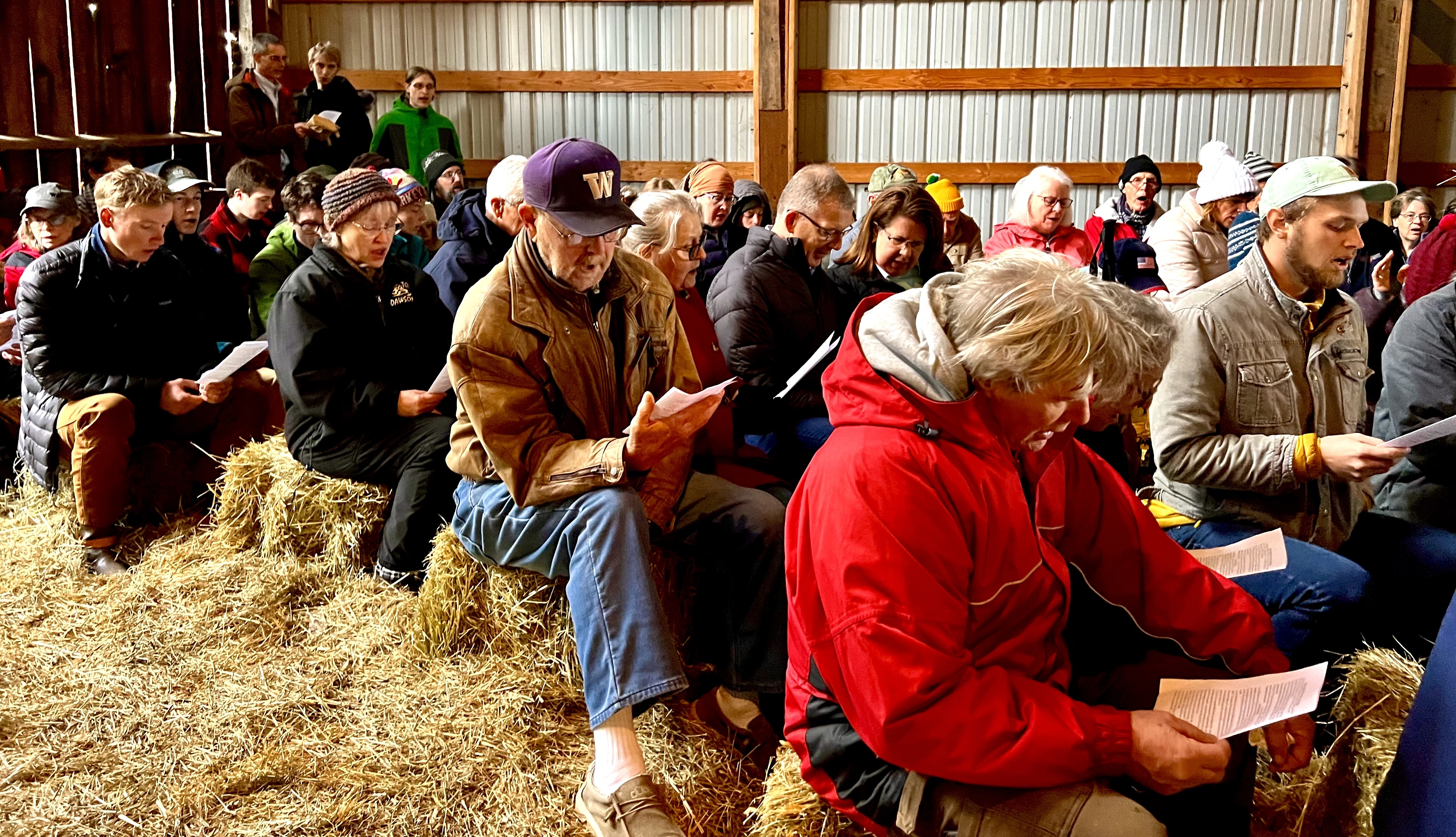
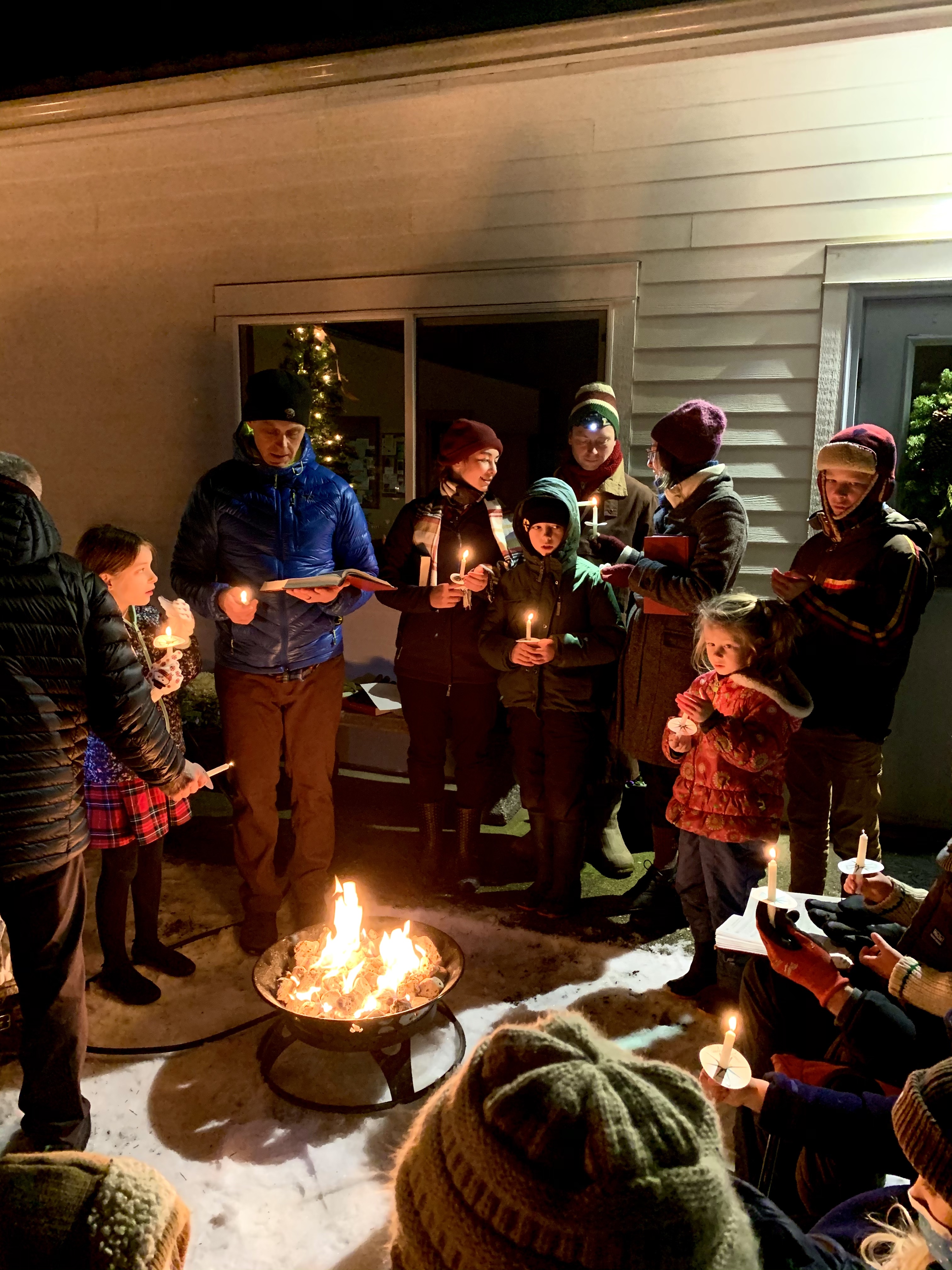
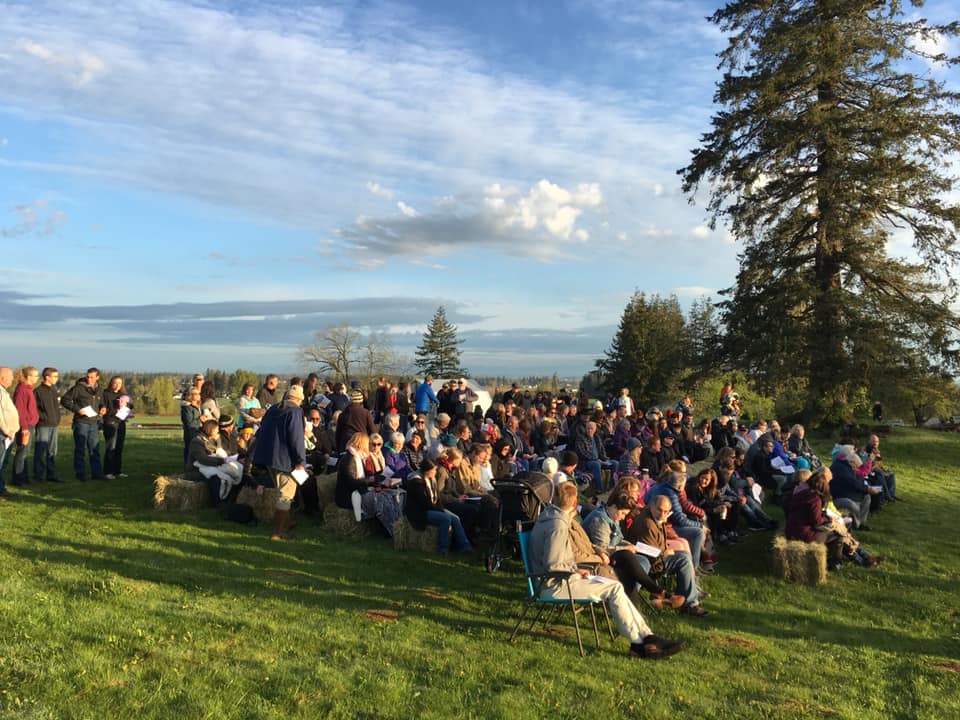
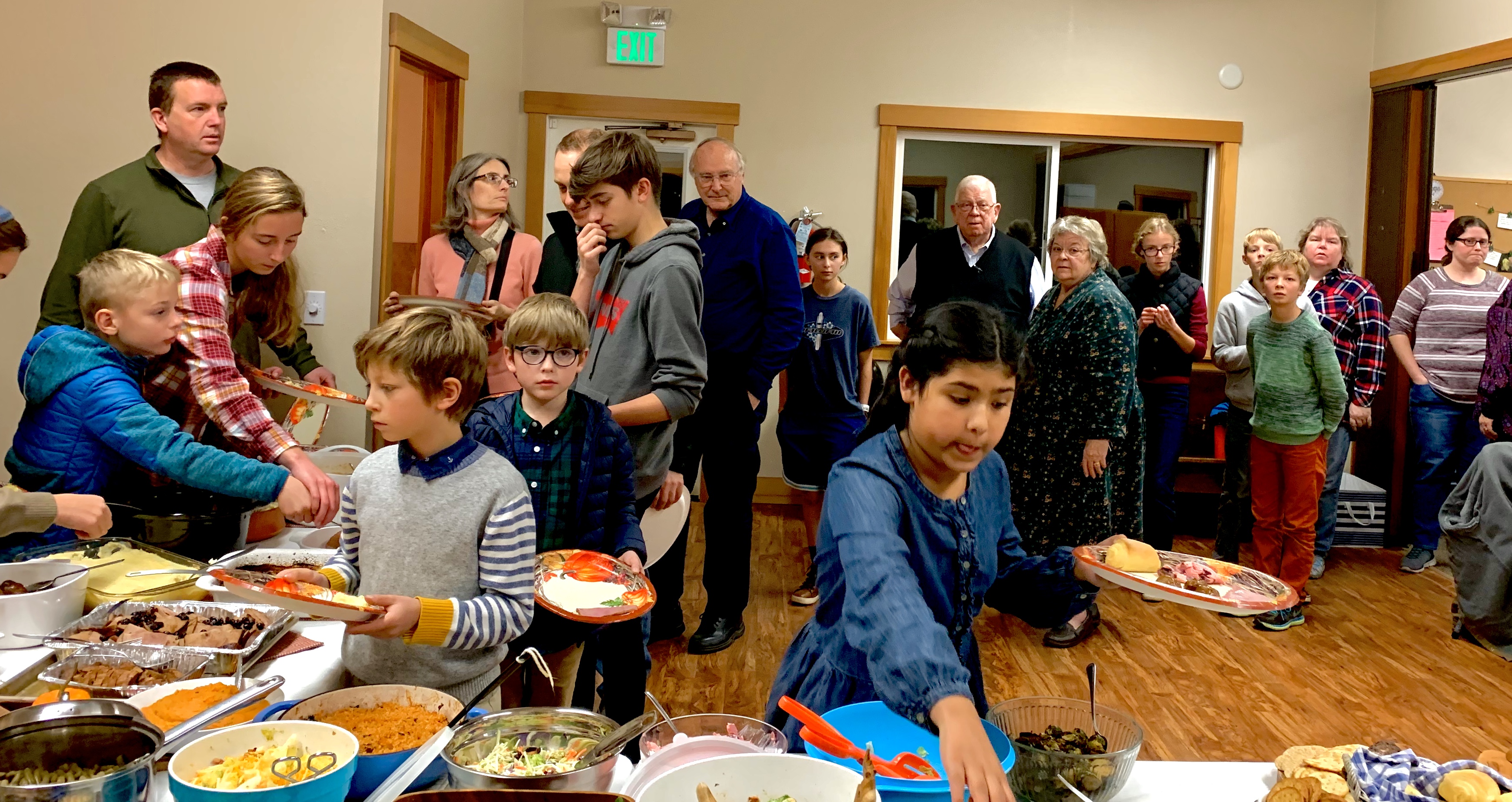
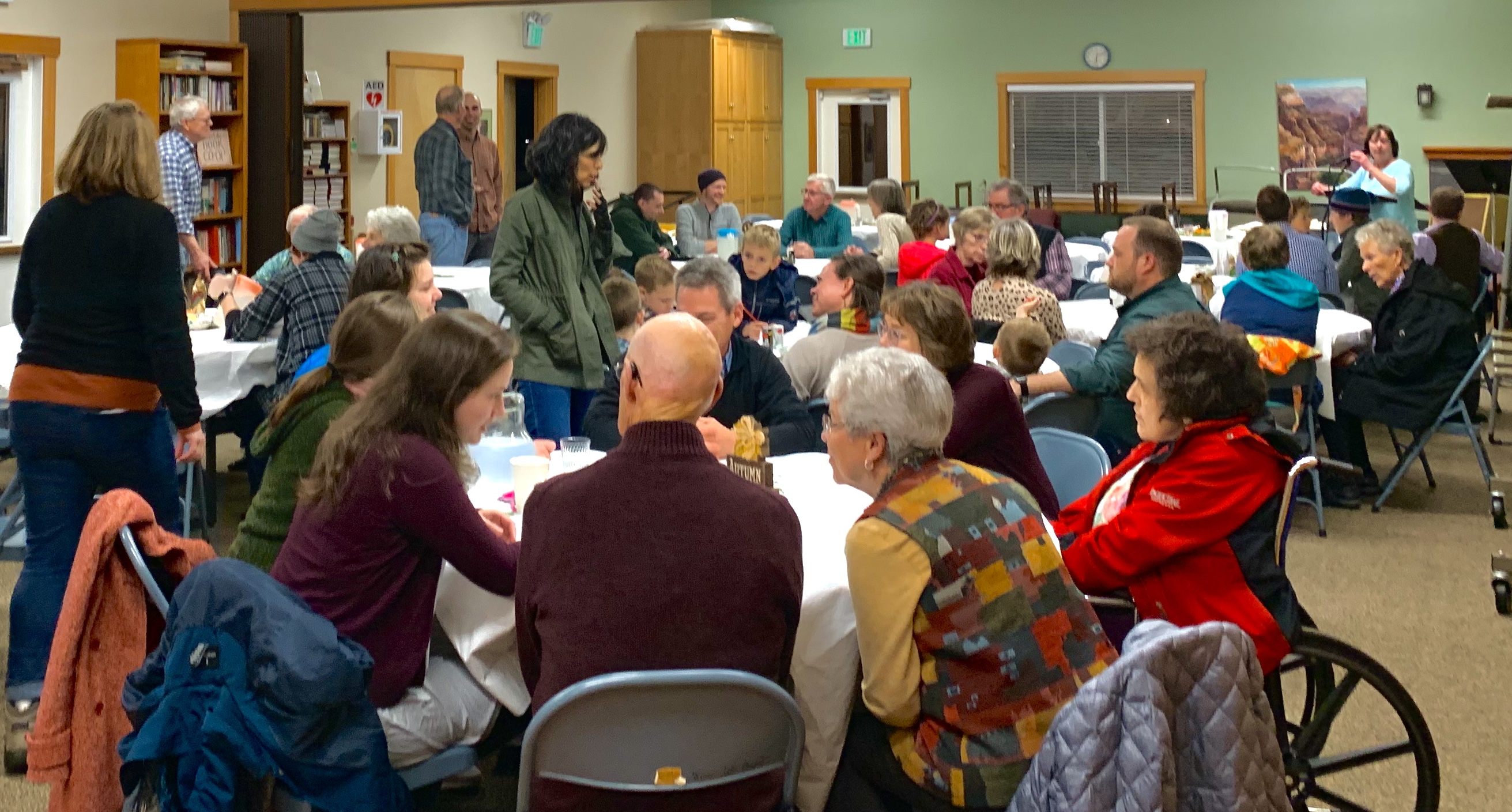
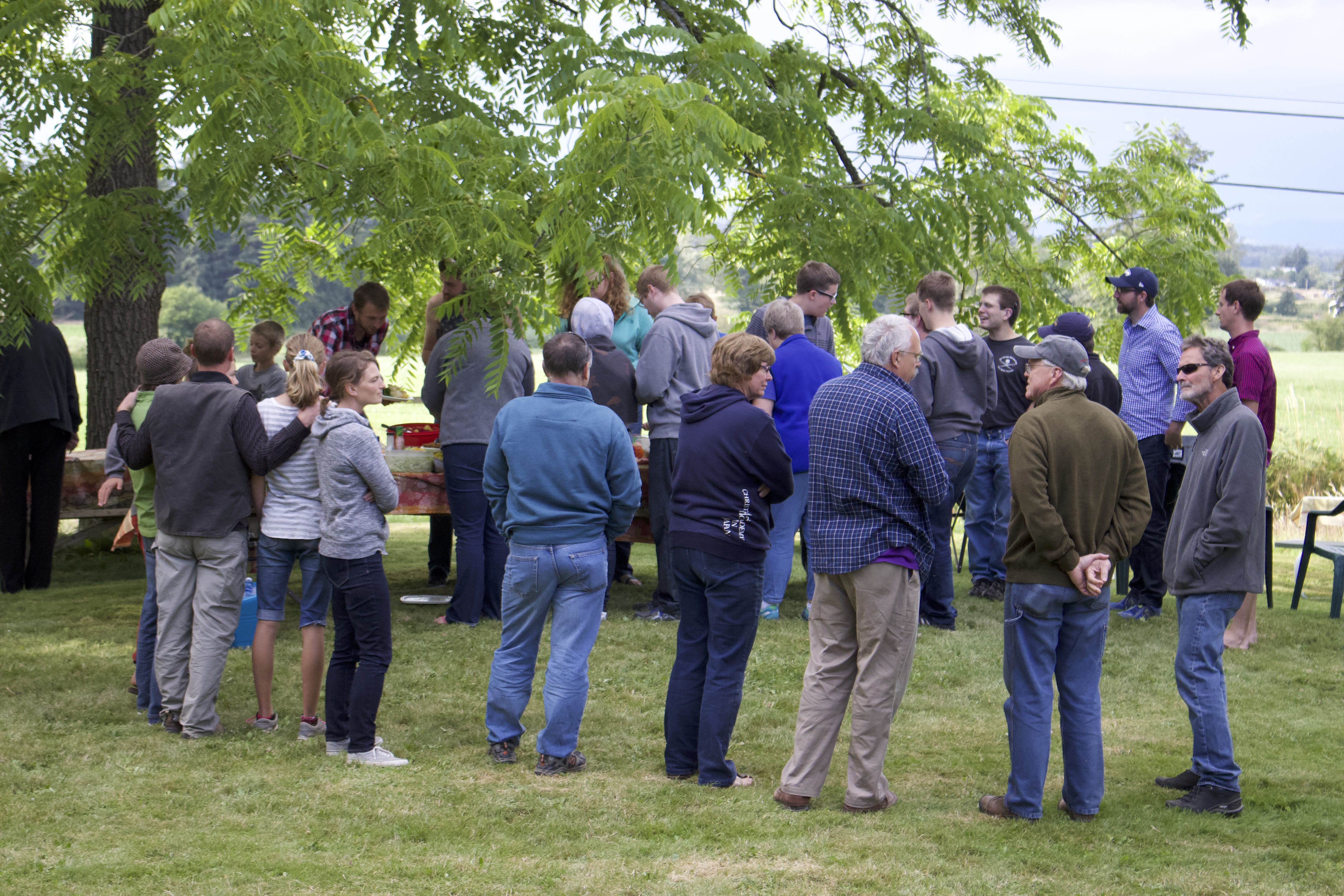
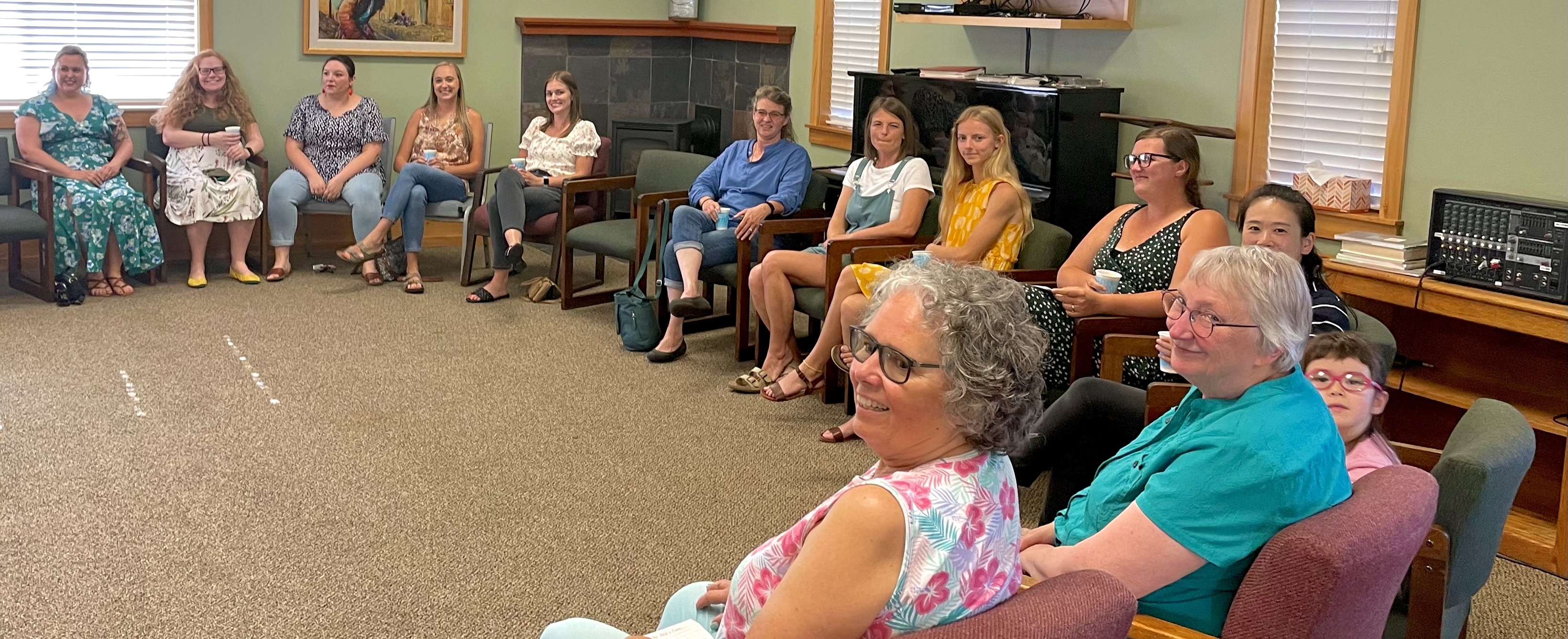
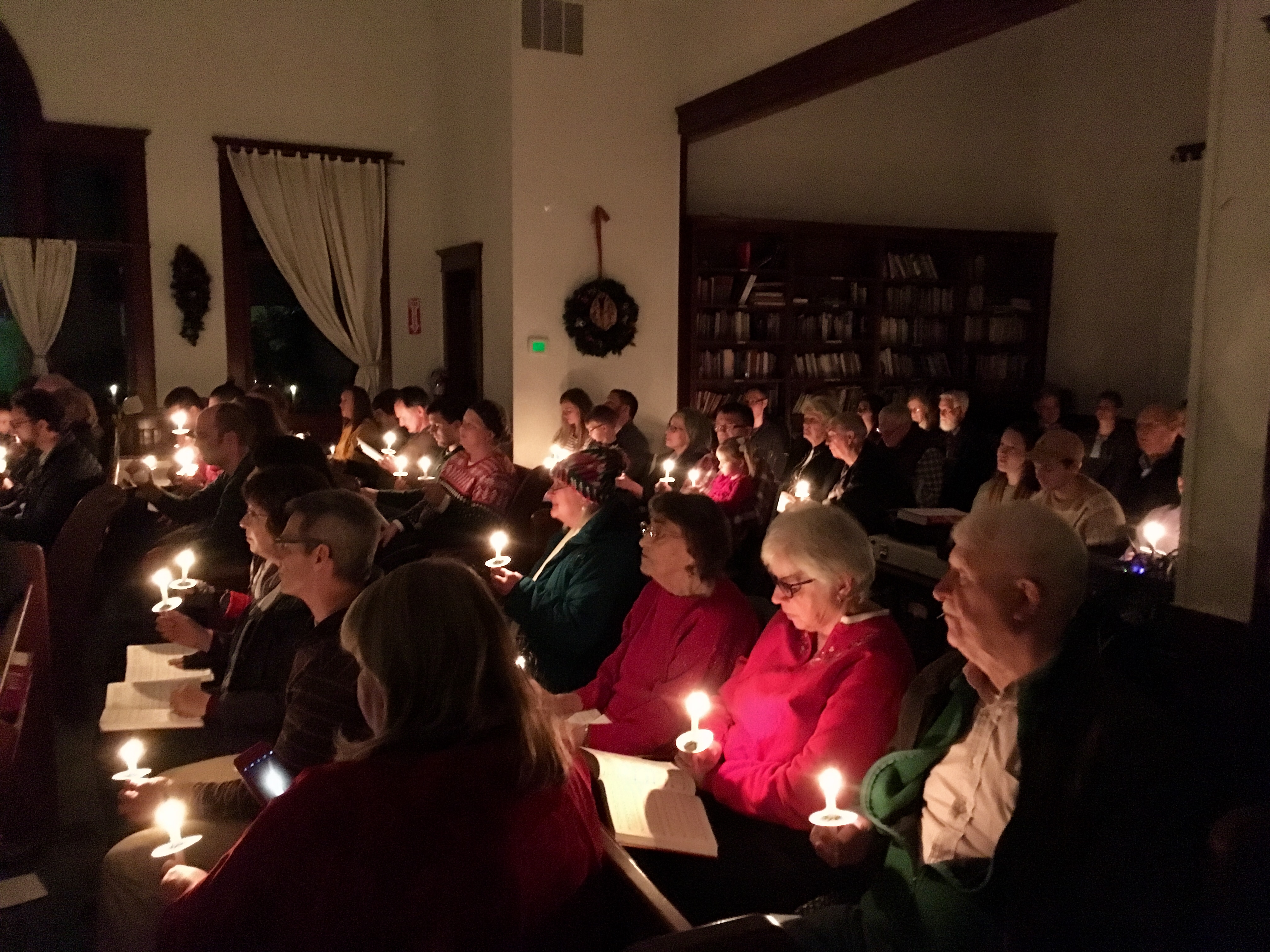
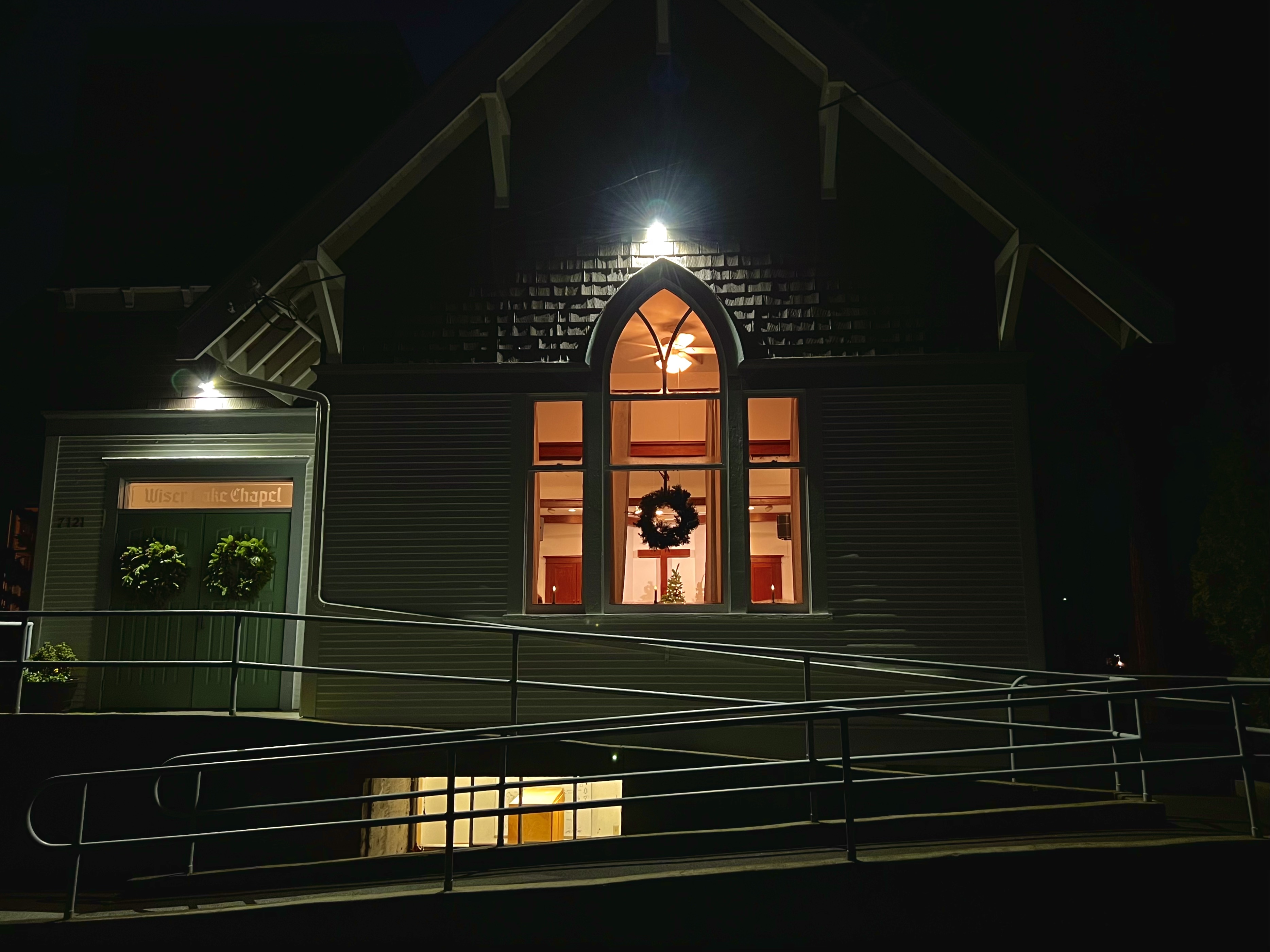
What is right with the church today, is when it offers a taste of heaven for hopeful people who come together in sanctuary, barn and field, eucharist table and potluck, to hold each other up in prayer and to sing in worship to the Three in One, who is why we sing, whose body we are part of and who, in our need, loves and forgives us despite our motley messiness: Our Lord of Heaven and Earth.
I appeal to you, brothers and sisters, in the name of our Lord Jesus Christ, that all of you agree with one another in what you say and that there be no divisions among you, but that you be perfectly united in mind and thought. 1 Corinthians 1:9-10
This Lenten season I reflect on the words of the 19th century southern spiritual hymn “What Wondrous Love is This”
One-Time
Monthly
Yearly
Make a one-time or recurring donation to support daily Barnstorming posts














































 Barnstorming